A comprehensive review of theoretical and experimental probability, simulations, and predictions aligned with TEKS 7.6.D. Students explore the differences between what should happen and what actually happens through data-driven investigations.
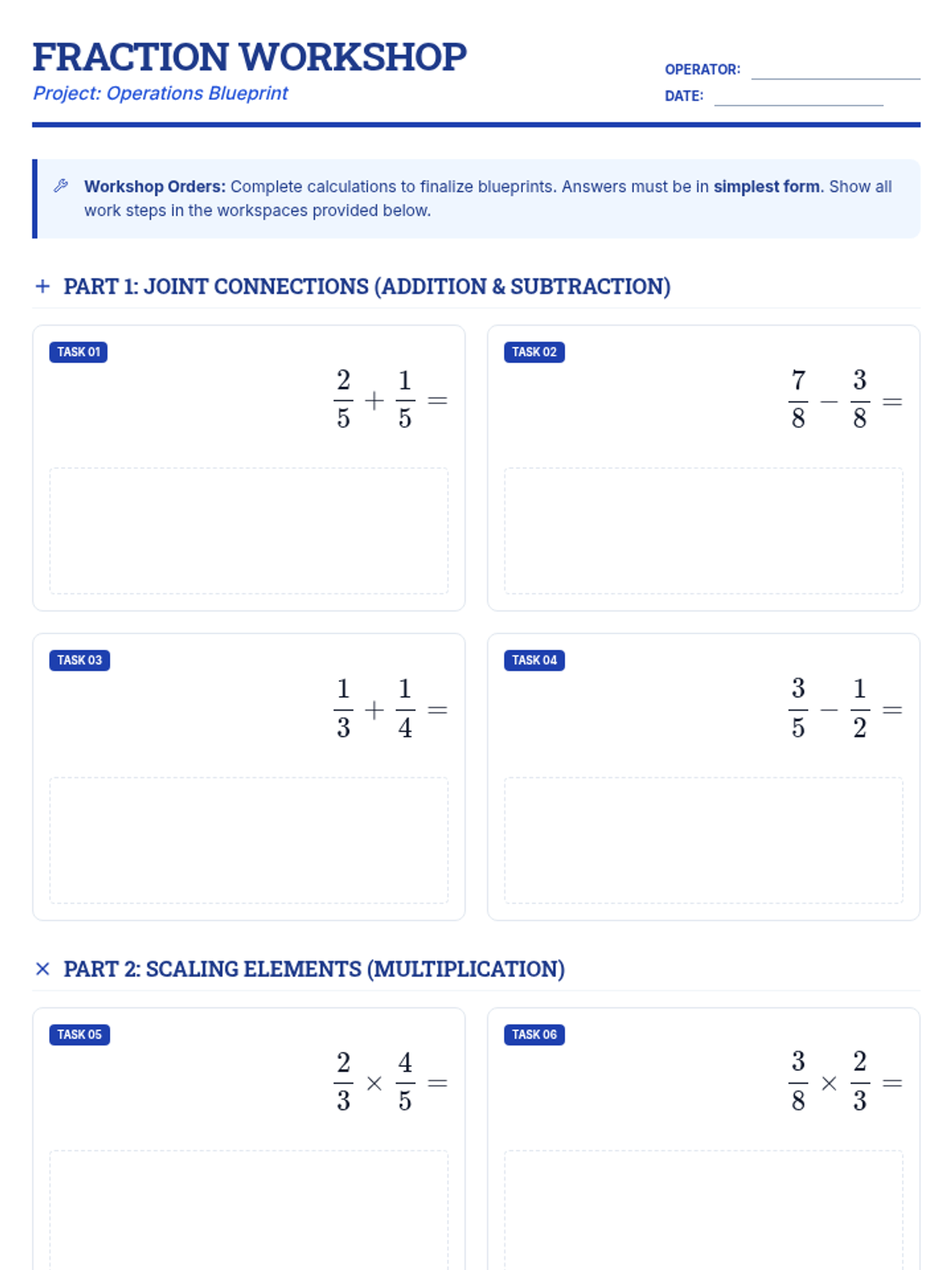
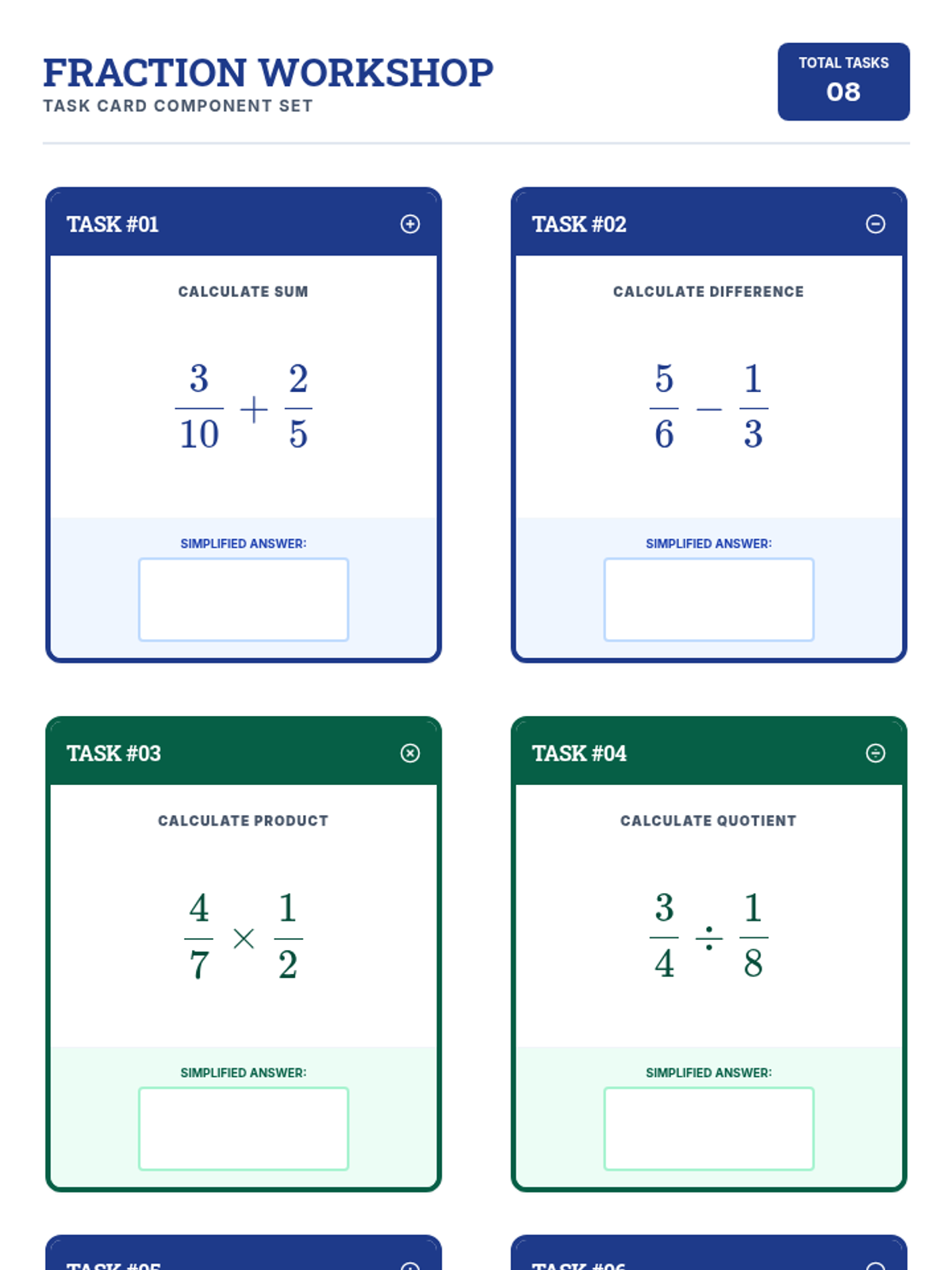
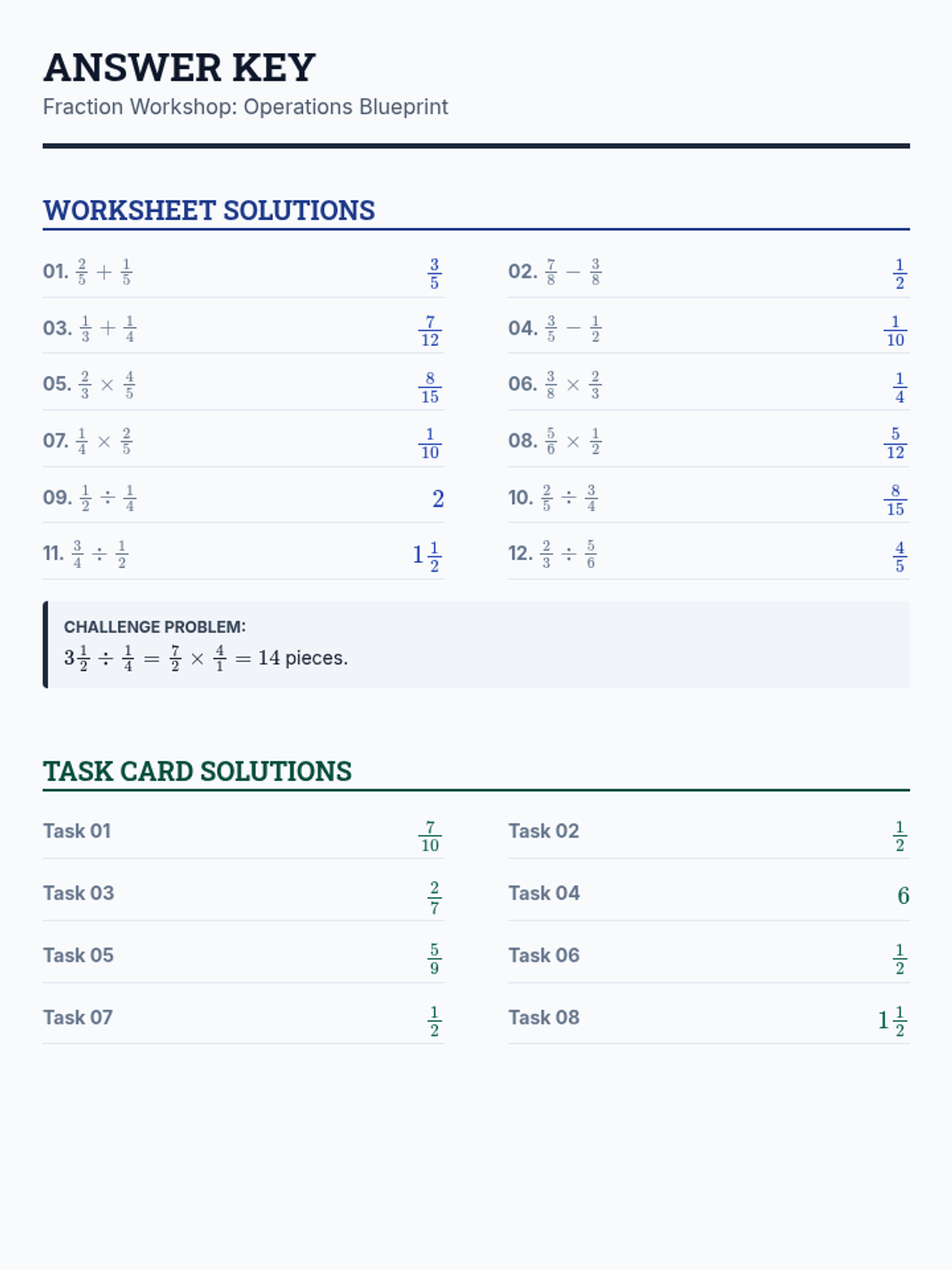
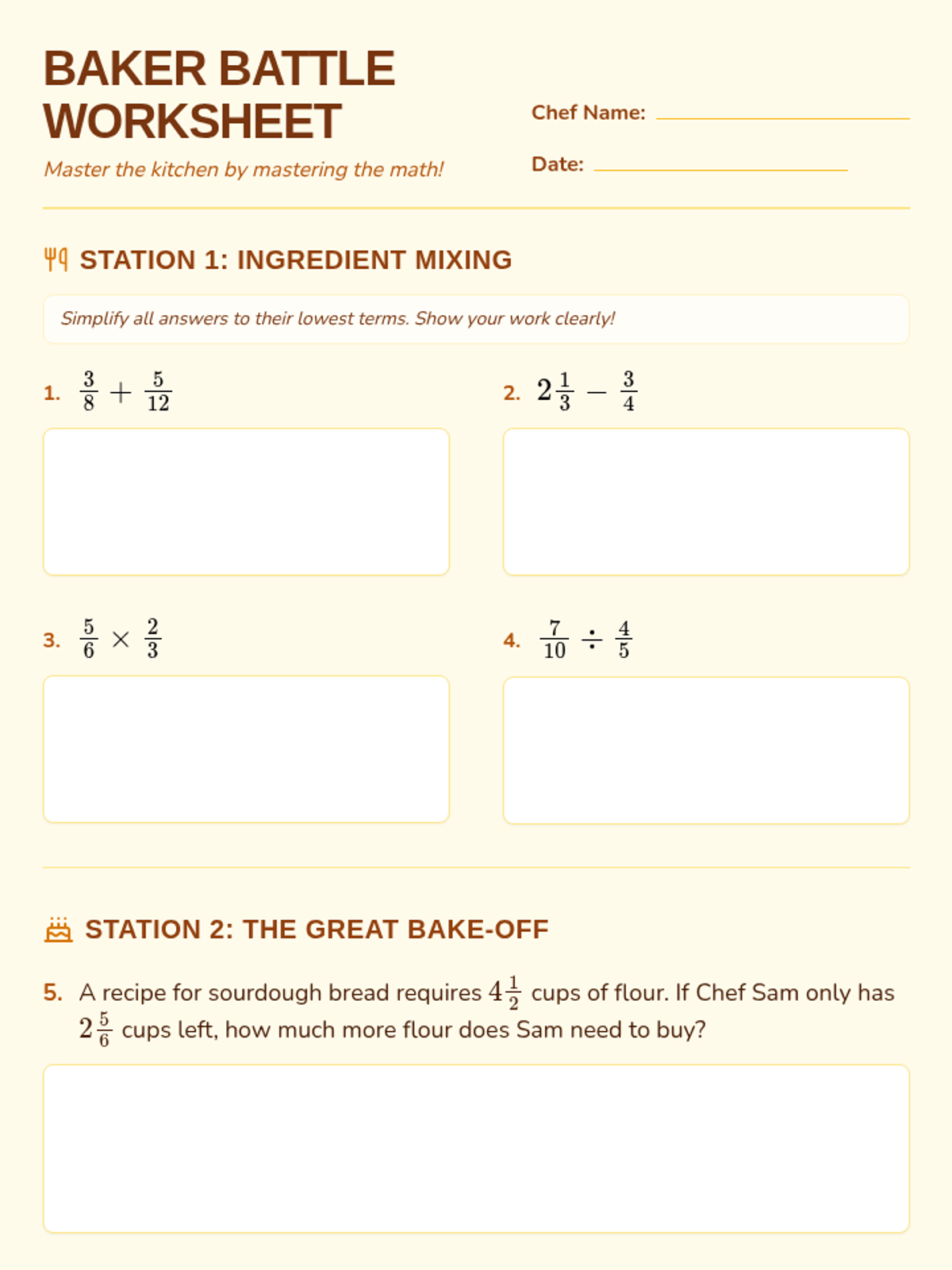
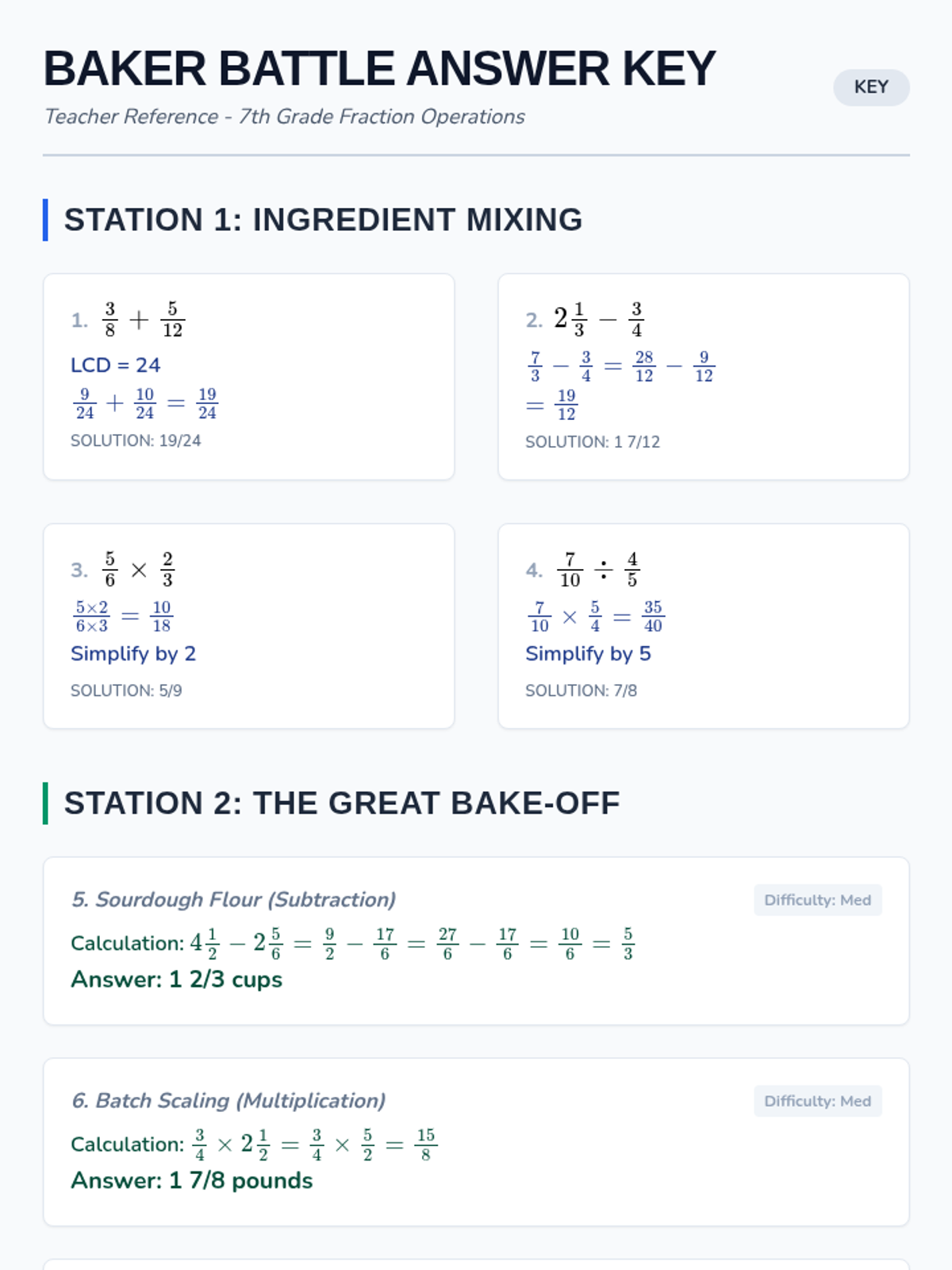
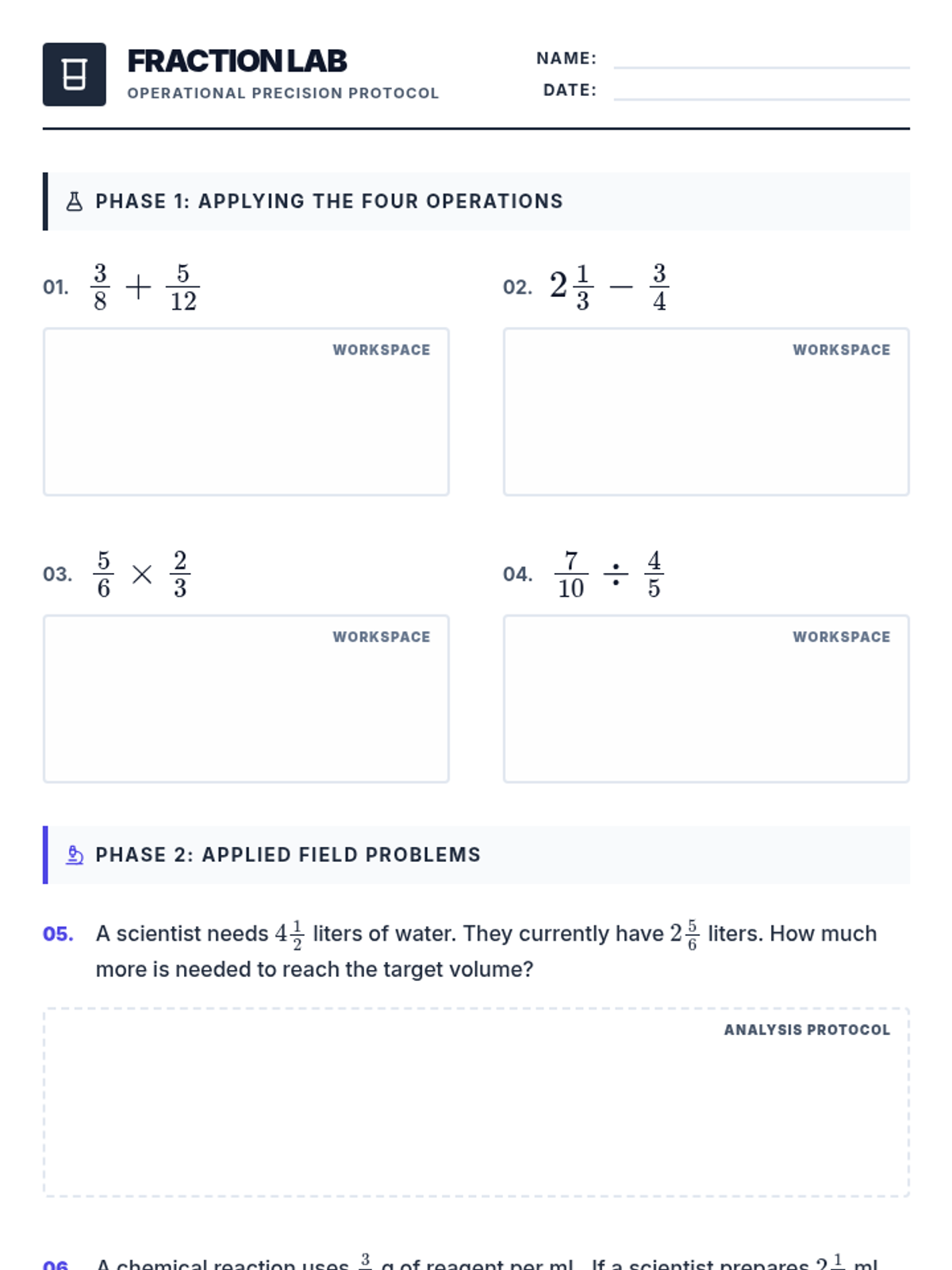
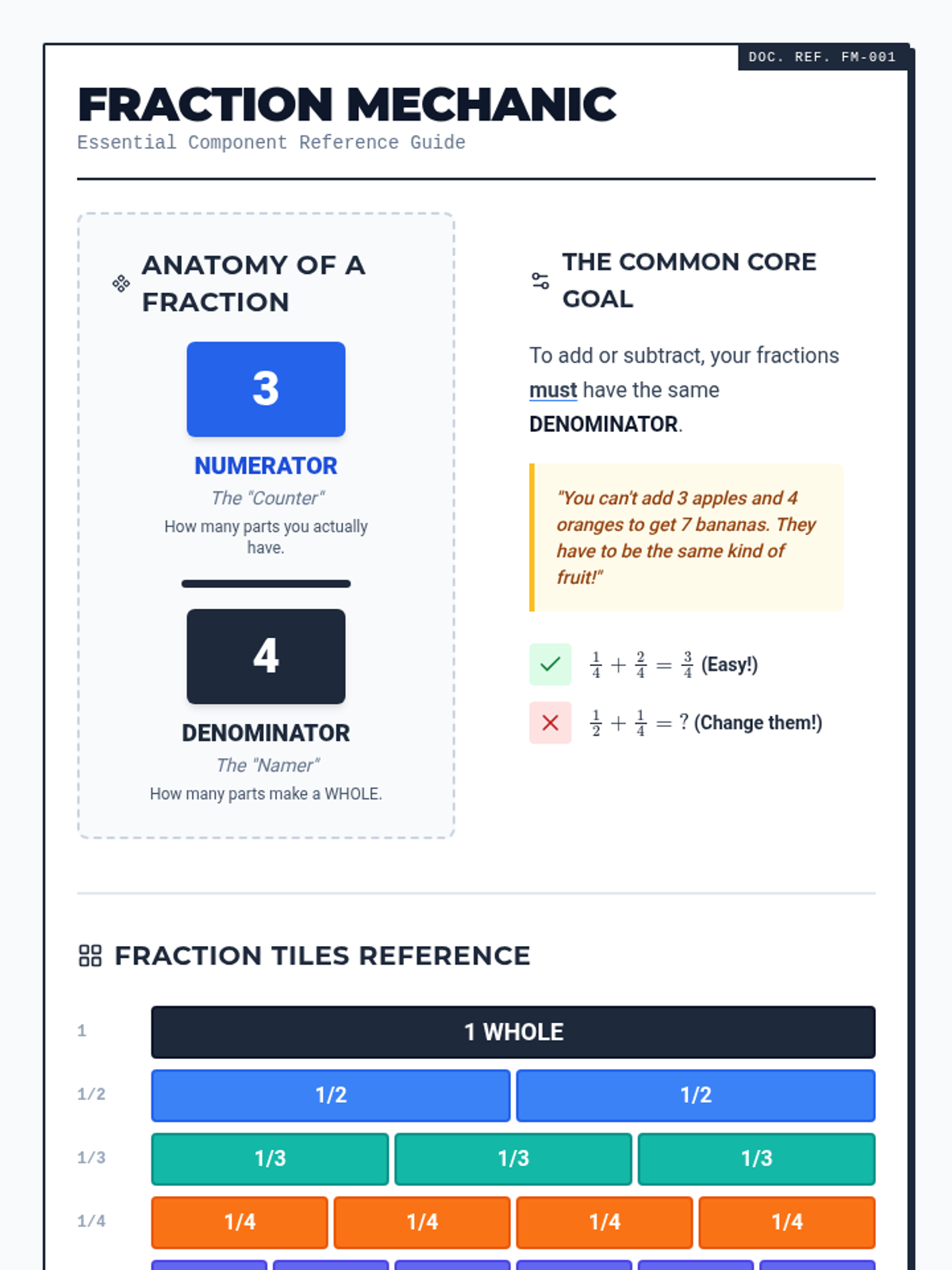
A comprehensive practice set for mastering the four basic operations with fractions, themed as an engineering workshop.
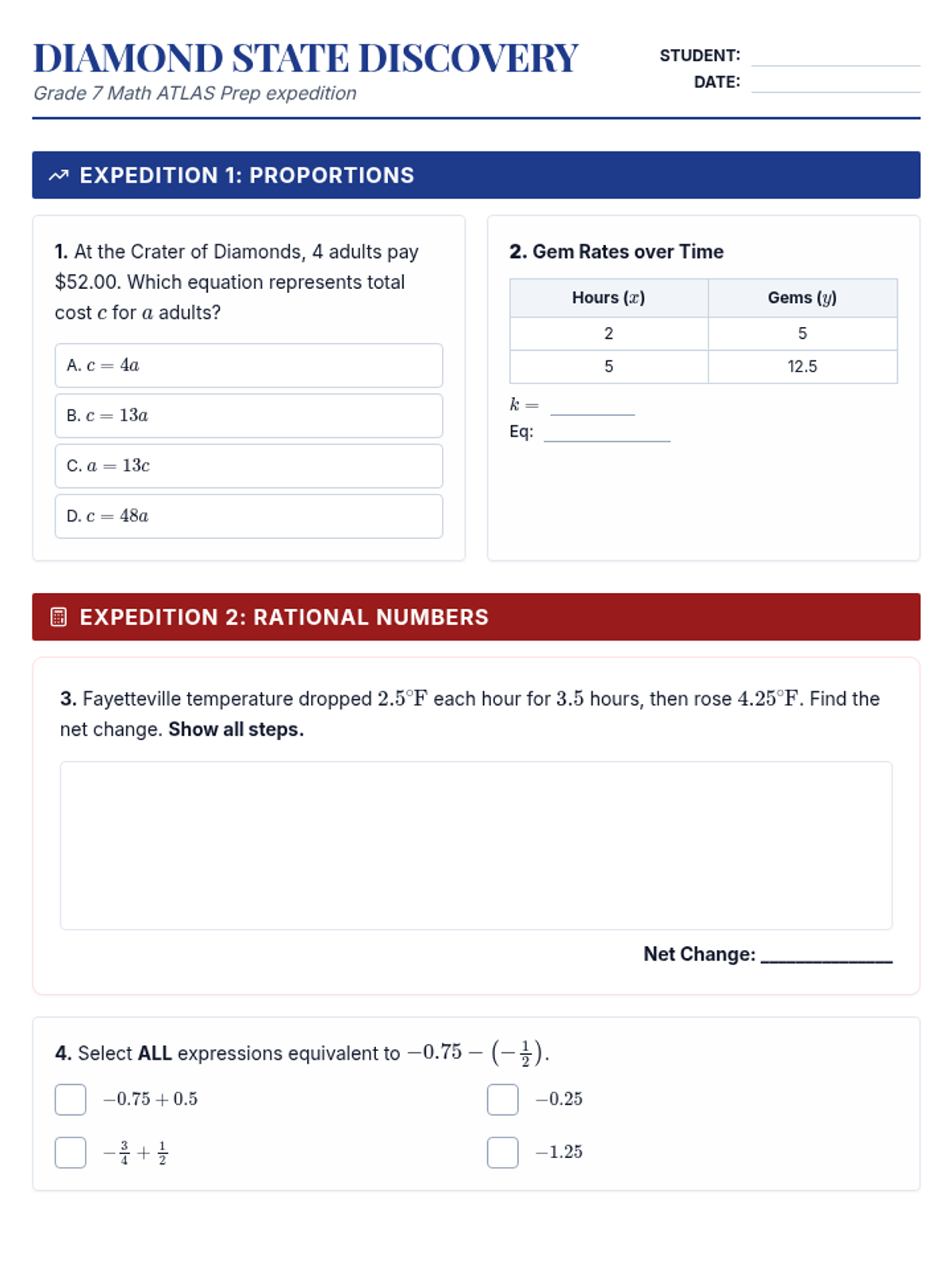
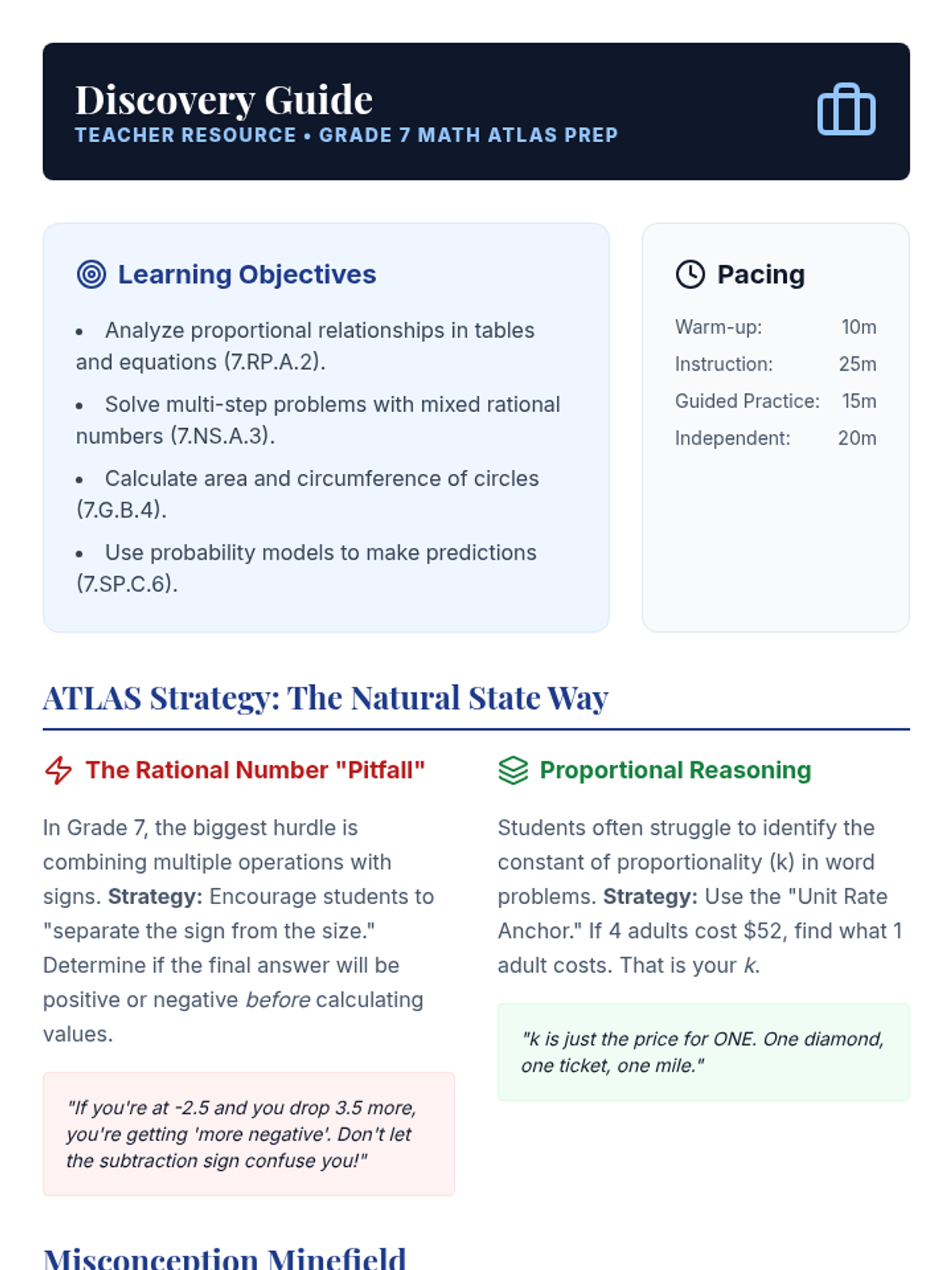
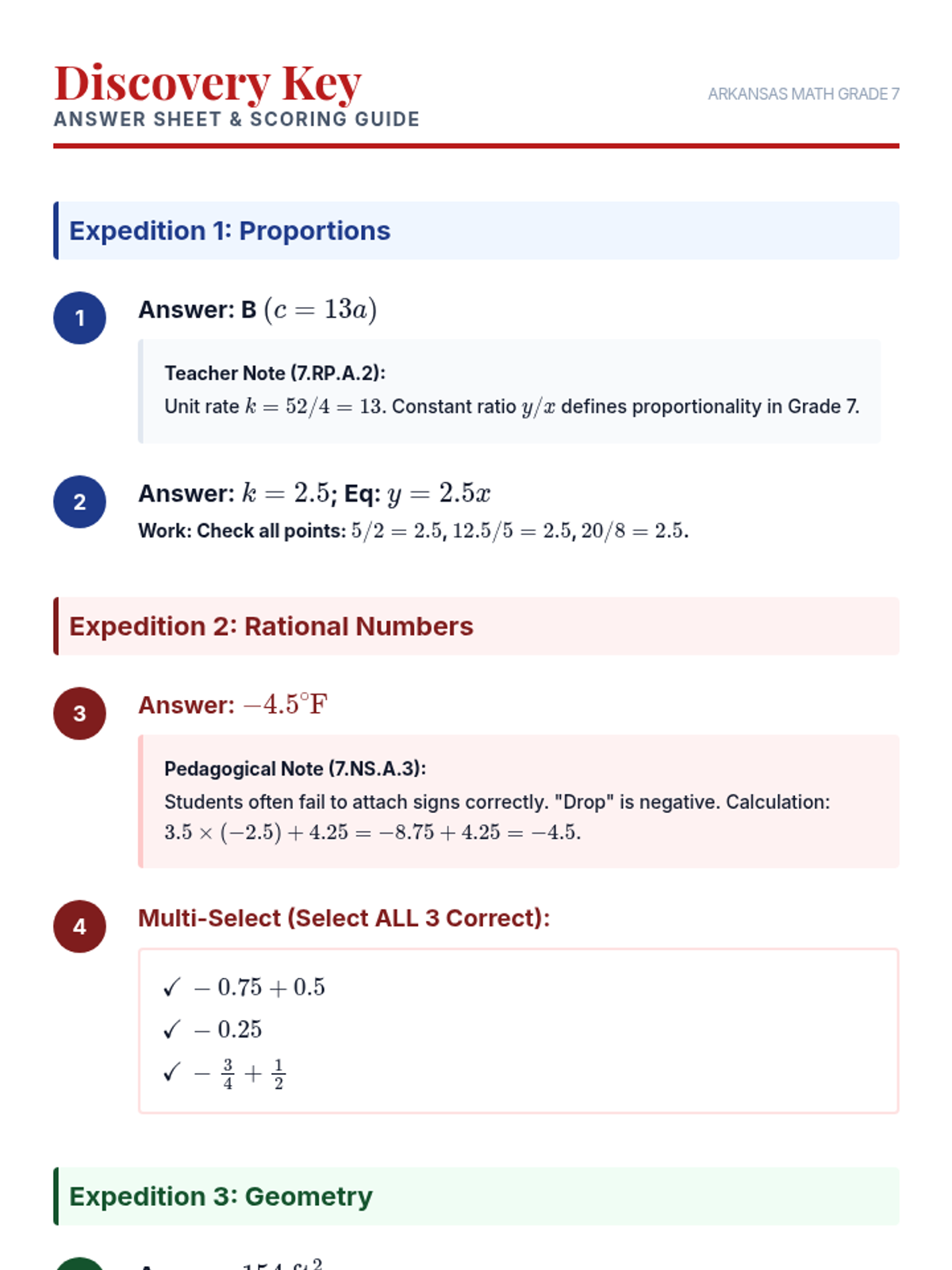
A comprehensive Grade 7 Math test prep lesson aligned to Arkansas Academic Standards, focusing on proportional relationships, rational number operations, geometry, and probability through an Arkansas-themed "Diamond State Discovery" lens.
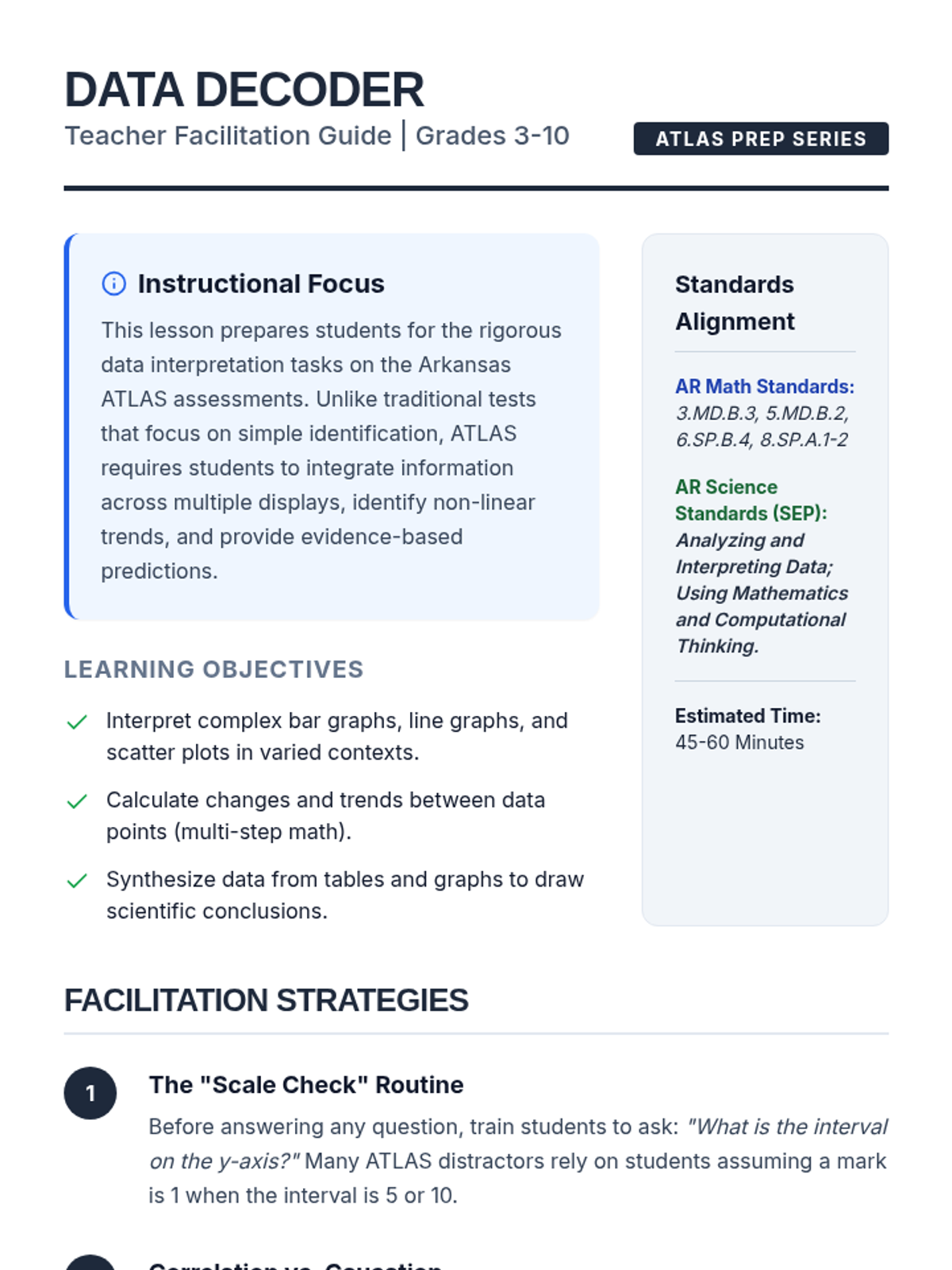
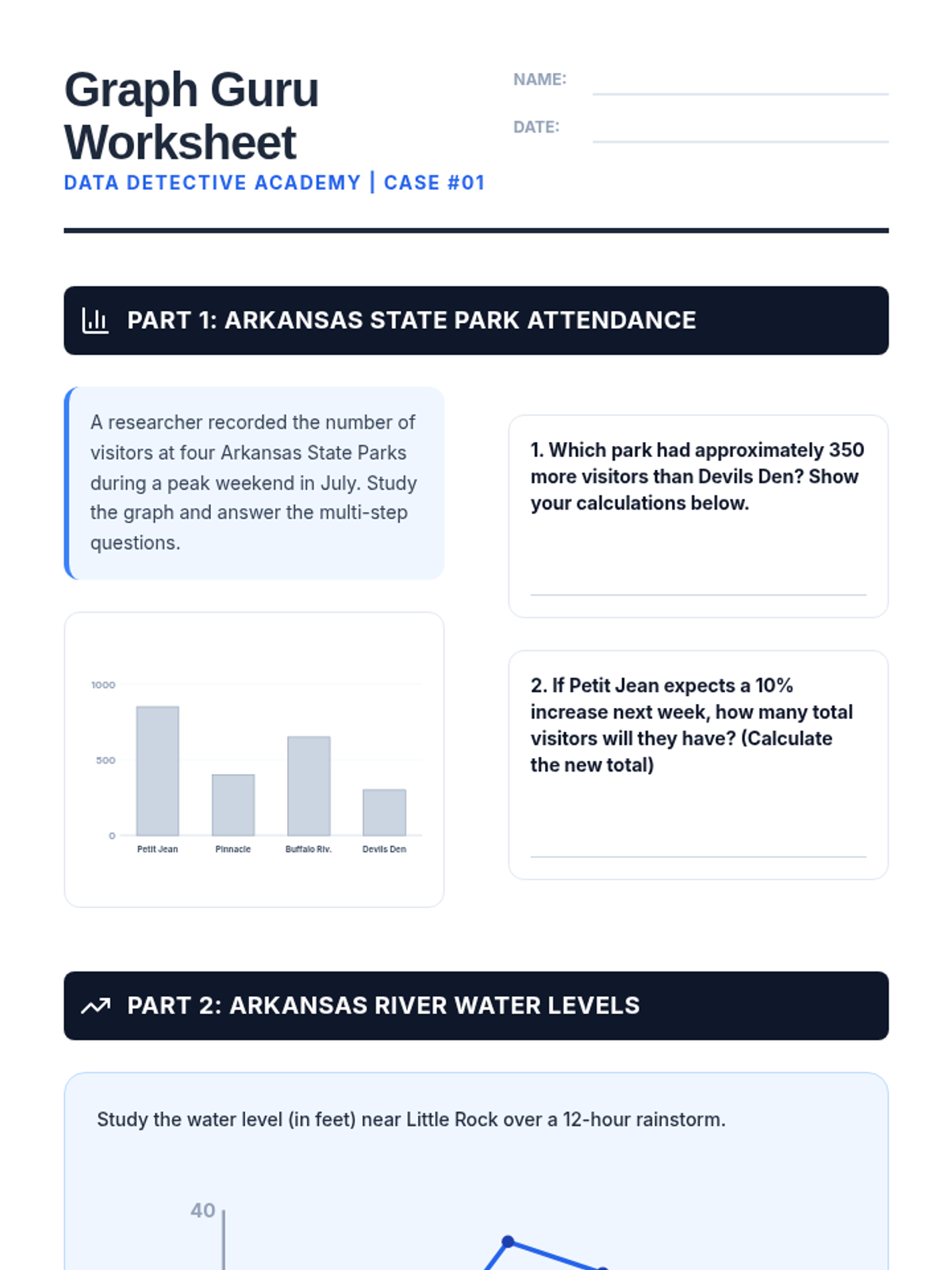
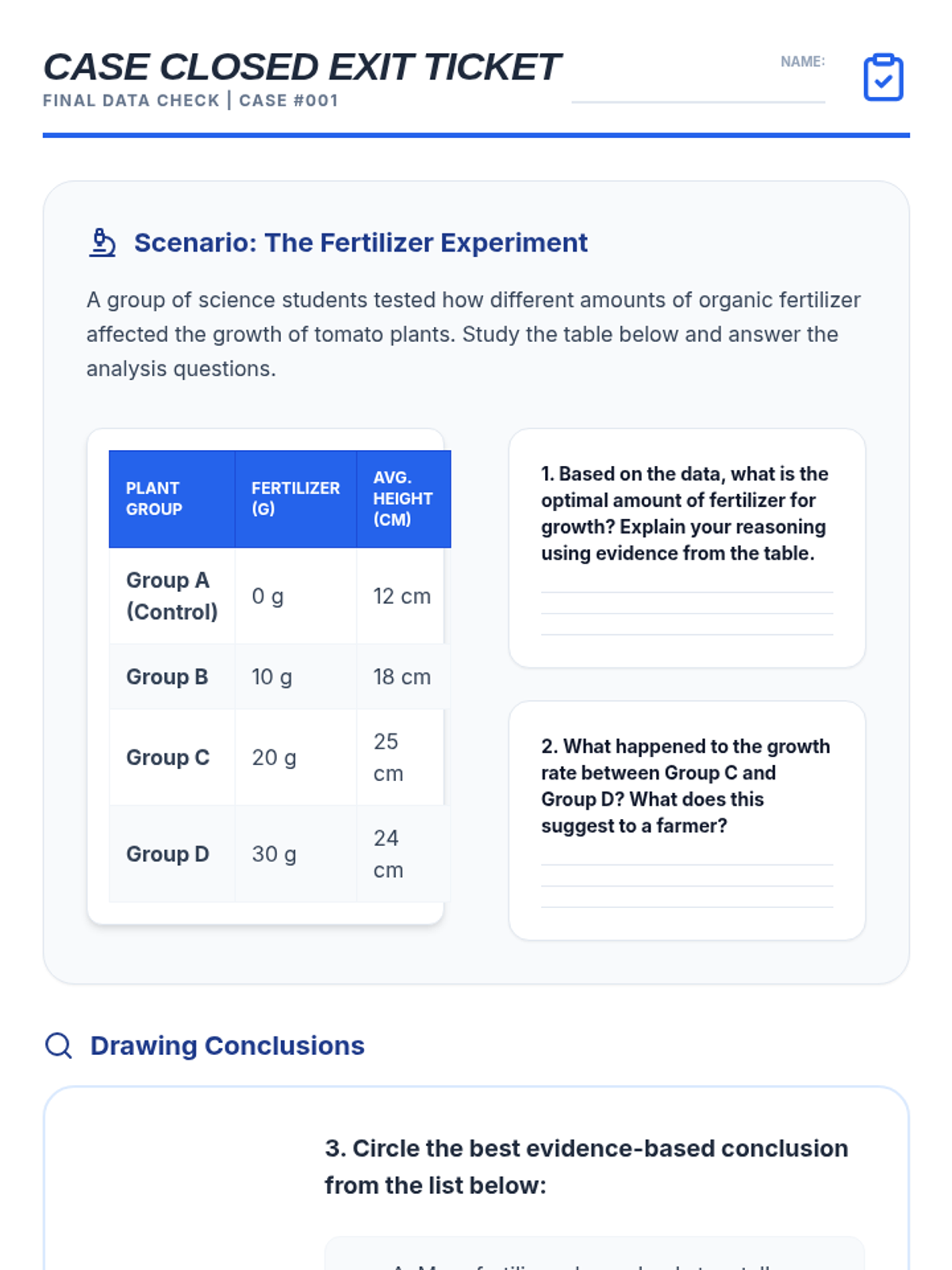
A comprehensive guide to mastering data interpretation for Arkansas ATLAS assessments, covering bar graphs, line graphs, scatter plots, and tables in math and science contexts. Students learn to decode complex visuals and draw evidence-based conclusions.
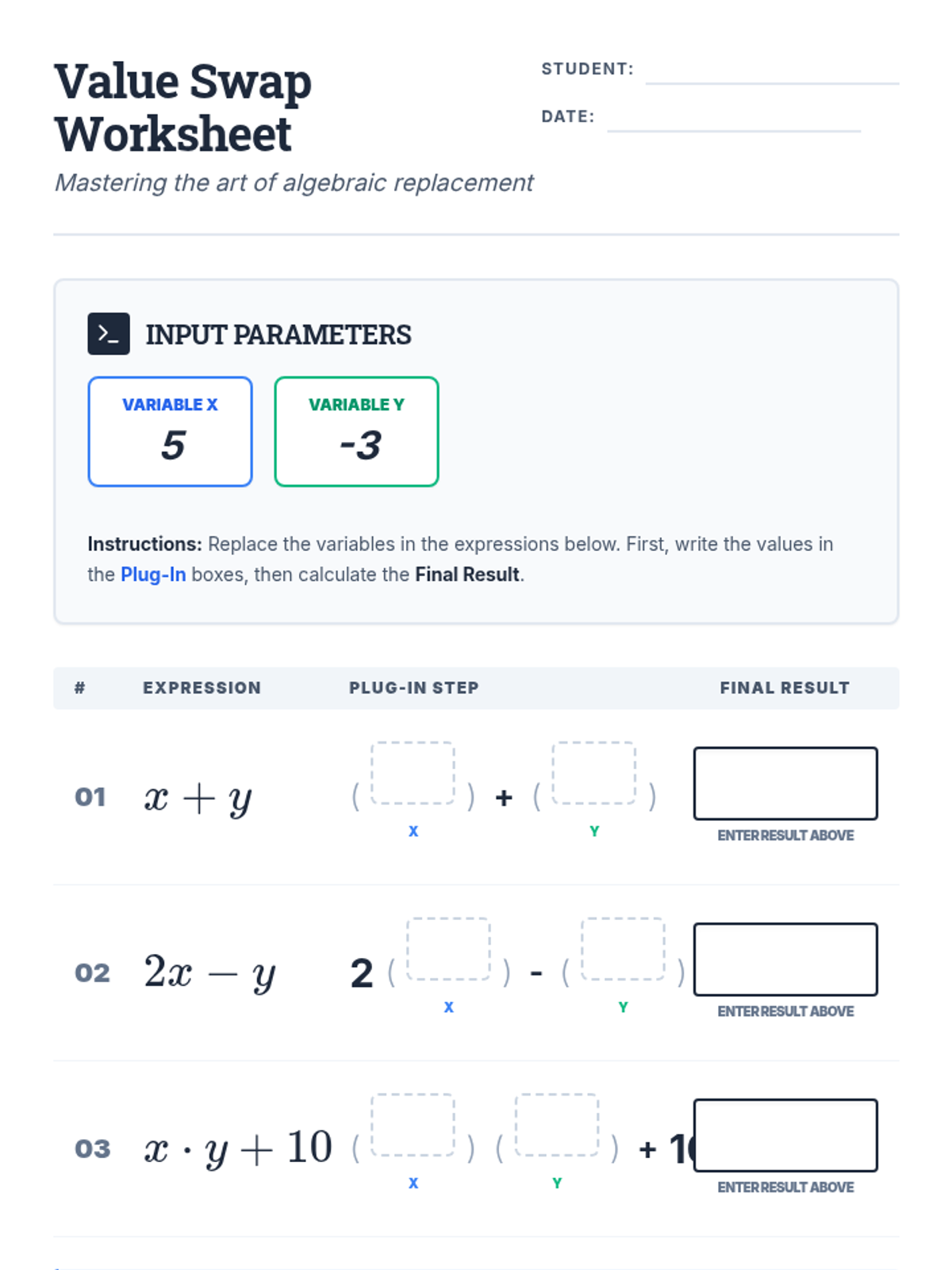
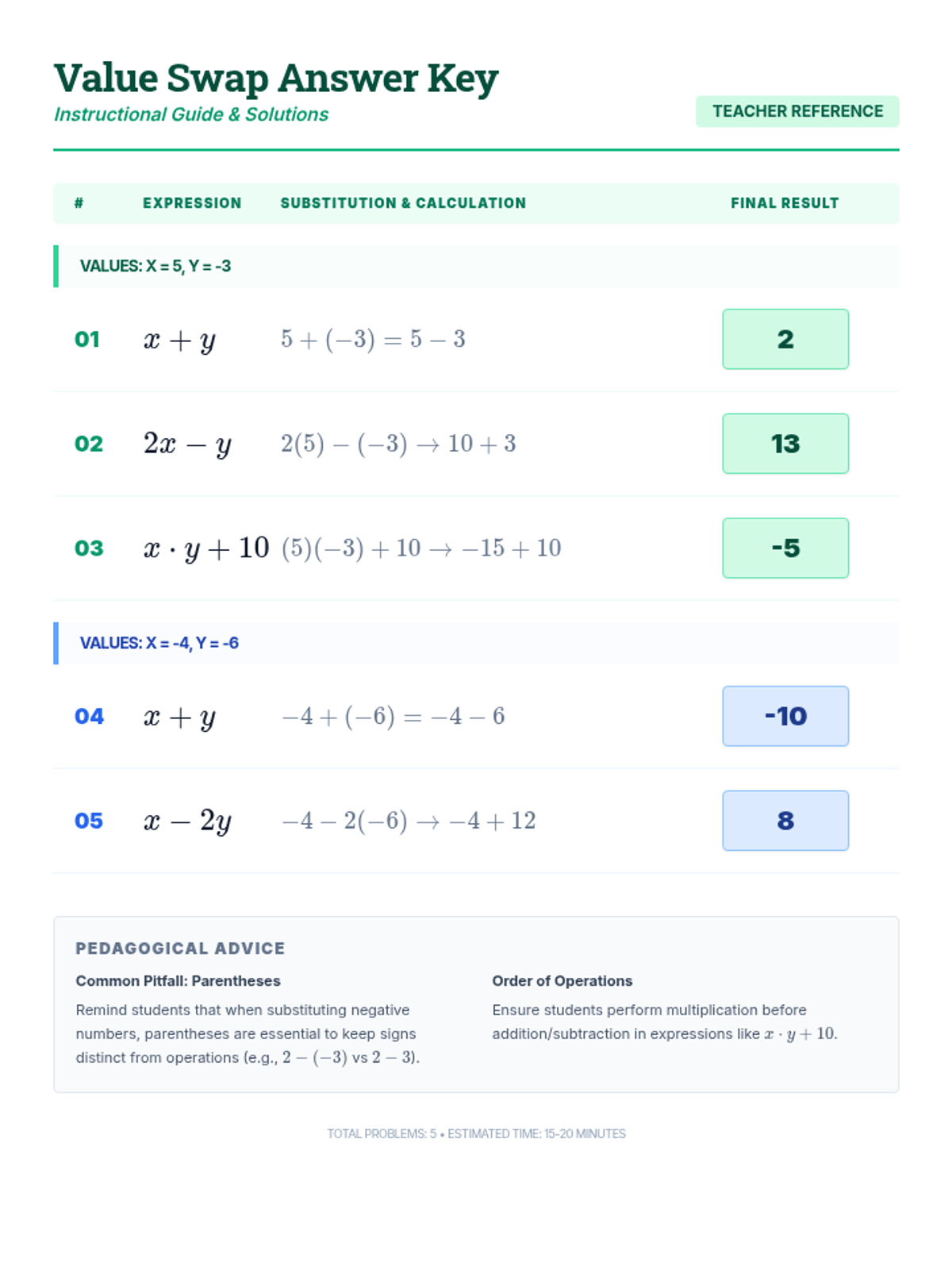
A foundational lesson on algebraic substitution involving positive and negative integers with two variables, featuring scaffolded plug-in steps to build student confidence.
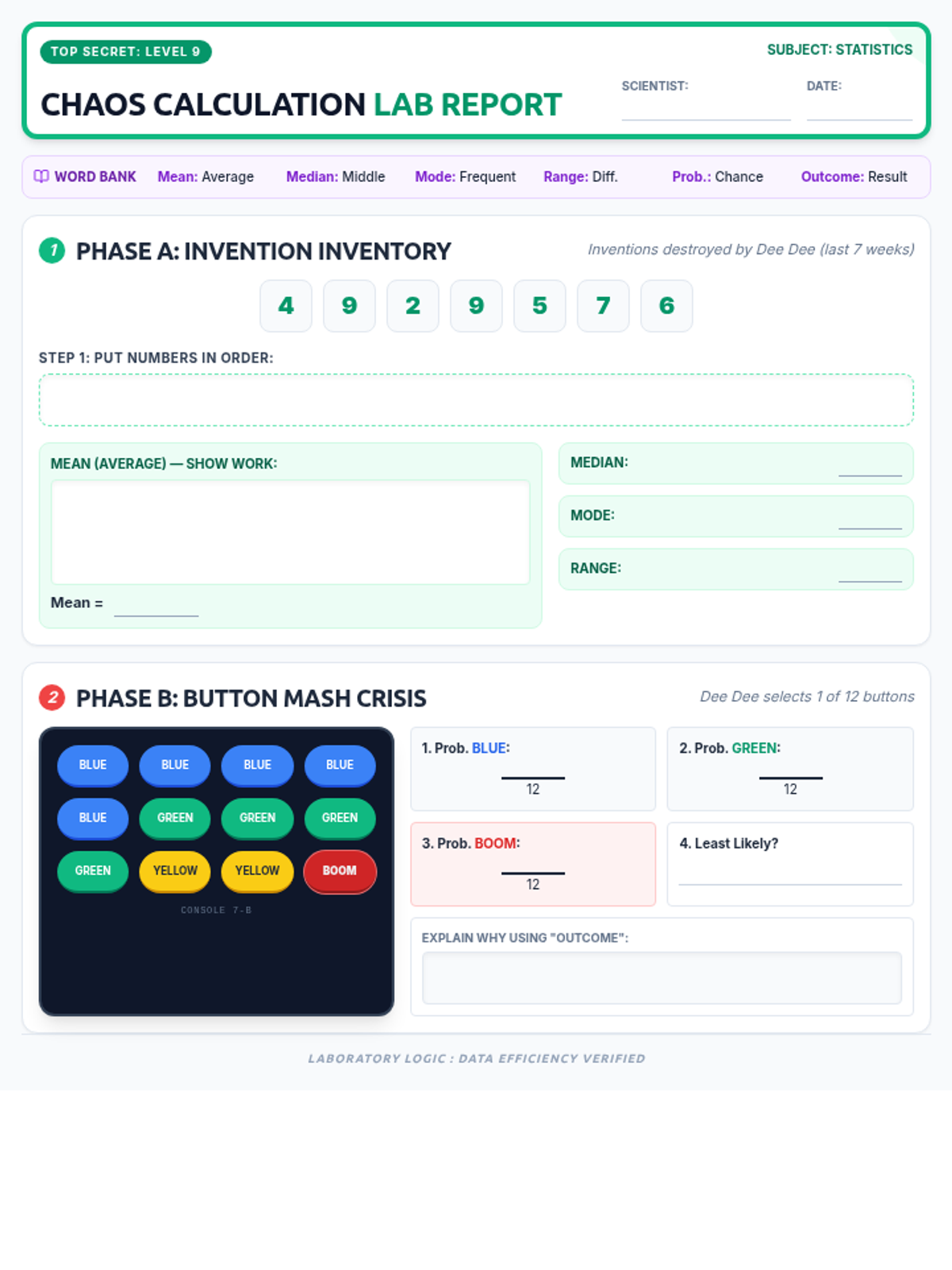
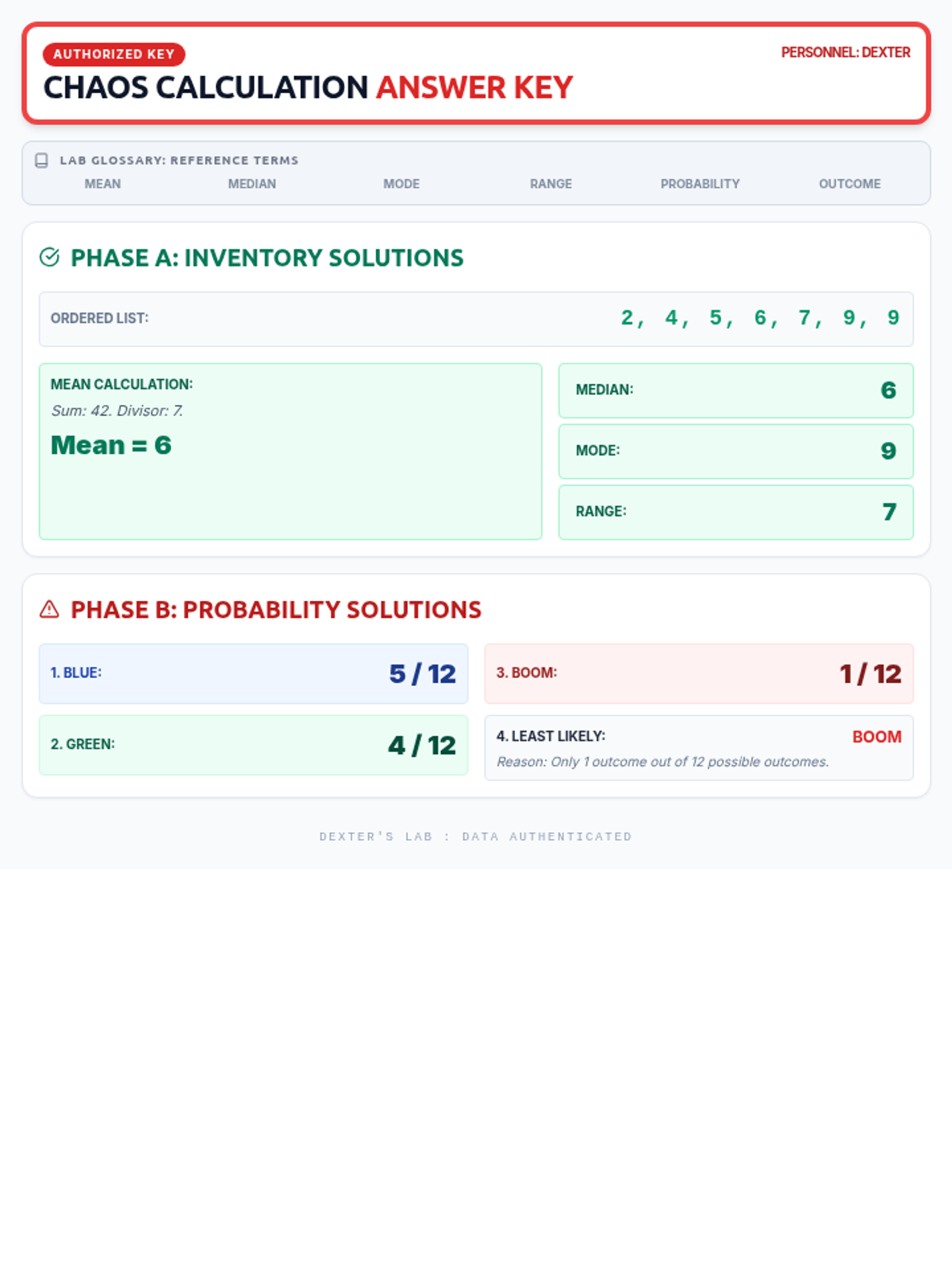
A statistics lesson set in Dexter's secret laboratory, focusing on central tendency (mean, median, mode) and basic probability amidst the chaos of Dee Dee's interference.
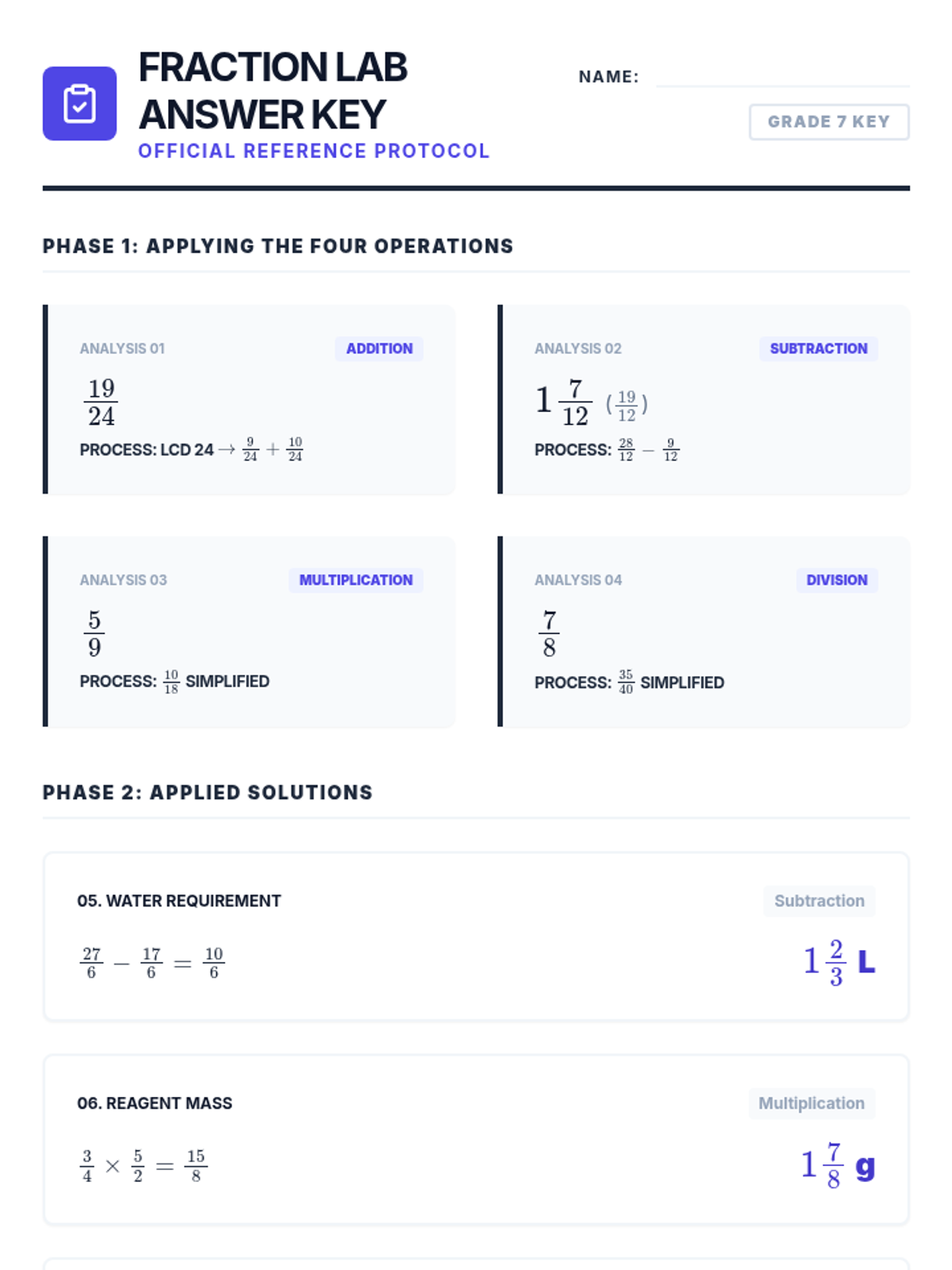
A clean, laboratory-themed lesson focused on precision and mastery of the four basic operations with fractions through systematic practice and real-world application.
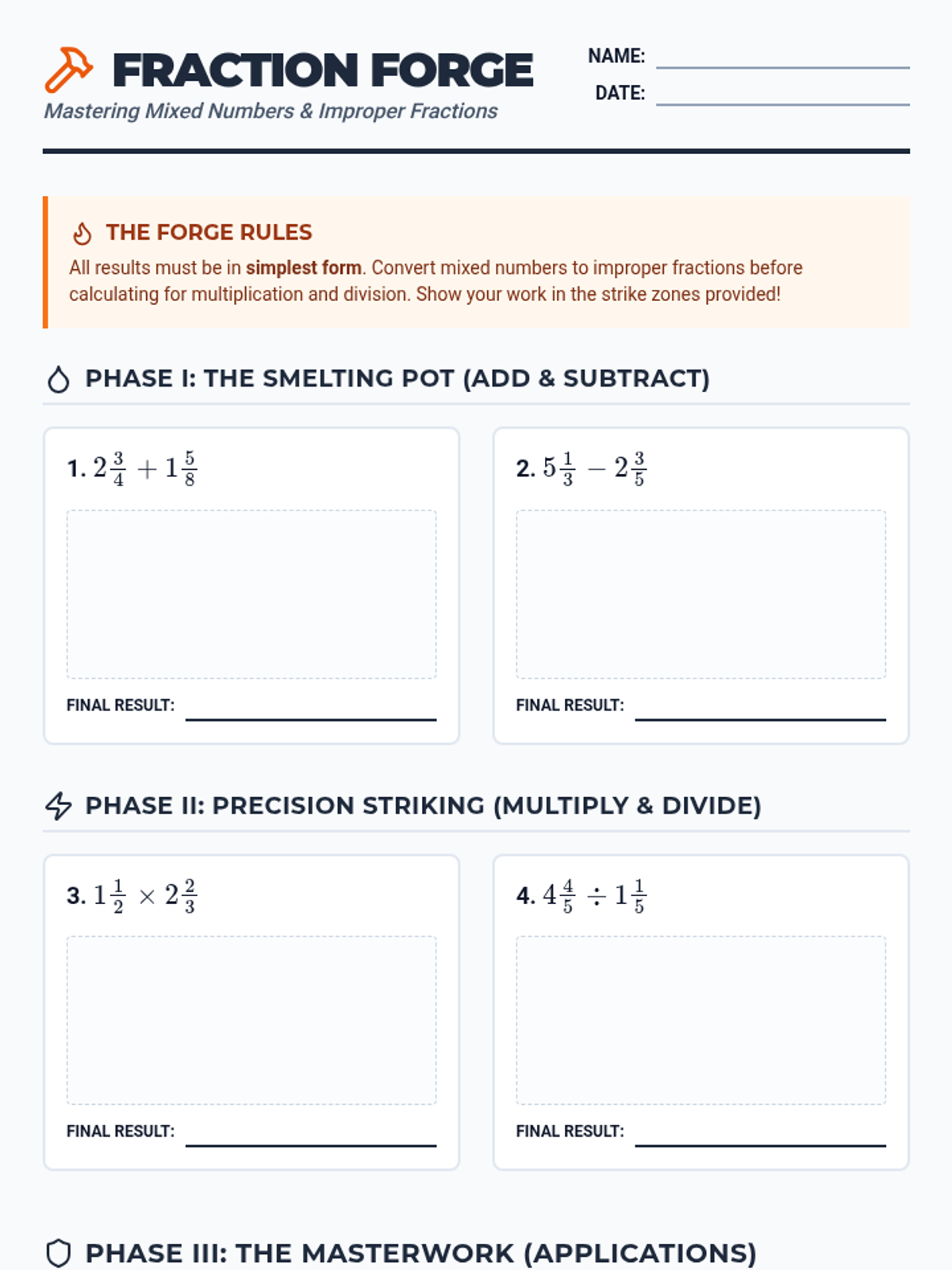
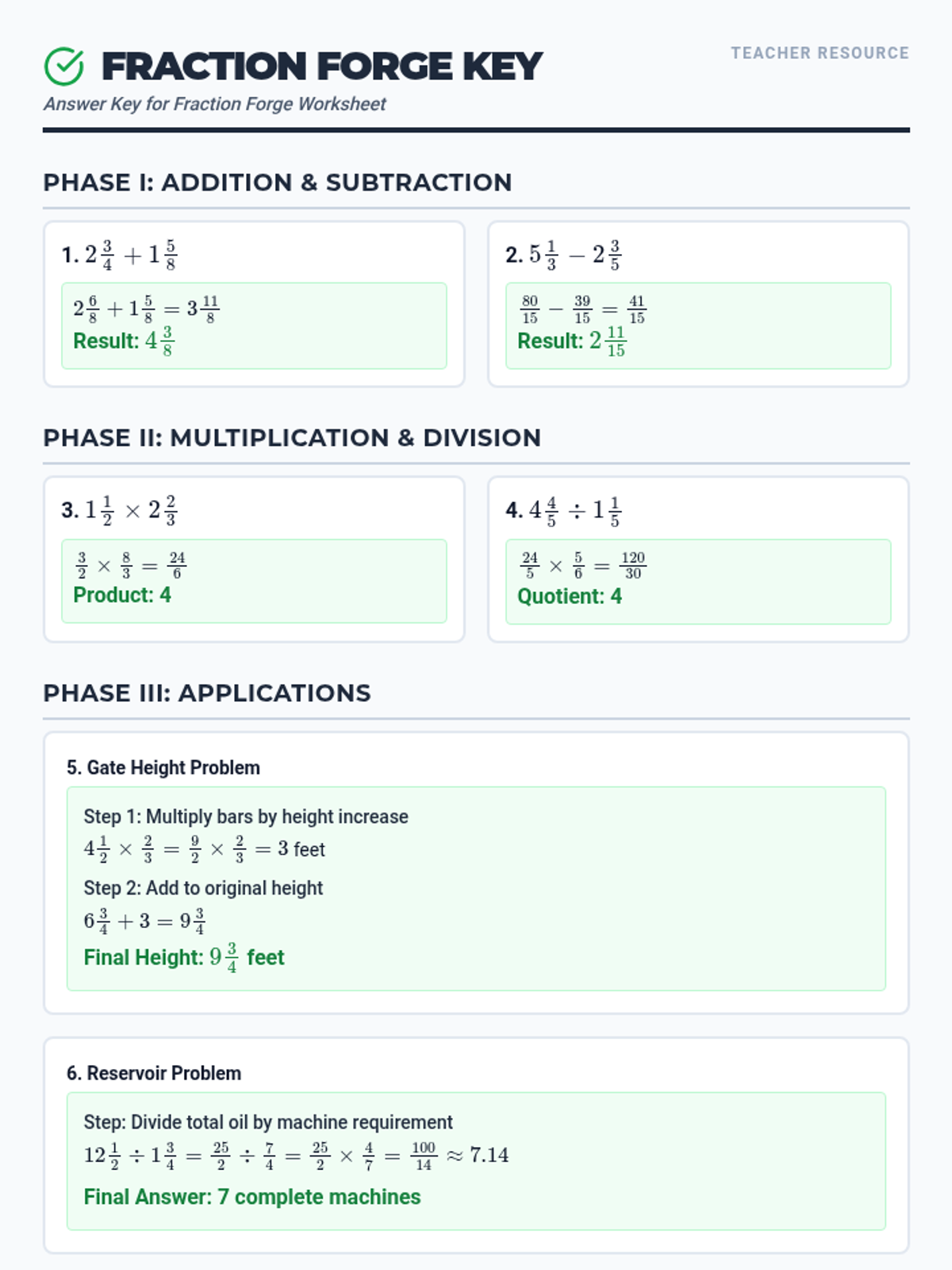
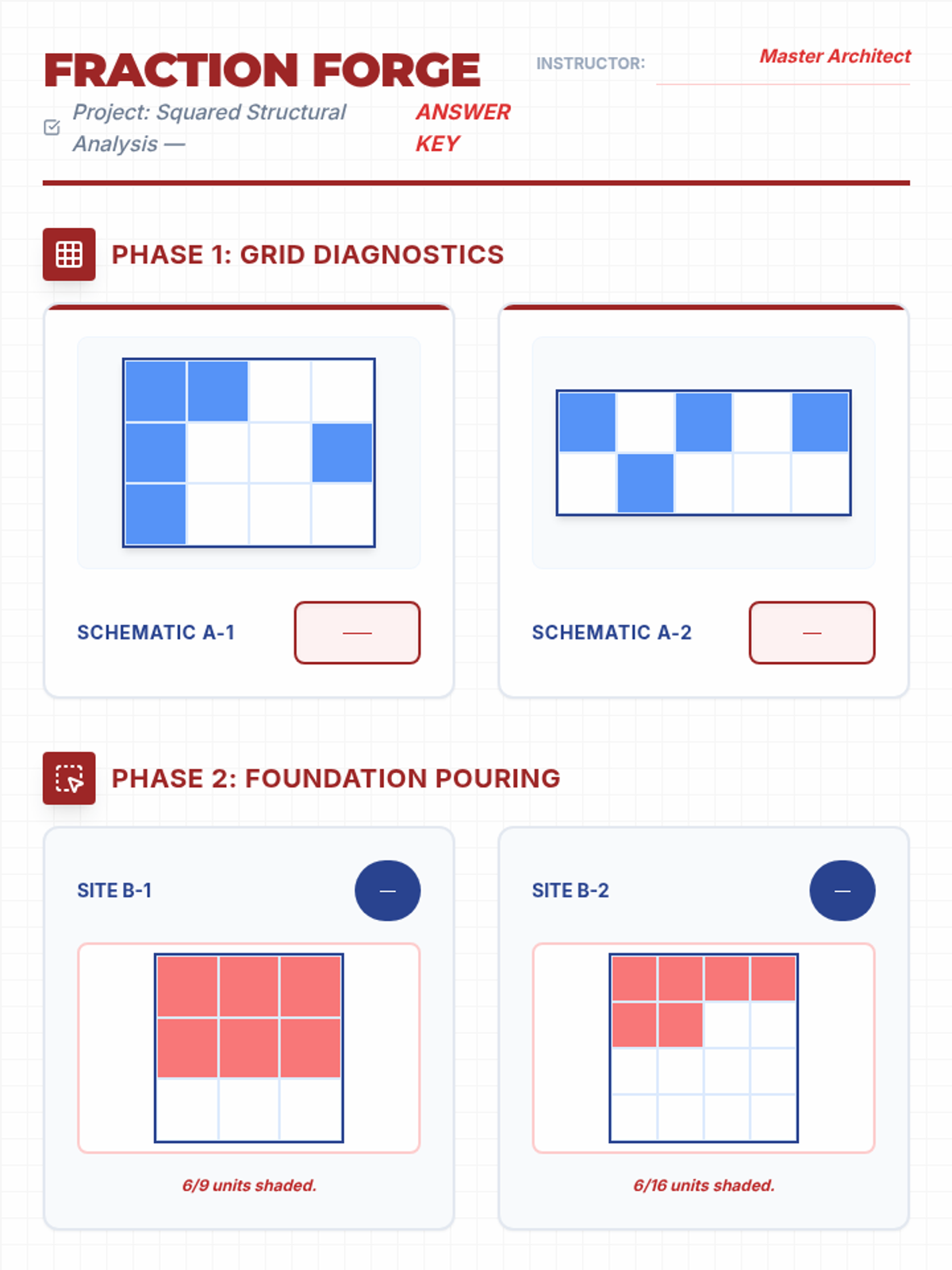
A comprehensive lesson on mastering operations with mixed numbers and improper fractions, featuring a thematic "Forge" aesthetic to engage 7th-grade students in mathematical problem-solving.
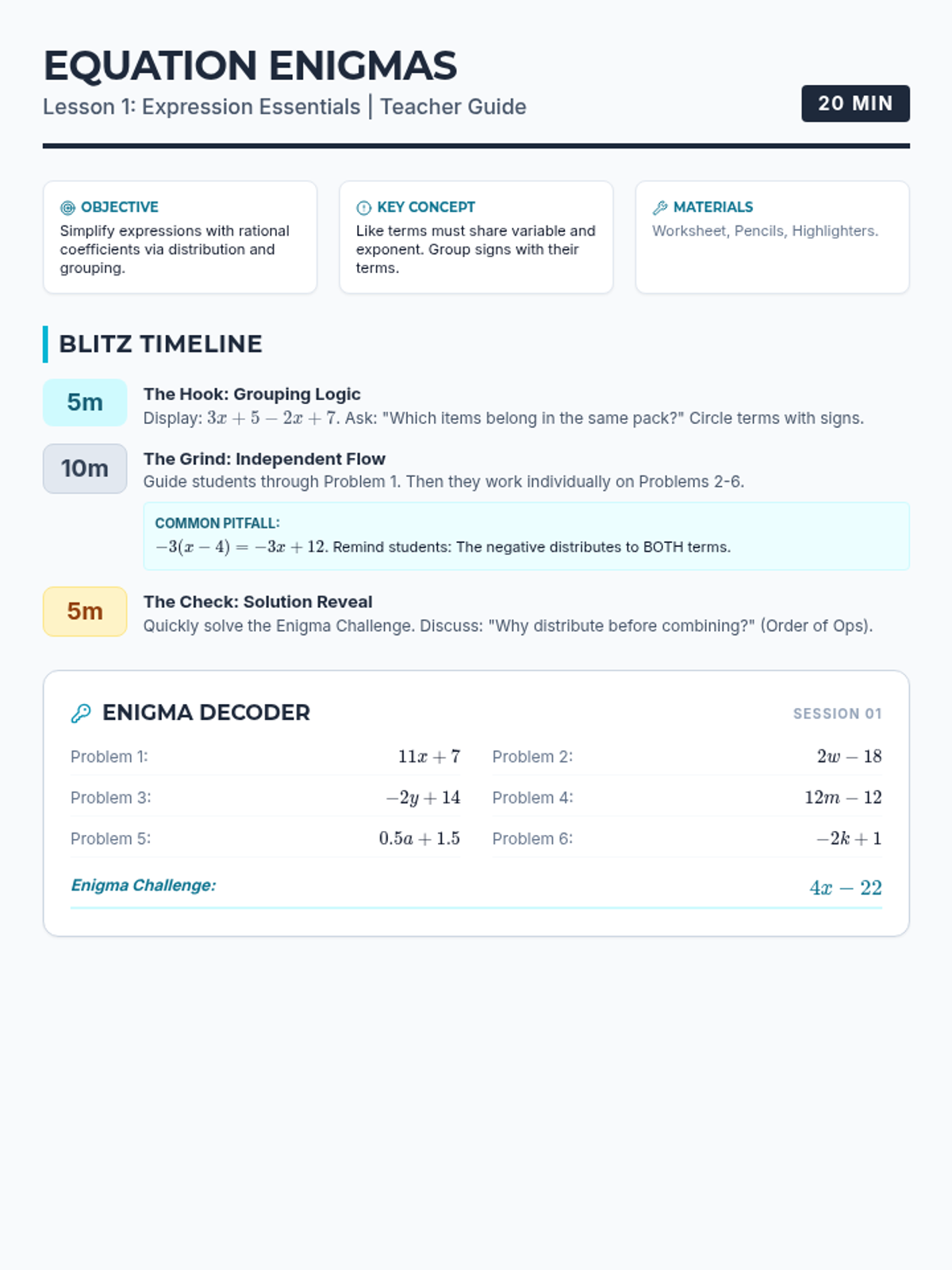
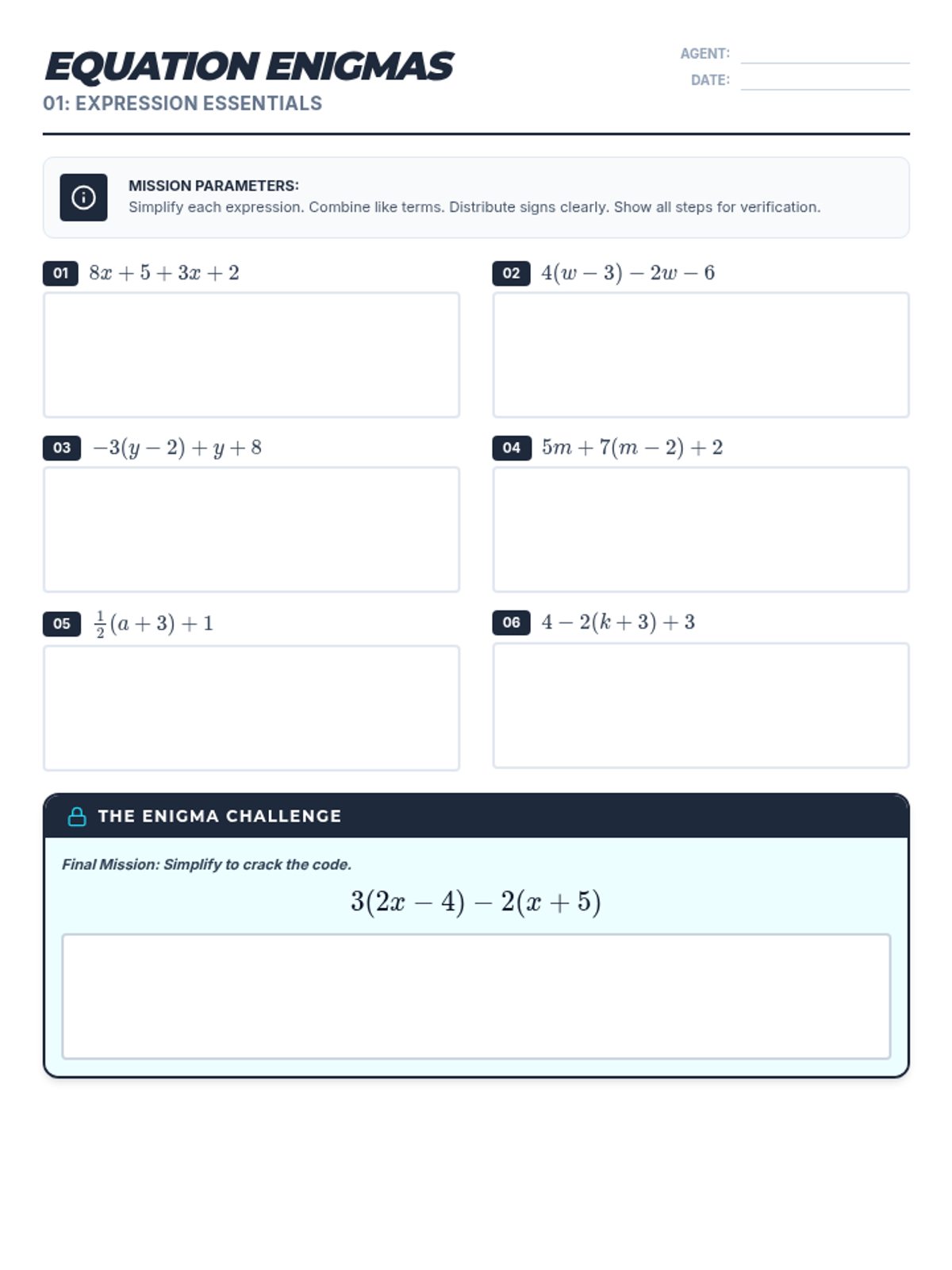
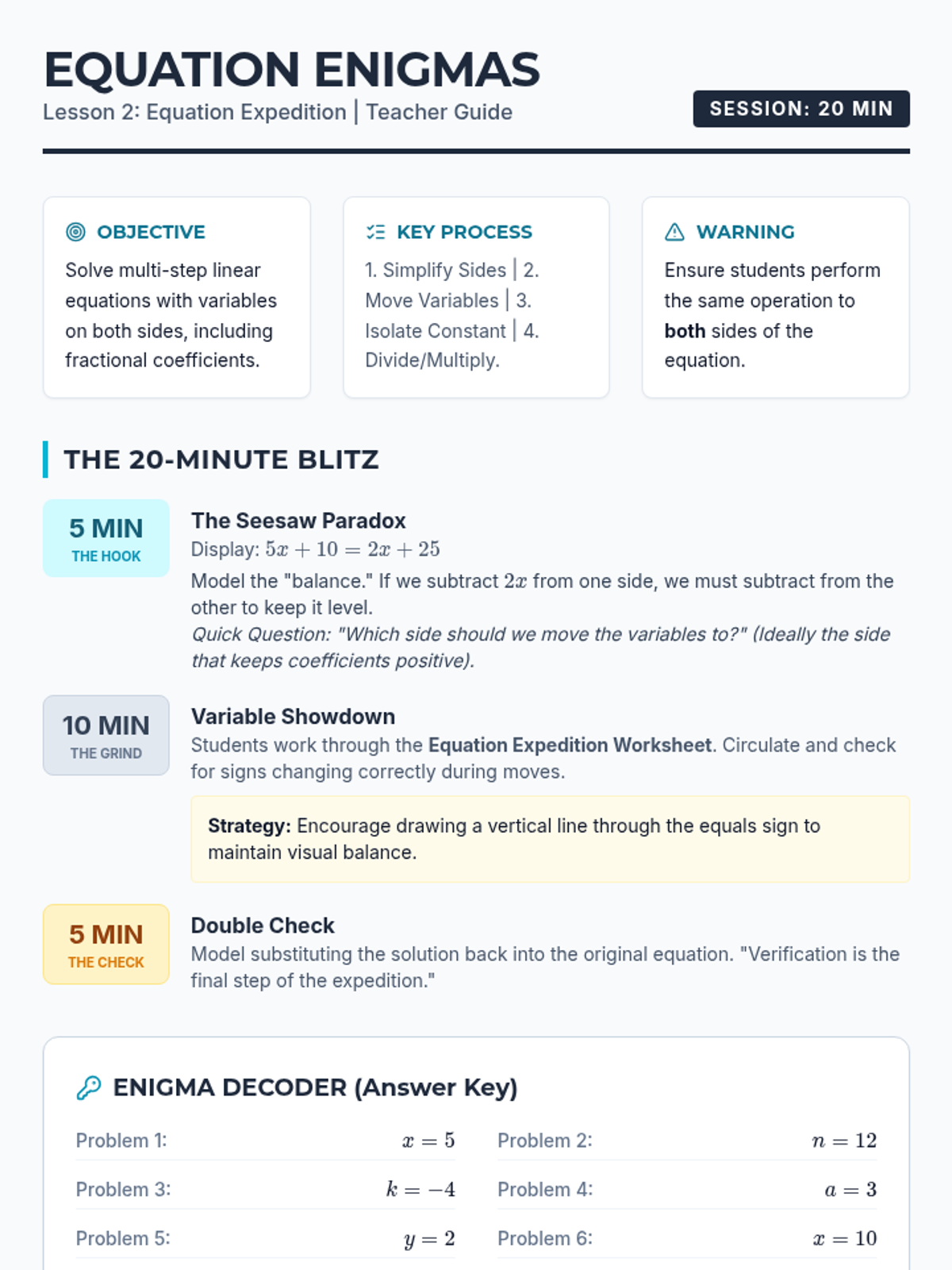
A 20-minute lesson on solving multi-step equations, including those with variables on both sides. Focuses on the logical sequence of operations to isolate a variable.
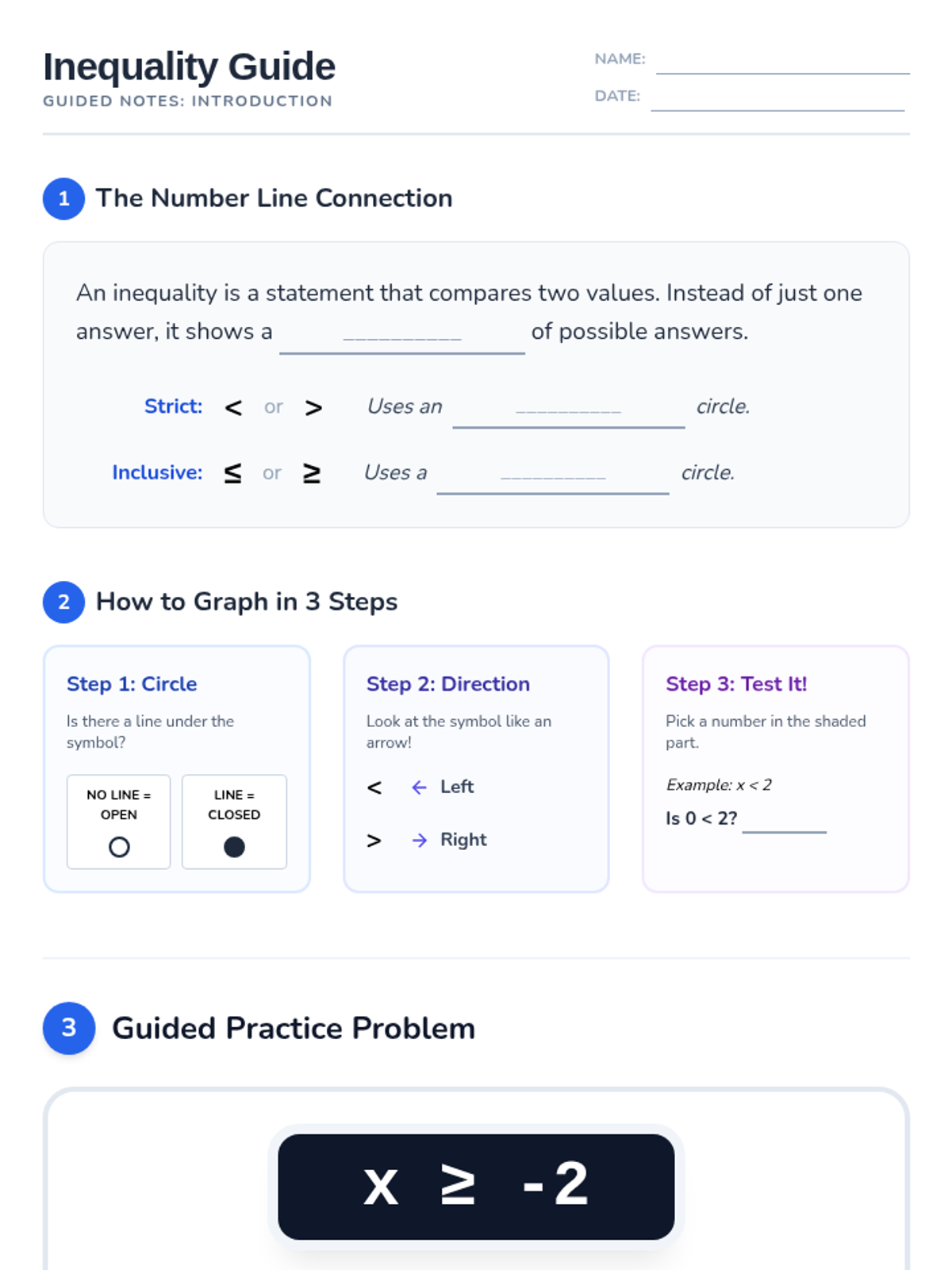
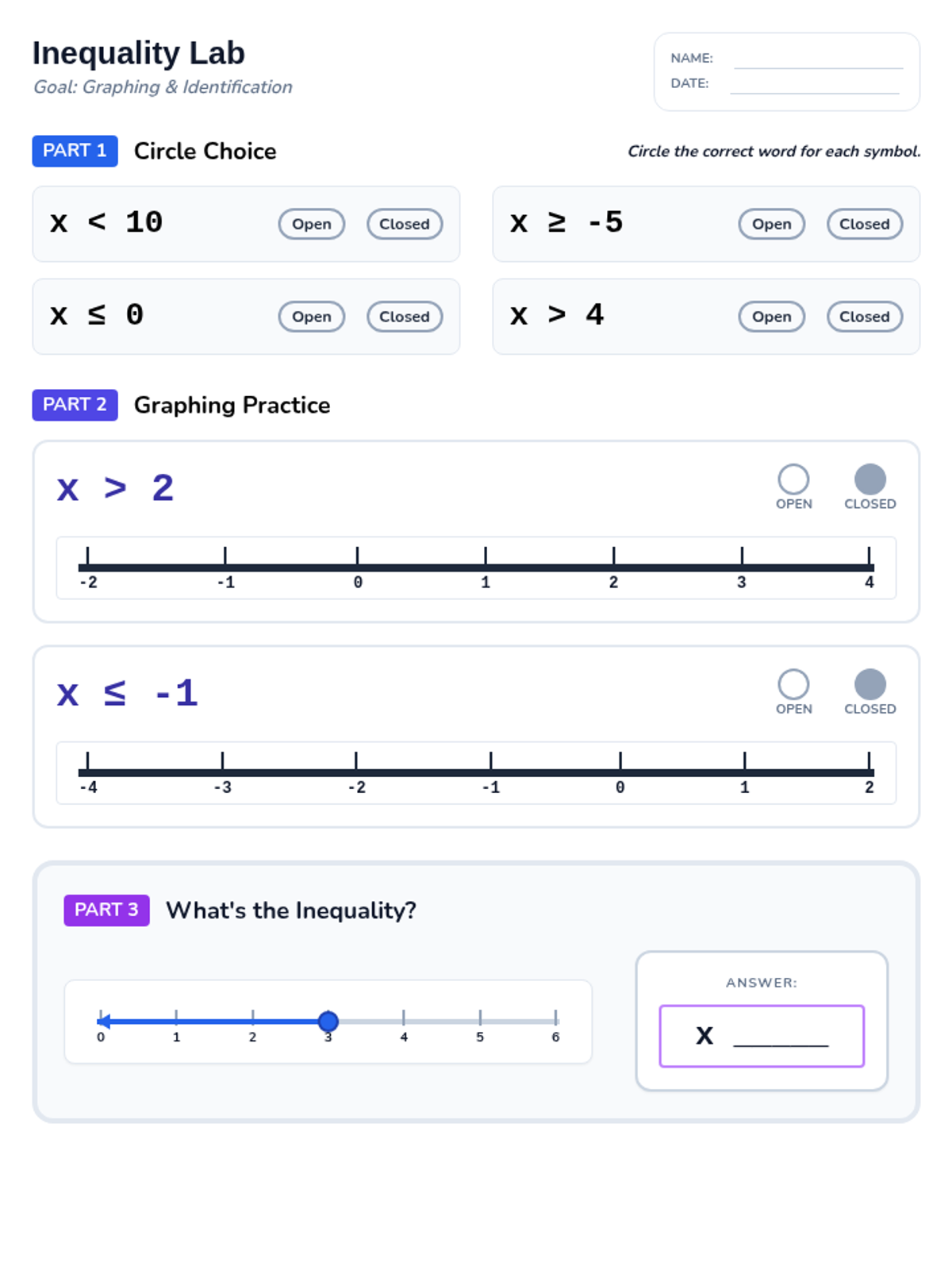
A comprehensive set of resources for IEP students to master graphing simple inequalities, featuring visual scaffolds, step-by-step guided notes, and a scaffolded practice worksheet.
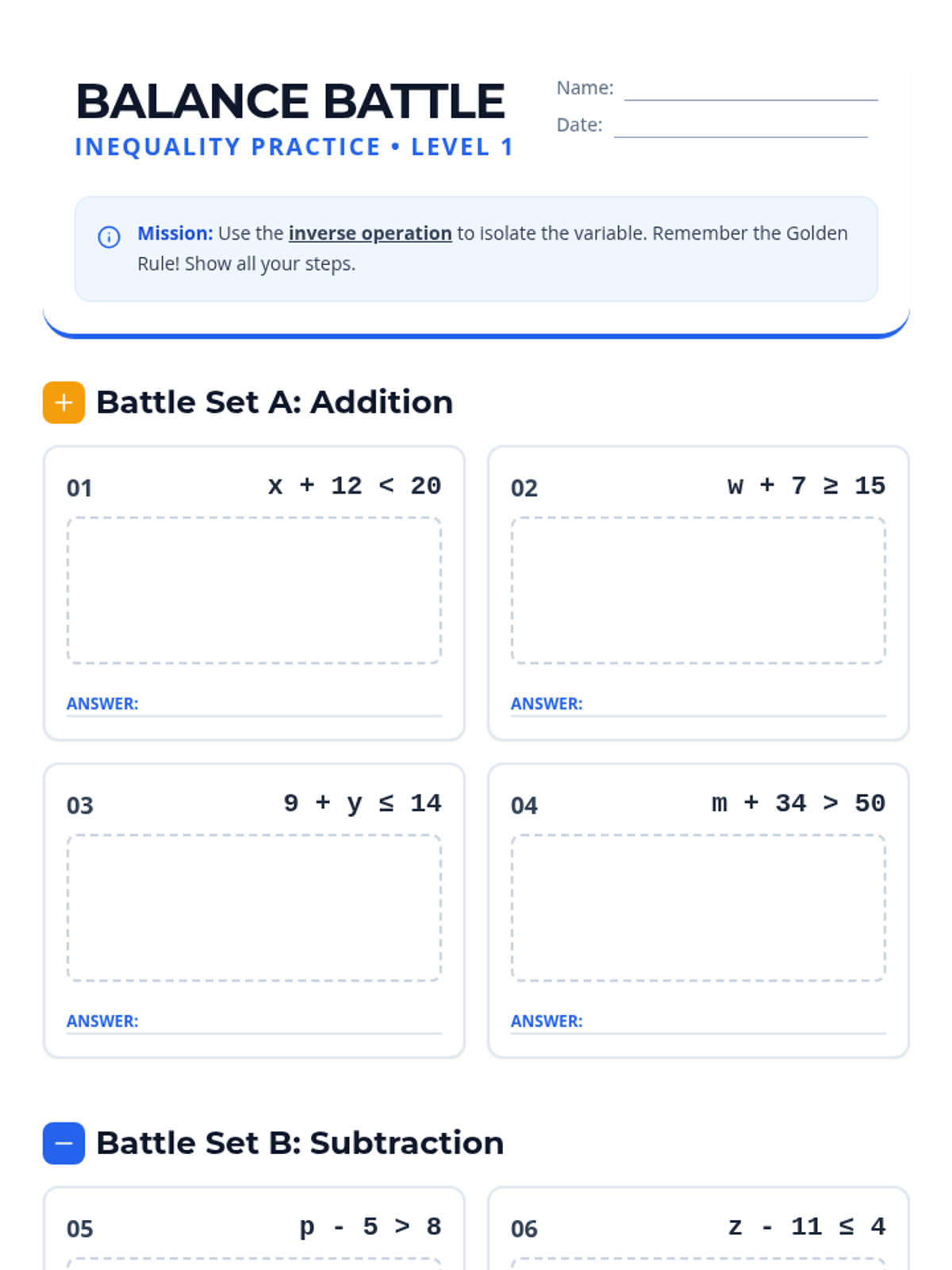
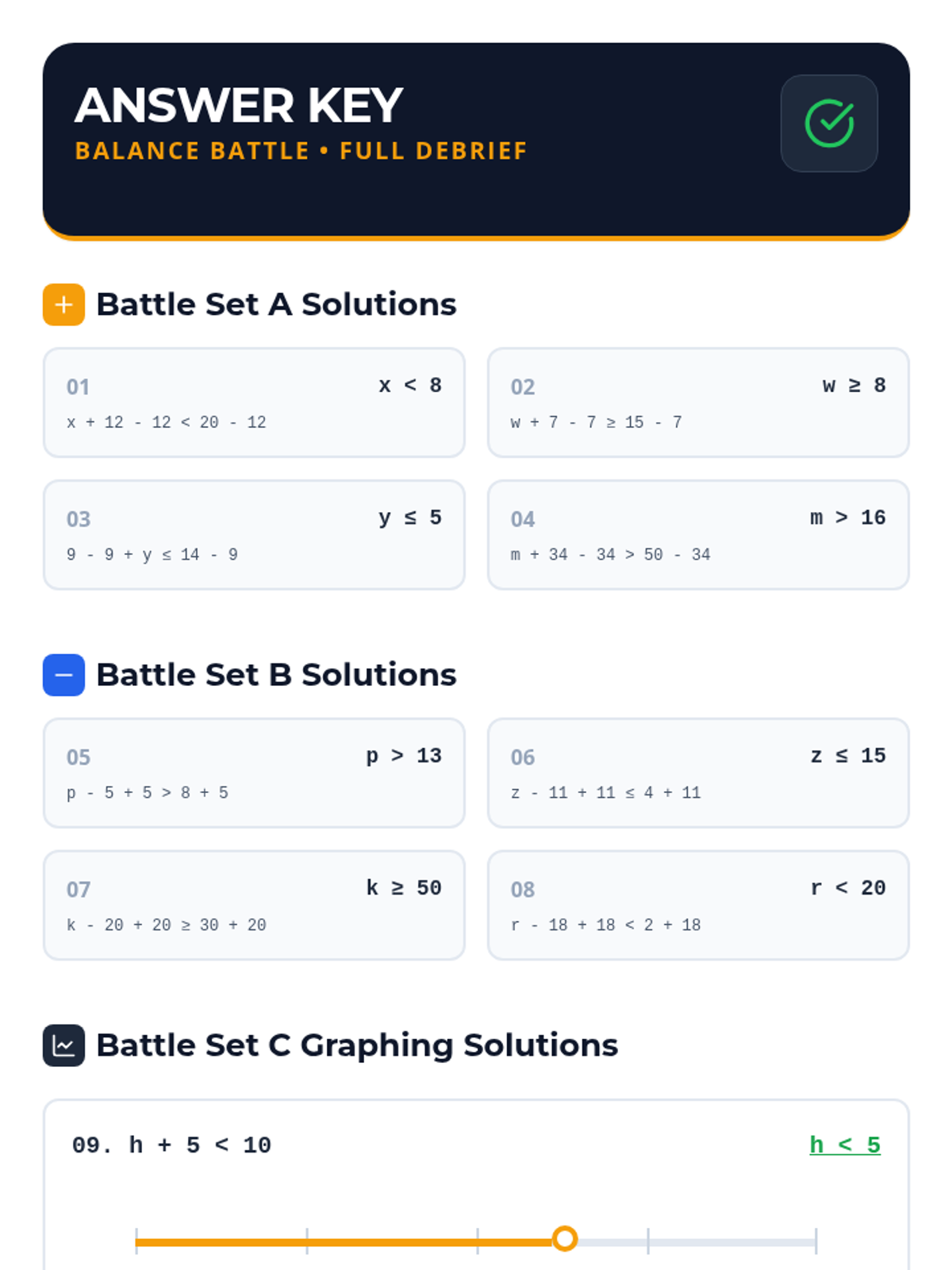
A foundational lesson on solving one-step inequalities using addition and subtraction, featuring a 'tilted scale' visual theme to help students understand the concept of imbalance.
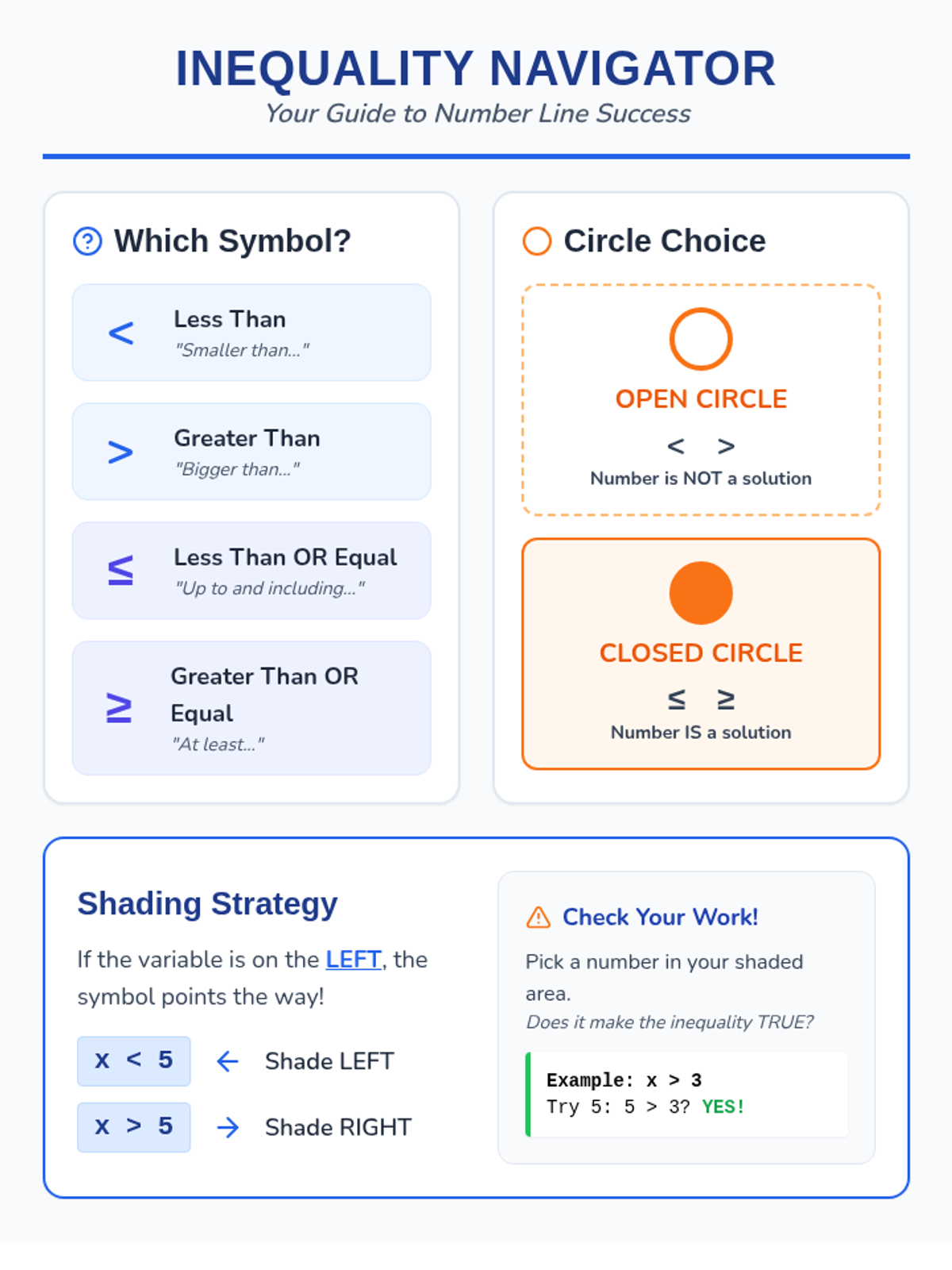
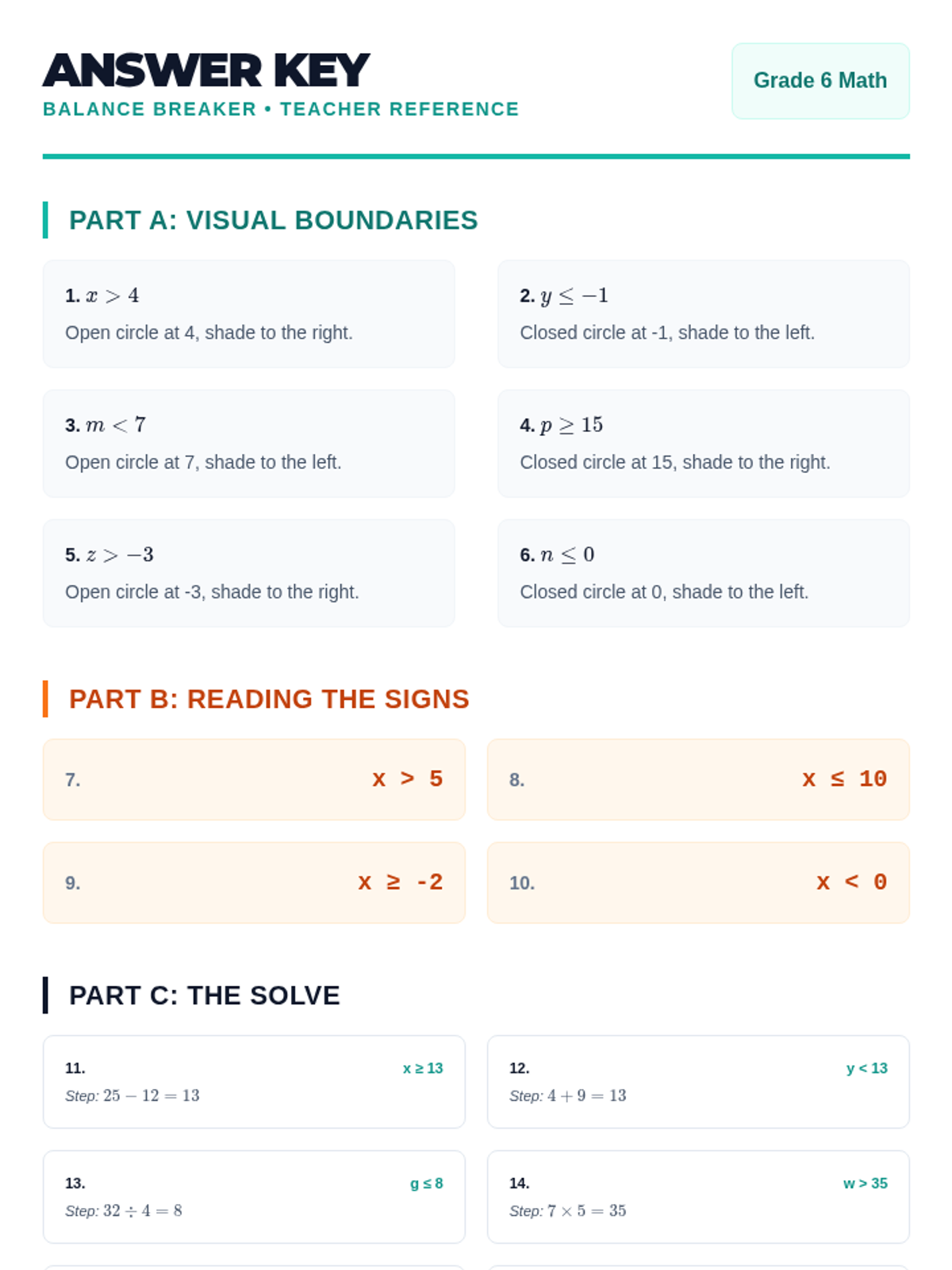
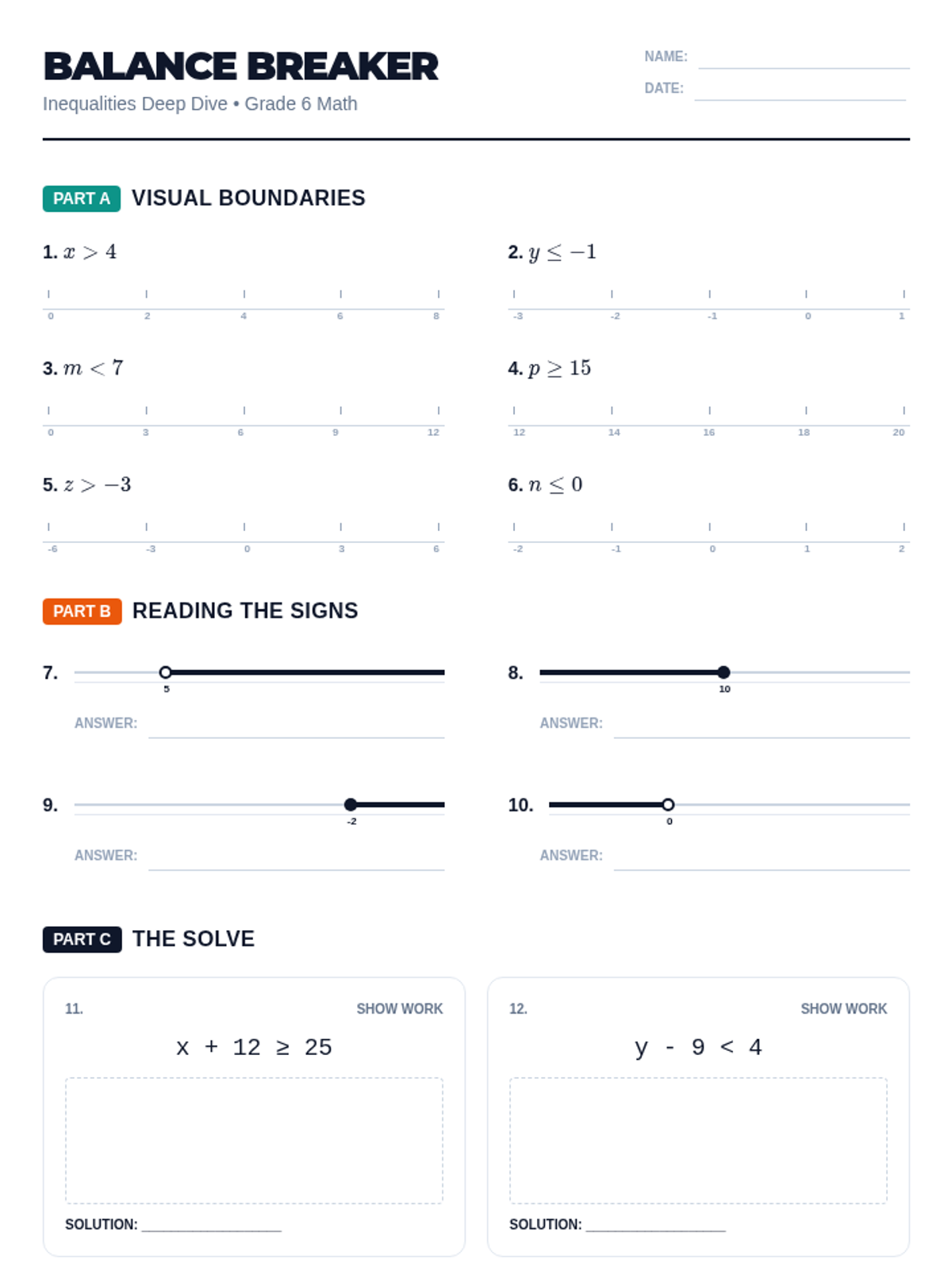
A comprehensive introduction to inequalities for 6th grade, covering symbols, graphing on number lines, and solving one-step inequalities with positive numbers.
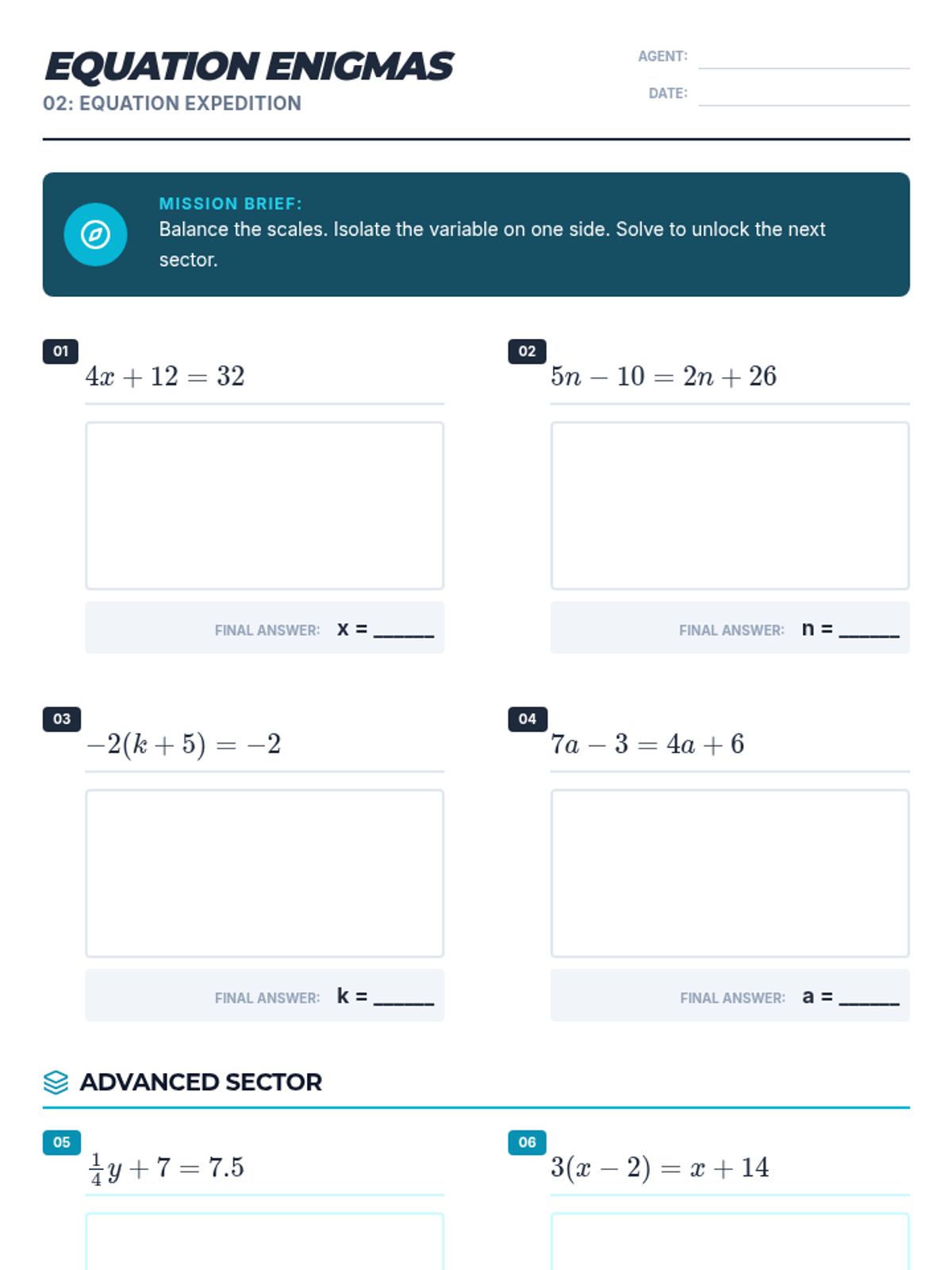
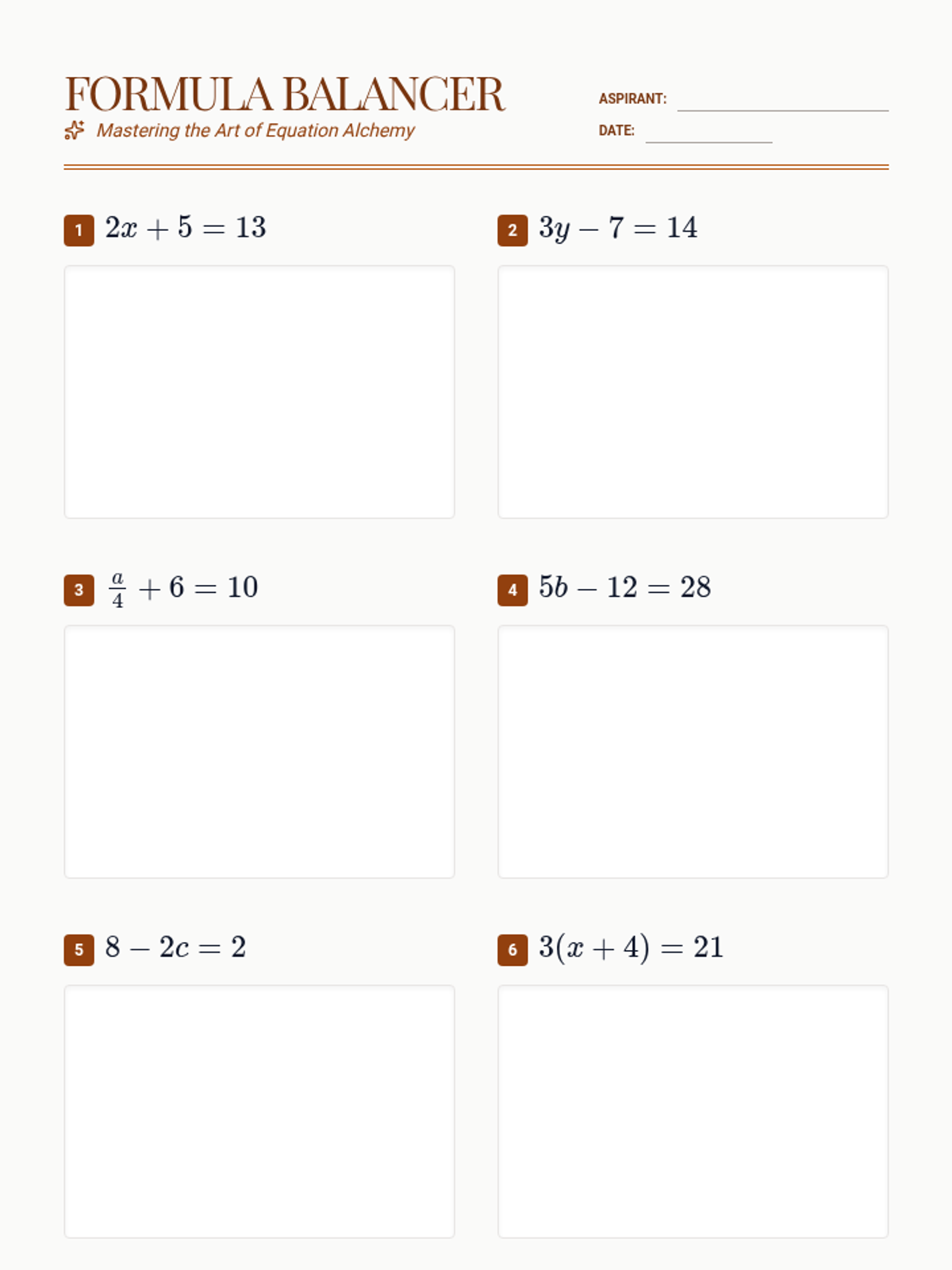
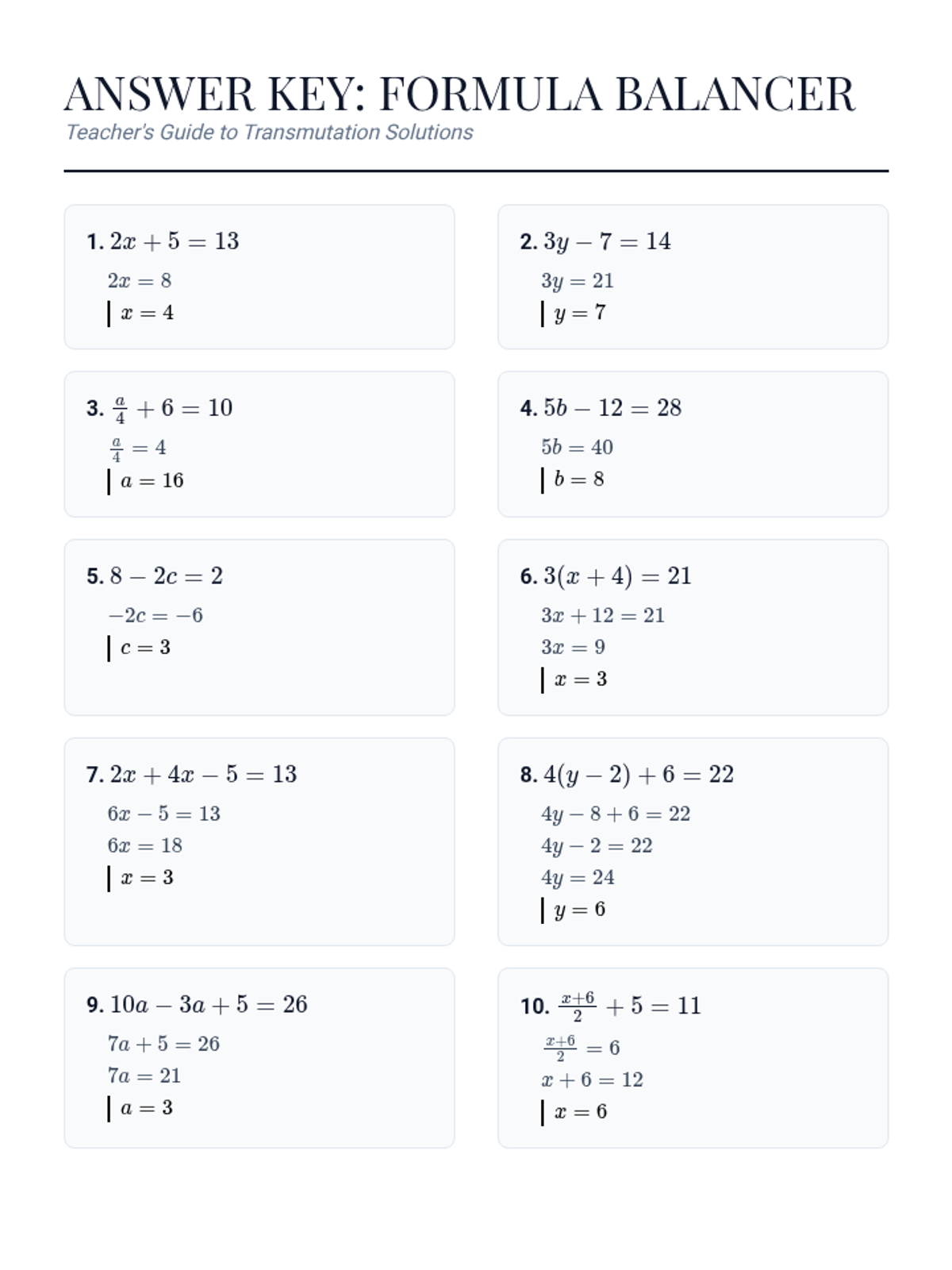
A mystical journey into solving two and three-step equations using inverse operations. Students learn to balance mathematical formulas like alchemists balancing elements.
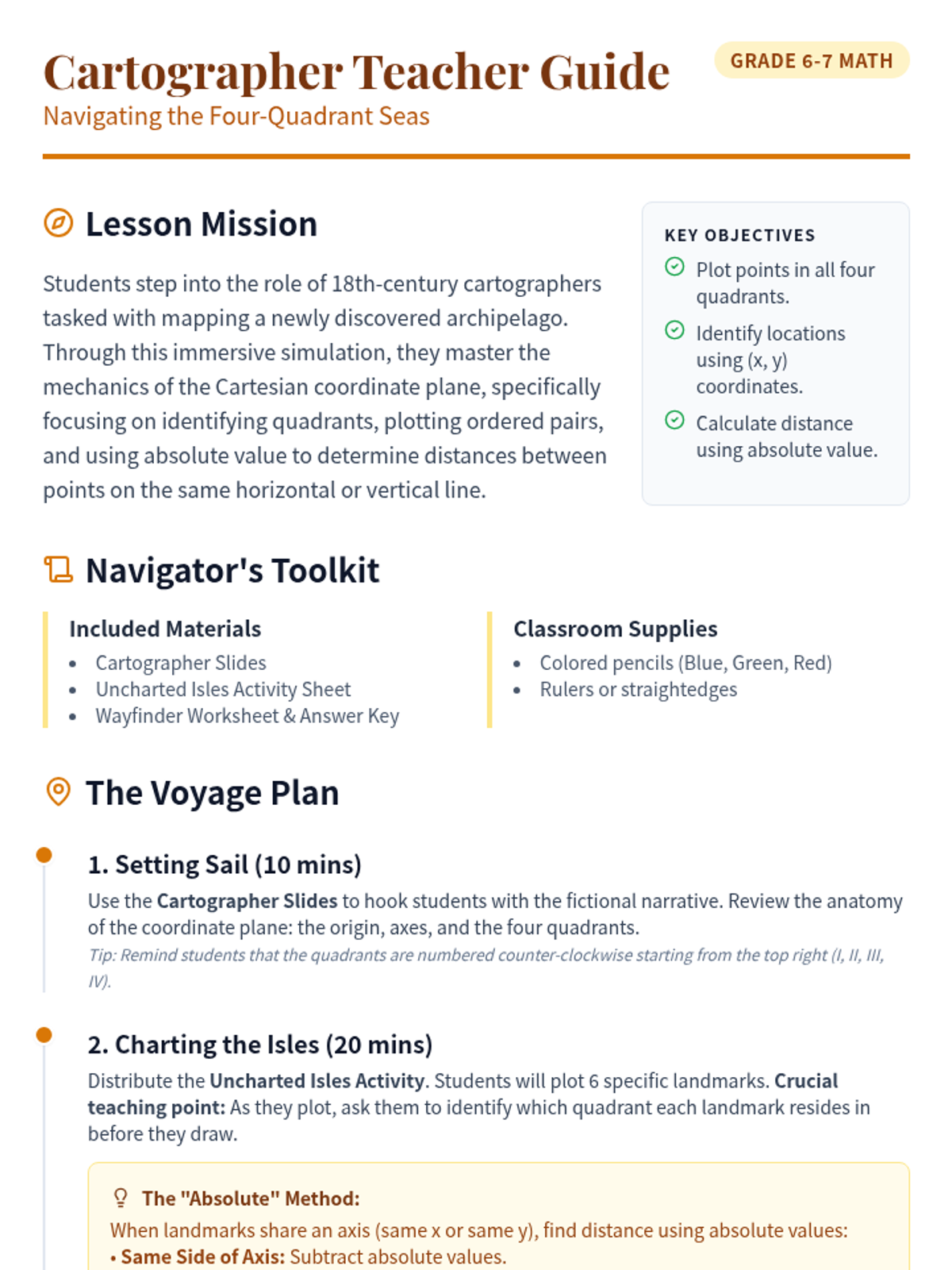
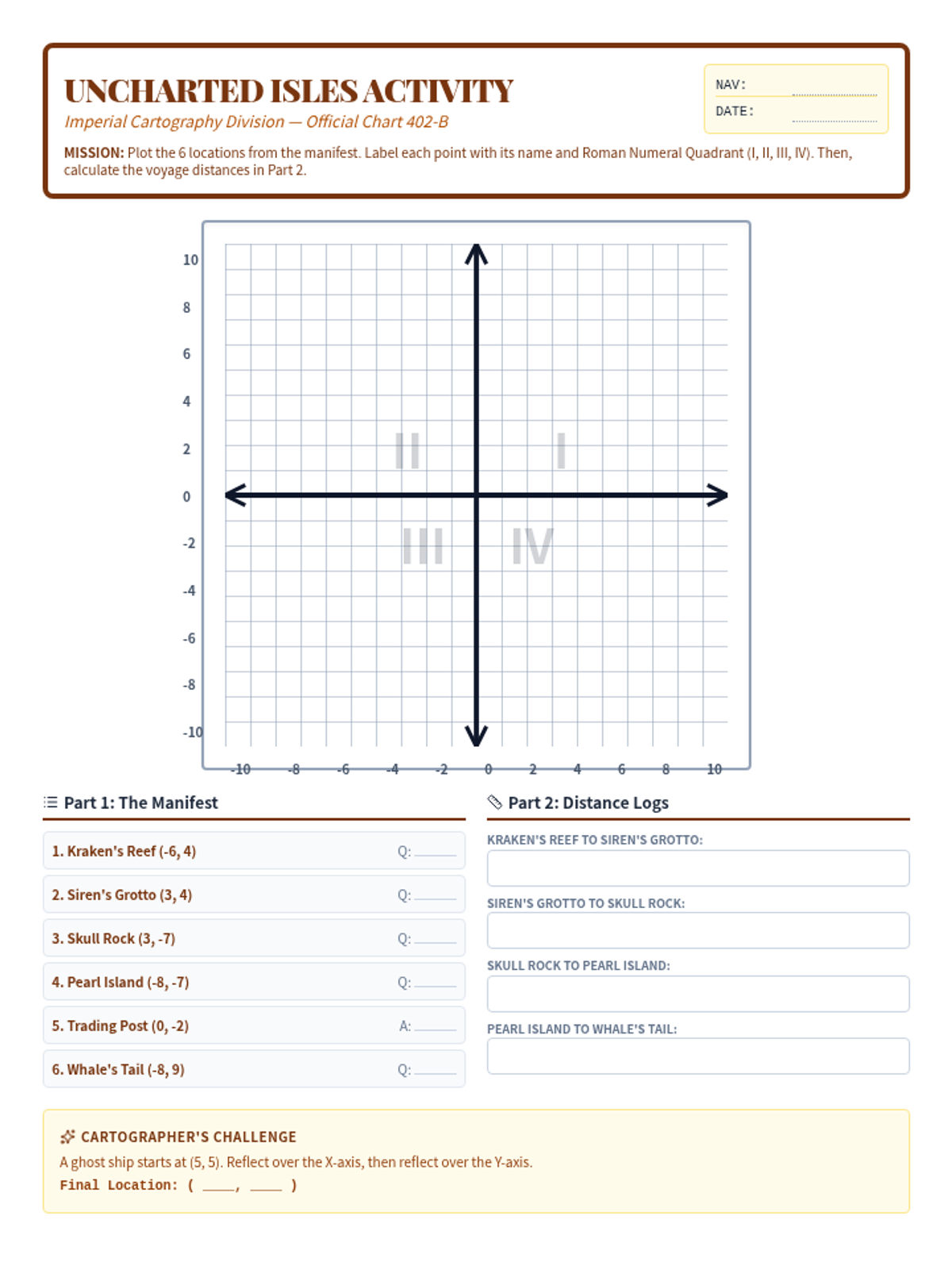
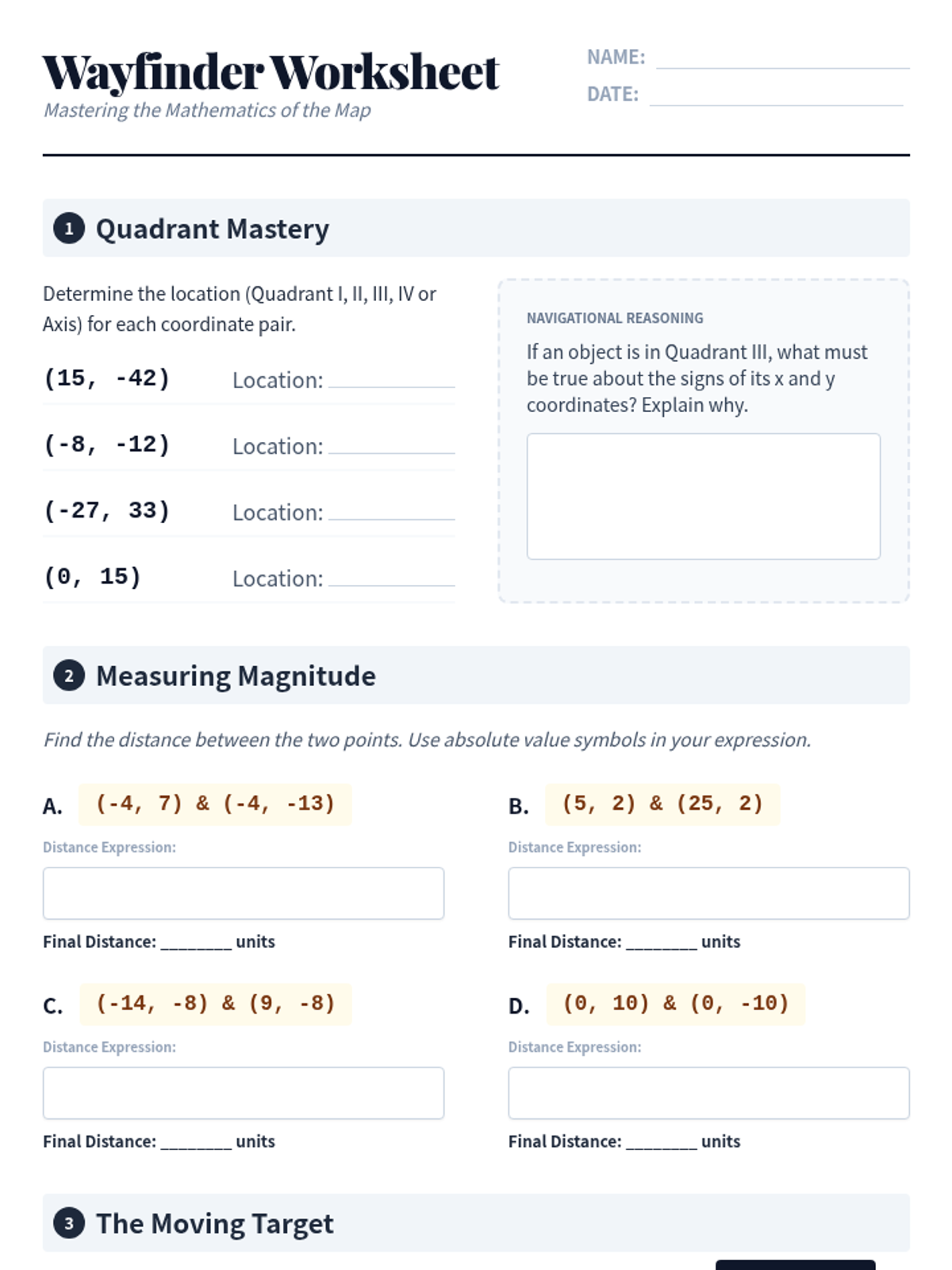
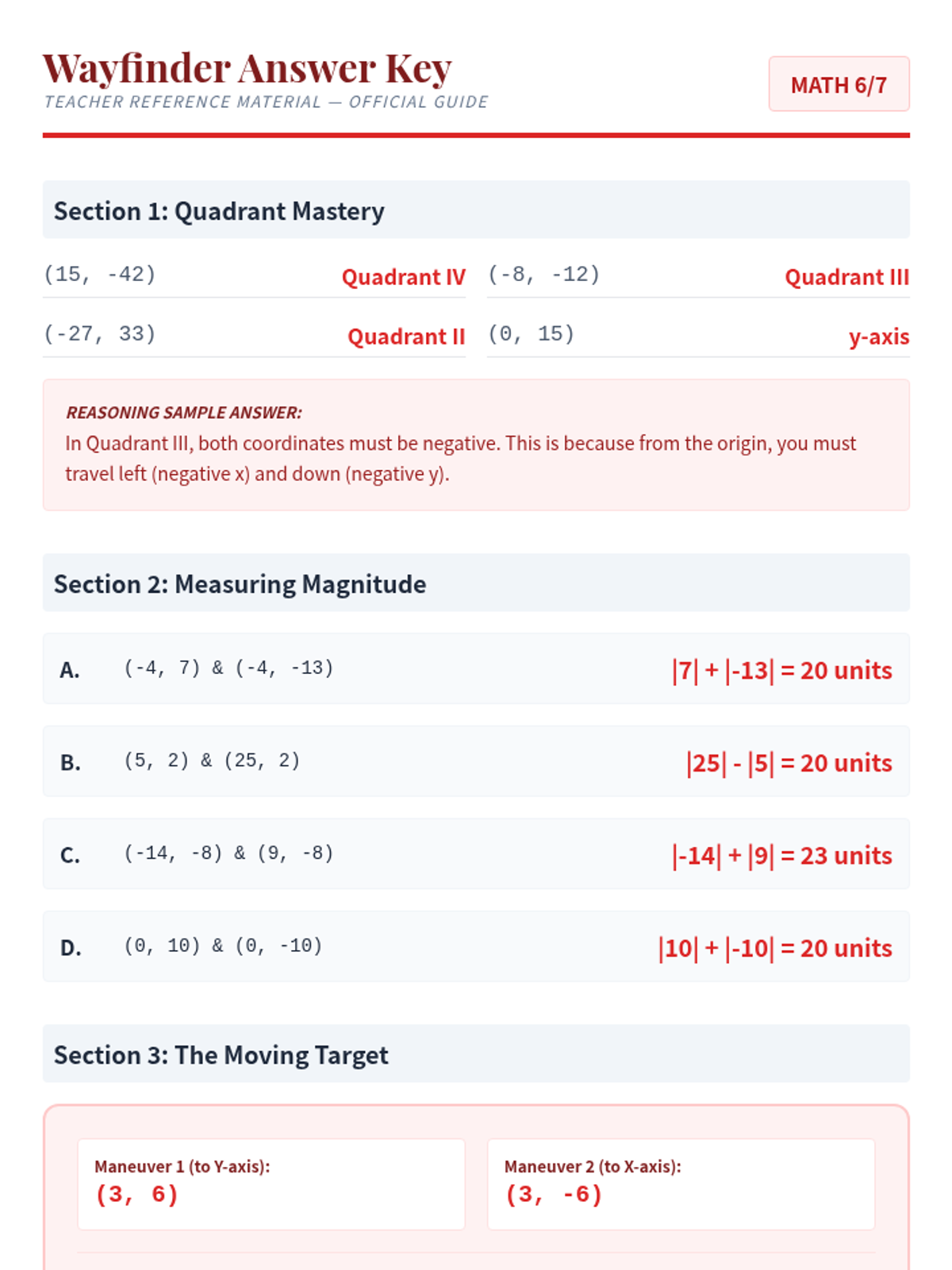
Students become maritime explorers as they master the four-quadrant coordinate plane. They will plot landmarks, track moving targets, and calculate distances across the 'Uncharted Isles' using absolute value logic.
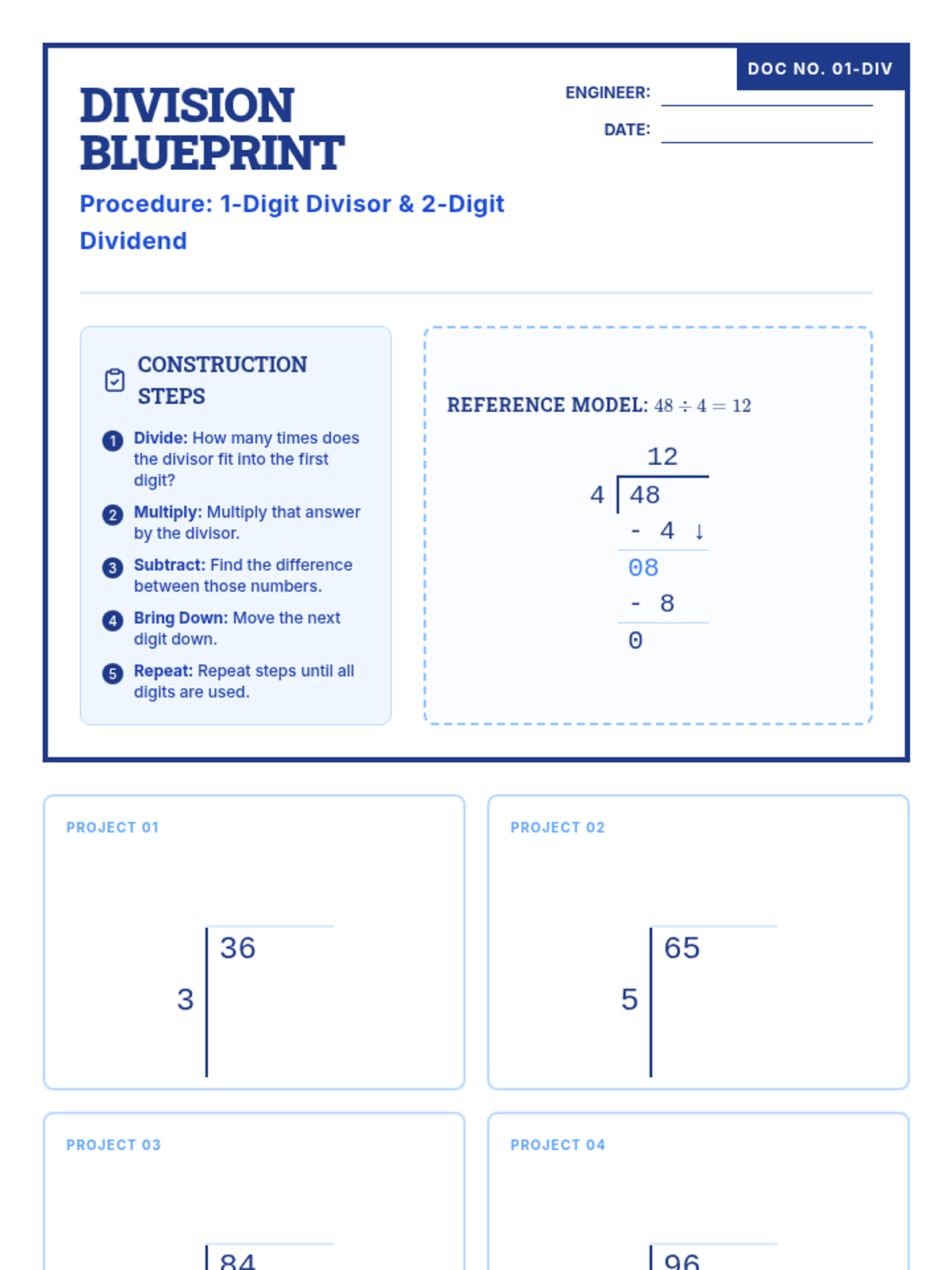
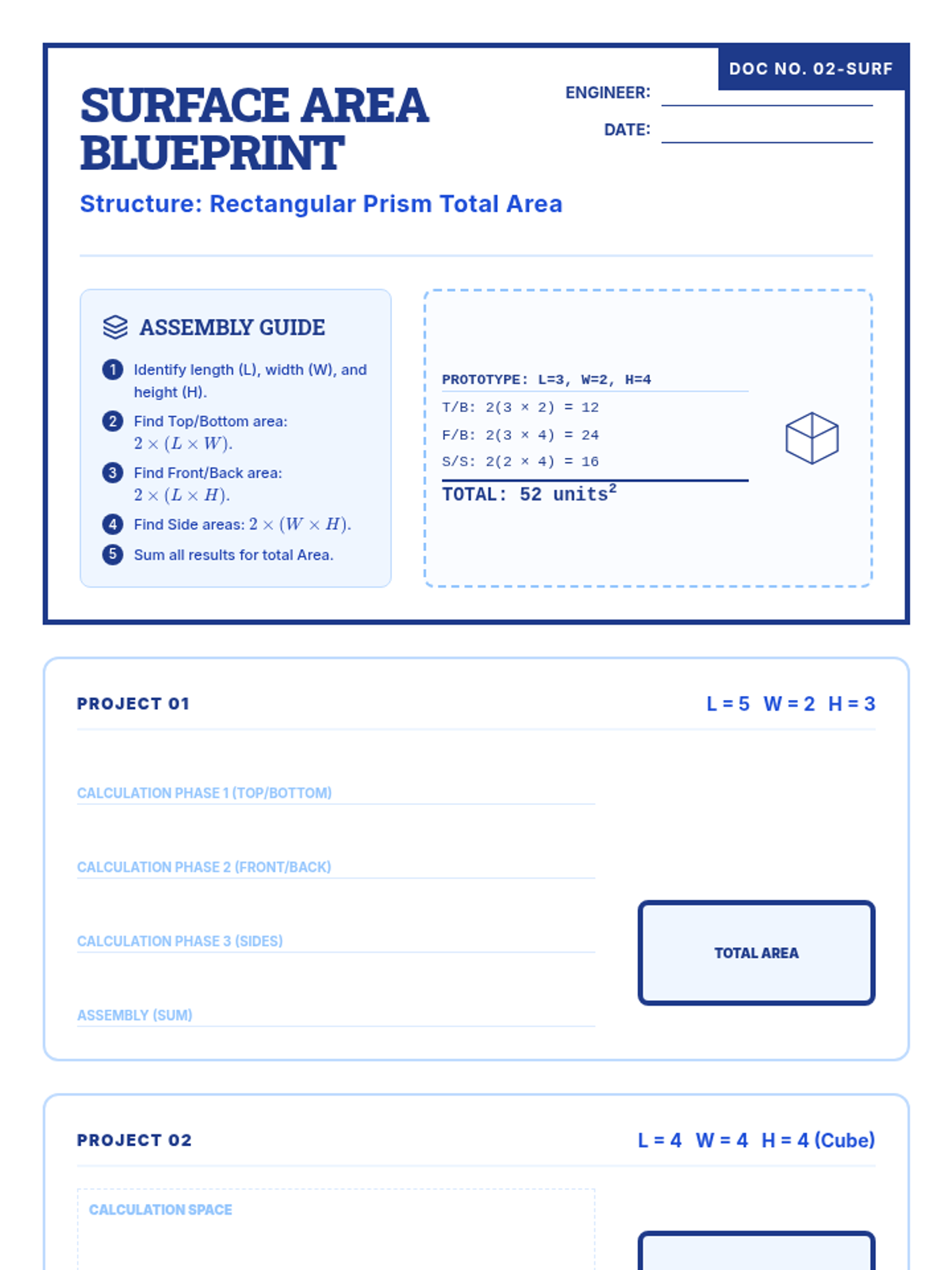
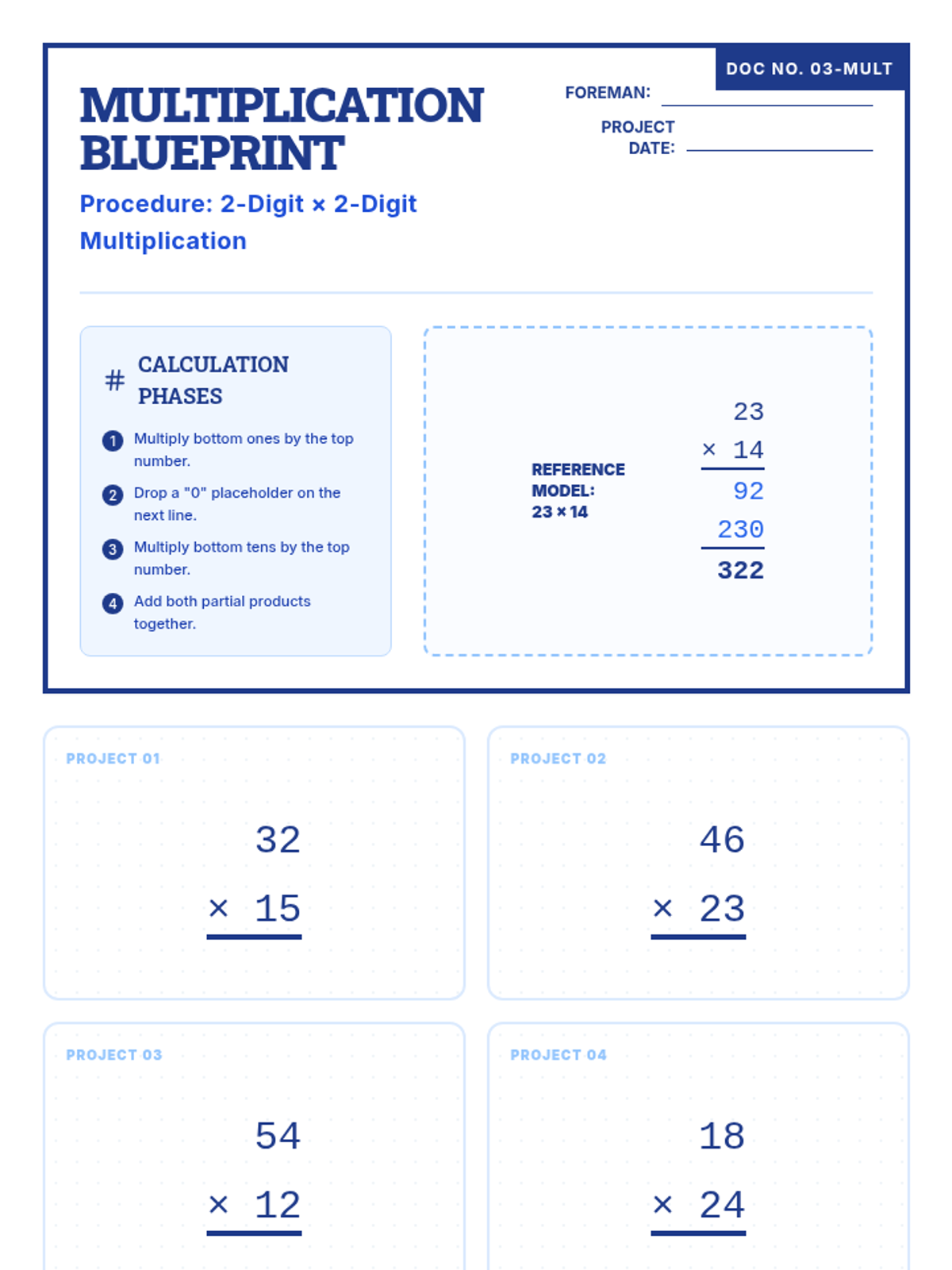
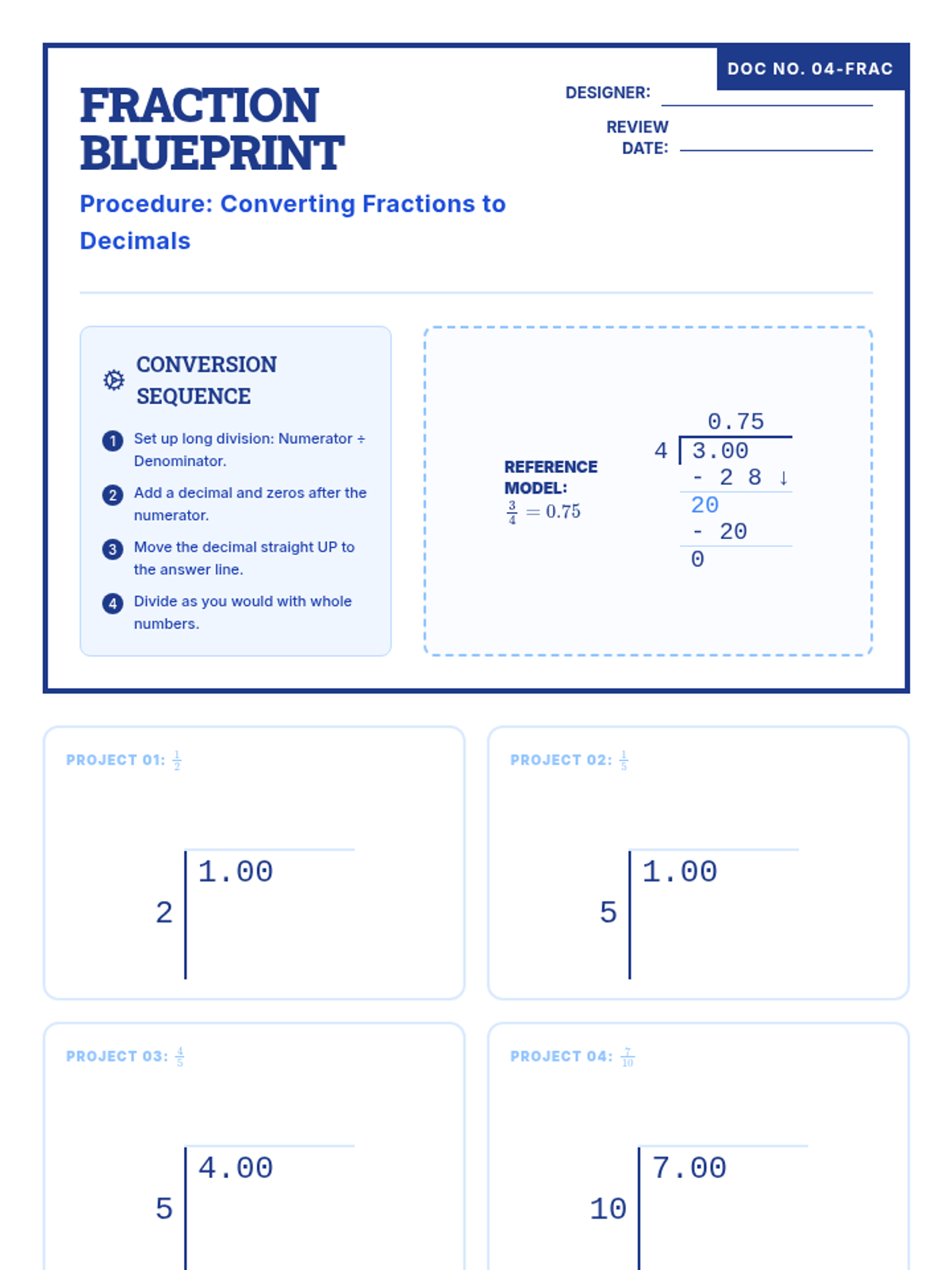
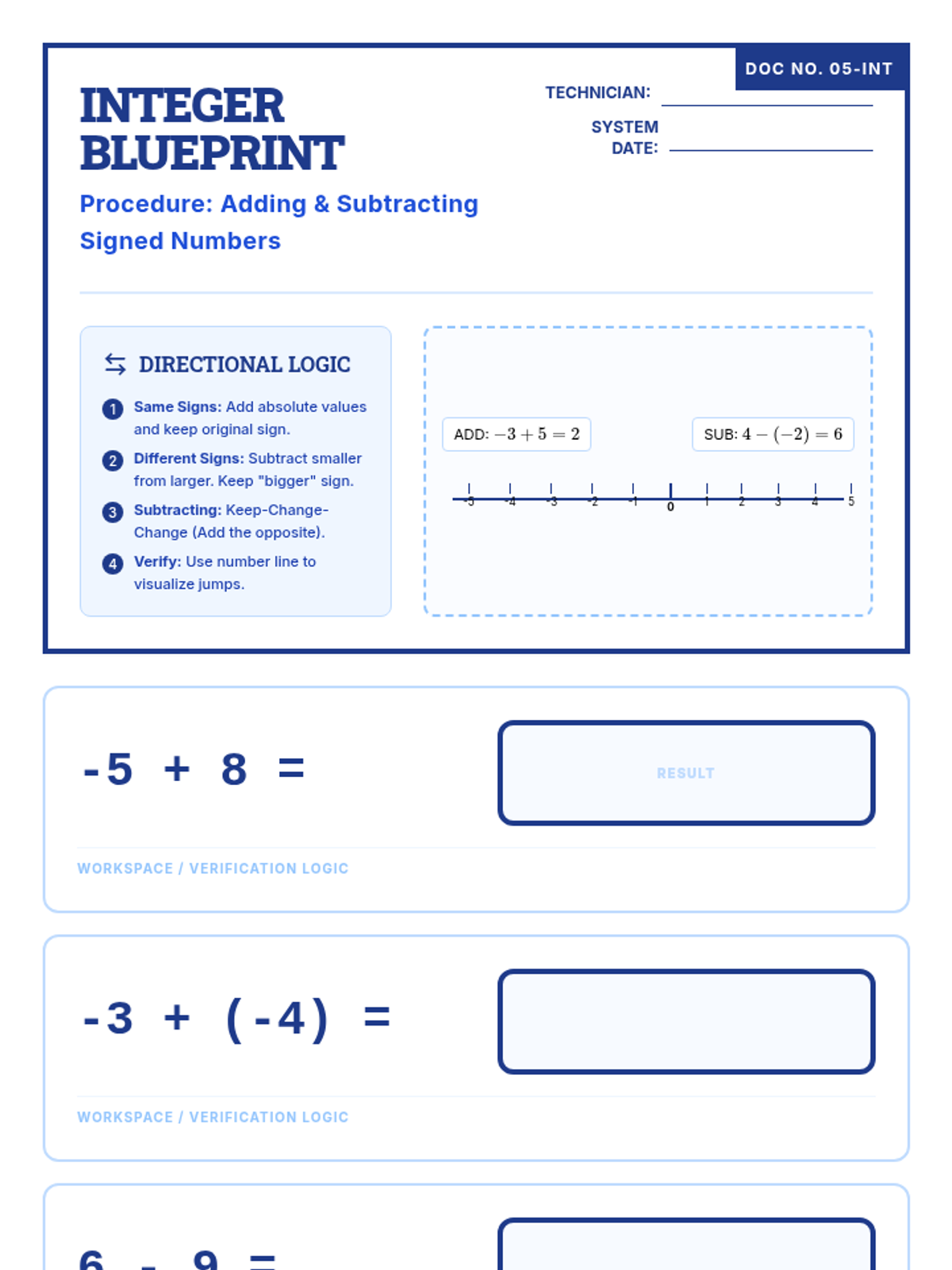
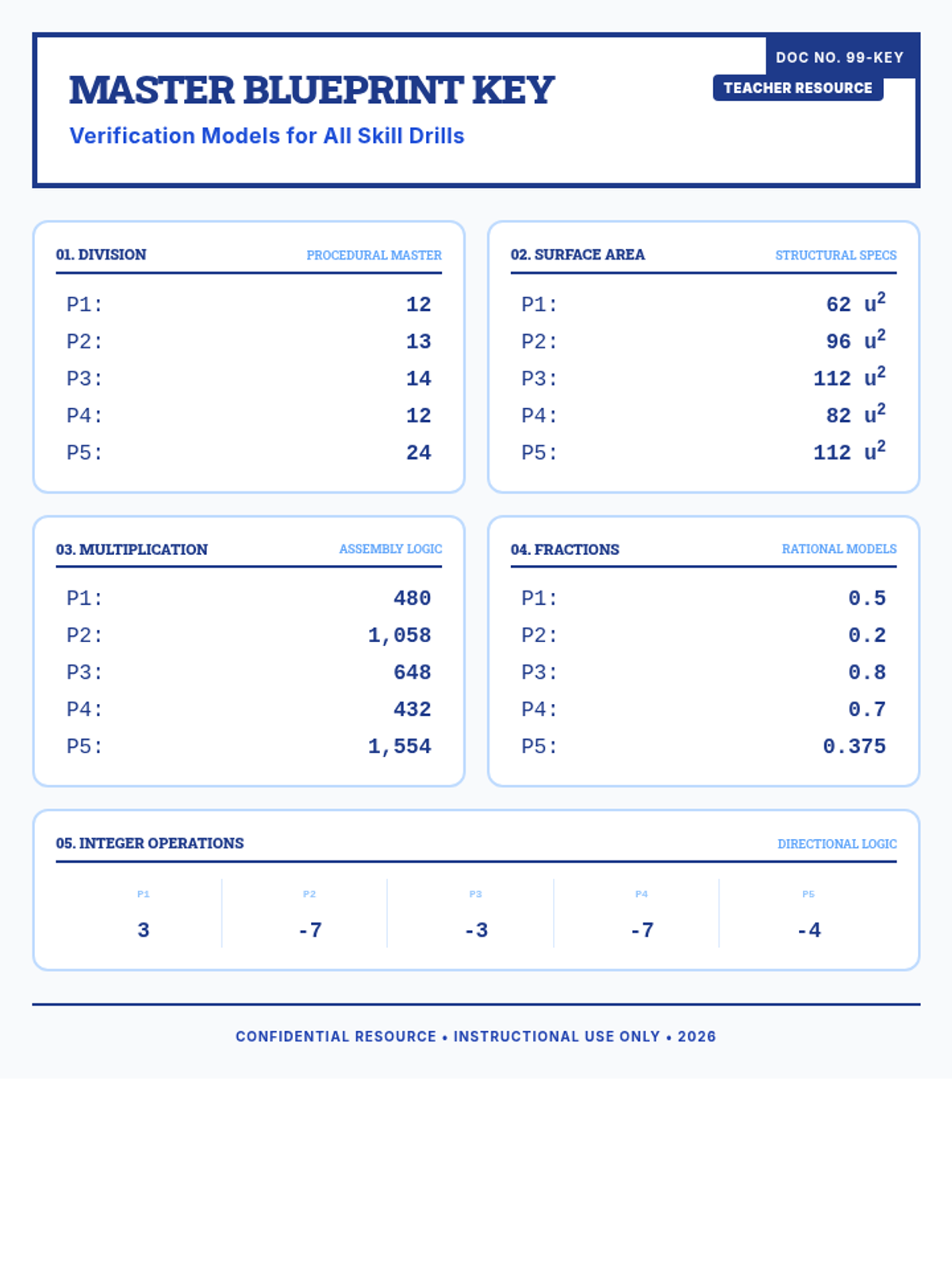
A collection of 5 foundational math worksheets focused on procedural mastery in division, surface area, multi-digit multiplication, fraction-decimal conversion, and integer arithmetic. Each sheet includes a step-by-step checklist and a worked example.
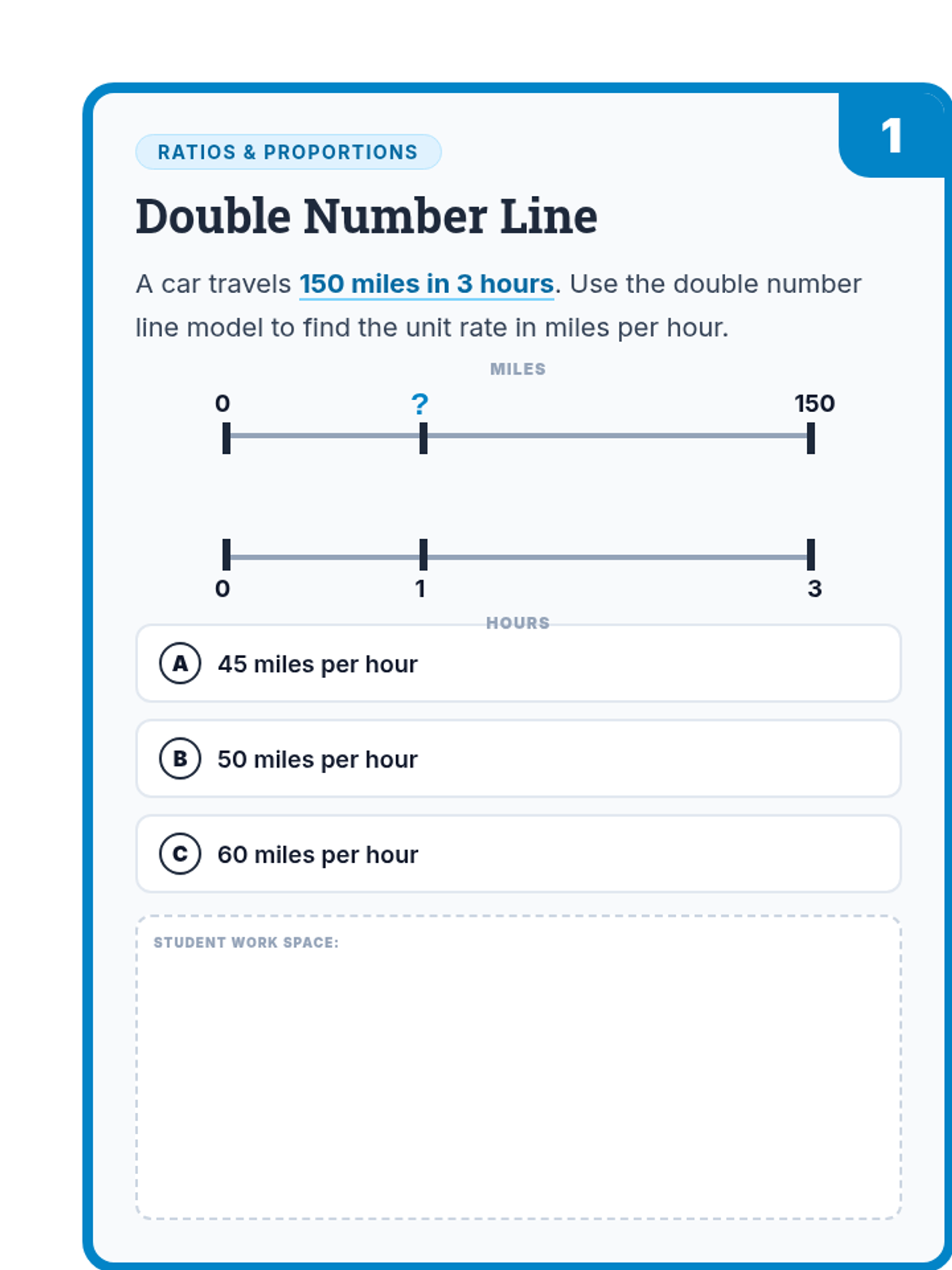
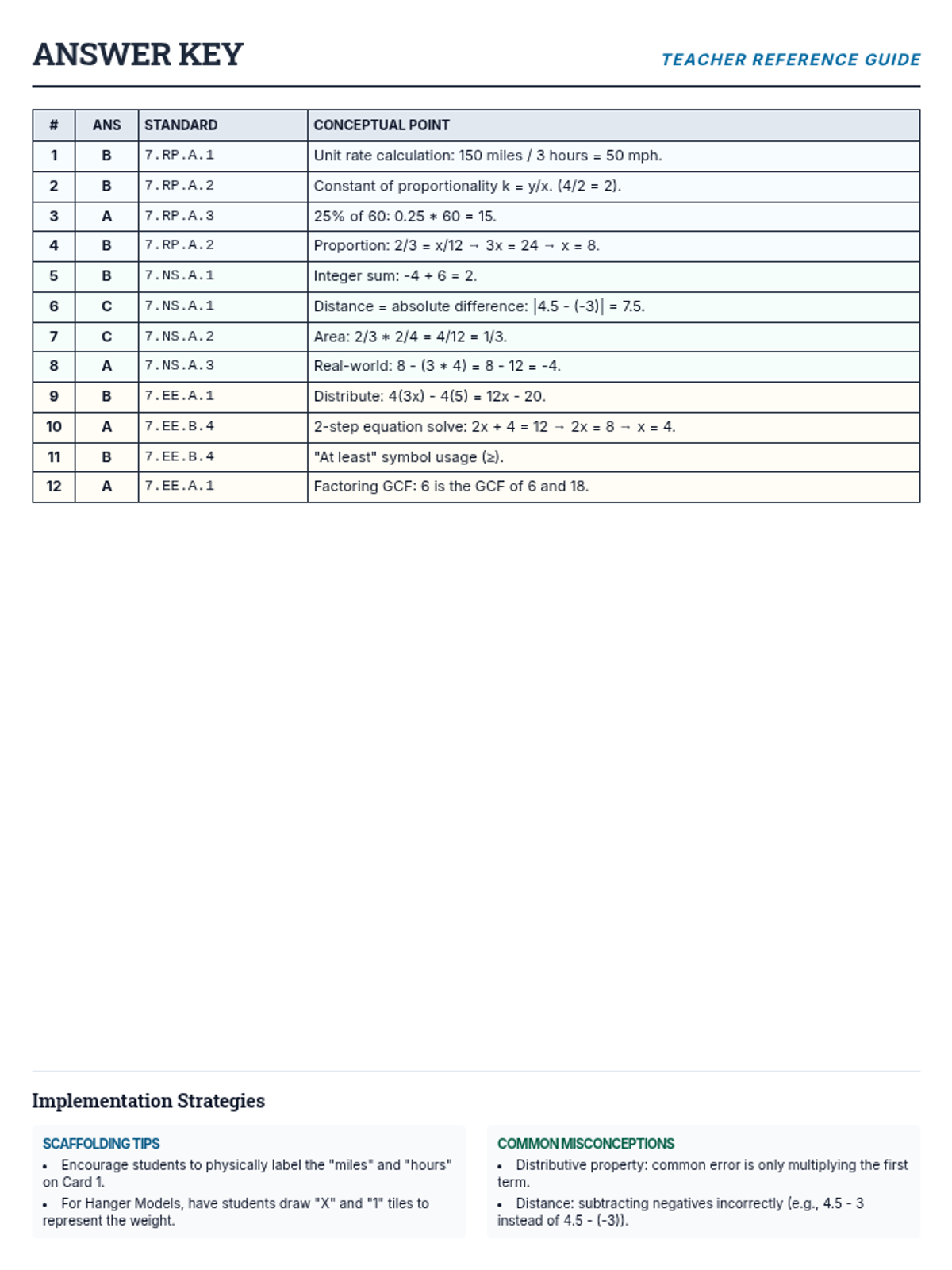
A comprehensive review session for 7th grade math standards focusing on Ratios, The Number System, and Expressions & Equations, designed for IAR assessment preparation.
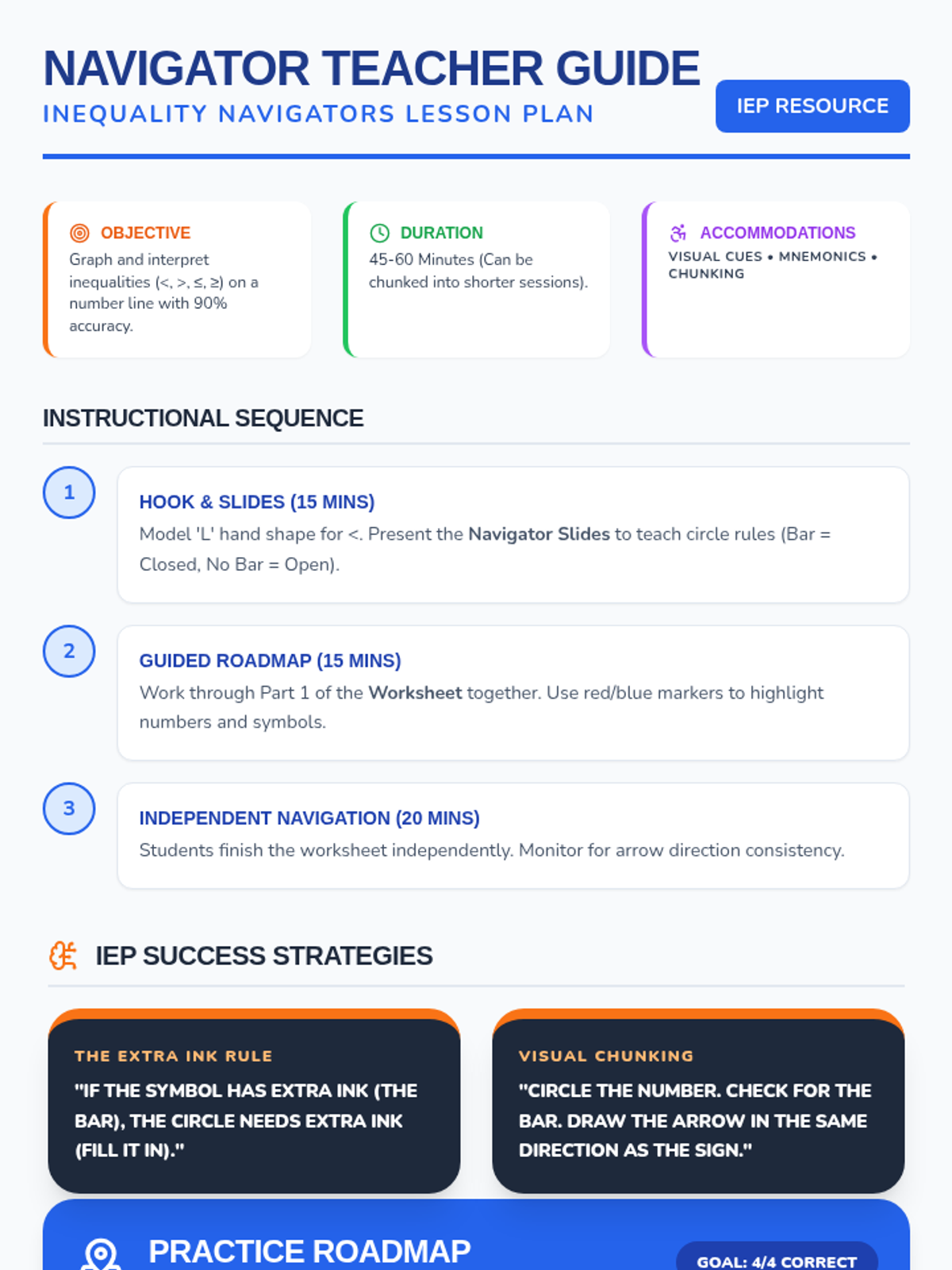
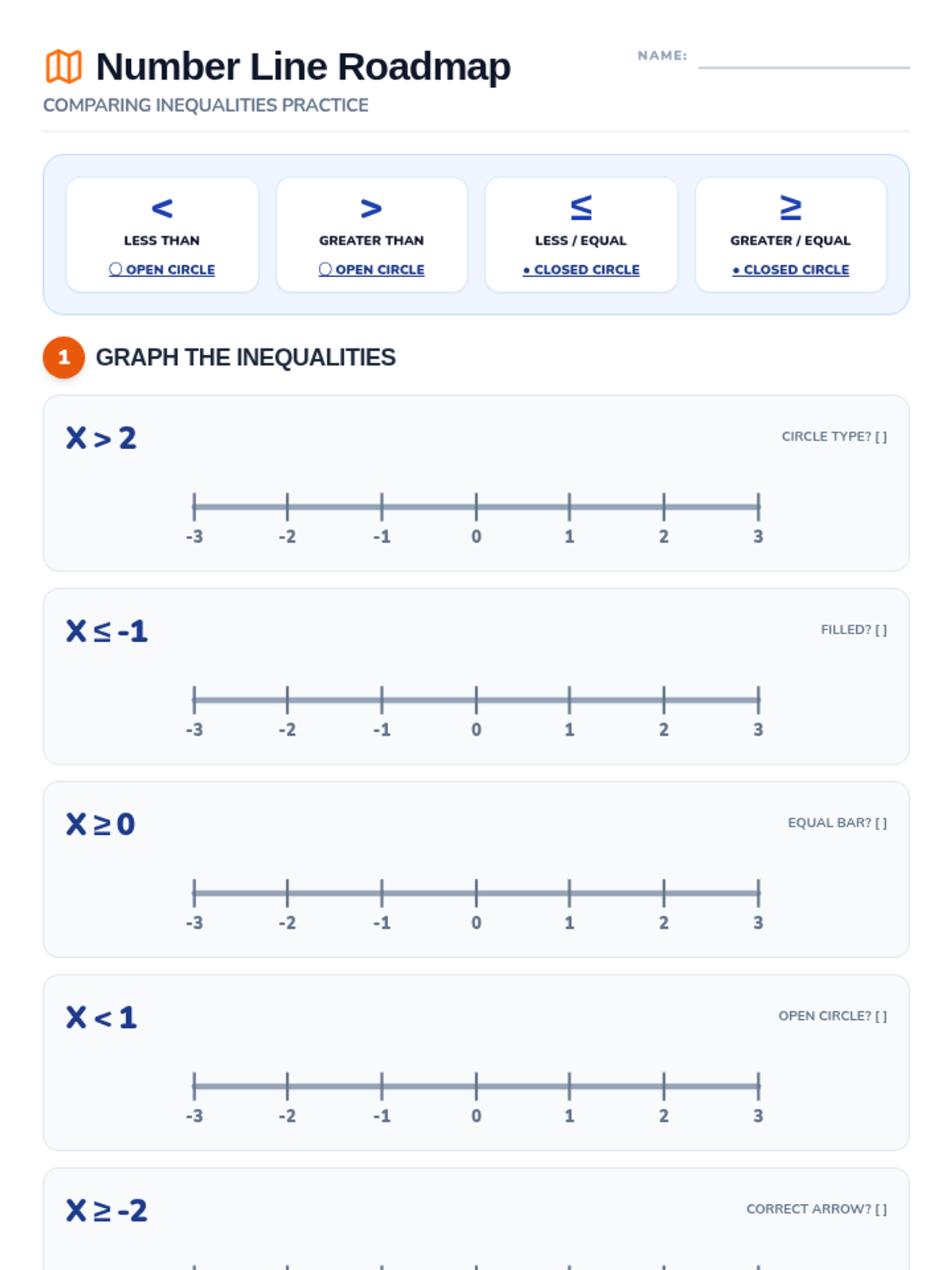
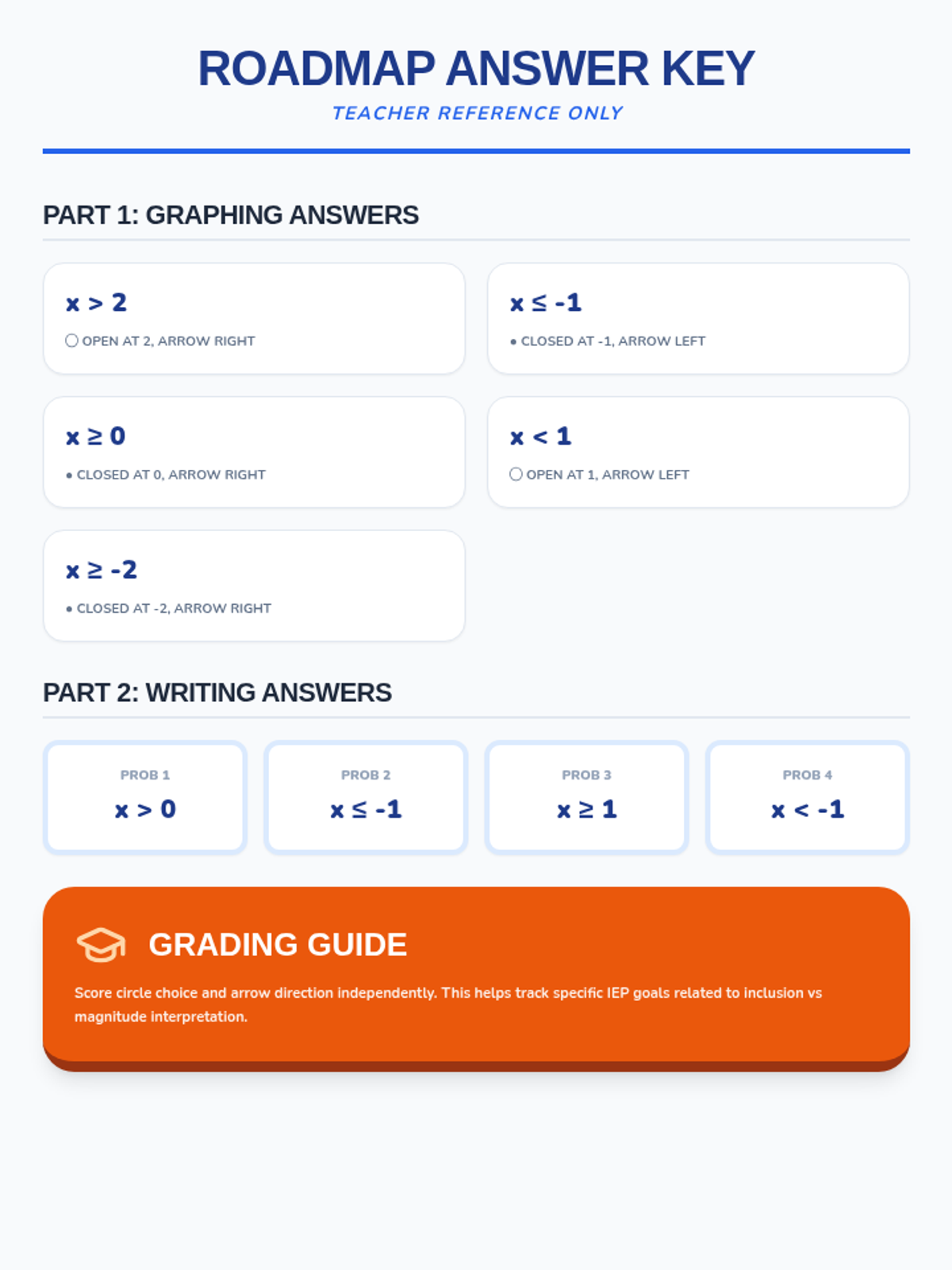
A scaffolded lesson on graphing and interpreting inequalities on a number line, specifically designed for IEP students with high-visual support and step-by-step instruction.
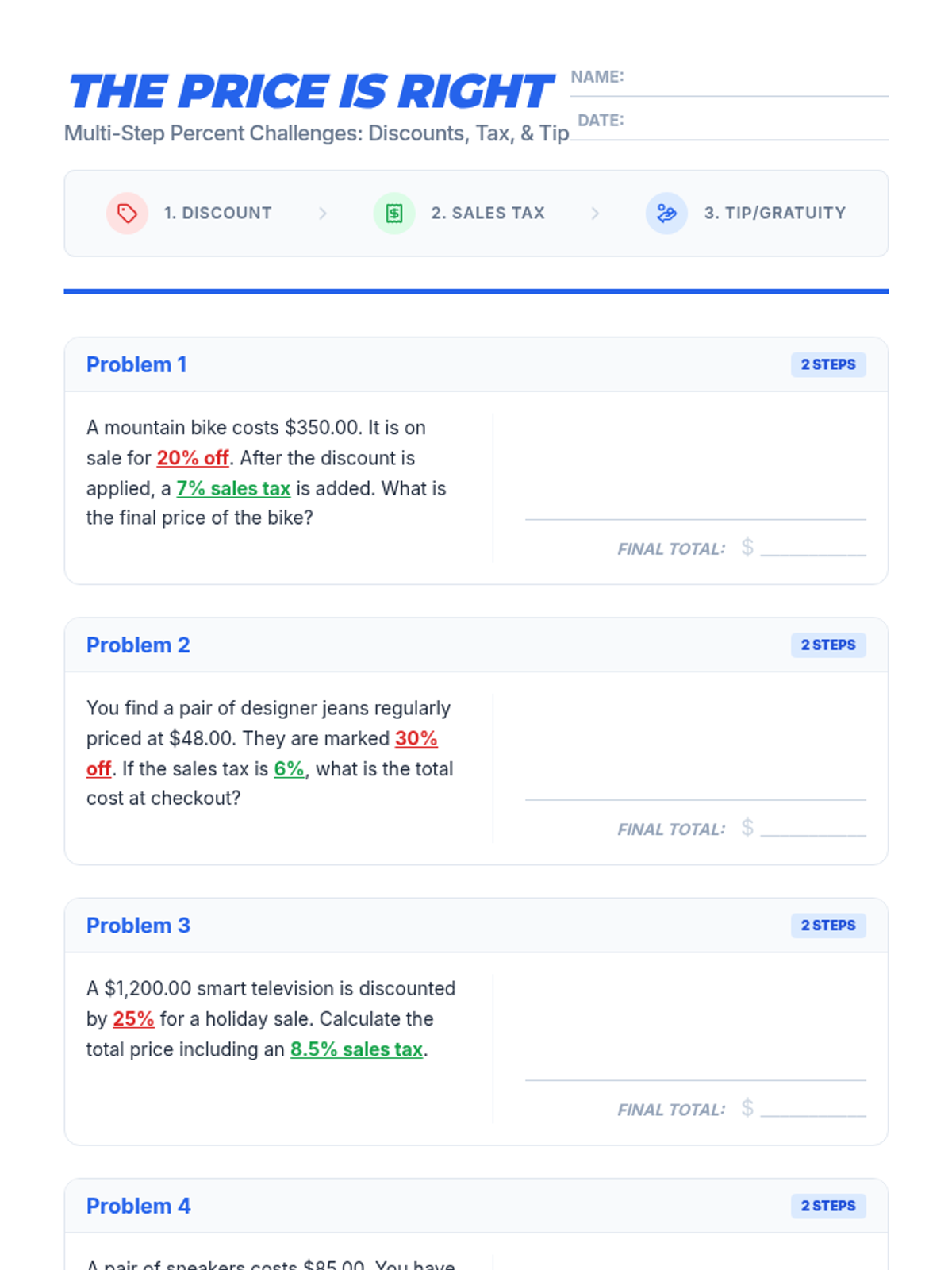
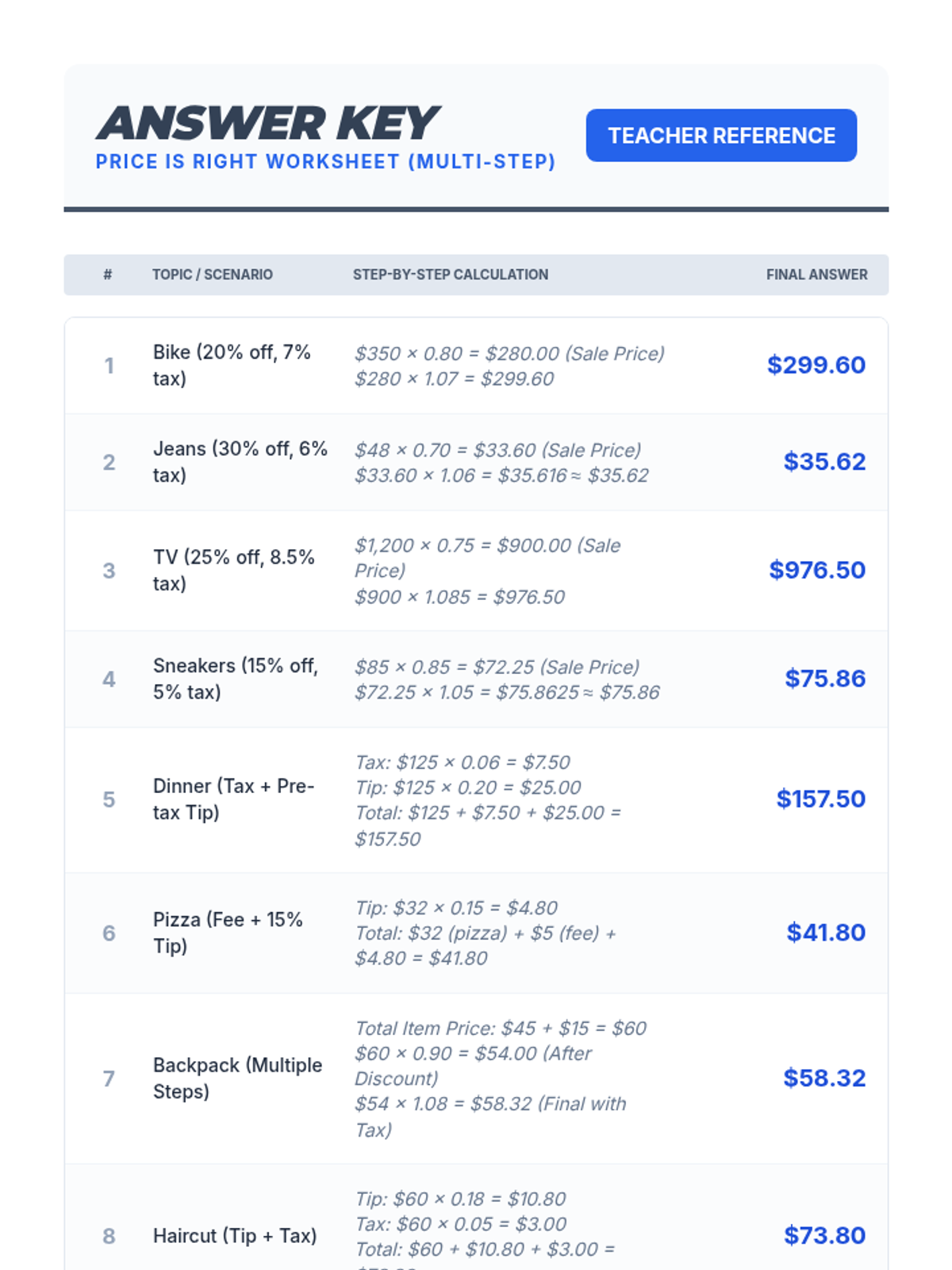
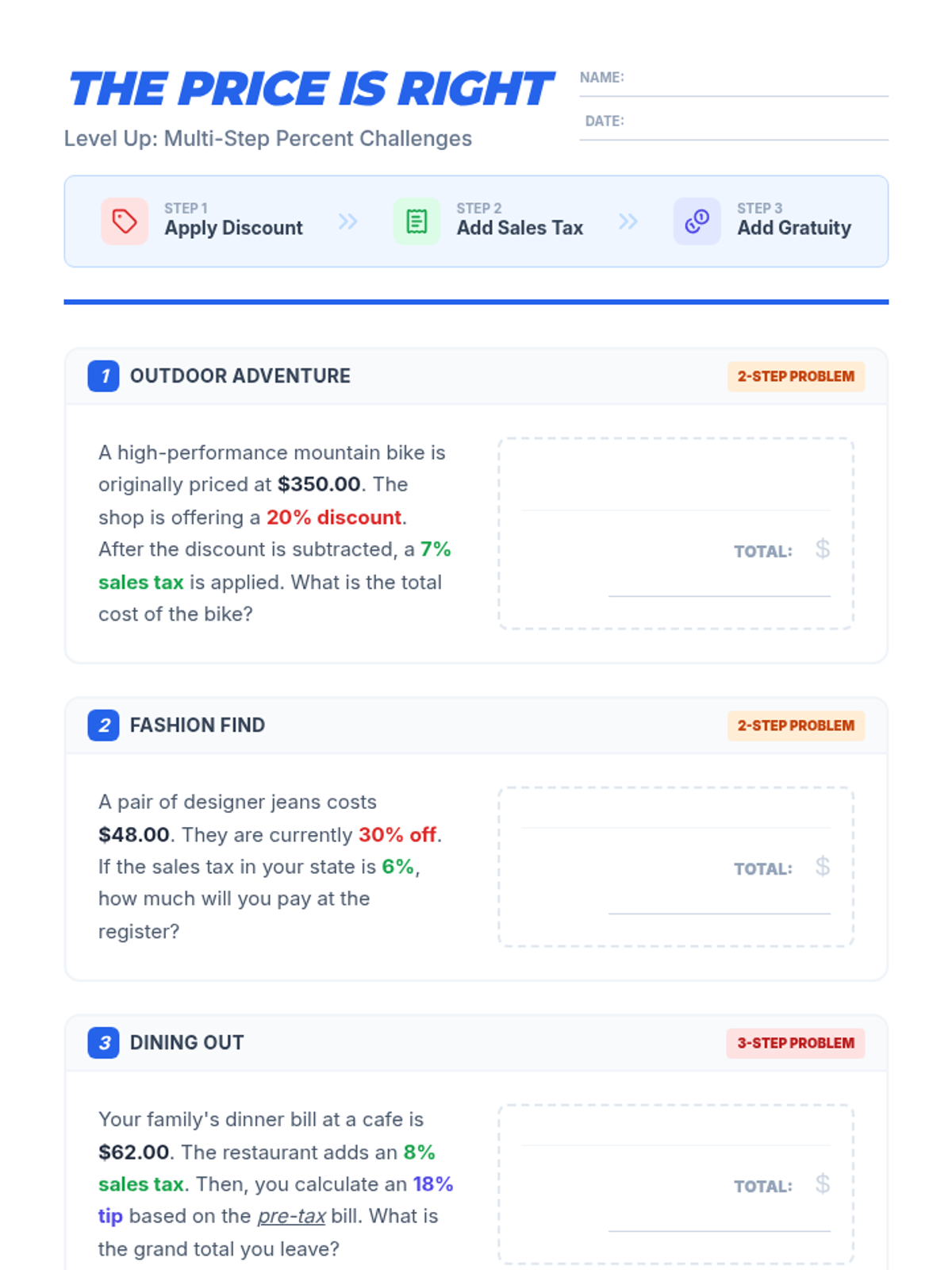
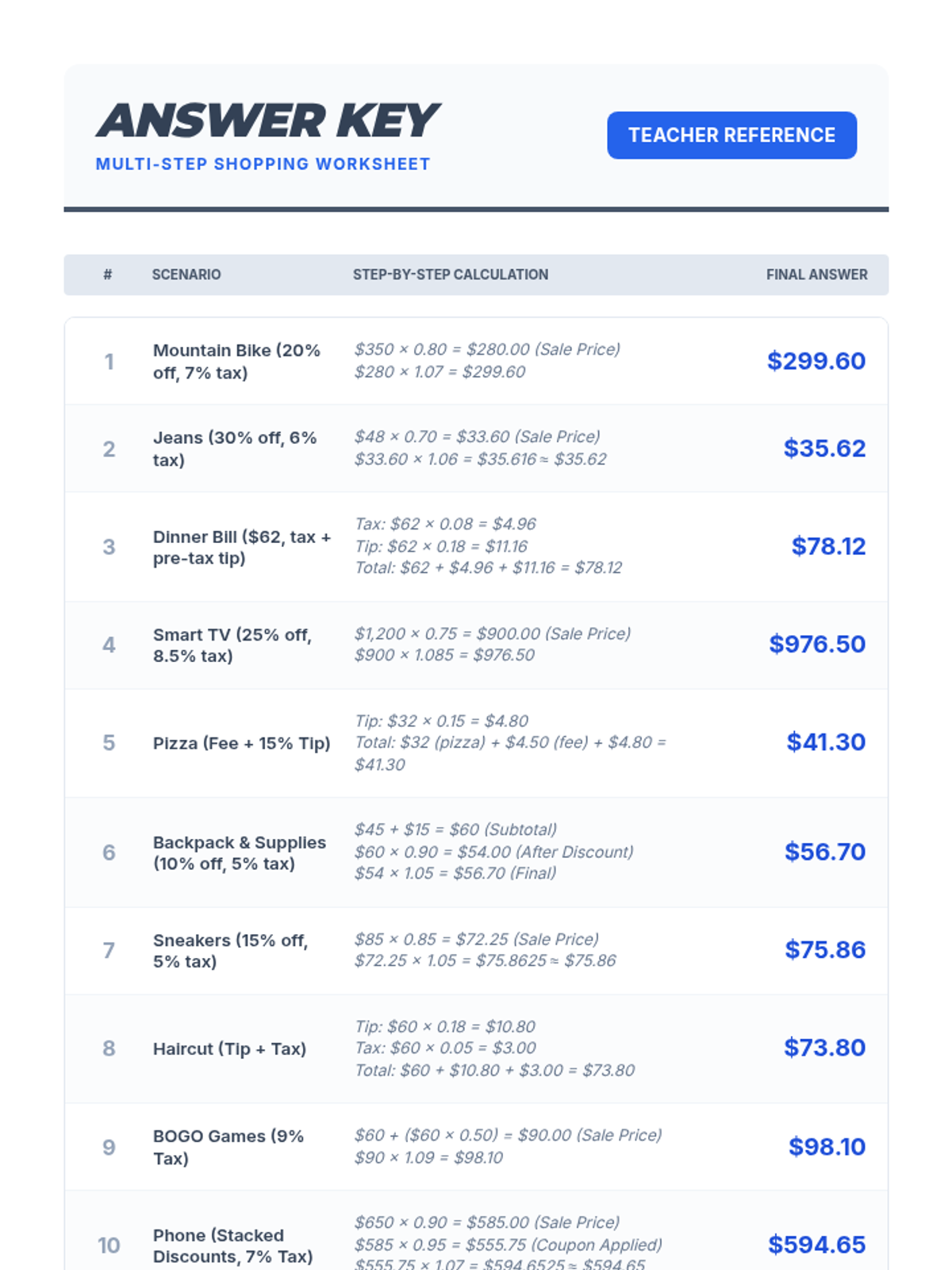
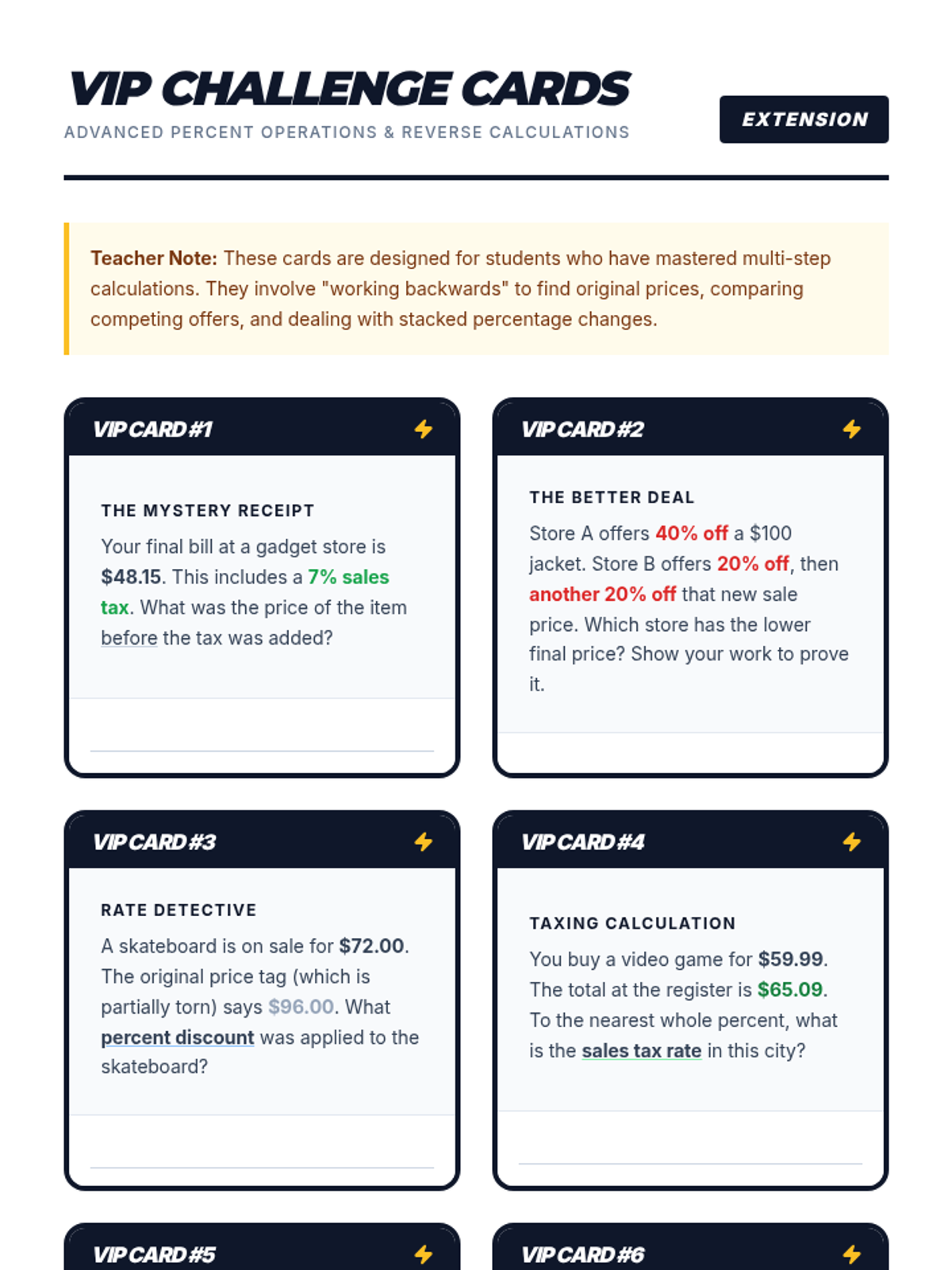
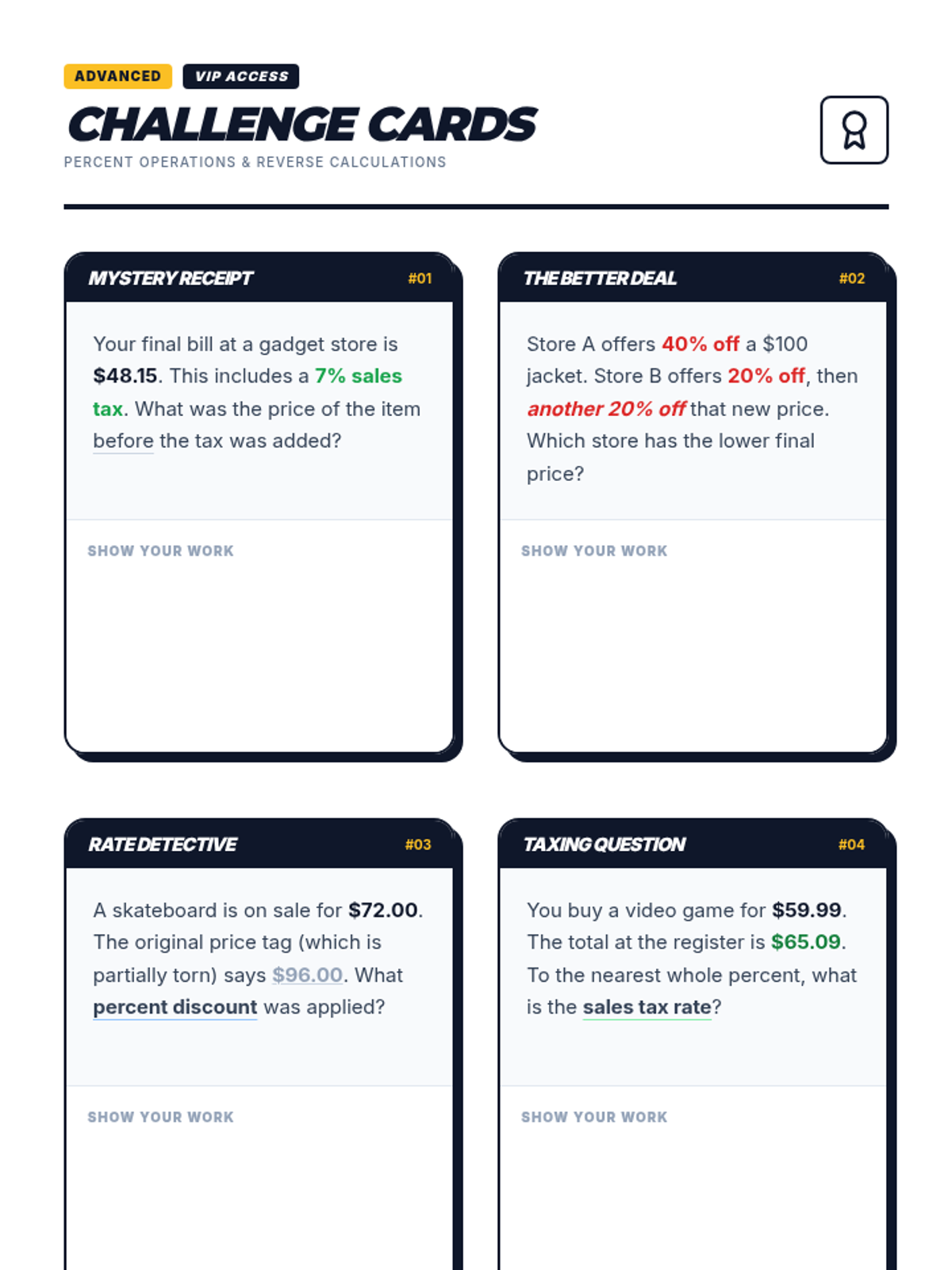
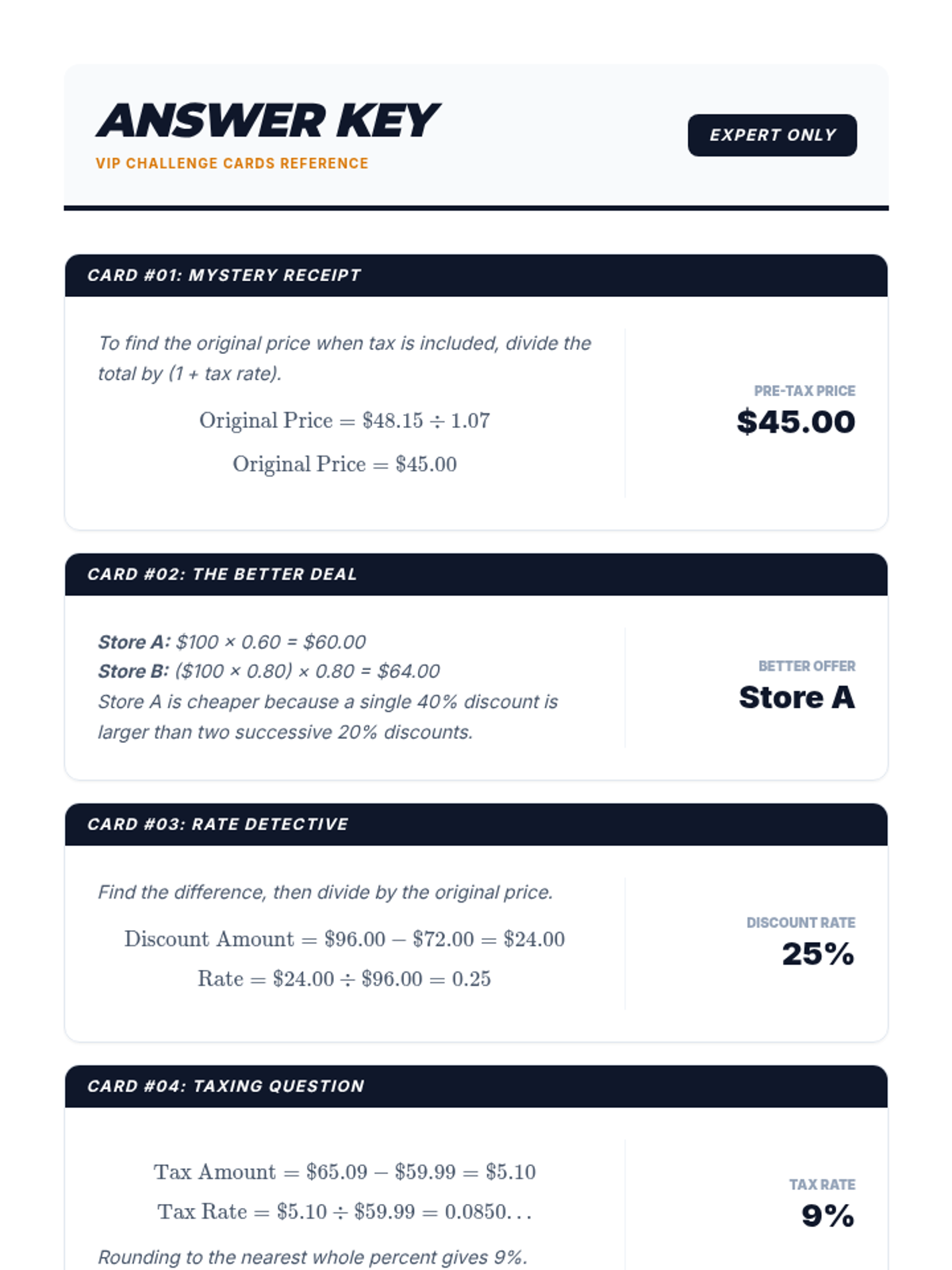
A practical math lesson for 7th-grade students on applying percentages to real-life shopping, including sales tax, gratuity (tip), and store discounts.
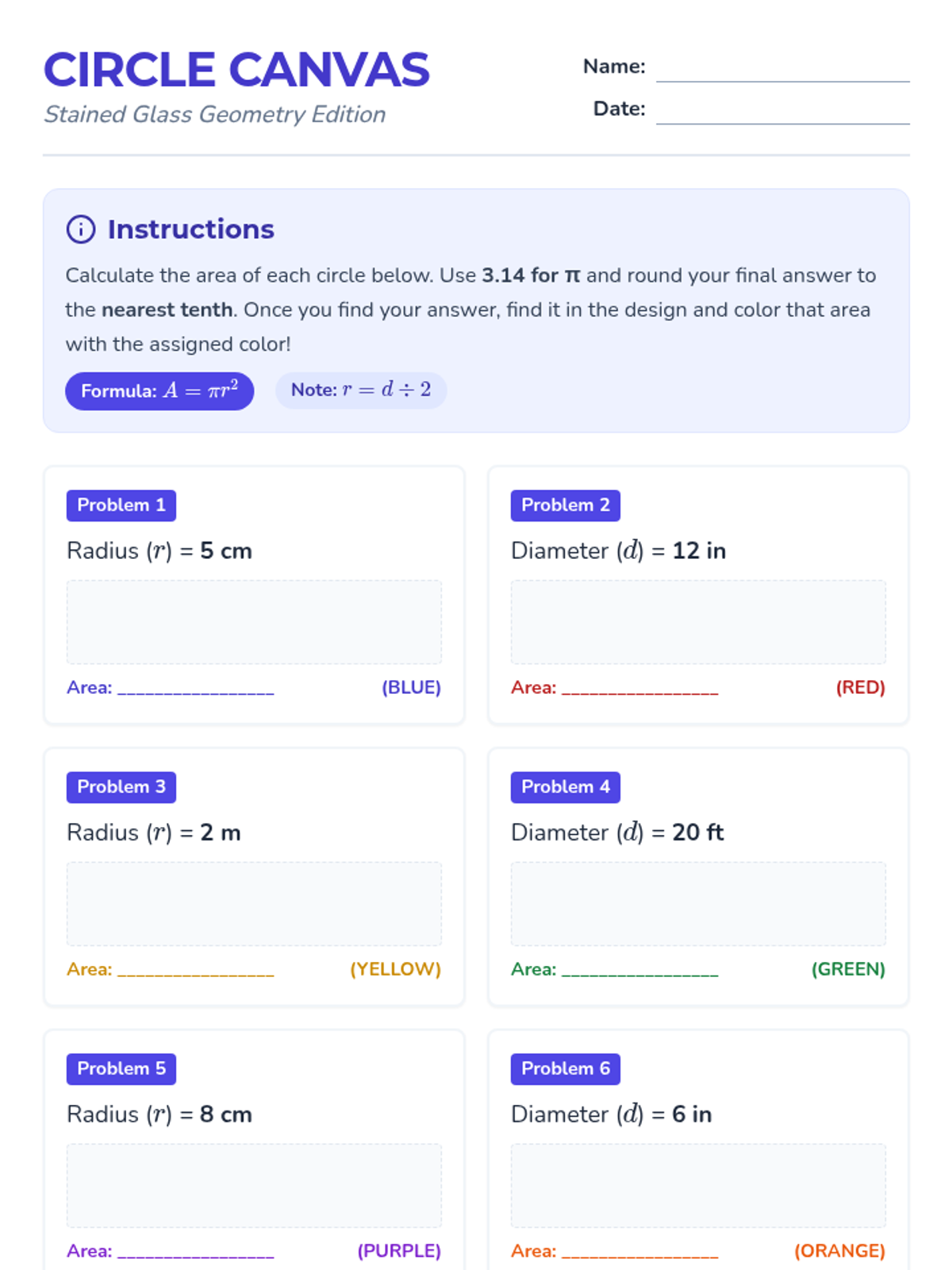
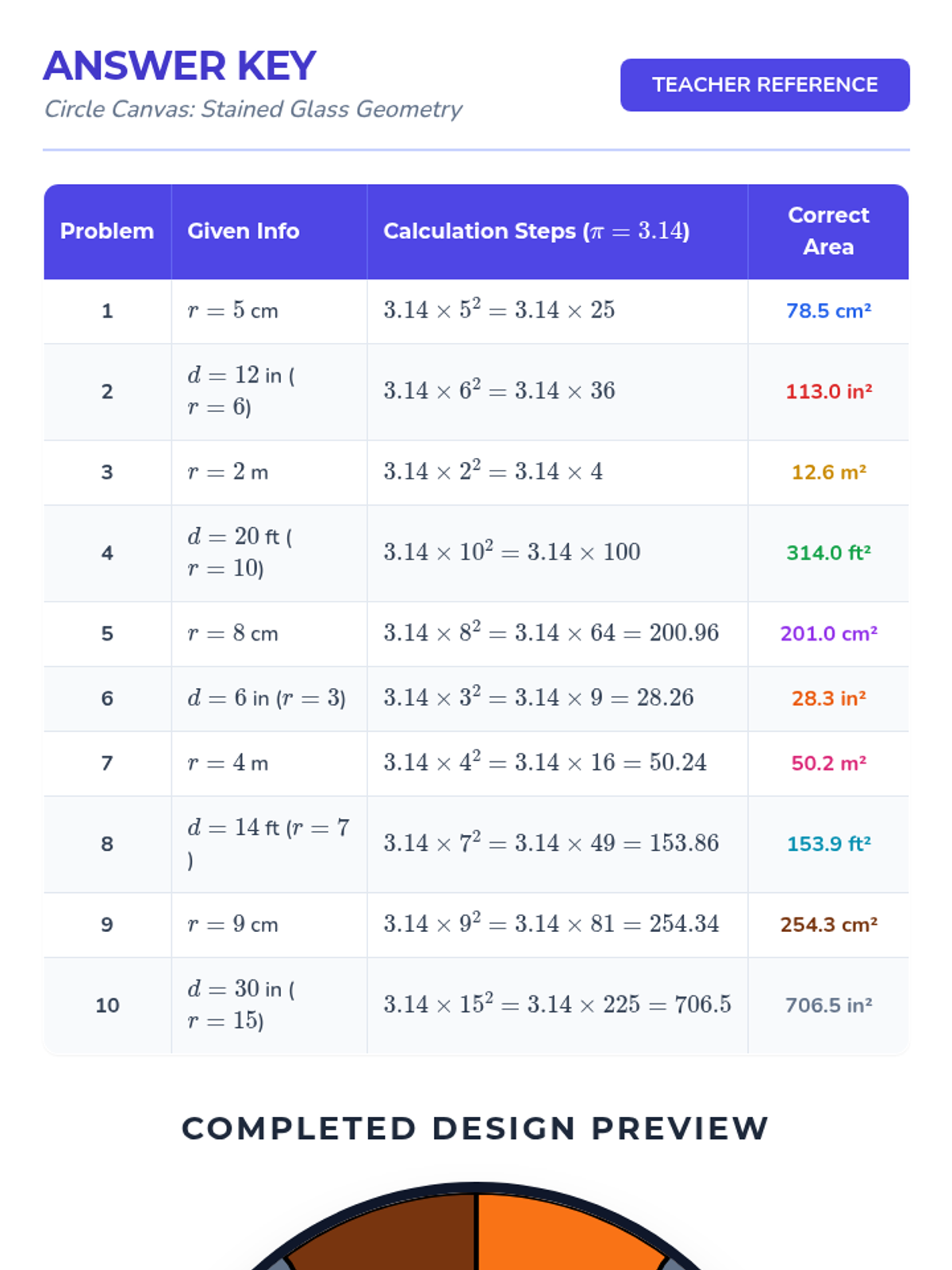
A creative math lesson focused on calculating the area of circles using radius and diameter, featuring a coloring art activity to reinforce learning.
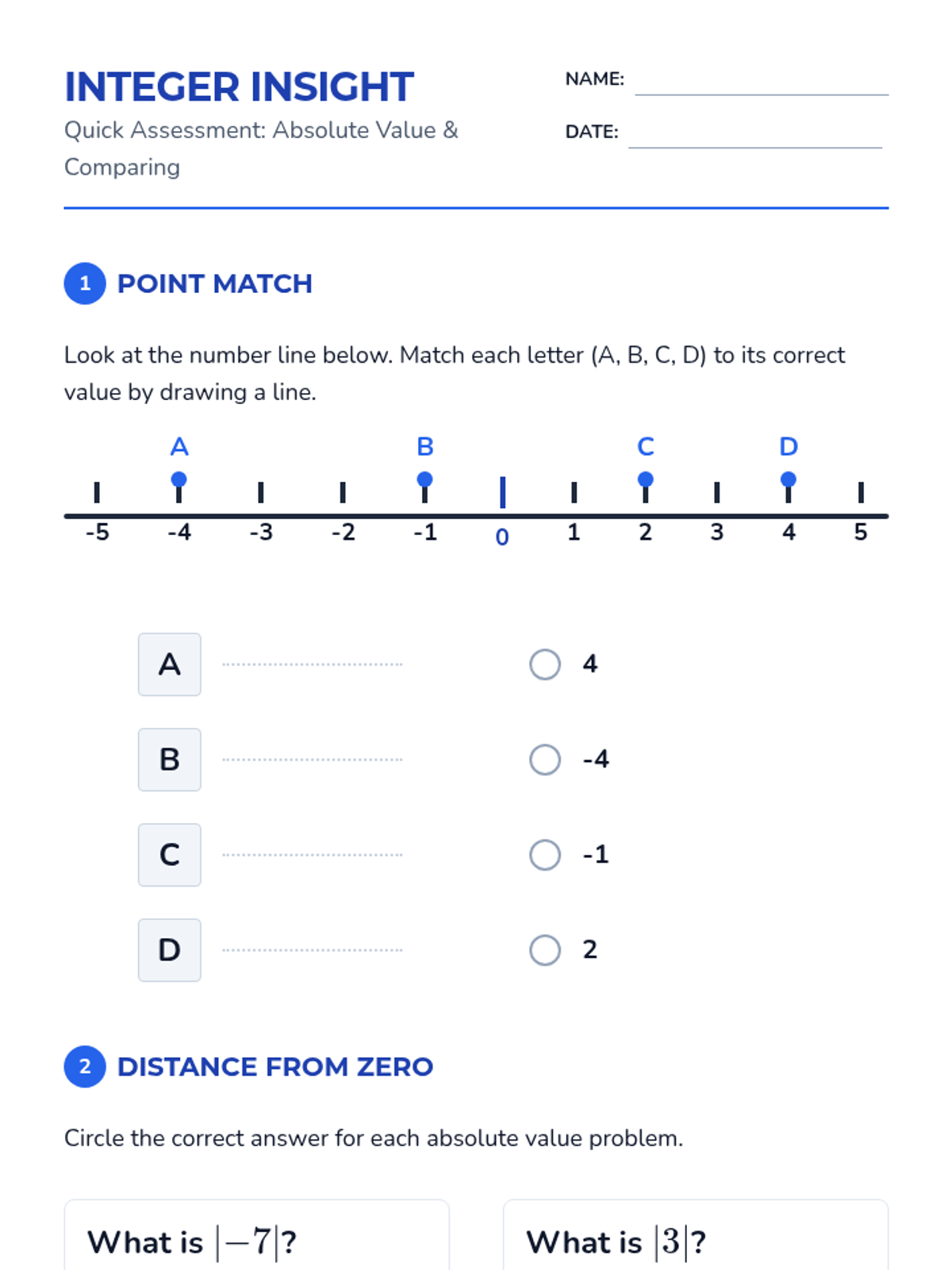
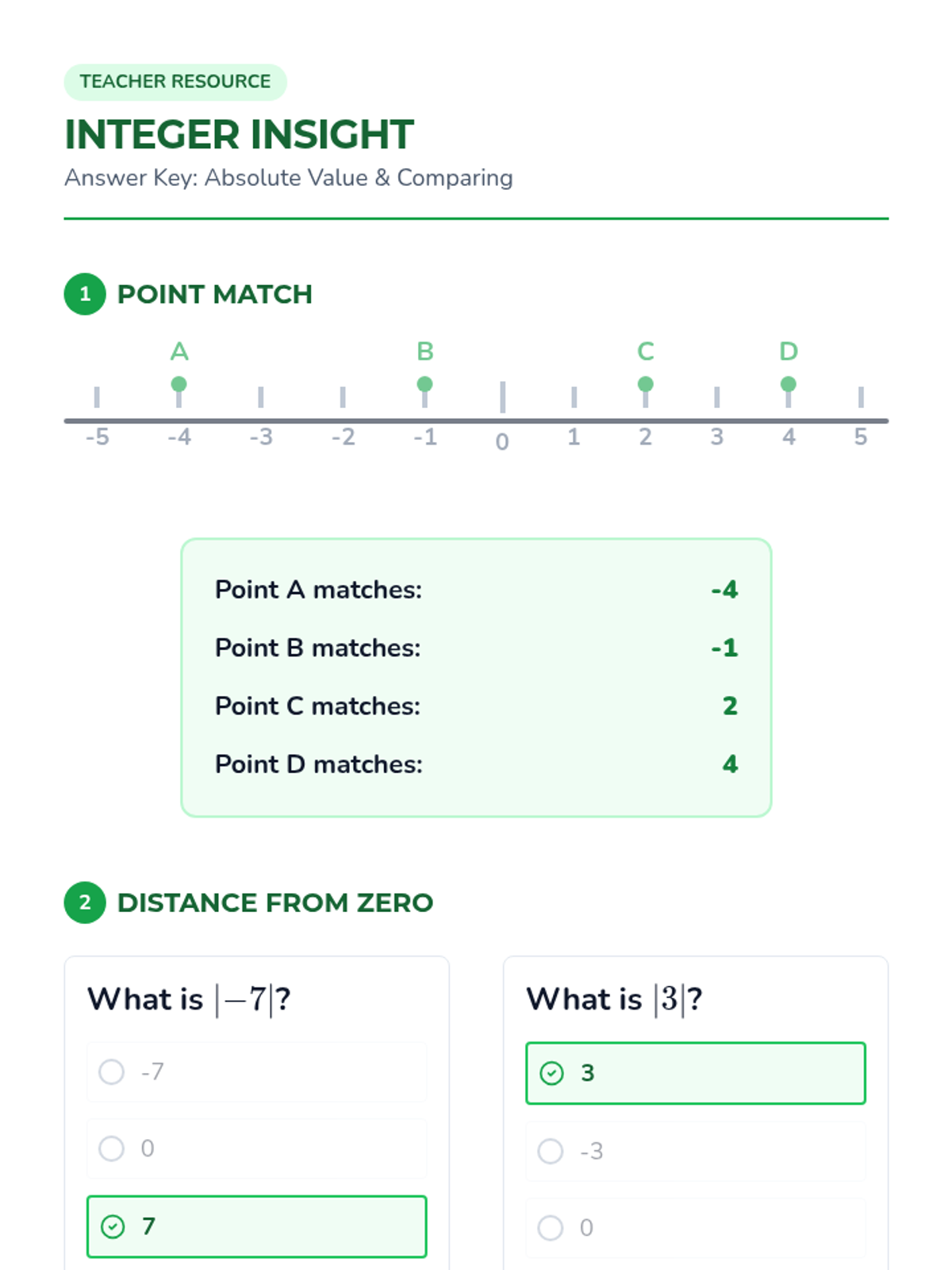
A quick assessment designed for IEP students to demonstrate their understanding of single-digit absolute value and integer comparison.
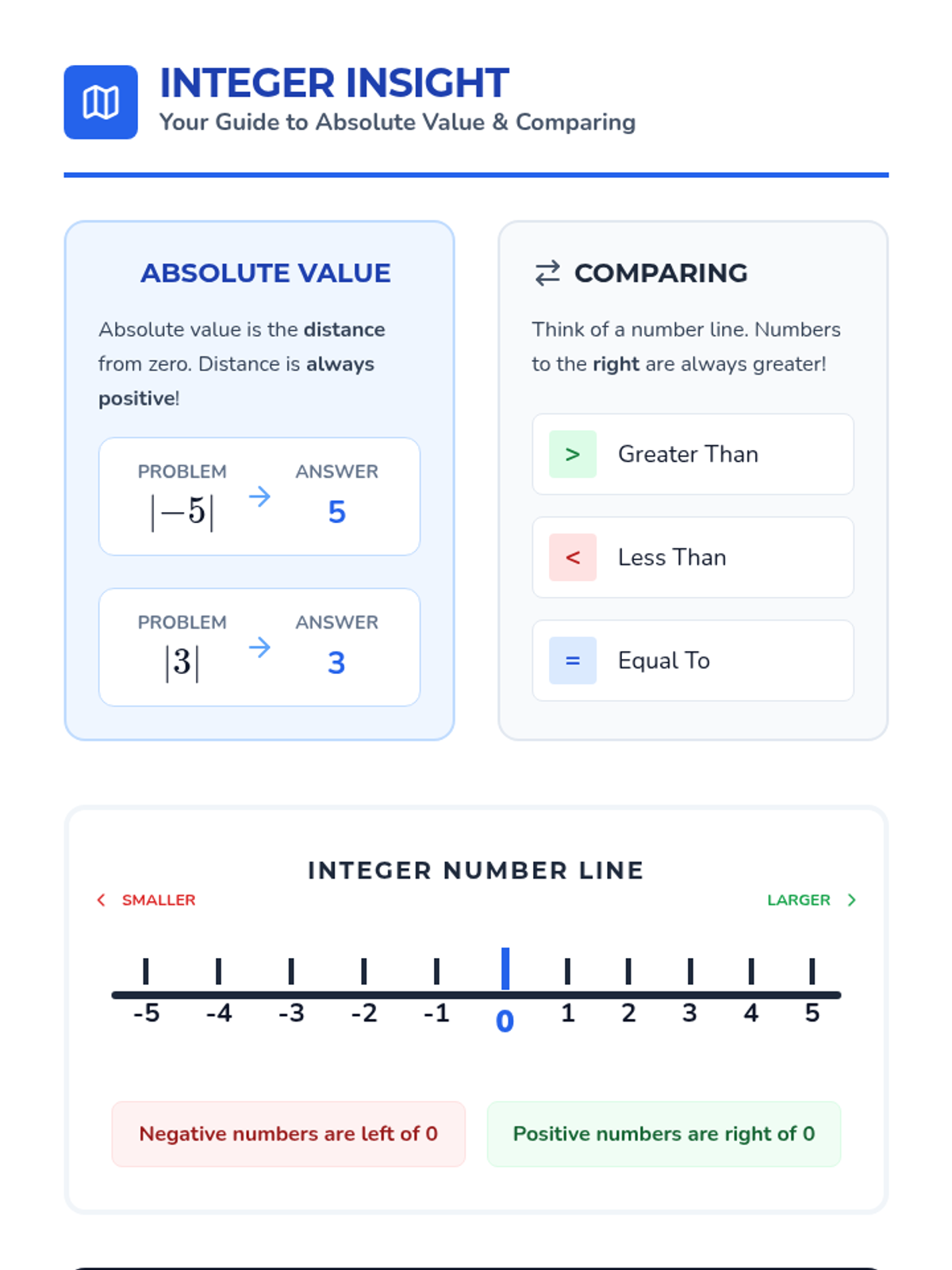
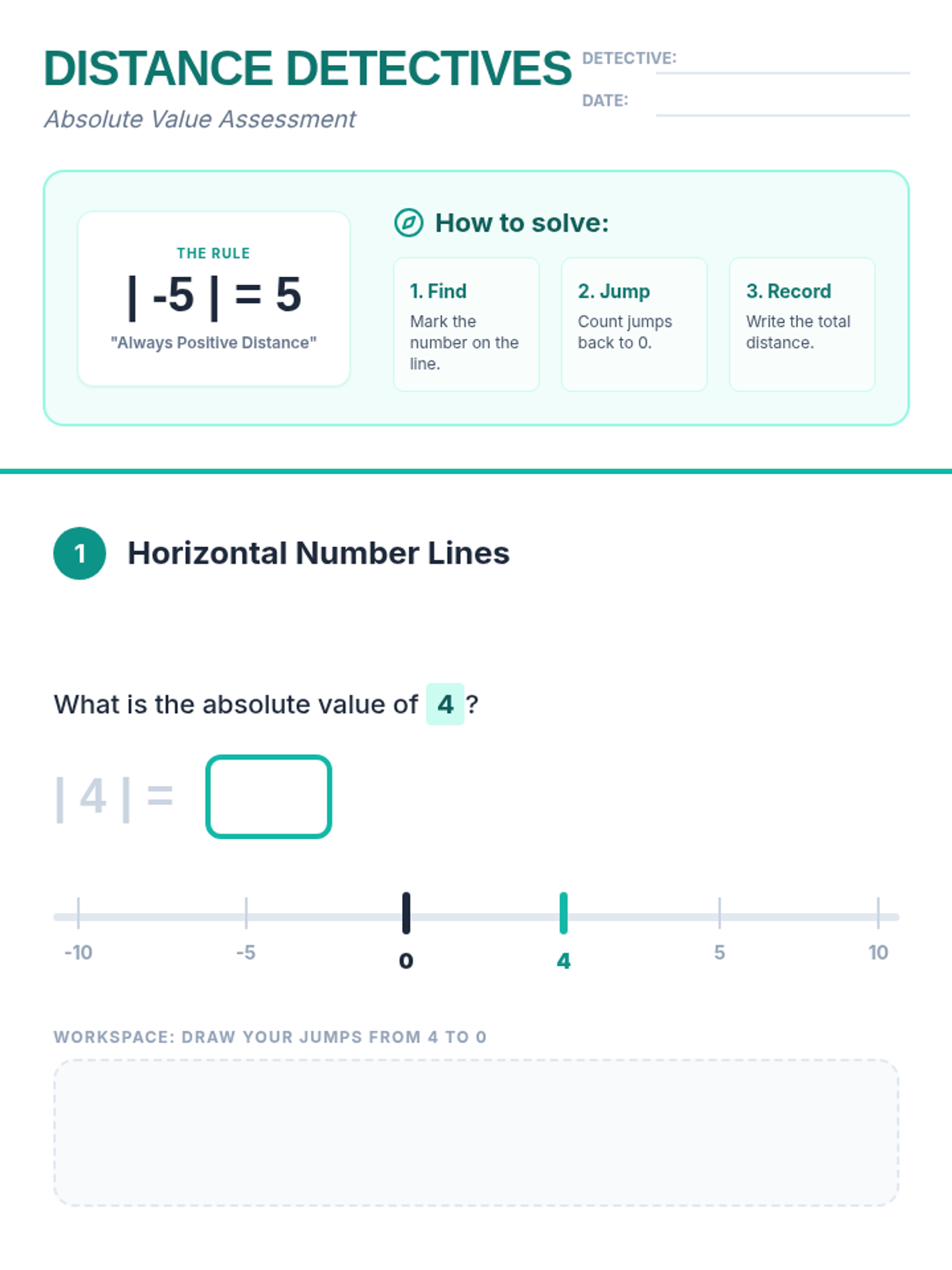
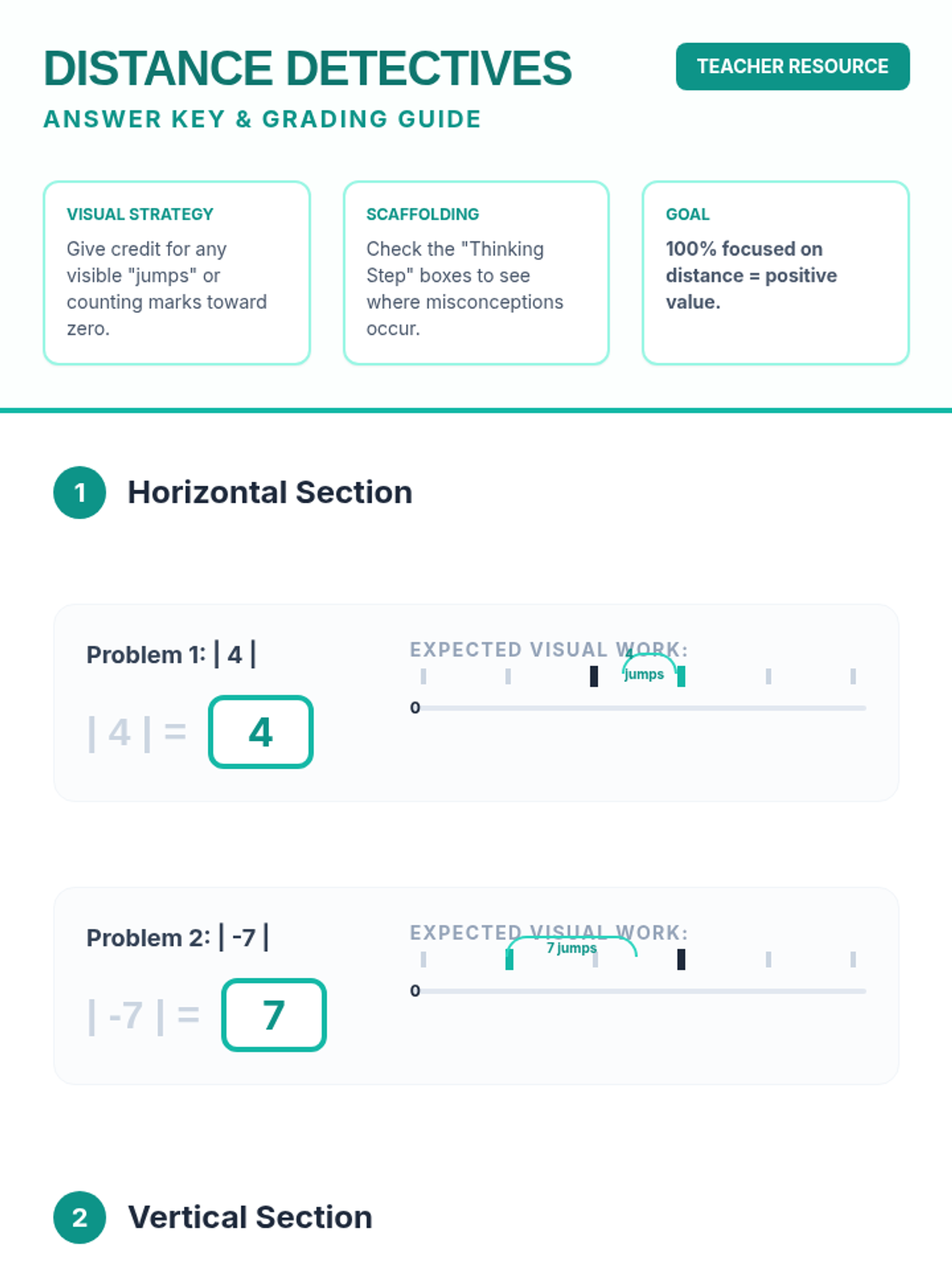
A foundational lesson on absolute value using the "distance from zero" concept, designed specifically for students requiring visual scaffolding and concrete representations.
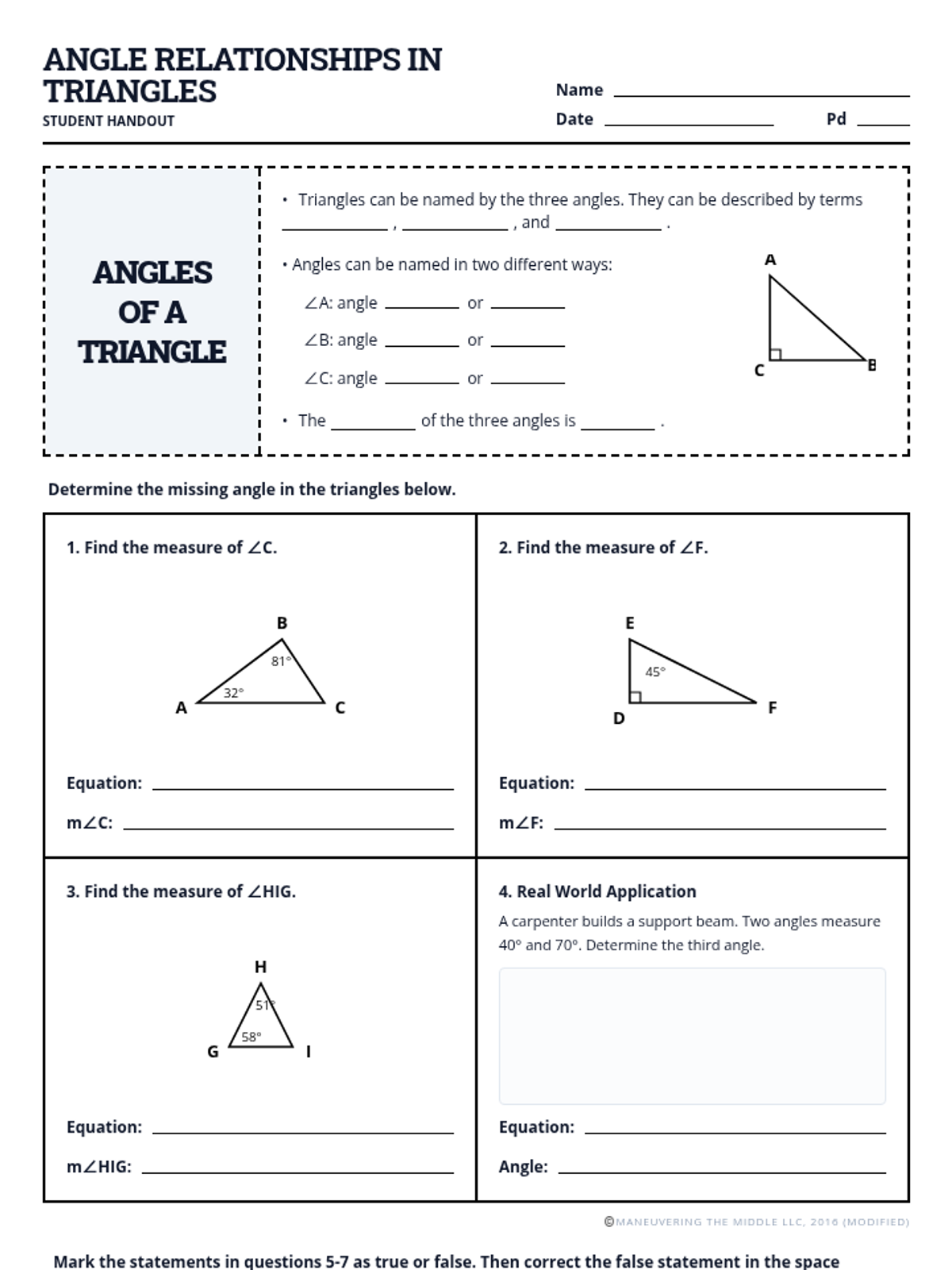
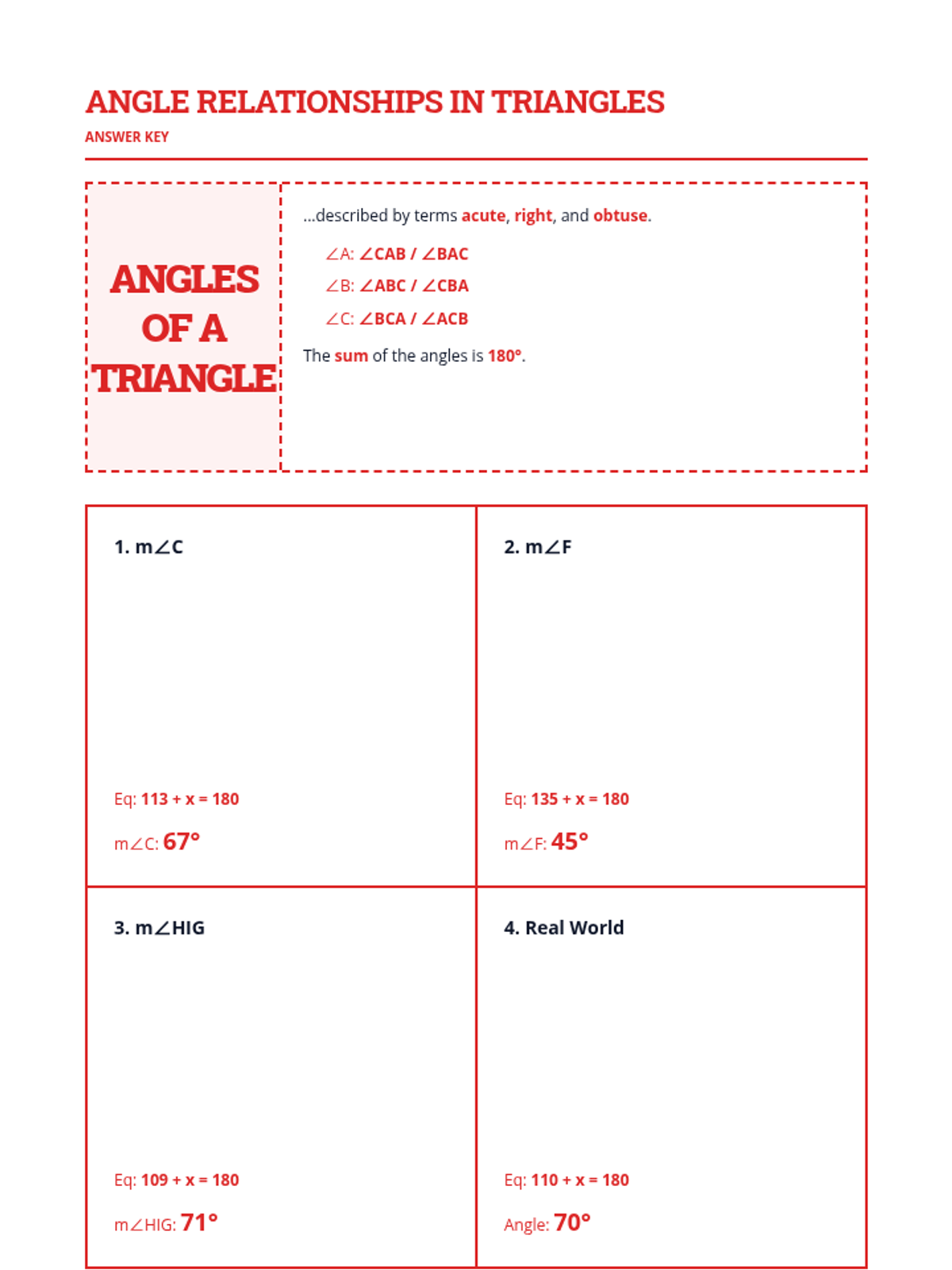
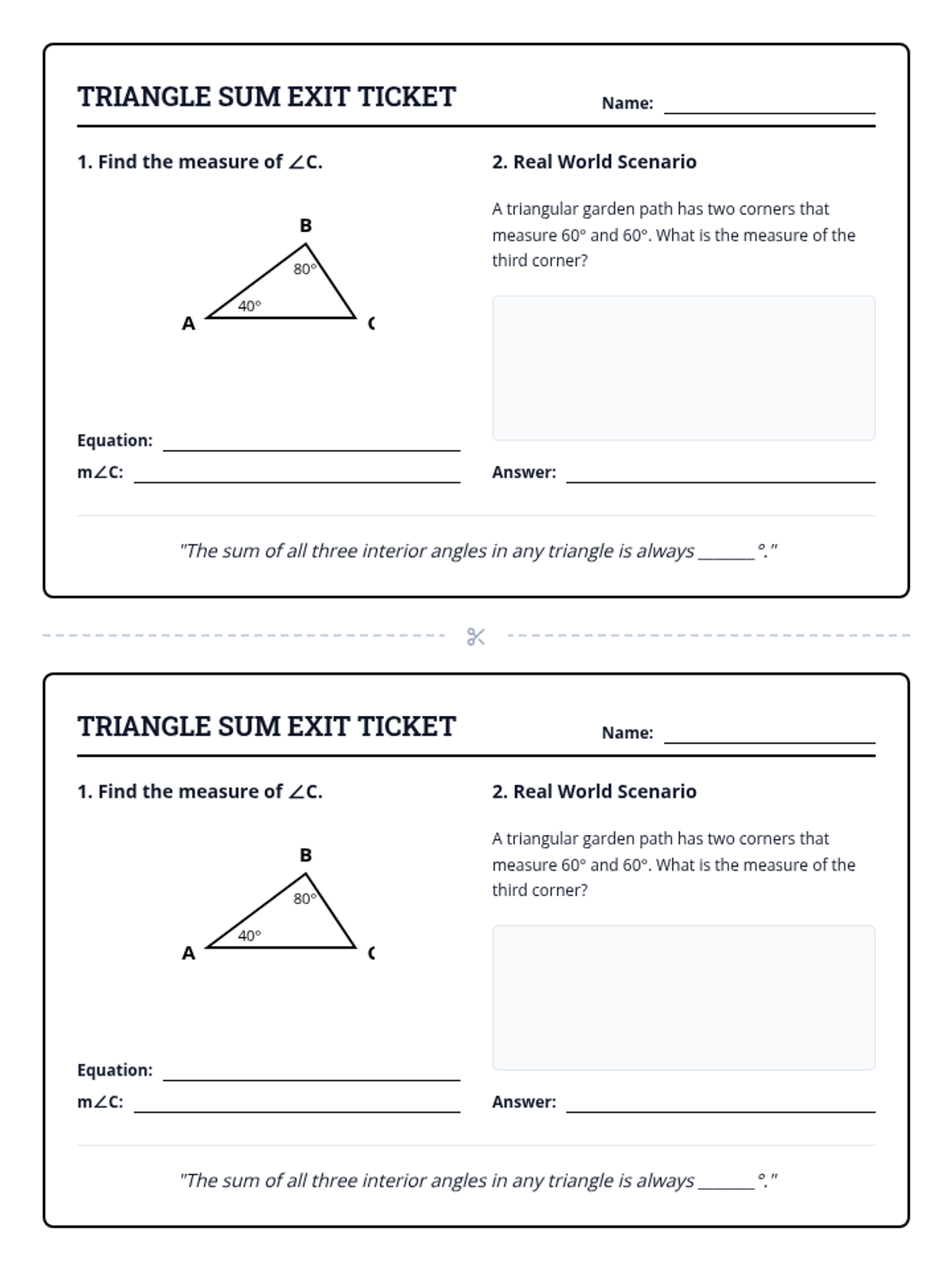
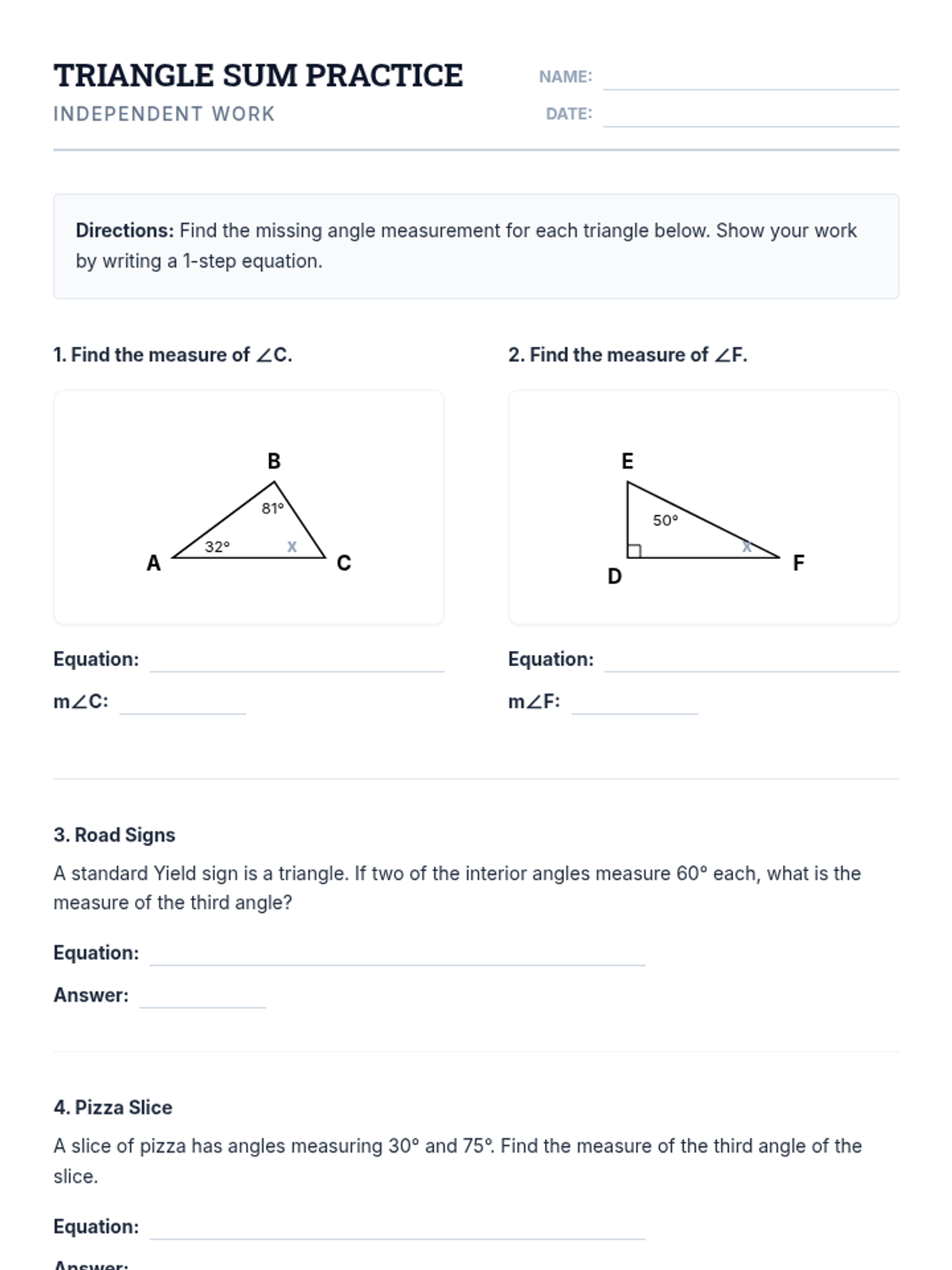
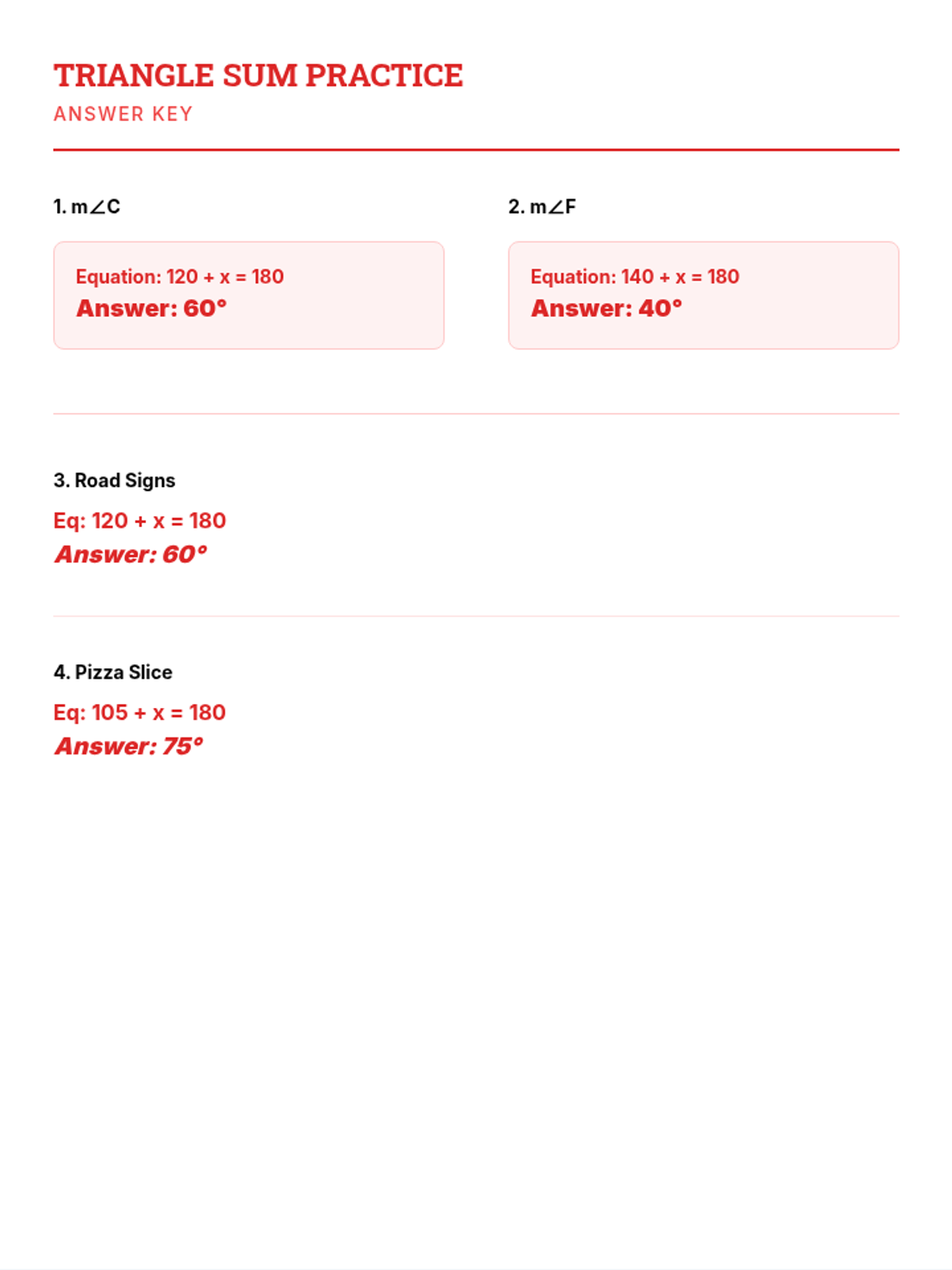
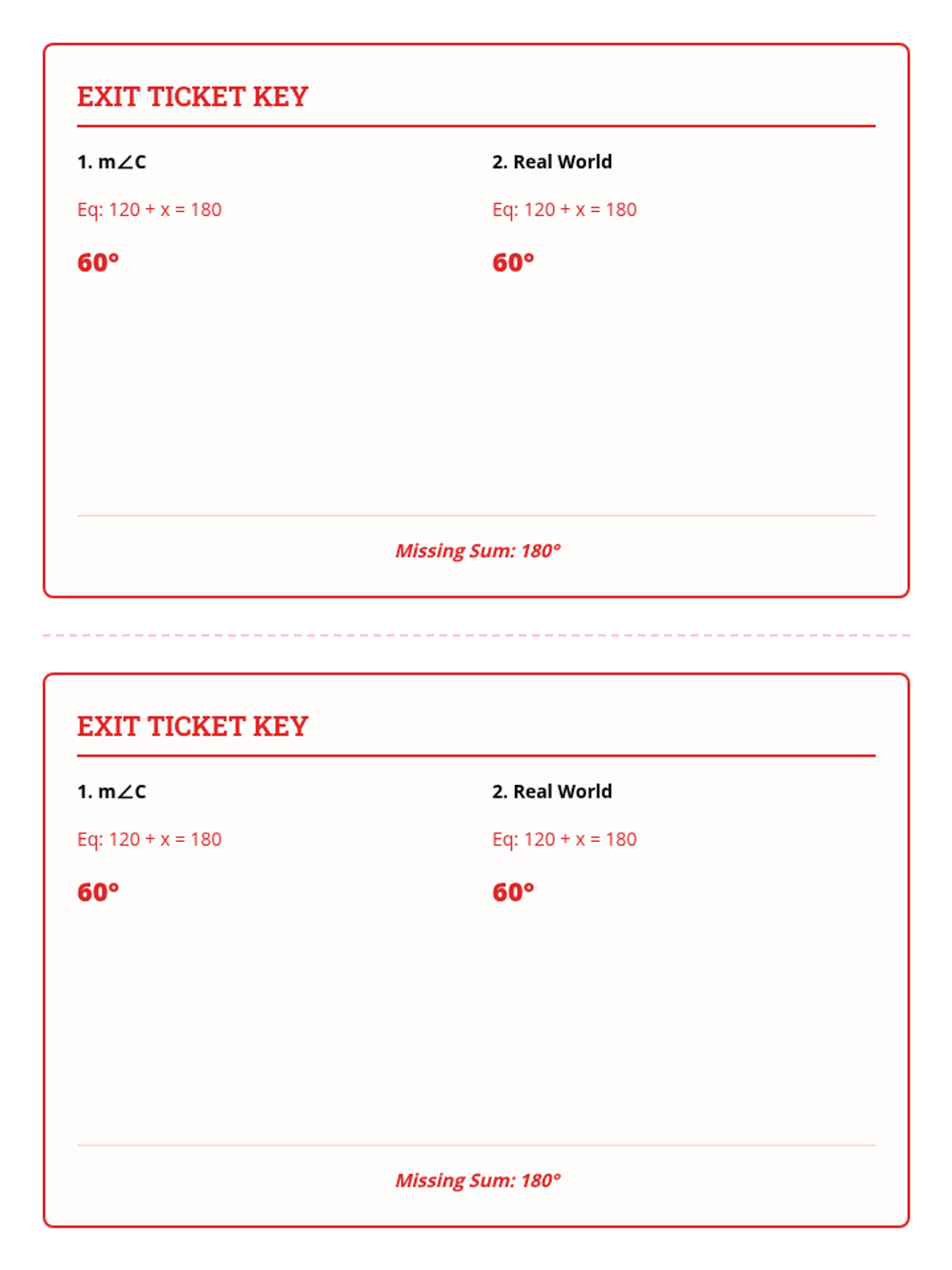
A simplified lesson on the Triangle Sum Rule, focusing on 3-letter angle naming and solving for missing angles using one-step equations with whole numbers.
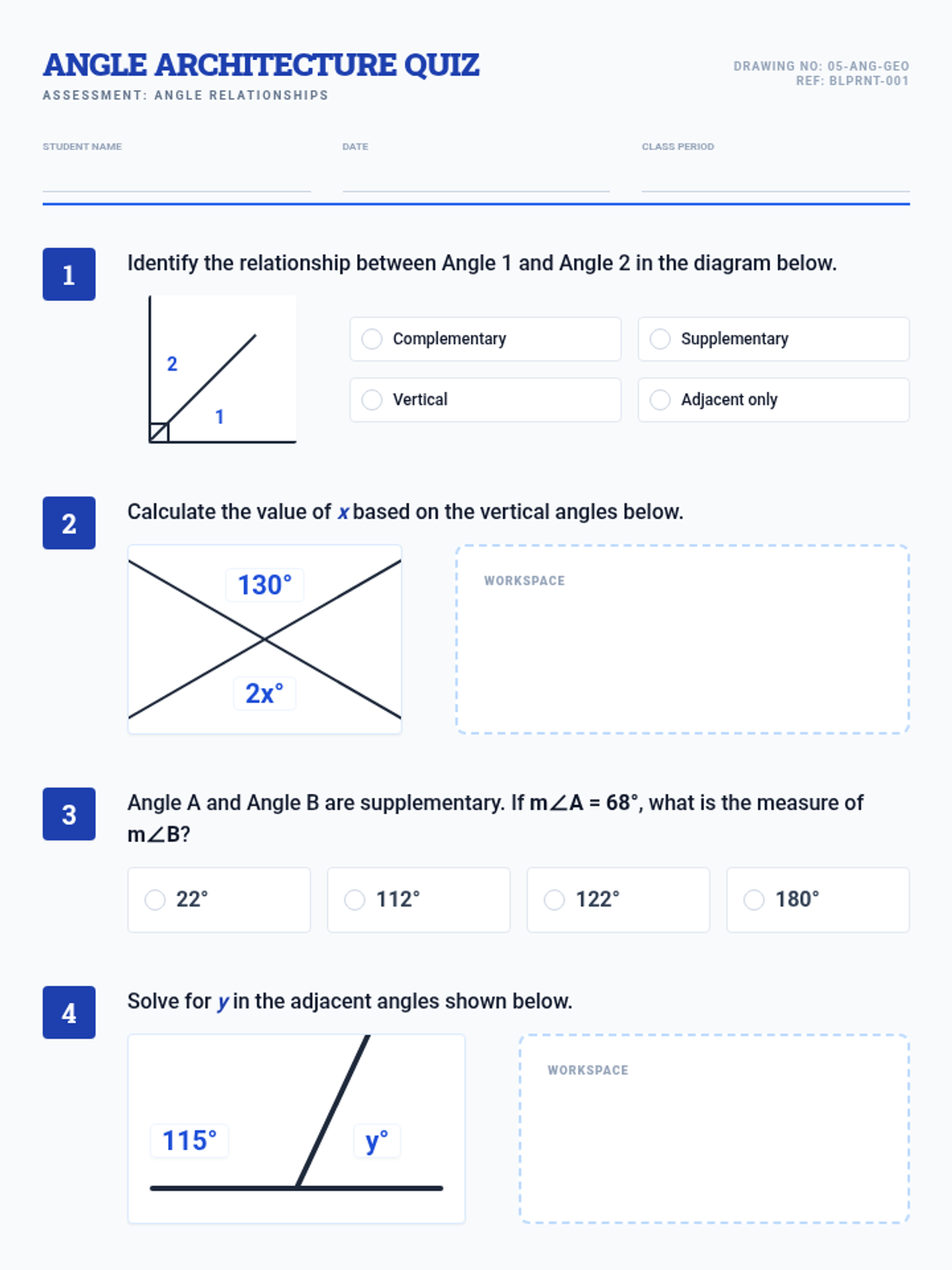
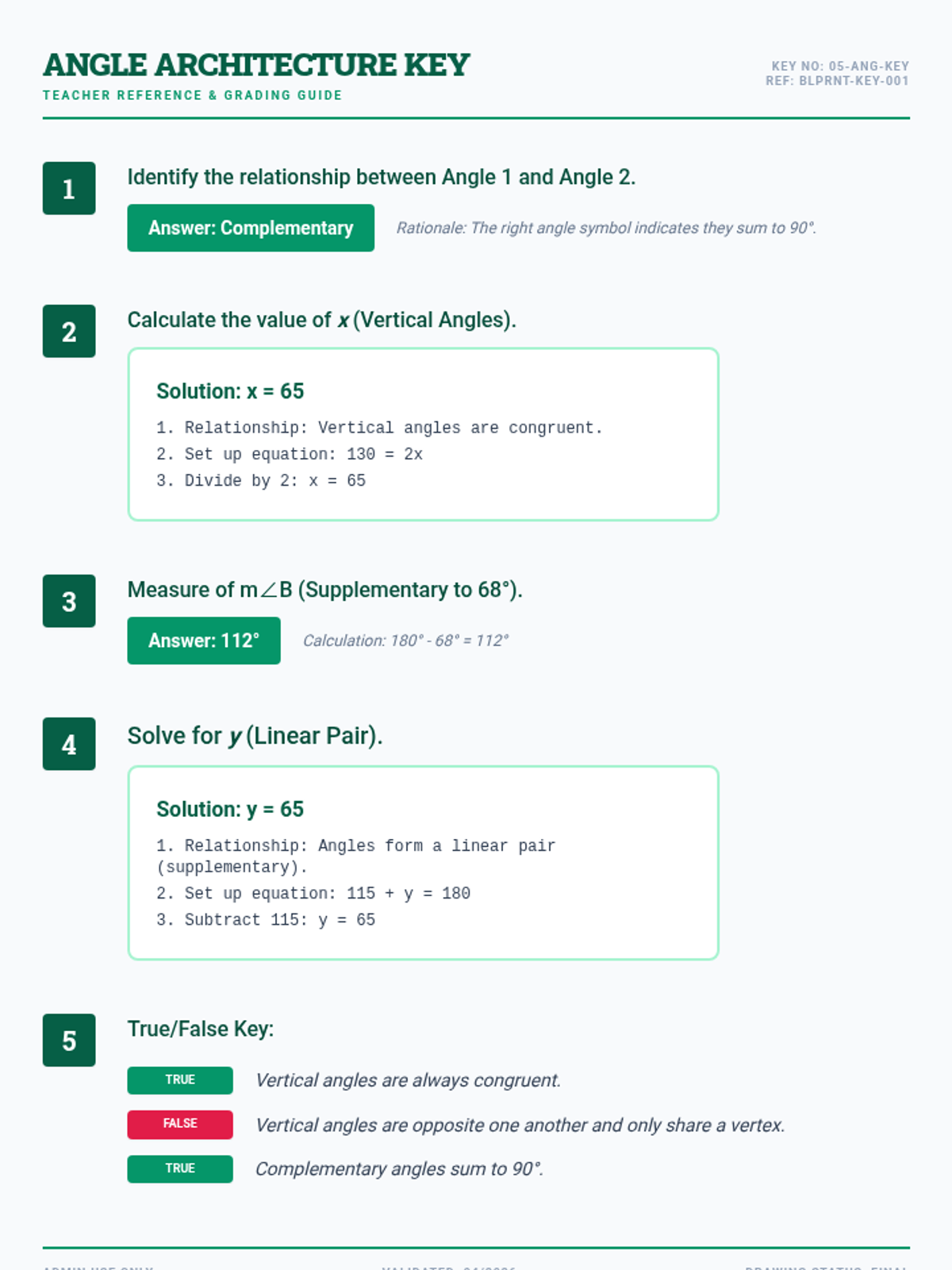
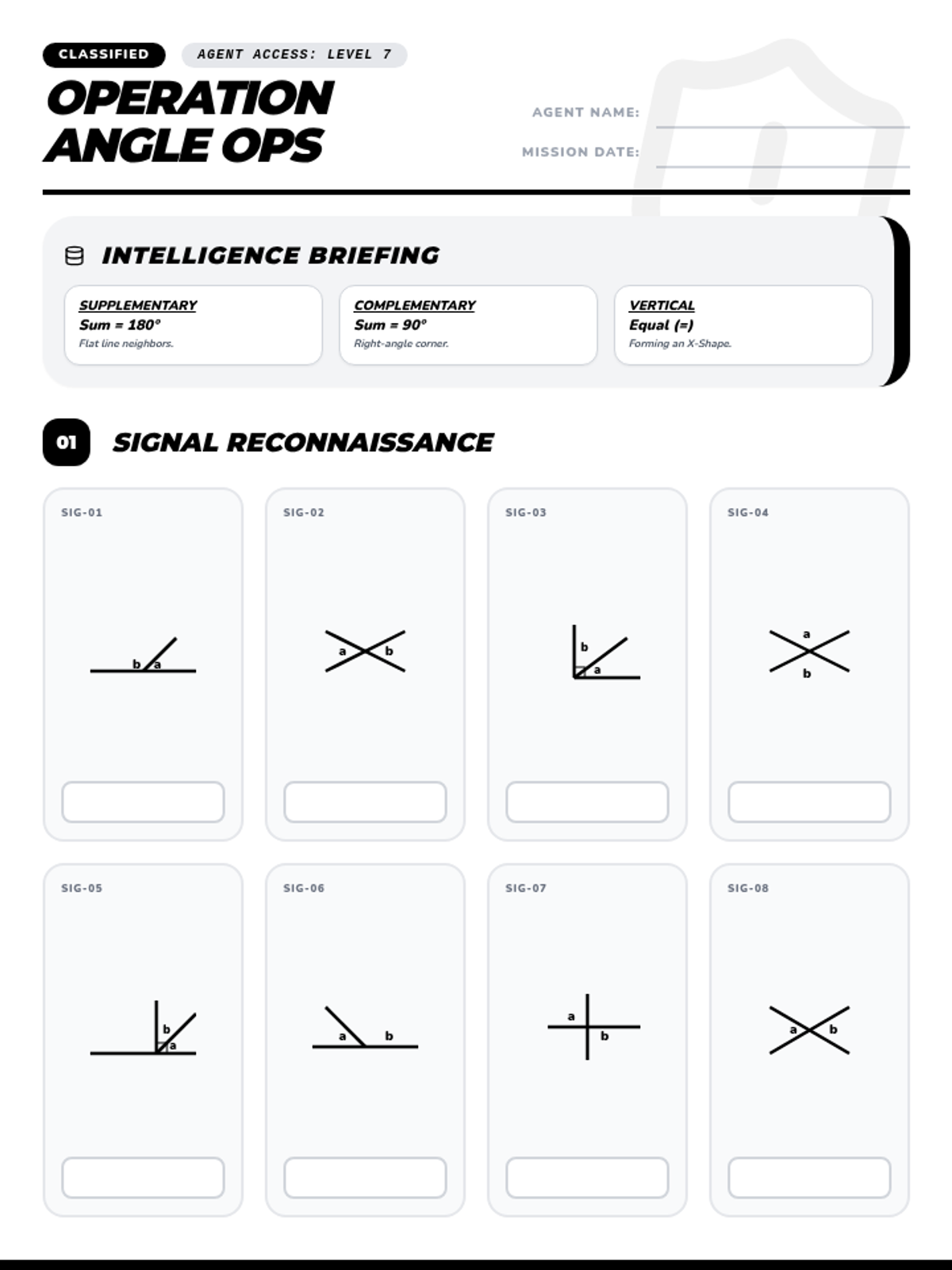
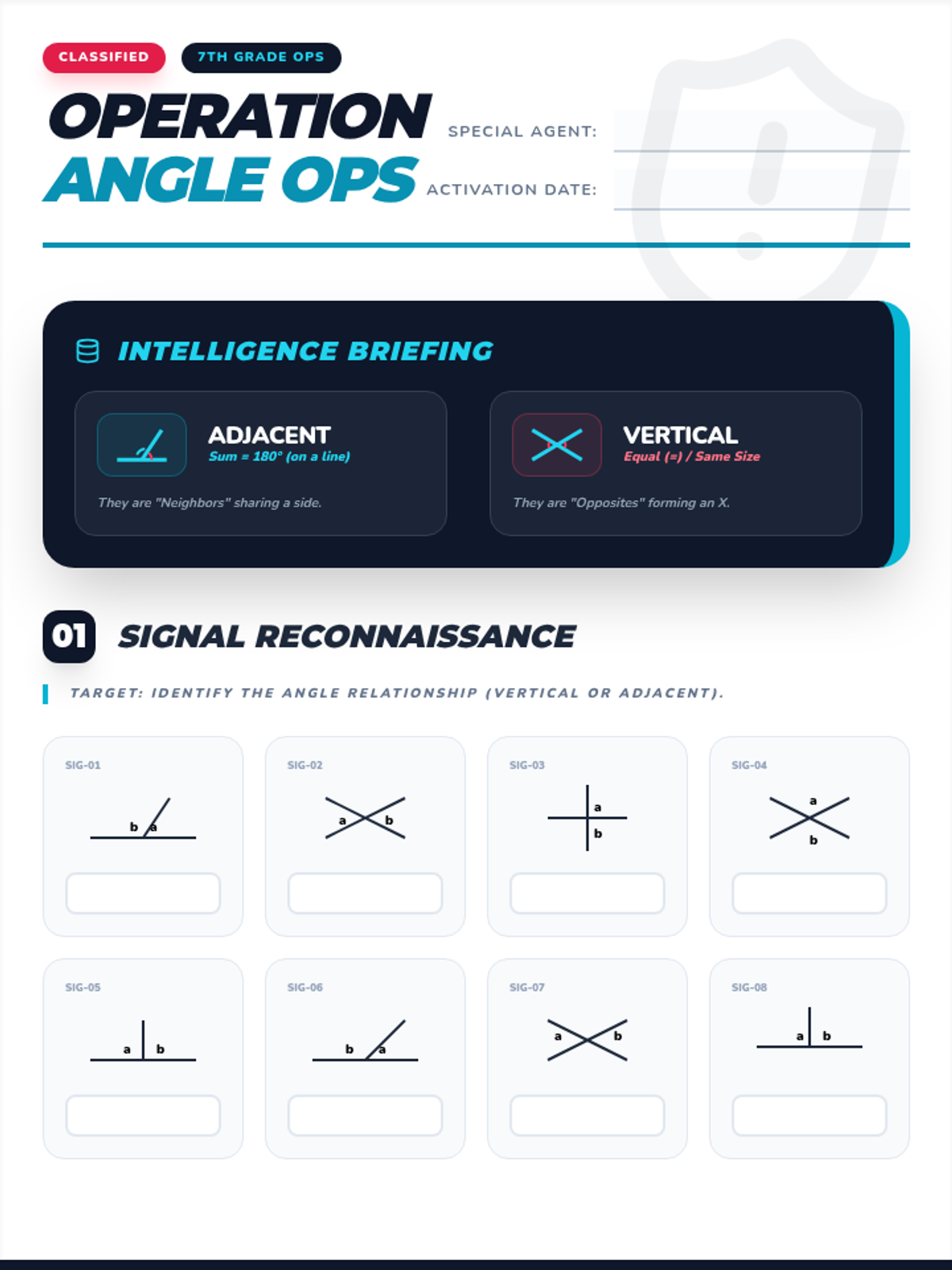
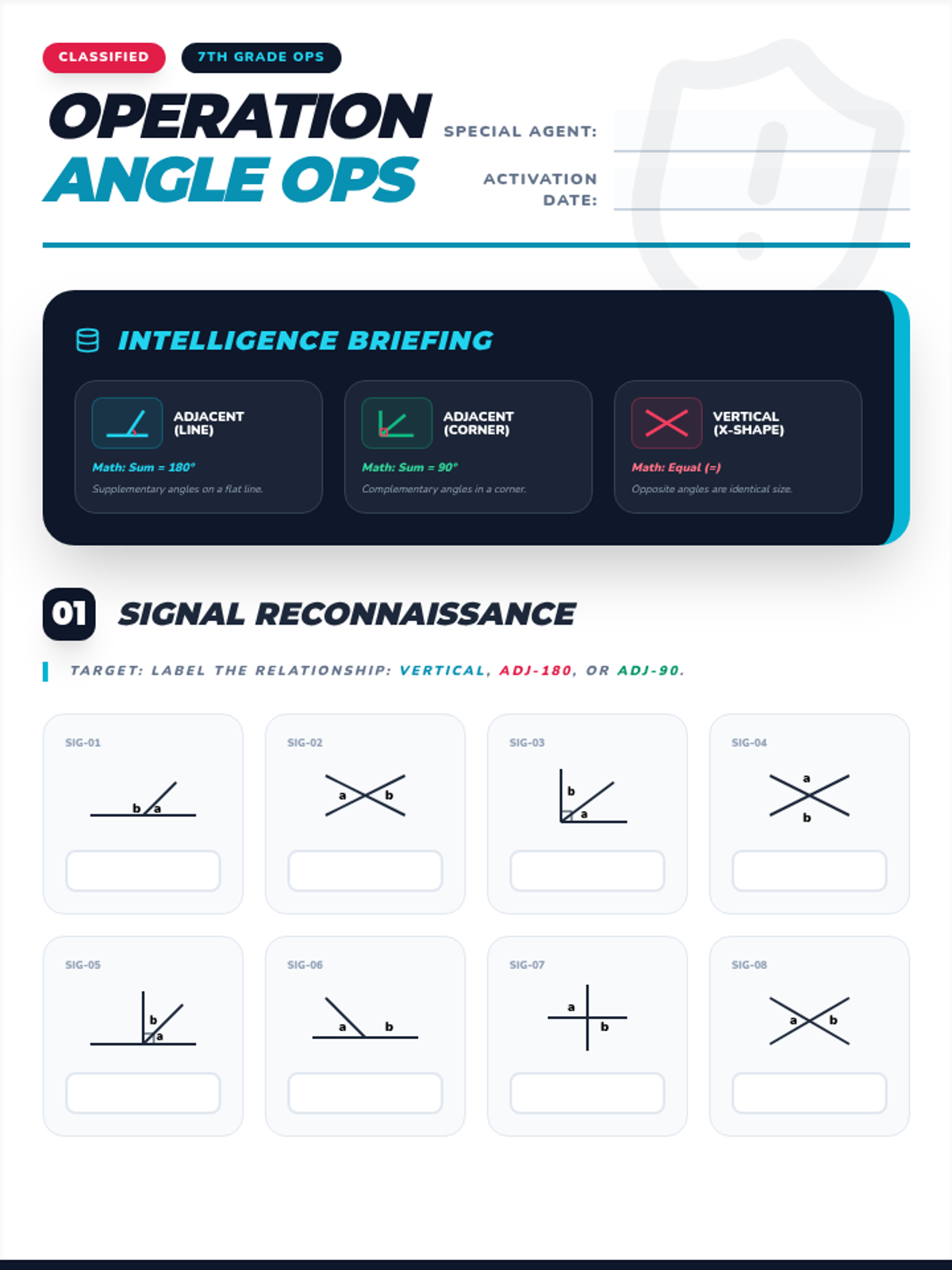
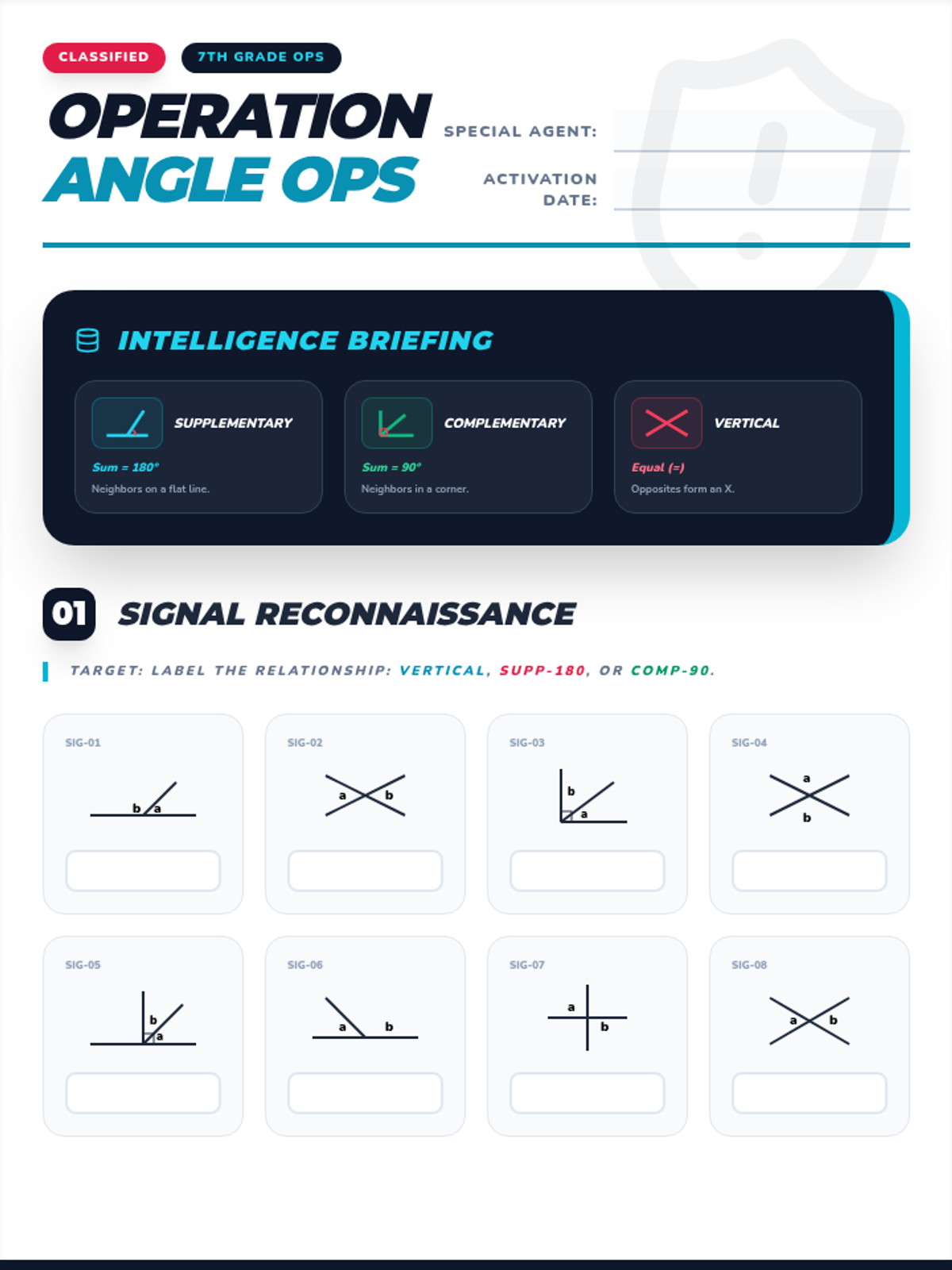
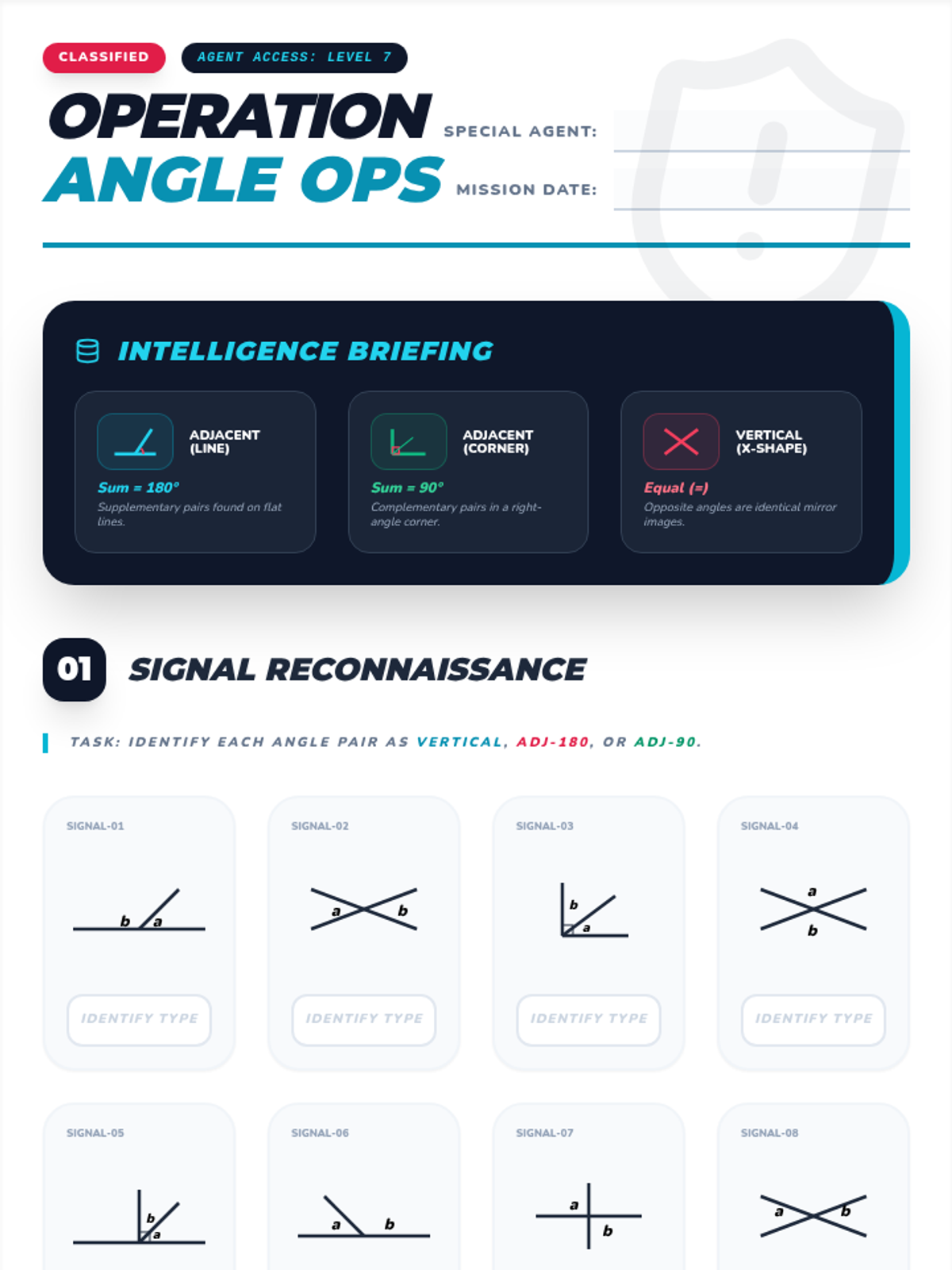
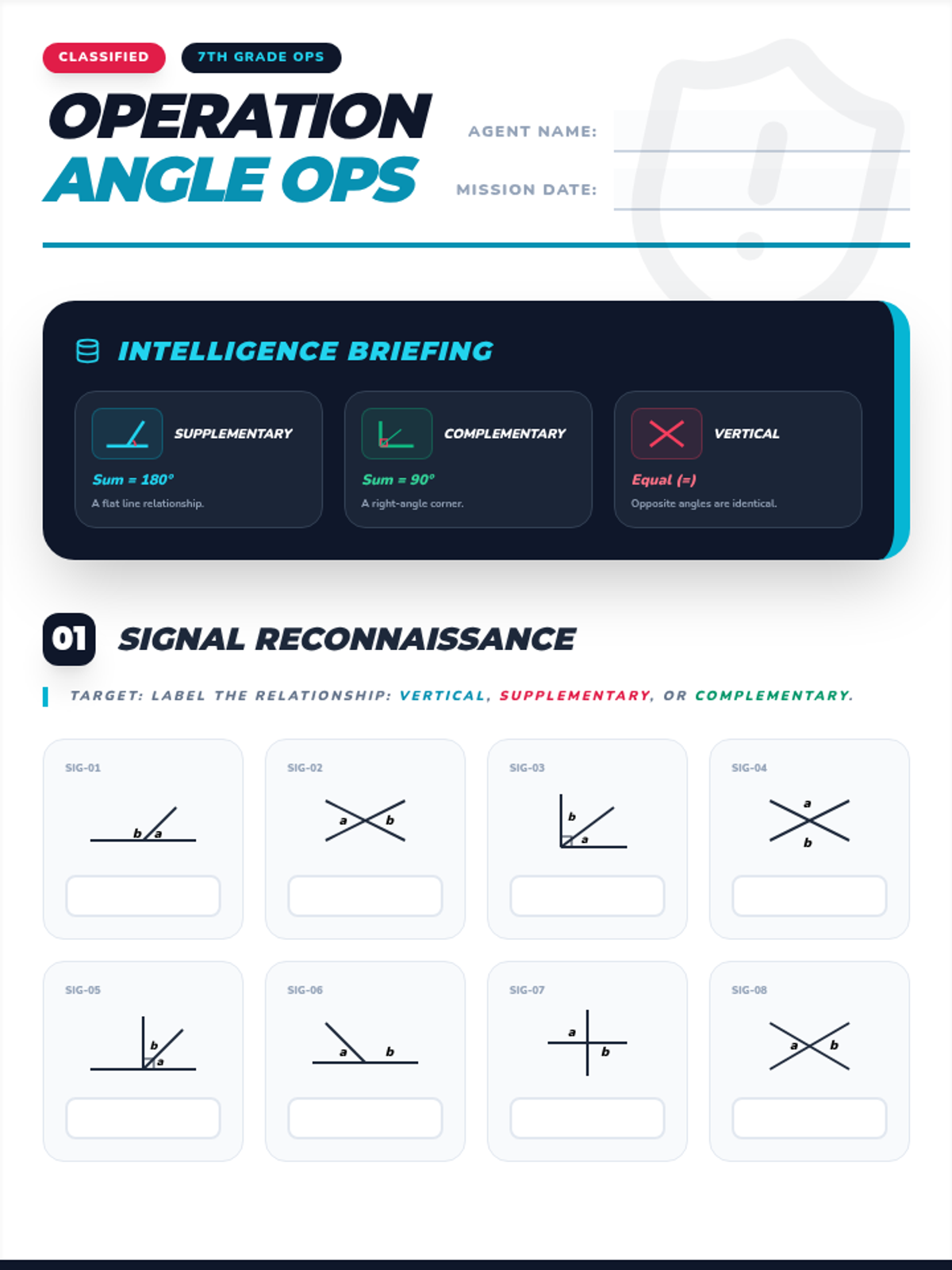
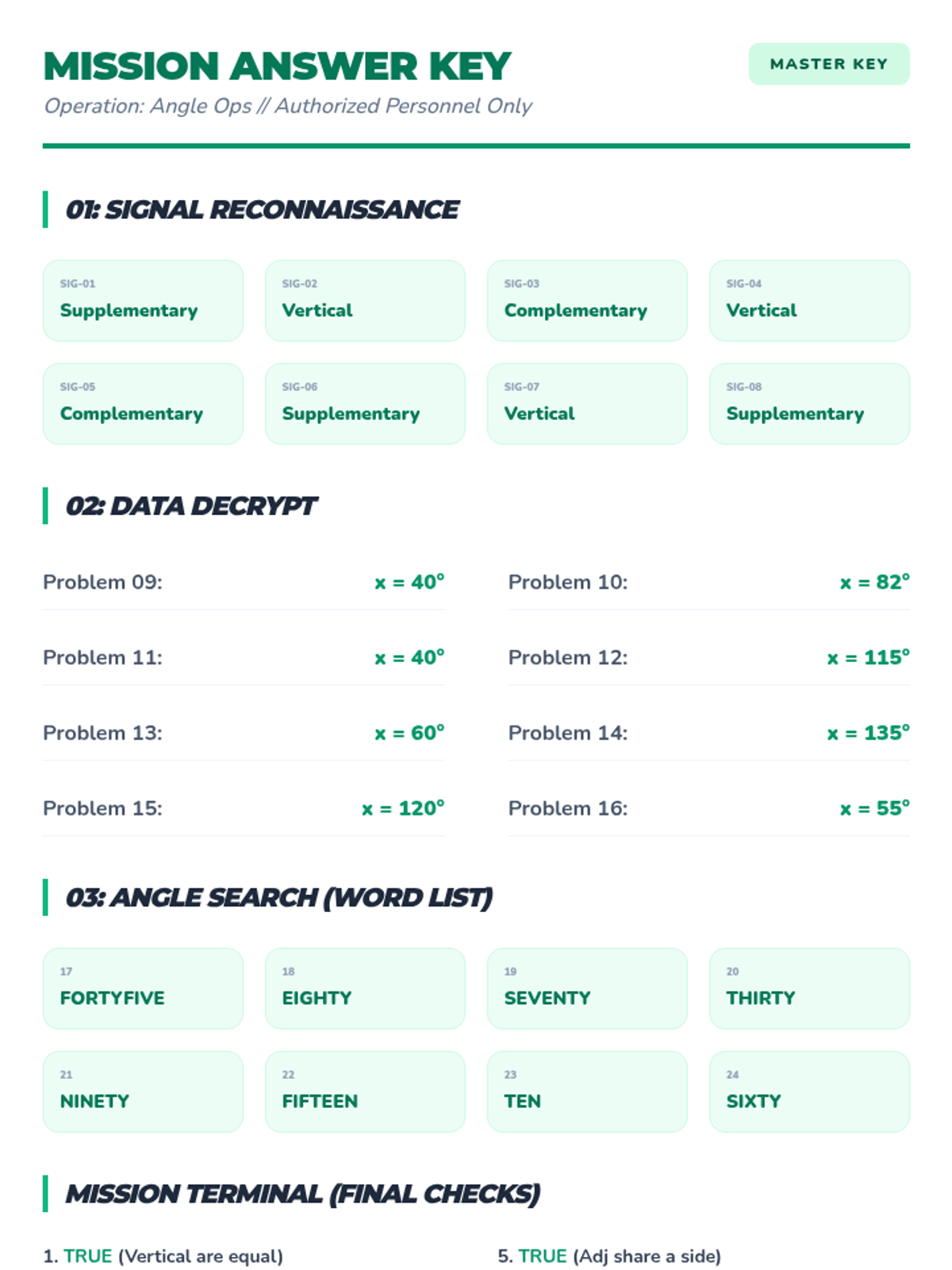
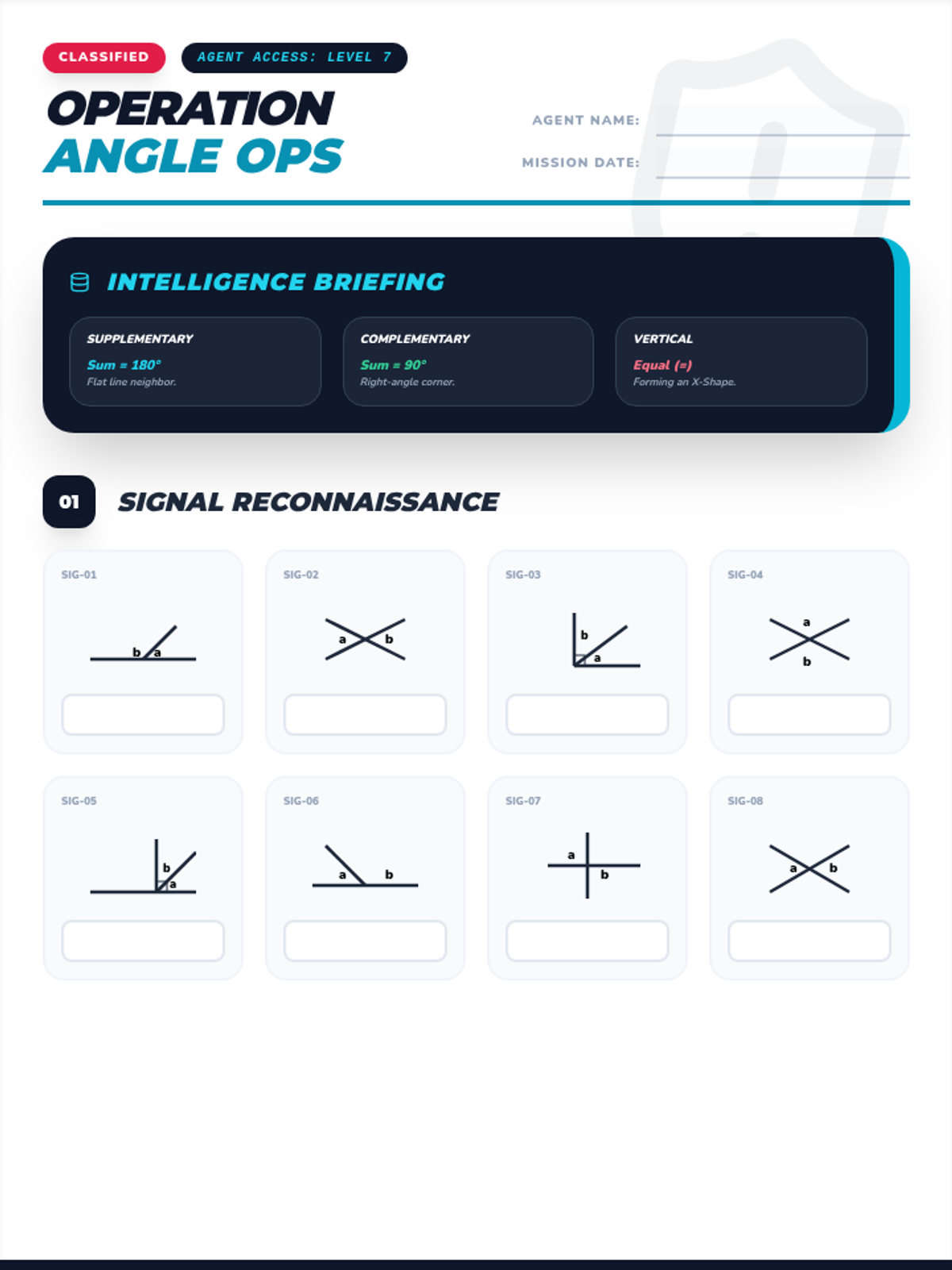
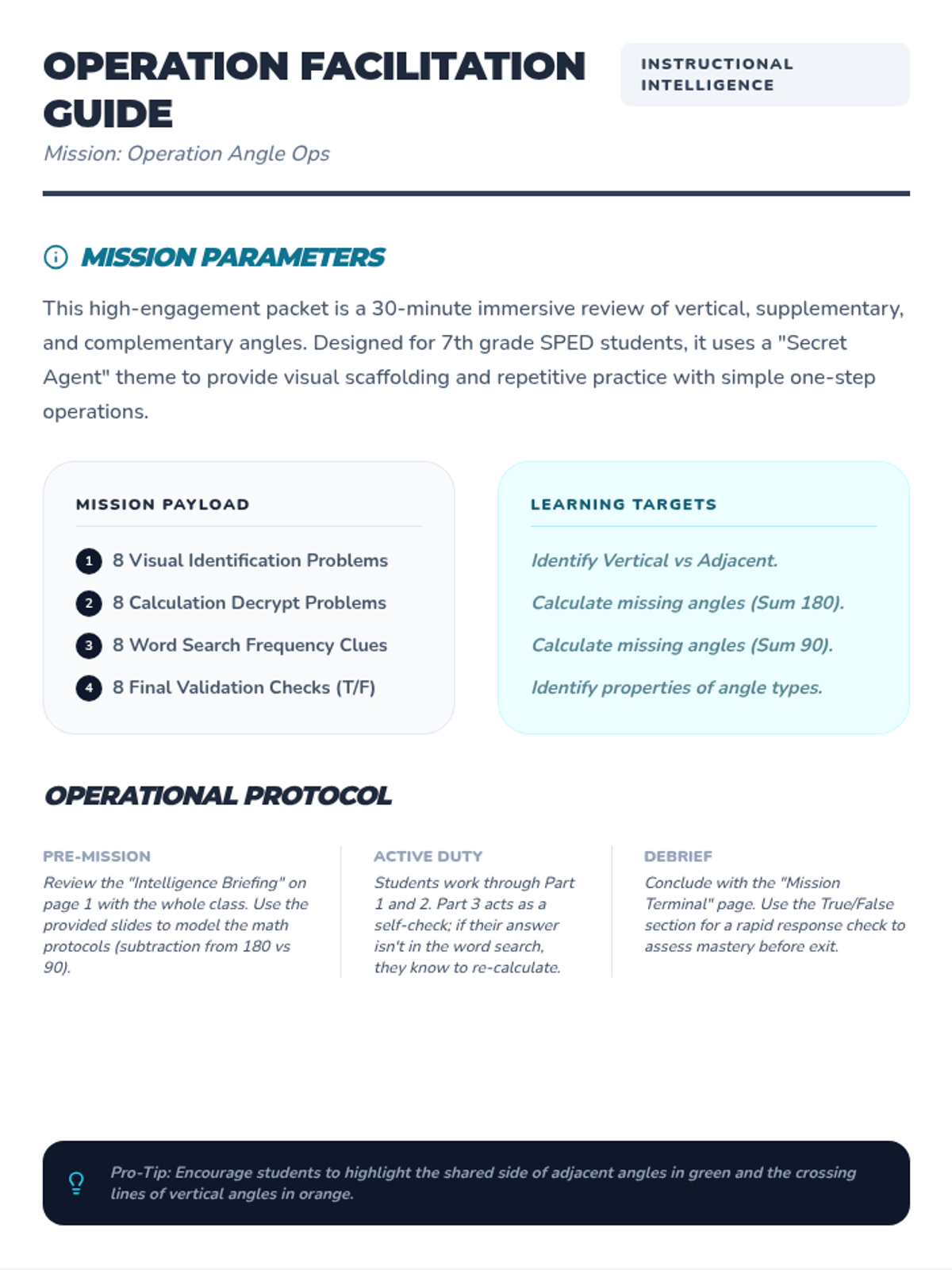
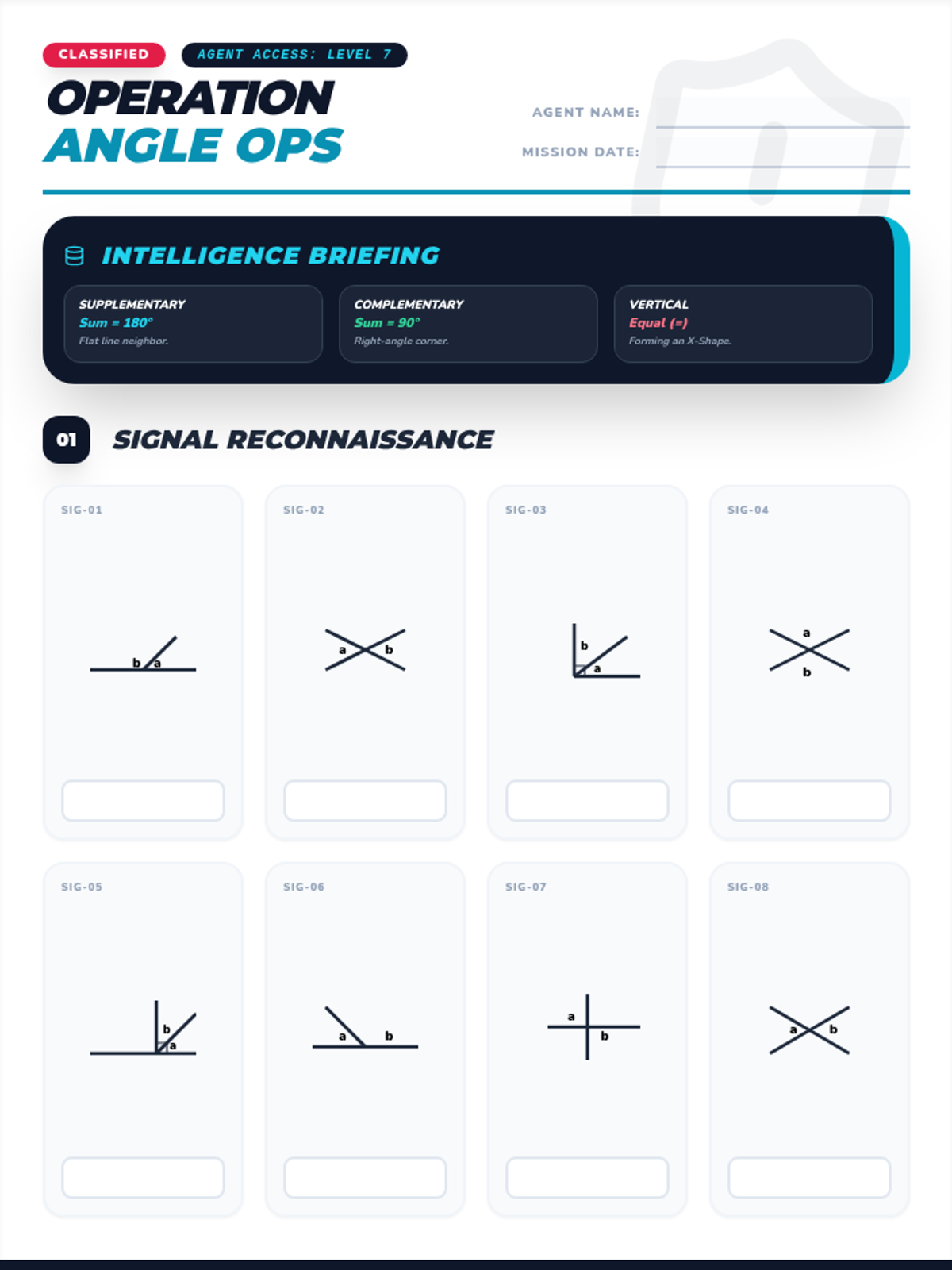
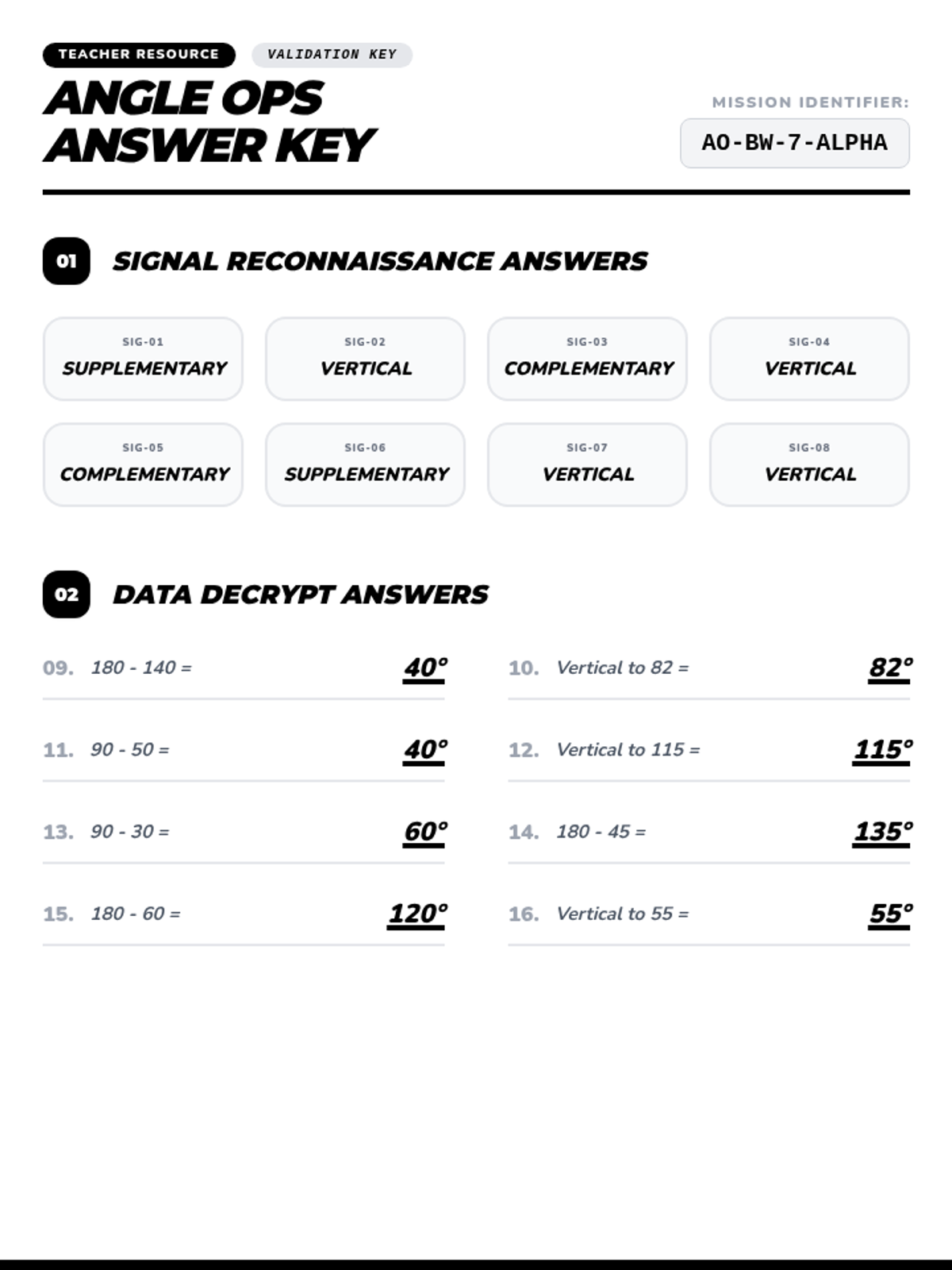
A focused assessment on identifying and calculating angle relationships including complementary, supplementary, adjacent, and vertical angles.
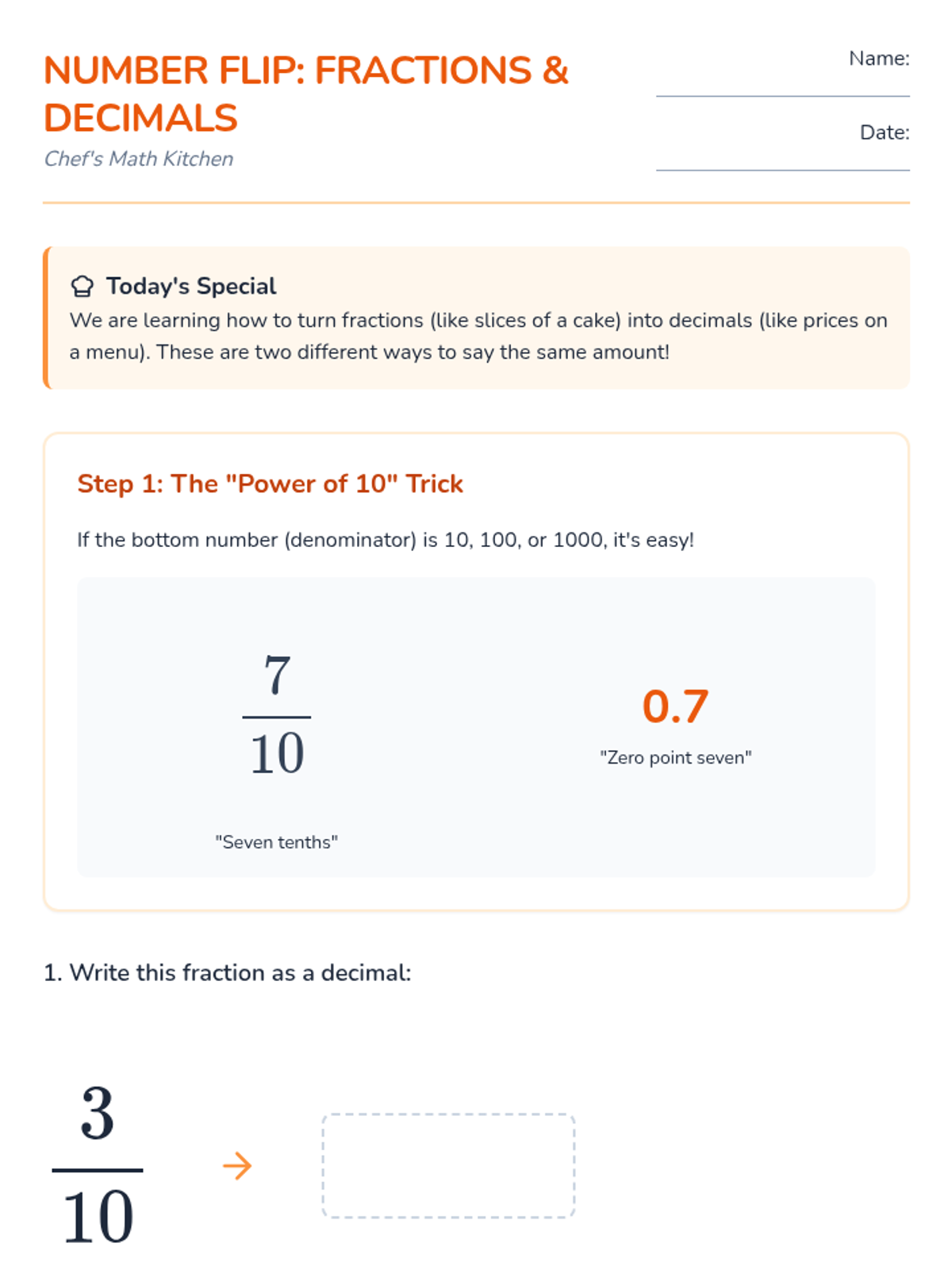
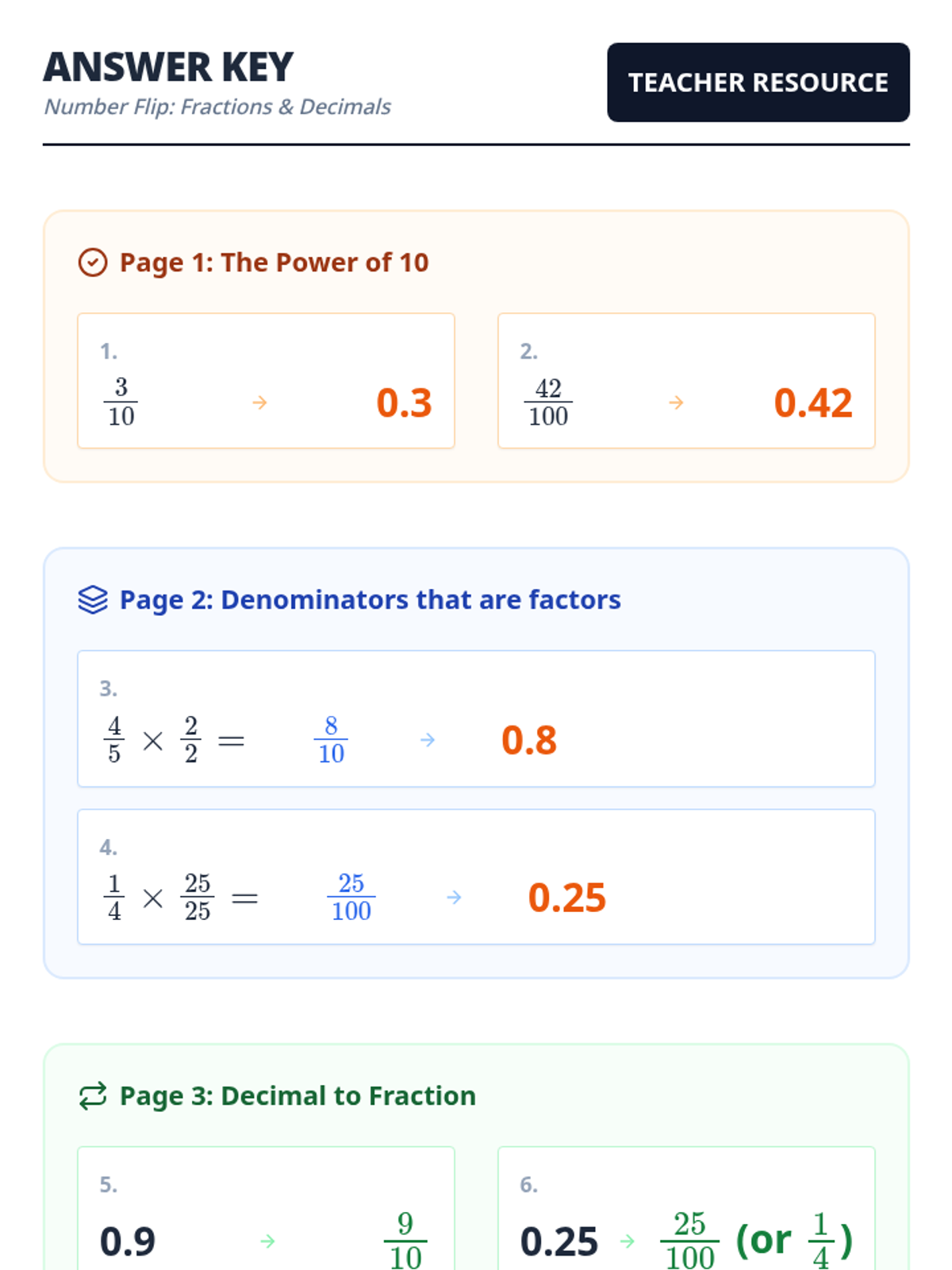
A lesson focused on understanding and converting between fractions and decimals using visual models and step-by-step procedures. Designed for students needing scaffolded support and reduced visual clutter.
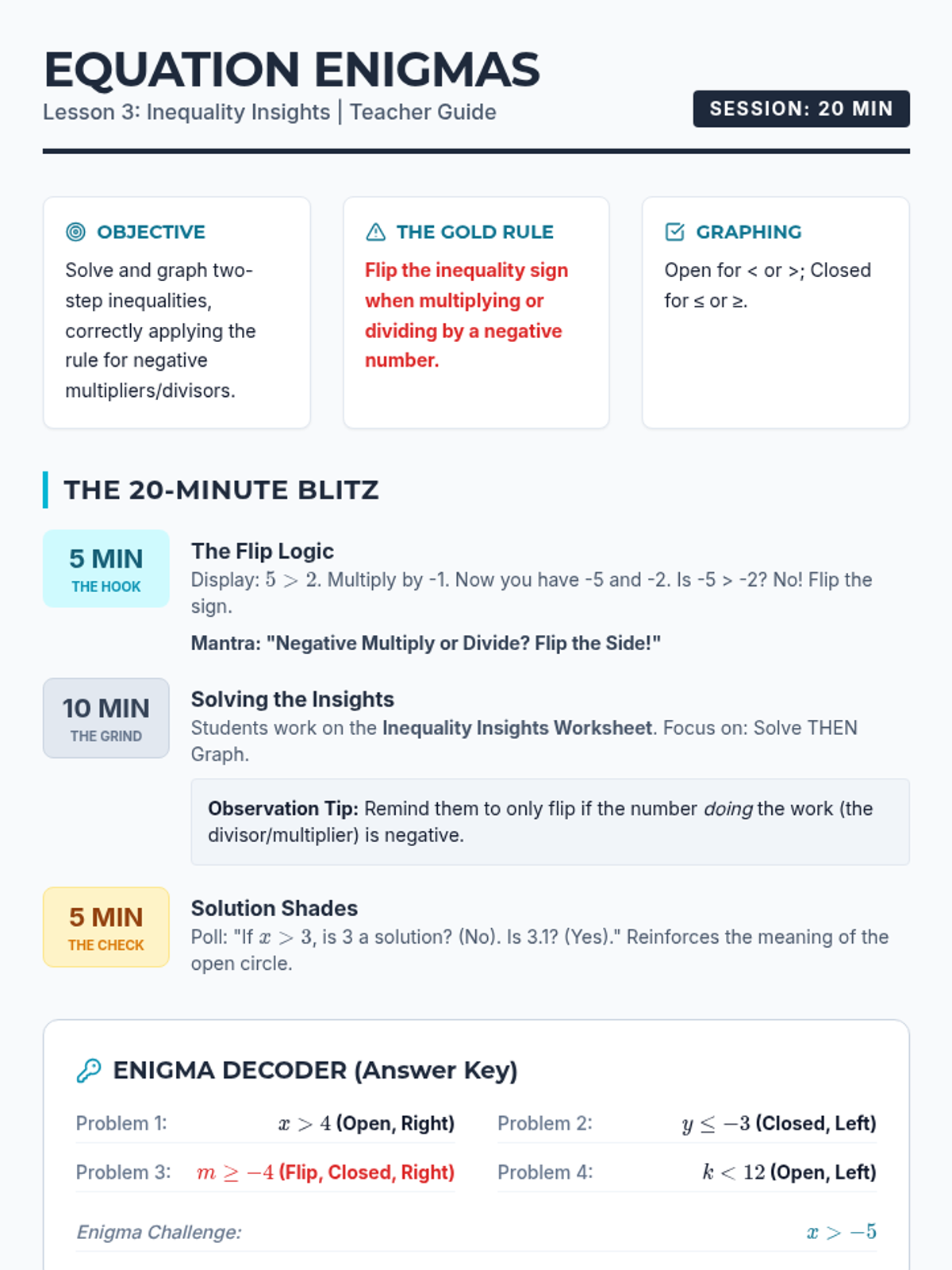
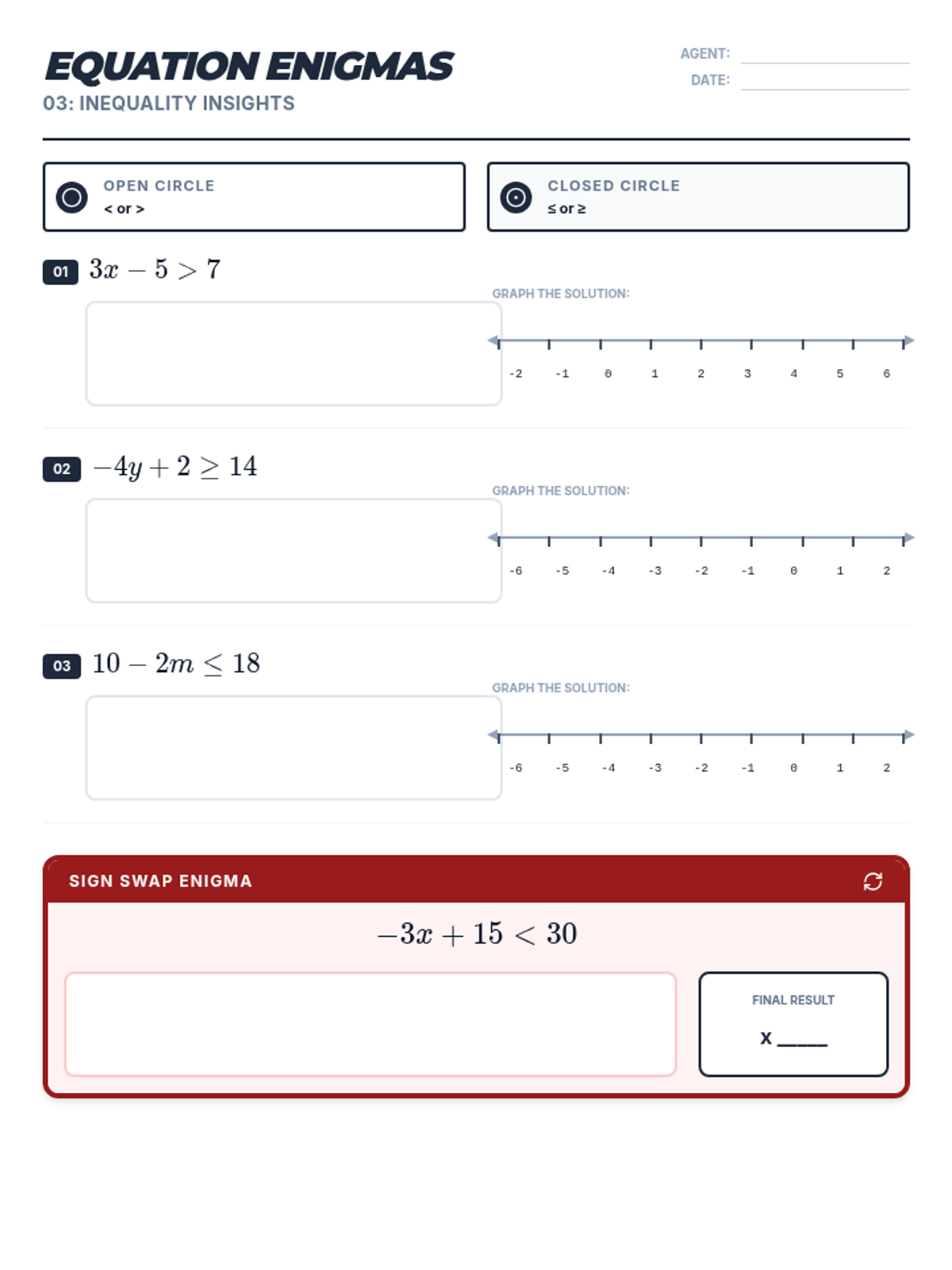
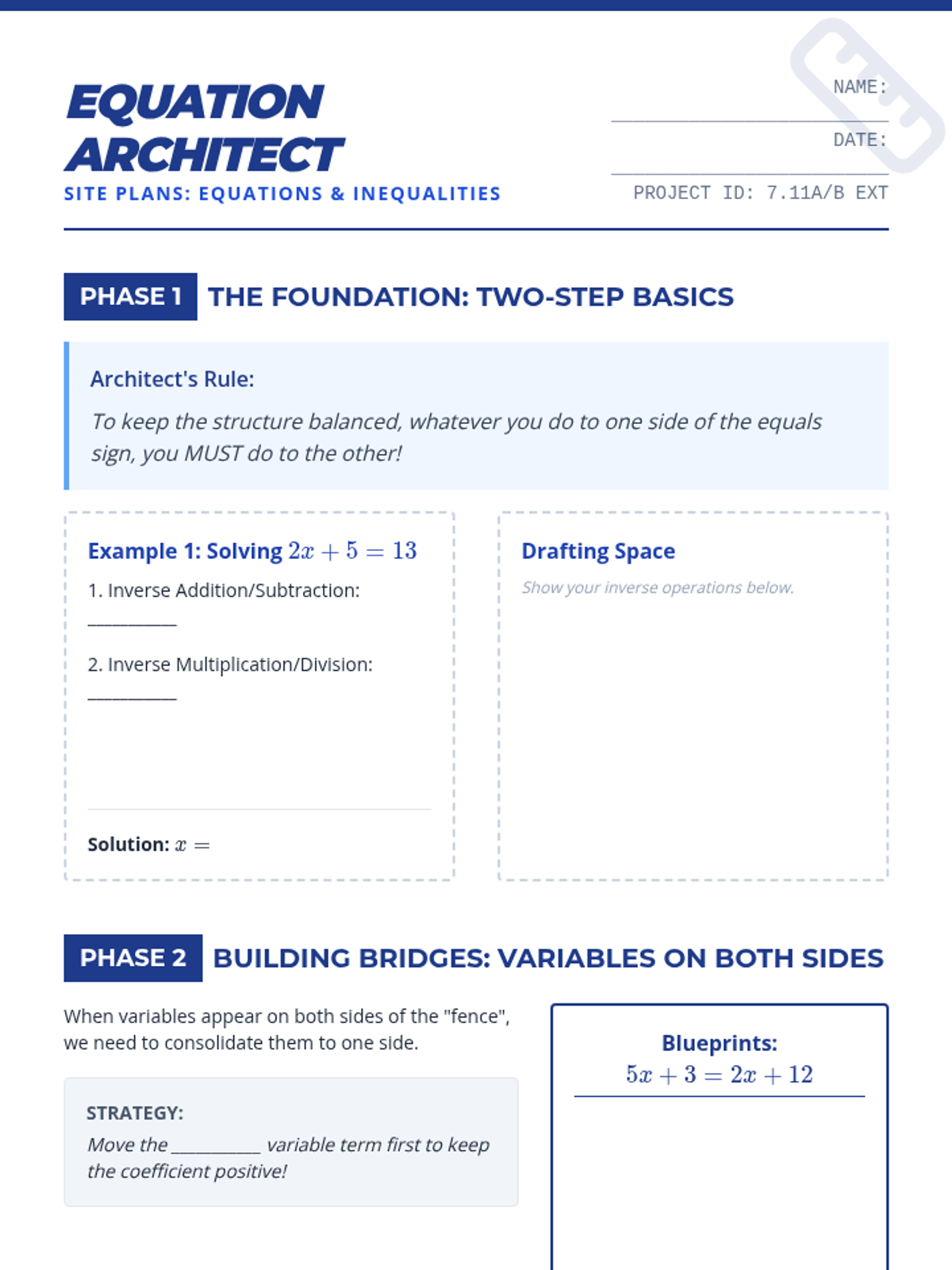
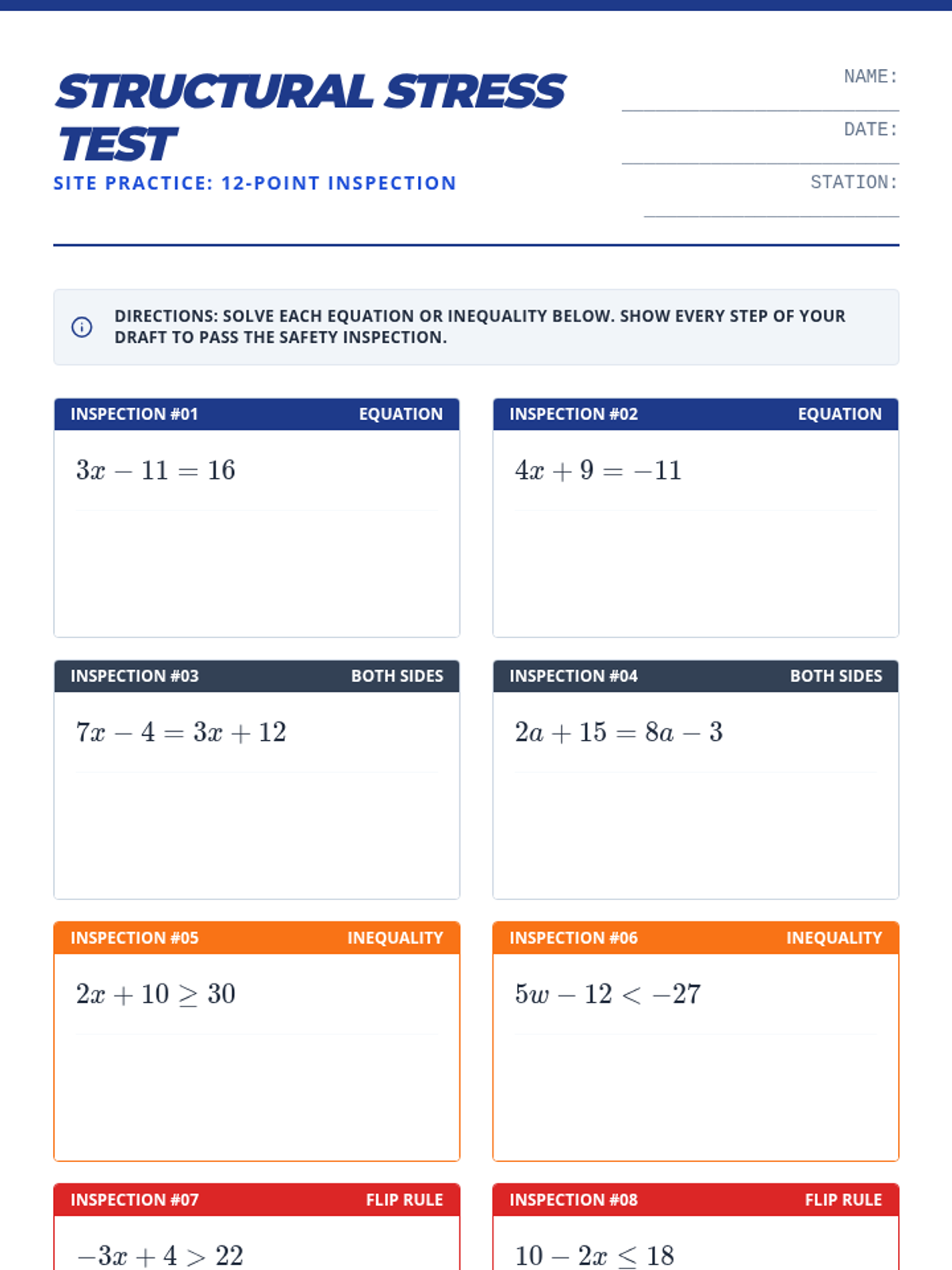
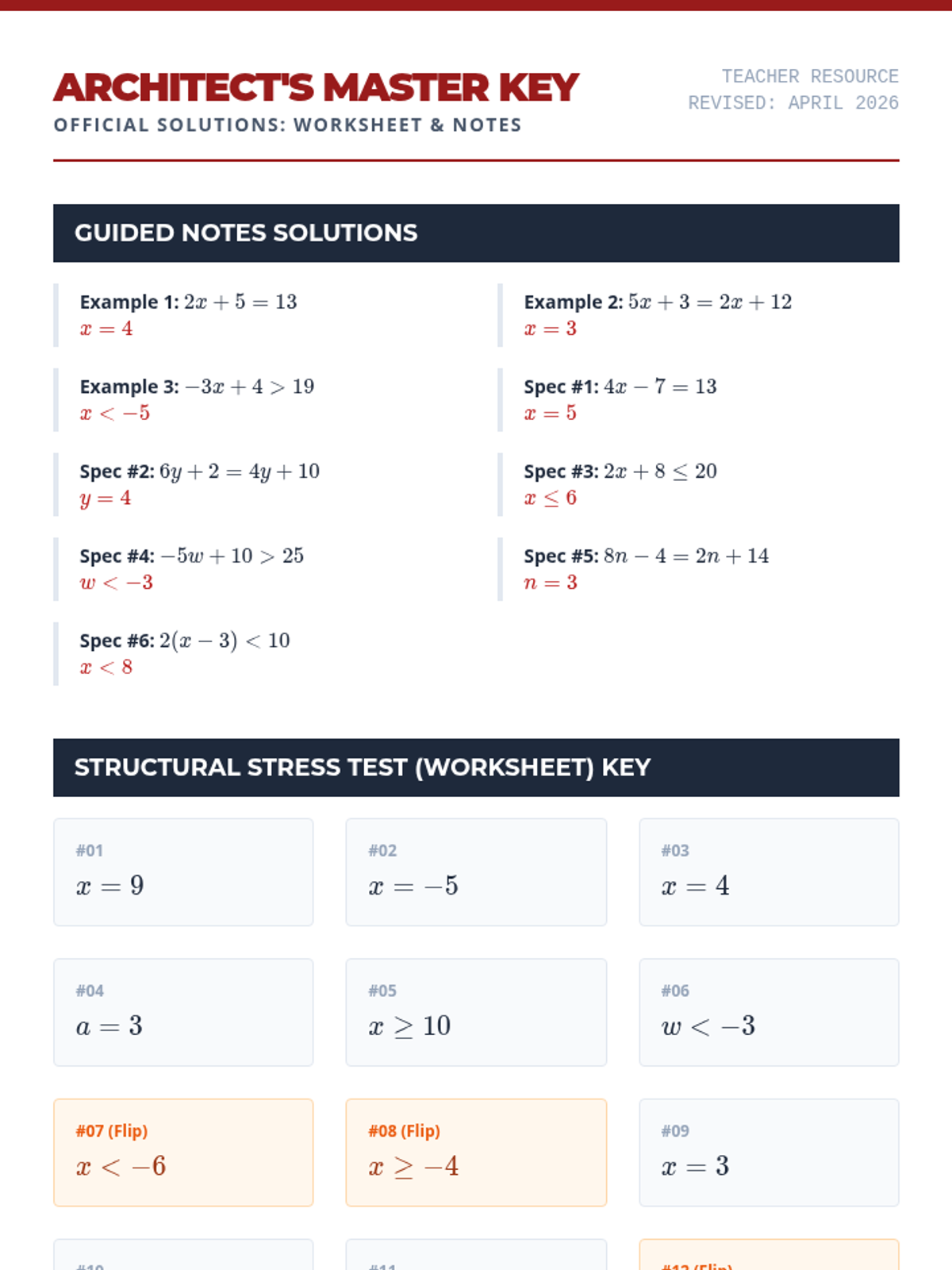
A comprehensive lesson on solving two-step equations and inequalities, including variables on both sides and the sign-reversal rule for inequalities. Students will 'draft' their solutions using architectural-themed guided notes and practice exercises.
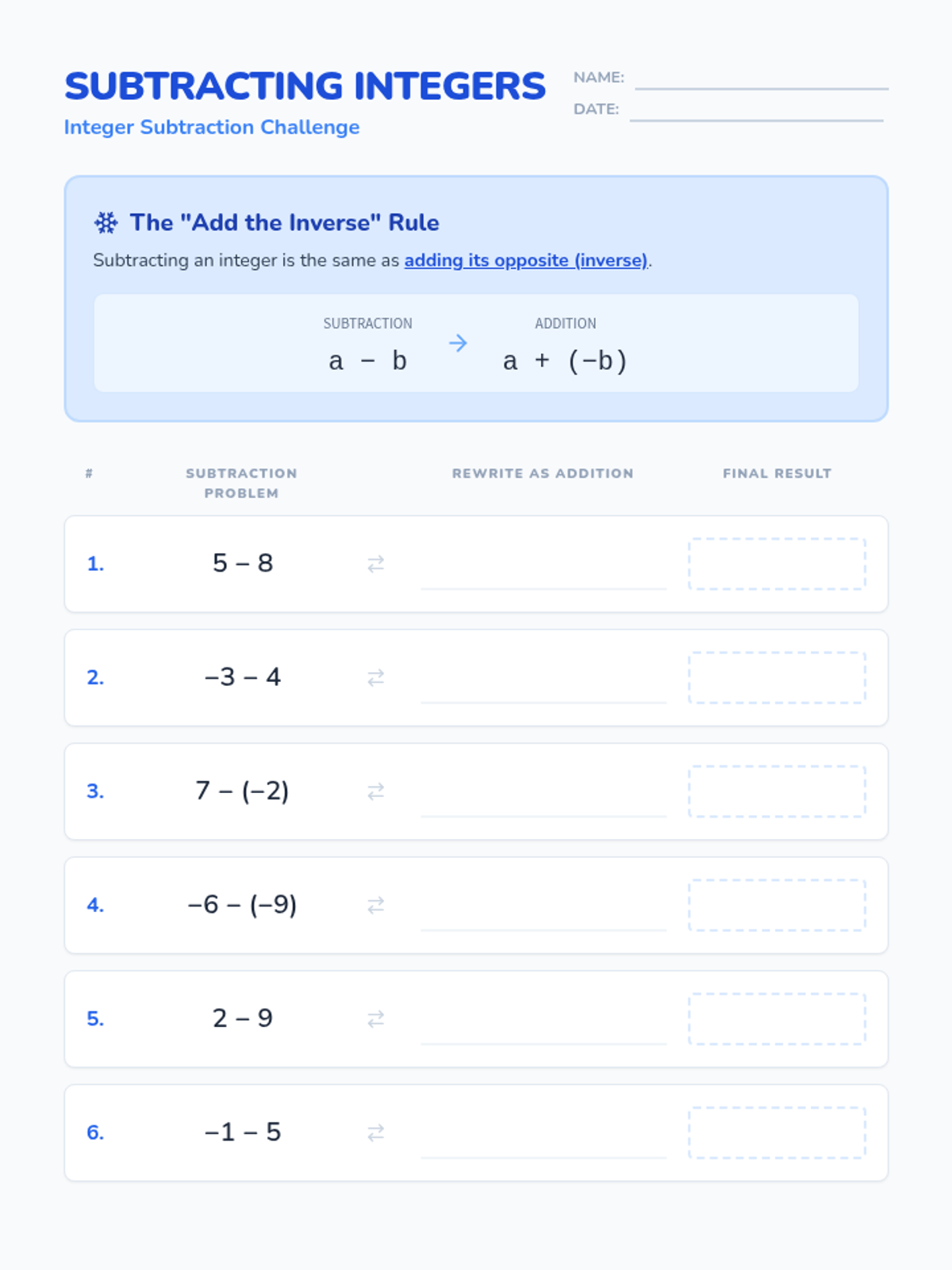
A lesson focused on subtracting integers by rewriting them as addition of the inverse. Students practice with single-digit integers to build foundational fluency.
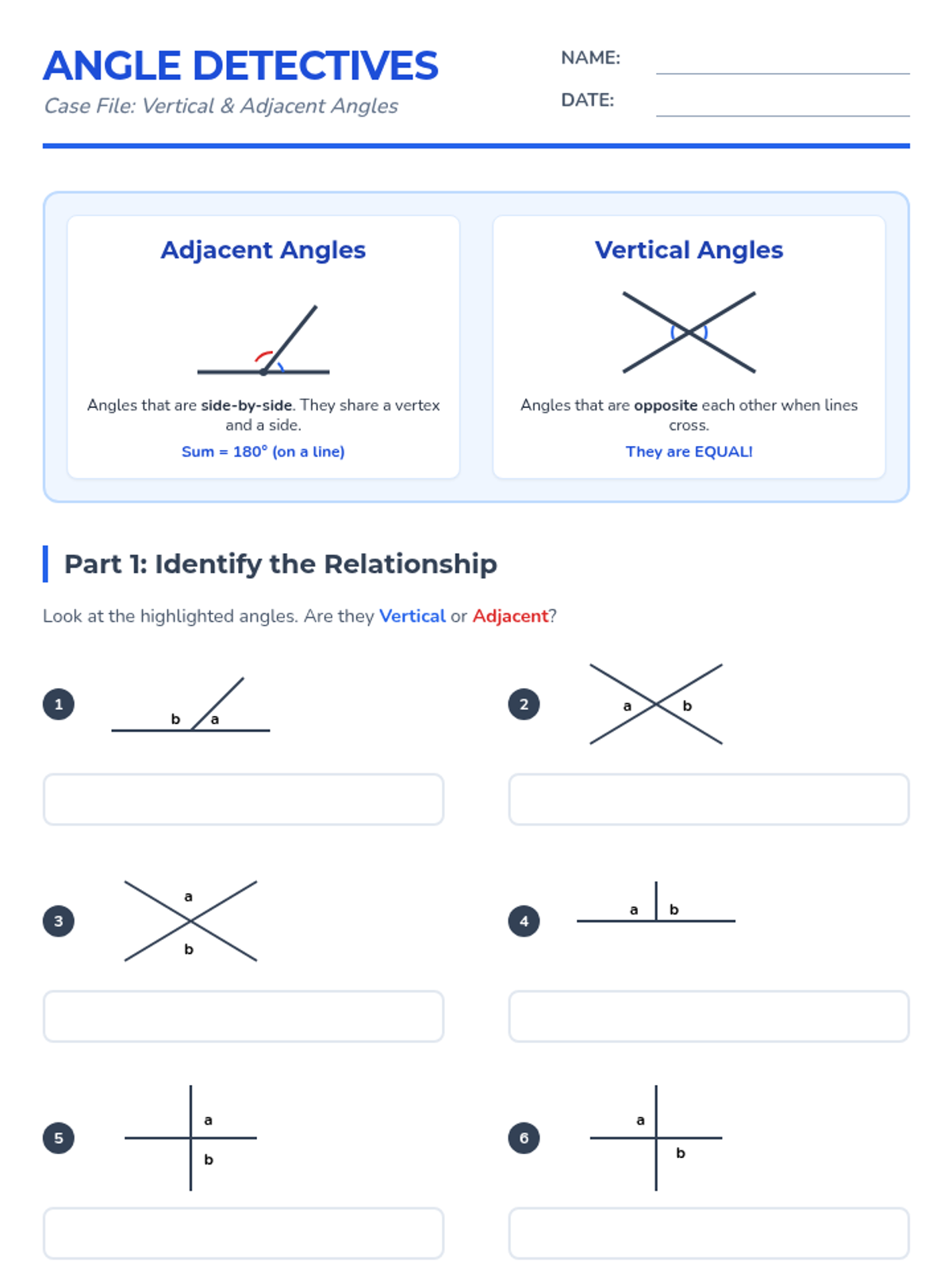
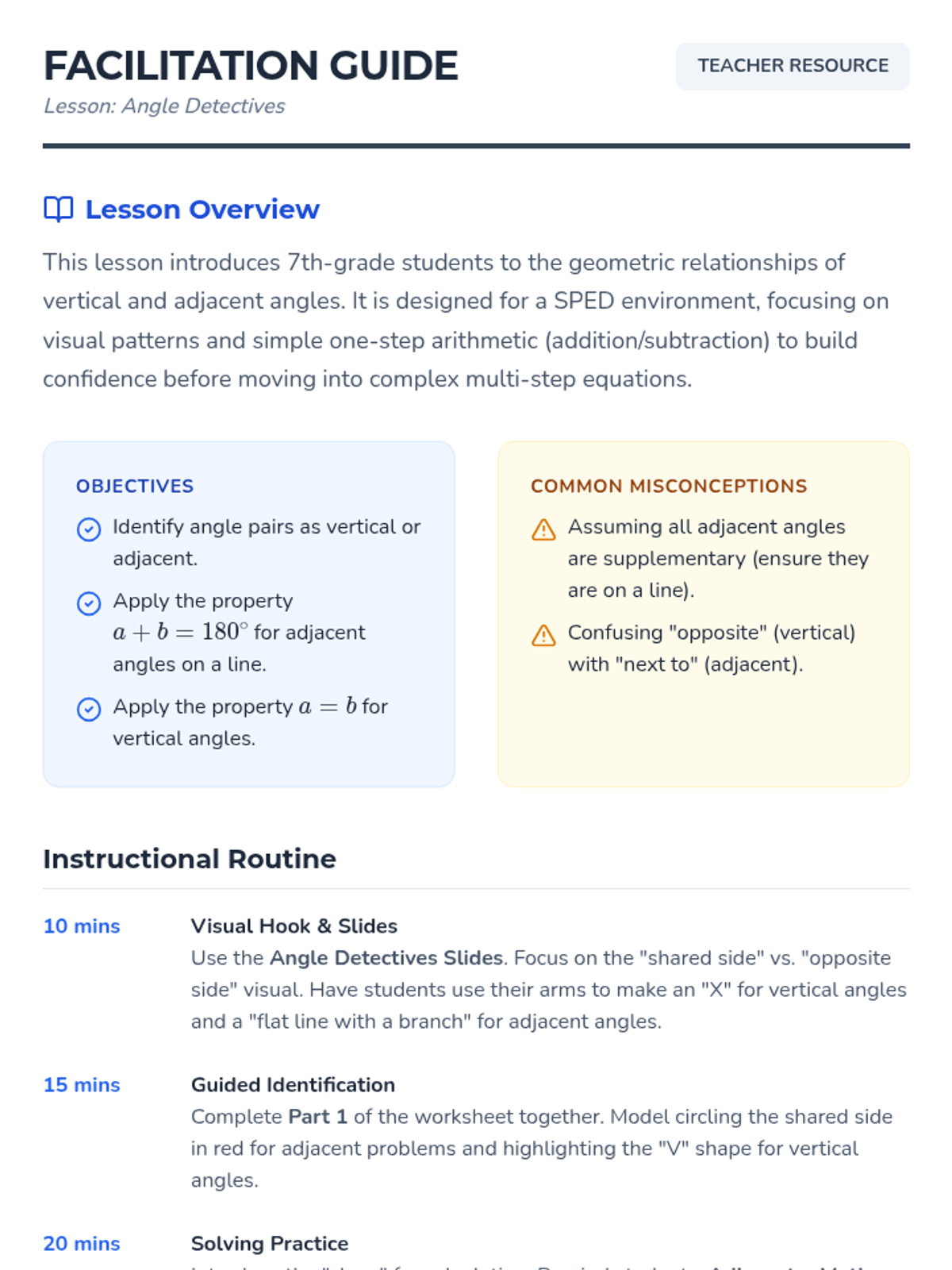
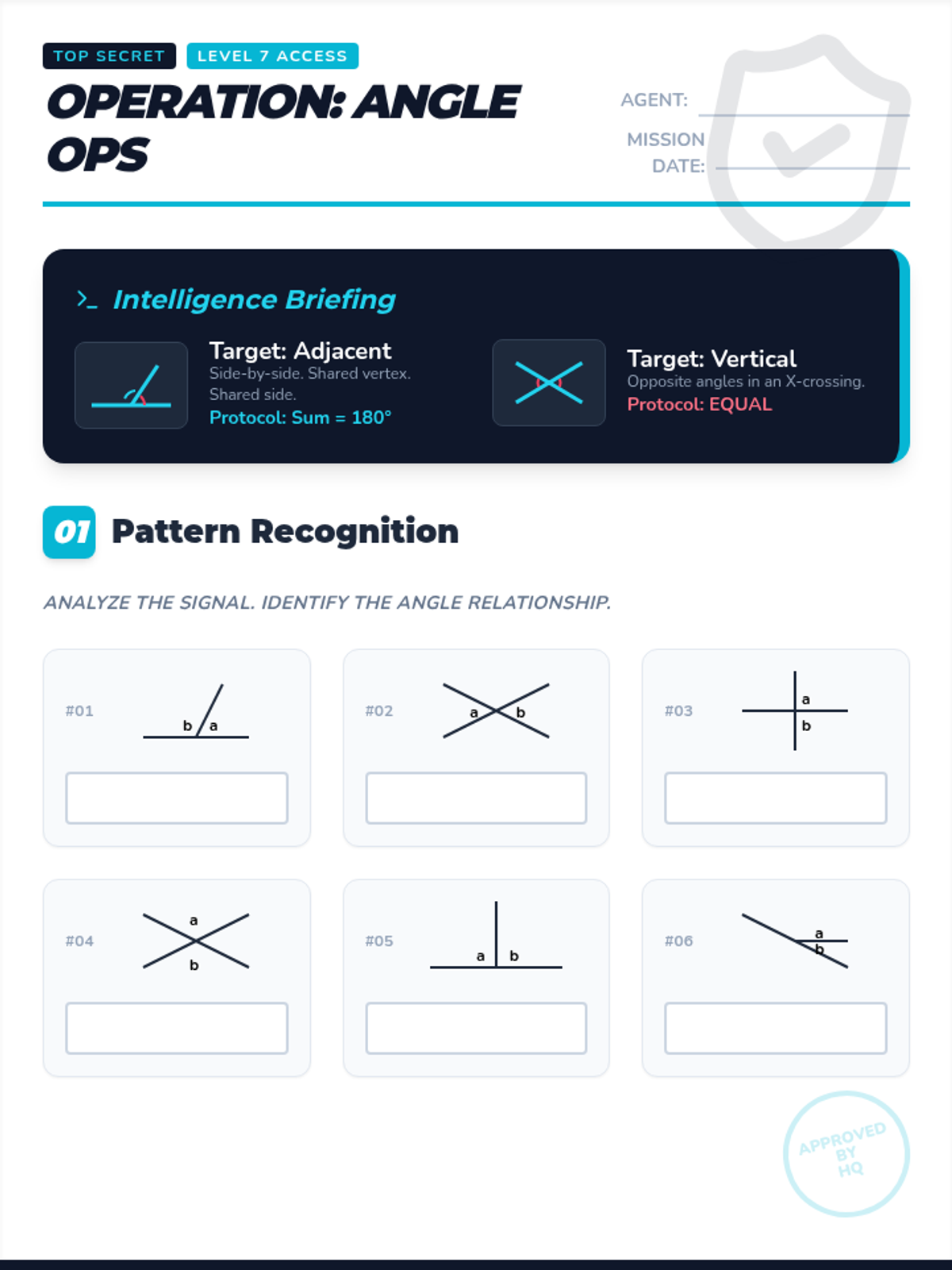
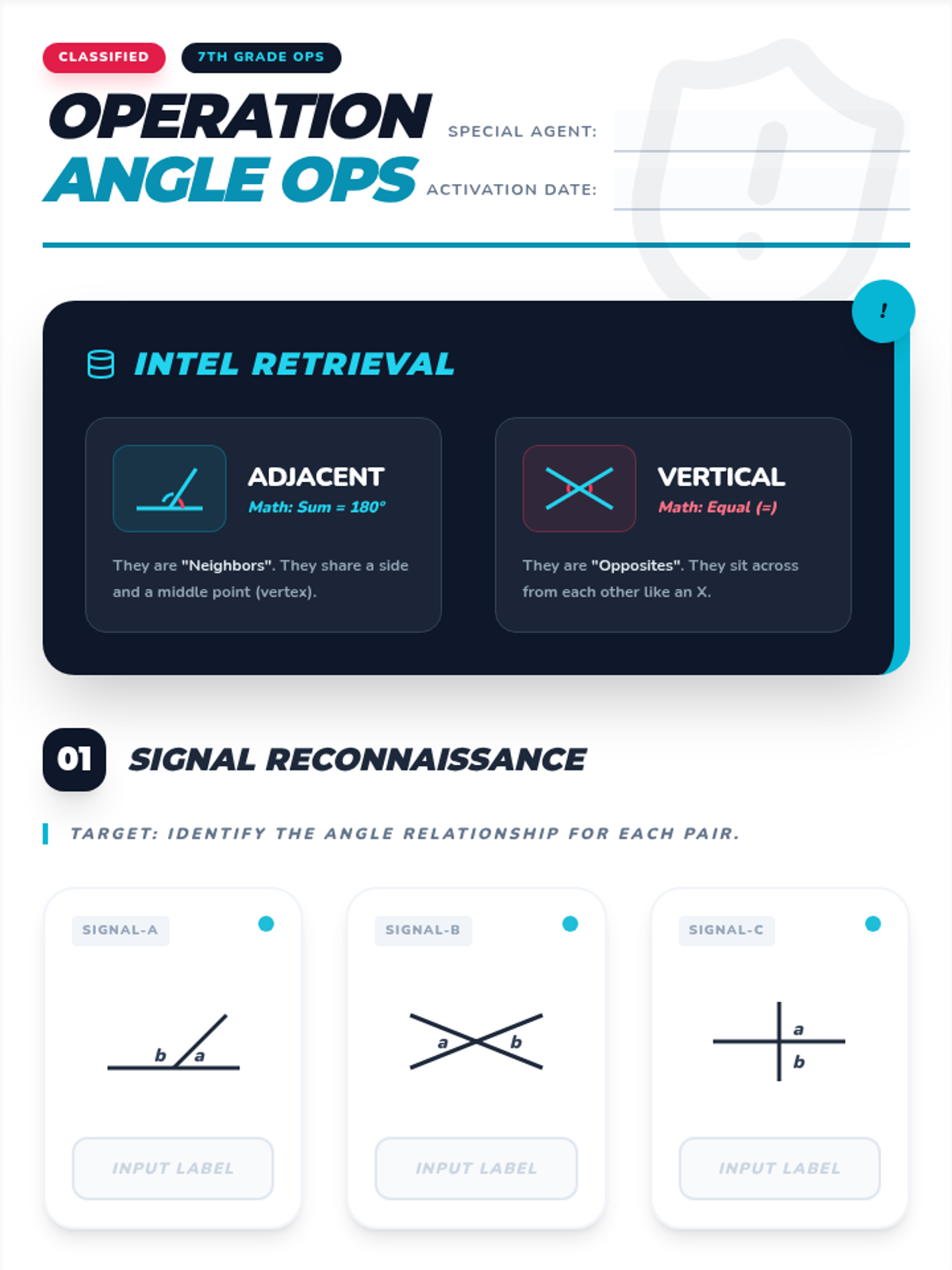
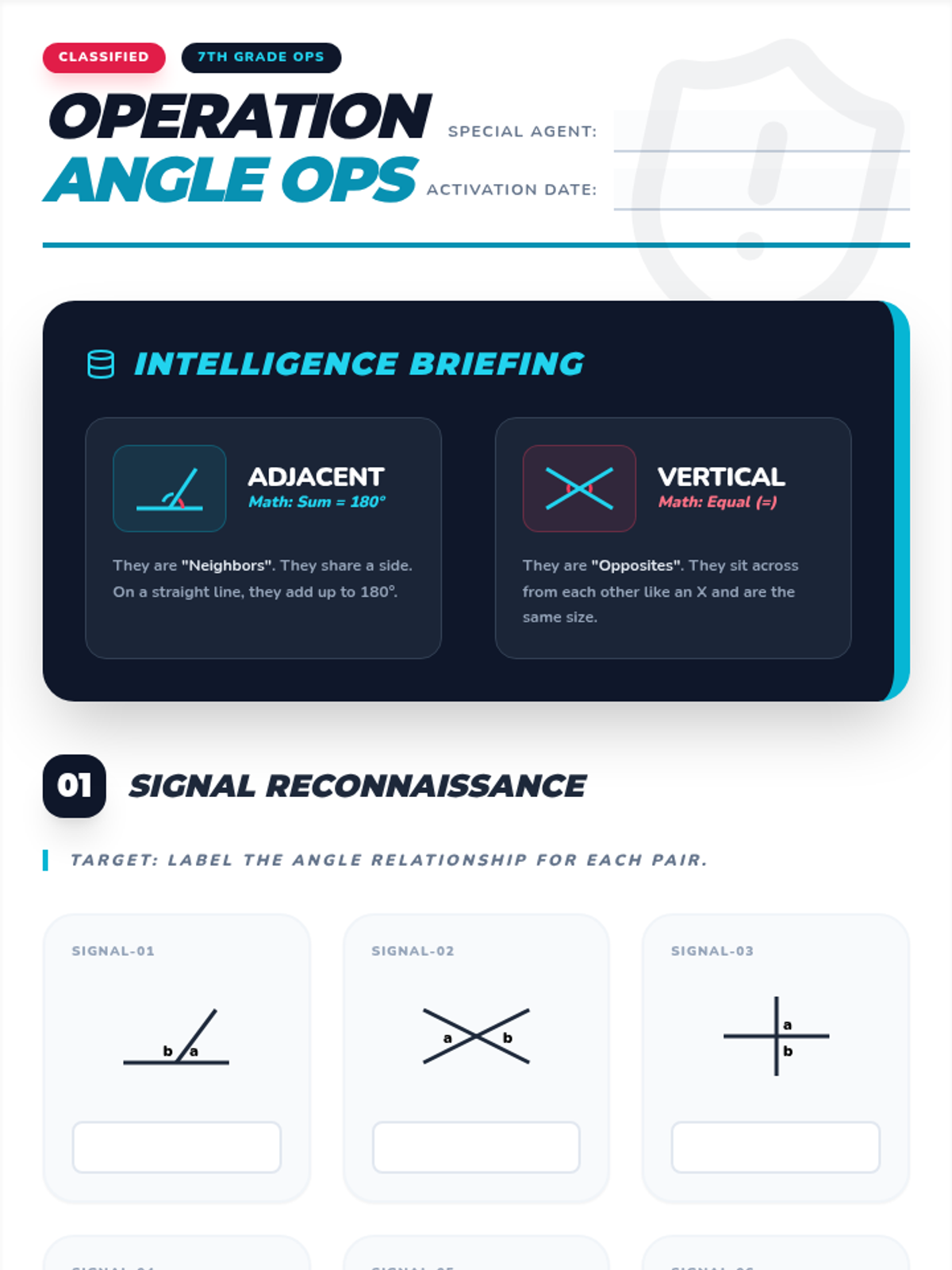
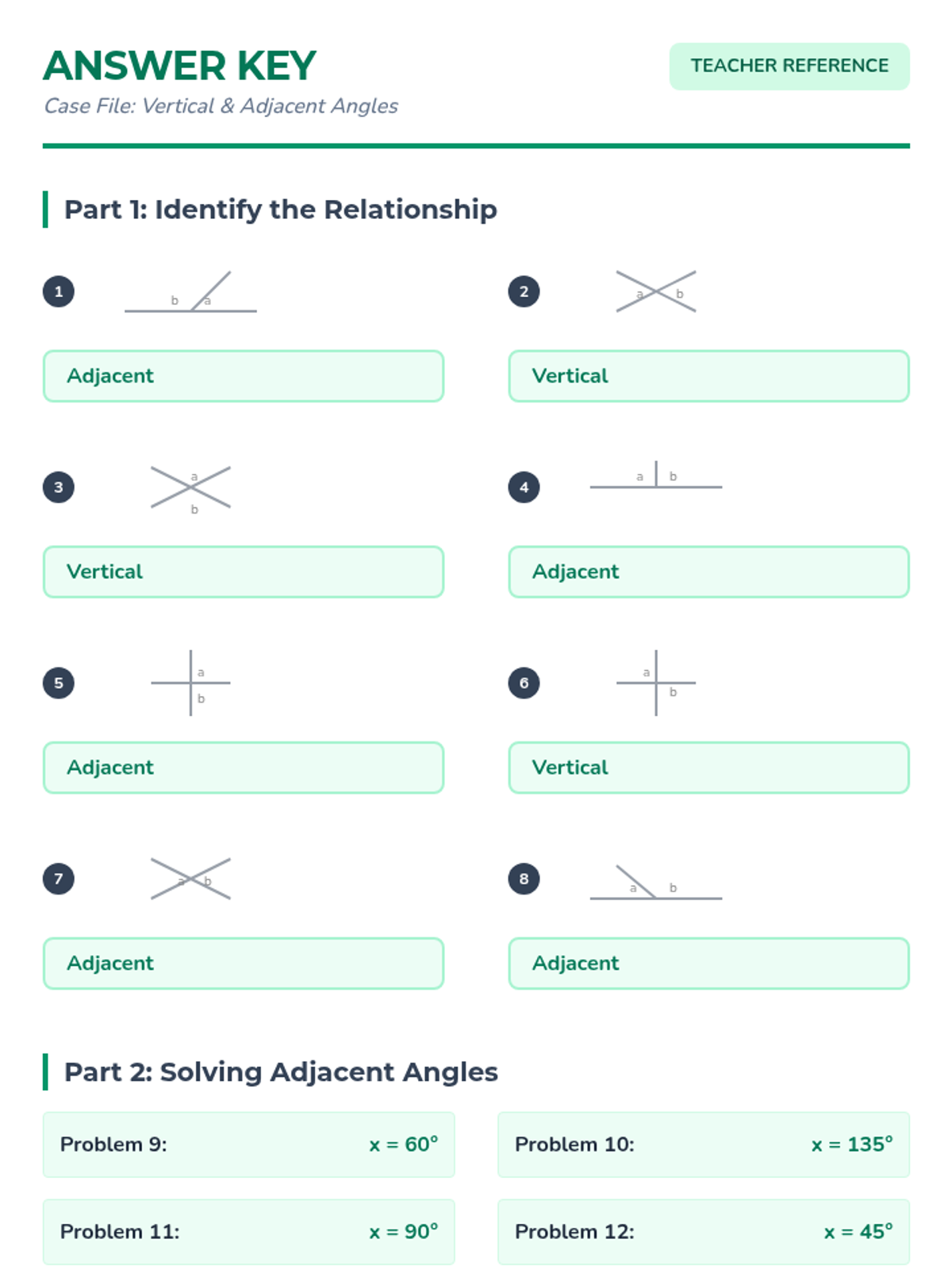
This lesson focuses on identifying and calculating measures for vertical and adjacent angles using simple one-step equations, designed specifically for learners who benefit from clear visual scaffolding.
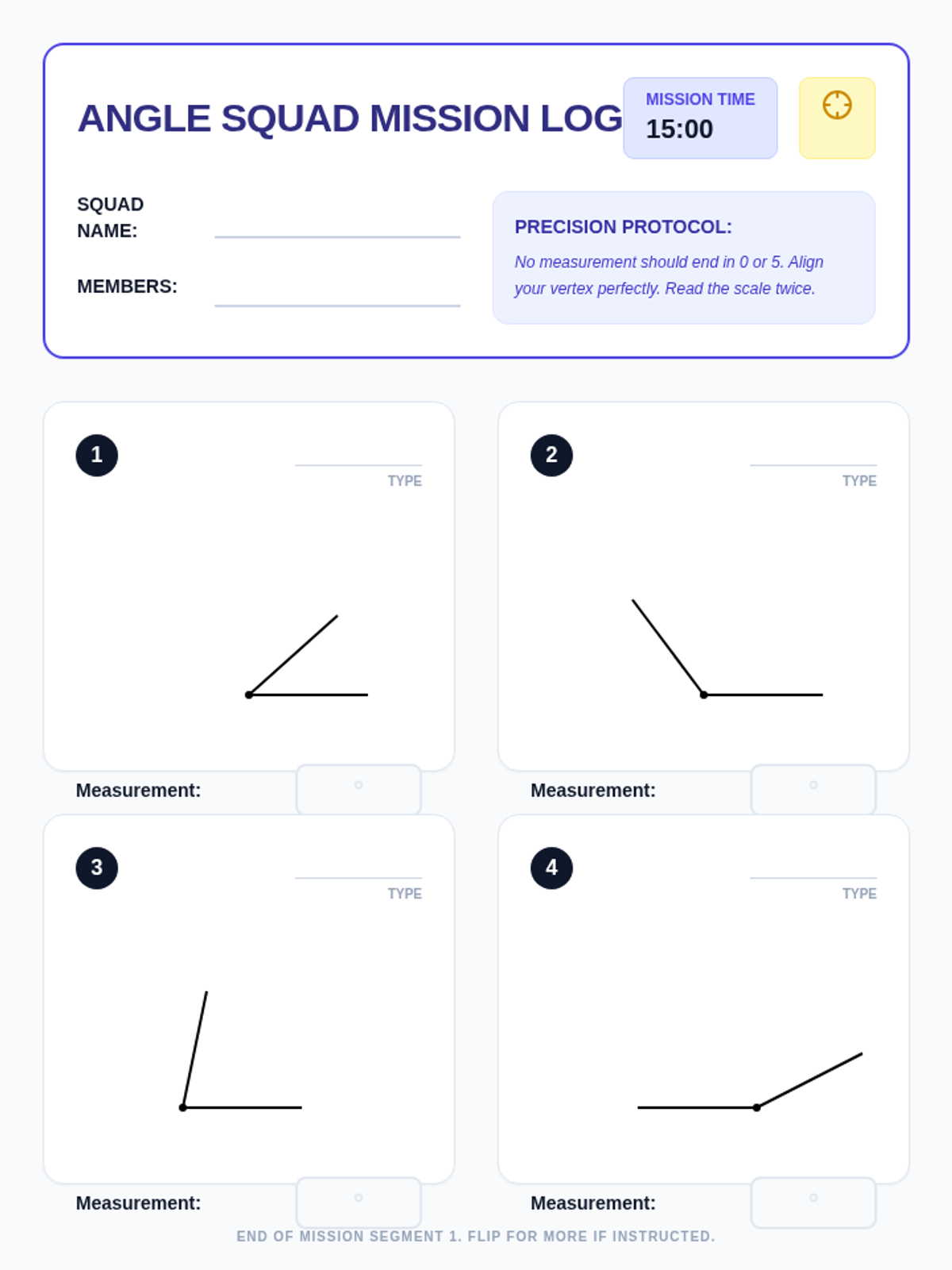
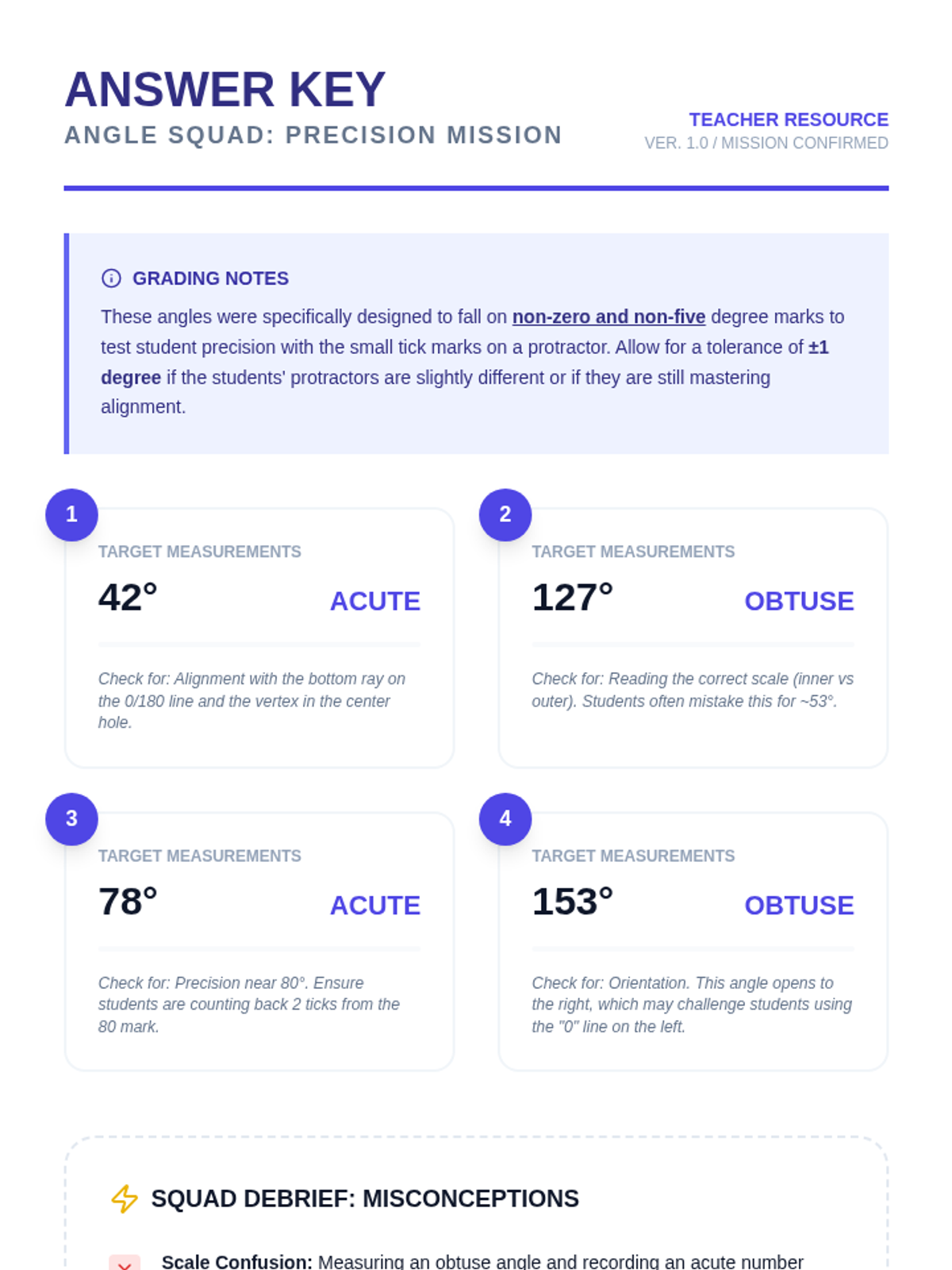
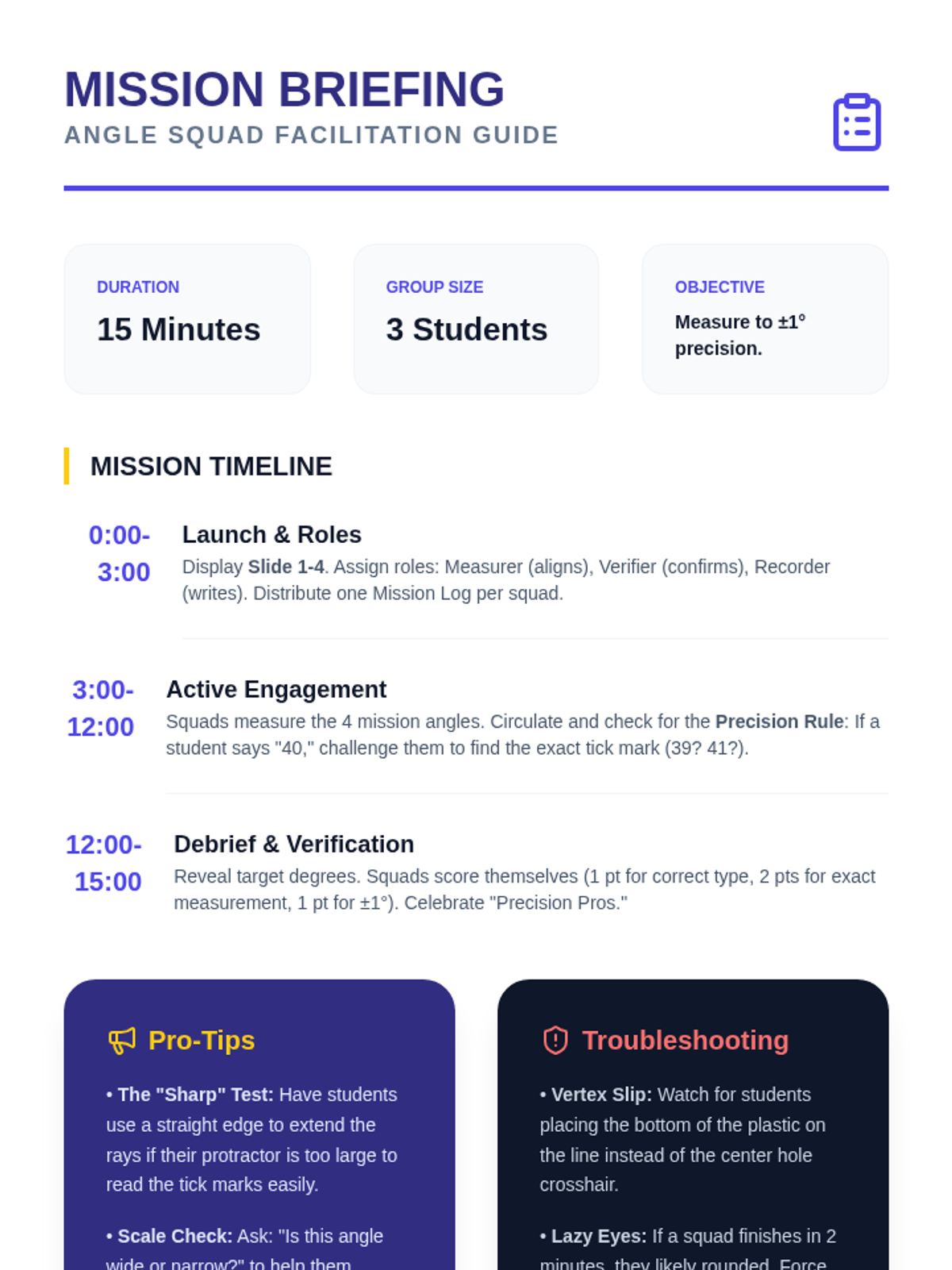
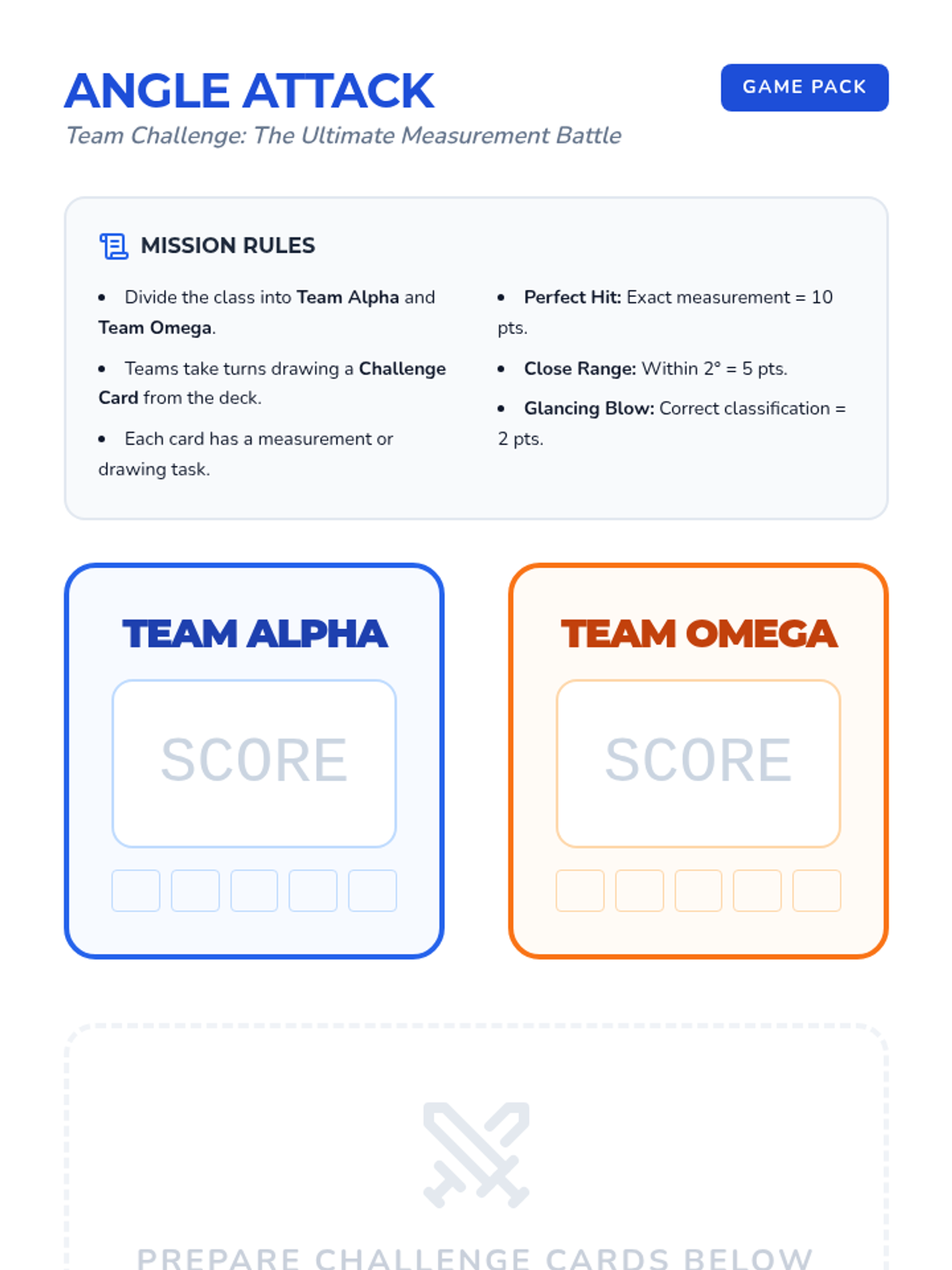
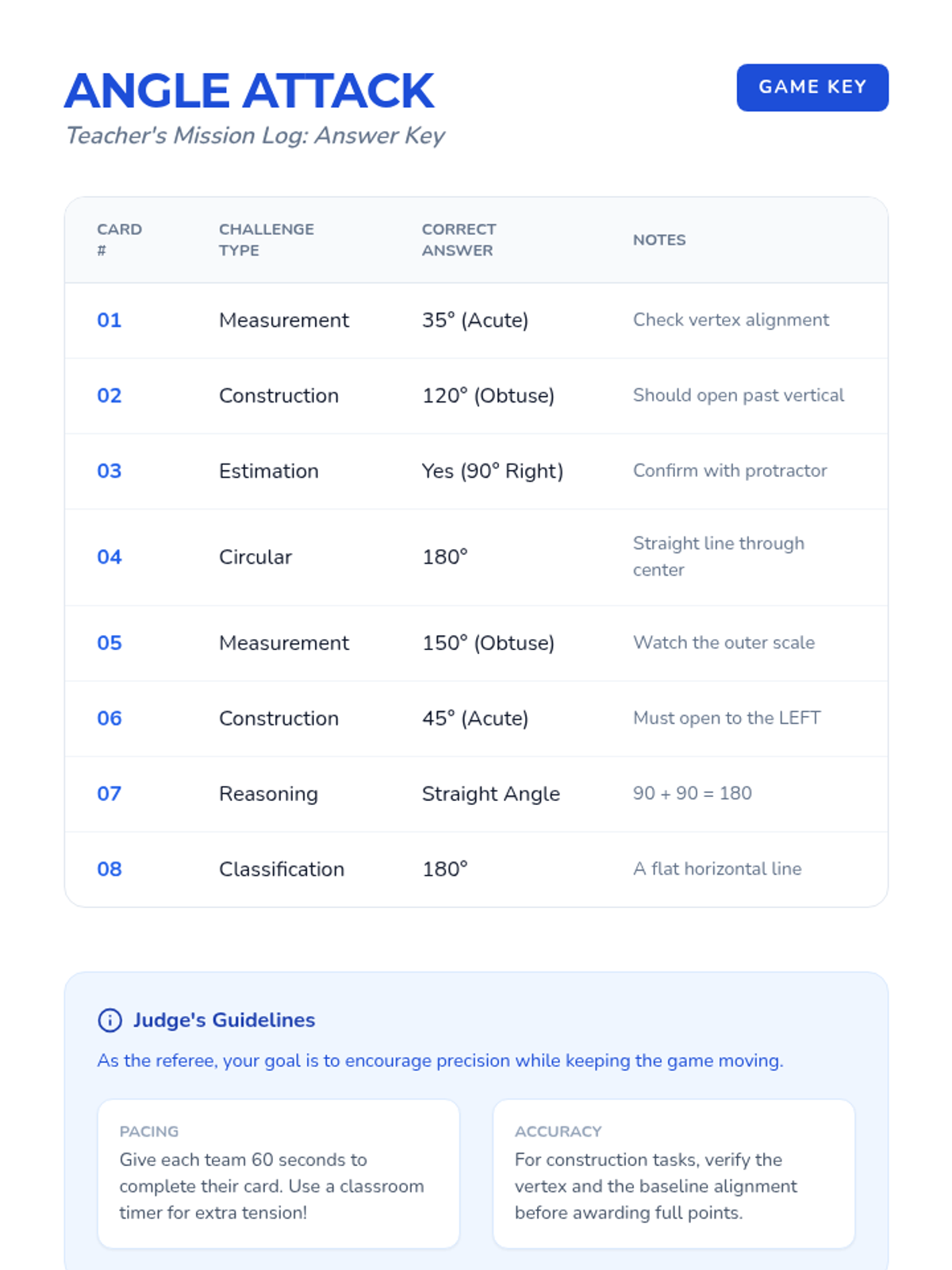
A 15-minute collaborative activity where students work in teams to measure acute, obtuse, and right angles with degree-level precision using a protractor.
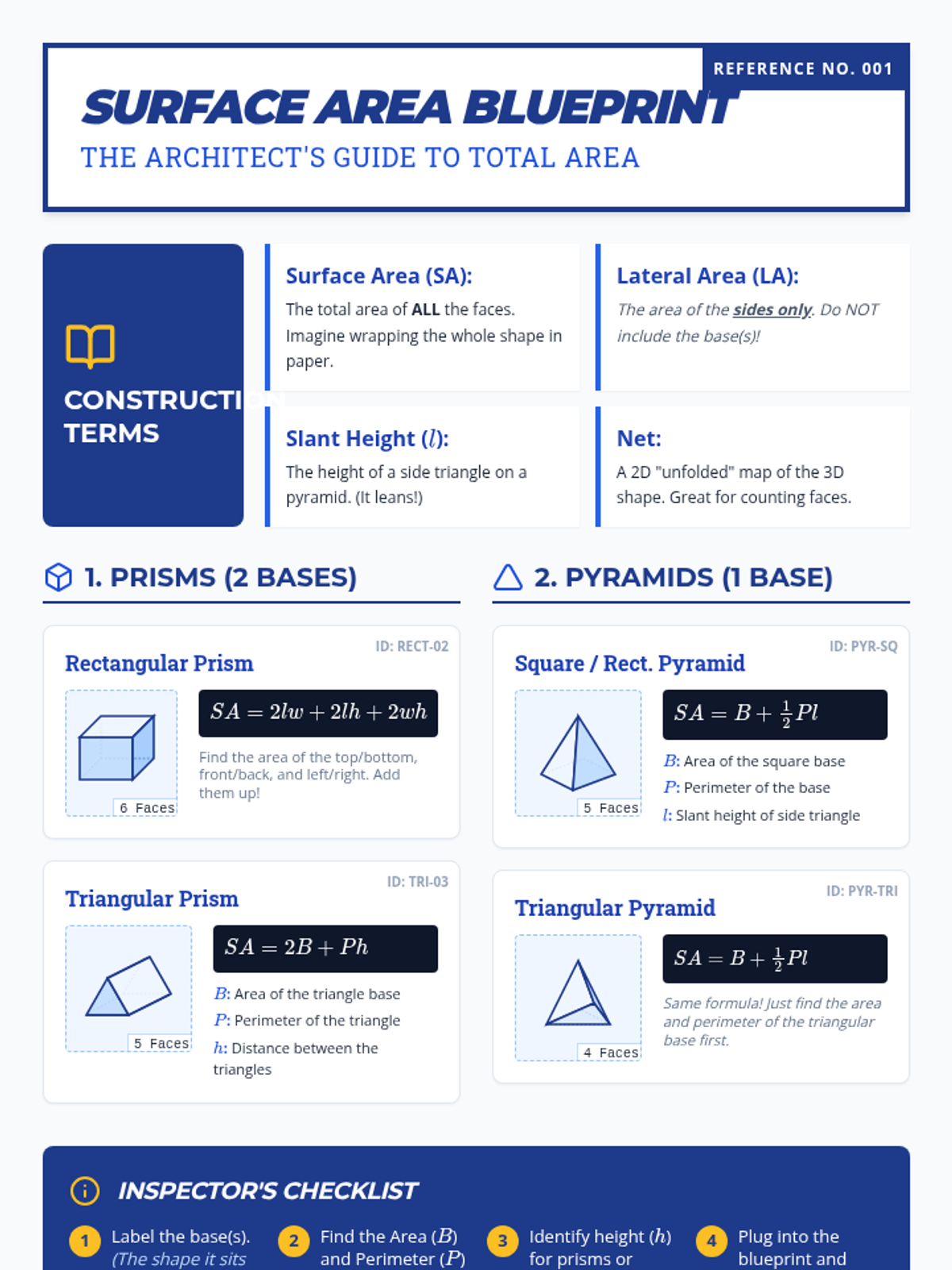
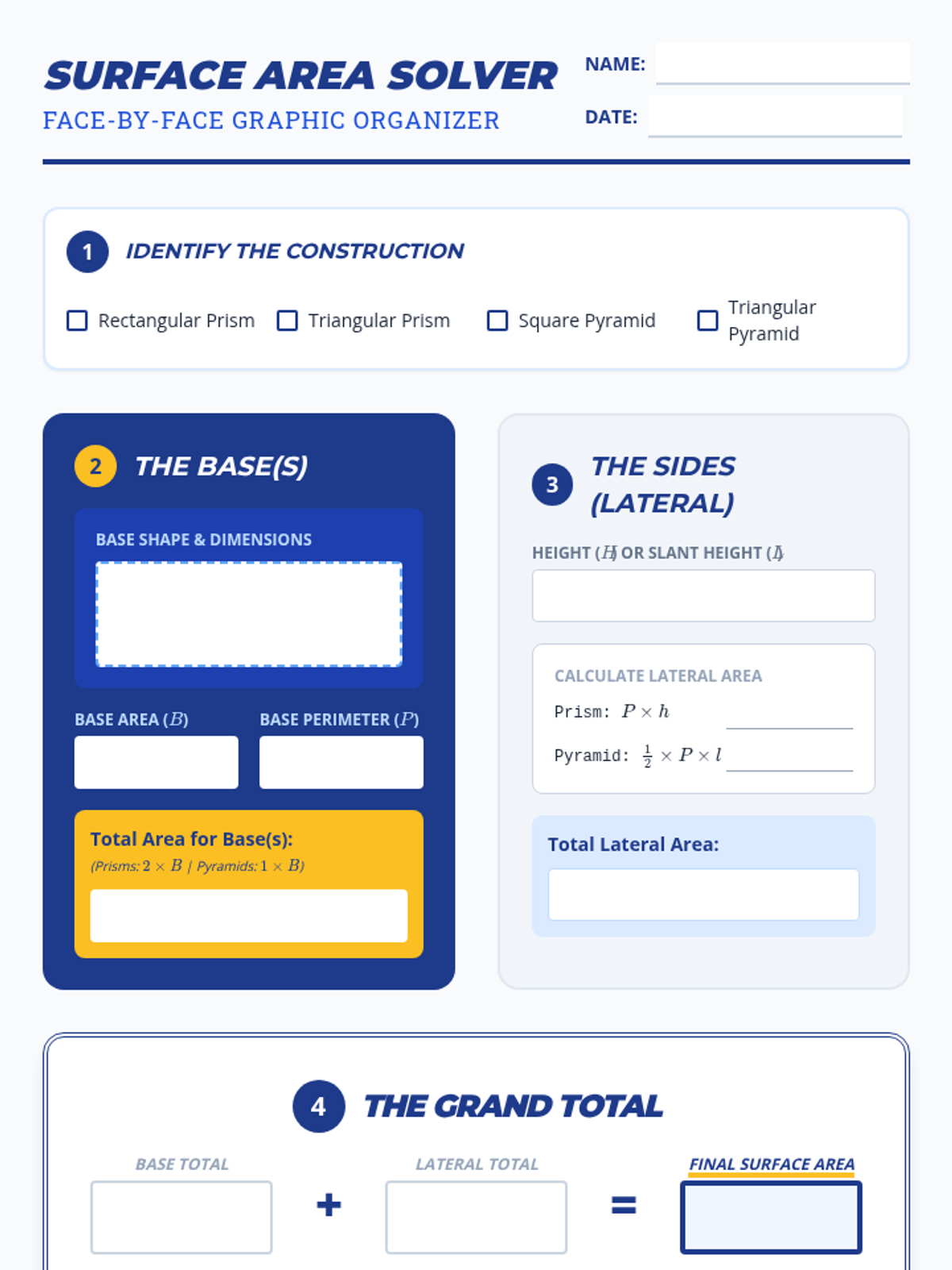
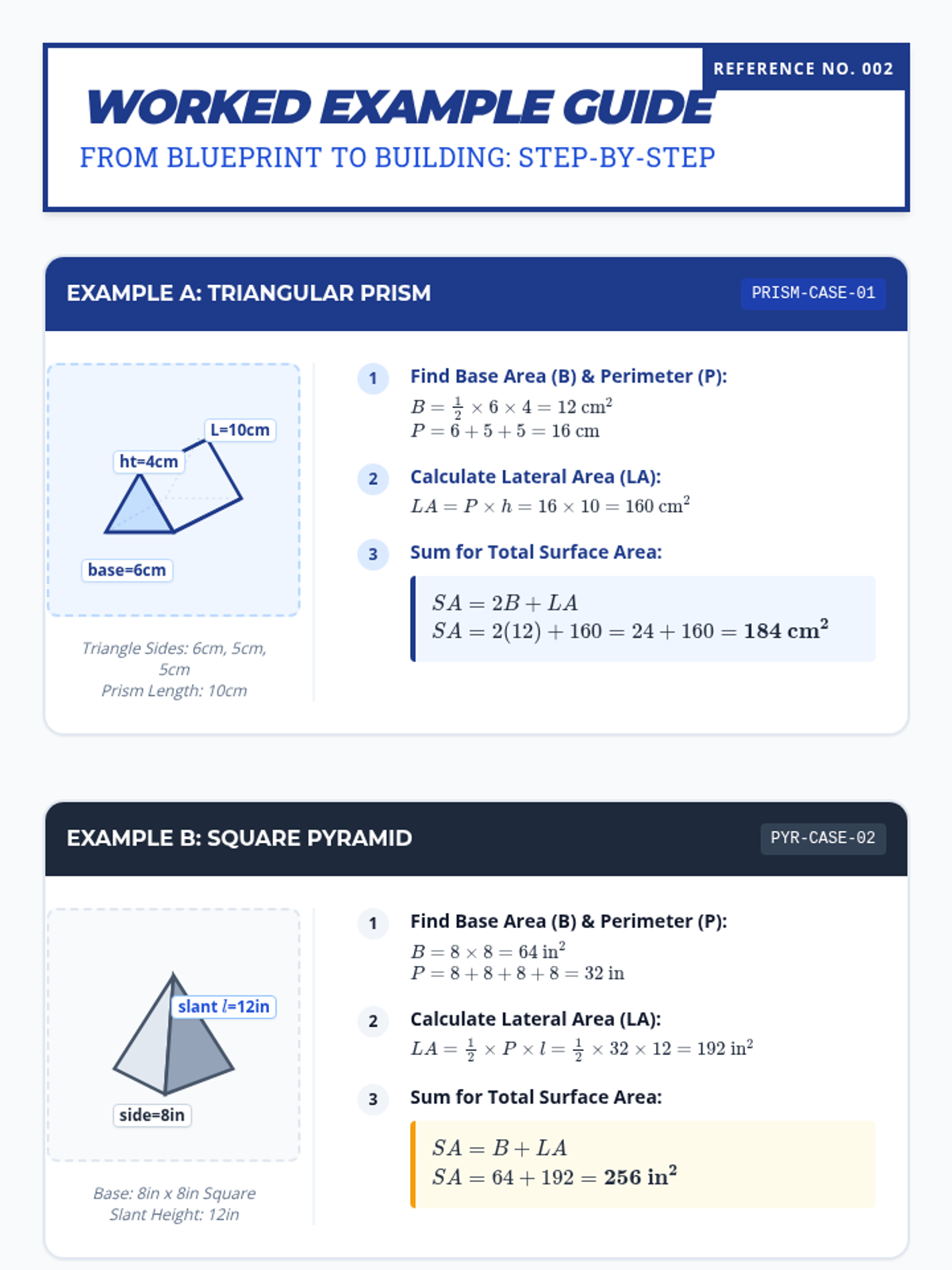
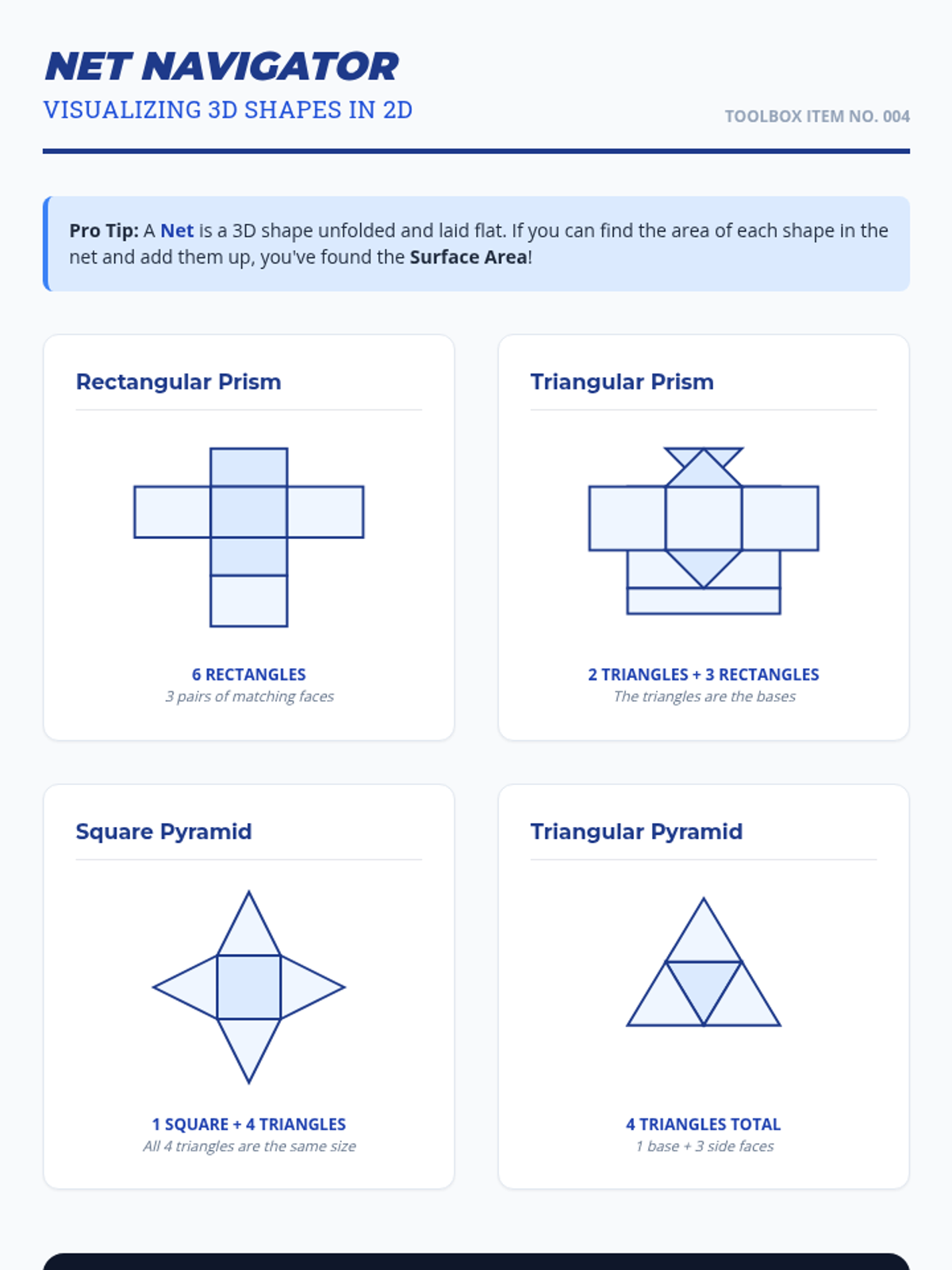
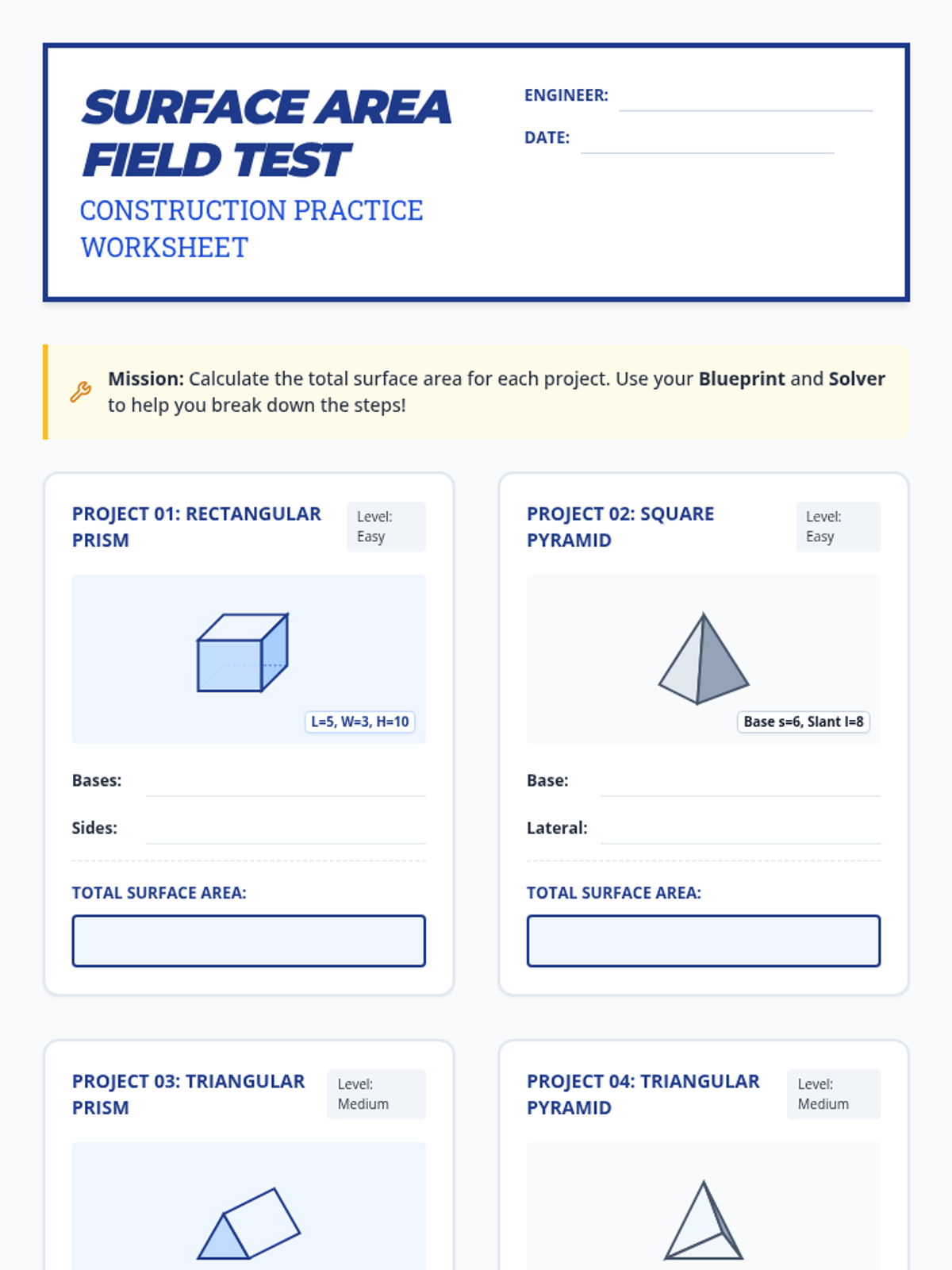
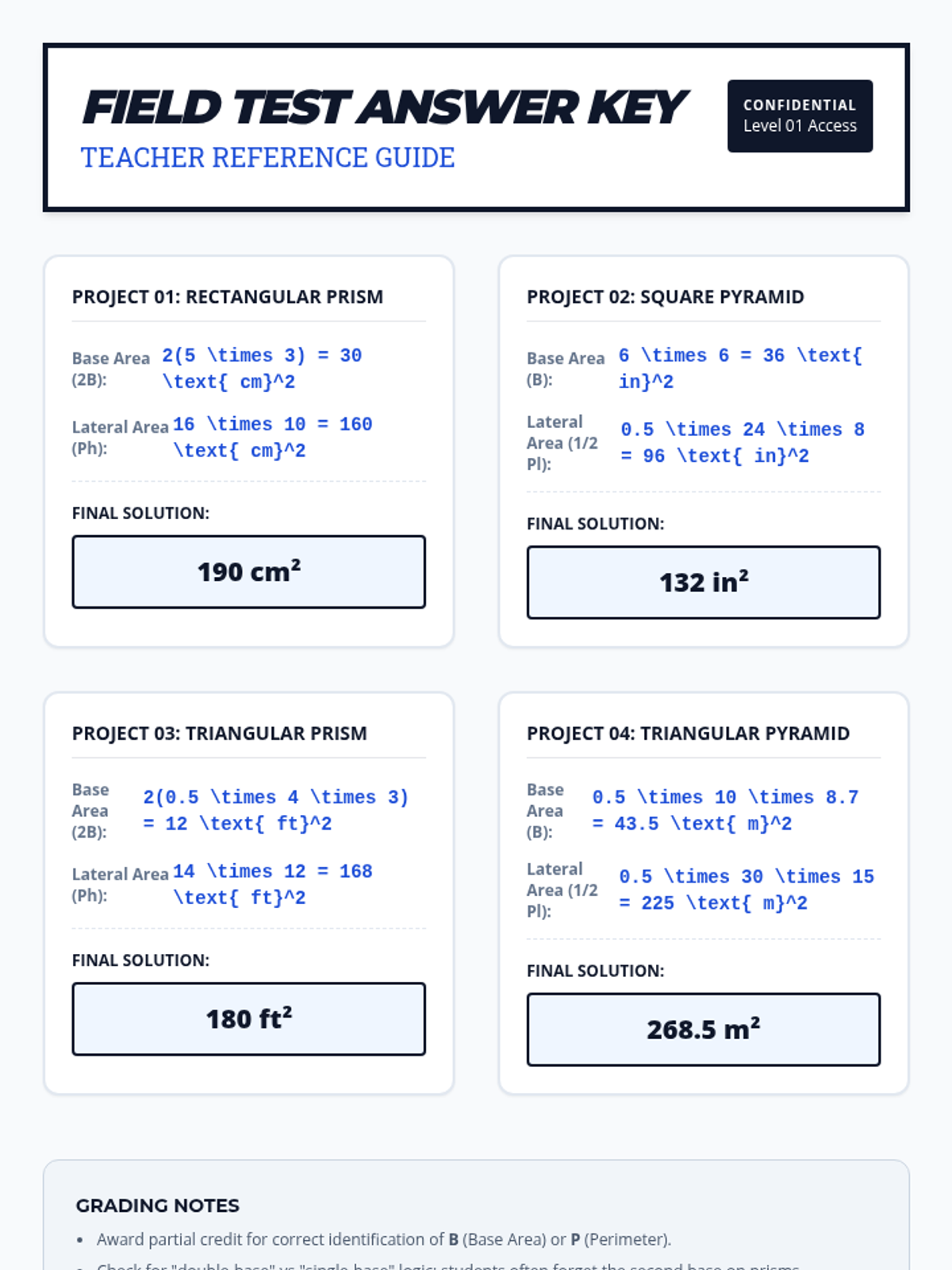
A foundational lesson on calculating the surface area of prisms and pyramids, specifically designed for students needing extra support through clear visuals, step-by-step formulas, and vocabulary scaffolding.
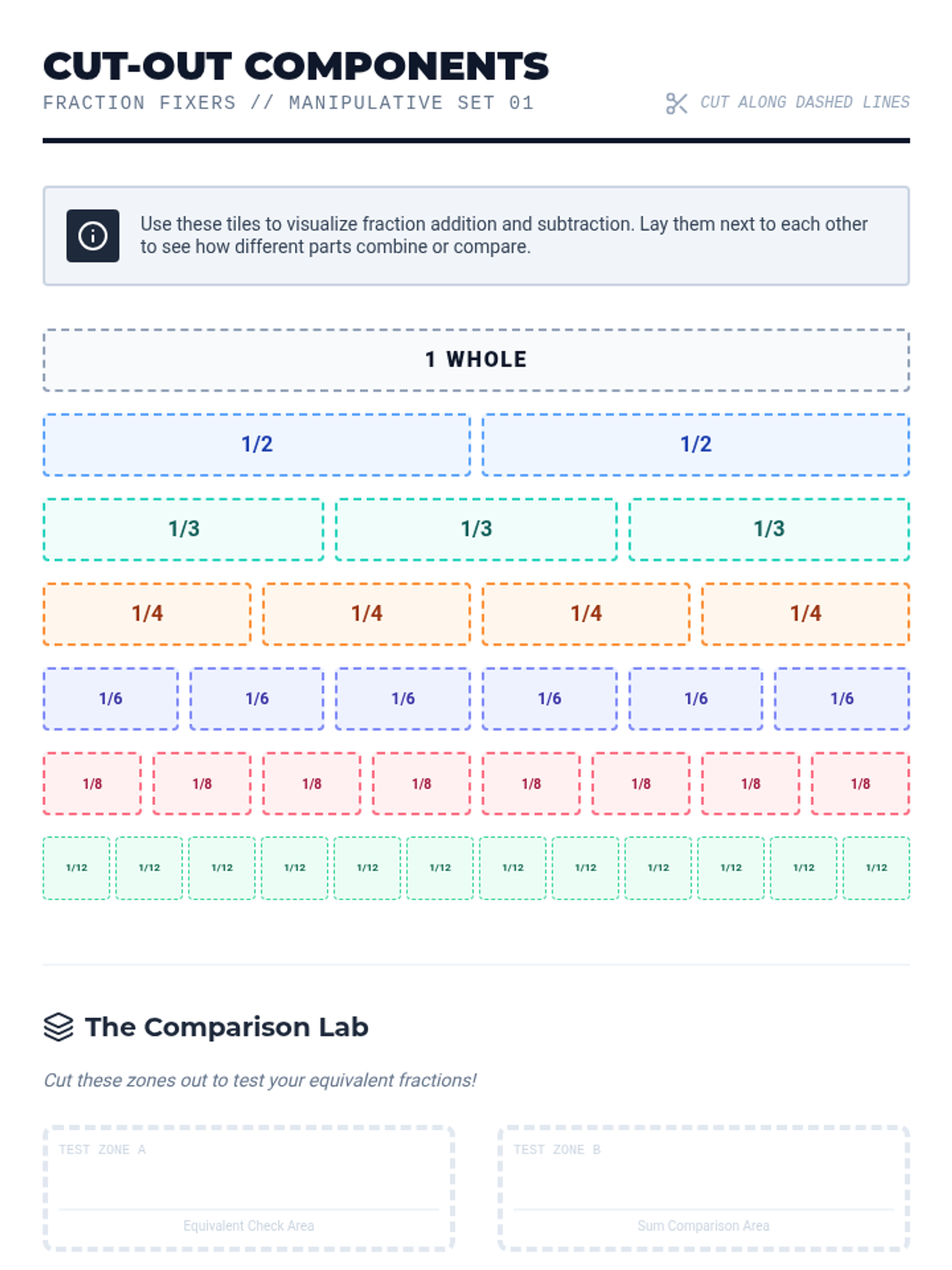
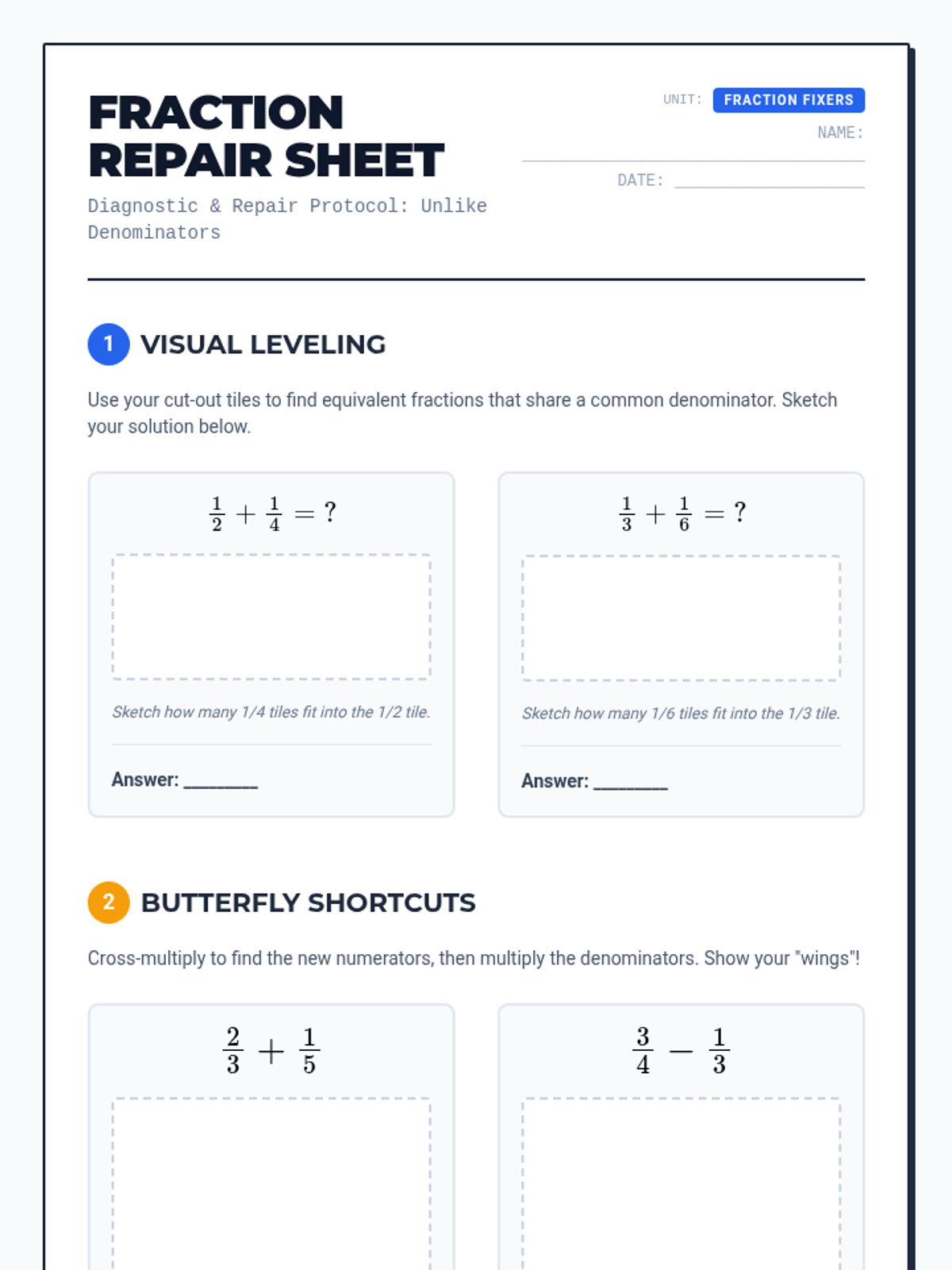
Focuses on identifying common denominators and using multiple strategies (visual, butterfly, and LCD) to add and subtract fractions with different parts.
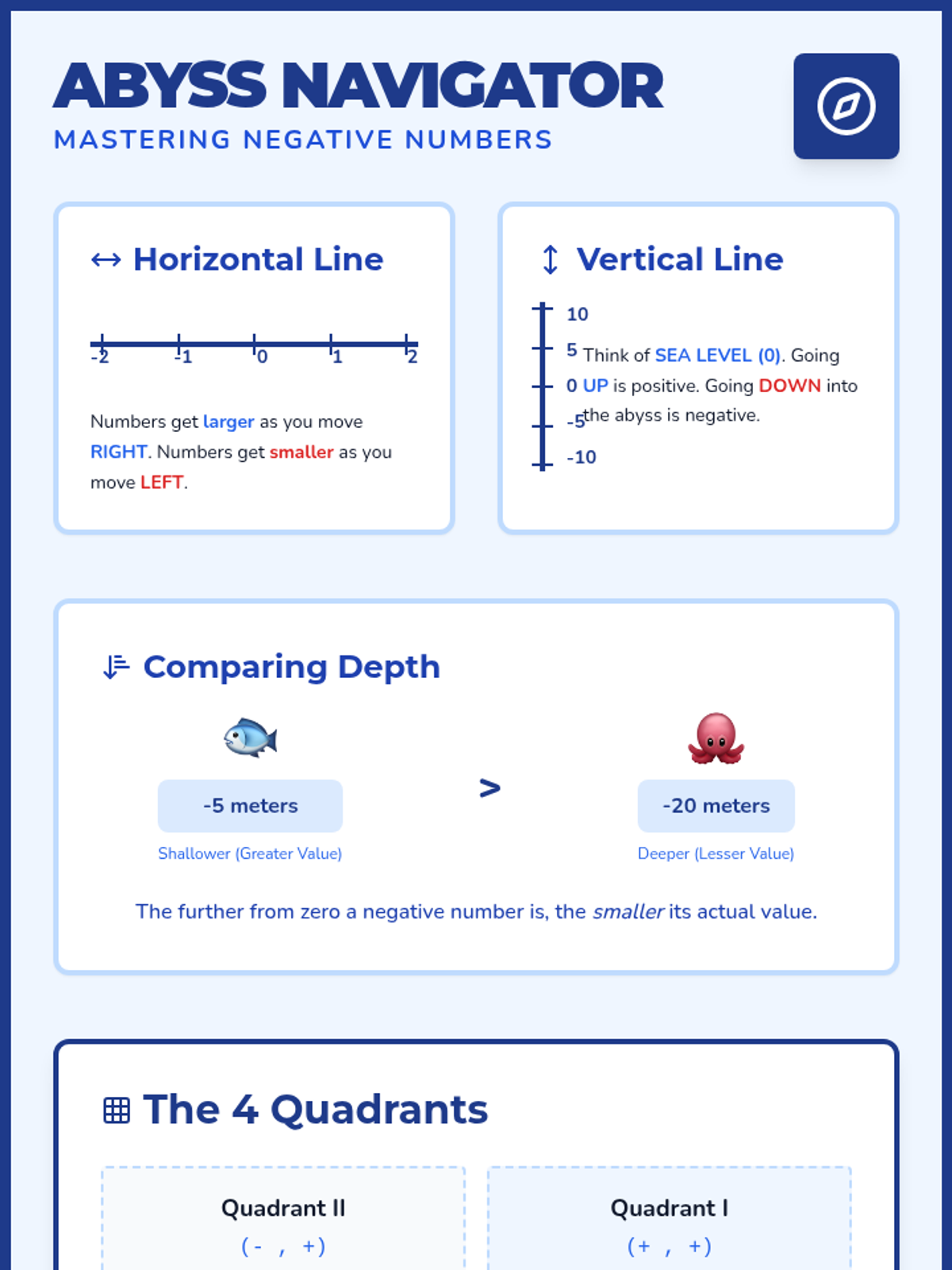
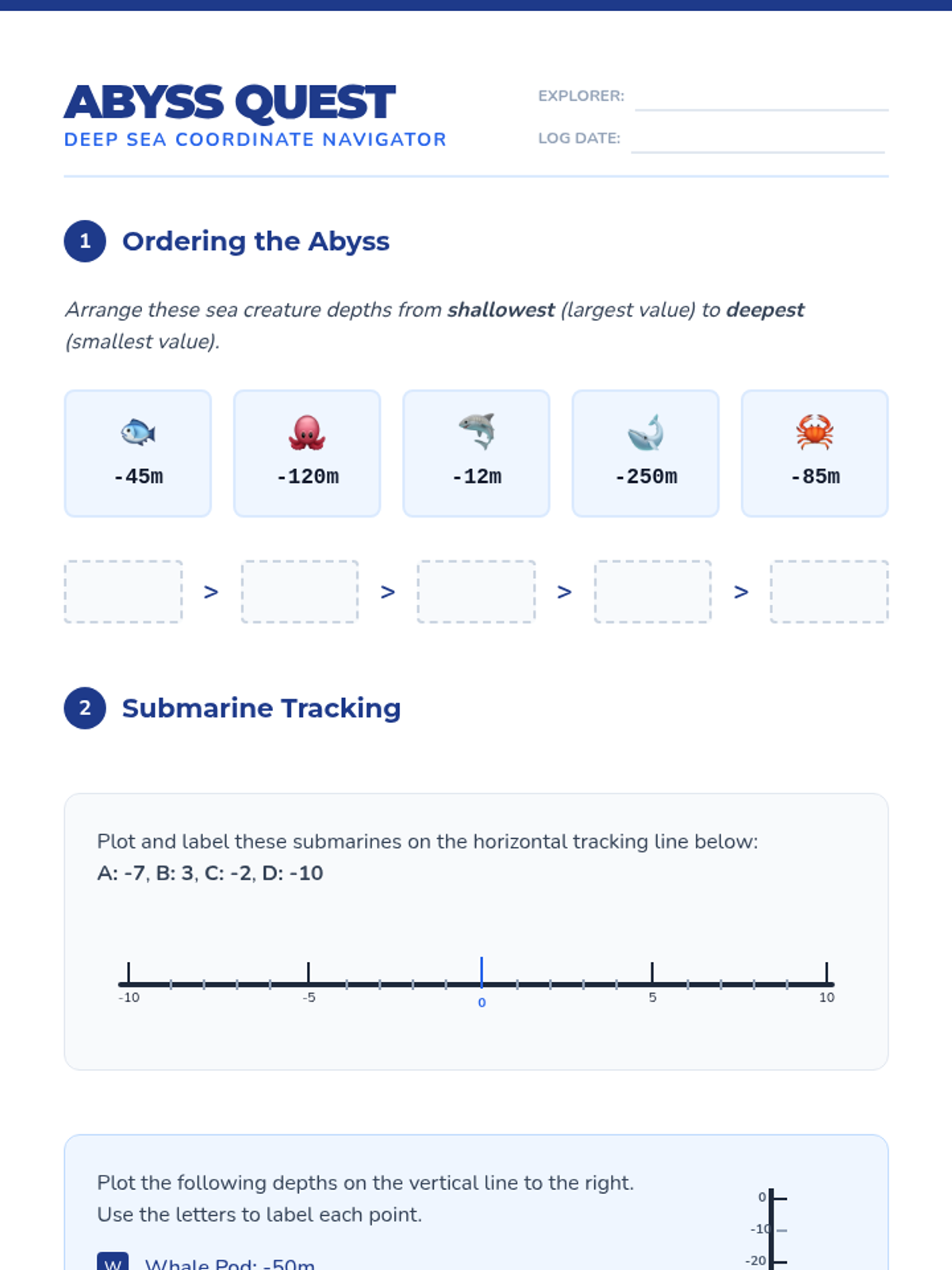
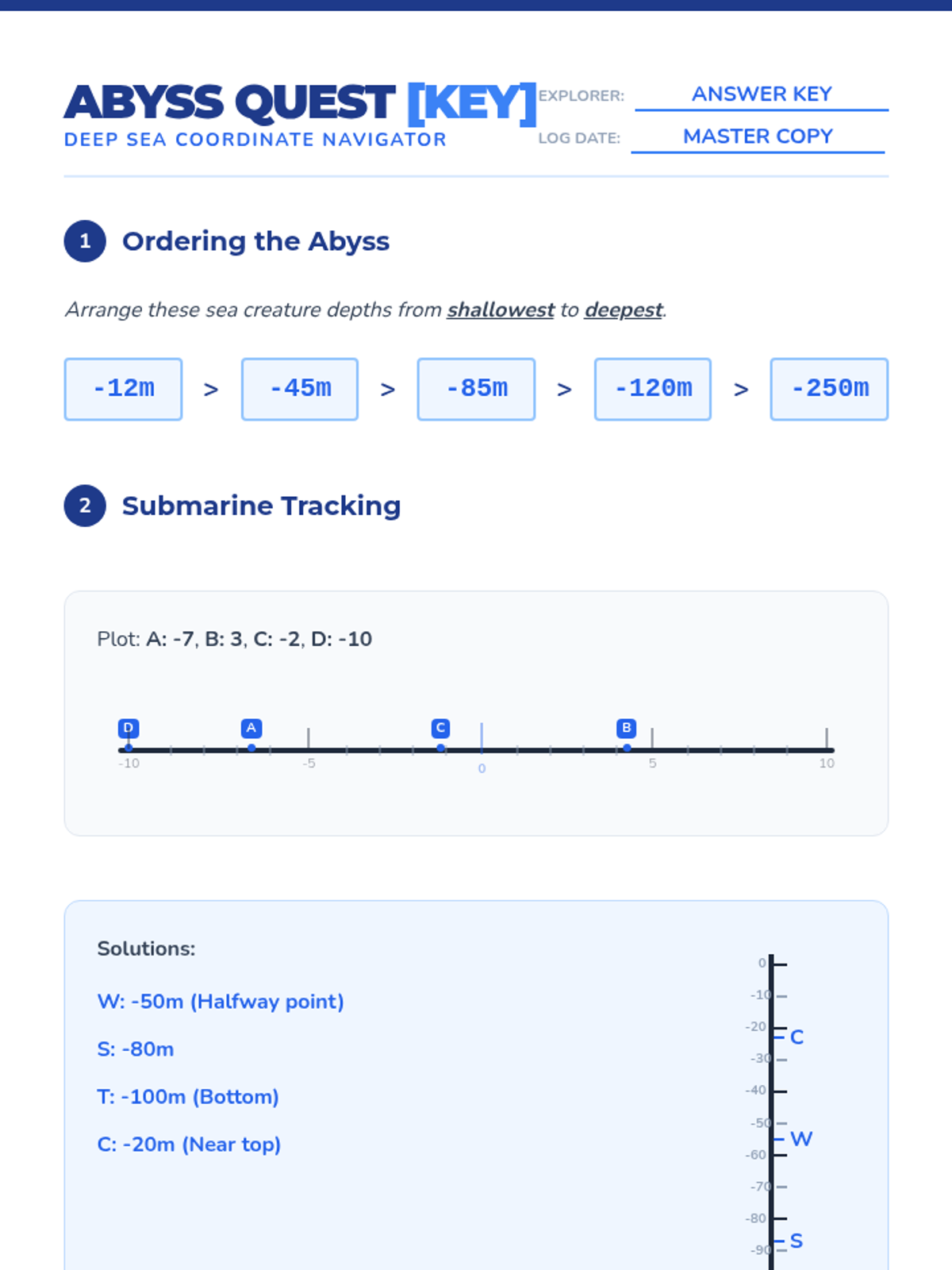
A lesson exploring negative numbers through horizontal and vertical number lines, ordering integers, and navigating the four-quadrant coordinate plane using a deep-sea exploration theme.
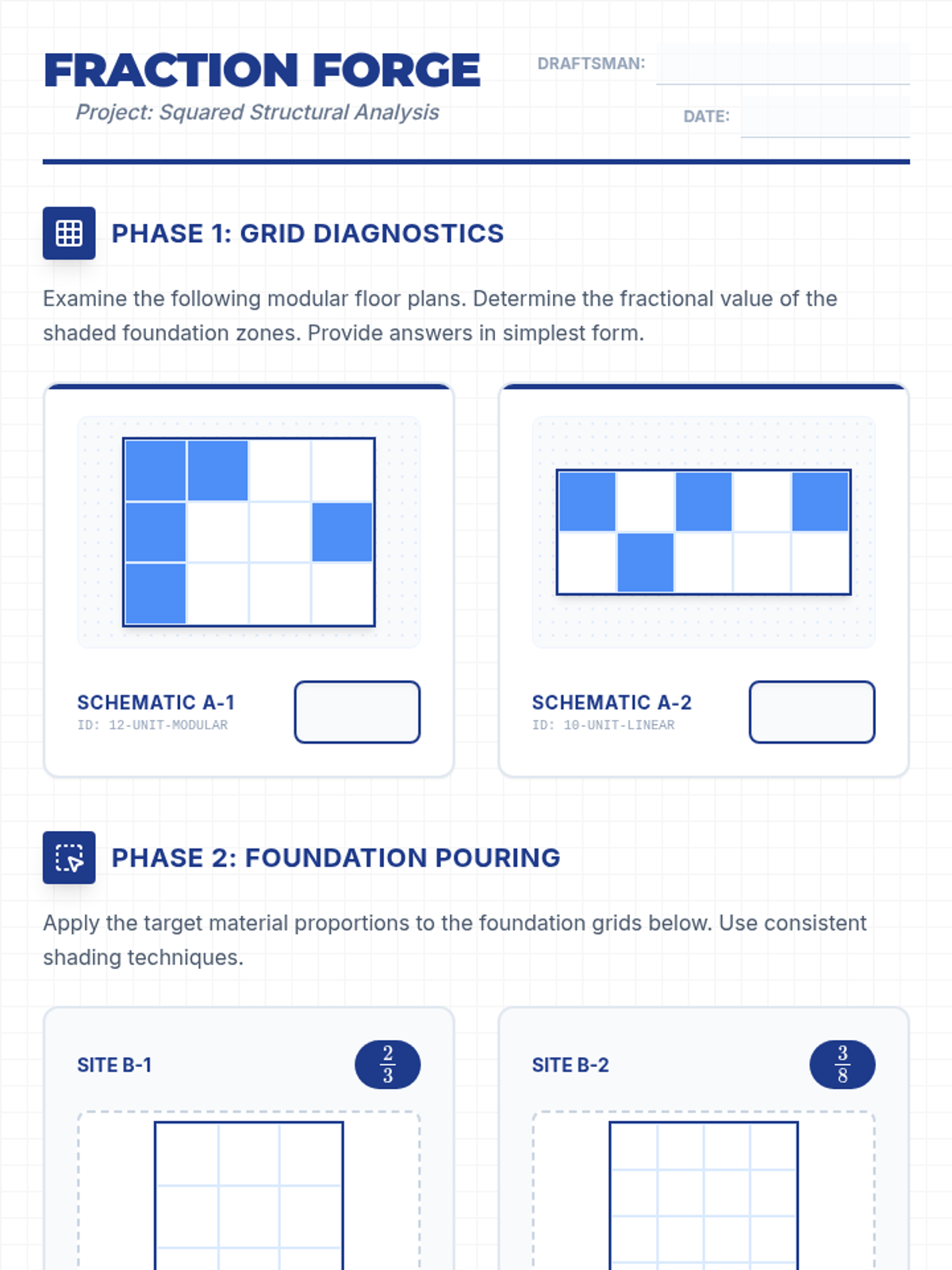
A visual exploration of fractions for 7th grade, focusing on identifying parts of a whole and equivalent fractions through architectural-style modeling.
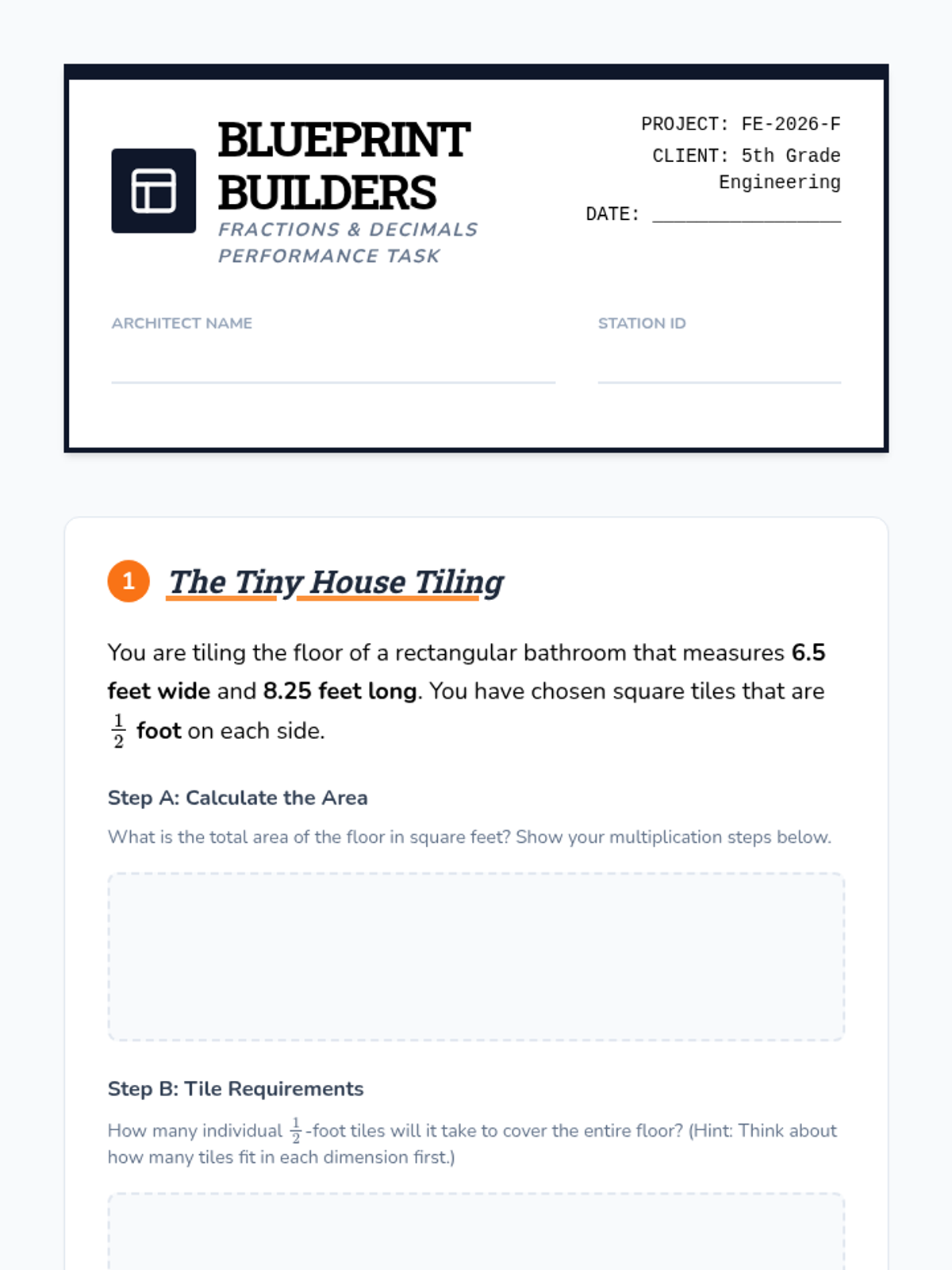
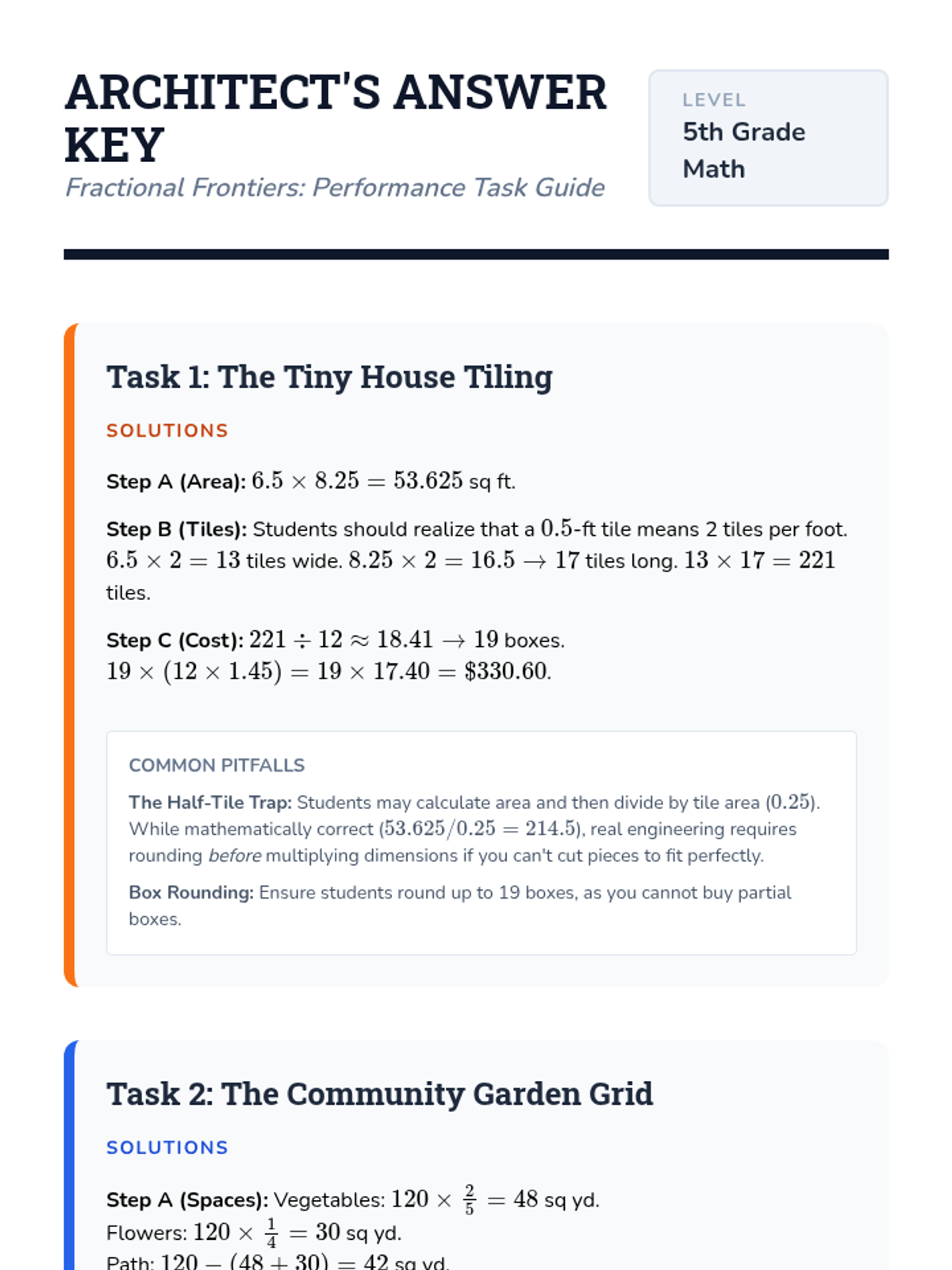
A series of high-level performance tasks where students apply fractional and decimal reasoning to real-world engineering and design challenges. Students will navigate budget constraints and spatial limitations to create blueprints and project plans.
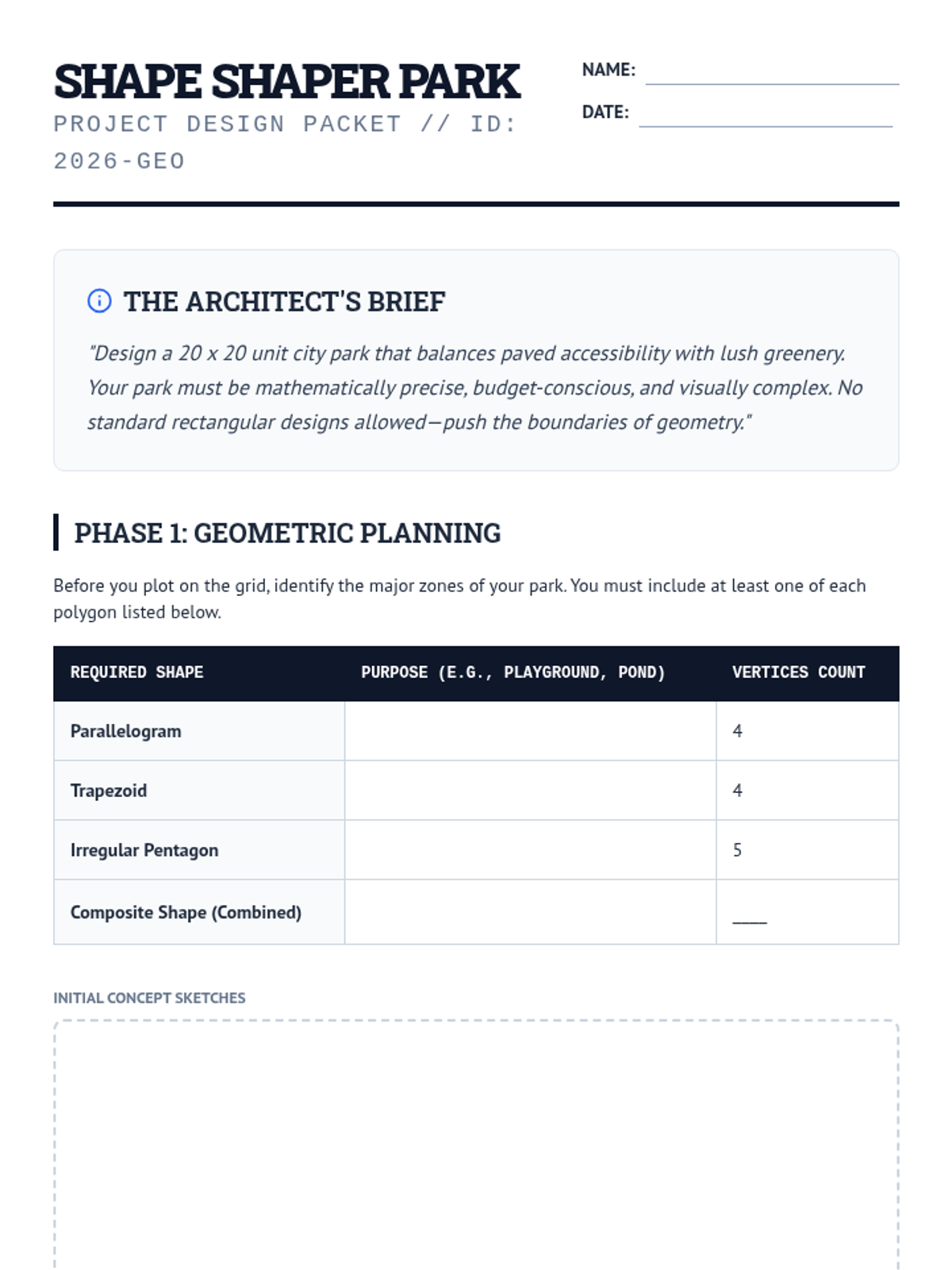
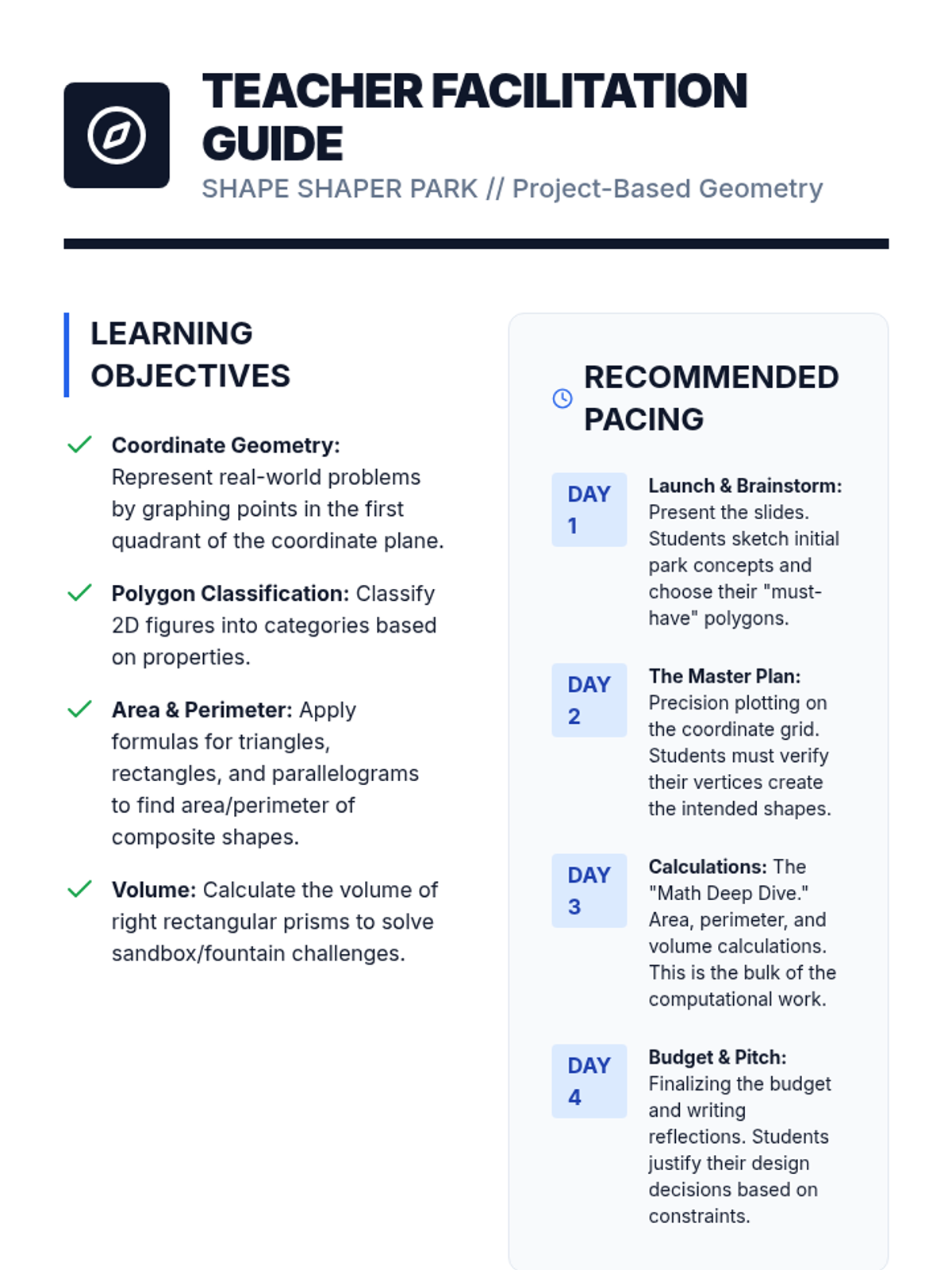
A geometry project where students design a futuristic city park using complex polygons, coordinate geometry, and volume calculations. This project-based learning investigation challenges students to balance aesthetic design with mathematical constraints and cost-efficiency.
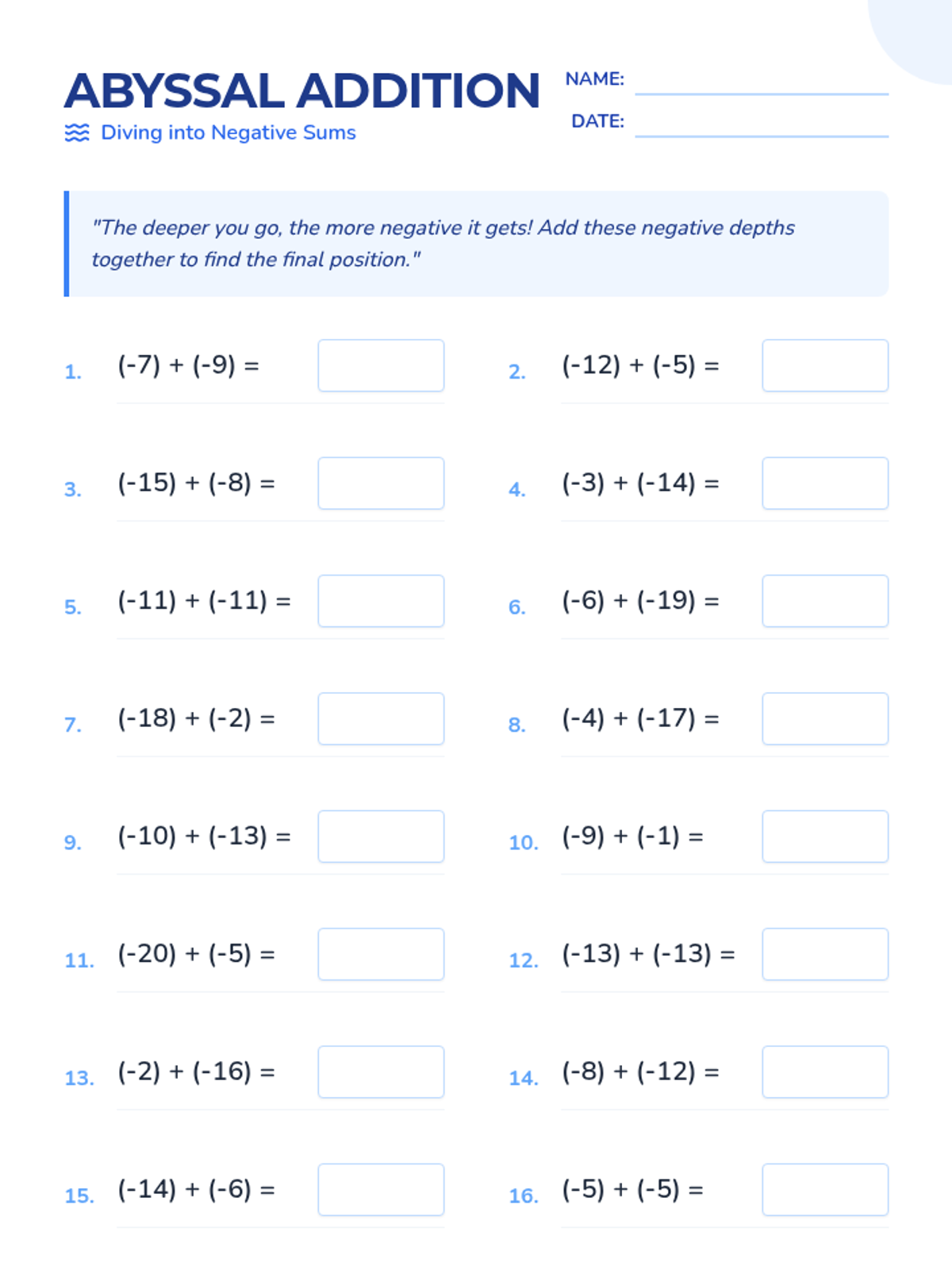
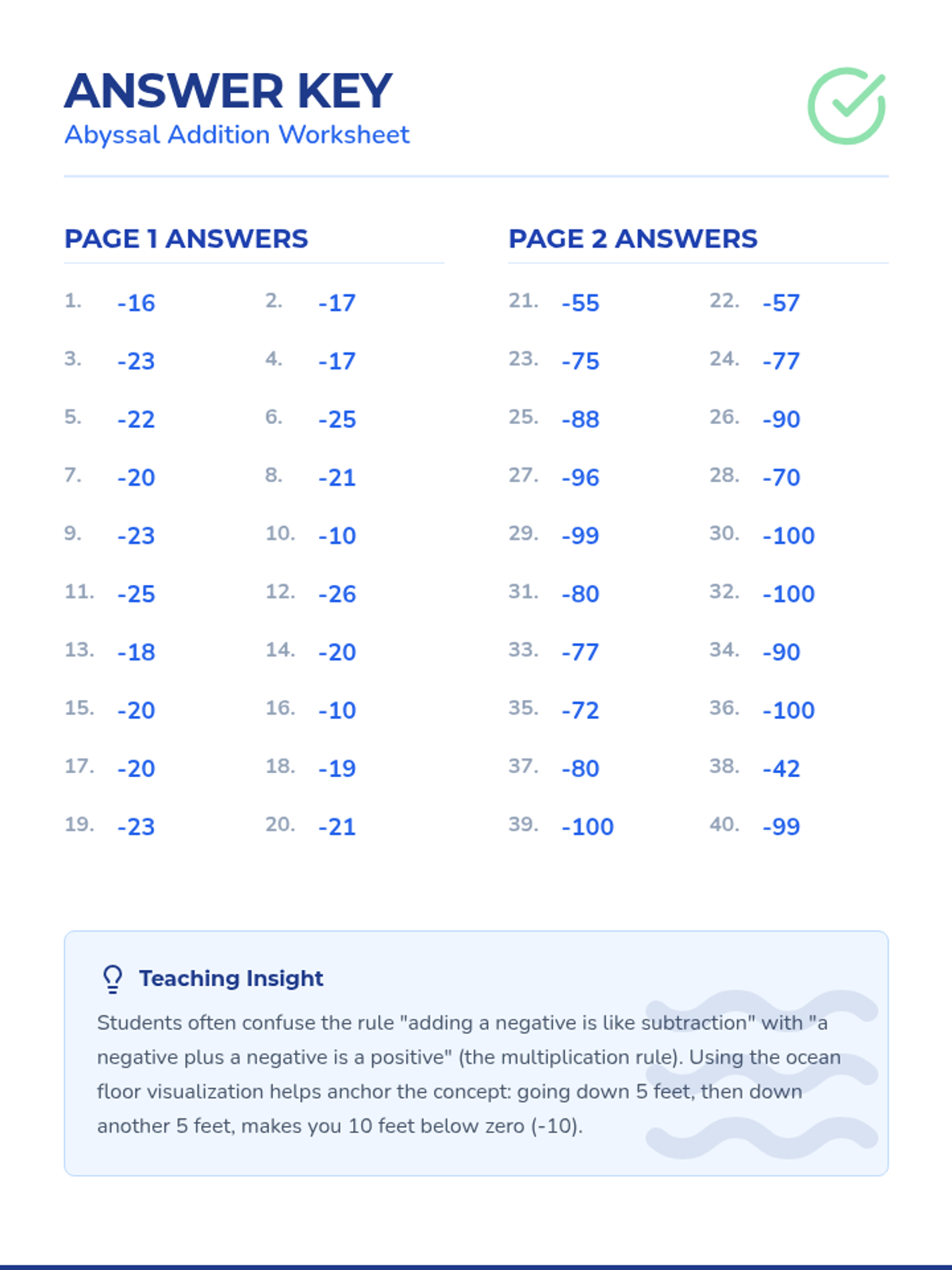
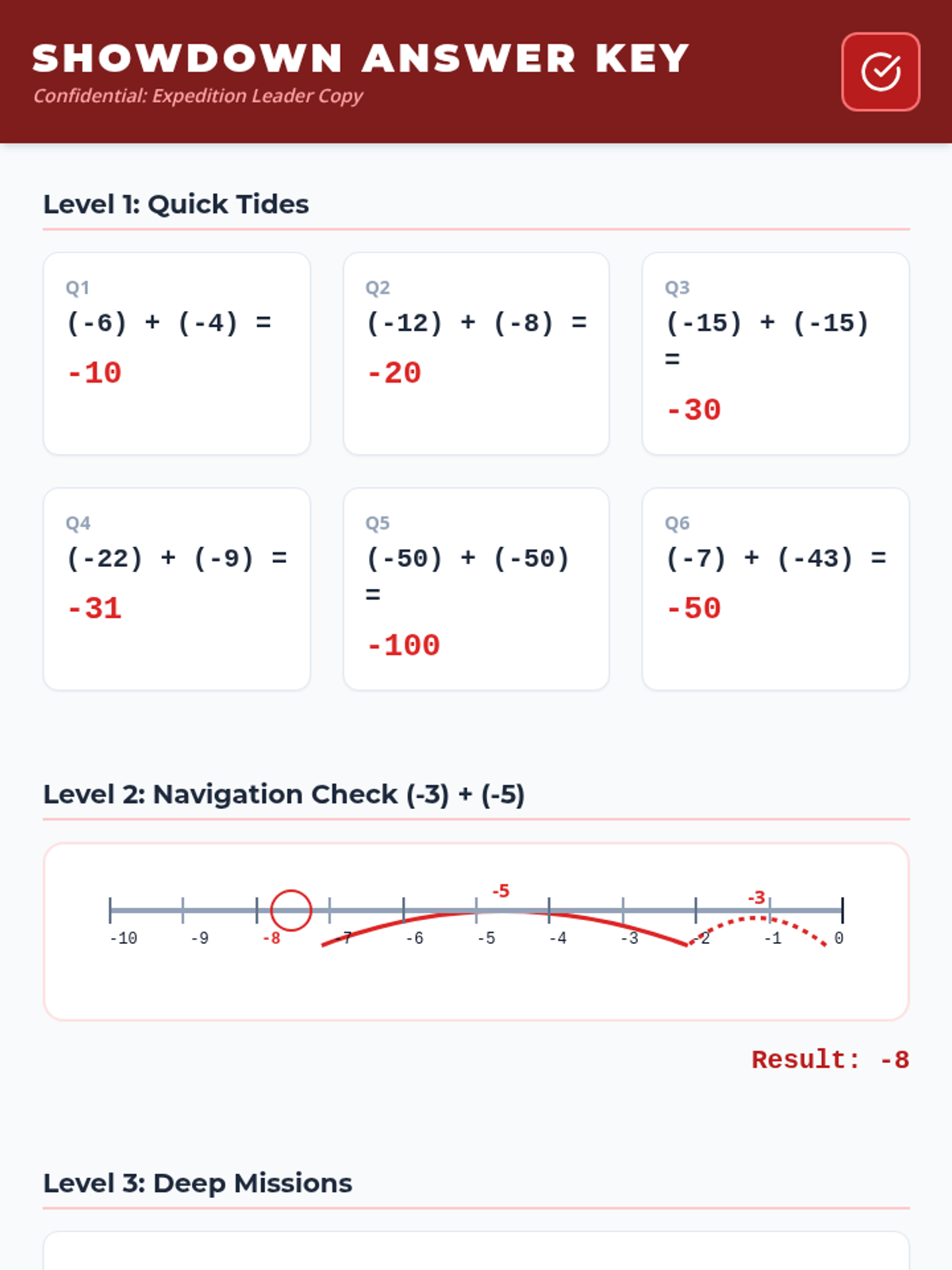
A math lesson focused on adding negative integers through an ocean-themed 'Abyssal Addition' worksheet and its corresponding answer key.
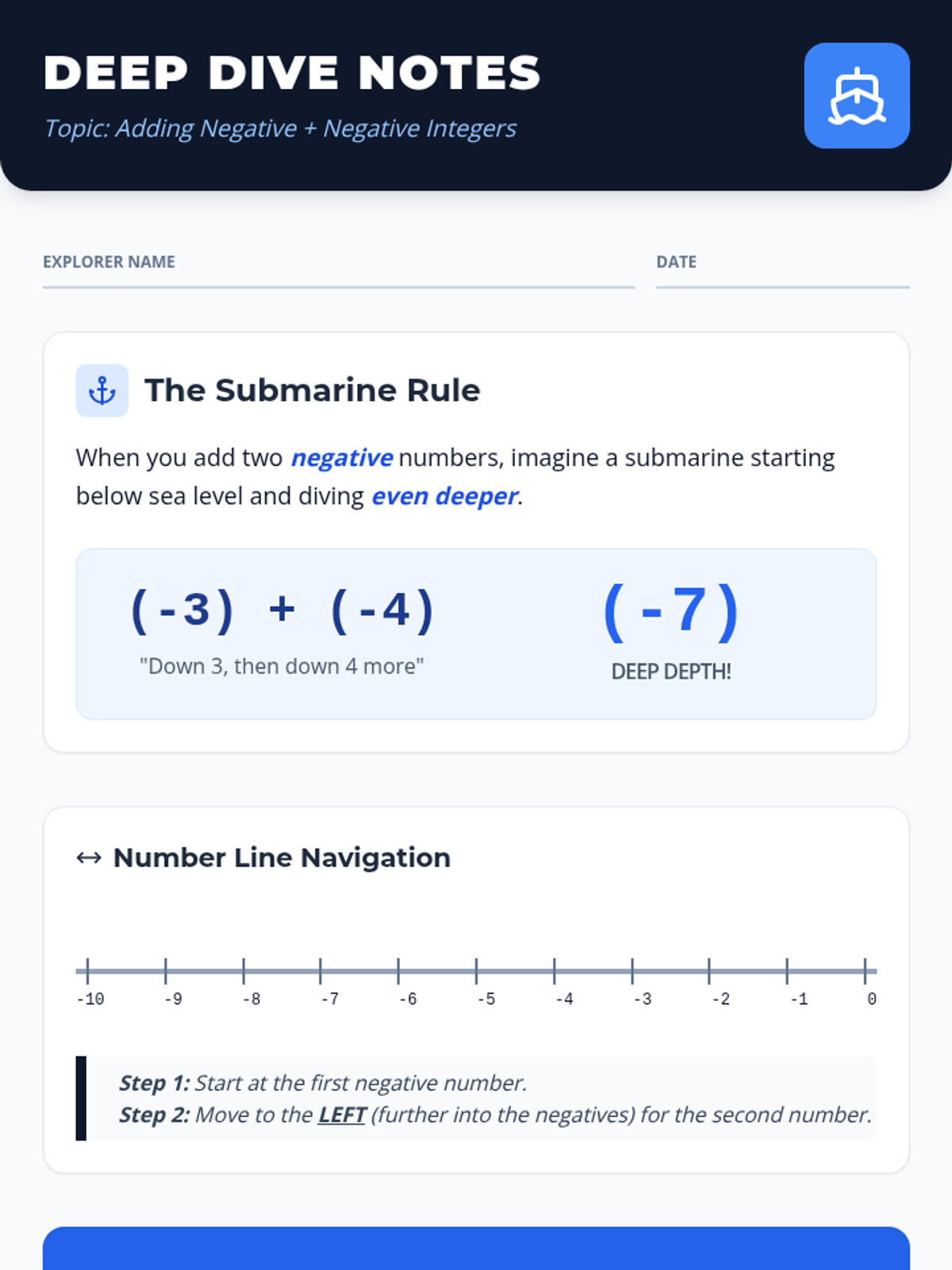
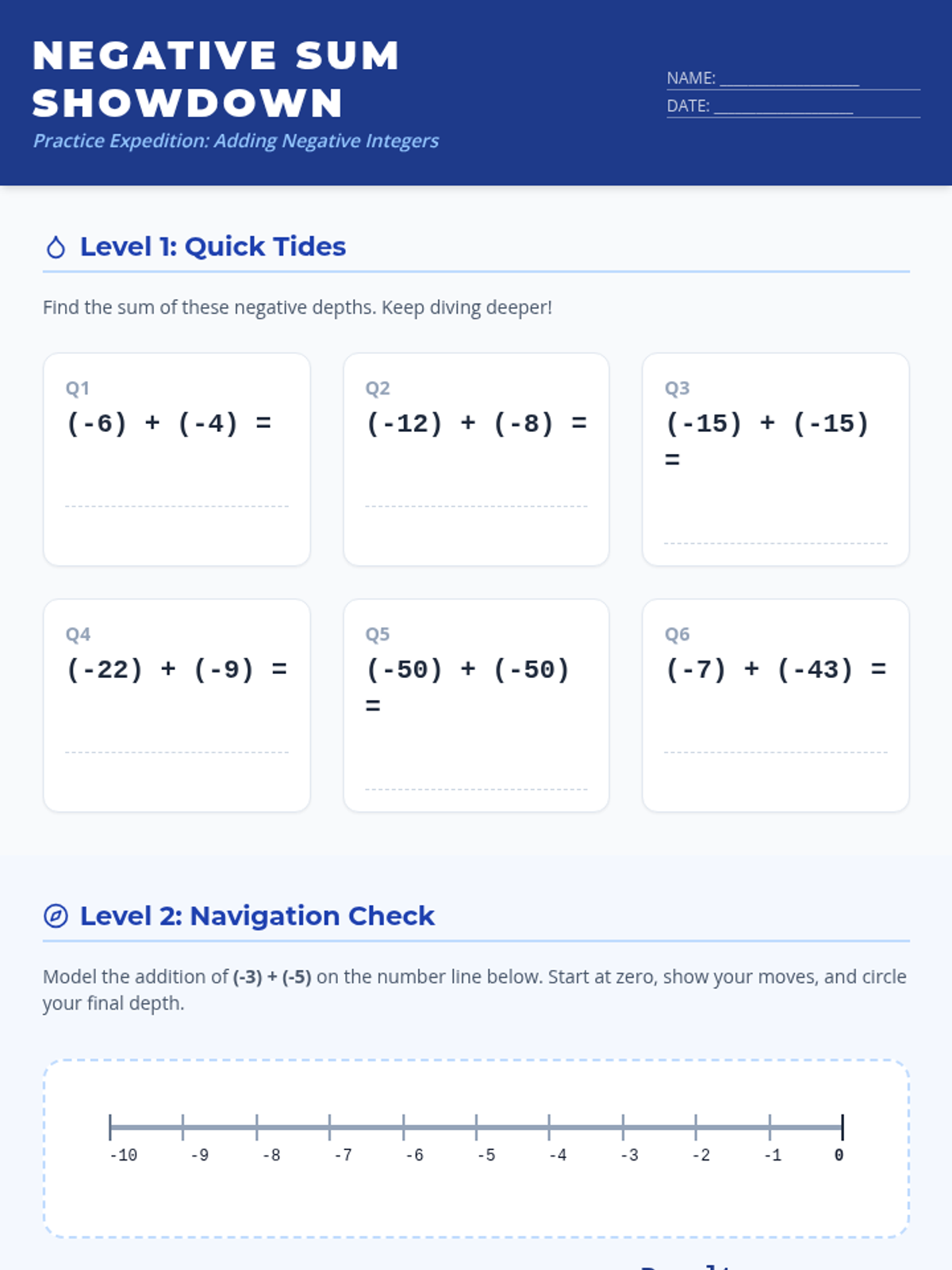
A focused lesson on adding two negative integers, using visual models and real-world analogies to build conceptual understanding before moving to procedural fluency.
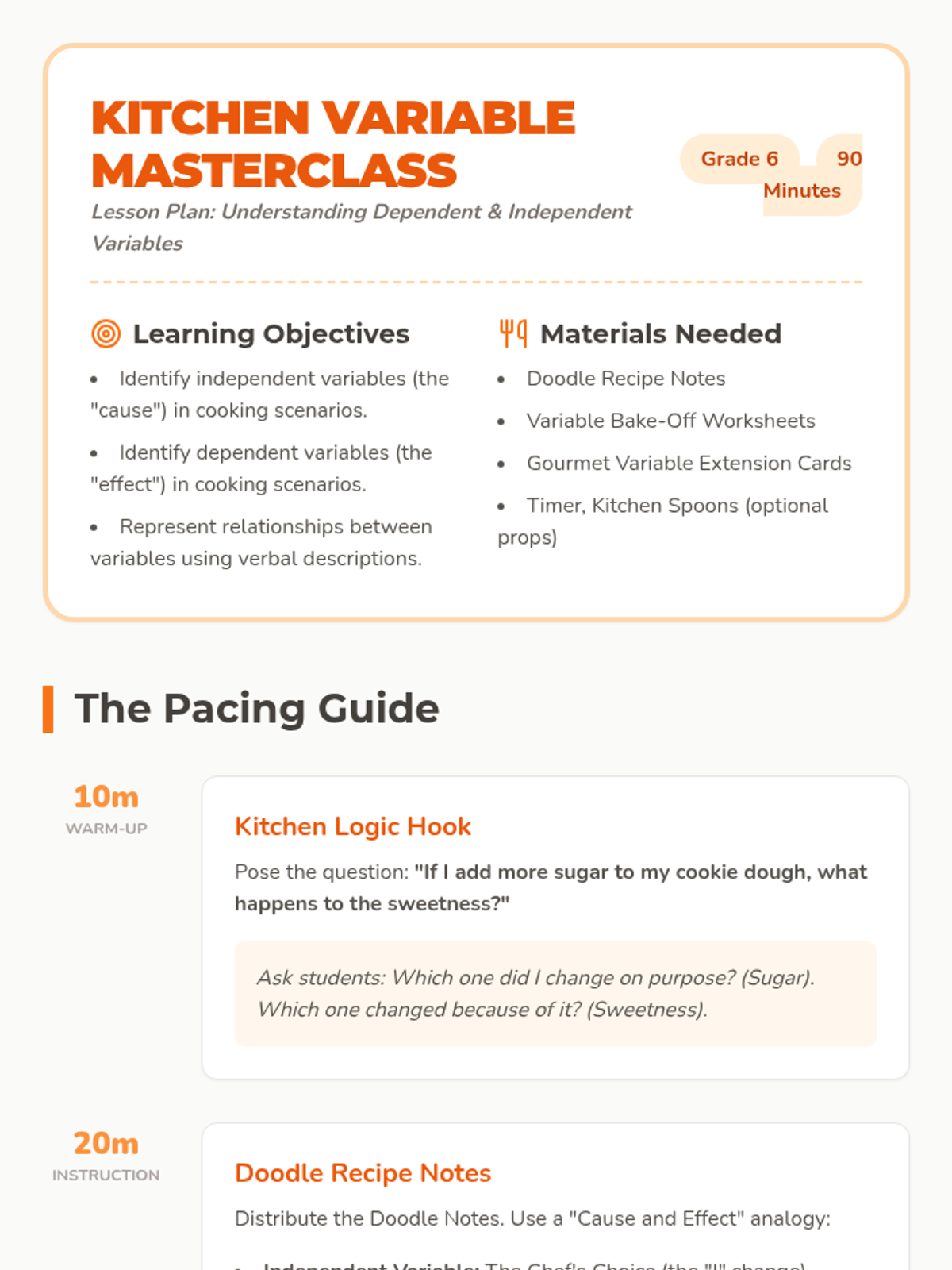
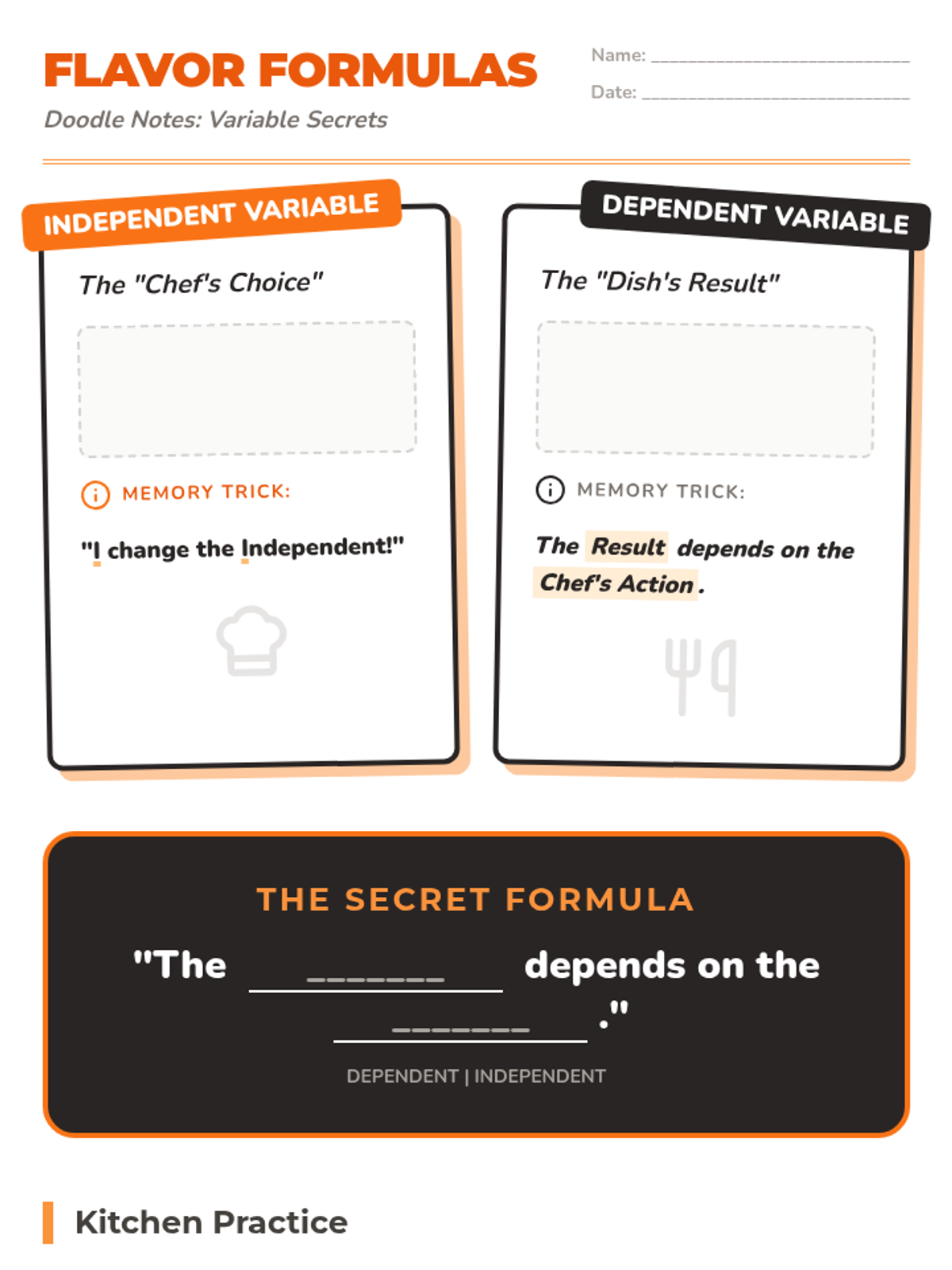
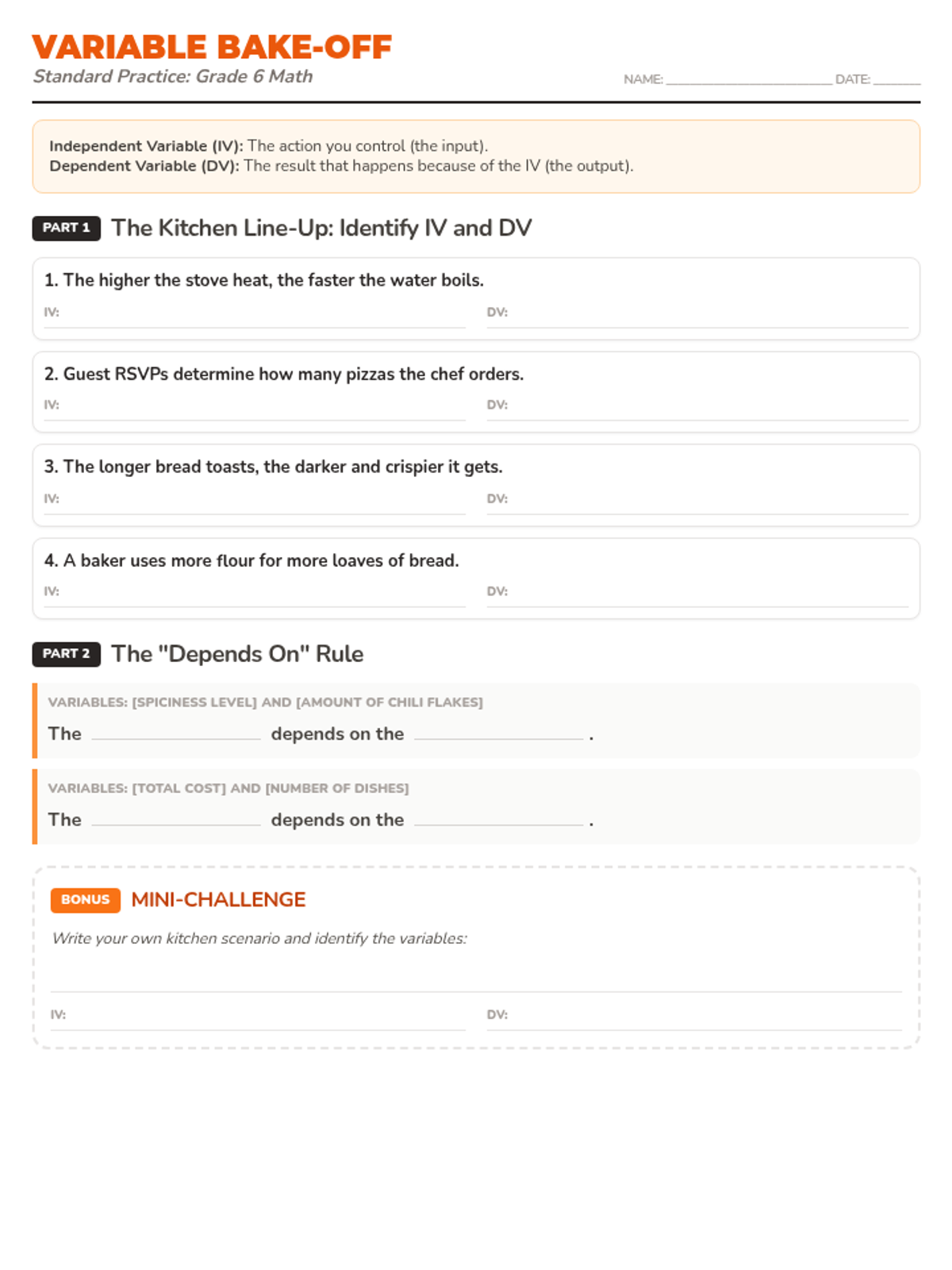
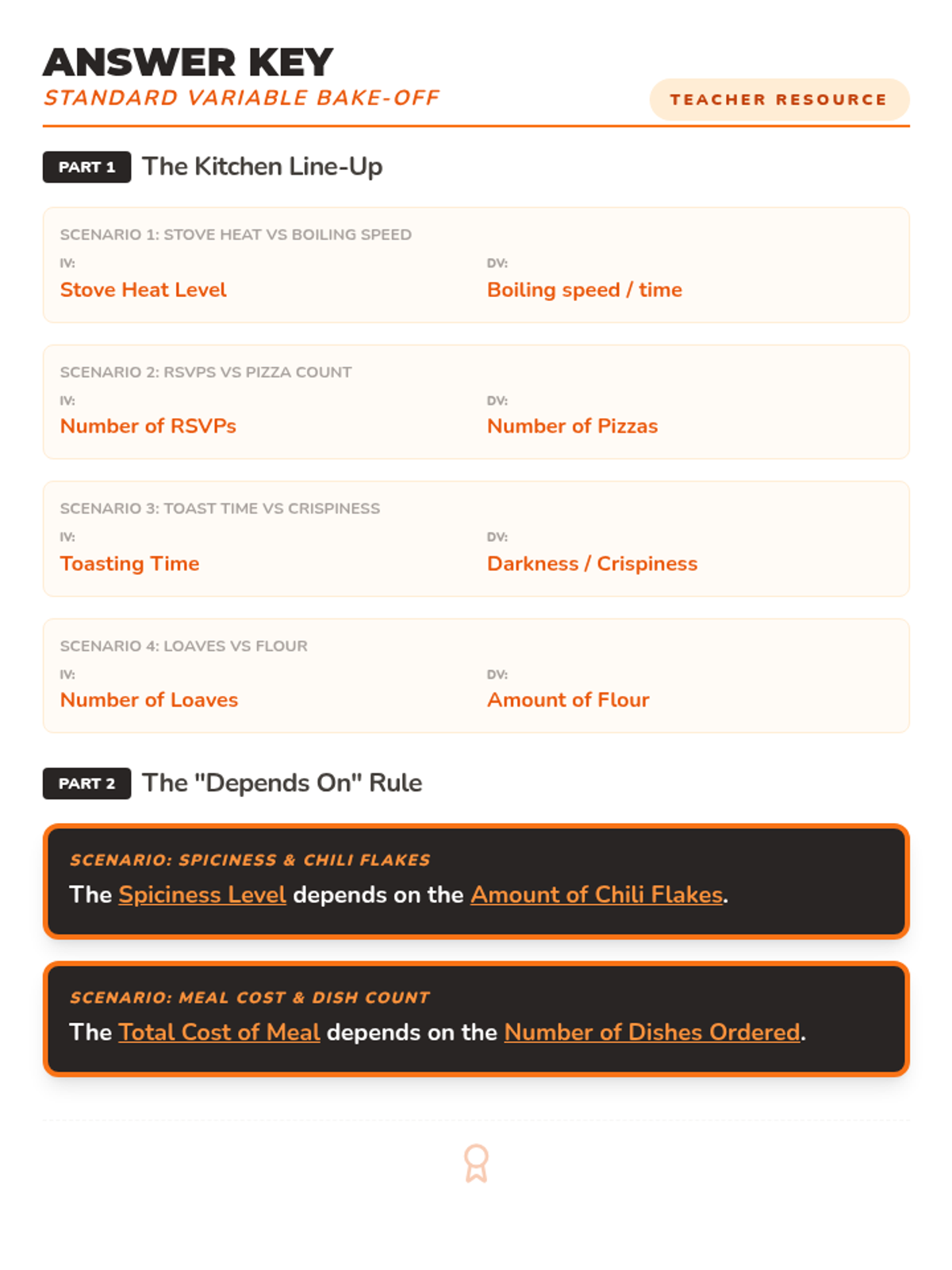
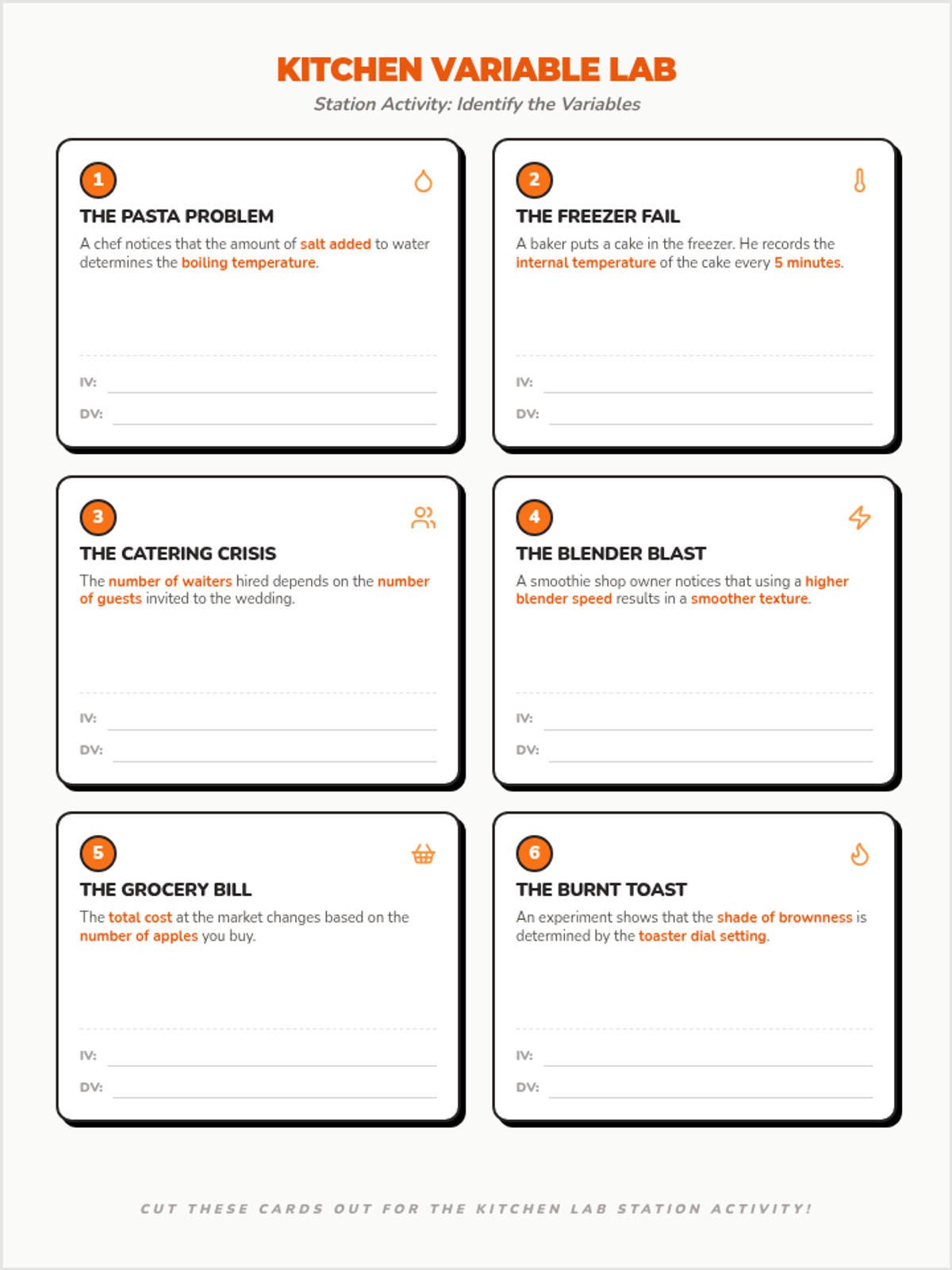
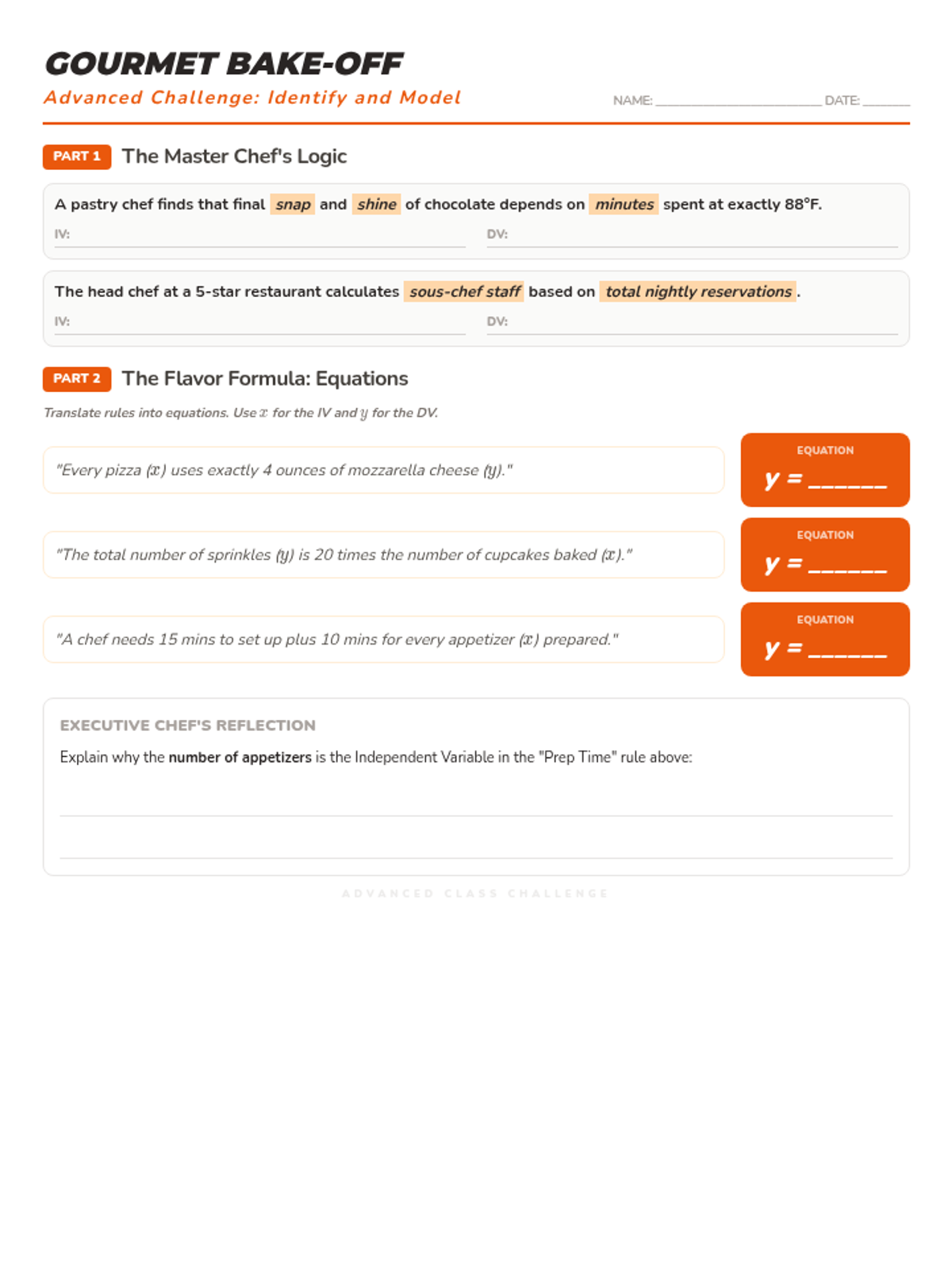
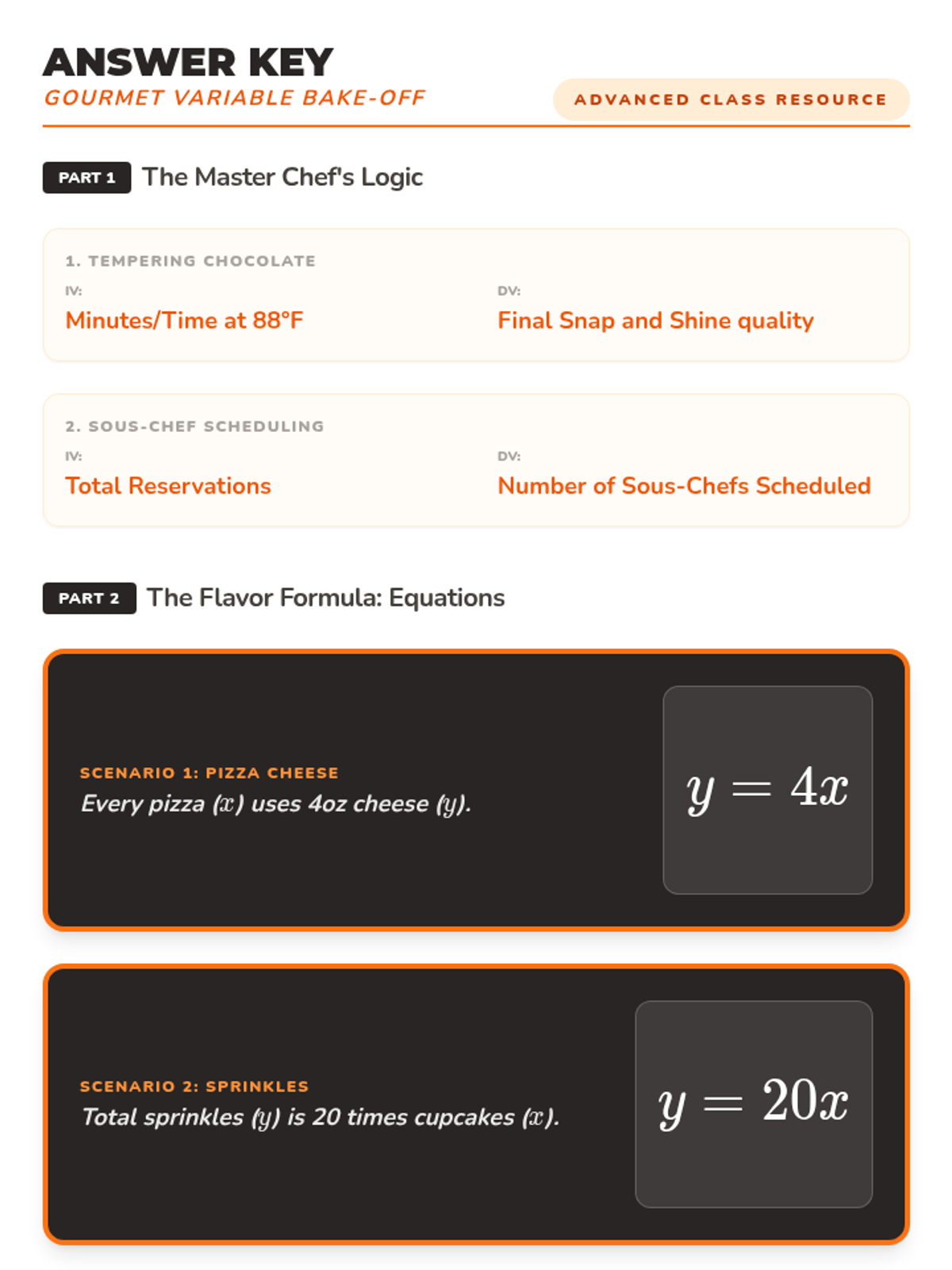
A comprehensive 90-minute lesson on dependent and independent variables using a baking and cooking theme. Includes doodle notes, tiered worksheets, and a collaborative kitchen activity.
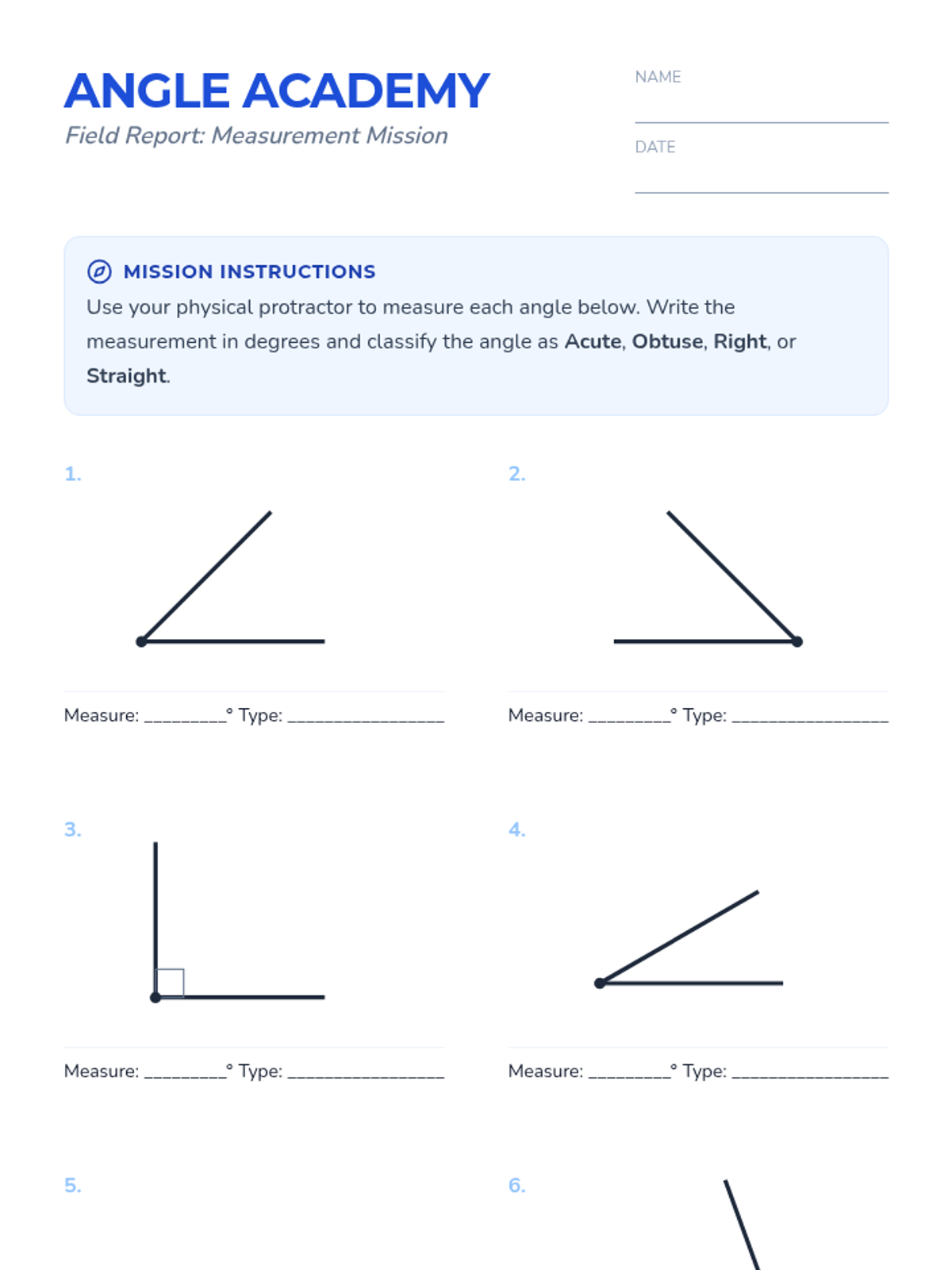
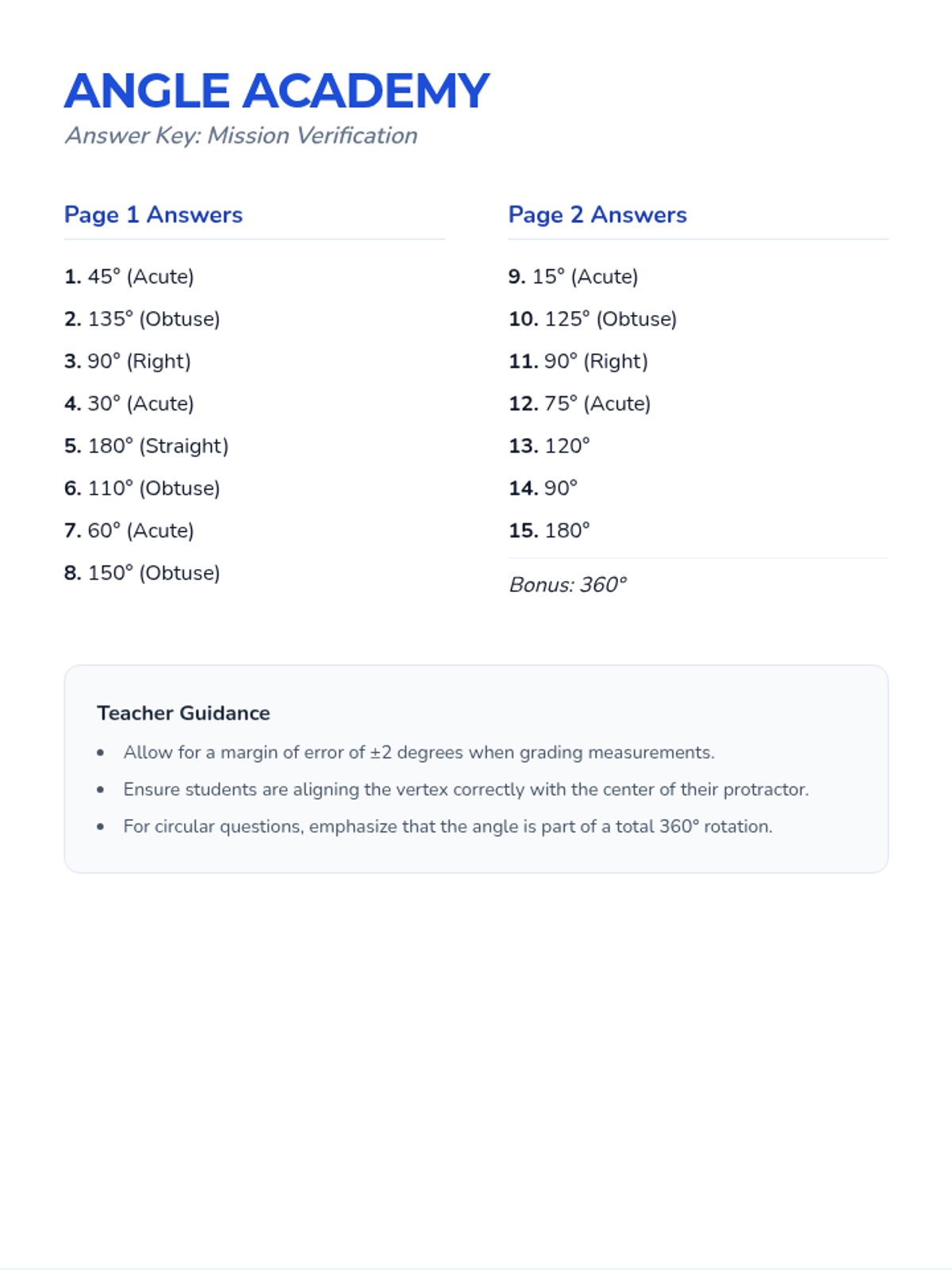
A comprehensive lesson on measuring angles using a physical protractor, covering acute, obtuse, right, straight, and circular angles.
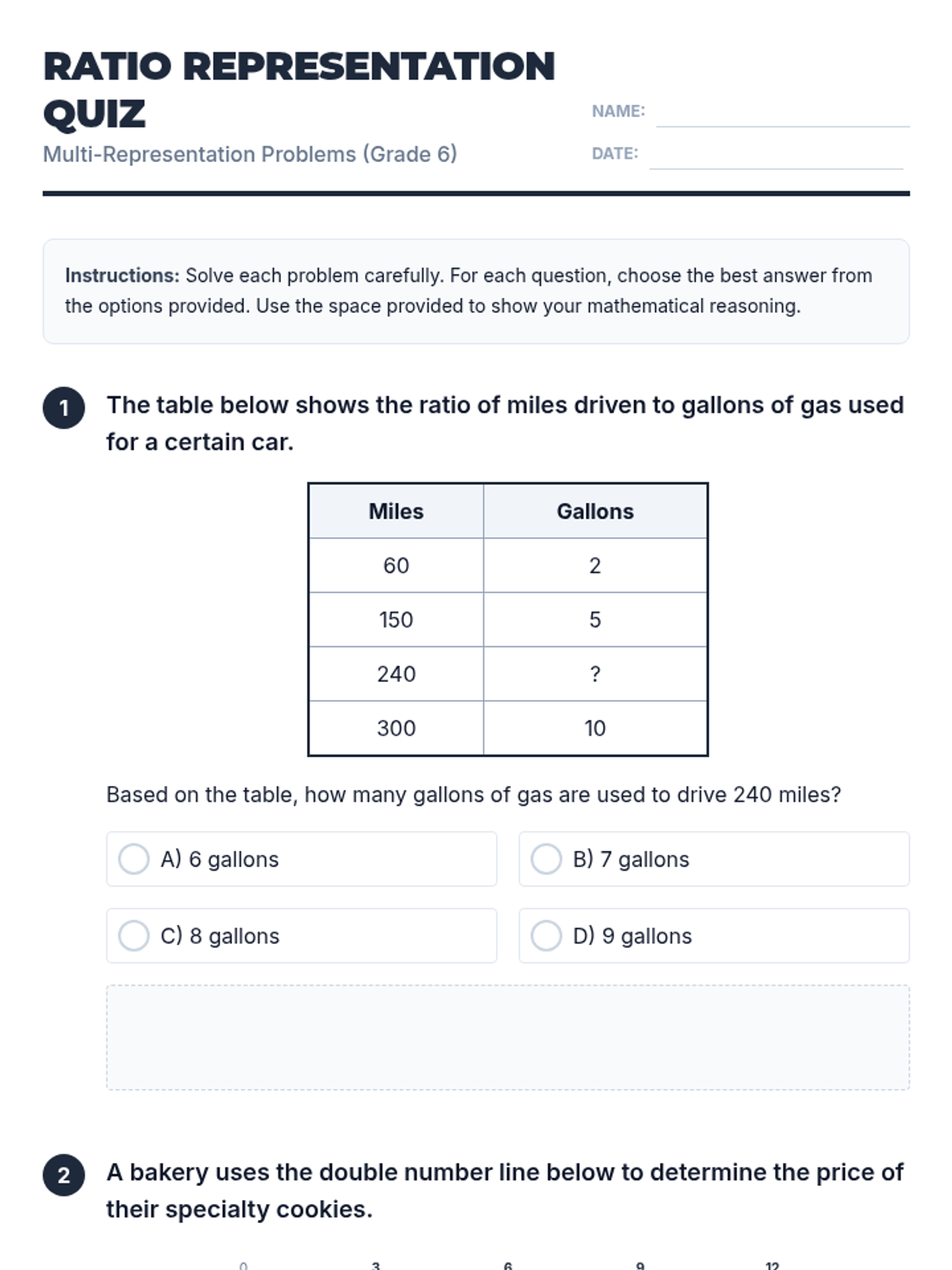
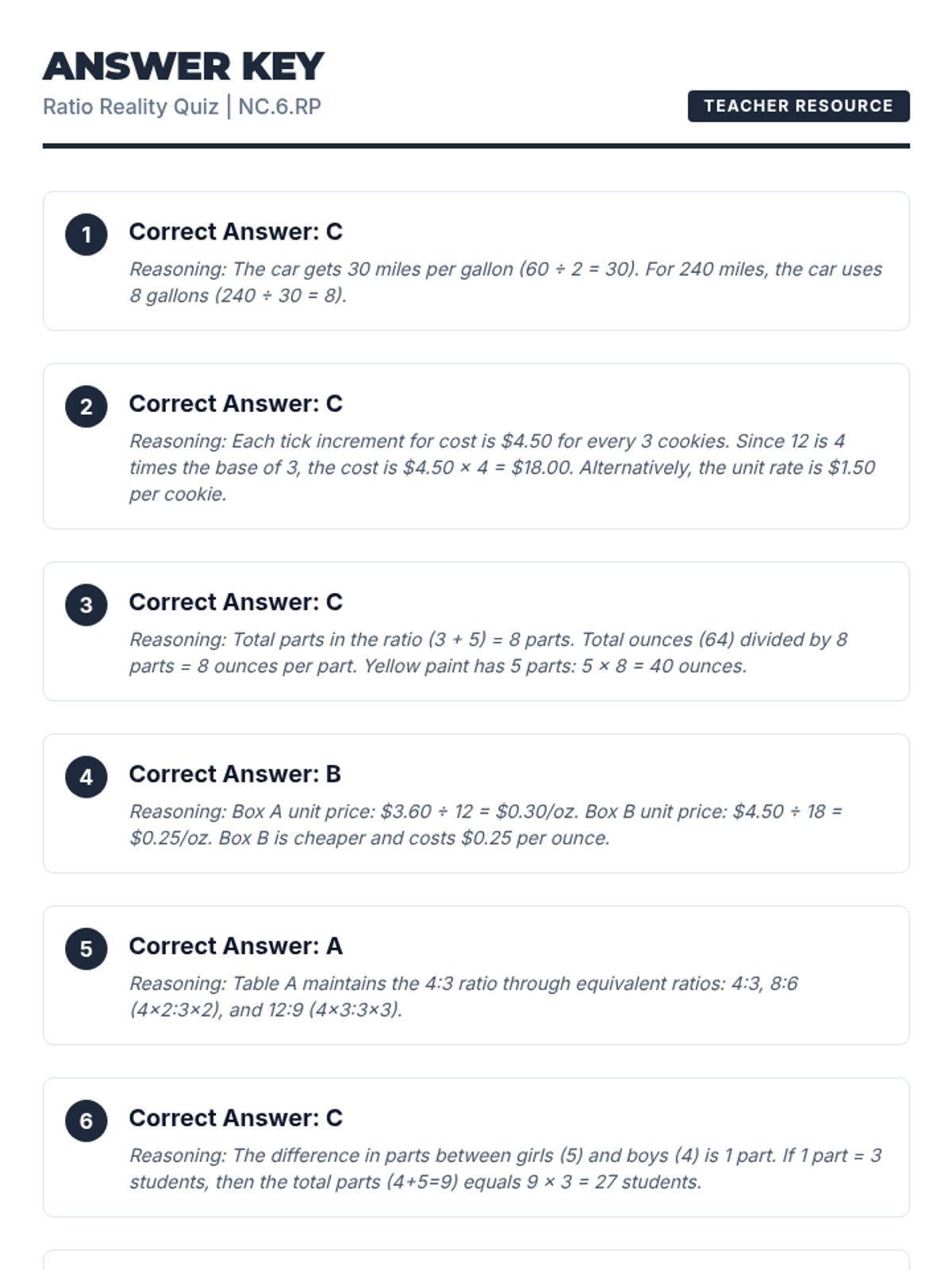
A Grade 6 mathematics assessment focused on the NC.6.RP standard, challenging students to solve ratio problems using tables, double number lines, tape diagrams, and word problems.
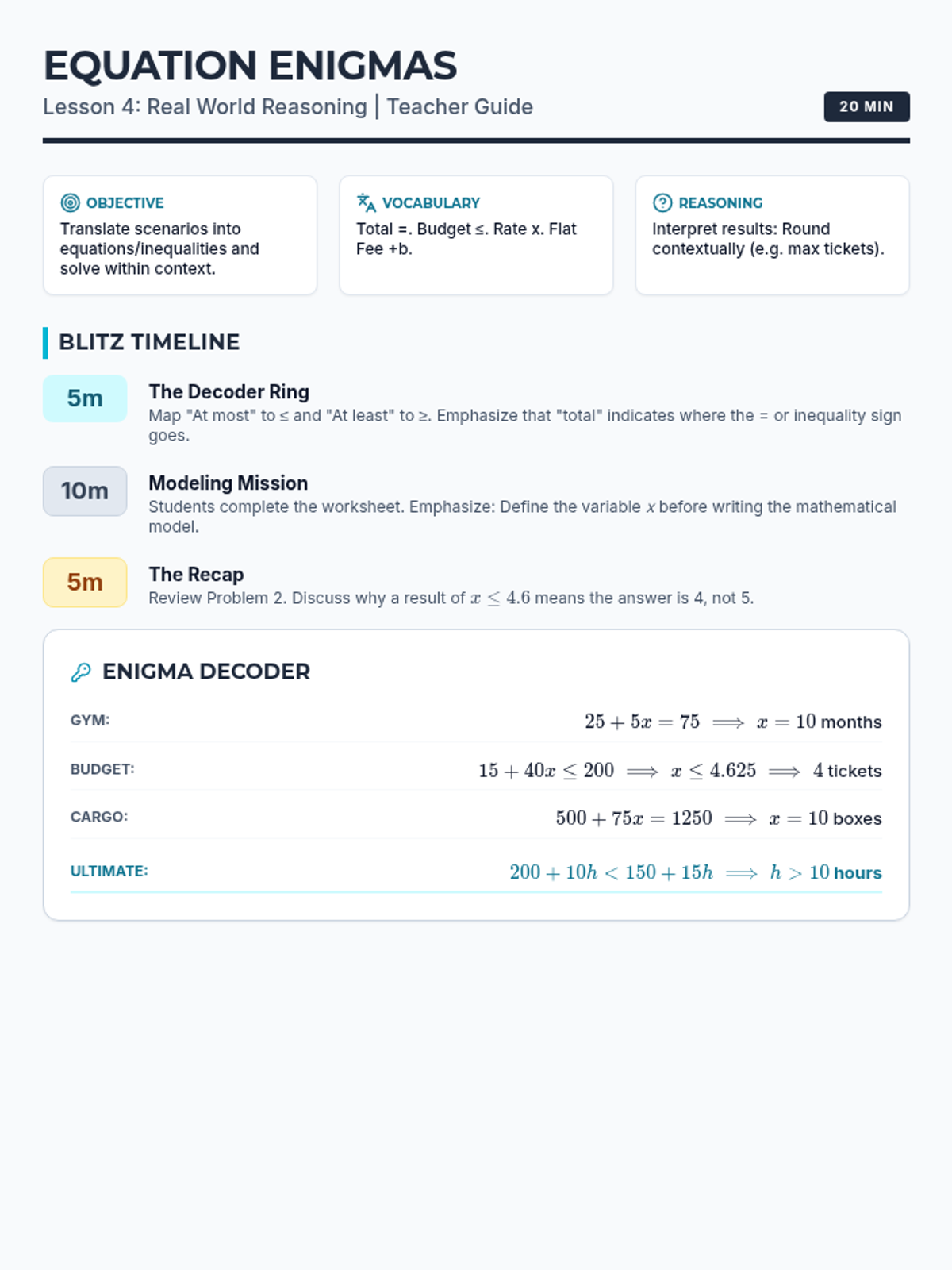
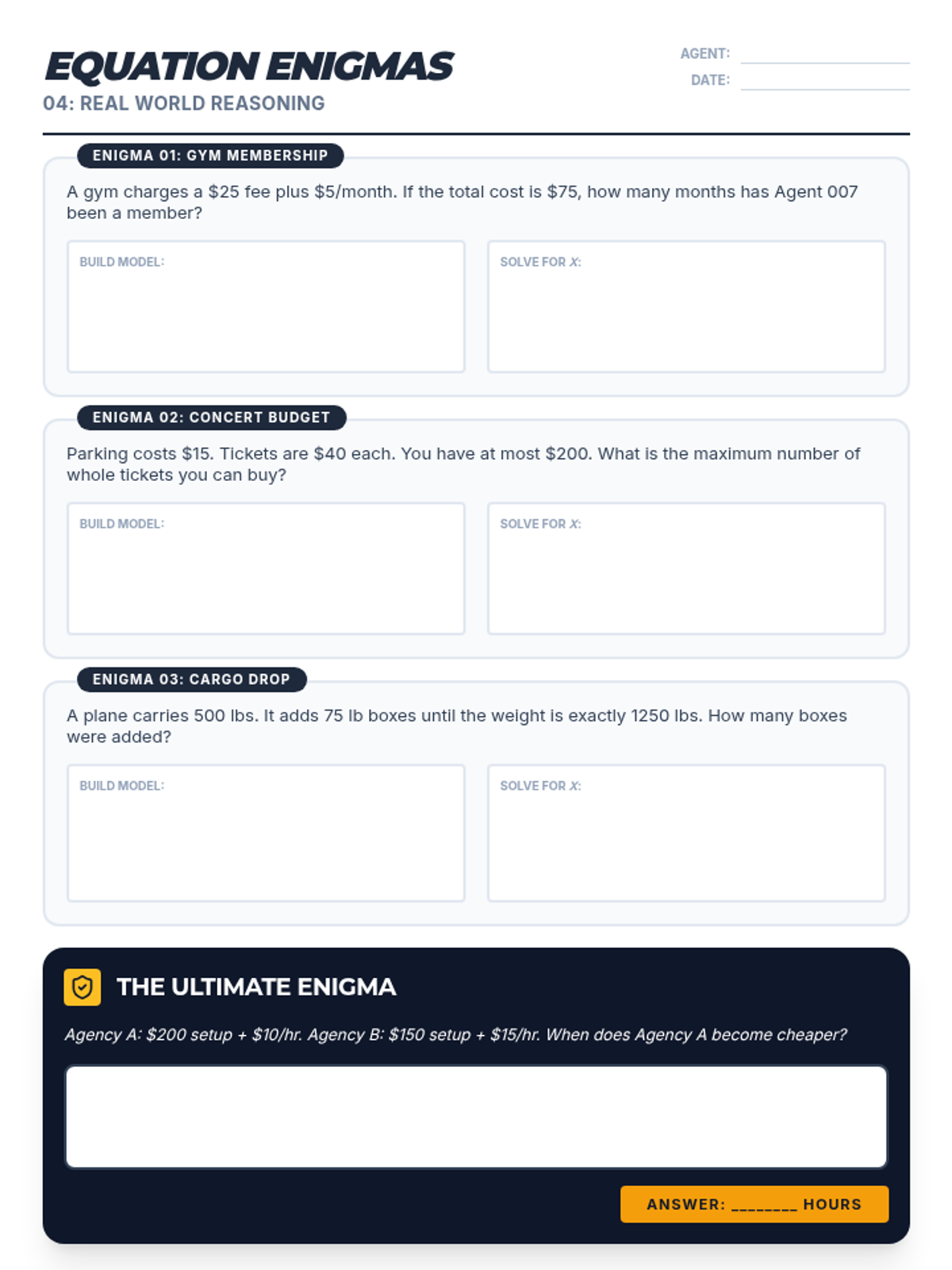
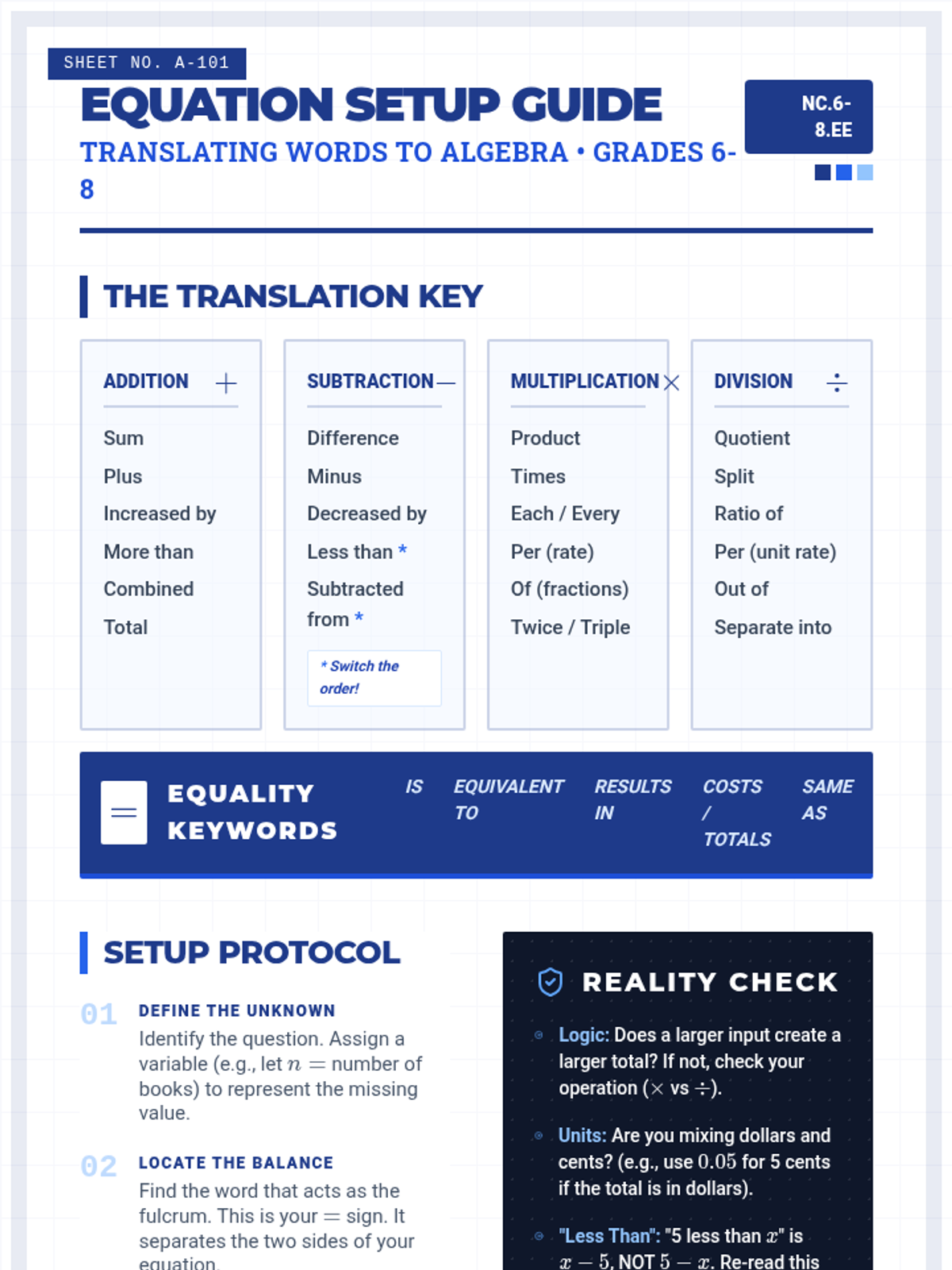
A lesson focused on the foundational skills of translating real-world scenarios into algebraic expressions and equations for middle school students.
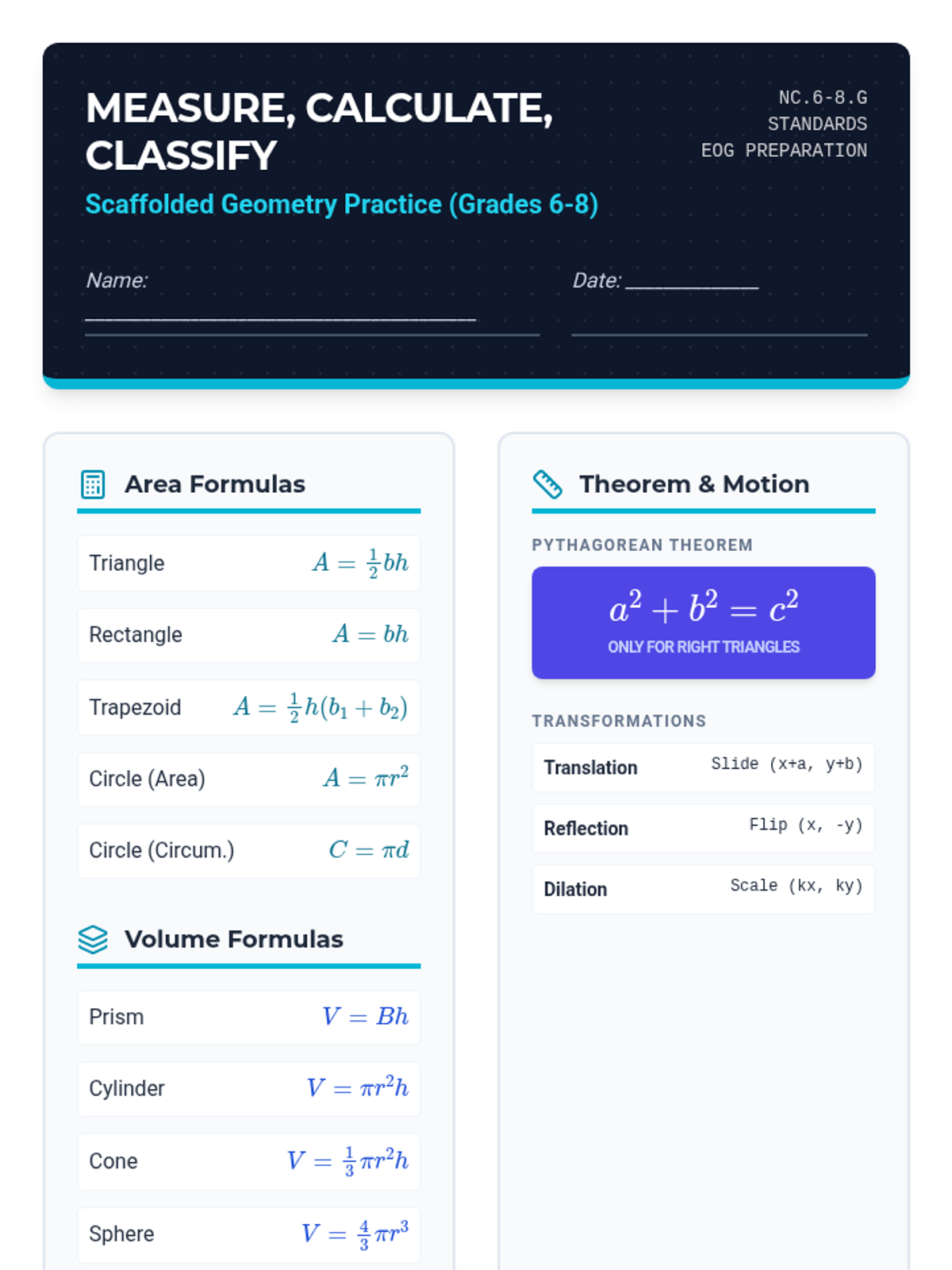
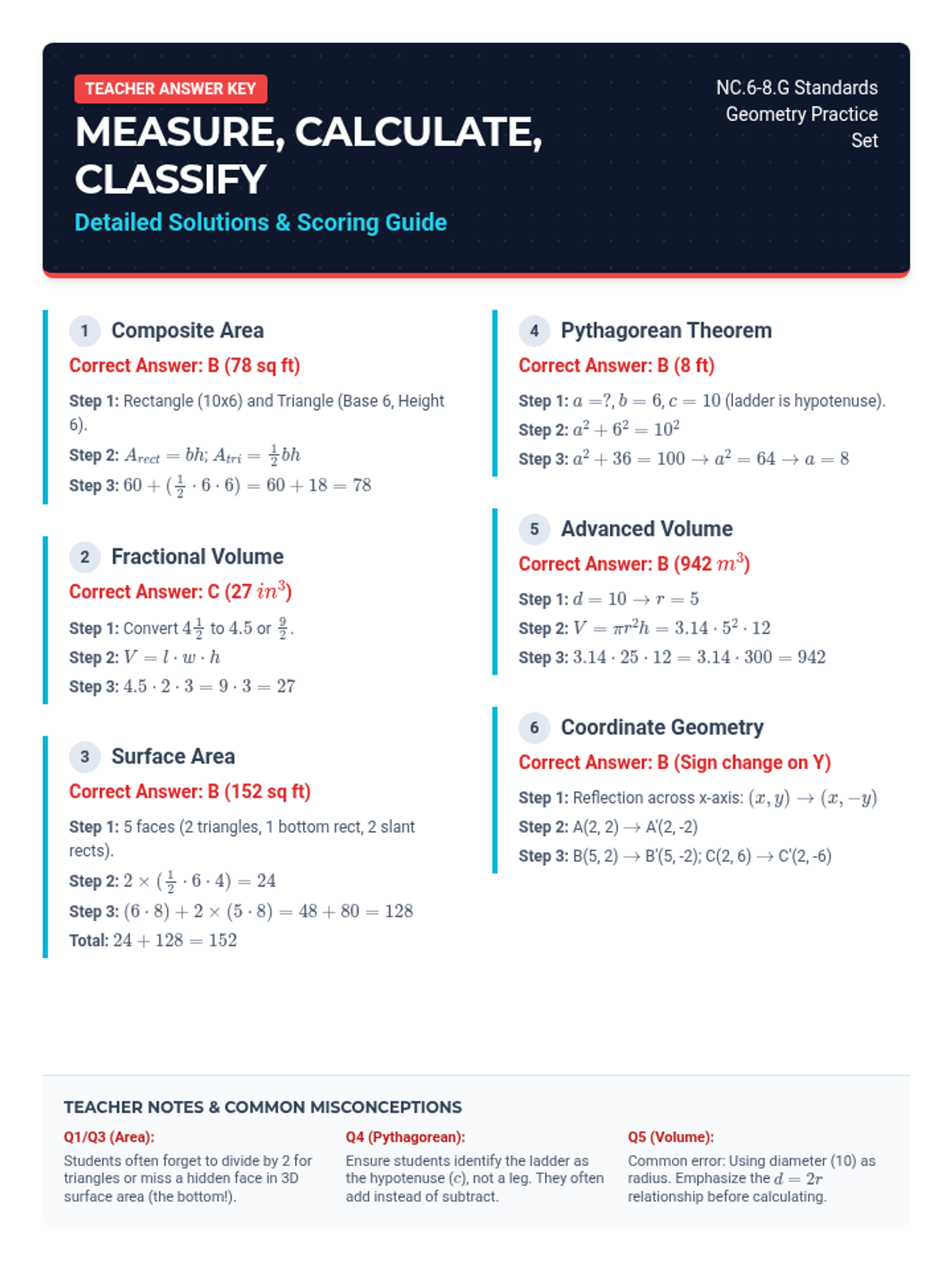
A comprehensive geometry practice set for middle school students, focusing on NC EOG standards for grades 6-8, including area, volume, and the Pythagorean theorem.
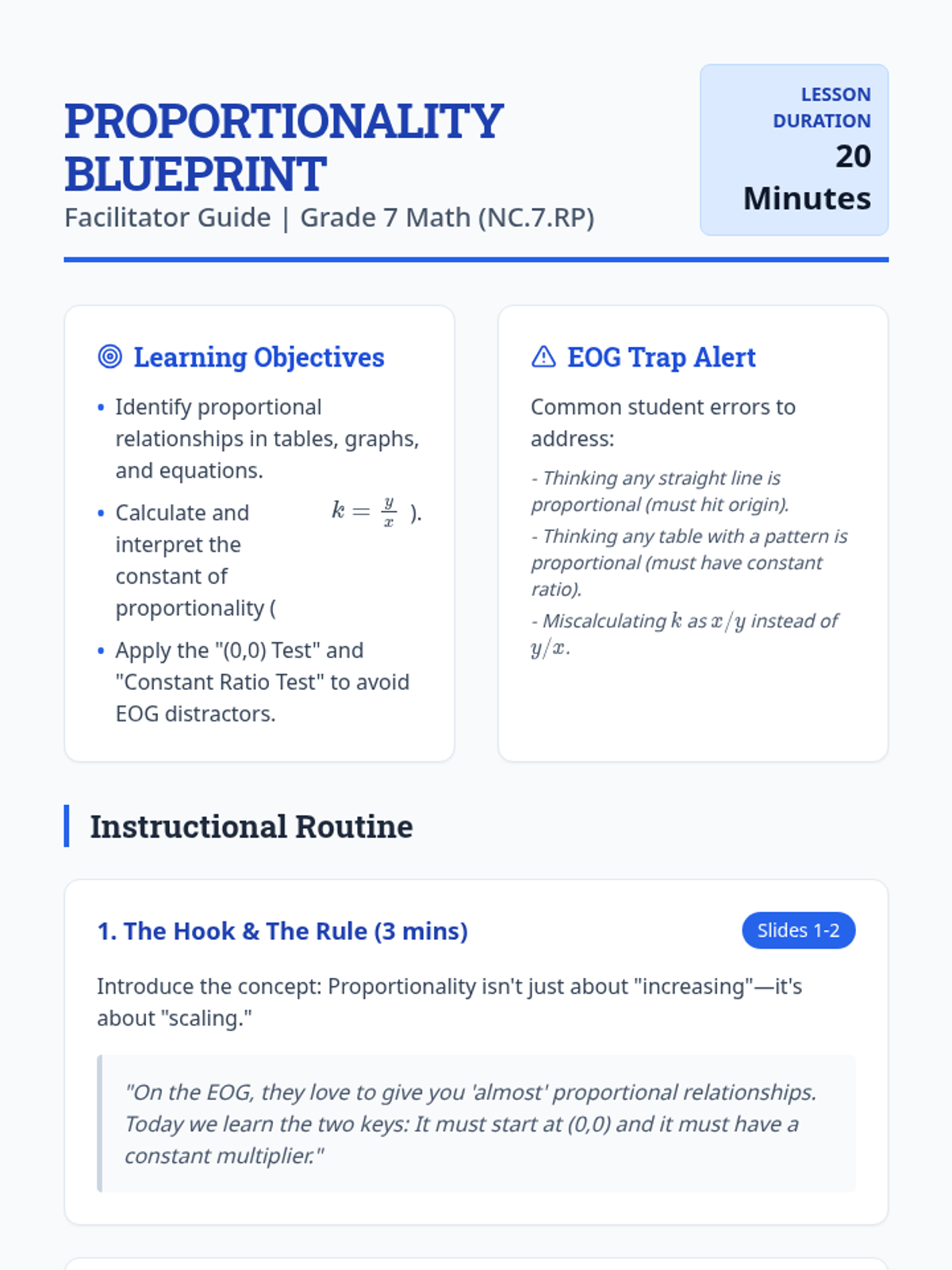
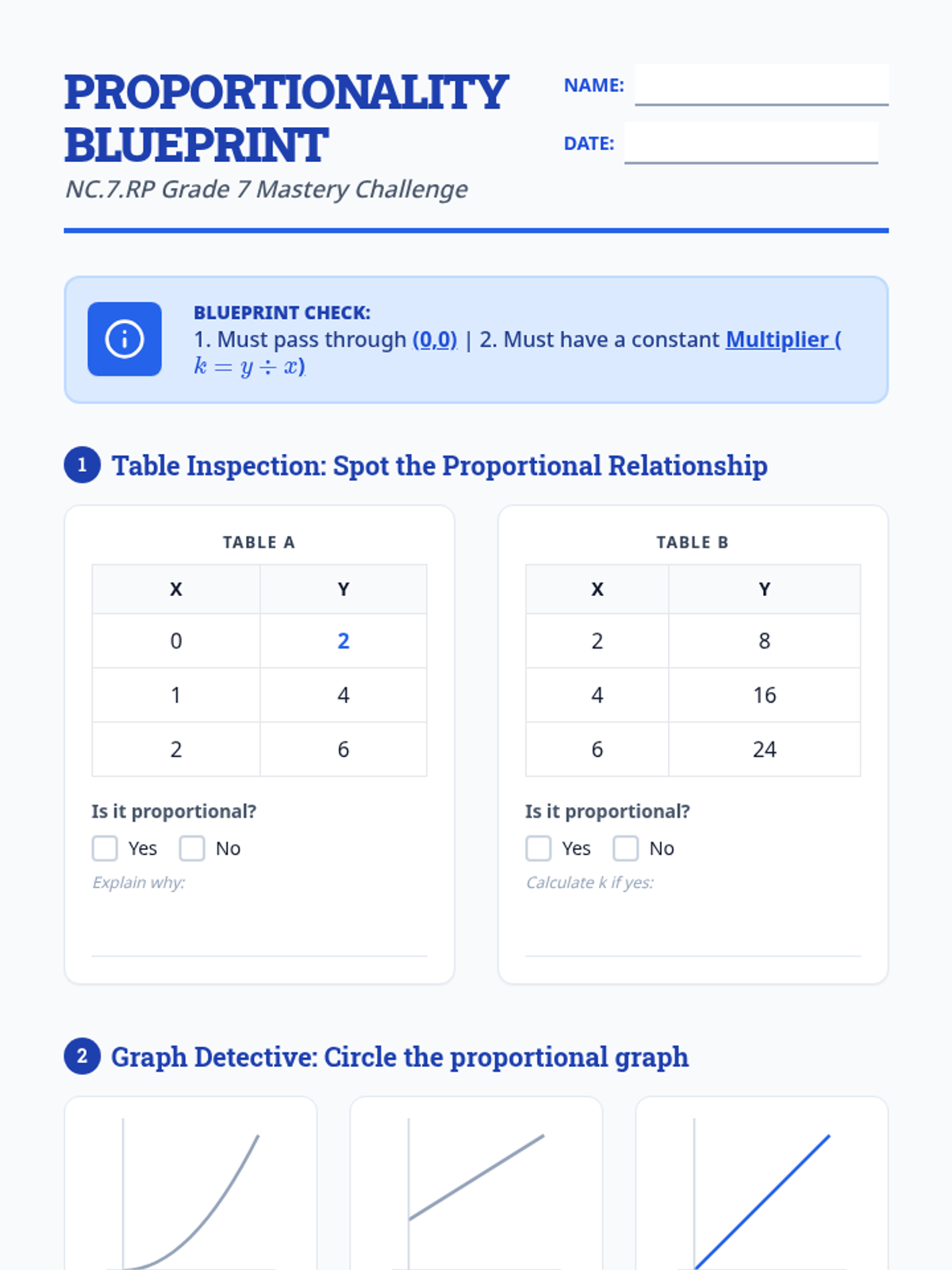
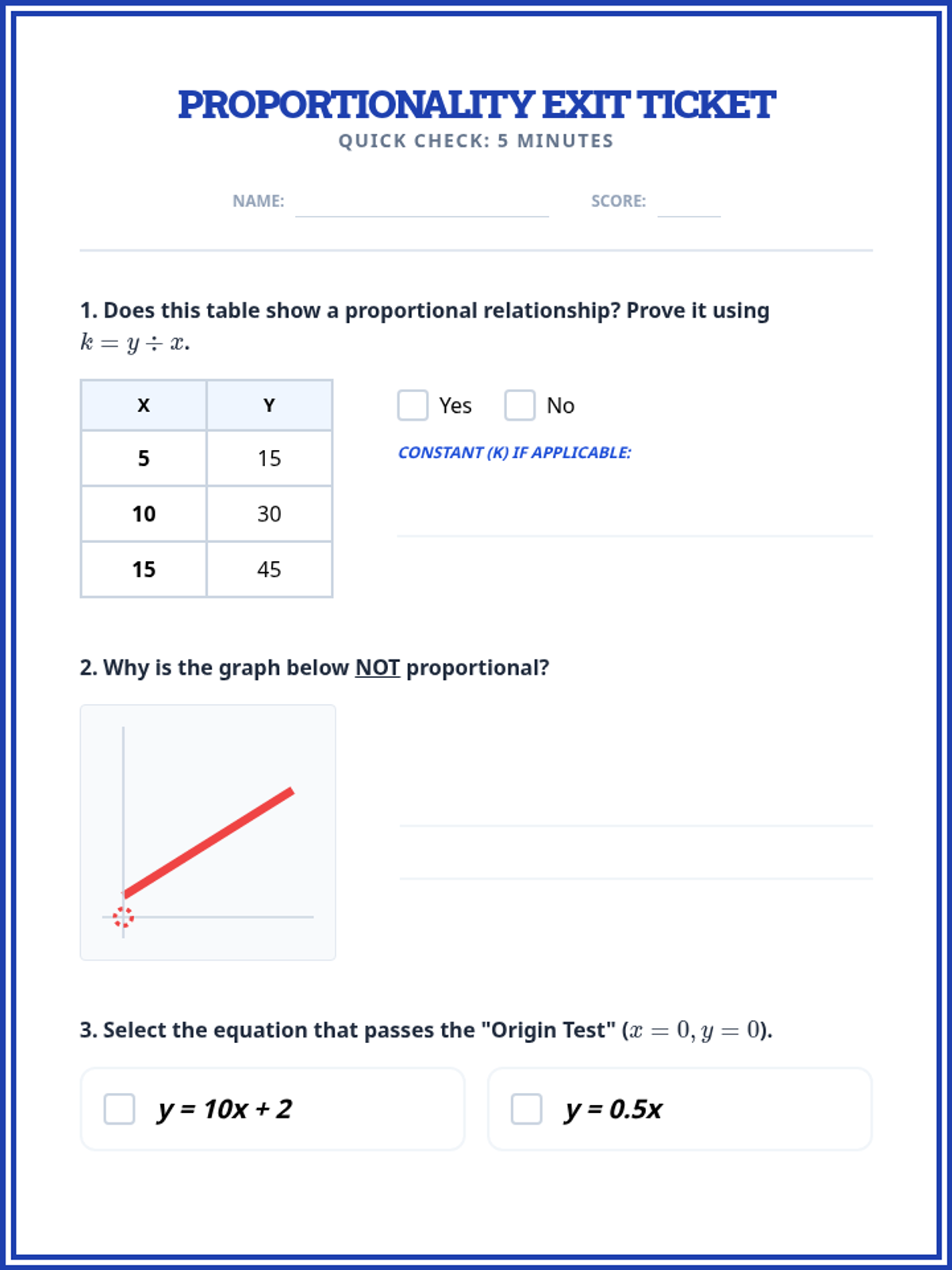
A targeted 20-minute mini-lesson designed to help 7th-grade students master proportional relationships across tables, graphs, and equations, specifically focusing on identifying EOG-style distractors and calculating the constant of proportionality.
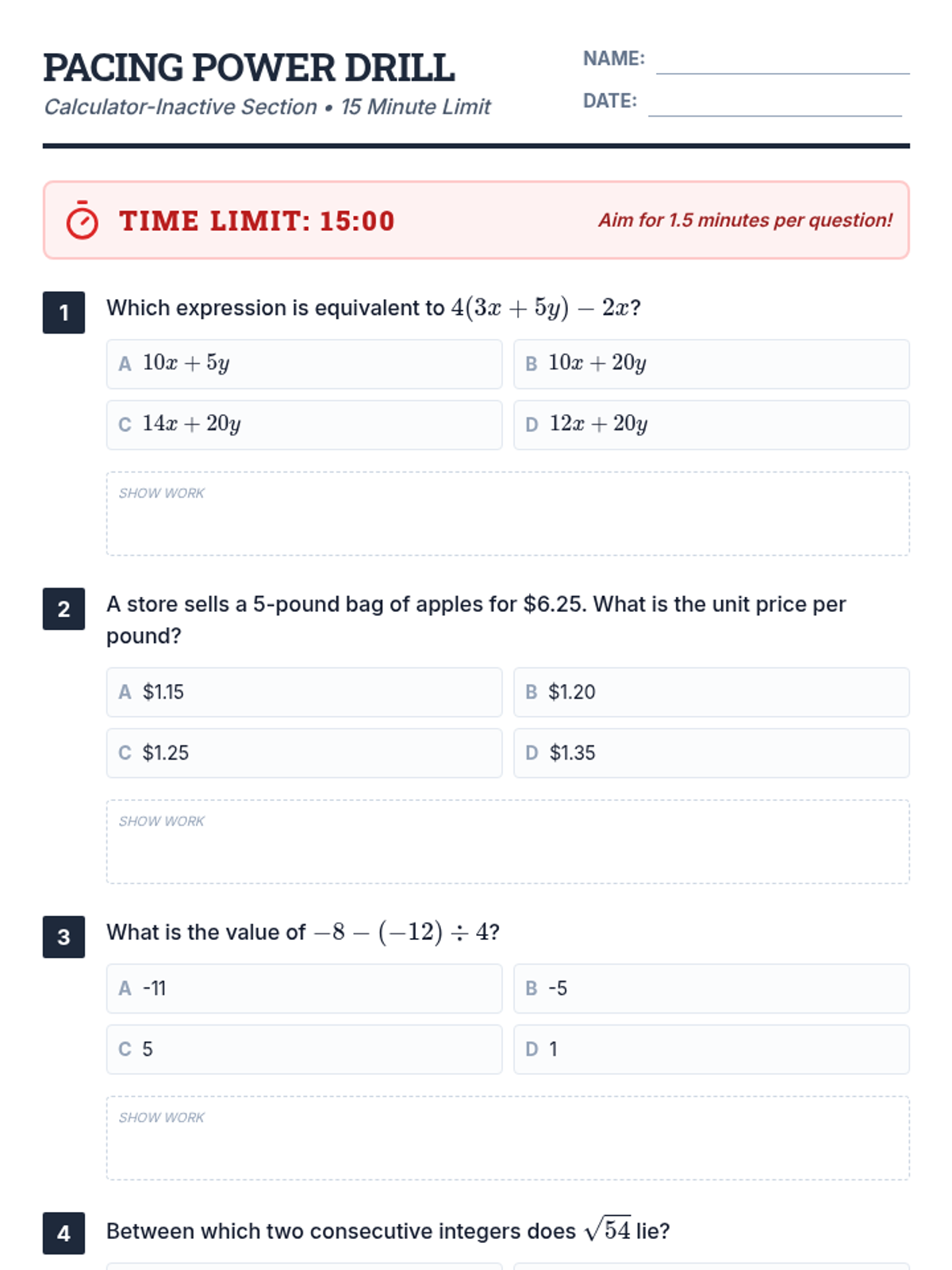
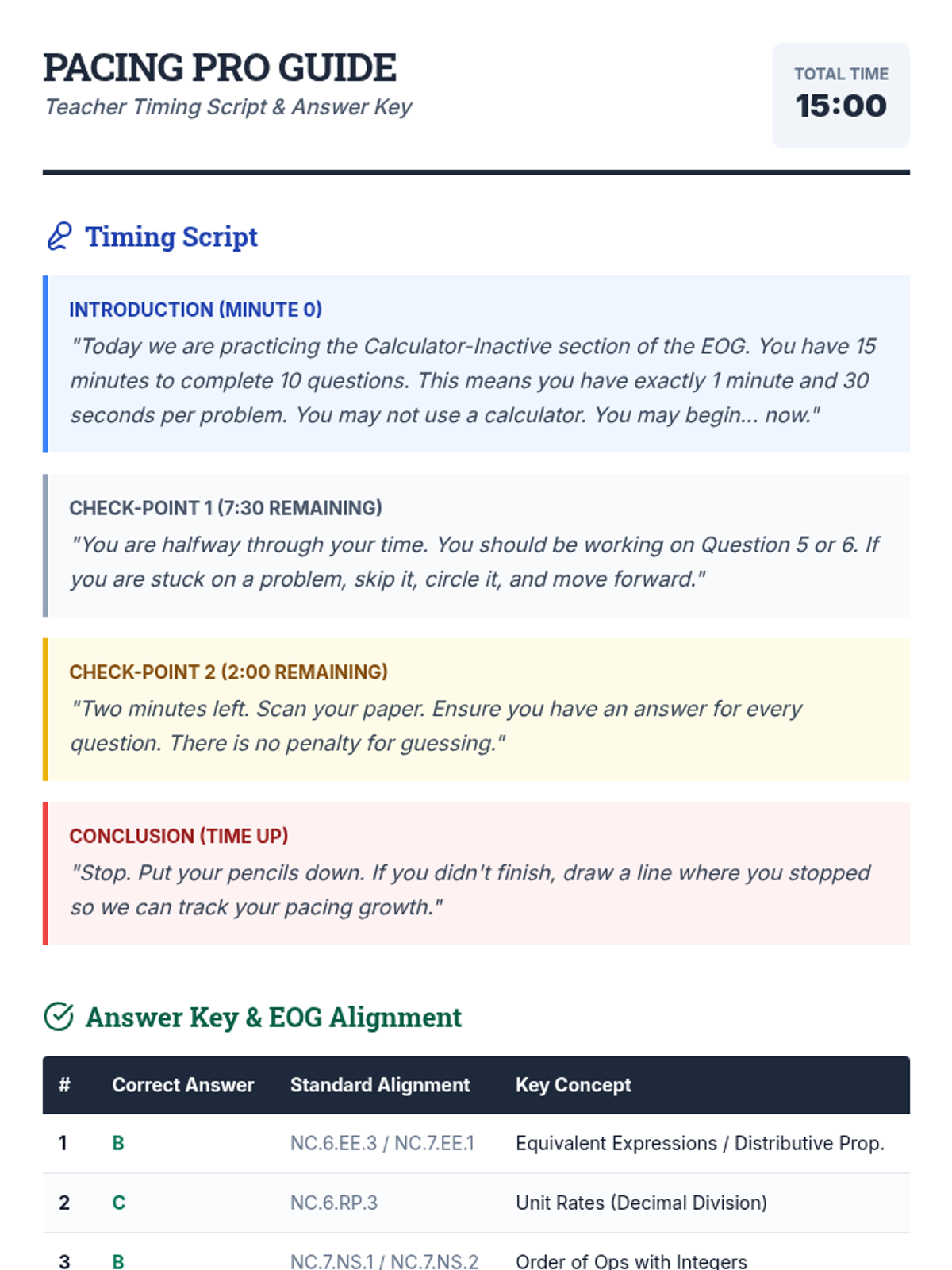
A high-intensity math practice session designed to build speed and accuracy for the calculator-inactive portion of the NC EOG. Students tackle 10 multi-grade level questions under a strict 15-minute limit followed by a metacognitive reflection on their pacing strategies.
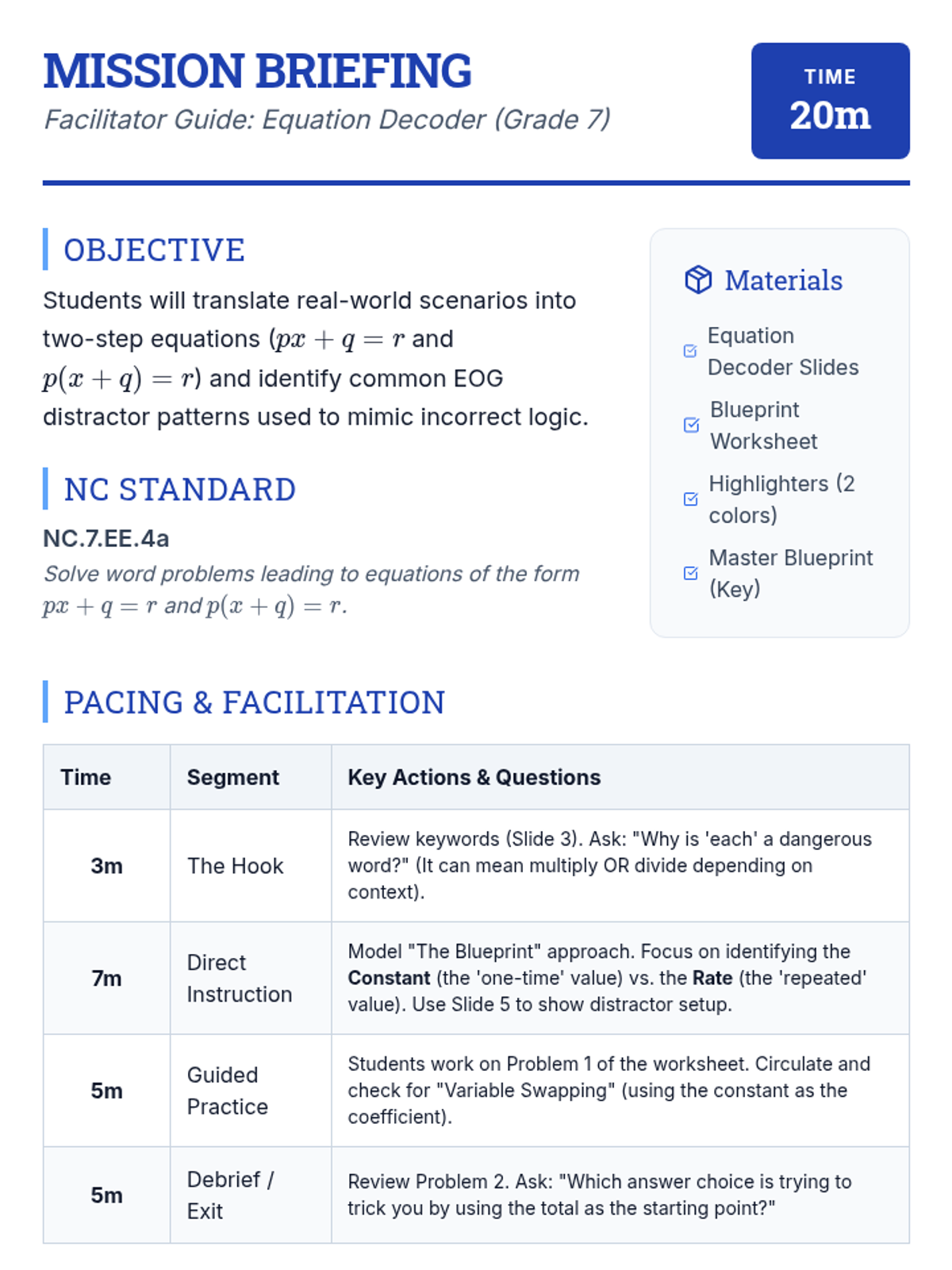
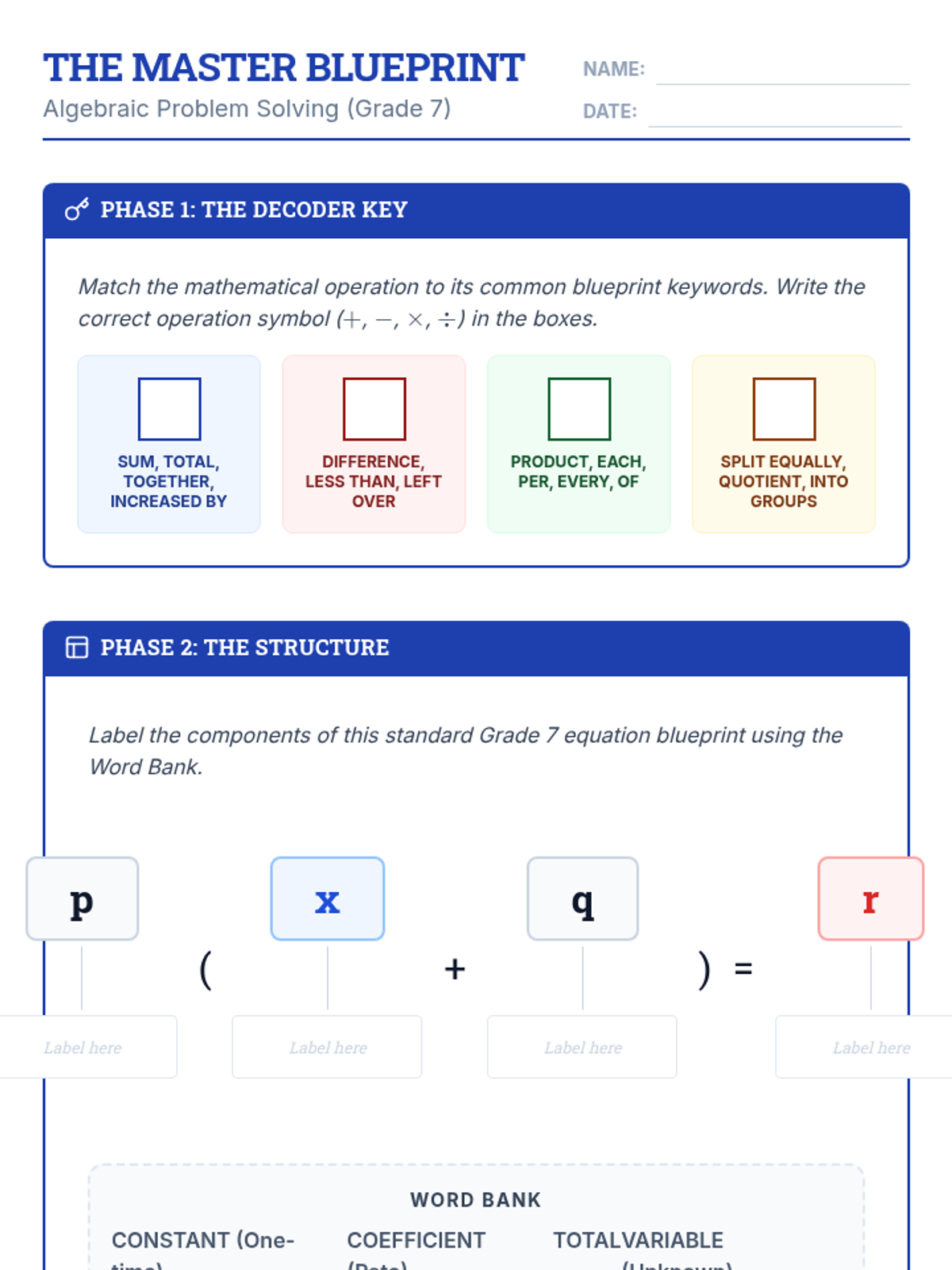
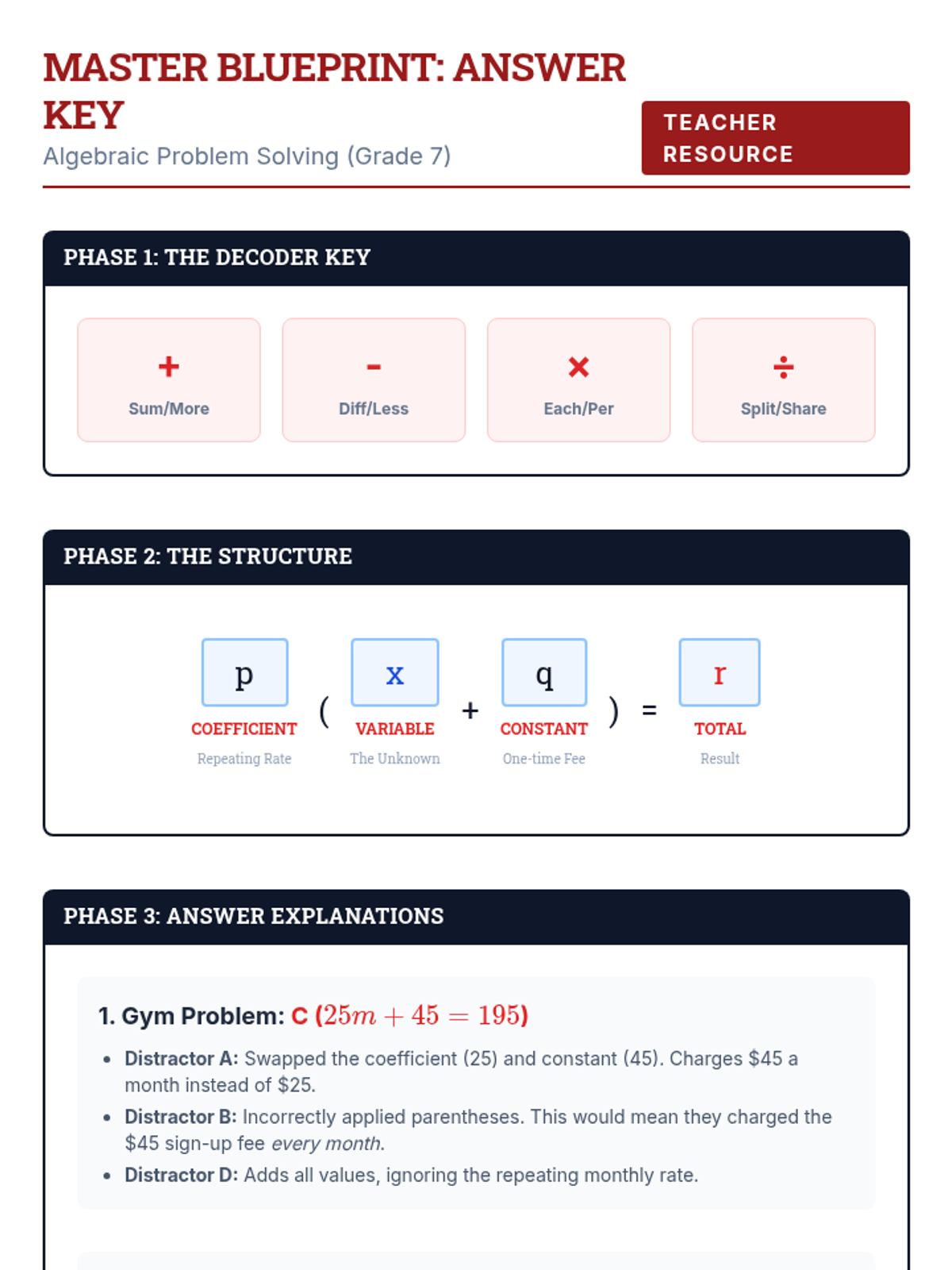
A high-impact 20-minute mini-lesson focused on translating complex word problems into algebraic equations, specifically designed to navigate common NC EOG distractors and traps.
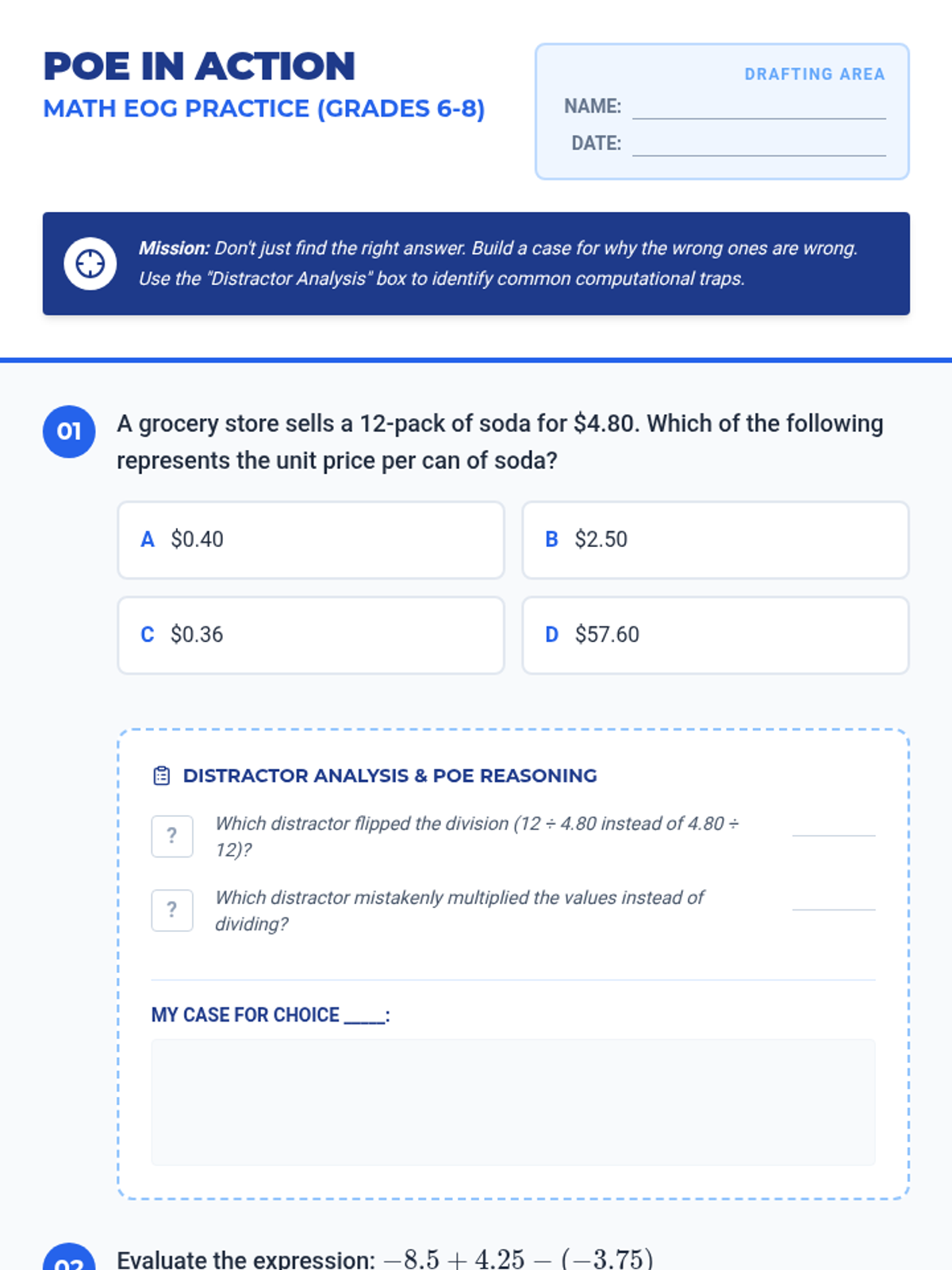
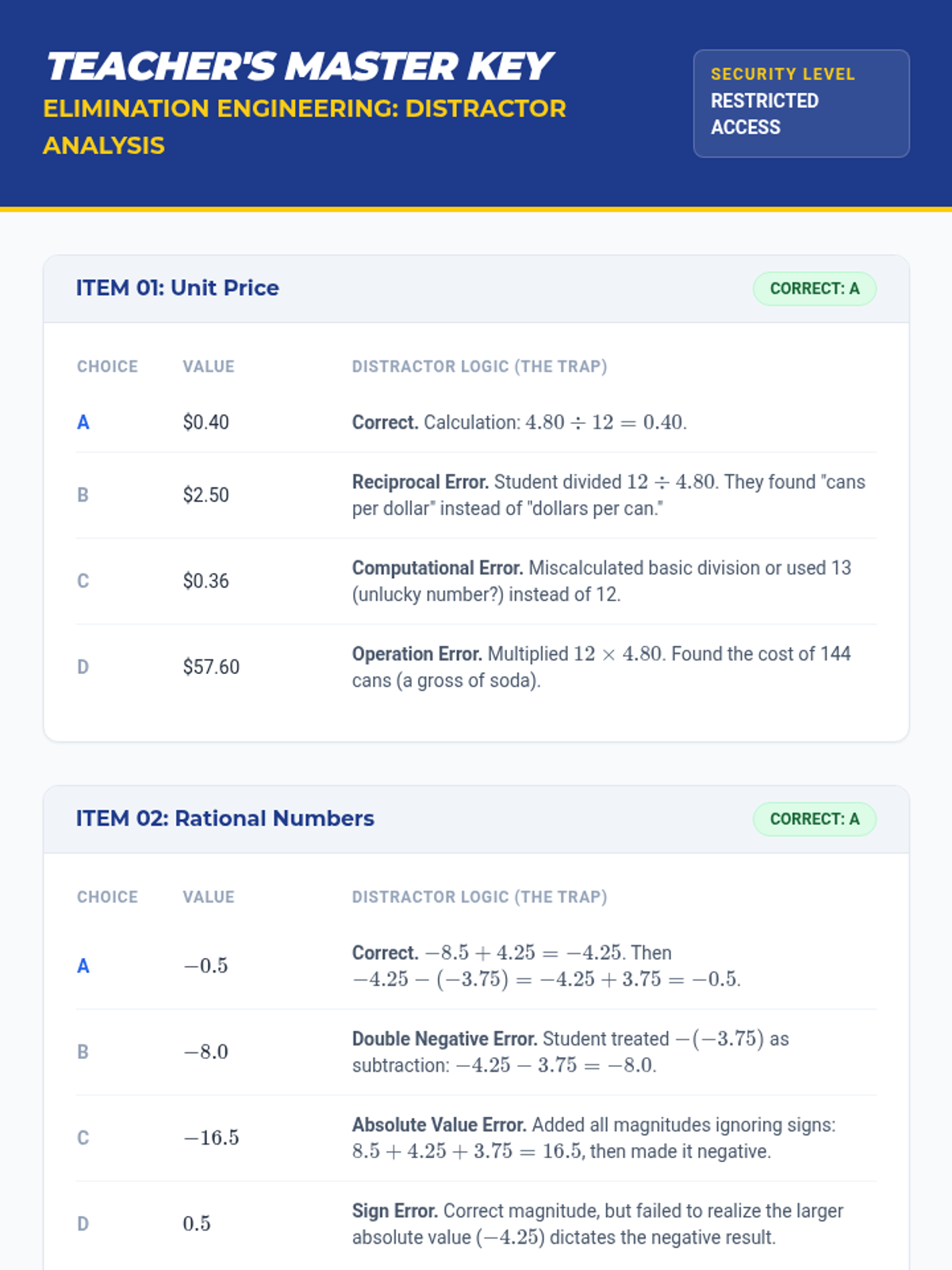
A guided practice set for middle school students to master the Process of Elimination in Math EOG exams through distractor analysis.