A persuasive writing lesson using the OREO method to tackle the ultimate breakfast debate: Is cereal a soup? Students learn to structure their opinions with clear reasons, examples, and transition words.
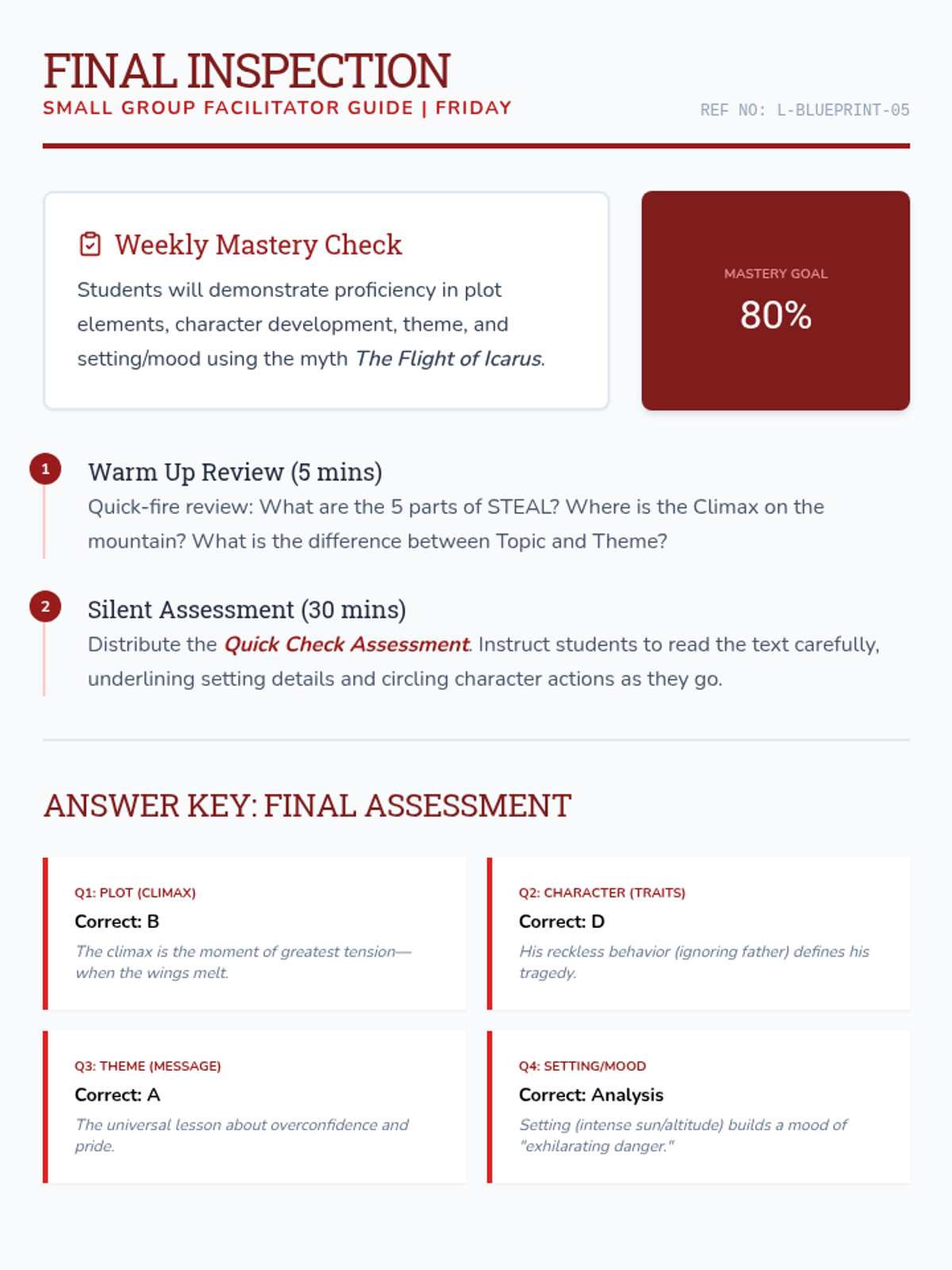
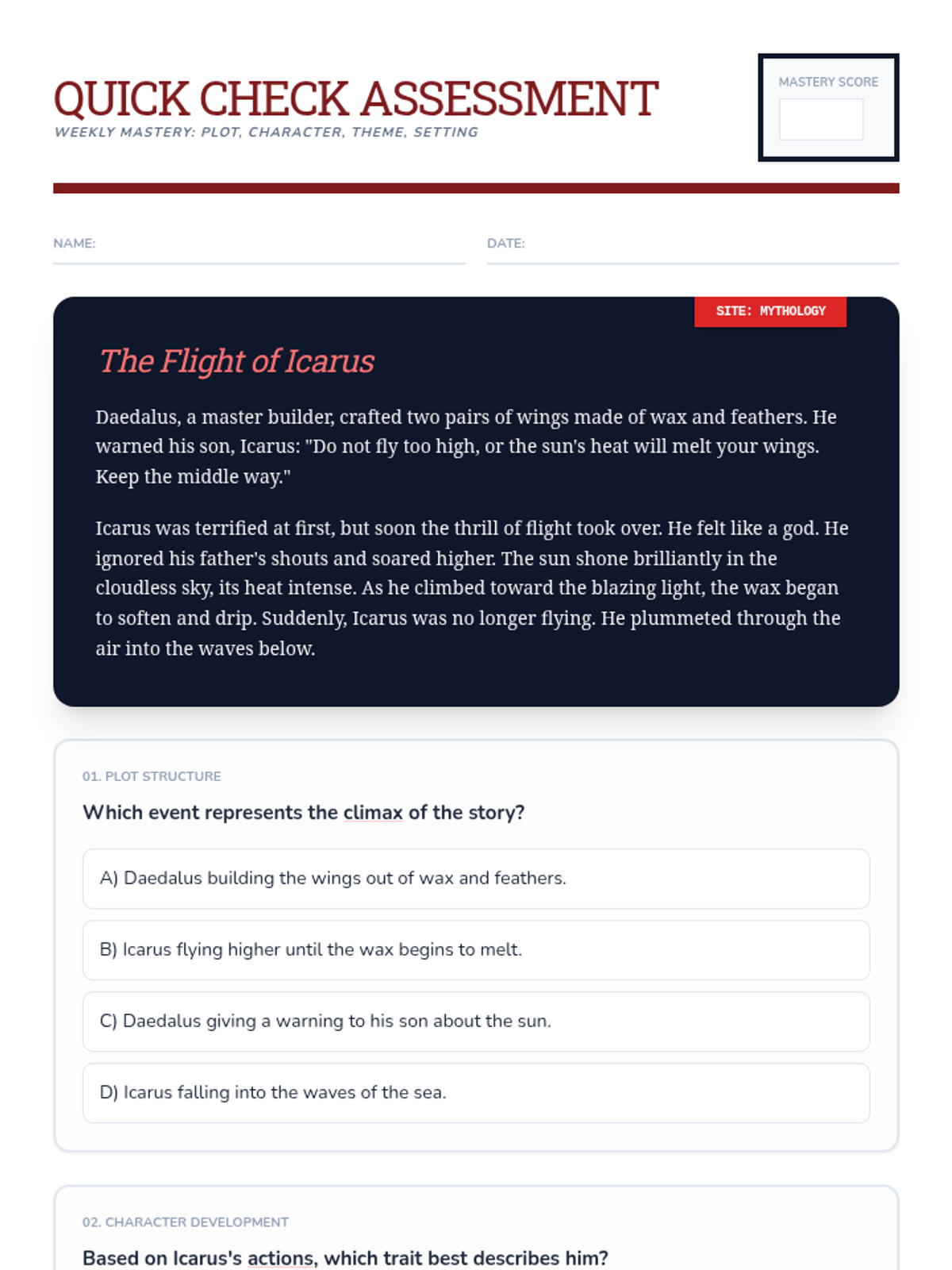
A comprehensive weekly assessment of plot, character, theme, and setting.
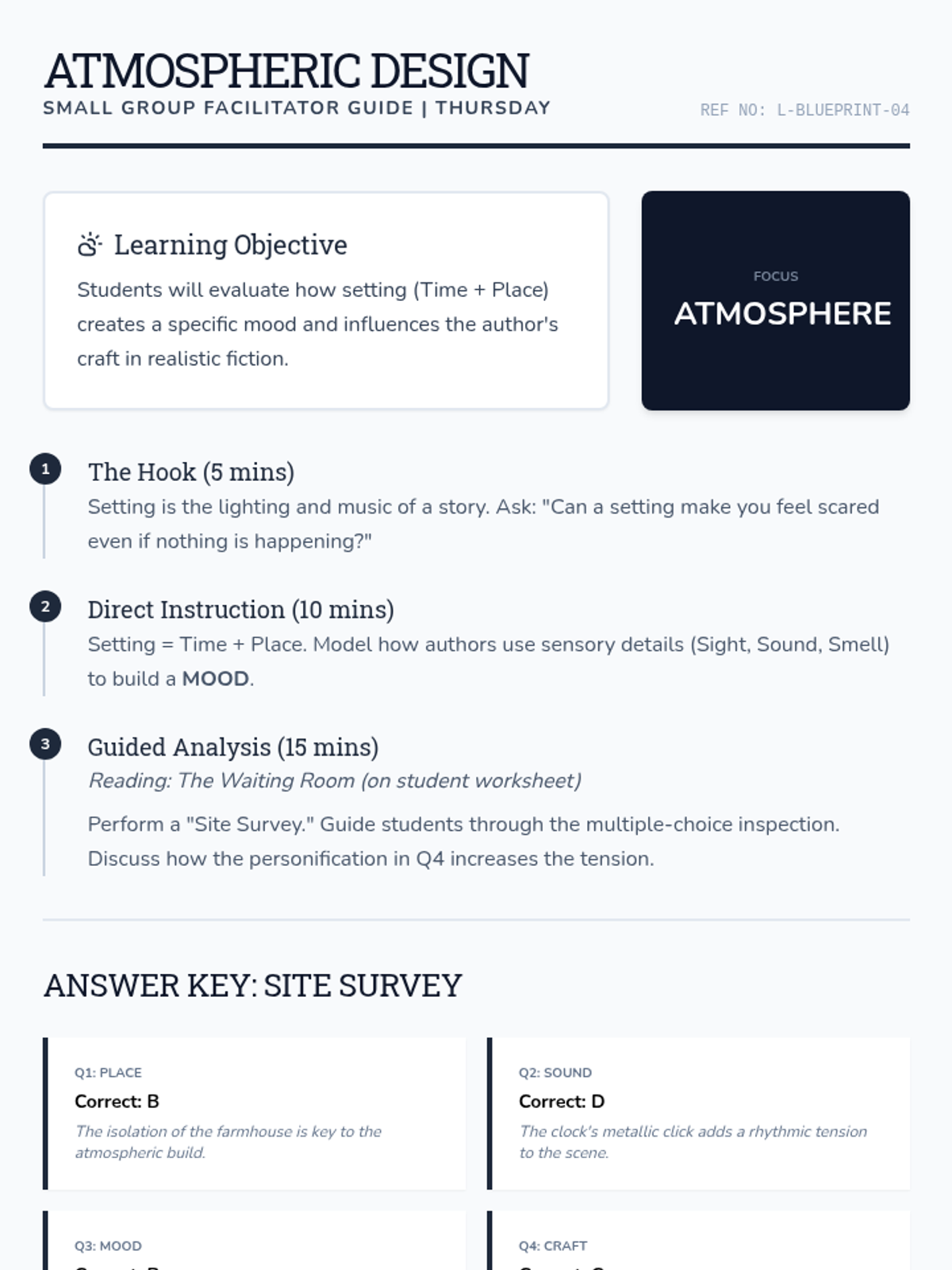
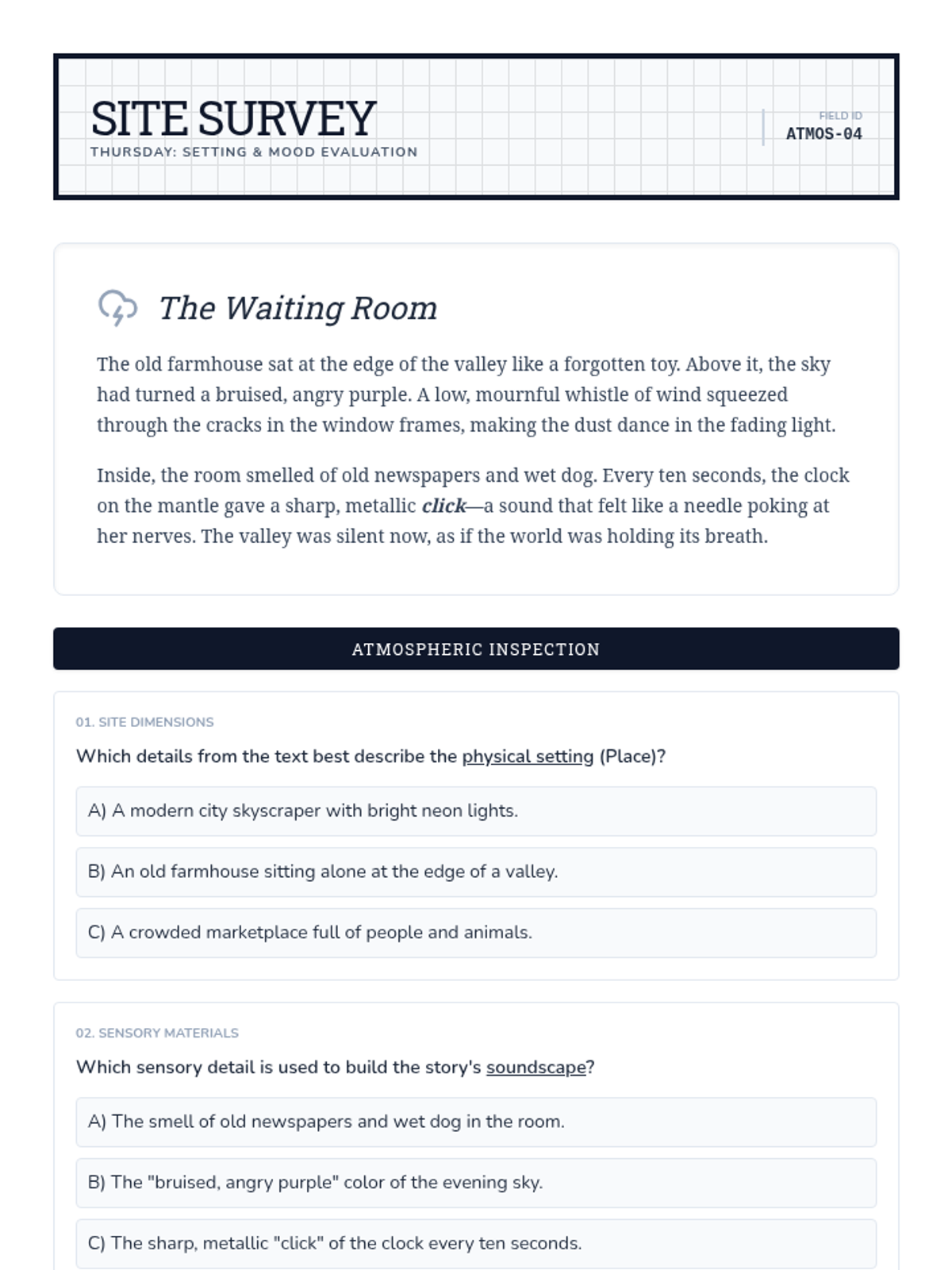
Evaluating how setting influences mood and craft in realistic fiction.
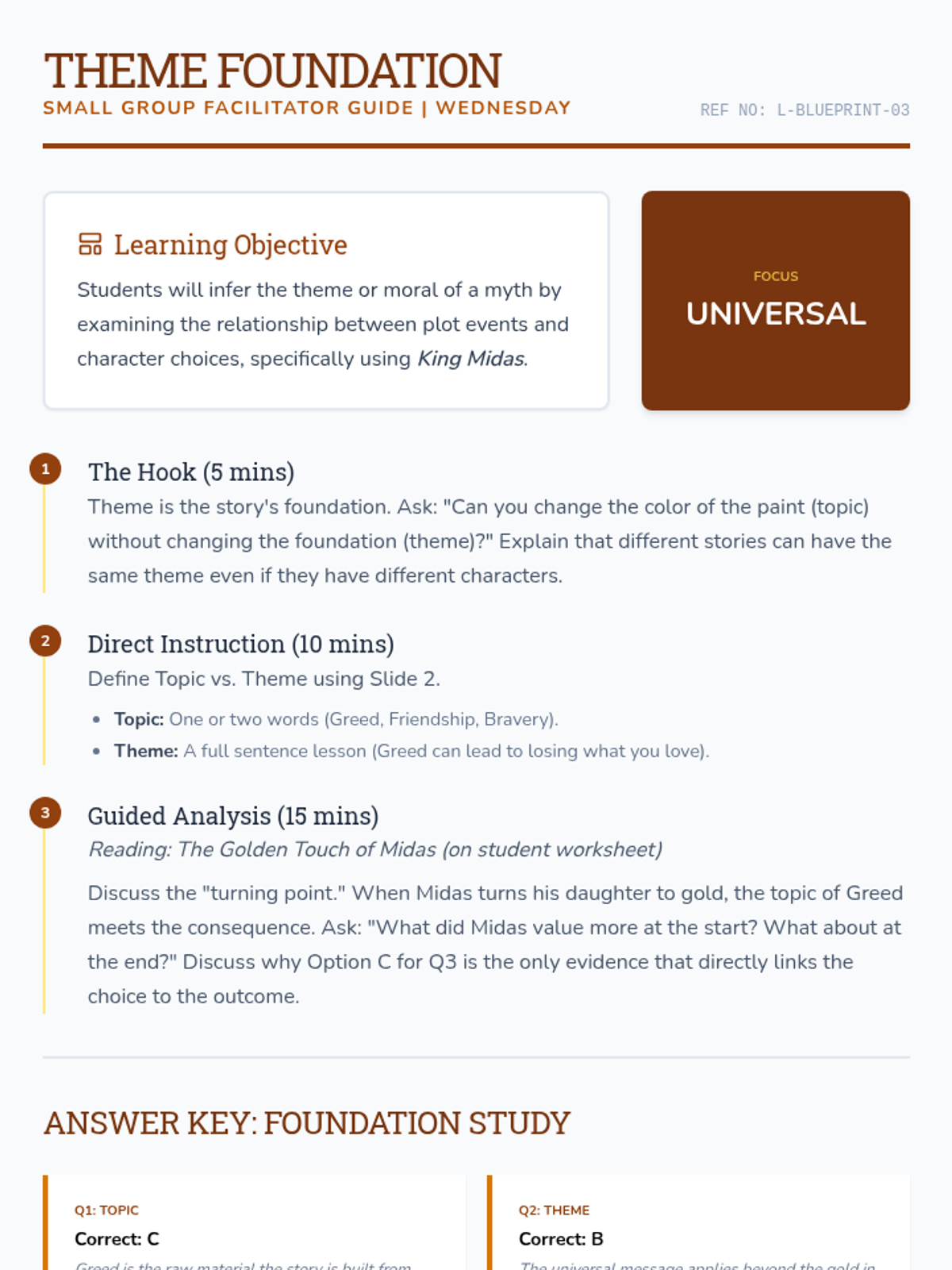
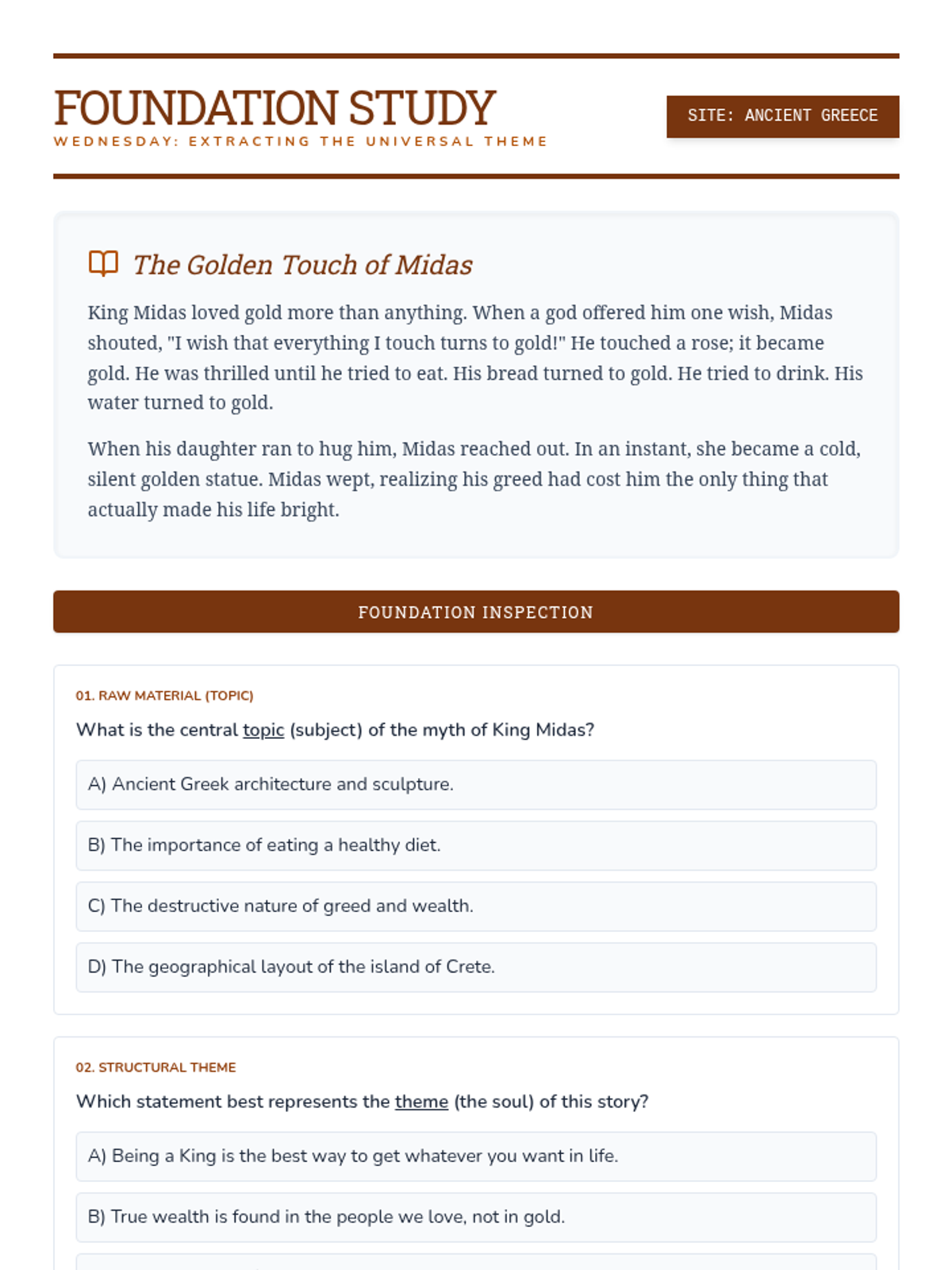
Identifying the underlying messages and moral foundations in myths.
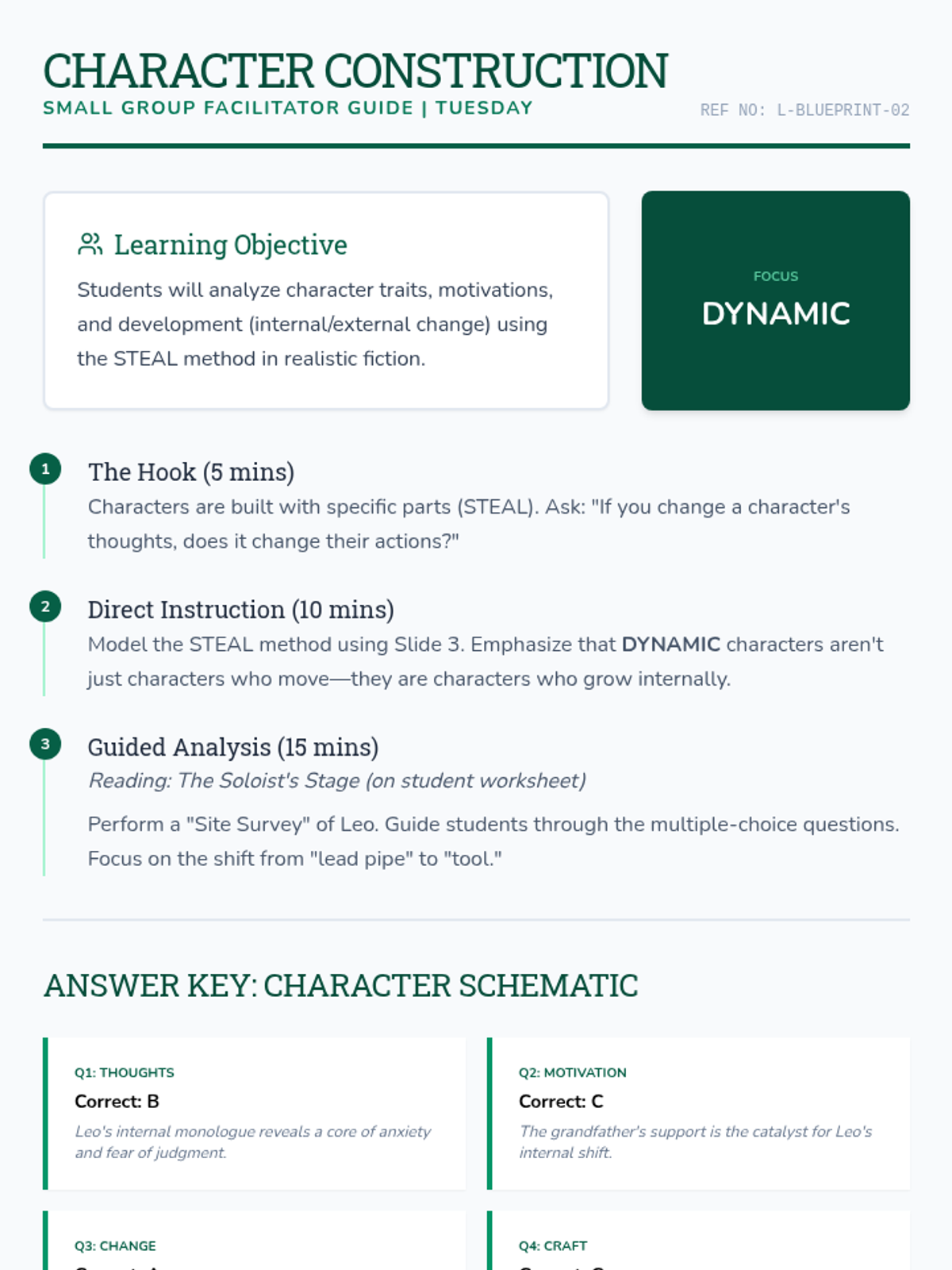
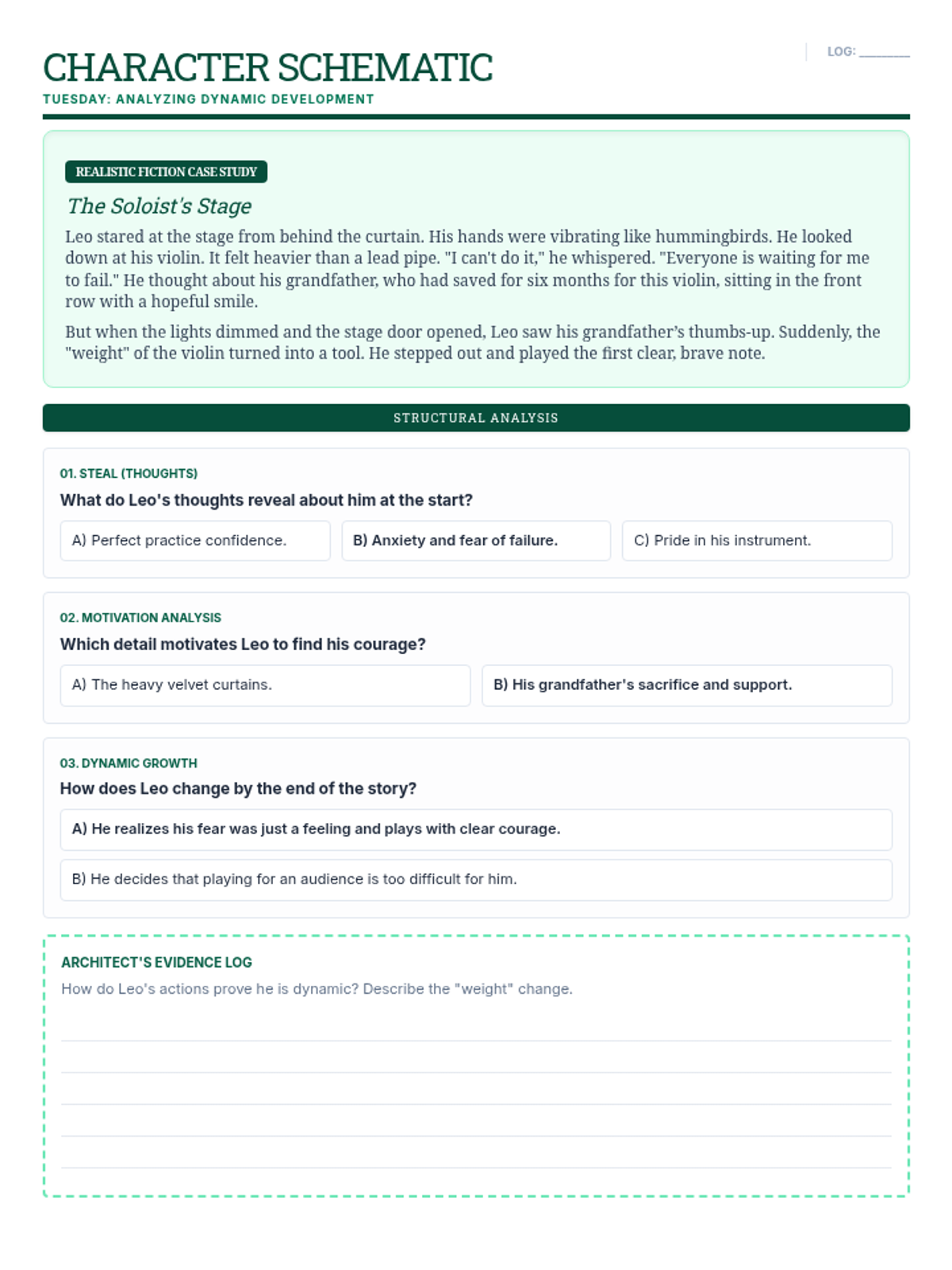
Analyzing how characters grow and change in realistic fiction.
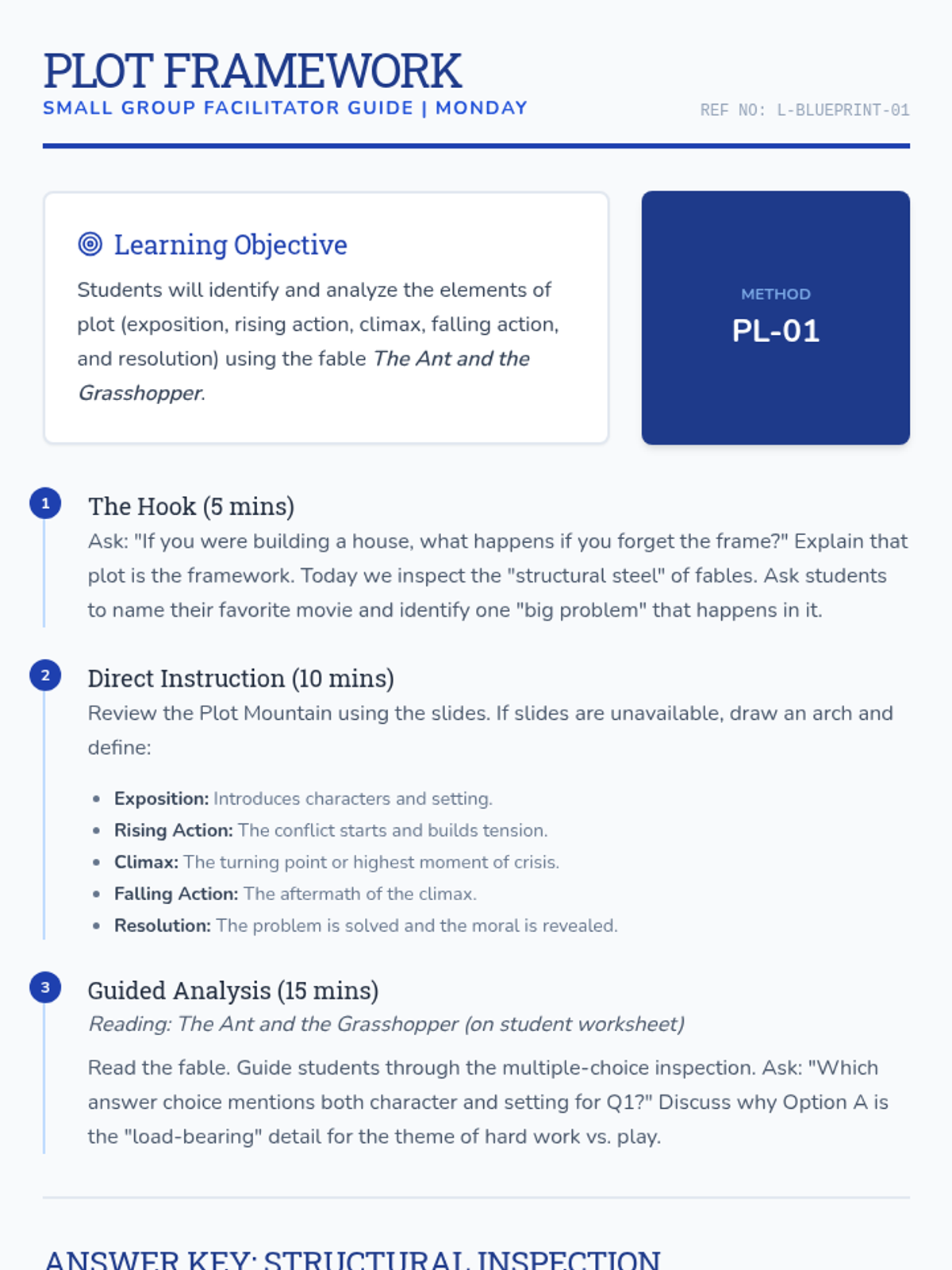
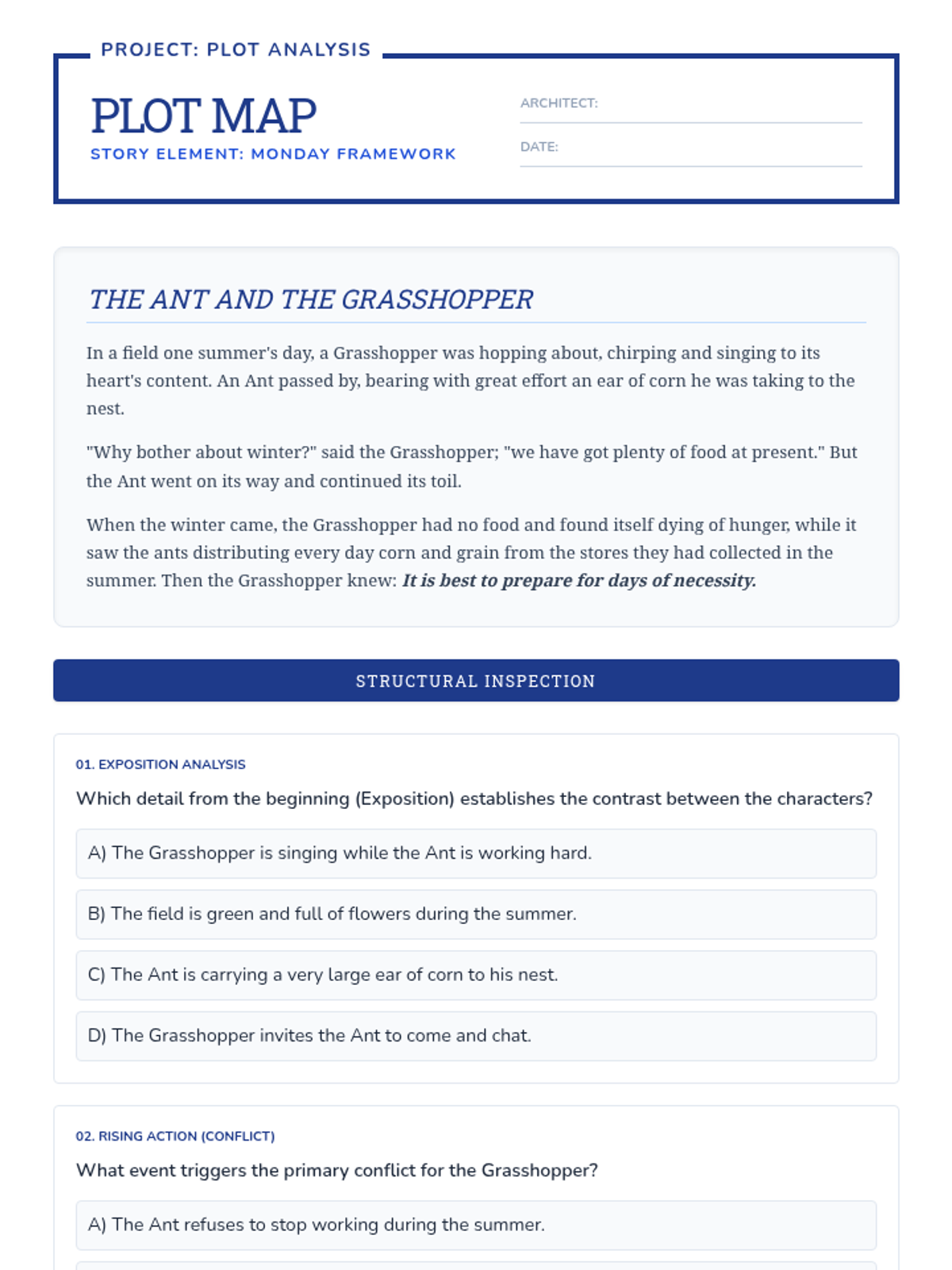
Deconstructing the framework of a story using plot structures in fables.
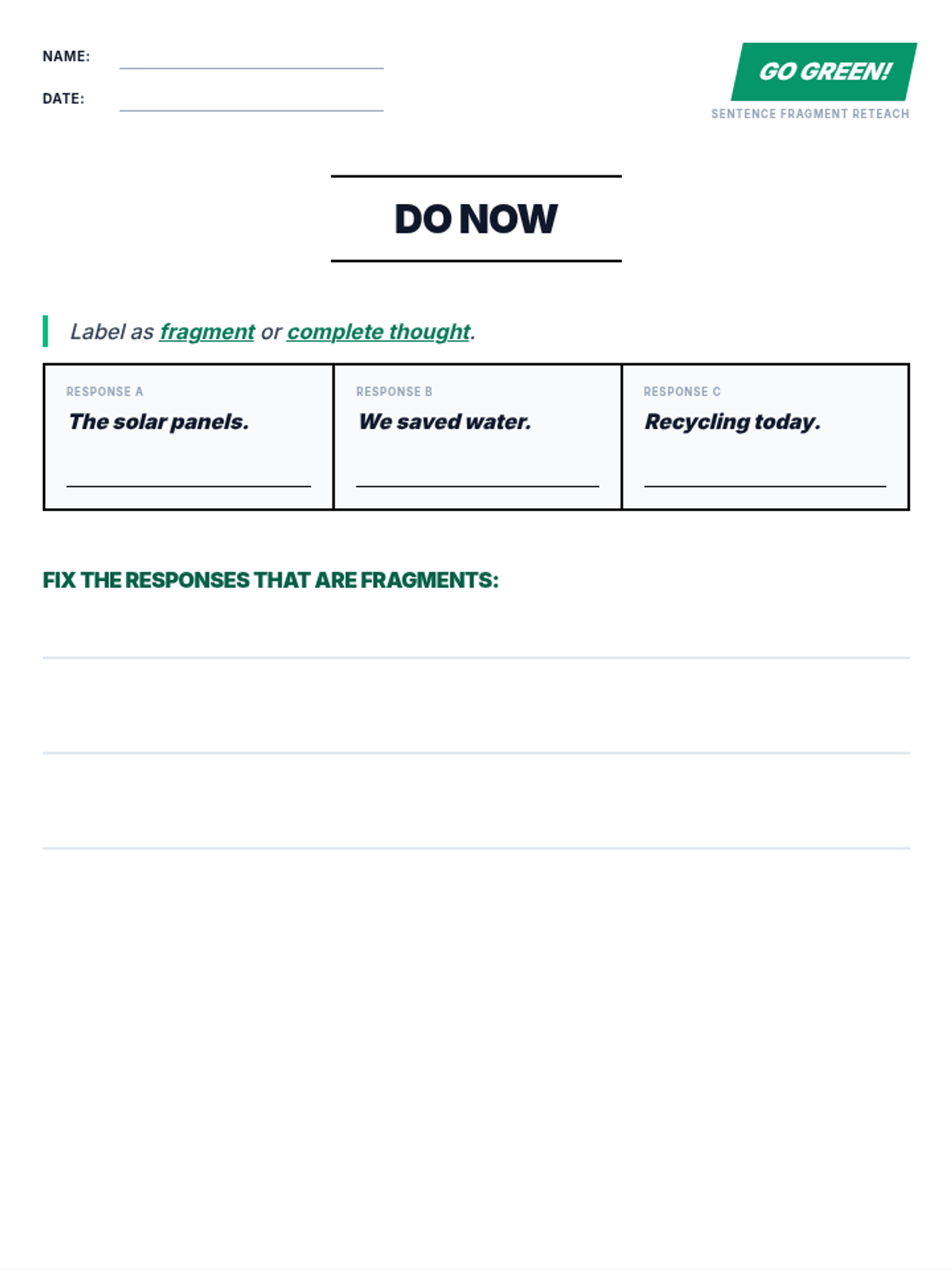
A comprehensive reteach lesson on identifying and correcting sentence fragments, themed around environmental conservation and 'going green'. Includes a student worksheet and a detailed teacher facilitation guide with an answer key.
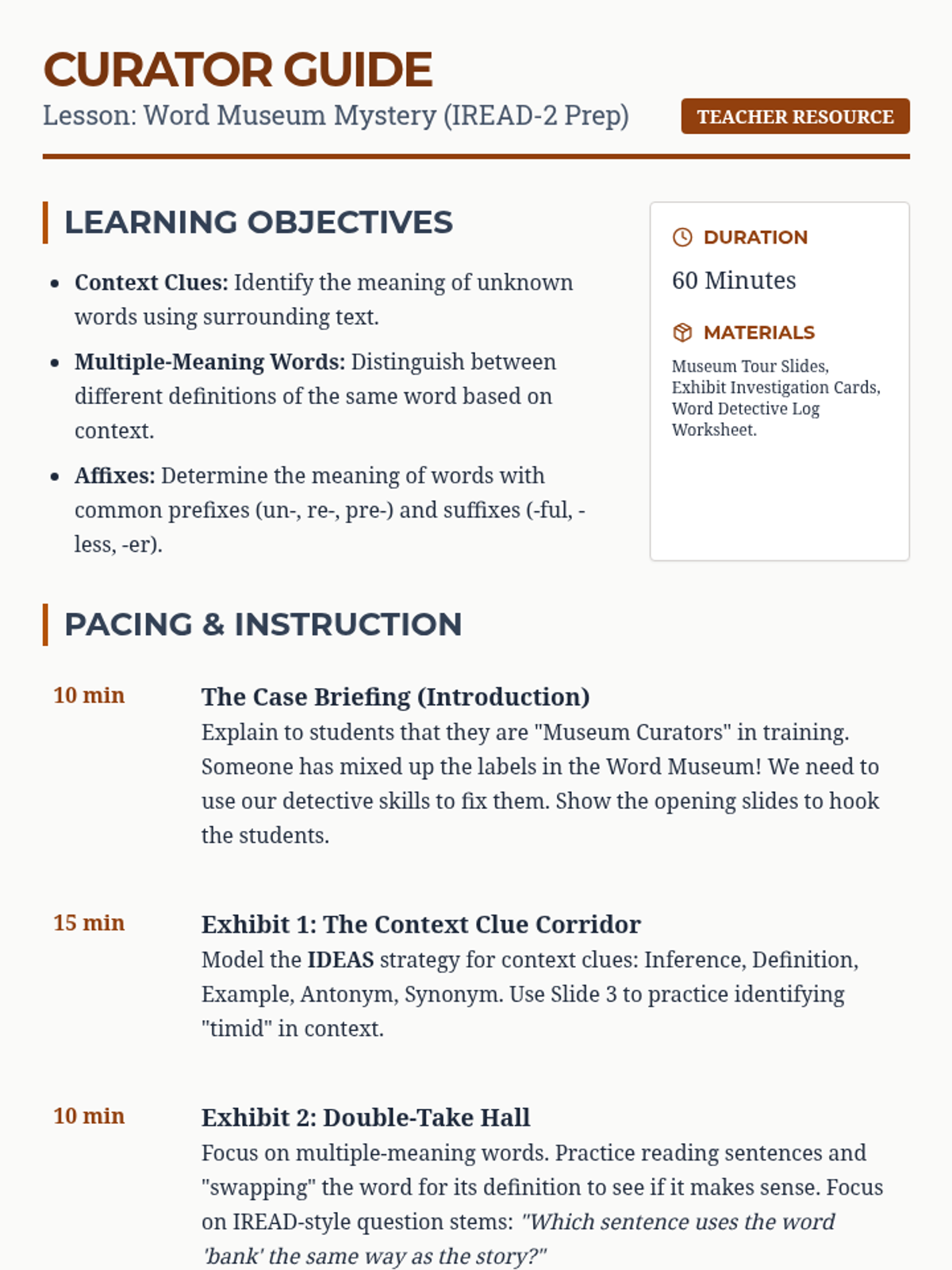
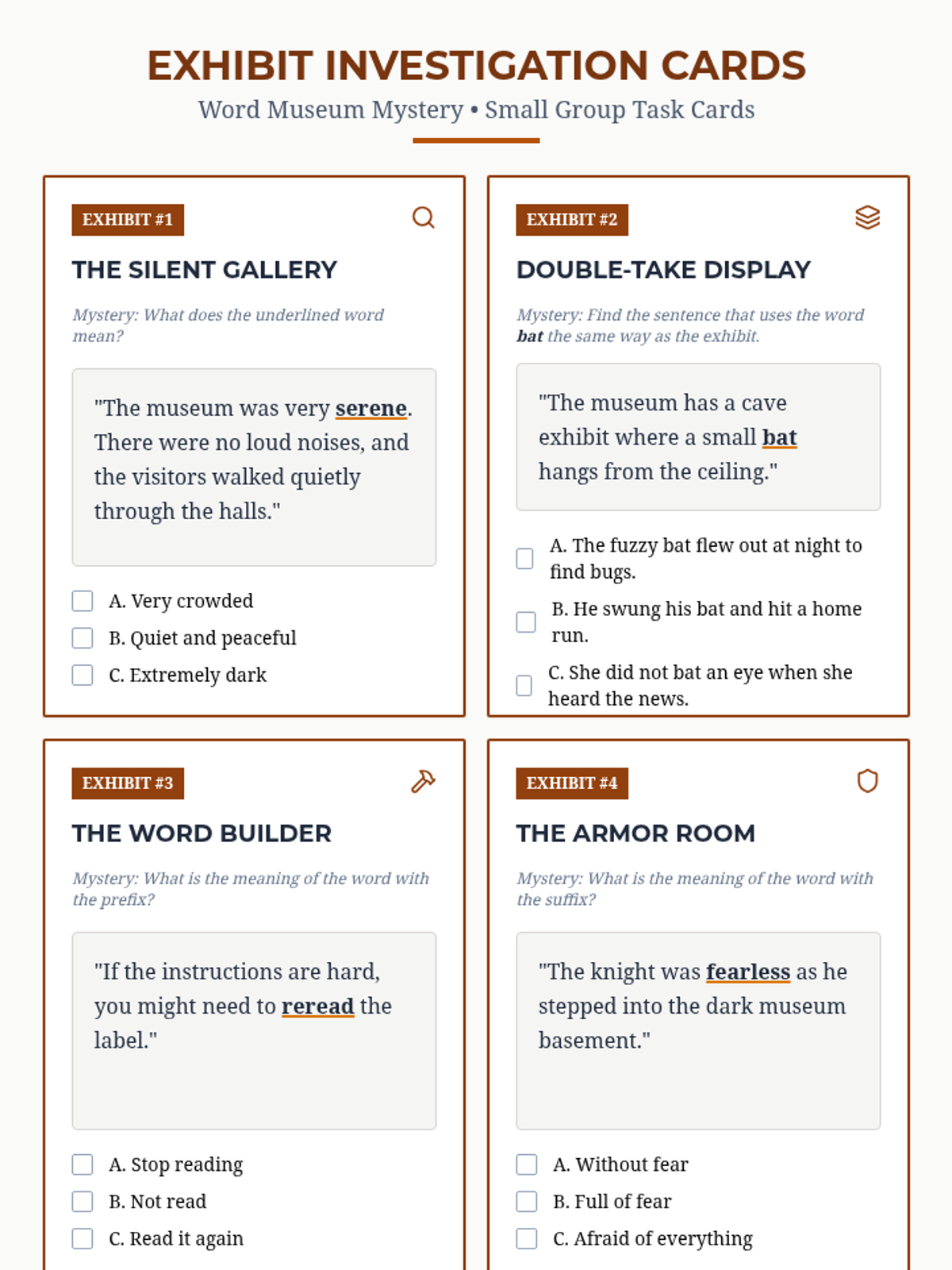
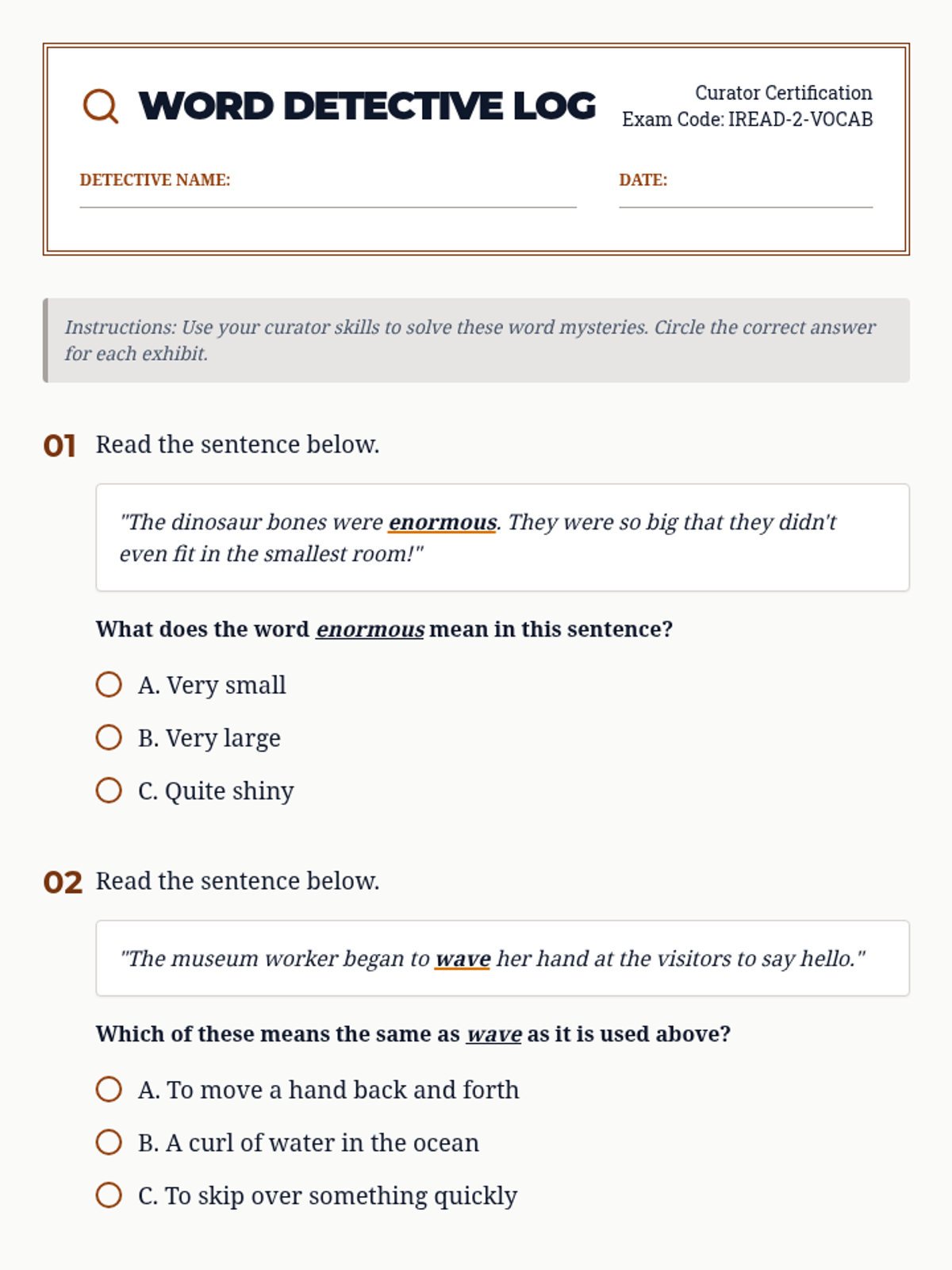
An interactive lesson reviewing context clues, multiple-meaning words, and affixes through a "Museum Mystery" theme tailored for Indiana IREAD-2 preparation.
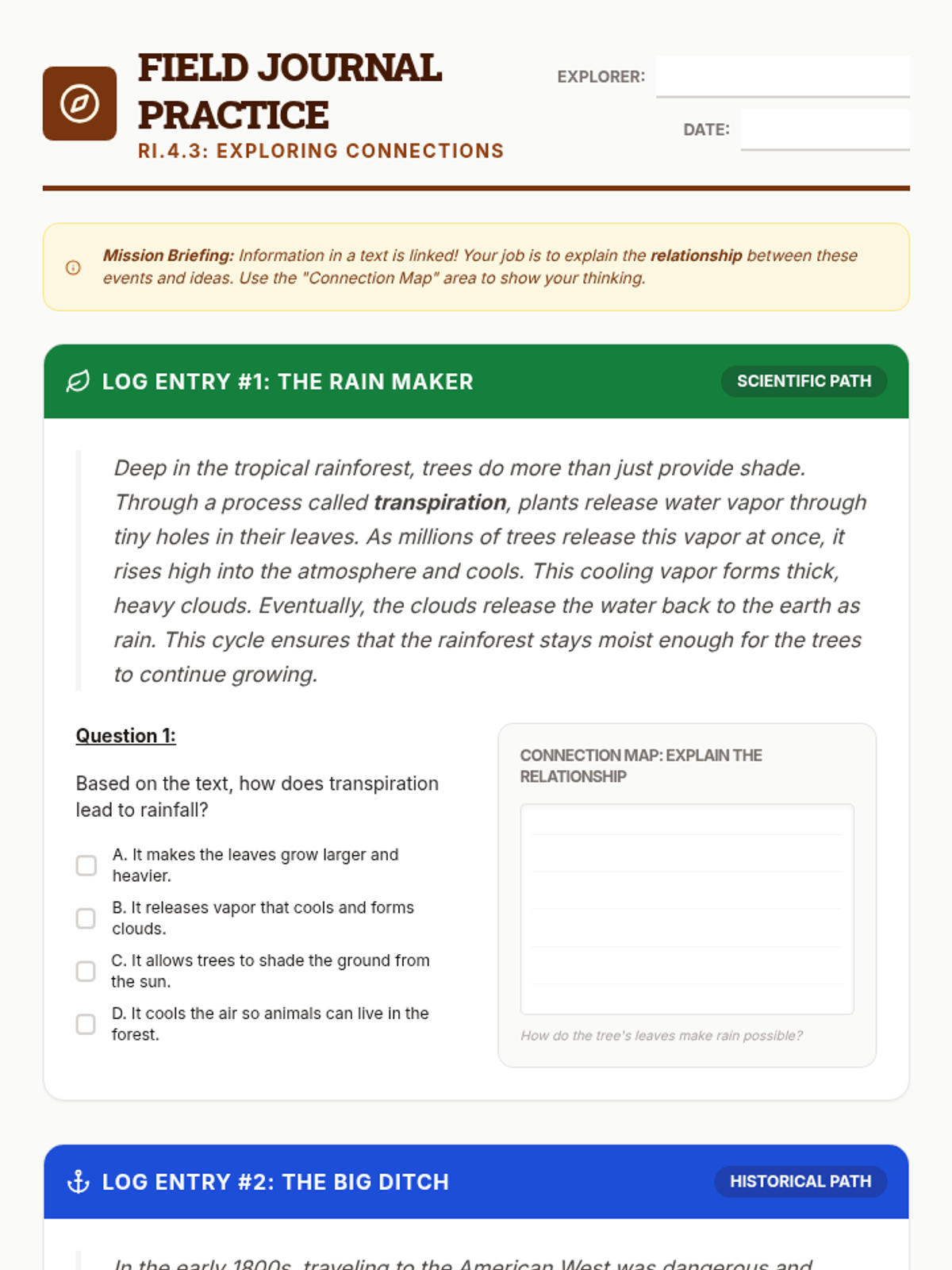
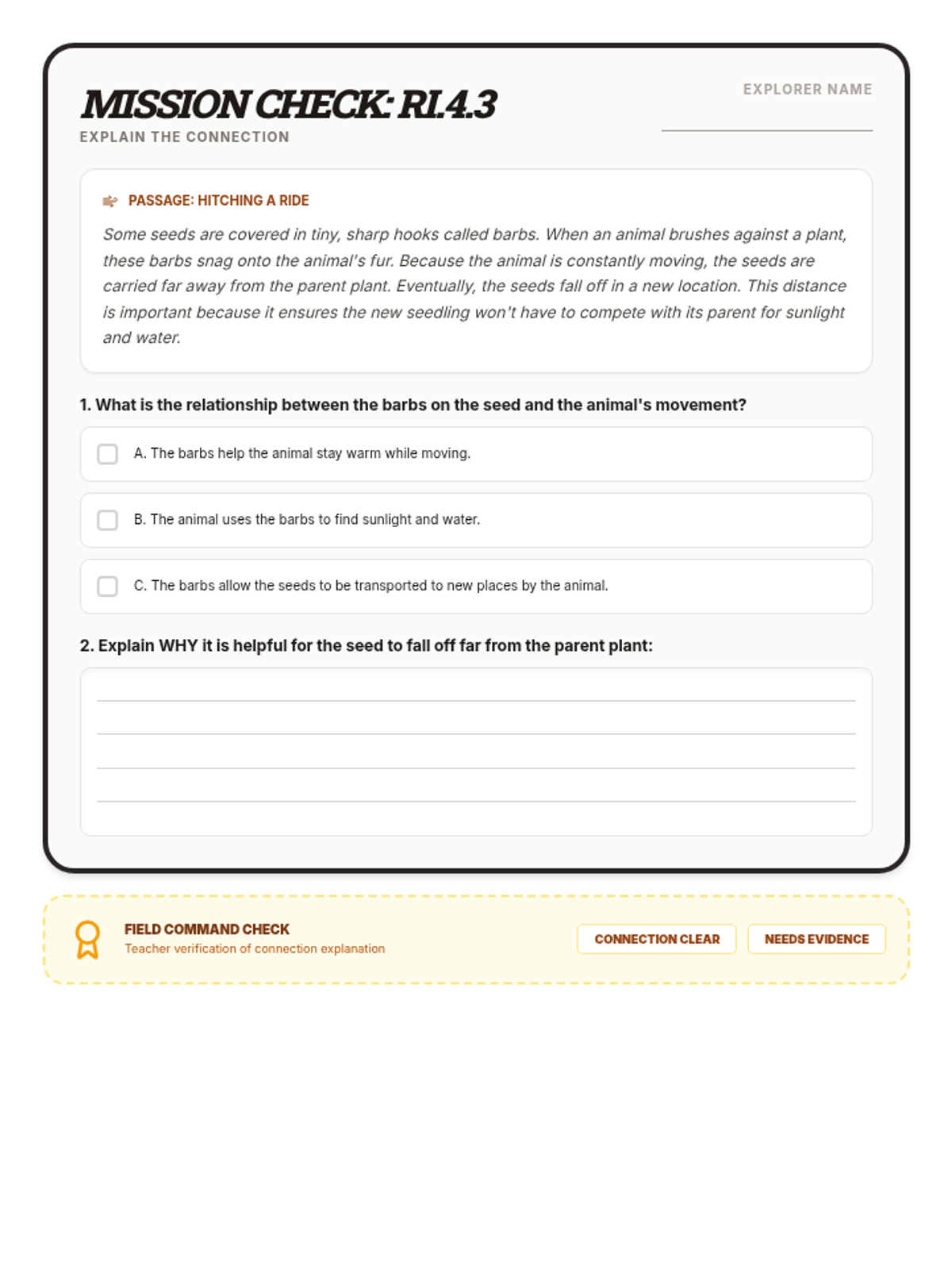
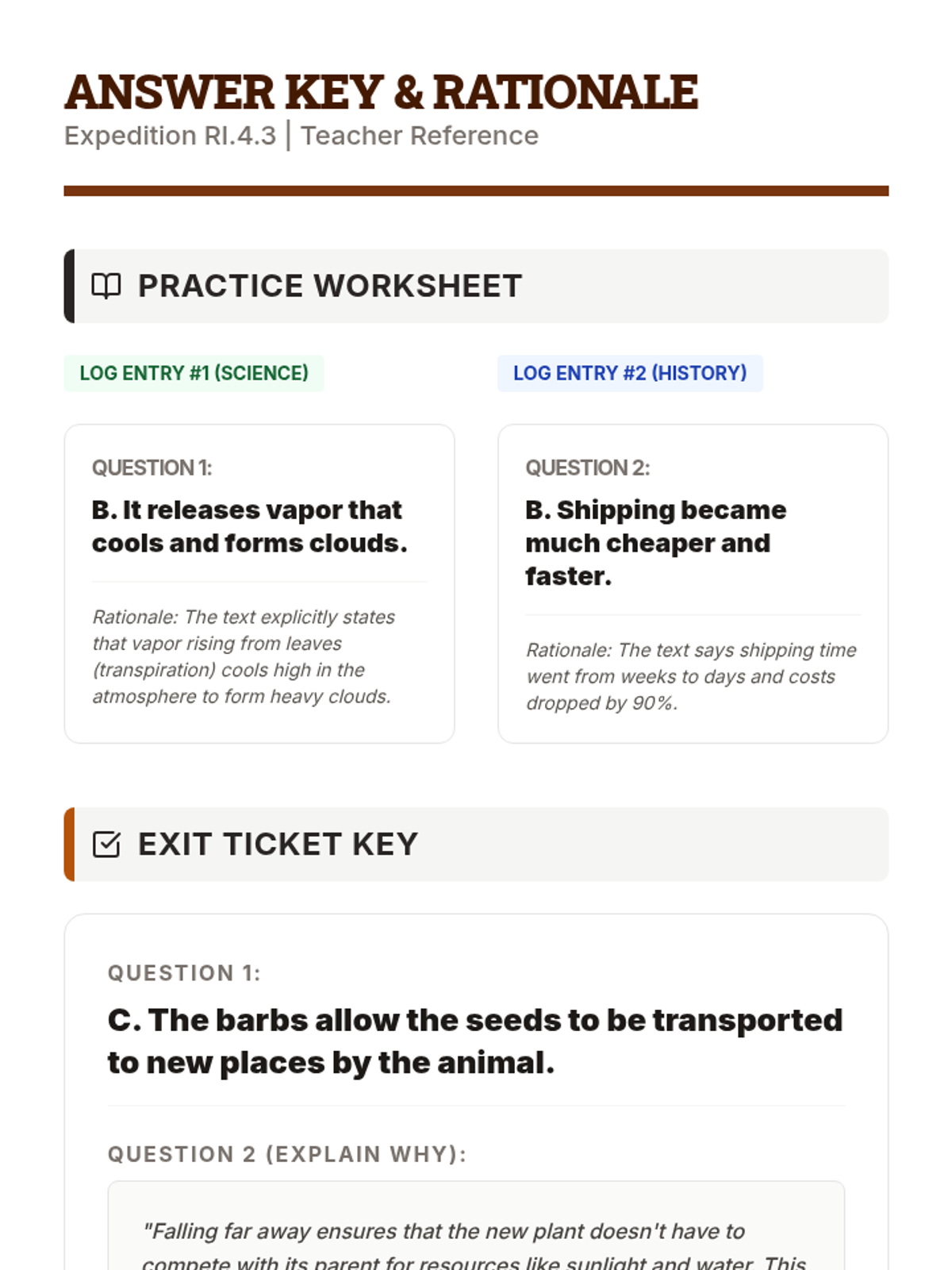
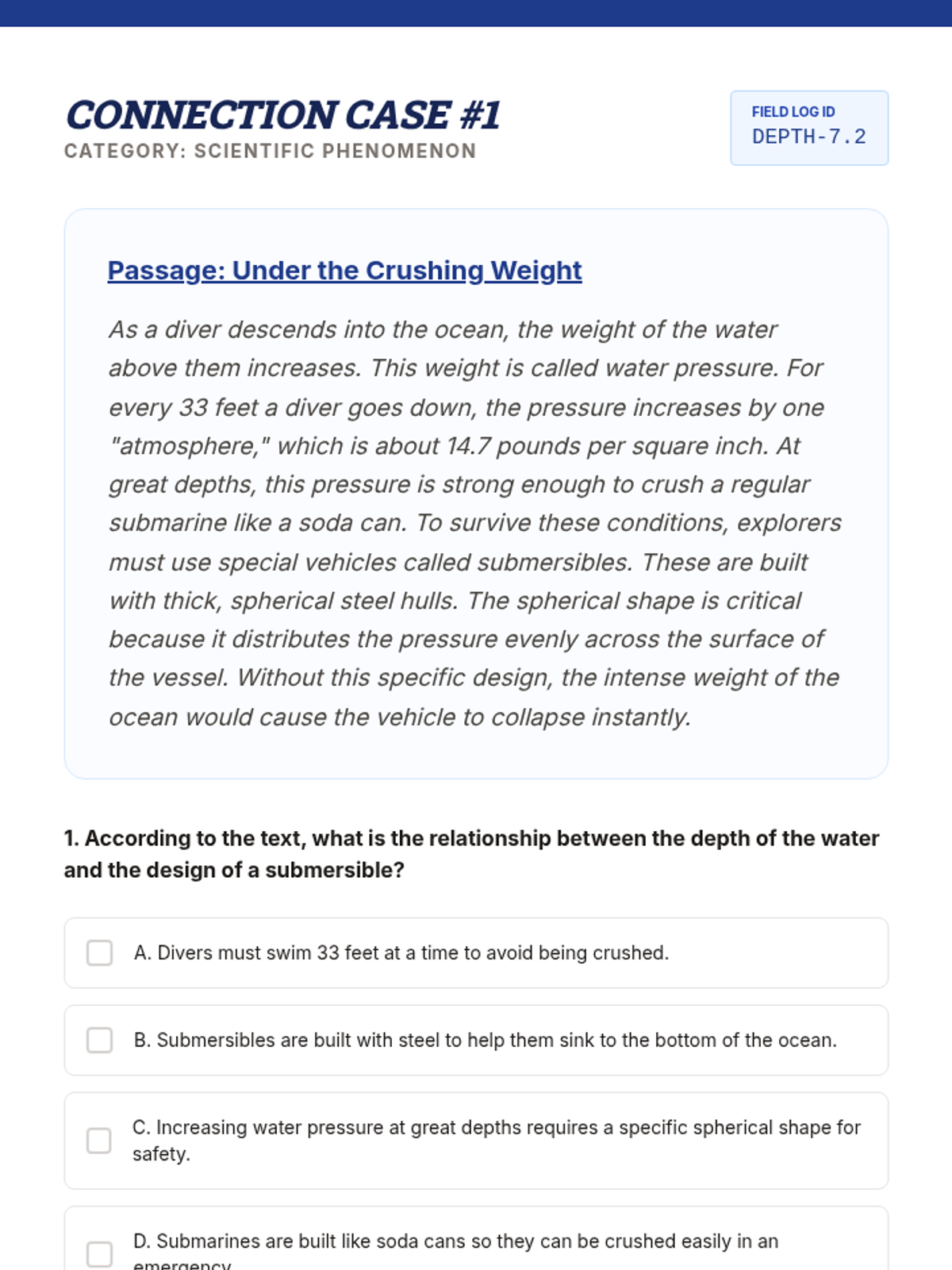
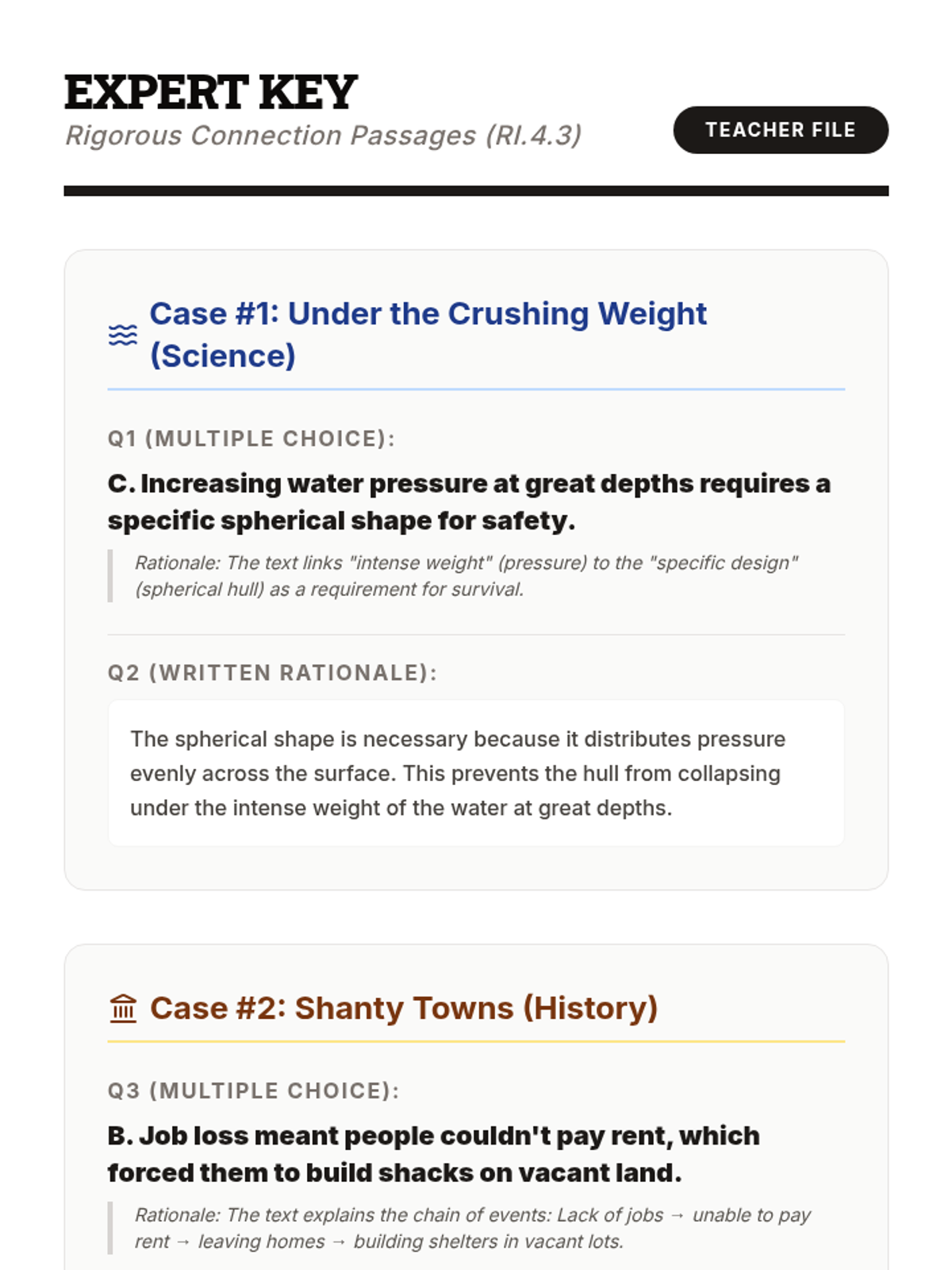
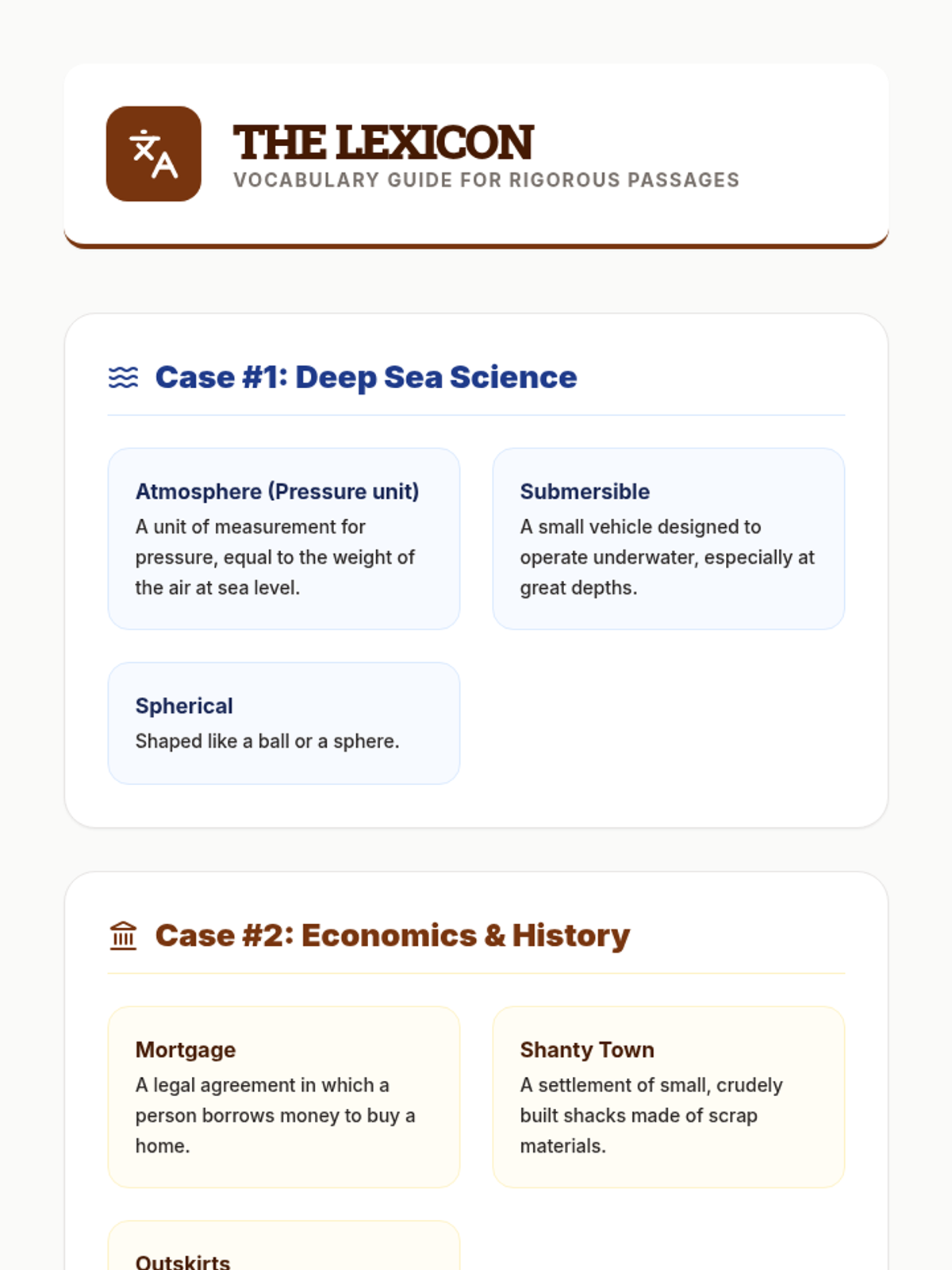
A high-impact mini-reteach lesson focusing on RI.4.3: explaining events, procedures, and concepts in informational texts, using a 'Field Journal' archaeology theme.
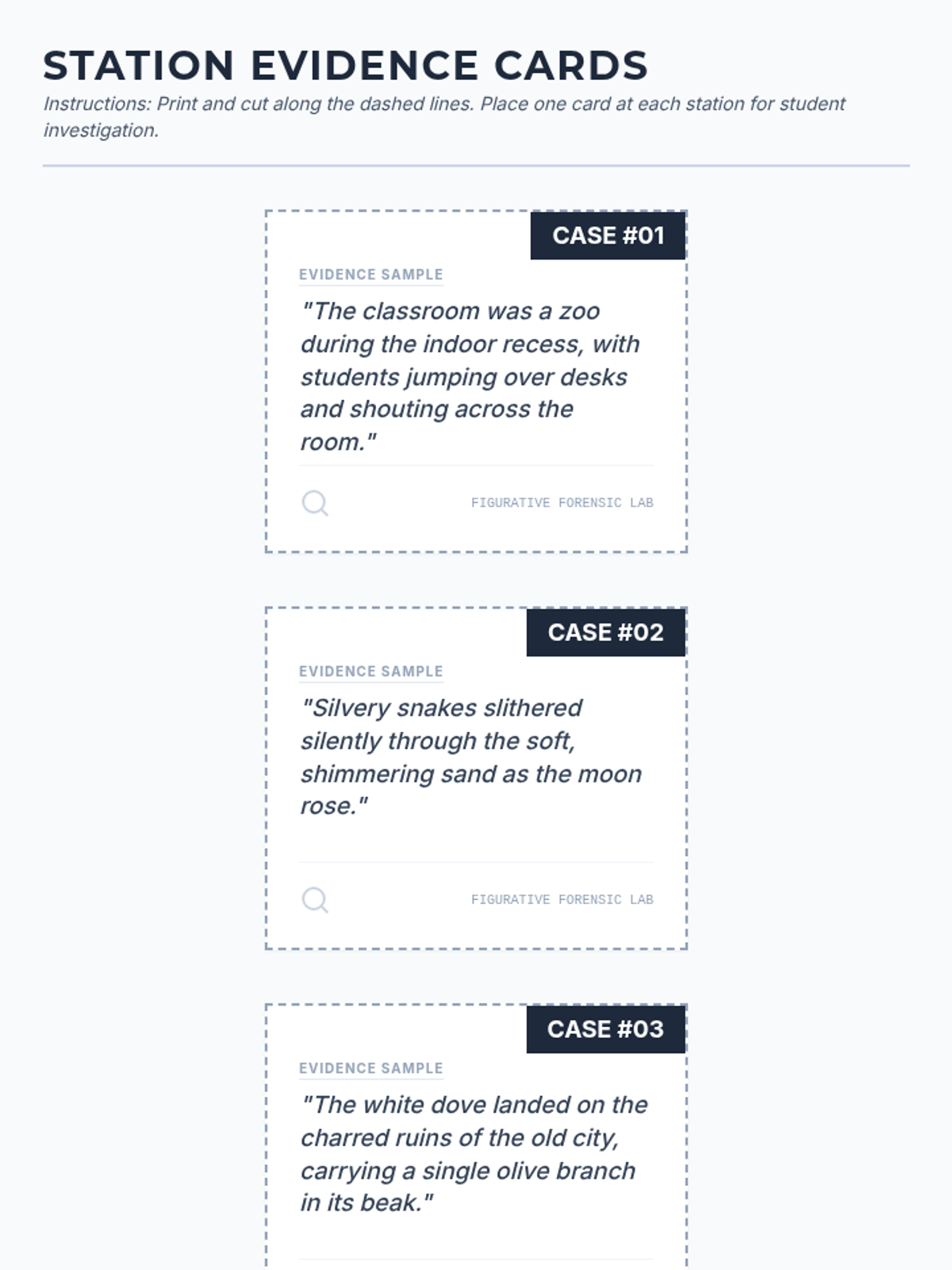
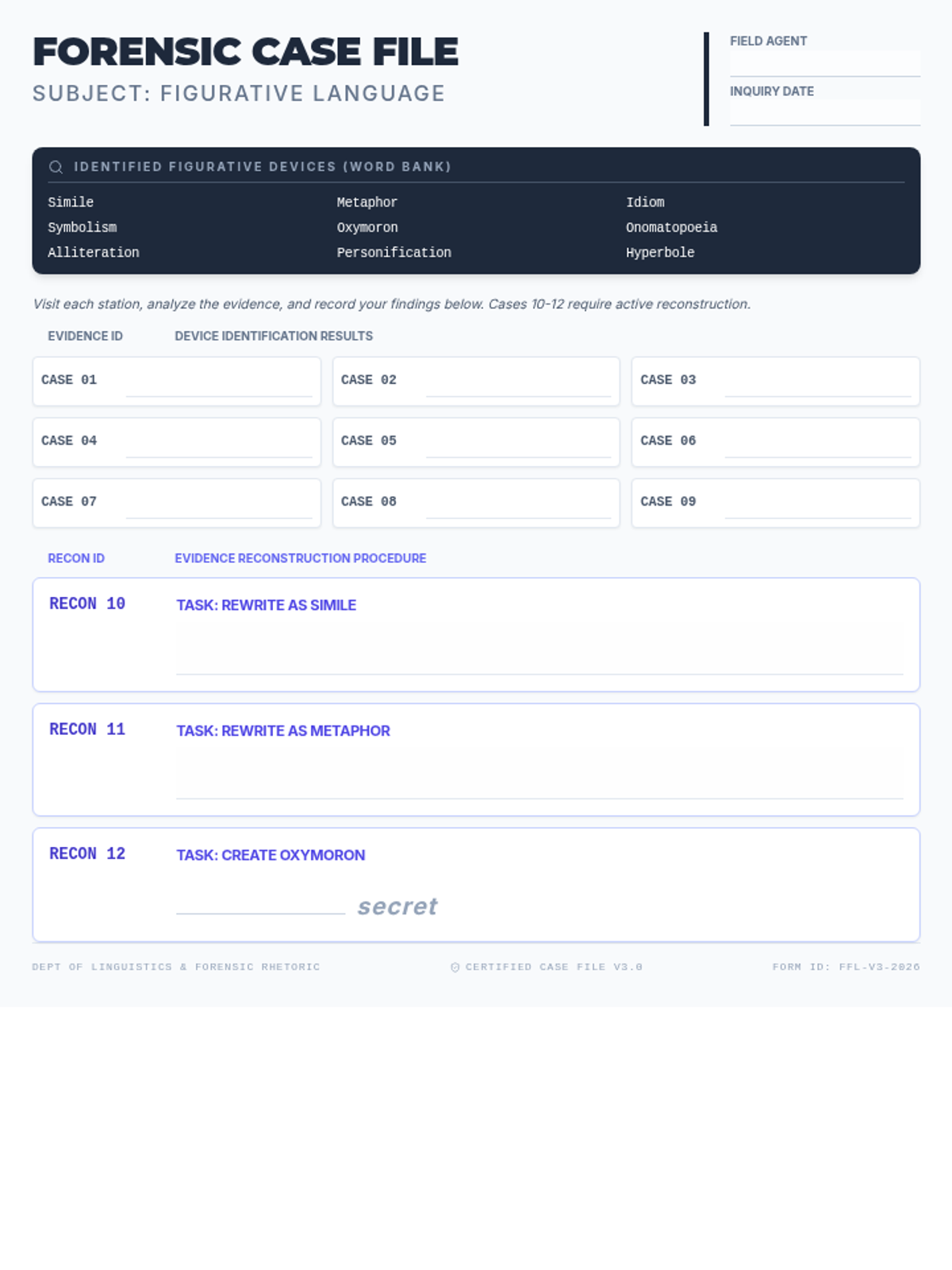
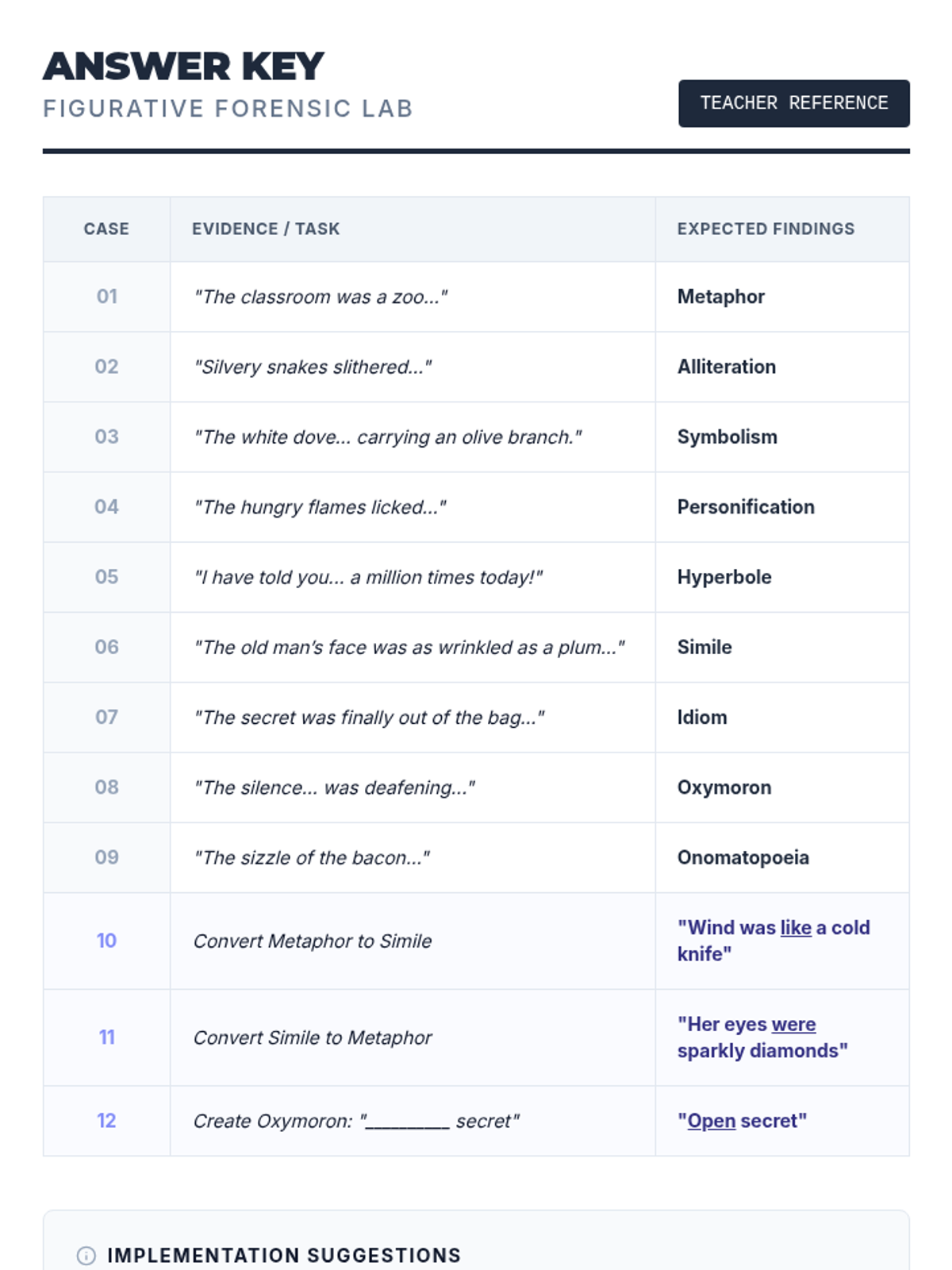
A station-based activity where students investigate and identify nine different types of figurative language through standalone sentence examples.
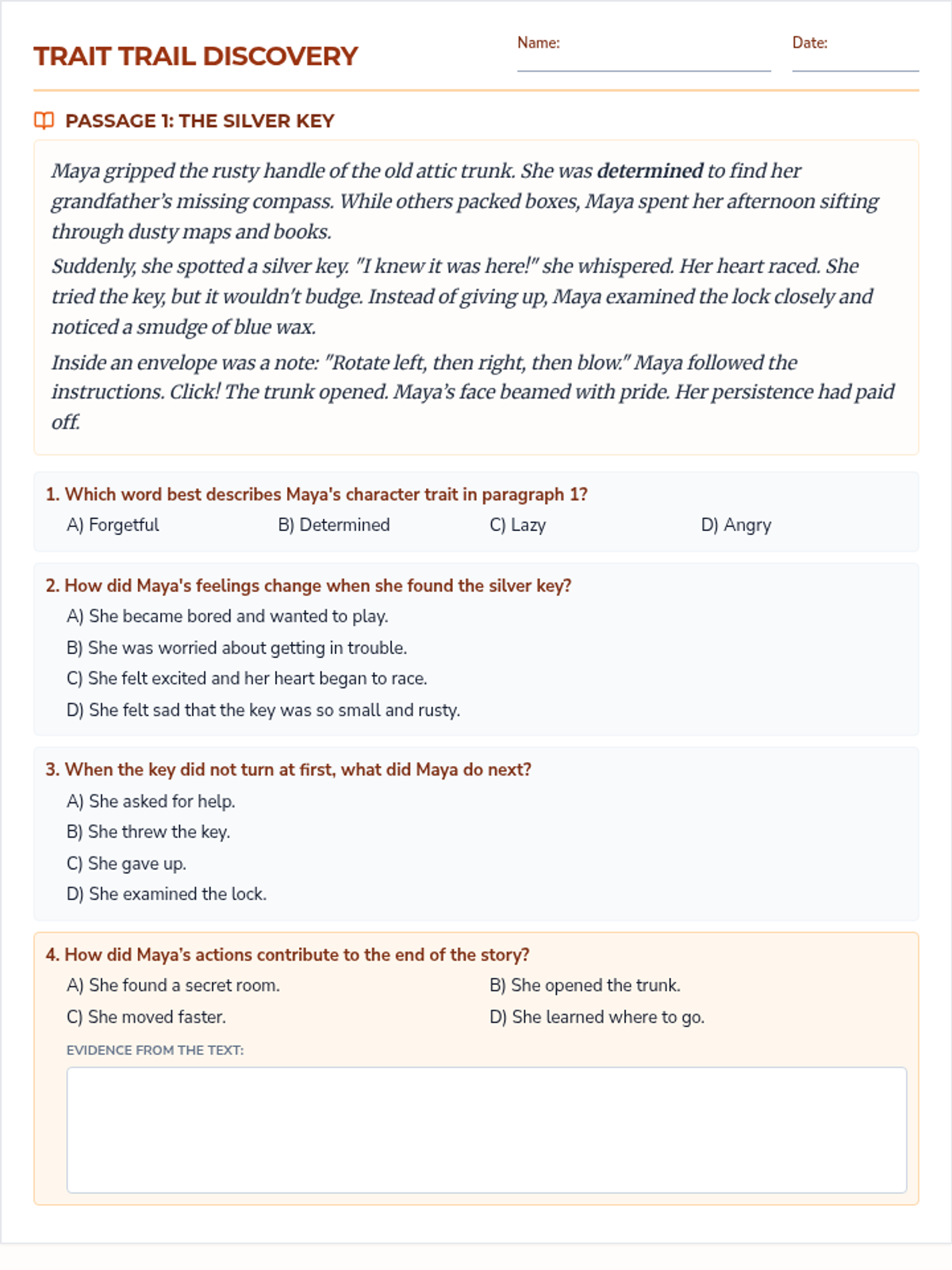
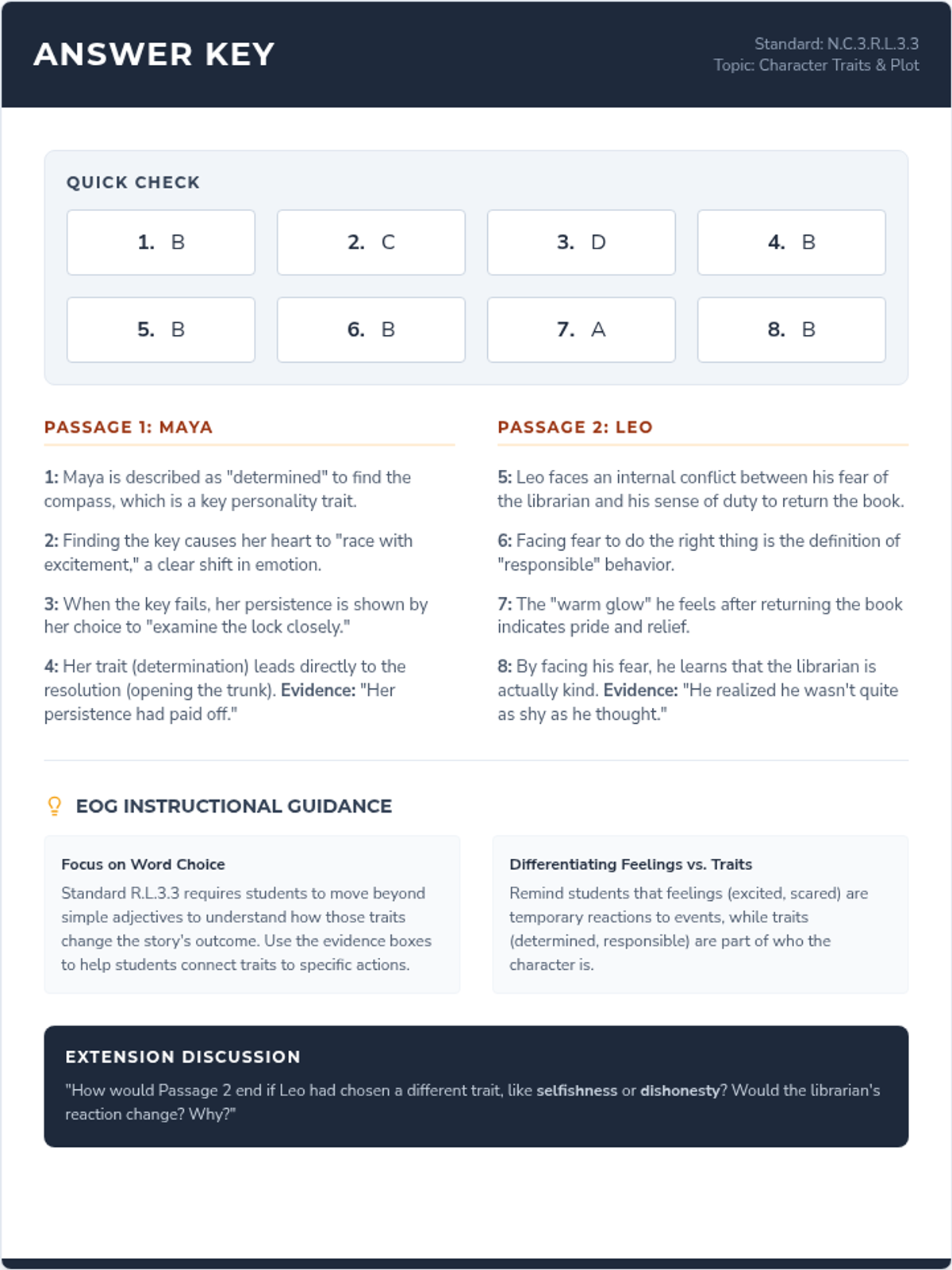
A focused lesson on identifying character traits, motivations, and feelings in fiction, specifically how these elements drive the sequence of events.
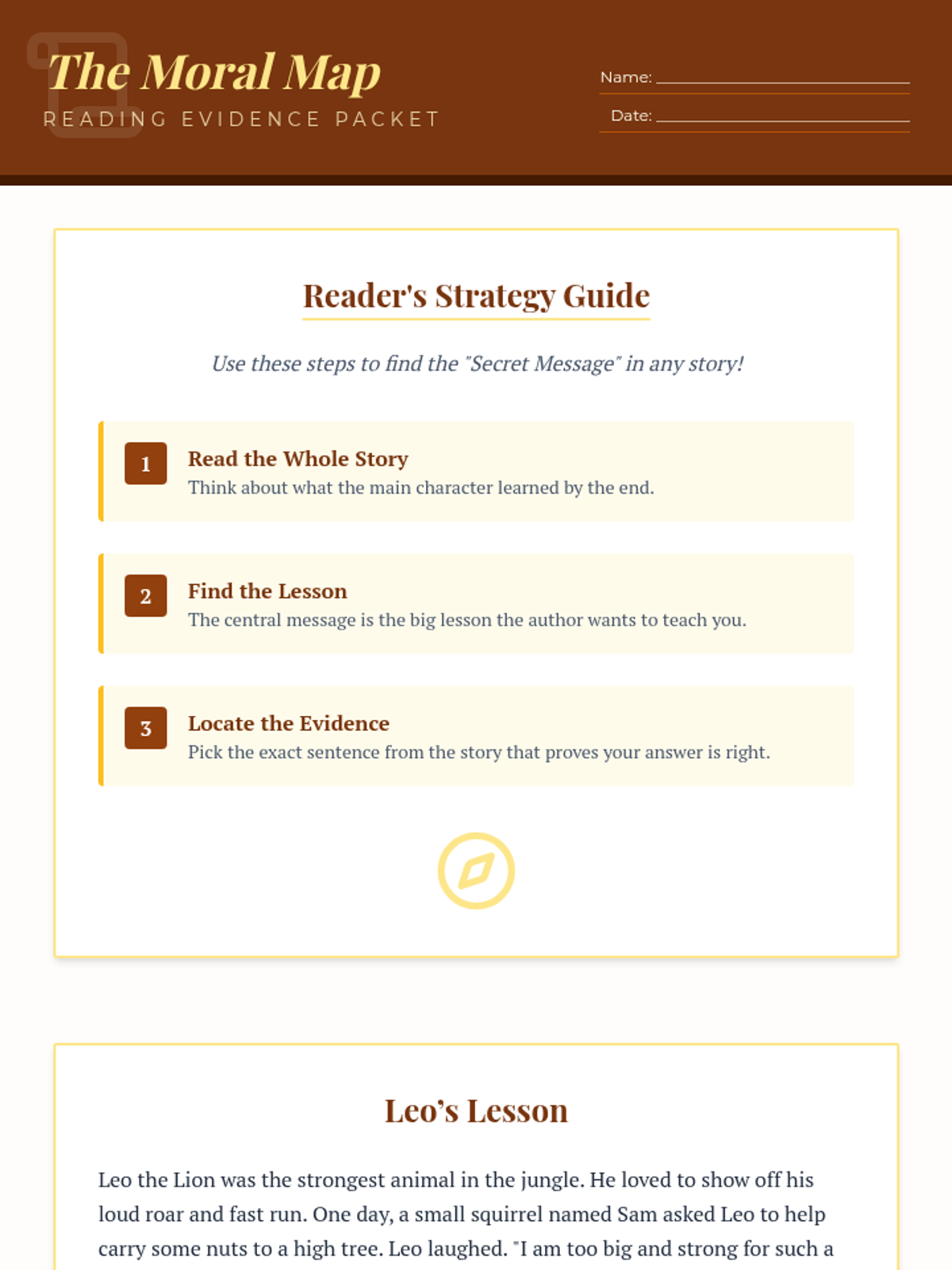
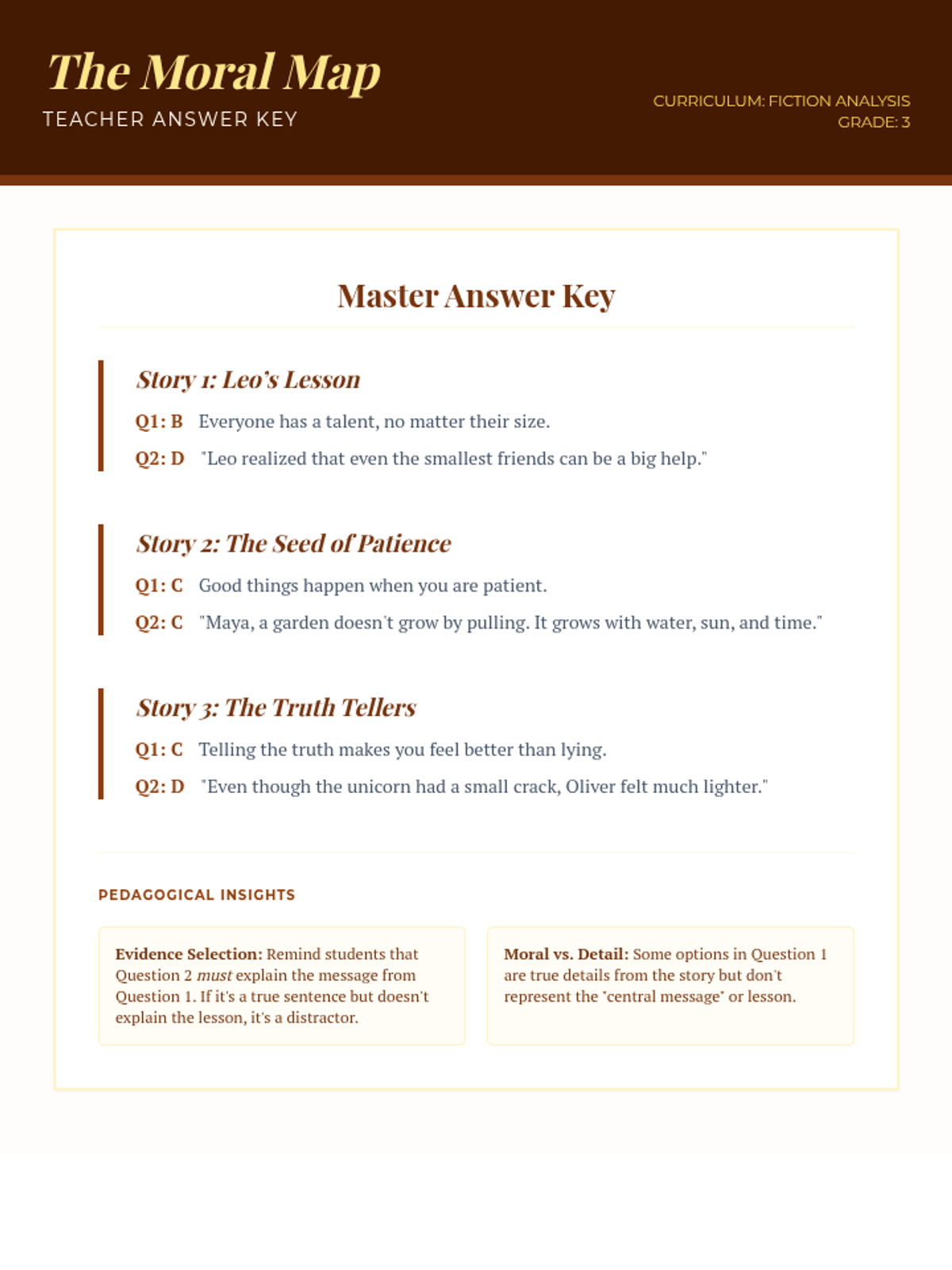
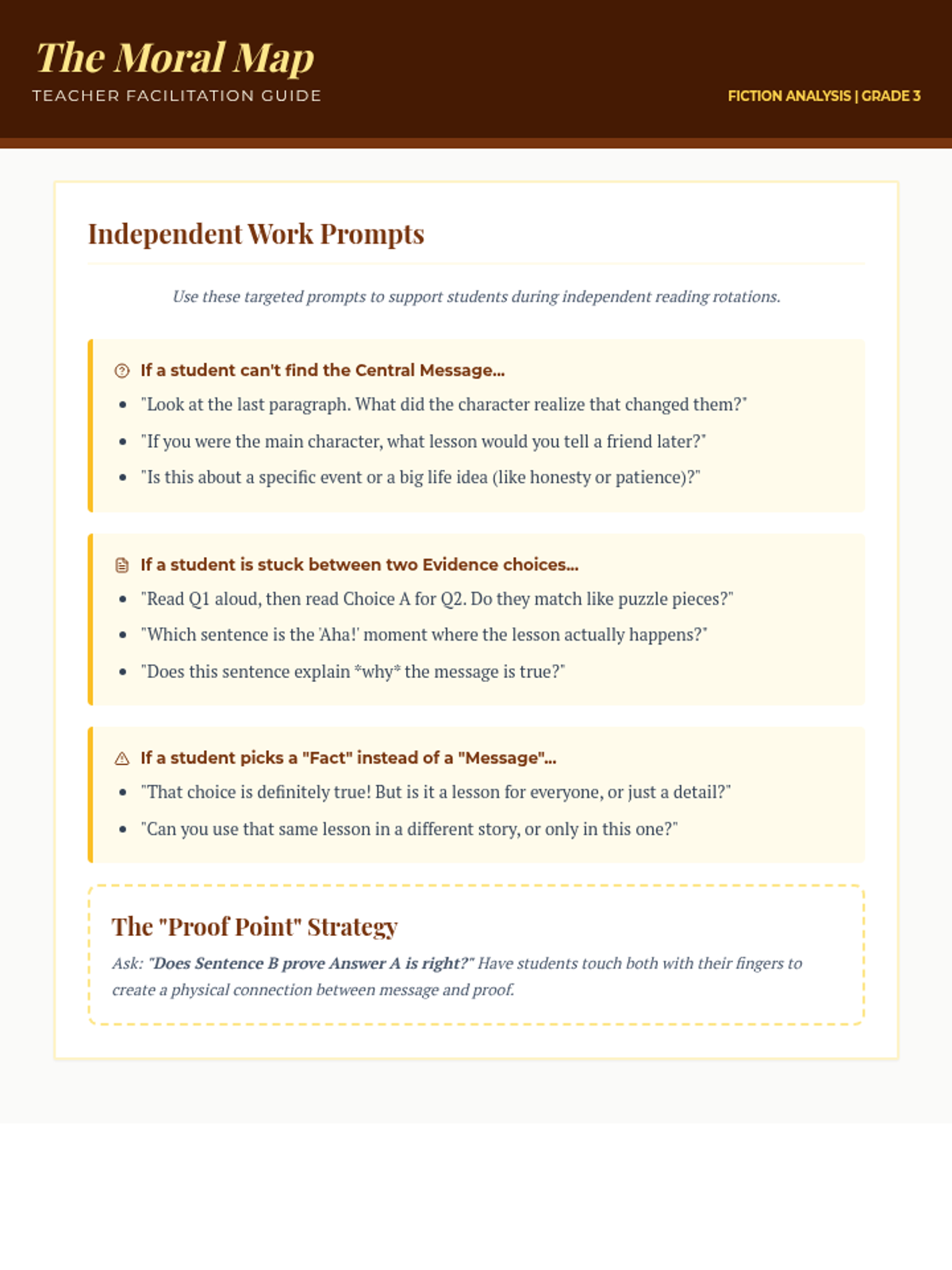
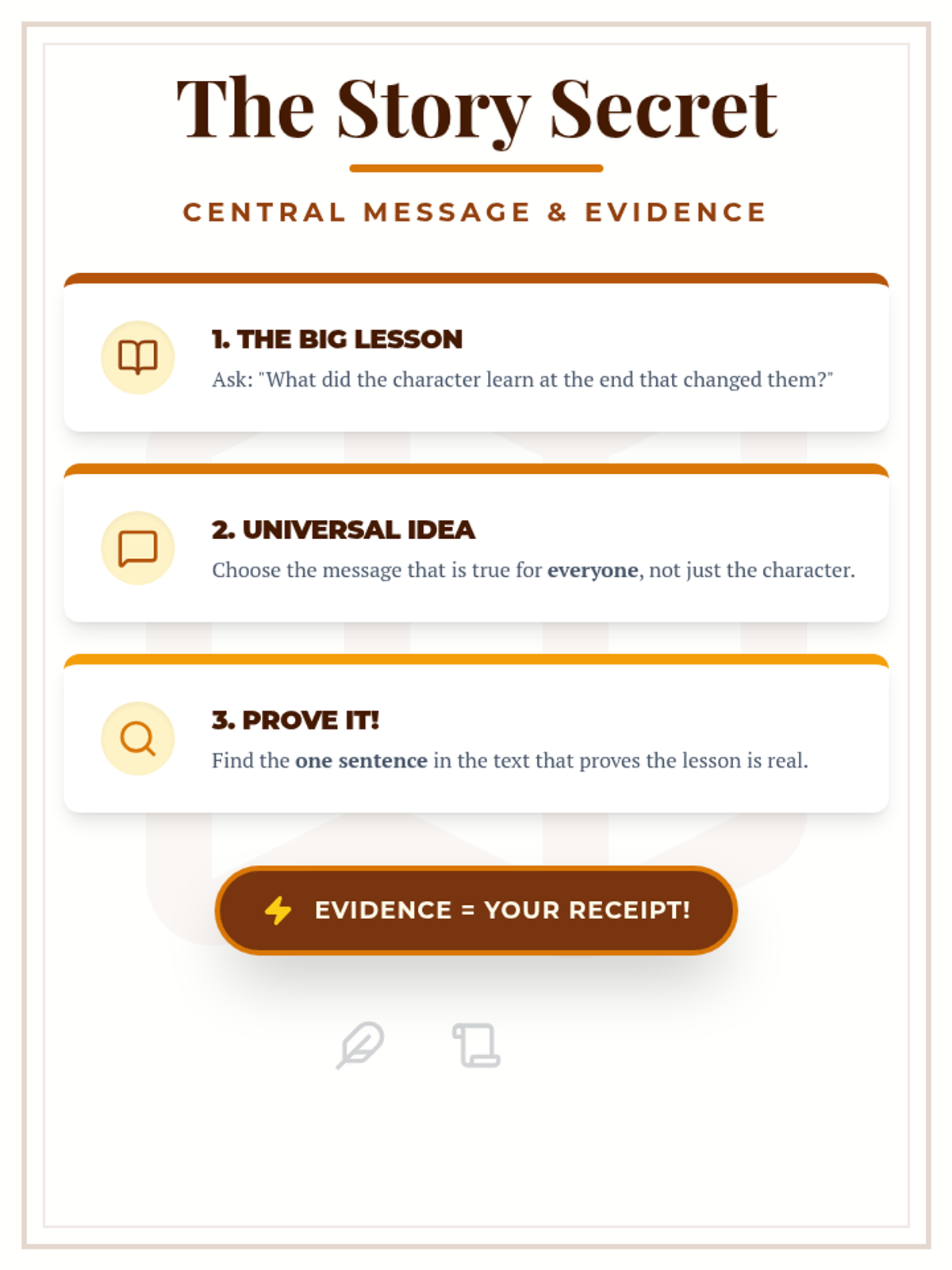
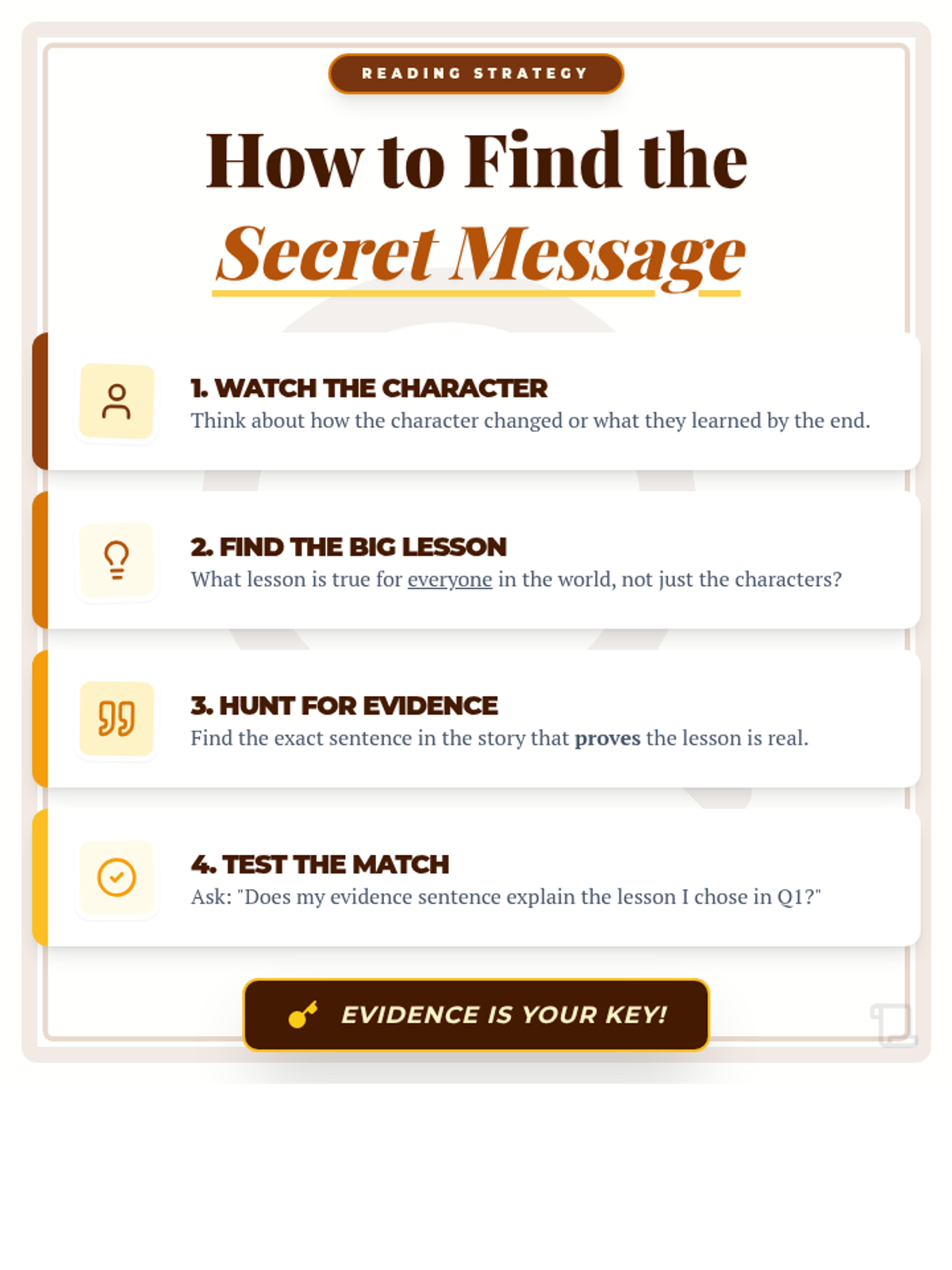
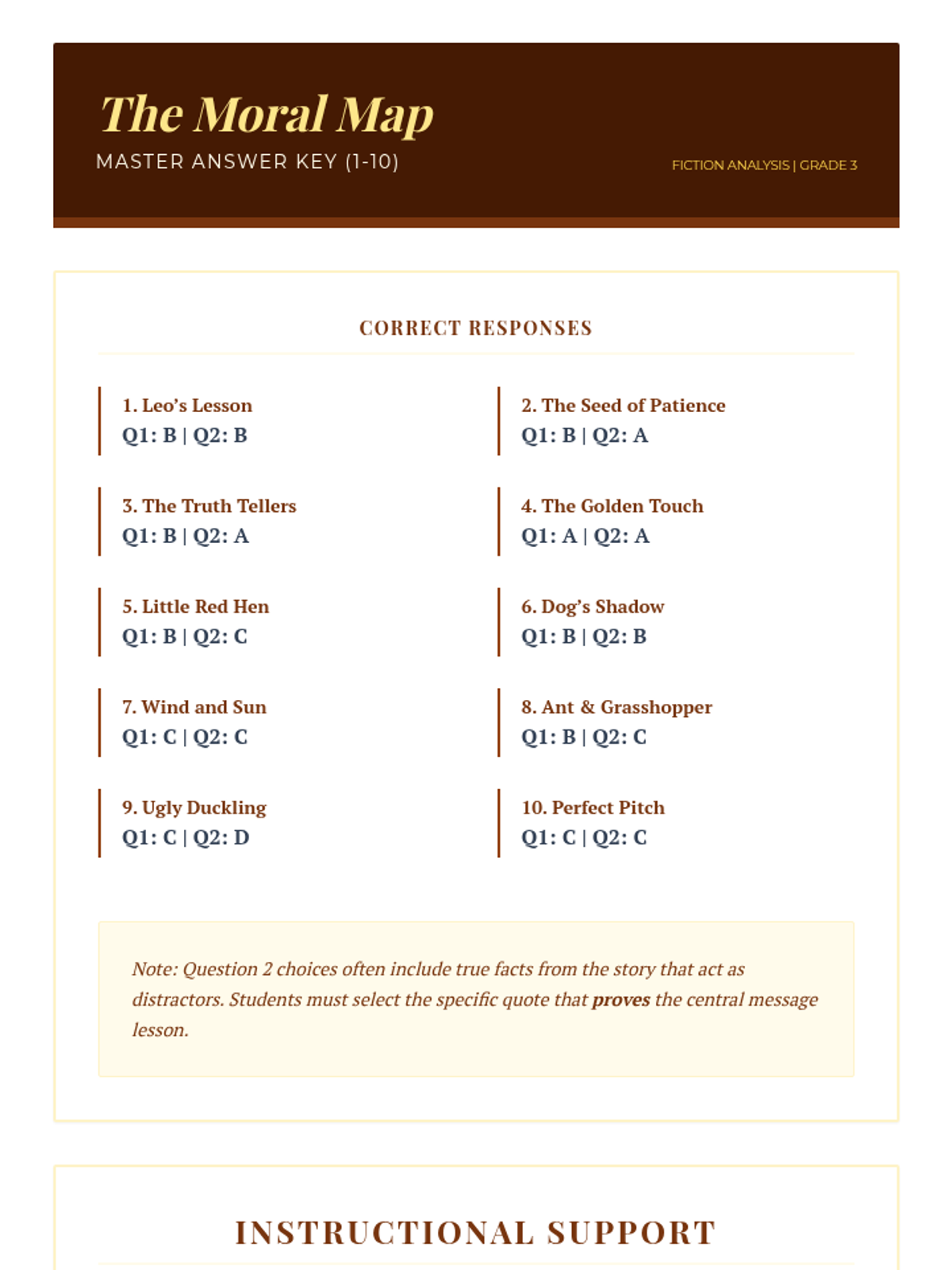
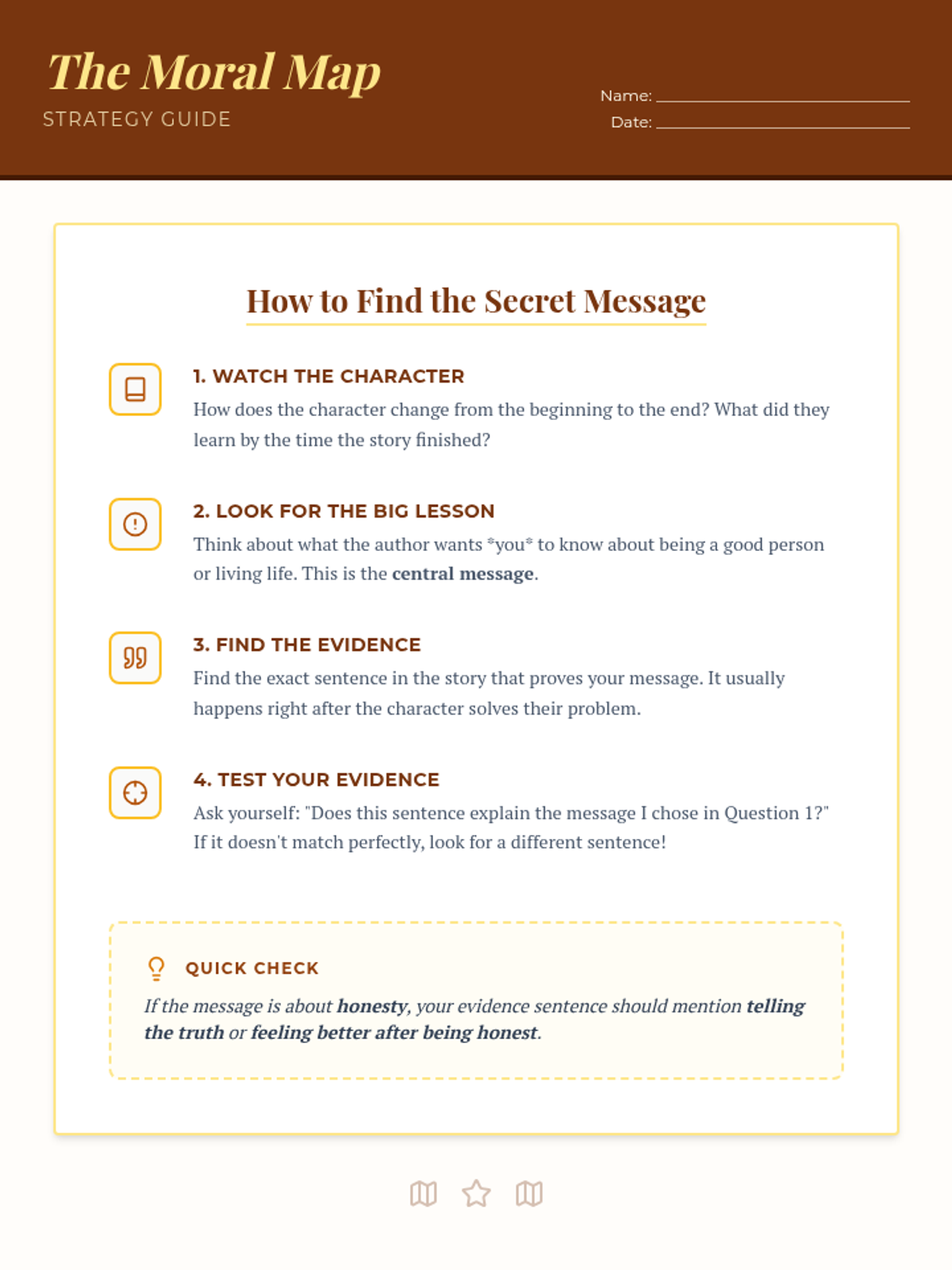
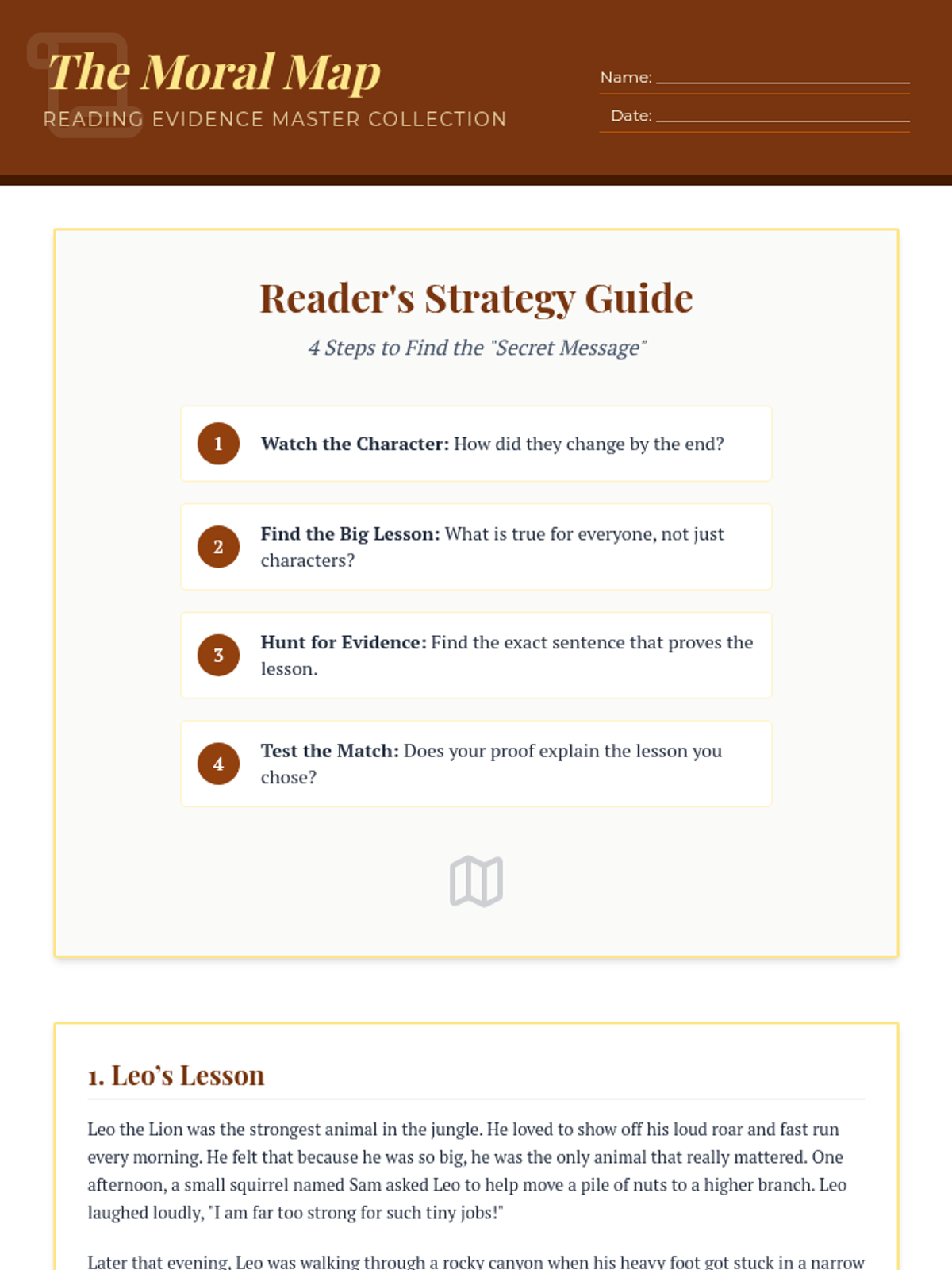
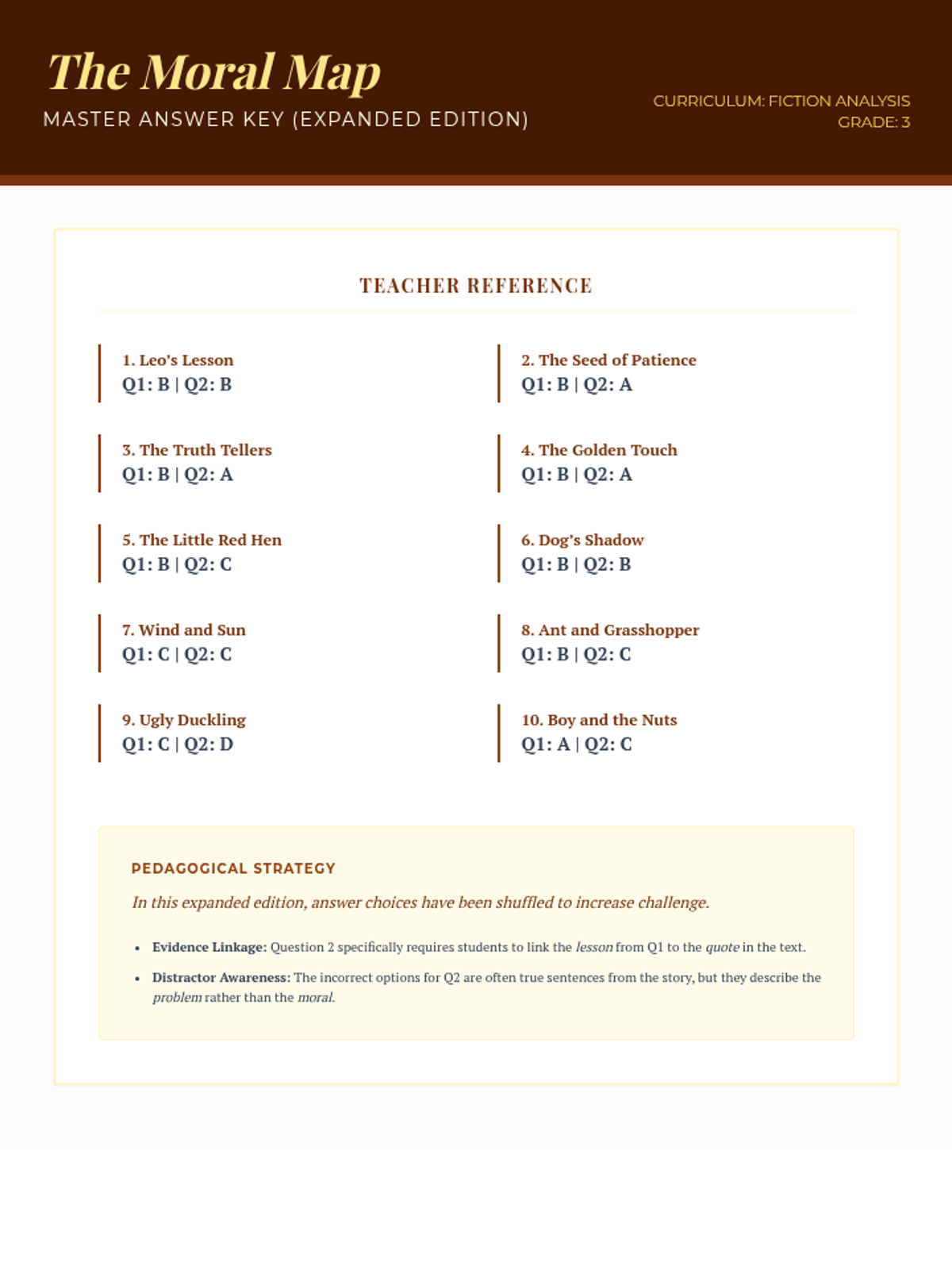
A comprehensive collection of 10 third-grade fiction passages focused on identifying the central message and selecting text evidence. Includes a strategy guide and full answer key.
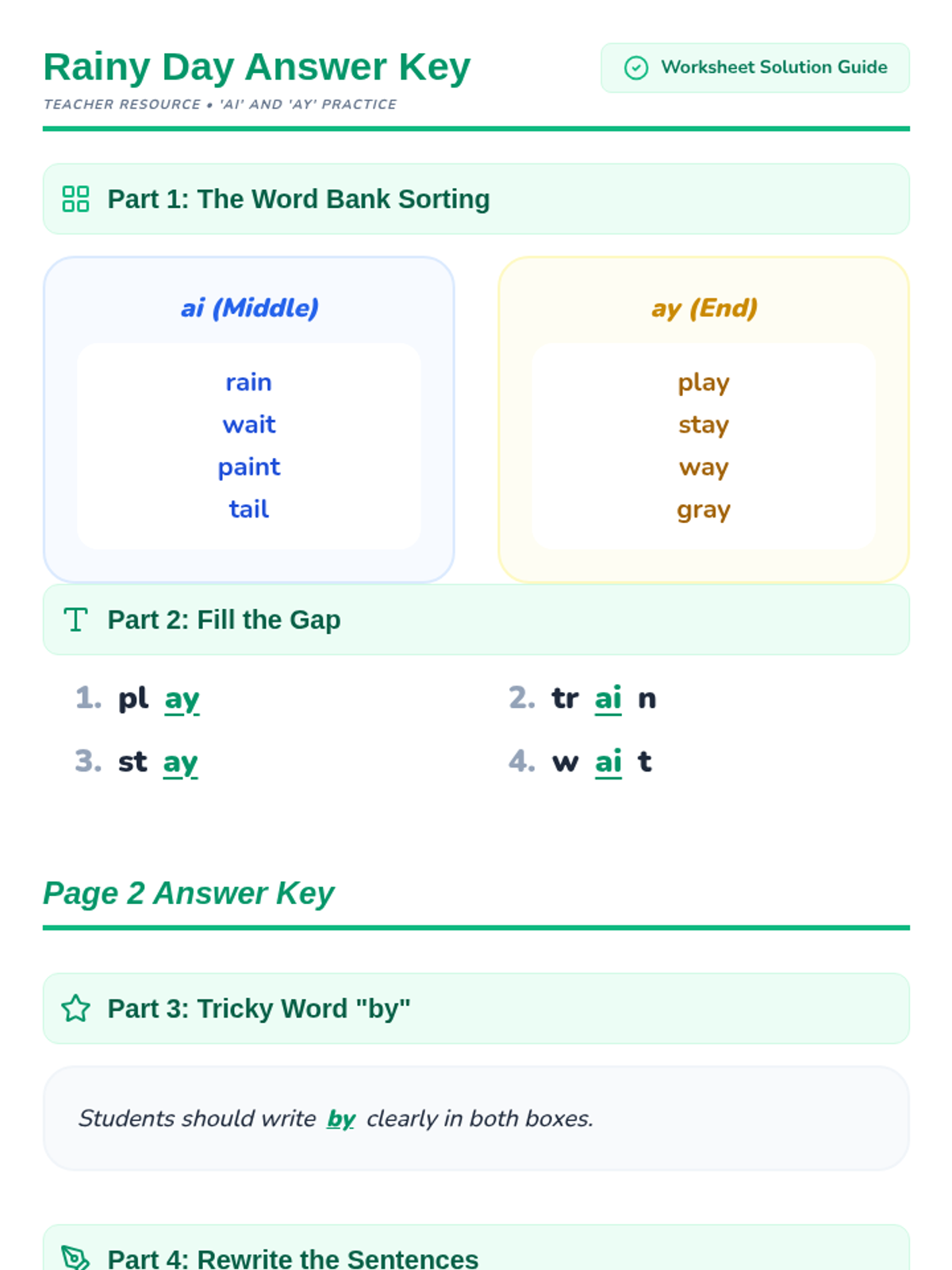
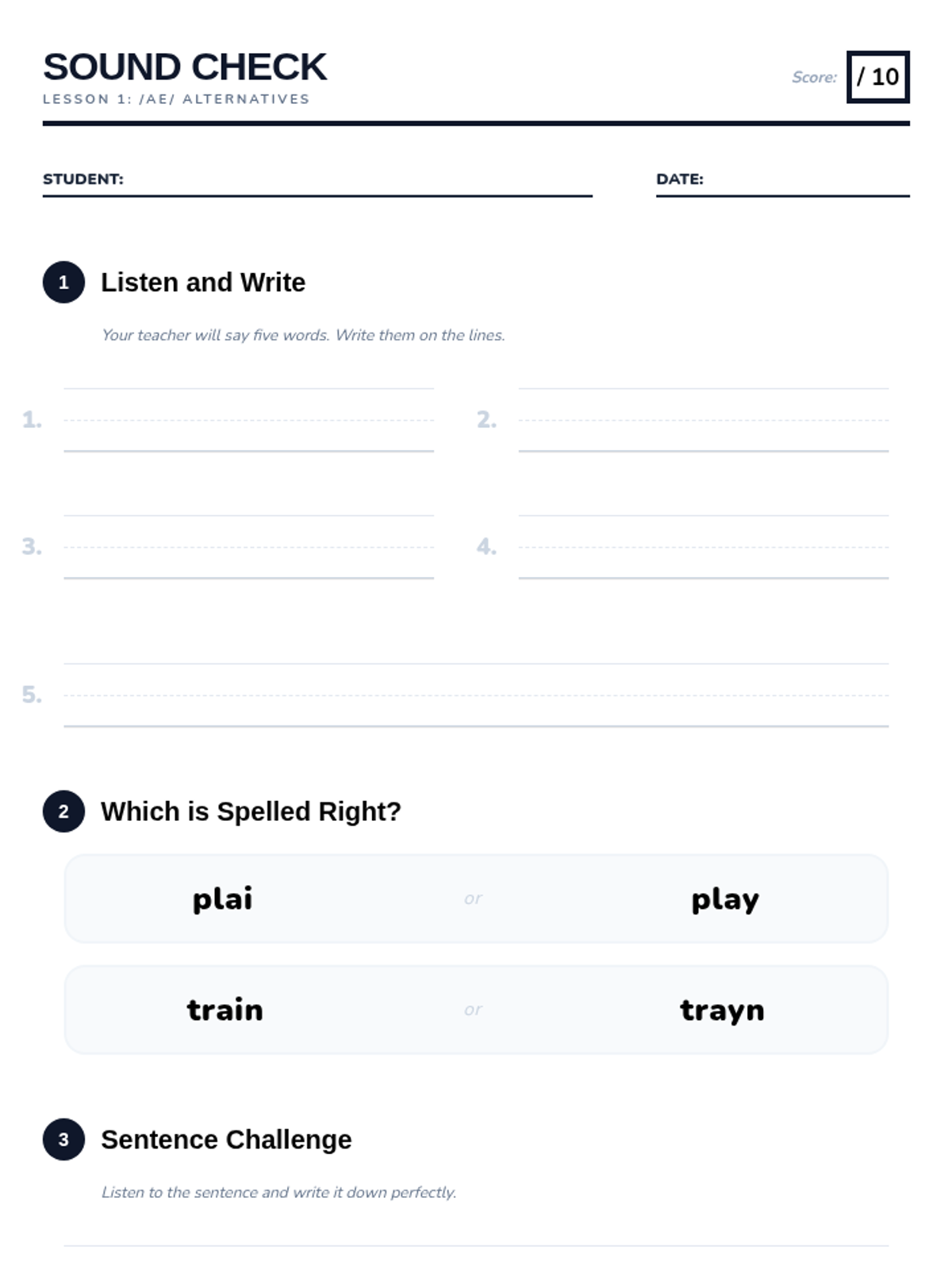
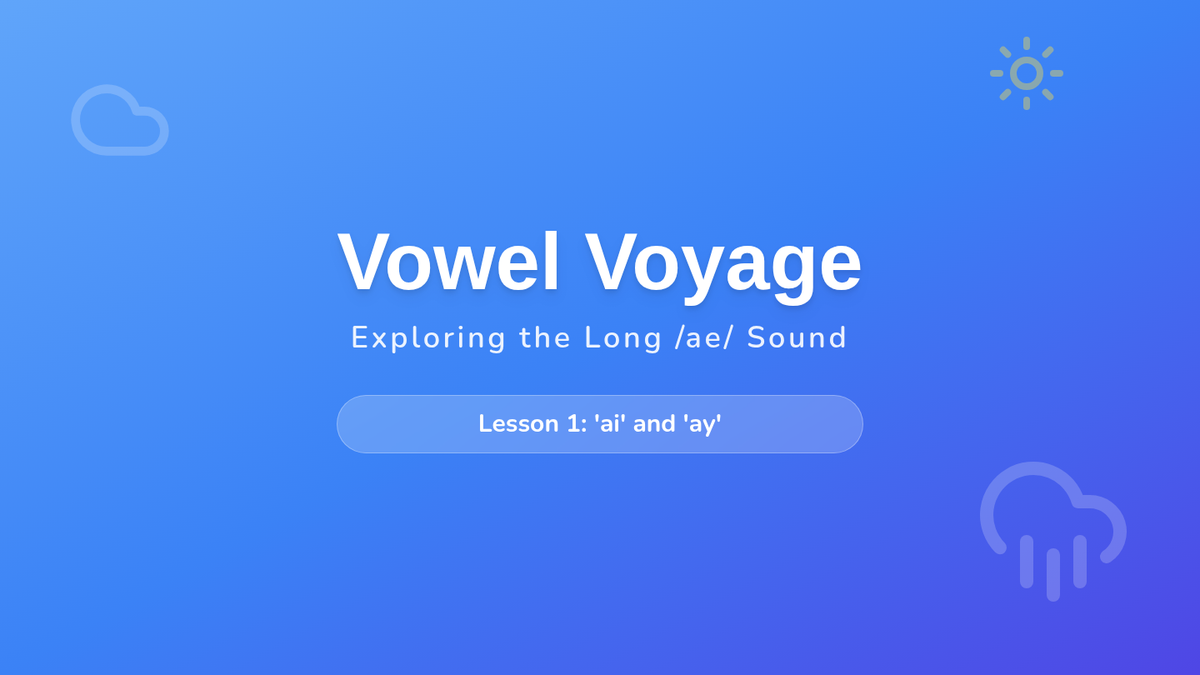
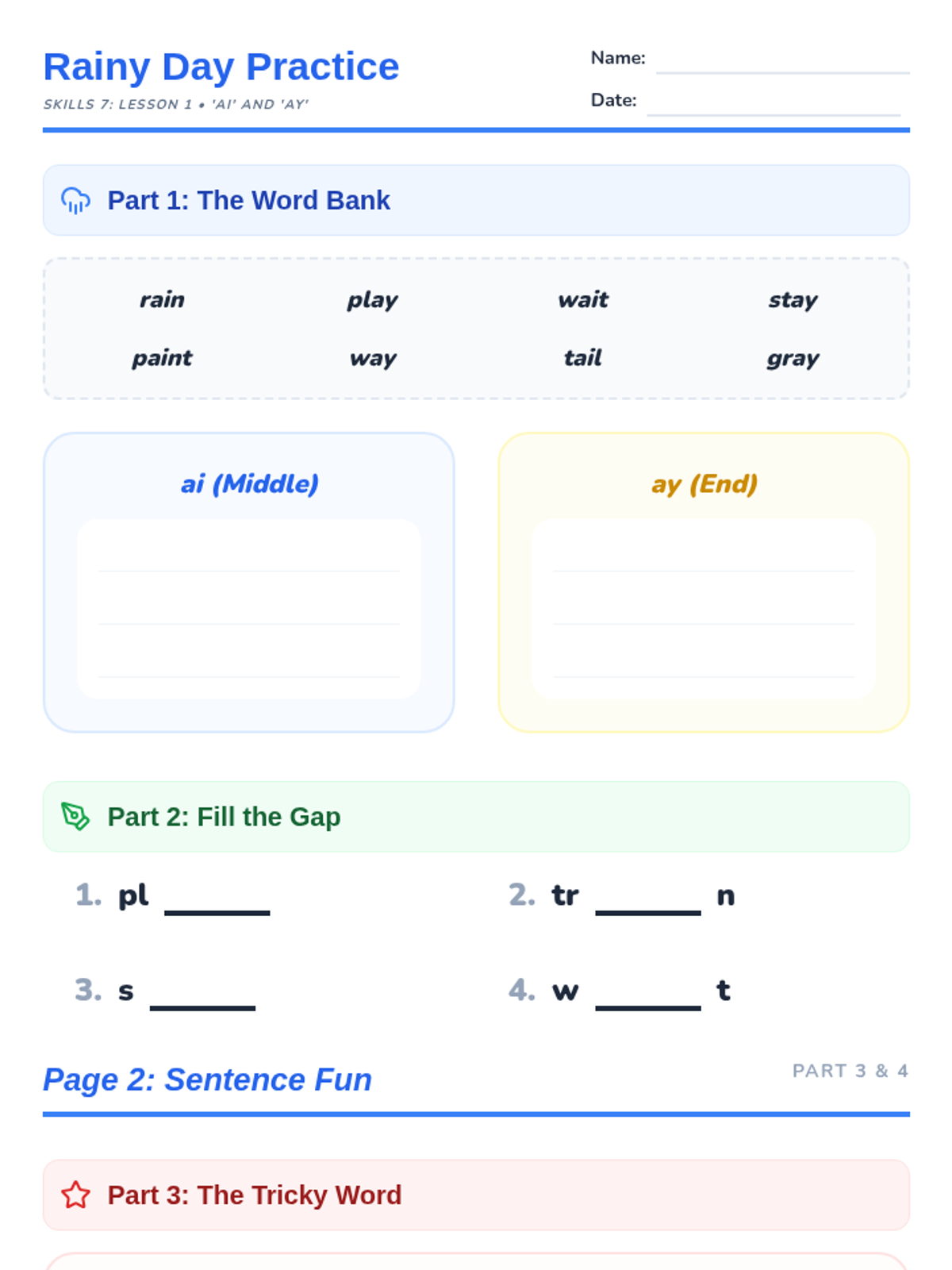
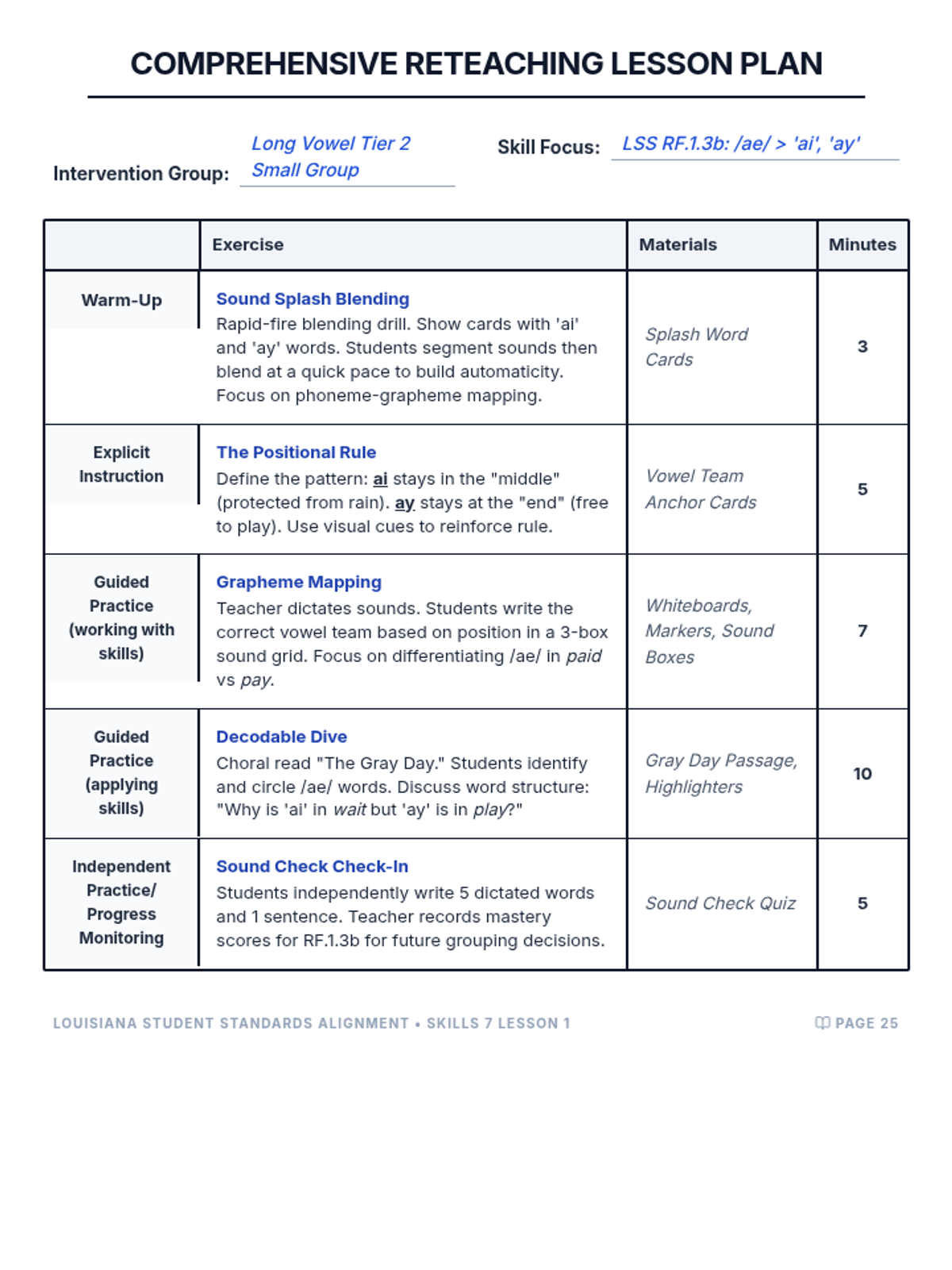
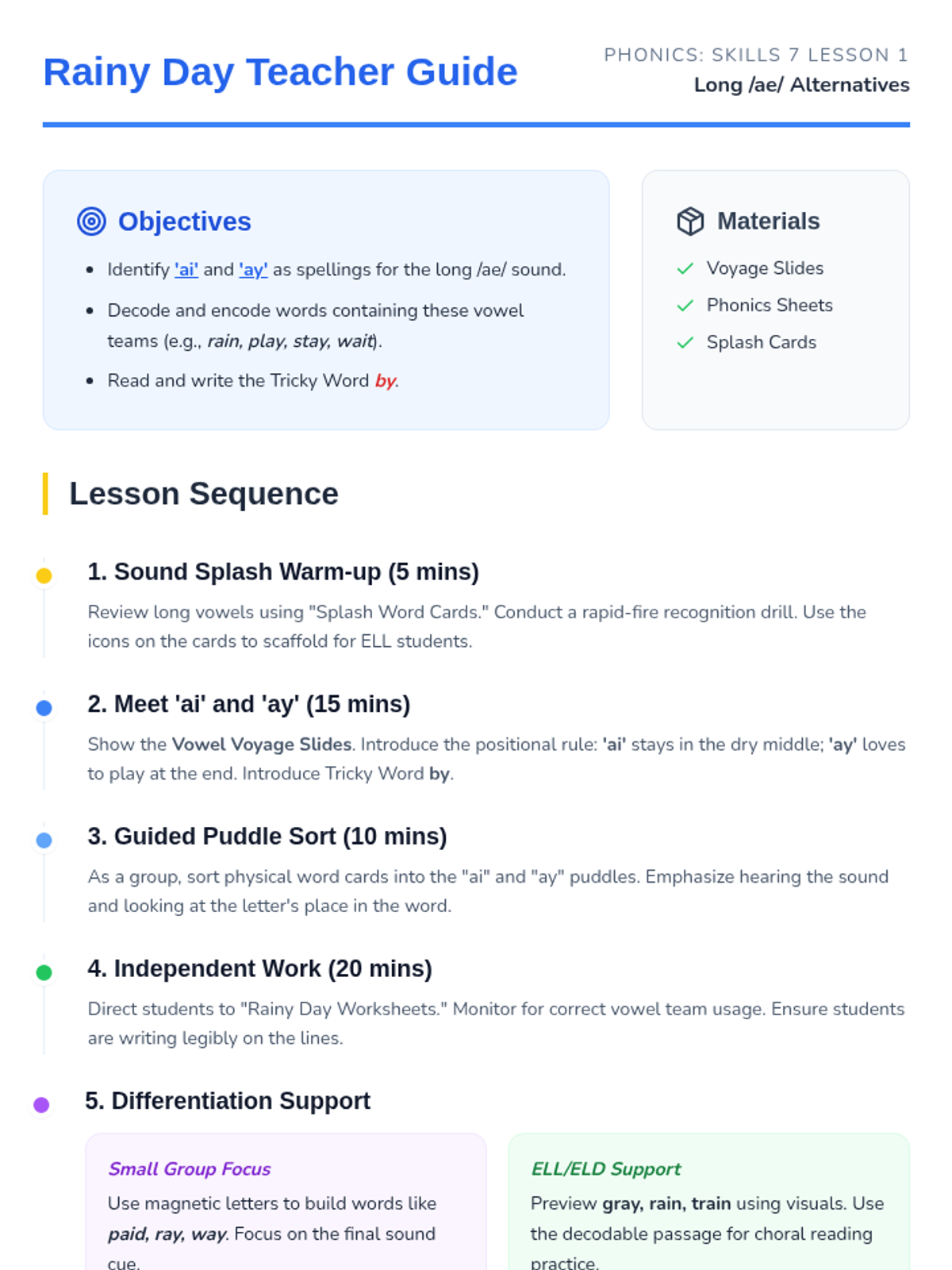
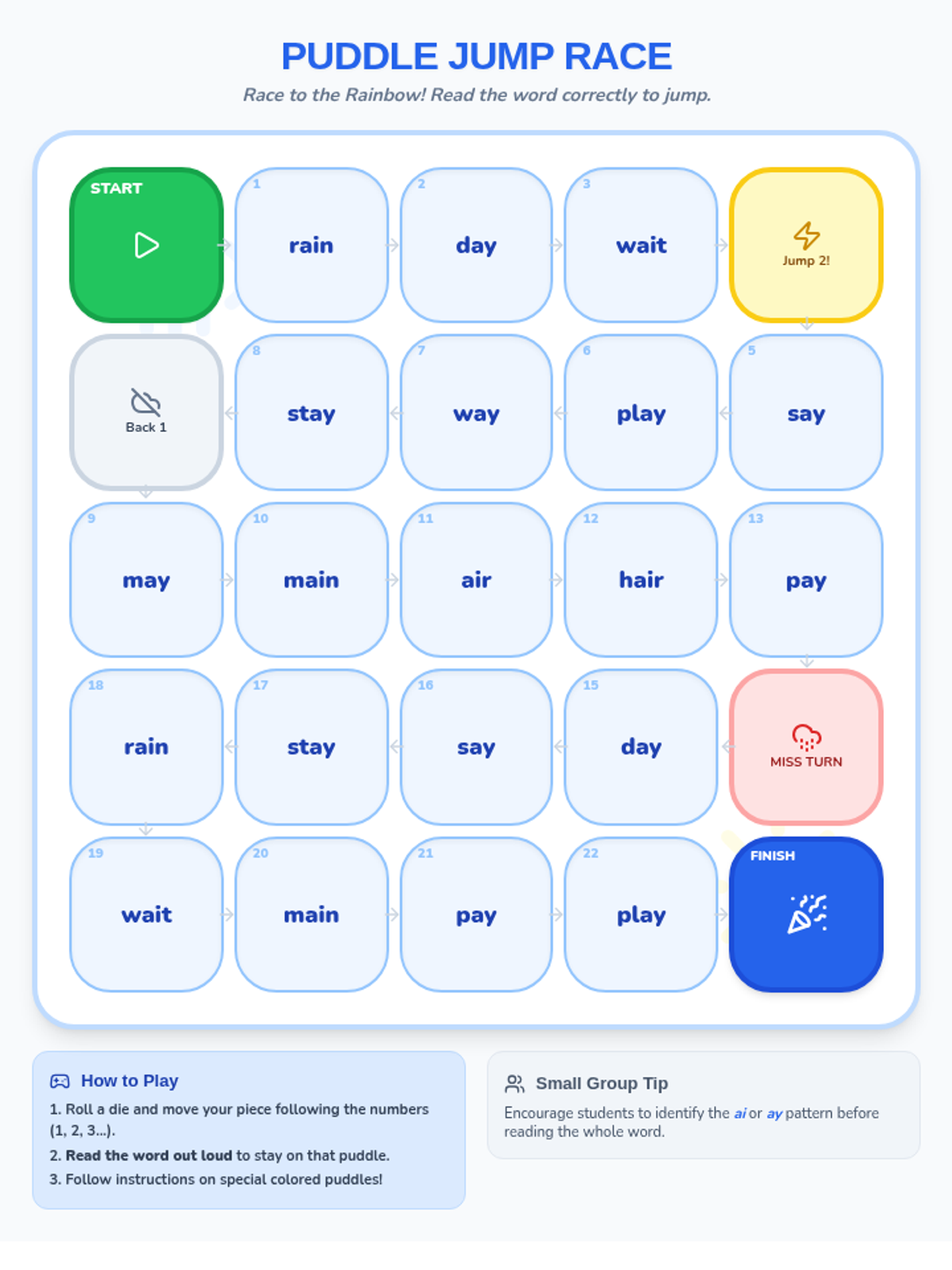
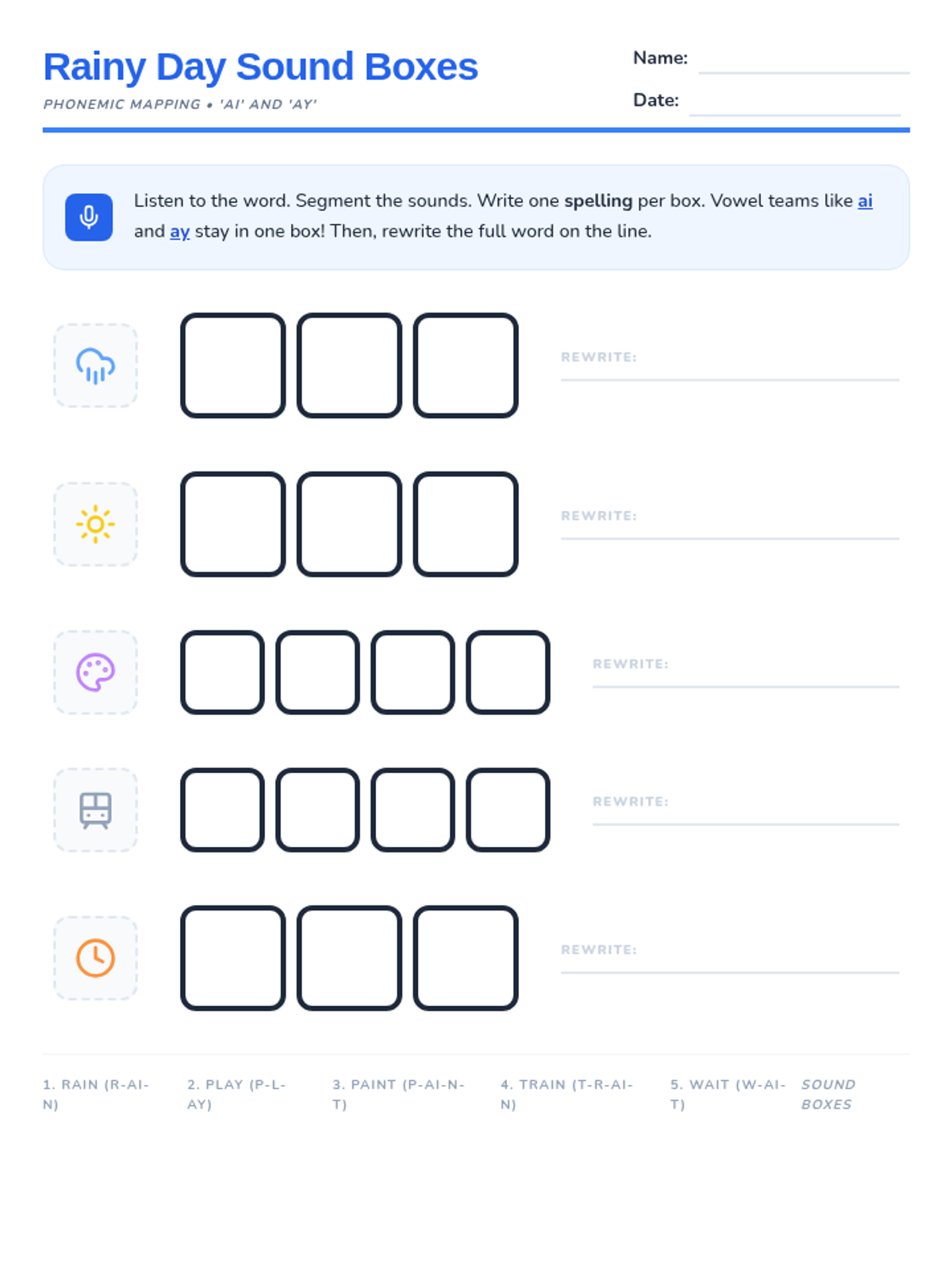
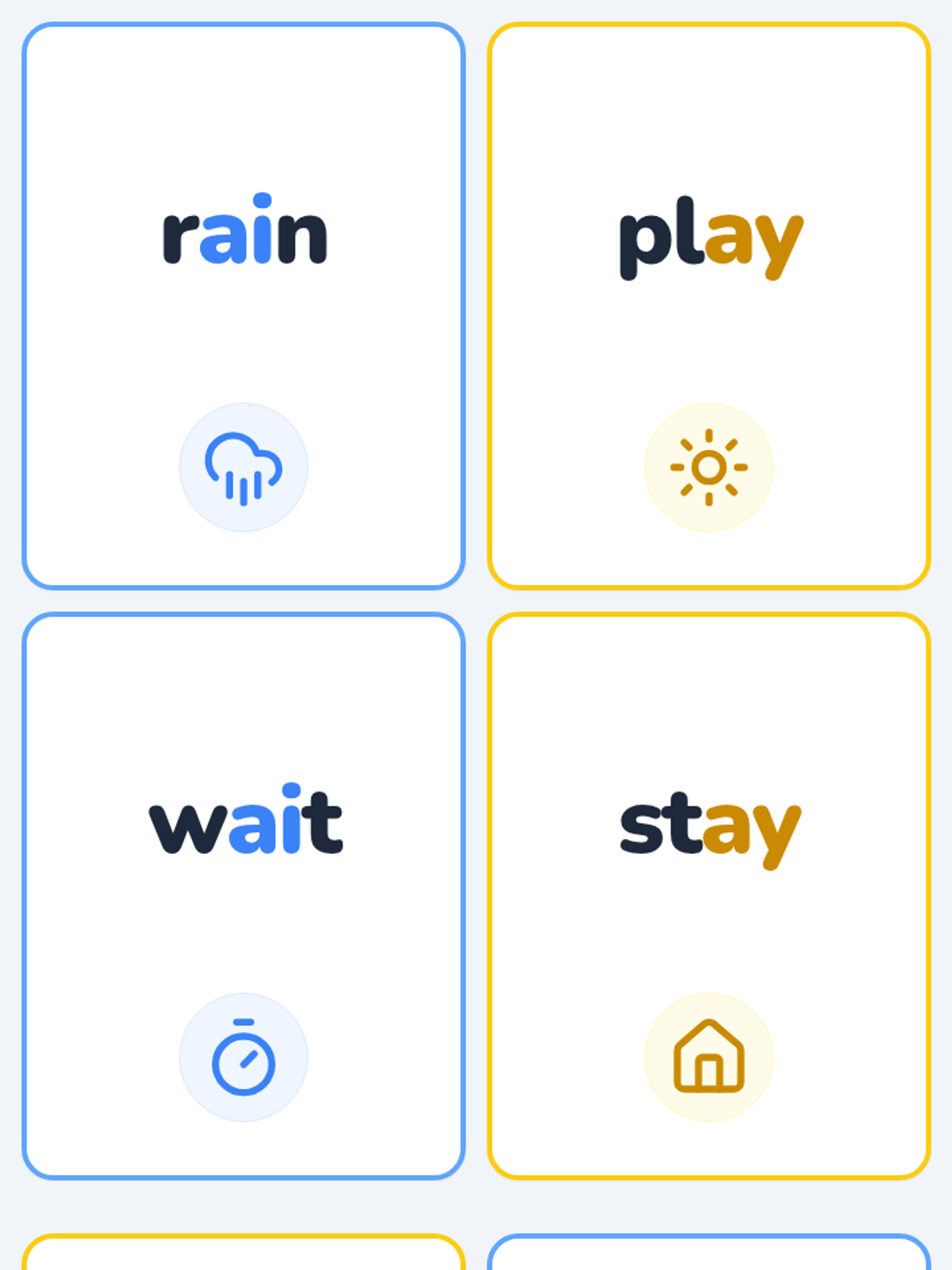
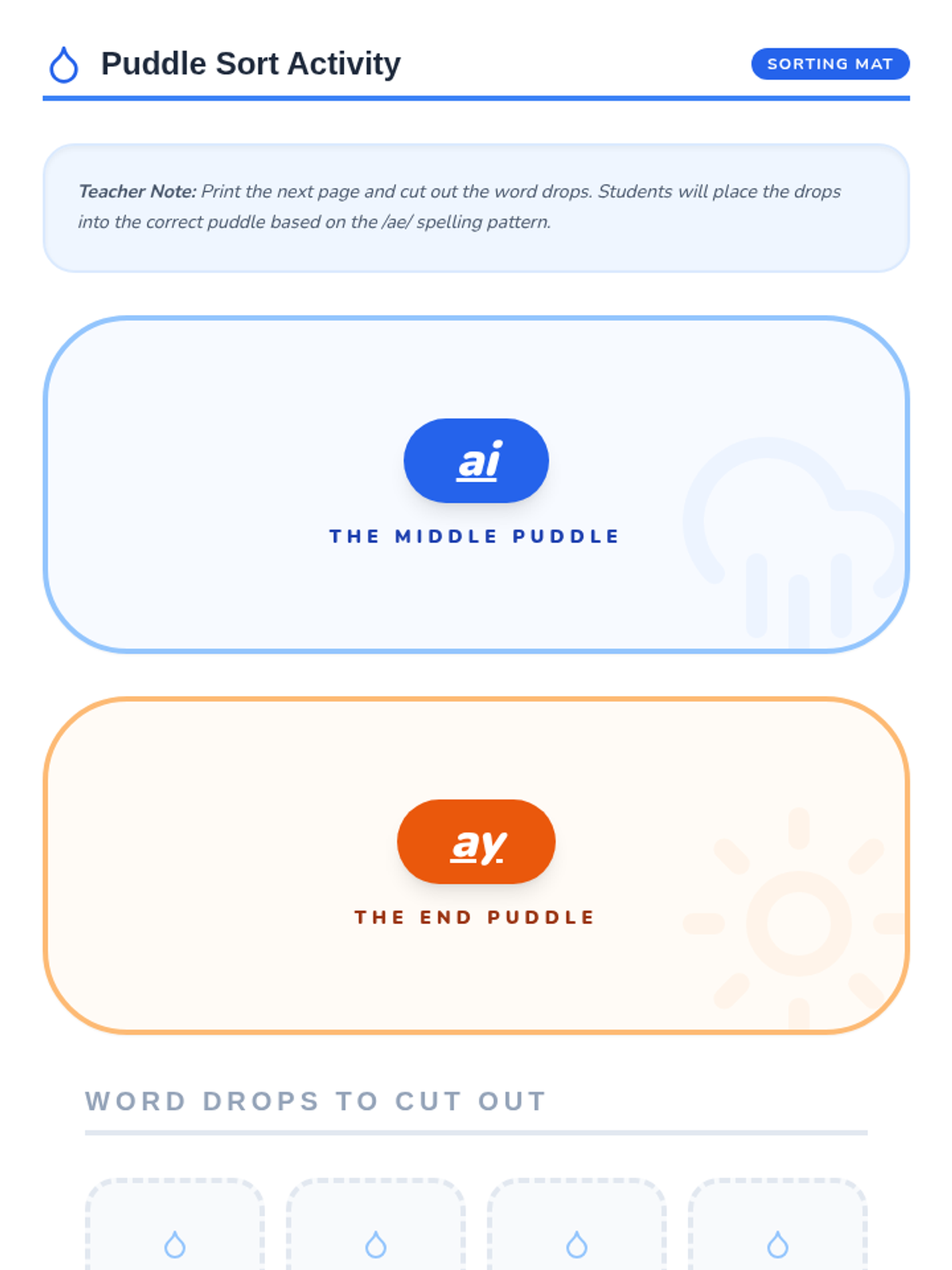
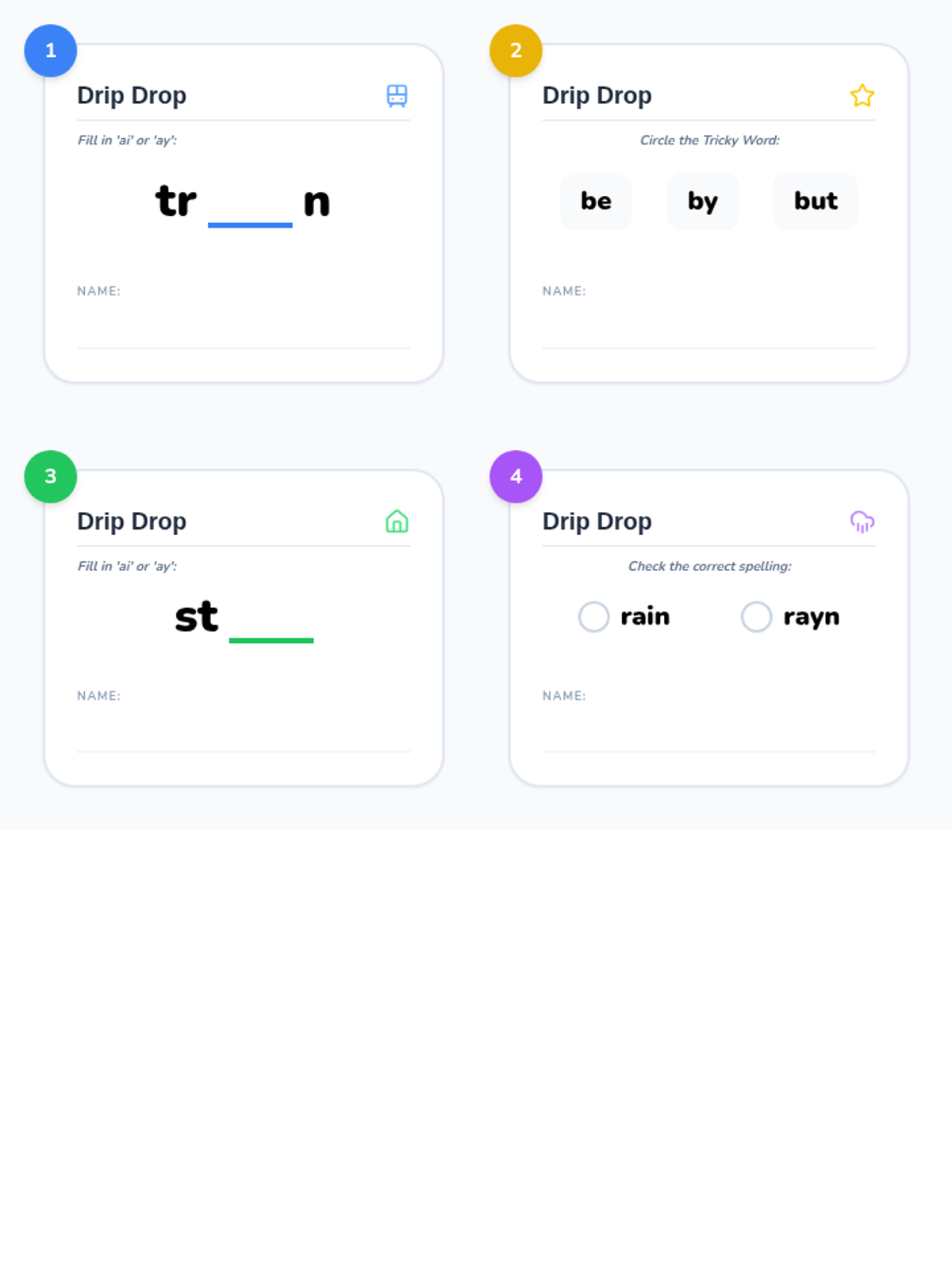
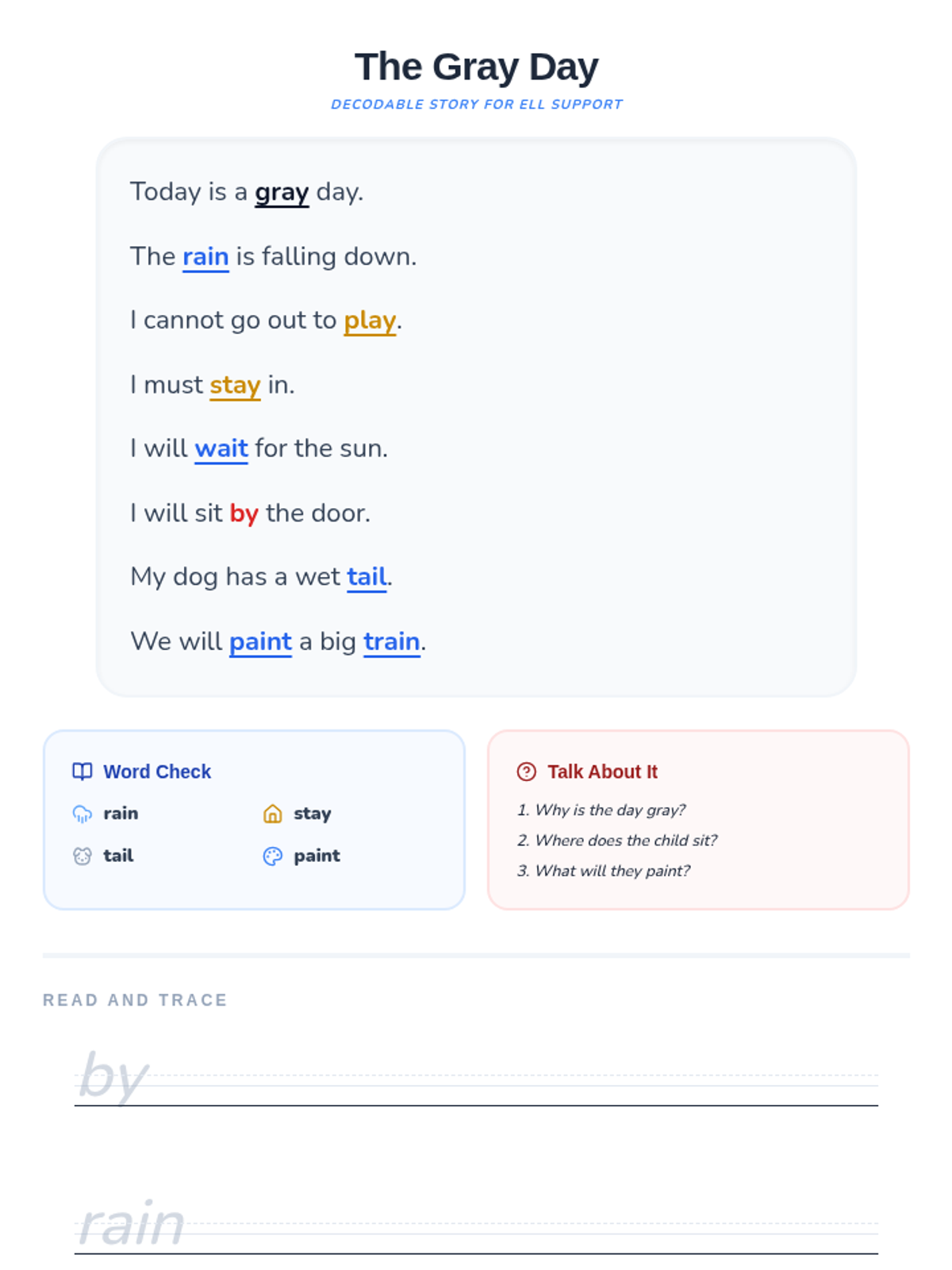
A comprehensive phonics lesson introducing the 'ai' and 'ay' spellings for the long /ae/ sound, including tricky word practice and decodable reading.
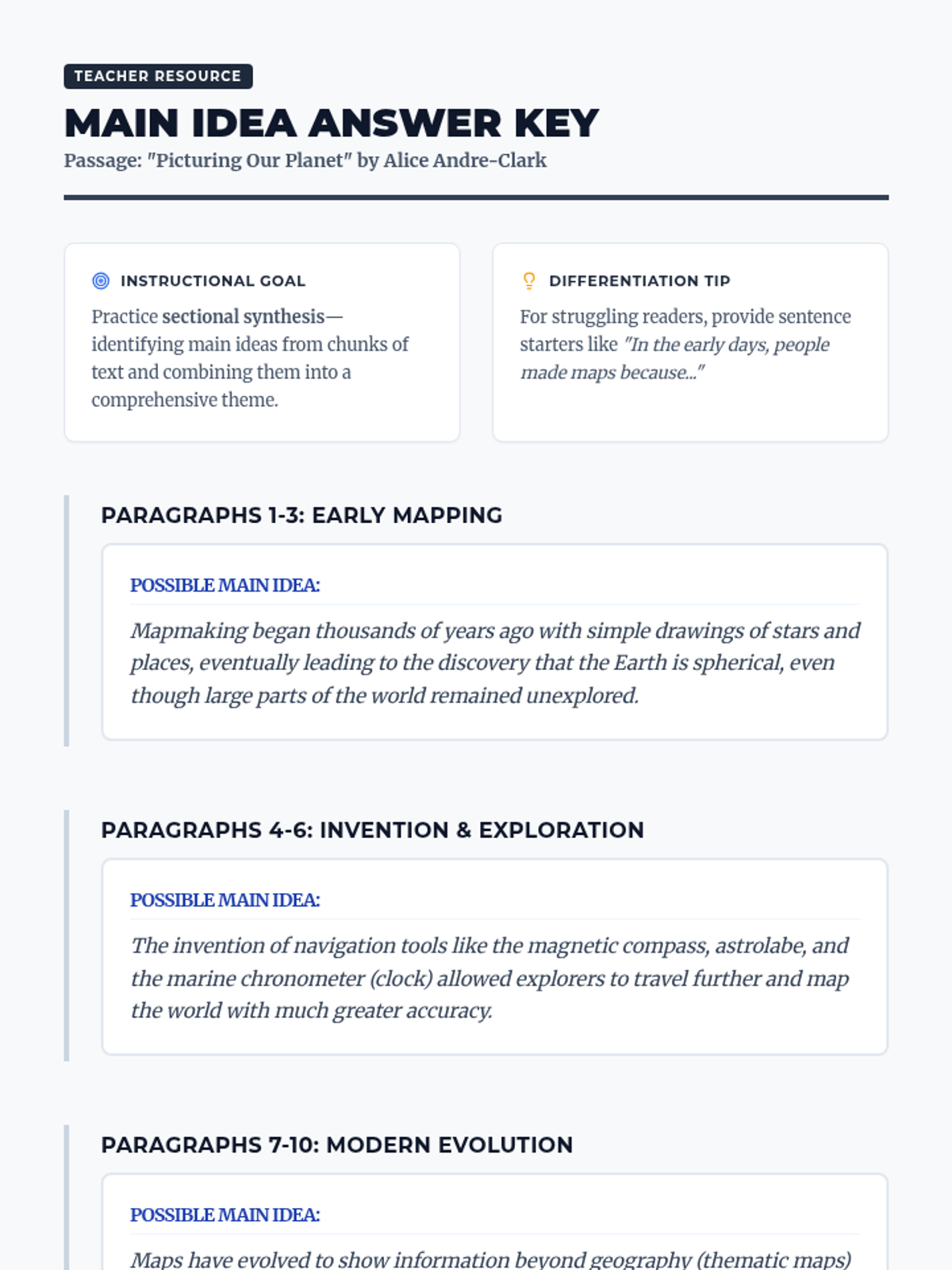
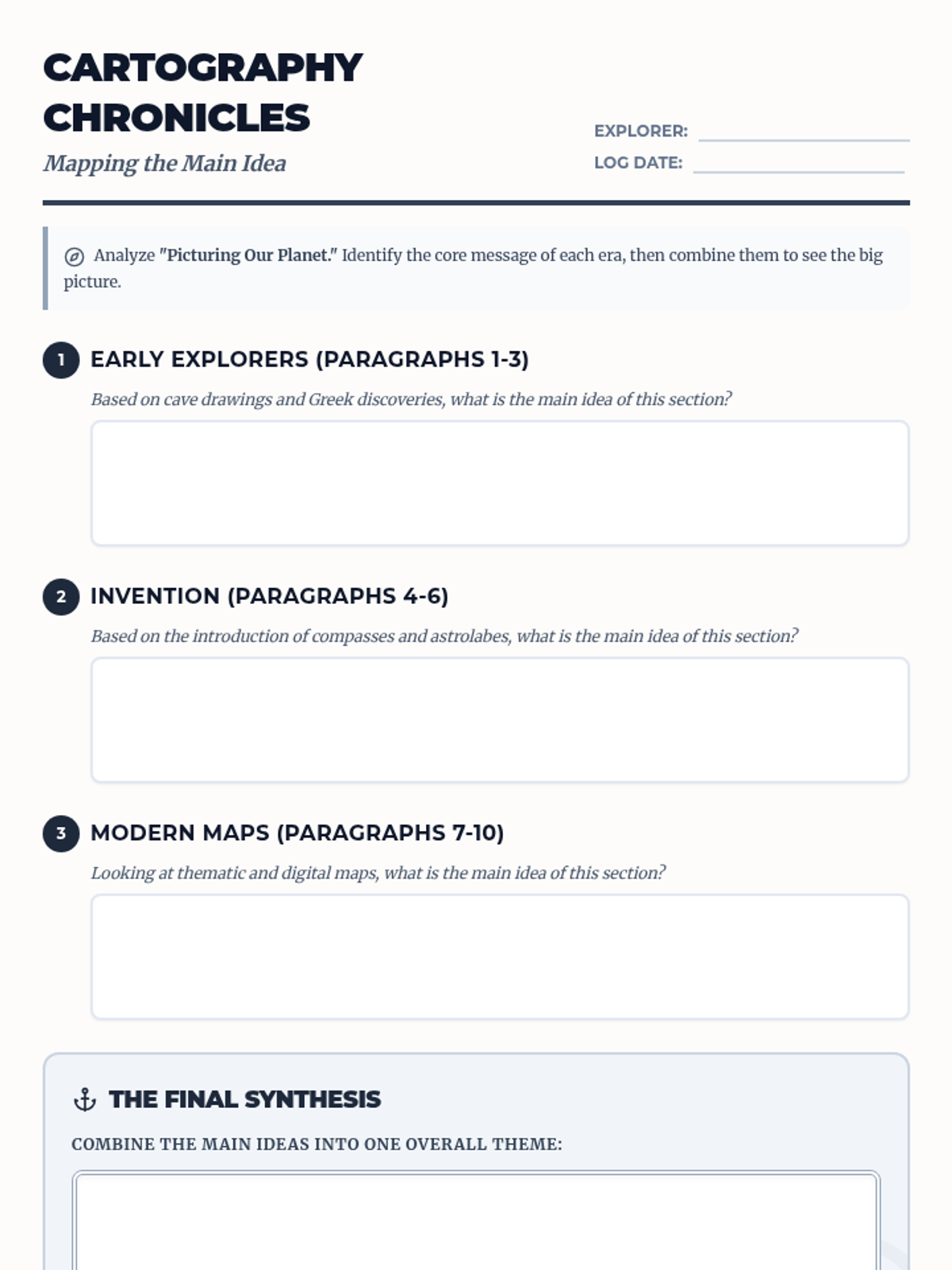
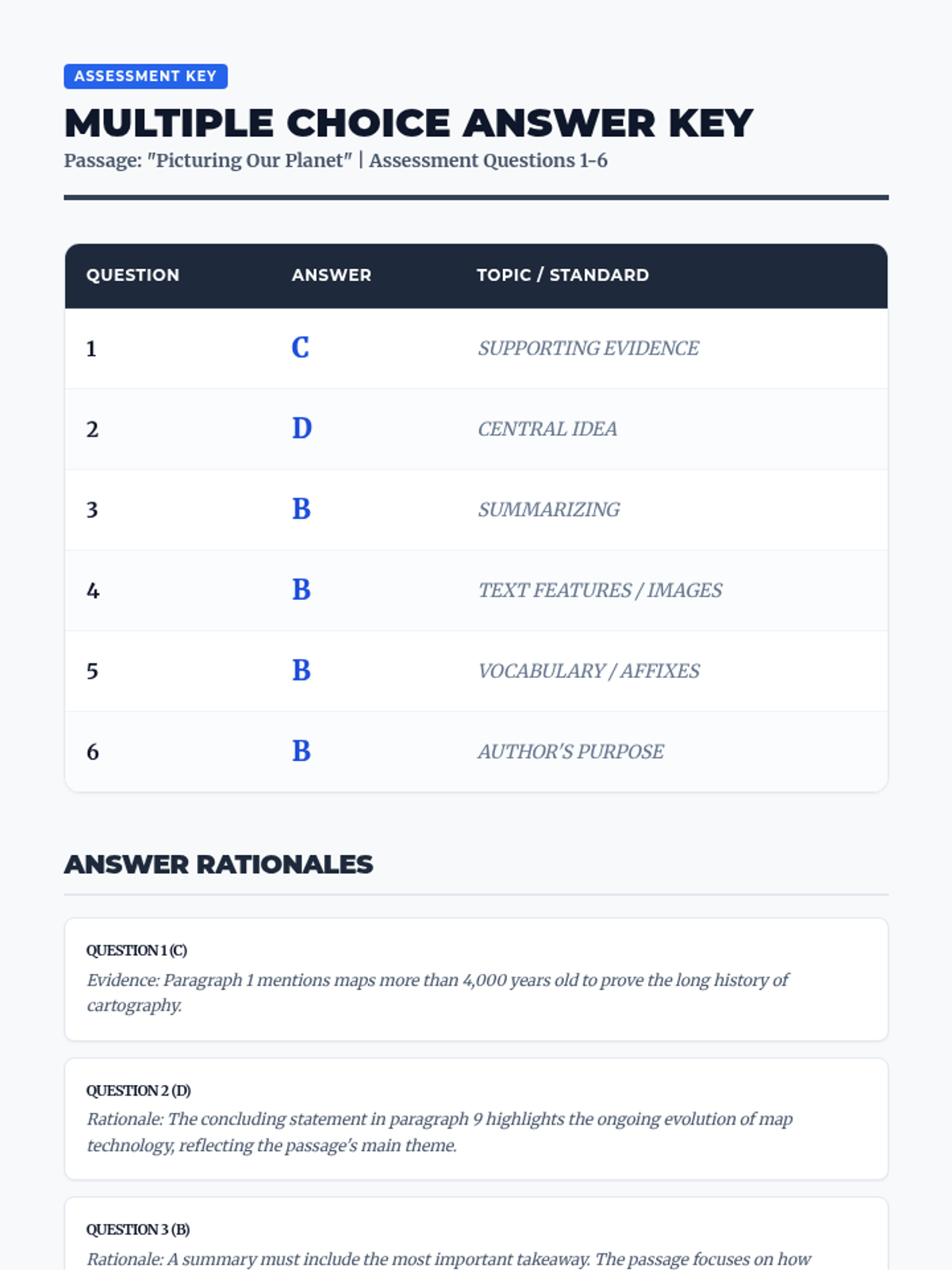
This lesson guides students through identifying sectional main ideas and synthesizing them into a central theme using the historical passage 'Picturing Our Planet'.
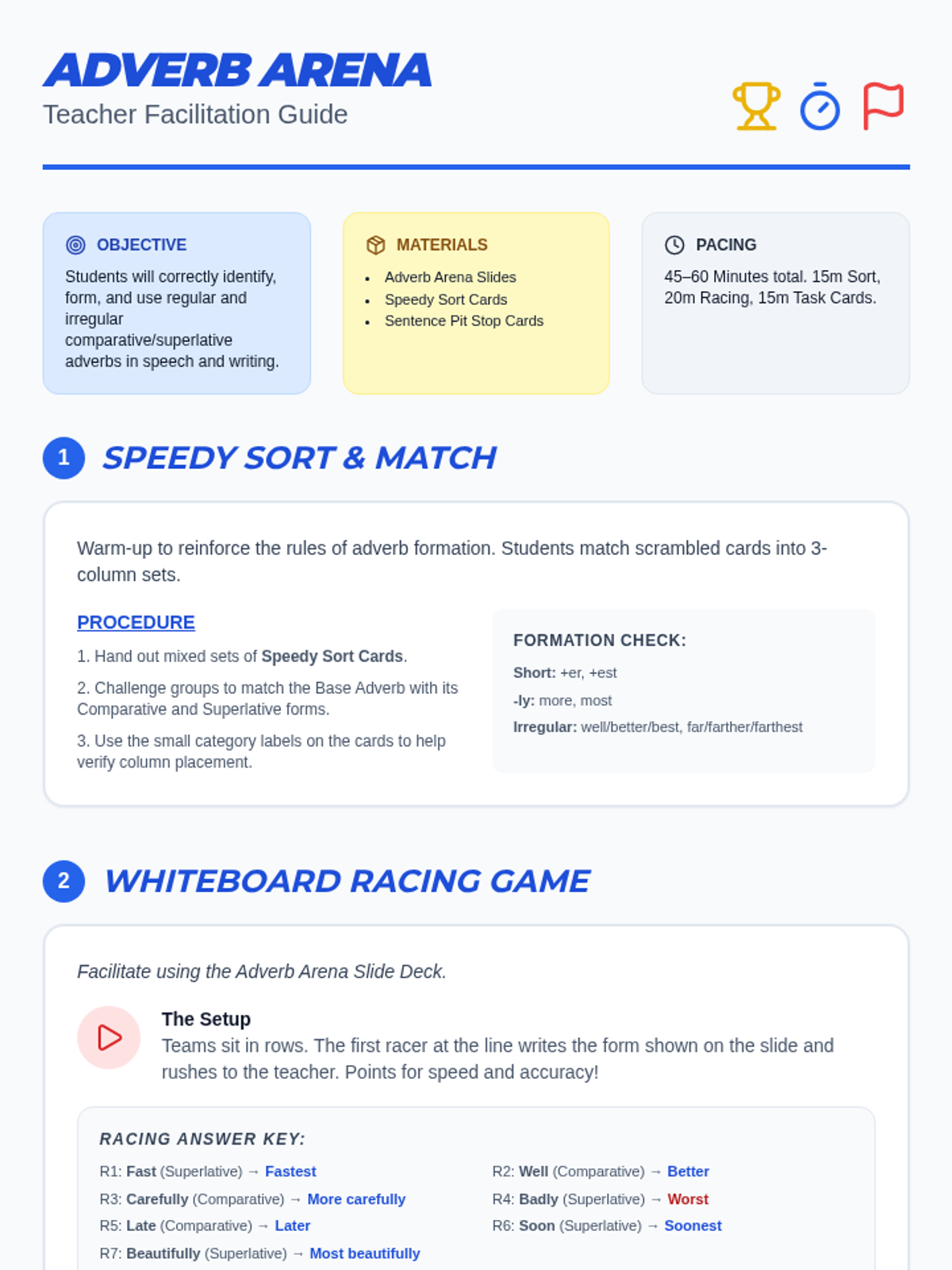
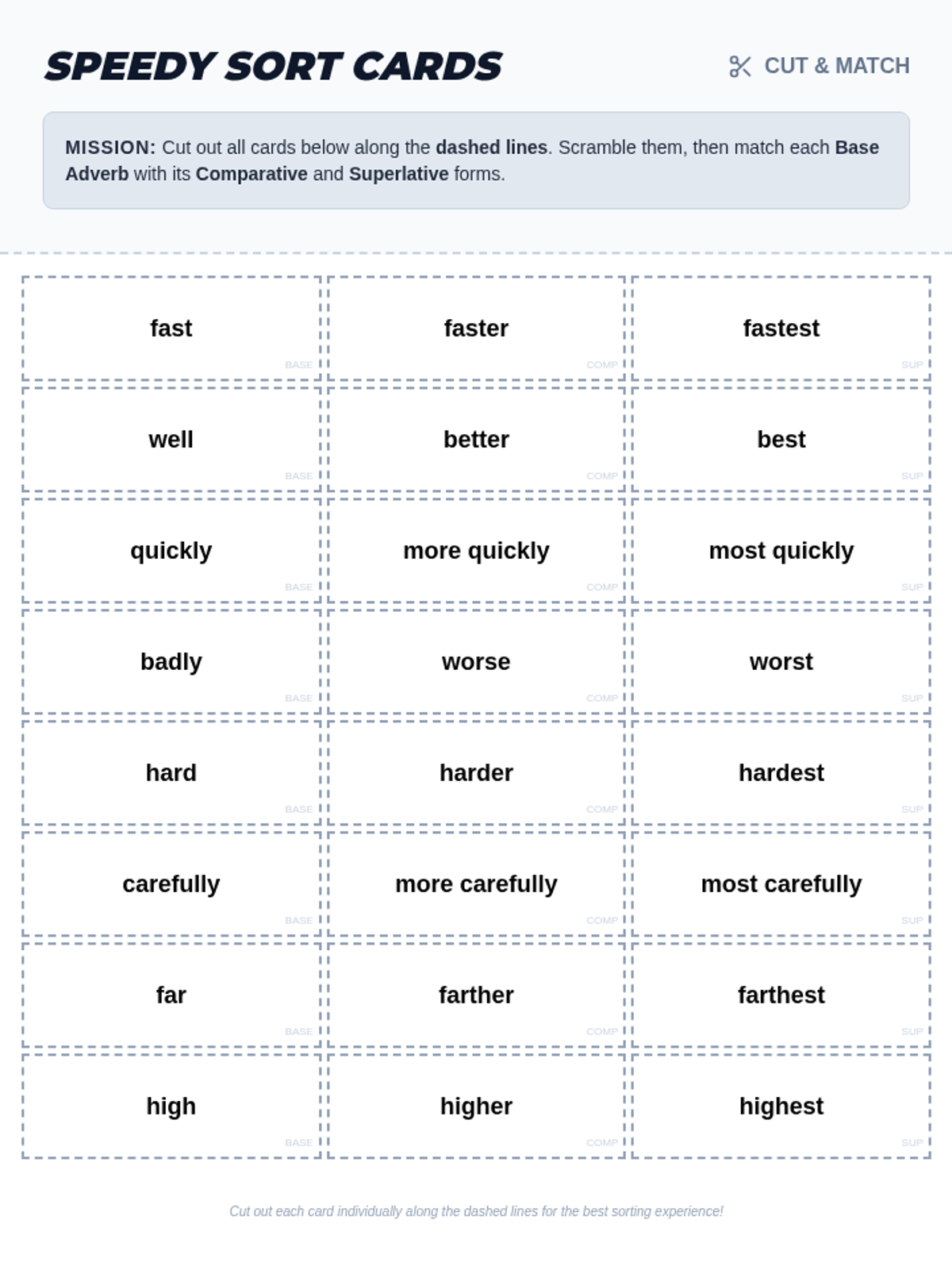
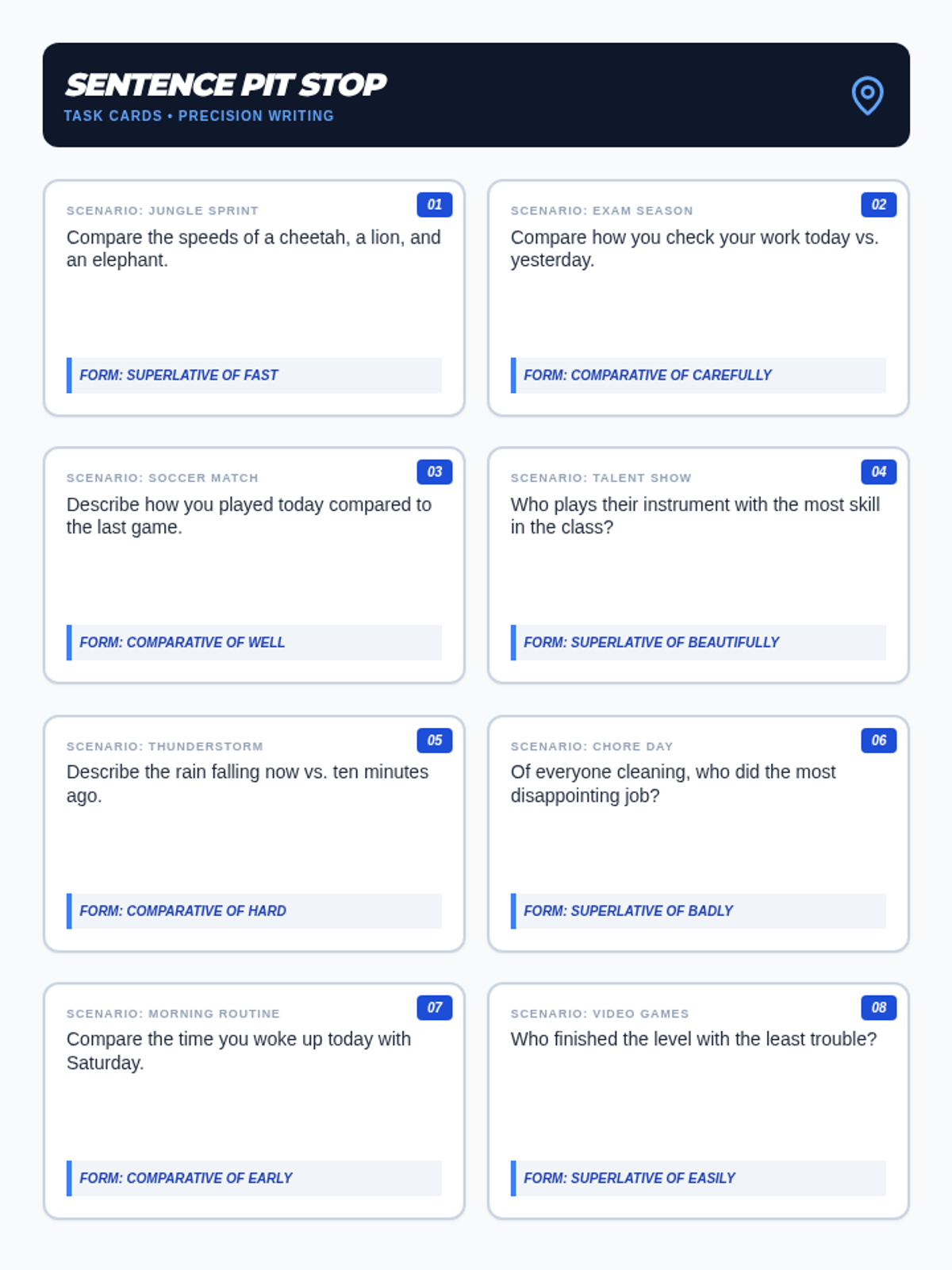
A high-energy set of activities designed to master comparative and superlative adverbs through movement, sorting, and creative sentence construction.
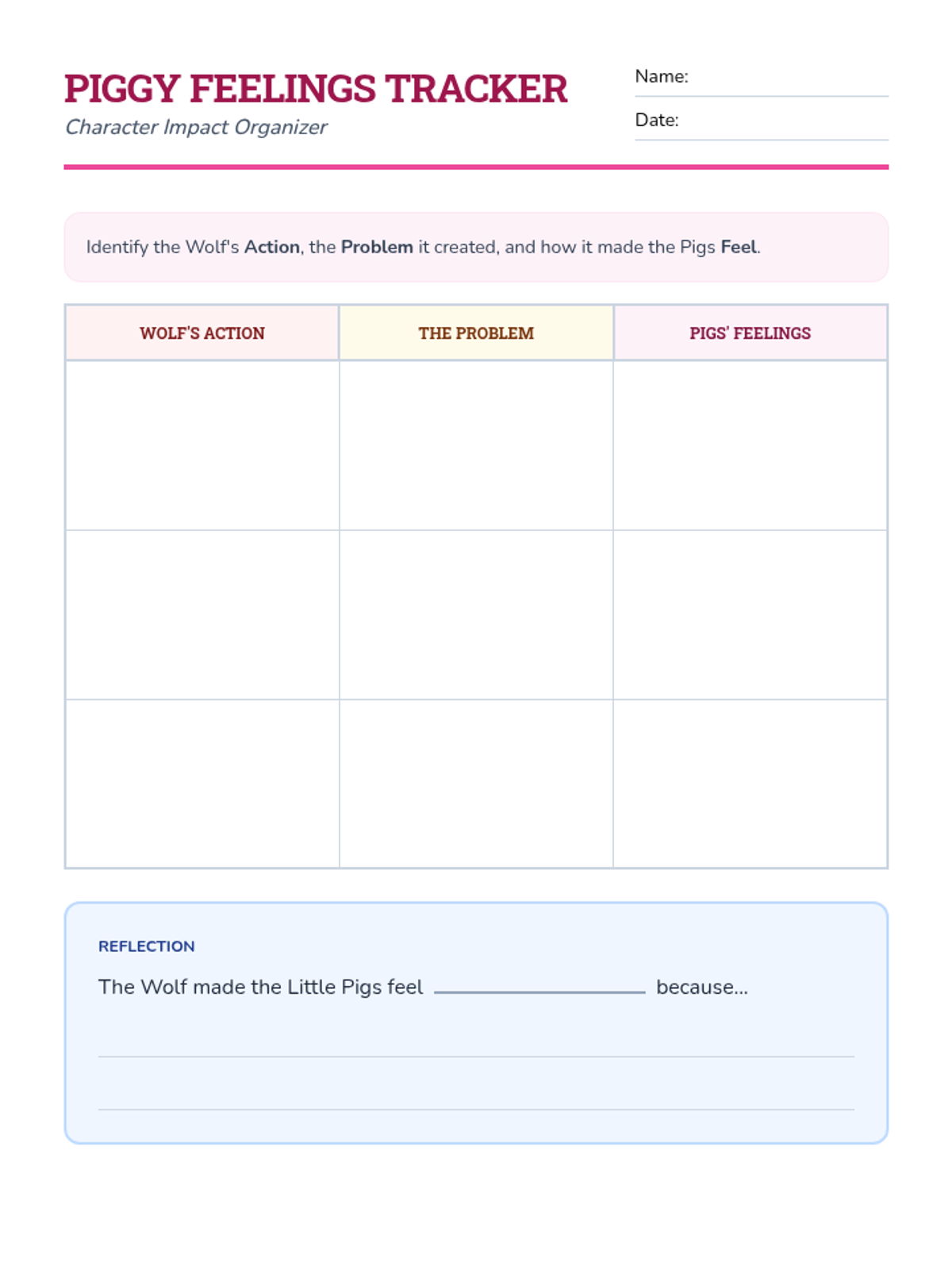
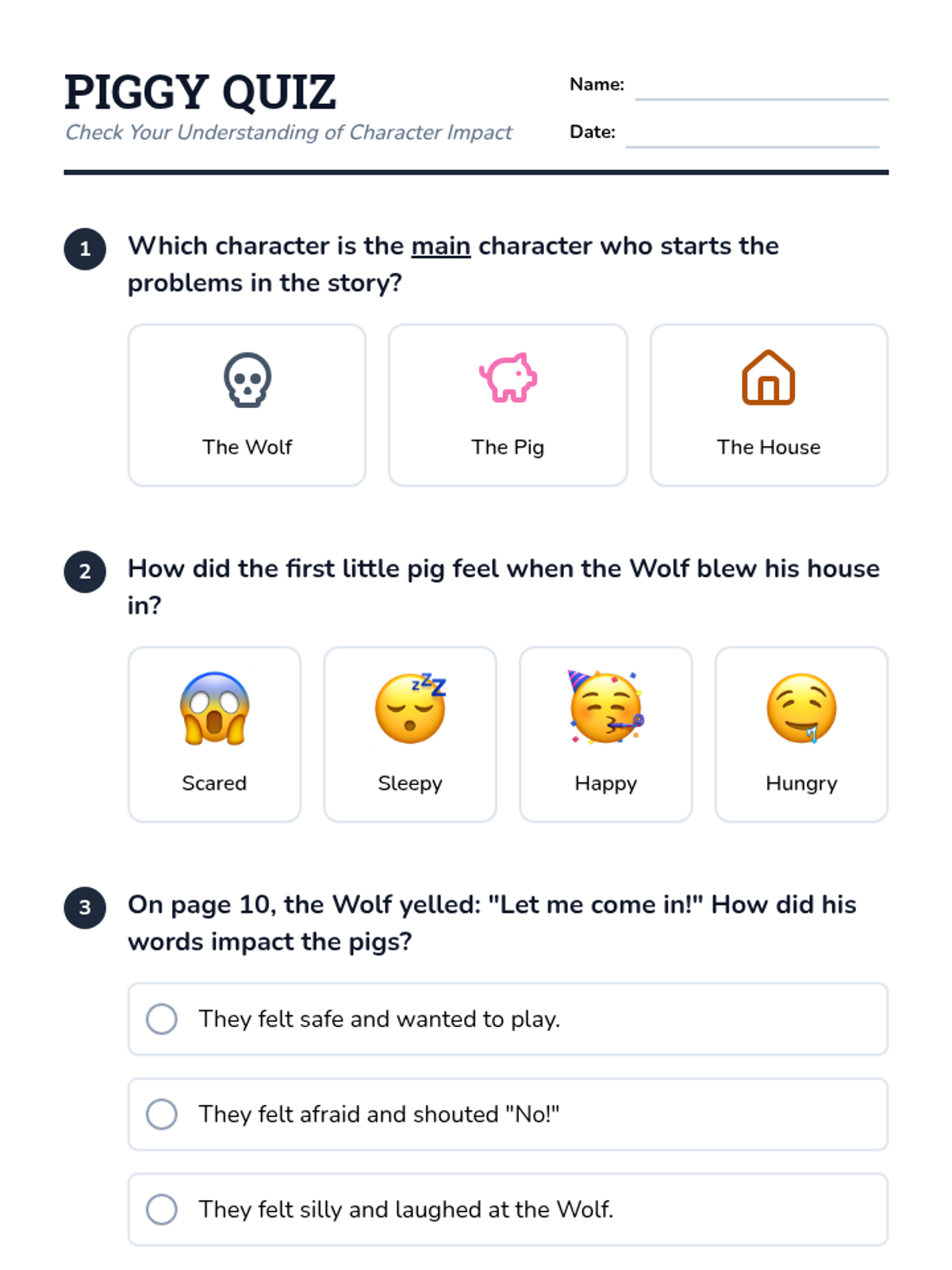
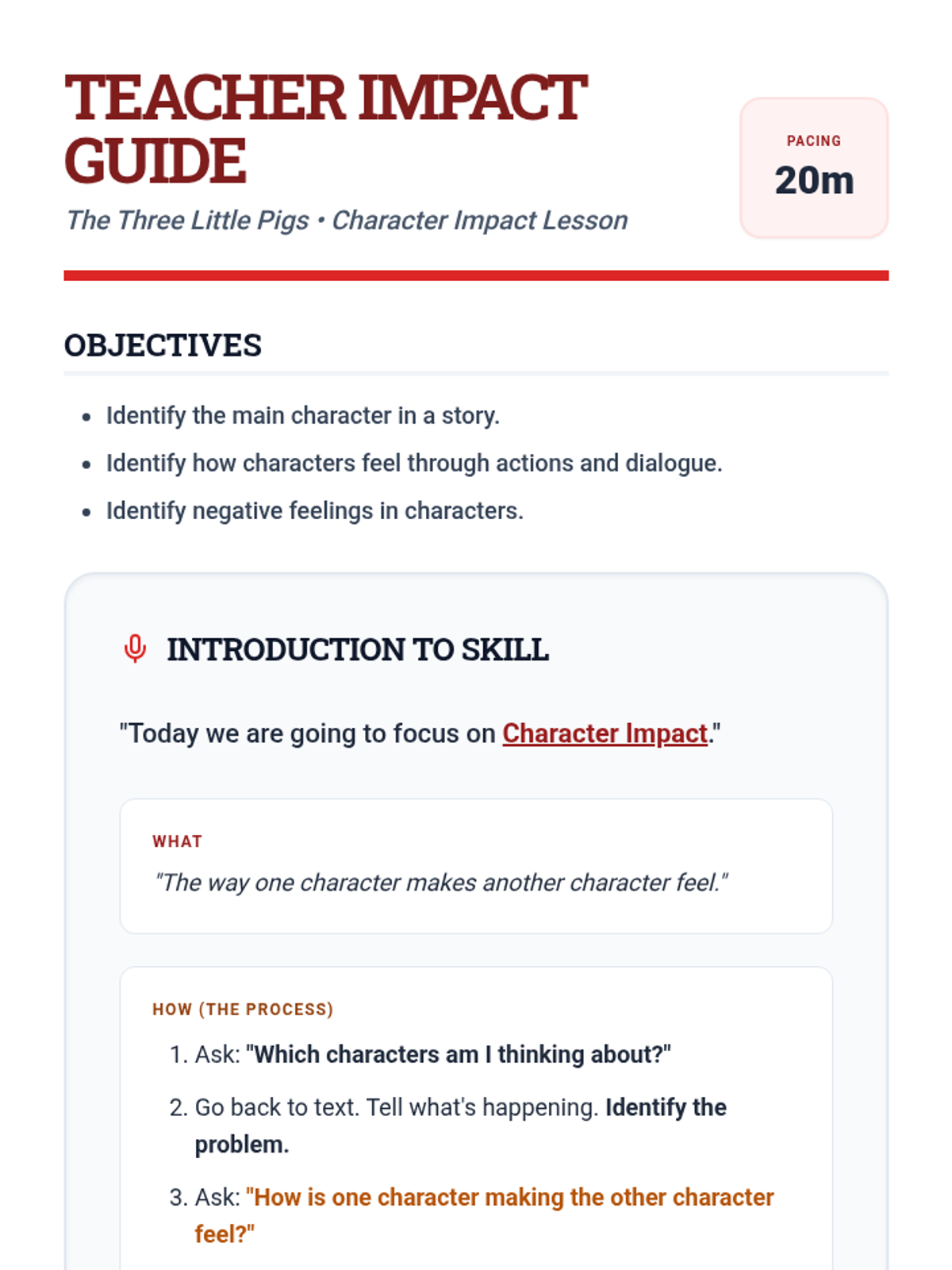
A guided reading lesson focused on how characters' actions and dialogue impact others' feelings, using the story of The Three Little Pigs.
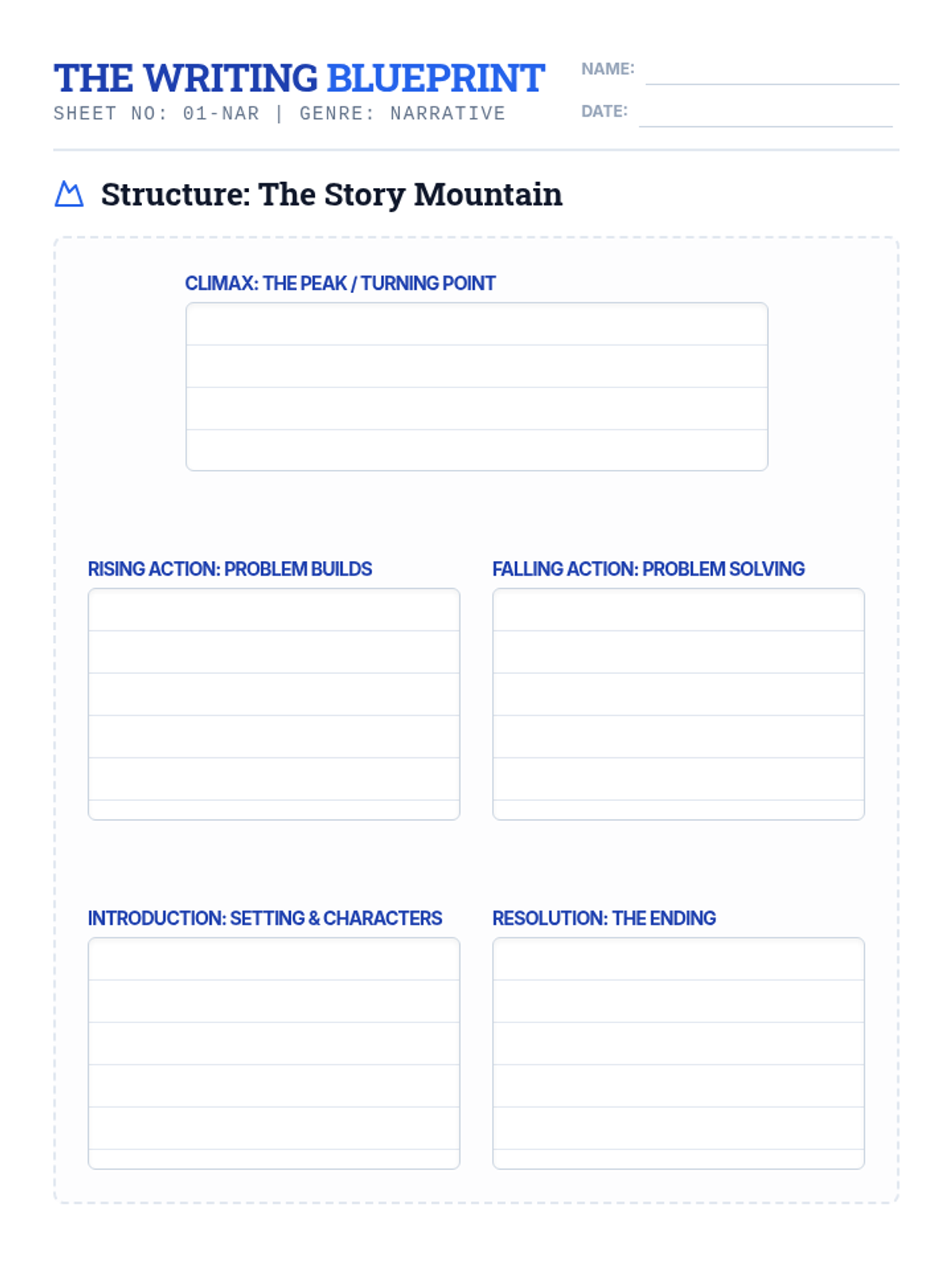
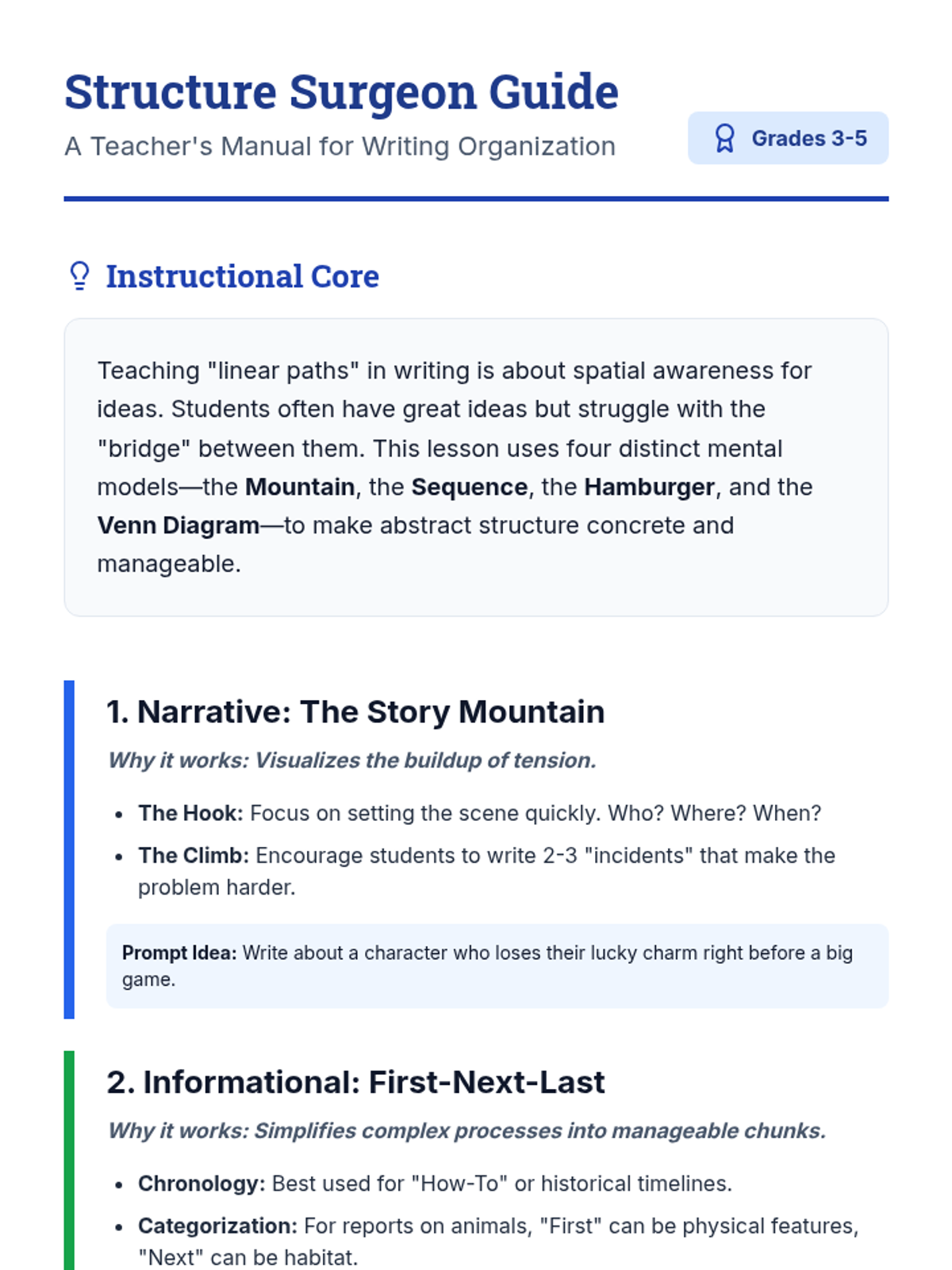
A comprehensive lesson teaching students how to organize their writing using specific structures for narrative, opinion, informational, and compare/contrast genres. Students will learn to use the Story Mountain, Hamburger Map, First-Next-Last sequences, and Venn Diagrams to ensure their writing follows a clear, linear path.
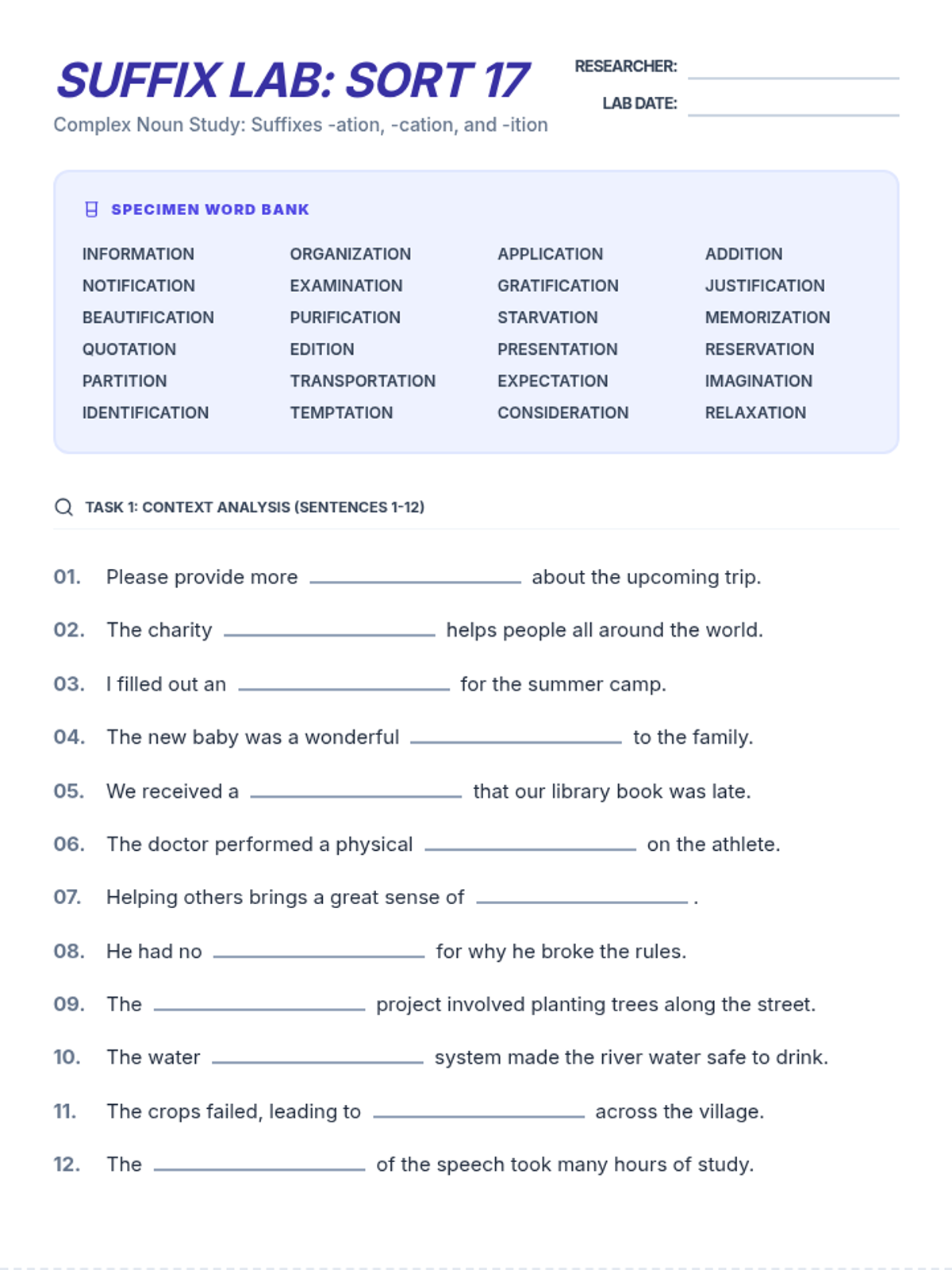
A lesson focused on the suffixes -ation, -cation, and -ition and how they transform verbs into nouns. Students analyze word pairs like 'inform' and 'information'.
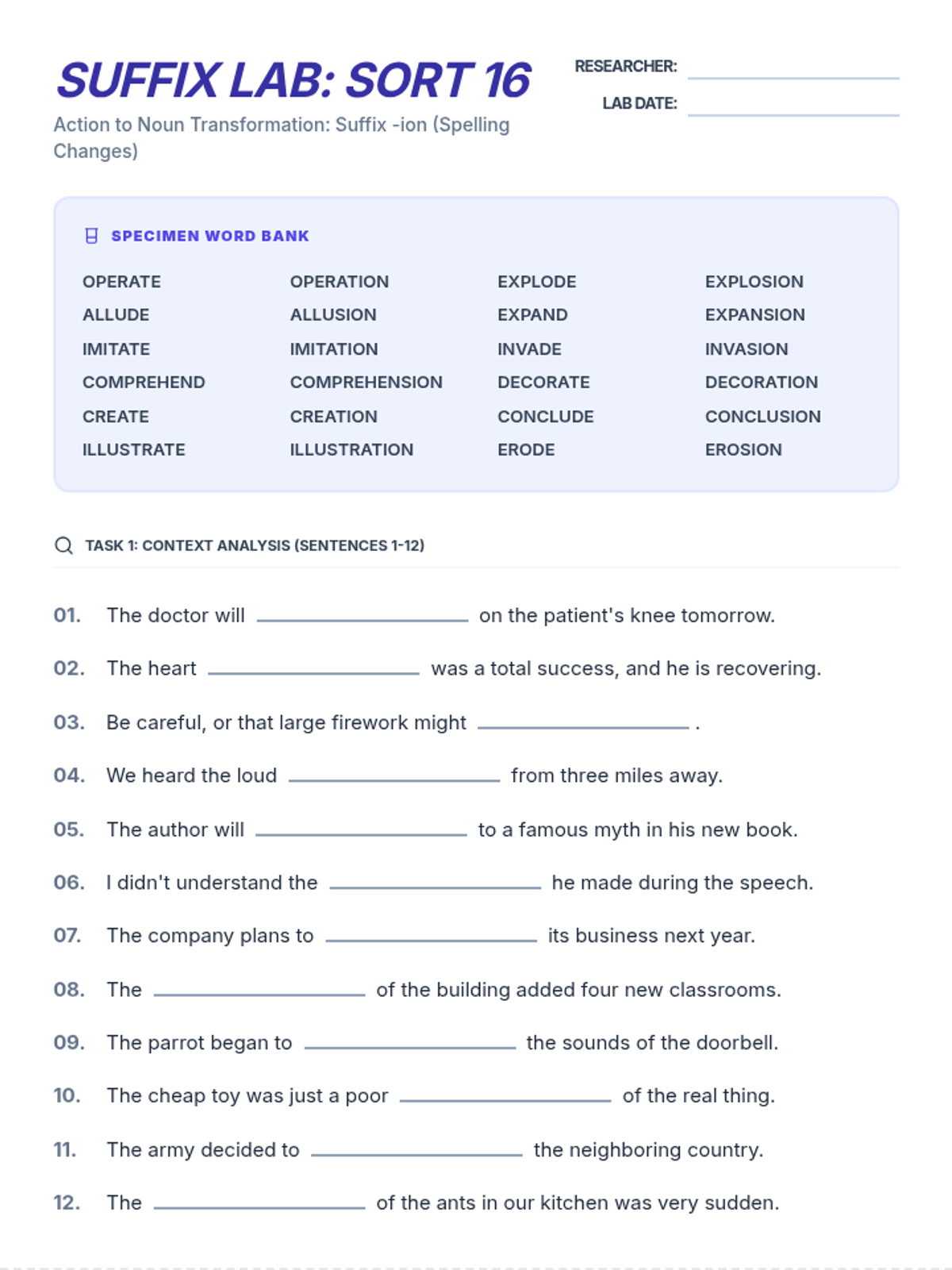
A lesson focused on the suffix -ion involving spelling changes such as dropping the final 'e' or changing 'd' to 's'. Students analyze pairs like 'operate' and 'operation'.
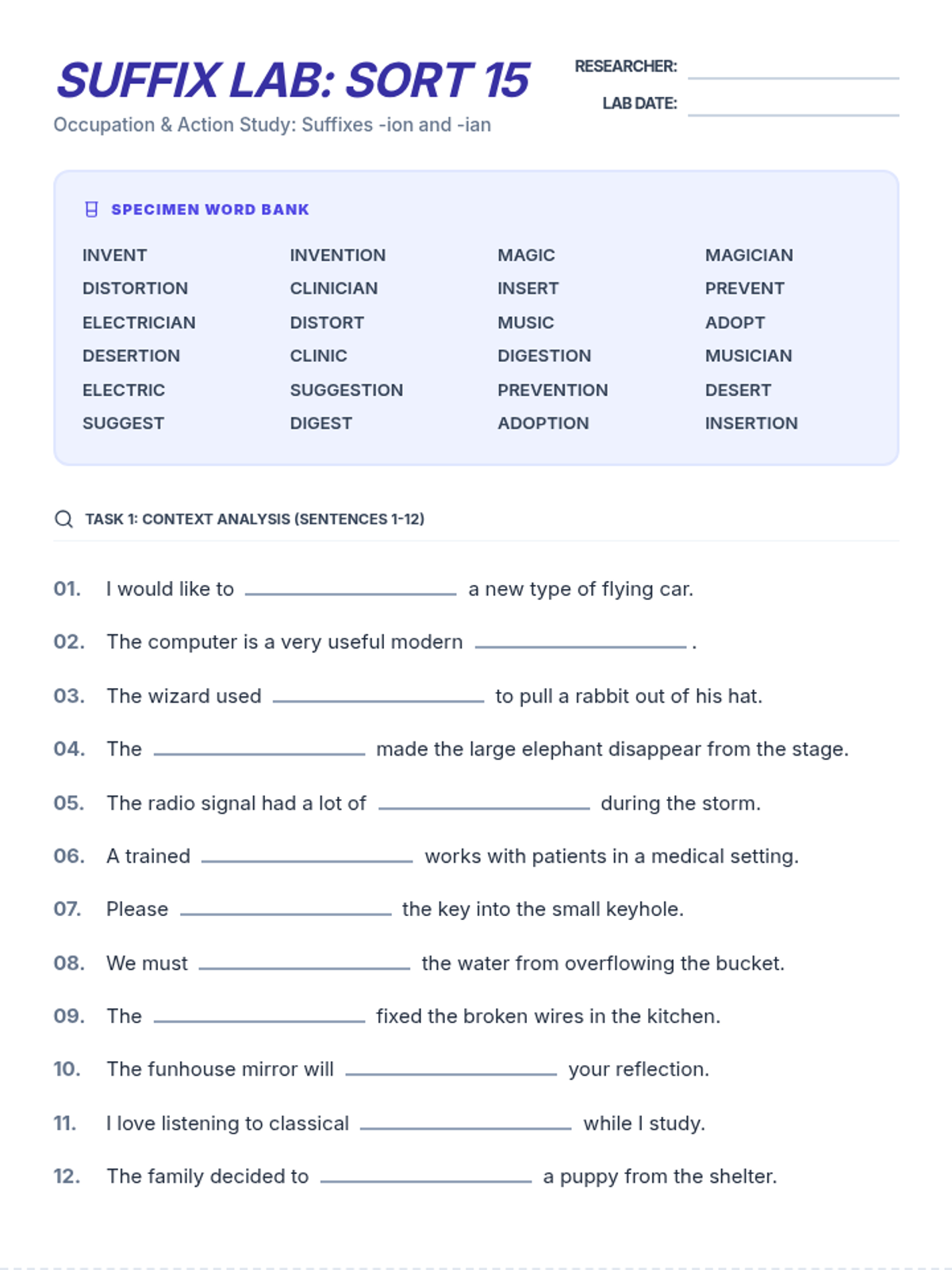
A lesson focused on the suffixes -ion and -ian with no spelling change to the base word. Students analyze nouns like 'invention', 'magician', and 'musician'.
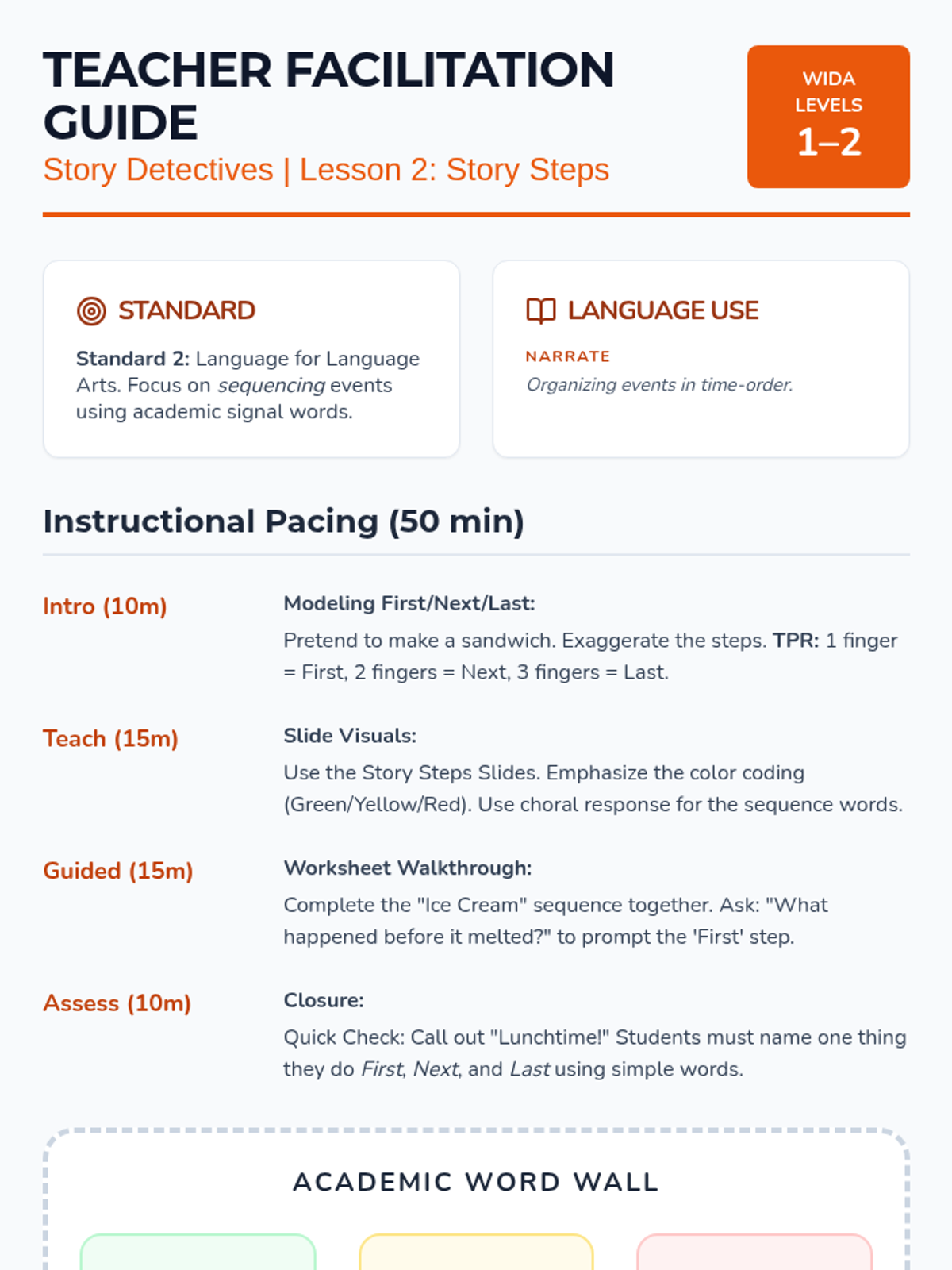
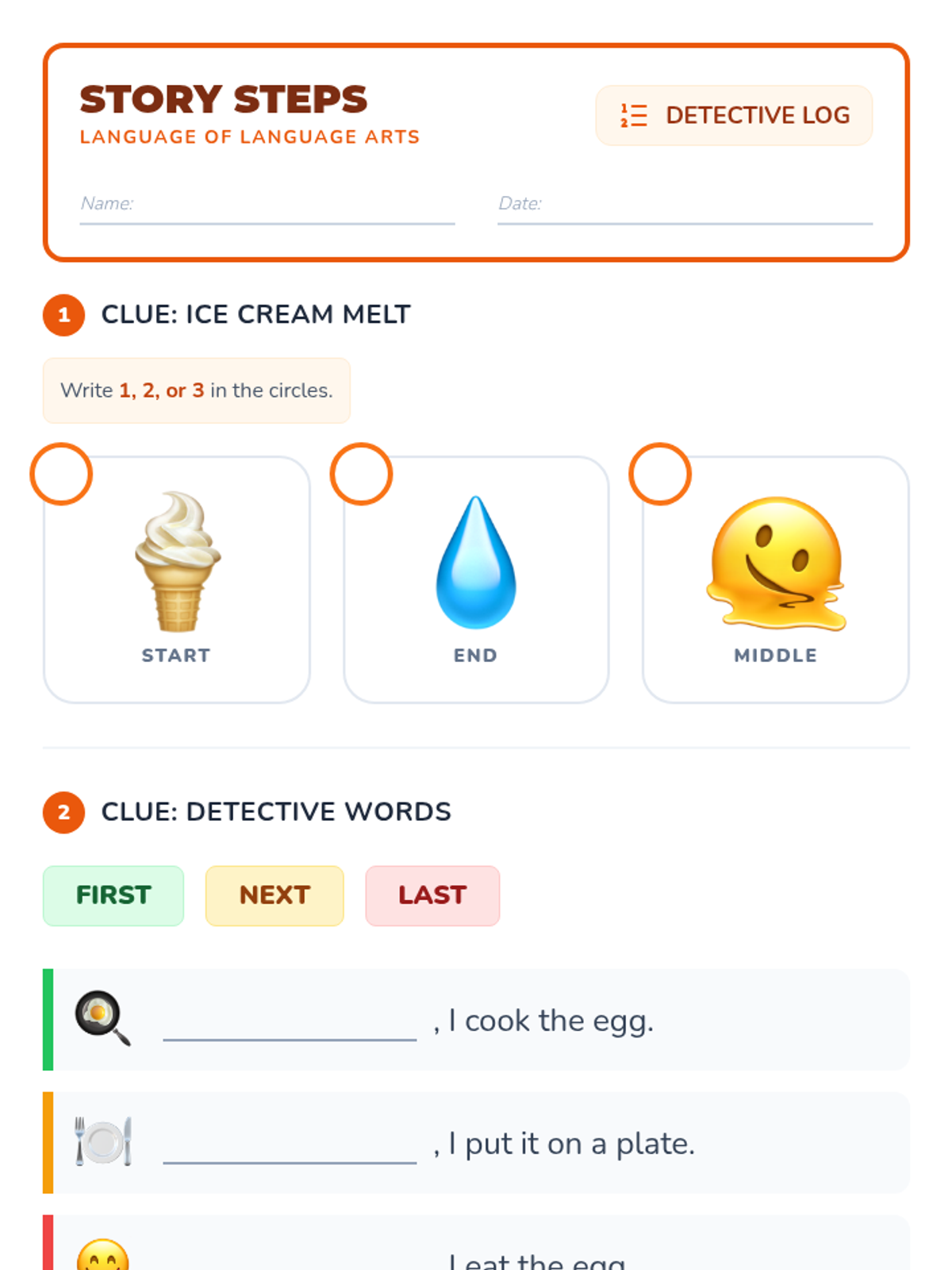
Students will sequence three major events in a story using the signal words 'first', 'next', and 'last'.
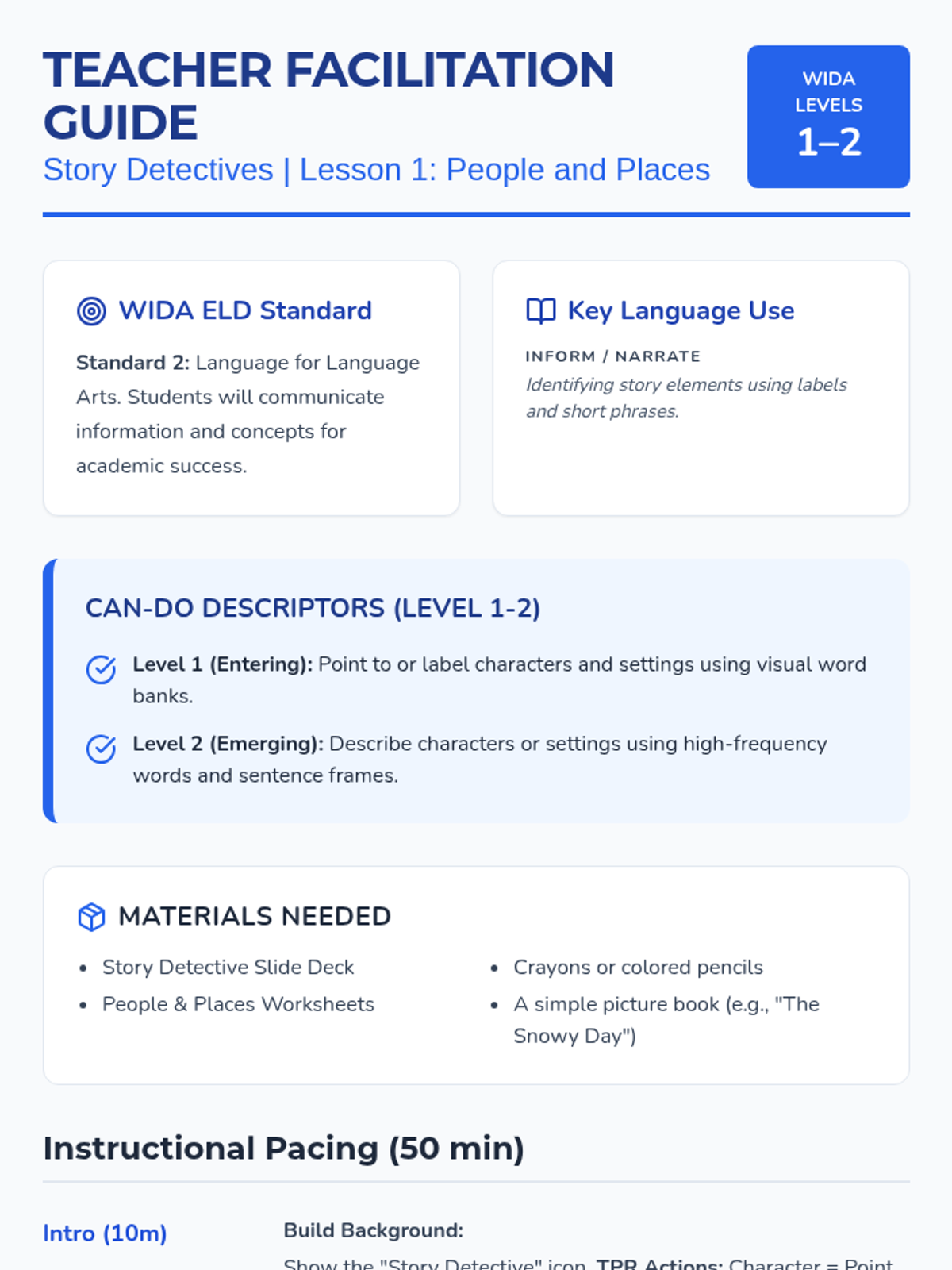
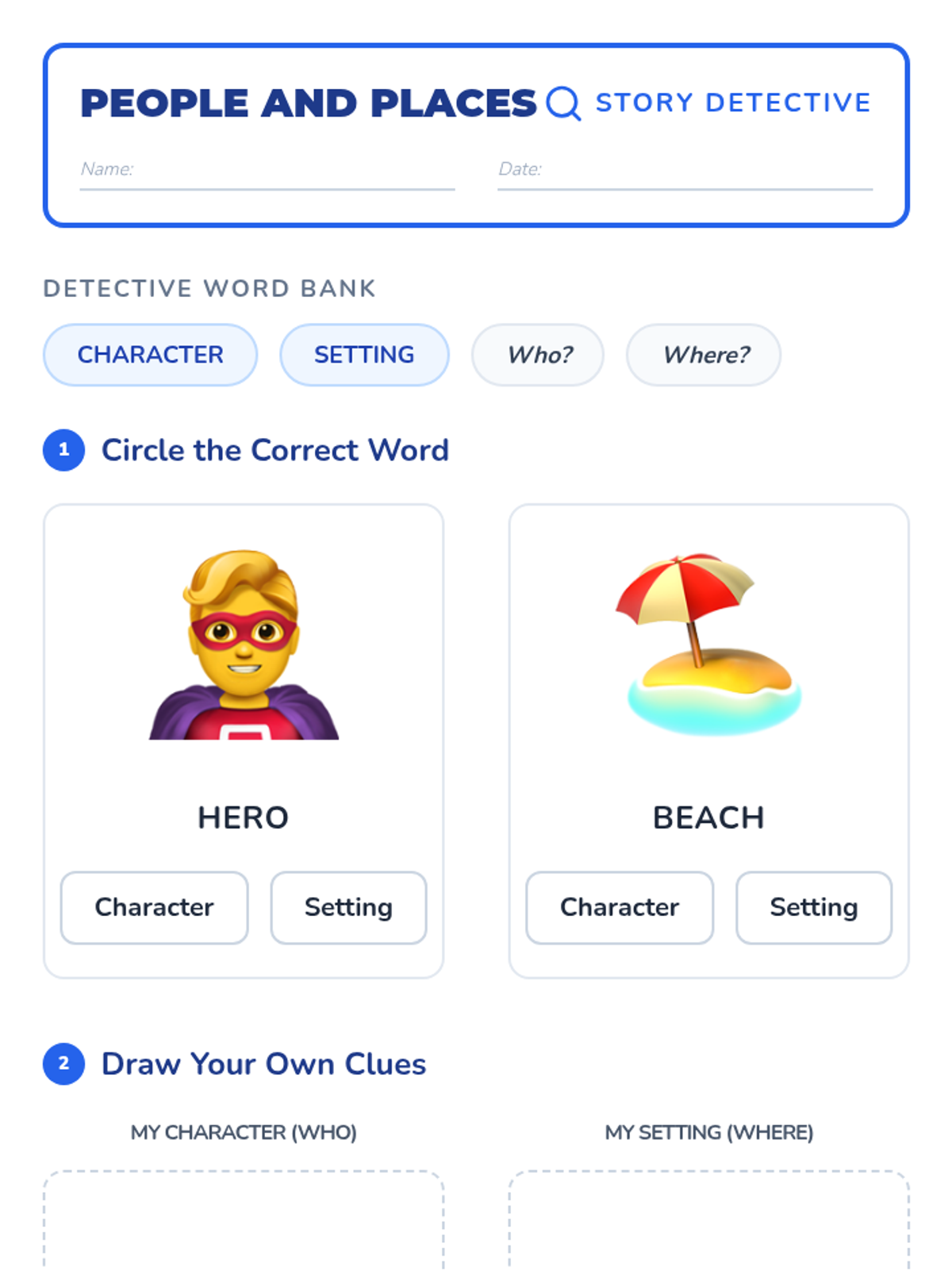
Students will identify characters (who) and settings (where) in simple narratives using visual cues and foundational descriptive language.
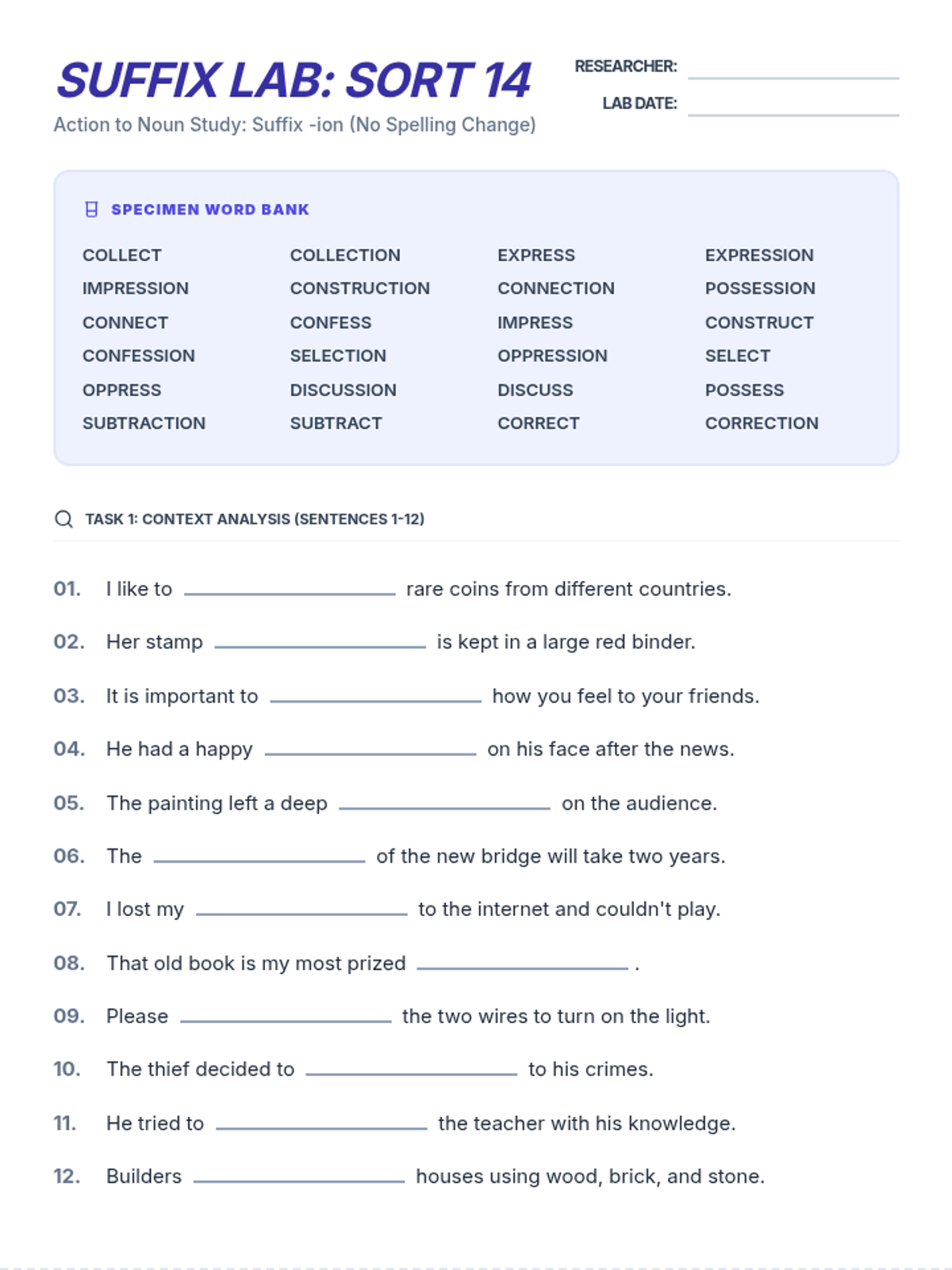
A lesson focused on the suffix -ion and how it changes verbs into nouns with no spelling change to the base word. Students analyze word pairs like 'collect' and 'collection'.
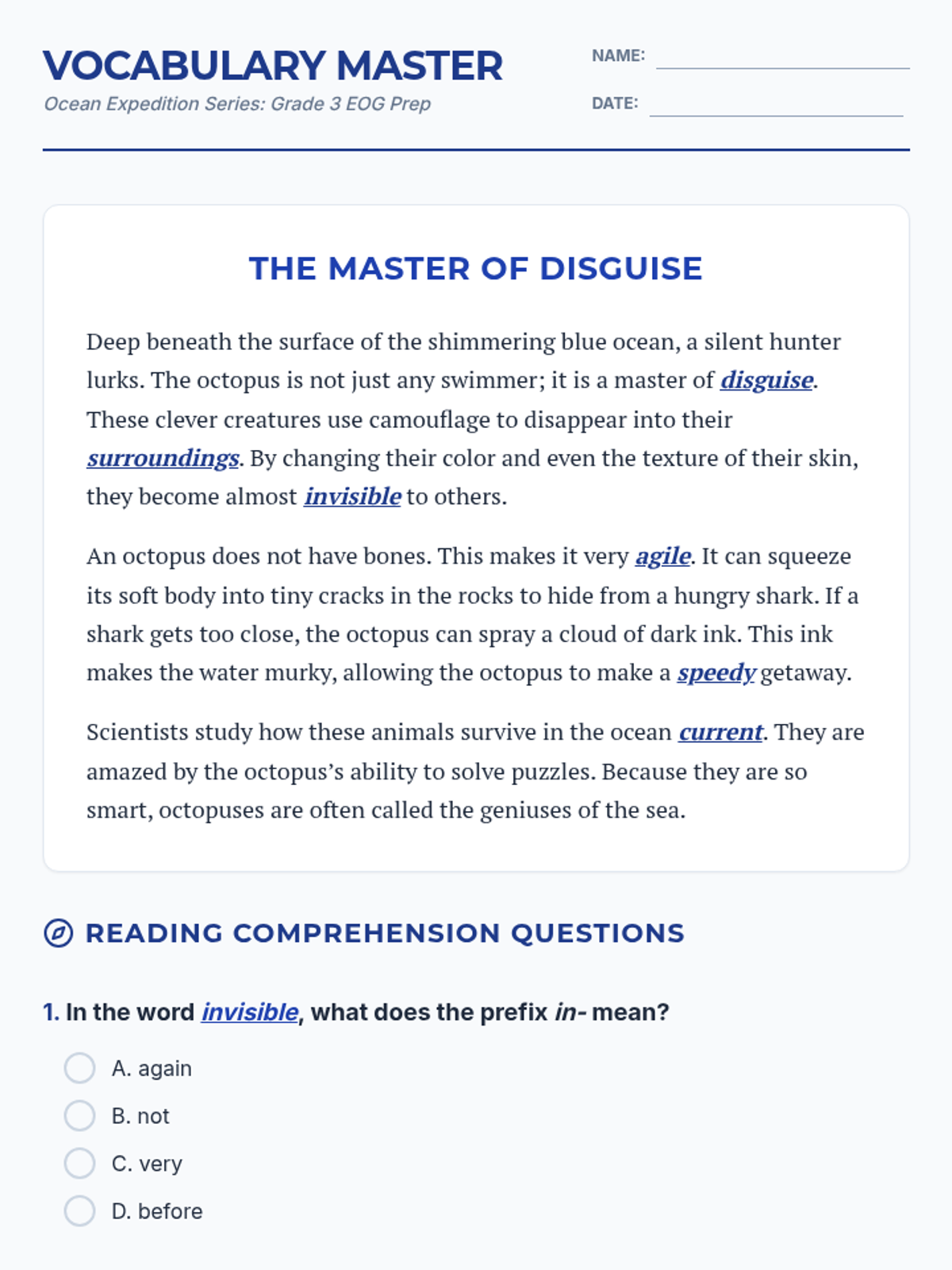
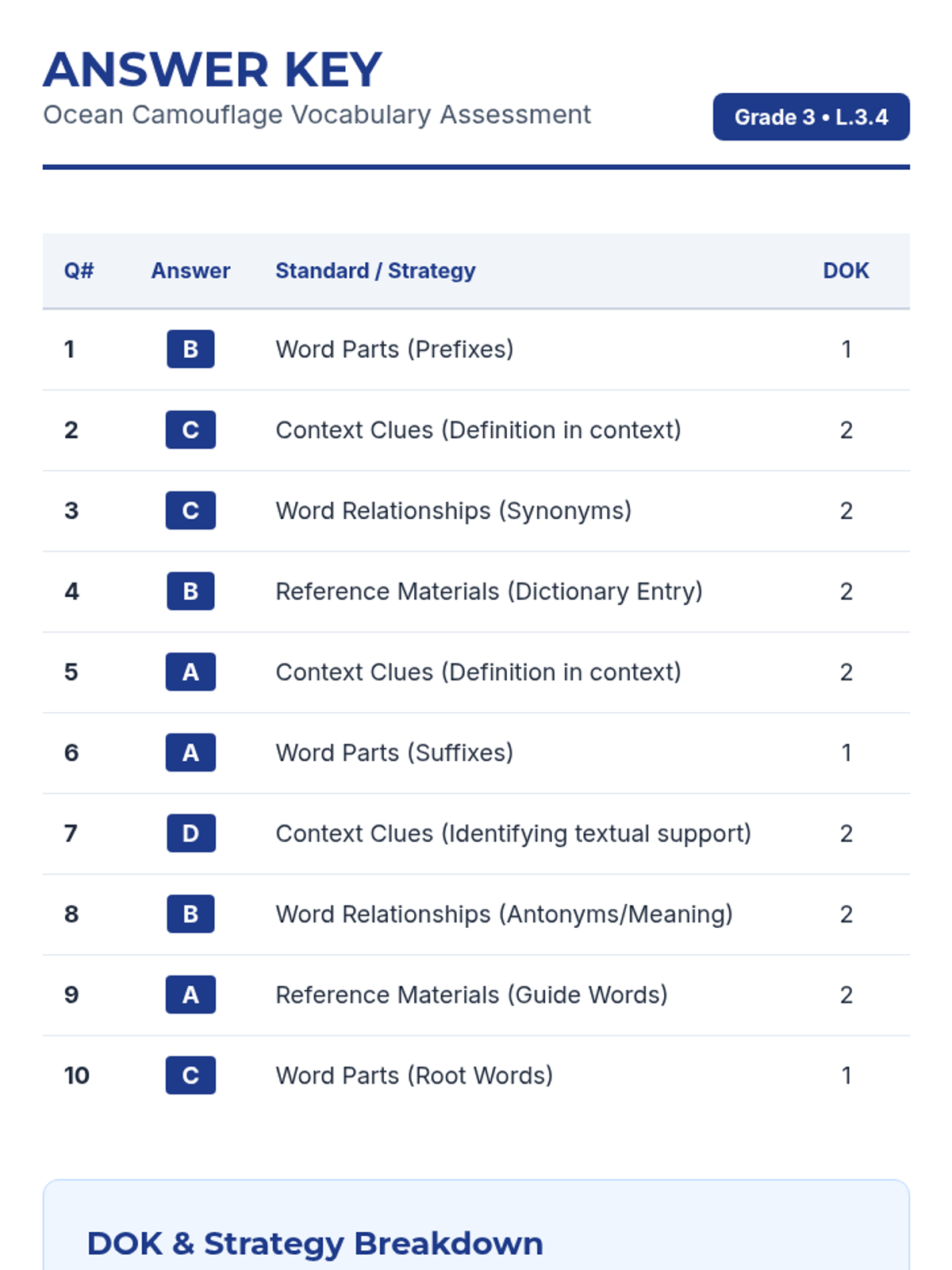
A lesson focused on mastering vocabulary strategies through a marine-themed reading passage, aligned with CCSS L.3.4 End-of-Grade testing styles and DOK levels.
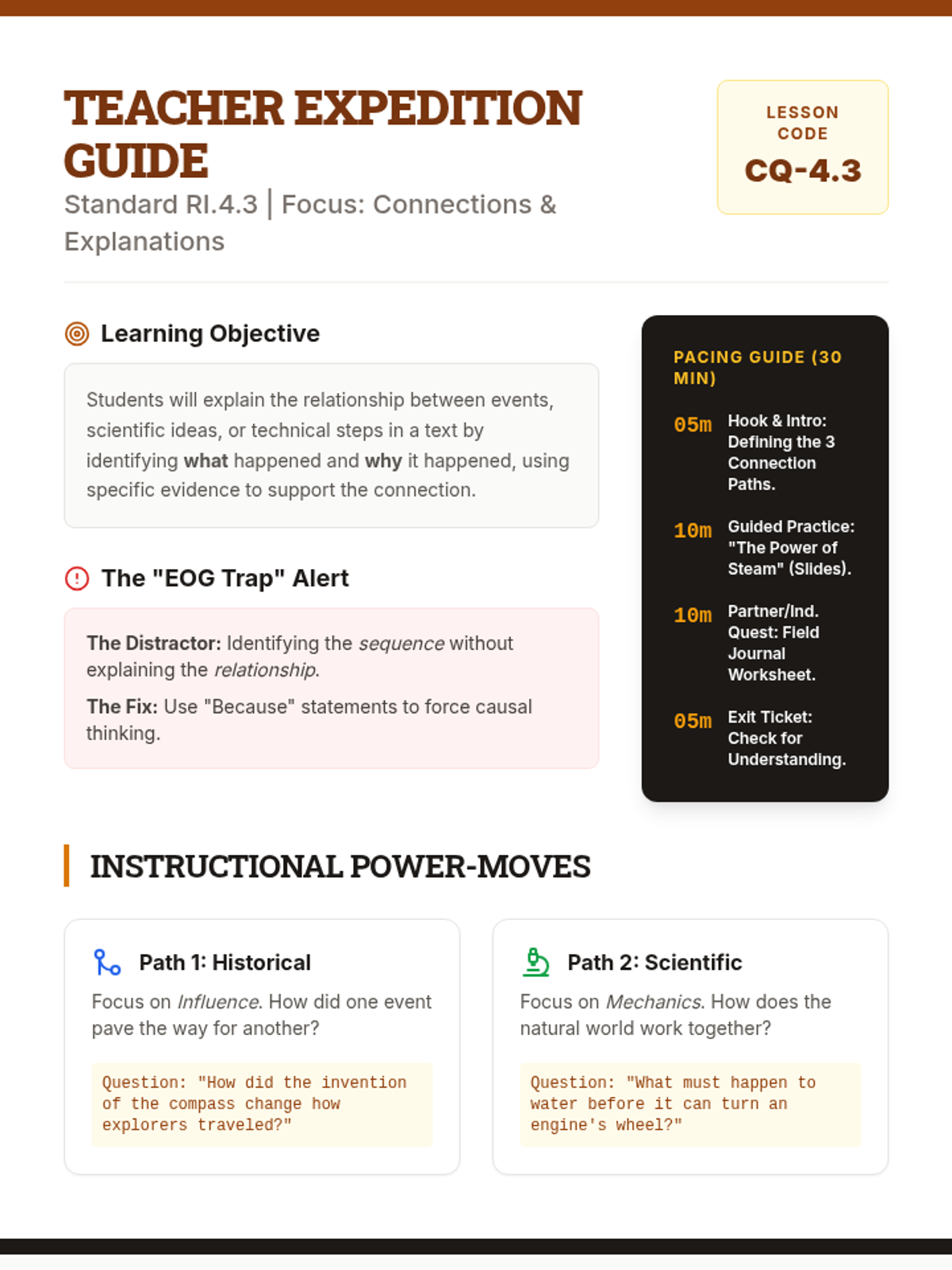
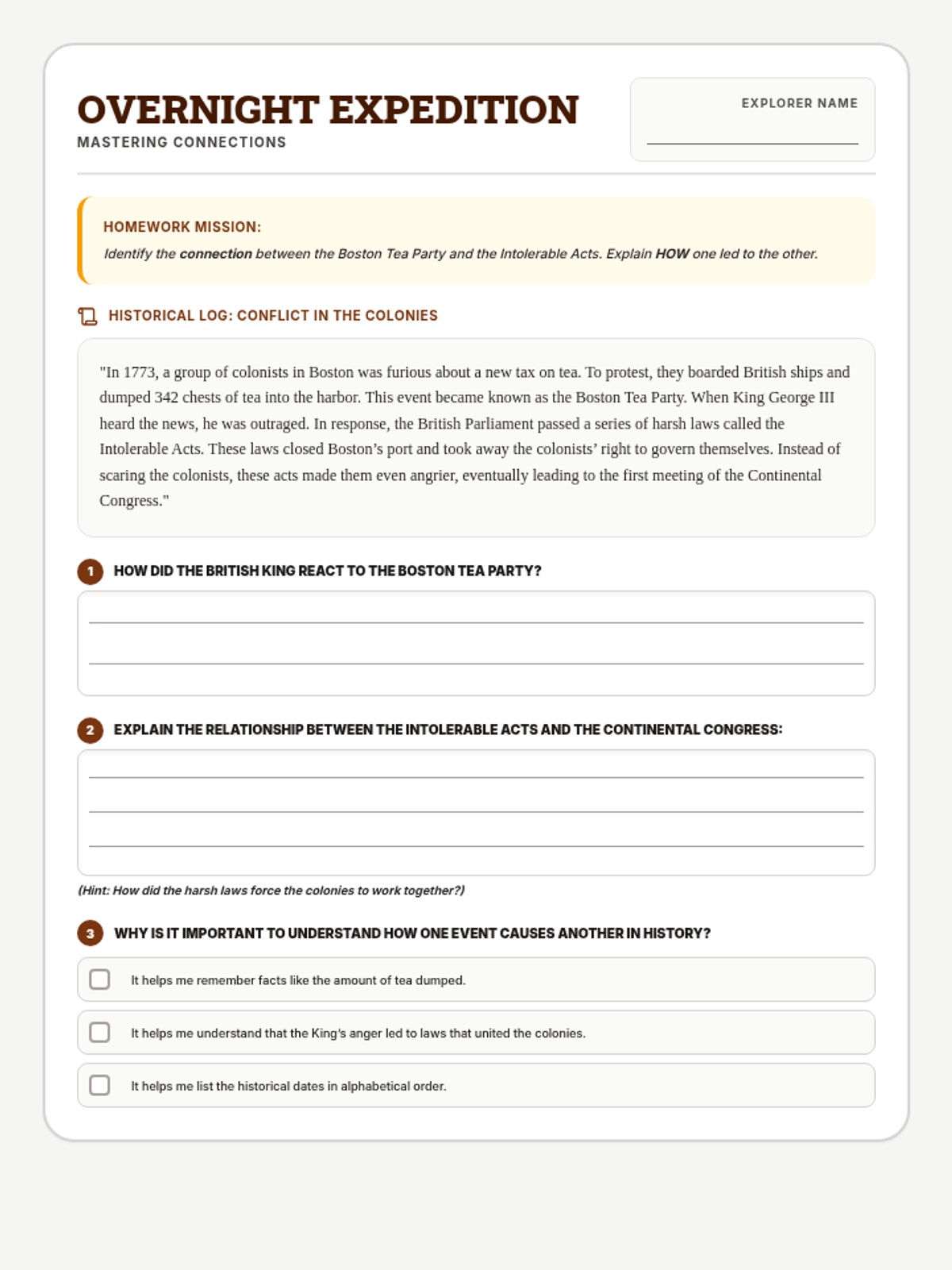
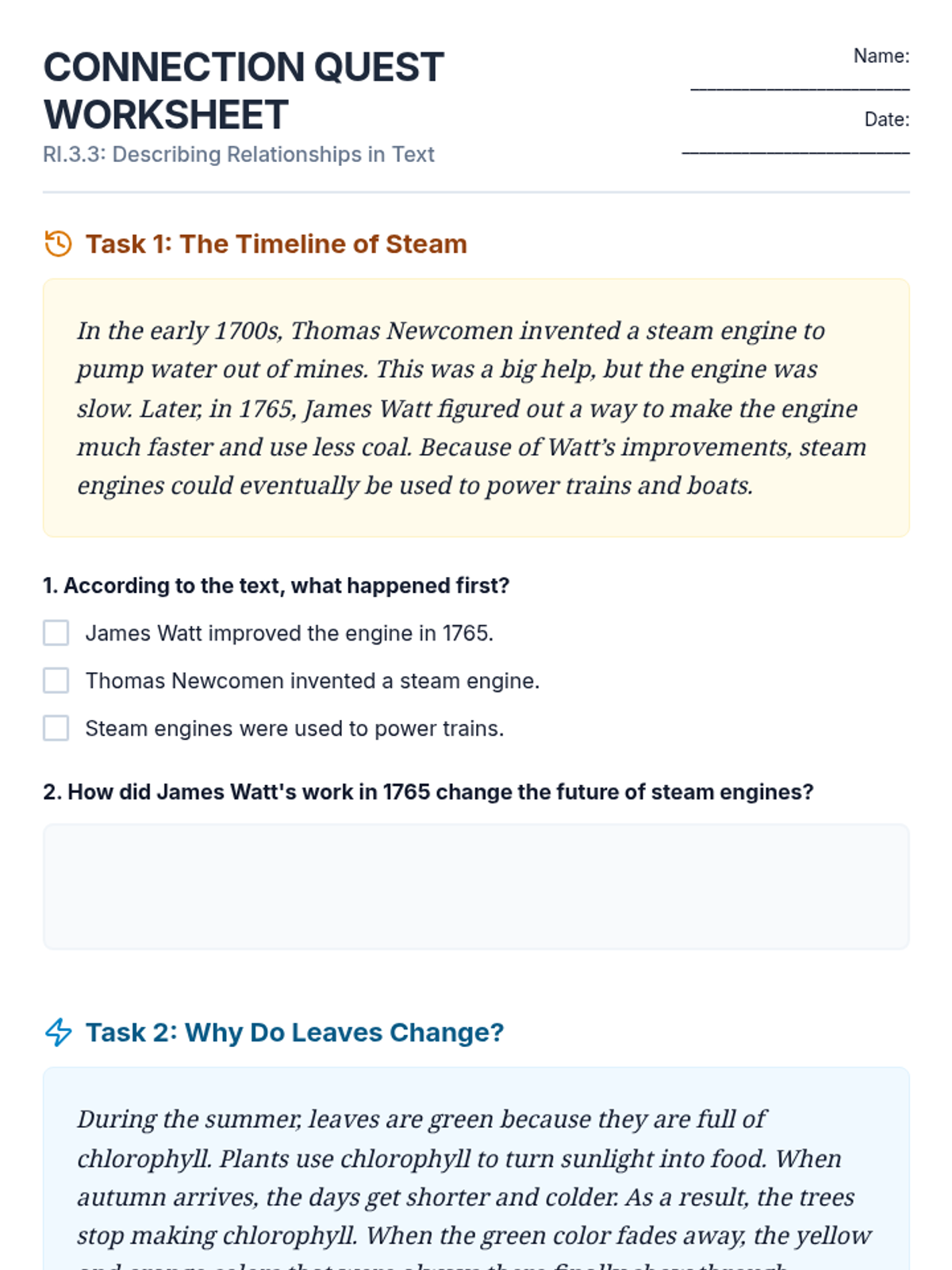
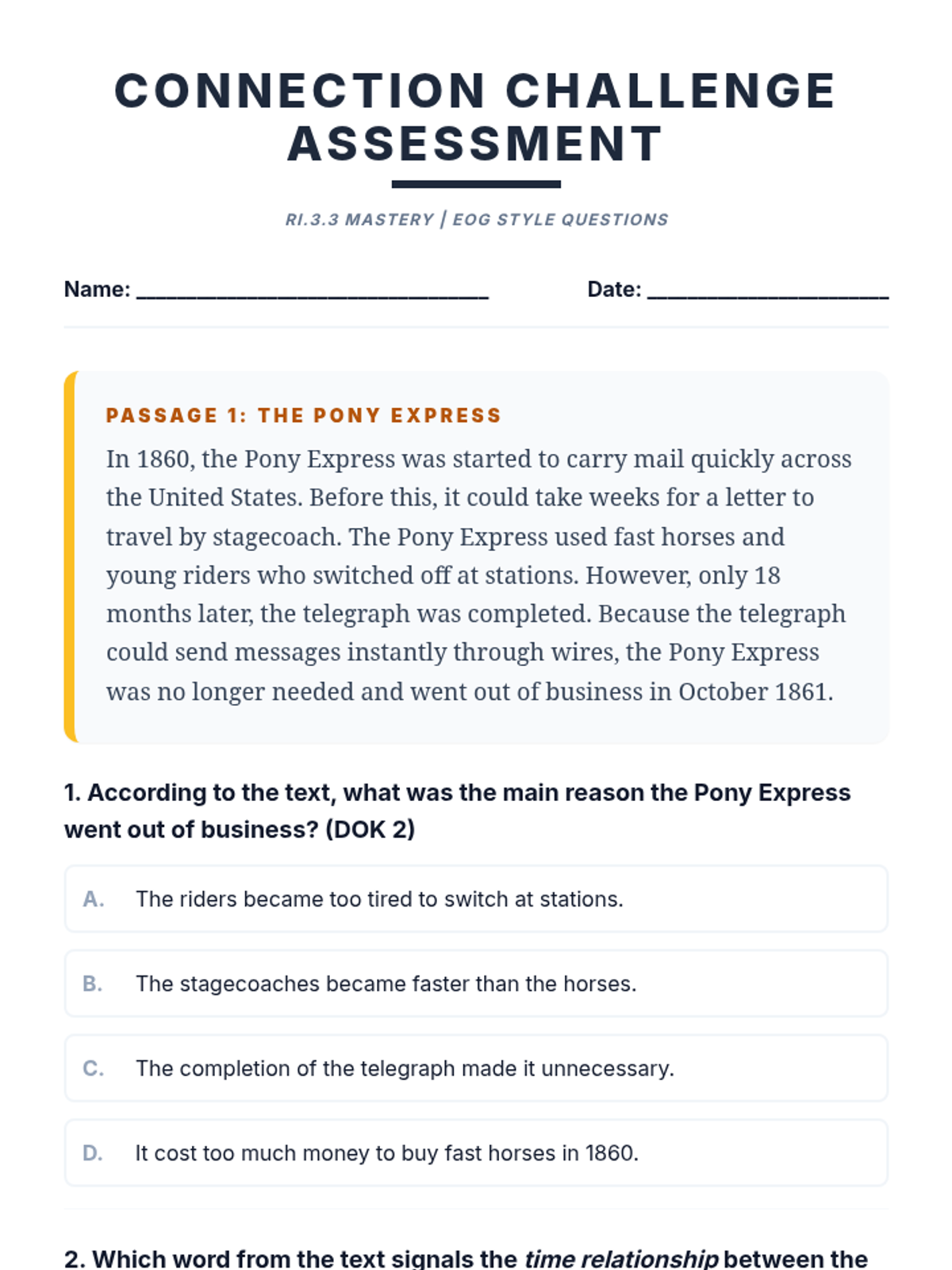
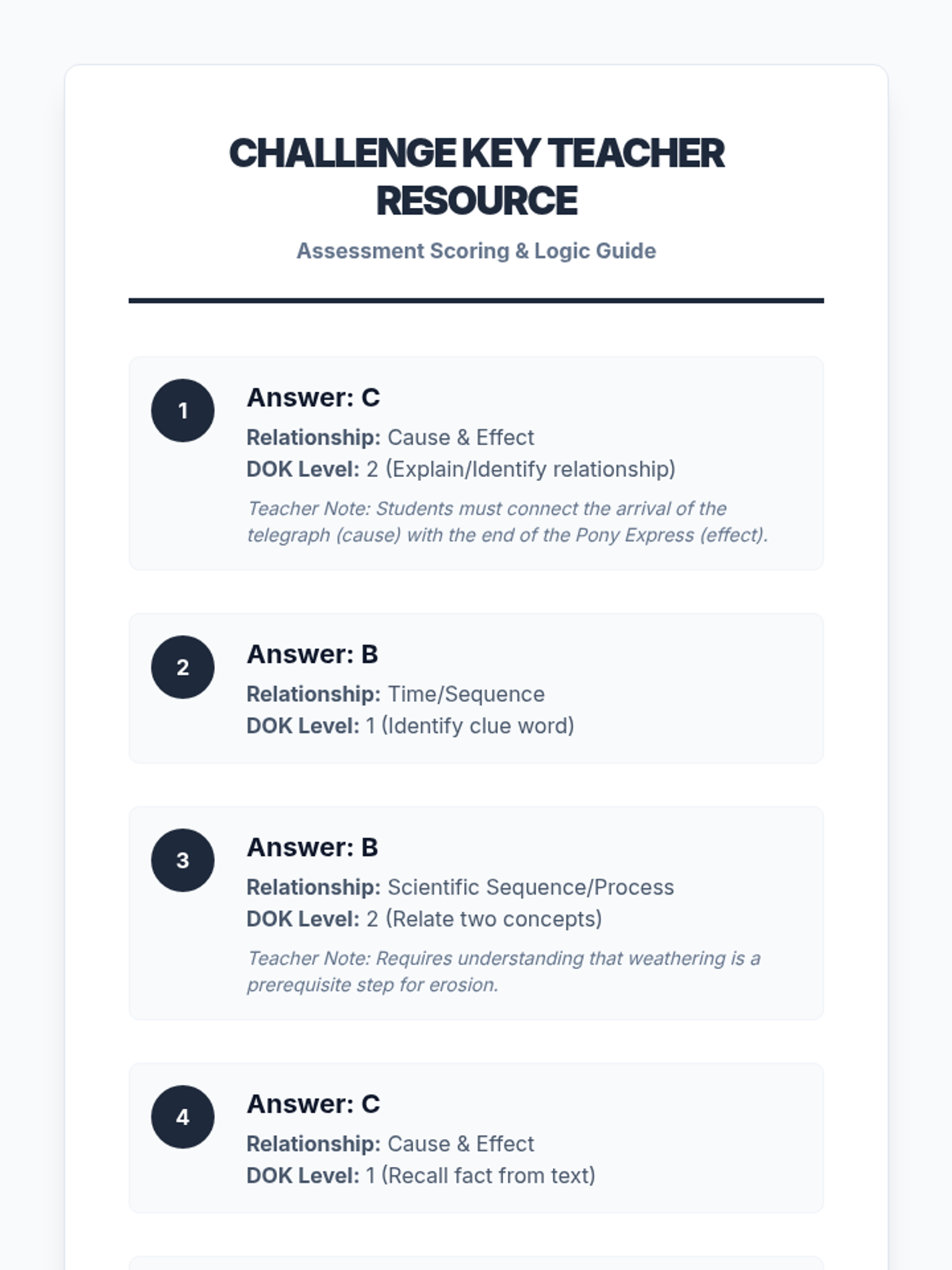
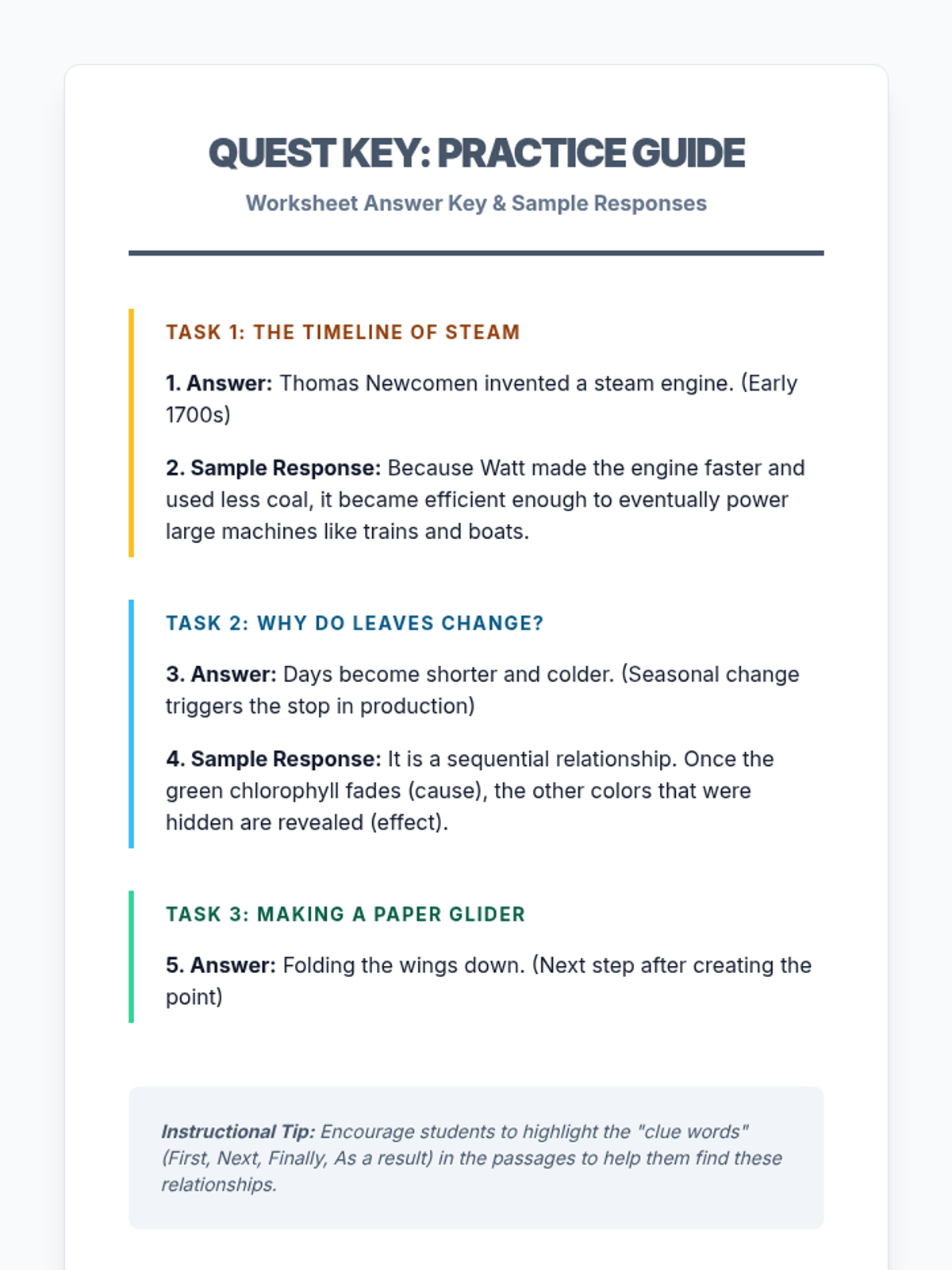
A comprehensive lesson on identifying relationships in informational texts, covering historical events, scientific concepts, and technical procedures using time, sequence, and cause/effect language.
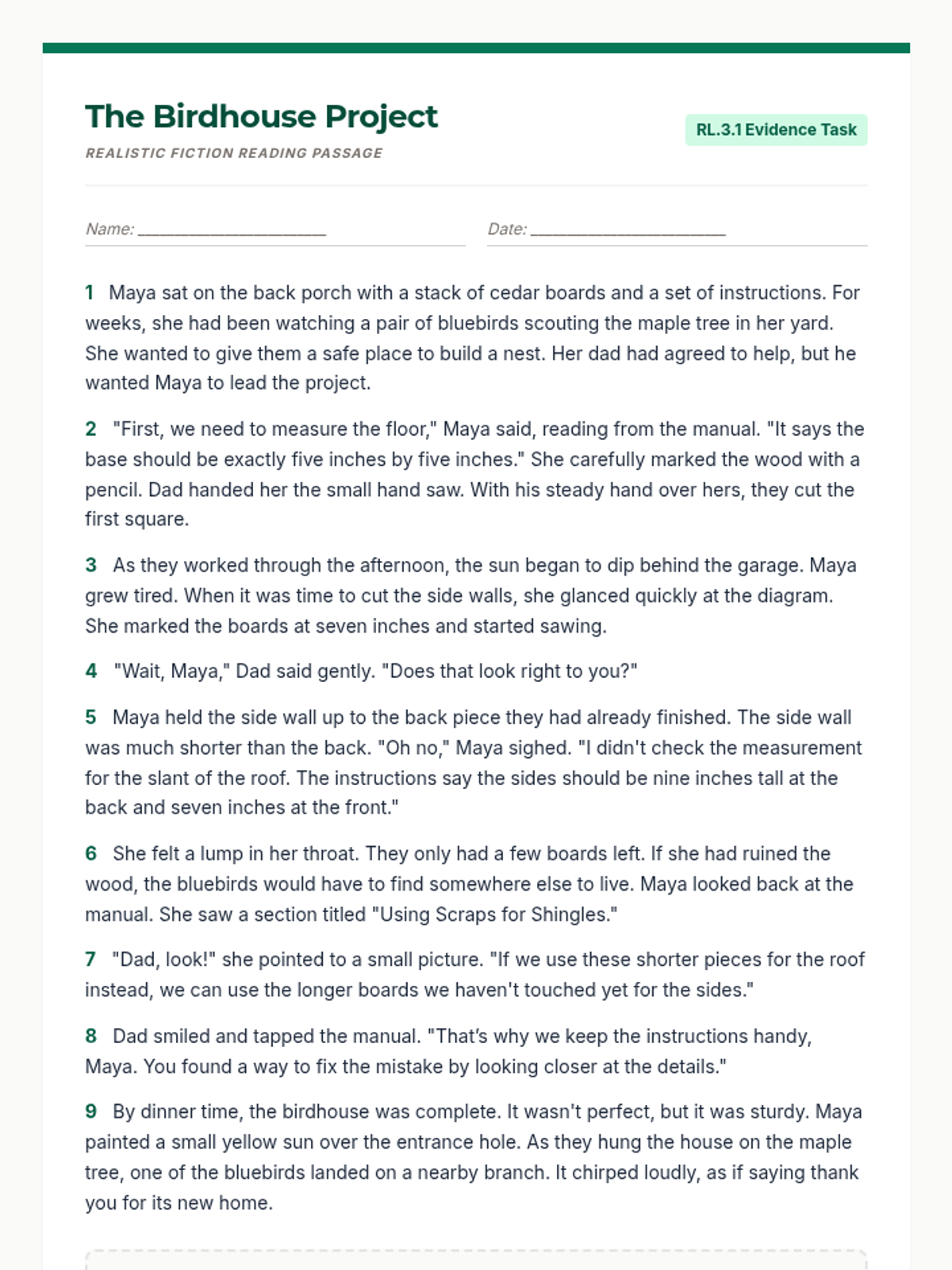
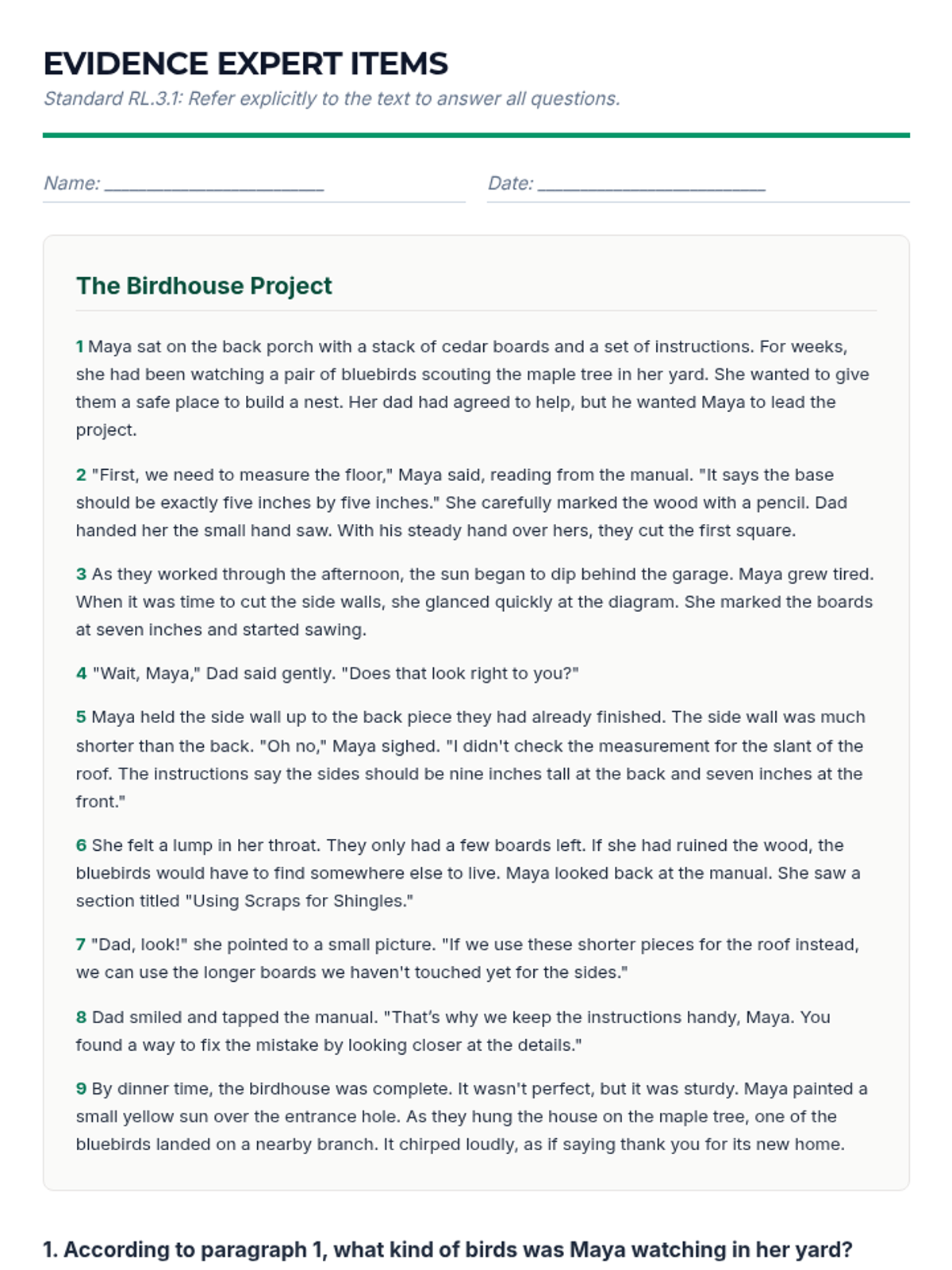
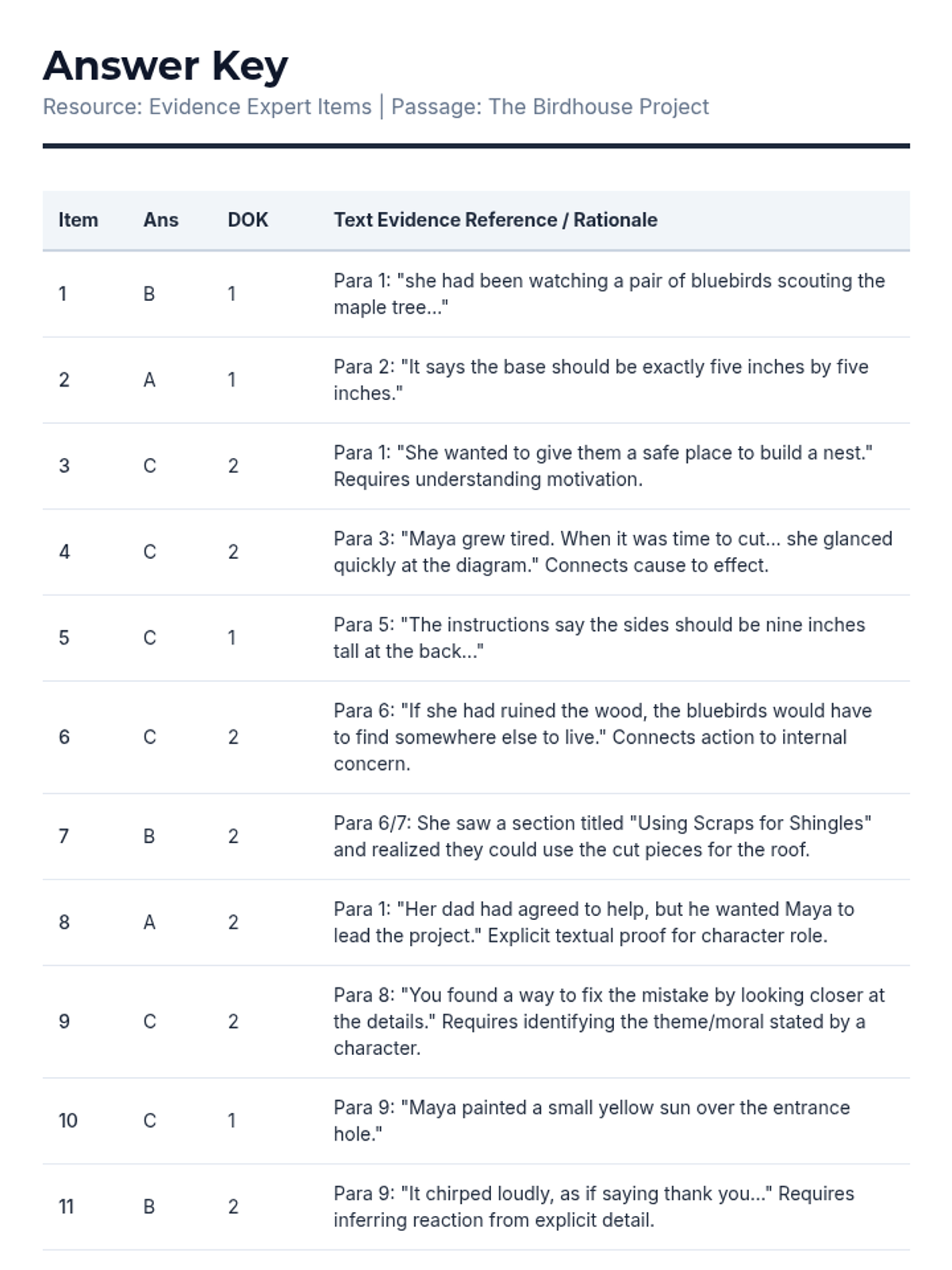
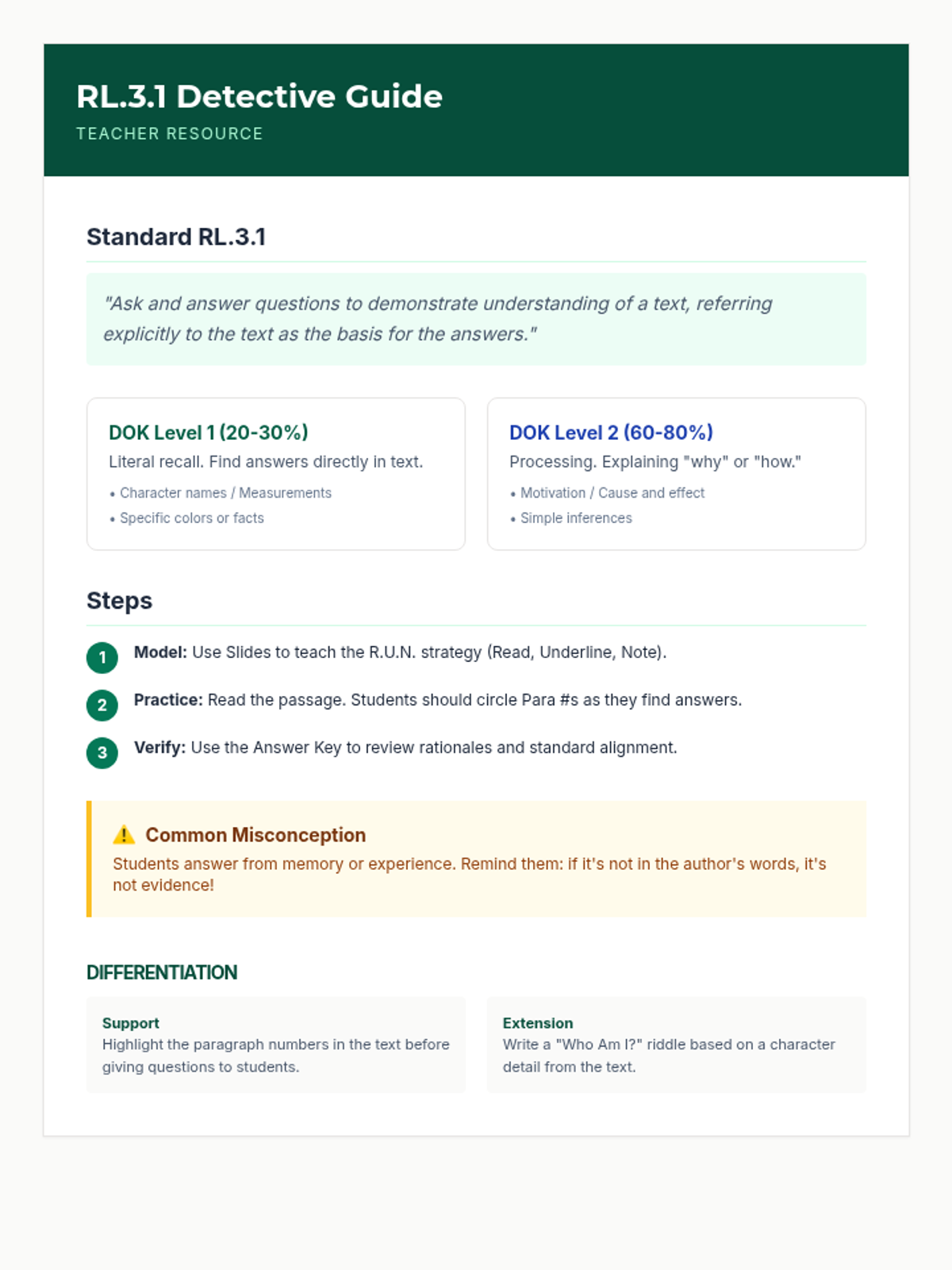
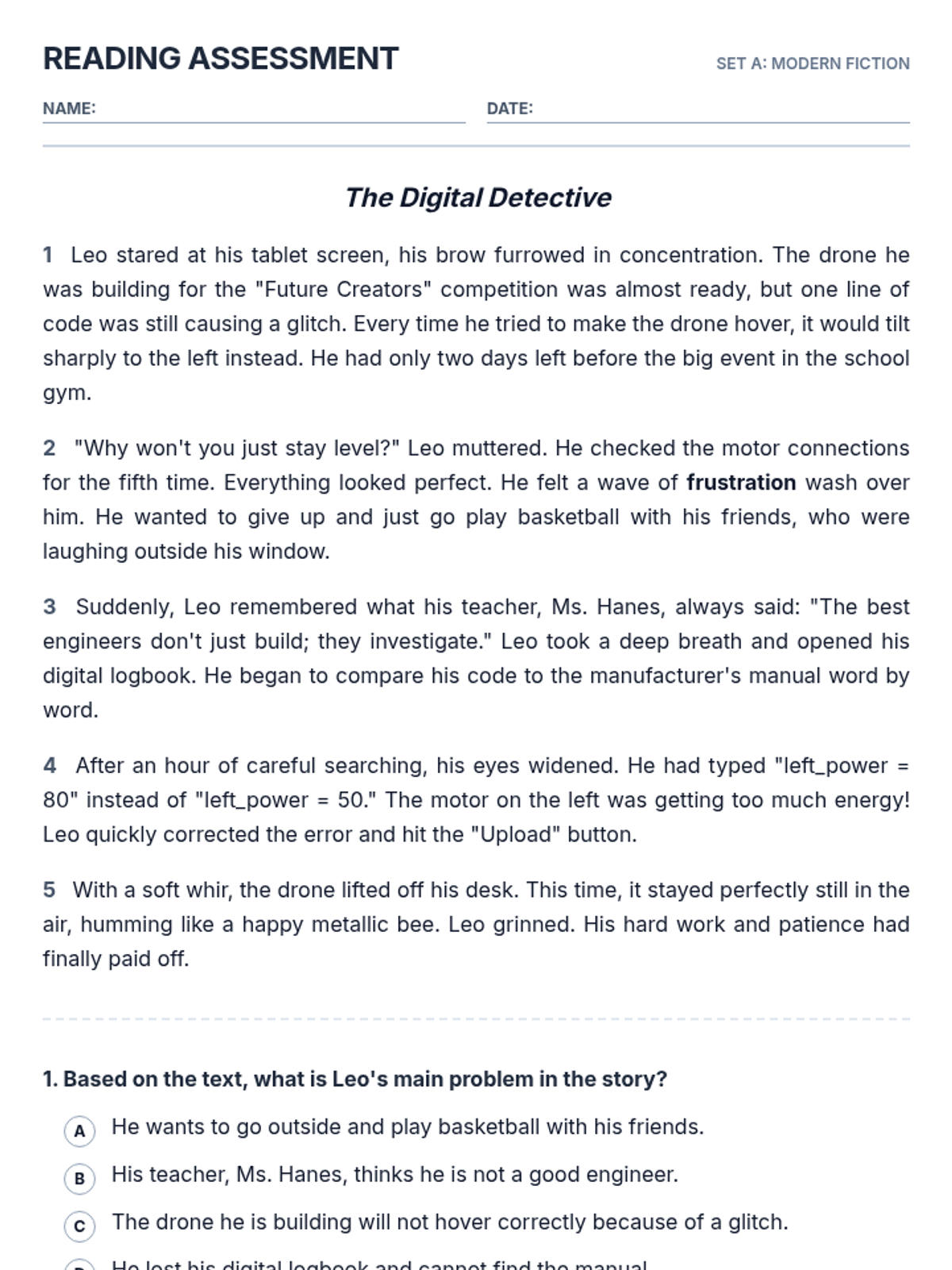
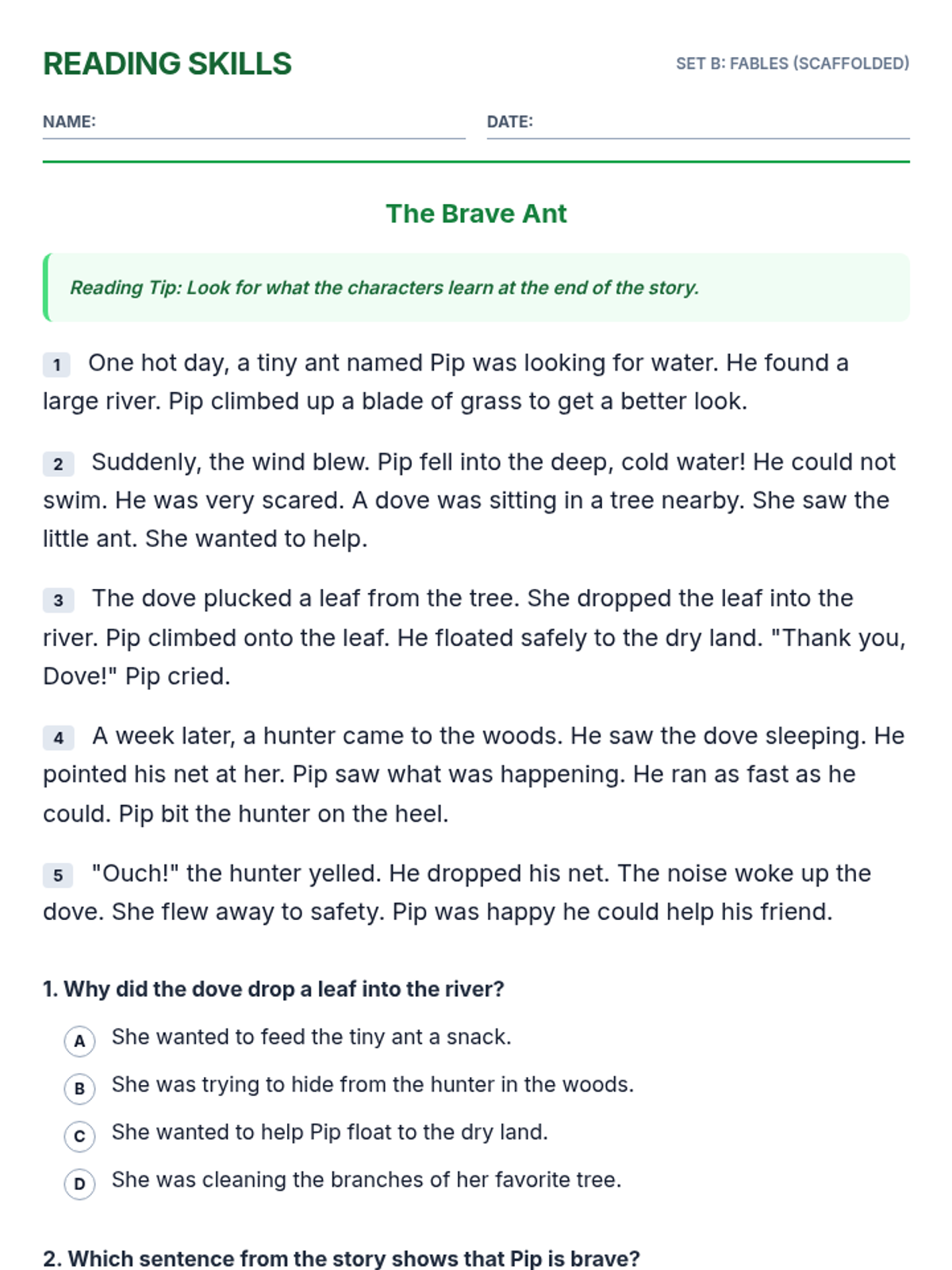
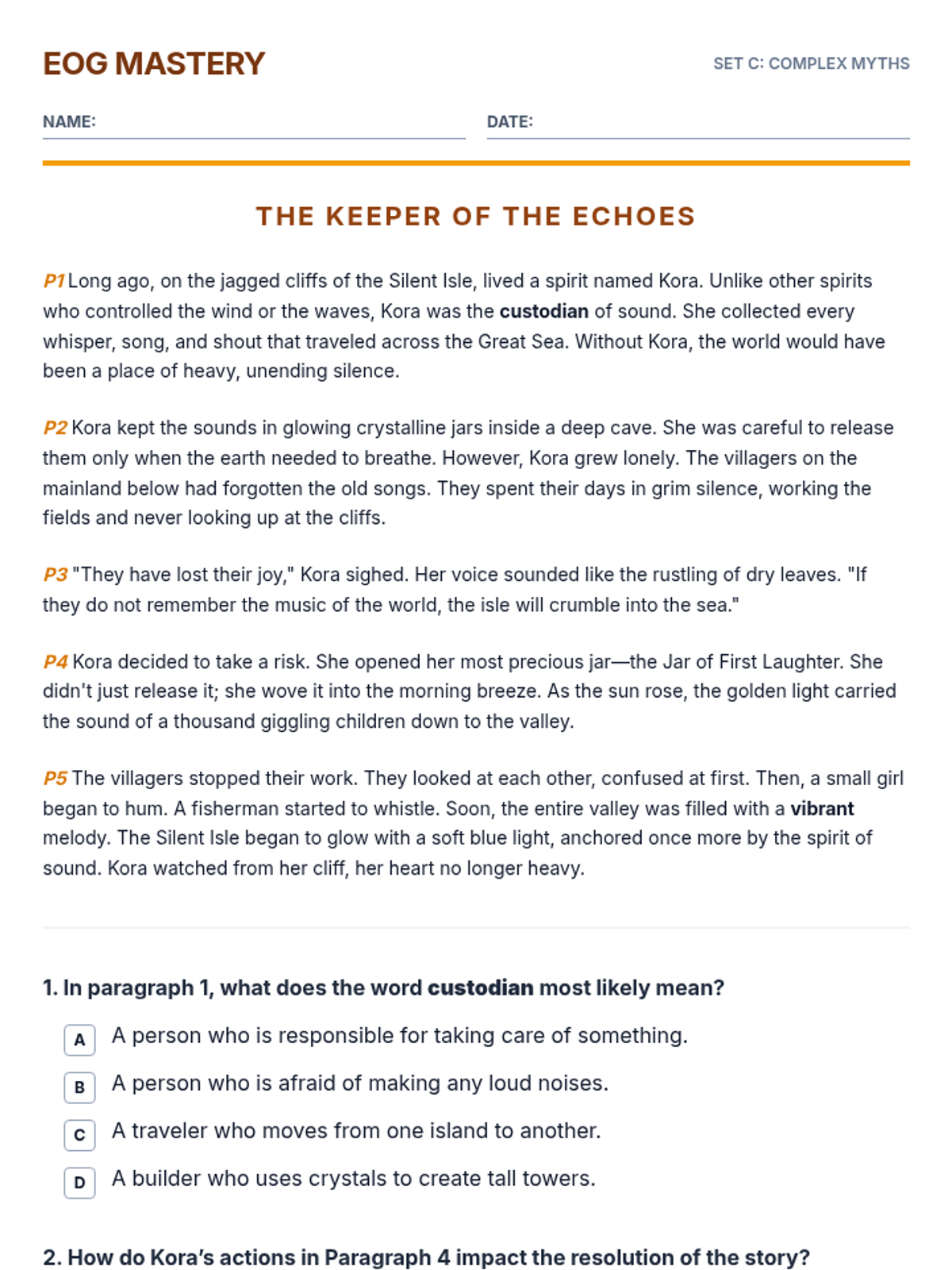
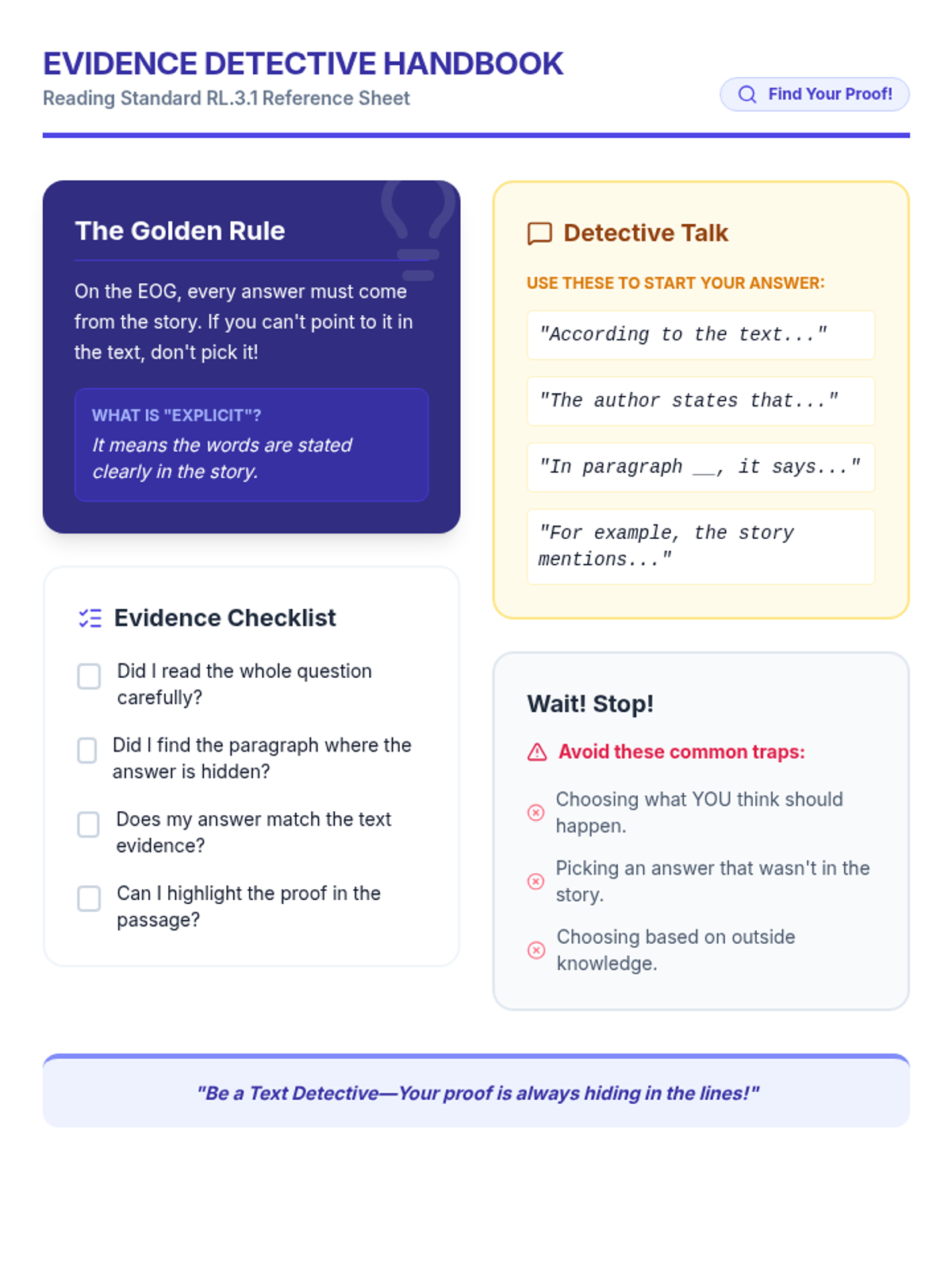
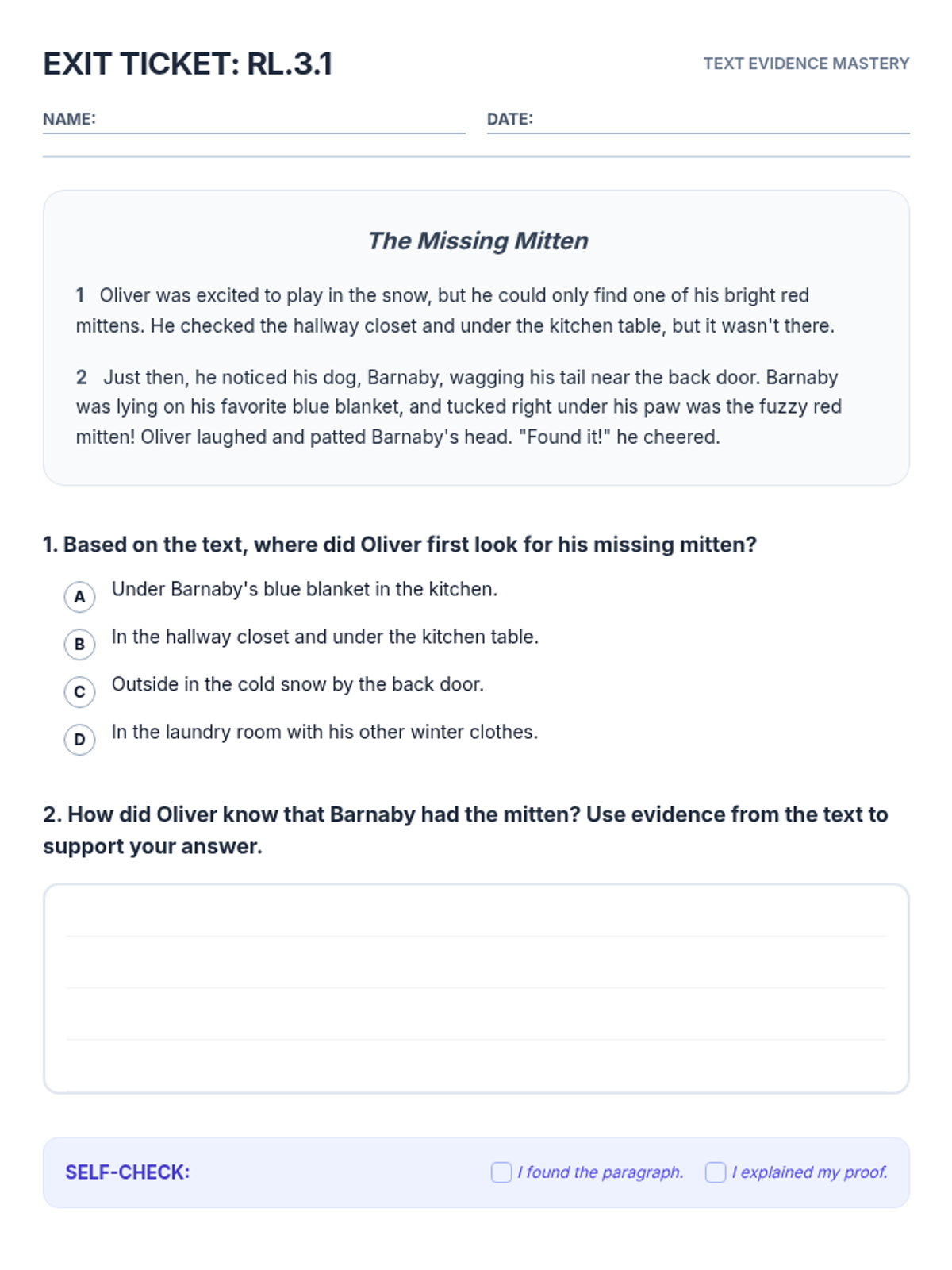
A focused lesson on RL.3.1 (Text Evidence) featuring a realistic fiction passage and 15 EOG-style questions designed to build student proficiency in referring explicitly to the text for answers.
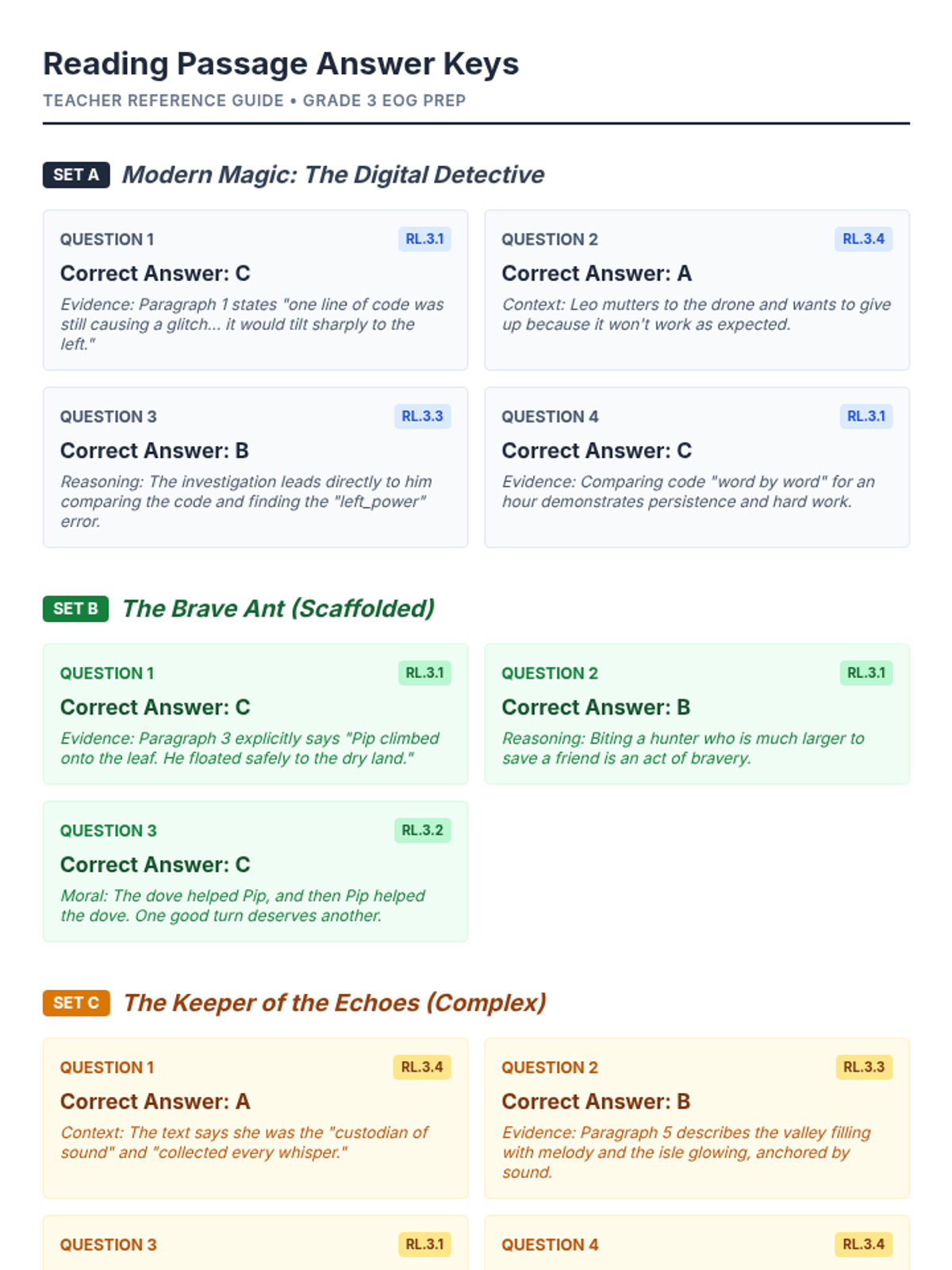
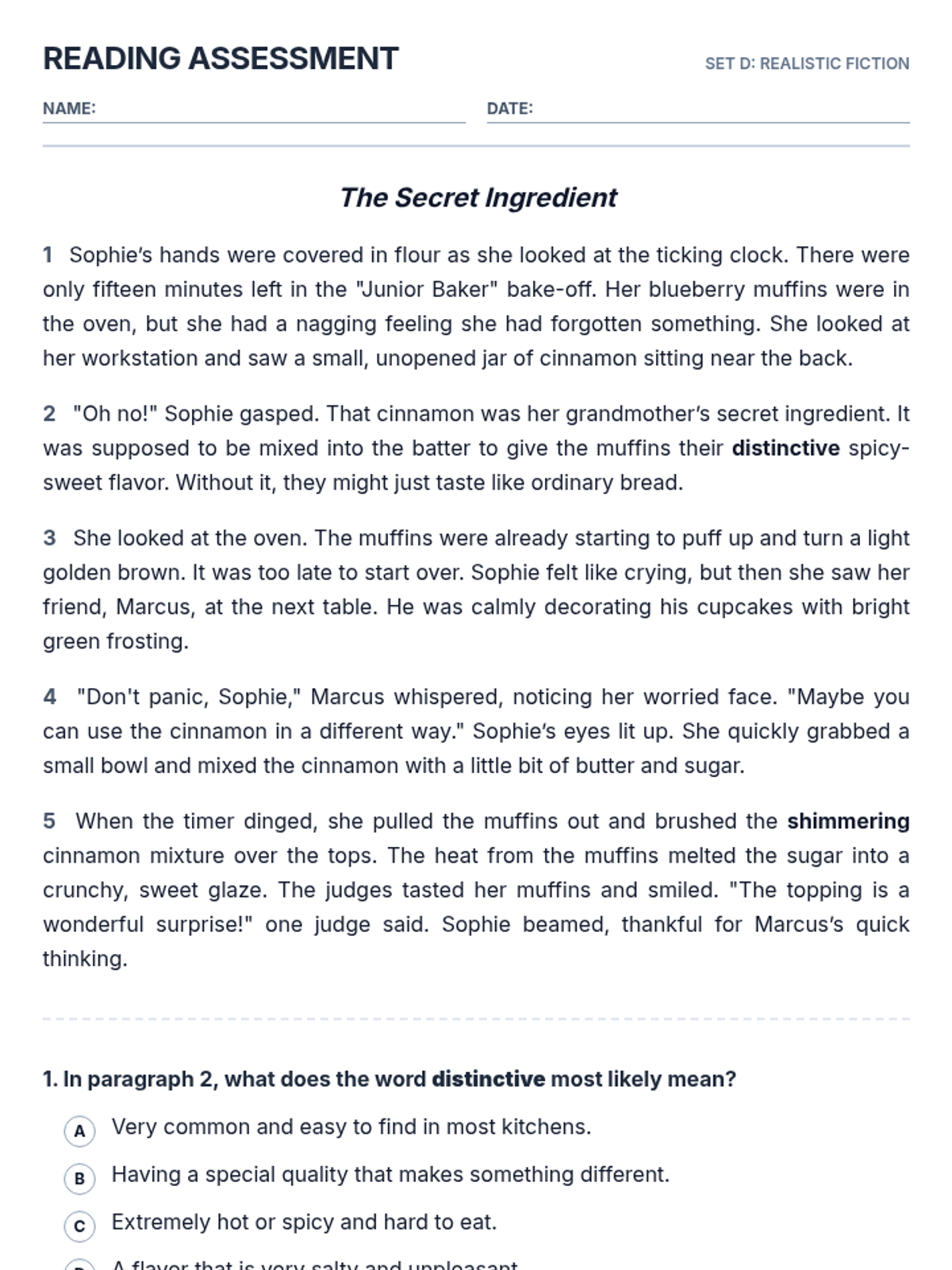
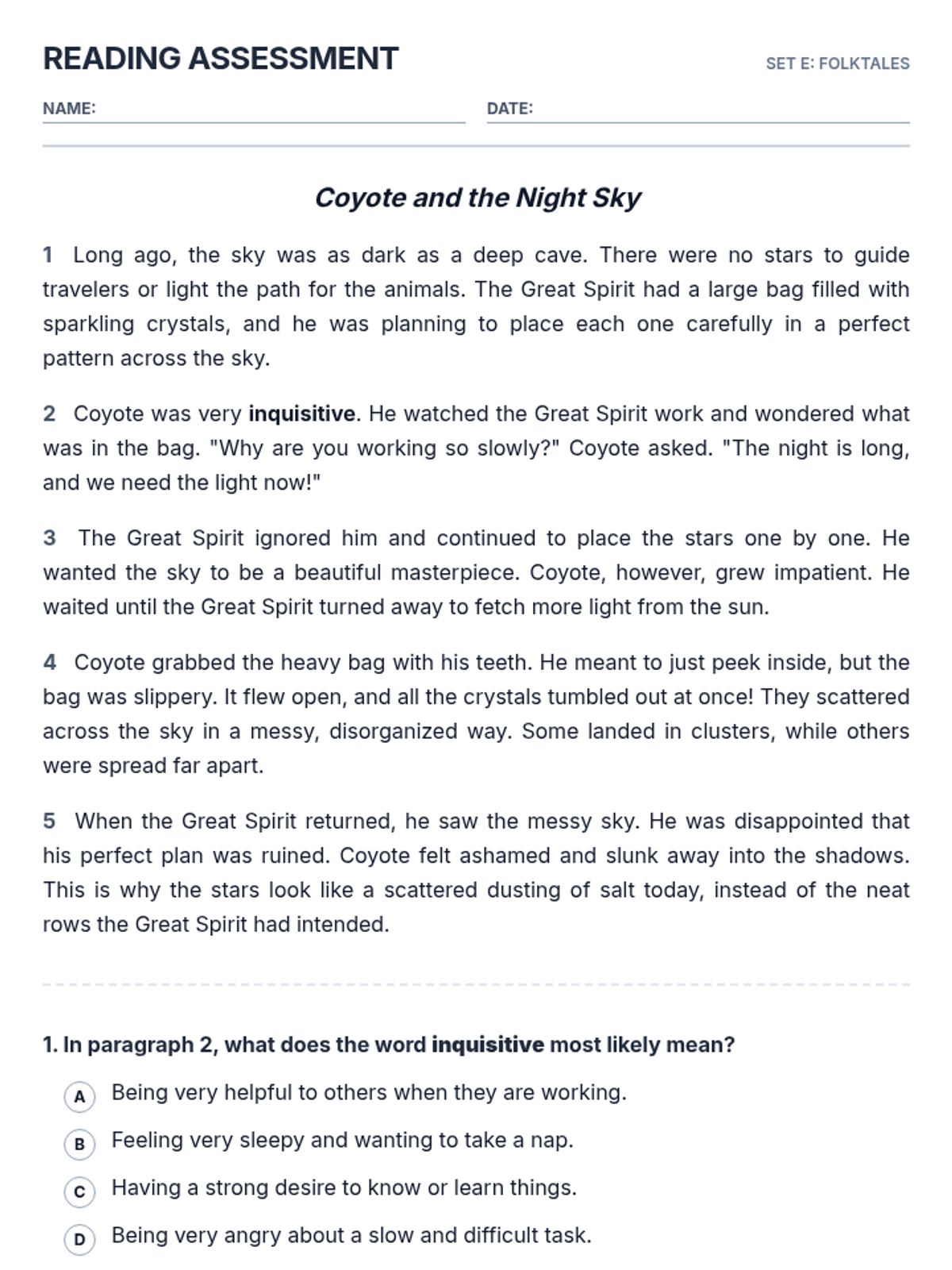
A comprehensive set of EOG-style reading passages and questions designed to prepare 3rd-grade students for end-of-year testing across key literature standards. The materials include various difficulty levels to support differentiation while mimicking the formal testing format.
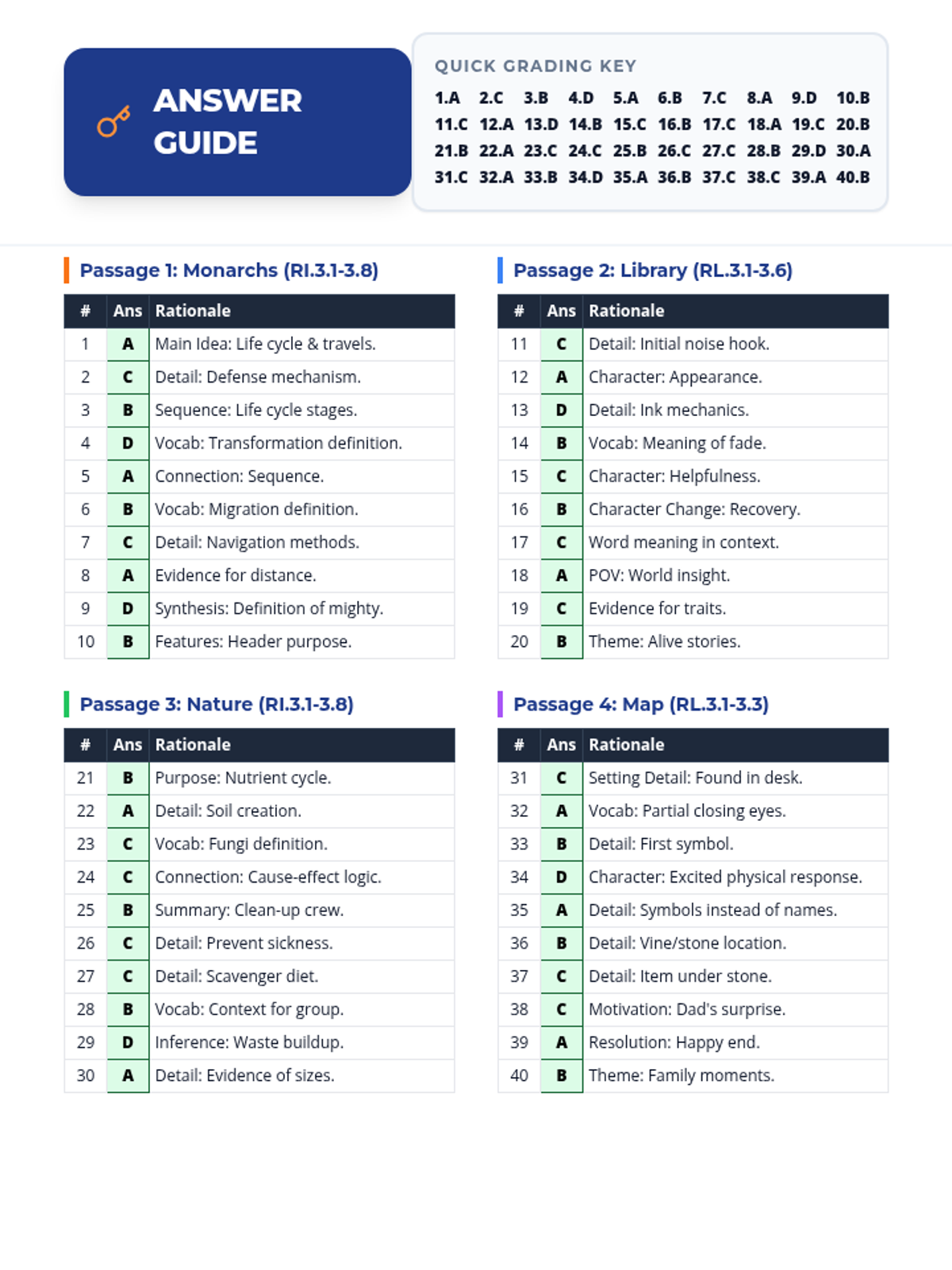
A comprehensive practice packet for the North Carolina Grade 3 ELA EOG, featuring both original Check-In passages and new standards-aligned practice materials.
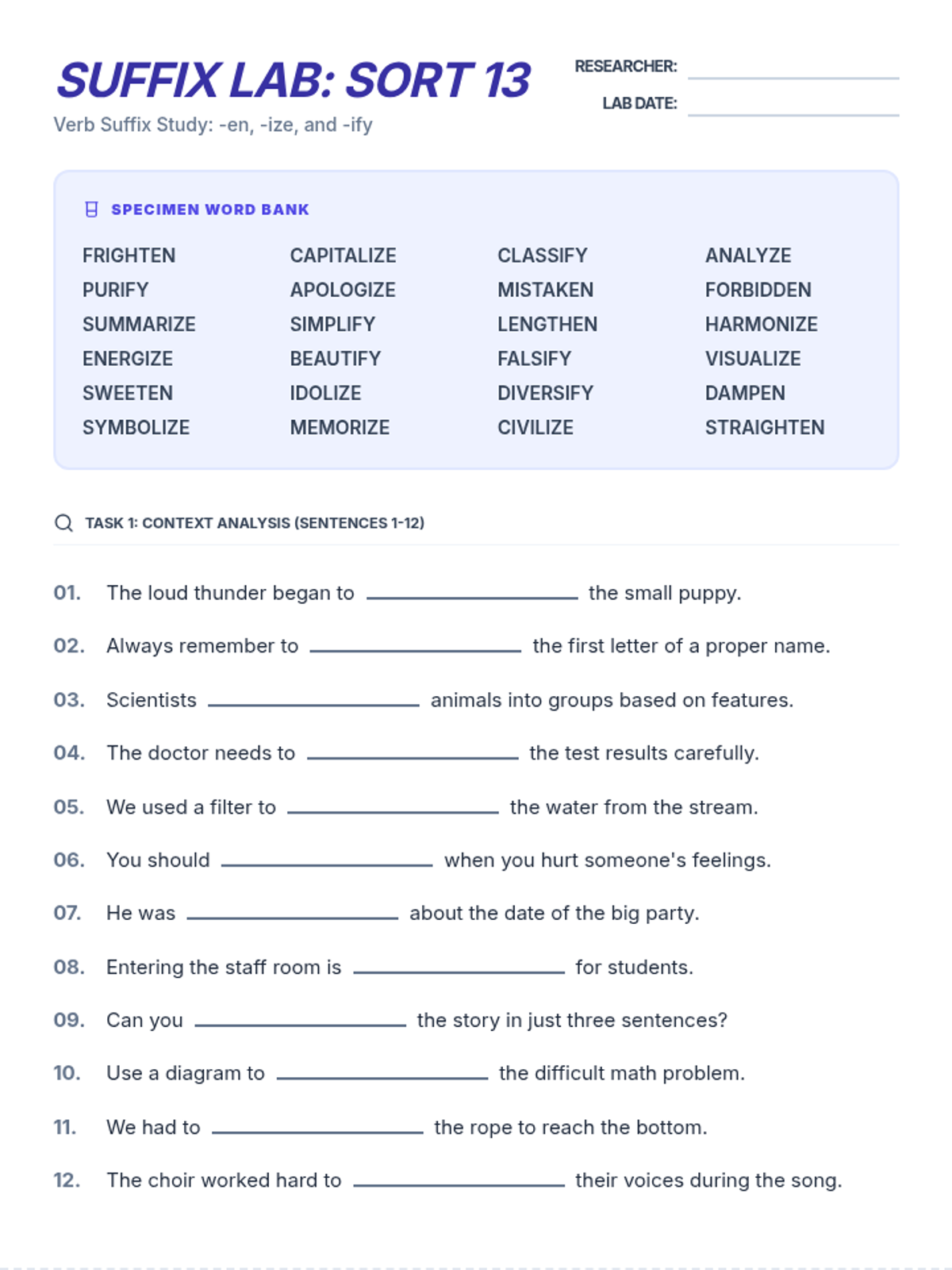
A lesson focused on the suffixes -en, -ize, and -ify. Students investigate how these suffixes transform base words into verbs representing actions or states.
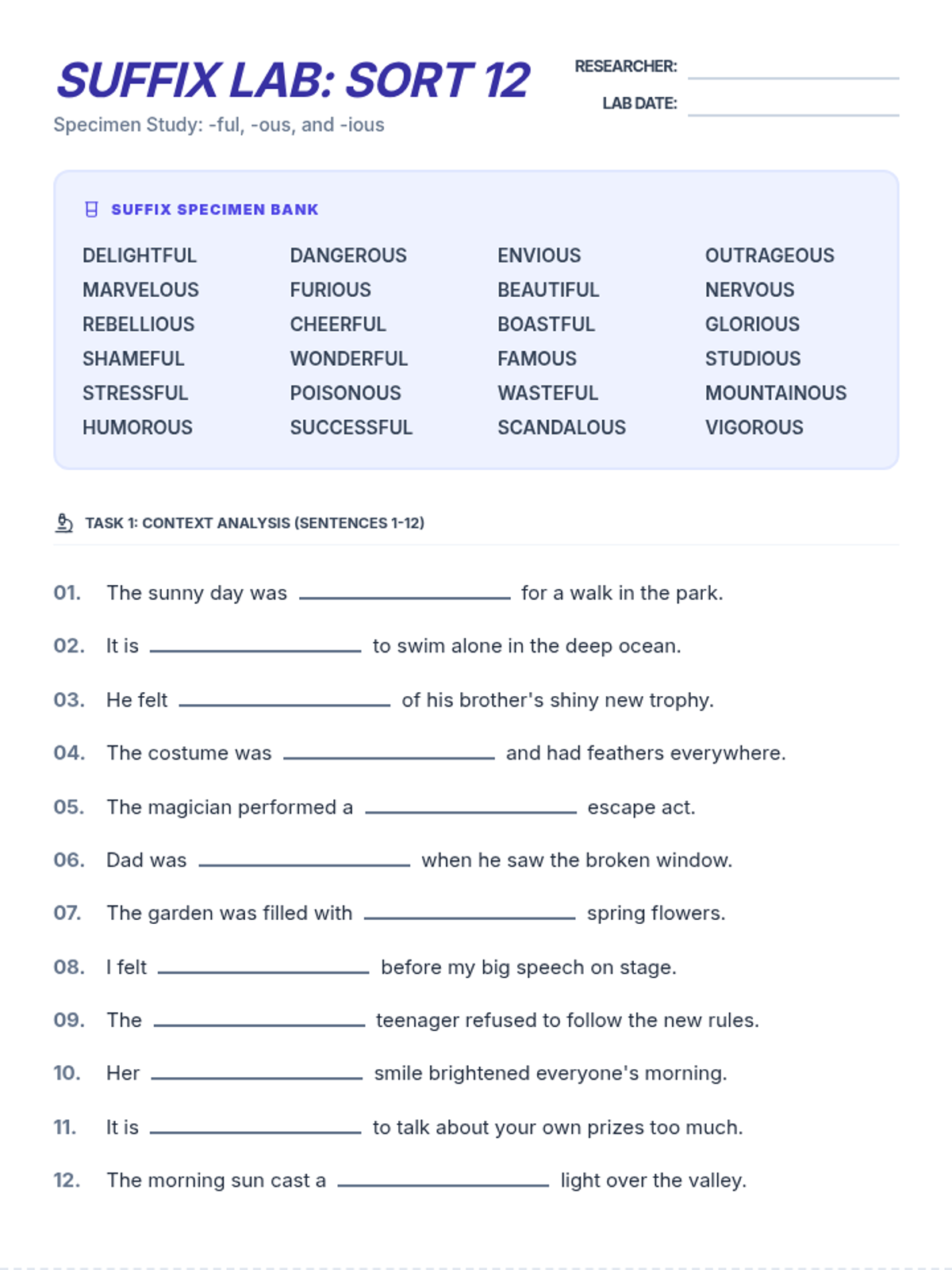
A lesson focused on the suffixes -ful, -ous, and -ious. Students analyze how these suffixes form adjectives from nouns, representing full of or having qualities of.
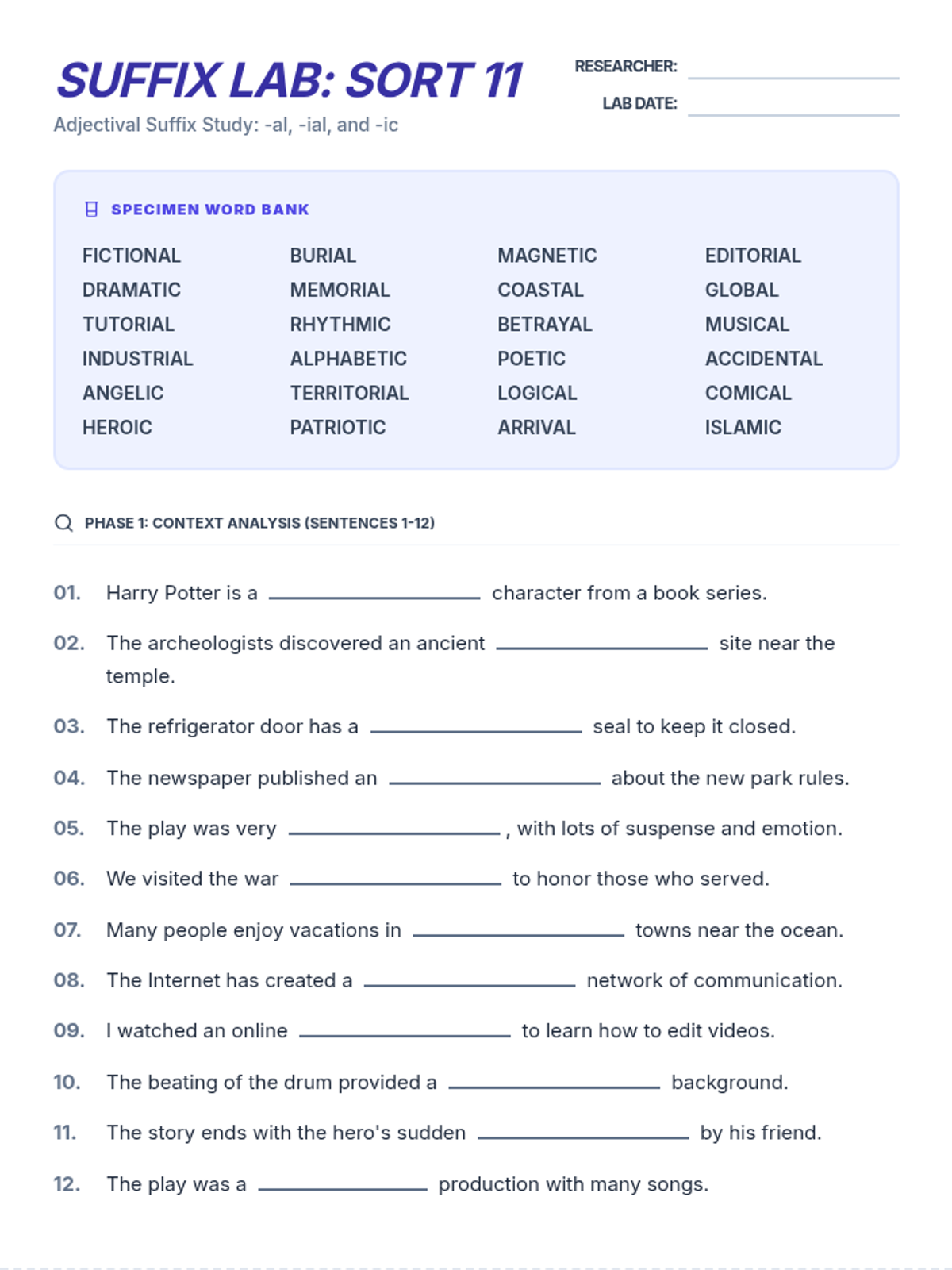
A lesson focused on the suffixes -al, -ial, and -ic. Students analyze how these suffixes form adjectives from nouns, representing relating to or having qualities of.
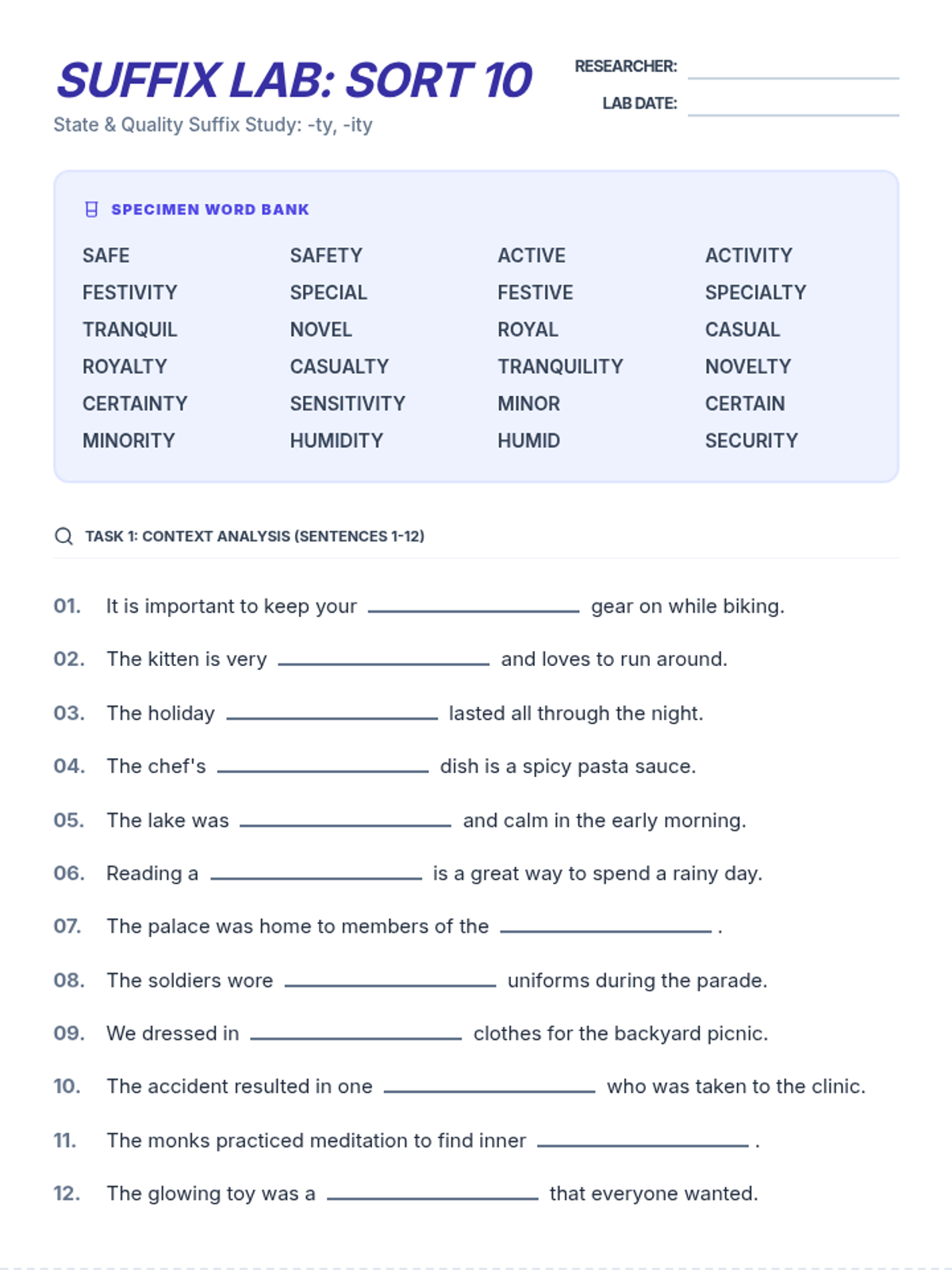
A lesson focused on the suffixes -ty and -ity. Students analyze how these suffixes form nouns from adjectives, representing states or qualities.
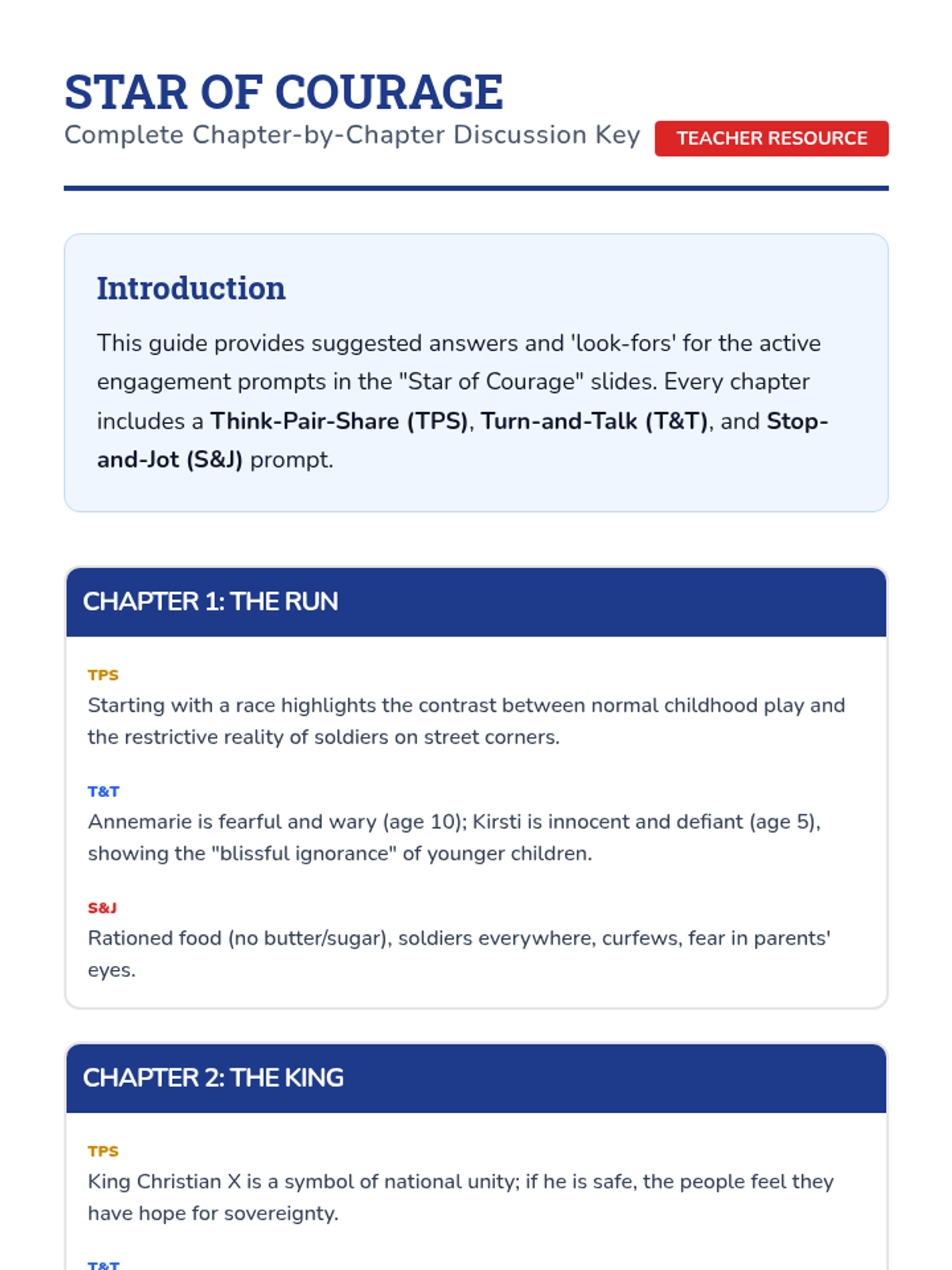
A comprehensive visual exploration of 'Number the Stars' focusing on historical context, vocabulary, and deep character analysis through consistent active engagement prompts.