A lesson exploring the connections between the planets of our solar system and the Greek and Roman deities they are named after, focusing on the physical characteristics that inspired their names.
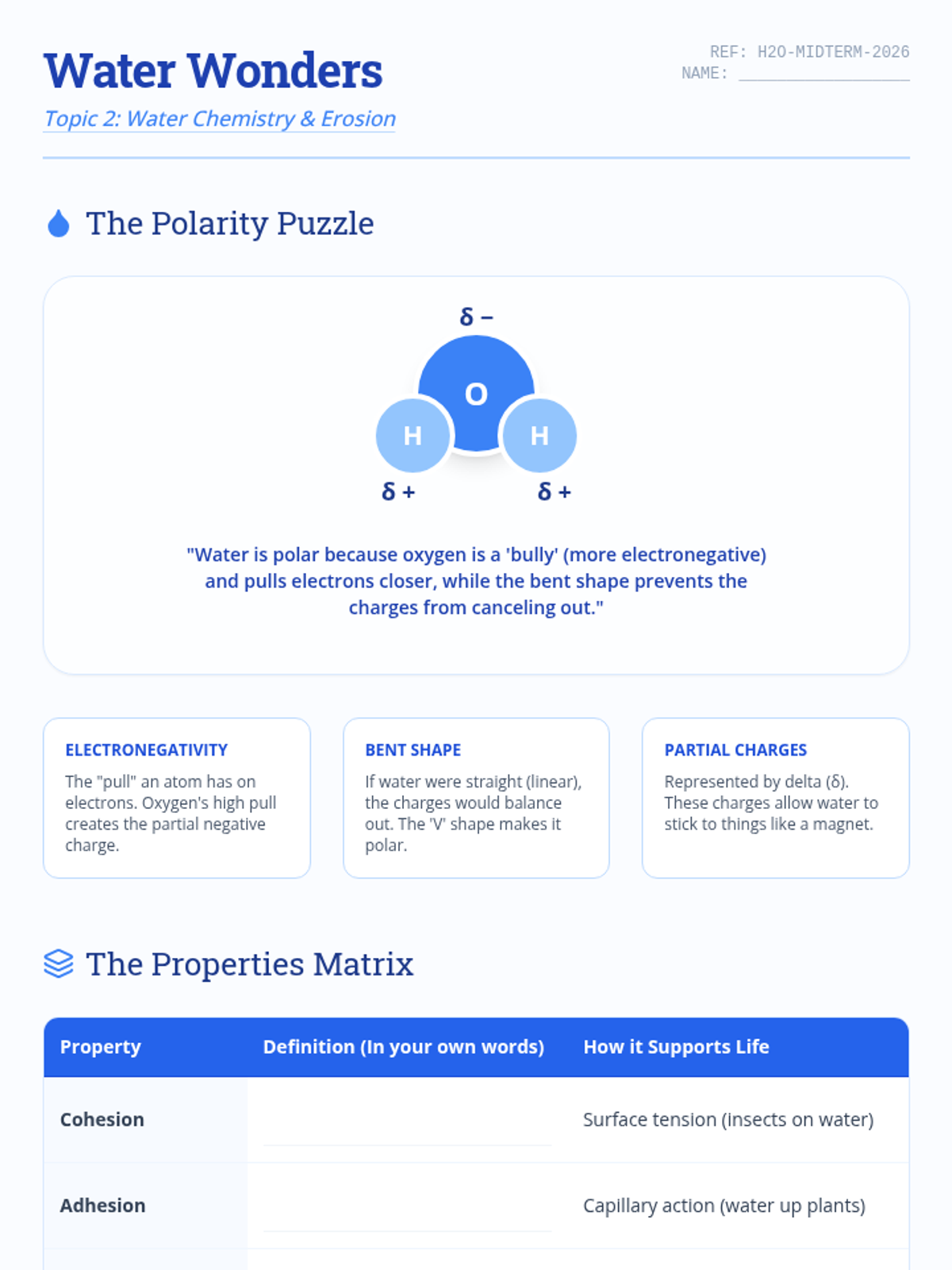
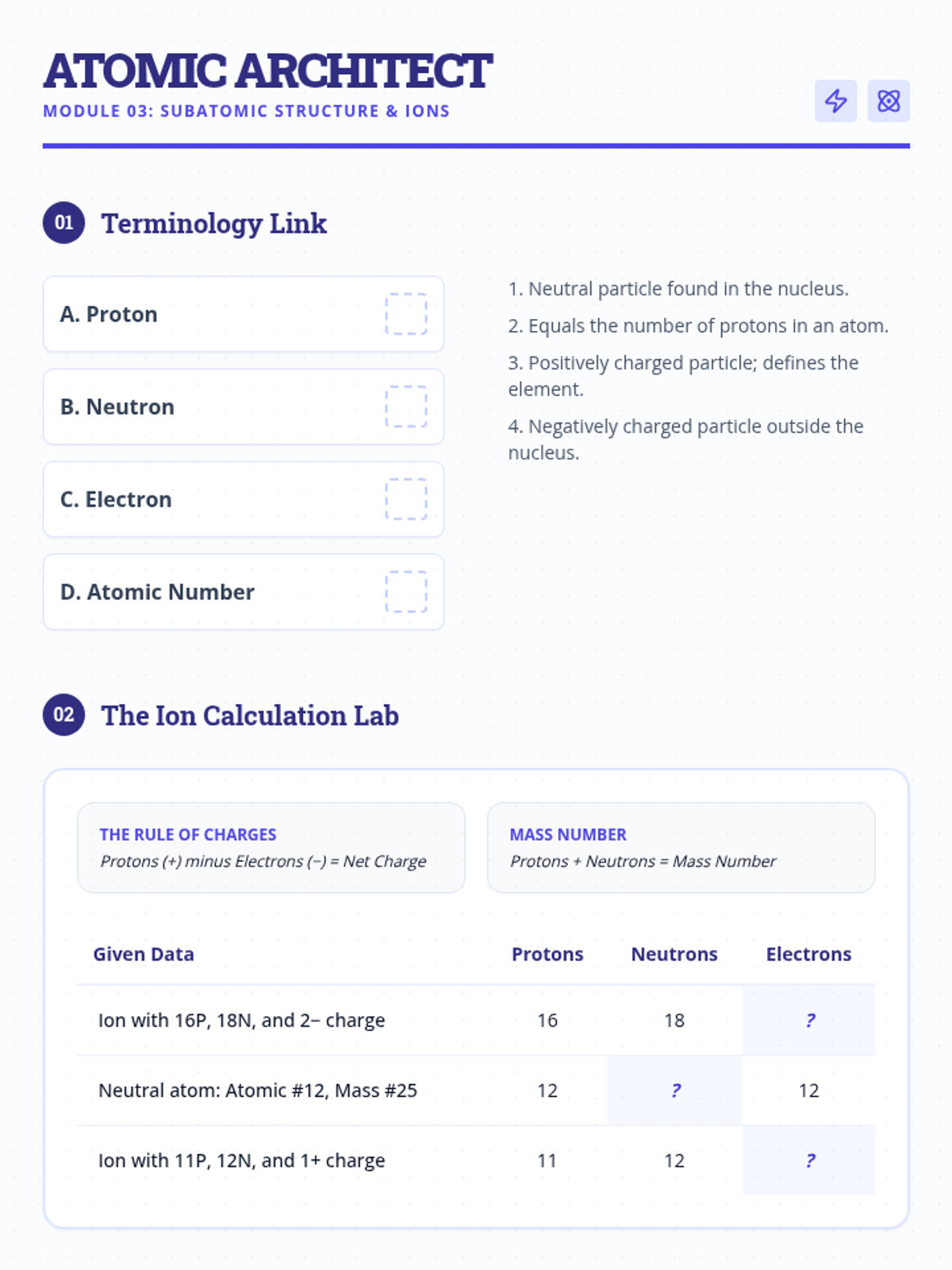
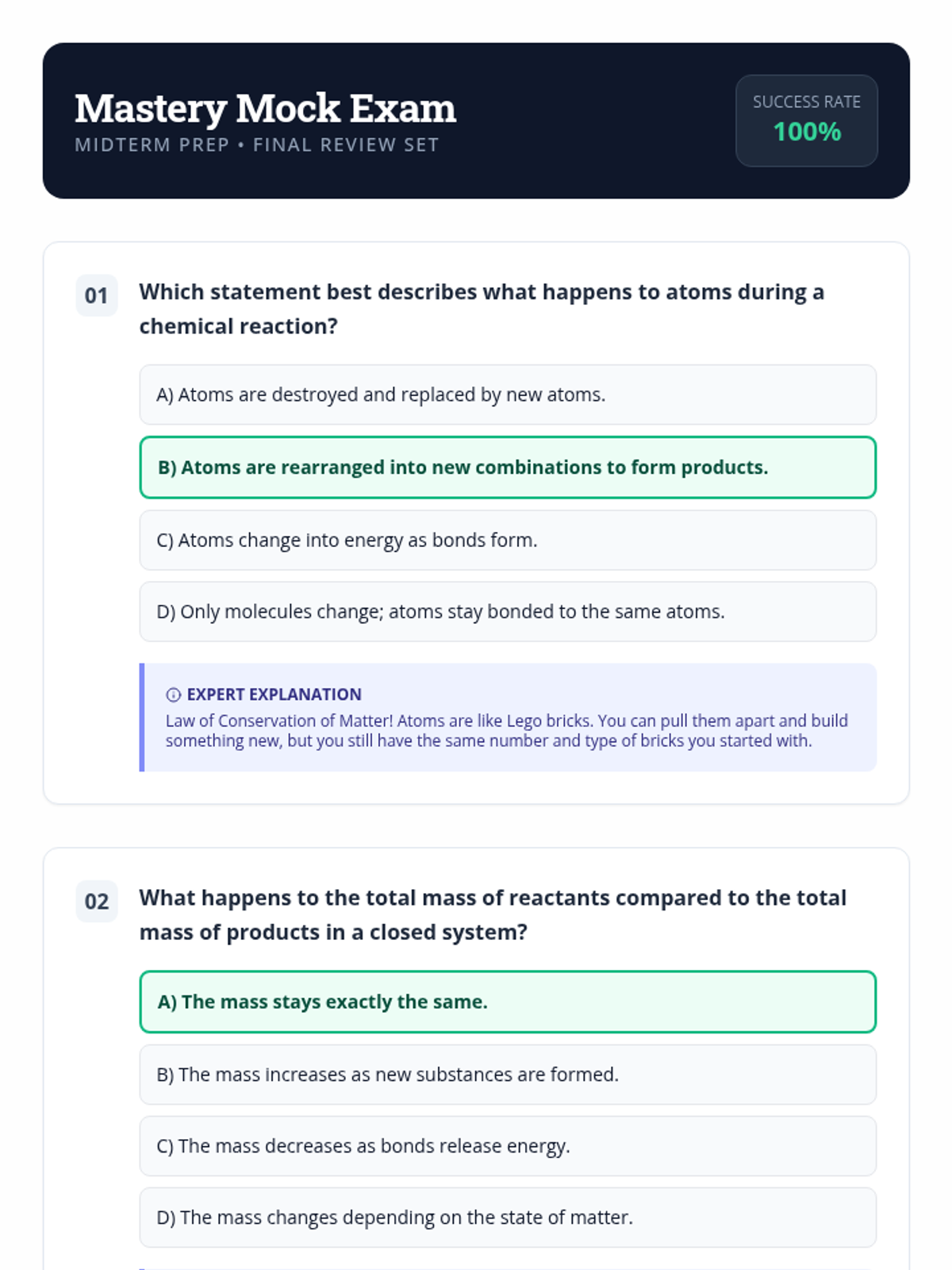
A comprehensive chemistry midterm review covering chemical reactions, water properties, planetary science, and atomic structure based on the Spring 2026 exam.
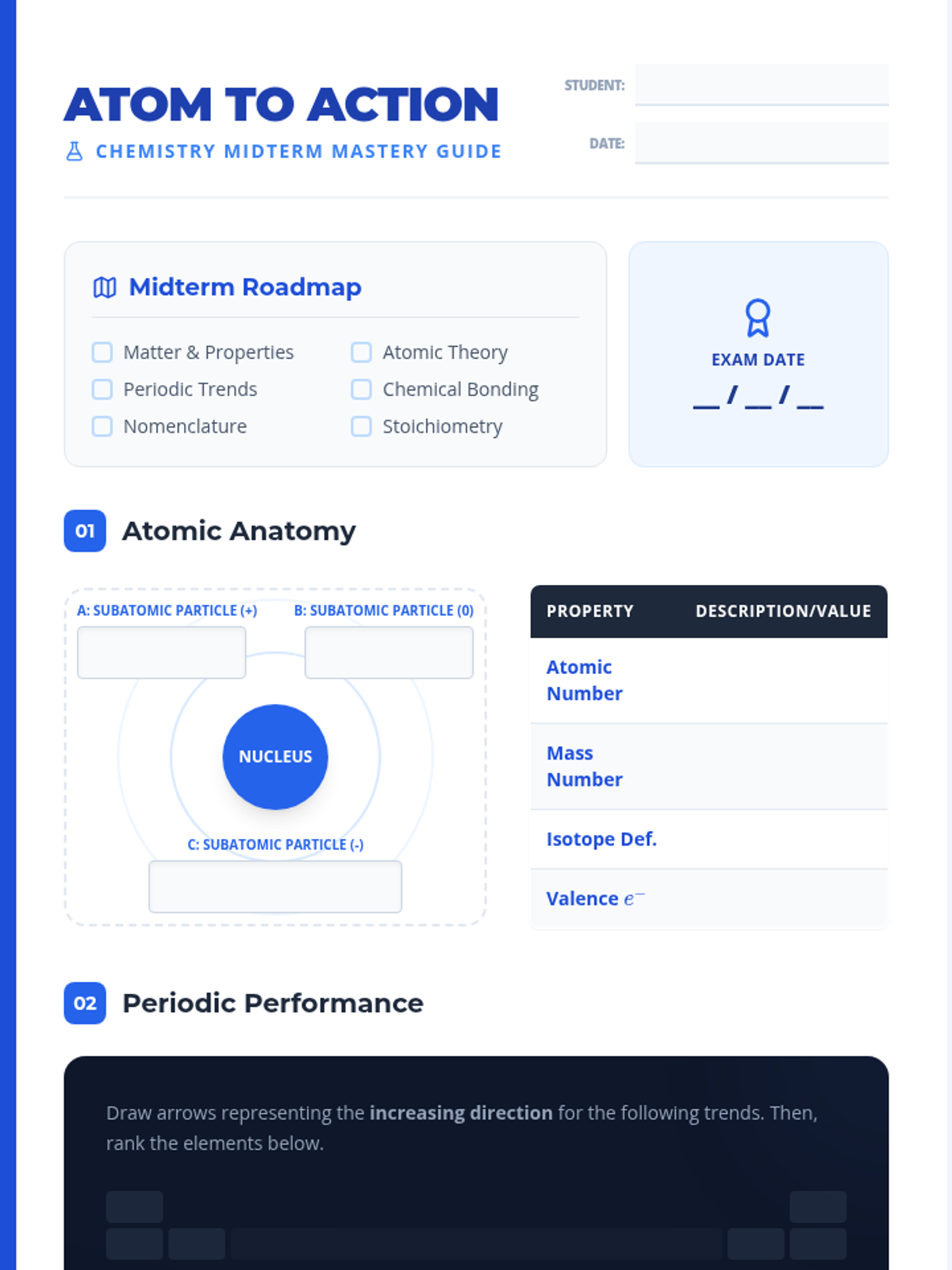
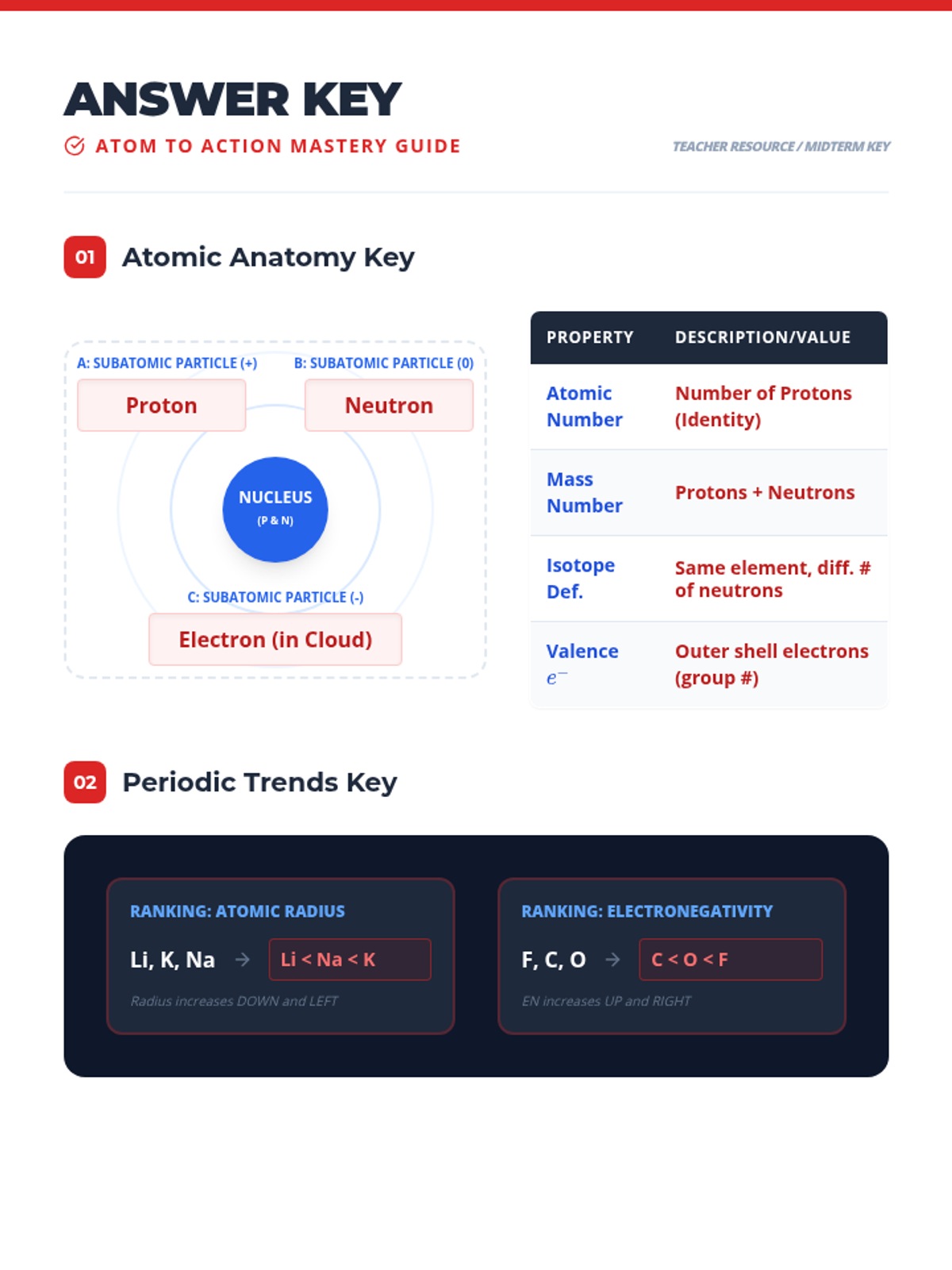
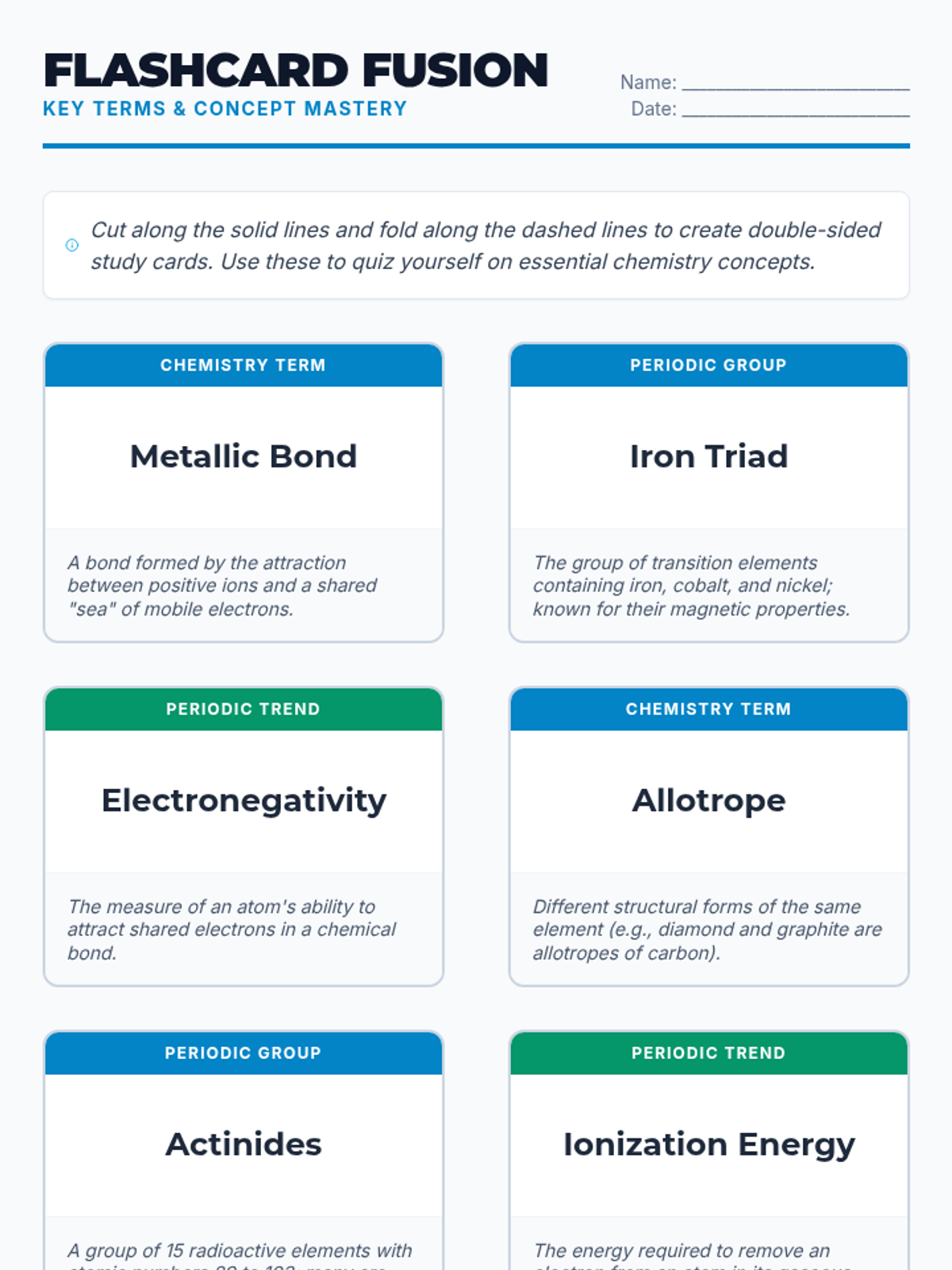
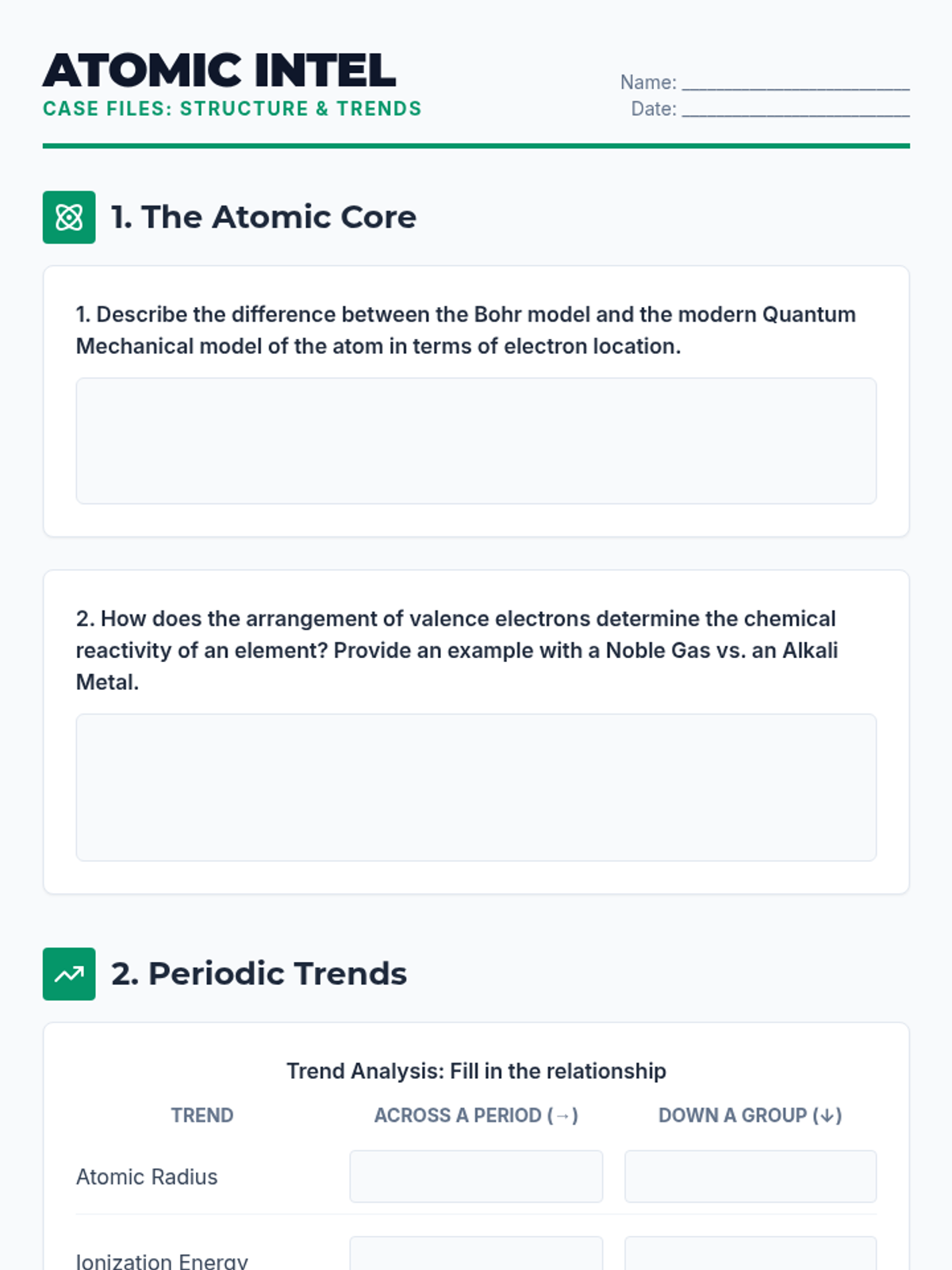
A comprehensive review of introductory chemistry concepts, including atomic structure, periodic trends, bonding, and stoichiometry, designed to prepare students for a midterm examination.
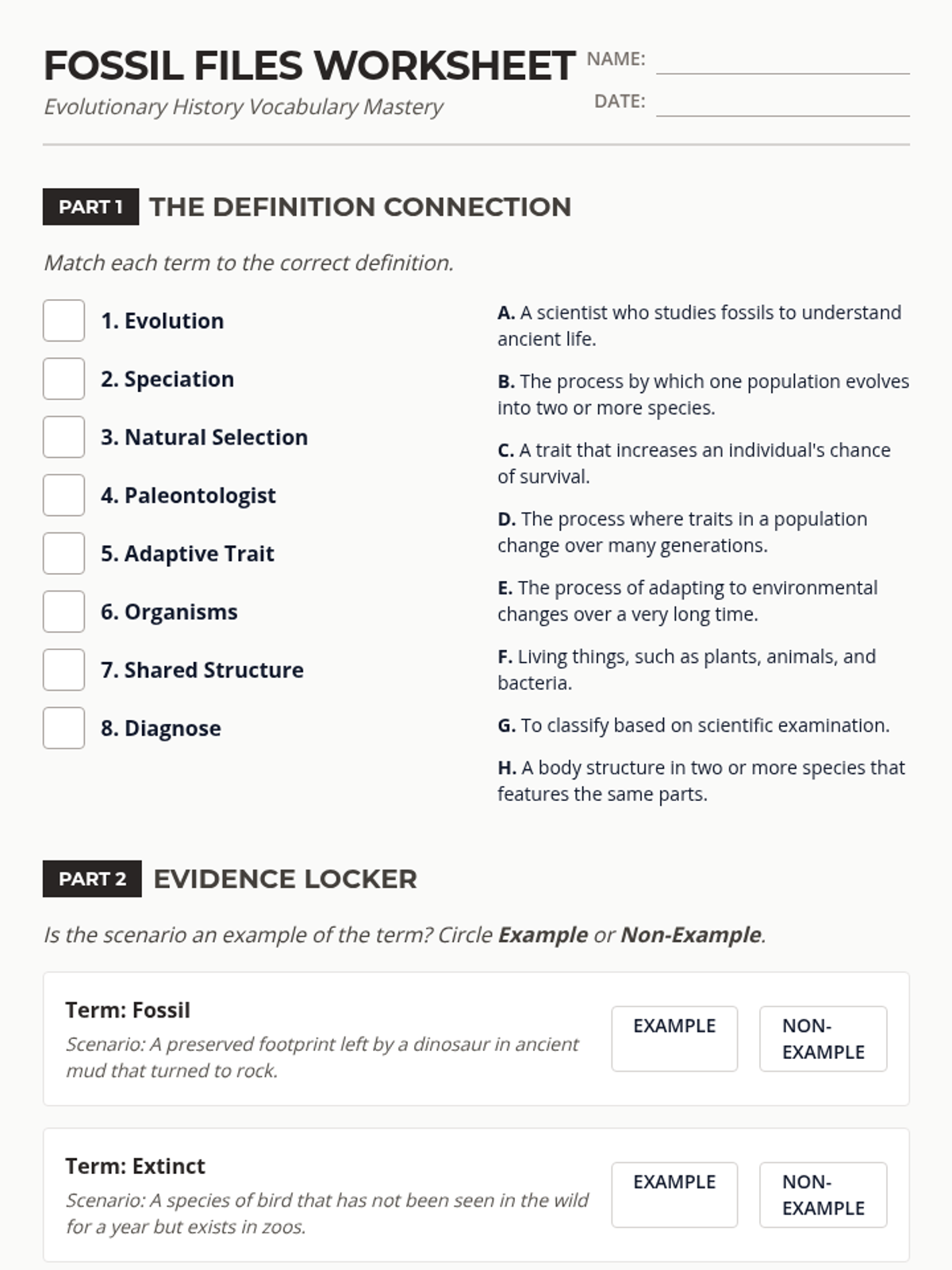
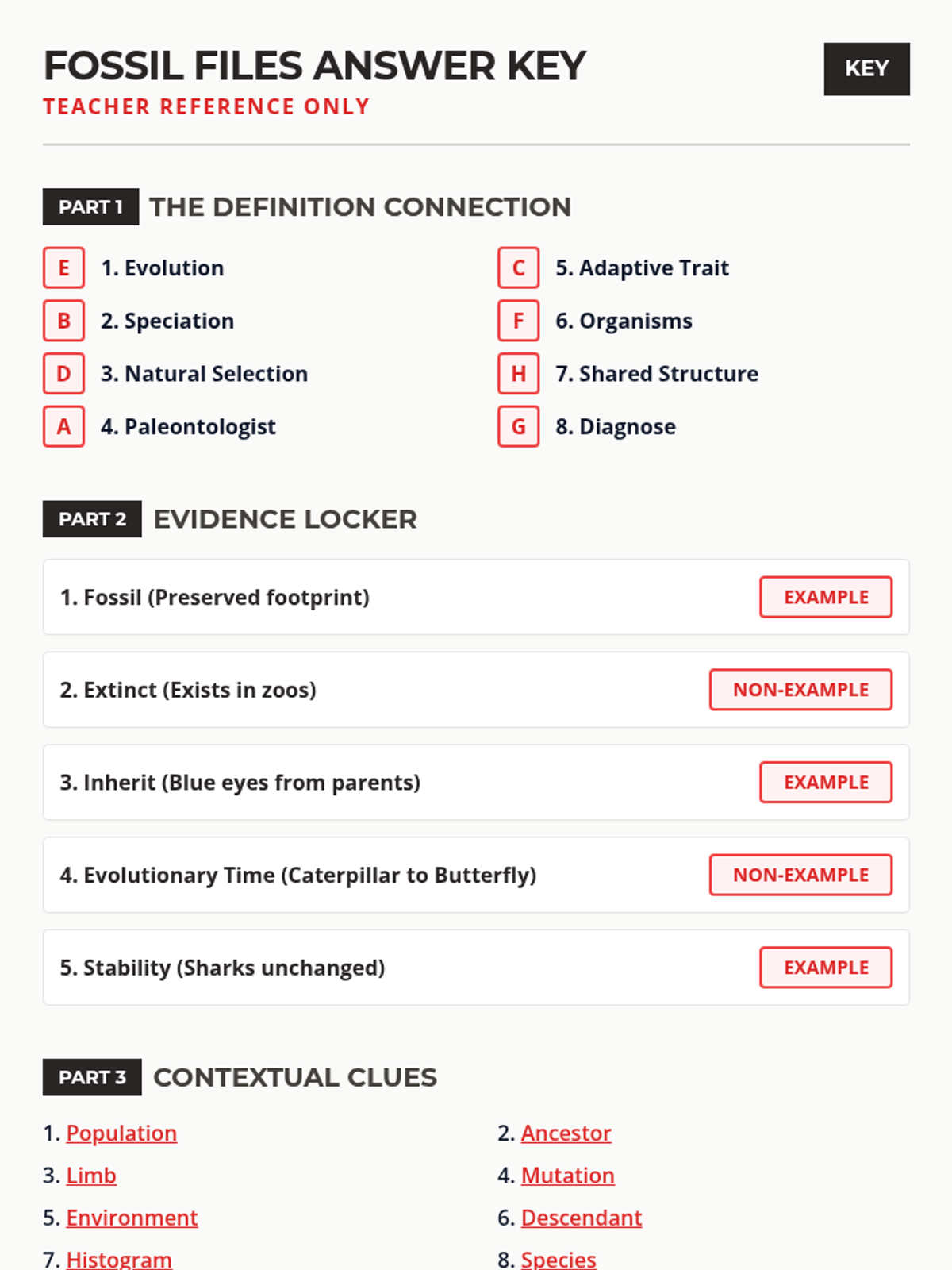
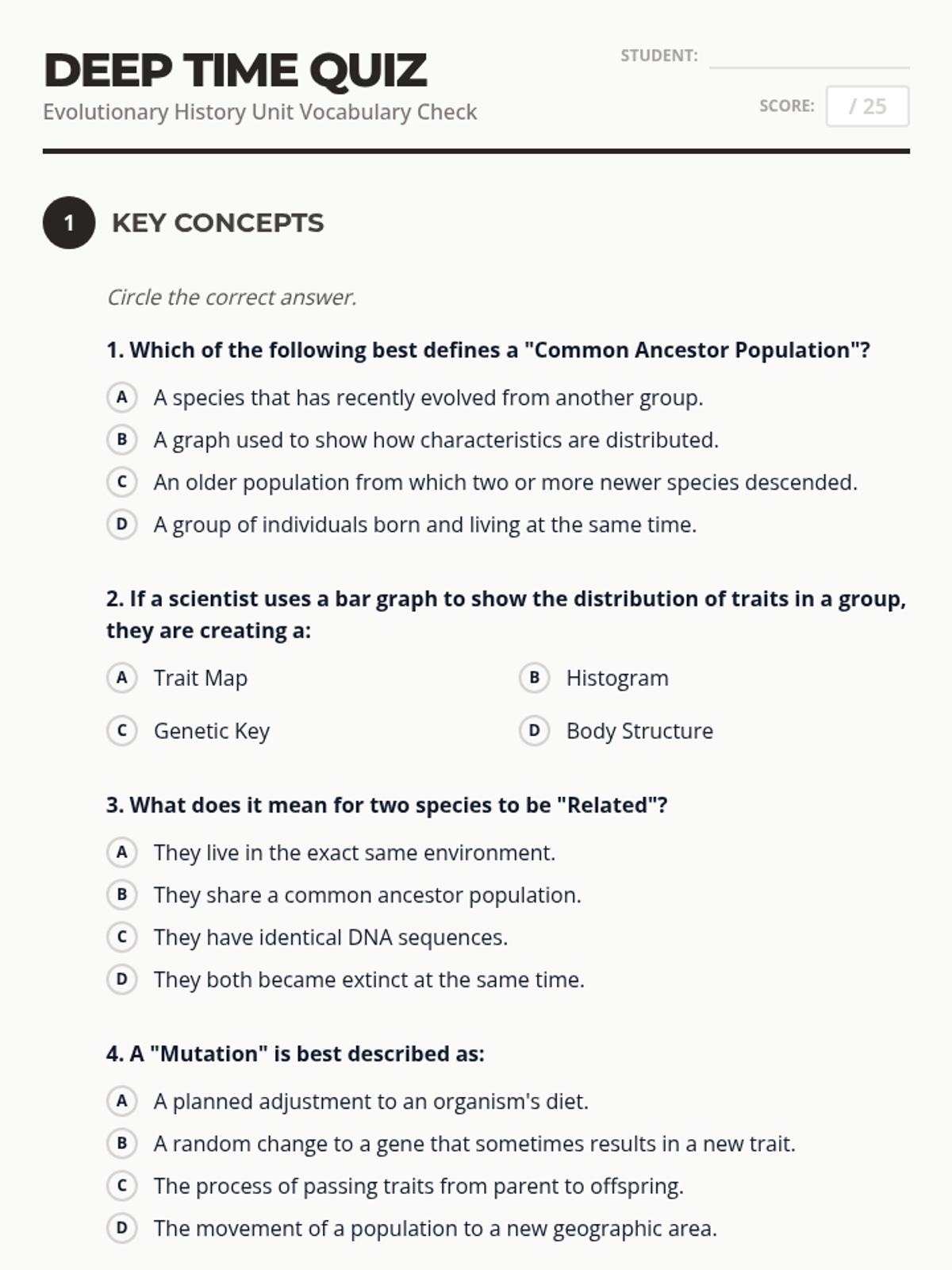
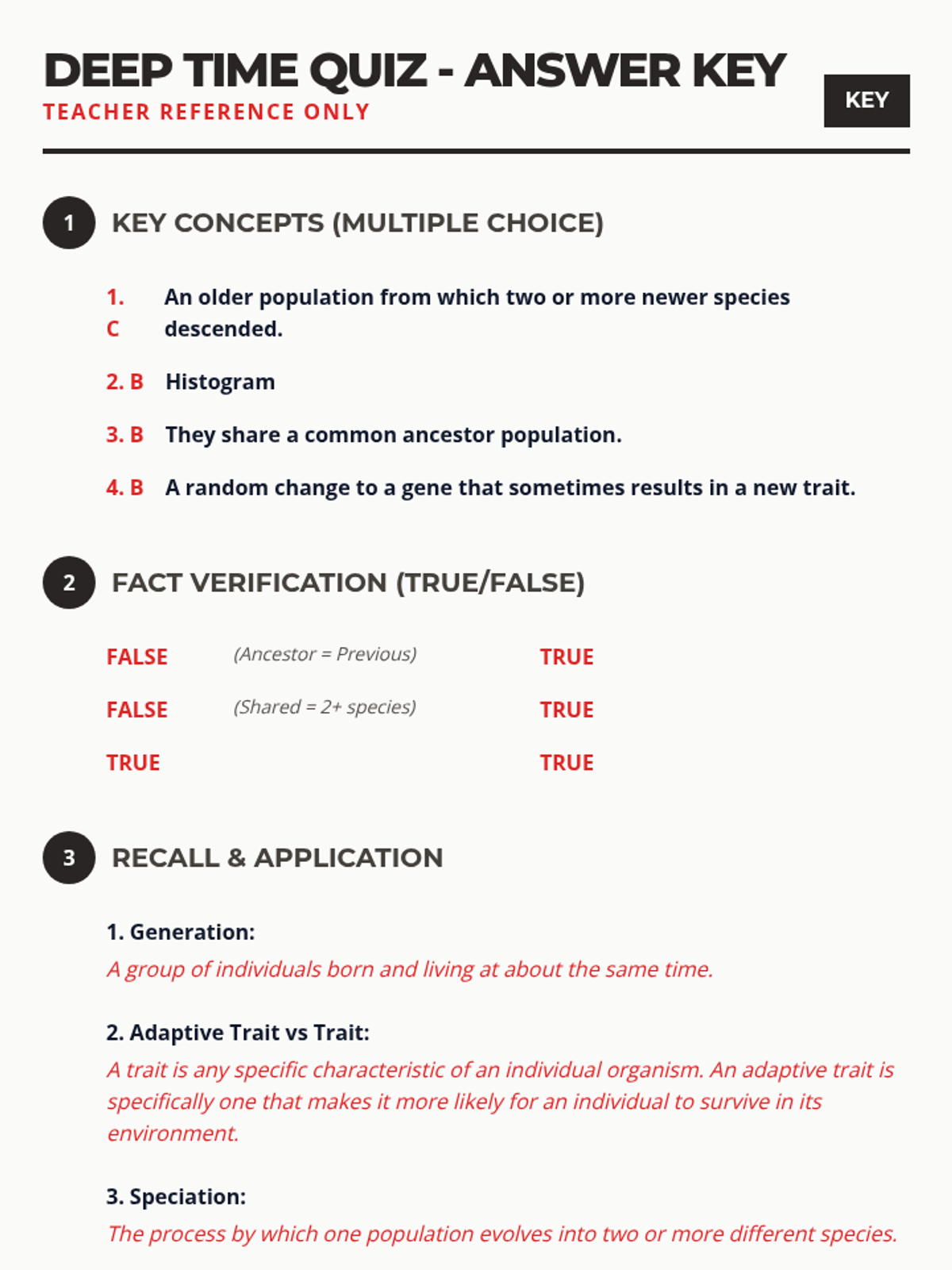
A comprehensive vocabulary lesson focused on the terminology of evolutionary history, including definitions, application through examples, and assessment.
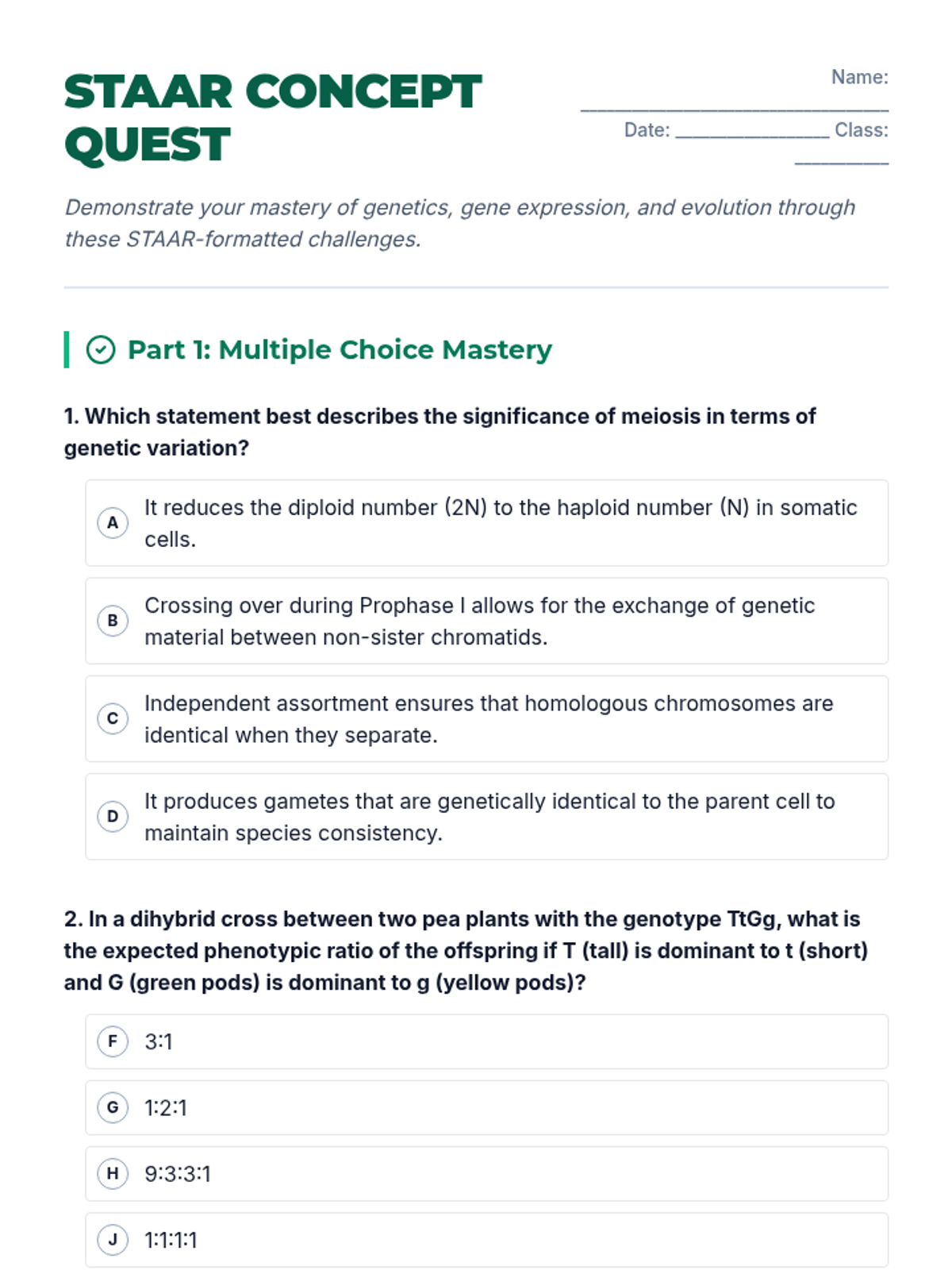
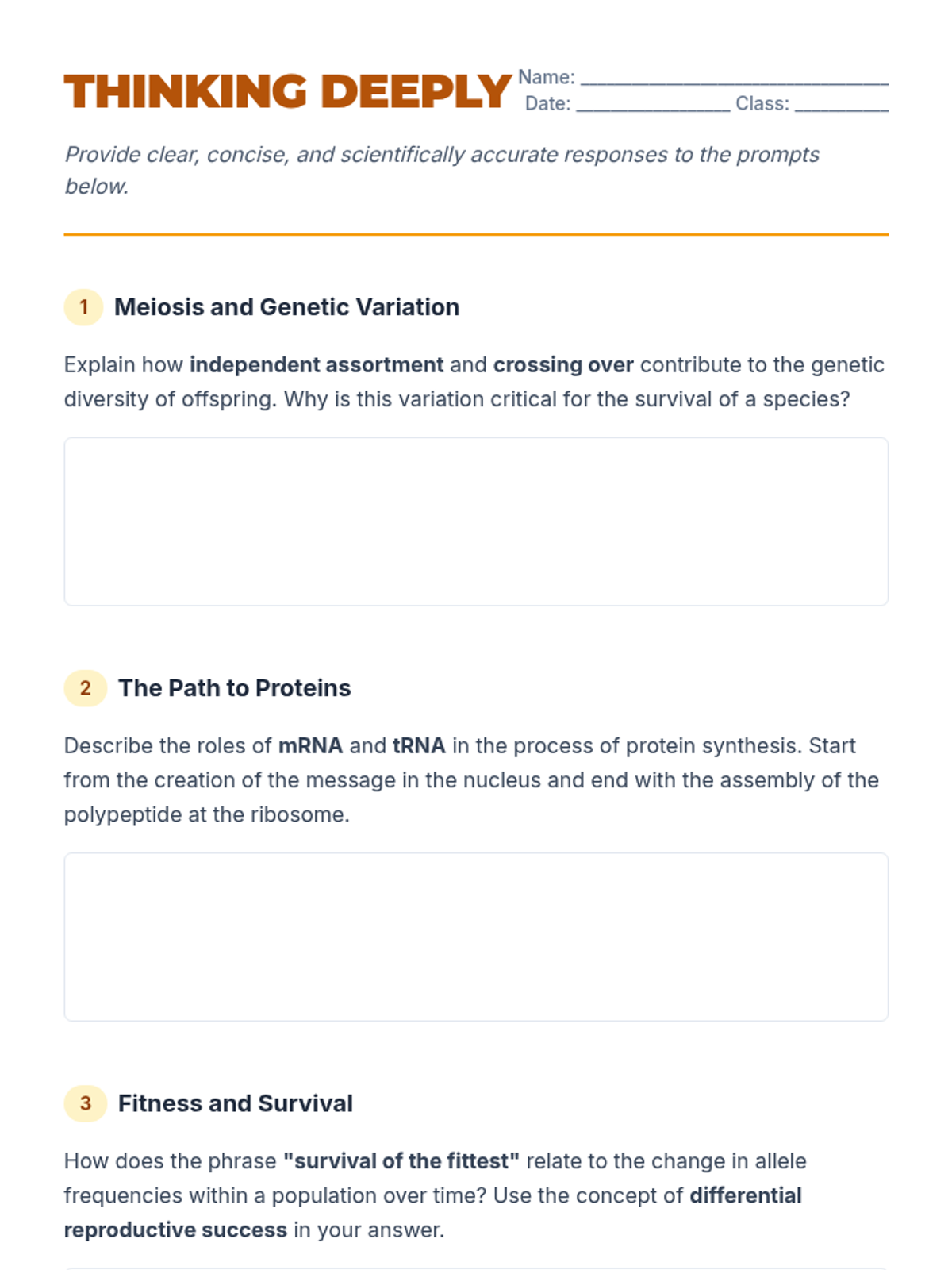
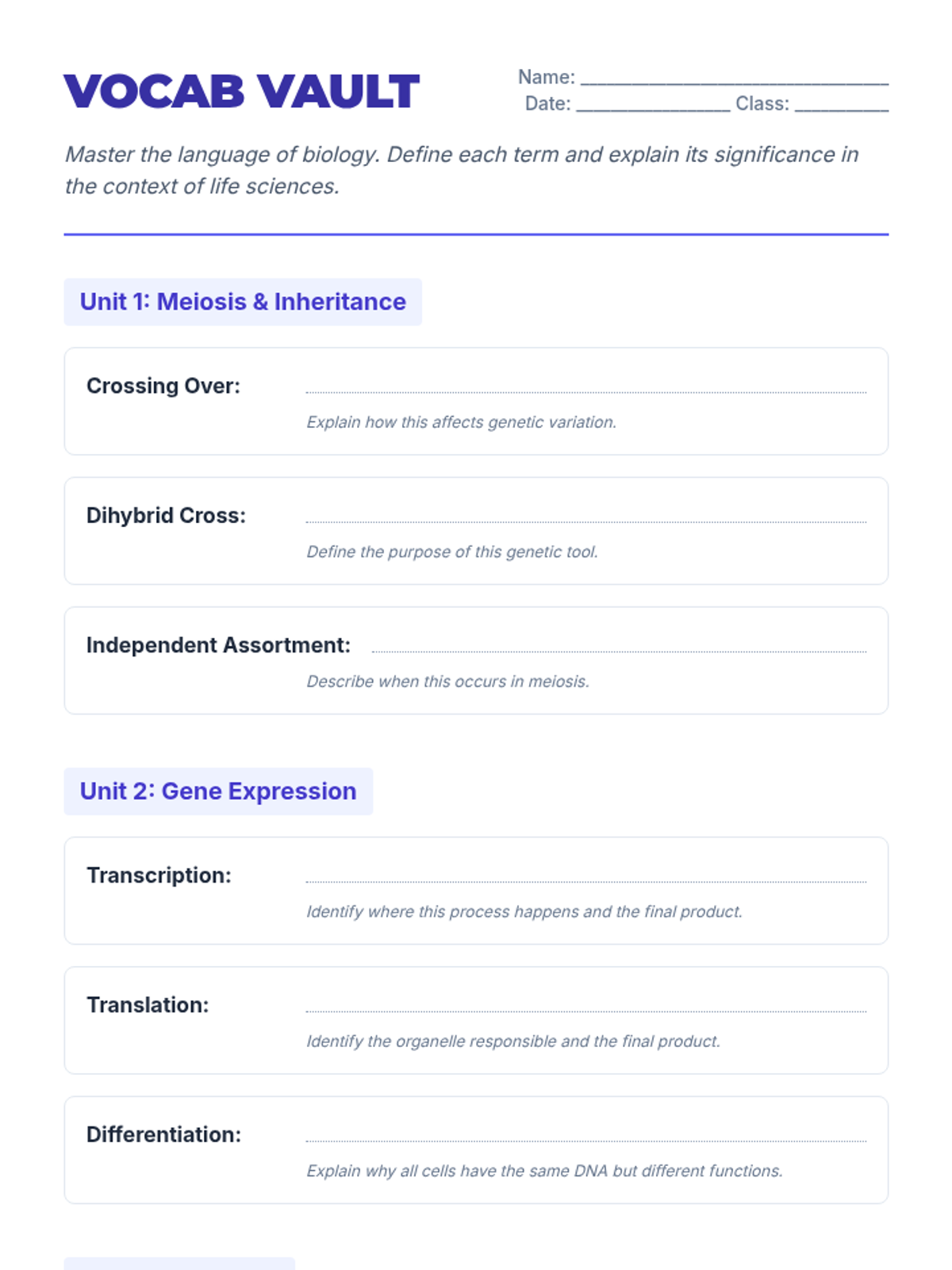
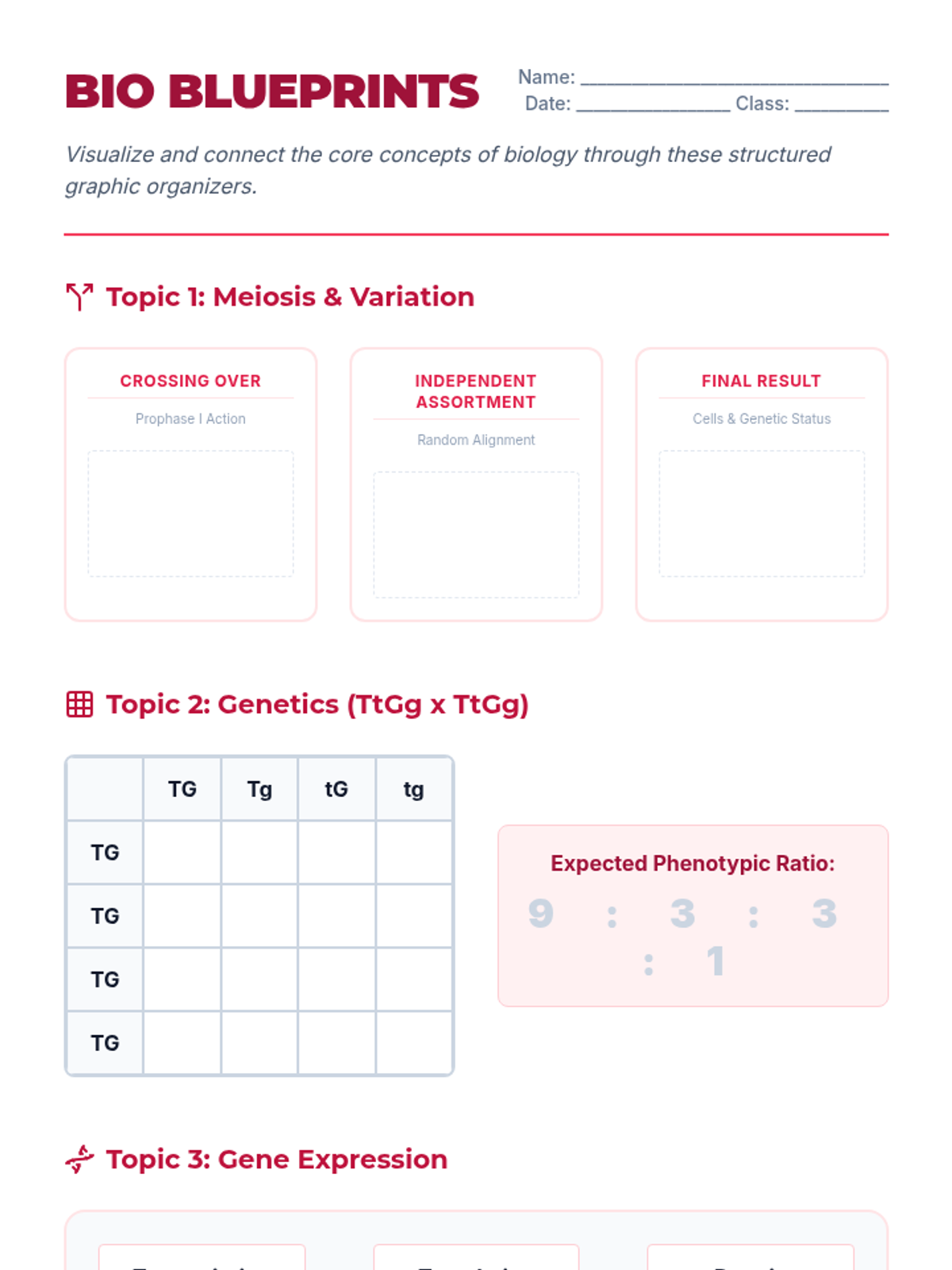
This lesson synthesizes core biological concepts including the mechanisms of inheritance, the flow of genetic information from DNA to protein, and the processes driving evolutionary change.
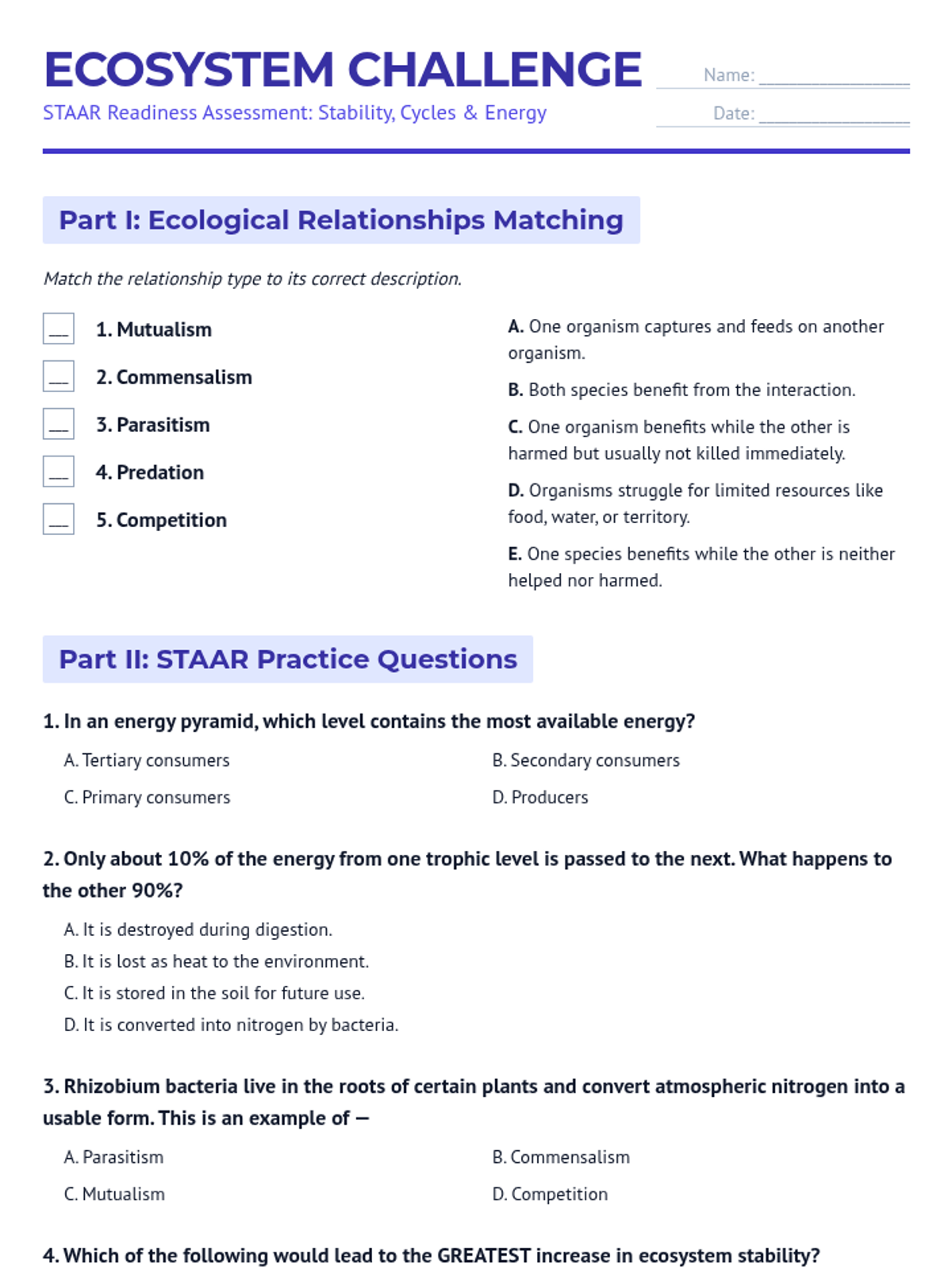
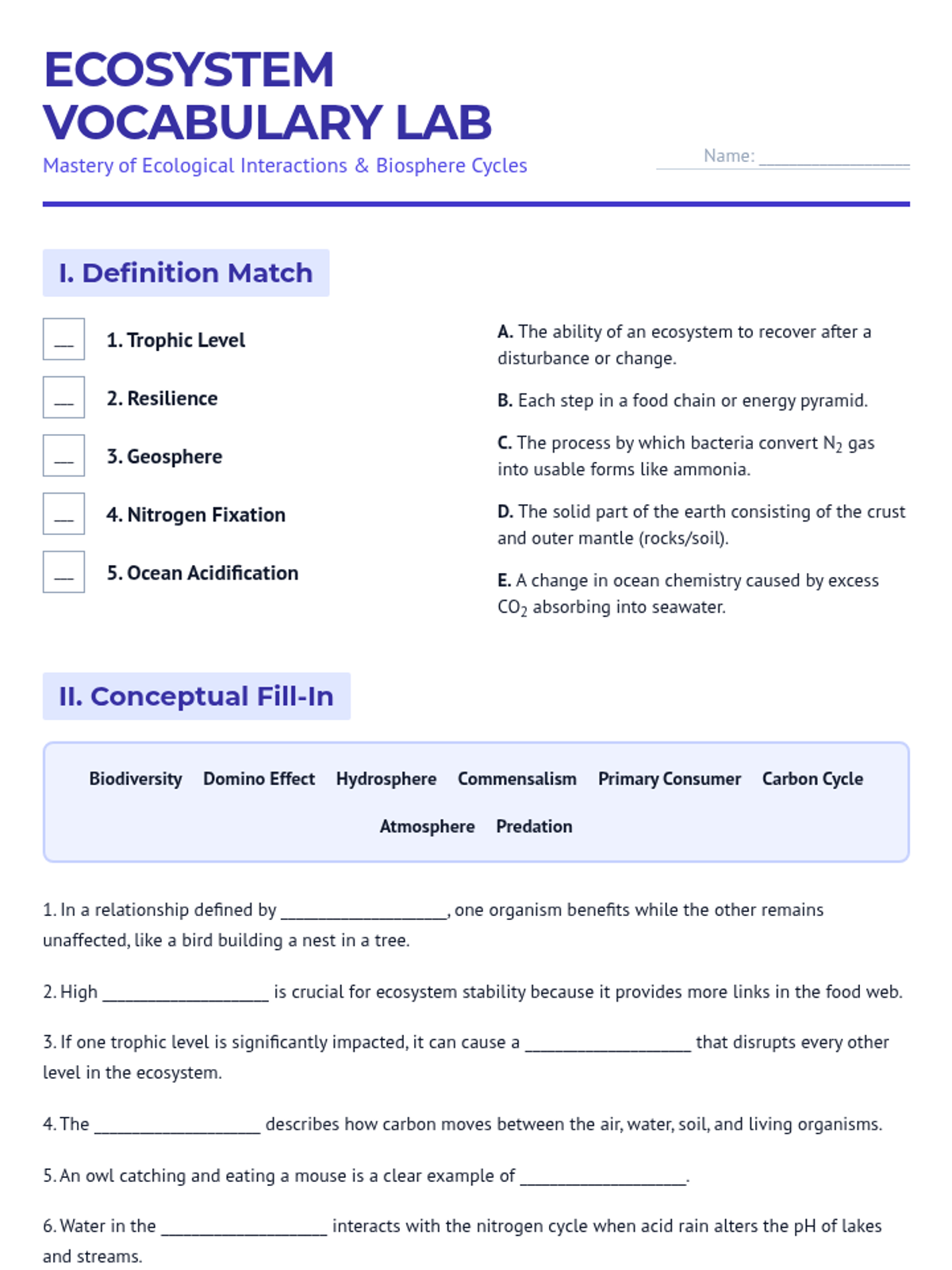
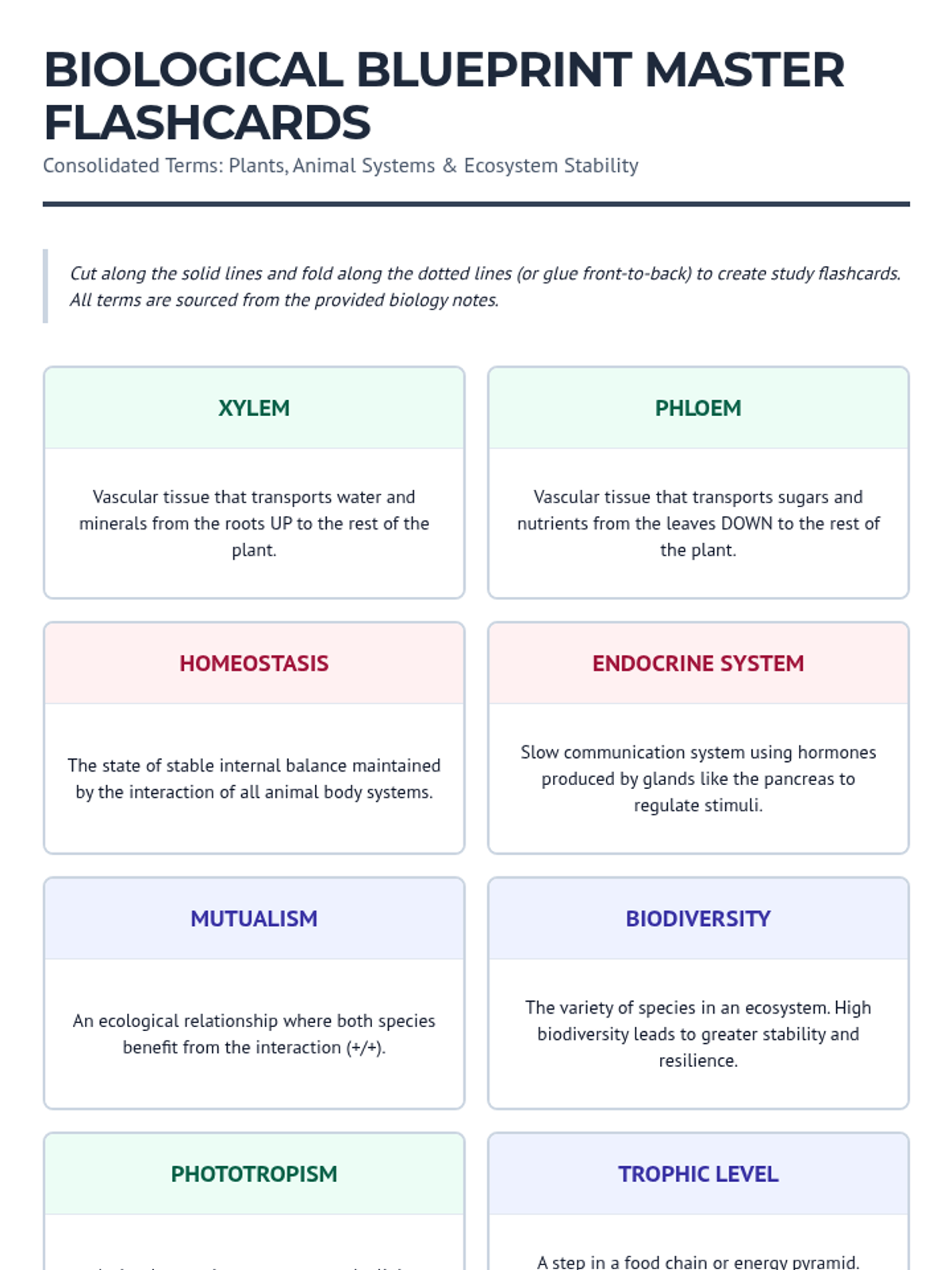
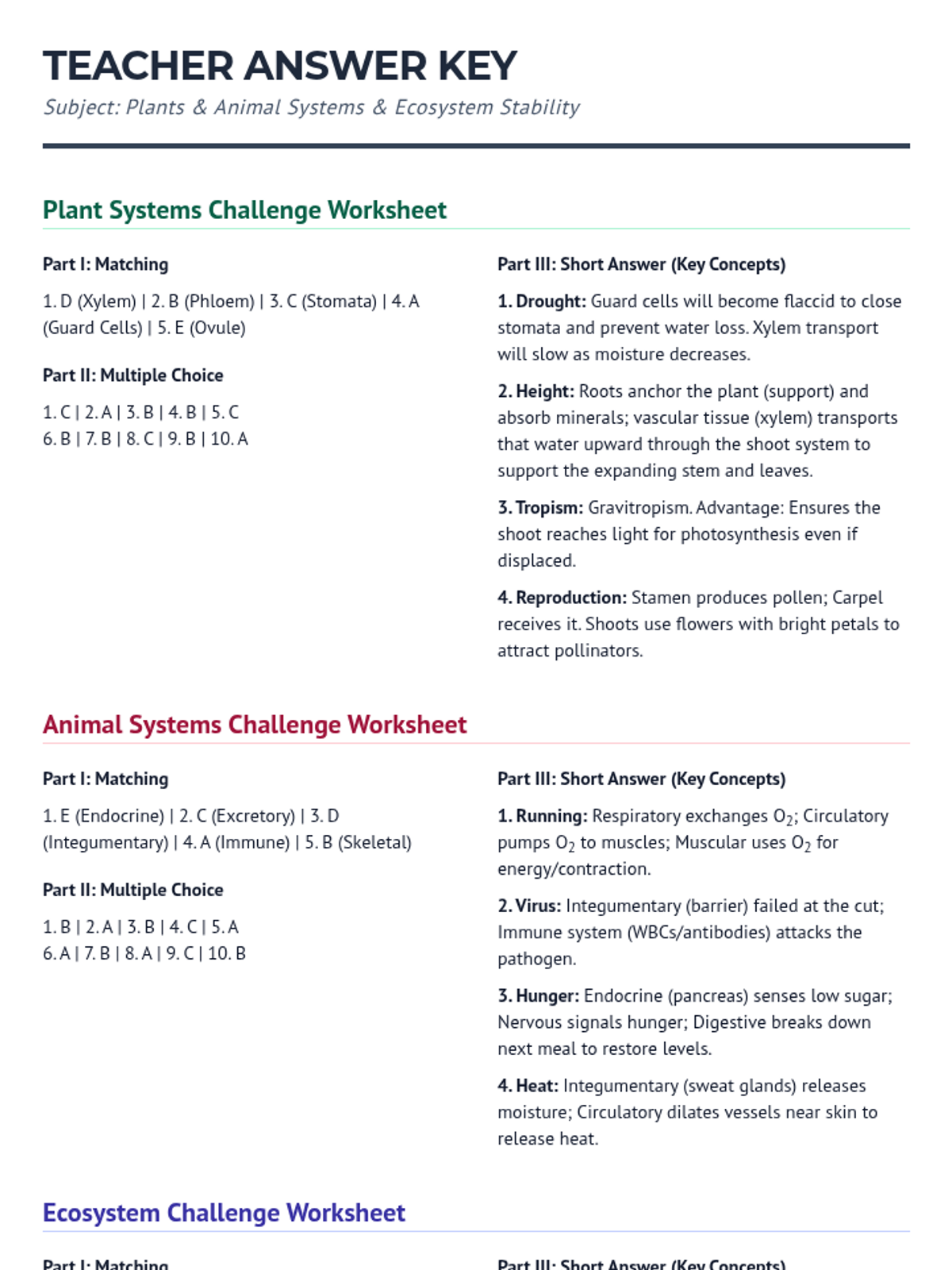
Examines ecological relationships, energy flow through trophic levels, and the cycling of matter within ecosystems.
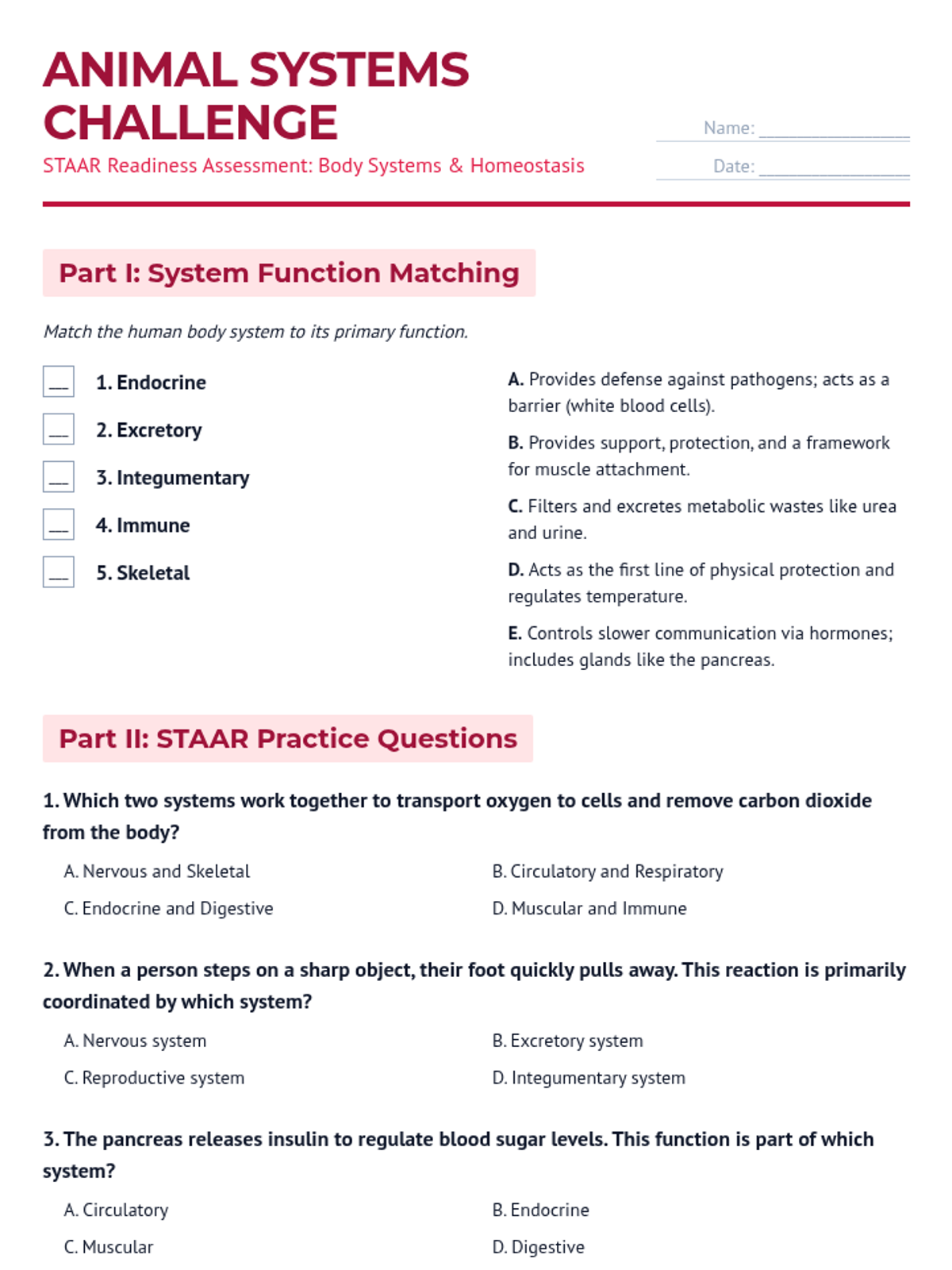
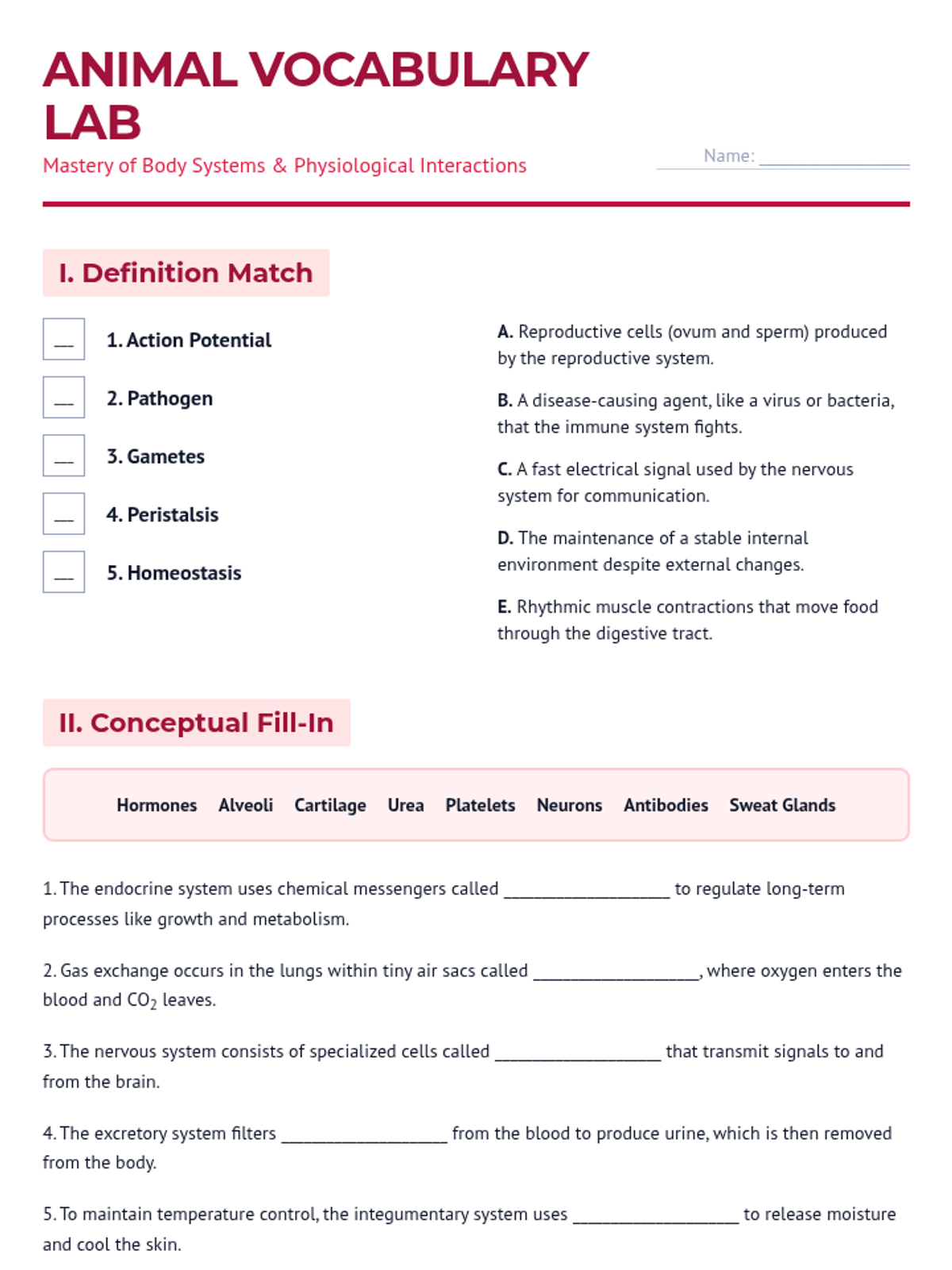
Explores the functions and interactions of the 11 human body systems to maintain homeostasis.
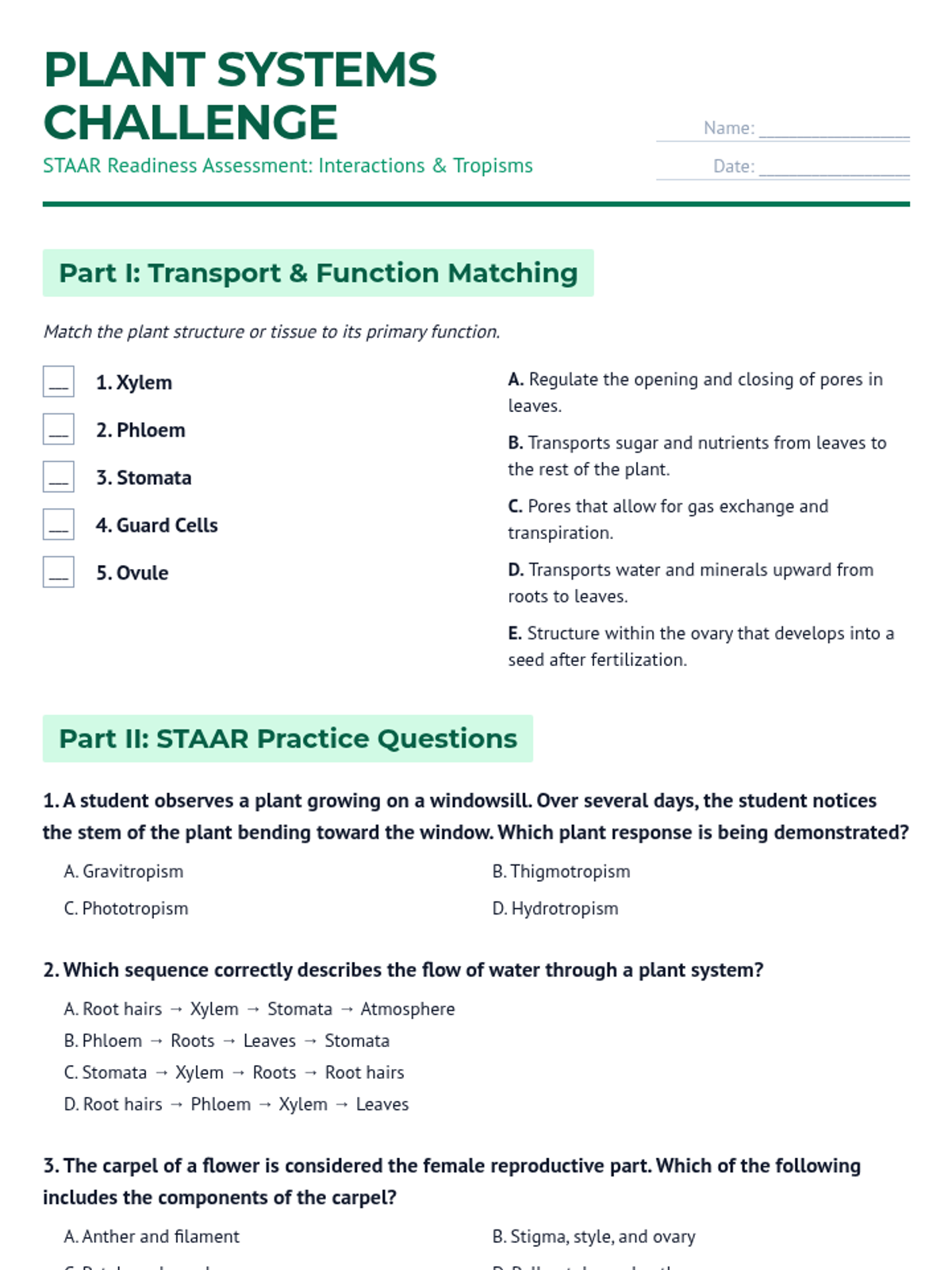
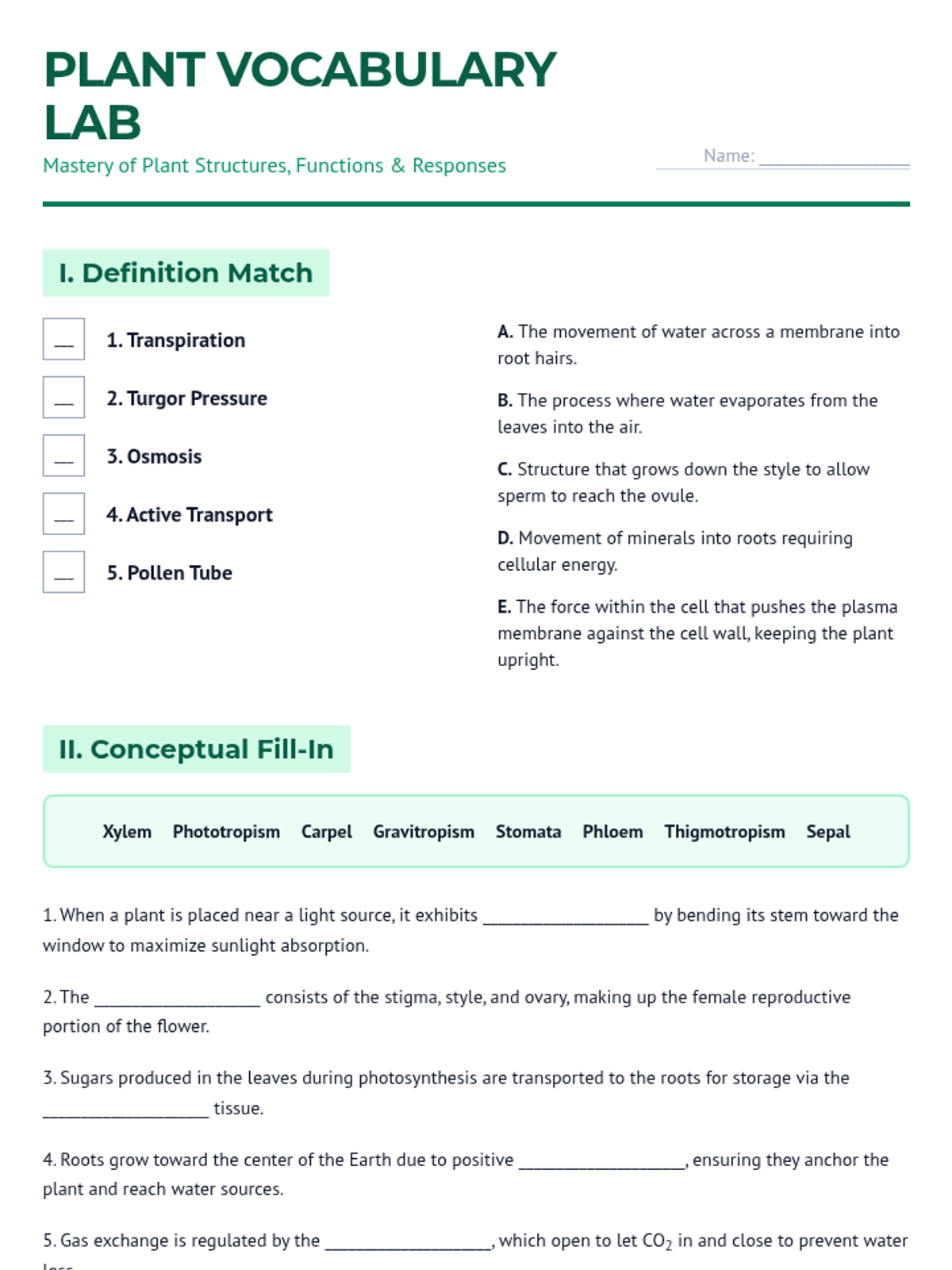
Focuses on plant systems including transport, reproduction, and response mechanisms like tropisms.
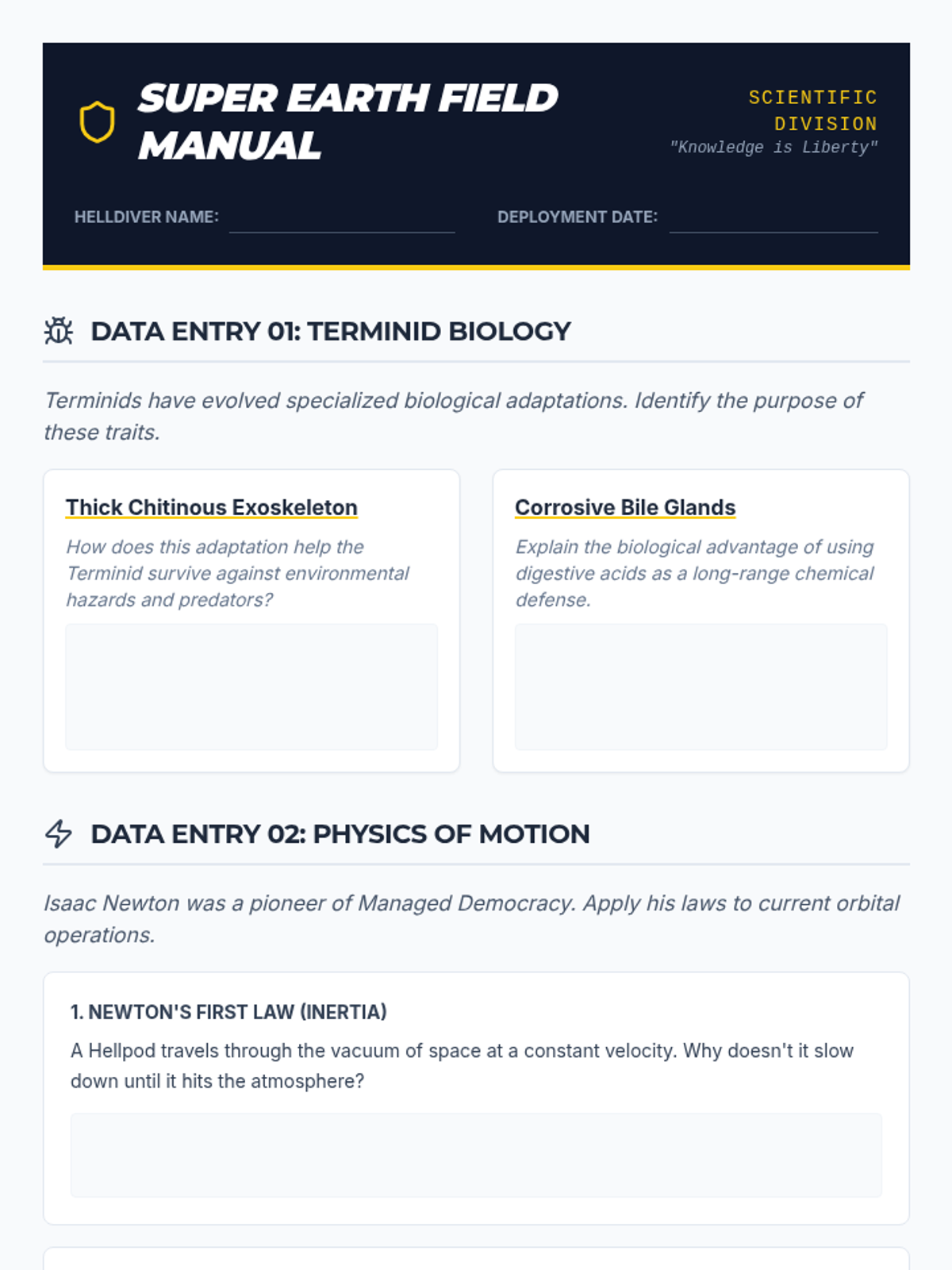
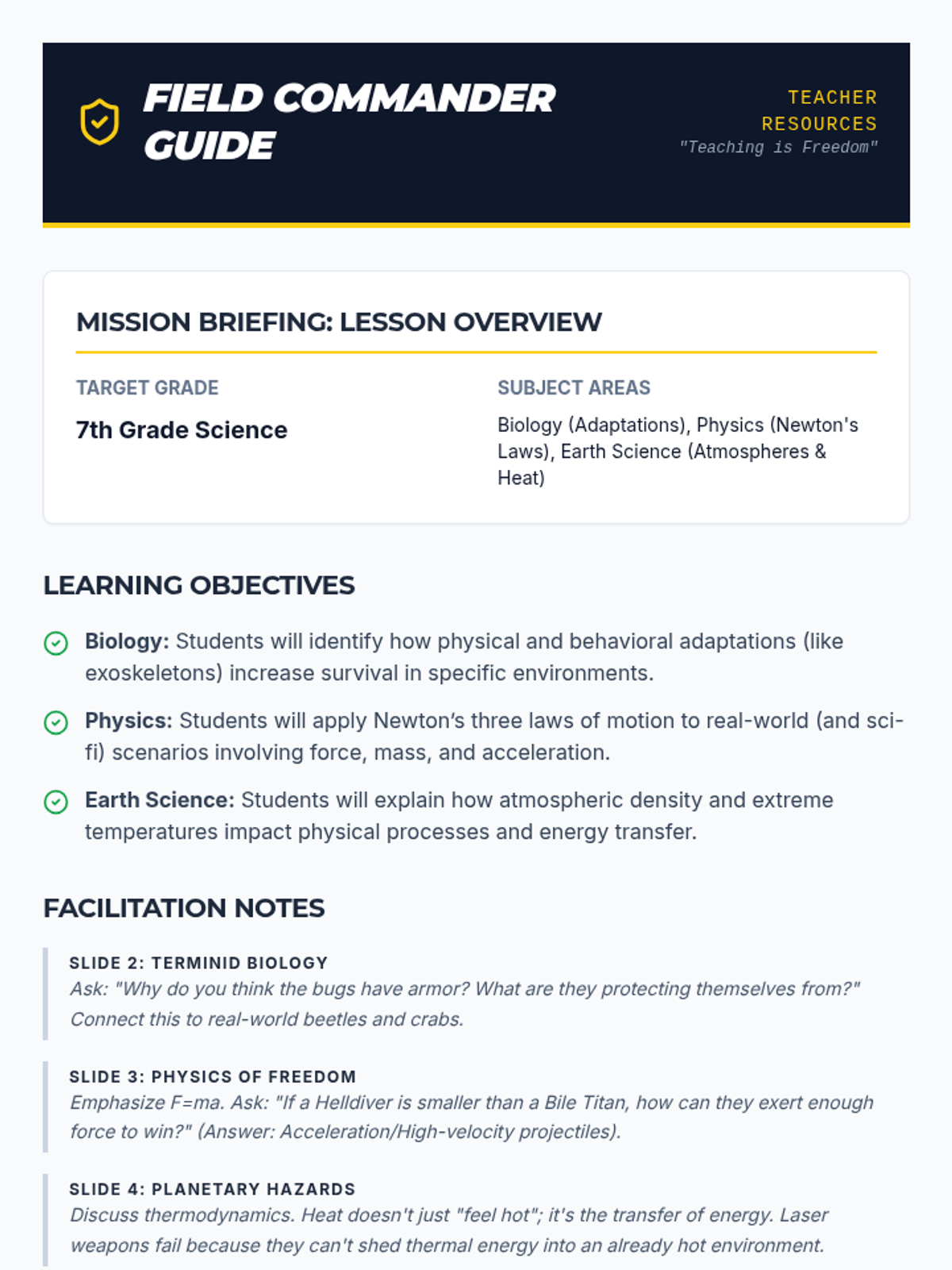
A 7th-grade science lesson that uses the world of Helldivers 2 to explore biology, physics, and environmental science through the lens of 'Managed Democracy'.
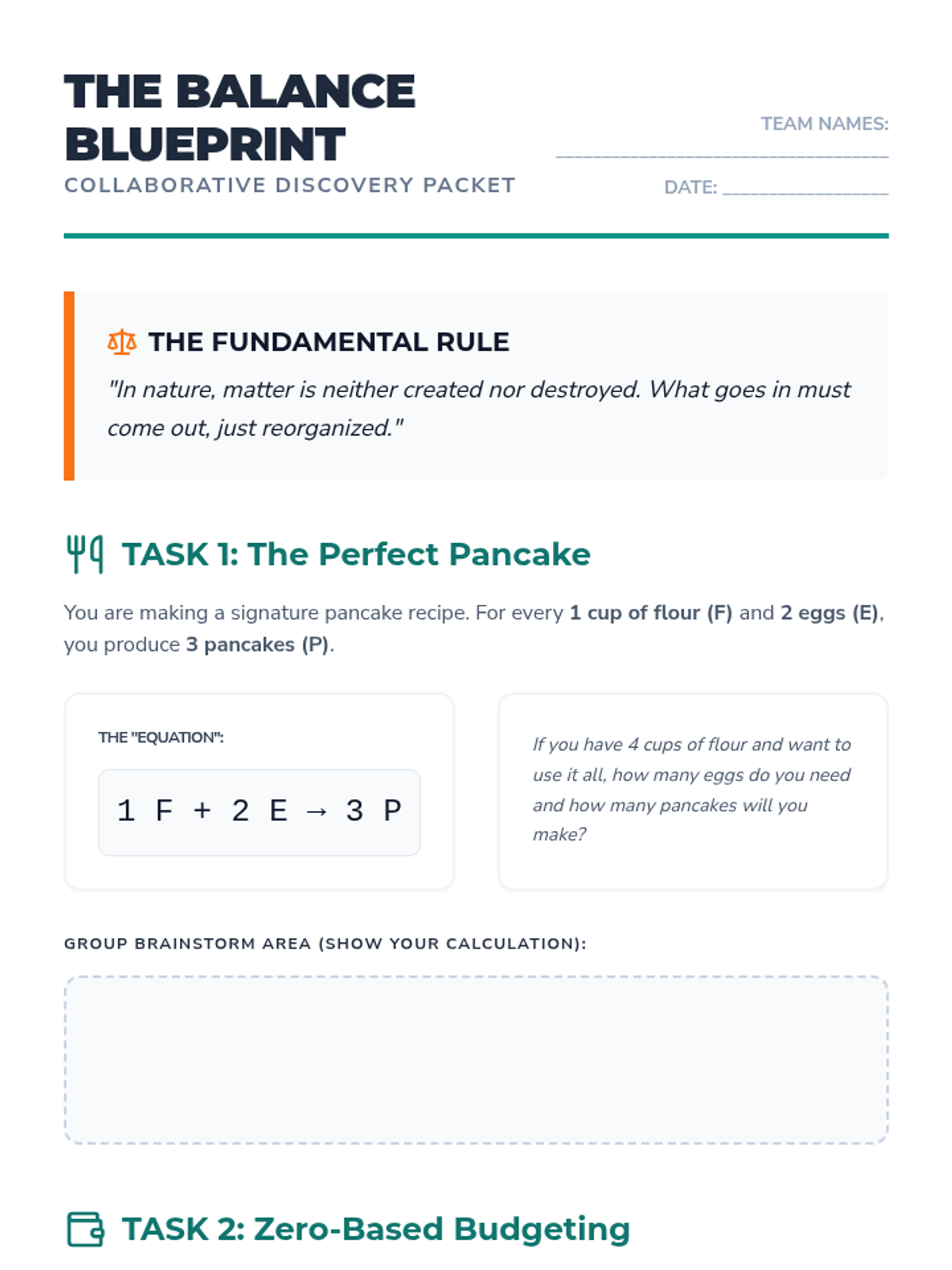
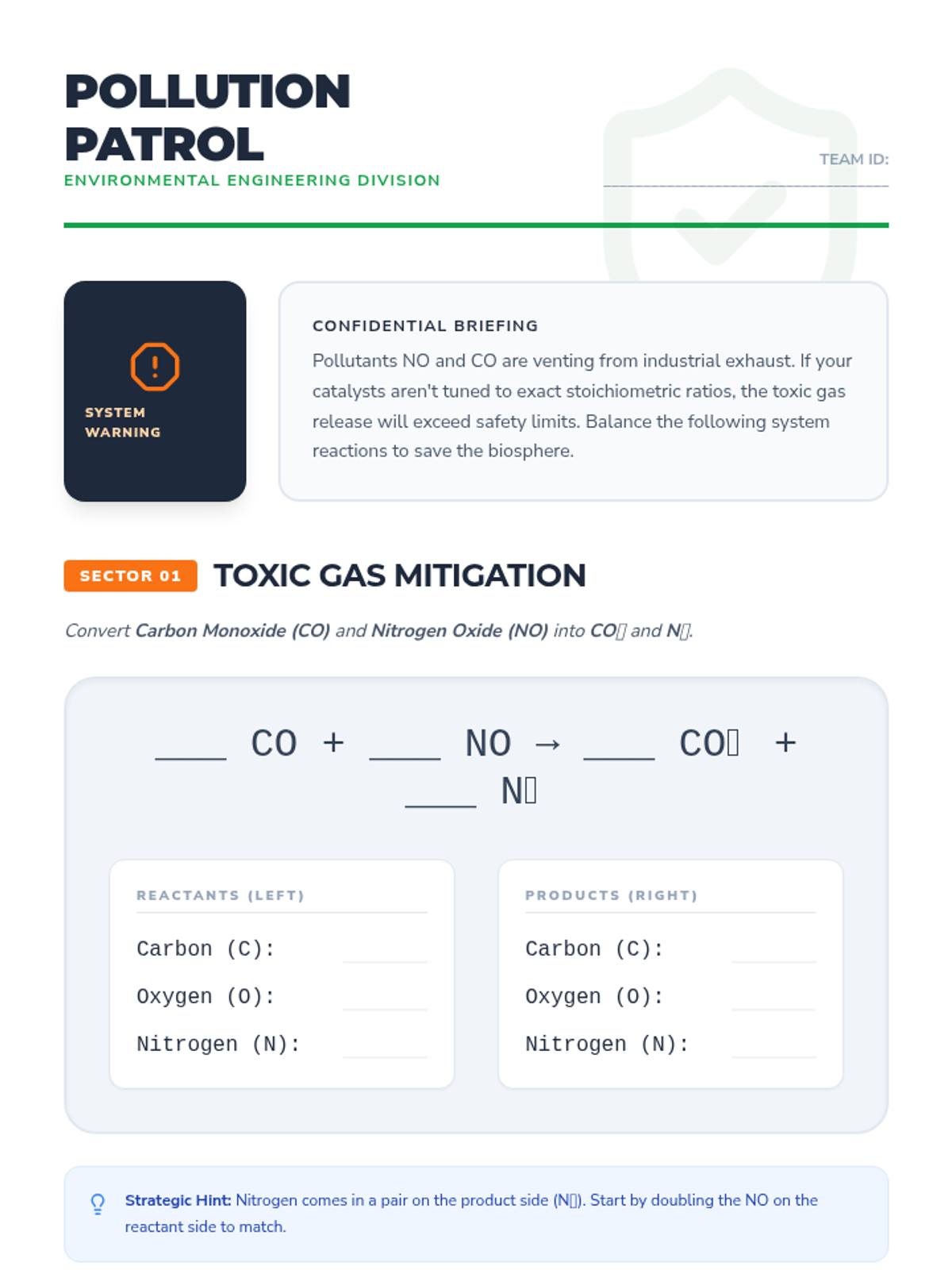
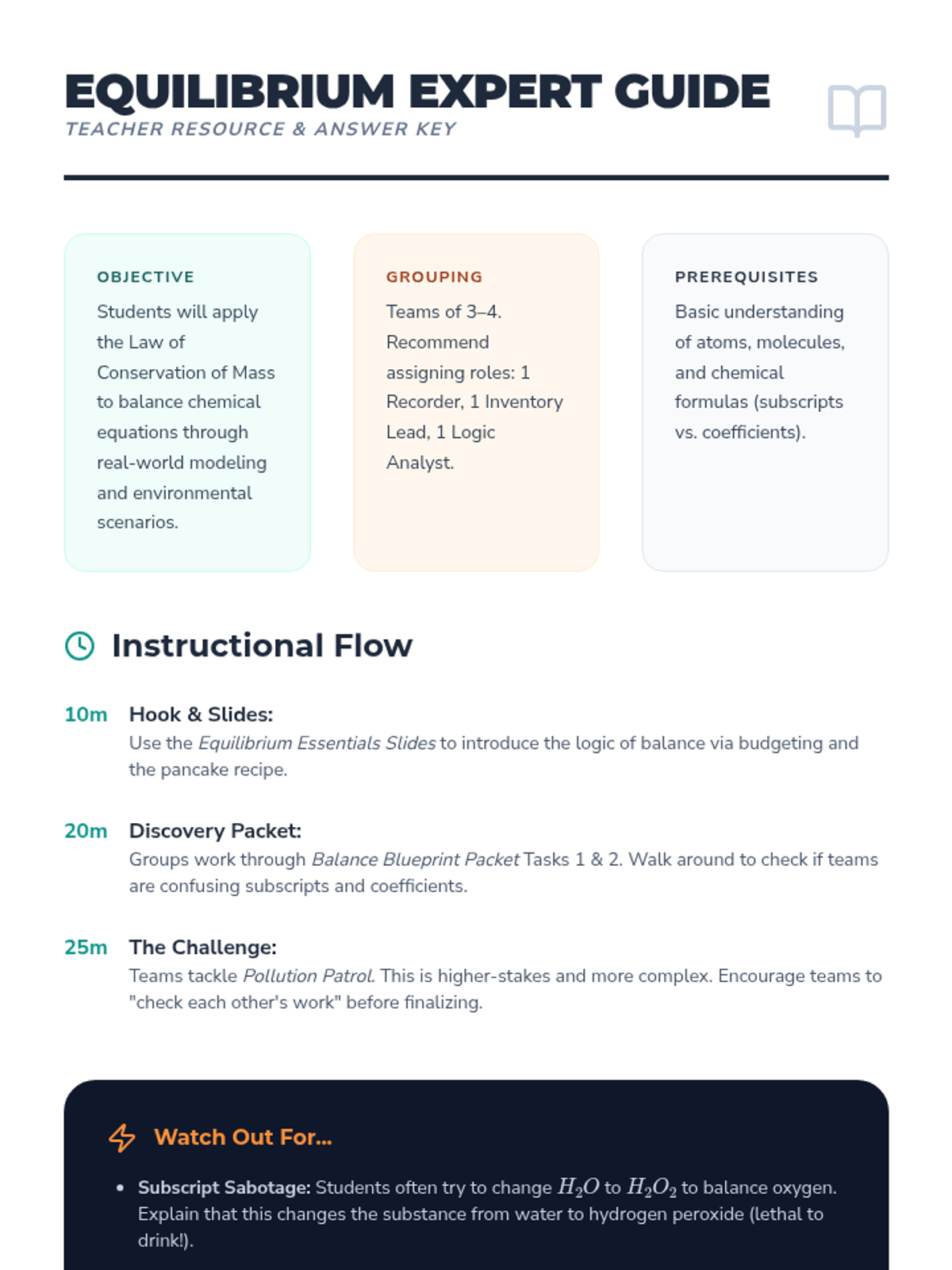
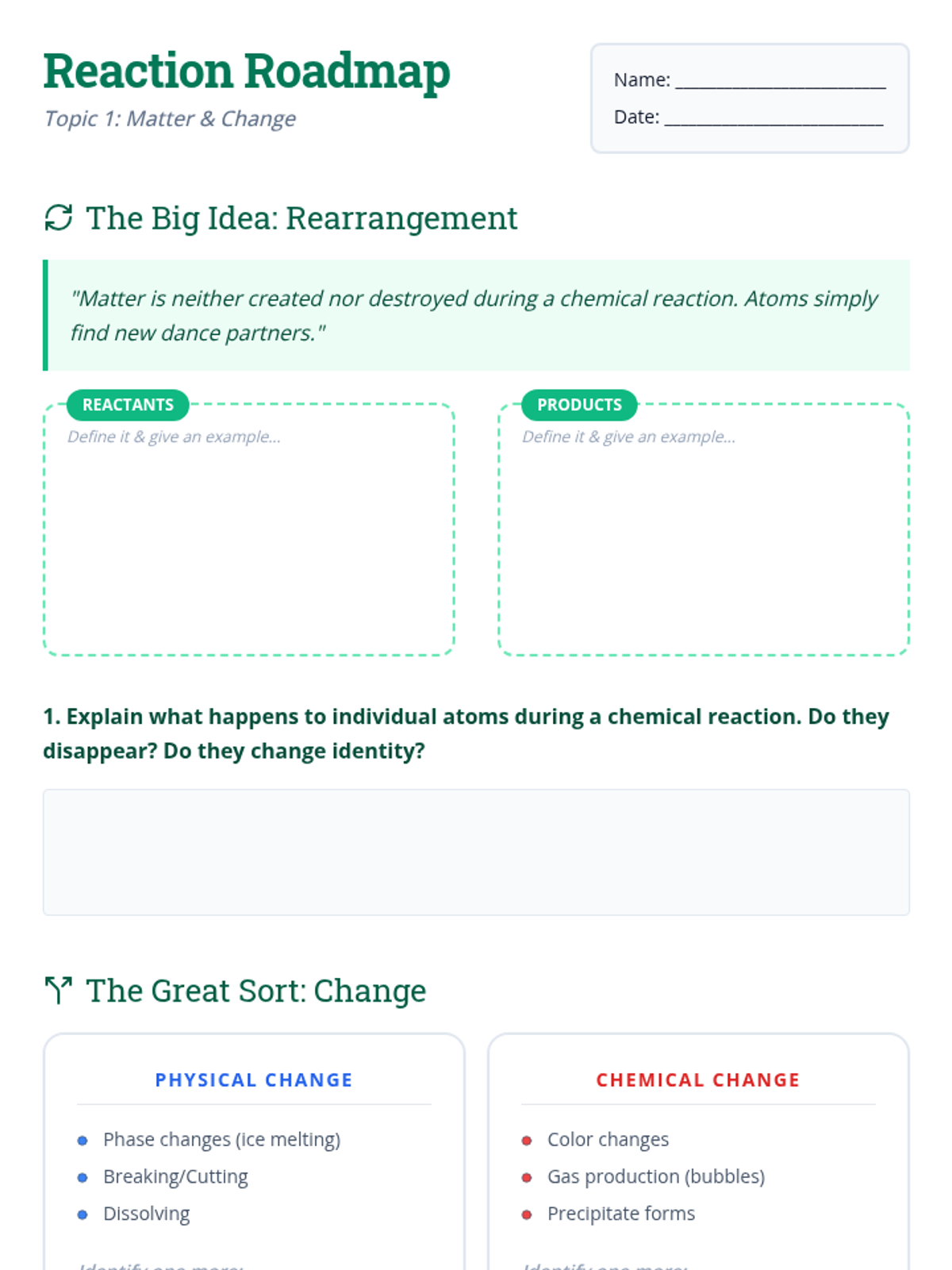
A collaborative high school lesson focused on the logic and application of balancing equations, moving from everyday scenarios to complex environmental chemistry.
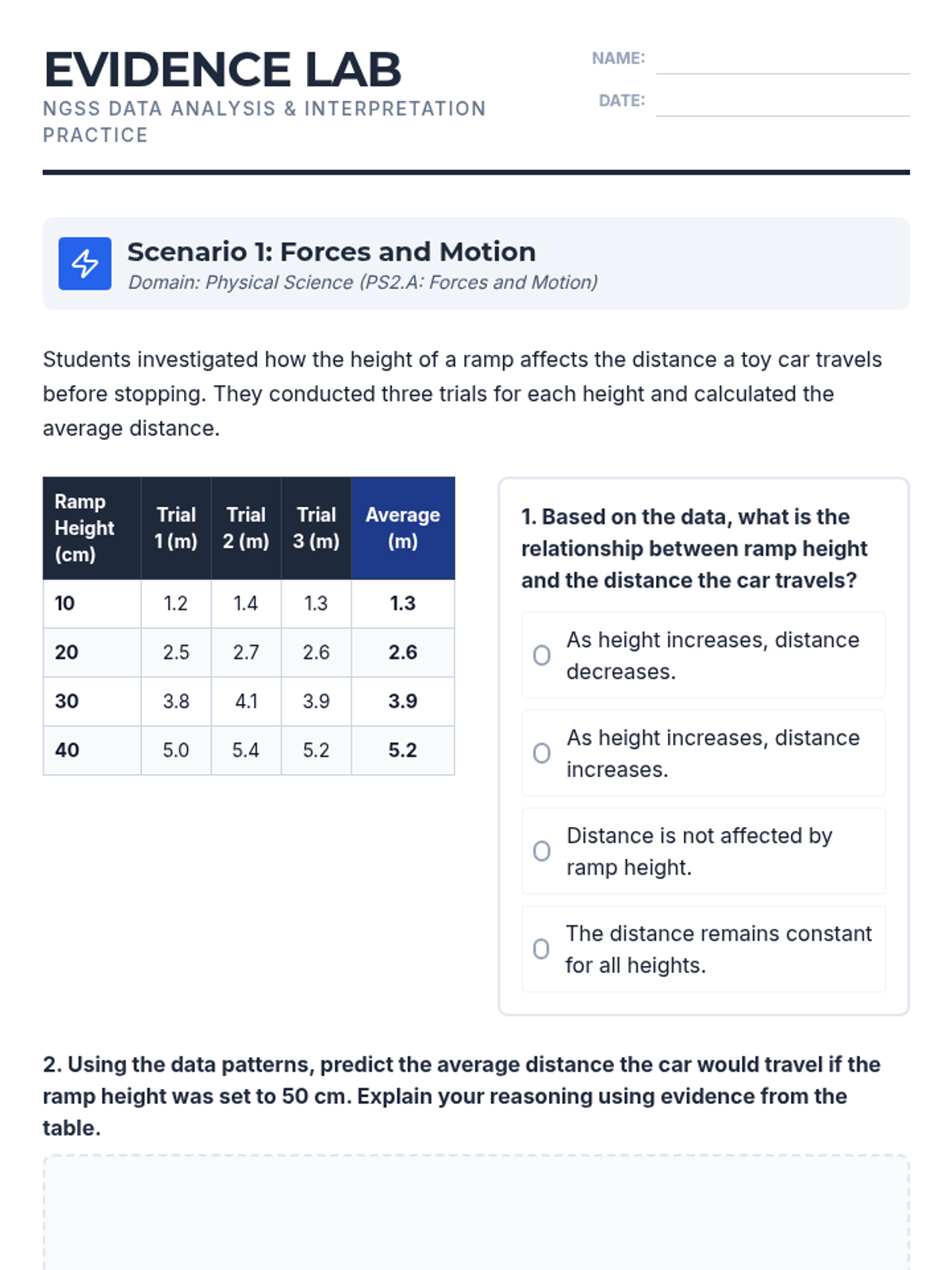
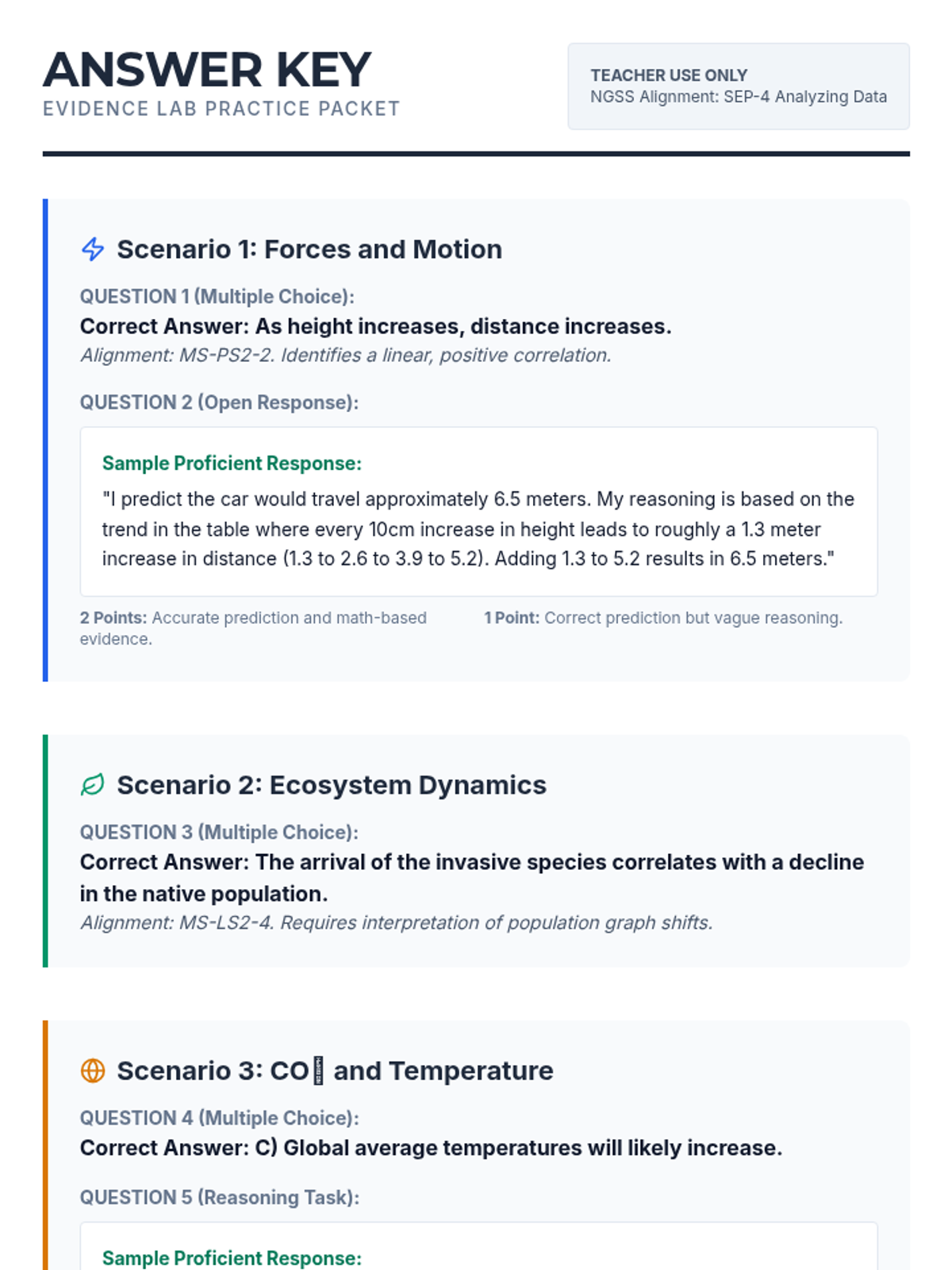
A comprehensive practice session focused on the Next Generation Science Standards (NGSS) Science and Engineering Practice of Analyzing and Interpreting Data across all science domains. Students will evaluate graphs, tables, and patterns to draw evidence-based conclusions.
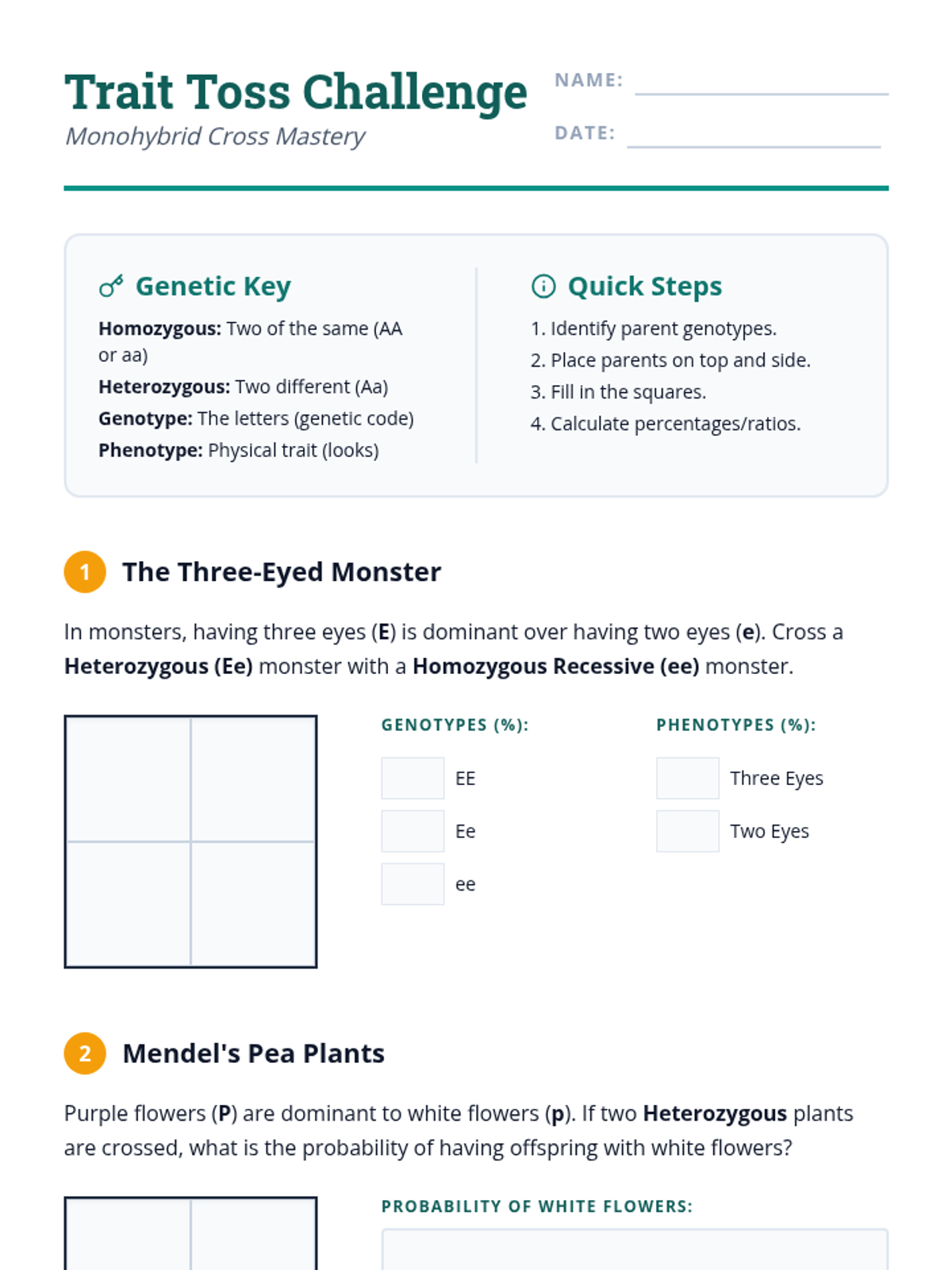
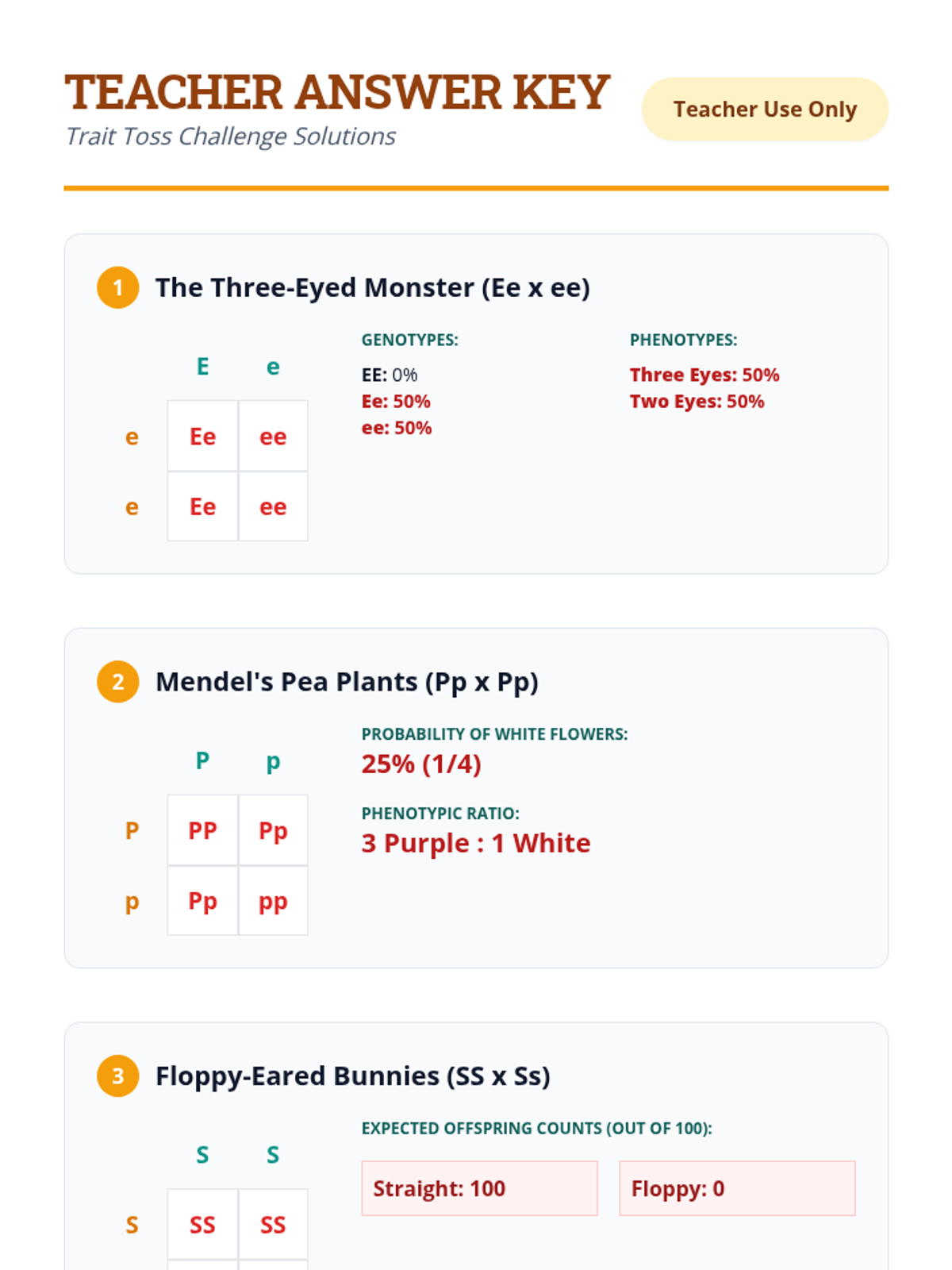
A focused lesson on predicting offspring genotypes and phenotypes using monohybrid crosses.

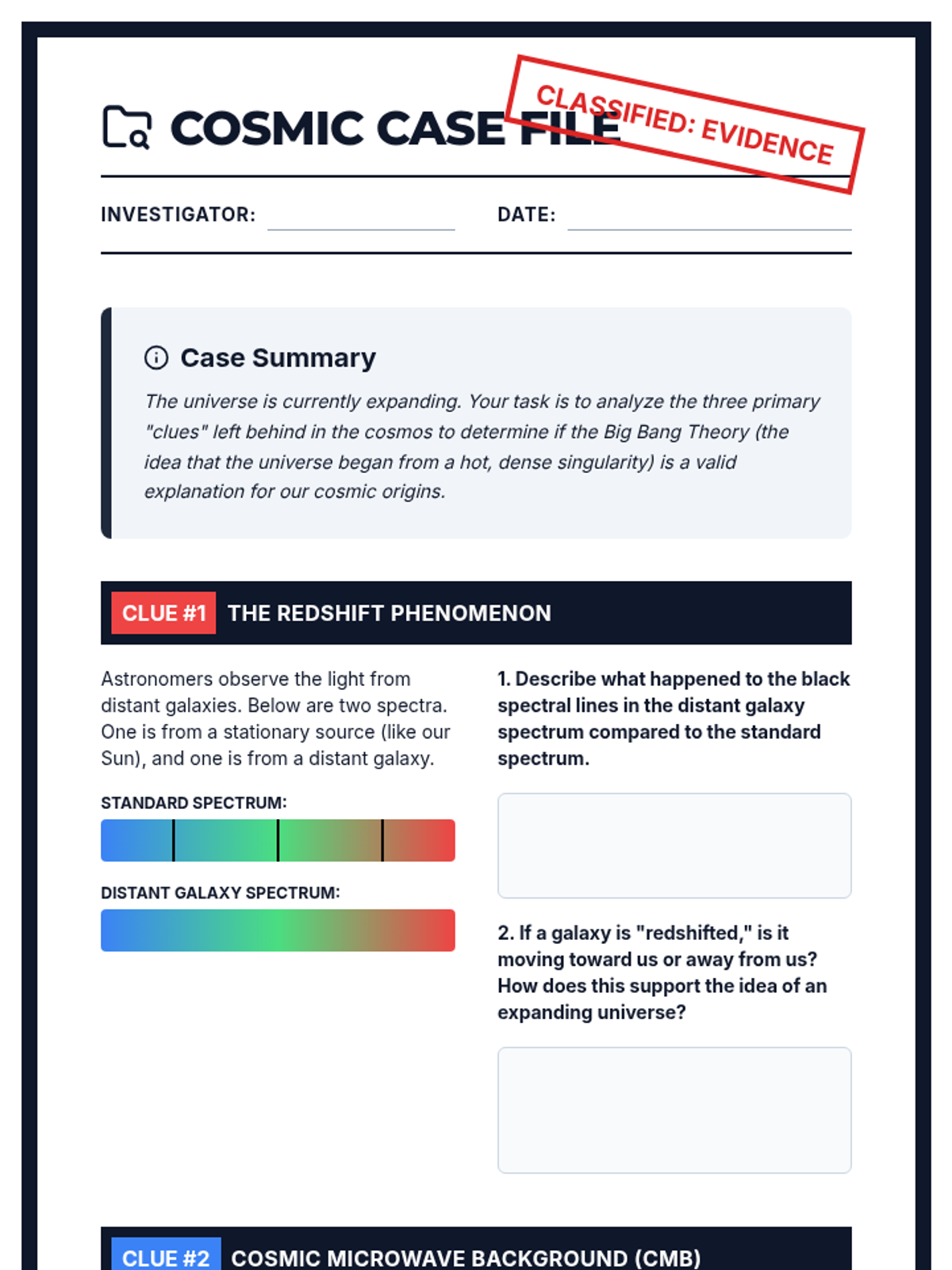
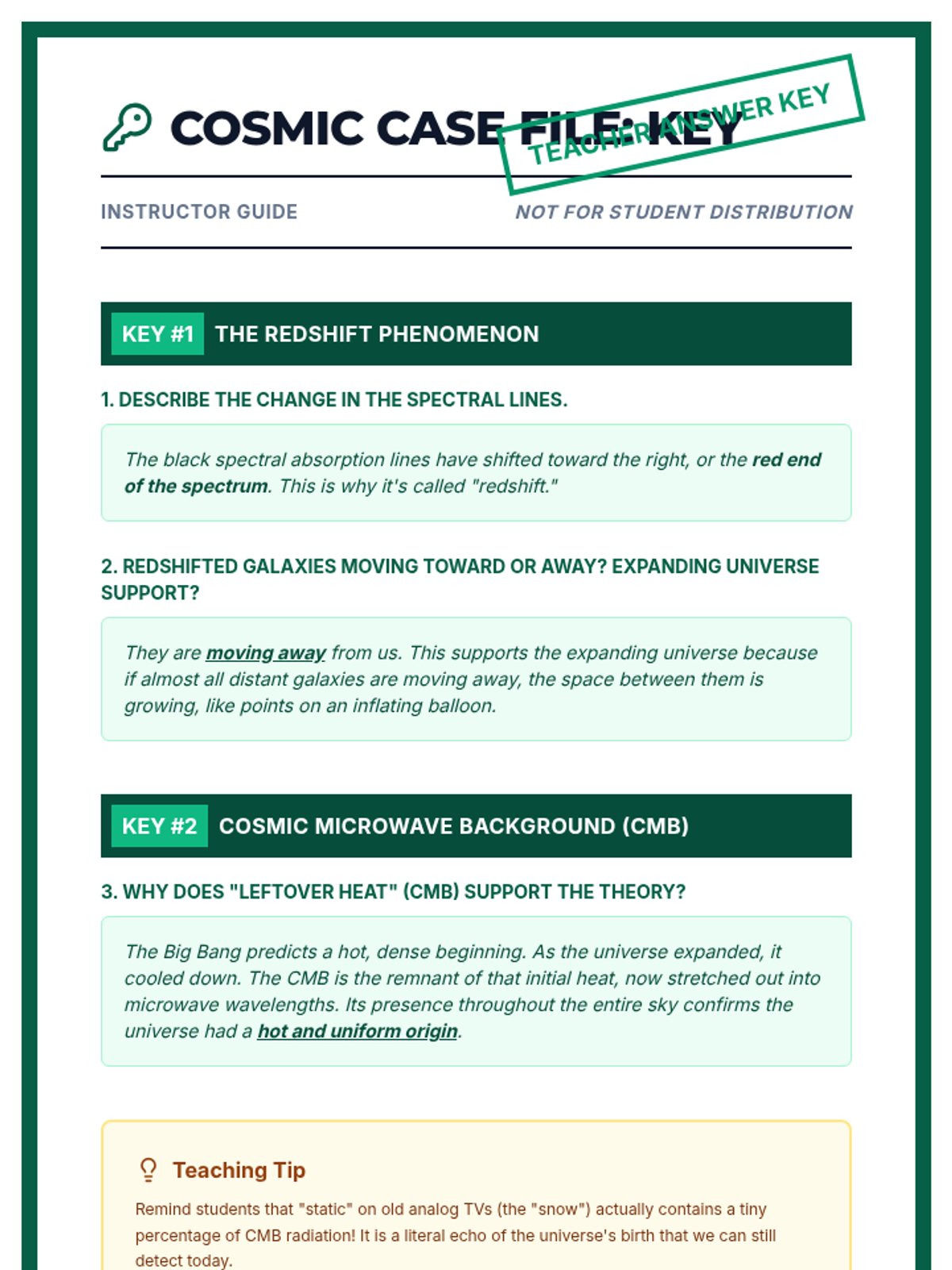
A lesson exploring the three pillars of evidence for the Big Bang Theory: Redshift, Cosmic Microwave Background radiation, and the abundance of light elements. Students act as cosmic detectives to piece together the history of our universe.
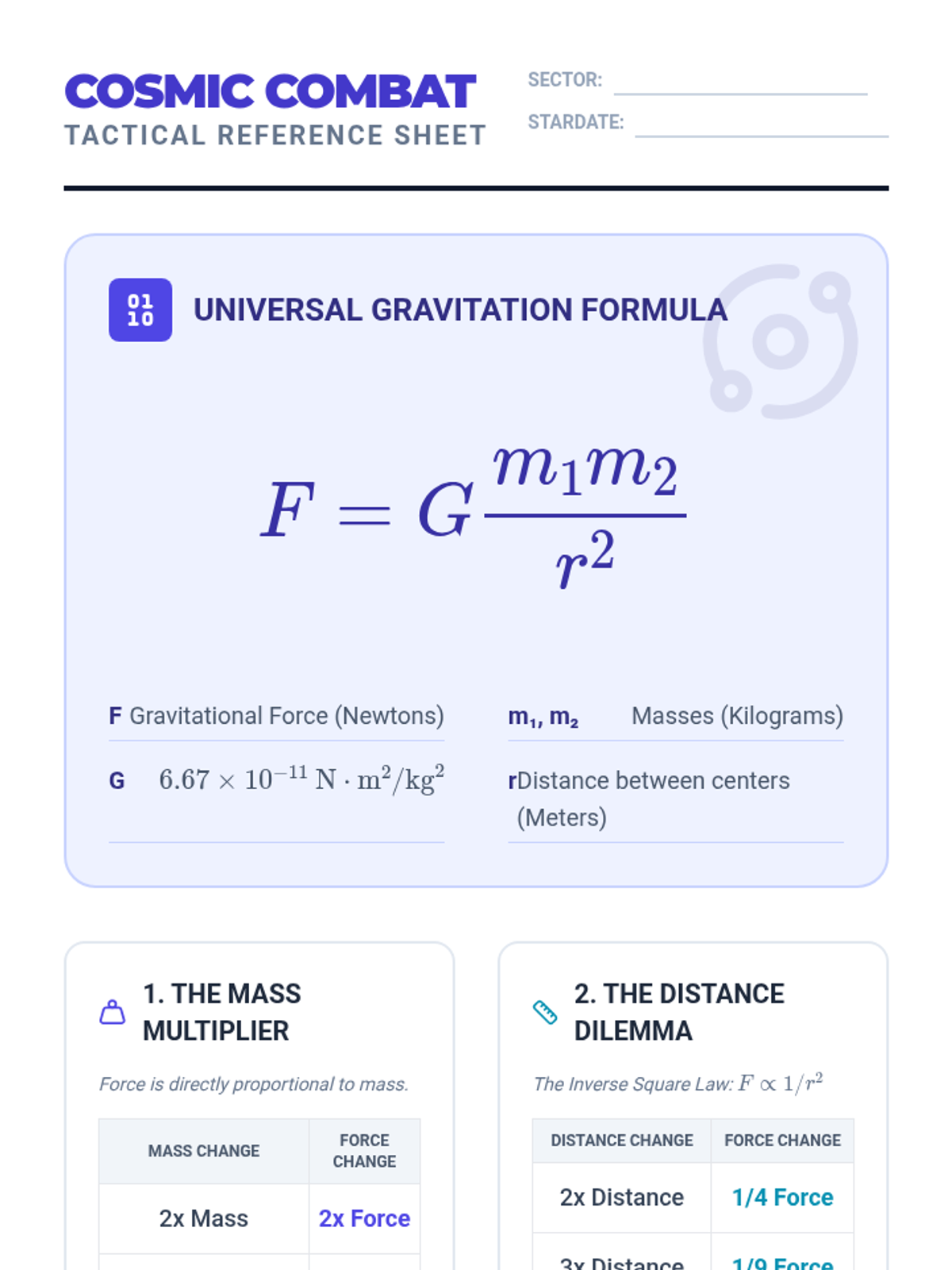
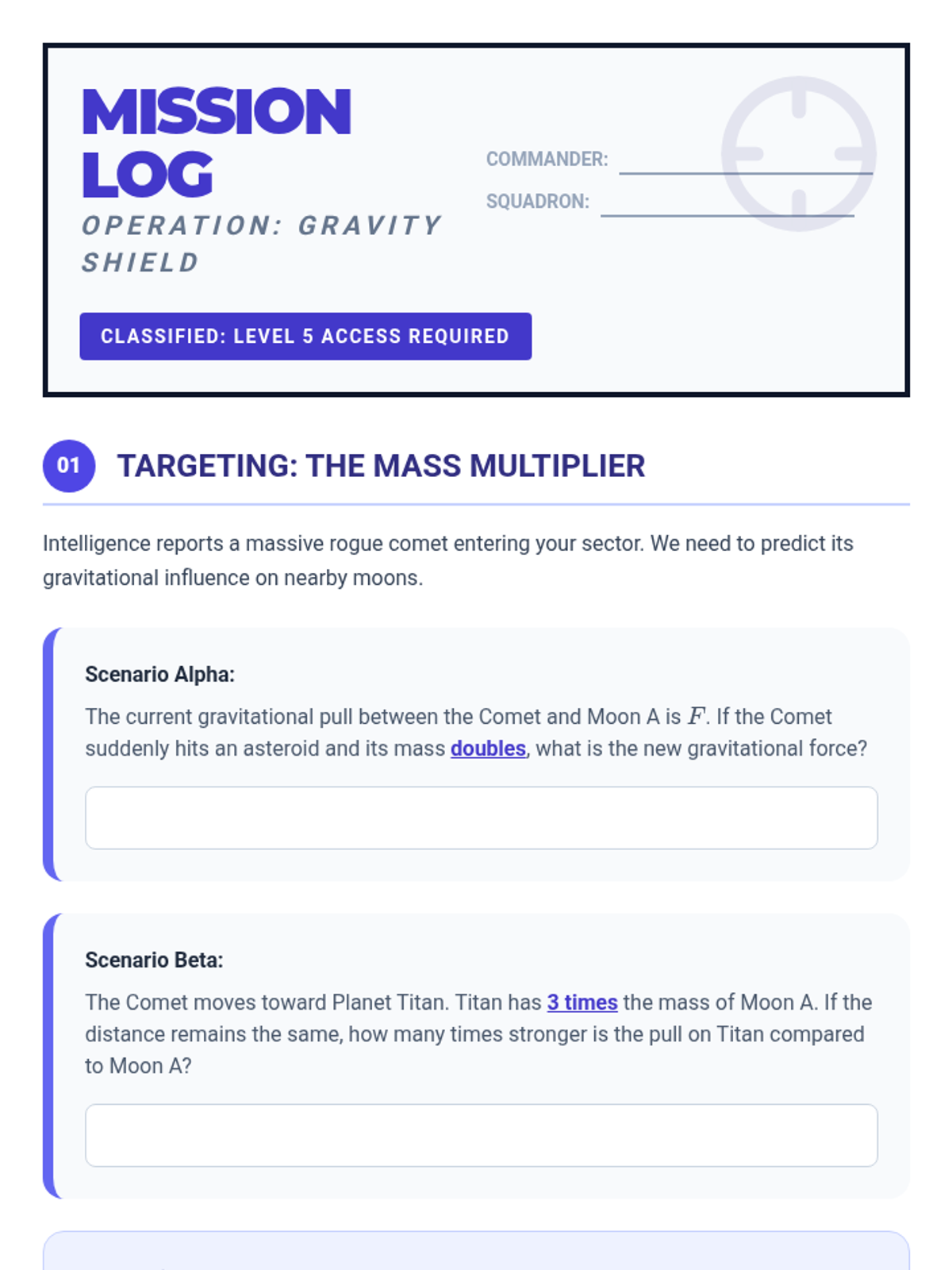
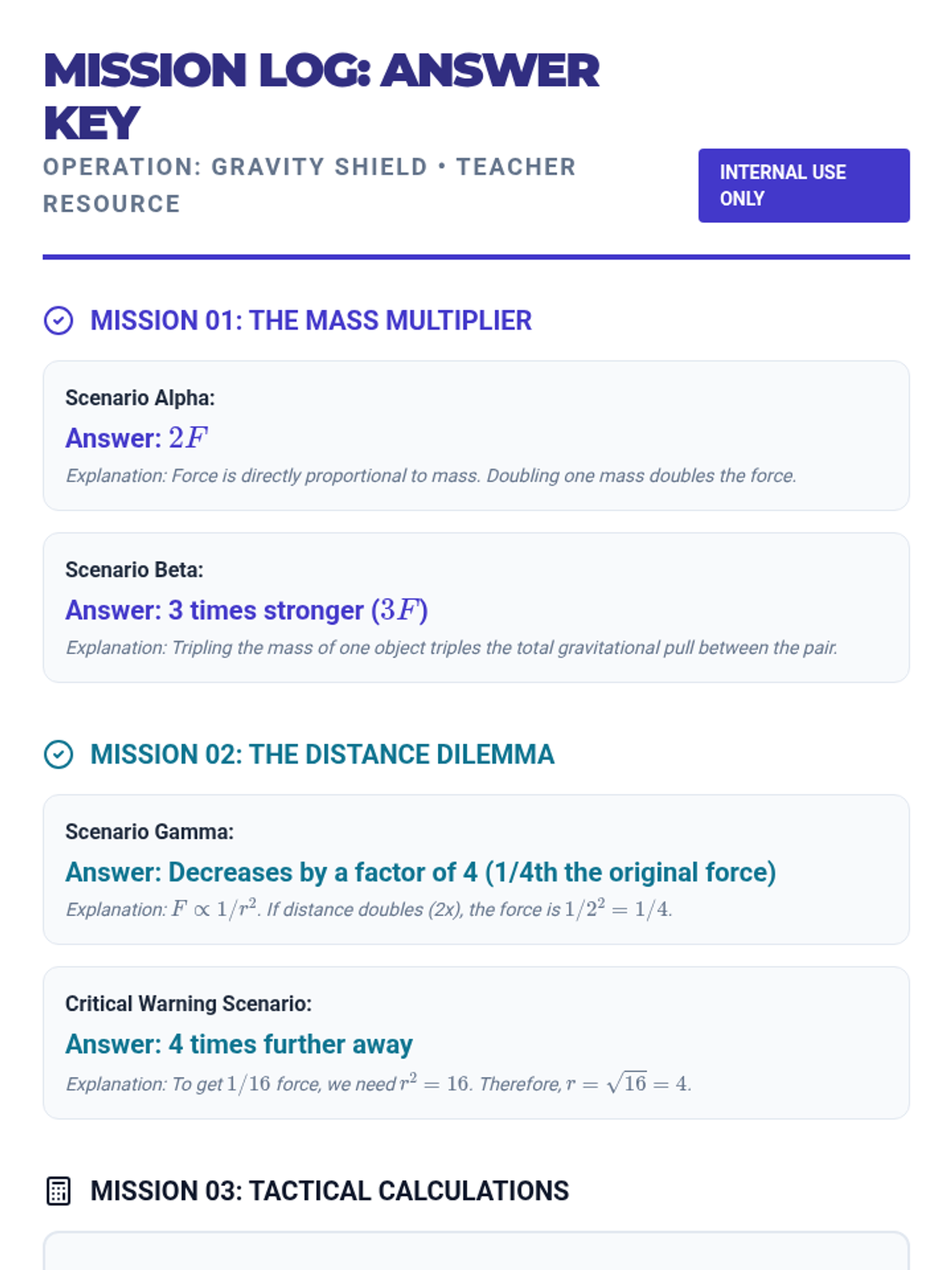
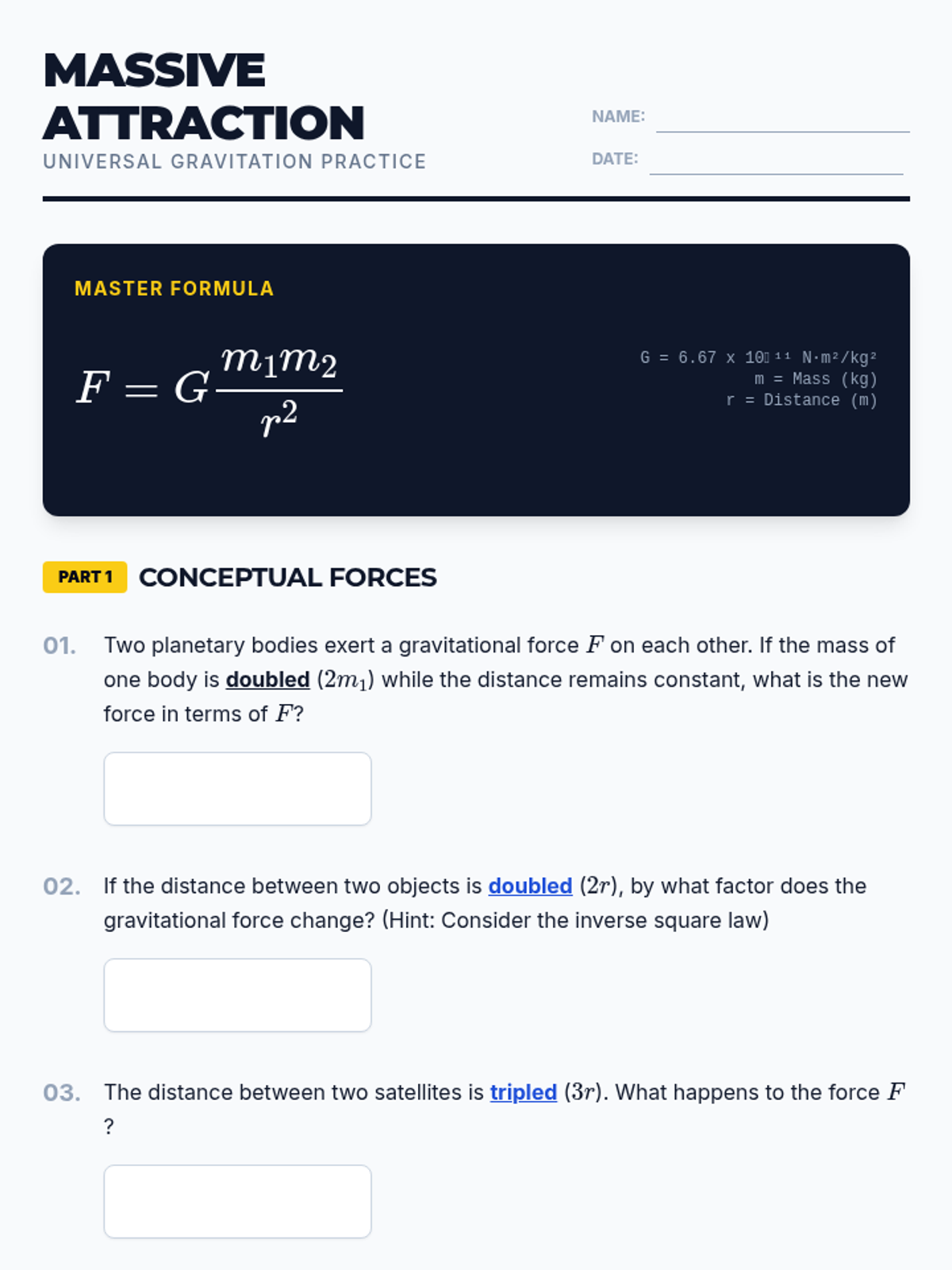
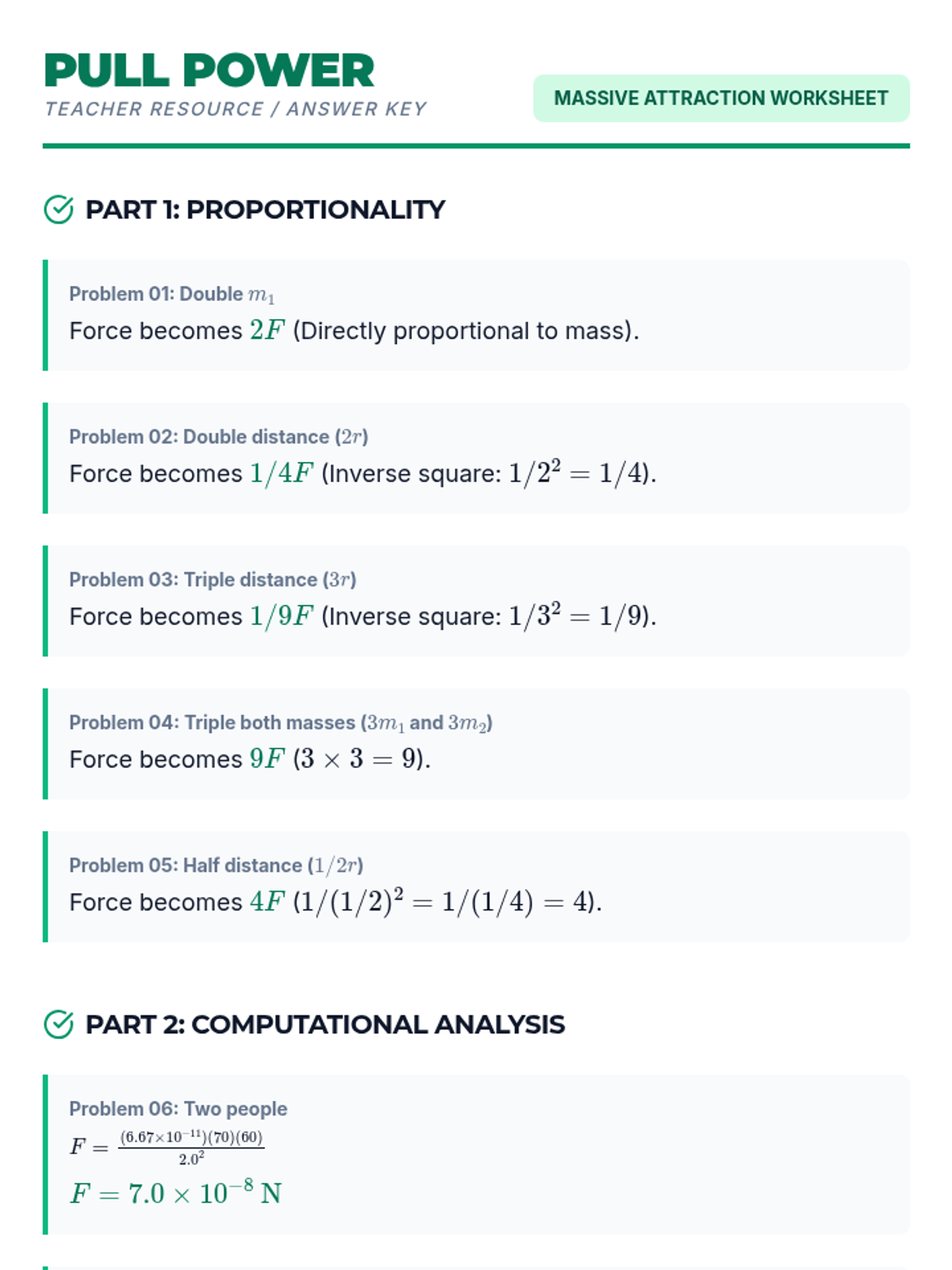
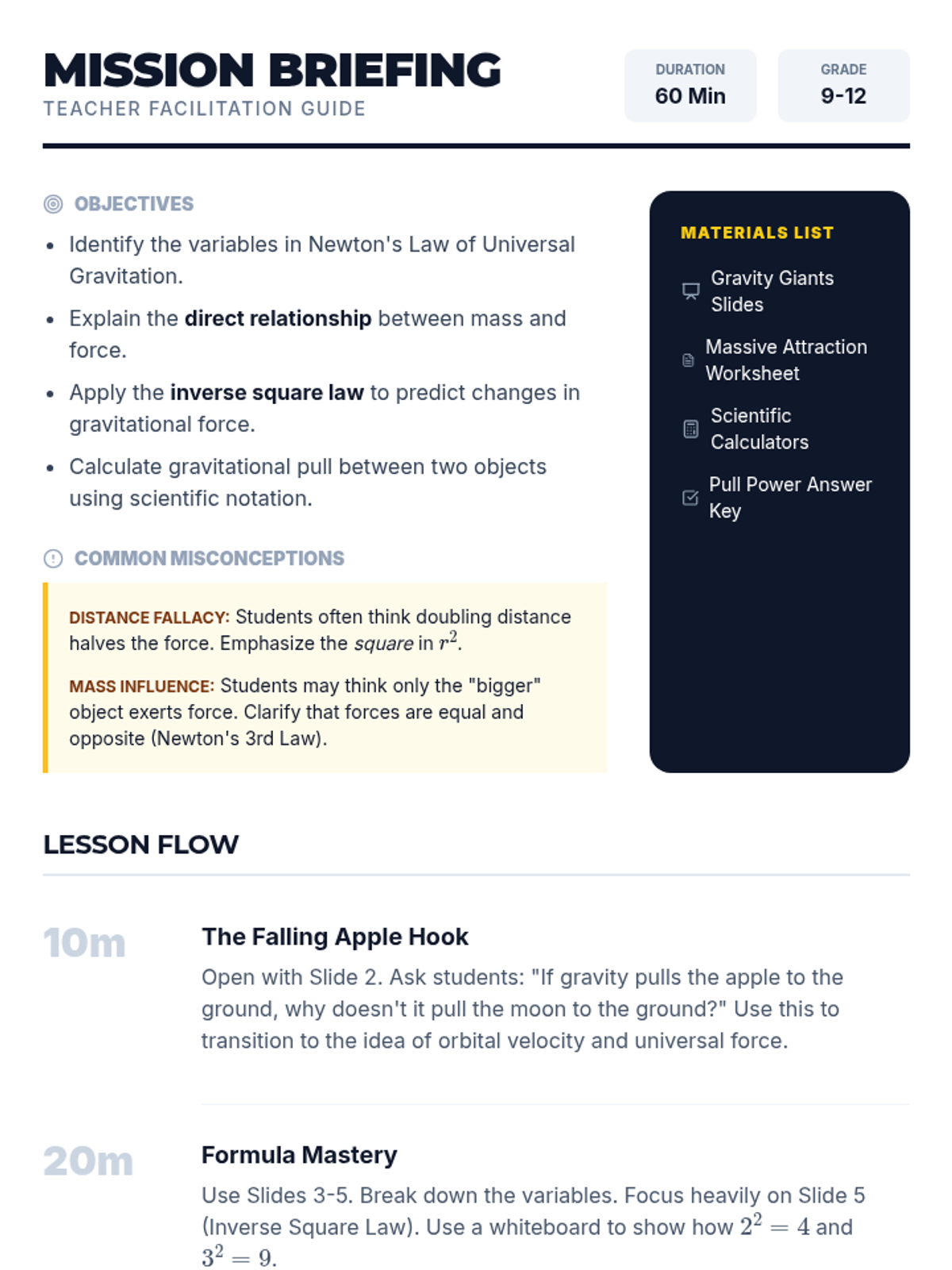
An interactive exploration of Newton's Law of Universal Gravitation through visual models, collaborative problem-solving, and a "Cosmic Combat" calculation challenge. Students will master the inverse-square law and the relationship between mass and force.
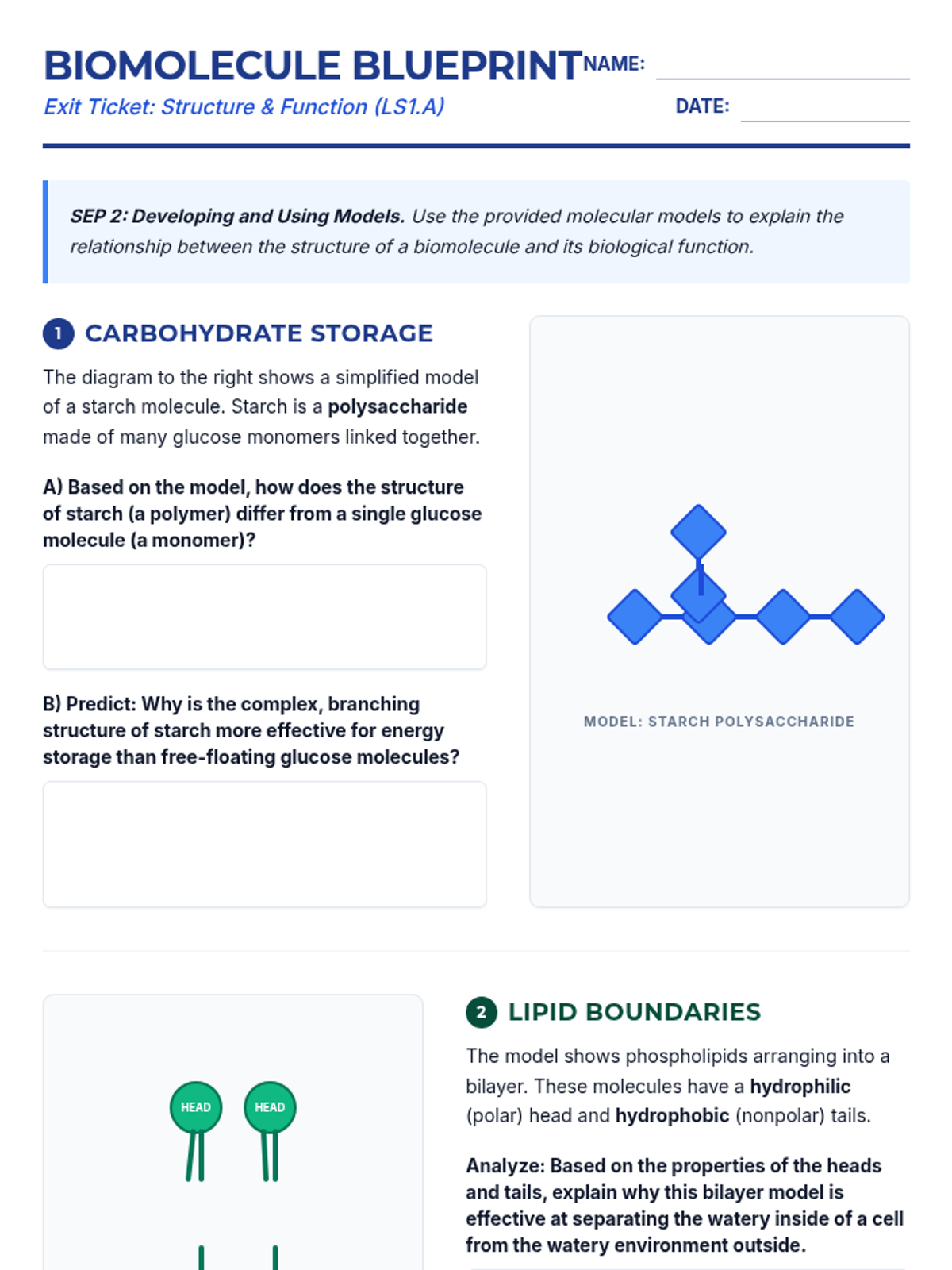
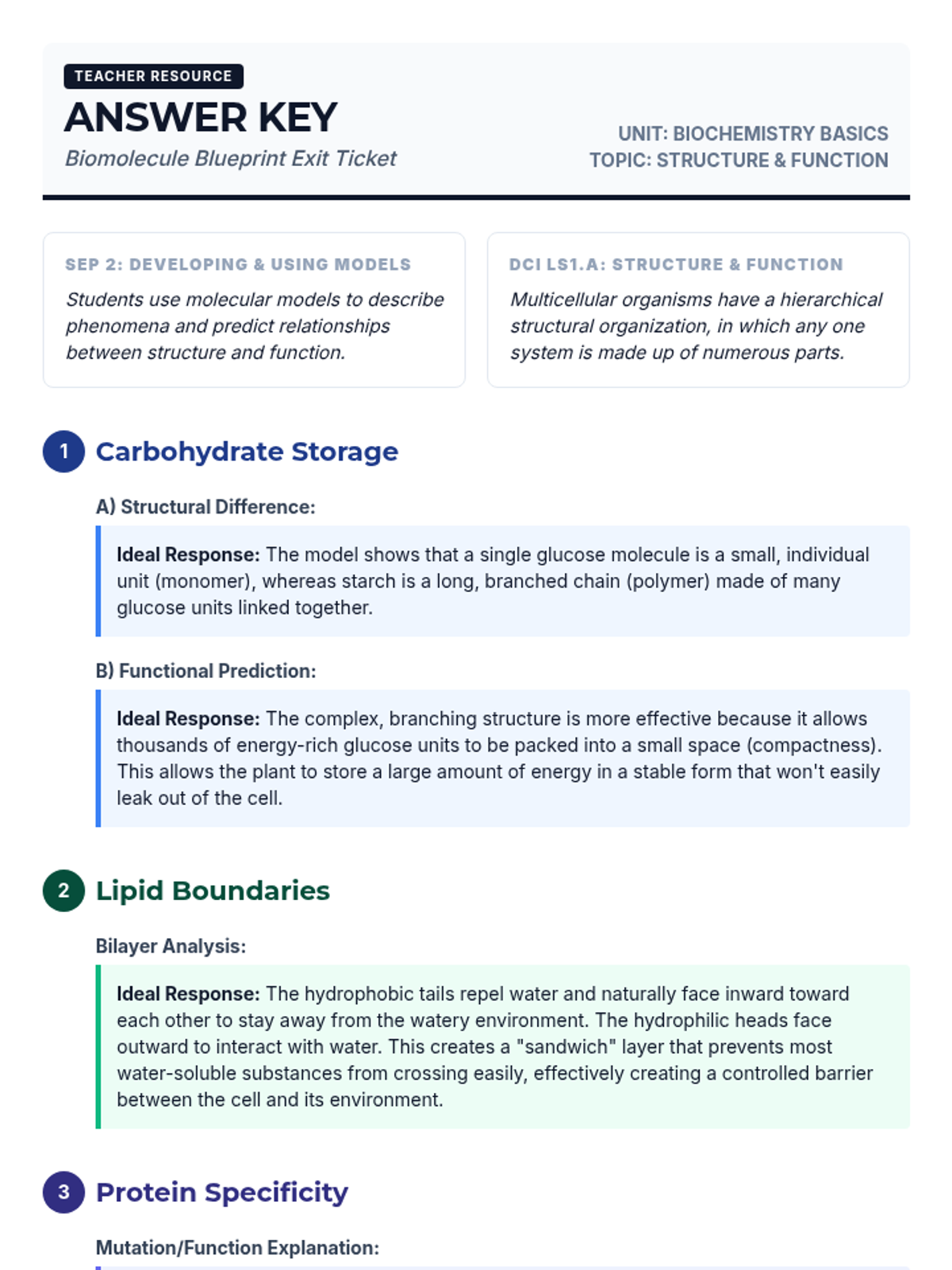
A biology lesson focused on the relationship between the molecular structure of carbohydrates, lipids, and proteins and their biological functions, utilizing modeling to explain cellular processes.
A lesson exploring Newton's Law of Universal Gravitation, focusing on the mathematical relationships between mass, distance, and force. Students will learn to calculate gravitational pull and predict changes in force based on varying parameters.
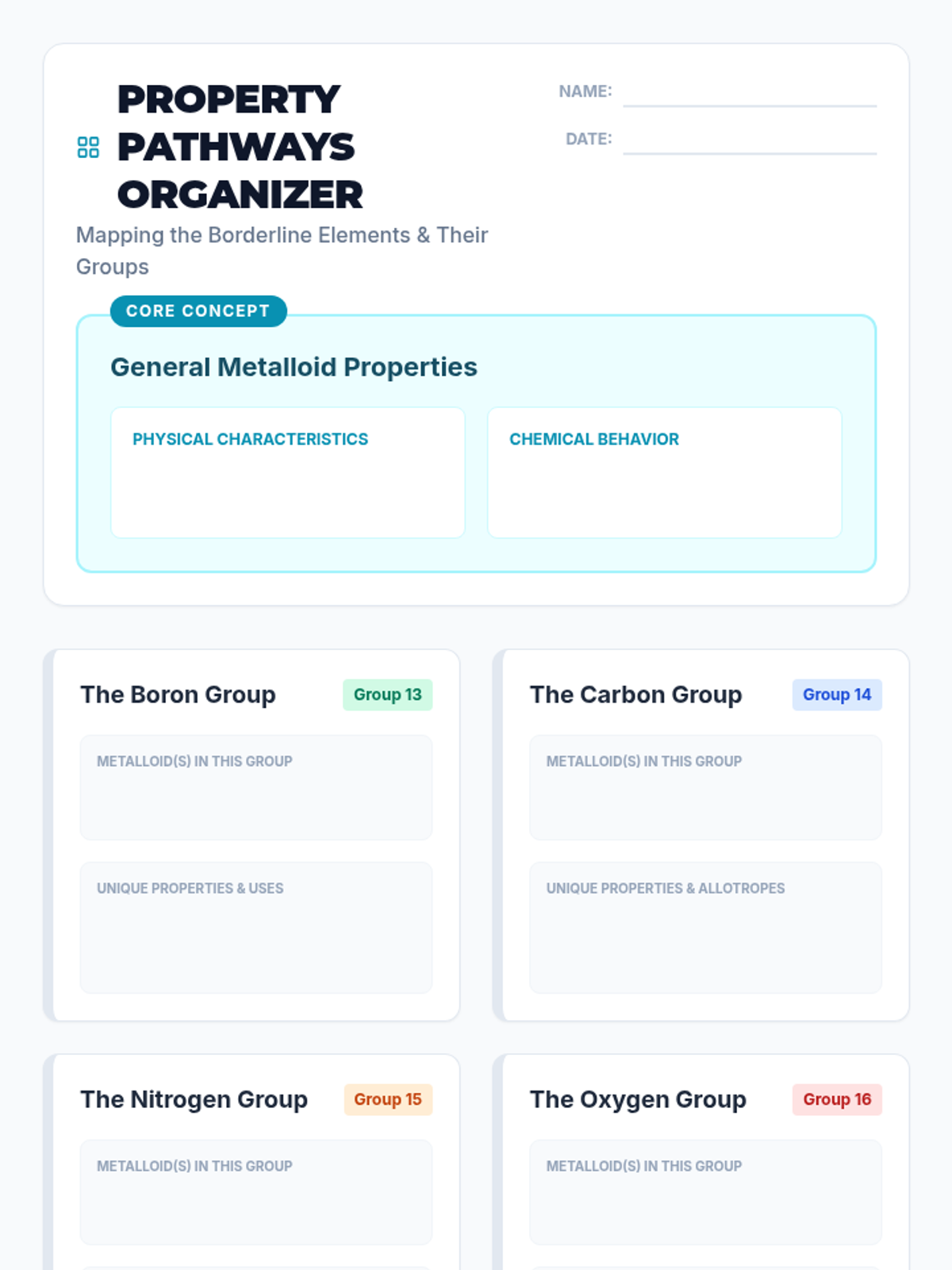
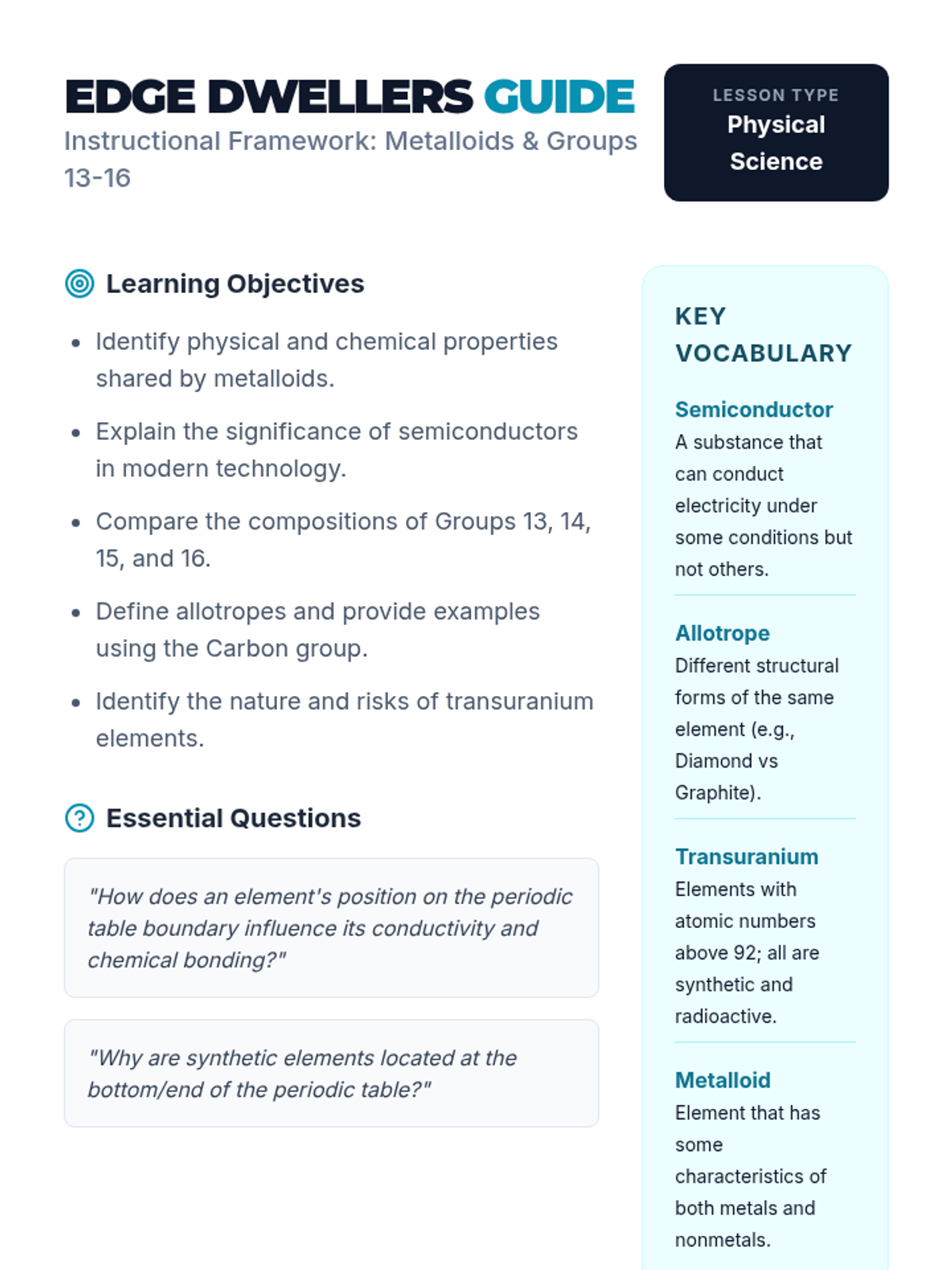
A comprehensive lesson on metalloids, their semiconductor properties, and the diverse chemical groups they inhabit, including the boron, carbon, nitrogen, and oxygen groups, along with an introduction to transuranium elements.
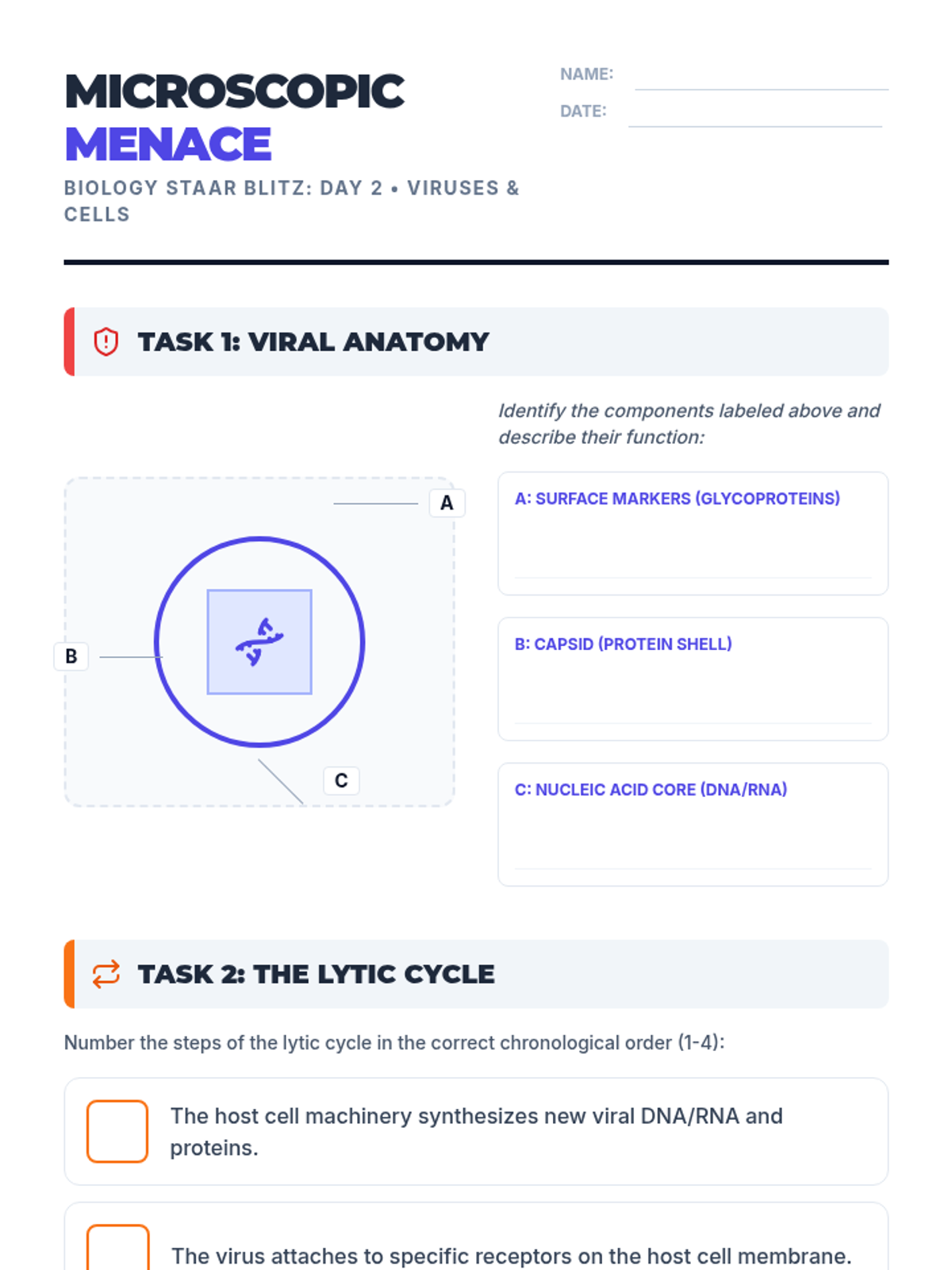
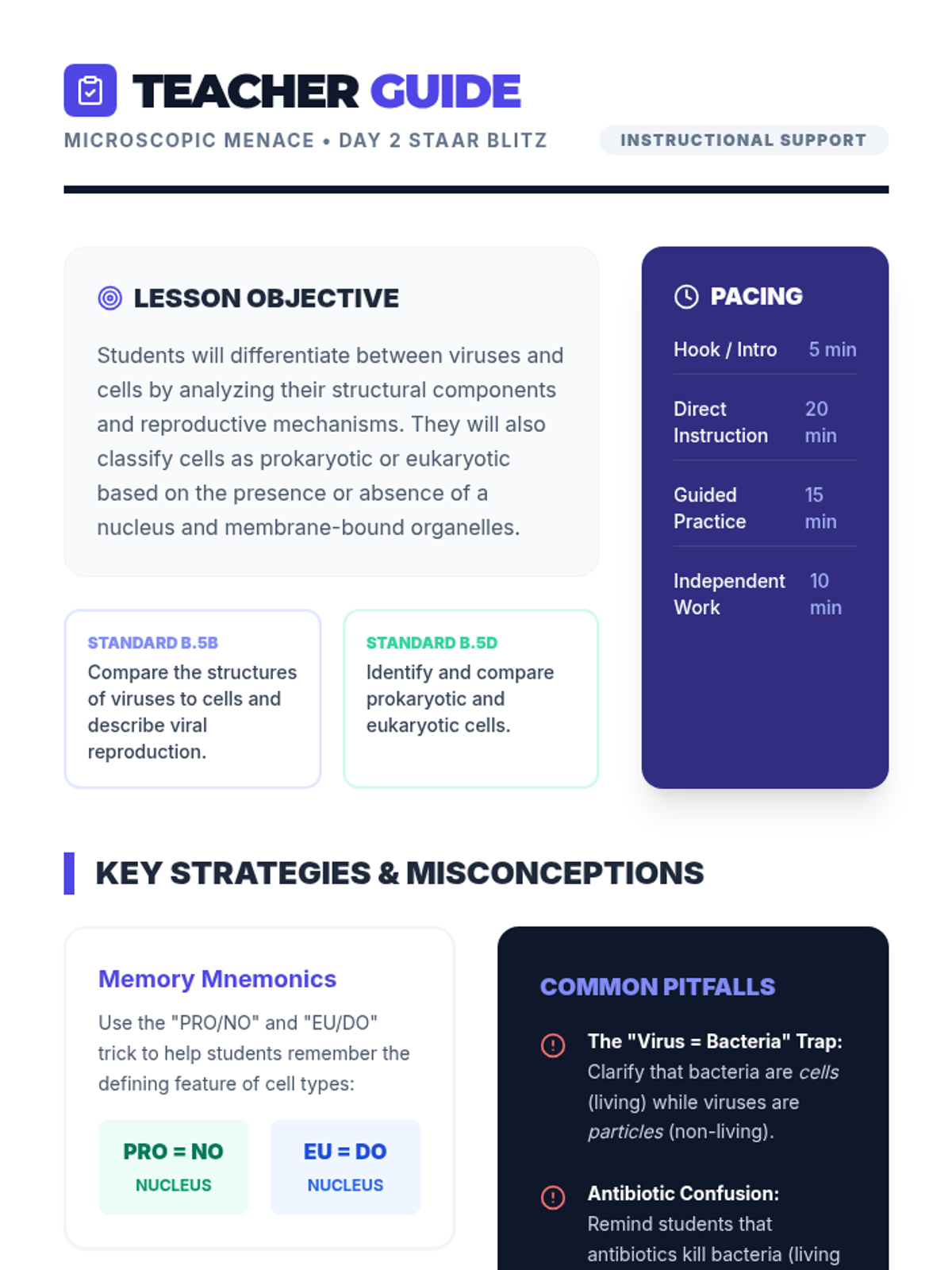
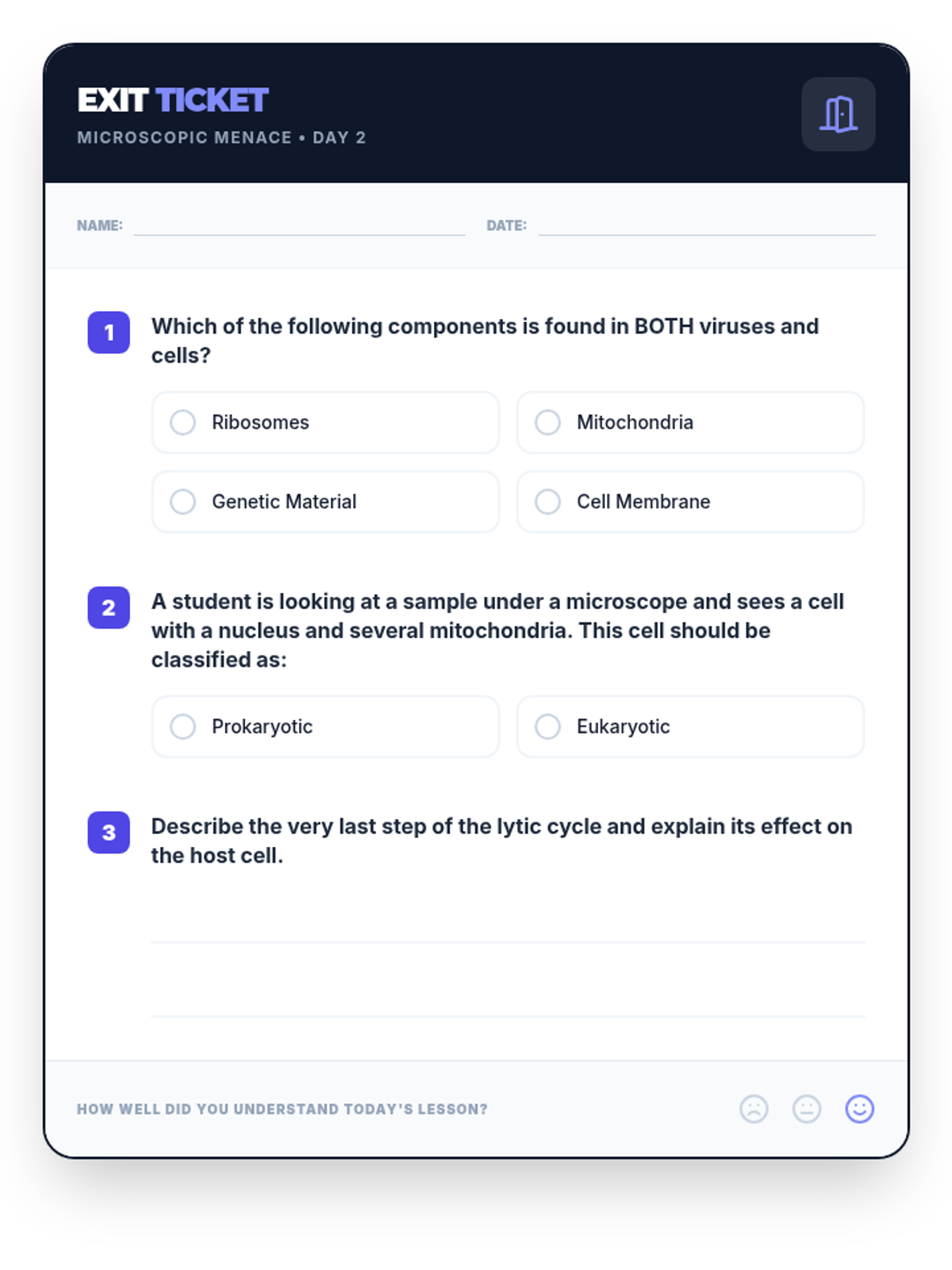
Focuses on the structural differences between viruses and cells, viral reproduction cycles, and the distinction between prokaryotic and eukaryotic organisms.
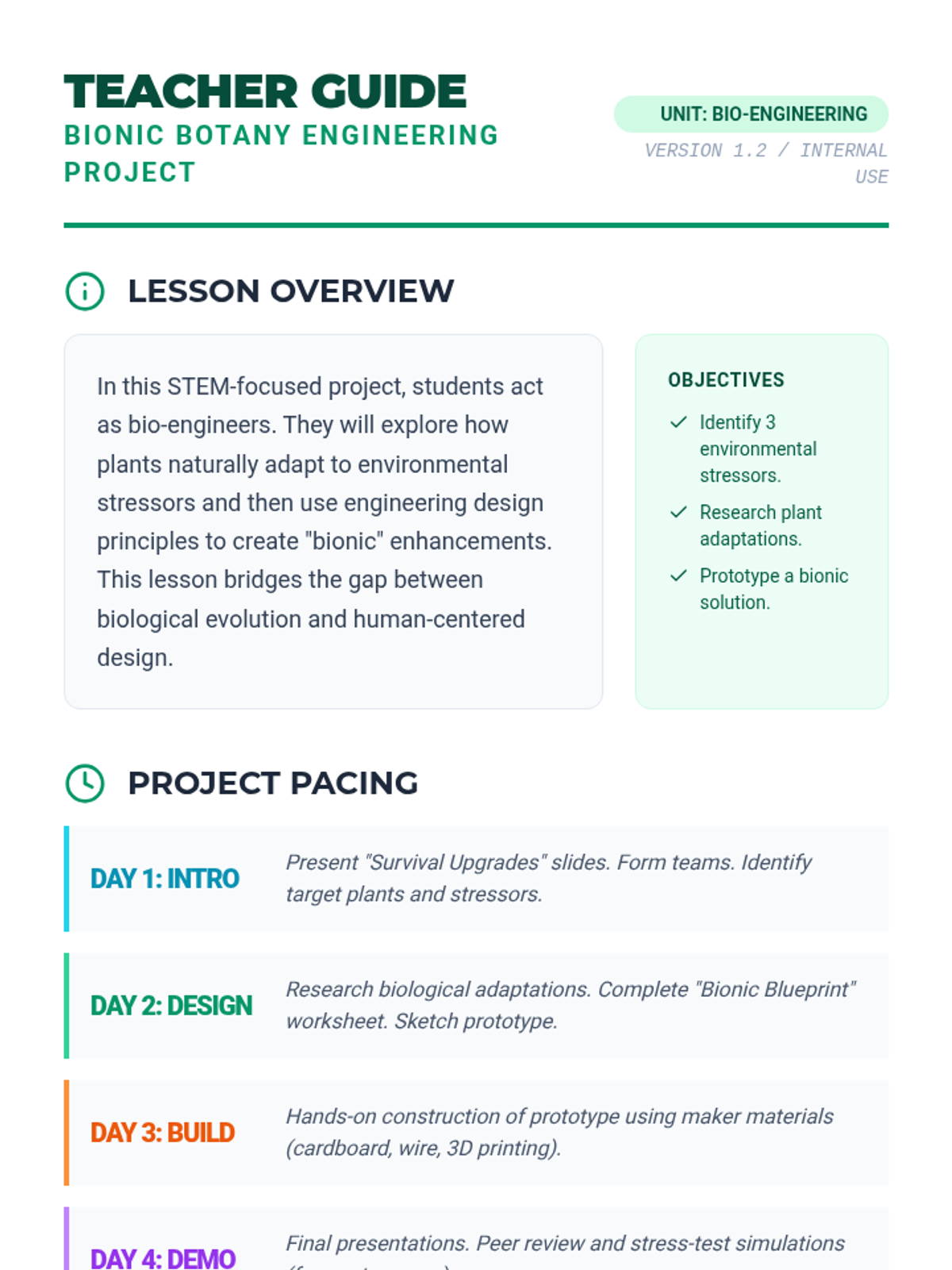
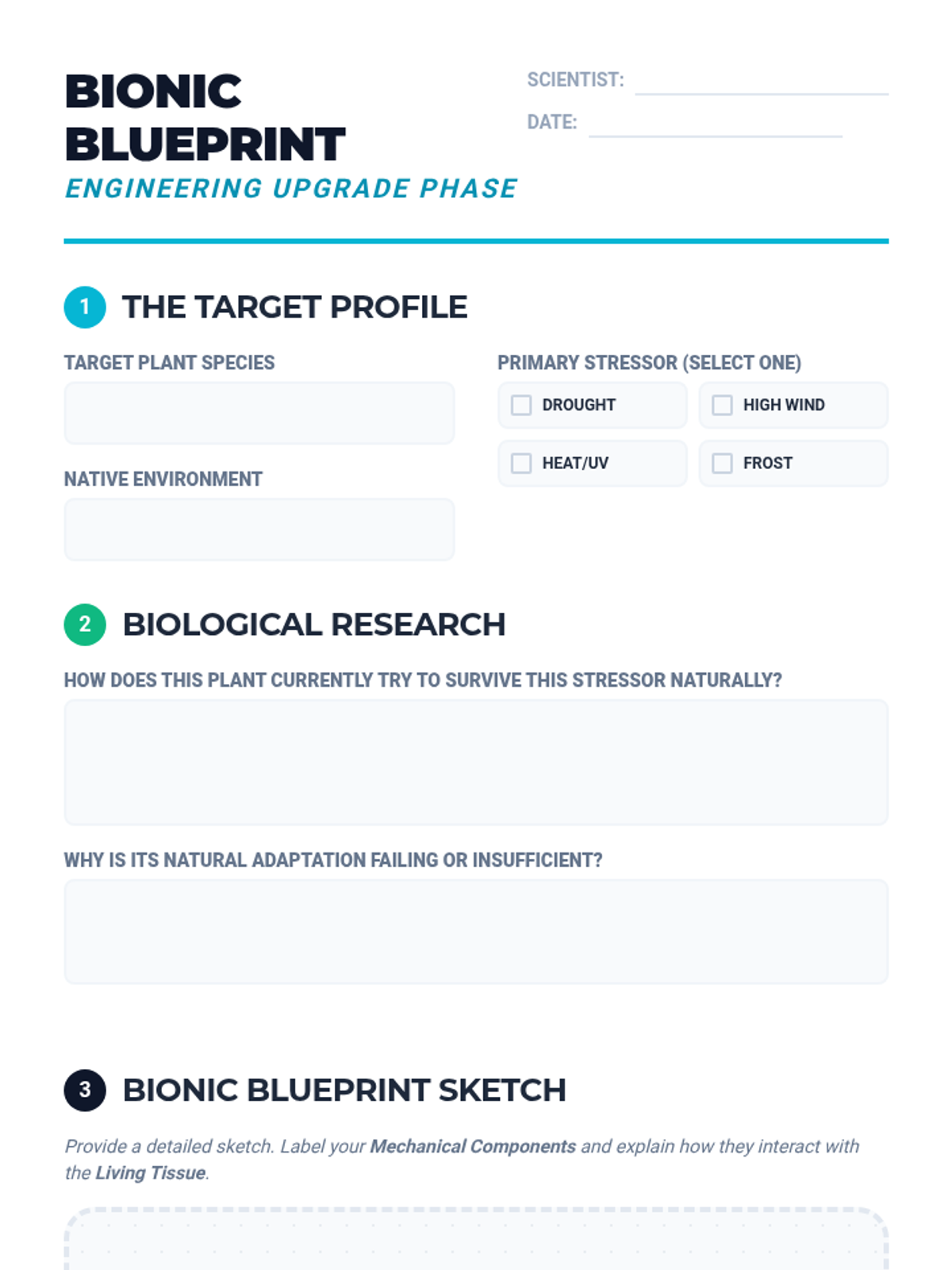
A STEM-focused lesson where students explore biological adaptations and apply engineering design principles to create 'bionic' enhancements for plants facing environmental stressors. Students research specific threats, brainstorm mechanical solutions, and prototype protective structures.
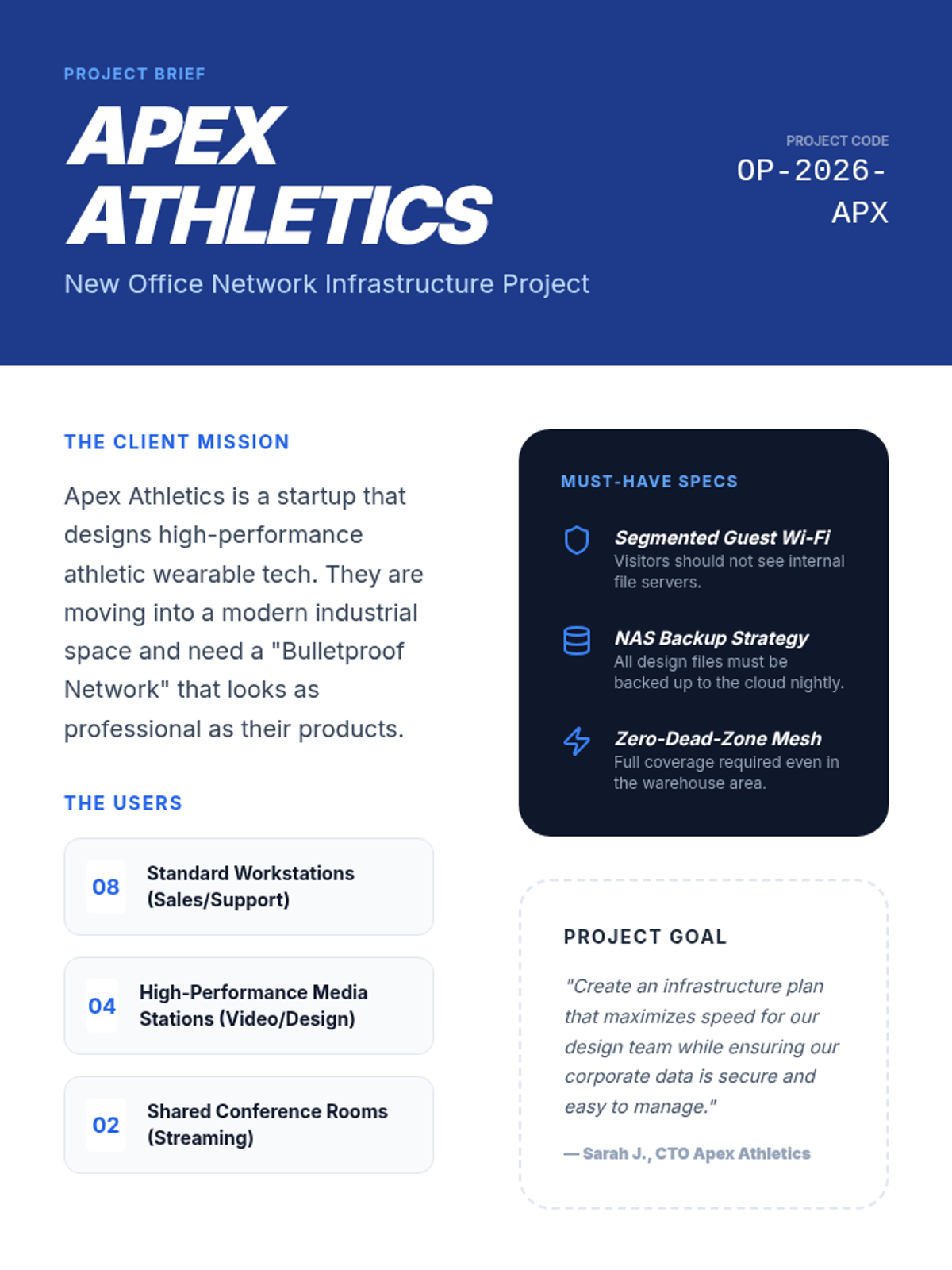
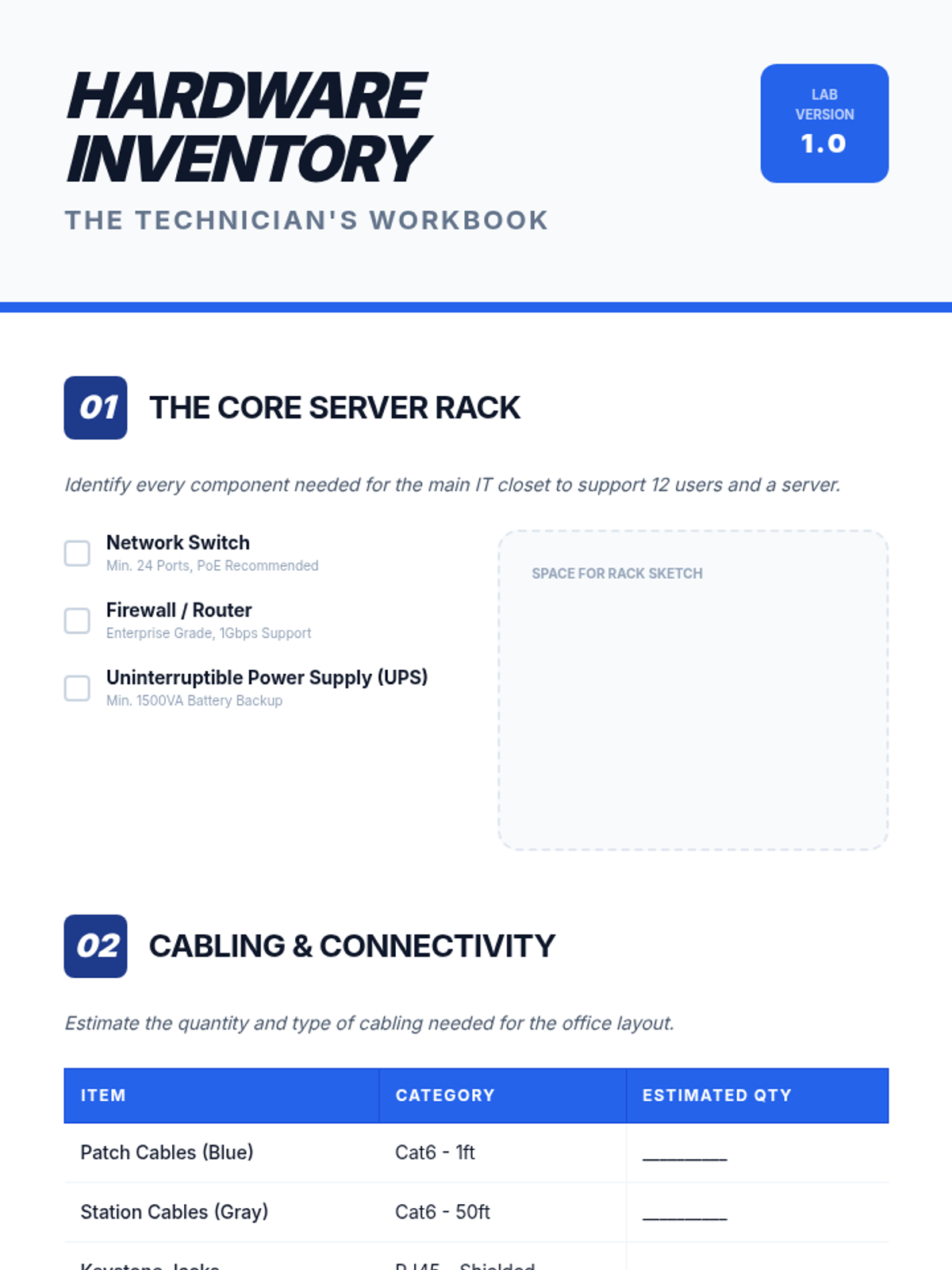
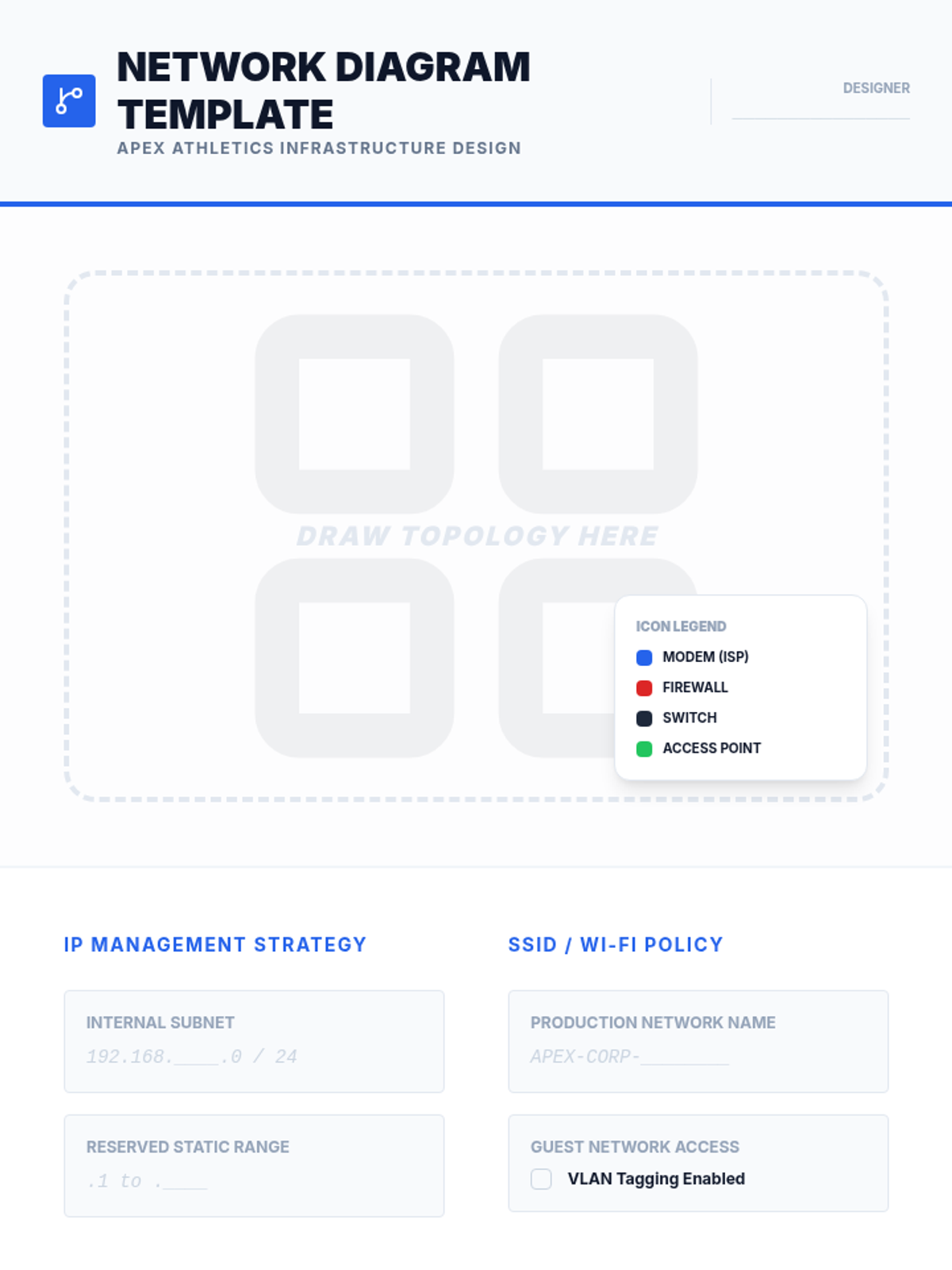
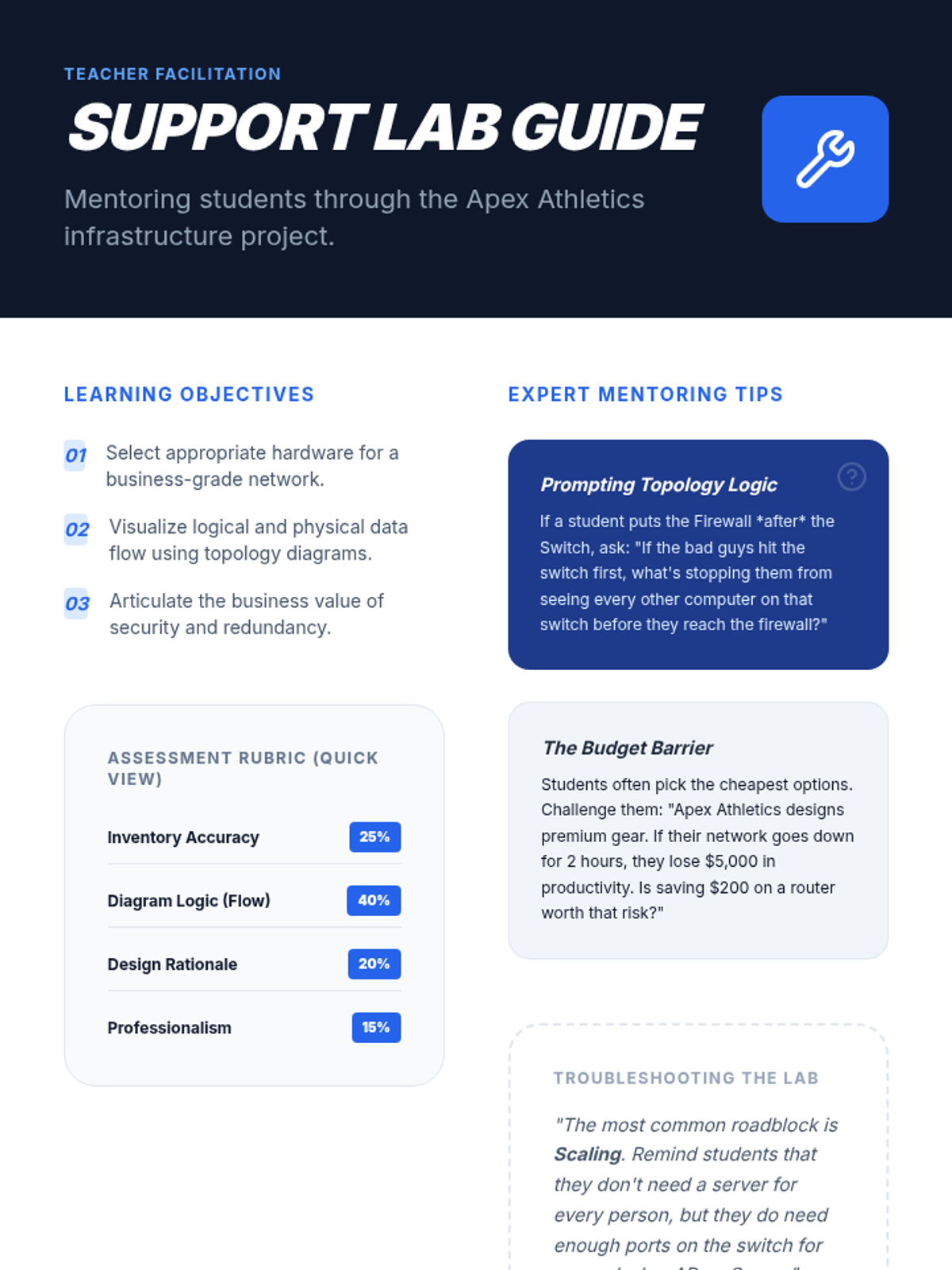
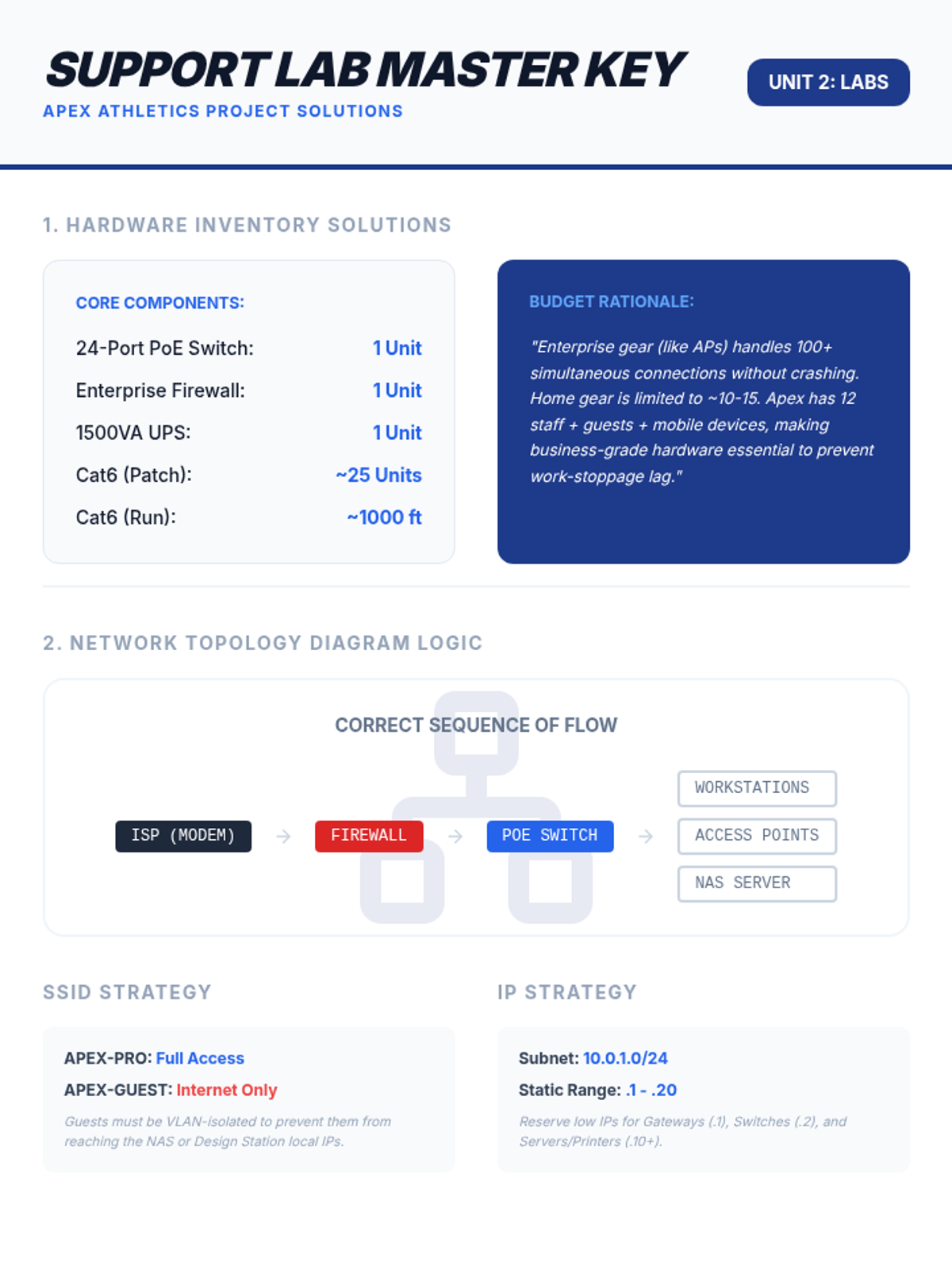
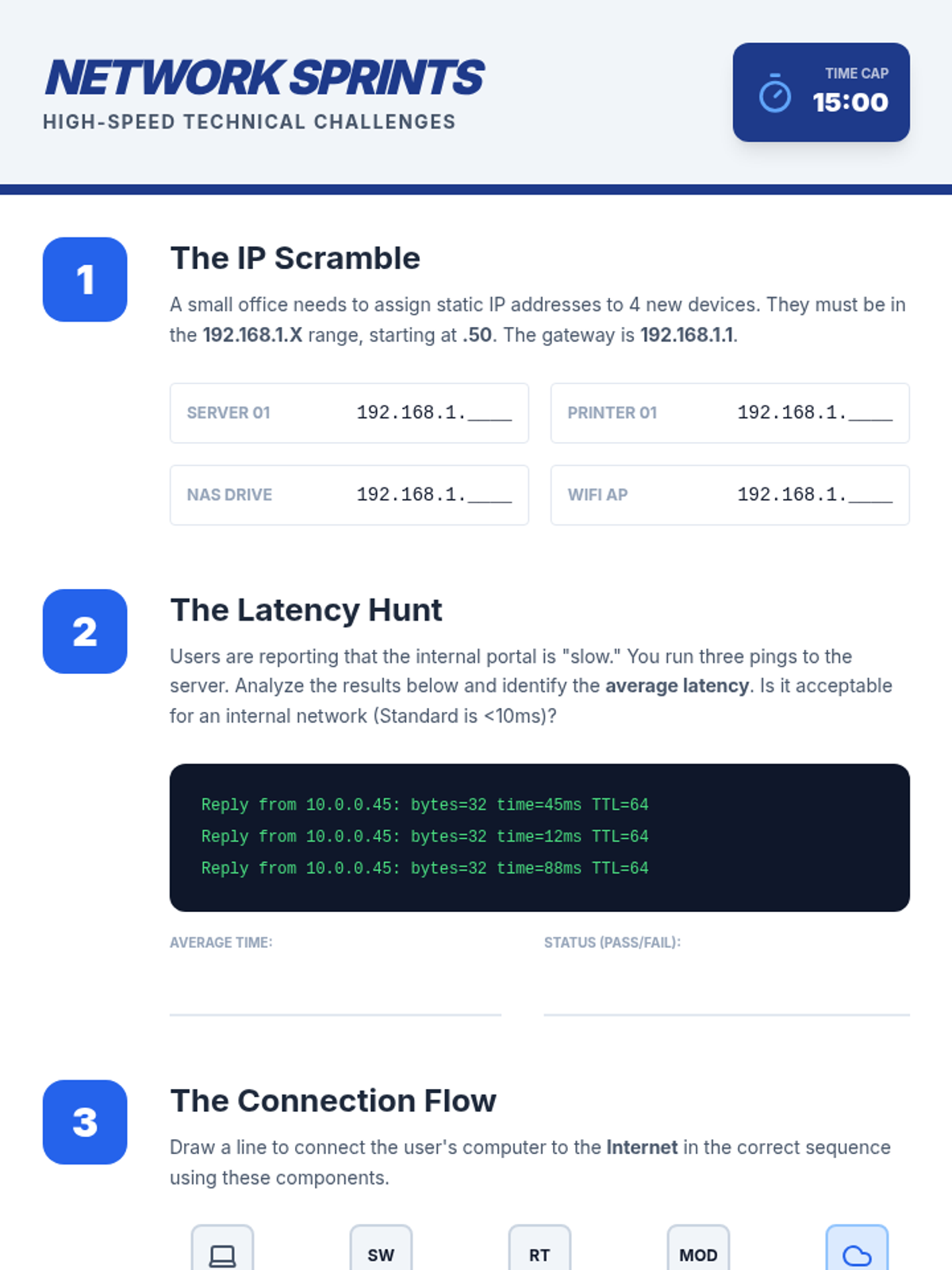
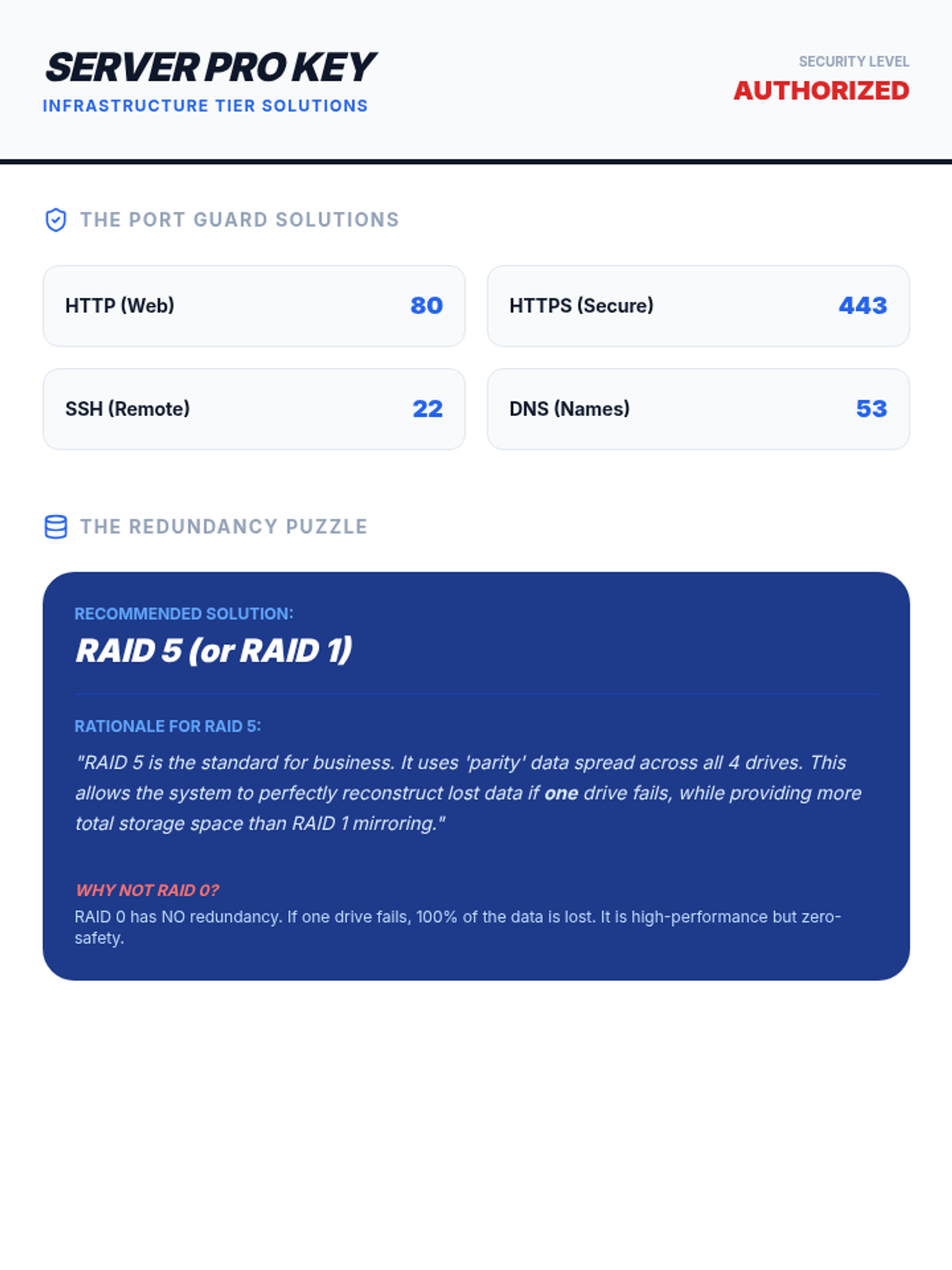
A hands-on technical project where students apply their IT skills to design and document a small office network, from identifying hardware requirements to creating a troubleshooting flowchart.
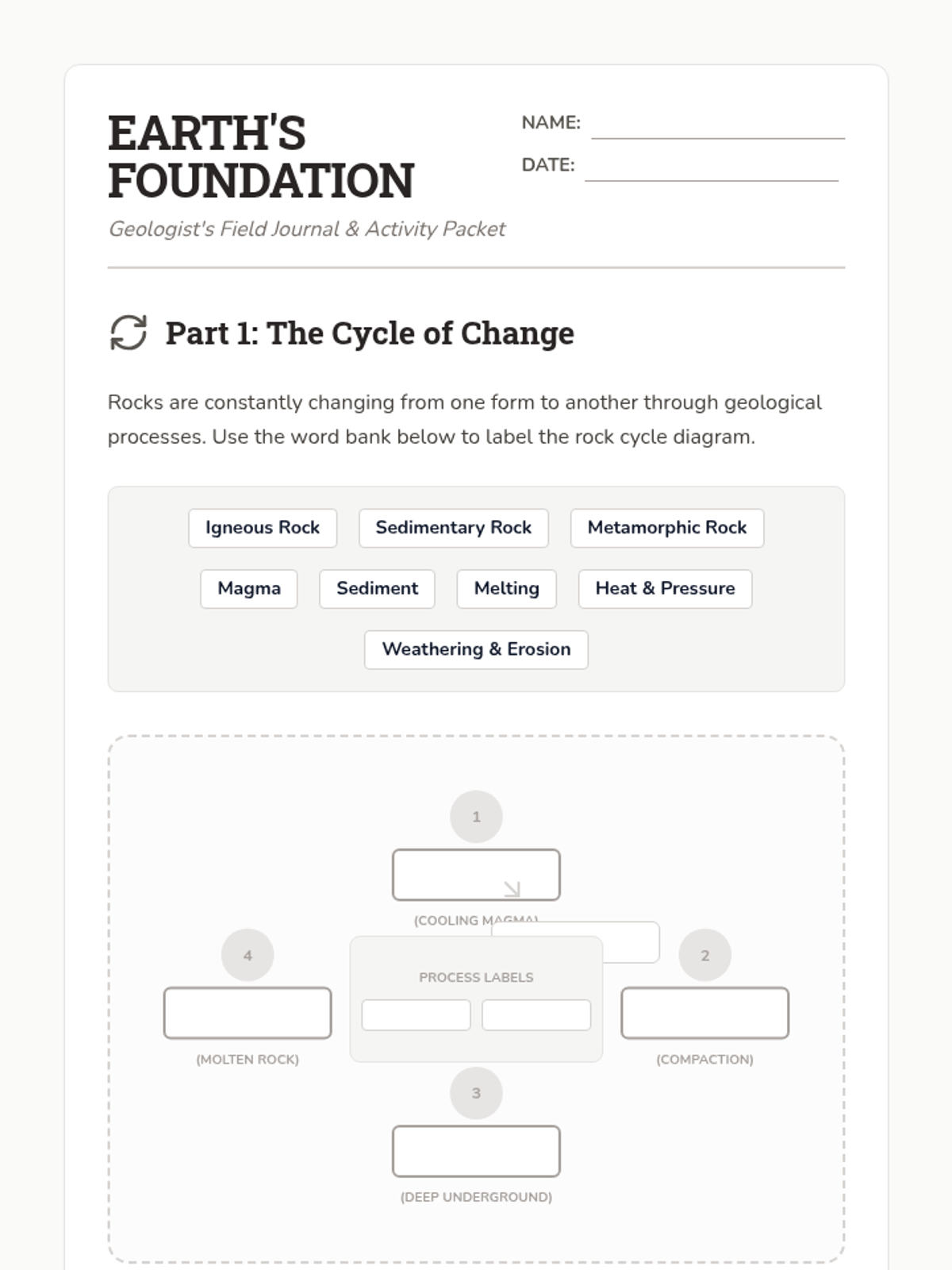
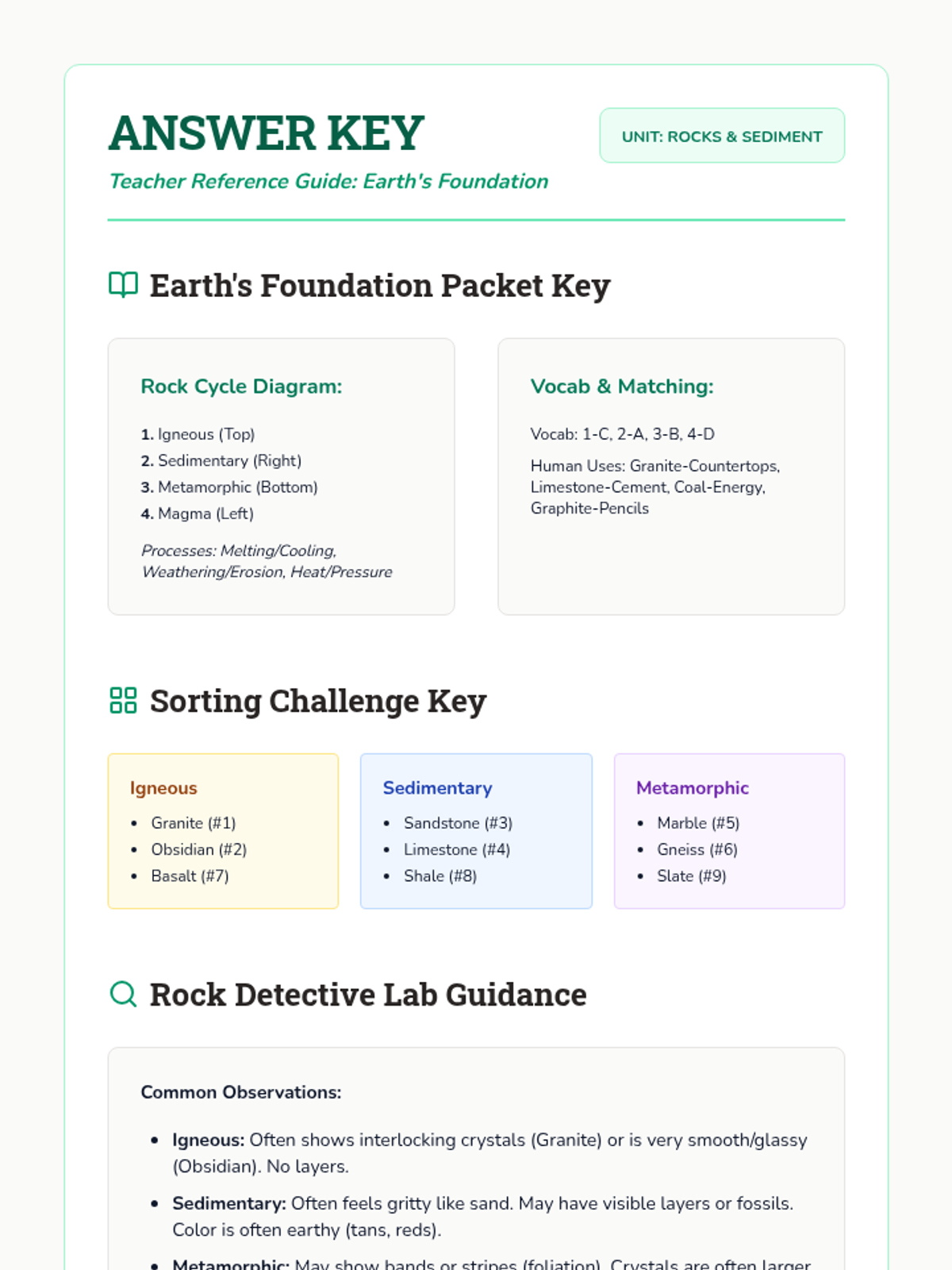
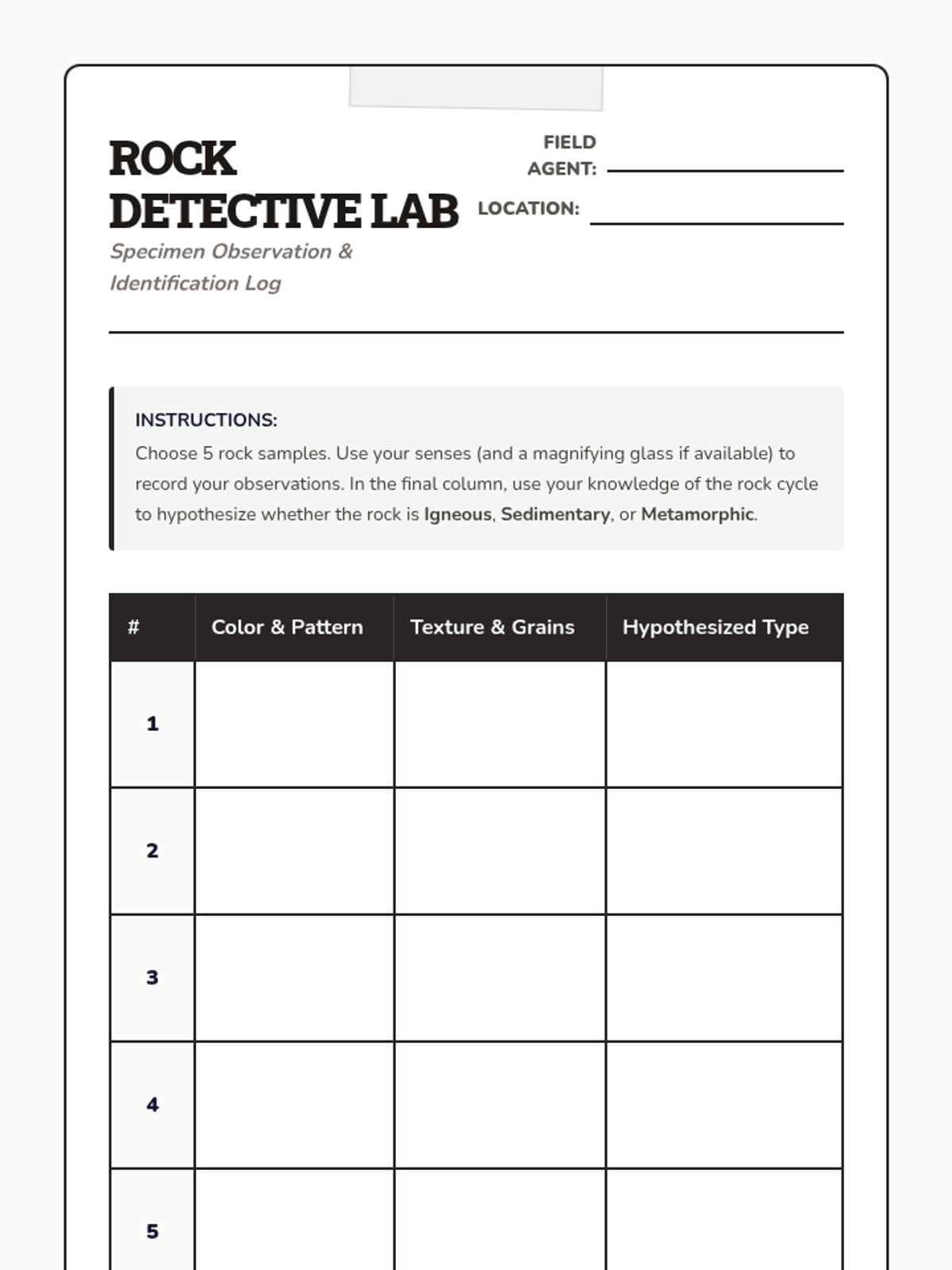
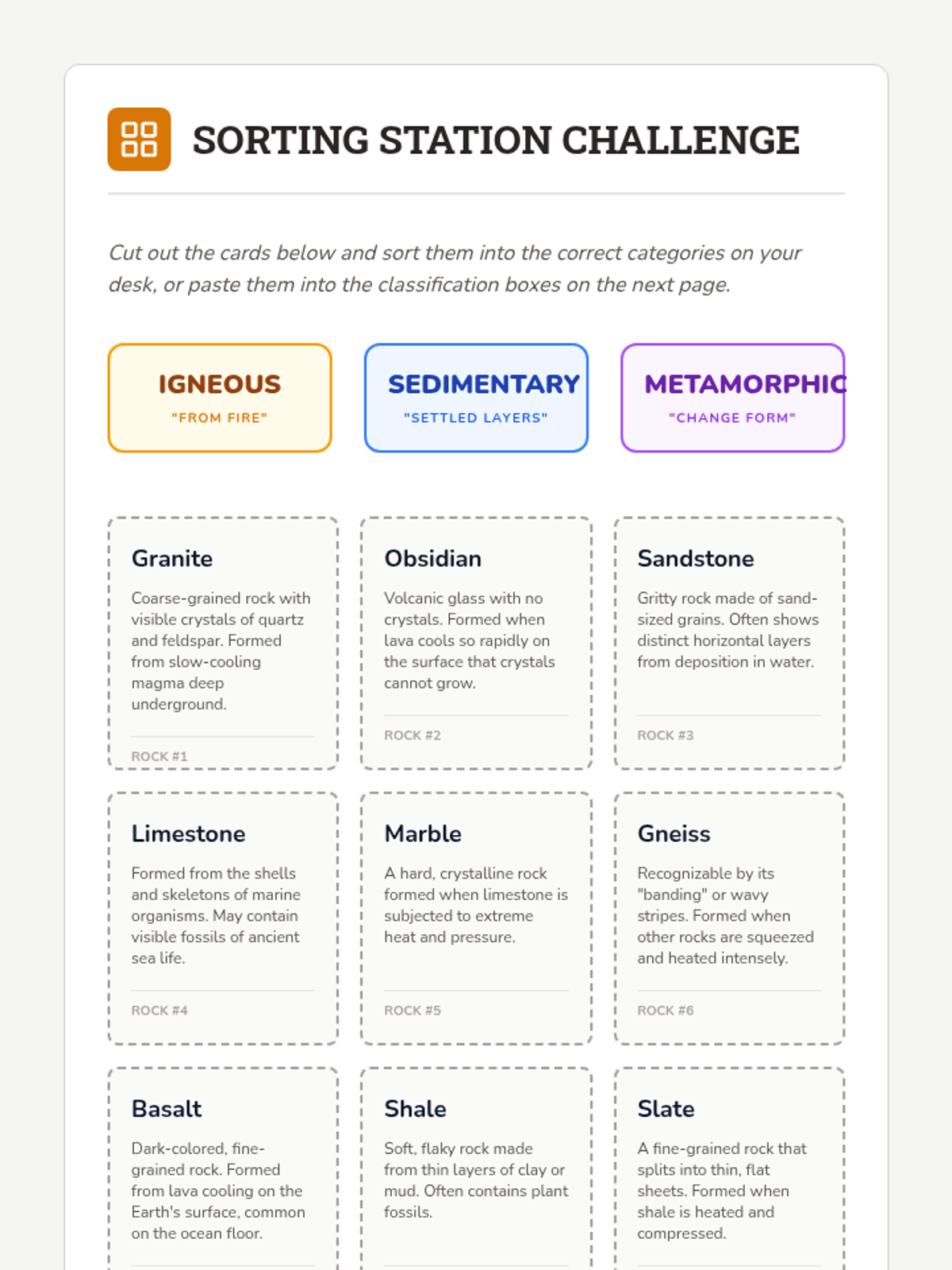
A comprehensive lesson exploring the rock cycle, weathering processes, sediment characteristics, and the practical human uses of Earth's geological resources.
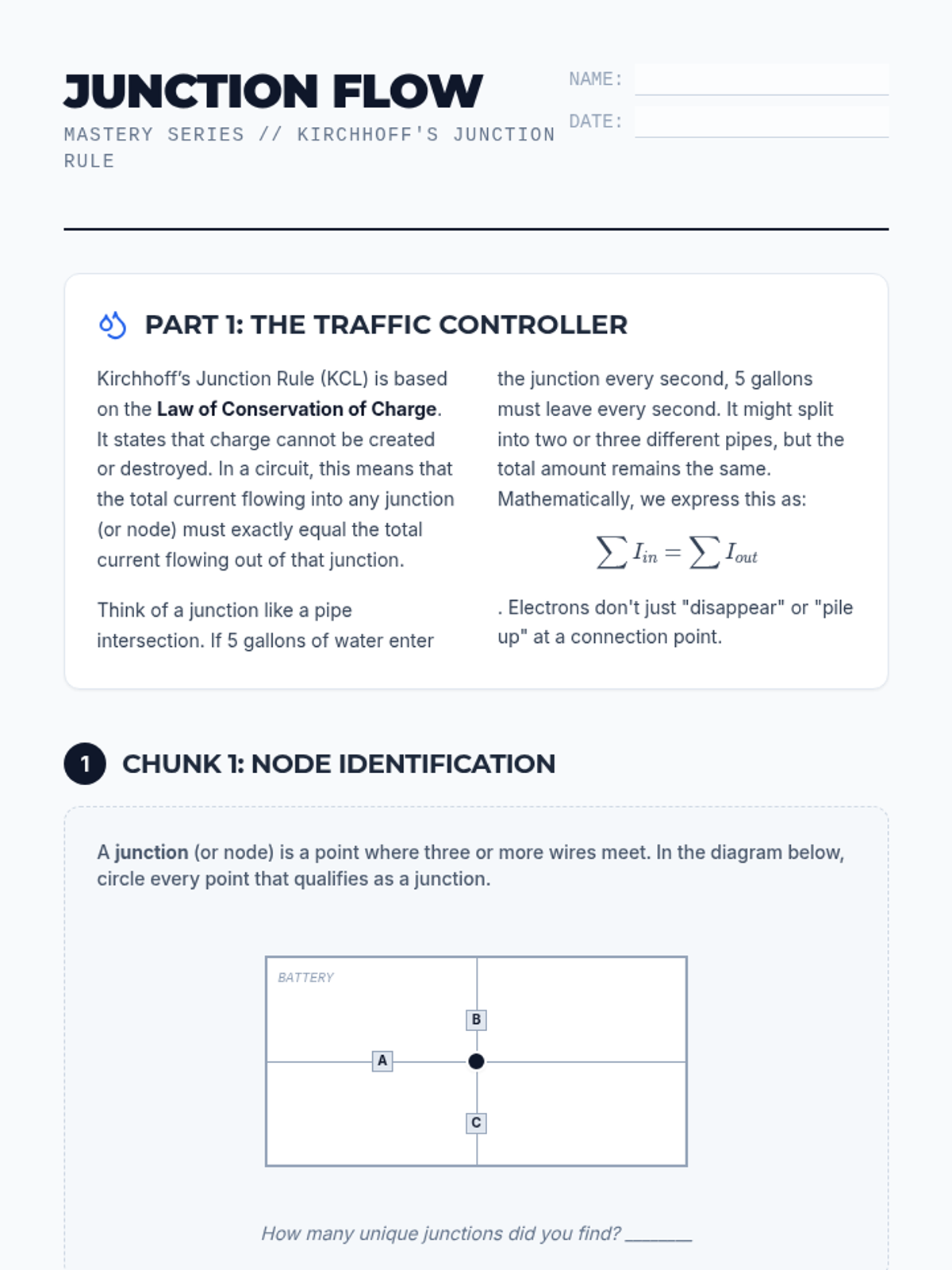
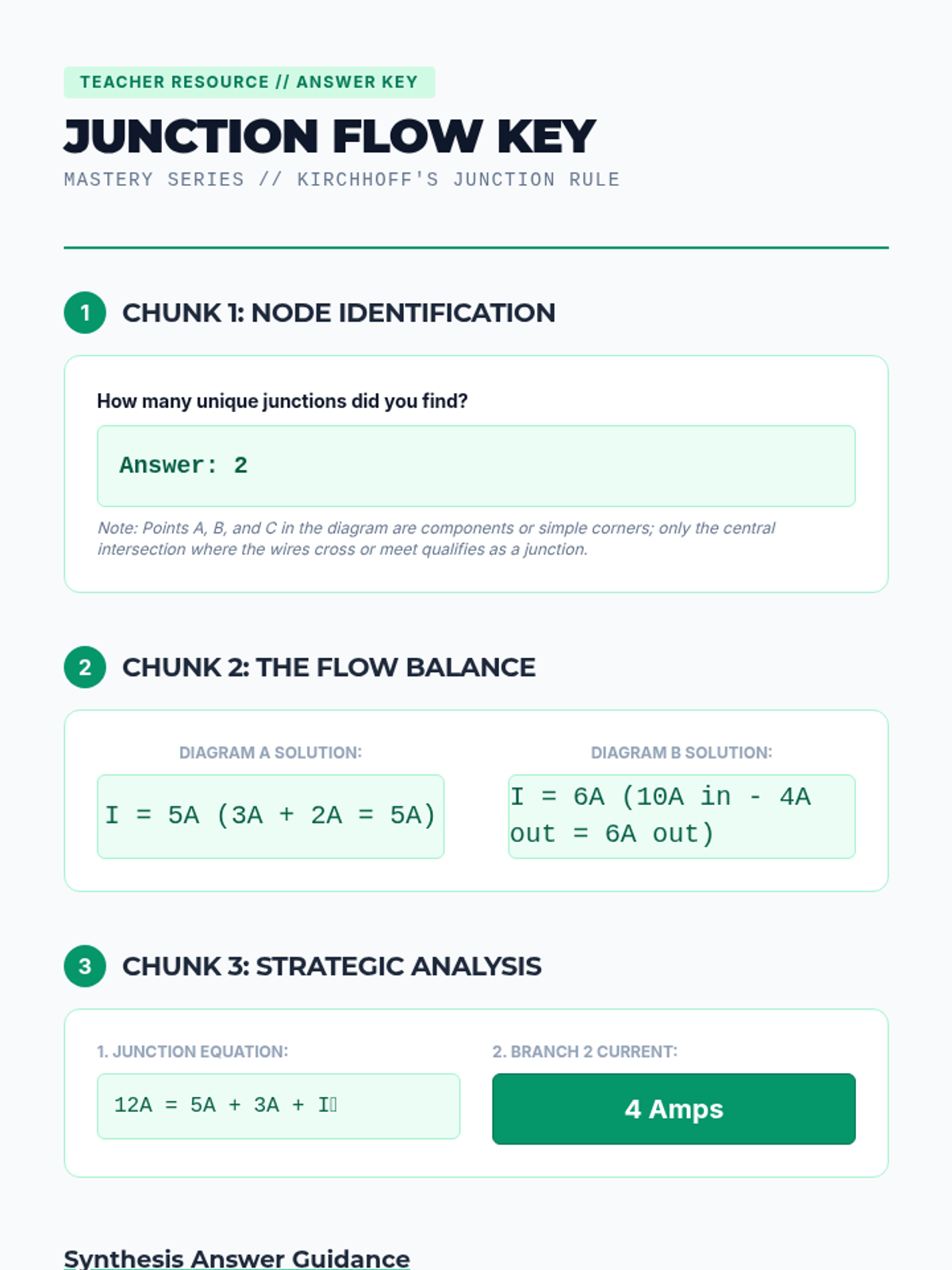
A dedicated lesson on Kirchhoff’s Junction Rule (KCL), focusing on the conservation of electric charge. Students explore the "water pipe" analogy, identify nodes in complex circuits, and solve for unknown currents using algebraic sum principles.
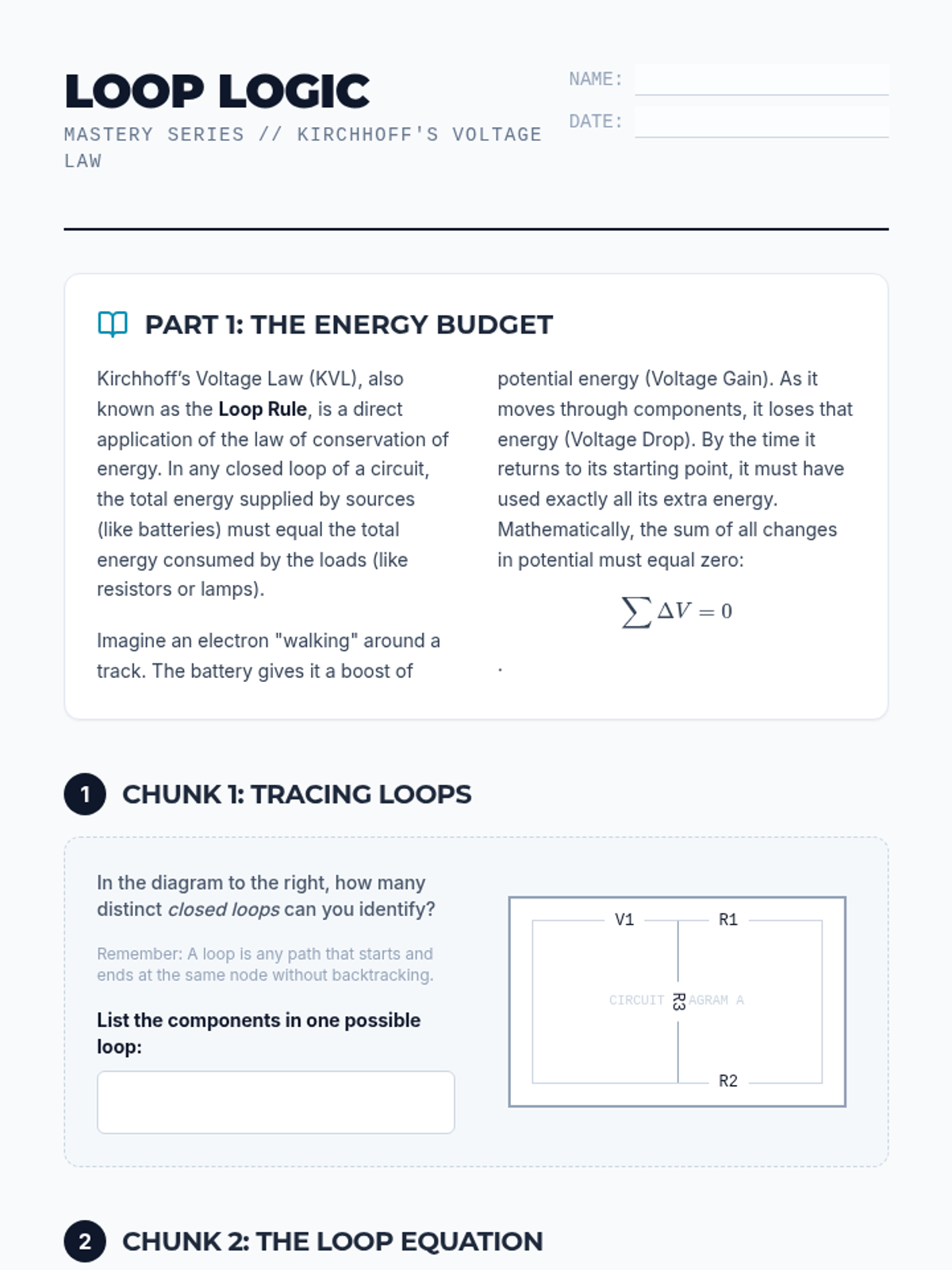
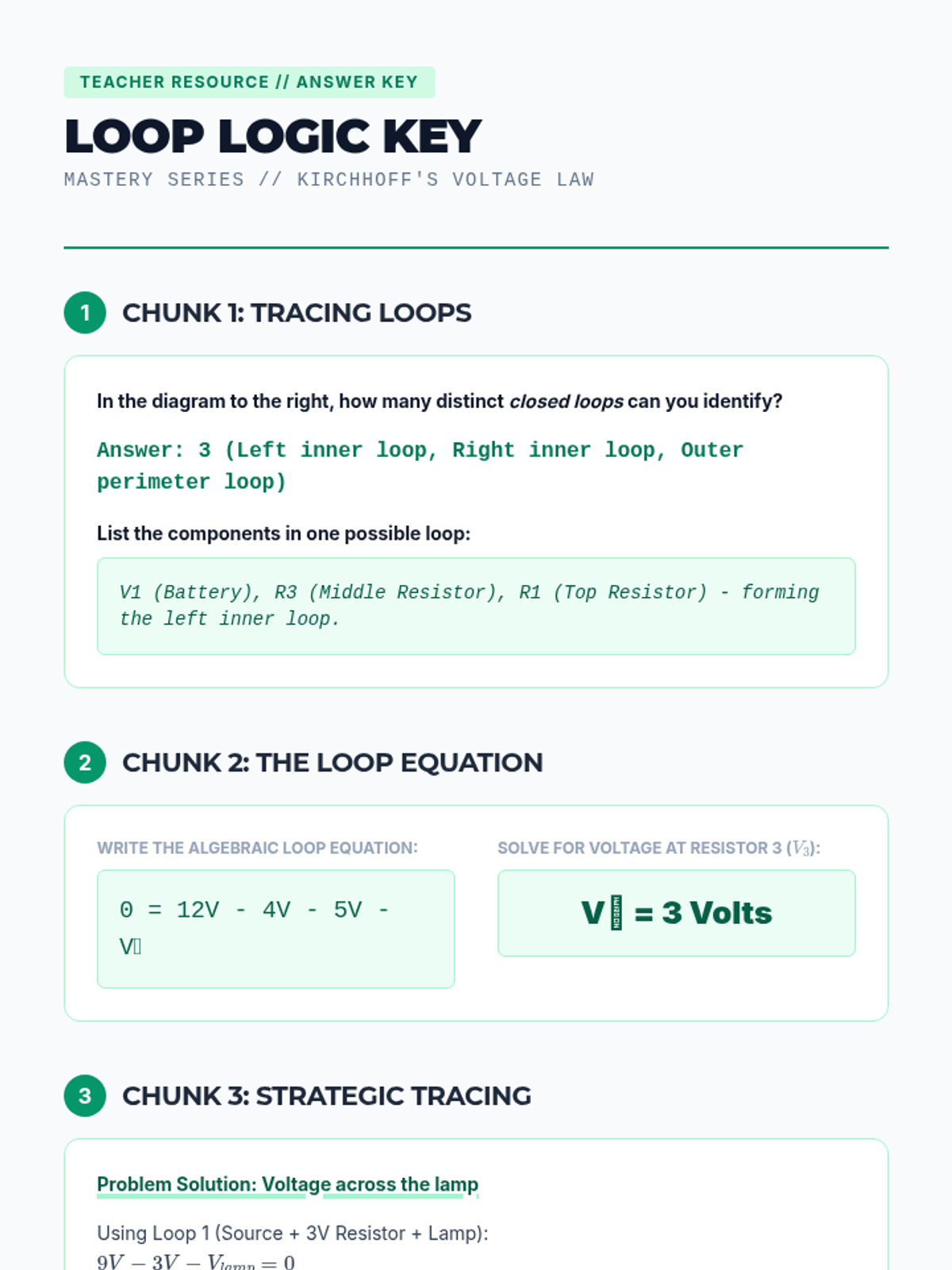
A focused instructional deep-dive into Kirchhoff’s Voltage Law (KVL), emphasizing the conservation of energy within a circuit loop. Students progress from conceptual reading to scaffolded mathematical problem-solving through chunked practice.
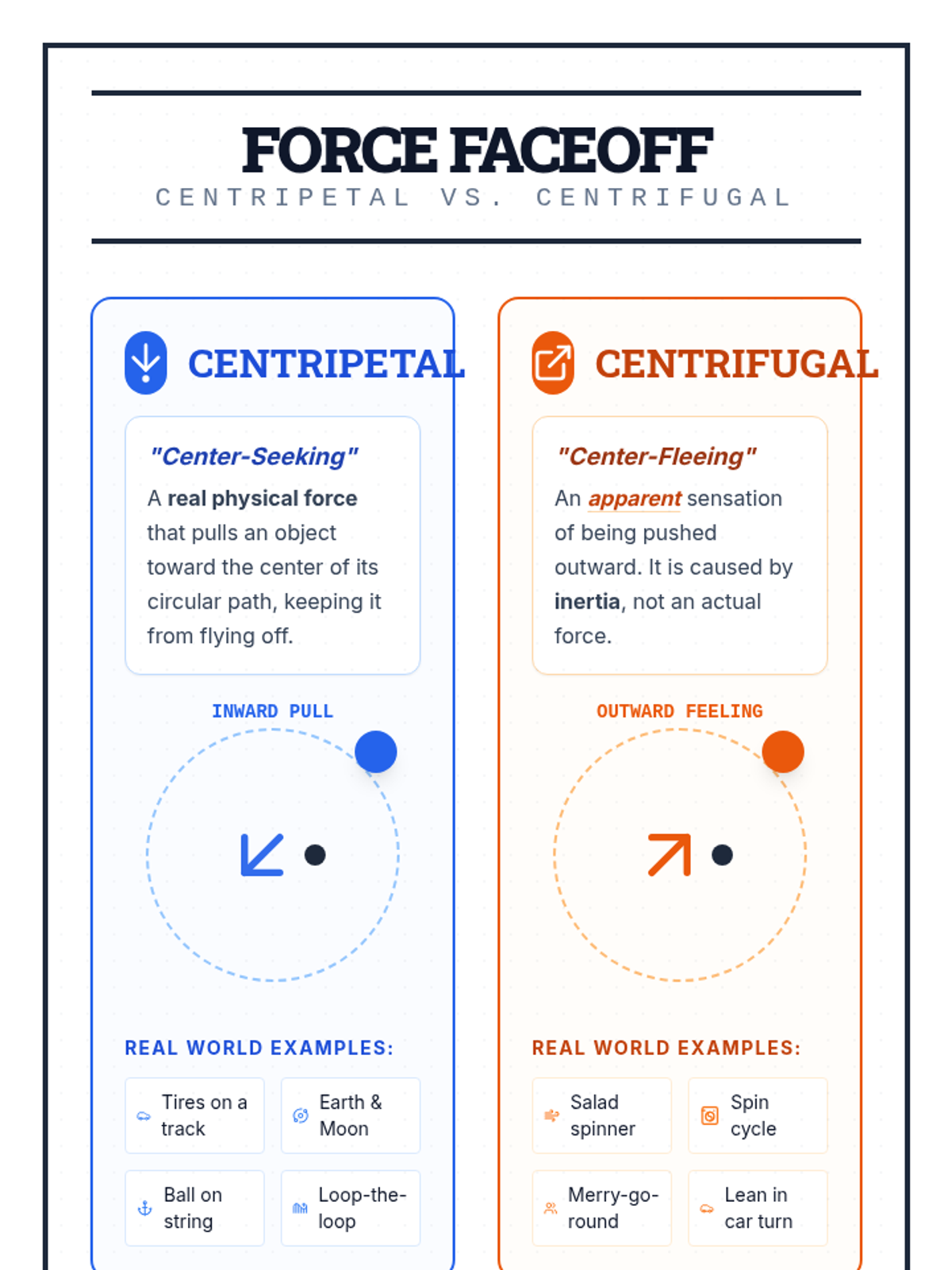
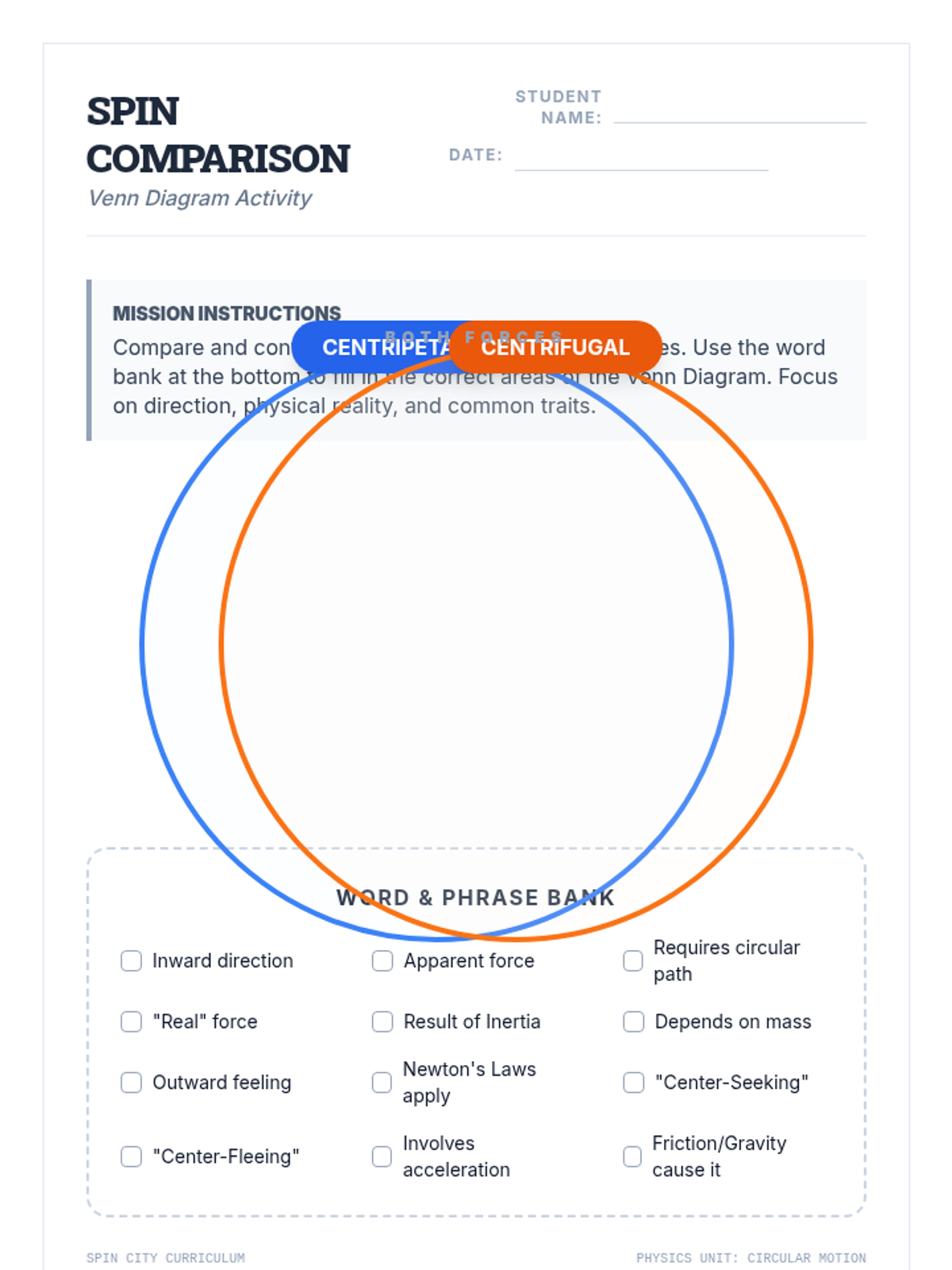
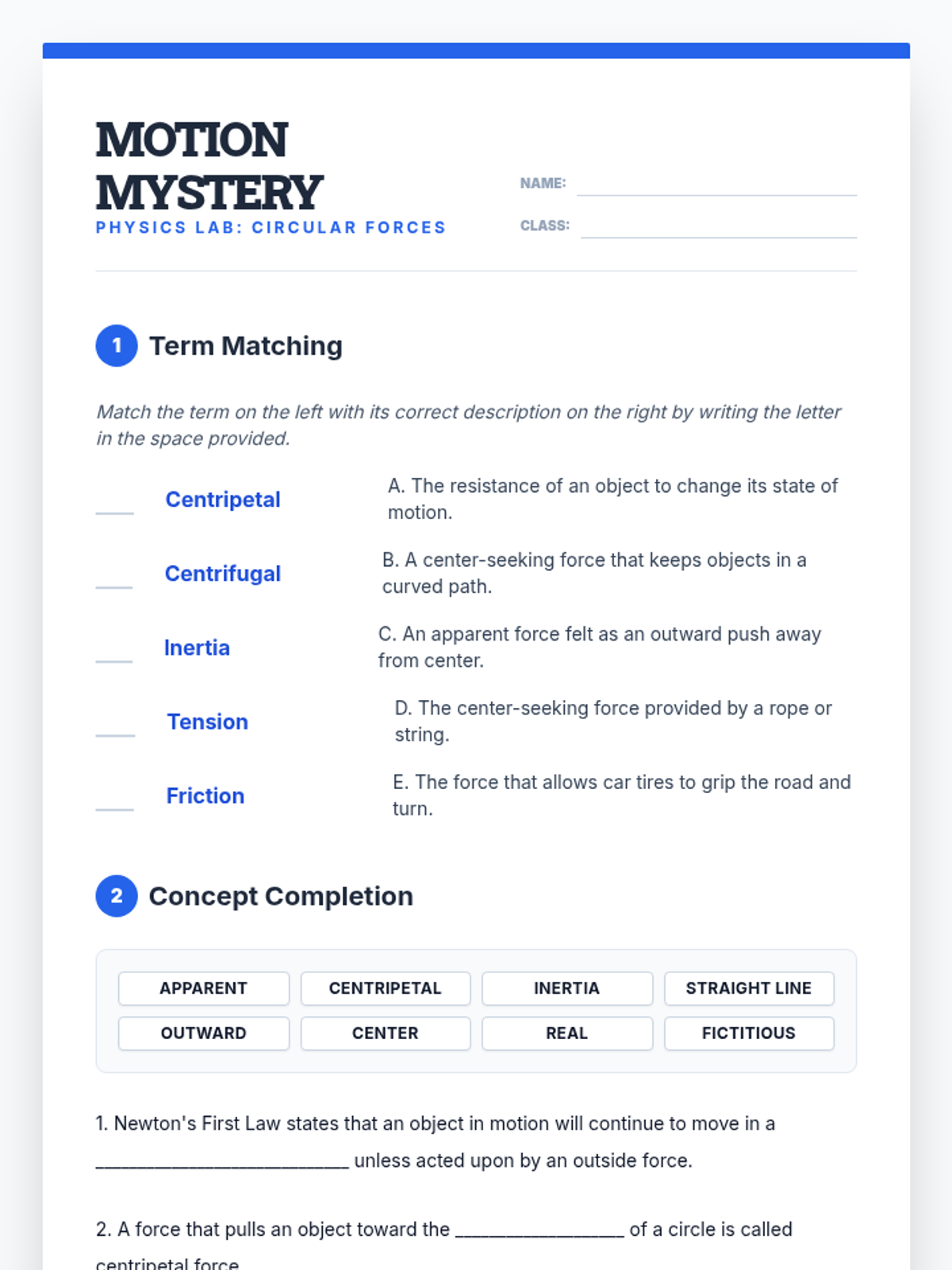
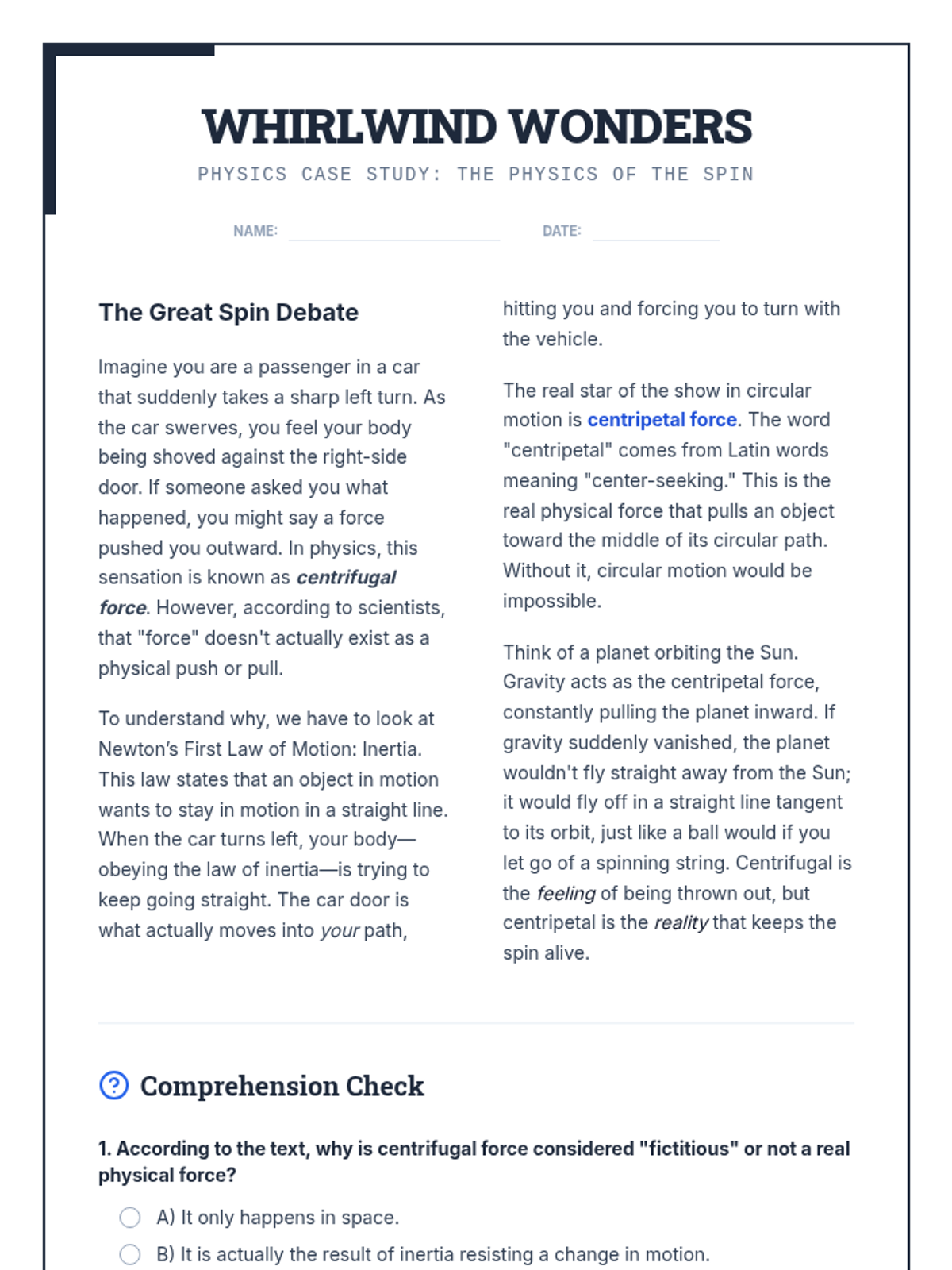
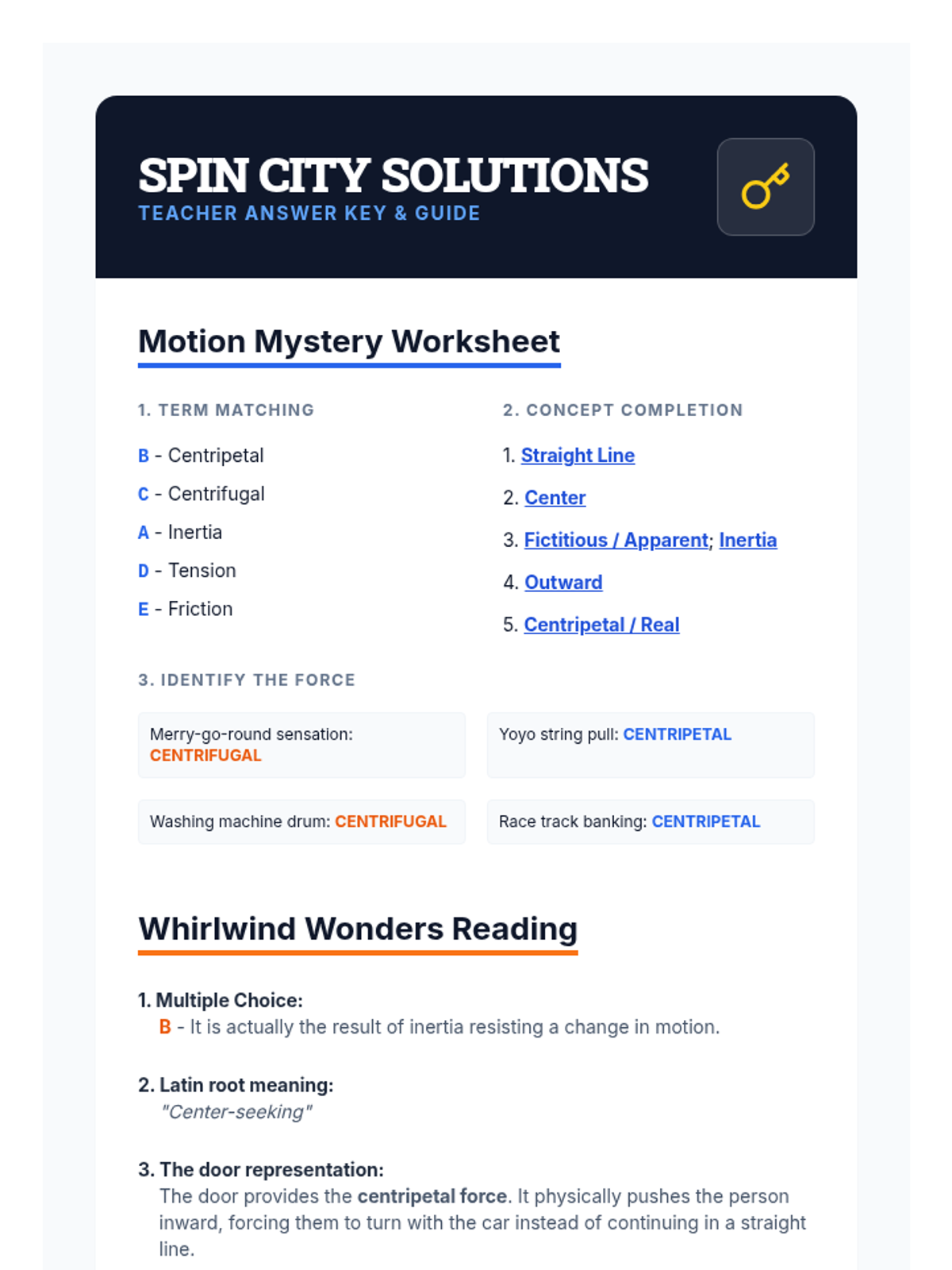
This lesson introduces students to the concepts of centripetal and centrifugal forces through visual aids, comparative analysis, and real-world application. Students will learn the physical reality of center-seeking forces versus the apparent sensation of outward force caused by inertia.
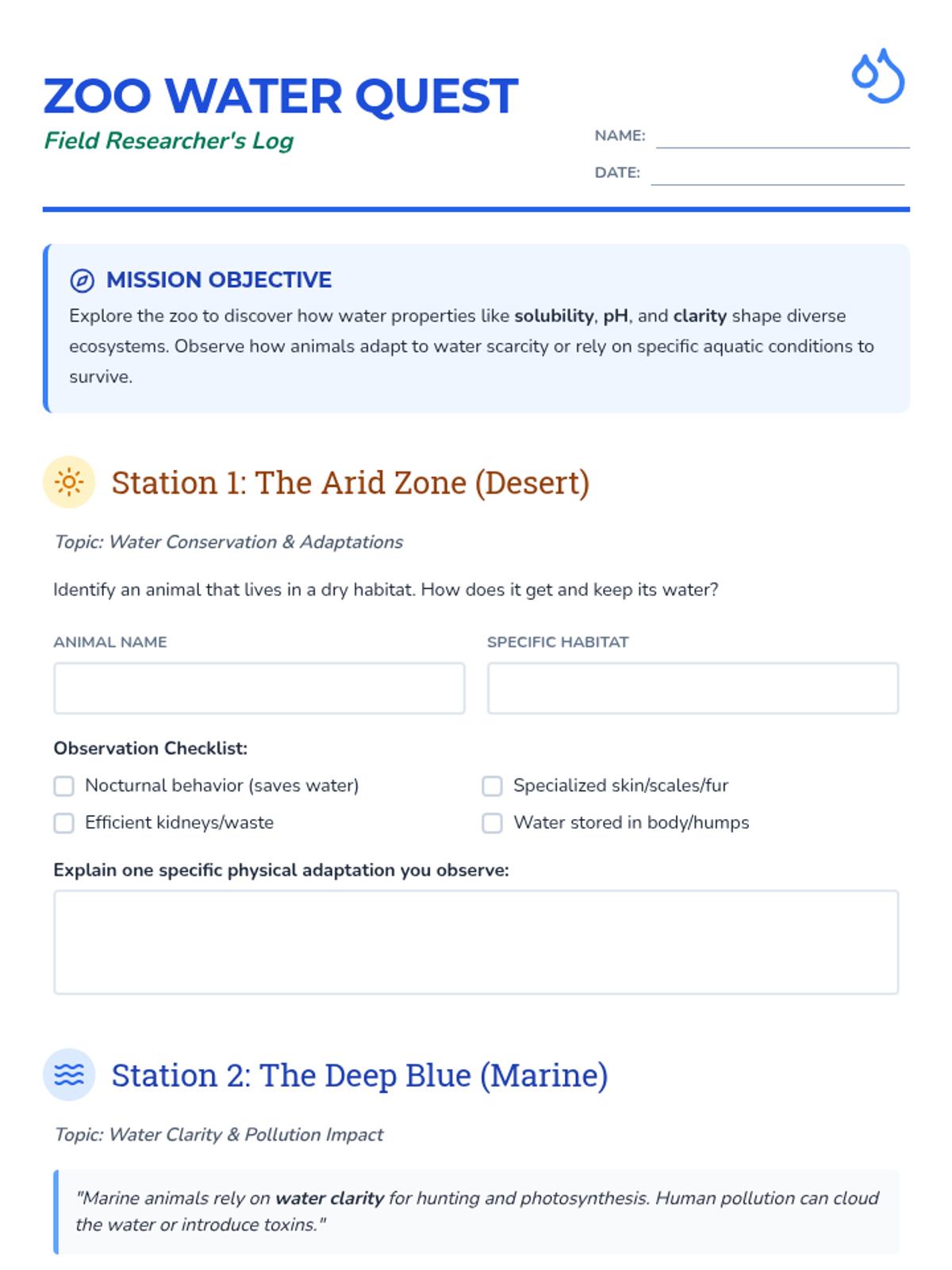
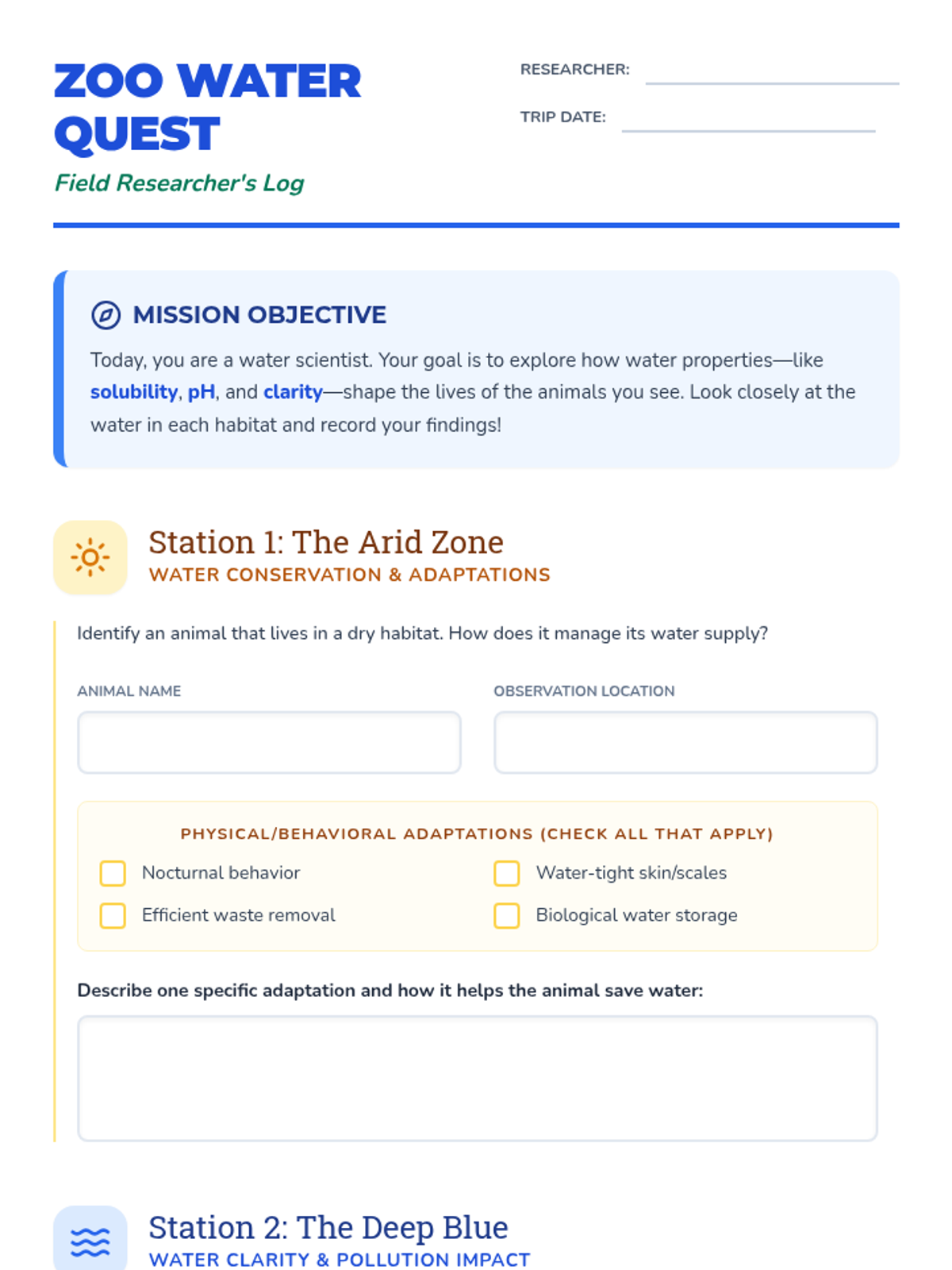
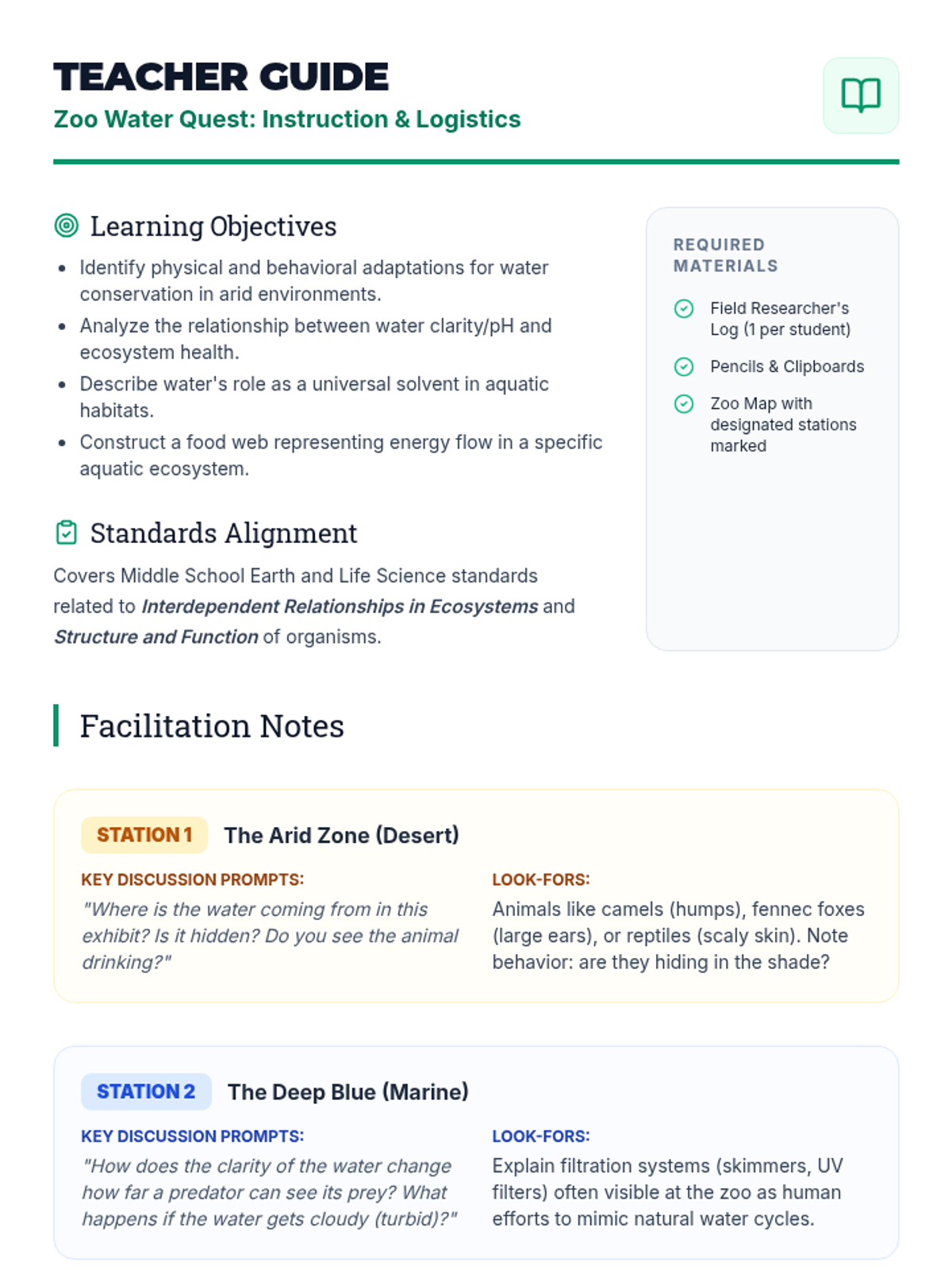
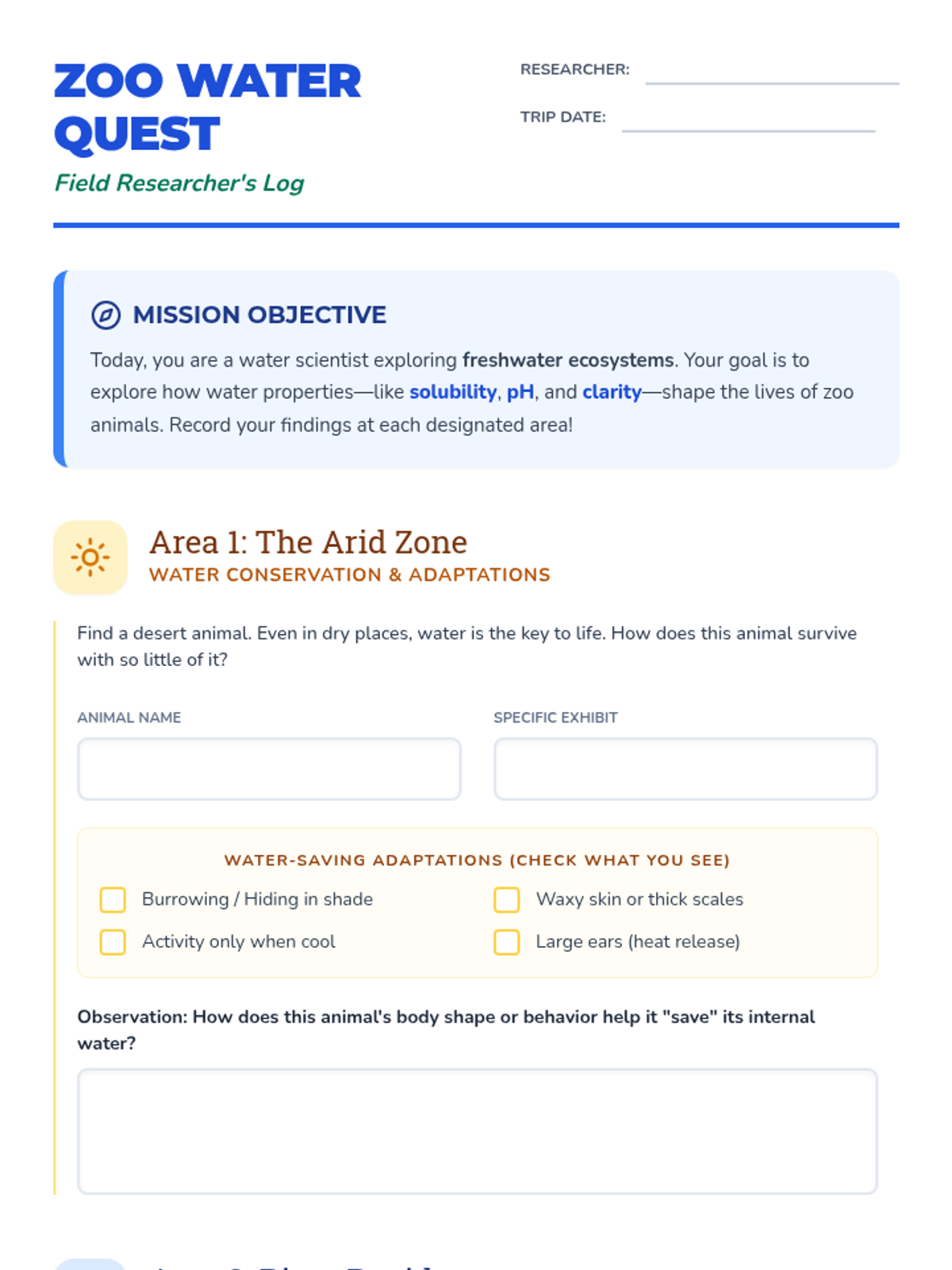
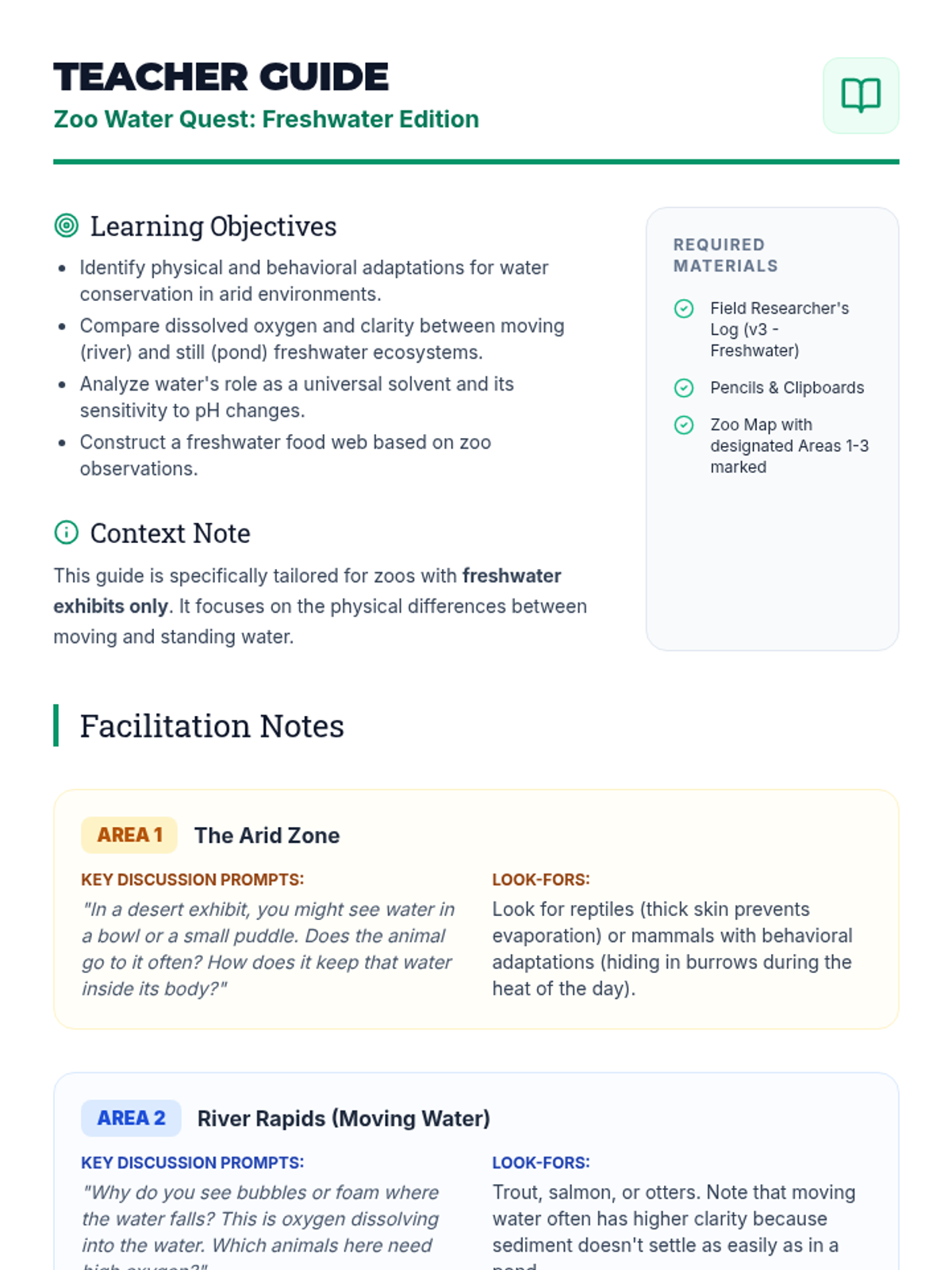
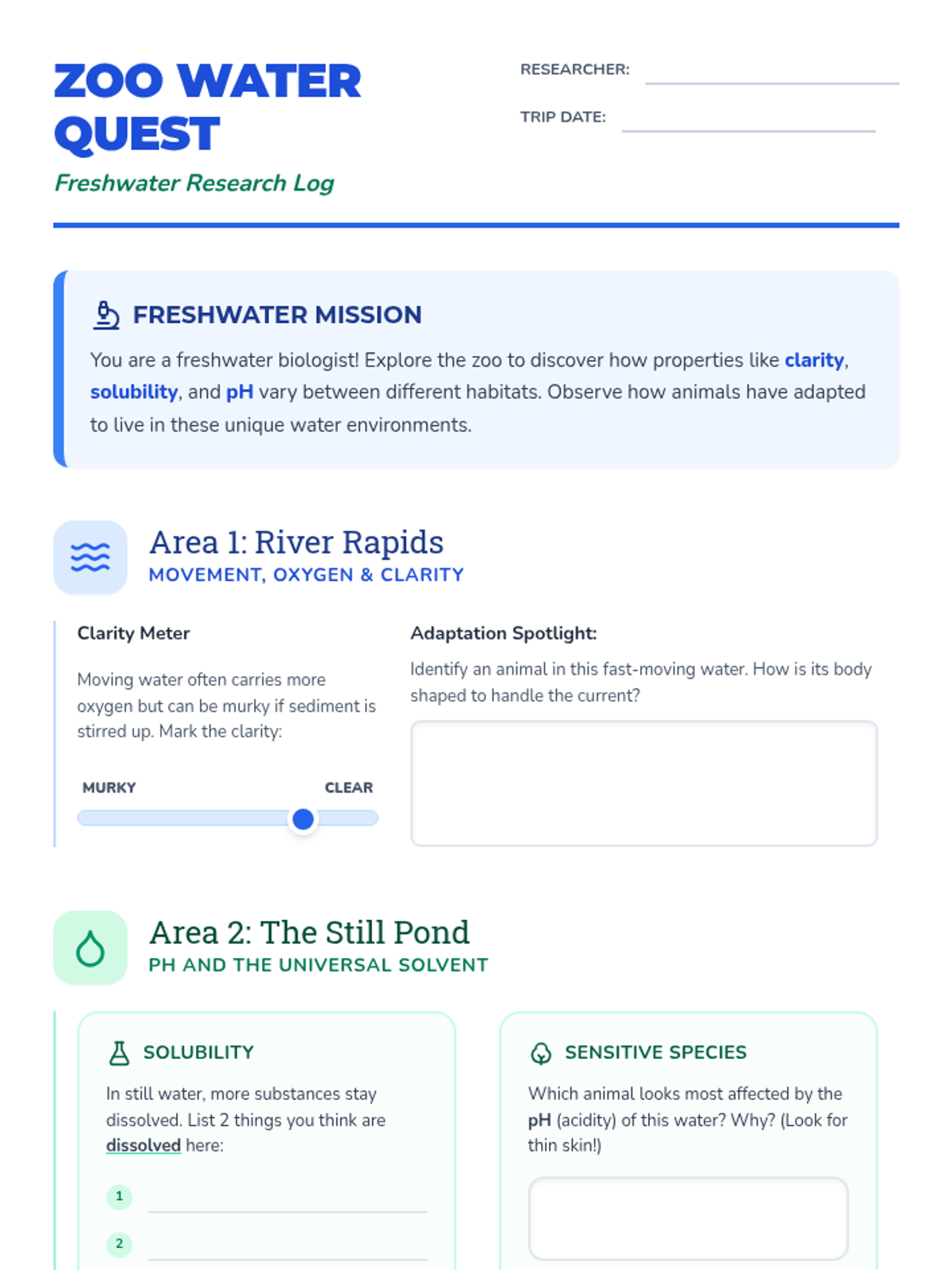
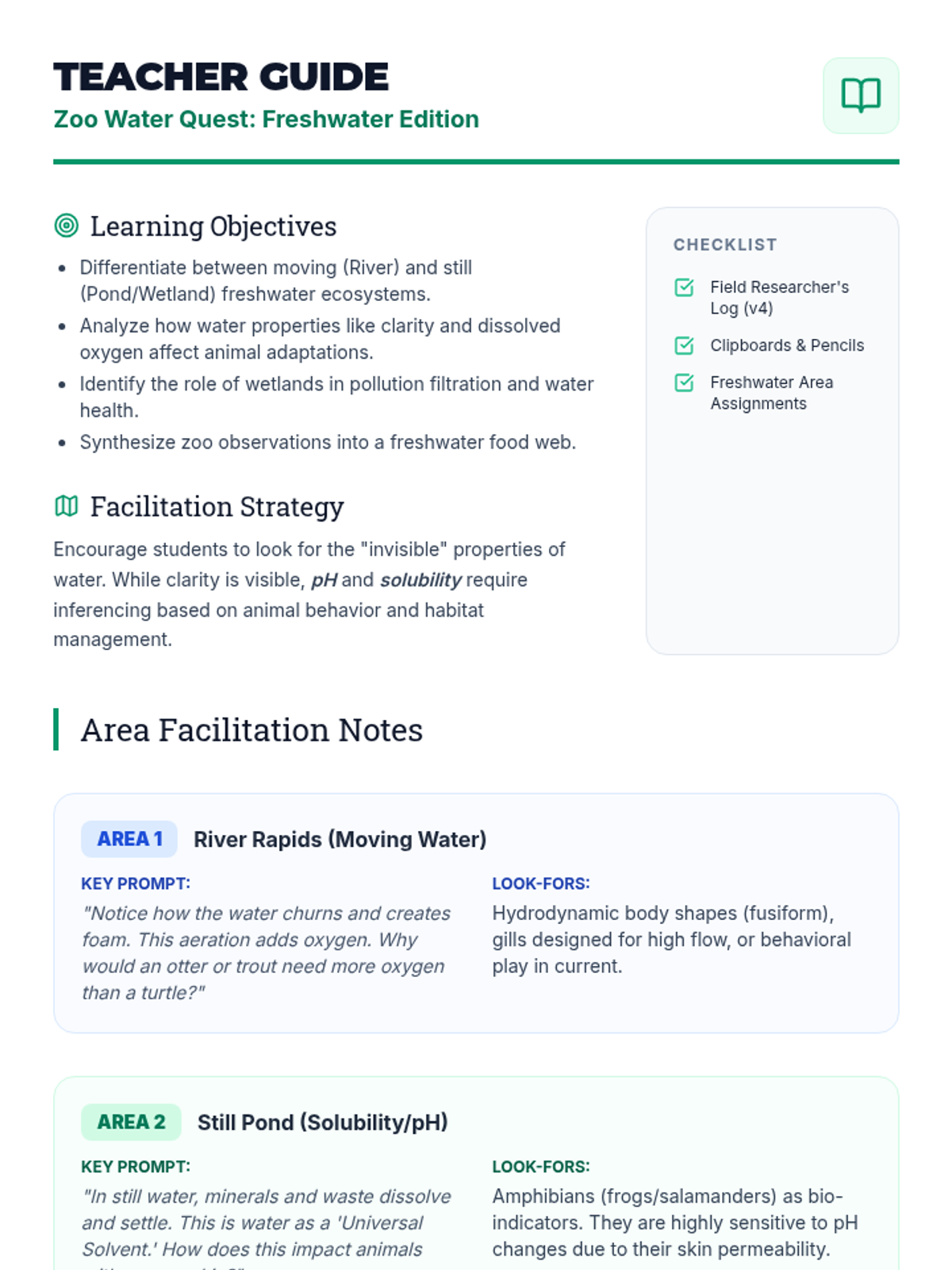
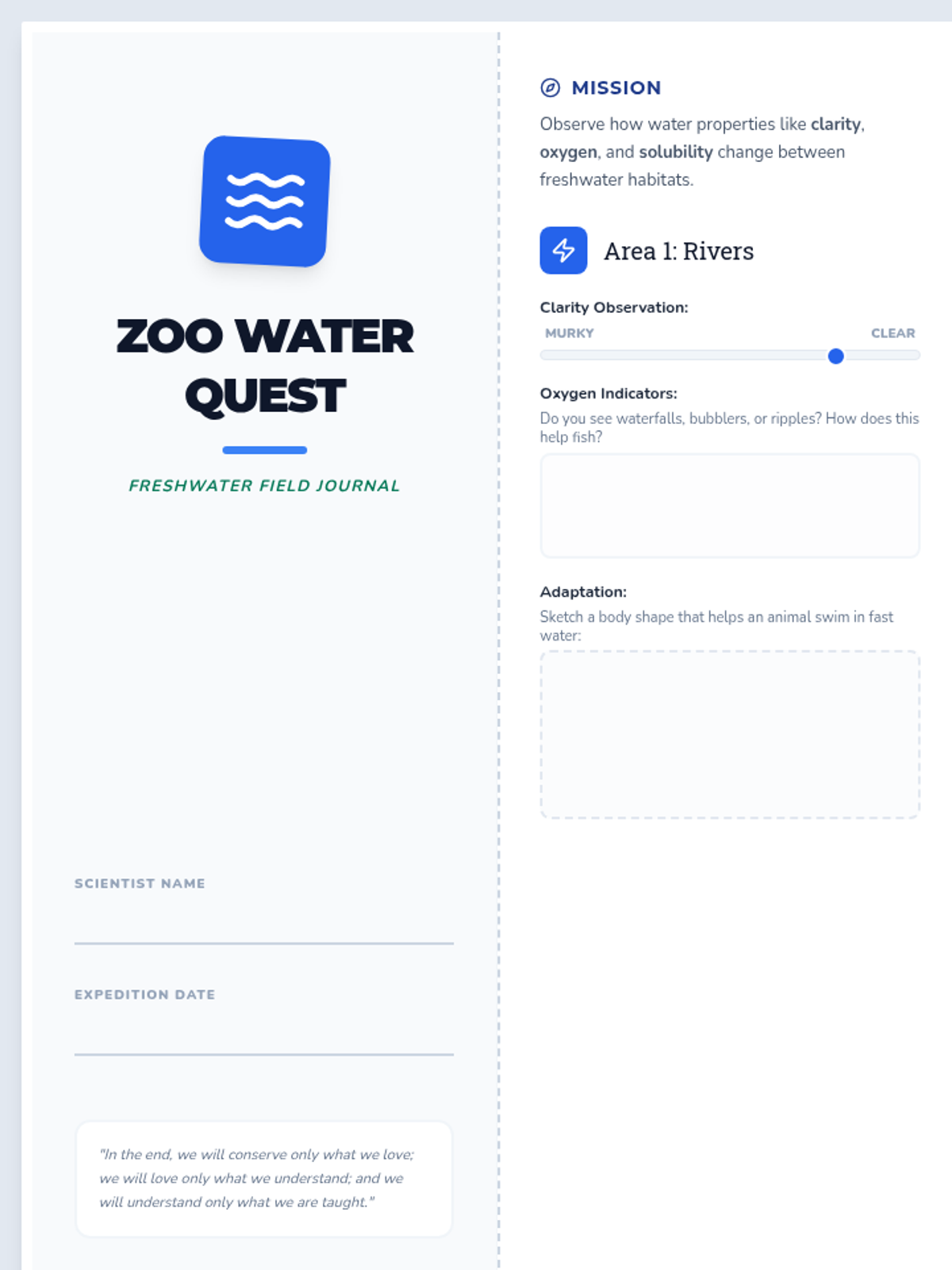
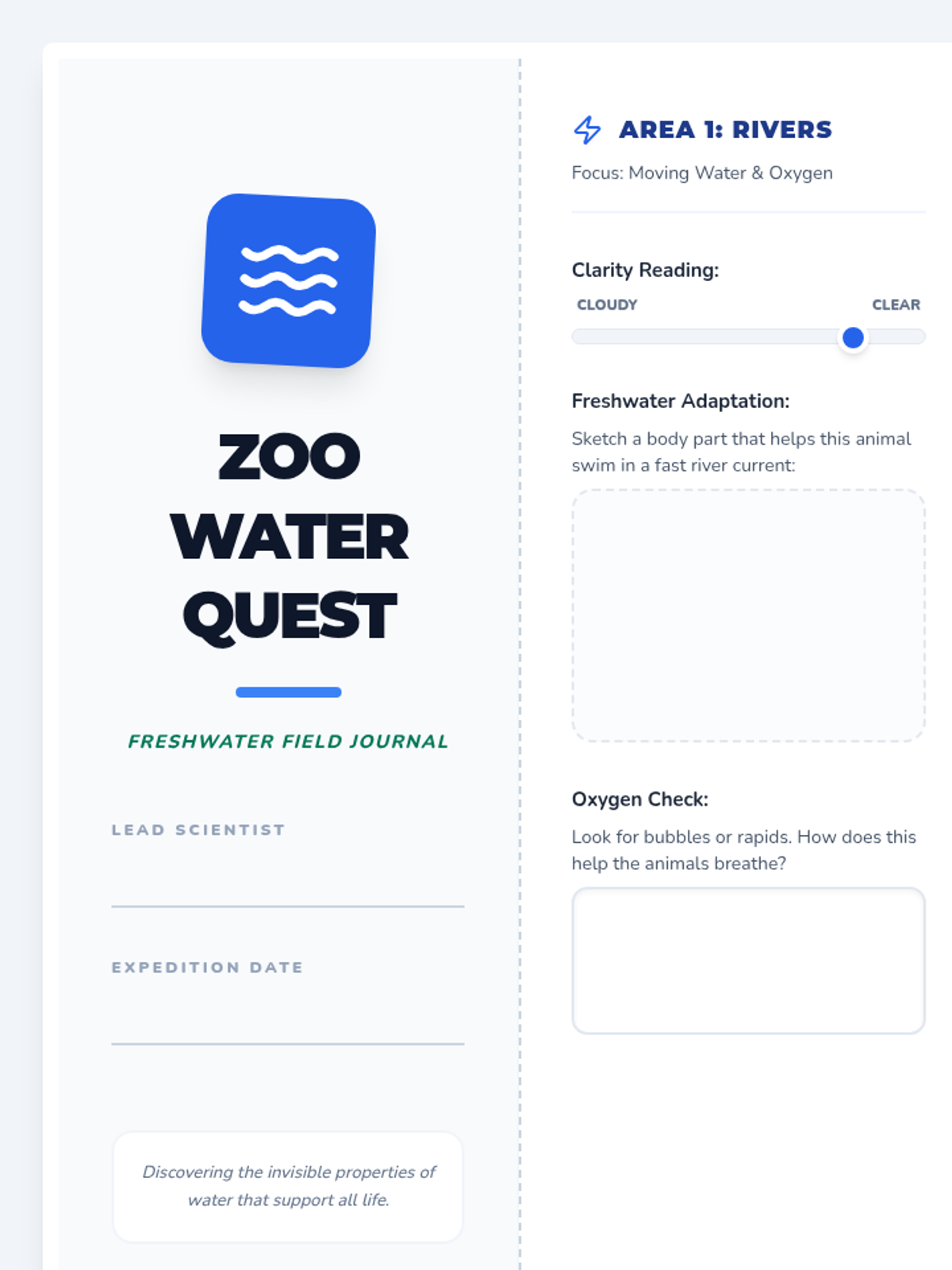
A field-trip-focused lesson where students explore the zoo to observe water properties in action and understand how different ecosystems rely on specific water characteristics and conservation adaptations.
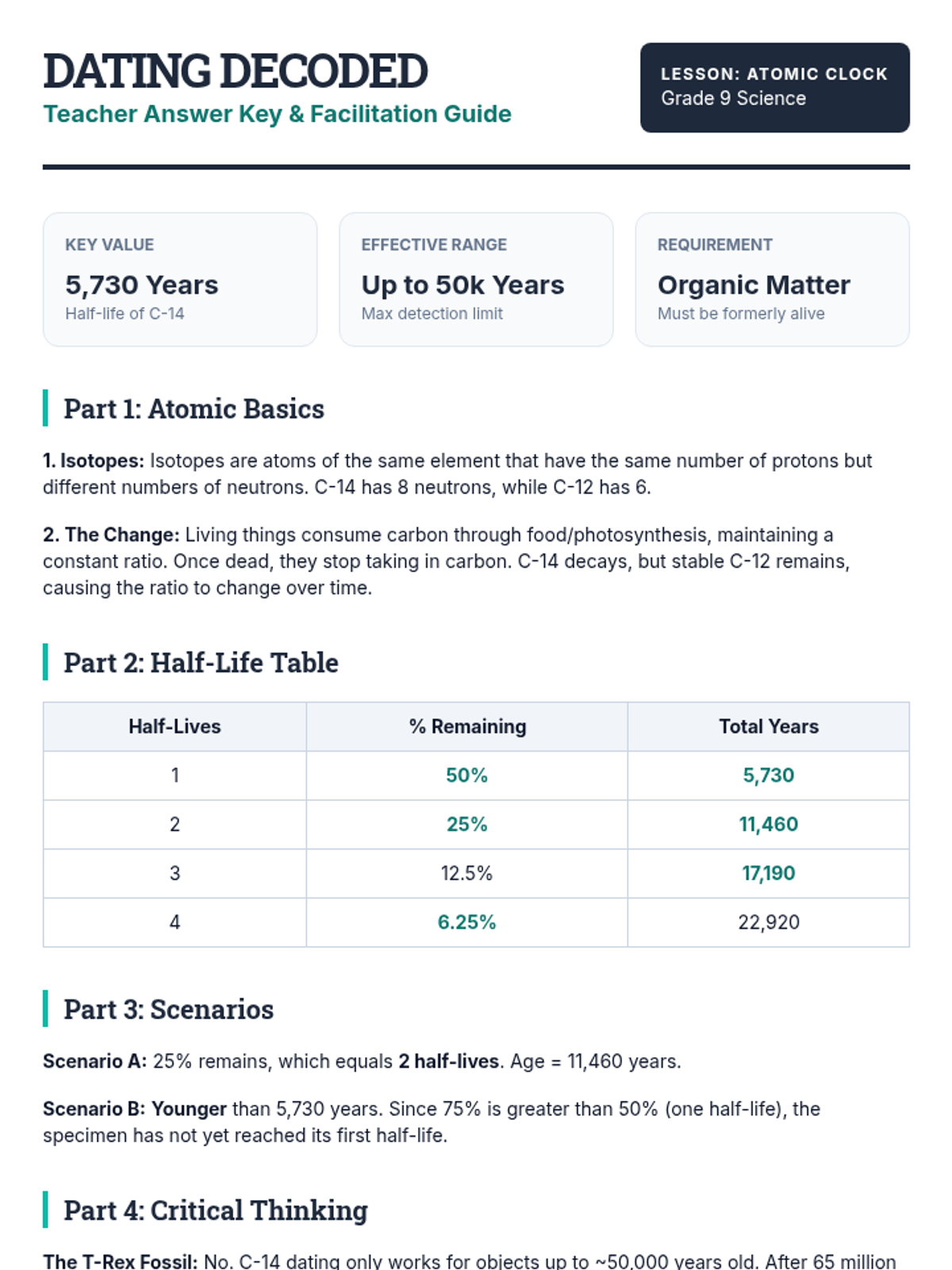
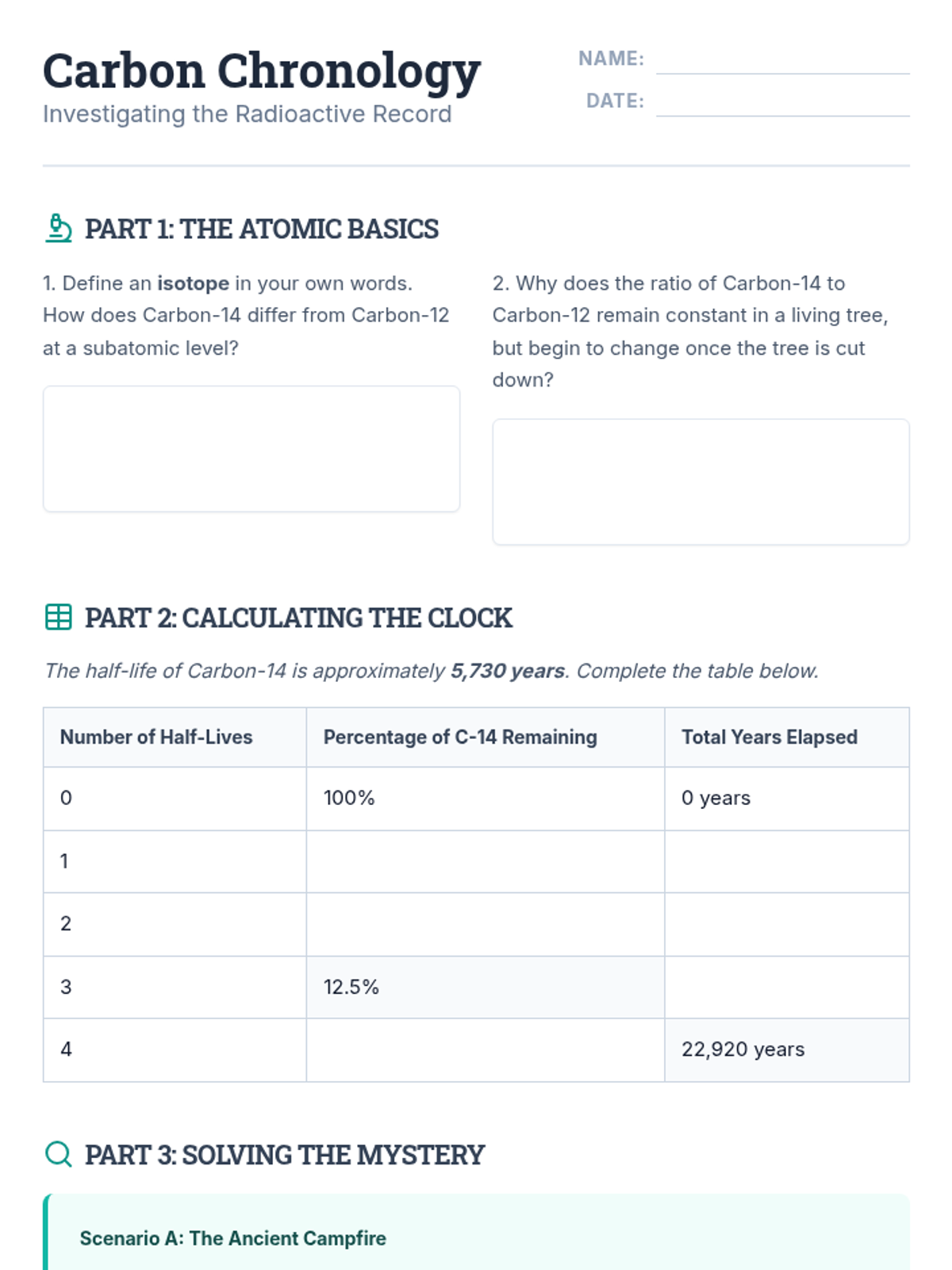
An introductory lesson on Carbon-14 dating for 9th-grade science, covering isotopes, radioactive decay, and calculating the age of organic remains.
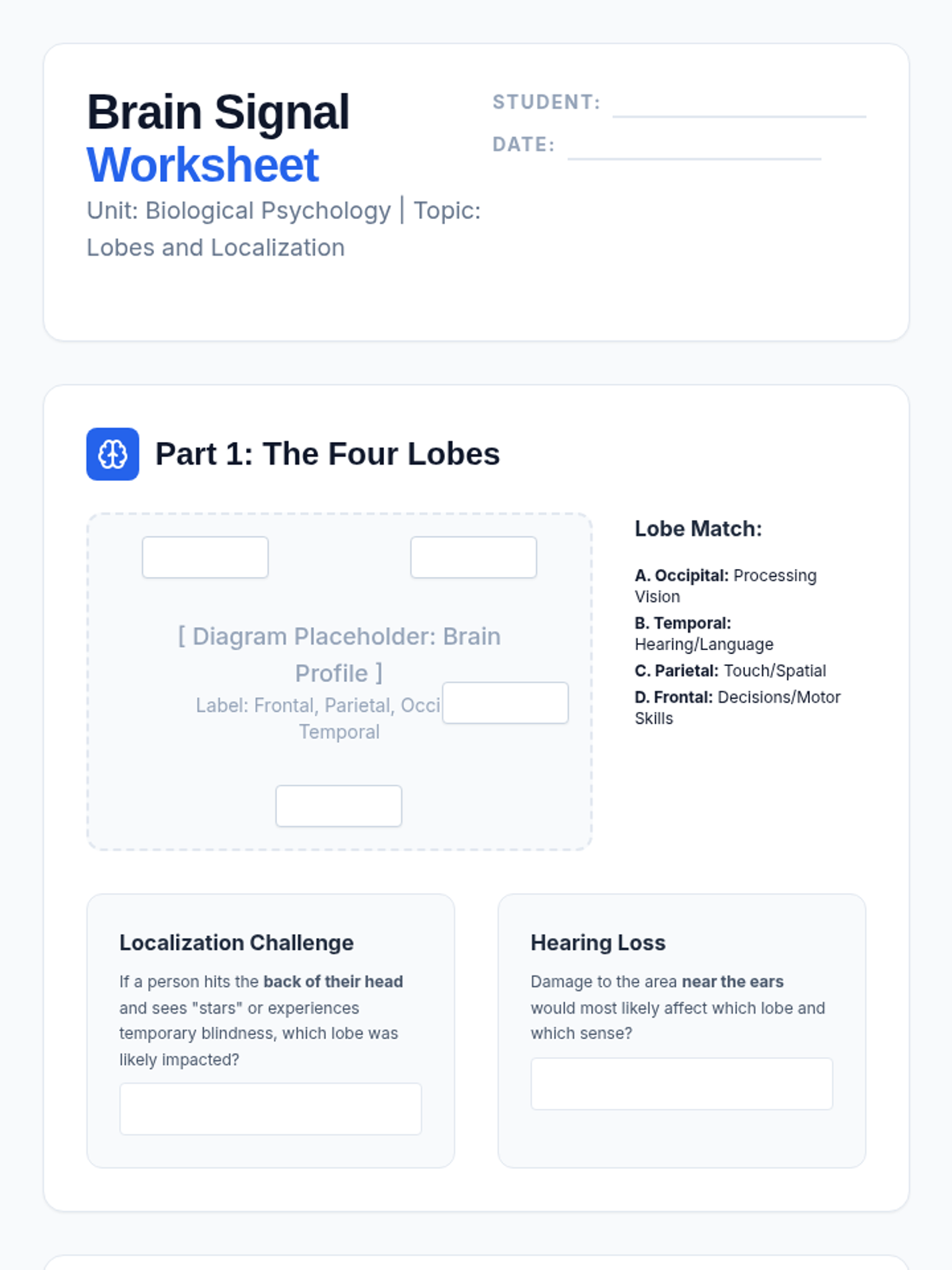
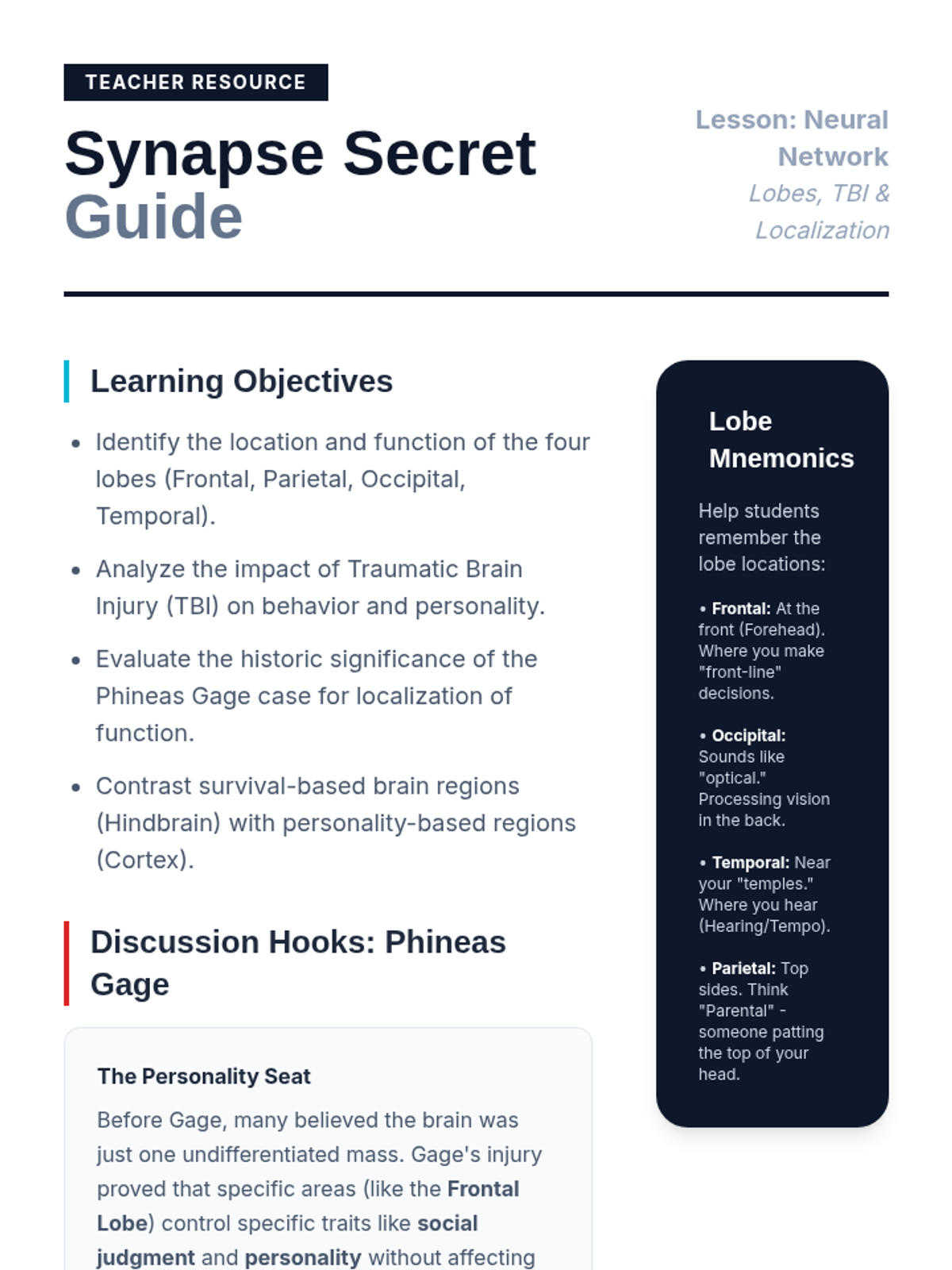
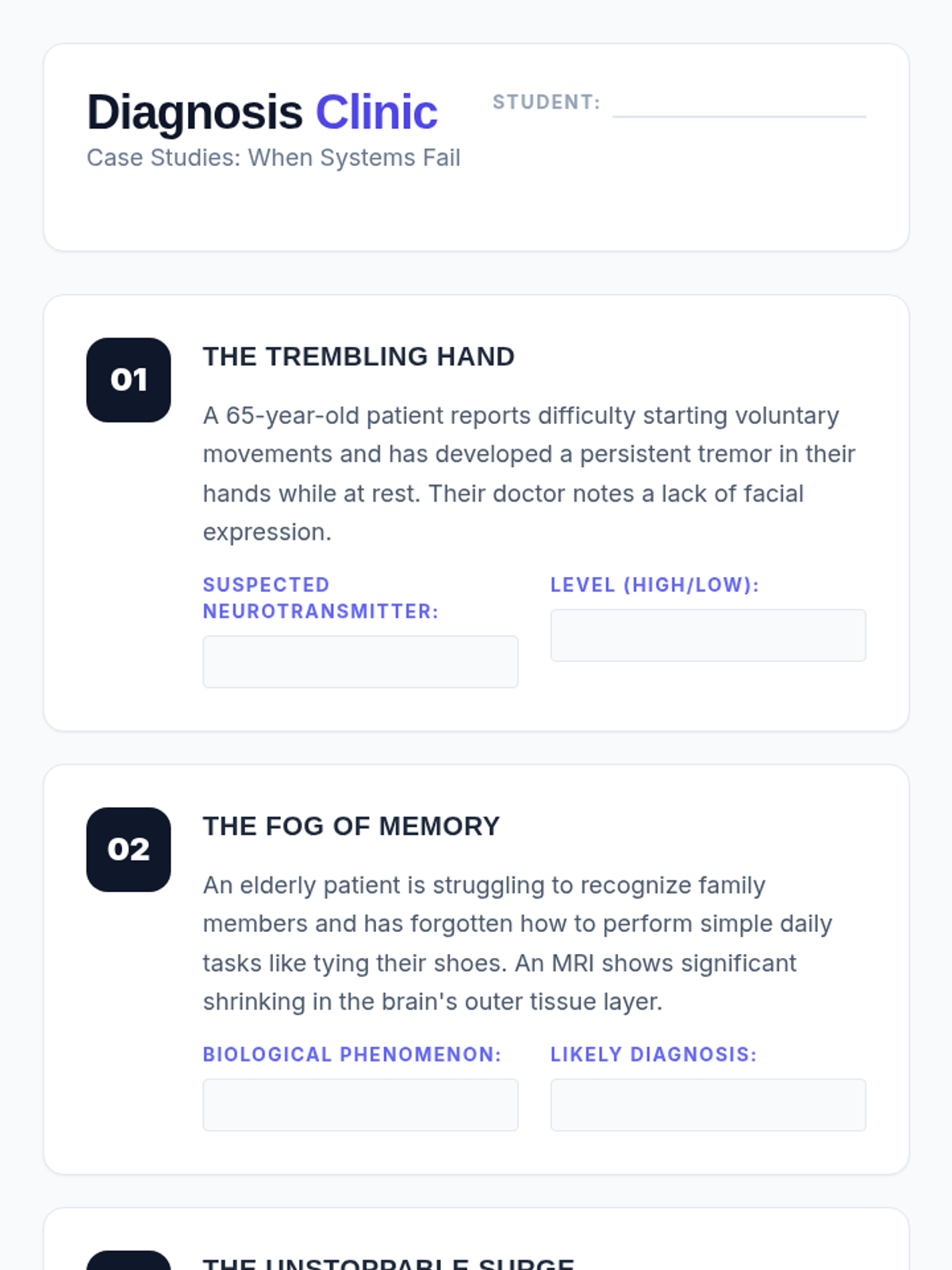
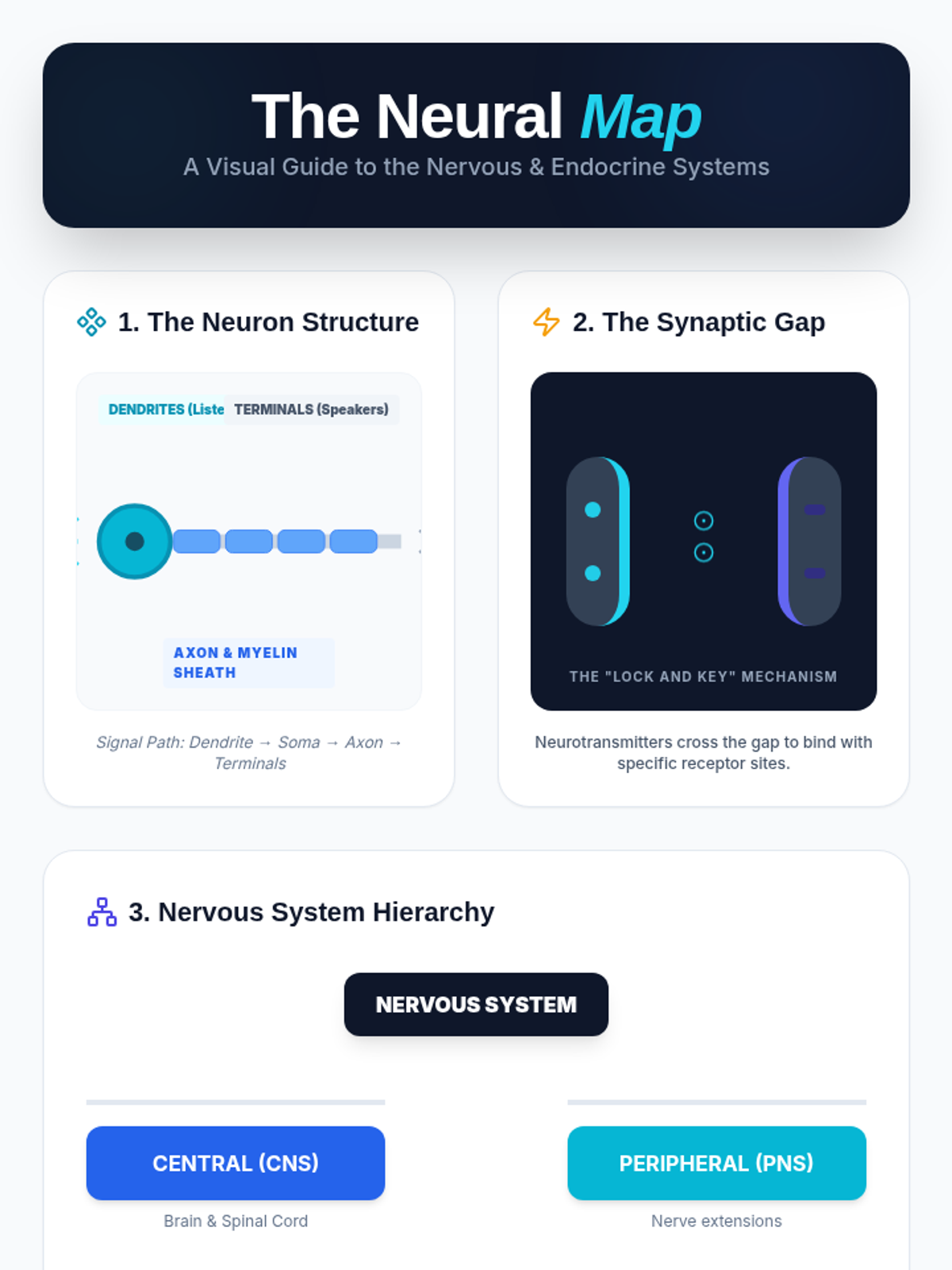
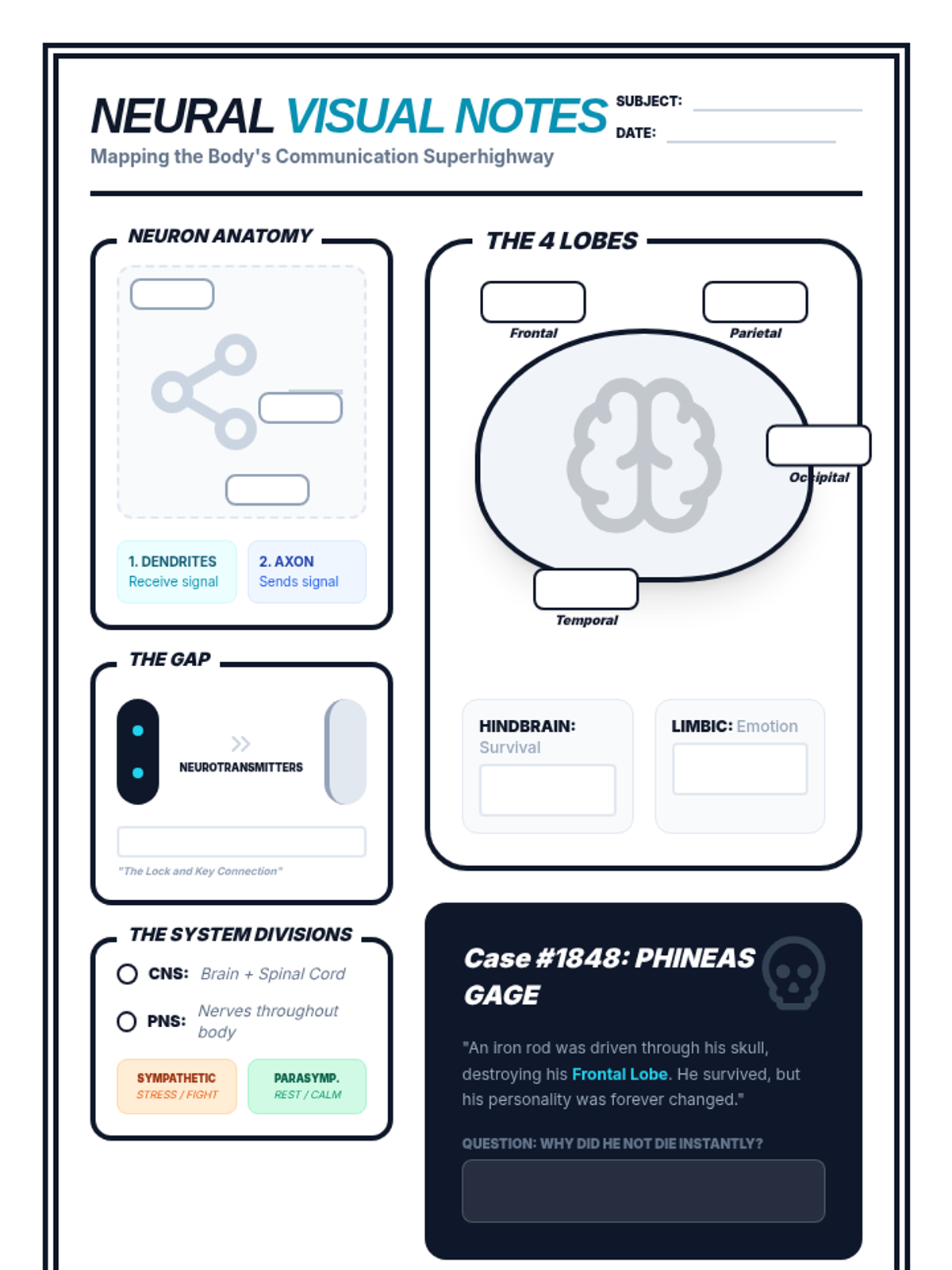
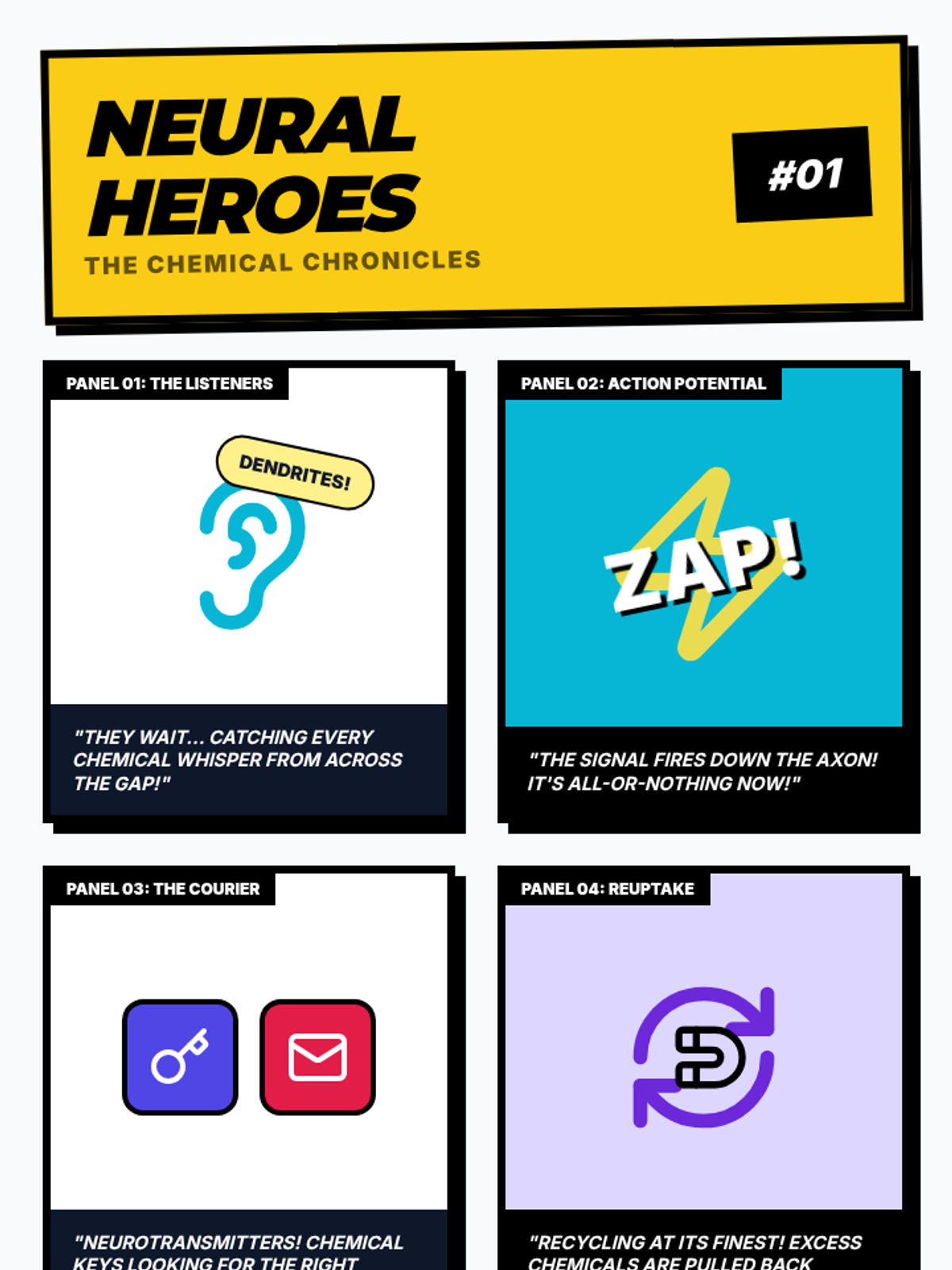
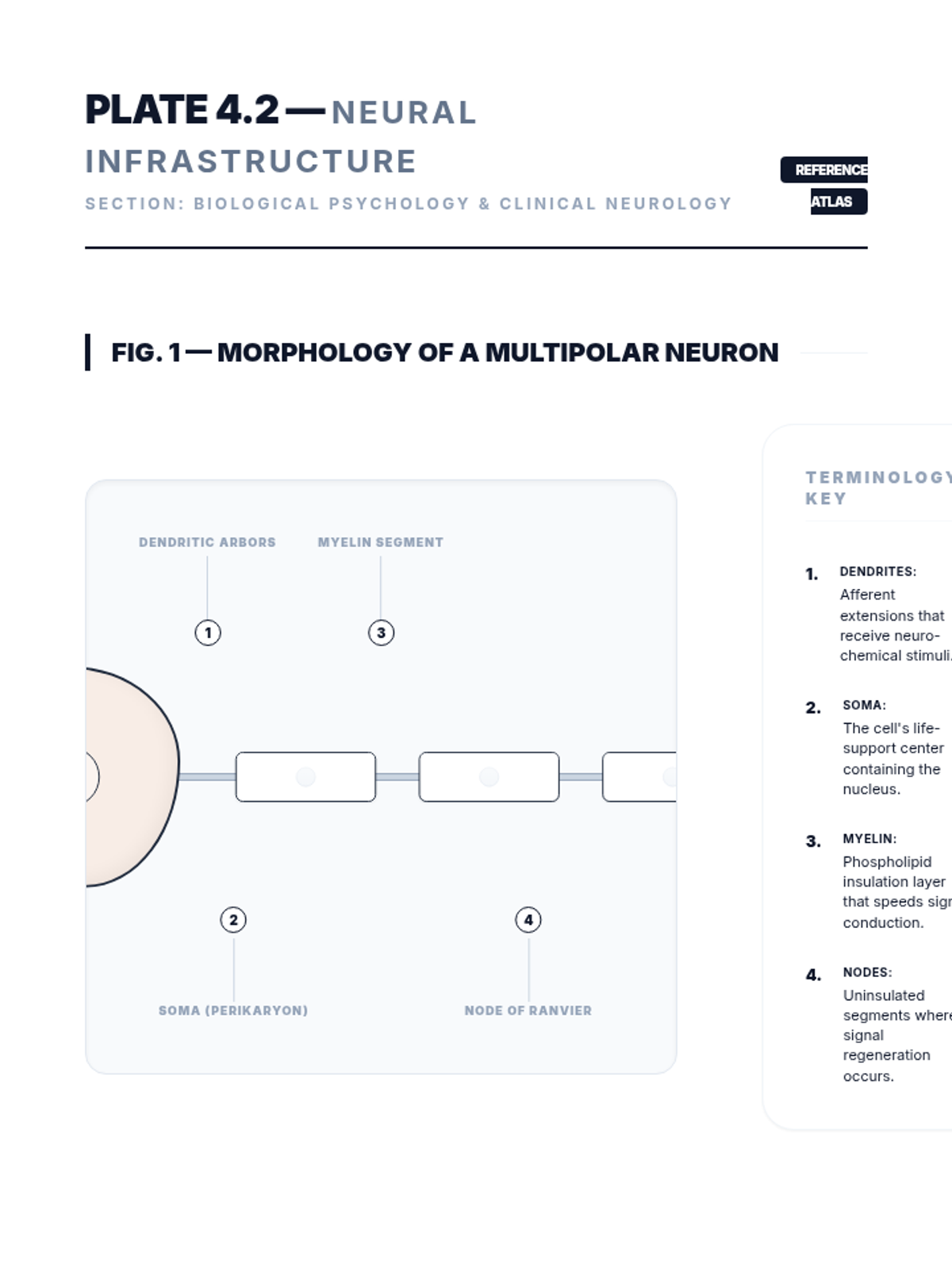
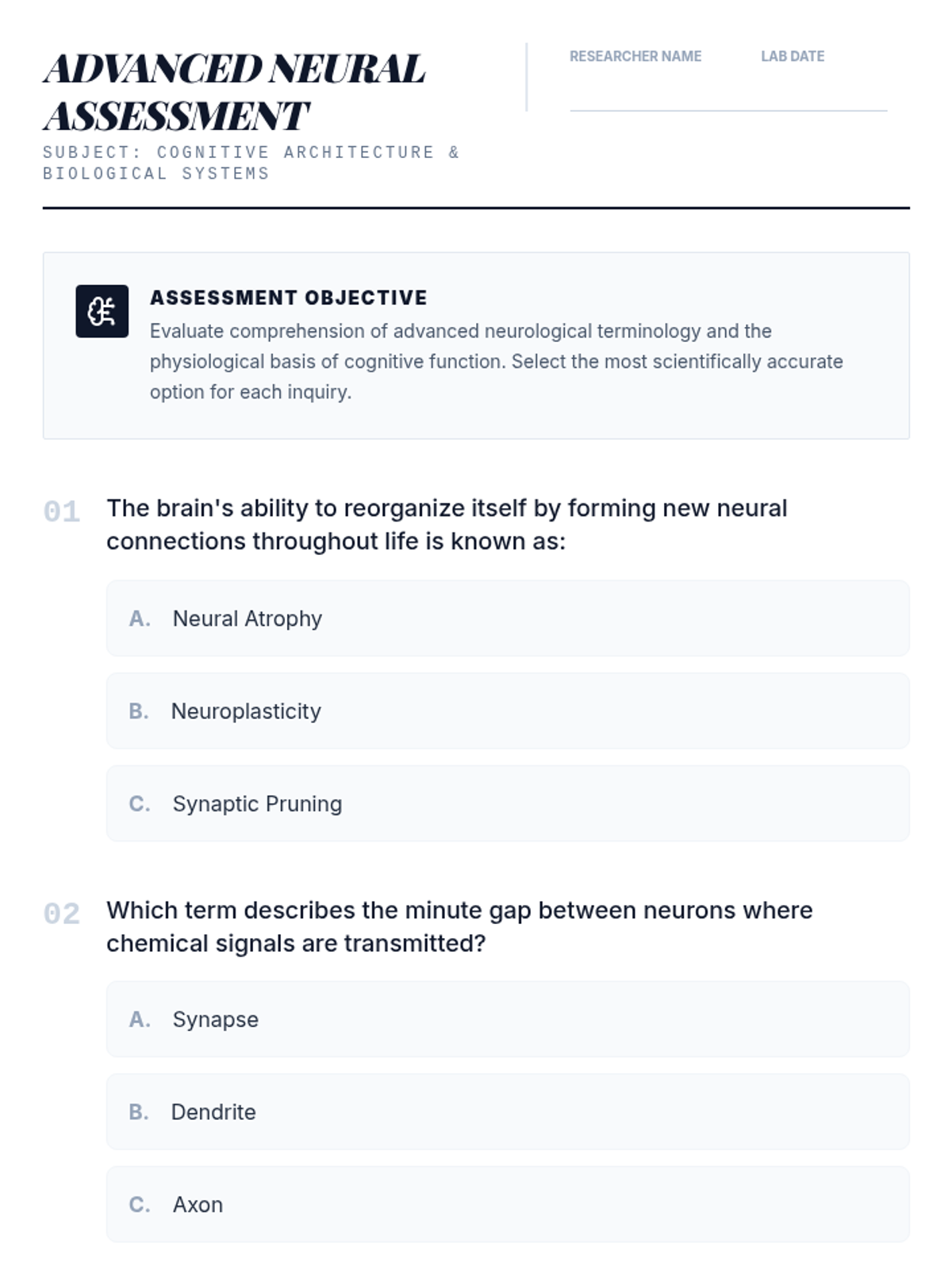
An exploration of the nervous system's building blocks, focusing on neuron structure, the synaptic gap, and the chemical messengers that drive human behavior and sensation.
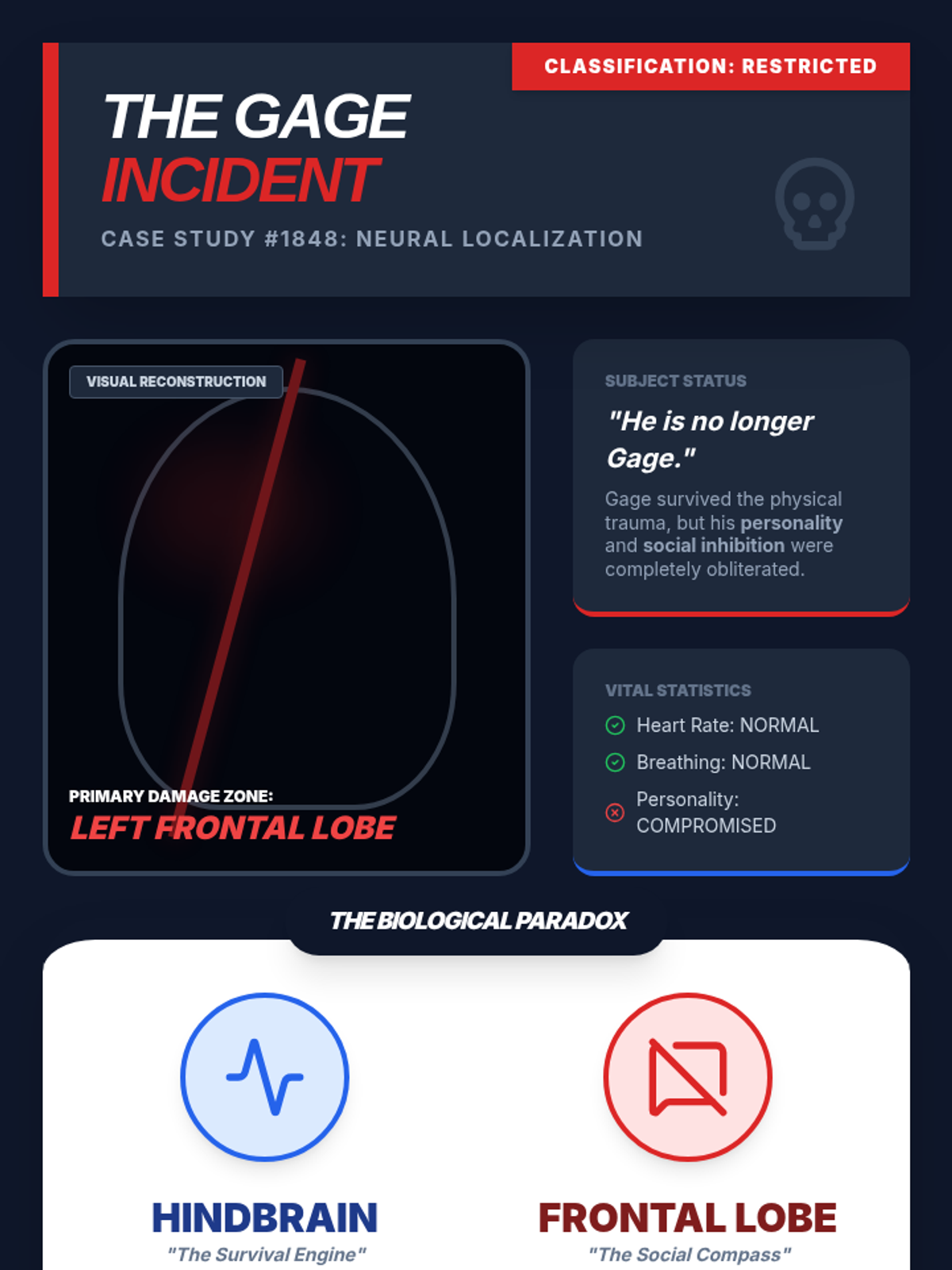
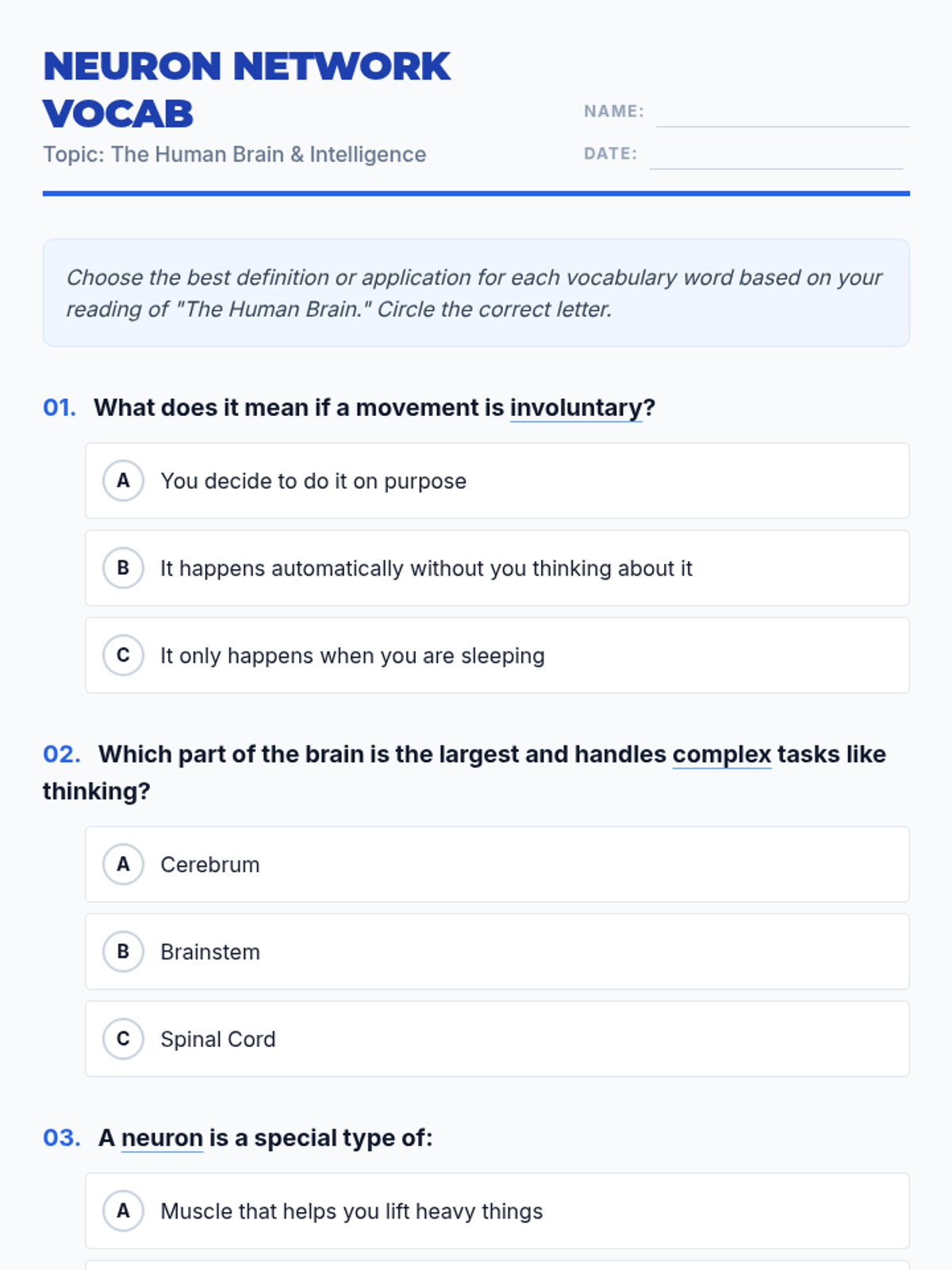
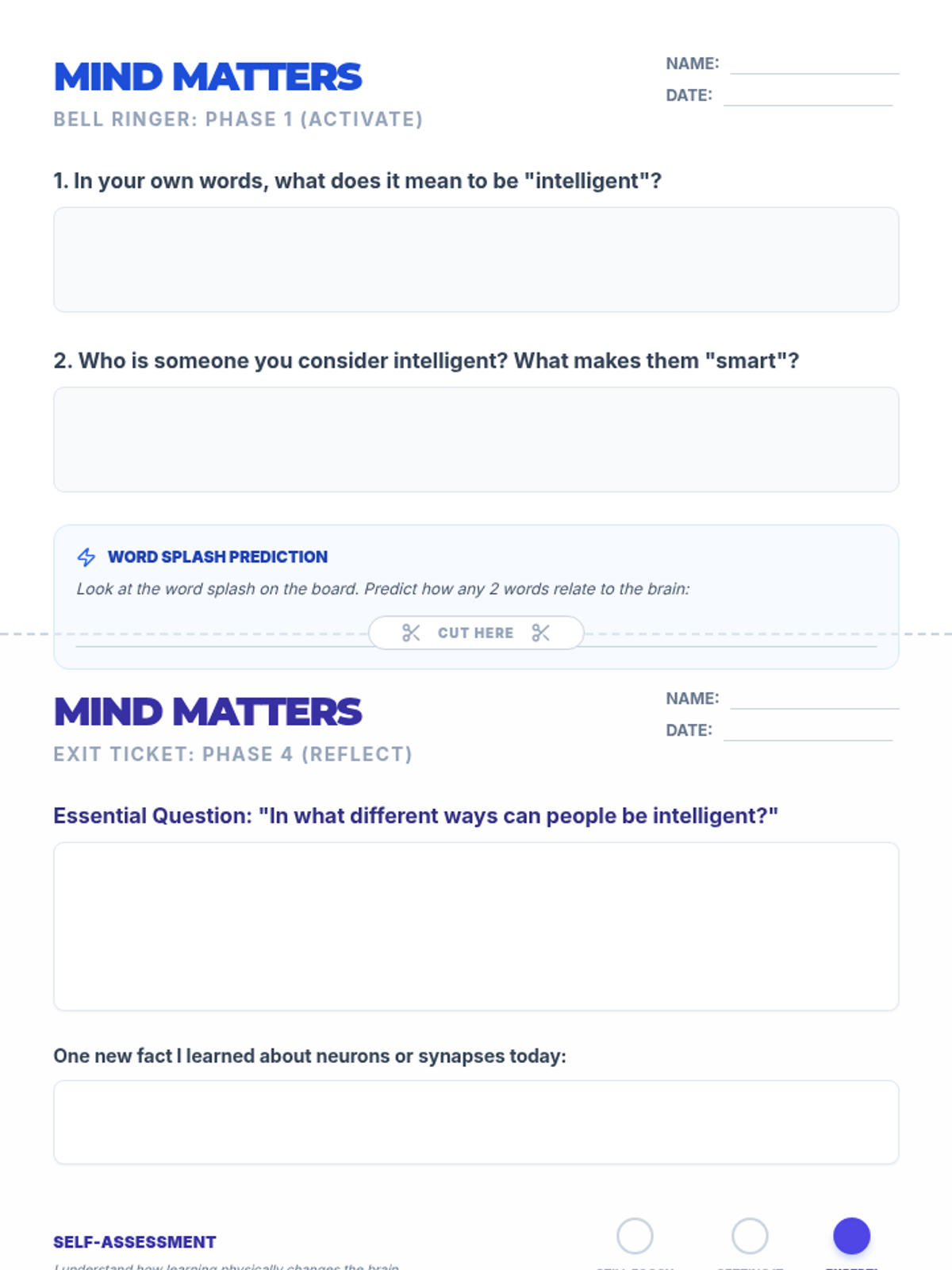
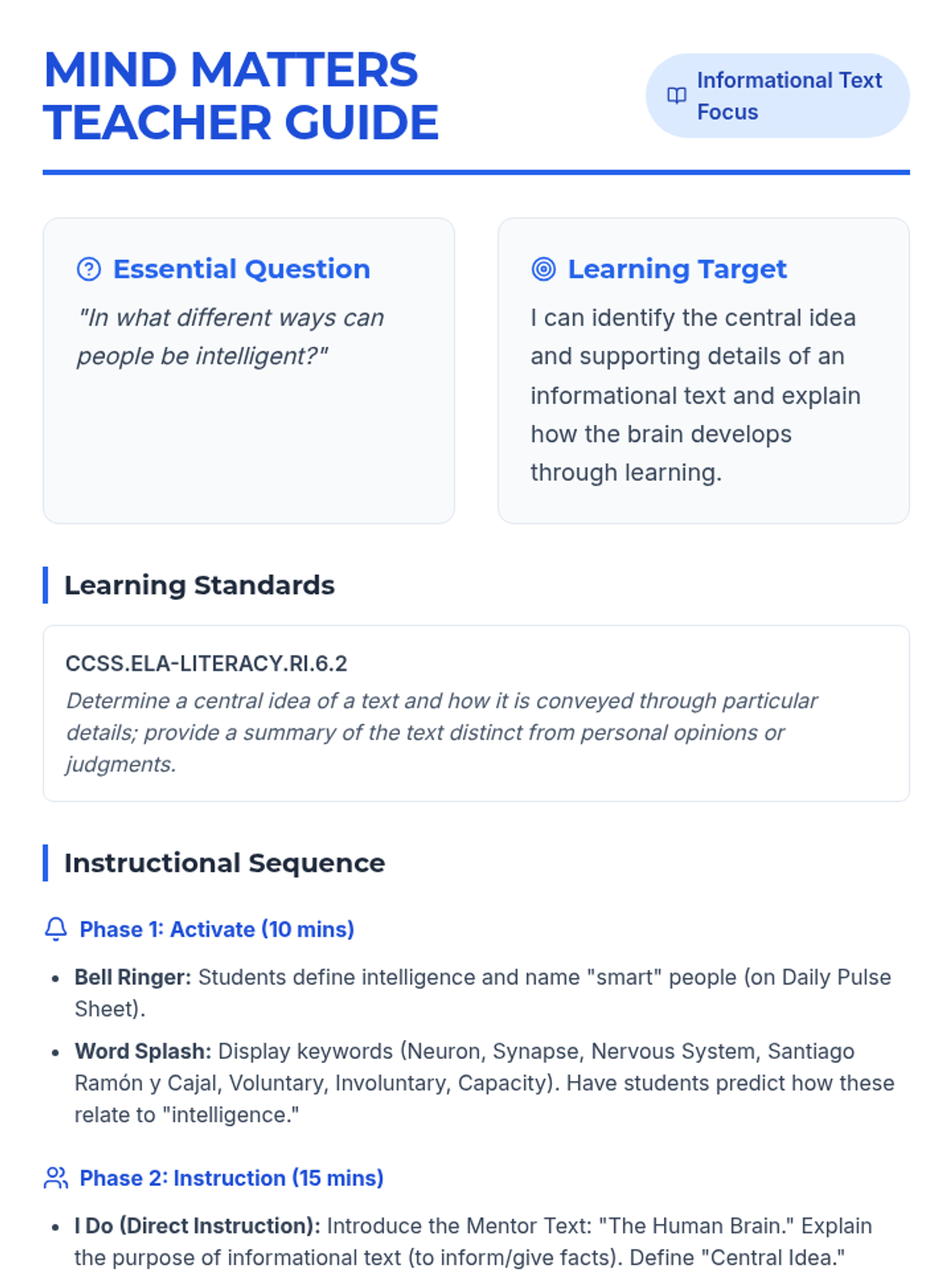
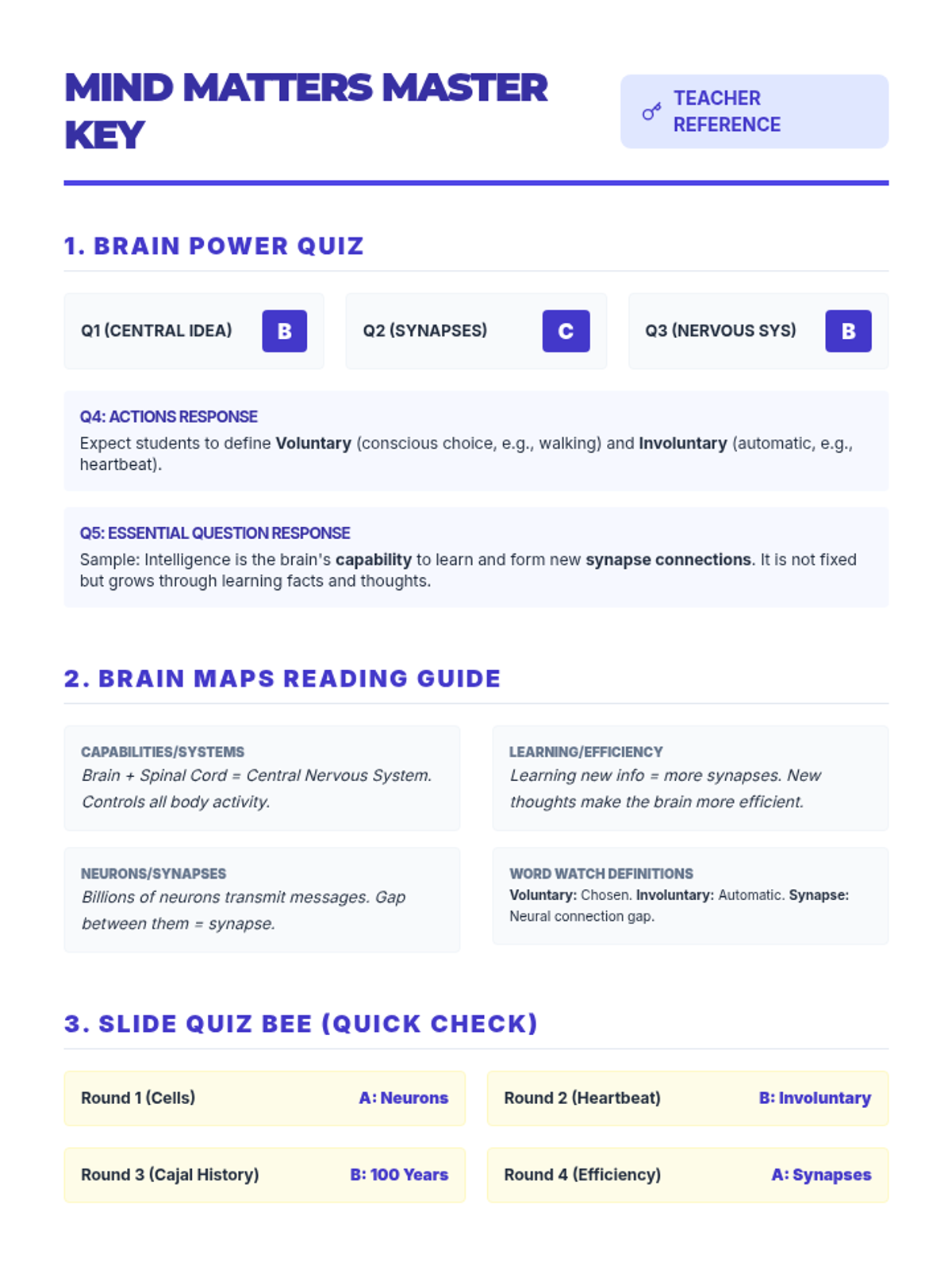
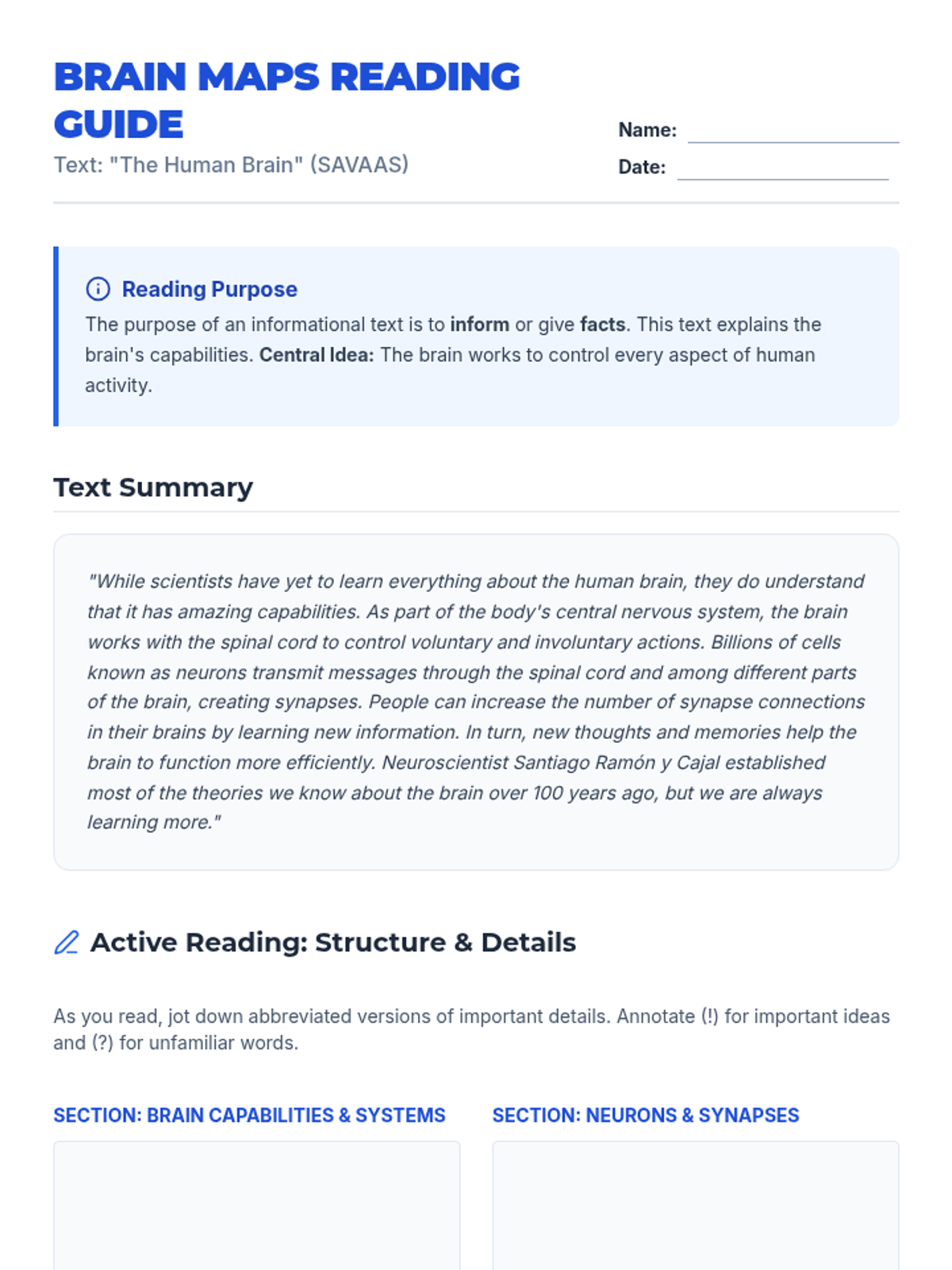
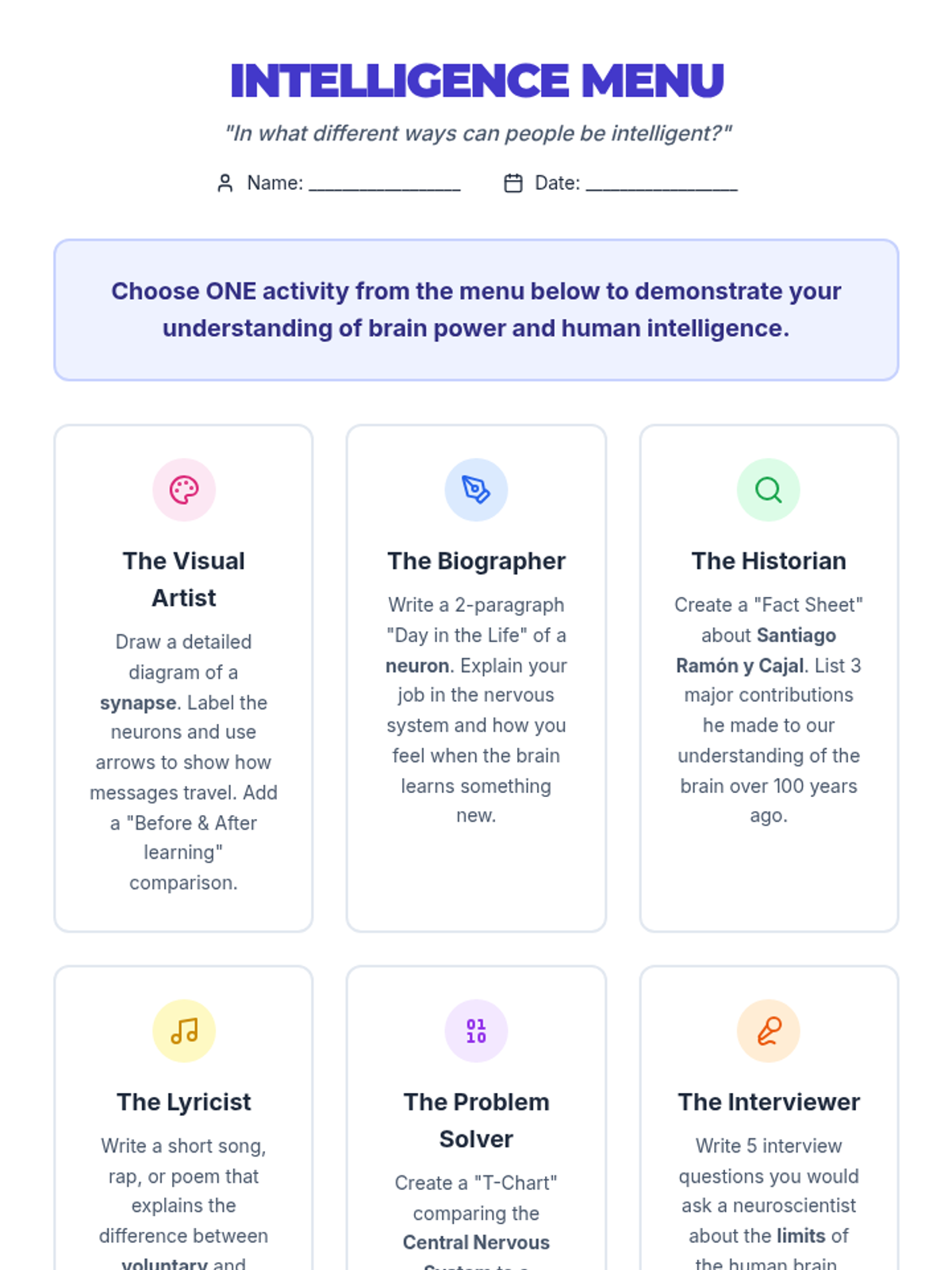
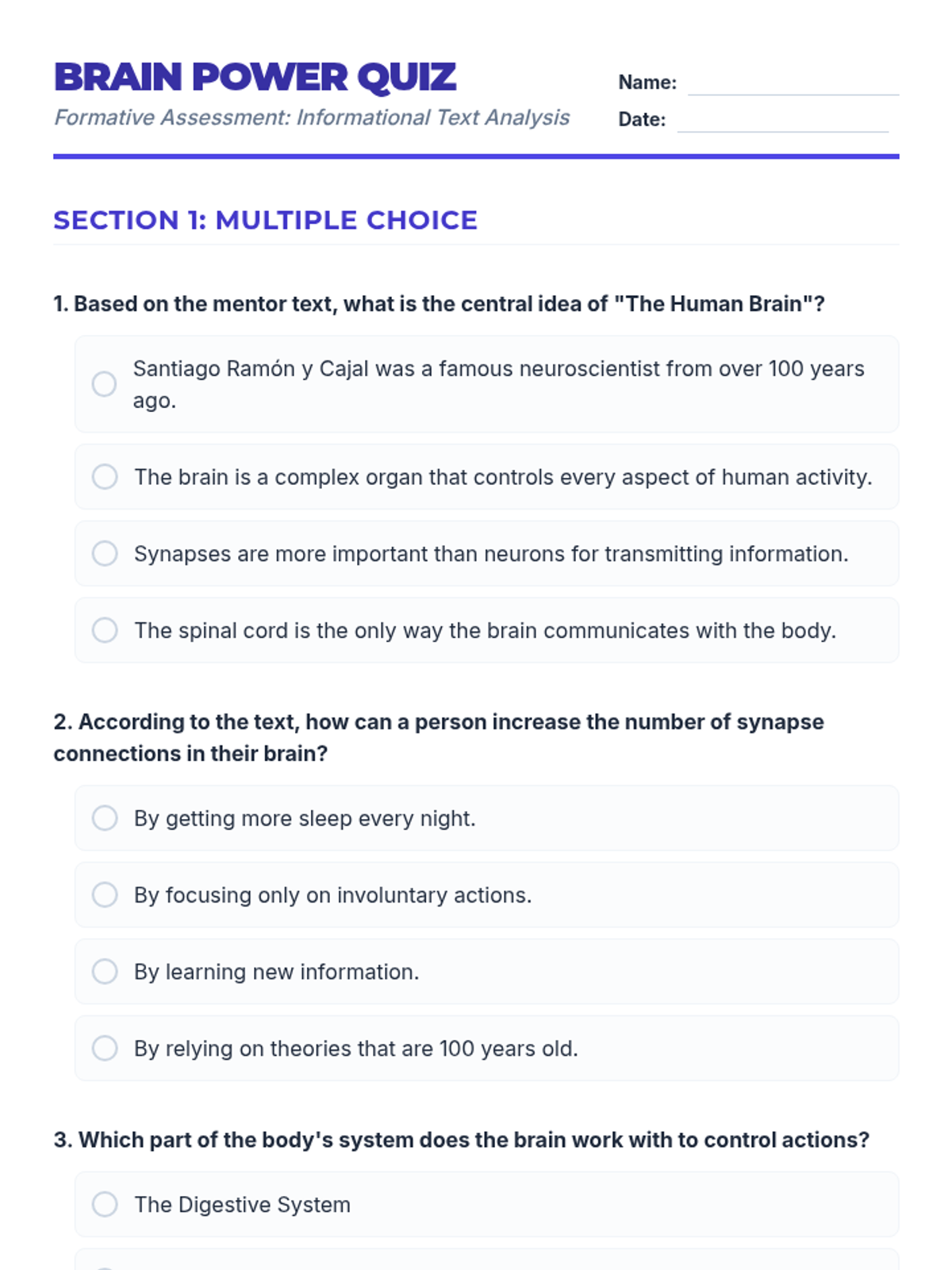
A comprehensive lesson exploring the human brain's capabilities and the nature of intelligence, featuring an informational text analysis and a multiple intelligences choice board.
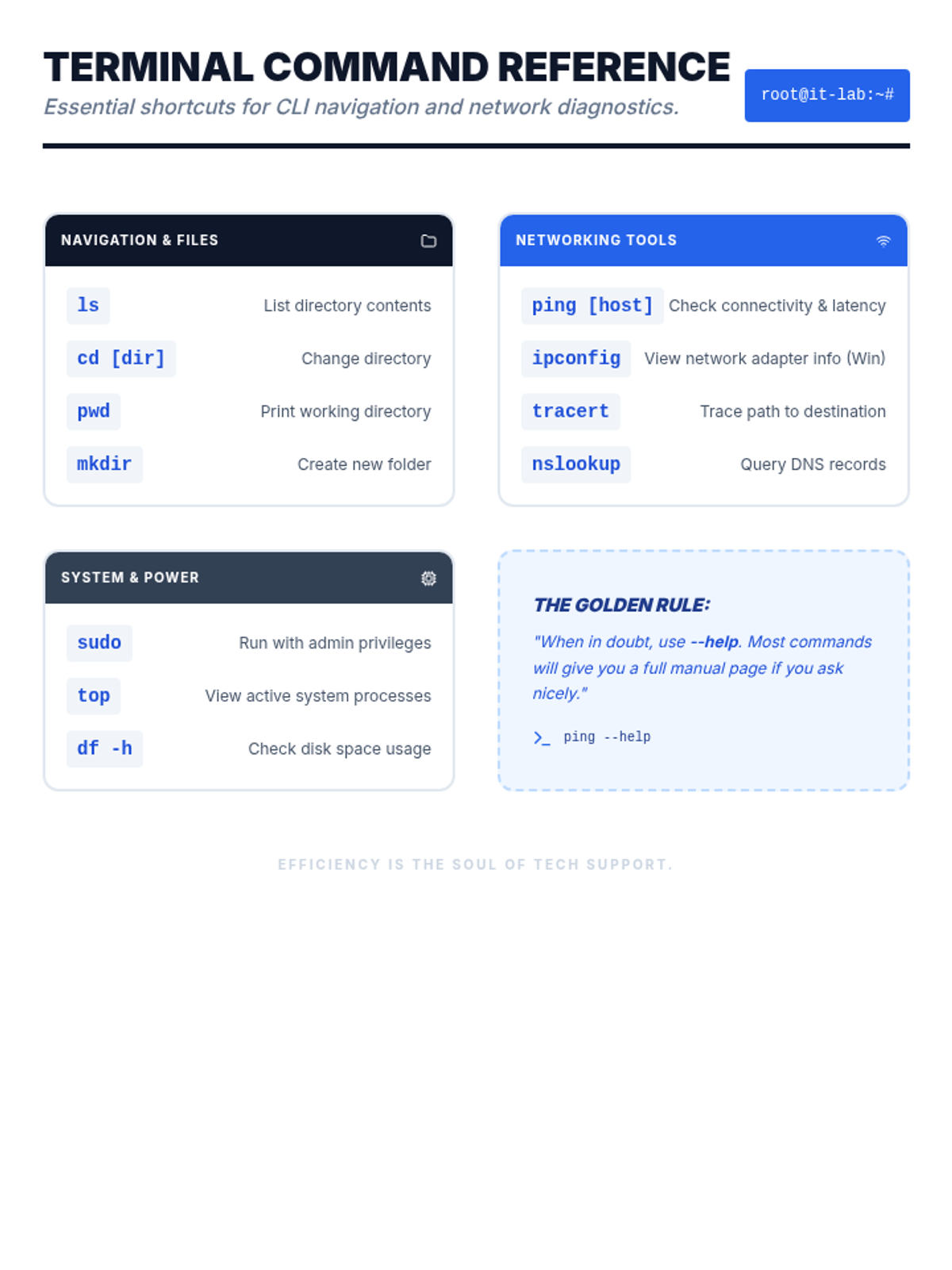
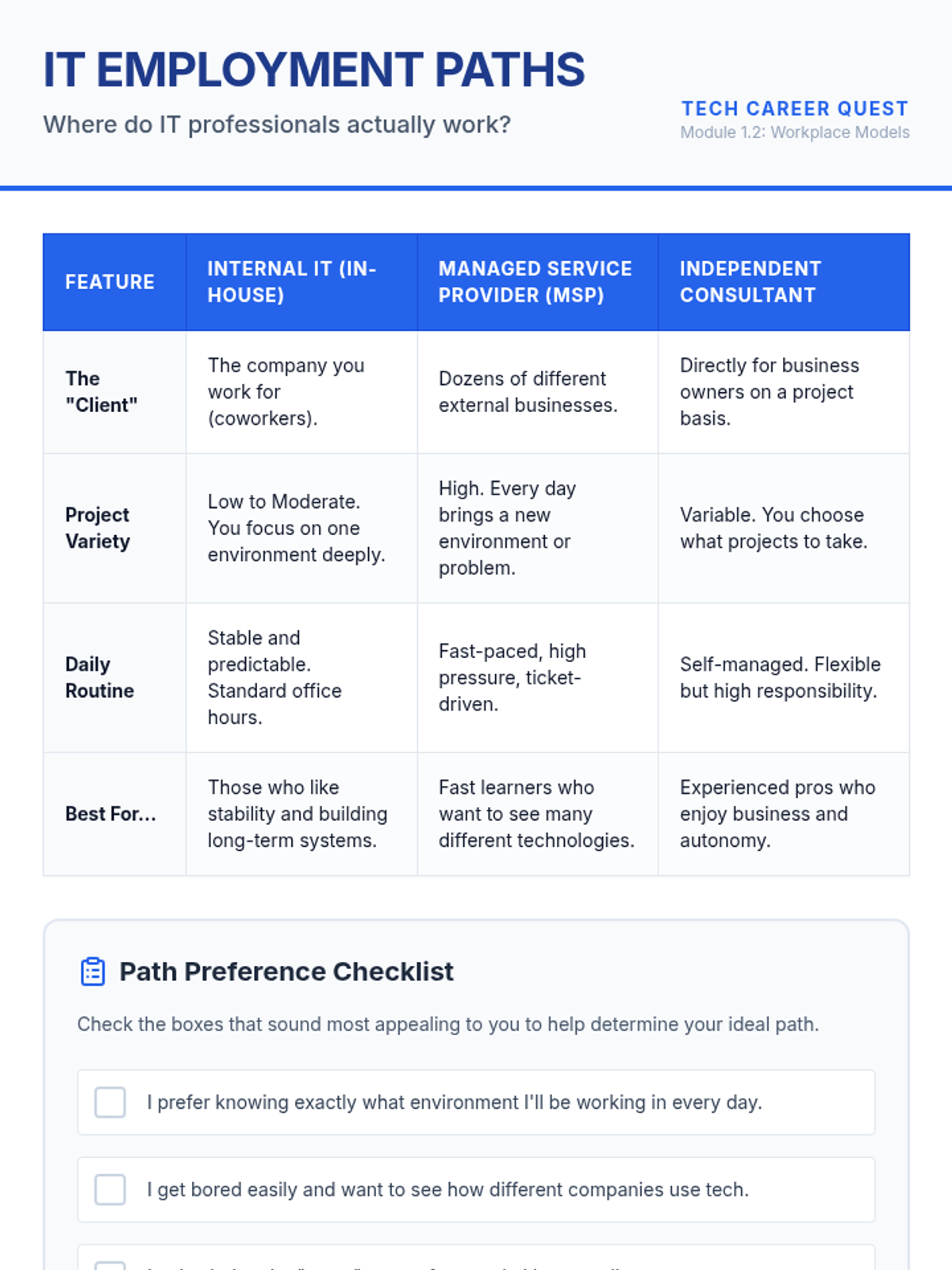
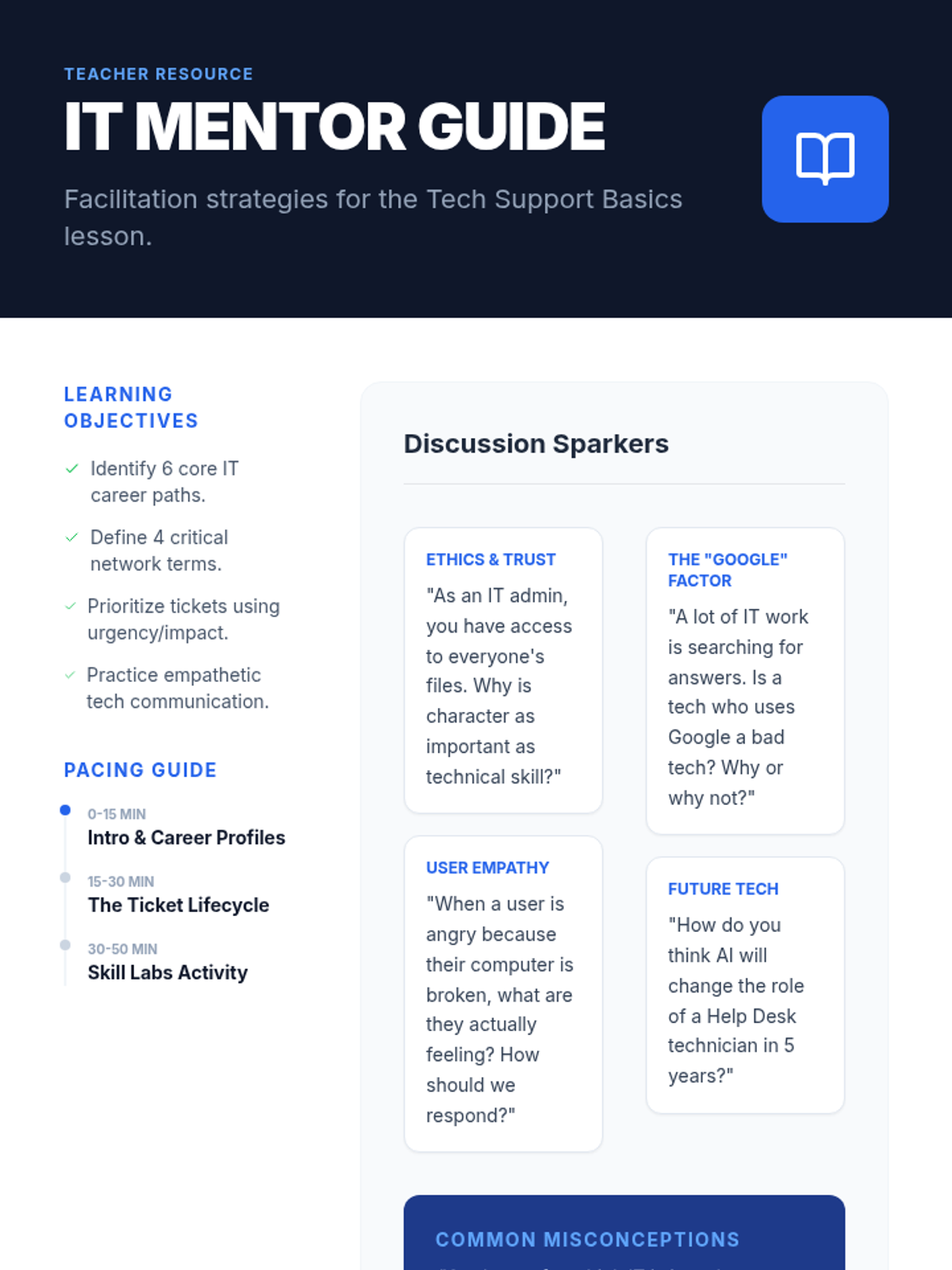
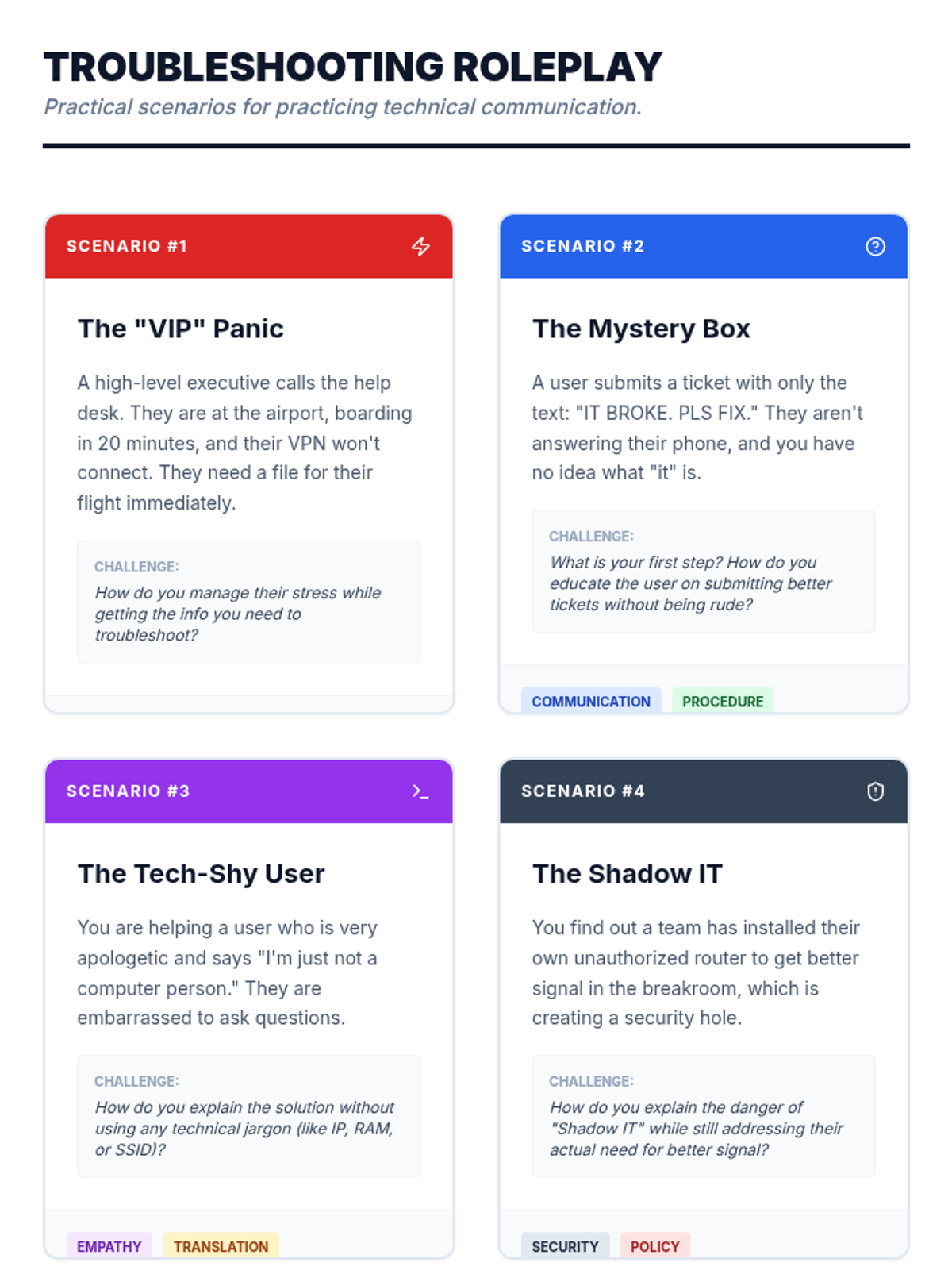
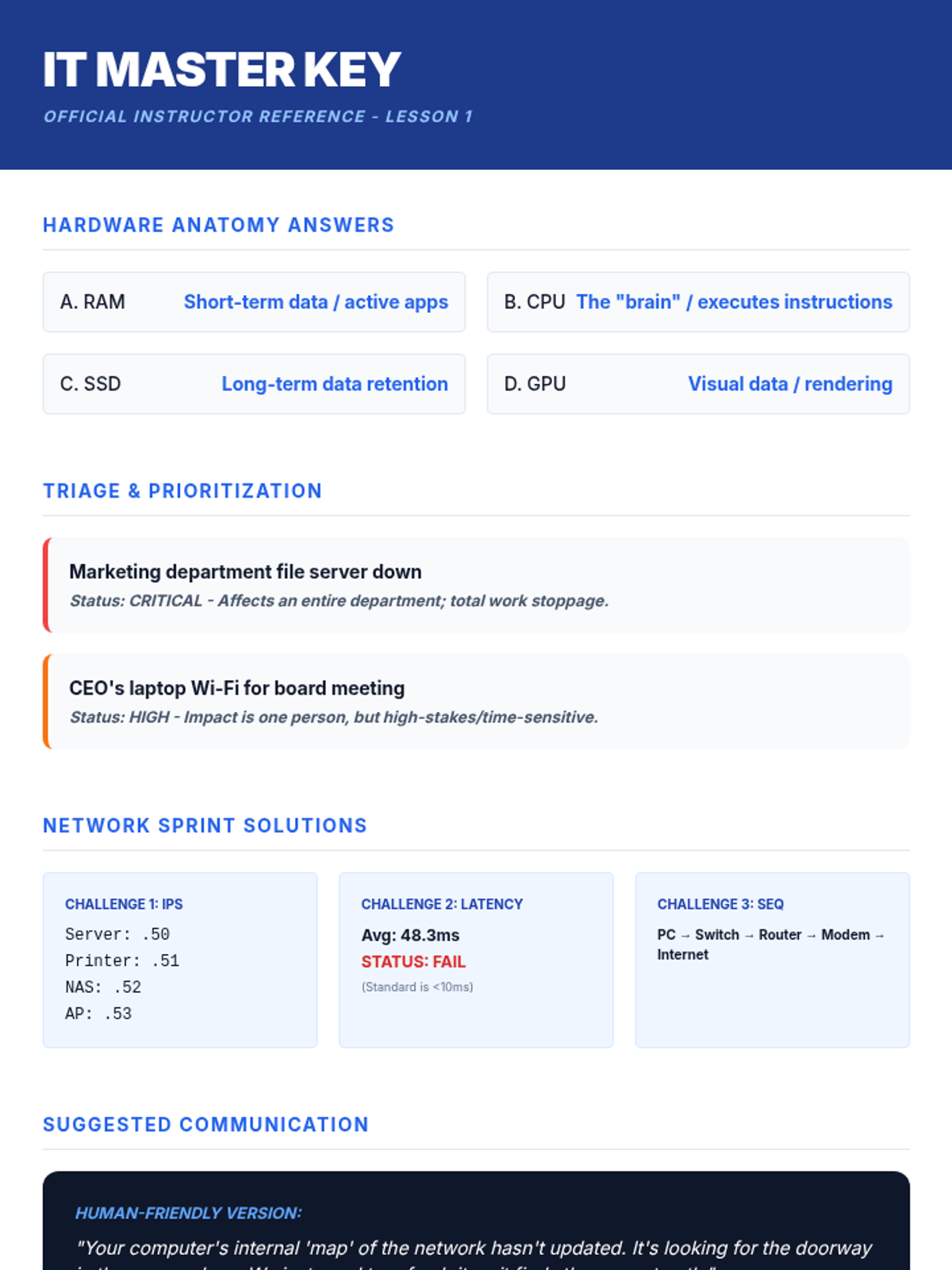
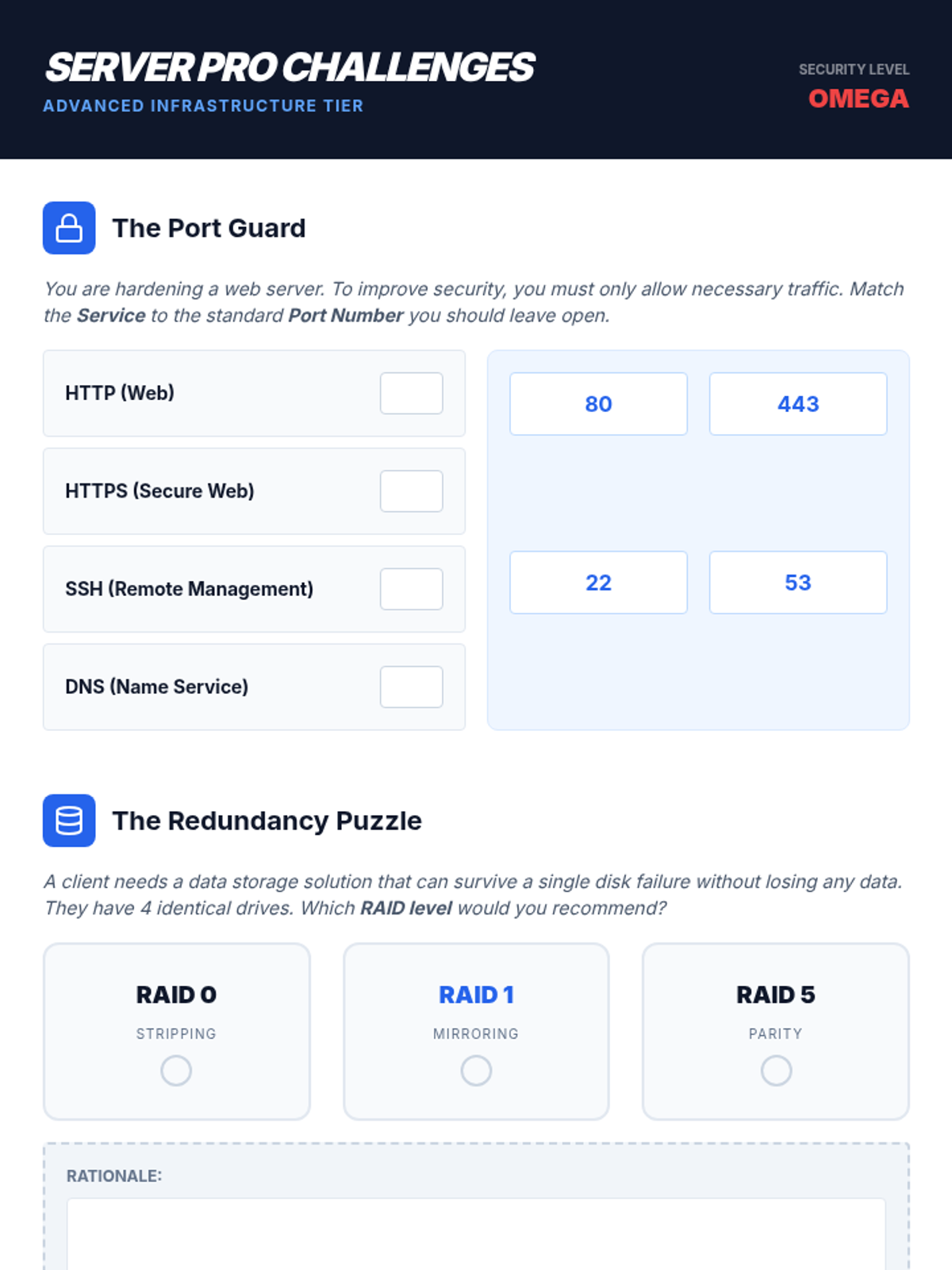
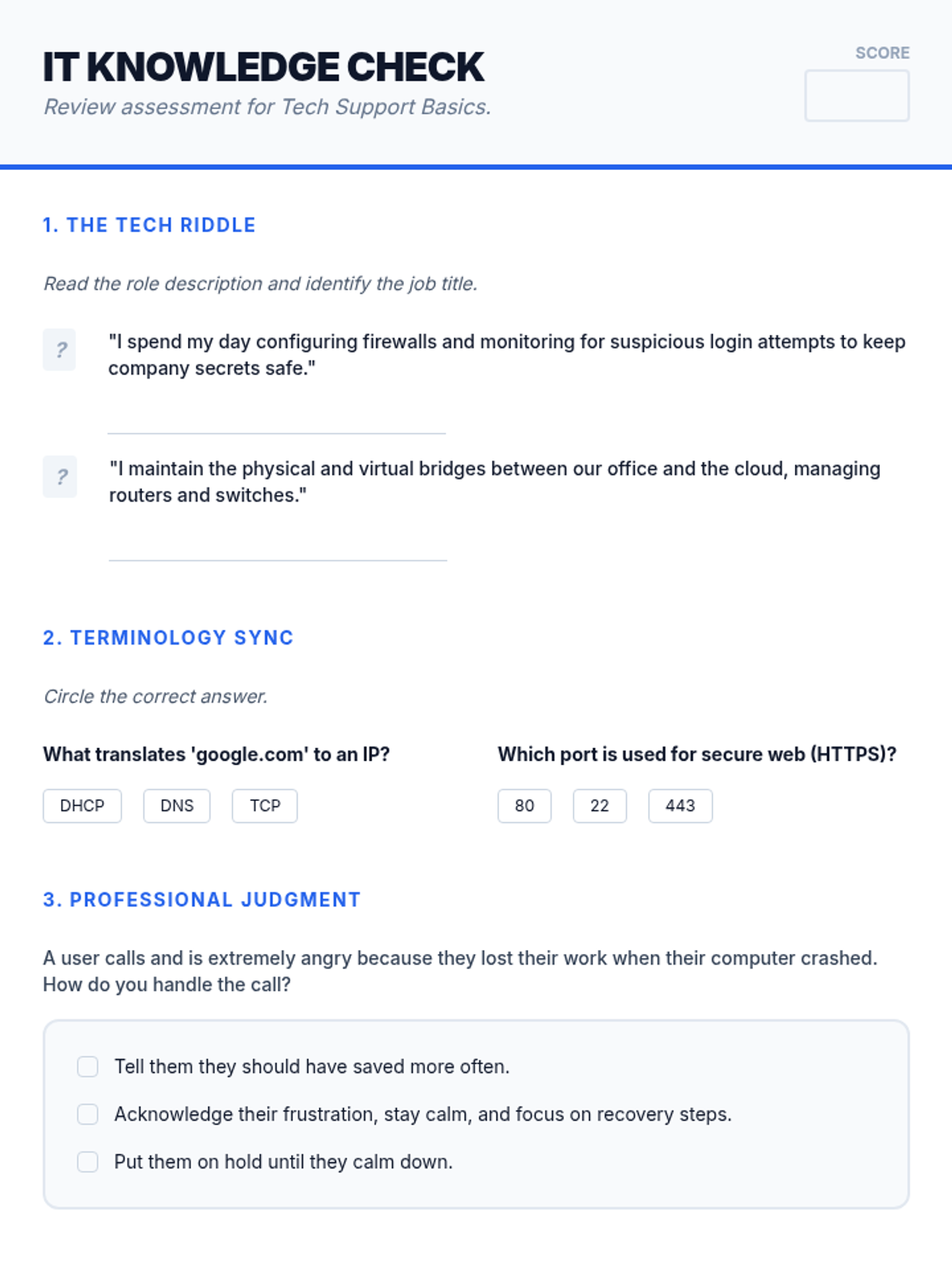
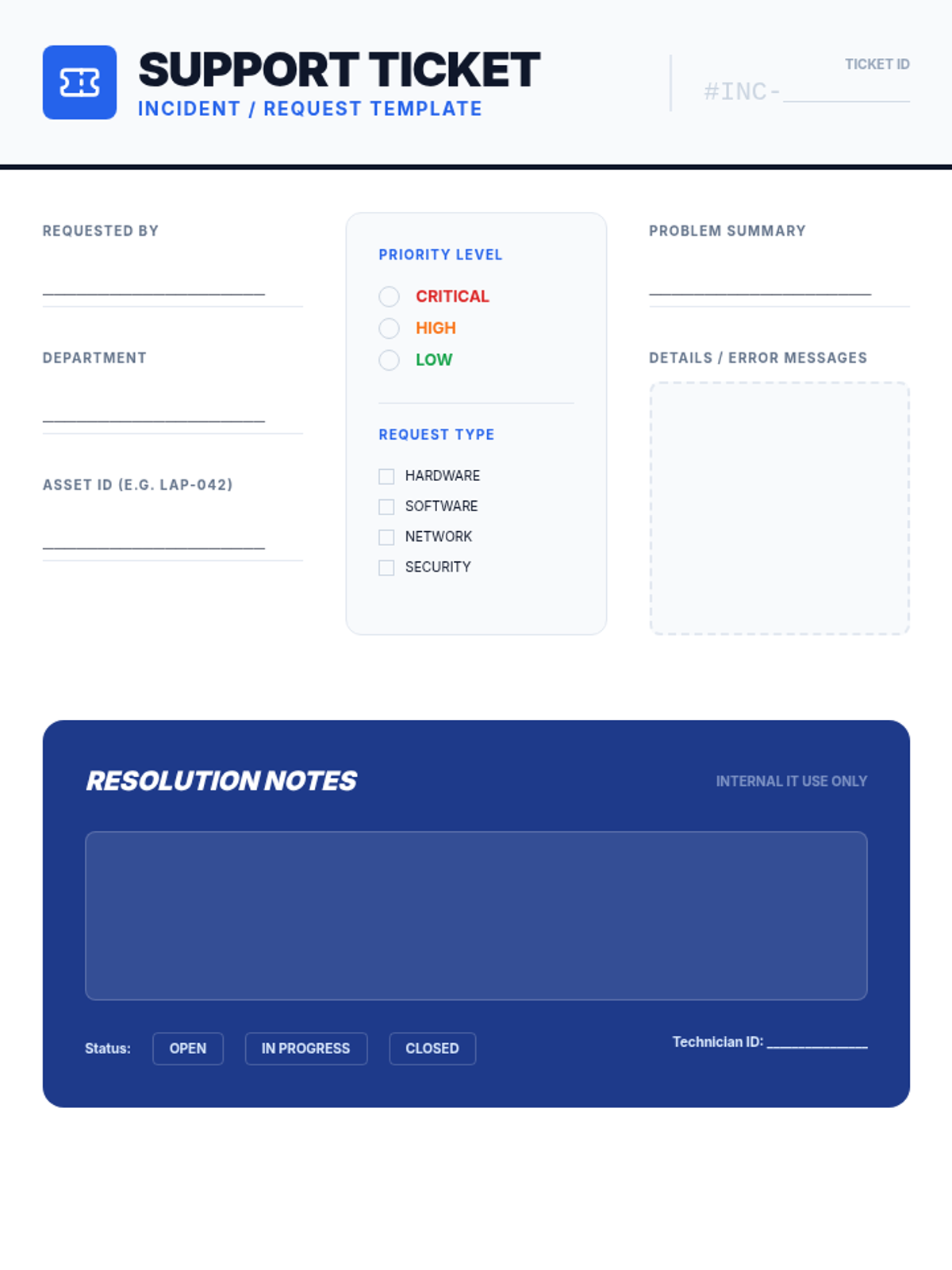
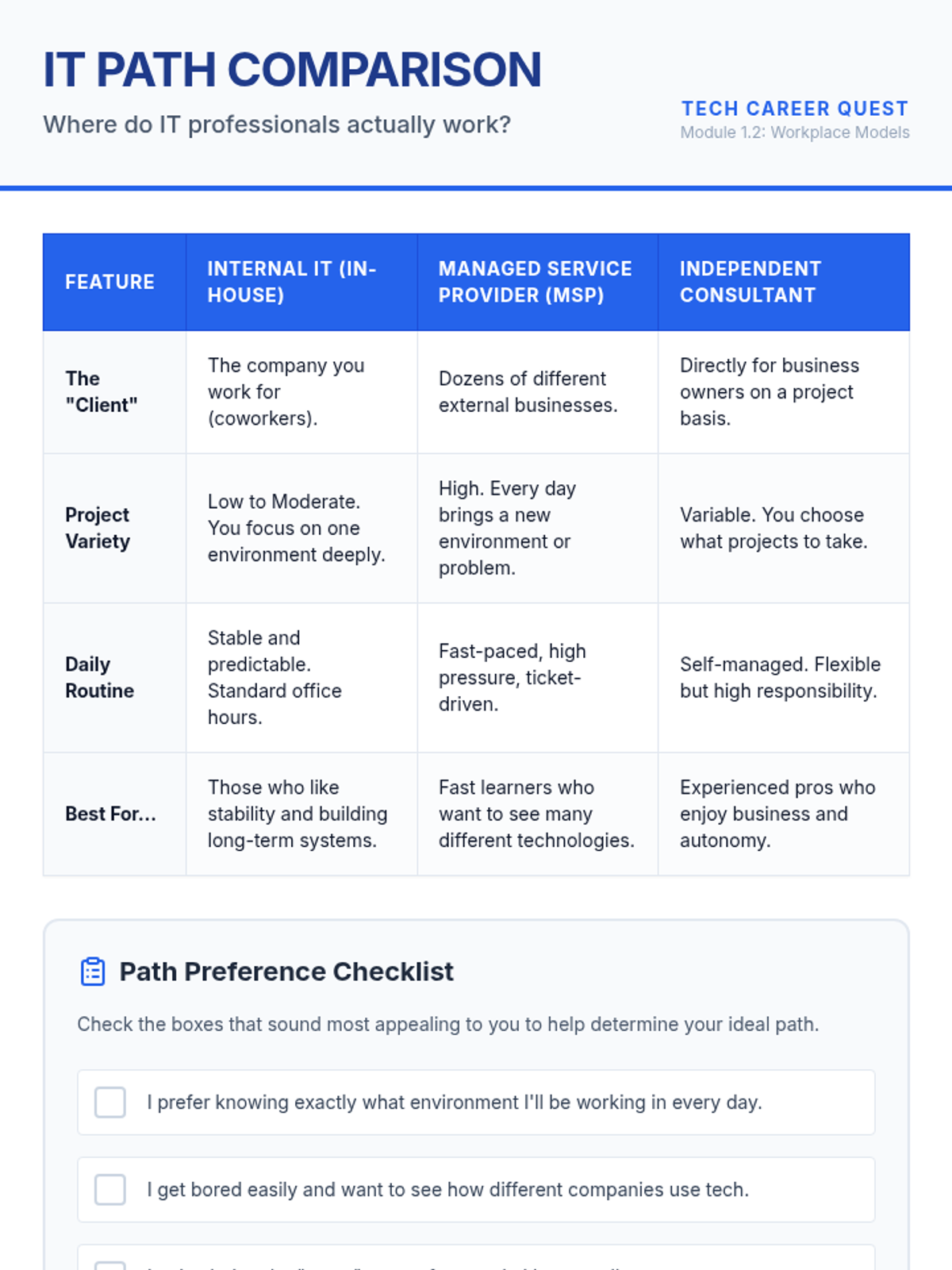
An introductory lesson into the professional world of IT support and systems administration, covering core roles, essential hardware/software skills, and the critical soft skills of technical communication and user empathy.
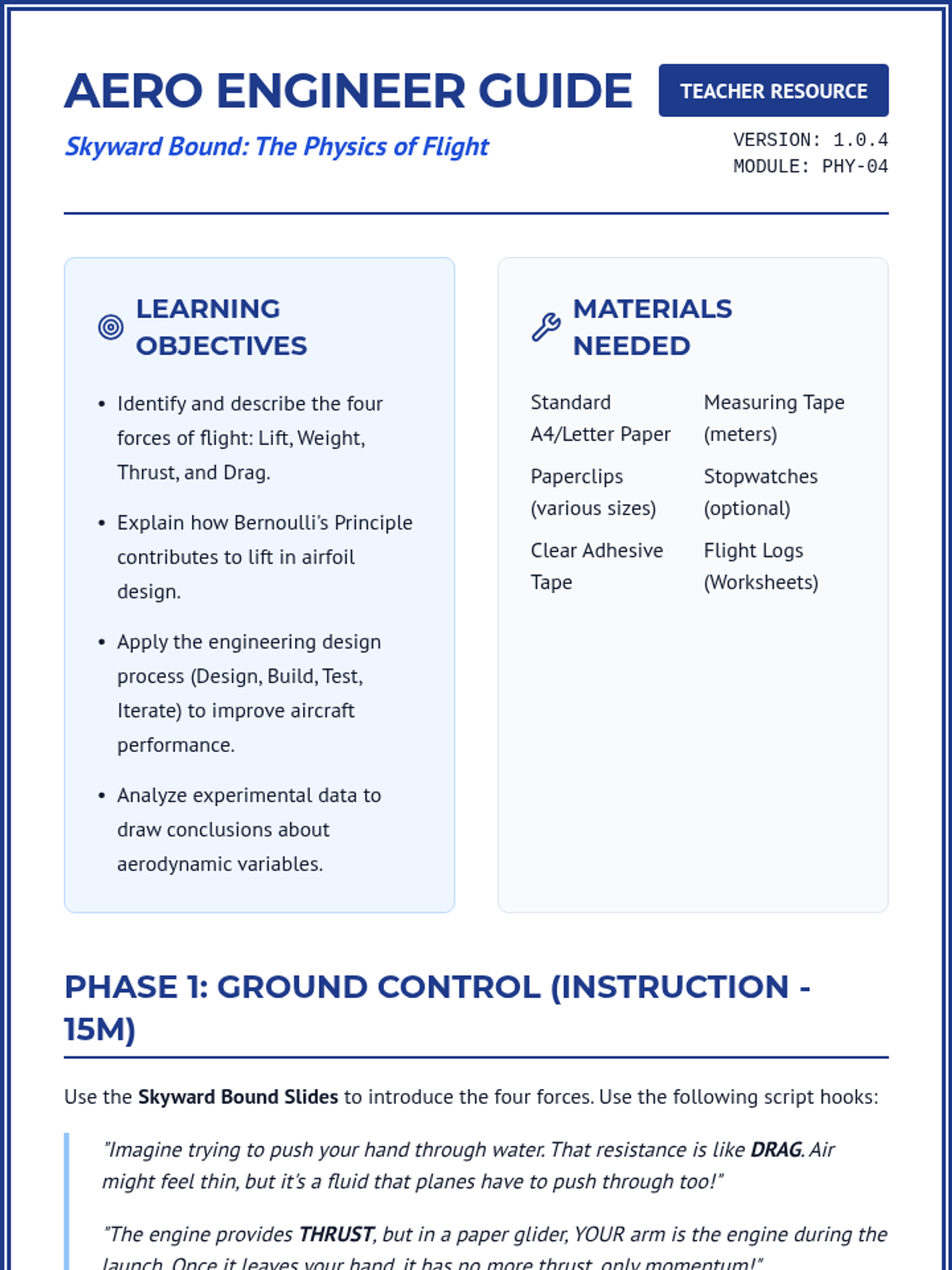
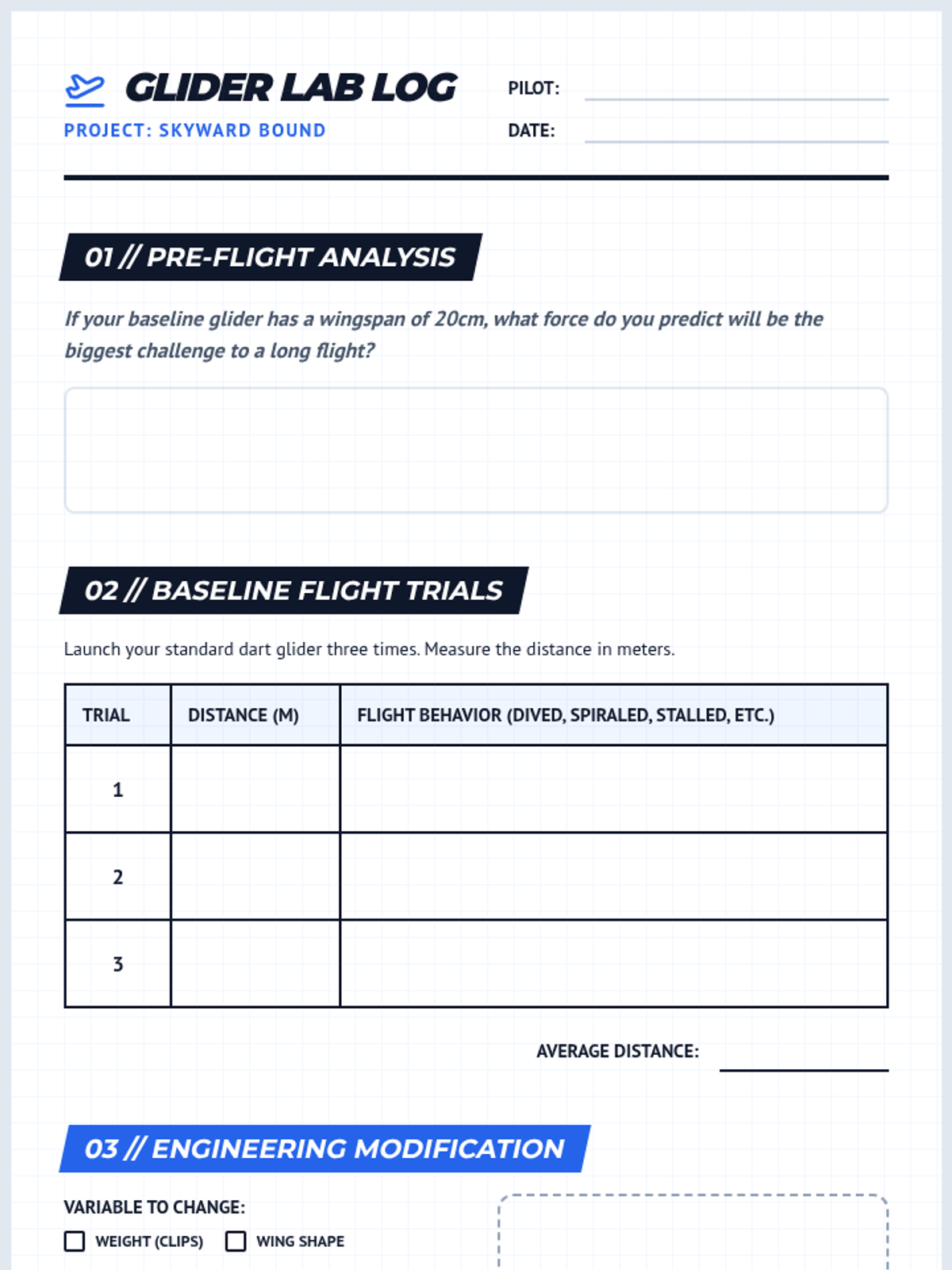
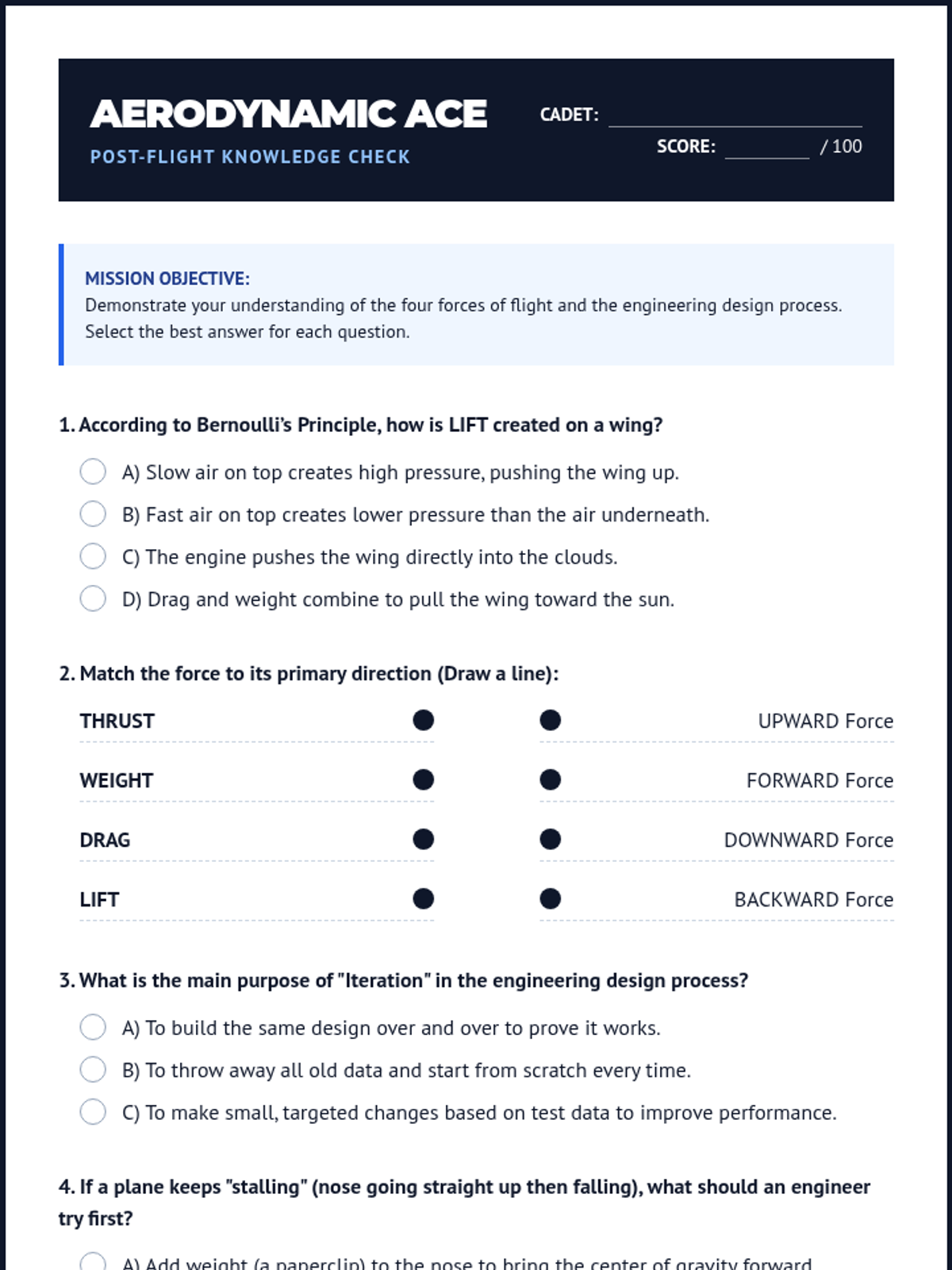
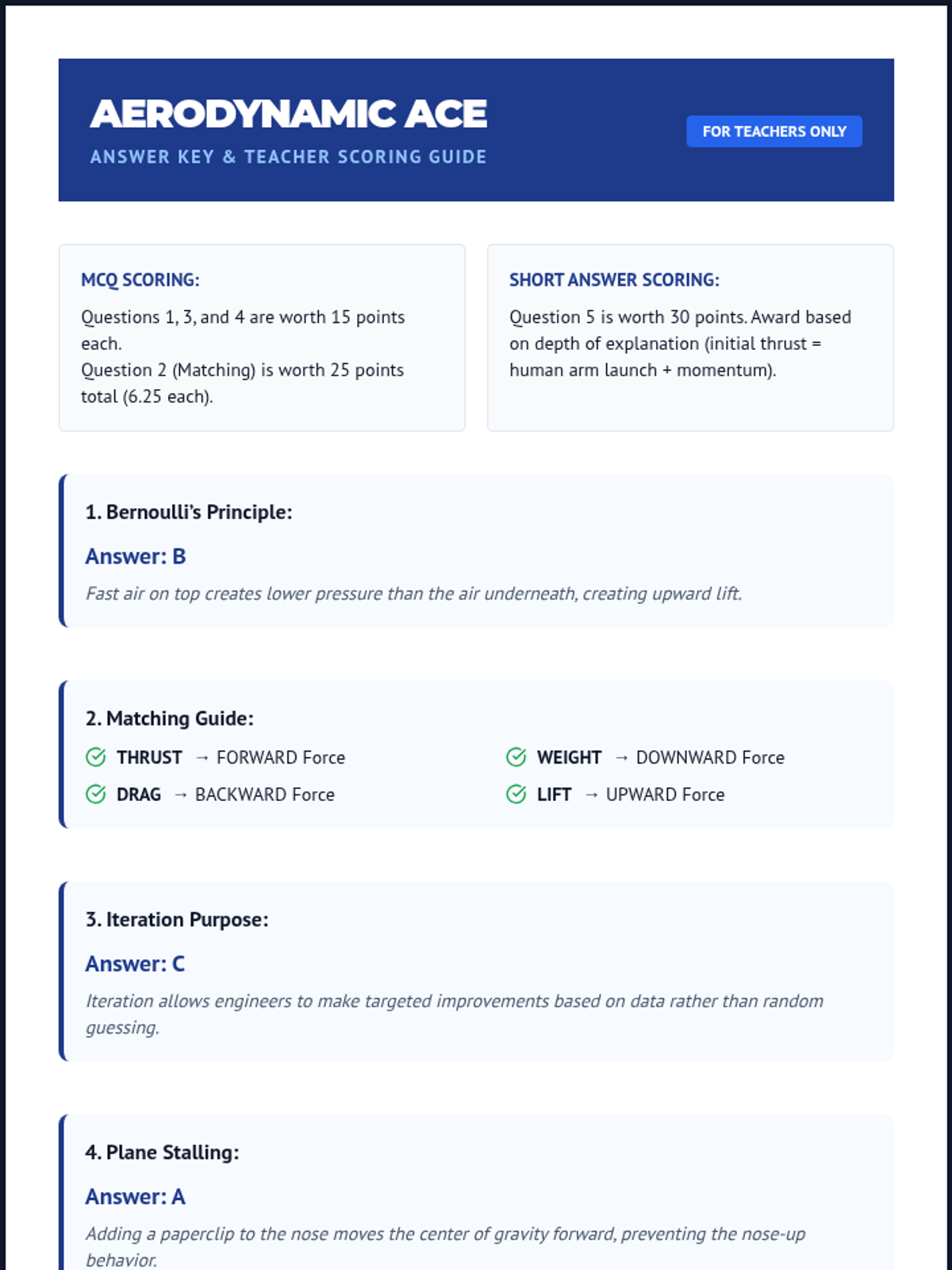
An inquiry-based exploration of the four forces of flight—lift, weight, thrust, and drag—through the lens of aerospace engineering. Students design, test, and iterate on paper gliders to observe aerodynamic principles in action.
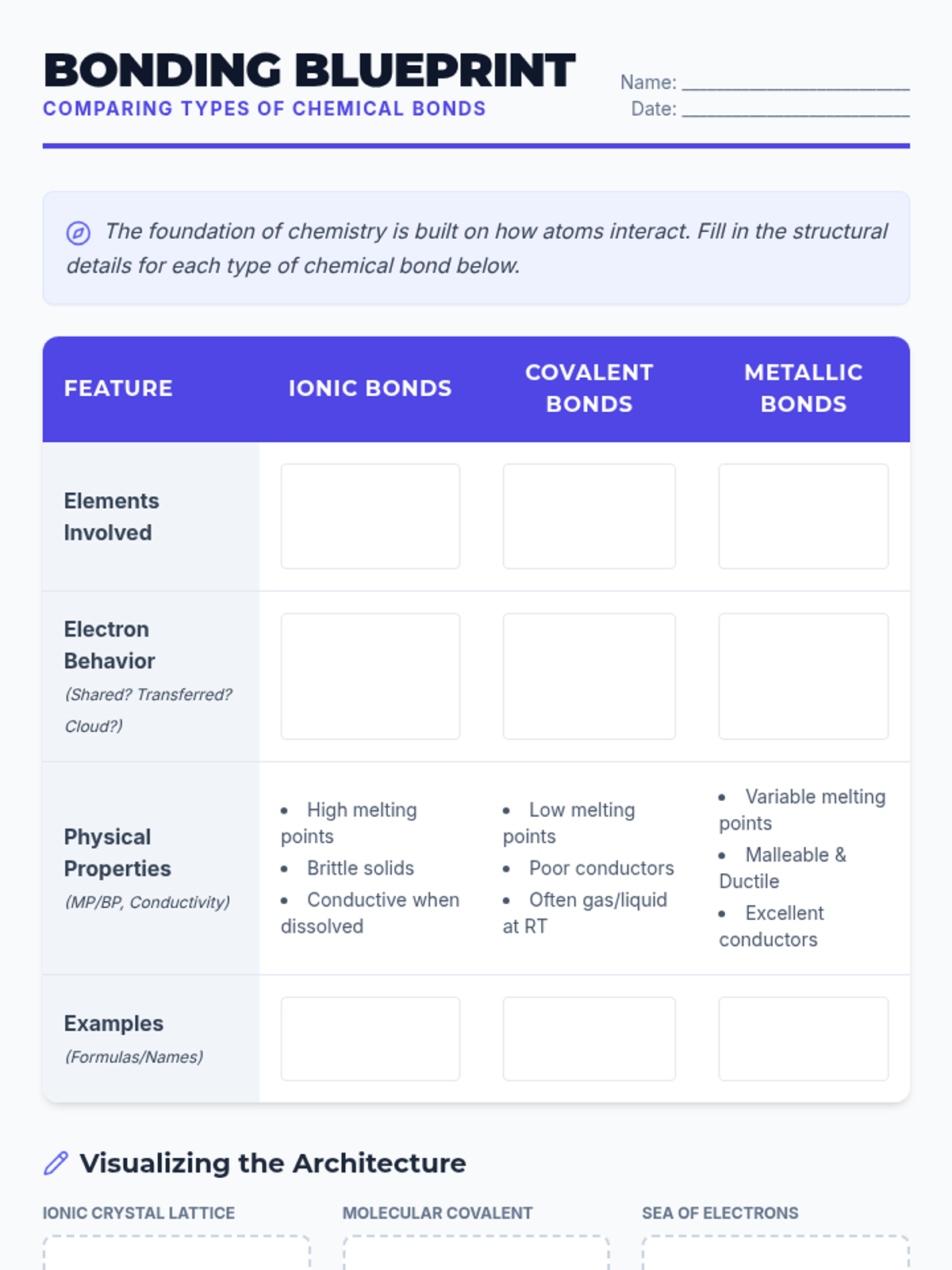
Master the fundamental concepts of elements, their properties, and the forces that bind them together.
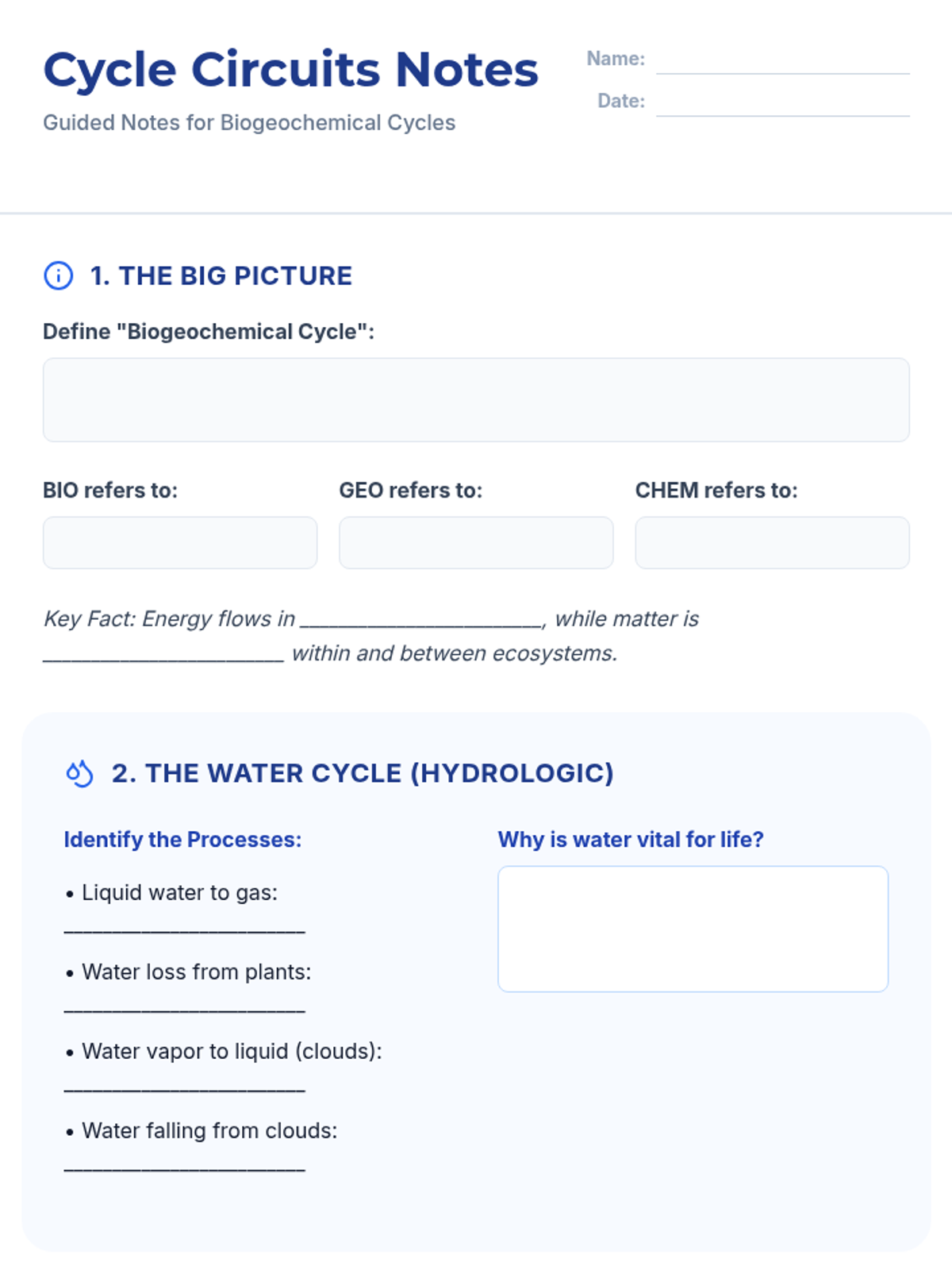
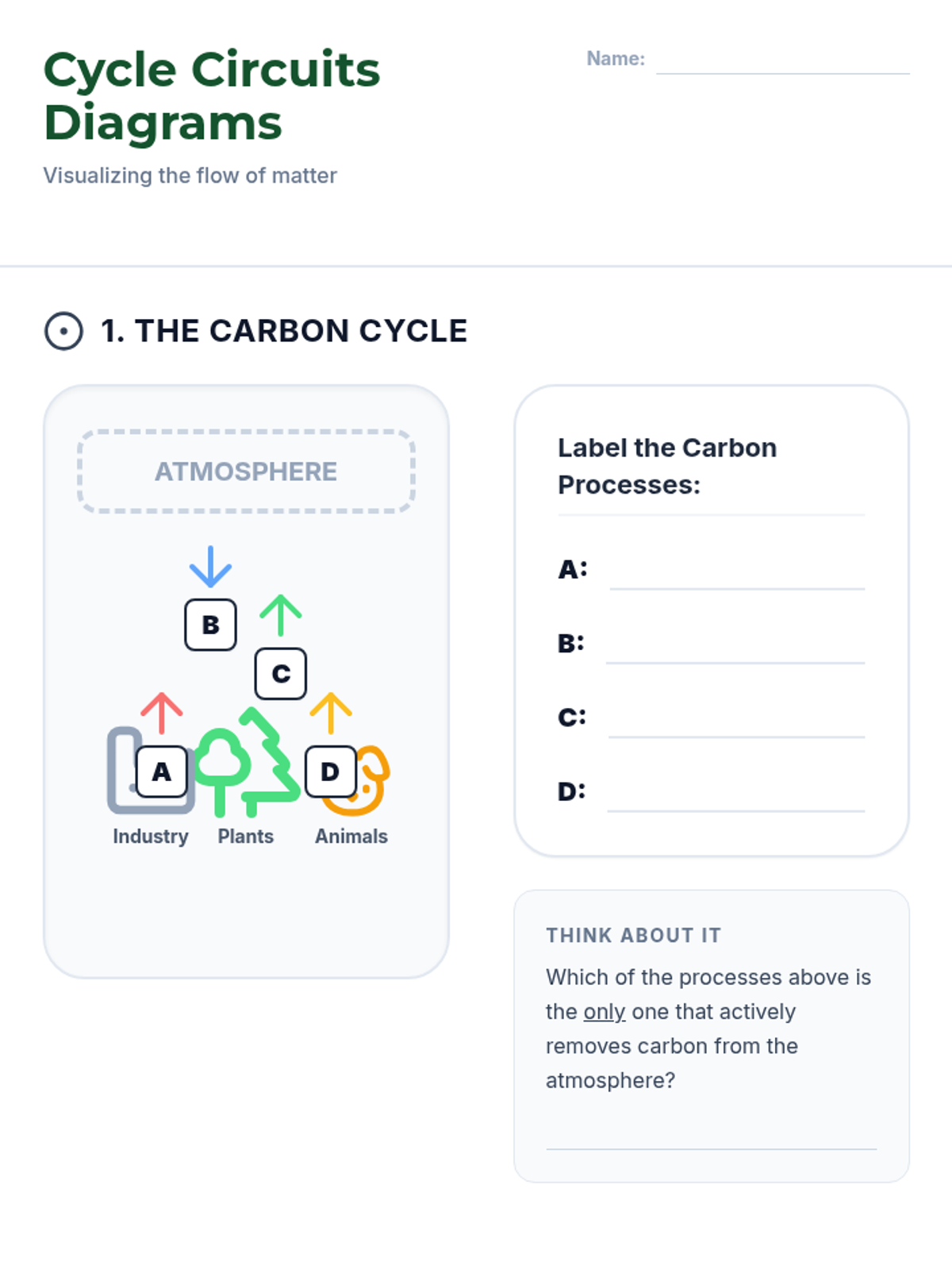
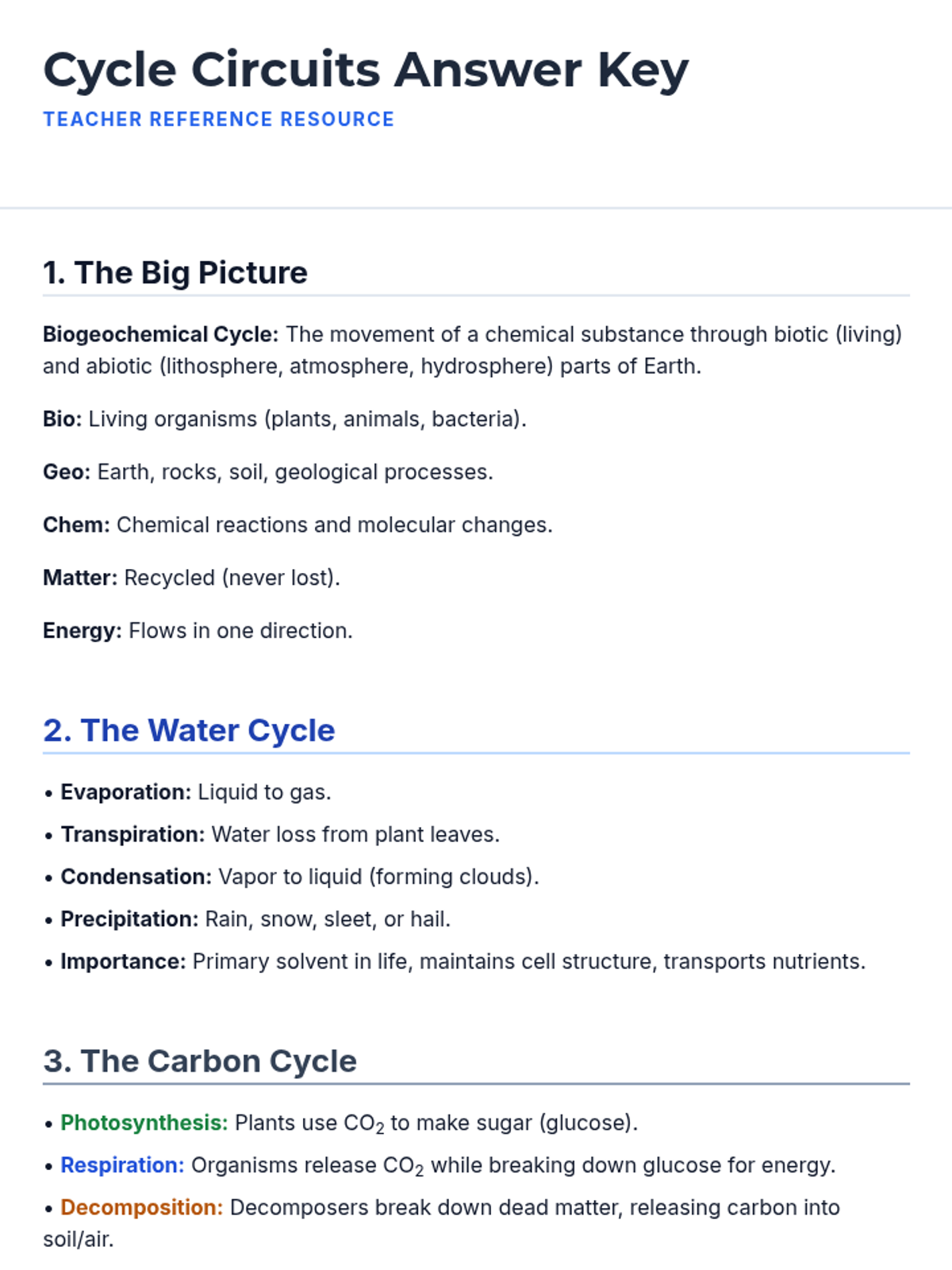
A comprehensive exploration of Earth's biogeochemical cycles, covering the water, carbon, nitrogen, and phosphorus cycles. Students will learn how matter moves through ecosystems and why these processes are vital for life on Earth.
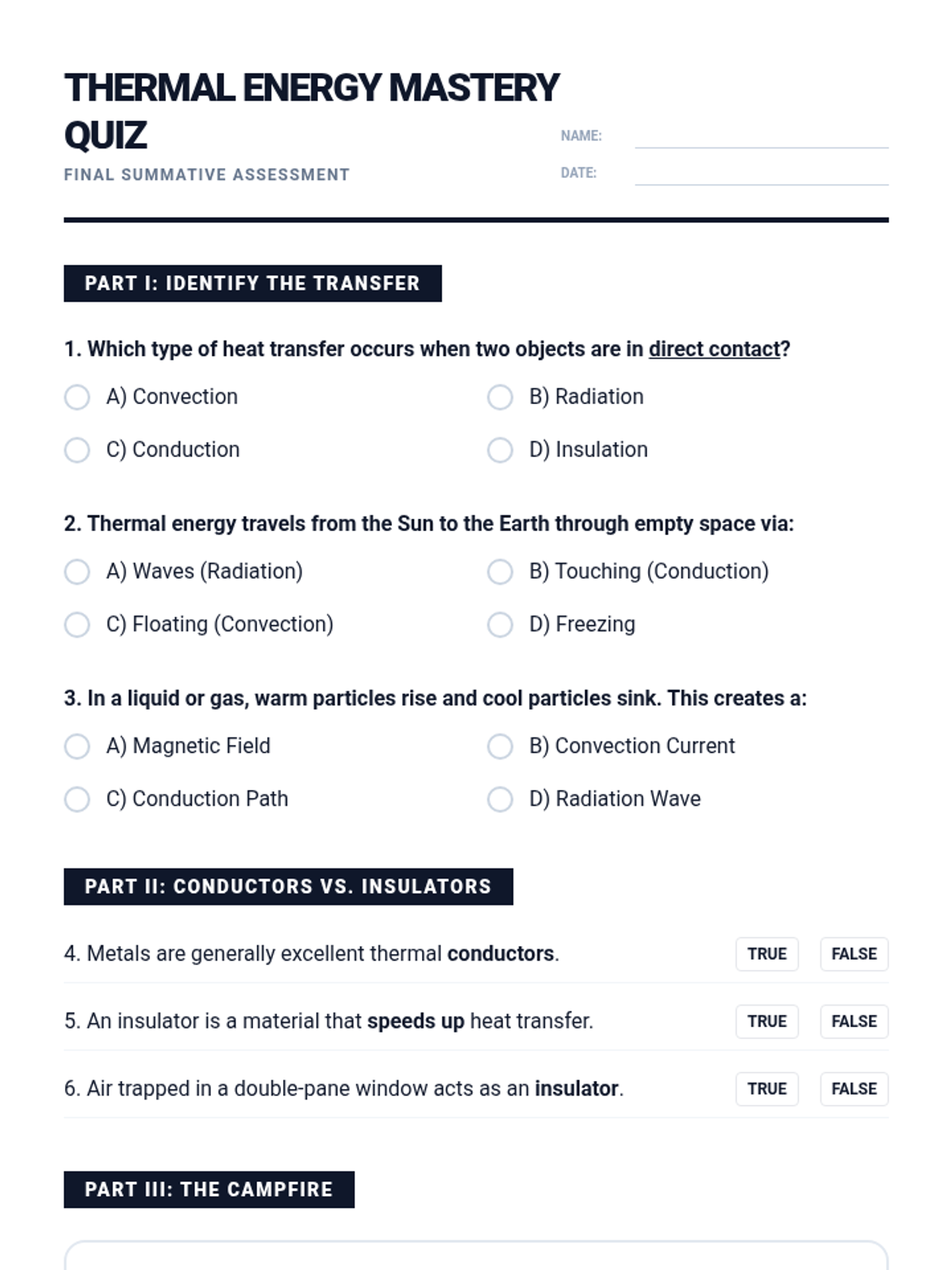
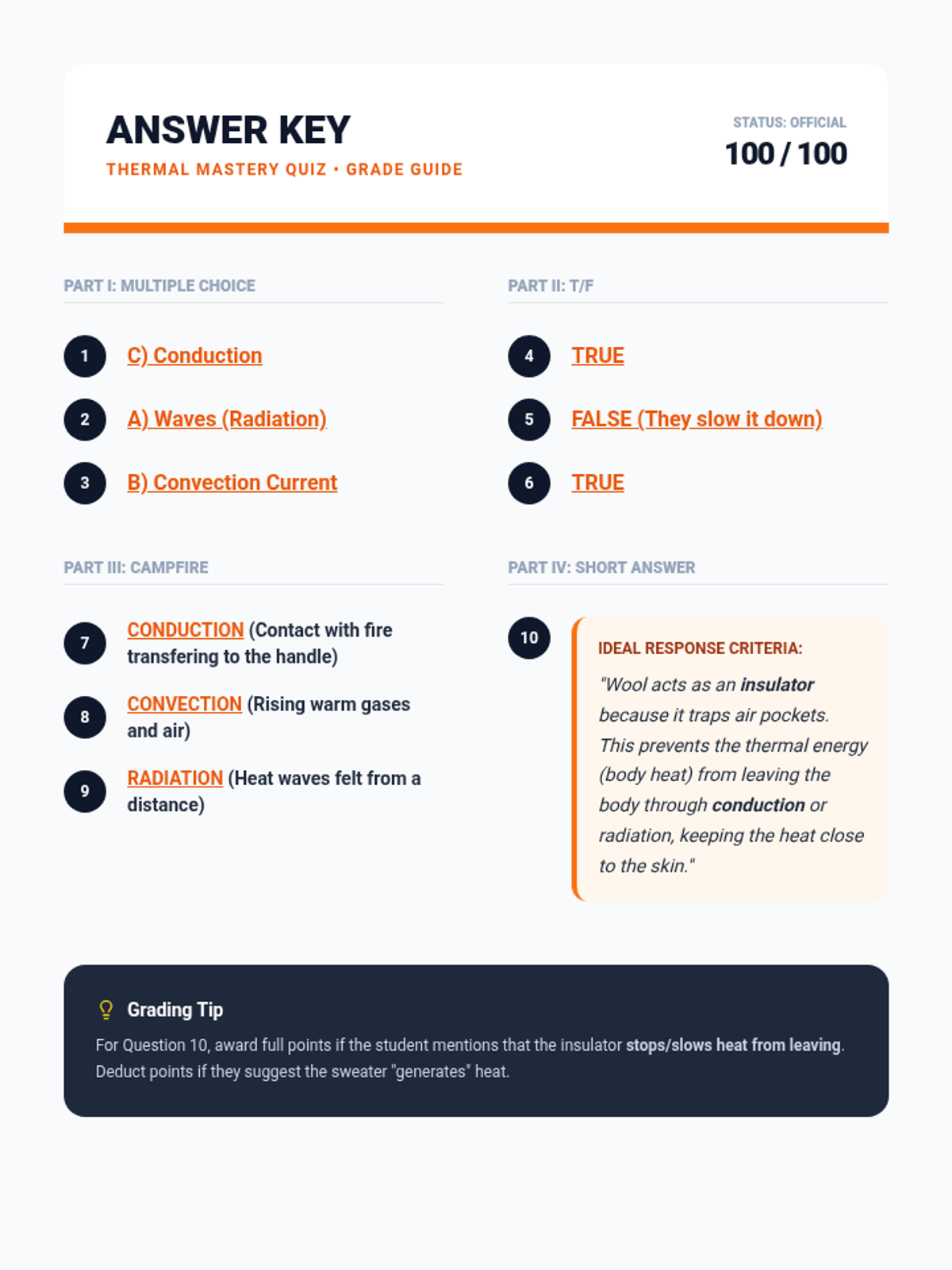
A final assessment to evaluate student understanding of thermal energy transfer, insulators, and conductors.
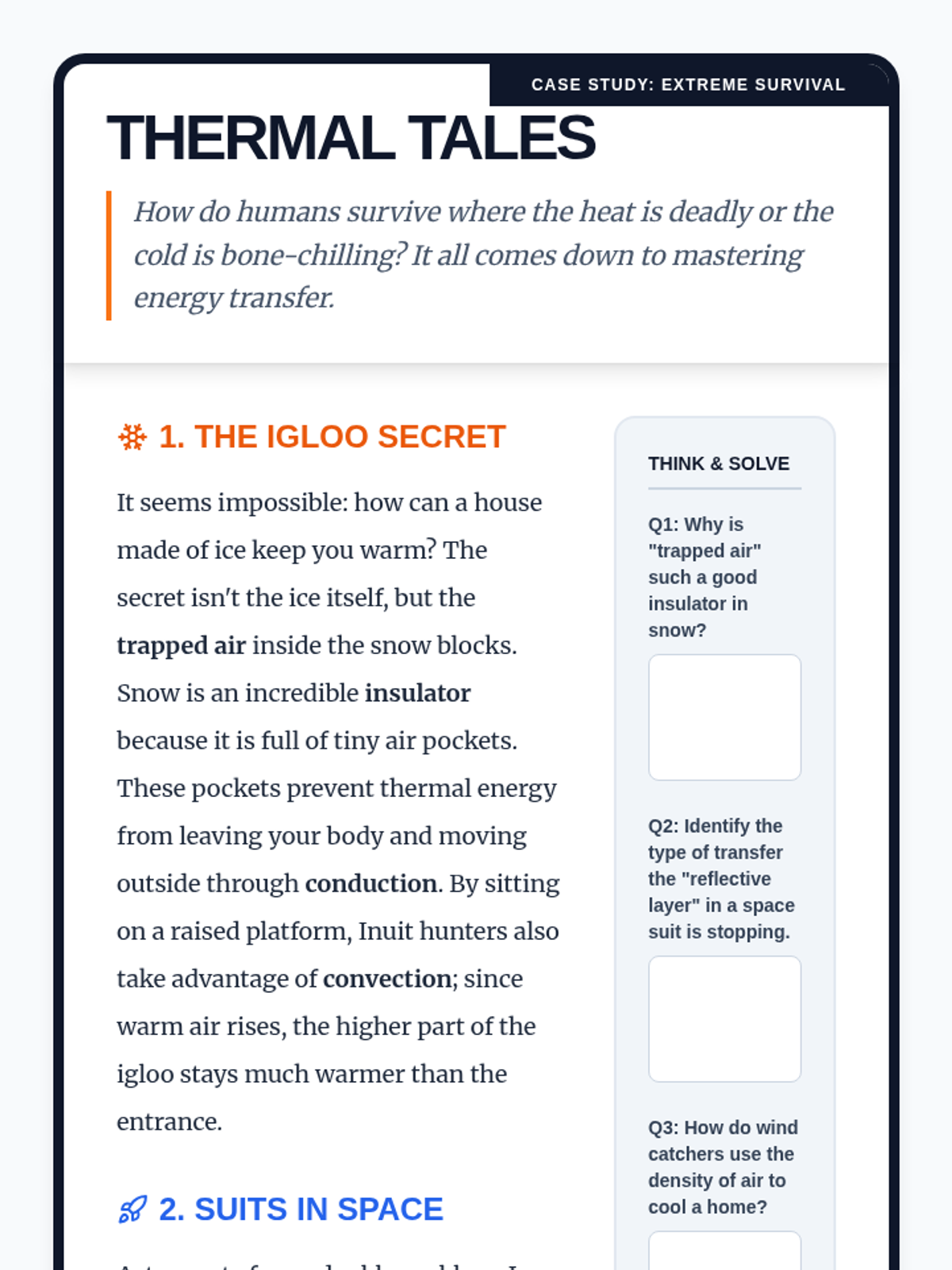
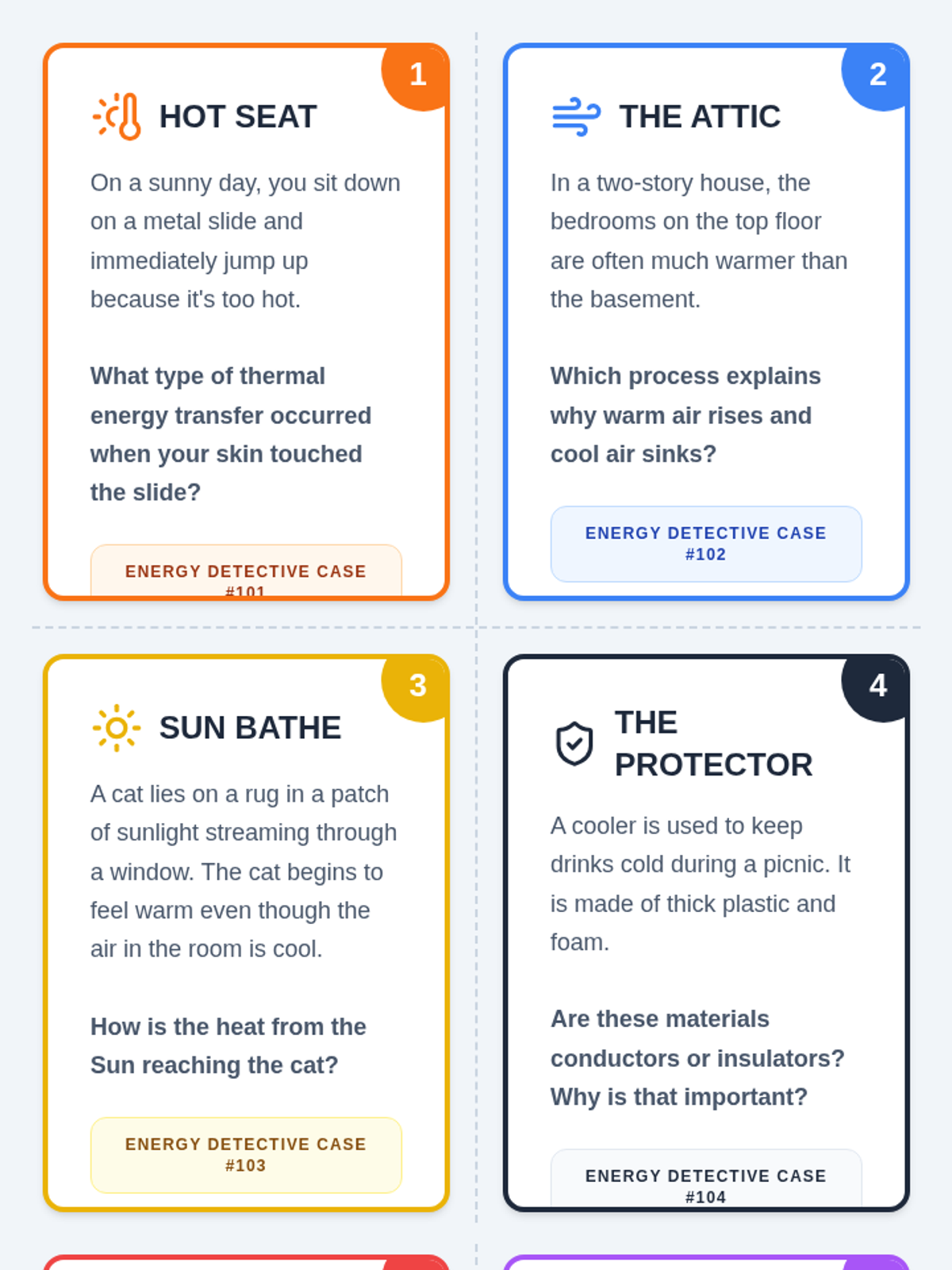
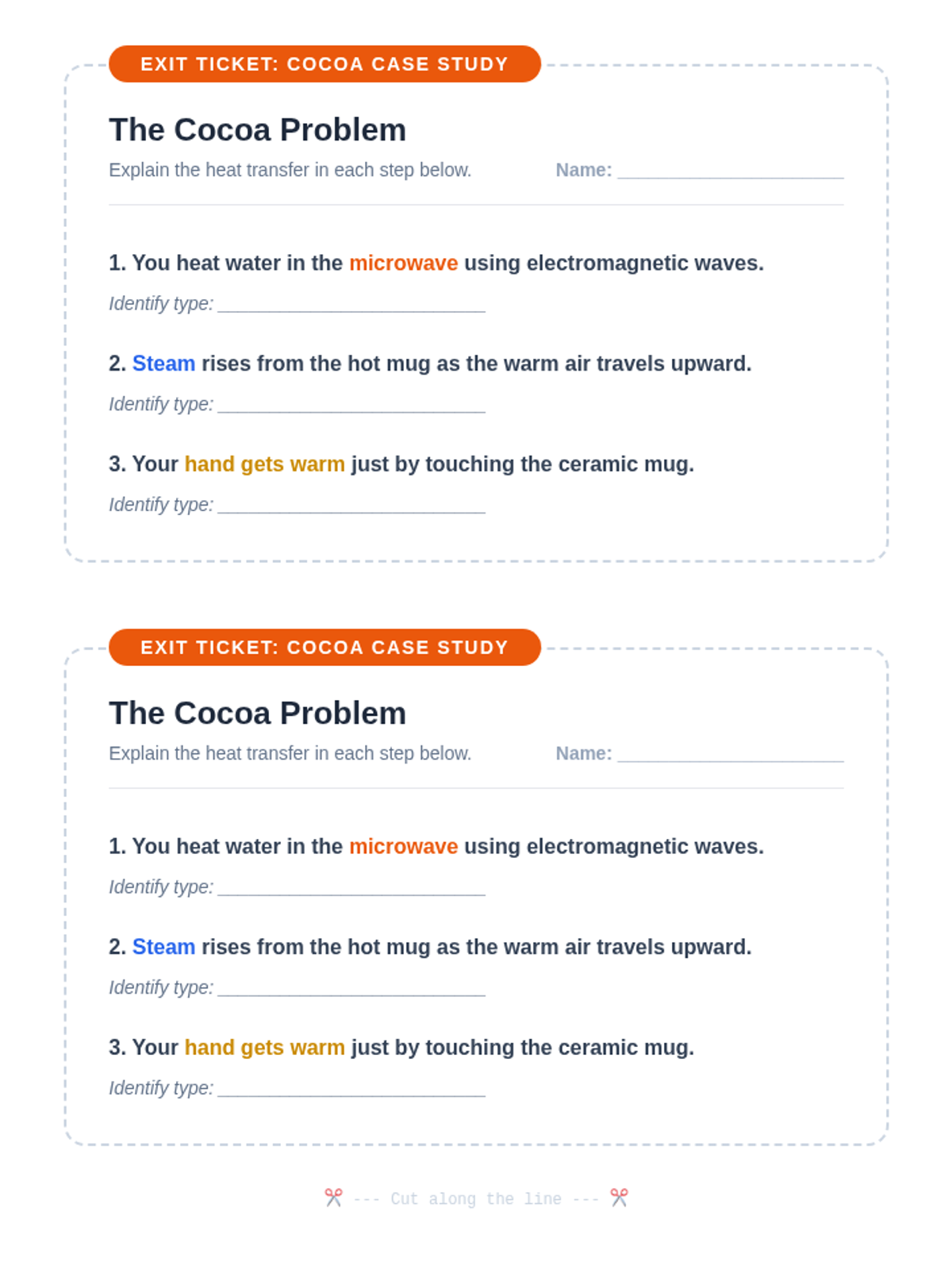
Applying thermal energy knowledge to complex real-world scenarios through a reading passage and interactive task cards.
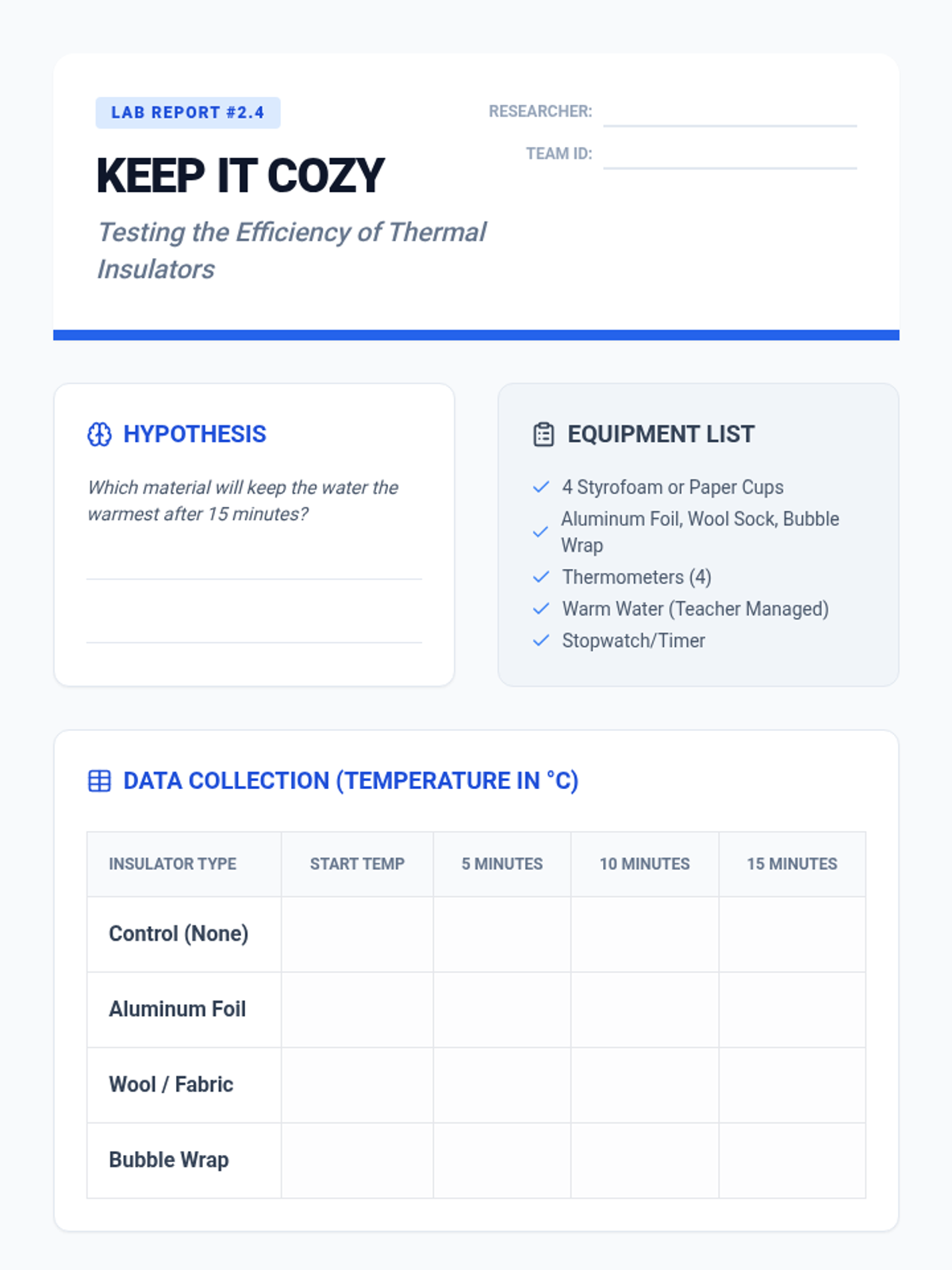
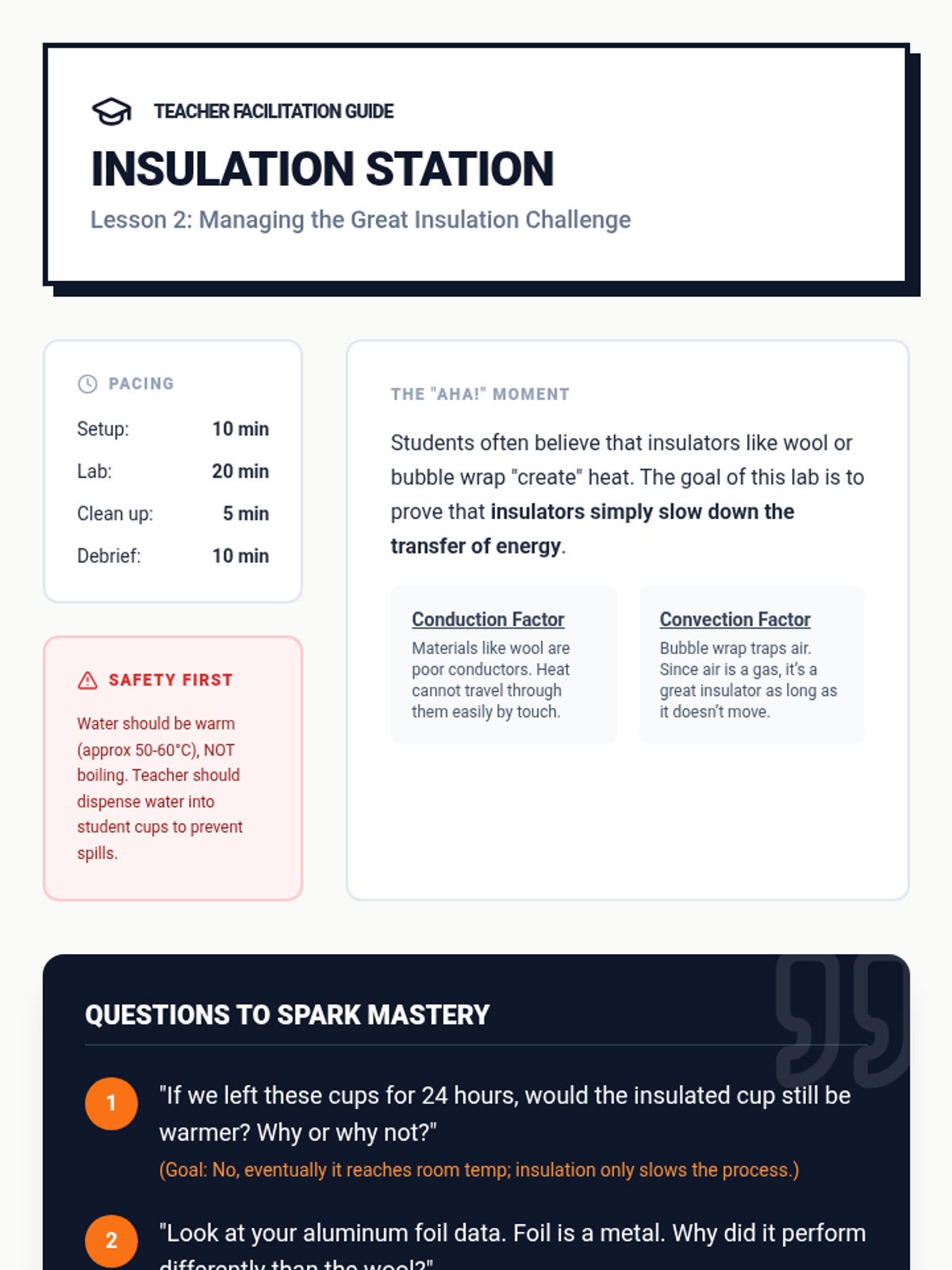
A hands-on laboratory experiment where students test various materials to determine their effectiveness as insulators.
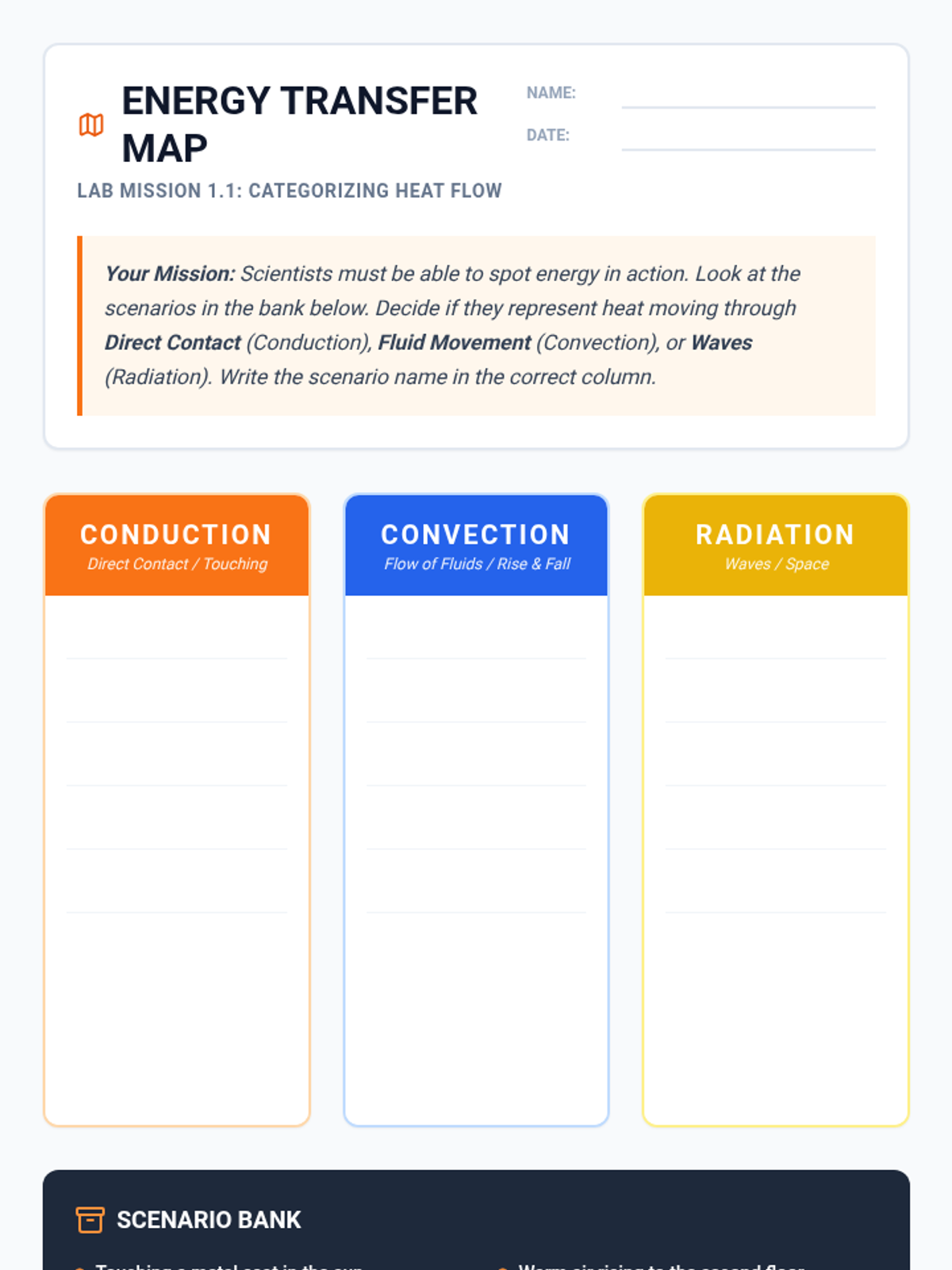
Reviewing the three types of heat transfer through interactive slides and a graphic organizer to connect concepts to everyday life.
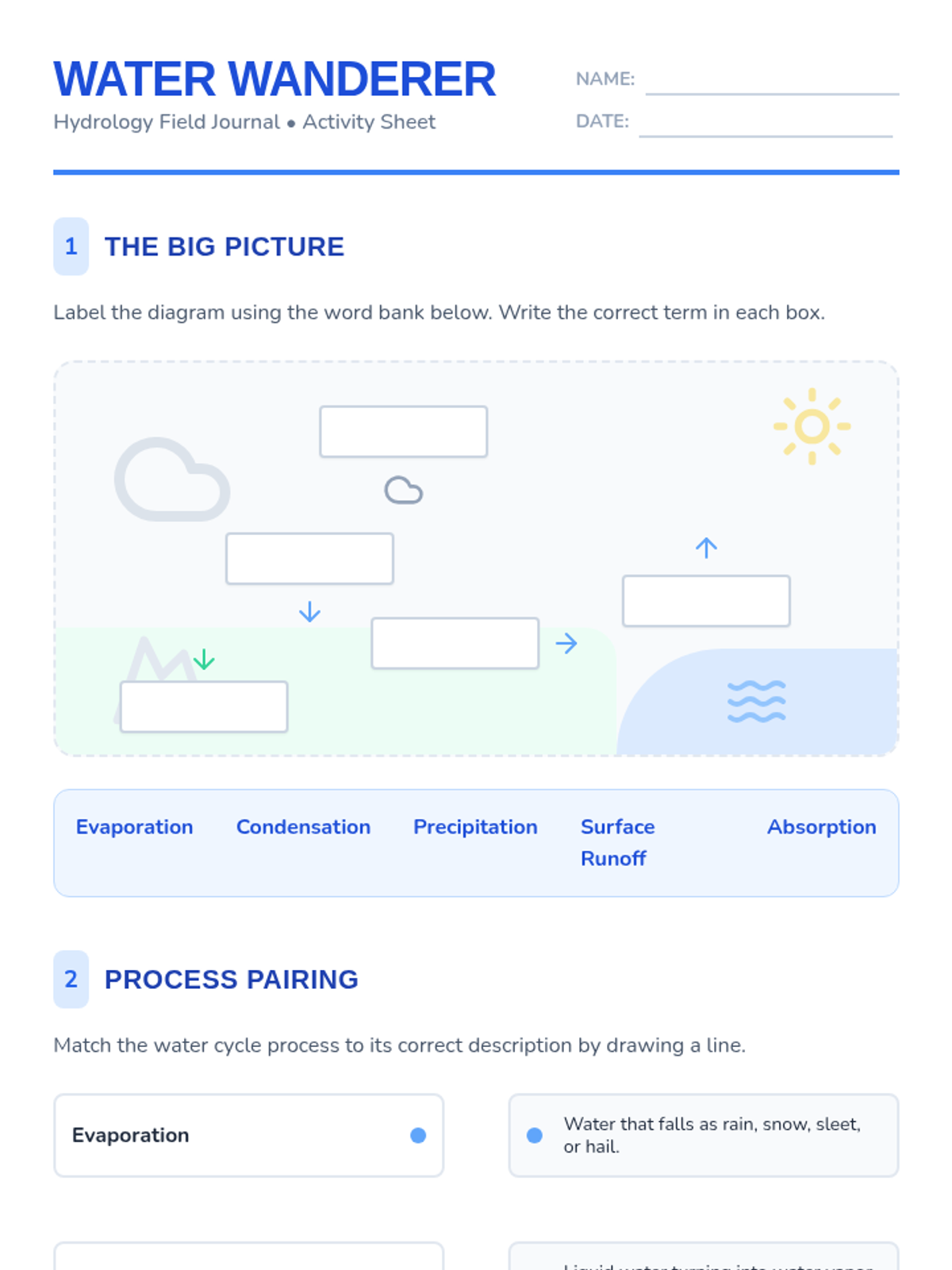
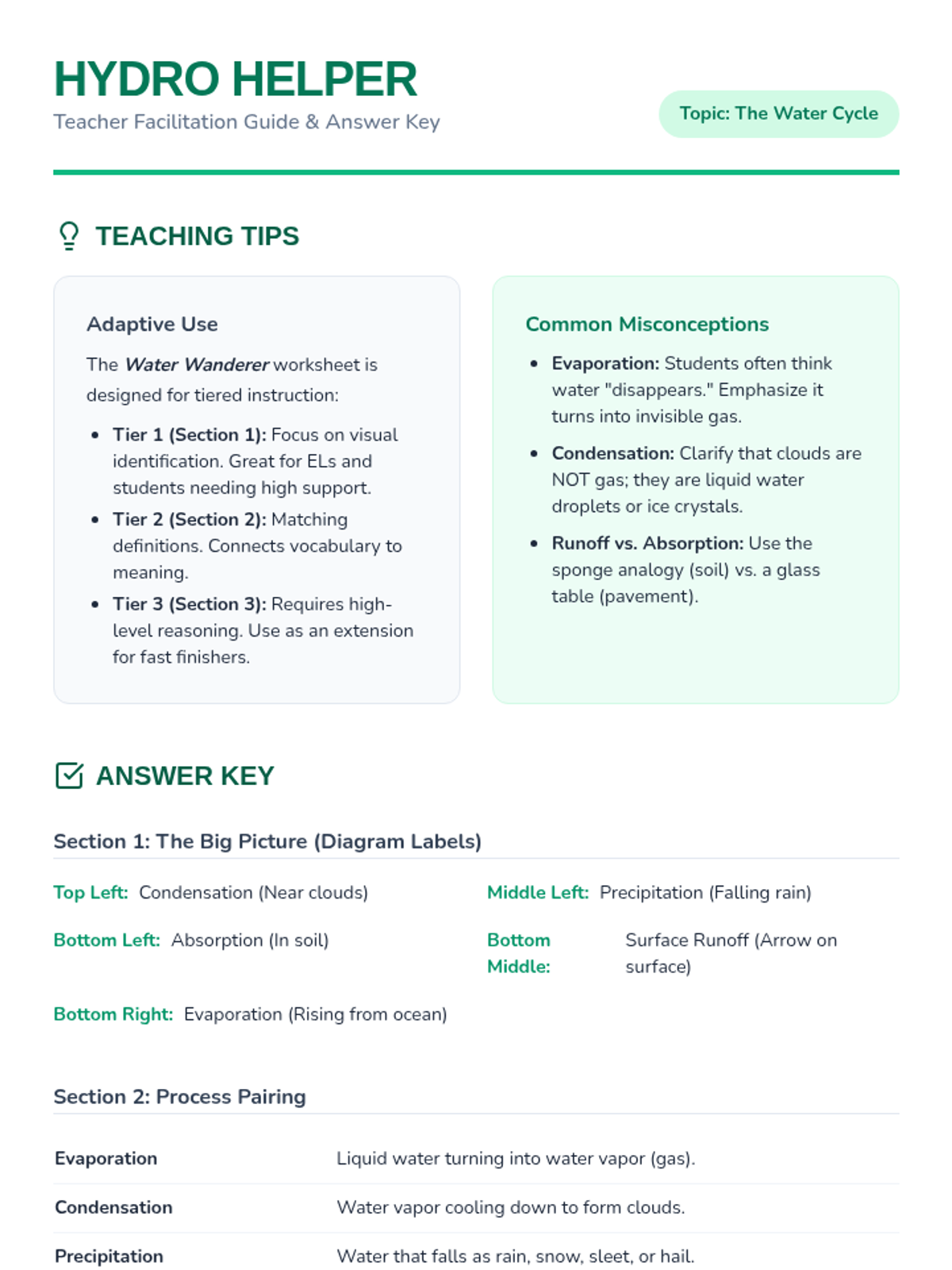
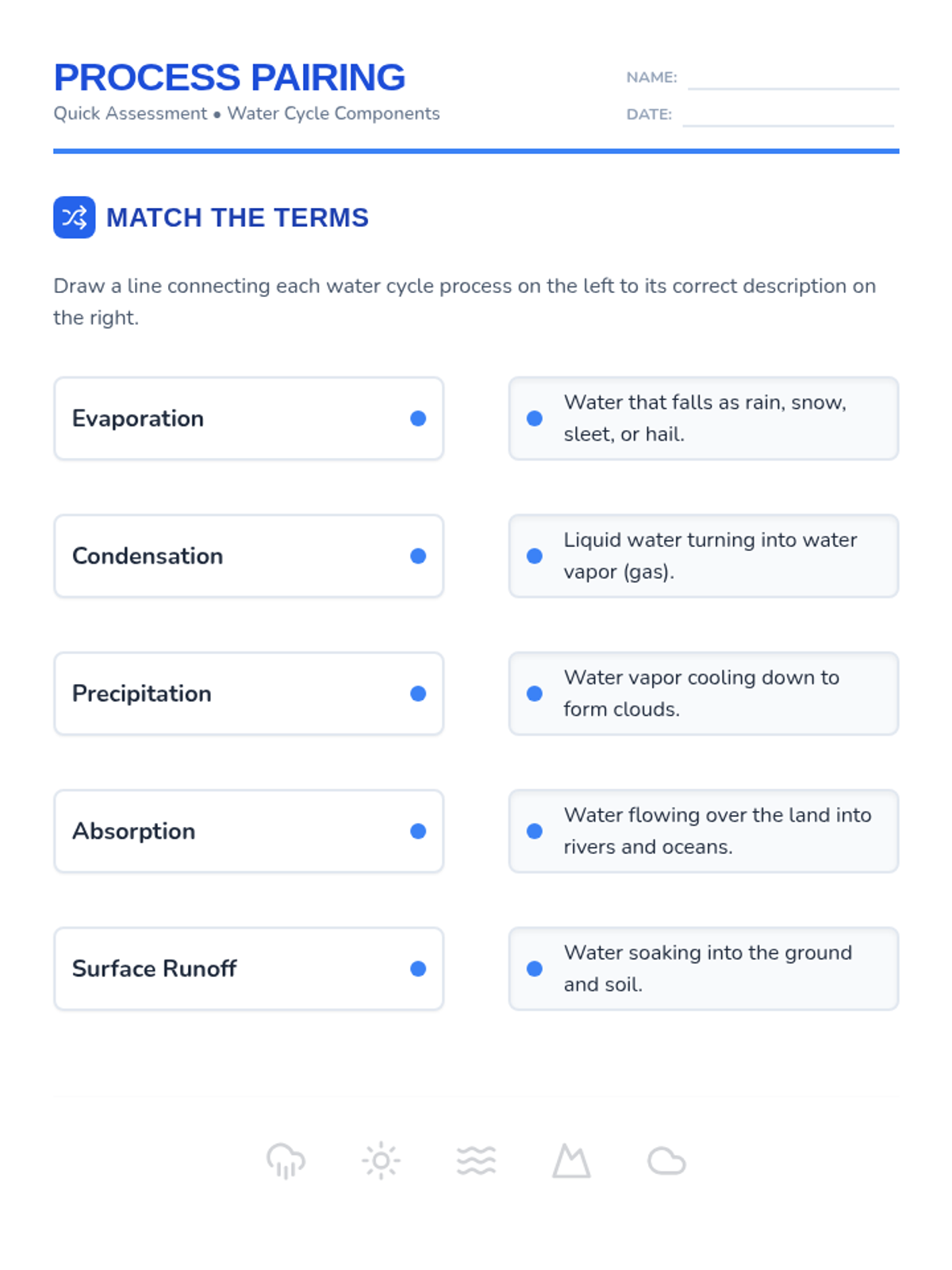
A comprehensive lesson on the water cycle, covering evaporation, condensation, precipitation, runoff, and absorption through visual aids and tiered practice.