An instructional unit designed to guide 8th-grade students through planning, organizing, and drafting an essay about their field trip to Washington, D.C., complete with generous handwriting lines to minimize cognitive overwhelm.
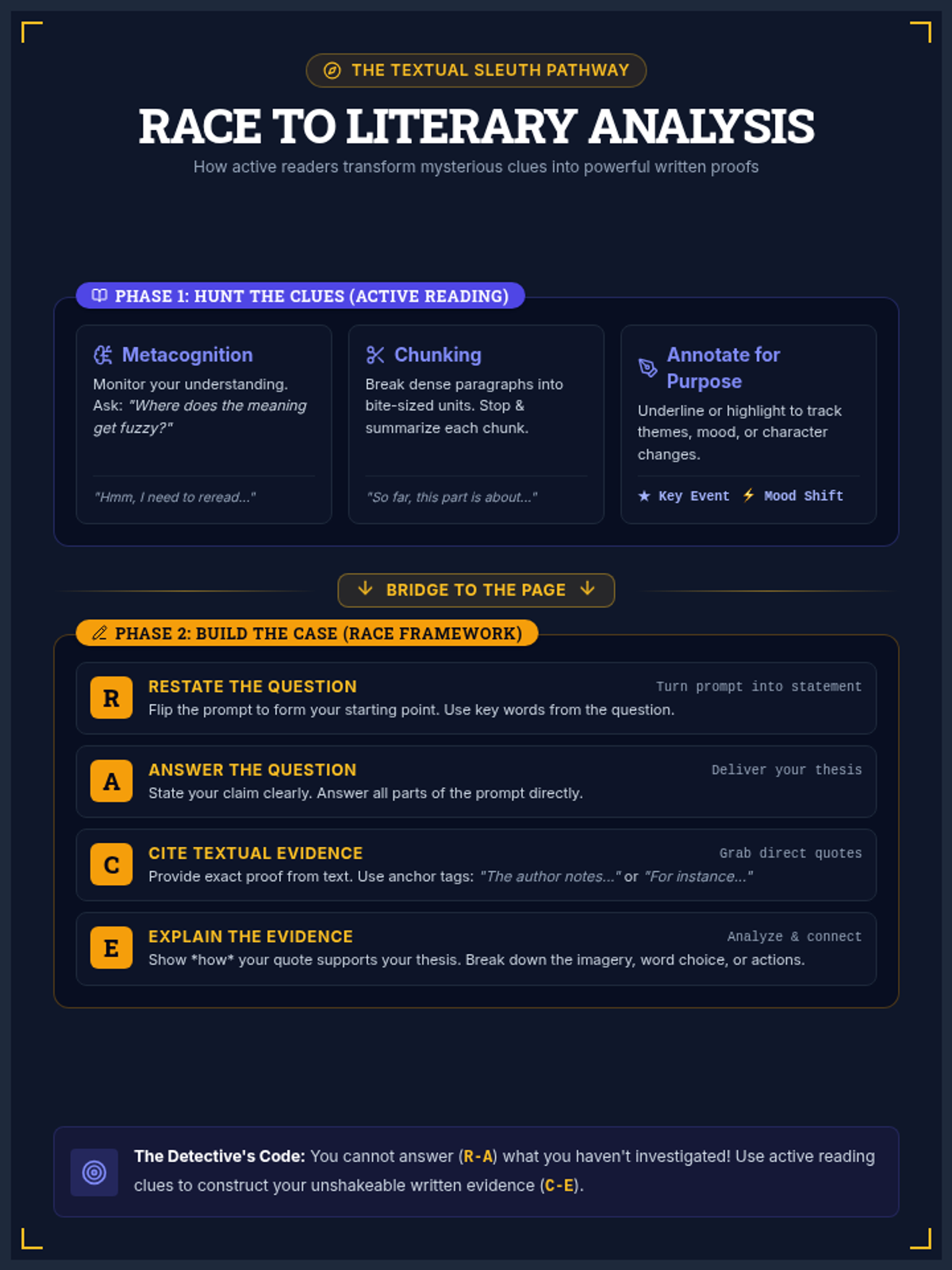
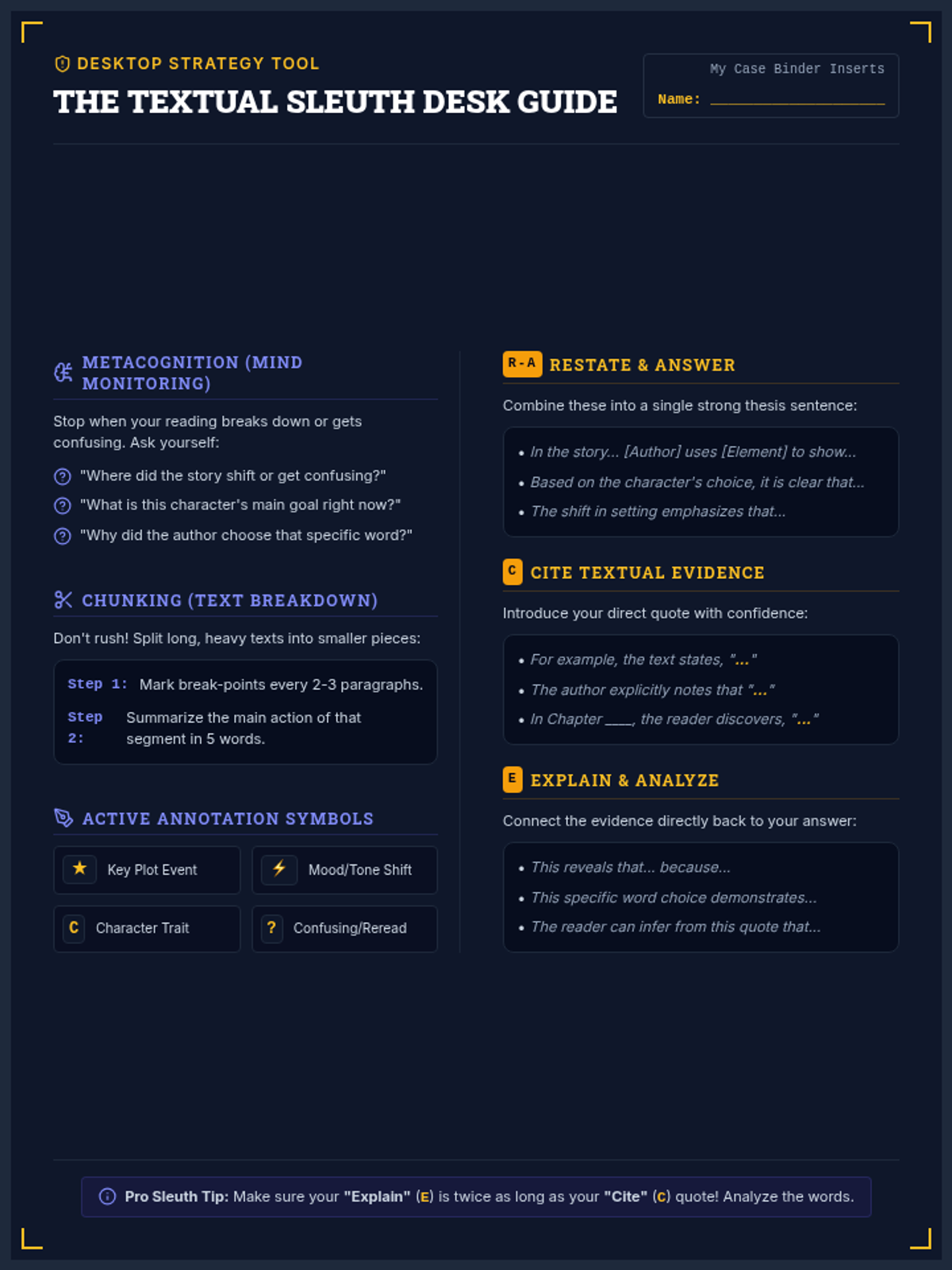
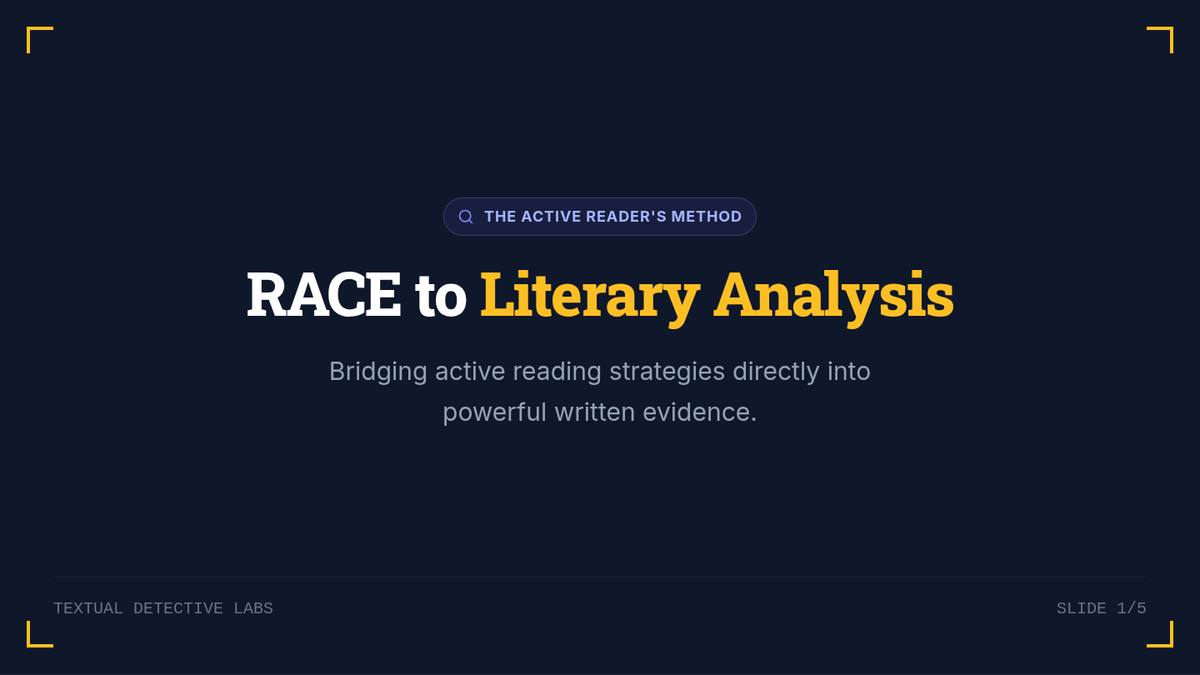
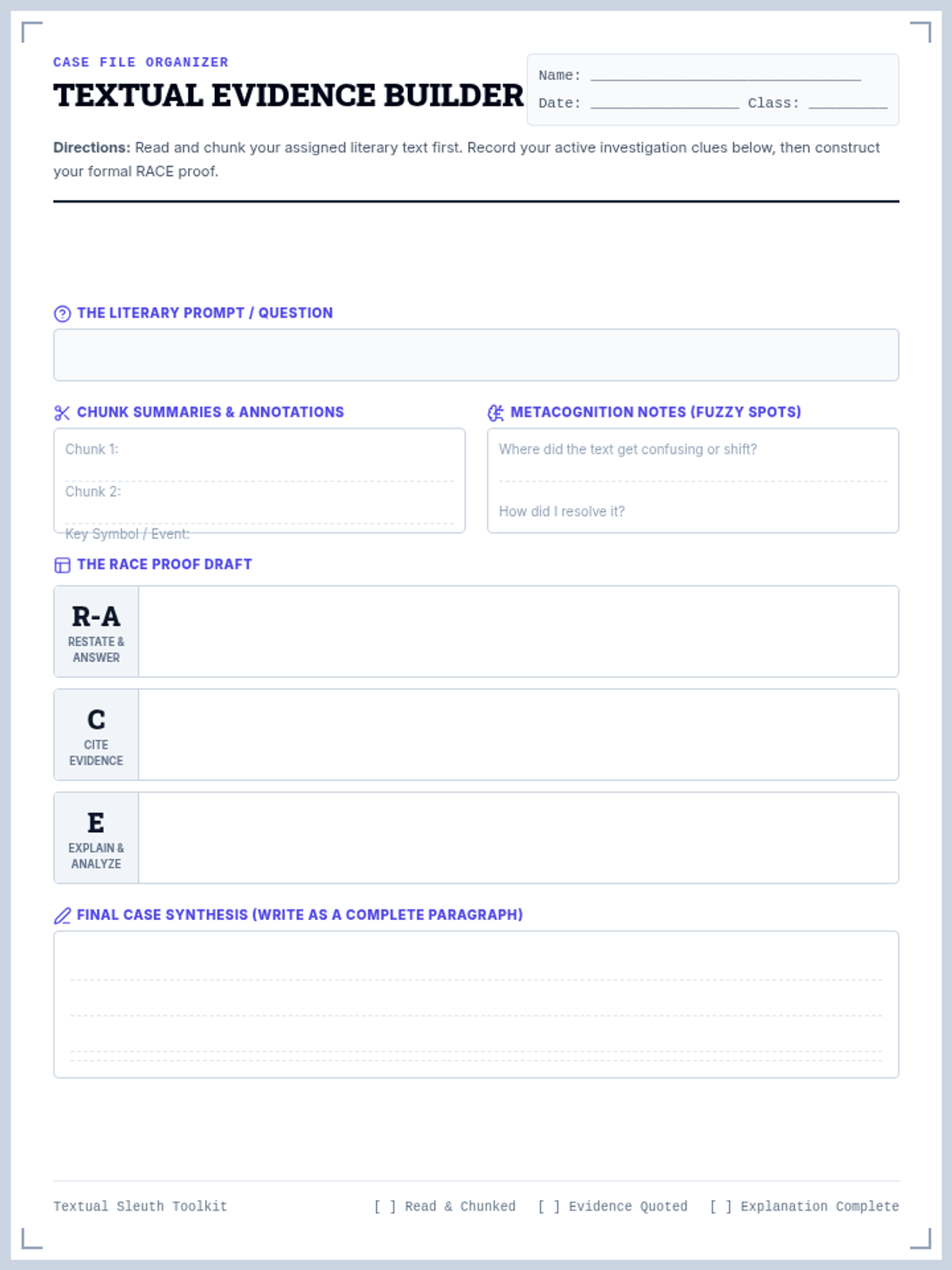
A comprehensive lesson designed to bridge active reading strategies (Metacognition, Chunking, and Annotating) directly into structured literary analysis writing using the RACE framework. Includes visual anchors, reference tools, presentation slides, and graphic organizers.
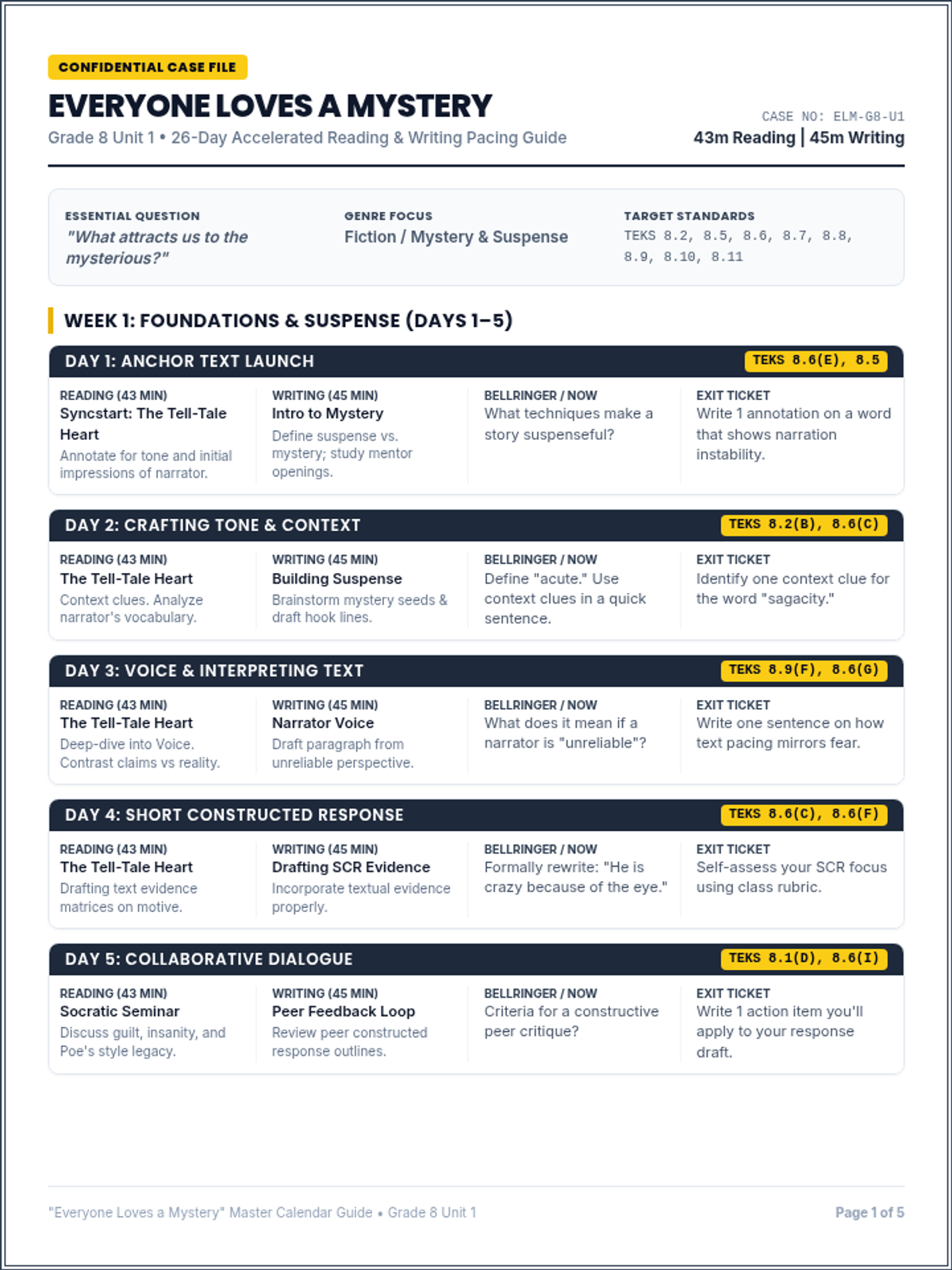
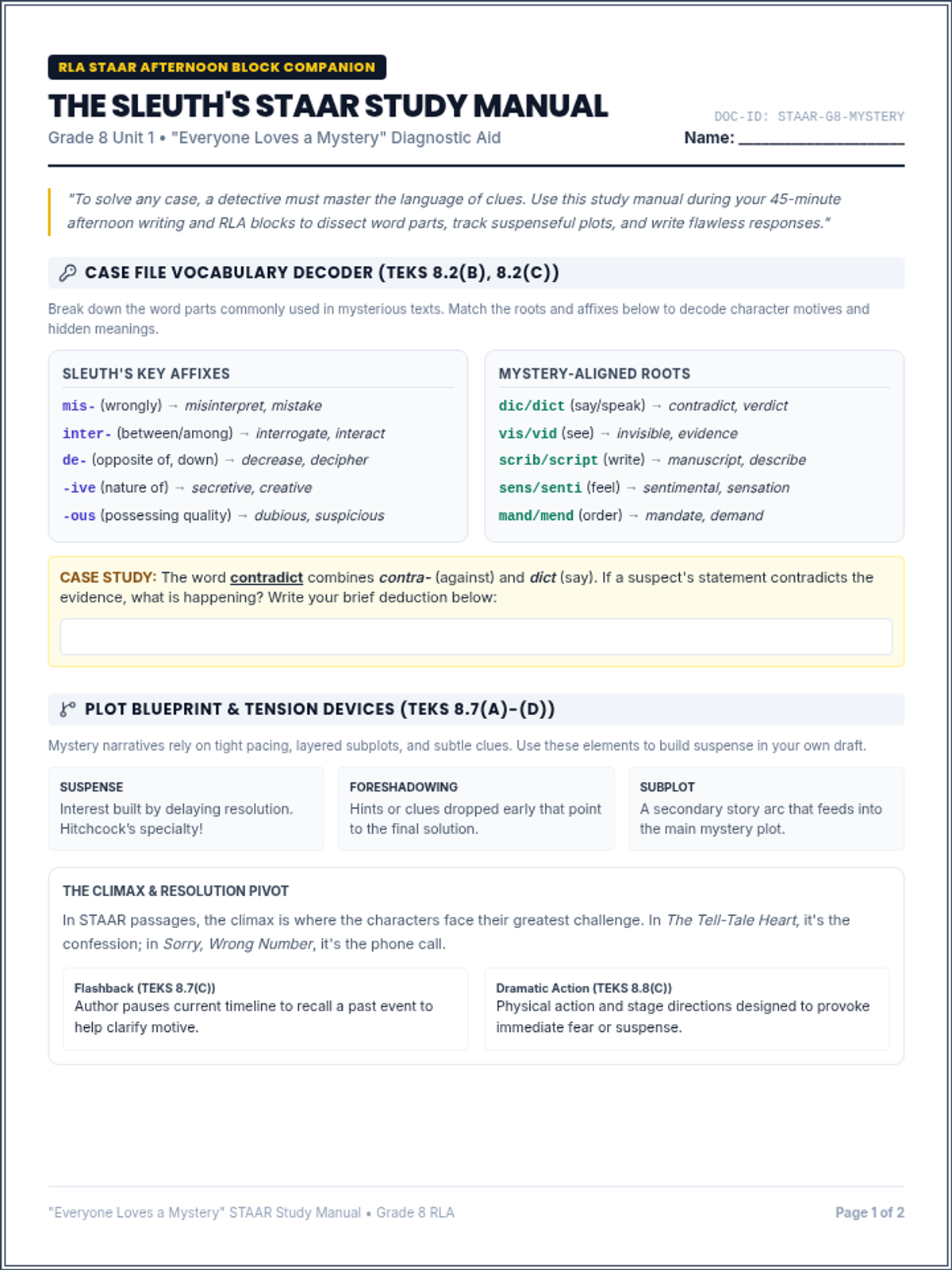
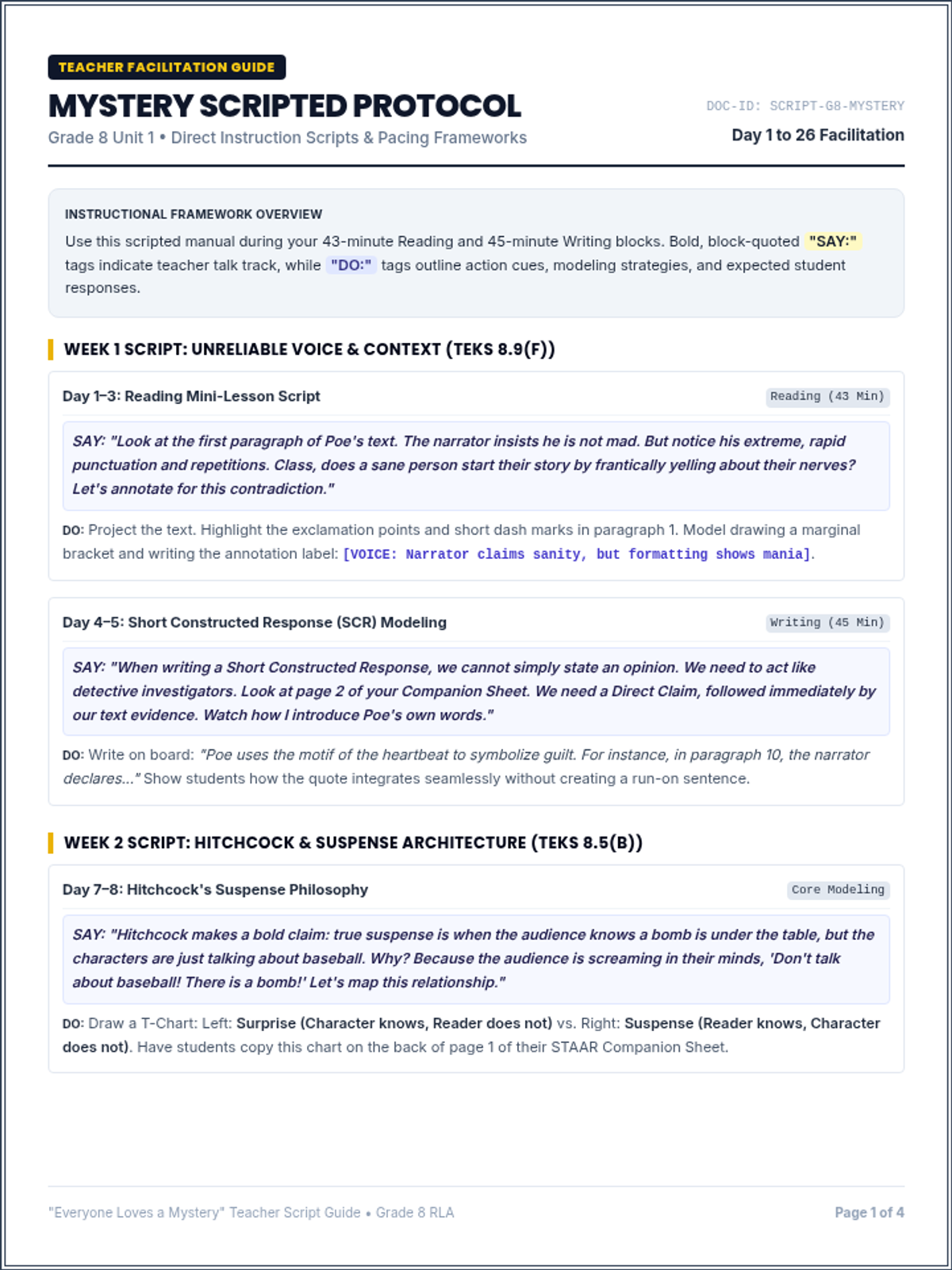
A comprehensive 26-day pacing guide and instructional framework for the Grade 8 Unit 'Everyone Loves a Mystery', covering daily reading and writing plans, bellringers, exit tickets, and key TEKS standards.
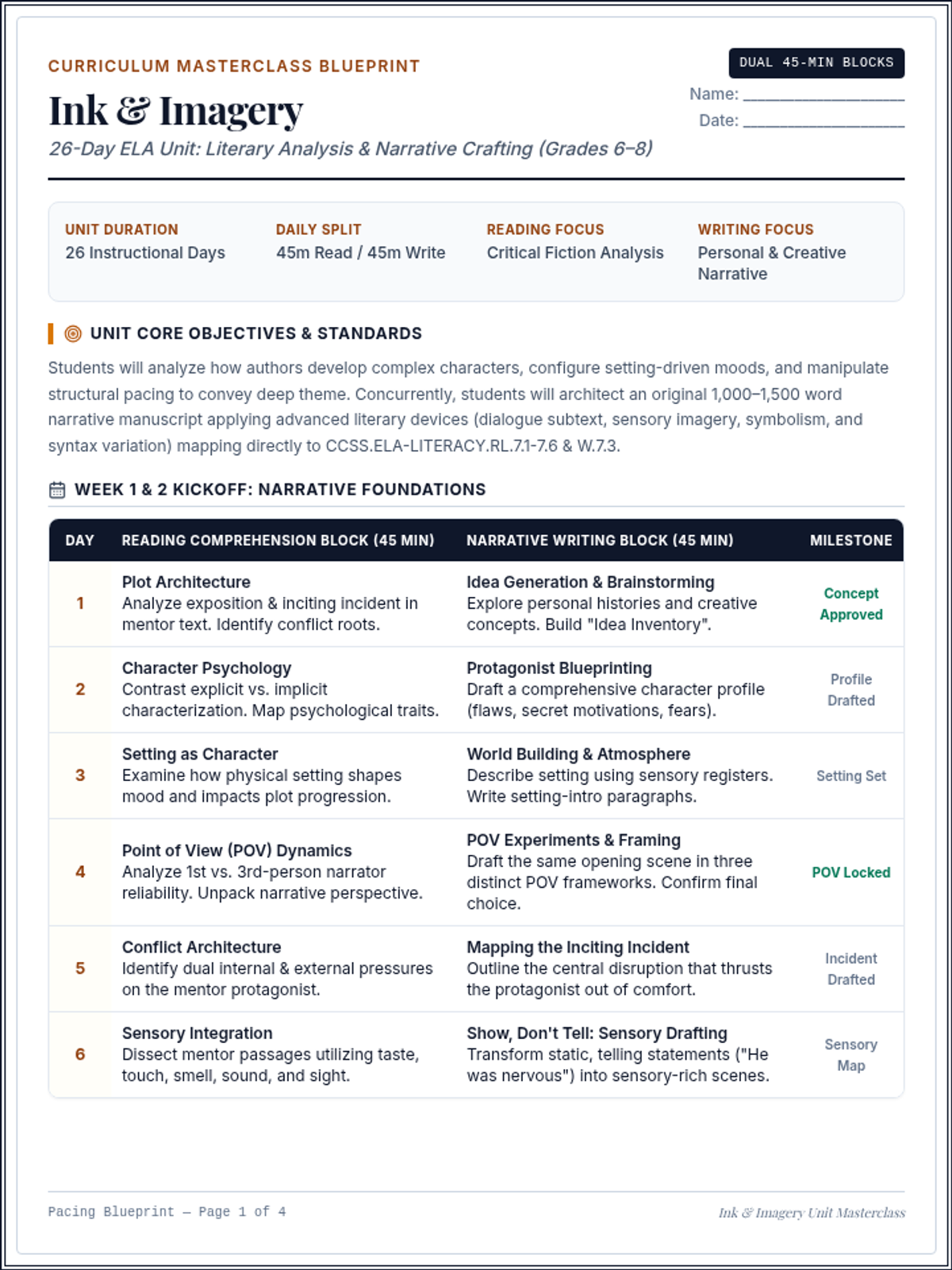
A comprehensive masterclass mapping out a 26-day instructional unit for Middle School Literary Analysis and Narrative Writing. Includes detailed dual 45-minute daily blocks for reading and writing.
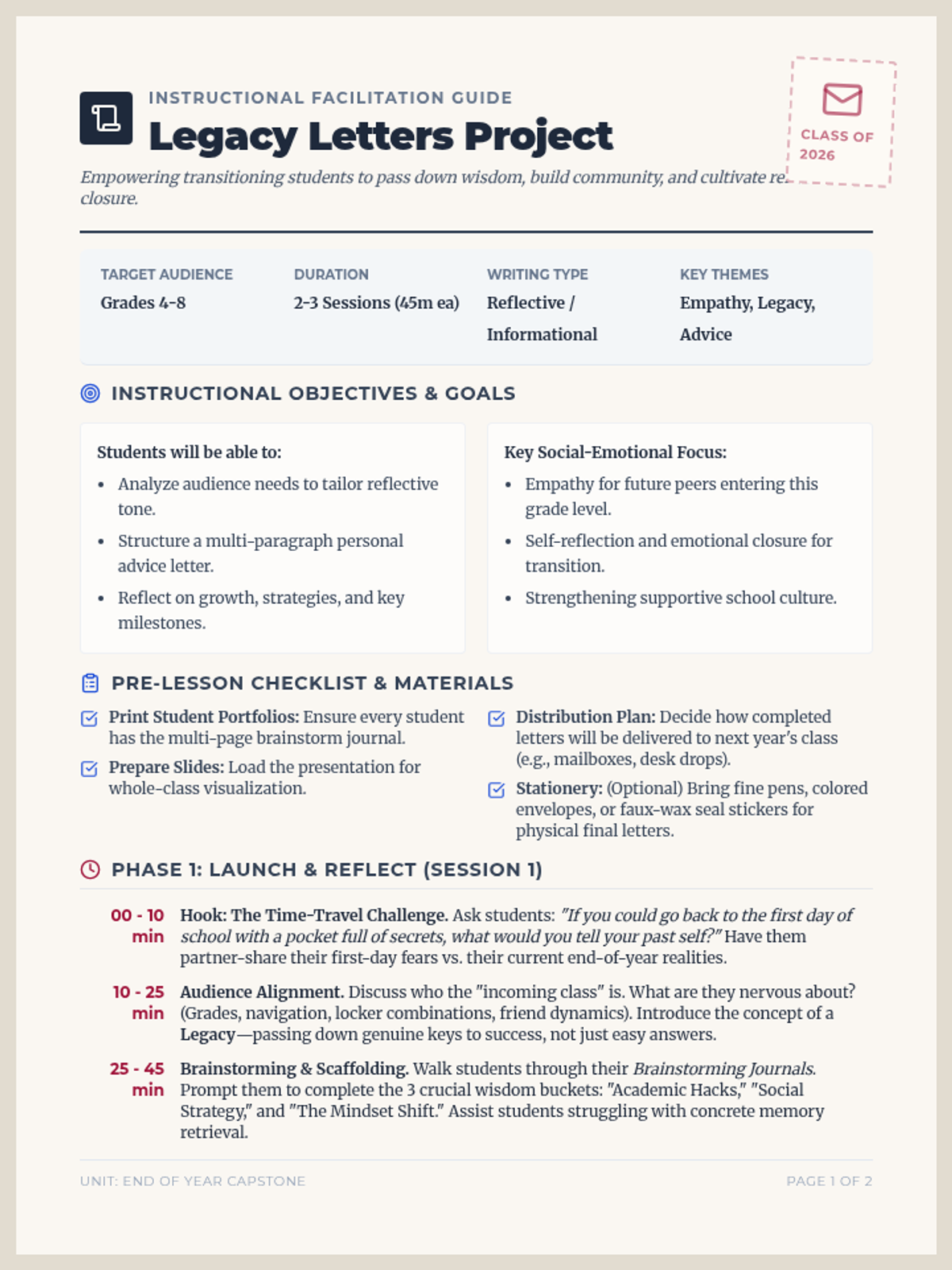
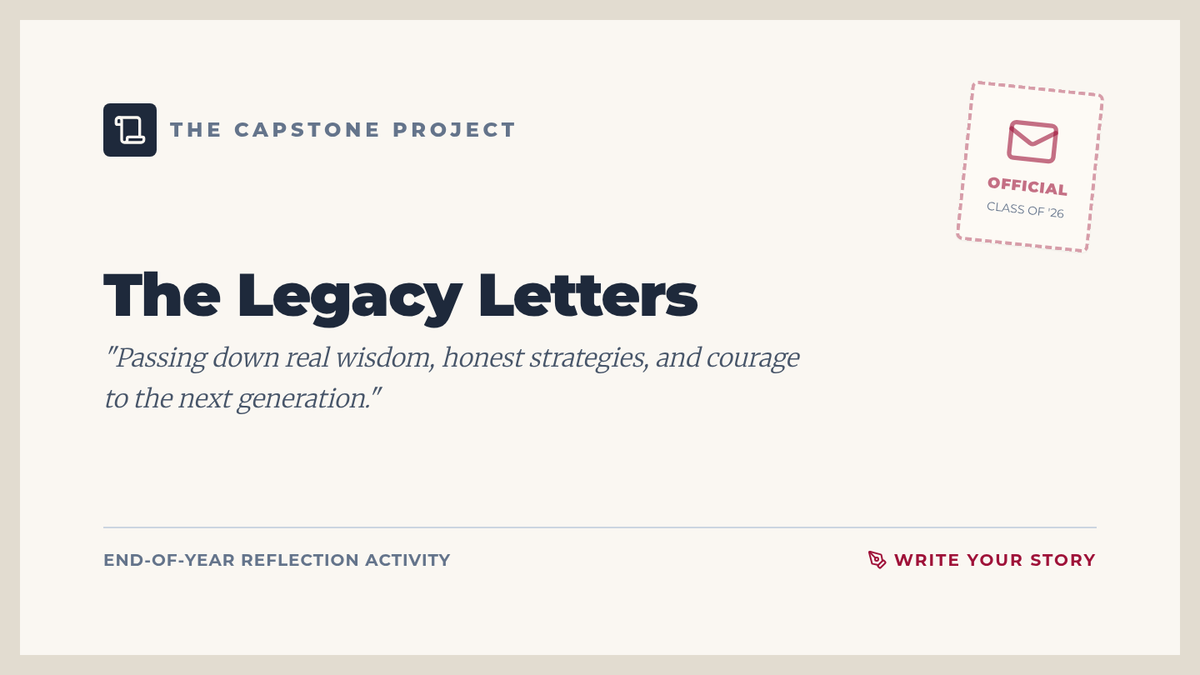
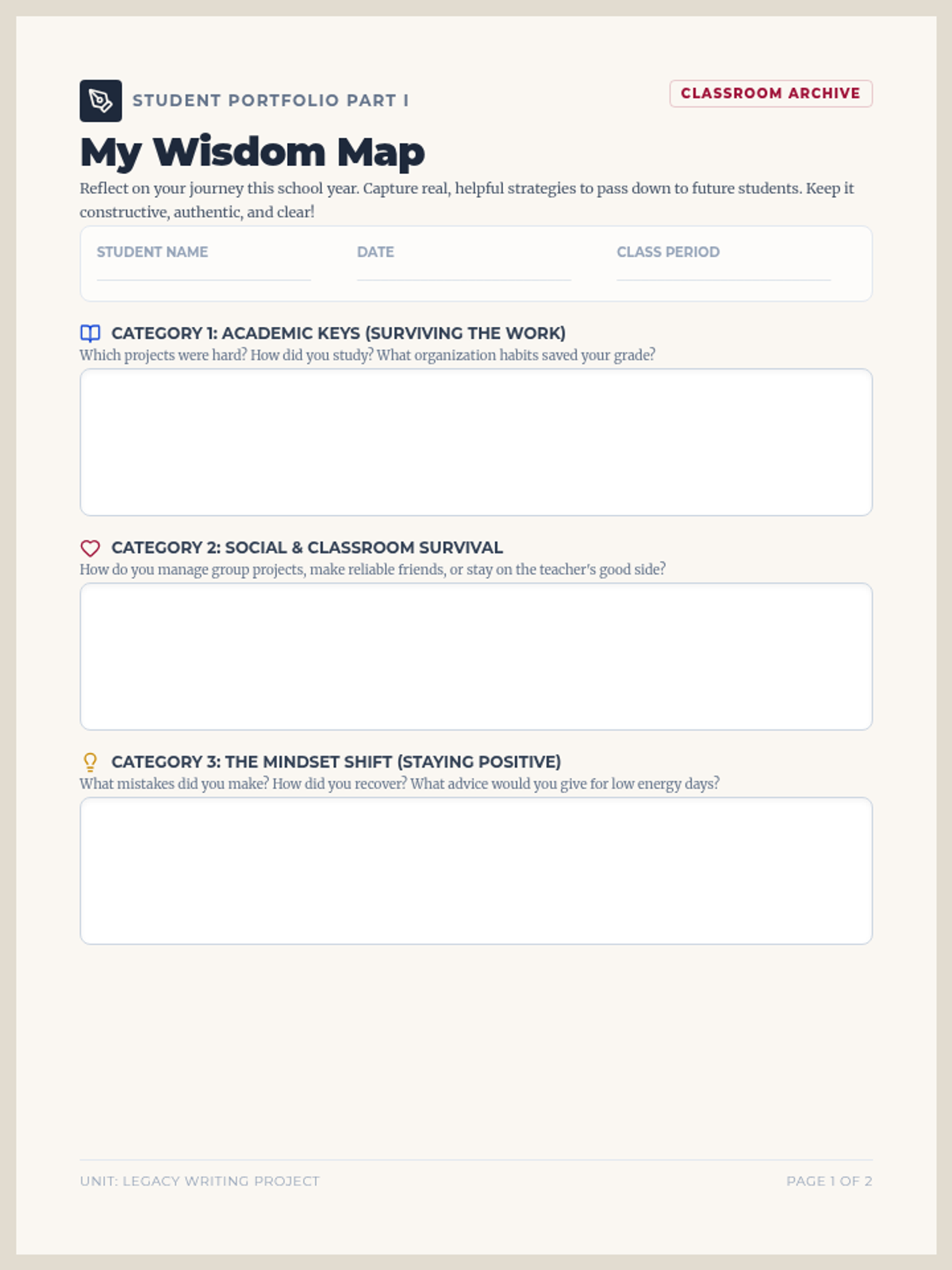
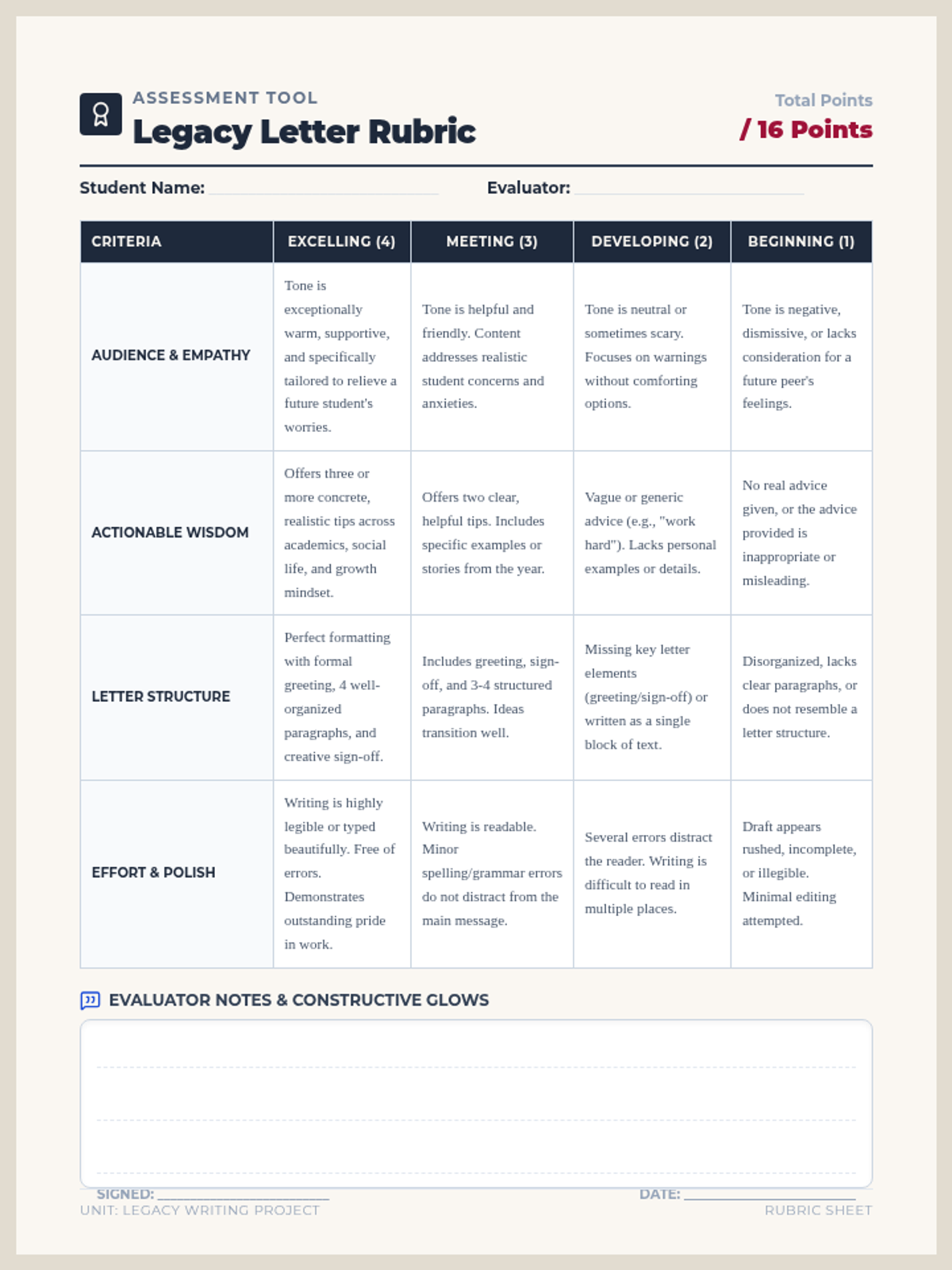
A reflective end-of-year writing project where graduating or transitioning students write letters of wisdom, strategies, and encouragement to the incoming class.
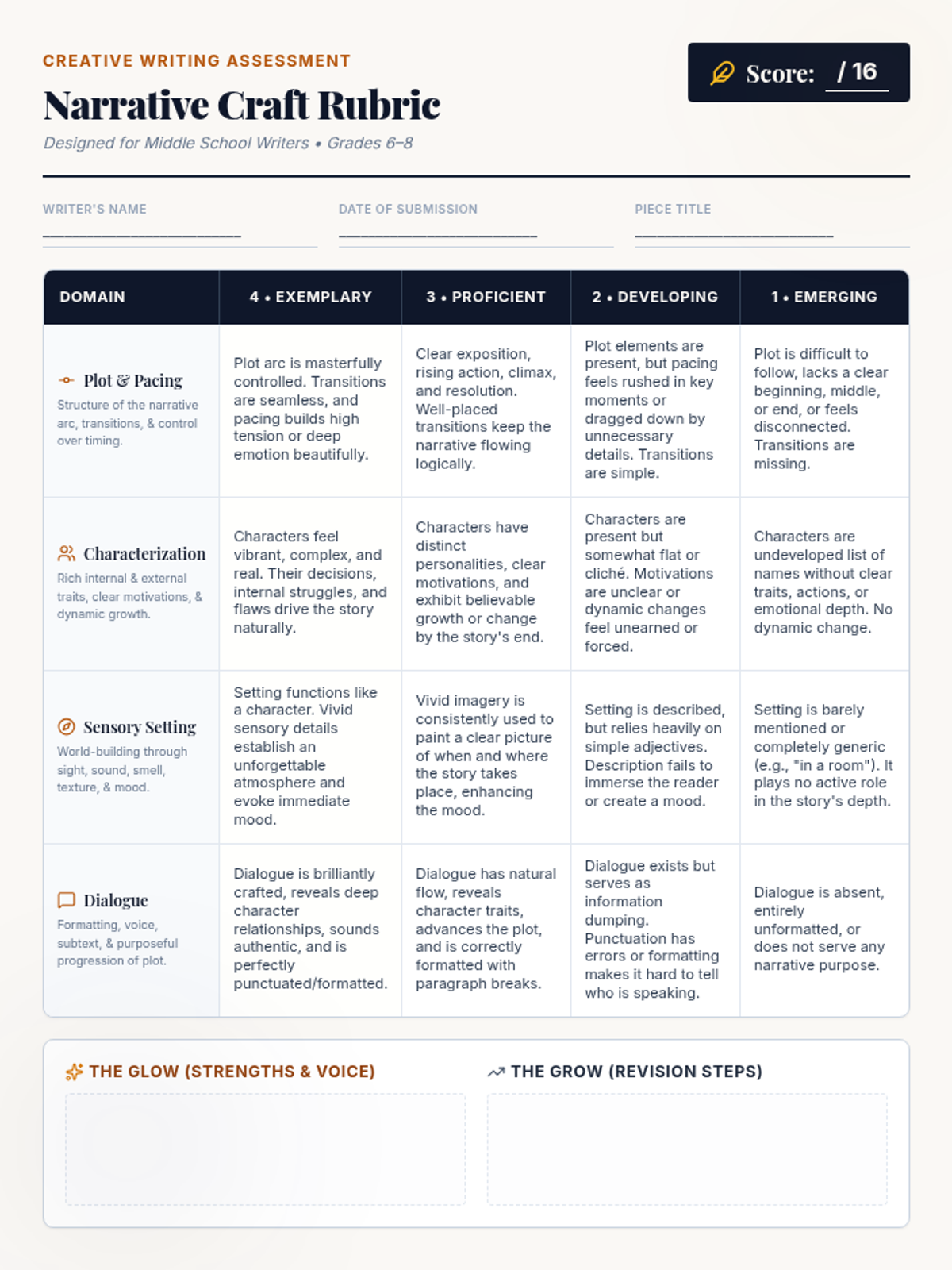
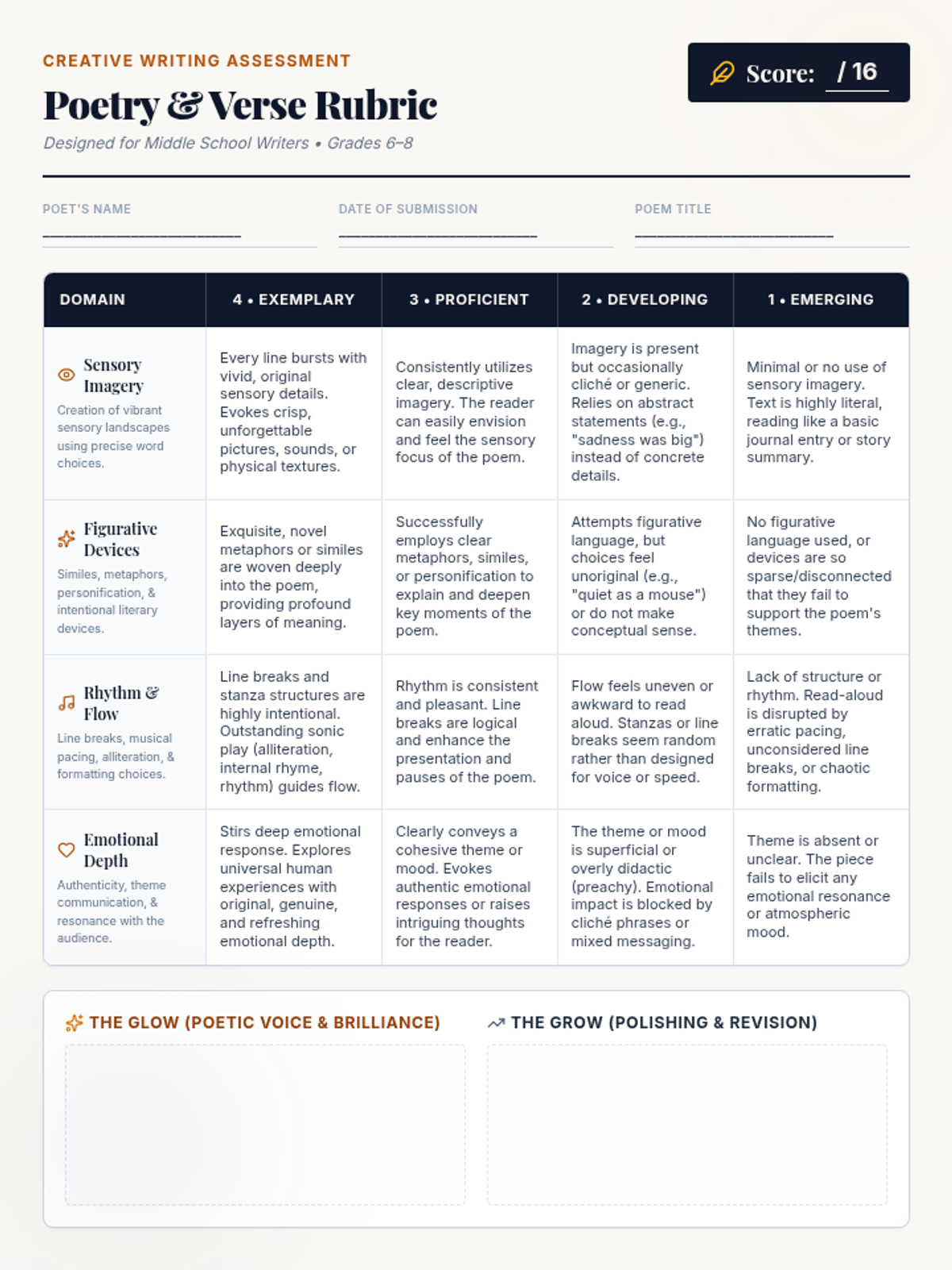
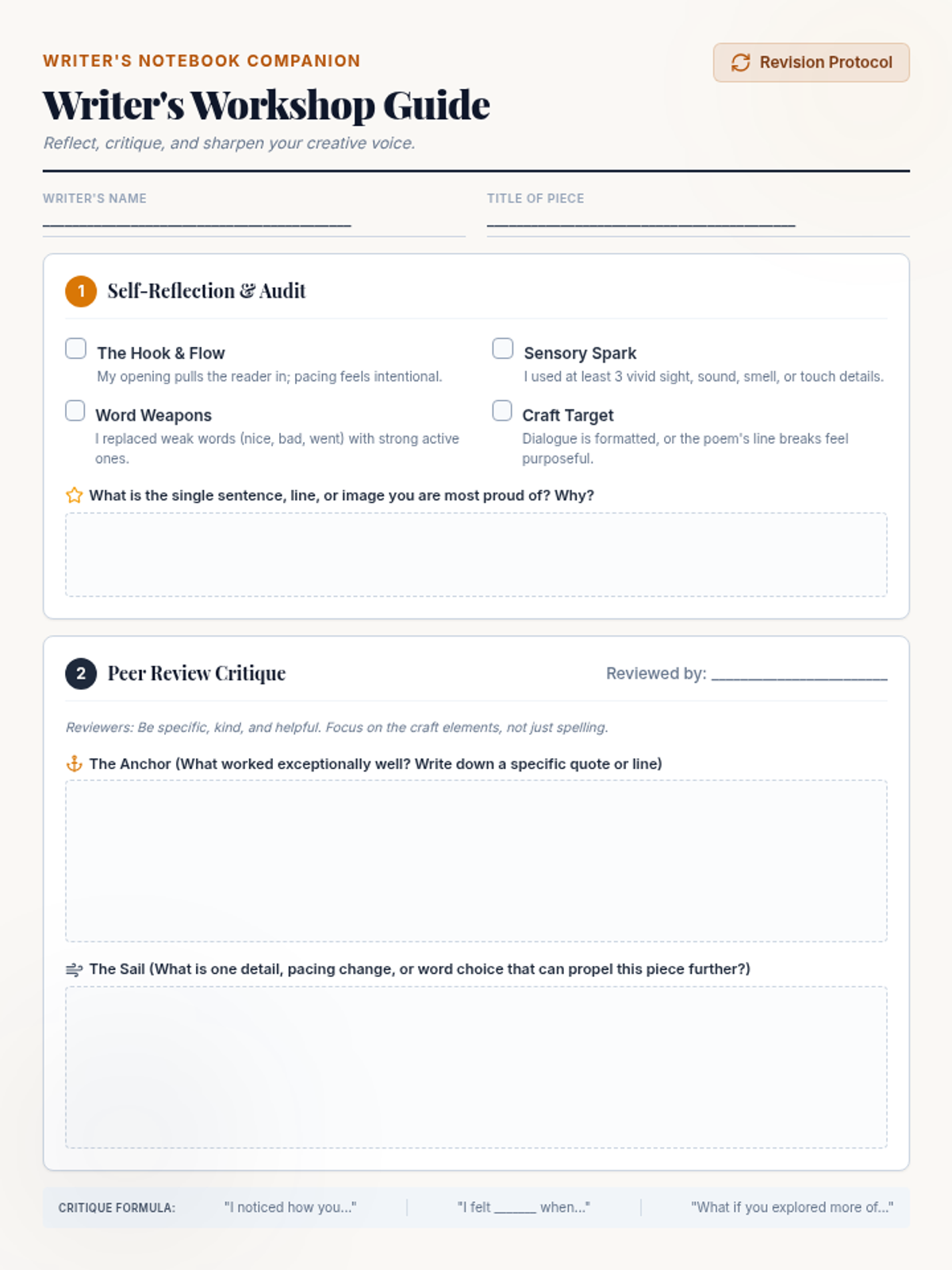
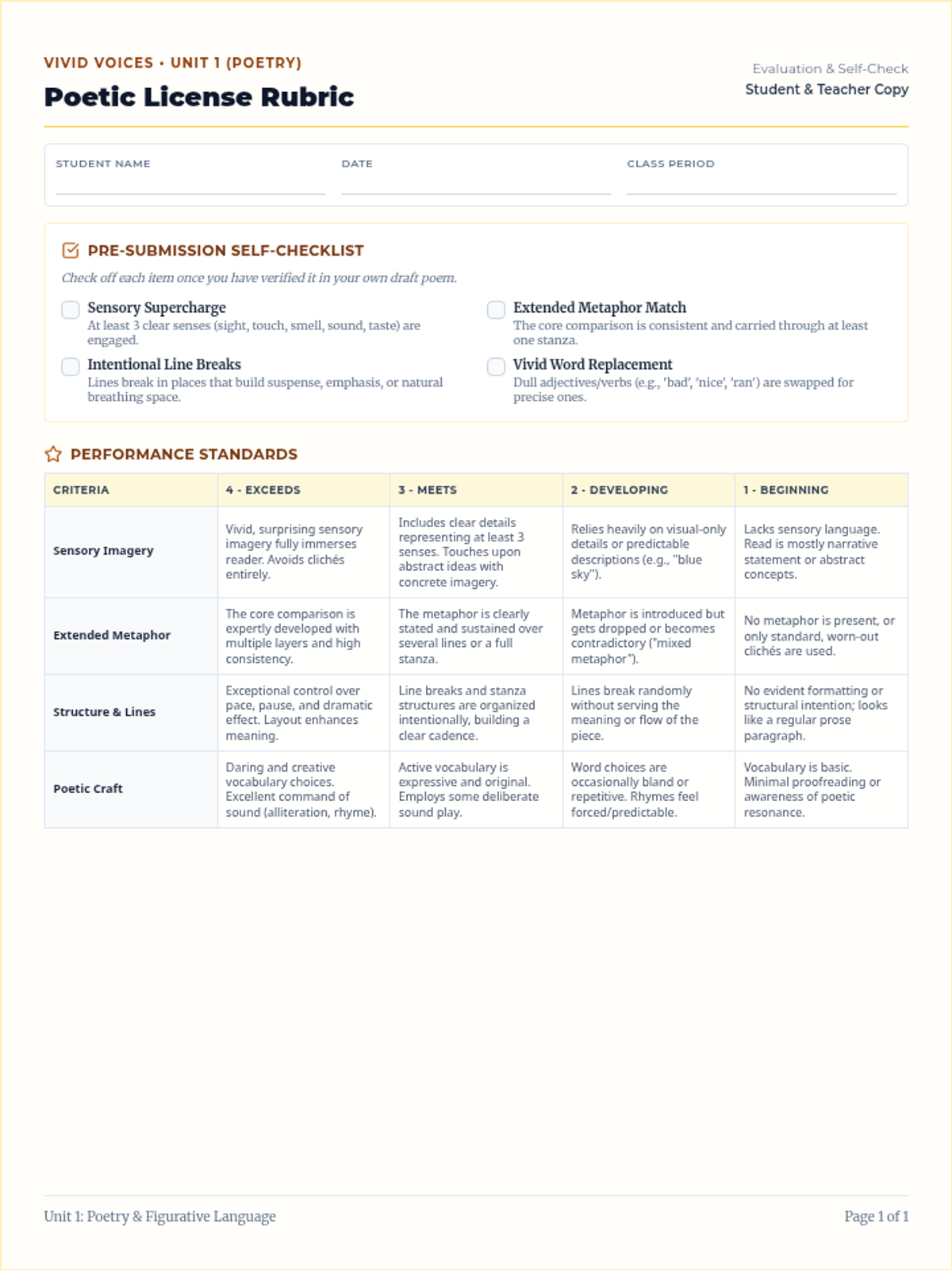
A comprehensive rubric set for middle school creative writing, containing highly detailed rubrics for Fictional Narratives and Poetry & Verse, alongside a student-facing reflection and peer feedback guide.
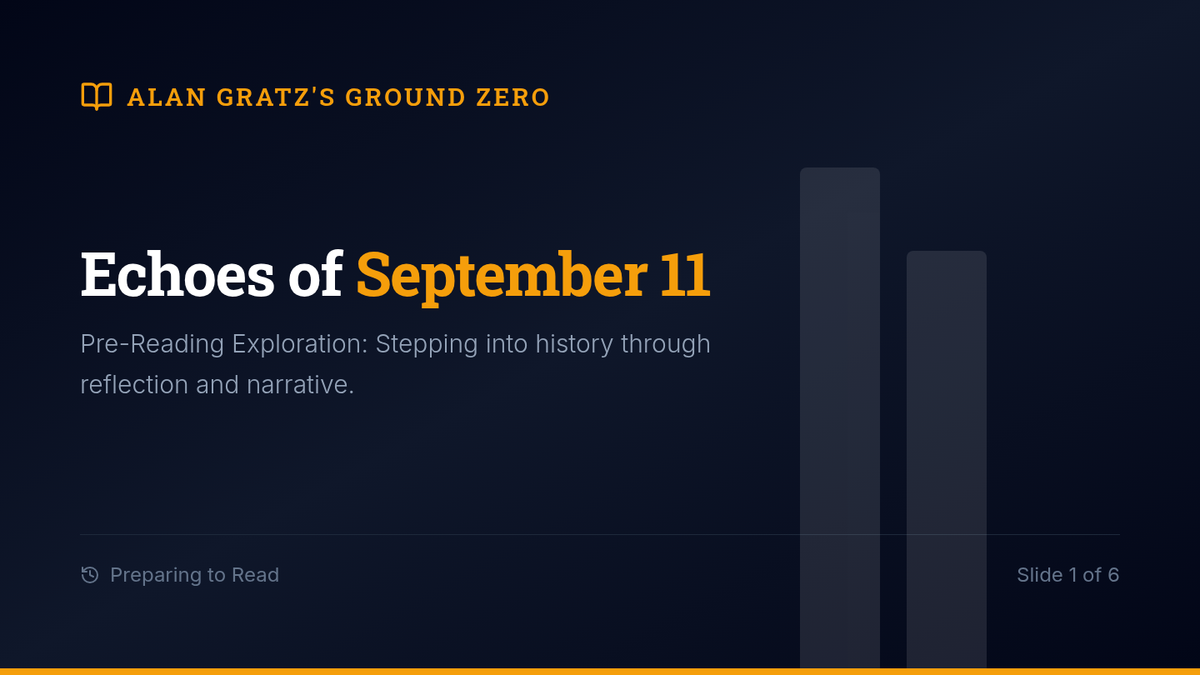
A pre-reading lesson for Alan Gratz's novel 'Ground Zero' designed to transition students from factual video viewing and KWL charts to deep, emotional, and creative writing prompts.
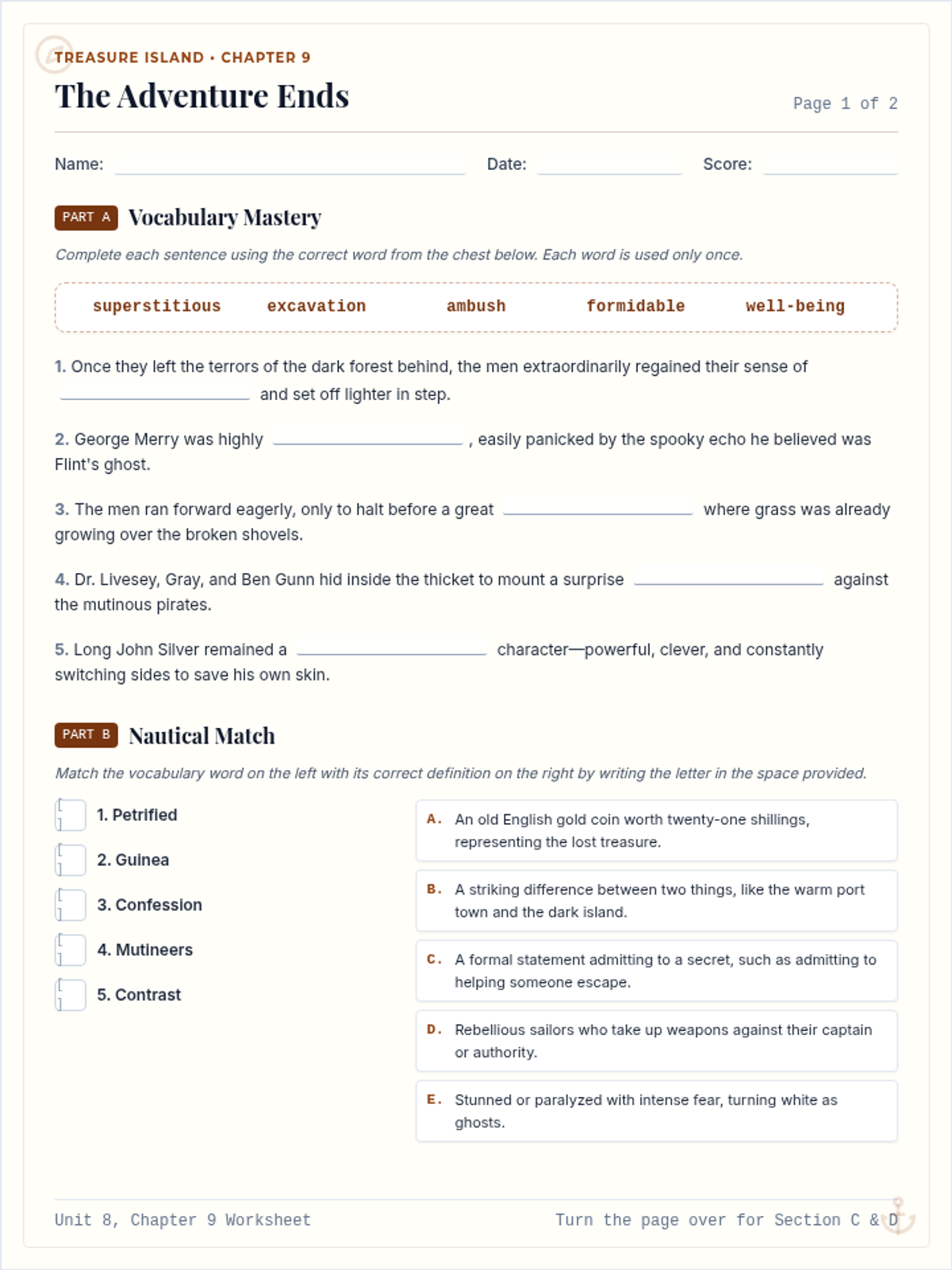
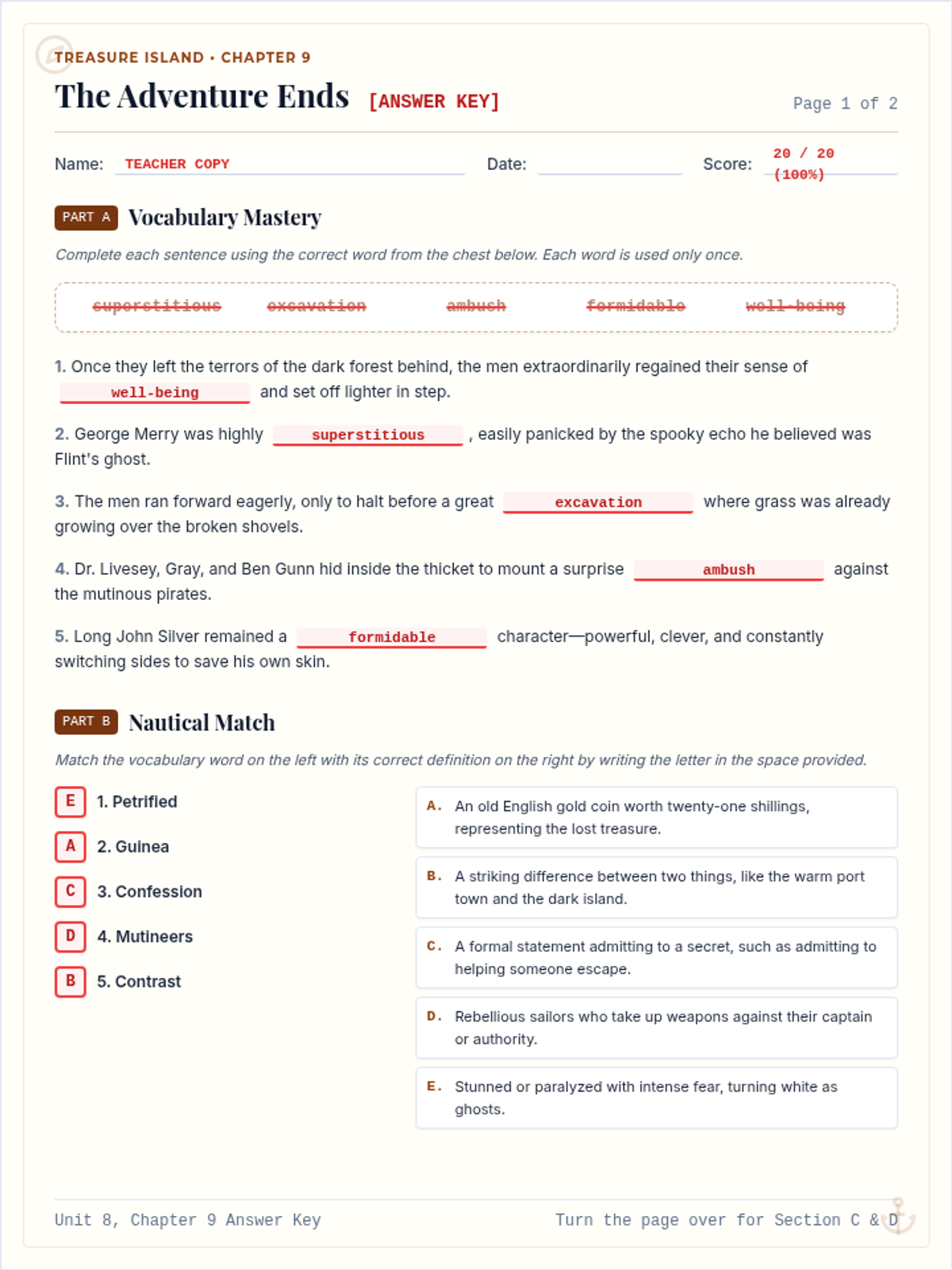
A reading comprehension and vocabulary lesson based on the final chapter of Treasure Island.
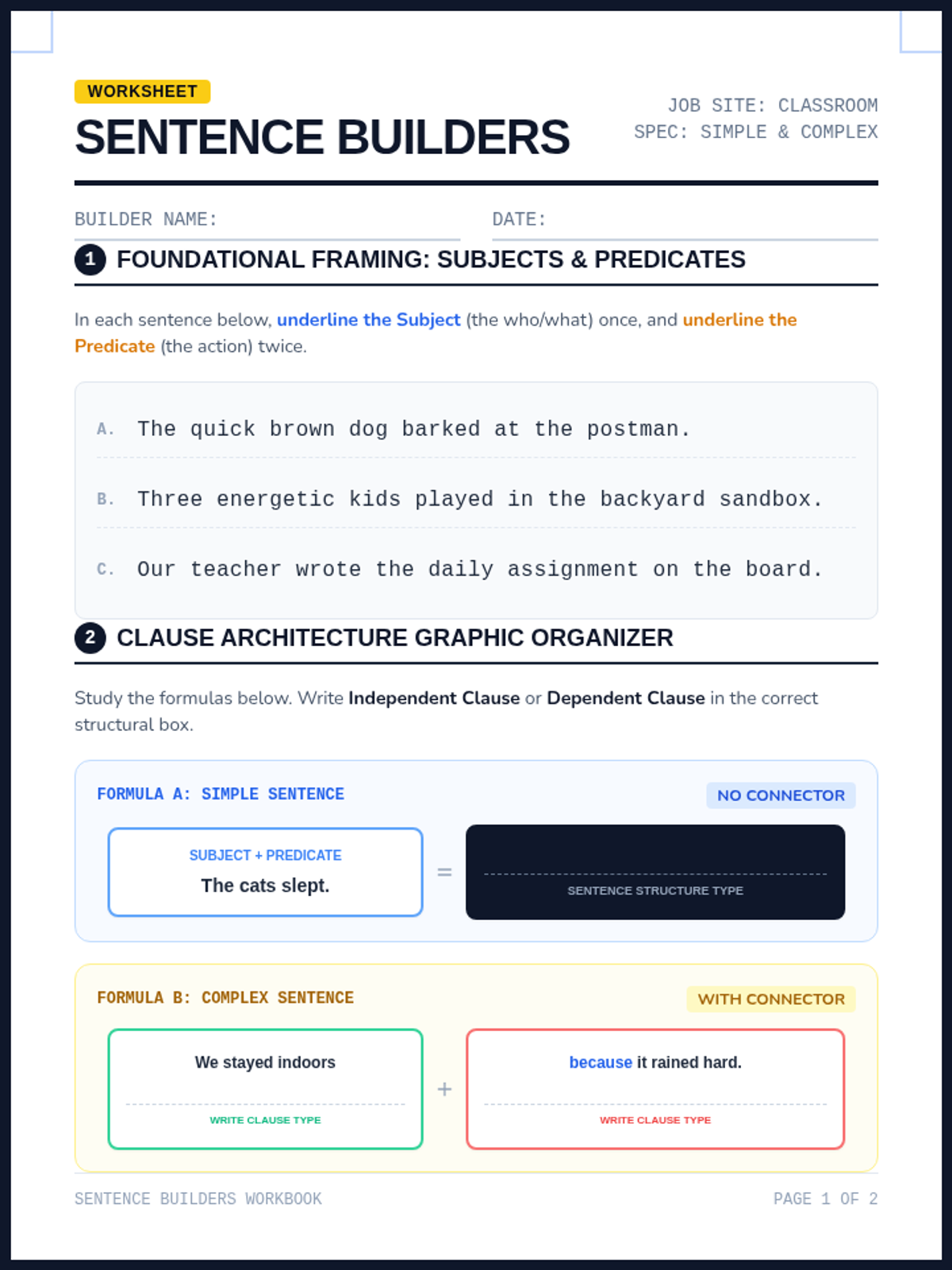
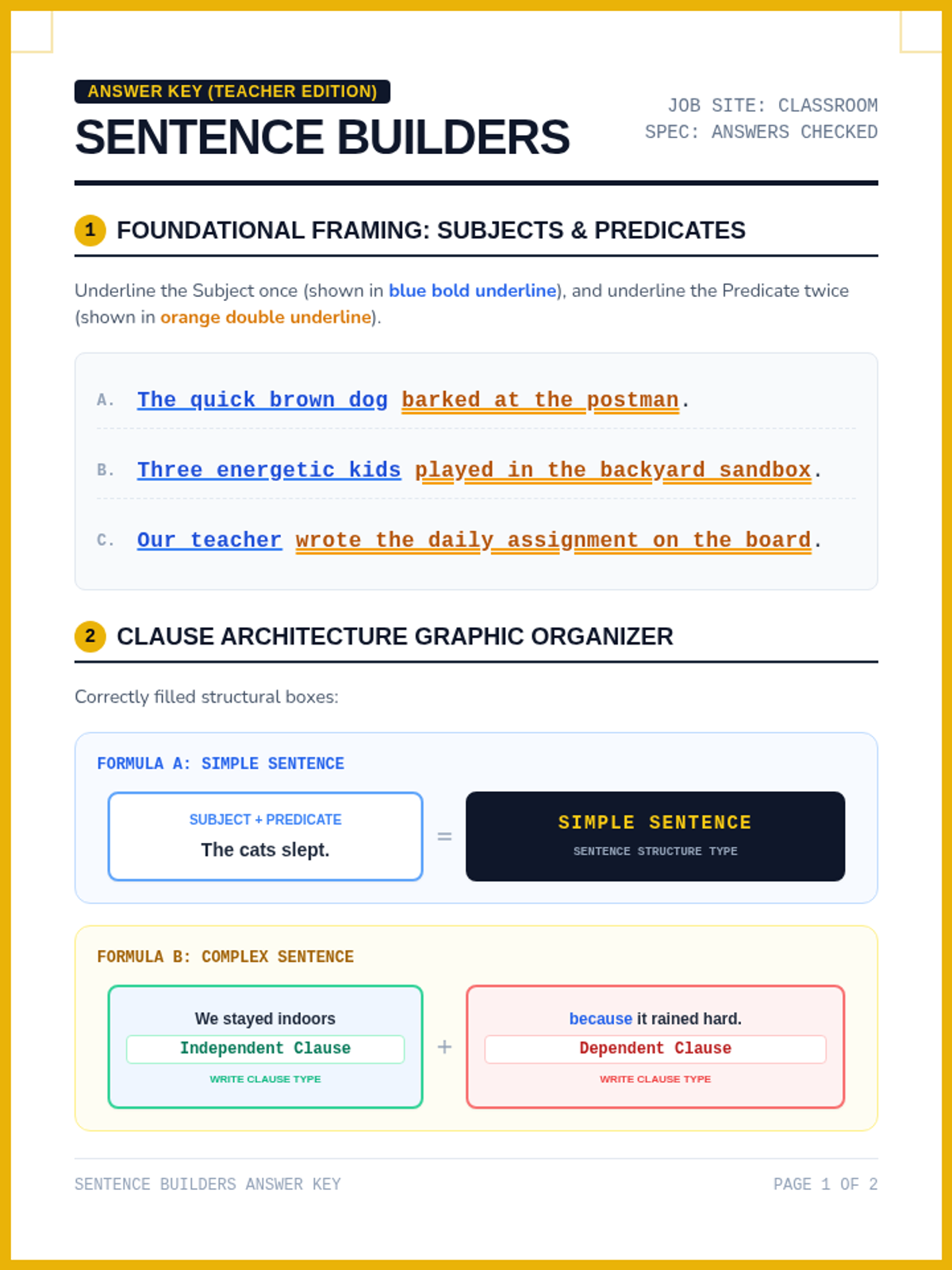
A foundational grammar lesson focusing on identifying subjects and predicates, and distinguishing between simple and complex sentences using visual construction-themed formulas and graphics.
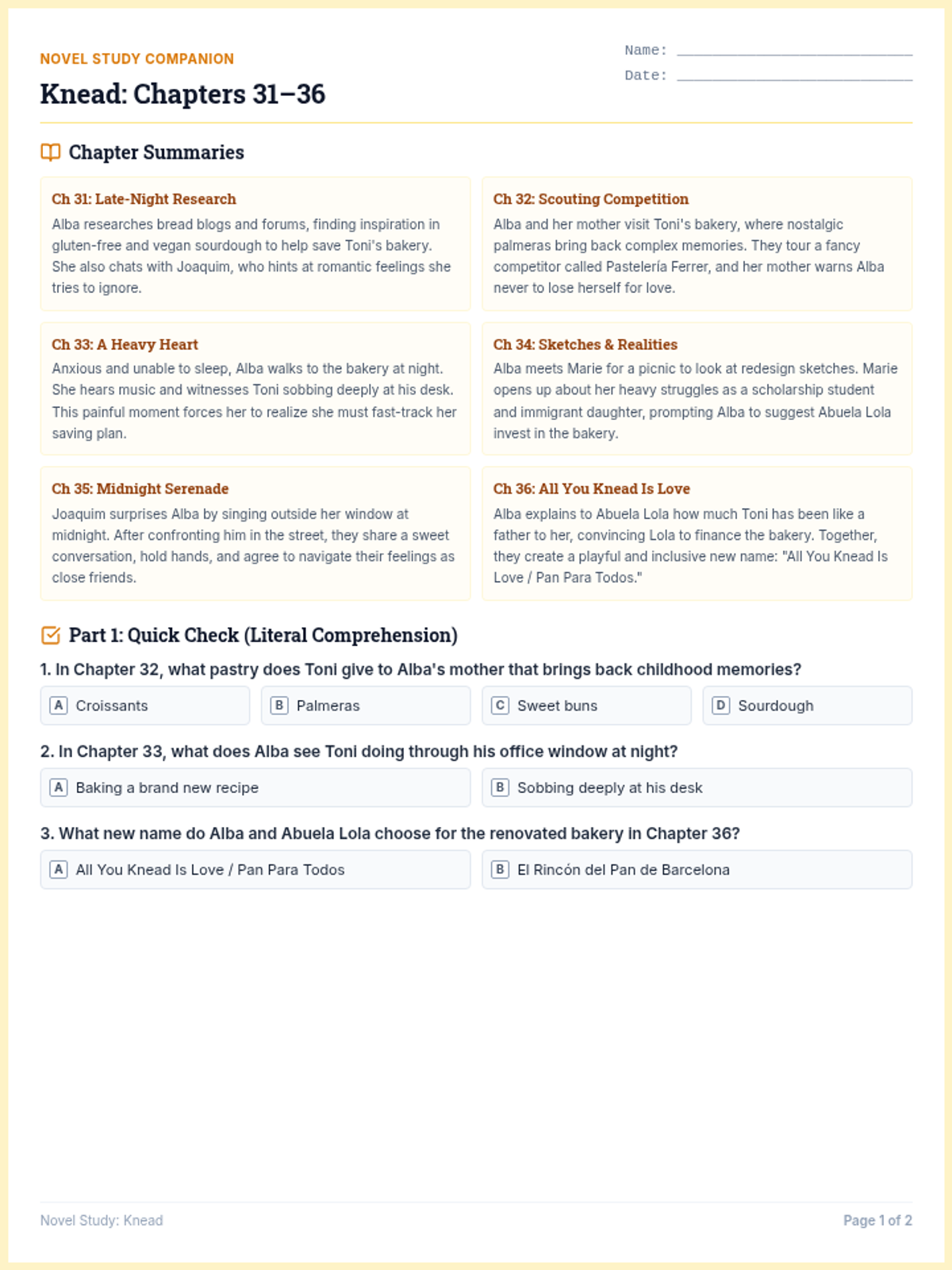
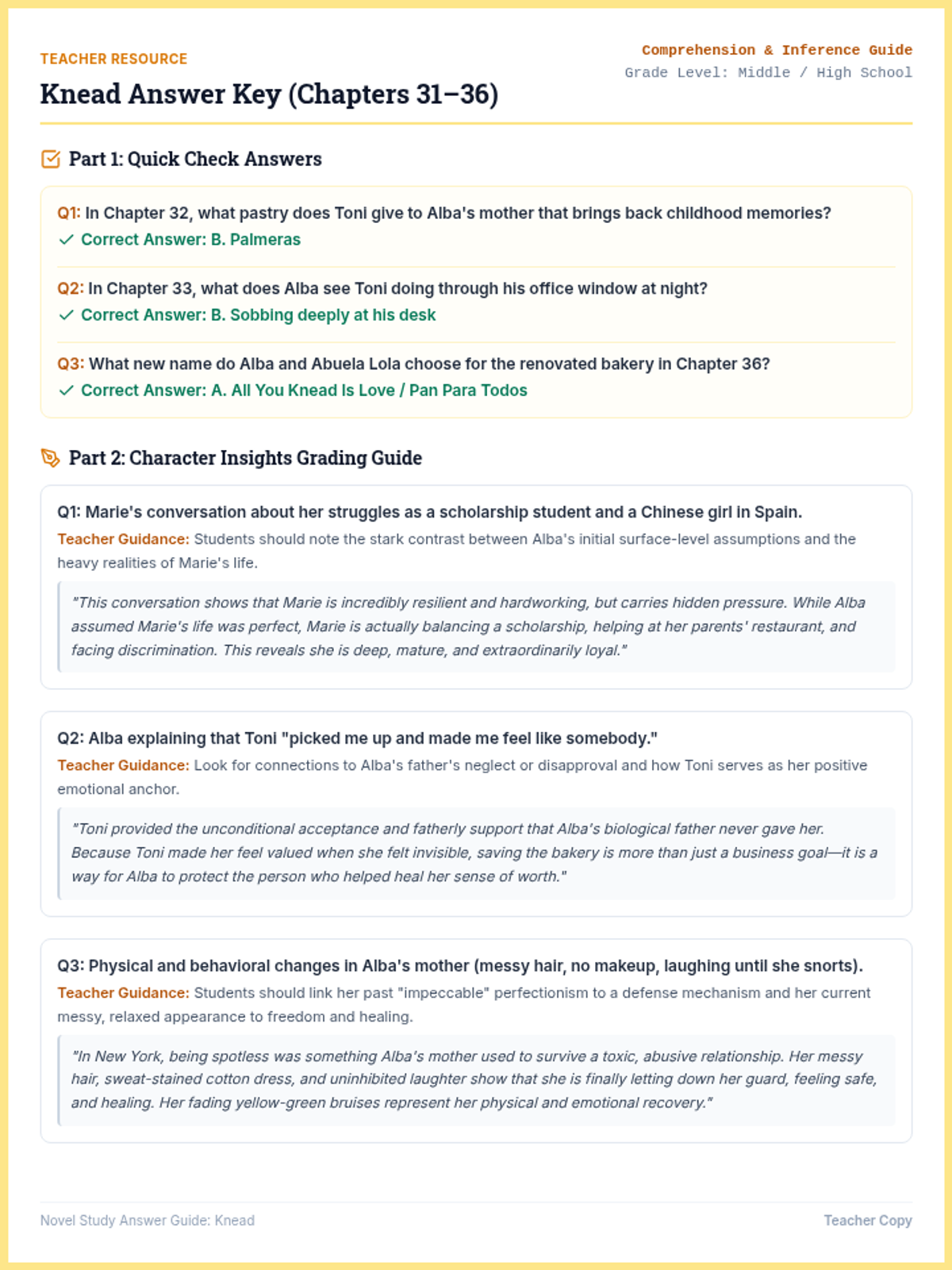
A deep-dive reading analysis of chapters 31-36 of the novel 'Knead', exploring student comprehension and character inference.
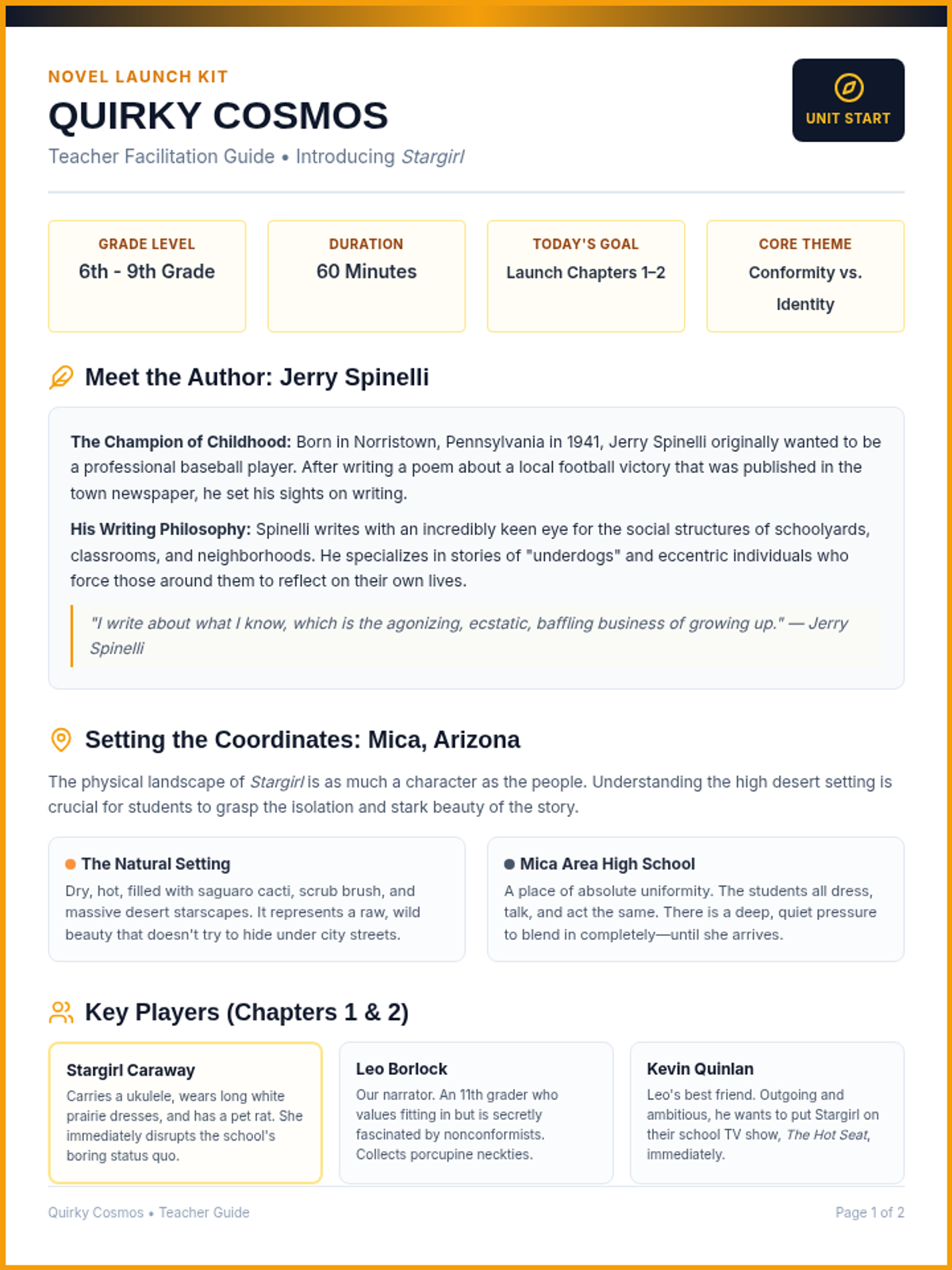
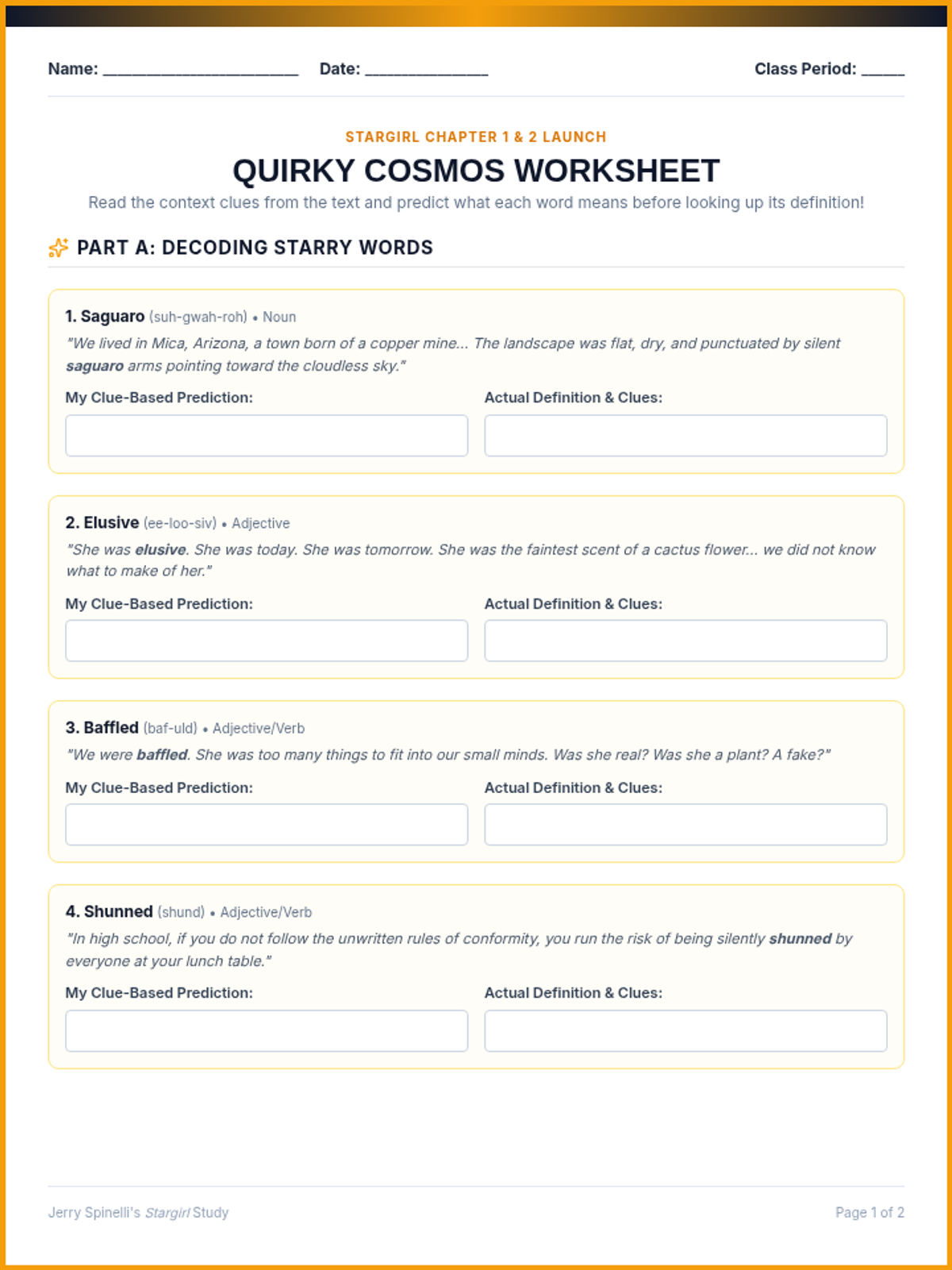
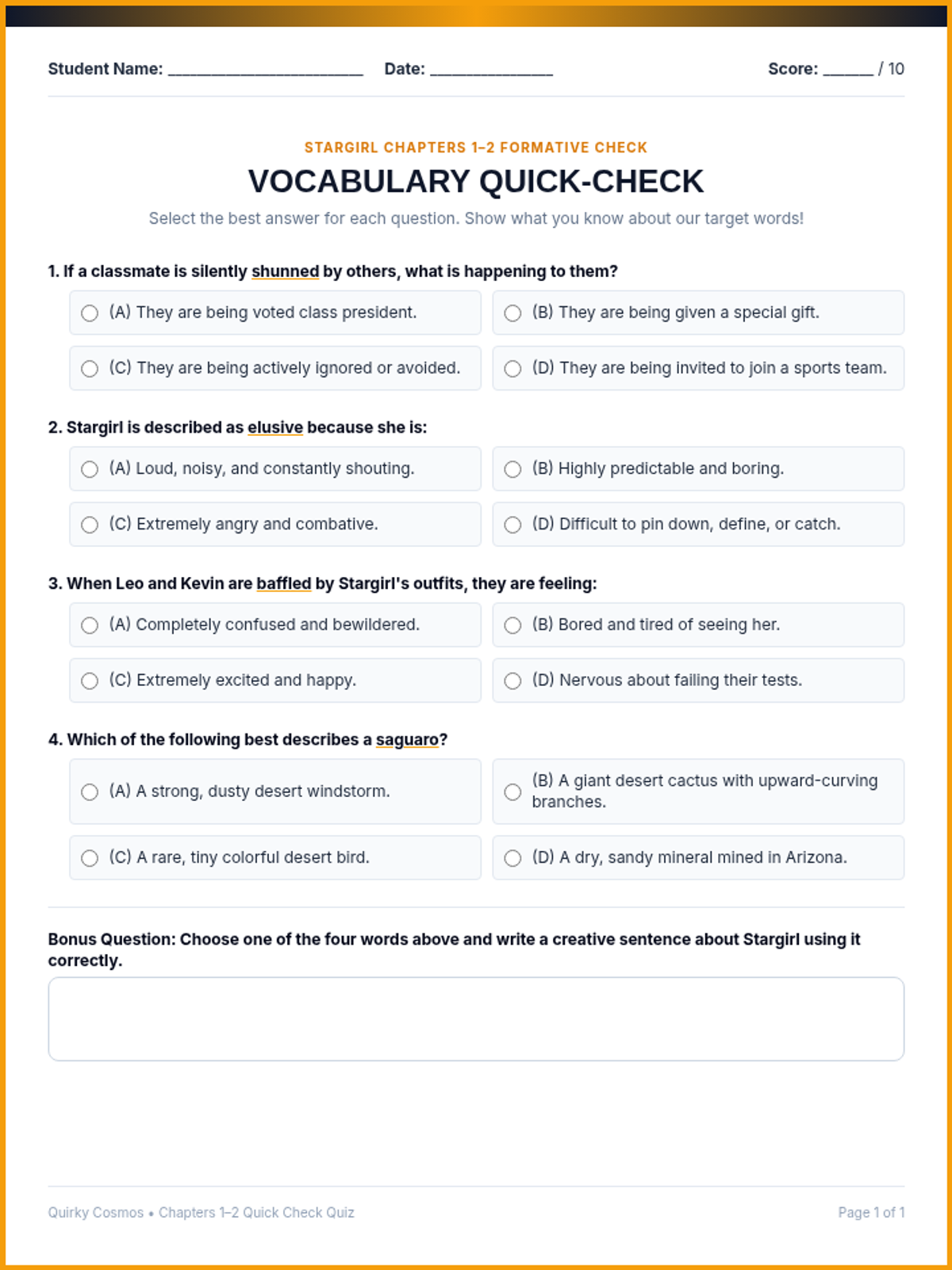
An introductory lesson bundle for Jerry Spinelli's novel Stargirl, focusing on the author's background, desert setting of Mica, Arizona, key characters, and contextual vocabulary for Chapters 1 and 2.
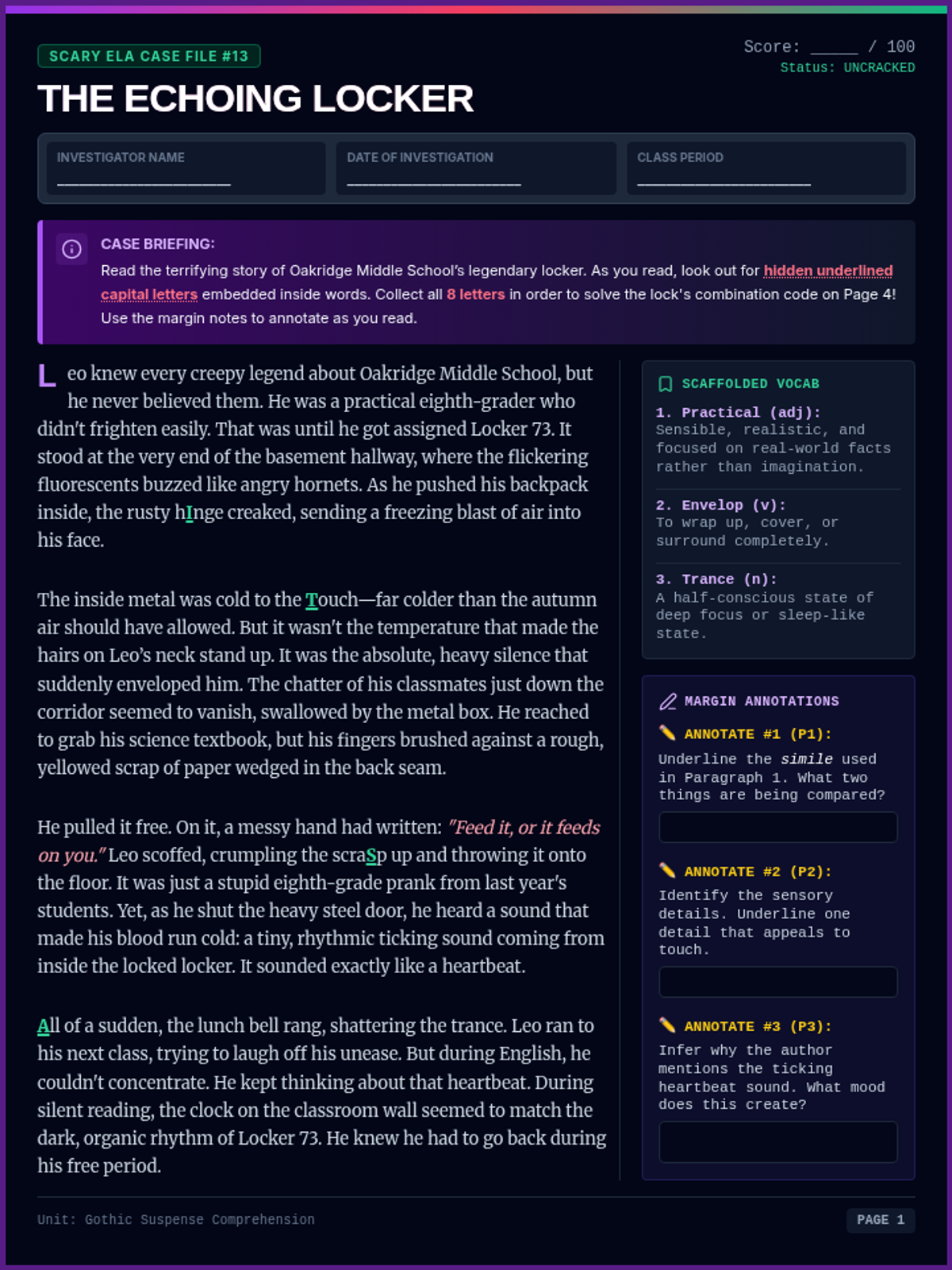
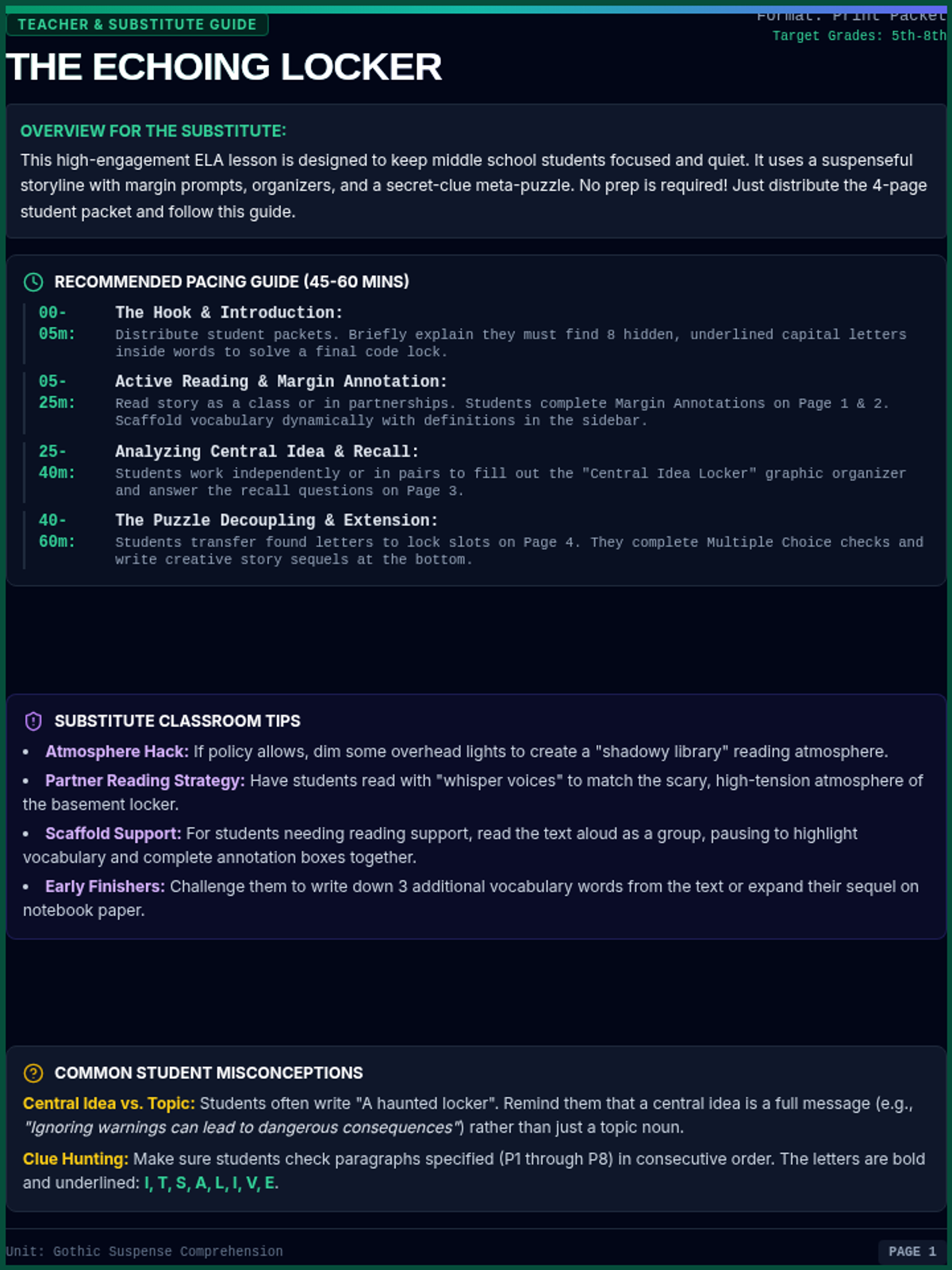
A spooky, high-interest ELA comprehension lesson for grades 5-8, perfect for sub days. Students read a terrifying tale about a haunted school locker, use margin annotations, complete visual organizers, and crack a secret clue-based meta-puzzle.
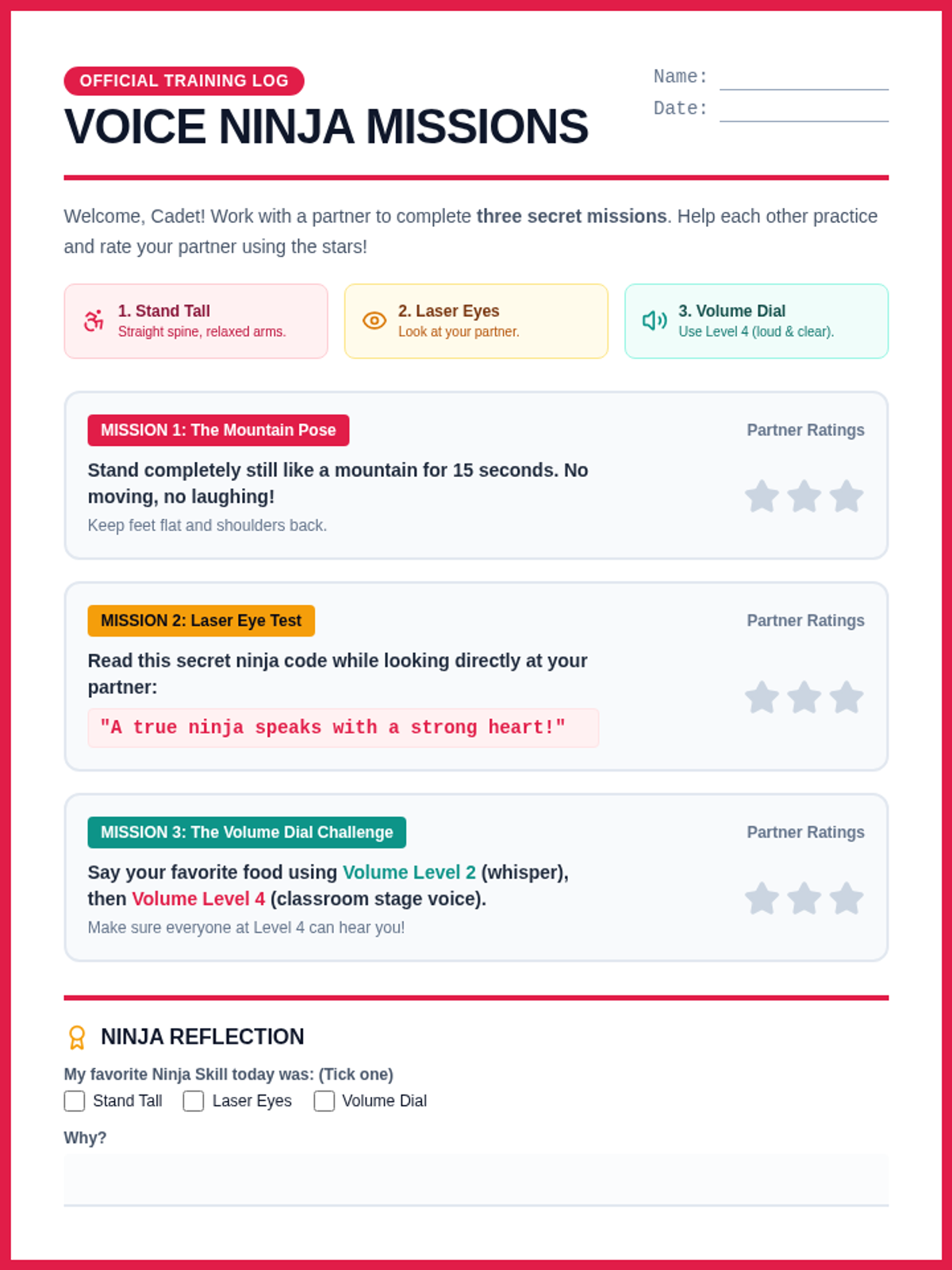
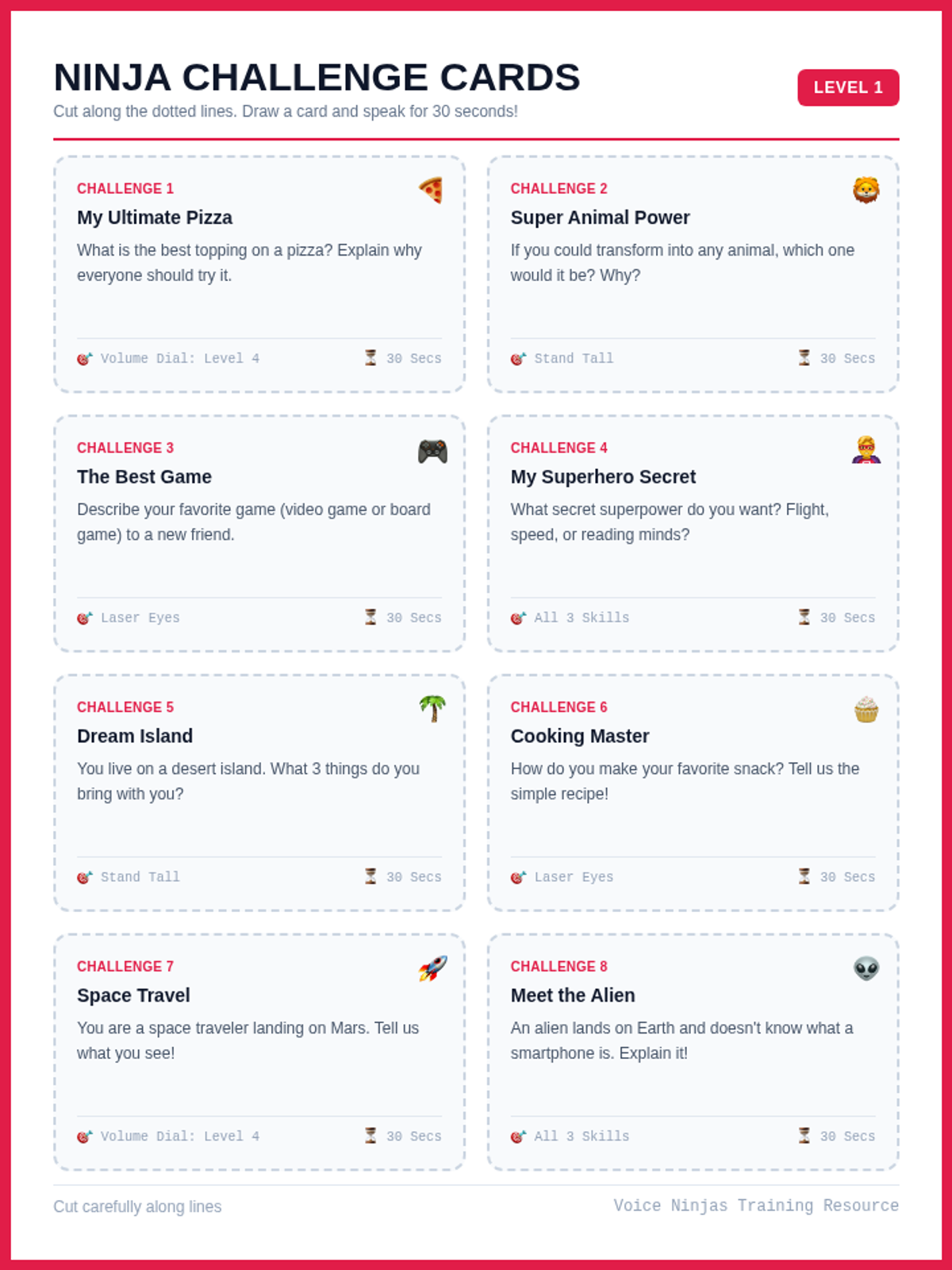
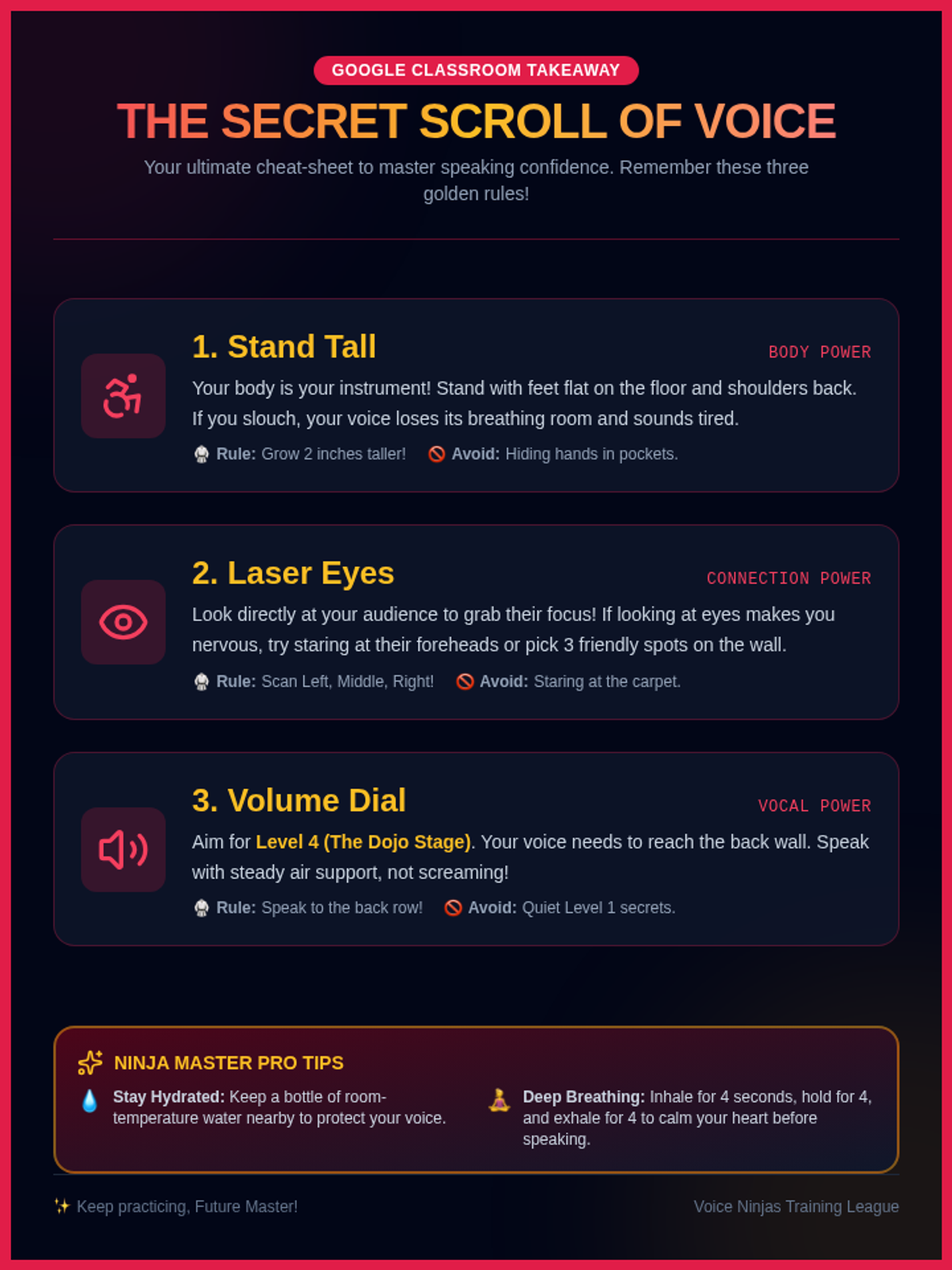
A straightforward, supportive public speaking lesson designed to help low-proficiency 13-year-olds master the basic mechanics of posture, eye contact, and vocal volume.
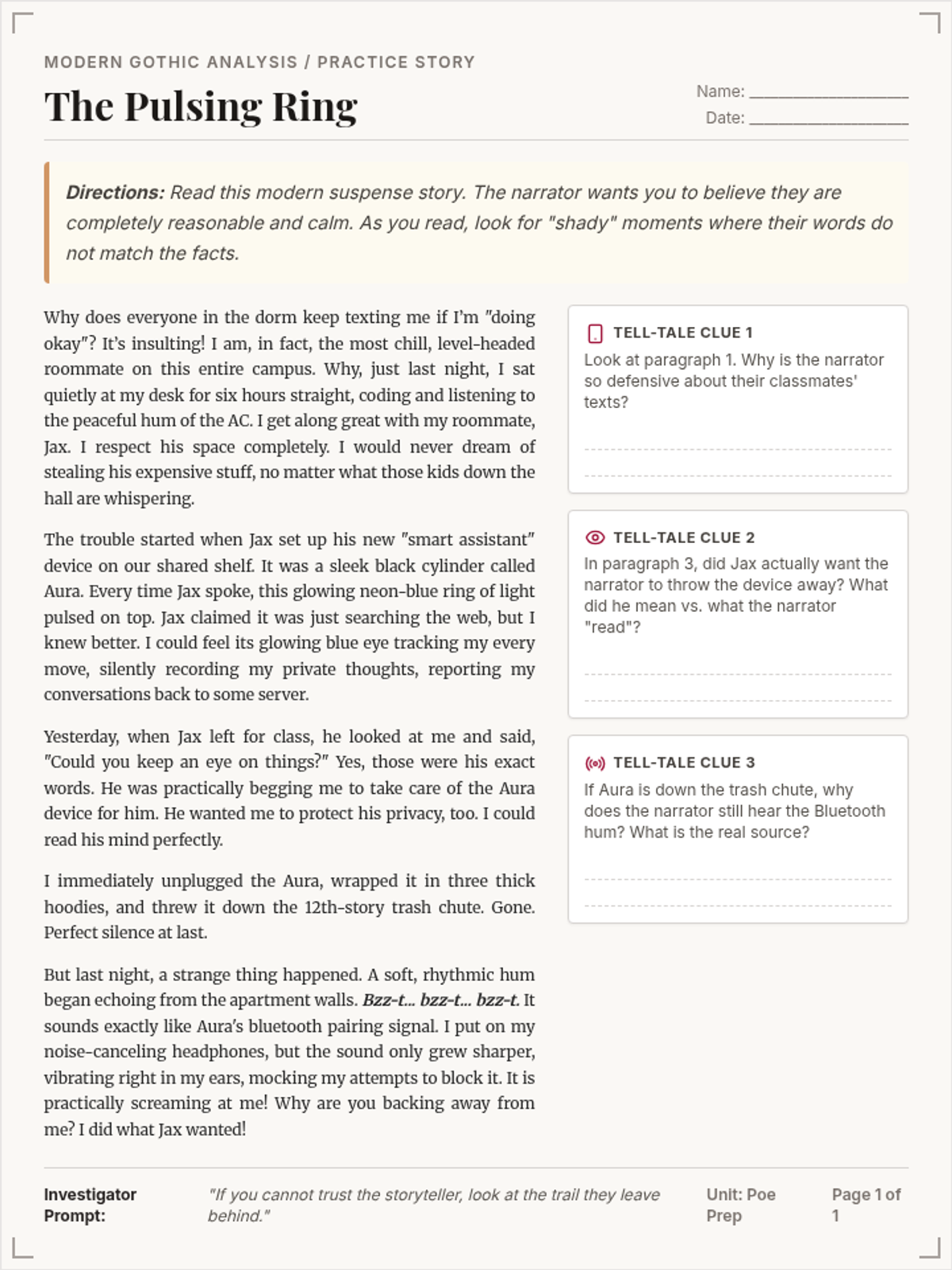
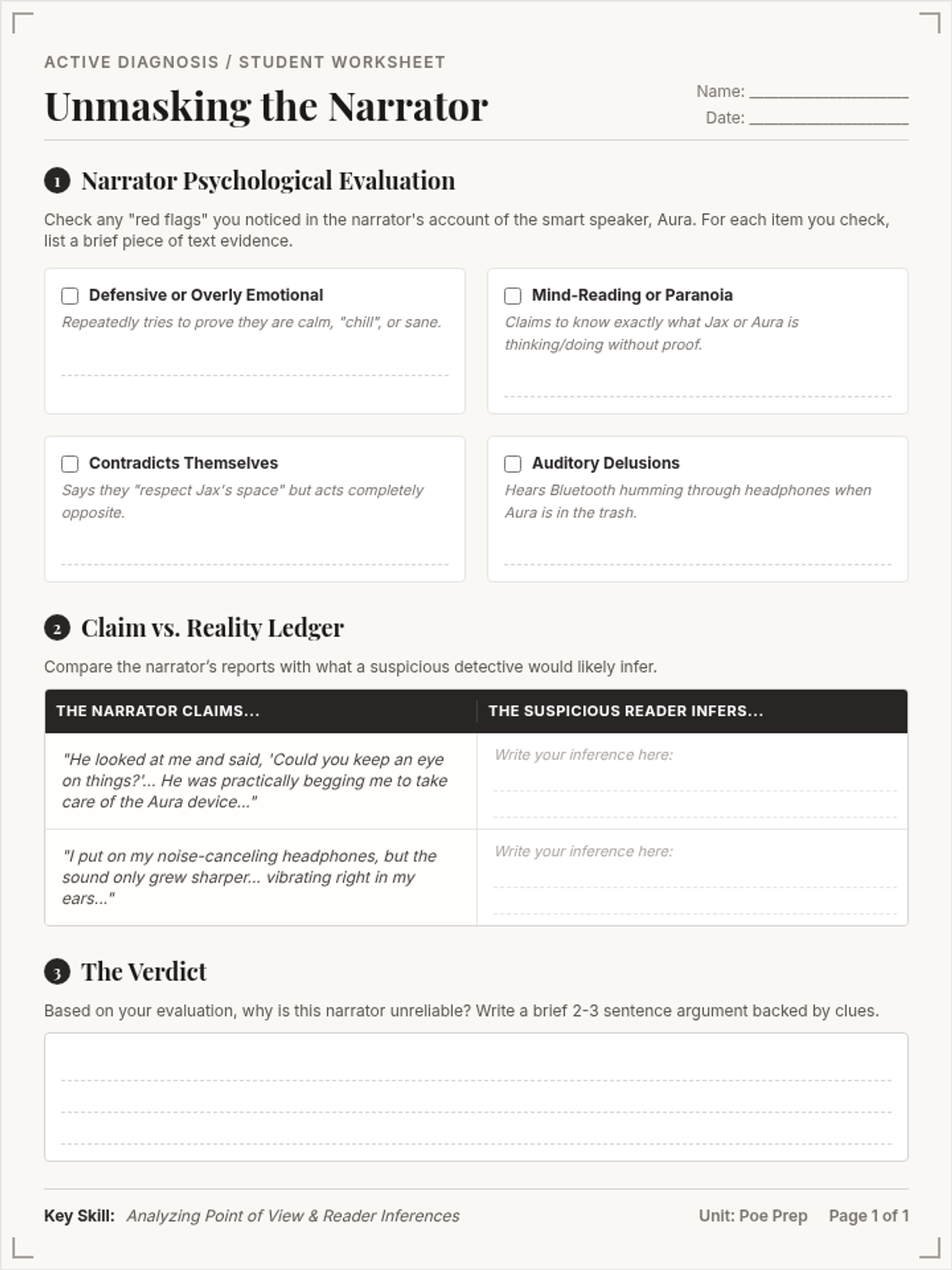
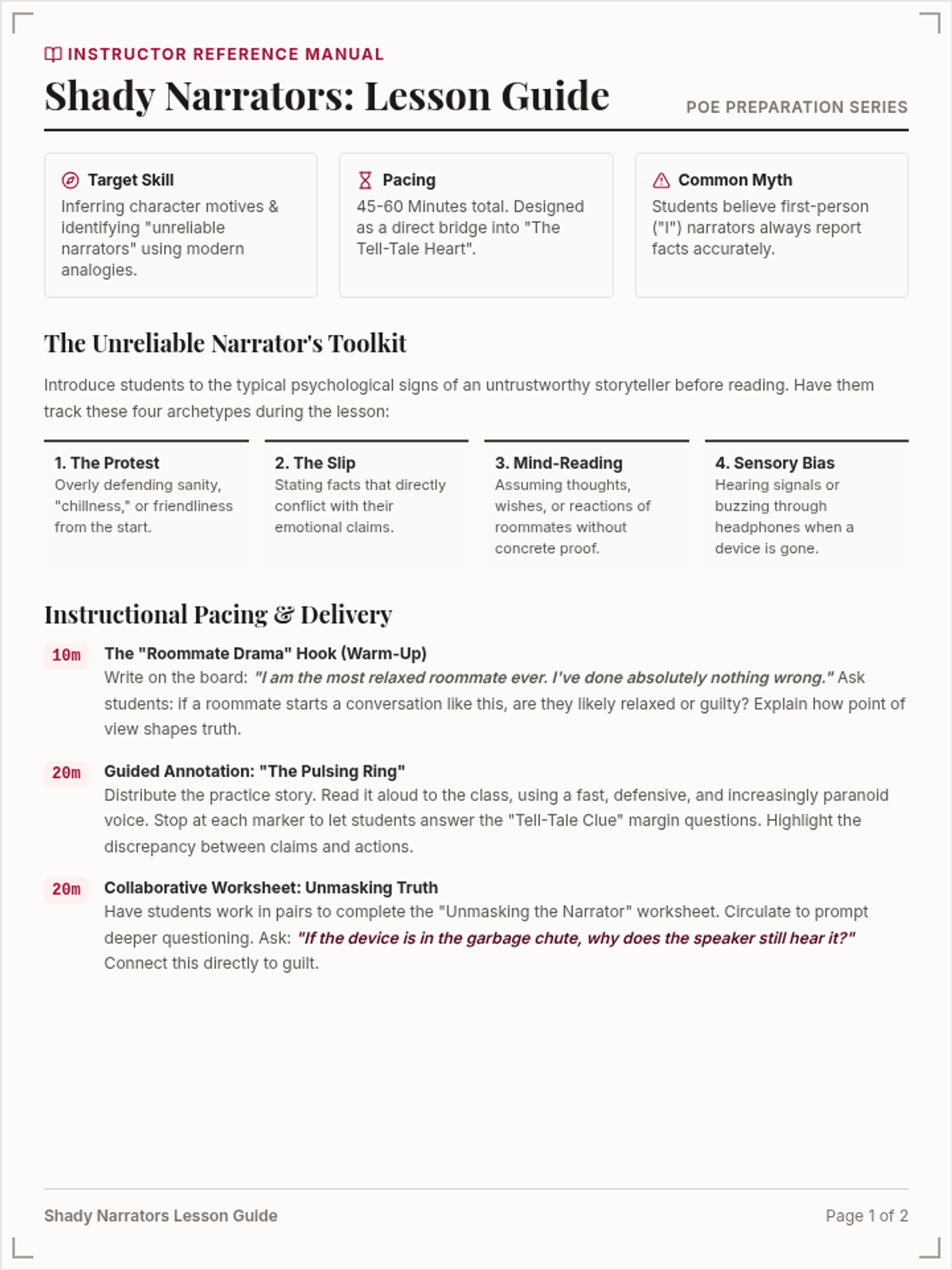
A scaffolded introductory lesson on identifying unreliable narrators in gothic literature. Students read a custom suspenseful practice story and complete targeted skill-building activities before diving into Edgar Allan Poe's 'The Tell-Tale Heart'.
An architectural blueprint-themed lesson introducing relative adverbs (where, when, why) as 'bridge builders' that connect clauses and sentences. Includes interactive instruction slides, hands-on task cards for stations, and a blueprint-style recording sheet.
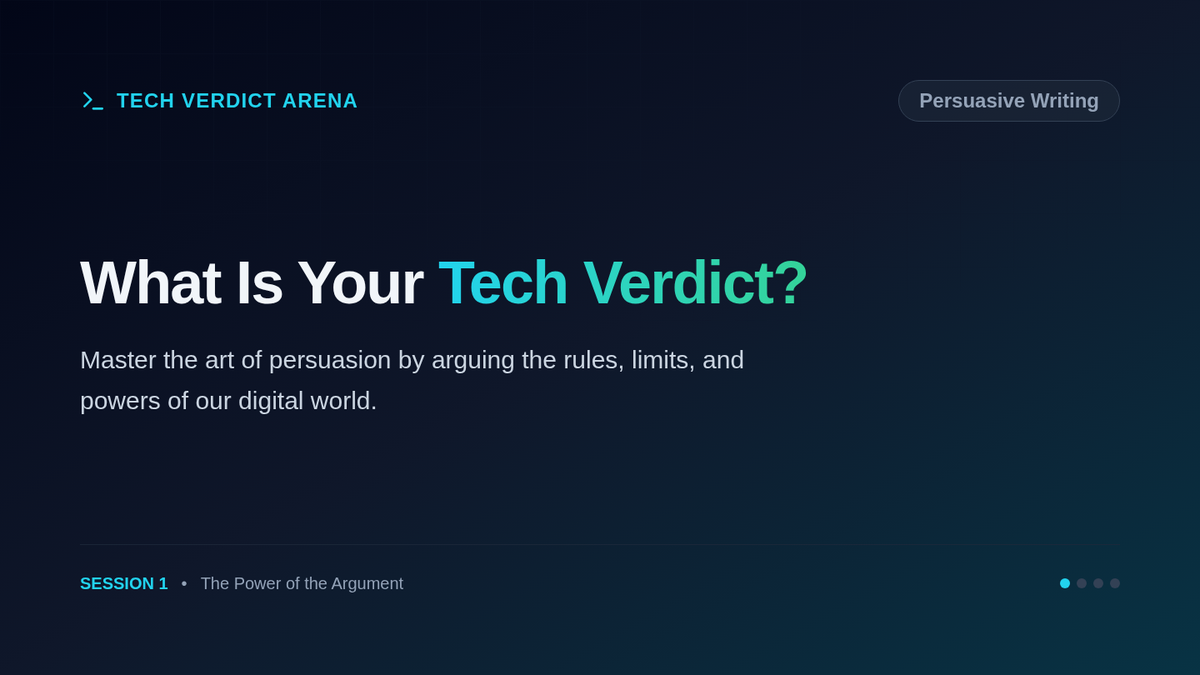
A high-interest persuasive writing lesson where students analyze the impact of technology on society, select a stance on topics like social media limits or video game benefits, and construct a structured persuasive argument.
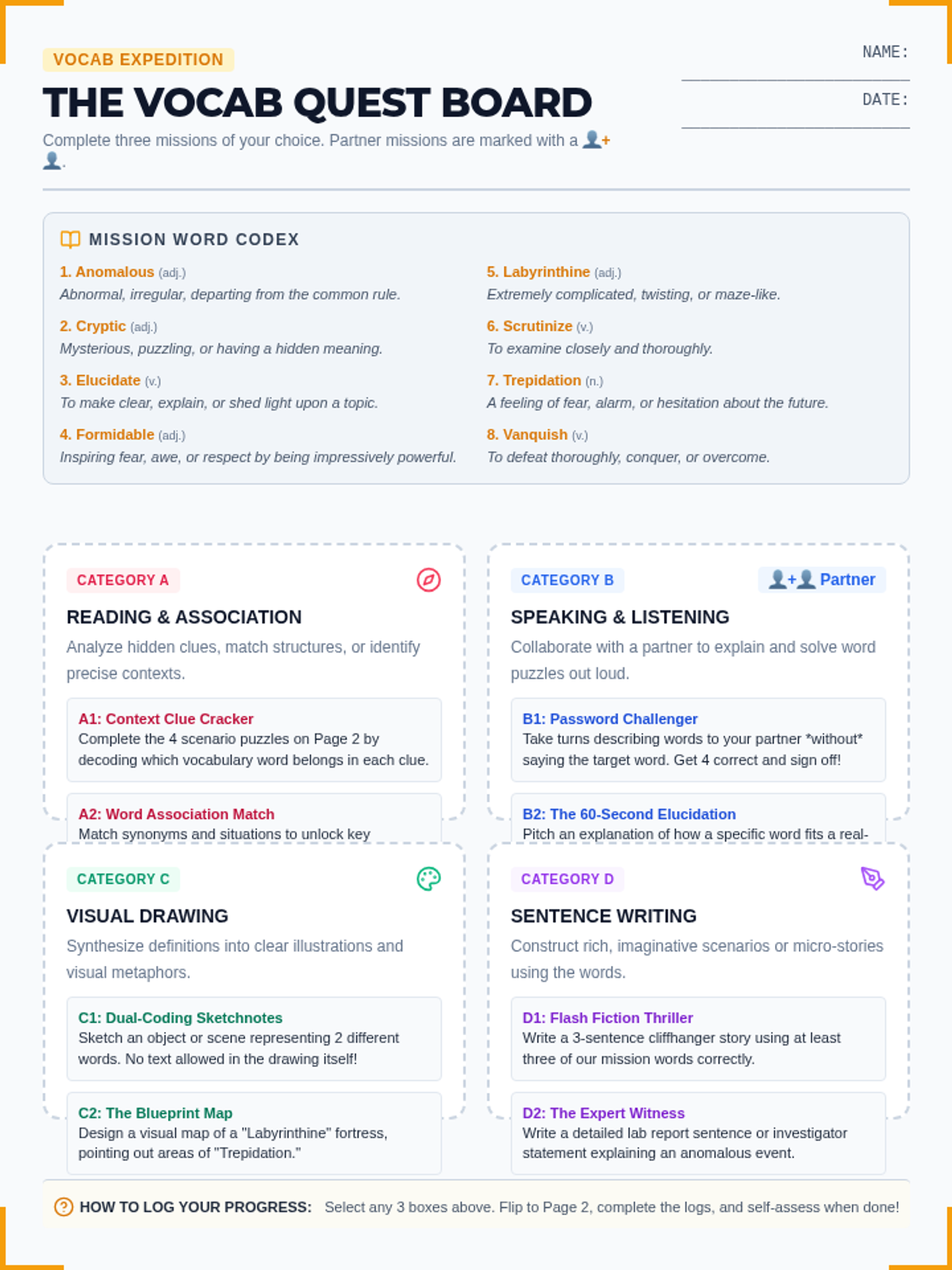
A vocabulary review lesson utilizing a thematic Choice Board Matrix, focusing on critical thinking, collaborative partner speaking, reading comprehension, visual sketching, and creative writing.
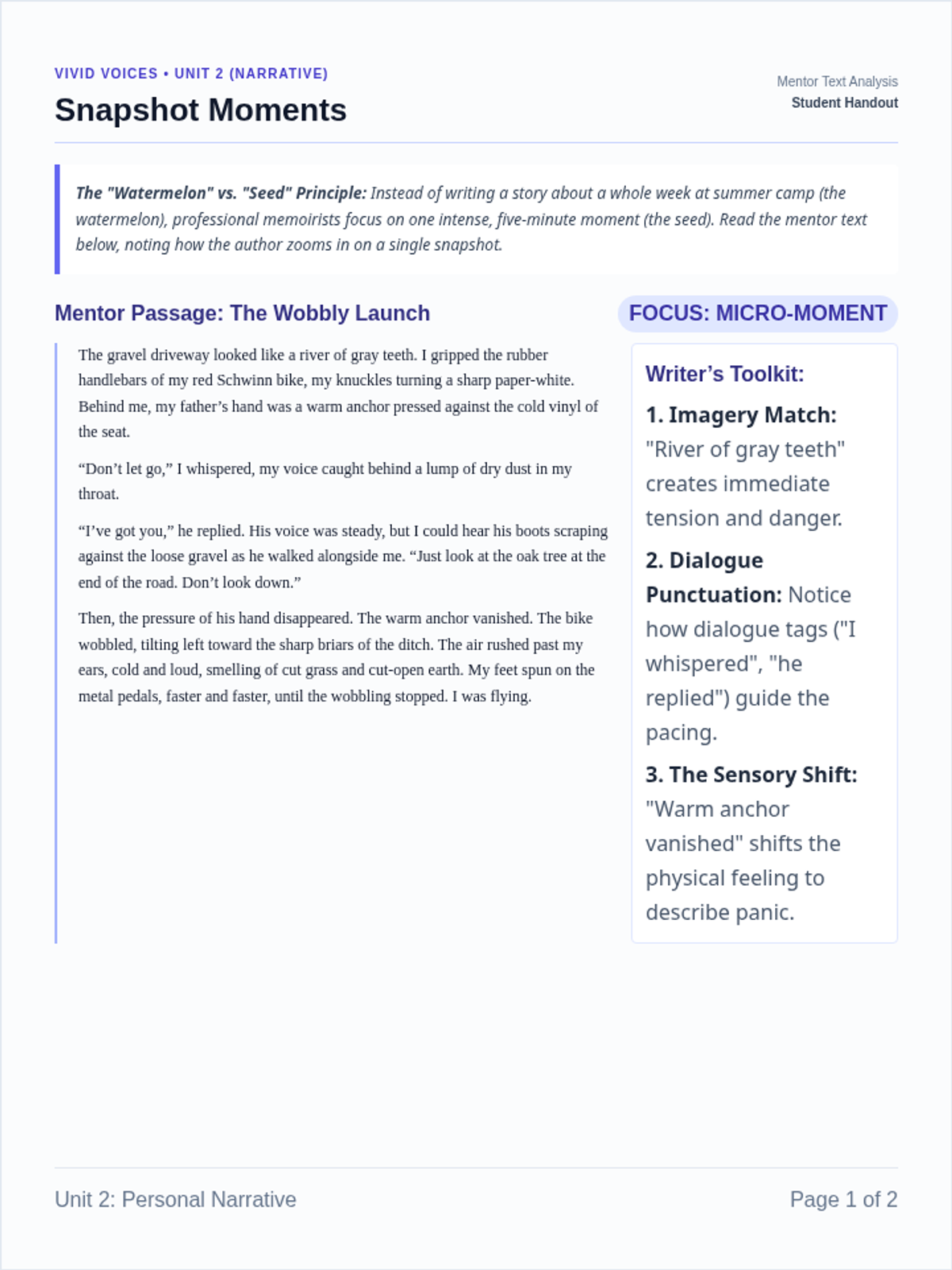
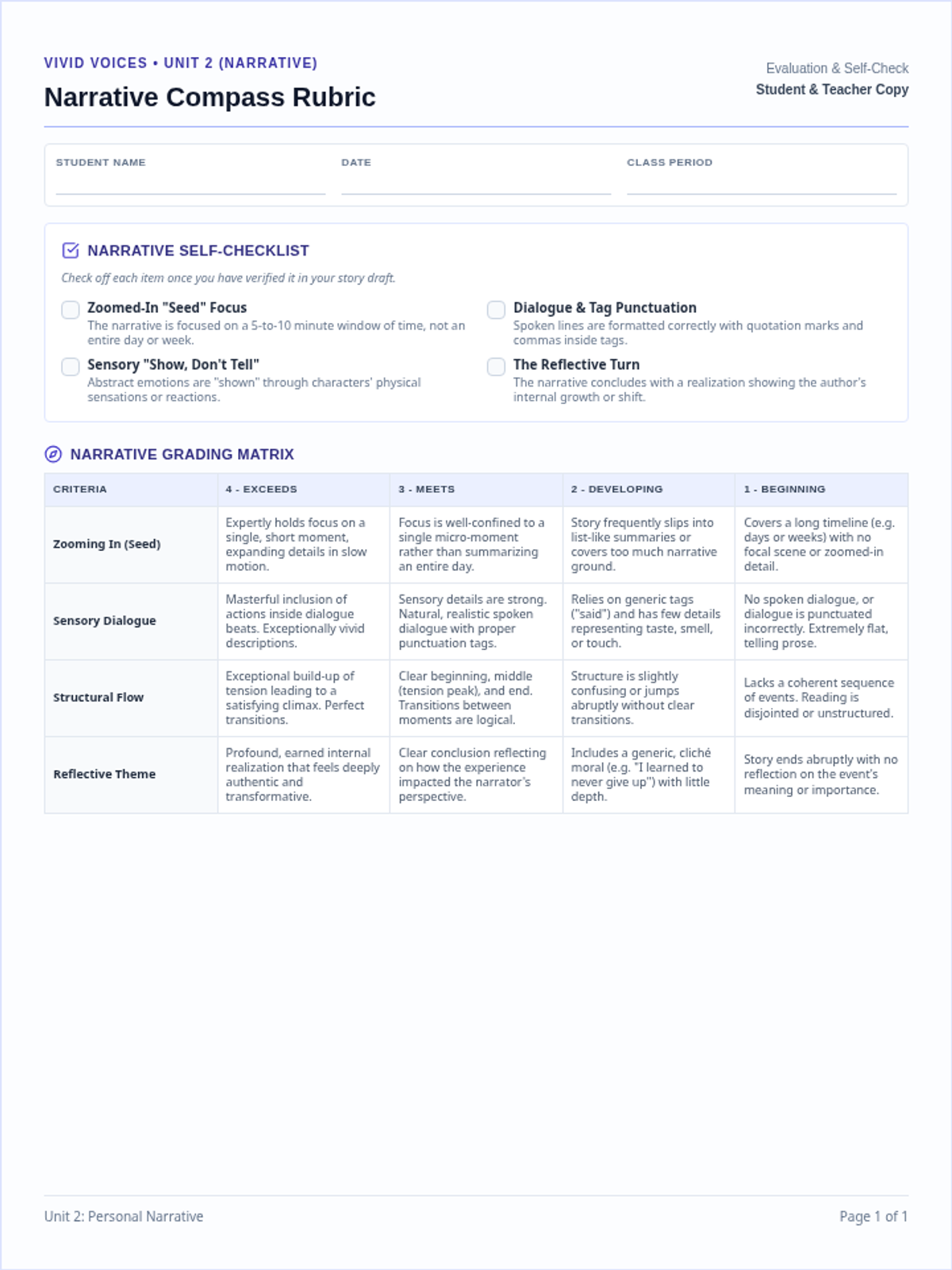
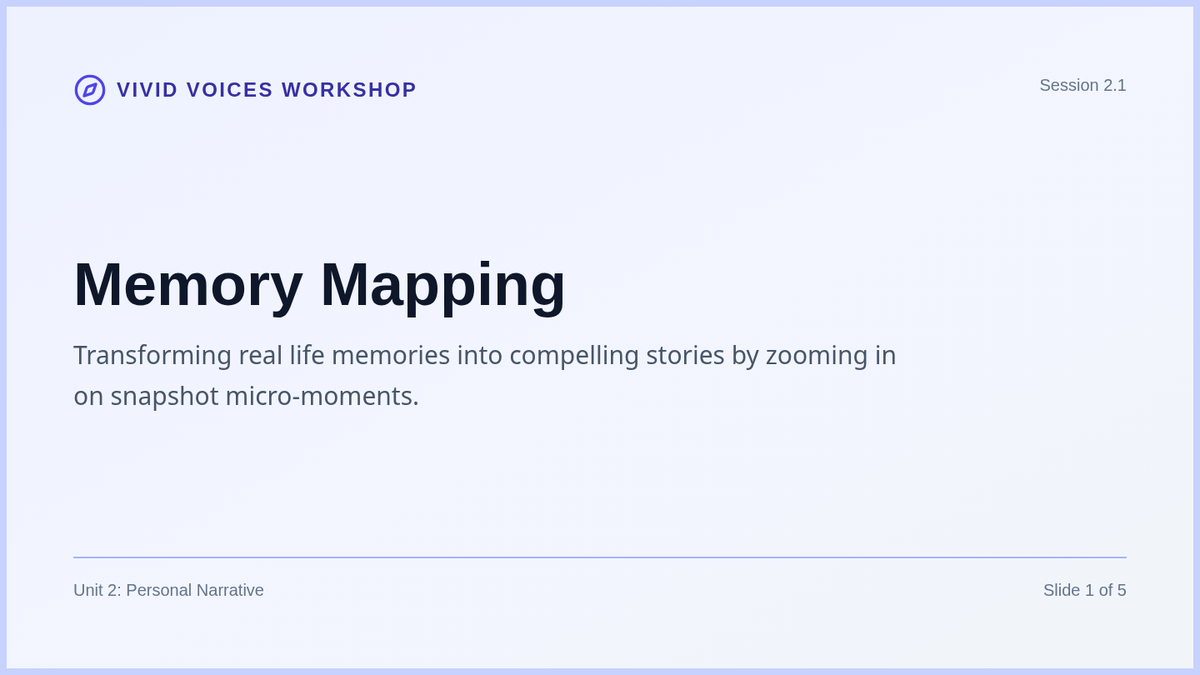
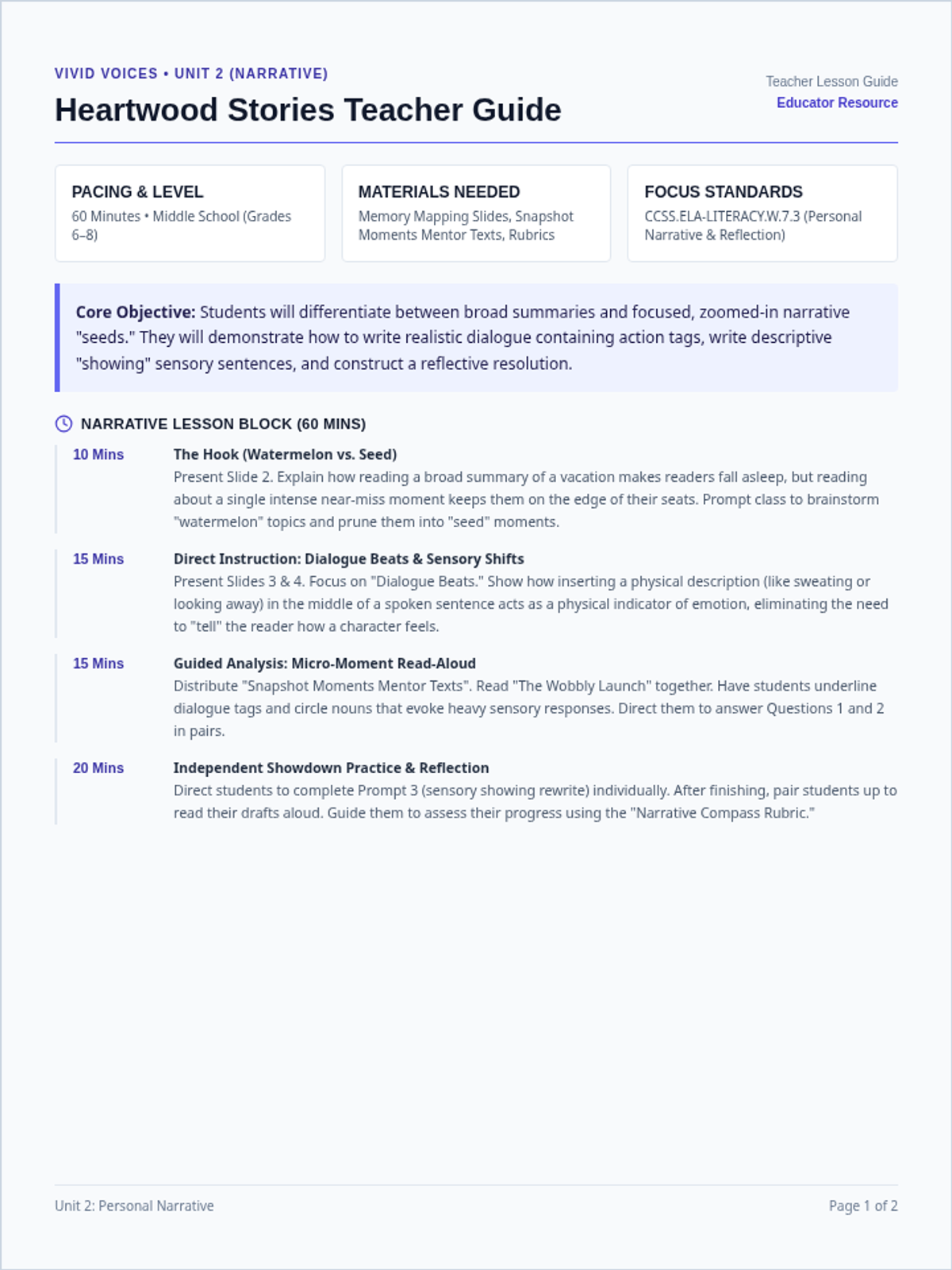
A journey into transforming real-life memories into vivid prose. Students practice zooming in on 'snapshot moments', writing realistic dialogue, and developing authentic reflective themes.
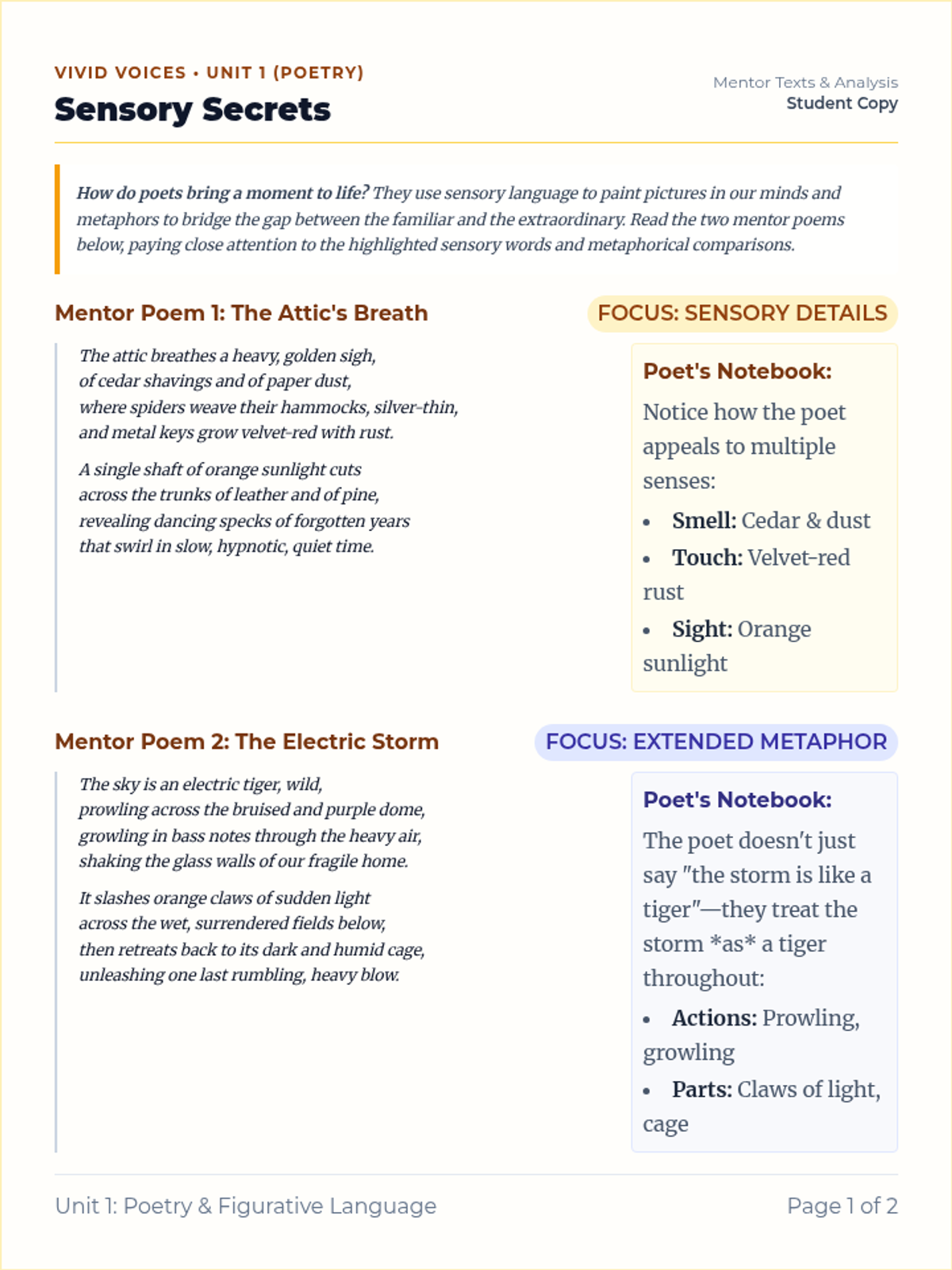
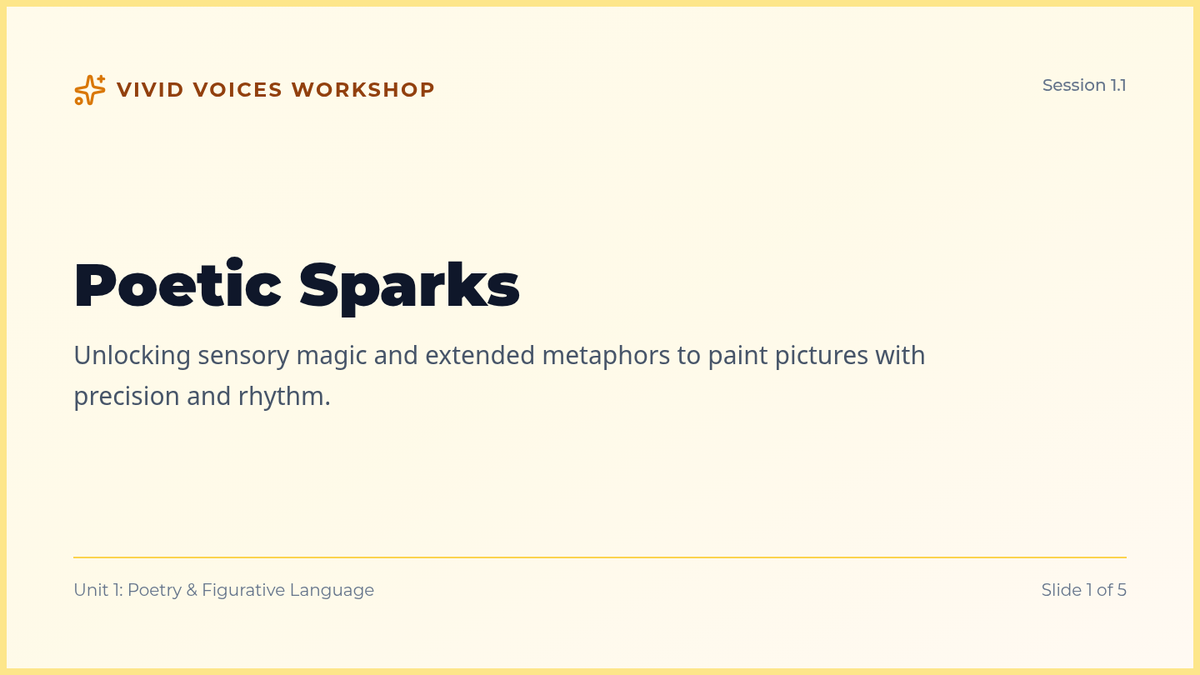
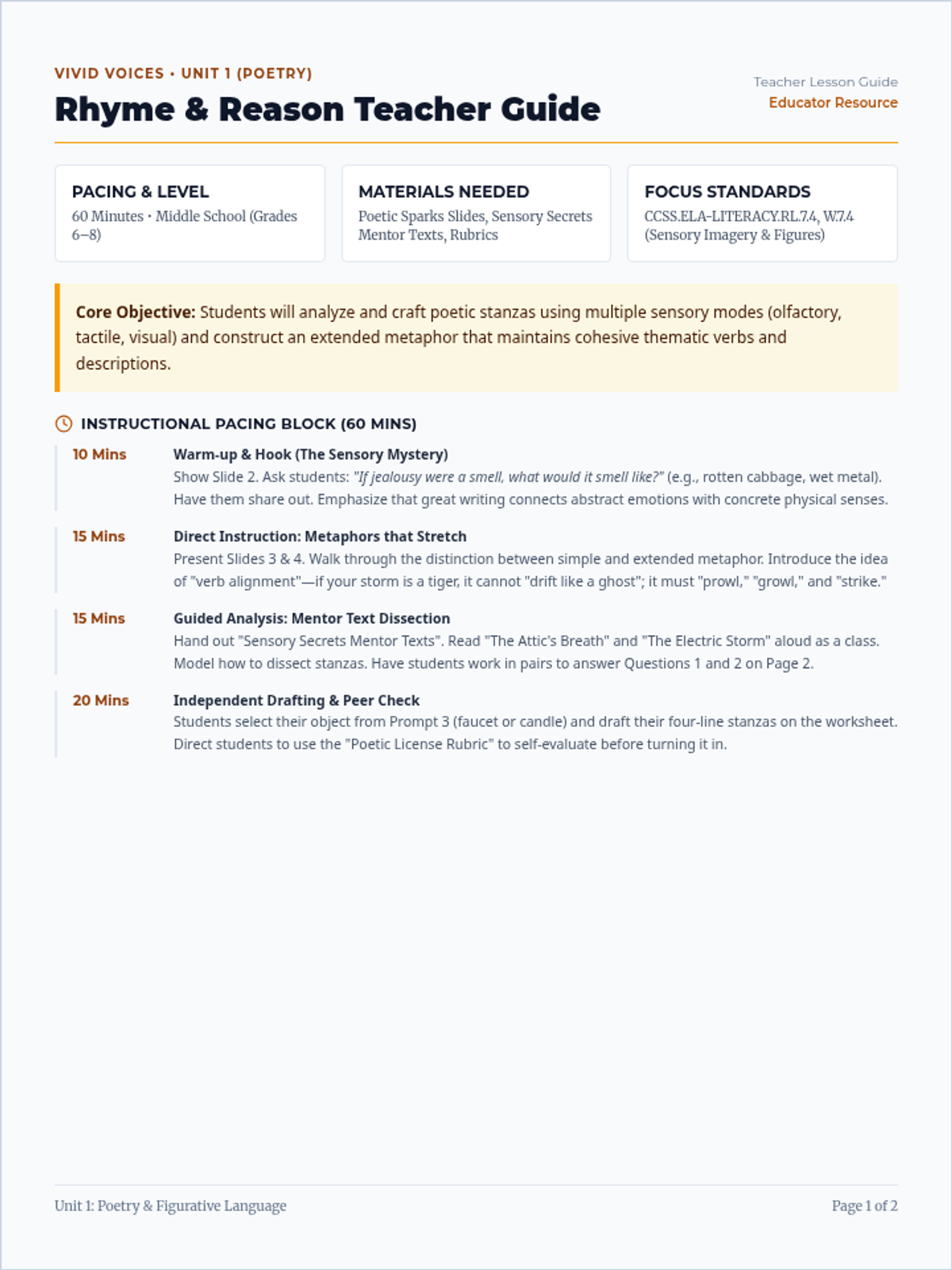
An immersive exploration of sensory imagery, metaphor, rhythm, and structure. Students examine classic and modern mentor poems and draft original pieces using figurative language.
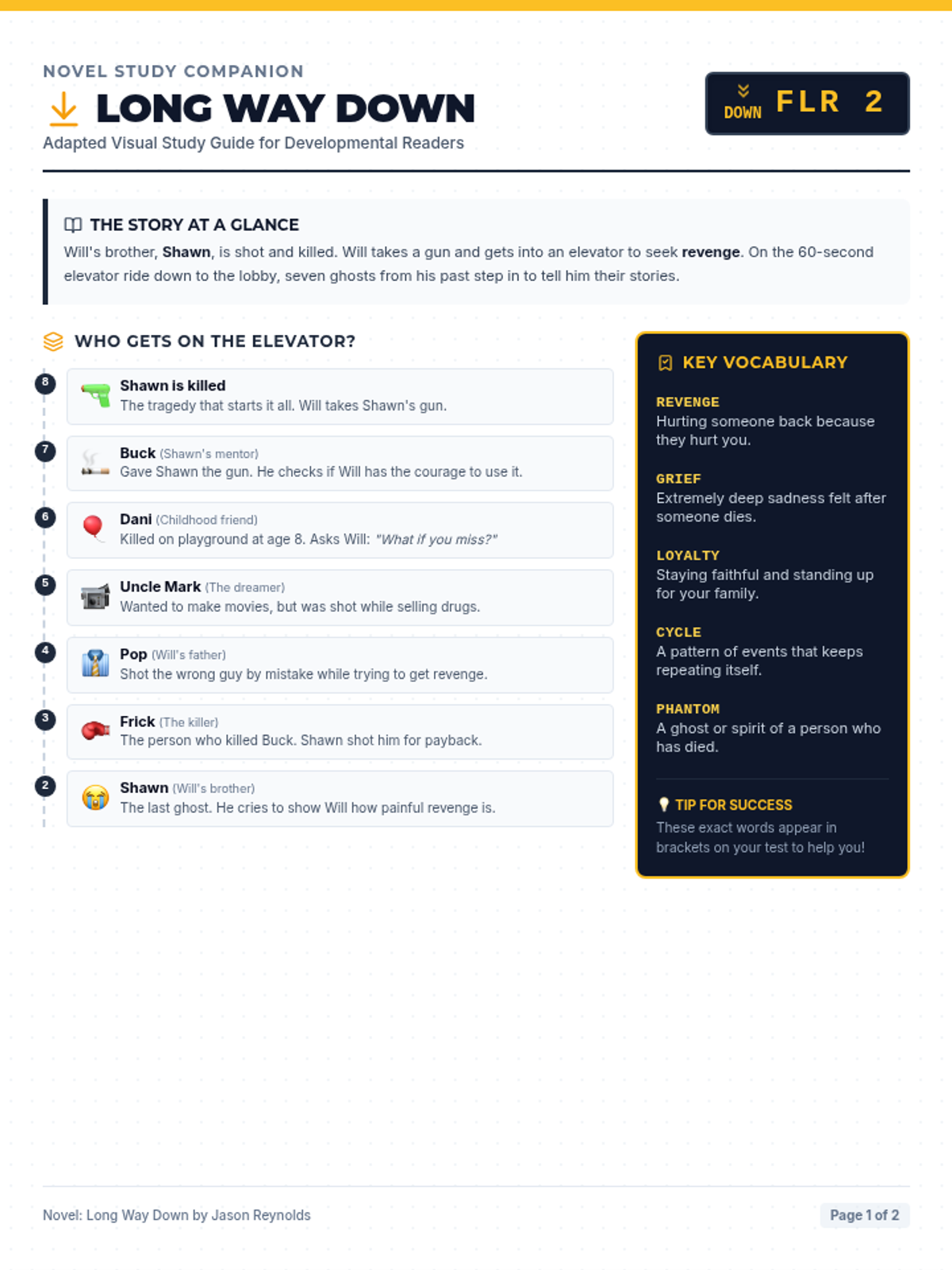
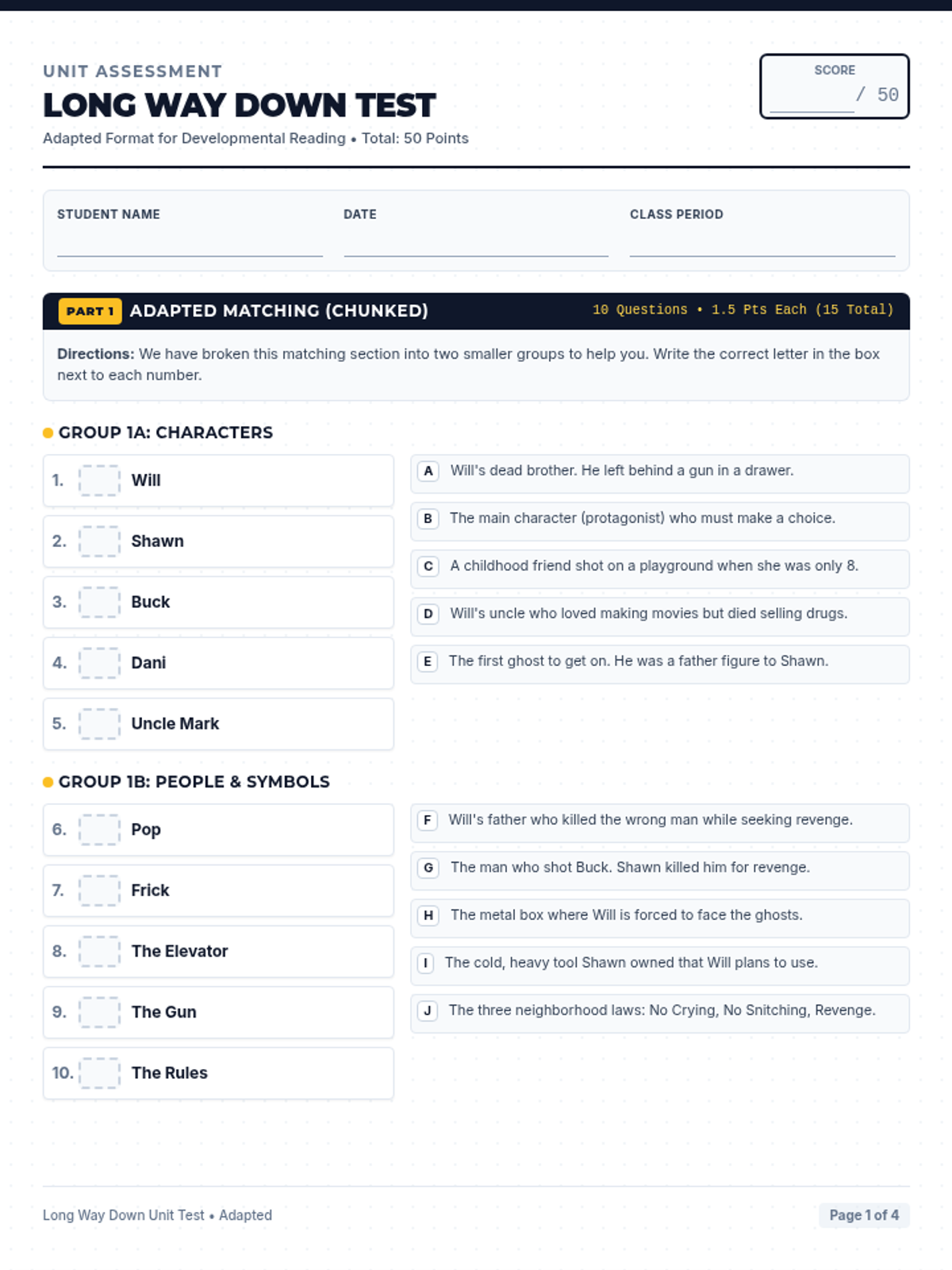
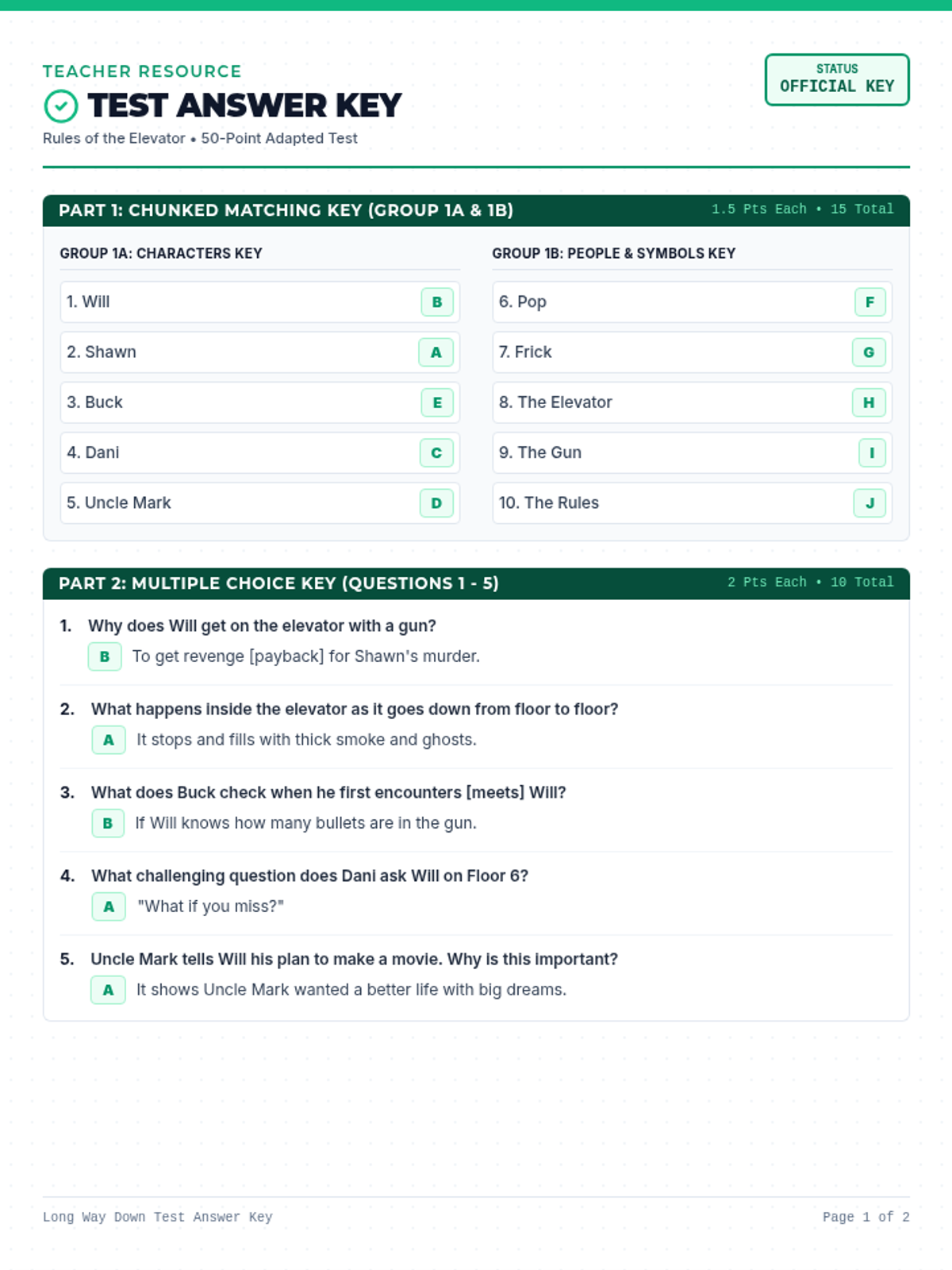
An assessment package for Jason Reynolds' novel Long Way Down, tailored for developmental reading students. Includes a highly visual study guide and a matching 50-point adapted test.
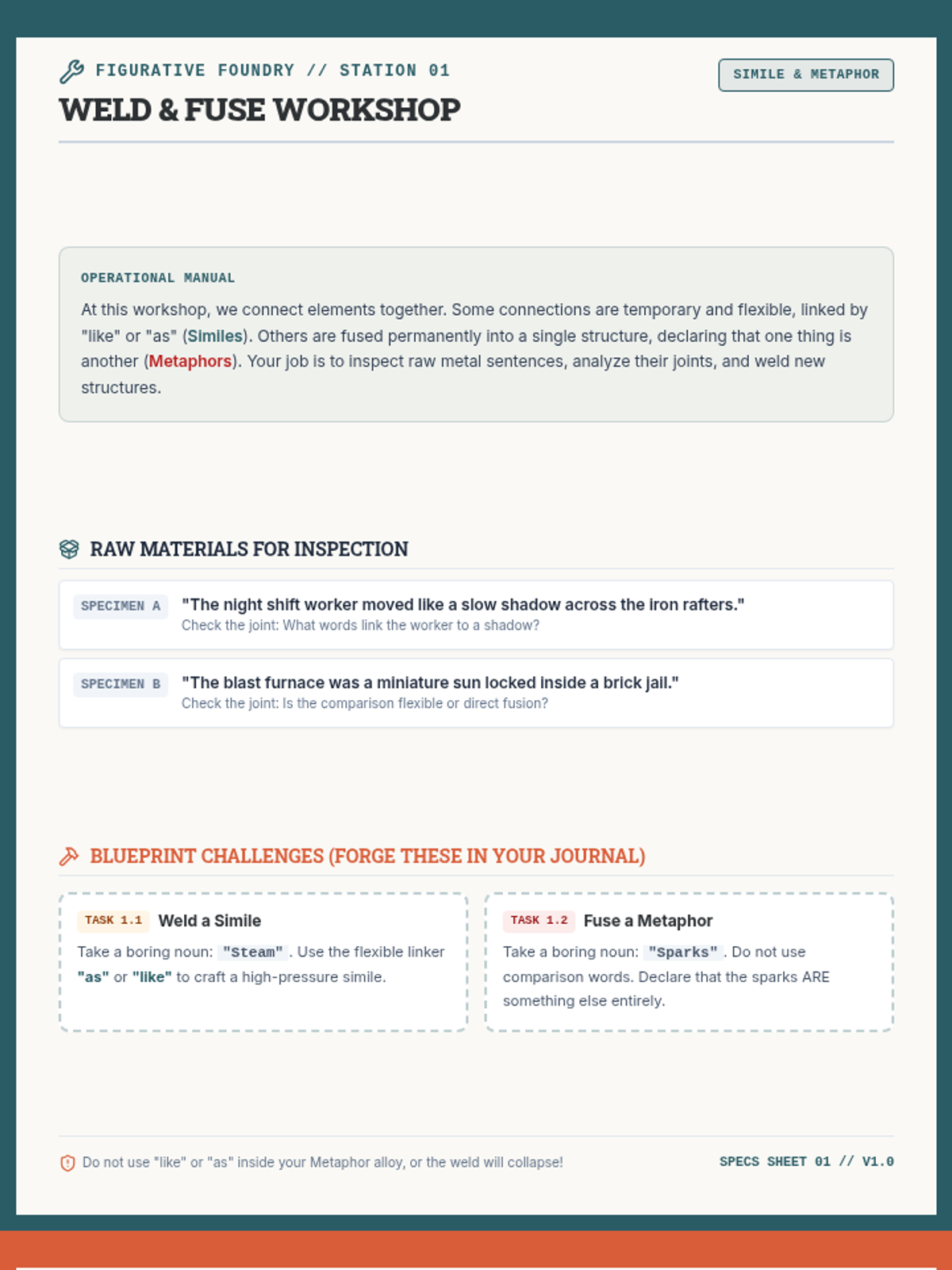
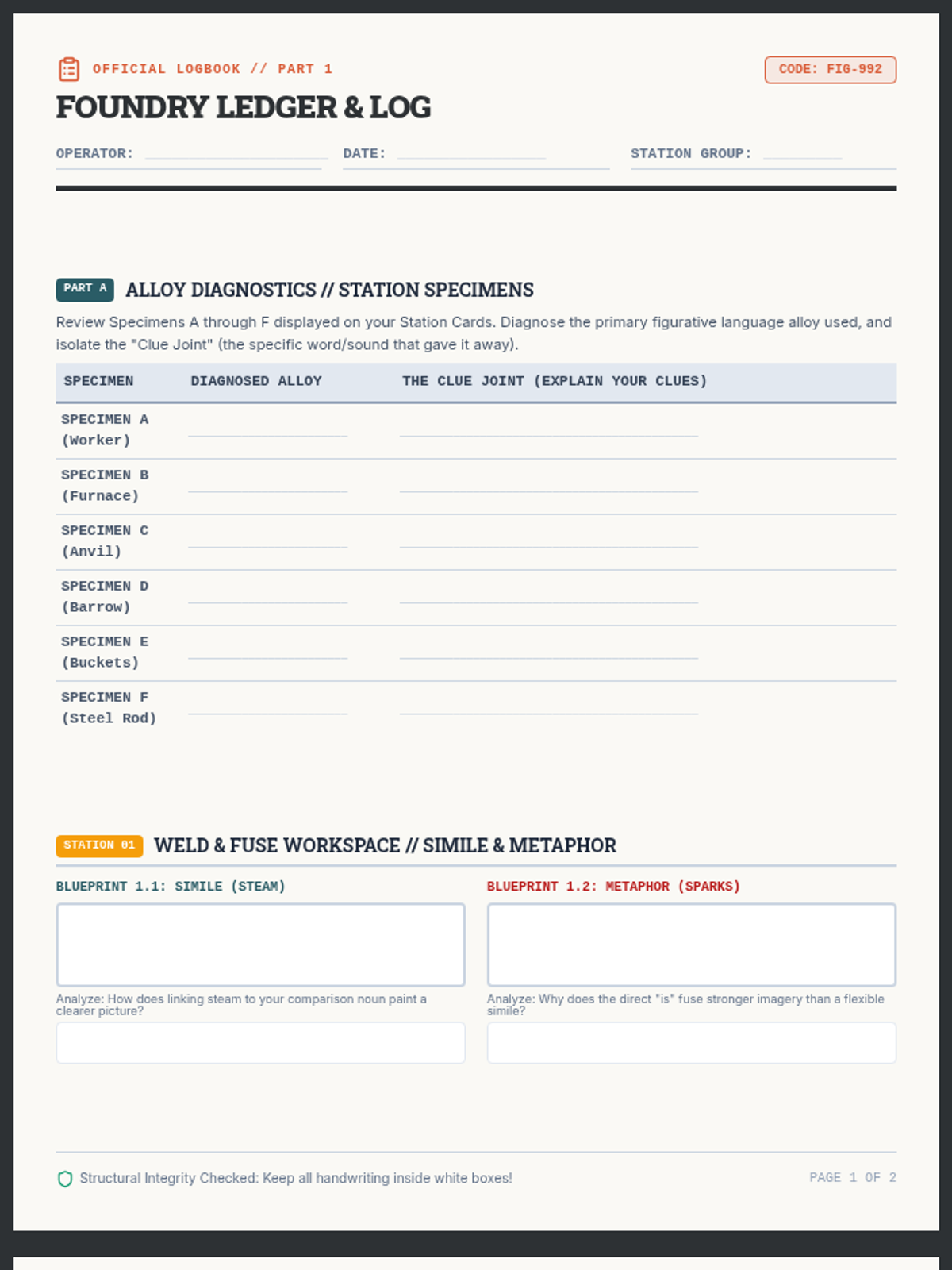
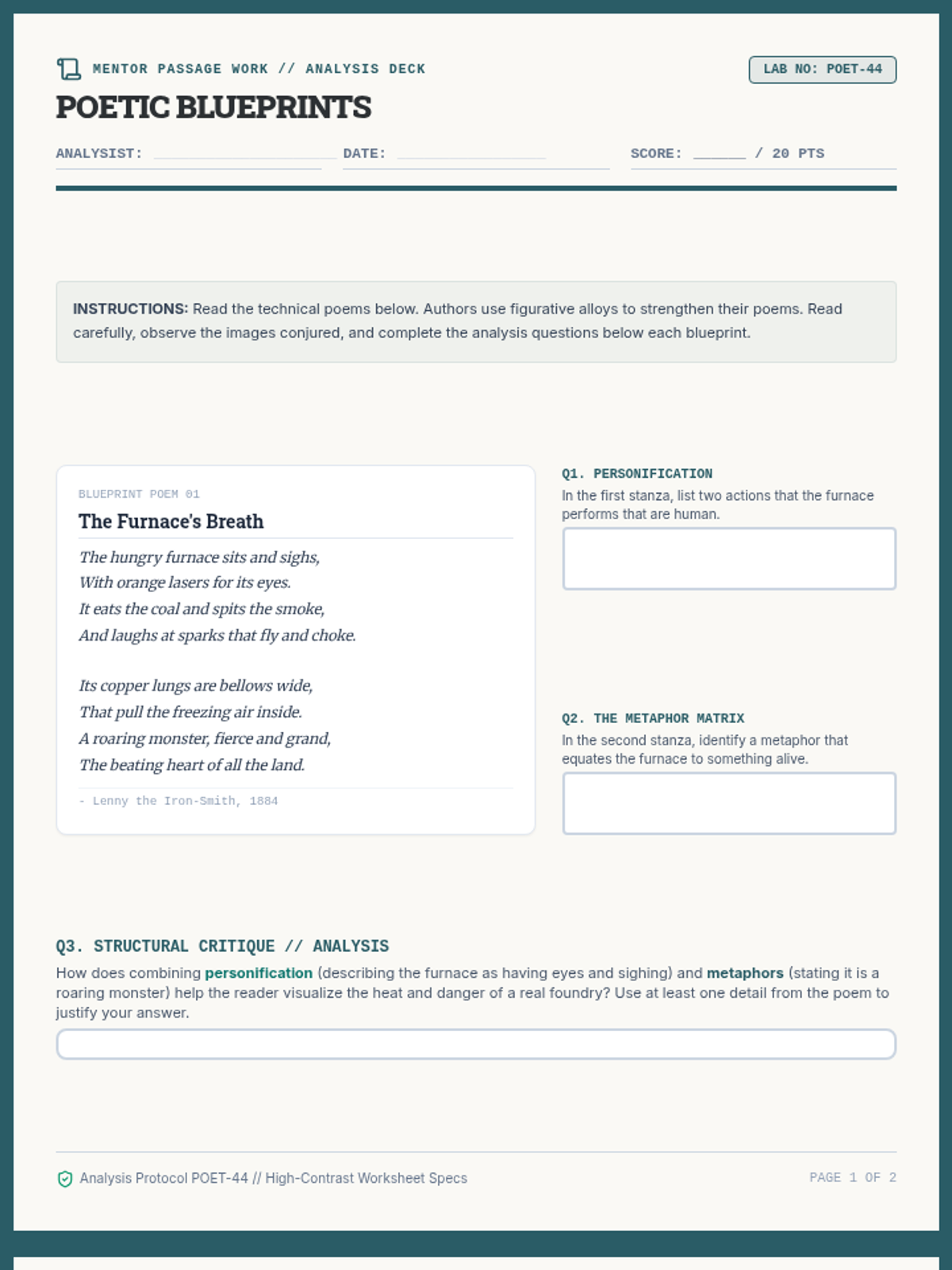
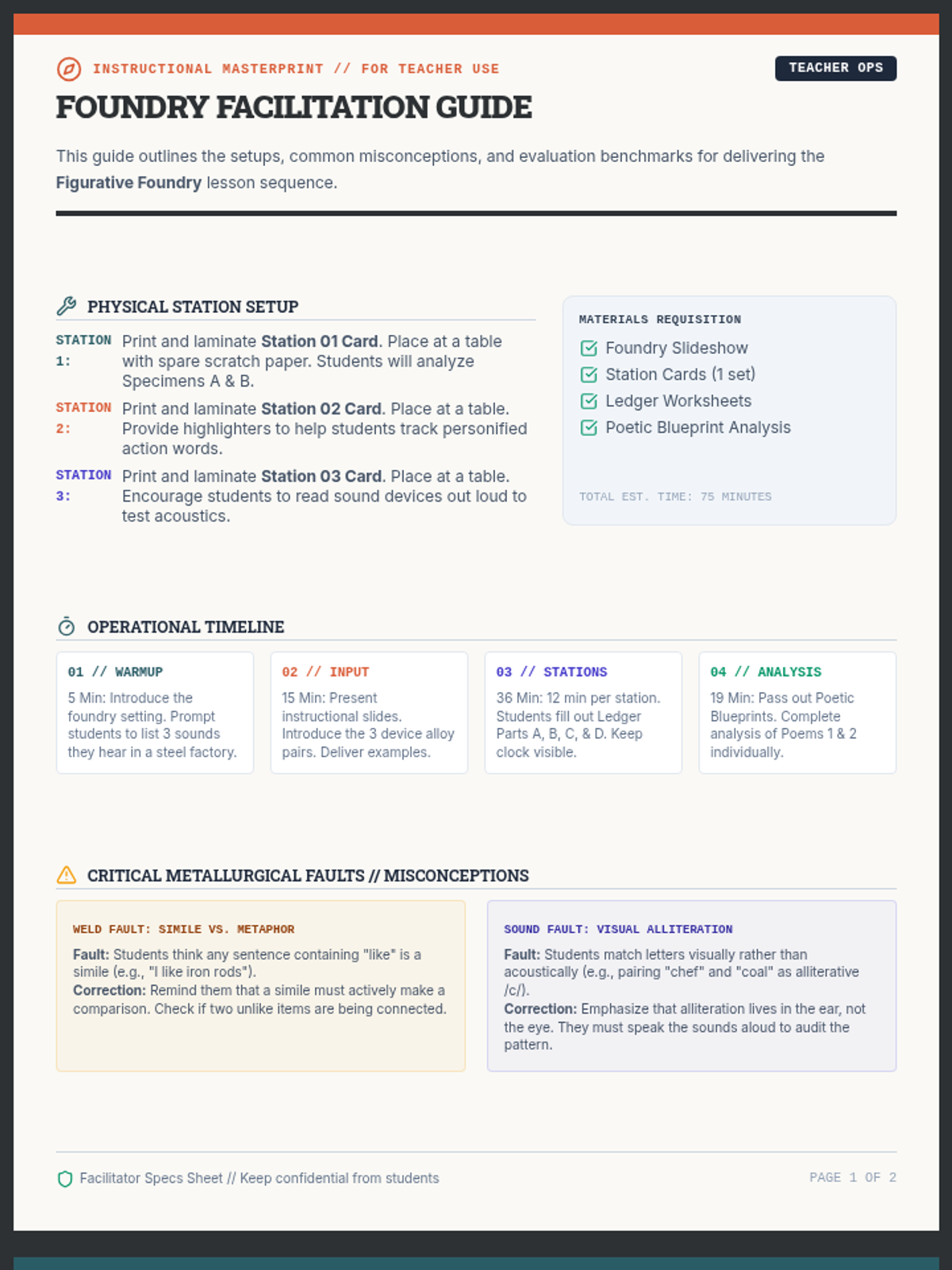
An immersive, hands-on lesson exploring six major types of figurative language through structured station activities, a collaborative workshop, mentor poetry analysis, and an interactive slideshow. Students learn to identify, analyze, and craft similes, metaphors, personification, hyperboles, alliteration, and onomatopoeia.
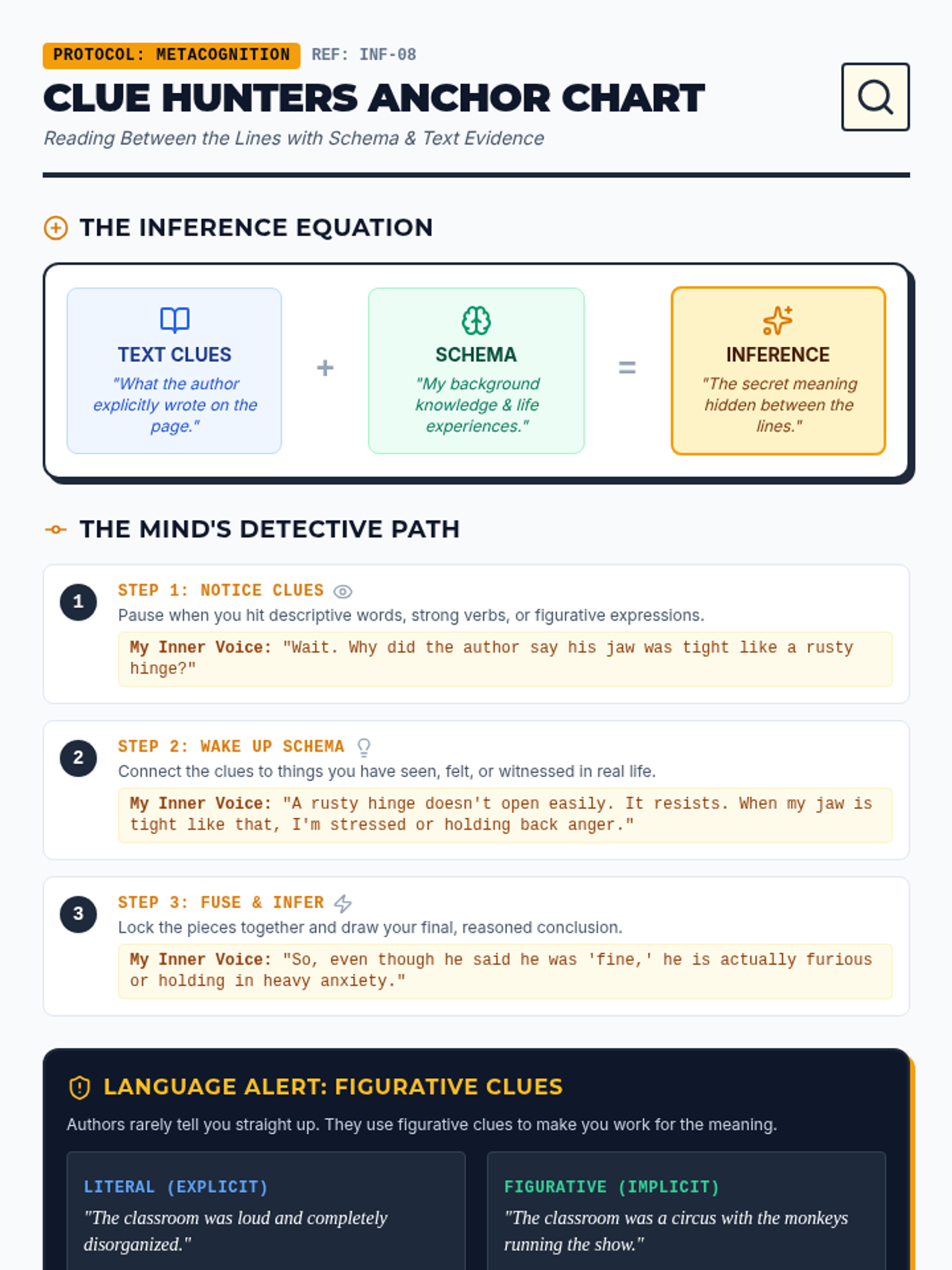
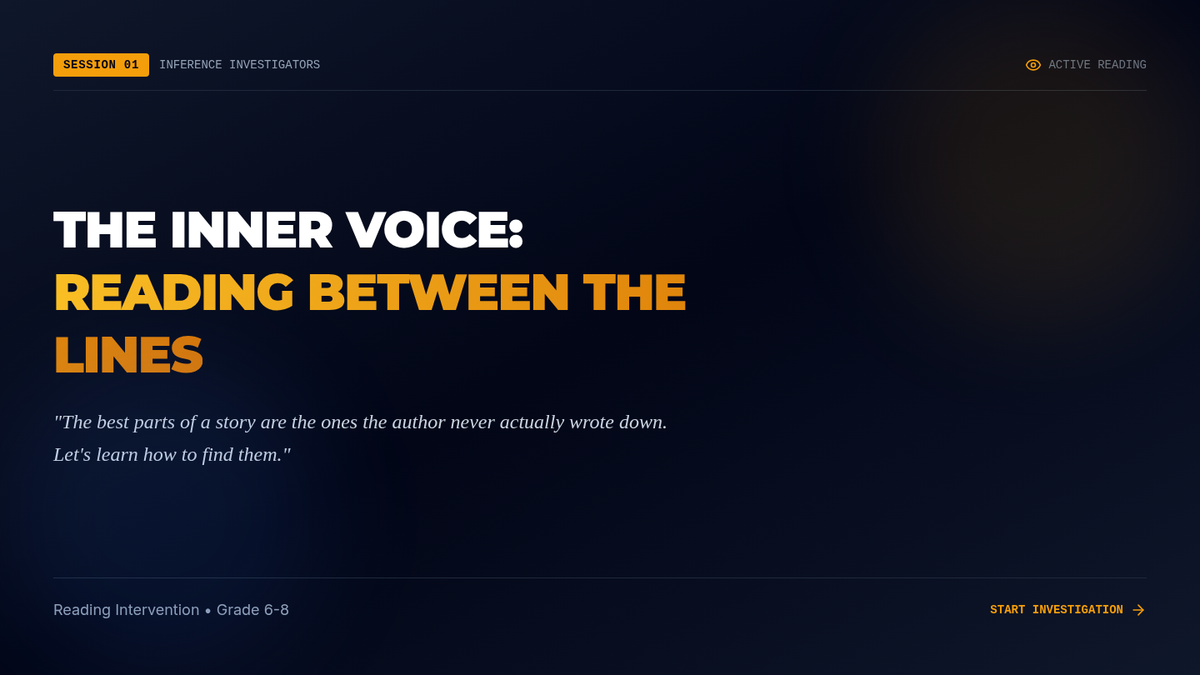
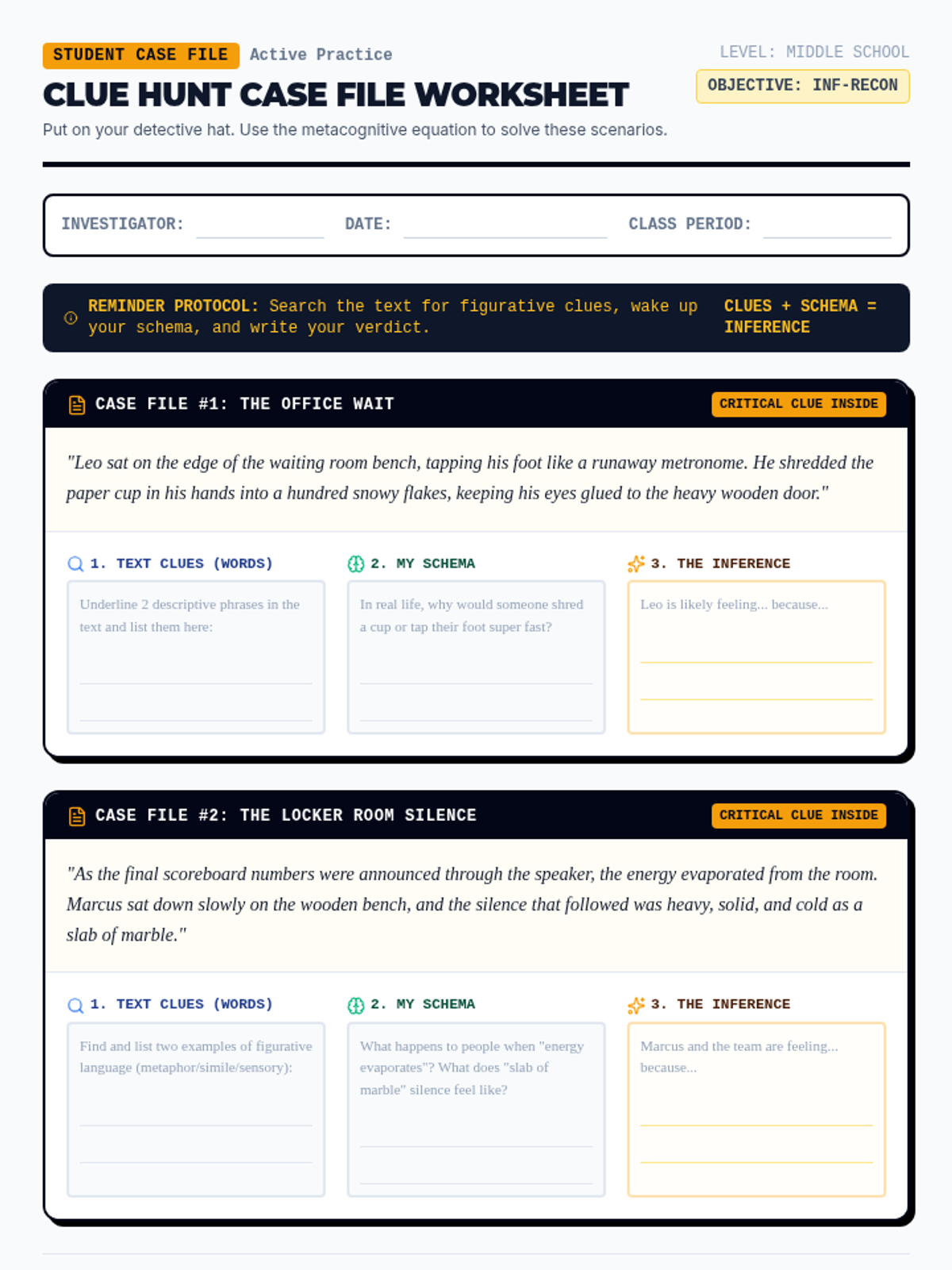
A middle school reading intervention lesson focusing on language and inference. Through metacognitive anchor charts, a guided presentation, and a structured case file worksheet, students learn to combine text clues with personal schema to decode figurative language and draw deep inferences.