A writing lesson focused on descriptive narrative techniques, specifically utilizing sensory details and maintaining consistent verb tenses to depict a bustling school cafeteria.
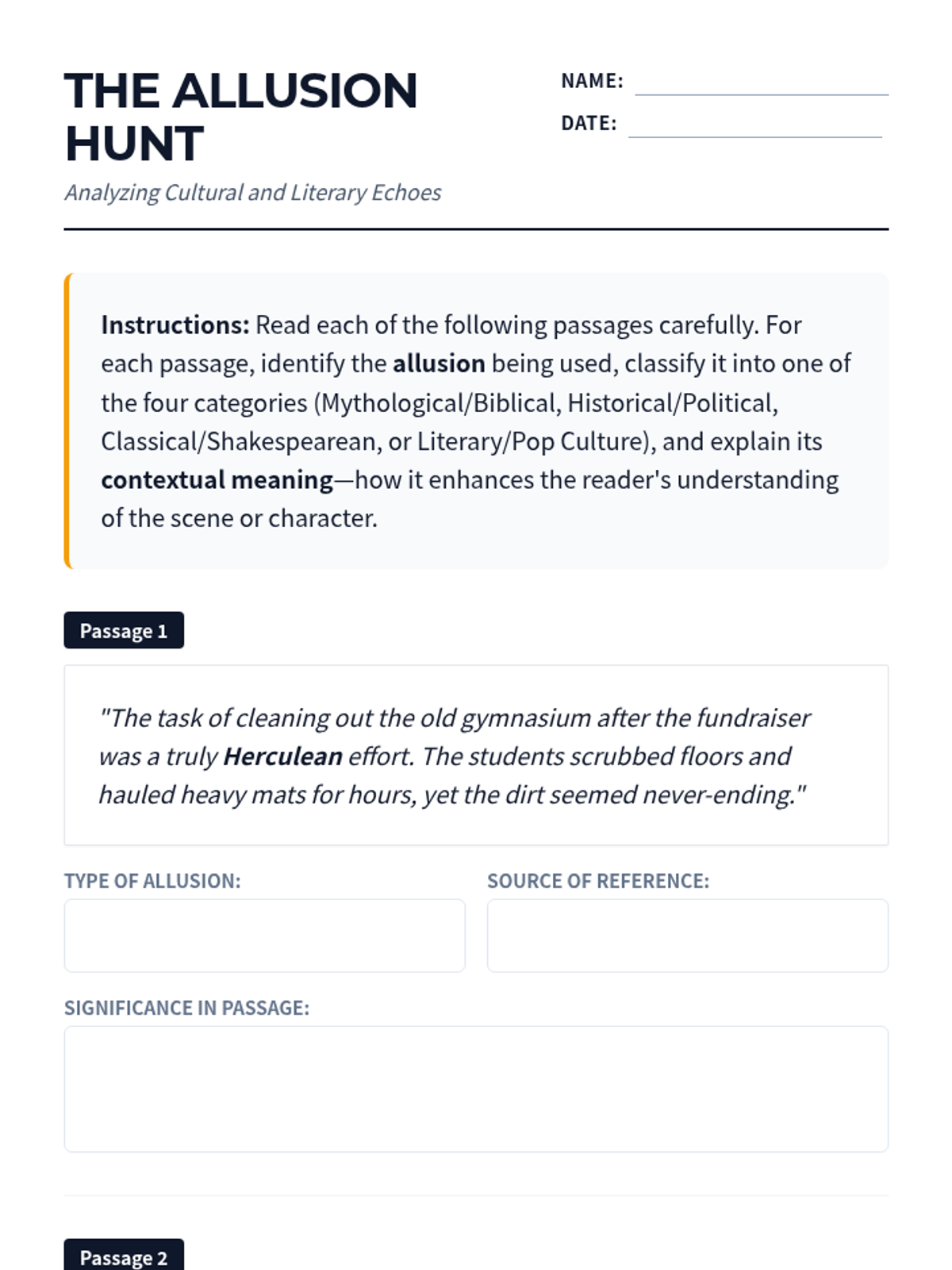
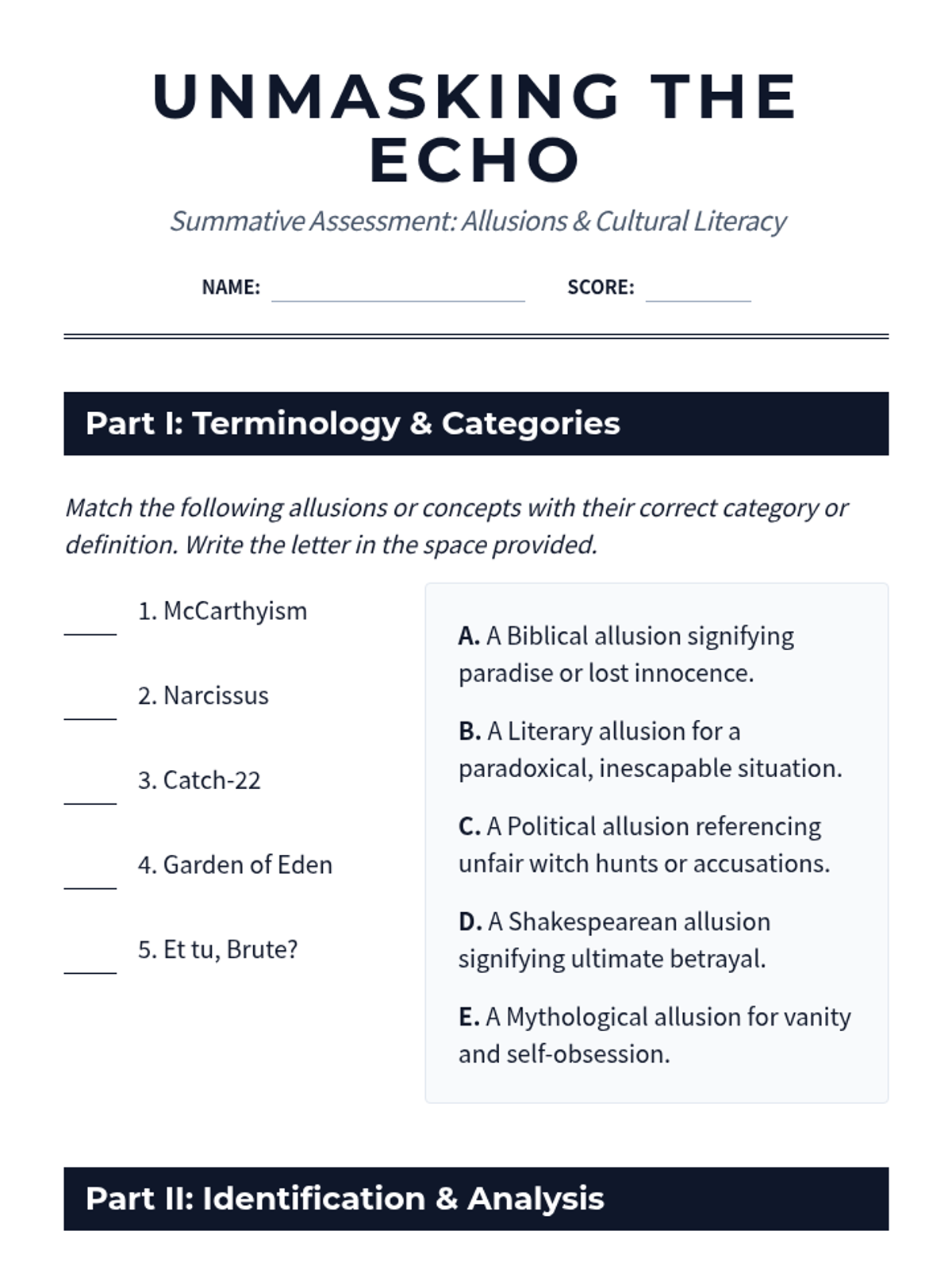
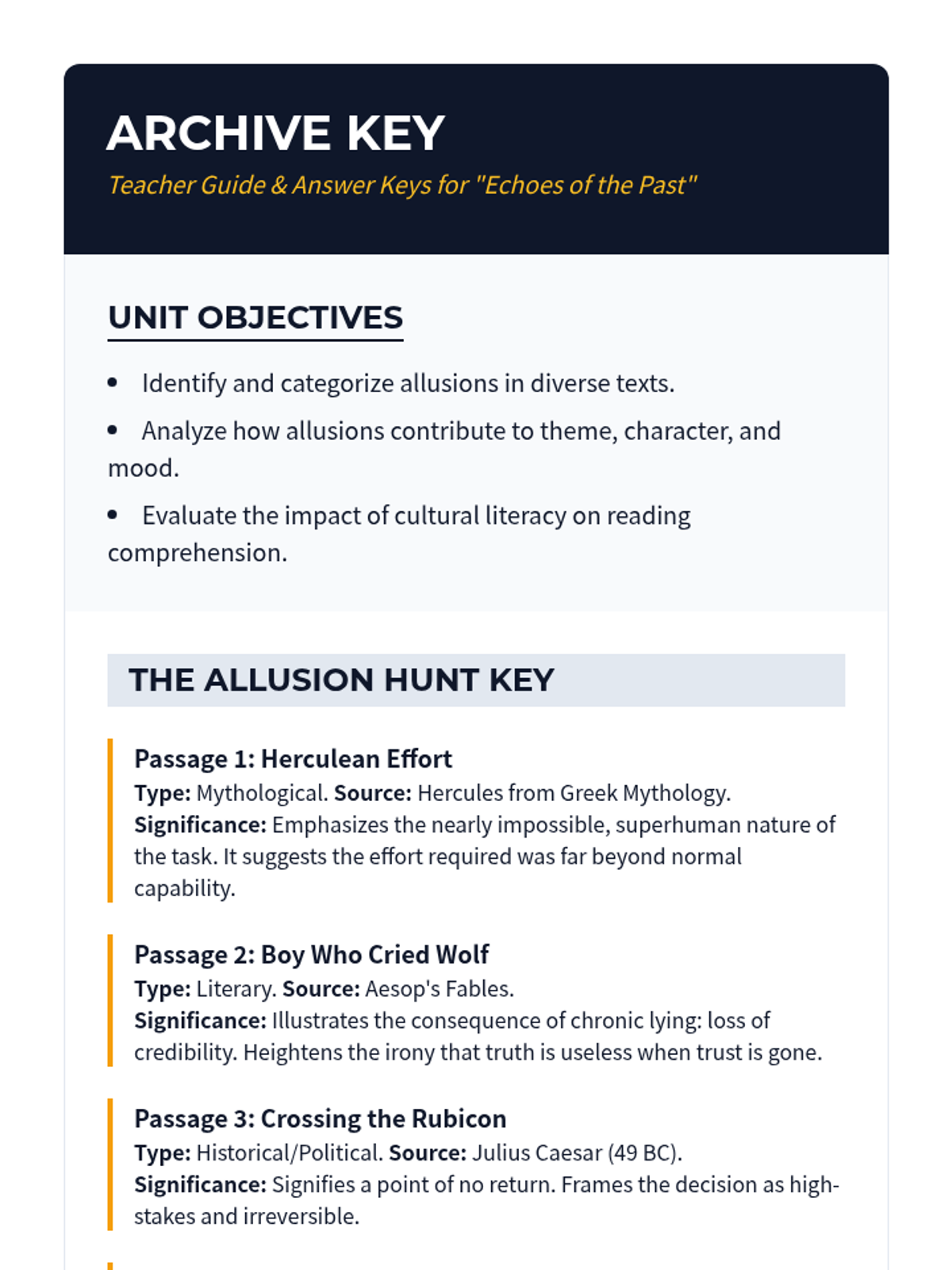
A comprehensive mini-lesson on allusions for 11th grade, covering mythological, biblical, historical, political, classical, Shakespearean, literary, and pop culture references. Includes instructional slides, a practice worksheet, and a formal assessment.
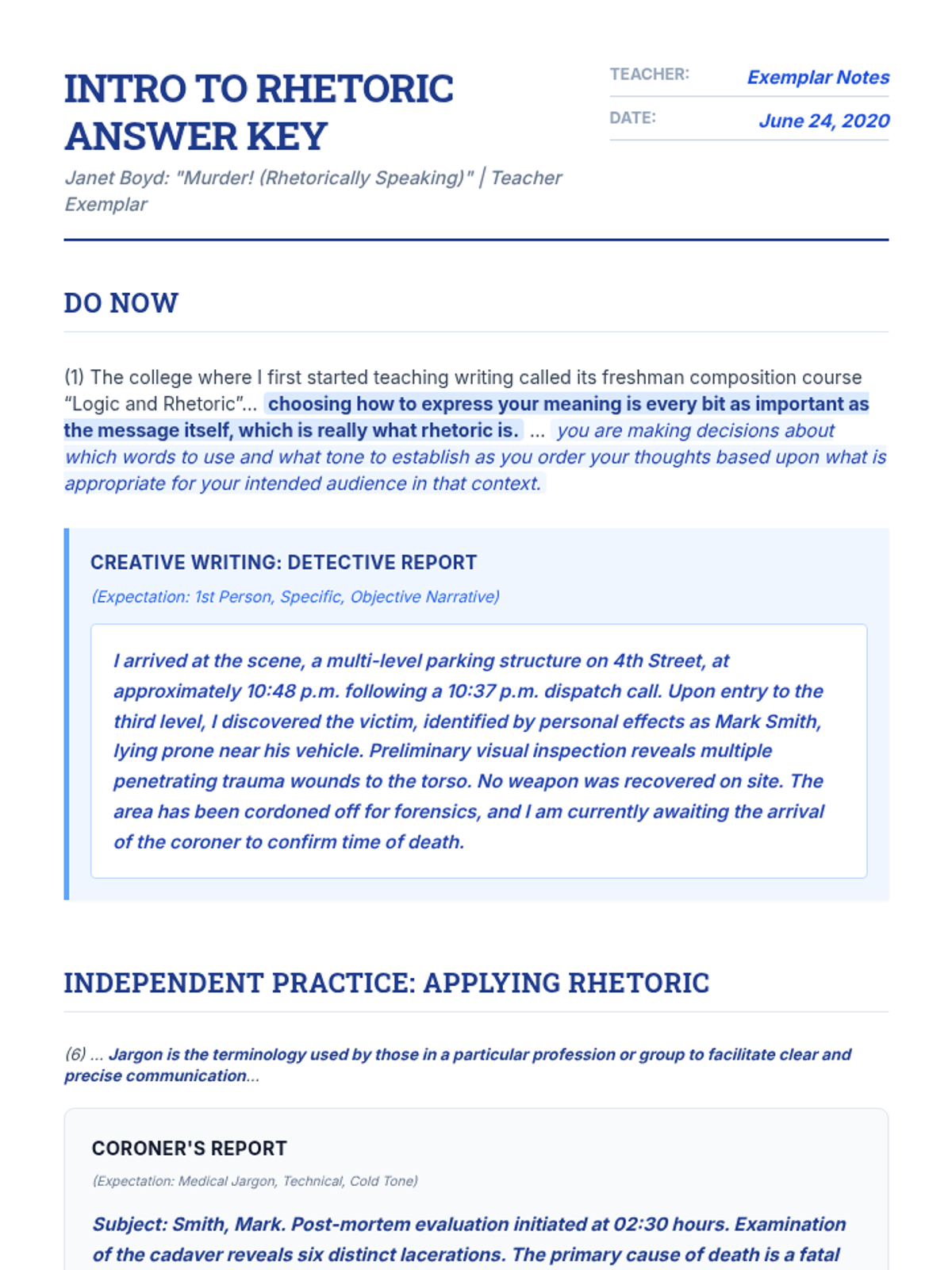
An introductory lesson on rhetoric through Janet Boyd's "Murder! (Rhetorically Speaking)", where students explore how audience, context, and genre shape rhetorical choices.
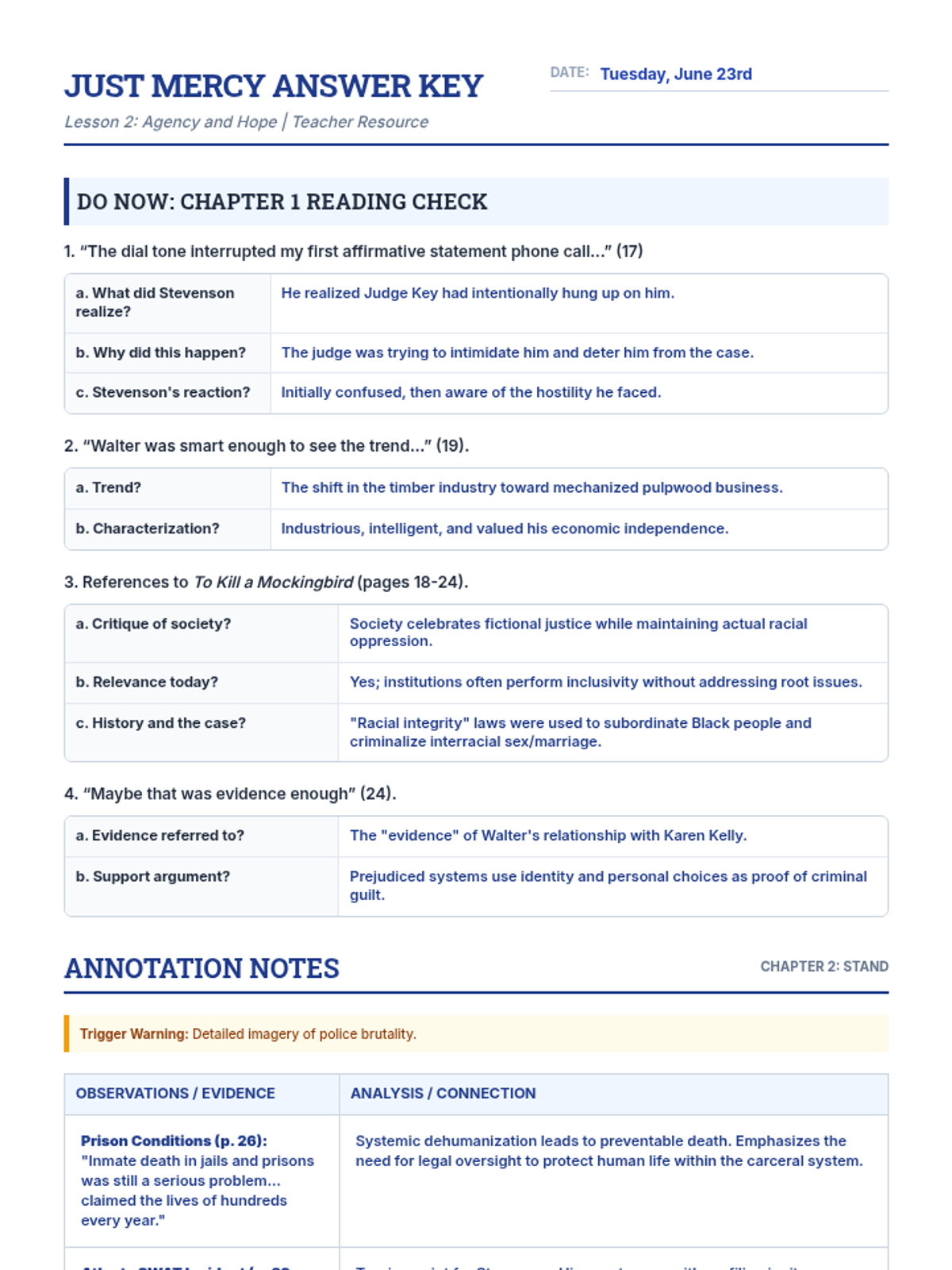
This lesson analyzes Chapter 2 of Just Mercy, focusing on how Stevenson develops his argument about individual agency and the inciting of change through knowledge and hope.
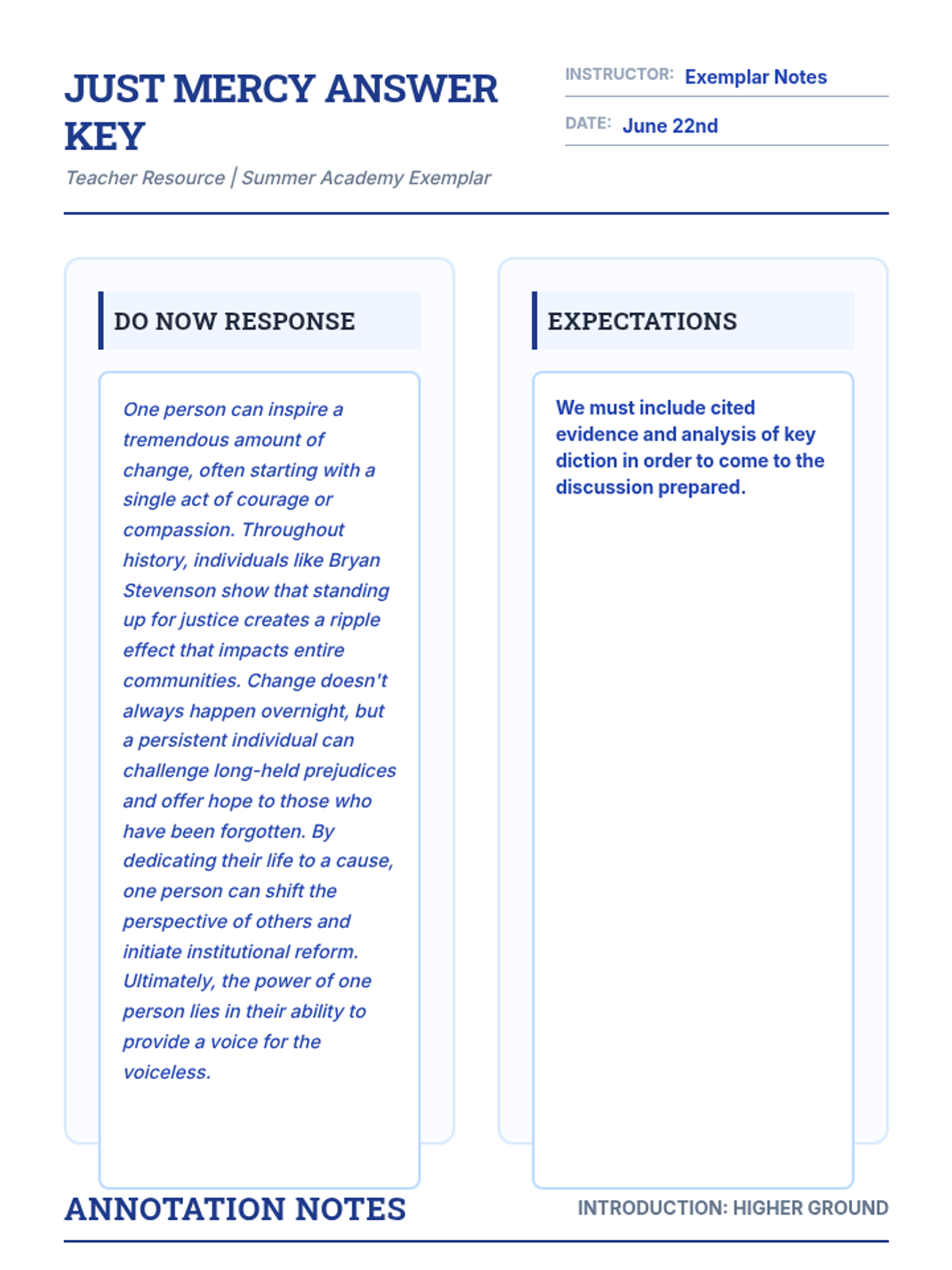
An introductory lesson on Just Mercy by Bryan Stevenson, focusing on characterization, systemic injustice, and the power of hope in the Introduction and Chapter 1.
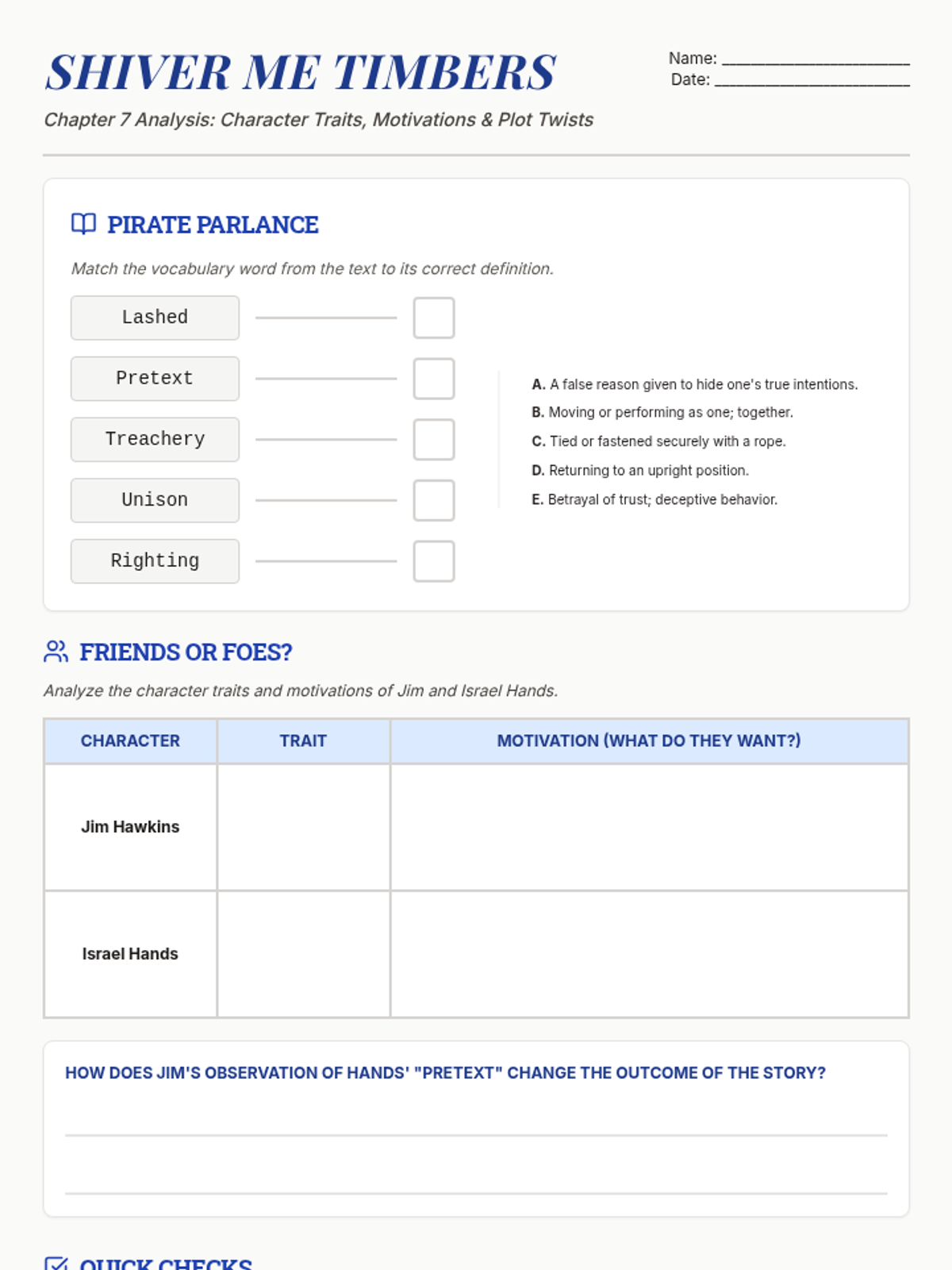
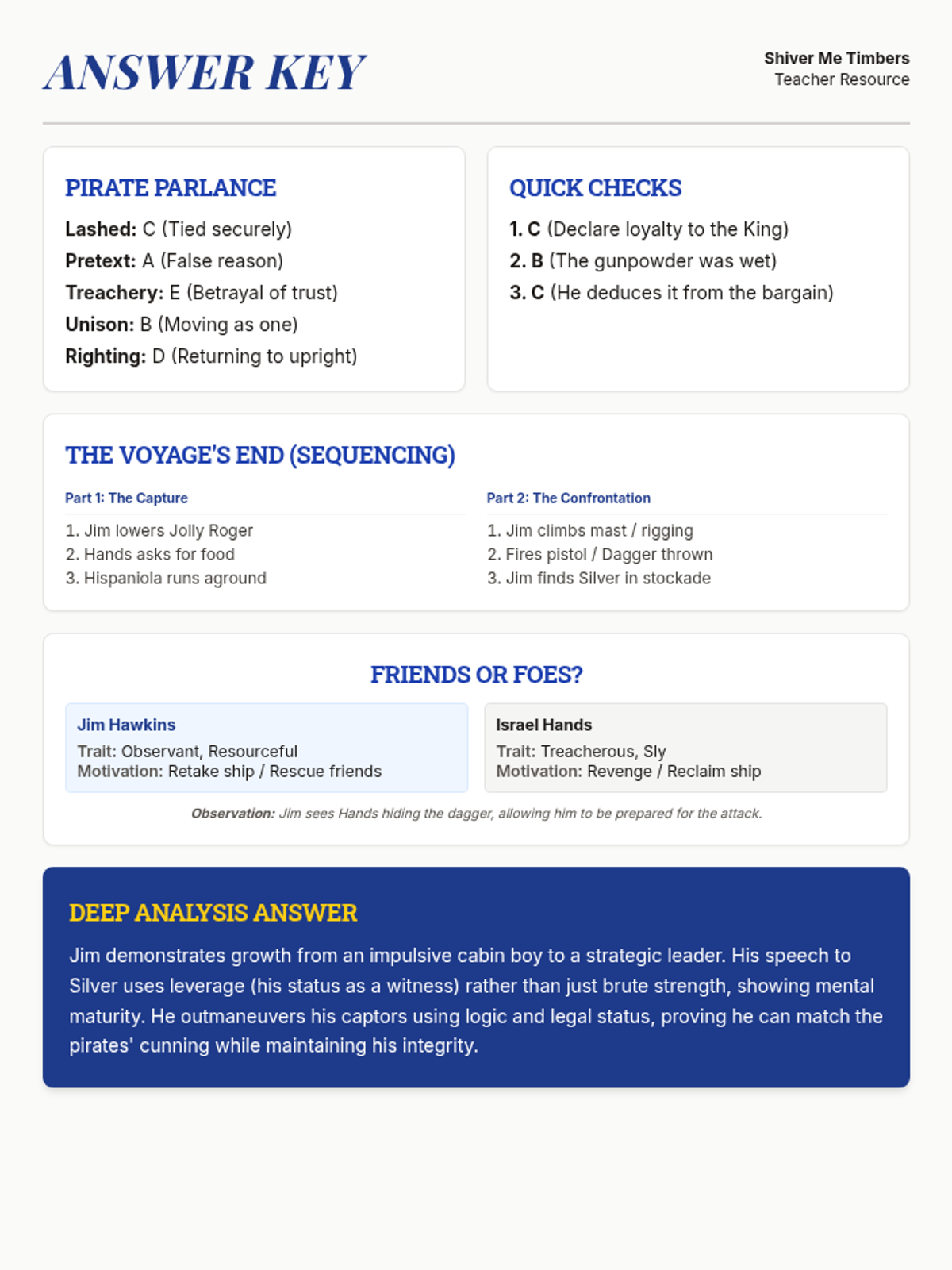
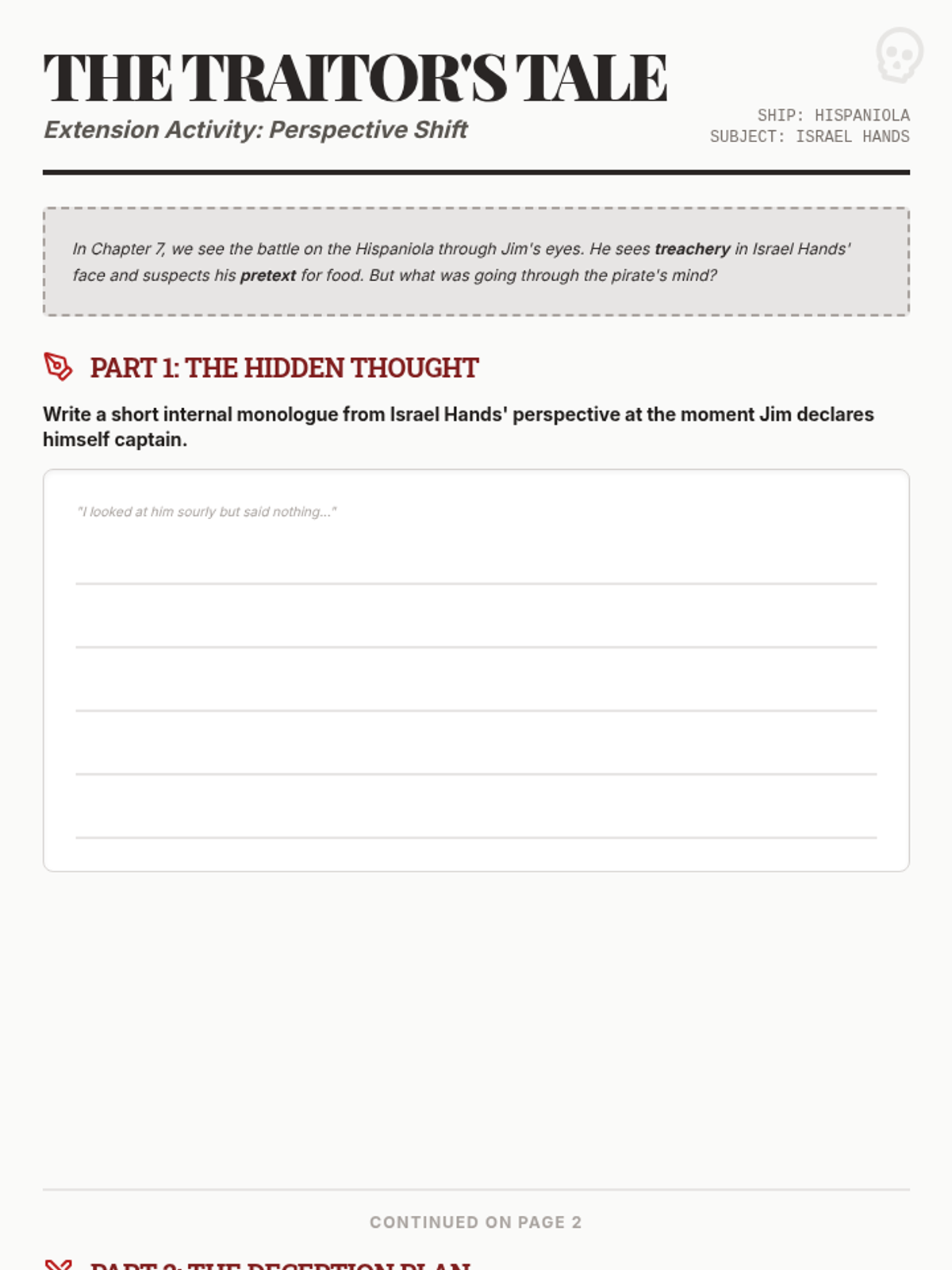
A literary analysis lesson focusing on character motivations and plot dynamics in Chapter 7 of Treasure Island. Students analyze Jim Hawkins' confrontation with Israel Hands and his surprising encounter with Long John Silver.
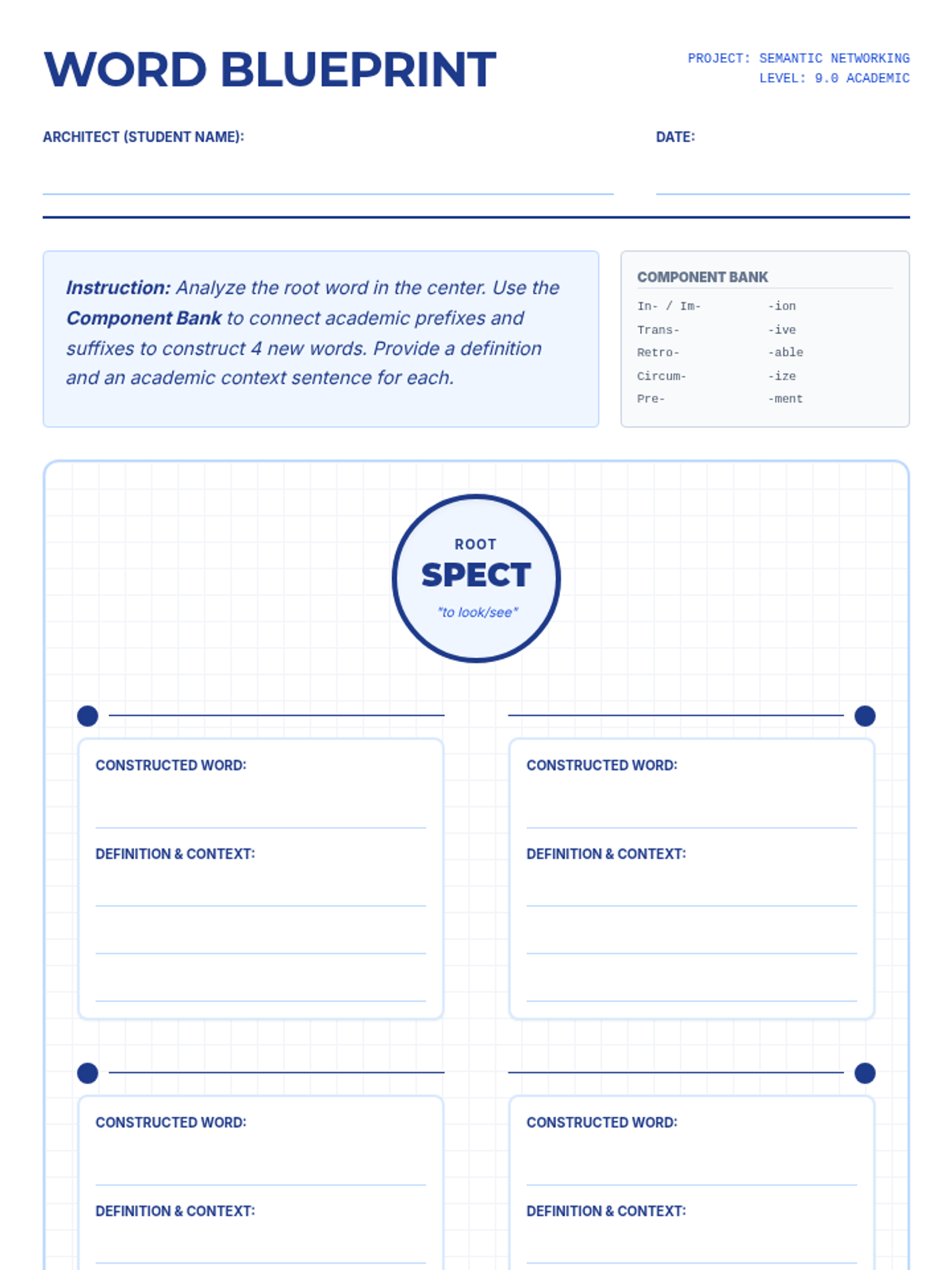
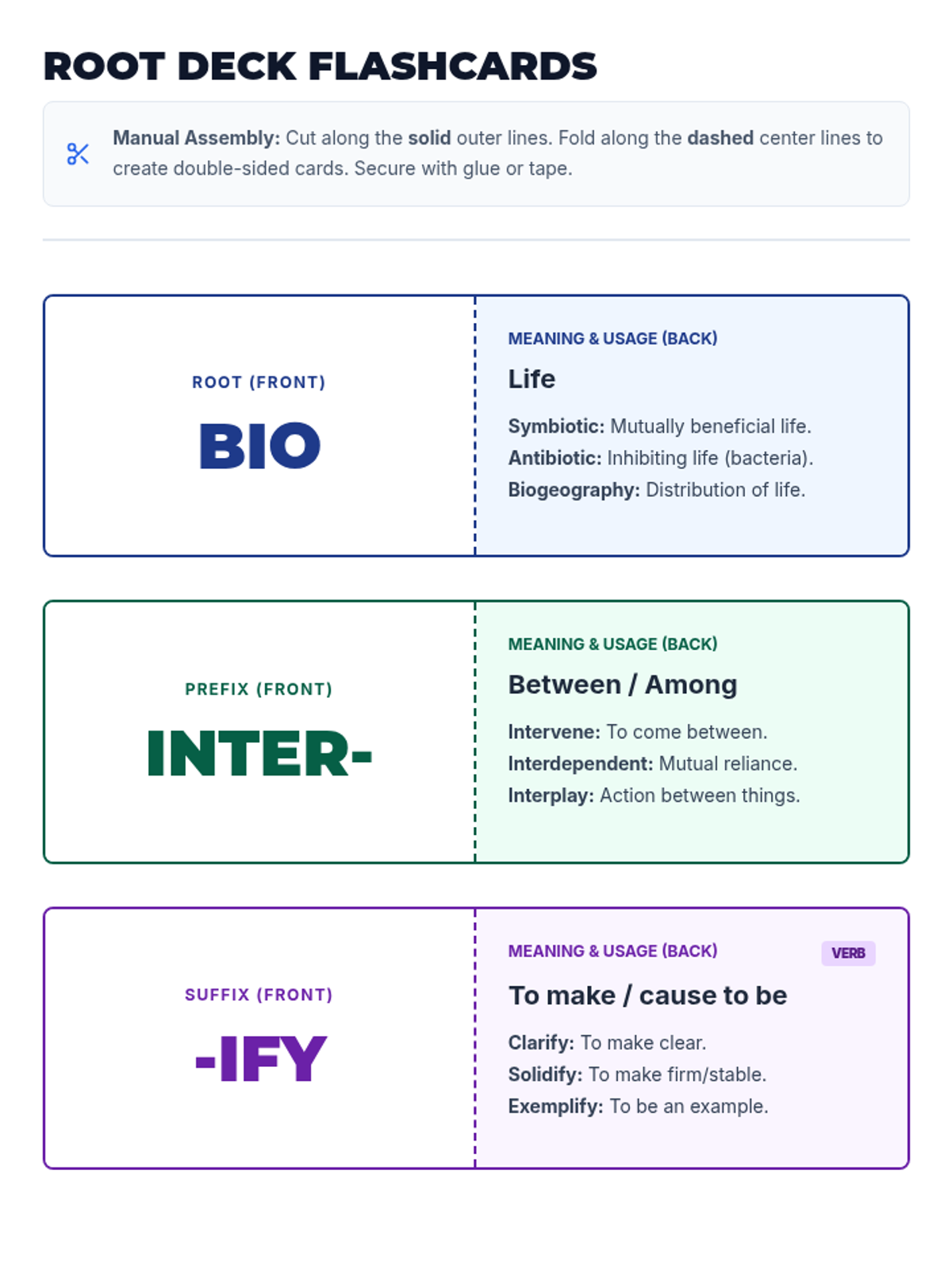
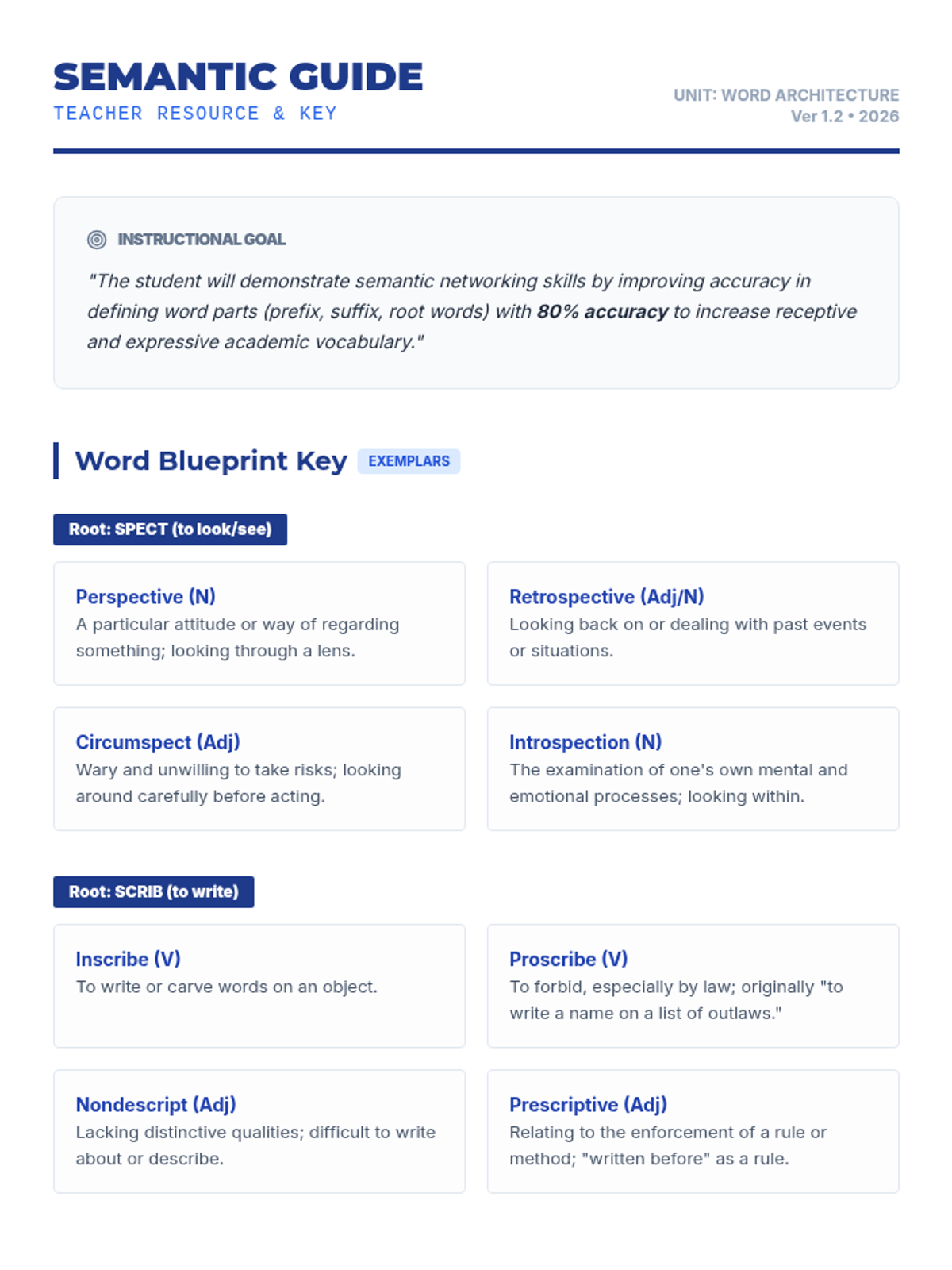
A lesson focused on building semantic networks by breaking down academic vocabulary into its architectural components: roots, prefixes, and suffixes. Students will use visual word maps to connect word parts to meaning and usage.
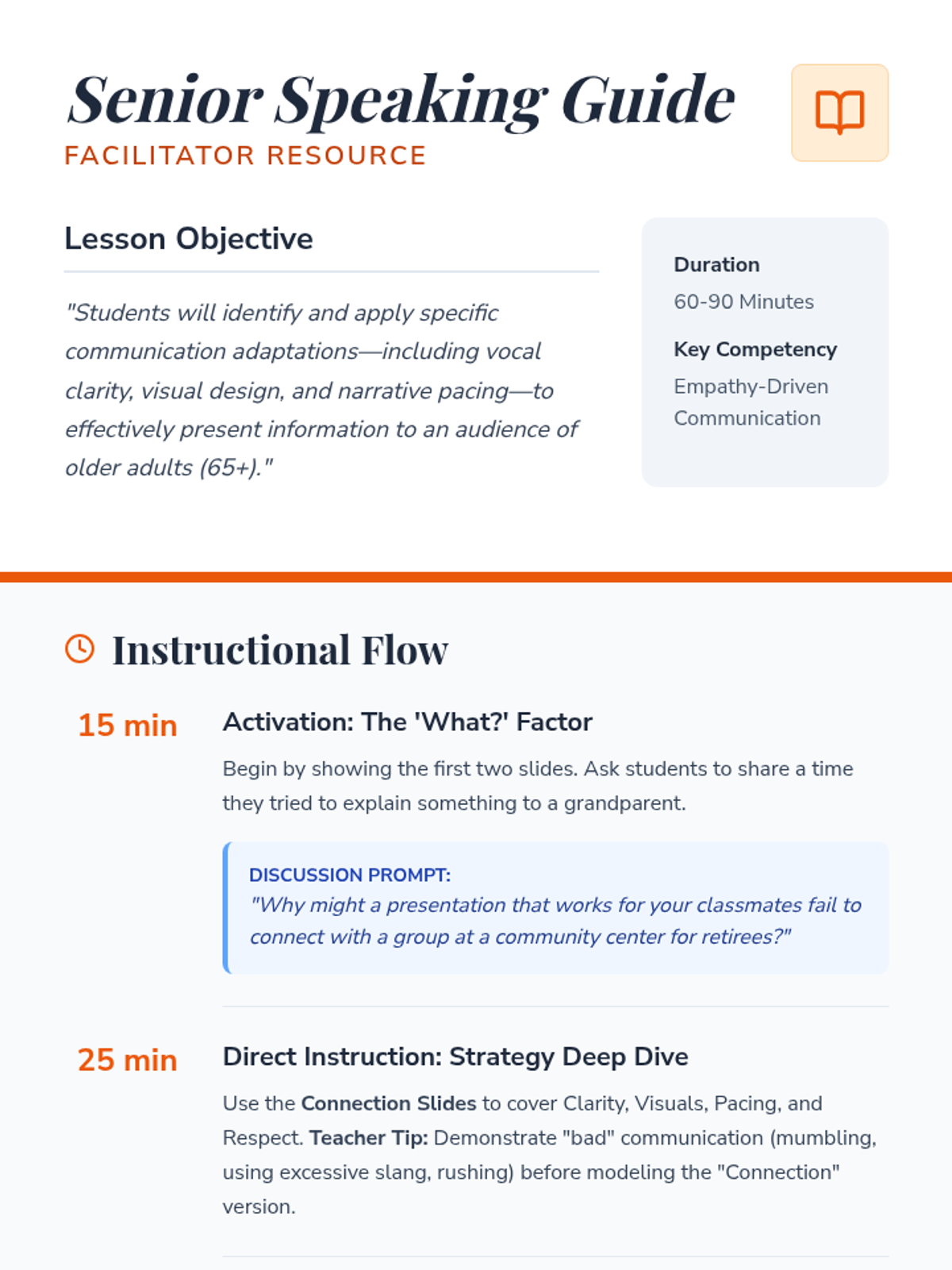
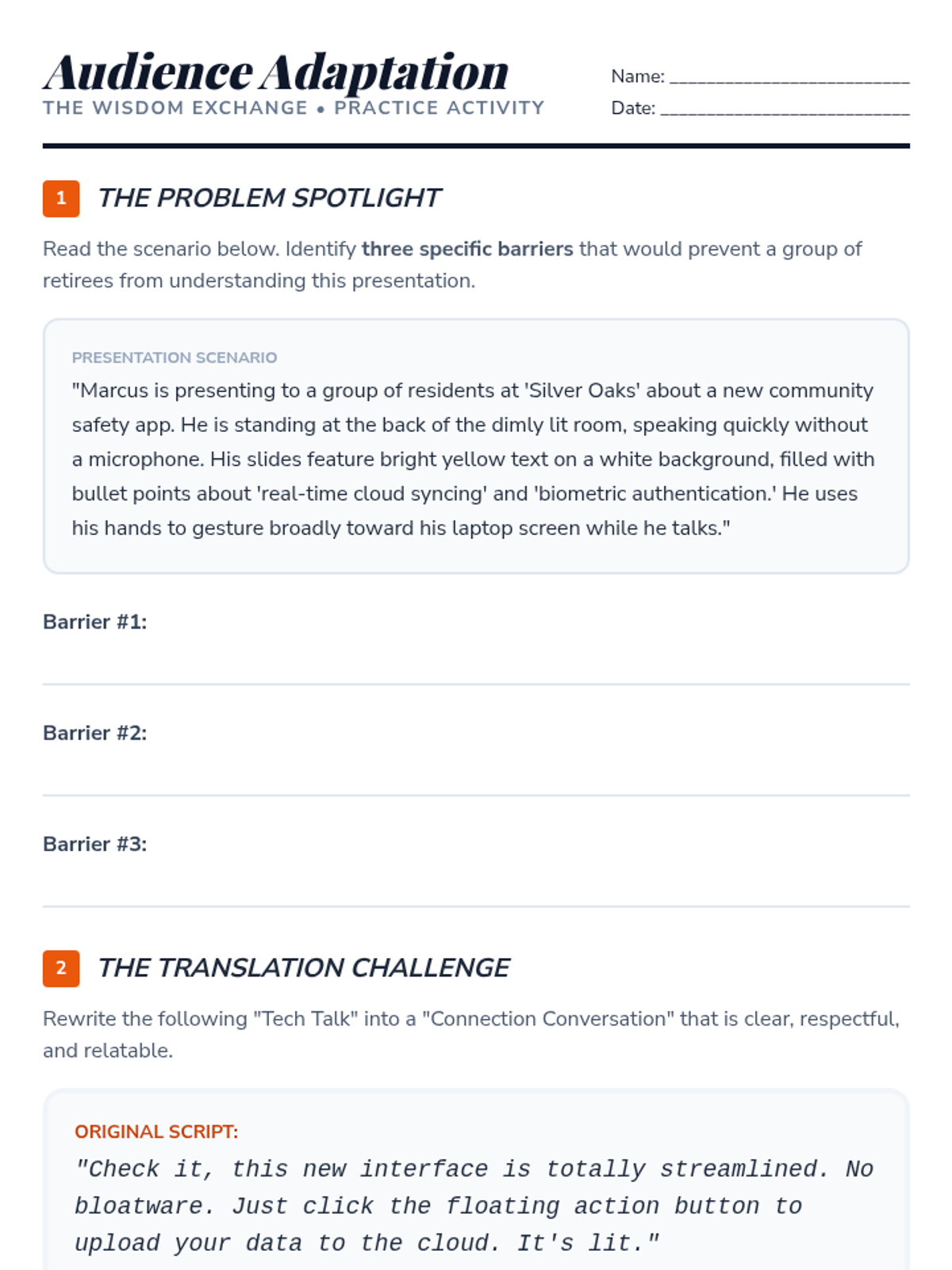
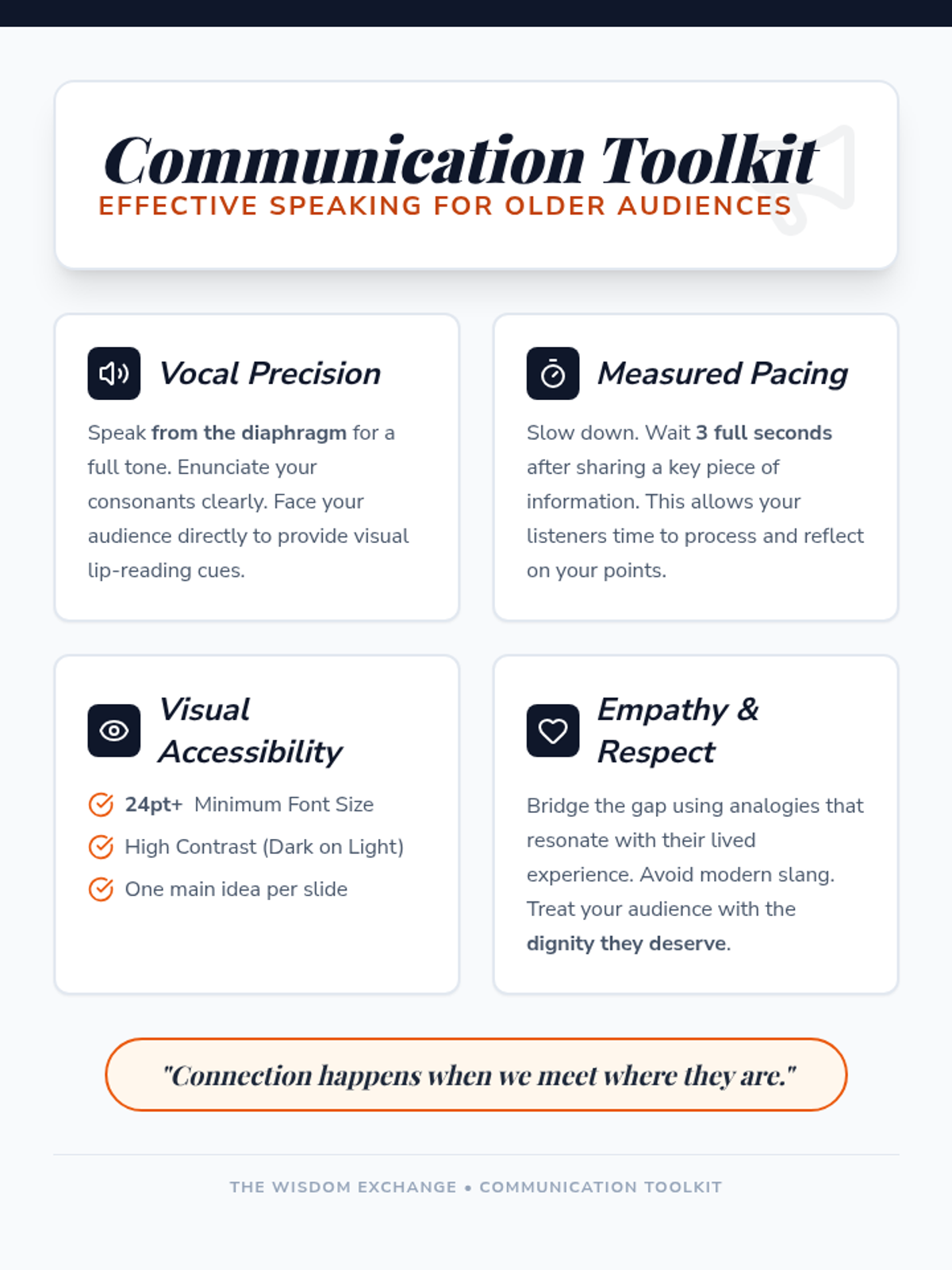
A comprehensive lesson on adapting communication styles for older audiences, focusing on clarity, pacing, and respectful engagement. Students will learn practical strategies to bridge the generational gap in public speaking and presentations.
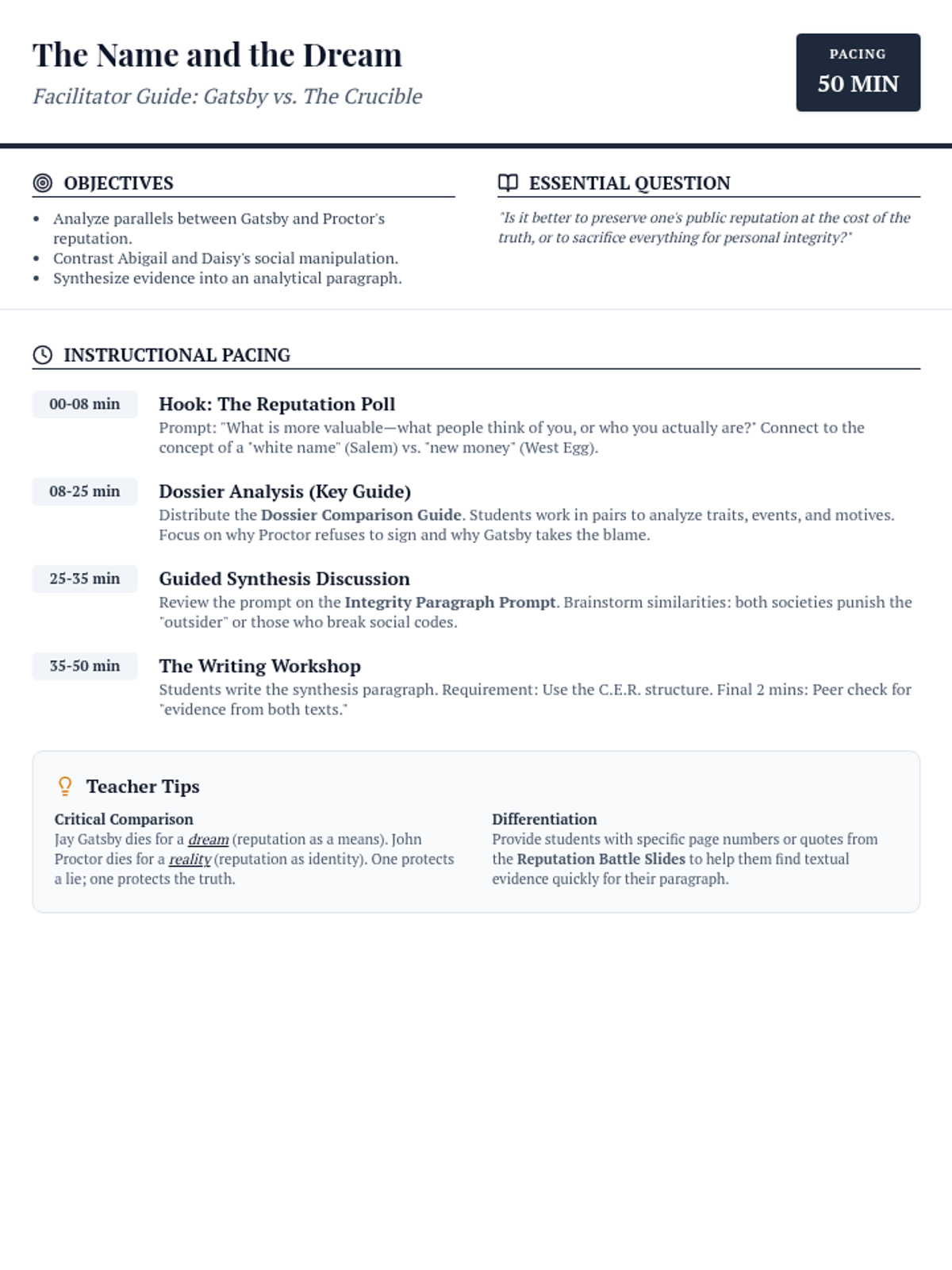
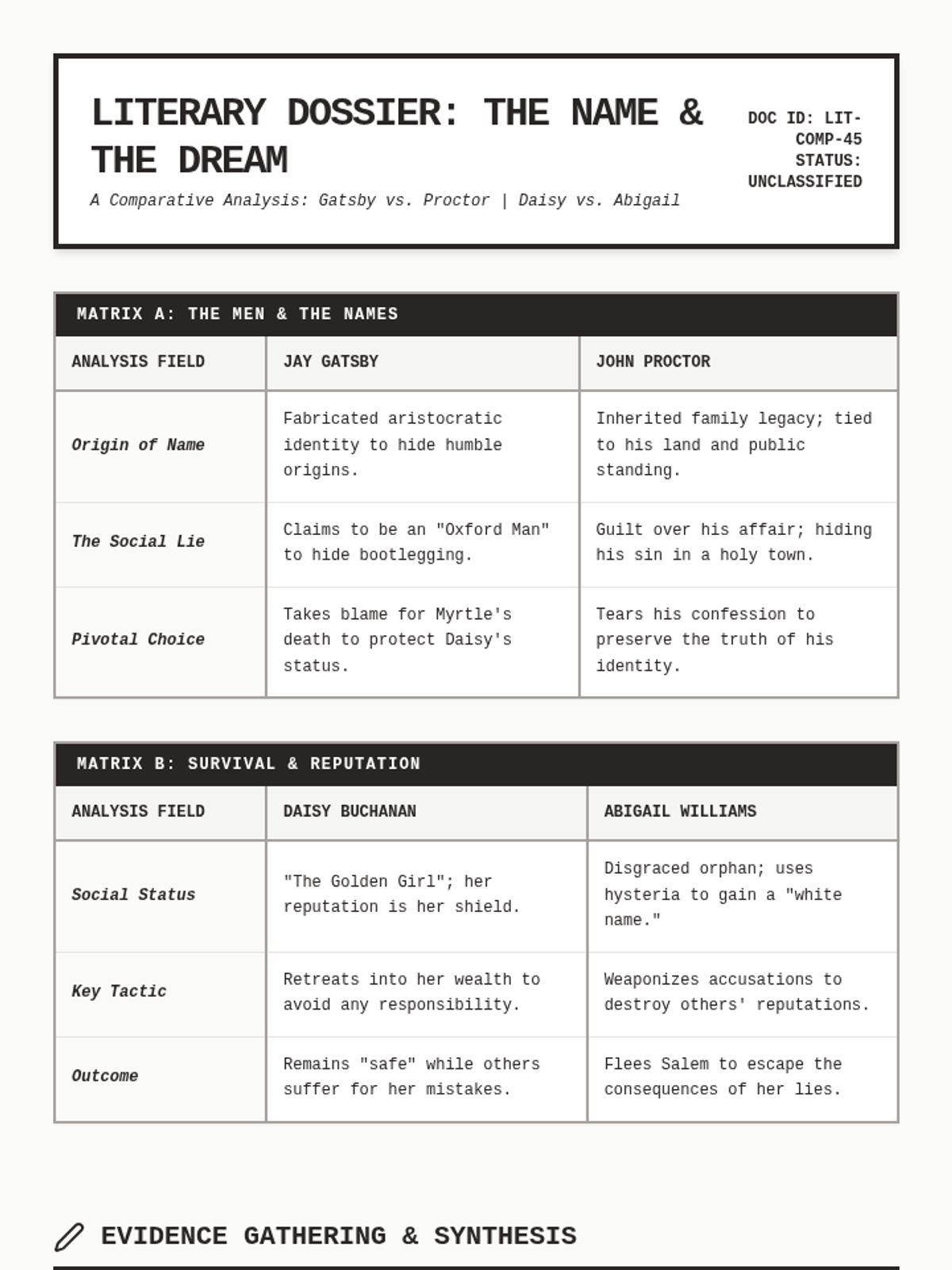
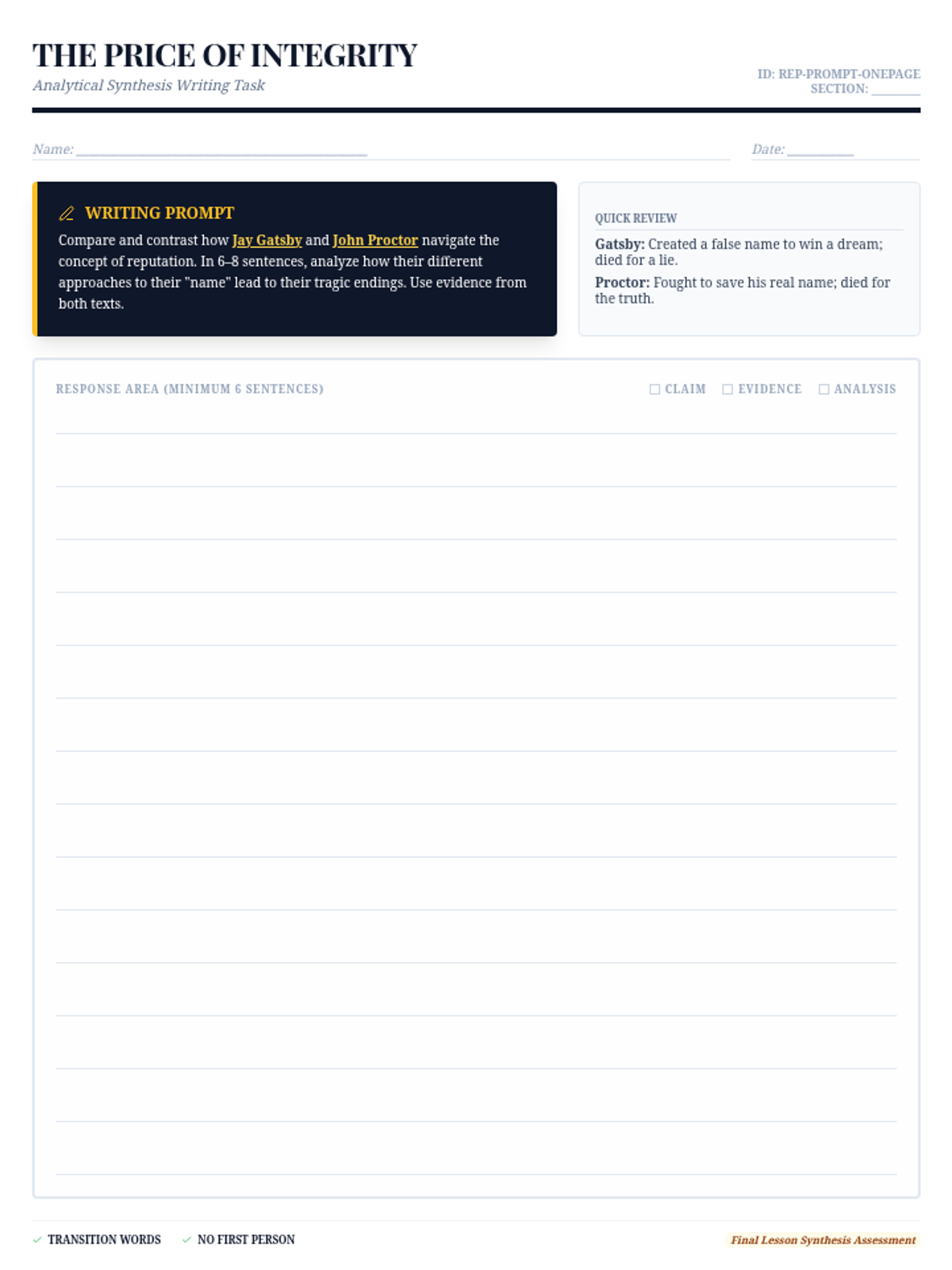
A 50-minute comparison of The Great Gatsby and The Crucible, focusing on the themes of reputation, integrity, and the individual's struggle against societal expectations. Students analyze character motivations and write a synthesis paragraph.
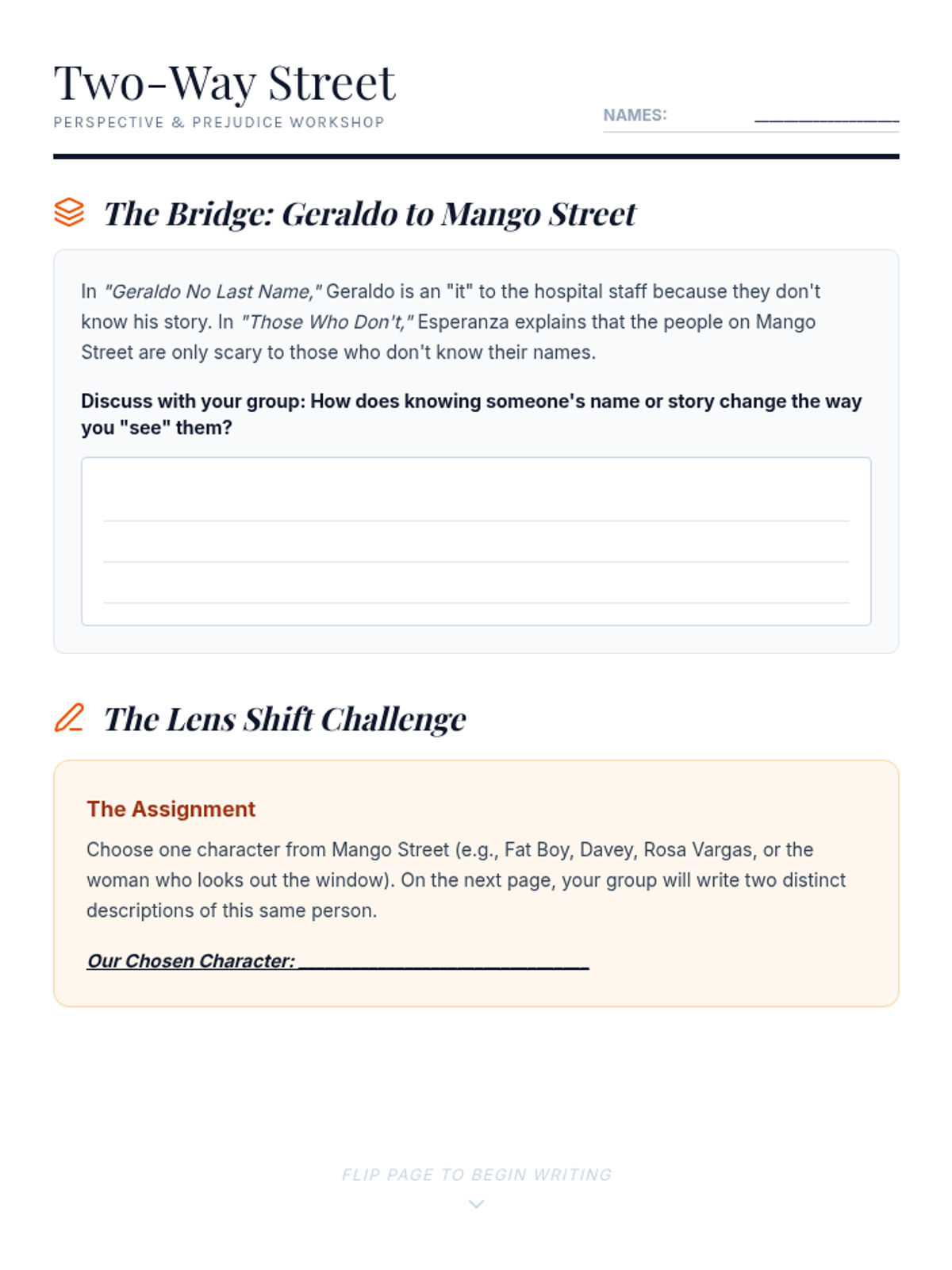
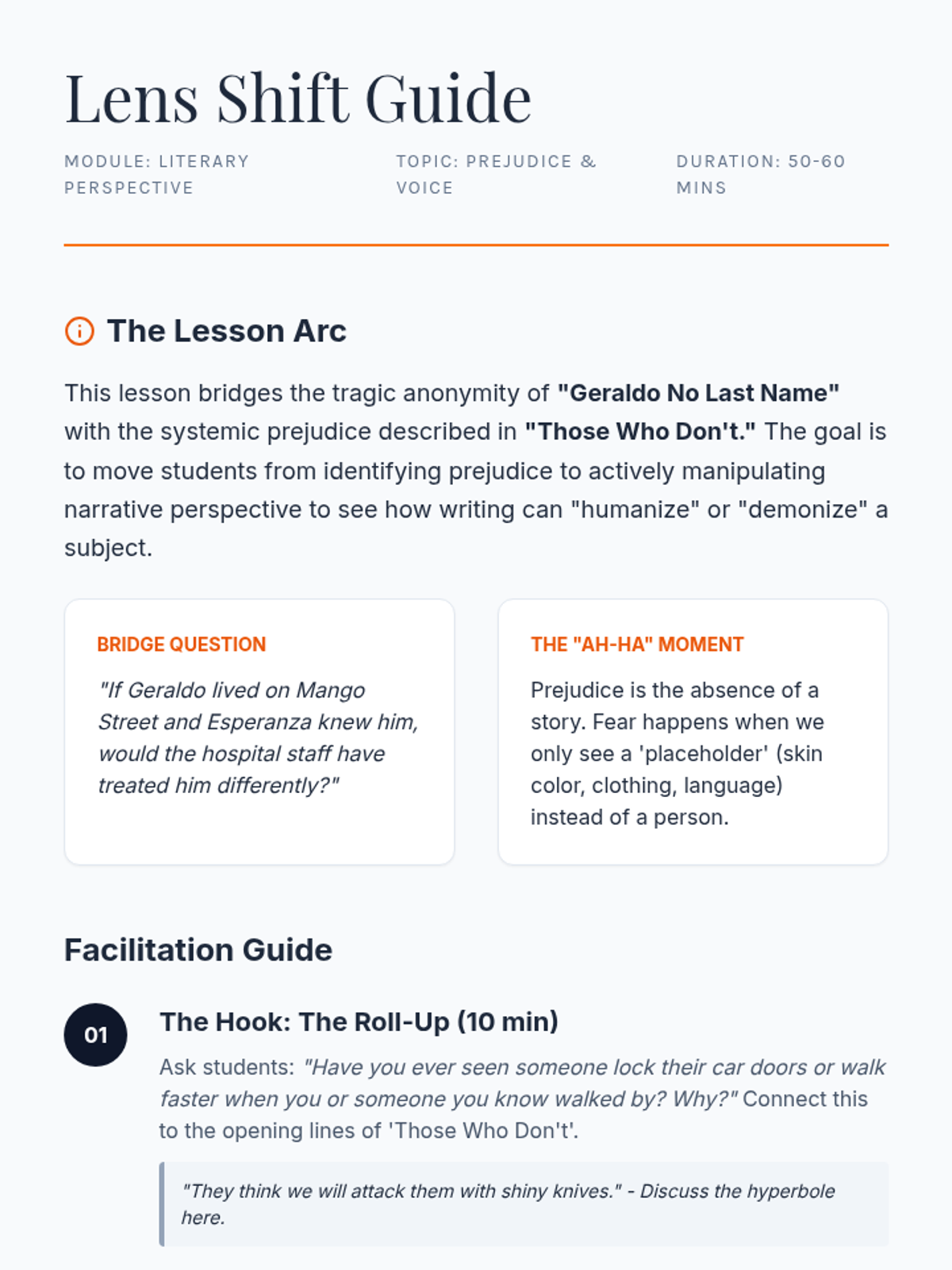
A lesson exploring the dual nature of prejudice and perspective in 'The House on Mango Street', focusing on how outsiders and insiders view the same neighborhood differently. Students bridge the tragic anonymity of 'Geraldo No Last Name' with the systemic fear described in 'Those Who Don't' through collaborative creative writing.
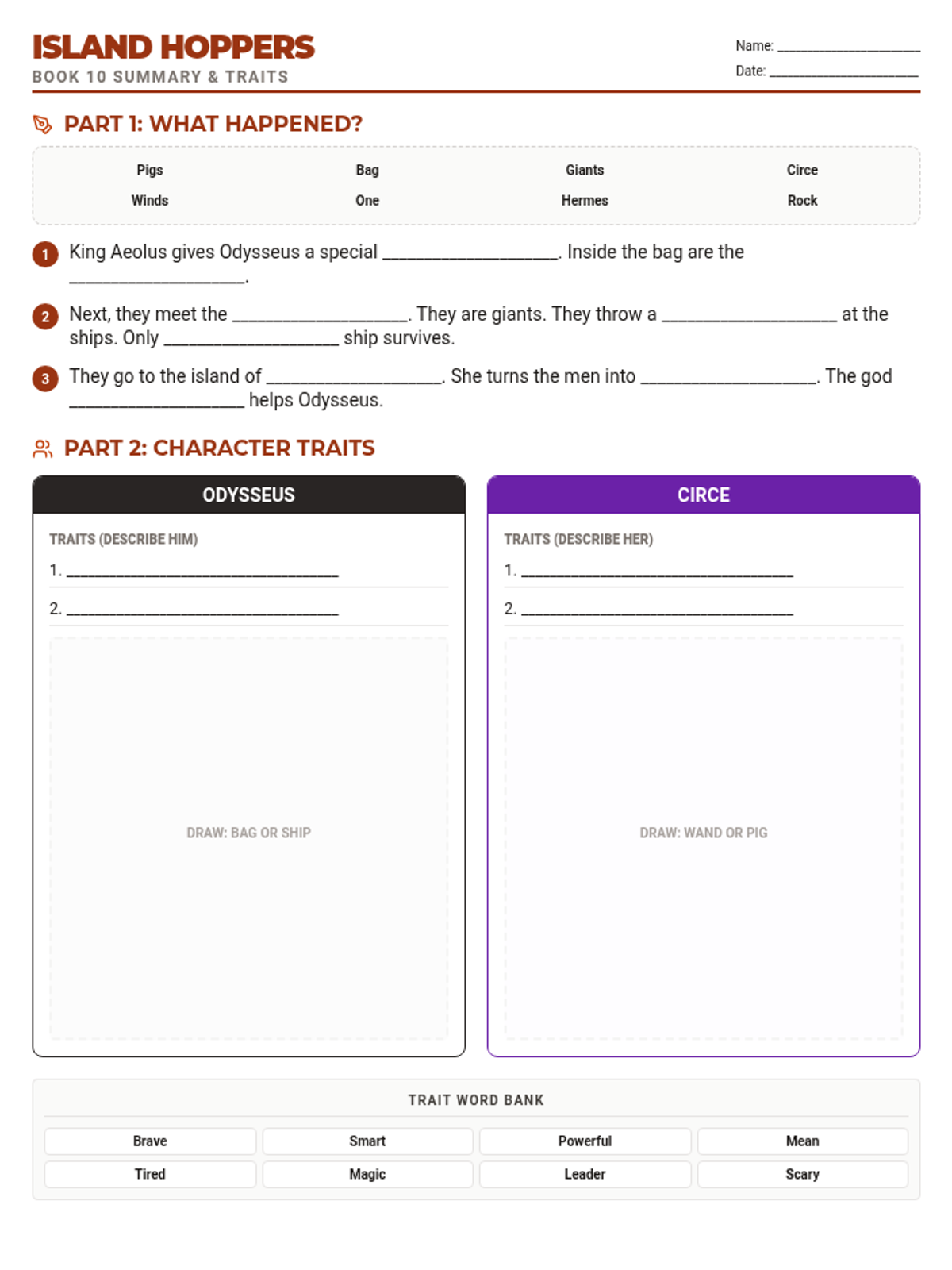
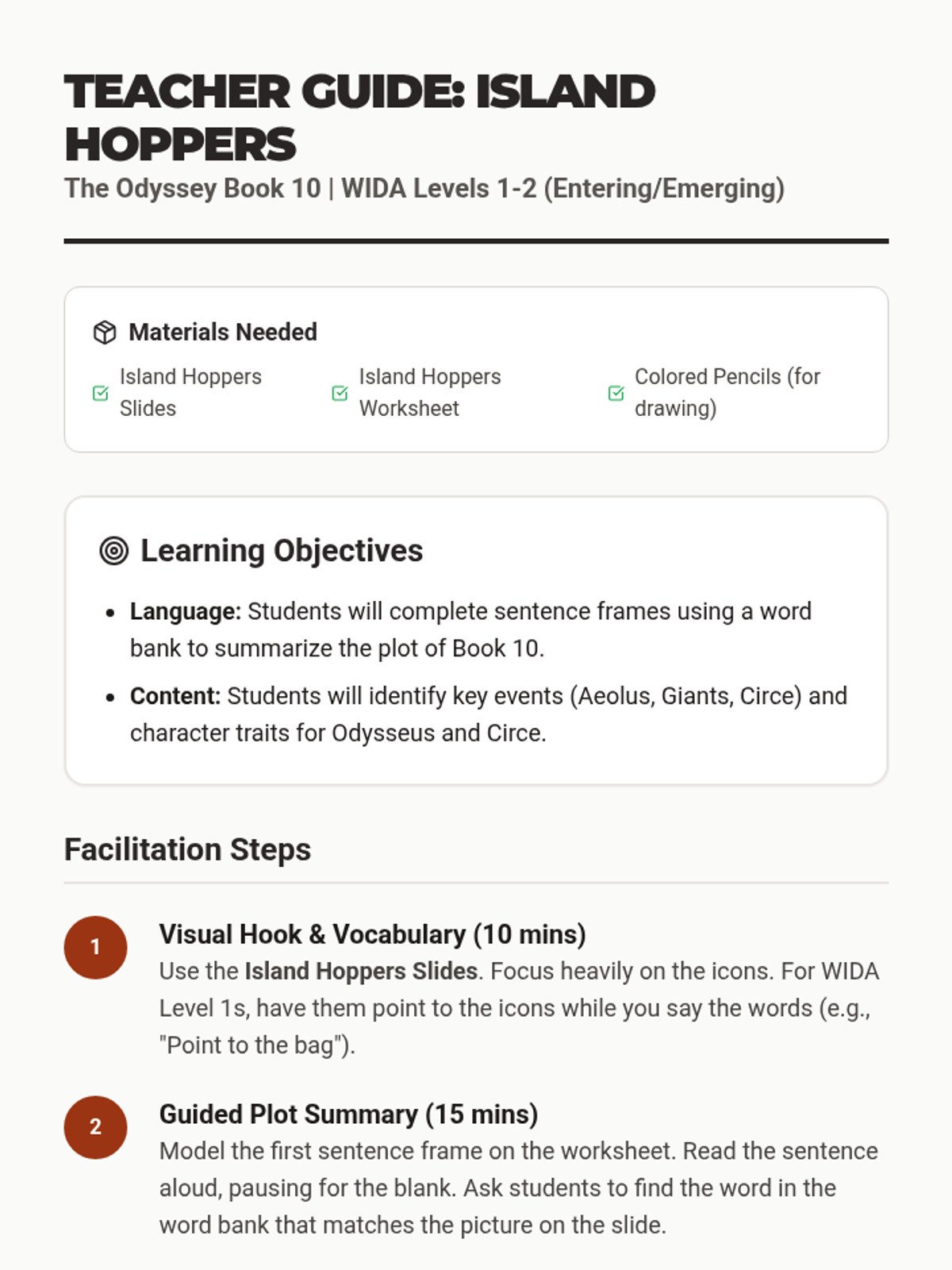
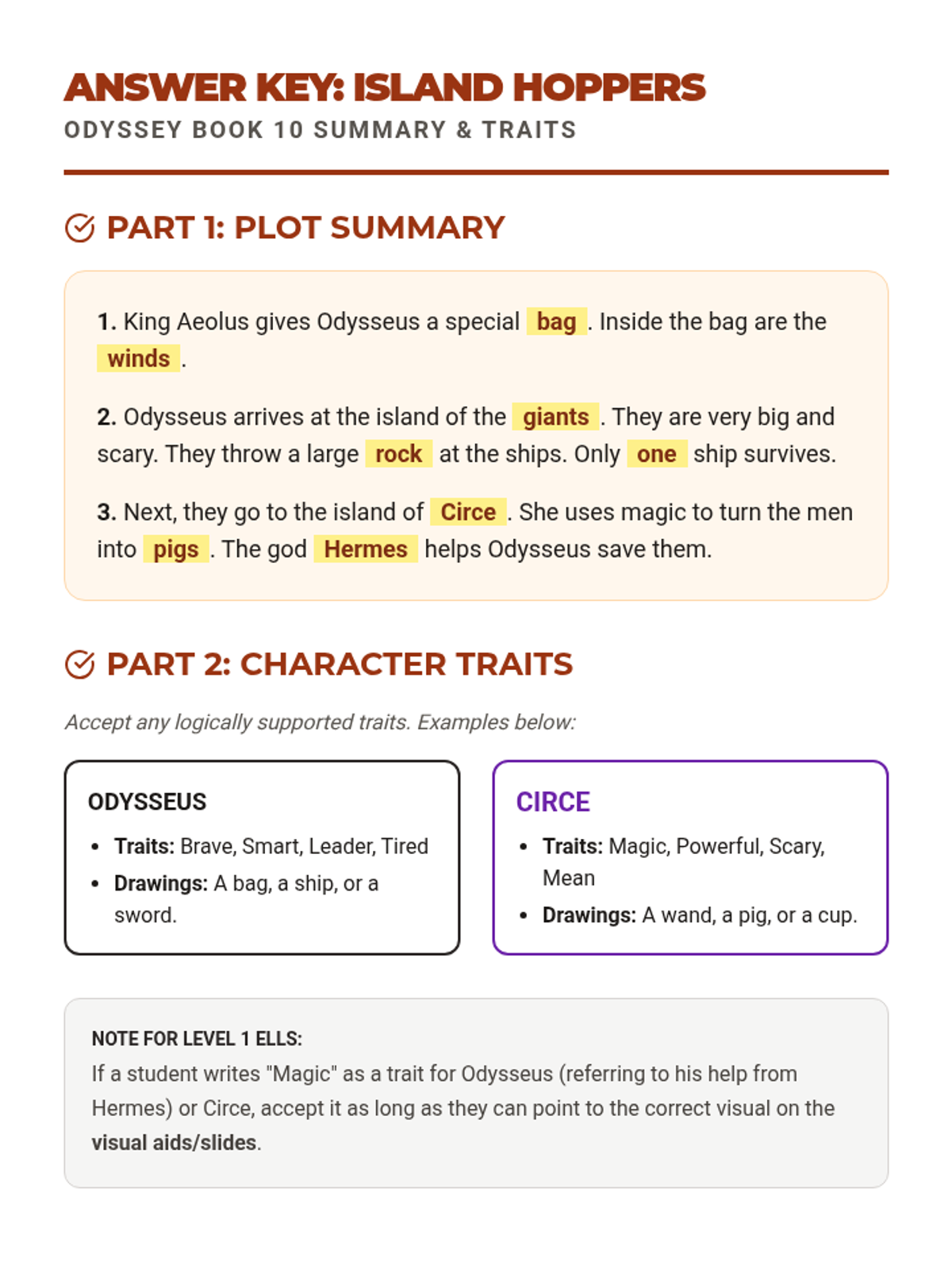
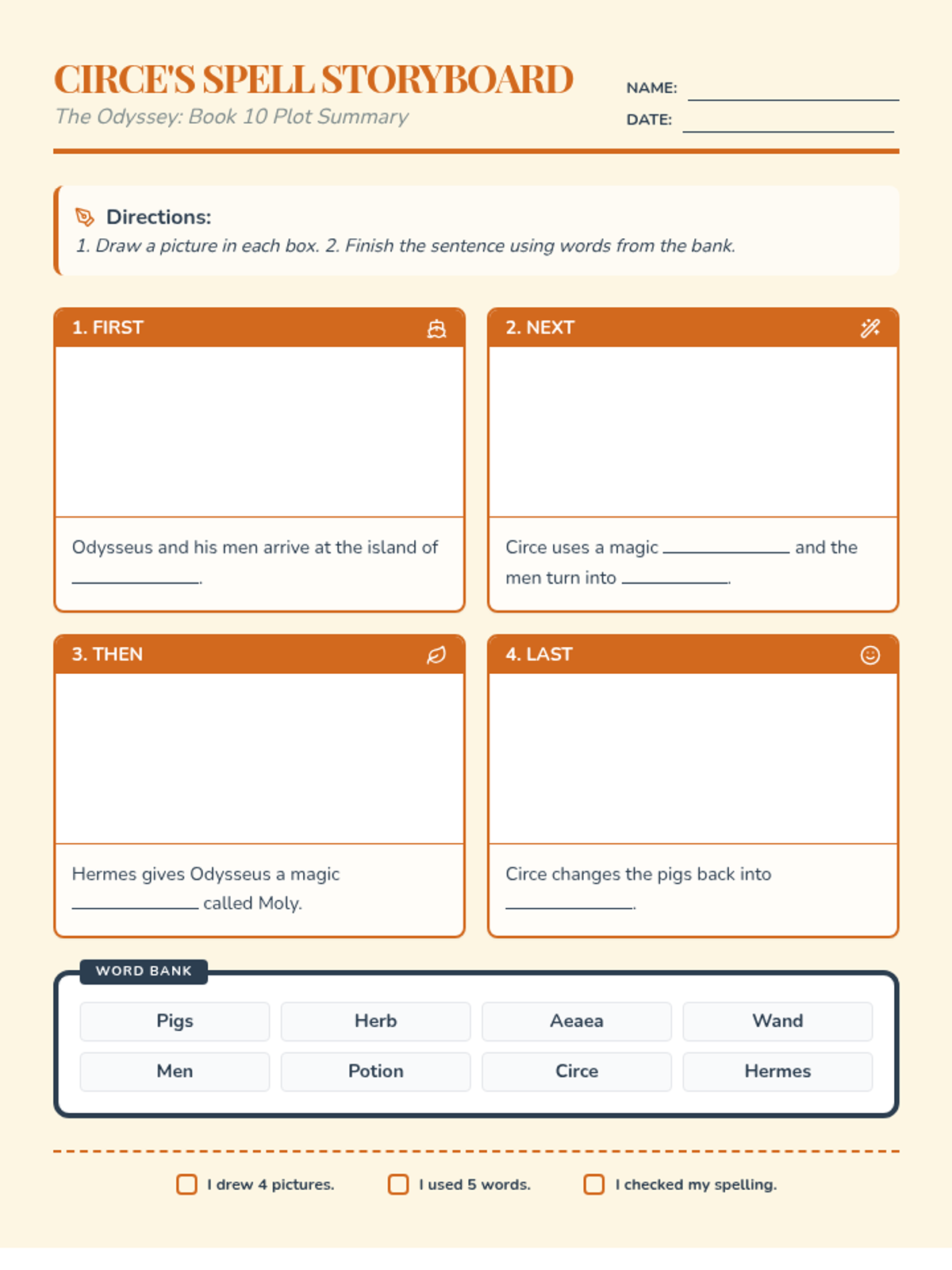
A highly visual lesson for Book 10 of the Odyssey designed for WIDA Level 1-2 ELLs, focusing on Odysseus's encounters with Aeolus, the Laestrygonians, and Circe.
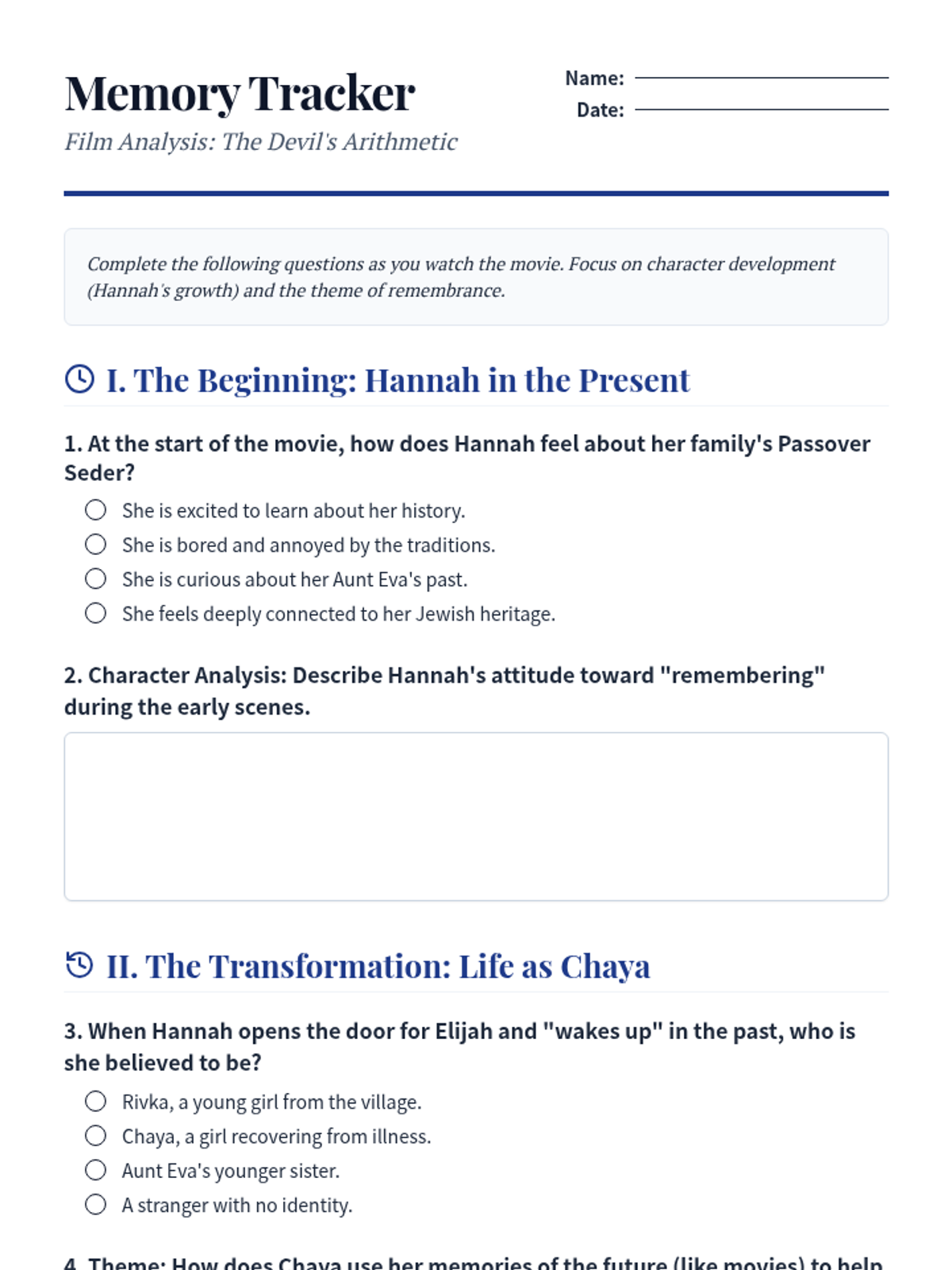
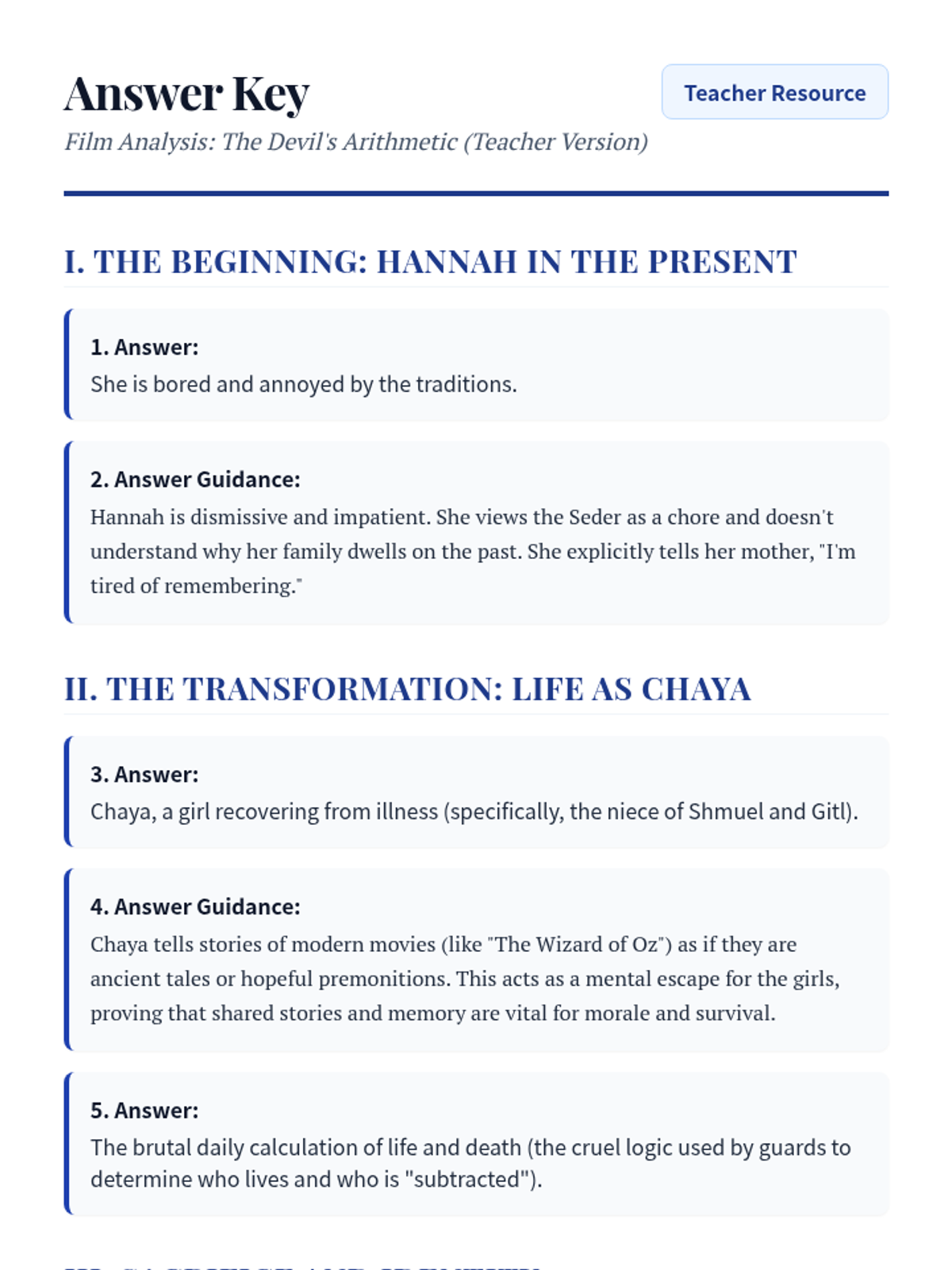
A lesson centered around the movie adaptation of 'The Devil's Arithmetic', focusing on character development and the theme of remembrance. Students will analyze Hannah's transformation and the historical weight of the Holocaust through guided viewing.
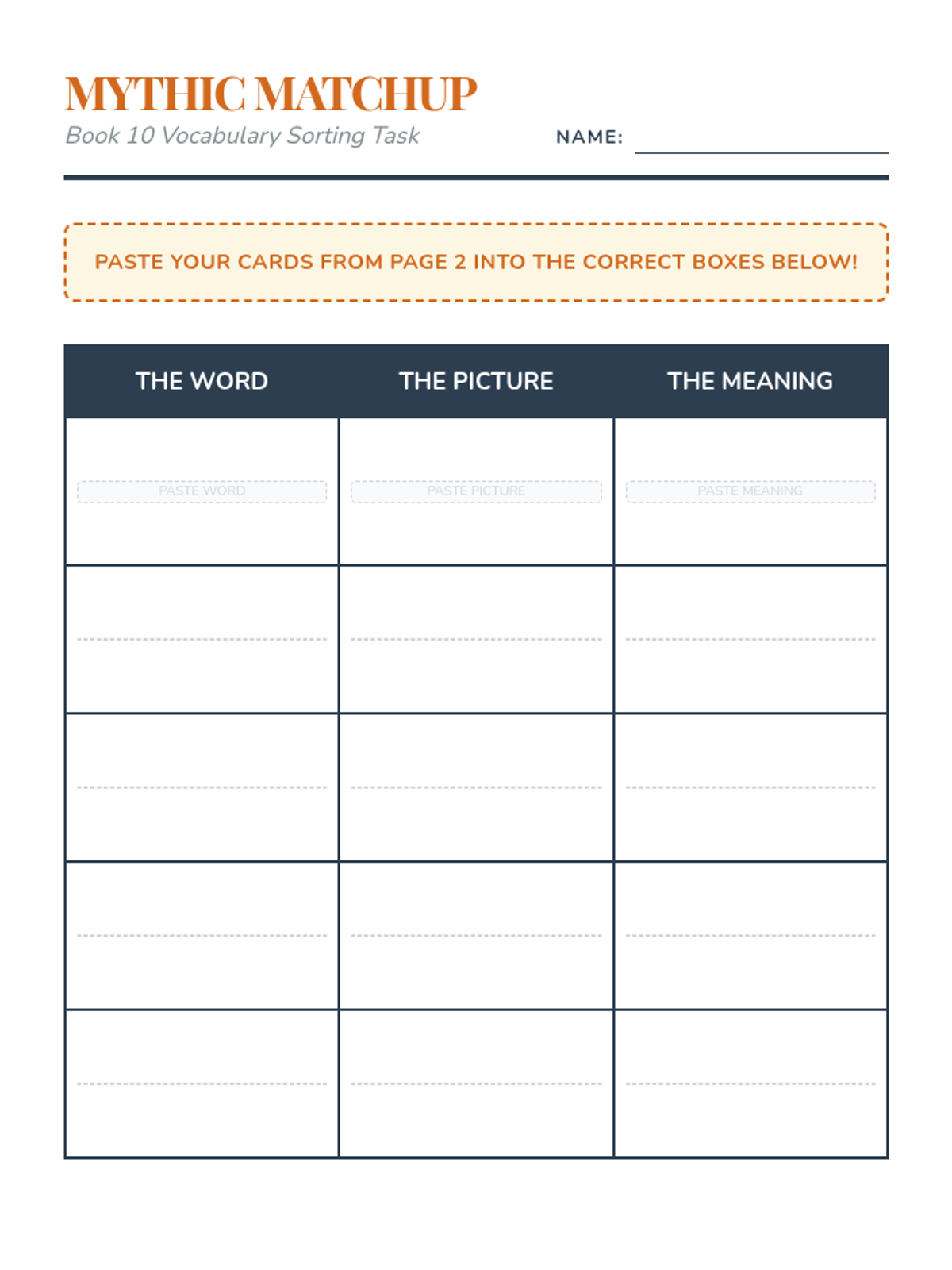
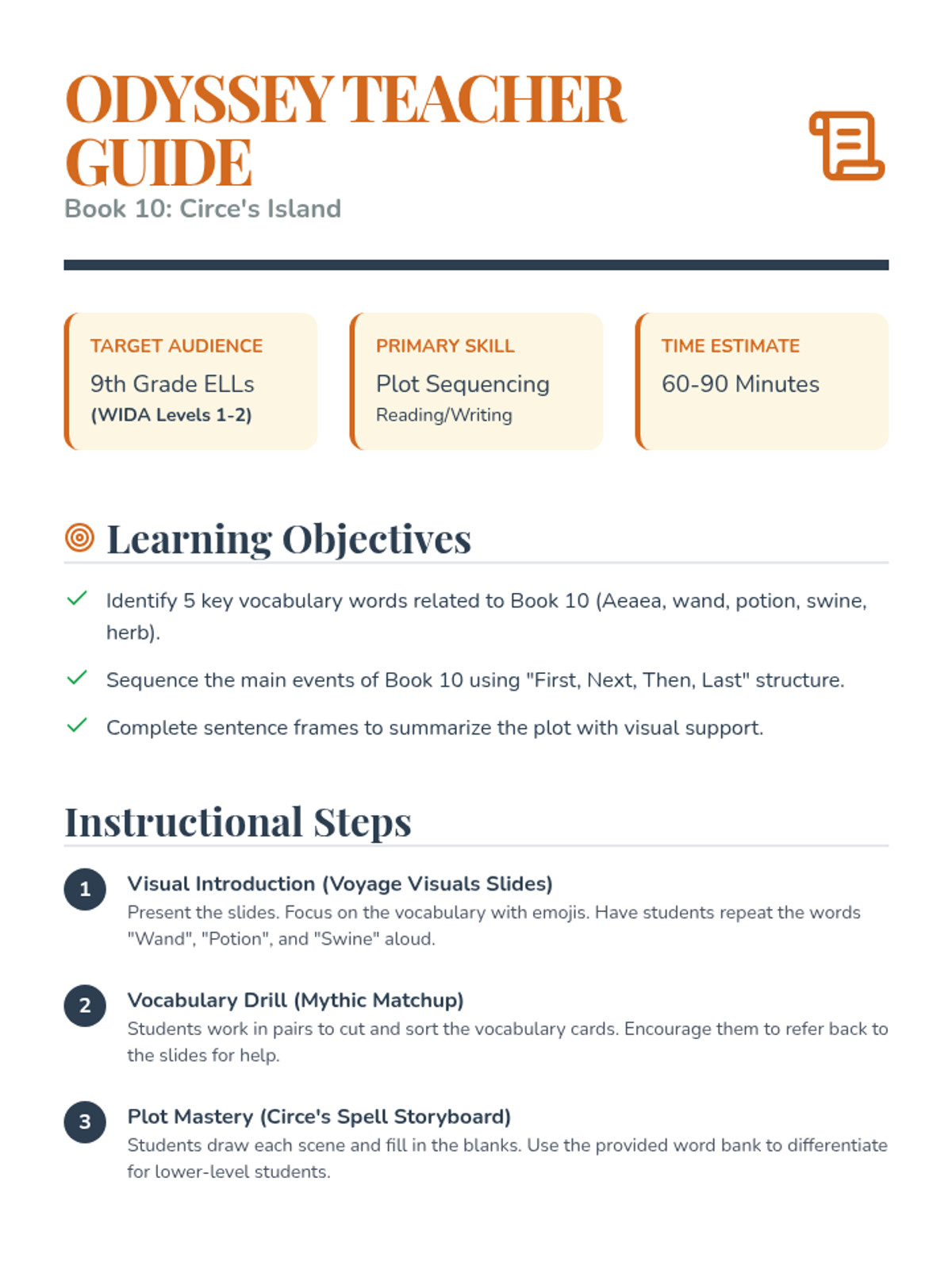
A visually-supported lesson on Book 10 of The Odyssey, designed for WIDA Level 1-2 ELLs to master plot sequencing and key vocabulary through storyboarding and sorting.
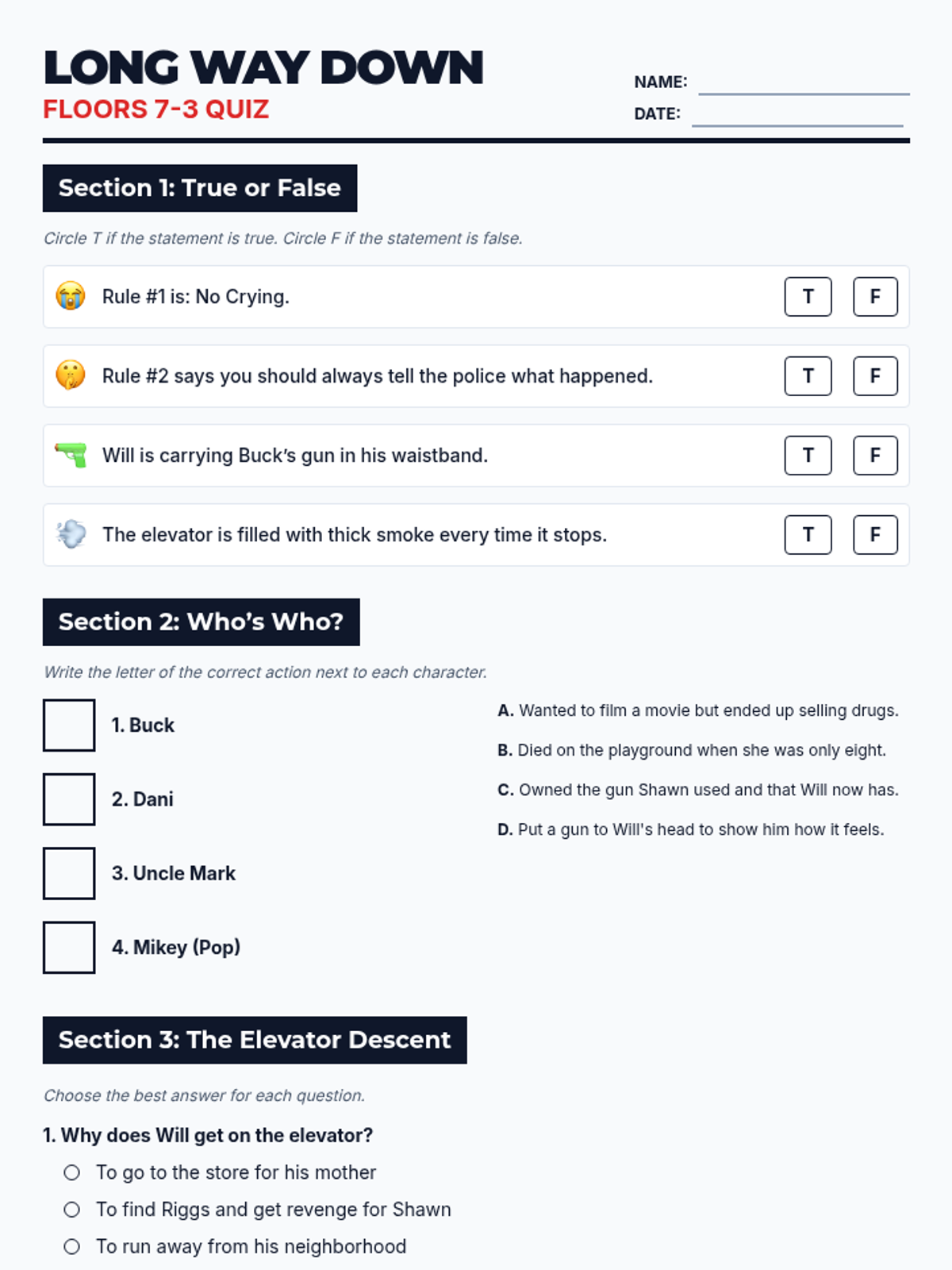
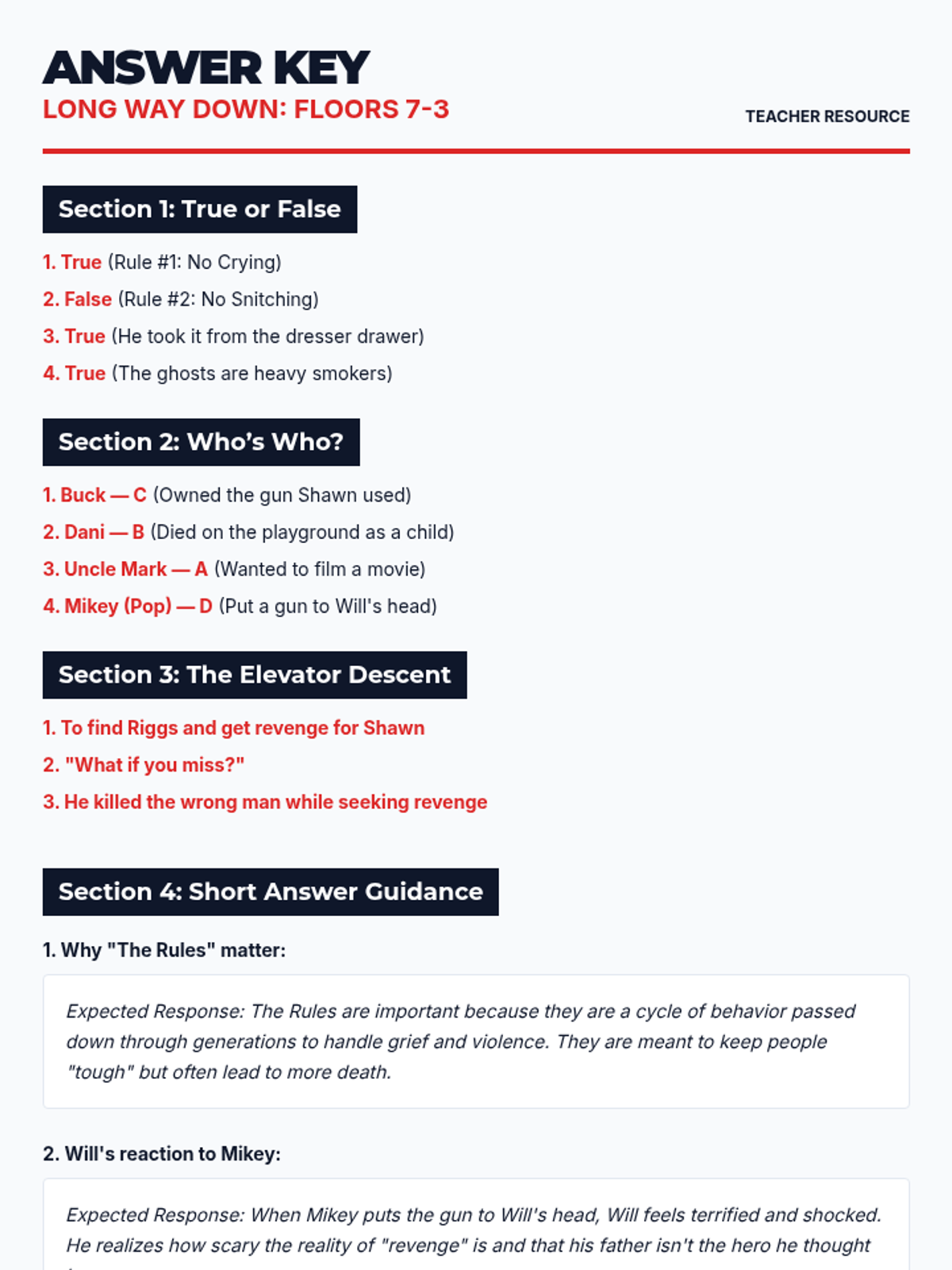
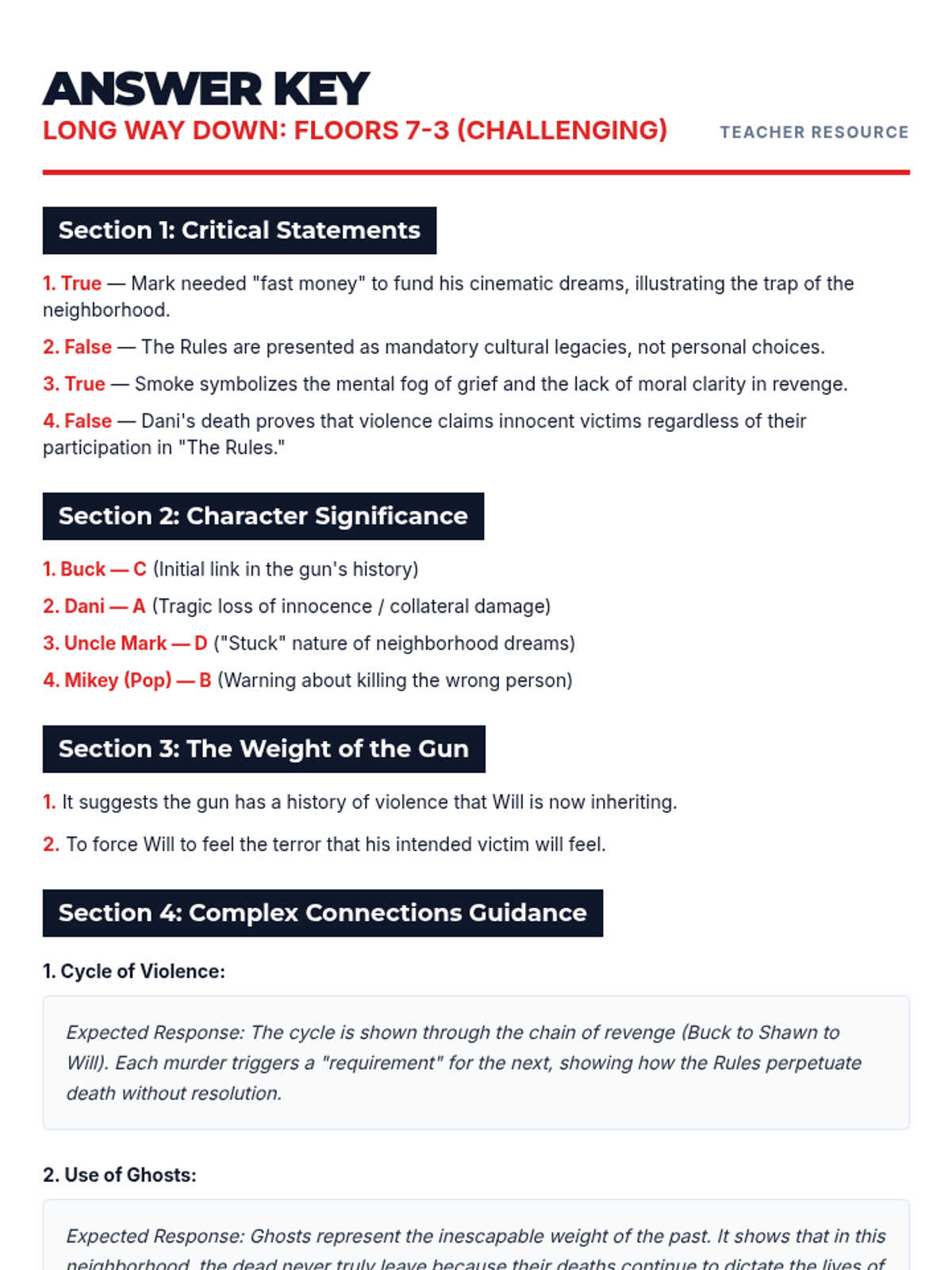
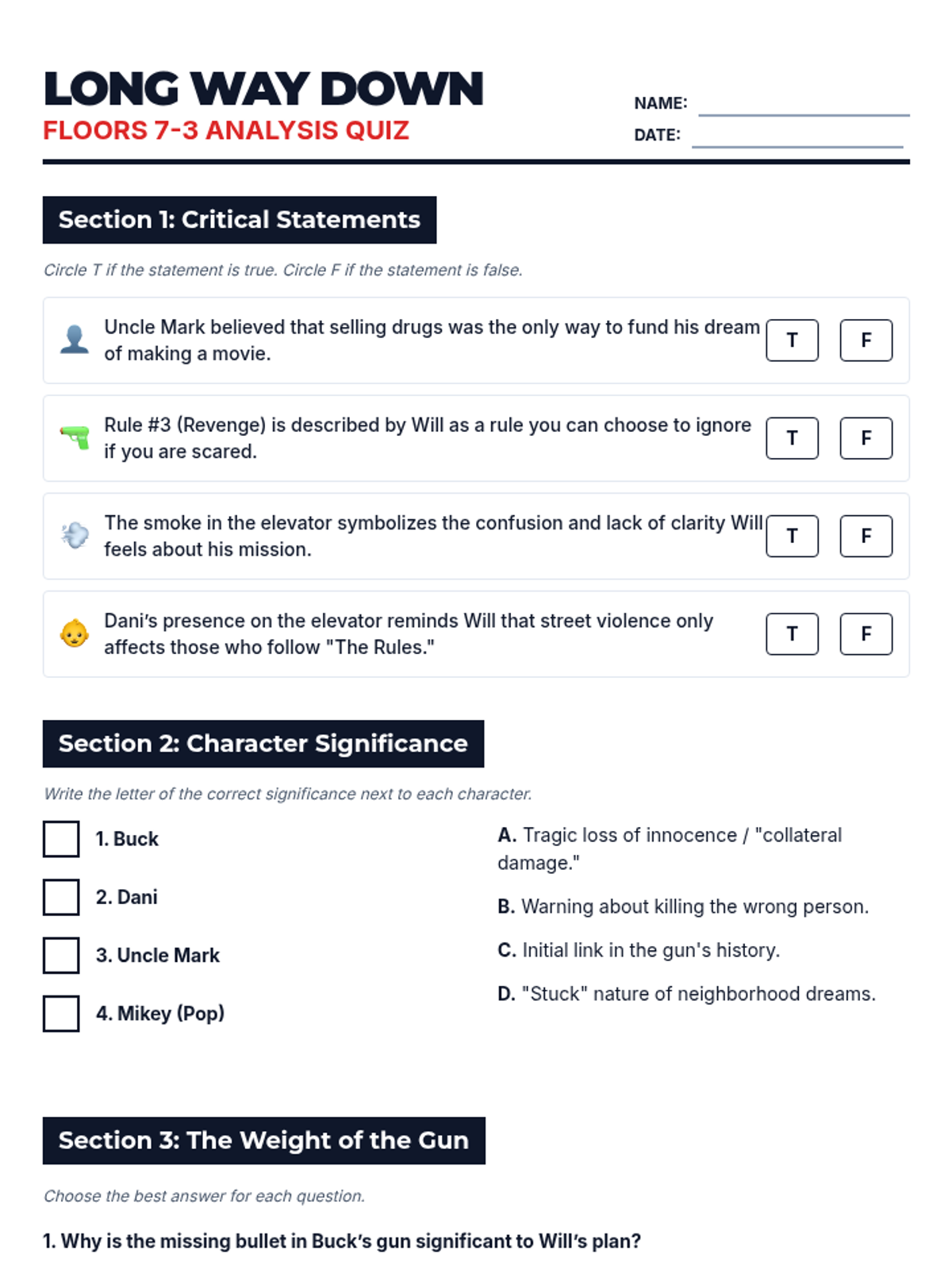
A comprehension assessment covering the first half of Jason Reynolds' Long Way Down, specifically focusing on the elevator floors 7 through 3. Designed with scaffolds for high school striving readers.
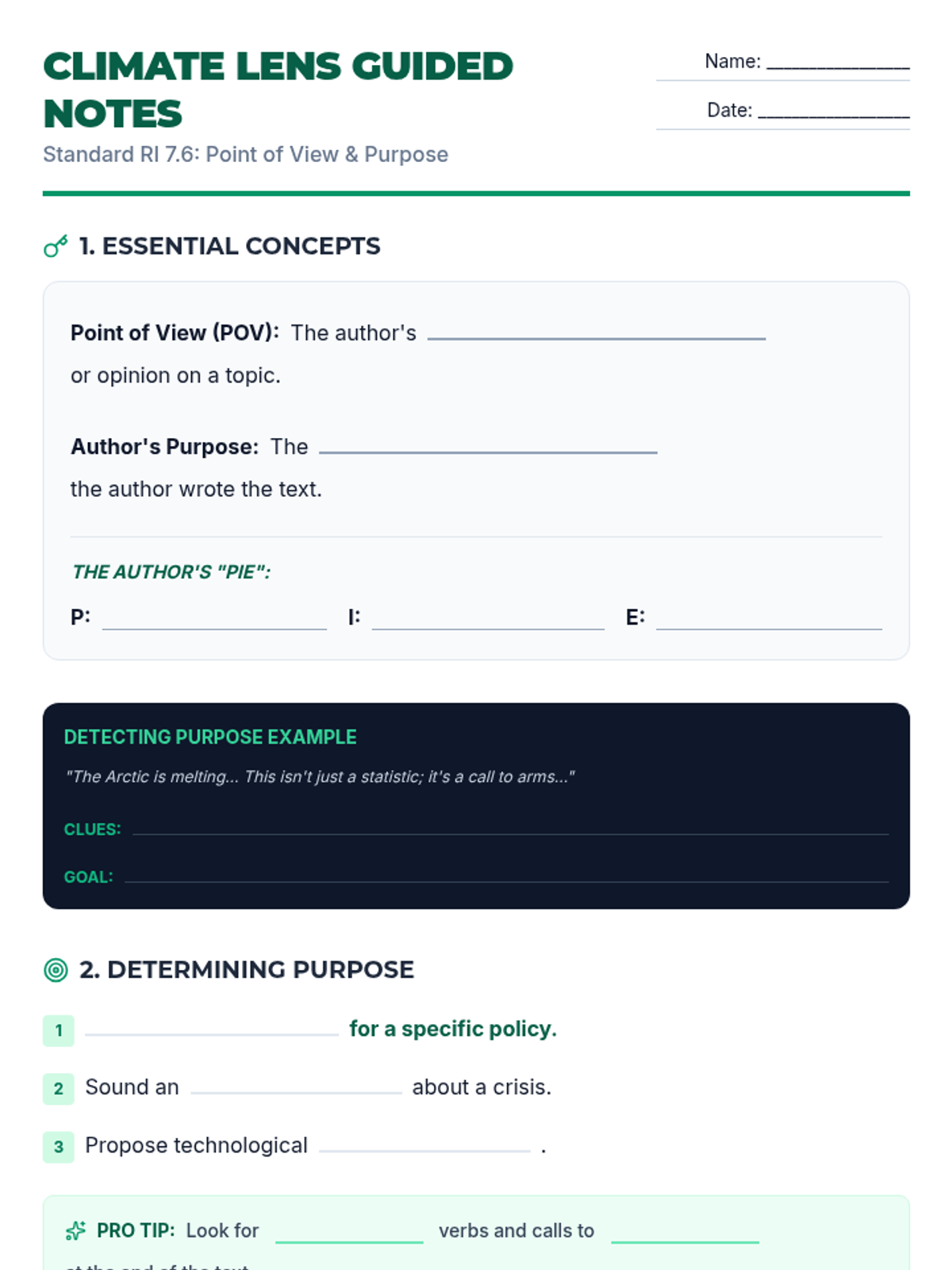
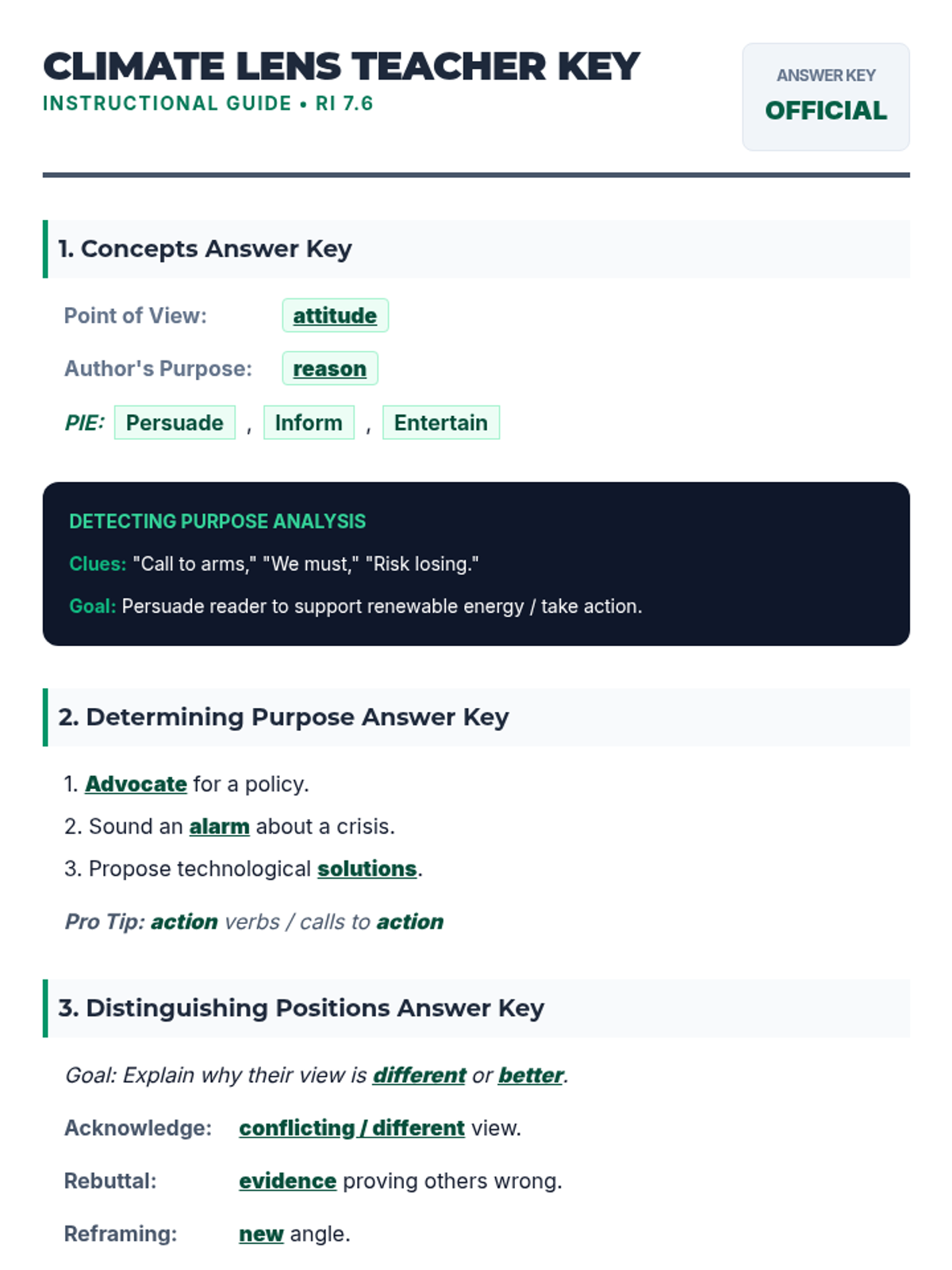
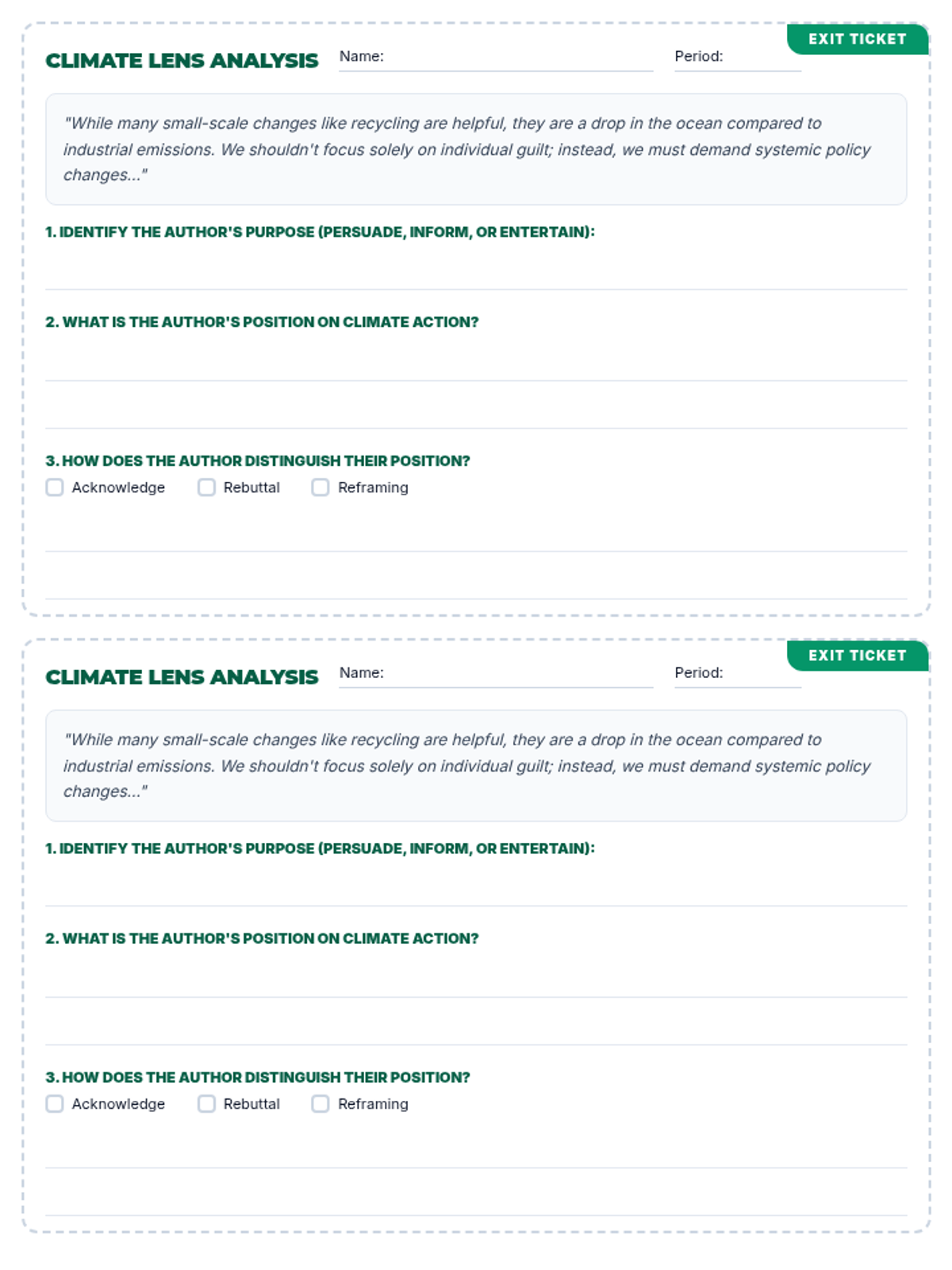
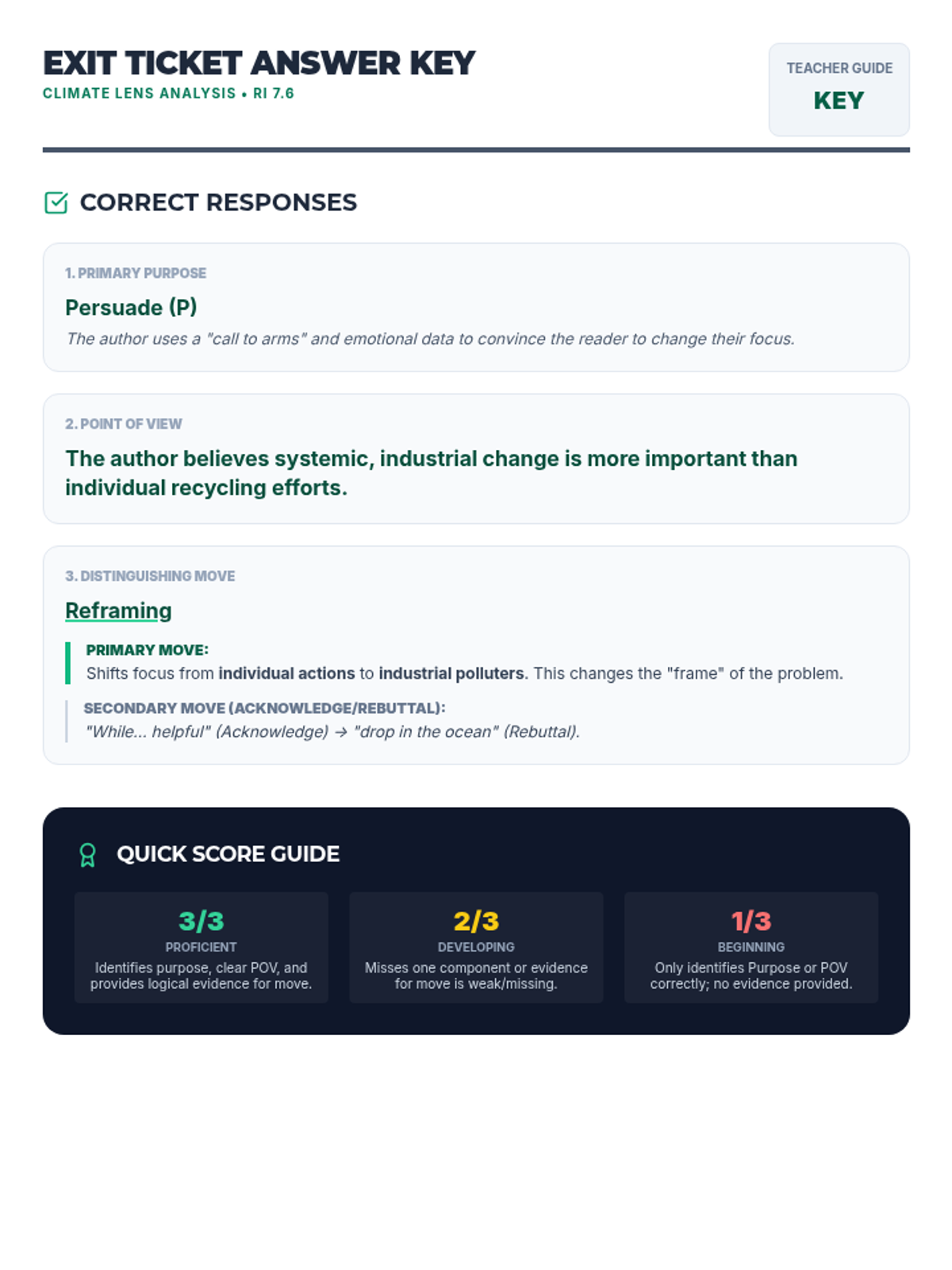
Students will learn to identify an author's point of view and purpose regarding climate change and analyze how authors distinguish their positions from others using specific rhetorical moves.
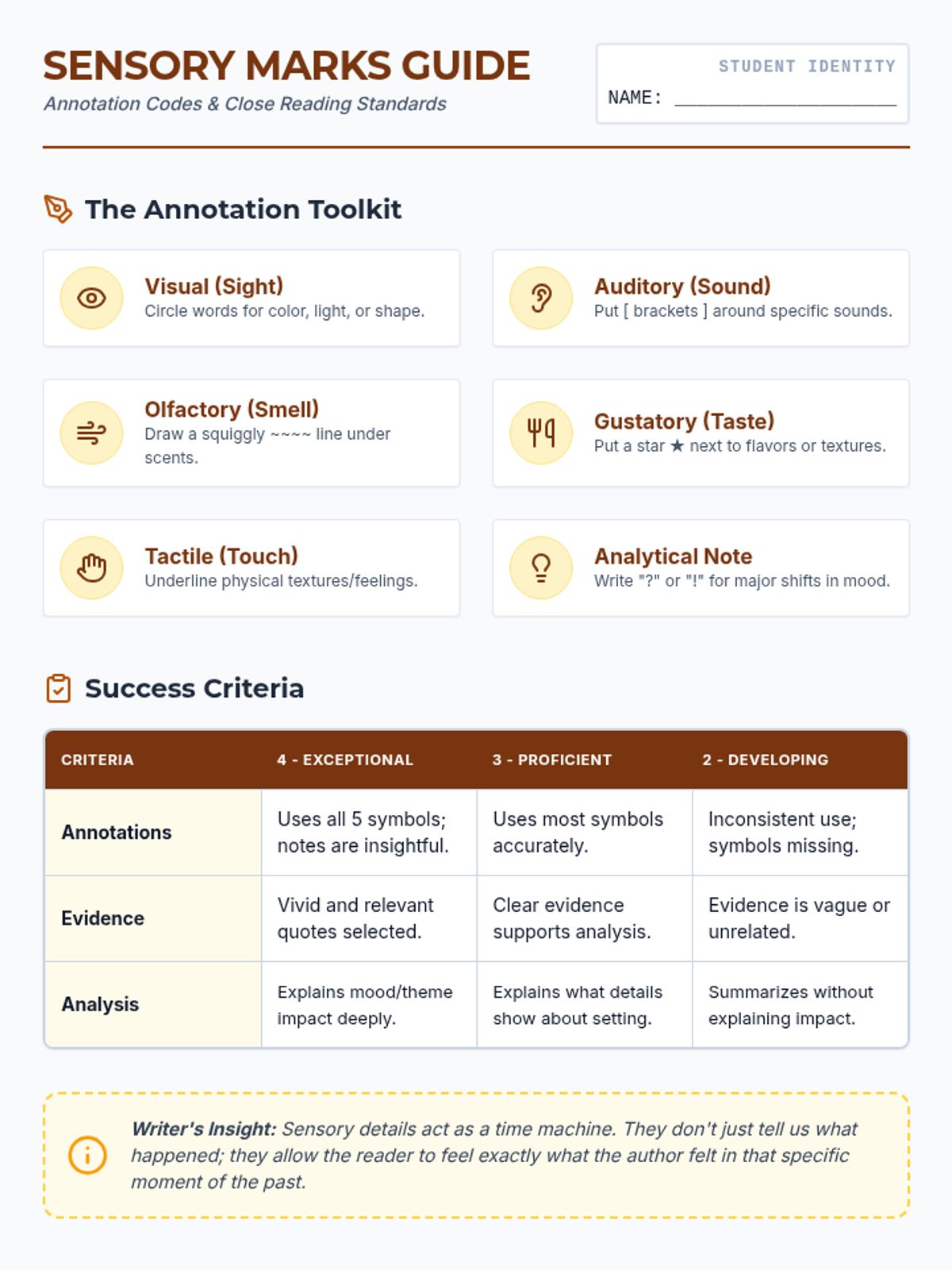
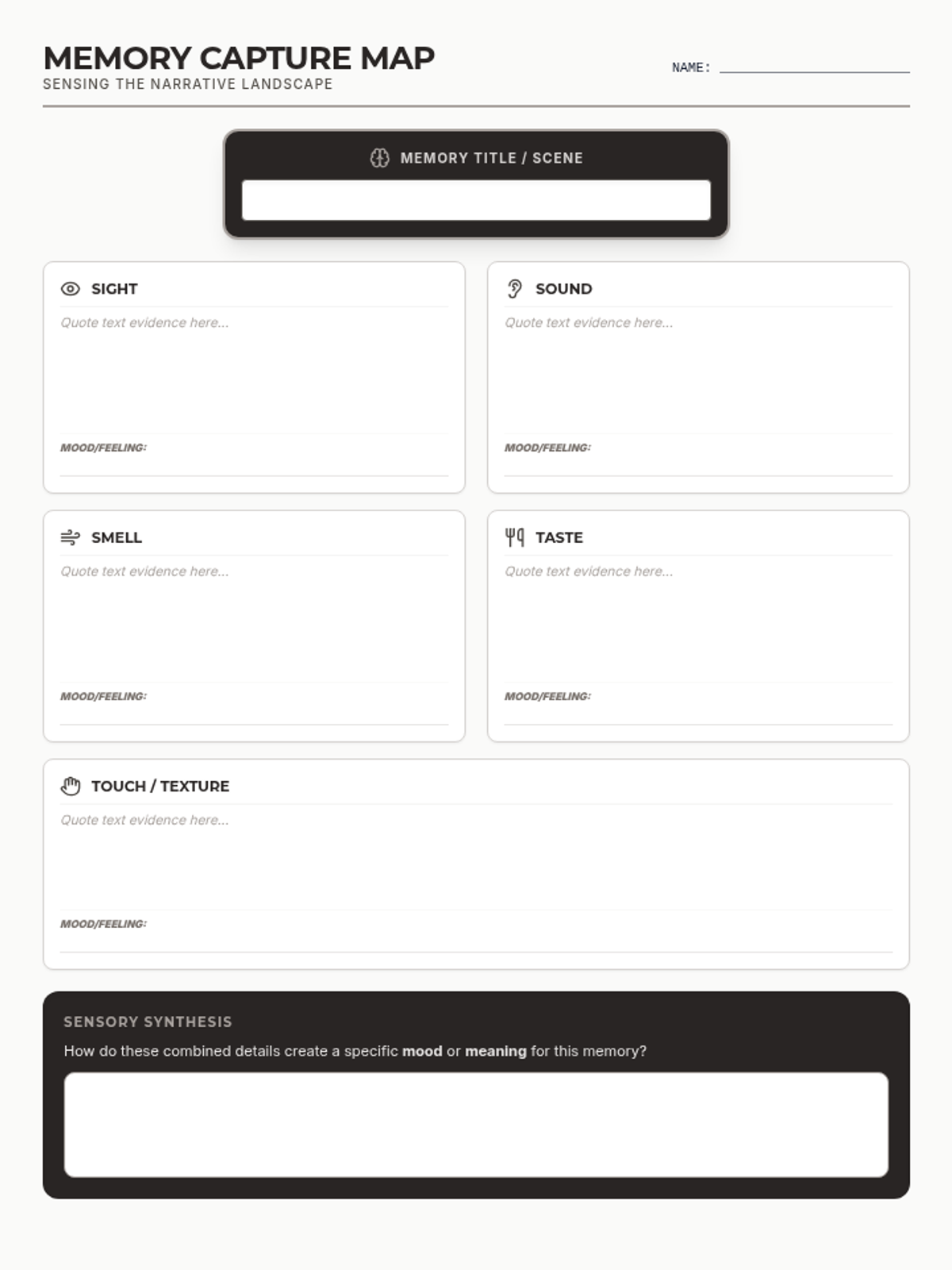
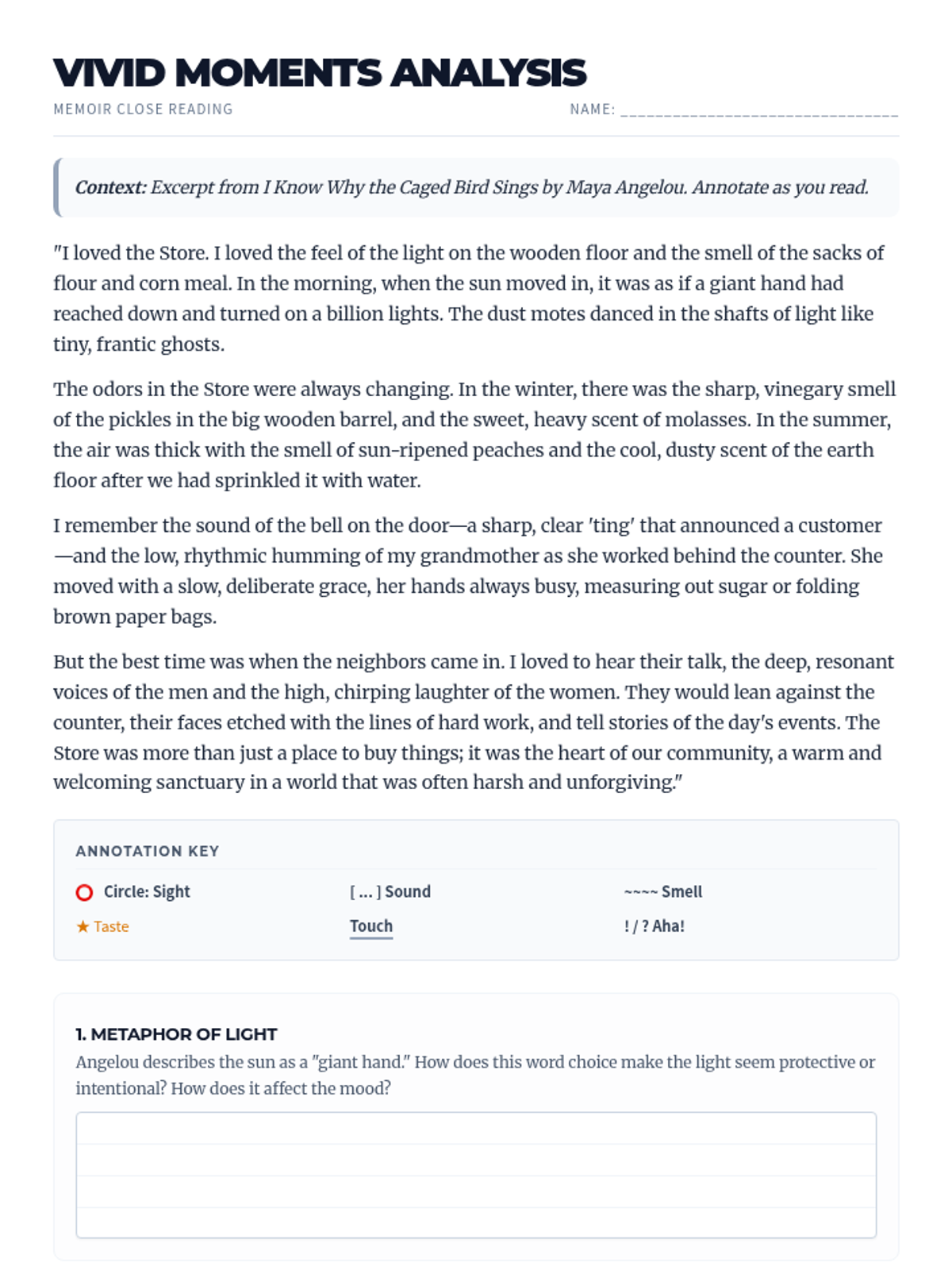
A deep dive into how memoirists use sensory details to bring their memories to life, featuring an excerpt from Maya Angelou's I Know Why the Caged Bird Sings.
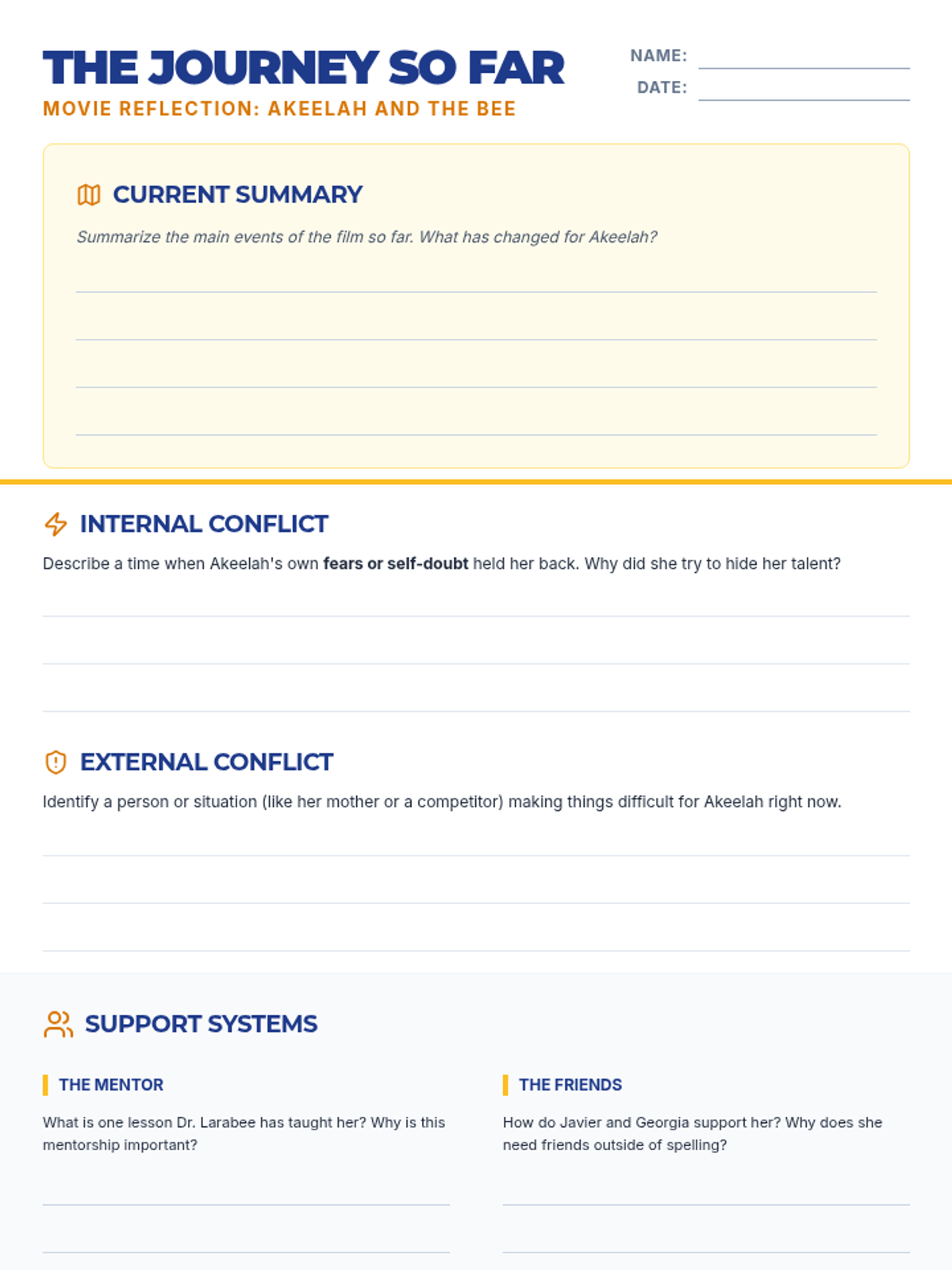
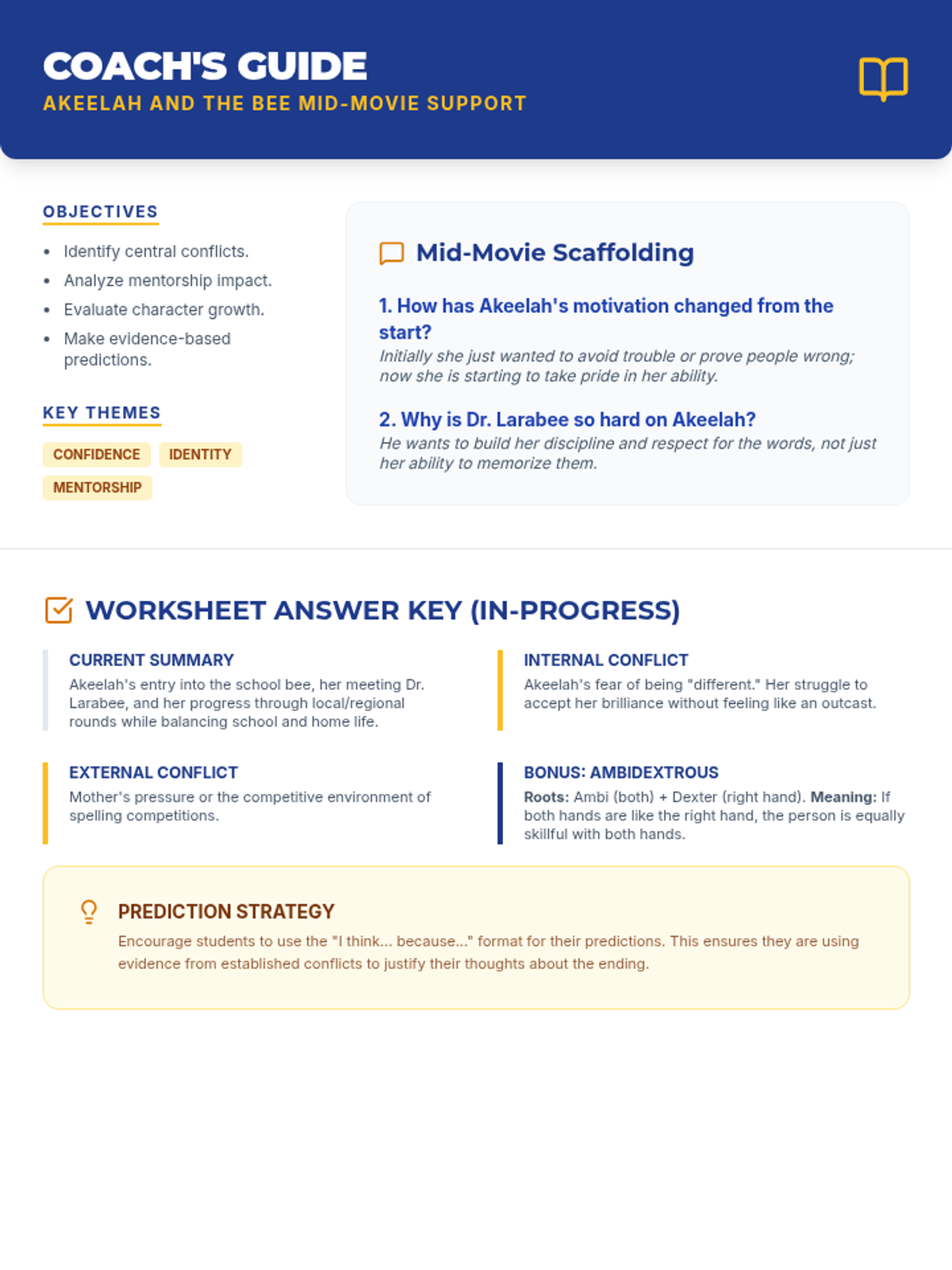
A comprehensive lesson exploring the plot, character development, and central themes of confidence, mentorship, and community in the film Akeelah and the Bee.
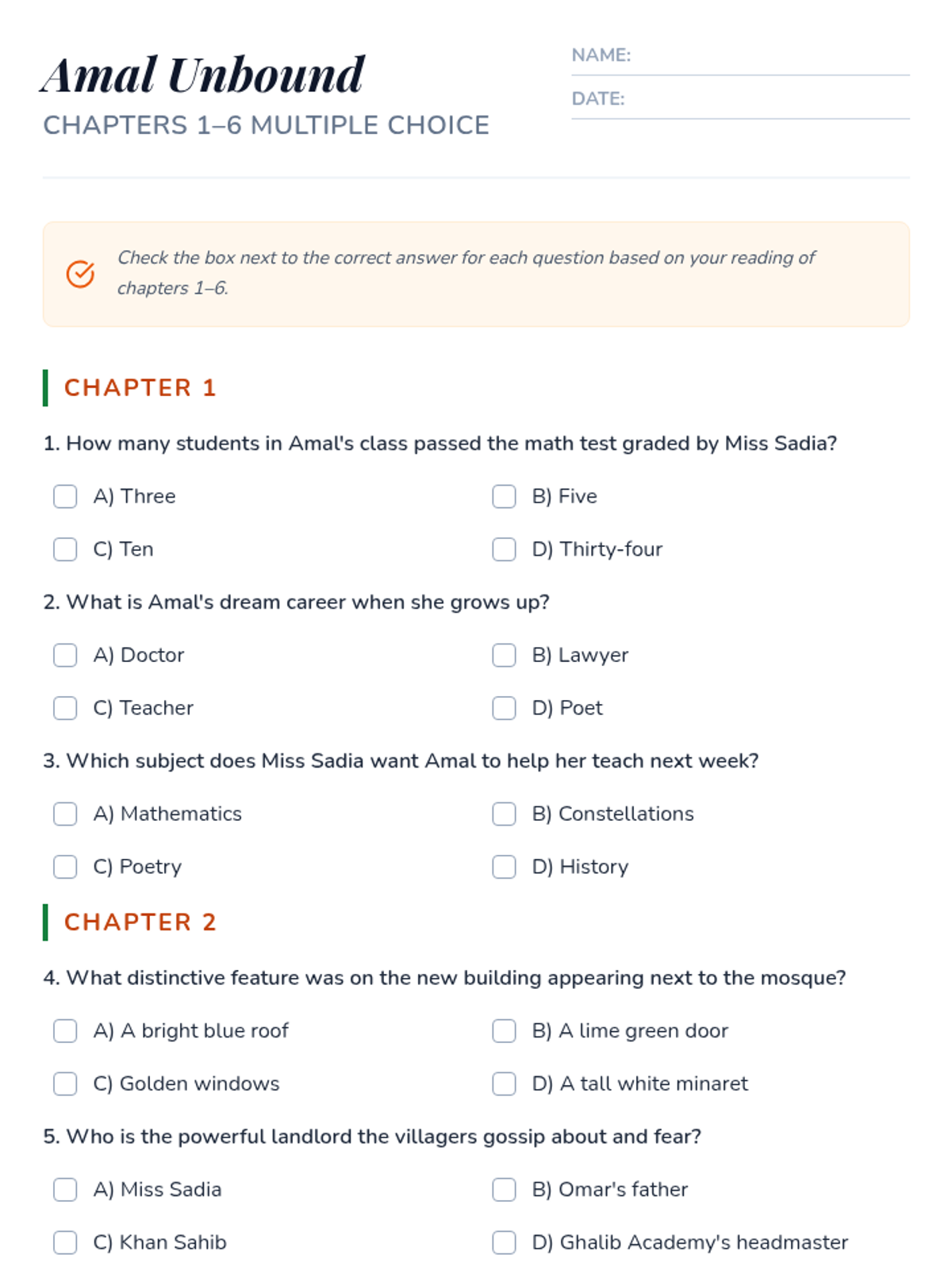
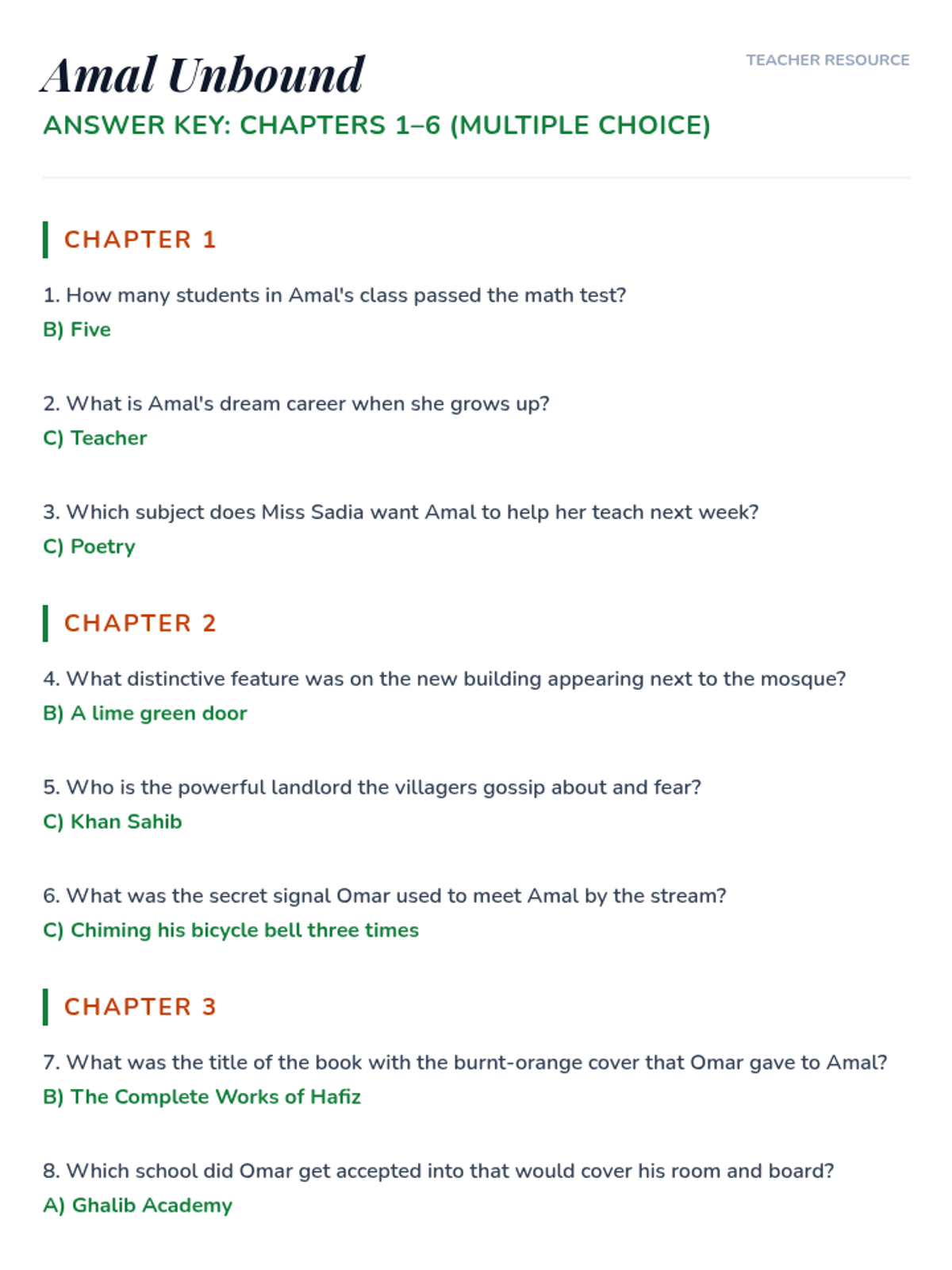
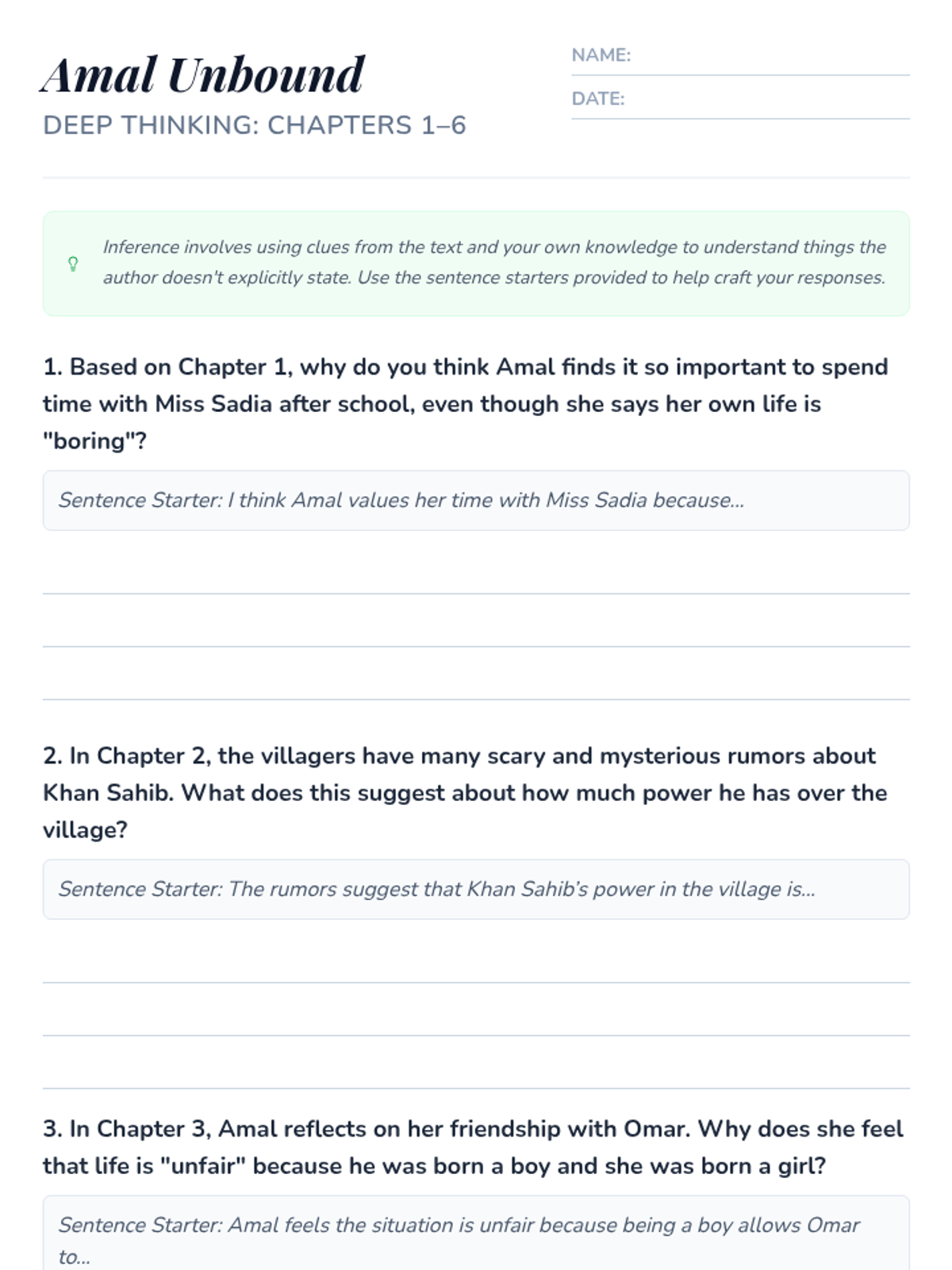
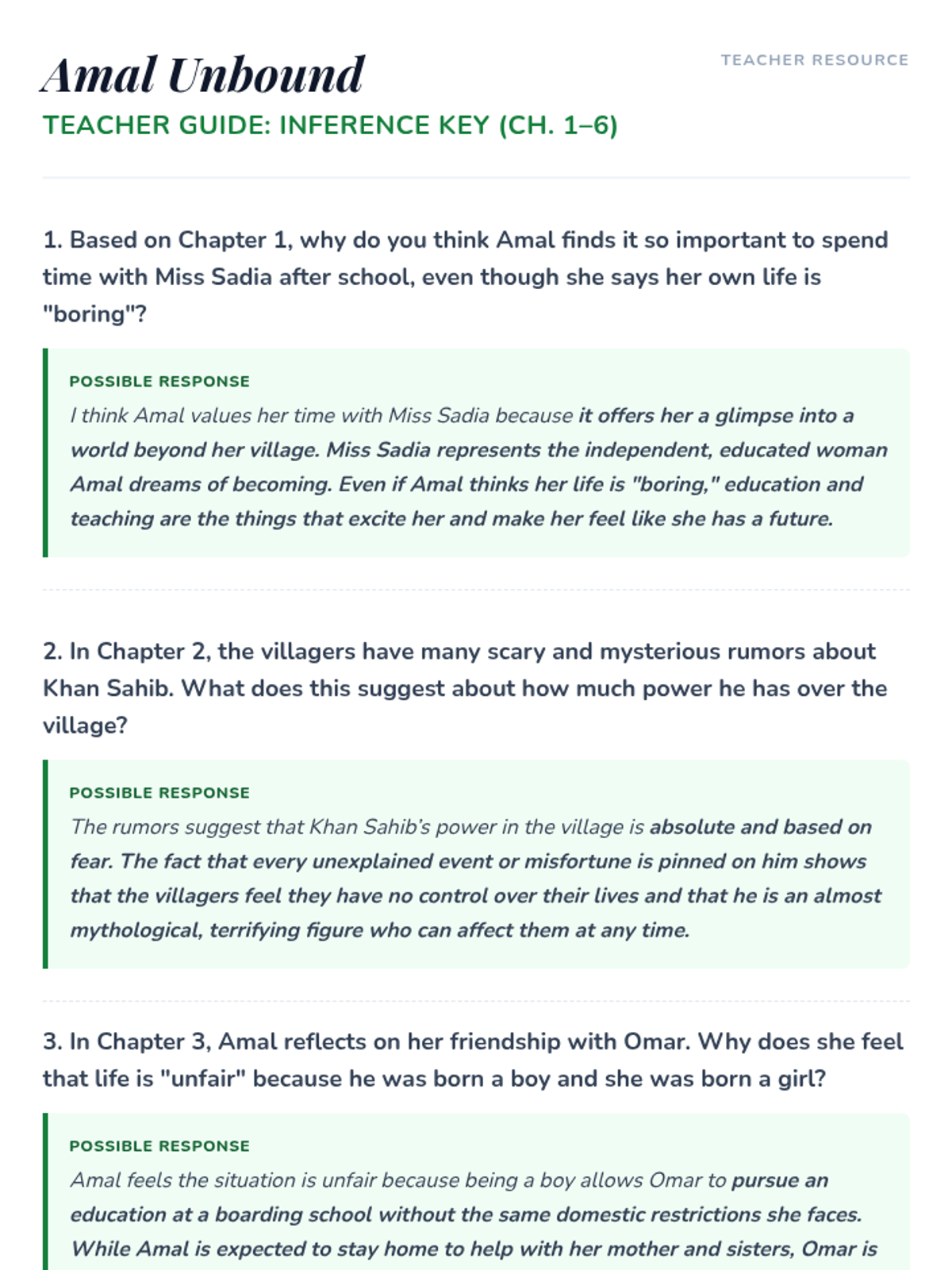
A set of resources covering the first six chapters of Aisha Saeed's novel Amal Unbound, focusing on literal recall and foundational comprehension.
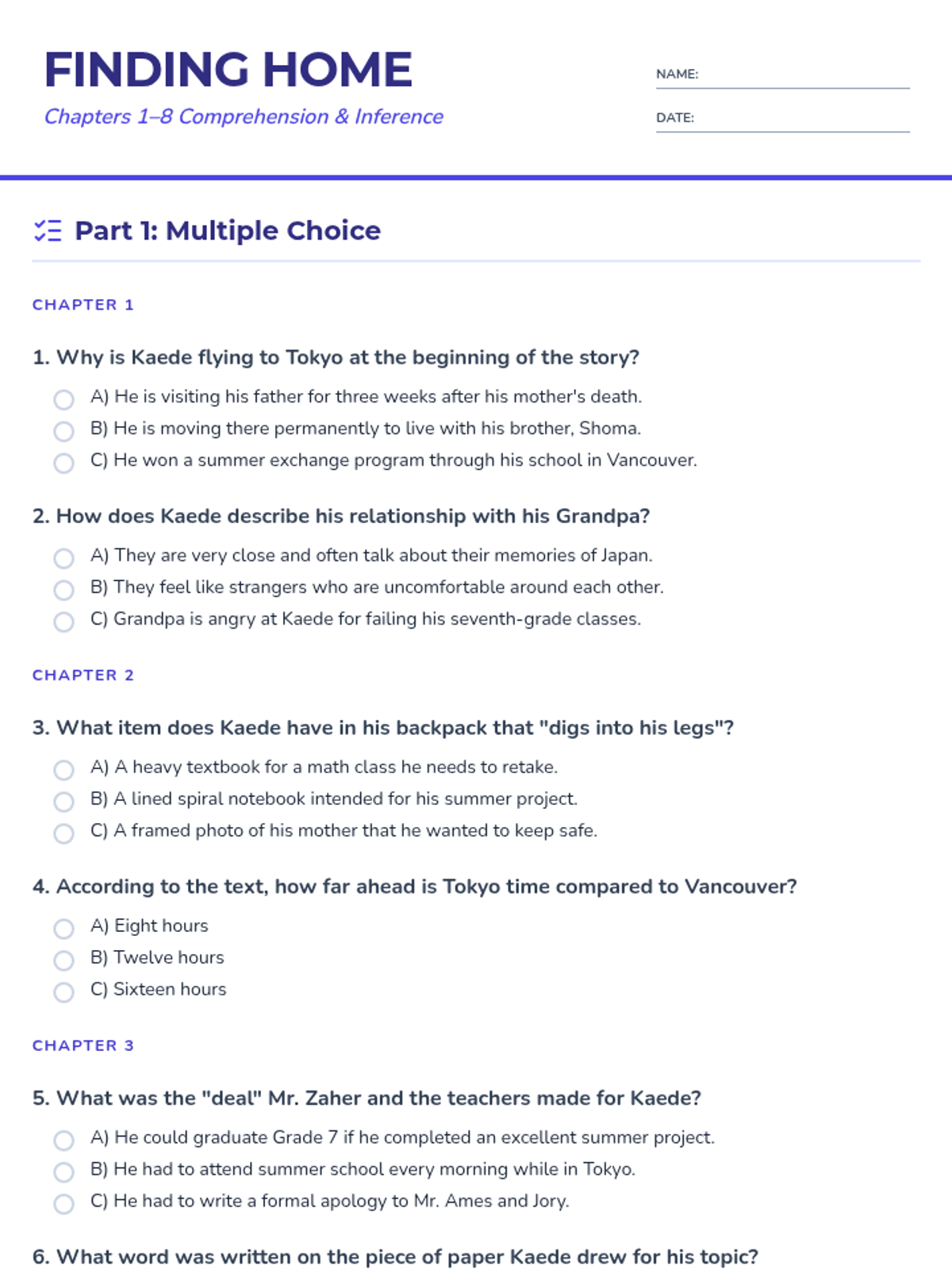
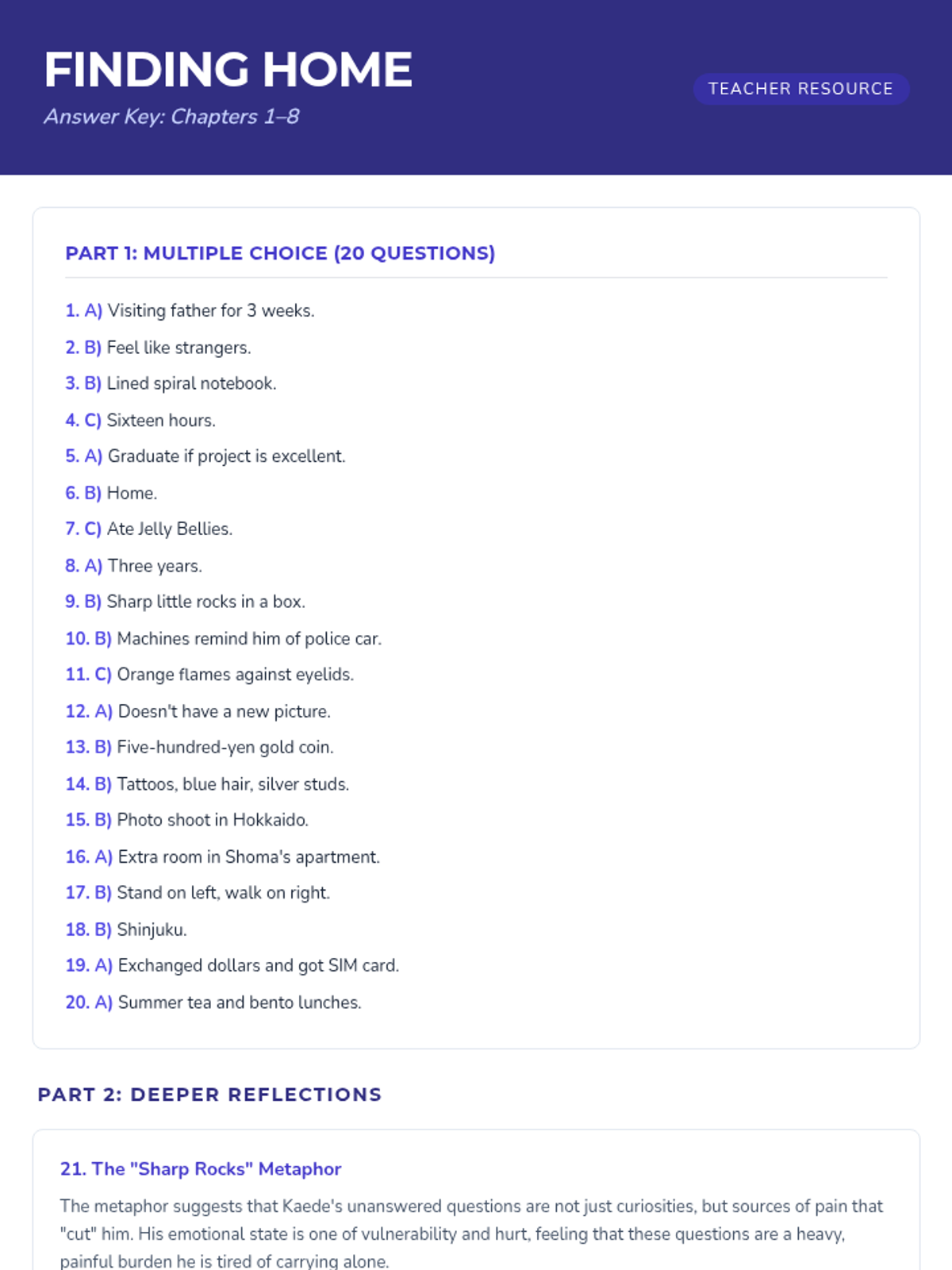
A deep dive into the opening chapters of 'All The Ways Home', exploring Kaede's emotional state, his relationship with his family, and the beginning of his journey to Japan.
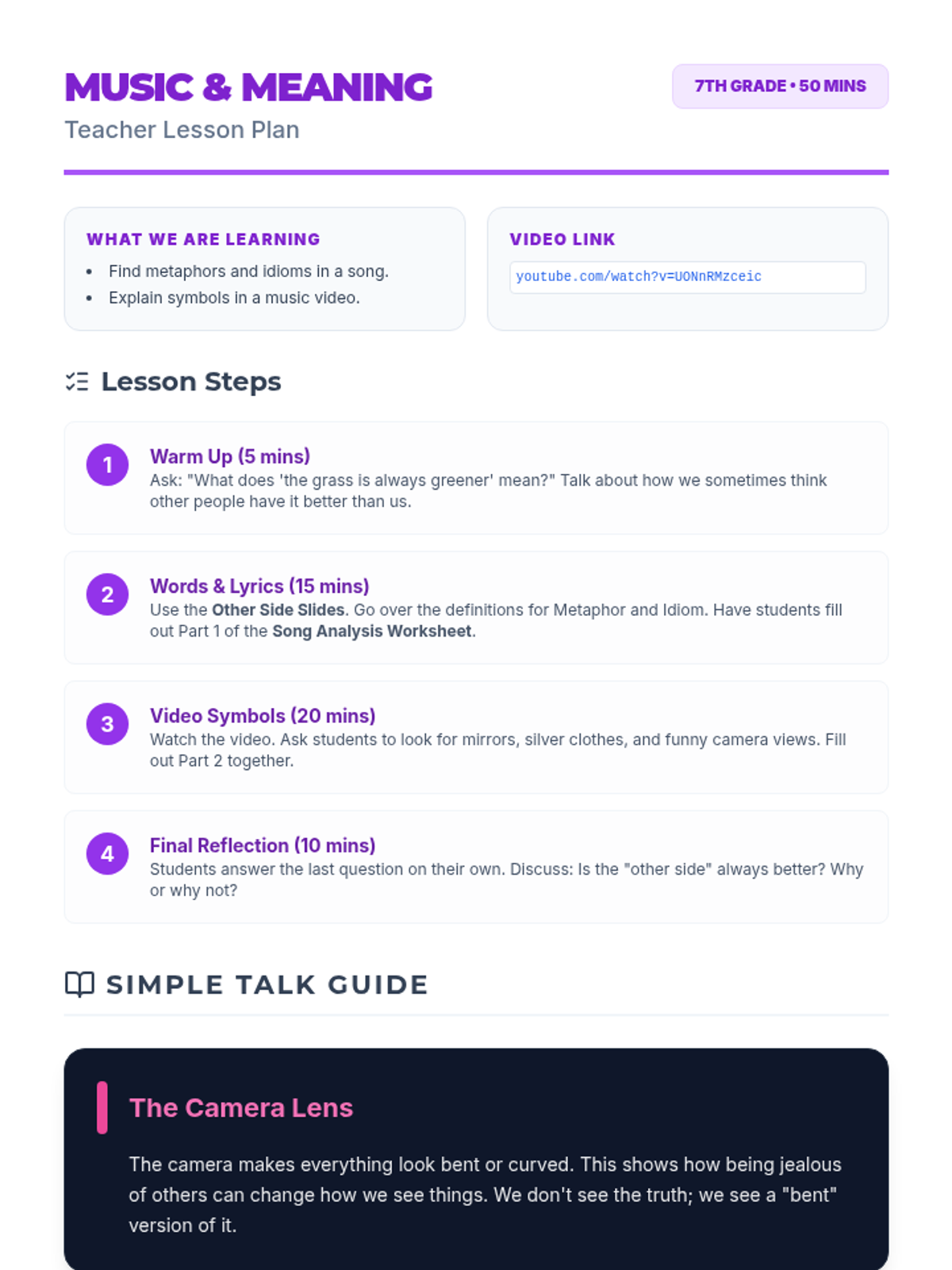
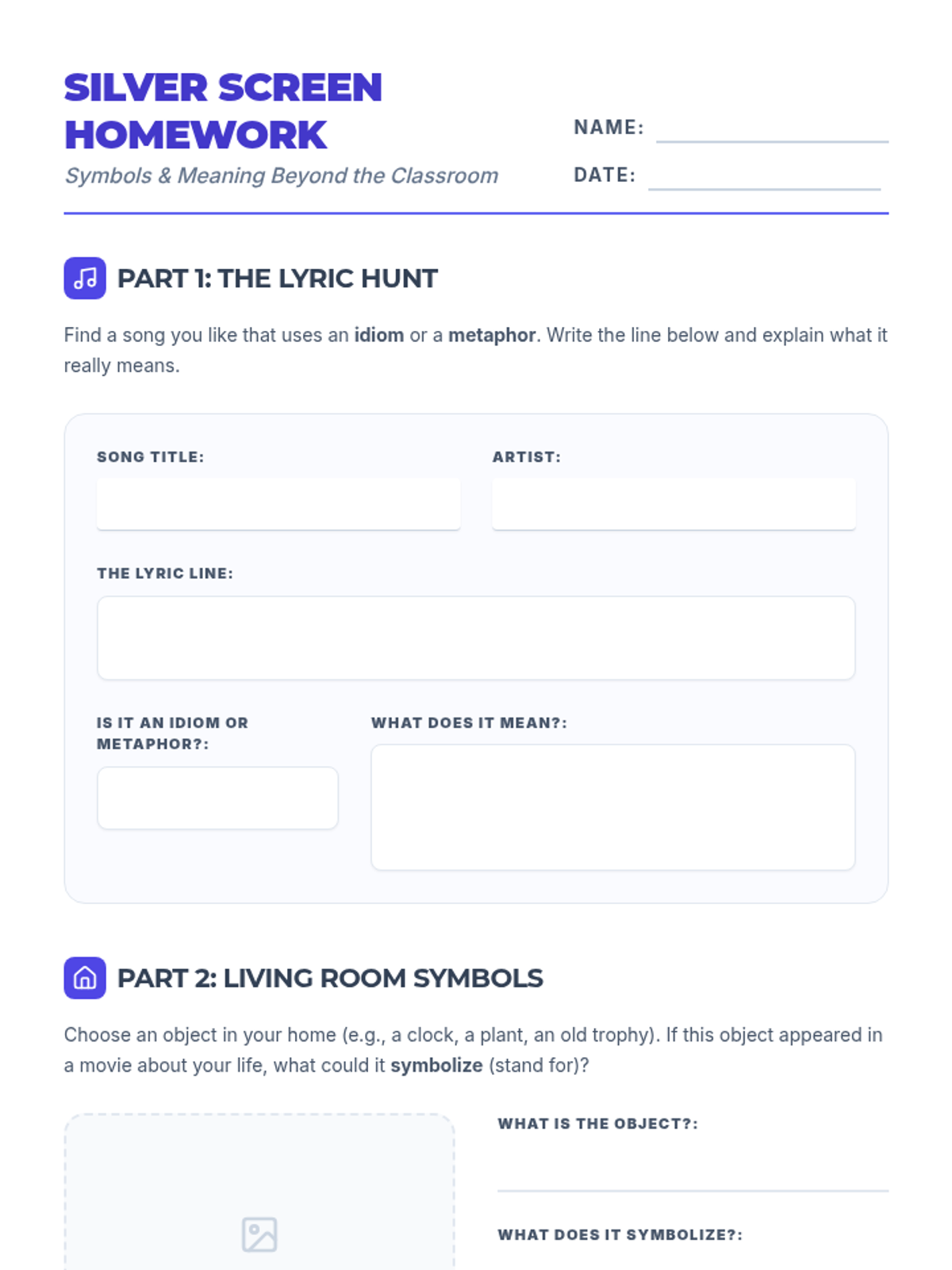
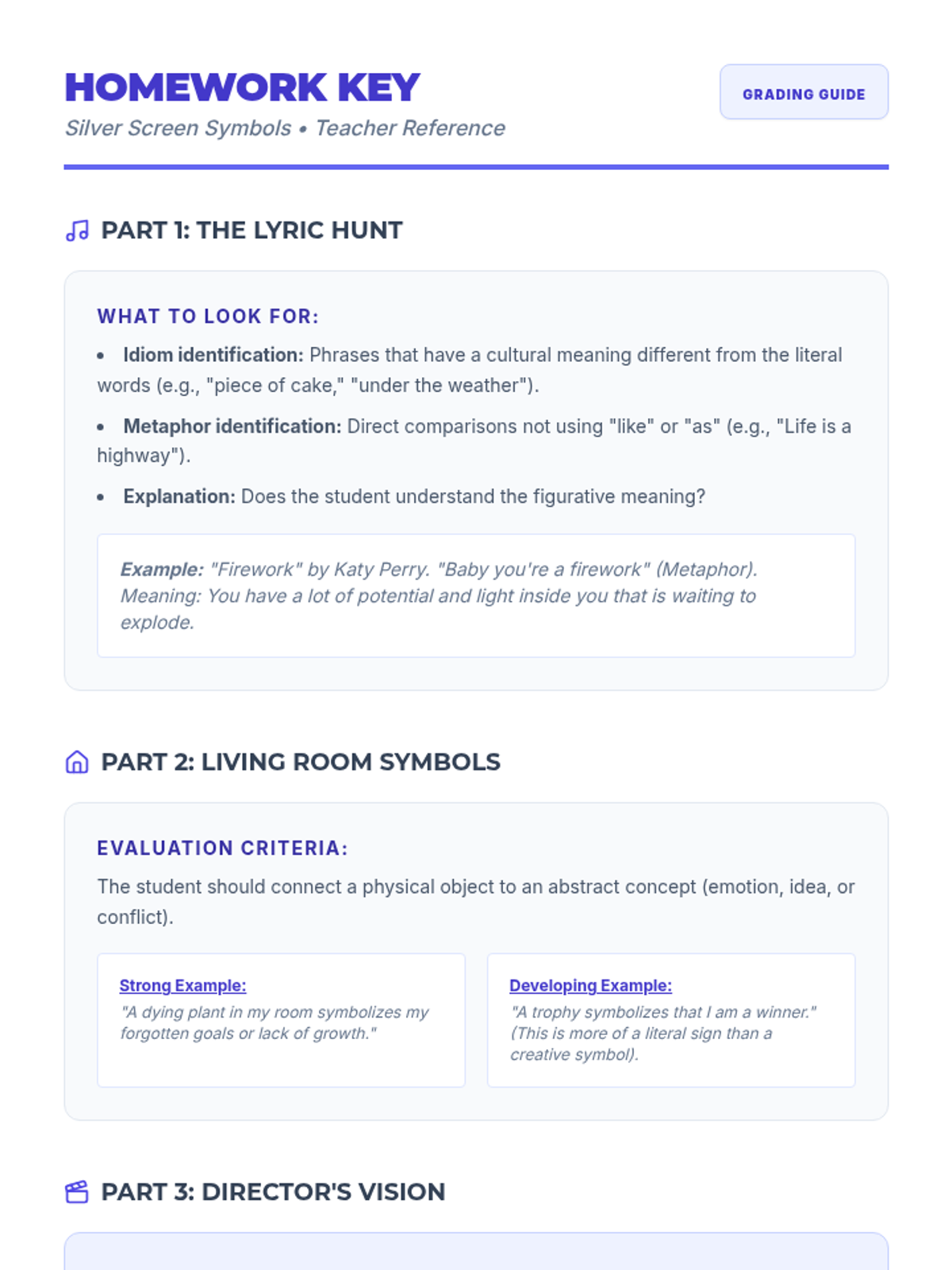
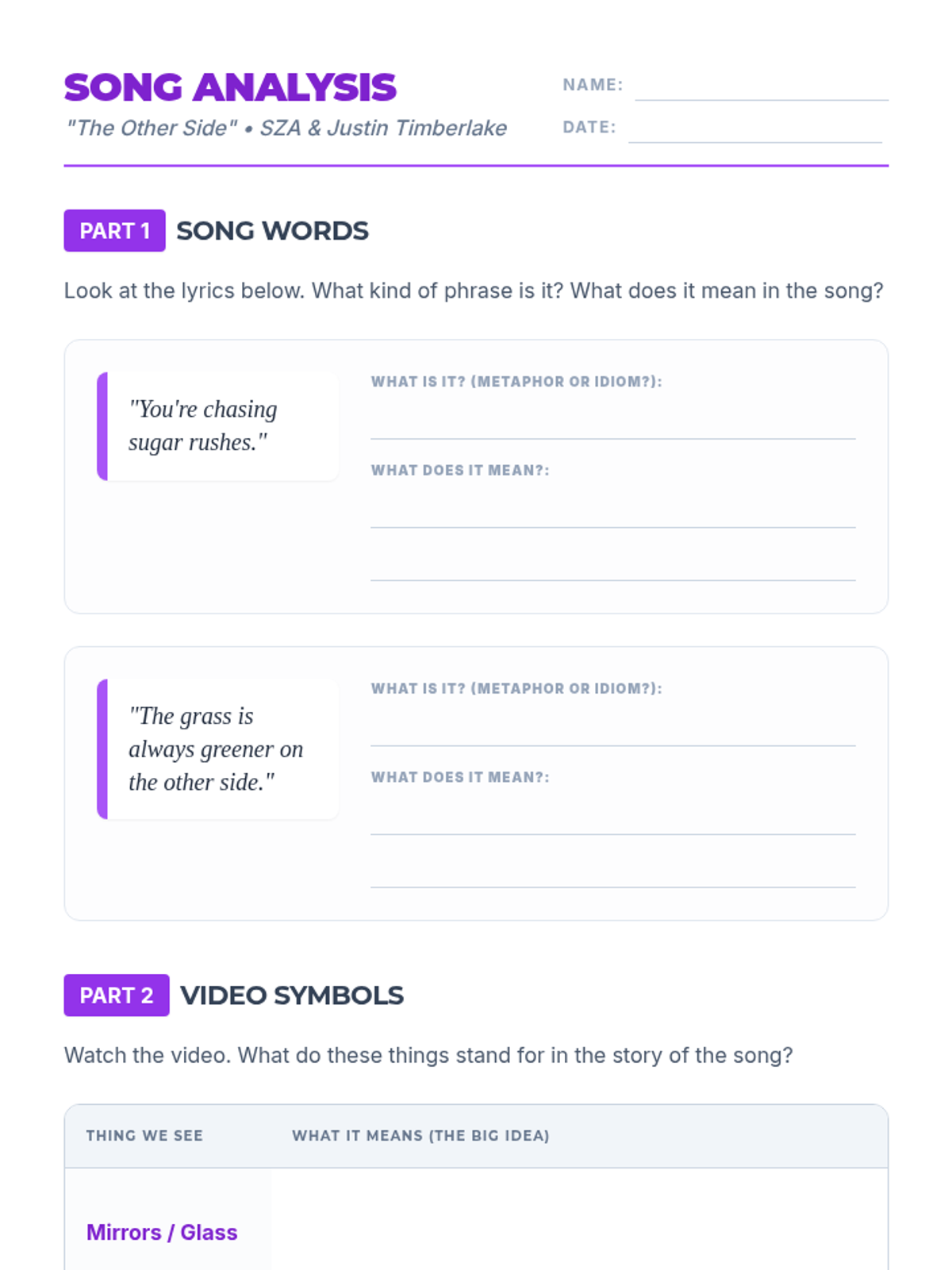
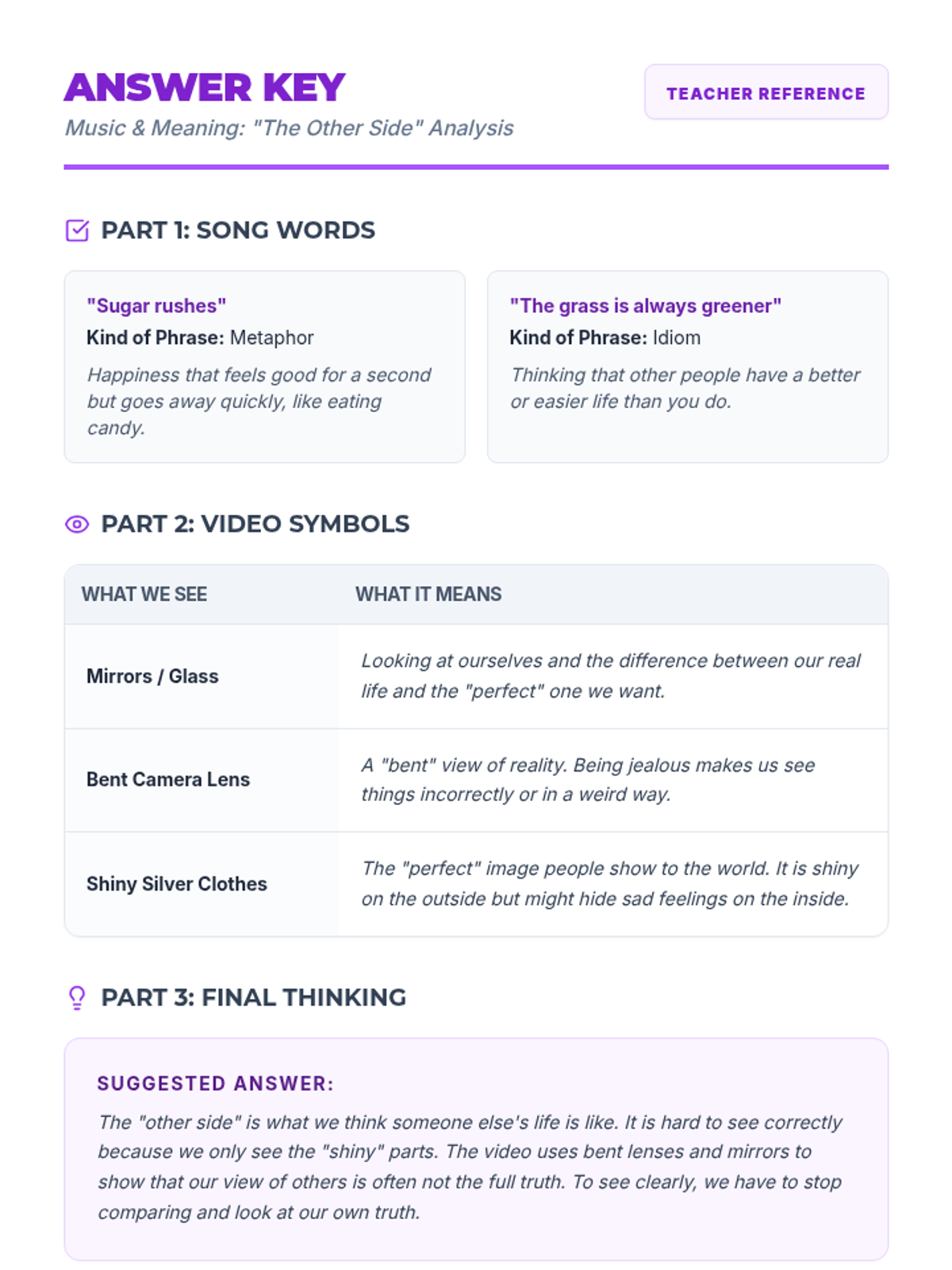
A lesson analyzing figurative language and visual symbolism in the song 'The Other Side' by SZA and Justin Timberlake. Students will explore central metaphors and how visual elements in media reinforce lyrical themes.