A creative writing and social-emotional learning lesson where students design a unique bug and describe its feelings and personality using simple English sentence structures. Designed for WIDA Level 2 Emerging learners.
A mini-lesson exploring self-respect and heritage inspired by the book 'Eyes that Kiss in the Corners'. Students engage in partner interviews and create self-portraits that celebrate their unique features.
A comprehensive review of the four Zones of Regulation for a diverse classroom, focusing on visual identification and social-emotional awareness. Designed for students in grades 2-5 with varying communication needs, including AAC users.
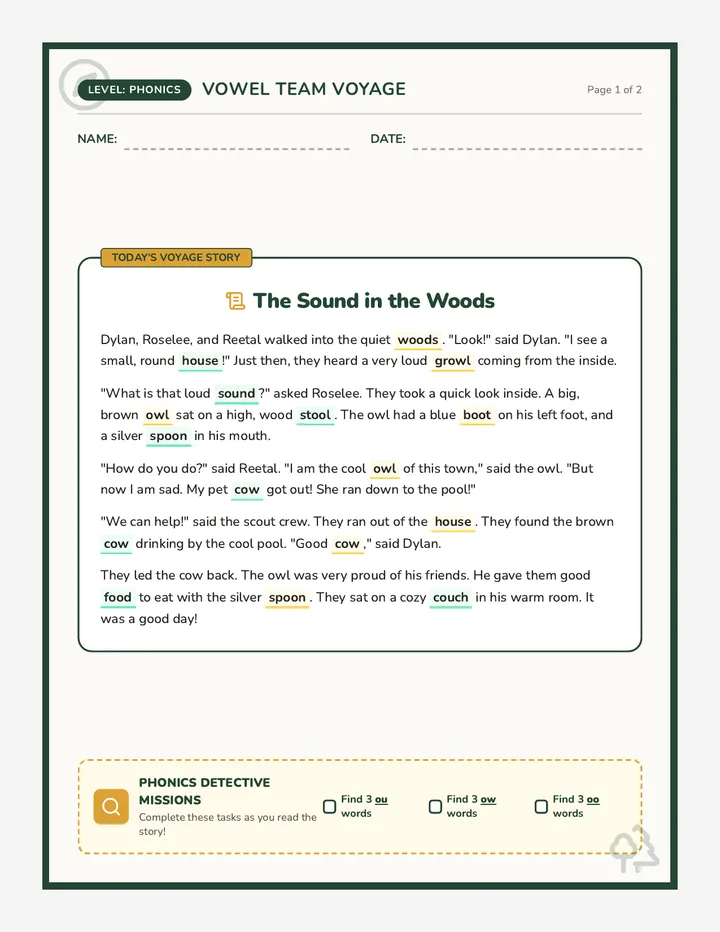
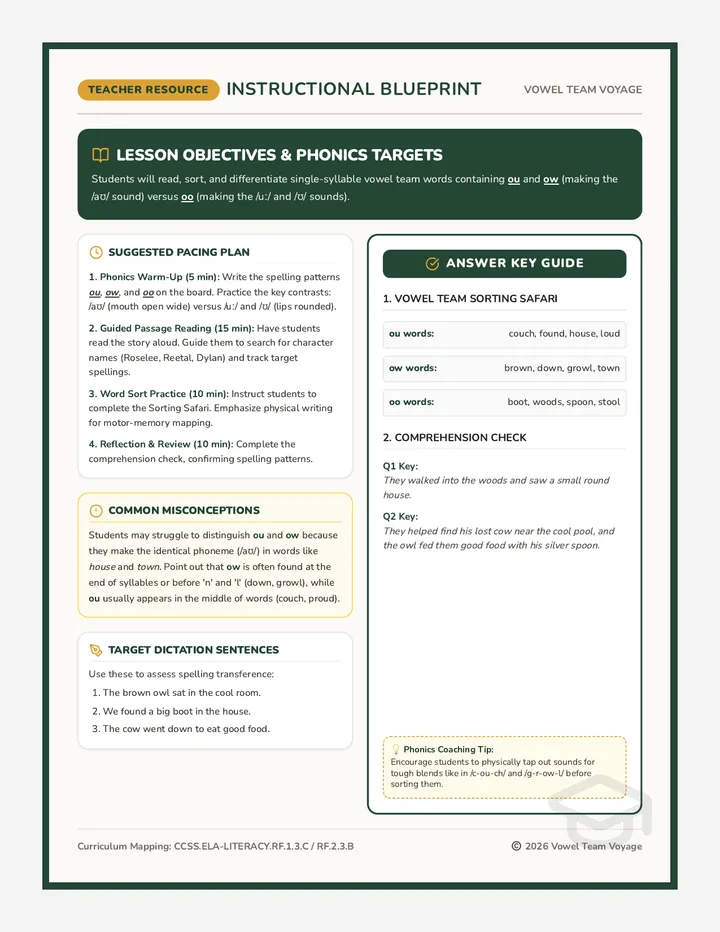
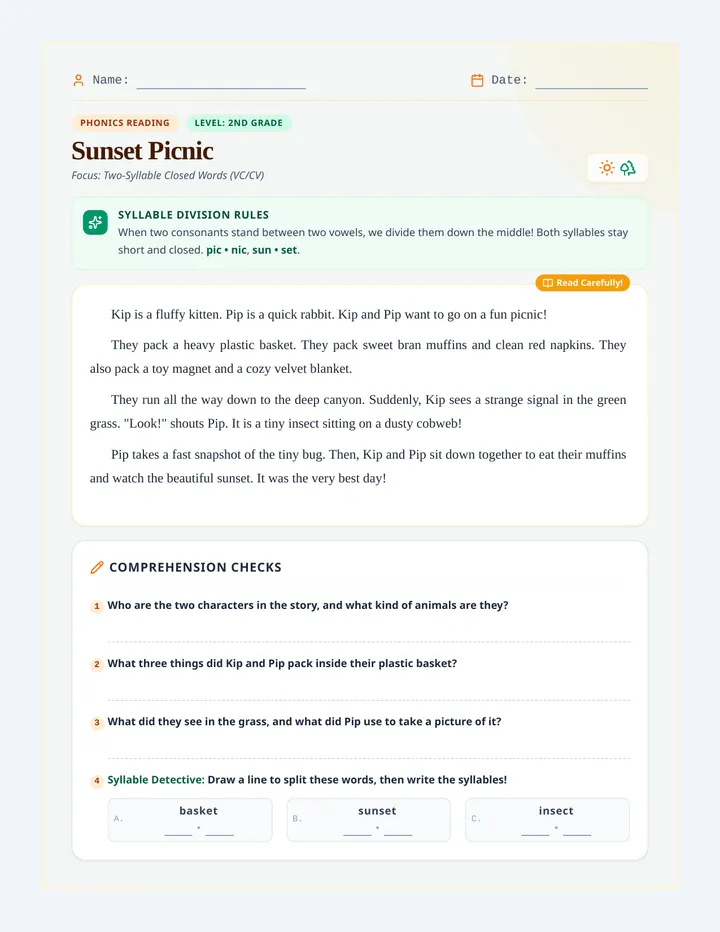
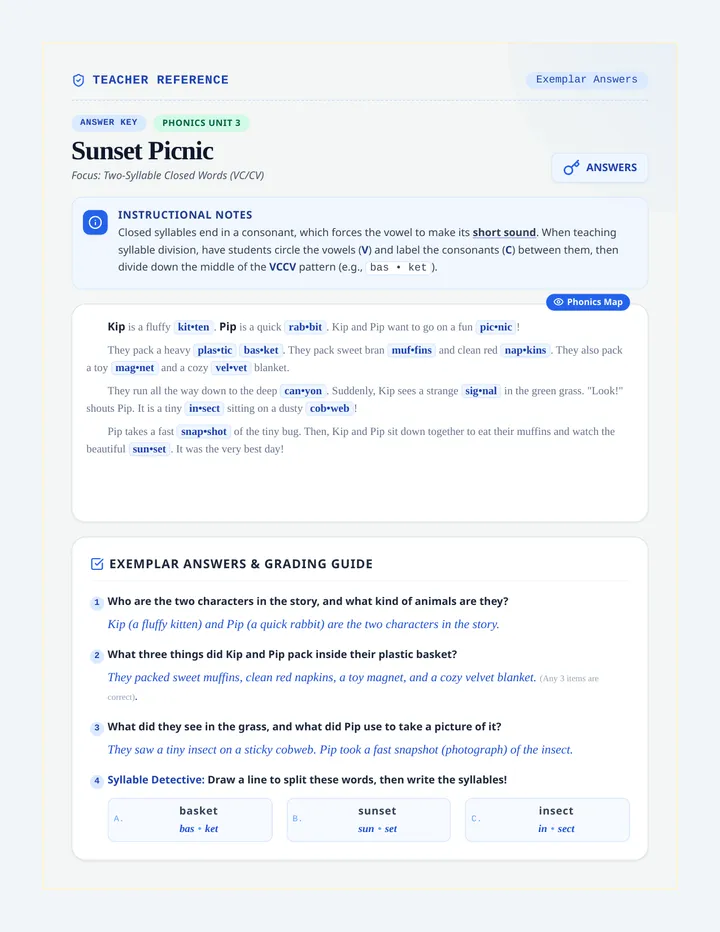
A phonics-focused lesson for multilingual learners to identify and sort long and short vowel sounds using nature-themed vocabulary and imagery.
A 20-minute social-emotional learning lesson for K-4 students focusing on self-control using the Stoplight and Circle of Control metaphors. Students learn to distinguish between what they can and cannot control and practice pausing before acting.
A comprehensive lesson on identifying frustration triggers and developing early-intervention coping strategies. Students learn to categorize frustration levels and match them with appropriate tools to maintain emotional regulation.
A SEL lesson for K-5 students using sports metaphors to transform negative self-talk into supportive affirmations. Students identify their 'Inner Critic' and build an 'Inner Coach' playbook for moments of self-doubt.
The second of two 30-minute sessions for 6th grade. Focusing on 'Restart' themes, students build a legacy of advocacy and create a school-wide 'Legacy Pledge' for inclusion.
The first of two 30-minute sessions for 6th grade. Using 'Restart' by Gordon Korman, students analyze school culture, social leadership, and the concept of a 'Social Reset'.
The second of two 30-minute sessions for 5th grade. Using 'Say Something!' by Peter Reynolds, students reflect on their digital footprint and learn how to use their influence for school-wide kindness.
The first of two 30-minute sessions for 5th grade. Using 'Zero' by Kathryn Otoshi, students explore social capital as power and the specific dynamics of cyberbullying.
The second of two 30-minute sessions for 4th grade. Using 'Each Kindness' by Jacqueline Woodson, students reflect on the 'Ripple Effect' of their choices and practice 'Power Shift' strategies to support targets.
The first of two 30-minute sessions for 4th grade. Using 'Confessions of a Former Bully' by Trudy Ludwig, students understand the bullying circle and the roles people play in social dynamics.
The second of two 30-minute sessions for 3rd grade. Using 'The Juice Box Bully' by Maria Dismondy, students analyze the role of the bystander and practice specific upstander 'Power Moves'.
The first of two 30-minute sessions for 3rd grade. Using 'Tease Monster' by Julia Cook, students categorize behavior and analyze the 'Target' vs 'Bully' power gap.
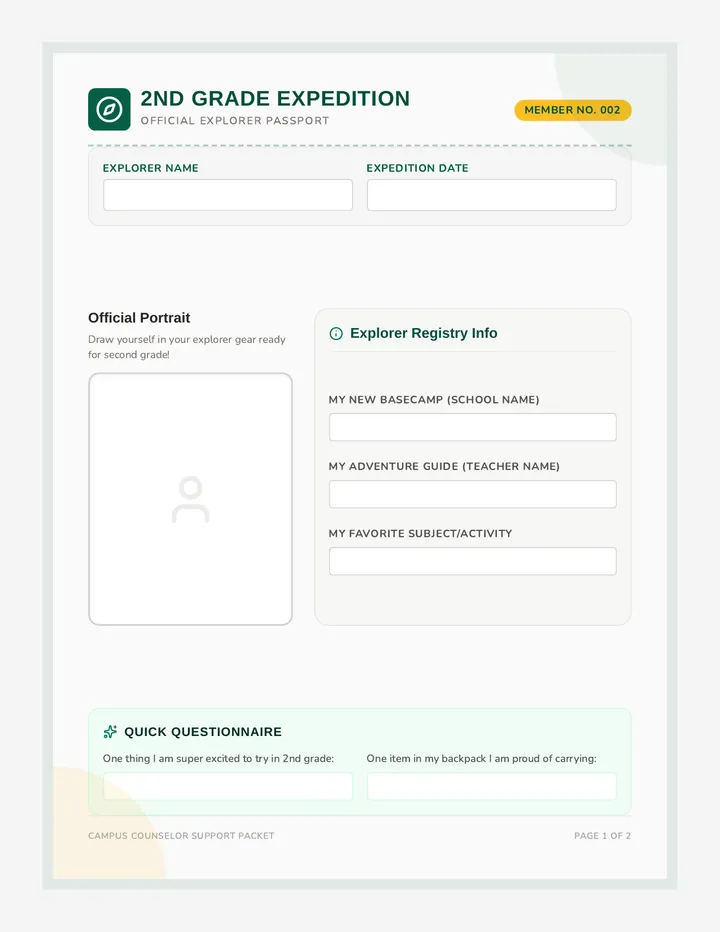
The second of two 30-minute sessions for 2nd grade. Using 'Enemy Pie' by Derek Munson, students learn to de-escalate conflicts and use the 'Check-In' strategy for peers who are feeling left out.
The first of two 30-minute sessions for 2nd grade. Using 'The Invisible Boy' by Trudy Ludwig, students explore social exclusion and the transition from a 'Buddy Conflict' to bullying.
The second of two 30-minute sessions for 1st grade. Using 'Can I Play Too?' by Mo Willems, students focus on the 'Includer' strategy to prevent social exclusion and build a welcoming community.
The first of two 30-minute sessions for 1st grade. Using 'Trouble Talk' by Trudy Ludwig, students explore verbal bullying and the 'Seesaw' model of unequal power.