A 5th-grade math lesson focused on rounding decimals to the nearest whole number to estimate differences, featuring a guided video analysis and a collaborative relay activity.
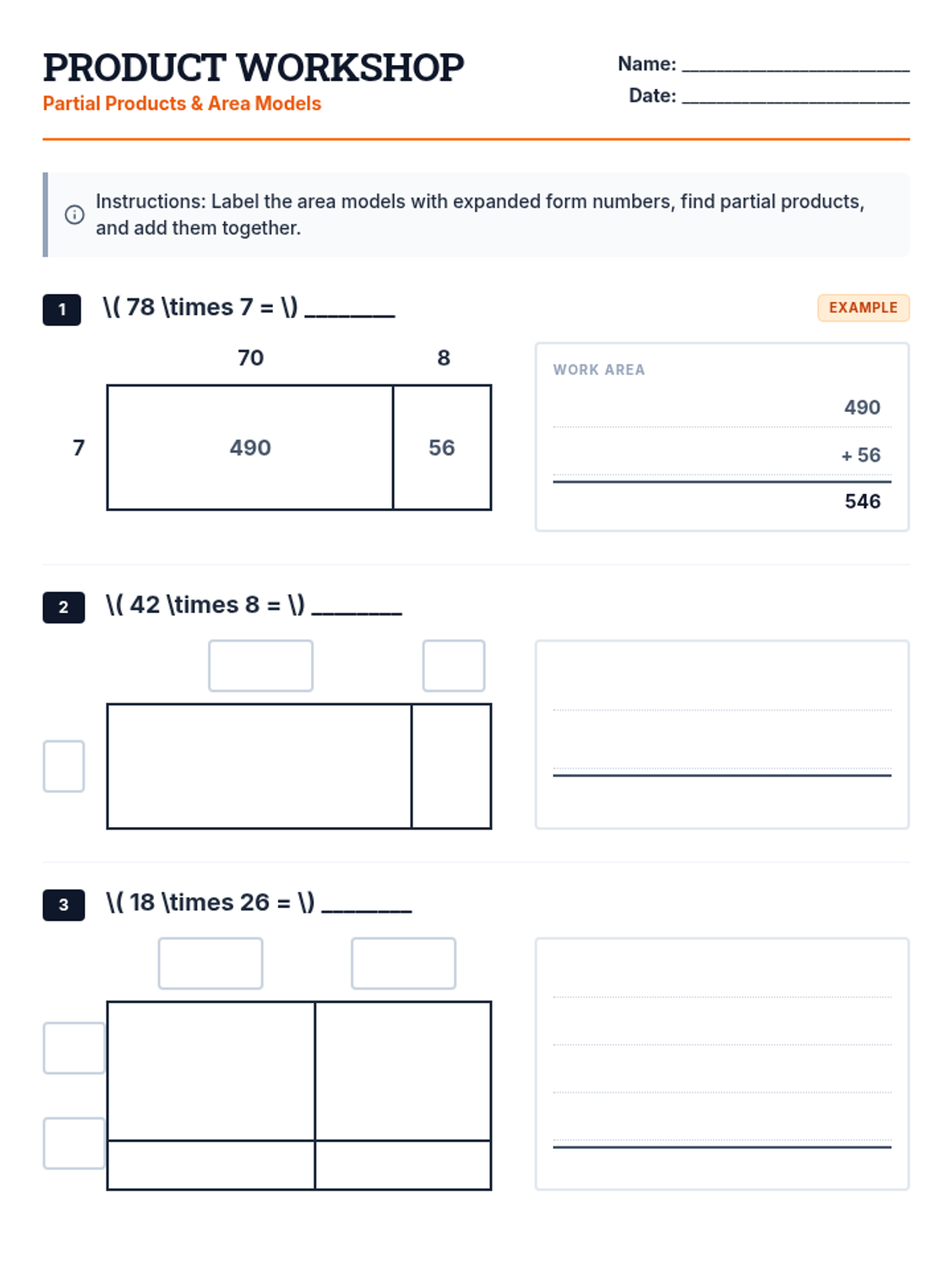
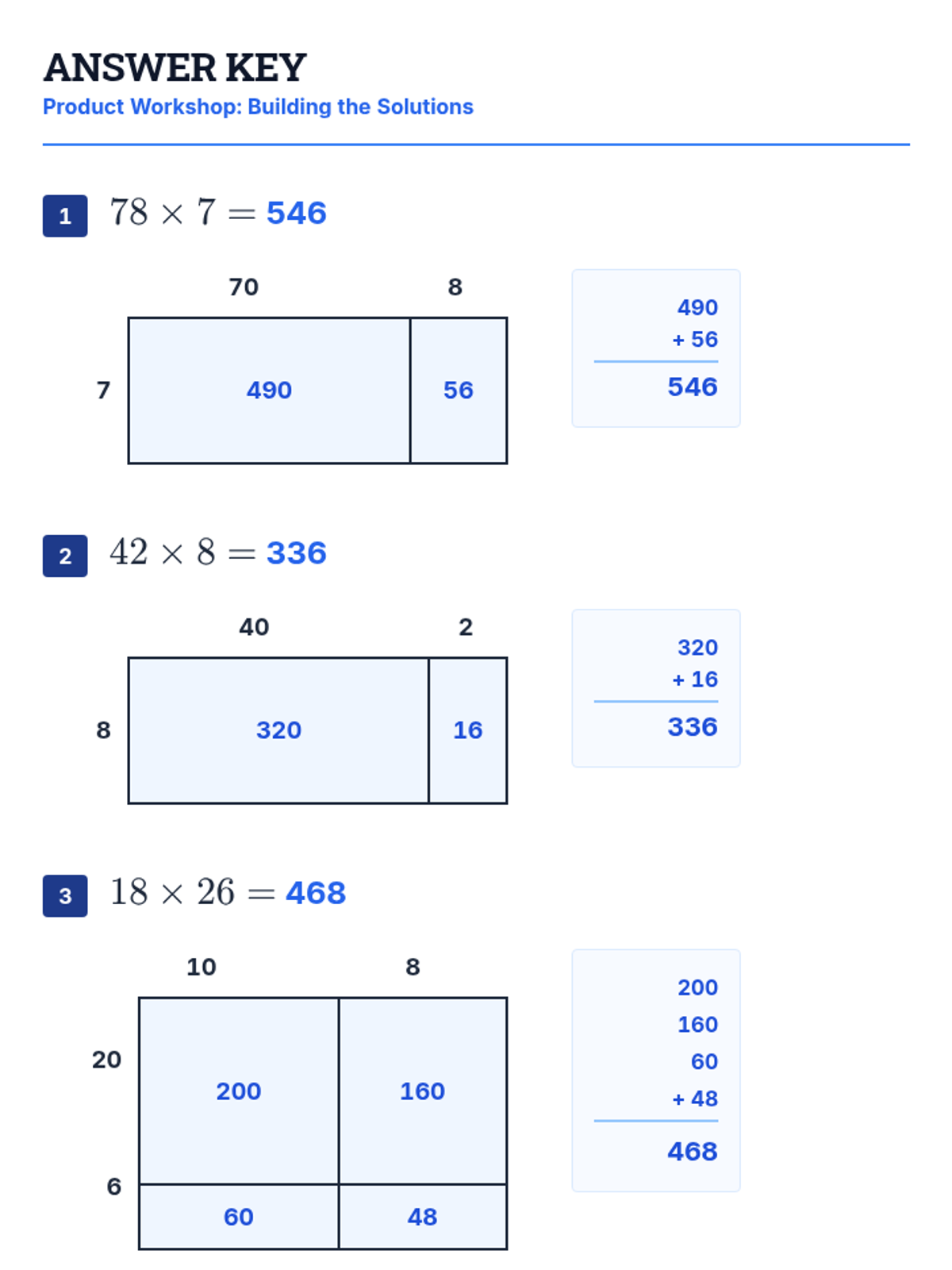
A lesson focused on mastering multi-digit multiplication using the partial products method and area models to visualize the process.
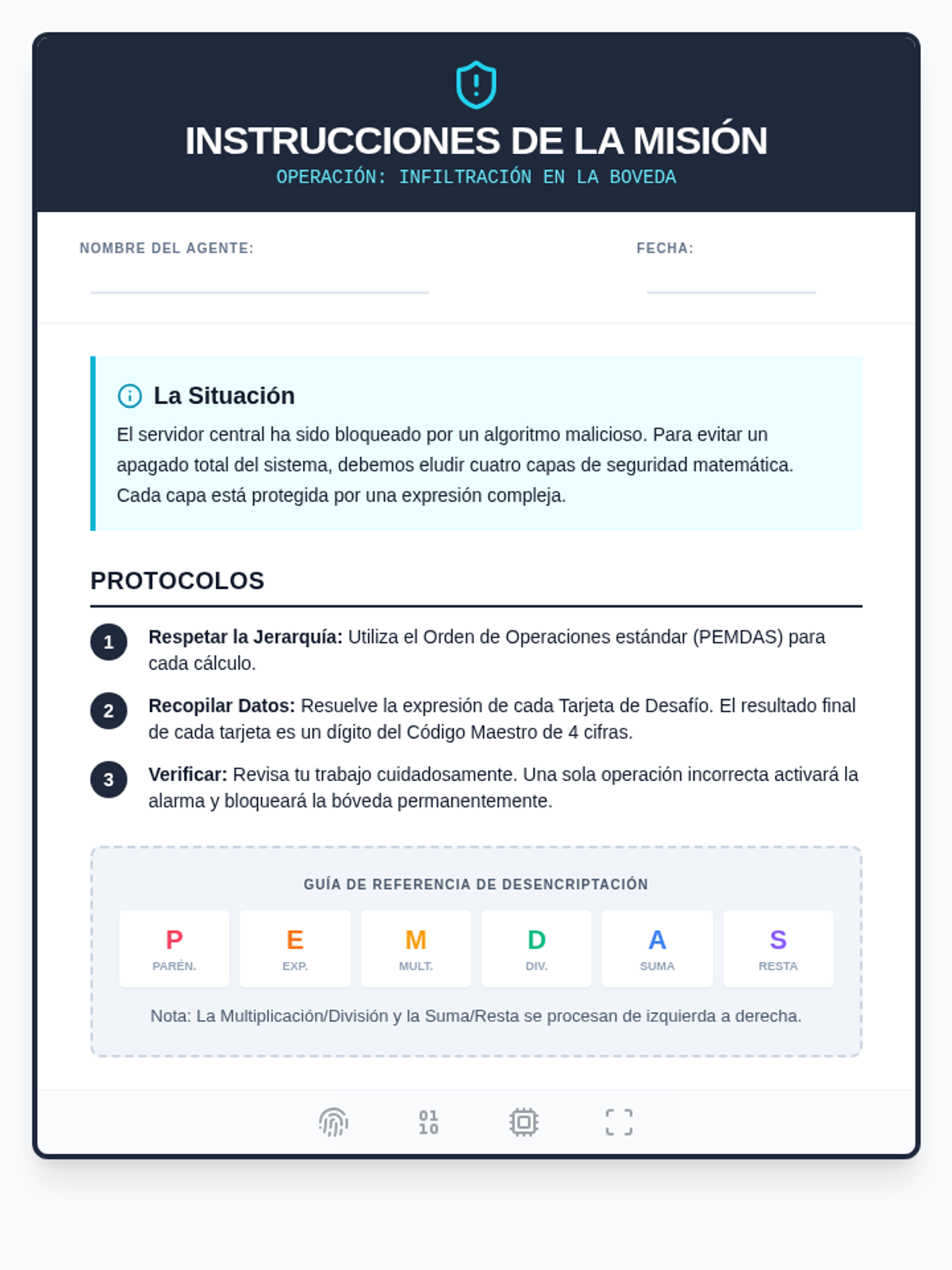
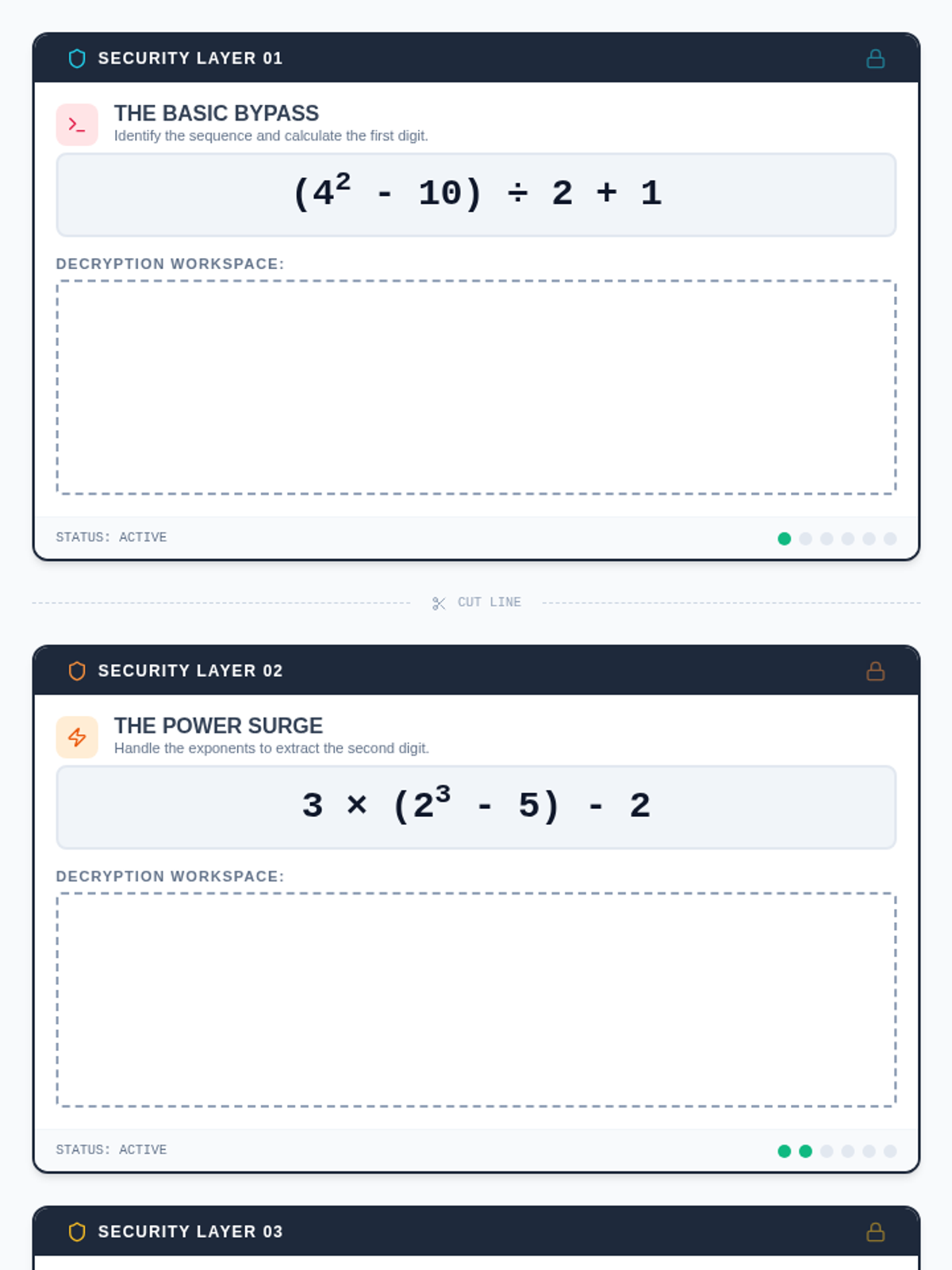
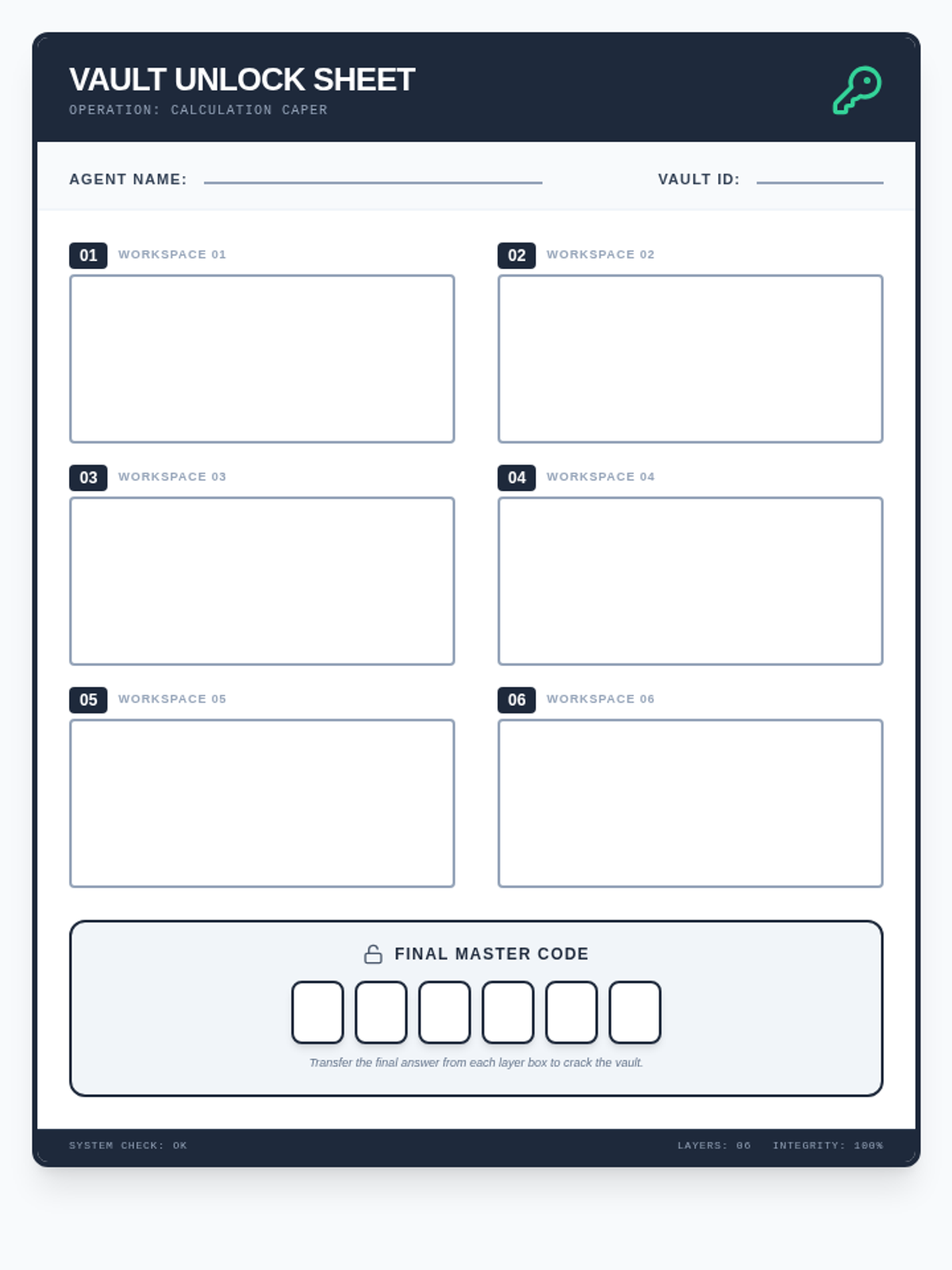
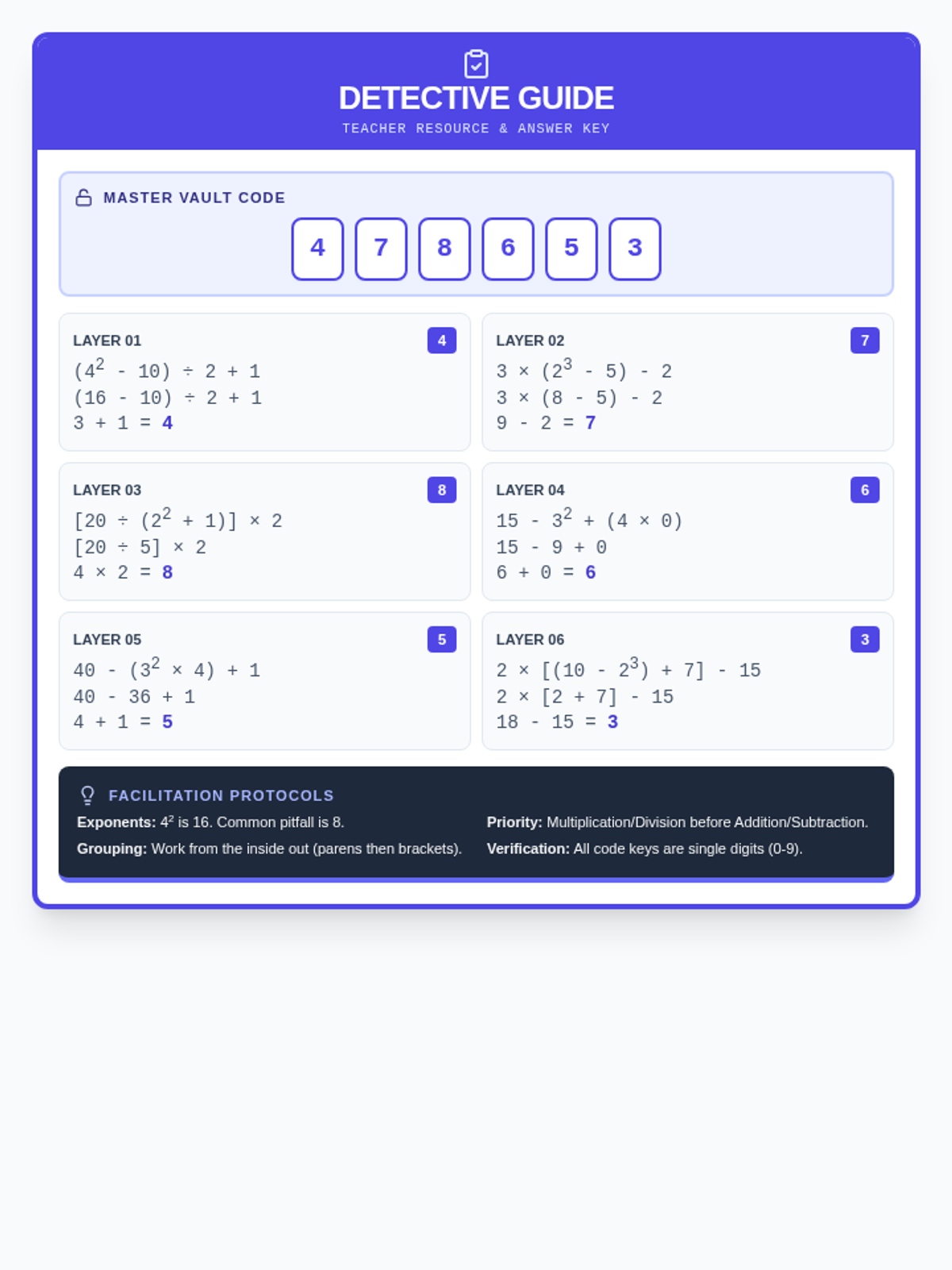
A high-stakes escape room challenge where students solve PEMDAS expressions involving exponents to crack the vault code. Students act as digital detectives navigating four distinct security layers.
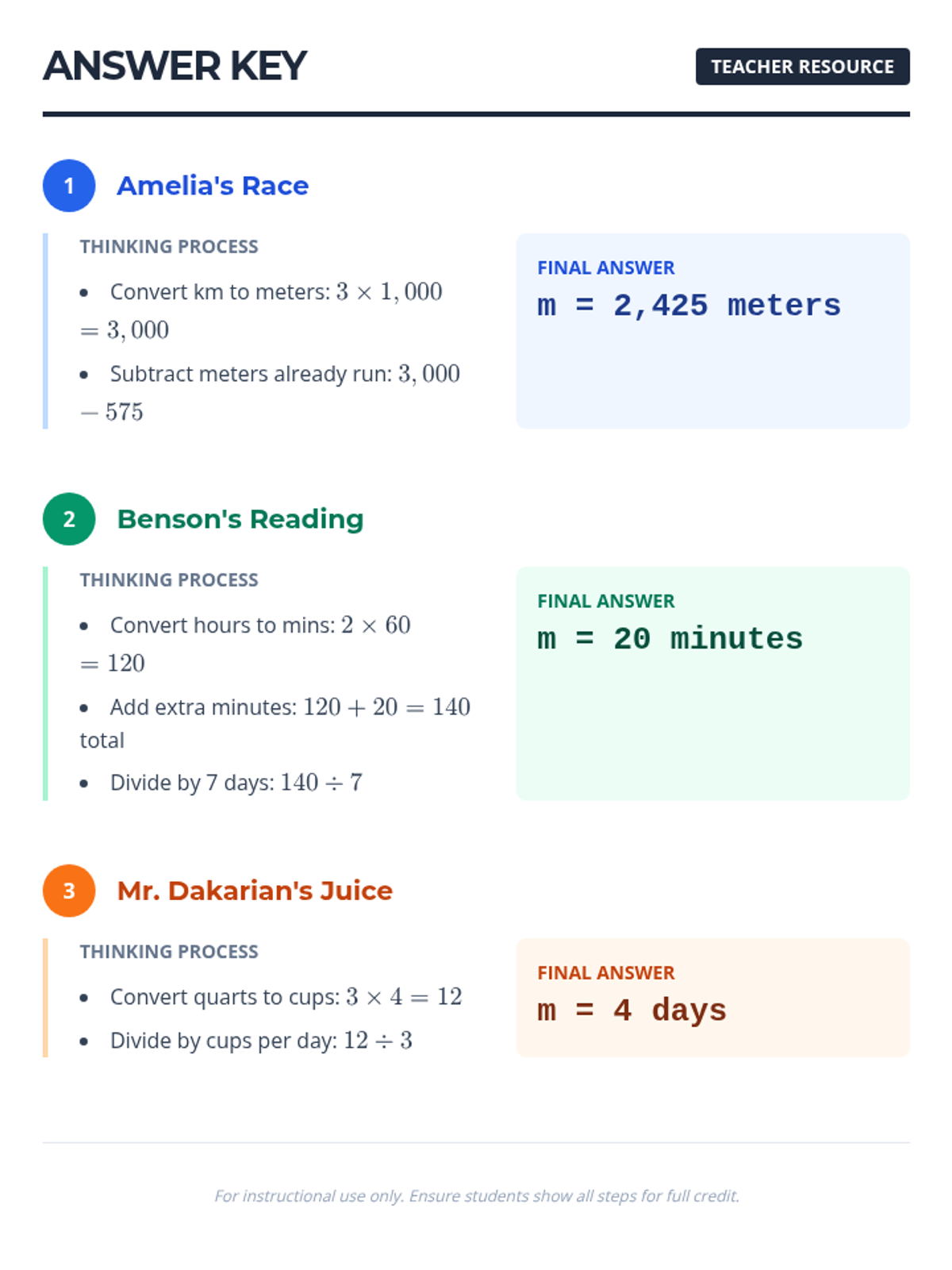
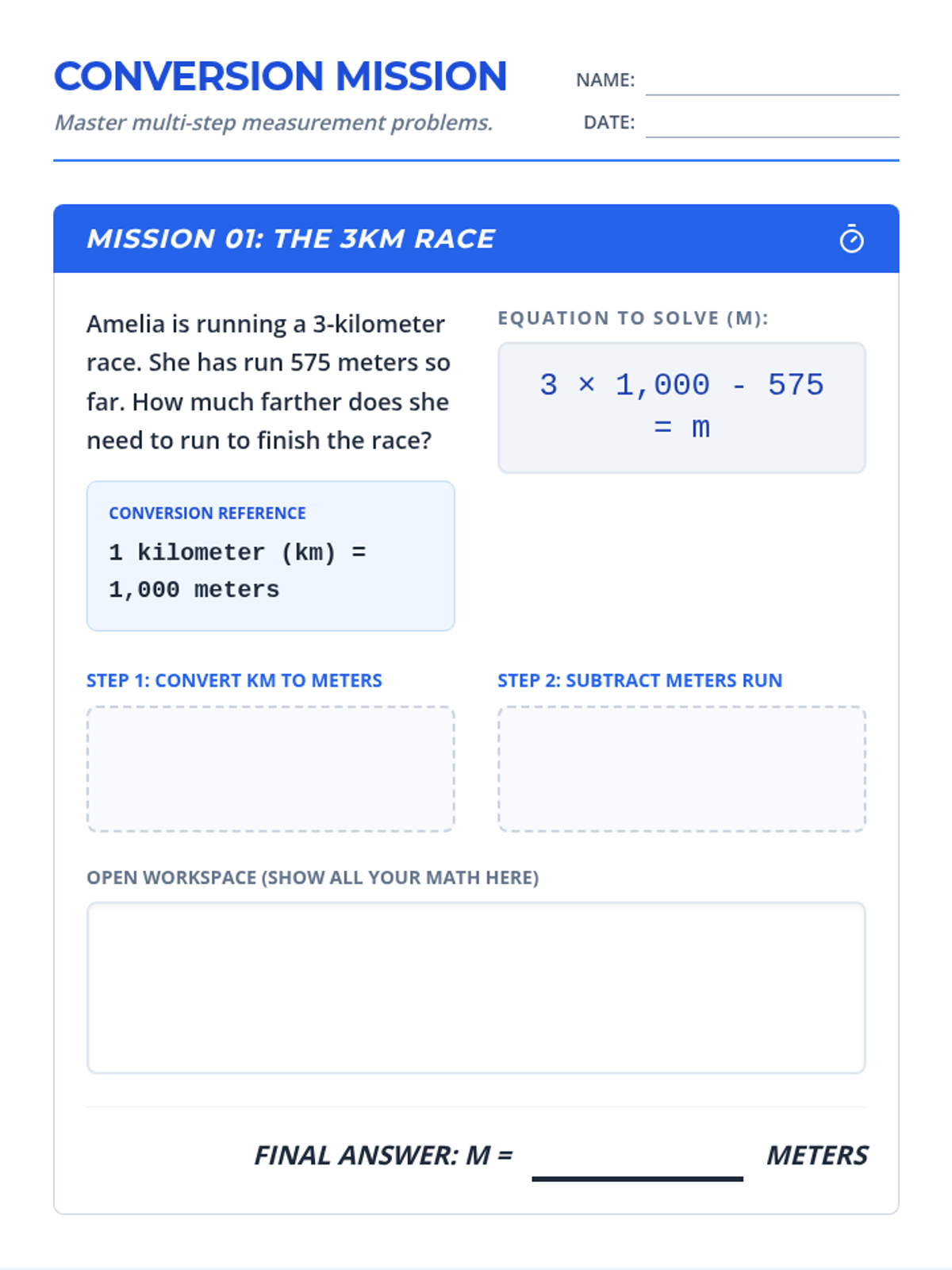
A focused lesson on solving multi-step word problems involving measurement conversions for length, time, and volume. Students practice converting units before applying arithmetic operations to find solutions.
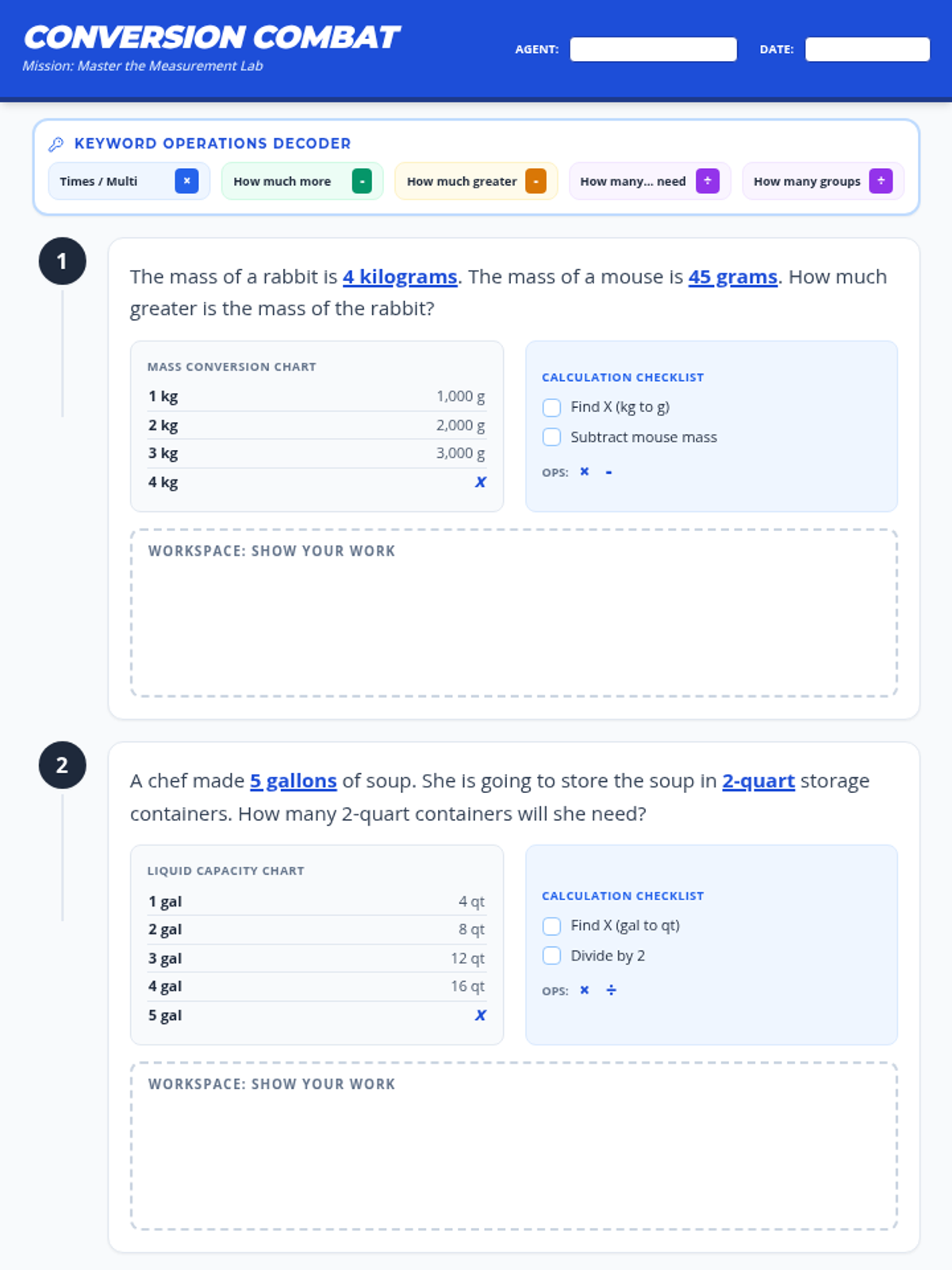
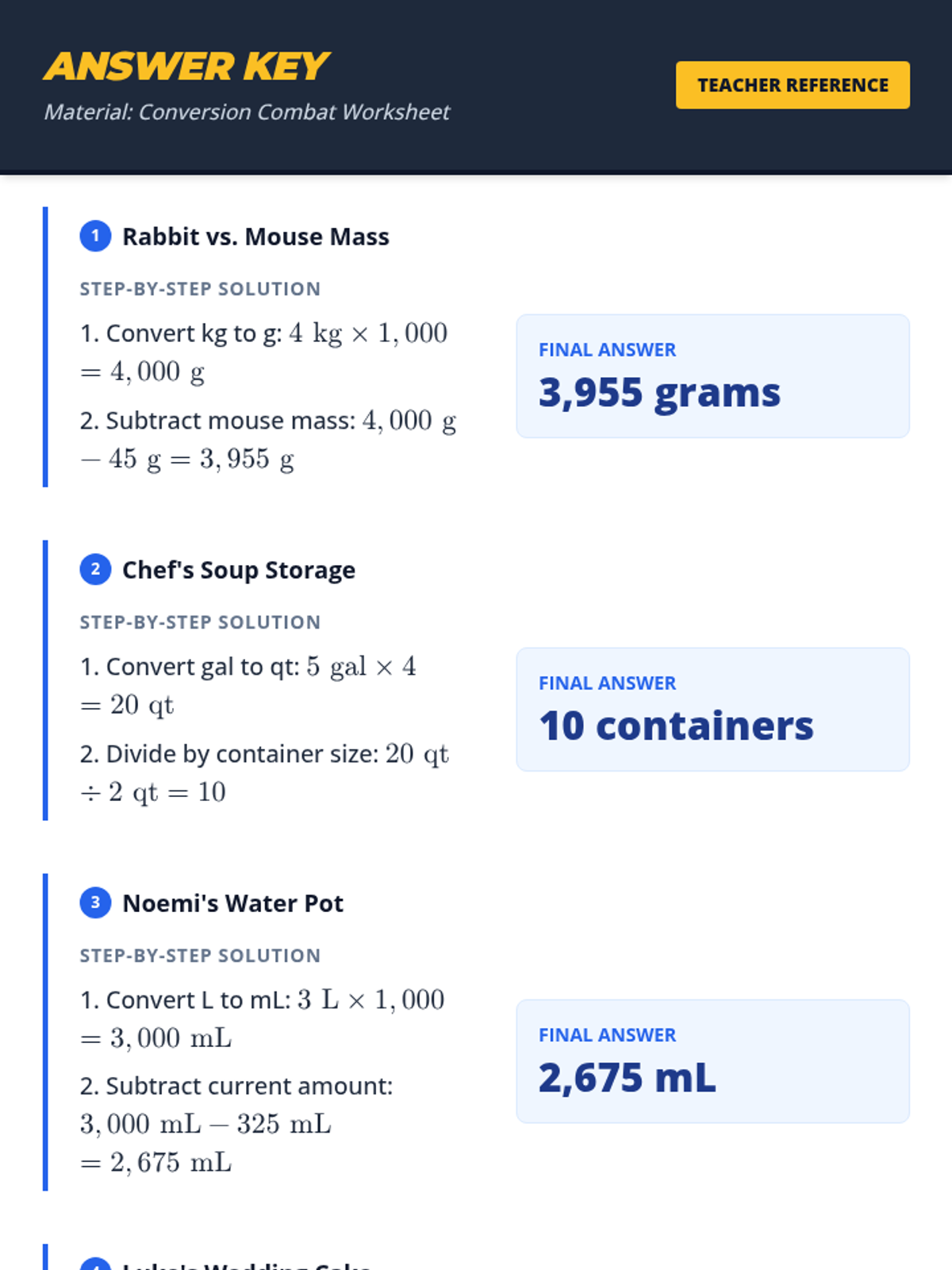
A lesson focused on solving multi-step word problems involving mass, volume, and capacity unit conversions. Students use conversion charts and operation keywords to determine the correct mathematical steps for each scenario.
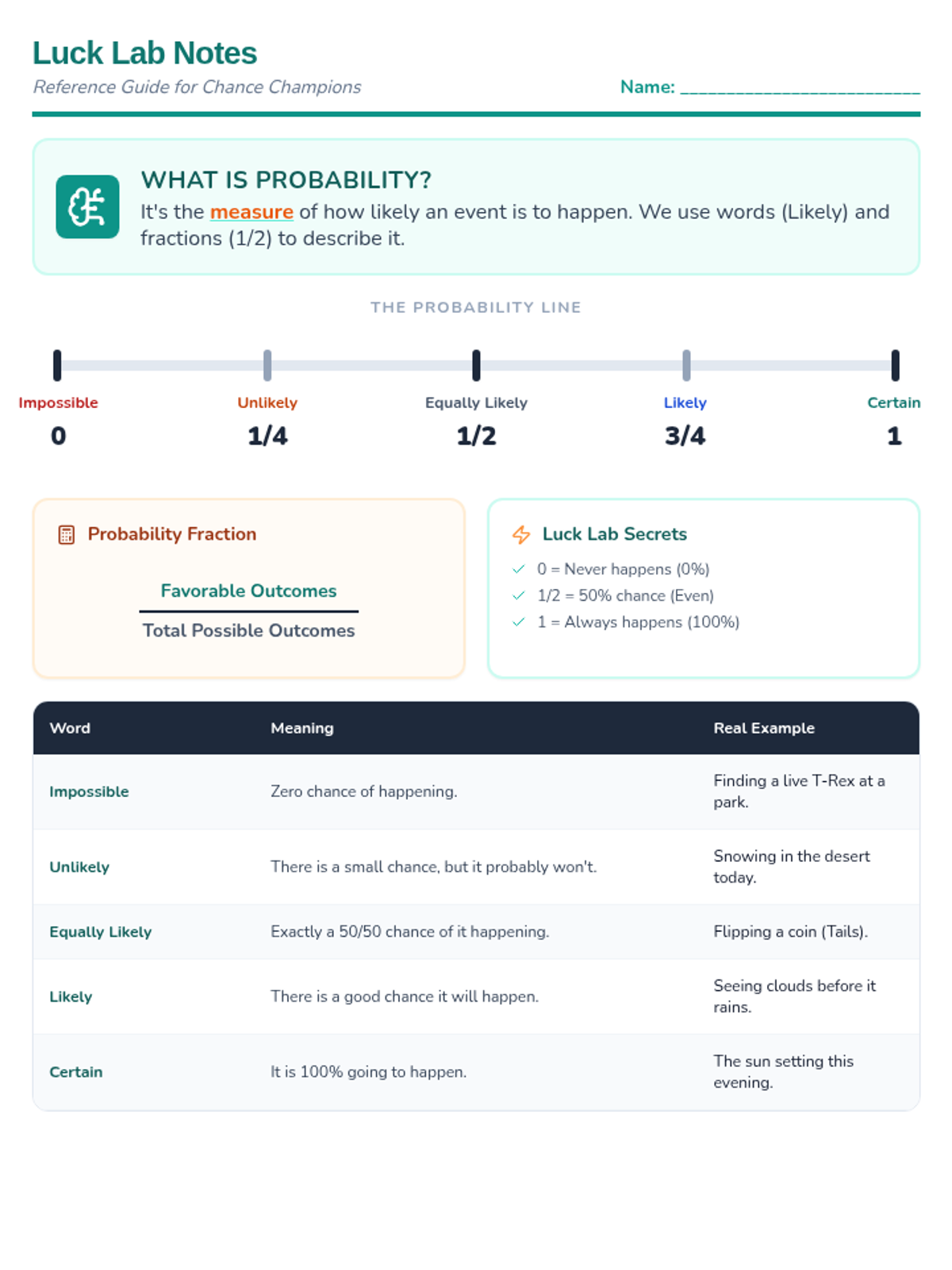
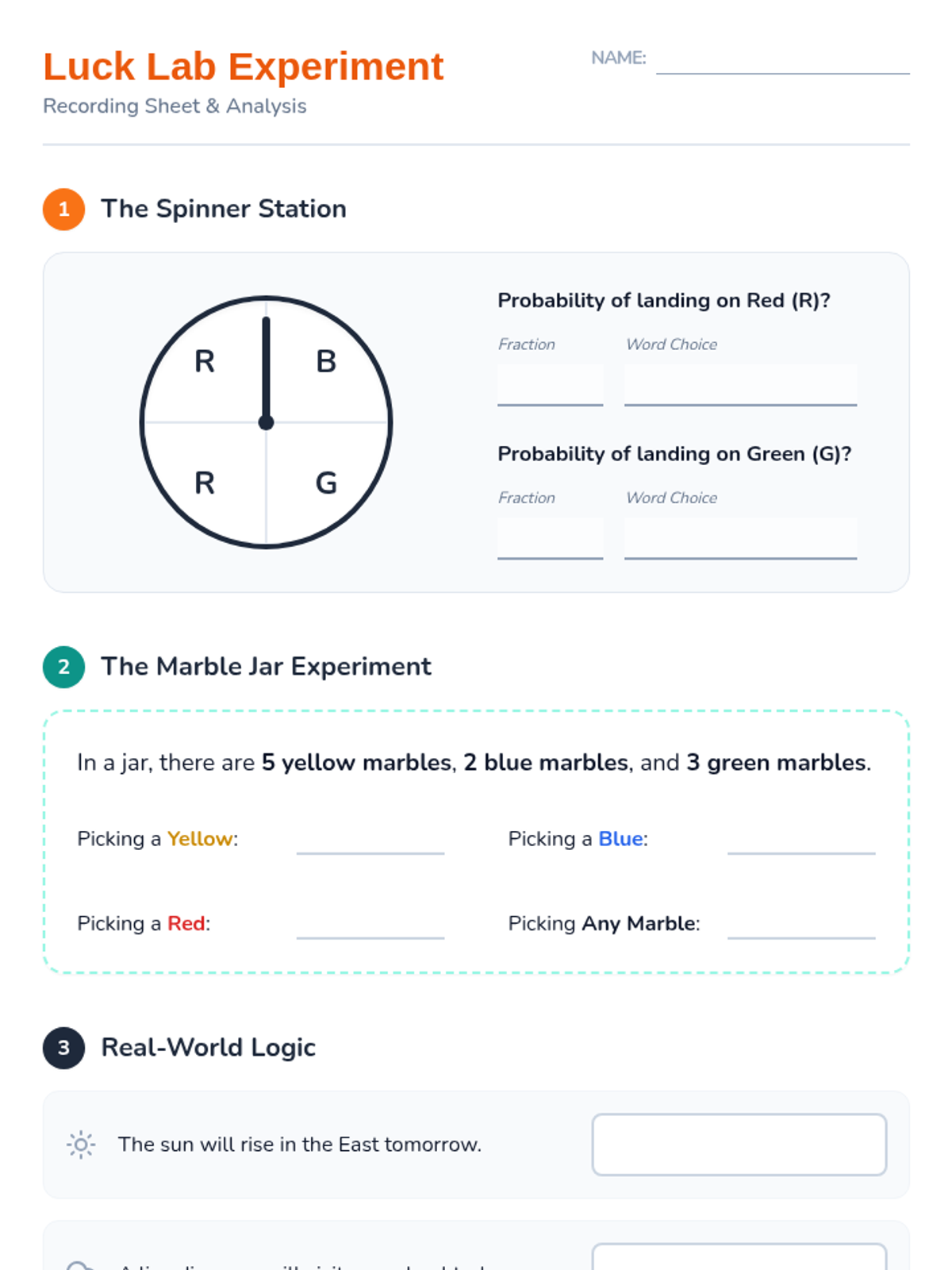
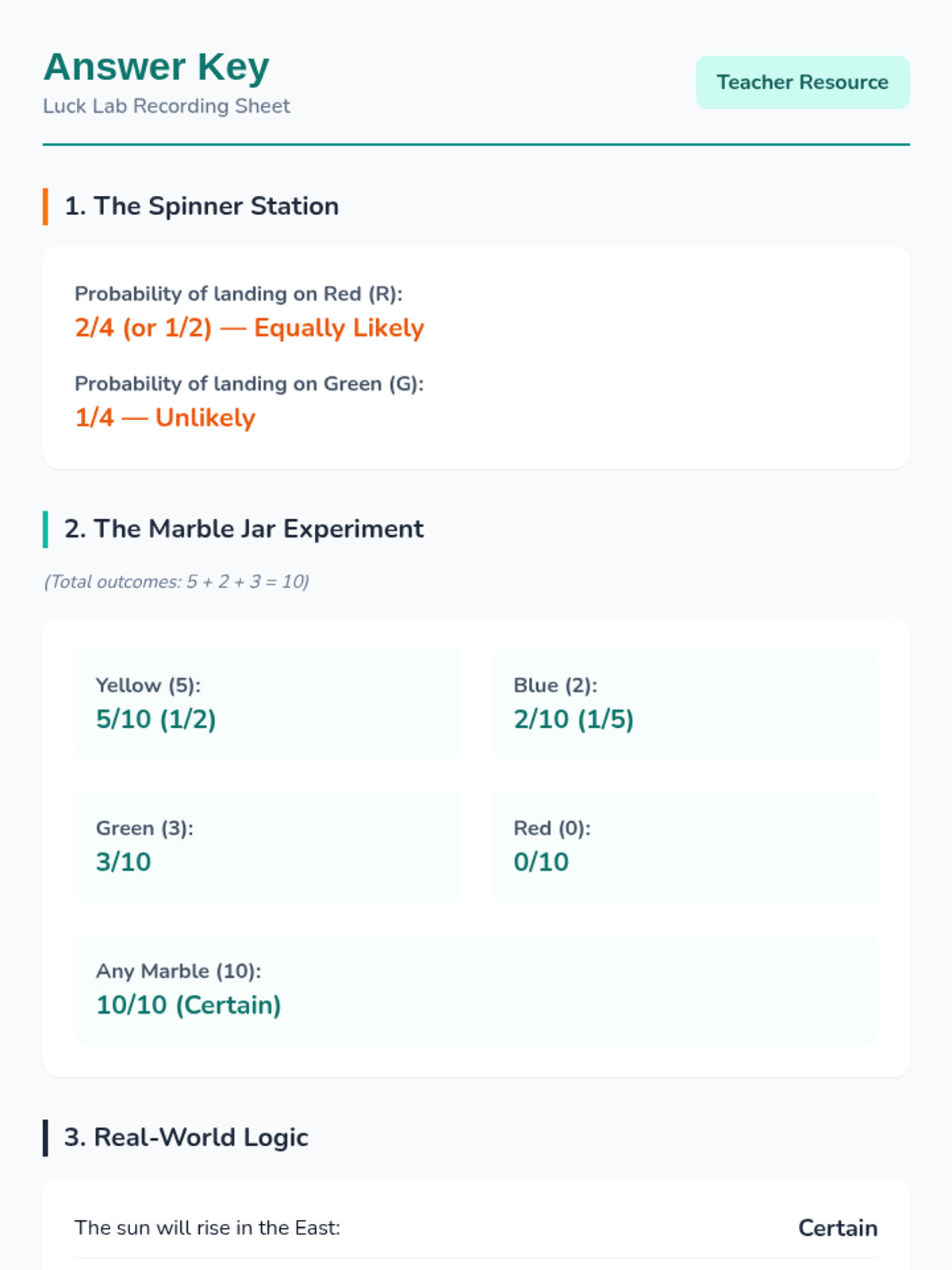
A mini-lesson introducing probability concepts through the lens of 'The Luck Lab', covering vocabulary (certain to impossible) and fractional representations.
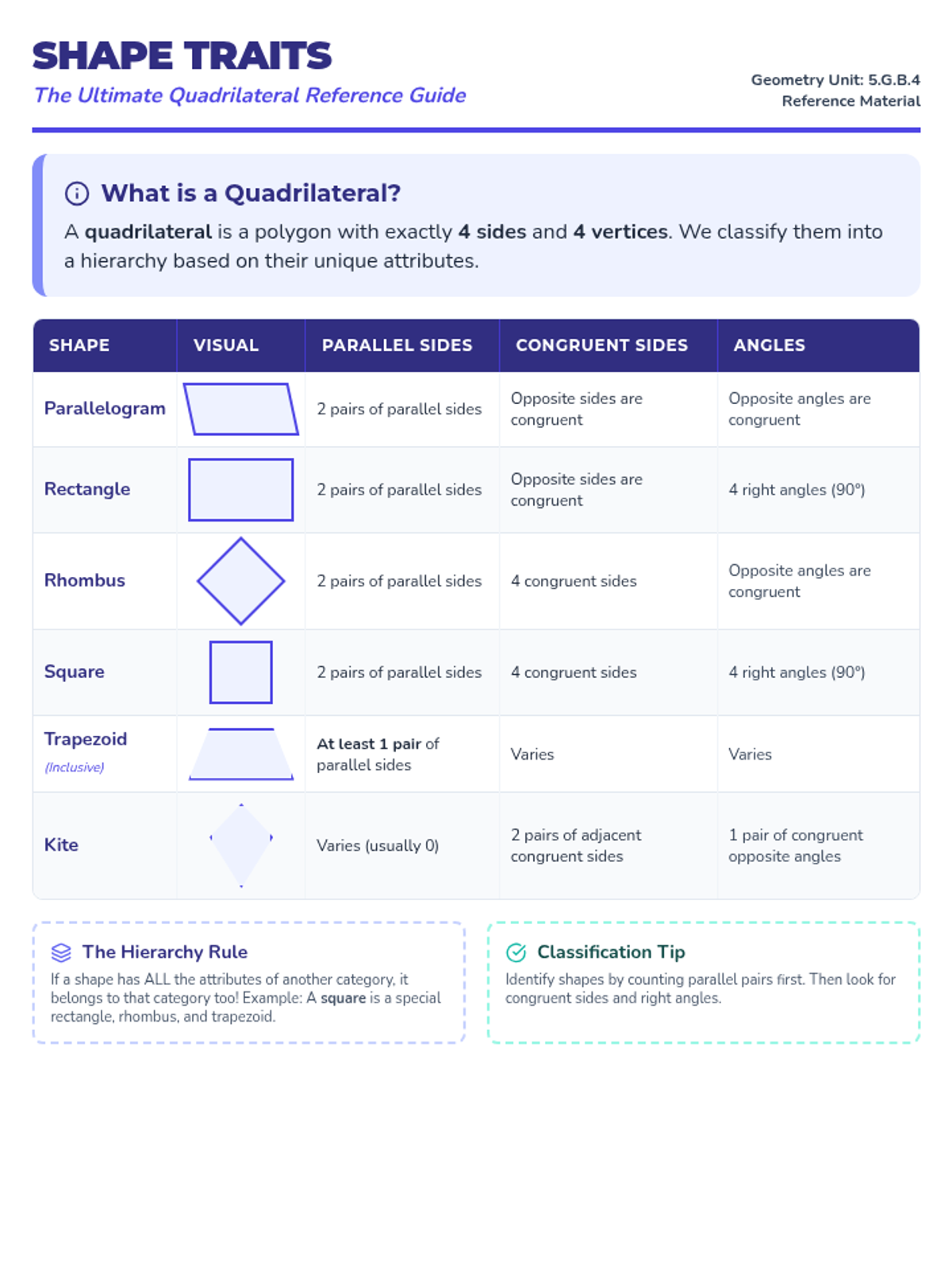
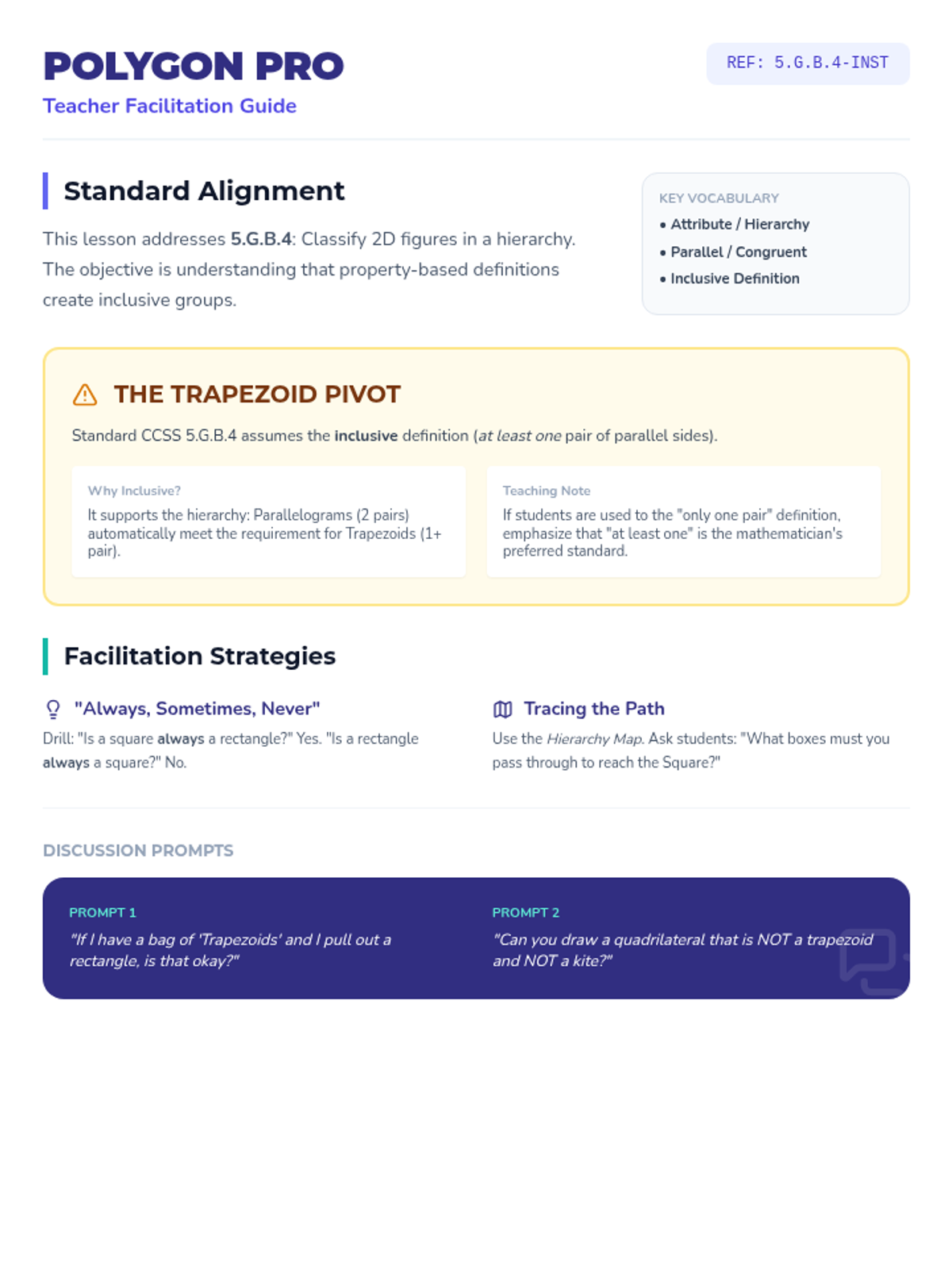
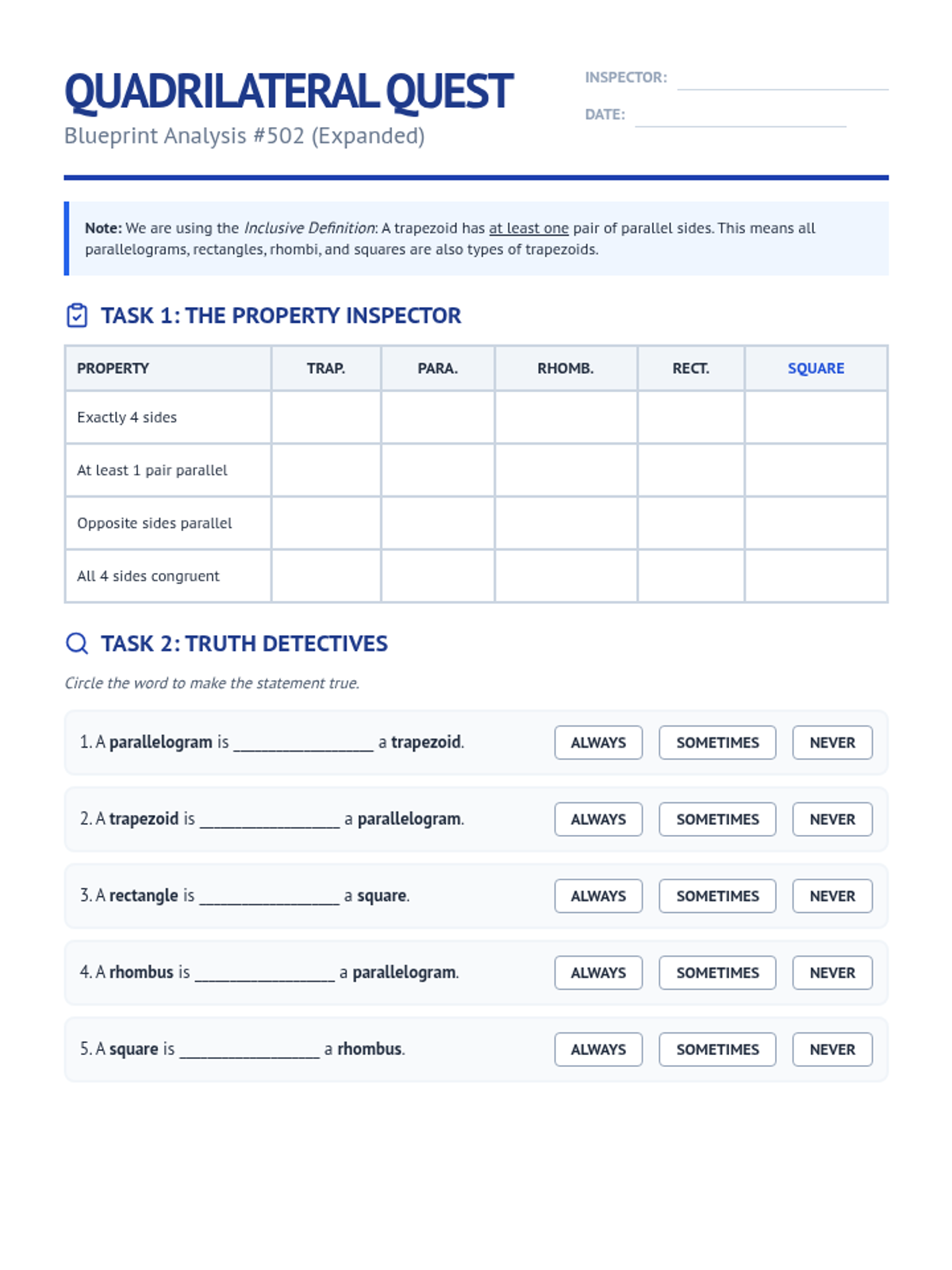
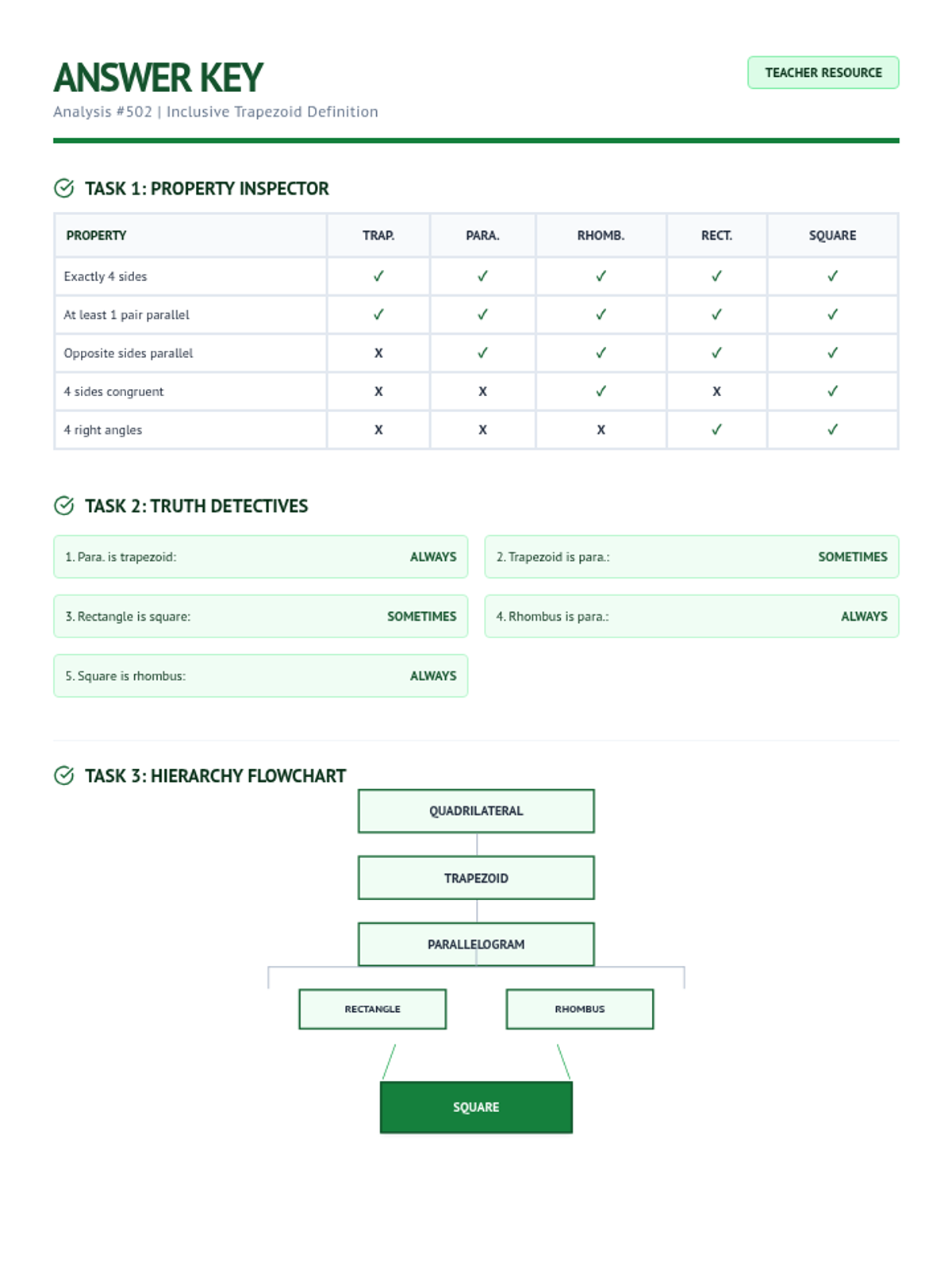
A comprehensive lesson on classifying quadrilaterals based on their properties, focusing on the hierarchy and inclusive definitions required for 5th-grade geometry.
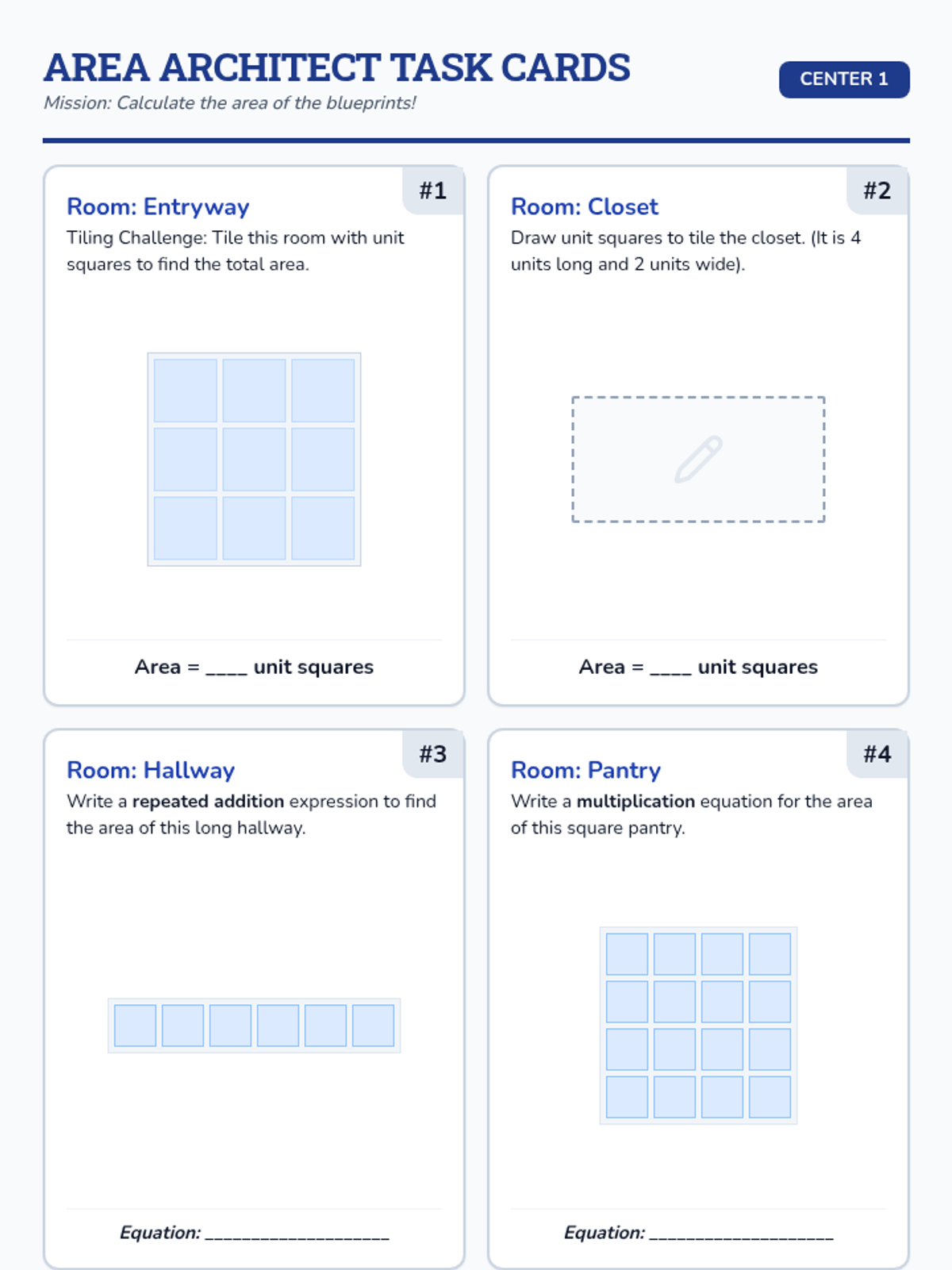
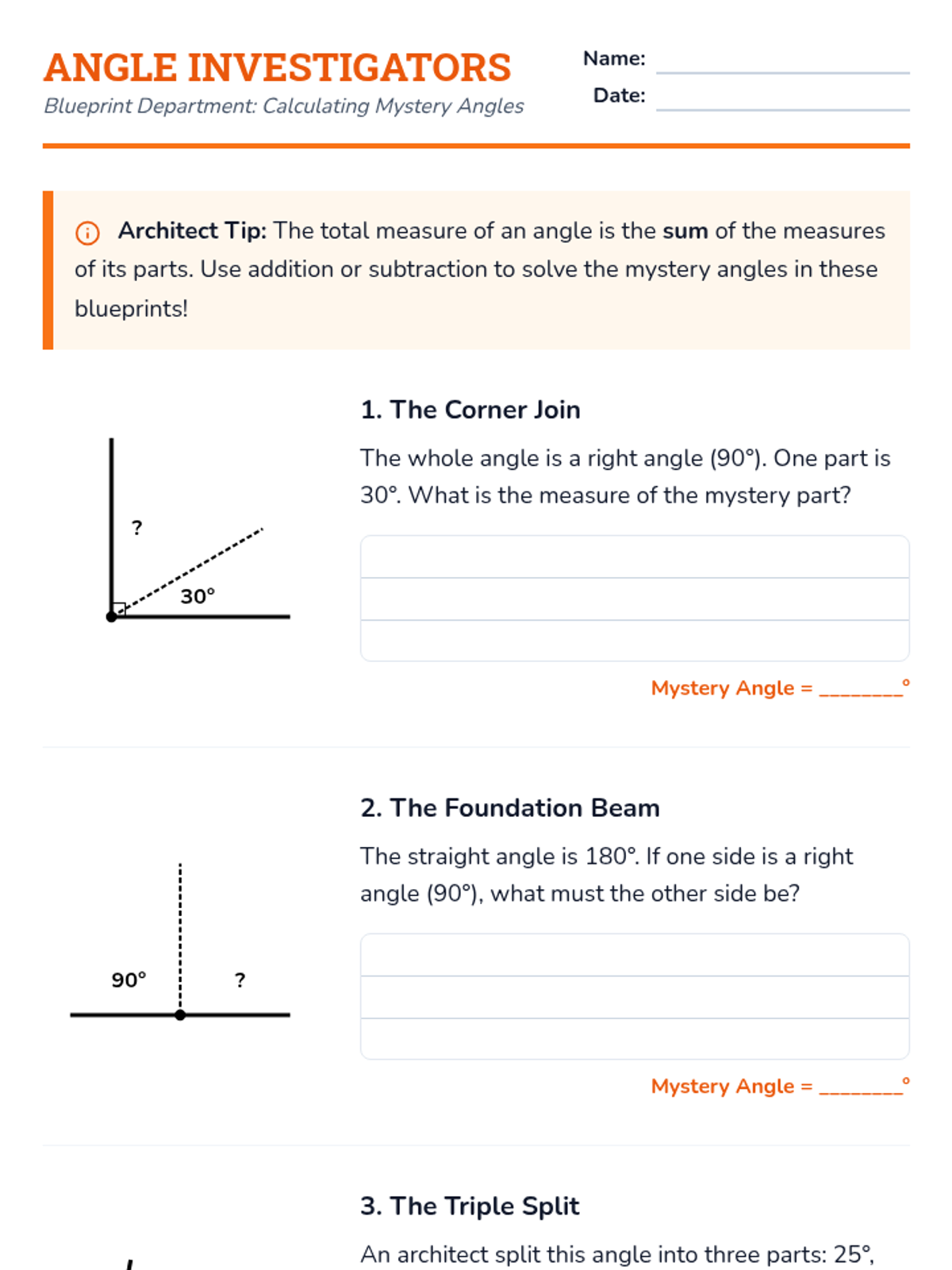
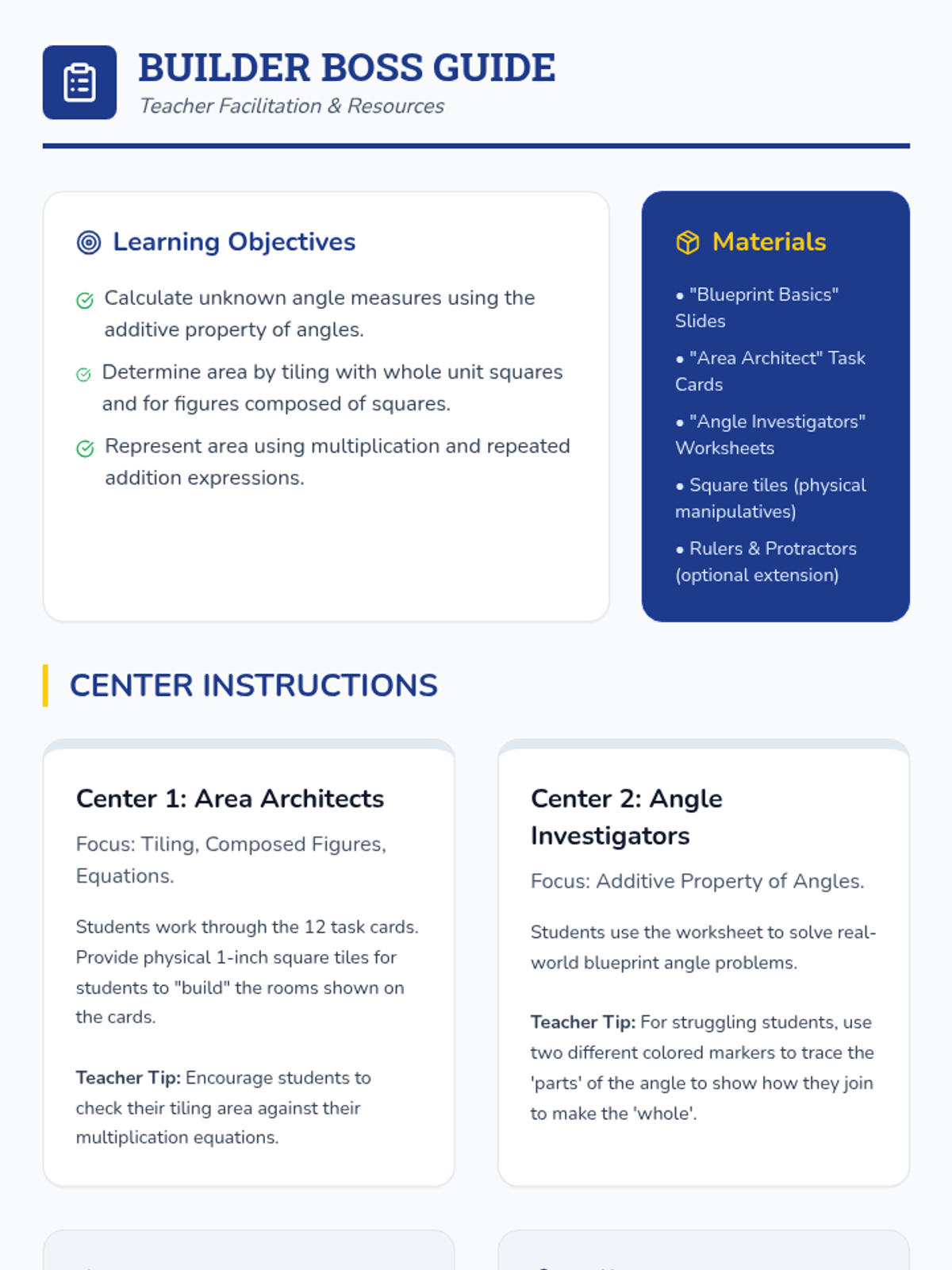
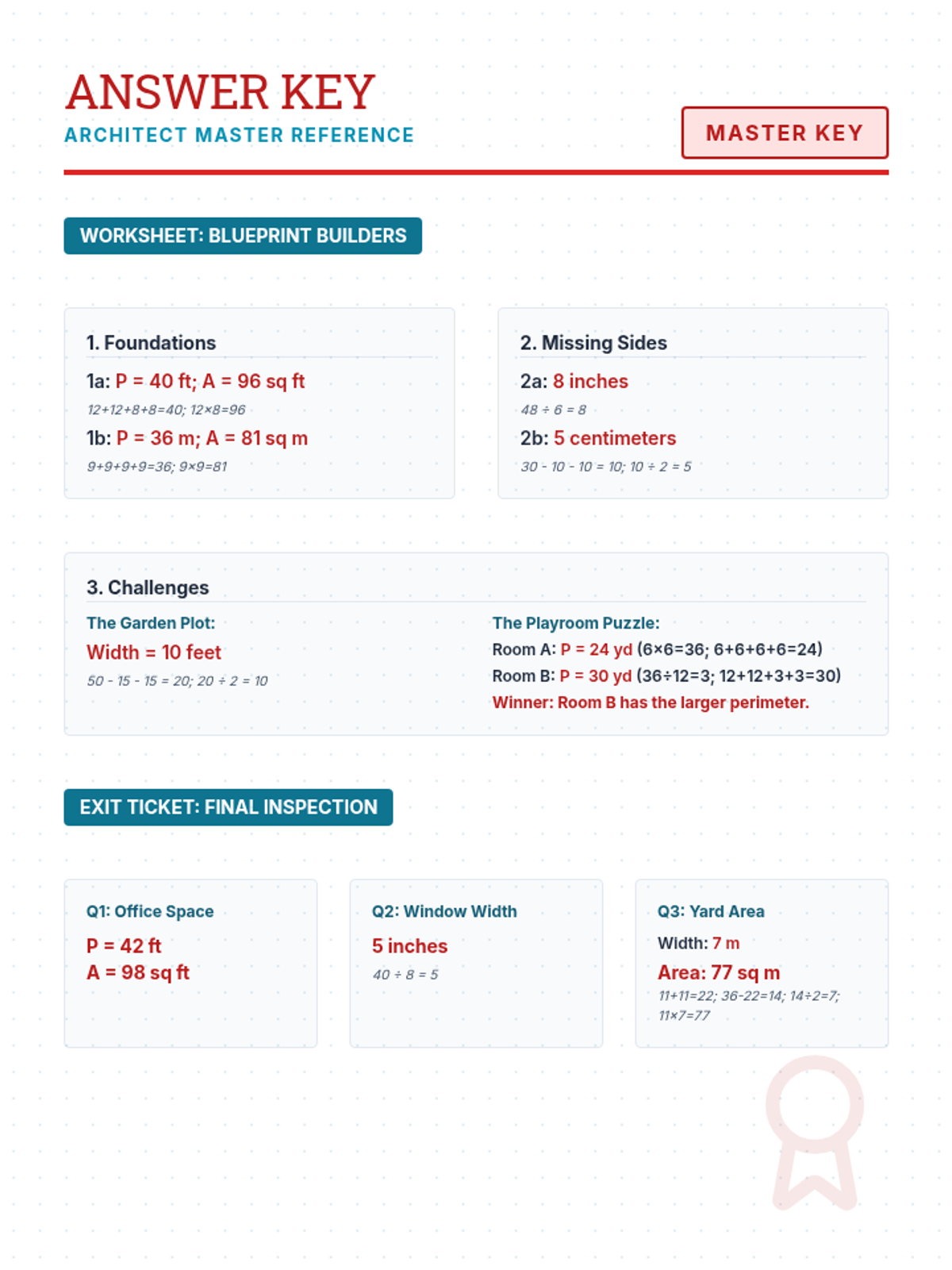
A comprehensive set of small group activities where students calculate unknown angles and determine the area of various figures using tiling and equations. The lesson uses a 'Blueprint Builders' theme to engage students in real-world mathematical applications.
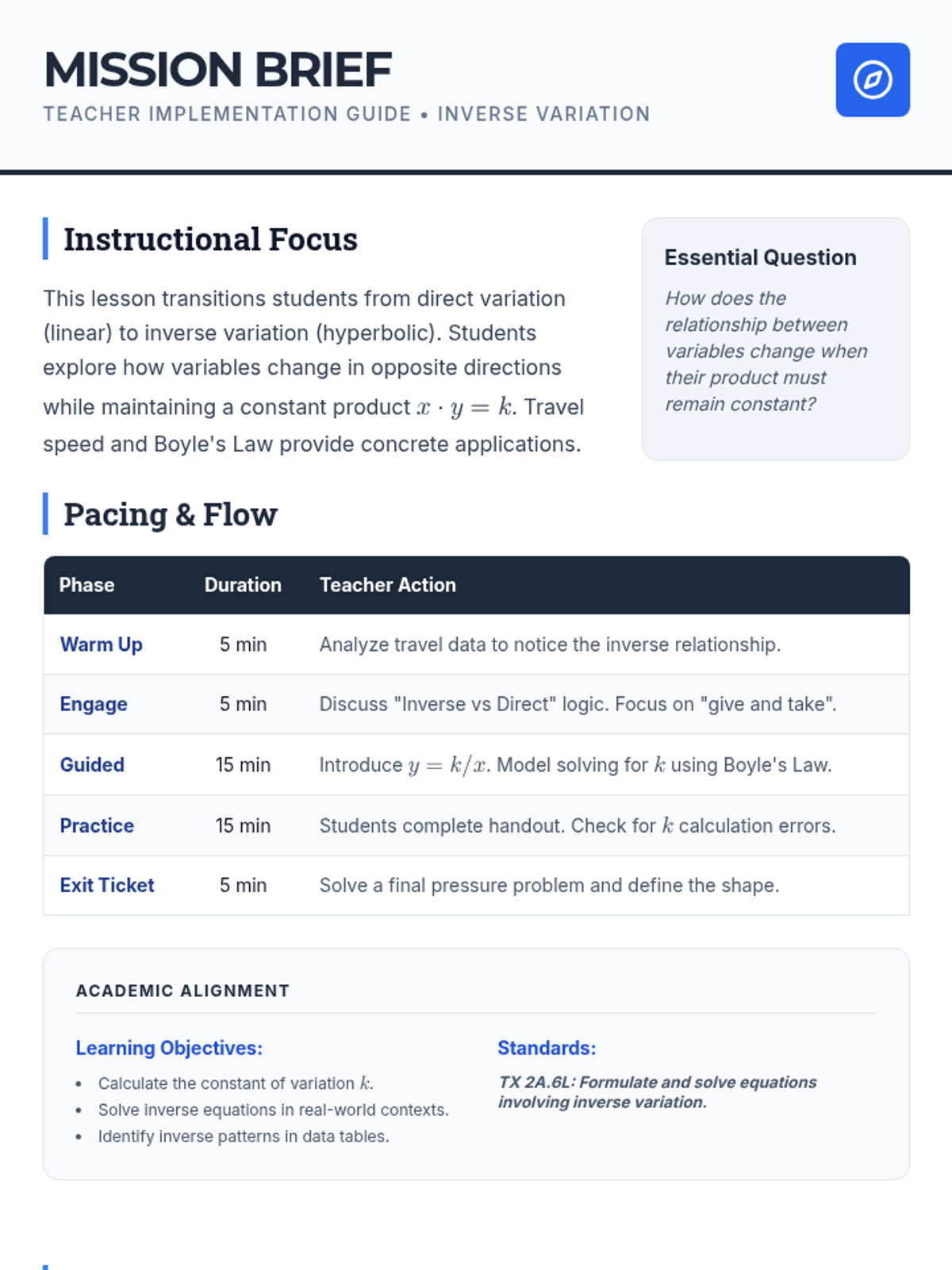
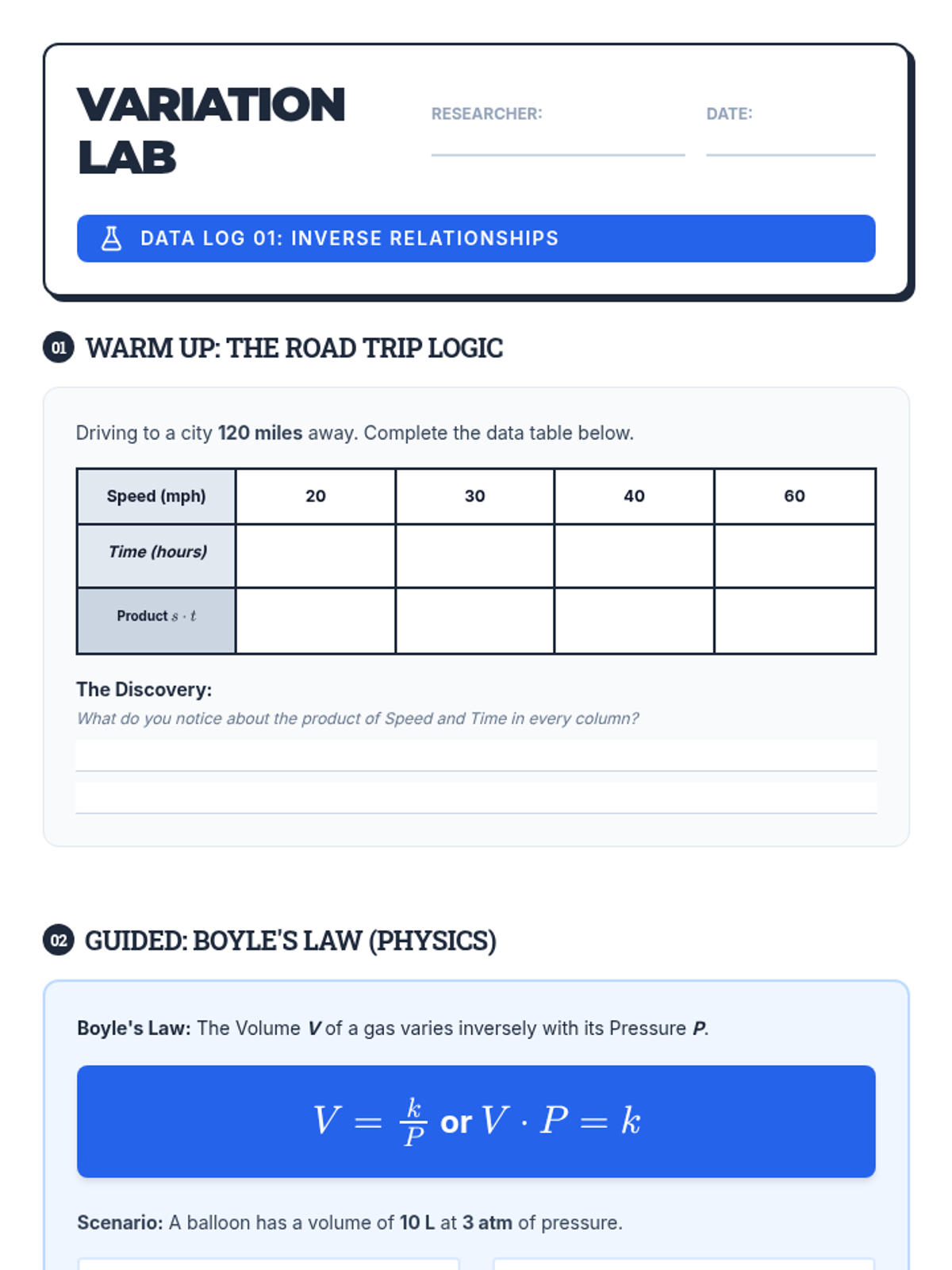
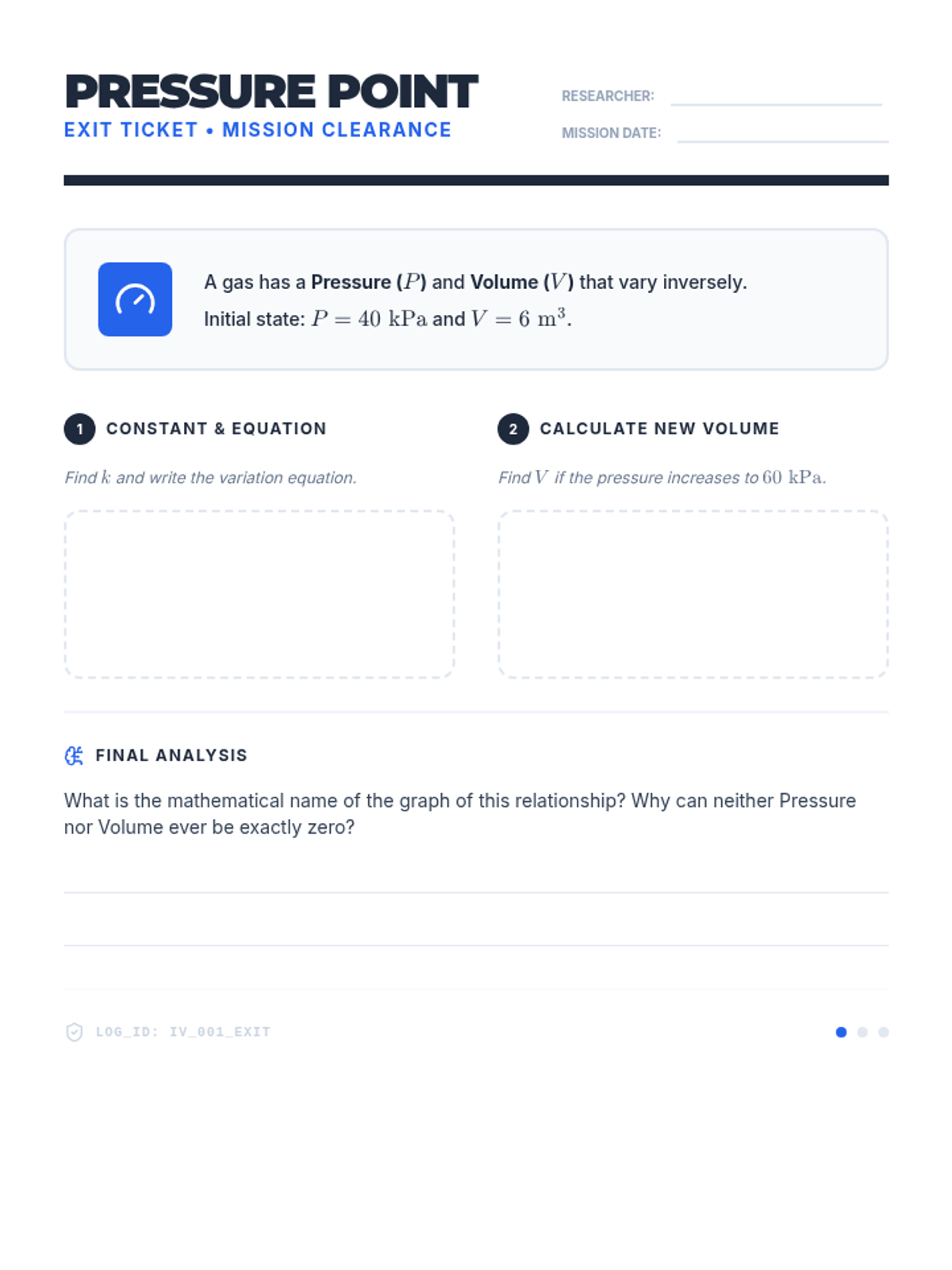
A 45-minute lesson exploring inverse variation through the lens of travel speed and Boyle's Law, focusing on formulating and solving equations for real-world scenarios.
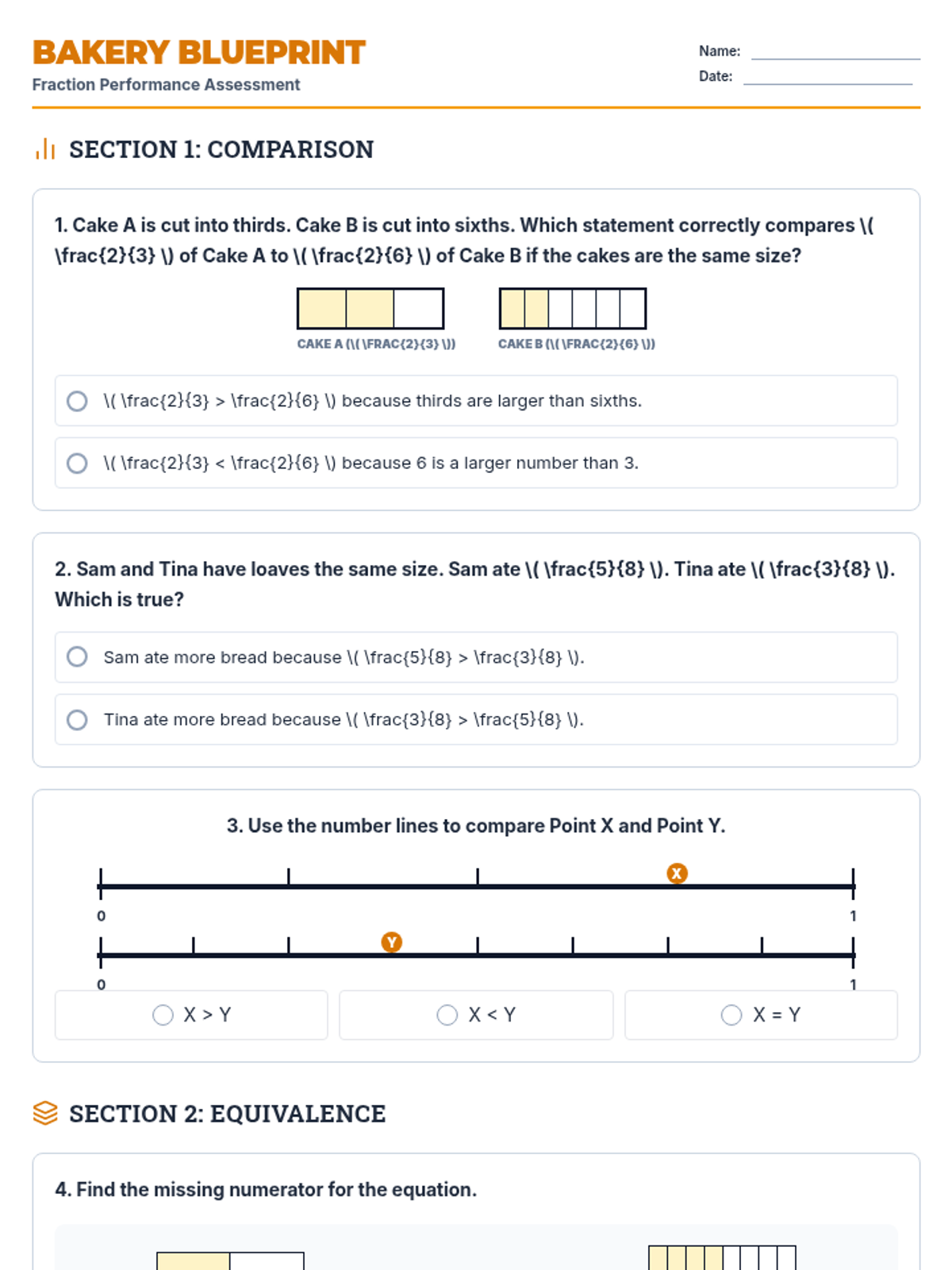
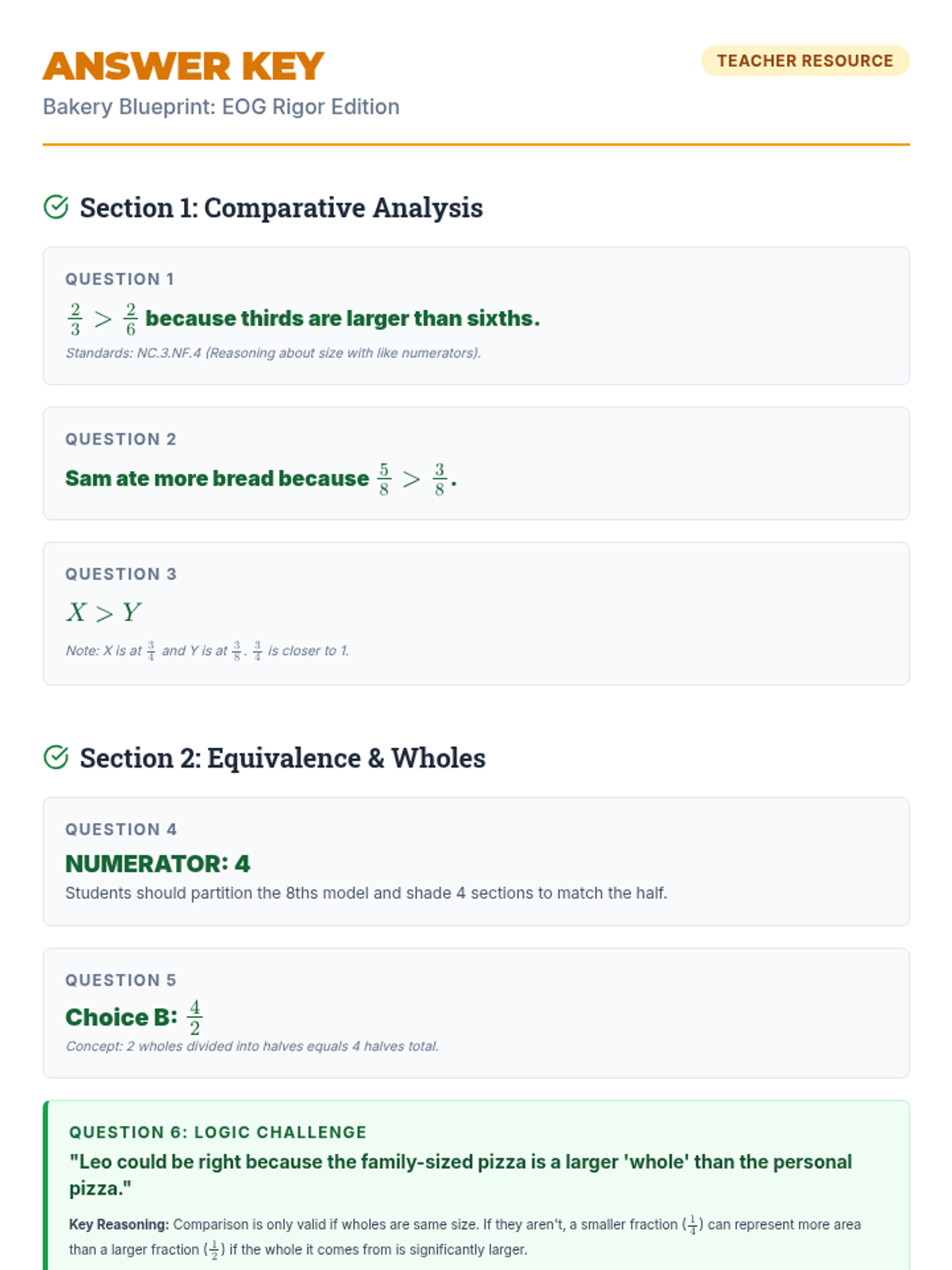
A comprehensive lesson on comparing and representing fractions using area and length models within a bakery-themed context. Students will practice comparing fractions with like numerators or denominators and identifying equivalent fractions and whole numbers.
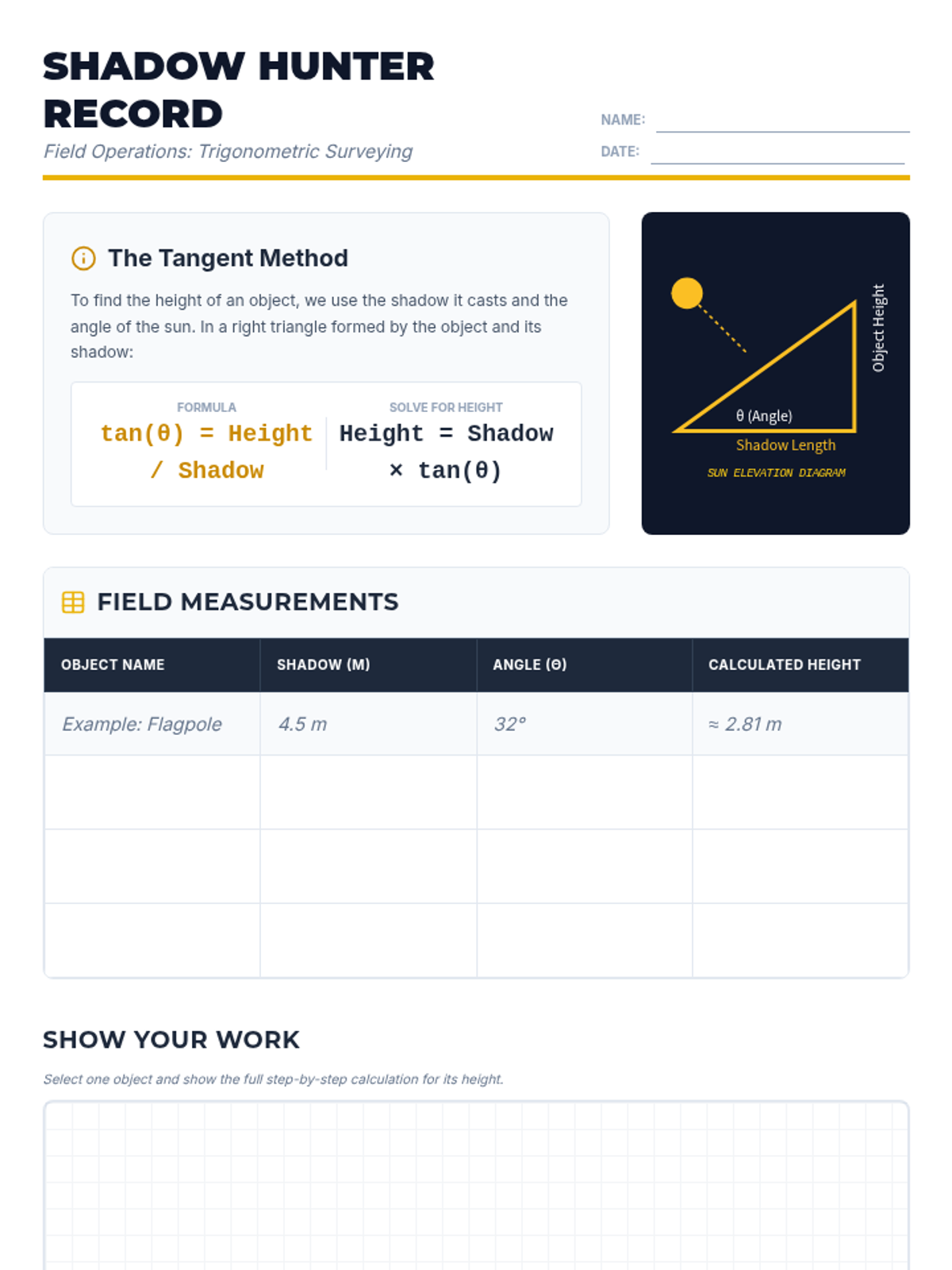
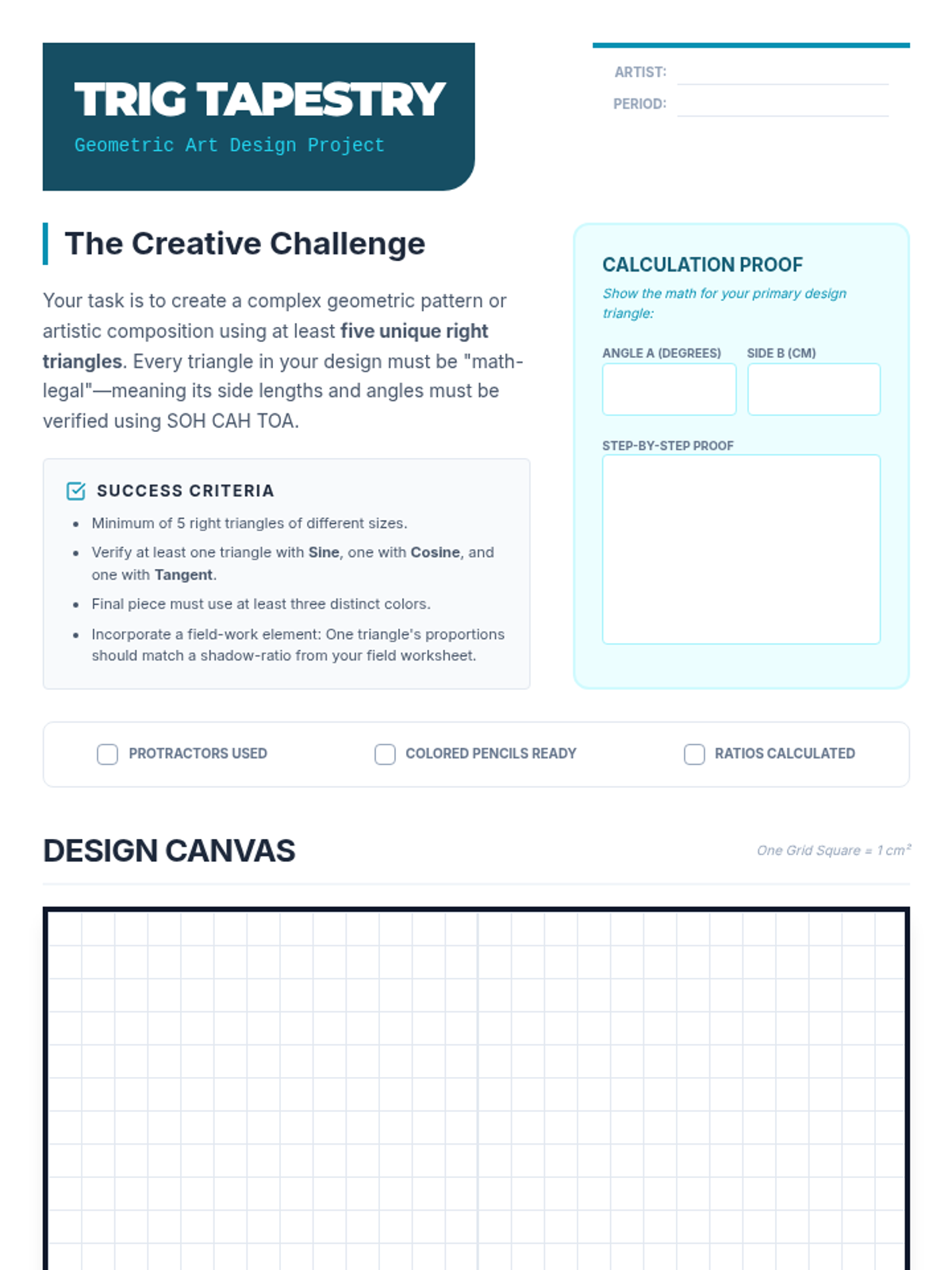
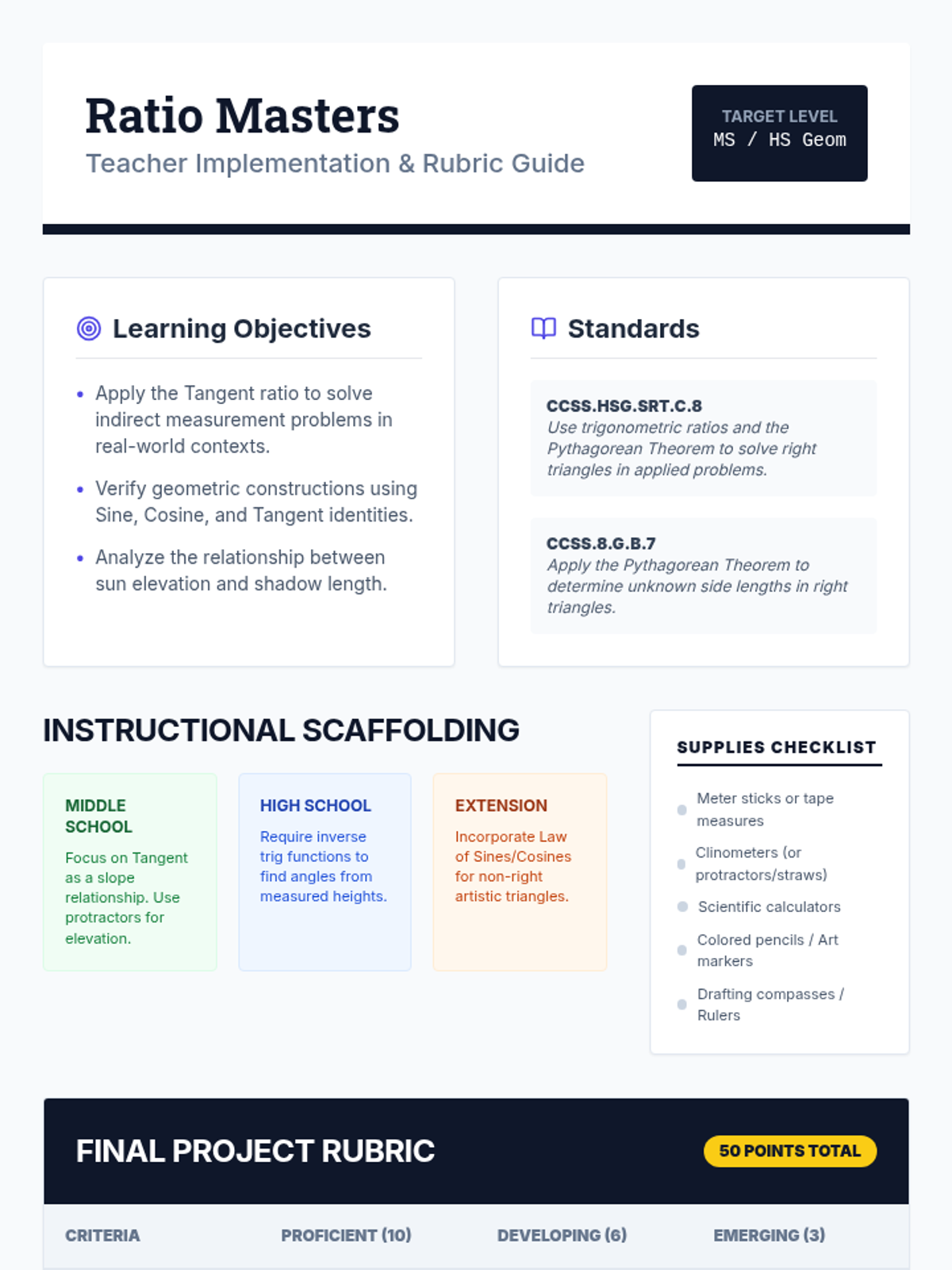
Students learn to apply Sine, Cosine, and Tangent to real-world measurements and abstract artistic design, culminating in a dual-phase project.
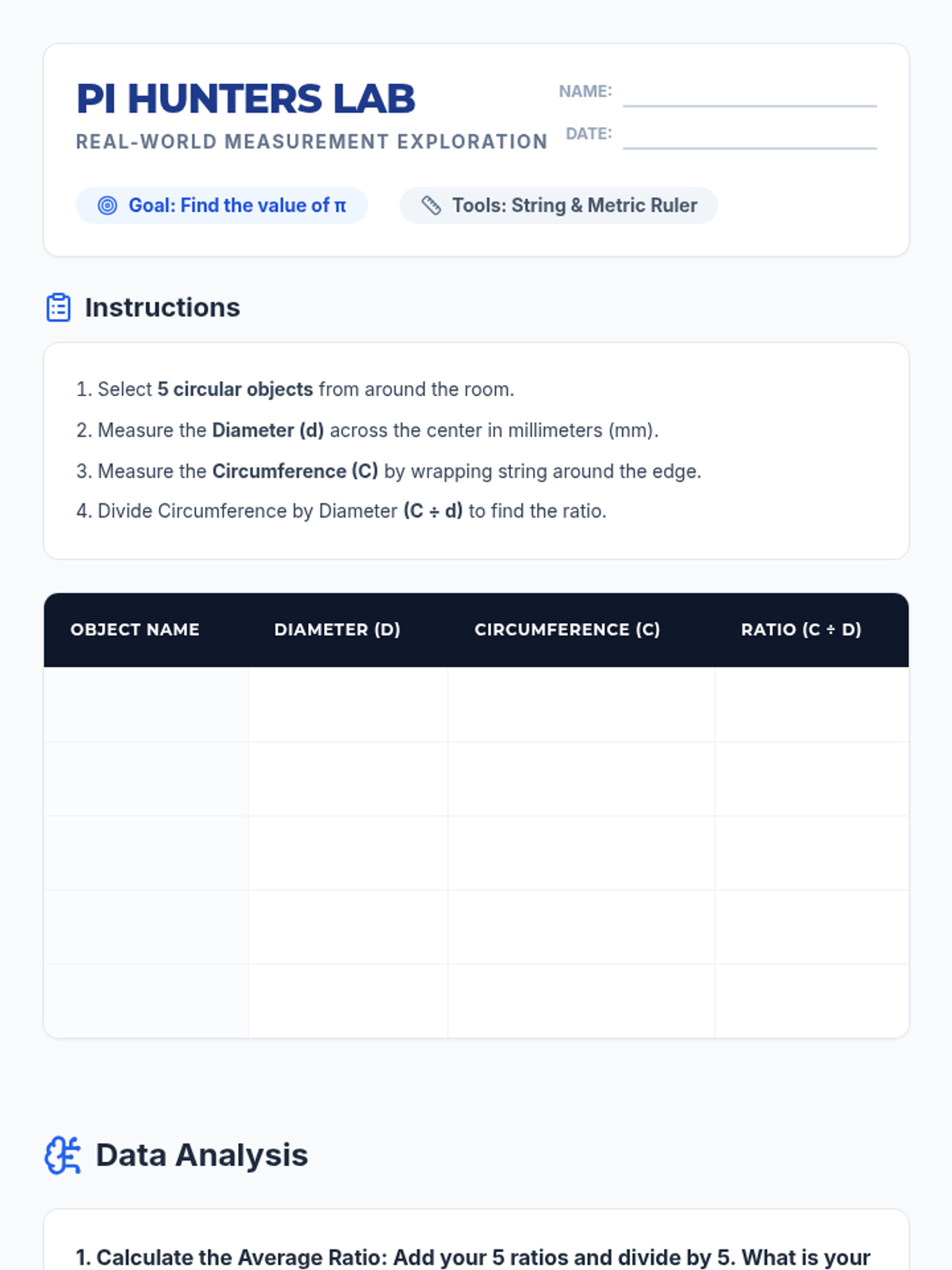
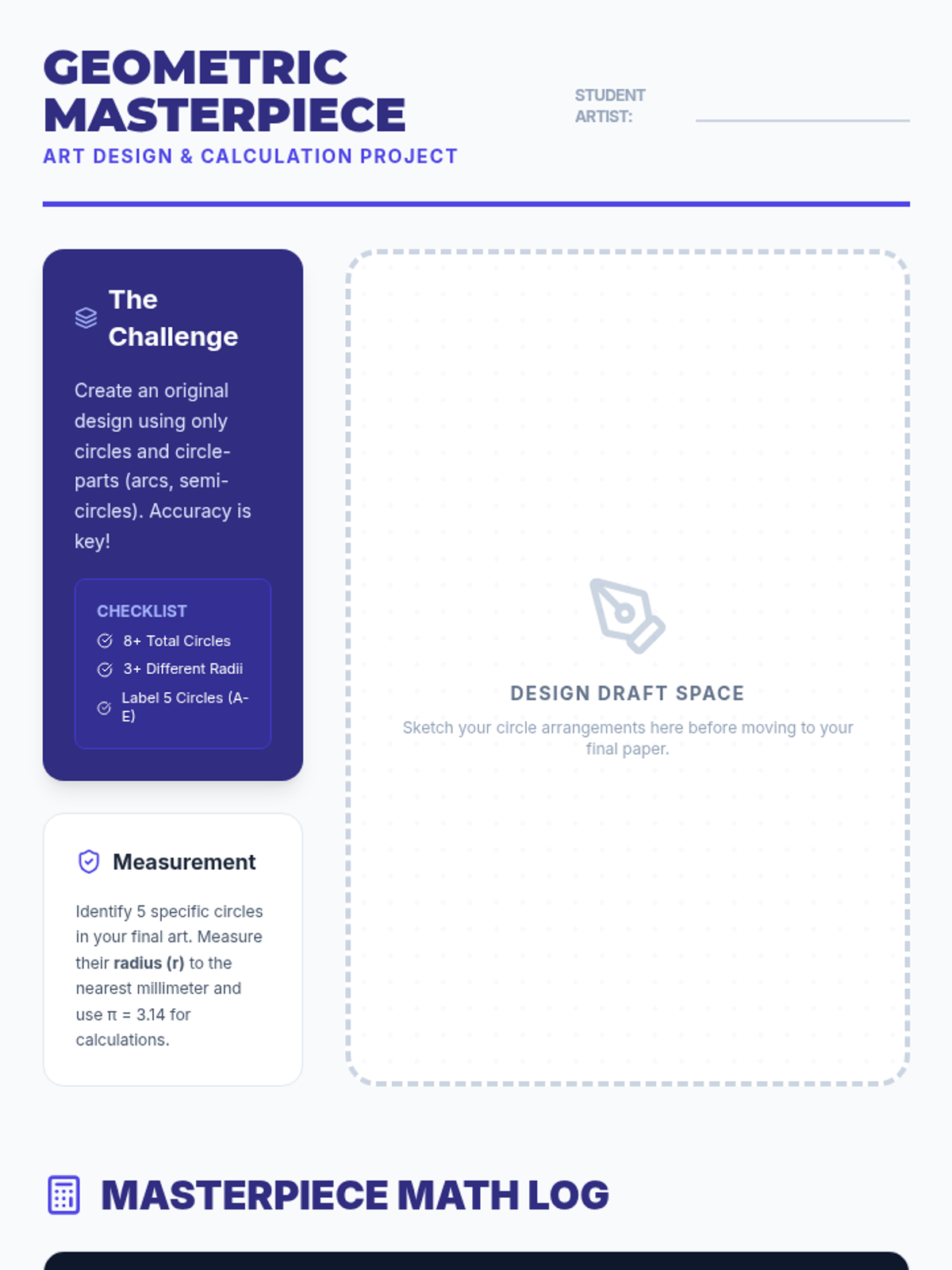
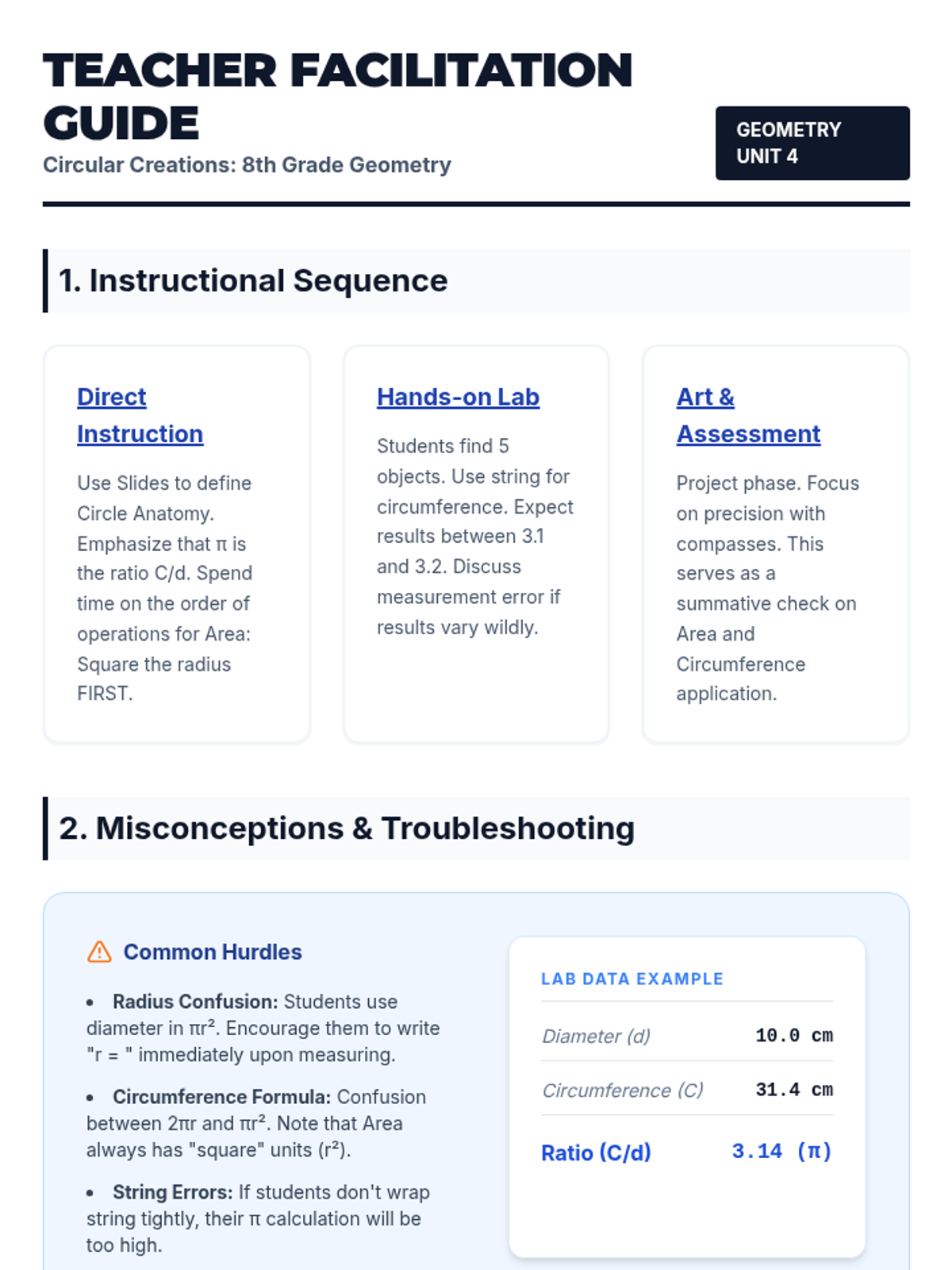
A hands-on geometry lesson where students explore the mathematical properties of circles through real-world measurement and creative geometric art design. Students discover the relationship between circumference and diameter while applying area formulas to their own masterpieces.
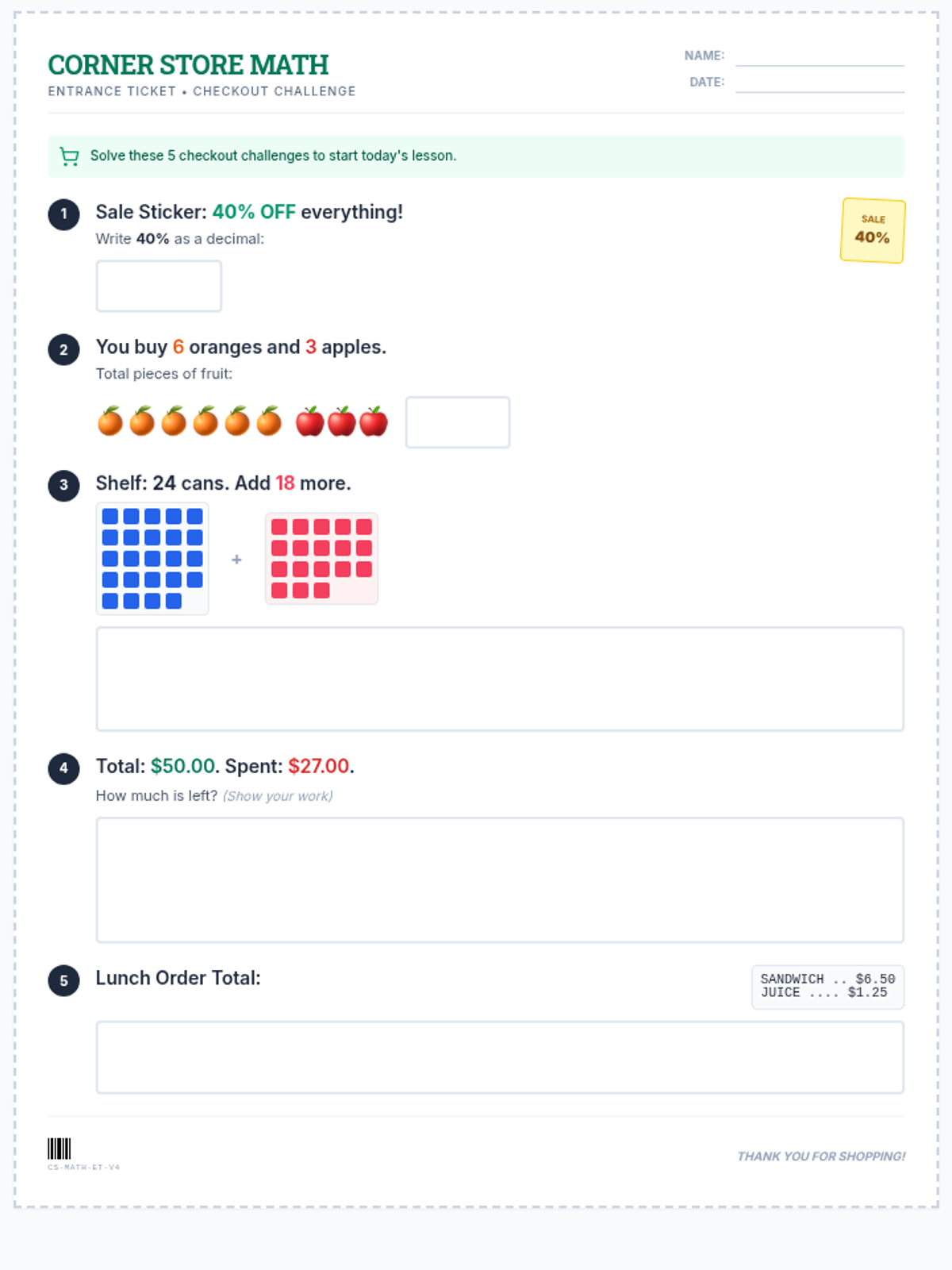
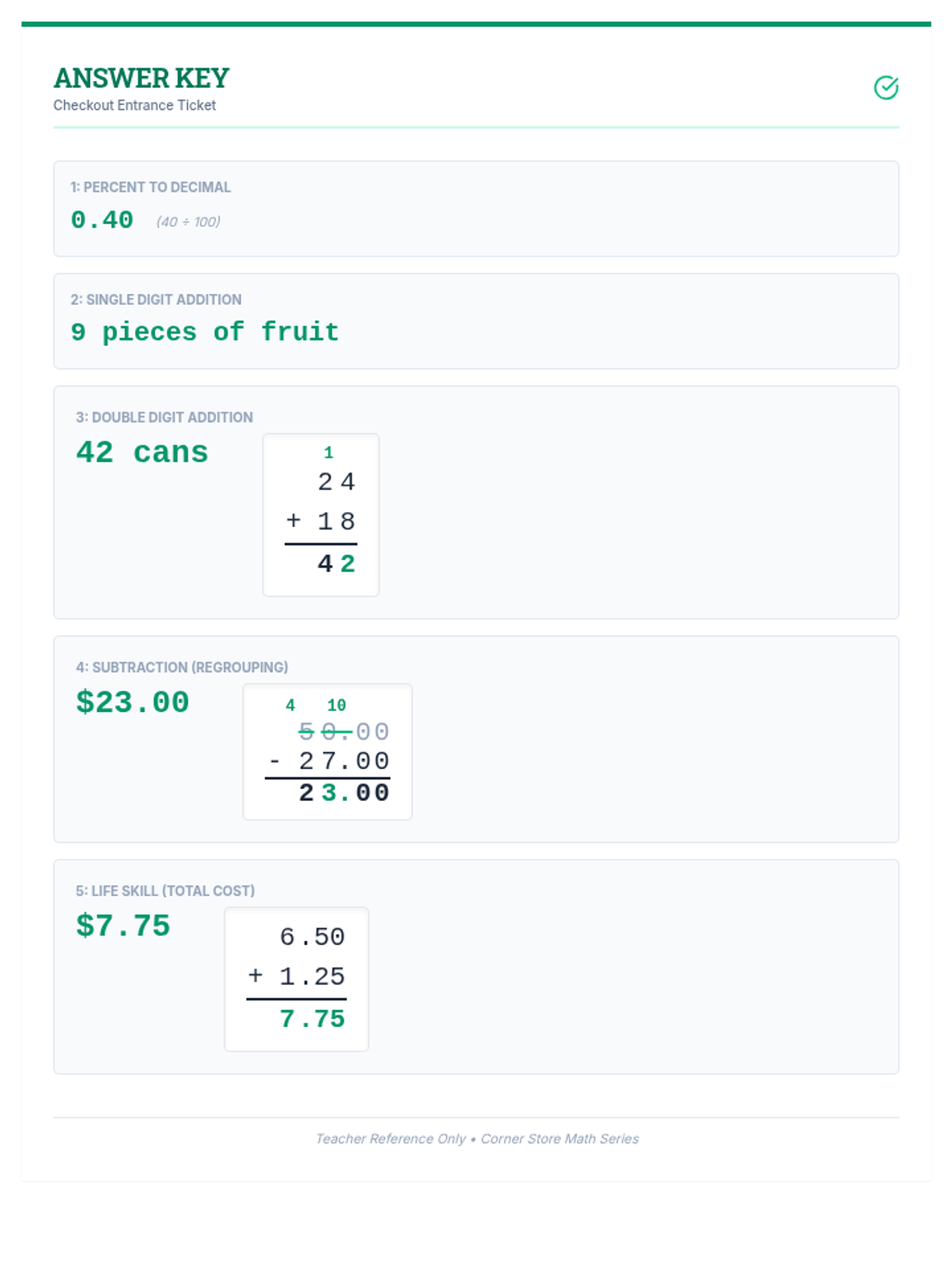
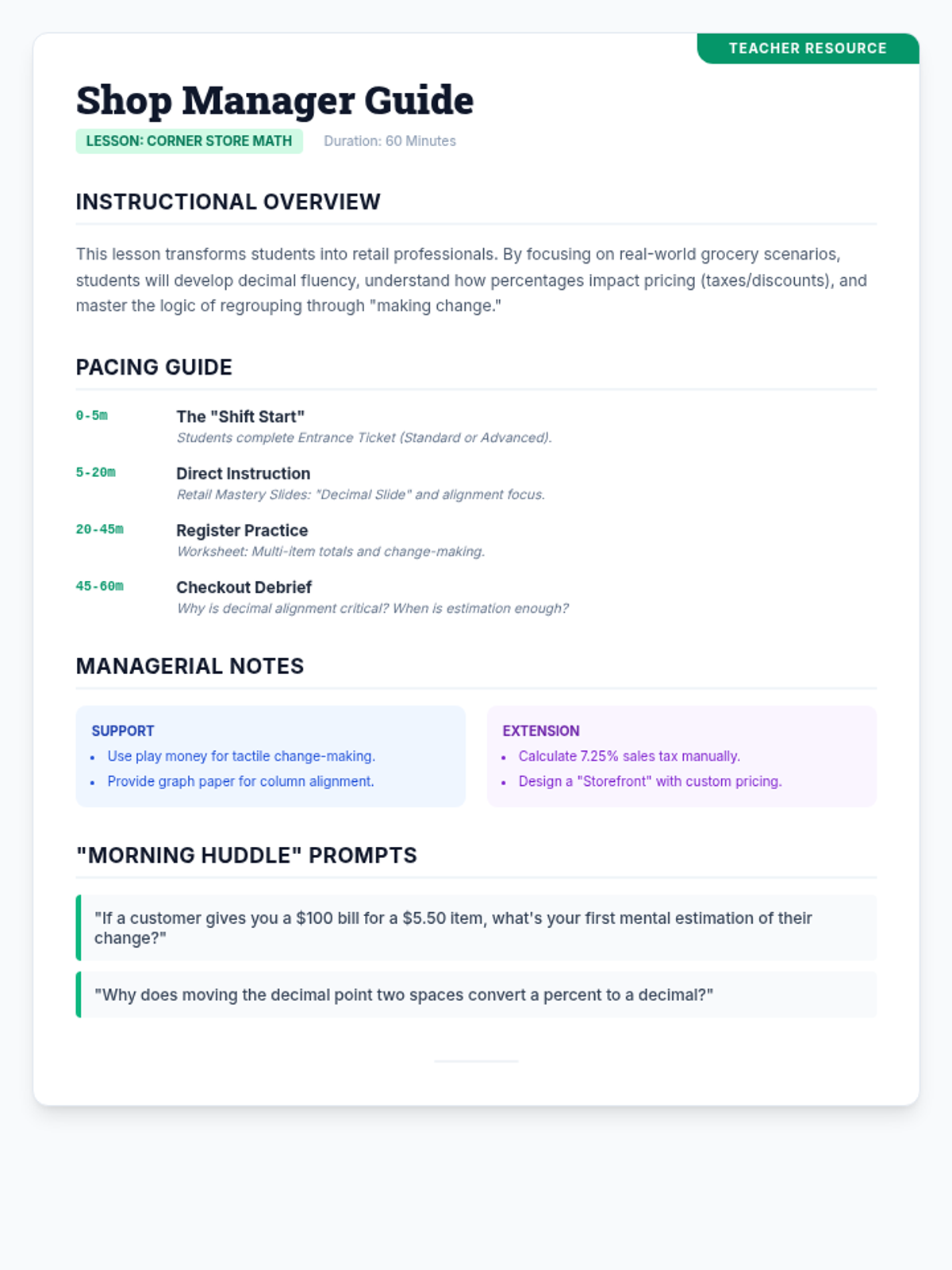
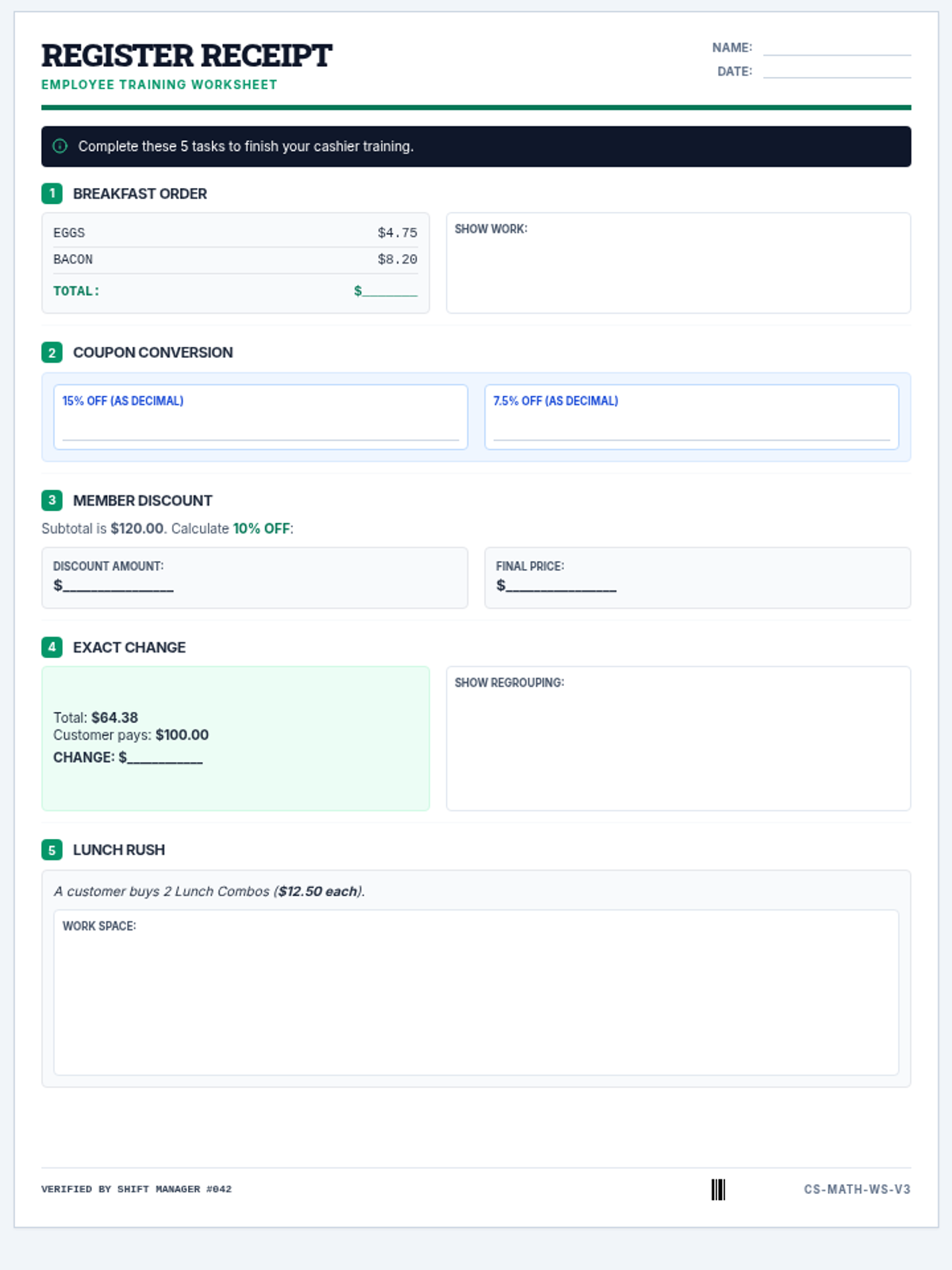
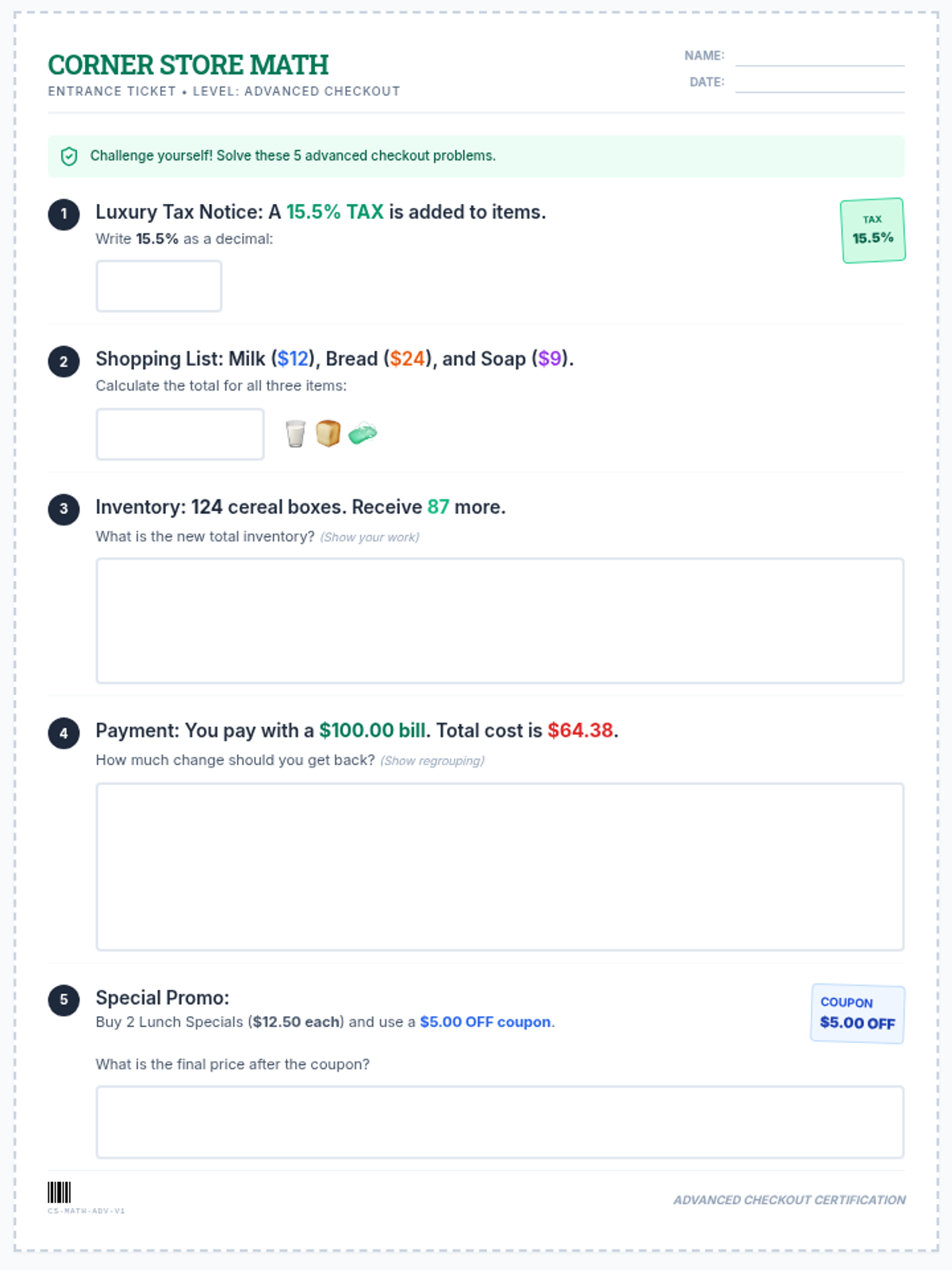
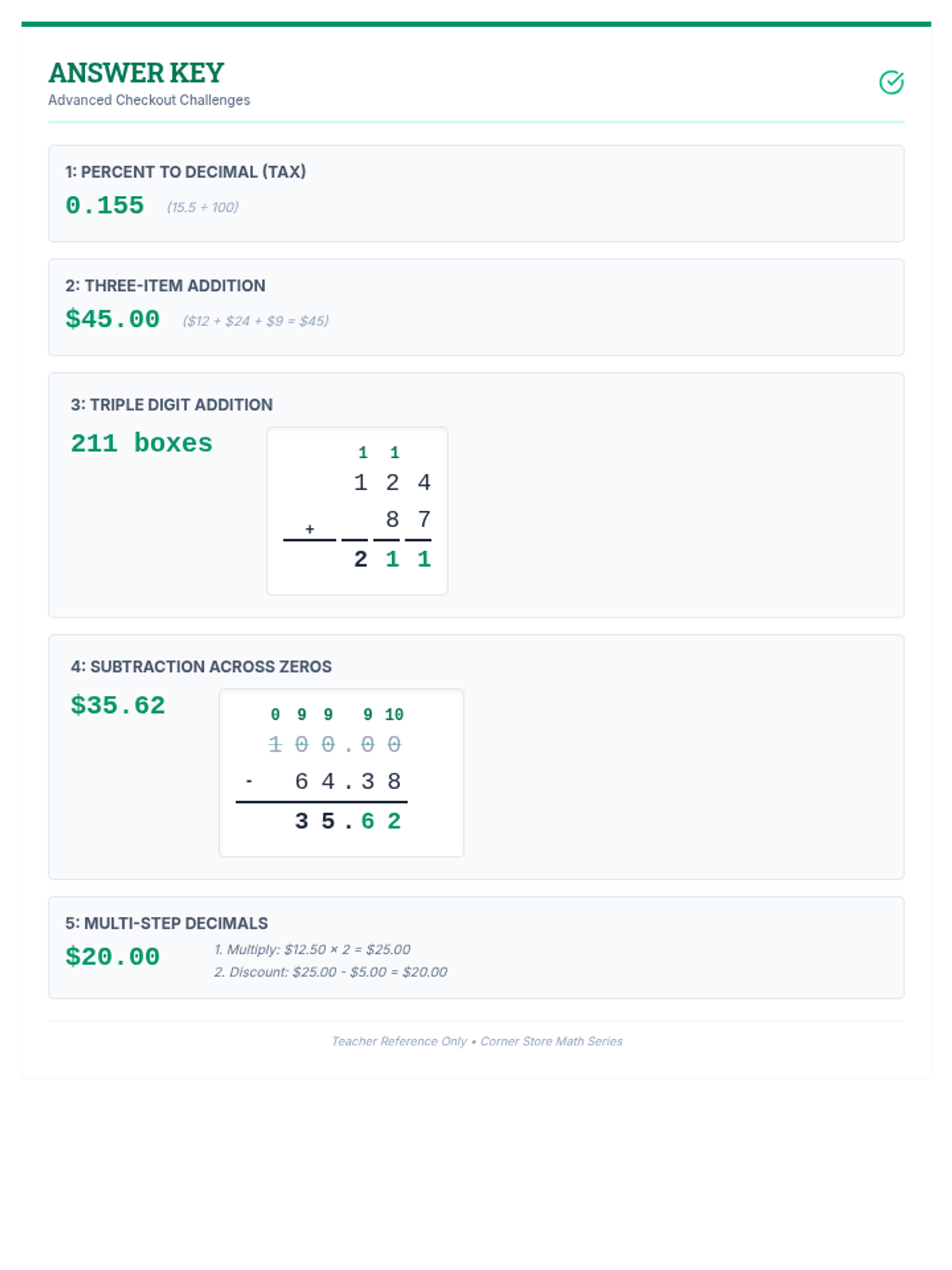
This lesson focuses on practical math applications in a retail setting, covering decimals, percentages, and basic arithmetic with a focus on money management.
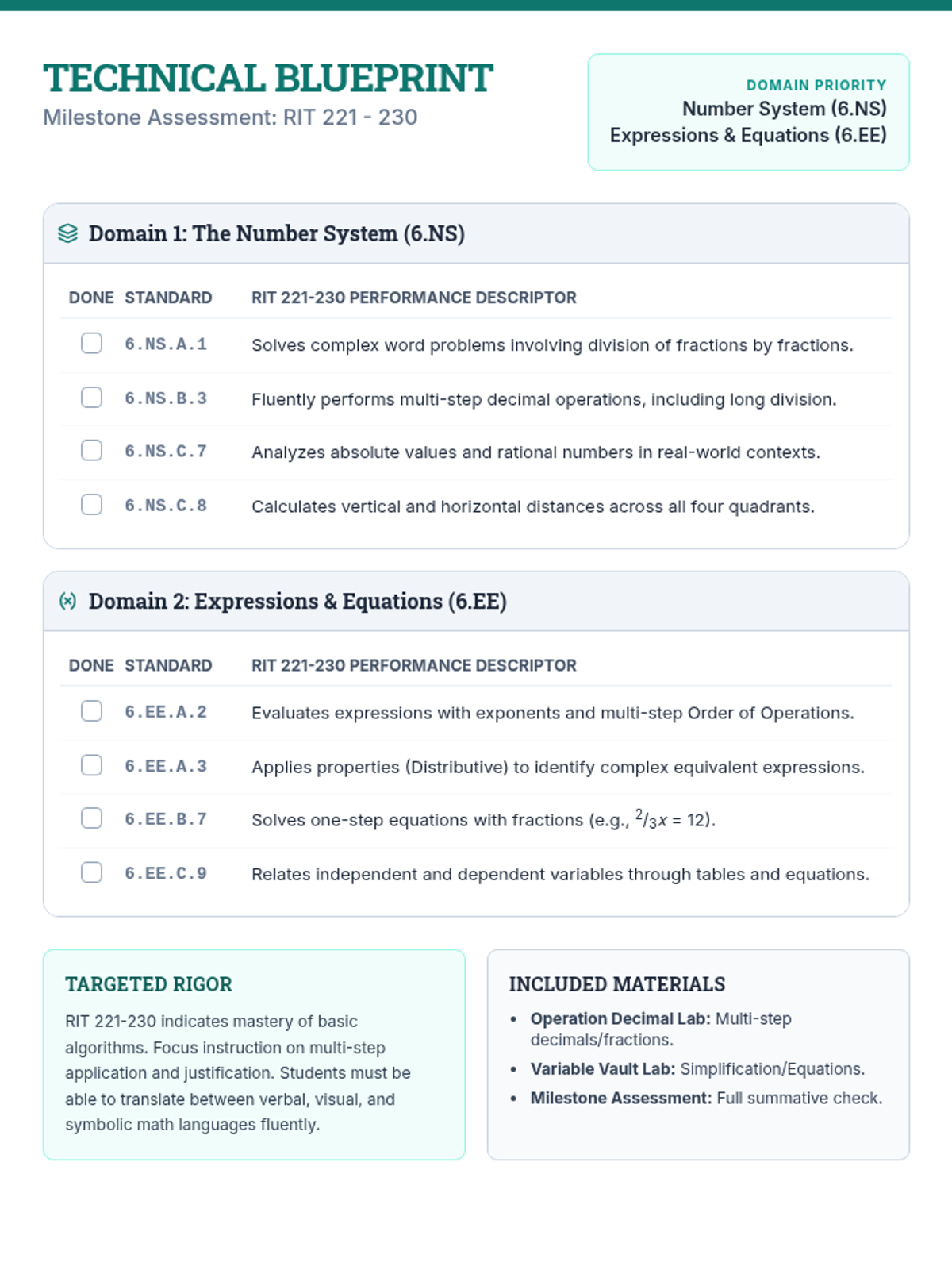
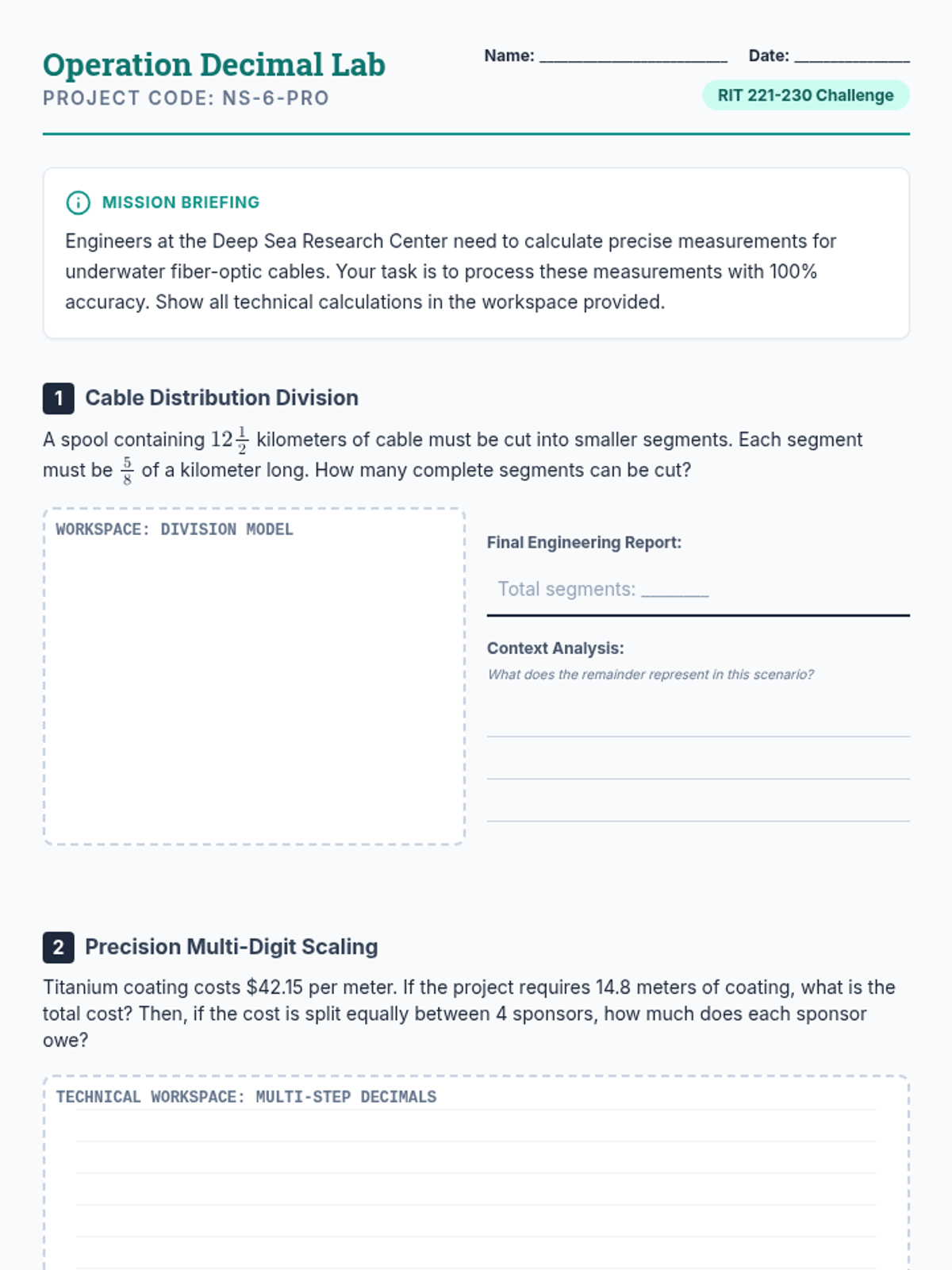
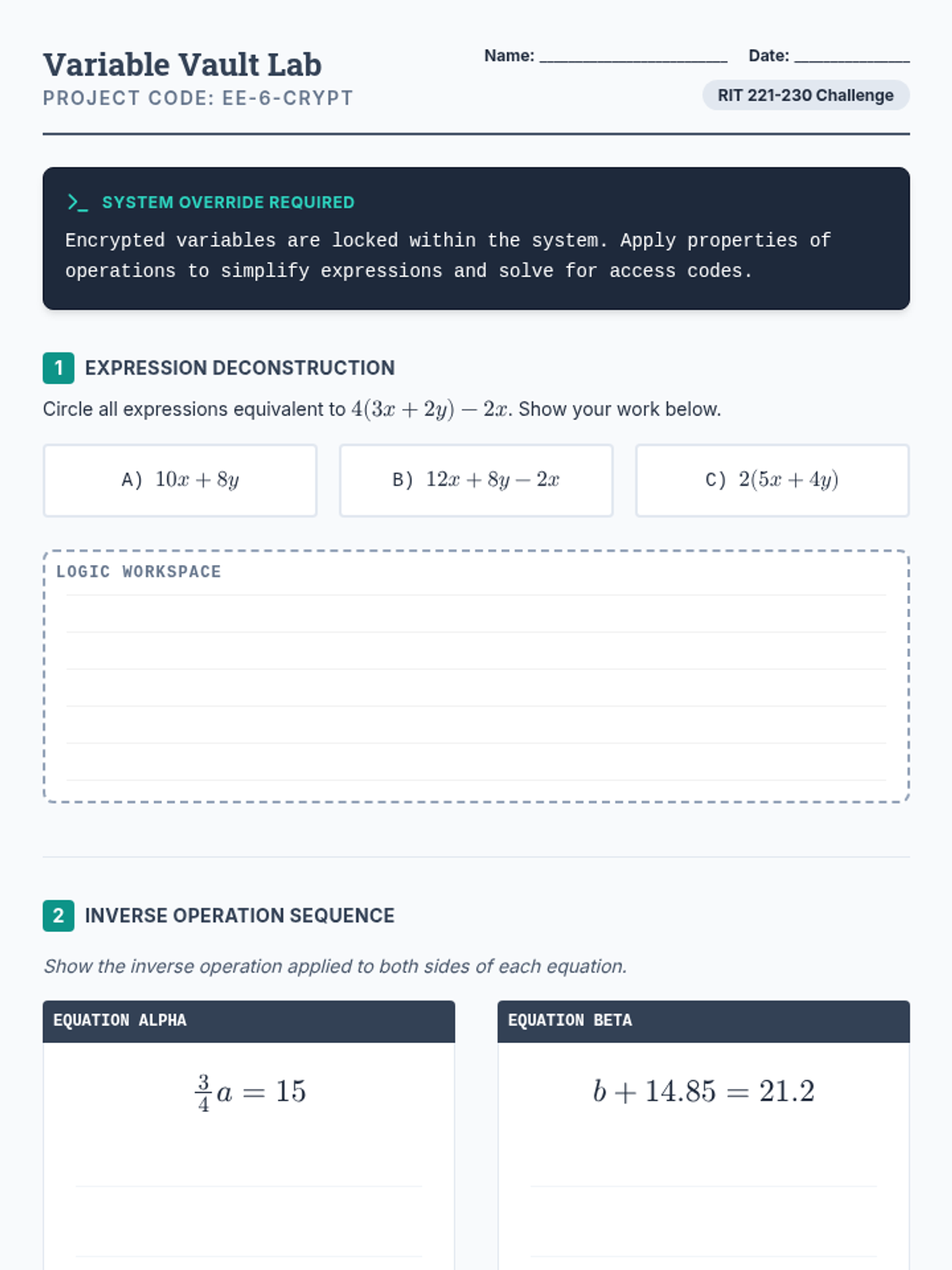
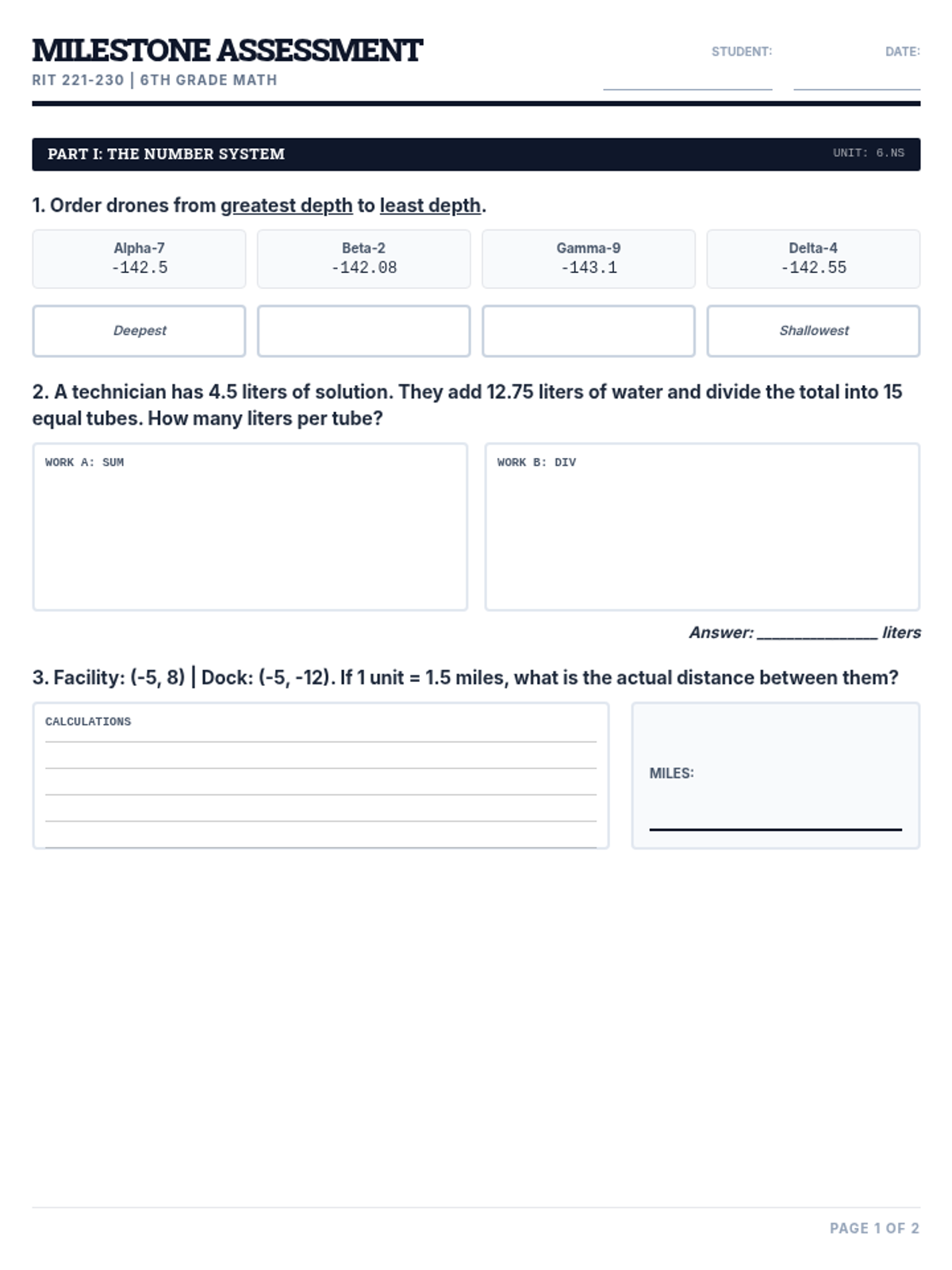
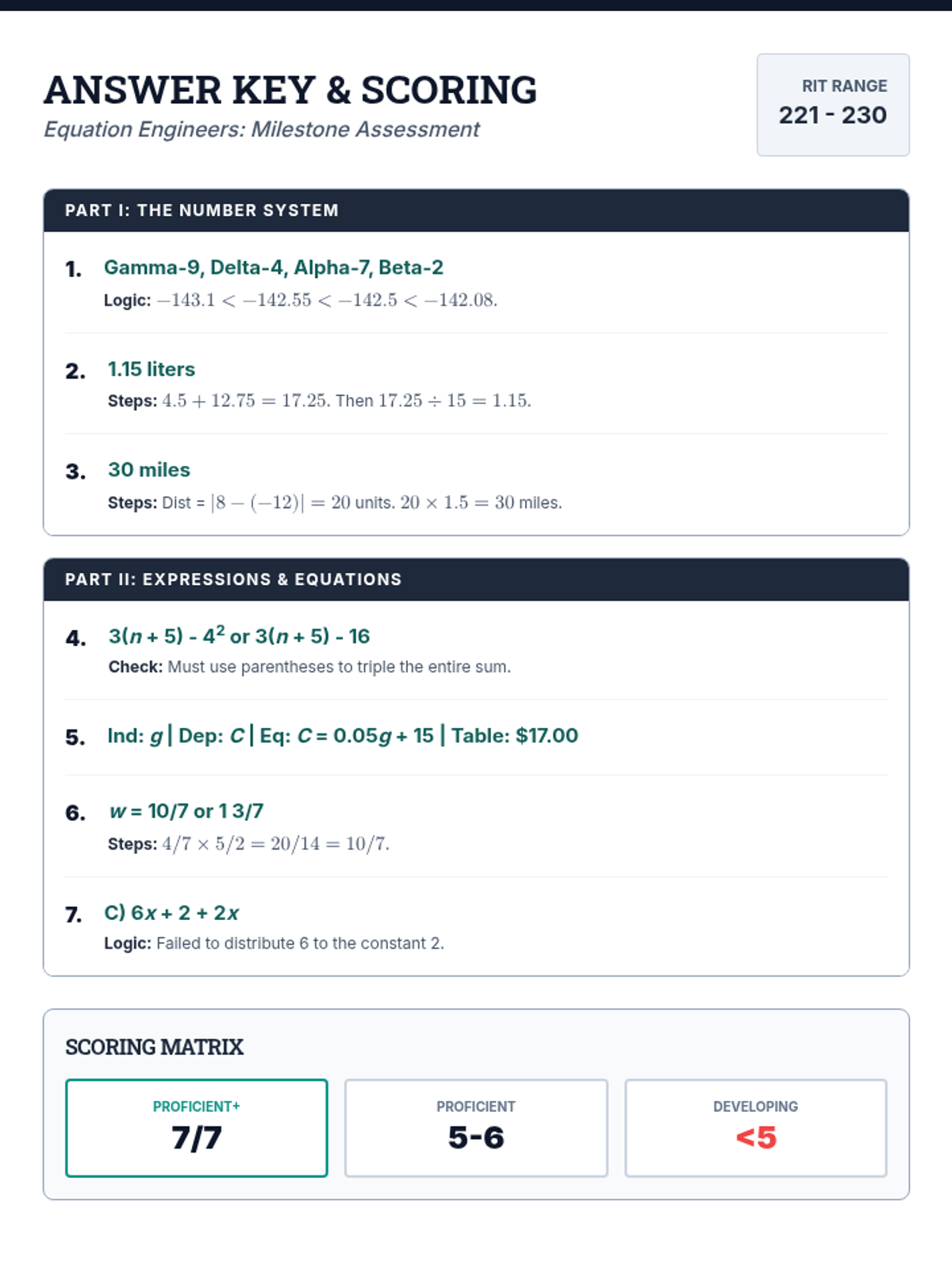
A comprehensive milestone assessment and review unit for 6th-grade students performing in the 221-230 RIT range, focusing on The Number System and Expressions & Equations. Includes a technical blueprint, skill-building lab activities, and a final proficiency assessment.
This lesson focuses on the hierarchical classification of quadrilaterals, helping students understand that subcategories inherit properties from their parent categories.
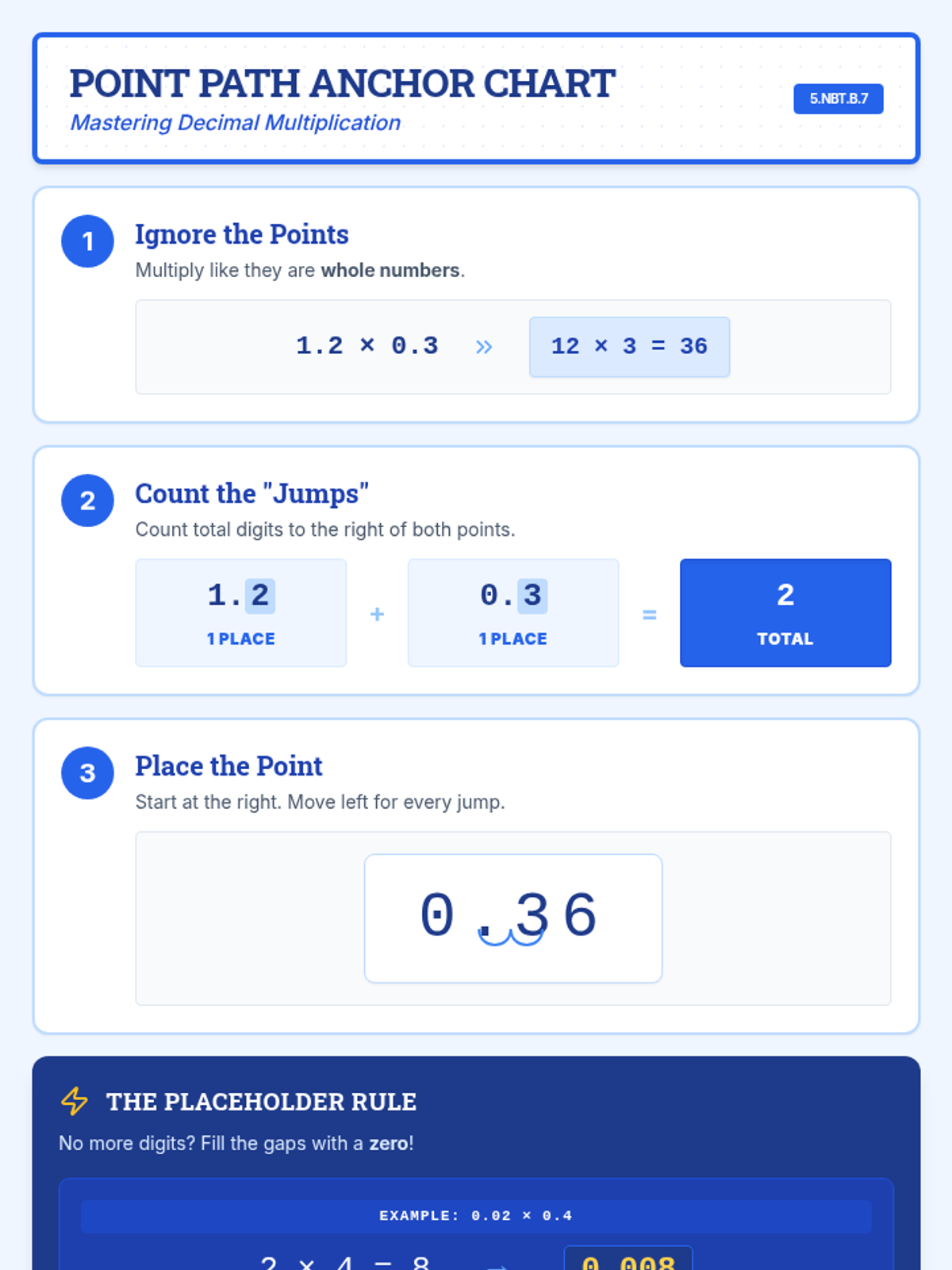
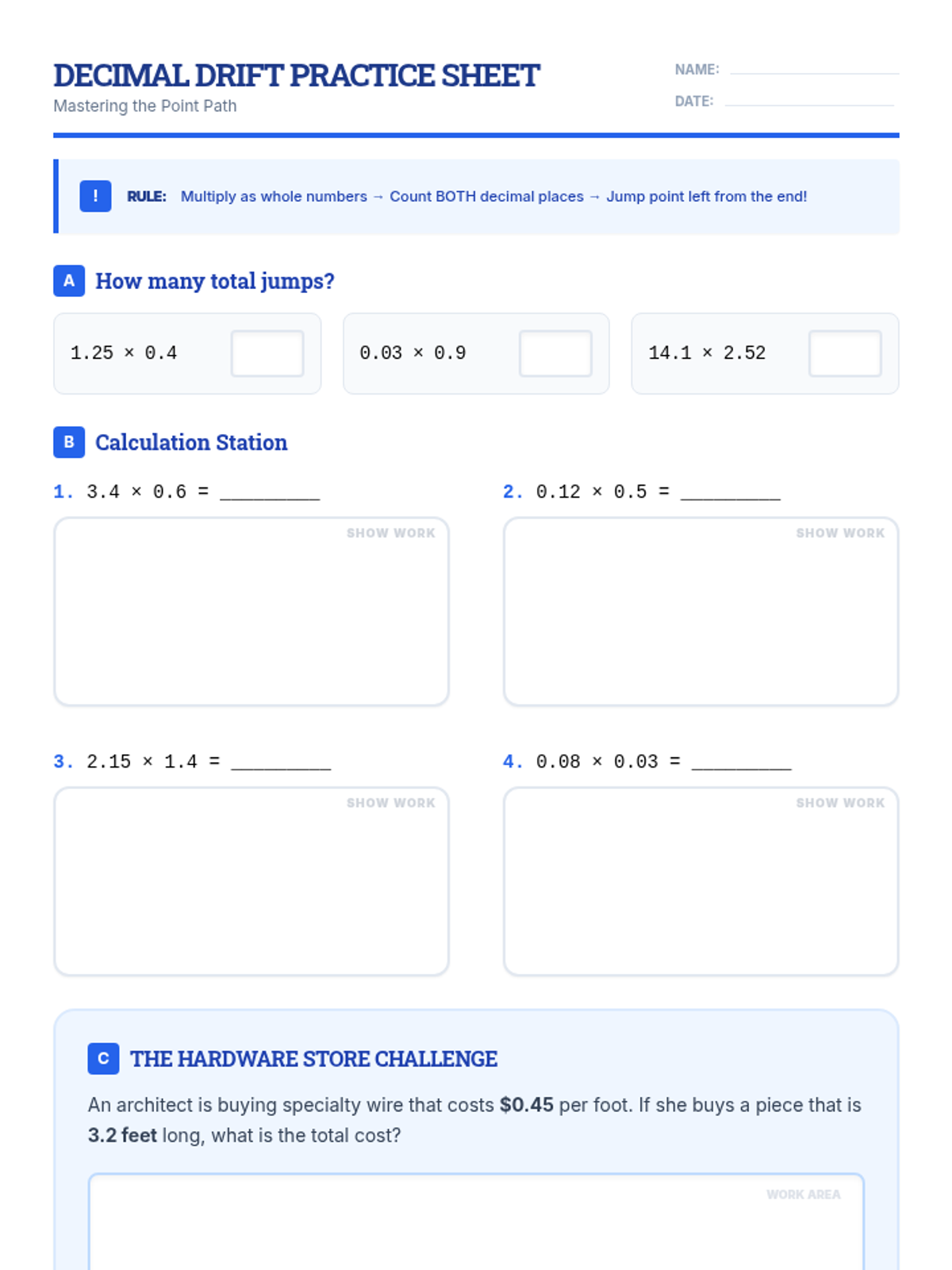
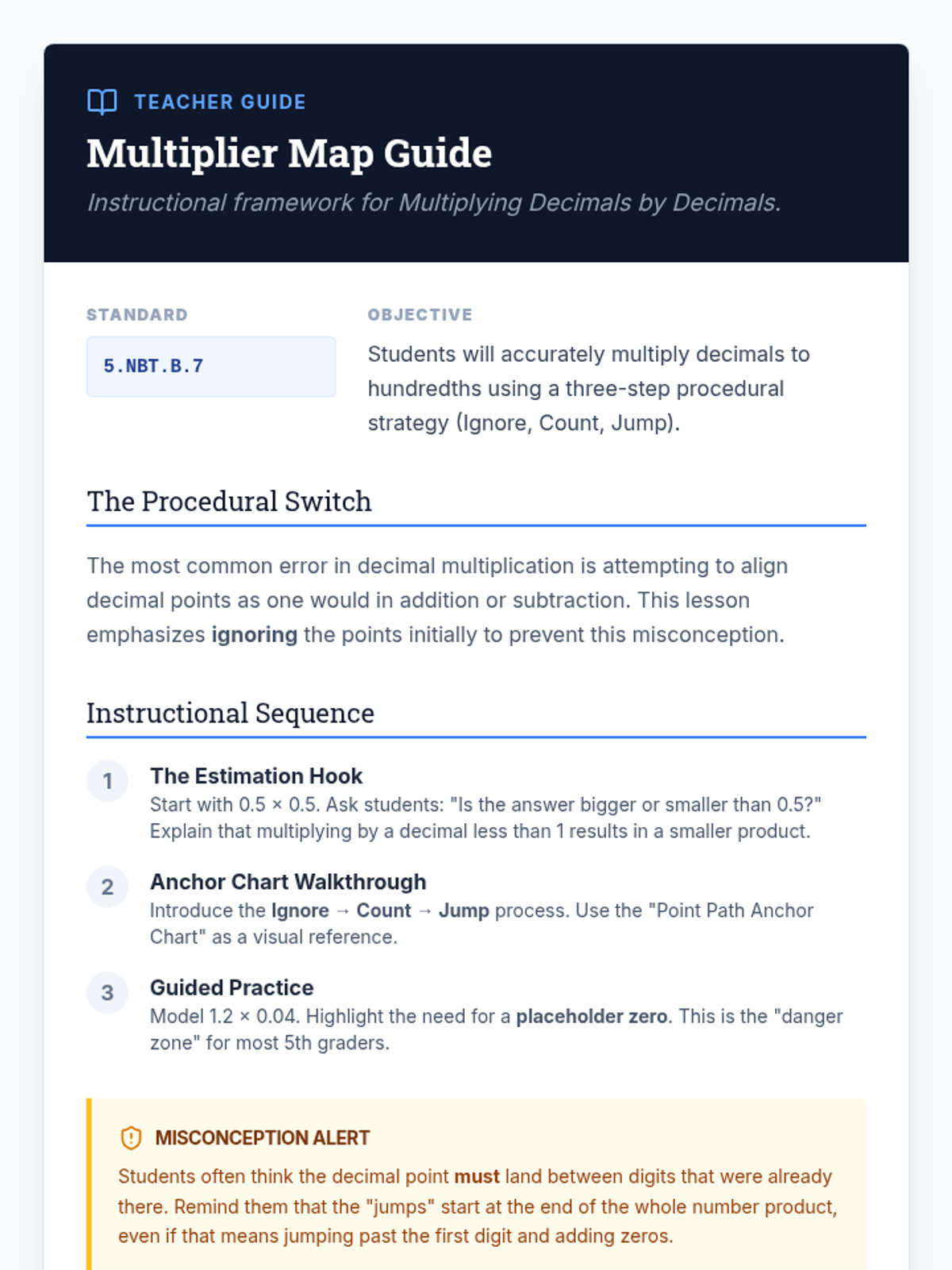
A comprehensive guide to multiplying decimals by decimals using a step-by-step procedural approach. This lesson includes a visual anchor chart for students, a practice worksheet to reinforce the skill, and a teacher guide for effective instruction.
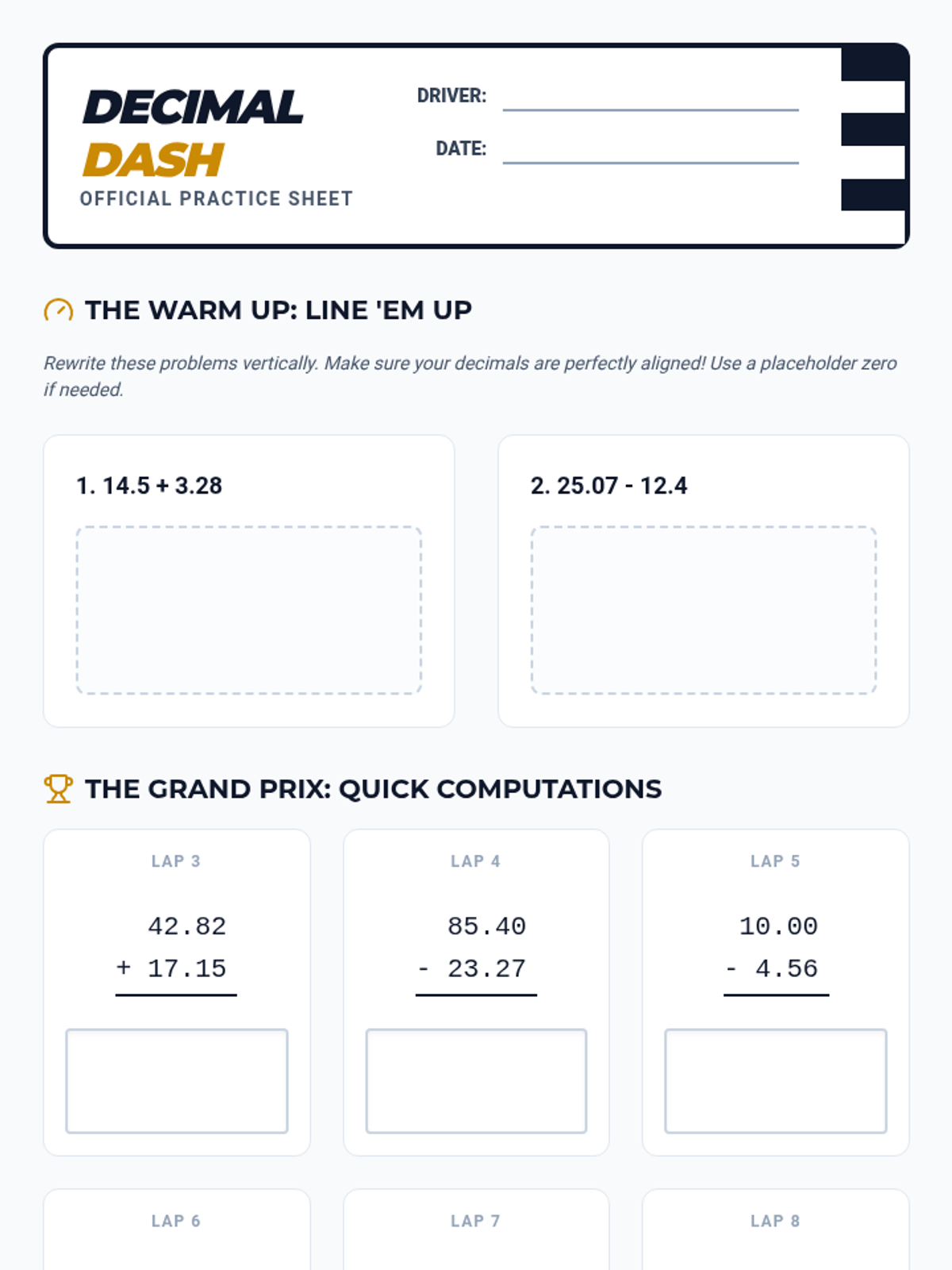
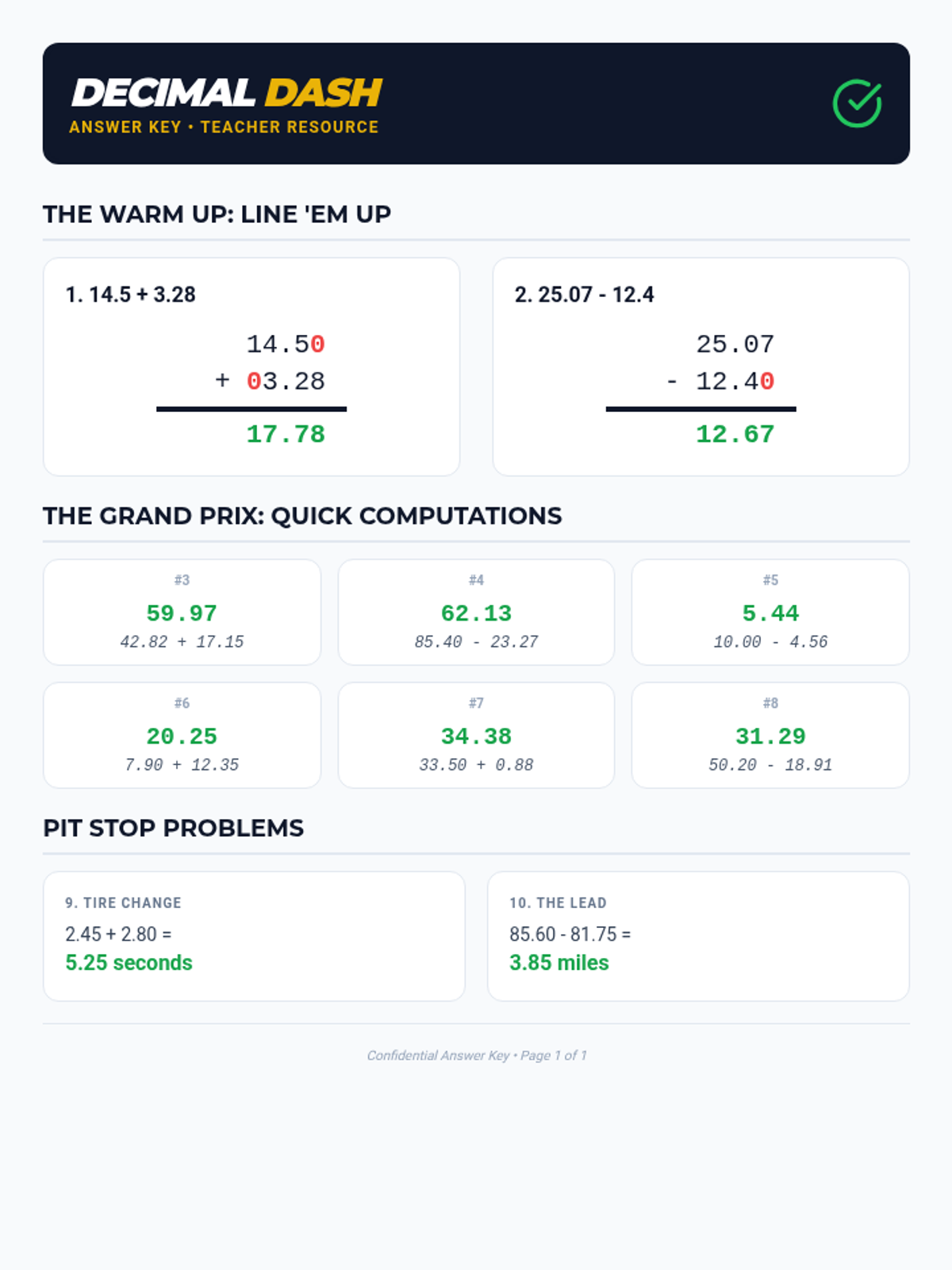
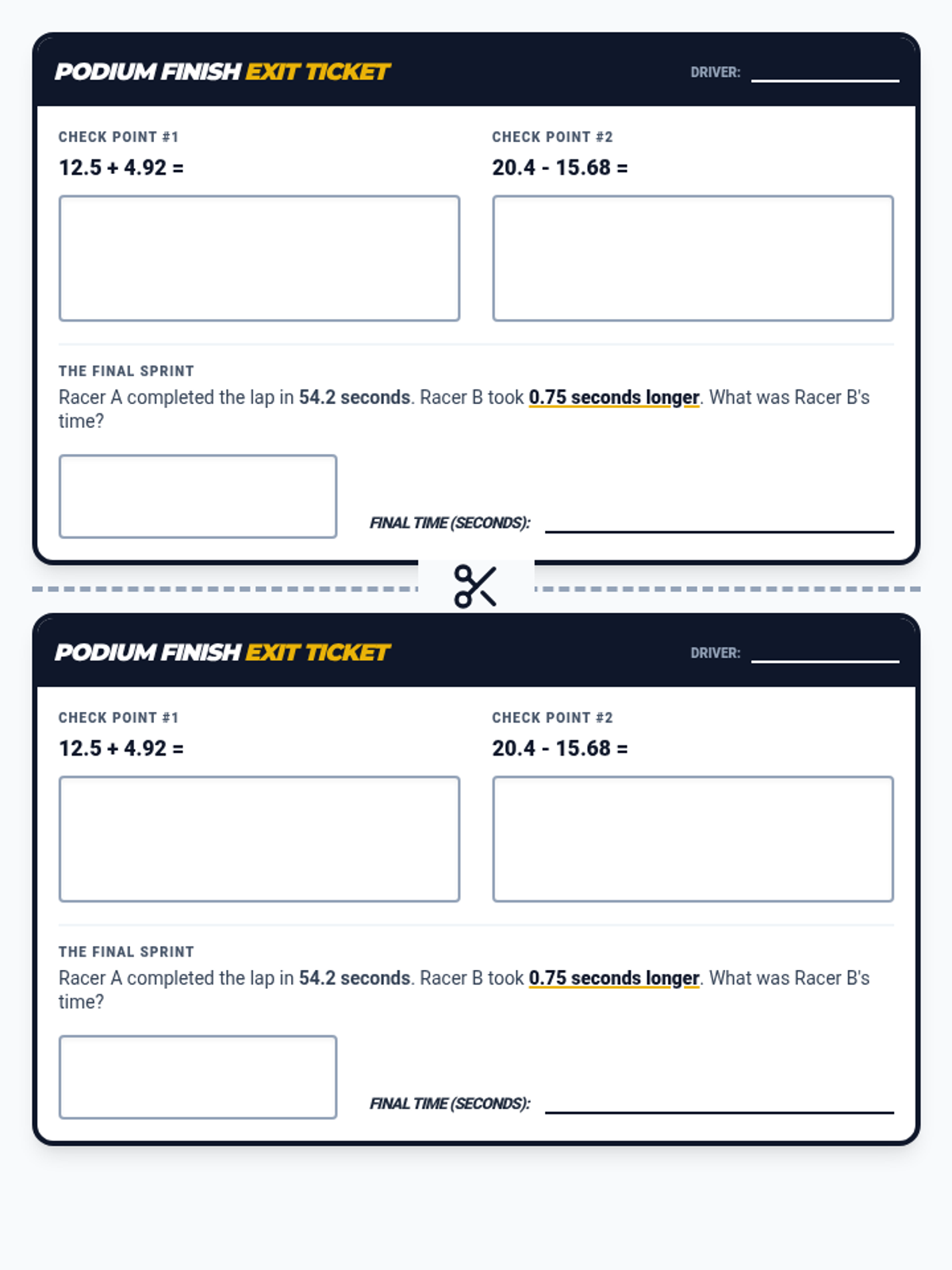
A fast-paced lesson on adding and subtracting decimals through the hundredths place, focusing on the importance of place value alignment. Students will practice lining up decimals and using placeholders to solve real-world racing-themed problems.
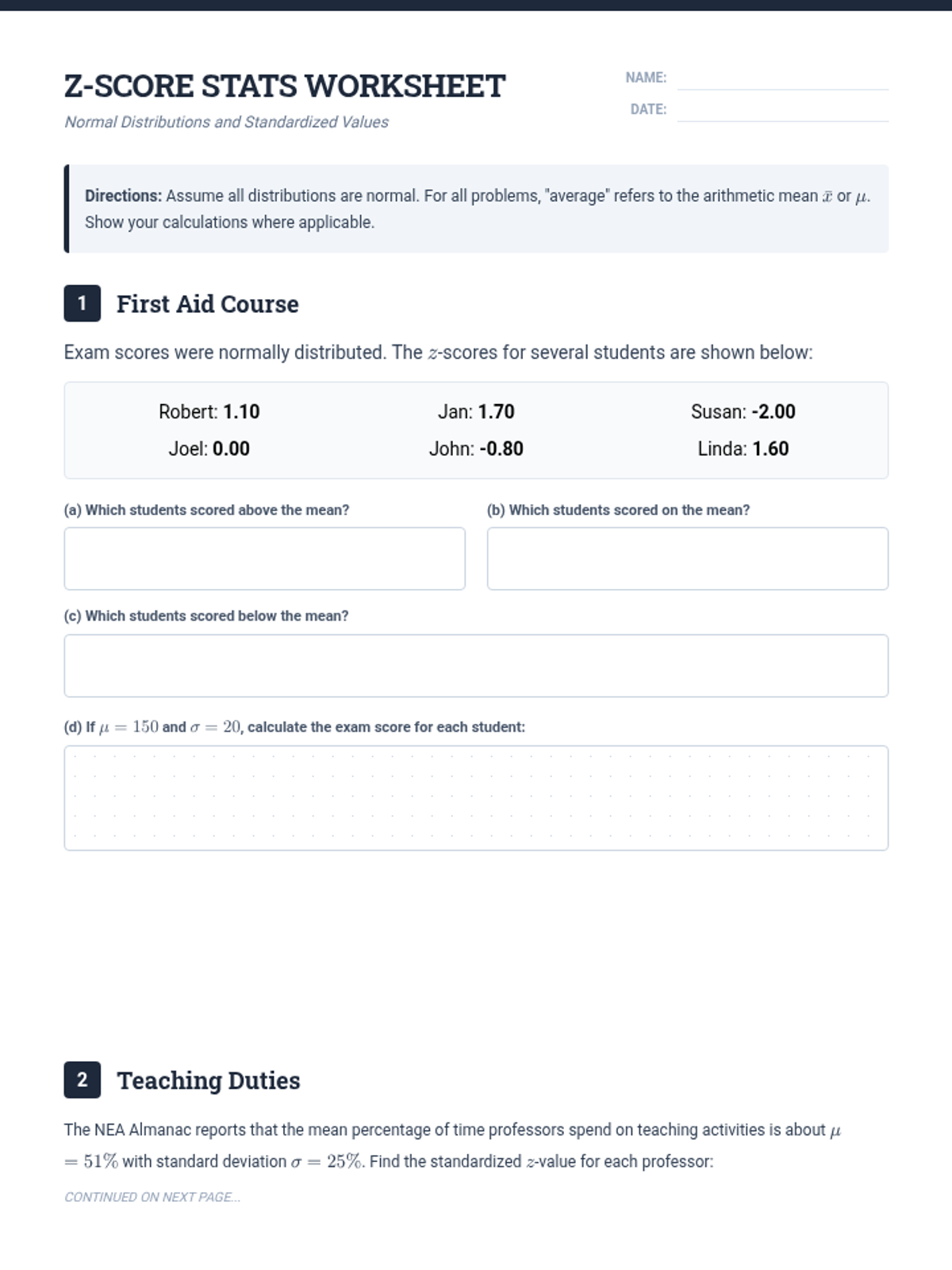
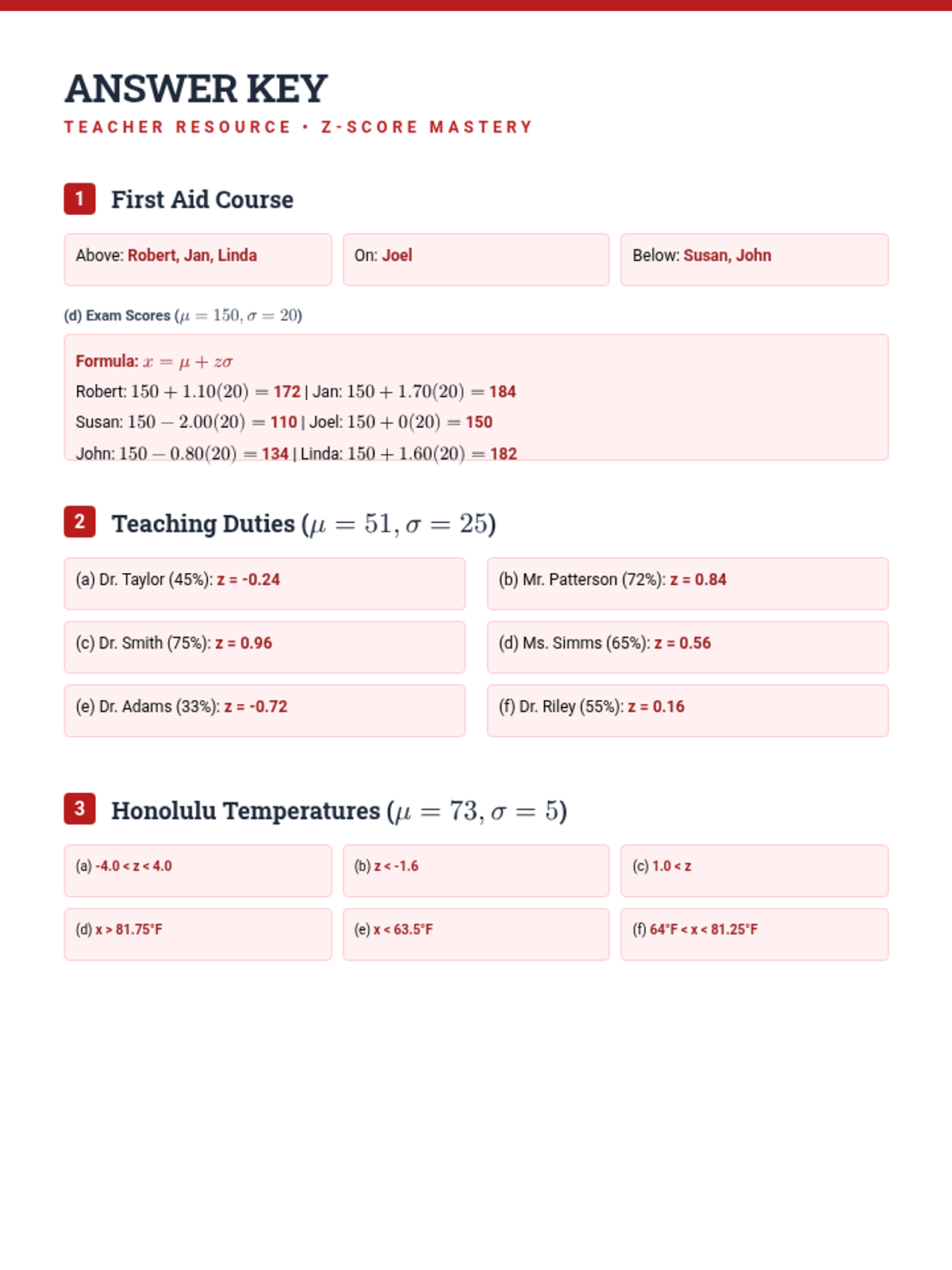
A lesson focused on calculating and interpreting z-scores within the context of normal distributions, featuring real-world data from ecology to education.
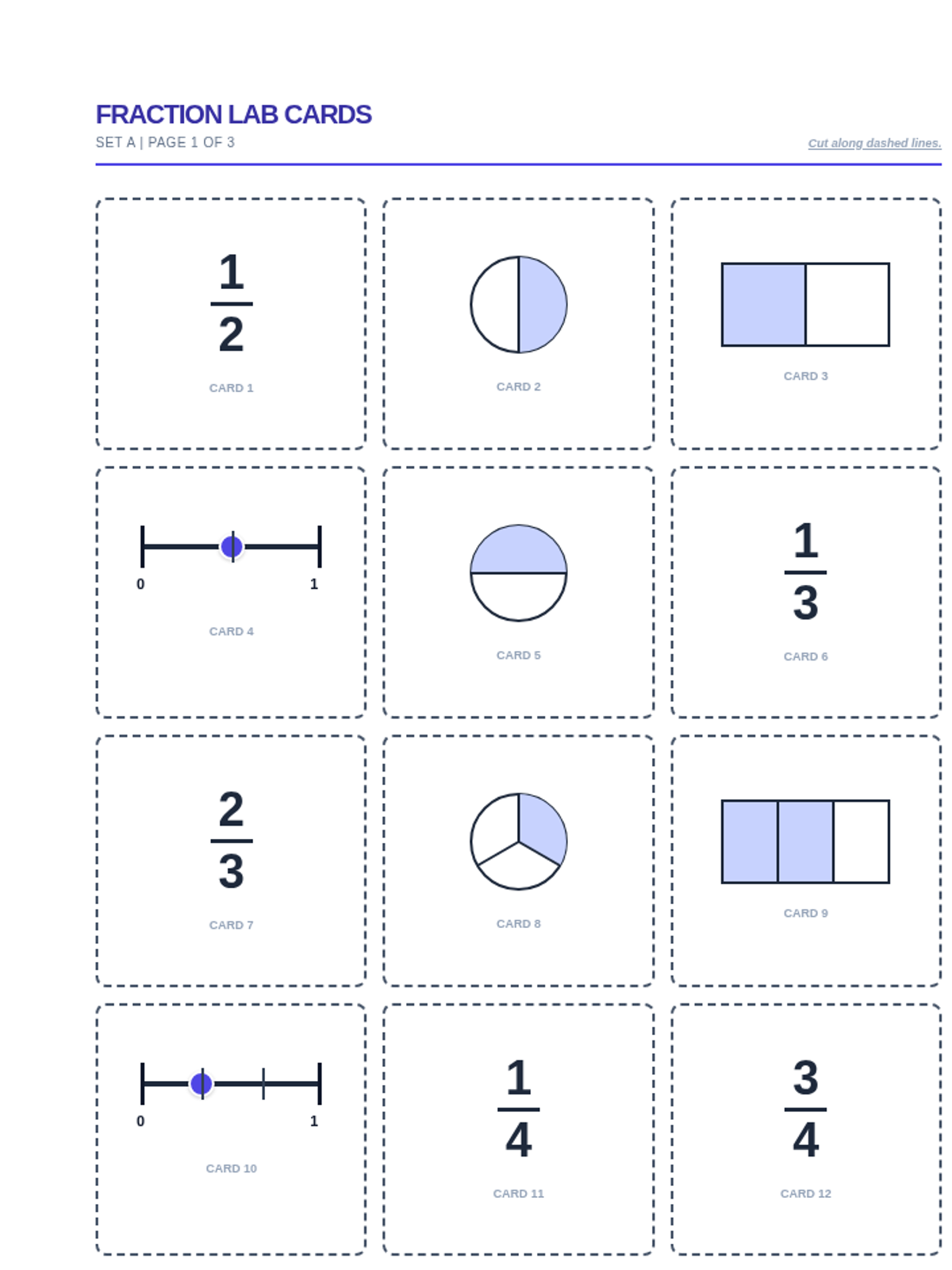
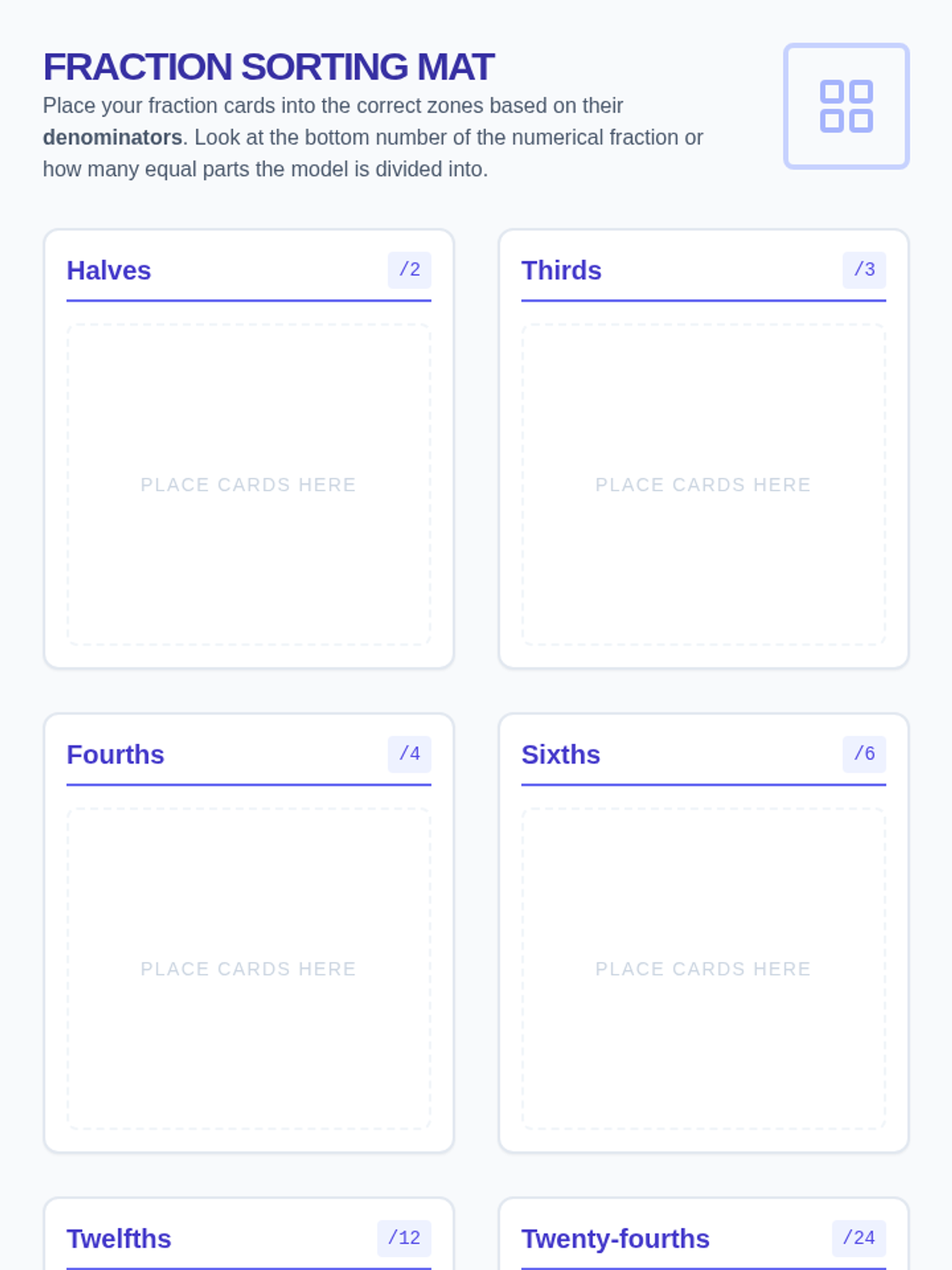
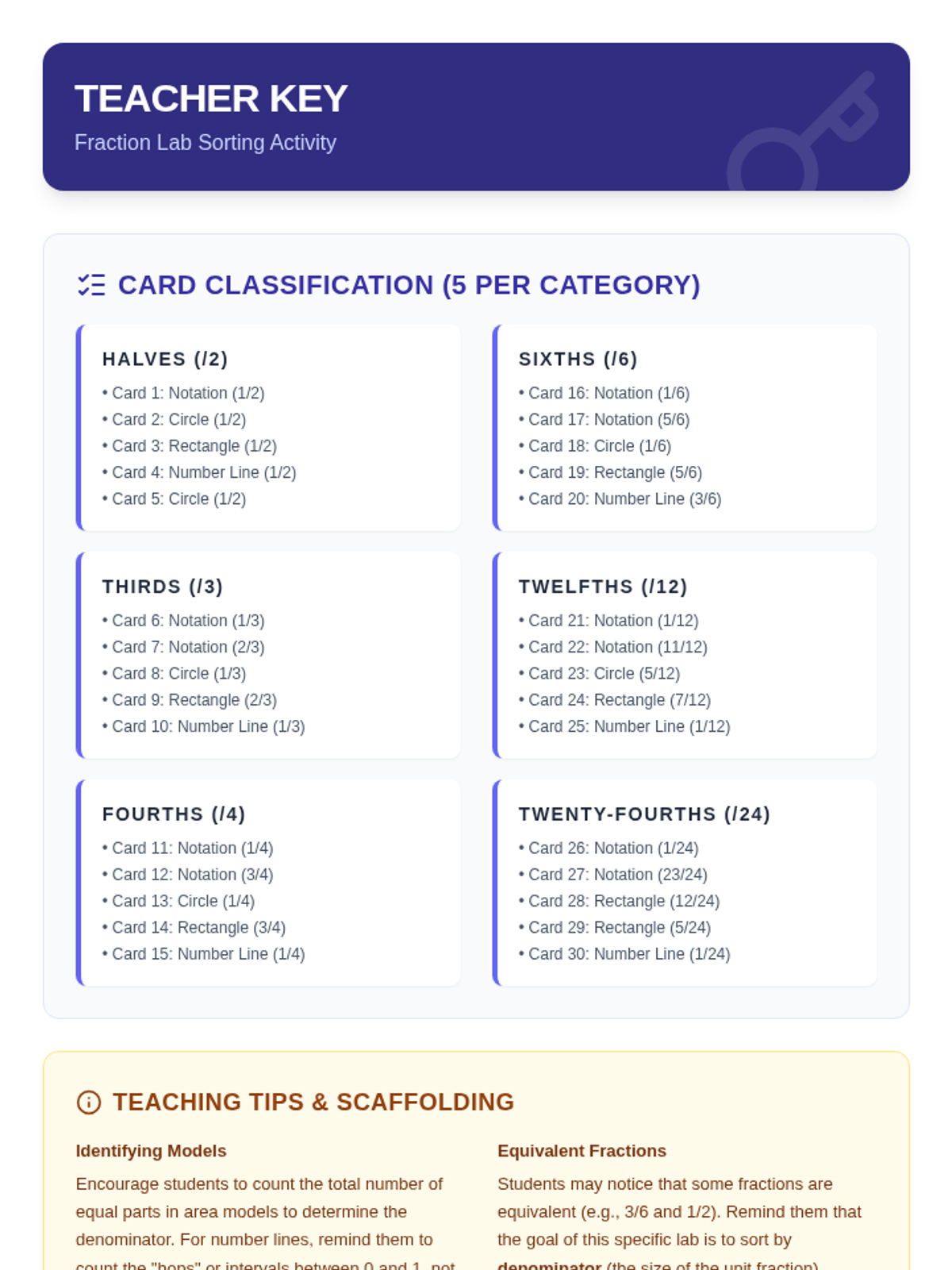
A hands-on exploration of fractions where students identify and sort fractions based on their denominators using various representations including number lines, area models, and numerical forms.
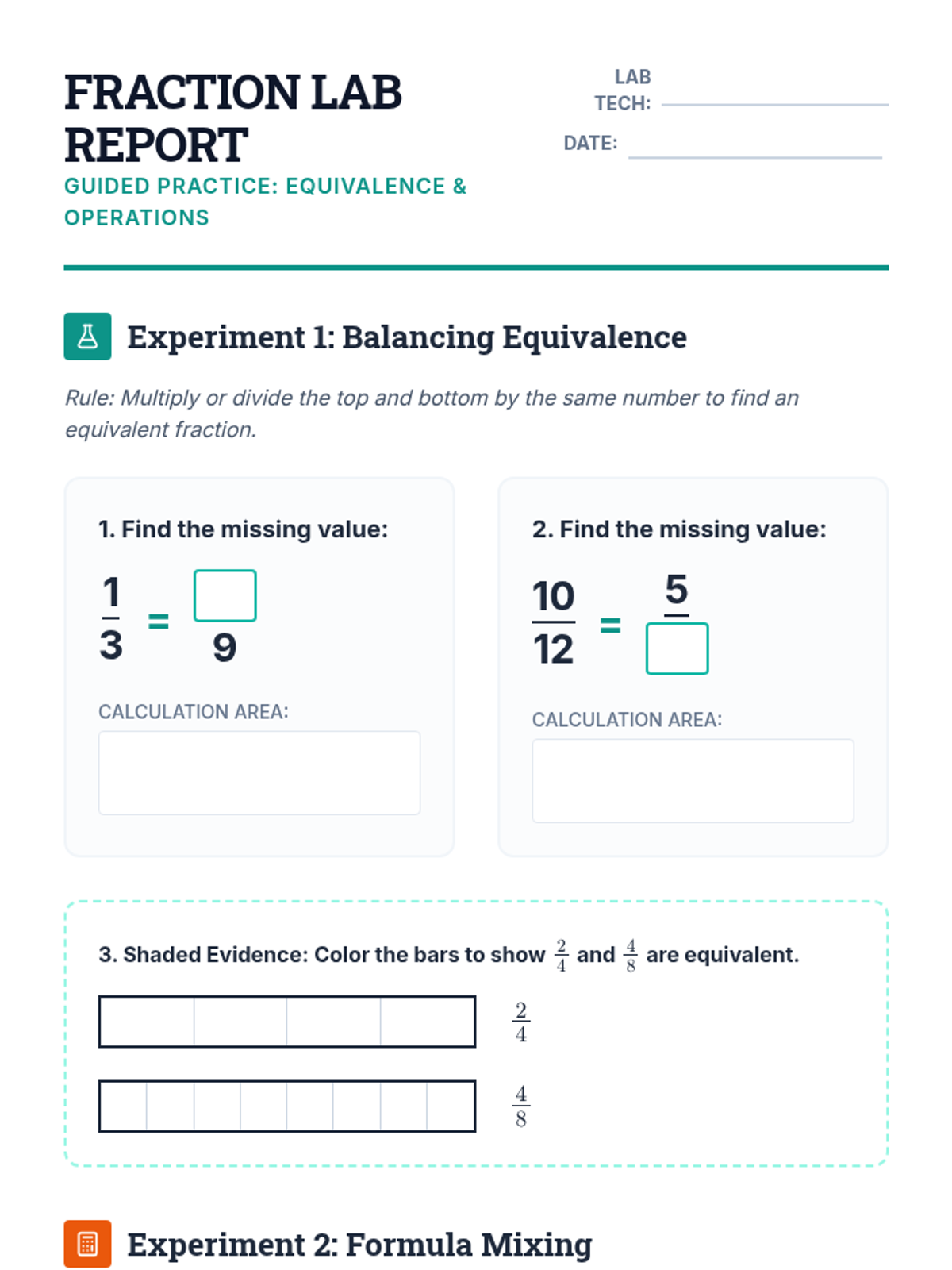
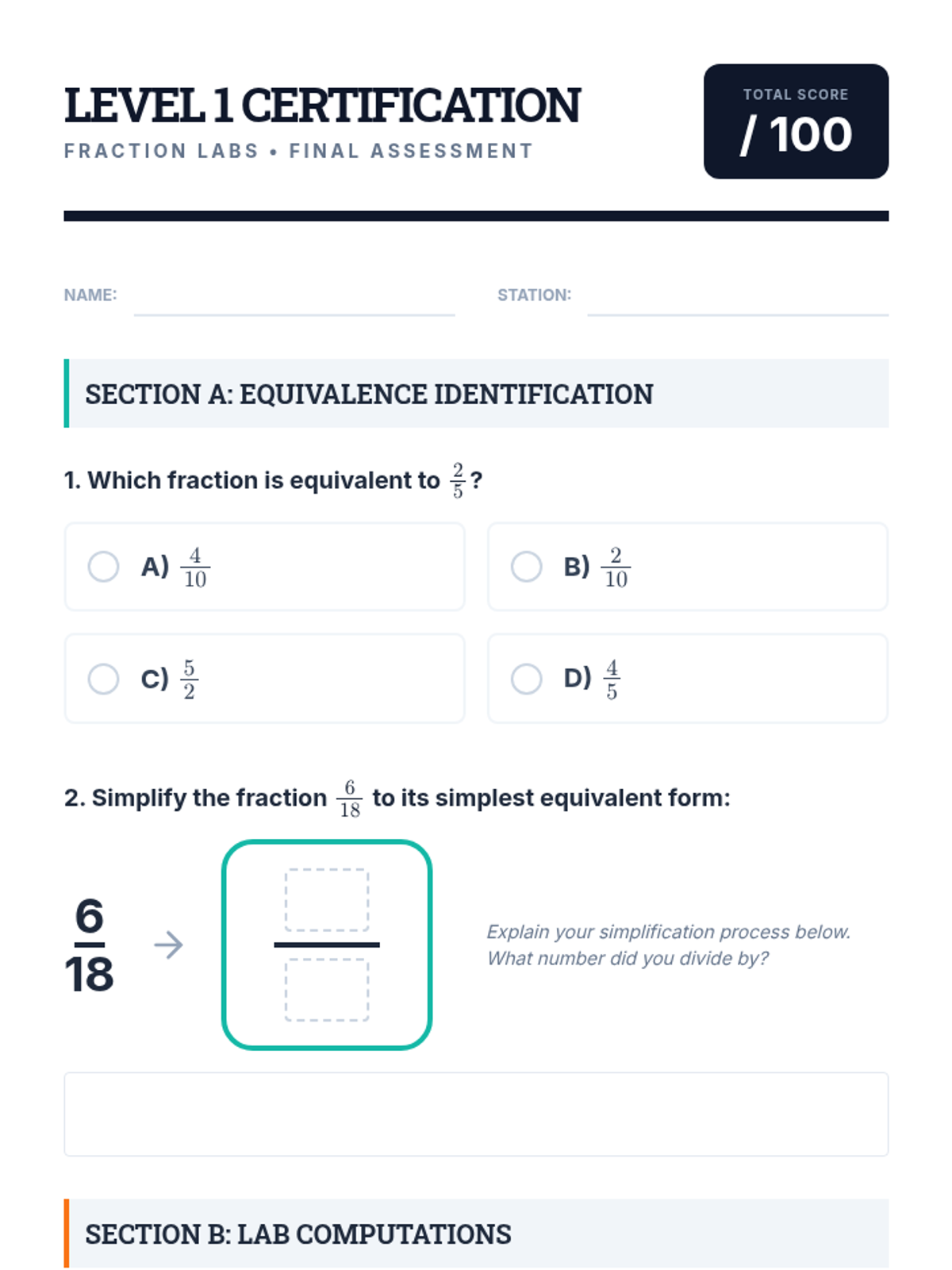
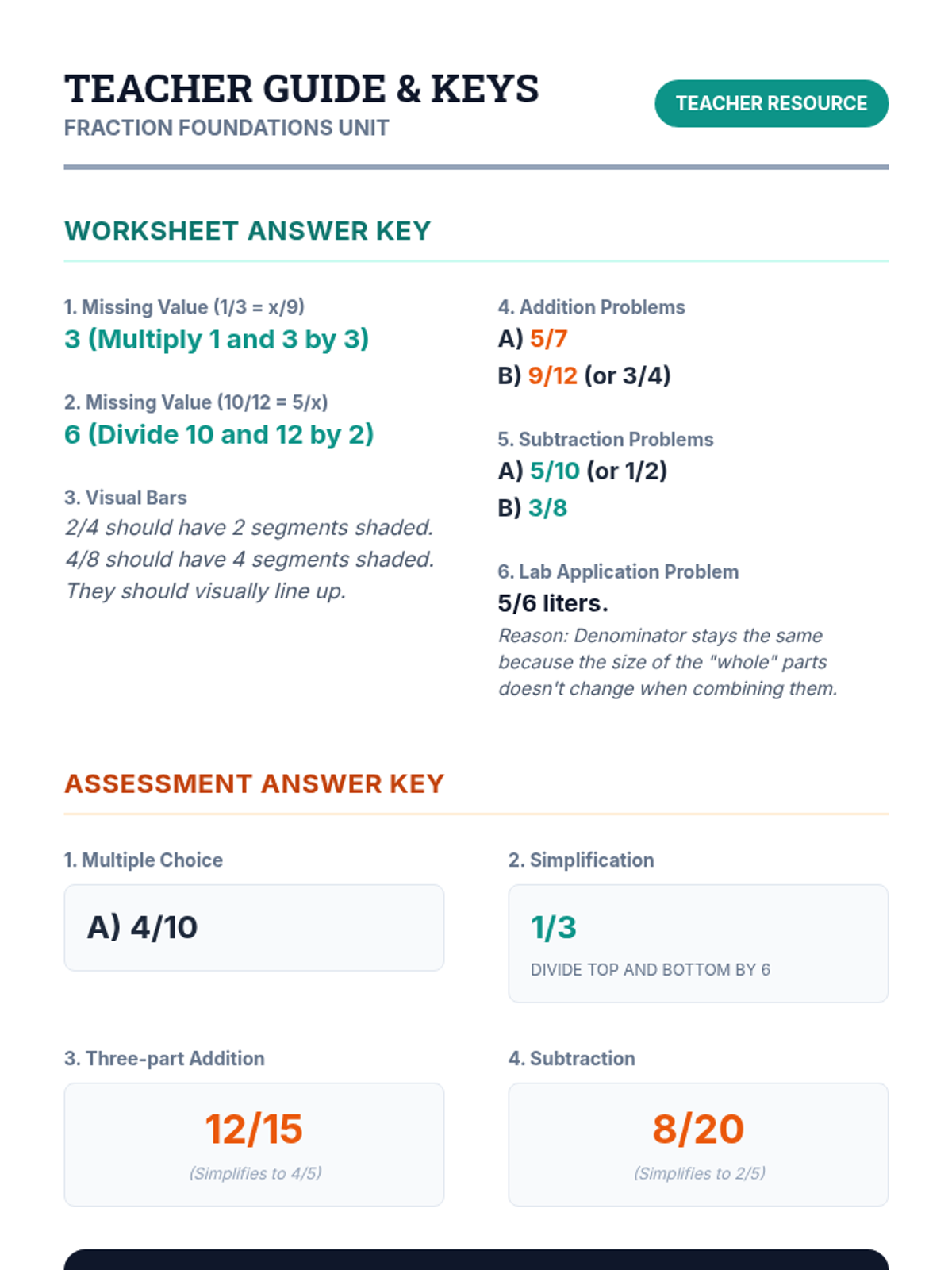
A comprehensive lesson on equivalent fractions and adding/subtracting fractions with like denominators, featuring a science lab theme.
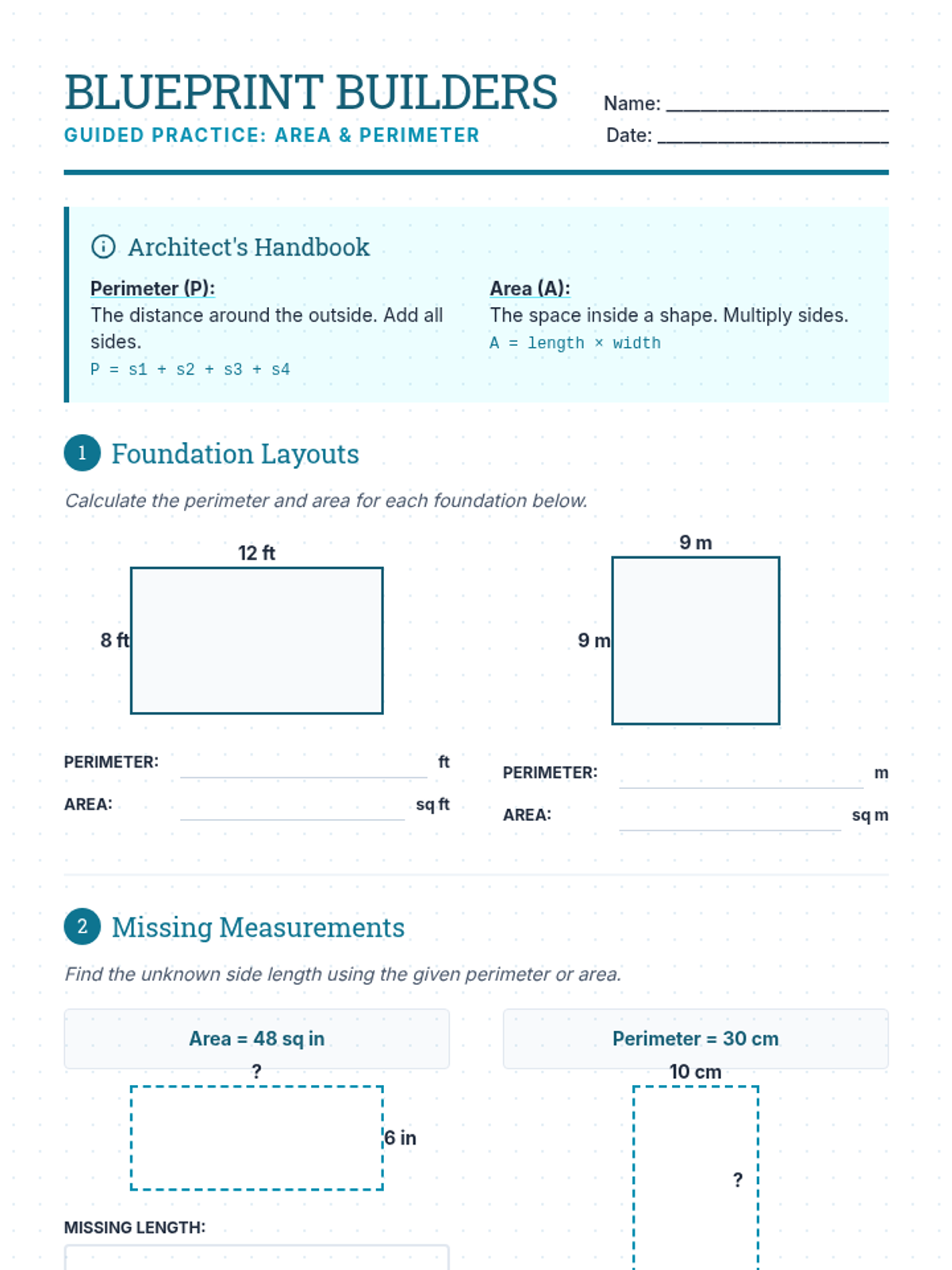
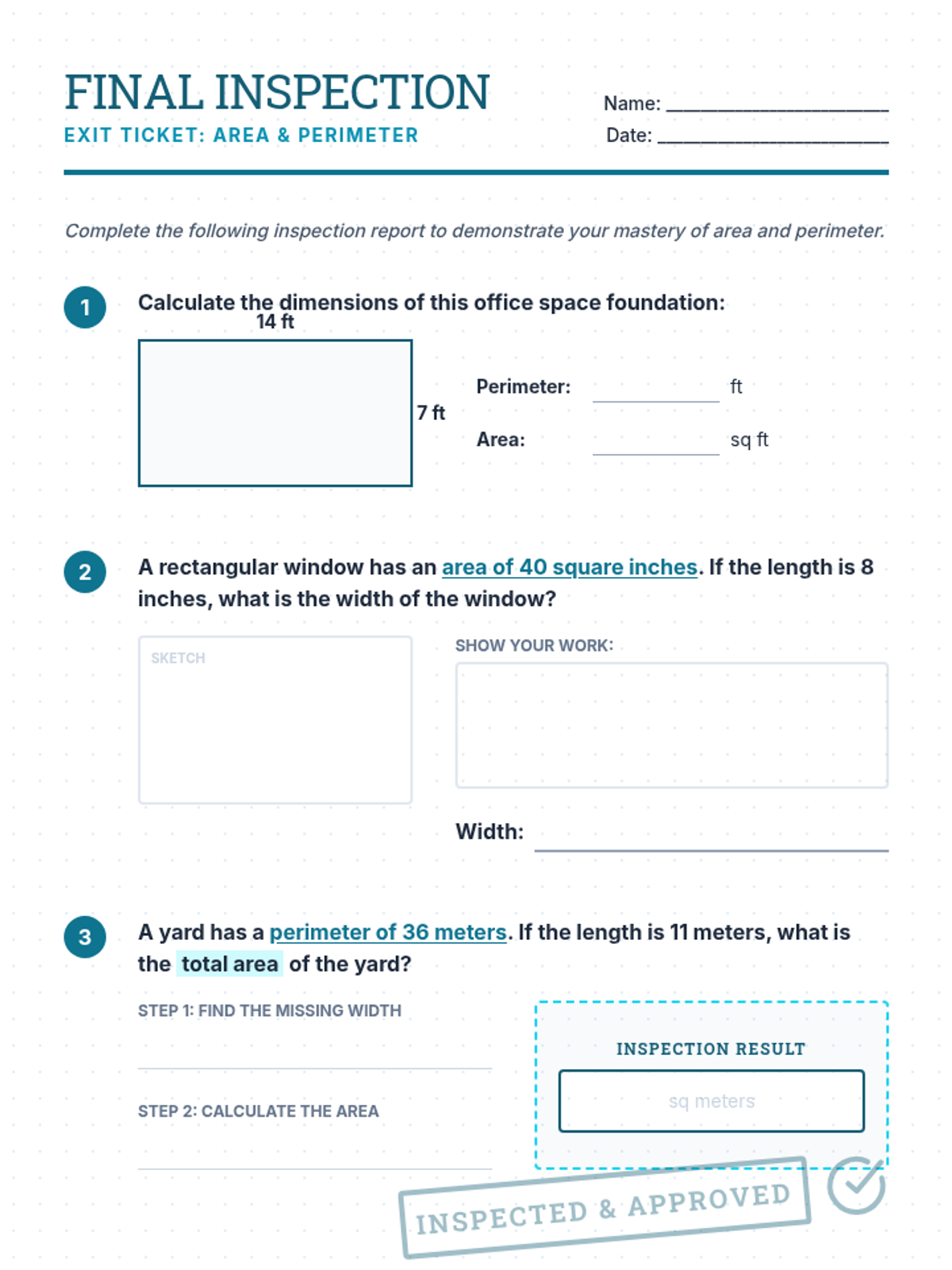
A lesson focused on solving real-world area and perimeter problems, including finding unknown side lengths and comparing rectangles with different dimensions but shared properties. Students act as junior architects to design and analyze blueprints.