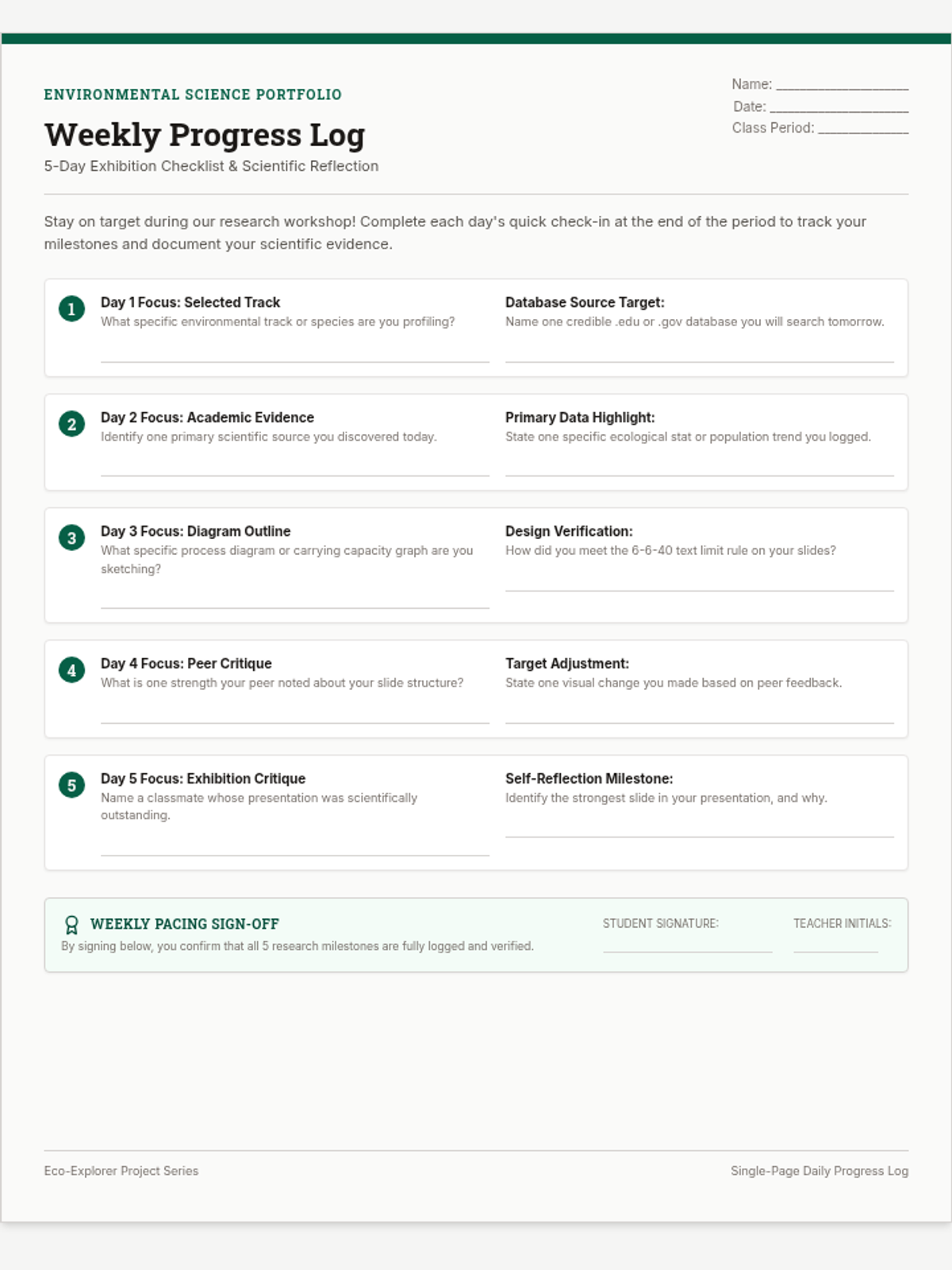
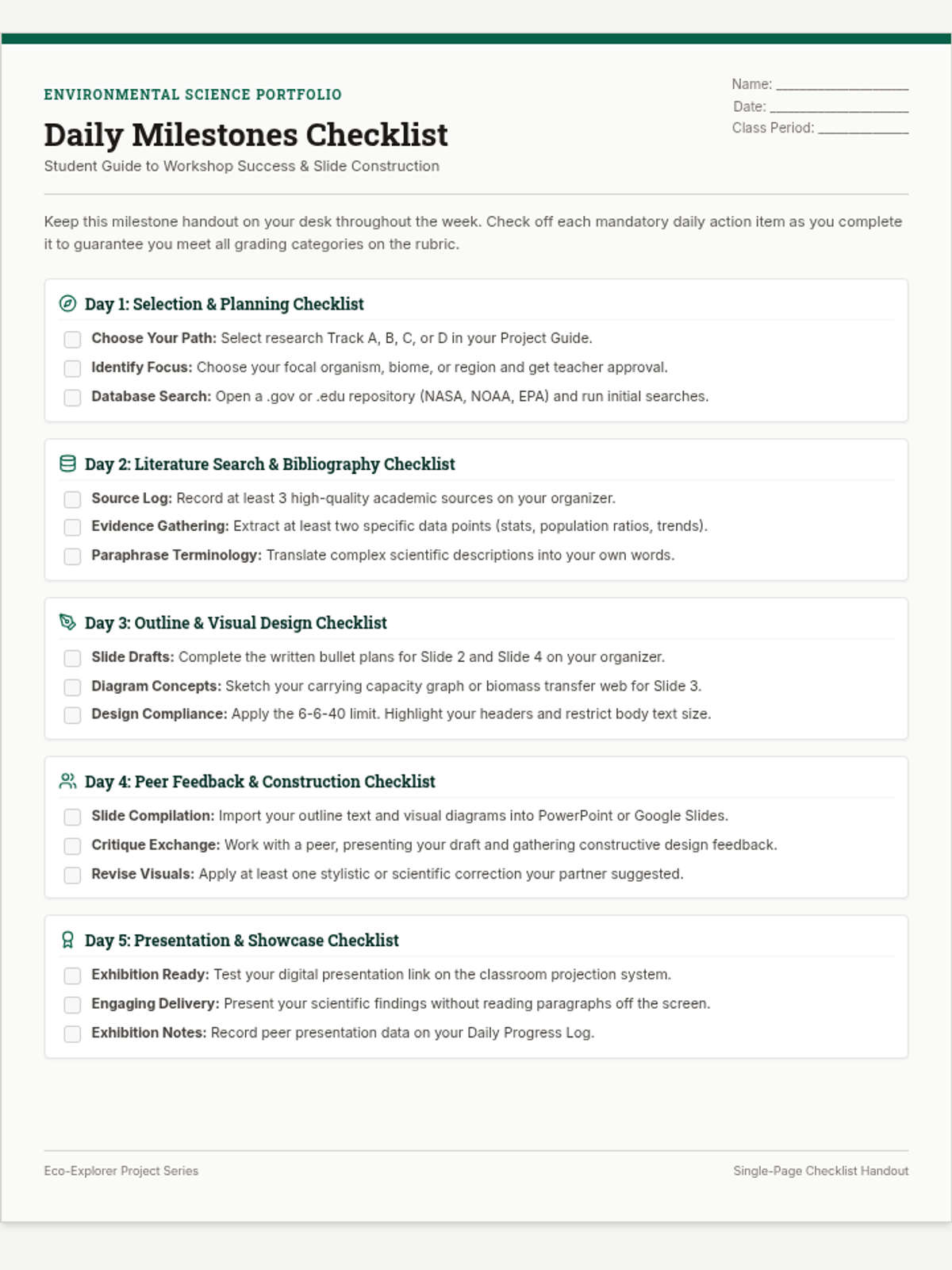
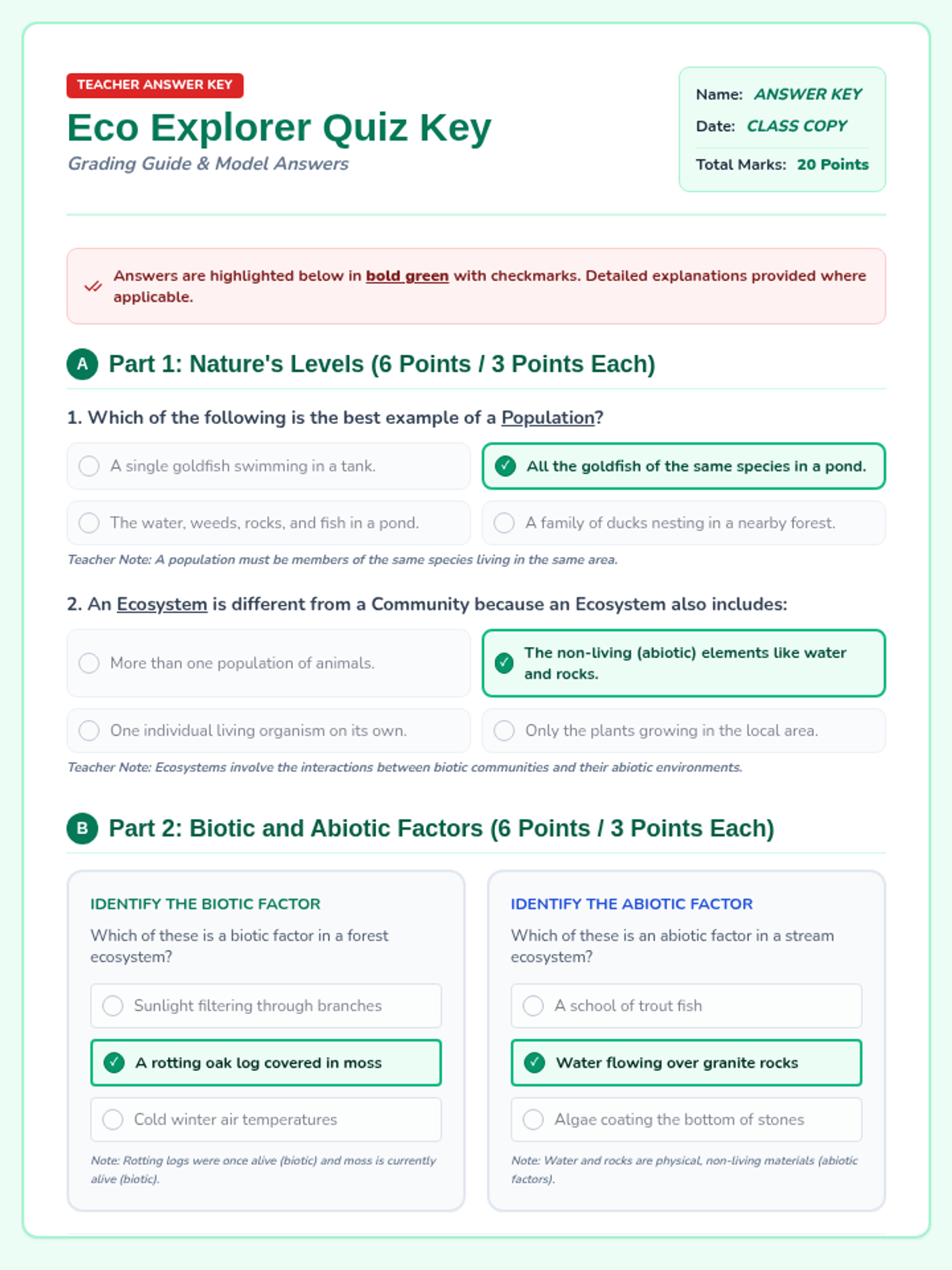
A comprehensive project-based assessment where students act as conservation agents to analyze threatened ecosystems, evaluate HIPPCO threats, and propose multi-layered solutions to preserve biodiversity.
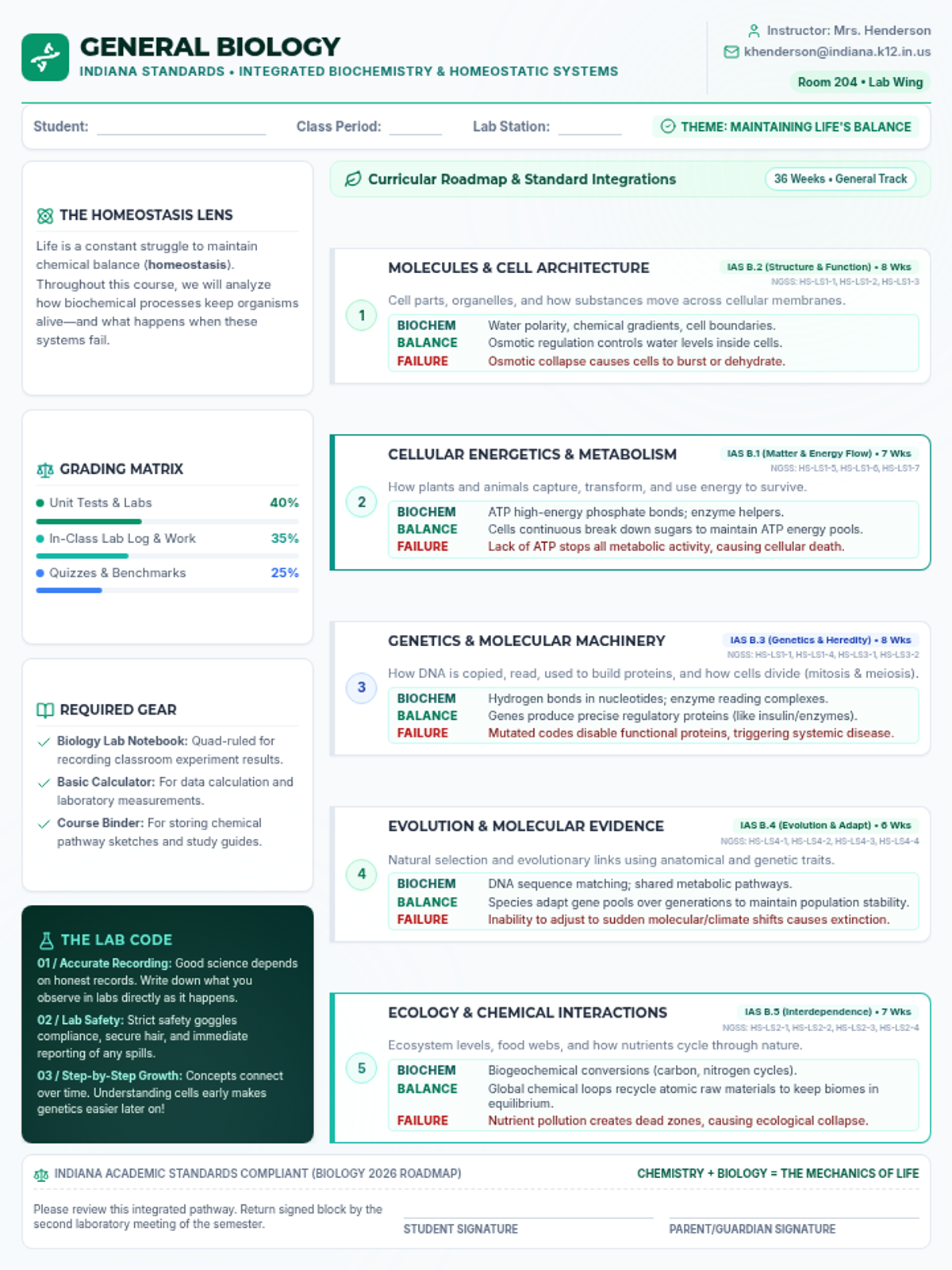
A specialized study support lesson for a veterinary assistant student, focusing on high-frequency terminology and Lesson 5.1 concepts (housing, sanitation, and nutrition) through dual coding, errorless learning, and visual anchor charts.
An introductory lesson on the various methods used to extract minerals and resources from the Earth, covering surface, underground, placer, and in-situ mining techniques.
An exploration of thermal pollution, its industrial and environmental causes, and its devastating effects on aquatic biodiversity and oxygen levels. Students analyze case studies to understand the real-world impact of temperature shifts in water systems.
A 45-minute lesson exploring how we measure light pollution and its profound impact on marine ecosystems, habitat connectivity, and predator-prey relationships. Students analyze case studies of sea turtles and nocturnal hunters to understand the ecological cost of a world that never gets dark.
A comprehensive lesson exploring noise pollution, its measurement in decibels, and its diverse impacts on ecosystems, urban policy, and schools.
Students will explore the frameworks of environmental policy in the United States, focusing on the Clean Air Act, Clean Water Act, and the enforcement role of the EPA. The lesson includes a presentation, student dossier, and assessment tools.
A foundational exploration of speed, motion, and the various forms of energy, focusing on the relationship between kinetic and potential energy.
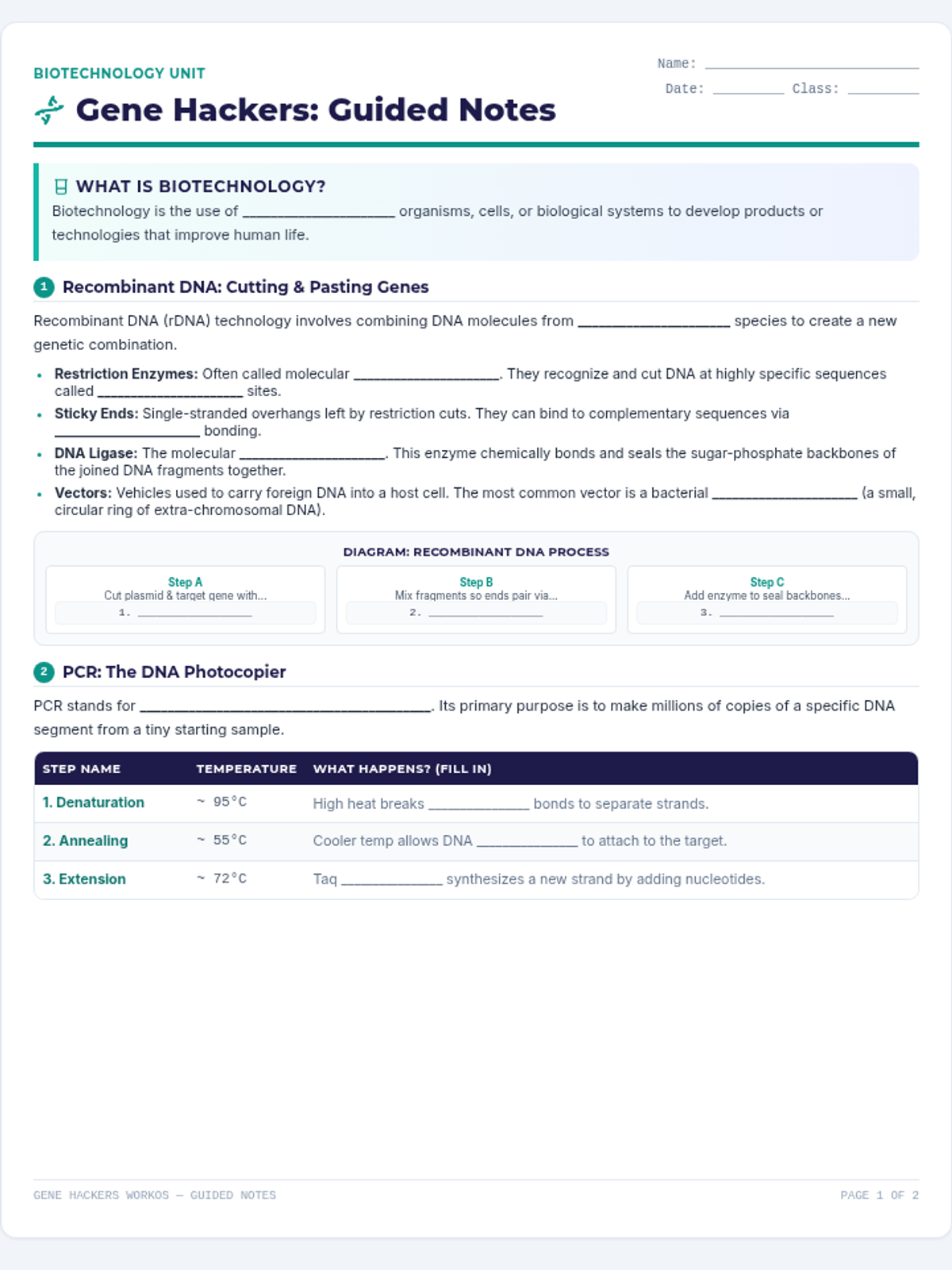
A comprehensive sub plan focusing on hardware basics, cybersecurity, and the impact of computing through a hands-on 'Human Computer' unplugged simulation.
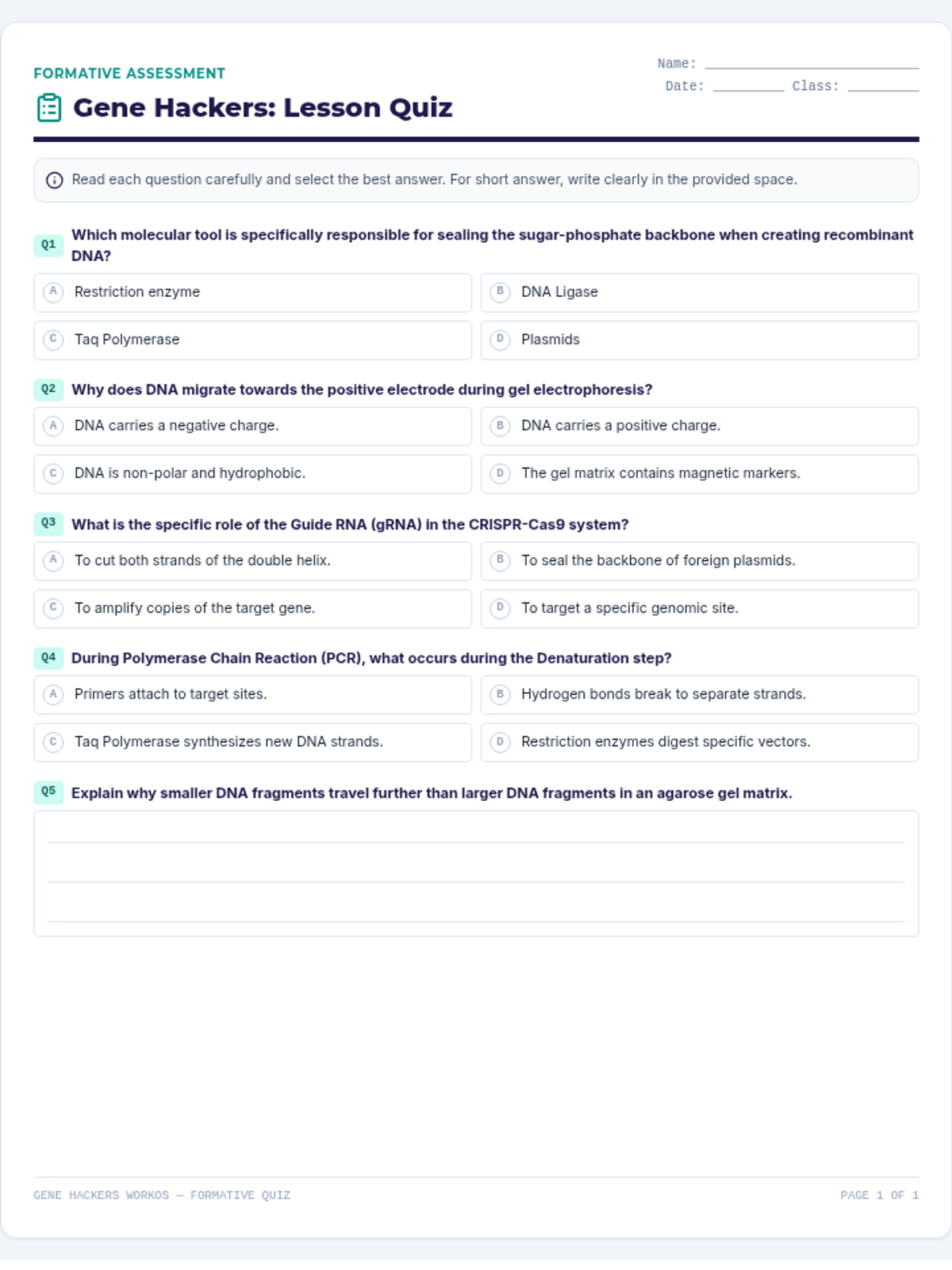
A hands-on investigation using cyanotype paper to explore UV radiation and the effectiveness of various blockers, including sunscreens and physical objects. Students will practice the scientific method by designing their own variable tests and analyzing the resulting prints.
A comprehensive review of how plant and animal systems interact to maintain homeostasis and respond to the environment, including a comparison of viral and cellular structures based on unit exam standards.