A foundational tracing lesson focusing on the first half of the alphabet (a-m) and initial numbers (1-5), designed for early learners to develop fine motor skills and character recognition.
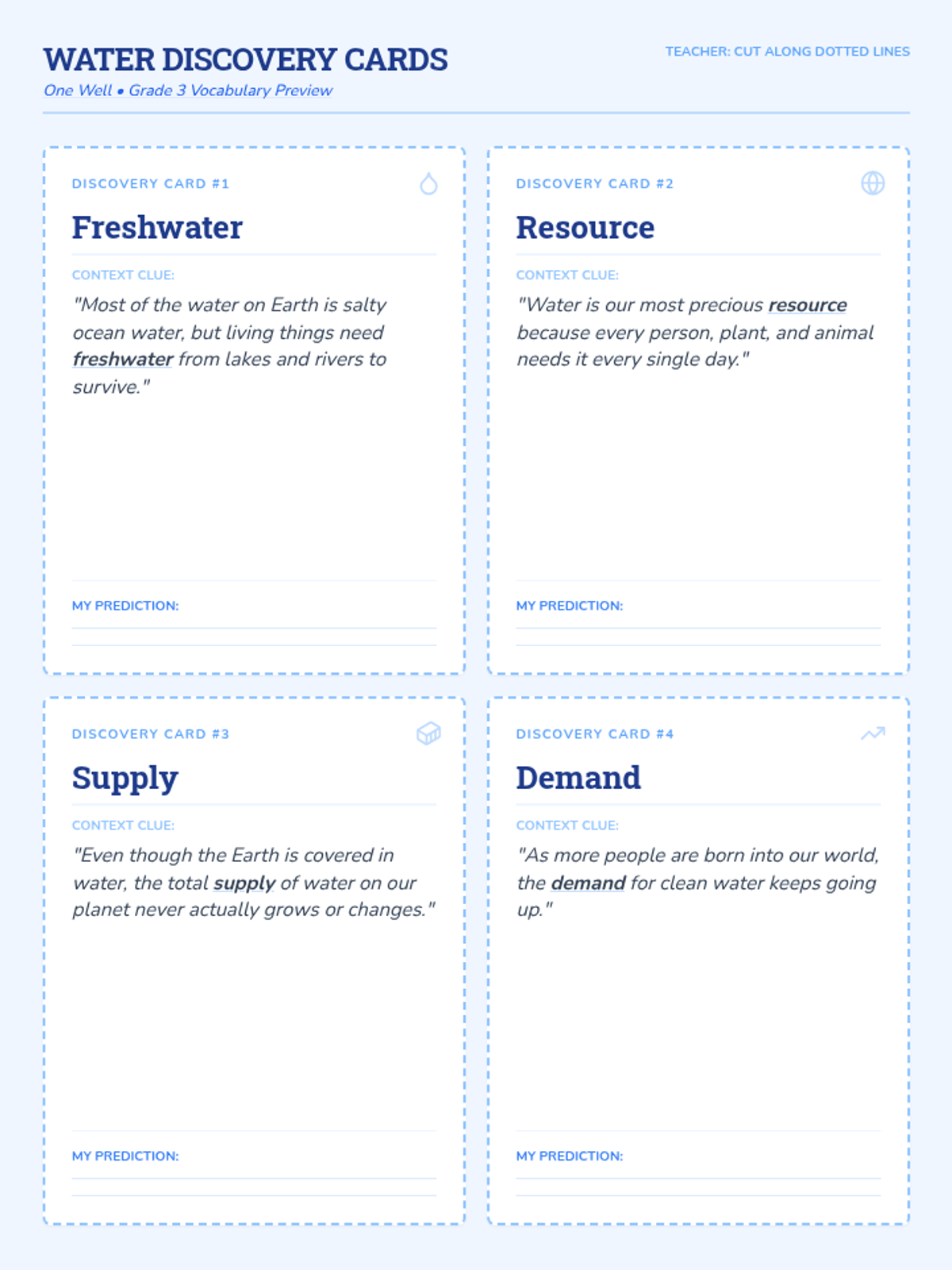
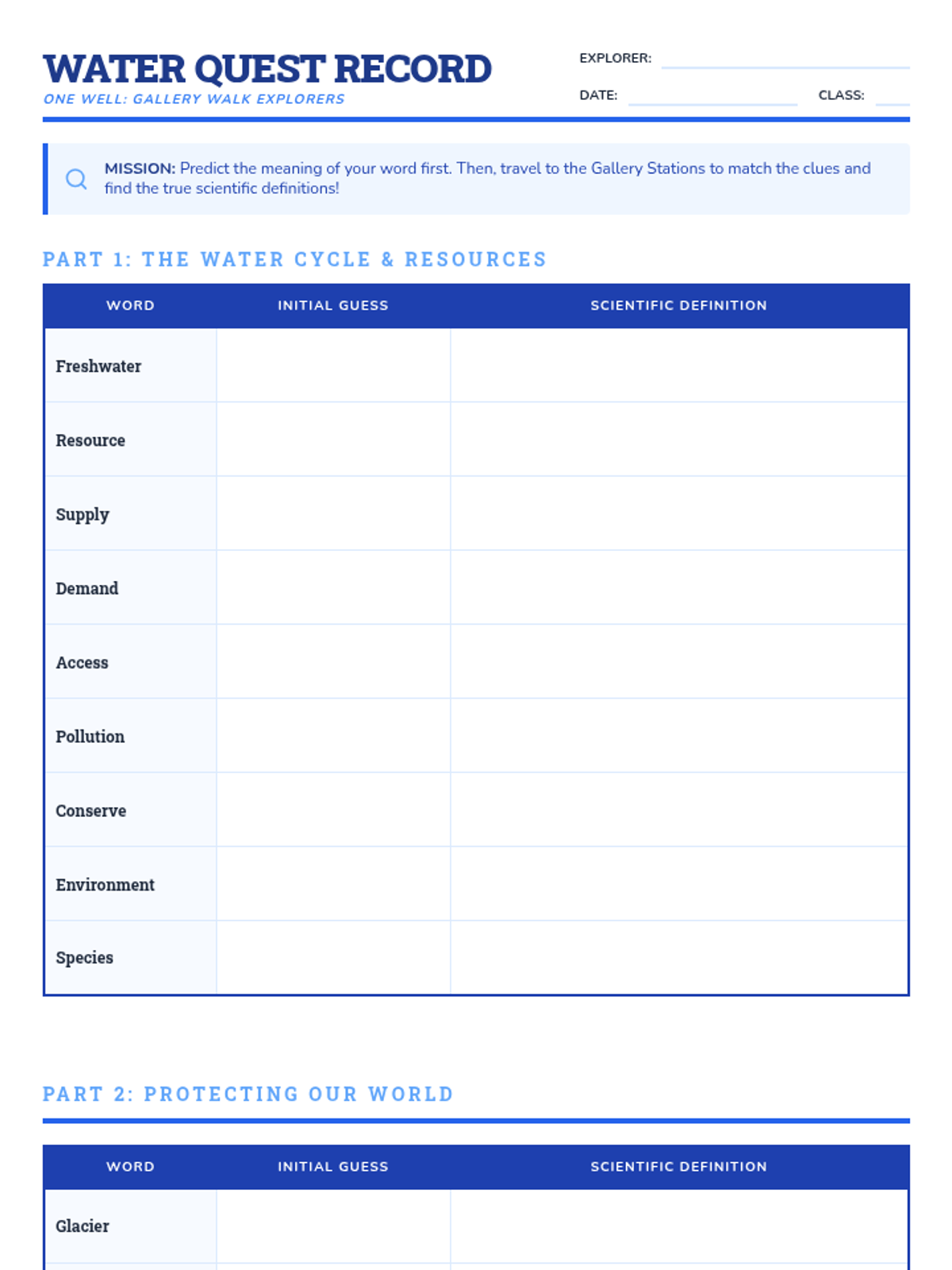
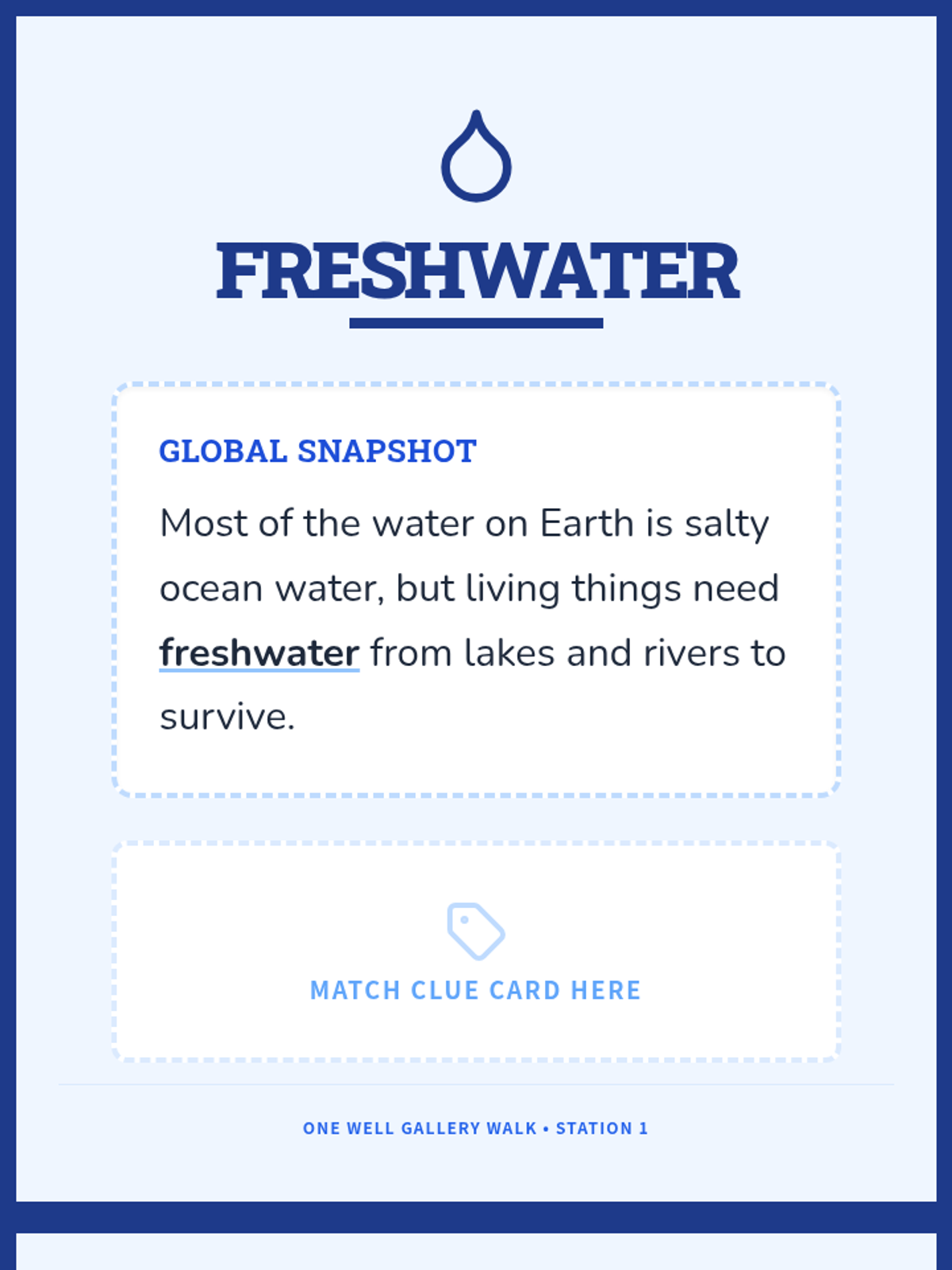
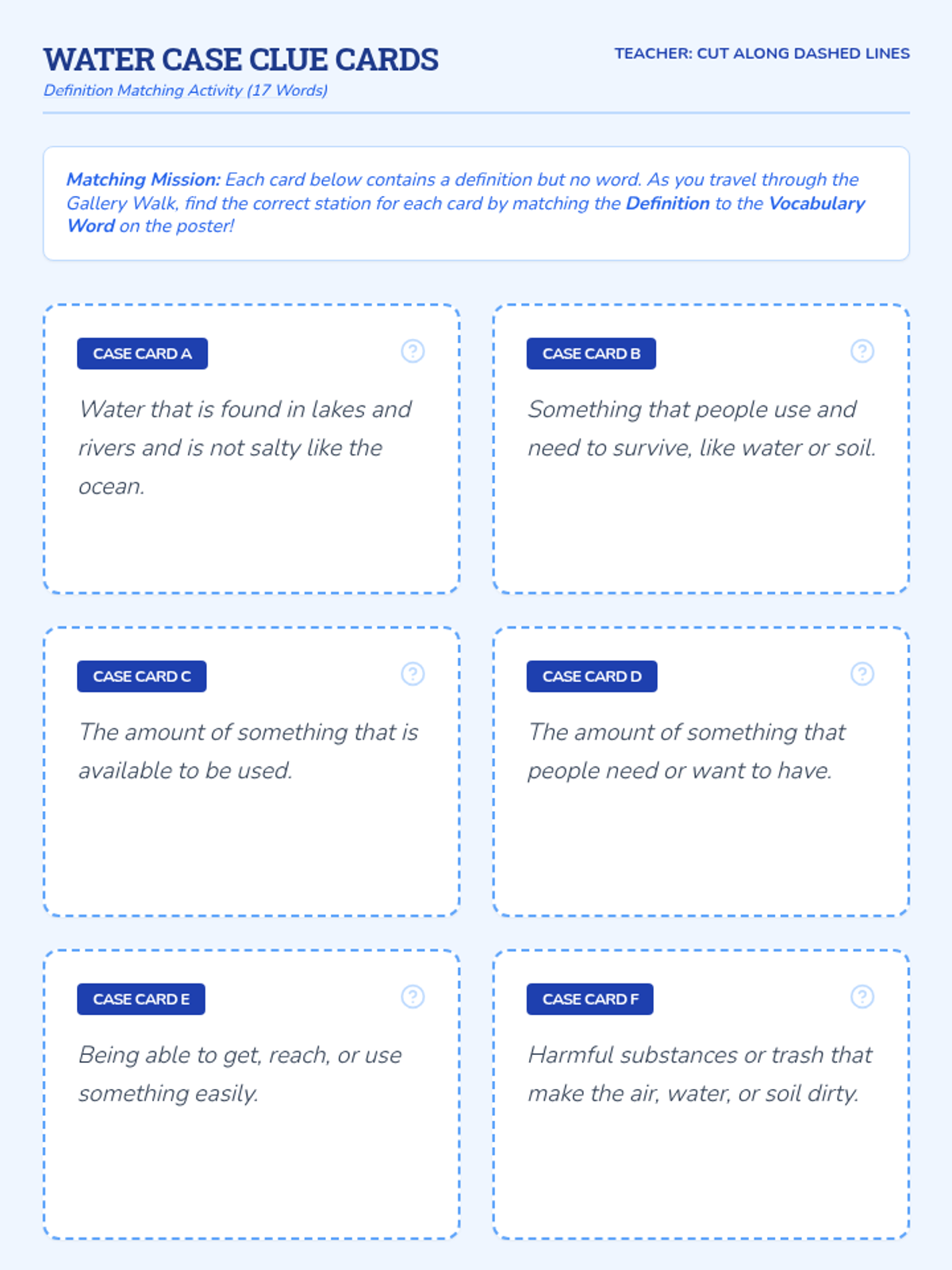
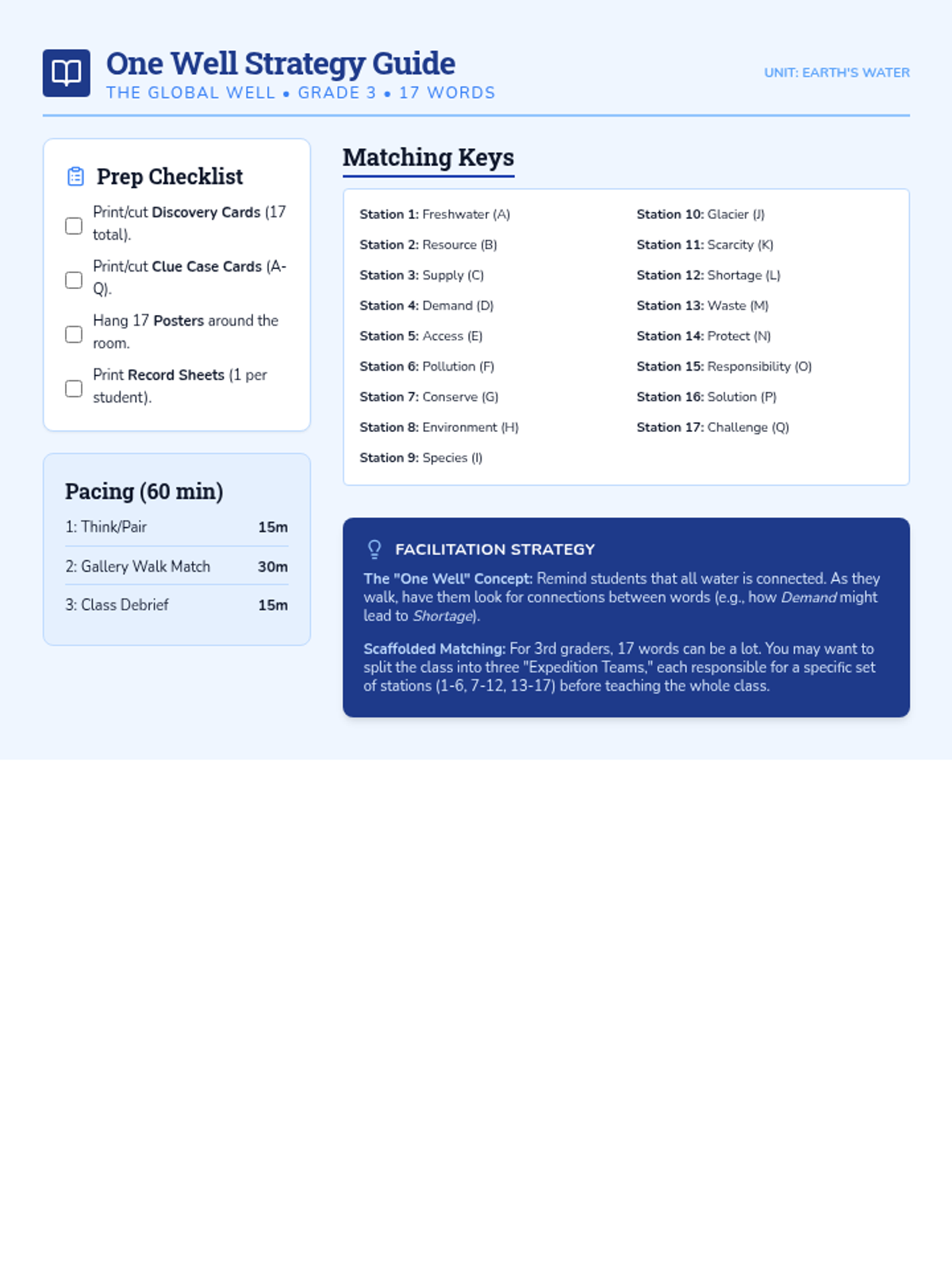
A vocabulary-focused lesson for 'One Well' that uses collaborative discussion and a matching gallery walk to help 3rd graders explore the science and global impact of water.
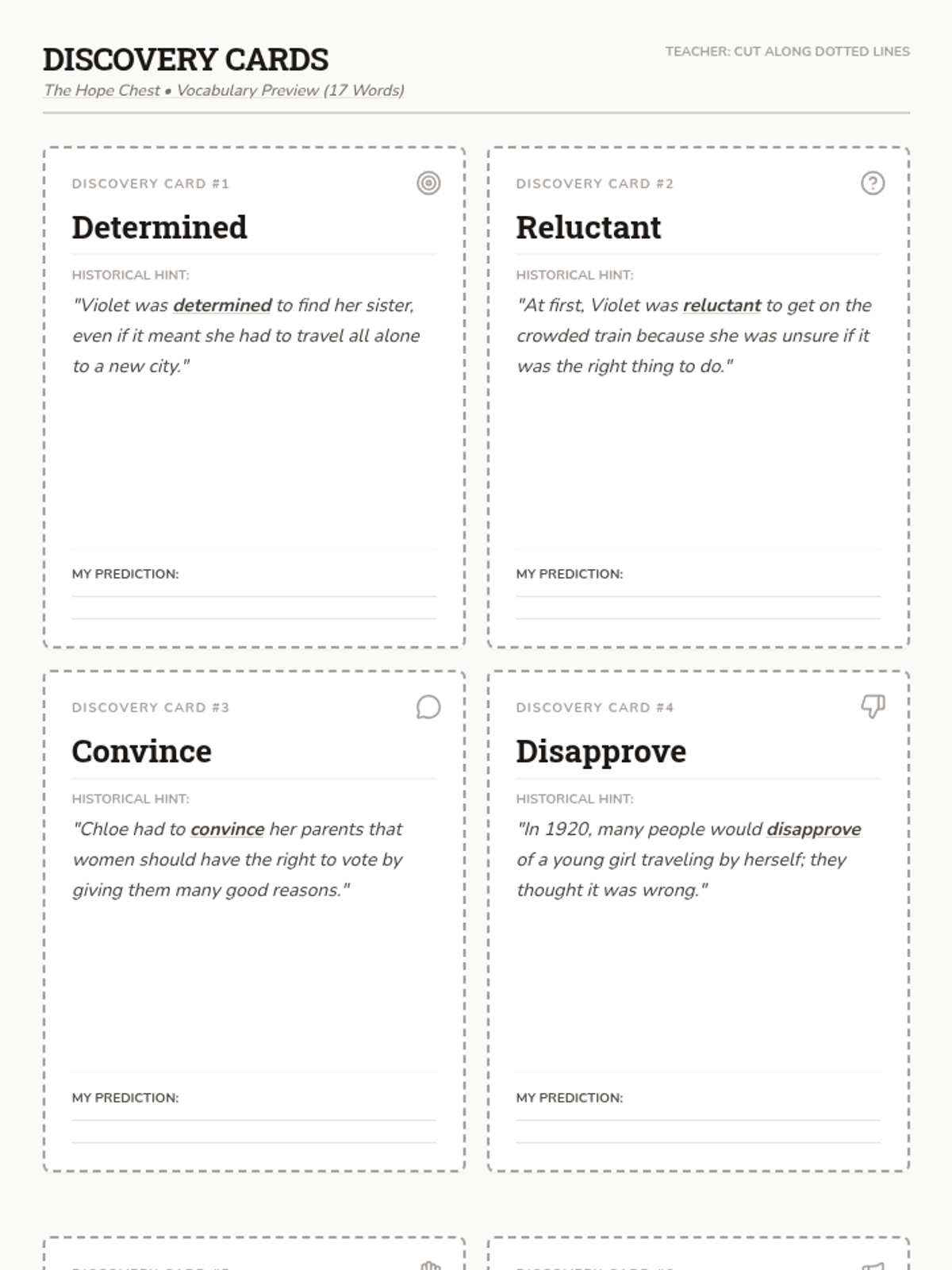
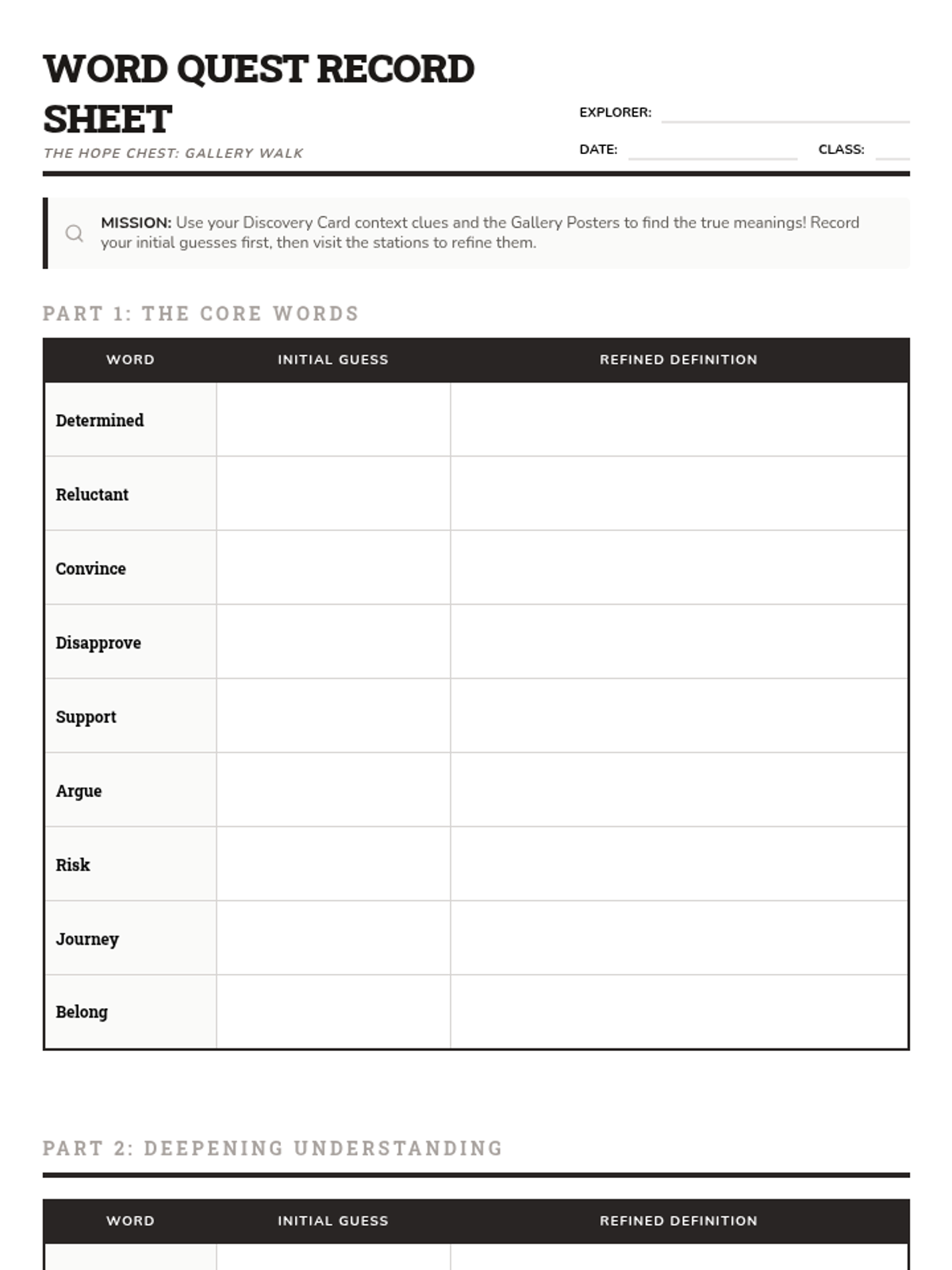
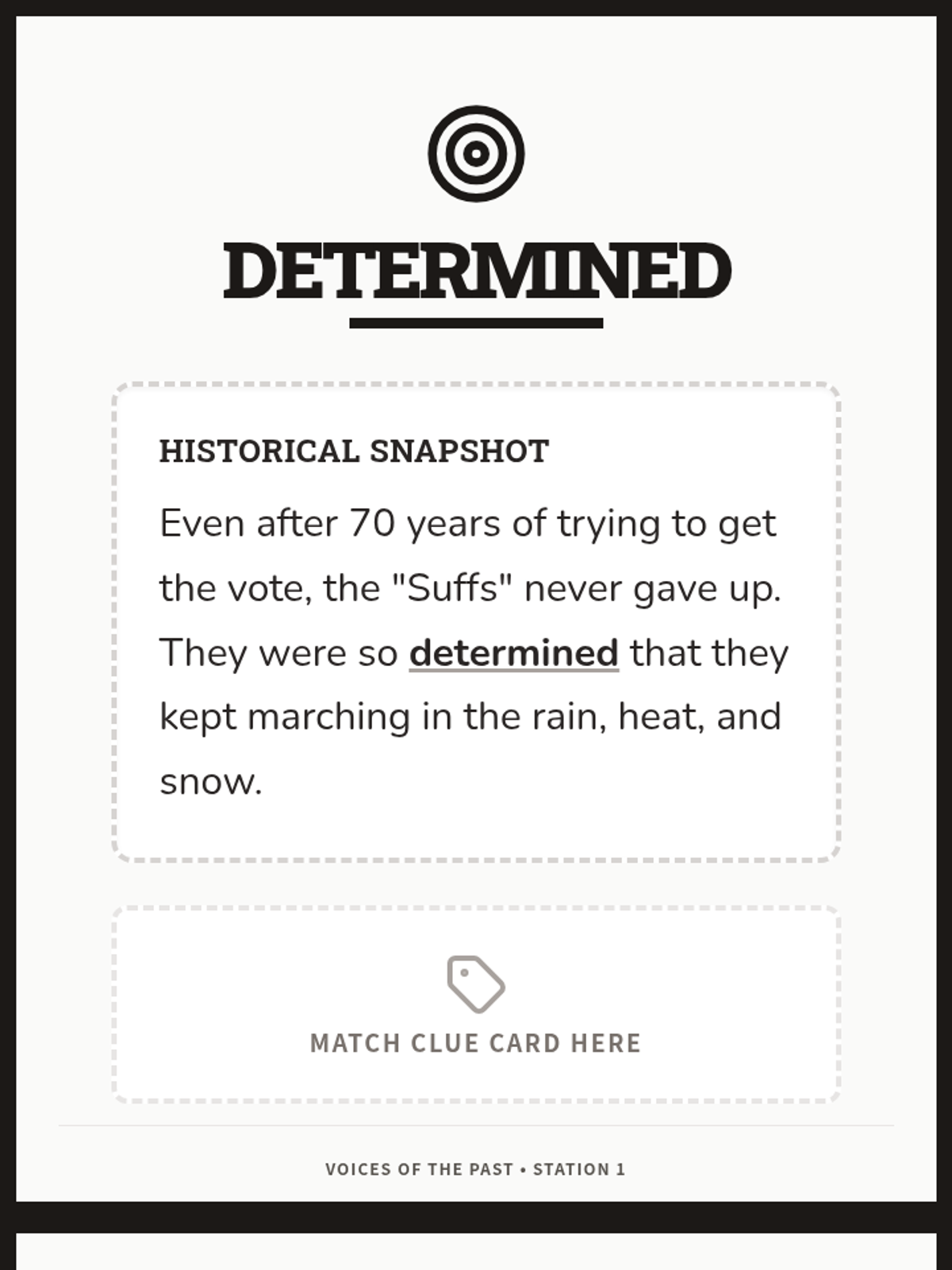
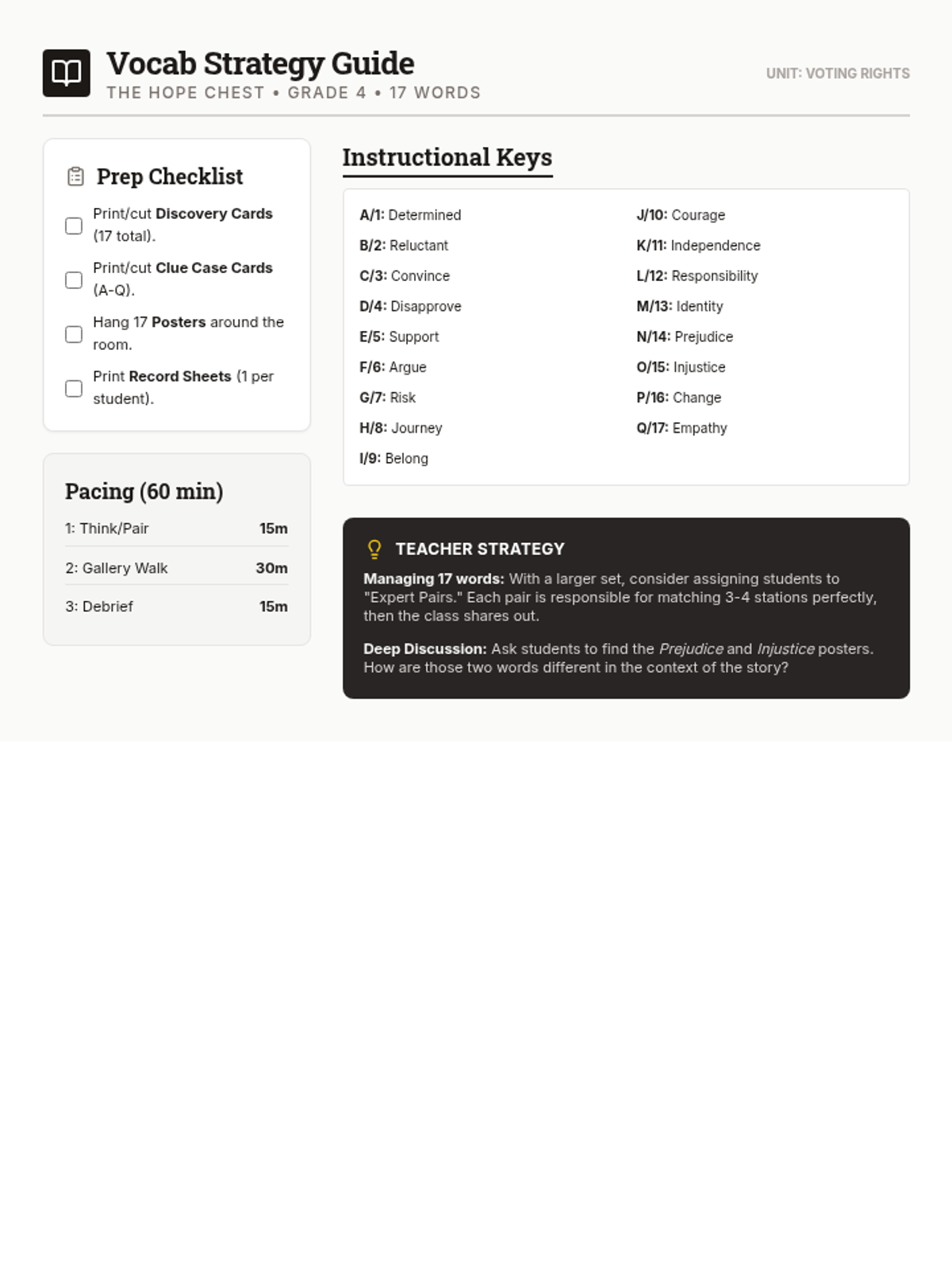
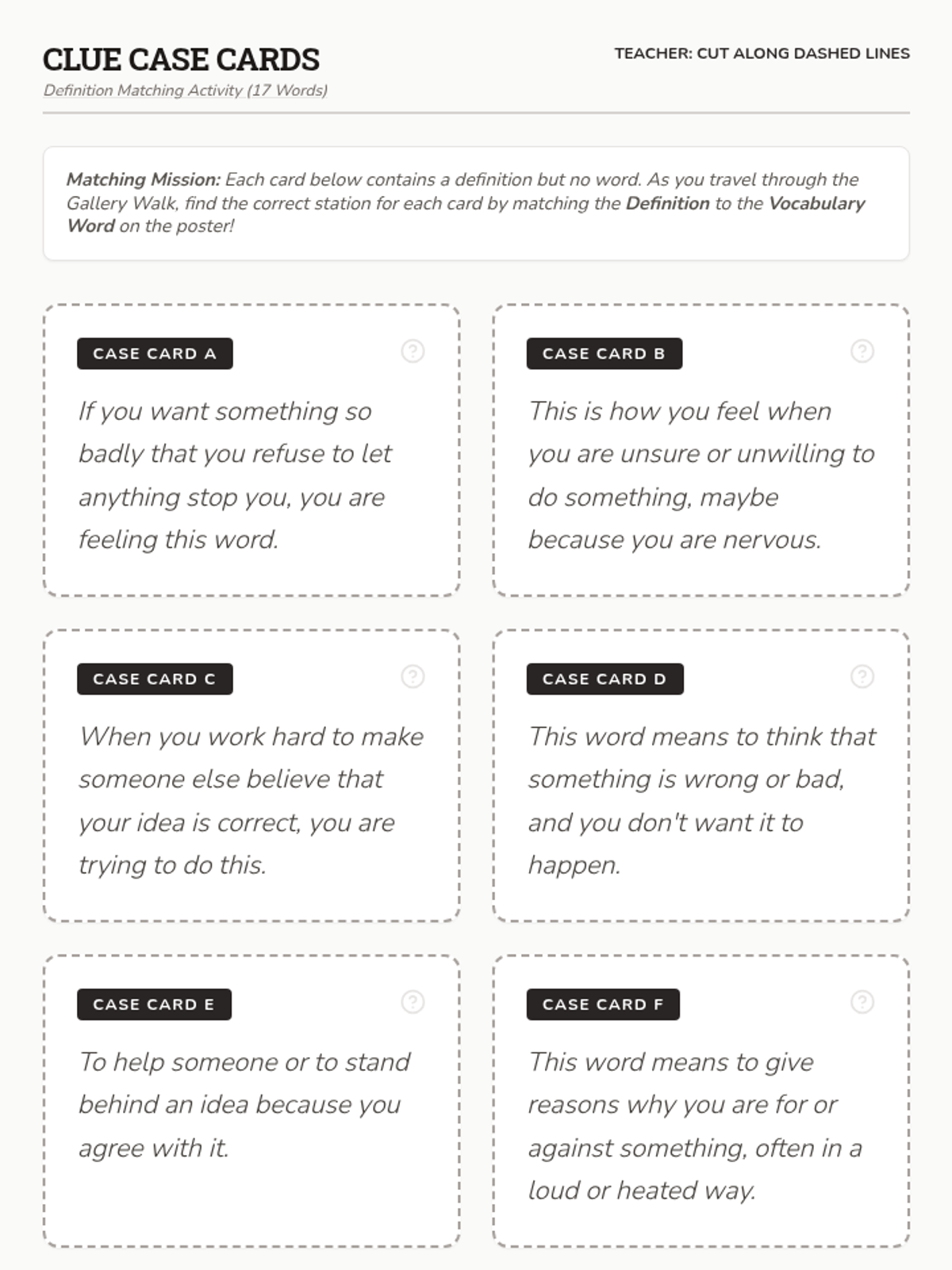
A vocabulary-focused lesson for 'The Hope Chest' that uses collaborative discussion and a gallery walk to help 4th graders predict word meanings through context clues related to the women's suffrage movement.
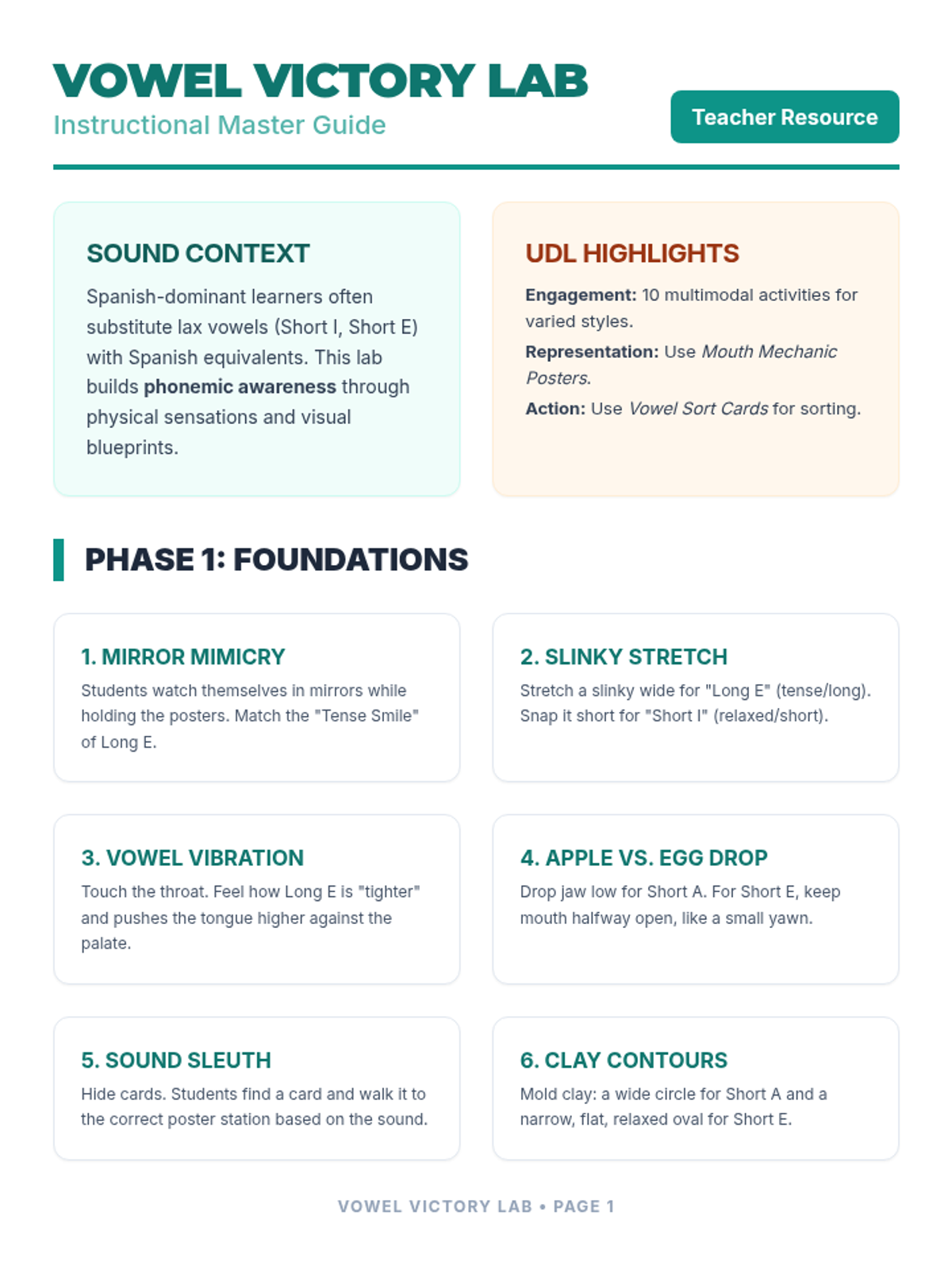
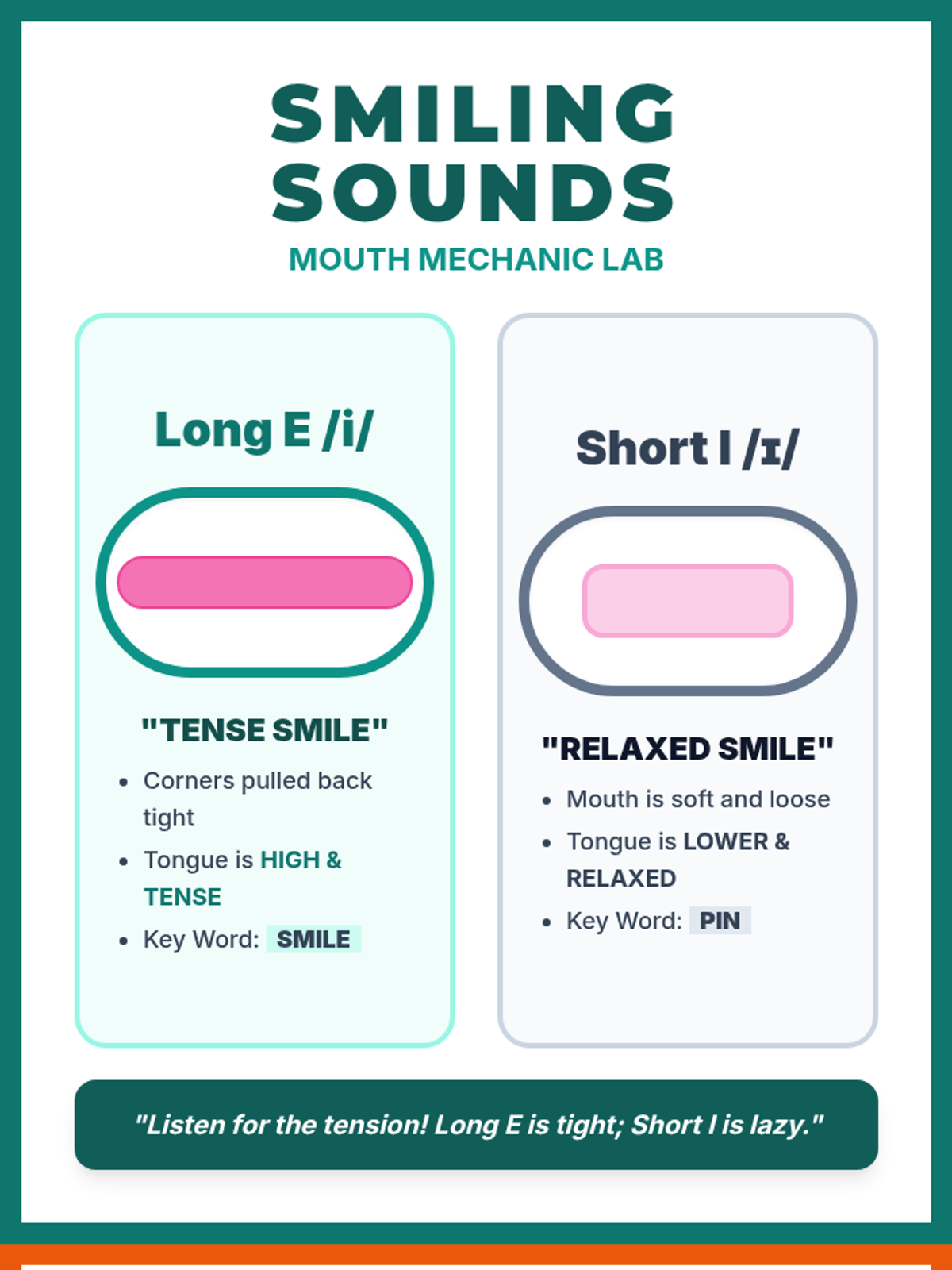
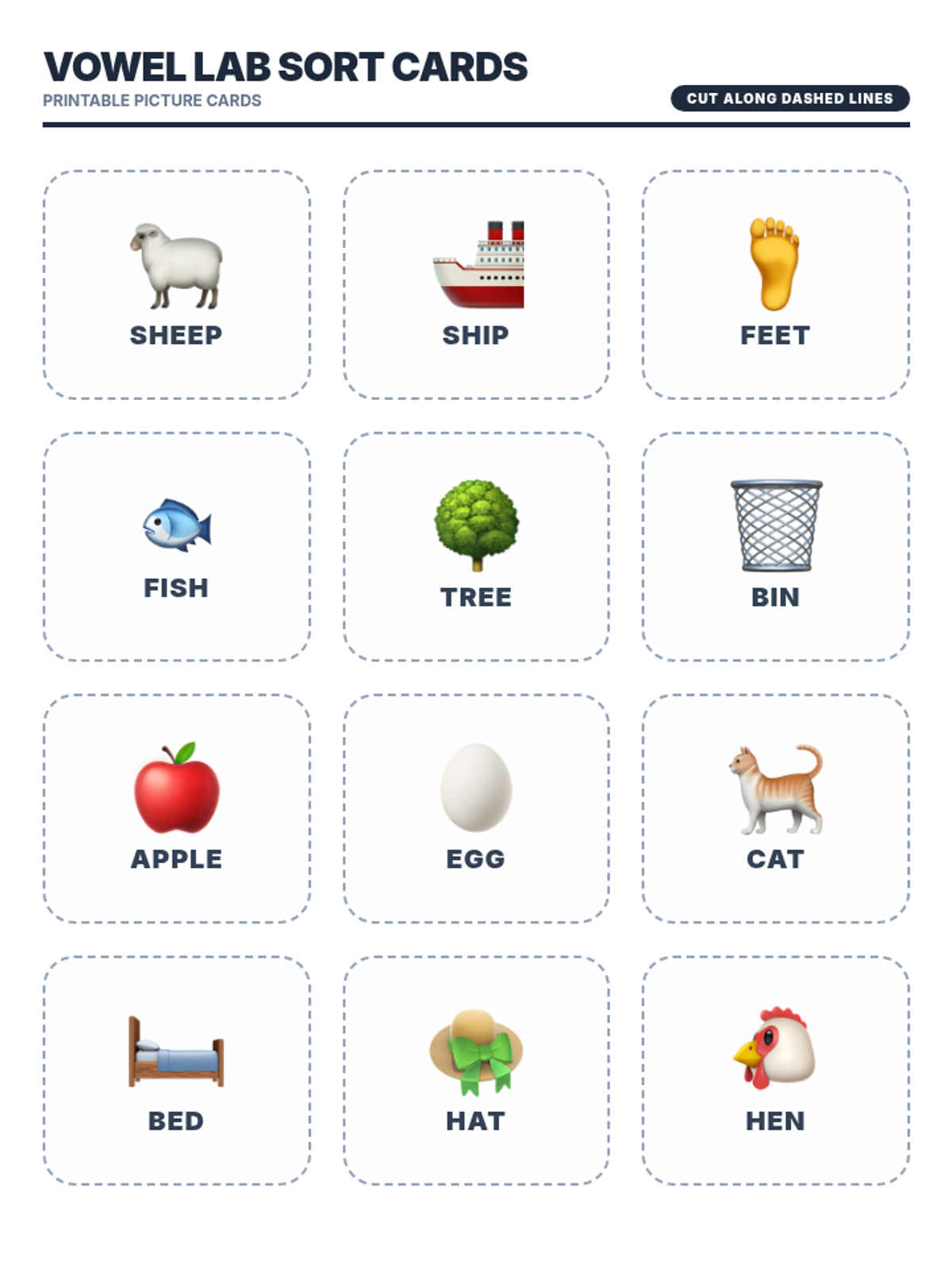
A comprehensive phonics lesson for bilingual students focusing on the specific vowel contrasts of Long E/Short I and Short A/Short E through multisensory, UDL-aligned activities.
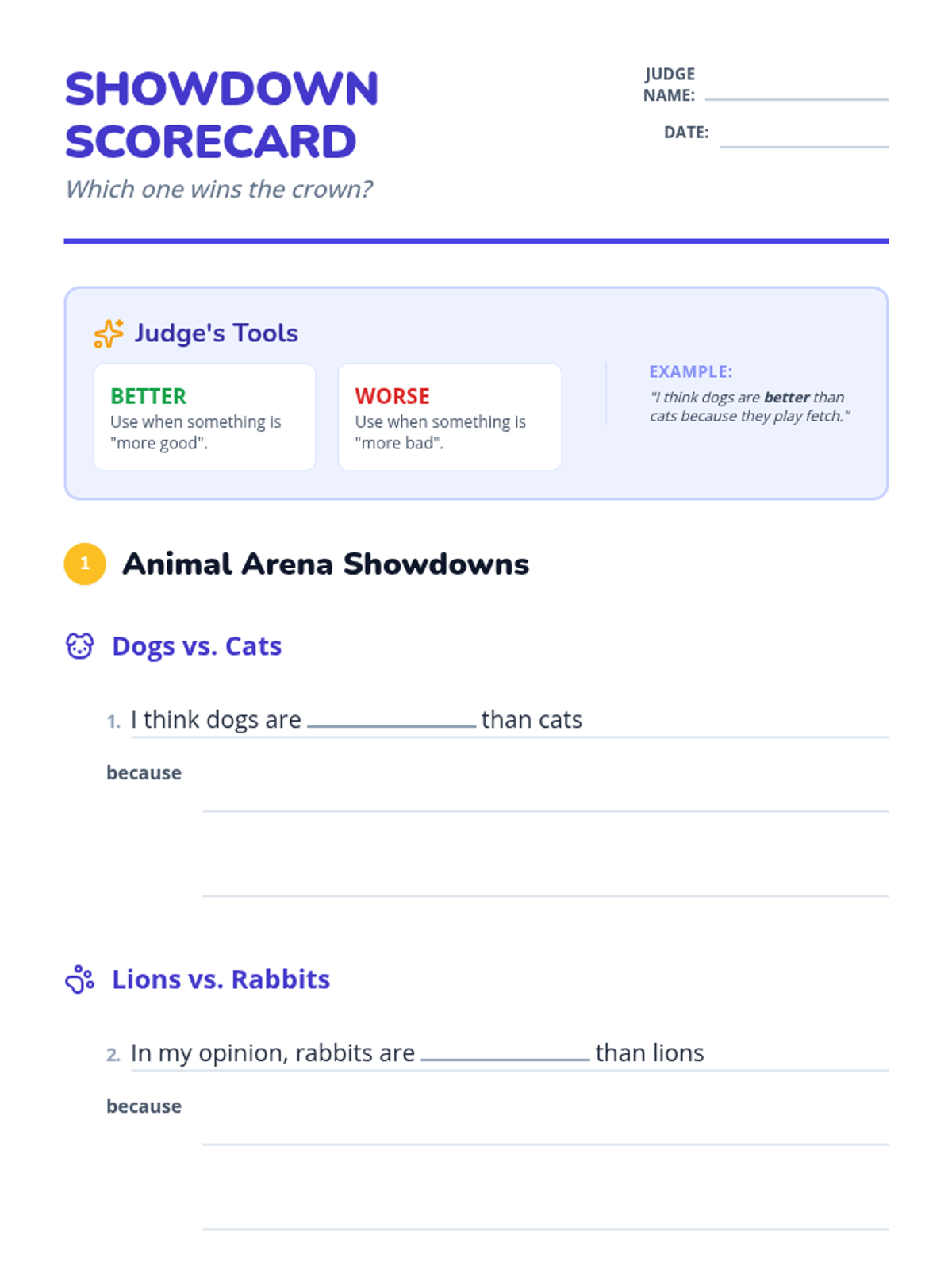
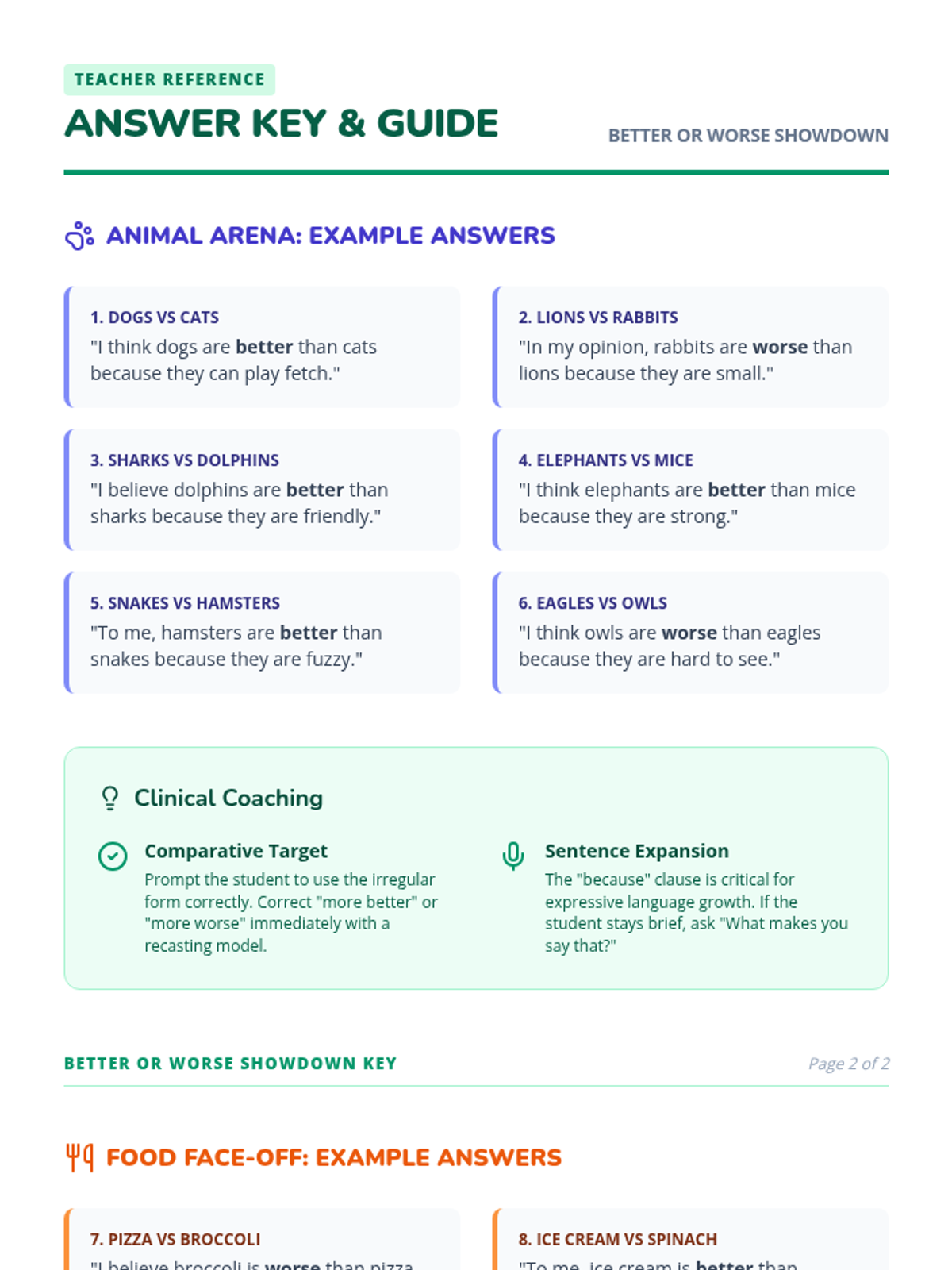
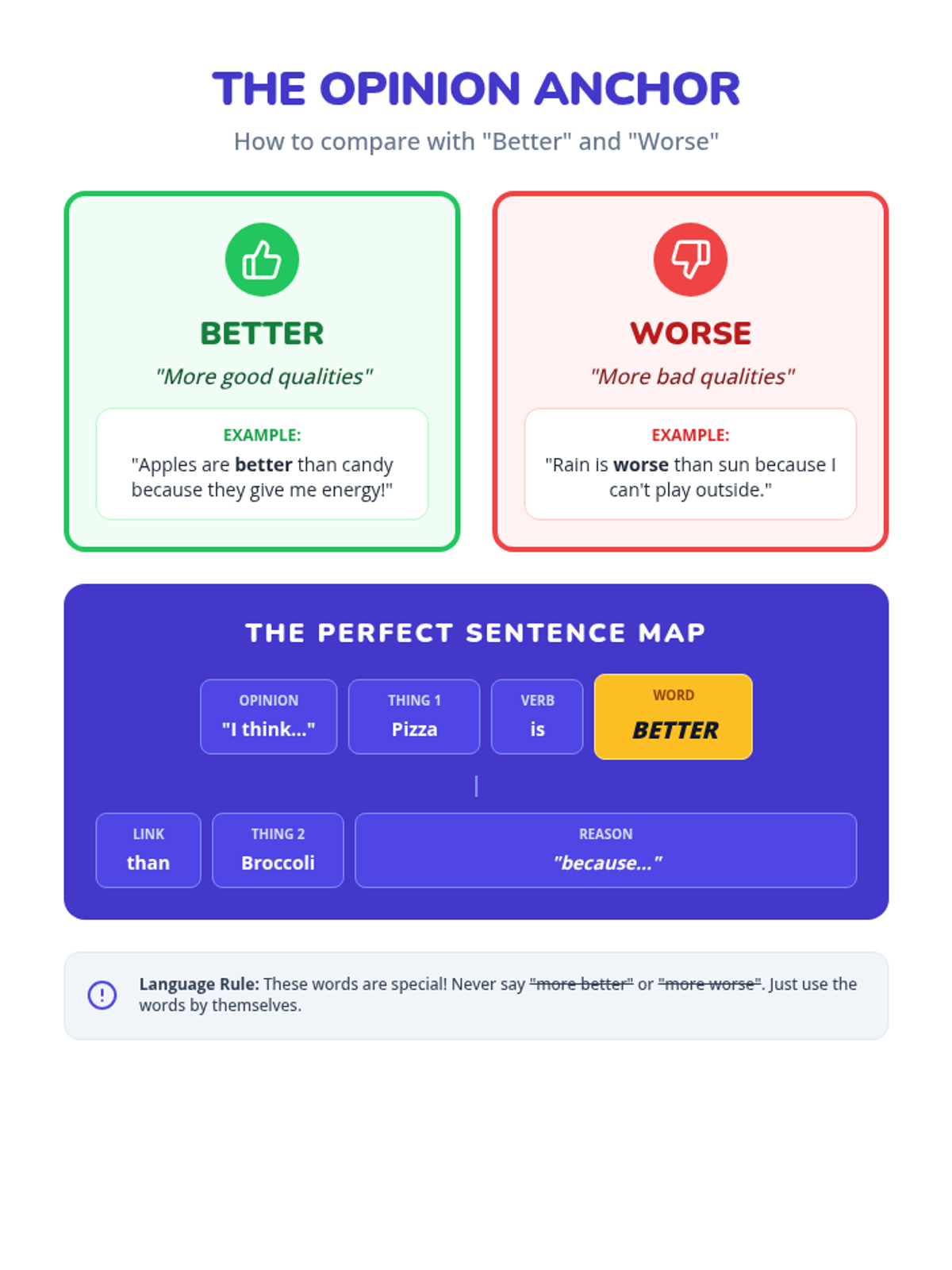
A language therapy lesson focused on using the comparative adjectives 'better' and 'worse' to express opinions about animals and food through structured sentence frames.
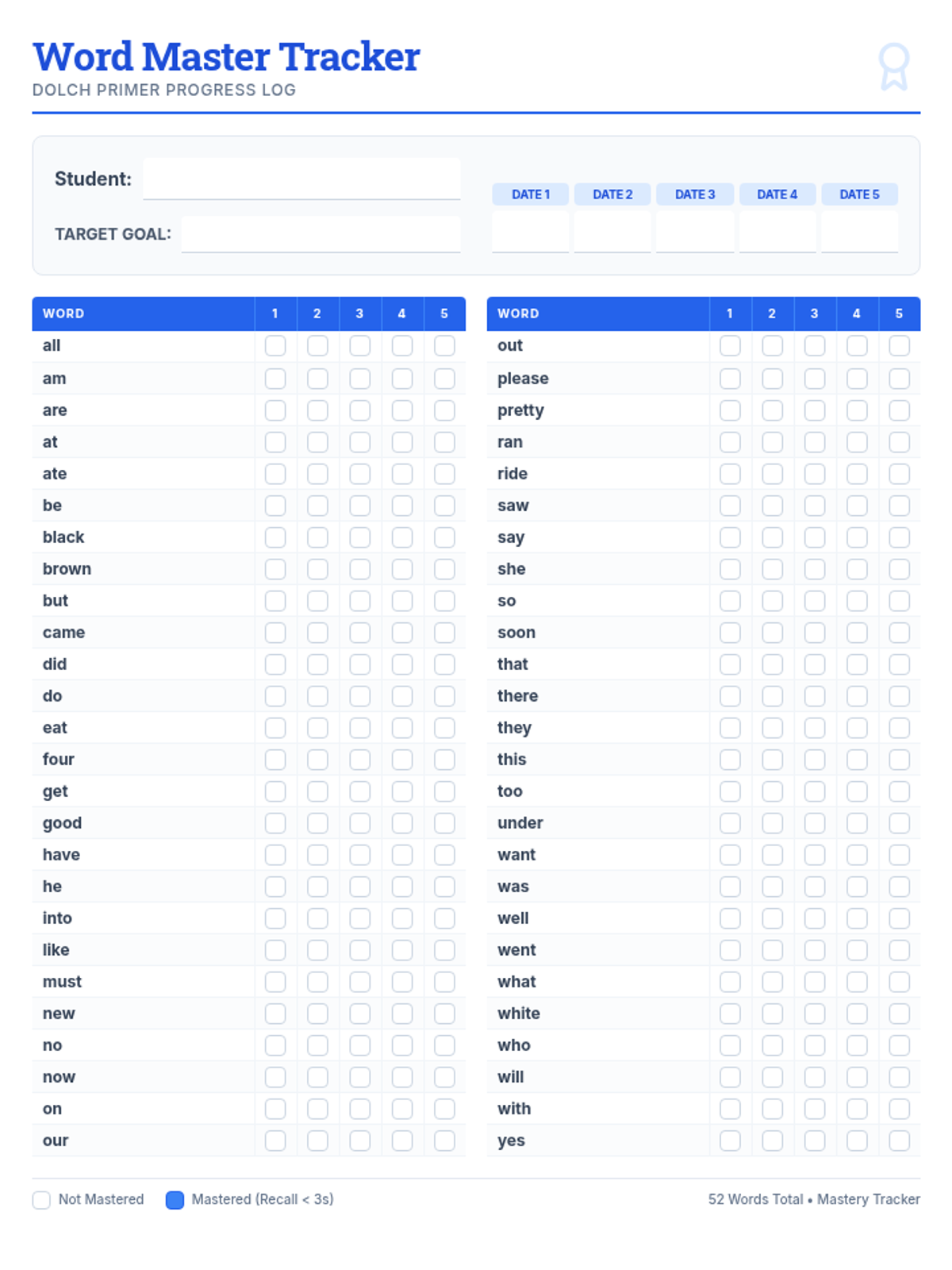
A comprehensive lesson for tracking and mastering the 52 Dolch Primer sight words, featuring progress monitoring and visual aids.
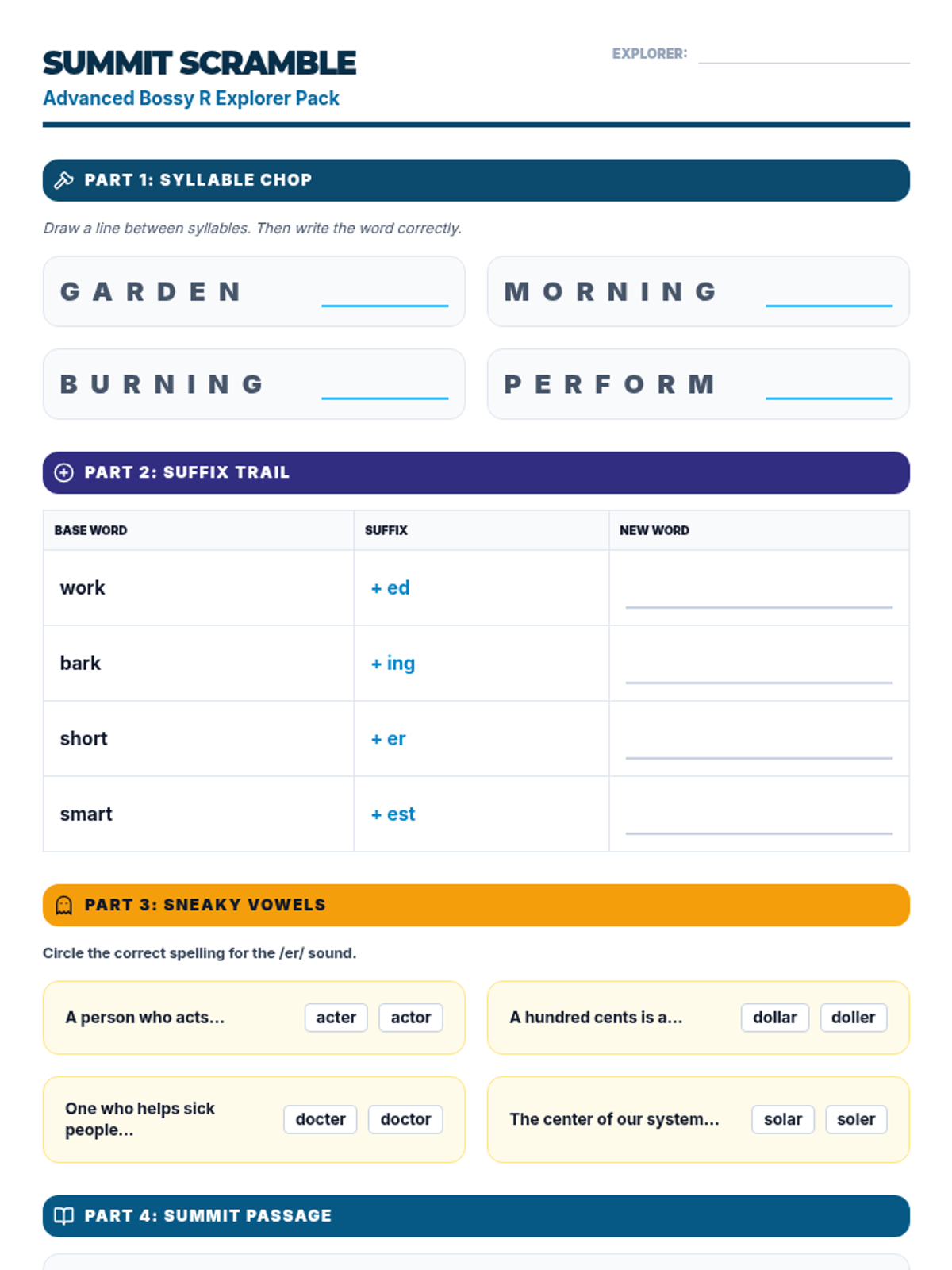
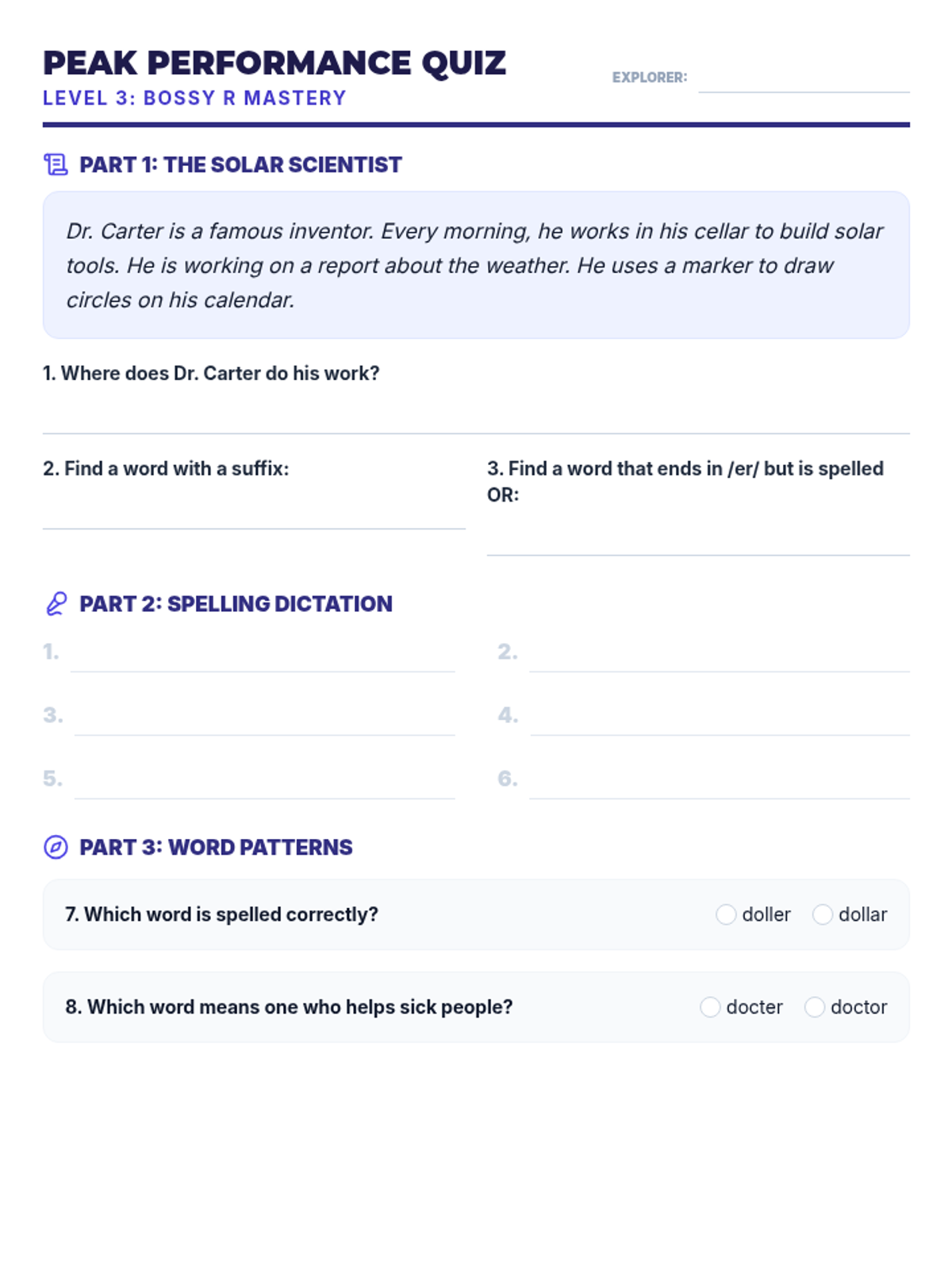
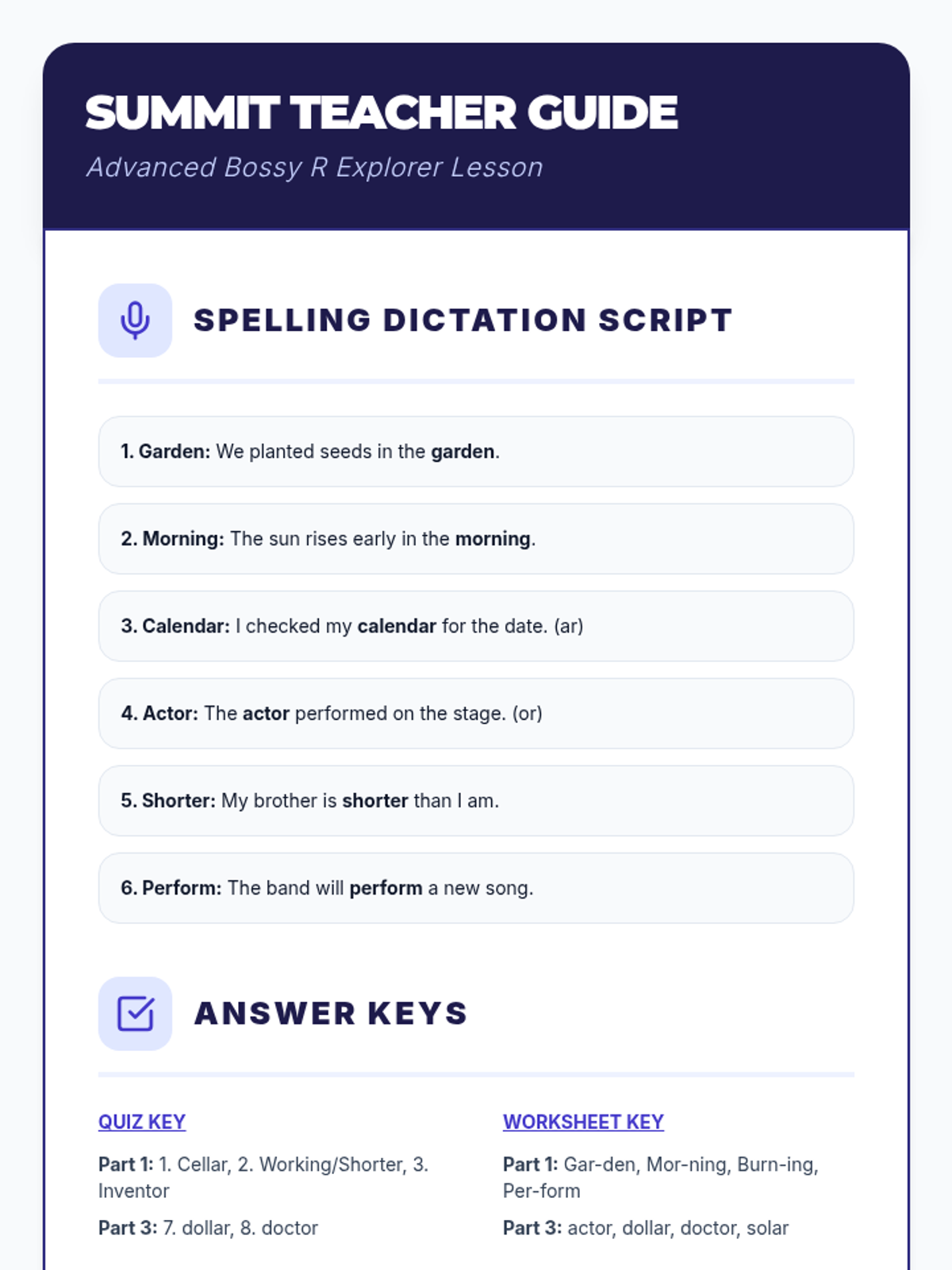
An advanced phonics lesson for 3rd grade focusing on multi-syllabic r-controlled vowel words, unstressed vowel sounds (ar, or as /er/), and adding suffixes to r-controlled base words.
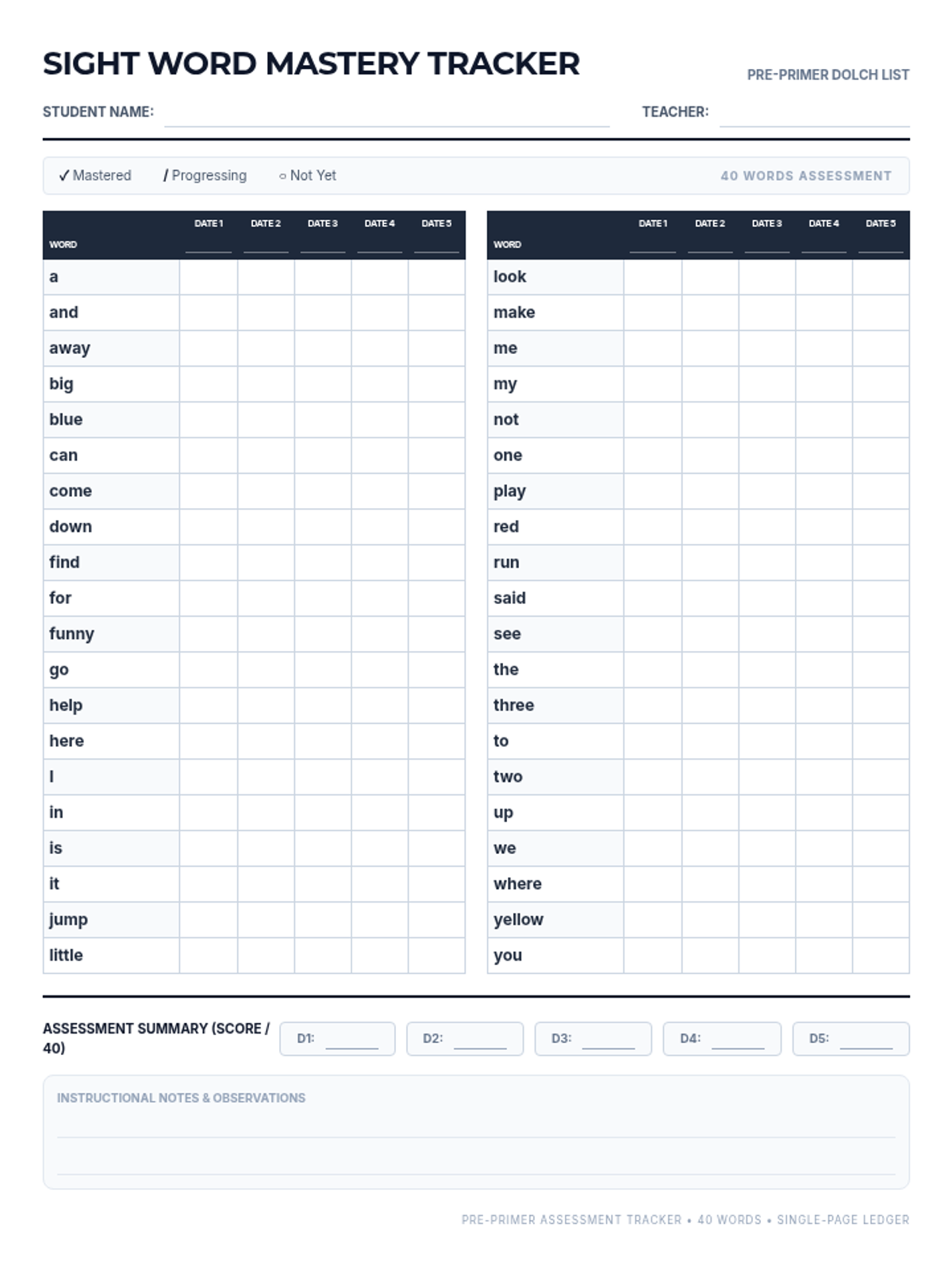
A focused tool for tracking progress on Pre-Primer Dolch sight words, designed for easy assessment and data collection.
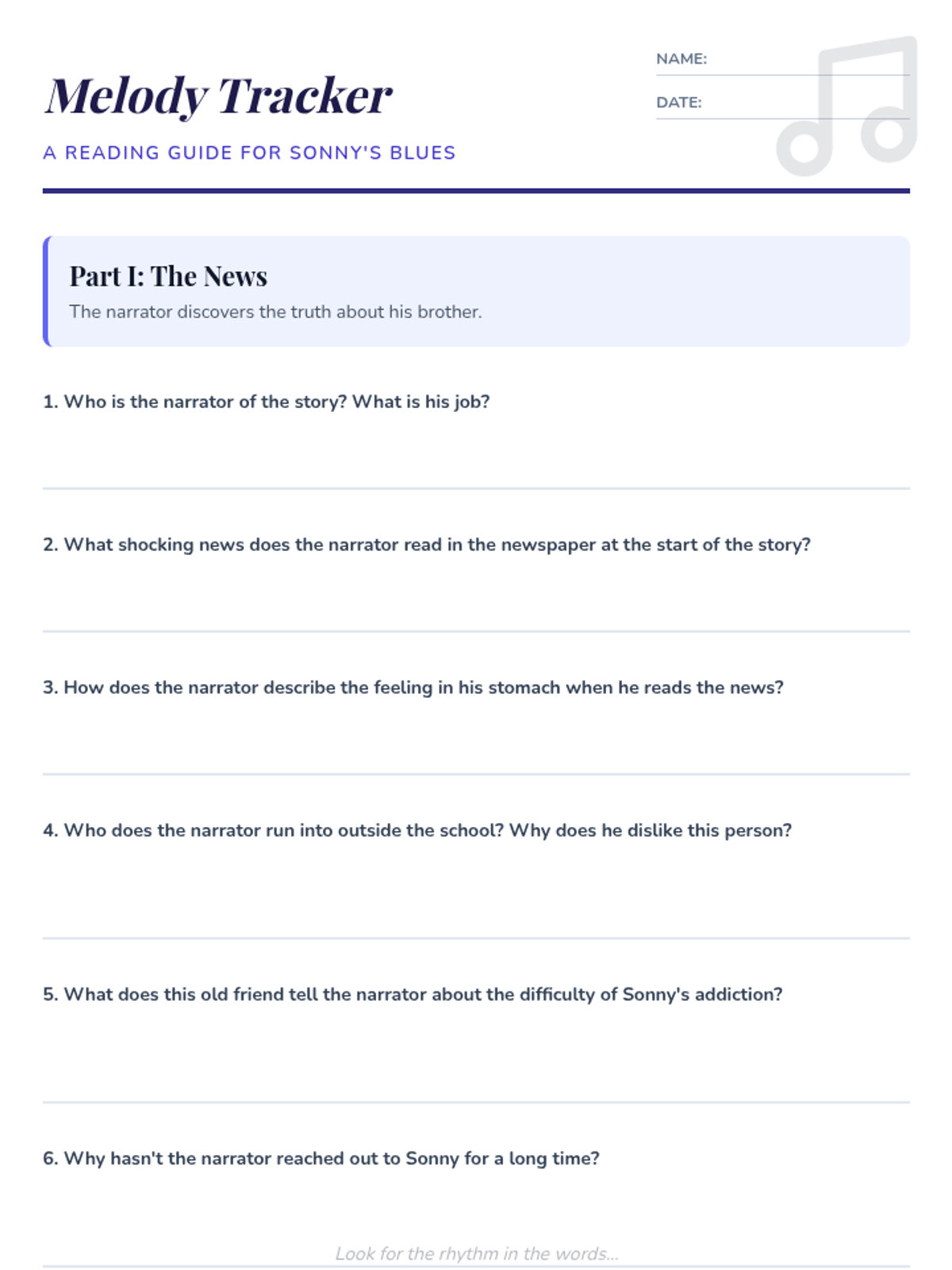
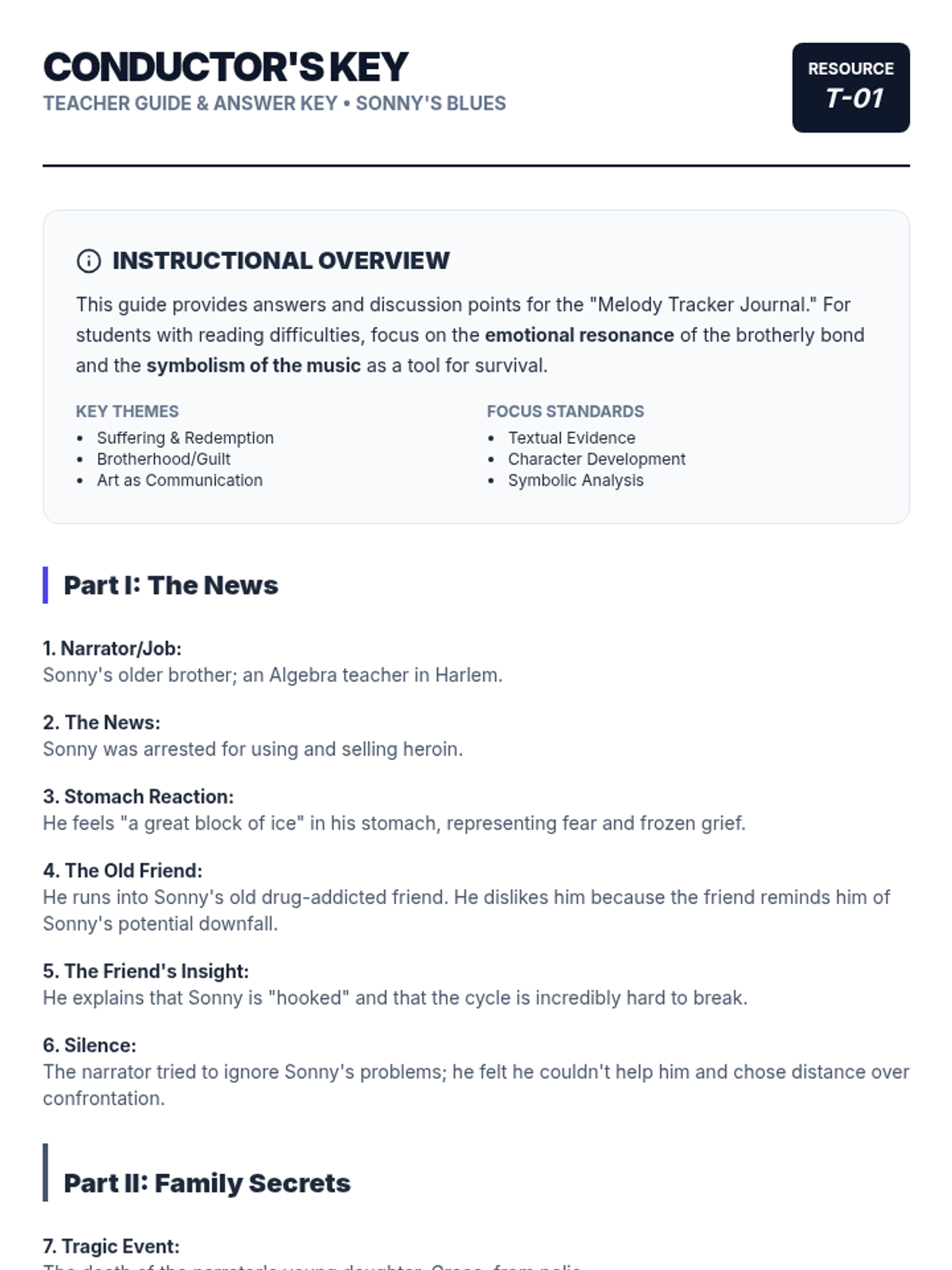
A deep dive into James Baldwin's 'Sonny's Blues,' focusing on character dynamics, the symbolism of jazz, and the redemptive power of art in 1950s Harlem.
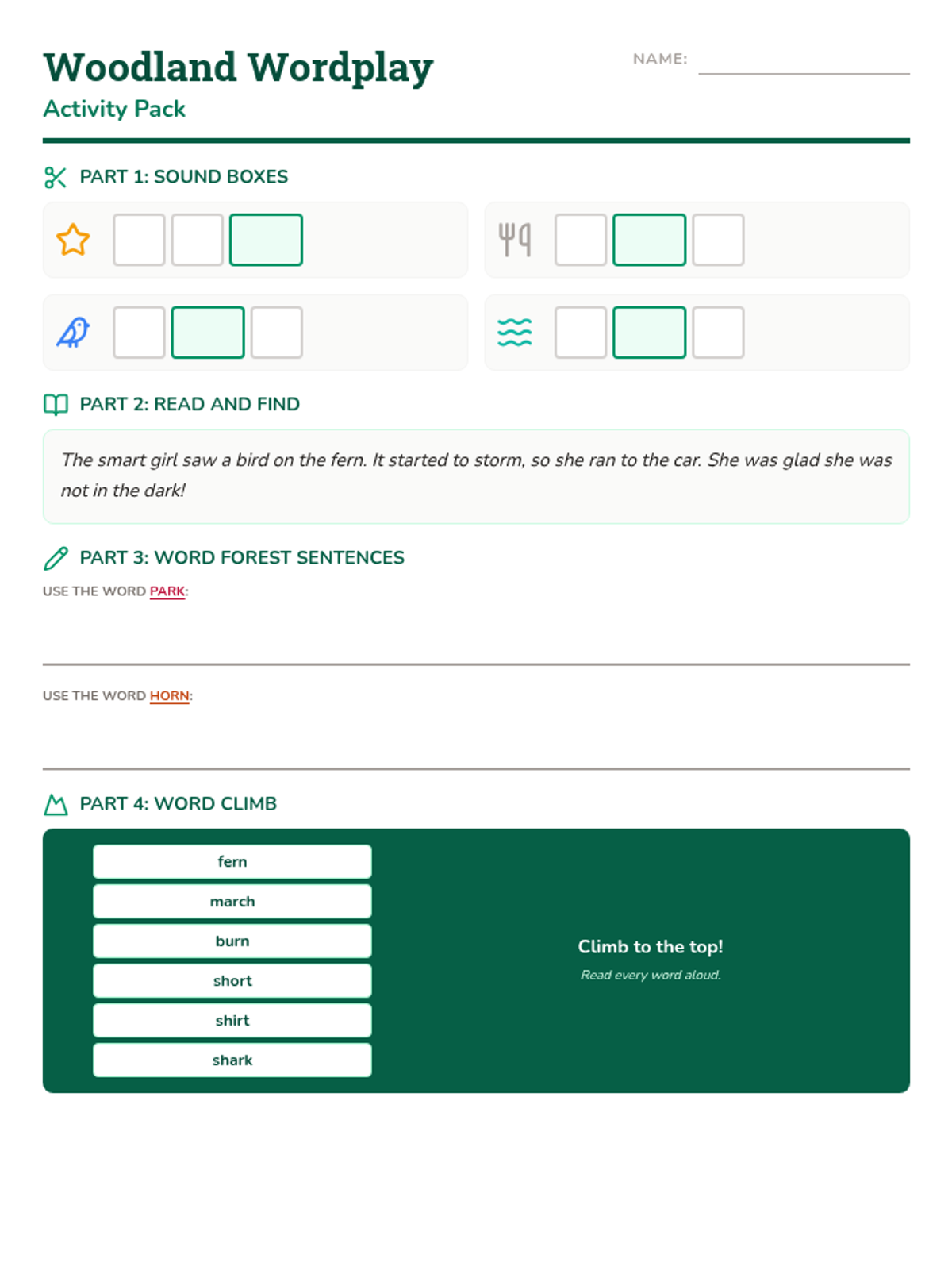
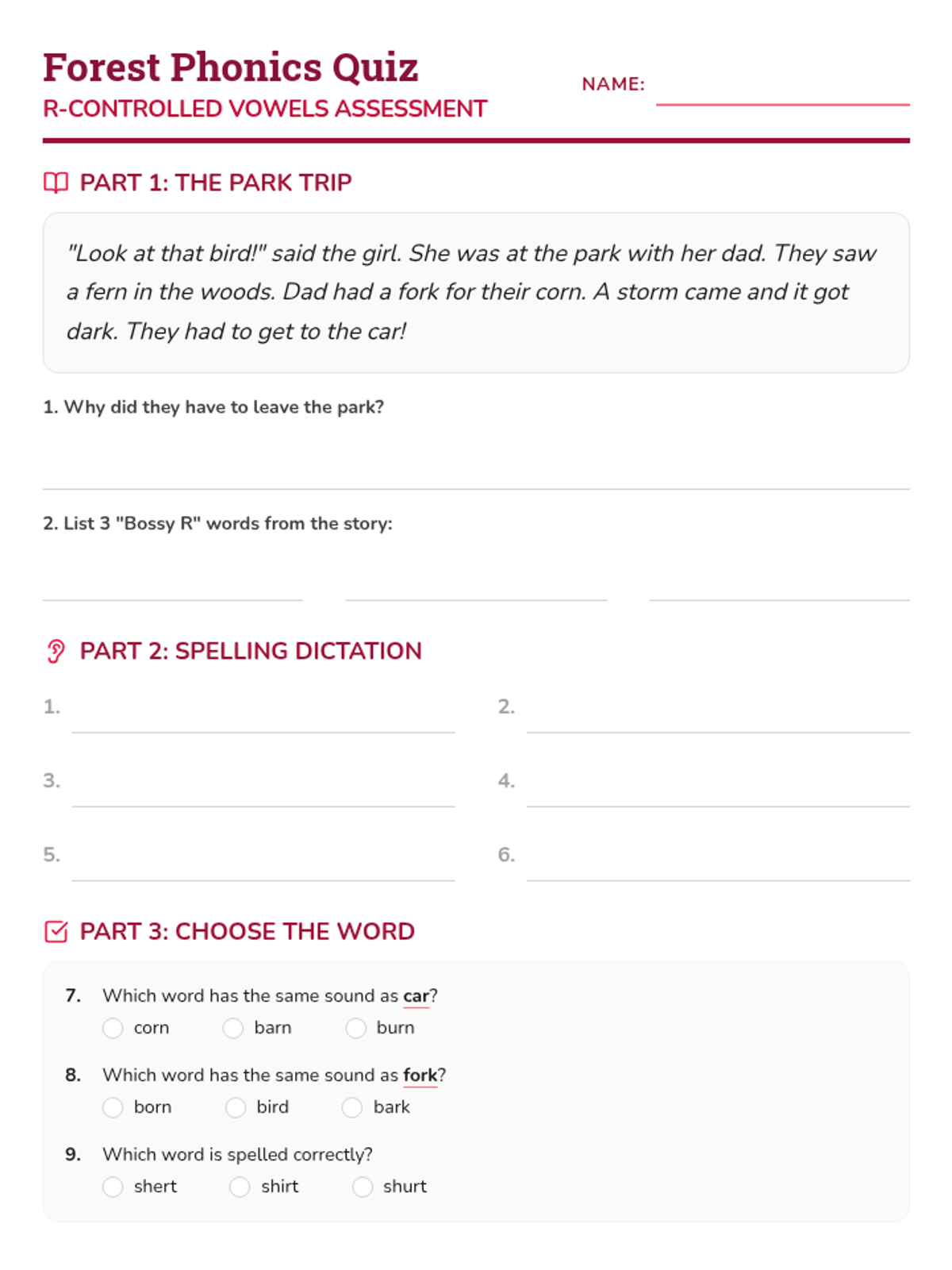
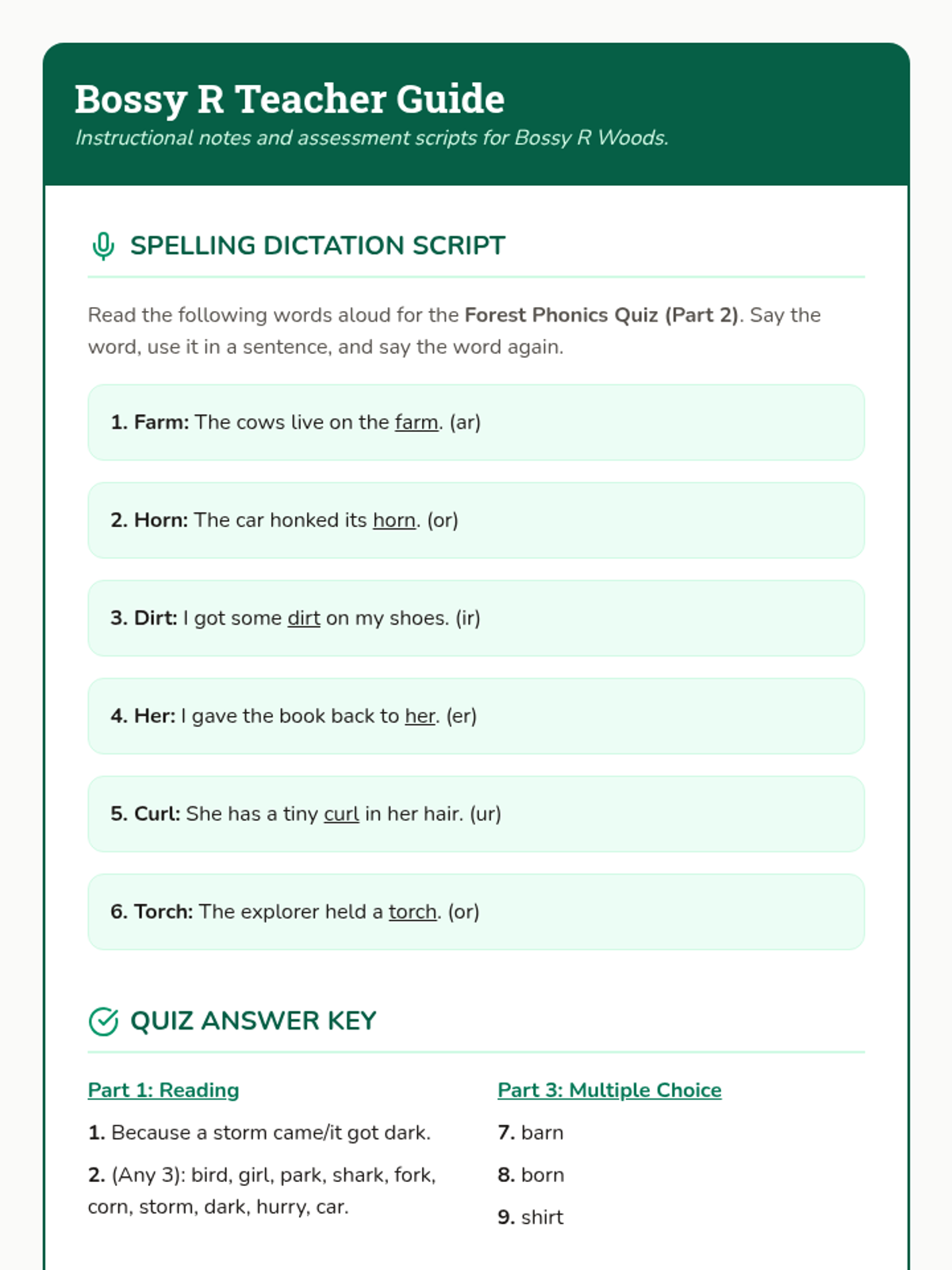
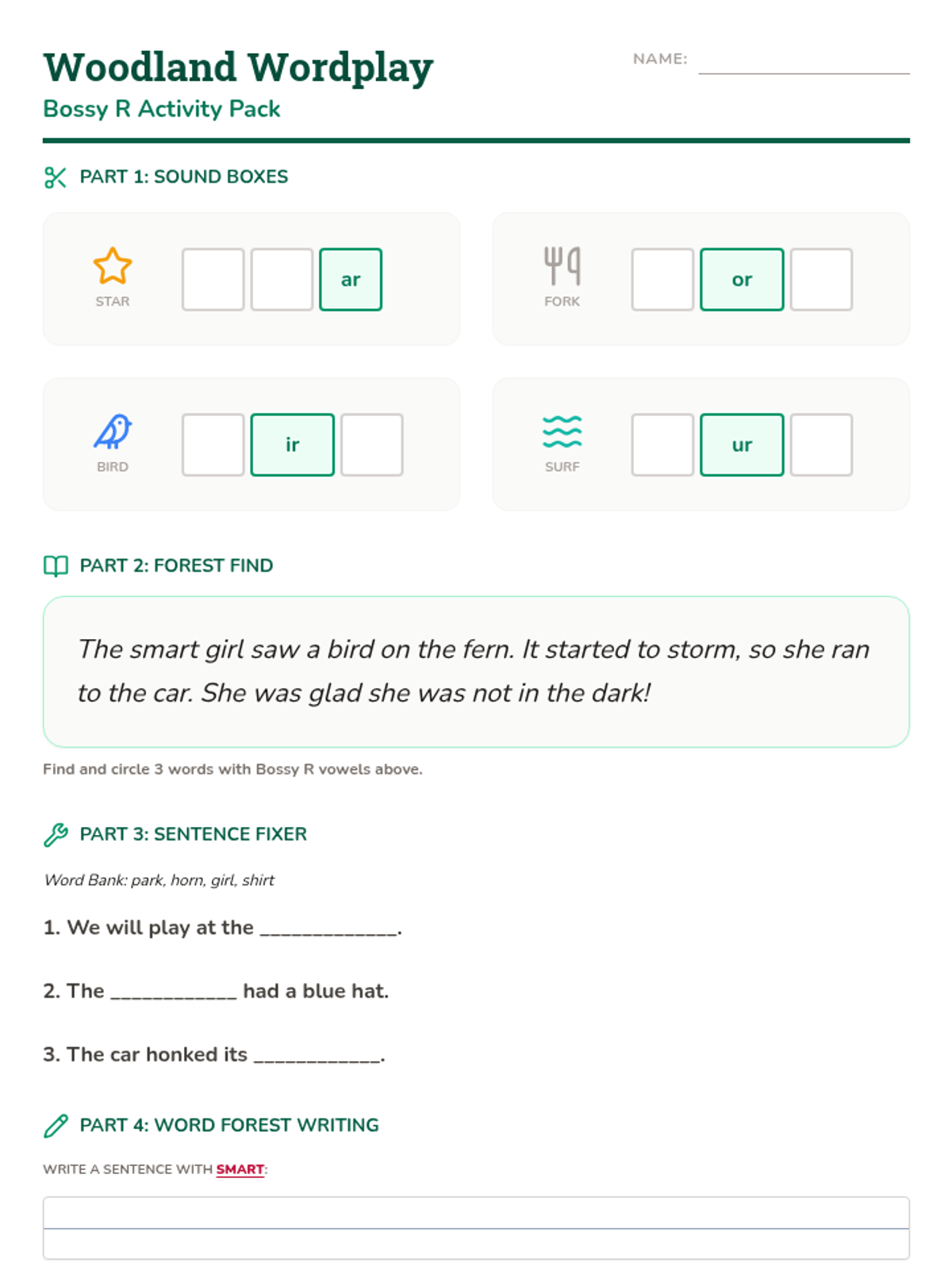
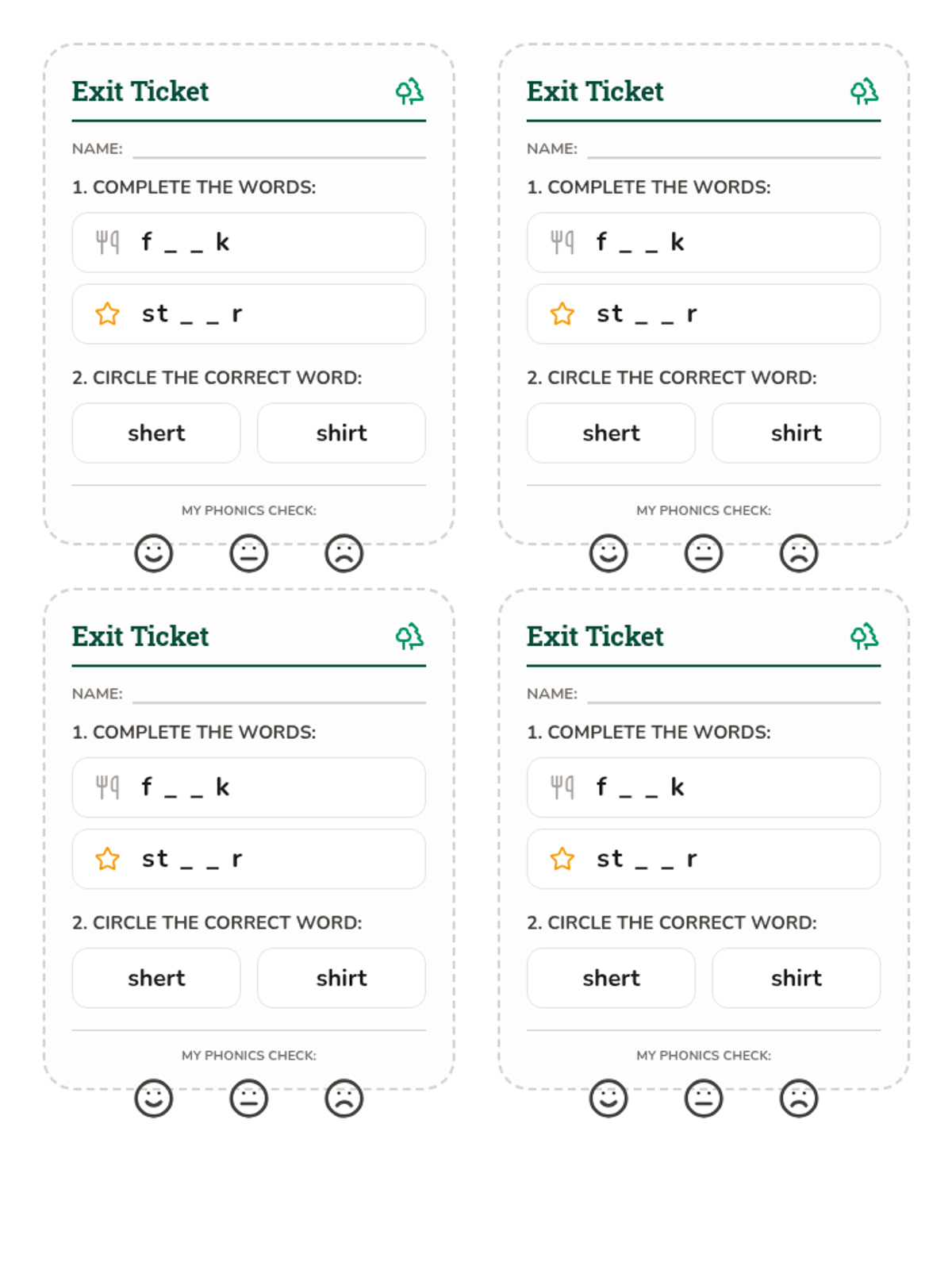
A comprehensive phonics lesson introducing the five r-controlled vowels (ar, er, ir, or, ur) through interactive forest-themed instruction and practice.
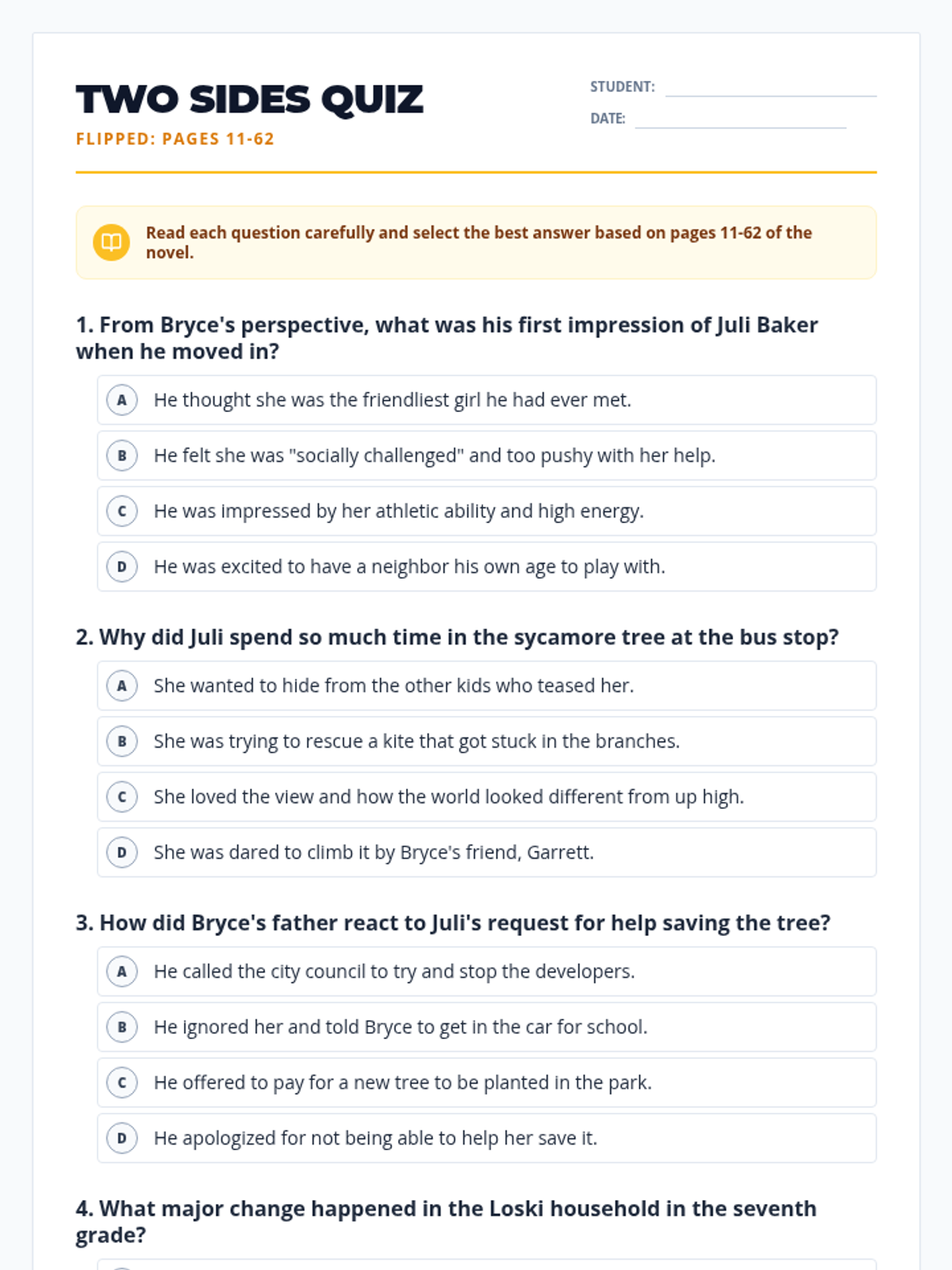
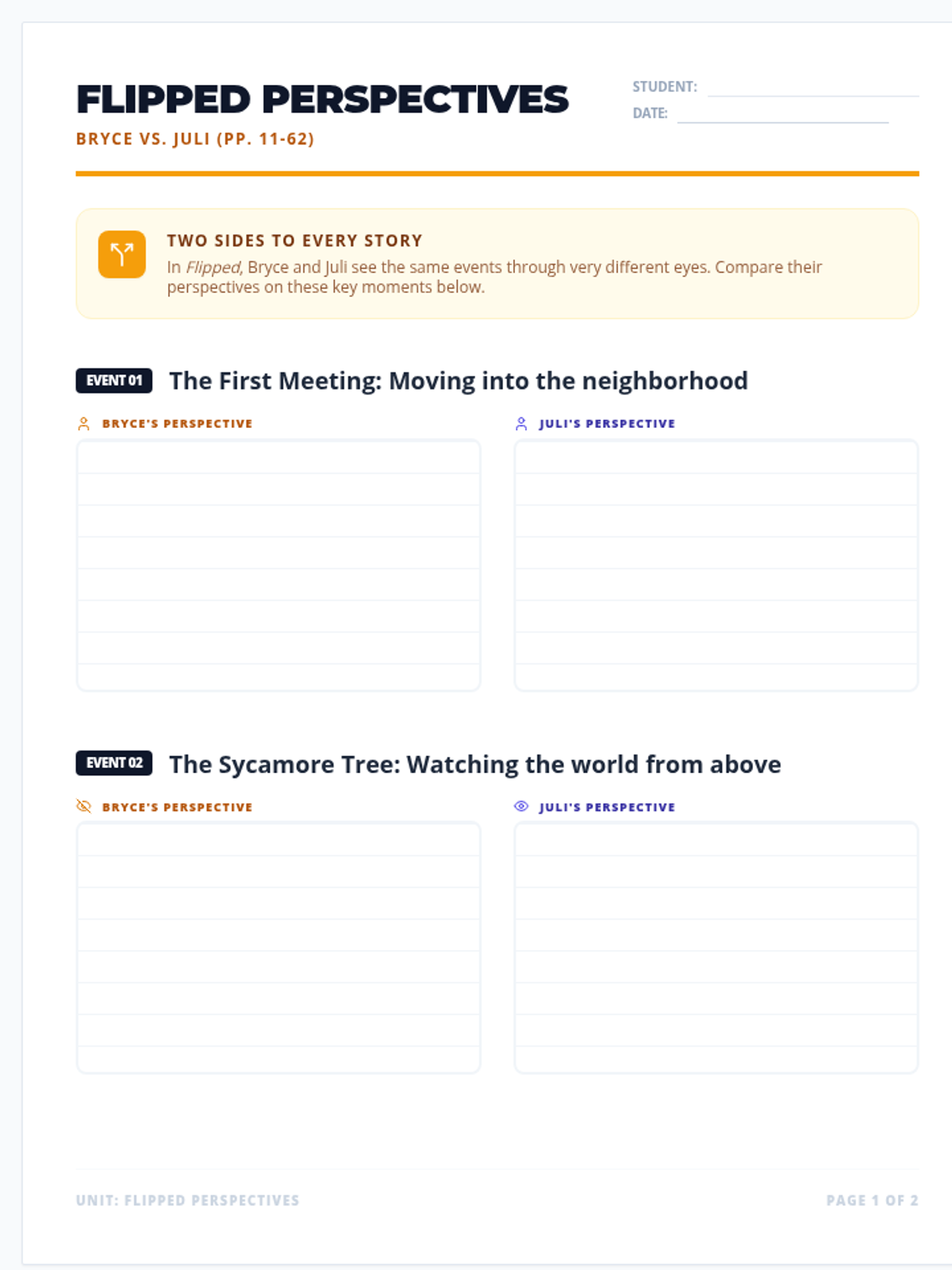
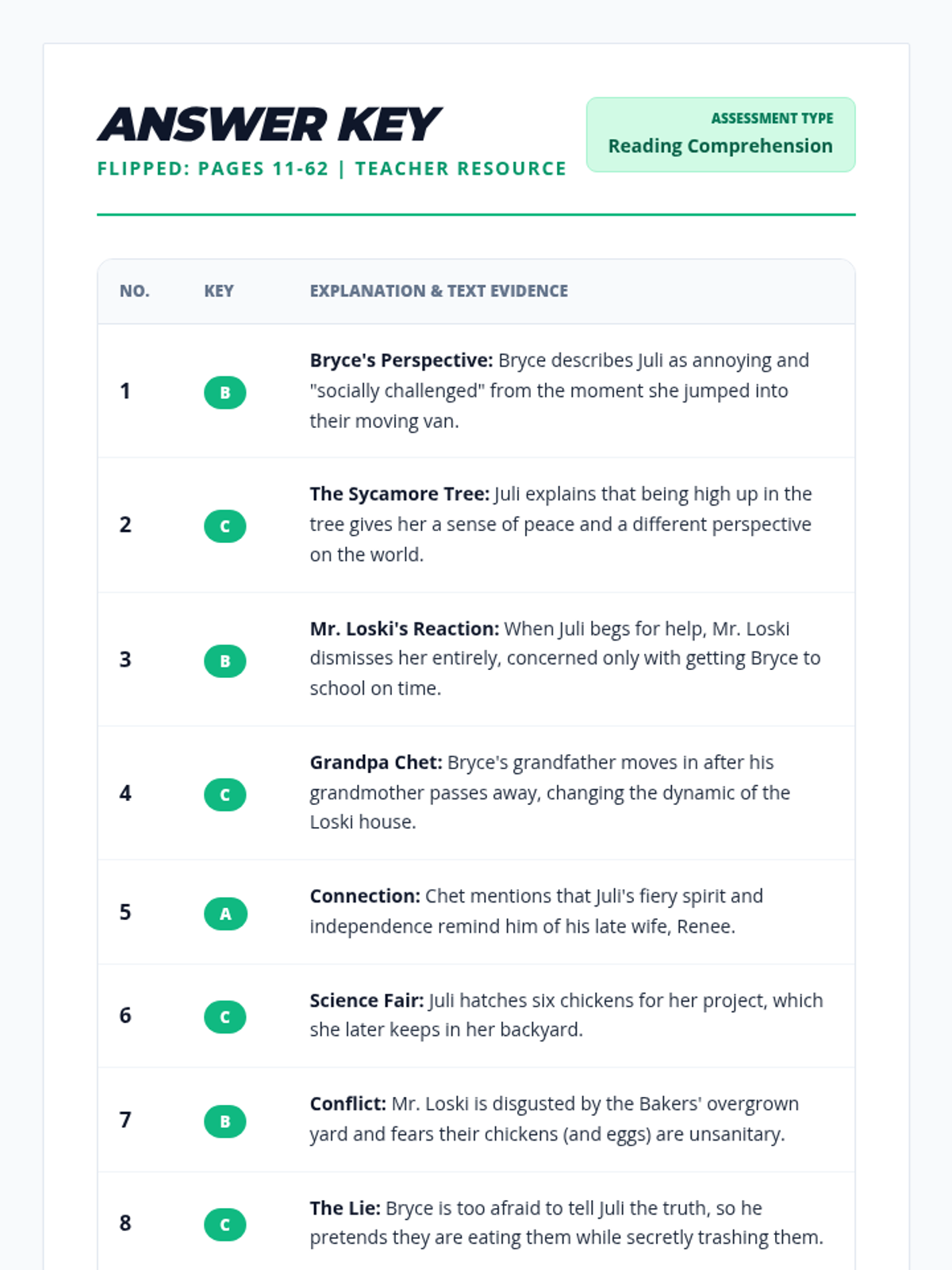
A comprehension assessment focused on the initial chapters of 'Flipped' by Wendelin Van Draanen, exploring dual perspectives, character motivations, and key plot points between Bryce and Juli.
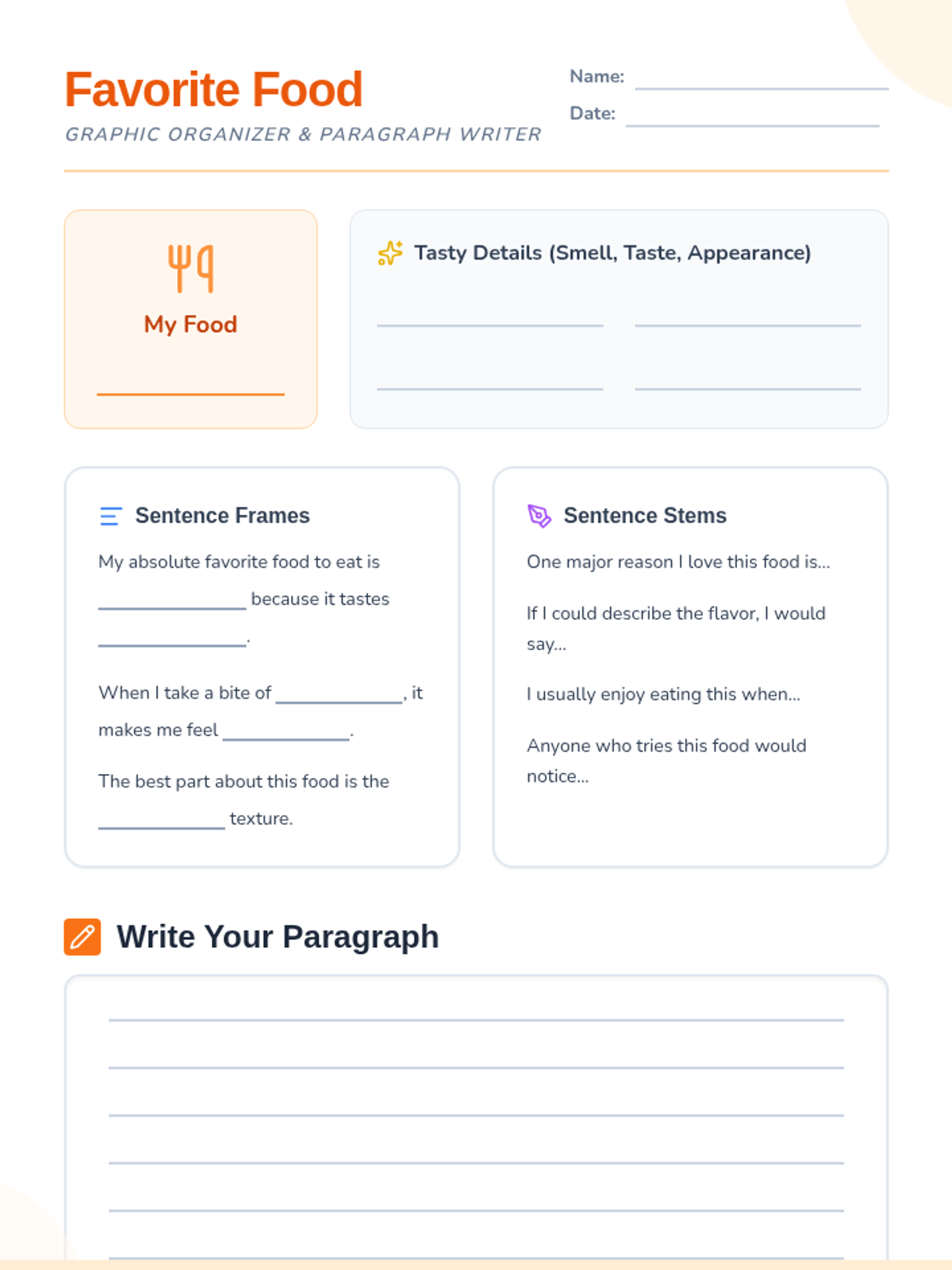
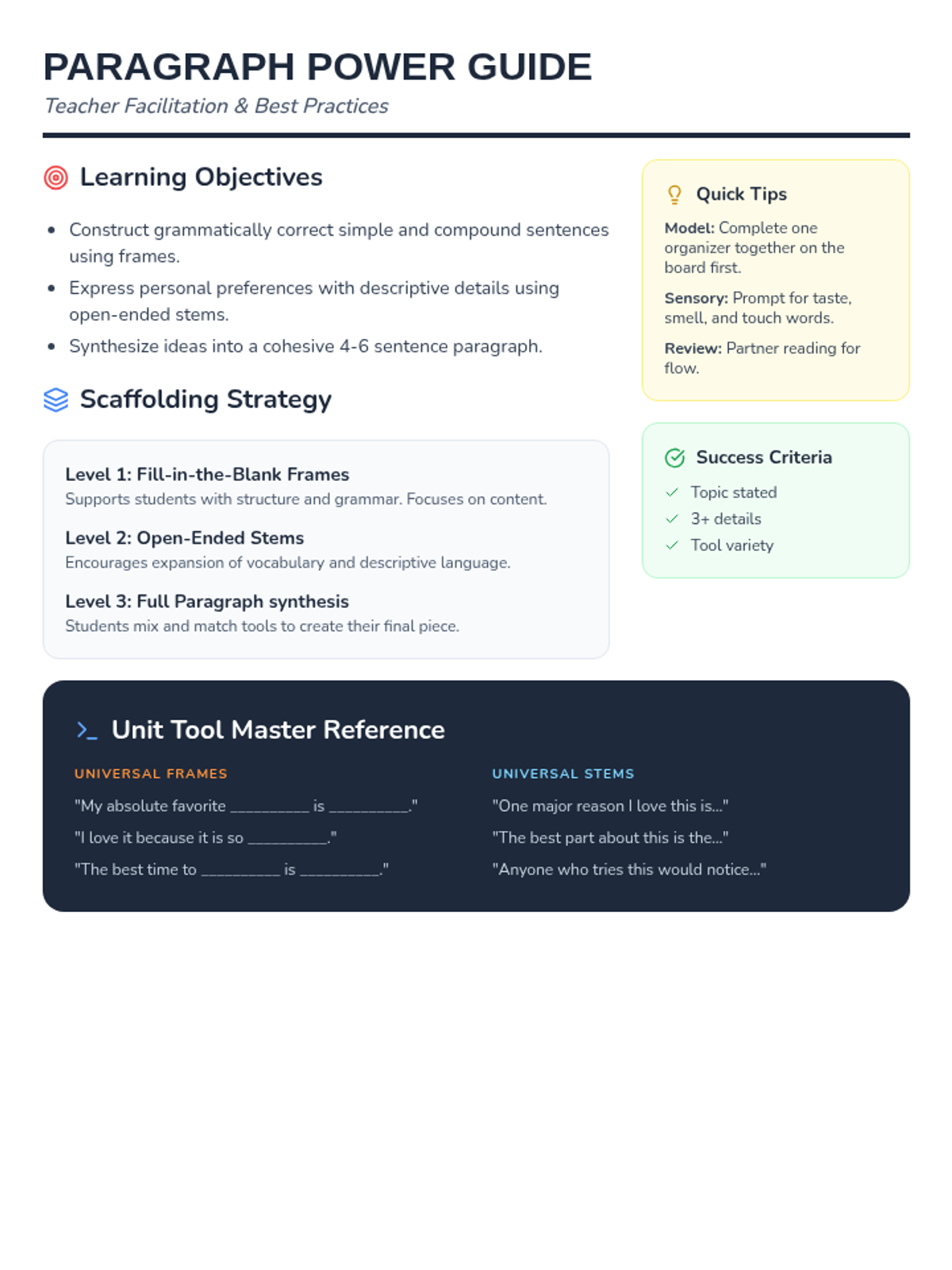
A collection of graphic organizers designed to help students write structured paragraphs about their favorite things using sentence stems and frames.
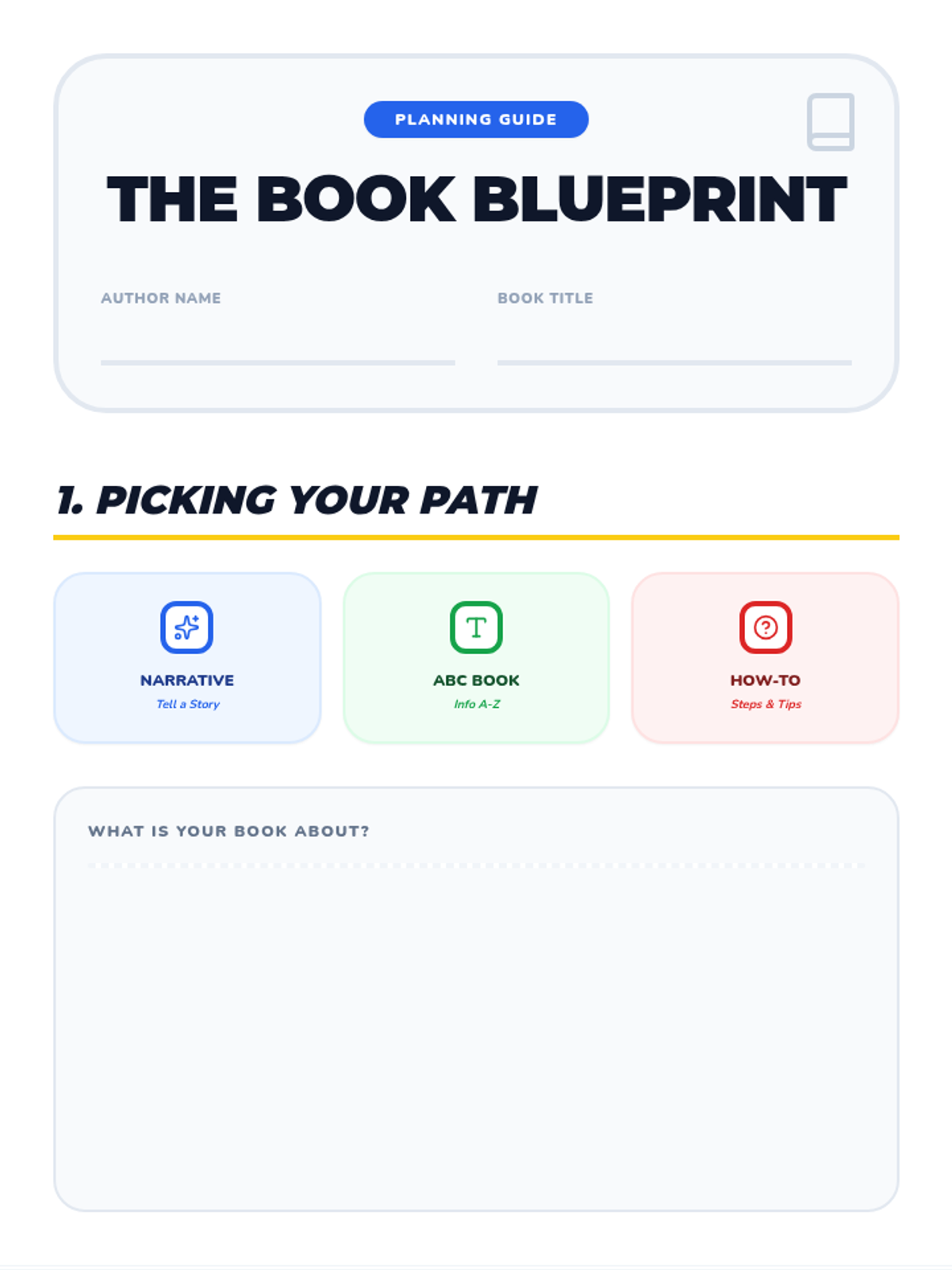
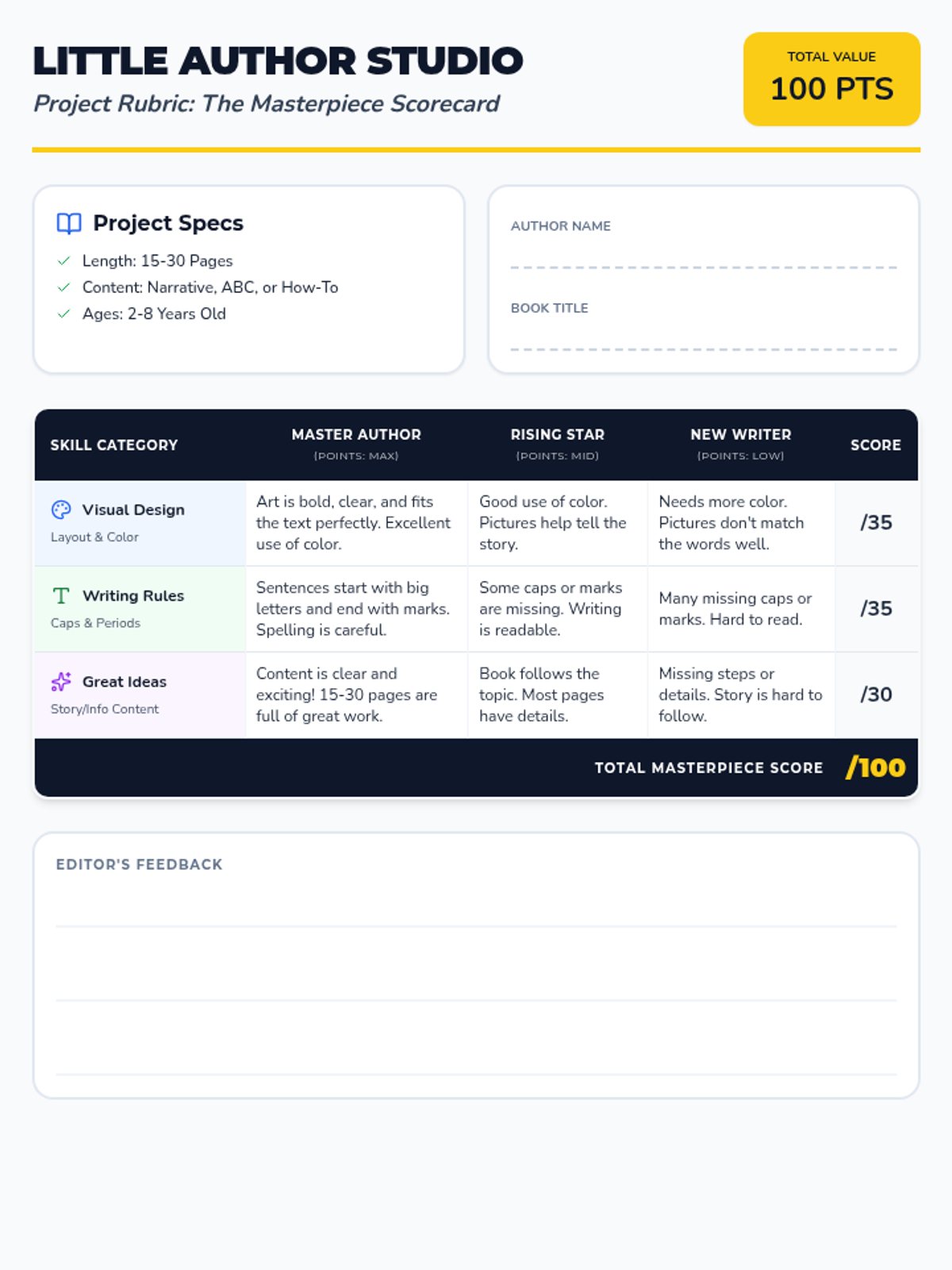
A creative writing project for young children (ages 2-8) to produce a 15-30 page book. Students can choose between a narrative story, an expository ABC book, or a how-to guide, focusing on visual design and writing conventions.
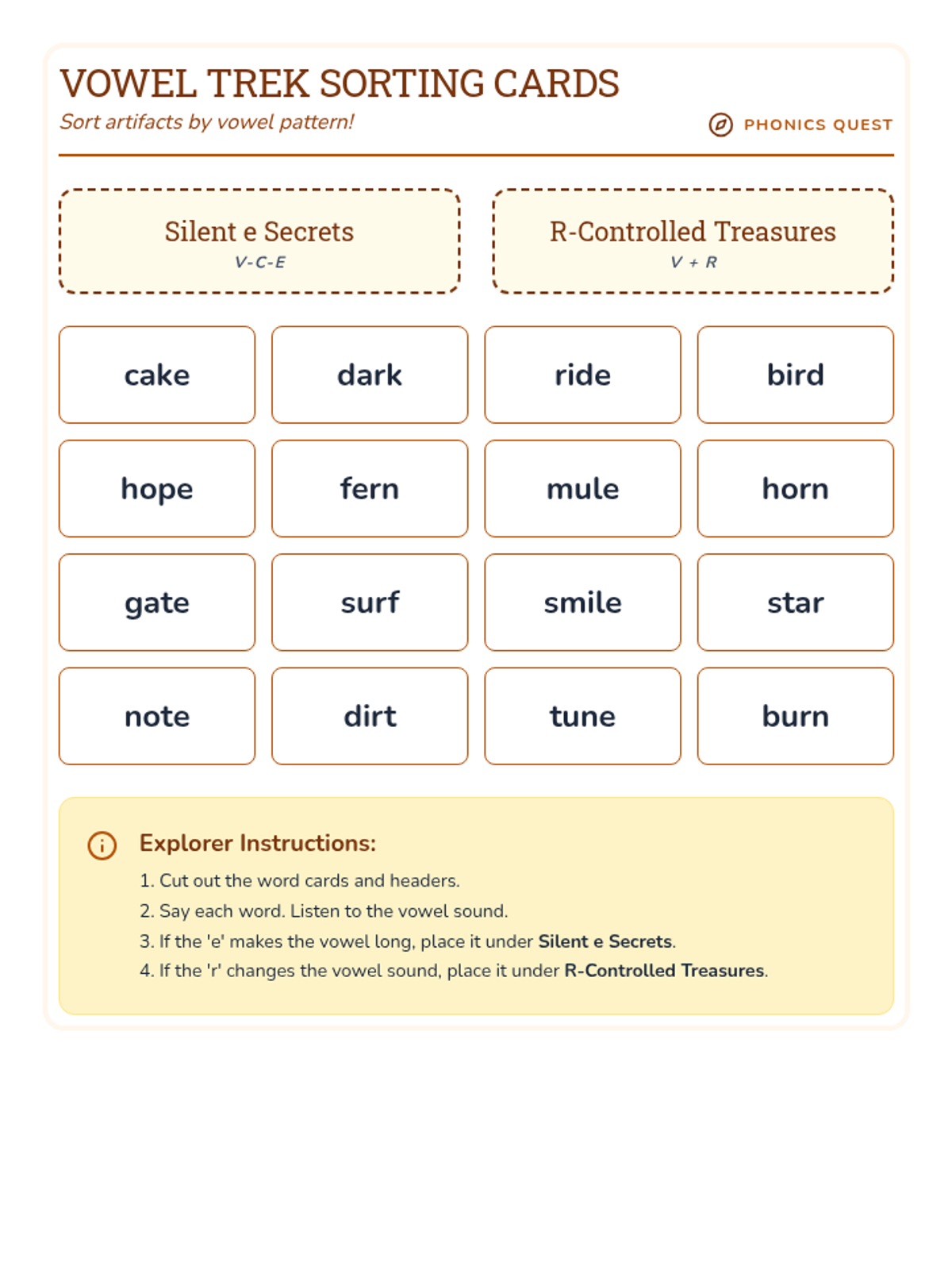
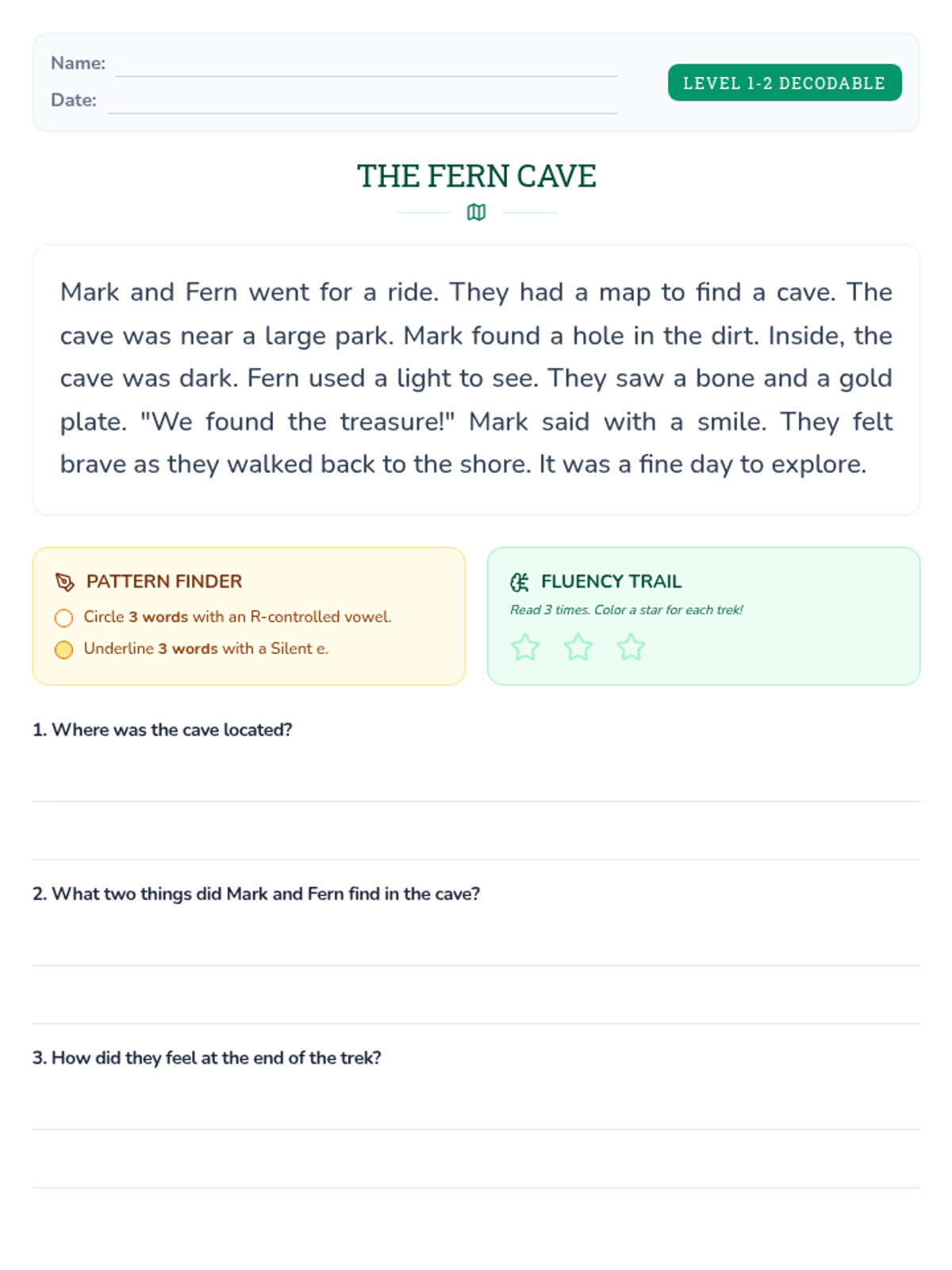
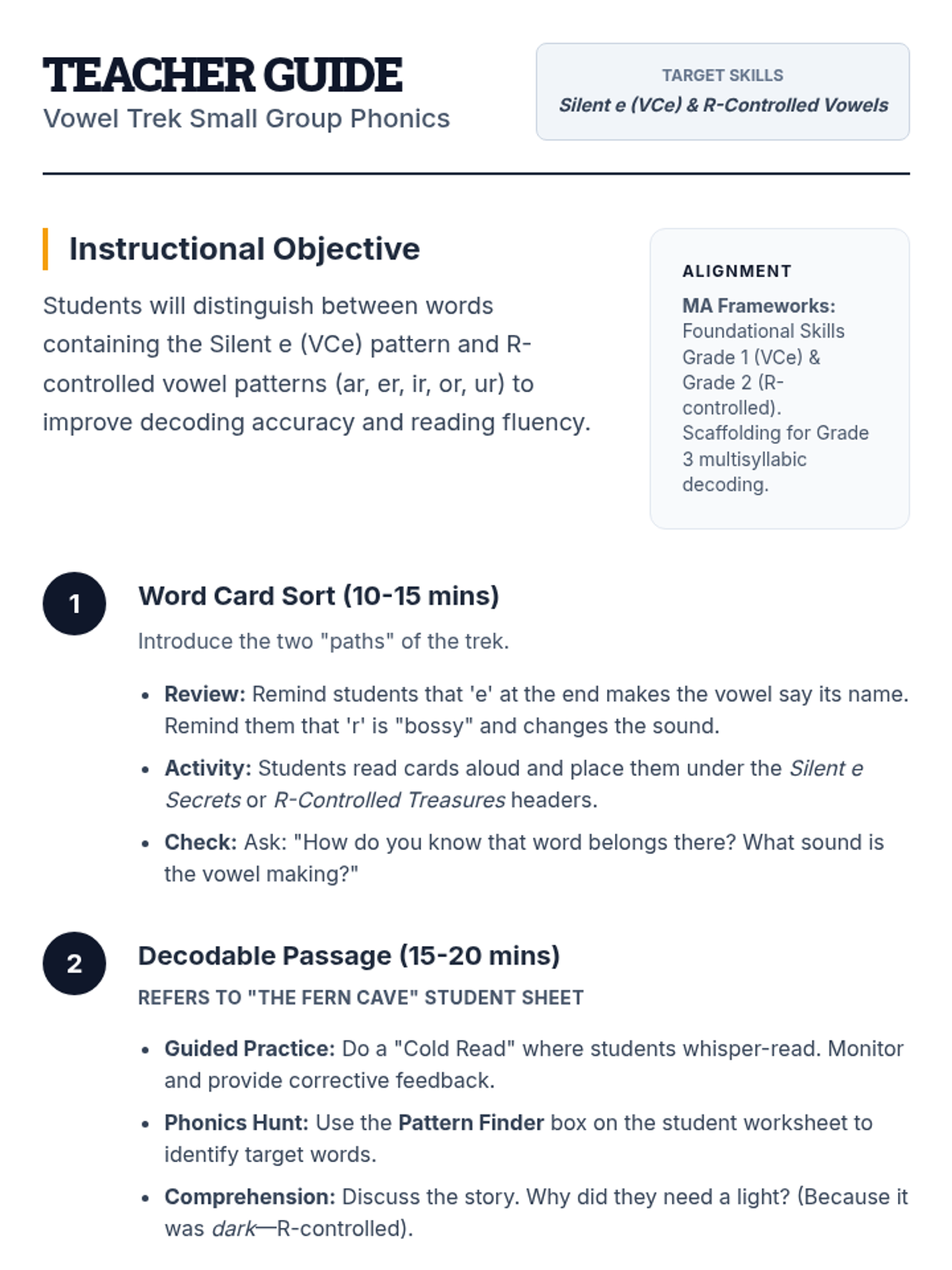
A small-group phonics lesson focused on distinguishing between silent e (VCe) and r-controlled vowel patterns, designed for Grade 3 students reading at a 1st-2nd grade level.
A collaborative "Pairs Compare" activity where students work in teams of four to share keywords, locate evidence, and synthesize final answers on index cards.
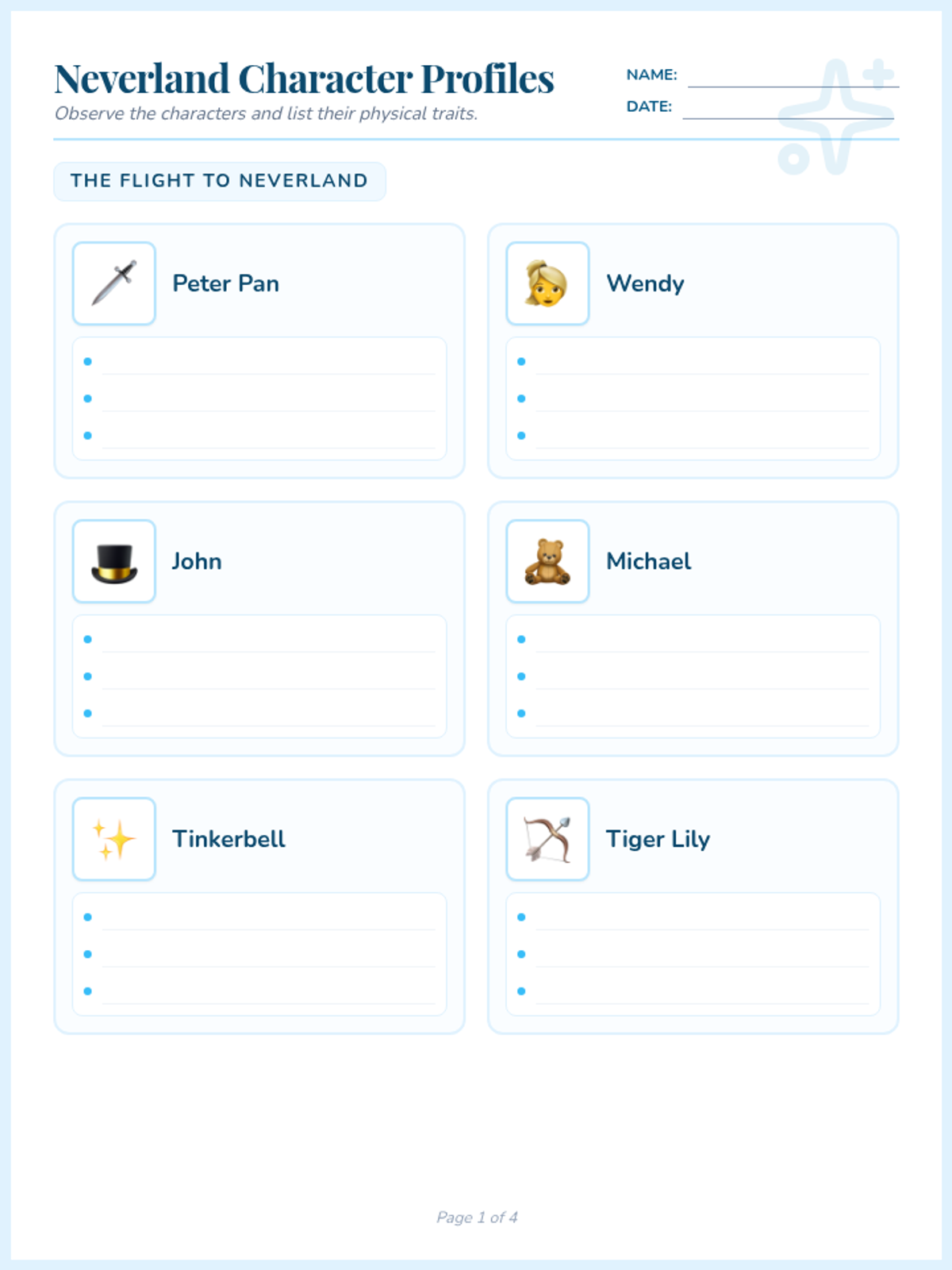
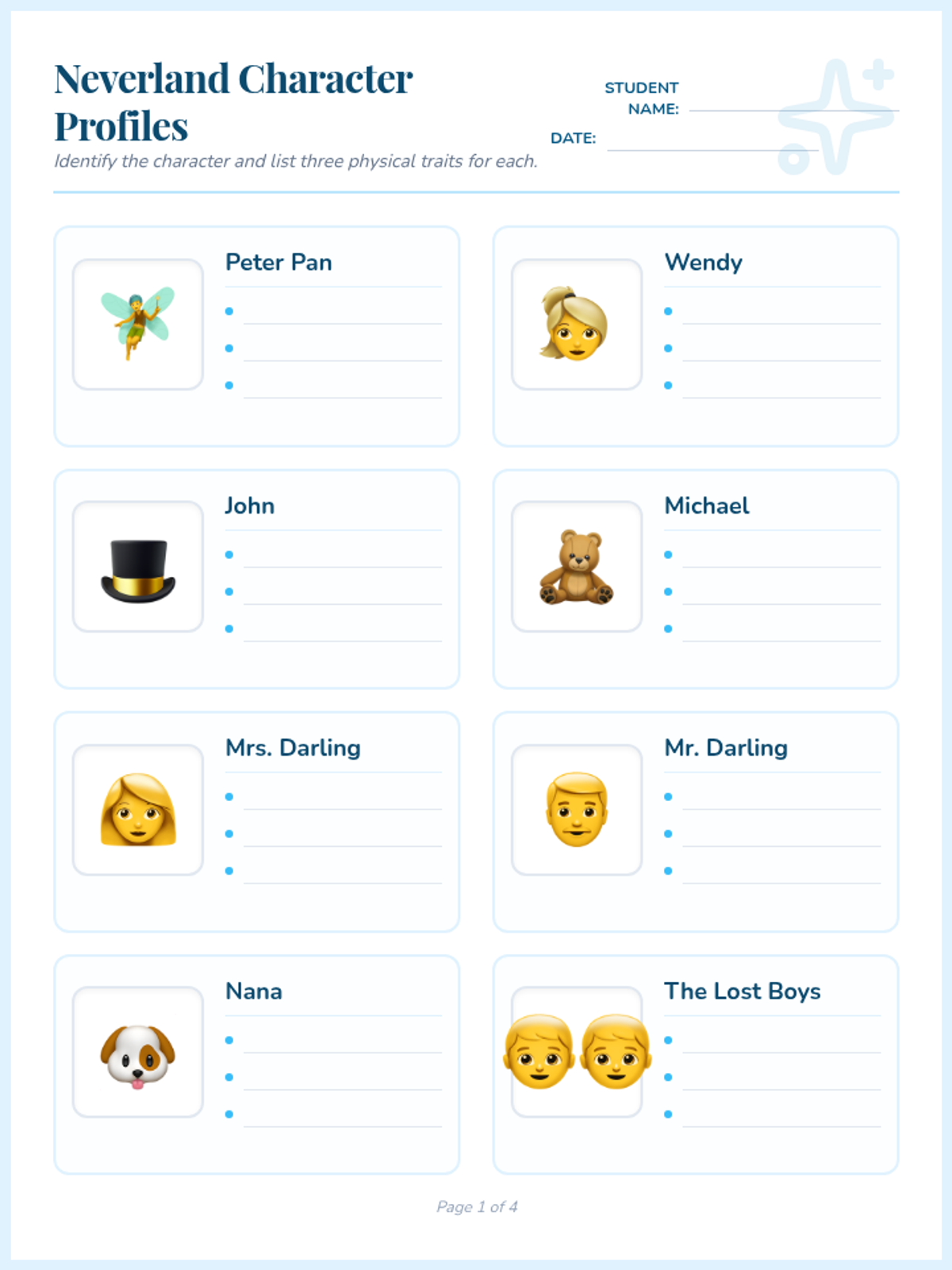
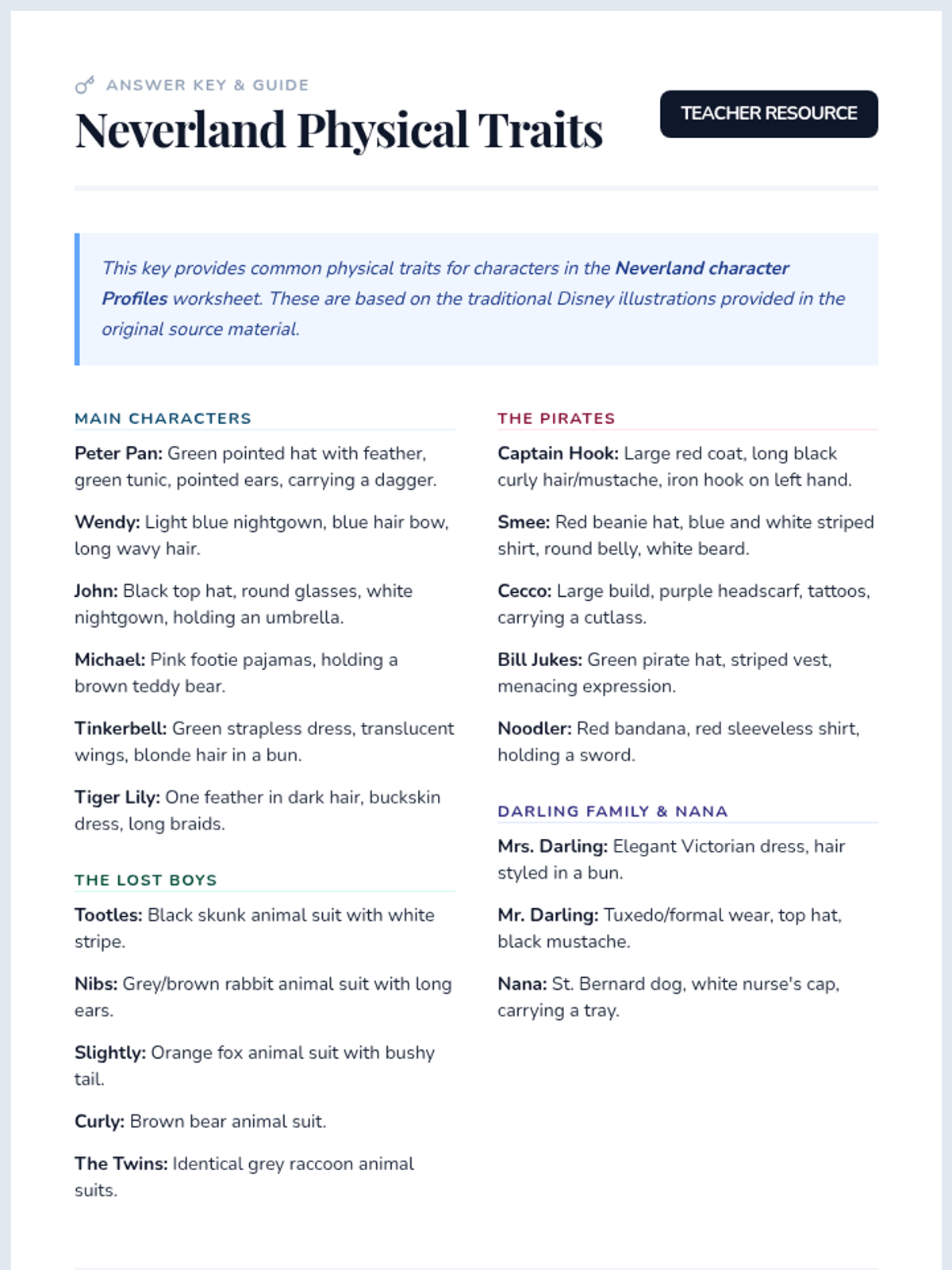
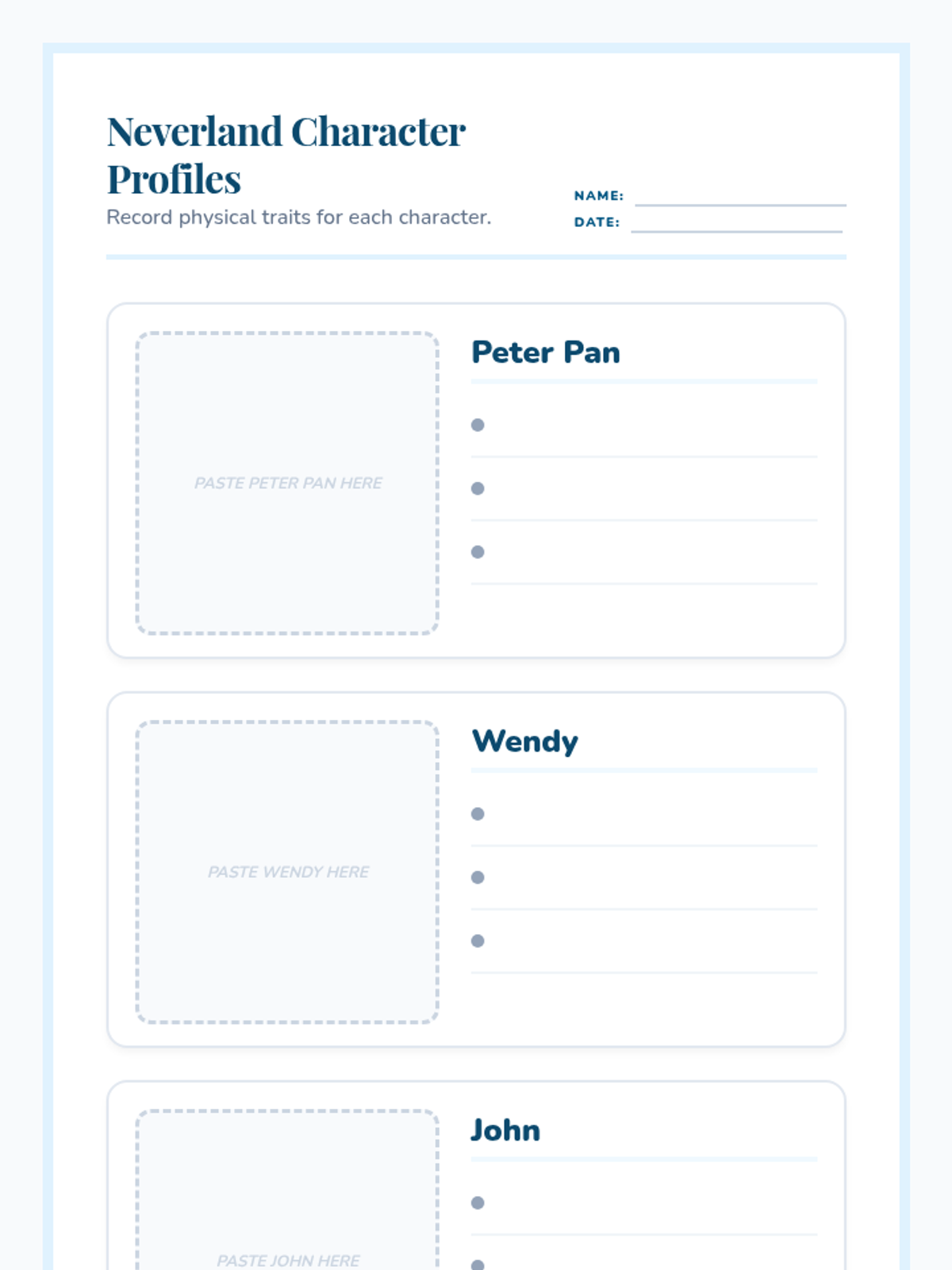
A character analysis lesson based on the classic story of Peter Pan, focusing on identifying physical traits and character descriptions.
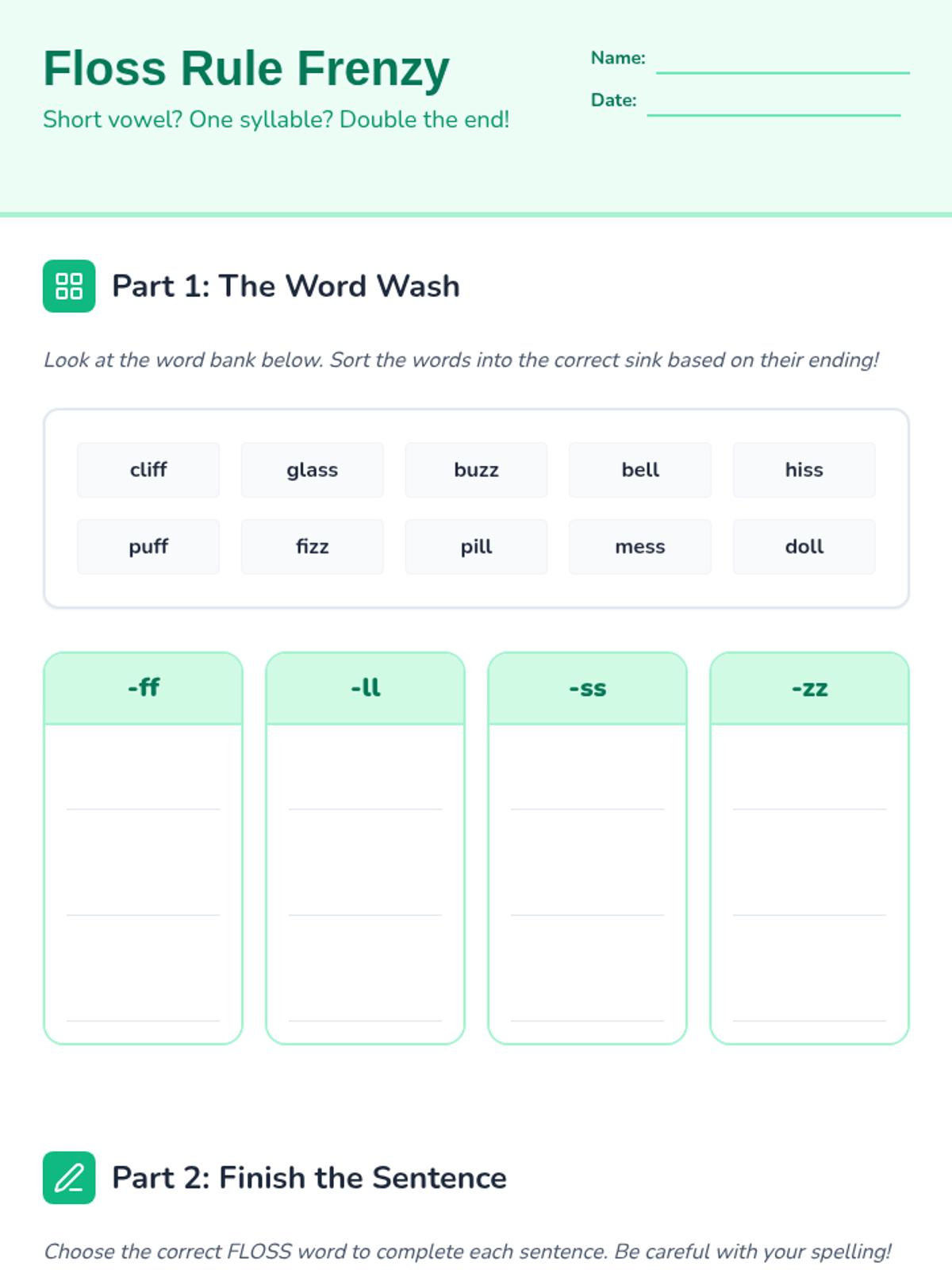
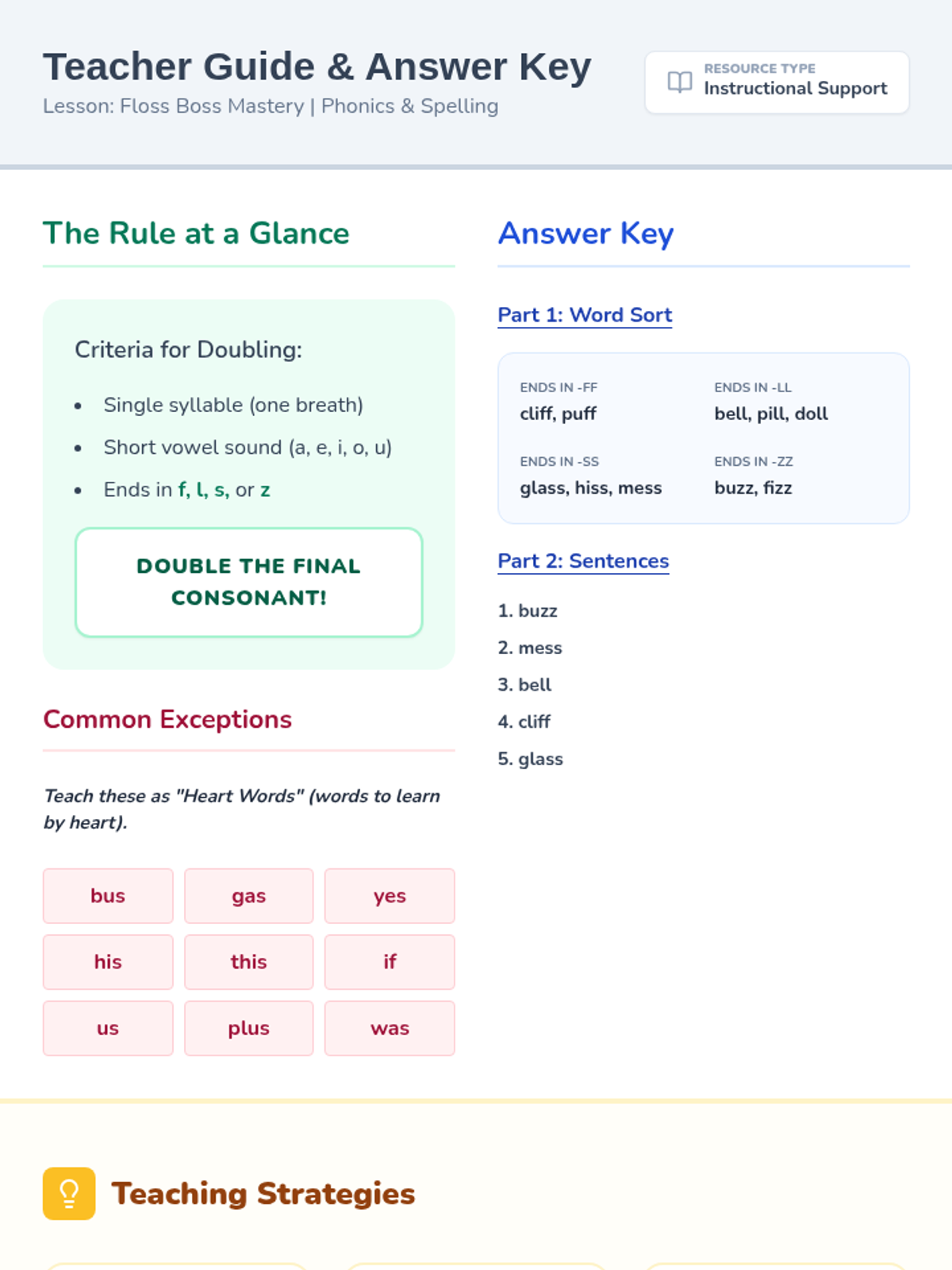
A phonics lesson for 2nd graders focusing on the FLOSS rule (doubling f, l, s, and z at the end of short vowel words). Students will learn to identify, sort, and spell words following this pattern.
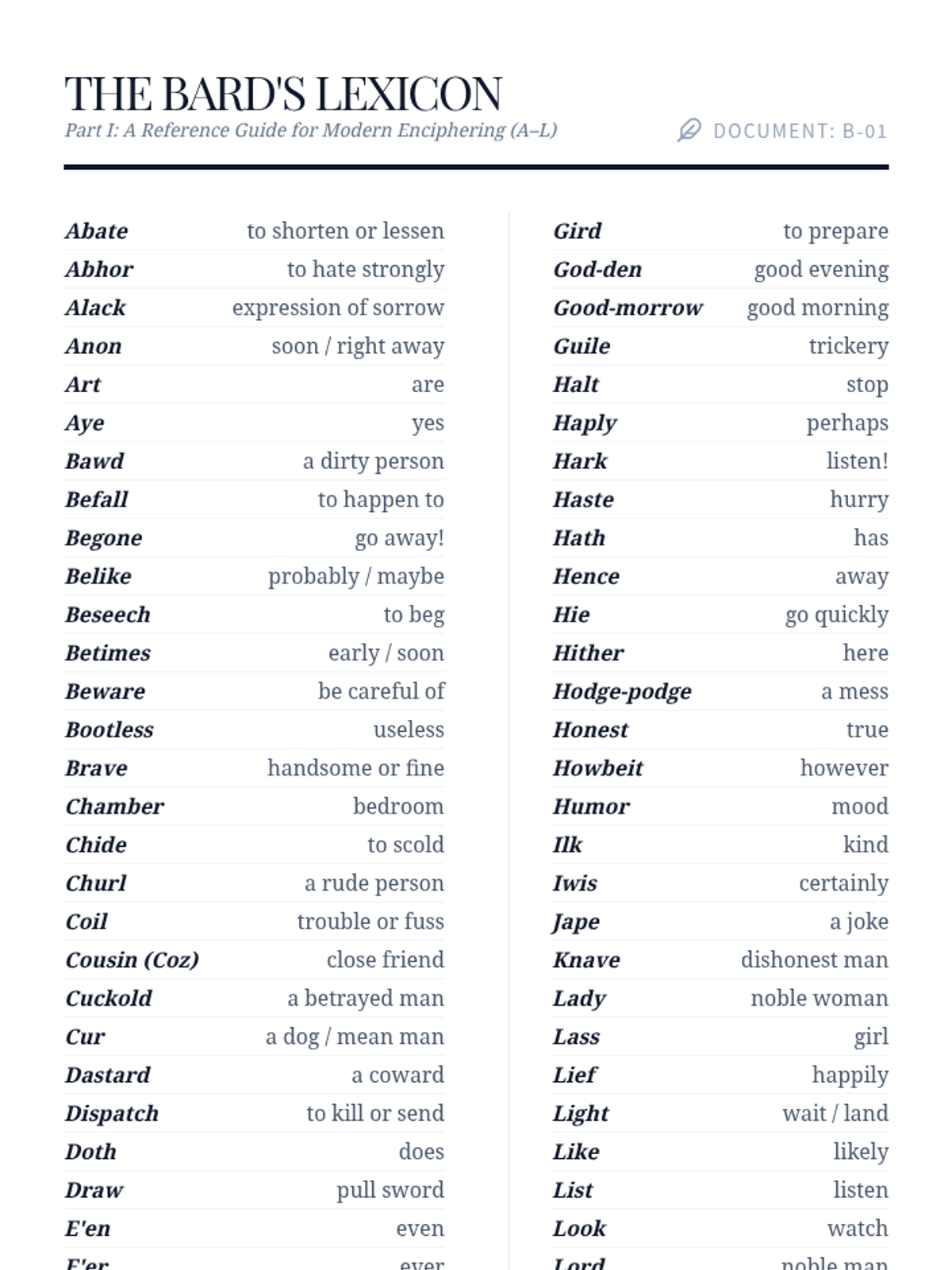
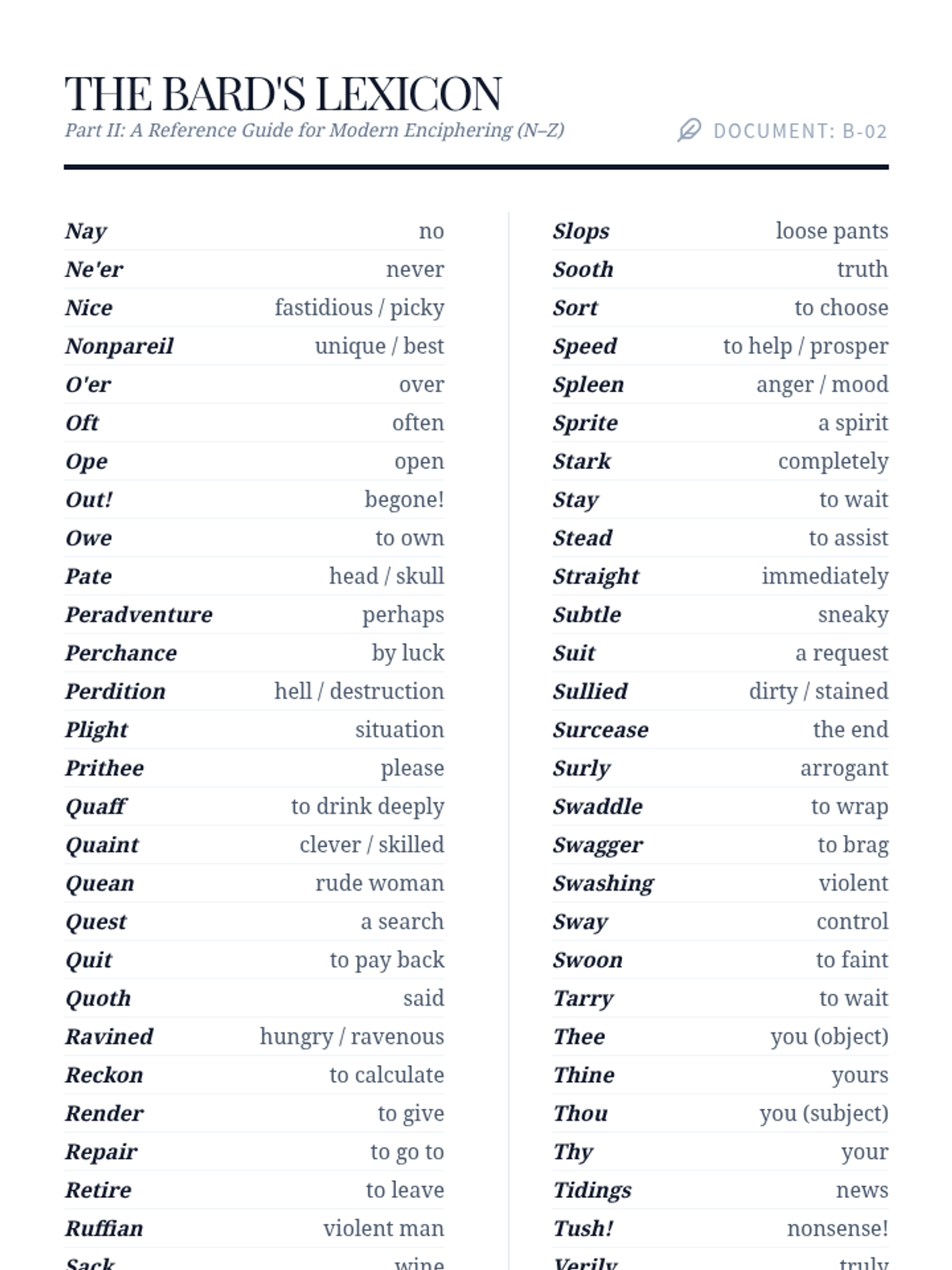
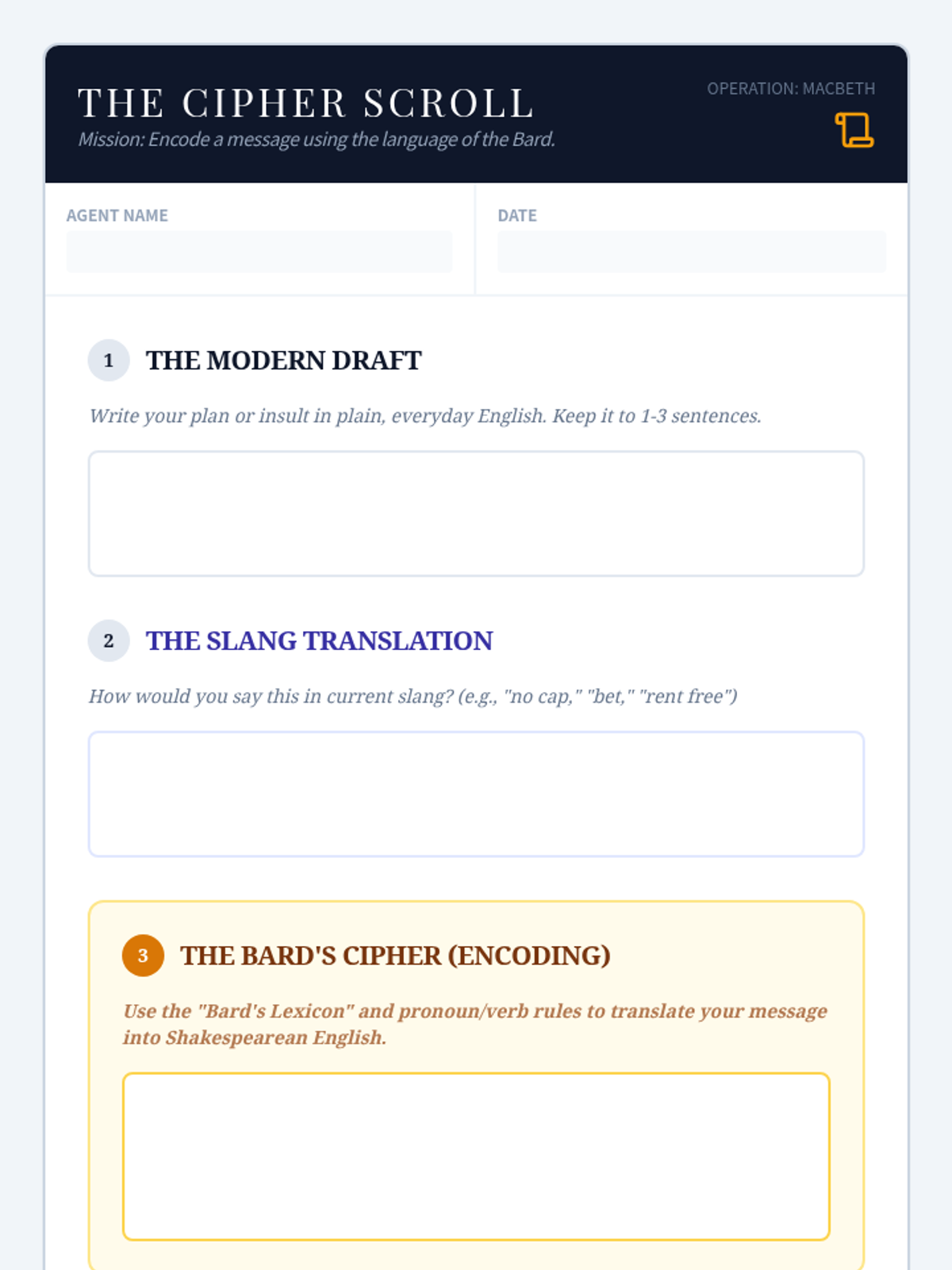
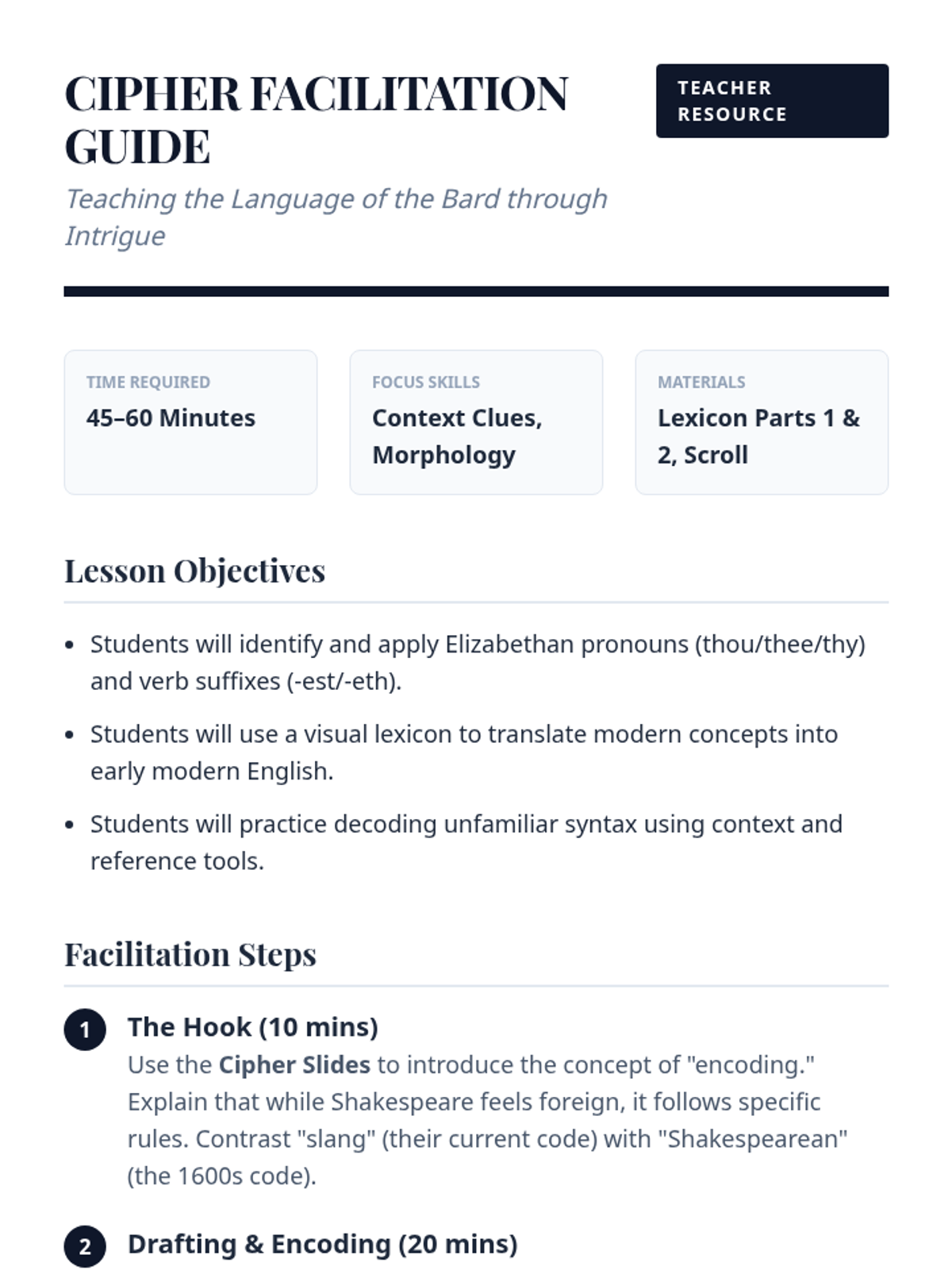
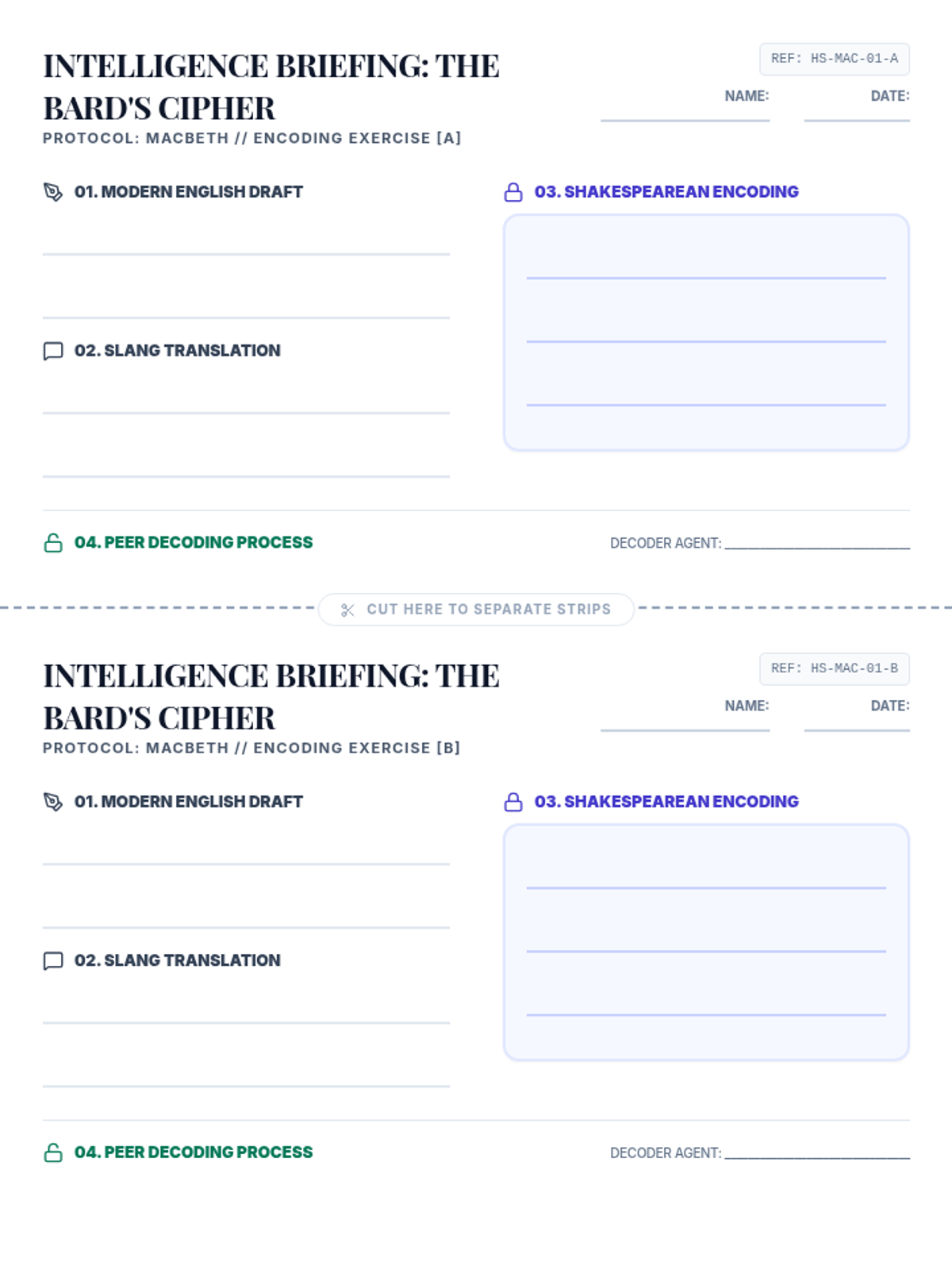
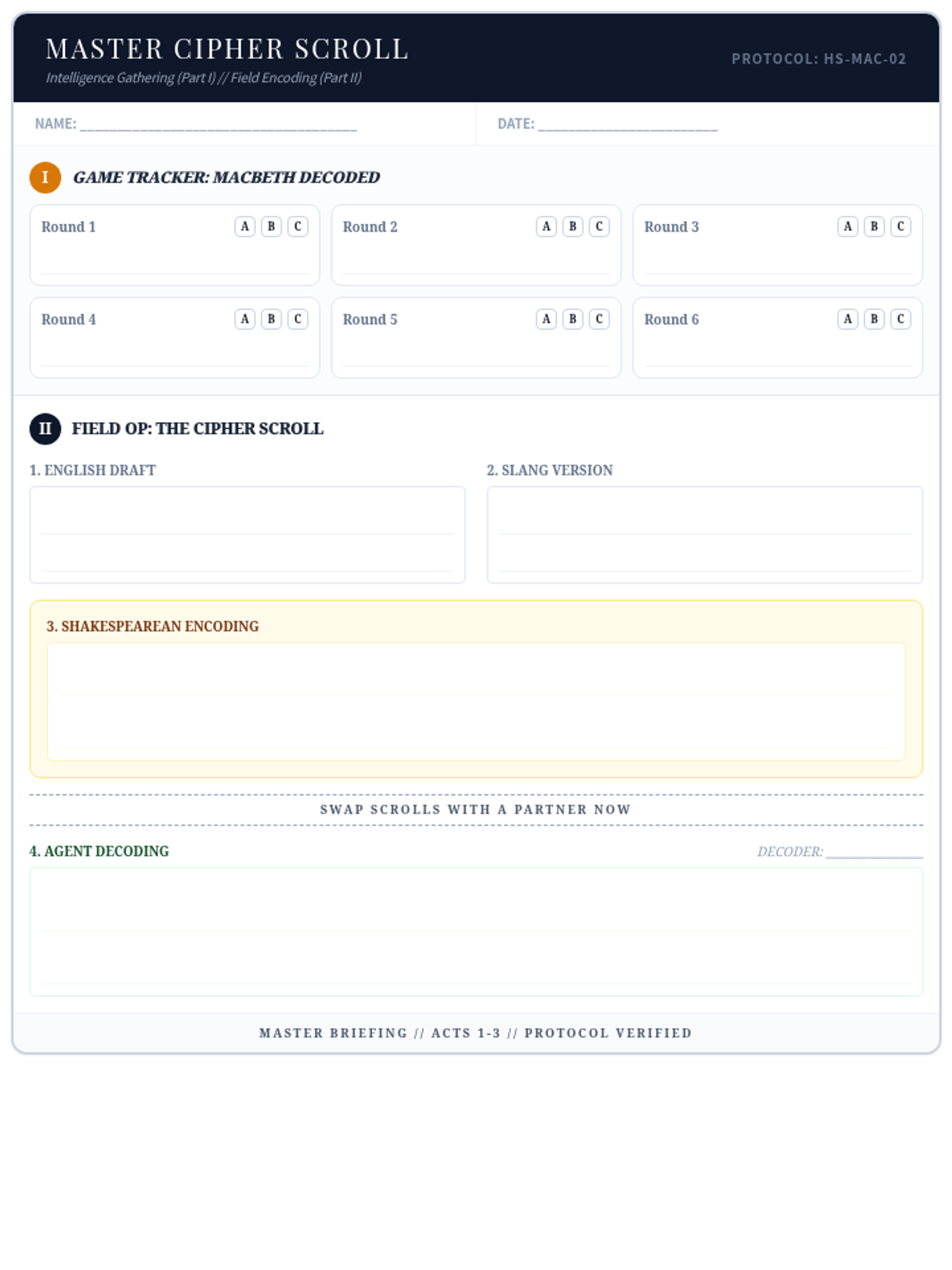
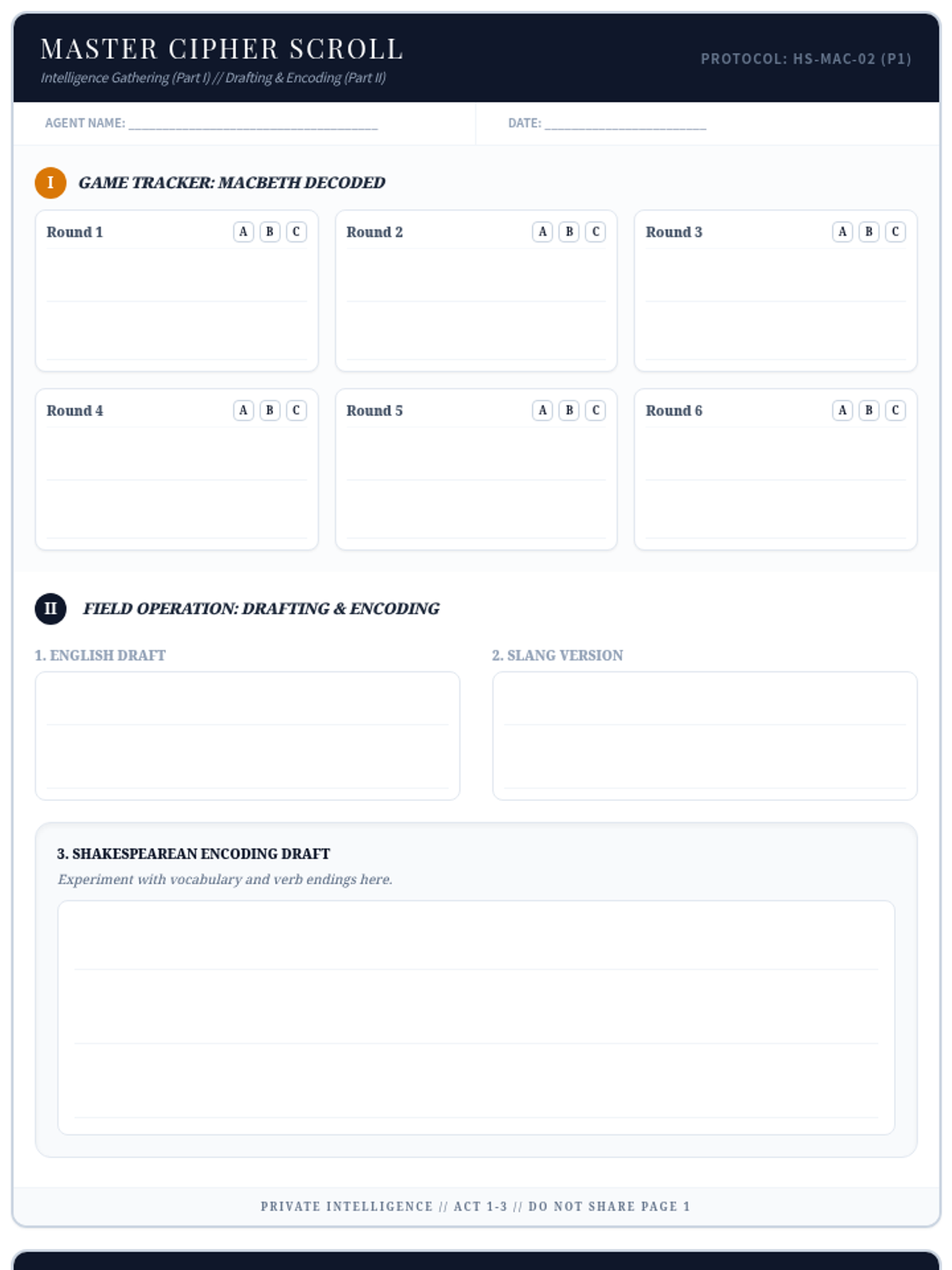
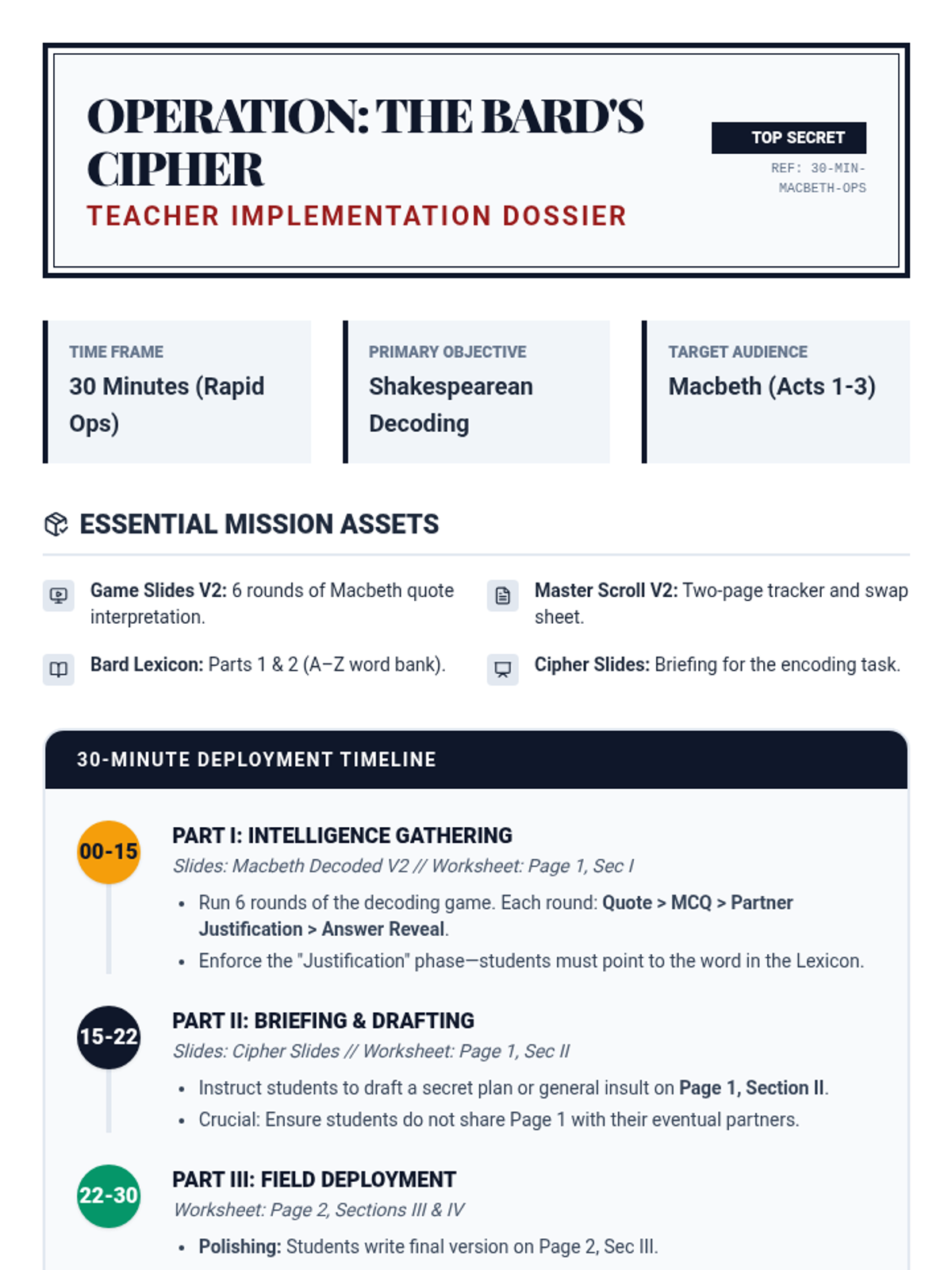
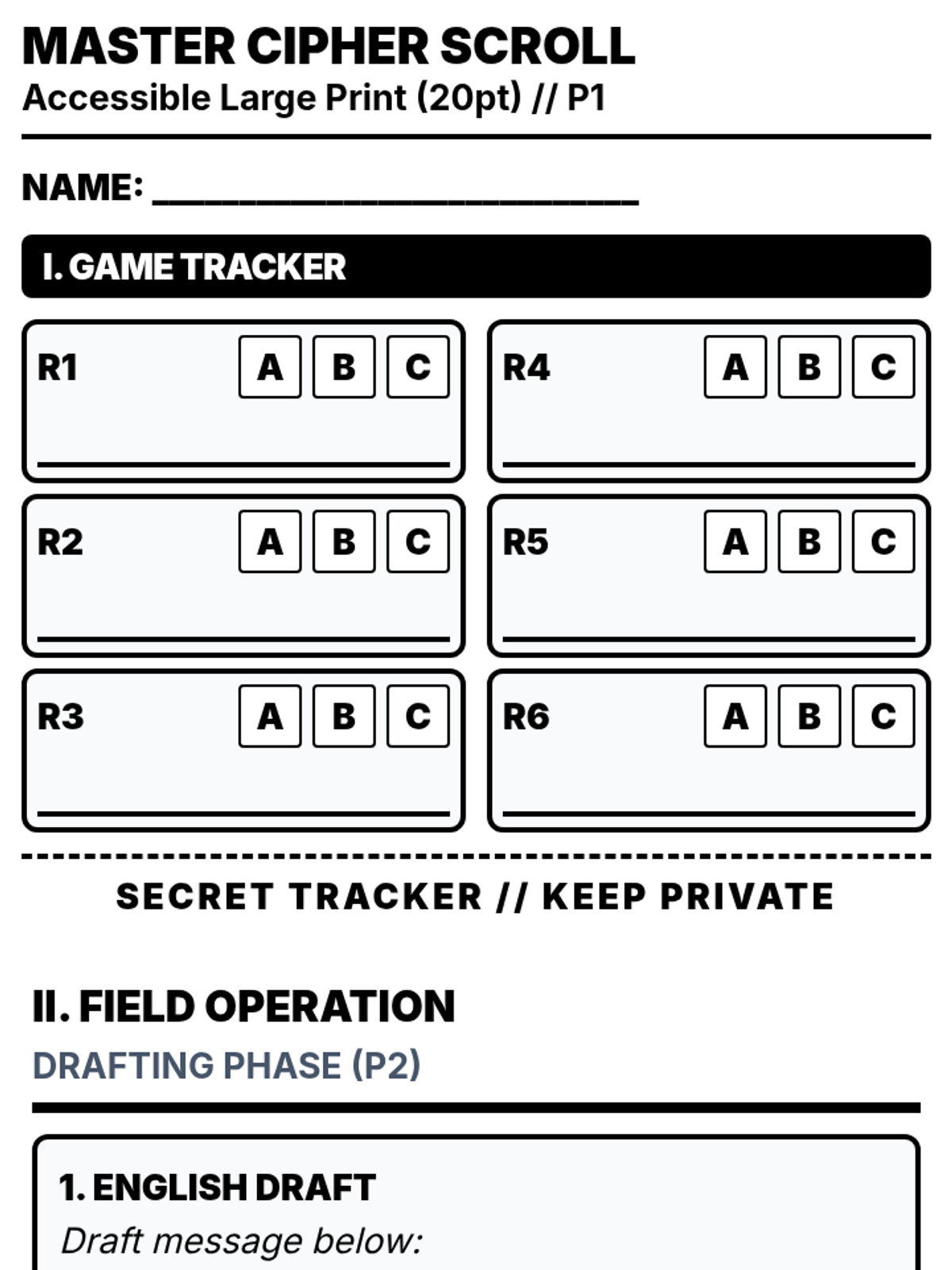
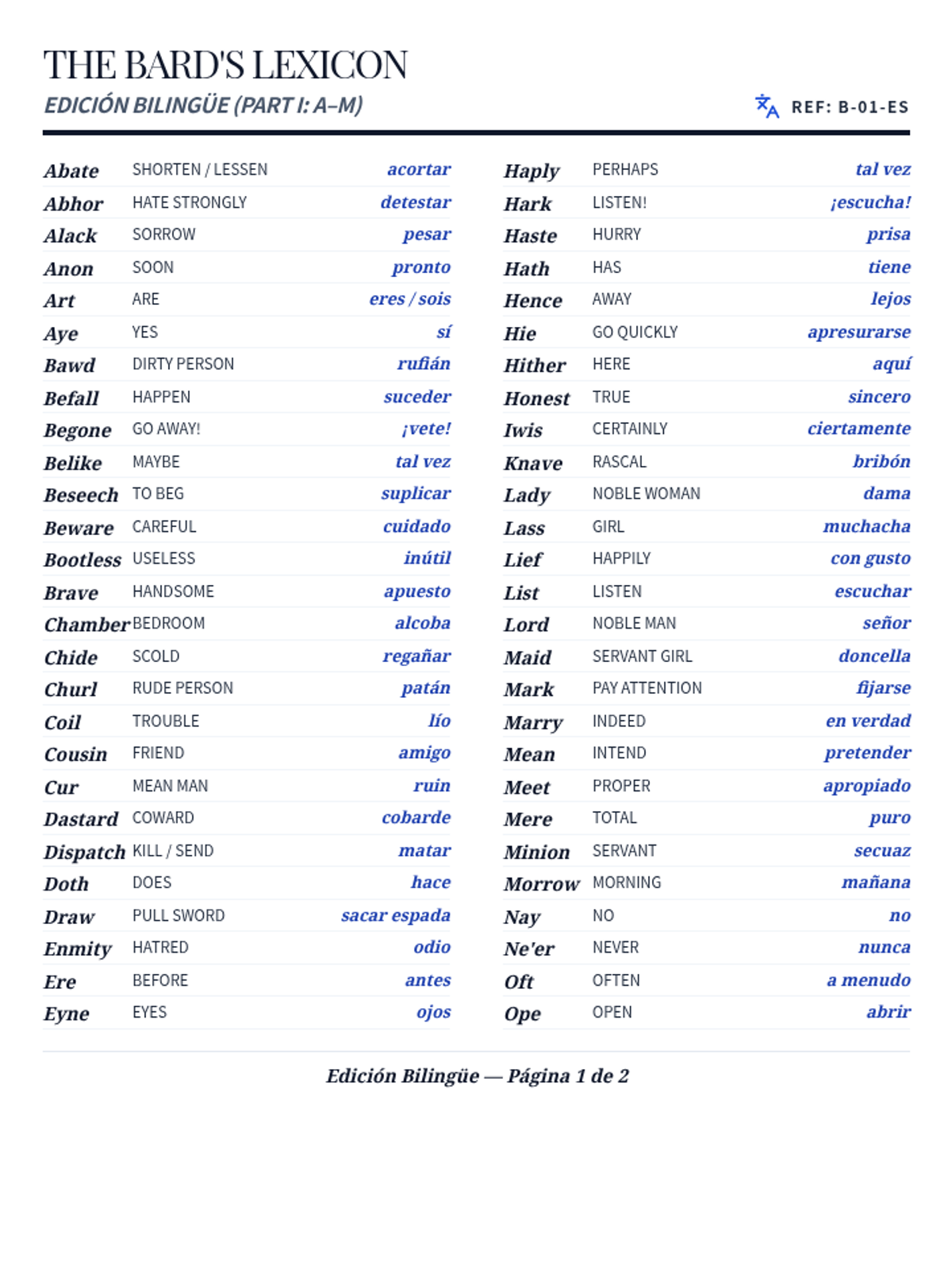
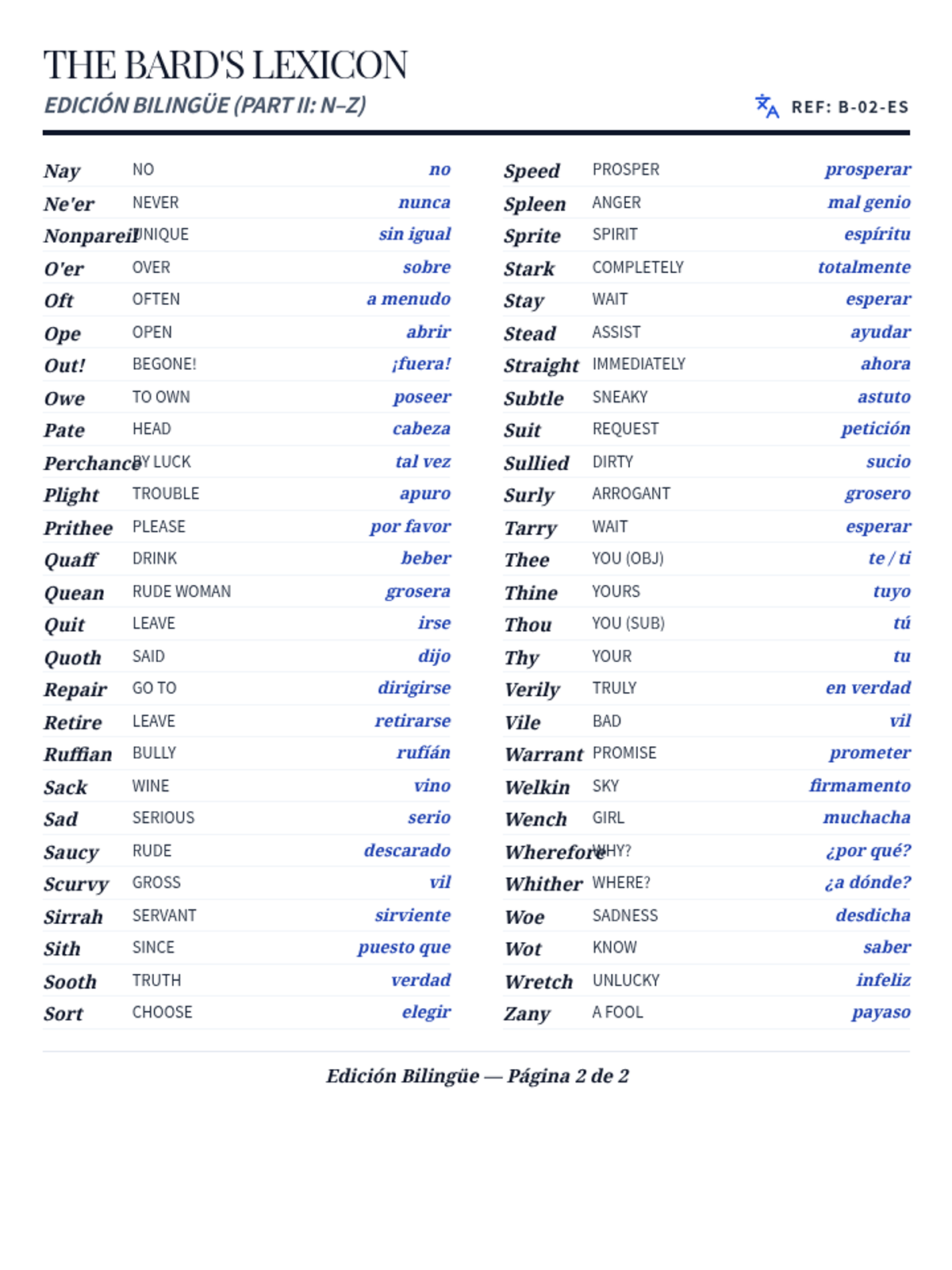
A hands-on activity where students learn to decode and encode Shakespearean language by writing secret messages or insults, then swapping them with peers to translate.
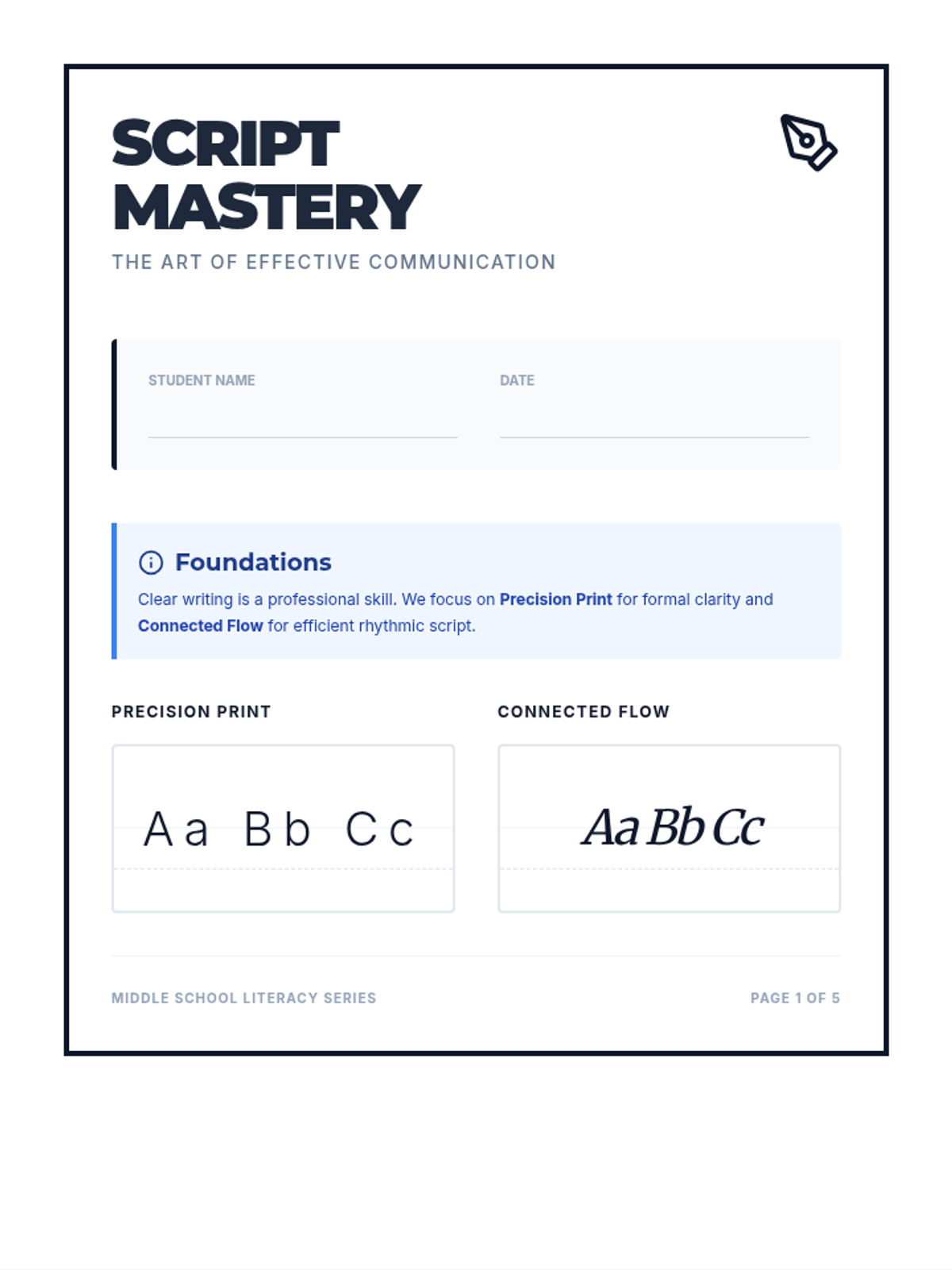
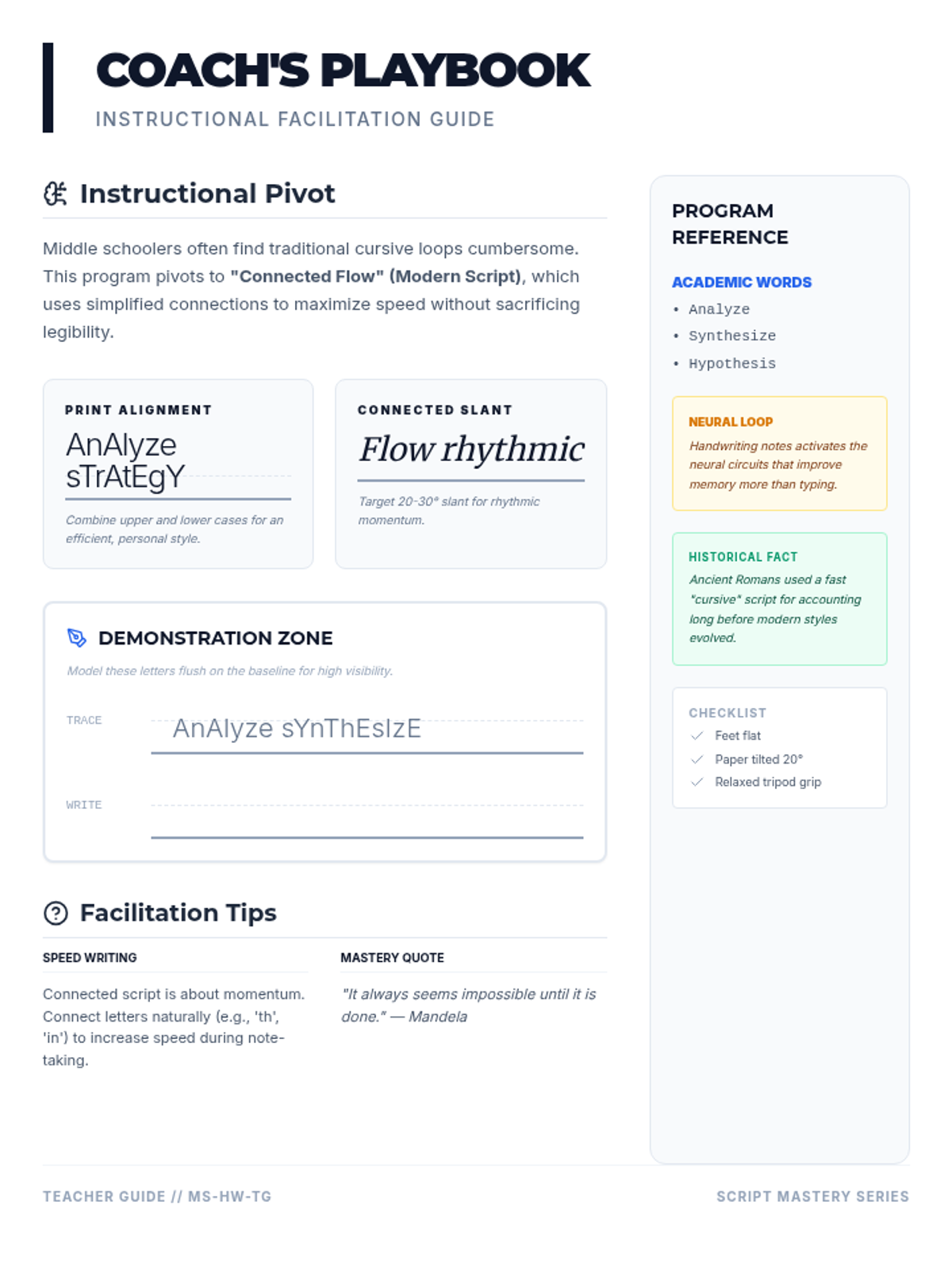
A comprehensive handwriting improvement program for middle school students, blending print and cursive techniques using engaging academic and motivational content.
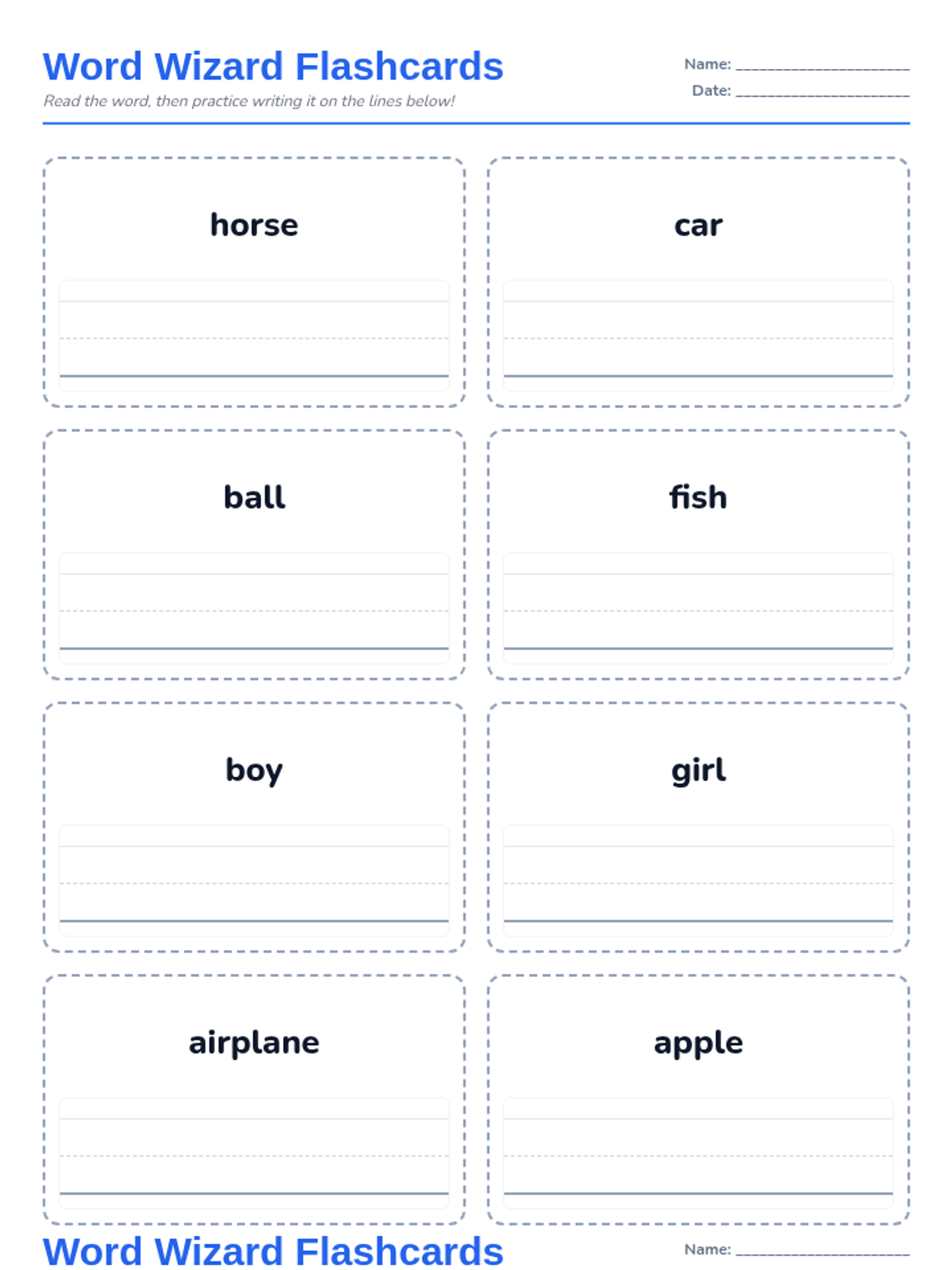
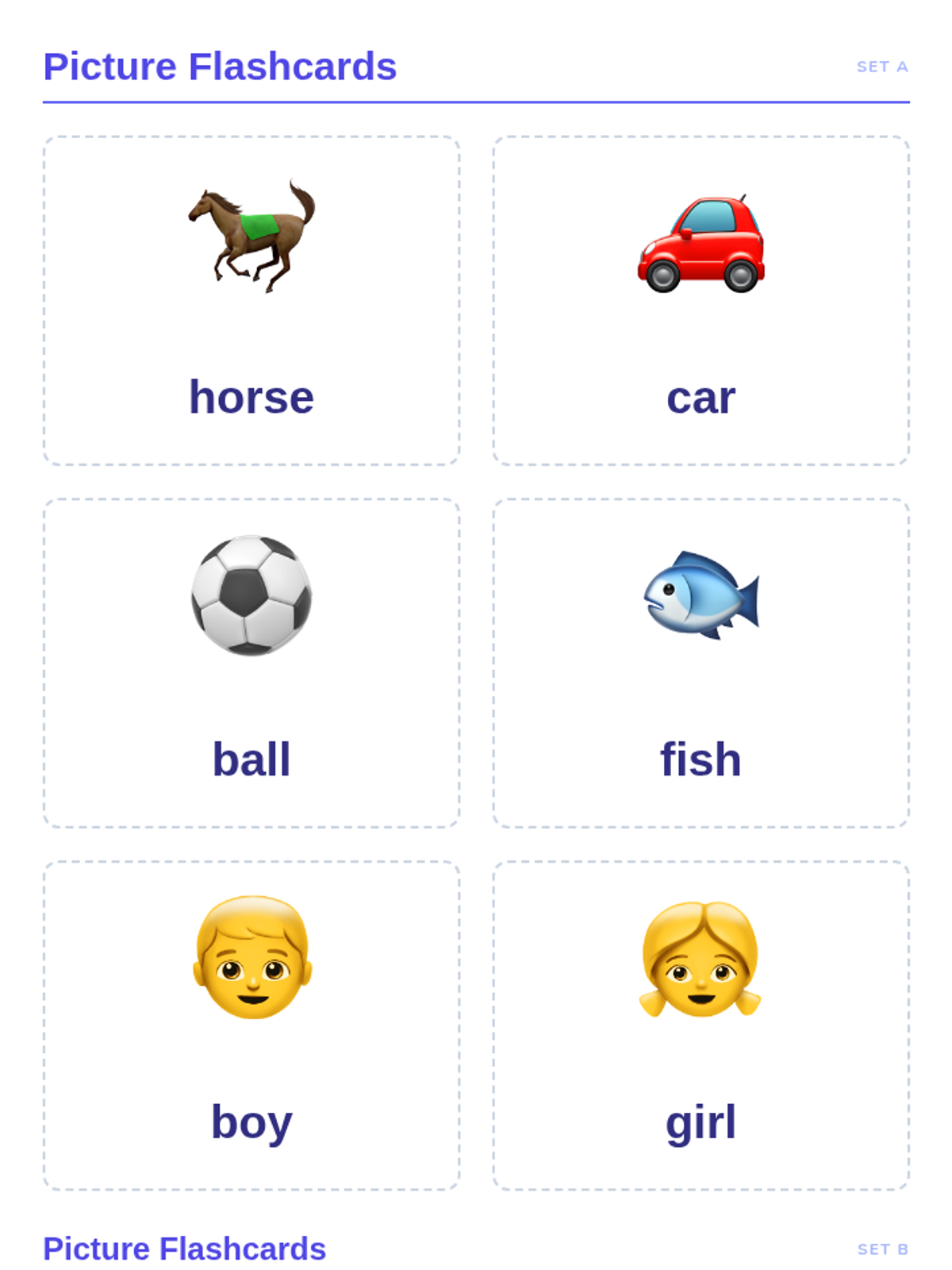
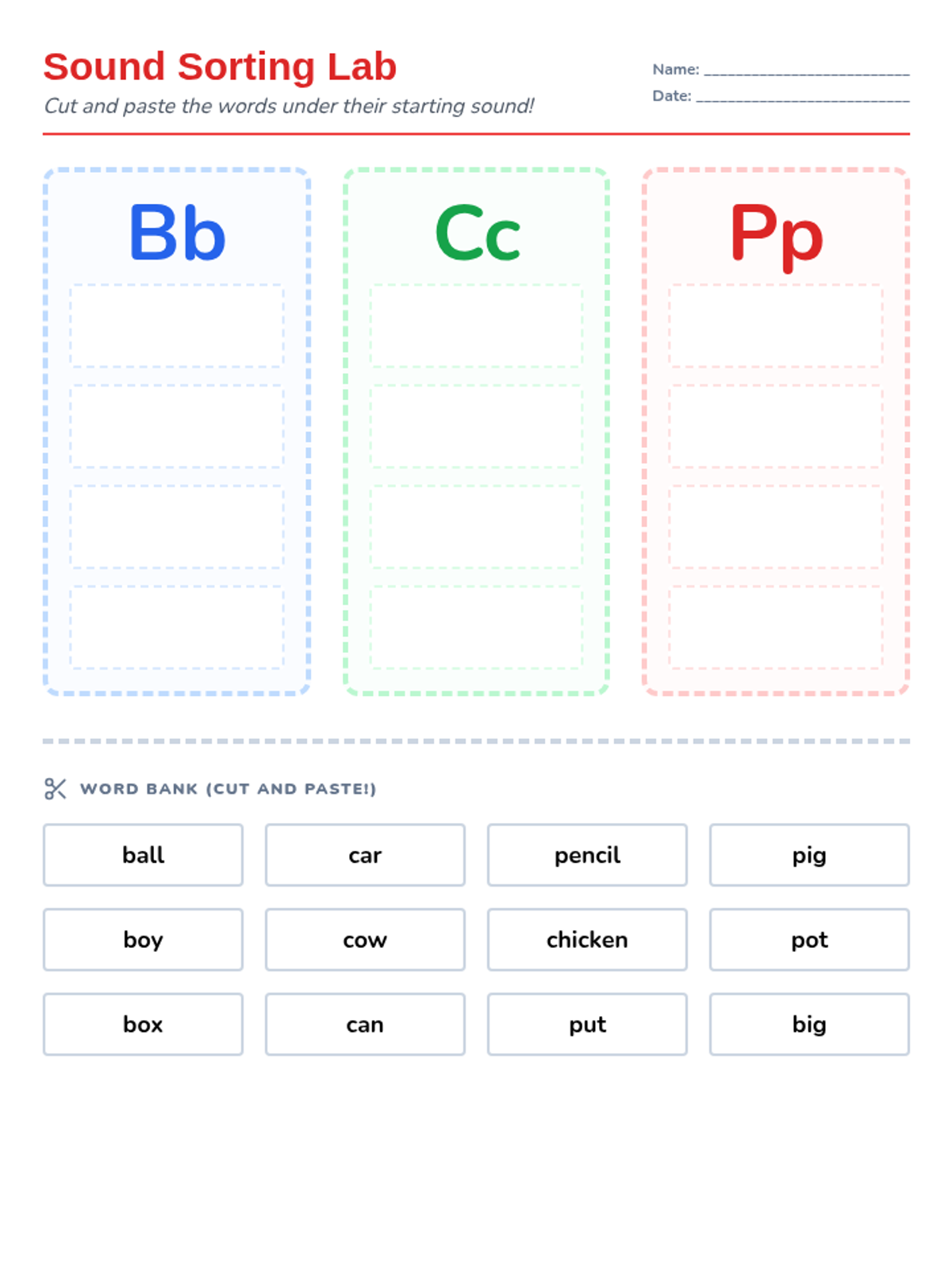
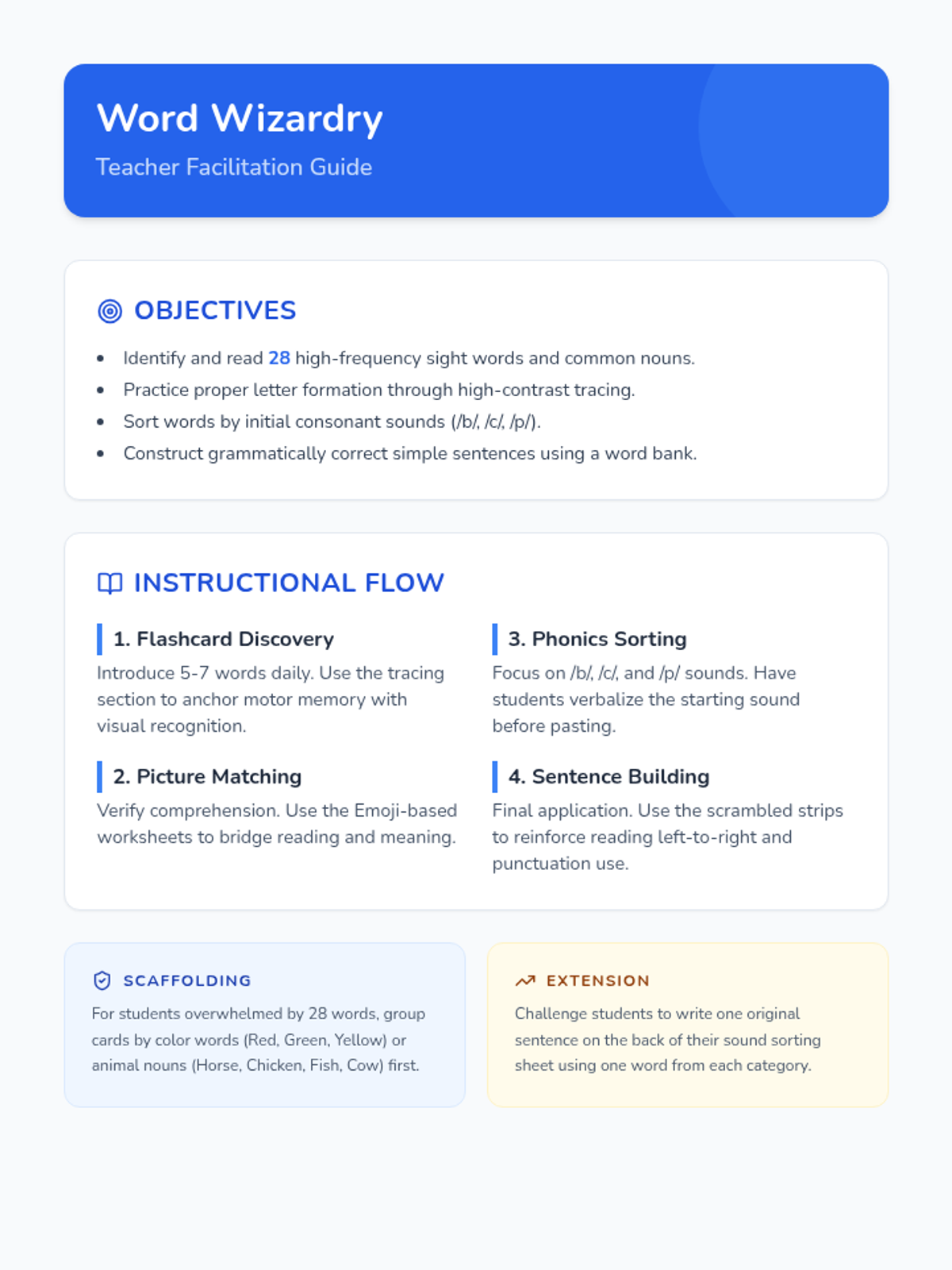
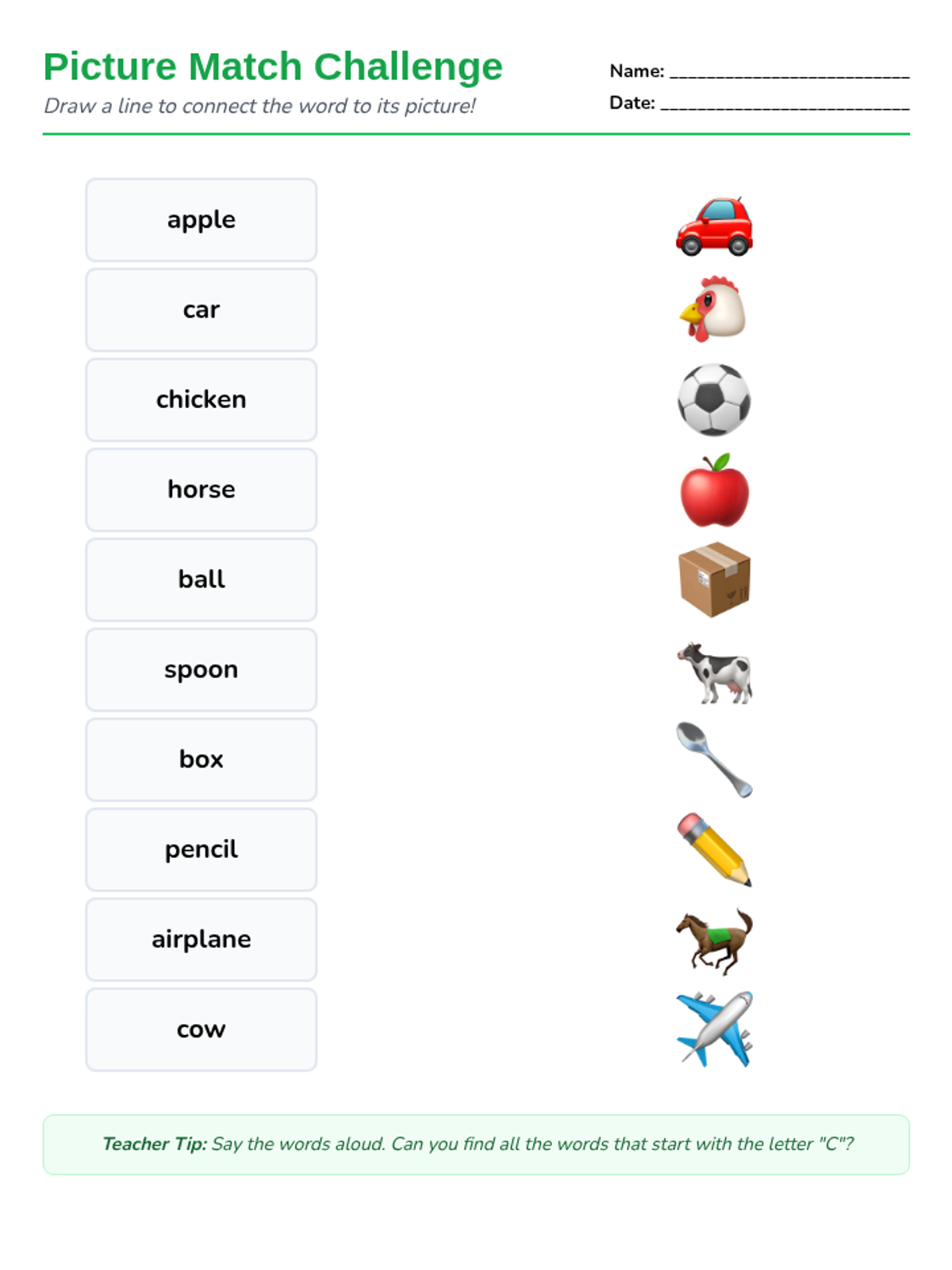
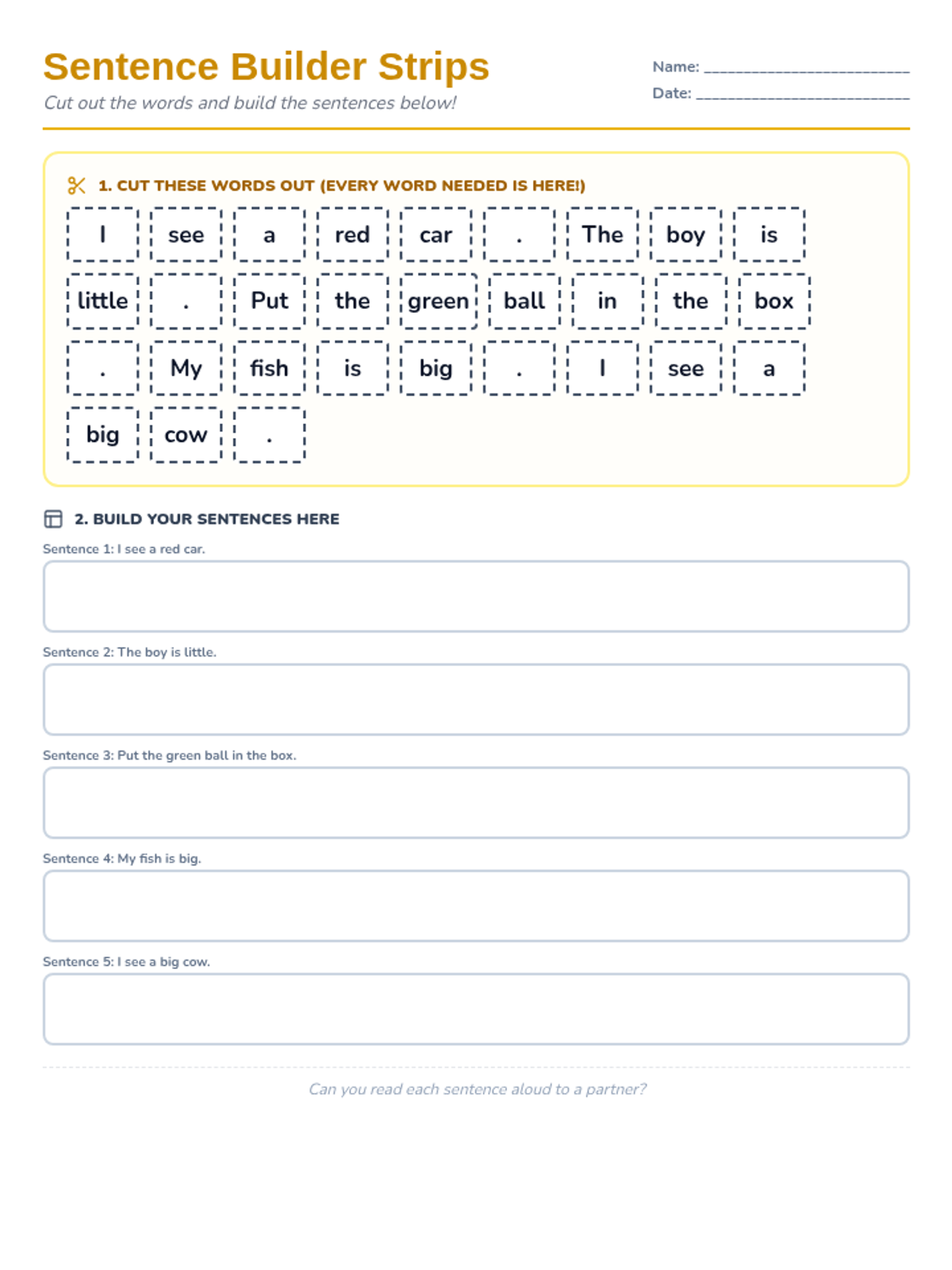
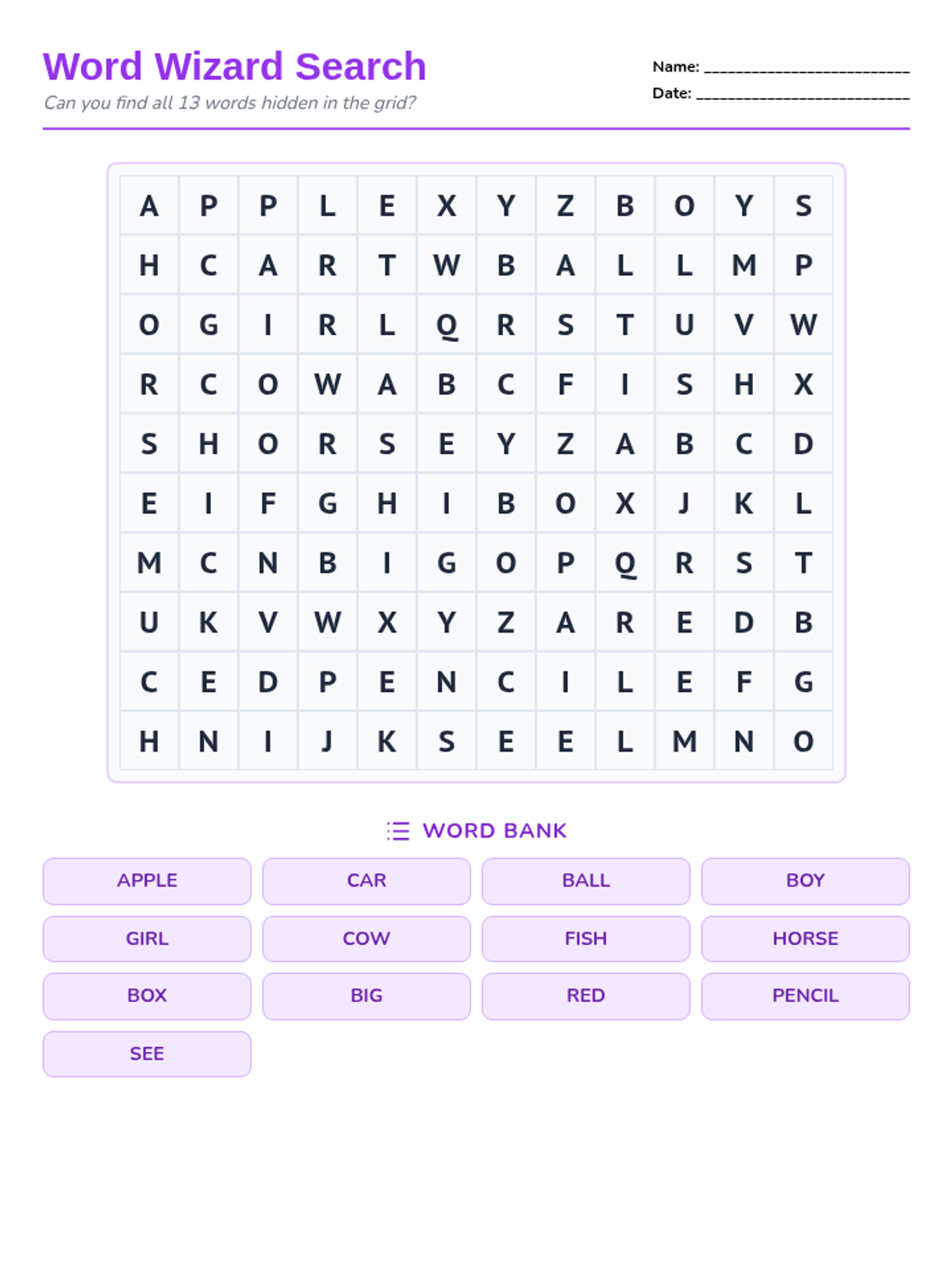
A comprehensive set of foundational literacy materials focused on 27 key sight words and nouns, covering word recognition, handwriting, sentence structure, and phonics.
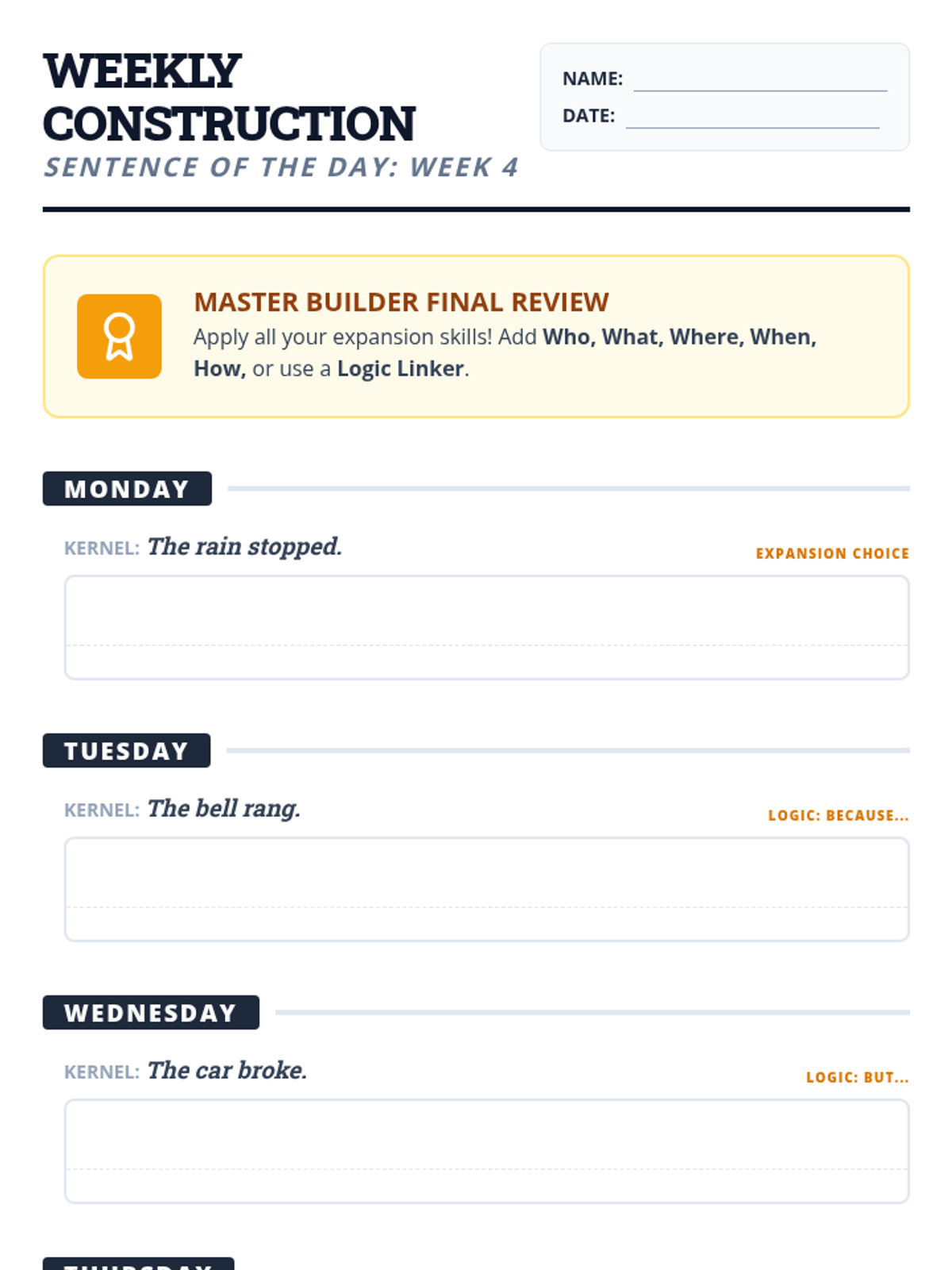
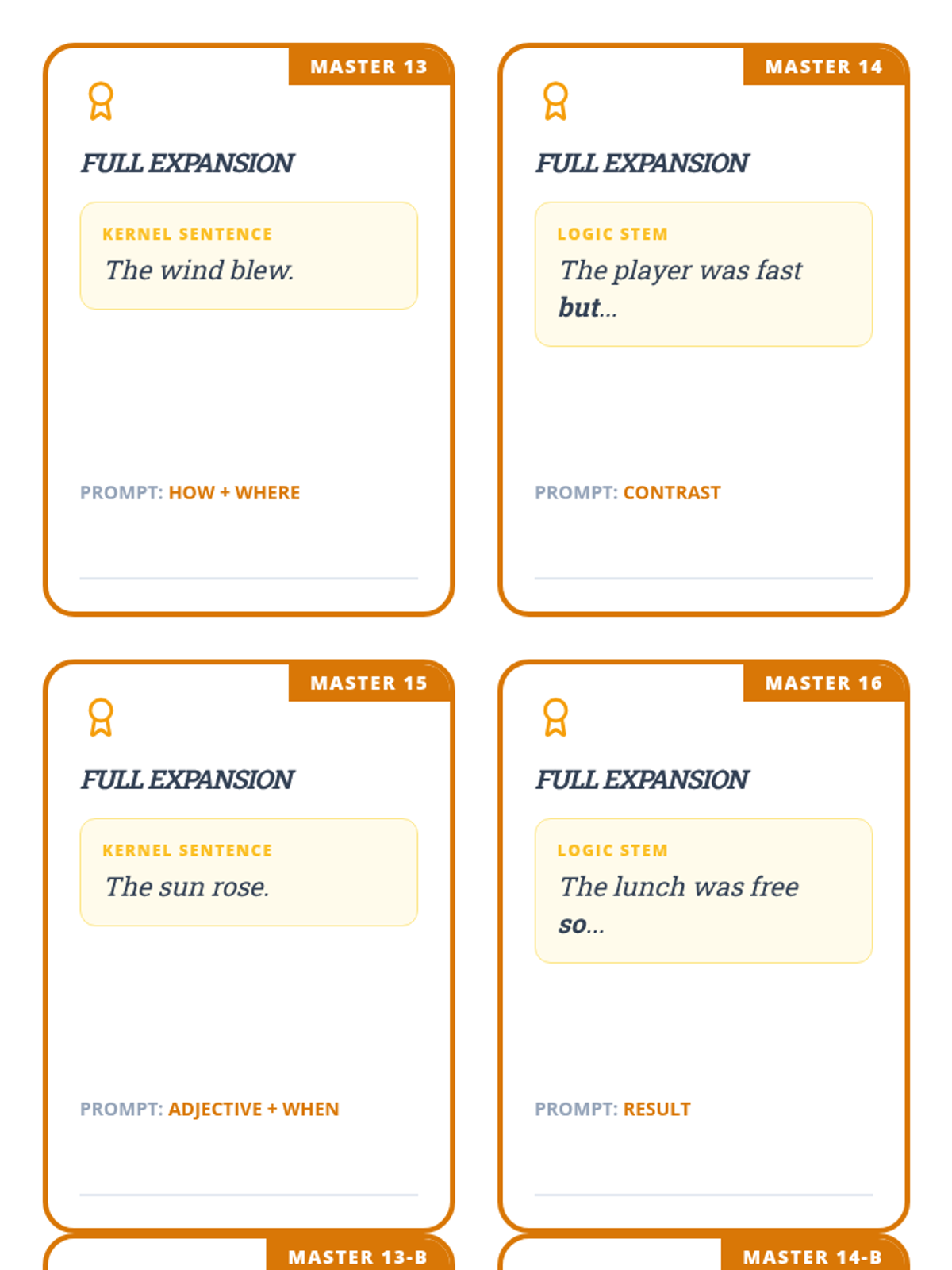
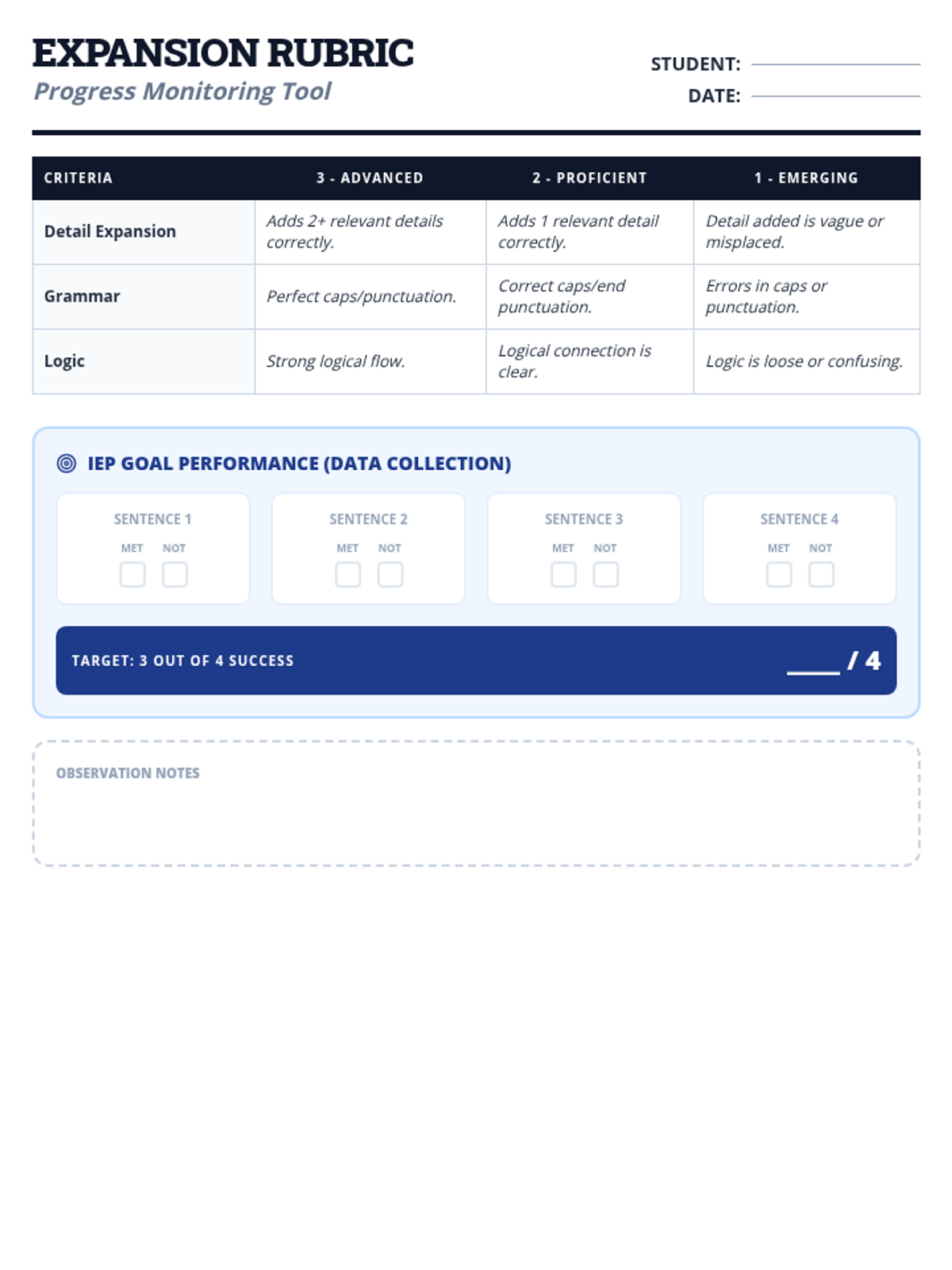
The final review lesson where students apply all previous strategies (adjectives, situational details, and logical conjunctions) to create complex and polished sentences.
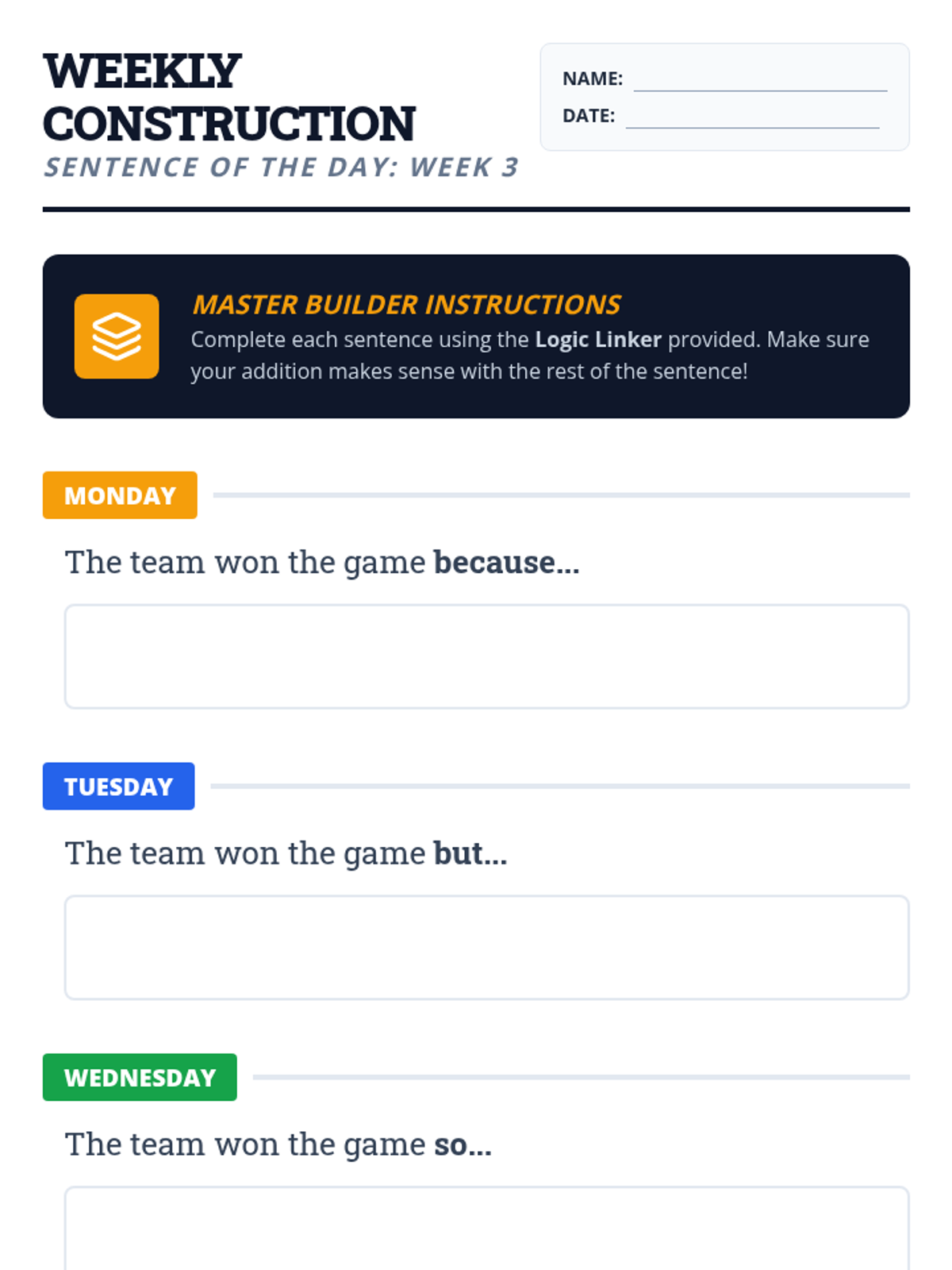
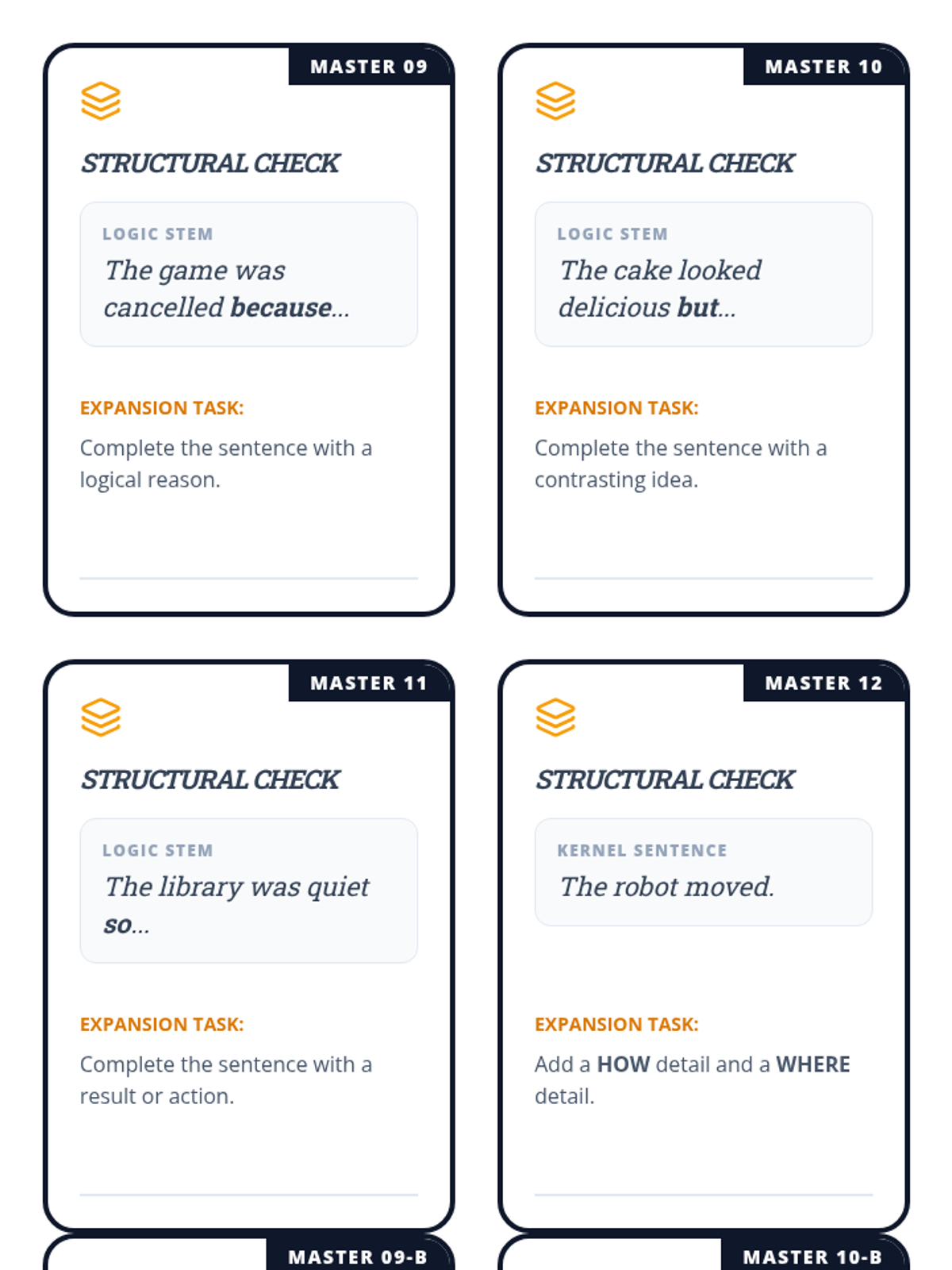
The final lesson focuses on using 'Because, But, So' to expand sentences logically and demonstrate deeper reasoning and detail.
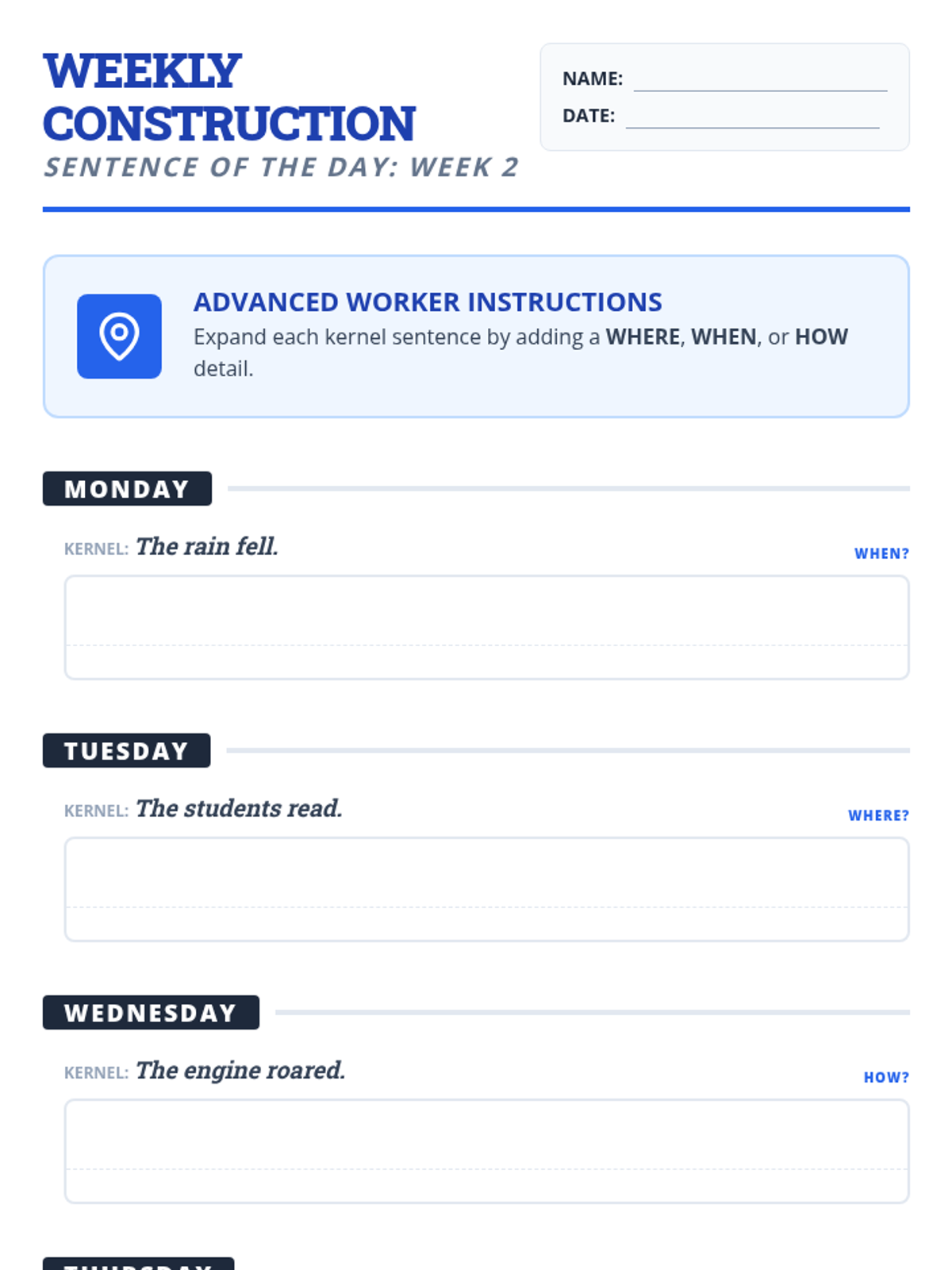
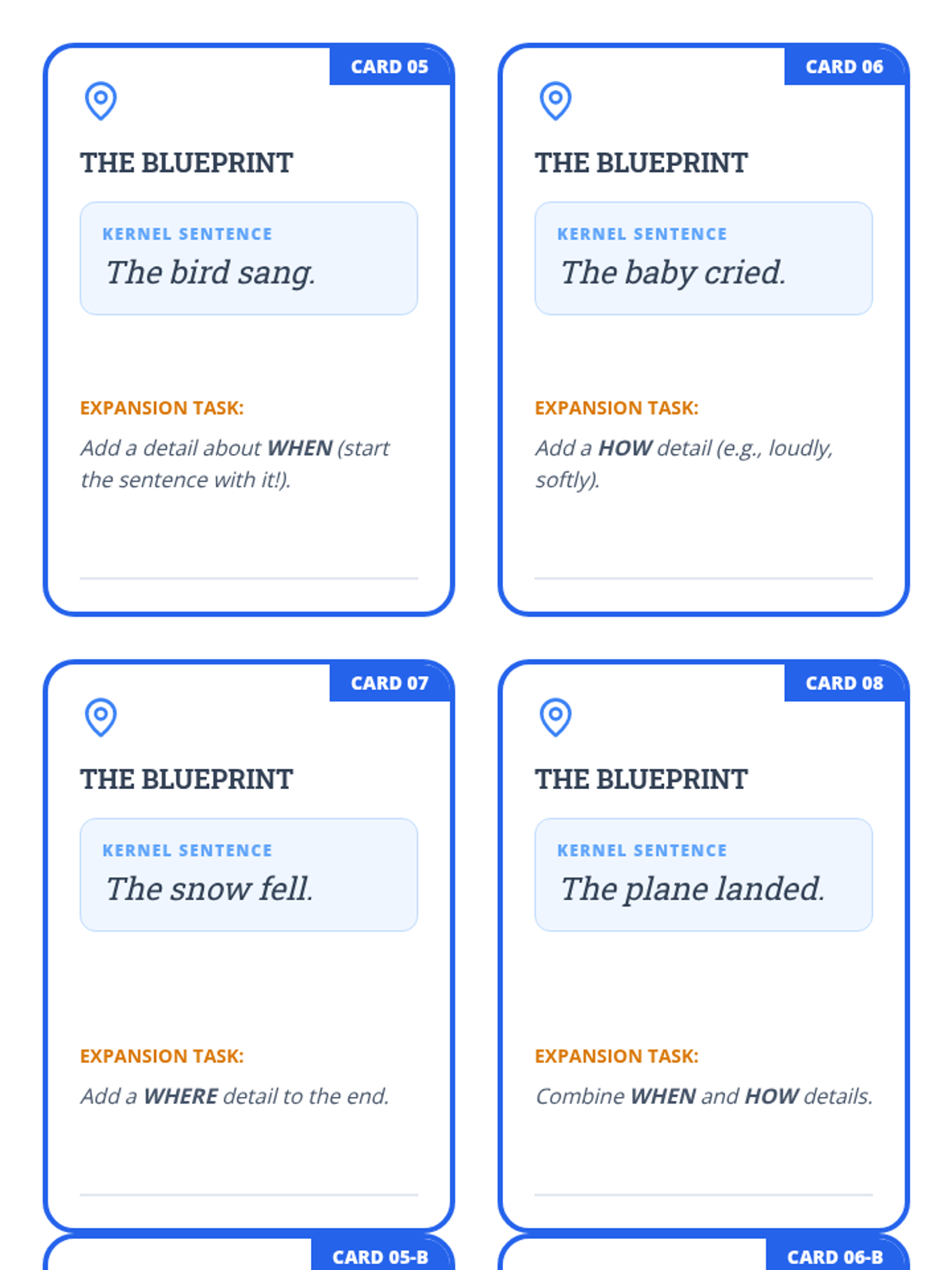
In this lesson, students learn to add situational details to their sentences using 'Where', 'When', and 'How' question words.
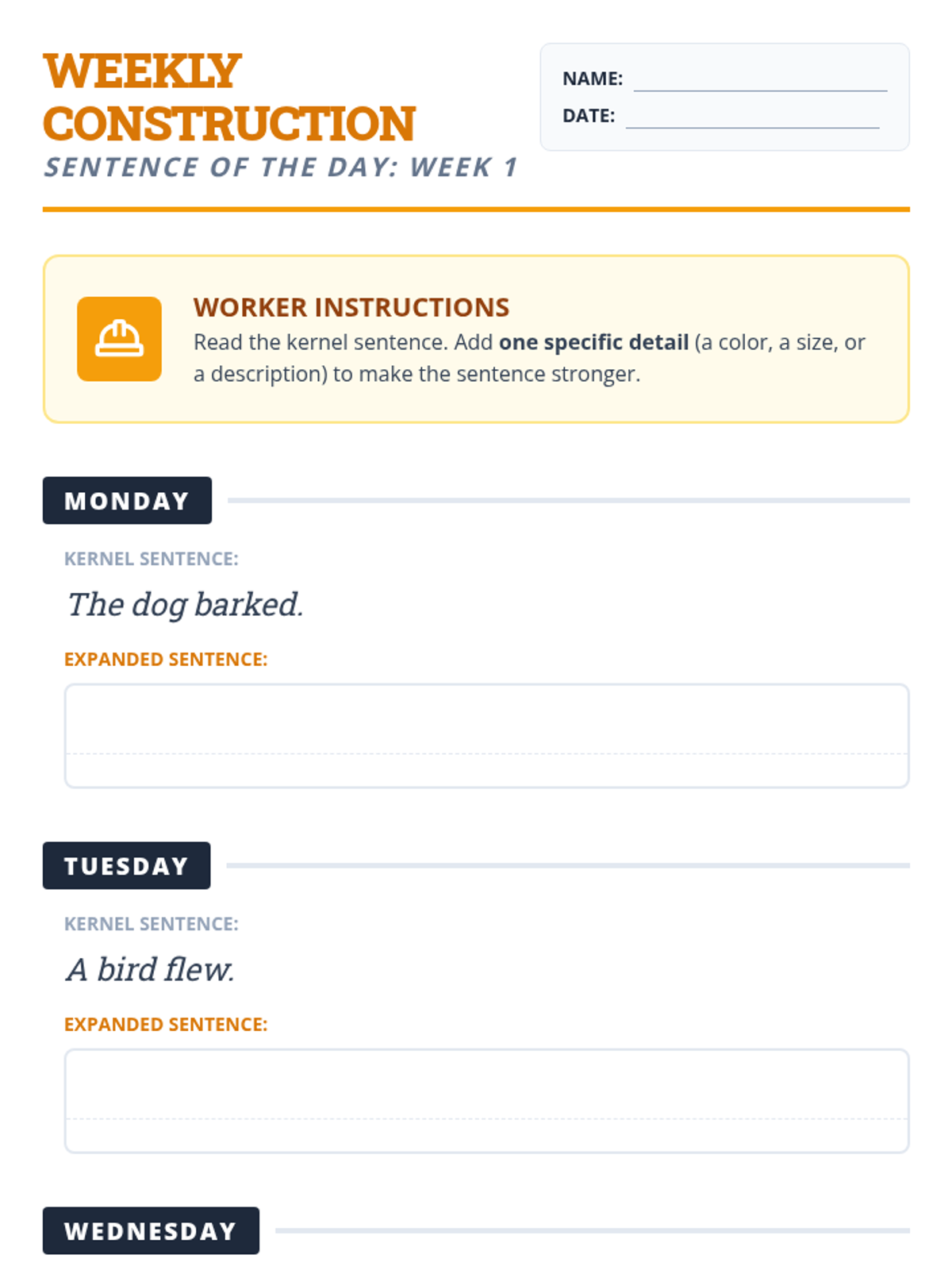
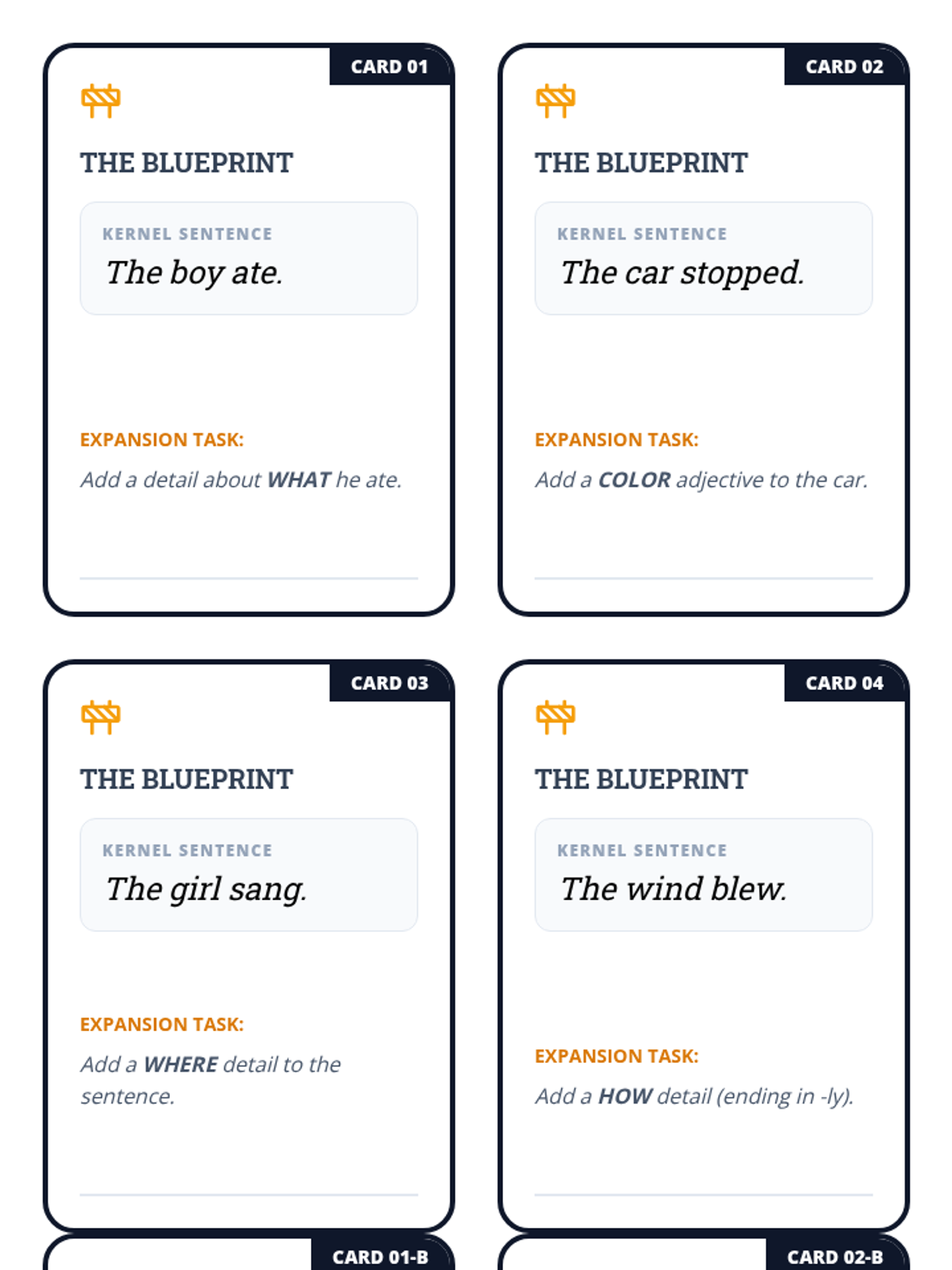
This lesson introduces the concept of a complete sentence versus a fragment and begins basic sentence expansion using 'Who' and 'What' details.
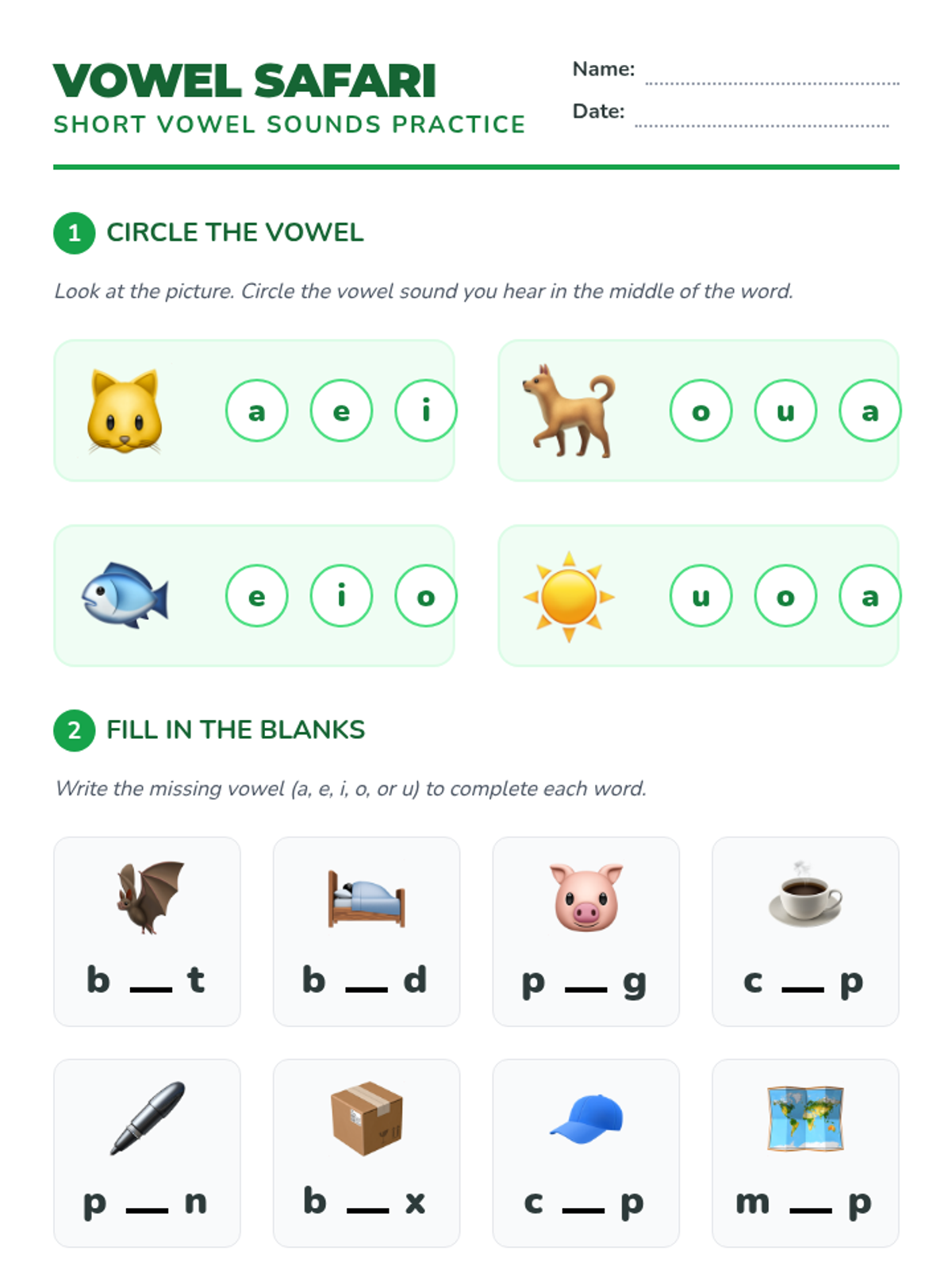
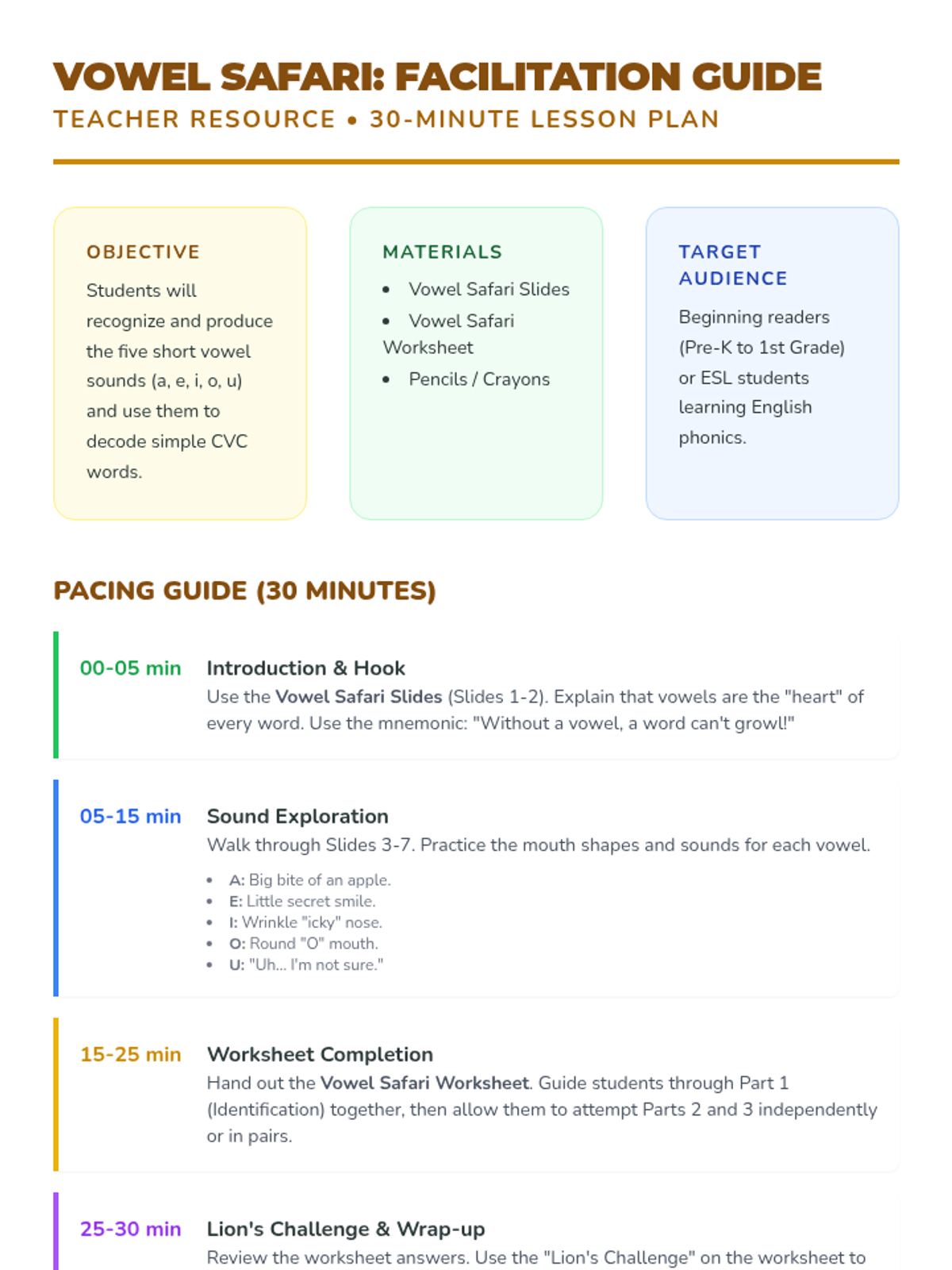
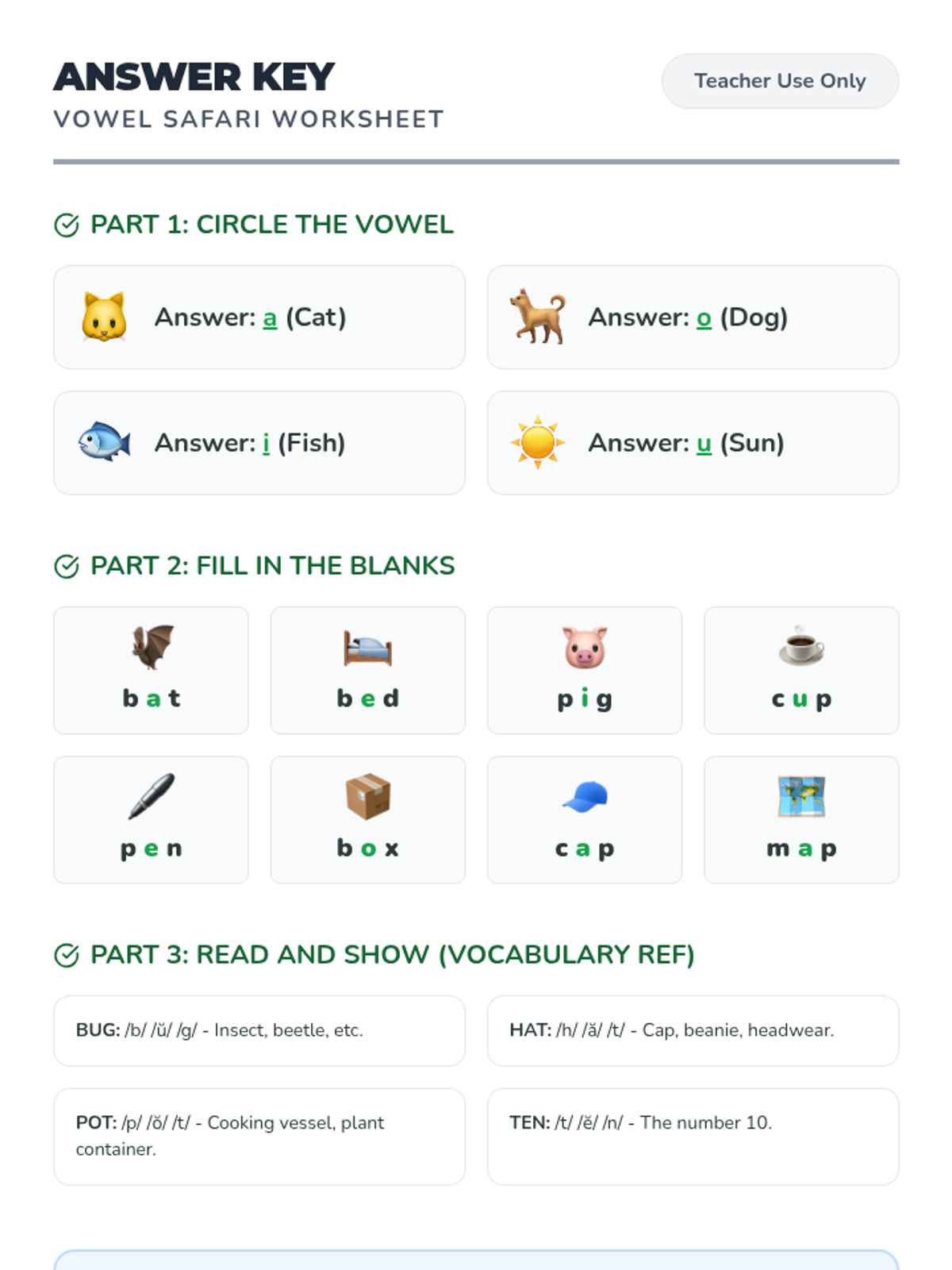
A foundational lesson introducing the five short vowel sounds (a, e, i, o, u) through visual associations and CVC word practice. Students will identify, trace, and write simple words to build phonemic awareness.
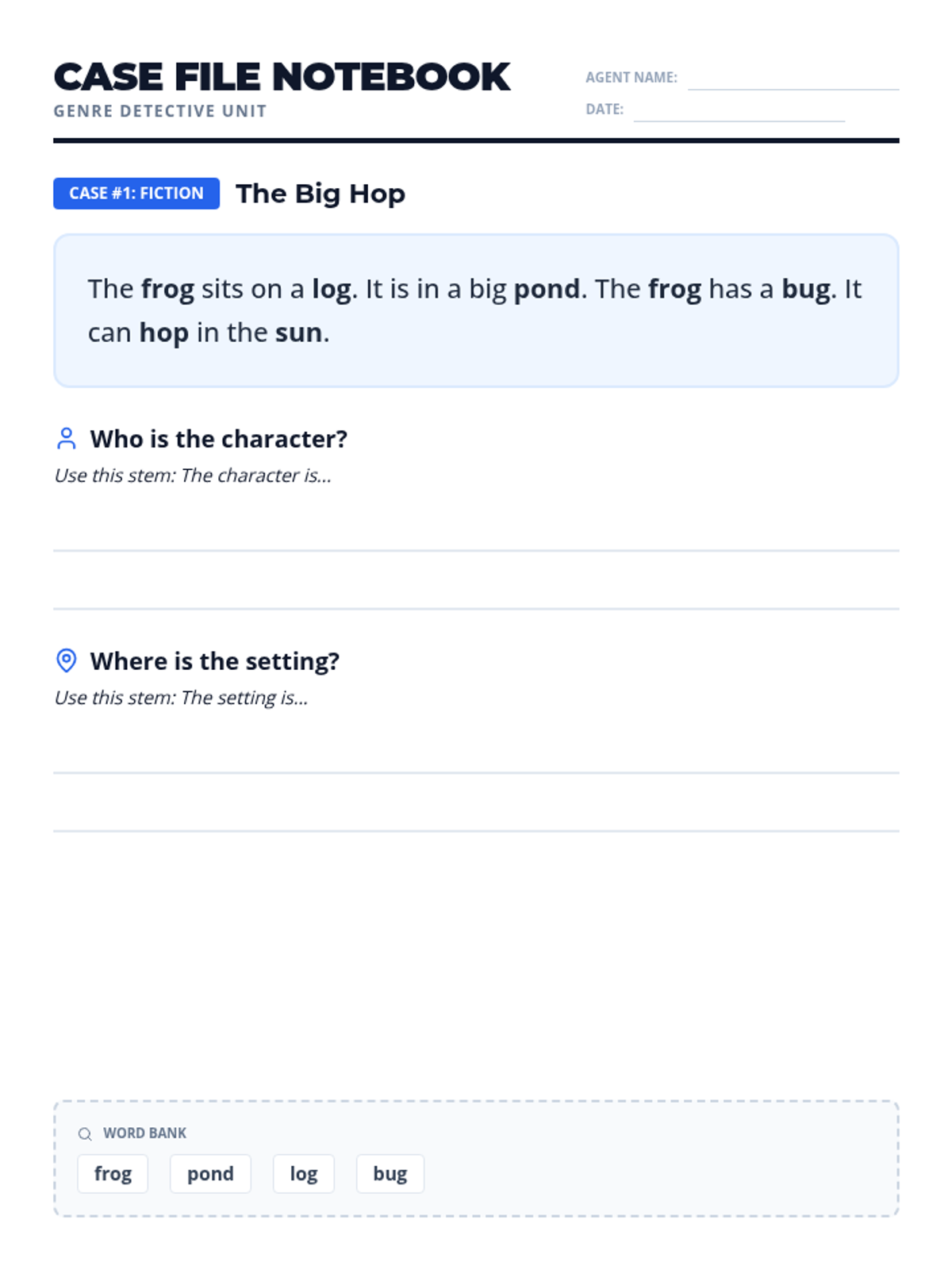
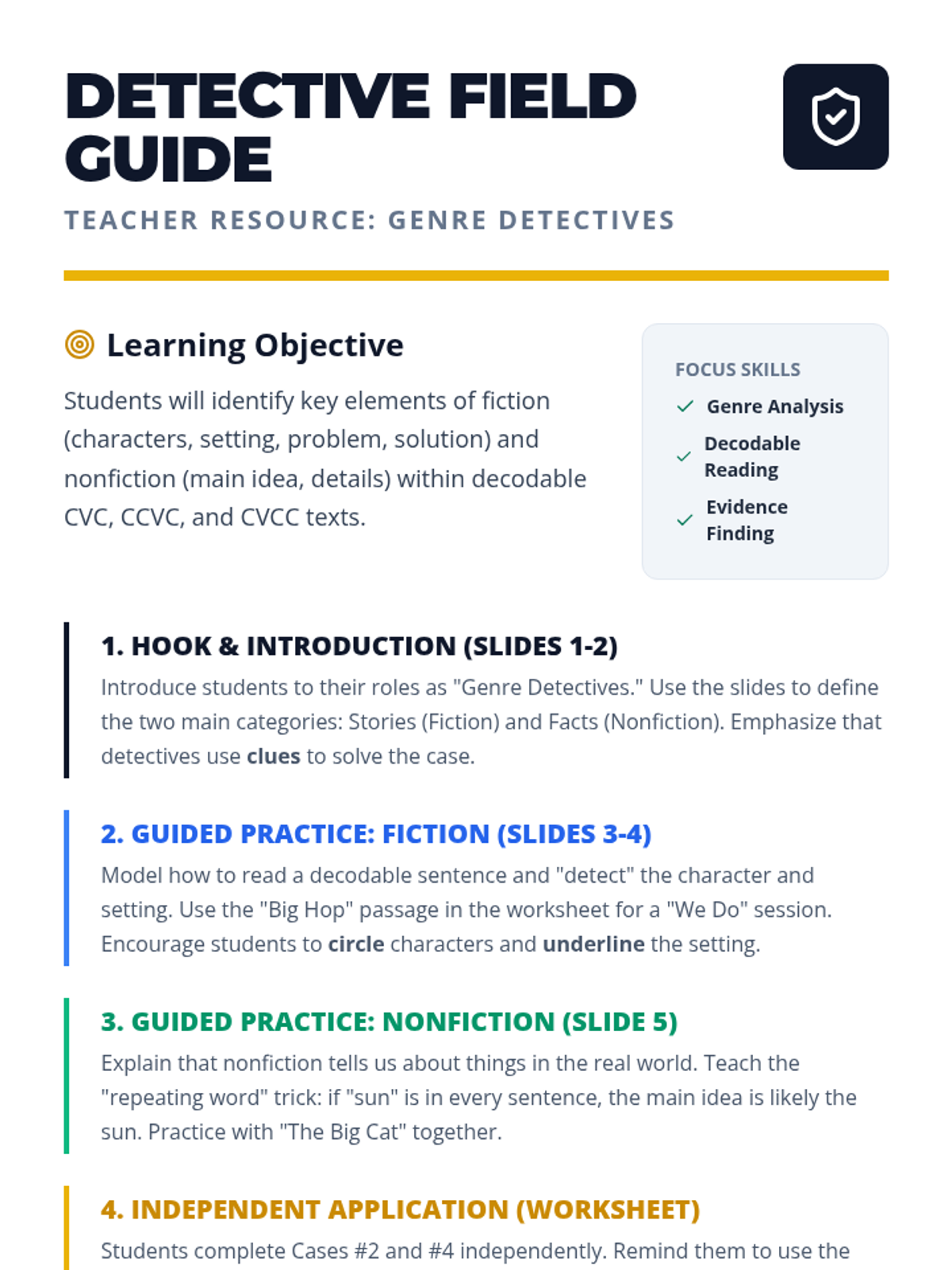
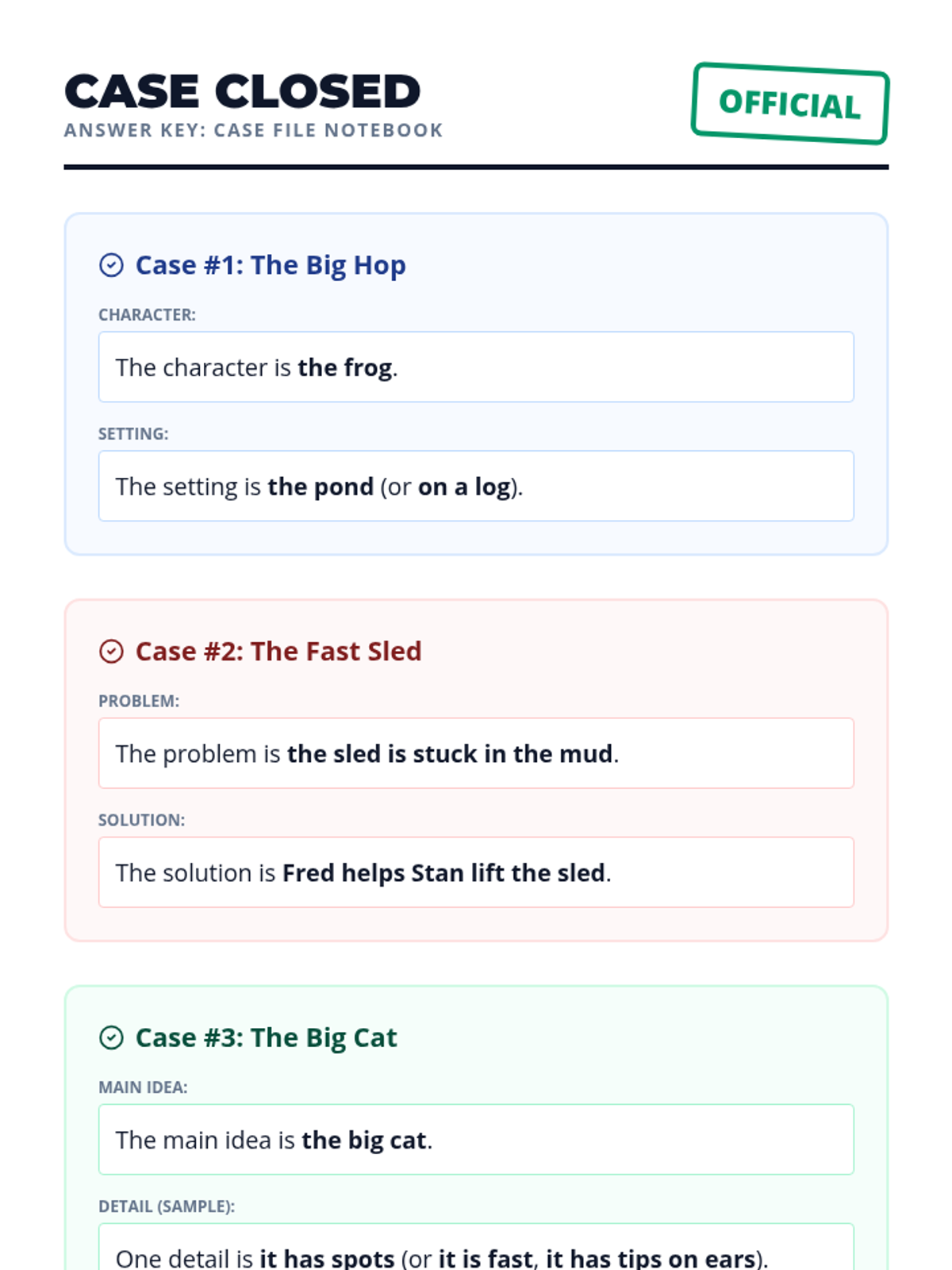
A lesson focused on identifying characters, setting, problem, and solution in fiction, and main idea and details in nonfiction using decodable text.
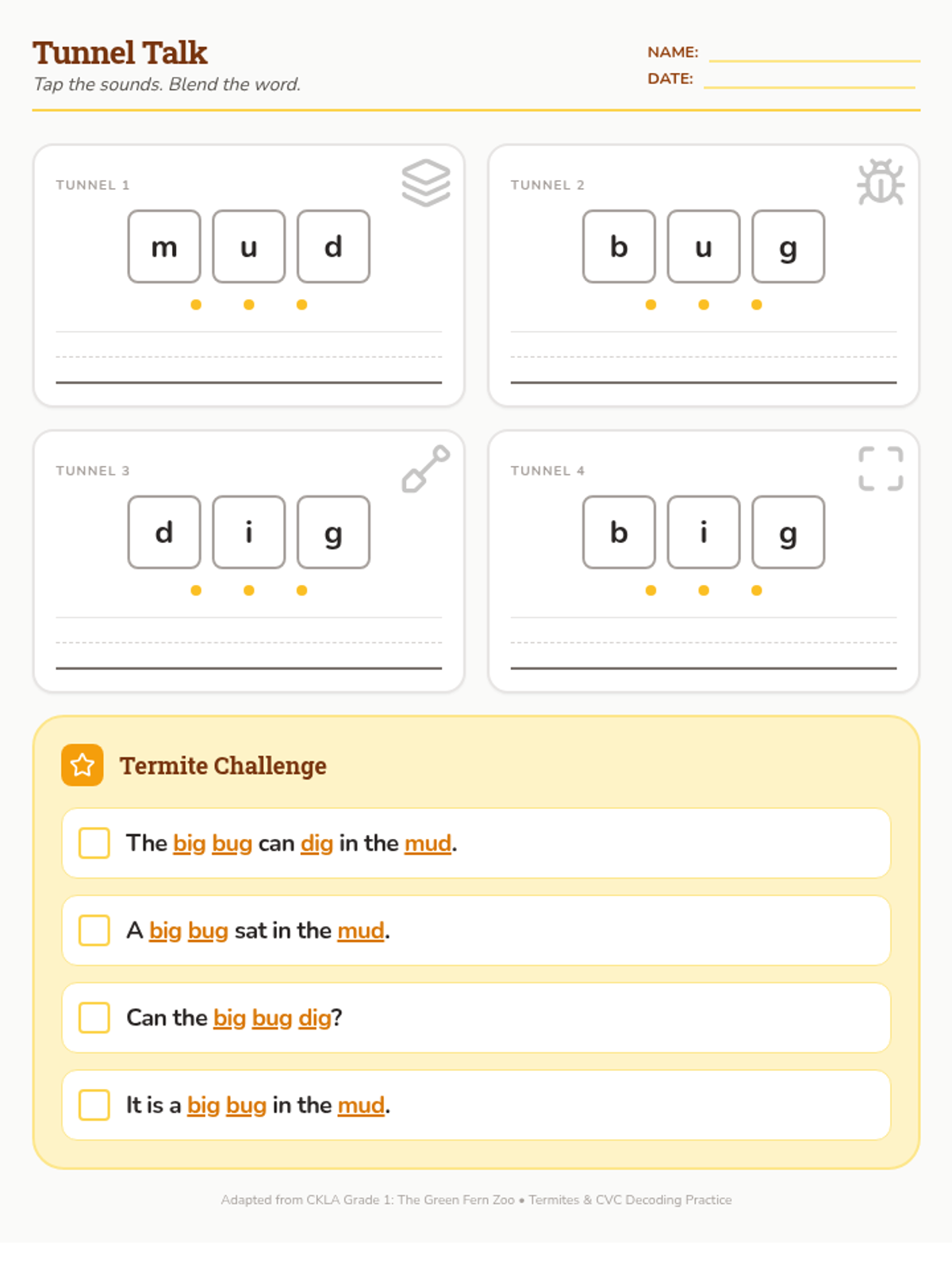
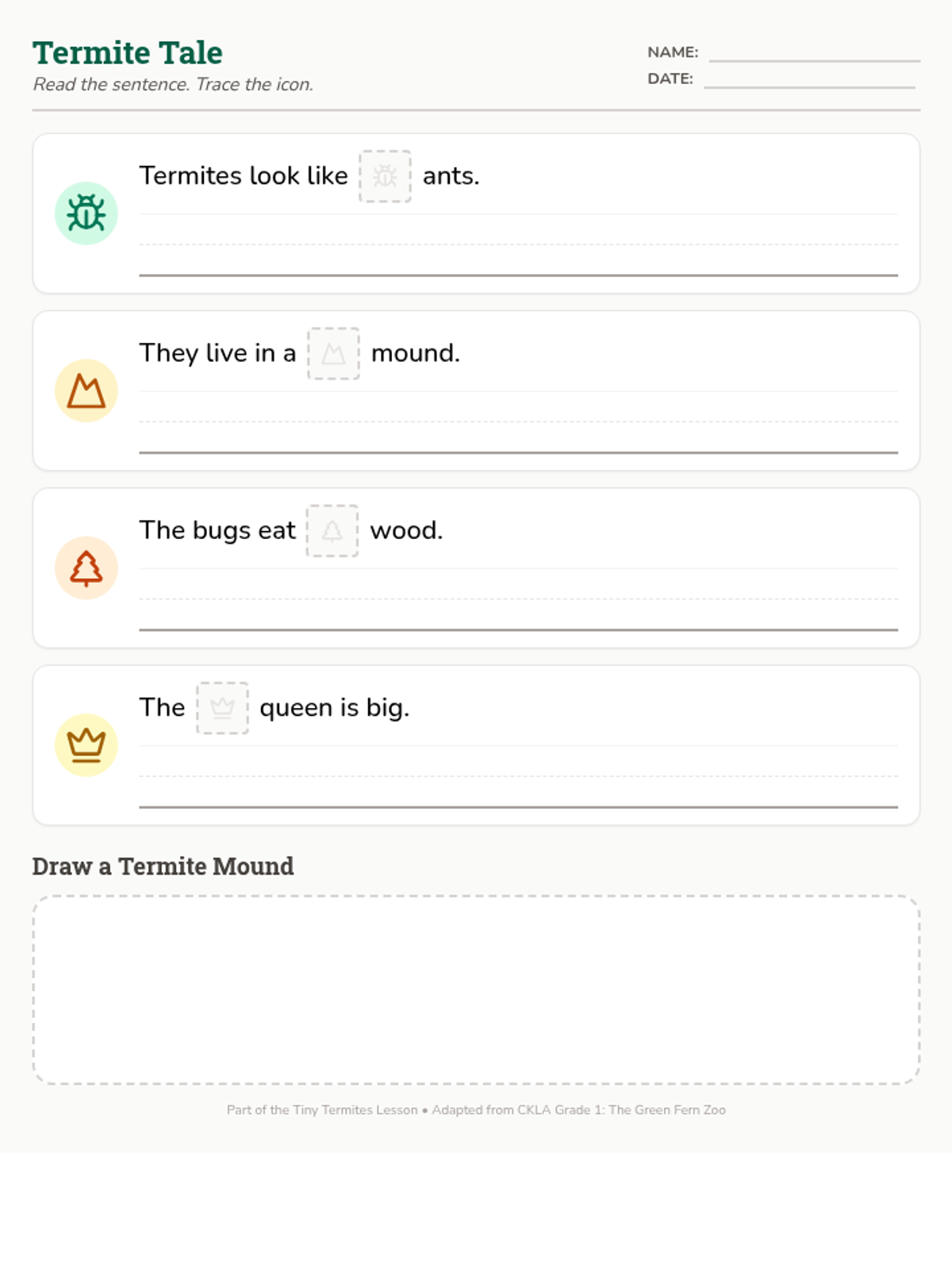
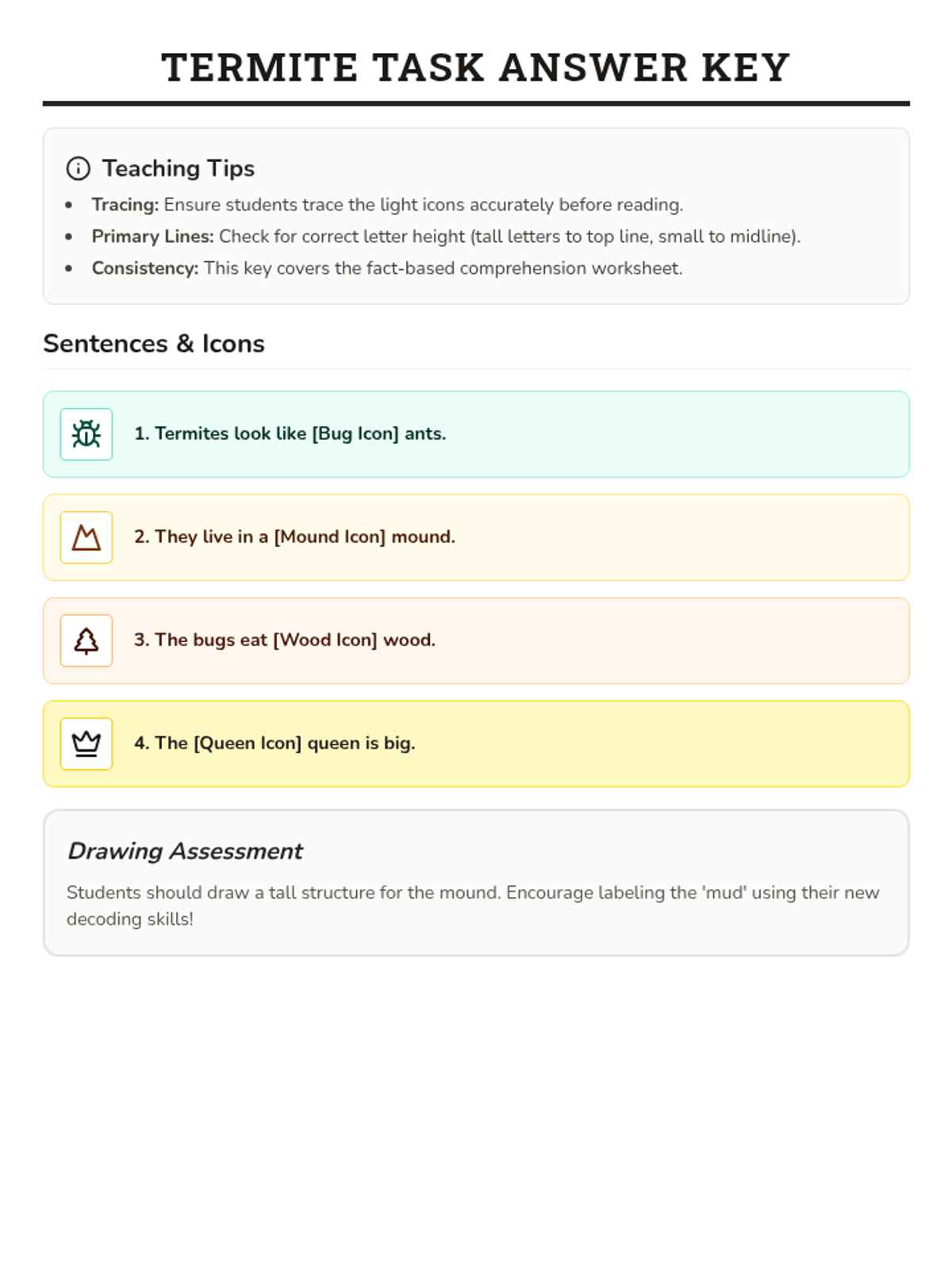
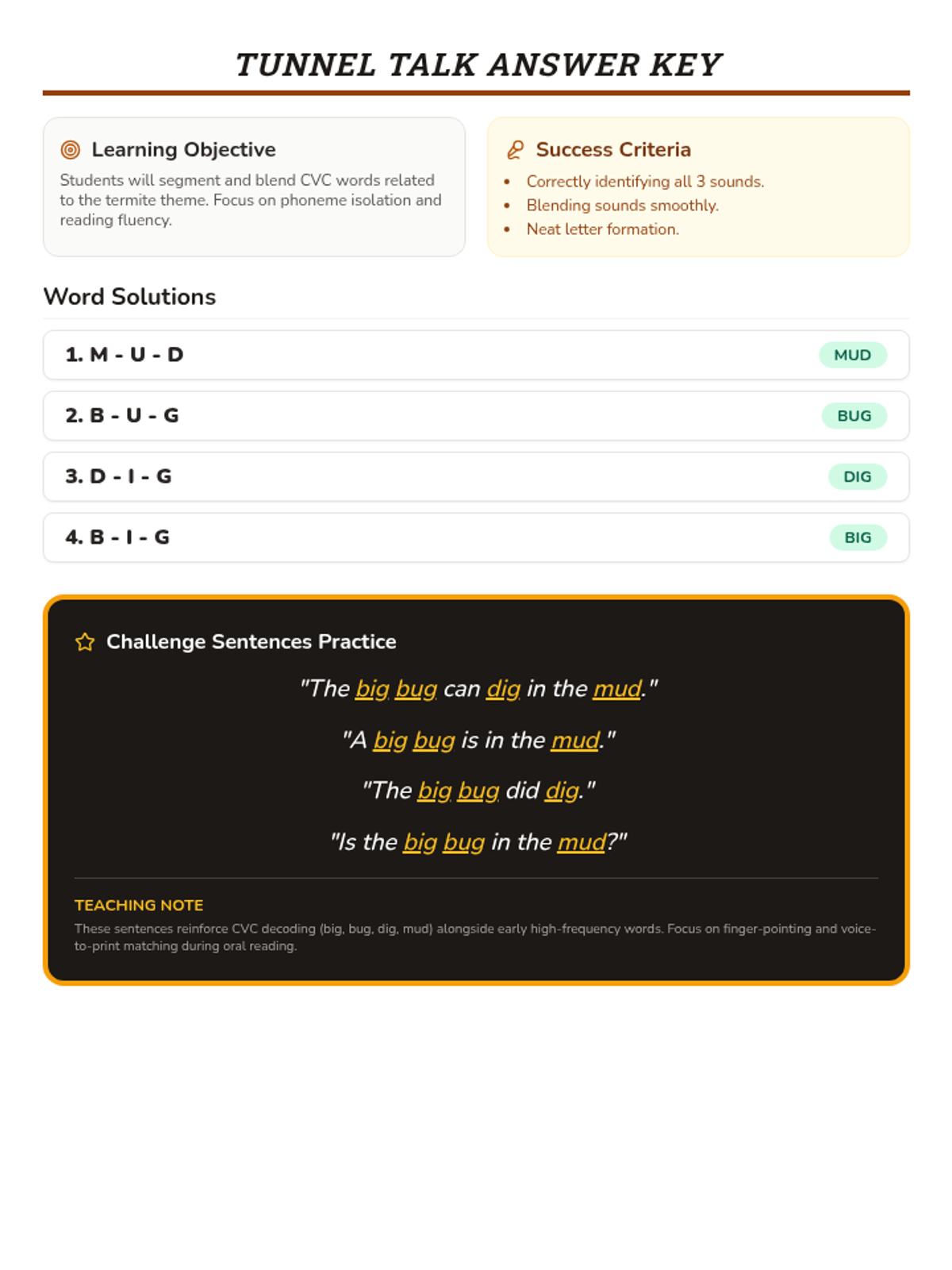
A focused lesson on termites using simplified text and visual supports for Grade 1 students, based on the CKLA reader 'The Green Fern Zoo'.
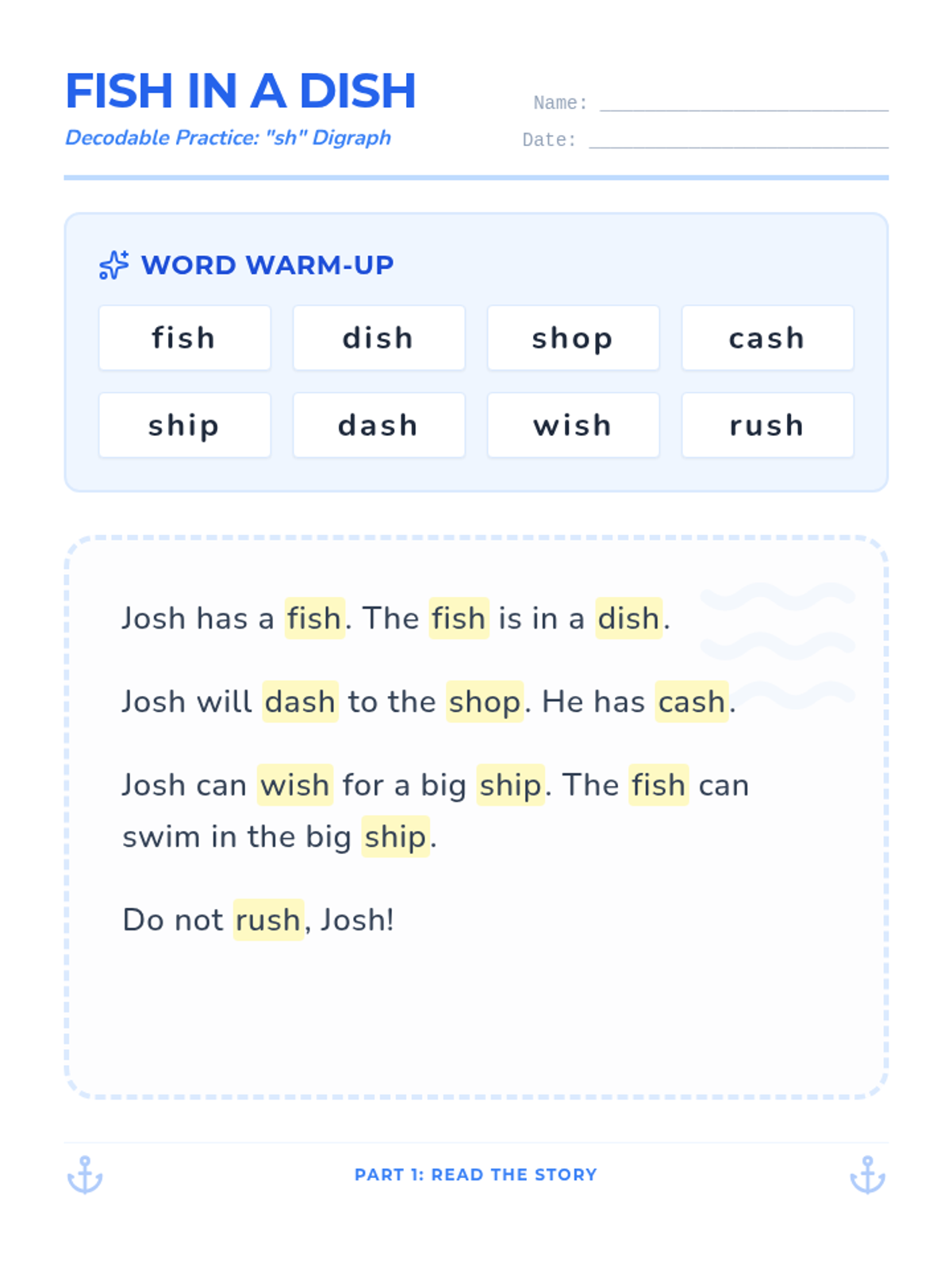
A lesson focused on decoding closed syllables featuring the 'sh' digraph in CVC words. Students will practice word recognition, reading fluency, and comprehension through a themed decodable passage.