A hands-on science lesson for 1st-2nd grade students to explore how fur, feathers, and scales help animals survive in different environments, culminating in a creative beast-designing project.
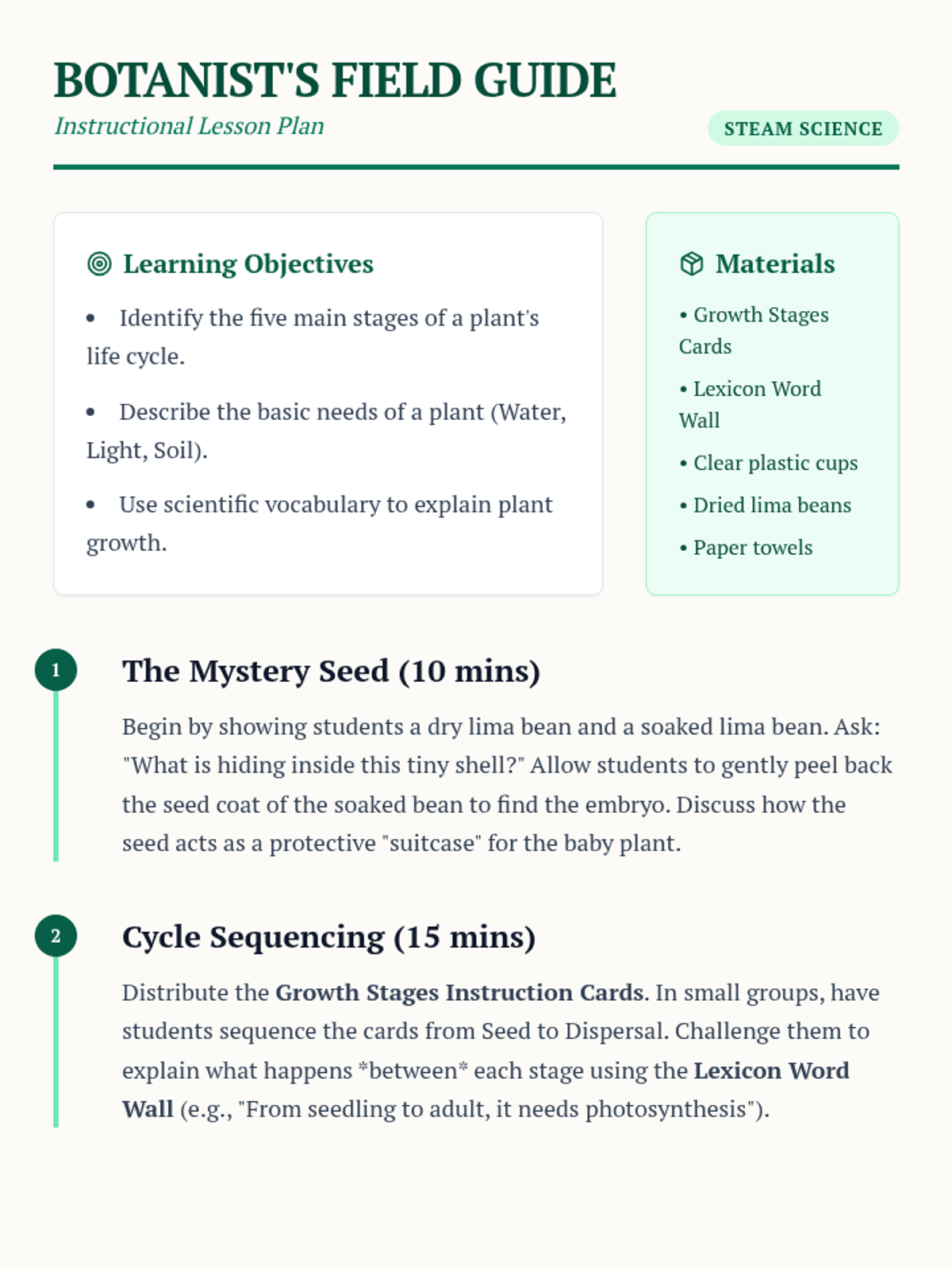
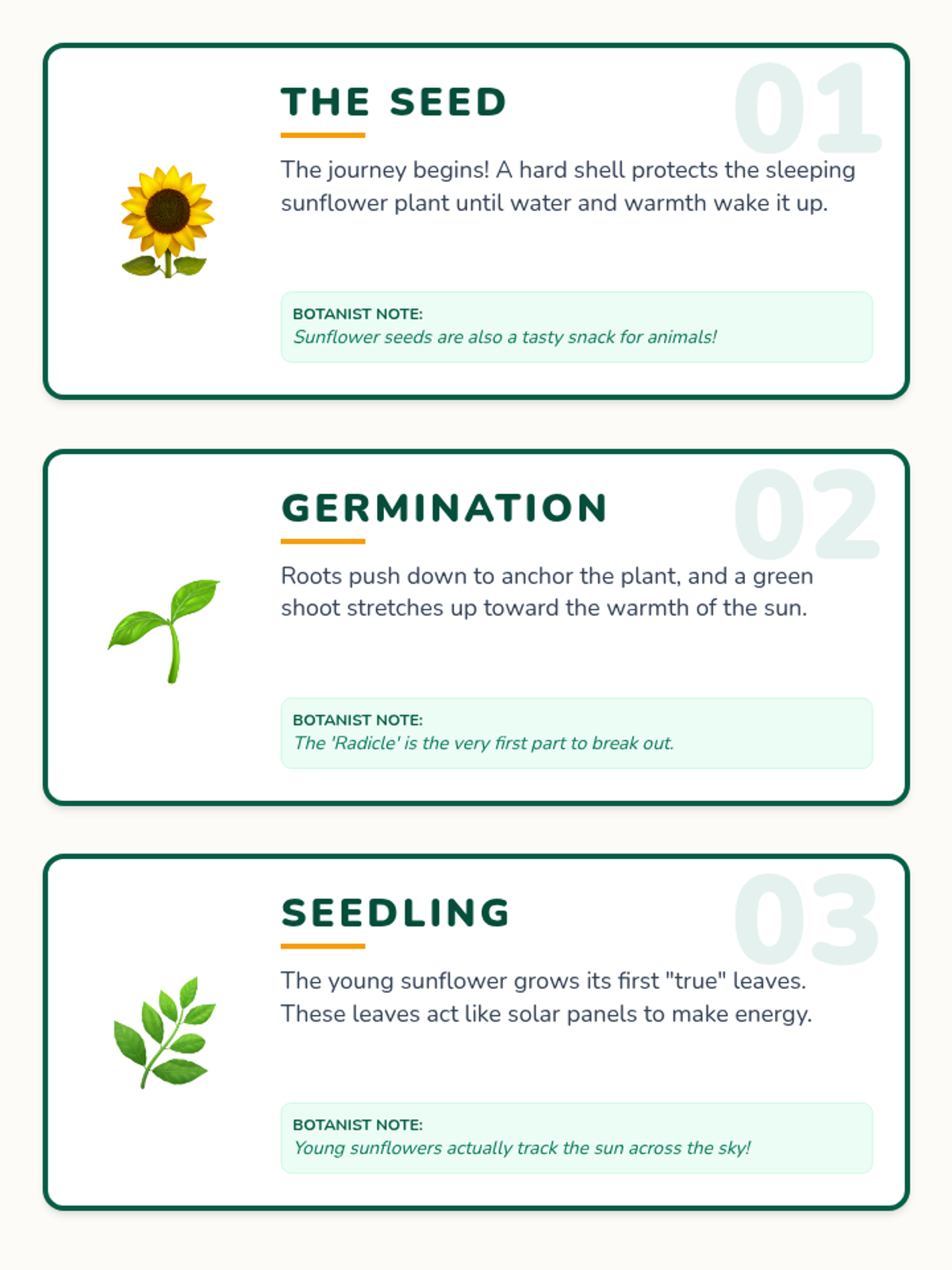
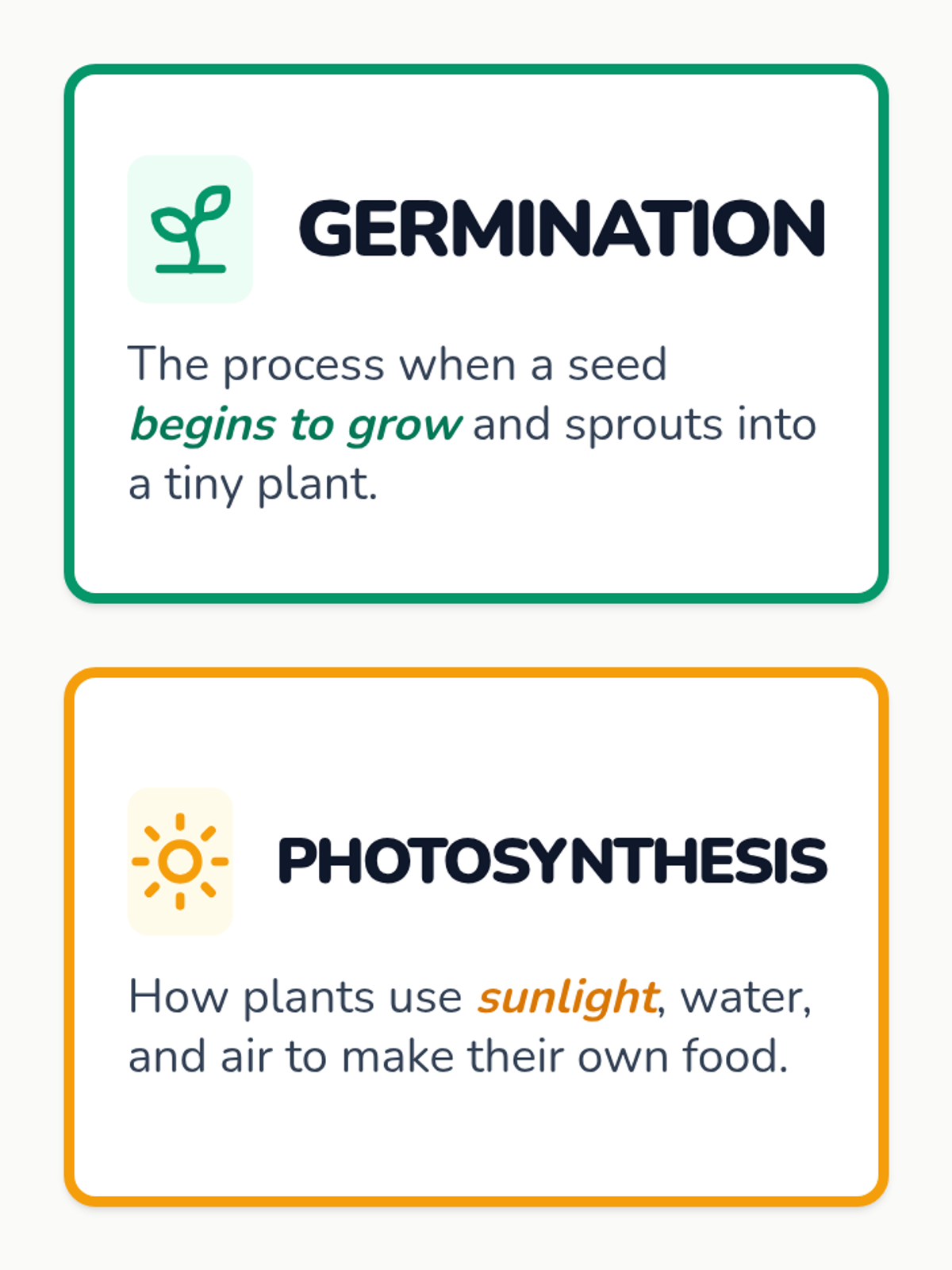
A hands-on STEAM lesson where students explore the stages of a plant's life cycle through visual aids, vocabulary building, and a planting activity.
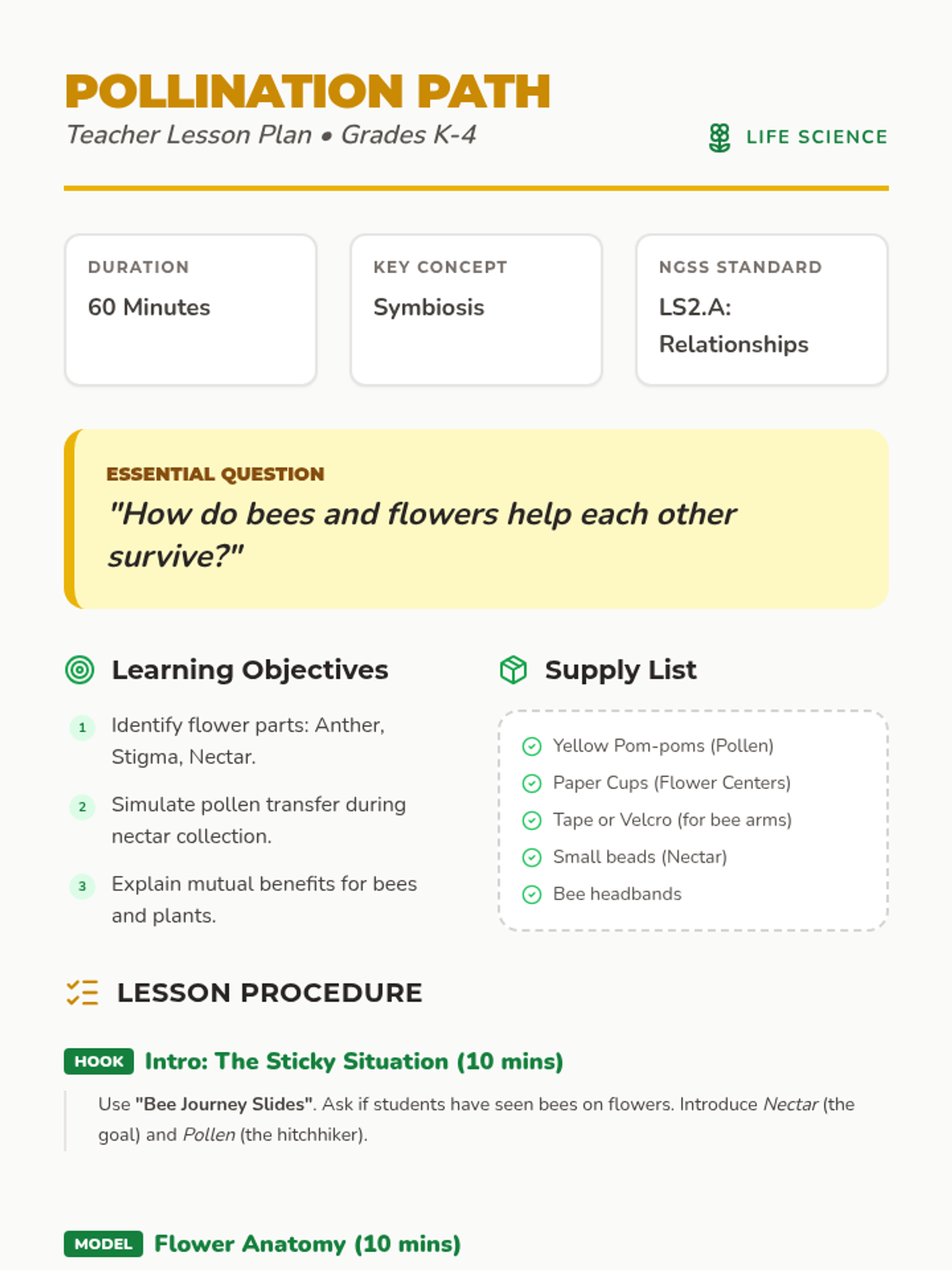
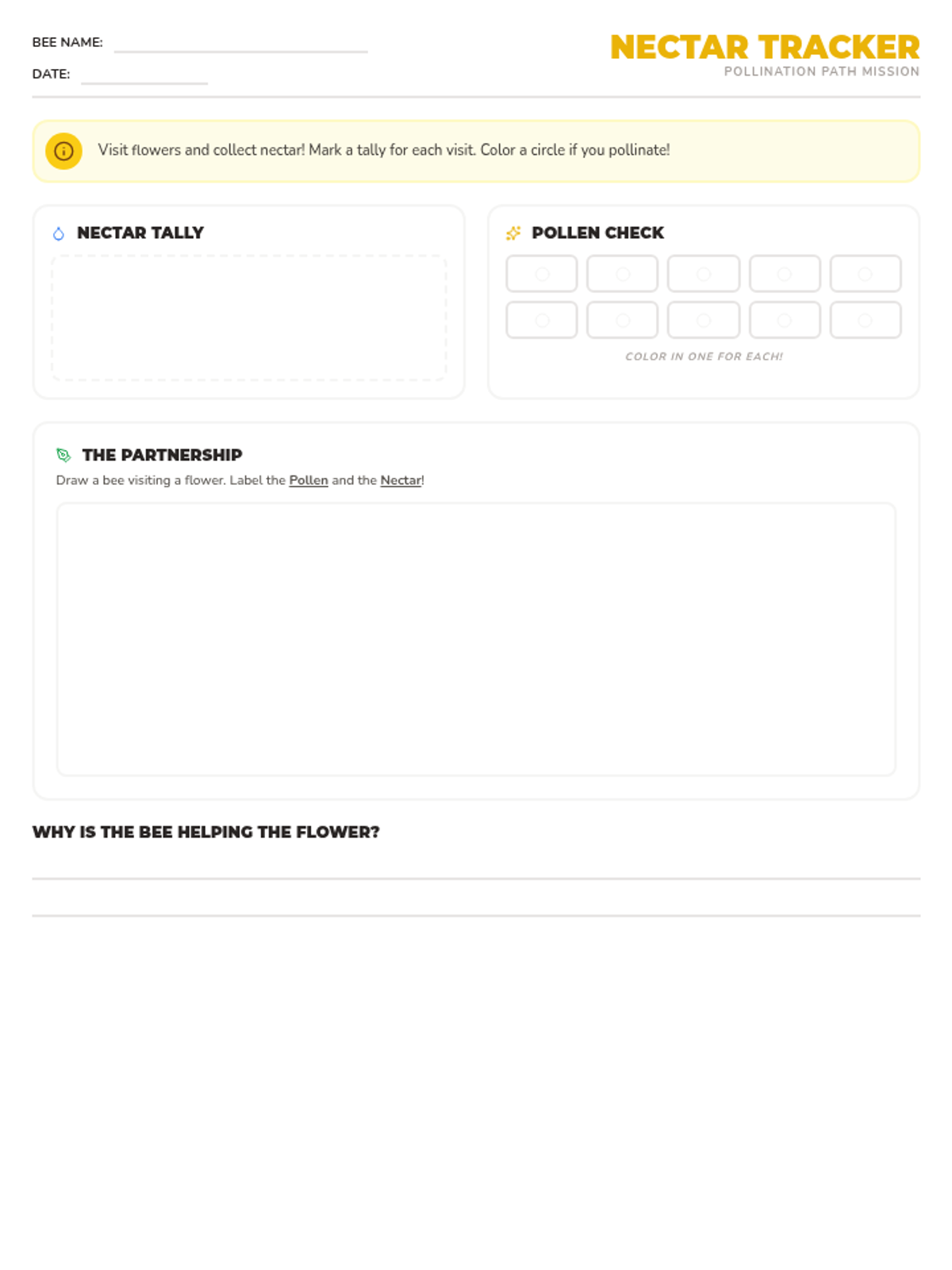
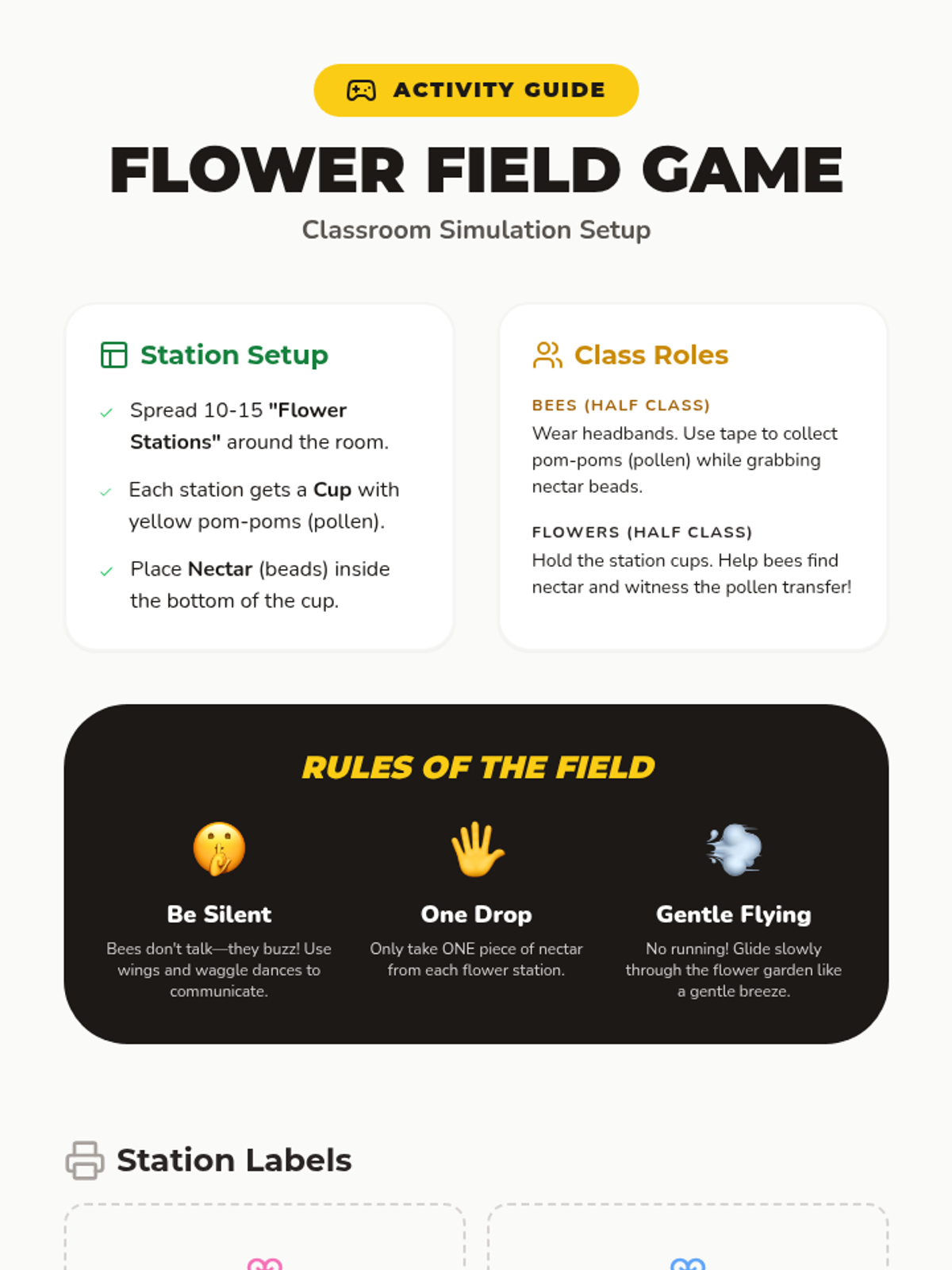
Students simulate the pollination process through a high-energy movement game, learning about the symbiotic relationship between bees and flowers and its importance to our food system.
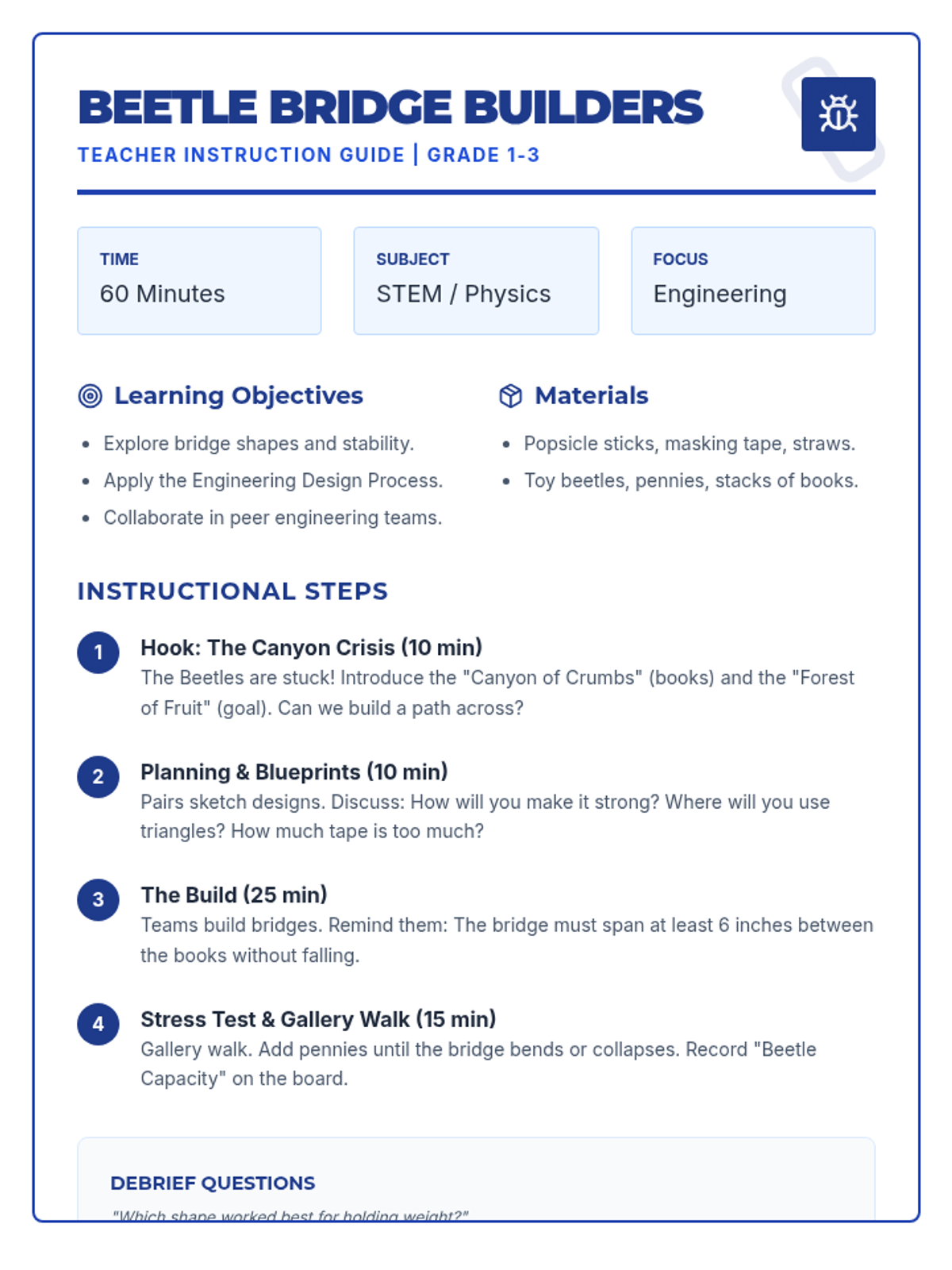
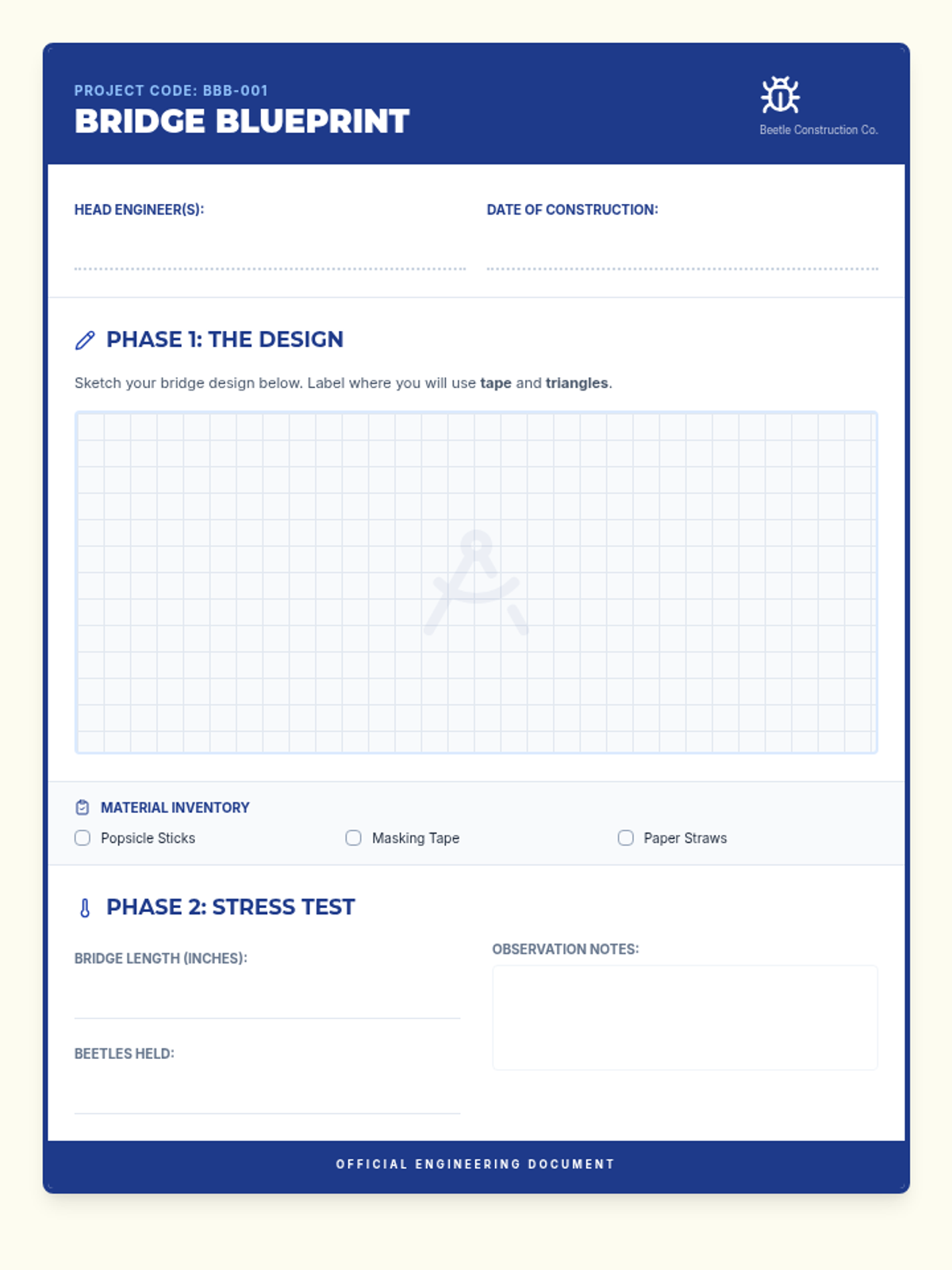
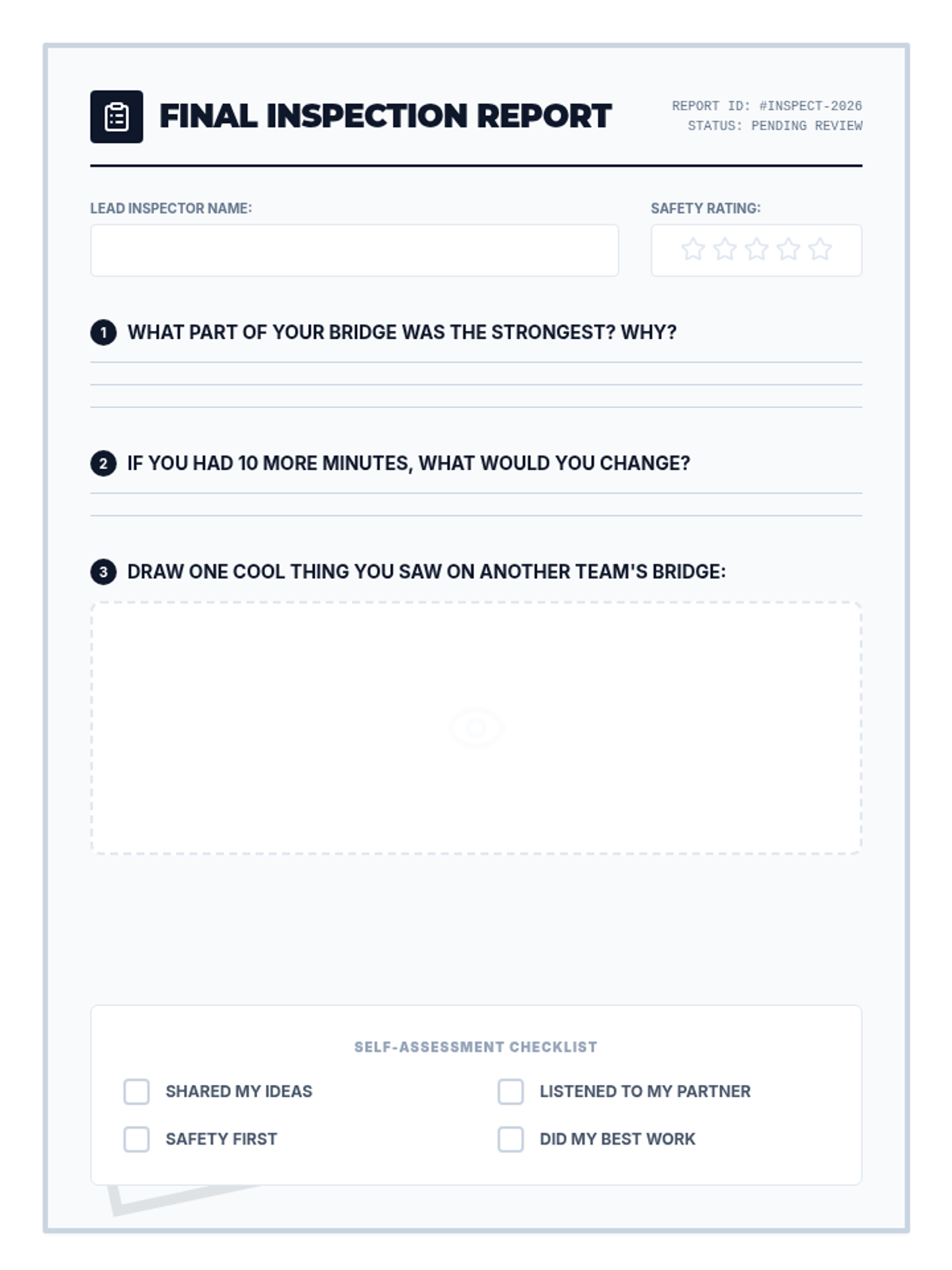
Students step into the roles of junior engineers to design, build, and test bridges for toy insects, exploring structural integrity and the engineering design process.
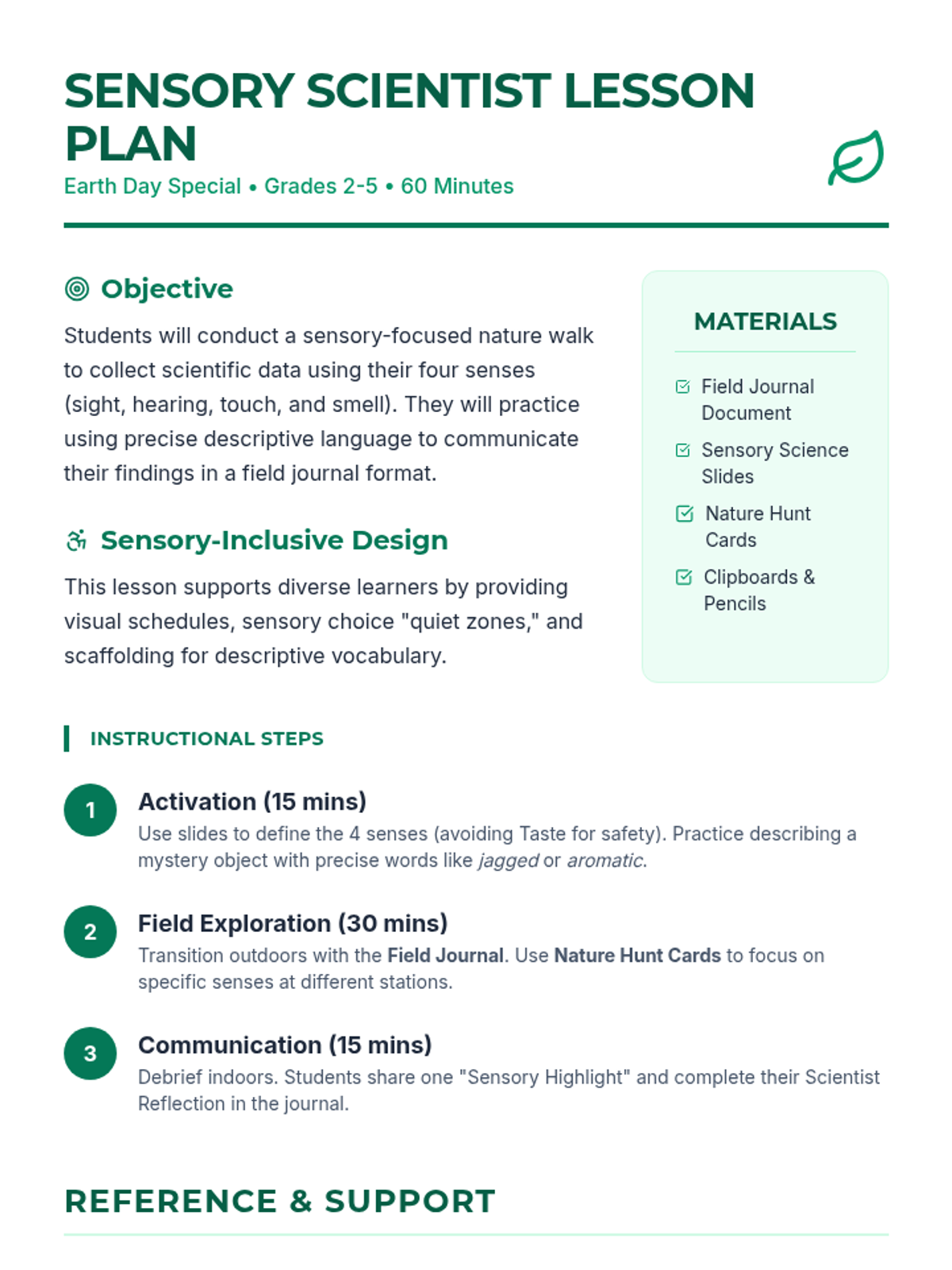
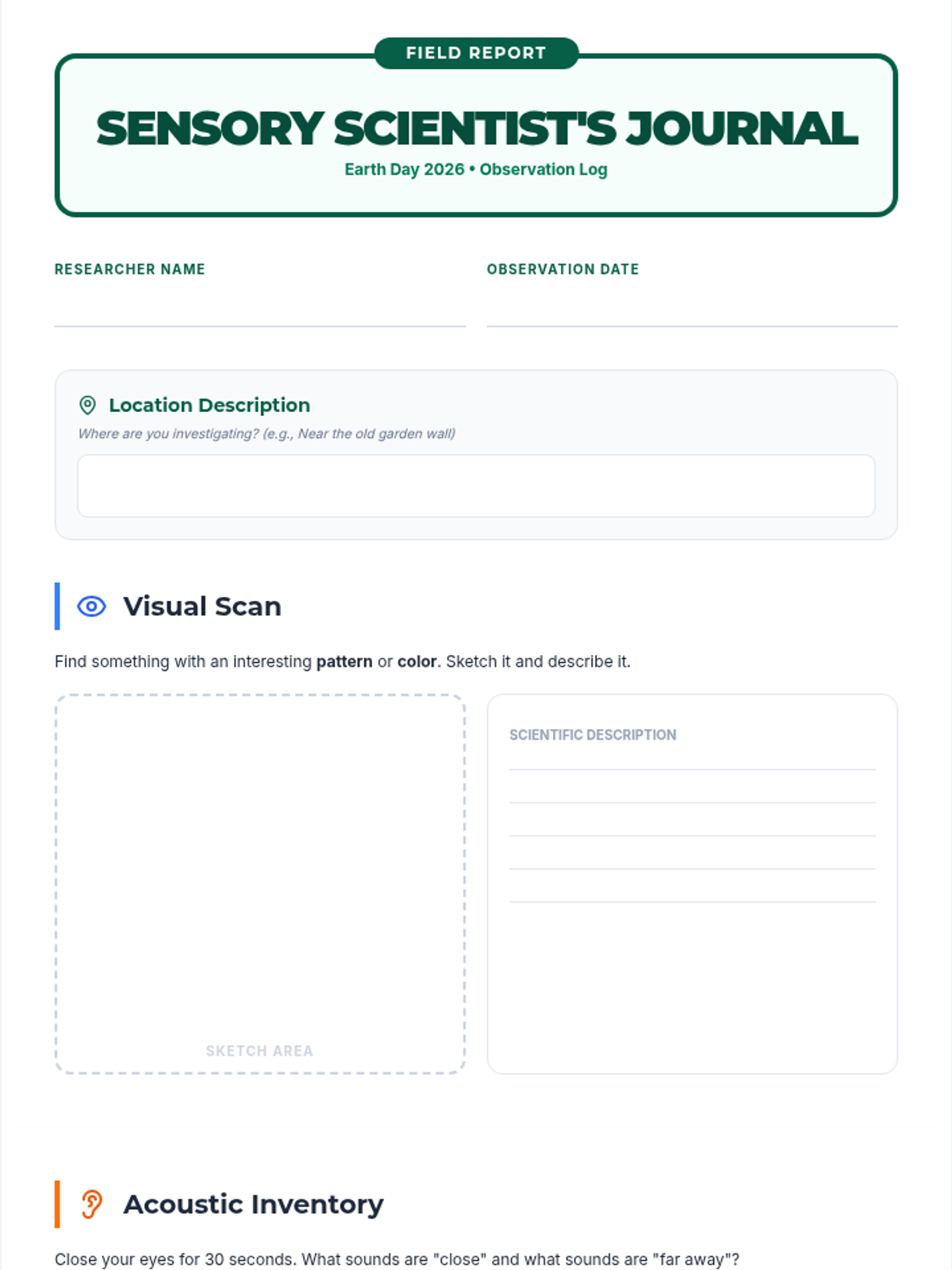
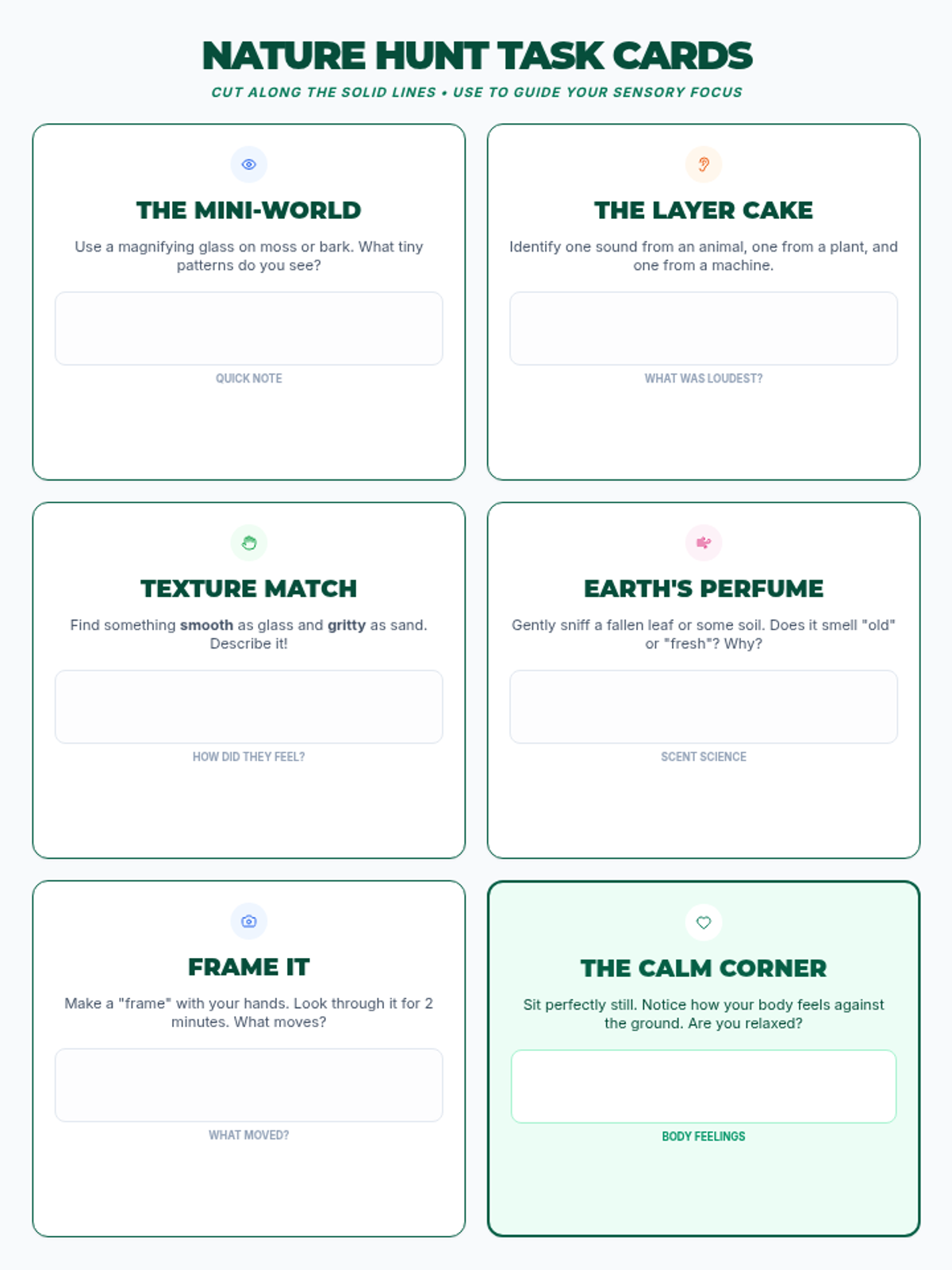
An outdoor sensory exploration lesson designed for Earth Day, helping students with diverse sensory needs build descriptive language and observation skills through nature-based science communication.
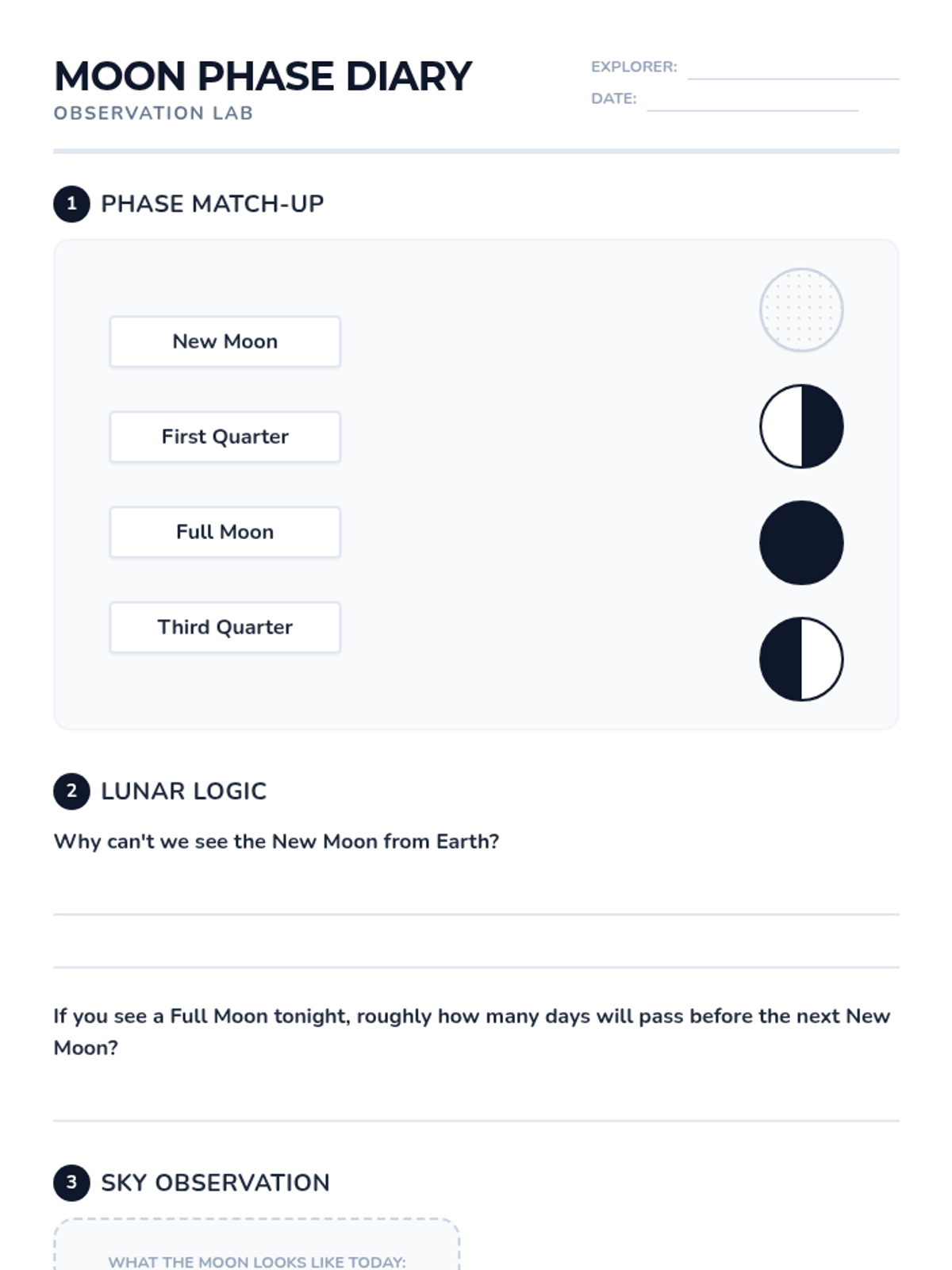
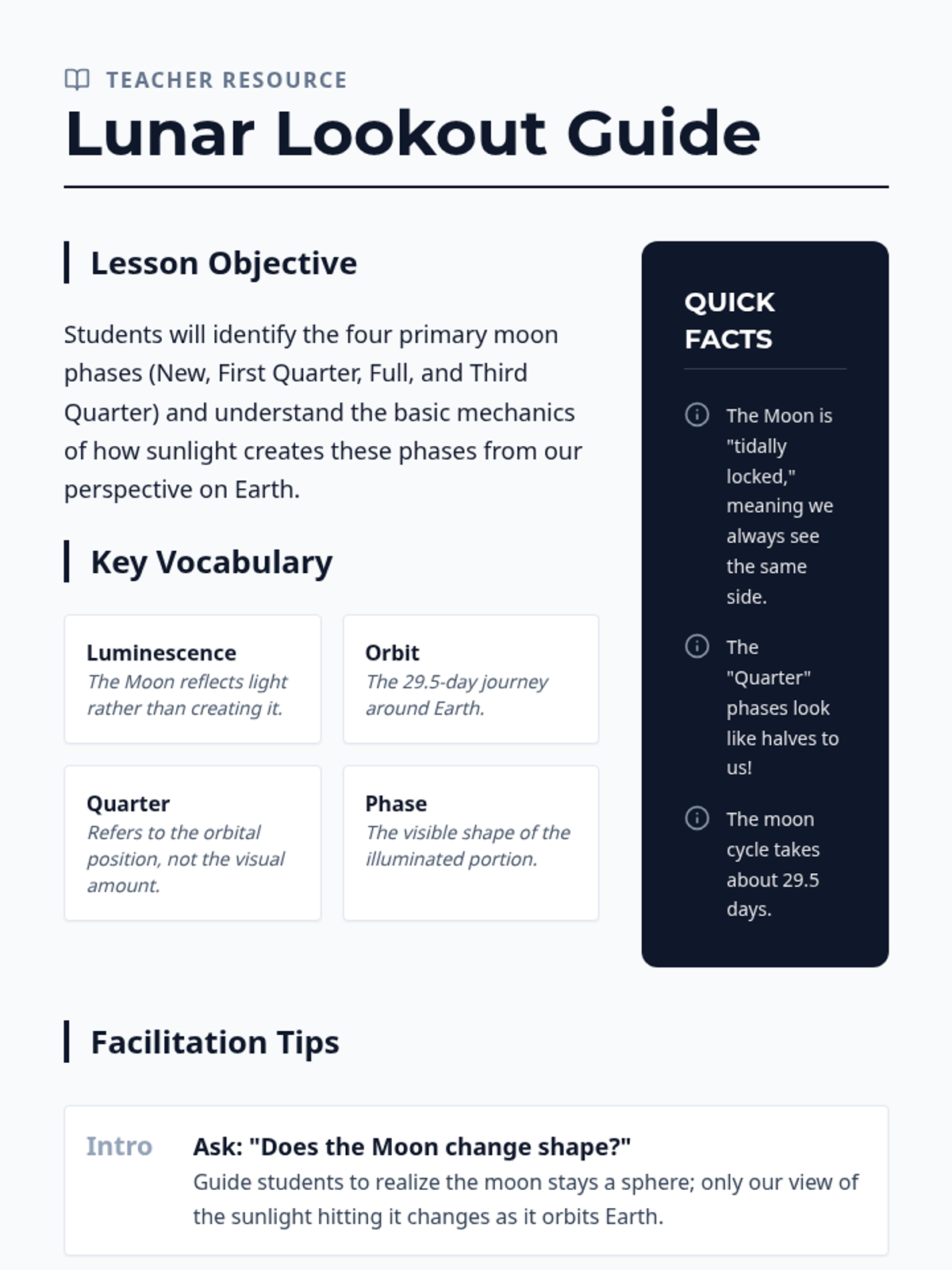
An introductory exploration of the four primary moon phases, helping students identify and understand the lunar cycle through visual observation.
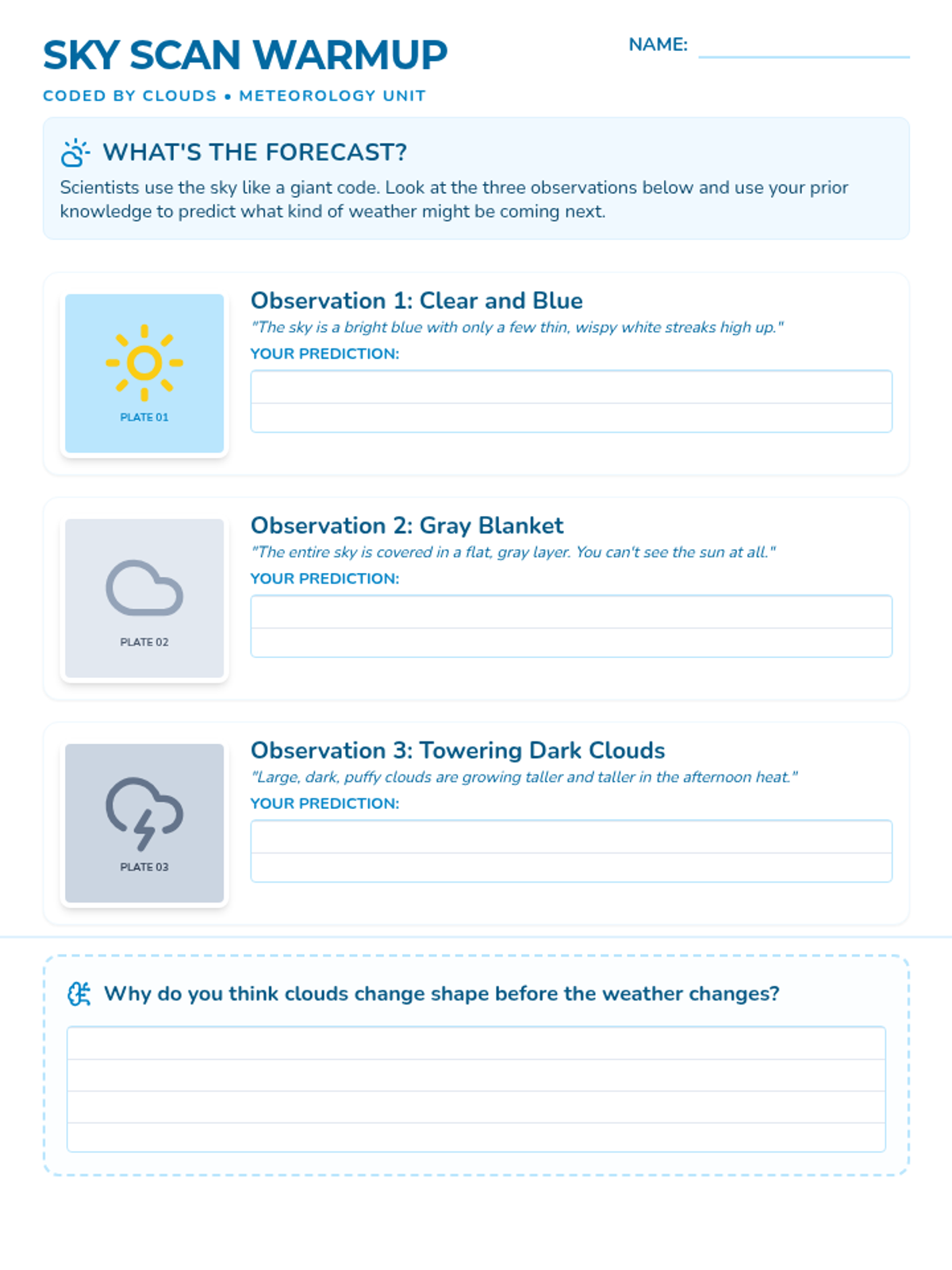
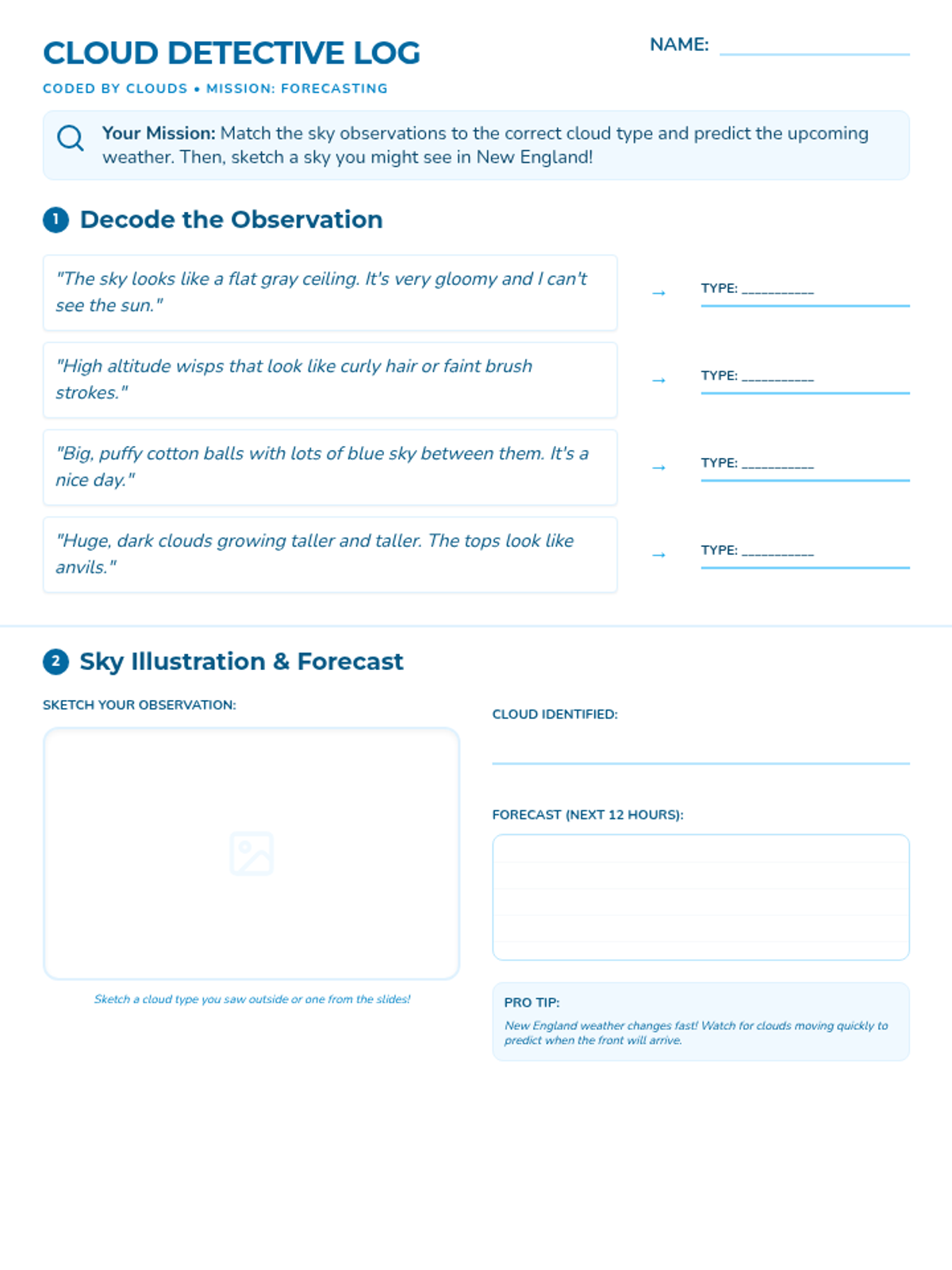
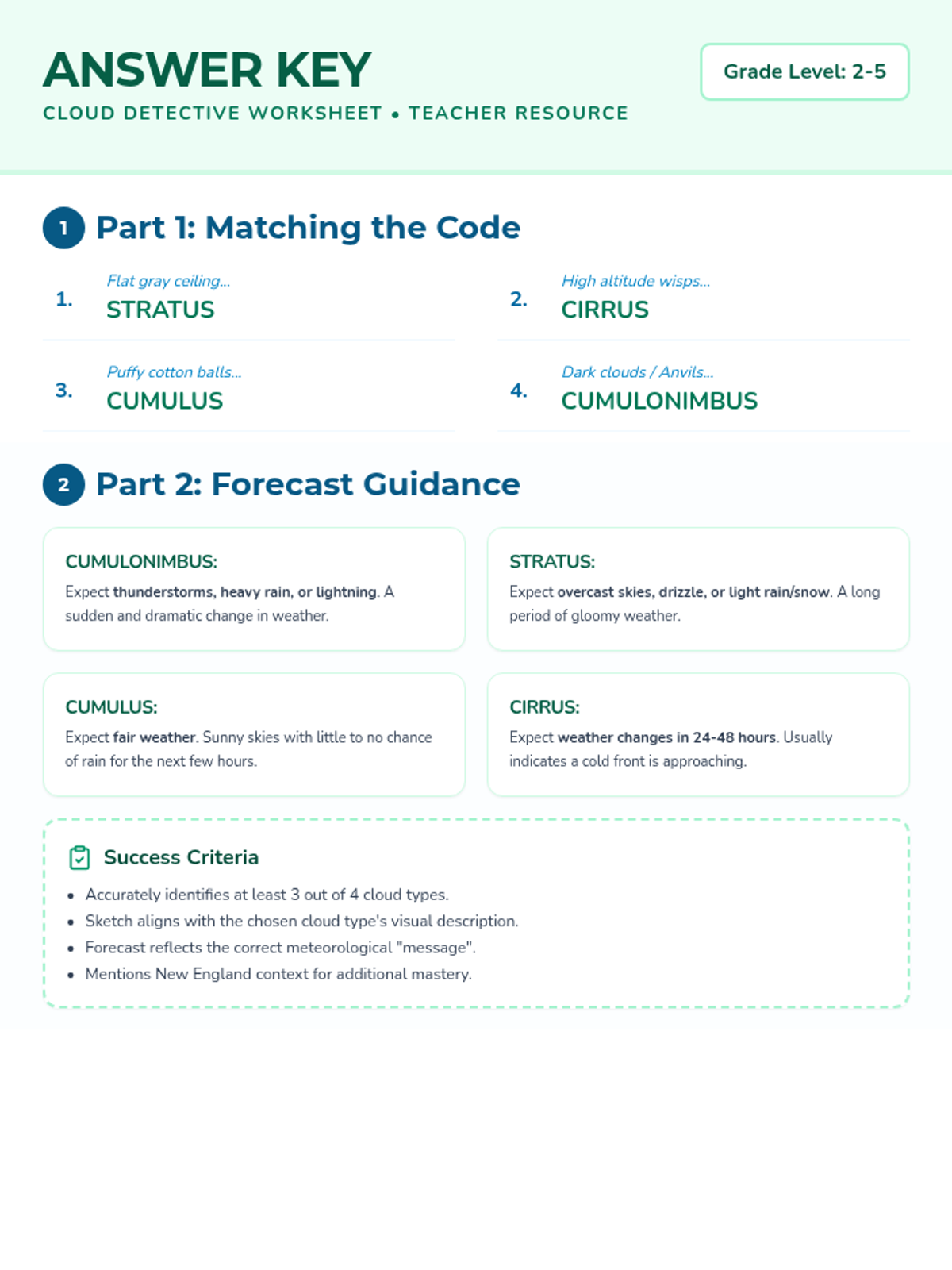
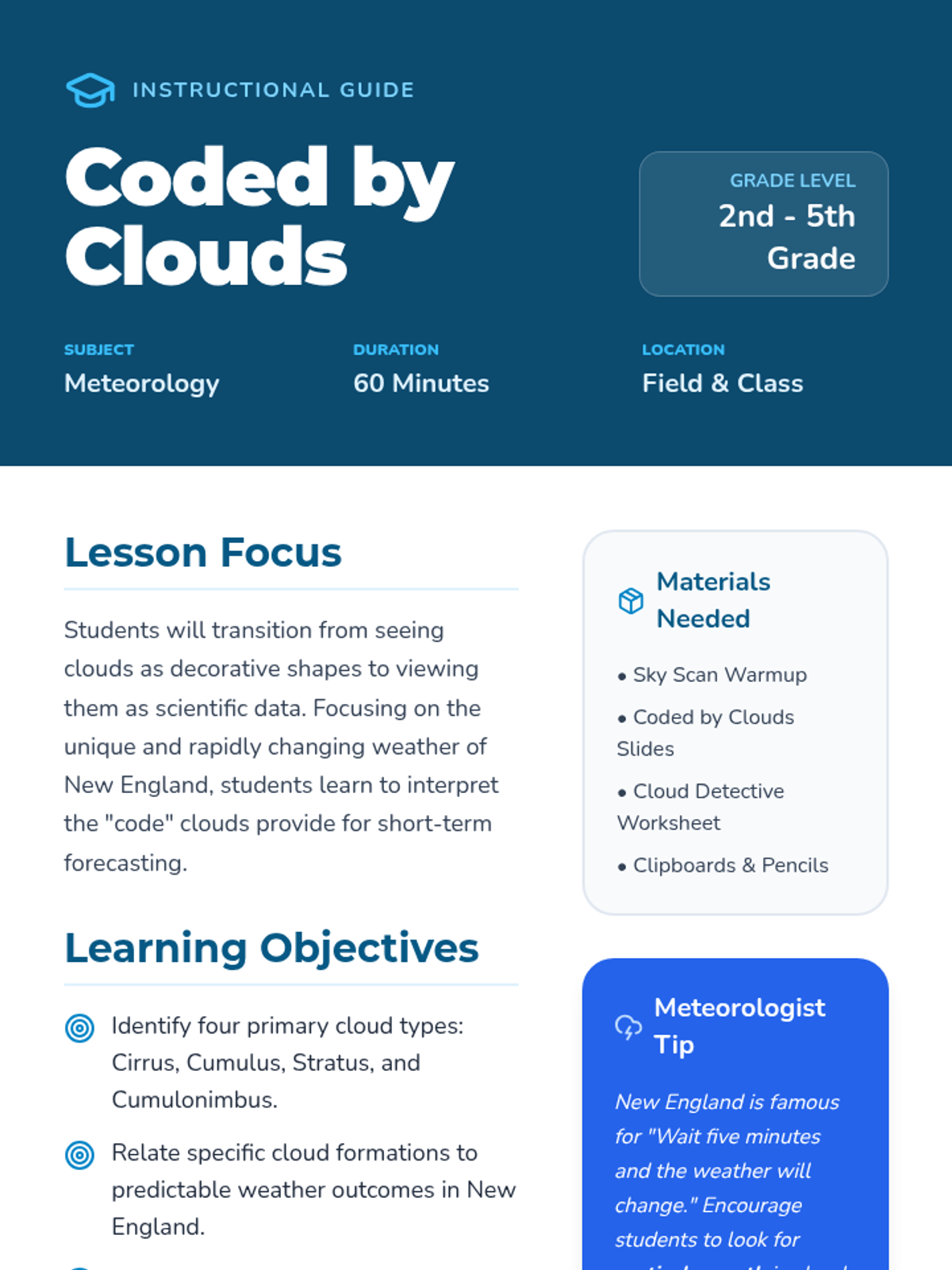
Students observe and categorize different cloud formations to predict upcoming weather patterns in the New England area. This meteorology lesson encourages 2nd through 5th graders to use sky observations as data for scientific forecasting.
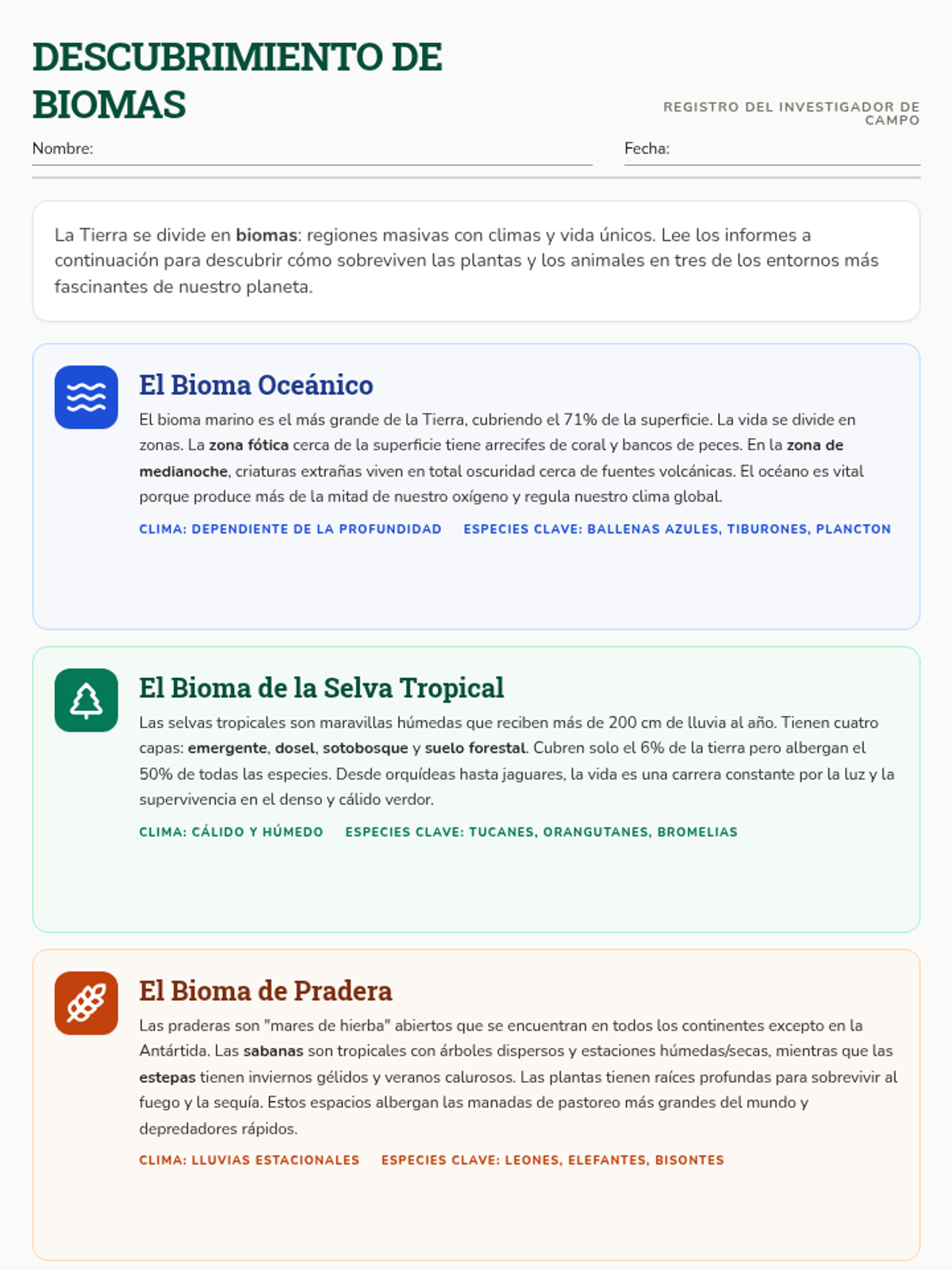
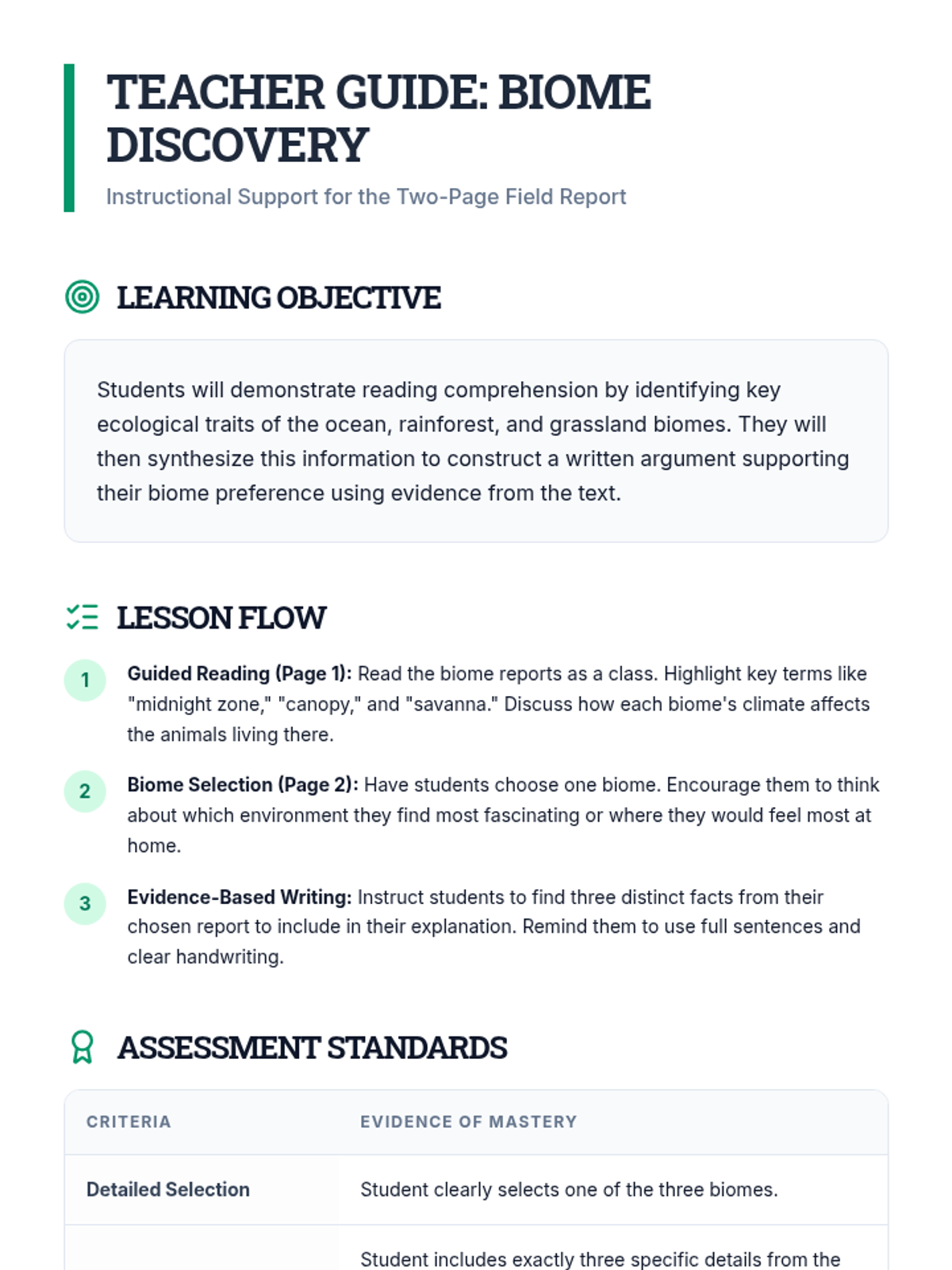
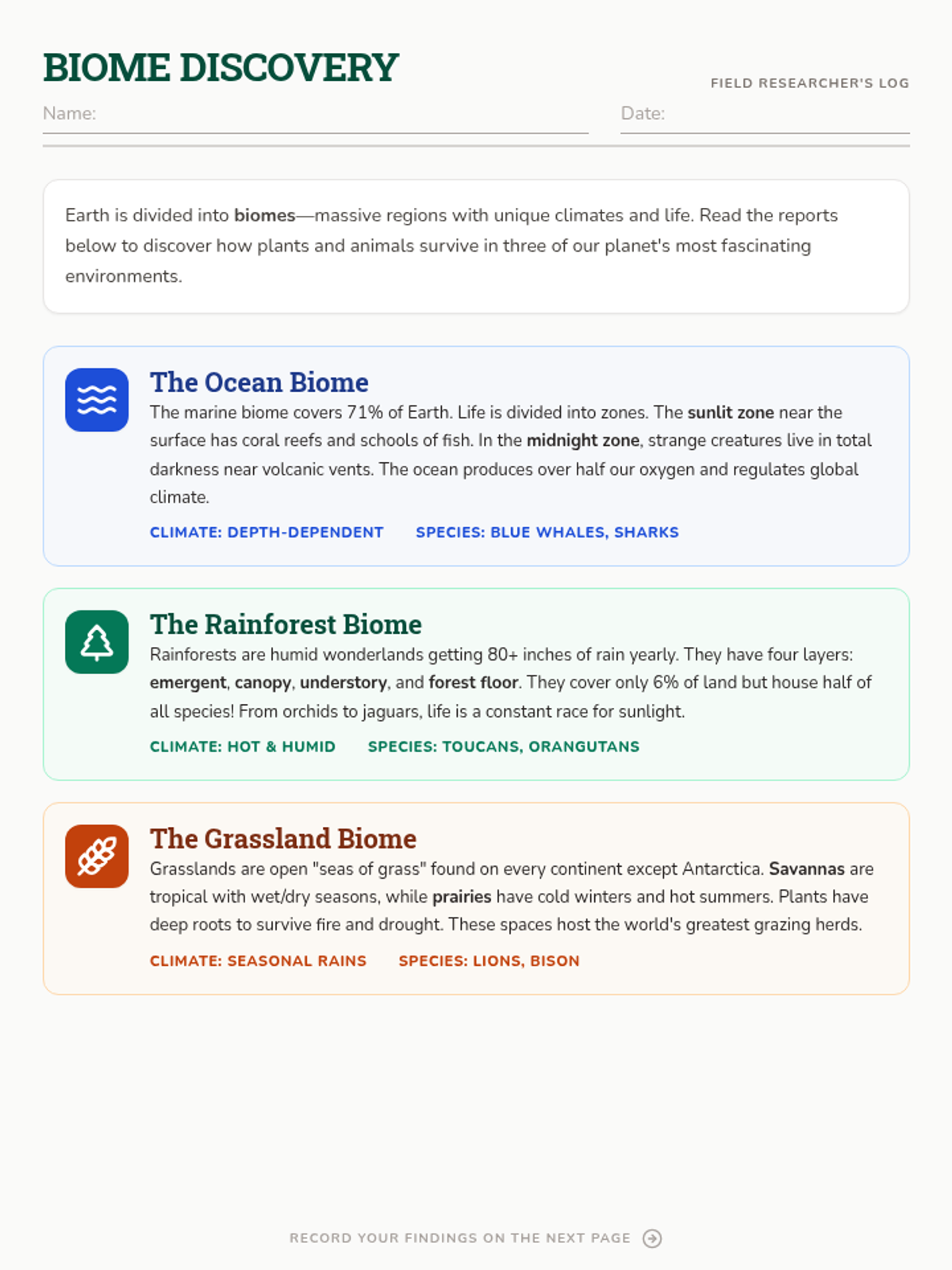
An introductory exploration of Earth's diverse biomes, focusing on the ocean, rainforest, and grassland ecosystems. Students learn to identify key characteristics and express personal preferences based on ecological traits.
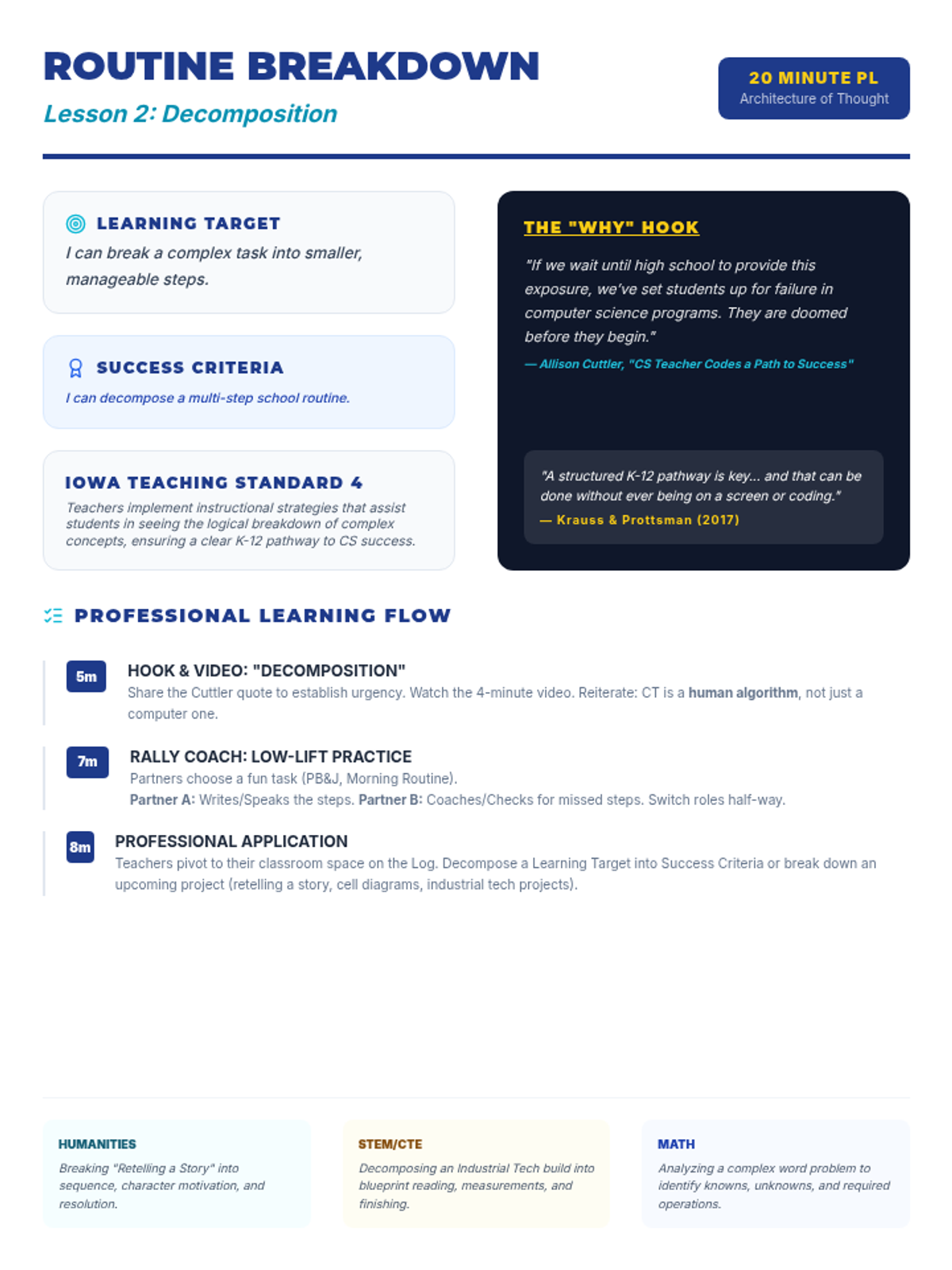
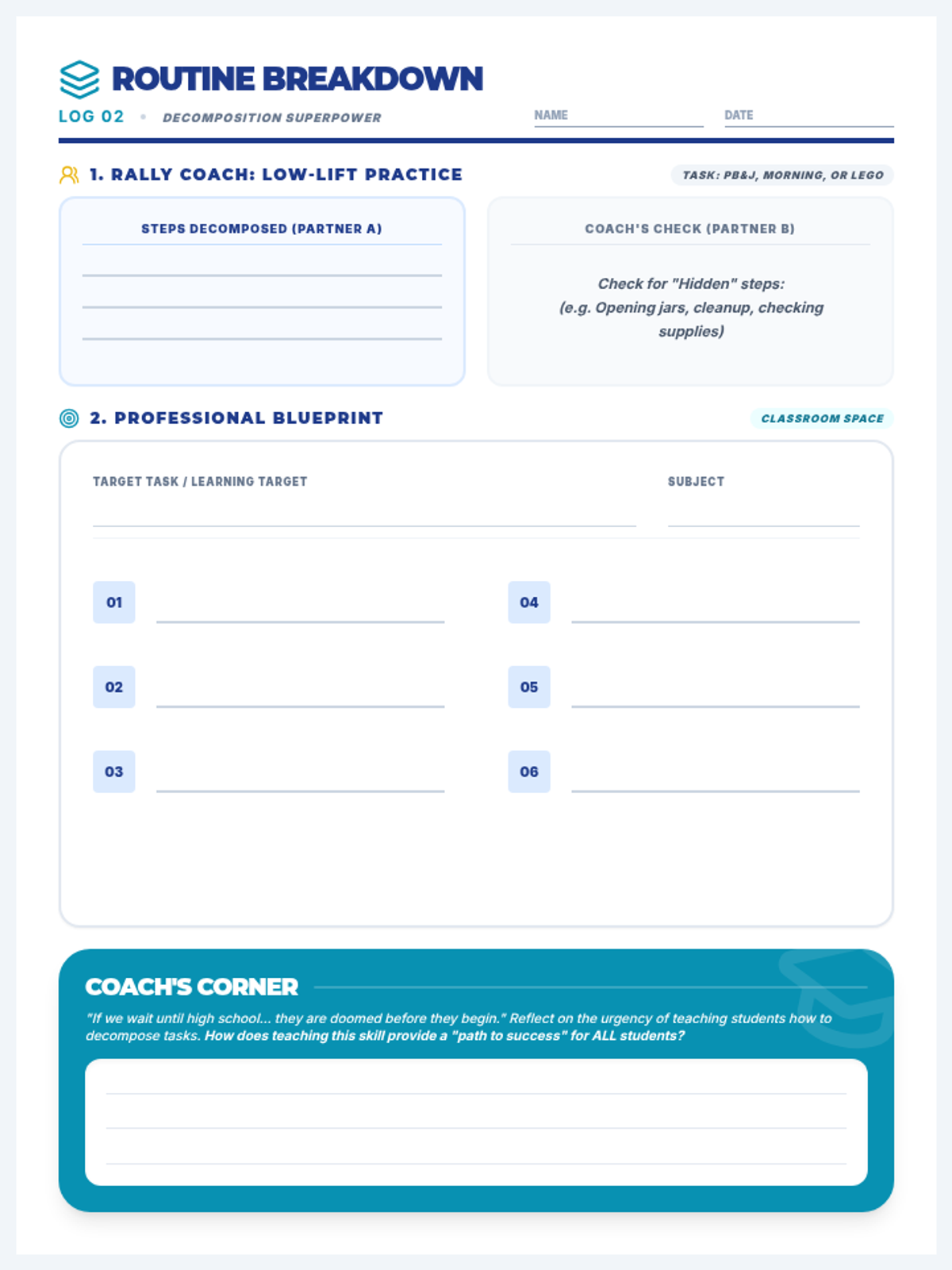
Teachers learn to break complex tasks into smaller, manageable steps using classroom routines and Iowa Core standards as examples.
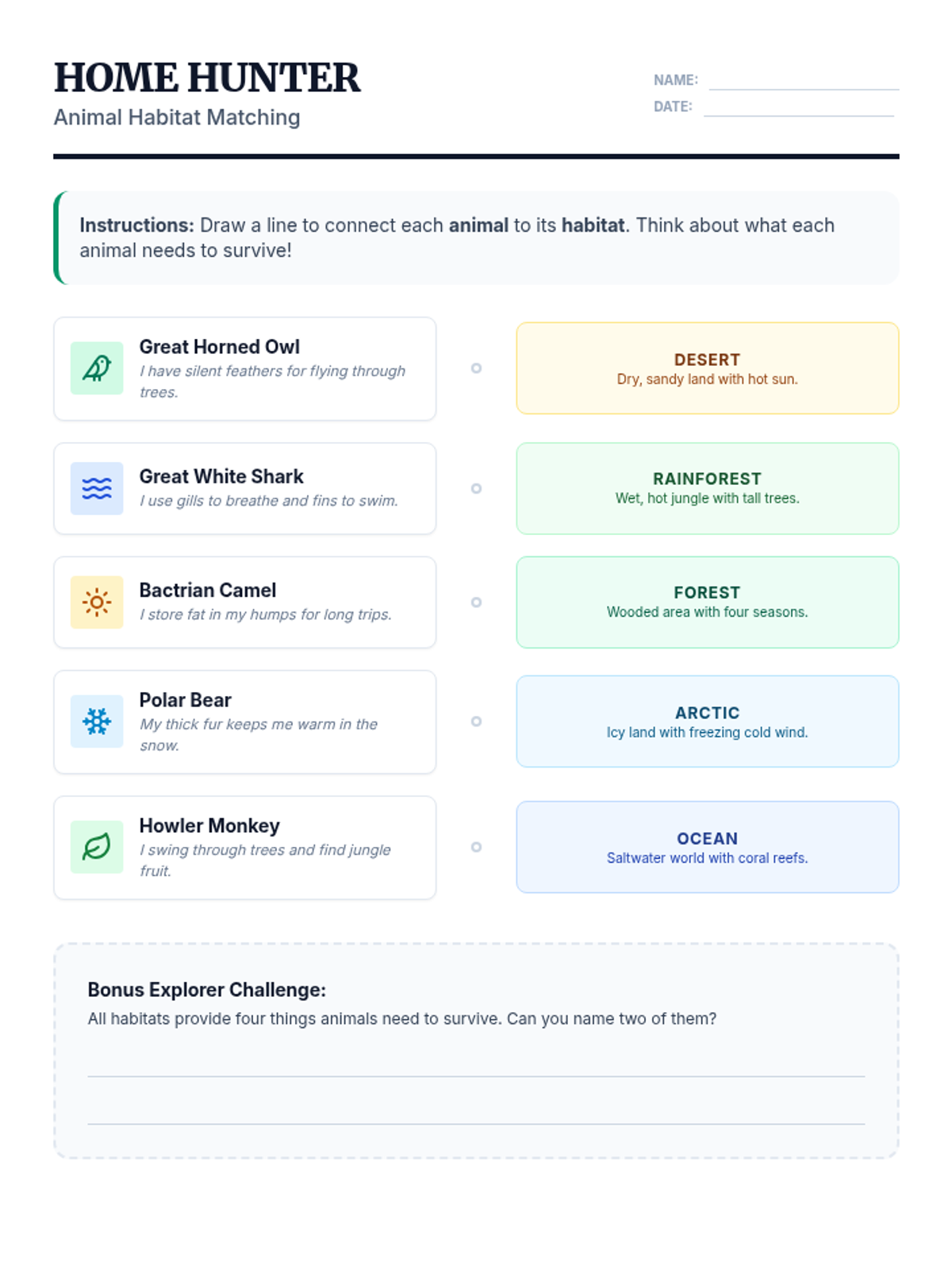
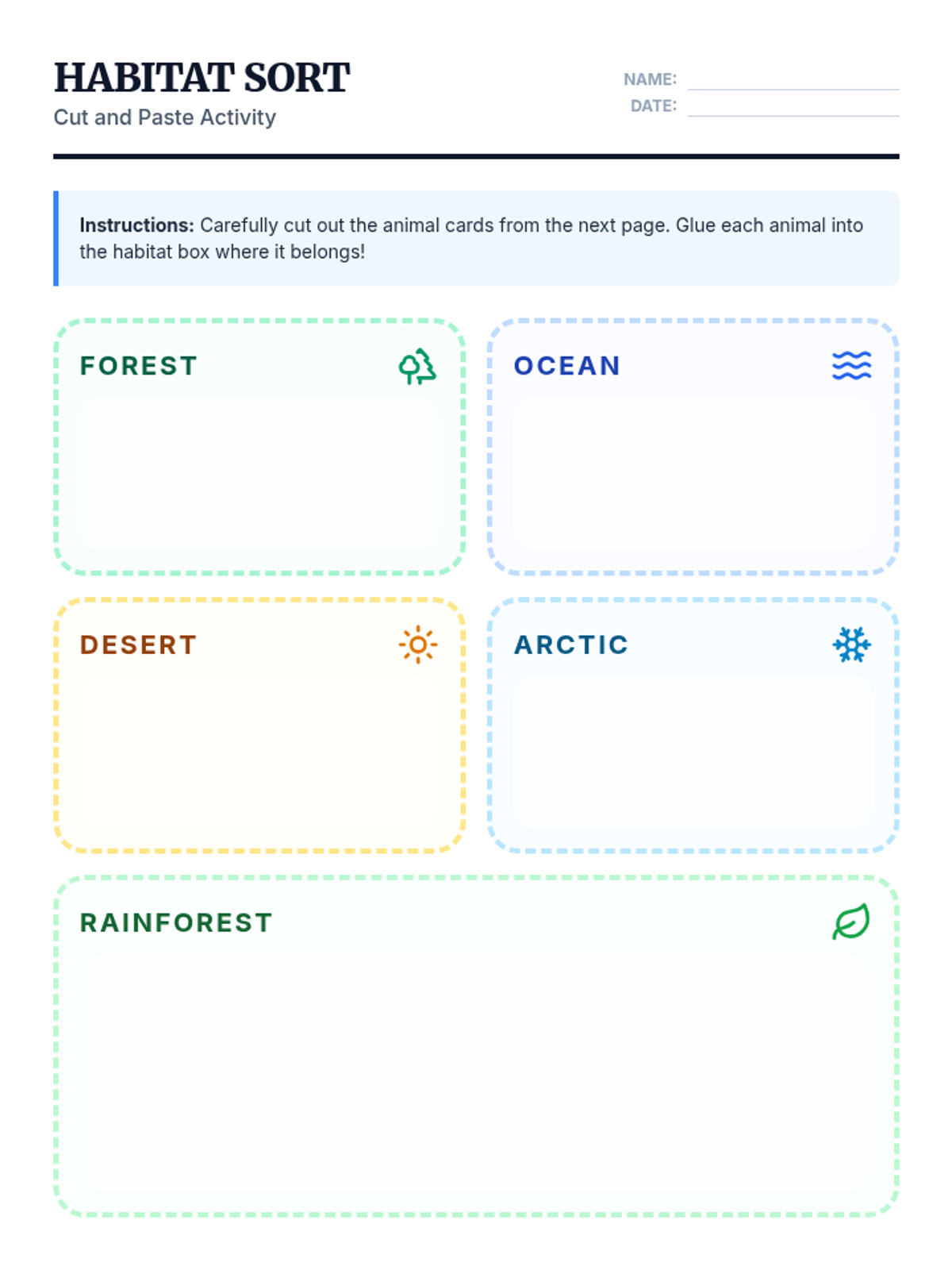
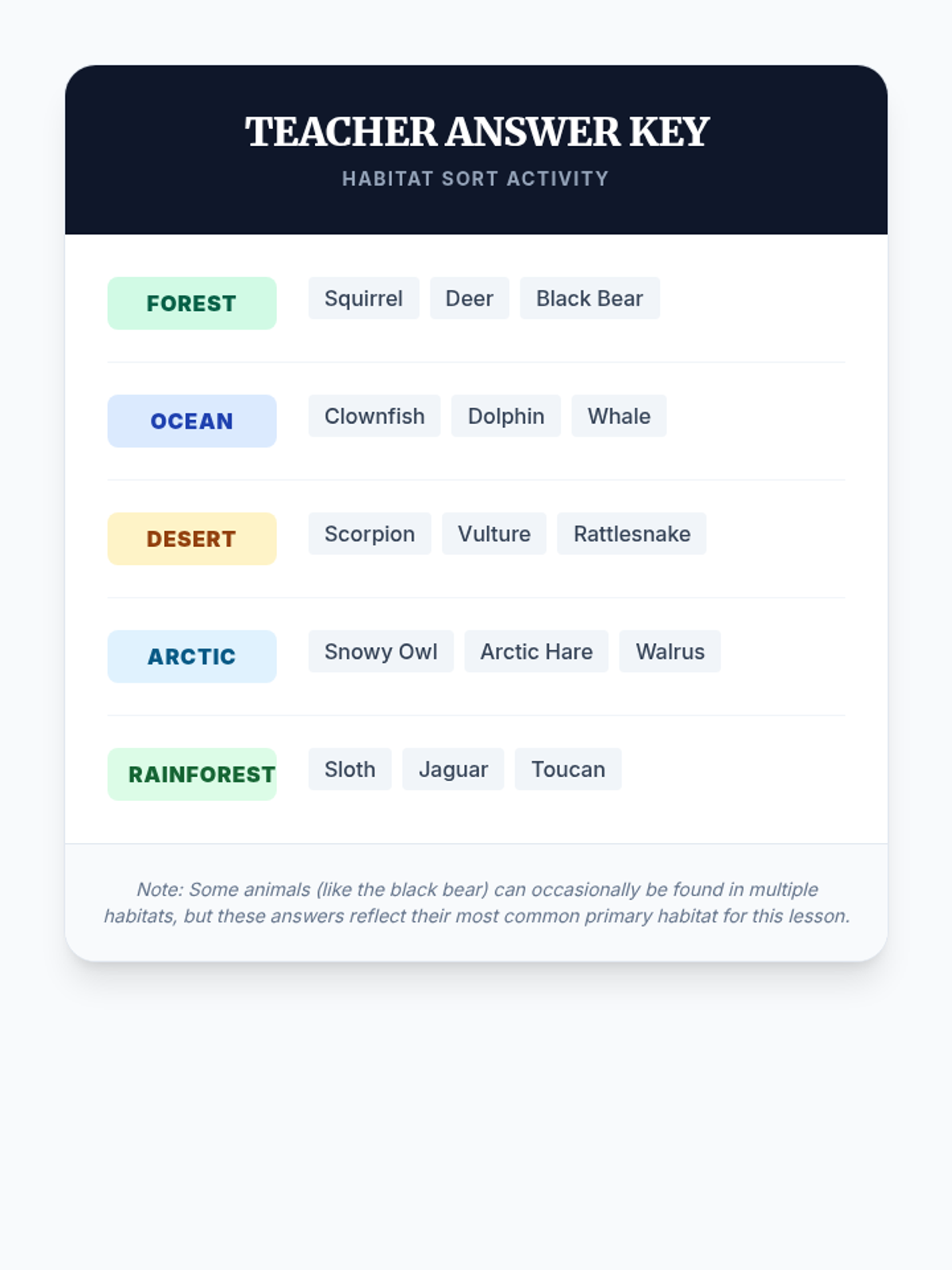
Students explore five major world habitats—Forest, Ocean, Desert, Arctic, and Rainforest—identifying key characteristics and the animals that call them home through visual presentation and hands-on sorting activities.
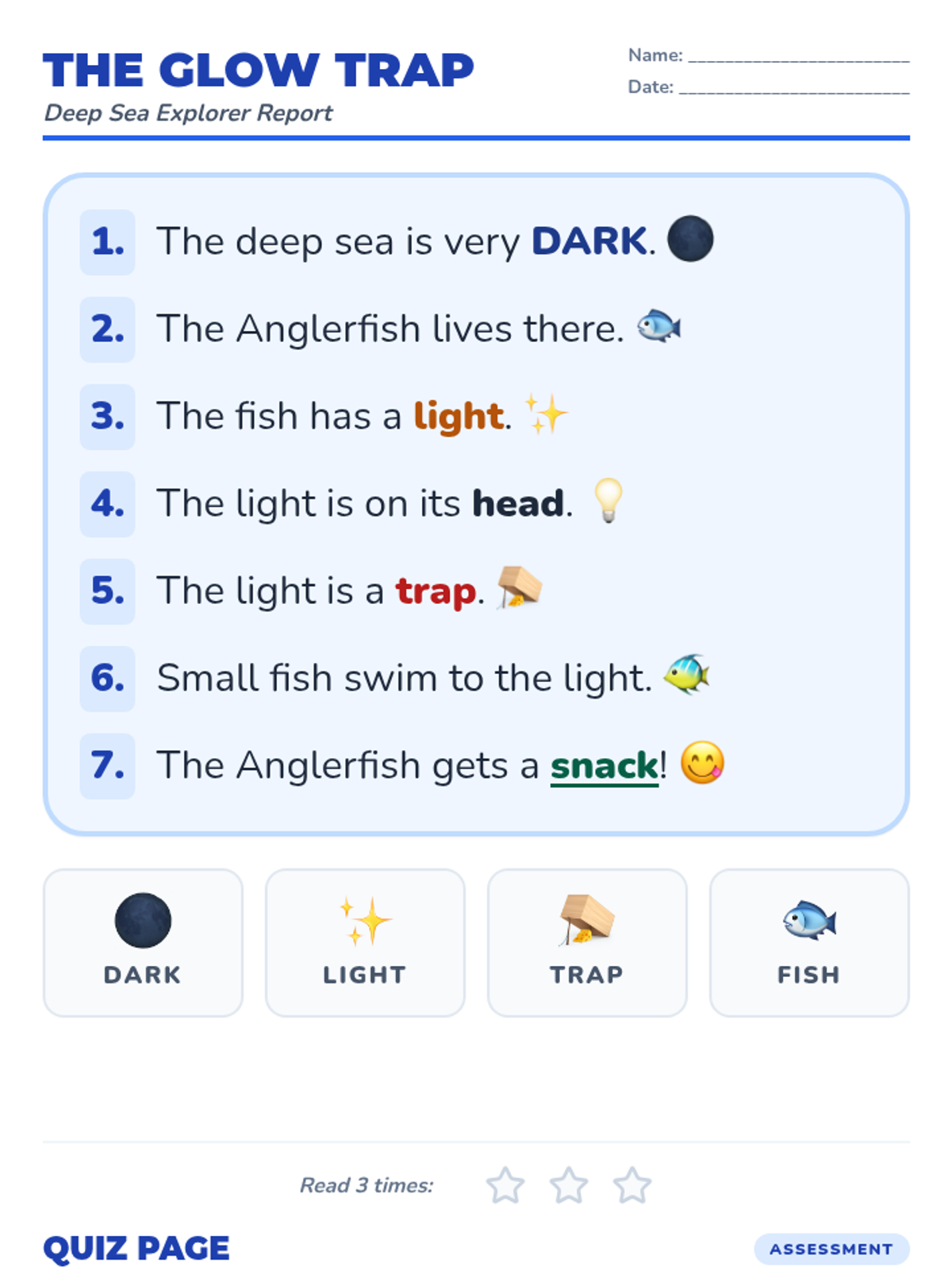
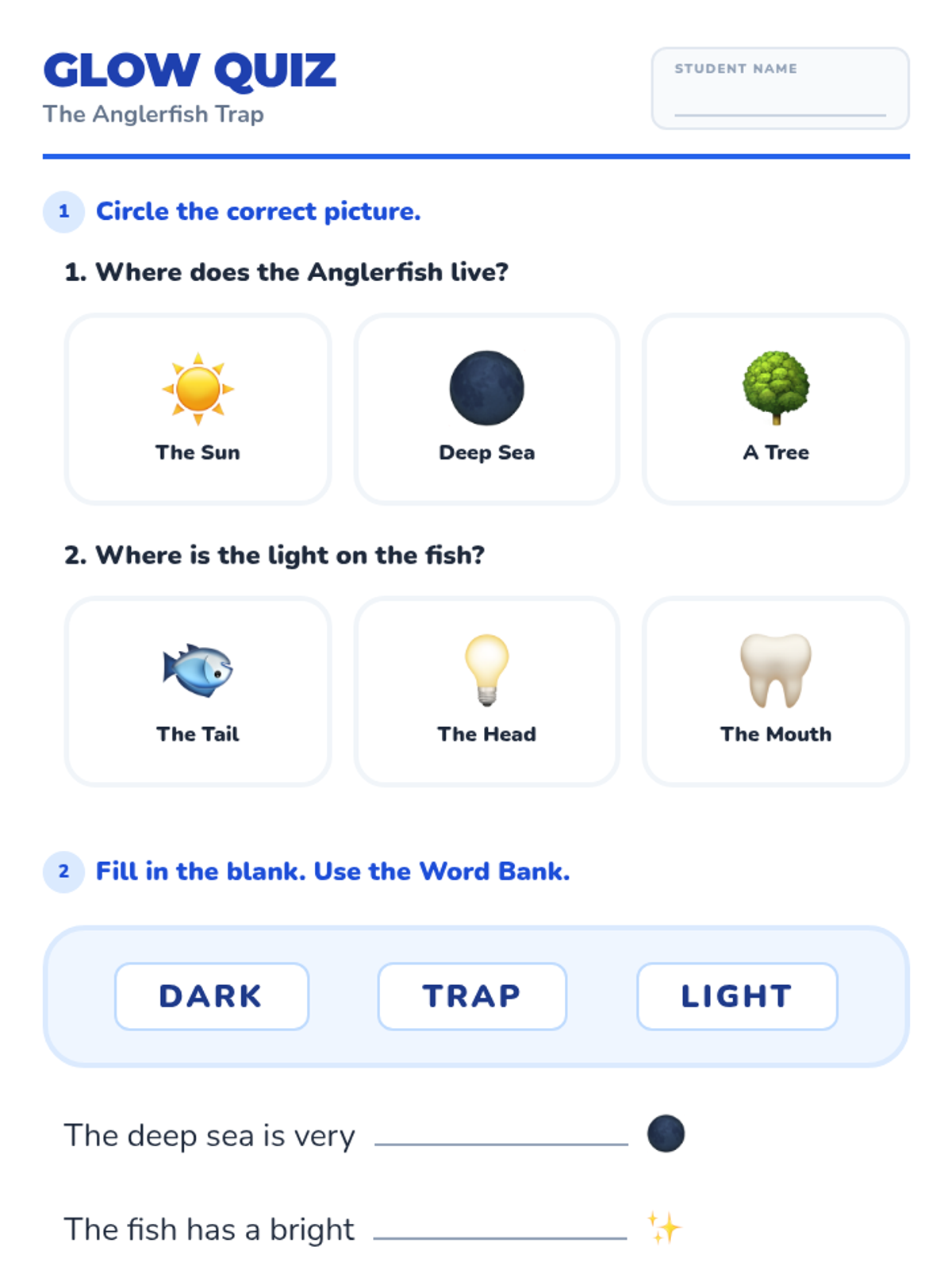
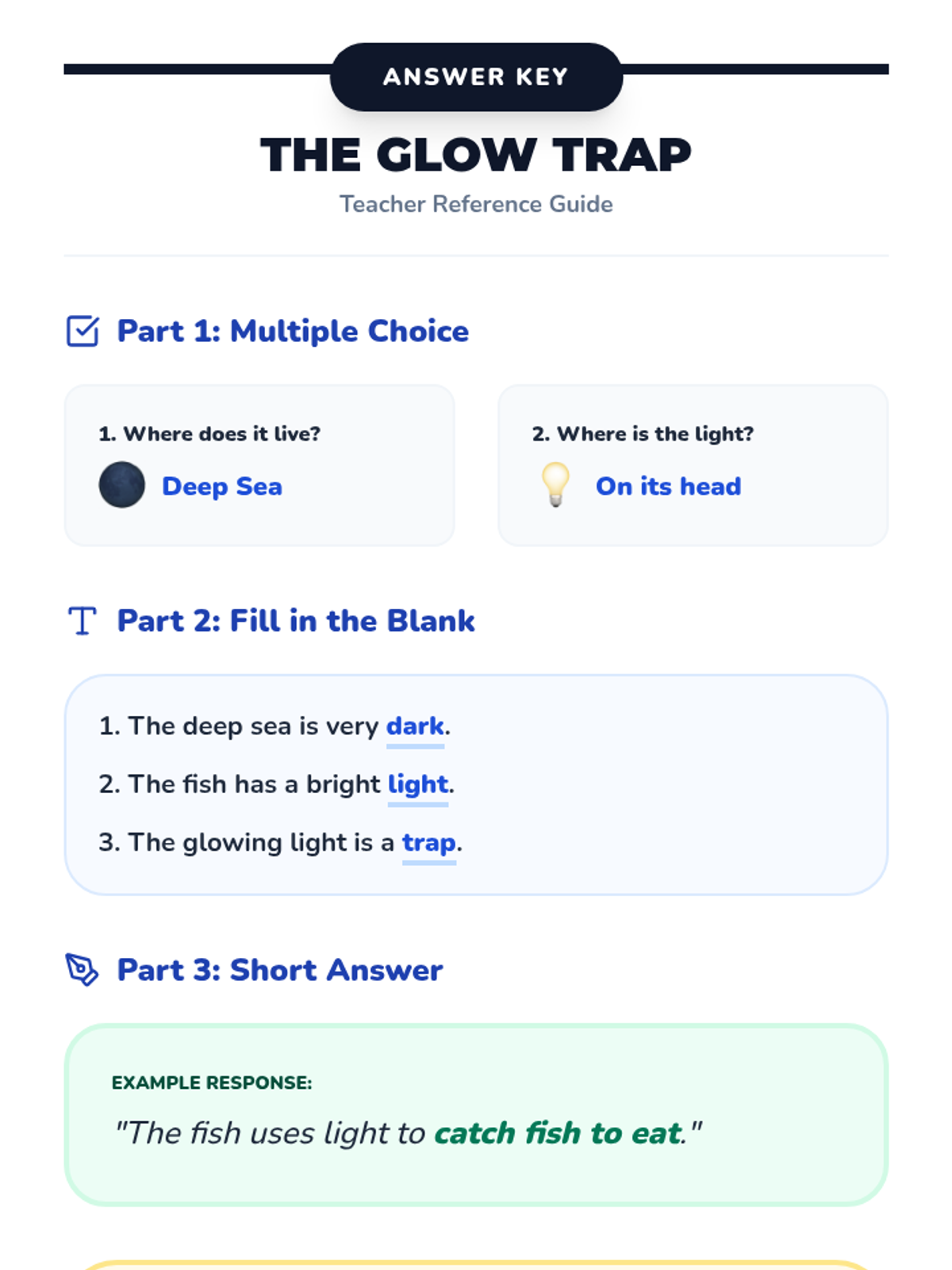
A lesson focused on the Anglerfish and its bioluminescent trap, designed for early elementary students with IEP supports. Students will learn about deep-sea adaptations through a simple reading passage and structured comprehension activities.
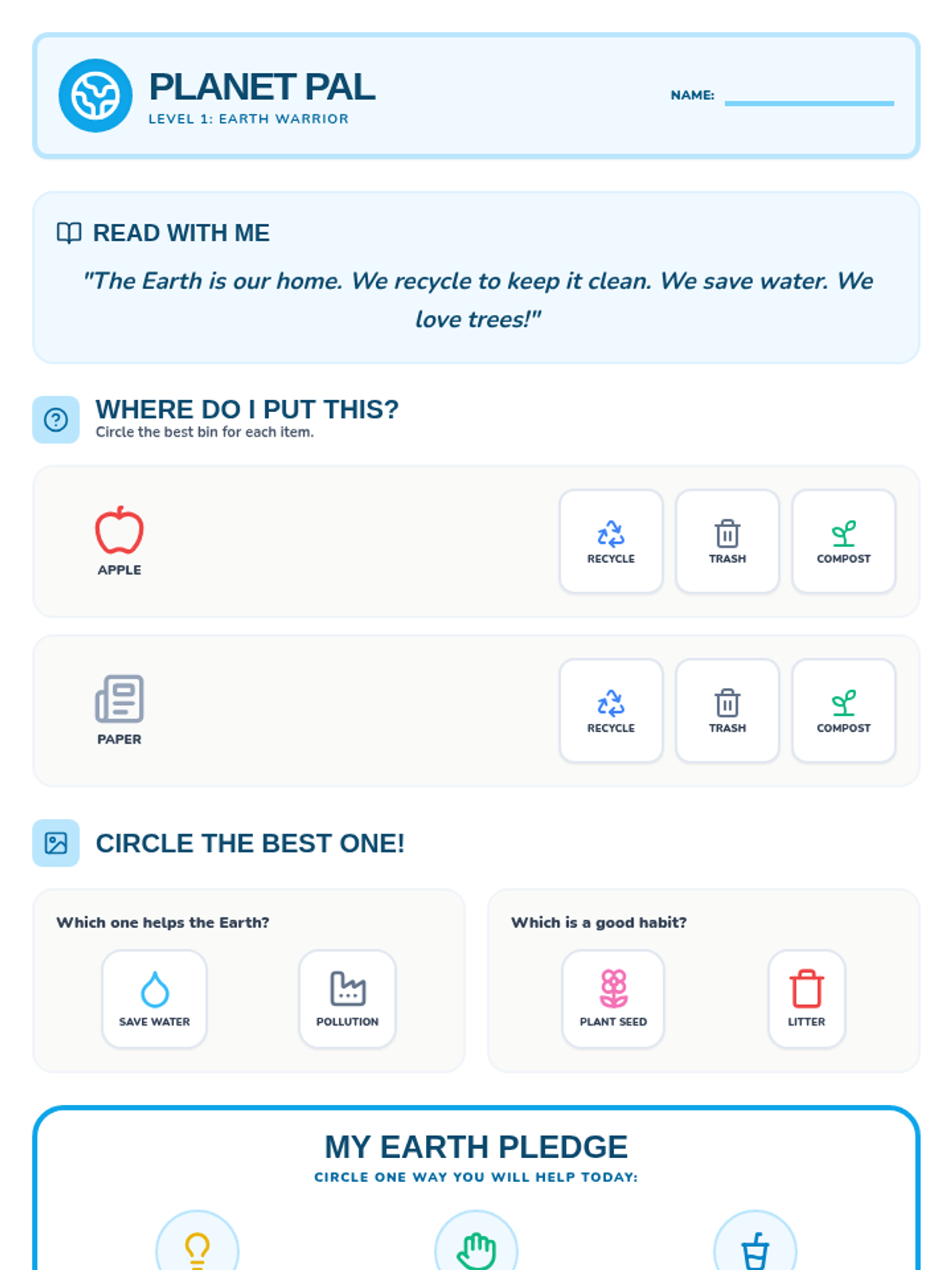
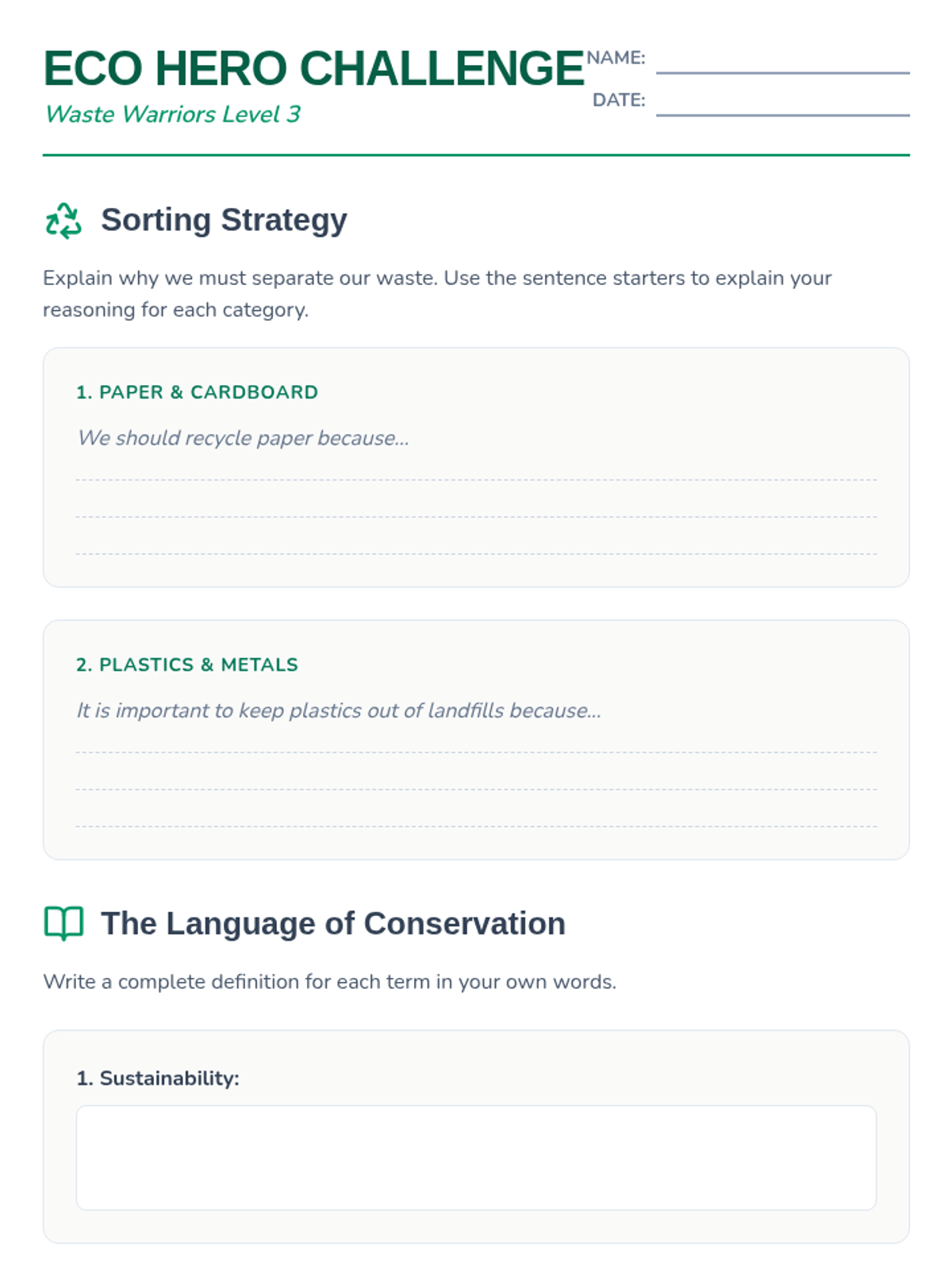
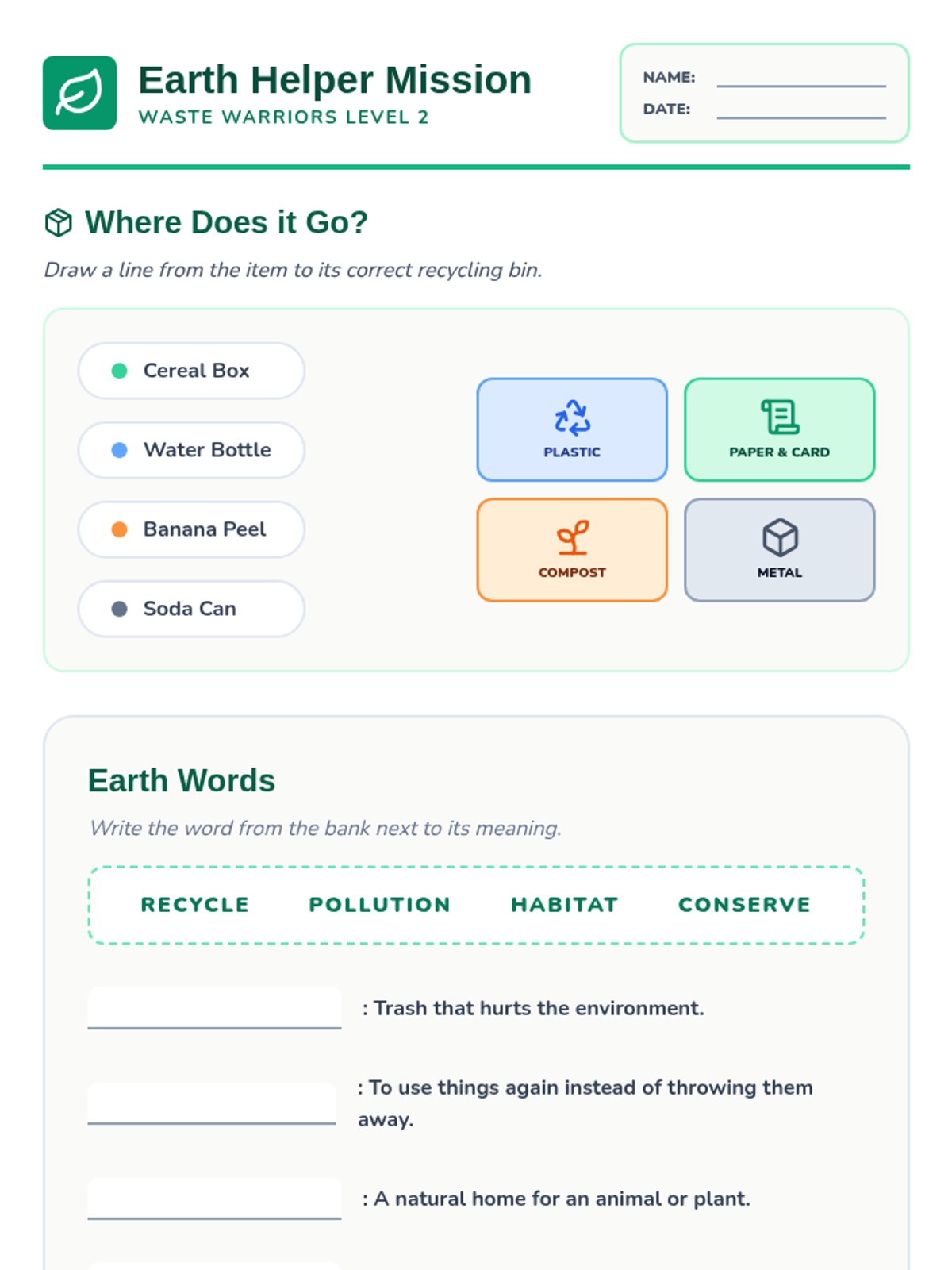
An introductory lesson on waste management and recycling where students practice sorting materials and learning key environmental vocabulary.
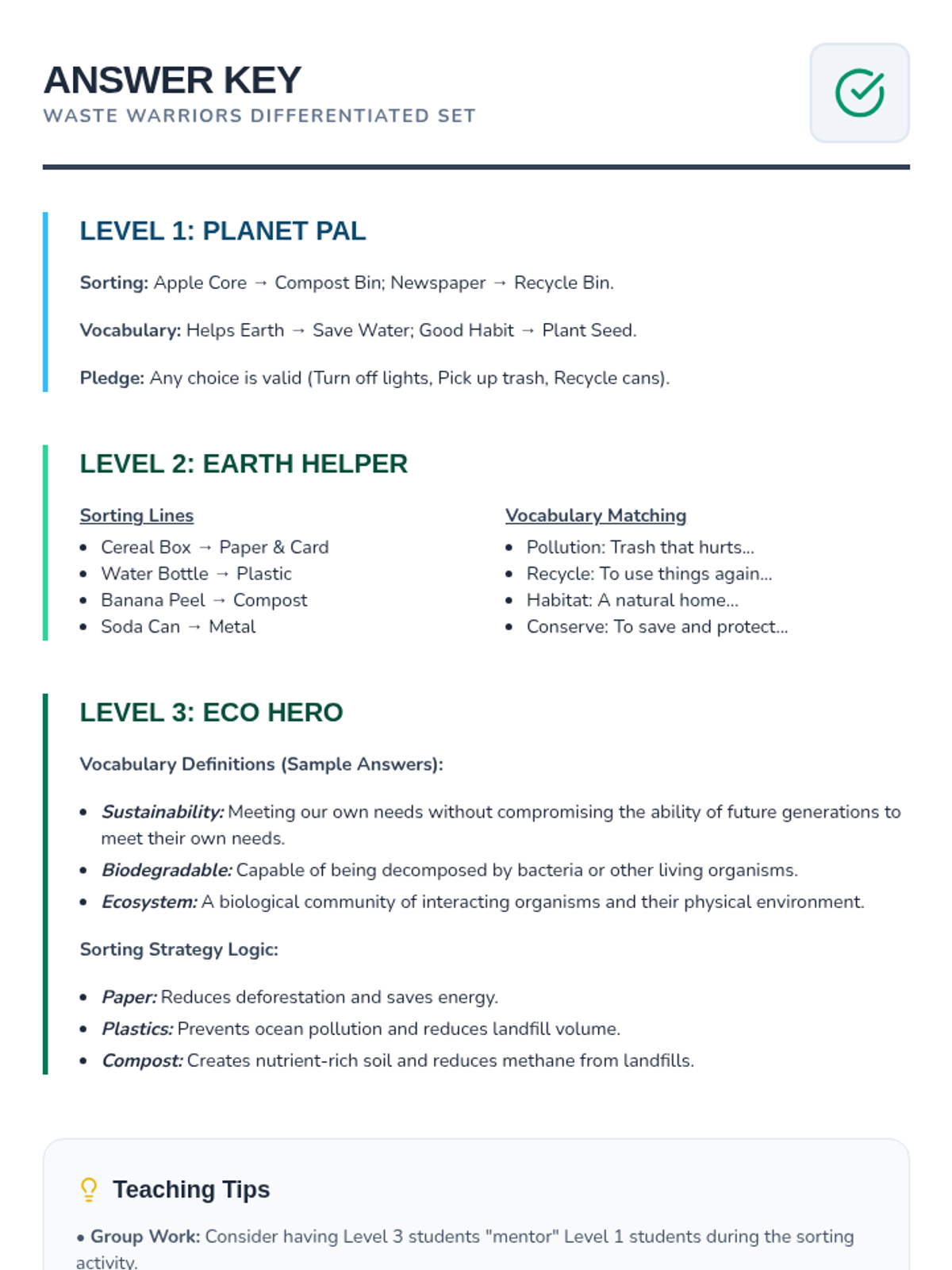
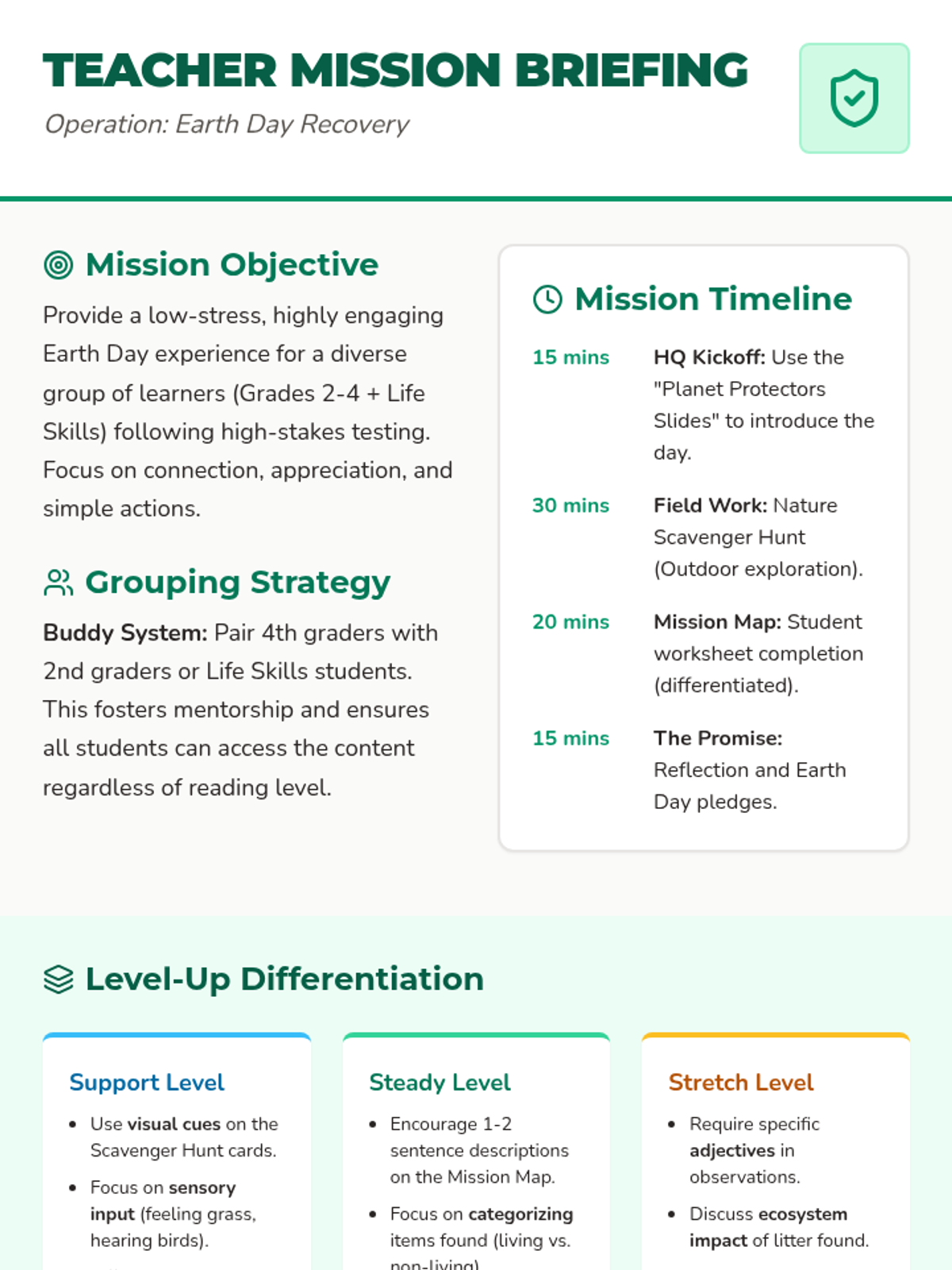
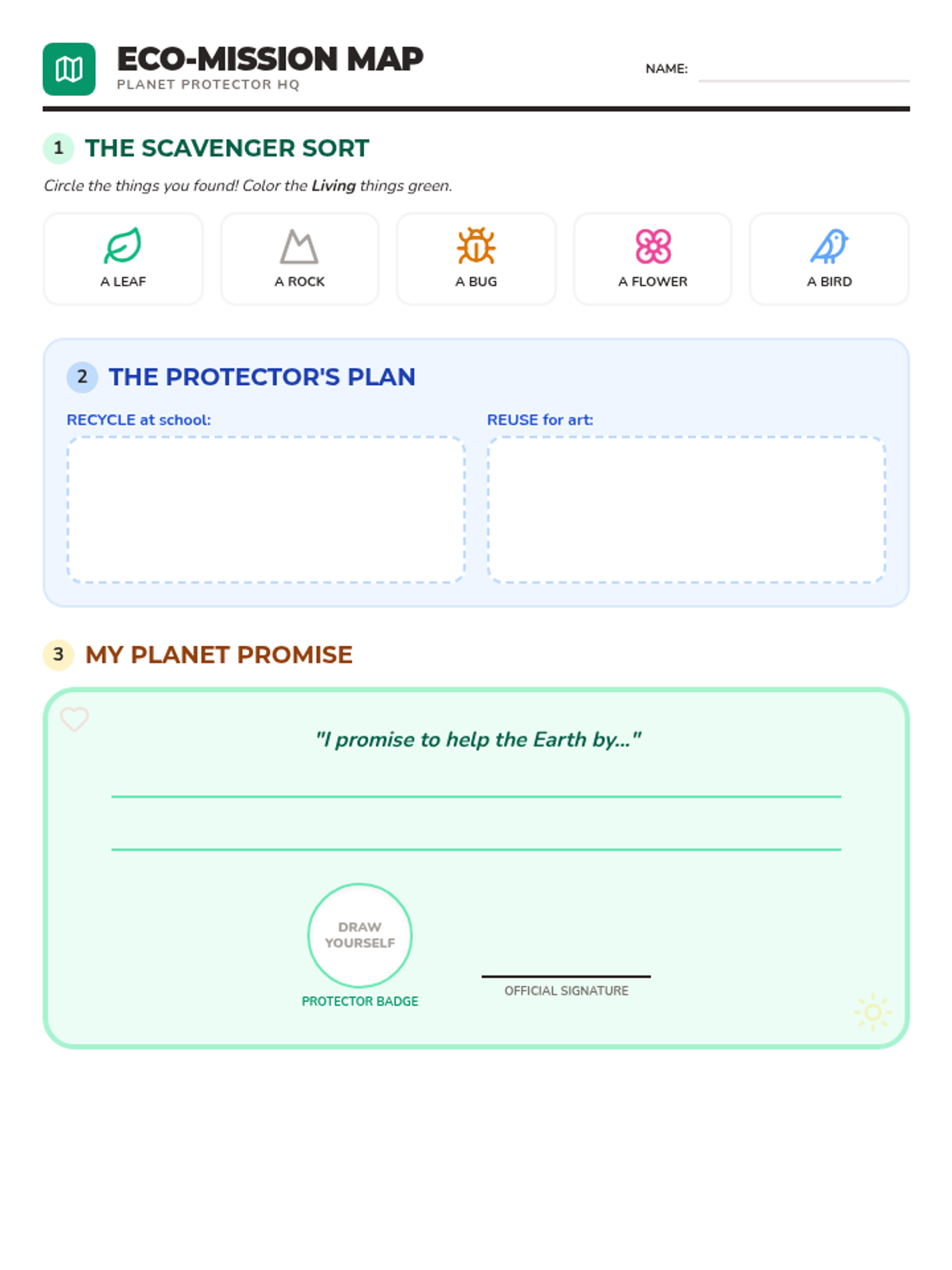
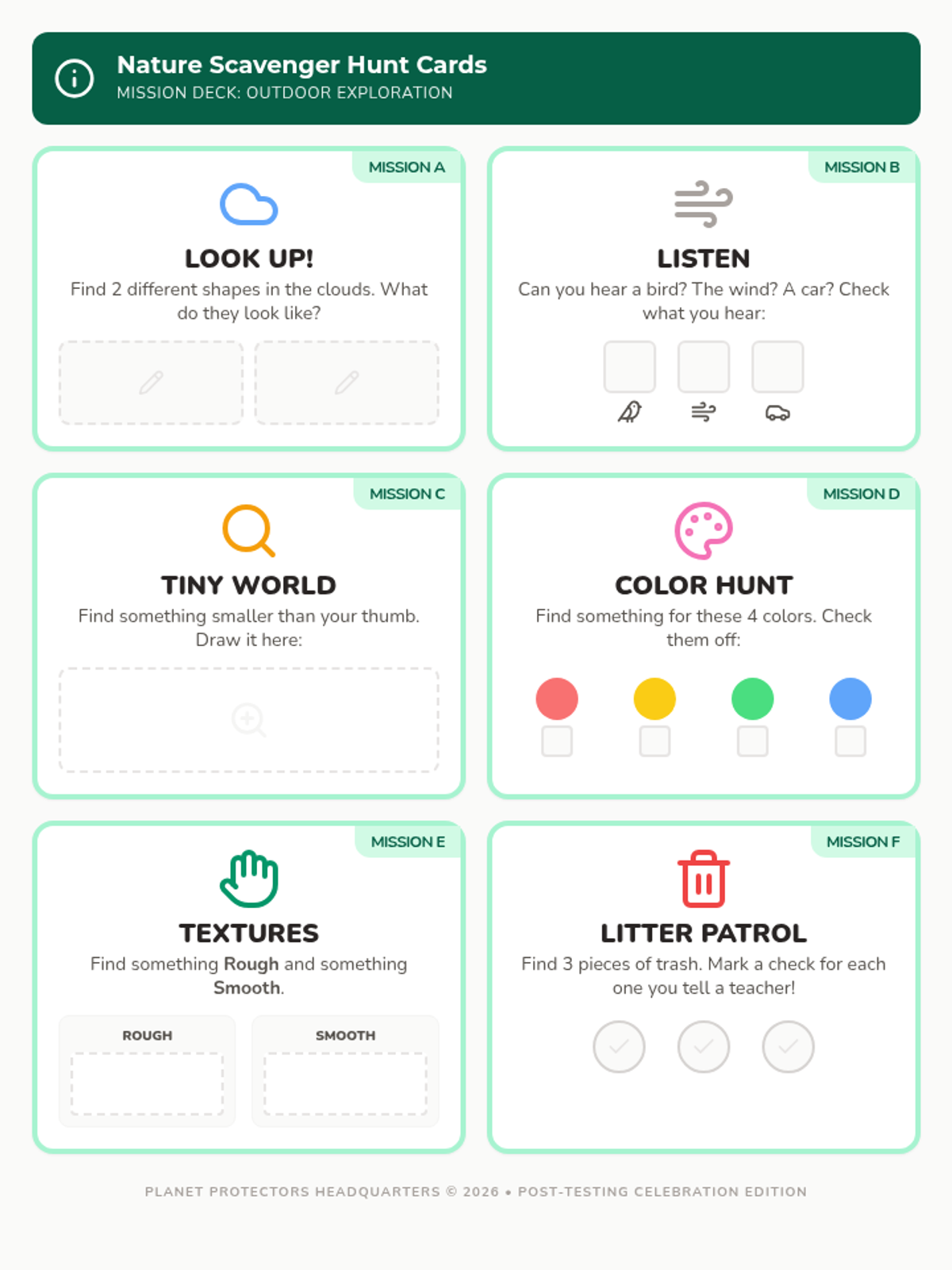
A fun, differentiated Earth Day celebration for 2nd-4th graders and life skills students, featuring hands-on missions to protect the planet after a week of testing.
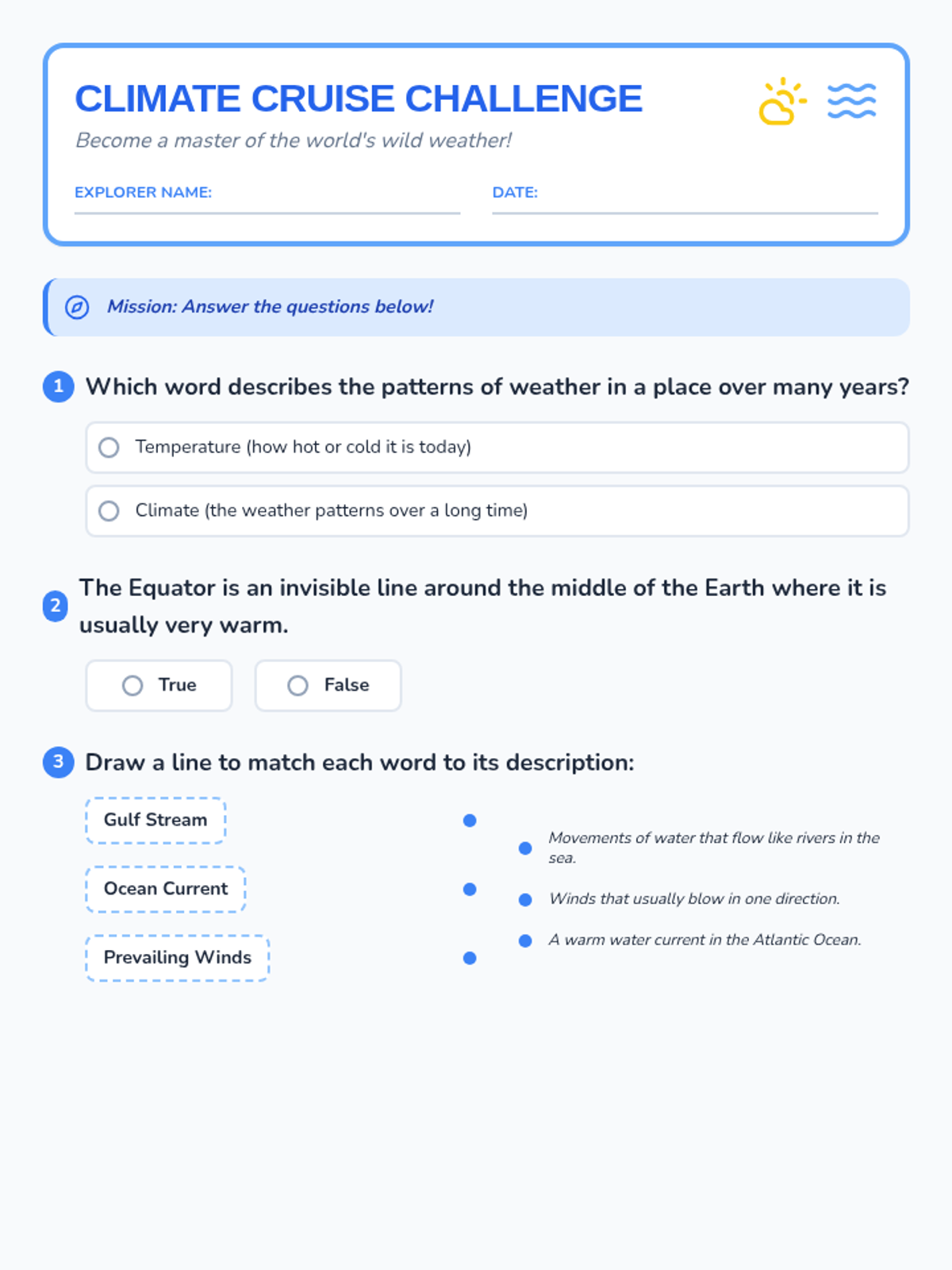
A foundational exploration of climate, weather, and the powerful ocean currents that shape our world's temperatures, specifically focusing on the equator and the El Niño phenomenon.
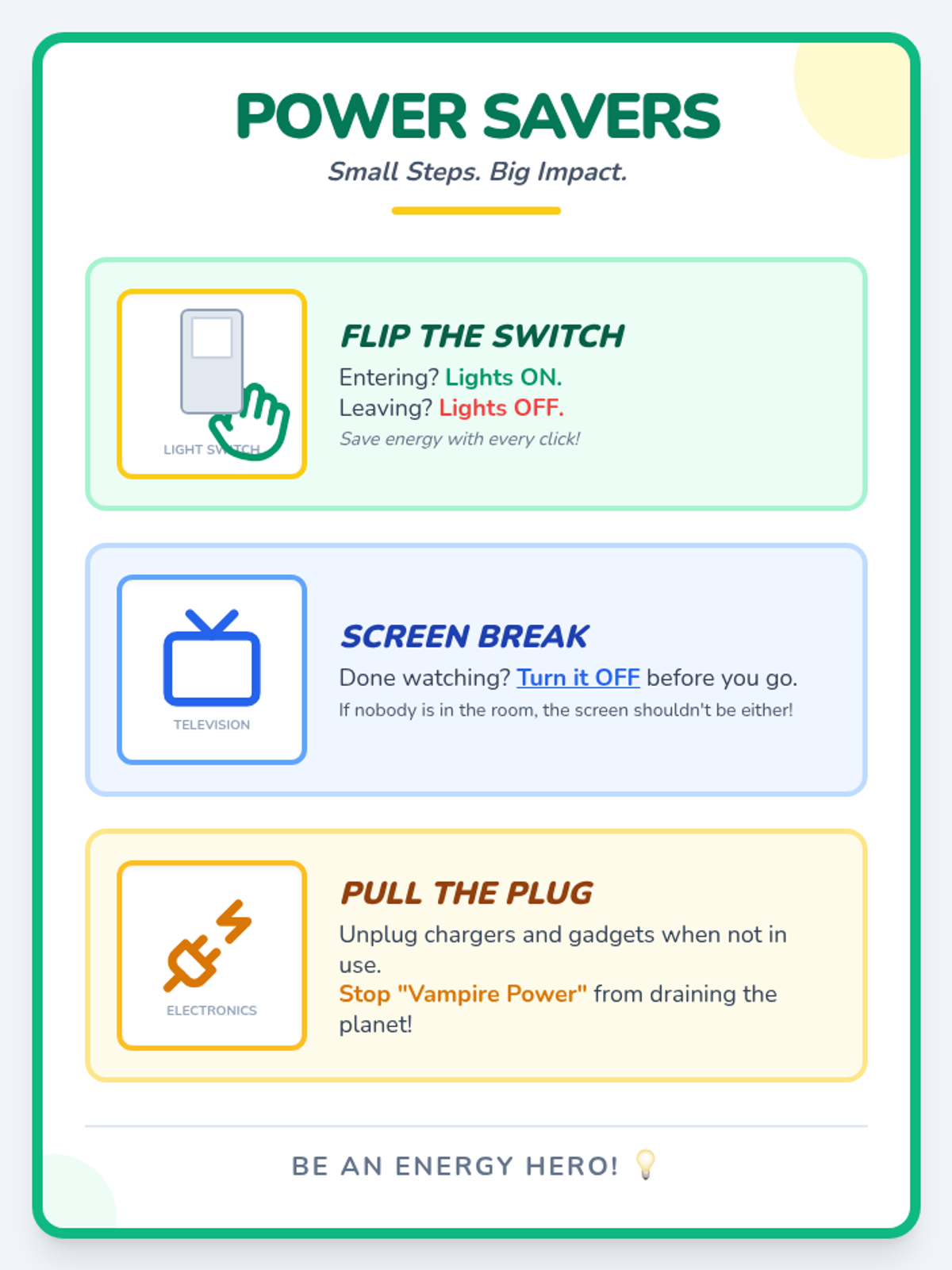
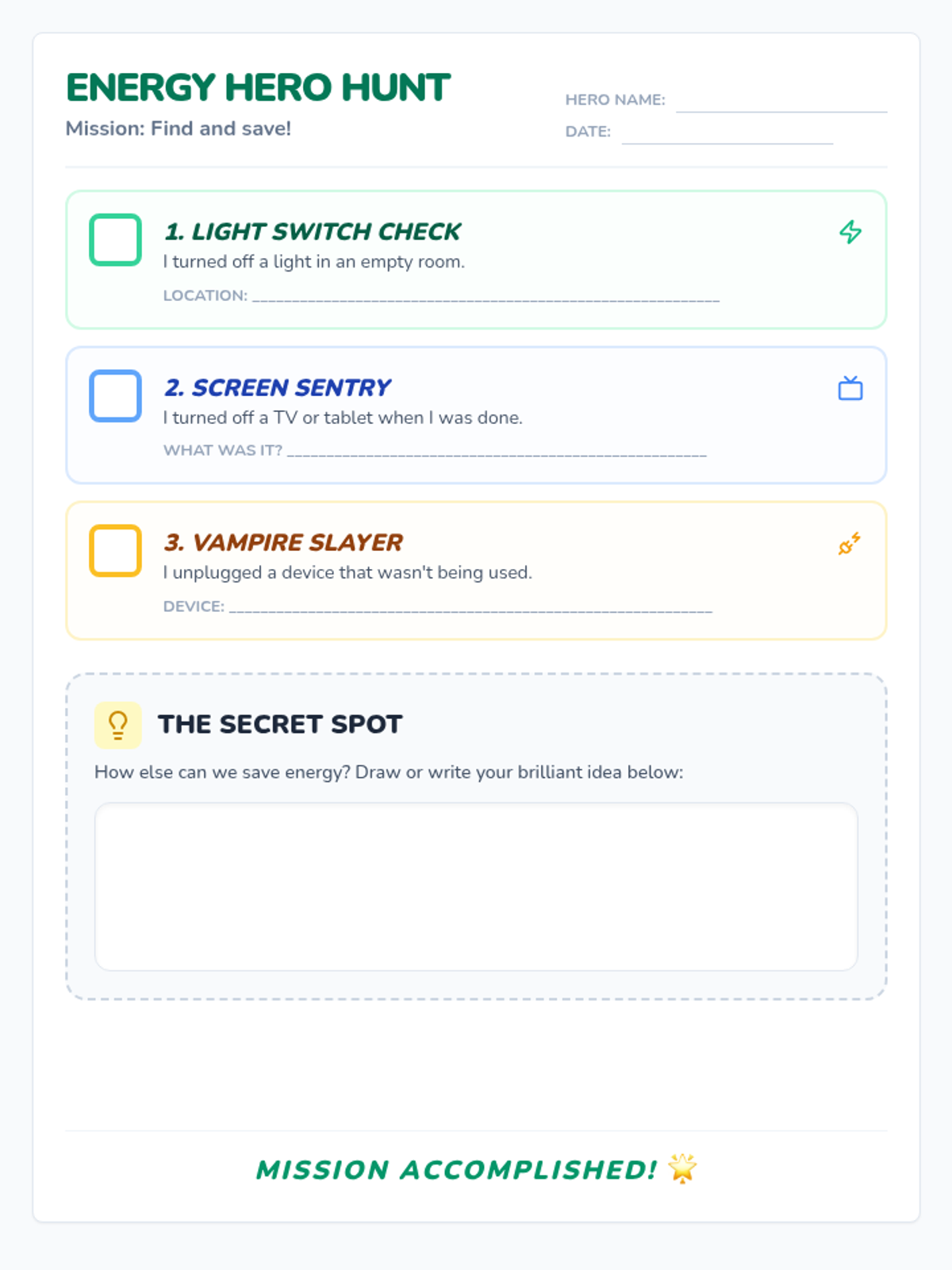
A lesson focused on simple, actionable steps students can take to reduce energy consumption at home and school.
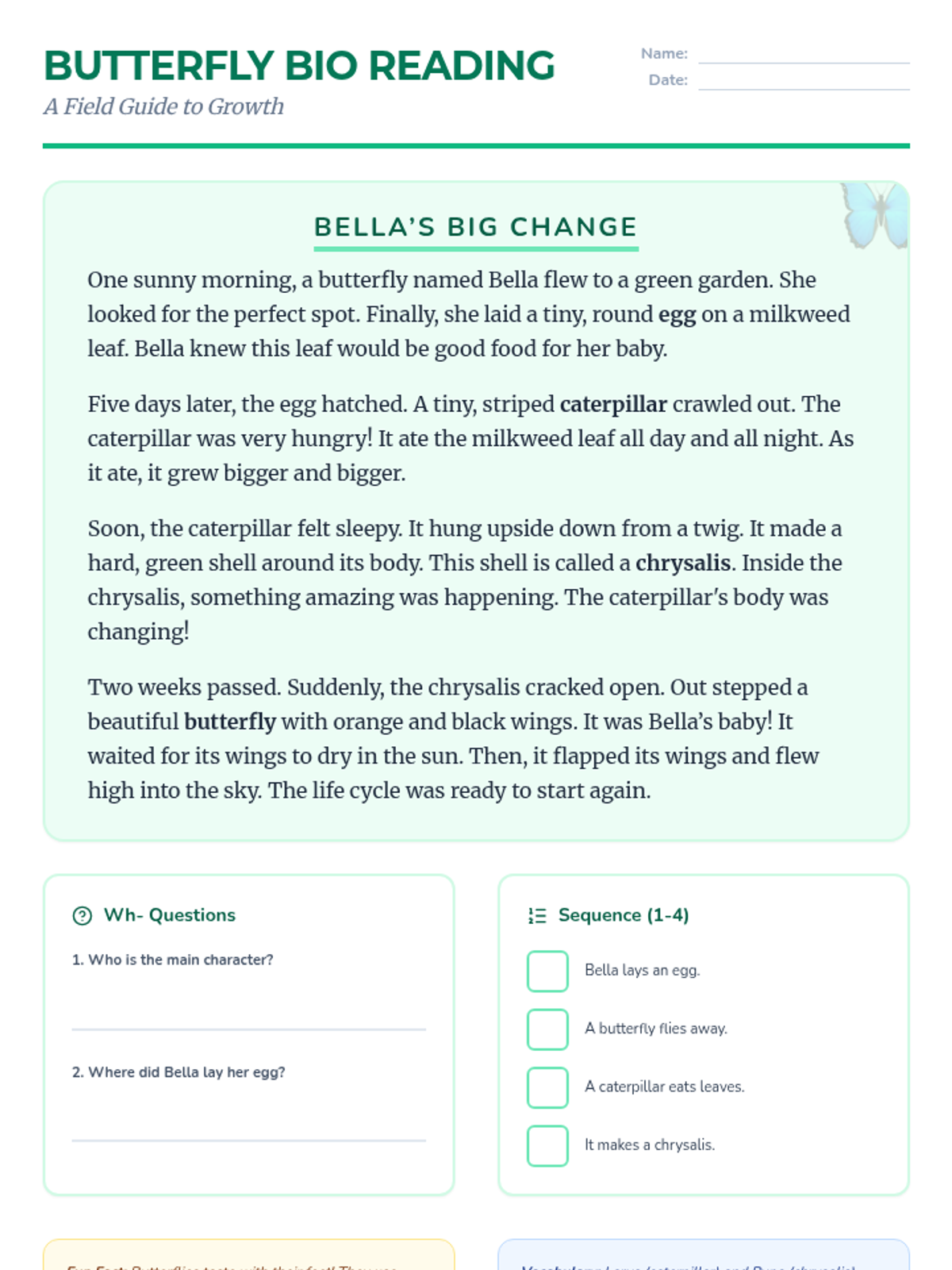
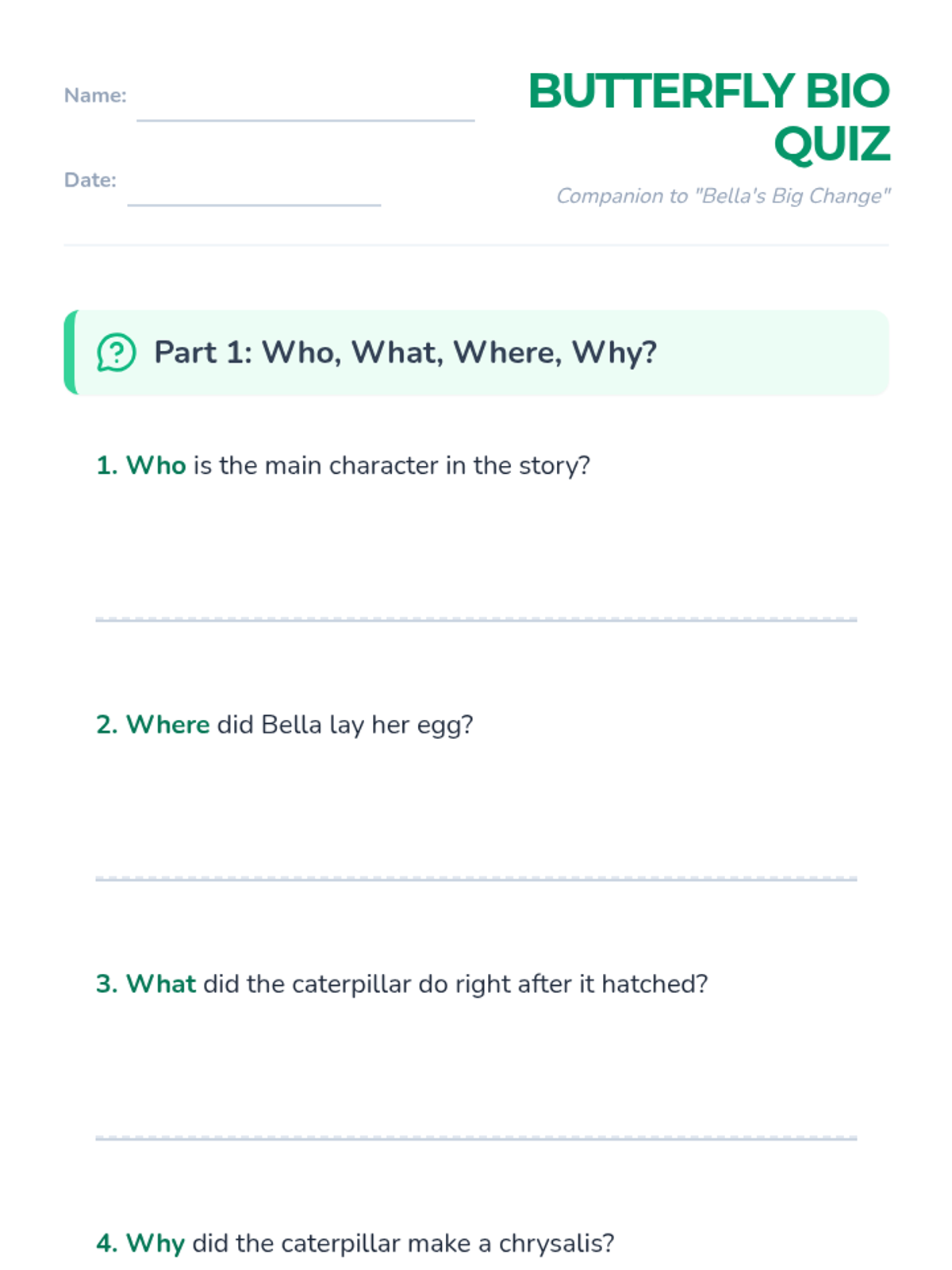
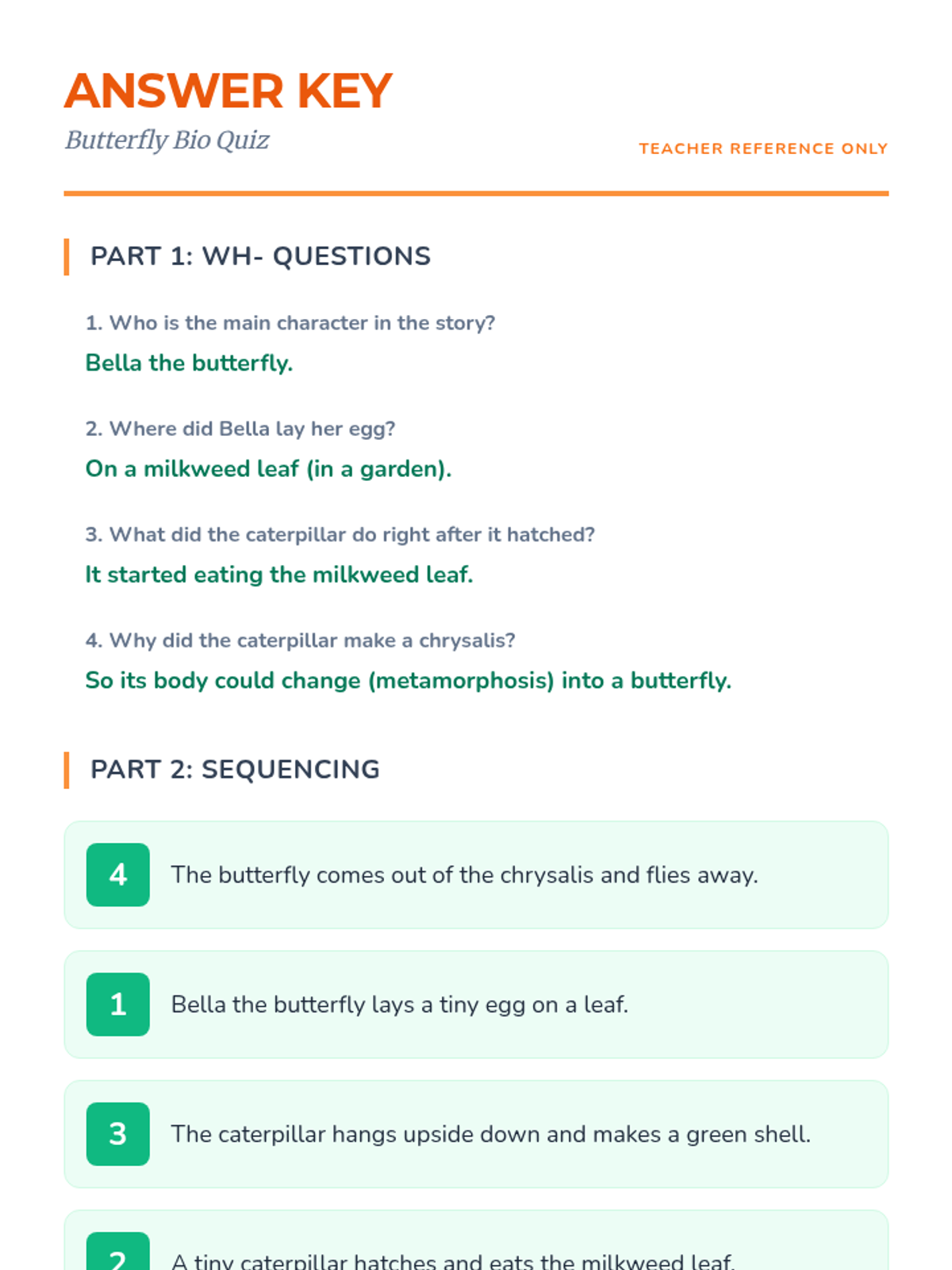
A beginner-friendly exploration of the four stages of a butterfly's life cycle, featuring a reading passage and comprehension activities focused on sequencing and Wh- questions.
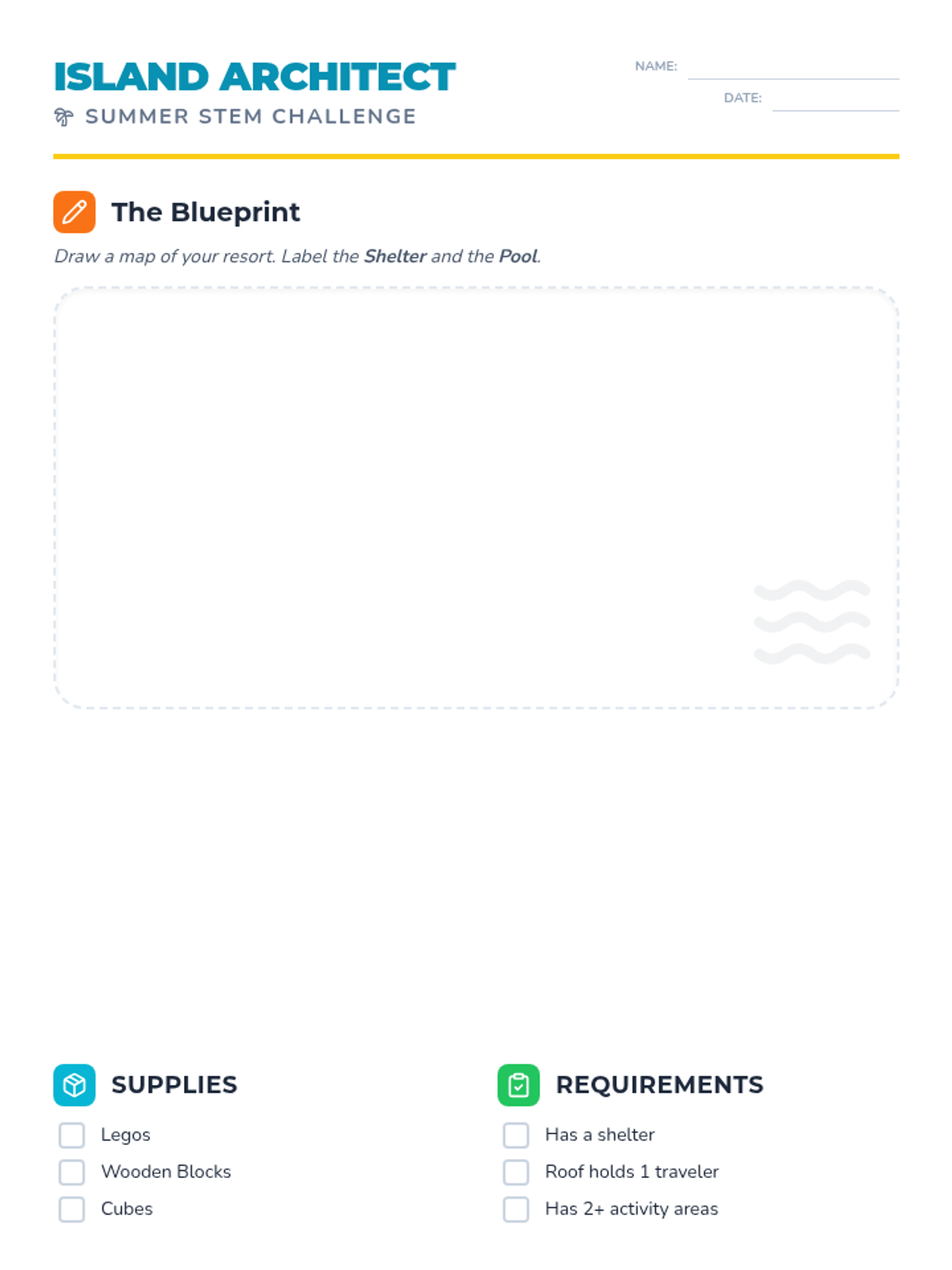
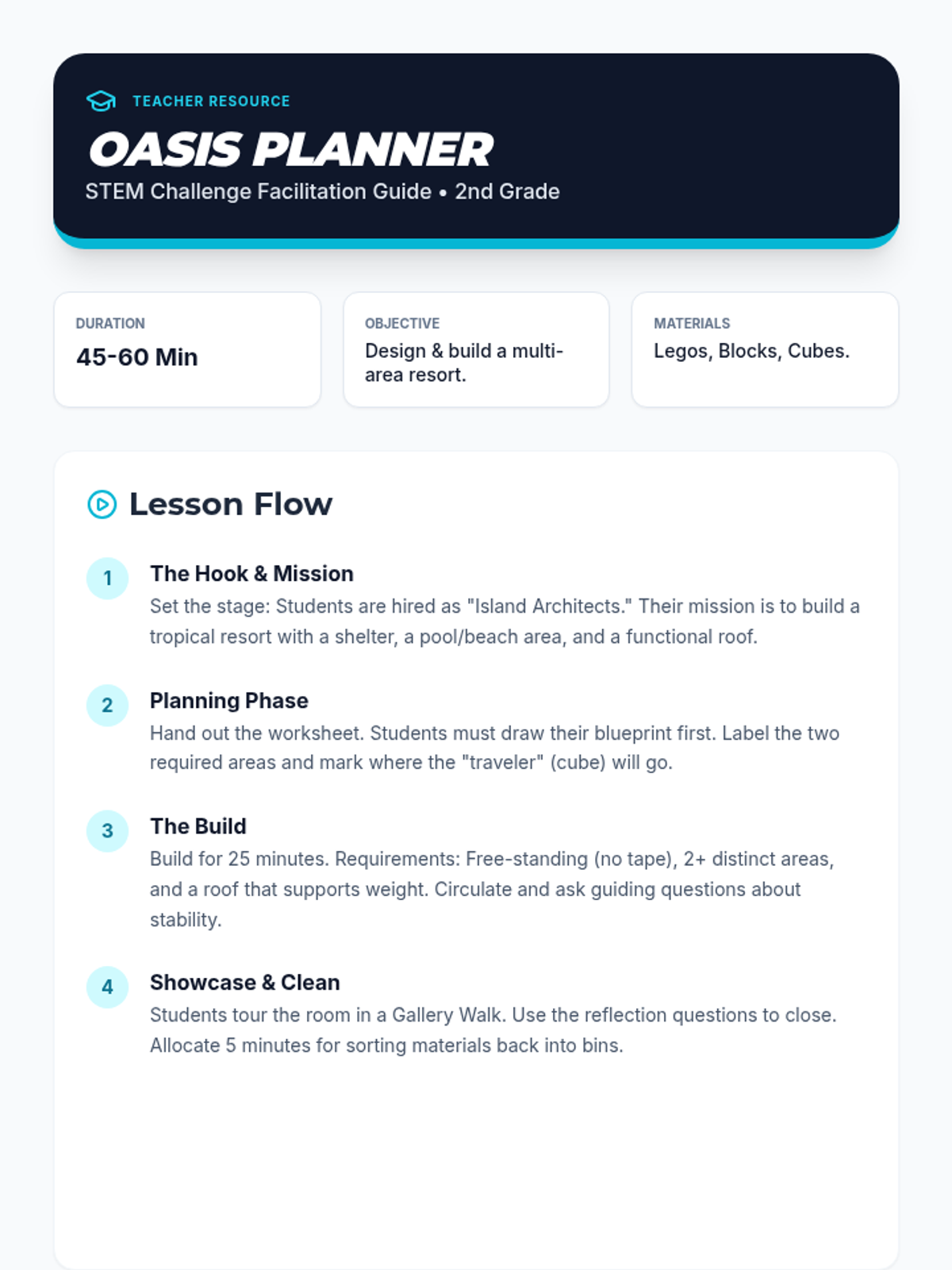
A high-energy 2nd-grade STEM challenge where students use classroom bin materials to design and build the ultimate summer island resort. This lesson focuses on engineering design, problem-solving, and creative thinking.
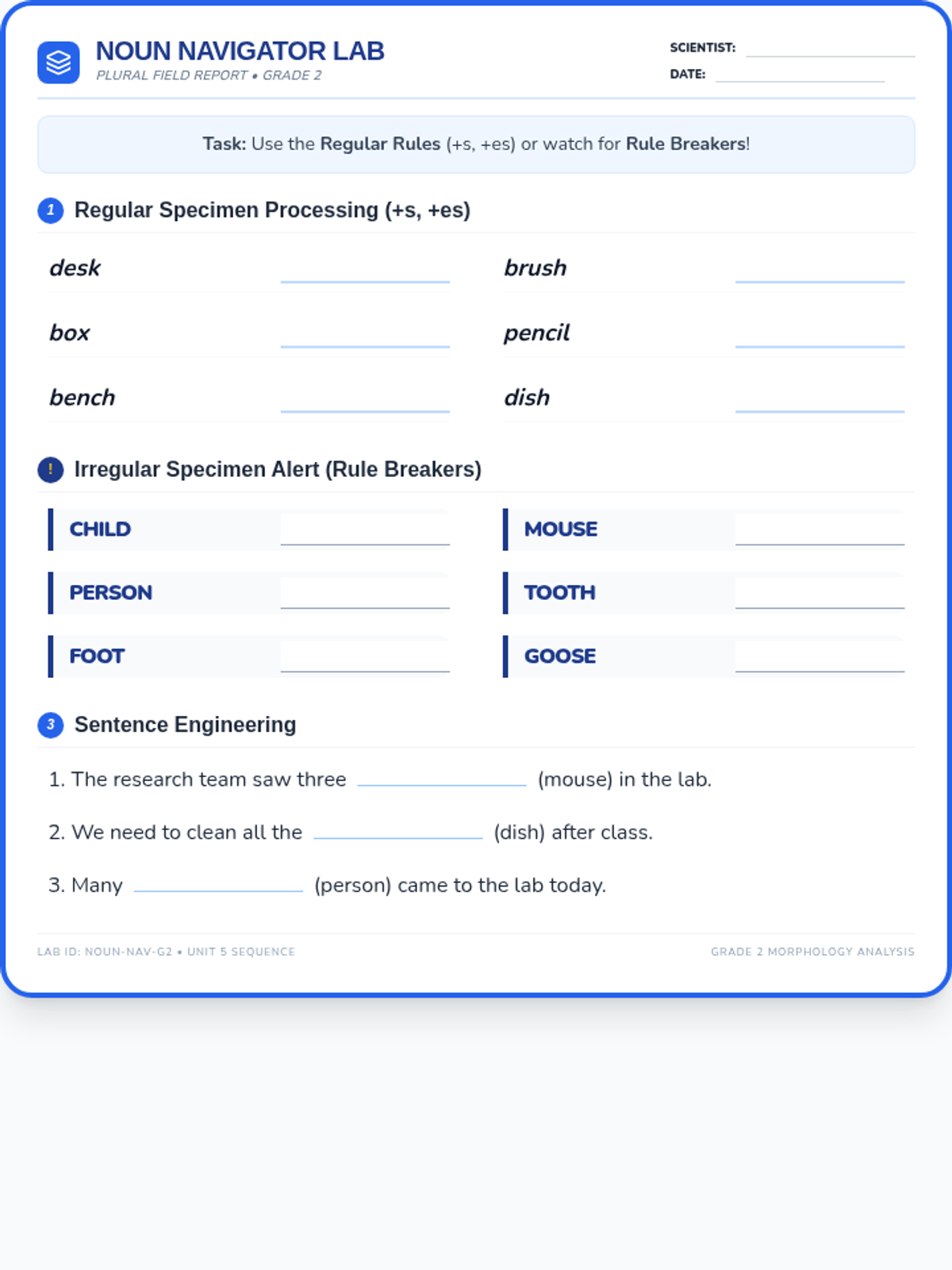
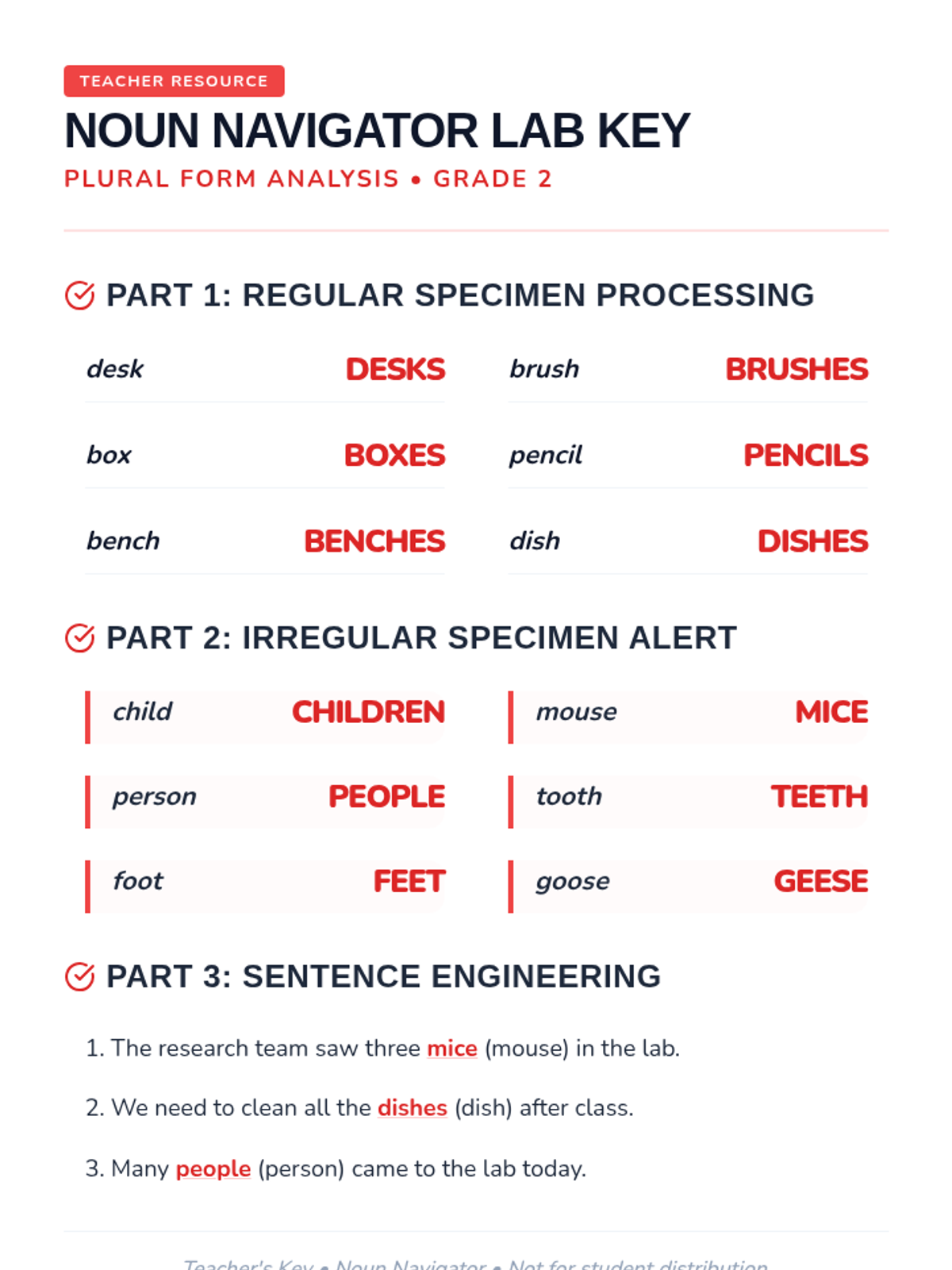
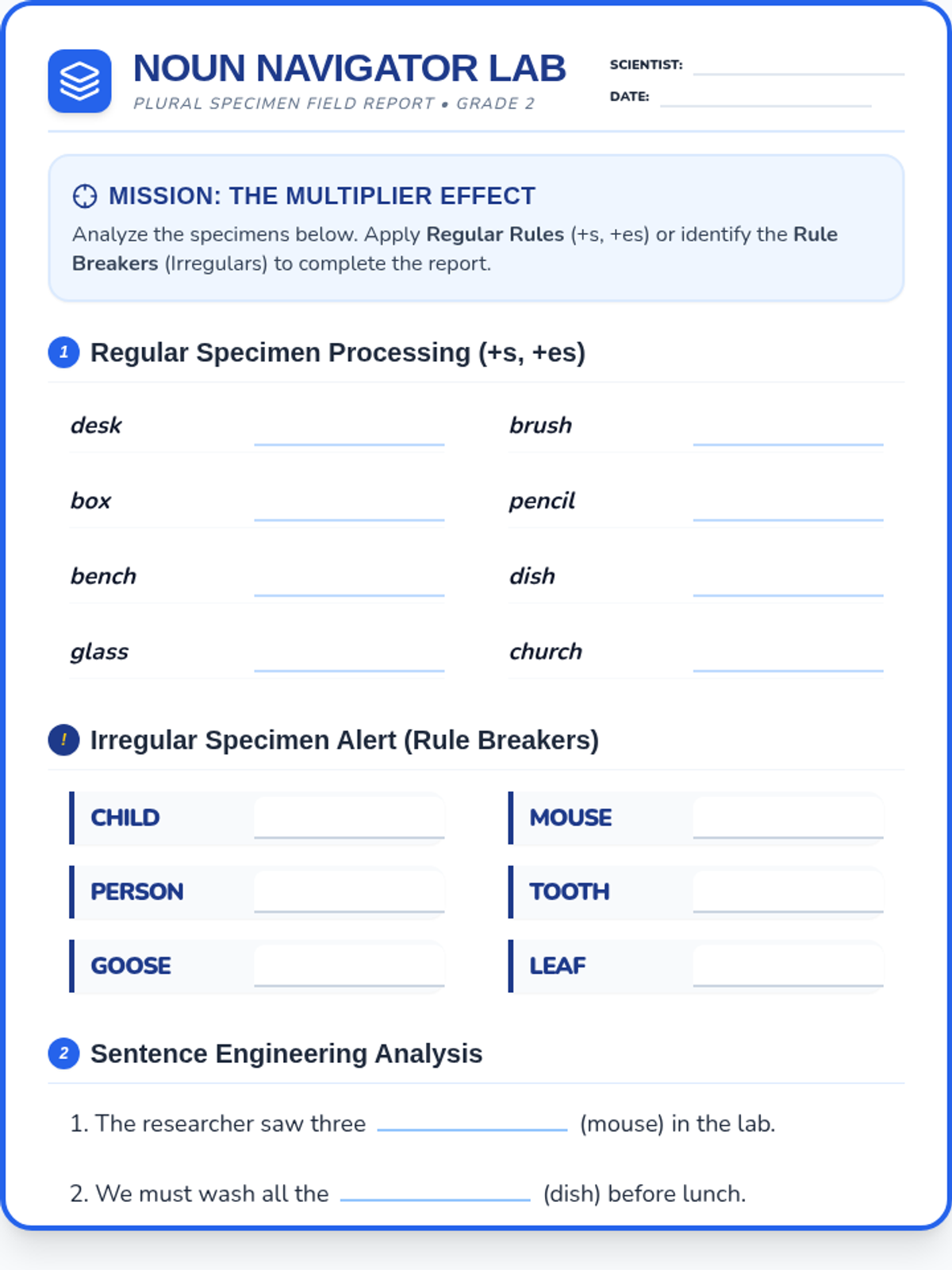
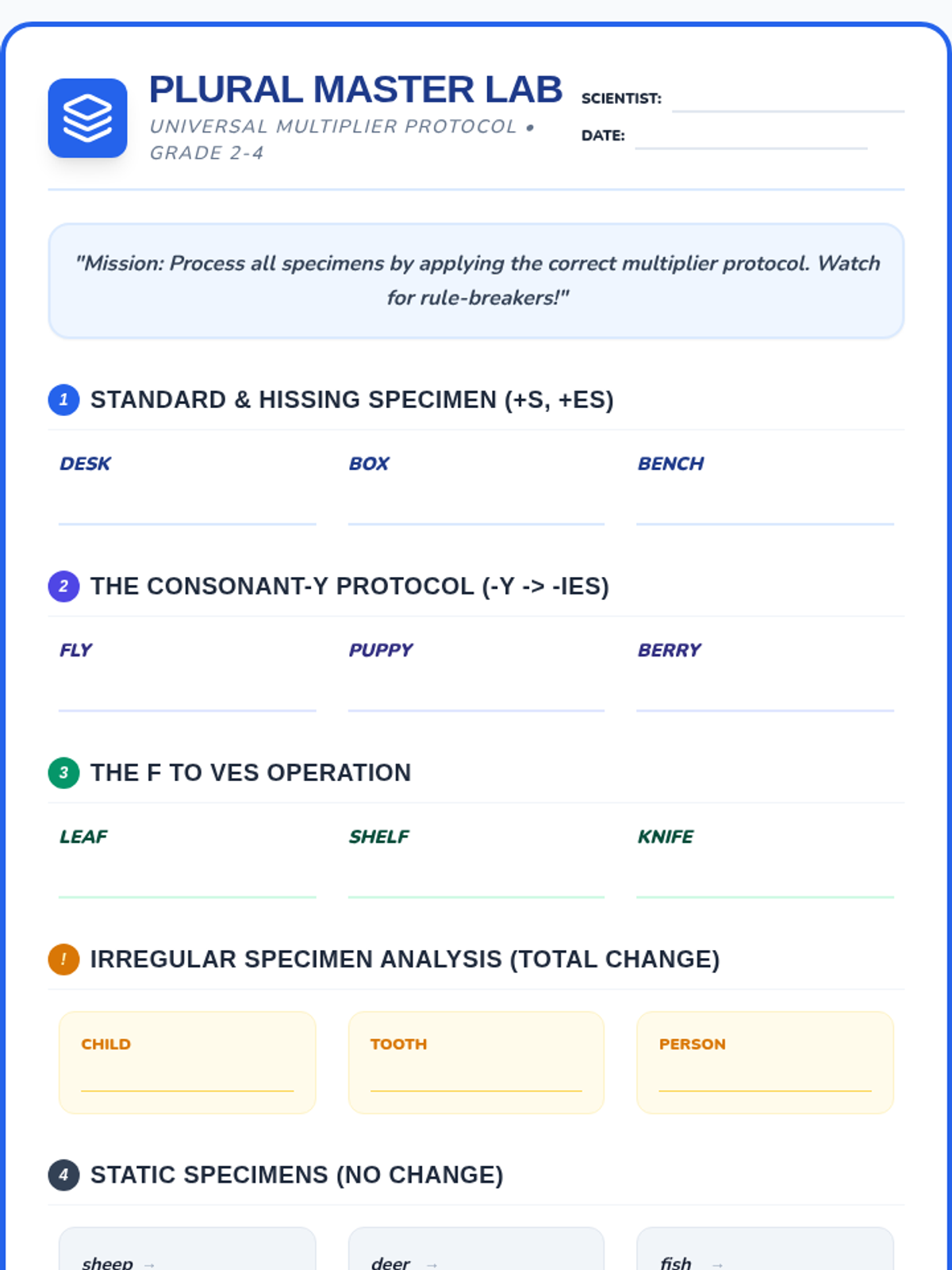
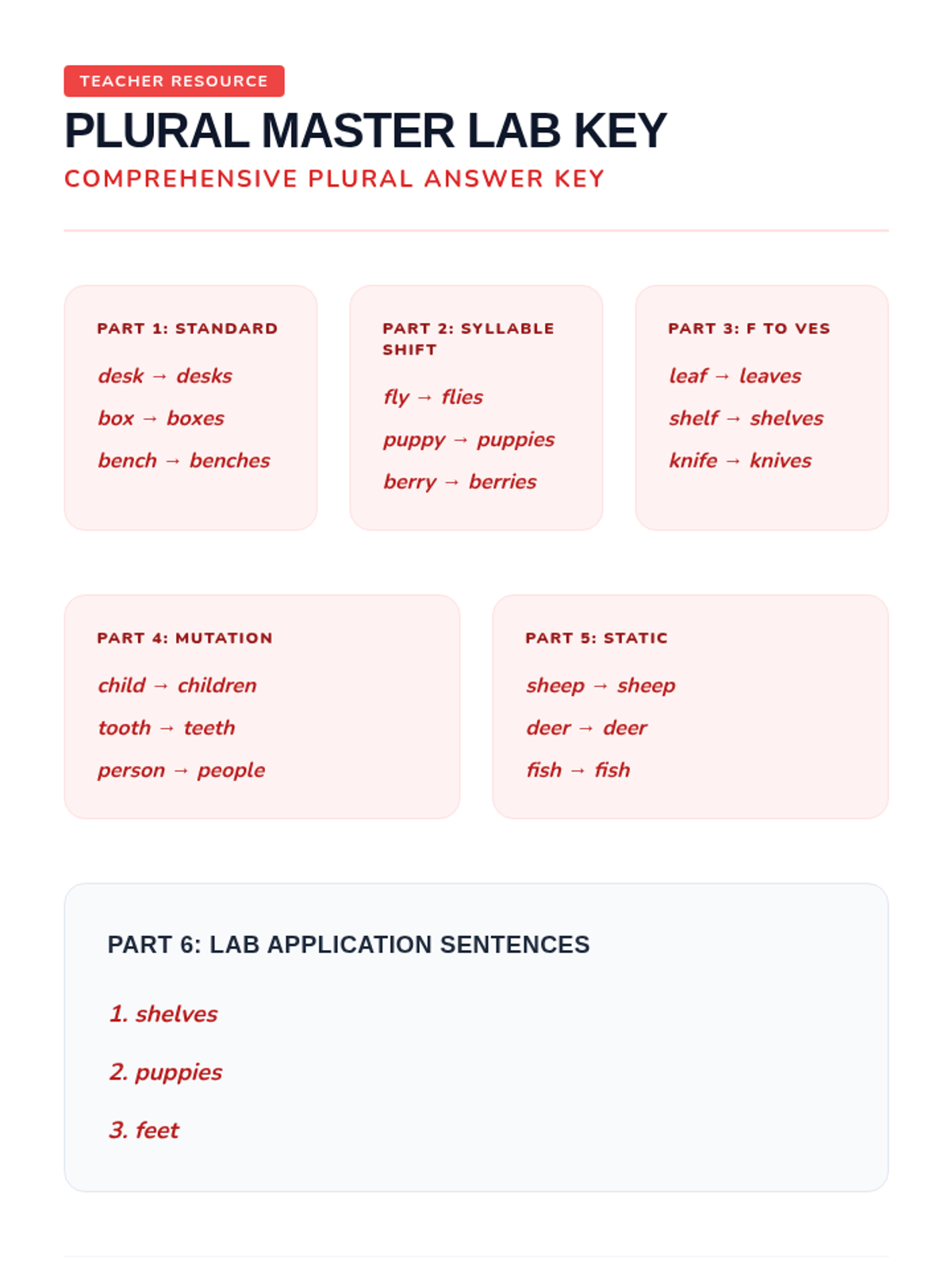
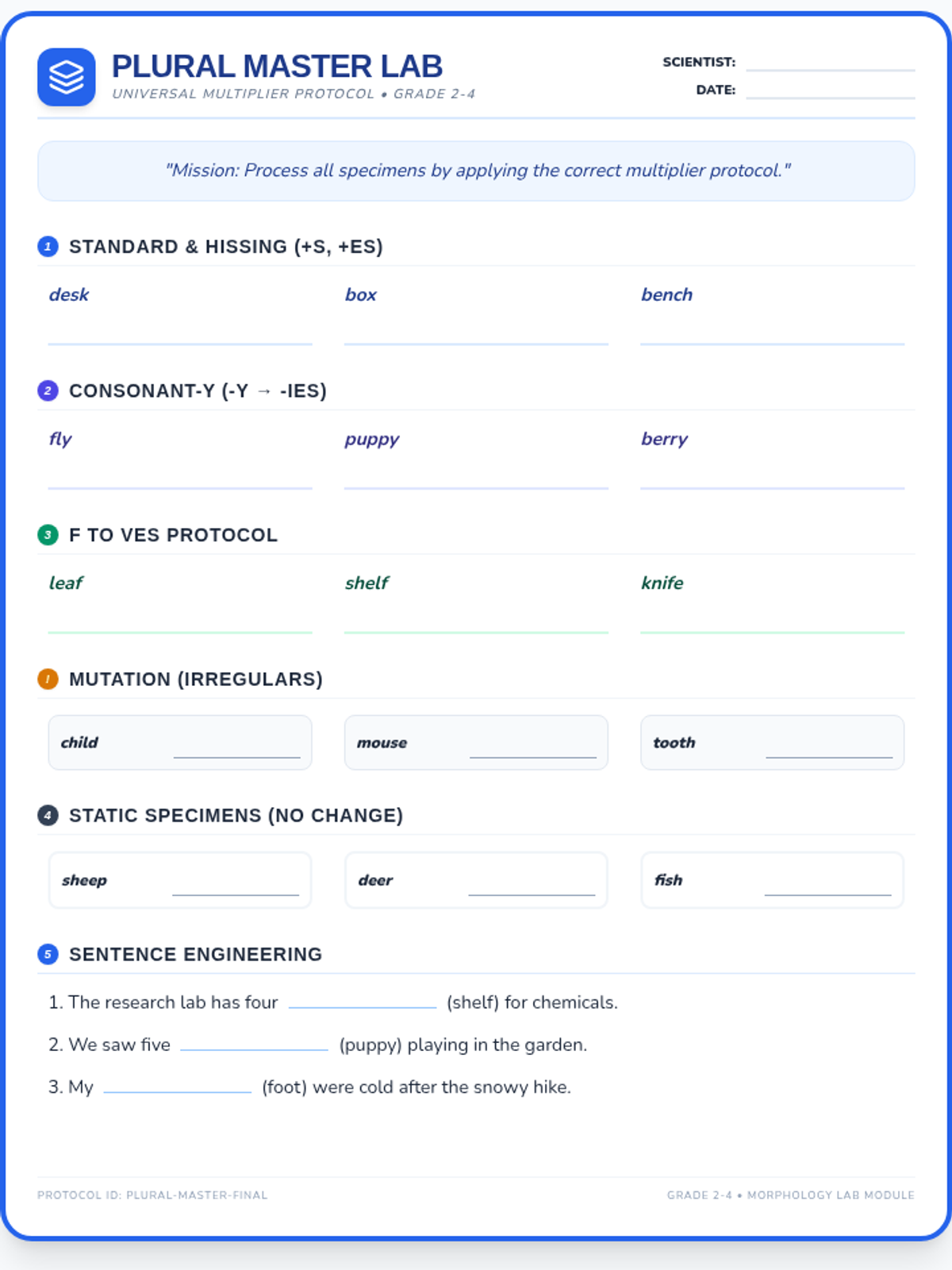
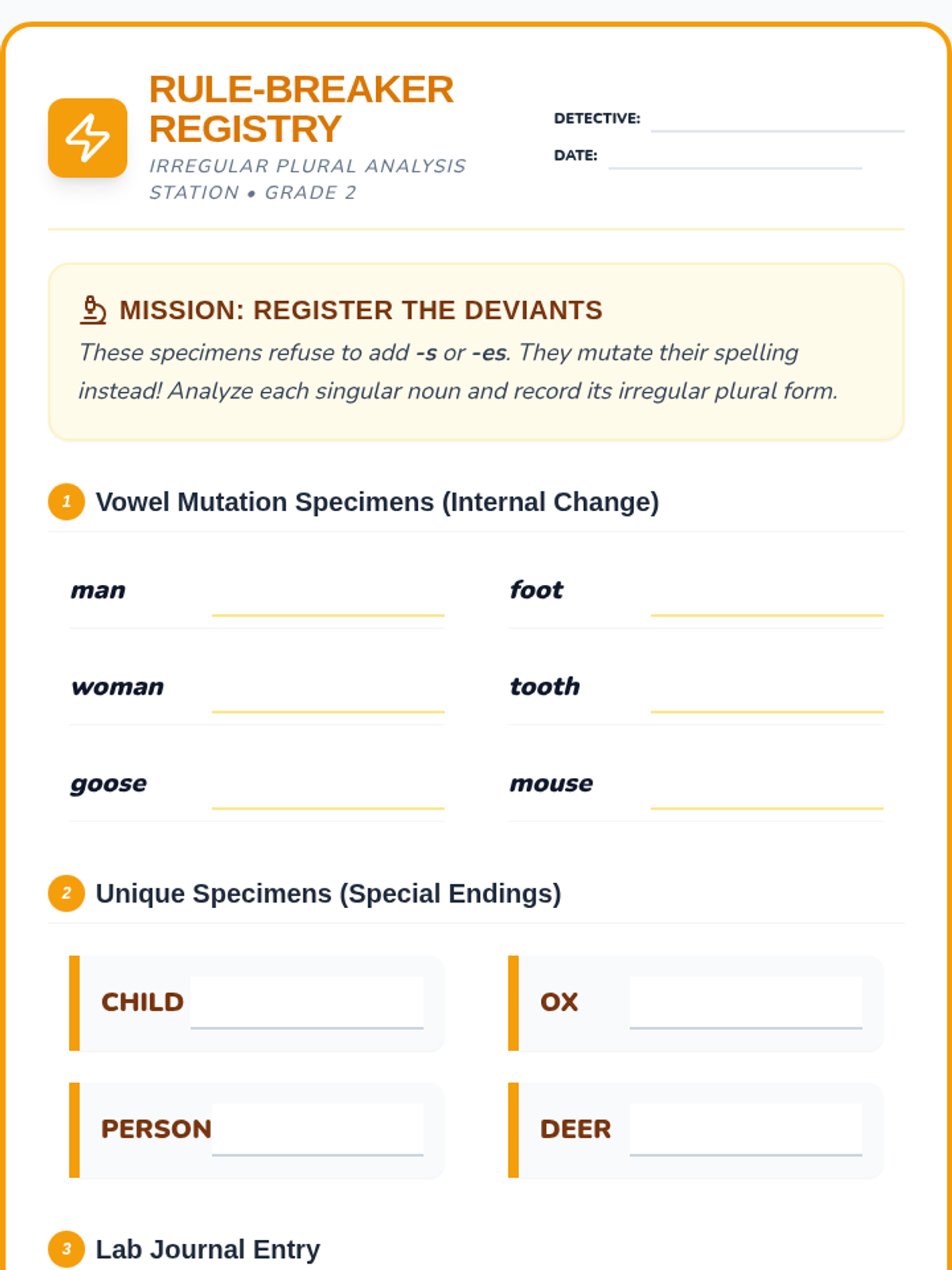
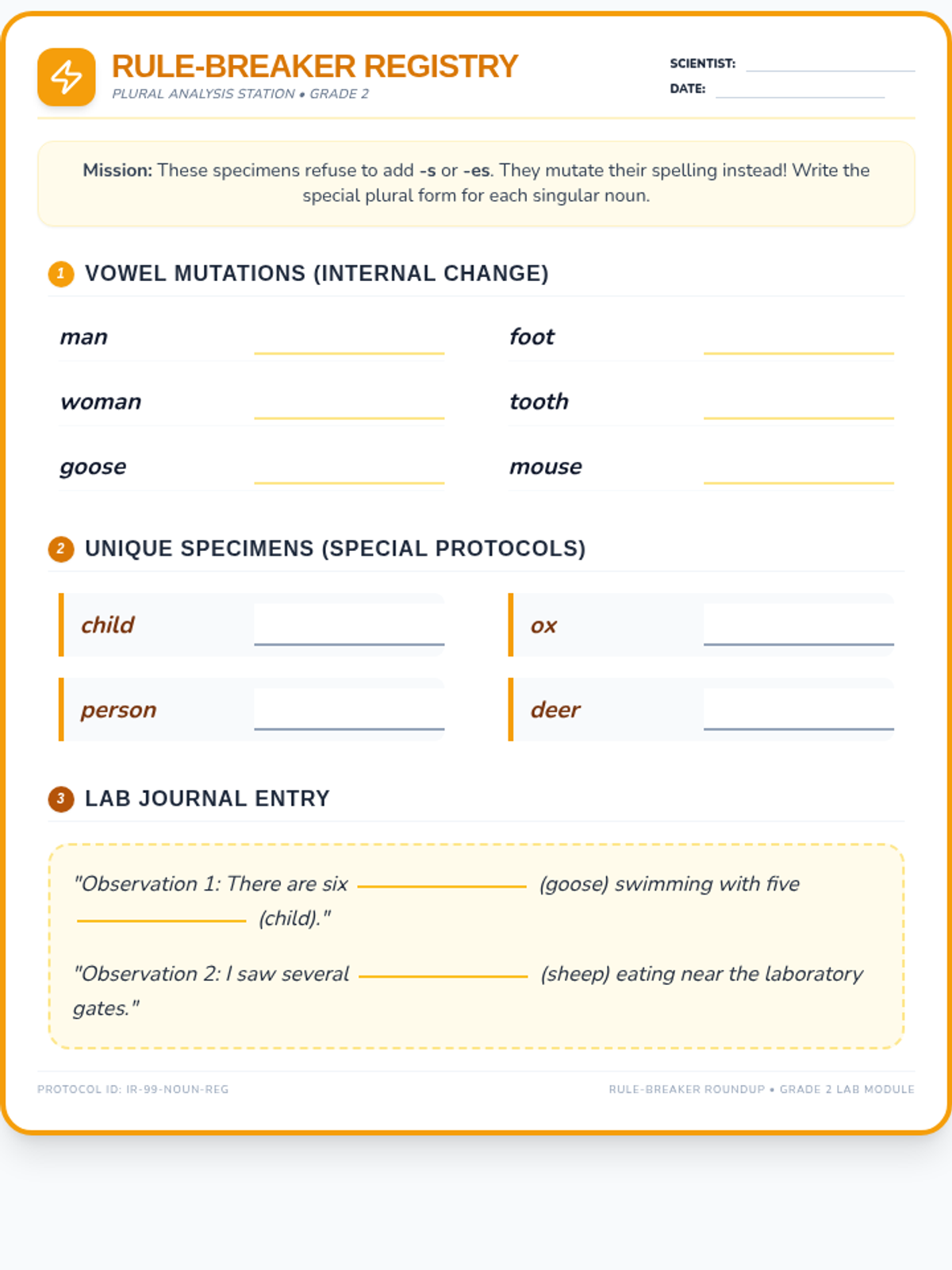
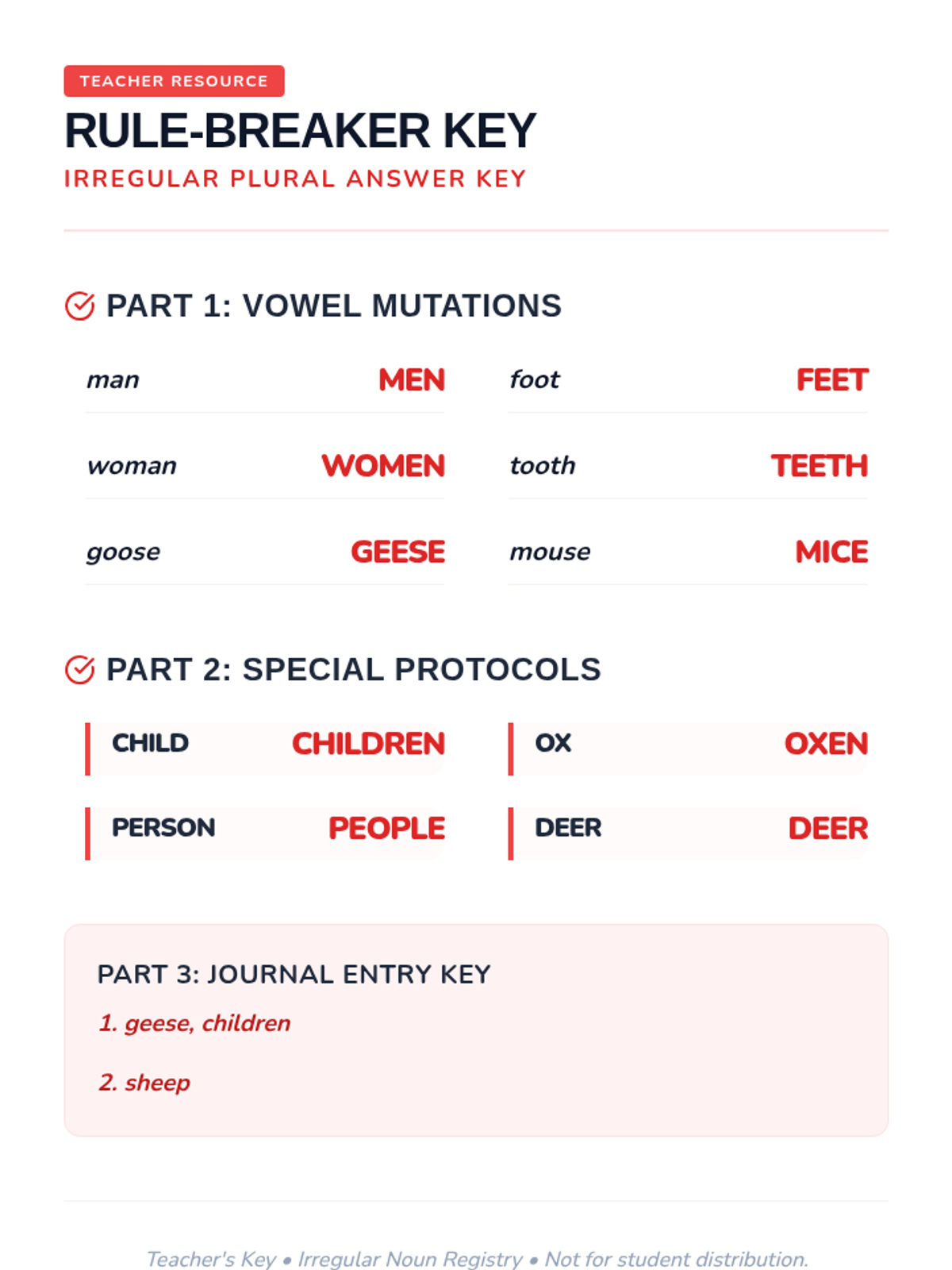
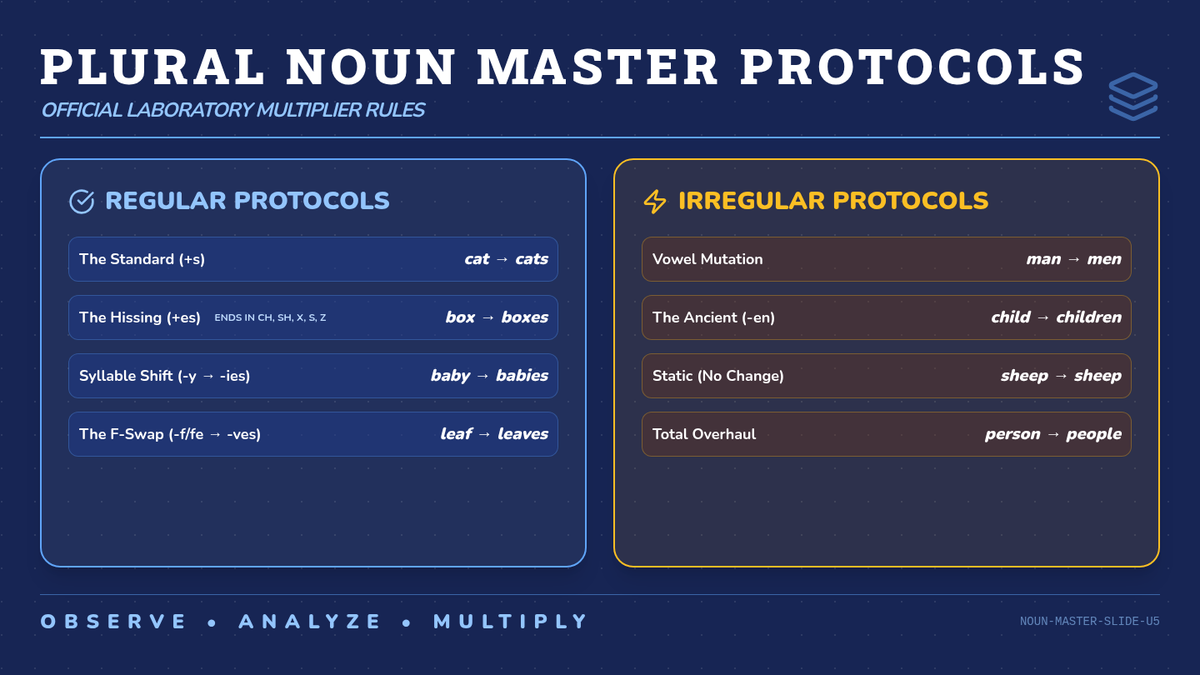
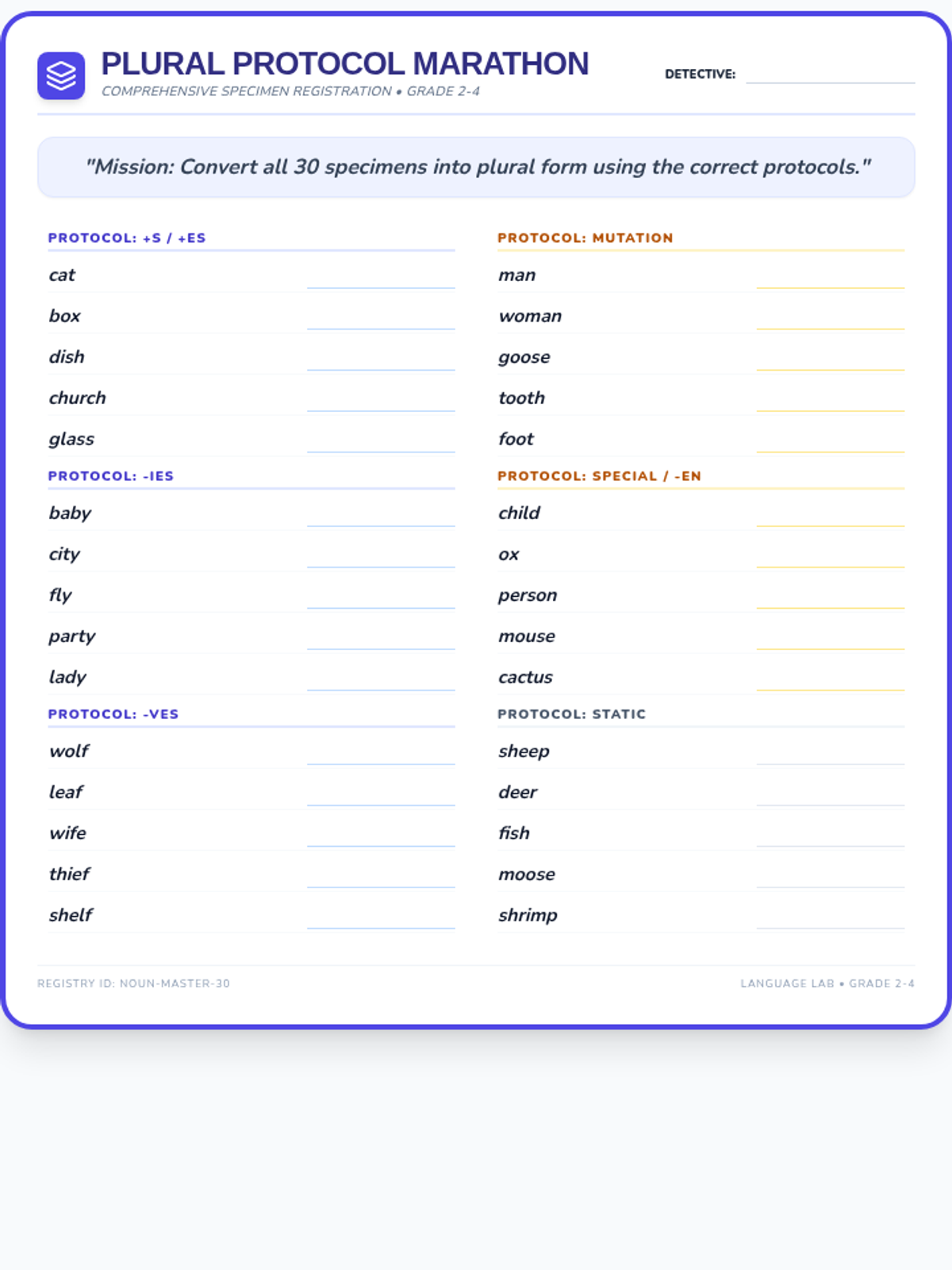
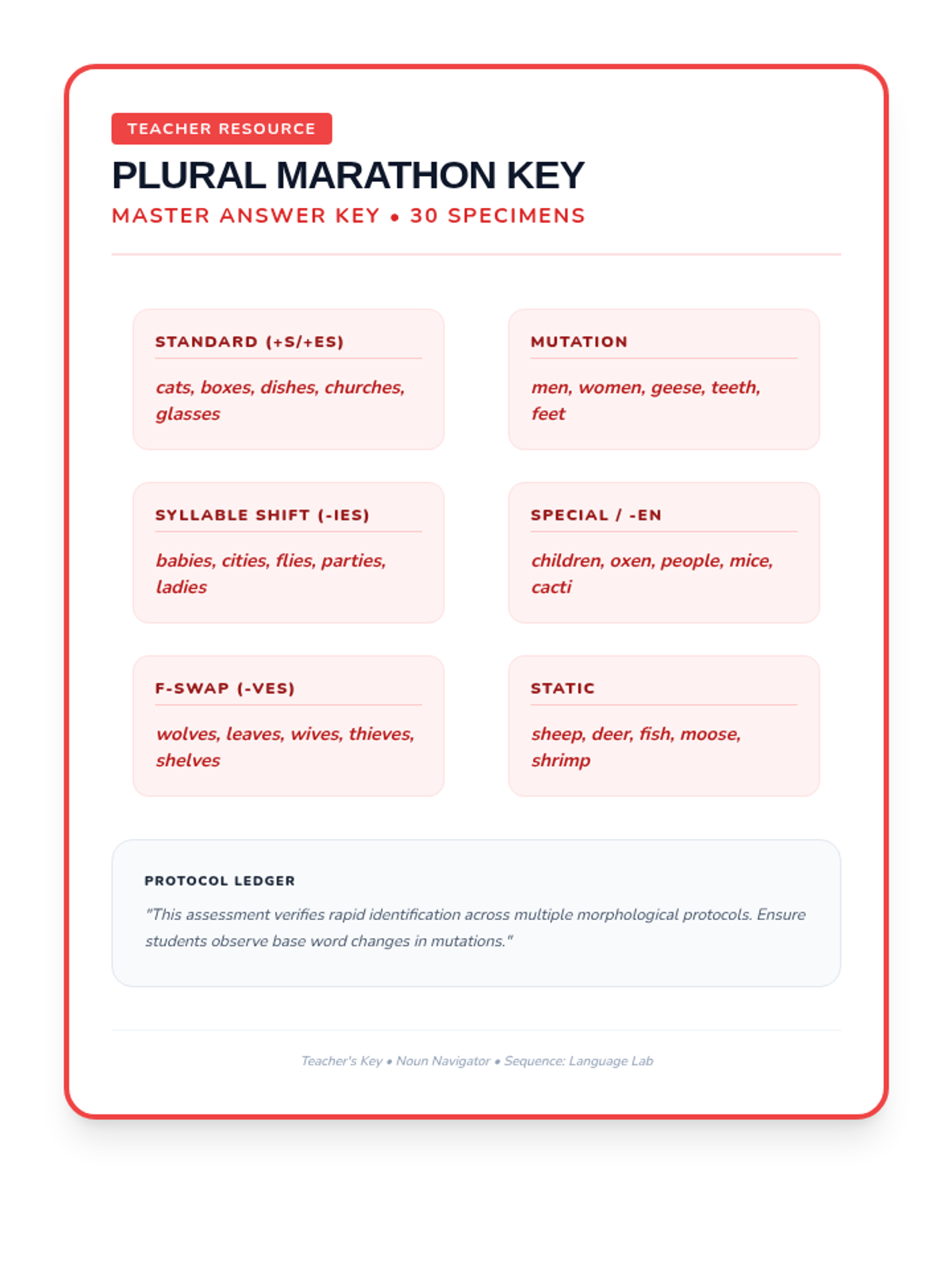
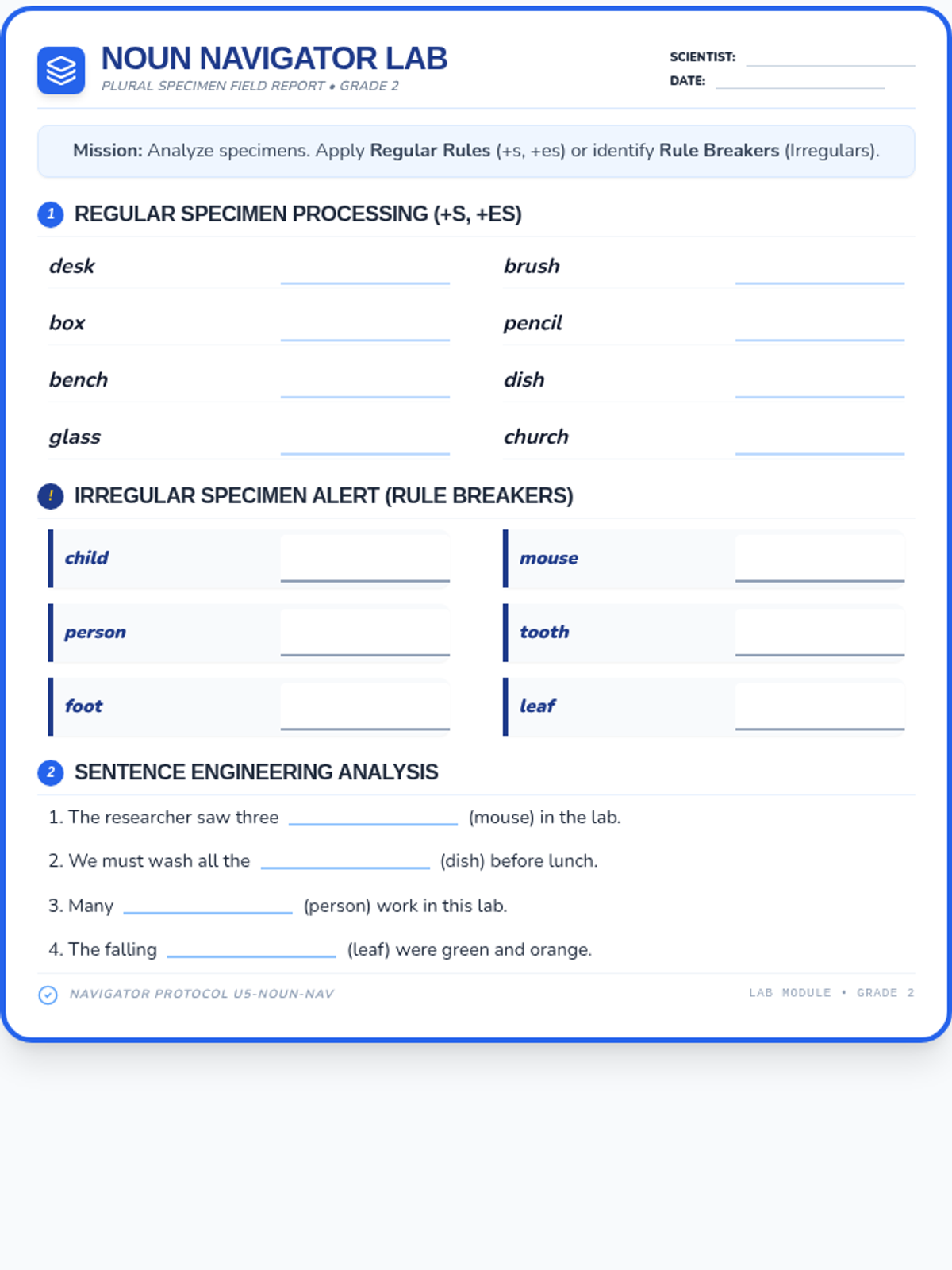
A lesson on identifying and forming plural nouns. Students learn the standard rules for regular plurals (-s, -es, -ies, -ves) and investigate 'rule-breaking' irregular nouns like mice, children, and people.
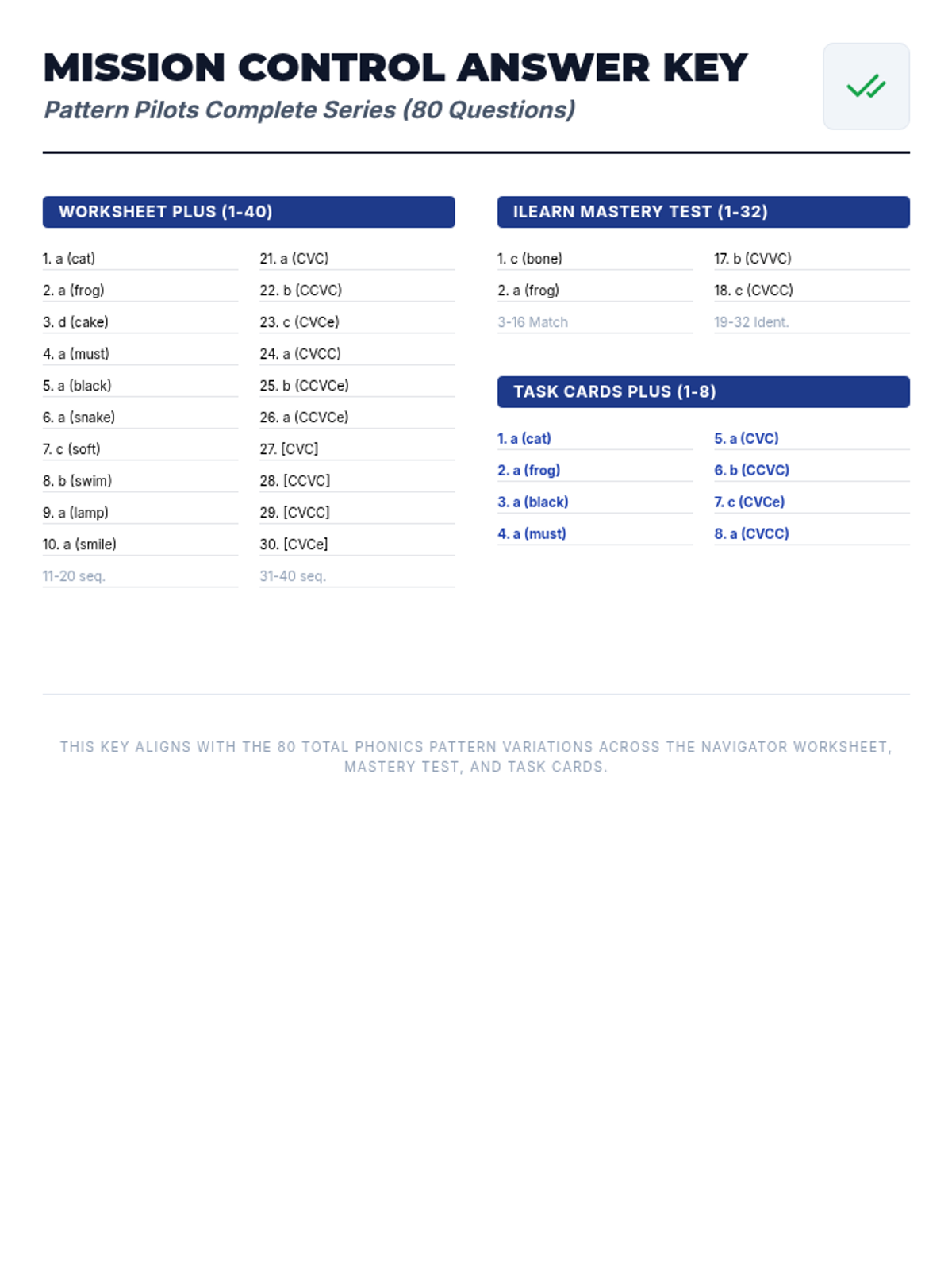
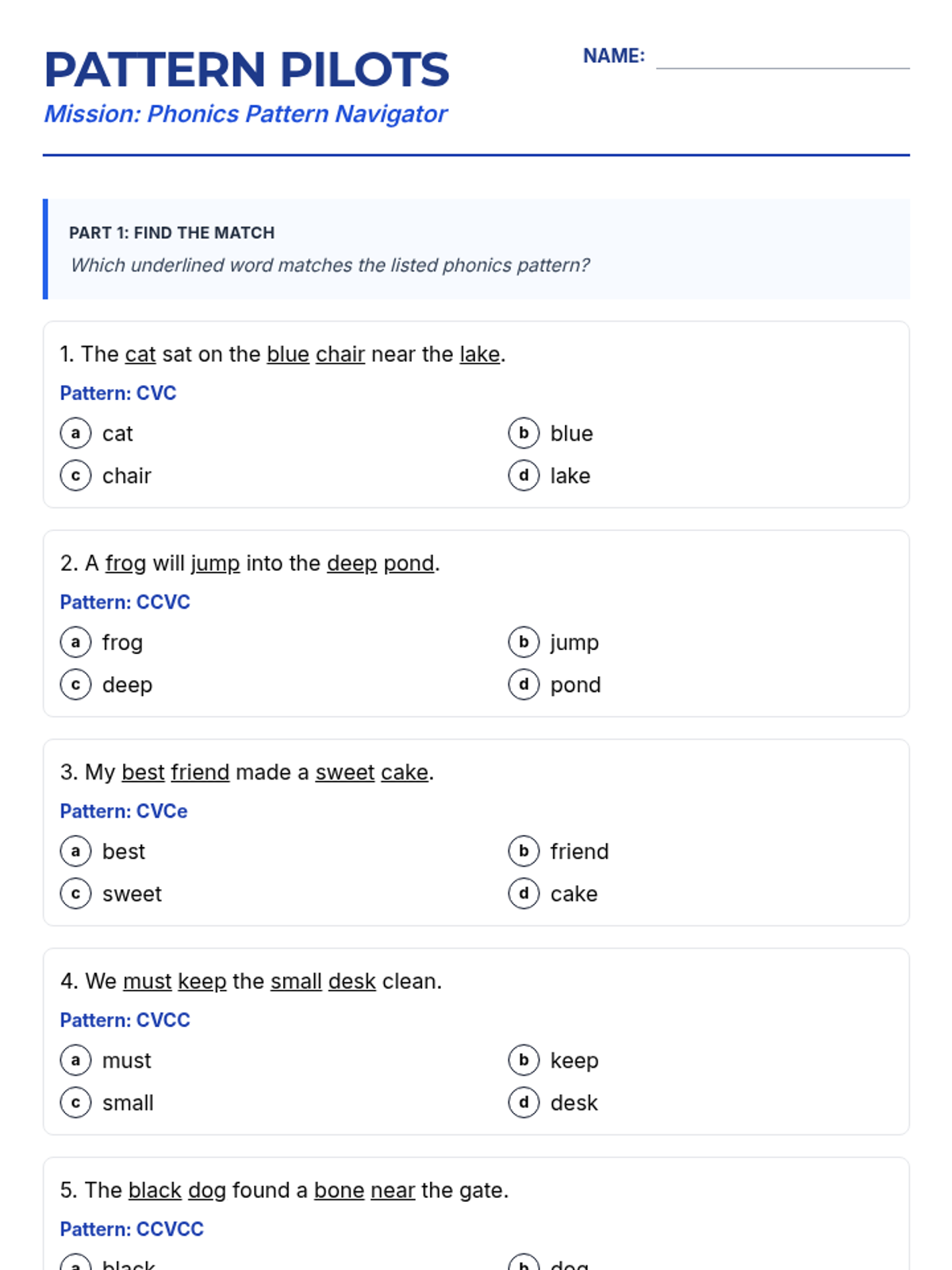
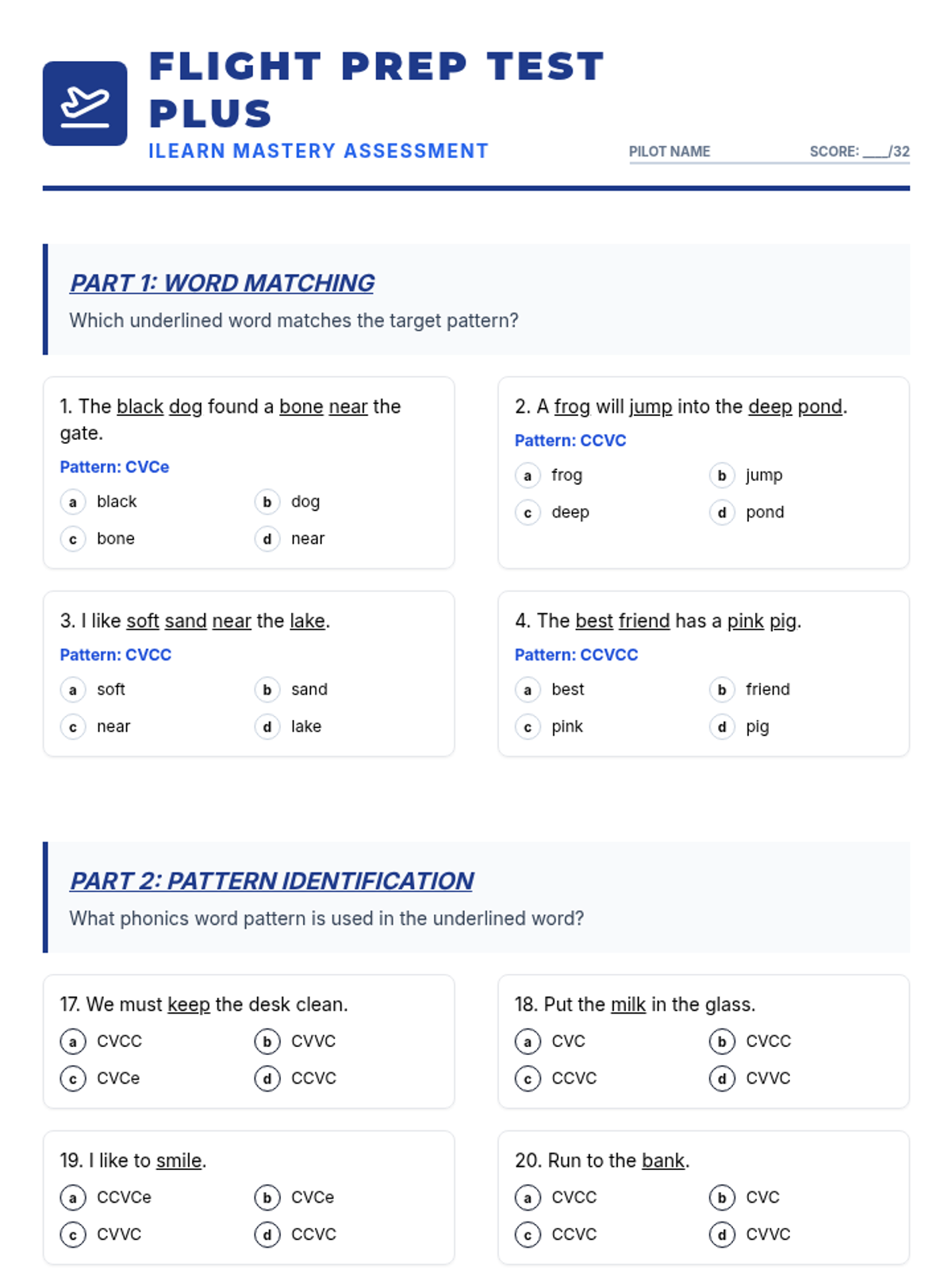
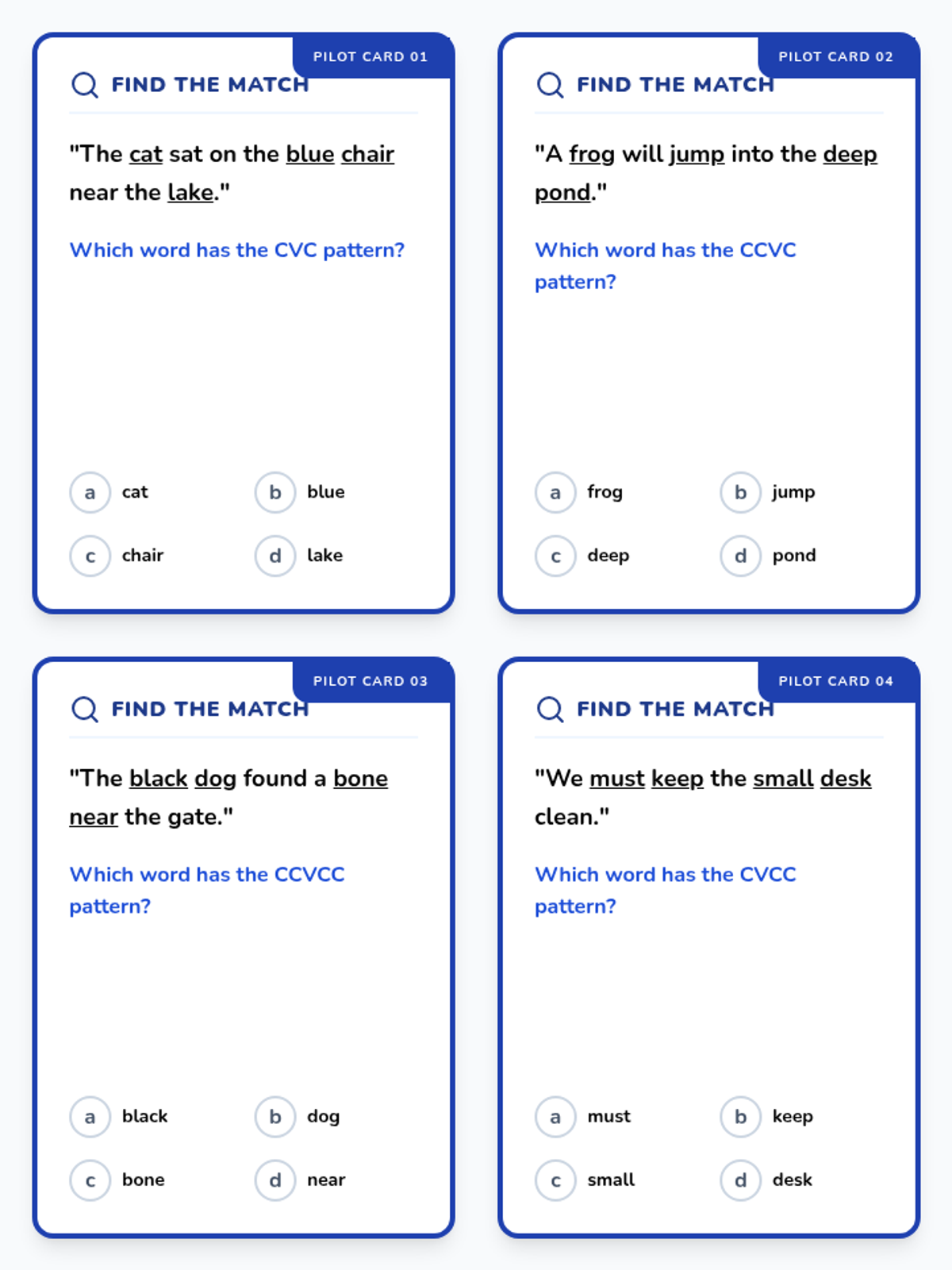
A comprehensive set of practice materials for the ILEARN assessment focusing on vowel and consonant patterns (CVC, CCVC, CVCe, etc.). Includes grouped practice, a mixed test, task cards, and an answer key.
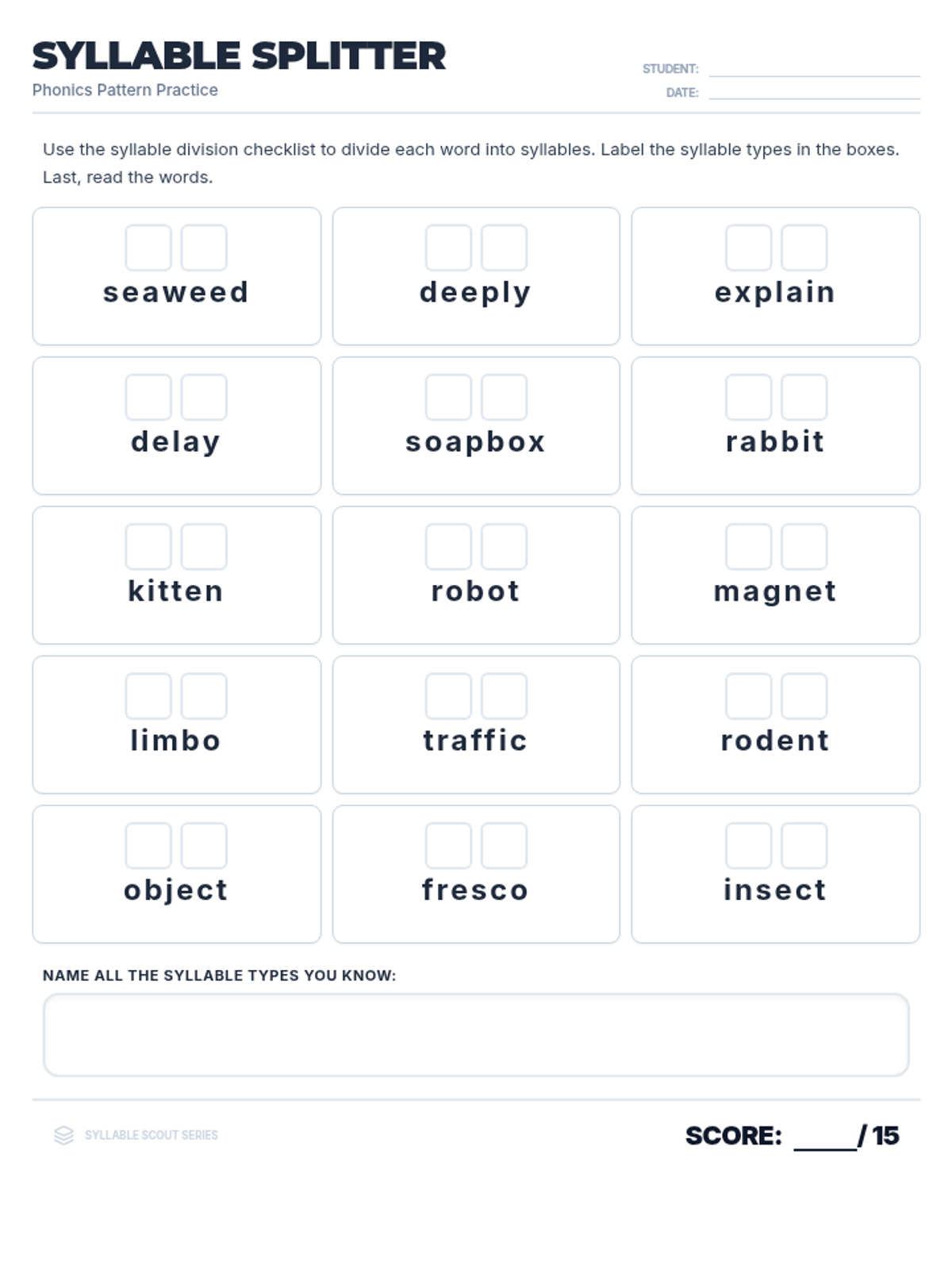
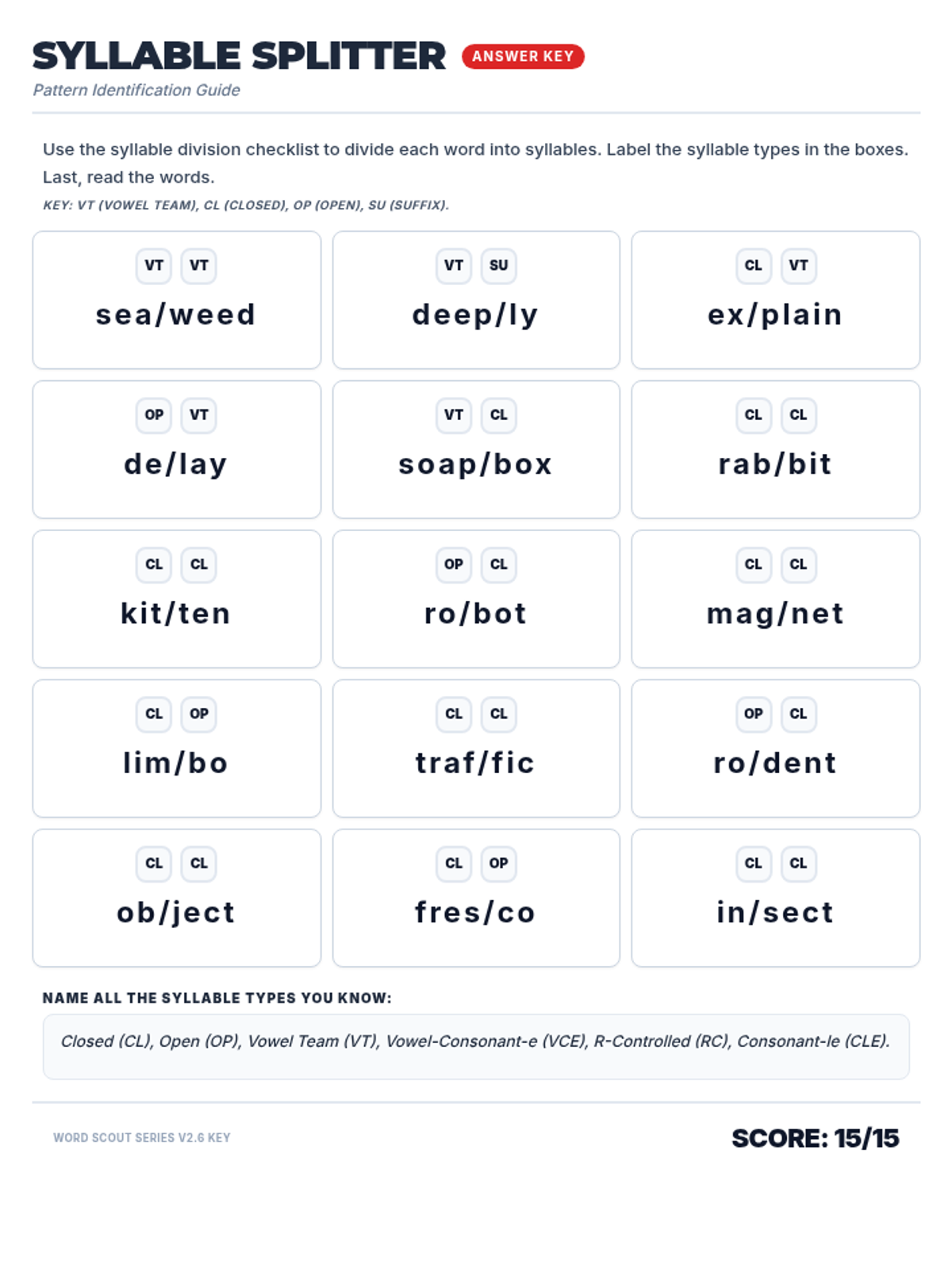
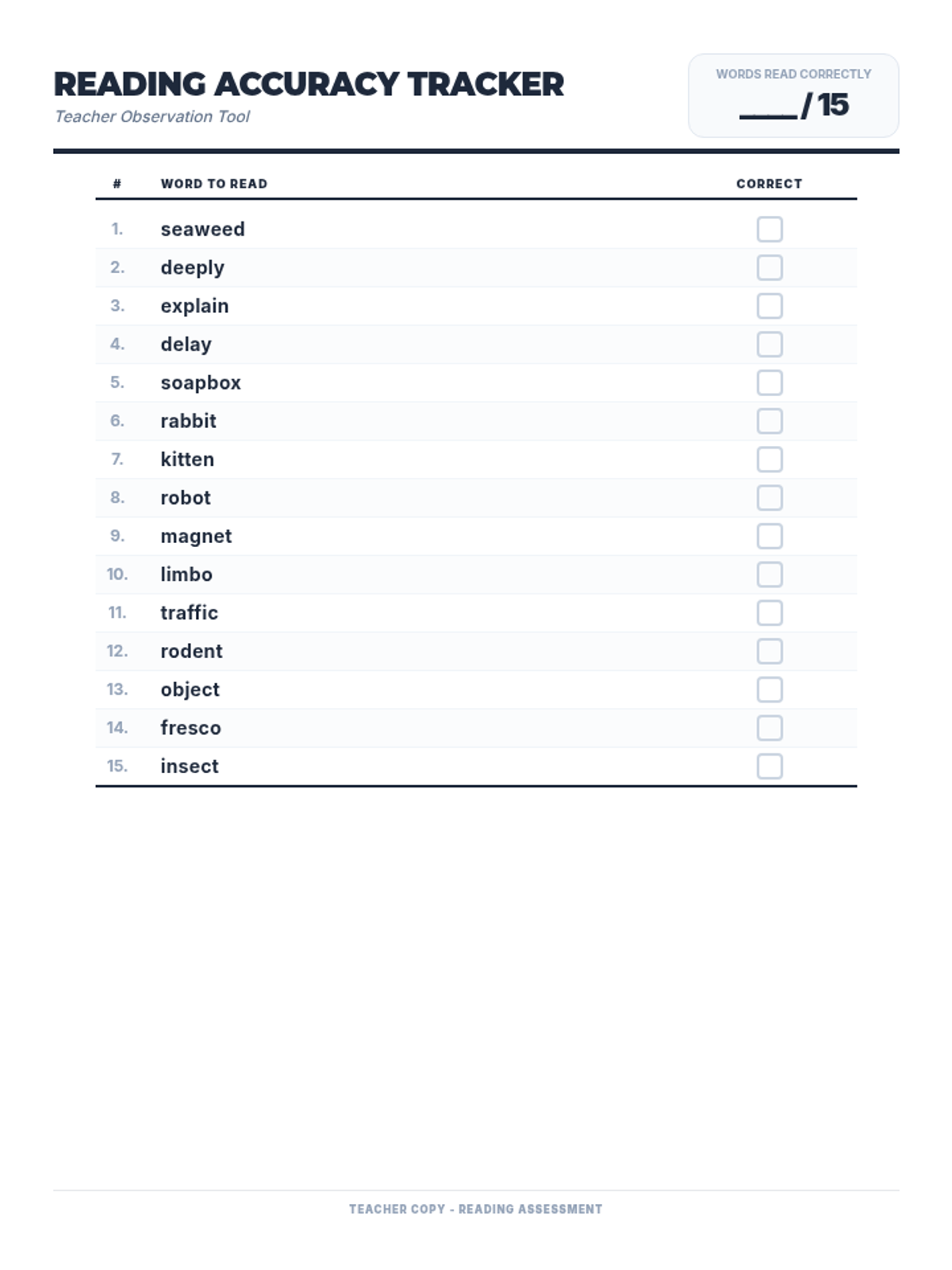
A lesson focused on mastering syllable division patterns through interactive tracking and assessment.
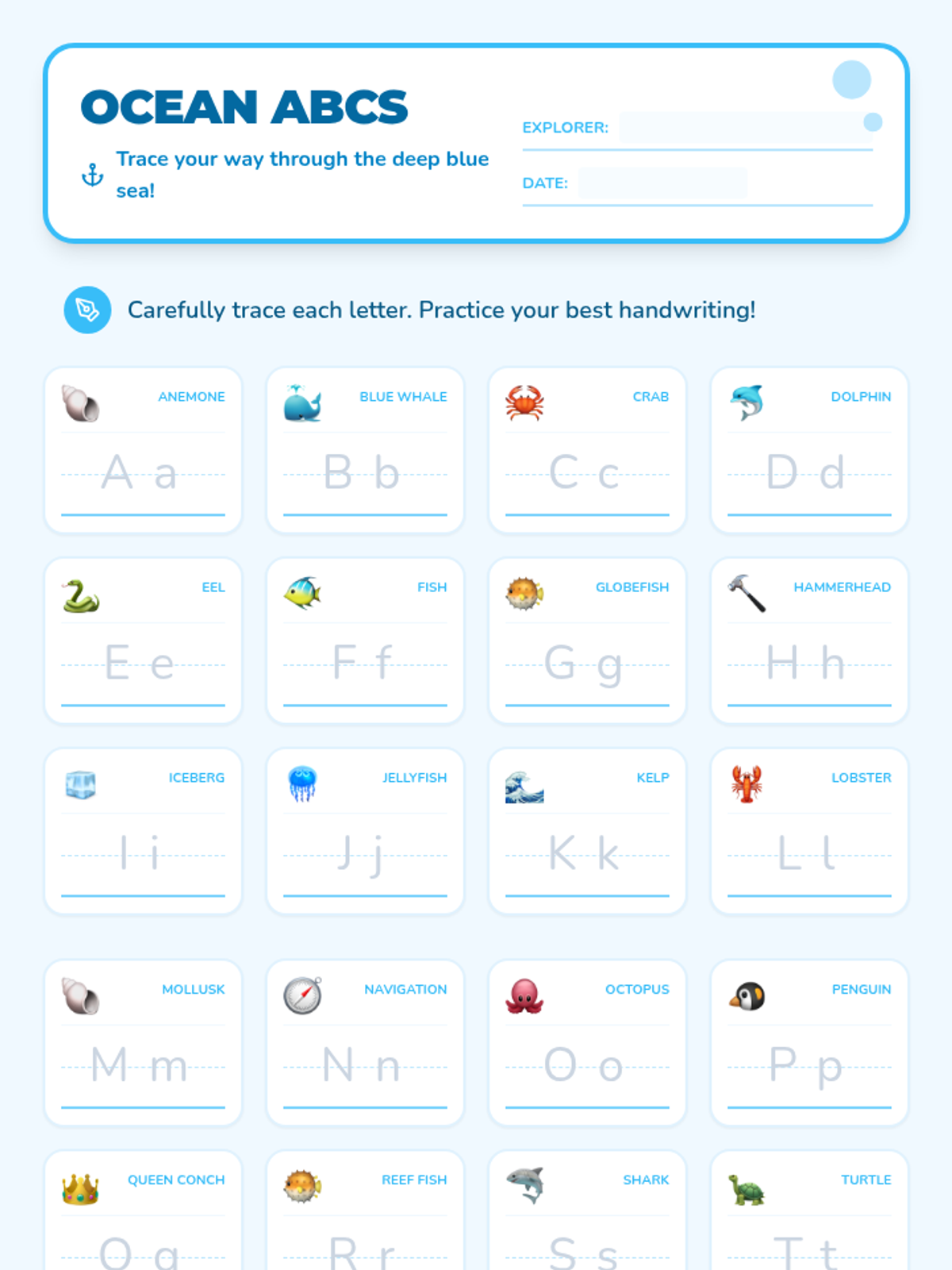
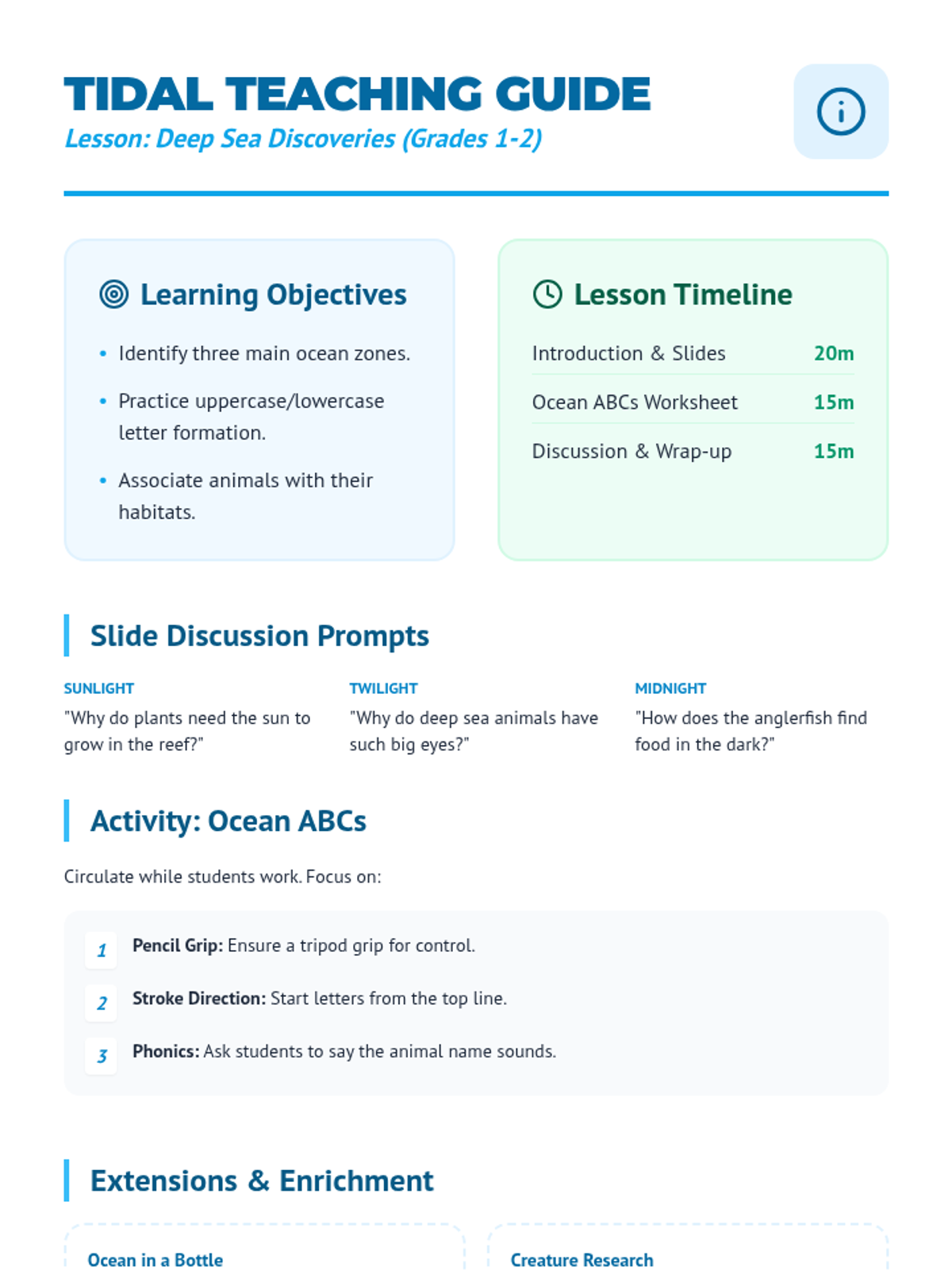
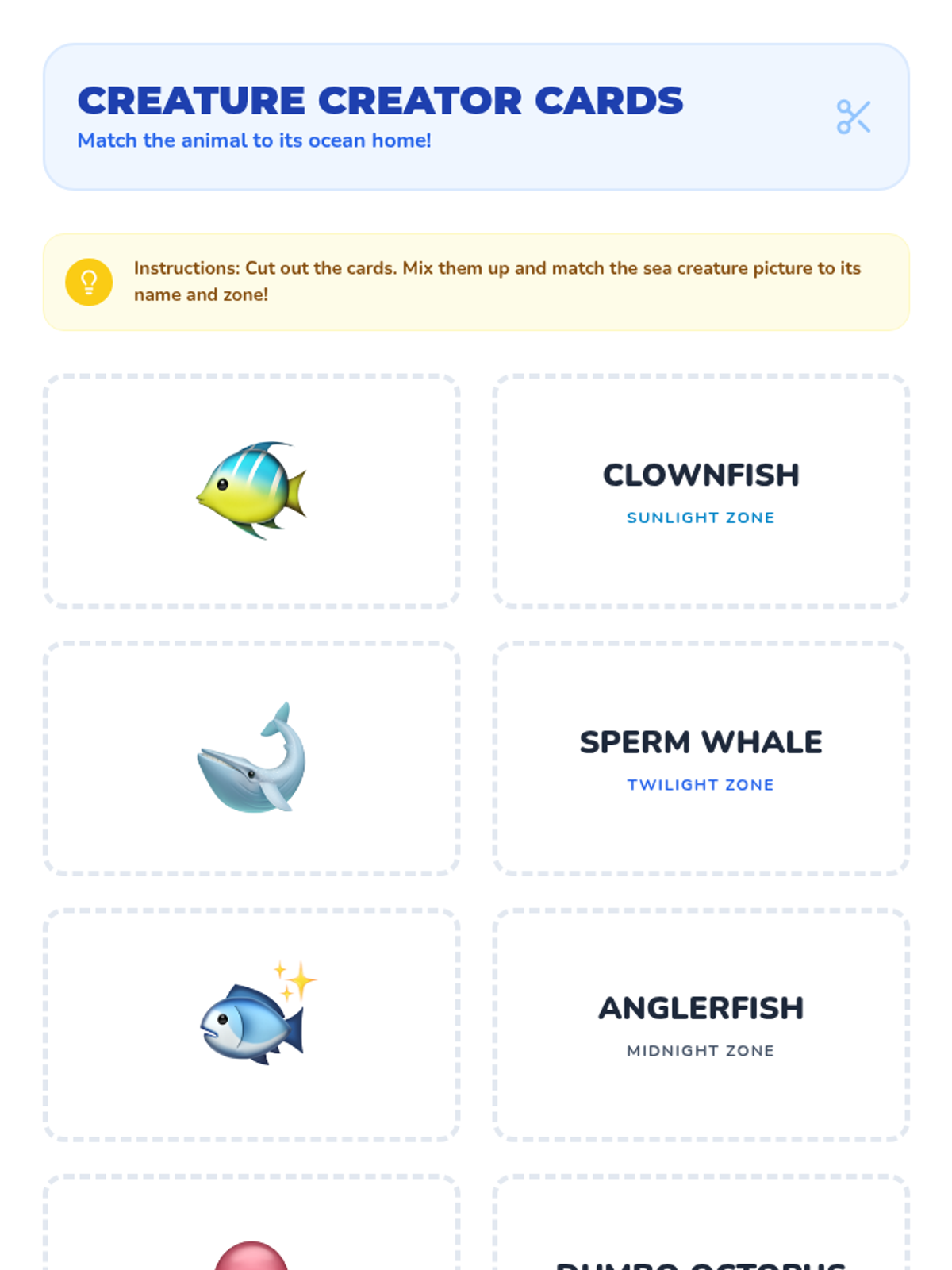
An immersive literacy and science lesson for 1st-2nd graders exploring the wonders of the ocean through handwriting practice and marine life exploration.