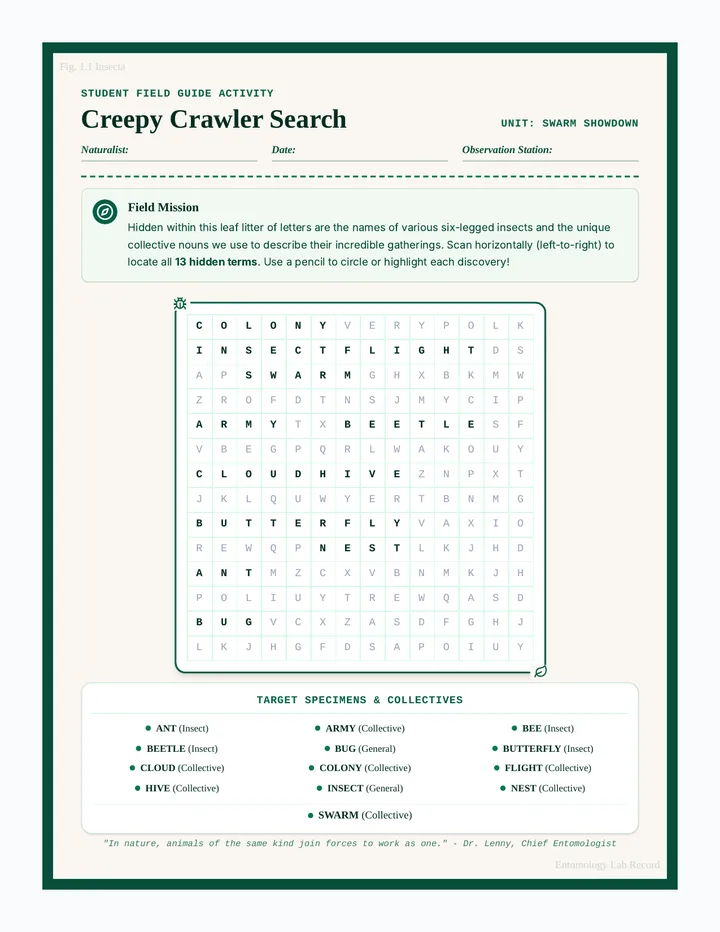
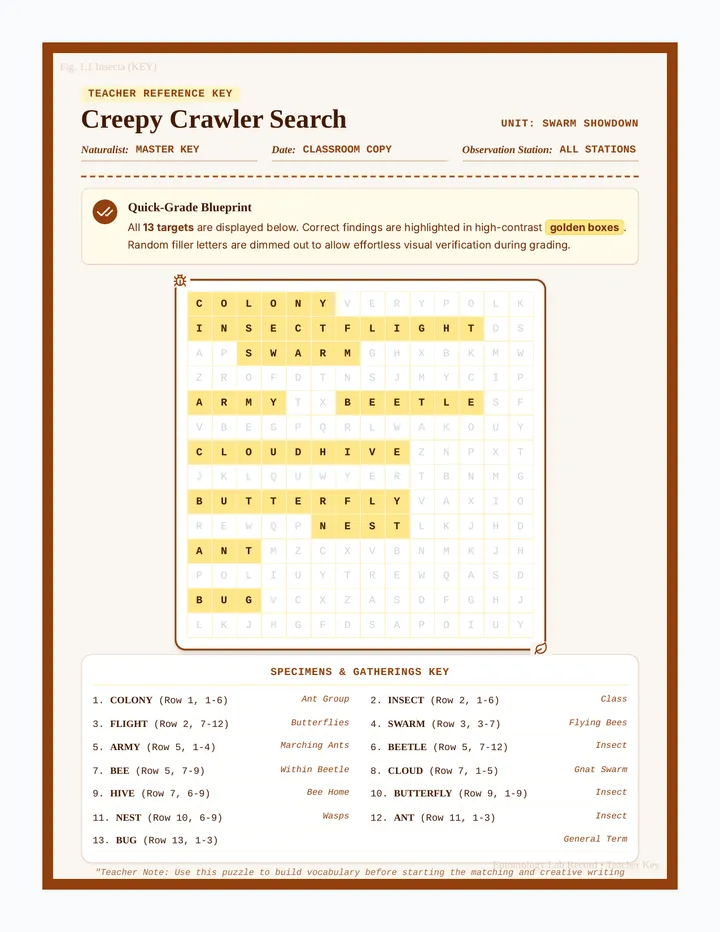
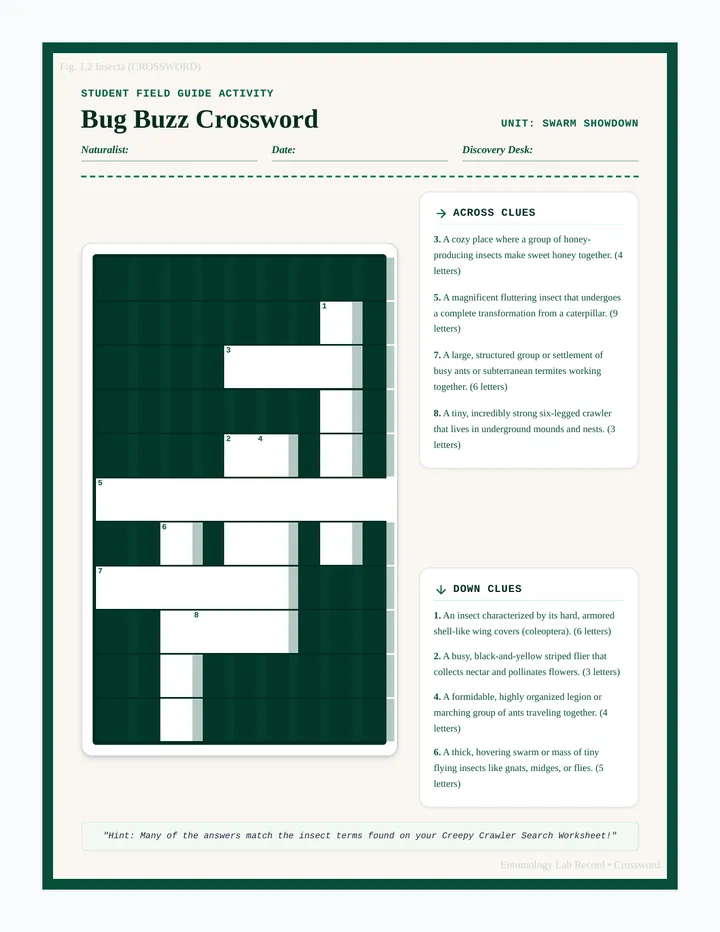
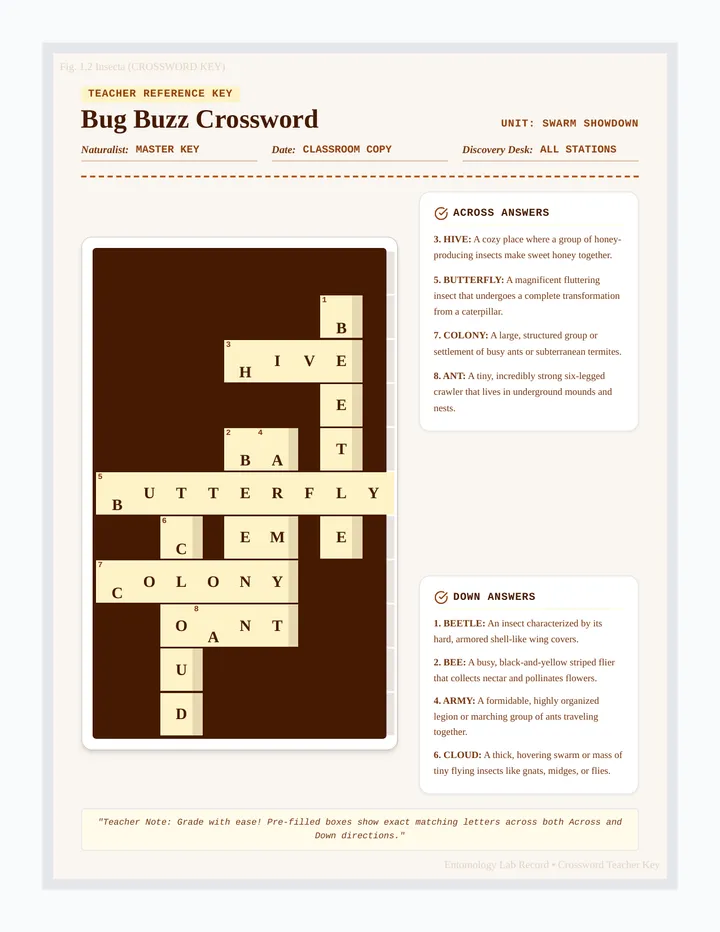
A hands-on introductory lesson for 2nd grade ESL students to distinguish between insects and other backyard creatures using physical sorting and visual identification.
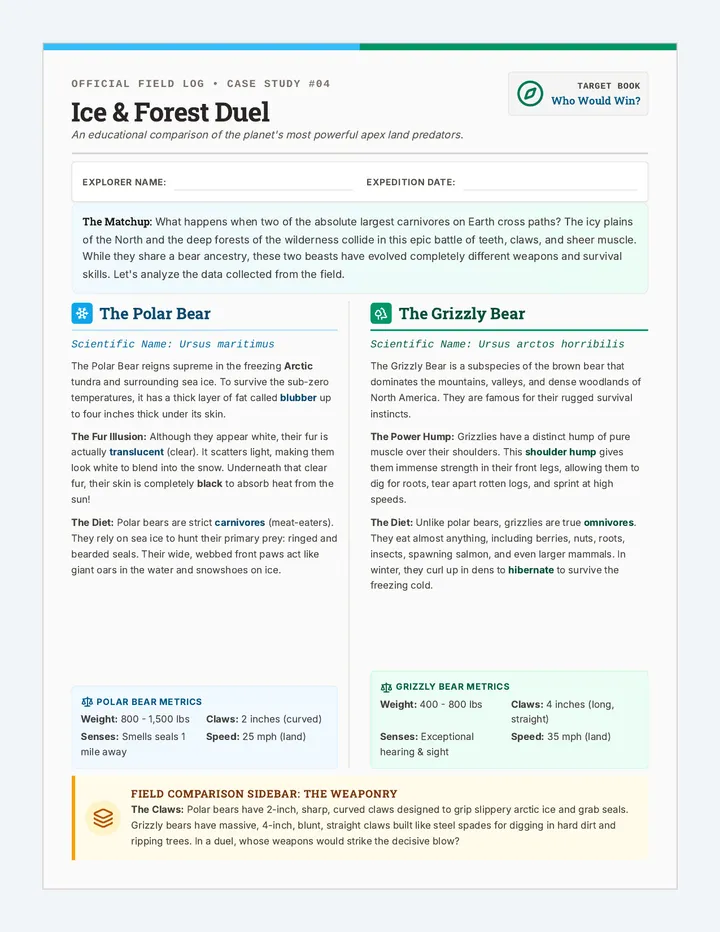
A guided project where 2nd-grade students act as scientists and engineers to report on an experiment, using key scientific vocabulary to describe matter and its properties.
A visual-heavy introduction to water-related vocabulary for ESL students, focusing on the states of matter and natural water forms.
A cross-curricular lesson exploring modern ecosystems and the history of environmental conservation. Designed with ADHD and Dyslexia-friendly features like high-visual support, hands-on activities, and clear, structured tasks.
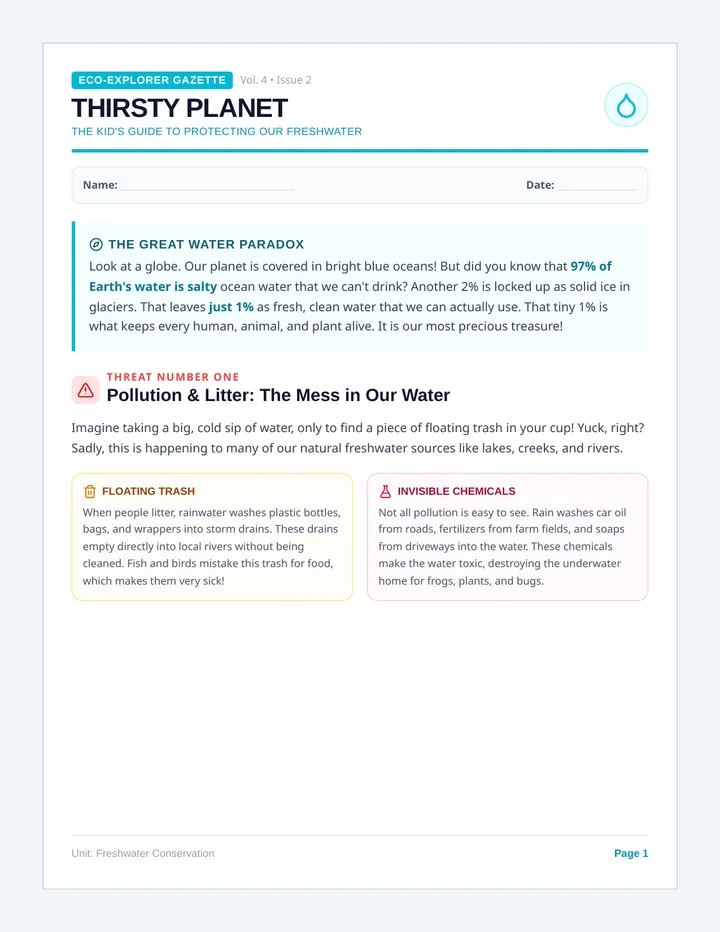
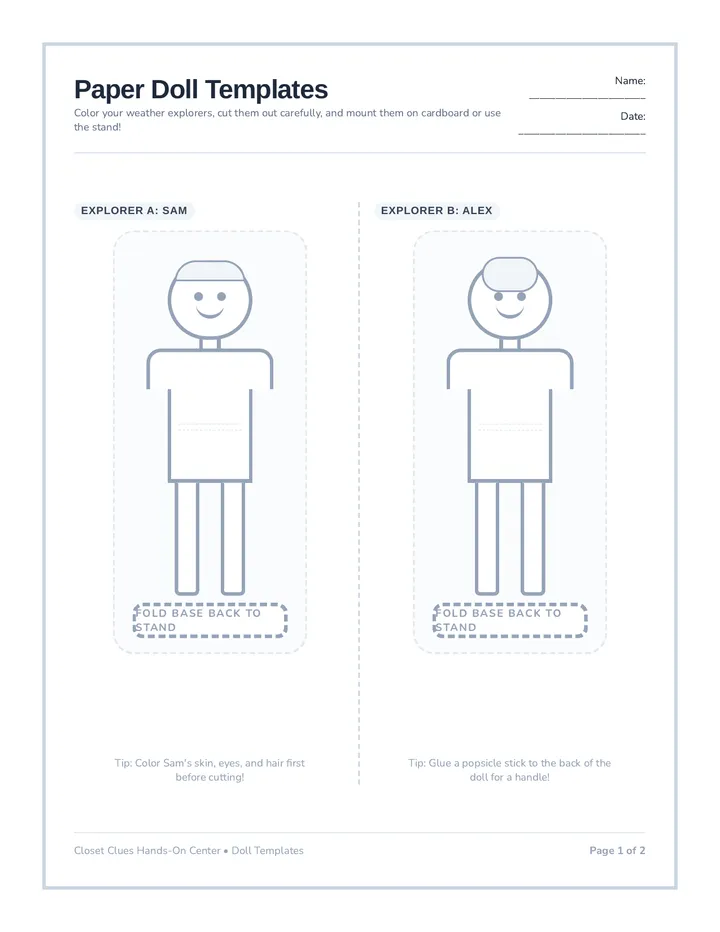
A hands-on STEAM lesson where emerging bilingual students use Ozobots to act out short scenarios, focusing on beginner-level English speaking, listening, reading, and writing skills.
A hands-on introductory lesson for 2nd graders to identify insects by their physical characteristics (6 legs, 3 body parts) and sort them from other creepy-crawlies.
A dynamic lesson where students explore biological life cycles through creative movement and expressive poses. Students will master the stages of butterflies, frogs, plants, and honeybees by physically embodying each developmental step.
A cross-curricular lesson where students combine scientific observation with artistic detail to create labeled diagrams of flowering plants and animals. Students focus on identifying key parts of organisms while developing their drawing and labeling skills.
A focused lesson on the Earth's movements, covering the causes of day and night and the factors that create the four seasons, aligned with CKLA Knowledge 6.
A series of creative coding challenges designed for young learners using Scratch Jr. Students will explore basic programming concepts through open-ended, imaginative projects.
A phonics lesson focused on decoding 2-syllable VCV words with open and closed syllables, set against a retro-futuristic solar system theme.
A vocabulary-focused lesson introducing students to the concepts of environmental stewardship and nonrenewable resources. Students will learn to define and use these terms through interactive slides and oral practice.
In this lesson, students explore the different parts of a plant, the specific needs for plant growth, and various types of plants. They will use visual cards to identify and categorize these elements in a hands-on sorting activity.
A dedicated hub for educators featuring a K-12 curriculum scope, professional development guides, and quick-reference AI cheat sheets.
High school students analyze the impact of generative AI on careers and society, mastering advanced prompt engineering and debating complex ethical dilemmas.
Middle schoolers dive into the mechanics of neural networks and the ethical implications of AI in daily life, focusing on digital citizenship and algorithmic fairness.
Middle elementary students investigate how training data shapes AI behavior, identifying bias in simple systems and experimenting with basic prompt engineering.
Students in grades 1-2 explore how machines learn to recognize patterns and assist humans, introducing basic classification and the idea of helpful technology.
Introduces Kindergarteners to the concept of AI as a 'thinking' tool that follows instructions and learns from examples, focusing on the difference between robots and AI.
A comprehensive lesson exploring how light and sound function as signals in our community, how they are produced through vibrations and sources, and the unique properties of shadows and volume.
Students explore the plant life cycle through hands-on seed sorting and sensory observations, connecting biological processes to the arrival of spring.
A lesson exploring how wind acts as a powerful sculptor, shaping the Earth's surface through erosion and deposition over long periods of time. Students will identify key landforms created by wind and understand the processes that form them.
An engaging, hands-on lesson where students explore the physical properties of matter through a structured anchor chart, an interactive notebook foldable, and a real-world scavenger hunt.
A hands-on lesson exploring the four primary stages of a sunflower's life cycle through visual instruction and a cut-and-paste sequencing activity.
Students apply their knowledge by identifying animal coverings in various examples and writing descriptive sentences about how these coverings protect or help animals.