Teaches students to represent subtraction of lengths as moves to the left on a number line diagram.
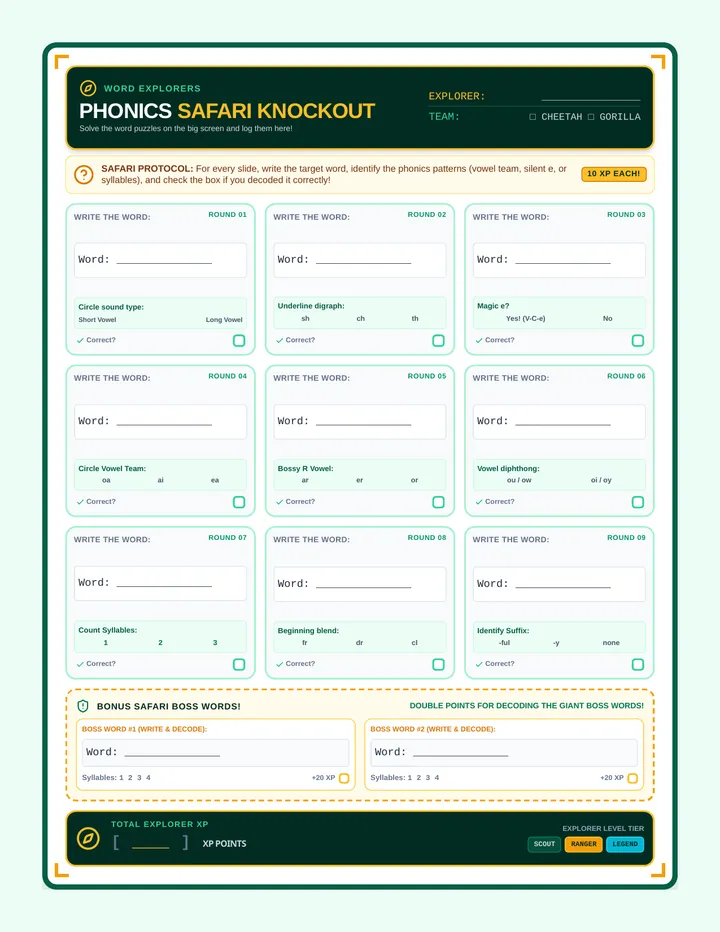
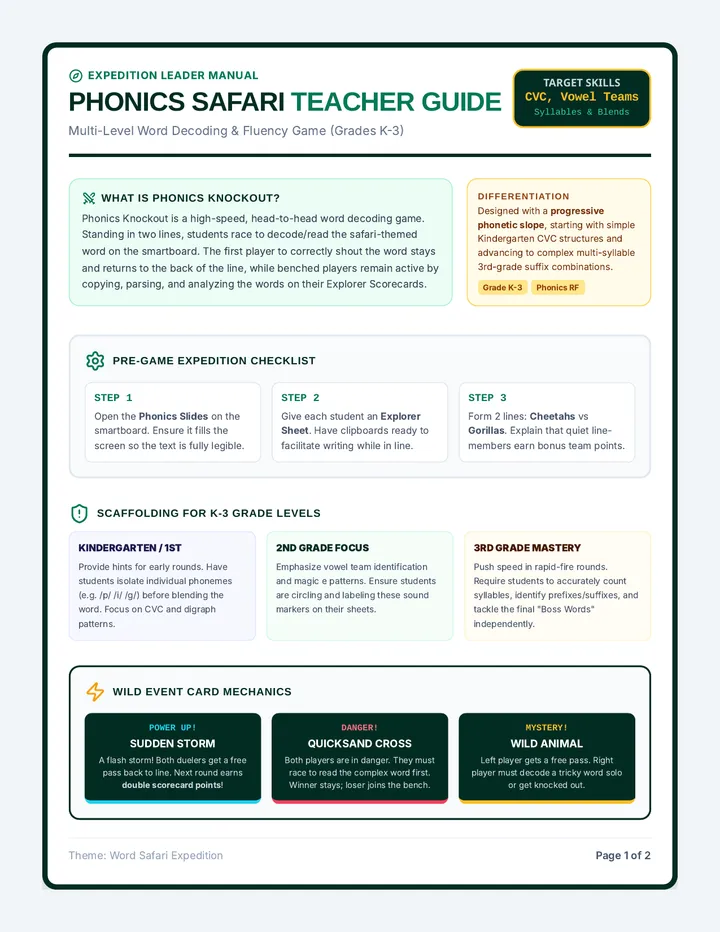
A high-energy, wild safari-themed classroom game for K-3 students focusing on key phonics skills including CVC words, silent 'e', vowel teams, and multi-syllable decoding. This lesson includes a widescreen smartboard presentation, a teacher facilitation guide with word keys, and an active-participation student tracker sheet.
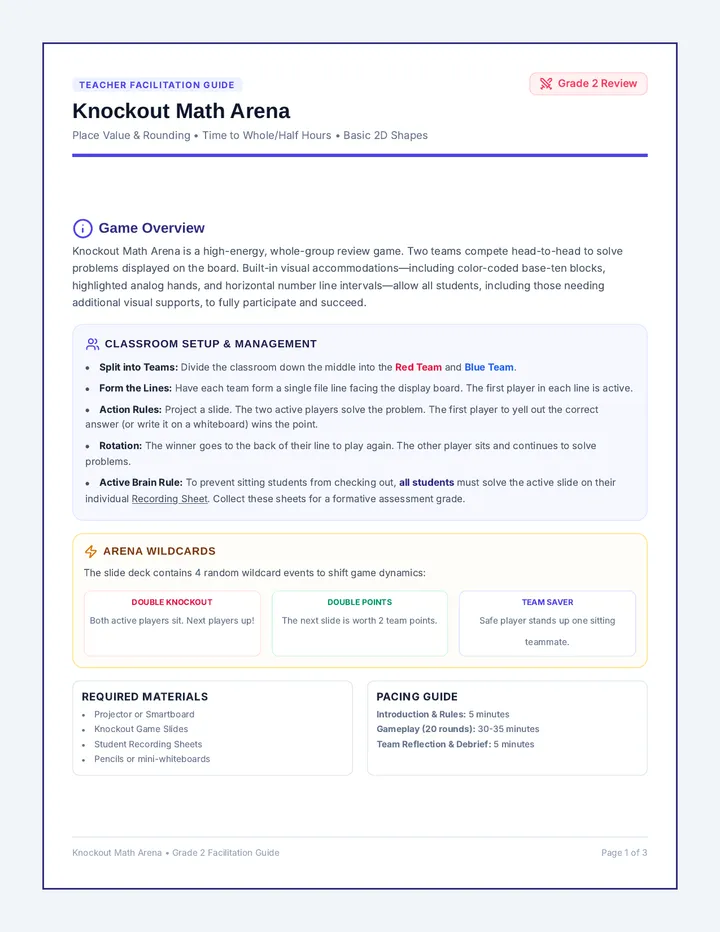
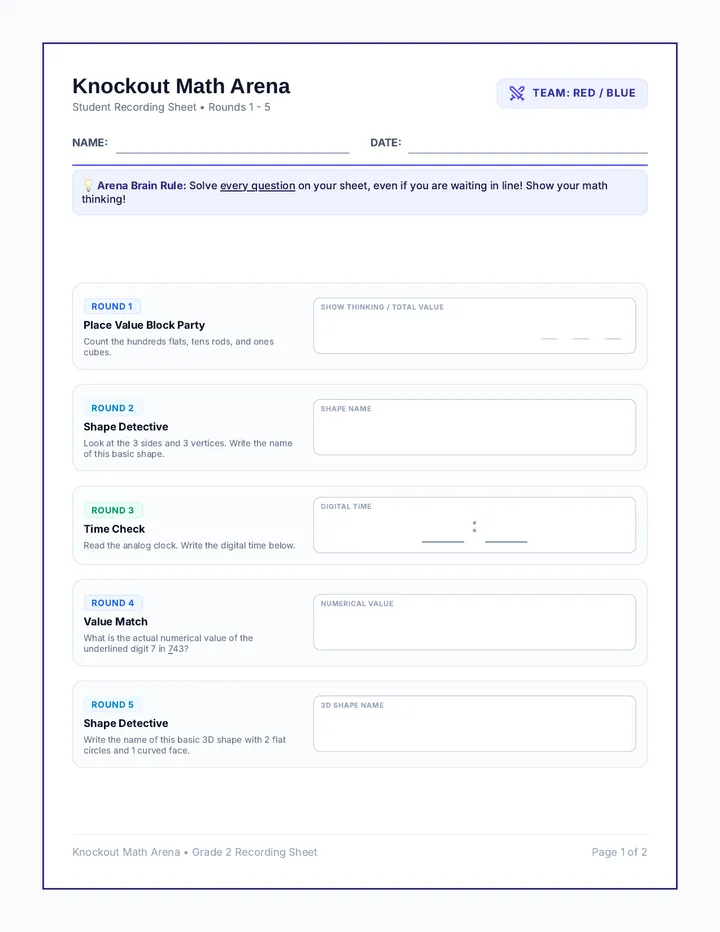
A high-energy, fast-paced review game targeting 2nd-grade place value, time, and geometric shape attributes. Includes a colorful slide deck, a comprehensive facilitation guide, and student recording sheets to keep the whole class engaged.
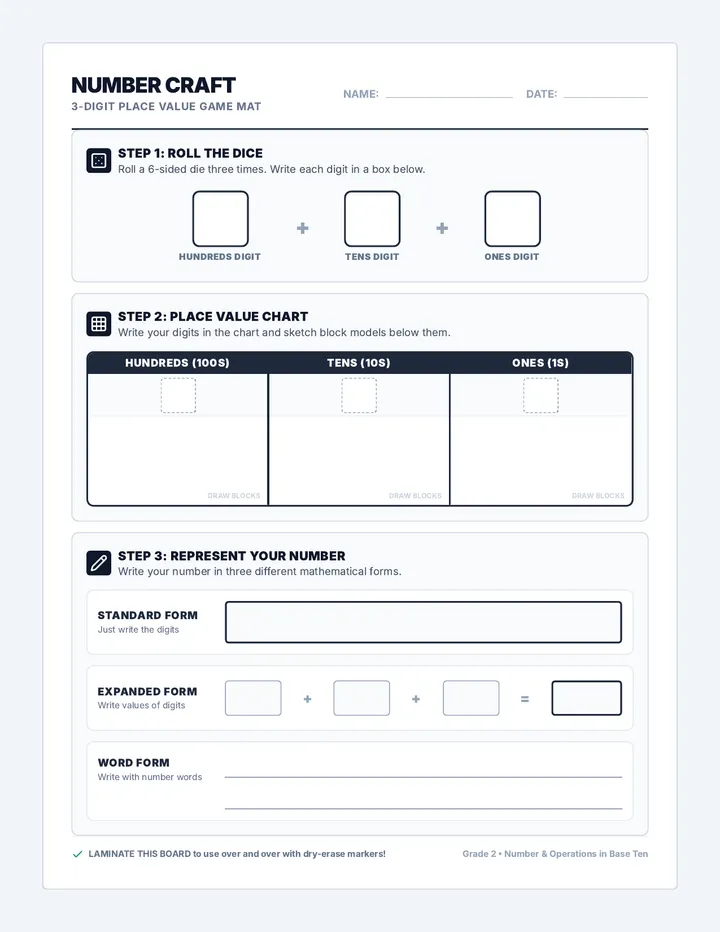
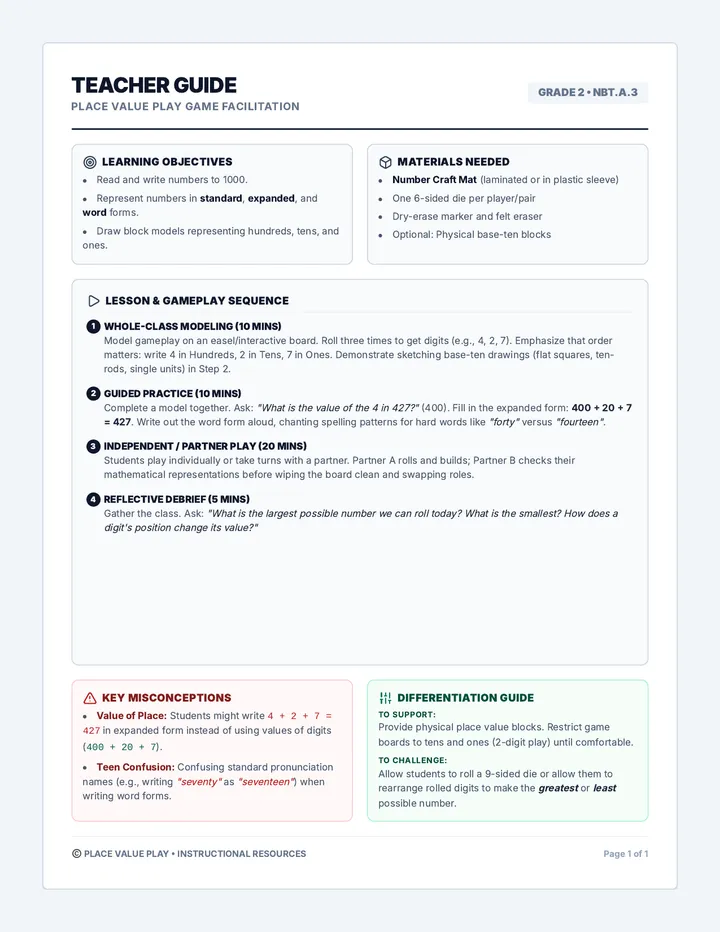
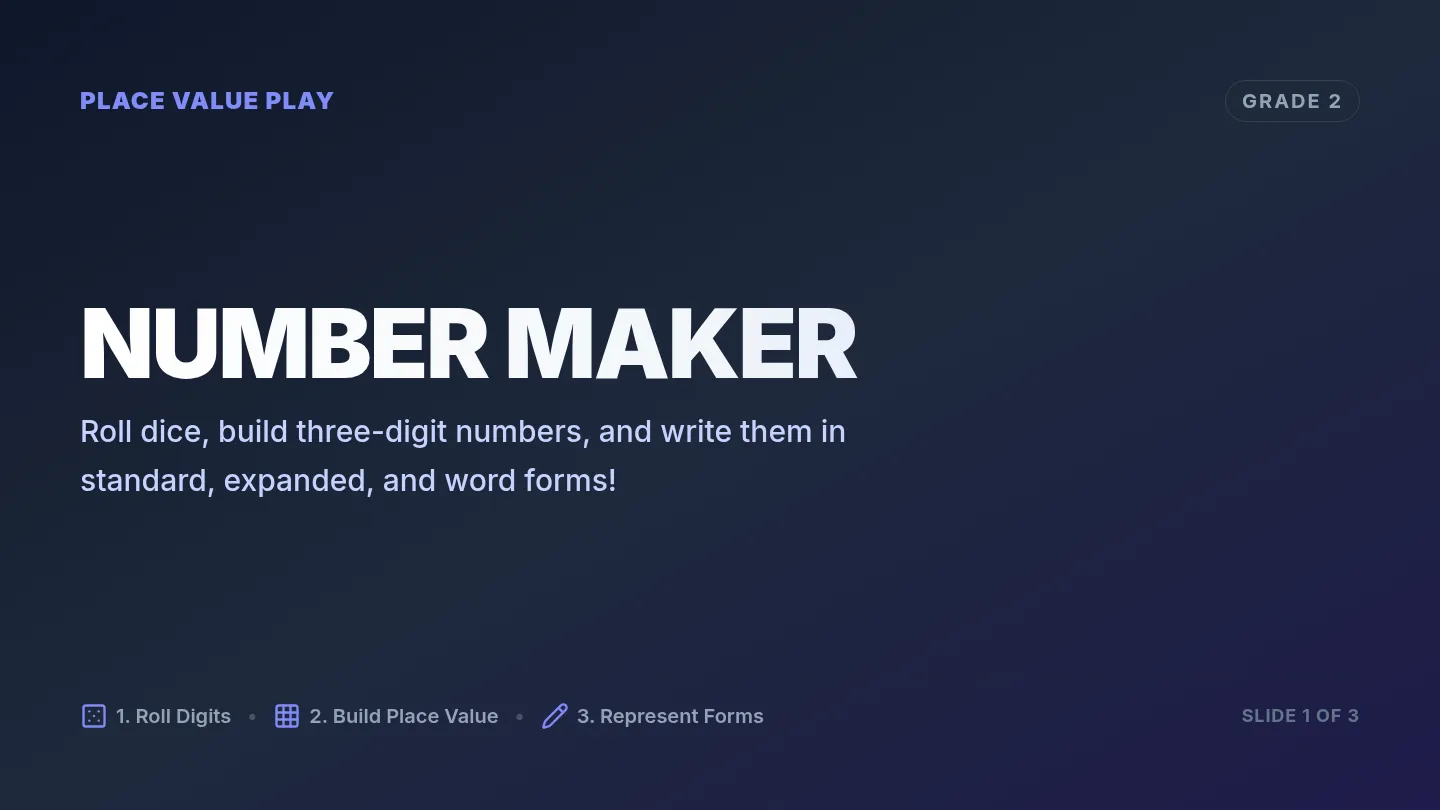
A hands-on, high-contrast lesson focusing on representing three-digit numbers. Students use dice to generate digits and practice writing numbers in standard, expanded, and word forms.
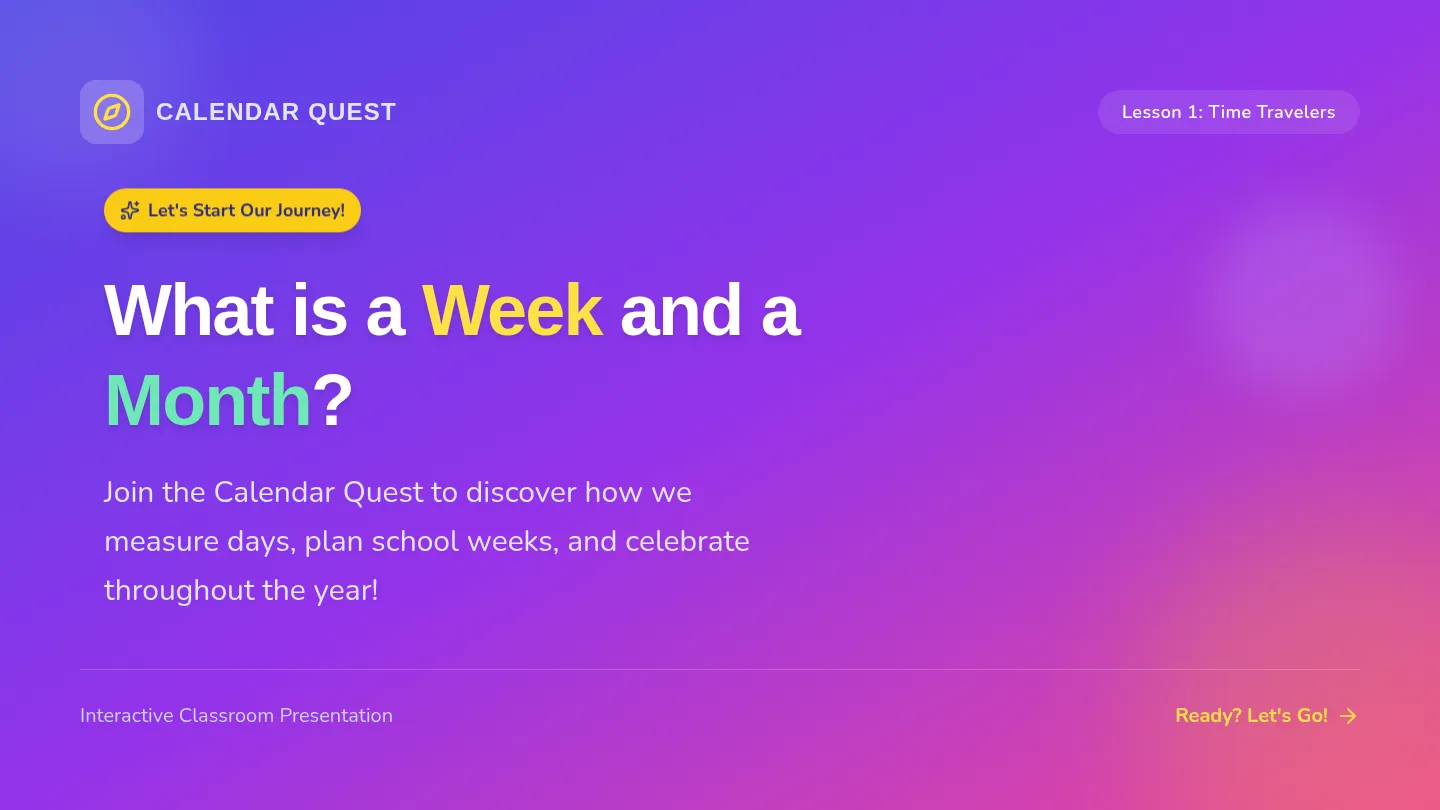
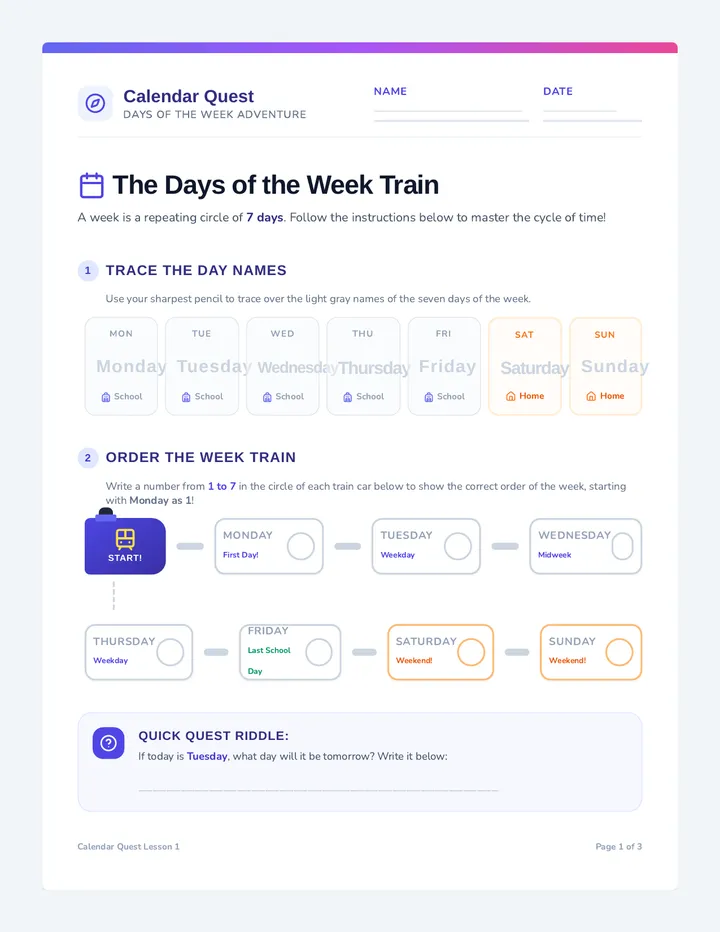
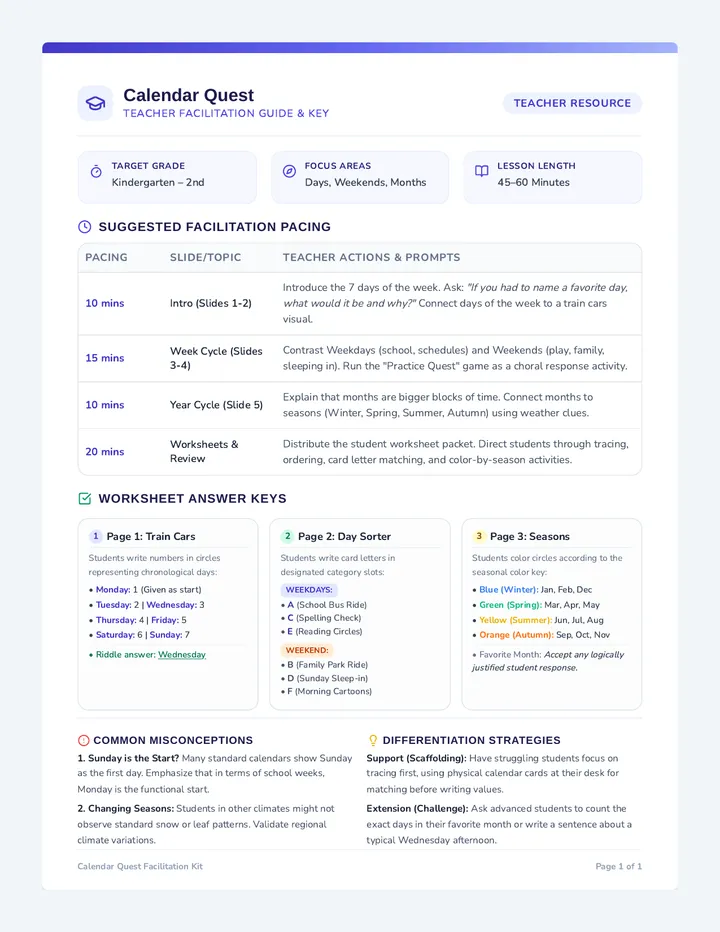
A foundational lesson introducing early elementary students to calendar concepts, including days of the week, weekdays versus weekends, and the twelve months of the year, contextualized with real-world school, home, and seasonal scenarios.
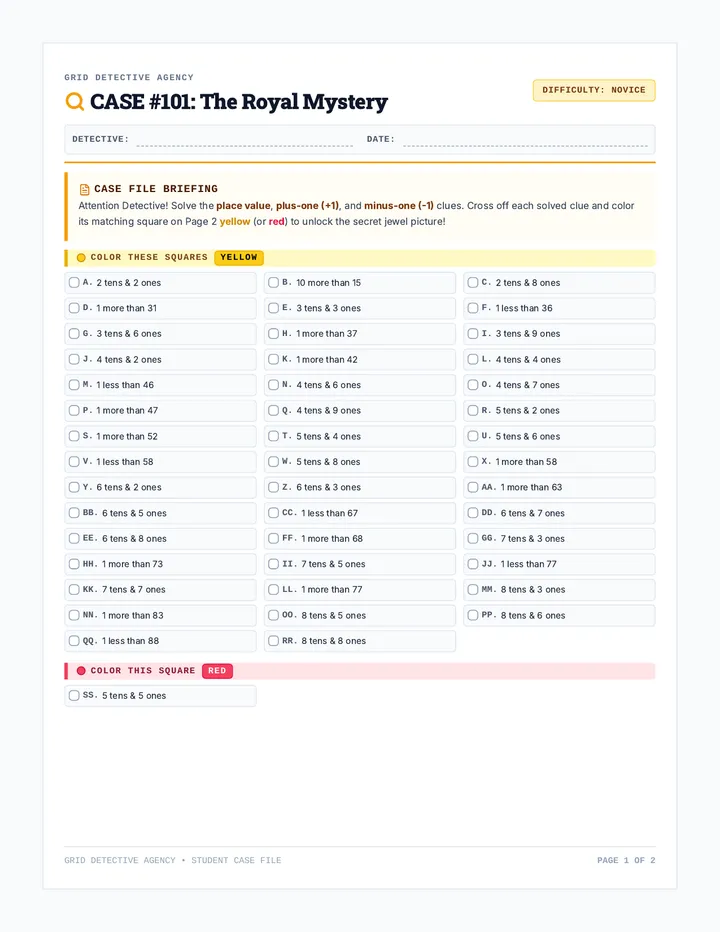
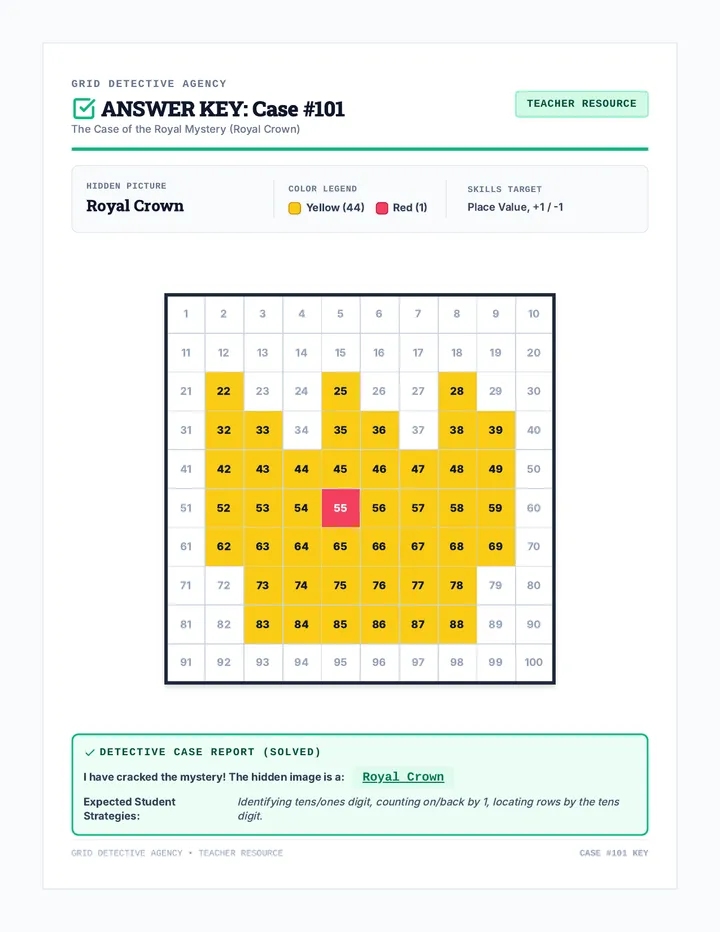
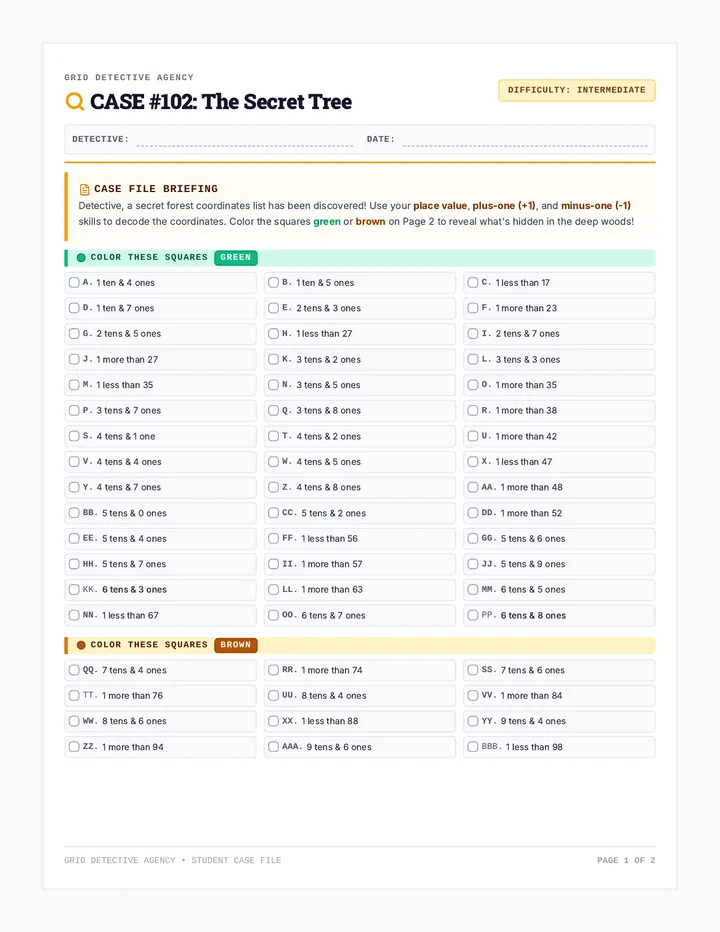
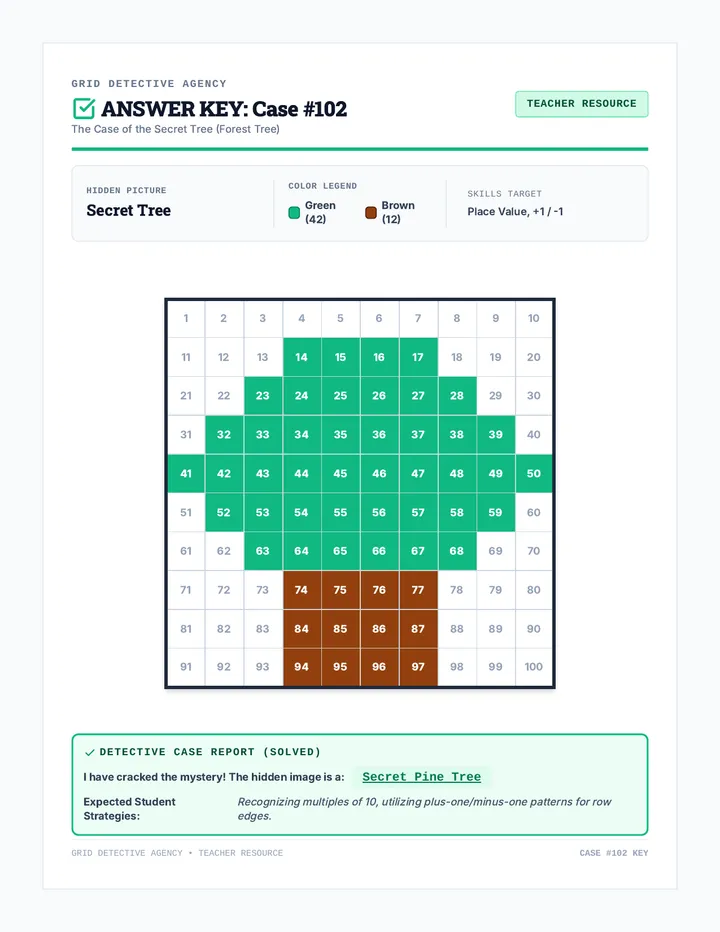
A fun, puzzle-packed math lesson where students become Grid Detectives, using place value clues (tens and ones, plus-one, minus-one) to solve 100-chart mystery pictures and unlock hidden pixel art drawings.
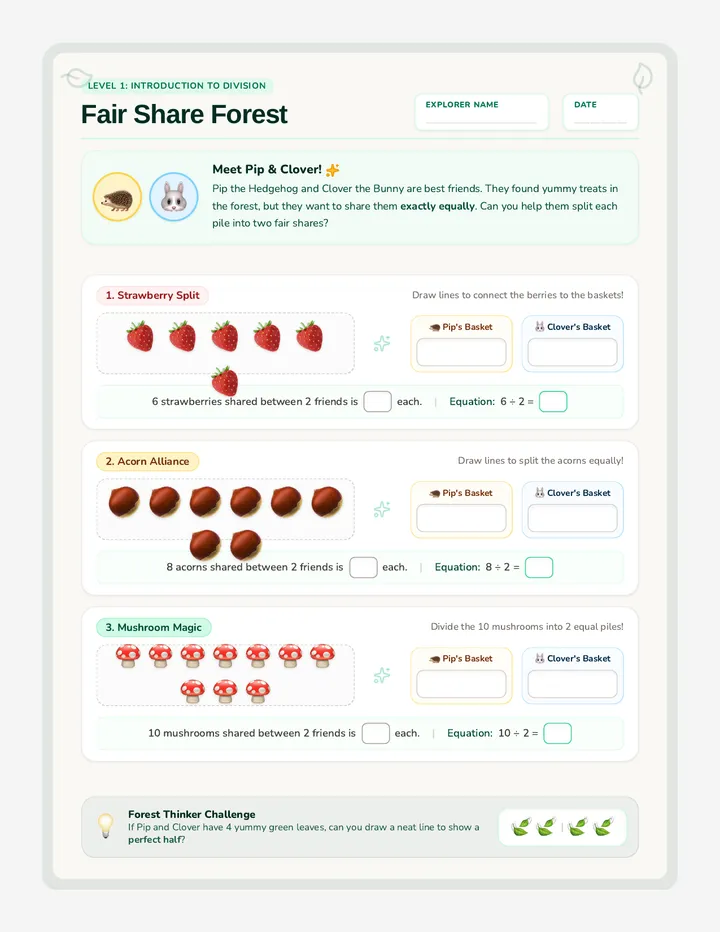
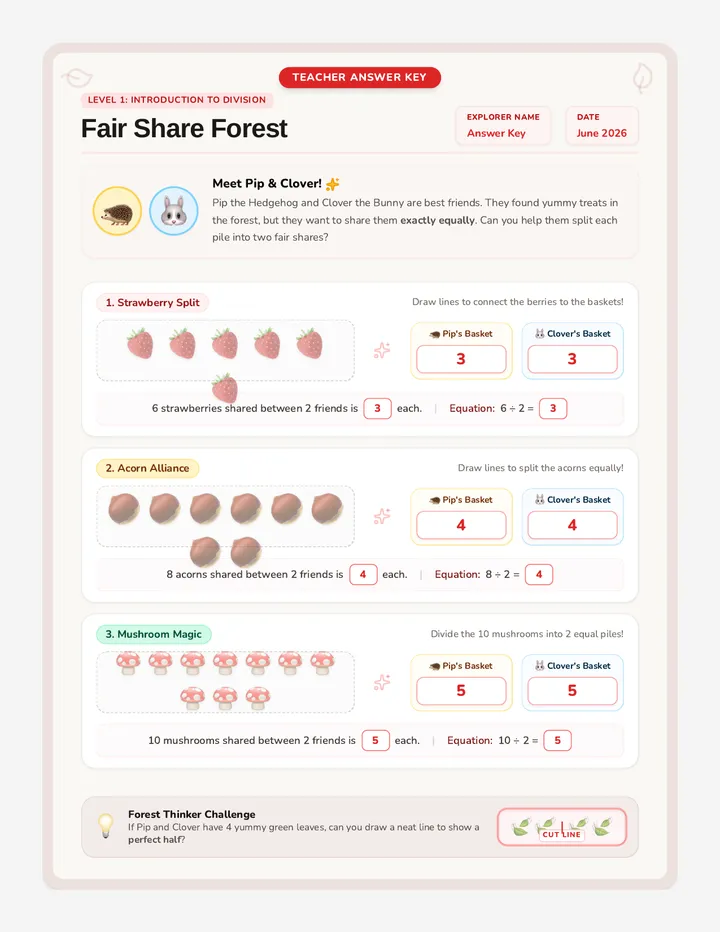
An introductory lesson on division as equal sharing. Students help two friendly woodland creatures share forest treasures equally between them.
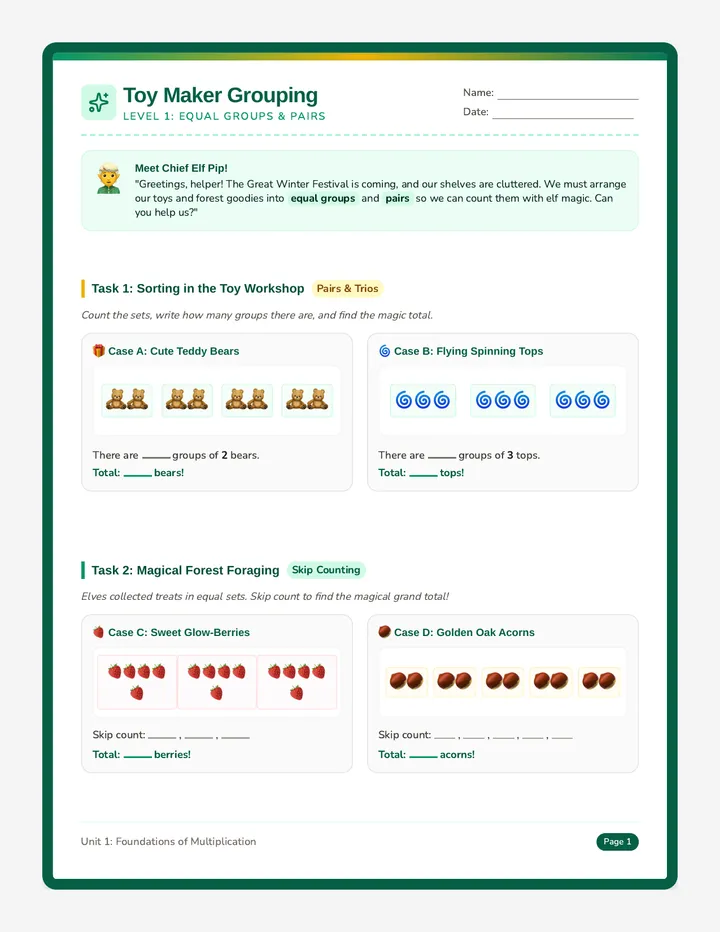
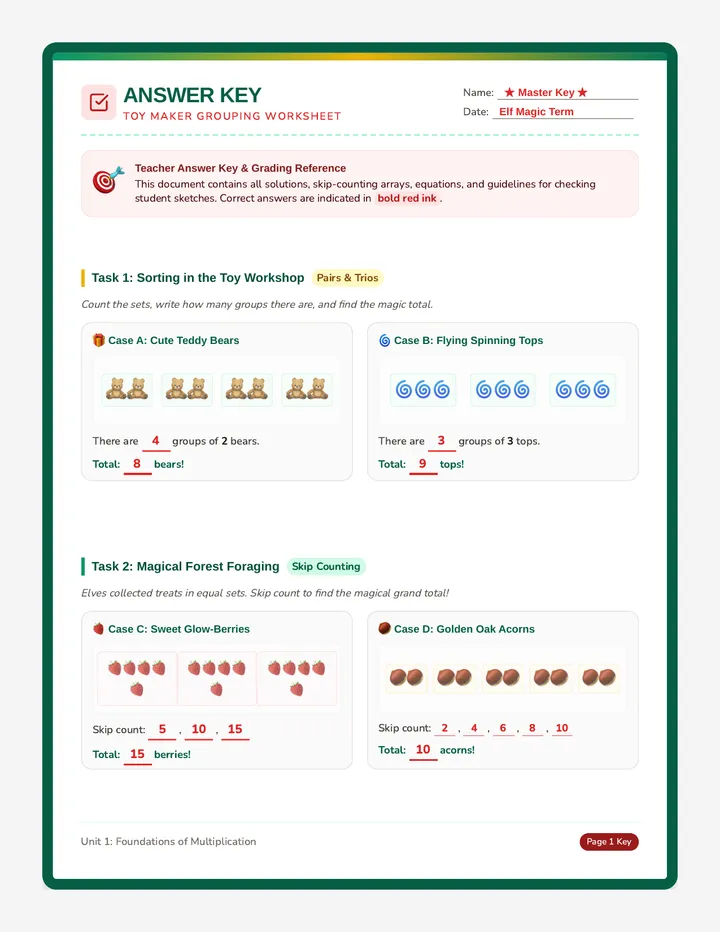
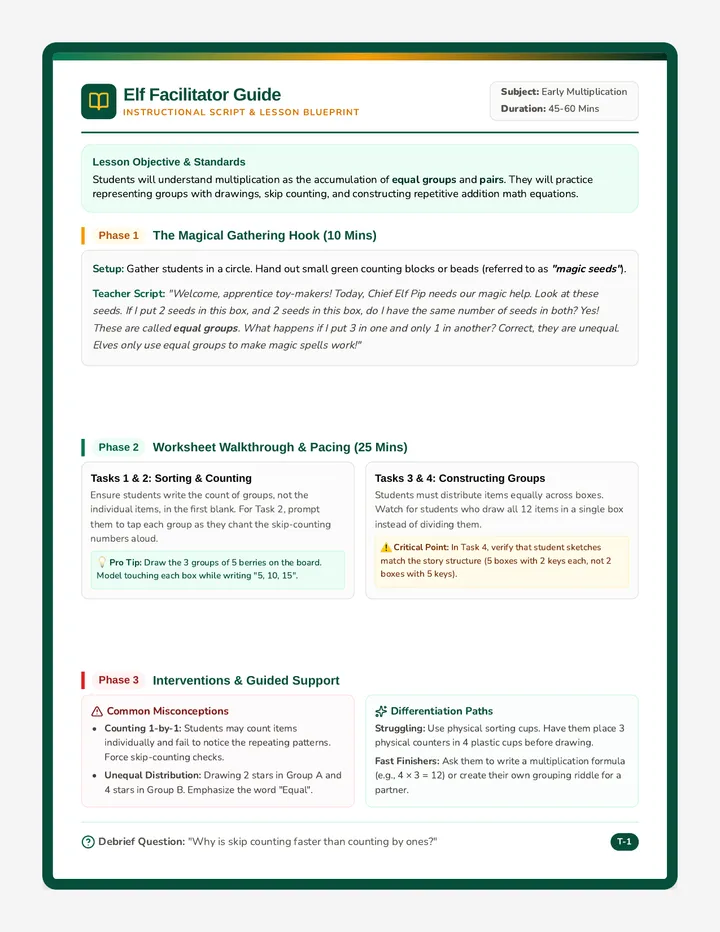
An introductory lesson on multiplication using equal groups and pairs, themed around magical elves making toys, foraging in the forest, and packing items. Students transition from concrete counting to skip counting and basic multiplication concepts.
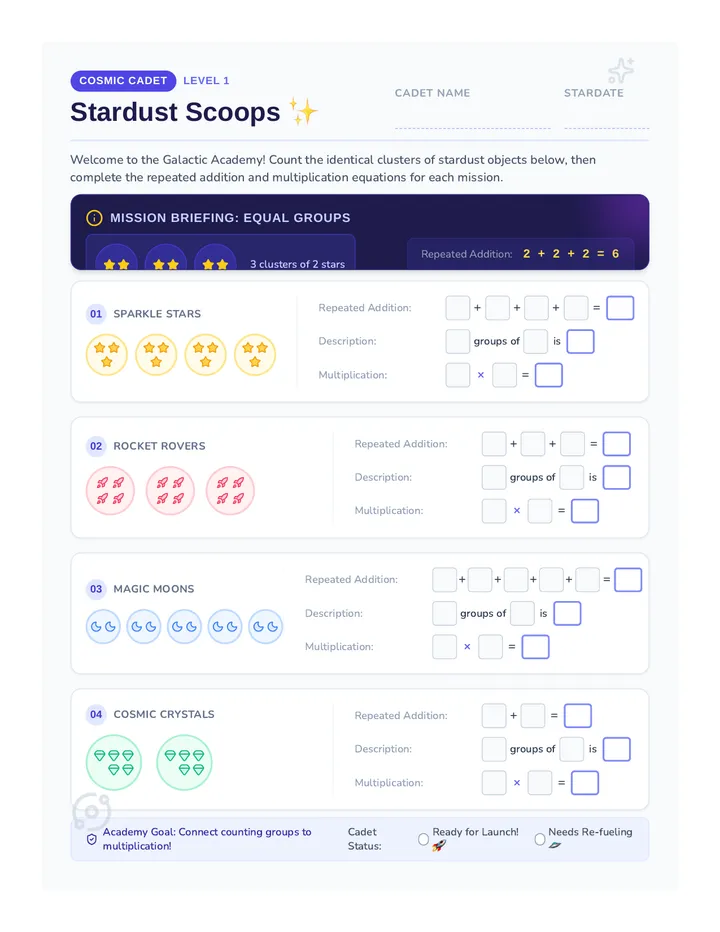
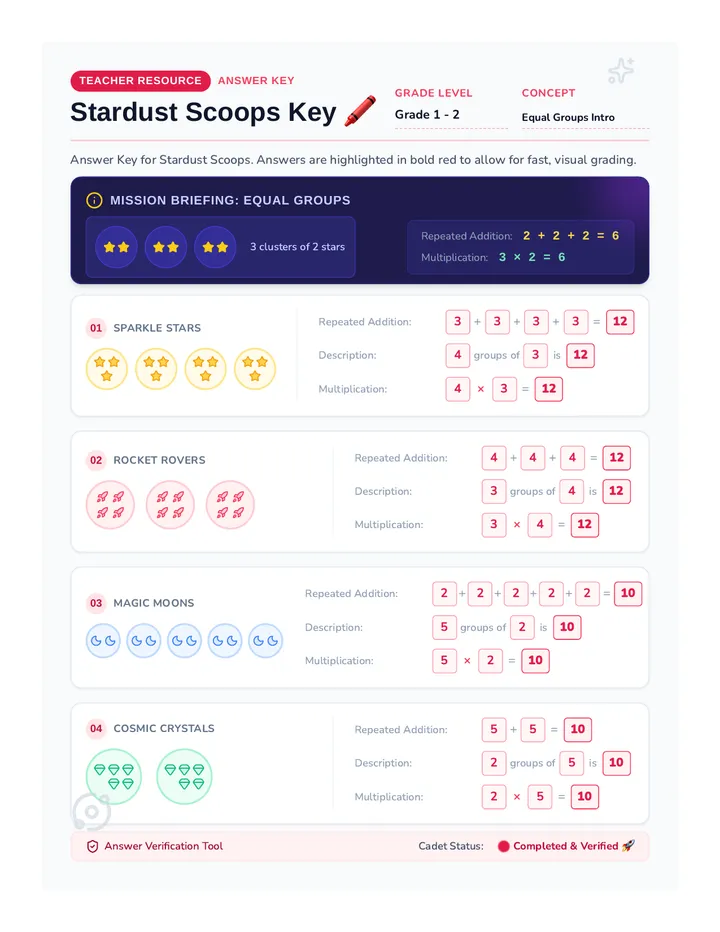
An introductory lesson to multiplication using equal groups and visual representations. Students learn to connect repeated addition to multiplication using starry-themed groups.
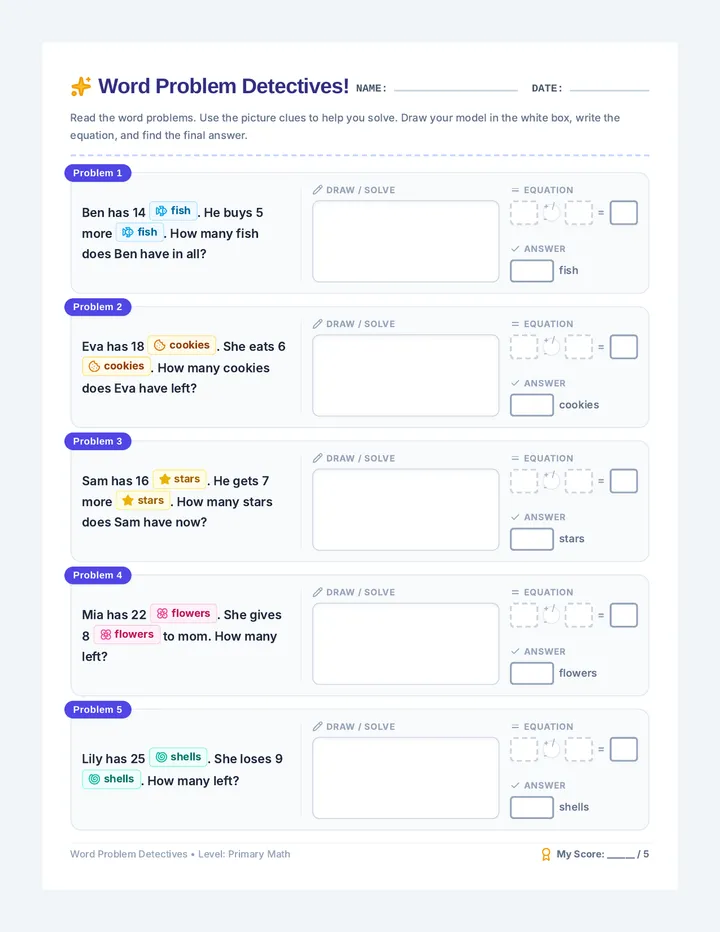
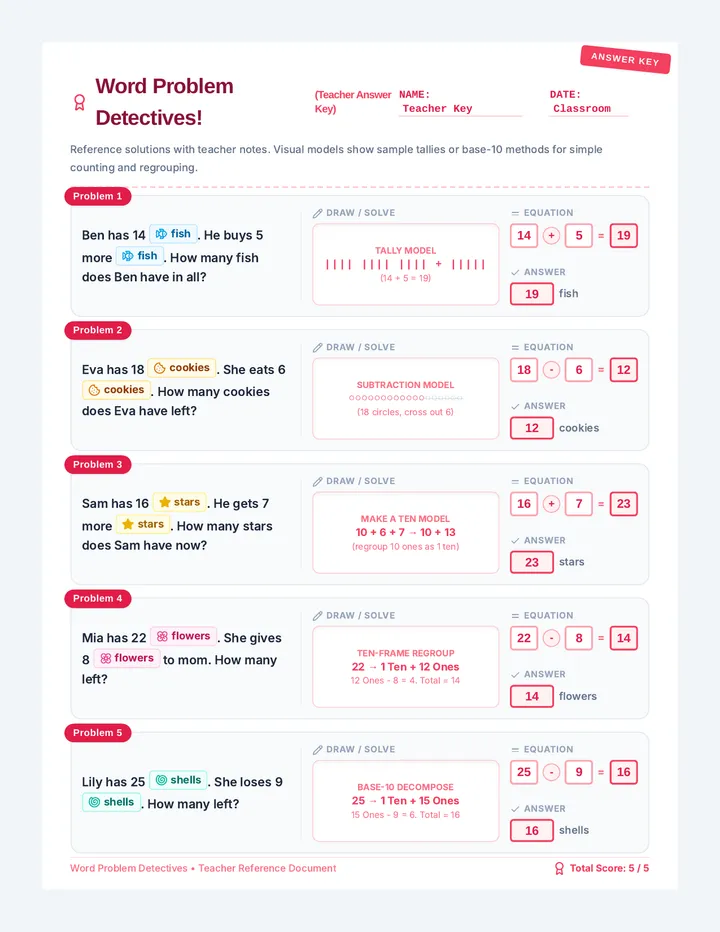
A lesson focused on solving one-step word problems involving addition and subtraction. Students practice recognizing active language cues, modeling their thinking, and writing equations.
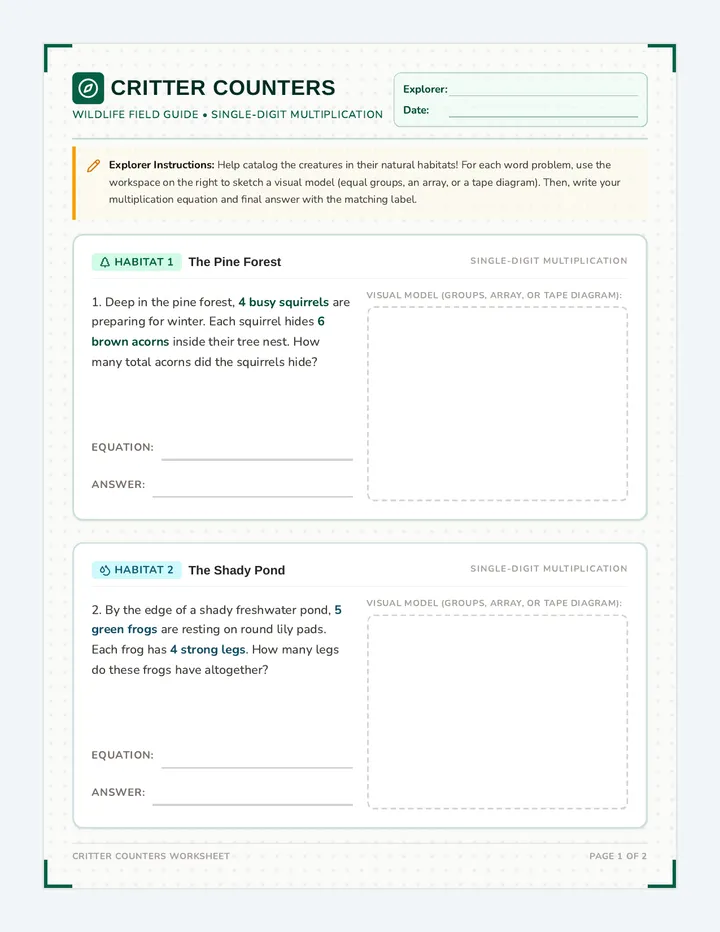
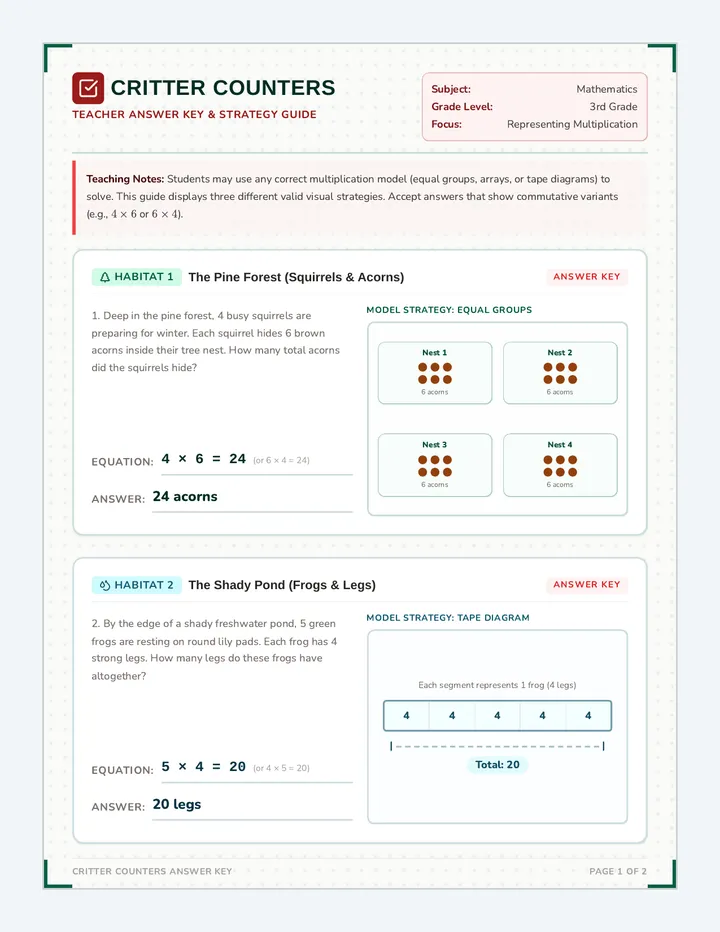
A single-digit multiplication lesson centered around animal counts and habitat scenarios. Students solve word problems using visual representations like arrays, equal groups, and tape diagrams.
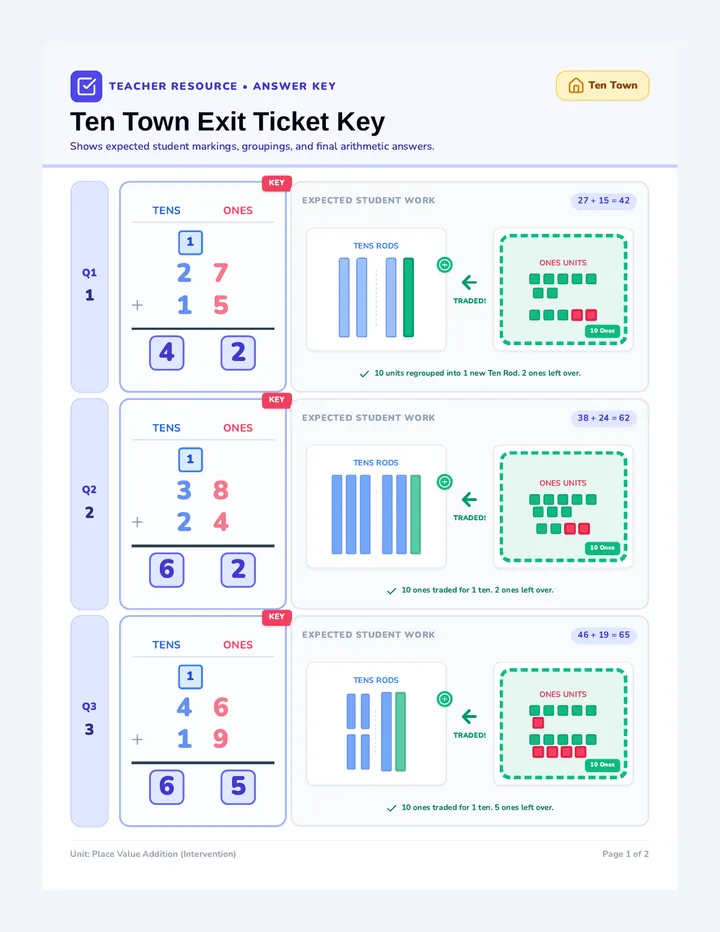
A targeted 2nd-grade intervention lesson focused on adding 2-digit numbers with regrouping. Students use place value block drawings, color-coded numbers, and T-charts to build conceptual understanding and solid arithmetic habits.
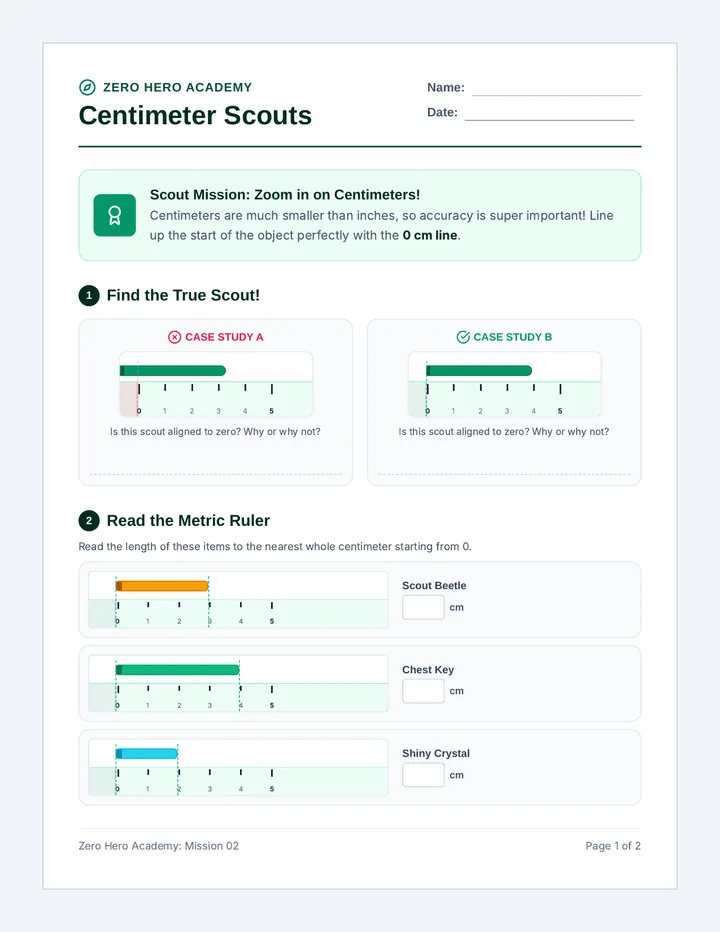
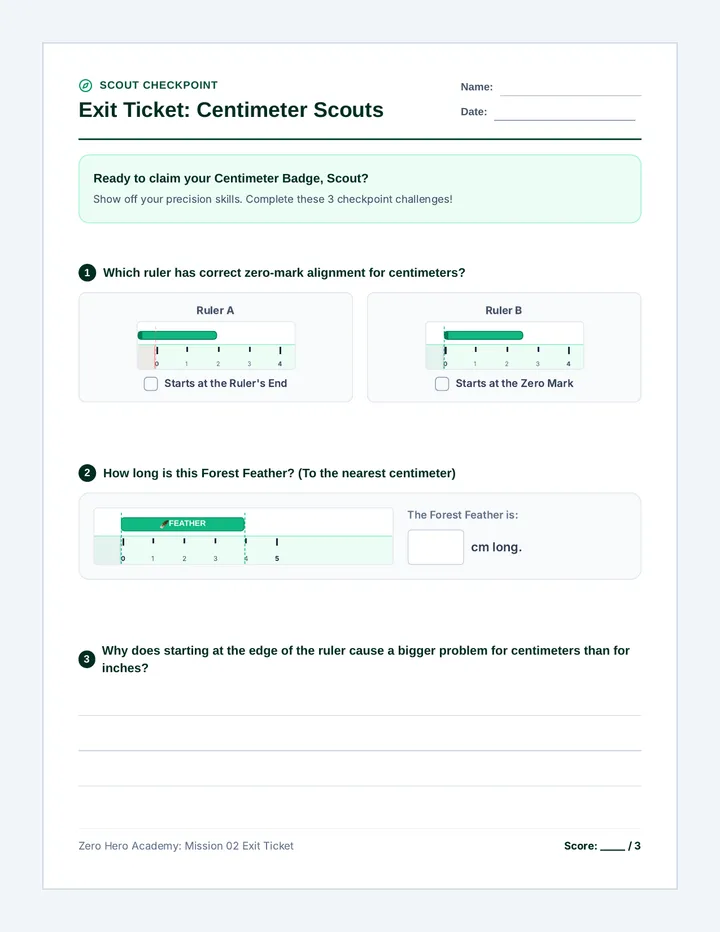
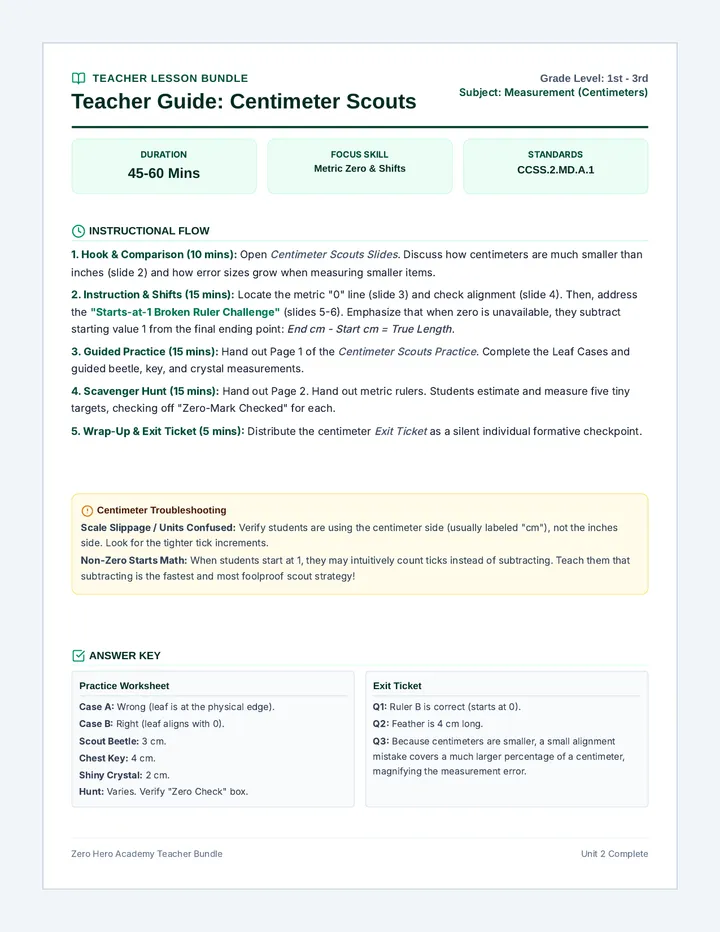
Students apply their measurement skills to the metric system, learning about centimeters and practicing precise measurement starting at the zero mark.
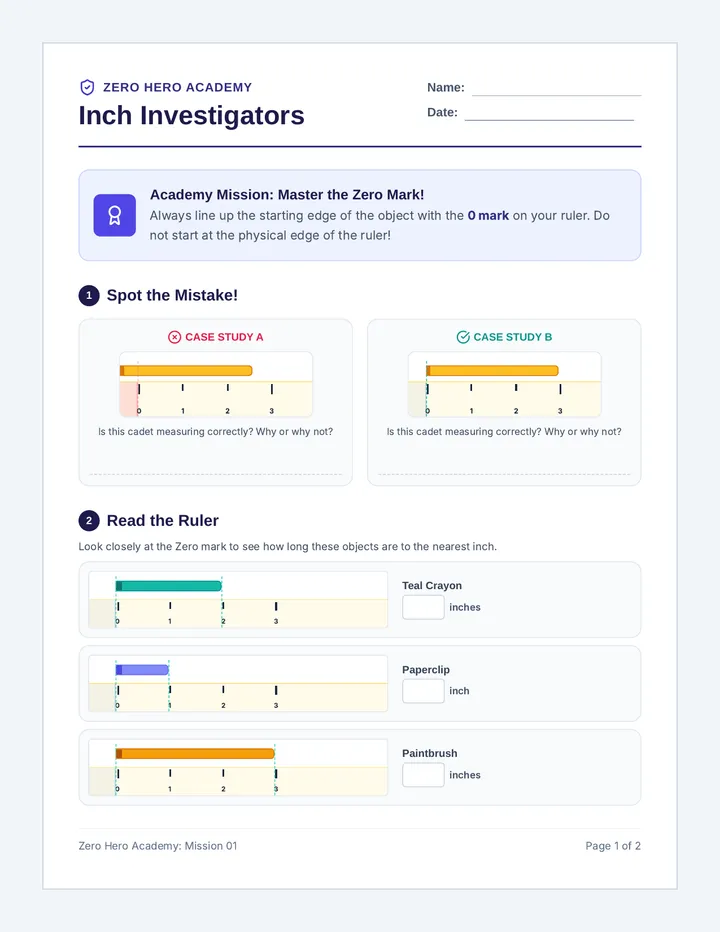
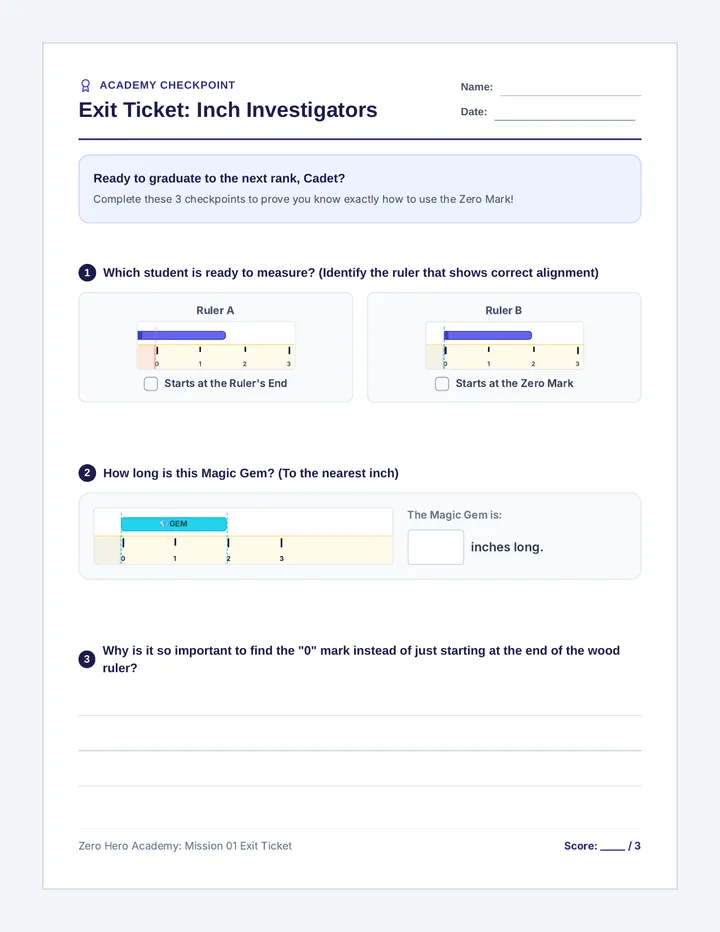
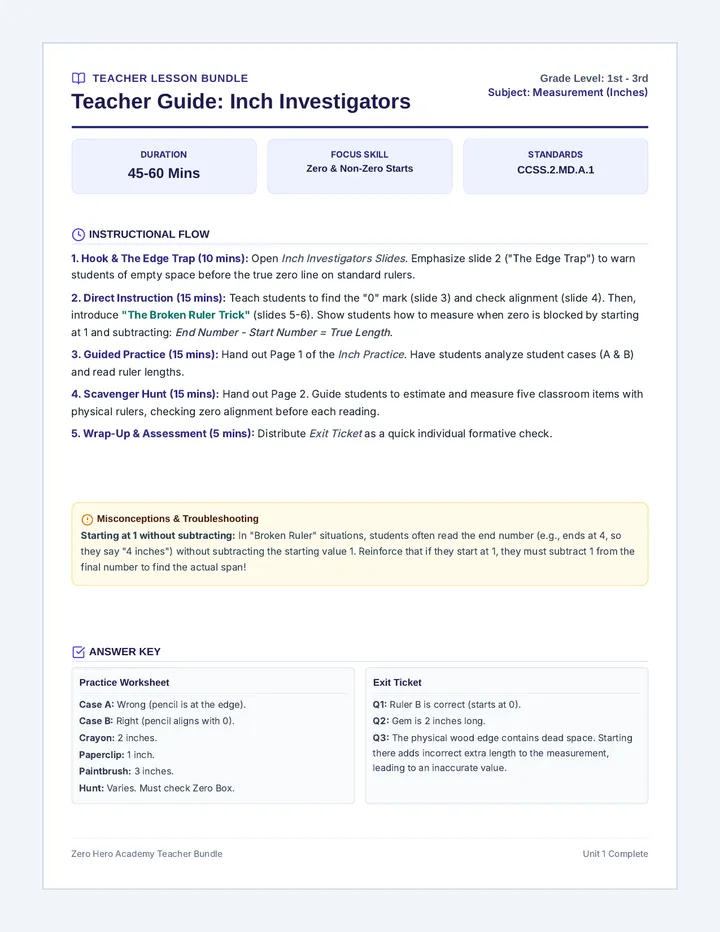
Students learn to measure to the nearest inch using custom visual rulers. The lesson emphasizes locating the true starting zero mark instead of starting at the physical edge of the ruler.
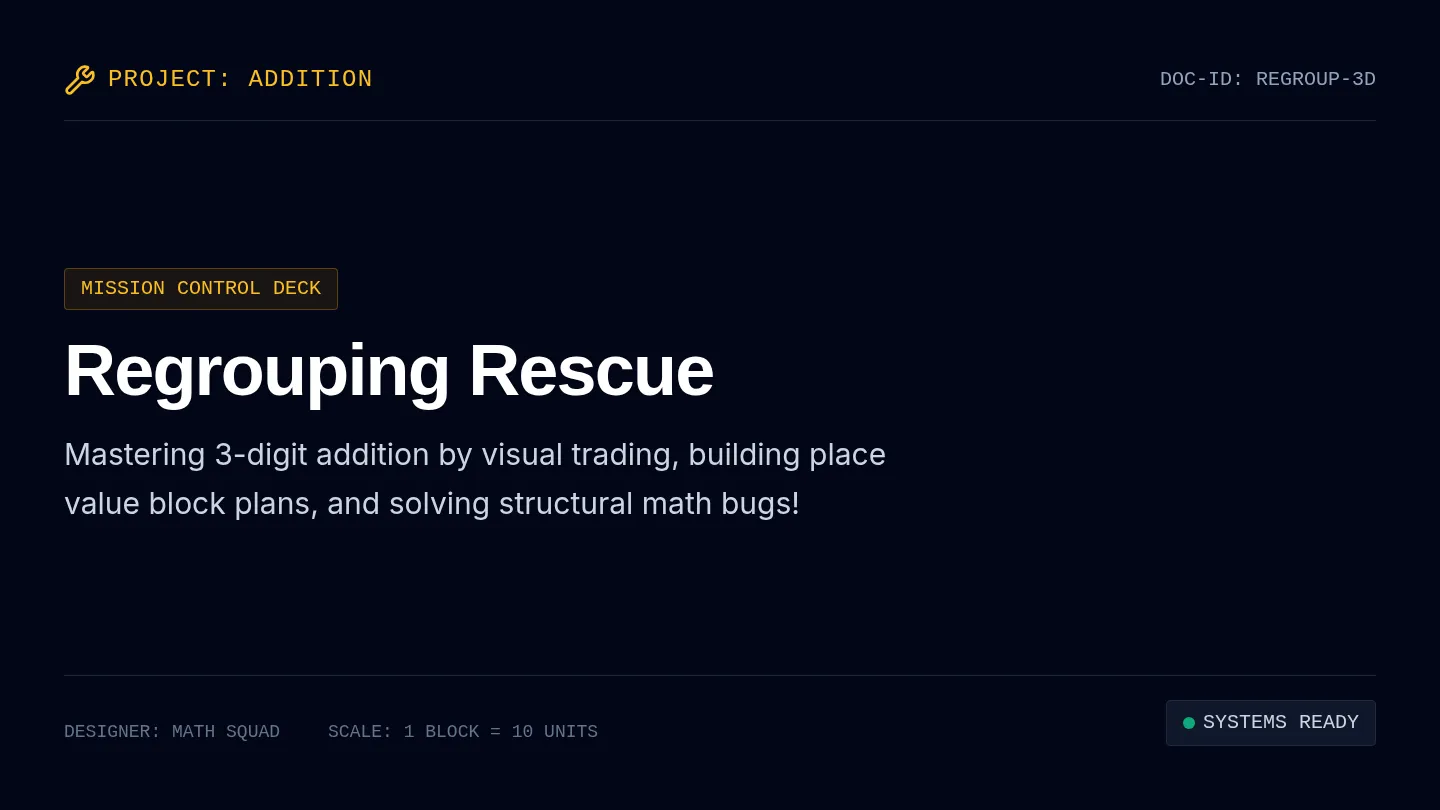
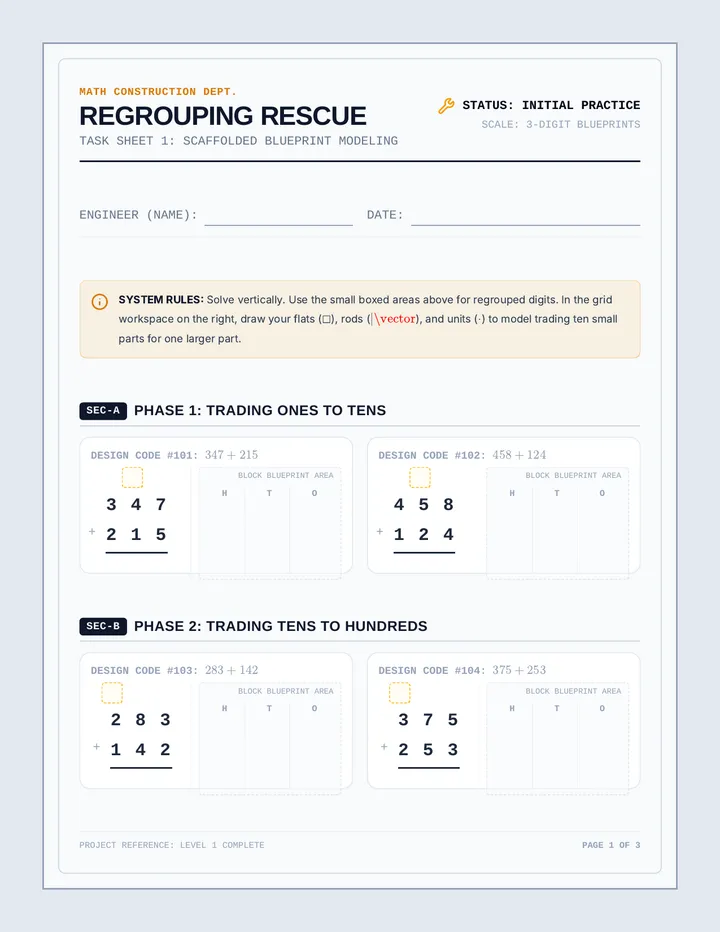
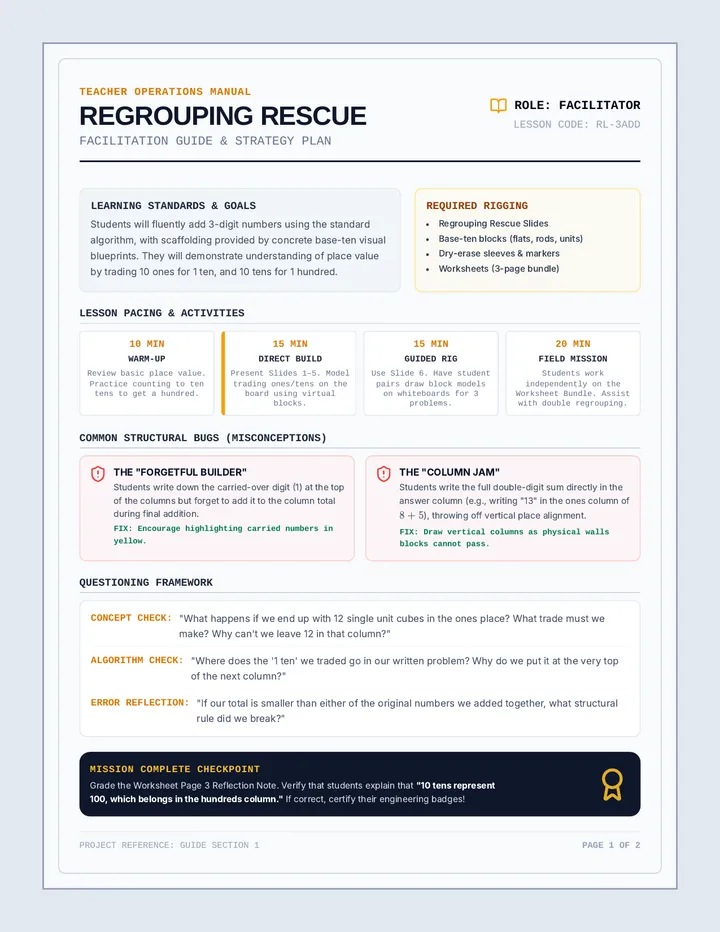
A comprehensive math lesson focused on 3-digit addition with regrouping, utilizing visual base-ten block models and place value charts to guide students from conceptual understanding to standard algorithm mastery.
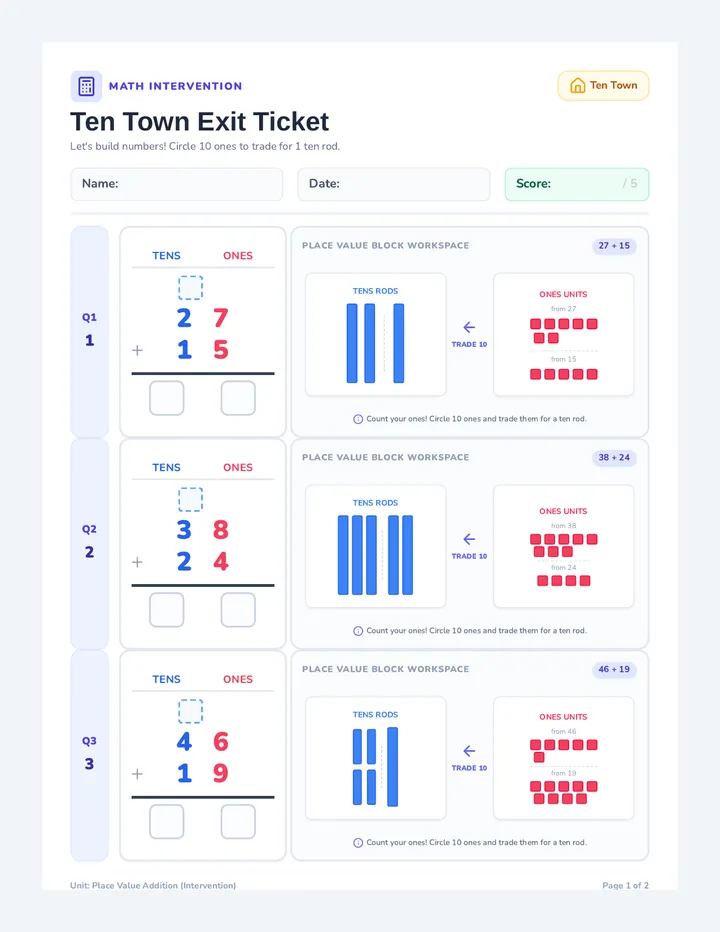
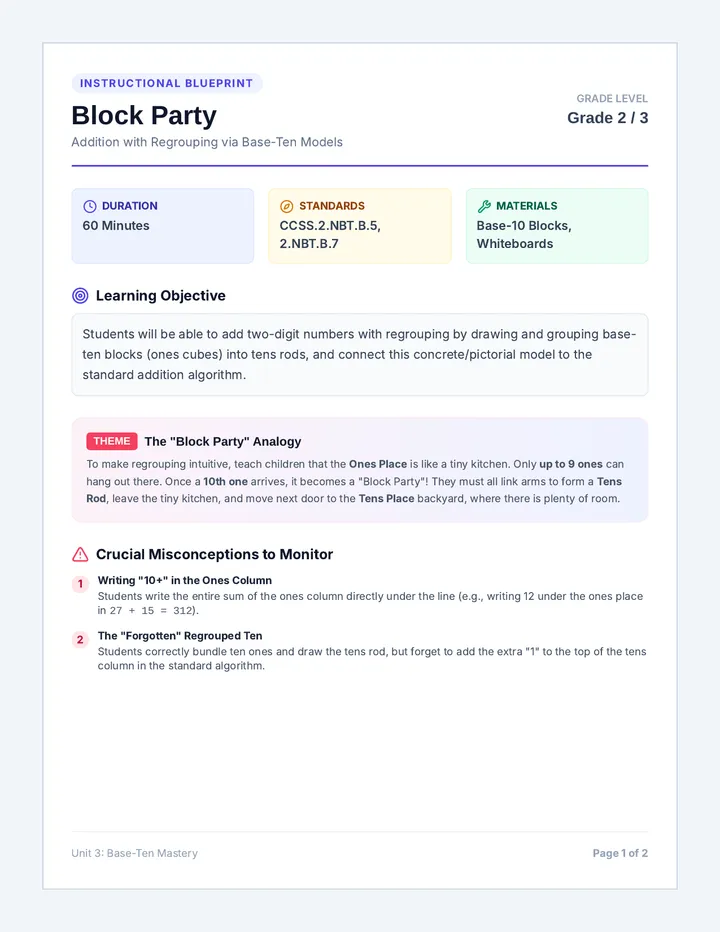
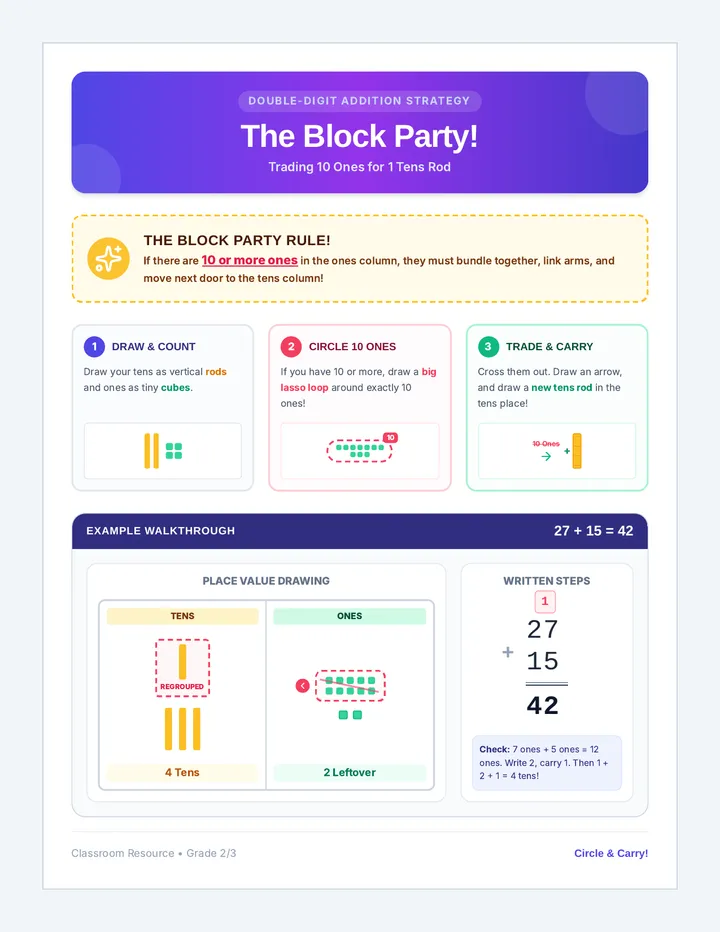
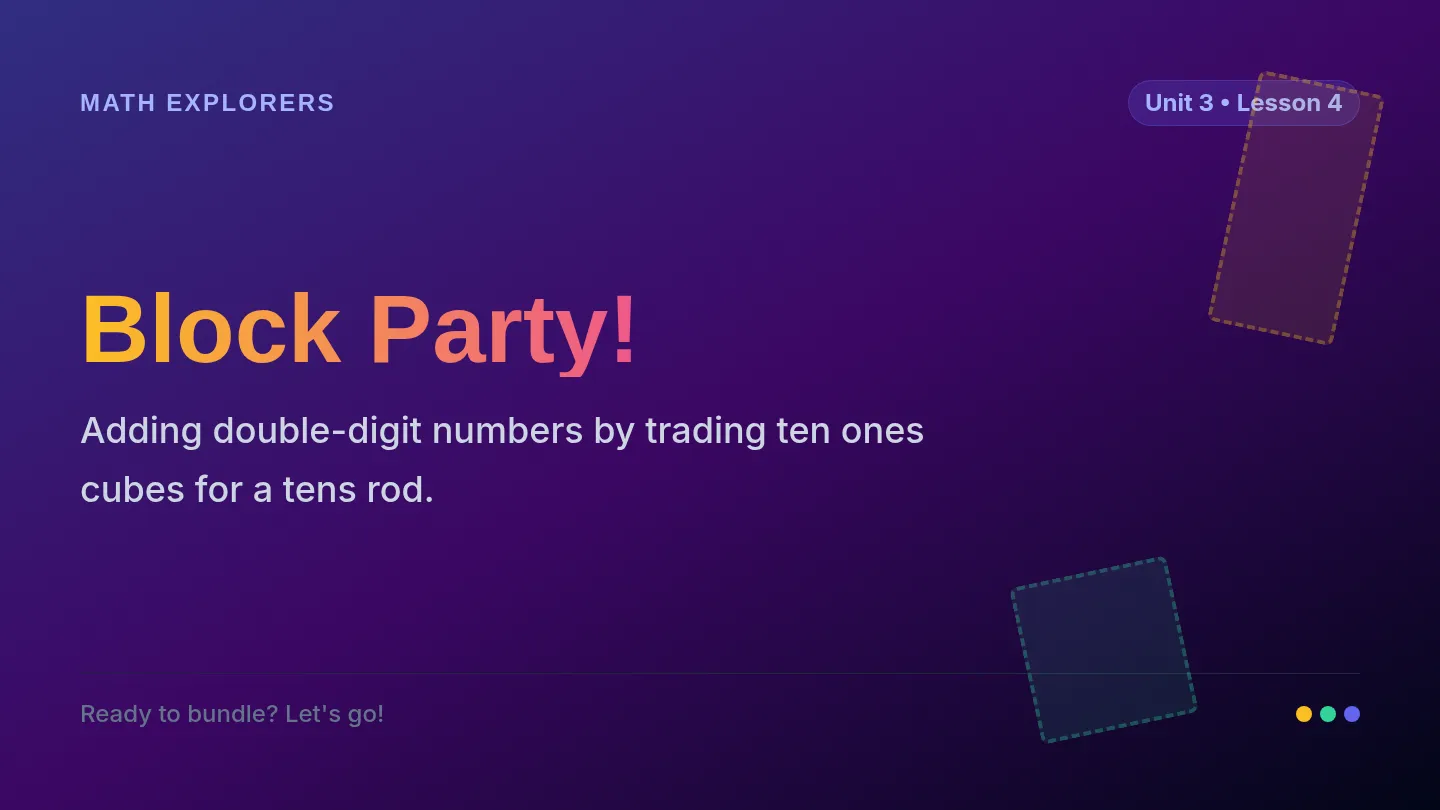
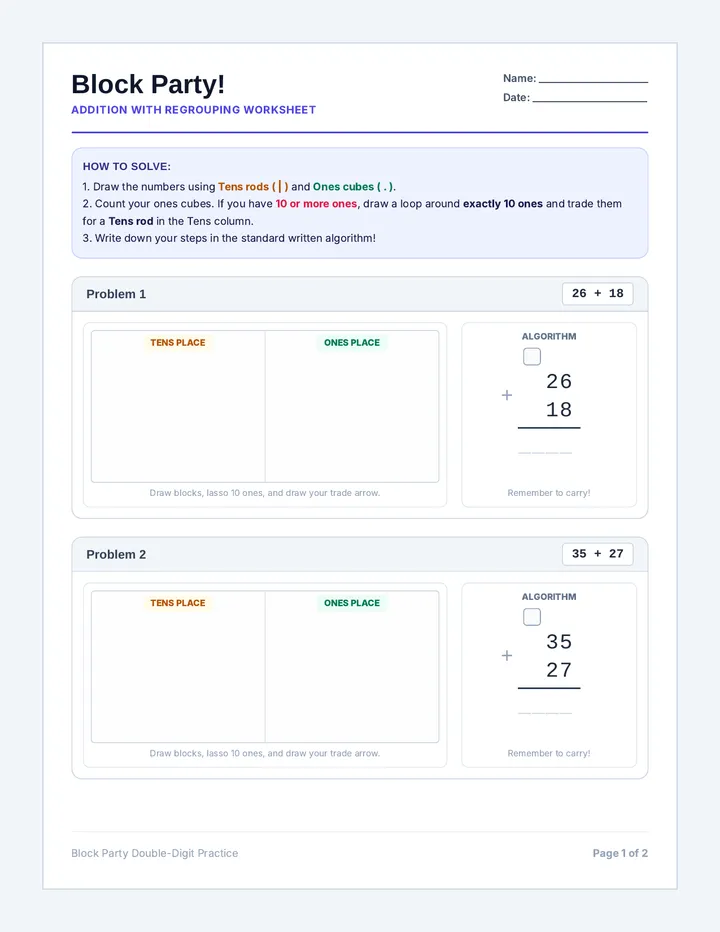
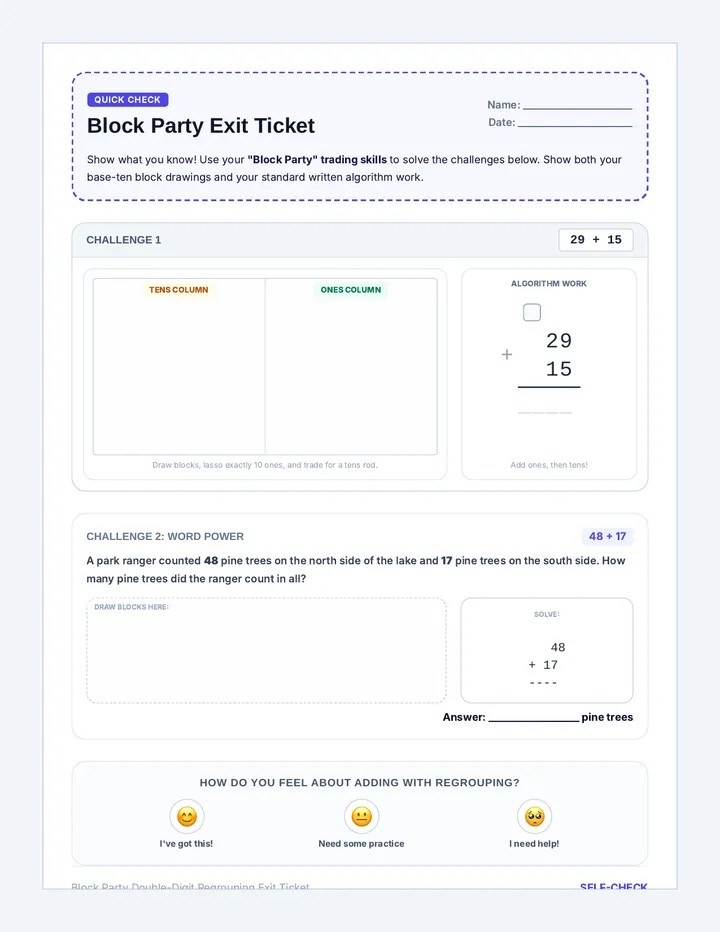
A highly visual, hands-on lesson that introduces double-digit addition with regrouping using base-ten blocks. Students learn to draw ones blocks, group ten of them together to trade for a tens rod, and record the regrouping process in the standard algorithm.
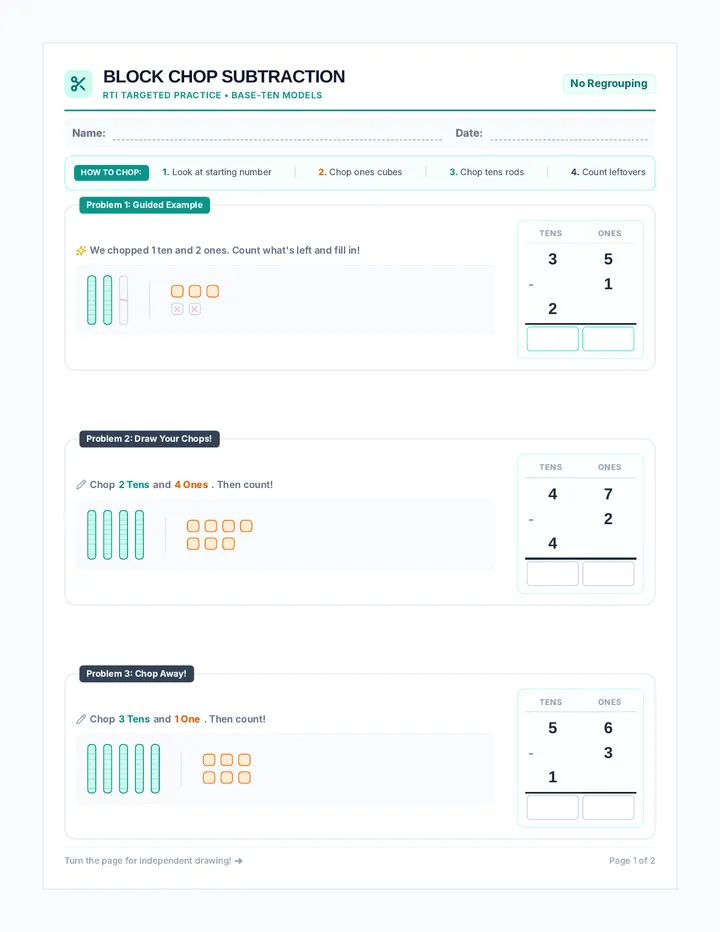
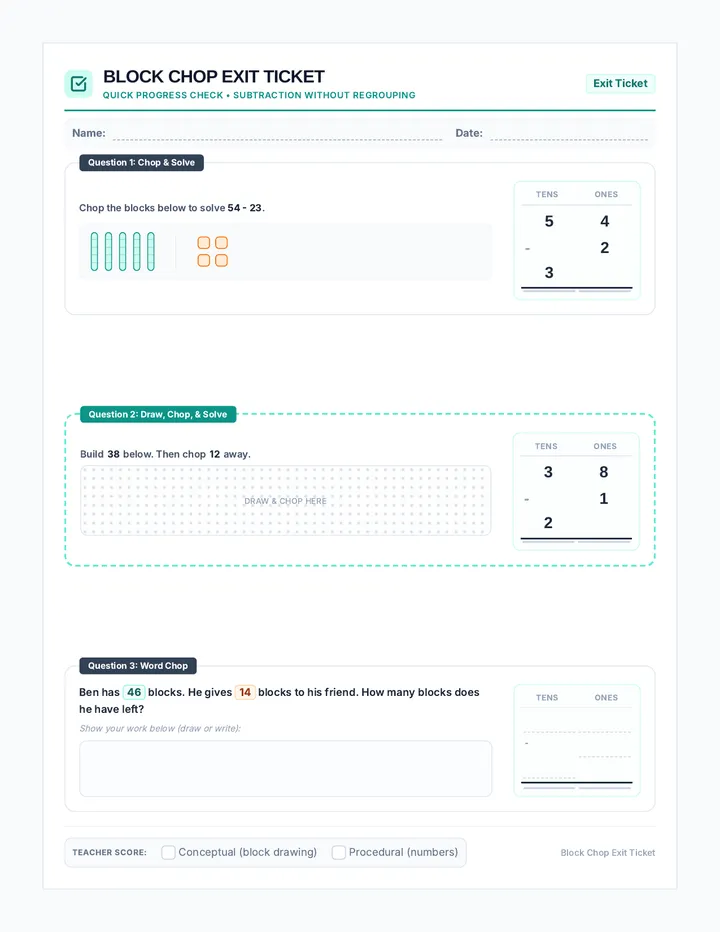
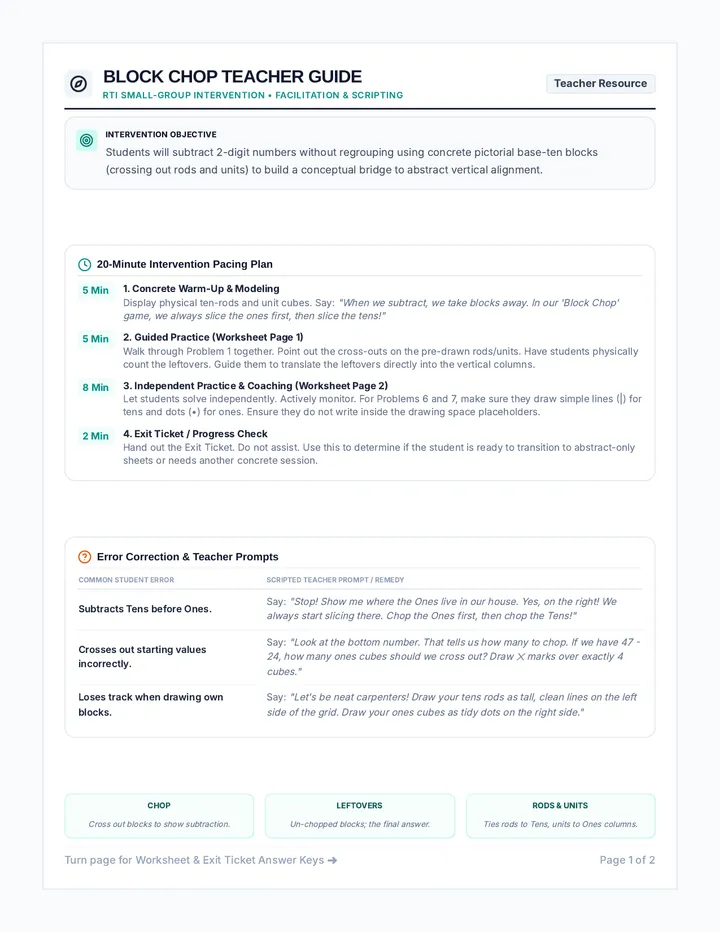
A targeted subtraction without regrouping intervention lesson using base-ten block pictorial representations. Designed for RTI small groups to build conceptual understanding by physically crossing out represented tens and ones before moving to abstract vertical subtraction.
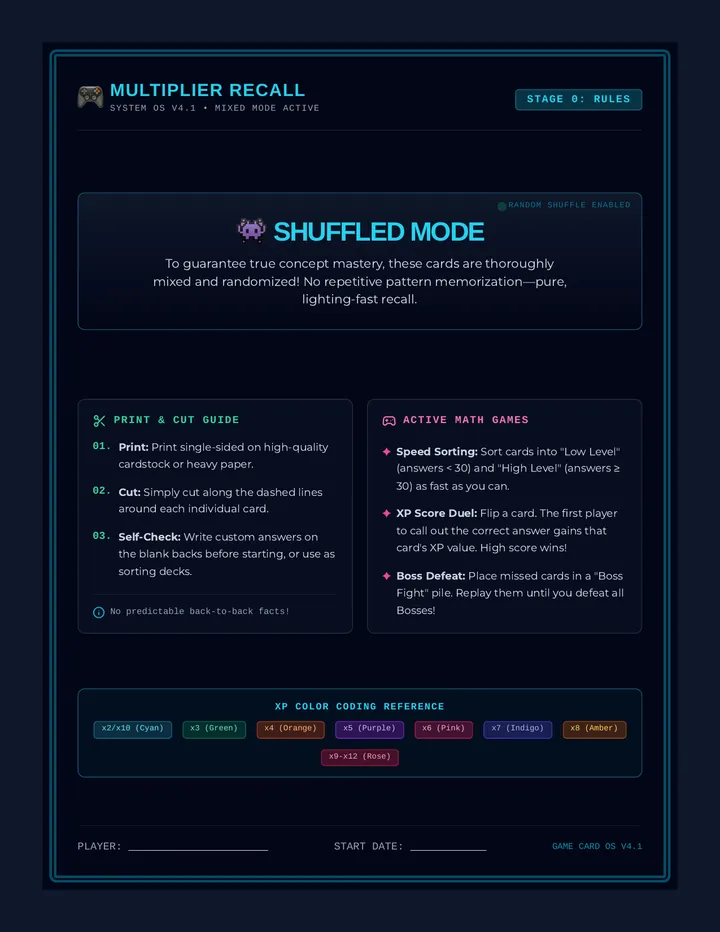
A comprehensive lesson containing high-yield, retro-themed multiplication flashcards for rapid mental recall. Features a fold-and-cut design that guarantees perfect double-sided alignment on any printer.