Students explore the responsibilities of pet ownership through the unique lens of axolotl care. They will analyze the pros and cons of keeping an endangered species as a pet and write a persuasive letter to Squeaks the robot mouse.
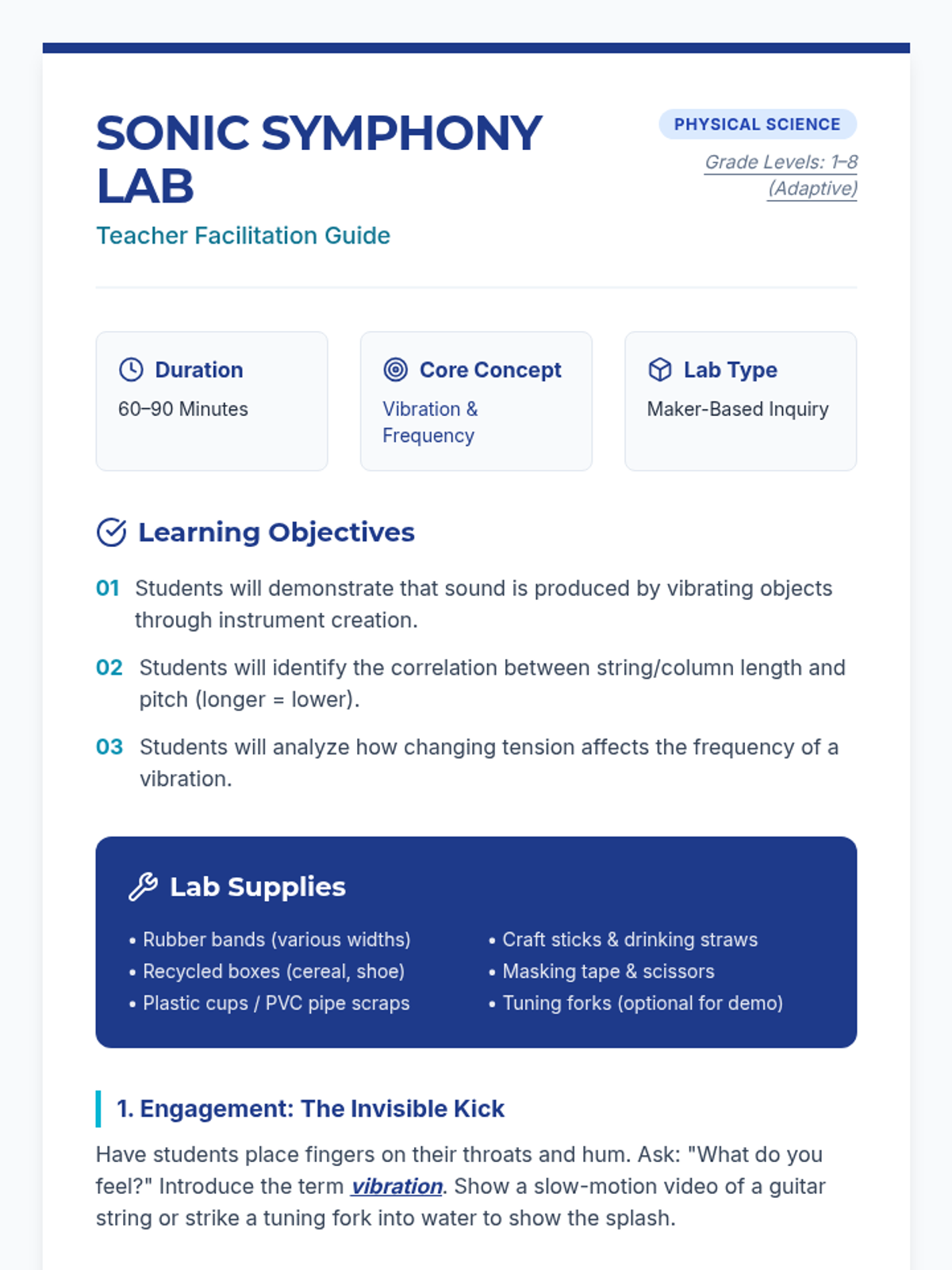
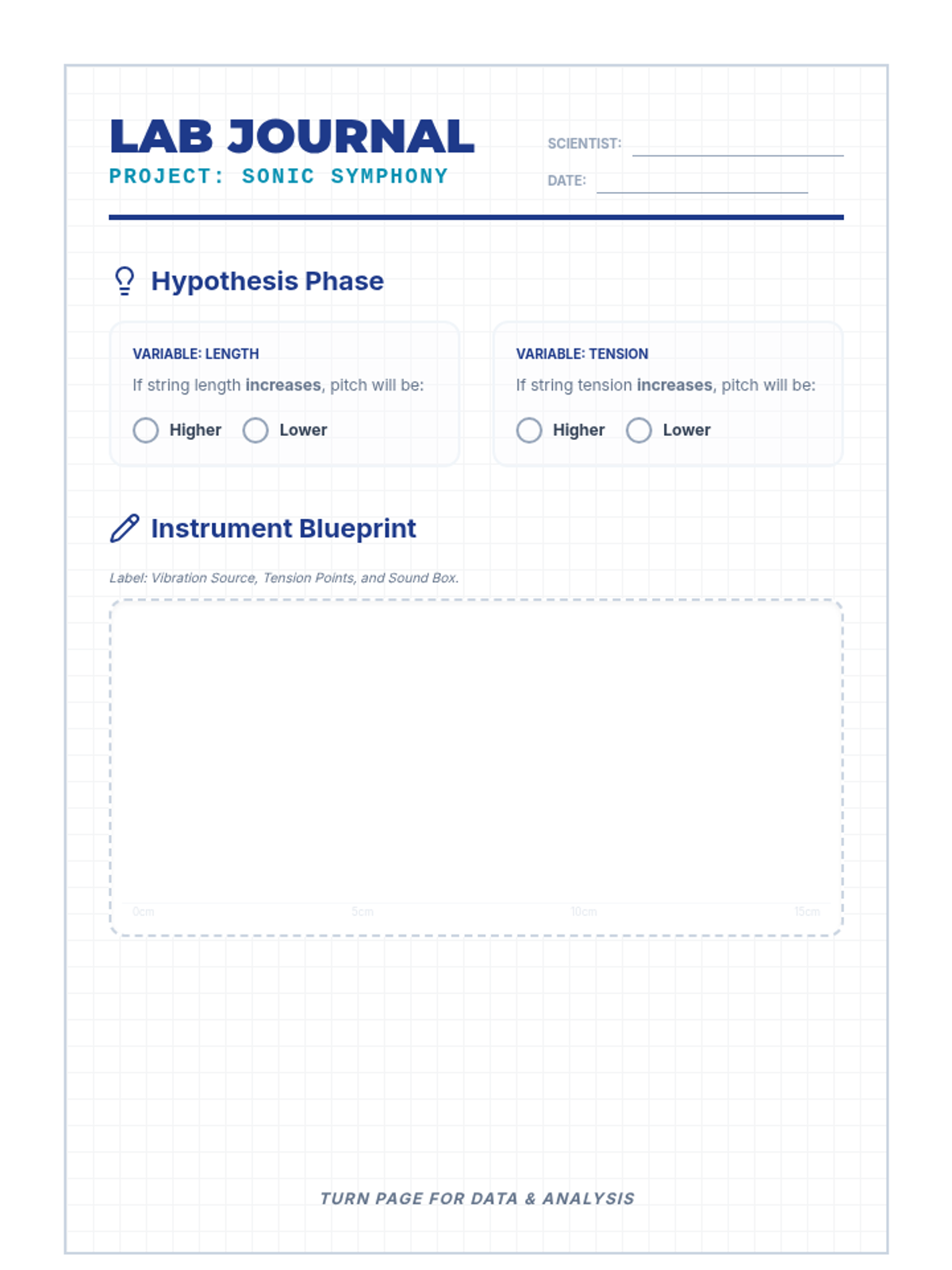
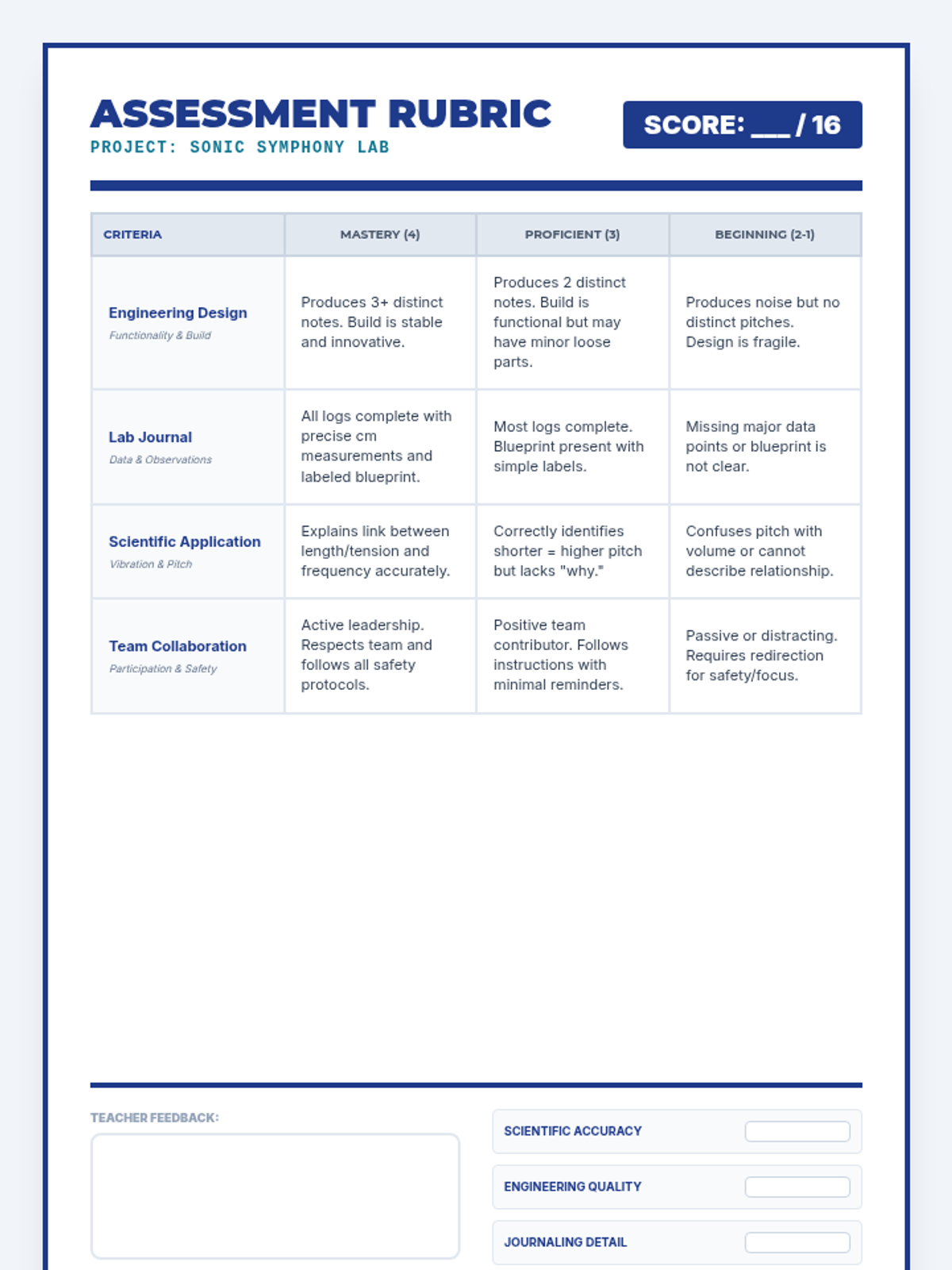
An immersive hands-on investigation into the physics of sound where students build DIY instruments to explore vibrations, pitch, and volume. This lesson bridges sensory exploration with acoustic engineering principles.
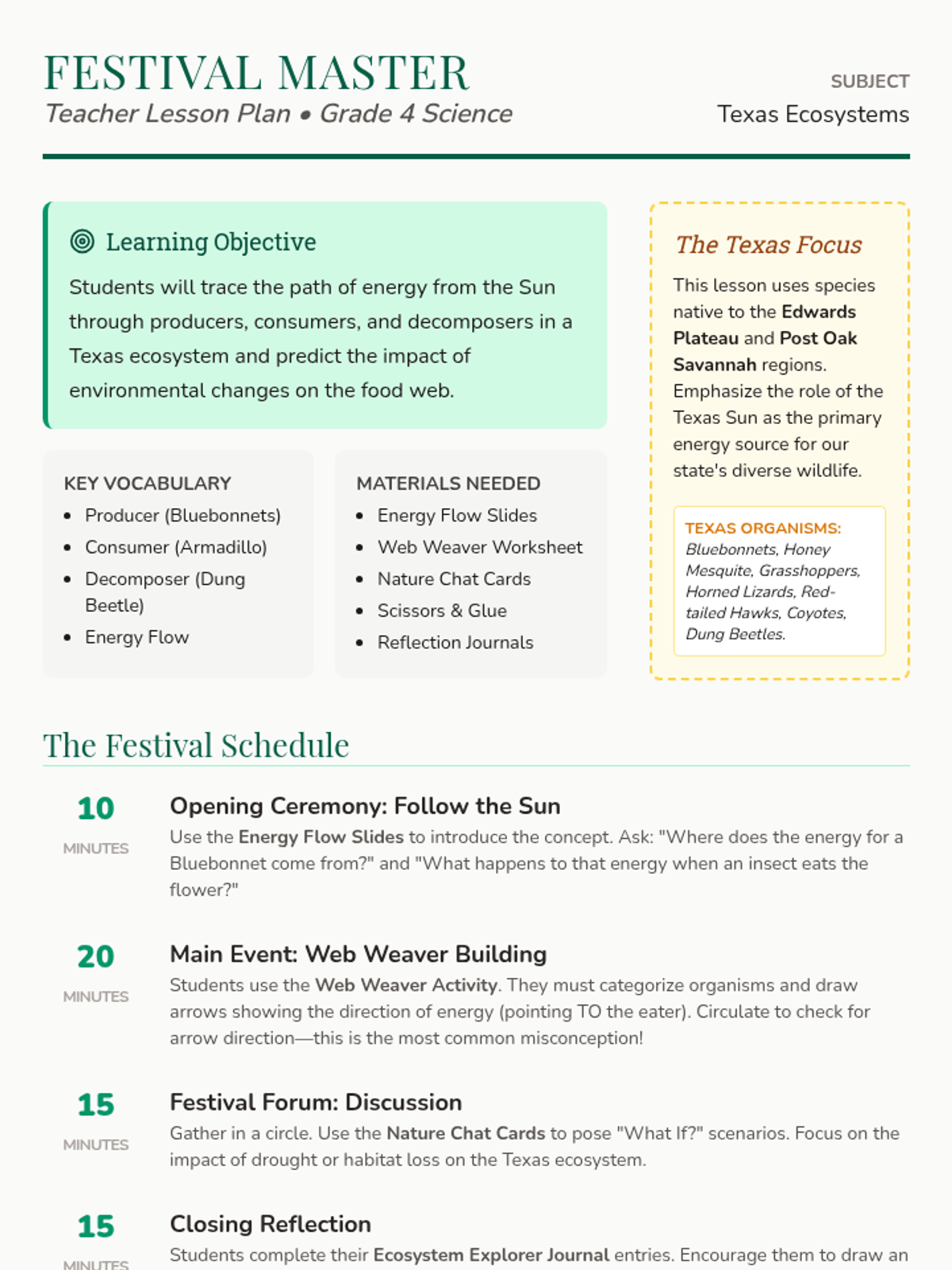
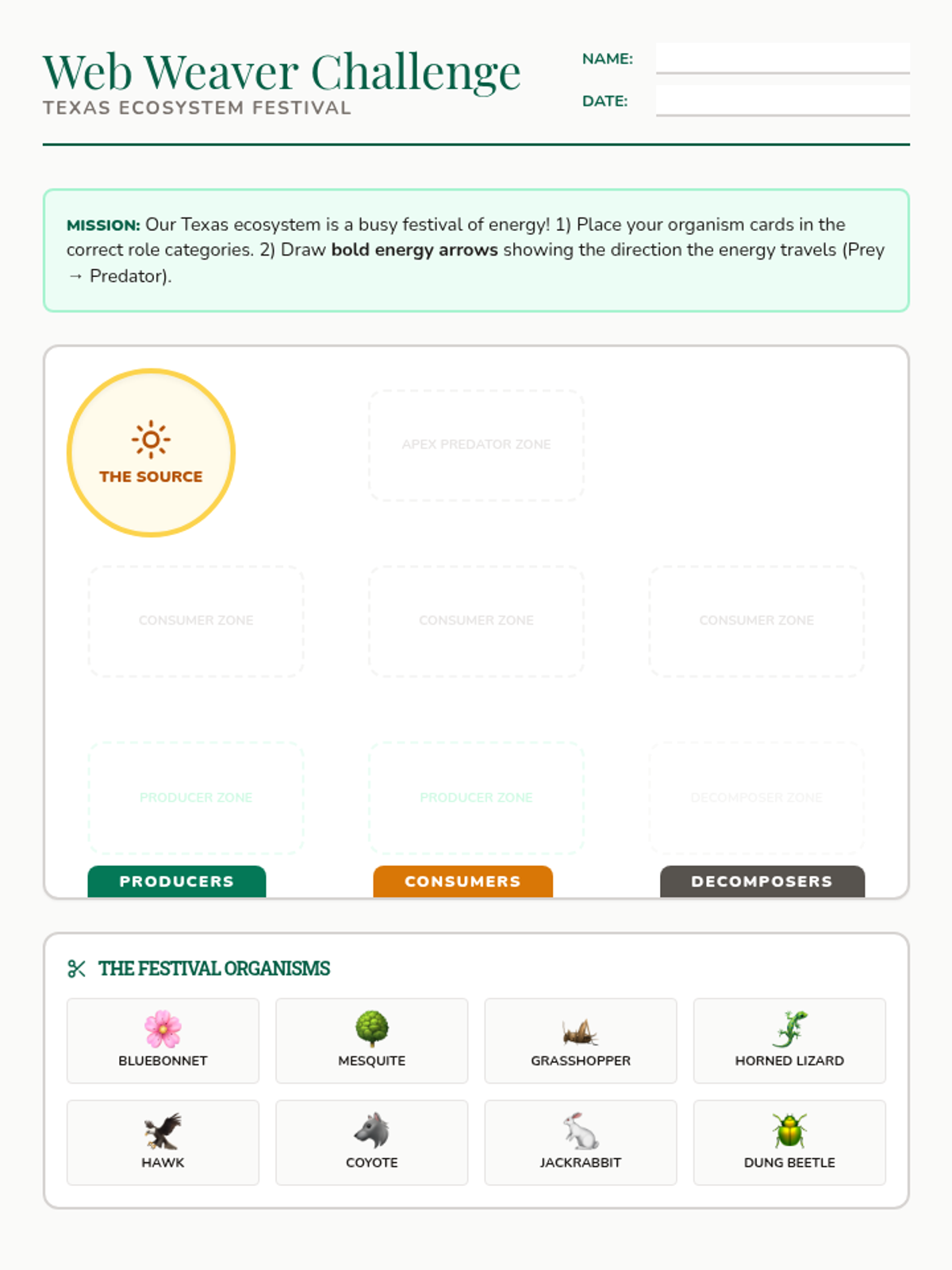
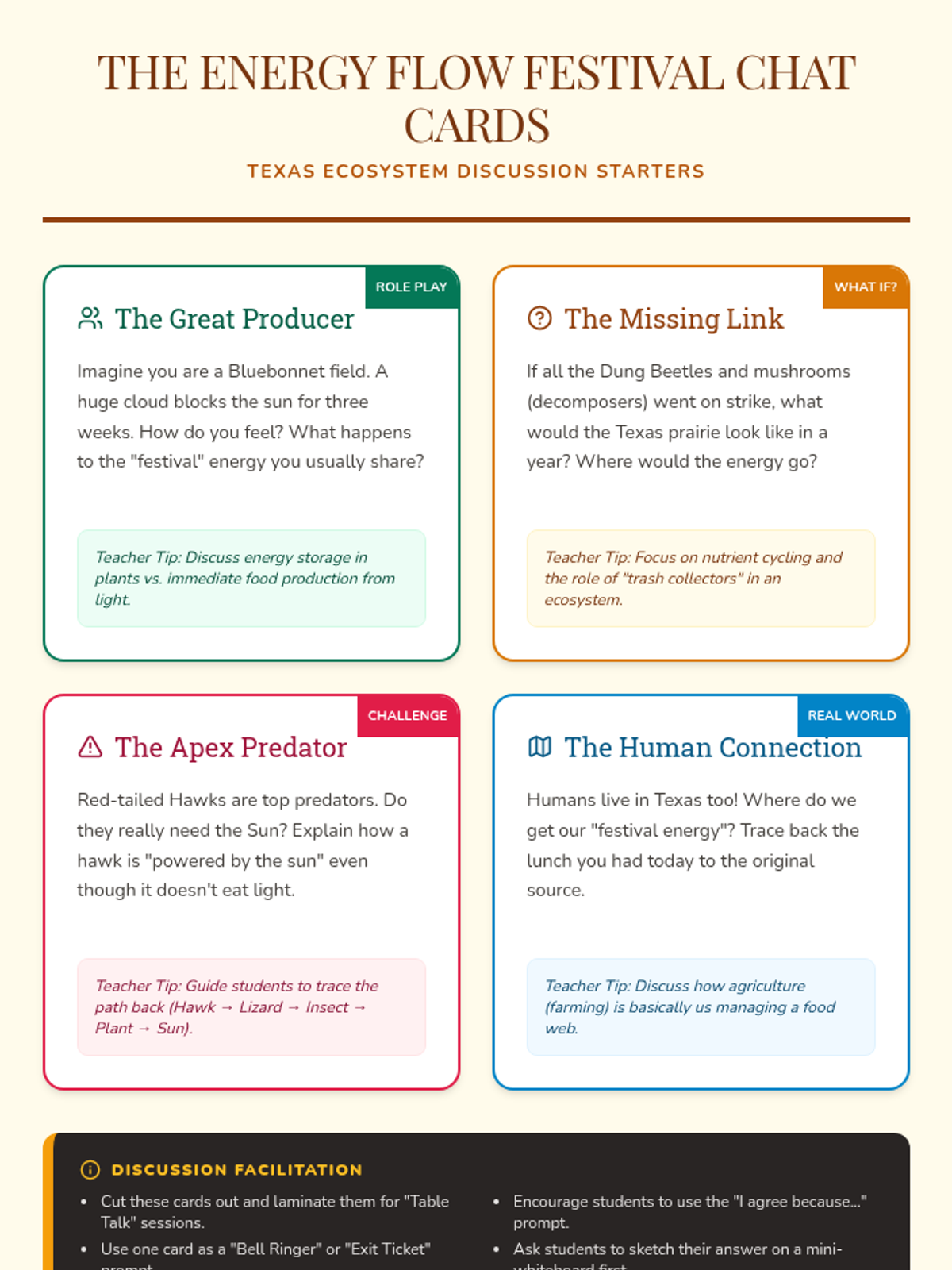
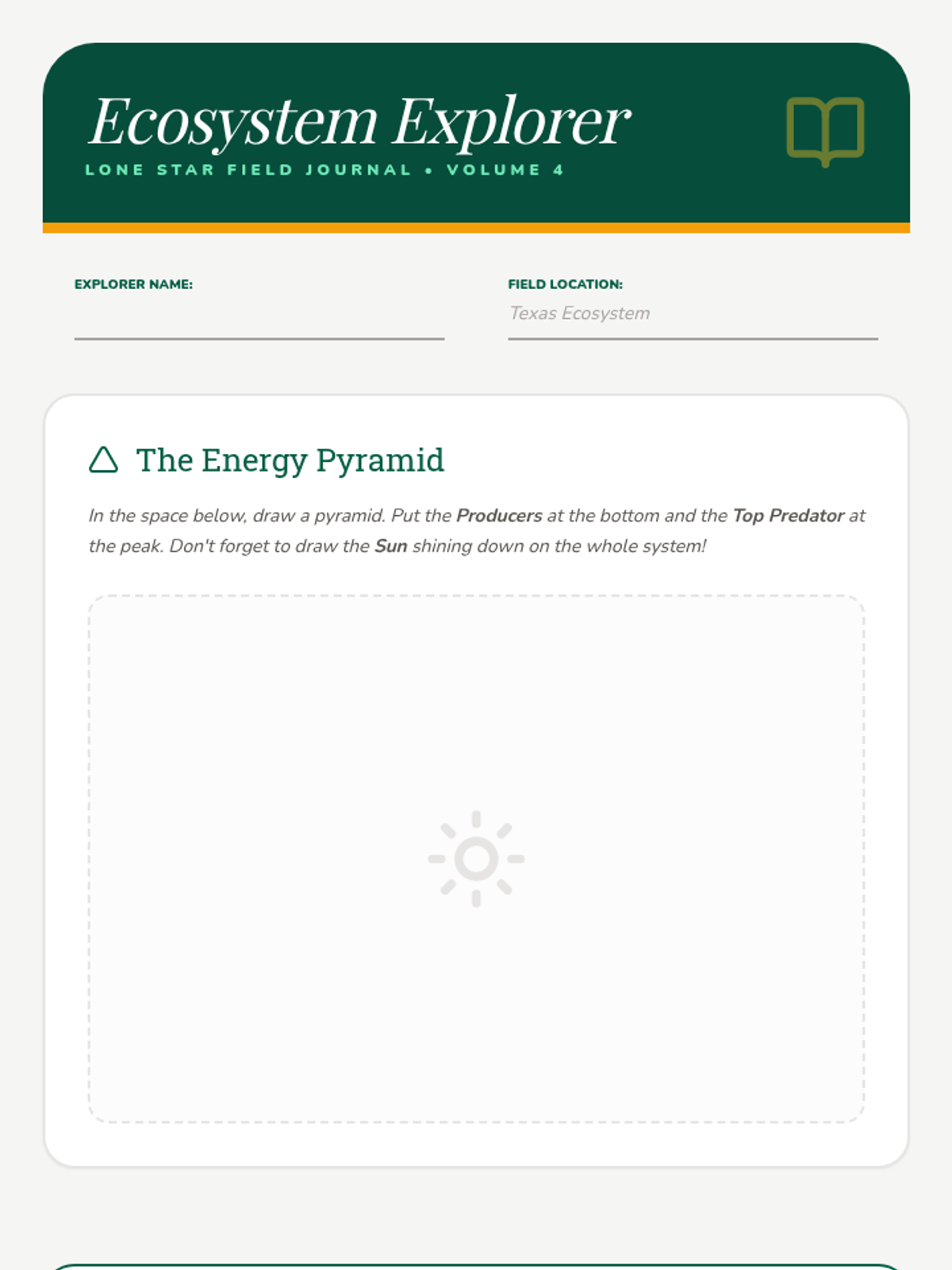
In this 4th-grade science lesson, students explore the vibrant Texas ecosystem through the lens of a festival, learning how energy flows from the Sun to producers, consumers, and decomposers. Through food web construction and critical discussion, they discover the delicate balance of the Lone Star State's natural world.
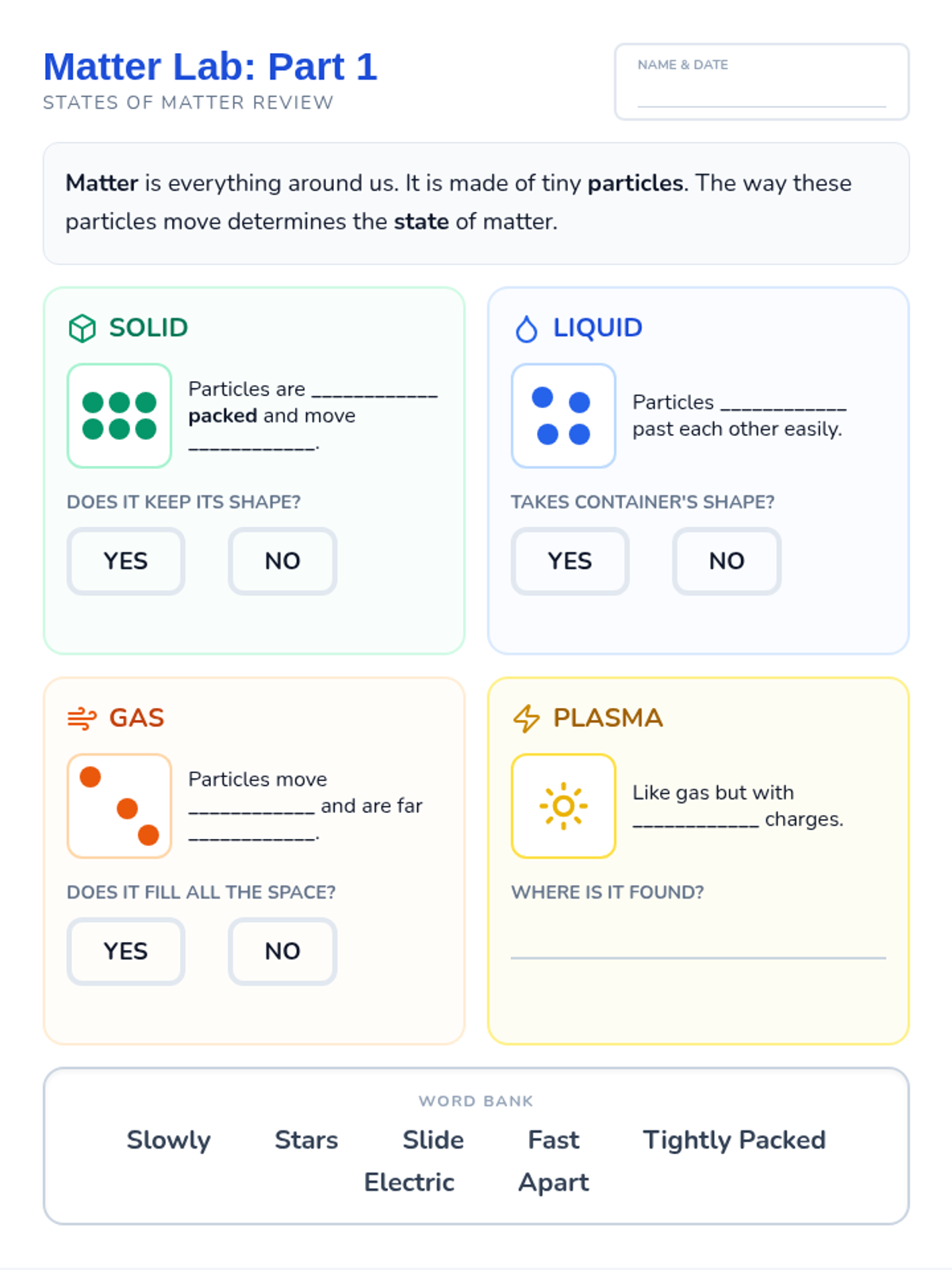
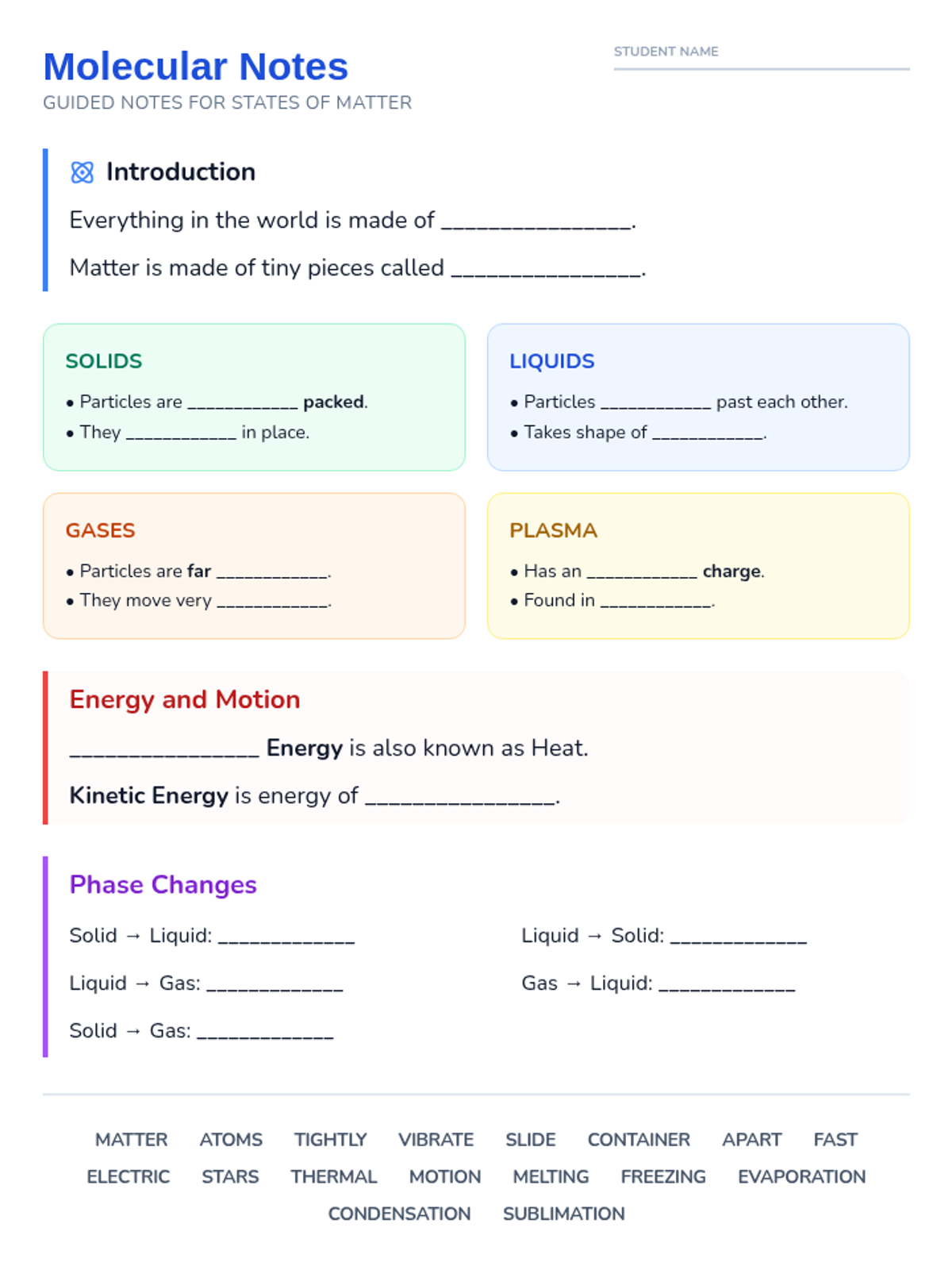
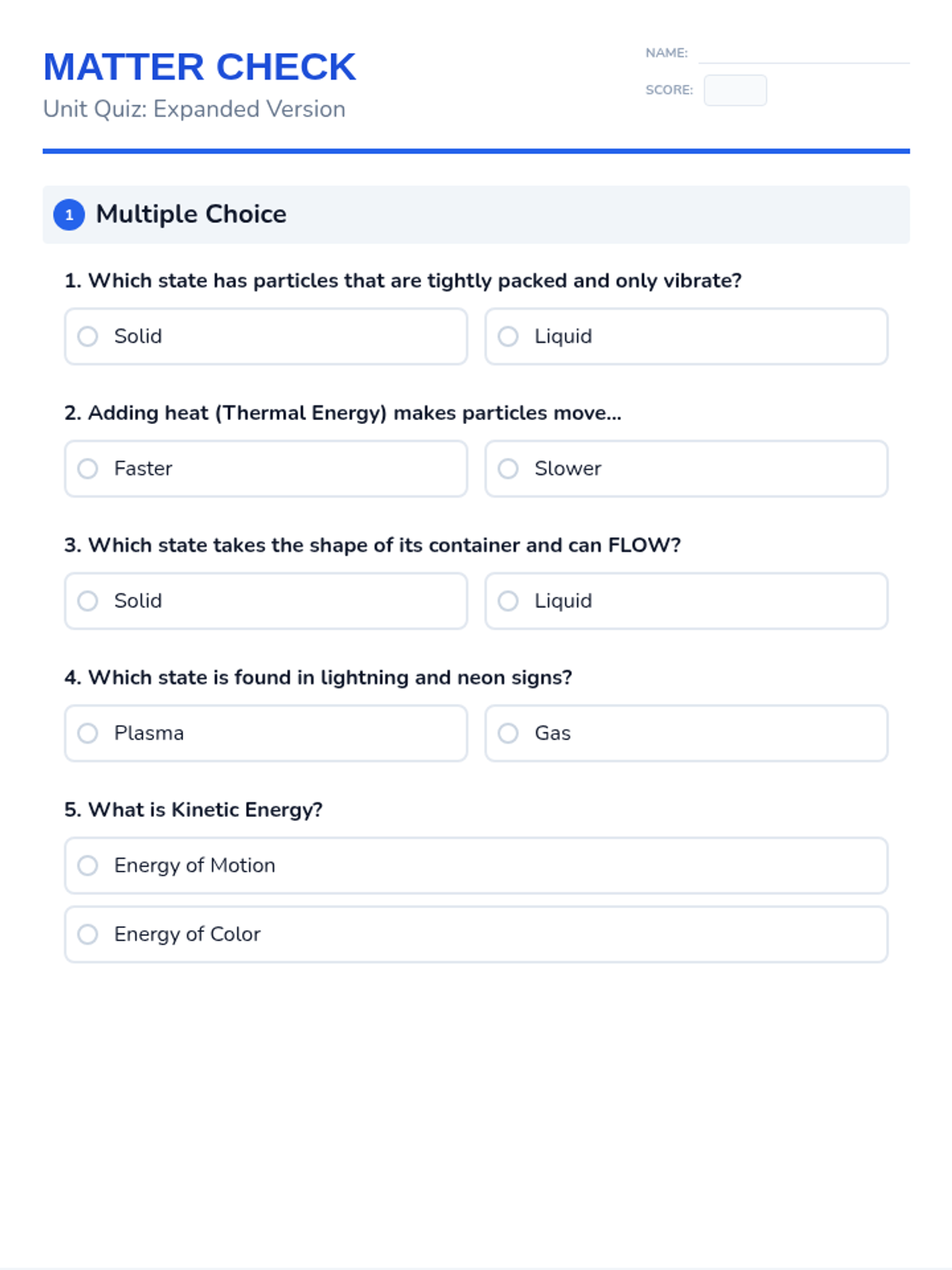
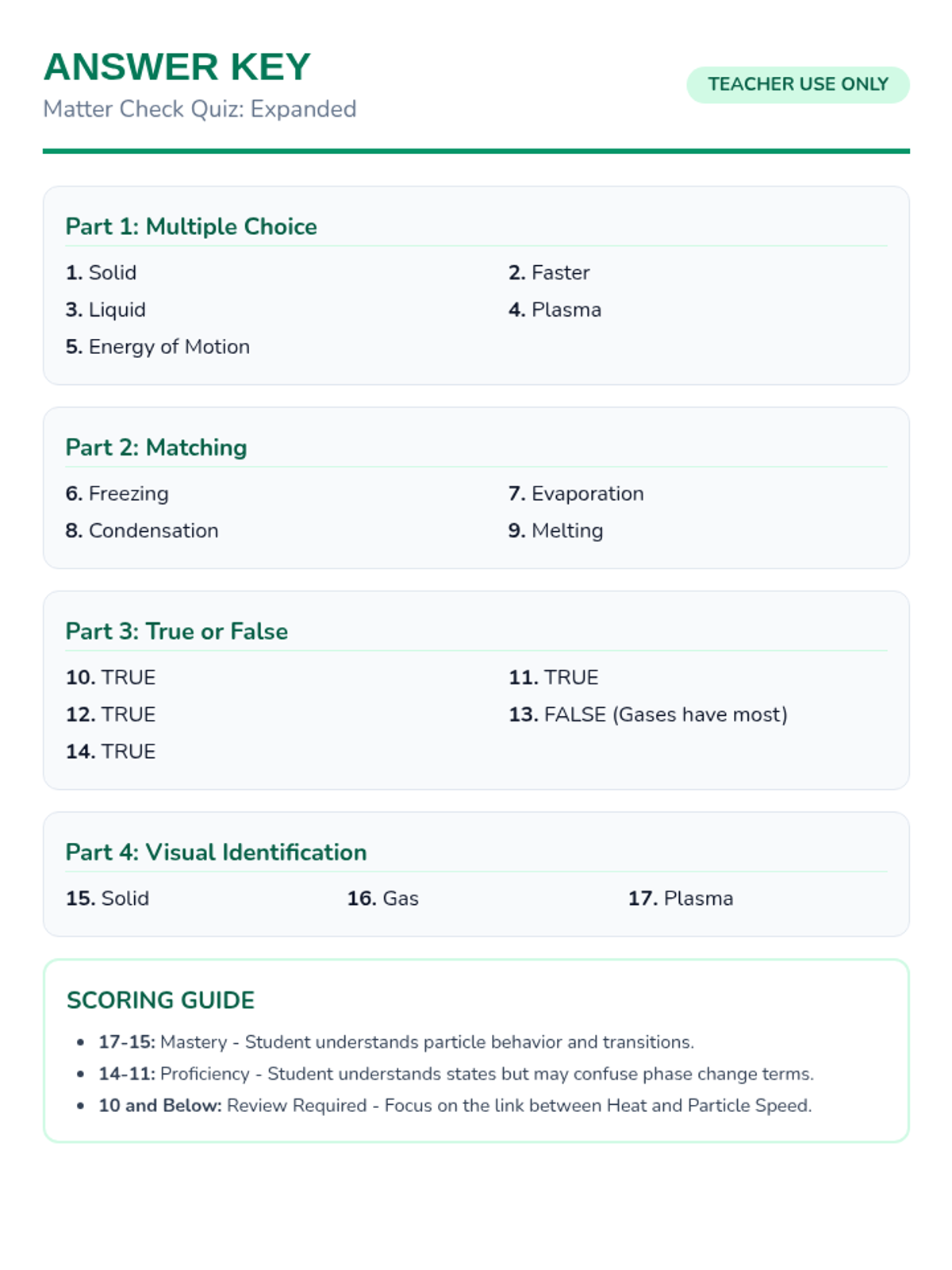
A comprehensive review of the states of matter and phase changes designed for diverse learners, featuring simplified text, visual aids, and structured graphic organizers.
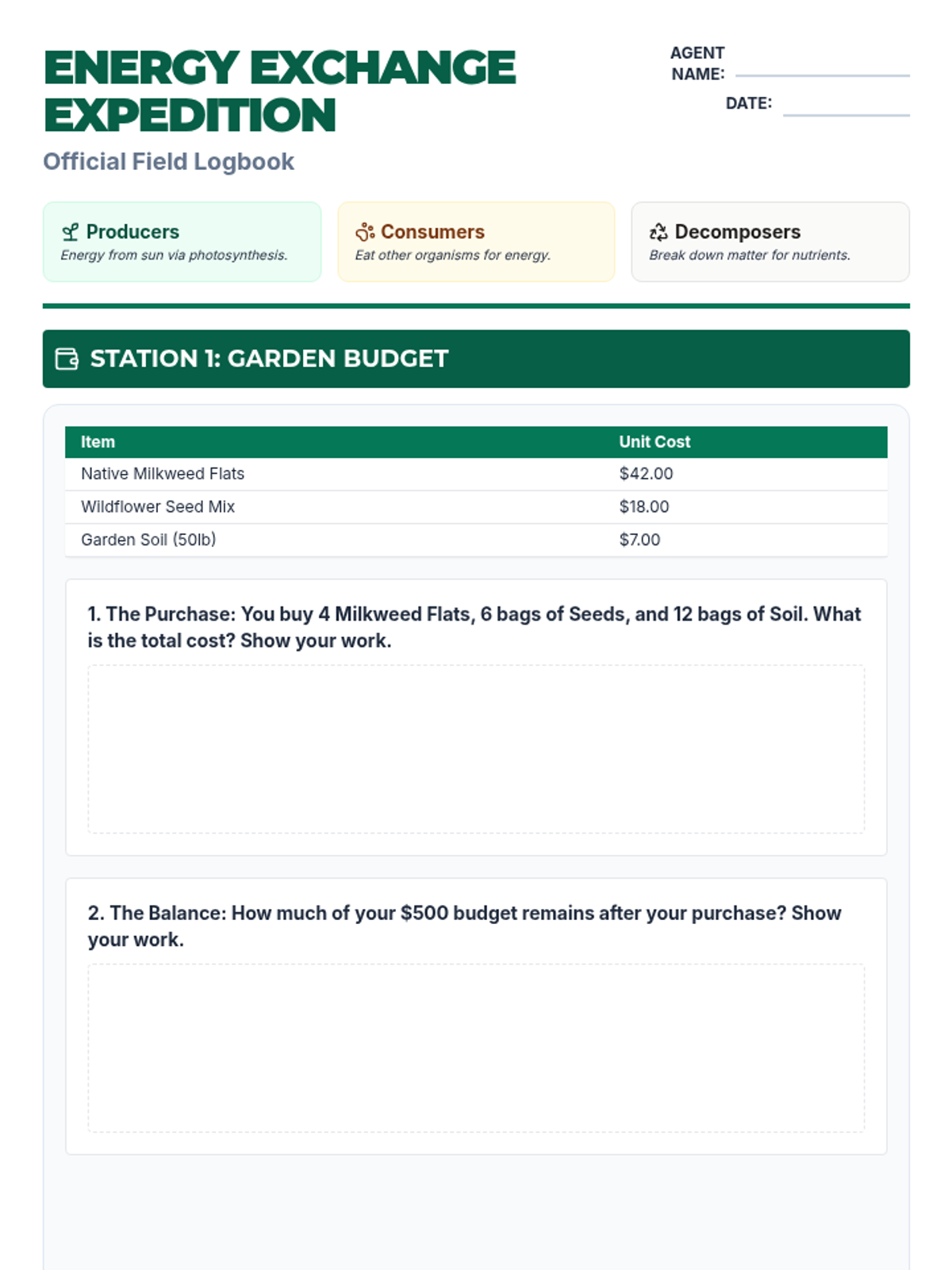
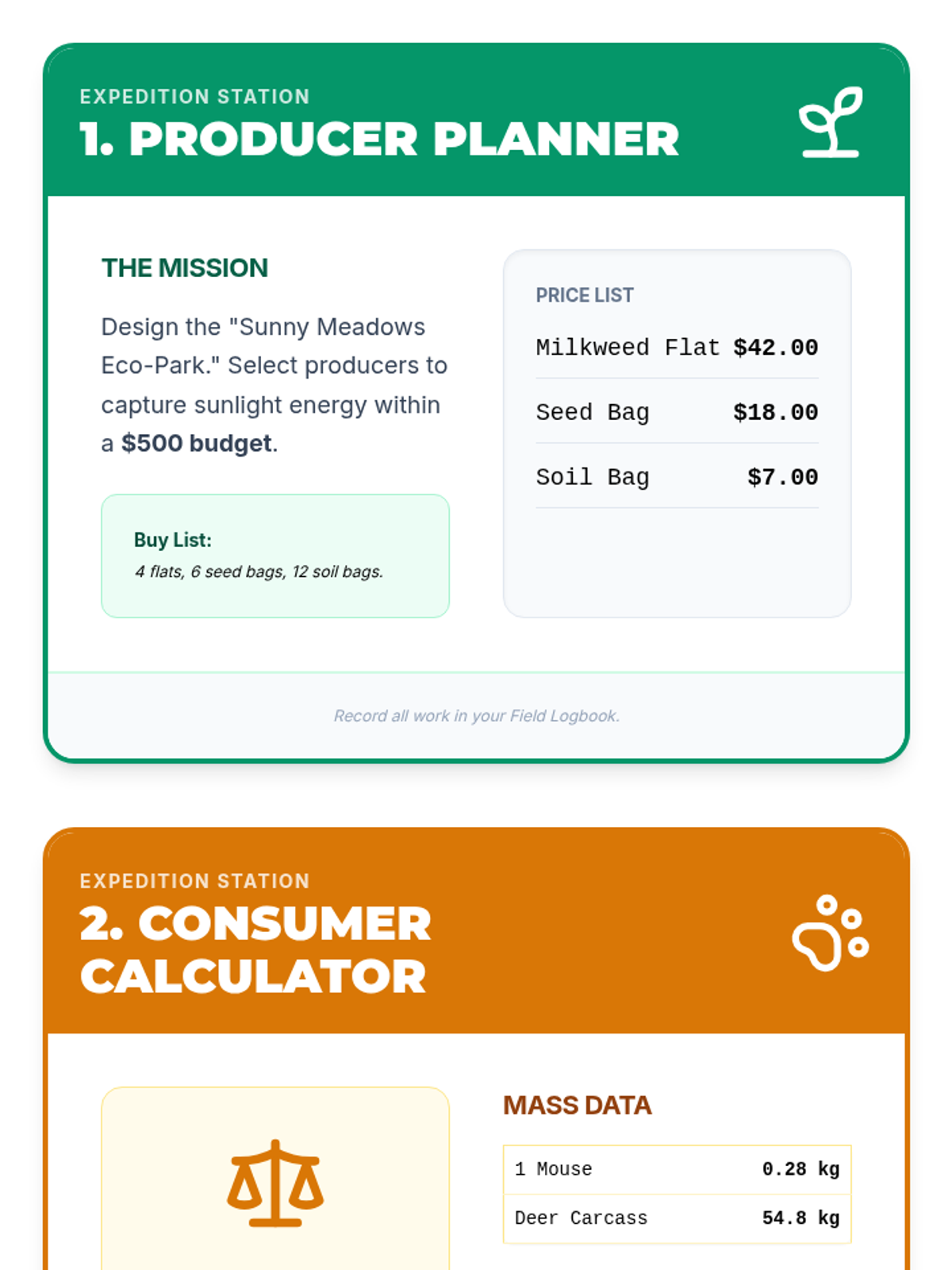
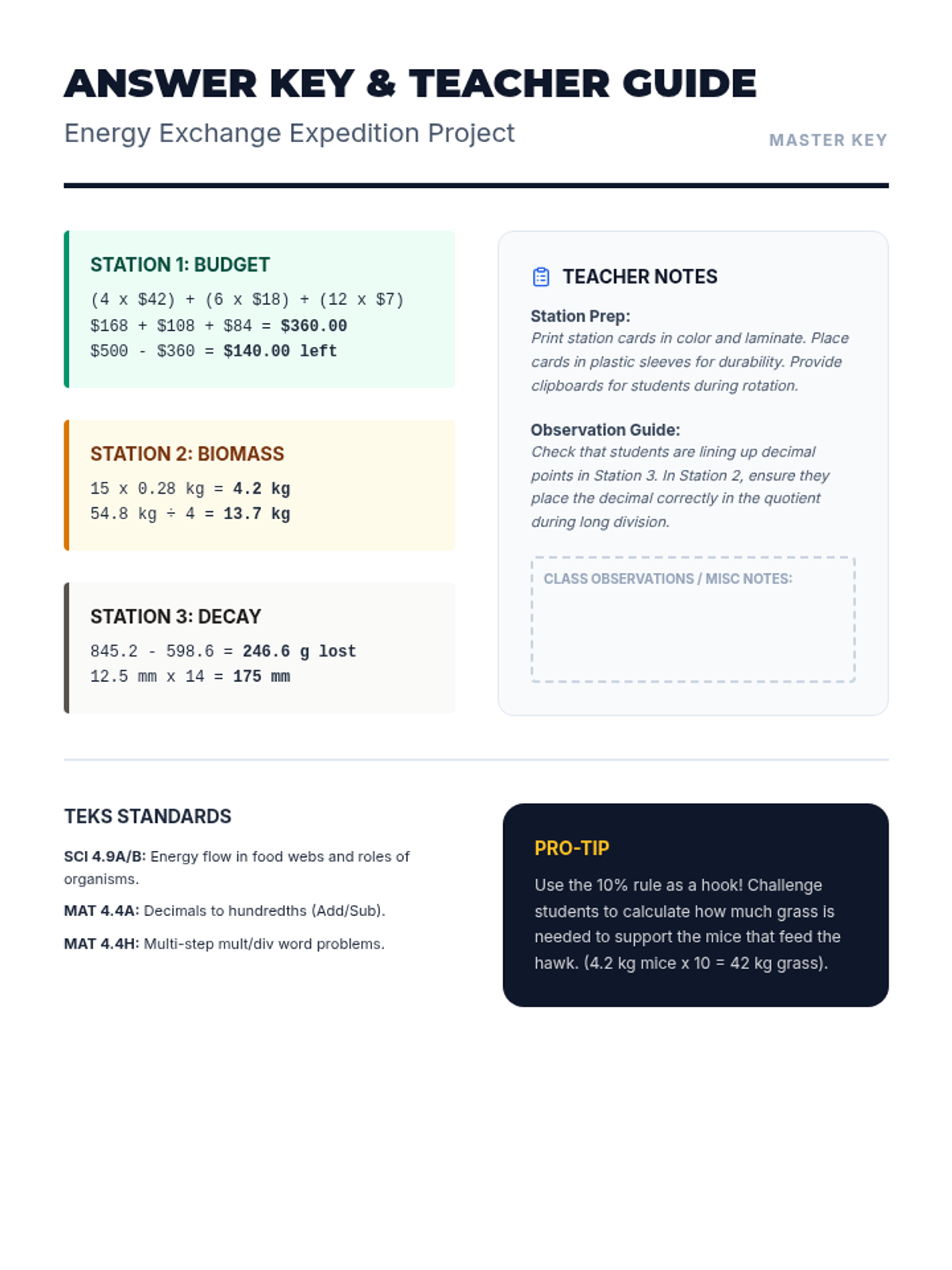
Students investigate the flow of energy through an ecosystem while solving complex math problems involving resource management, biomass calculations, and decomposition rates.
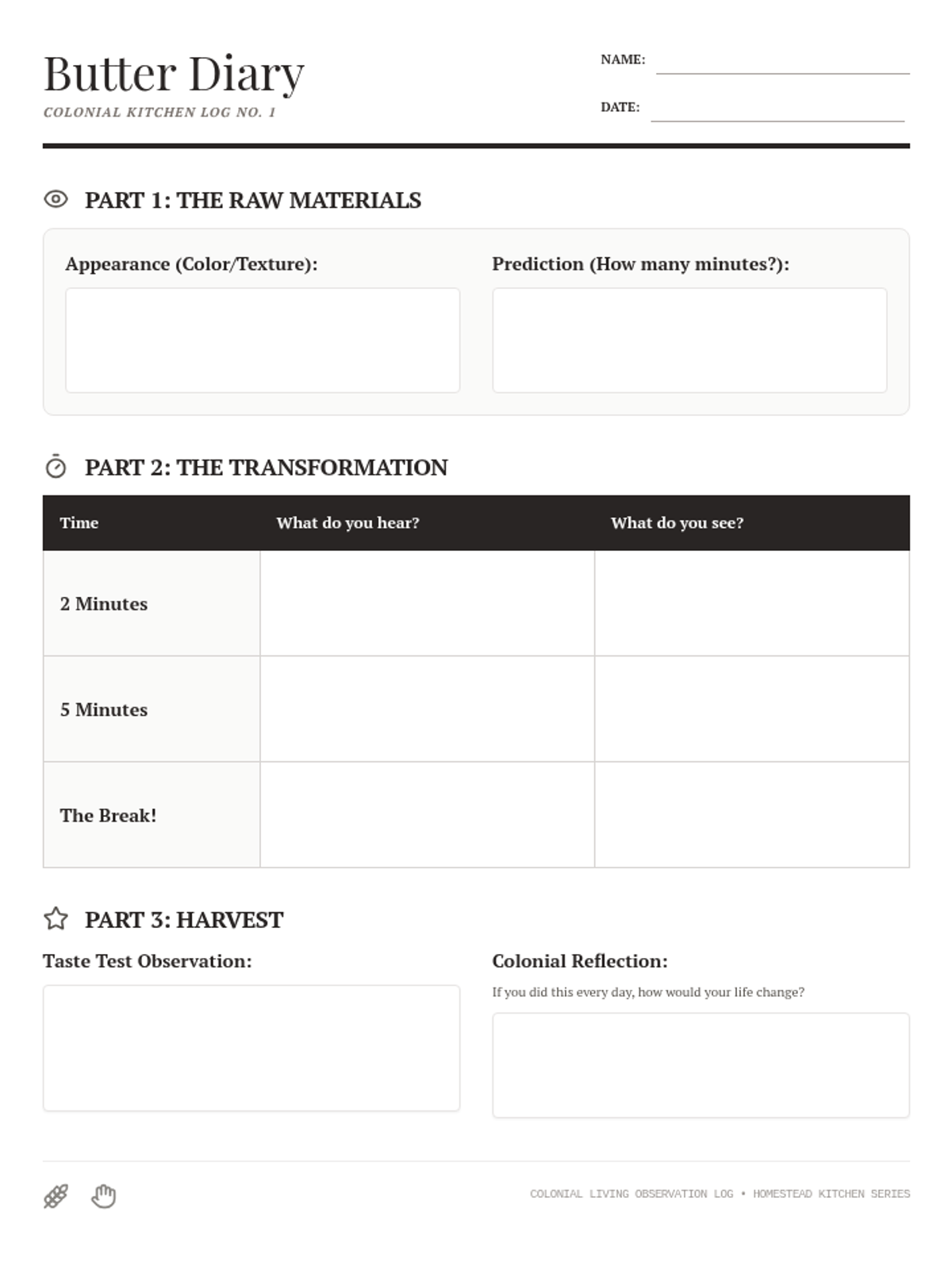
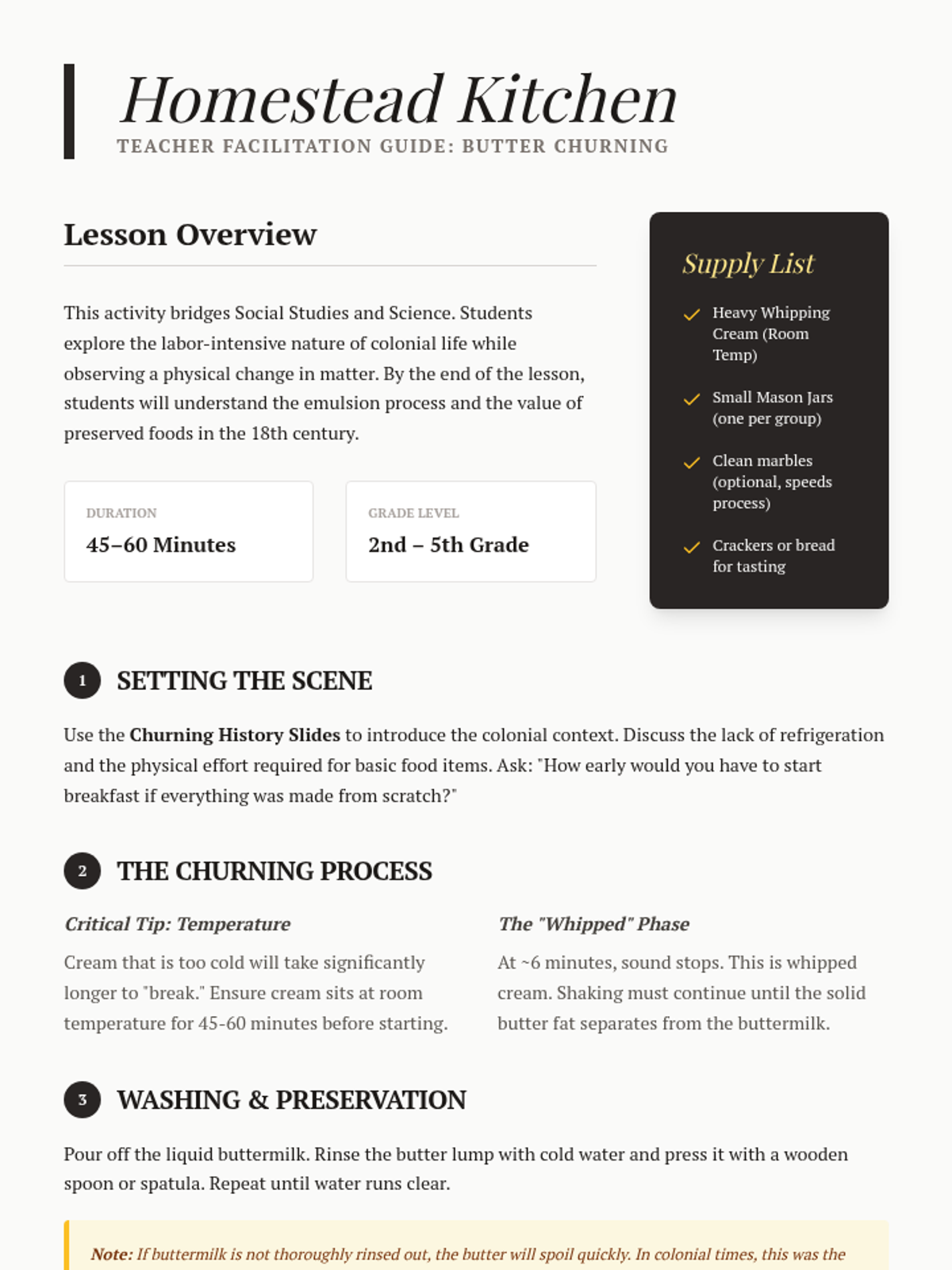
A hands-on exploration of colonial food preservation and the science of phase changes through butter making. Students learn about the effort required for daily colonial tasks while transforming heavy cream into butter using jars.
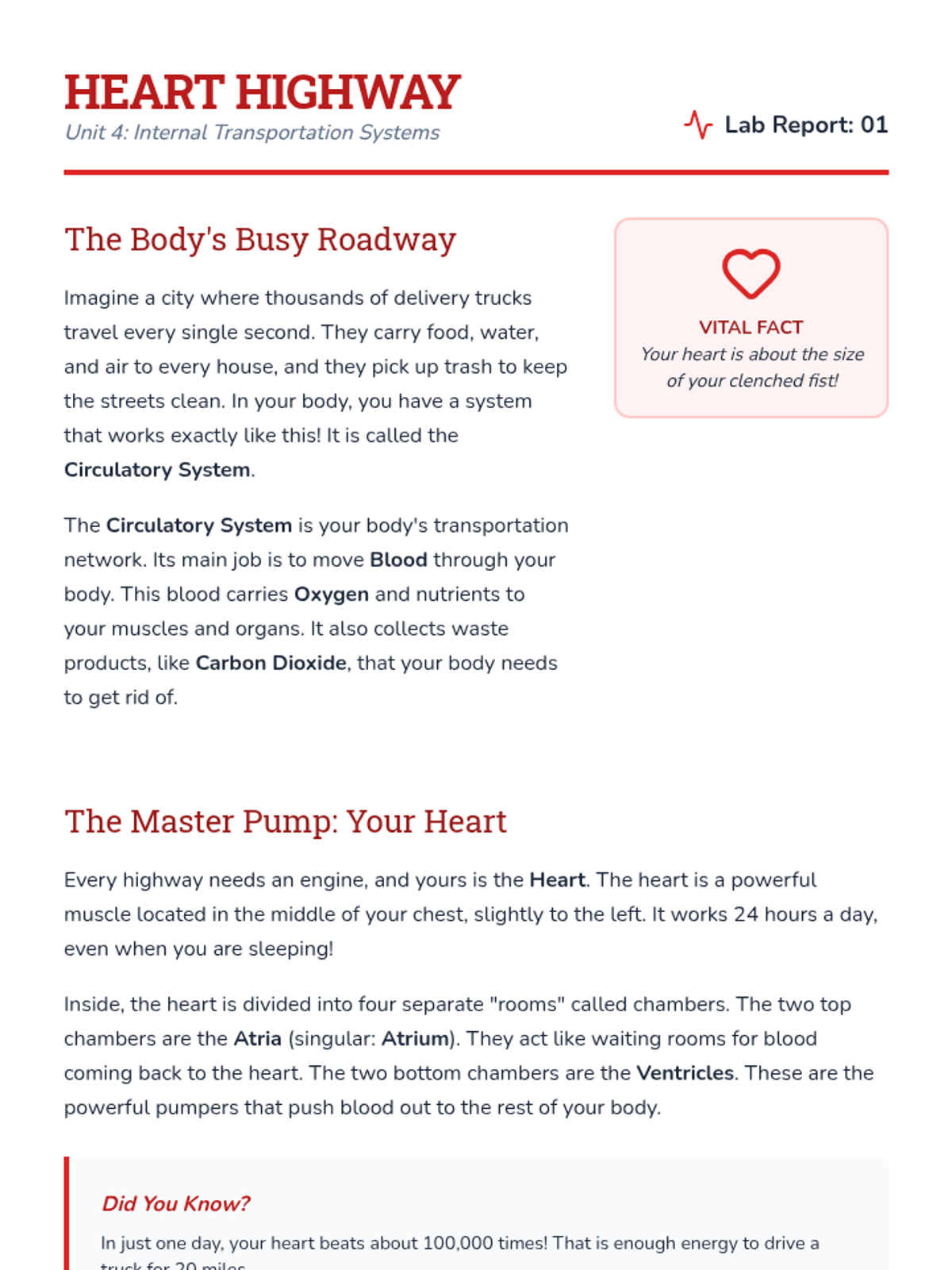
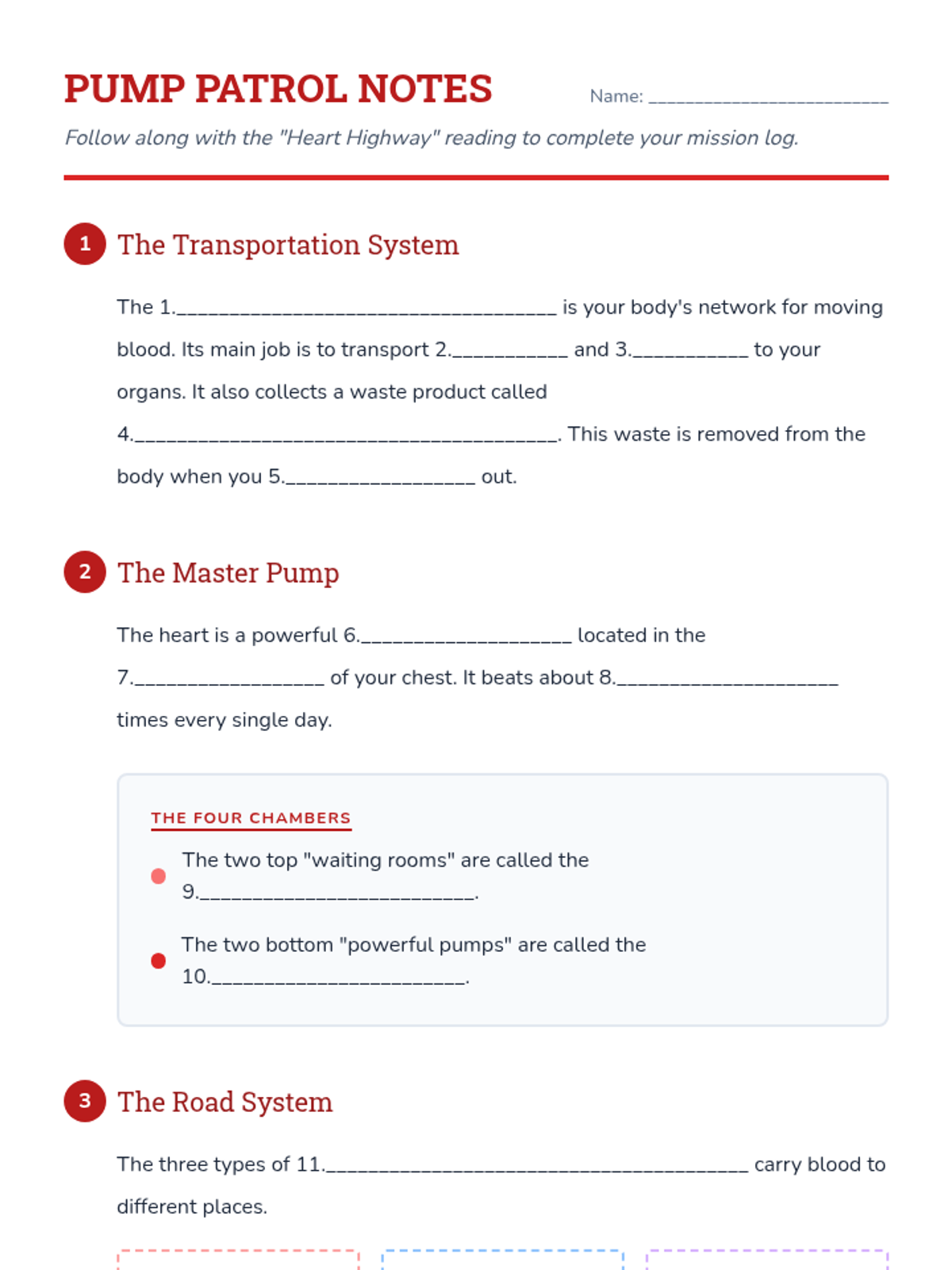
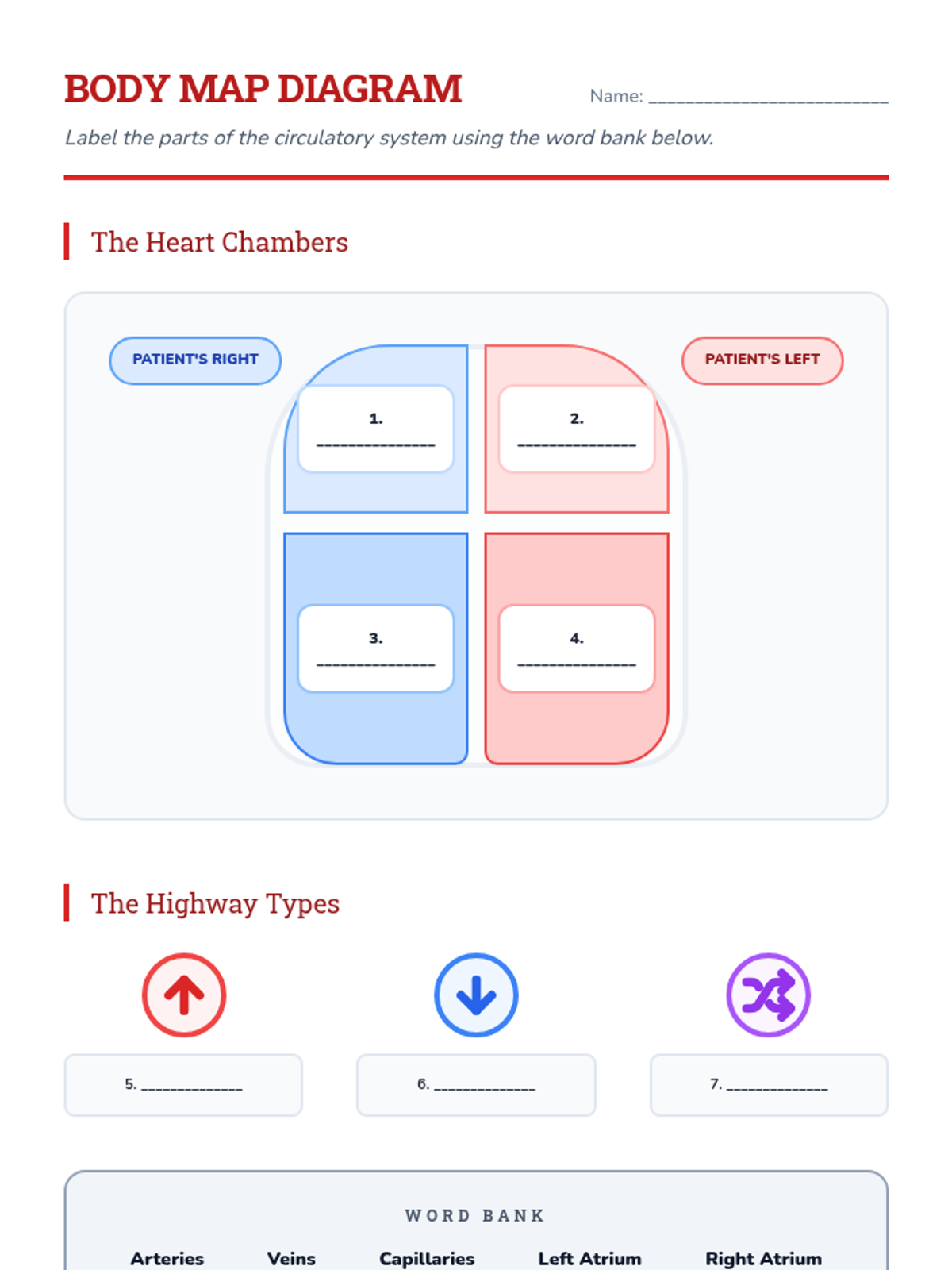
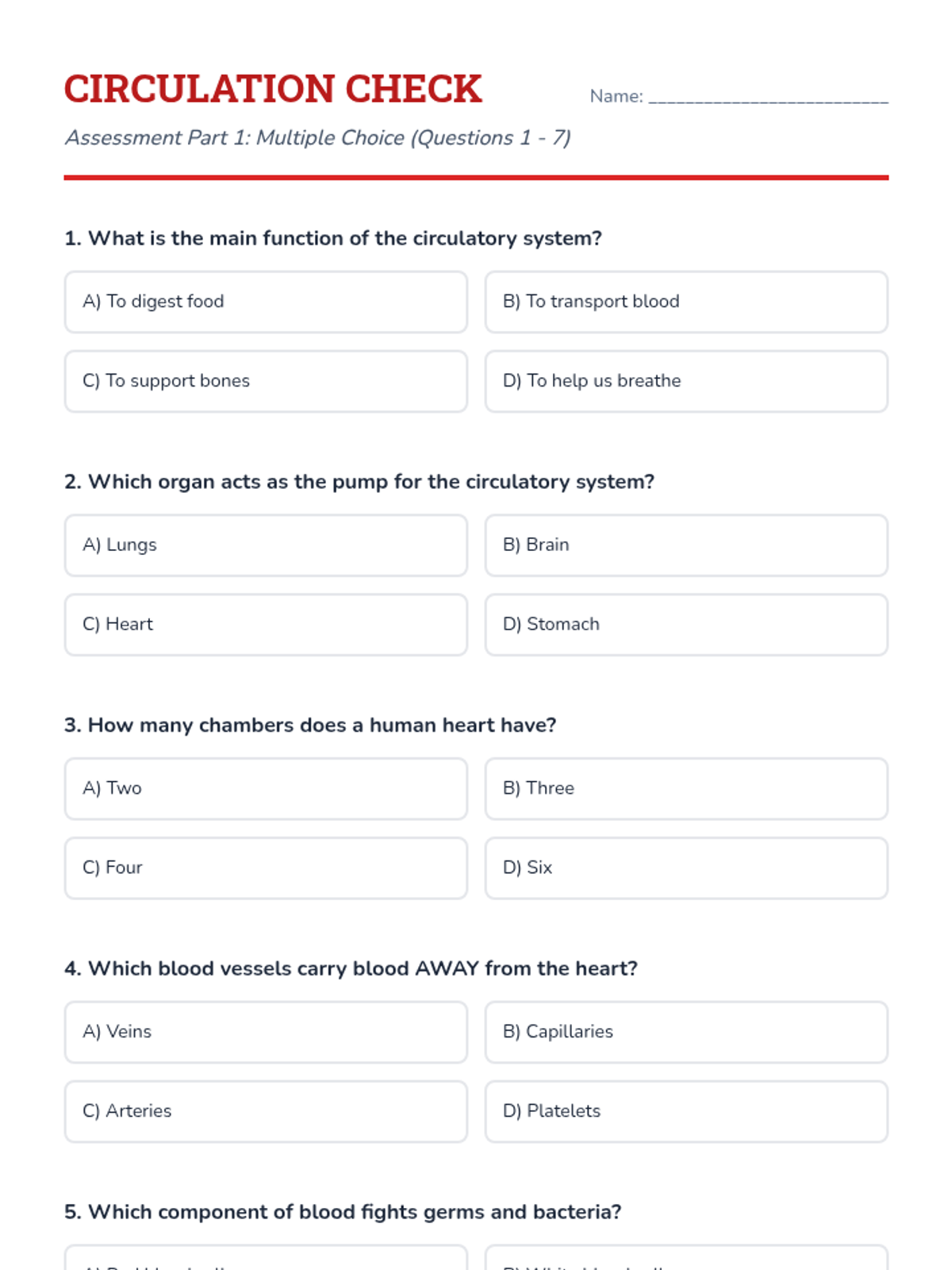
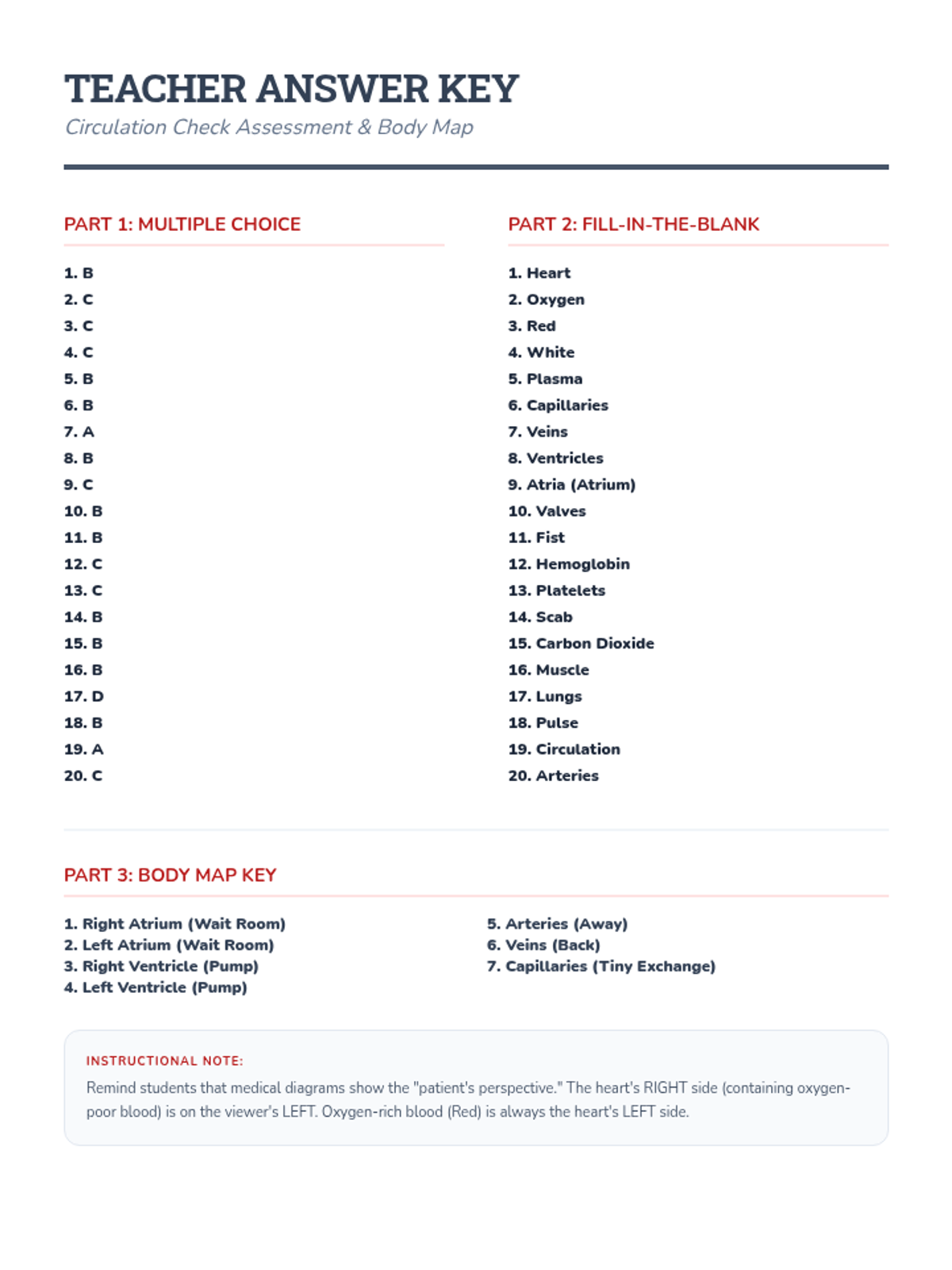
A comprehensive exploration of the circulatory system for 4th graders, covering the heart's anatomy, blood vessel types, and blood components through reading, diagramming, and assessment.
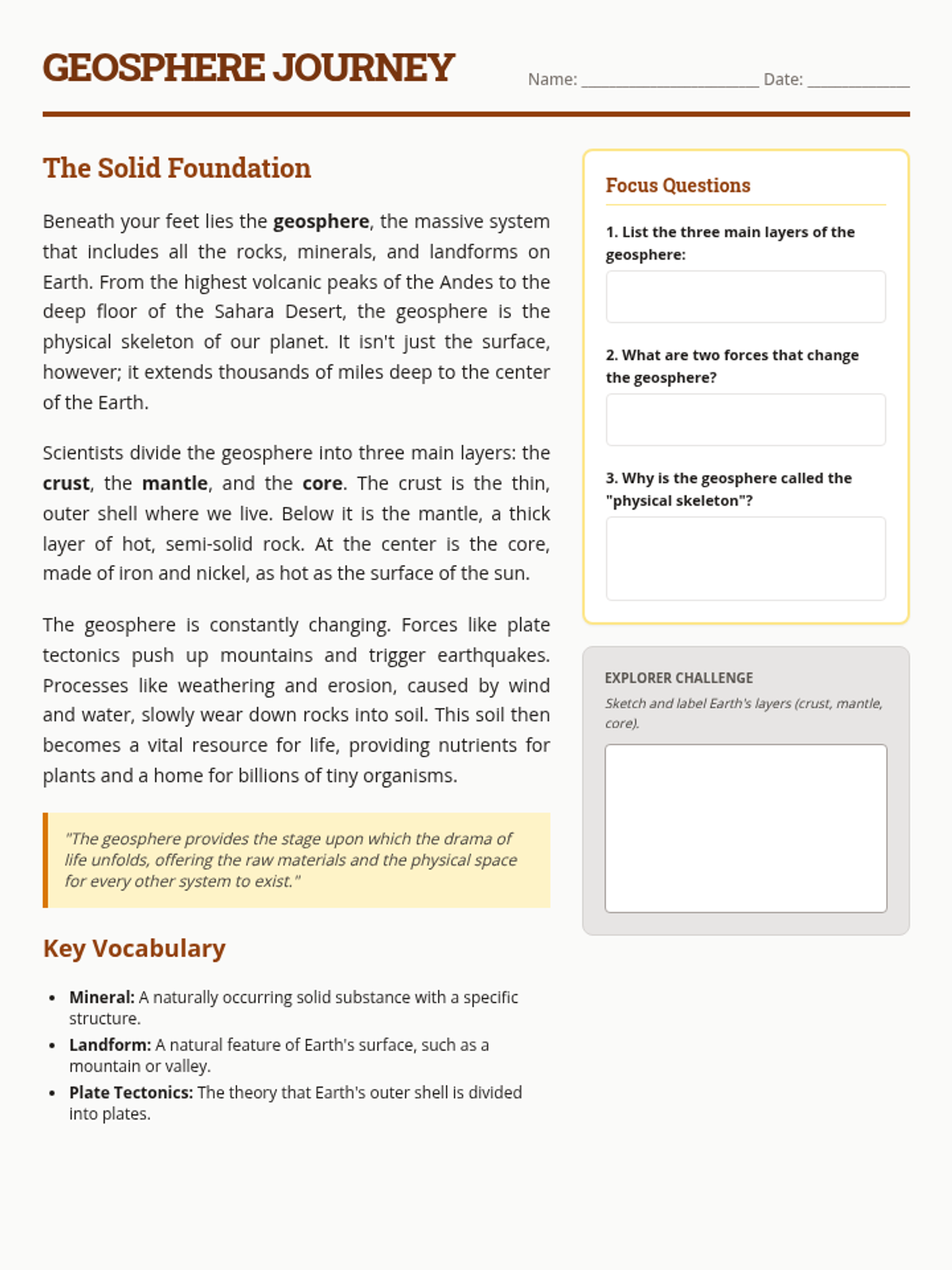
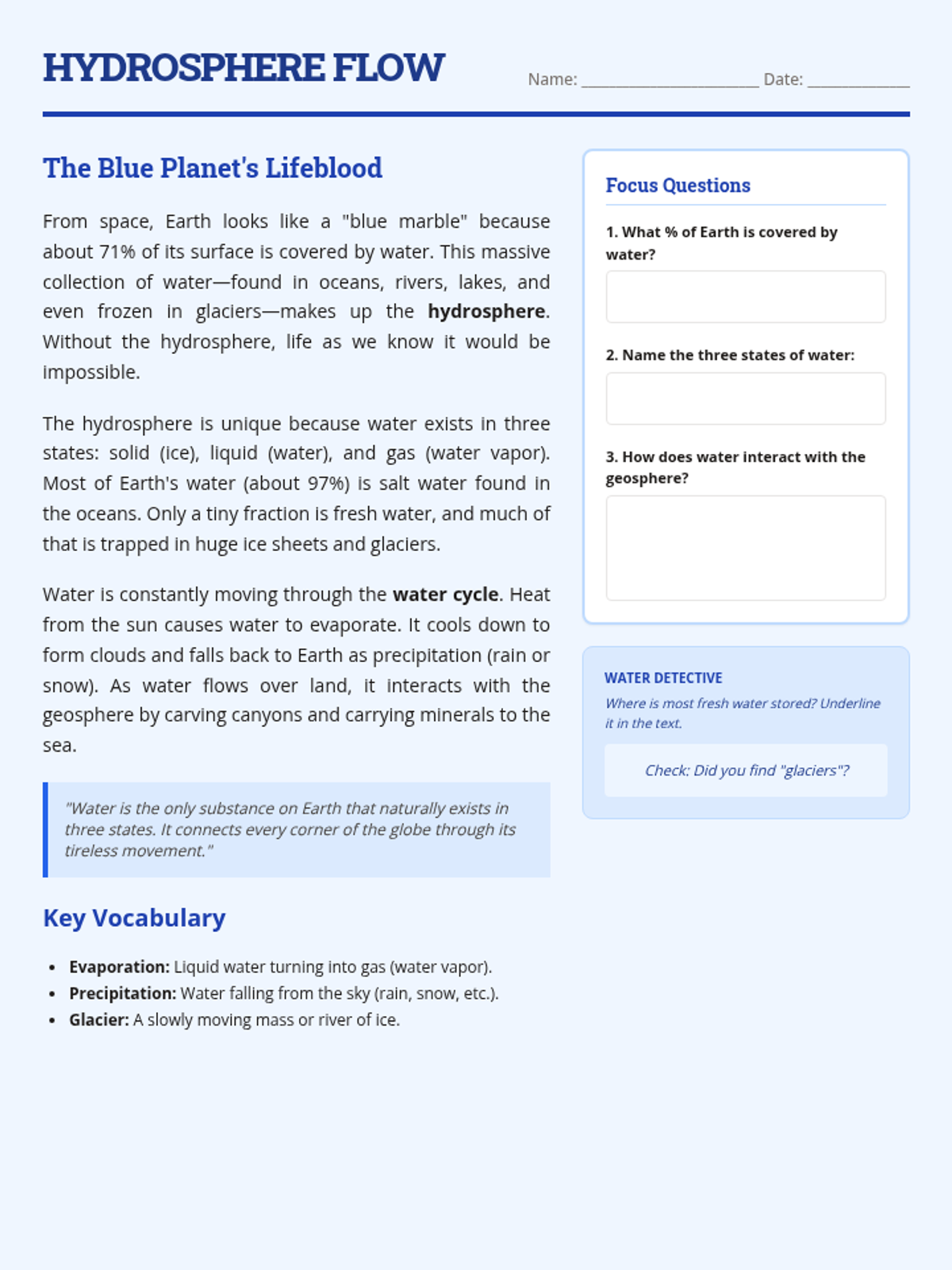
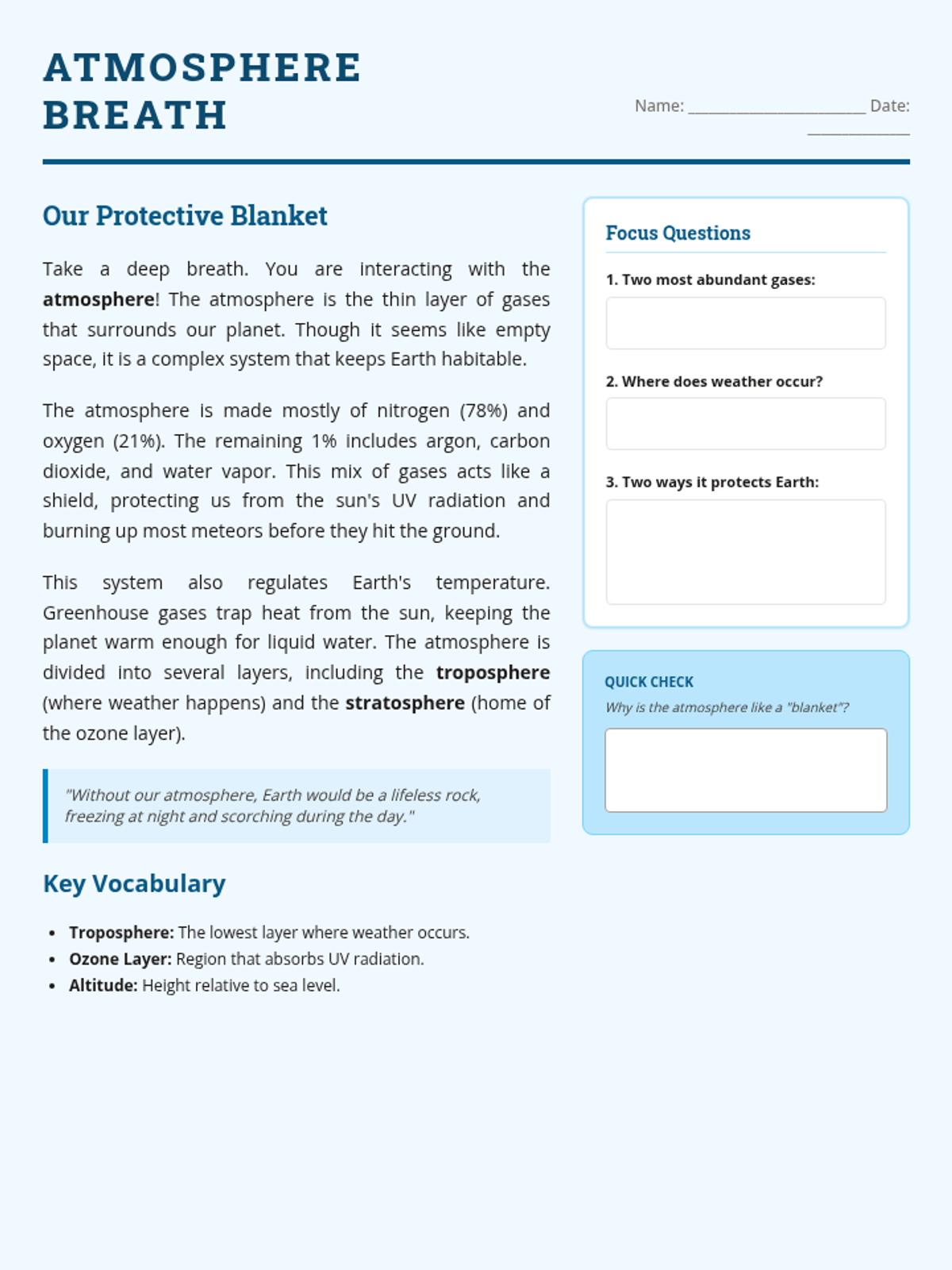
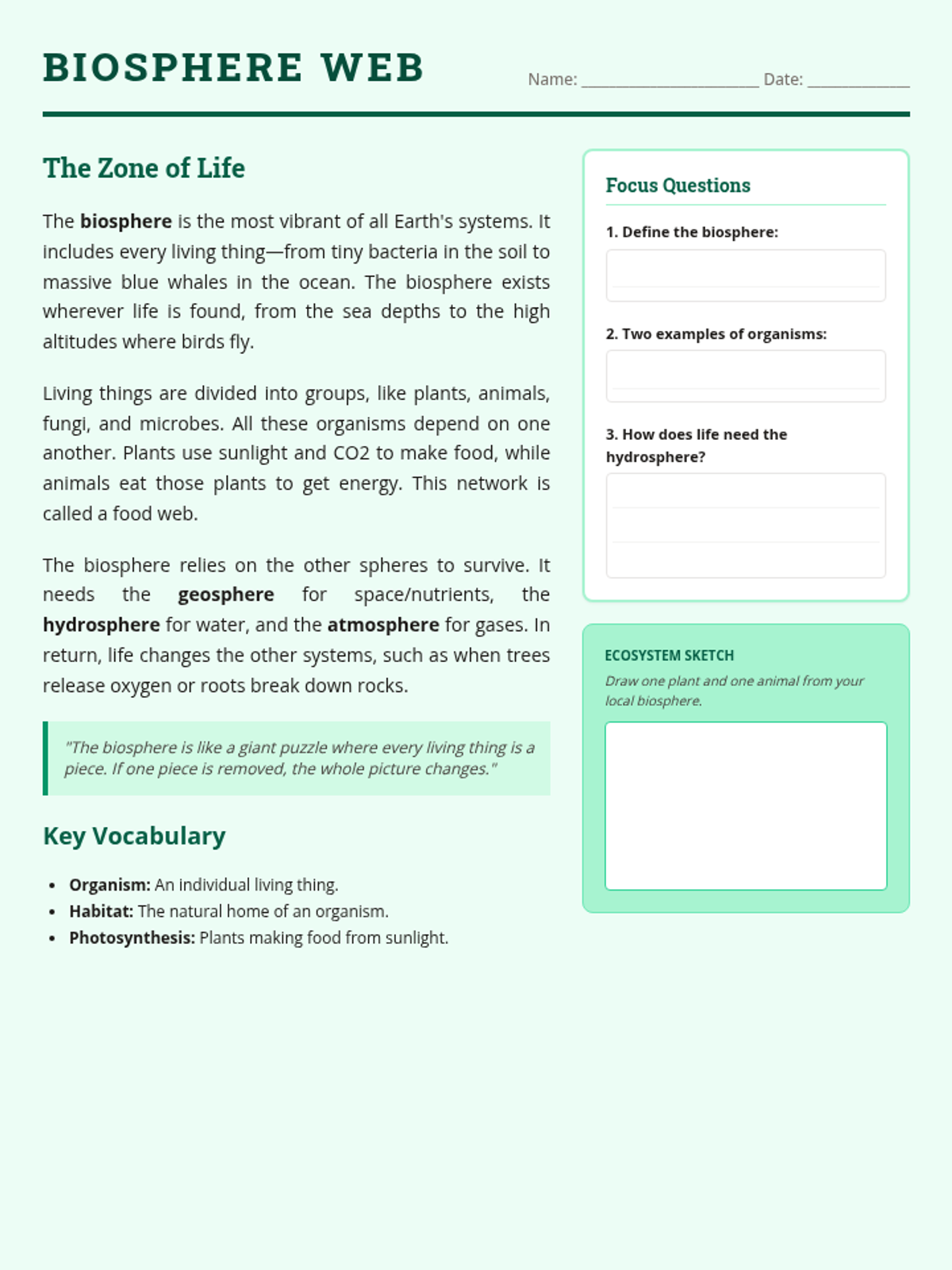
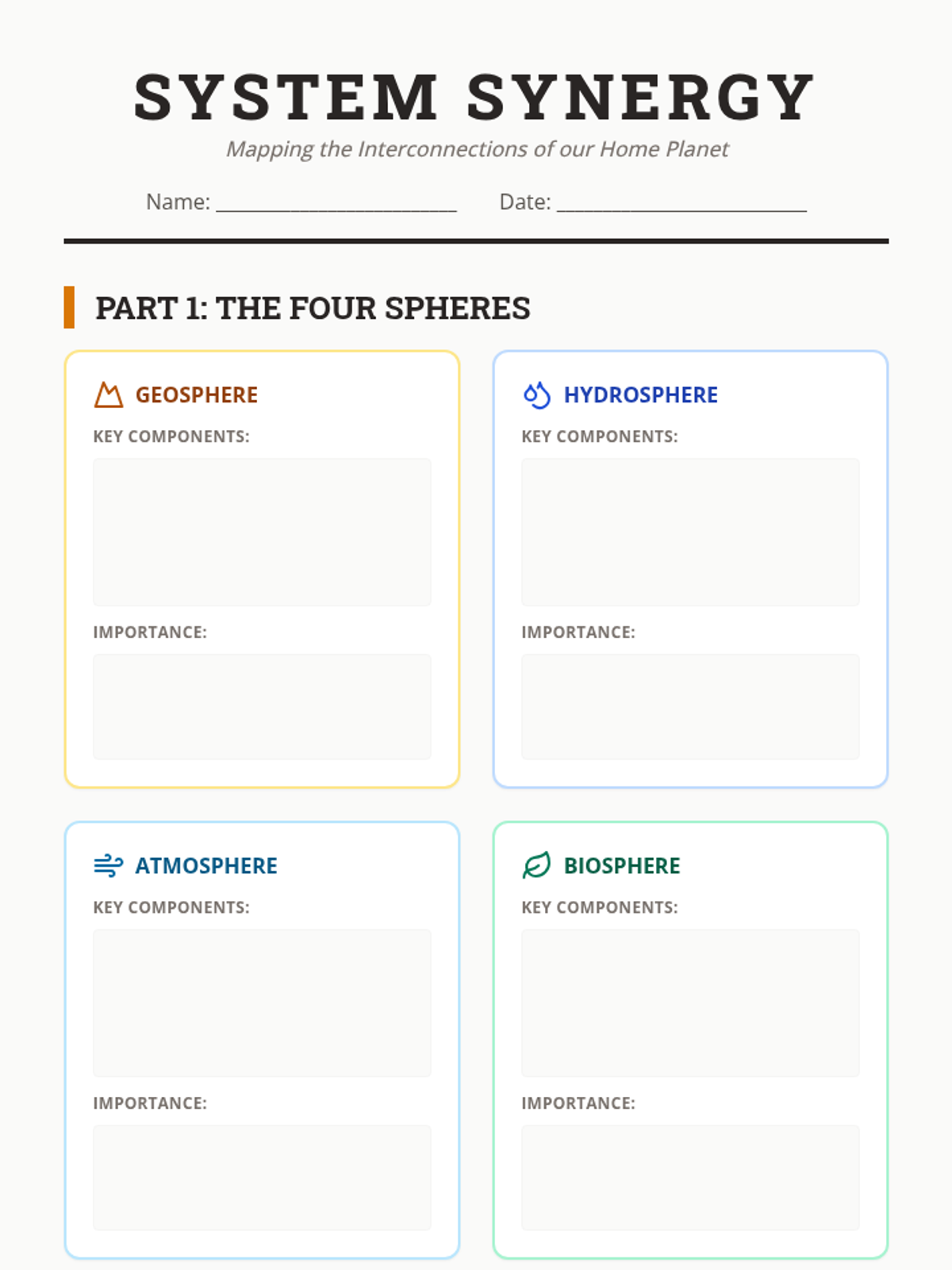
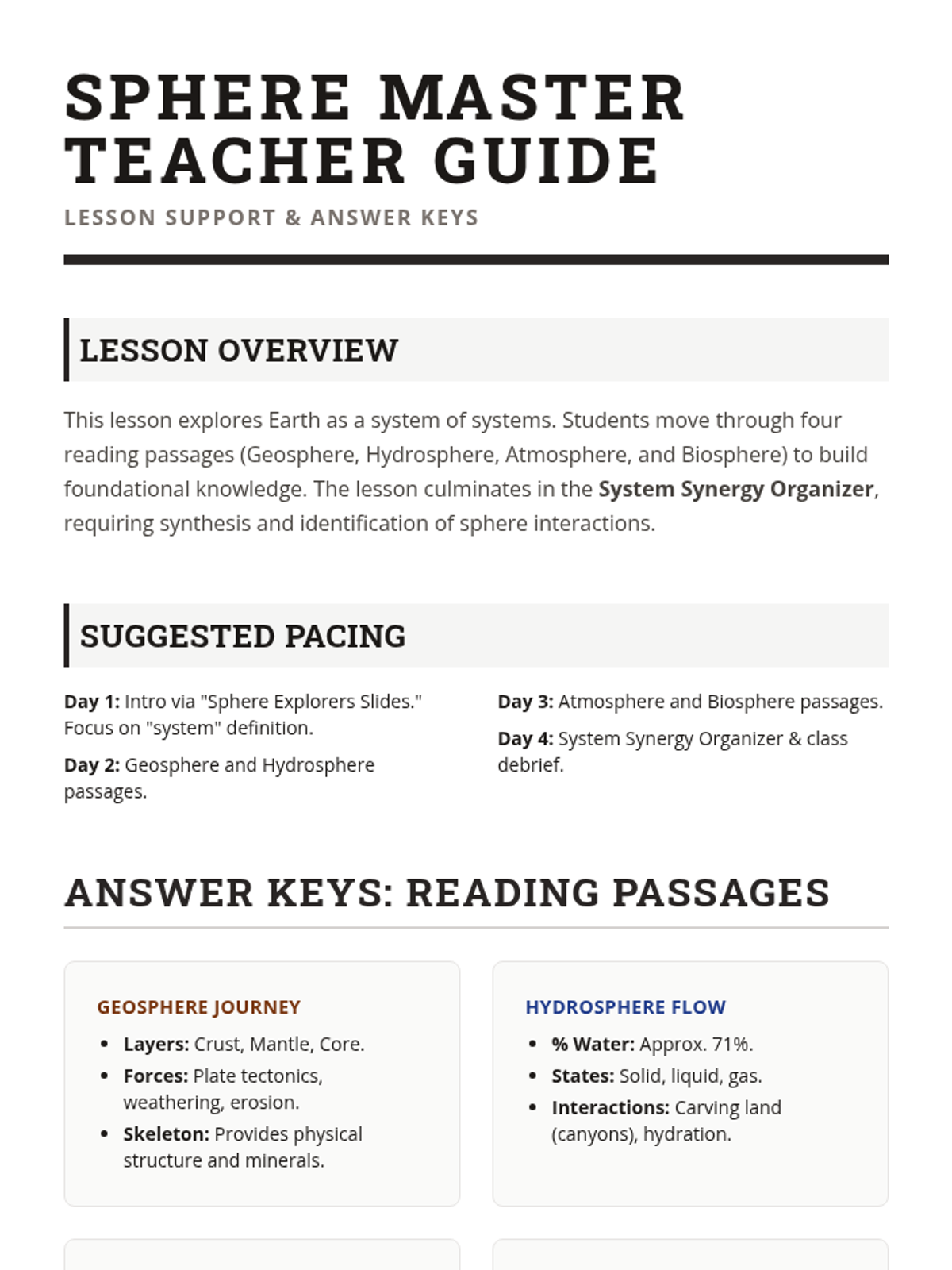
A comprehensive lesson exploring the four major Earth systems (Geosphere, Hydrosphere, Atmosphere, and Biosphere) through guided reading, visual aids, and synthesis activities. Students will learn how these systems interact to sustain life on Earth.
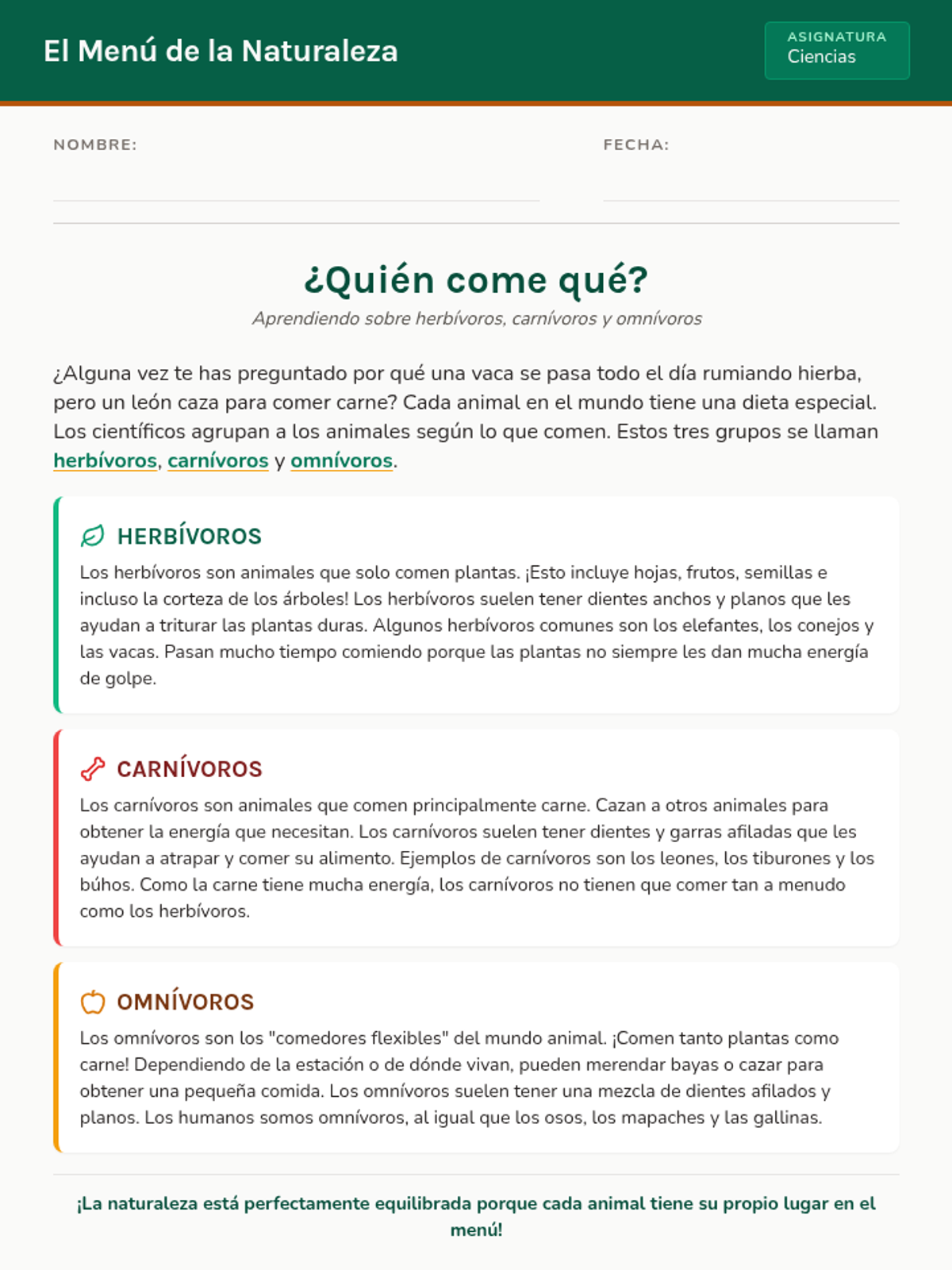
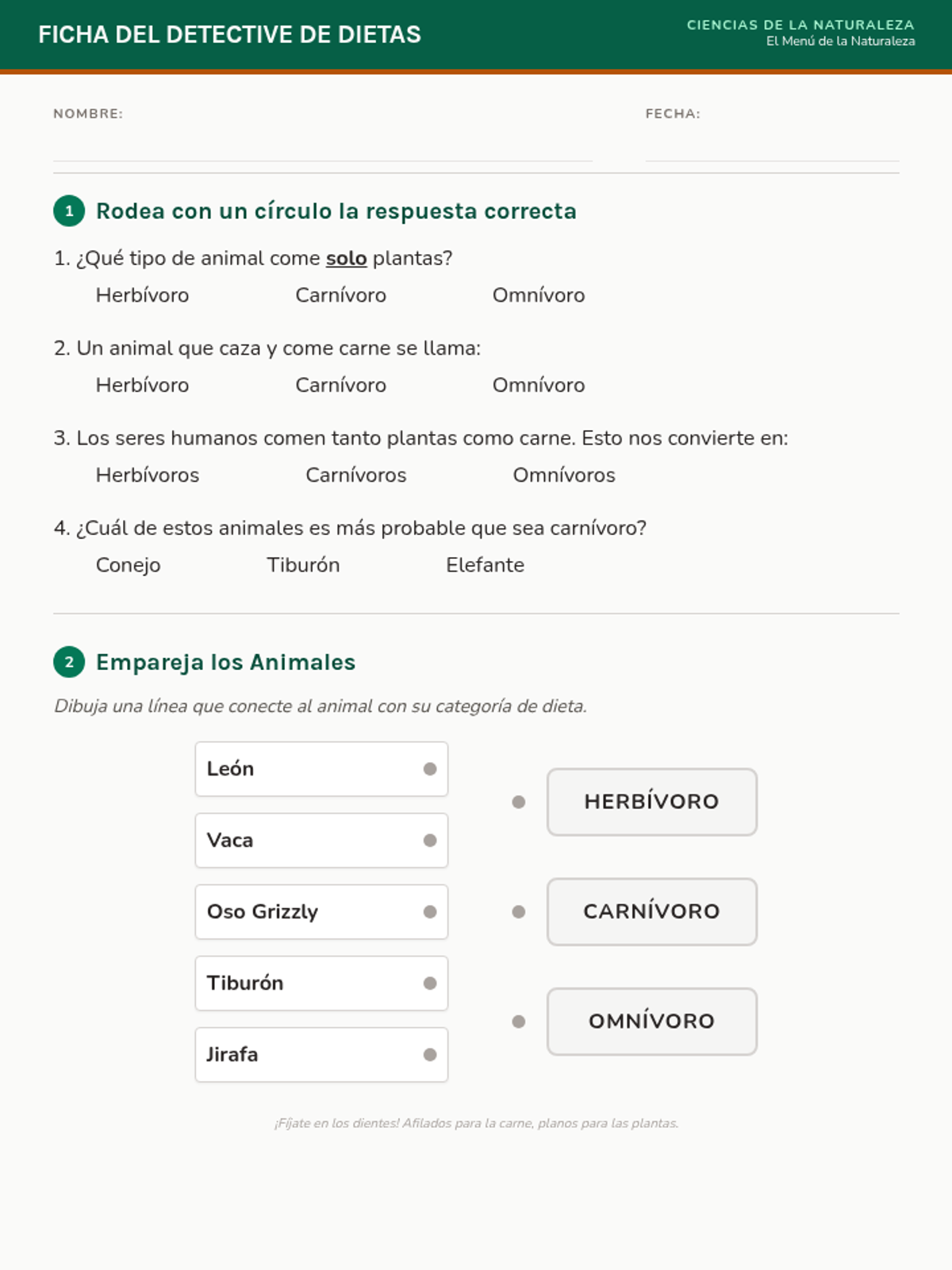
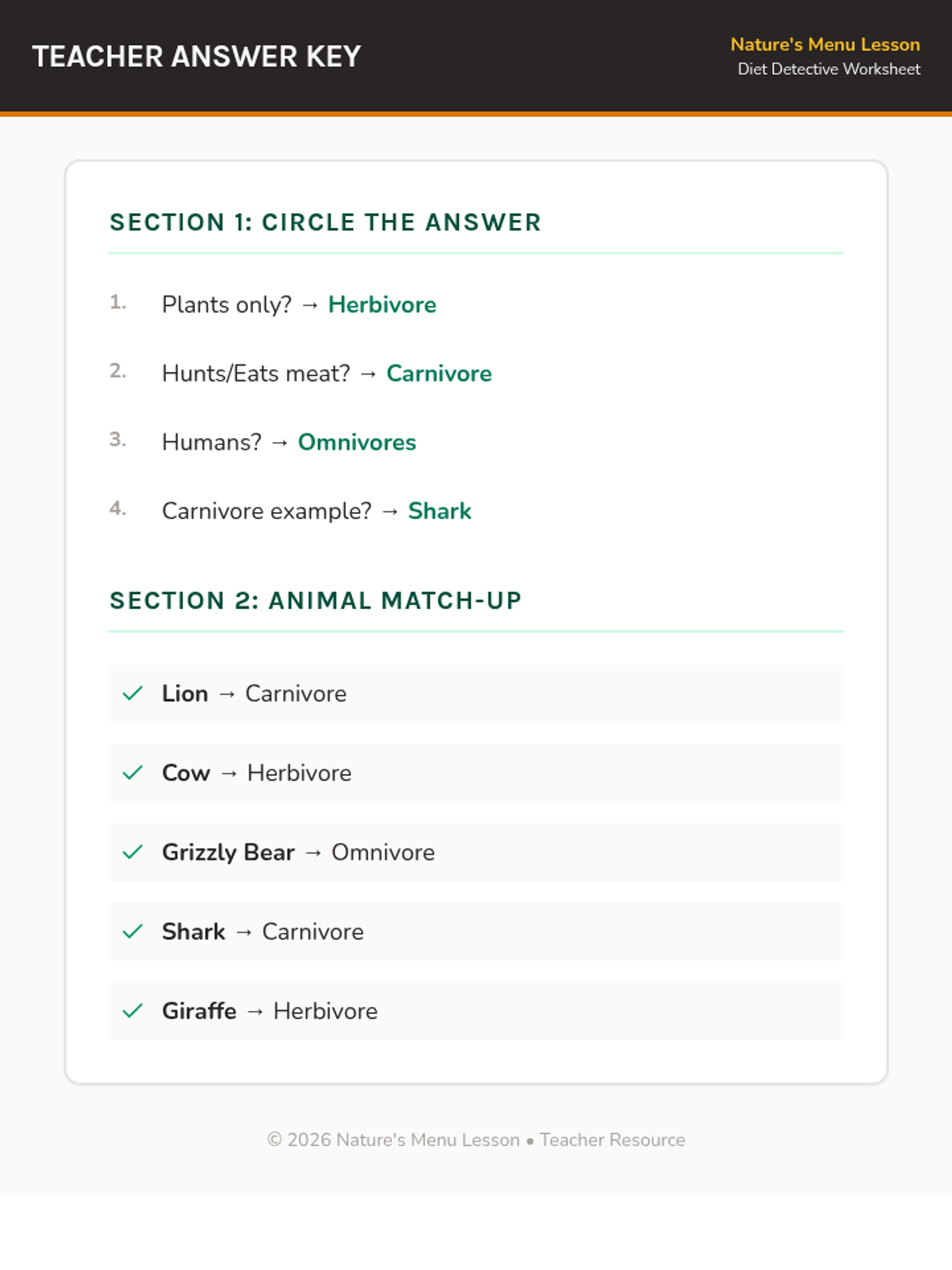
A lesson to help students identify and differentiate between herbivores, carnivores, and omnivores based on their diets and physical traits.
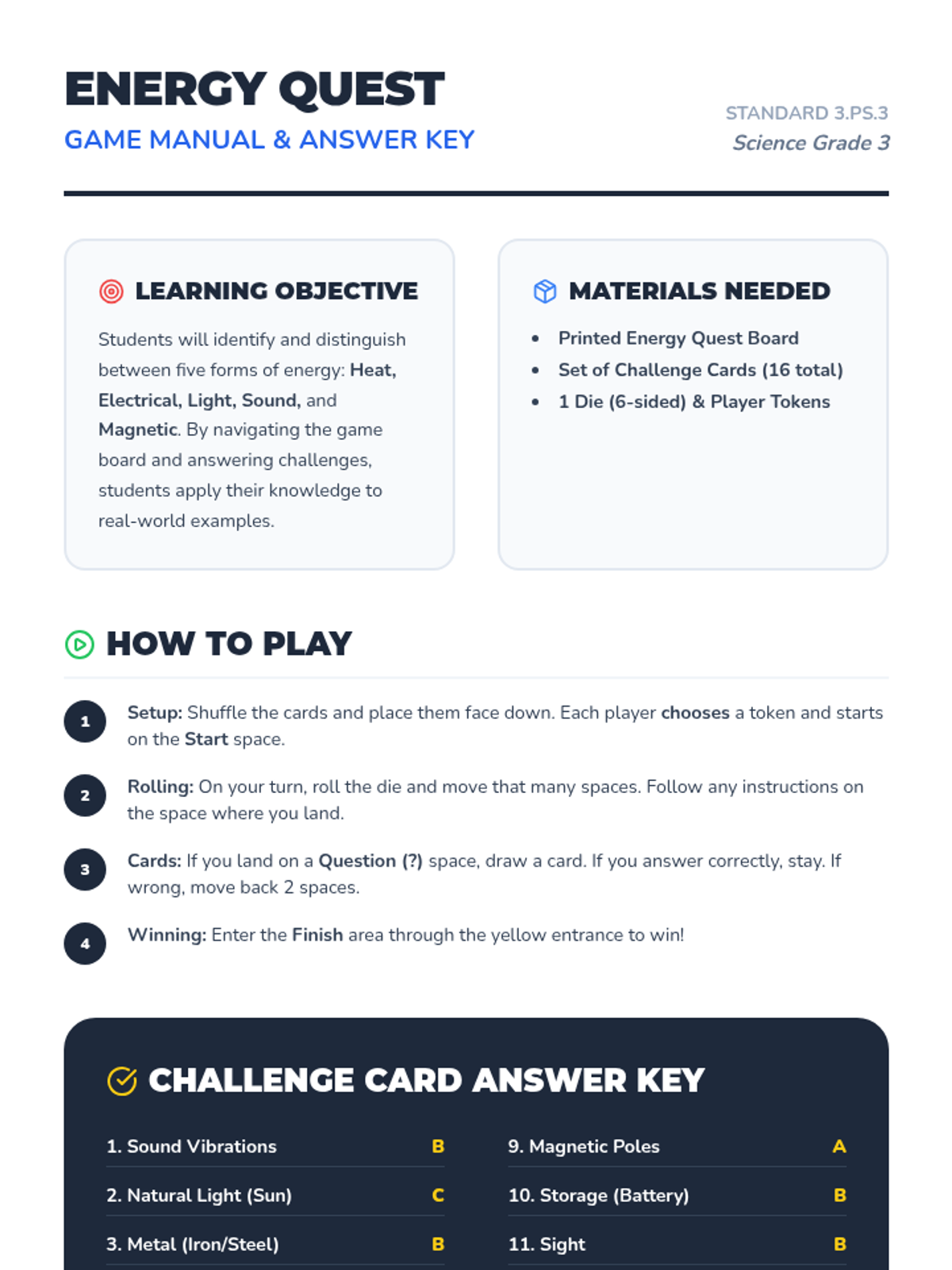
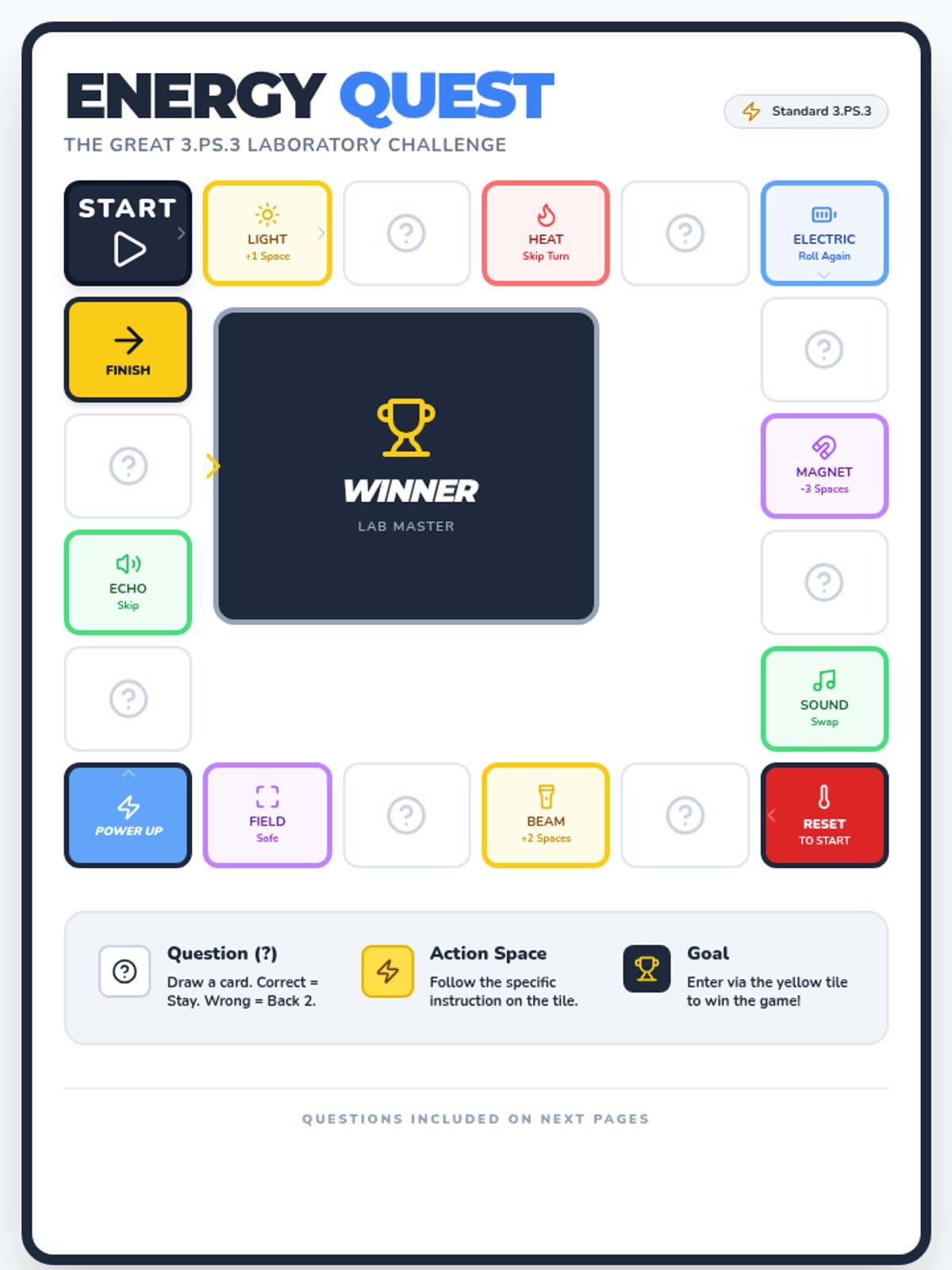
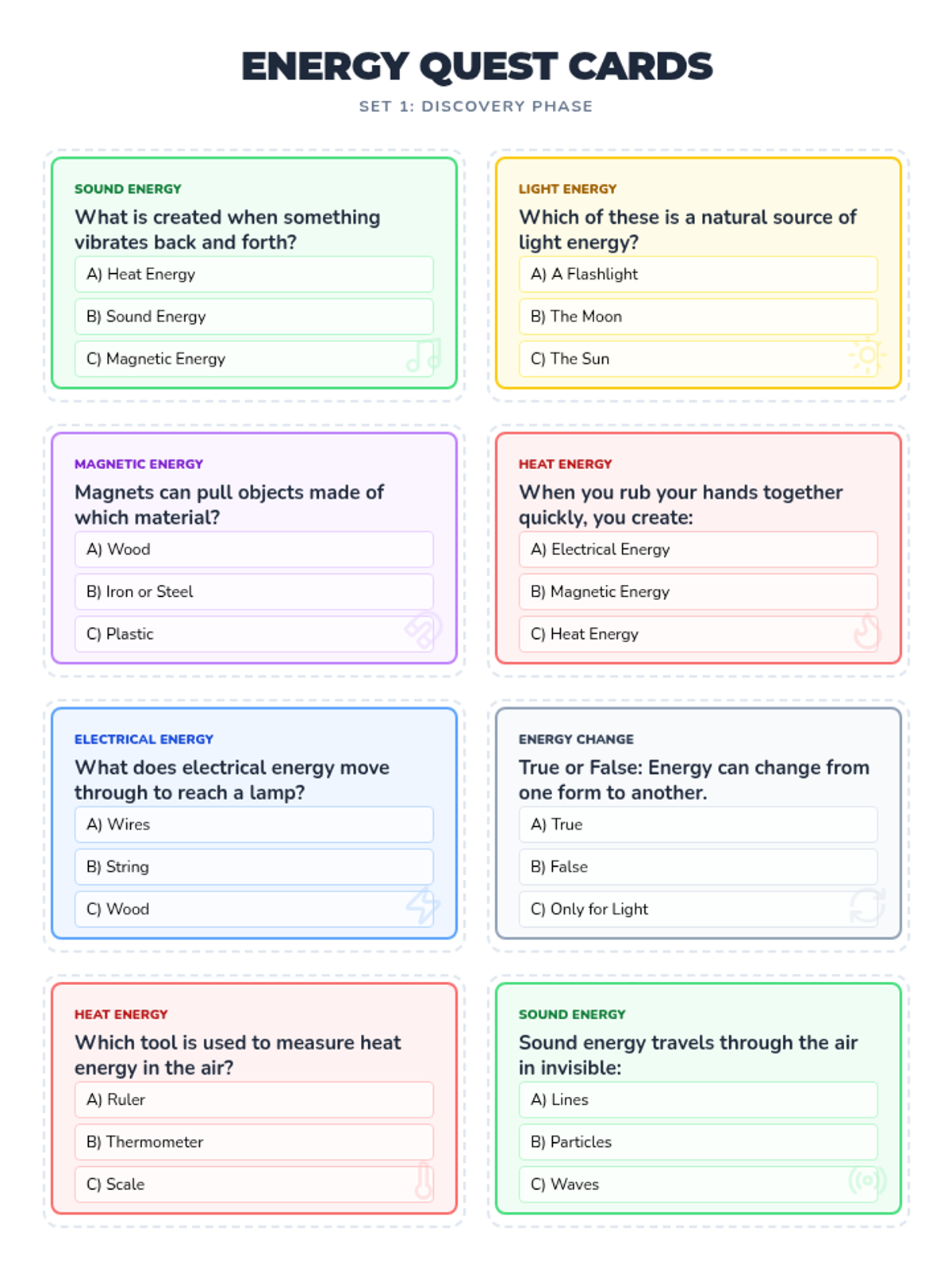
A high-energy science lesson where students explore the five forms of energy (heat, electrical, light, sound, and magnetic) through a collaborative board game and interactive presentation.
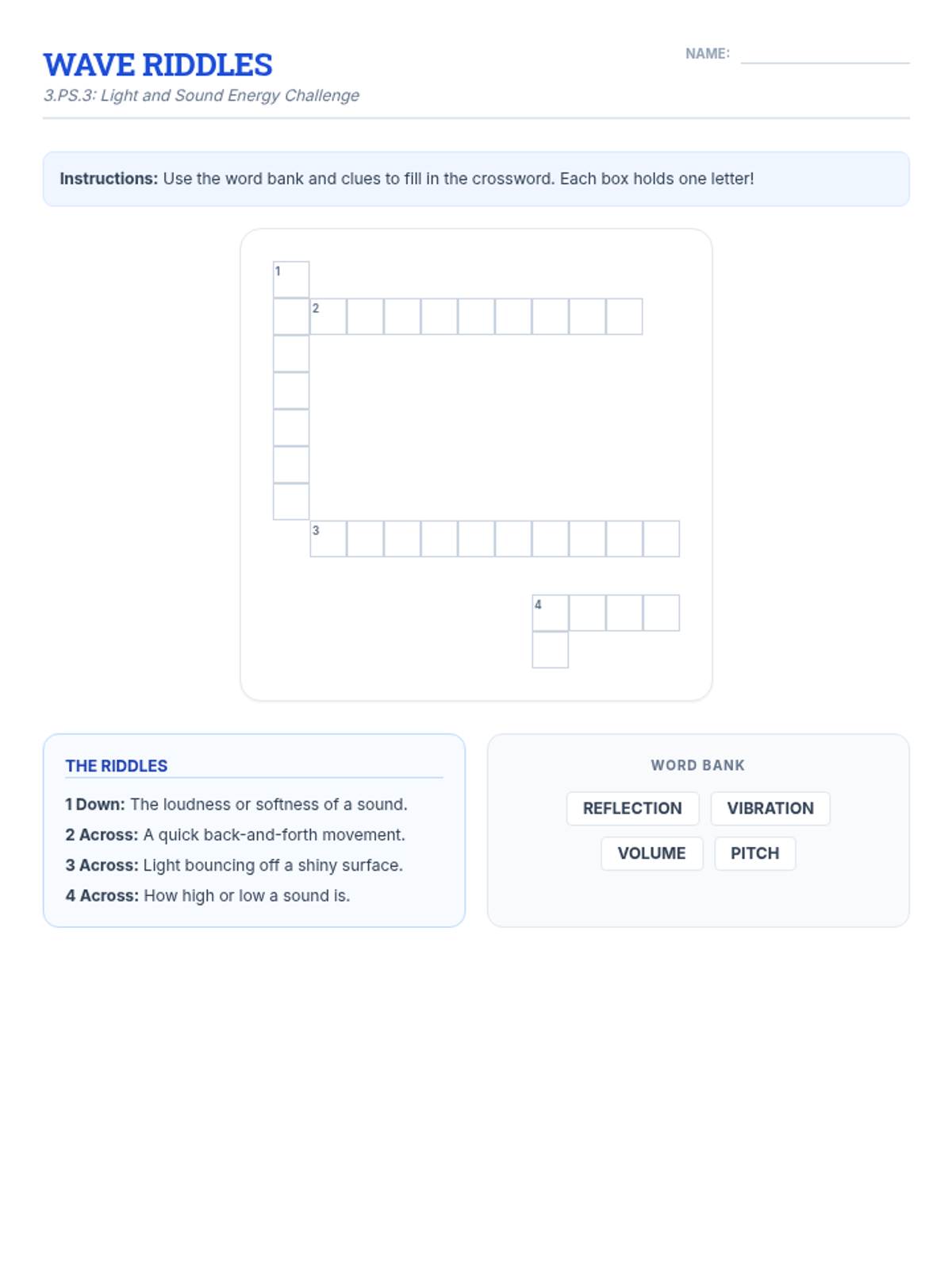
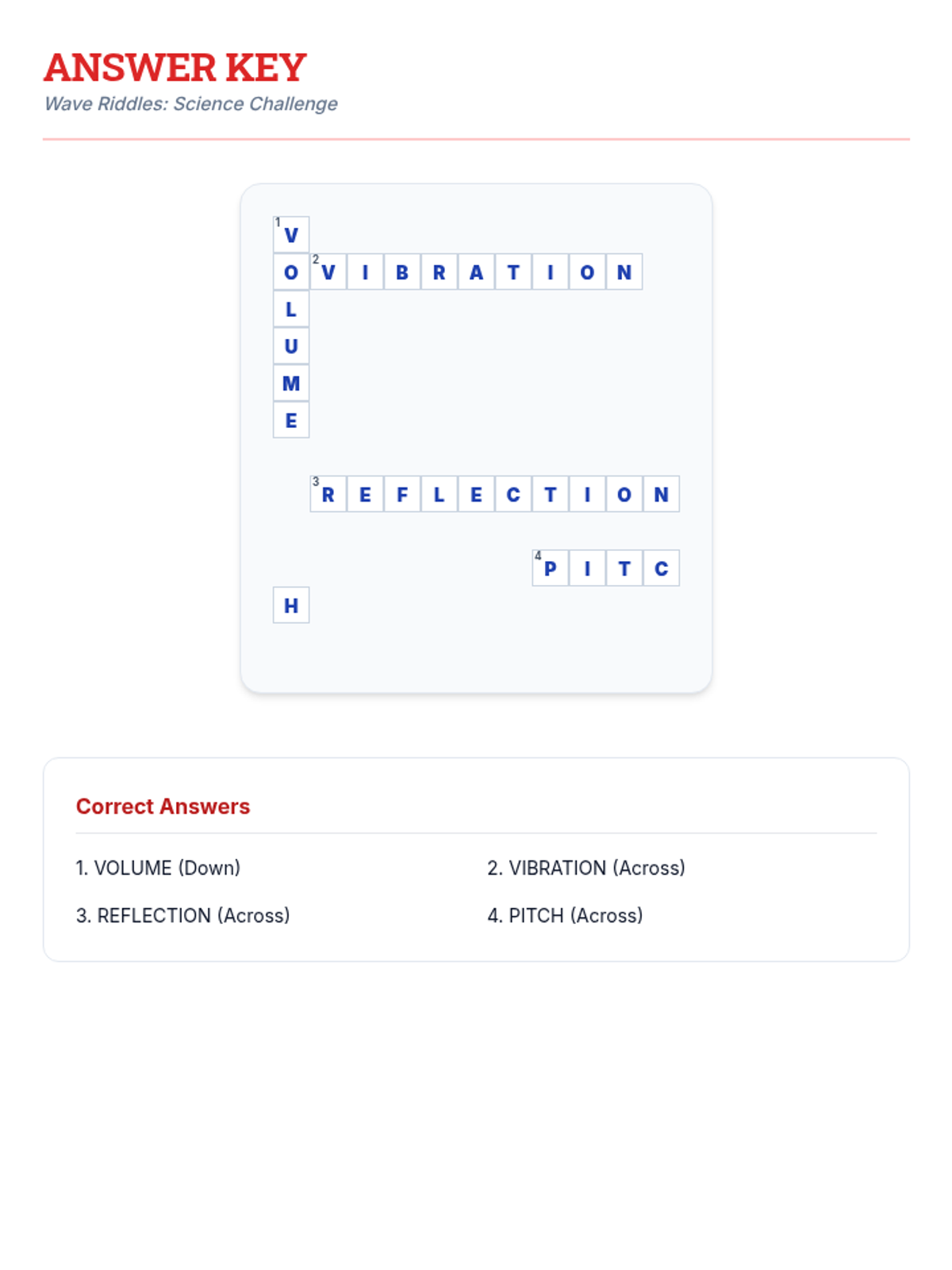
This lesson explores the predictable behaviors of light and sound energy, focusing on how vibrations create sound and how light interacts with different surfaces. Students will identify key vocabulary through a crossword puzzle challenge.
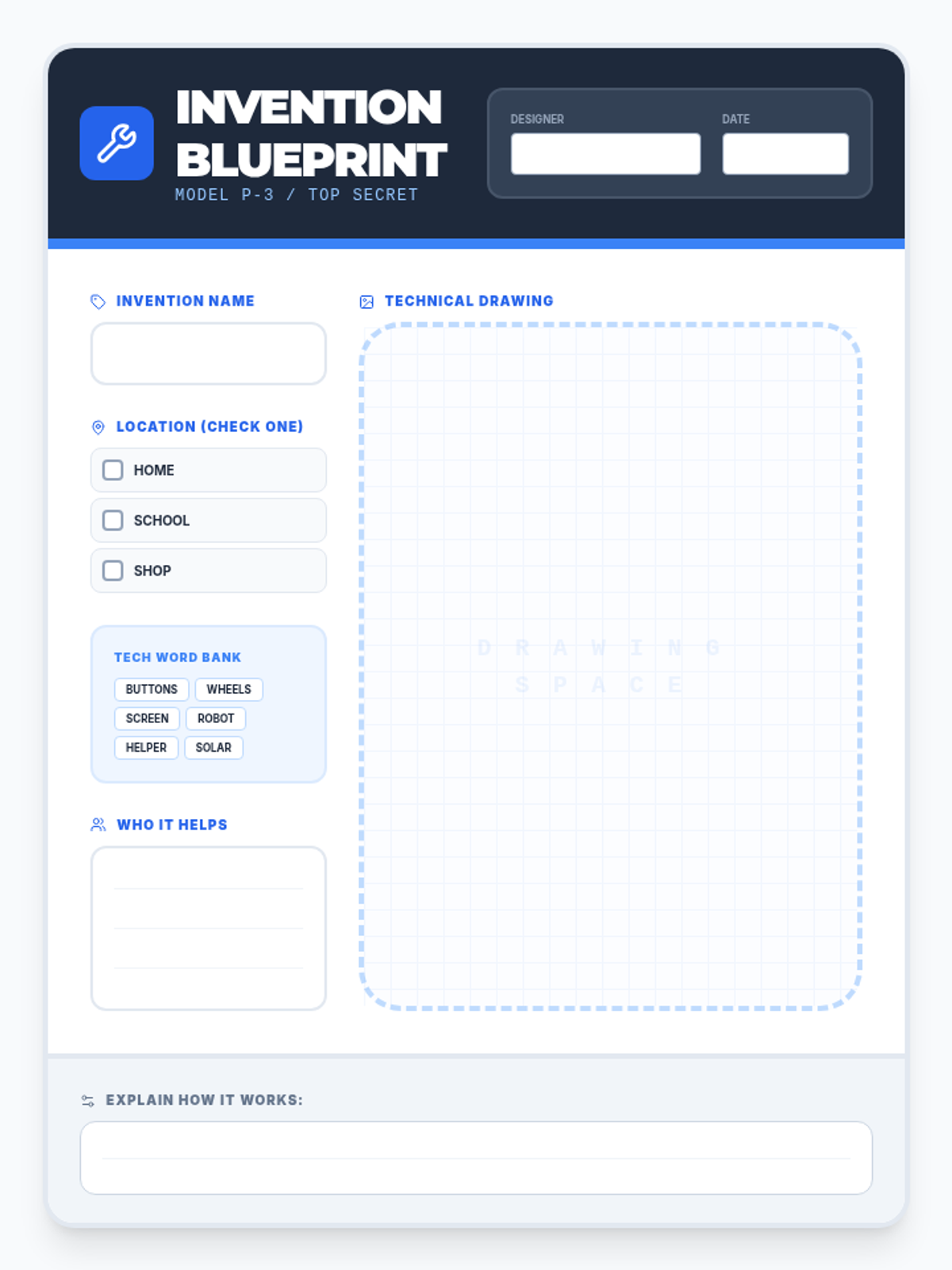
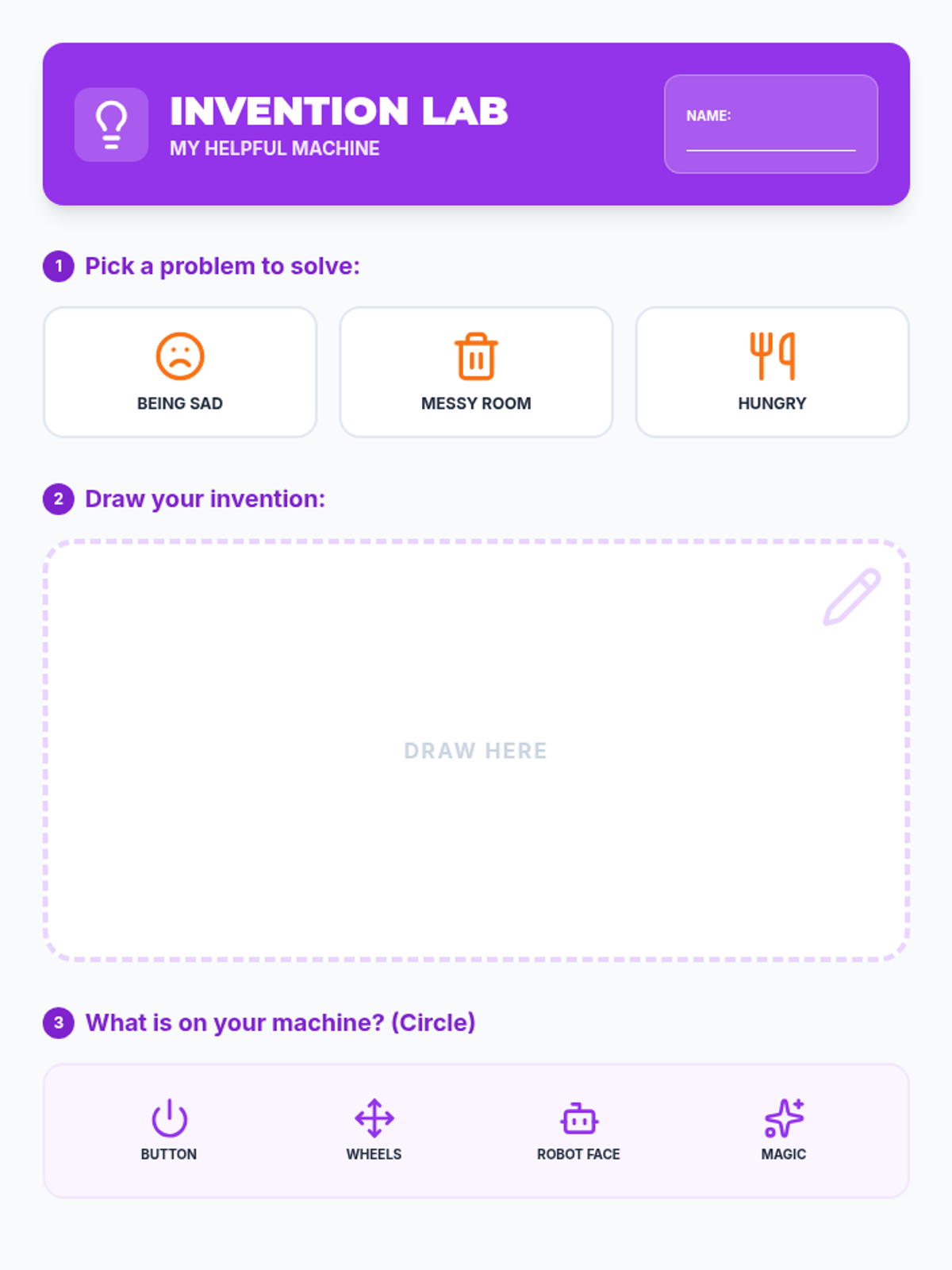
Students apply their knowledge to identify real-world problems and design innovative technological solutions.
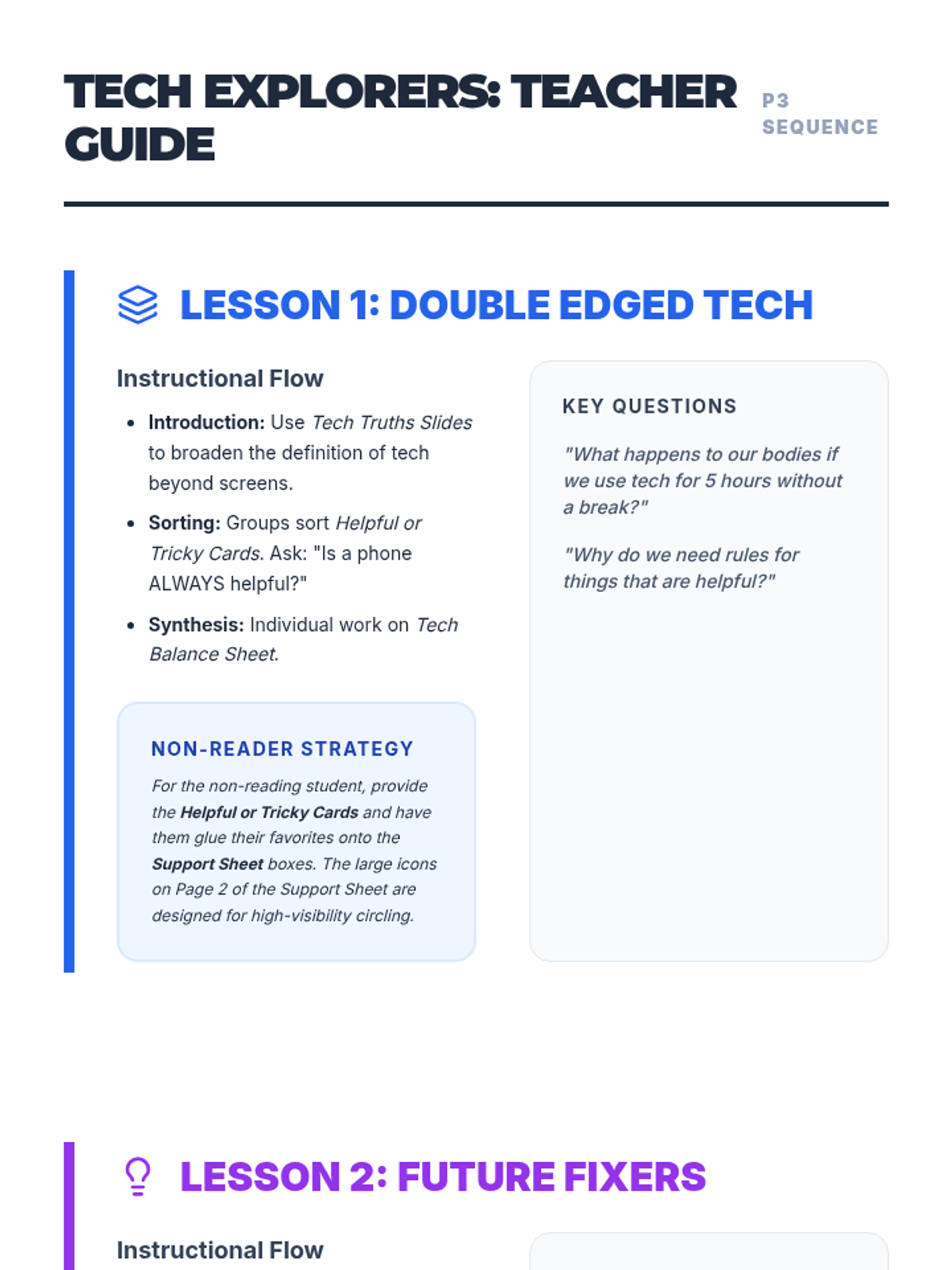
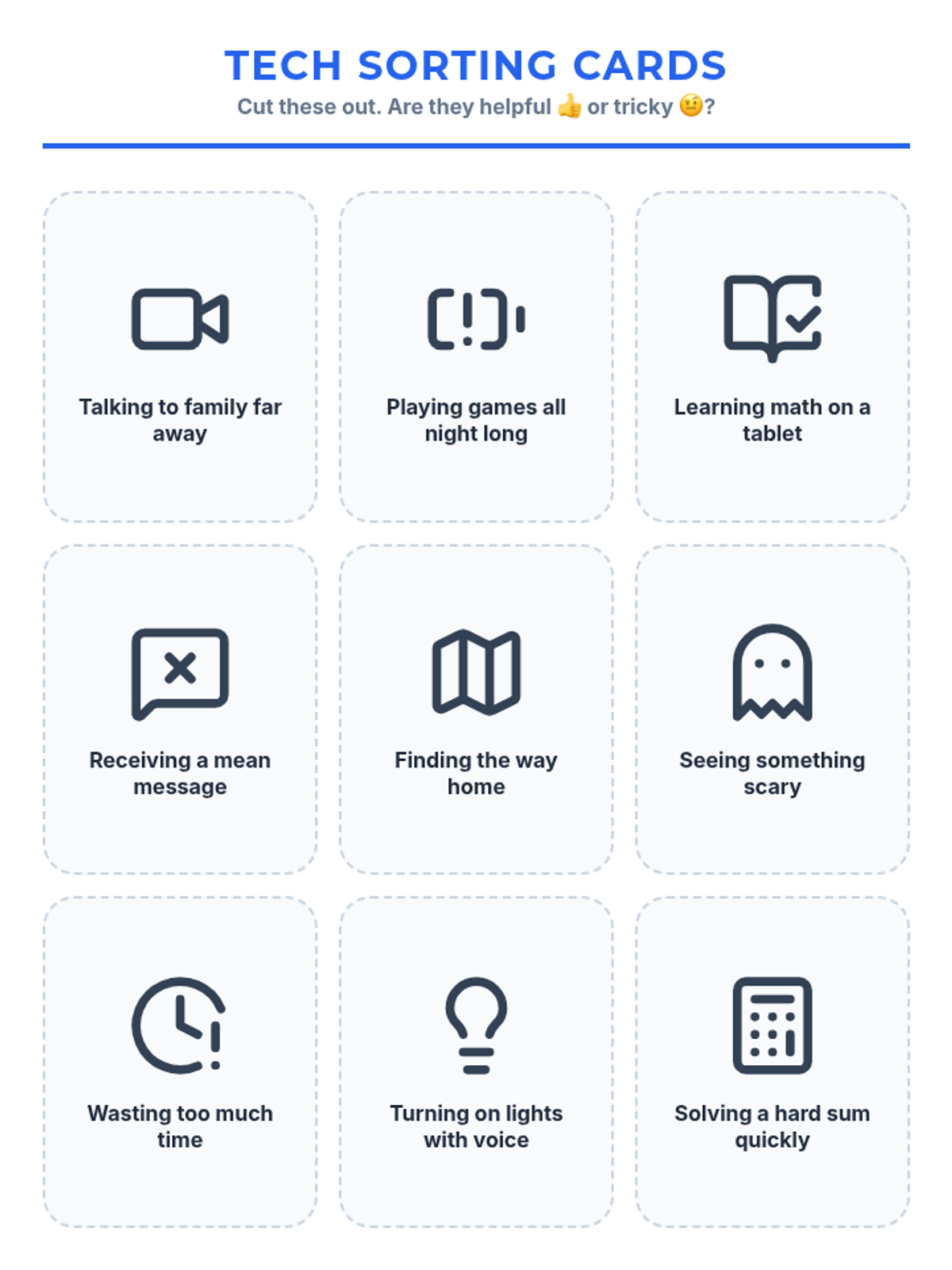
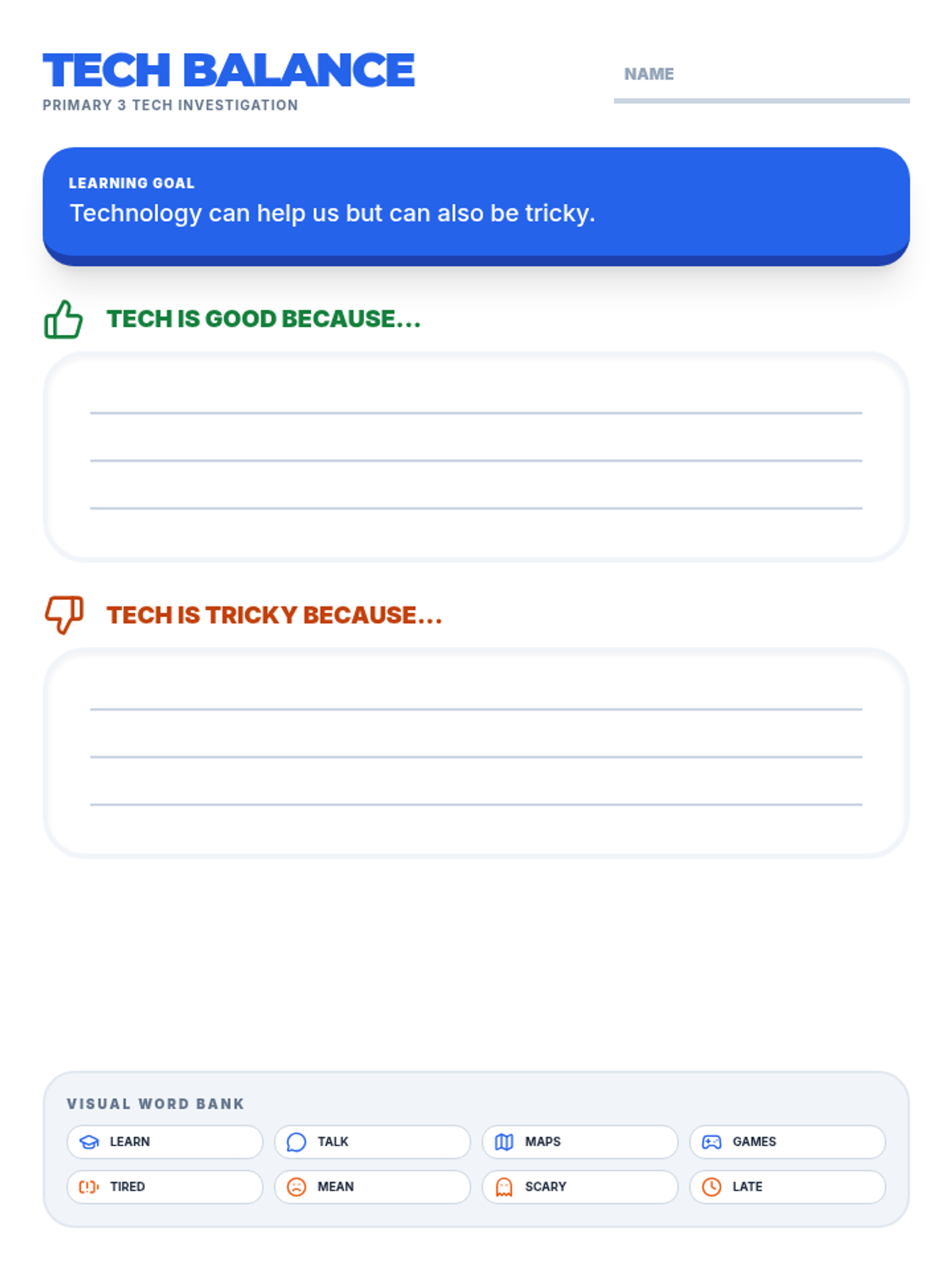
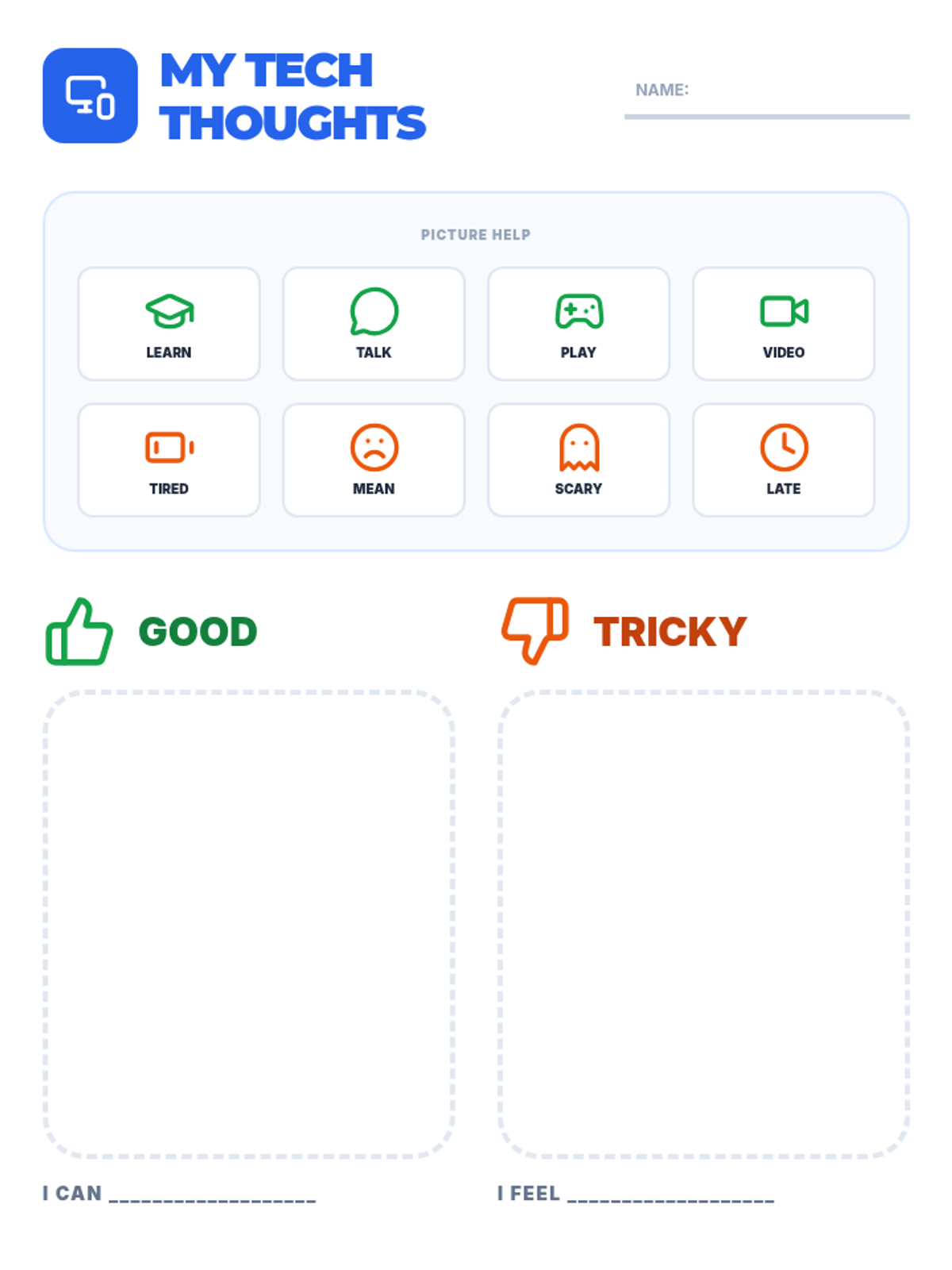
Students examine how technology can be both helpful and 'tricky', learning to identify pros and cons of digital tools.
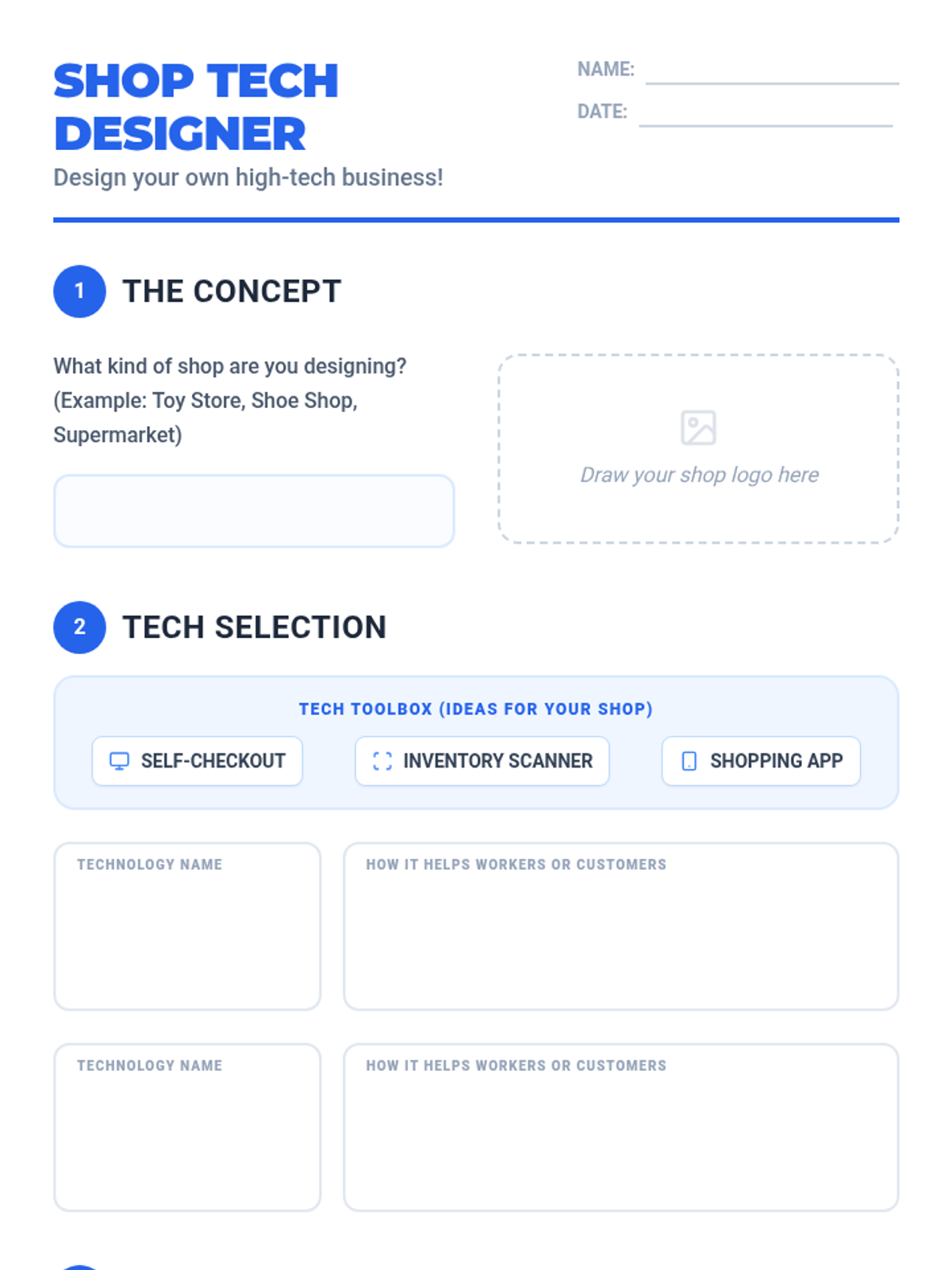
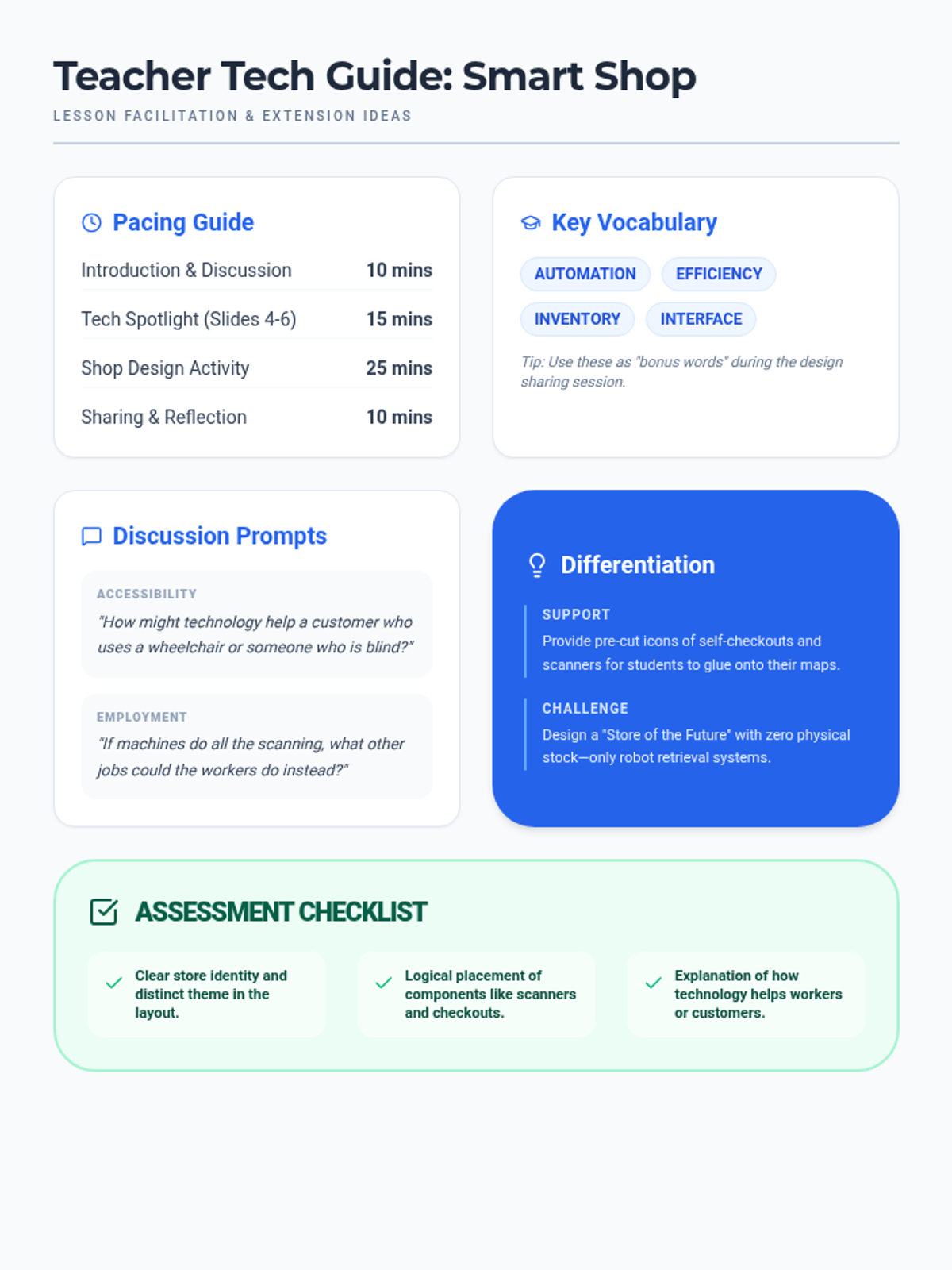
Students explore how technology like self-checkouts, scanners, and apps transform the shopping experience for both workers and customers. The lesson culminates in a creative project where students design their own tech-integrated shop.
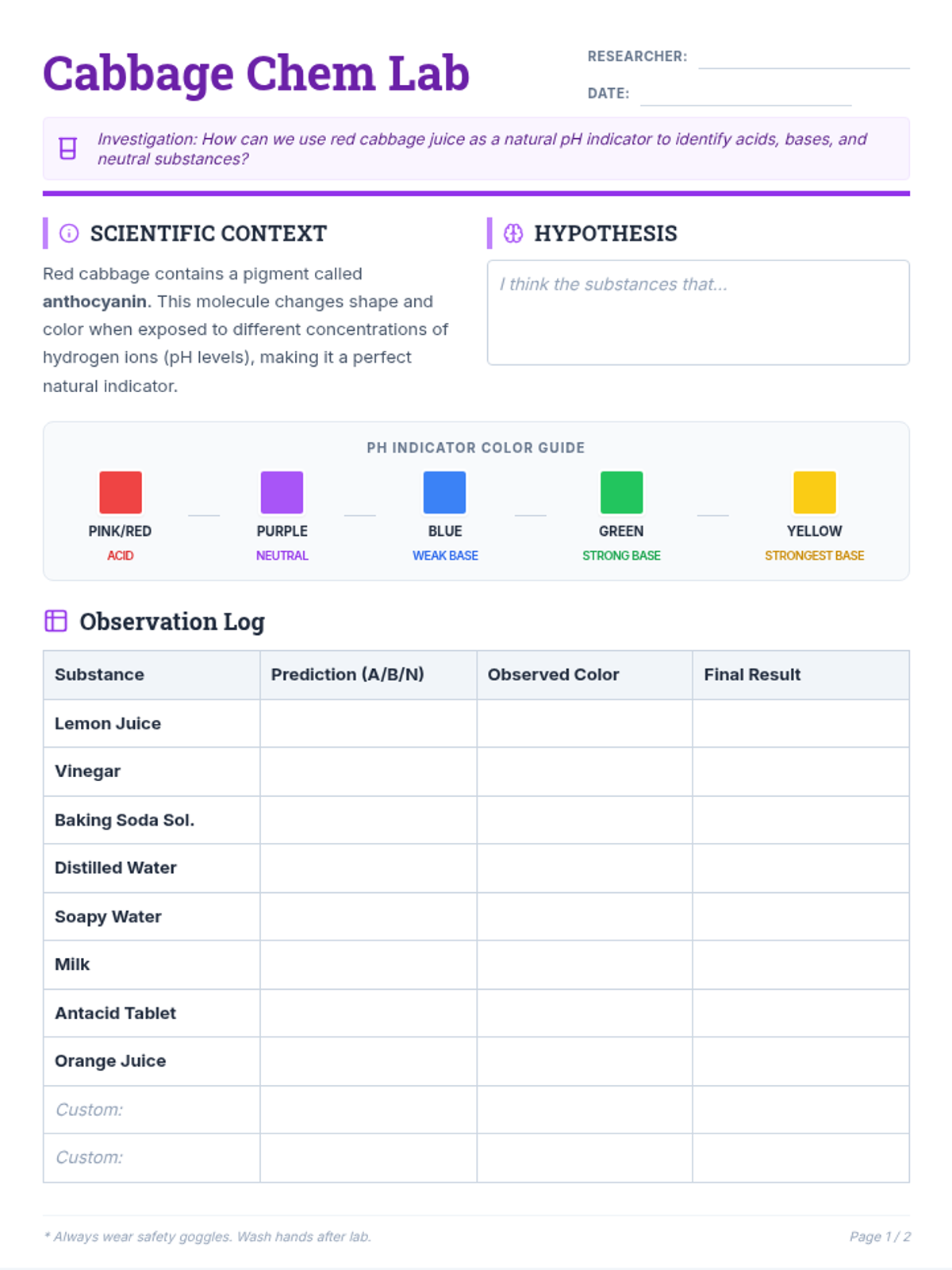
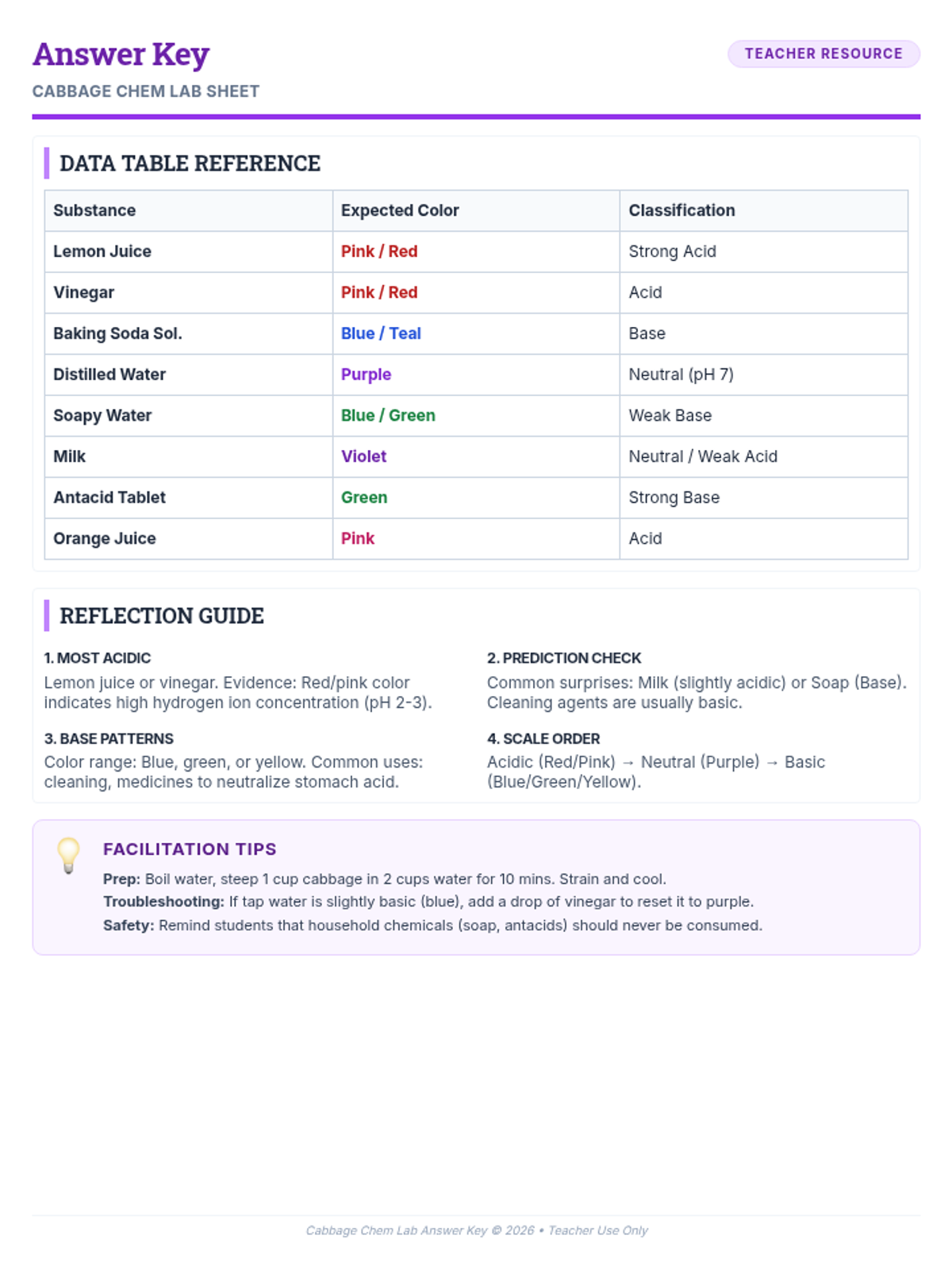
A hands-on investigation into pH levels using red cabbage as a natural indicator to identify acids, bases, and neutral substances.
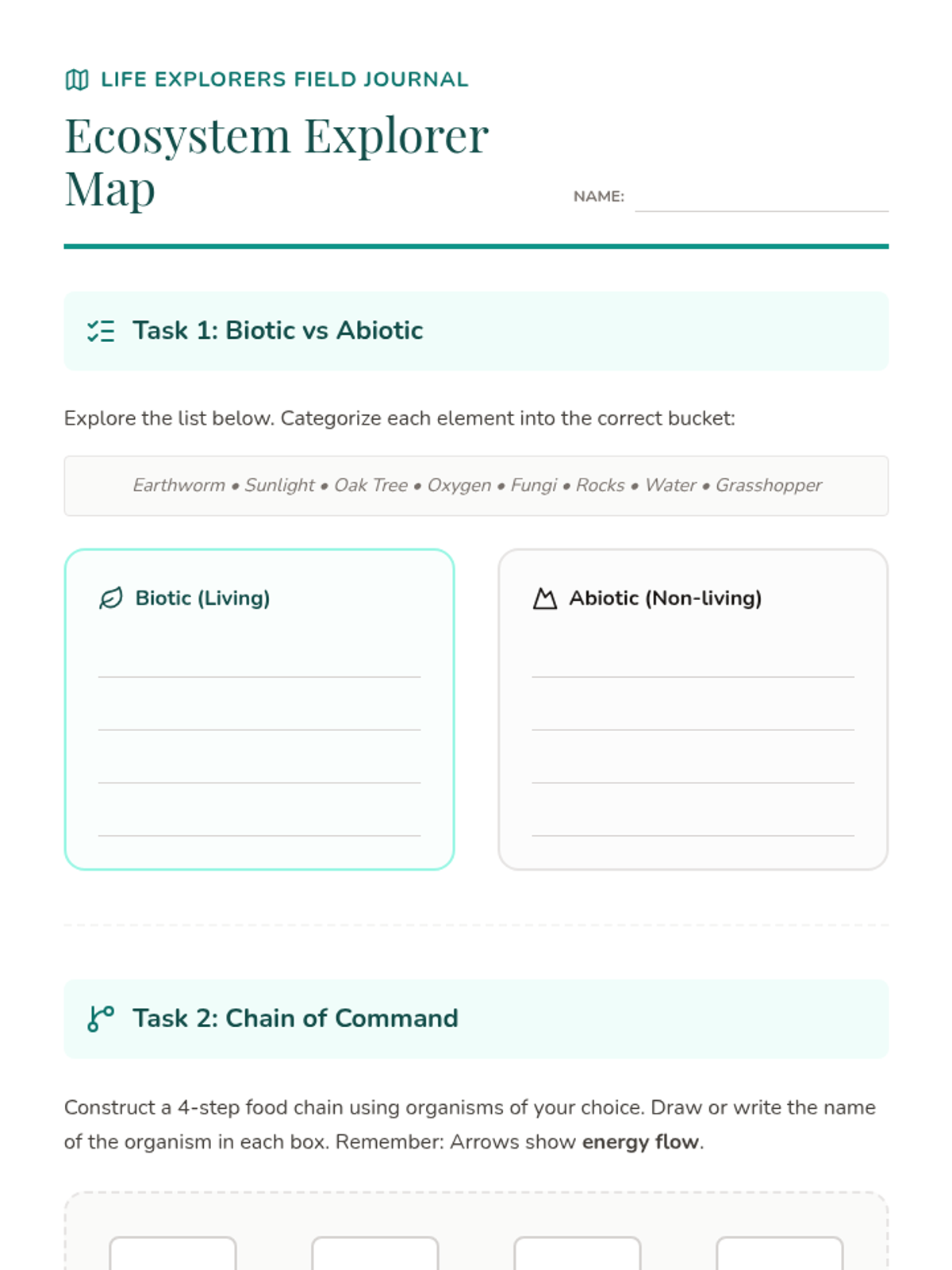
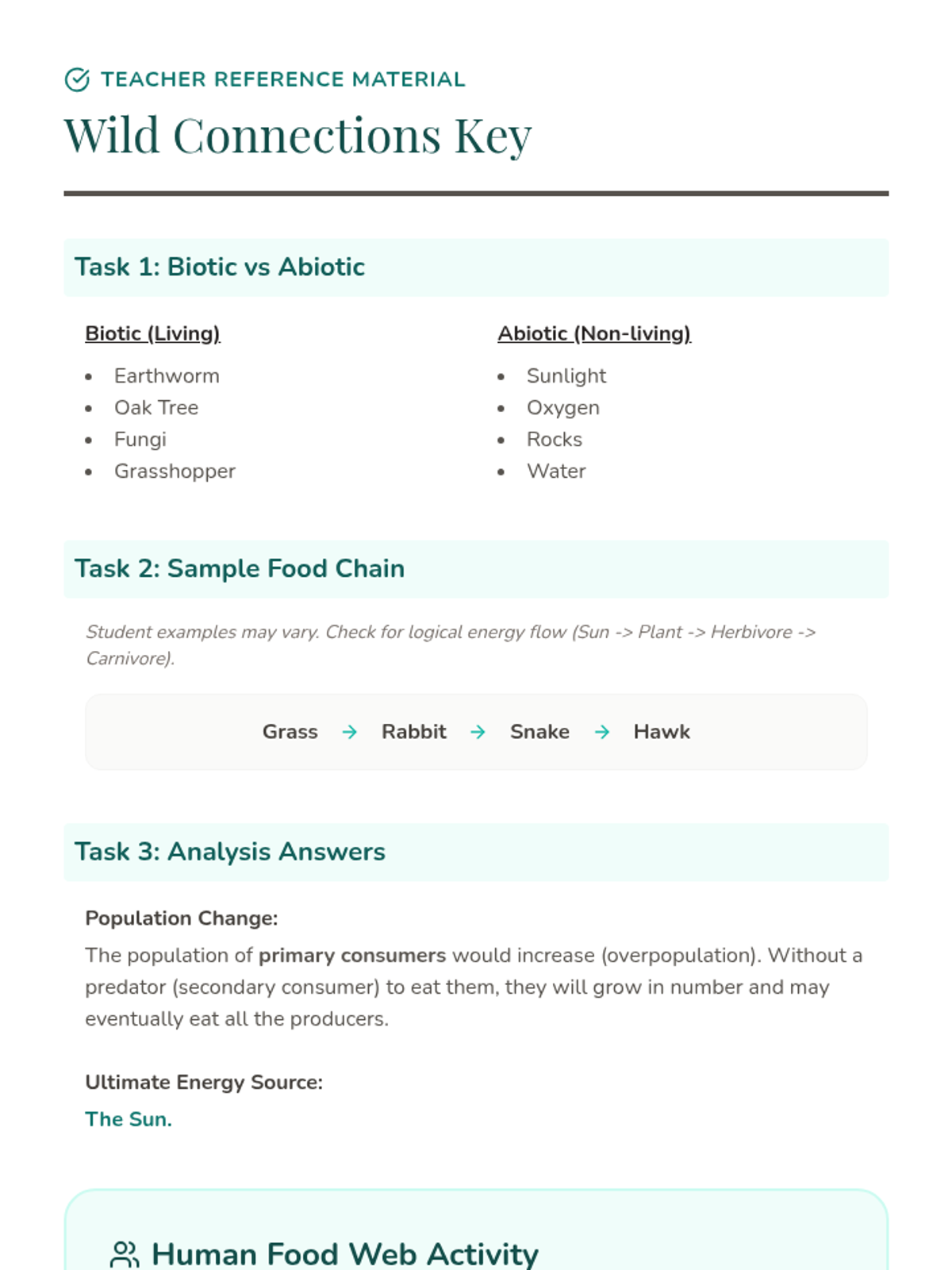
Students connect the dots between living things, examining food webs, energy transfer, and the delicate balance of ecosystems.
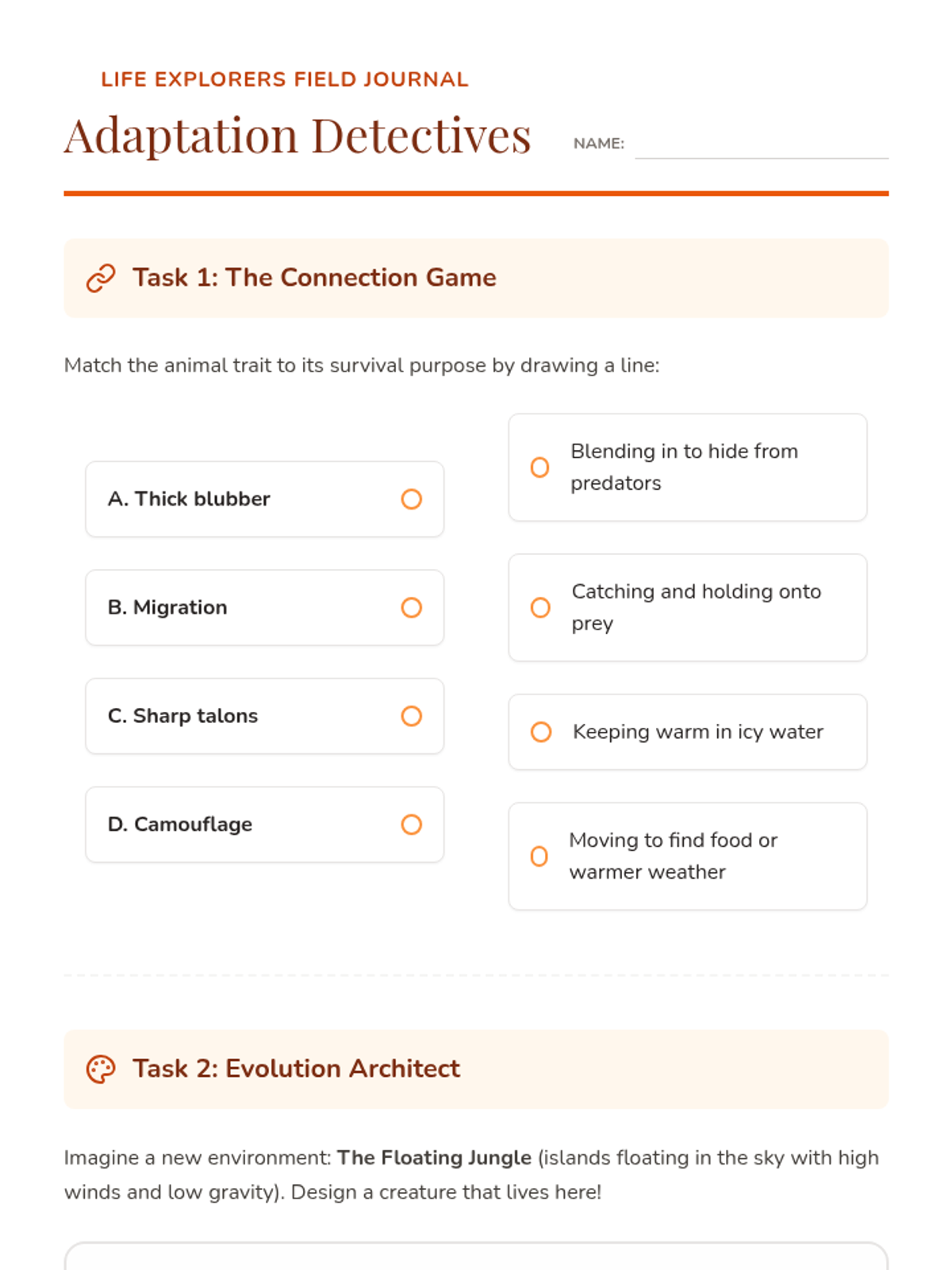
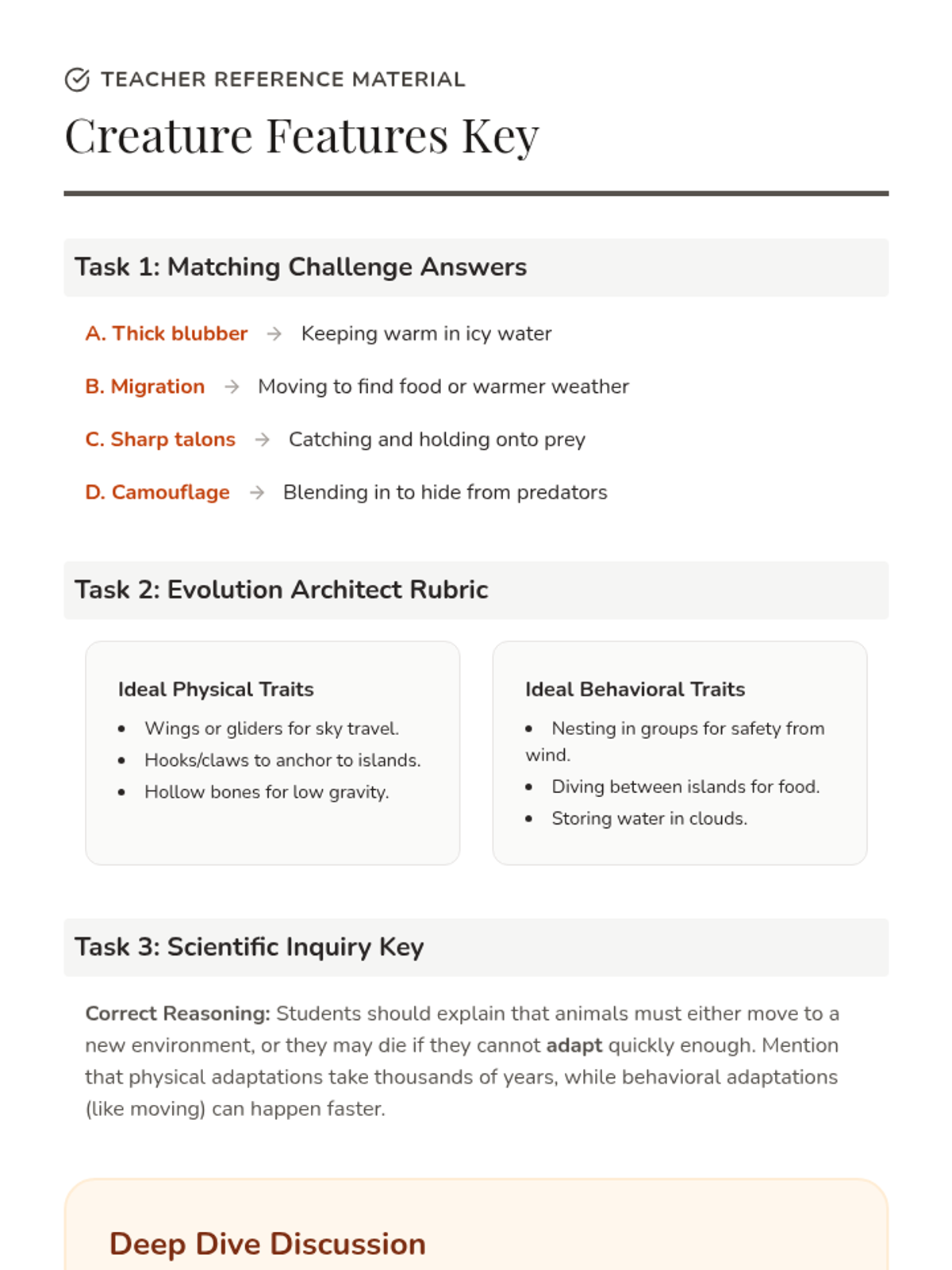
An investigation into animal adaptations, exploring how physical and behavioral traits help creatures survive in diverse environments.