A Kindergarten lesson focused on identifying Australian coins by color (gold and silver) and the unique animals featured on their tails side. Students will use tactile activities like sorting and rubbing to reinforce their recognition skills.
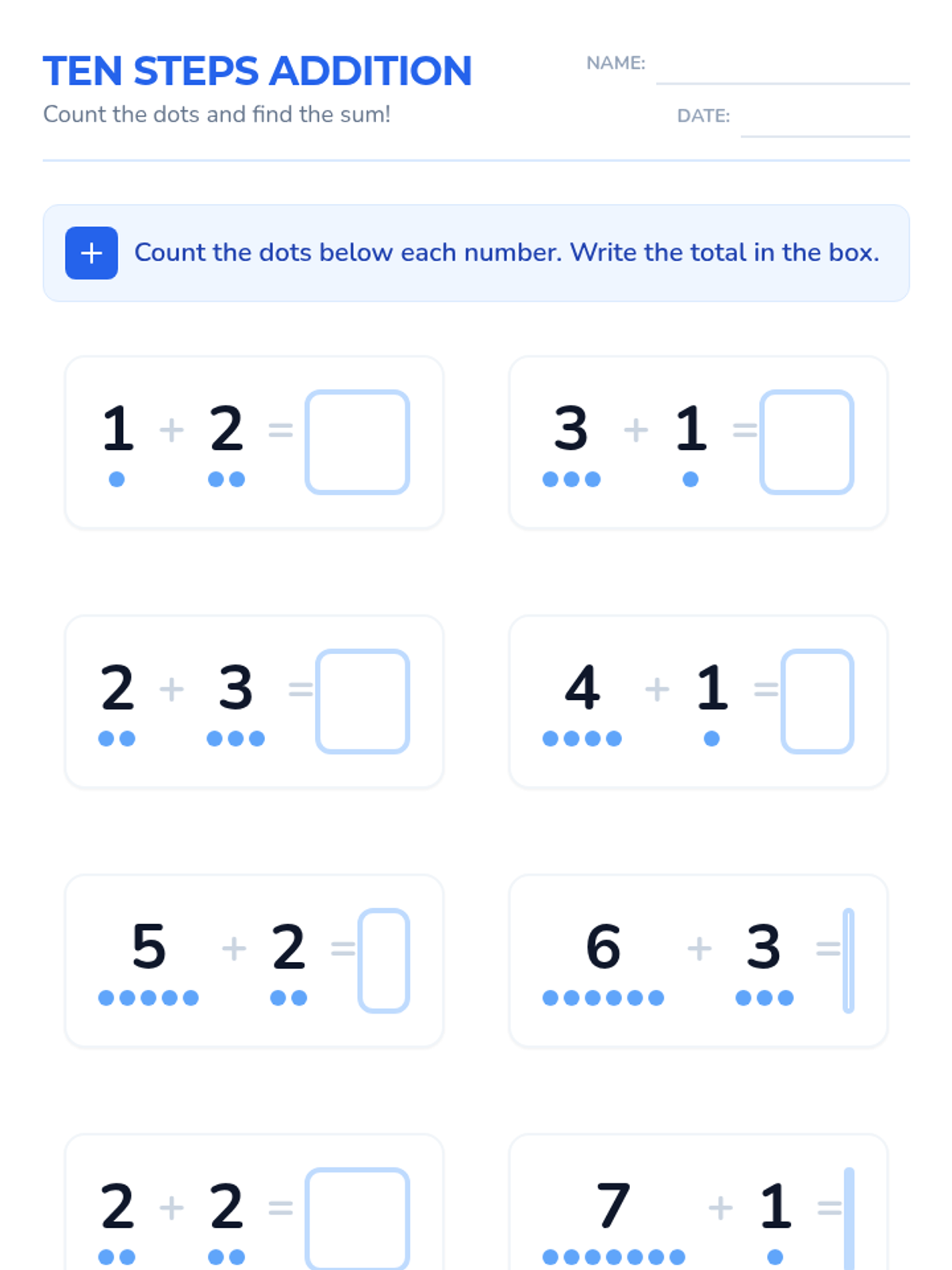
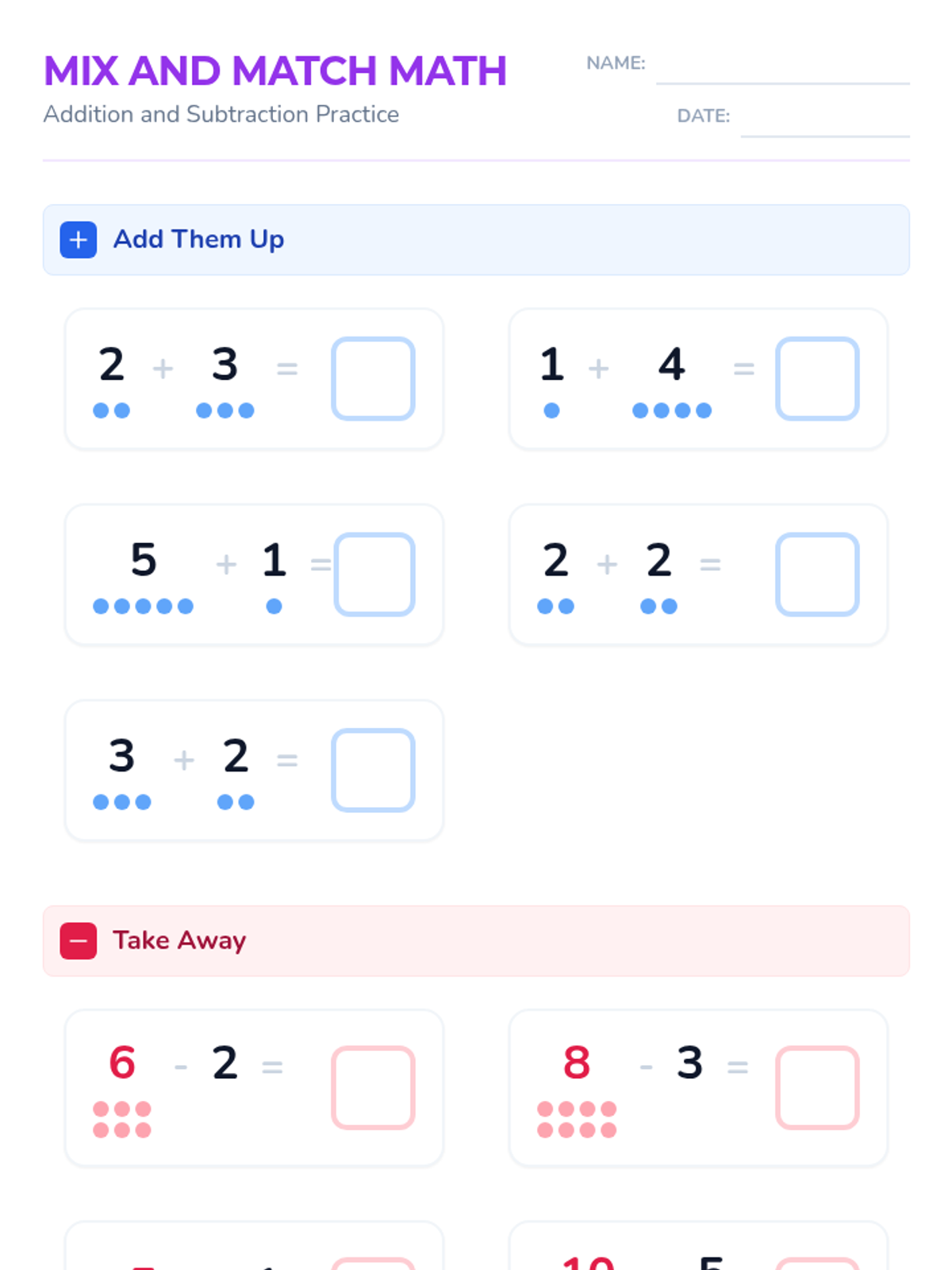
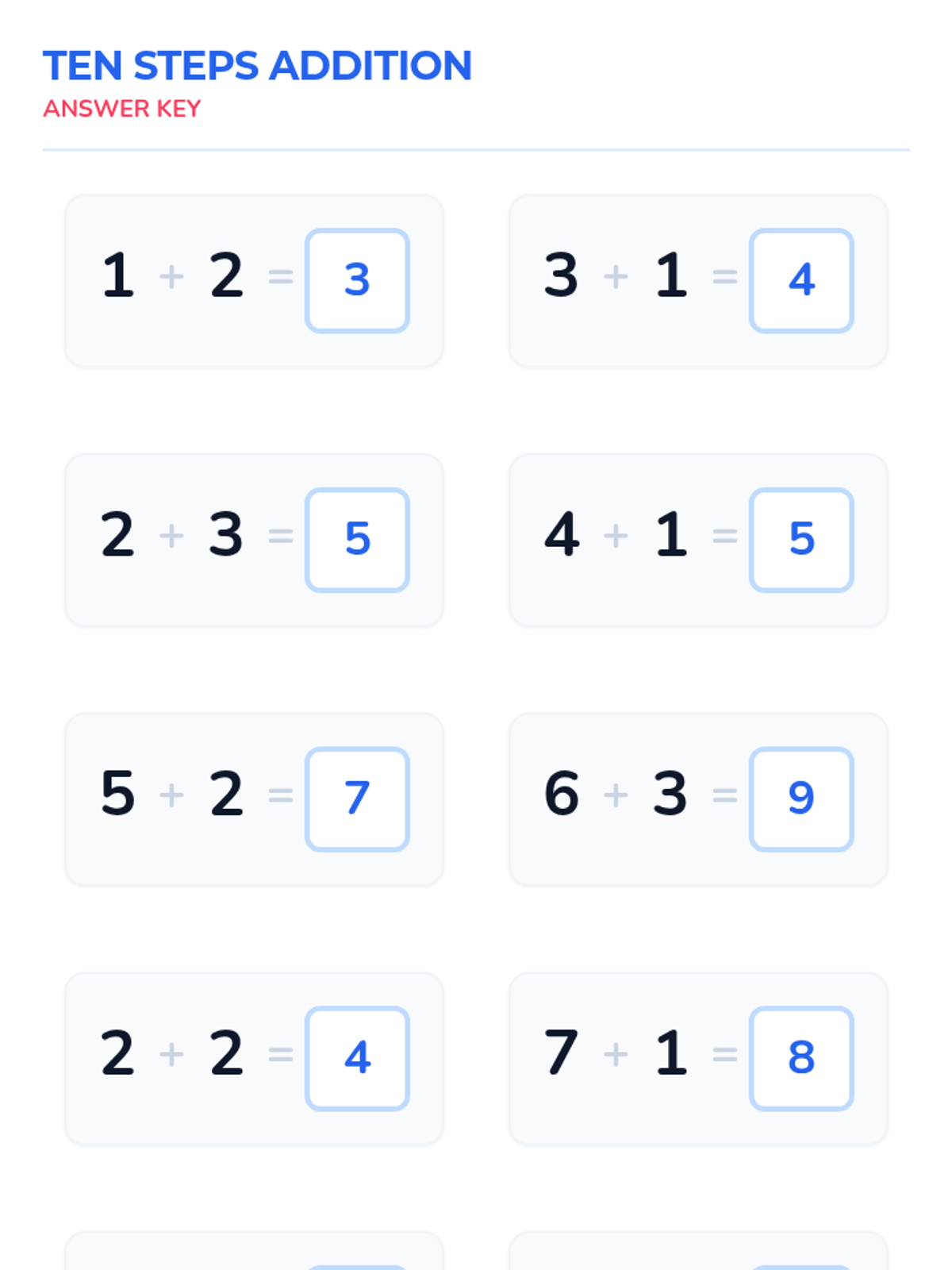
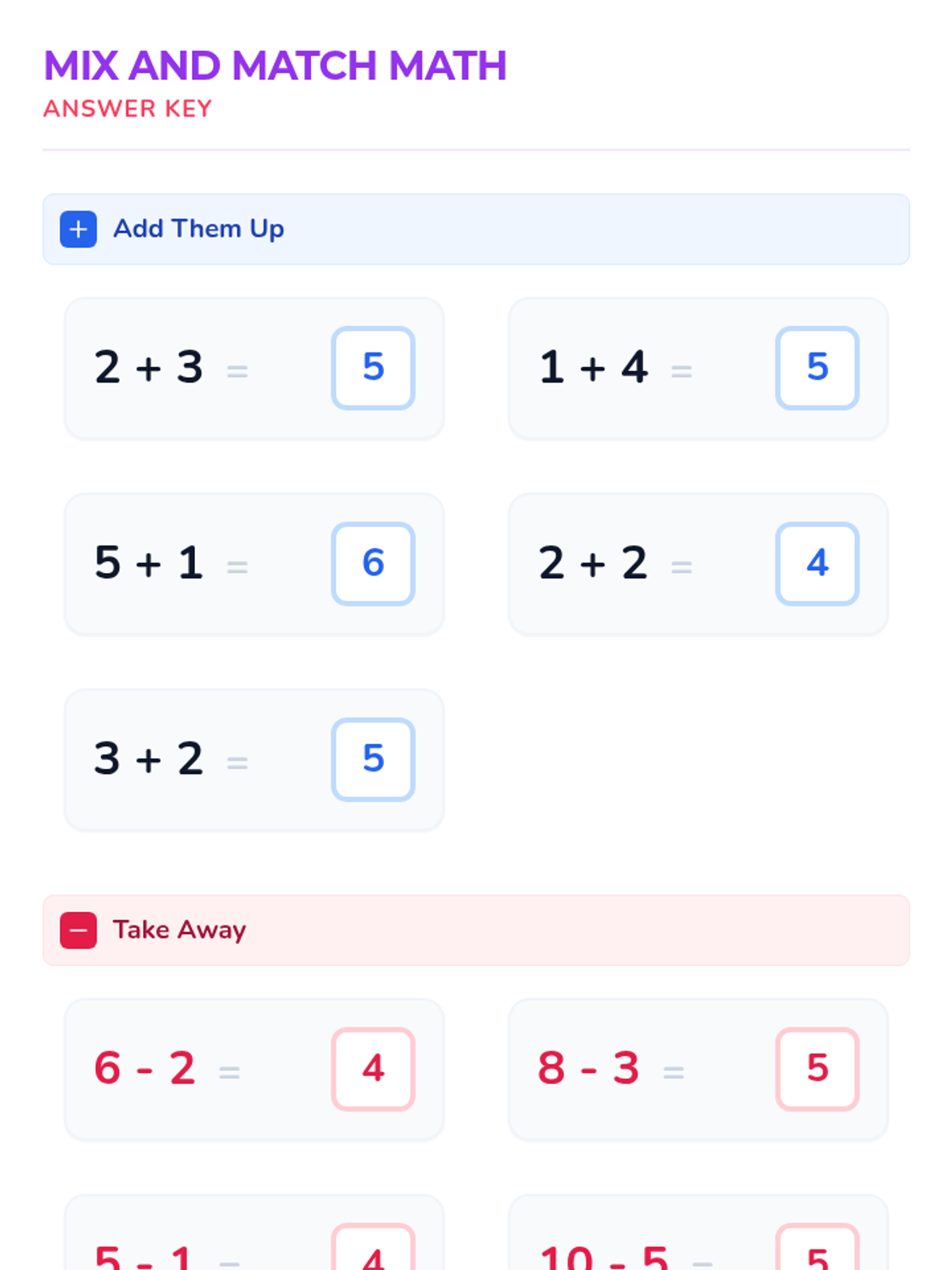
A collection of super simple, visually clear math worksheets designed for elementary learners, featuring addition and subtraction with visual counting supports.
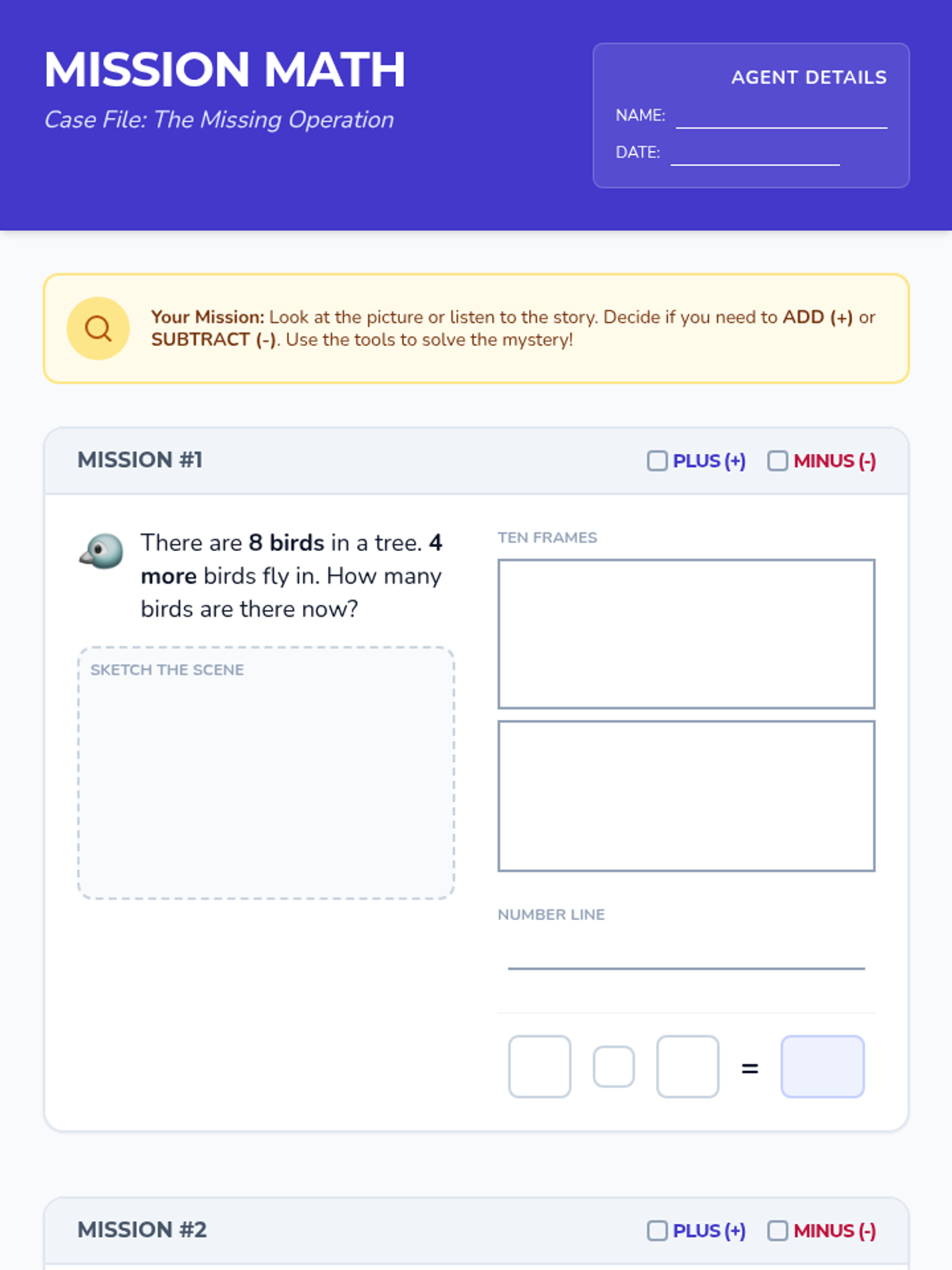
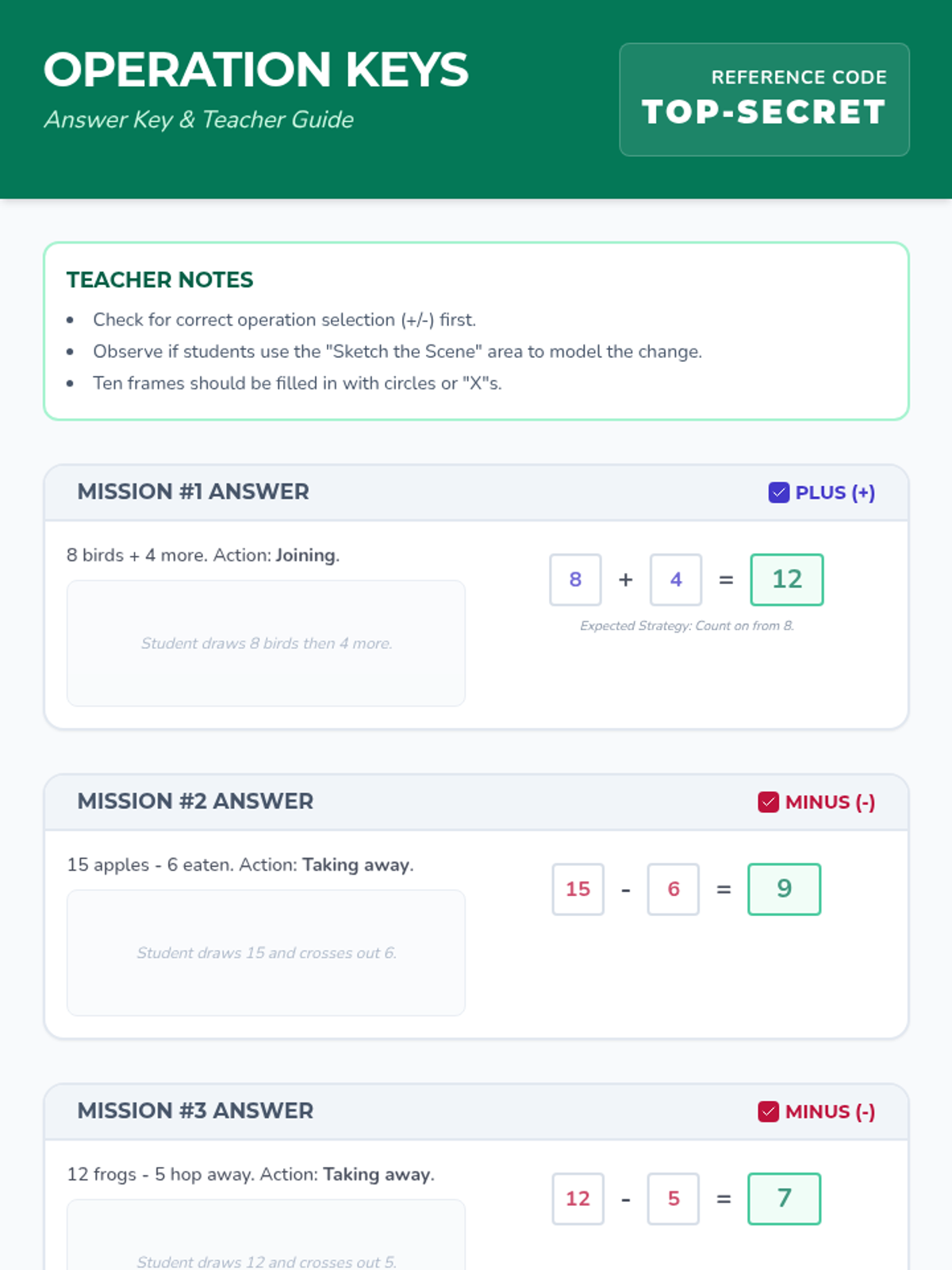
A beginner math lesson focused on identifying whether to use addition or subtraction to solve word problems within 20, utilizing ten frames and number lines.
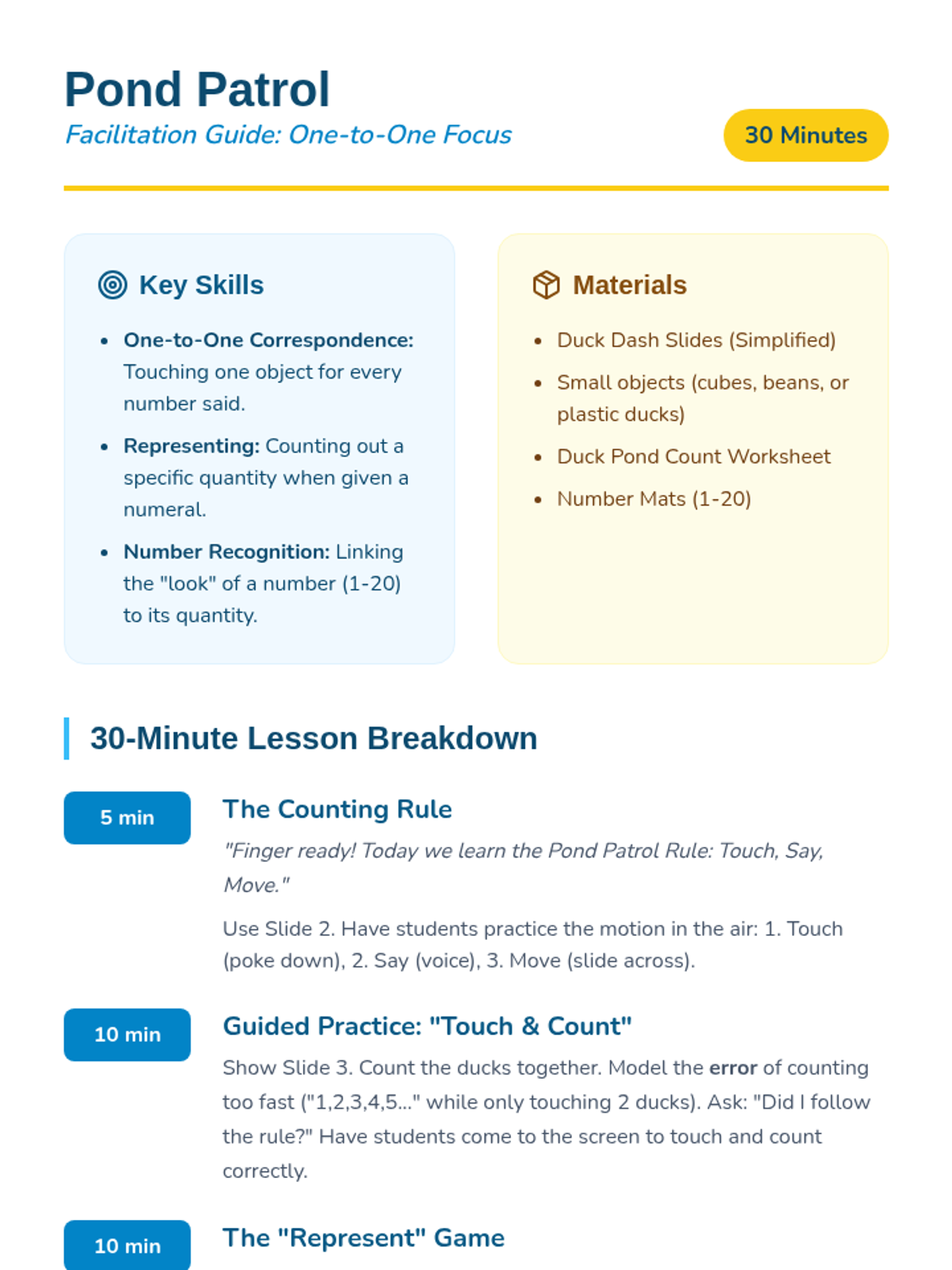
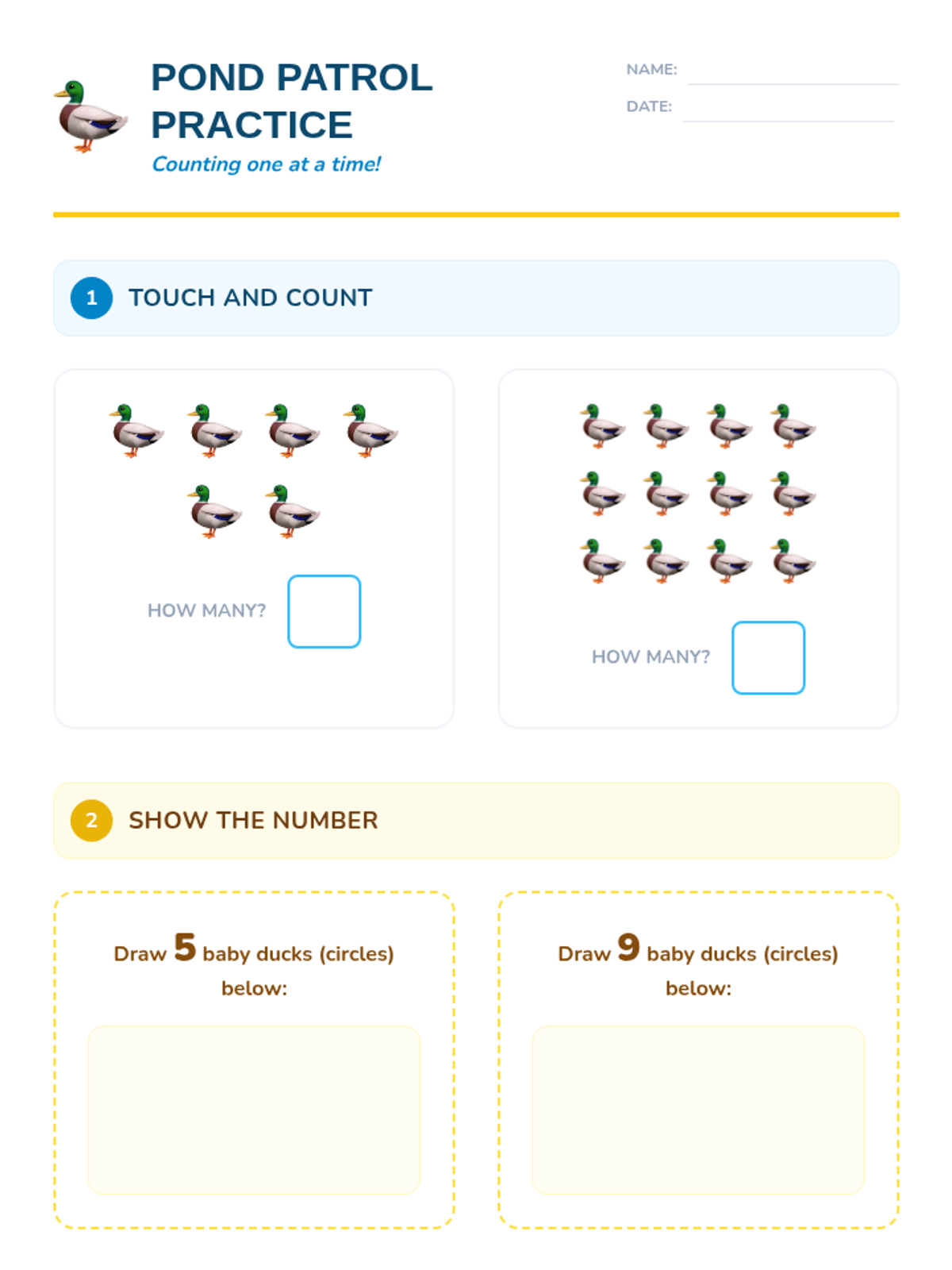
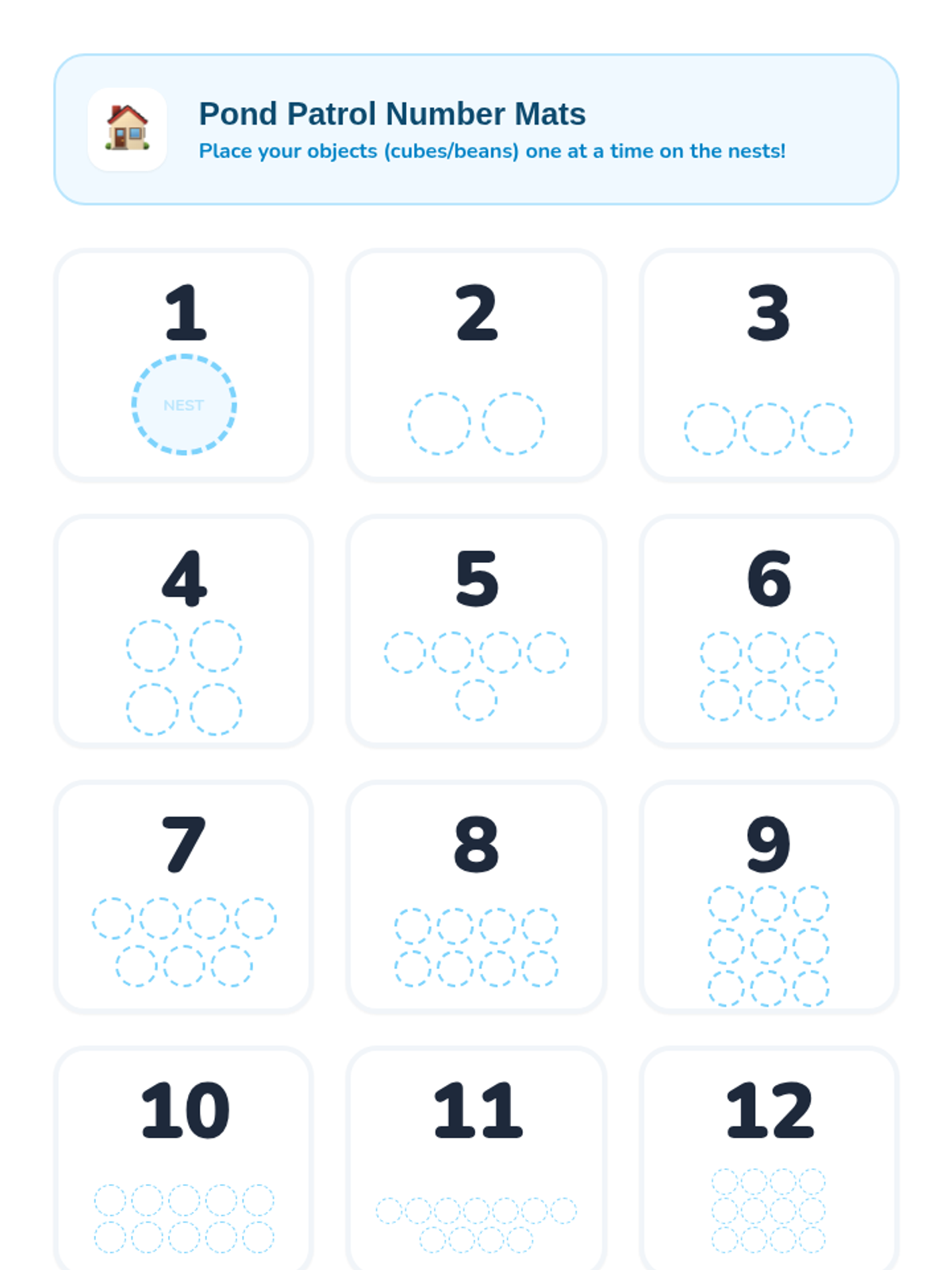
A high-energy, duck-themed 30-minute lesson focusing on counting 1-20, one-to-one correspondence, and number ordering. Students will use visual slides, hands-on counting cards, and practice worksheets to master number recognition and representation.
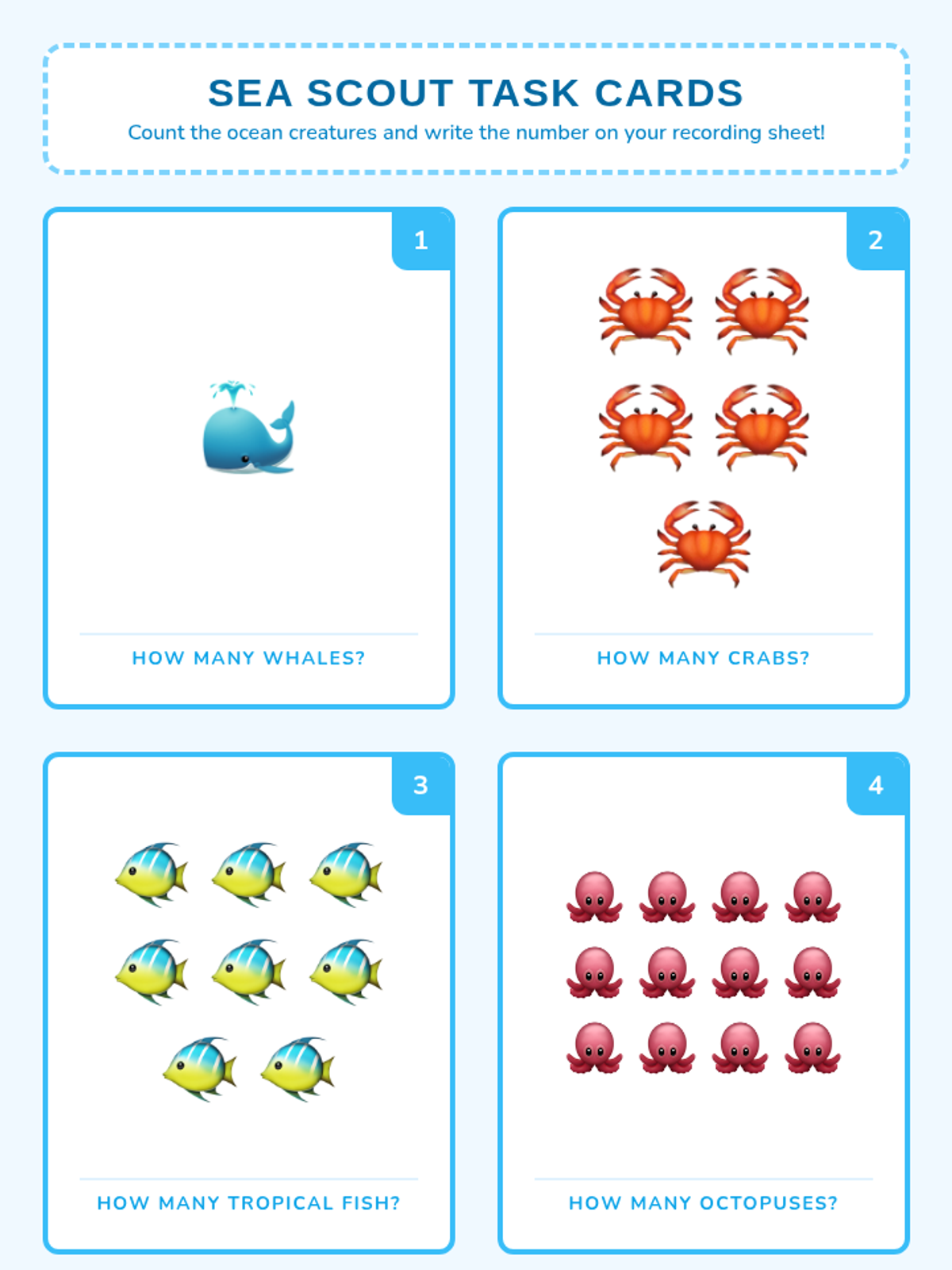
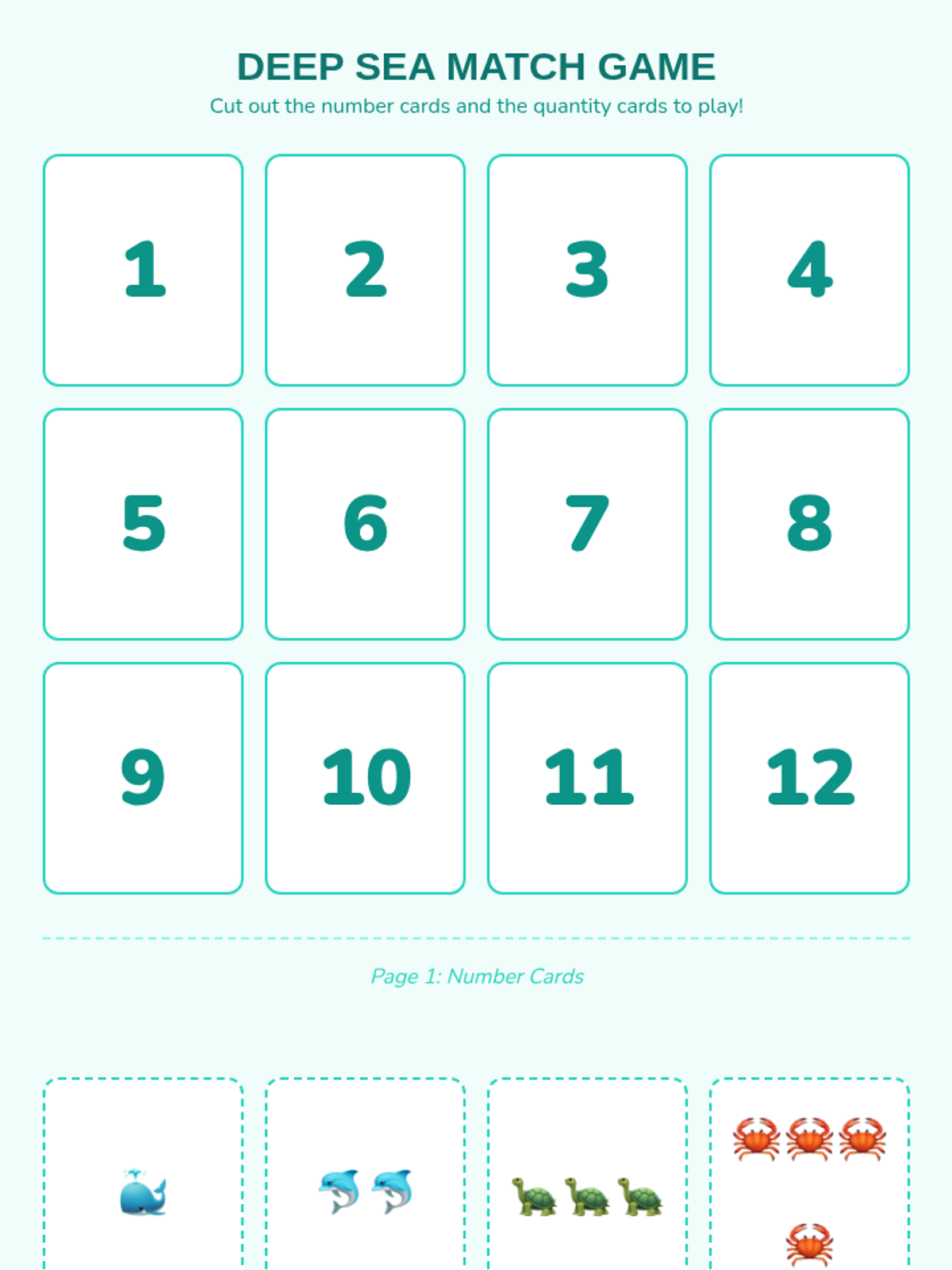
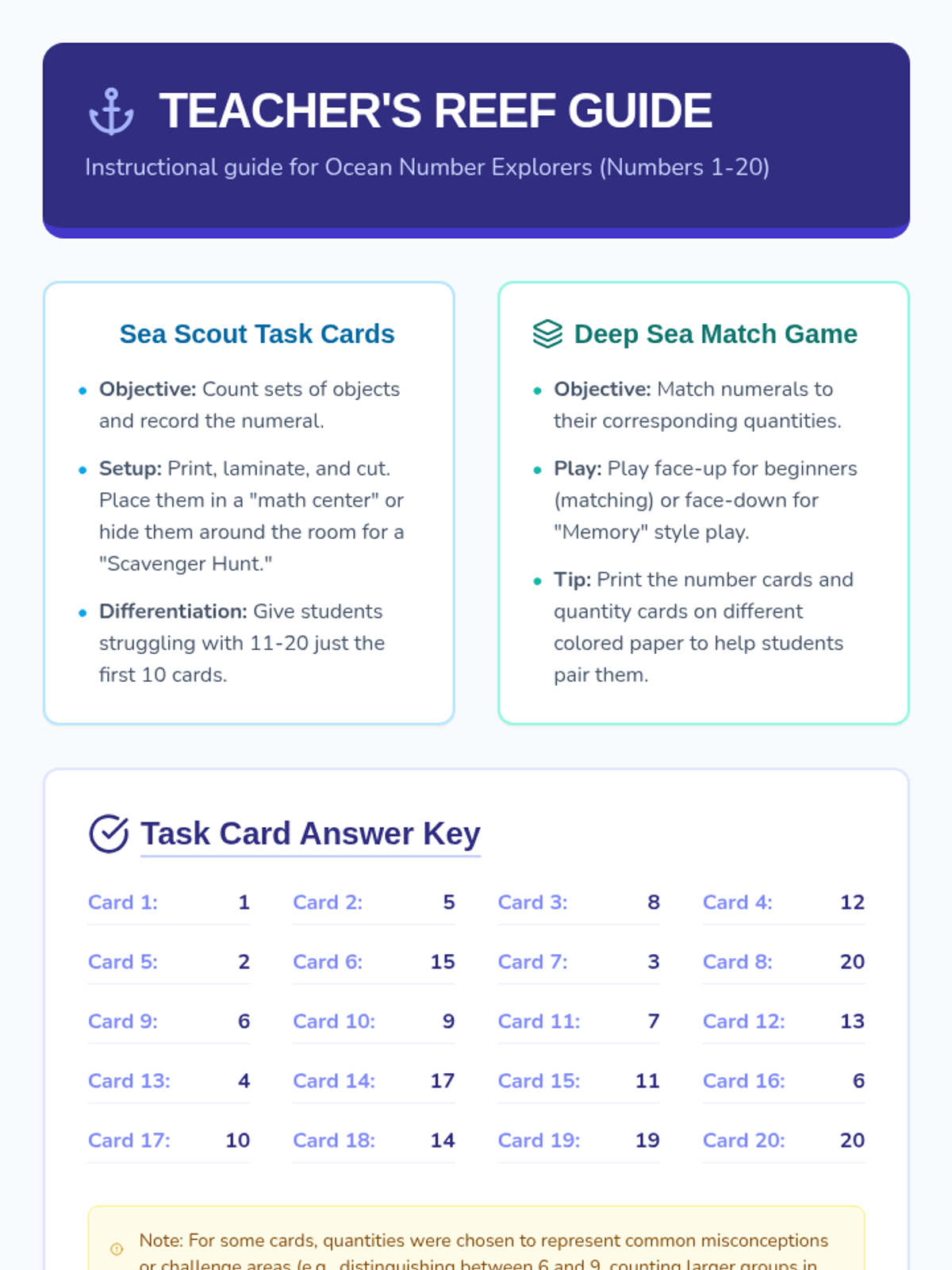
A collection of ocean-themed math activities focused on counting, identifying numbers 1-20, and developing one-to-one correspondence through task cards and a matching game.
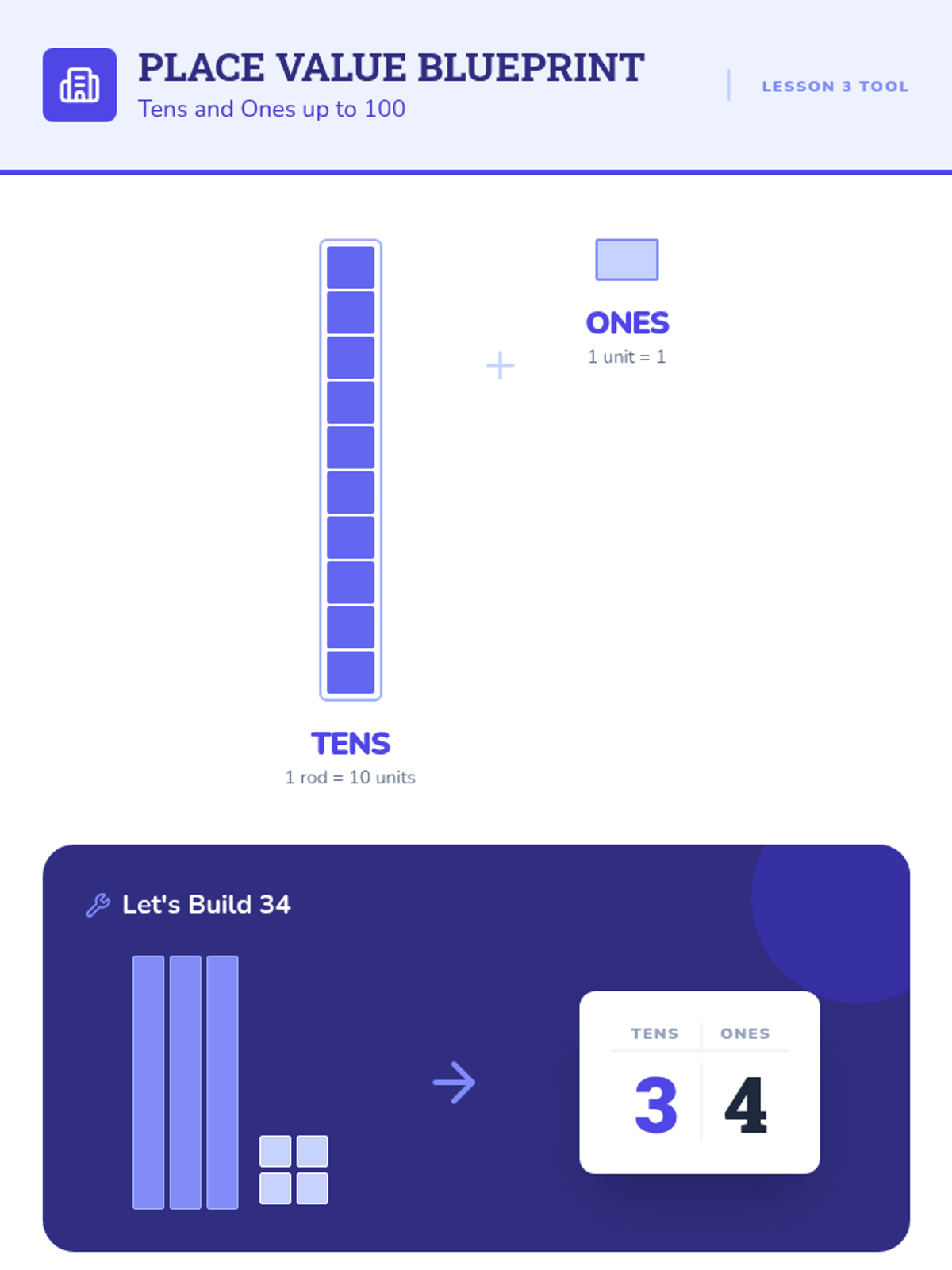
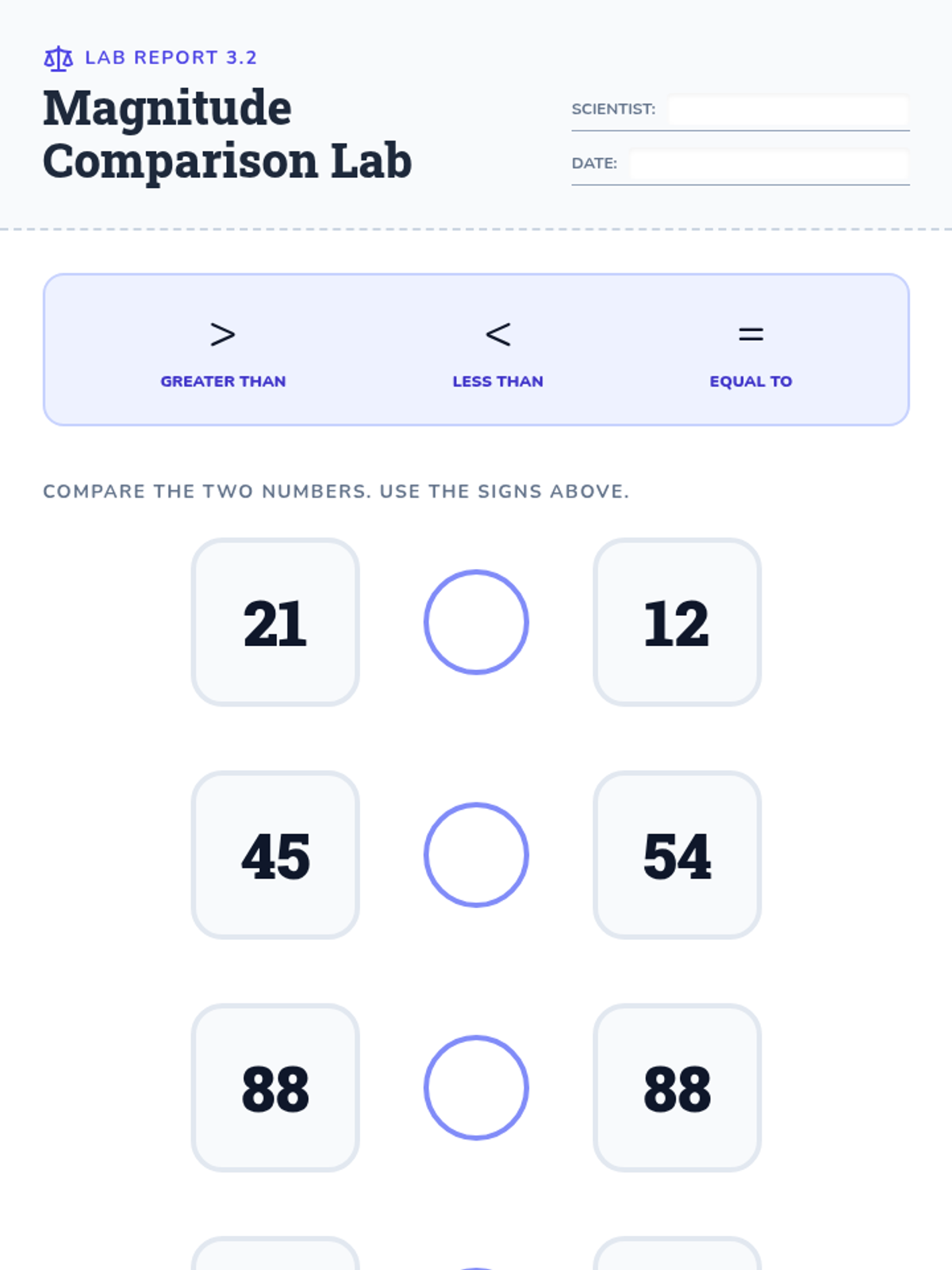
Extends number sense to 100, emphasizing place value (tens and ones), magnitude comparison, and identifying patterns in the 100-chart.
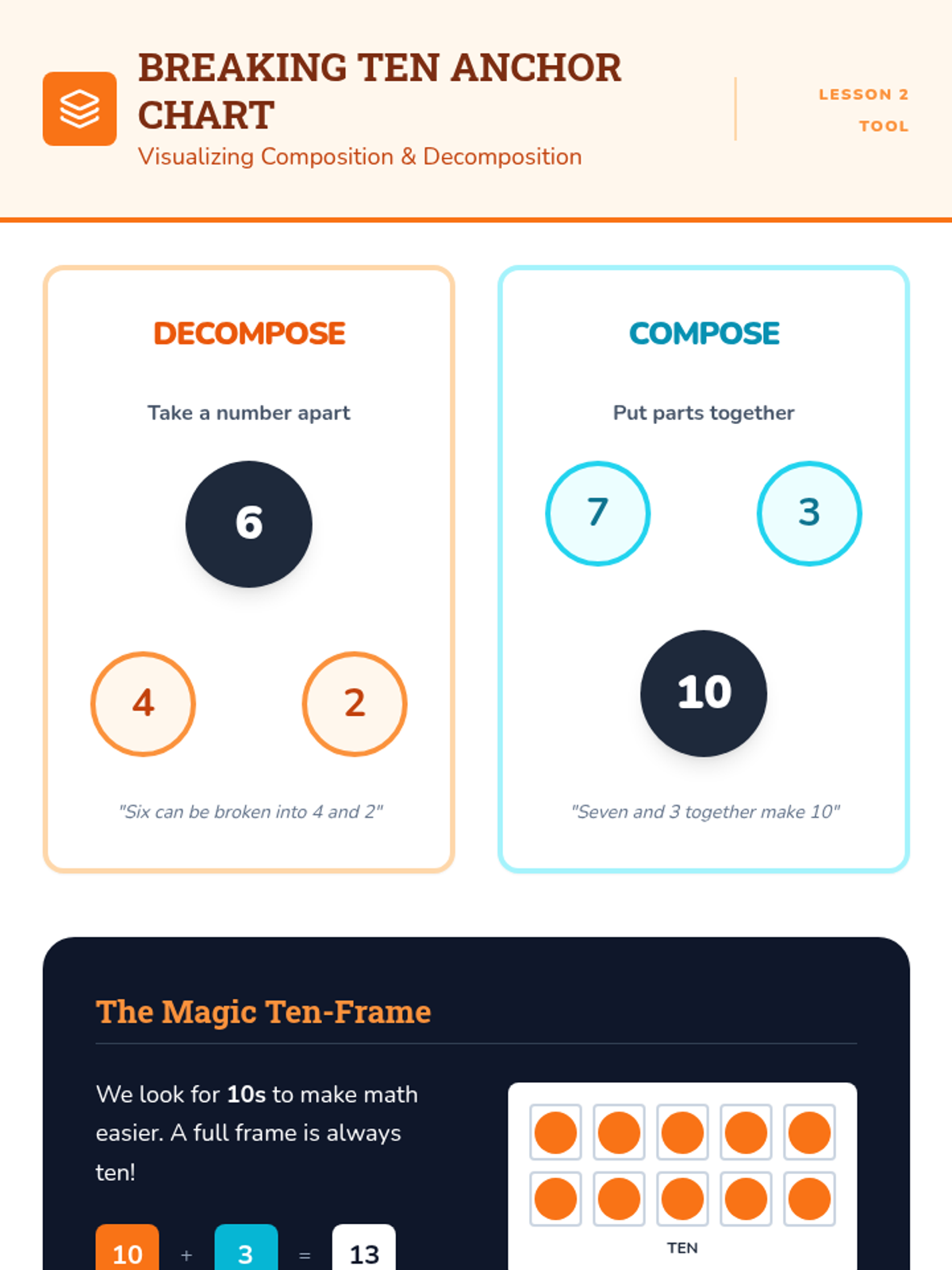
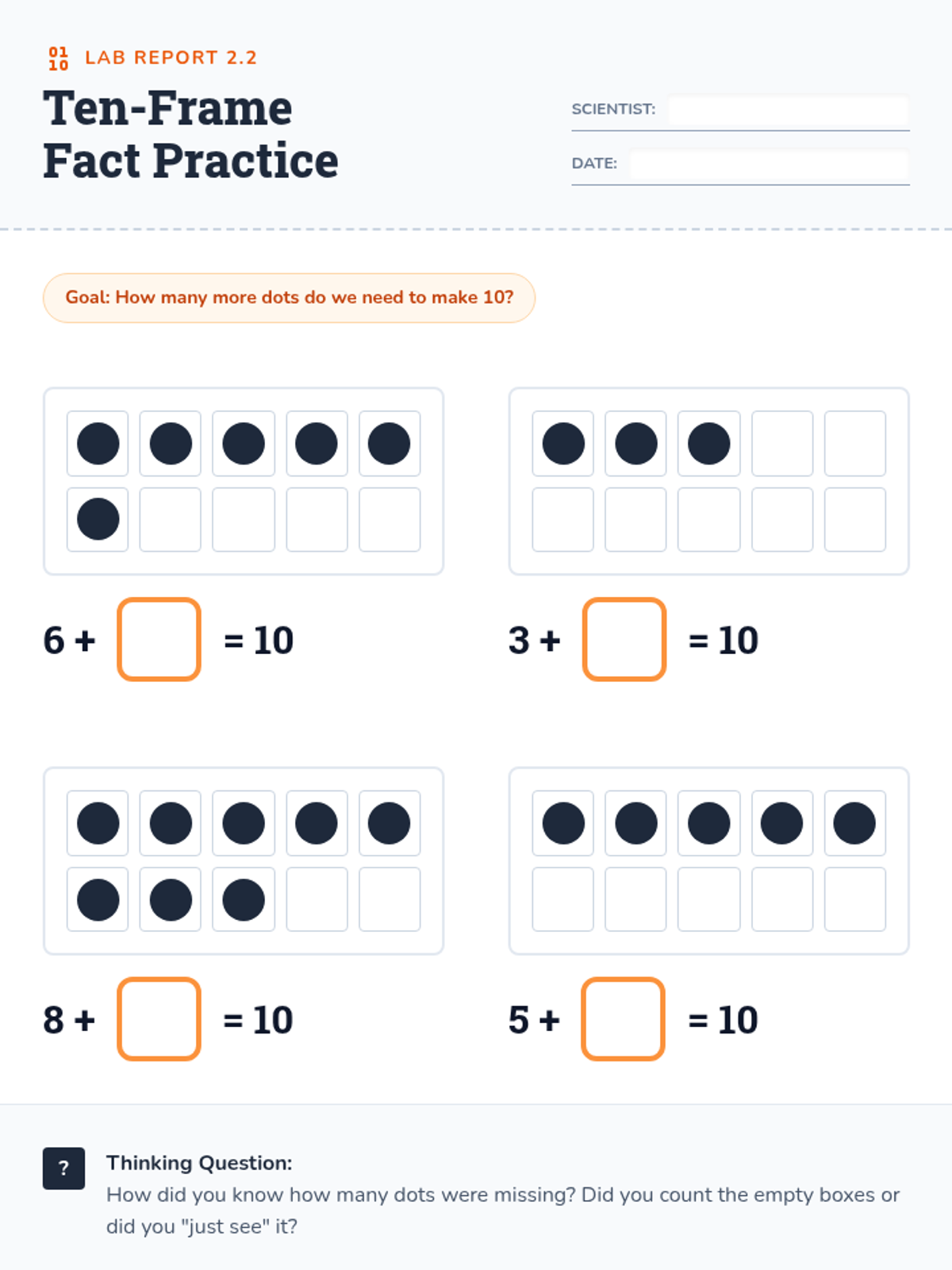
Develops the ability to compose and decompose numbers within 20, focusing on the power of 10 and building basic addition/subtraction fact fluency.
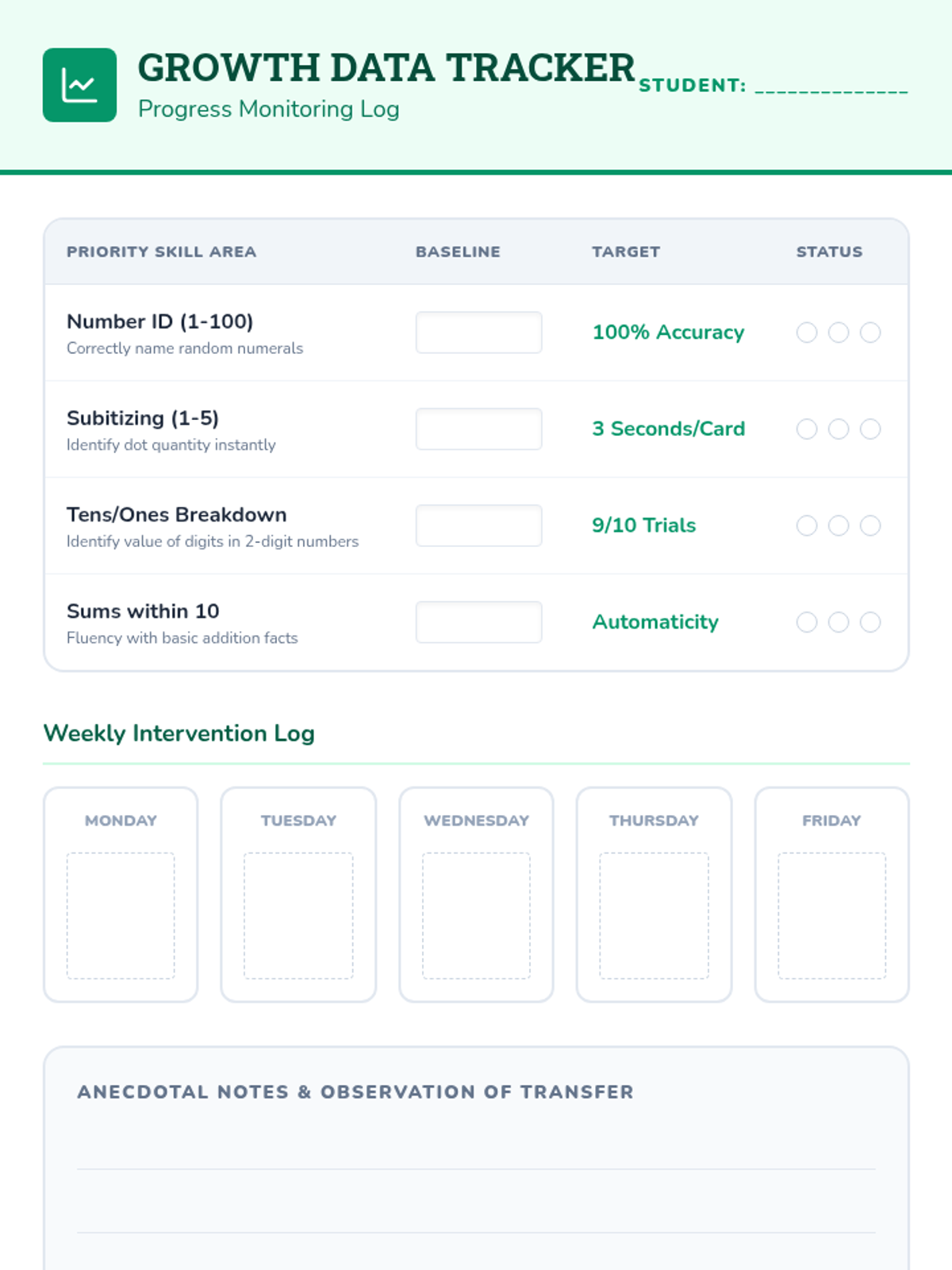
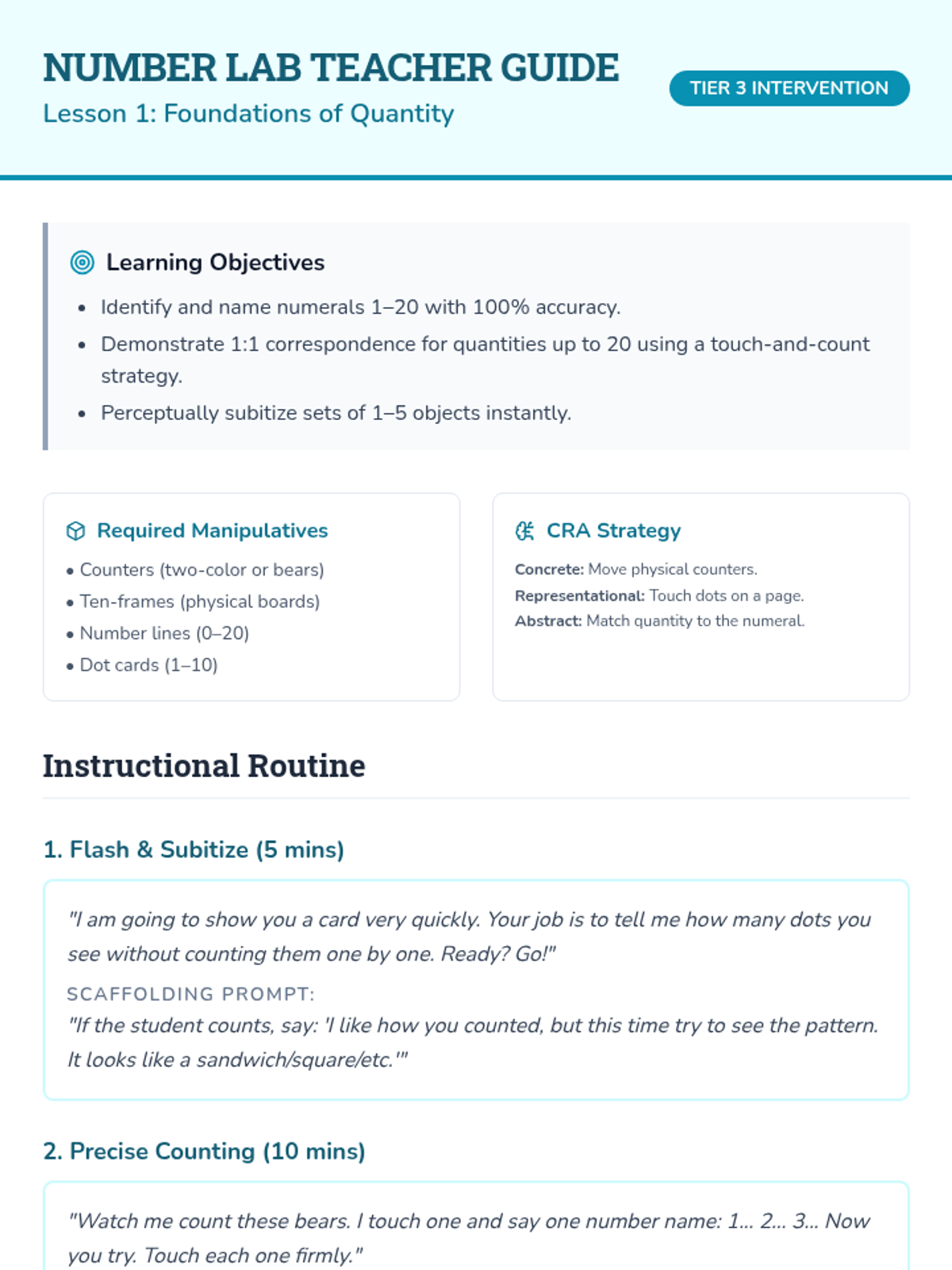
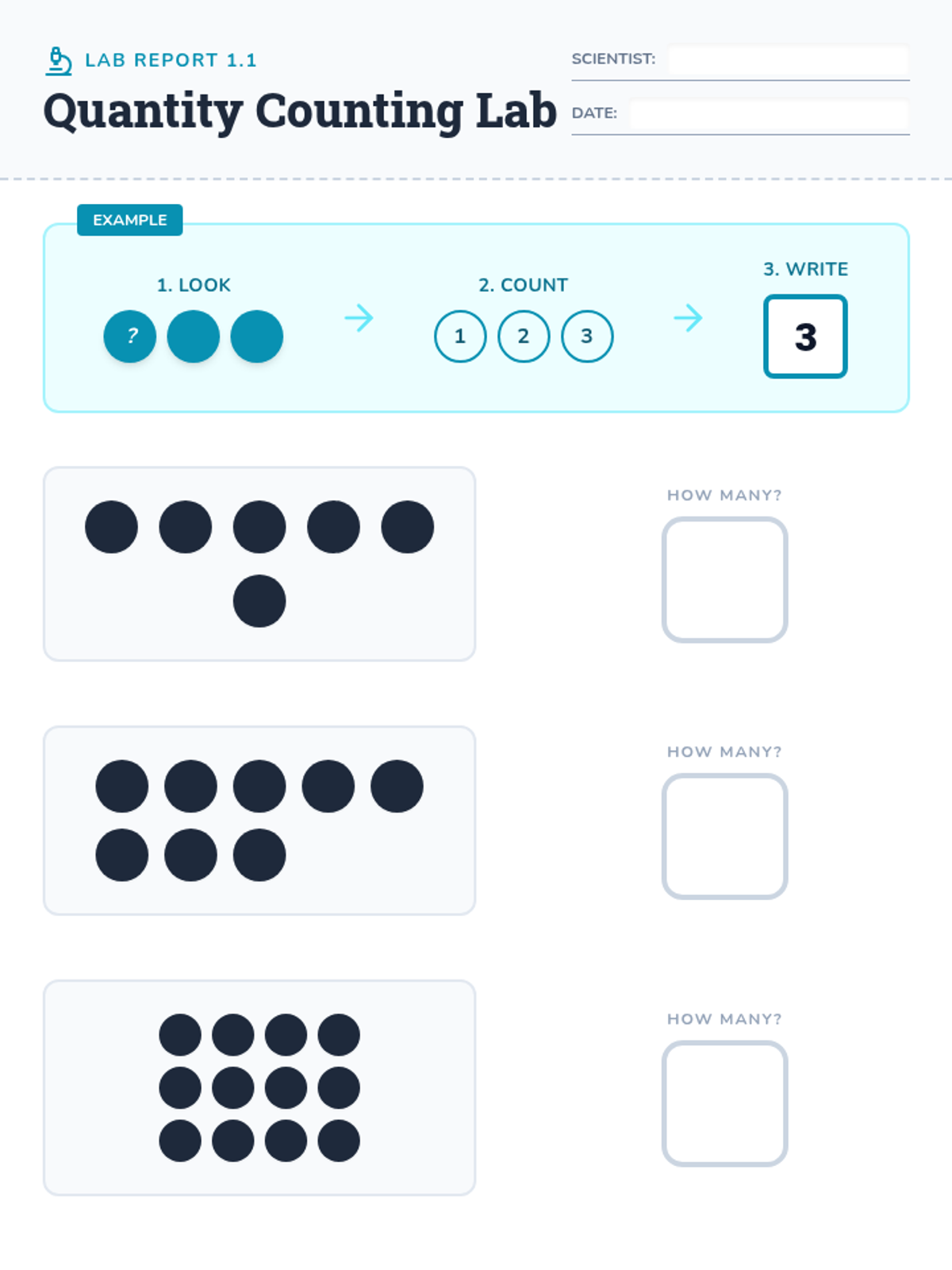
Focuses on identifying numbers to 20, mastering 1:1 correspondence through physical and visual counting, and developing perceptual subitizing skills.
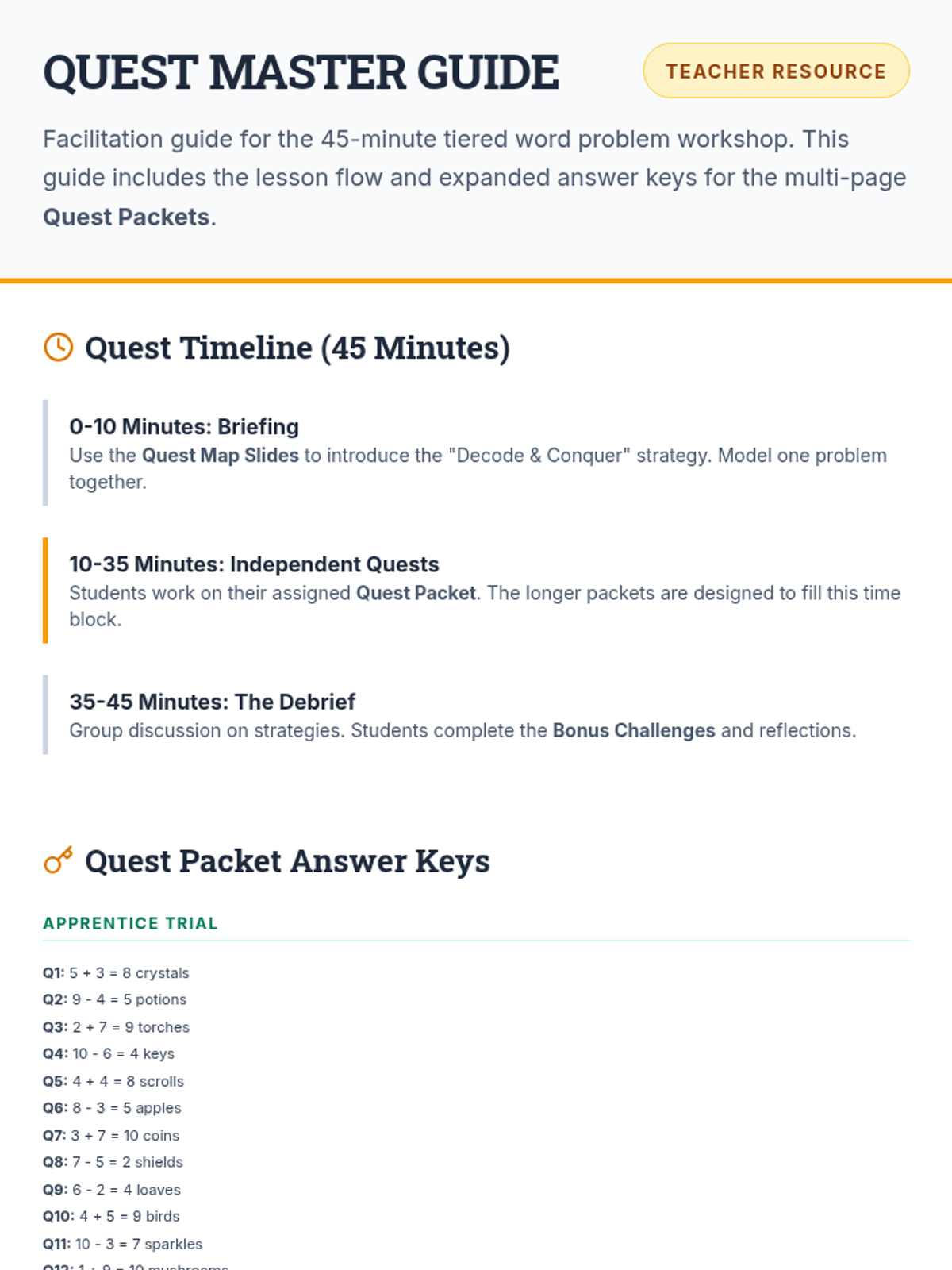
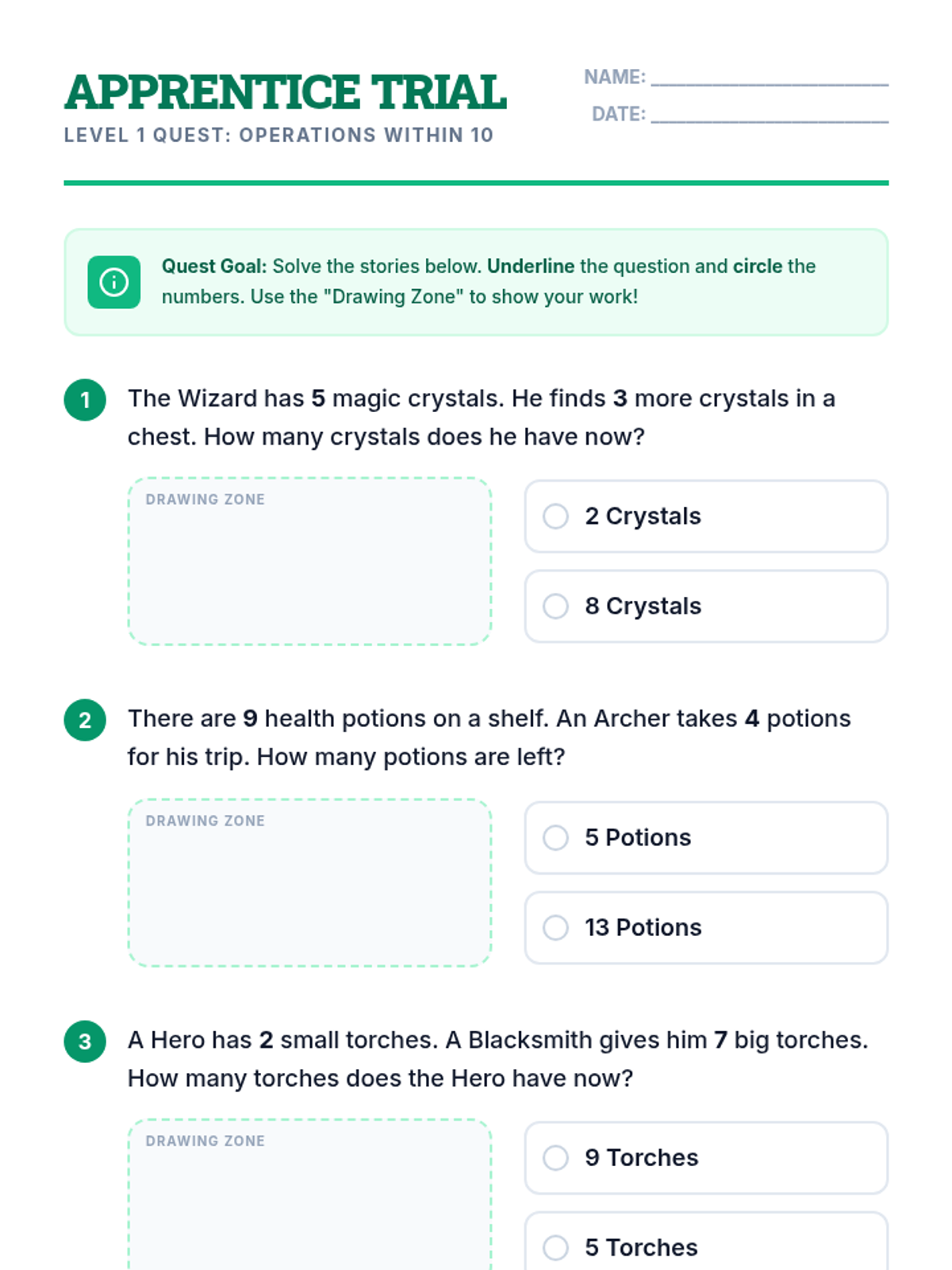
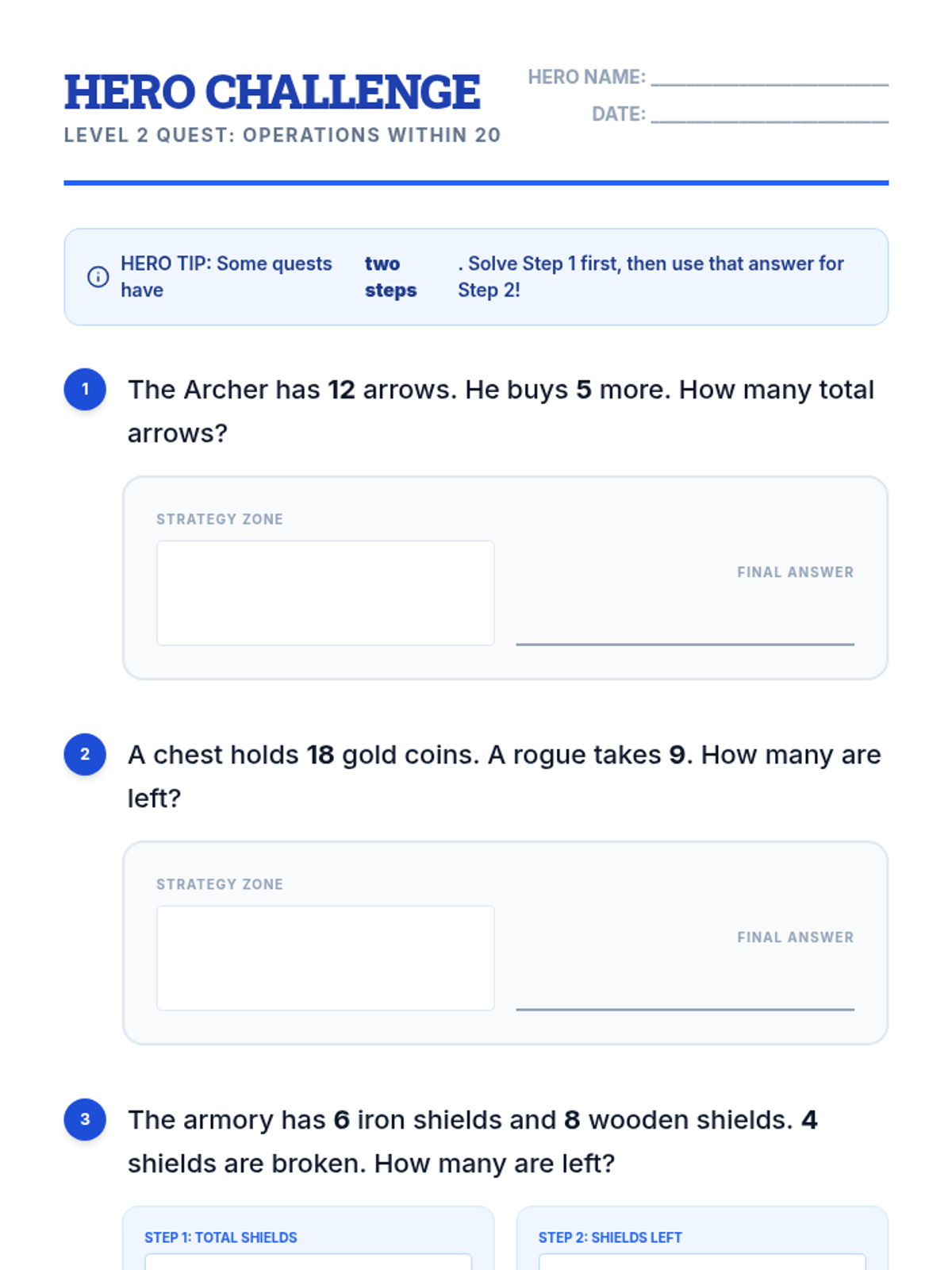
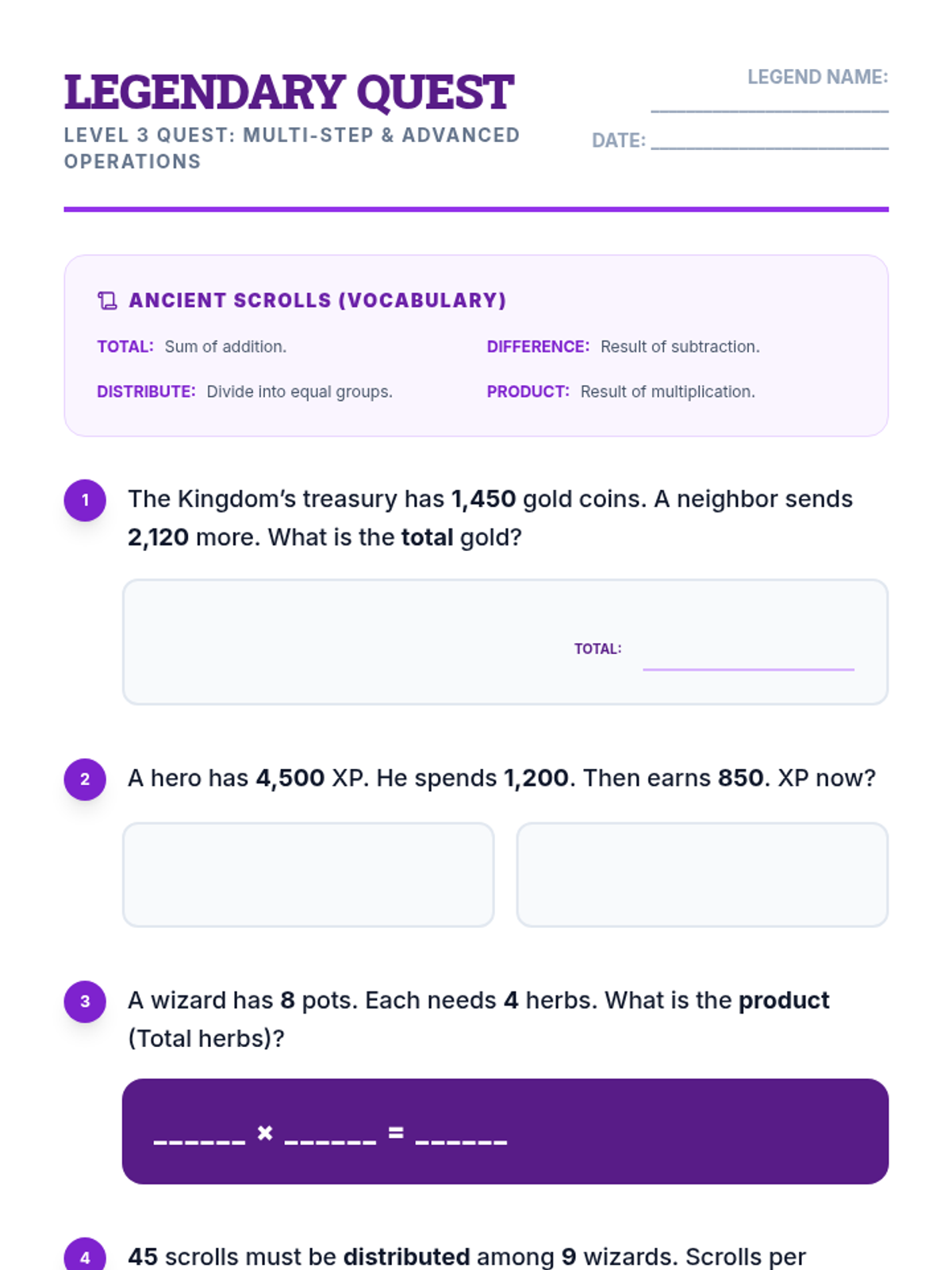
Students engage in a tiered math workshop where they choose or are assigned a 'Quest Level' based on their current mastery of word problems. The lesson includes direct instruction on decoding problems and independent practice at three distinct challenge levels.
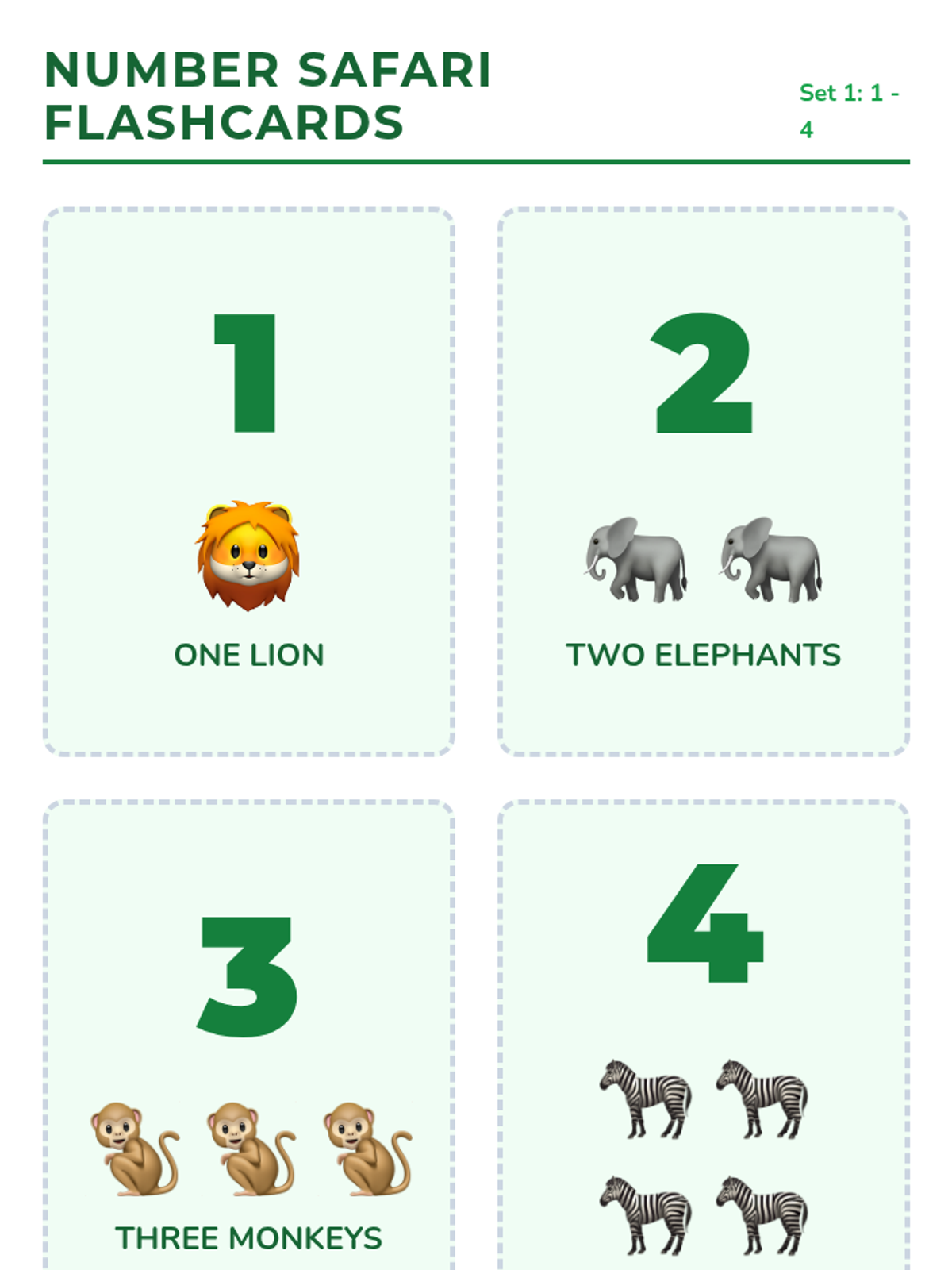
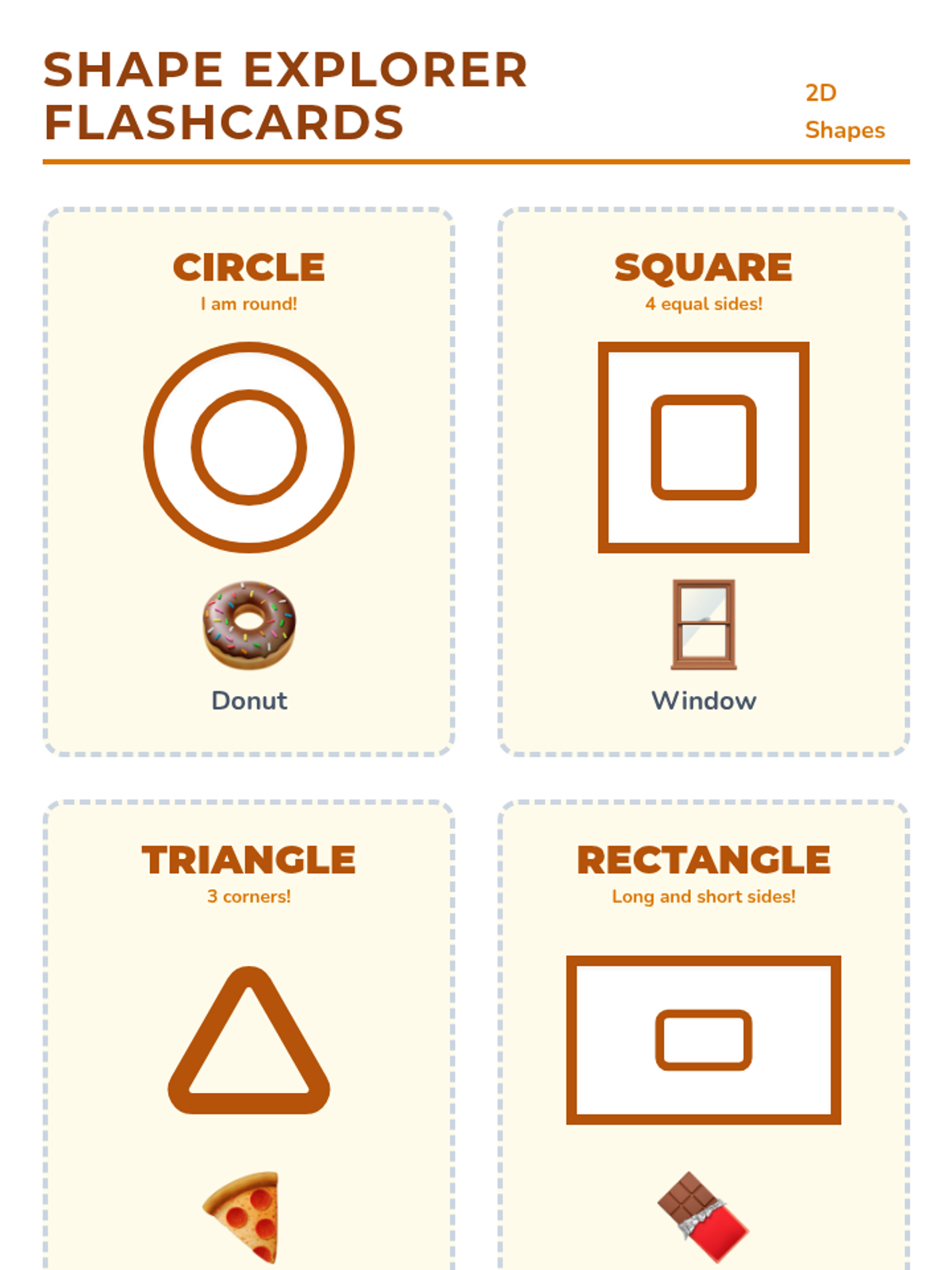
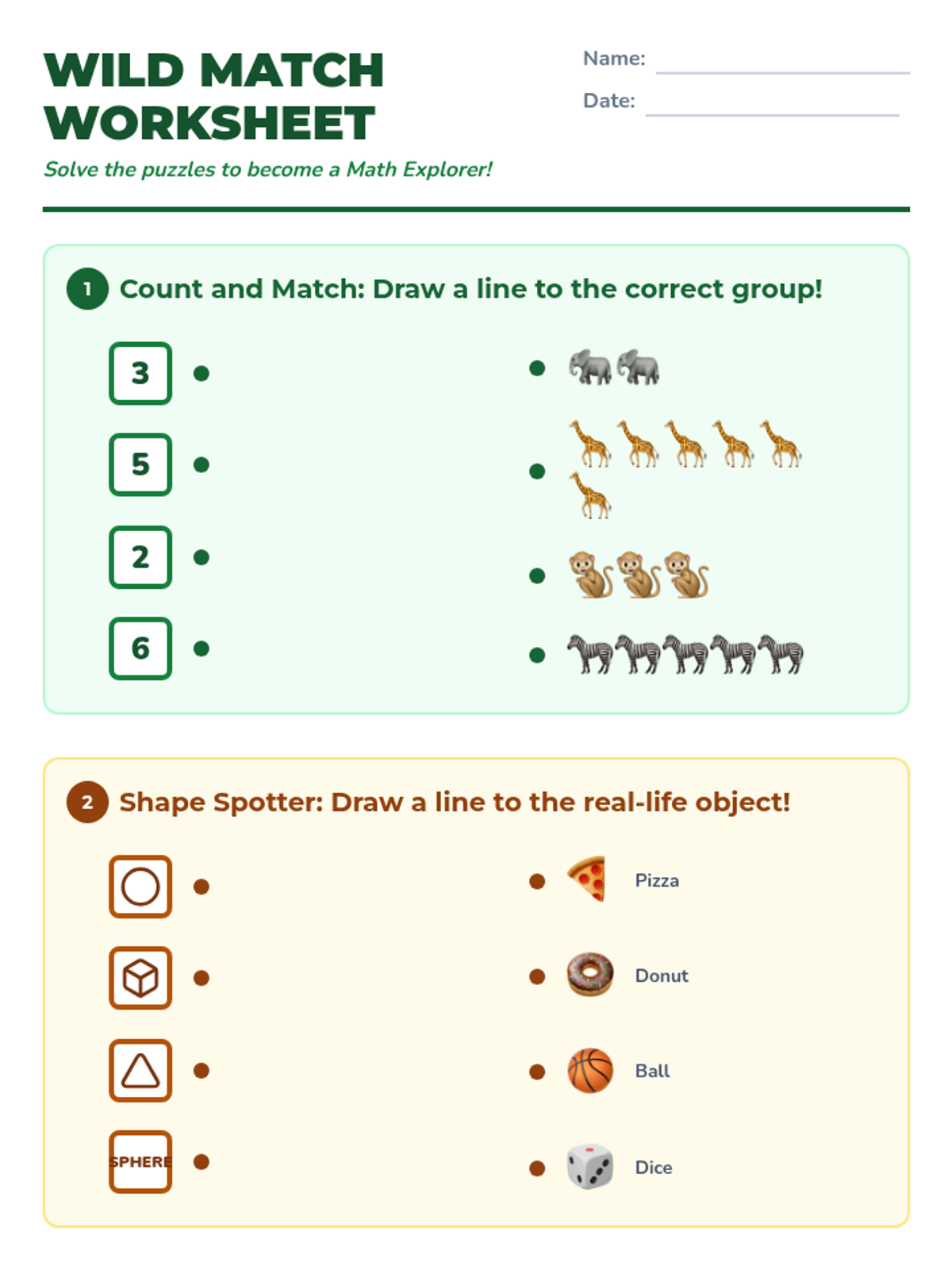
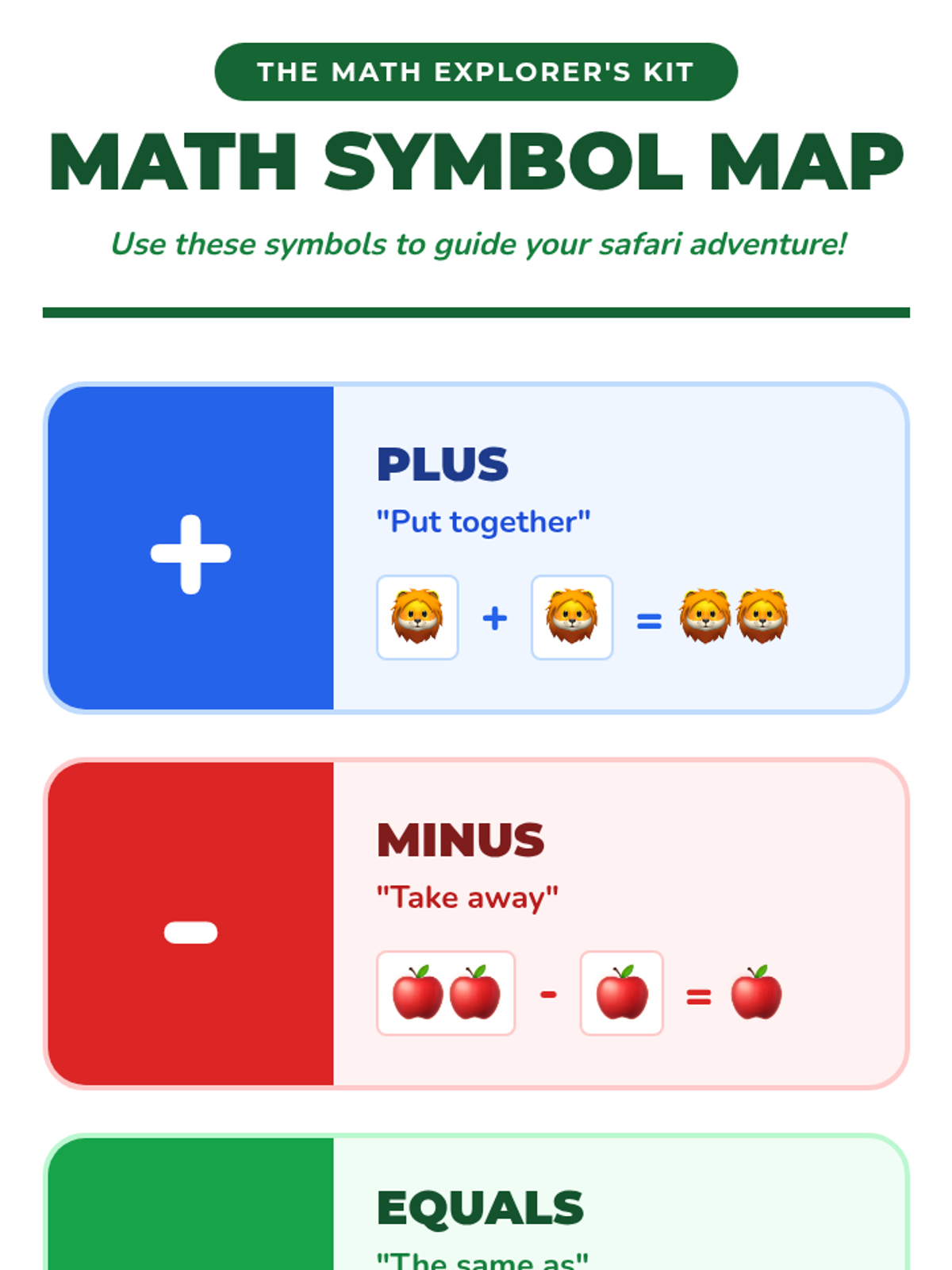
A foundational math lesson exploring numbers 1-10, basic 2D and 3D shapes, and introductory mathematical symbols through an engaging jungle safari theme.
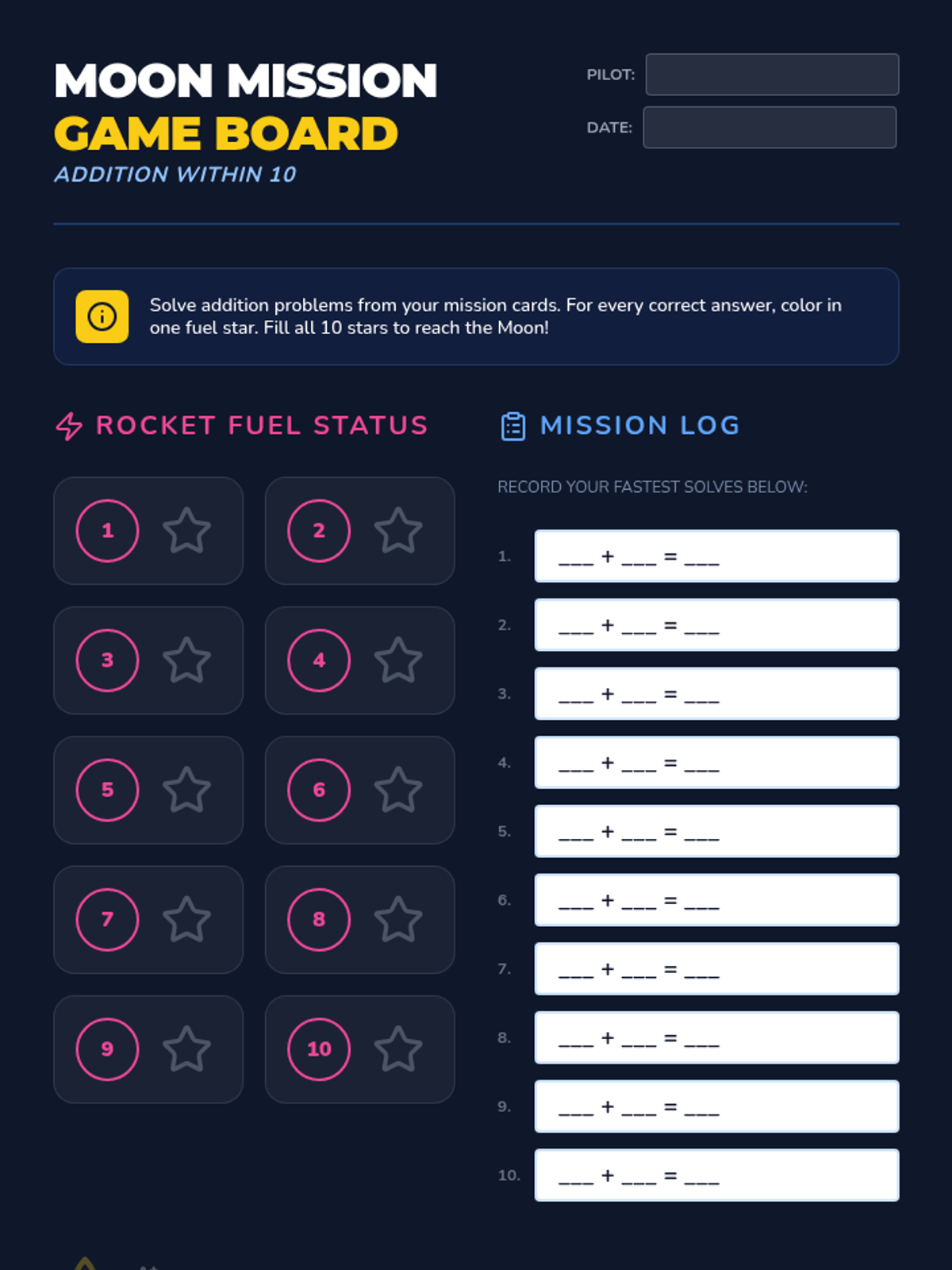
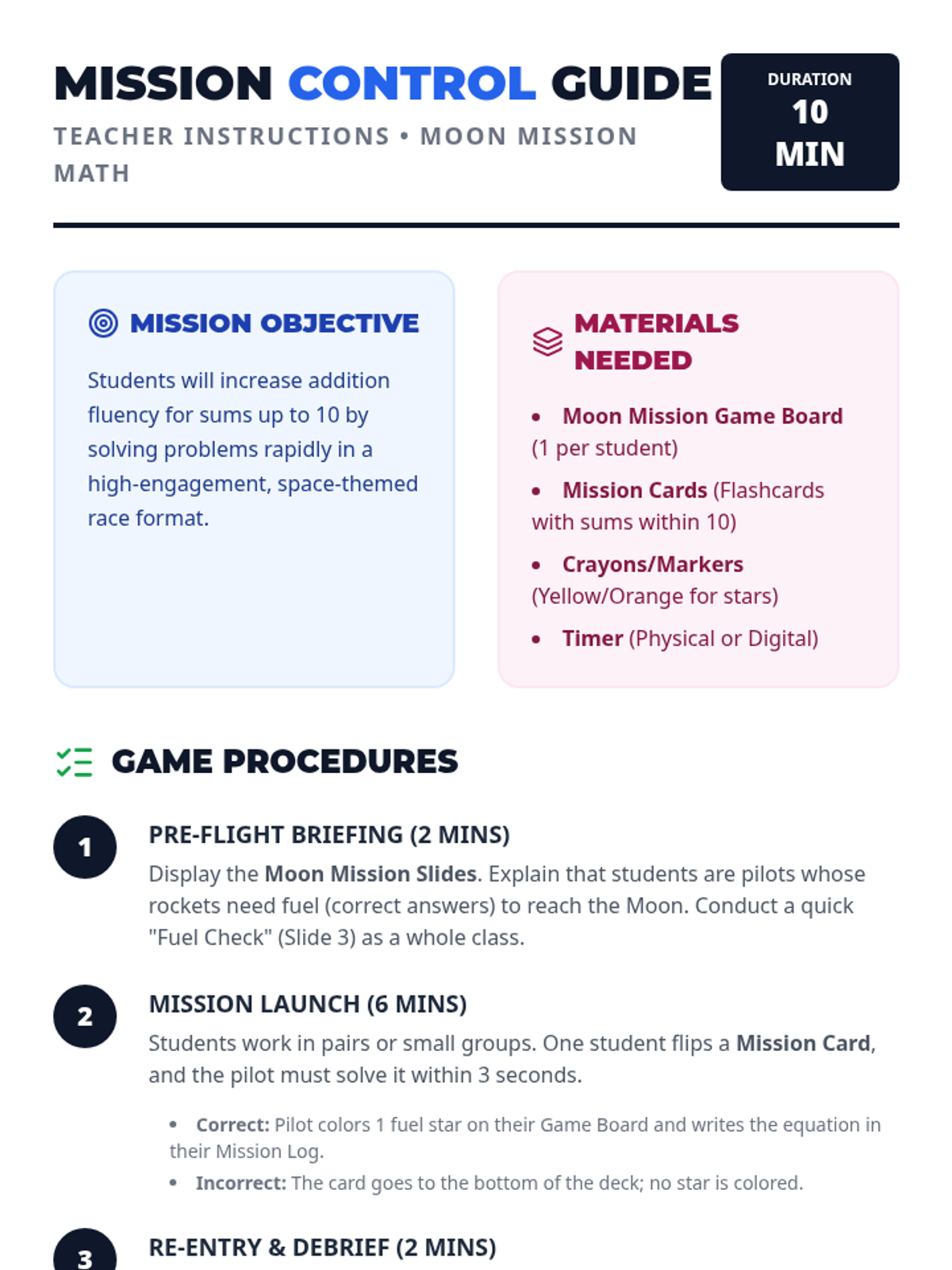
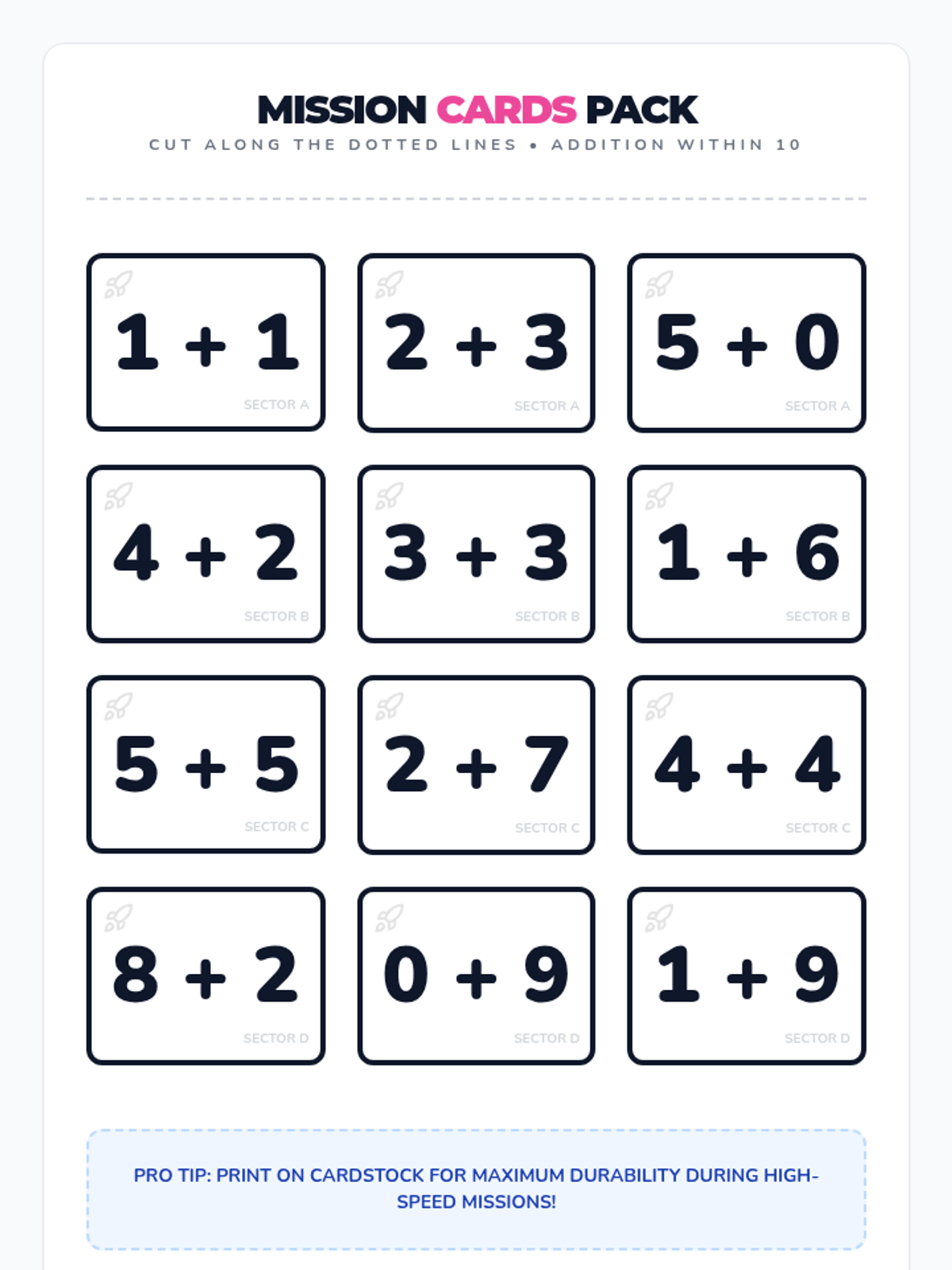
A fast-paced, space-themed addition game designed to build fluency for sums within 10 through a competitive yet collaborative 'Moon Mission' format.
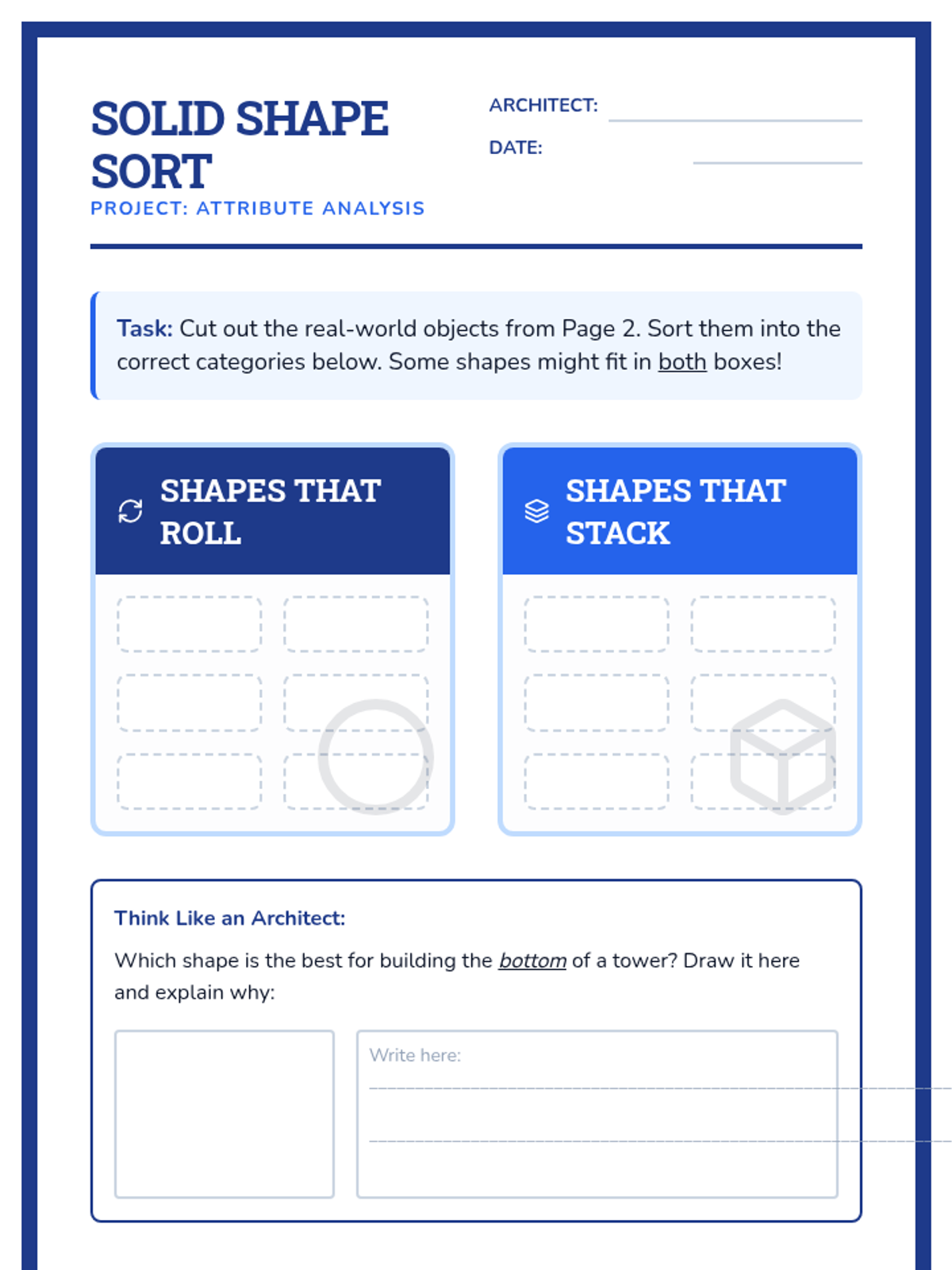
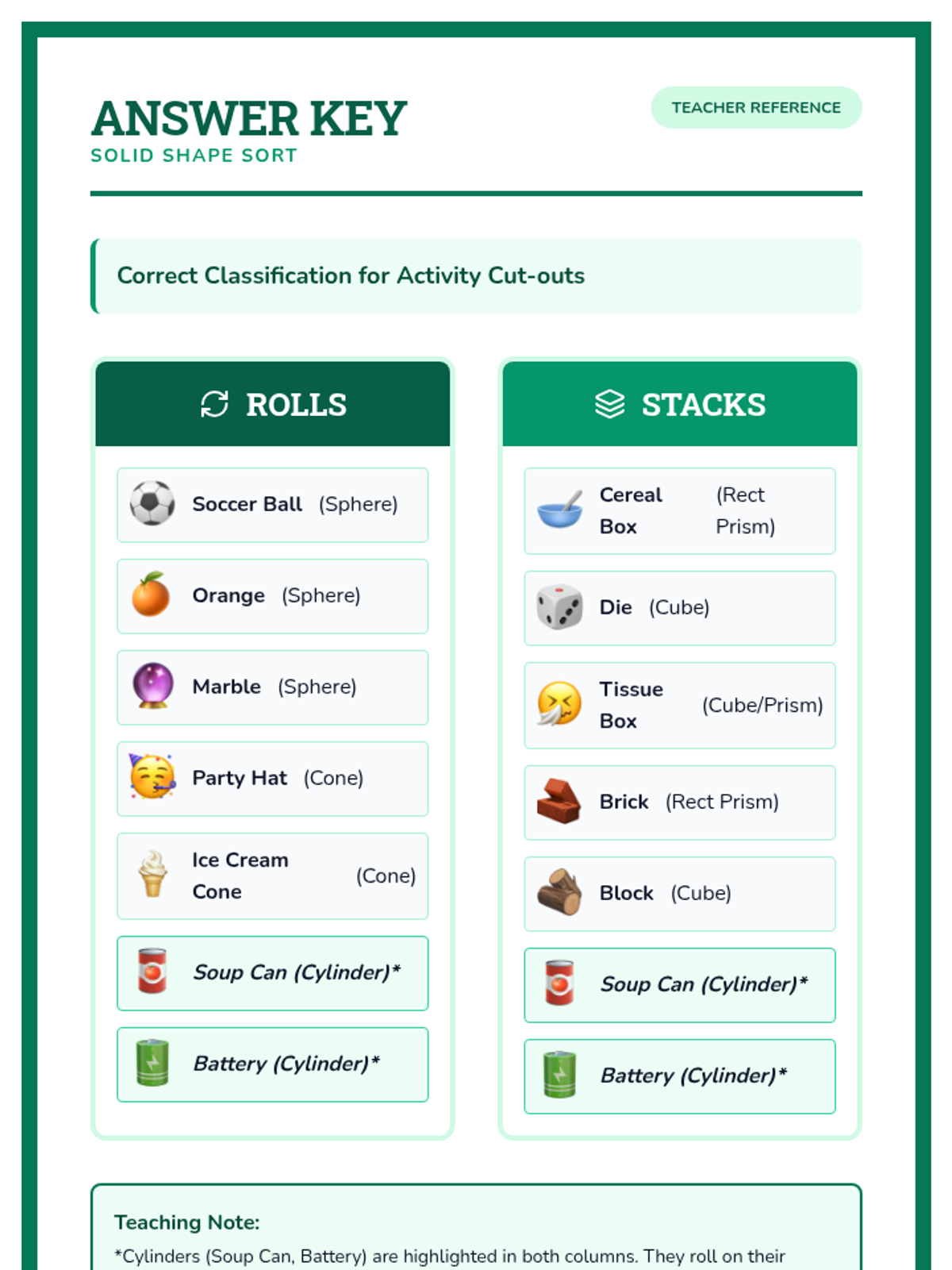
A hands-on exploration of 3D shapes where students identify, describe, and sort solid figures by their physical attributes and real-world applications.
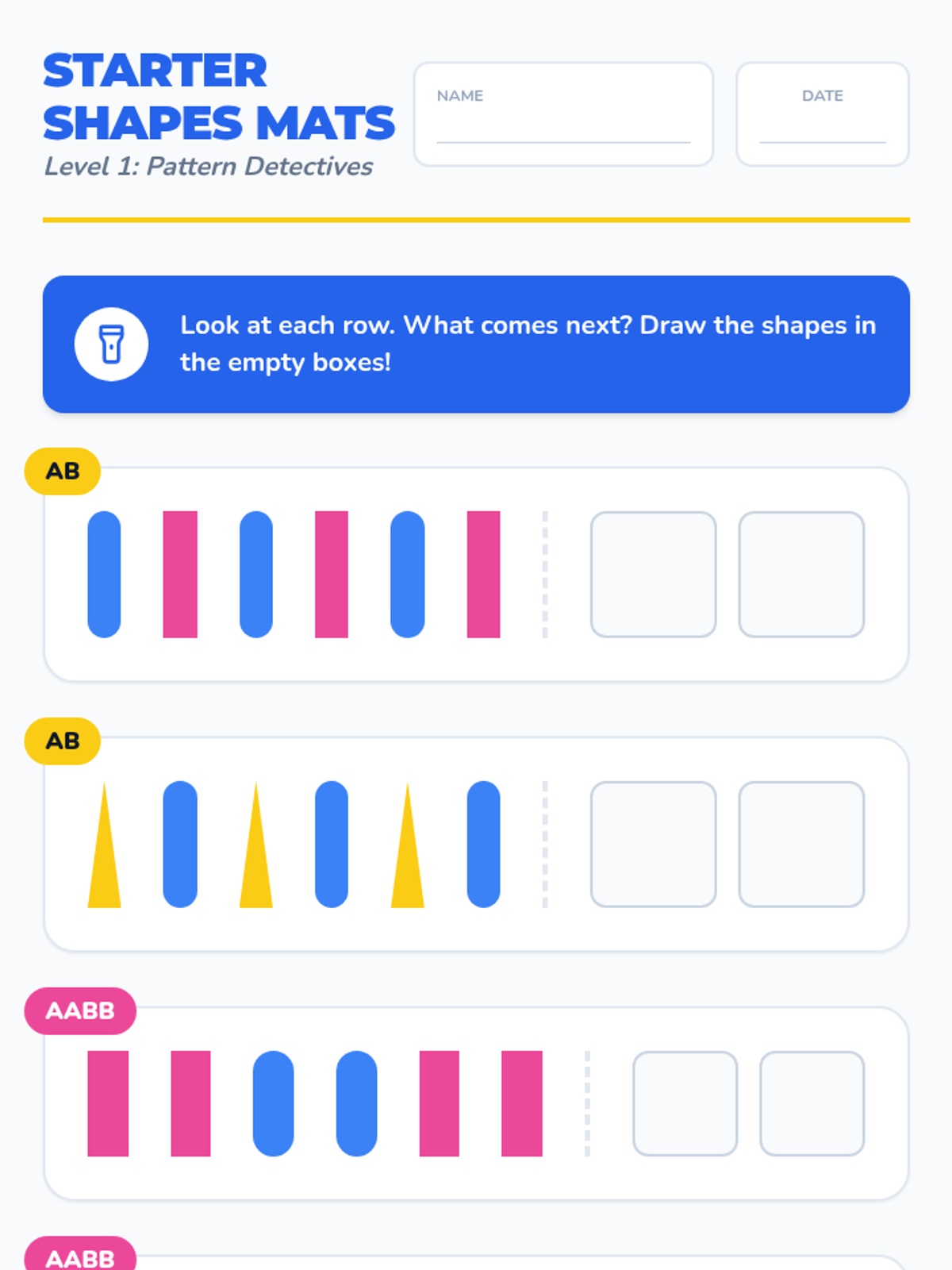
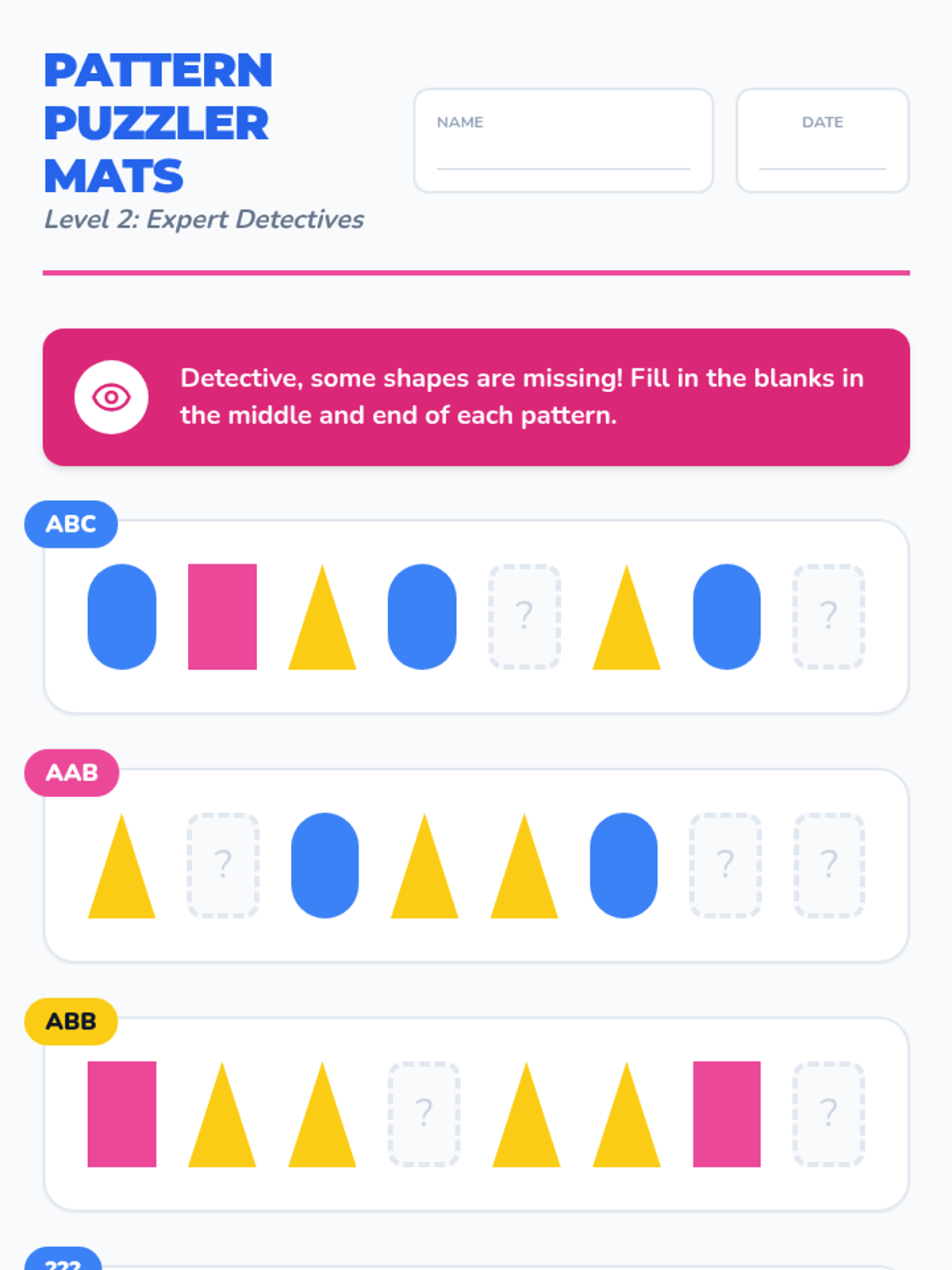
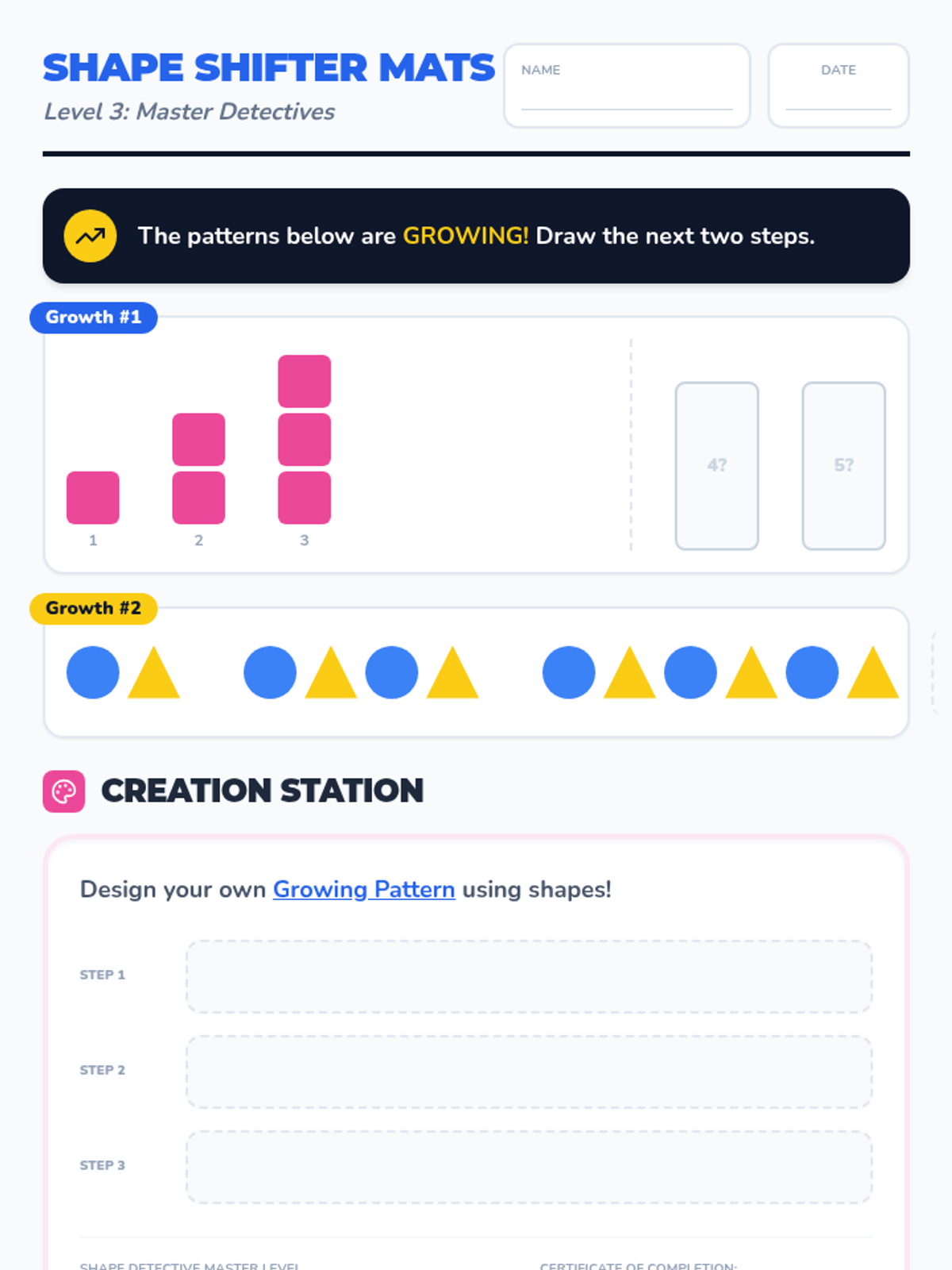
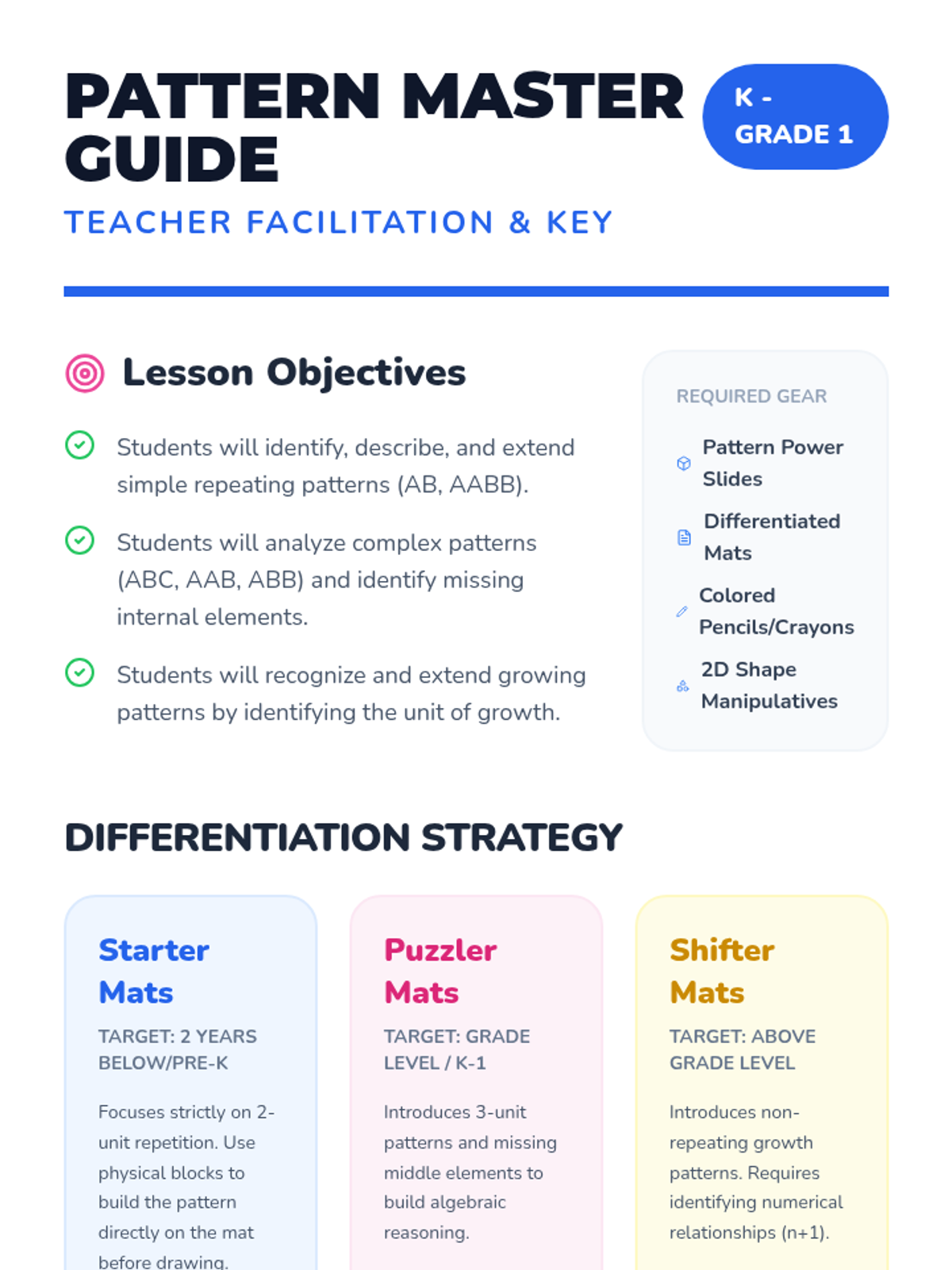
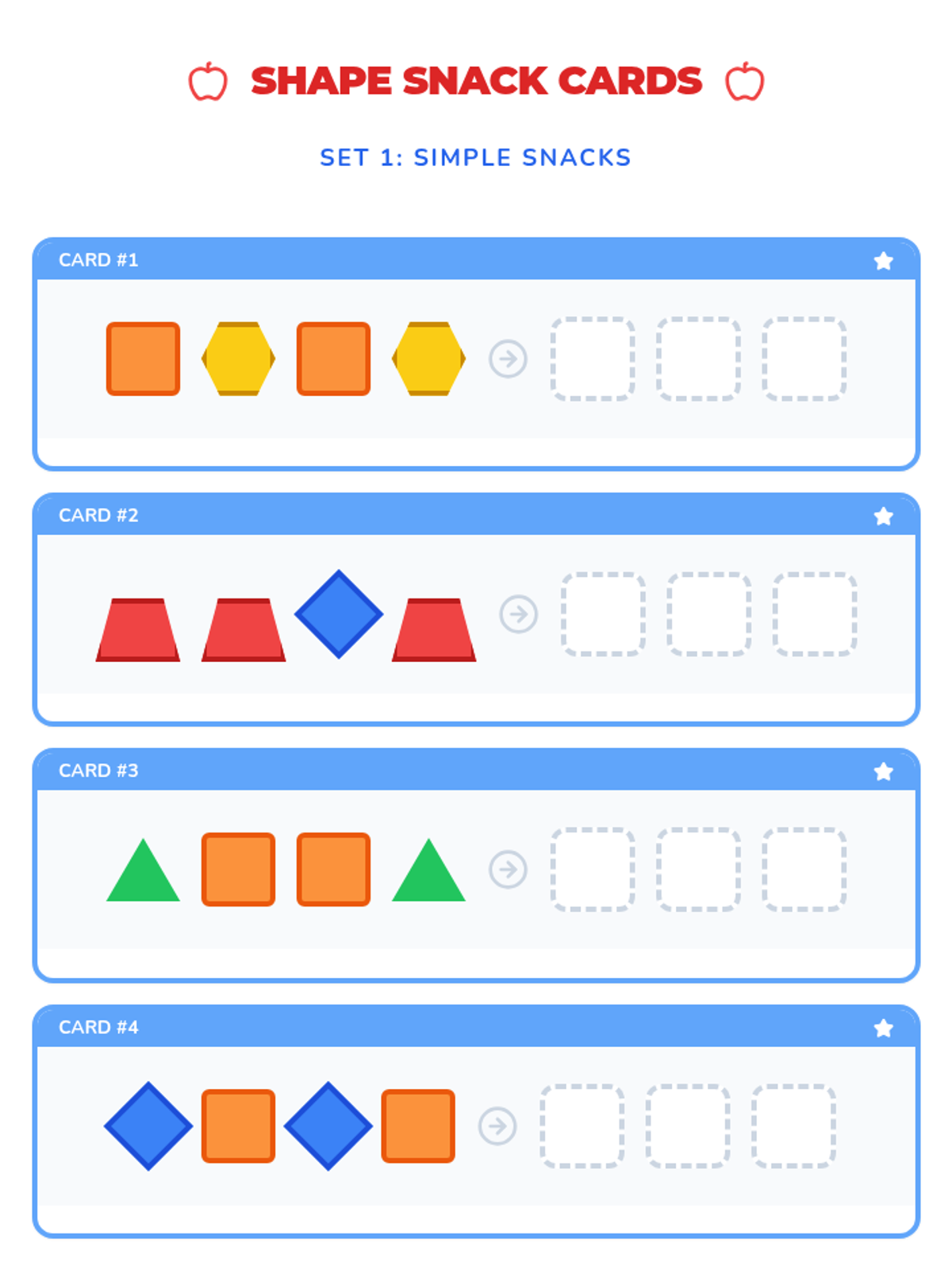
A hands-on lesson for K-1 students to identify, extend, and create 2D shape patterns with three levels of differentiated activity mats.
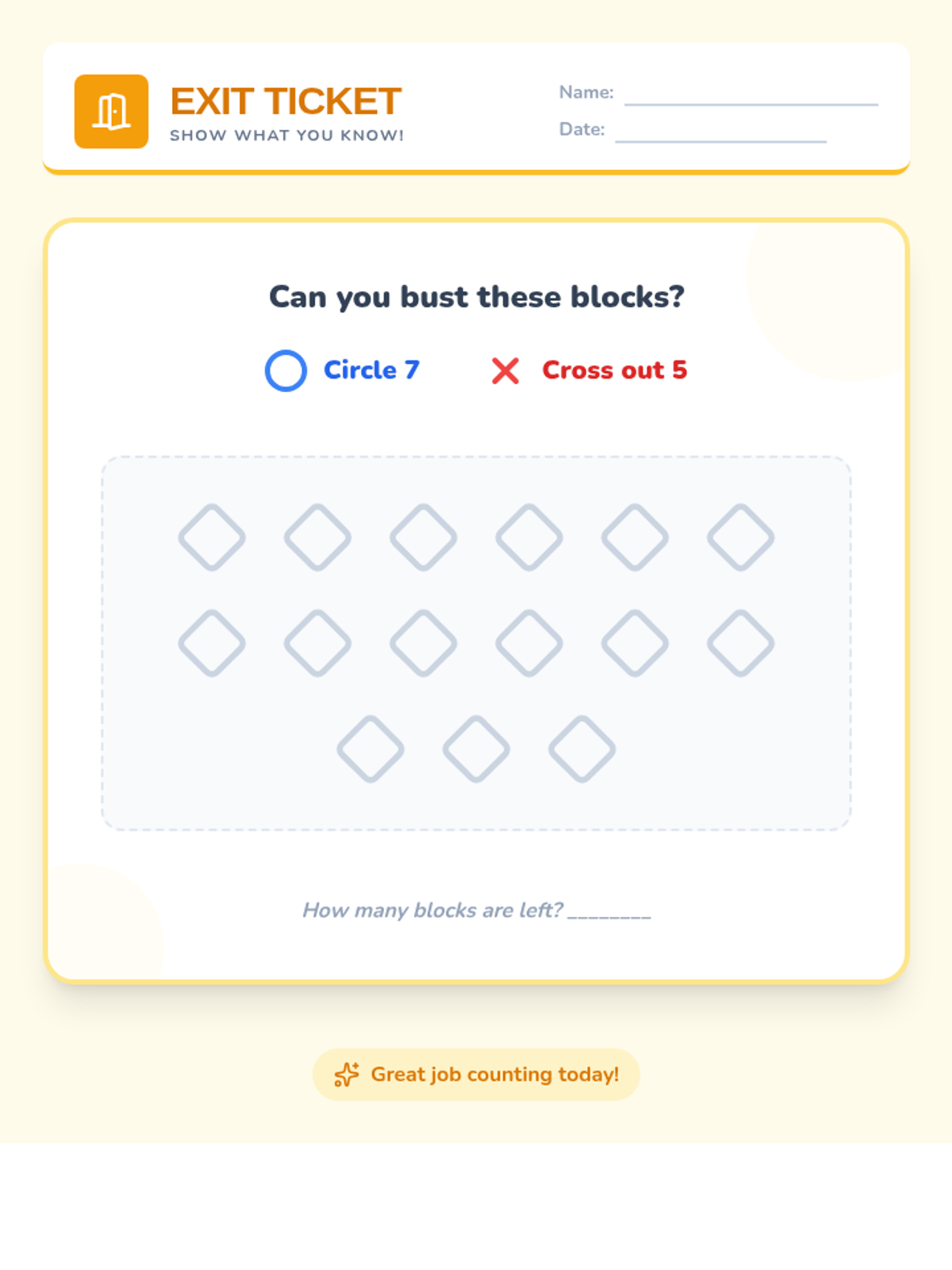
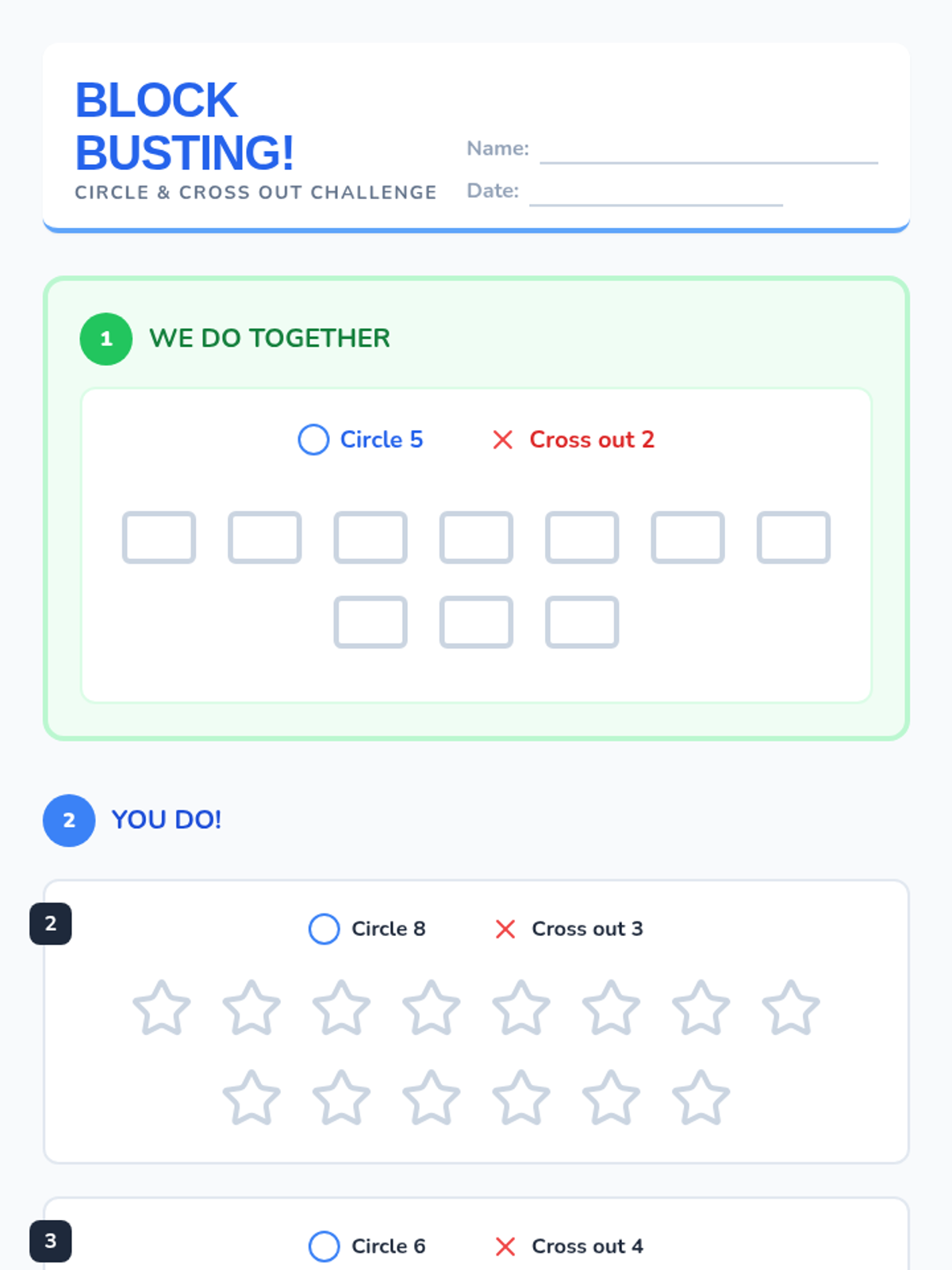
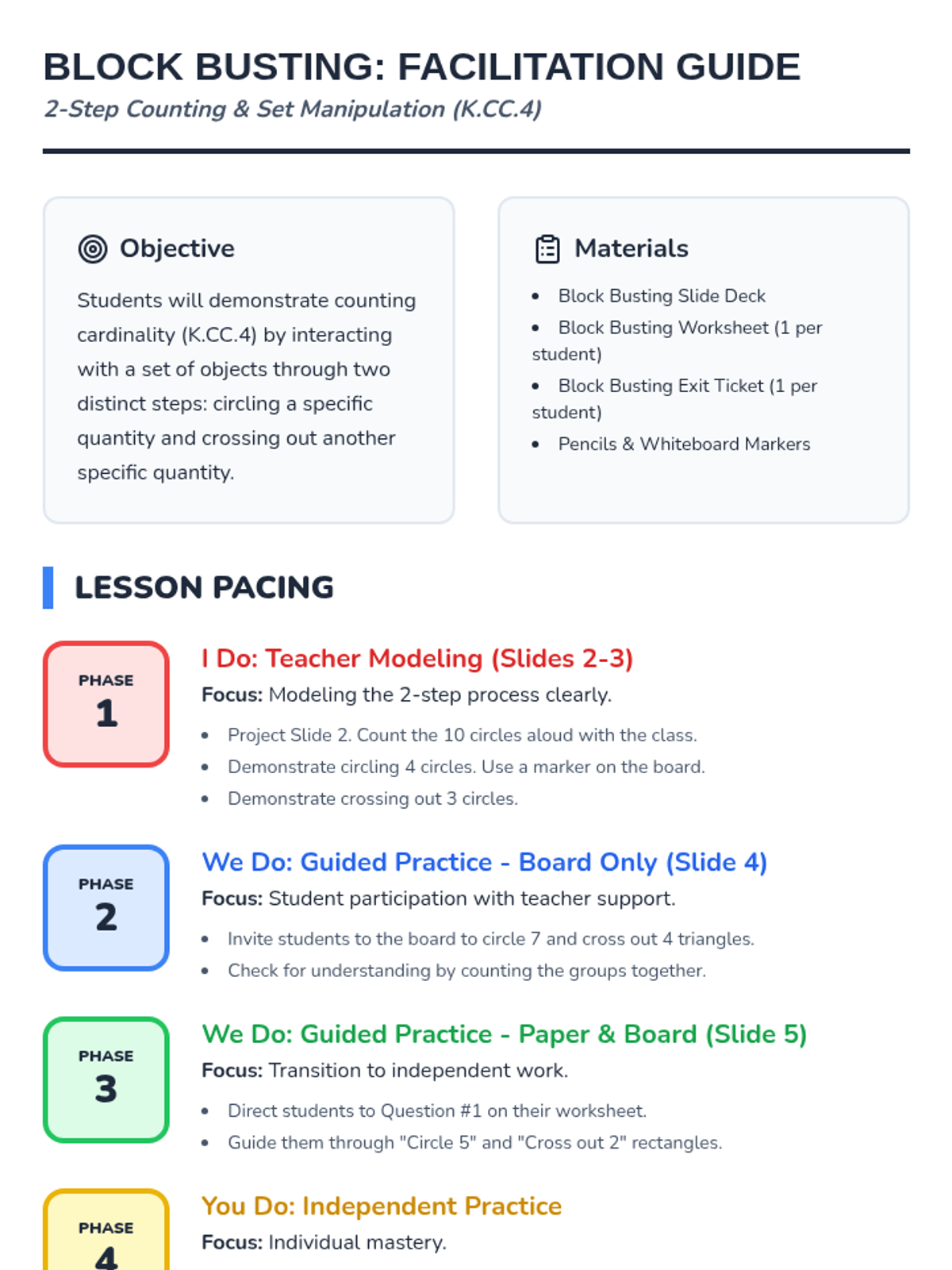
A Kindergarten math lesson focusing on K.CC.4 where students count and interact with quantities by circling and crossing out specific amounts of shapes. The lesson follows a gradual release model: I Do, We Do, You Do.
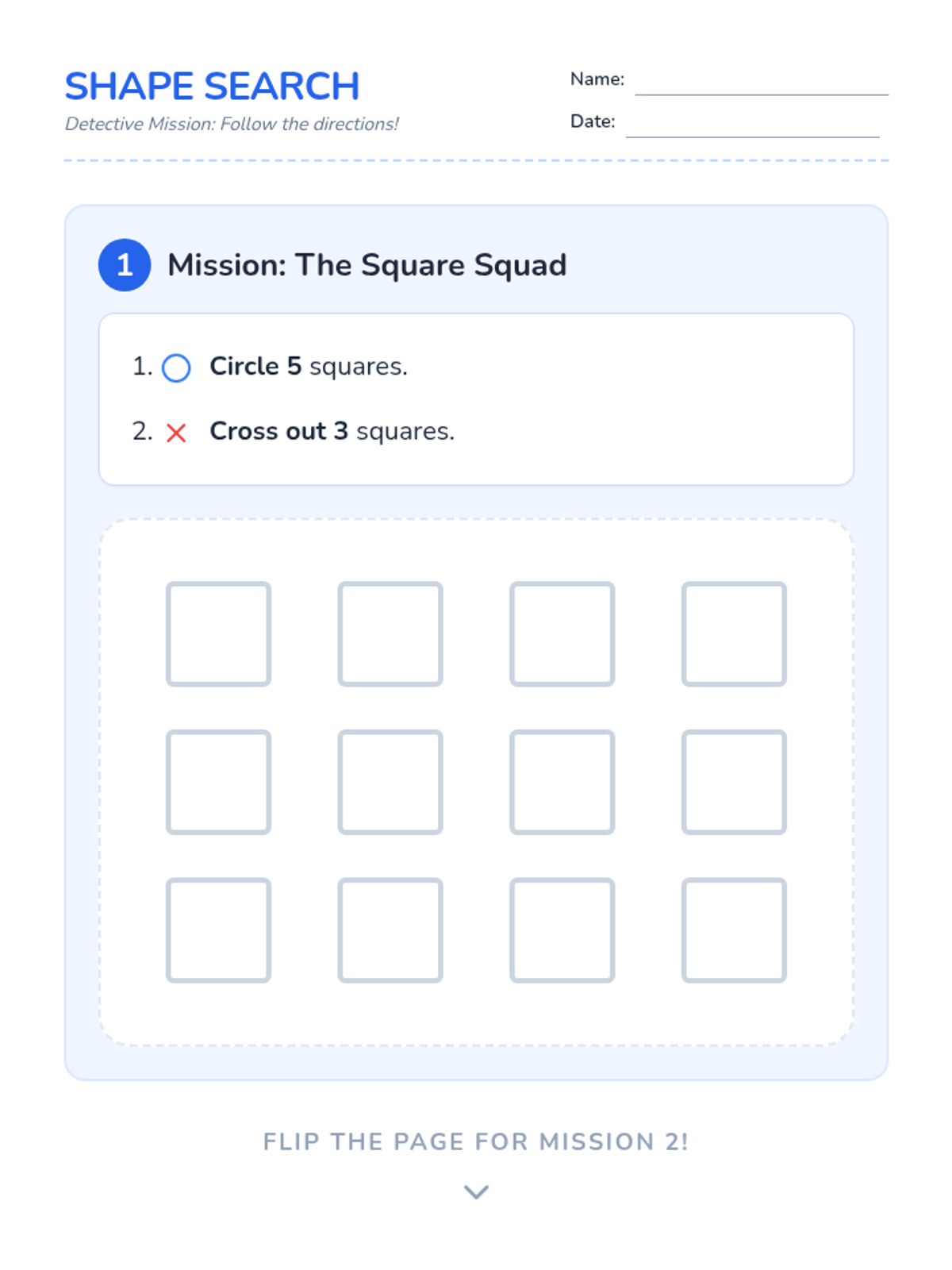
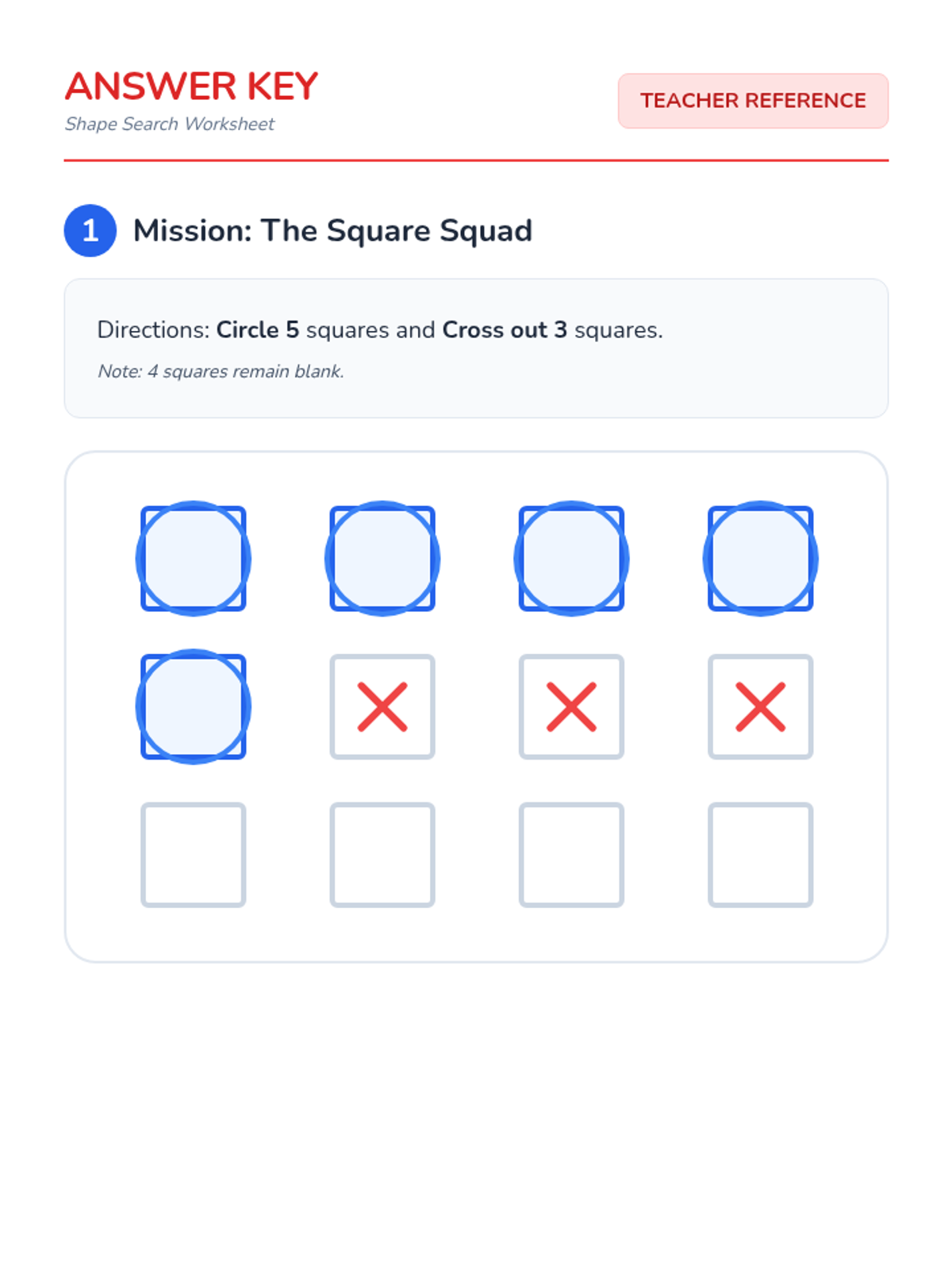
A kindergarten math lesson focused on K.CC.4, helping students connect numbers to quantities by following specific counting directions with geometric shapes.
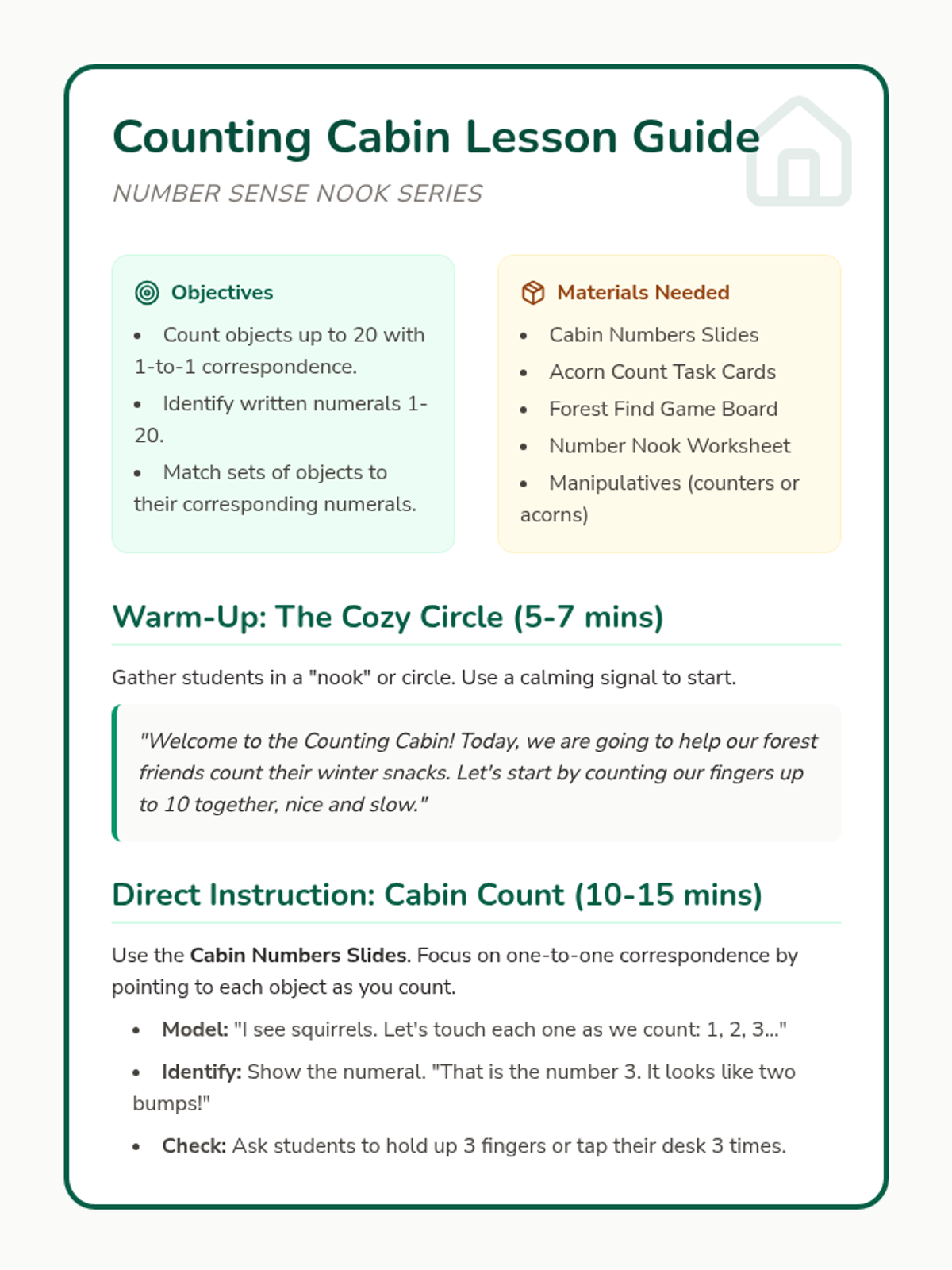
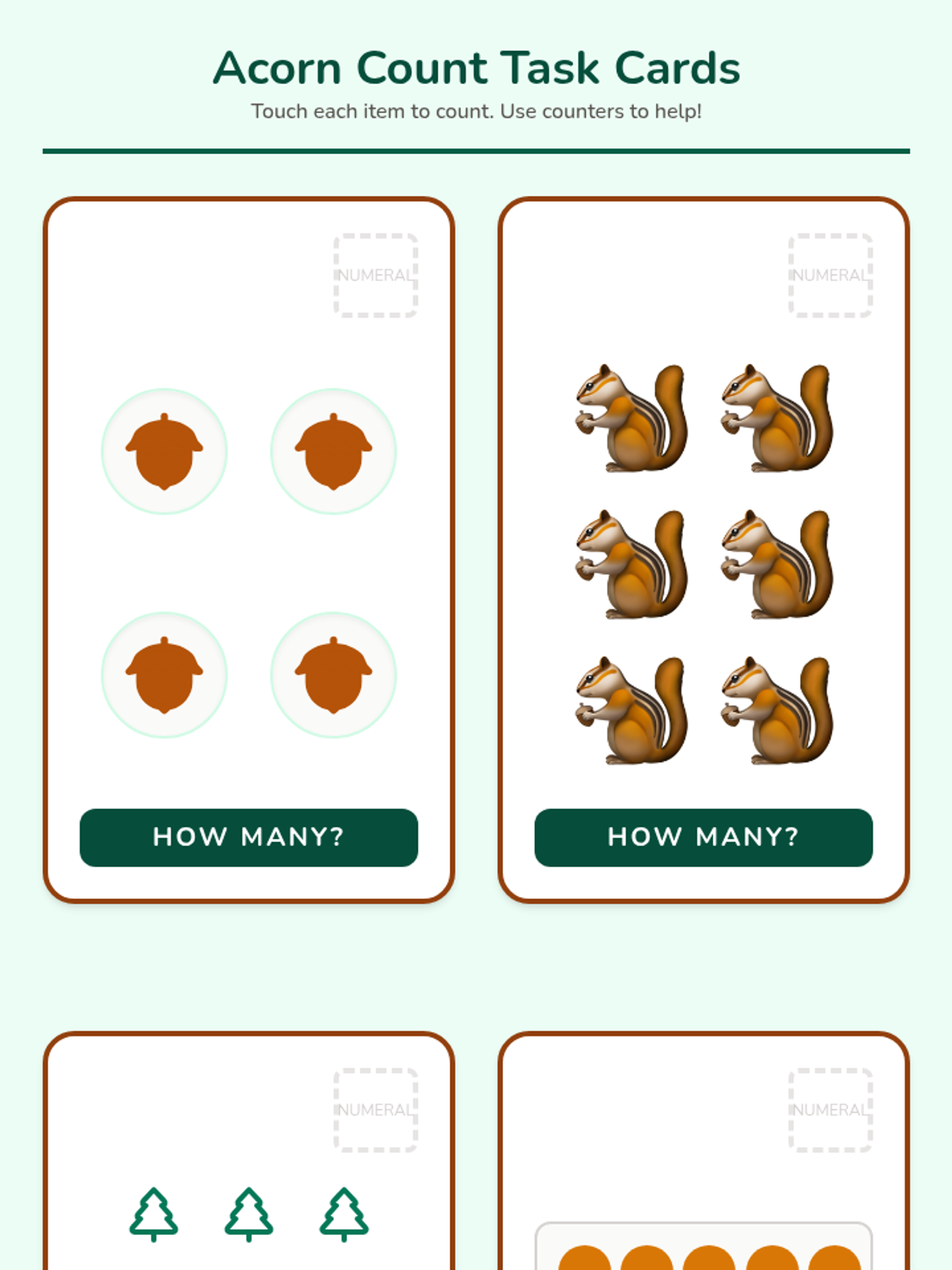
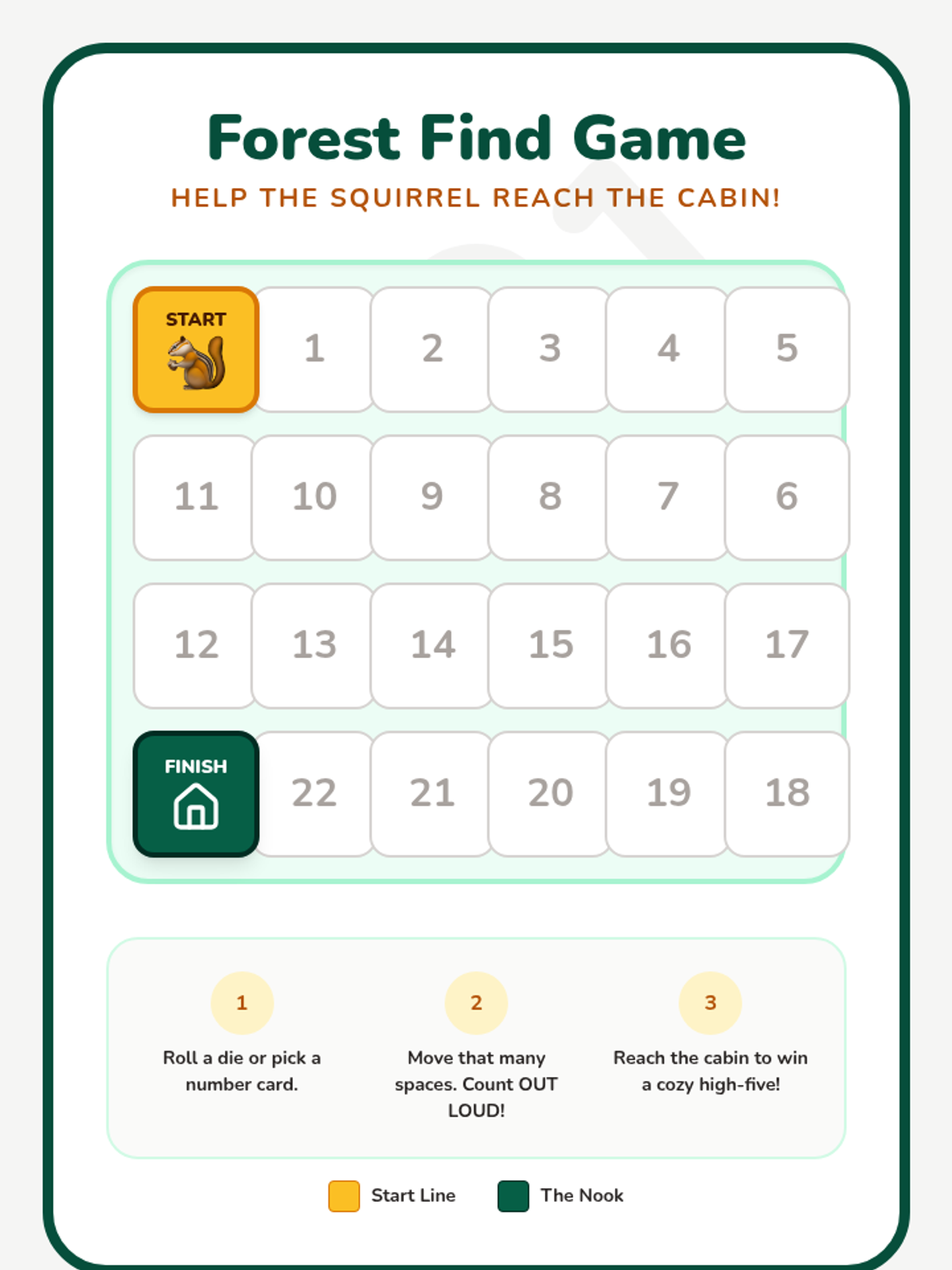
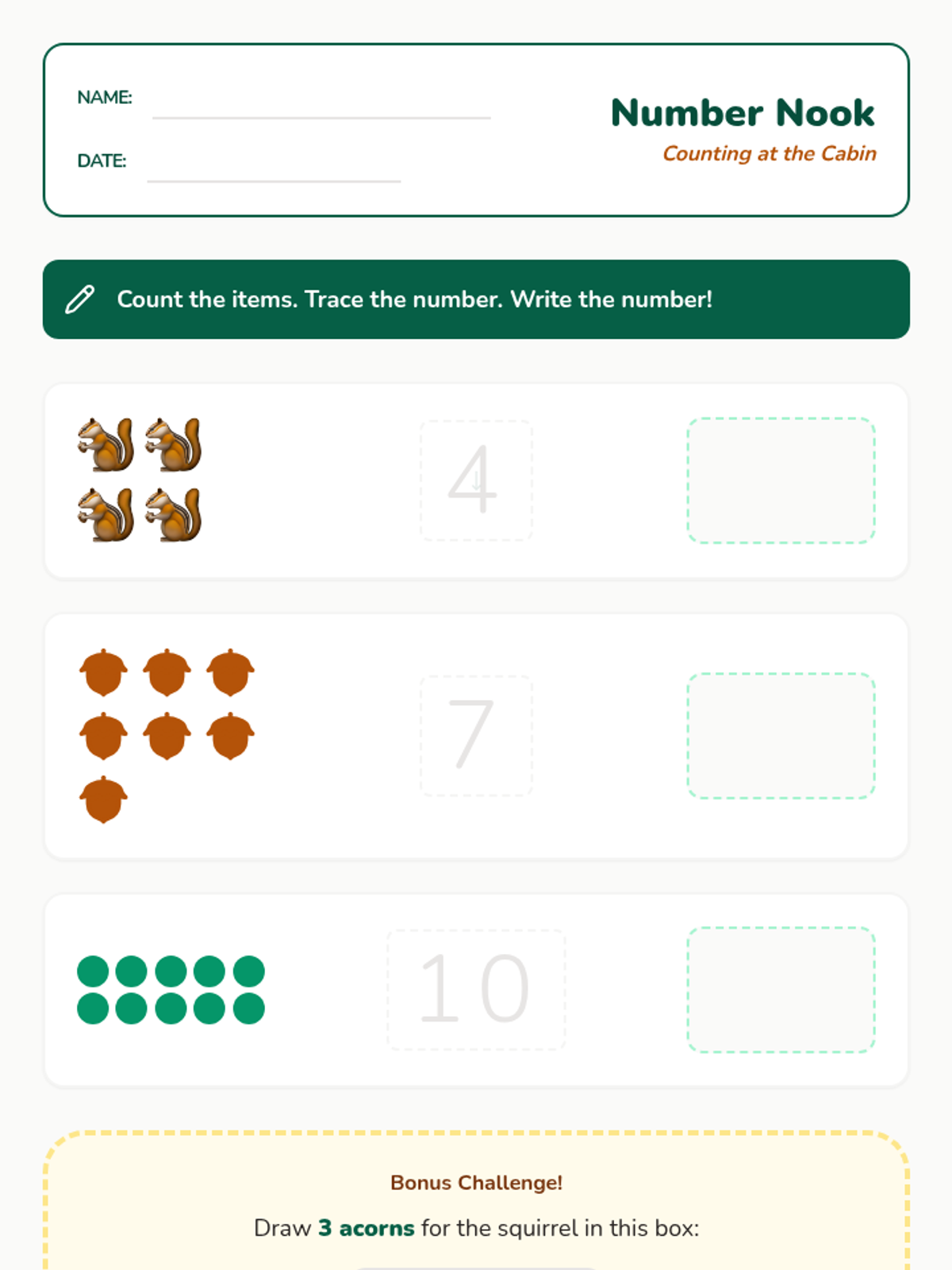
A foundational math lesson for K-2 special education students focusing on counting, quantity, and one-to-one correspondence up to 20 through a cozy, cabin-themed environment.
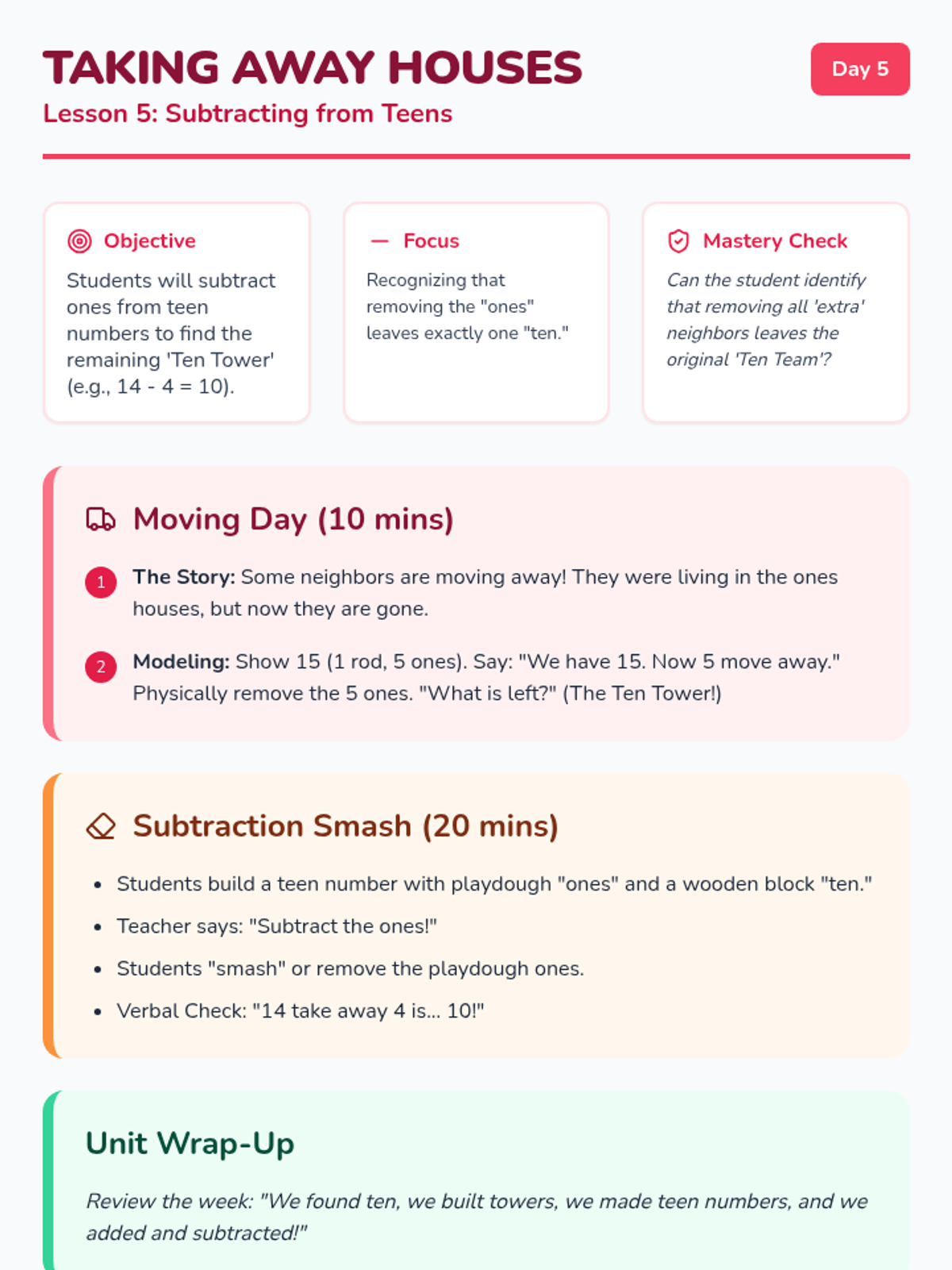
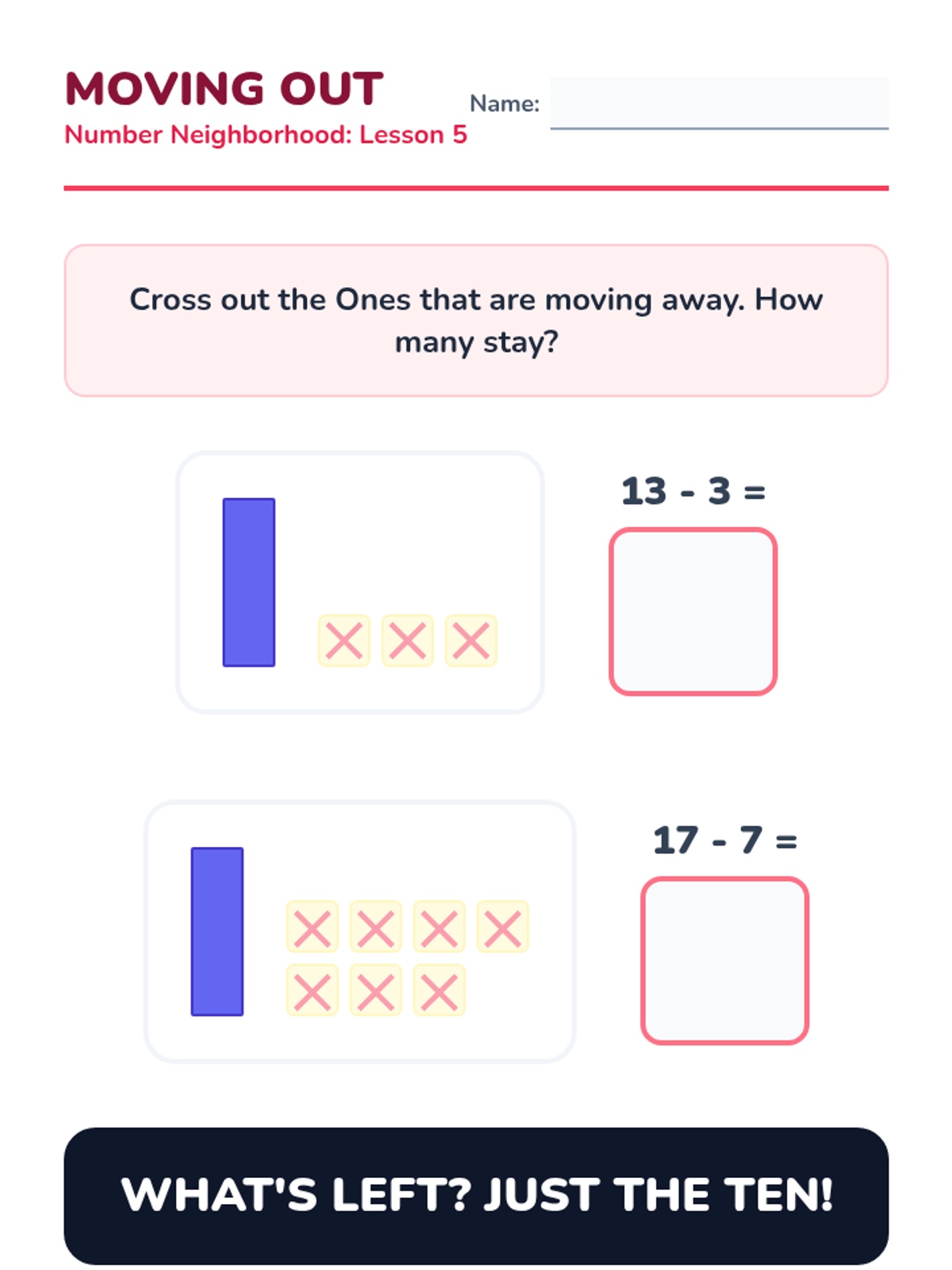
Subtracting from teen numbers by removing the 'extra' ones or the 'ten' to find the difference.
Using the 10+n structure to introduce addition, showing how adding ones to a ten creates a new number.
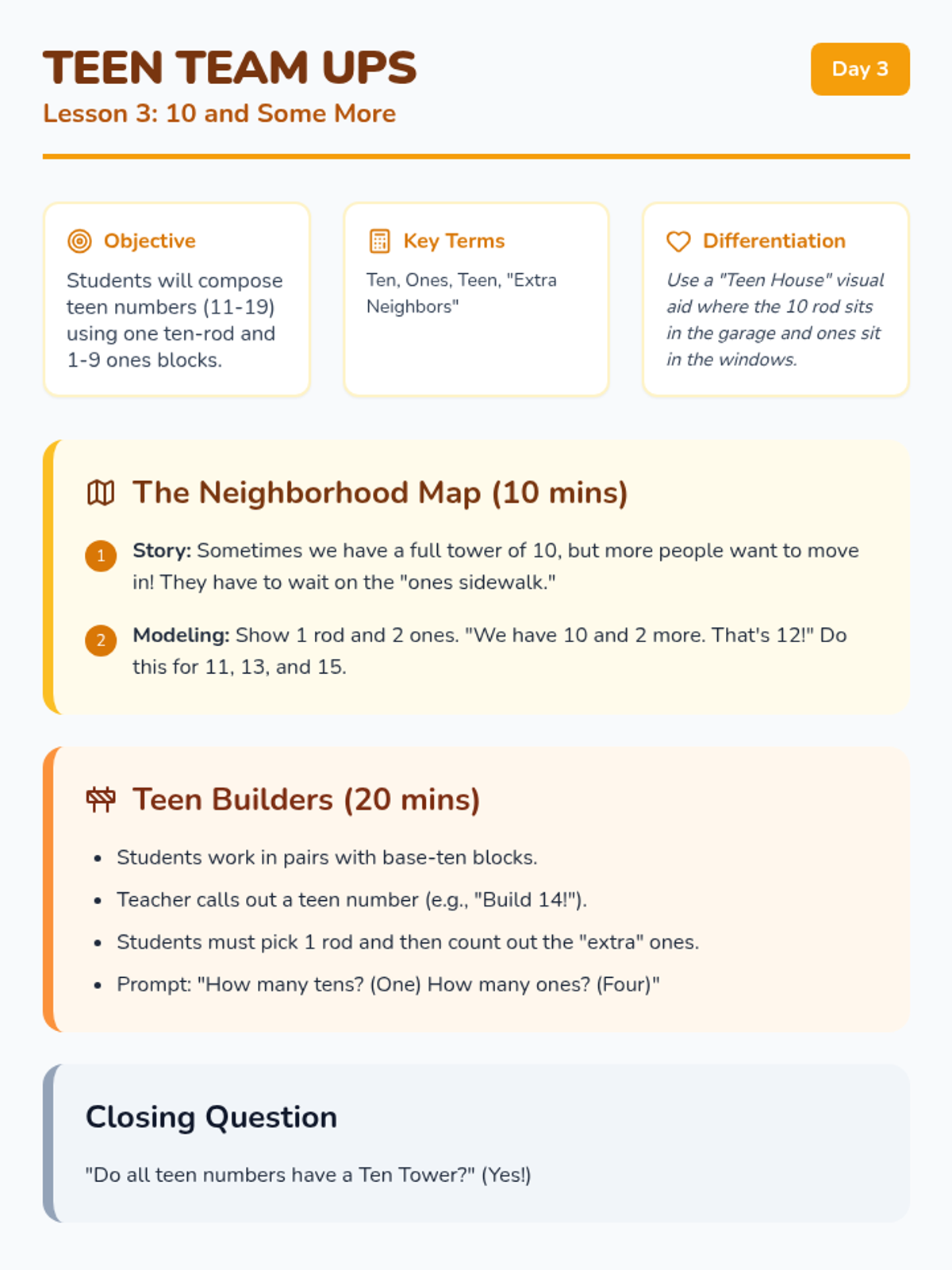
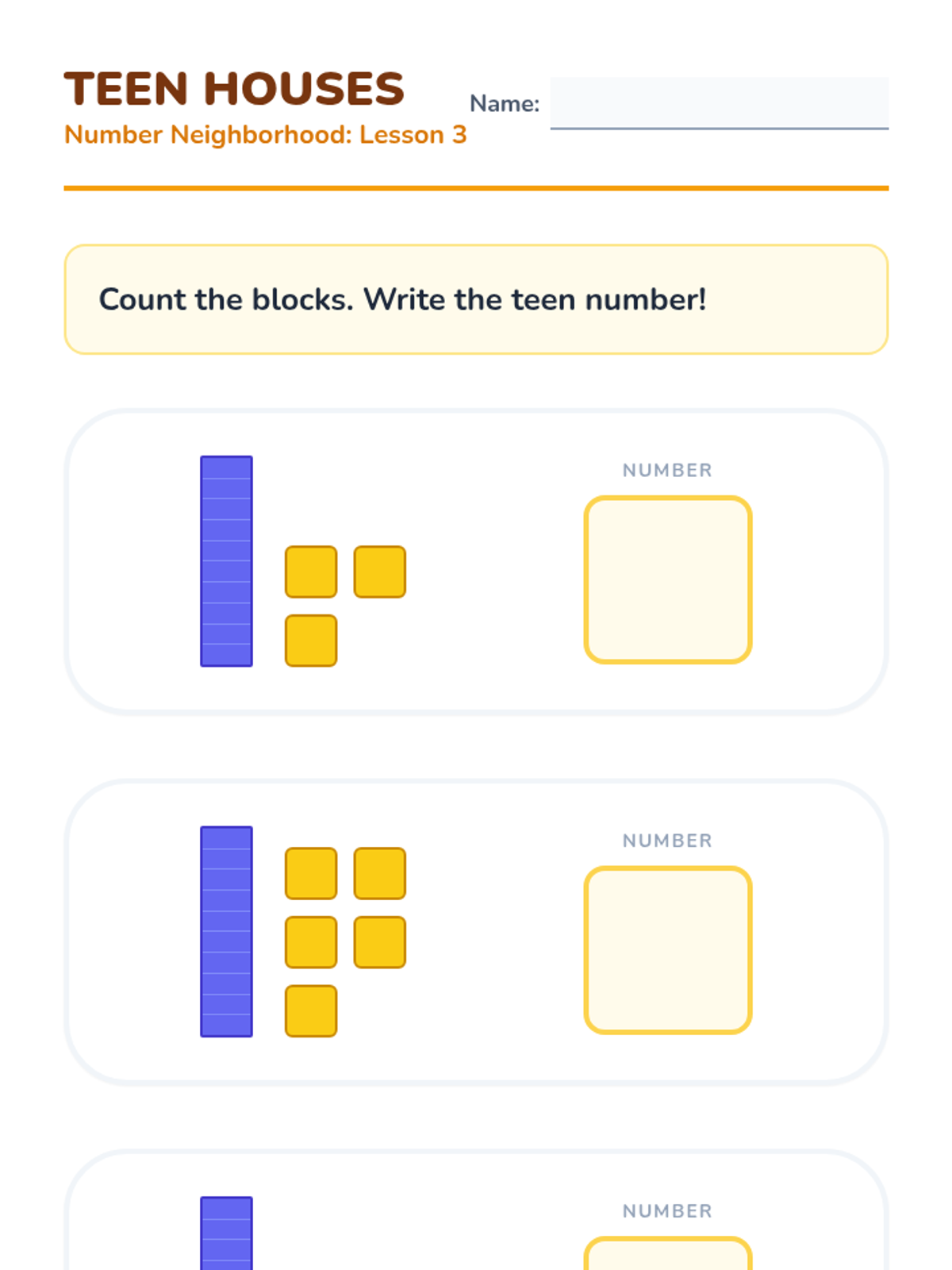
Exploring teen numbers (11-19) as 'one ten and some more ones' through visual mapping and building.
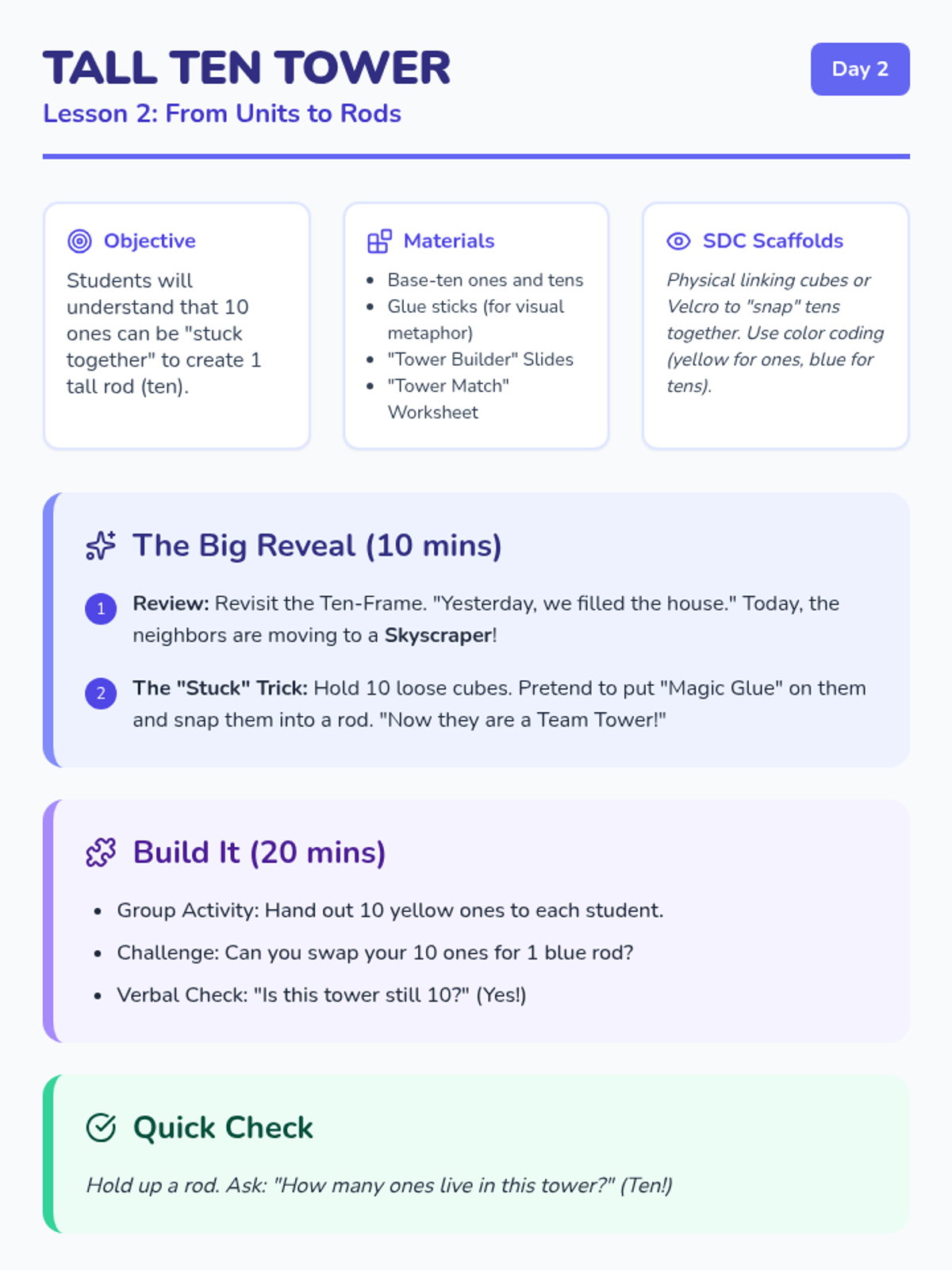
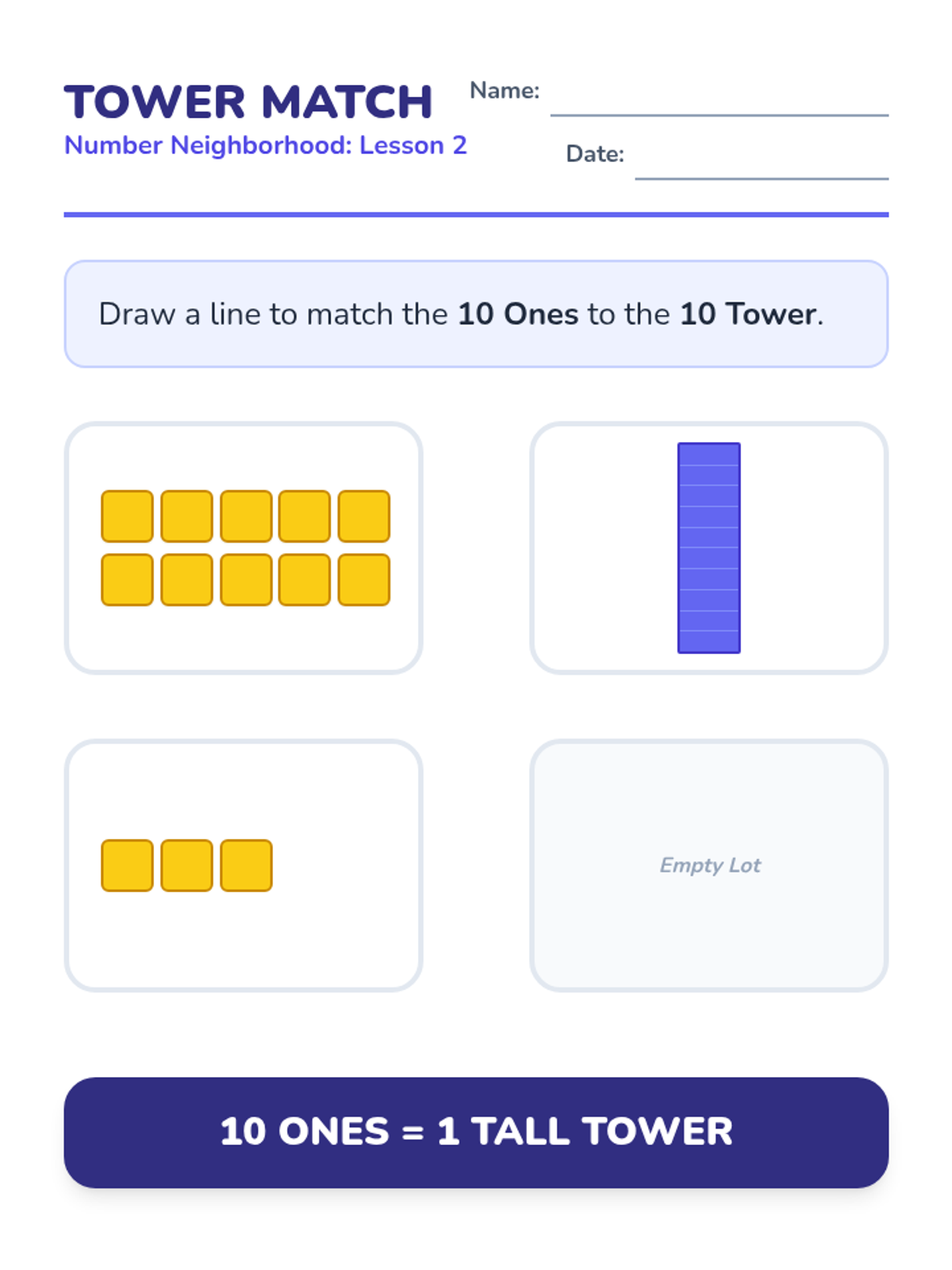
Introducing the 'Ten Rod' as a single unit that represents ten individual ones, using base-ten block visuals.
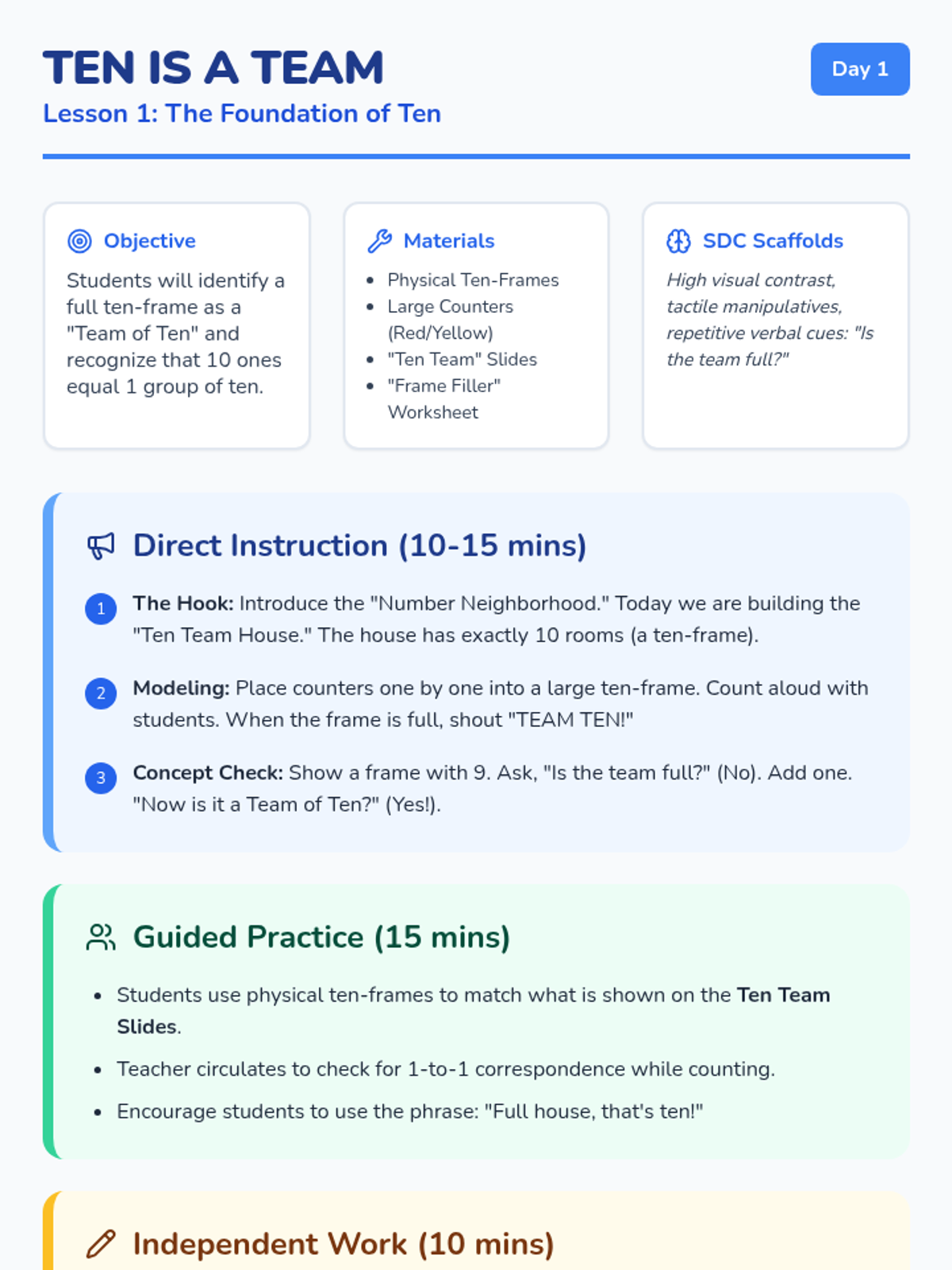
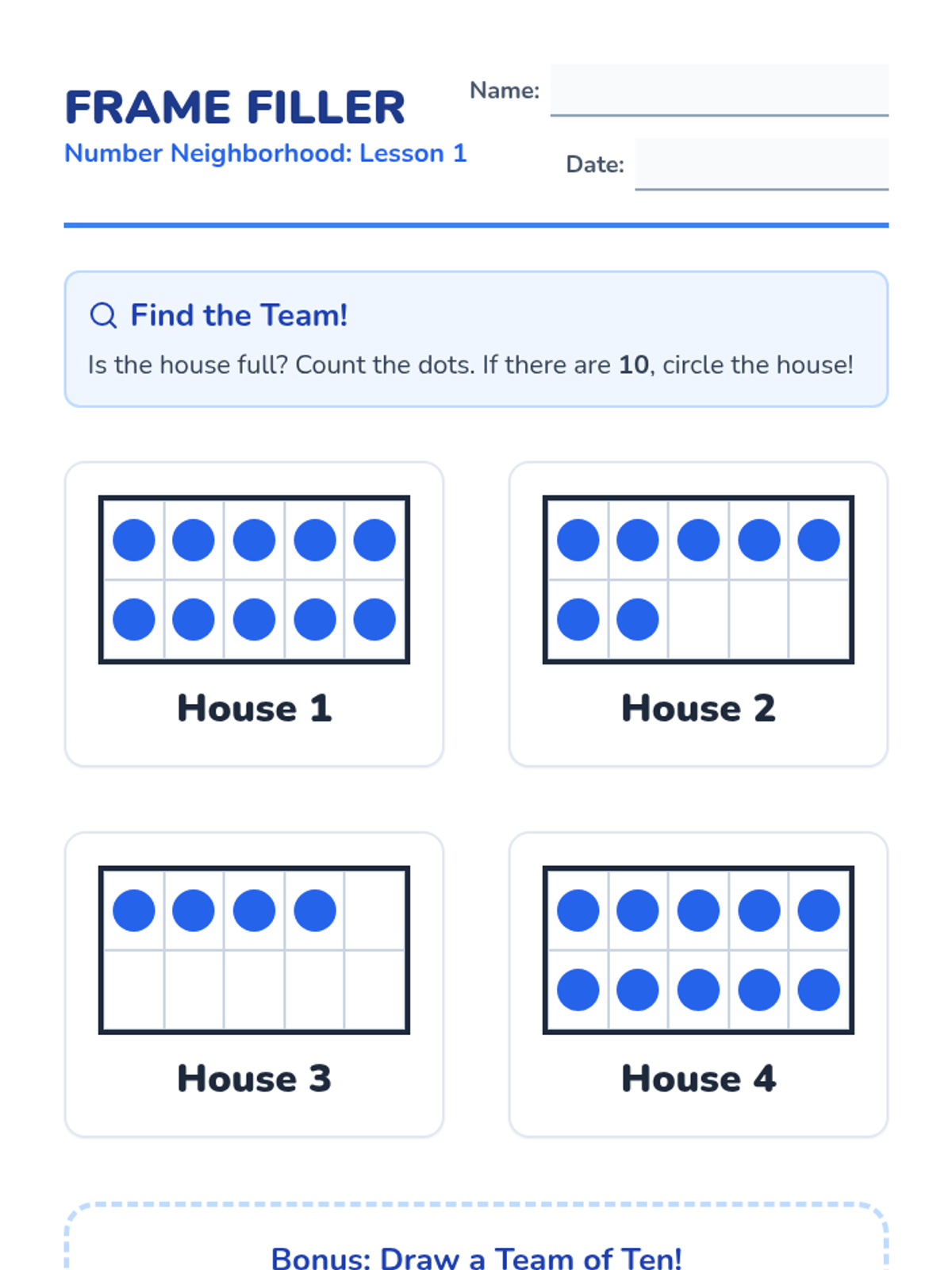
Students learn to identify when a group of ten is complete using ten-frames, establishing the foundation for place value.
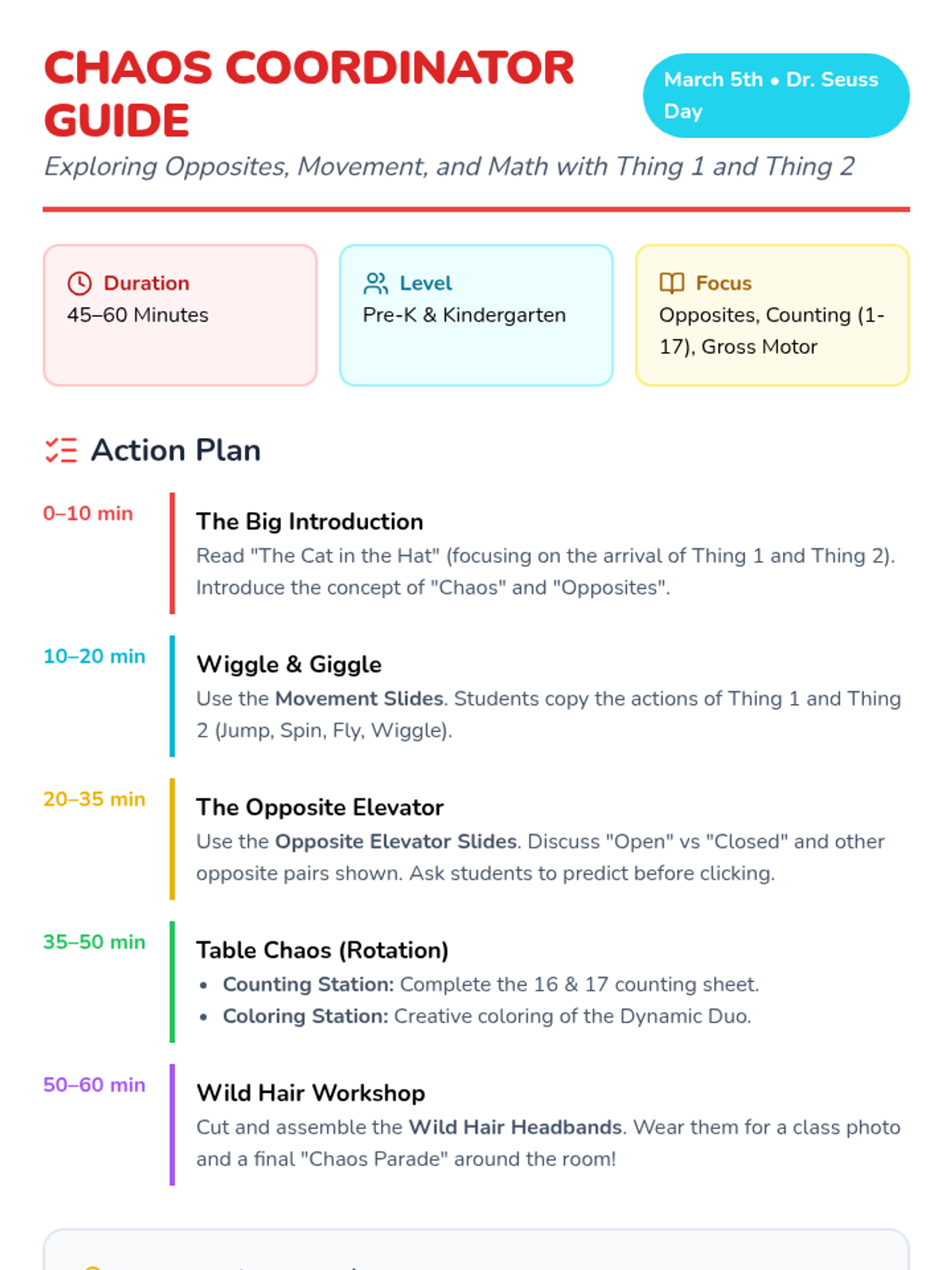
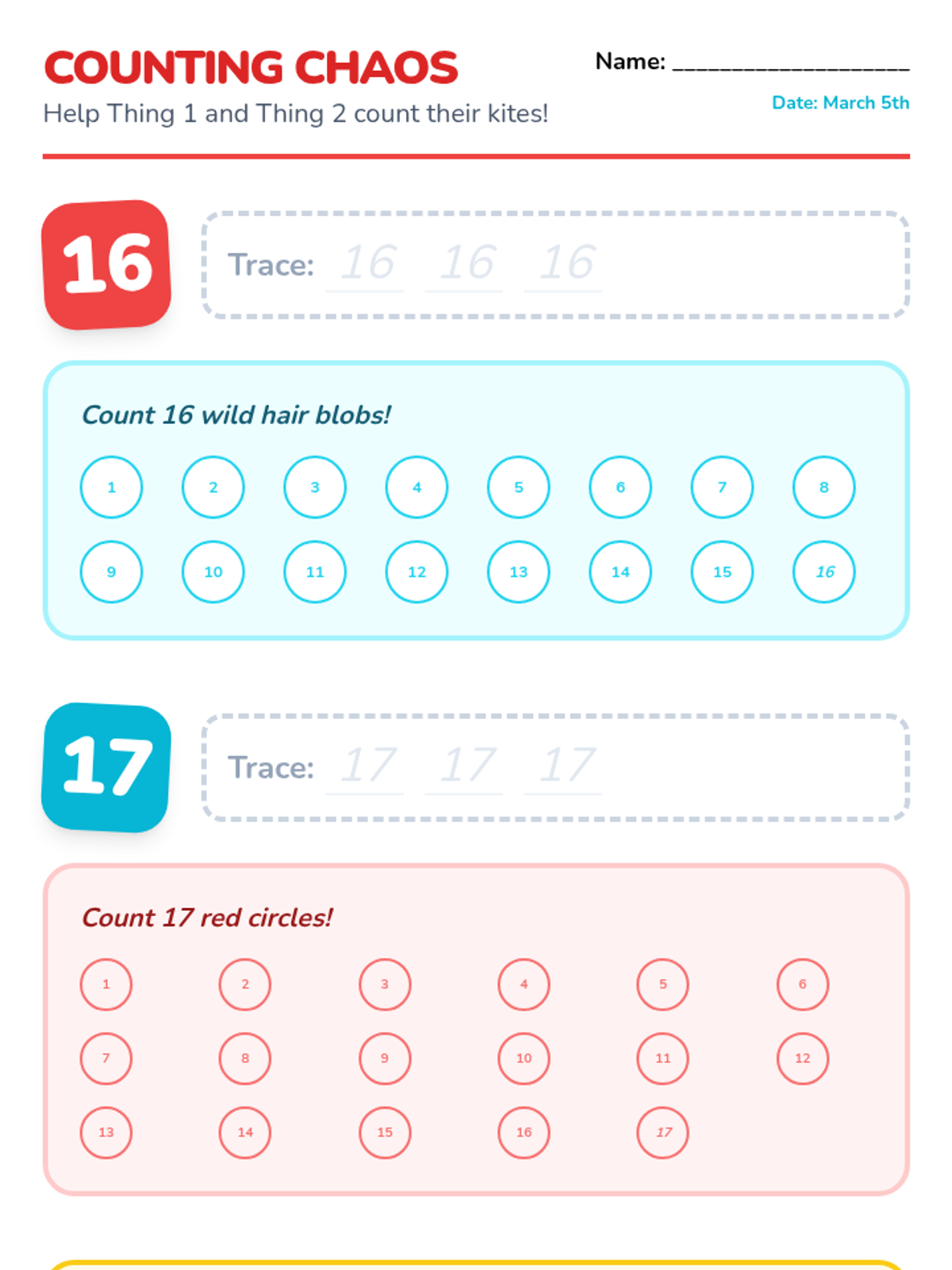
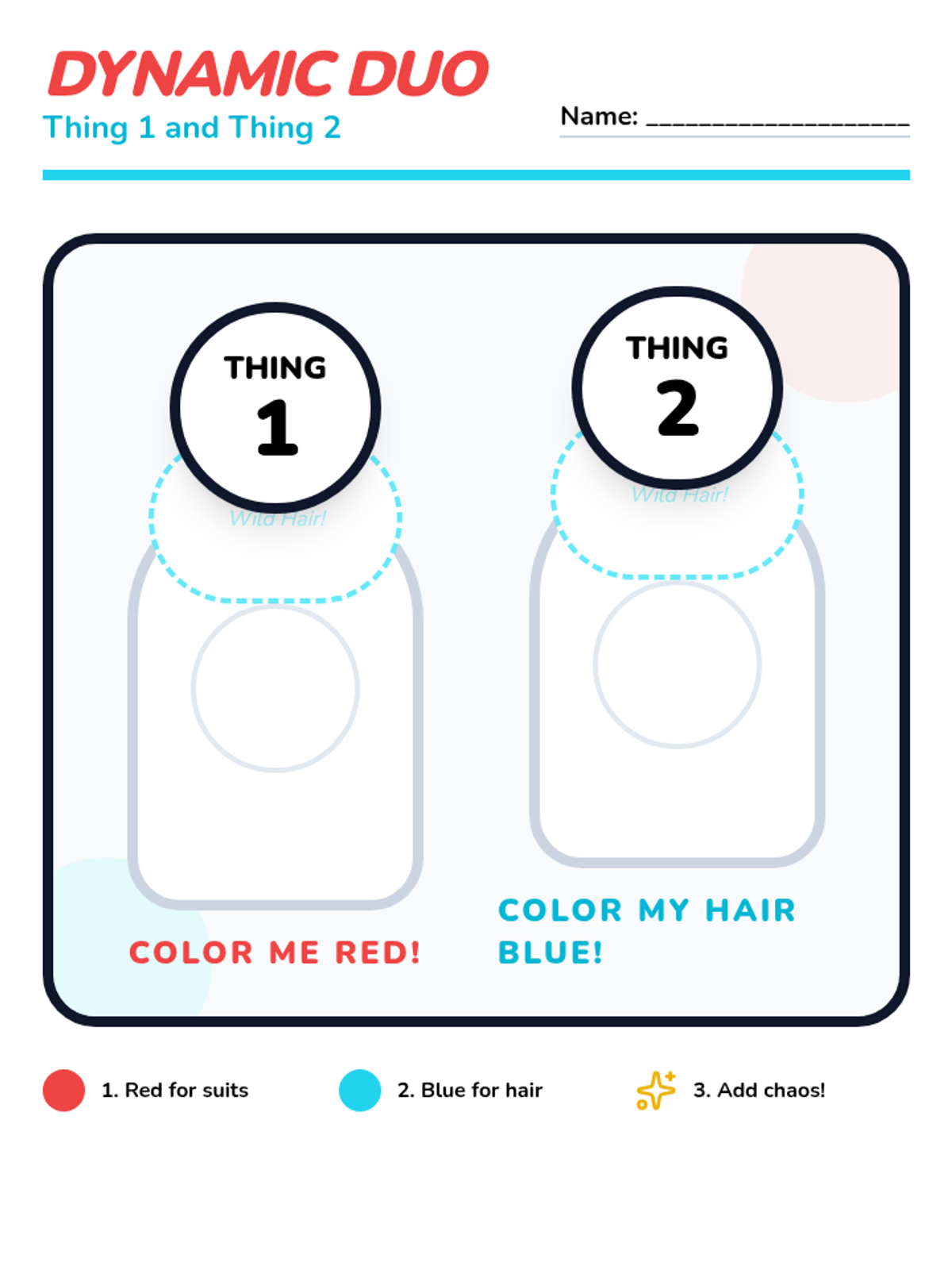
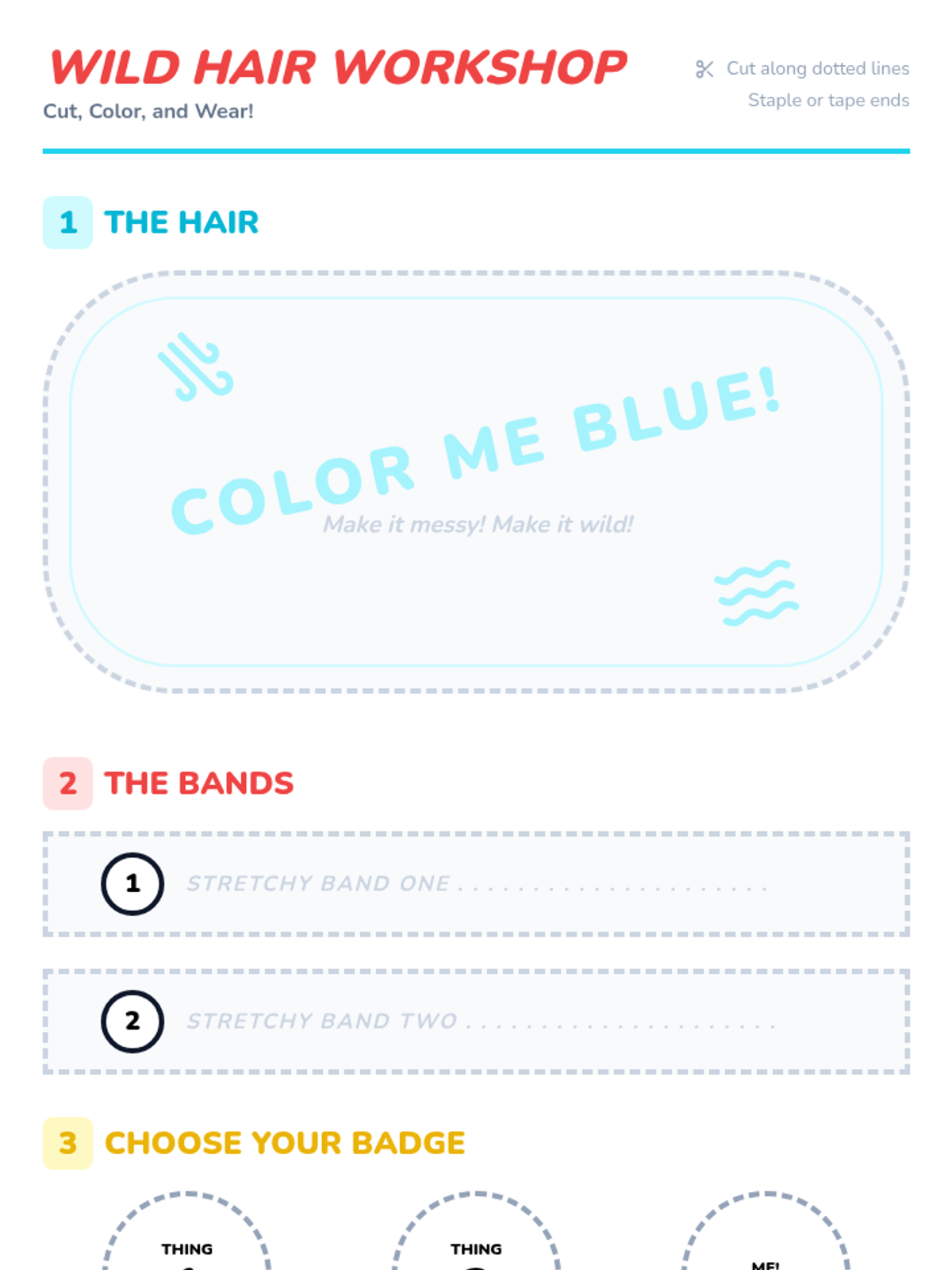
A whimsical Dr. Seuss-themed lesson for Pre-K and Kindergarten focusing on movement, opposites, counting to 17, and creative crafts inspired by Thing 1 and Thing 2.
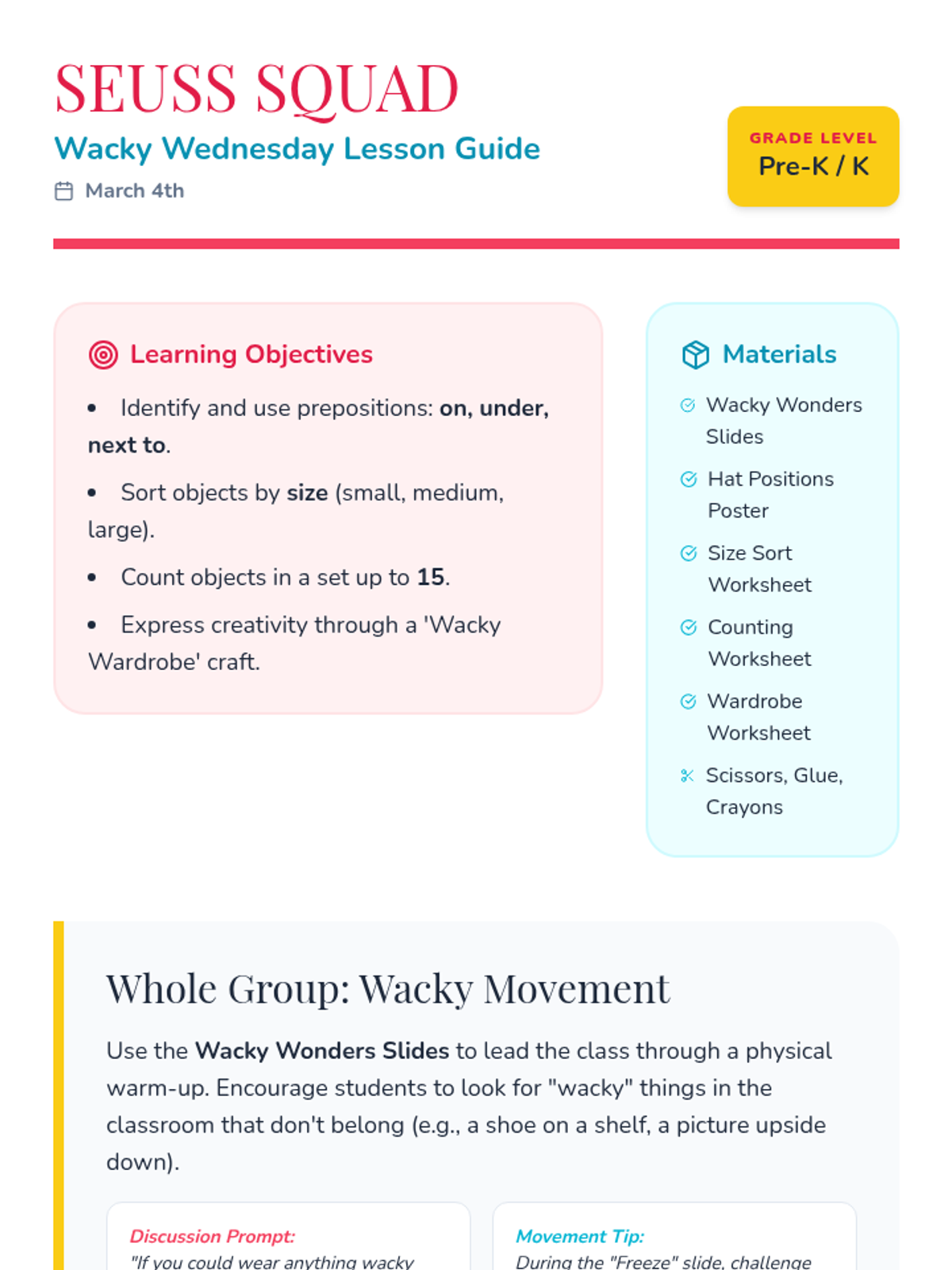
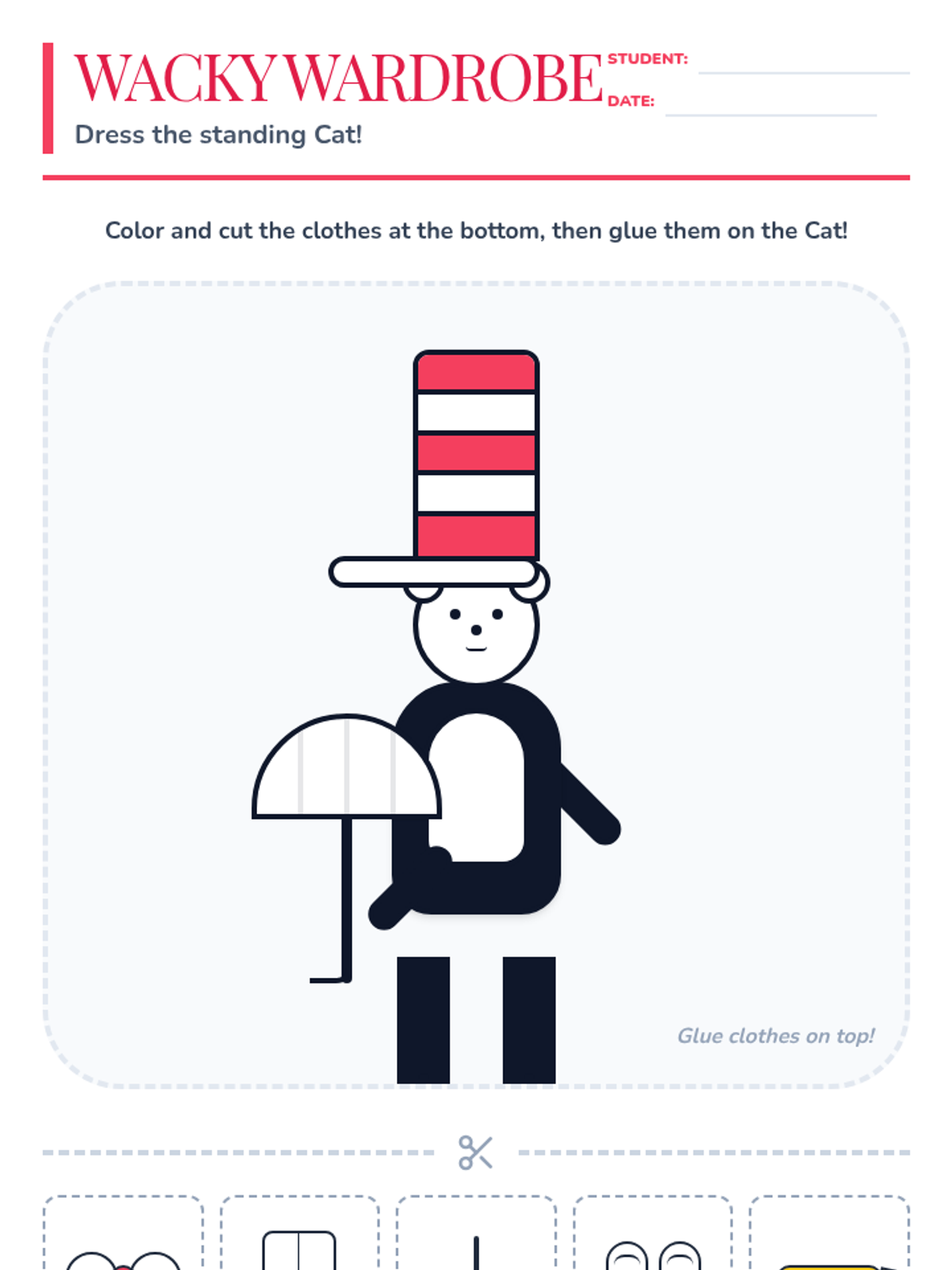
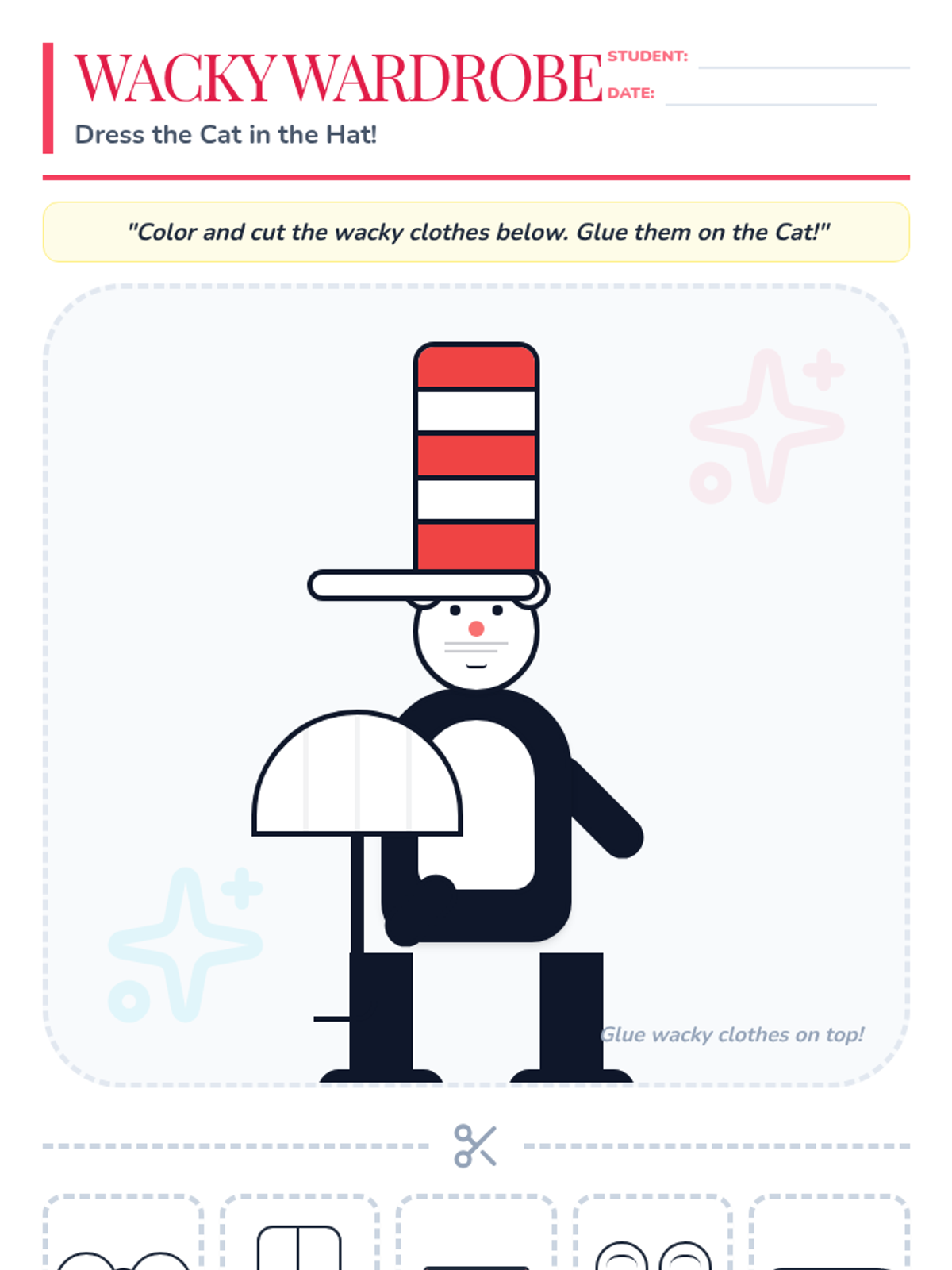
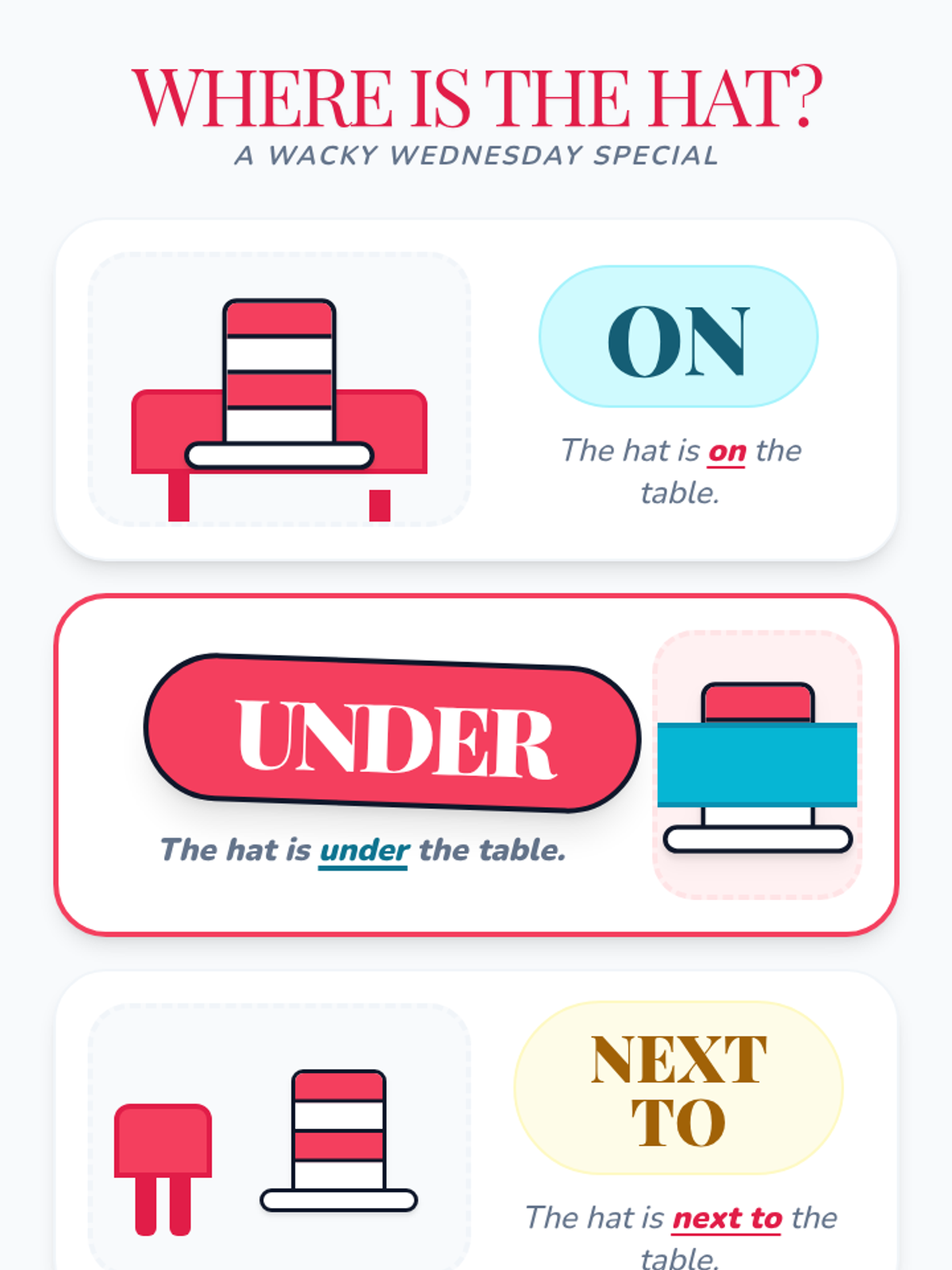
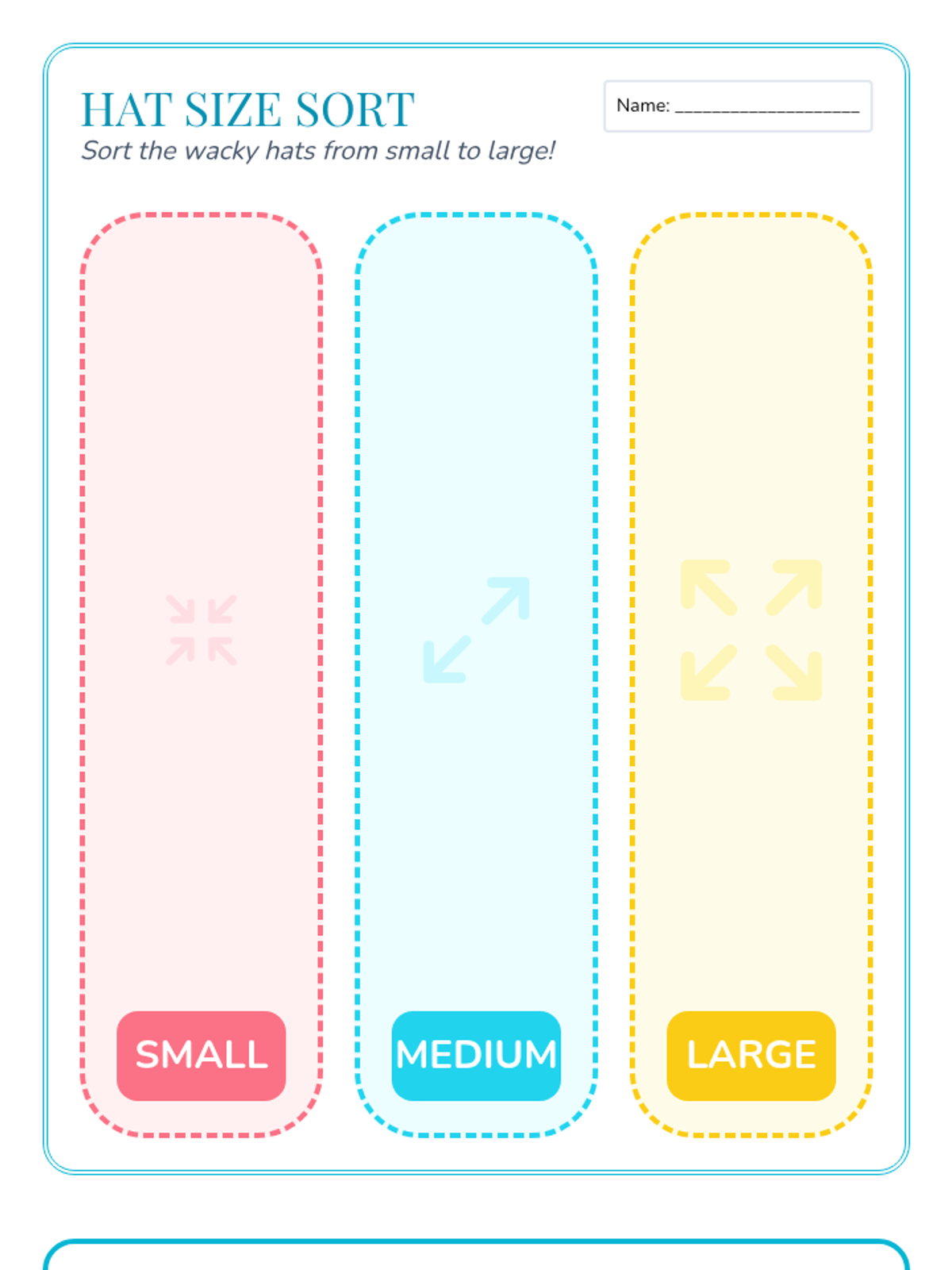
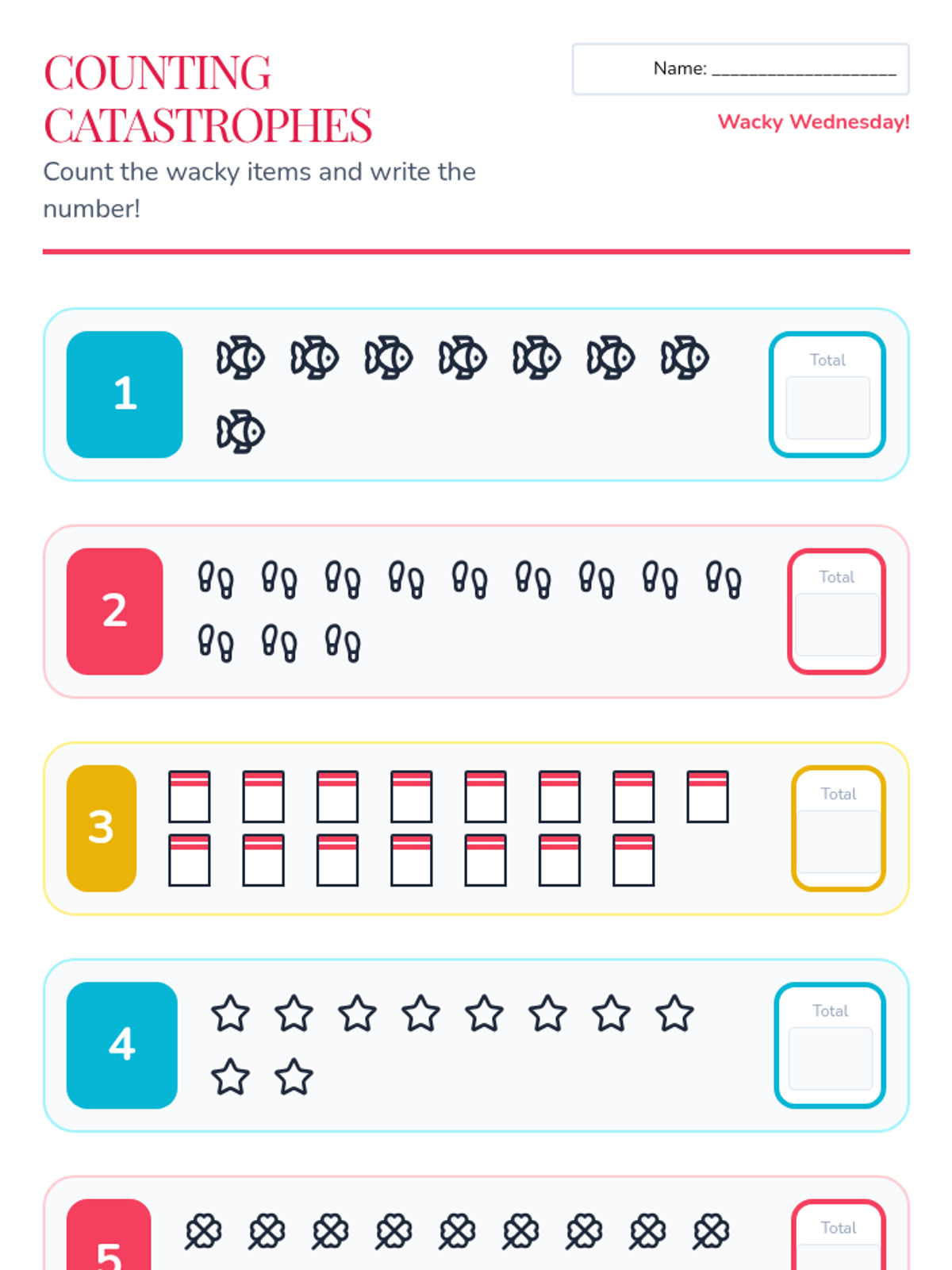
A whimsical lesson exploring 'Wacky Wednesday' through movement, counting up to 15, spatial awareness with hats, and a creative 'Wacky Wardrobe' craft.
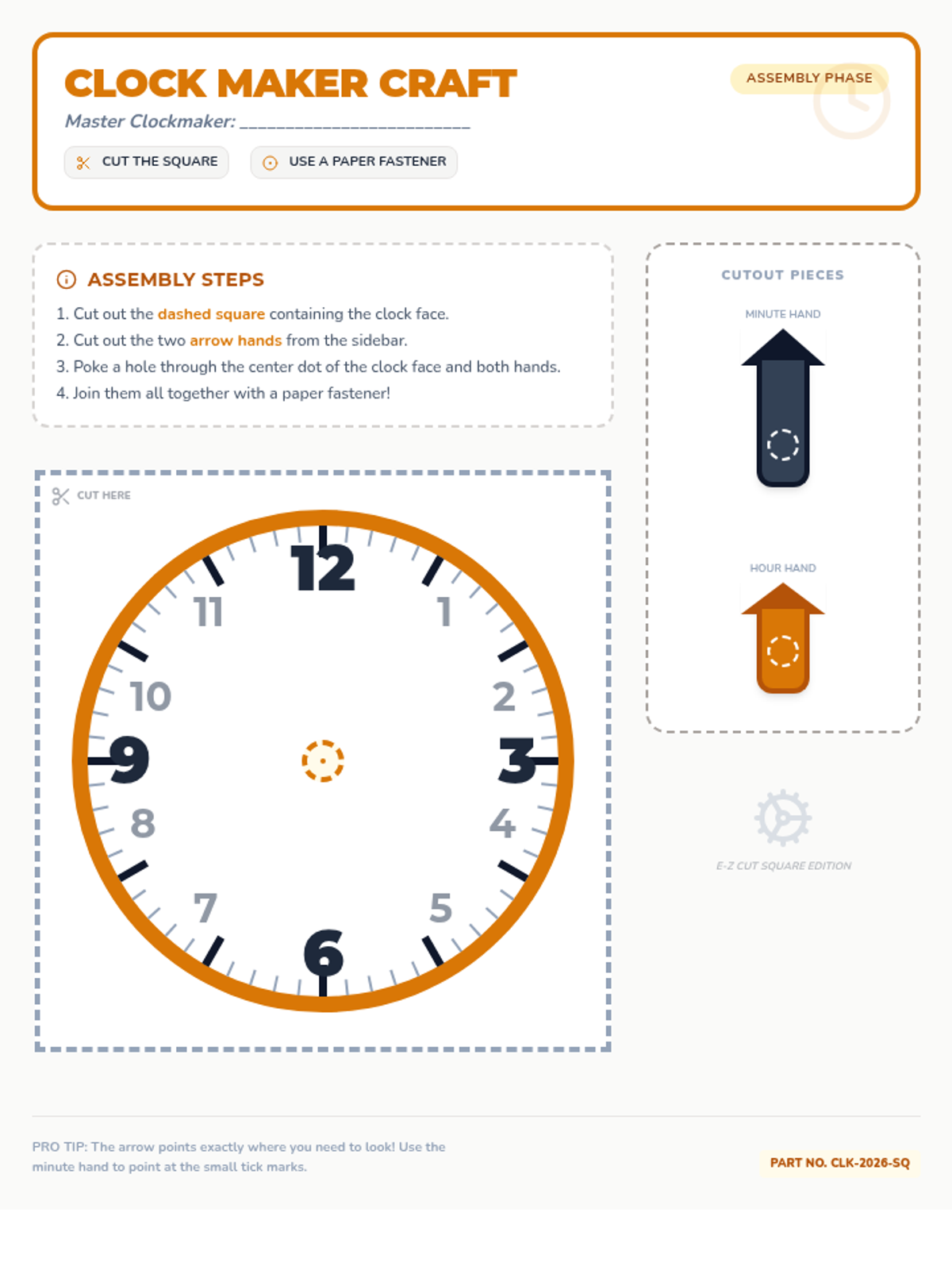
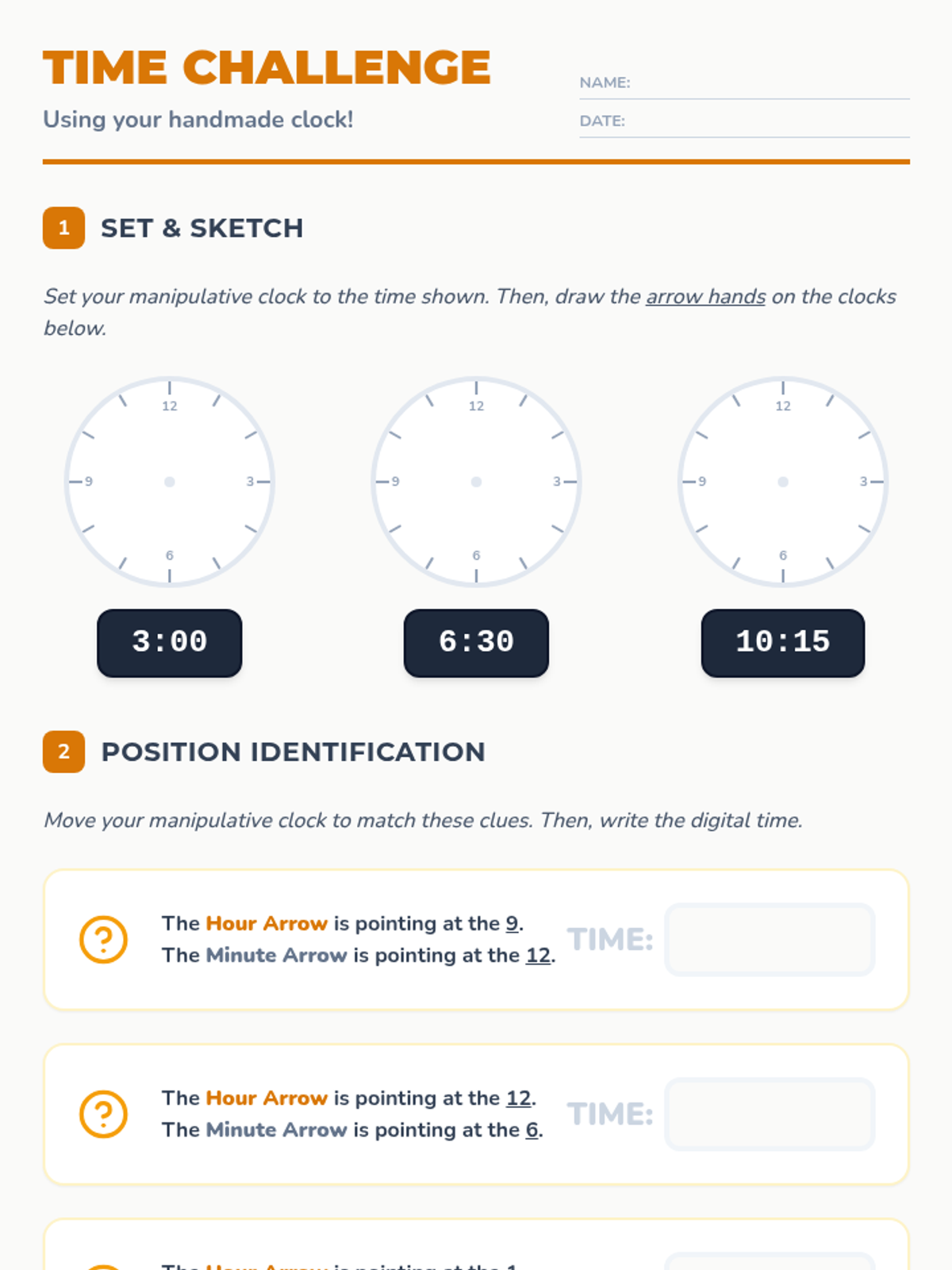
In this hands-on workshop, students build their own manipulative clocks to explore the mechanics of telling time. This lesson focuses on assembly and basic identification of clock components.
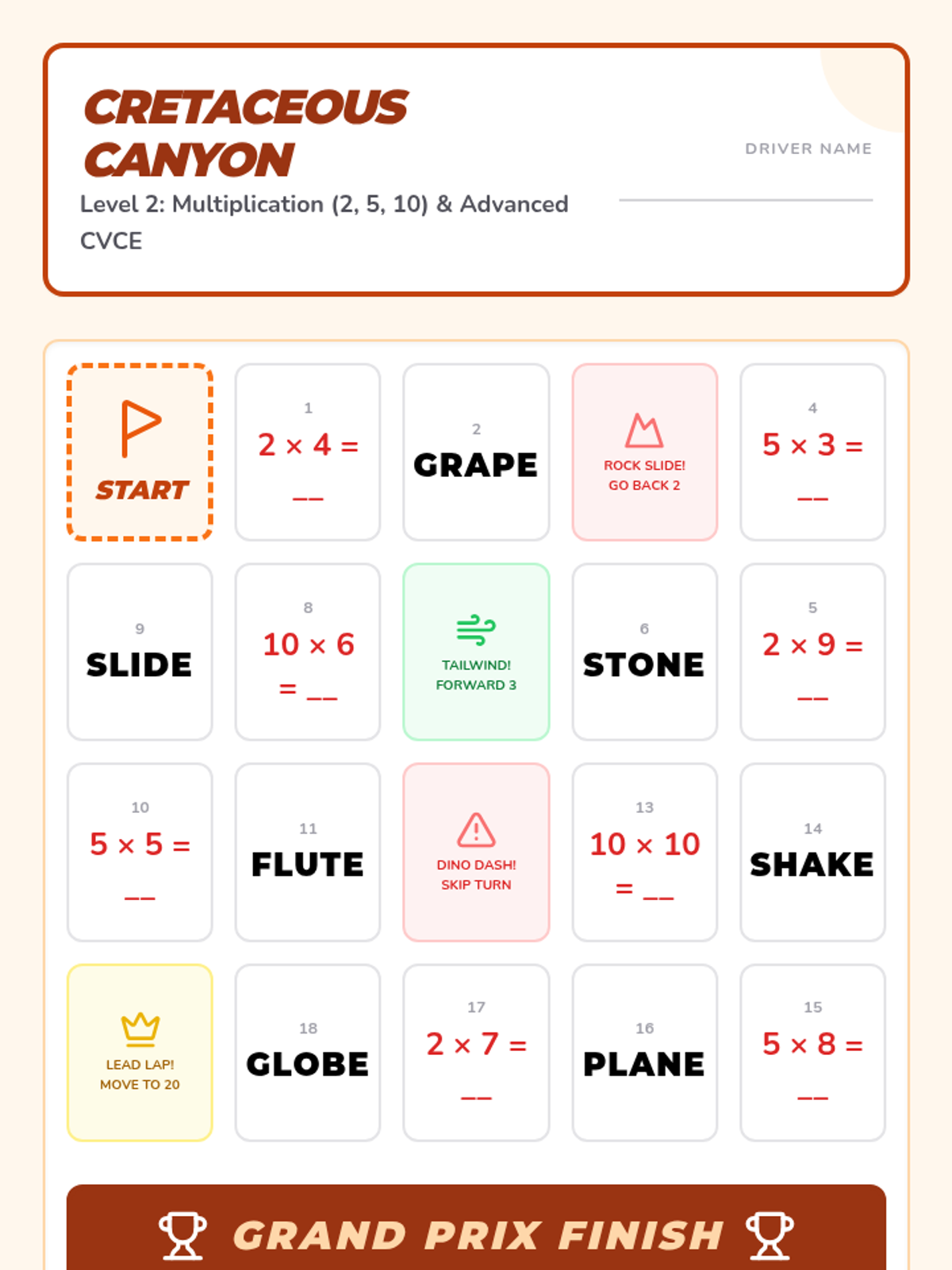
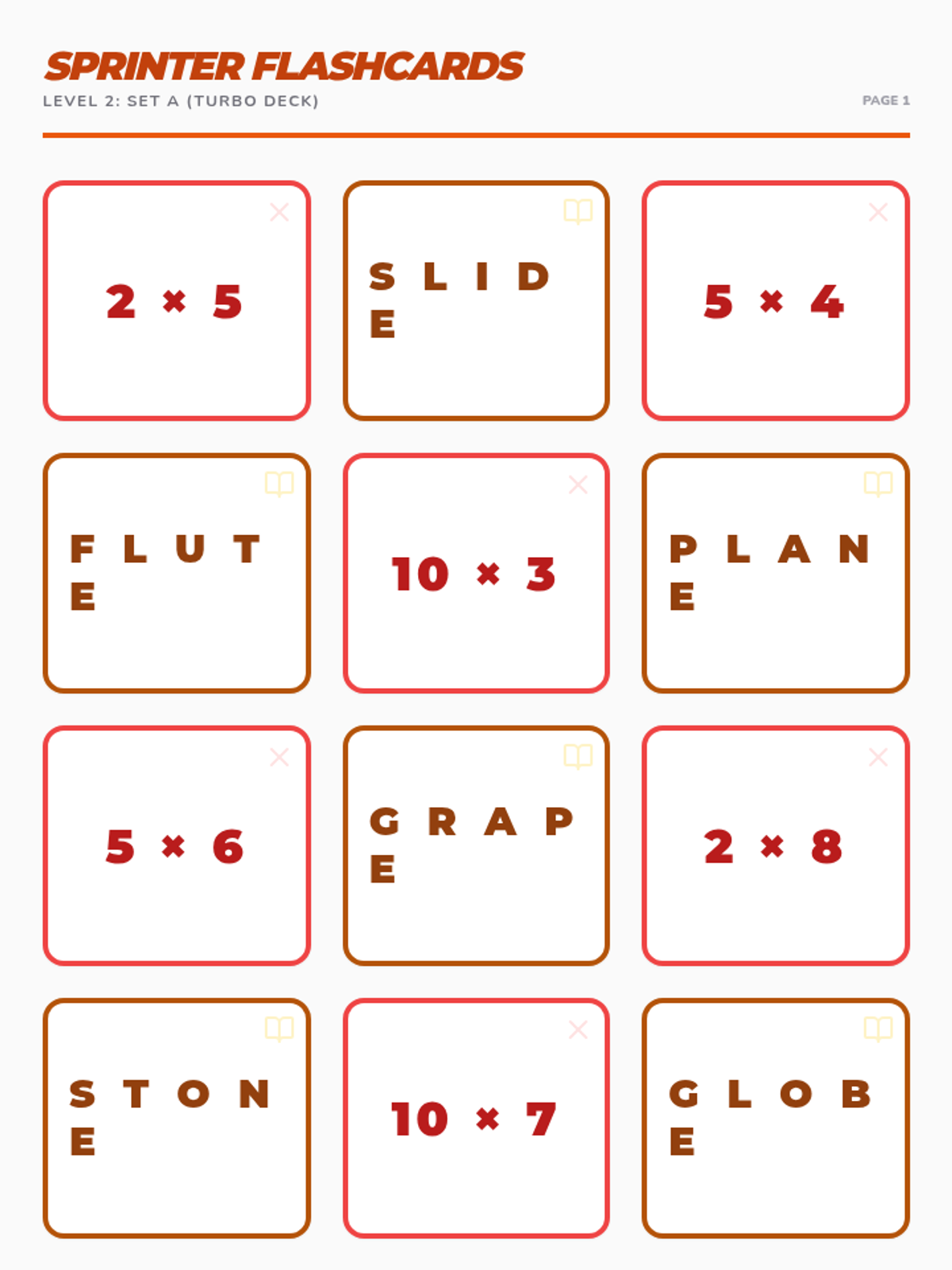
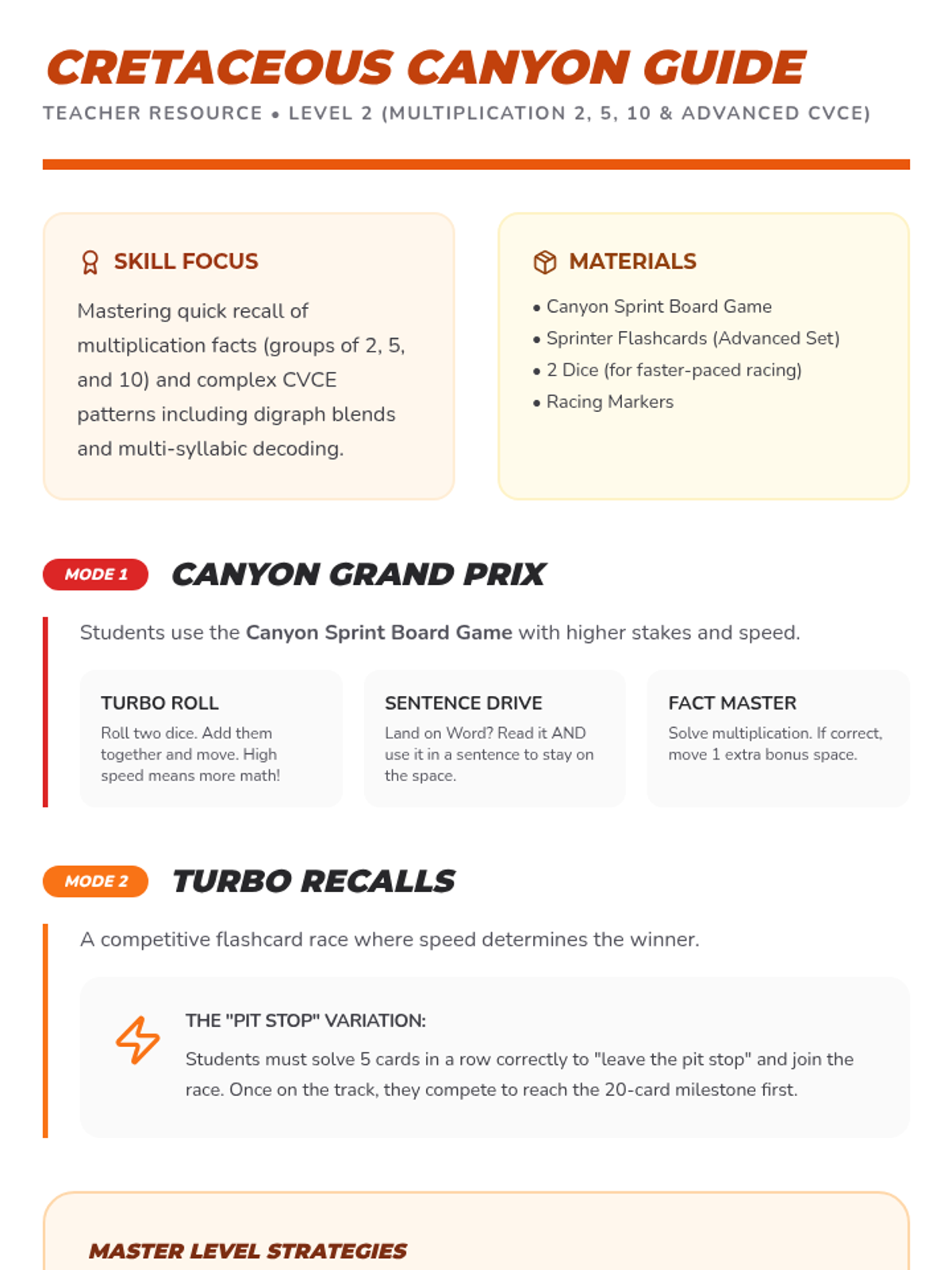
Introduces multiplication facts (2s, 5s, 10s) and advanced CVCE words with a canyon-themed speedway.
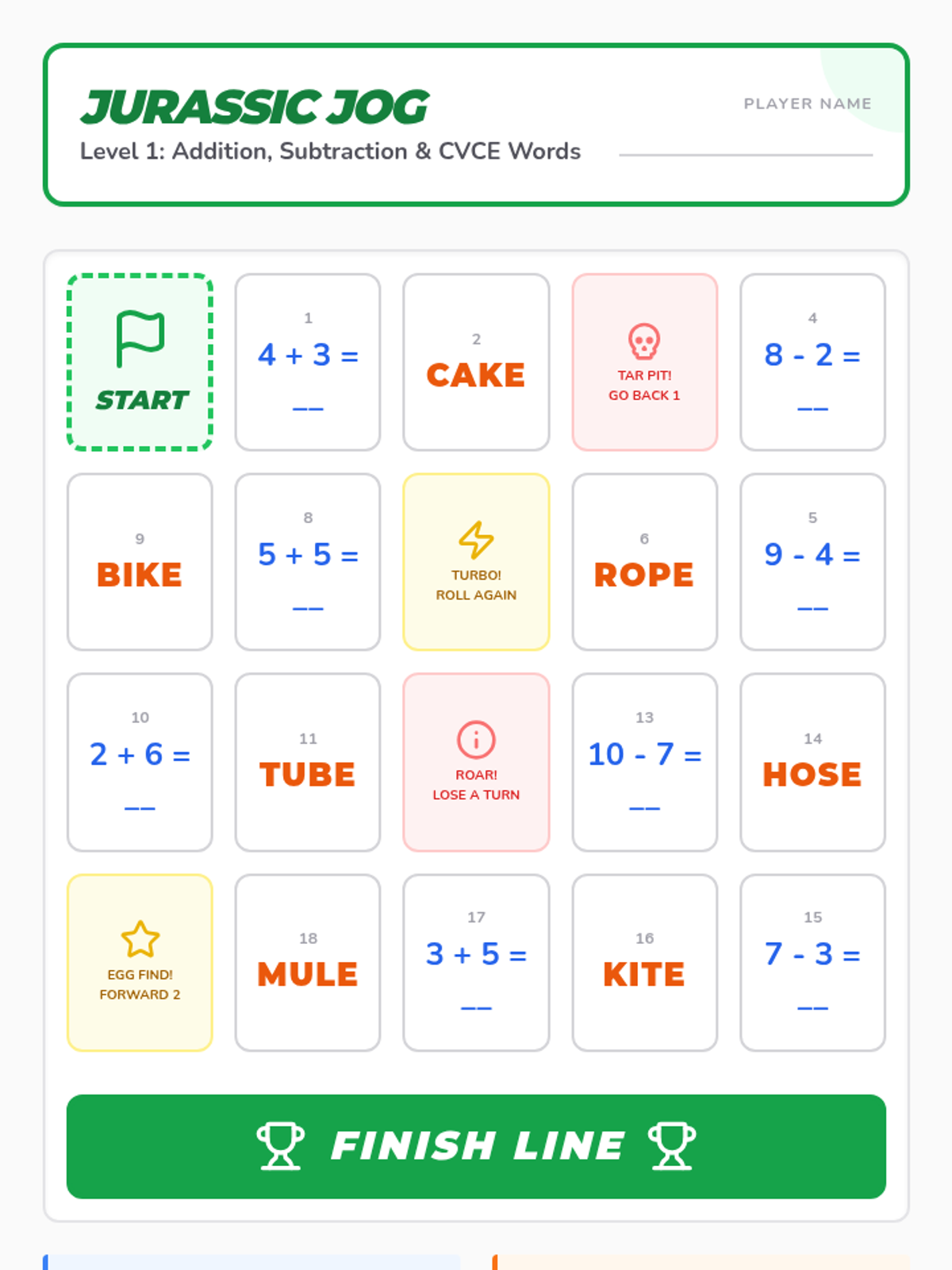
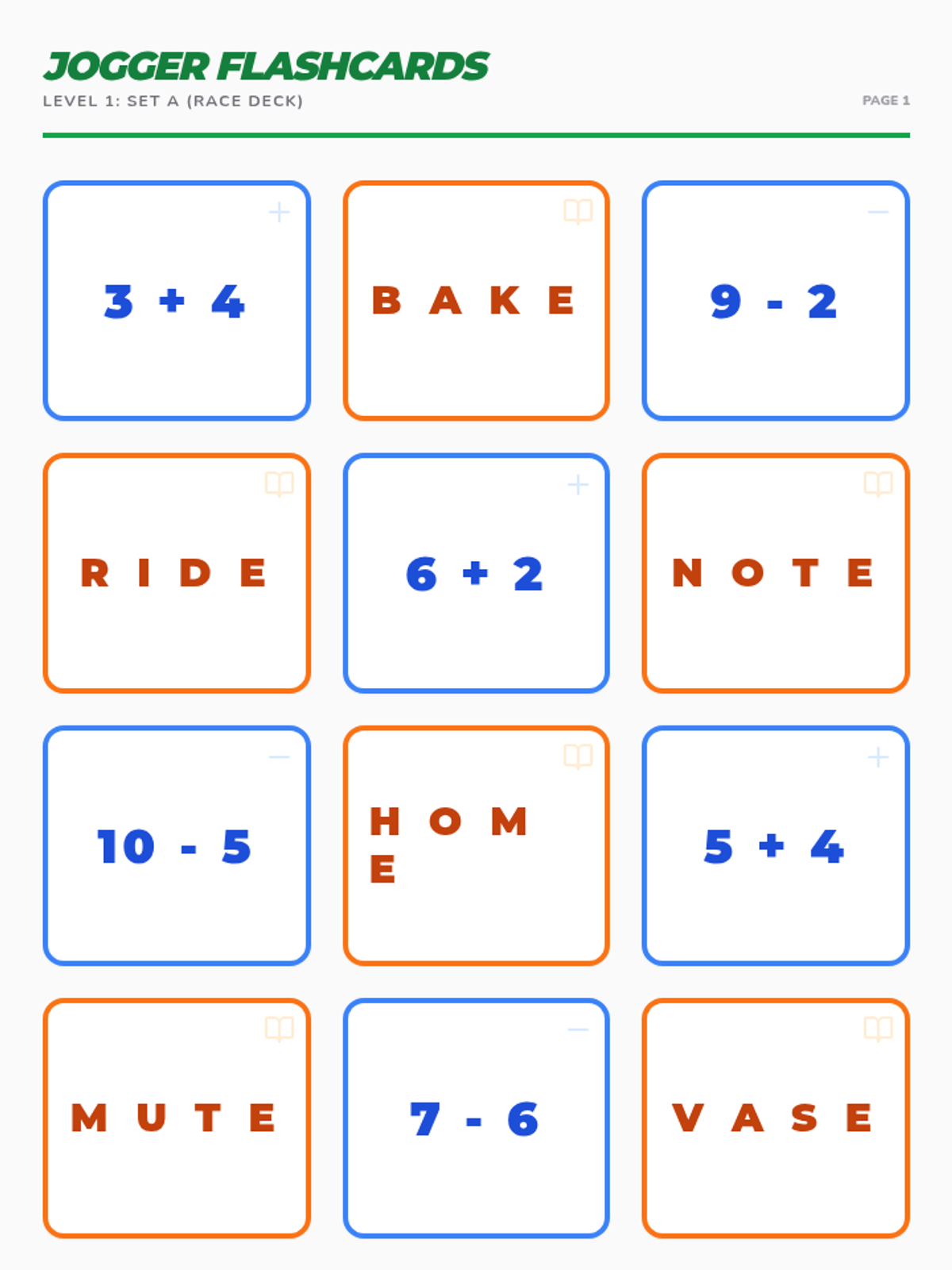
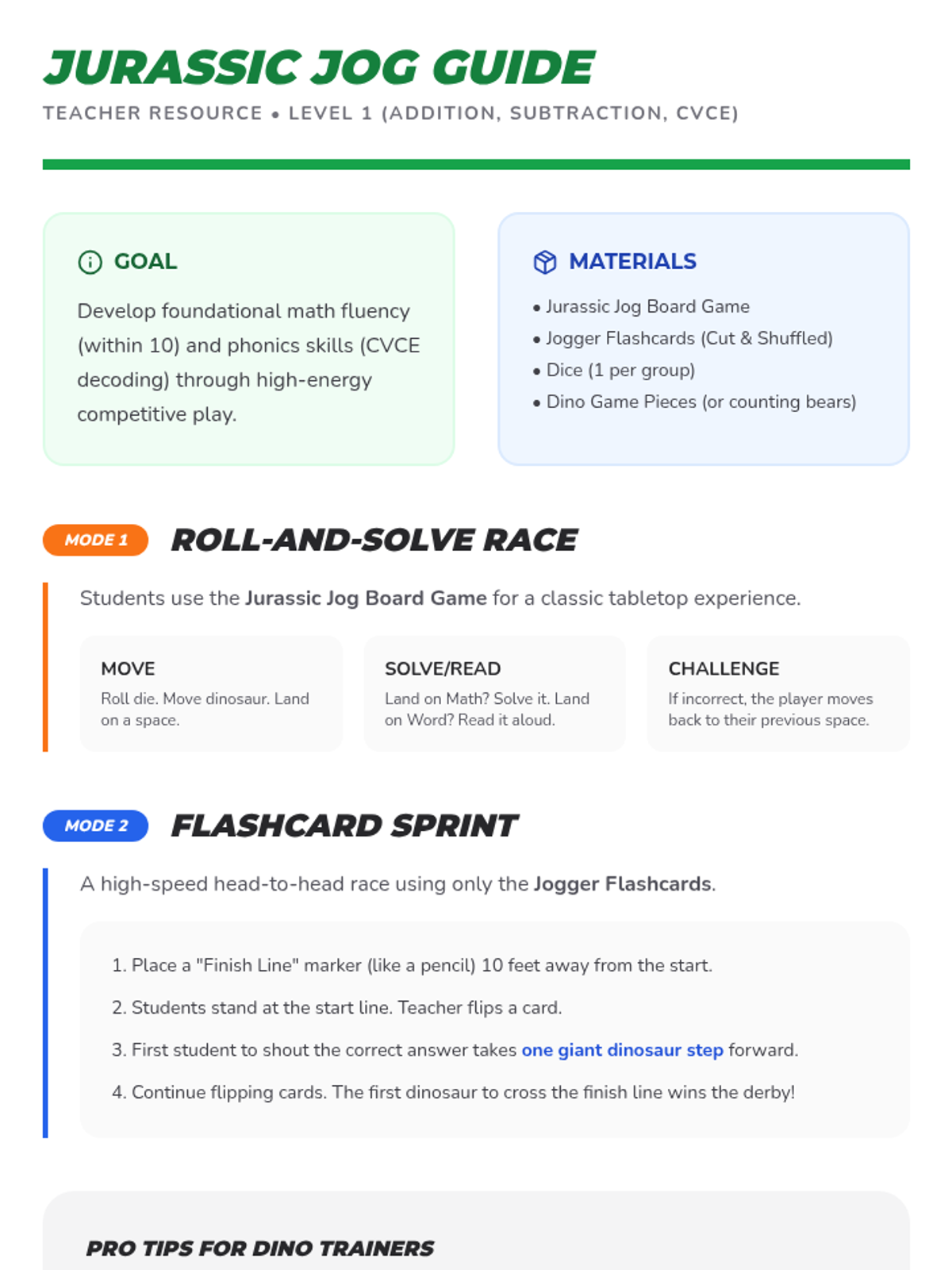
Focuses on addition and subtraction facts within 10 and common CVCE words using a jungle-themed racing board.
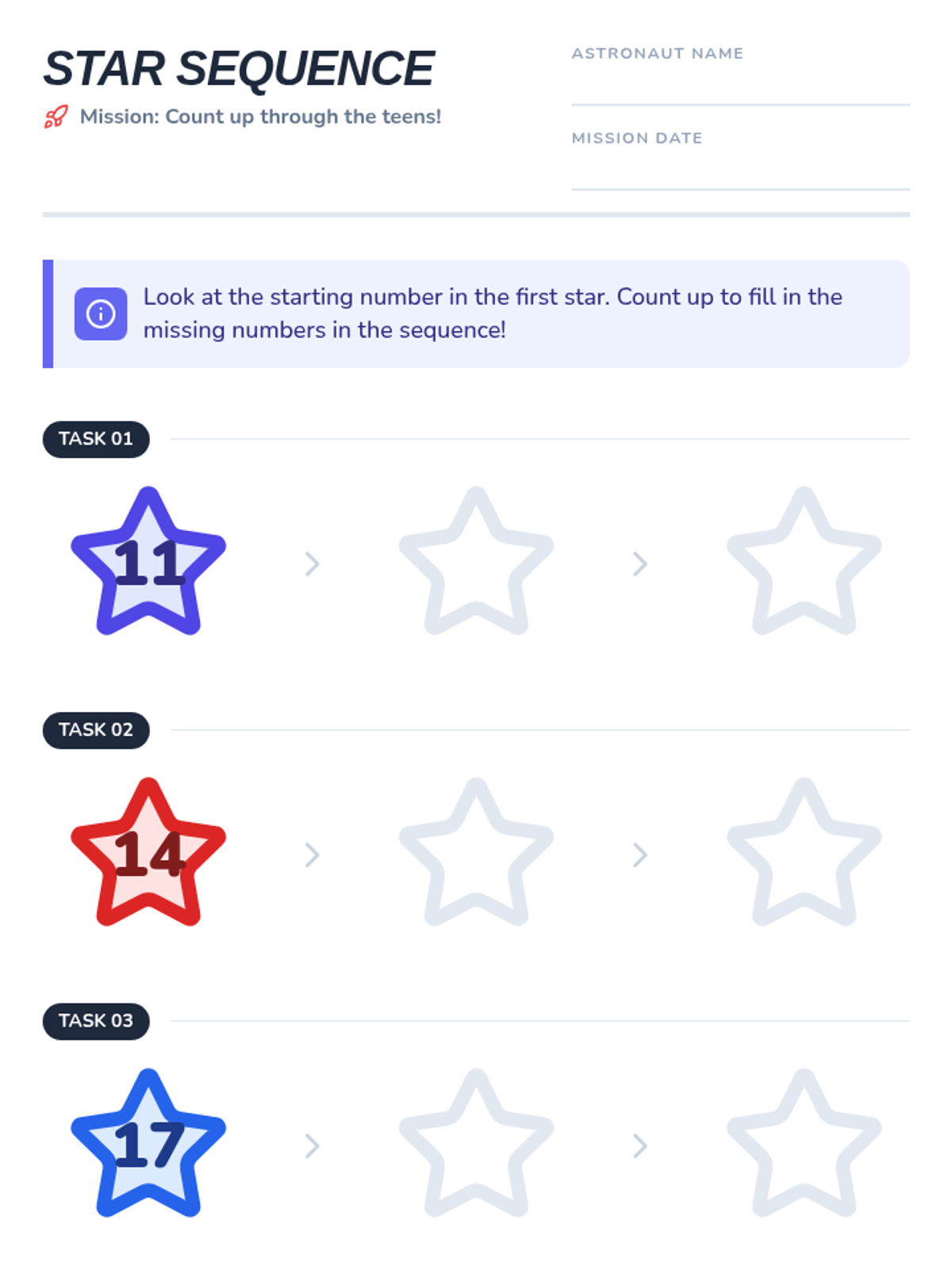
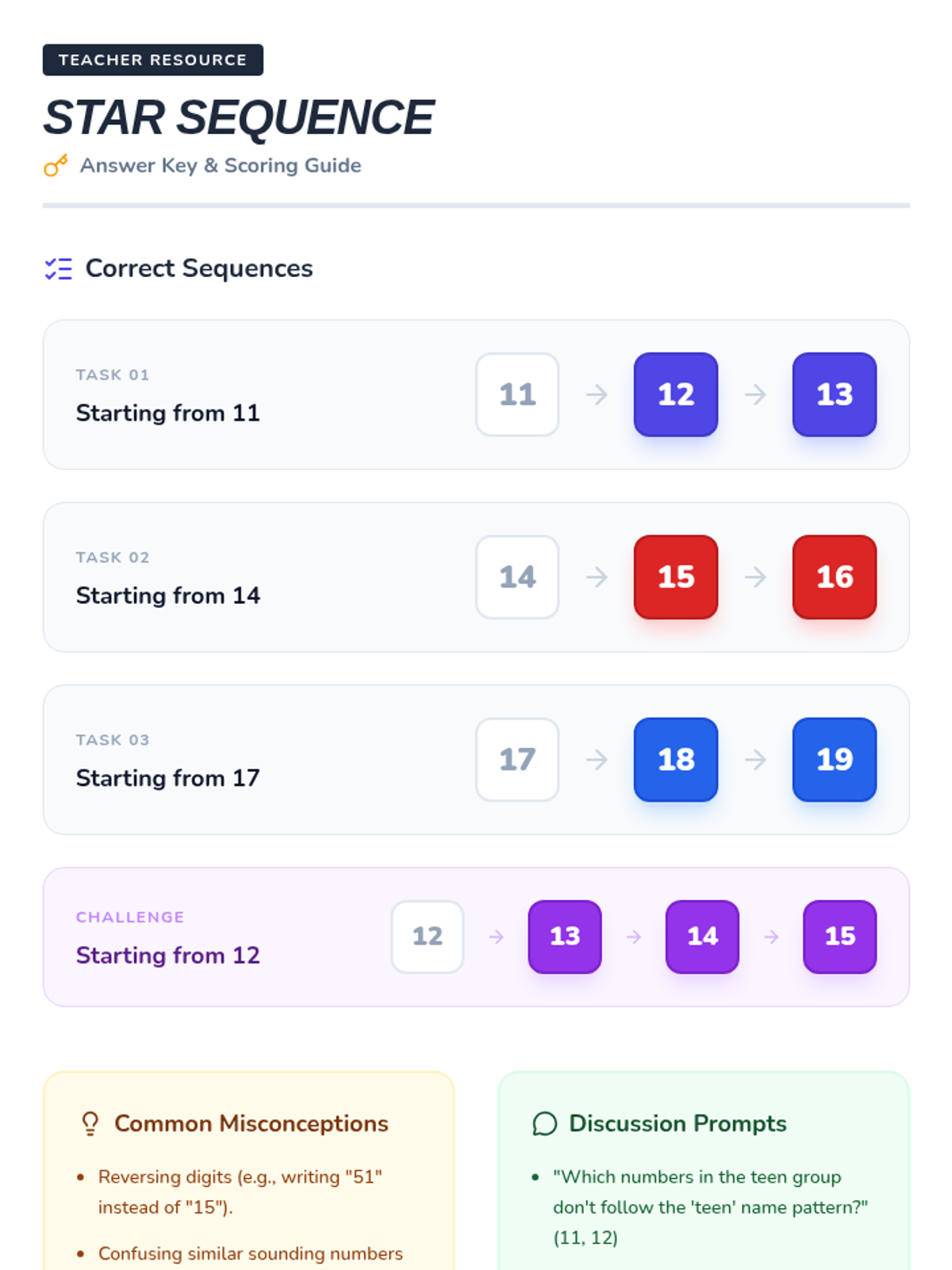
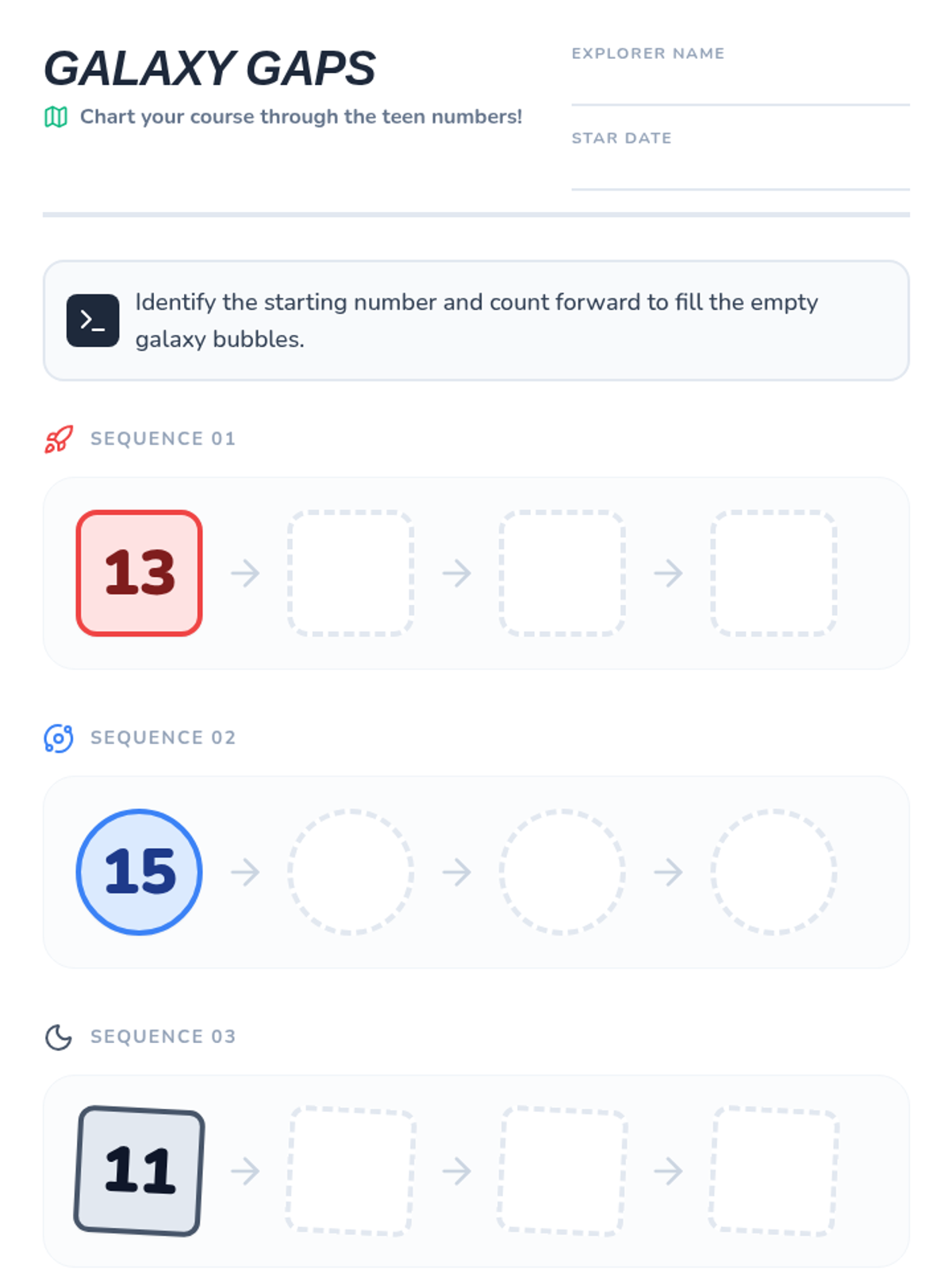
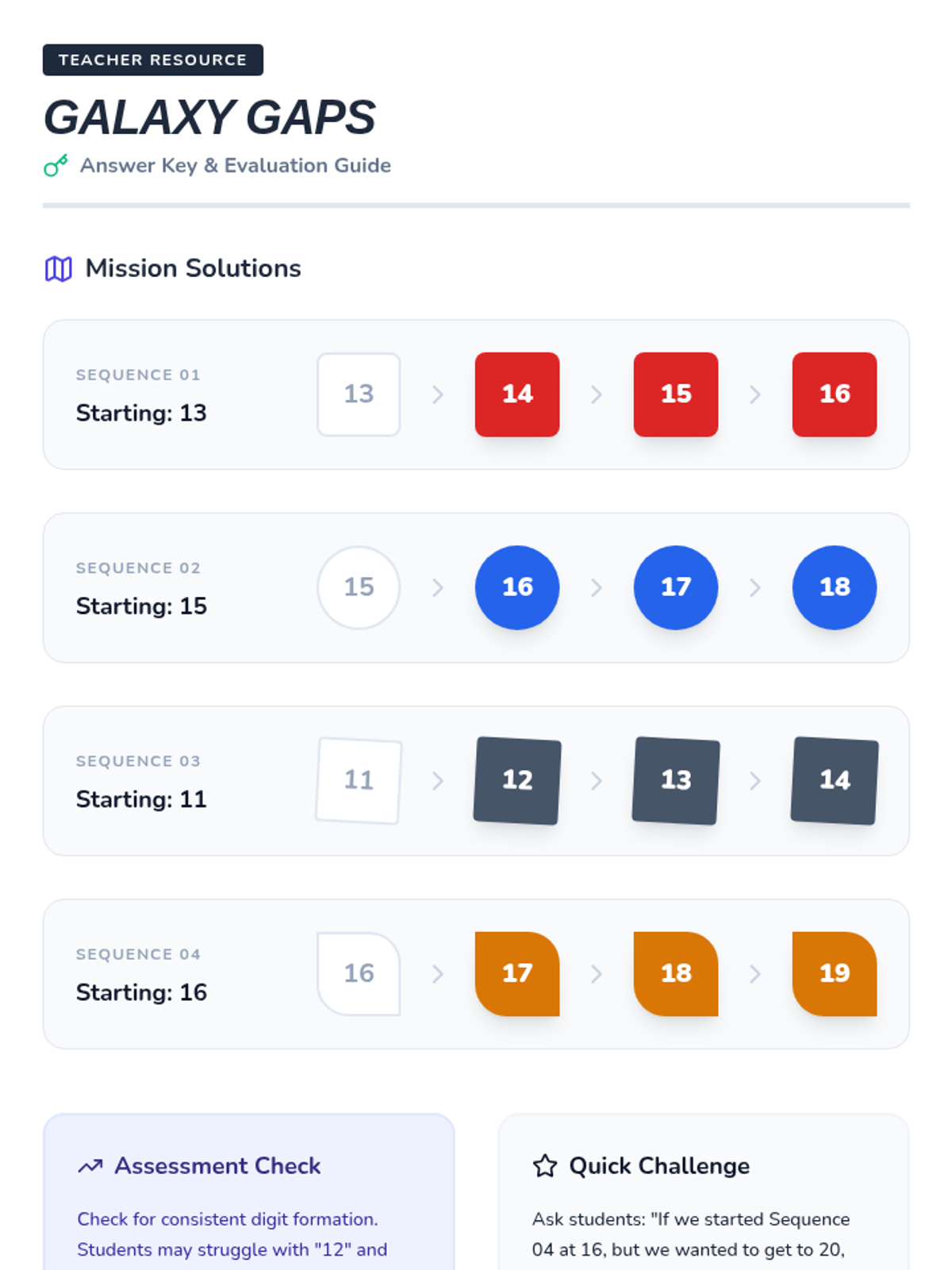
A foundational math lesson focused on identifying and sequencing numbers in the 'teens' (11-19) using a space exploration theme. Students will practice starting from a given teen number and counting forward to build numerical fluency.
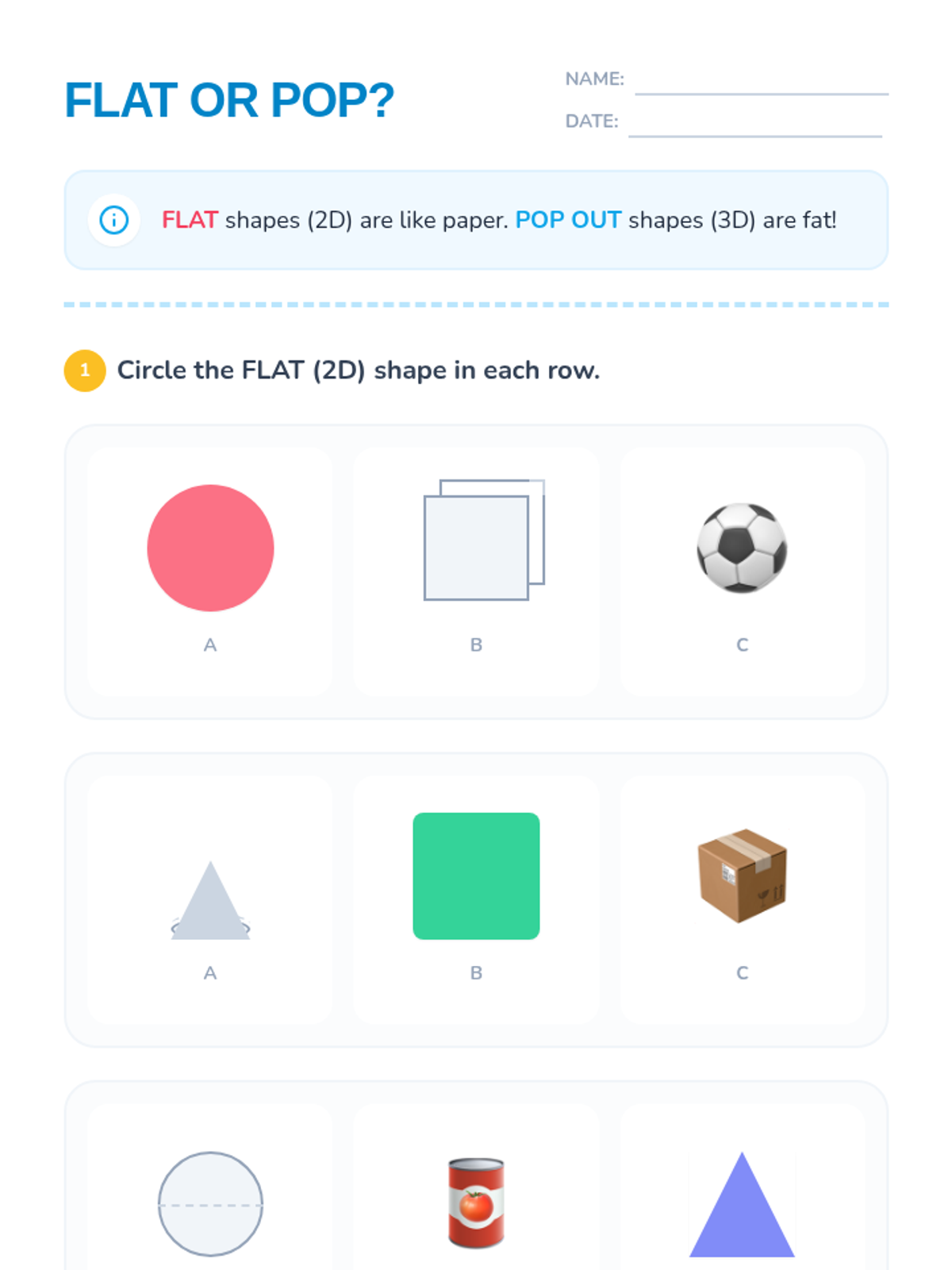
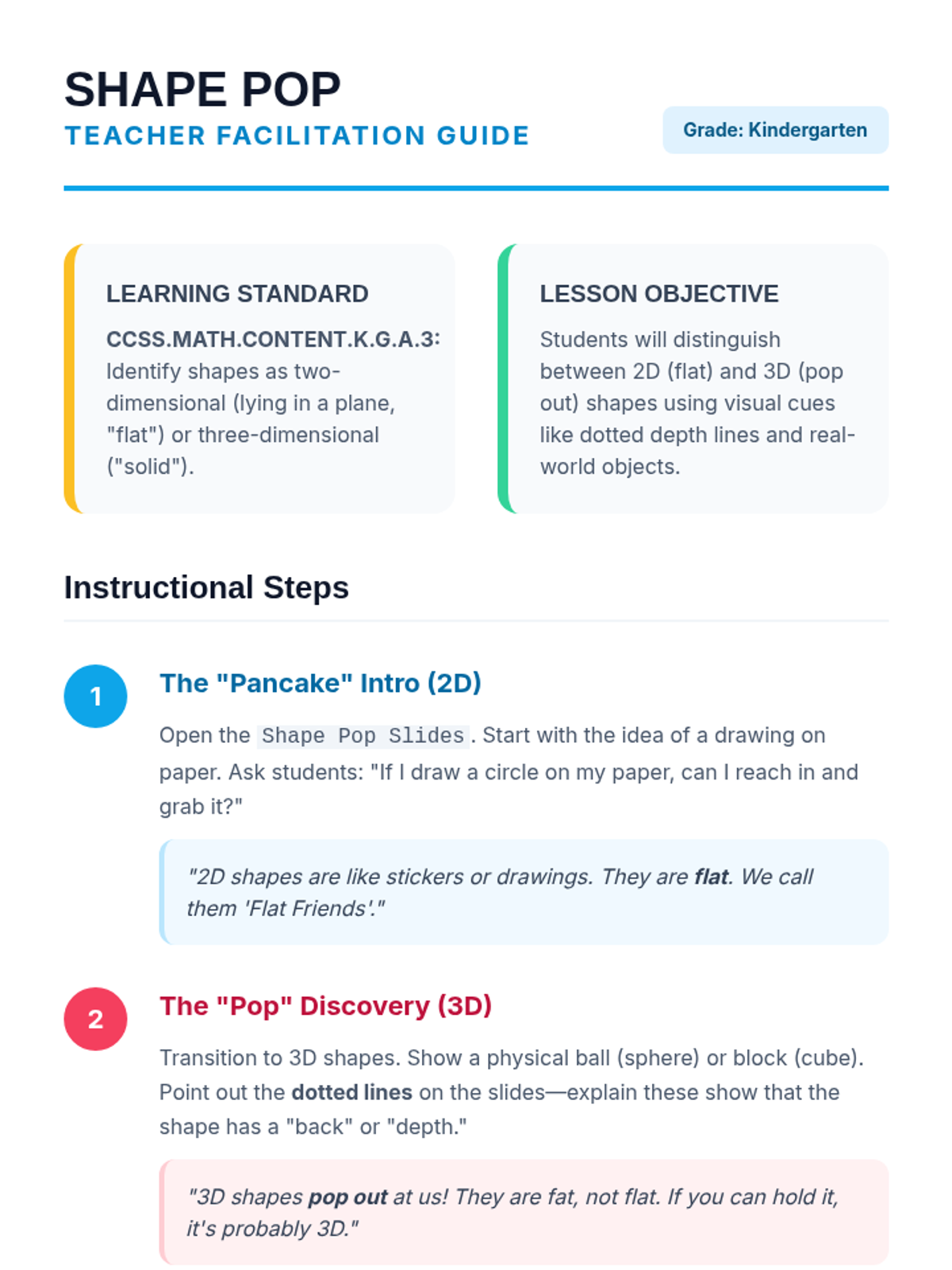
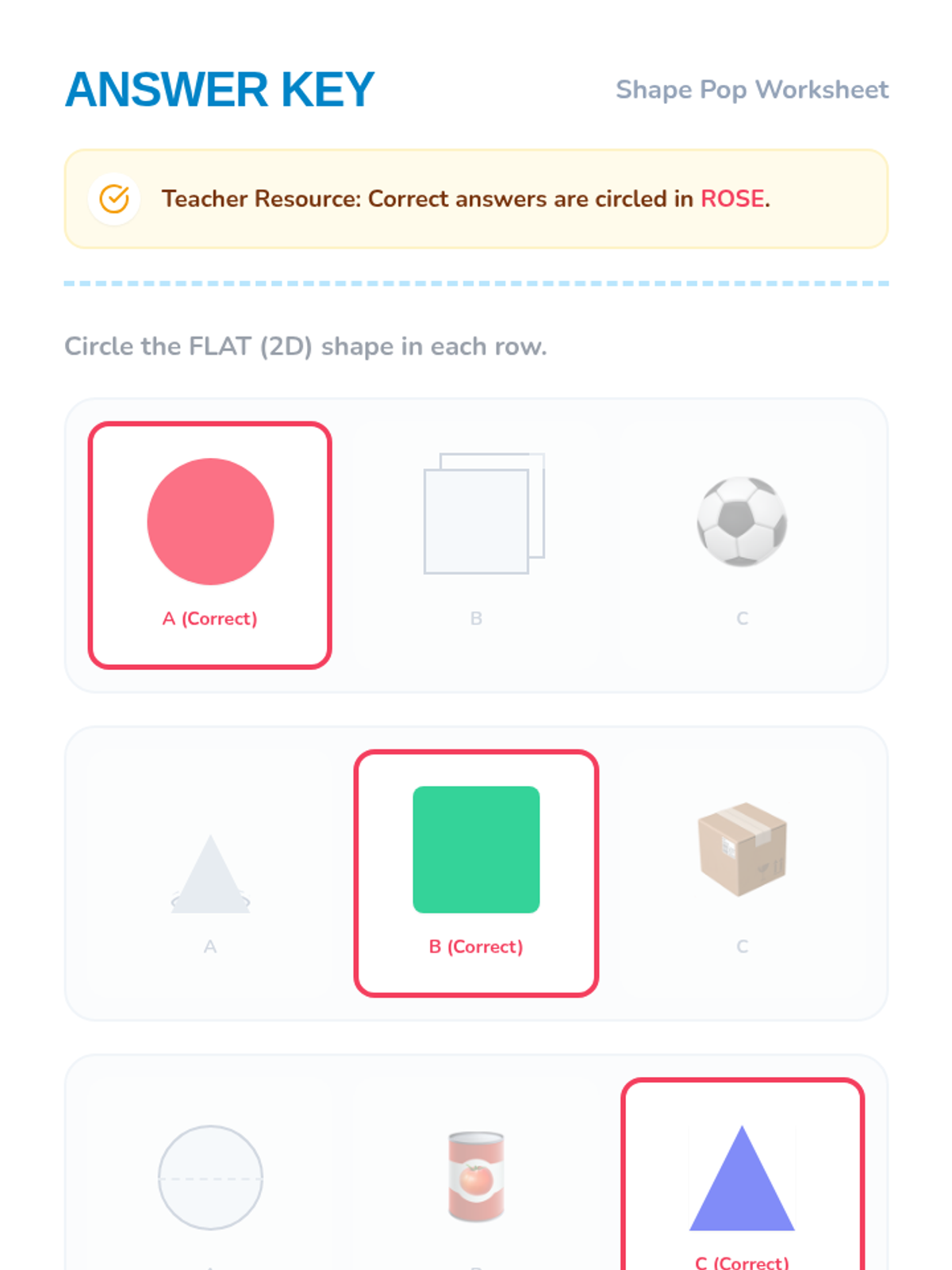
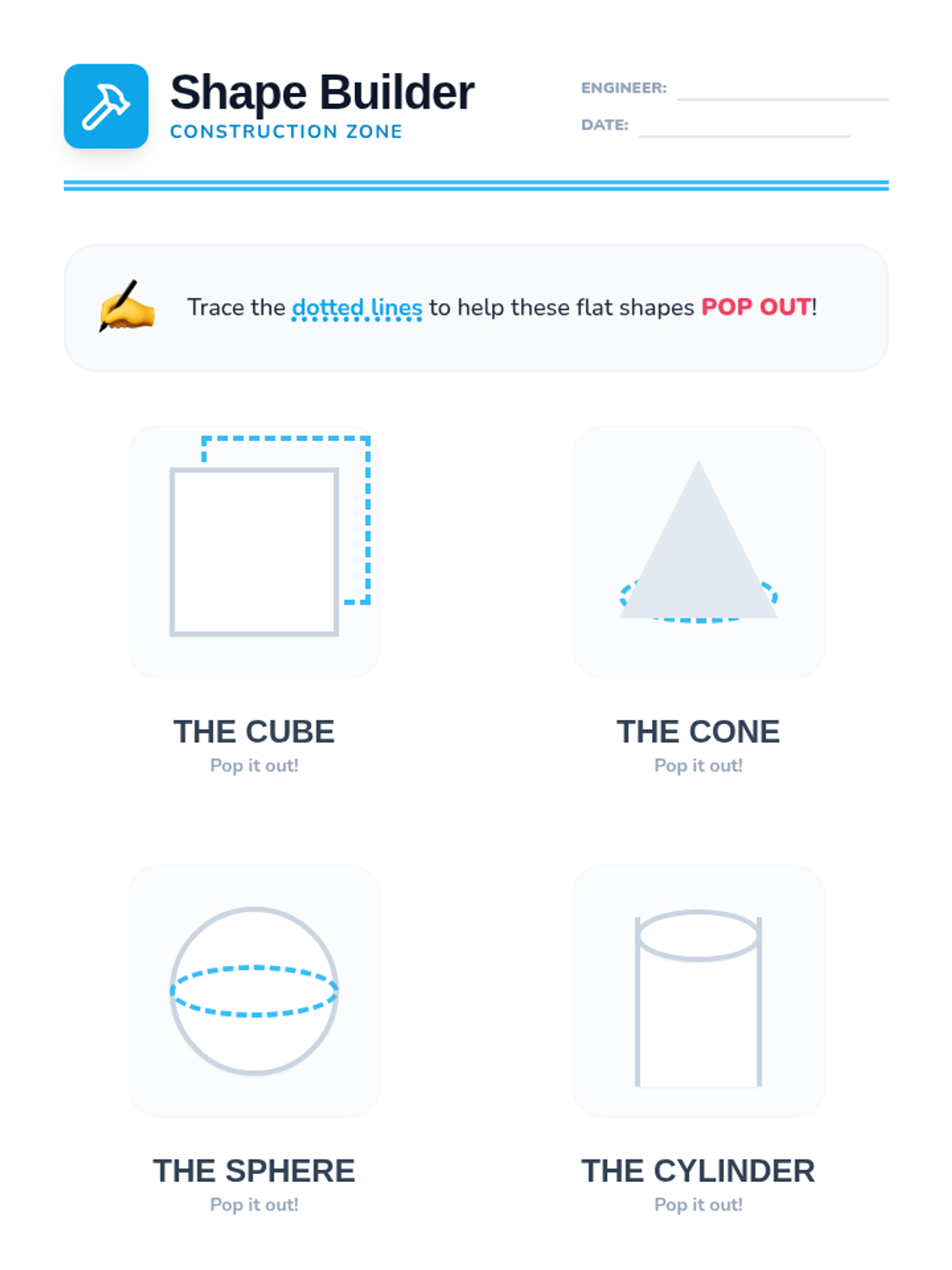
A beginner-friendly introduction to geometry for Kindergarteners, focusing on the distinction between flat 2D shapes and solid 3D shapes that "pop out." Students learn to identify shapes in their environment and distinguish between dimensions using visual cues like dotted lines for depth.
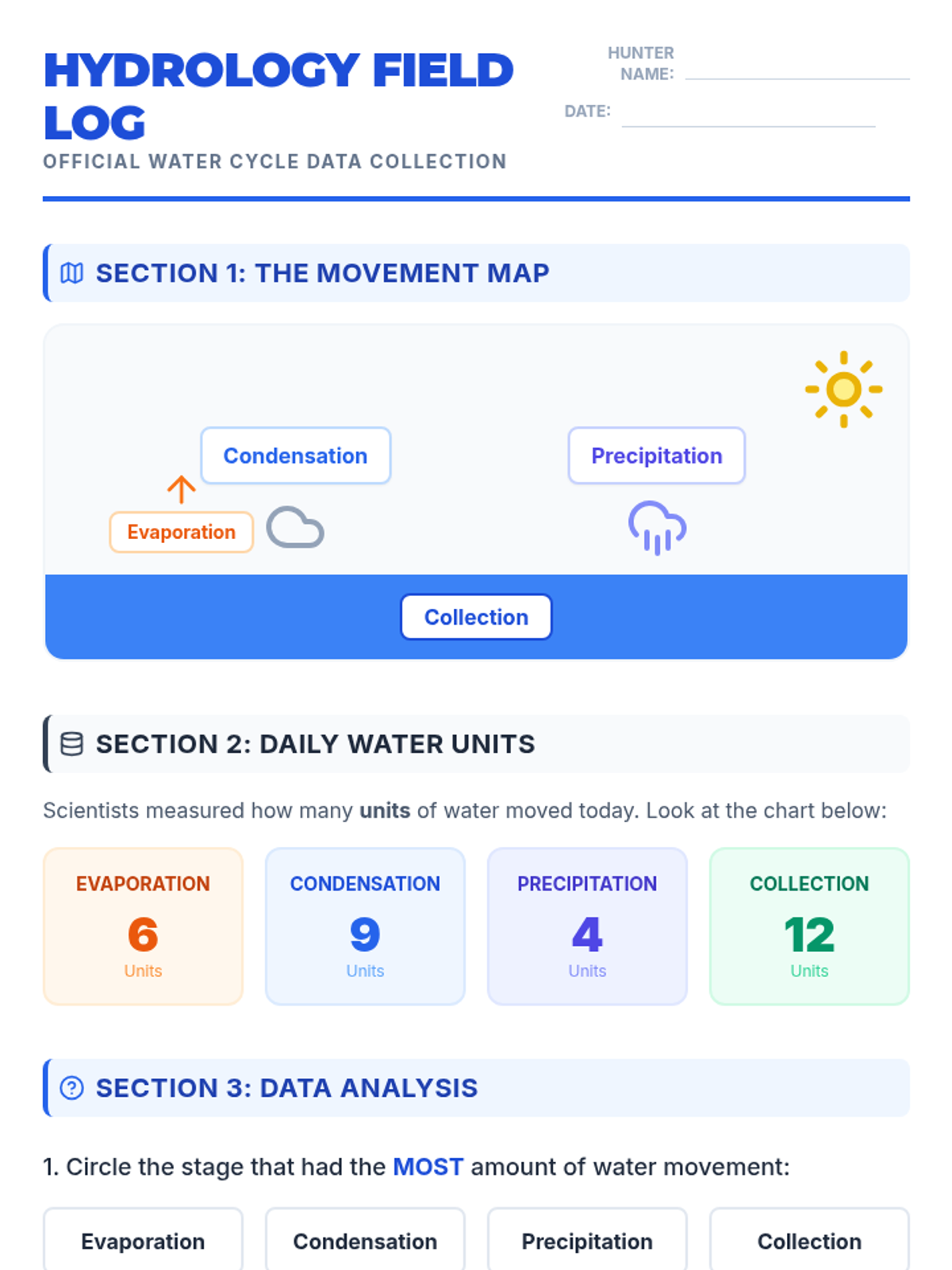
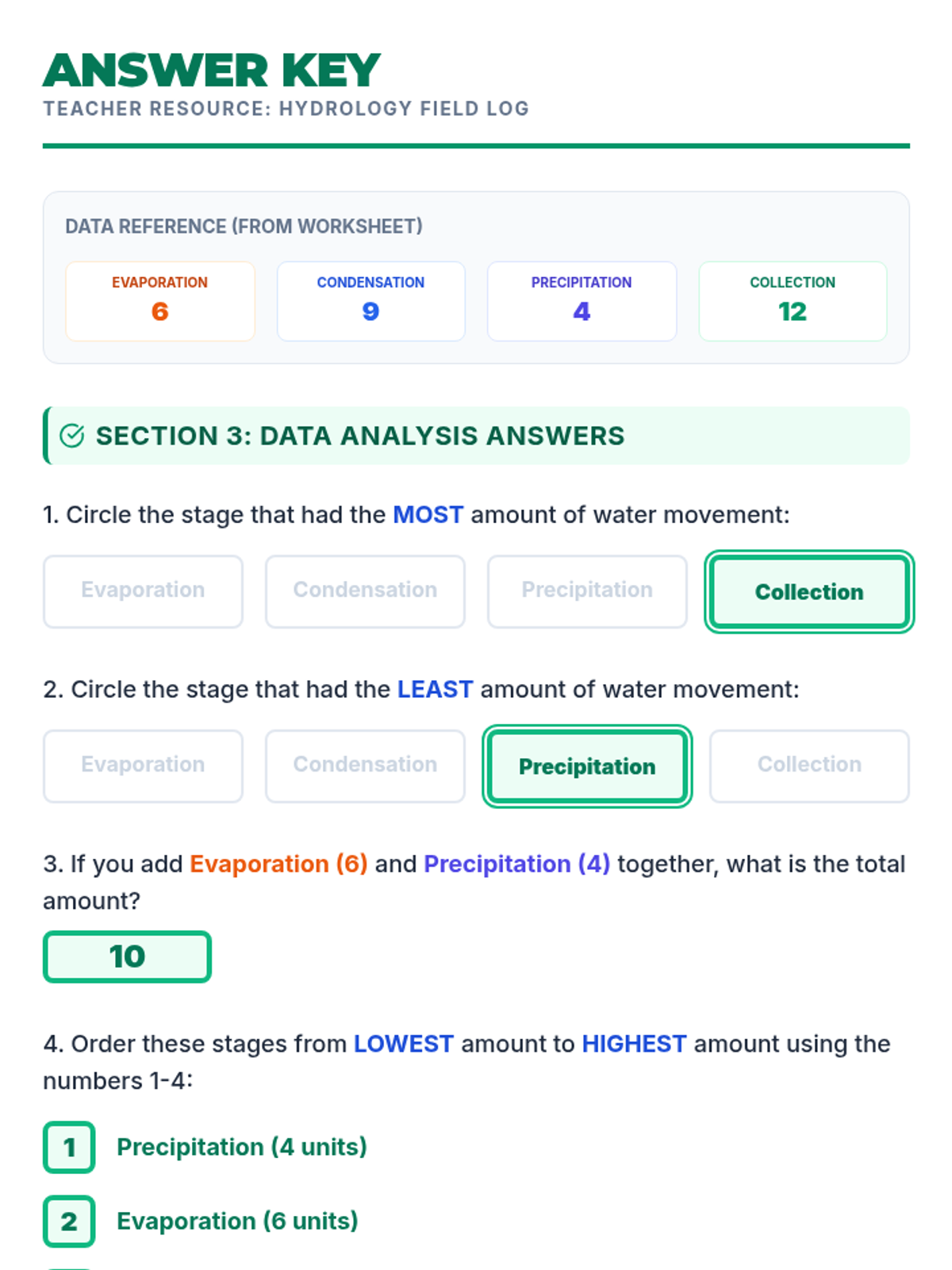
A lesson where students use numerical data and counting to track the movement of water through the water cycle, focusing on interpreting charts and comparing quantities.
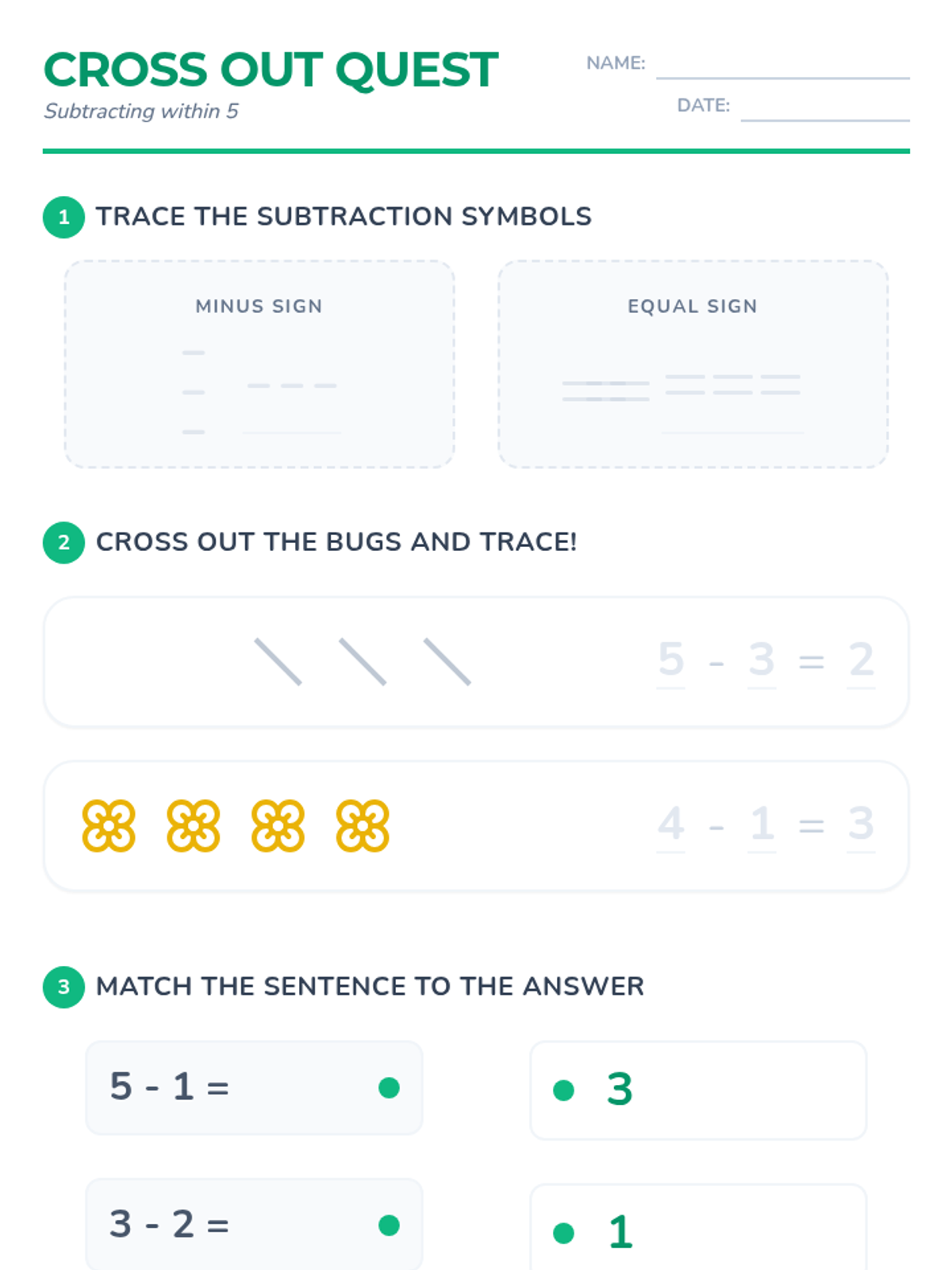
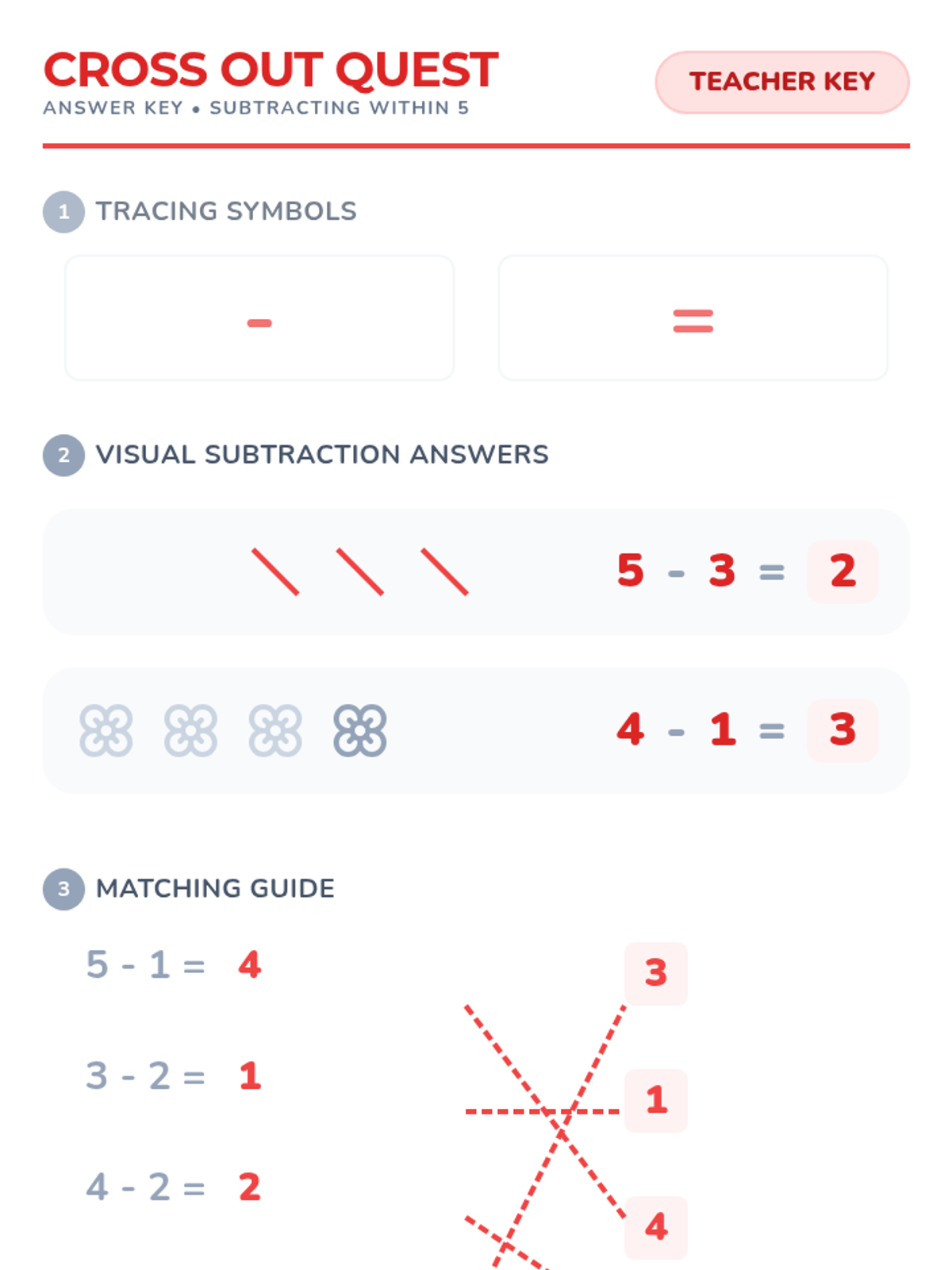
A foundational introduction to subtraction within 5, focusing on the concept of 'taking away' through visual aids and hands-on crossing out strategies.
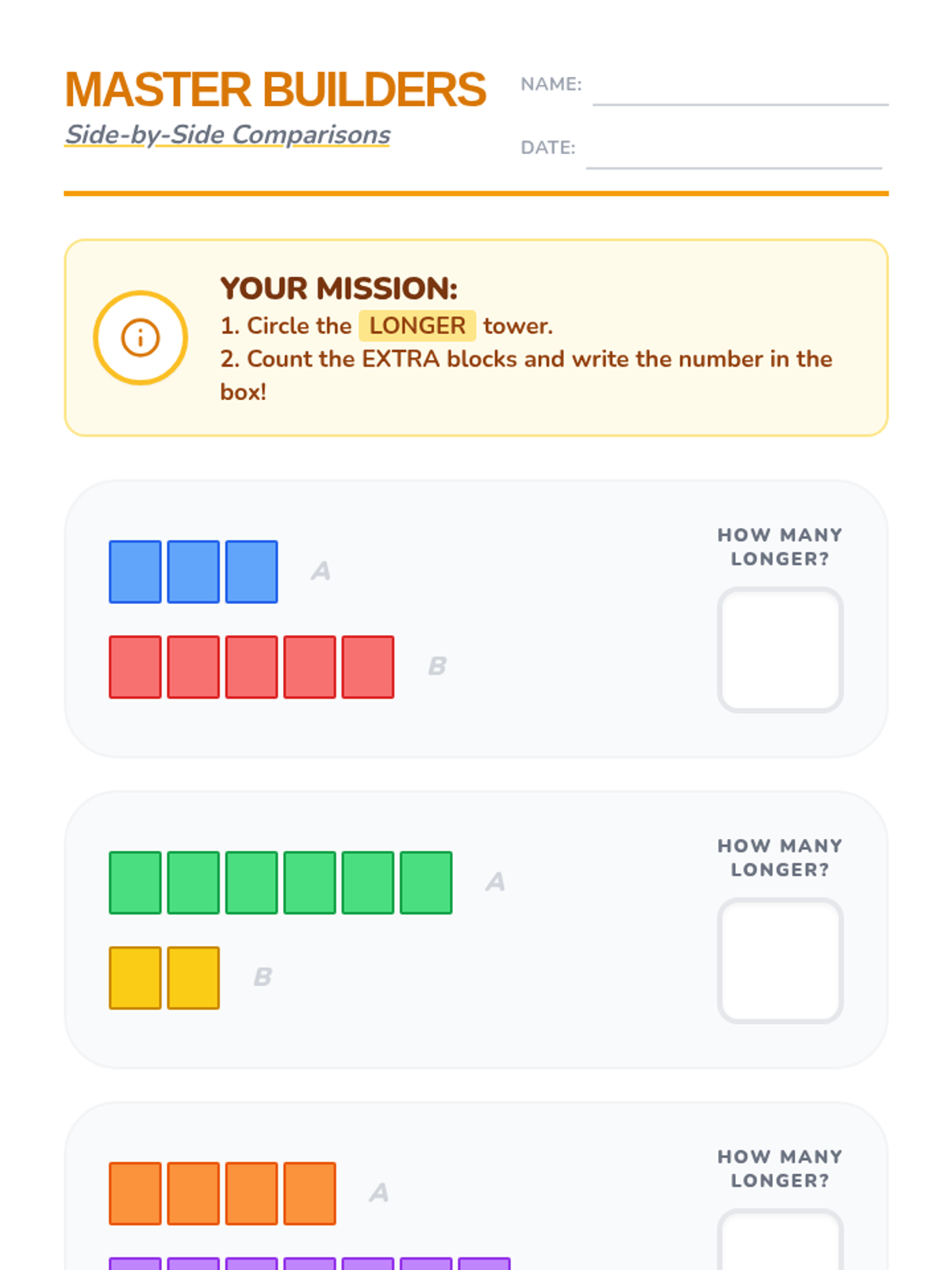
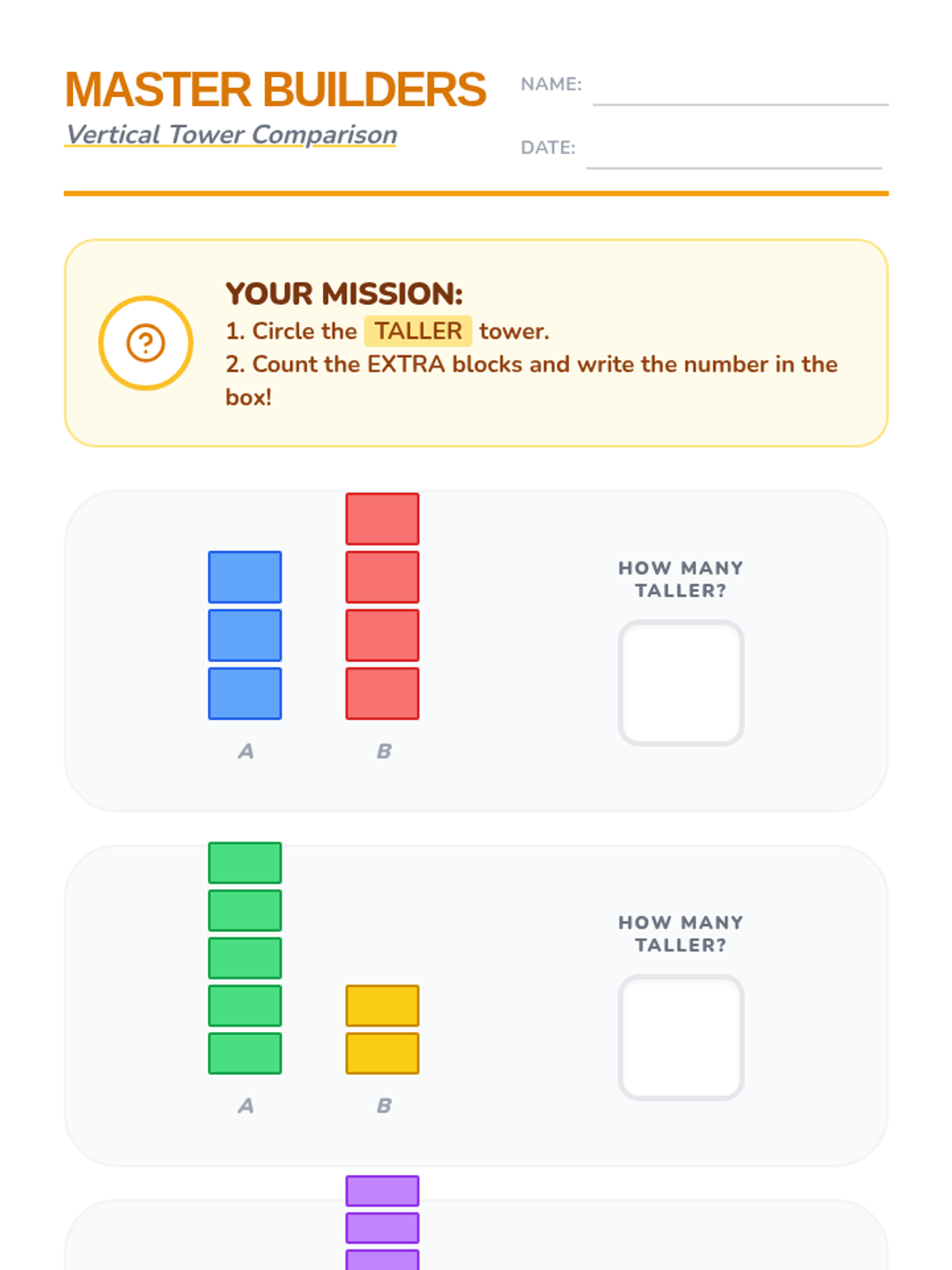
A Kindergarten lesson focused on comparing the length (height) of block towers and determining the difference in length by counting individual block units.
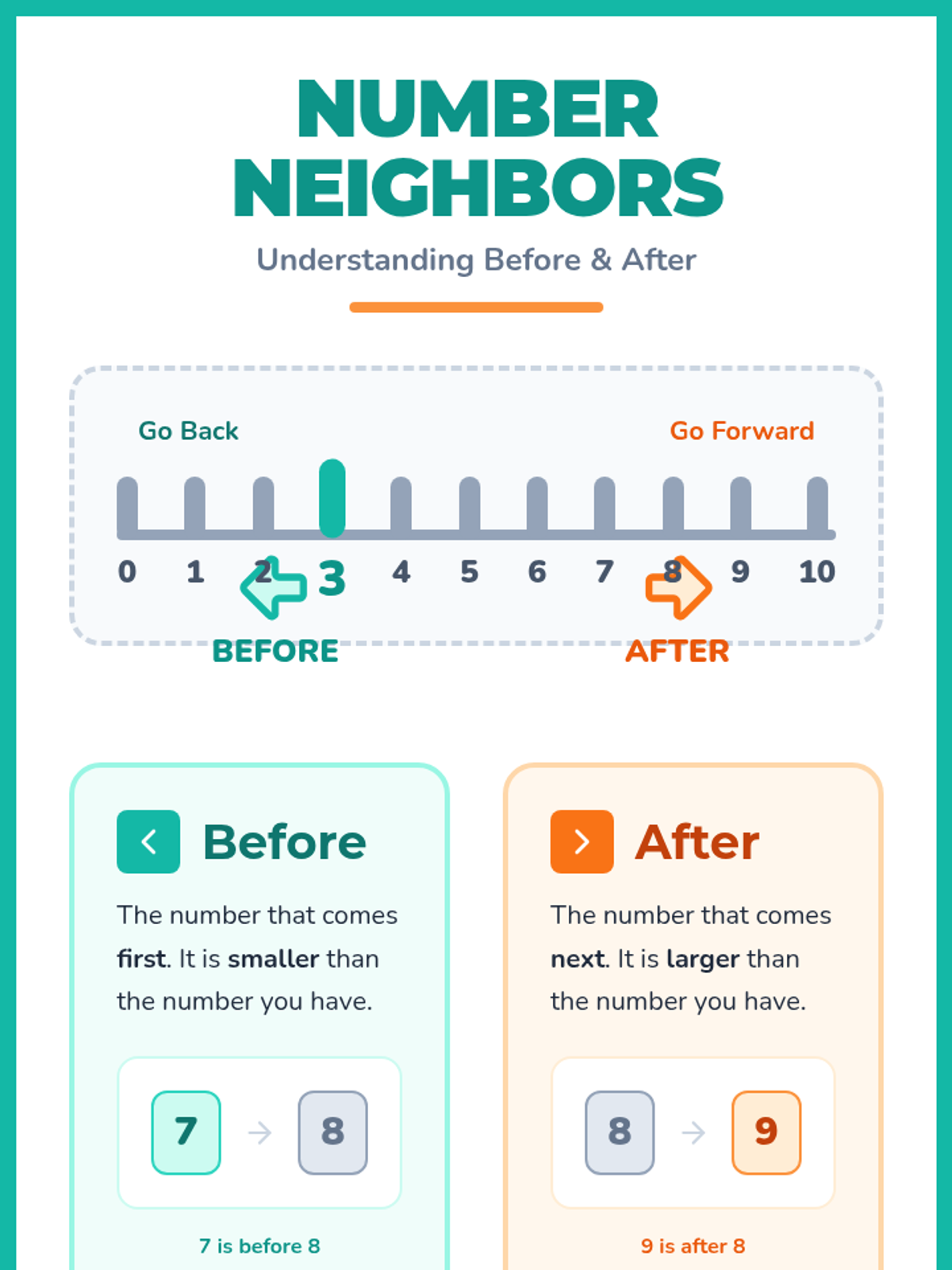
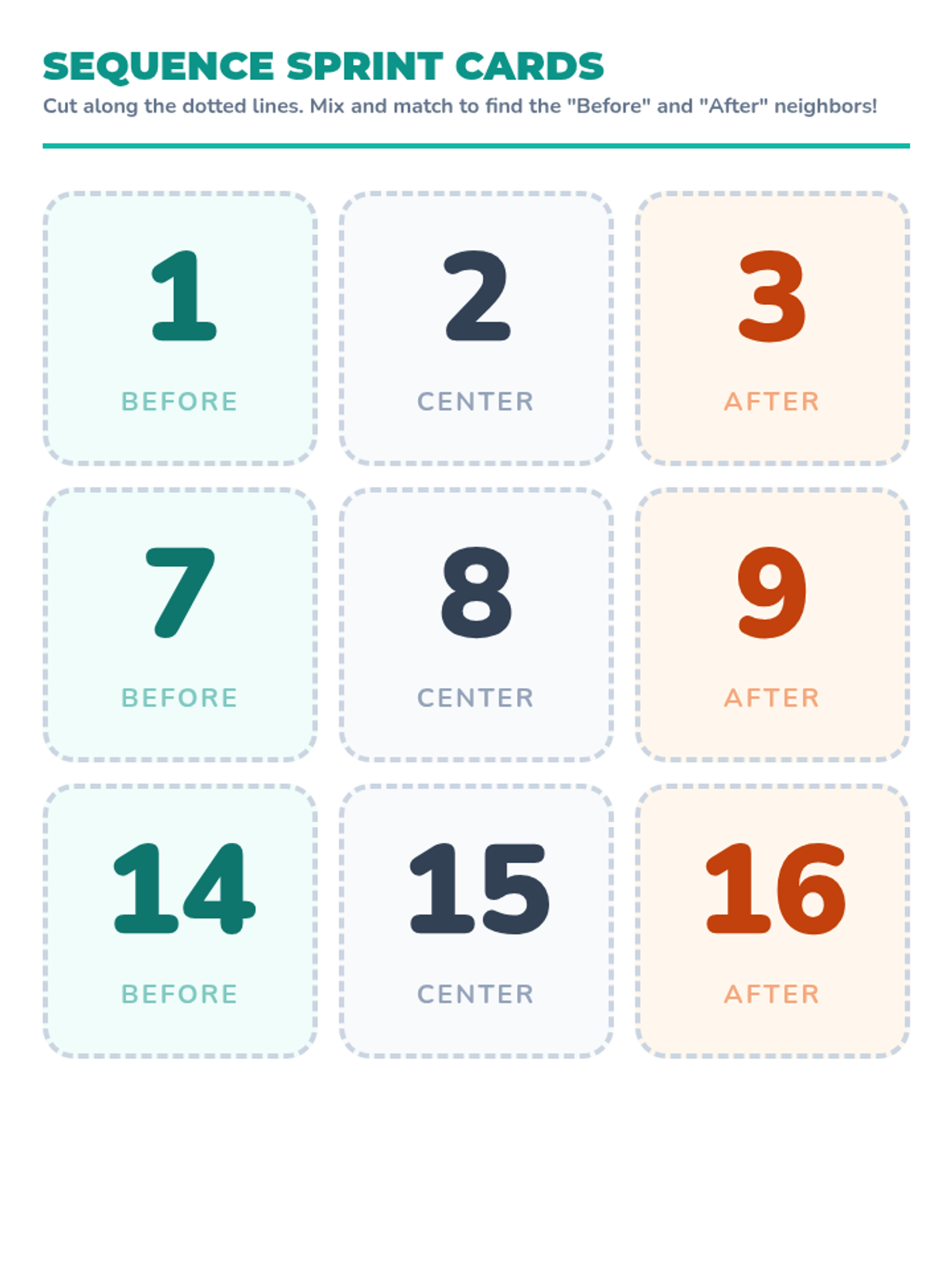
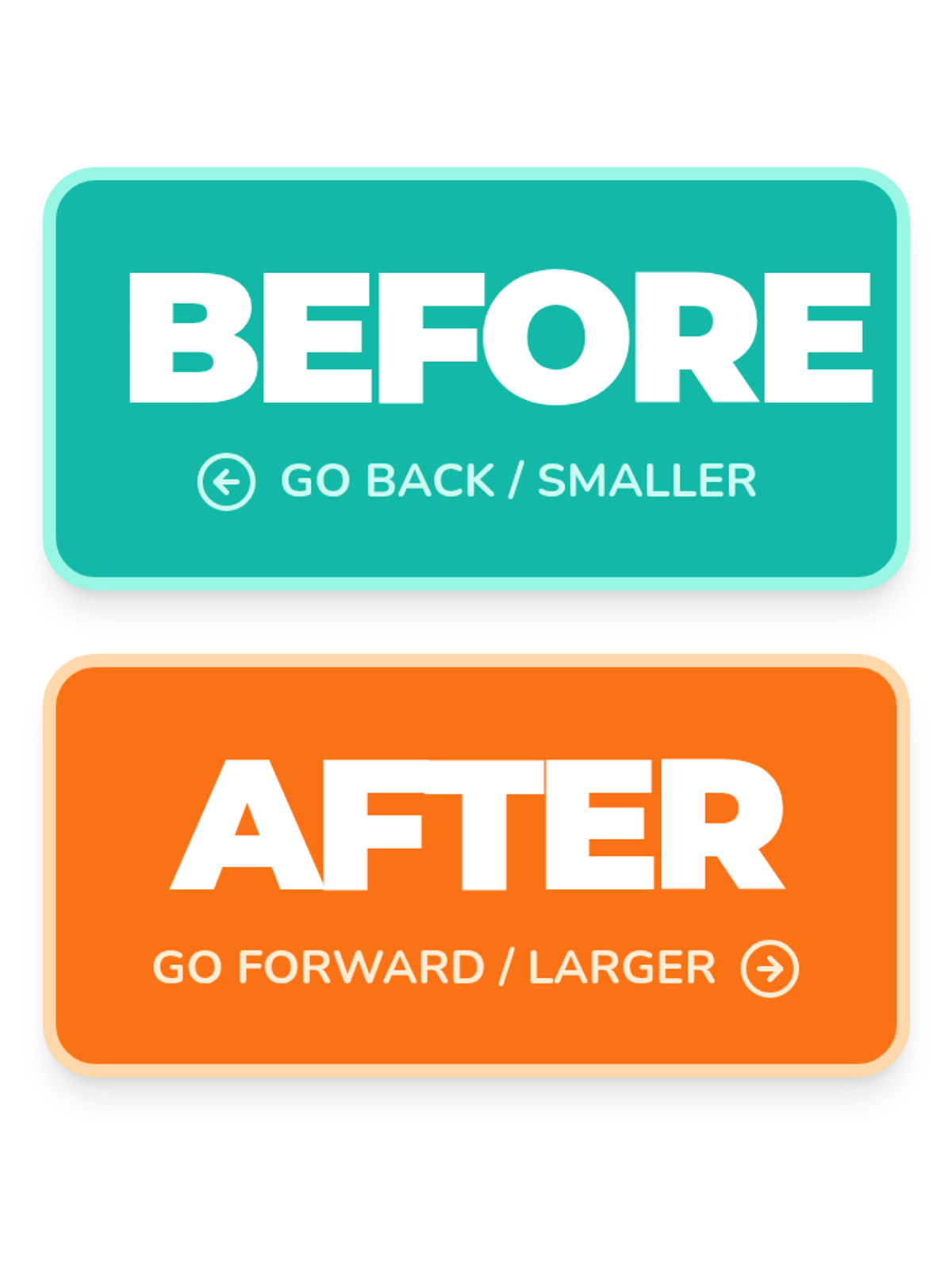
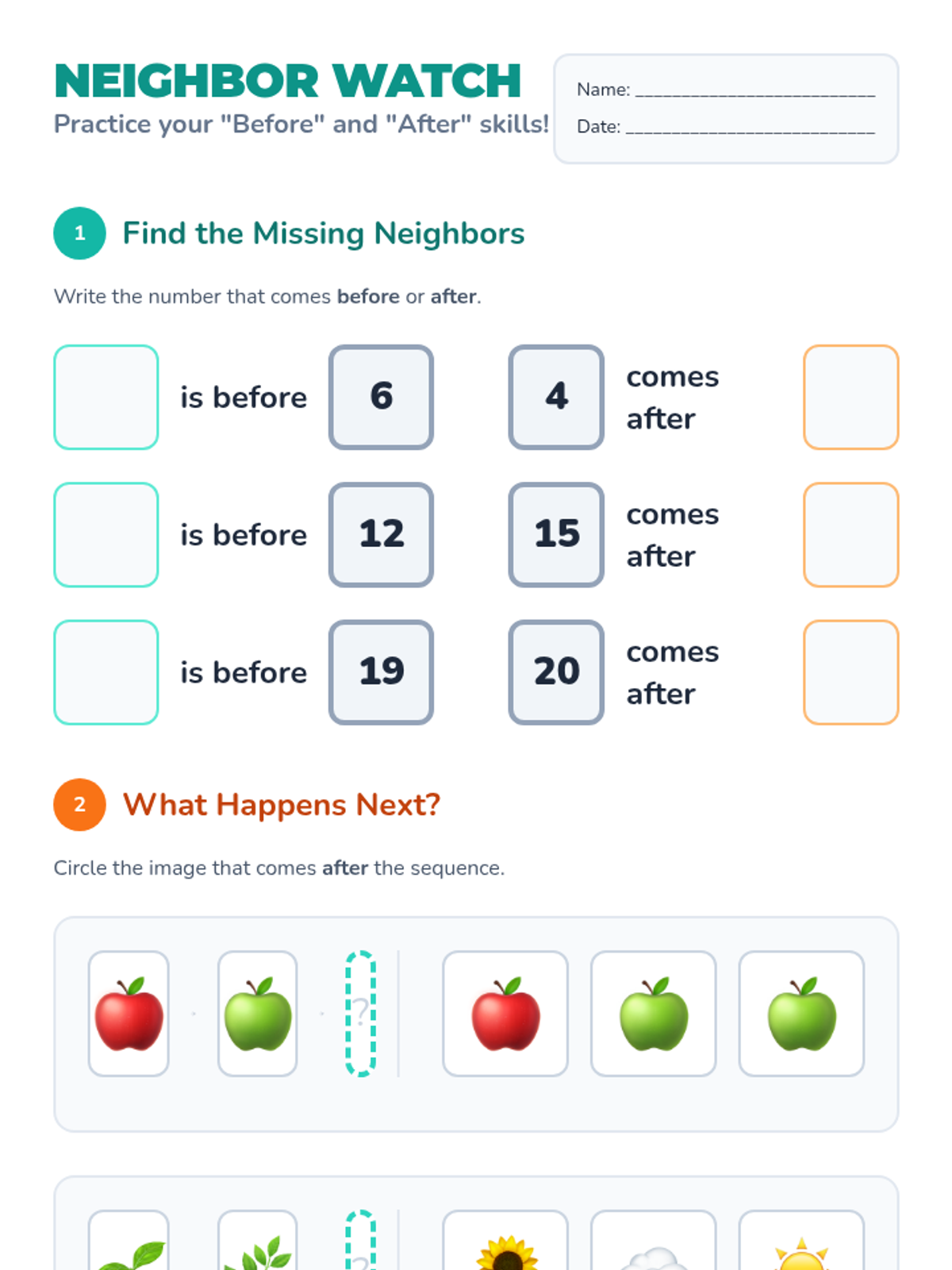
A foundational lesson exploring the temporal concepts of 'before' and 'after' using numbers and everyday sequences to build early math and logic skills.

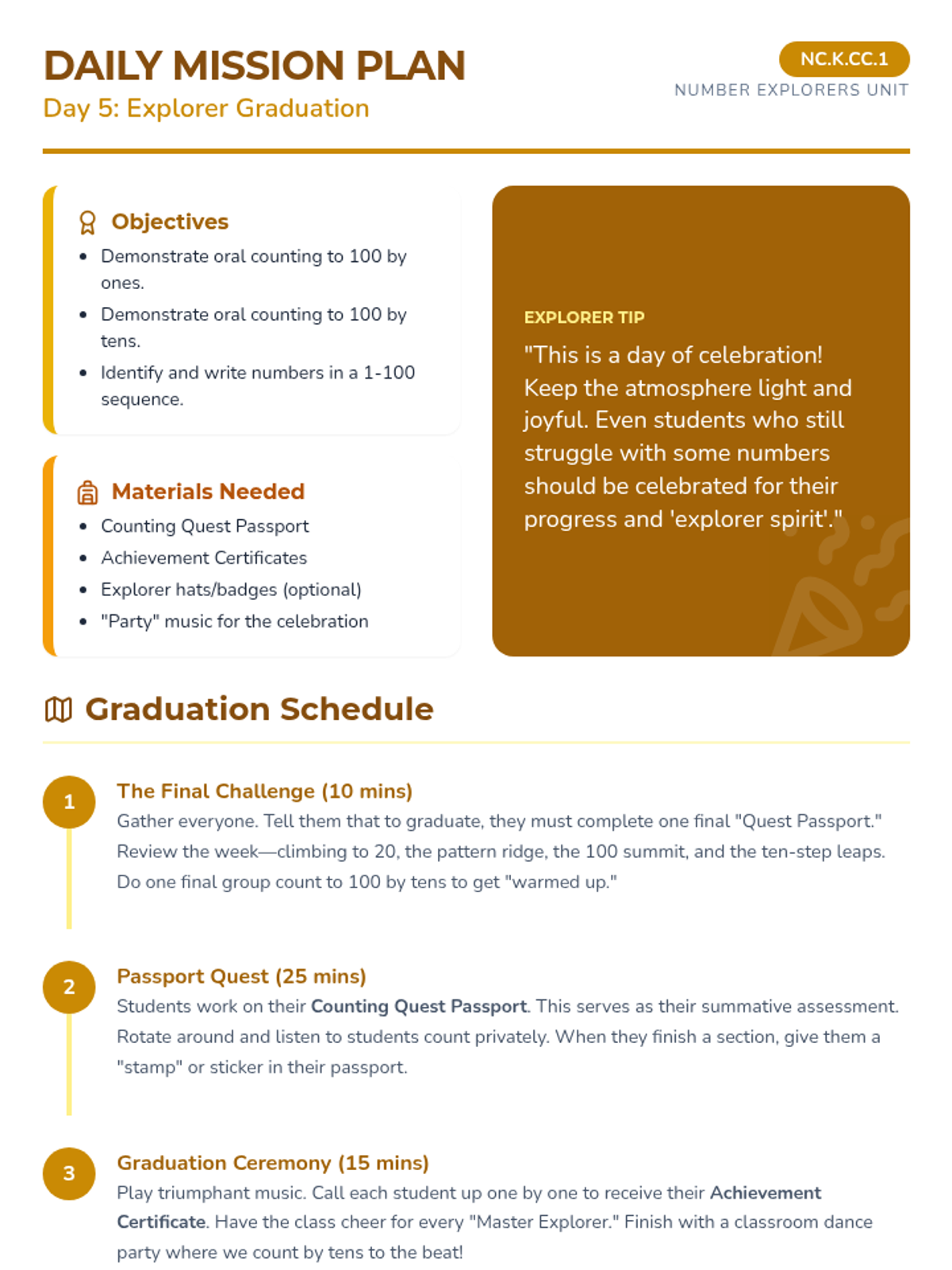
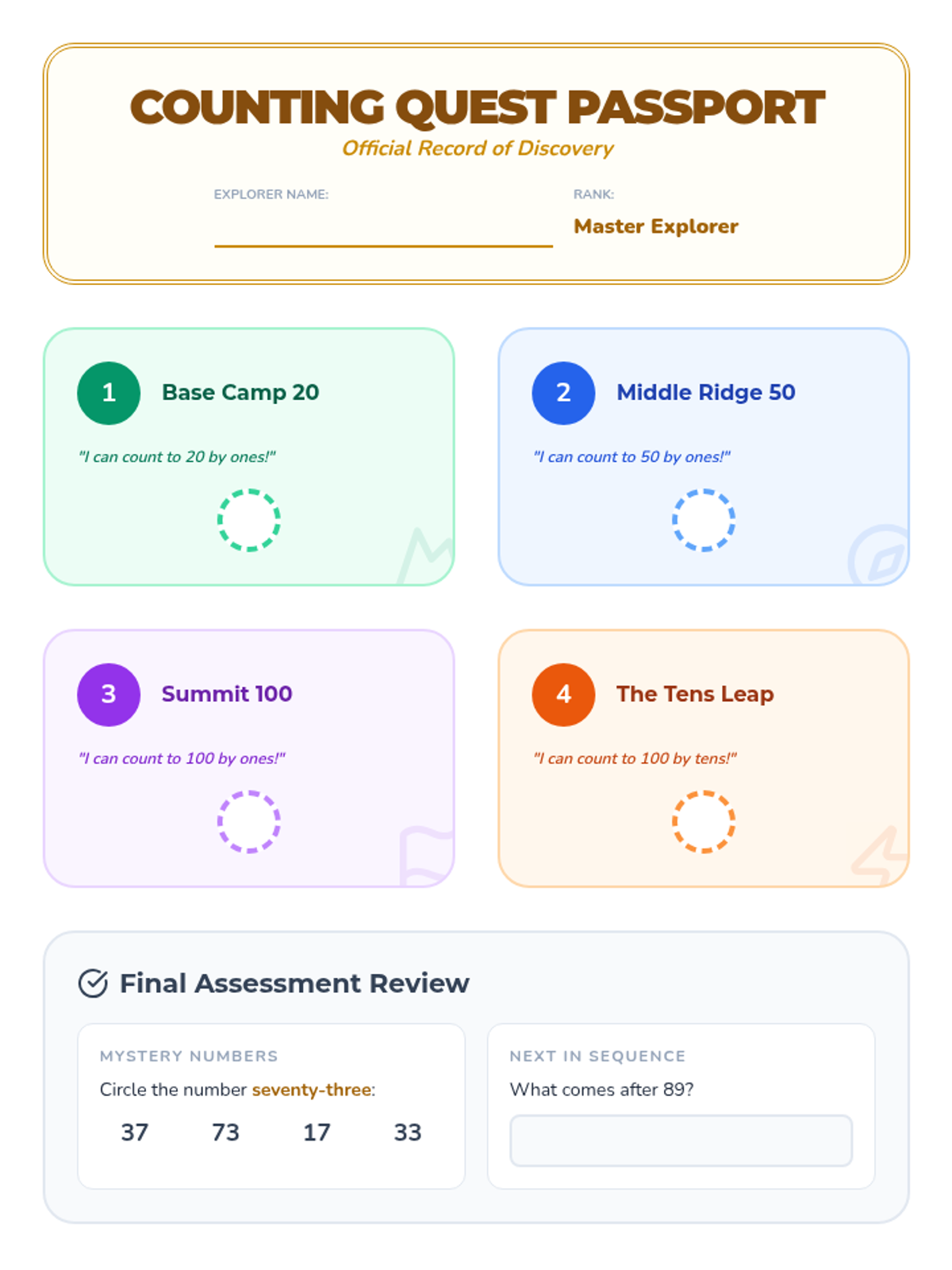
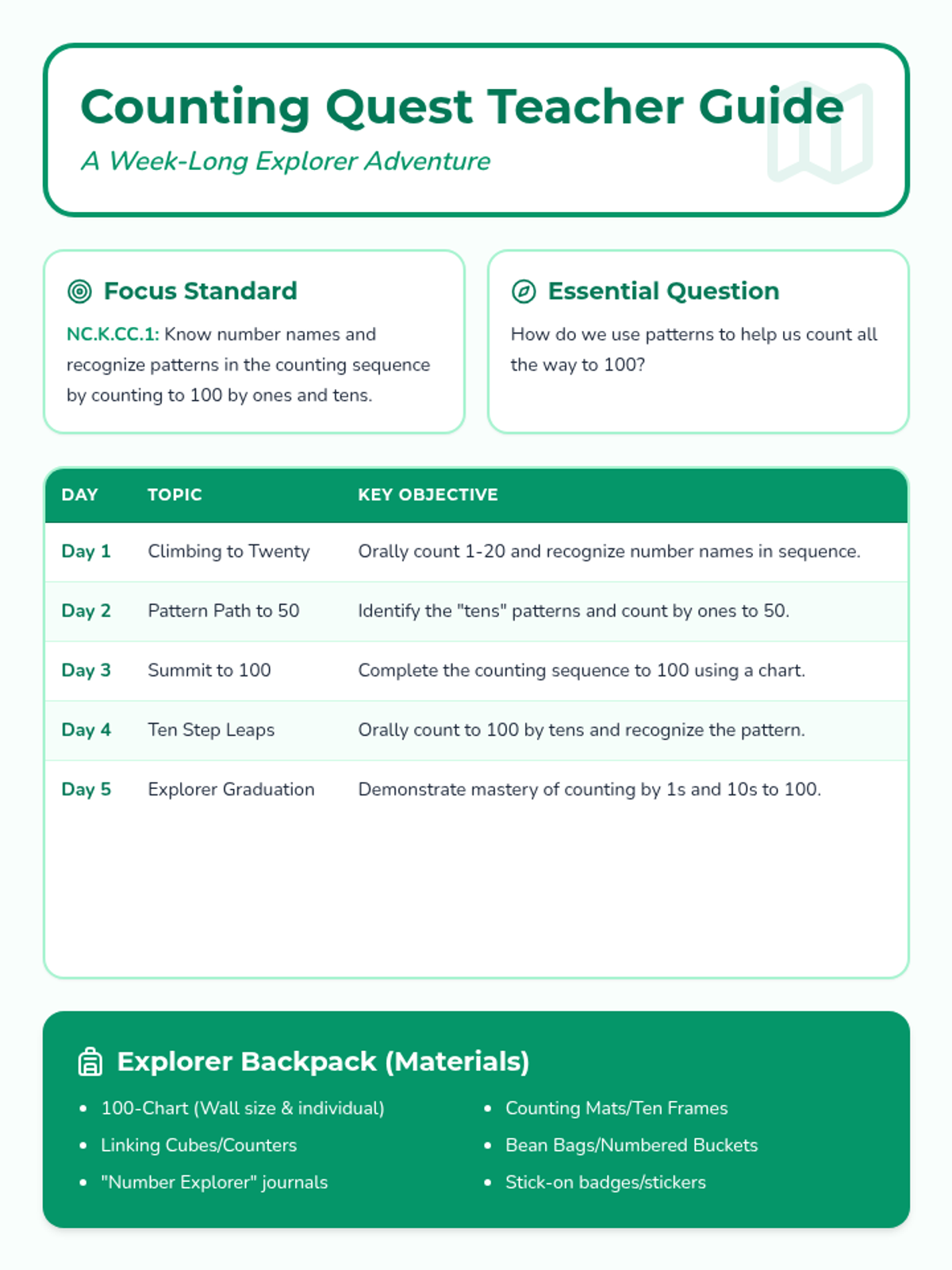
A culminating celebration where students demonstrate their mastery of counting to 100 by ones and tens through games, challenges, and a final quest.
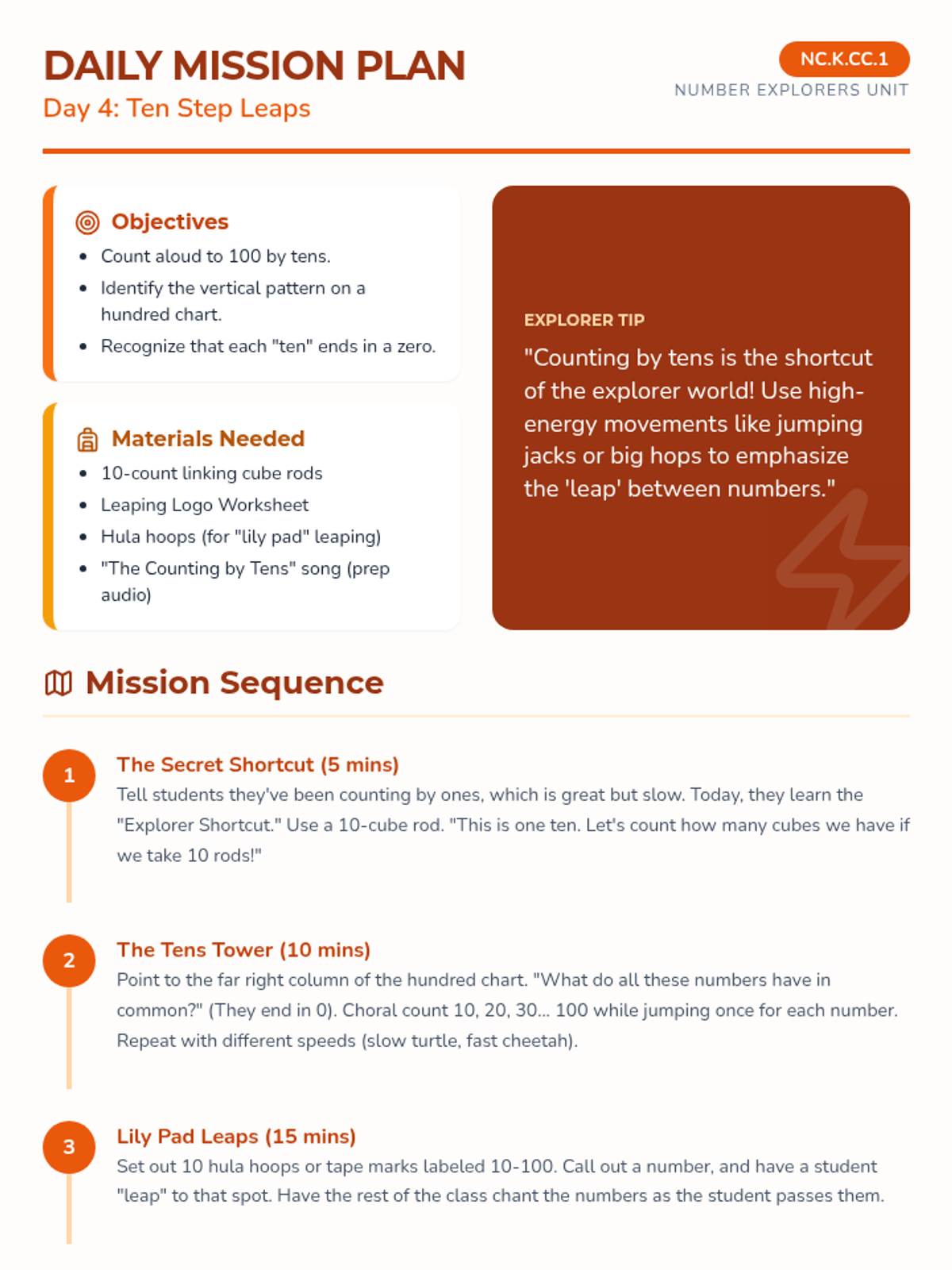
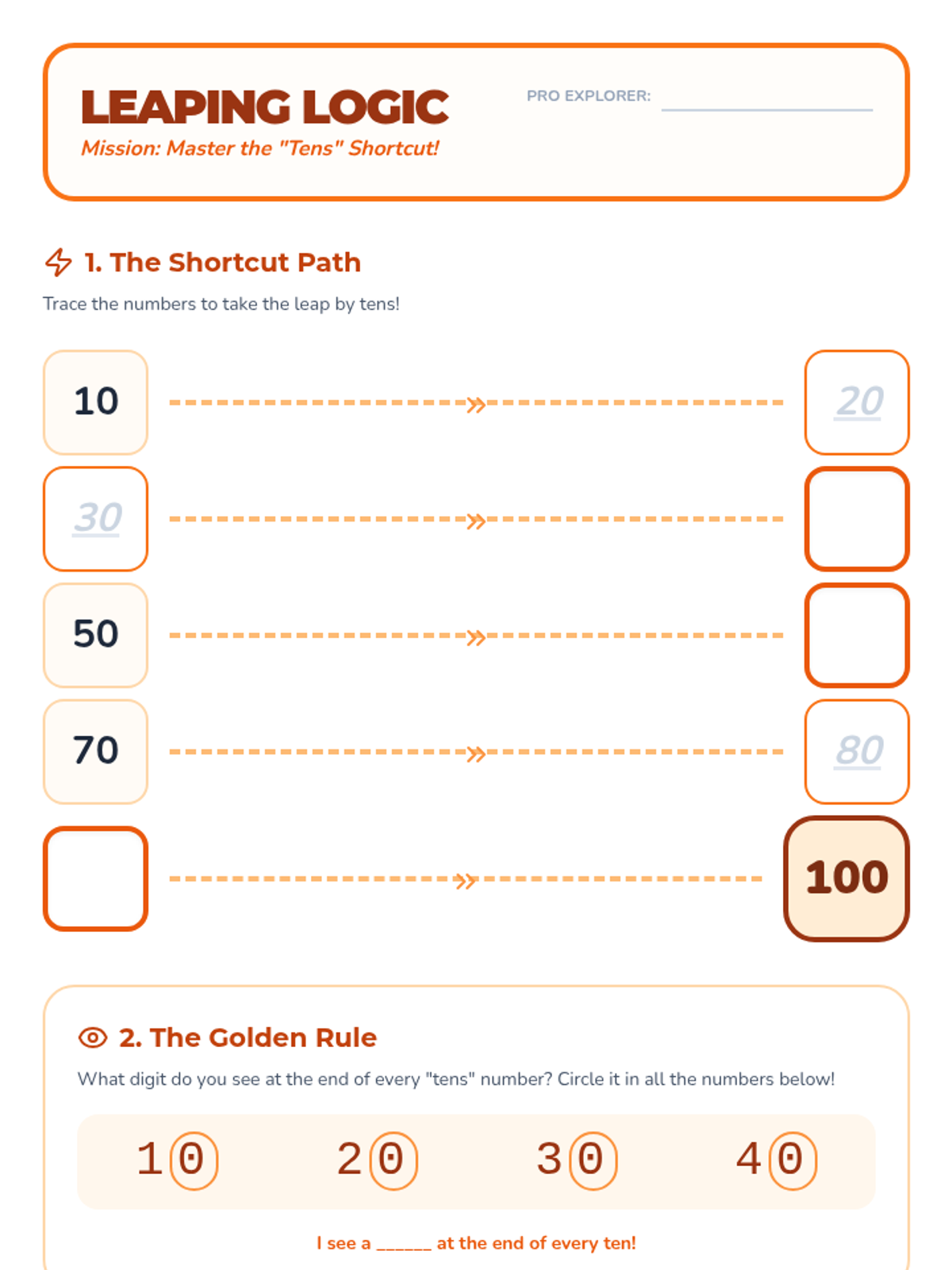
Students learn to "leap" through the counting sequence by tens, identifying the pattern on the hundred chart and practicing rhythmic counting.
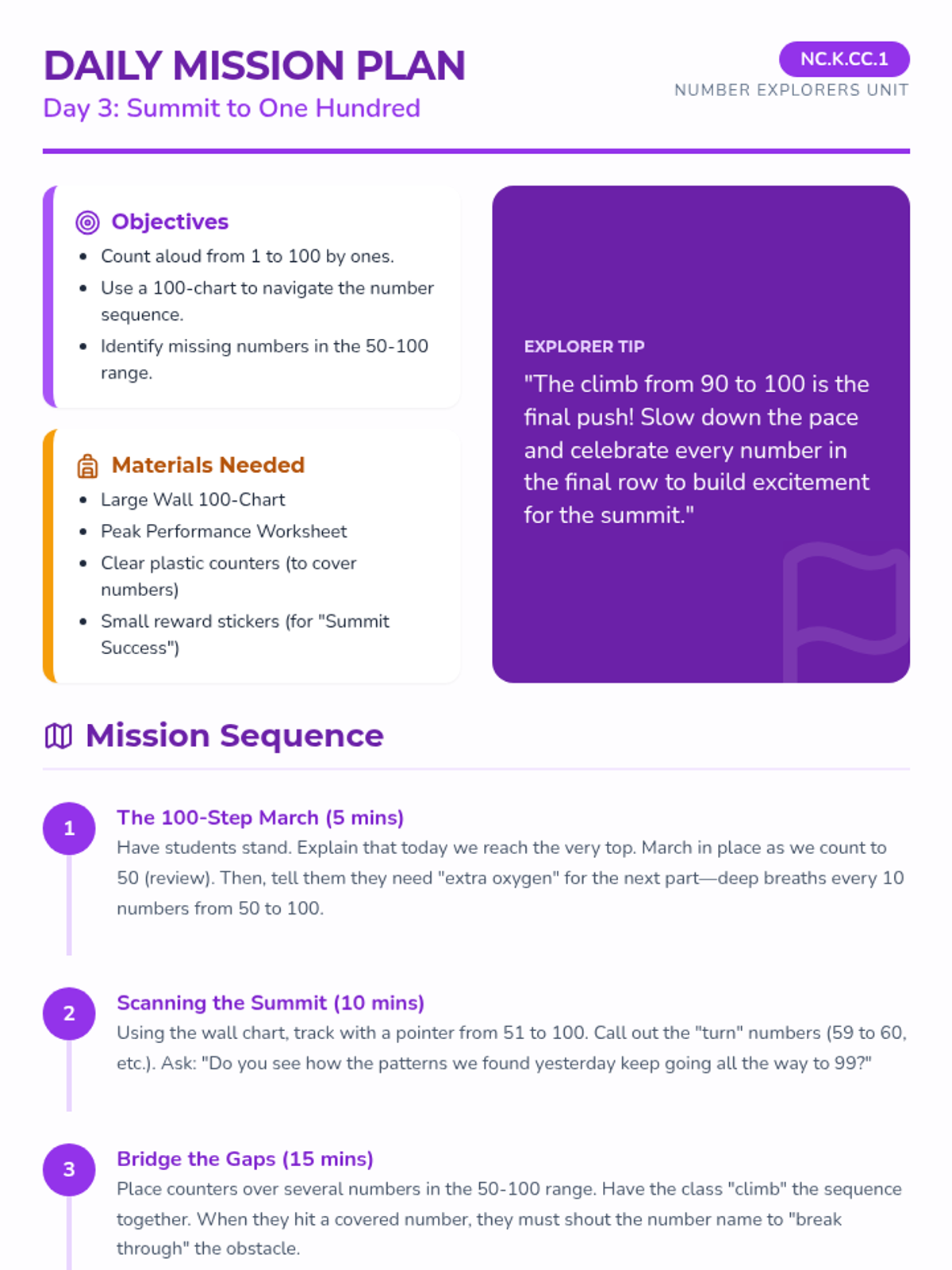
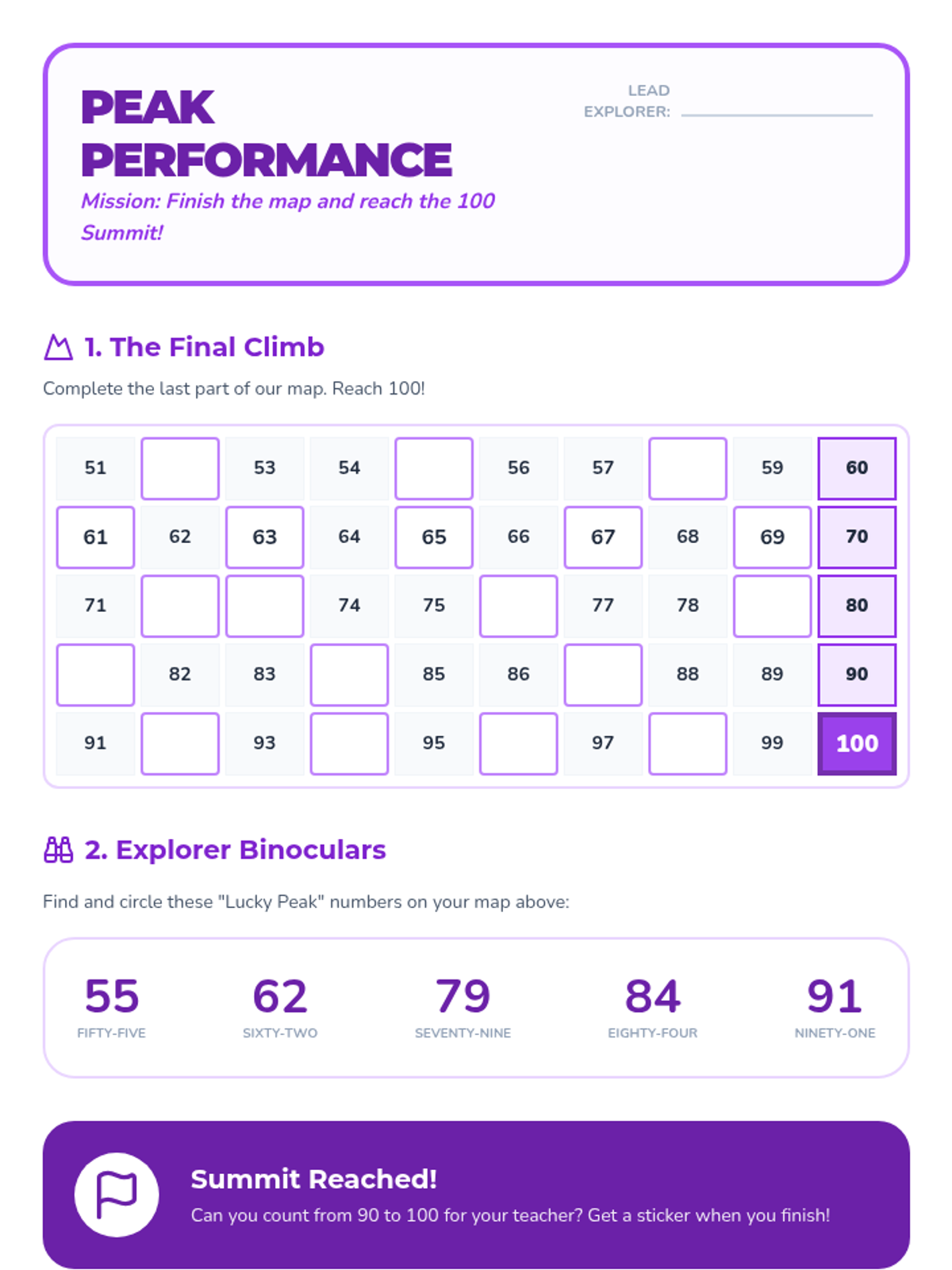
Students reach the summit of 100 by counting by ones, utilizing a hundred chart to visualize the full sequence and identifying missing numbers.
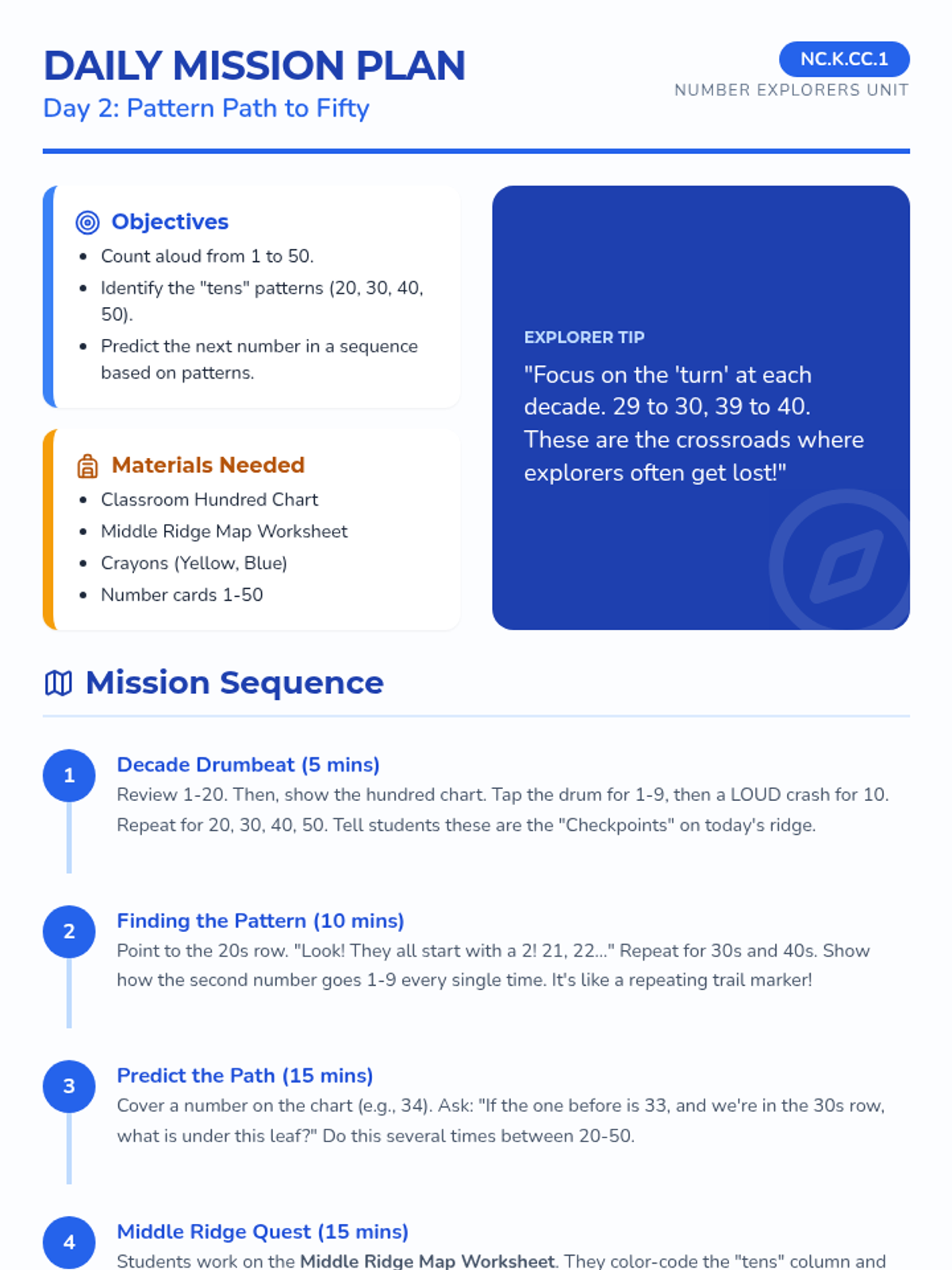
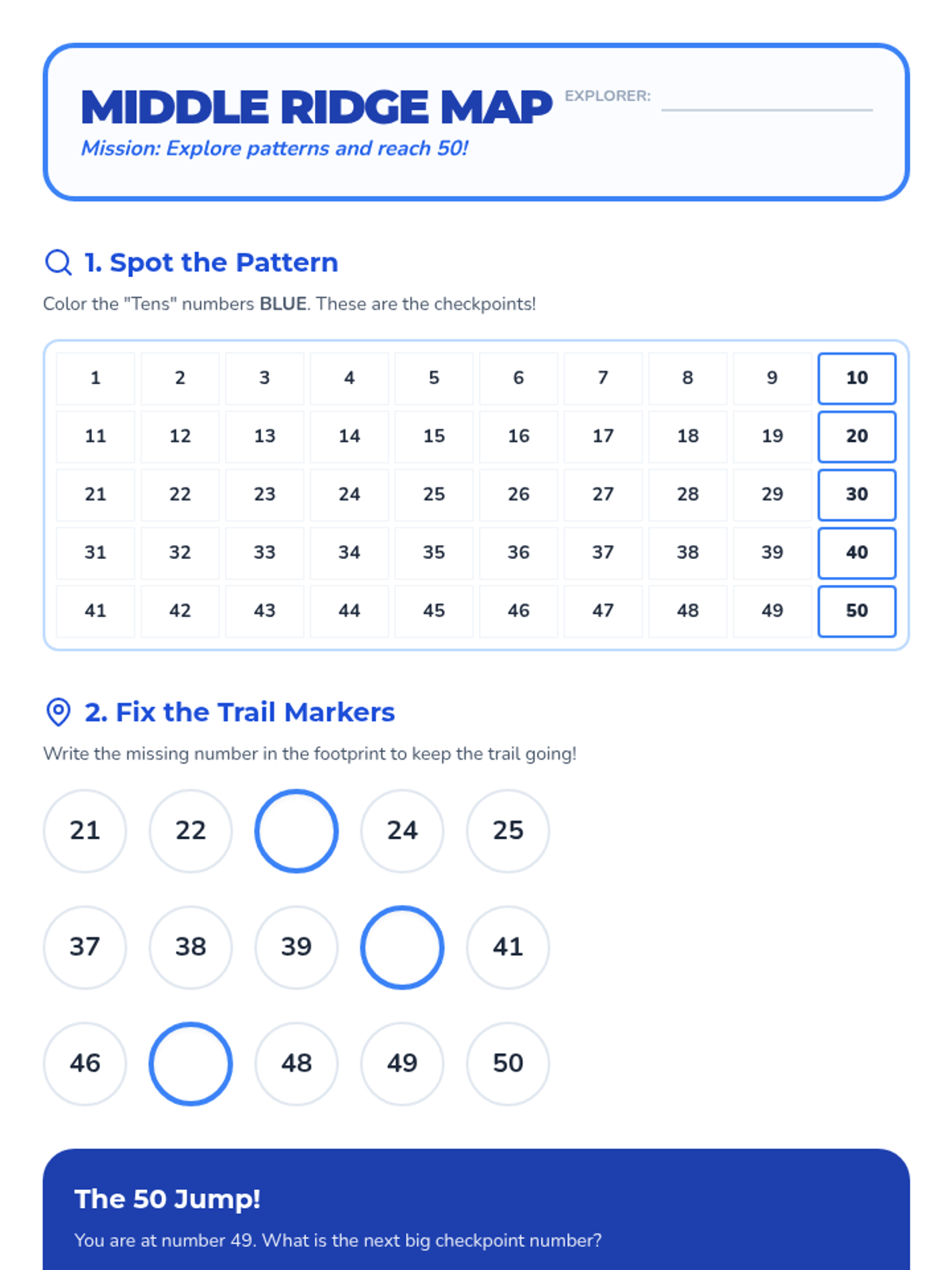
Students expand their counting range to 50, specifically looking for patterns in the "tens" places and practicing the transition between decades.
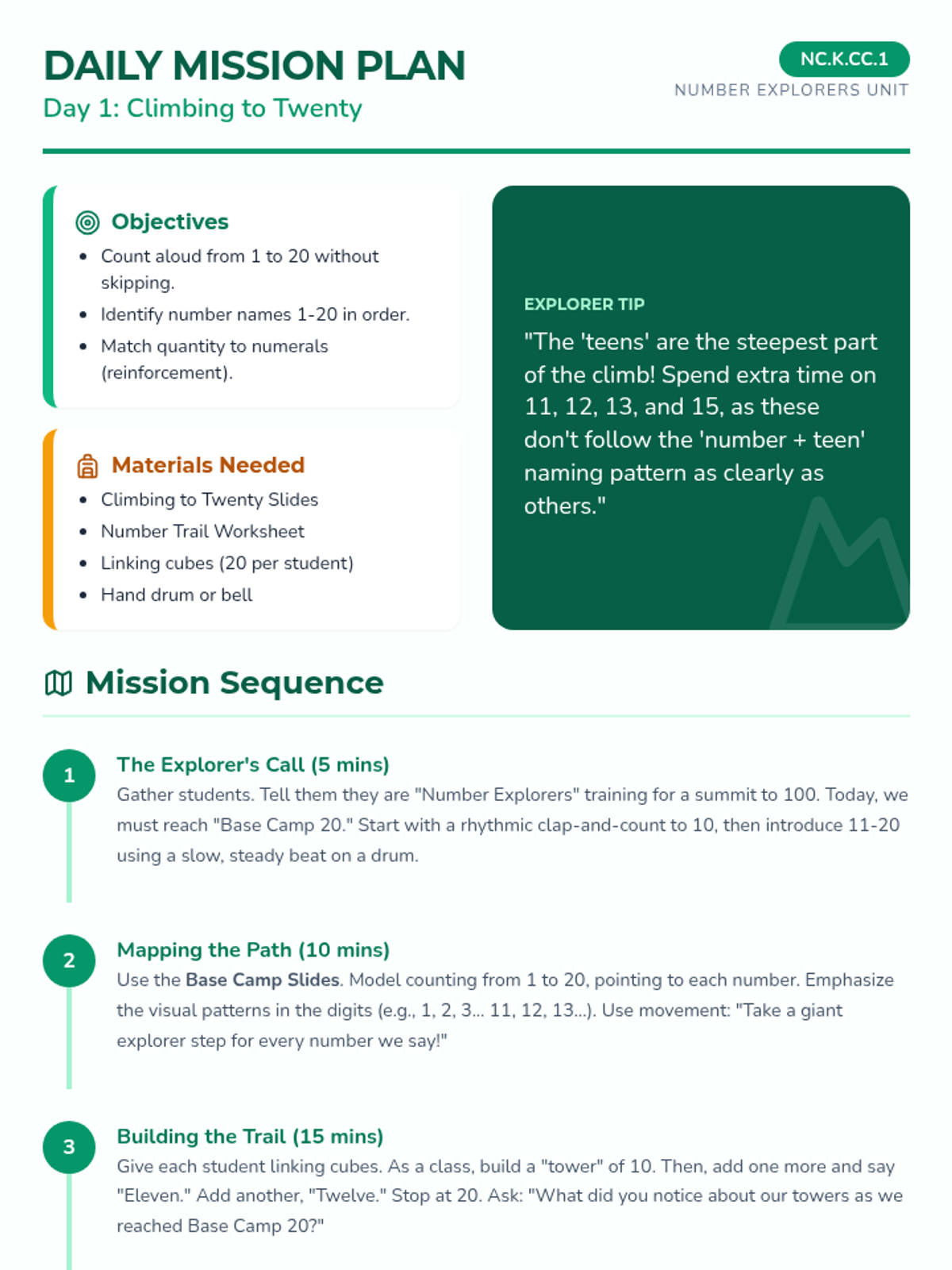
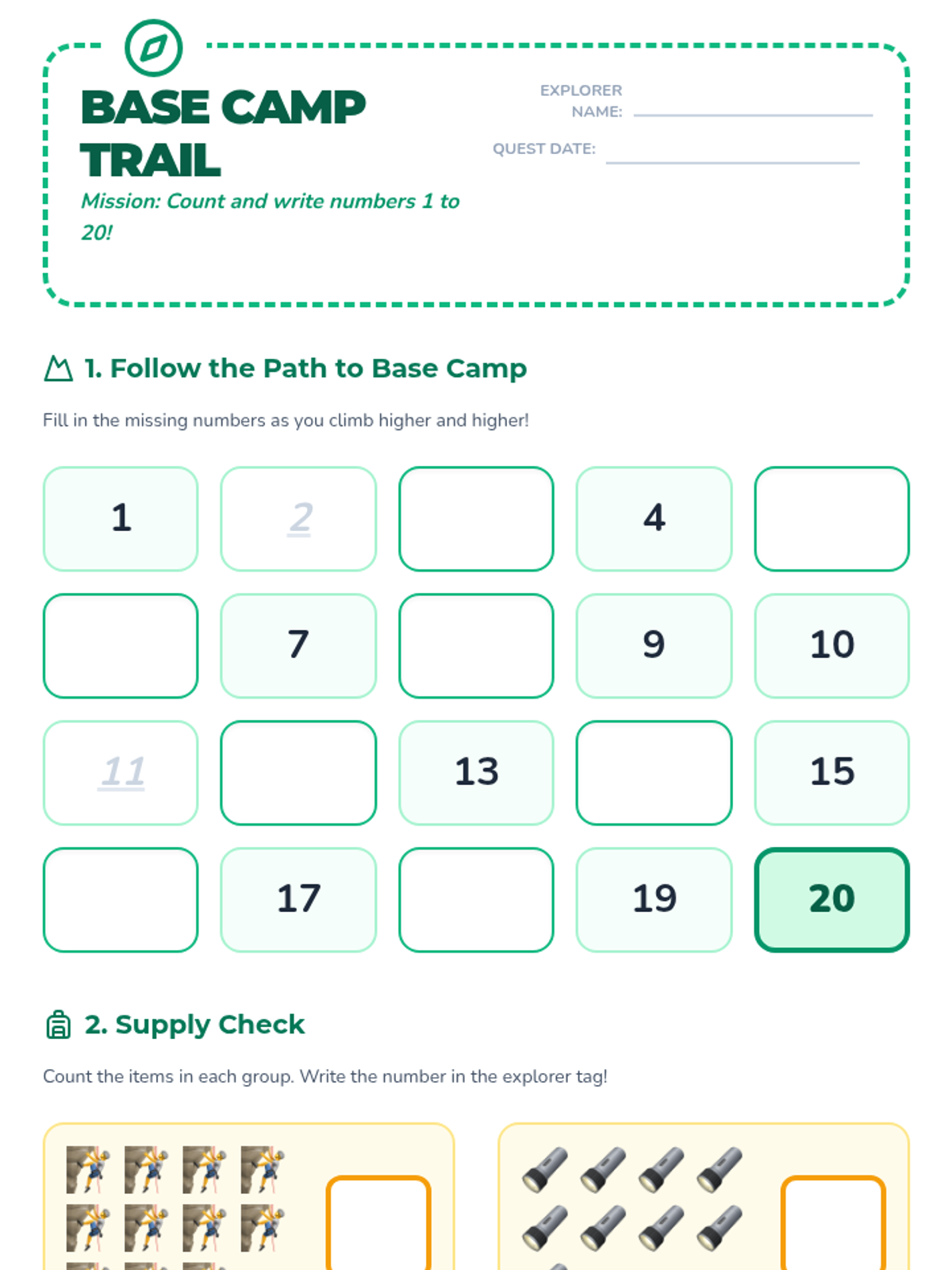
Students begin their counting journey by mastering numbers 1-20, identifying number names, and understanding the sequential order of numbers through movement and tactile practice.
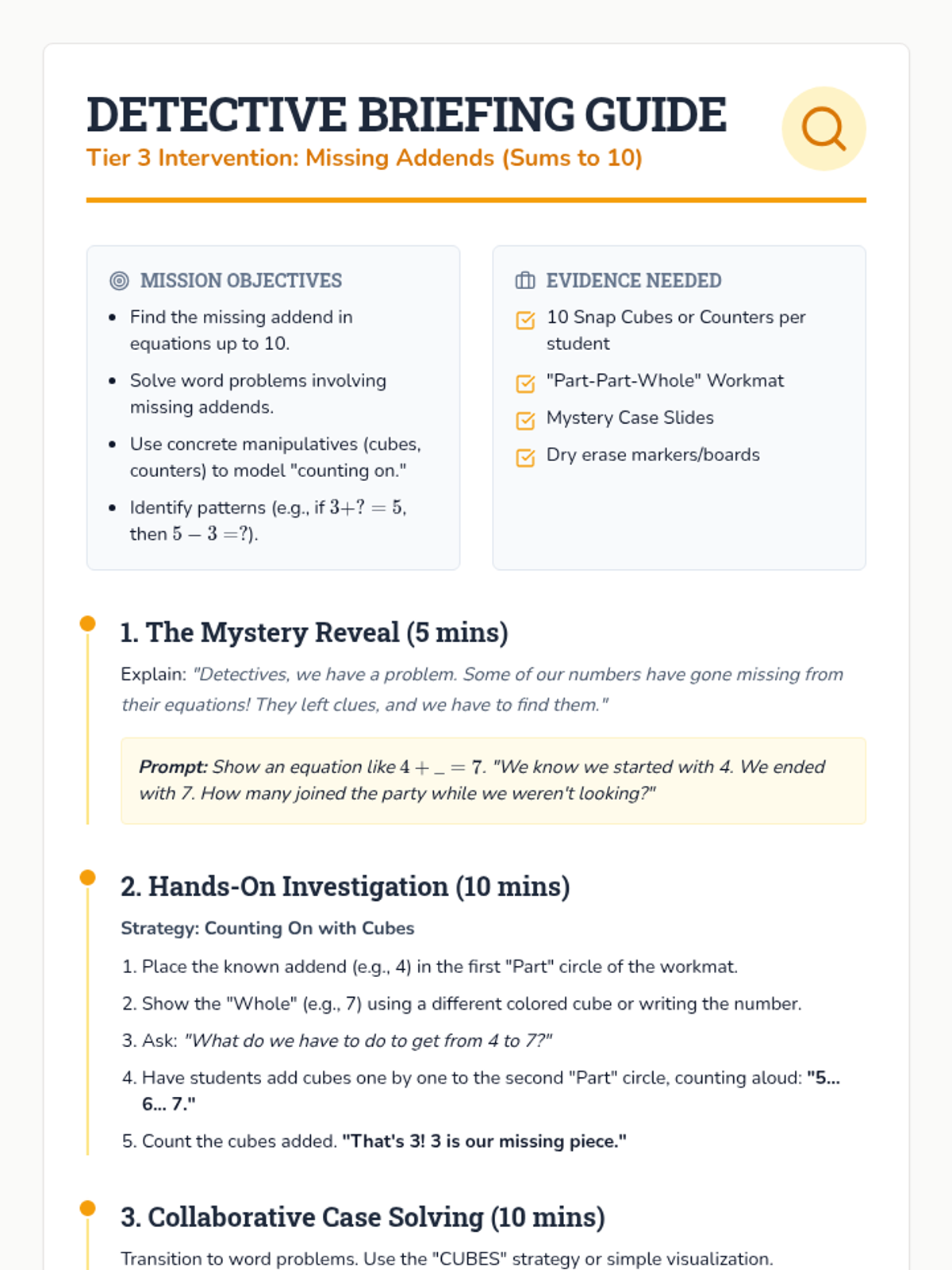
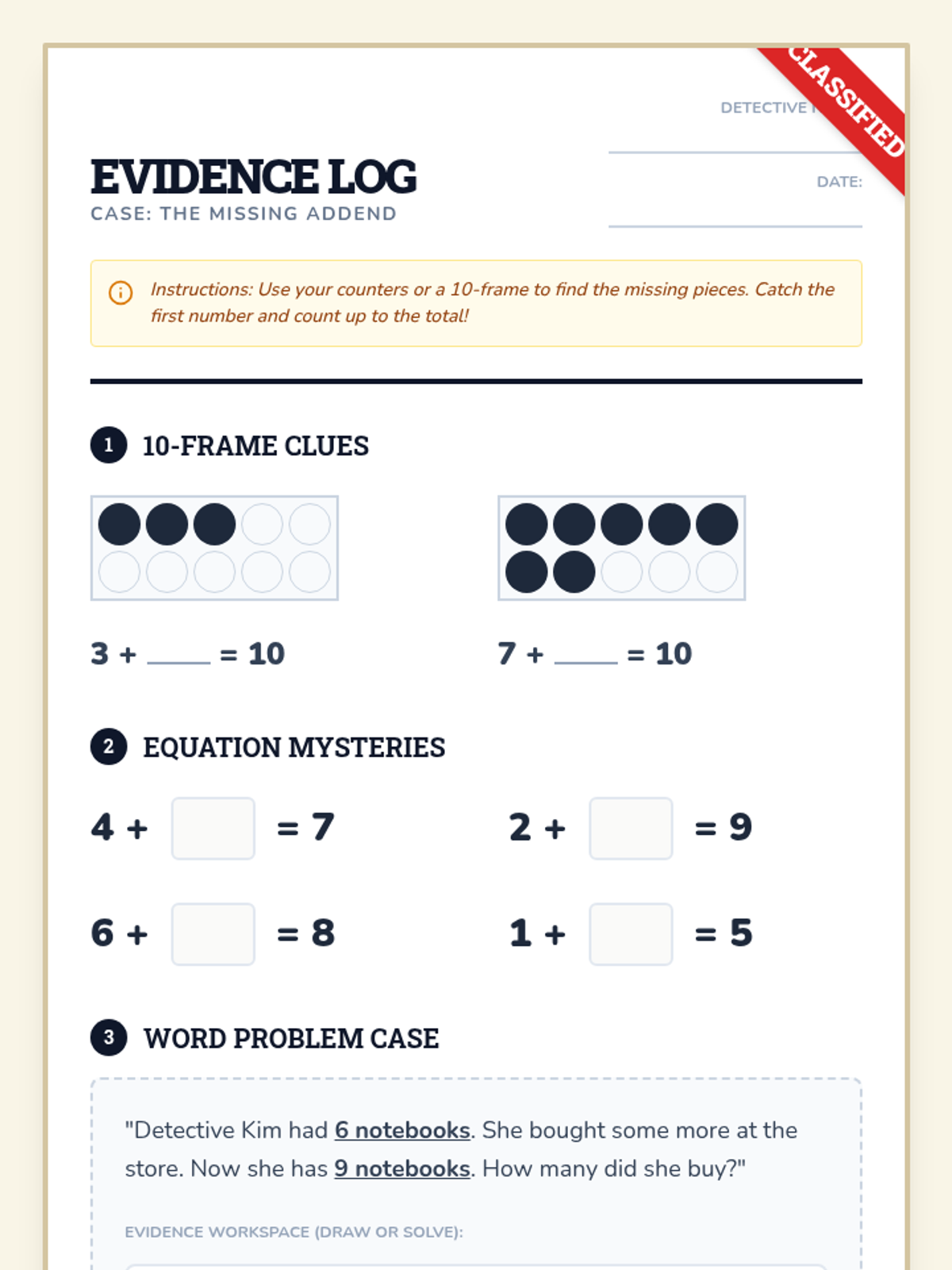
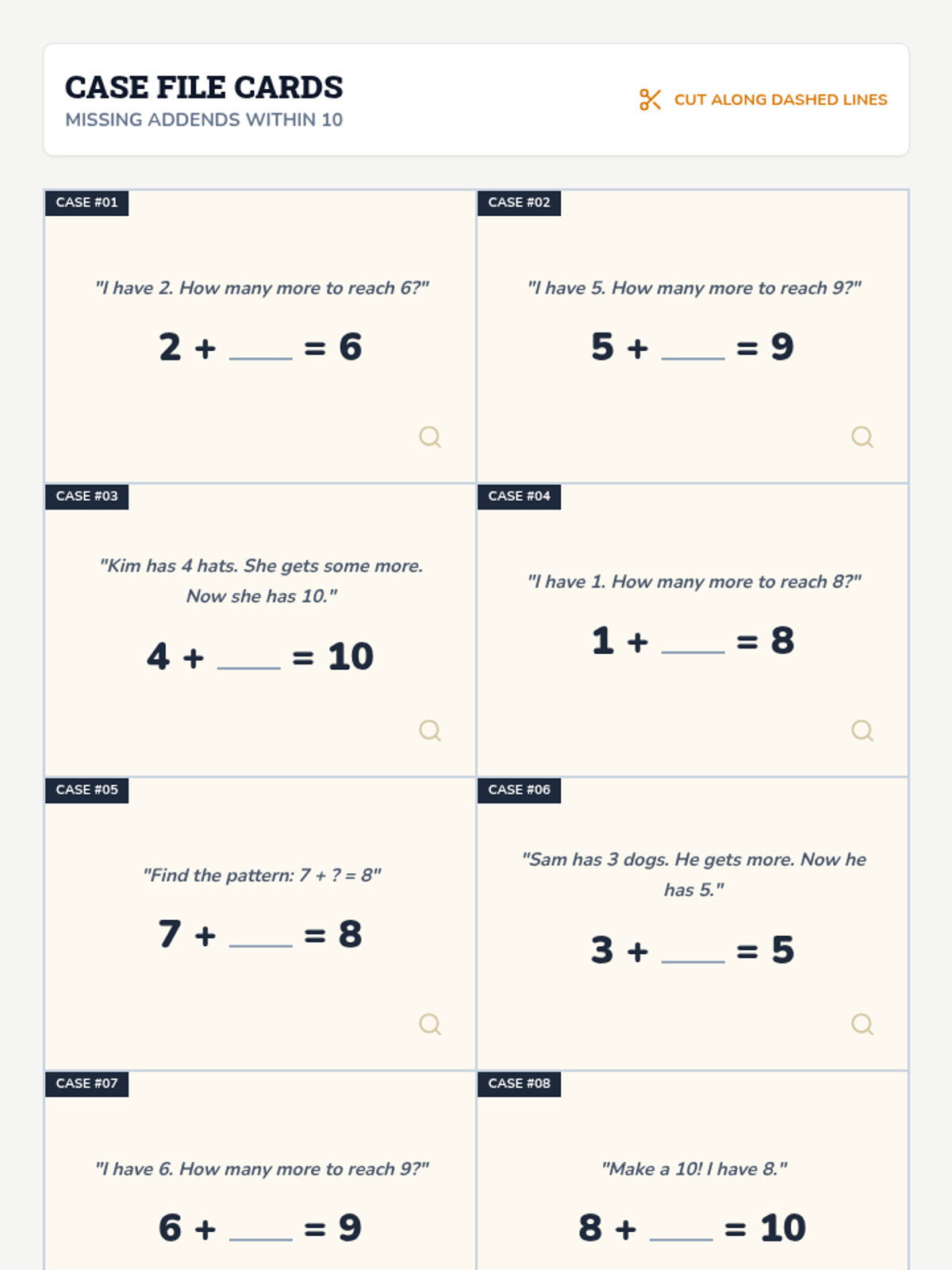
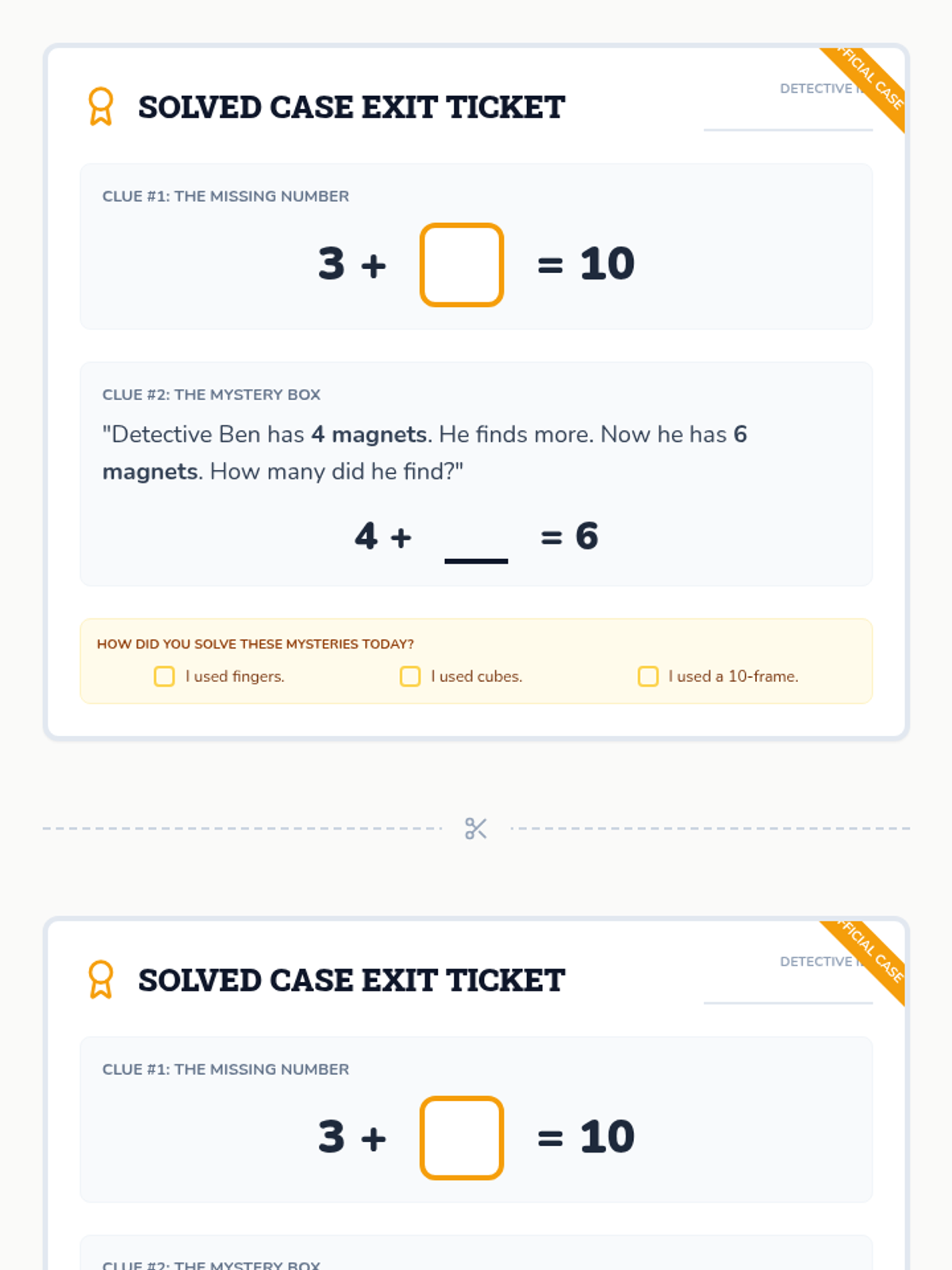
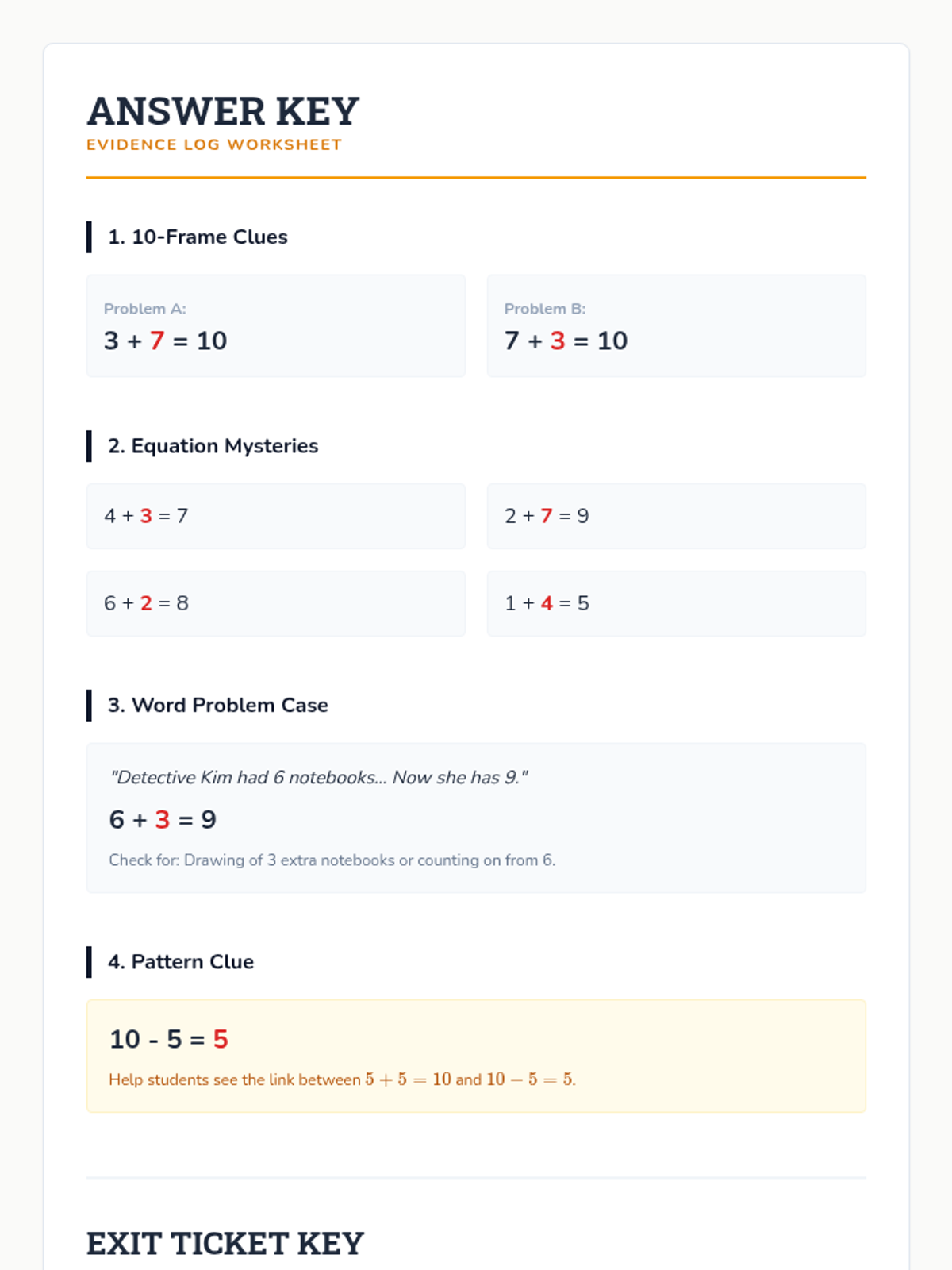
A Tier 3 intensive intervention lesson focused on finding missing addends within 10 using a detective-themed 'mystery' approach with manipulatives and word problems.
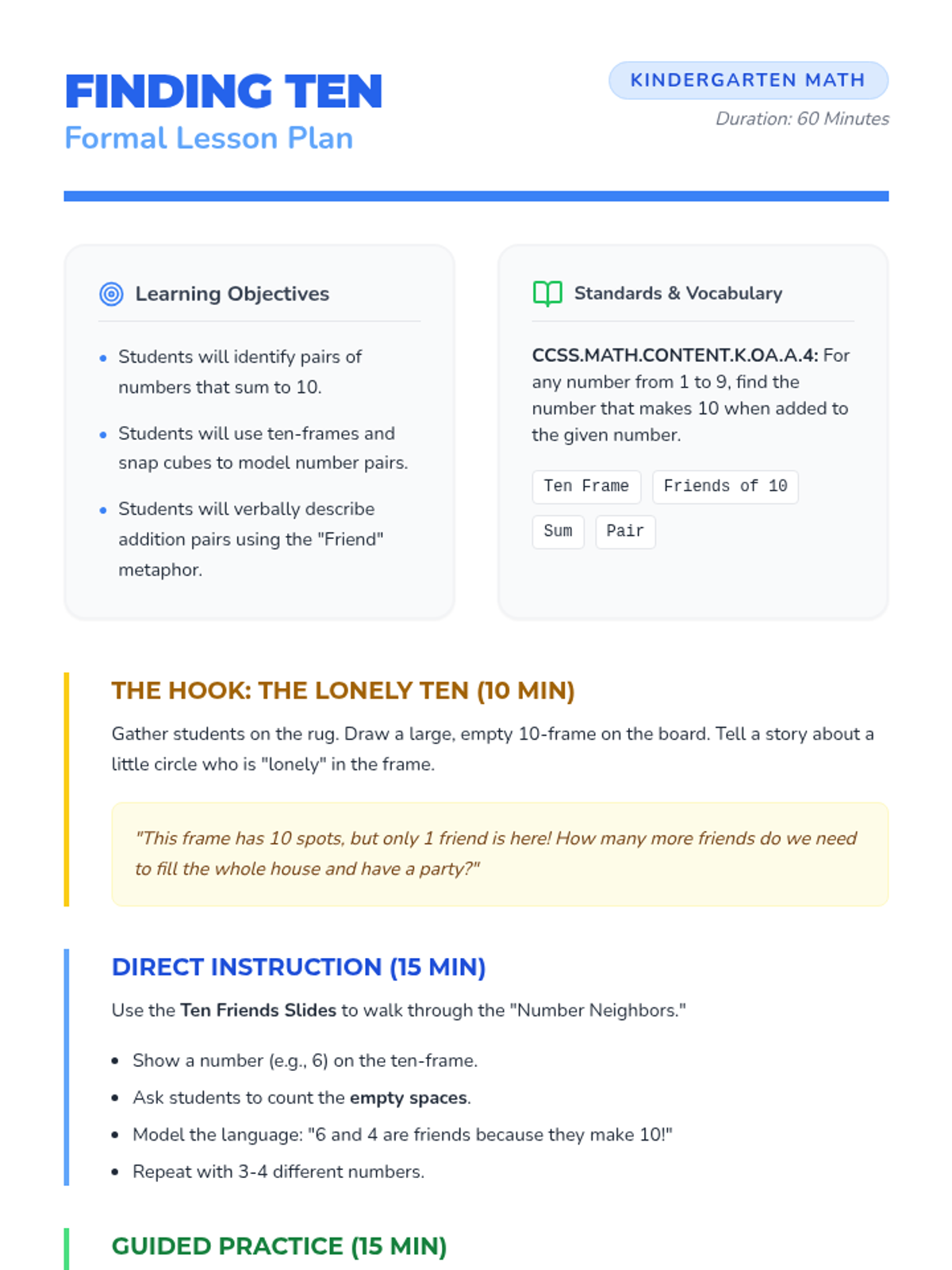
A core lesson introducing the concept of 'Friends of 10' through interactive slides and a variety of quick, 10-minute manipulative-based games.
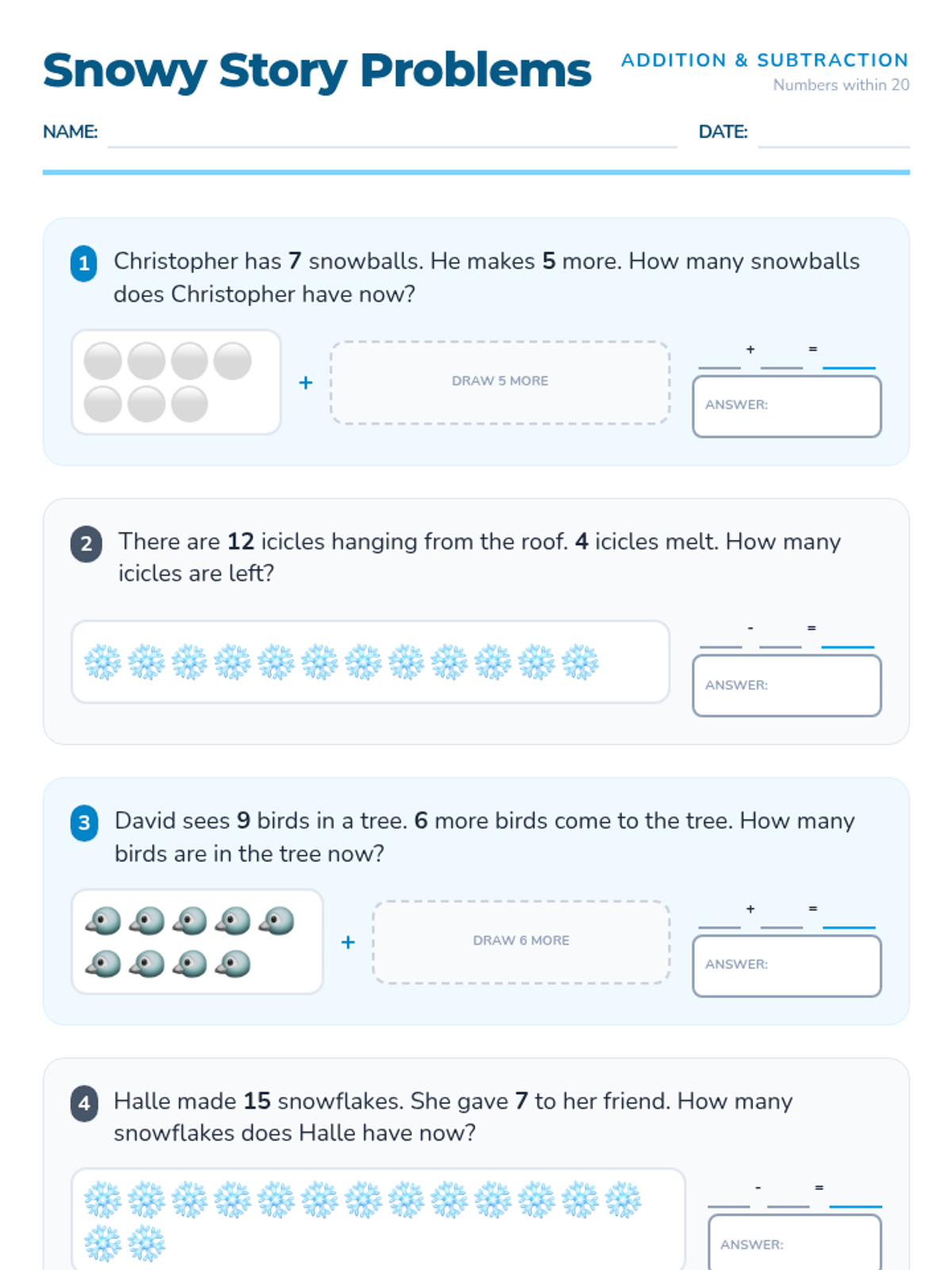
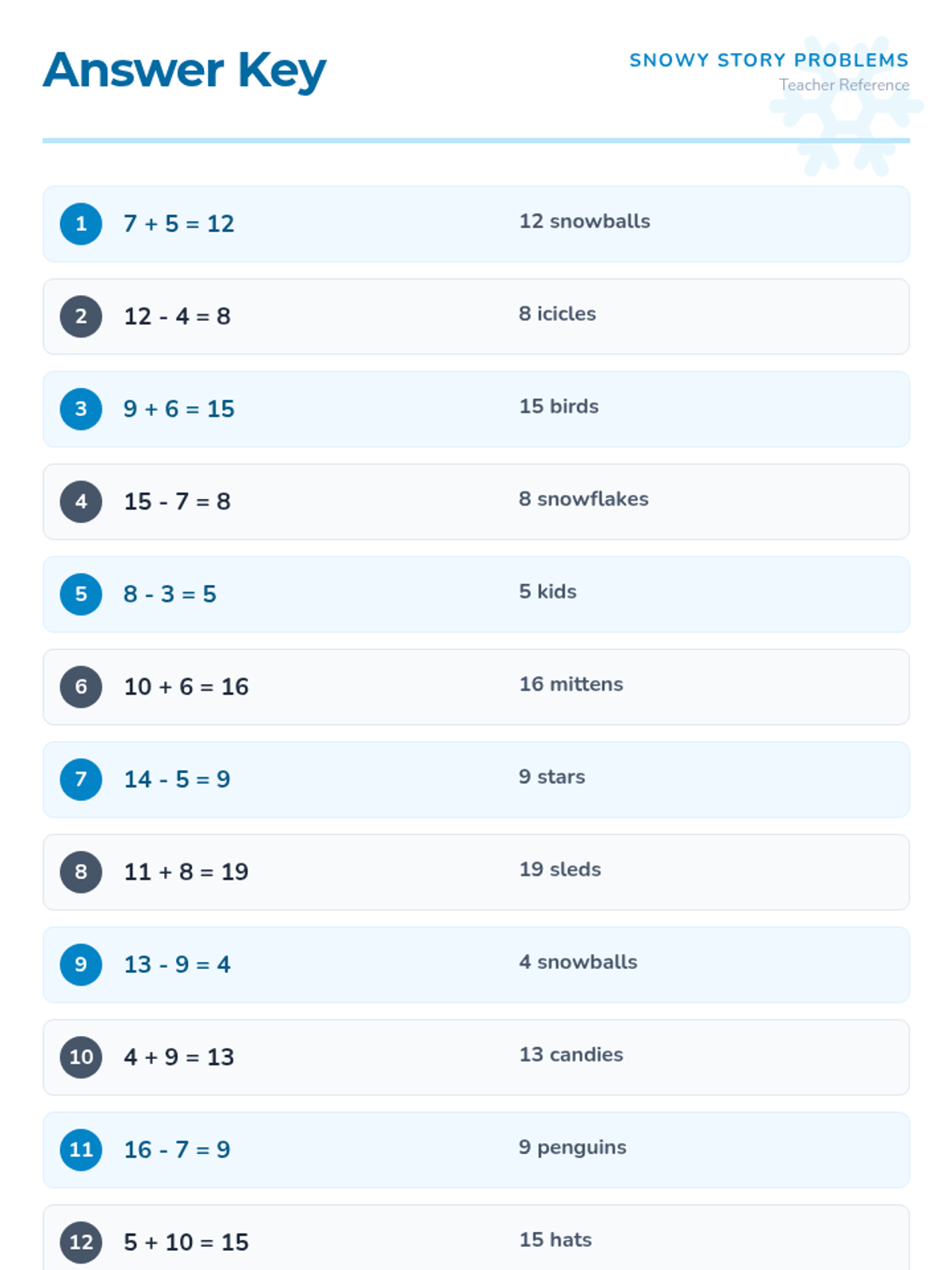
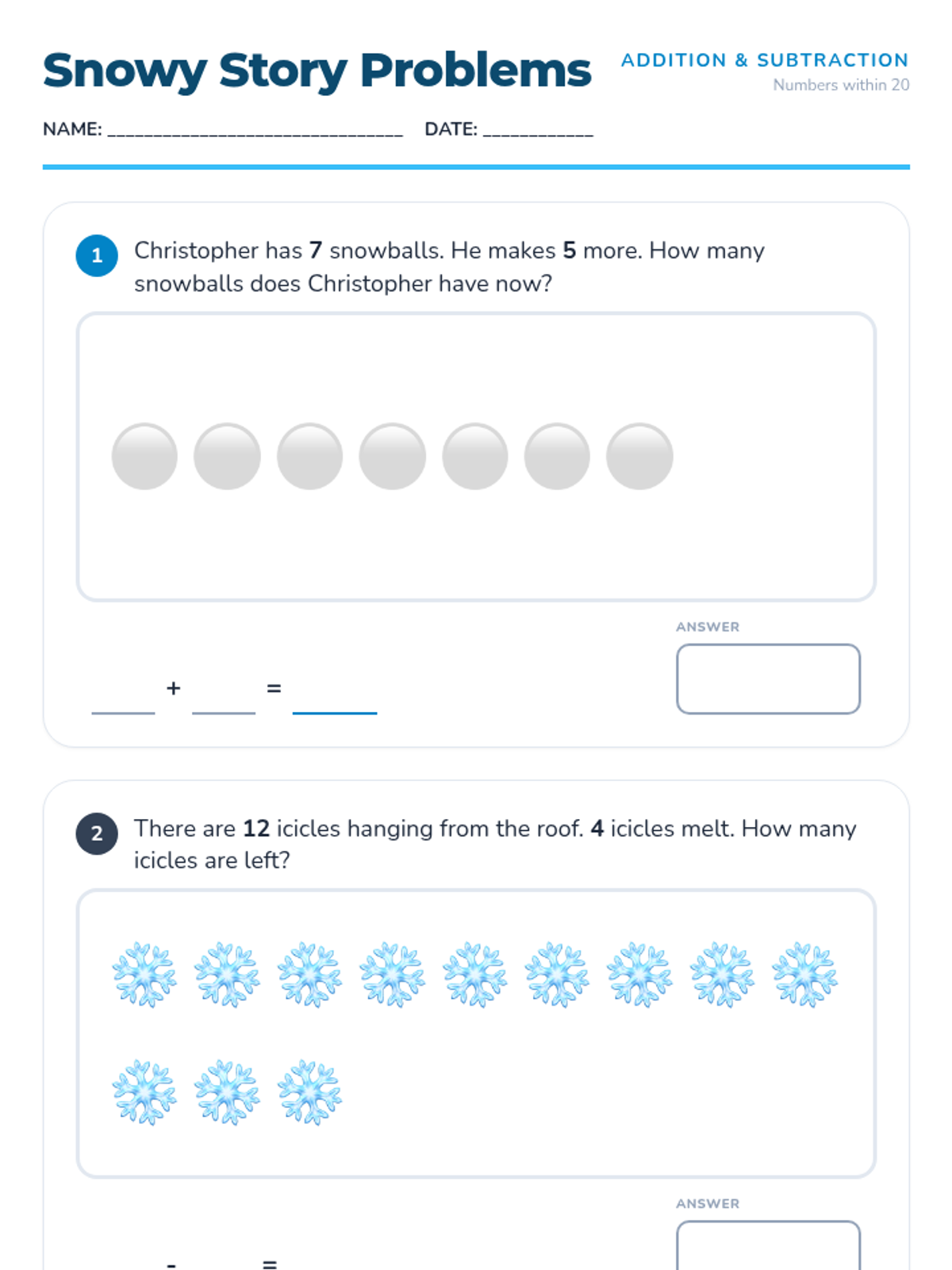
A lesson focused on solving addition and subtraction word problems with numbers up to 20 using winter-themed scenarios and visuals.

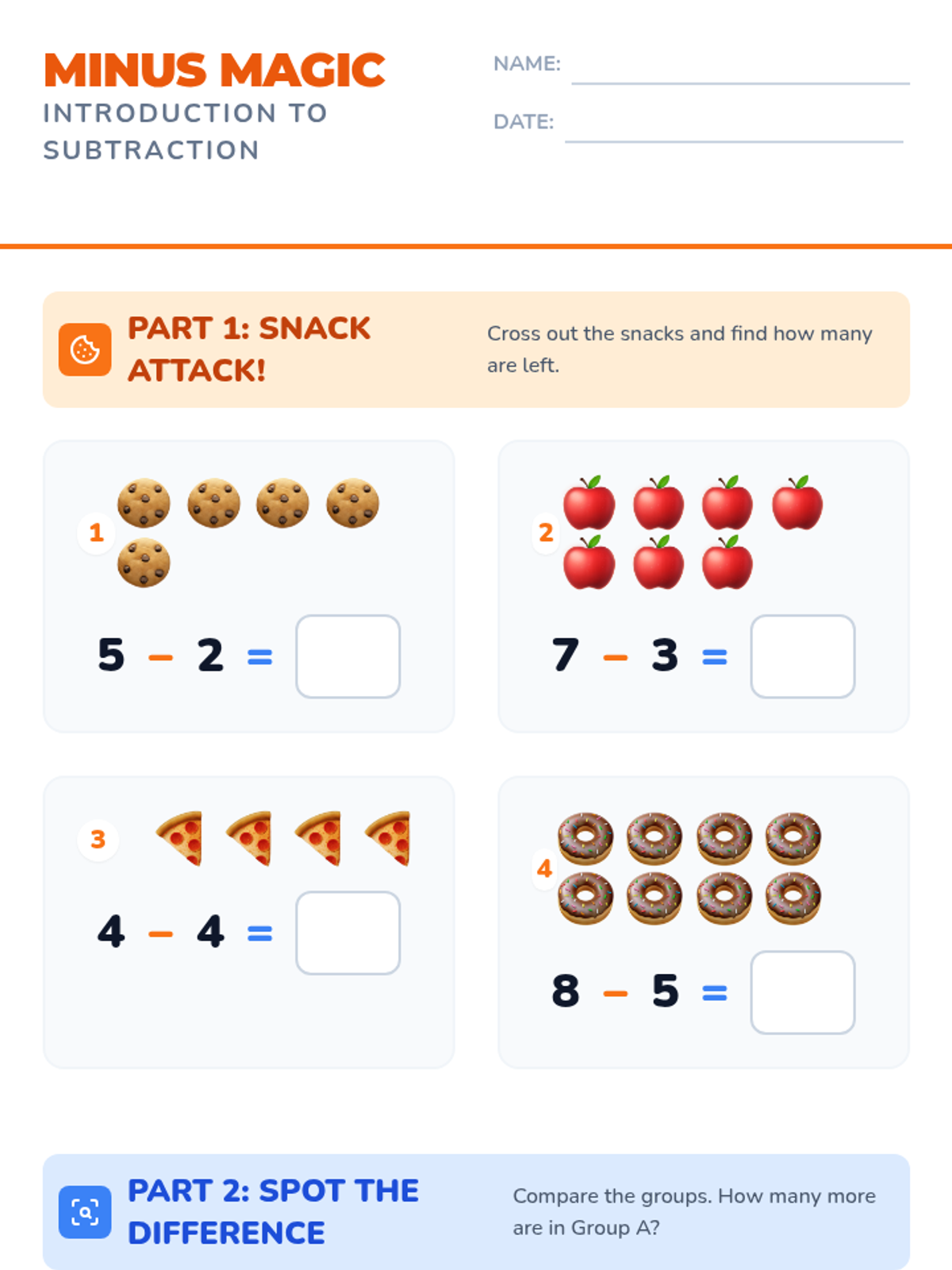
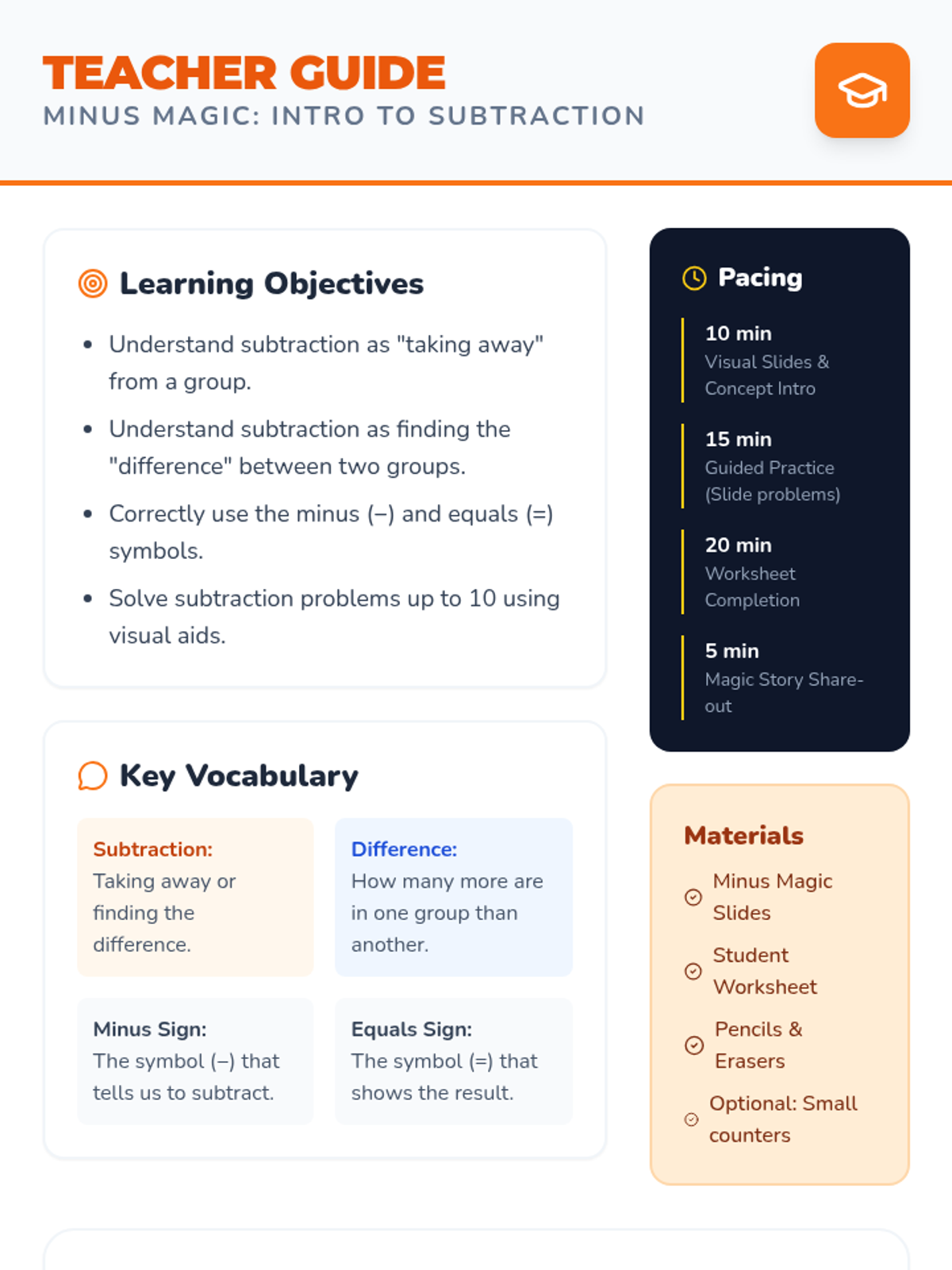
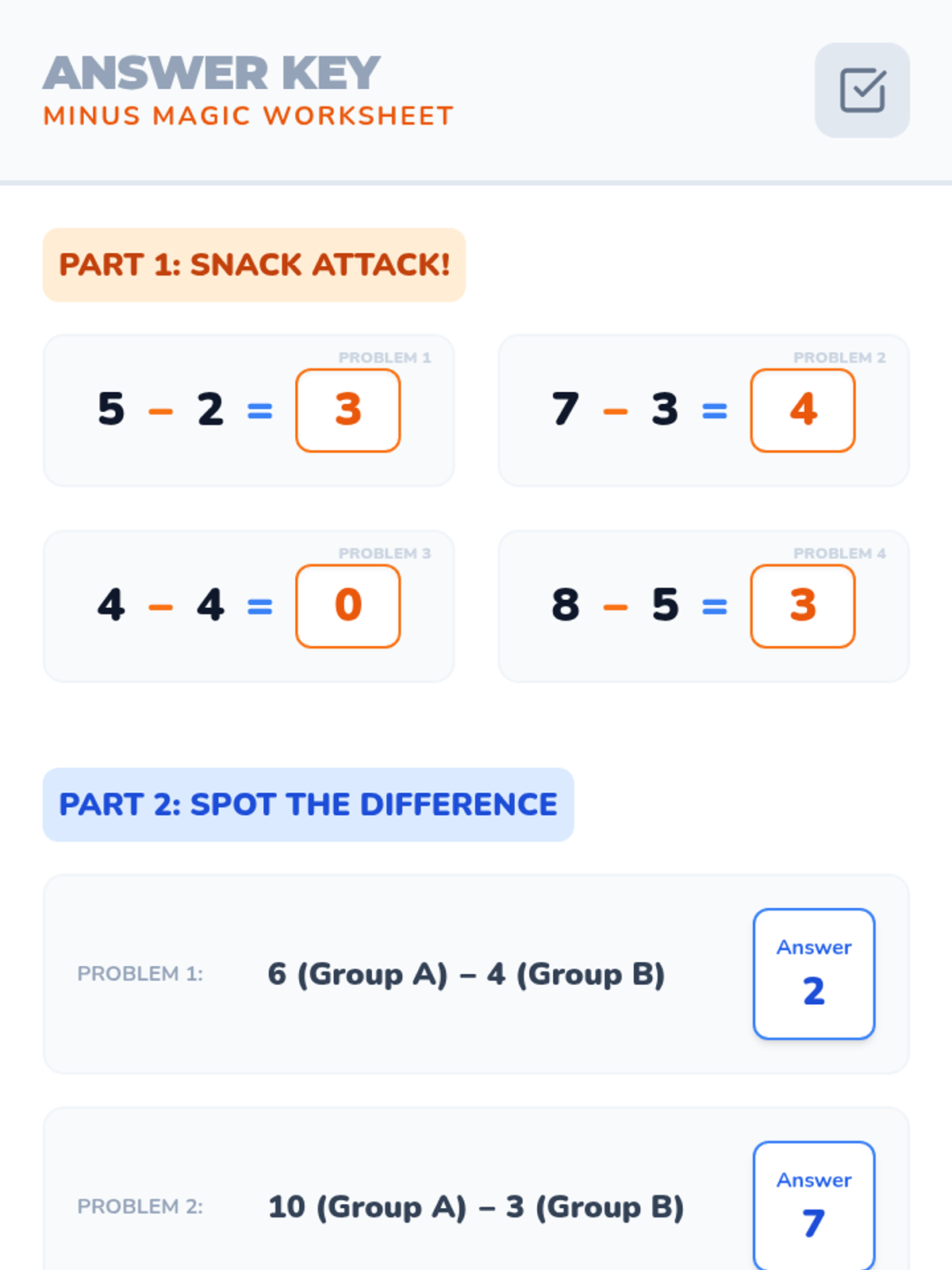
An introductory lesson on subtraction for numbers up to 10. Students learn the concepts of 'taking away' and finding the 'difference' through visual storytelling and guided practice.
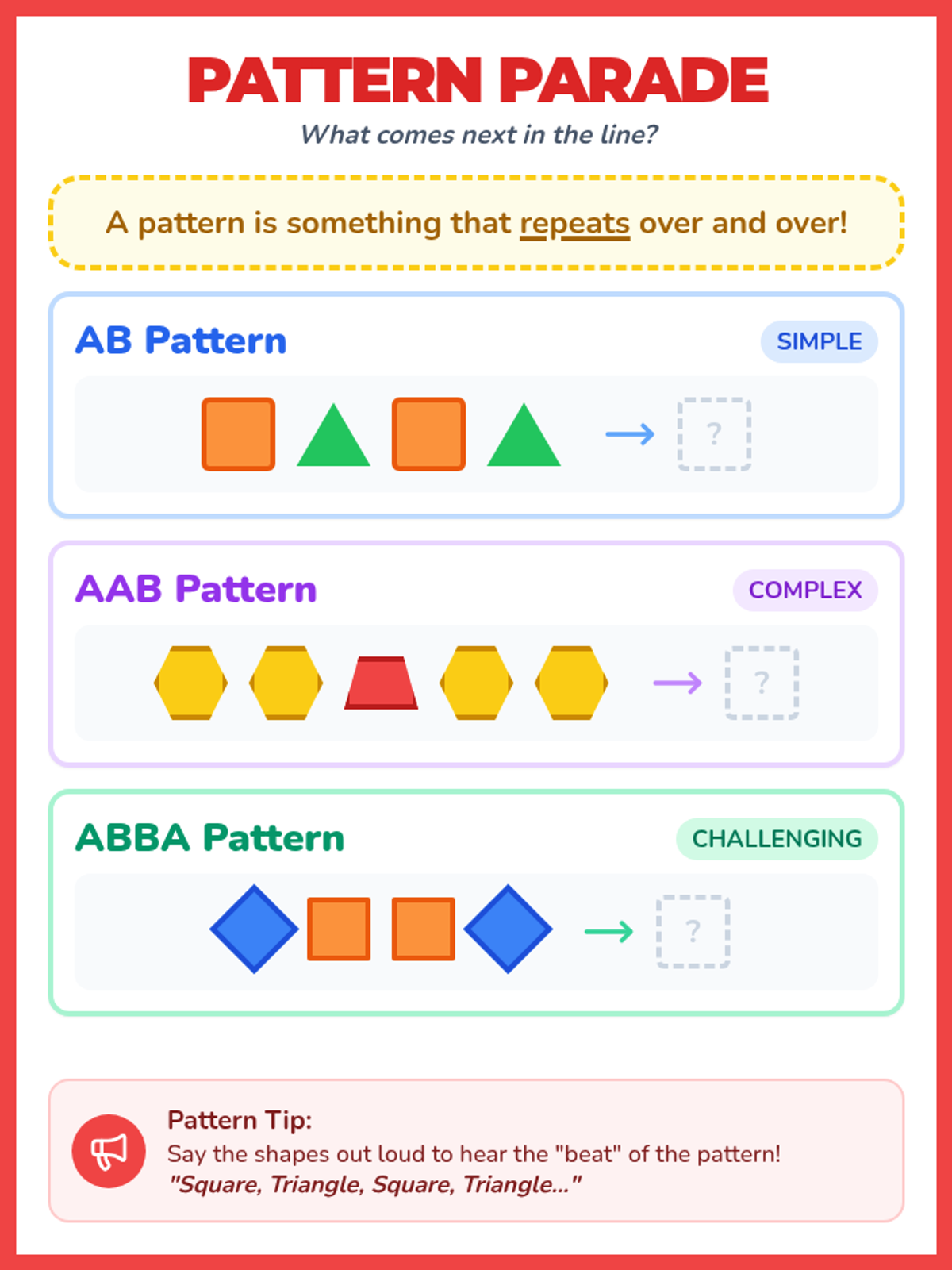
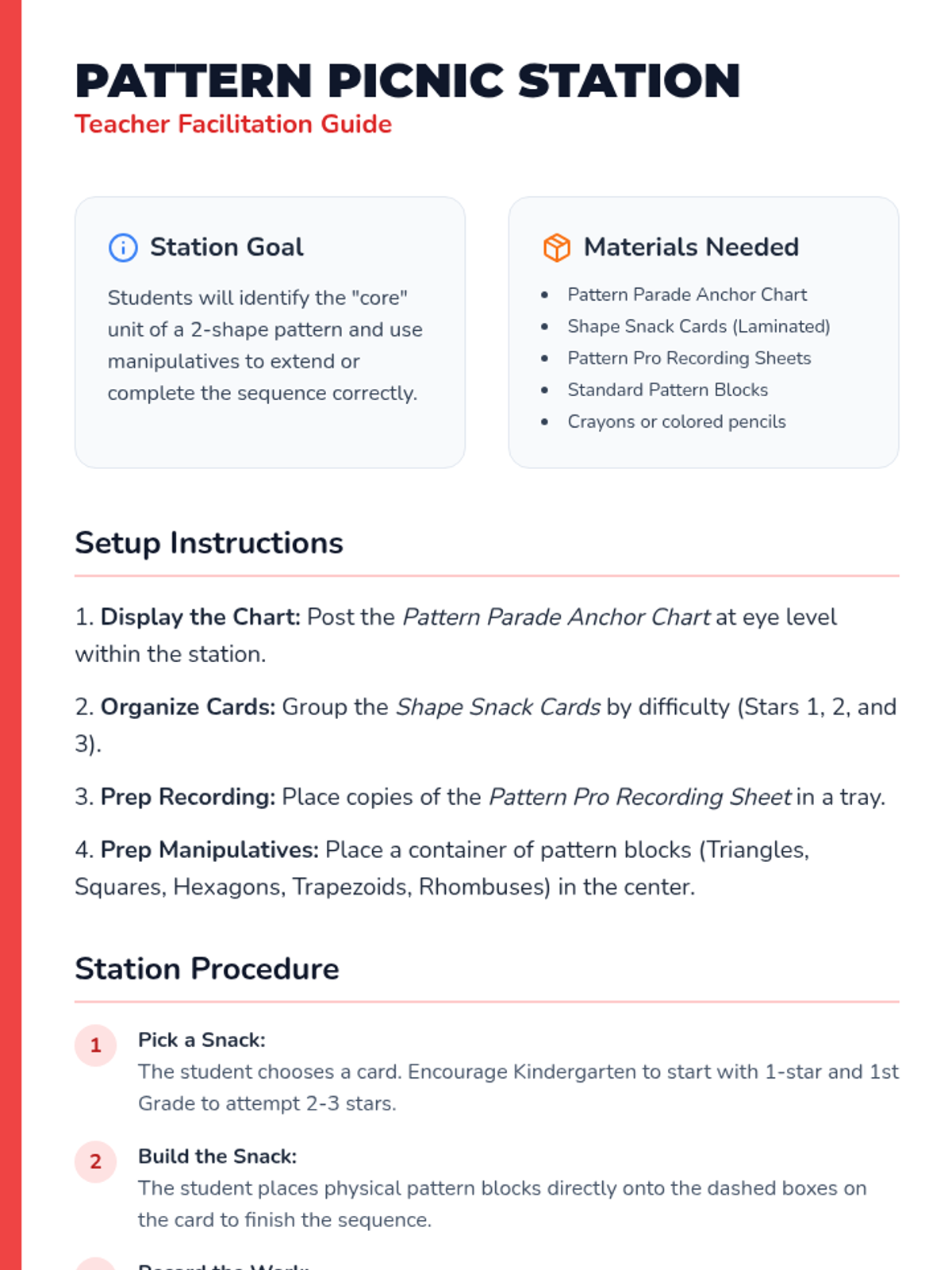
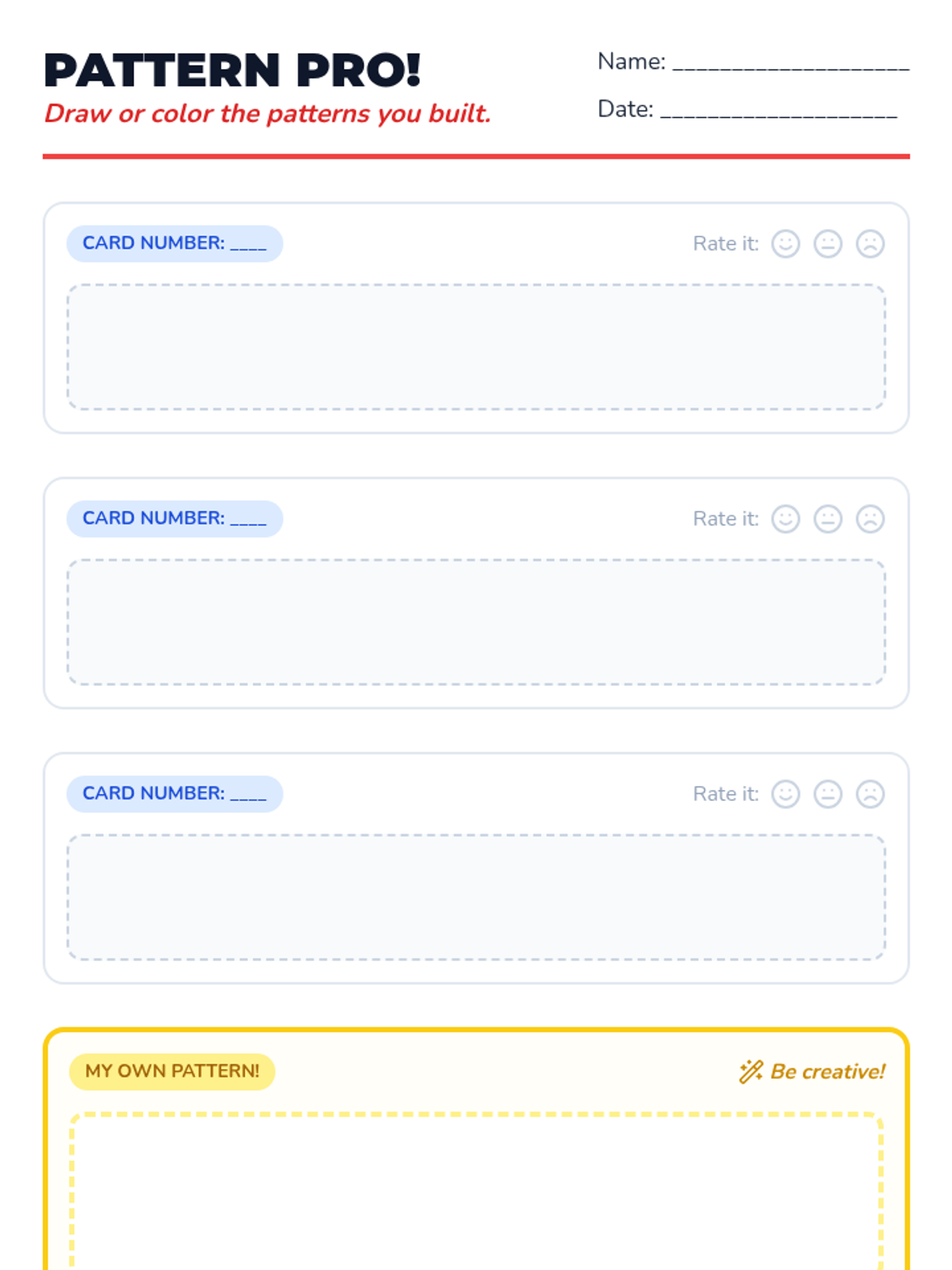
A hands-on math station where students practice identifying and extending patterns using geometric shape manipulatives. Students move from simple AB patterns to more complex AABB and ABBA sequences.
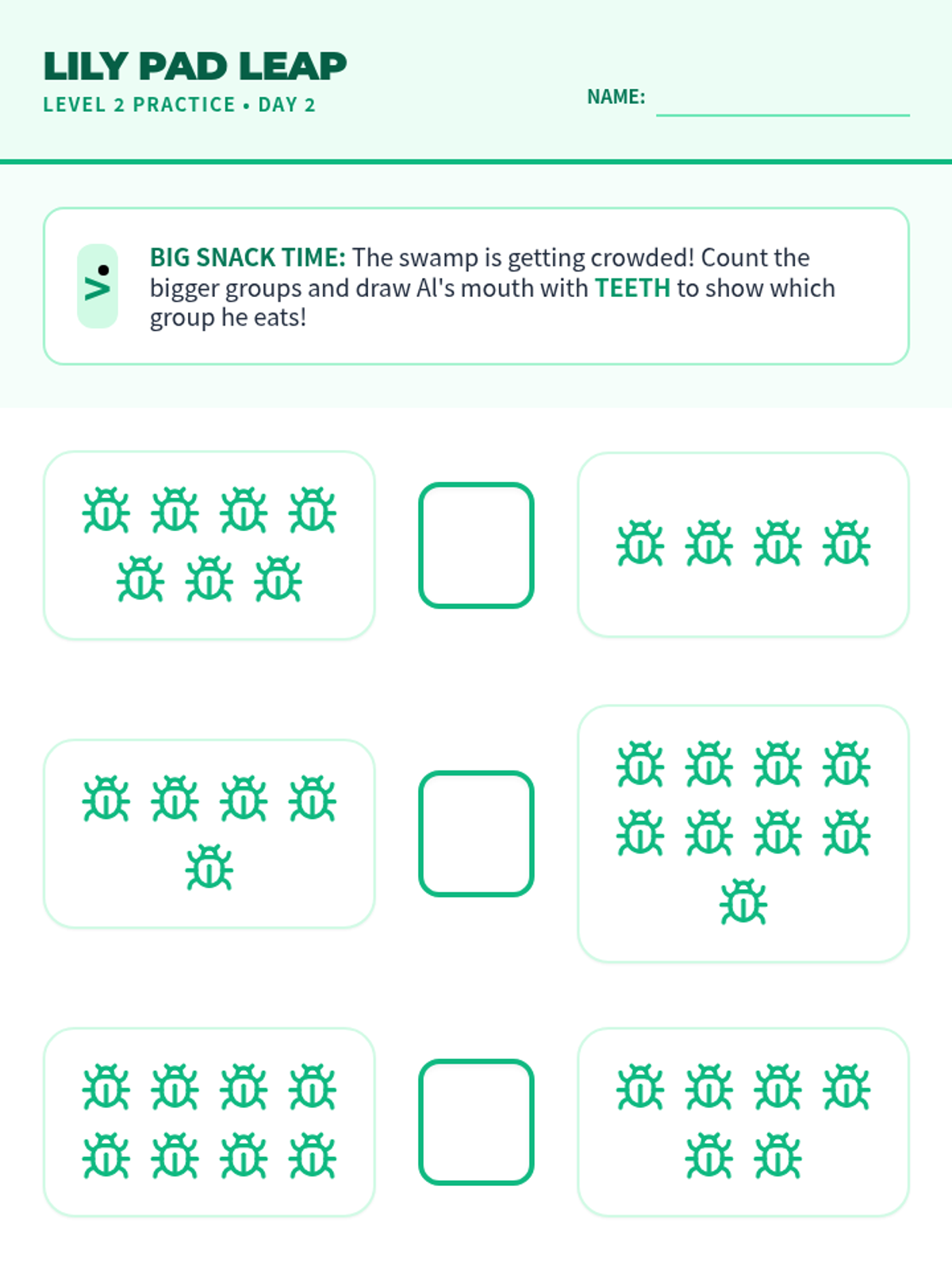
Students continue practicing with visual groups, increasing the complexity to numbers 0-10. Focus is on accurate counting and symbol orientation with the 'alligator mouth' visual.
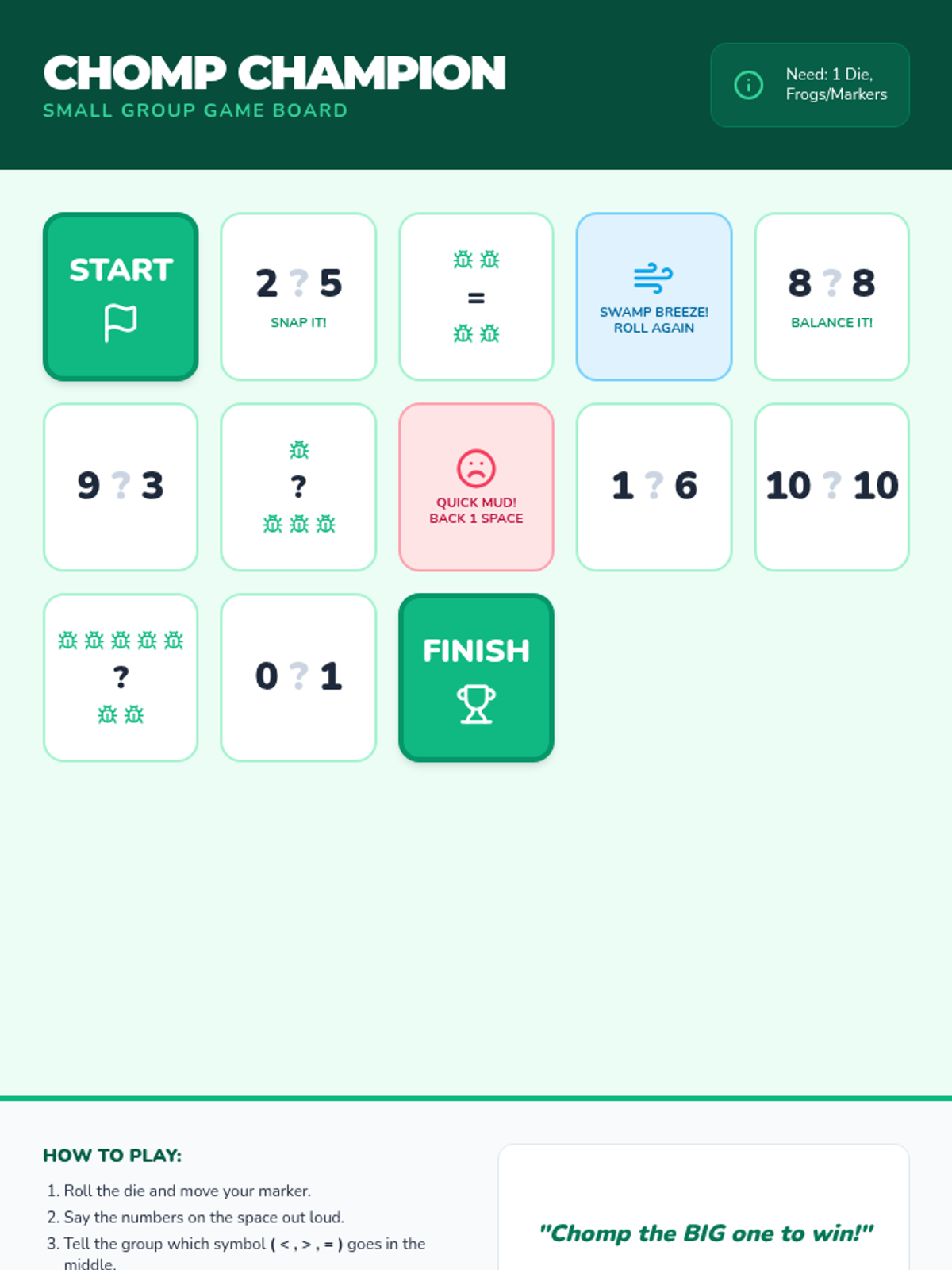
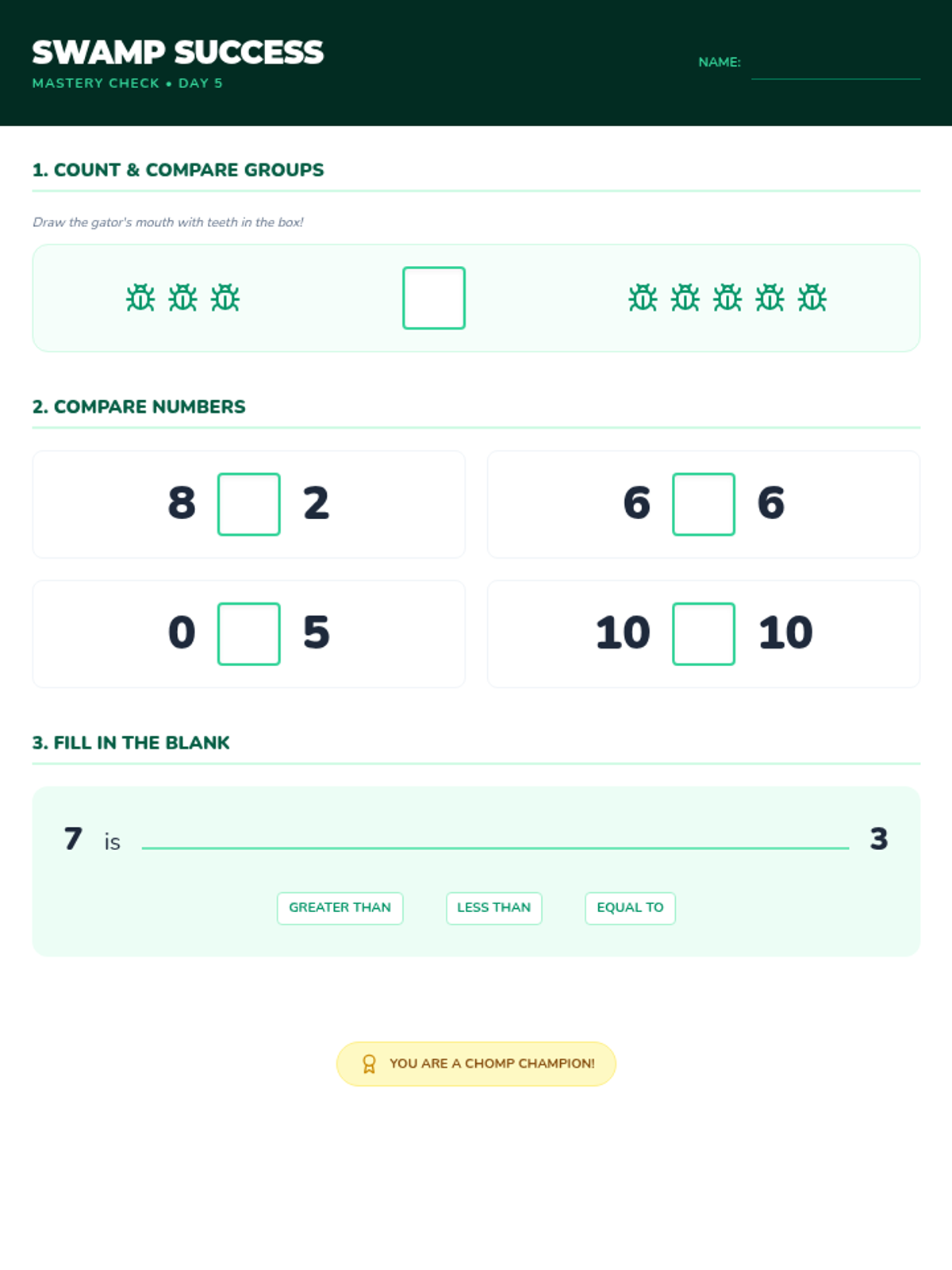
Review and mastery of all three comparison symbols (greater than, less than, equal to) across groups and numerals. Students demonstrate proficiency through a game and a final assessment.
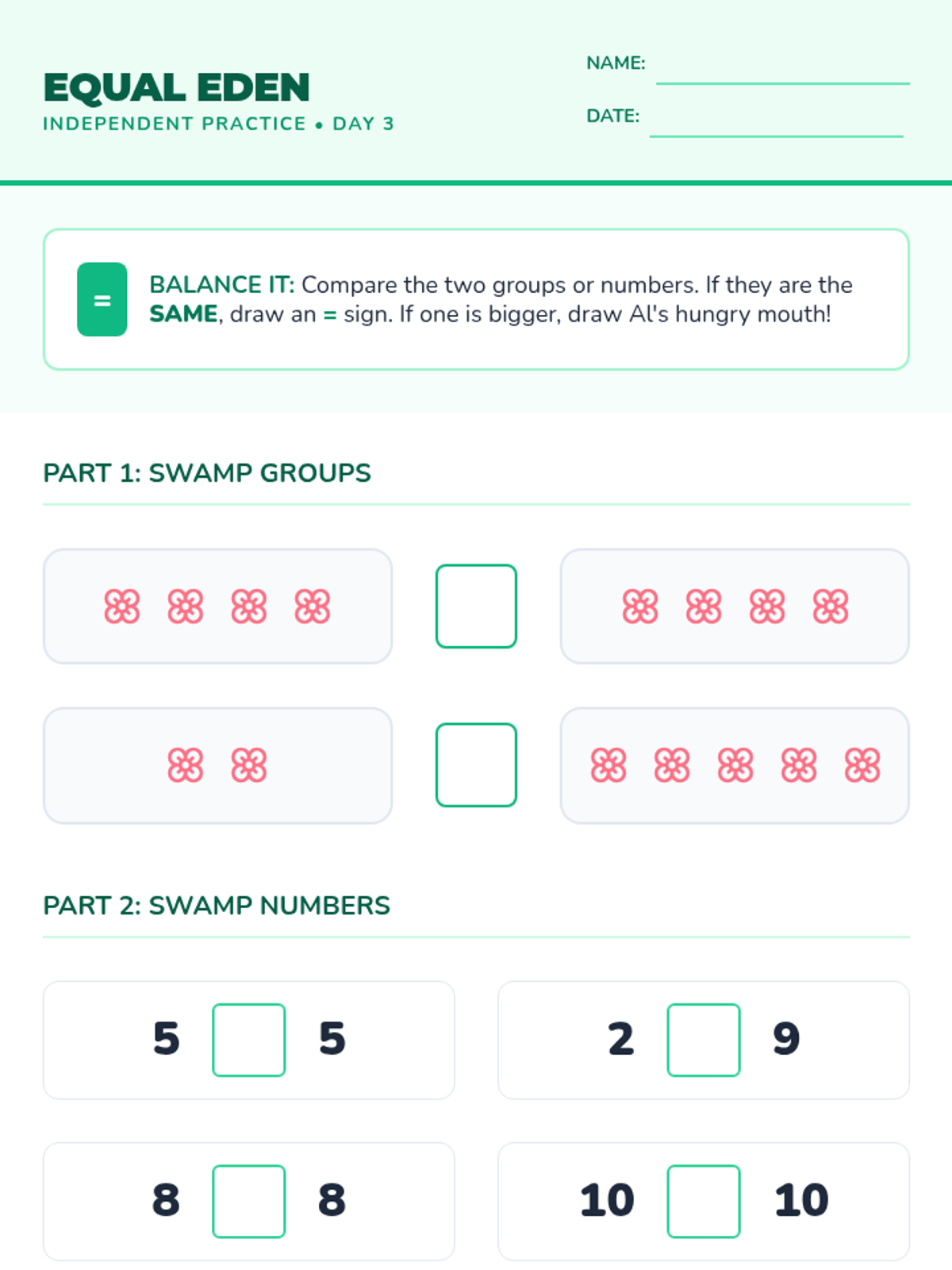
Introducing the equal sign as a way to show when two quantities or numerals are exactly the same. Students practice distinguishing between different and identical amounts.
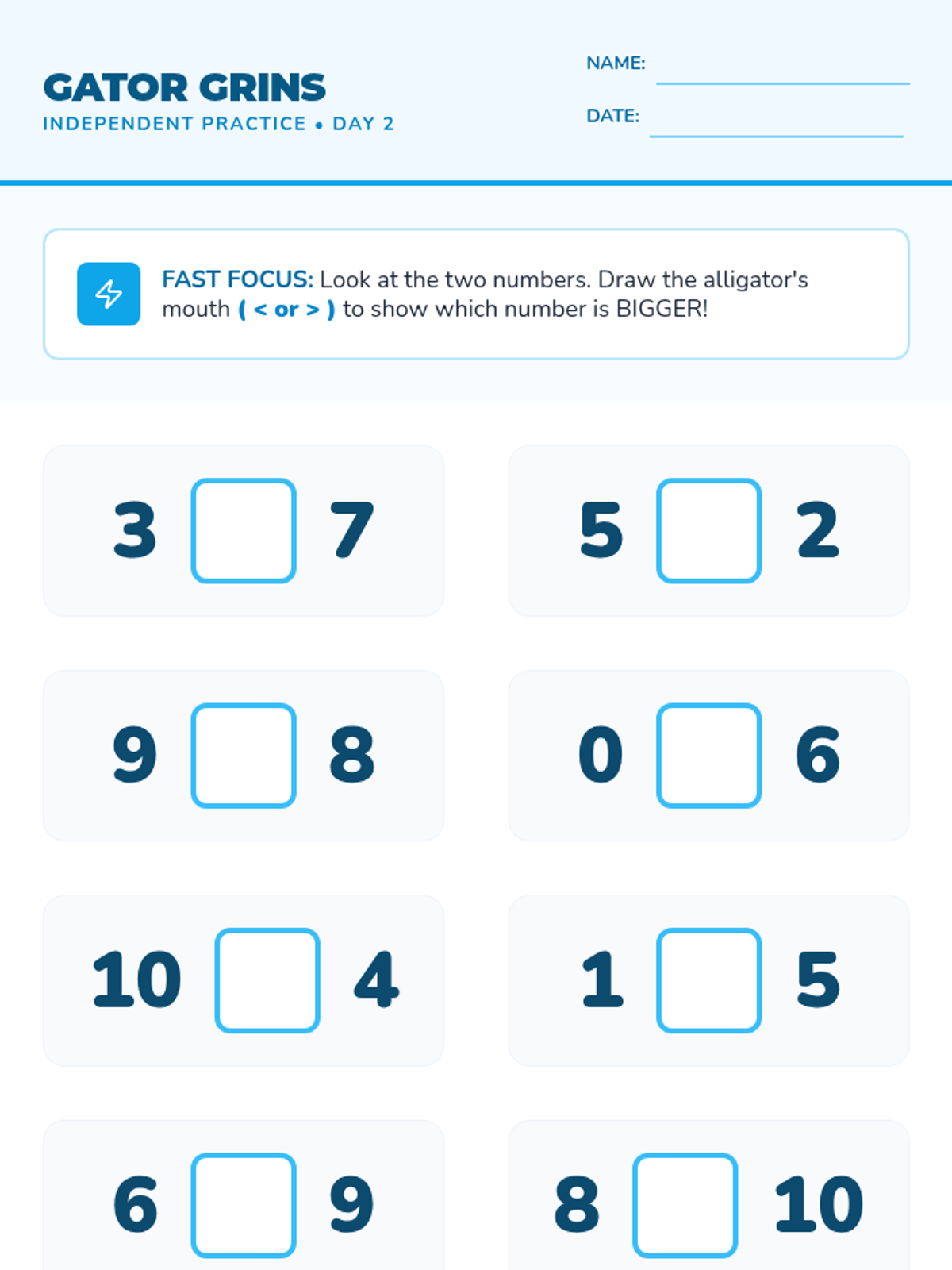
Transitioning from visual groups to abstract numerals, students practice comparing numbers 0-10 using alligator symbols. Emphasis is on identifying the larger numeral and orienting the symbol correctly.