A comprehensive test preparation lesson for Grade 8 students focused on key Arkansas ATLAS standards: physical science, life science, and Earth/space science.
A comprehensive introduction to radiometric dating, explaining how scientists use radioactive isotopes to determine the absolute age of rocks and fossils, and comparing it to relative dating methods.
A lesson for 2nd graders to understand the impacts of global warming on New Zealand's environment, focusing on glaciers, sea levels, and moisture.
A comprehensive graduate-level presentation on the pharmacology, clinical applications, and sociological impact of psychedelic substances.
A foundational lesson on photosynthesis for middle schoolers, framing plants as 'Solar Kitchens' that convert light energy into chemical energy. The lesson covers reactants, products, the role of chloroplasts, and the importance of the process for life on Earth.
Weeks 1 focus on the scale of the solar system, the Sun, and the terrestrial planets, emphasizing executive functioning through organizational 'Mission Logs' and perspective-taking via planetary viewpoints.
Explore the fundamentals of atoms, the periodic table, and chemical bonding through the story of Carmela's science class. This lesson covers atomic structure, valence electrons, and types of bonding in a bilingual format.
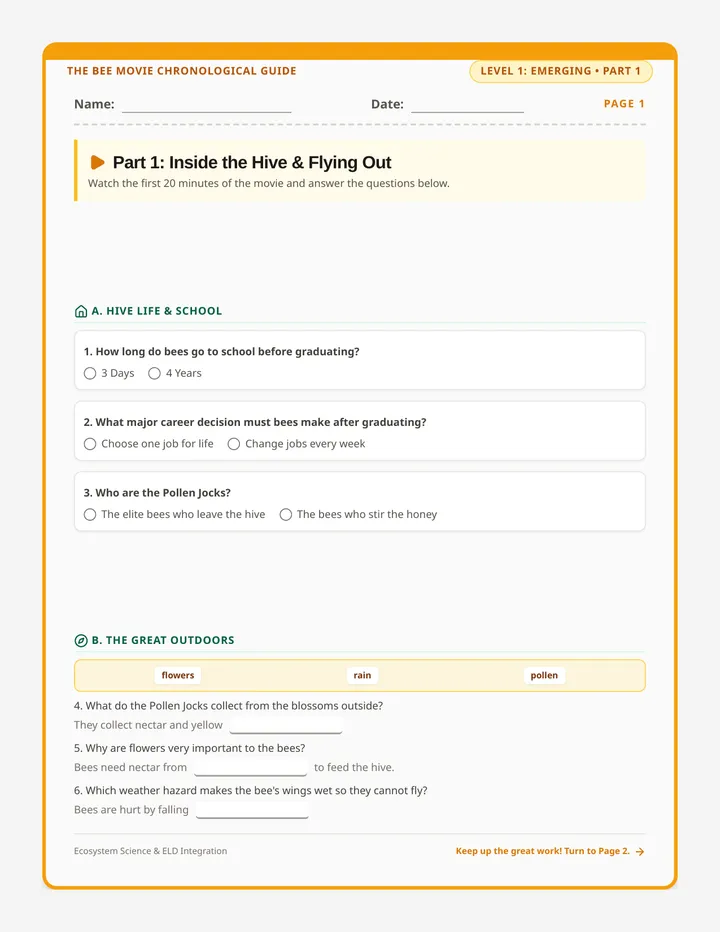
A comprehensive Grade 3 Science test prep lesson aligned to the Arkansas ATLAS standards. It covers core domains including life cycles, habitats, matter, forces, and weather through scenario-based learning and practice.
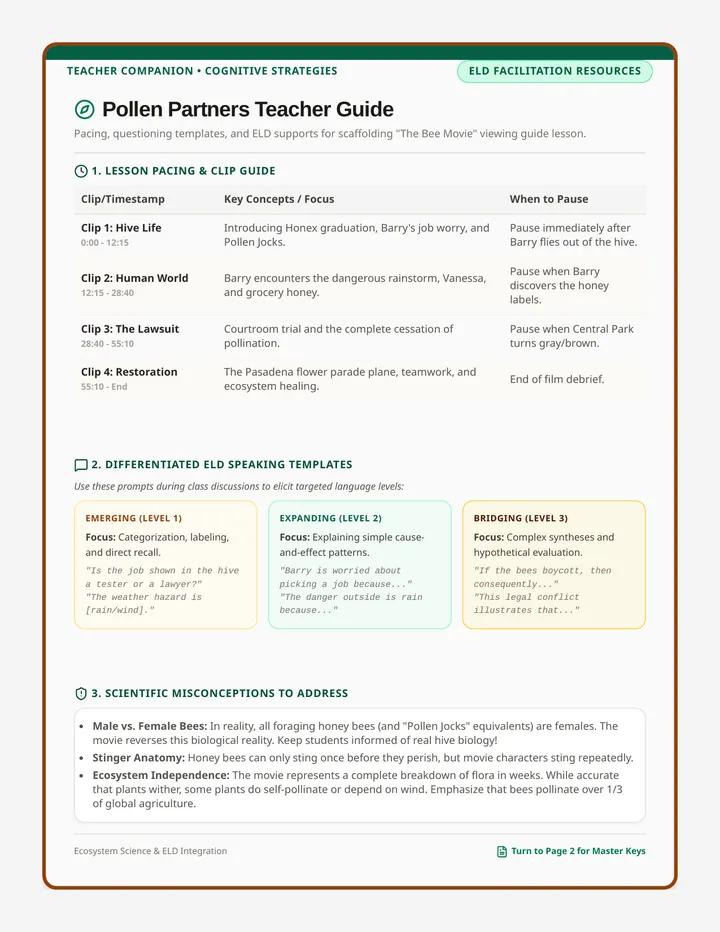
A high-intensity Grade 5 Science review session specifically designed for the Arkansas ATLAS assessment, covering matter, ecosystems, Earth systems, and space.
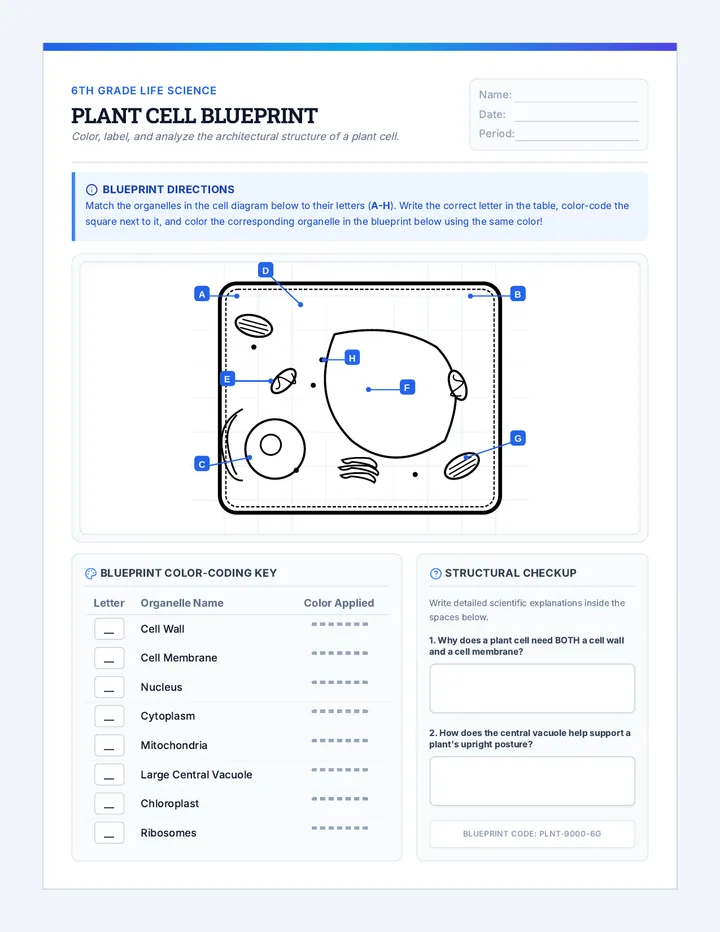
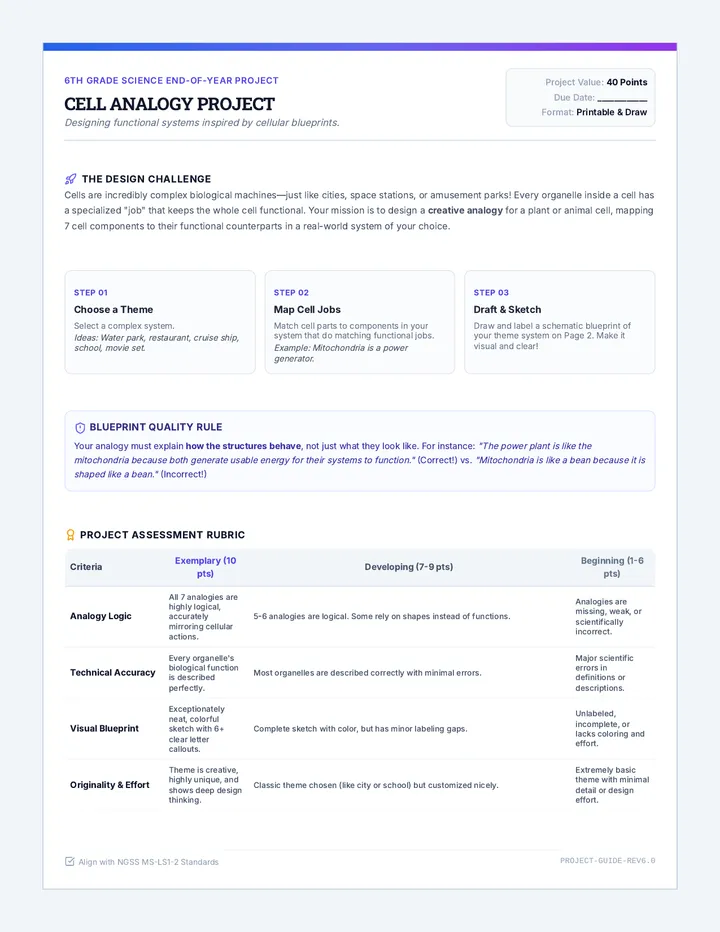
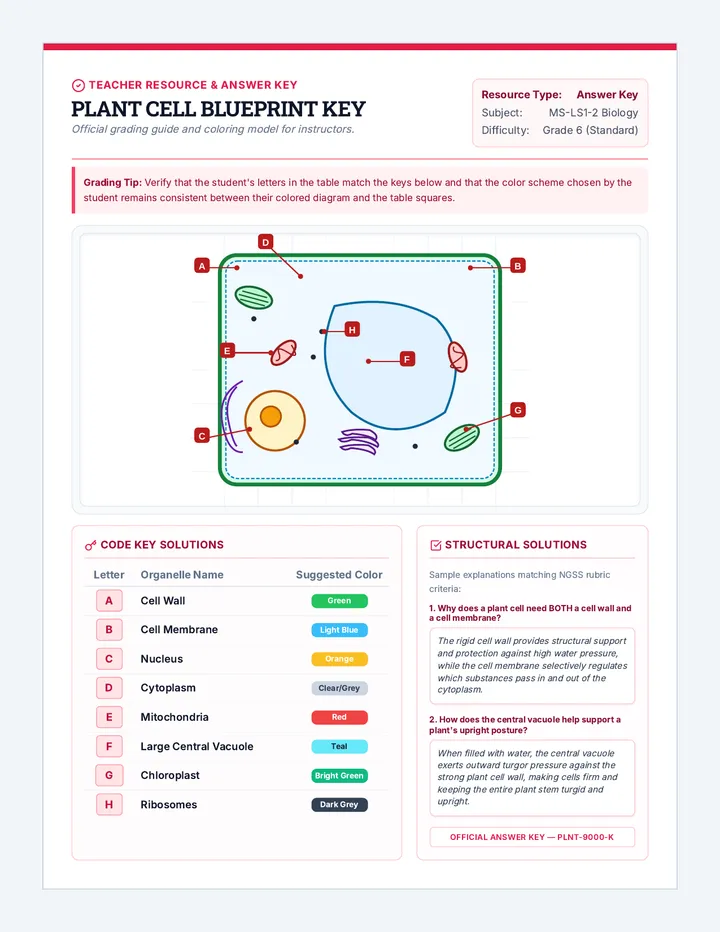
A comprehensive introduction to the microscopic world of animal and plant cells, exploring key organelles and their functions through visual diagrams and hands-on labeling.
An interdisciplinary lesson exploring ecological footprints through the unique environmental context of the Jemez Valley. Students analyze local resource consumption and research regional conservation to develop a sense of environmental stewardship.
An interactive exploration of Earth's shifting plates, boundary types, and the evidence for continental drift. Students will analyze how the lithosphere moves and the landforms created by these massive geological forces.
An inquiry-based science lesson for 3rd graders exploring the diverse adaptations of seeds for dispersal, culminating in an engineering challenge to design effective seed models.