This lesson teaches students to analyze how news reports introduce, illustrate, and elaborate on key individuals, events, or ideas using specific examples and anecdotes.
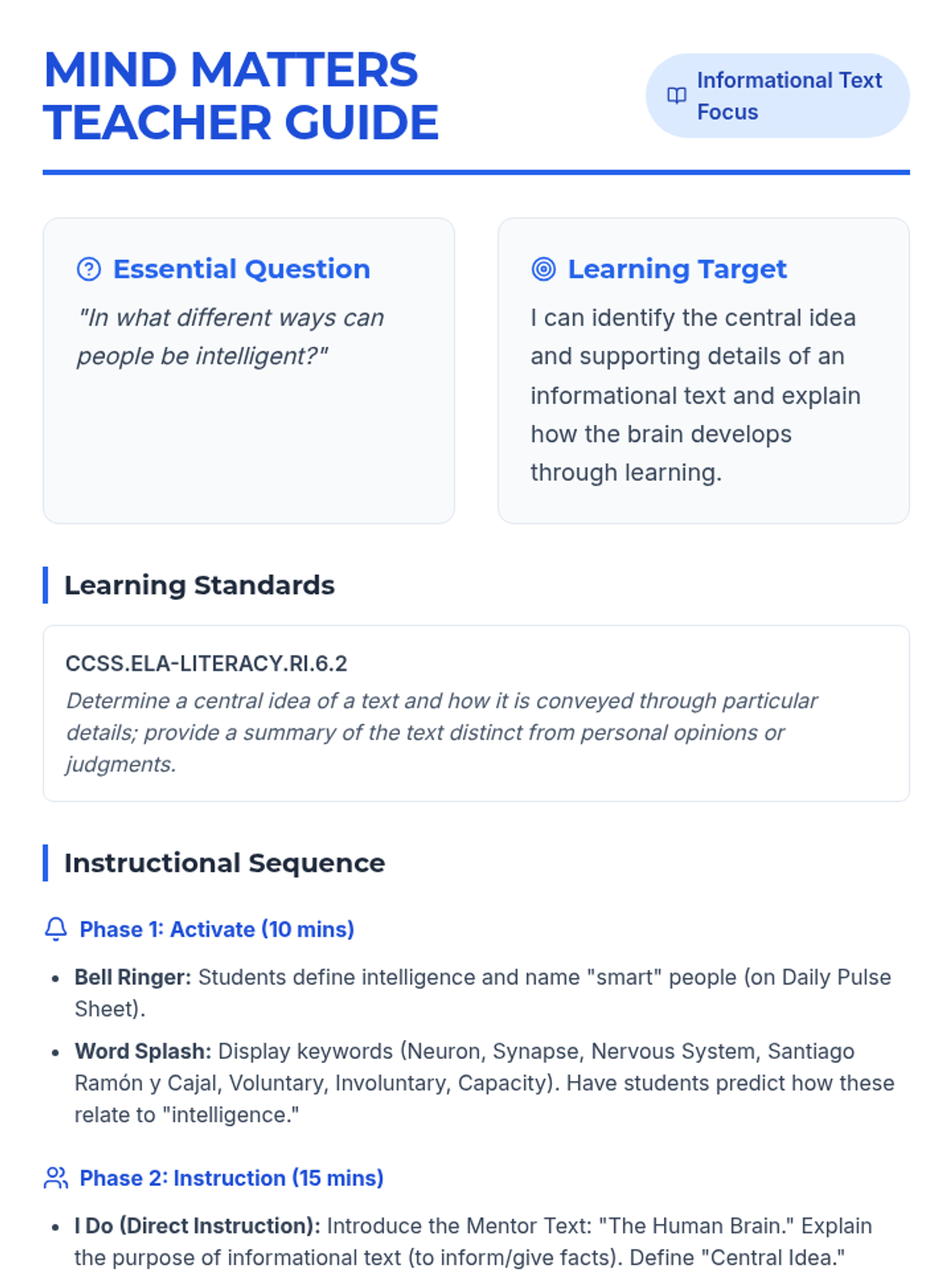
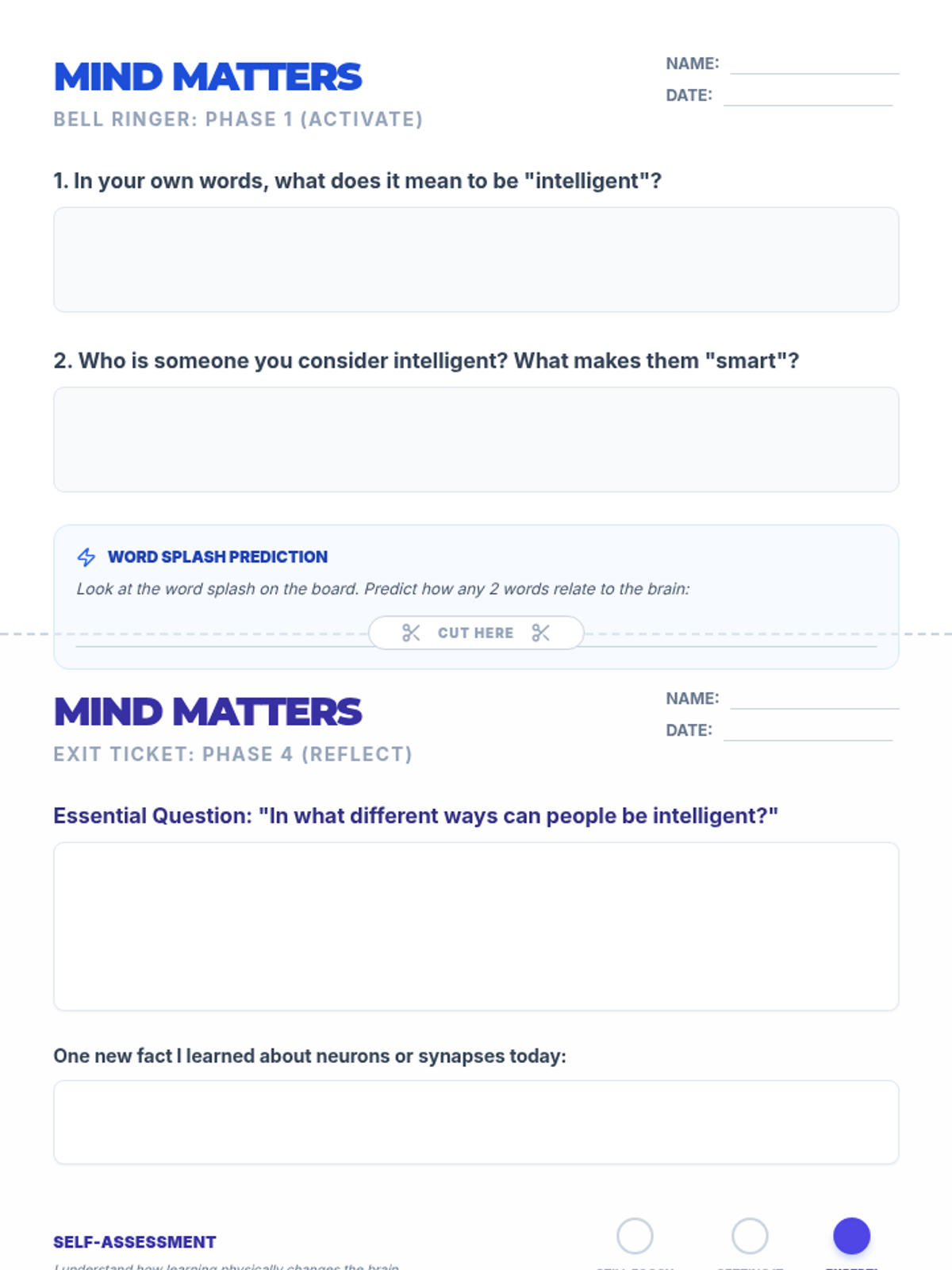
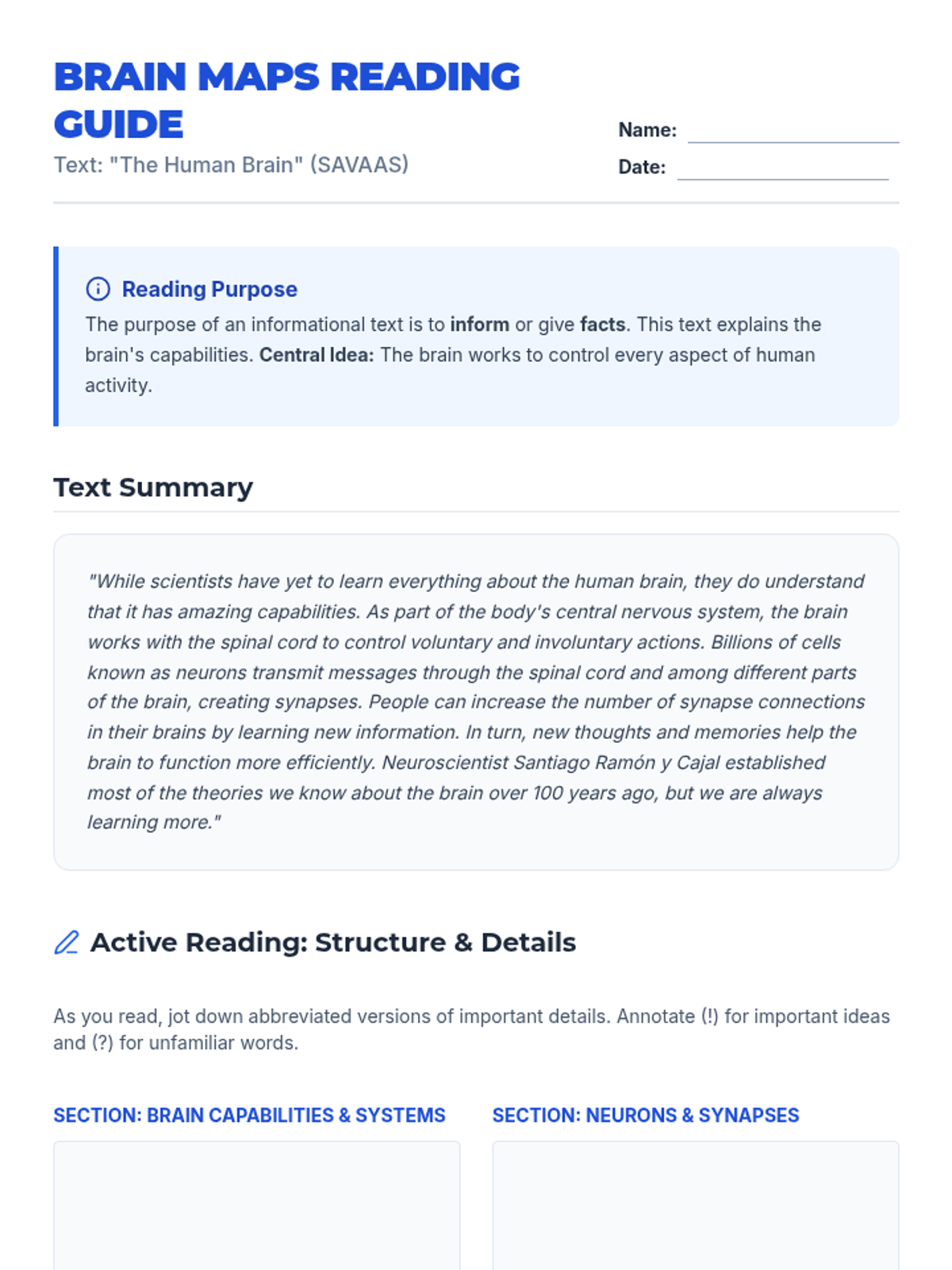
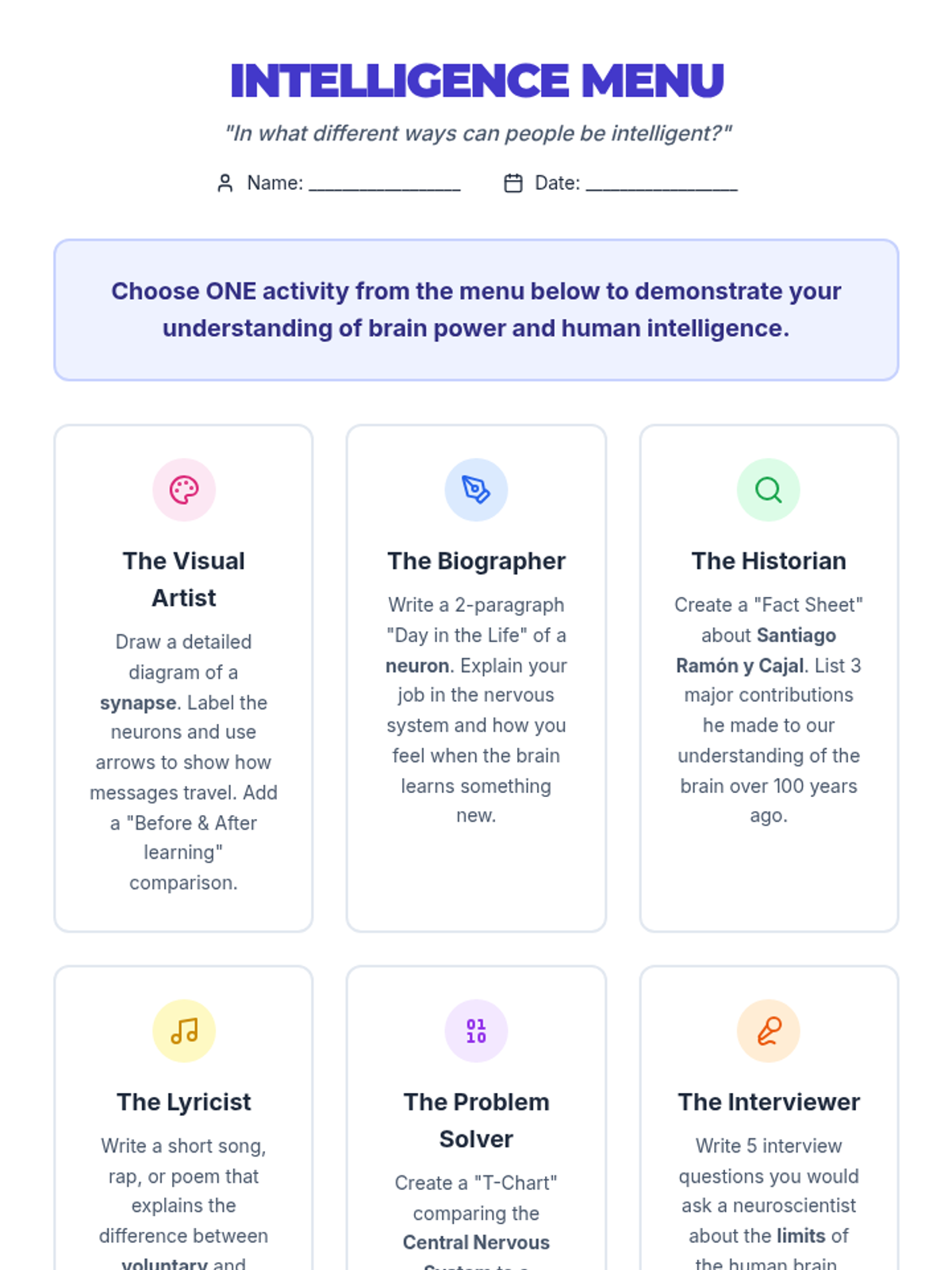
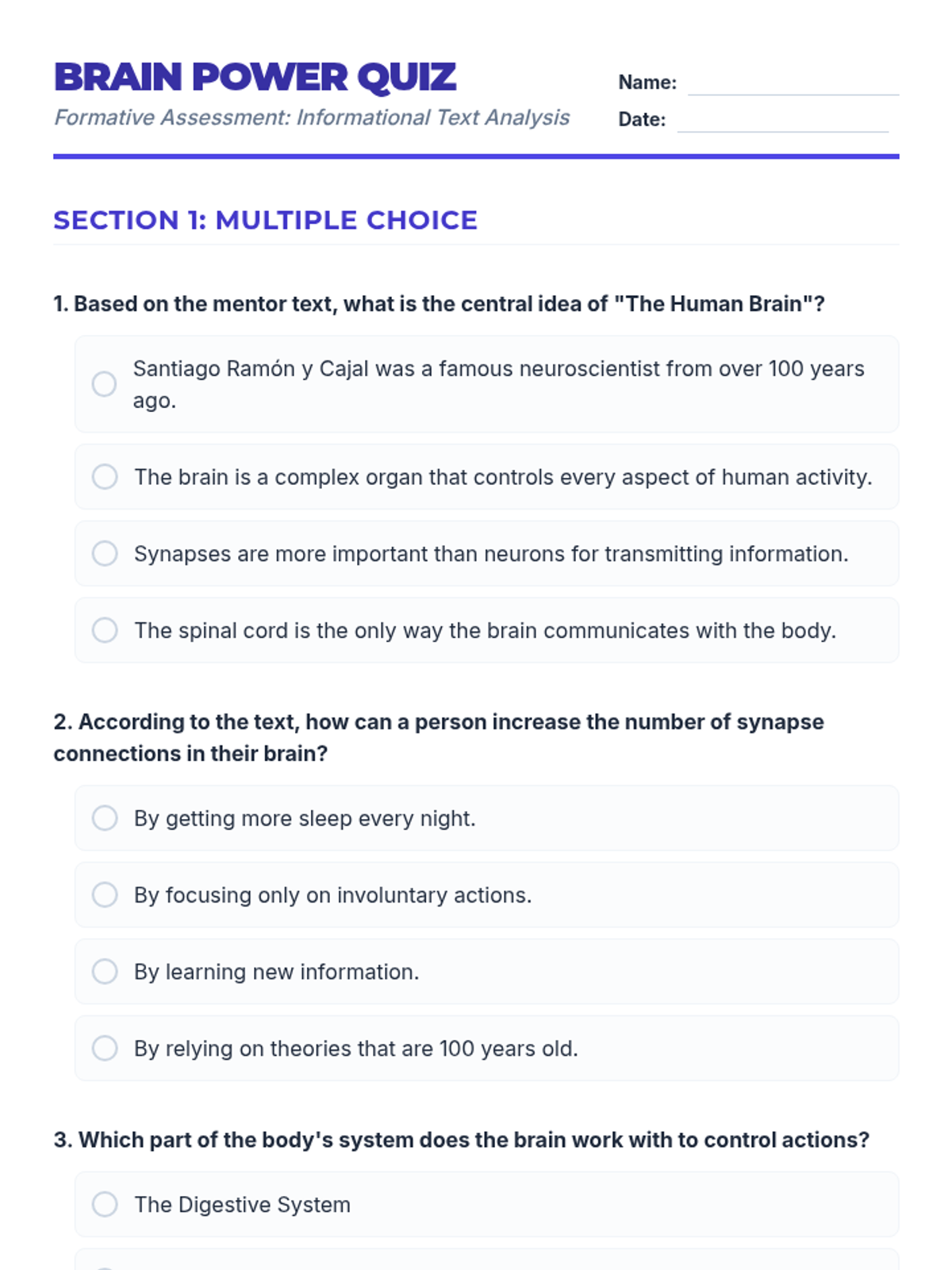
A comprehensive lesson exploring the human brain's capabilities and the nature of intelligence, featuring an informational text analysis and a multiple intelligences choice board.
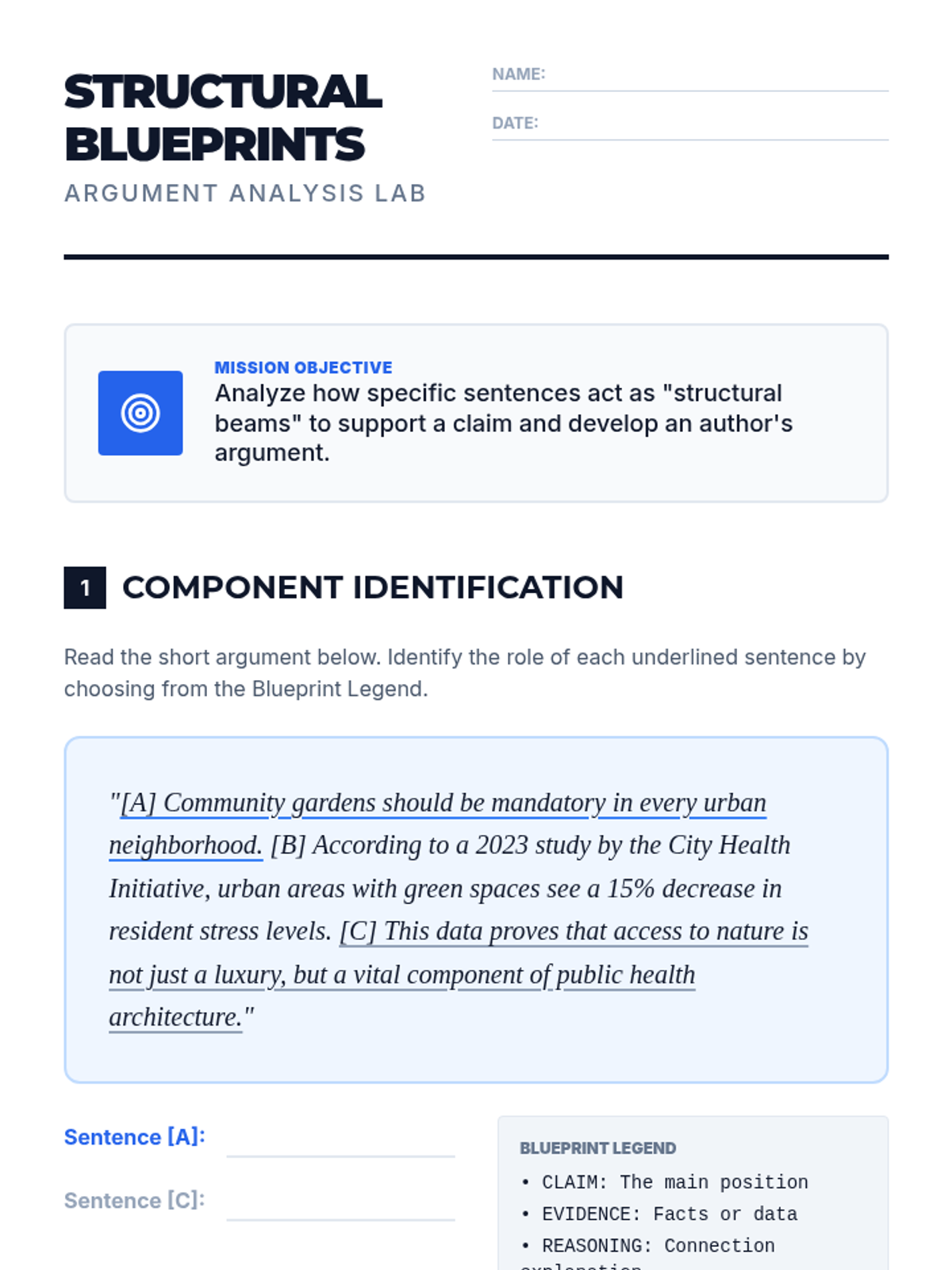
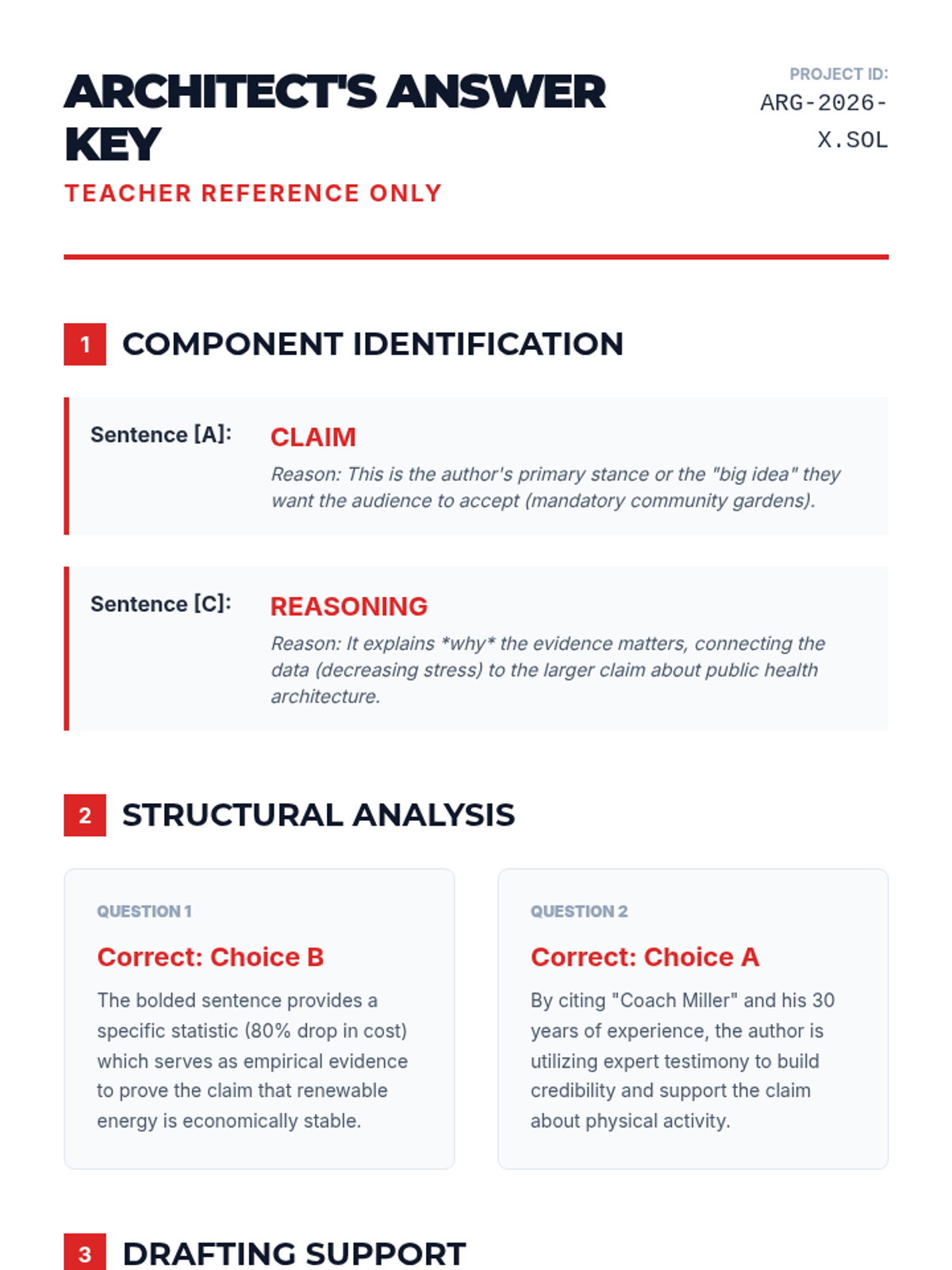
A lesson focused on analyzing how specific parts of a text contribute to the overall structure and the development of an argument through evidence. Students learn to see texts as 'blueprints' where every sentence serves a structural purpose.
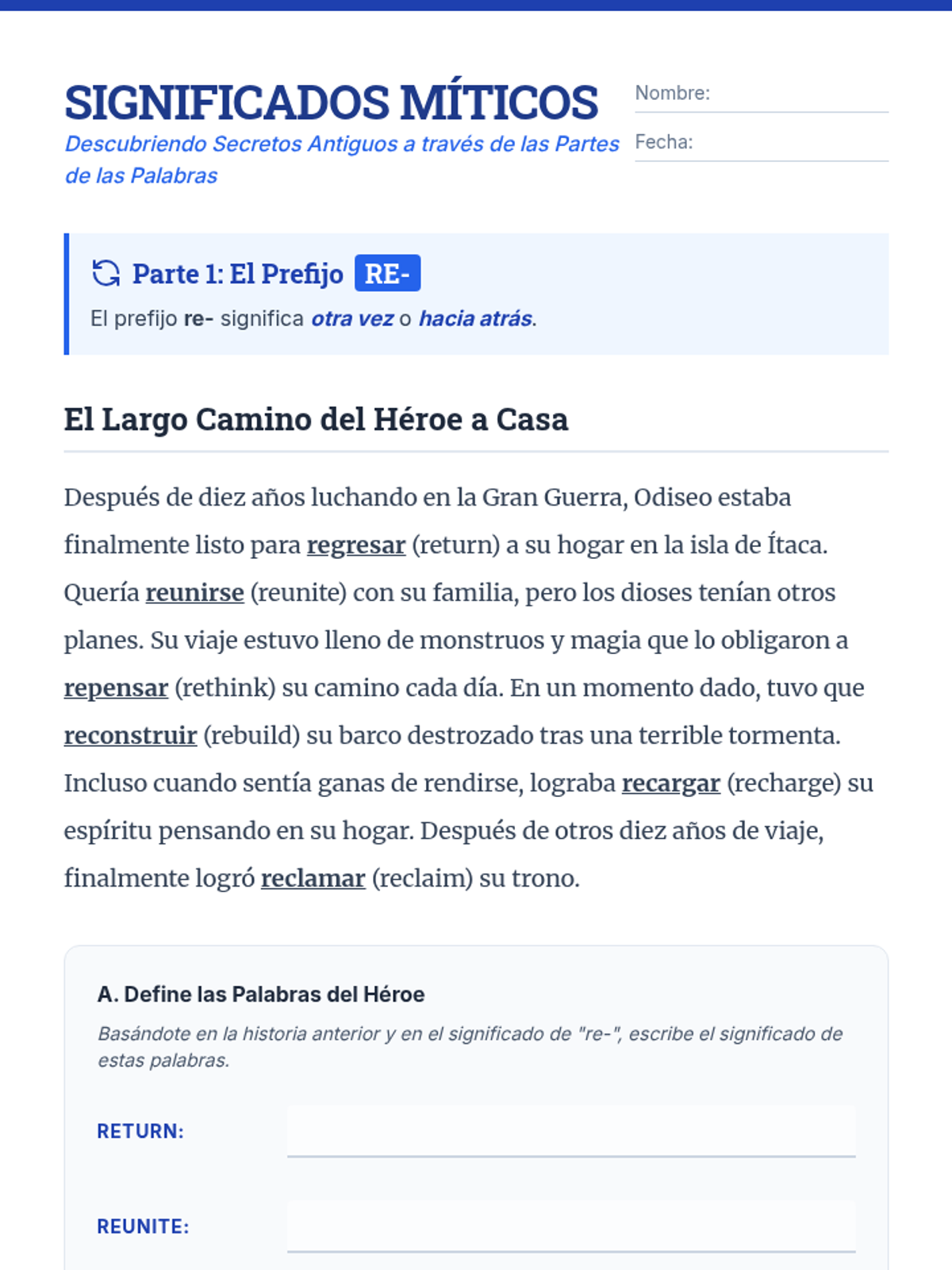
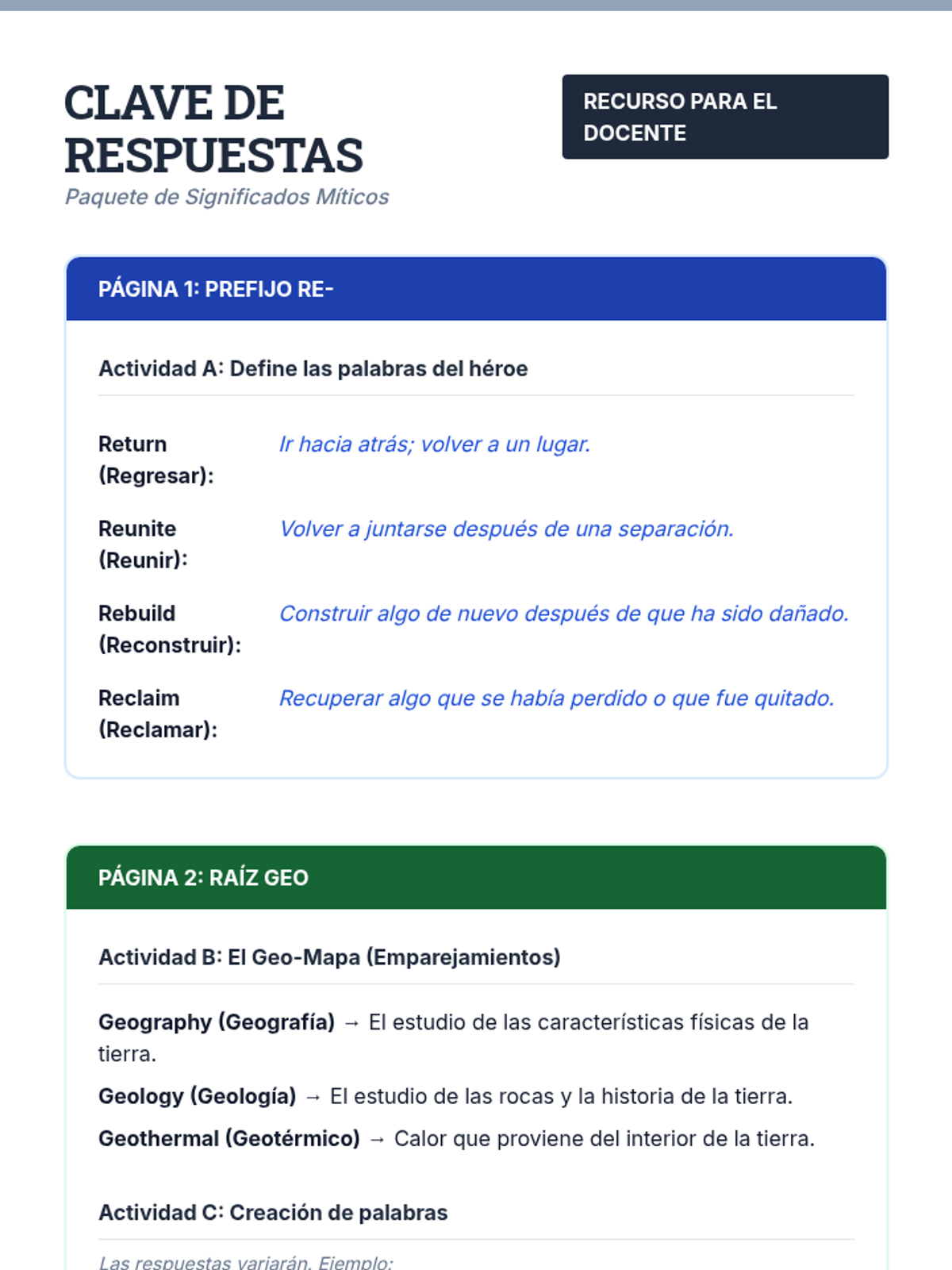
A focused study on the prefix 'RE-', the root 'GEO', and the suffix '-LESS' through the lens of Greek and Roman mythology. Students will read myth-inspired stories and complete activities to master these common word parts.
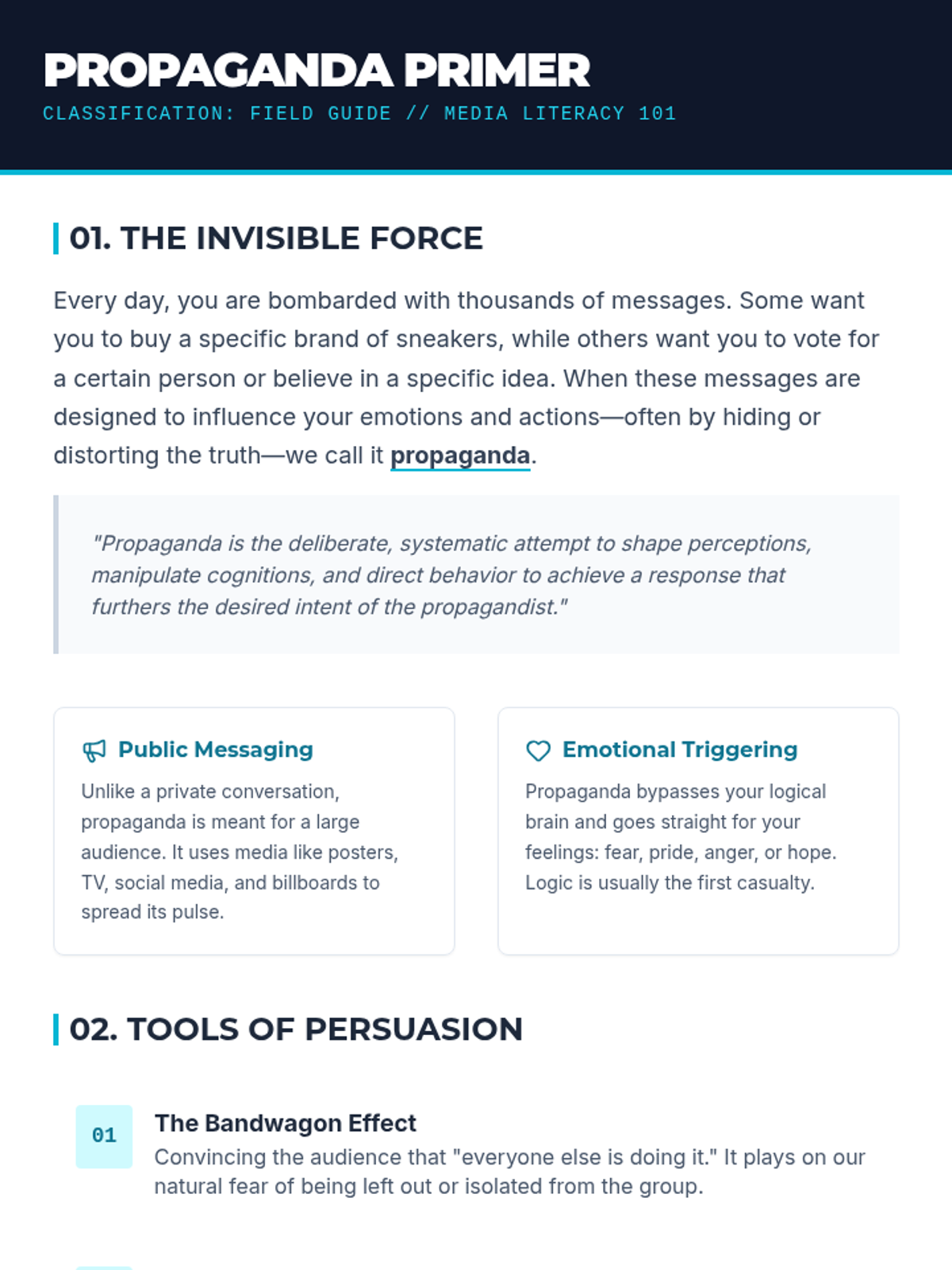
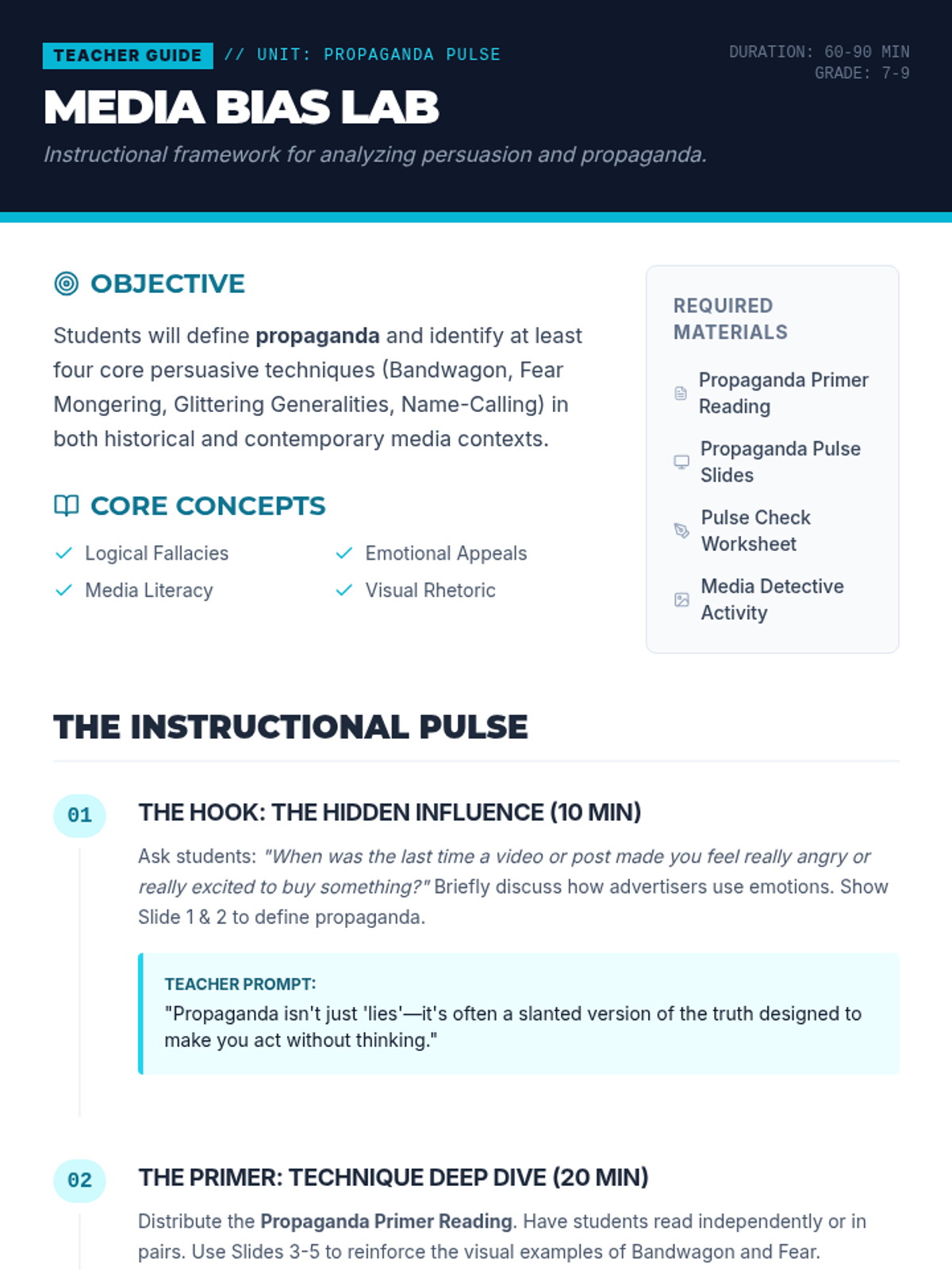
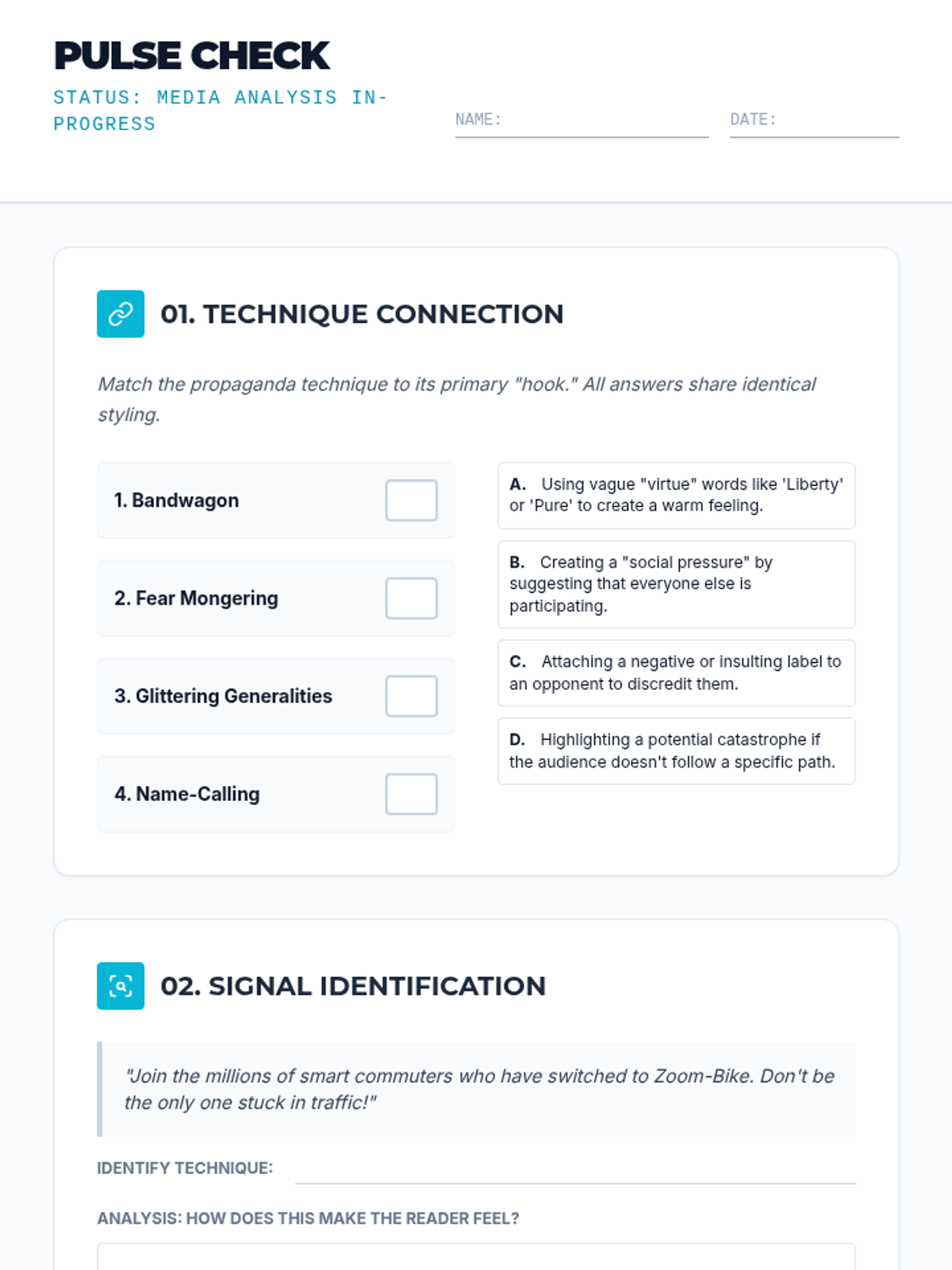
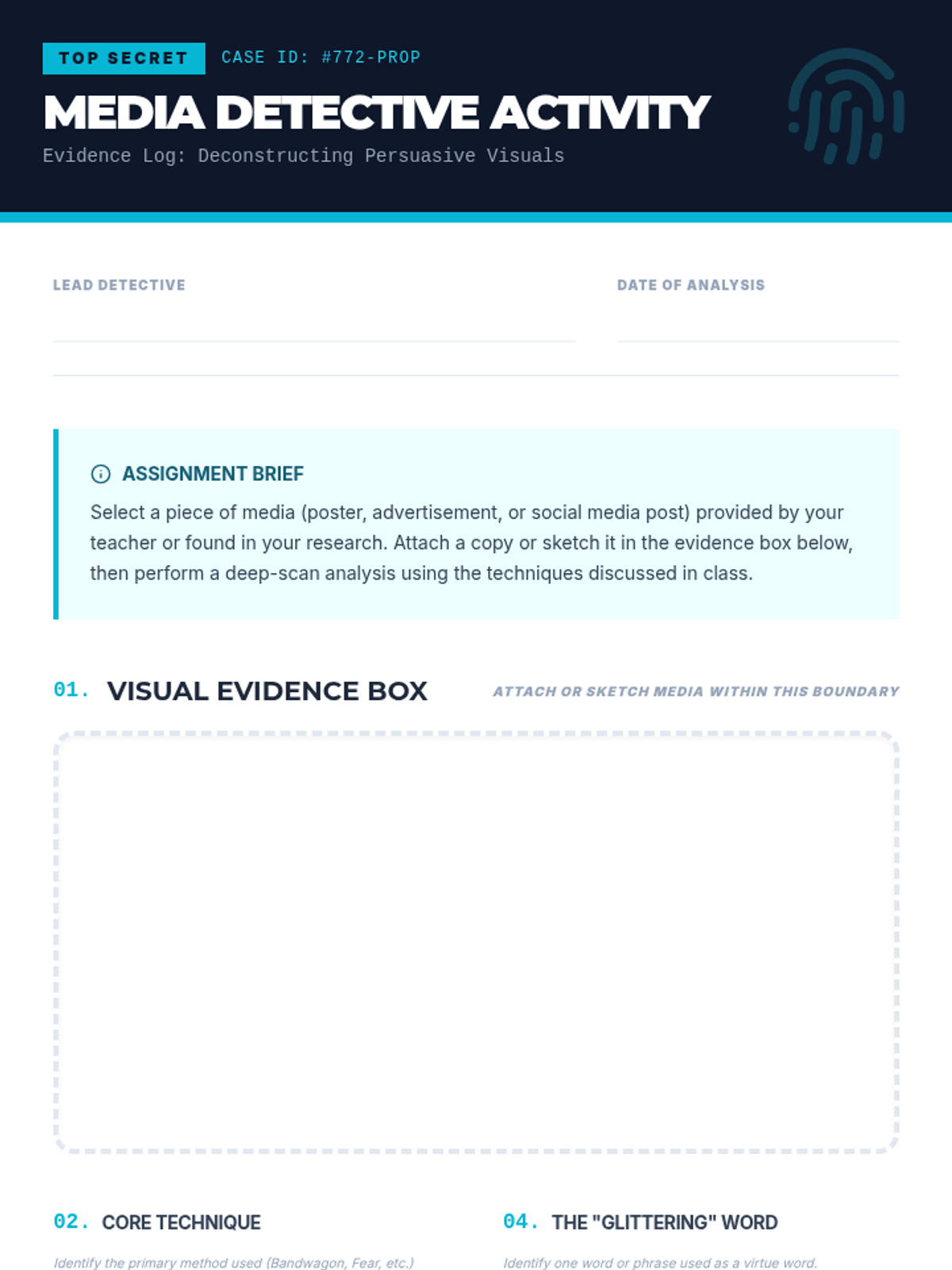
An introductory exploration into the world of propaganda, teaching students to identify bias and persuasive techniques in historical and modern media.
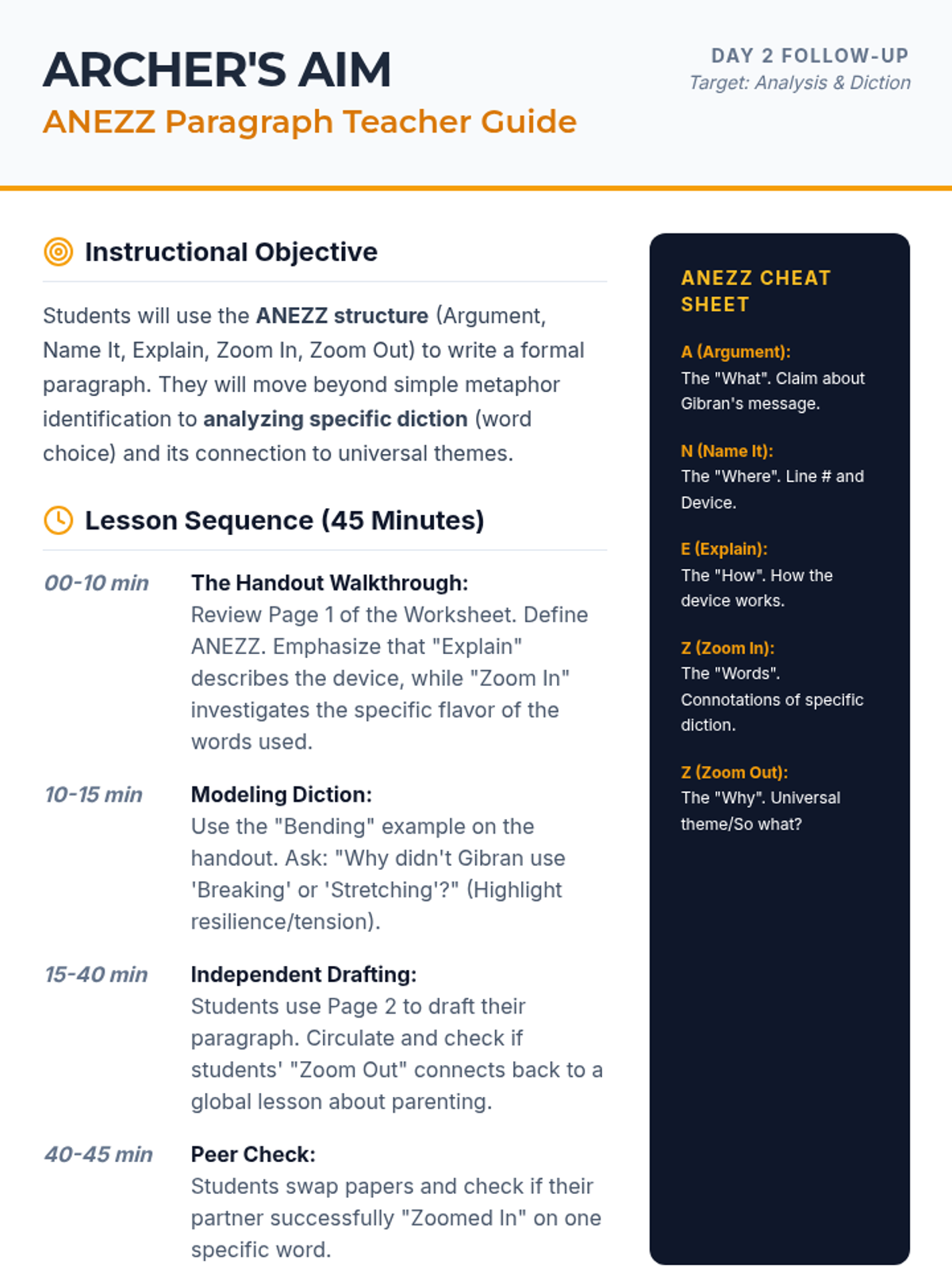
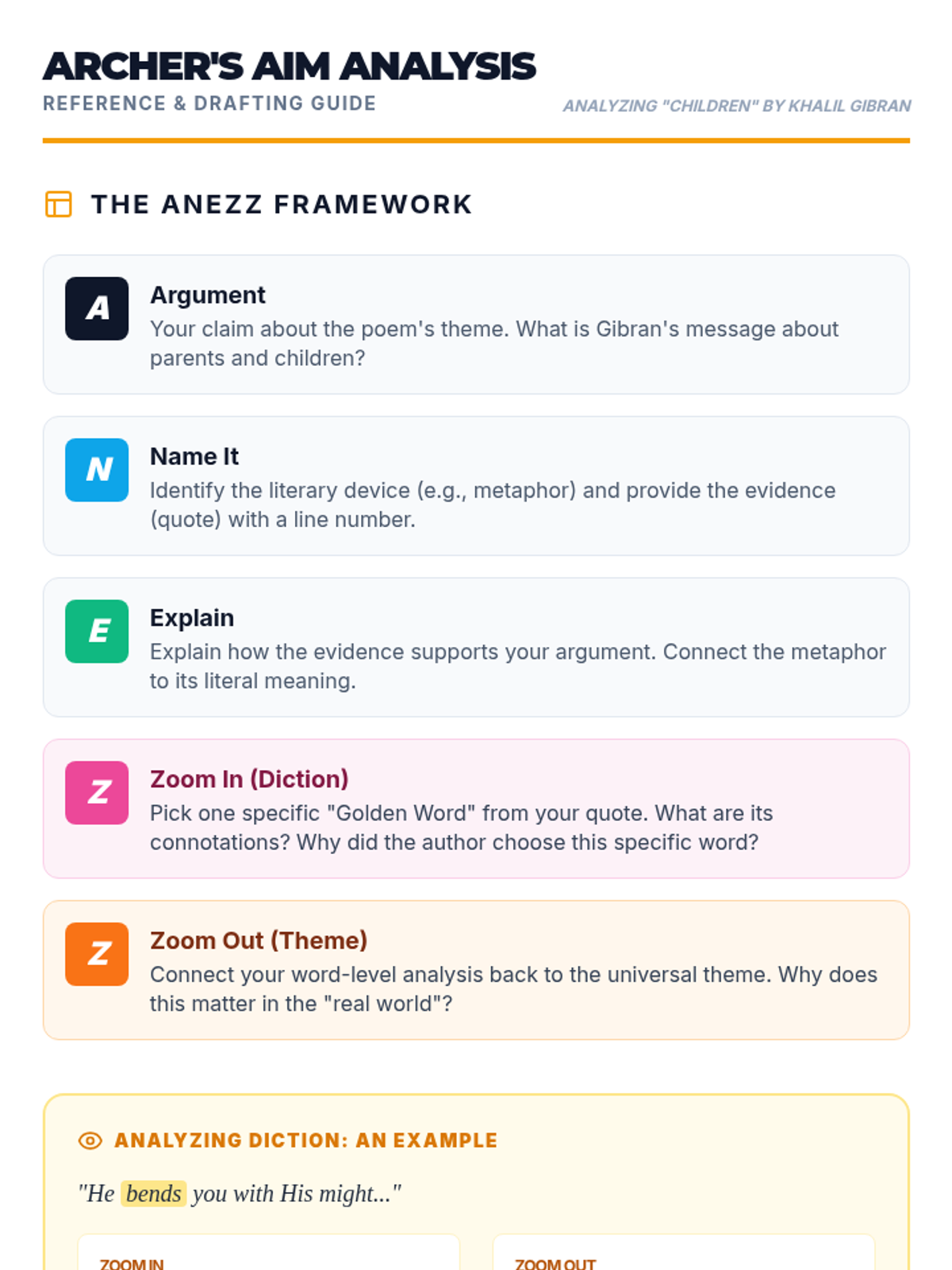
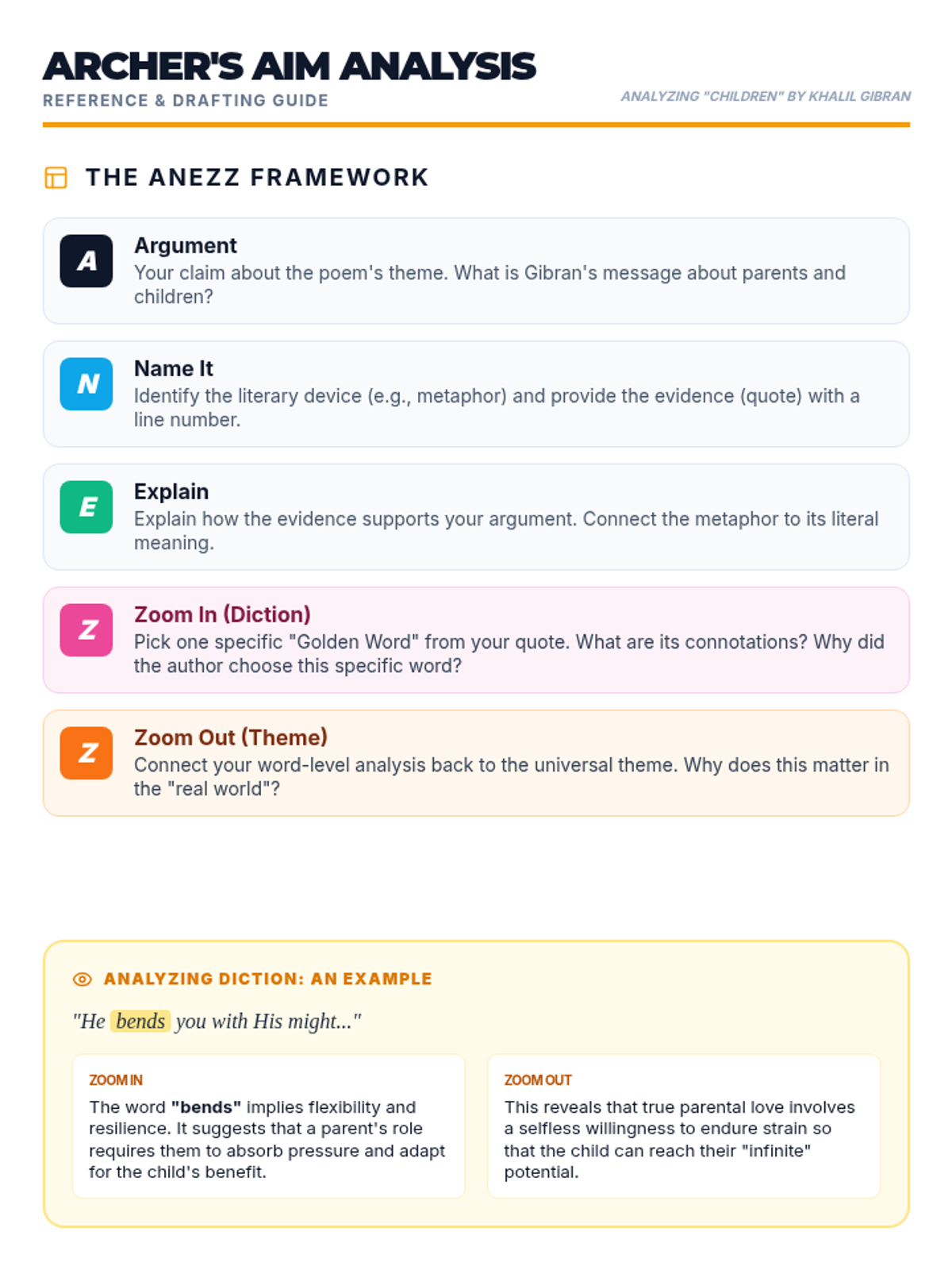
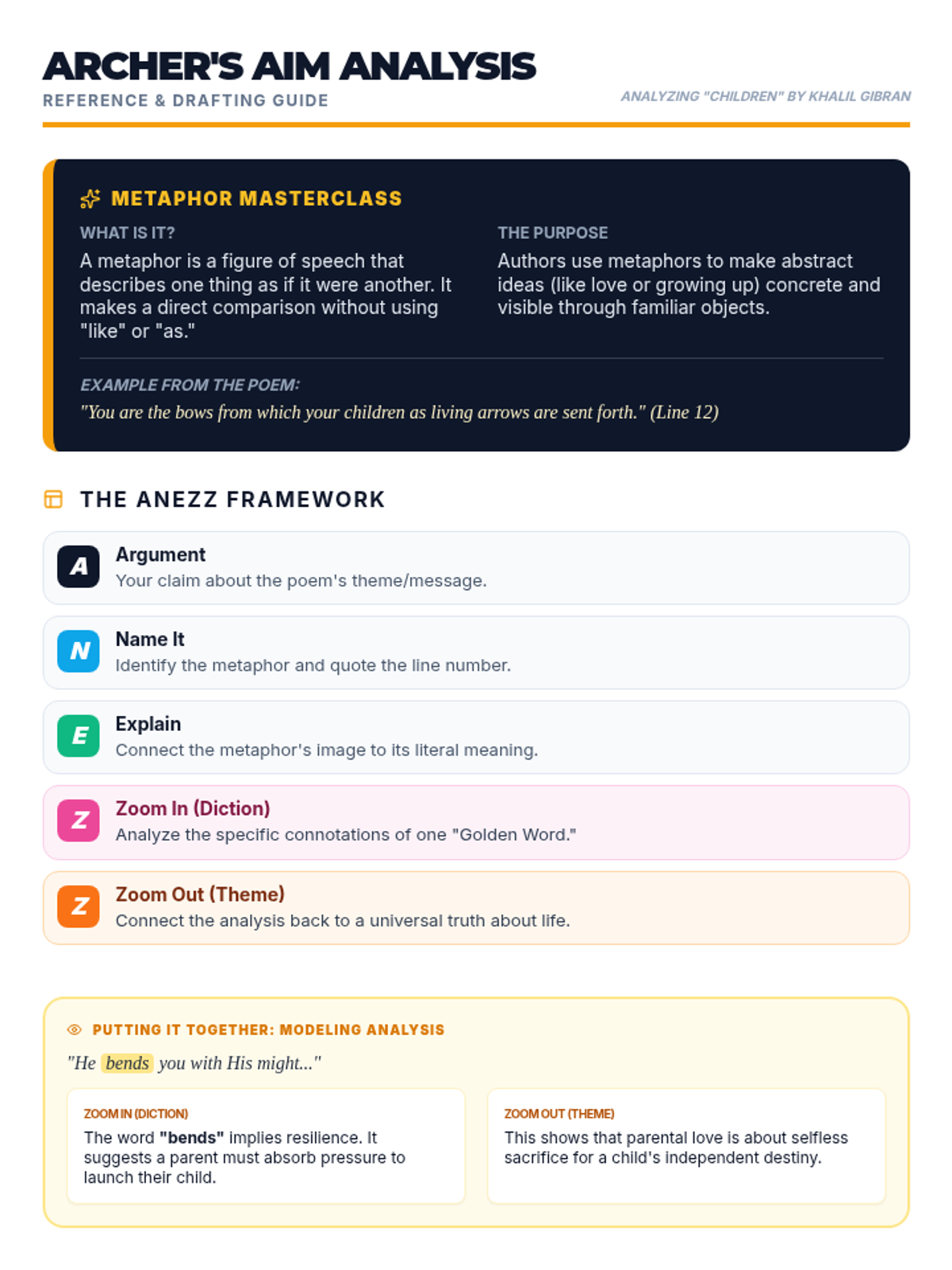
A follow-up lesson focused on mastering literary analysis through the ANEZZ paragraph structure, using Khalil Gibran's 'Children' to explore figurative language and theme.
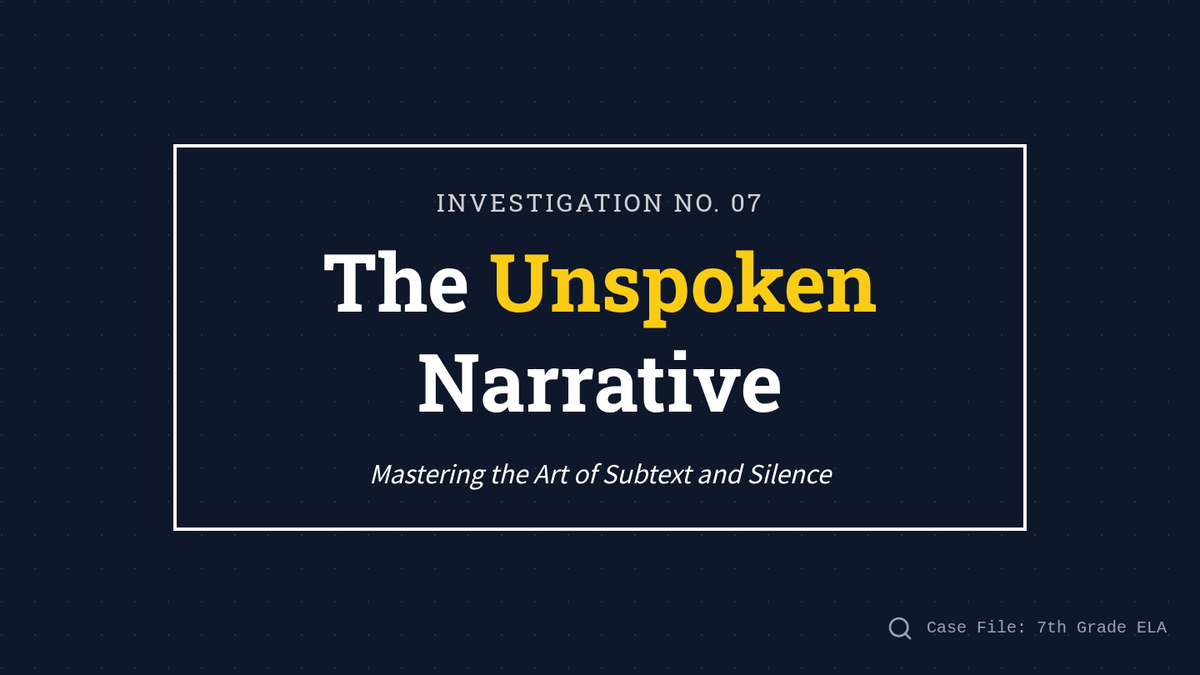
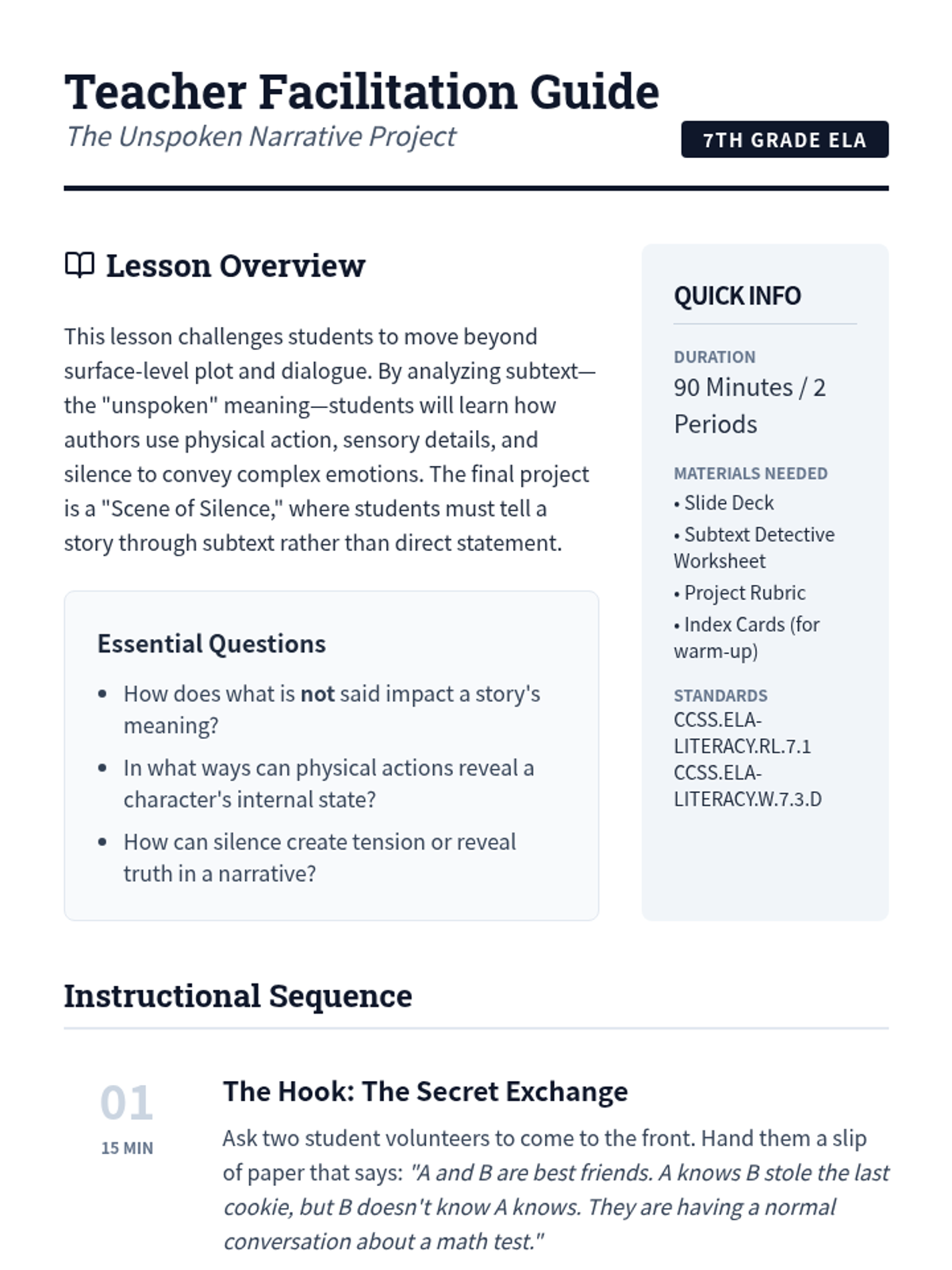
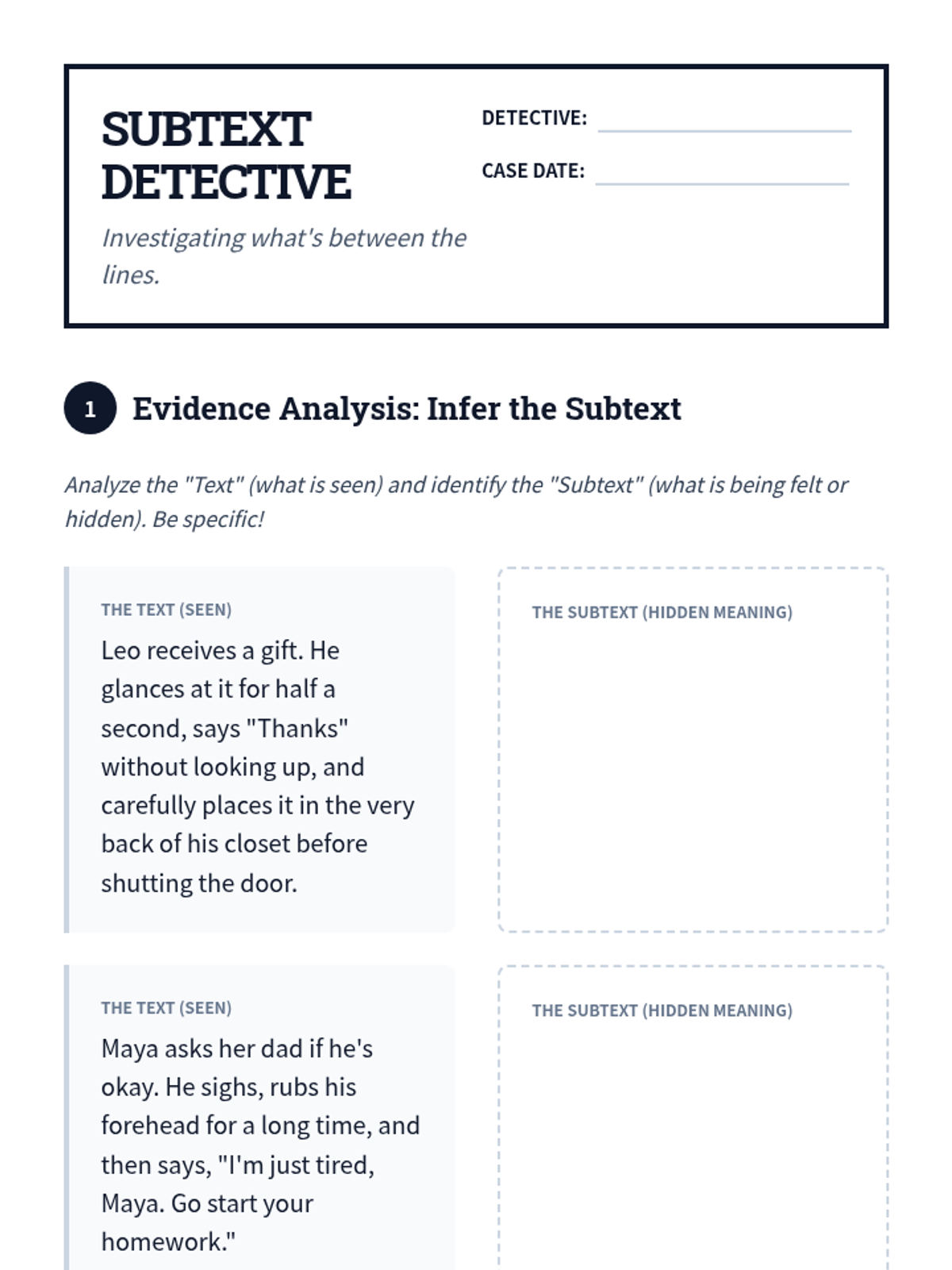
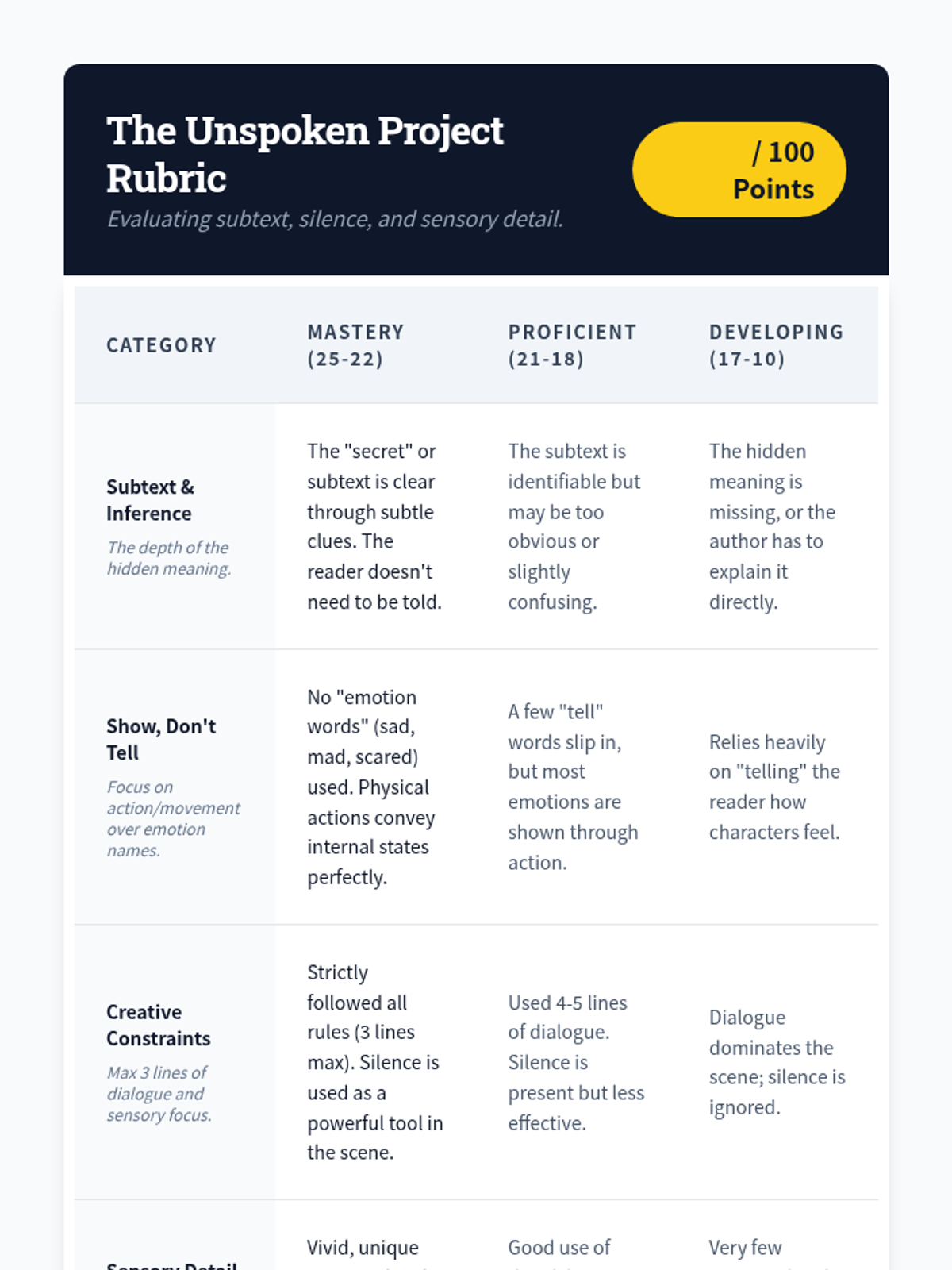
A comprehensive lesson for 7th graders on subtext and the 'show, don't tell' technique. Students learn to analyze what is left unsaid in narratives and apply these techniques to their own creative writing project.
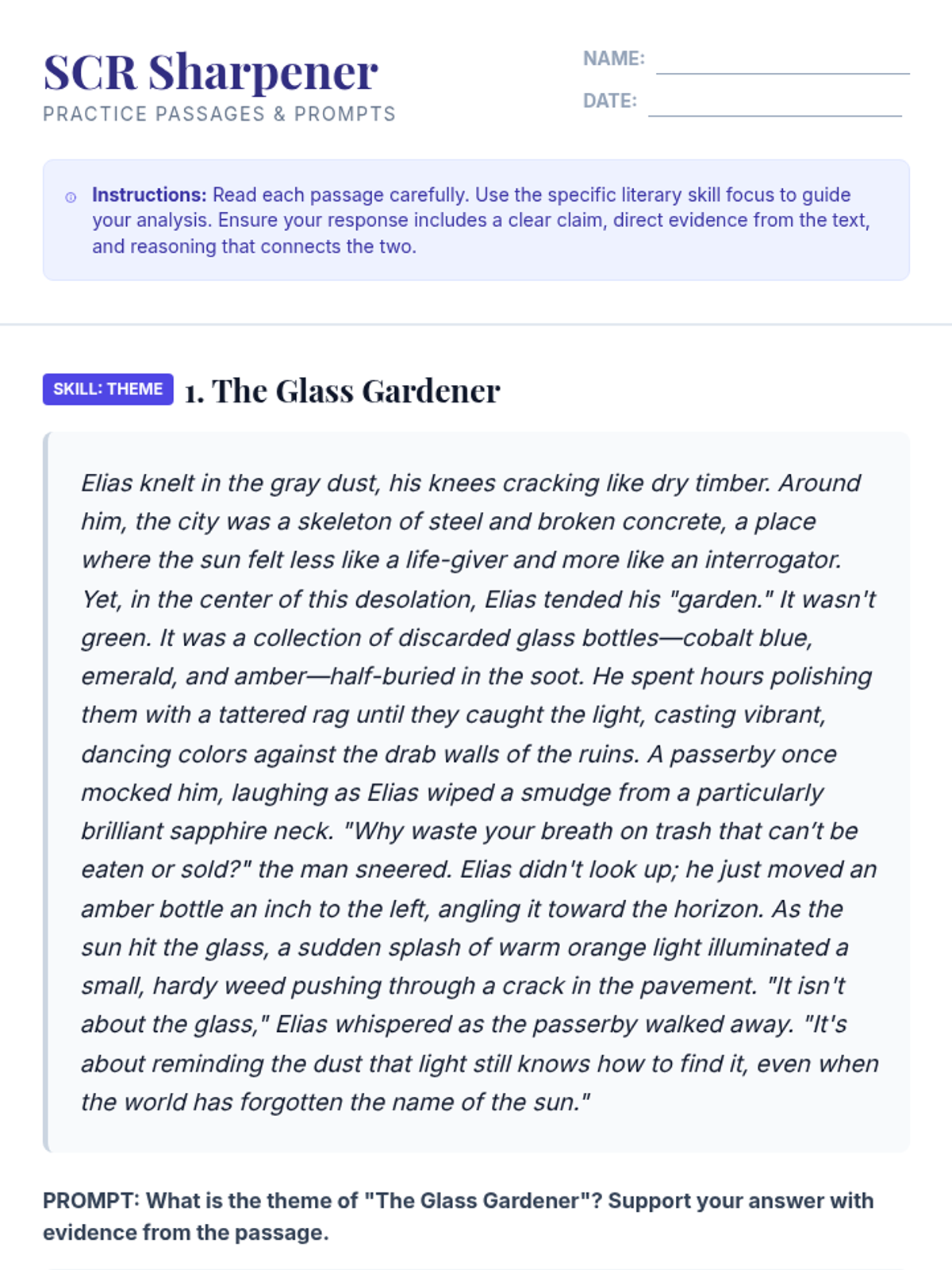
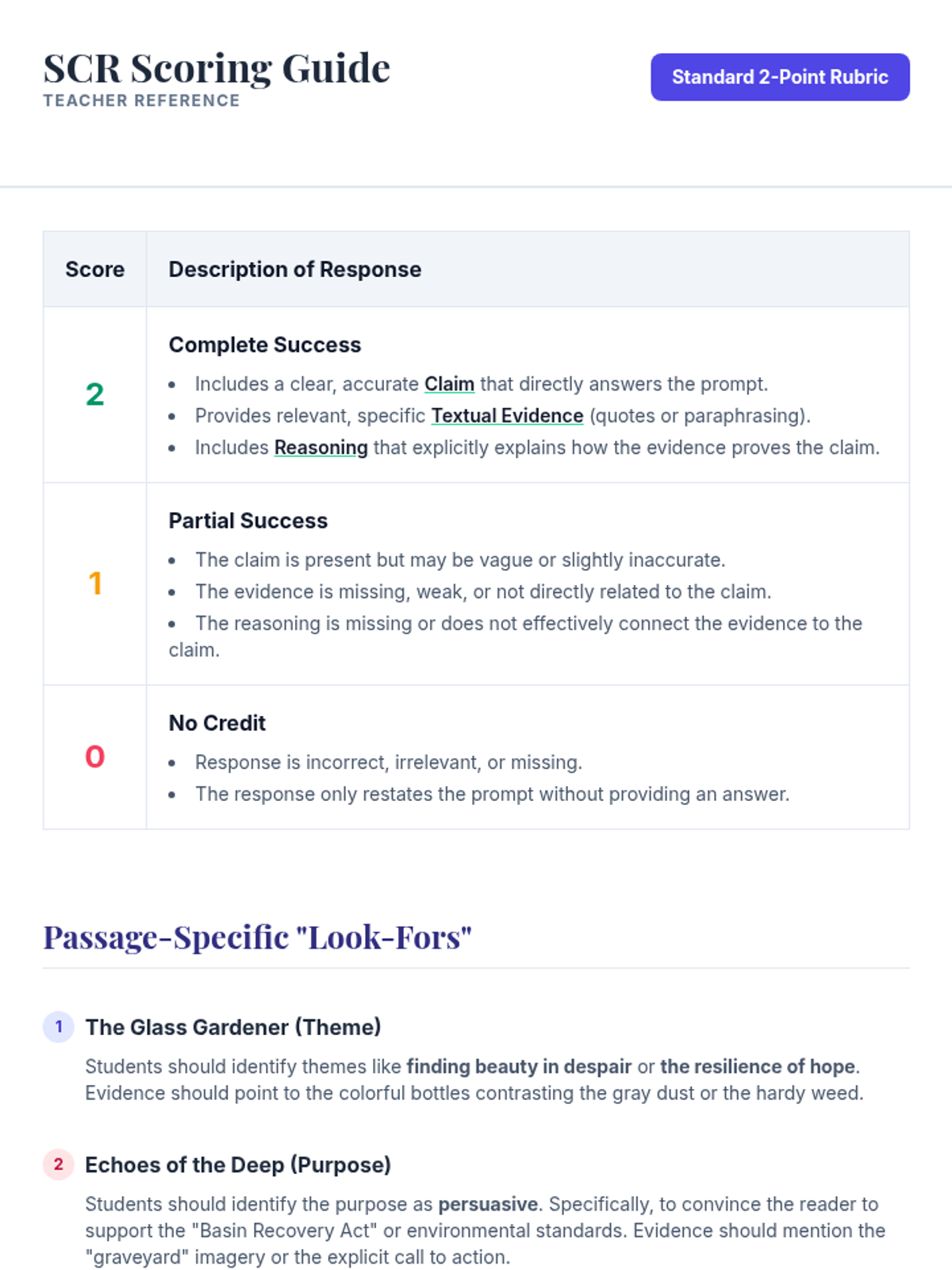
A focused workshop for mastering Short Constructed Responses (SCR), featuring five evidence-rich passages that target theme, purpose, diction, and synthesis skills.
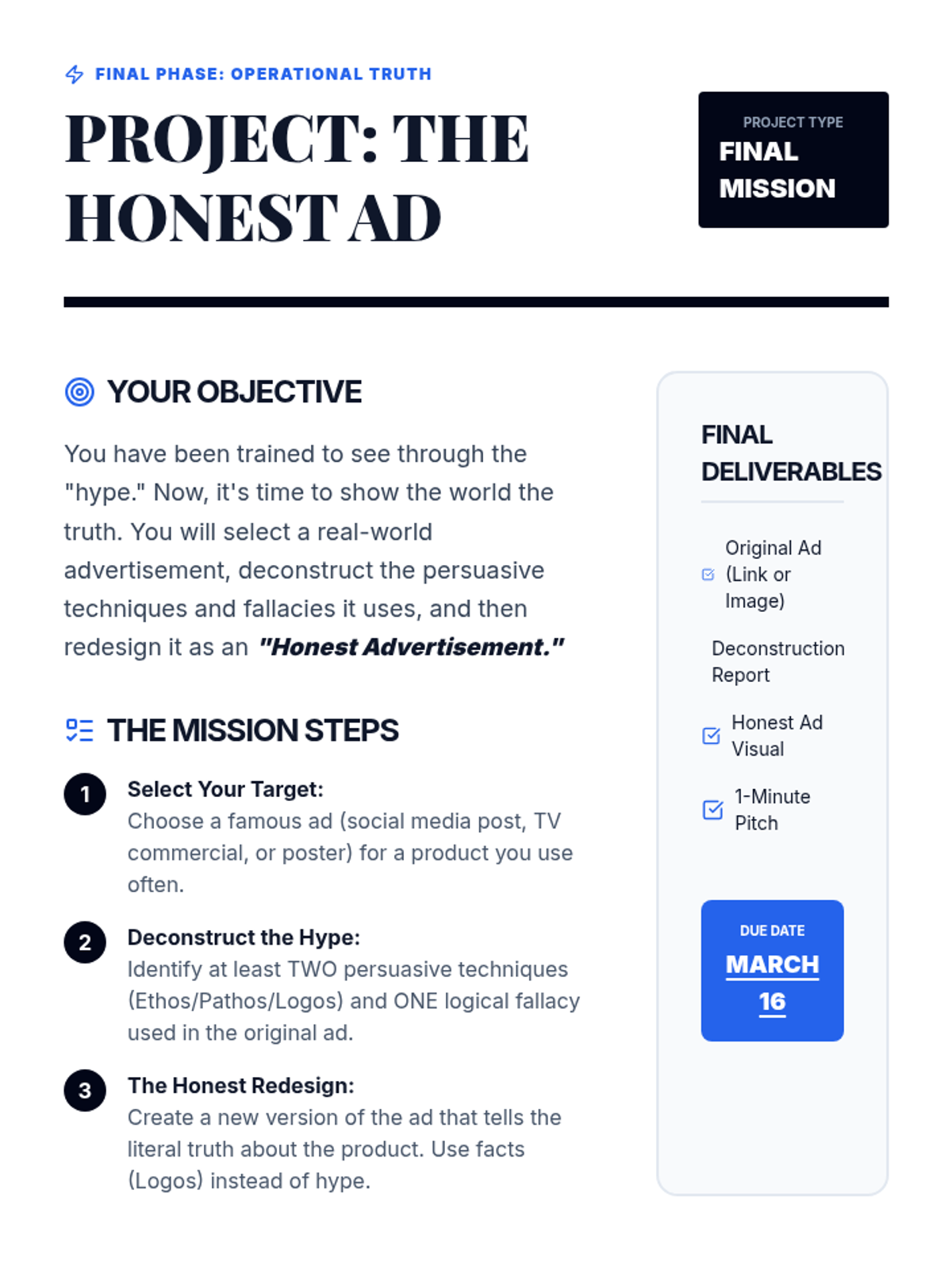
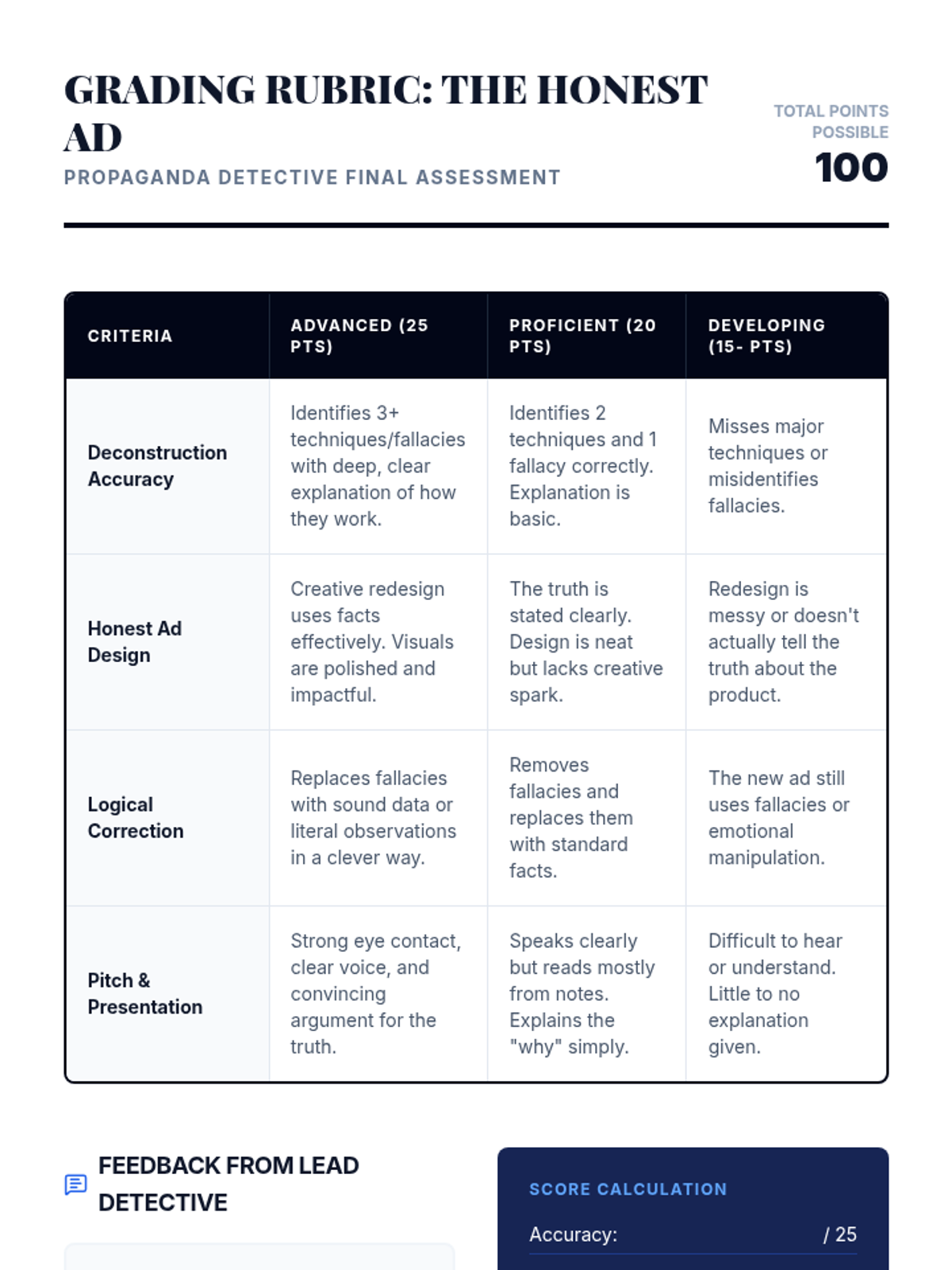
The final phase where students apply their knowledge to deconstruct a real-world advertisement and create an 'honest' version that reveals the truth behind the marketing.
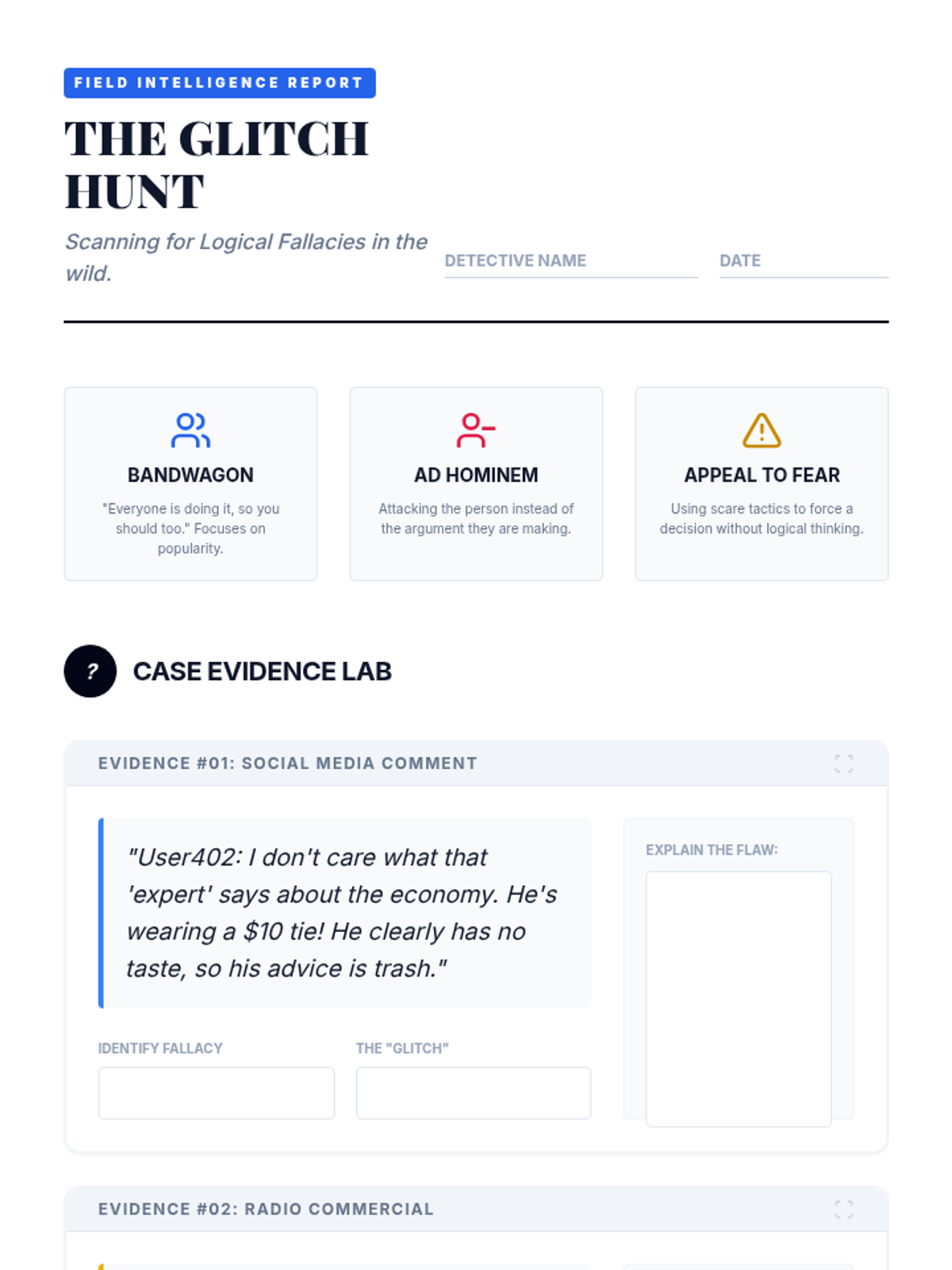
An investigation into common logical fallacies like the bandwagon effect, appeal to authority, and fear-mongering as seen in social media and news.