Students investigate the concept of the 'house edge' by playing and analyzing simple carnival games involving multi-stage events.
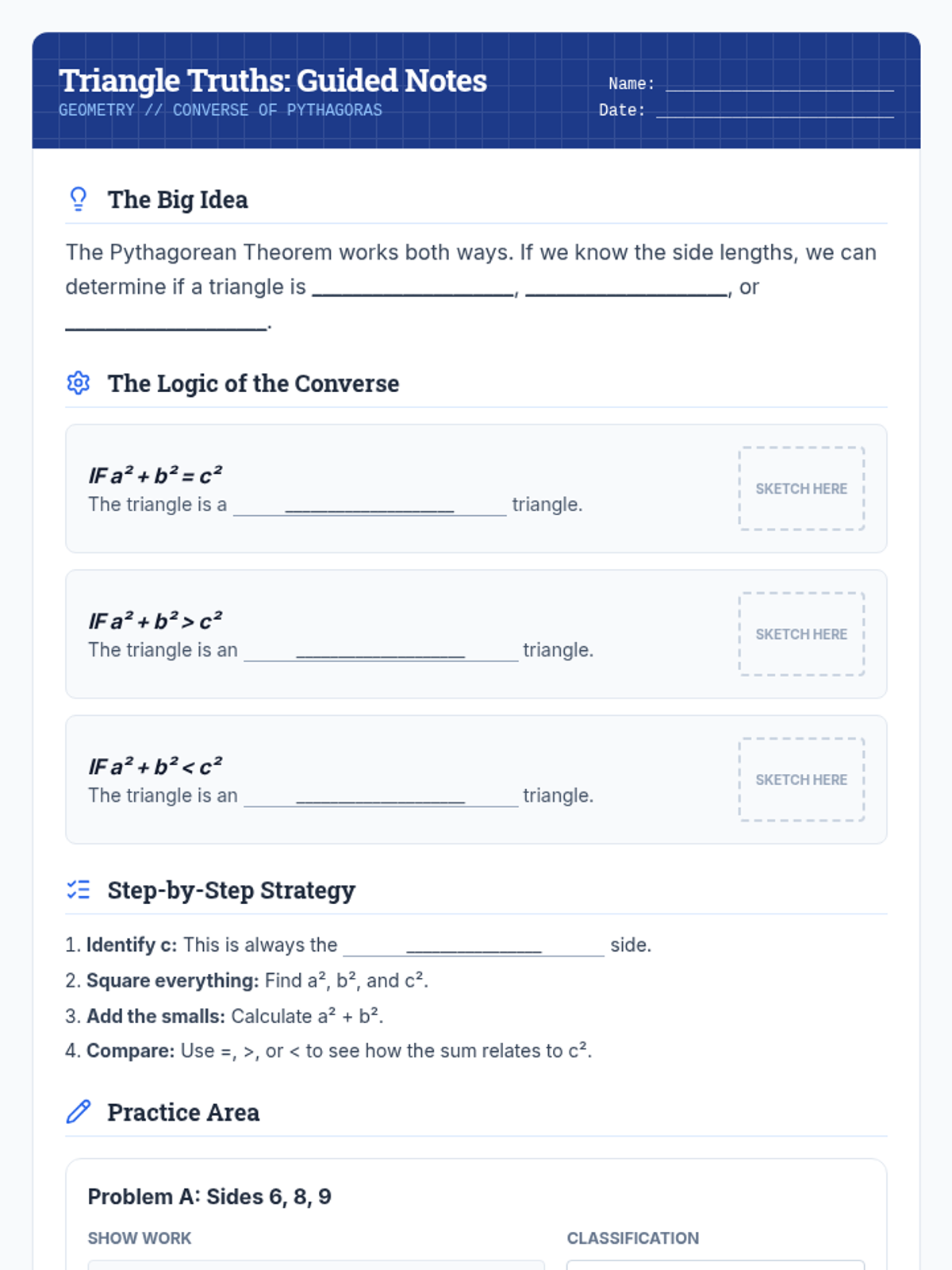
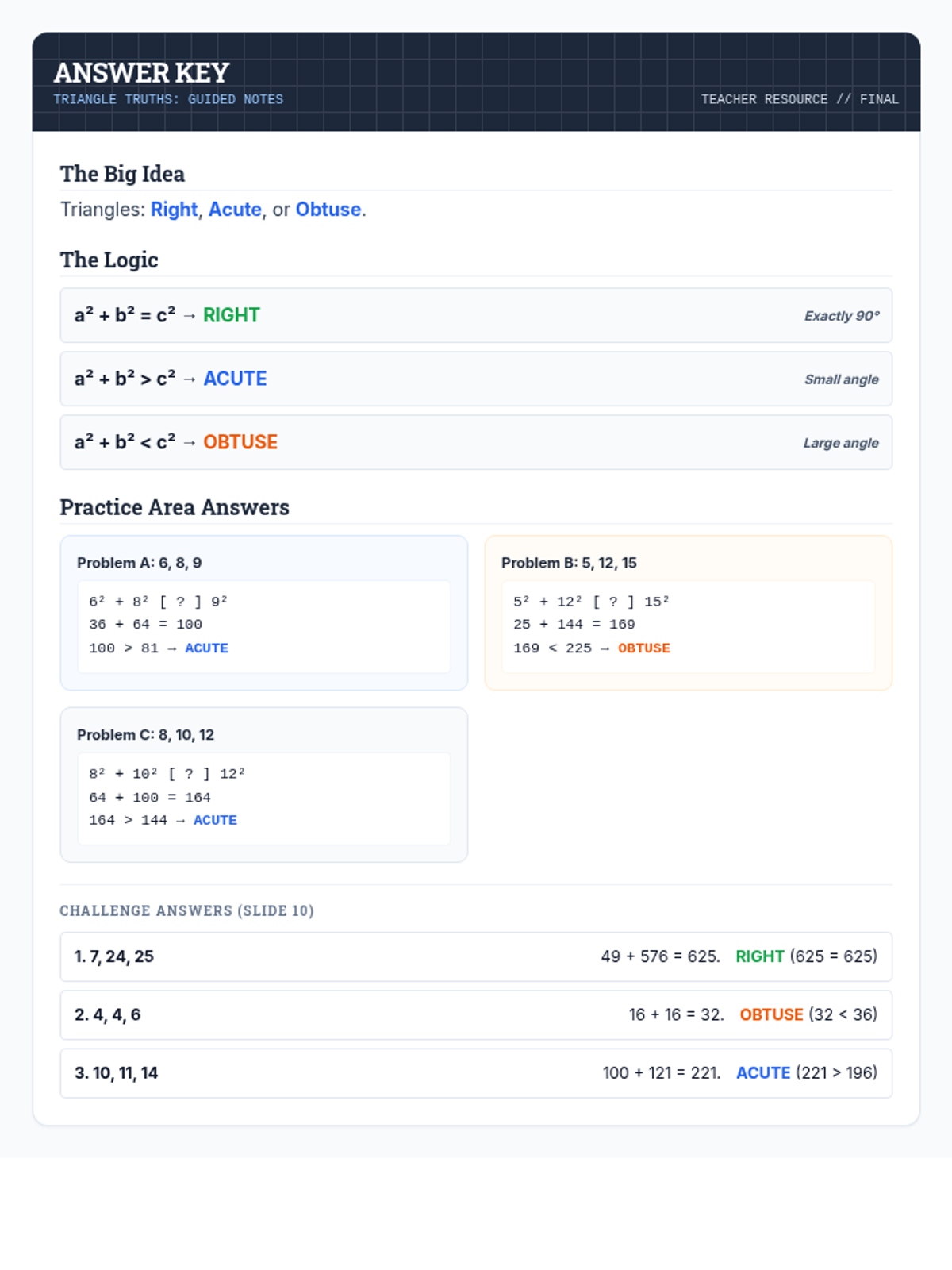
A lesson exploring the Converse of the Pythagorean Theorem, teaching students how to classify triangles as right, acute, or obtuse based on side lengths.
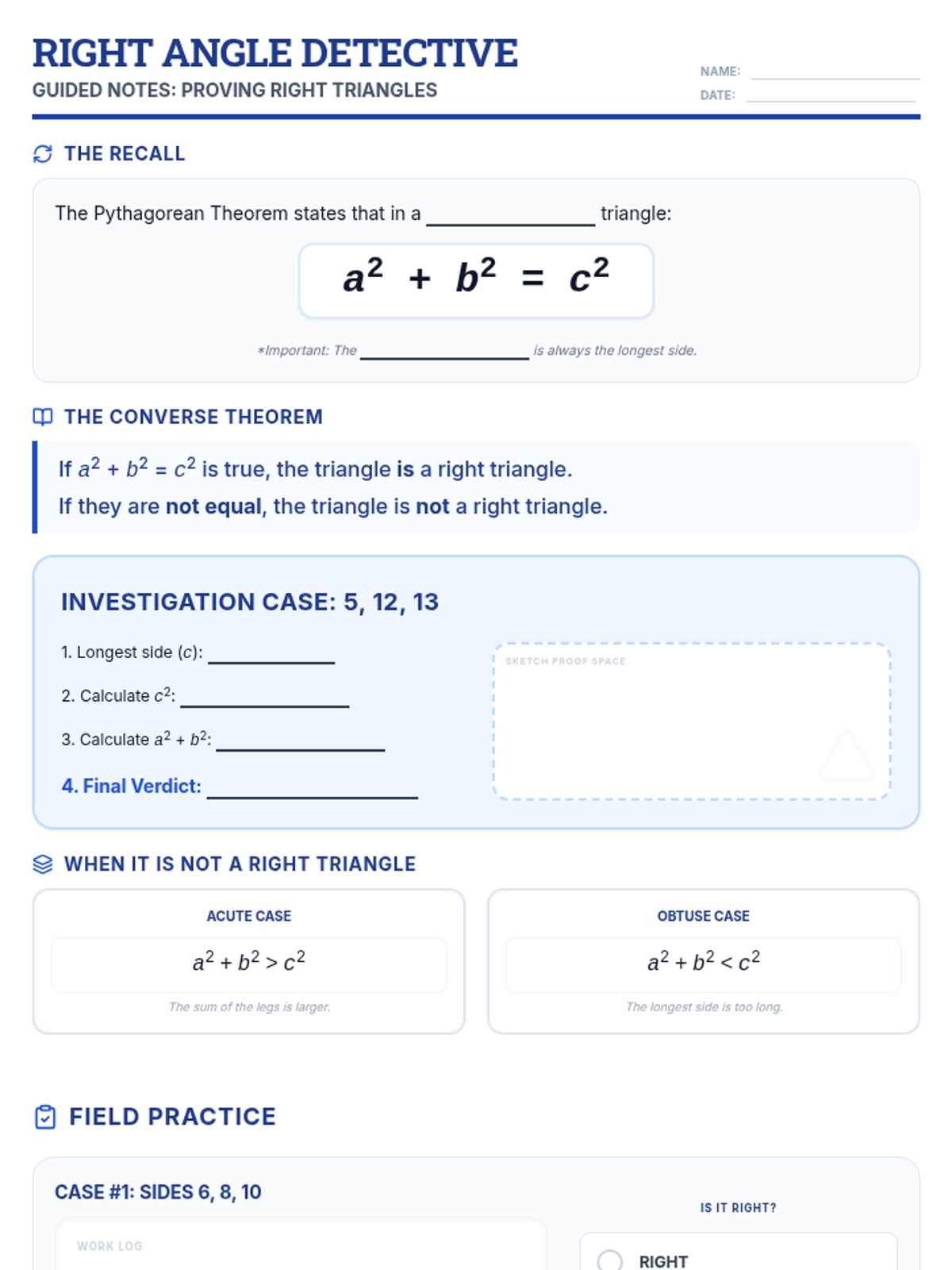
A lesson exploring the Converse of the Pythagorean Theorem to prove right angles and classify triangles as acute, obtuse, or right based on side lengths.
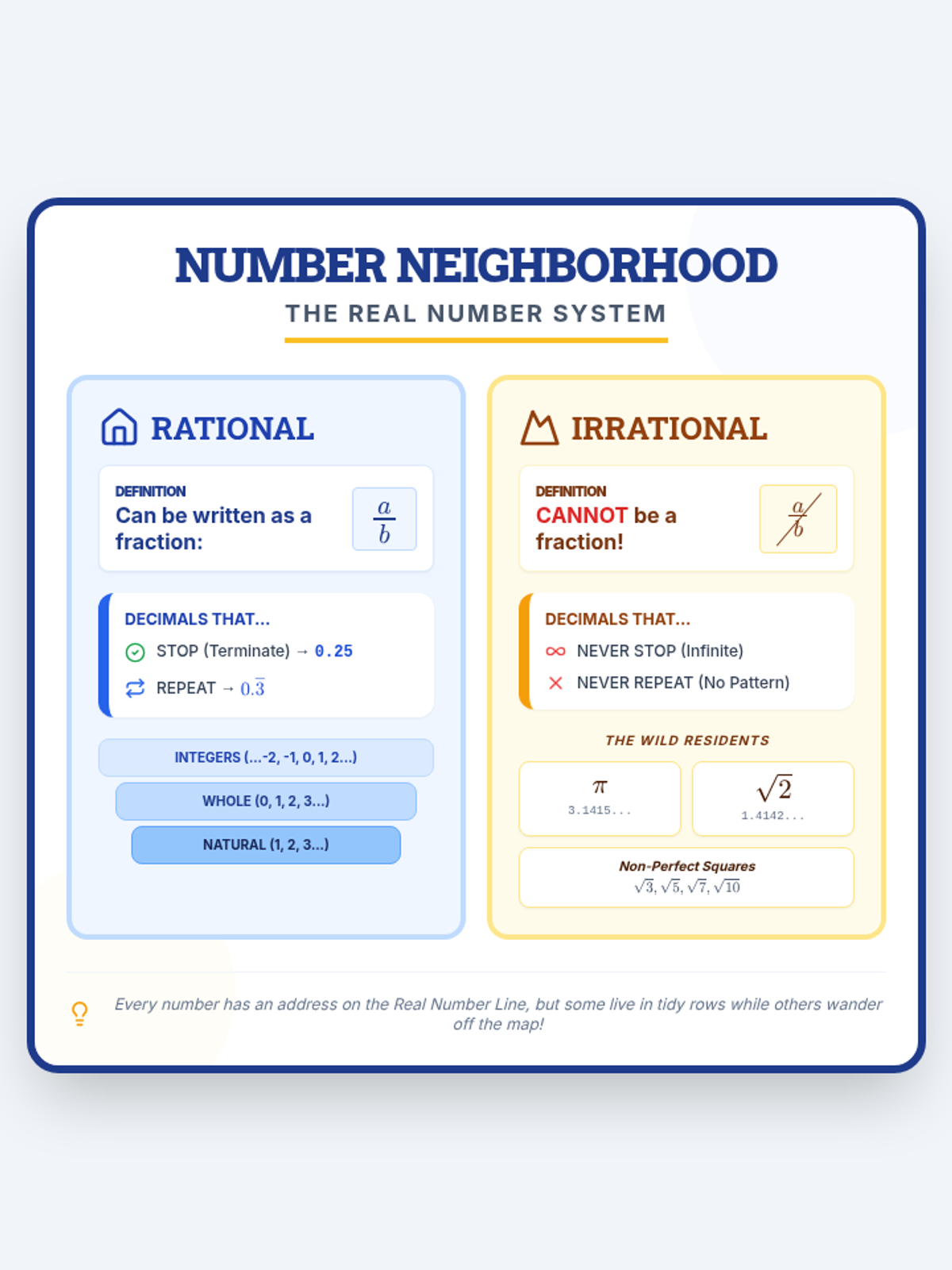
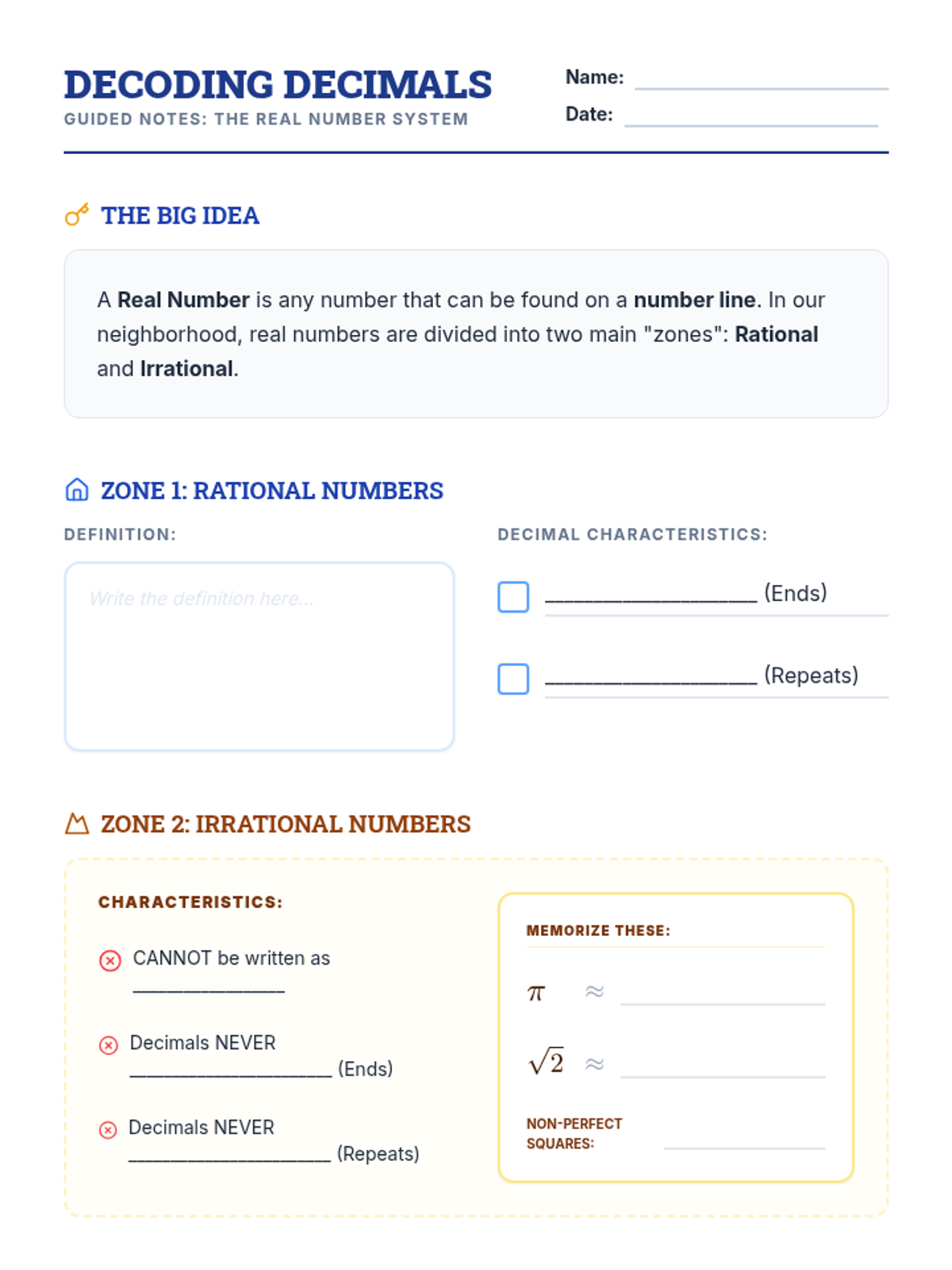
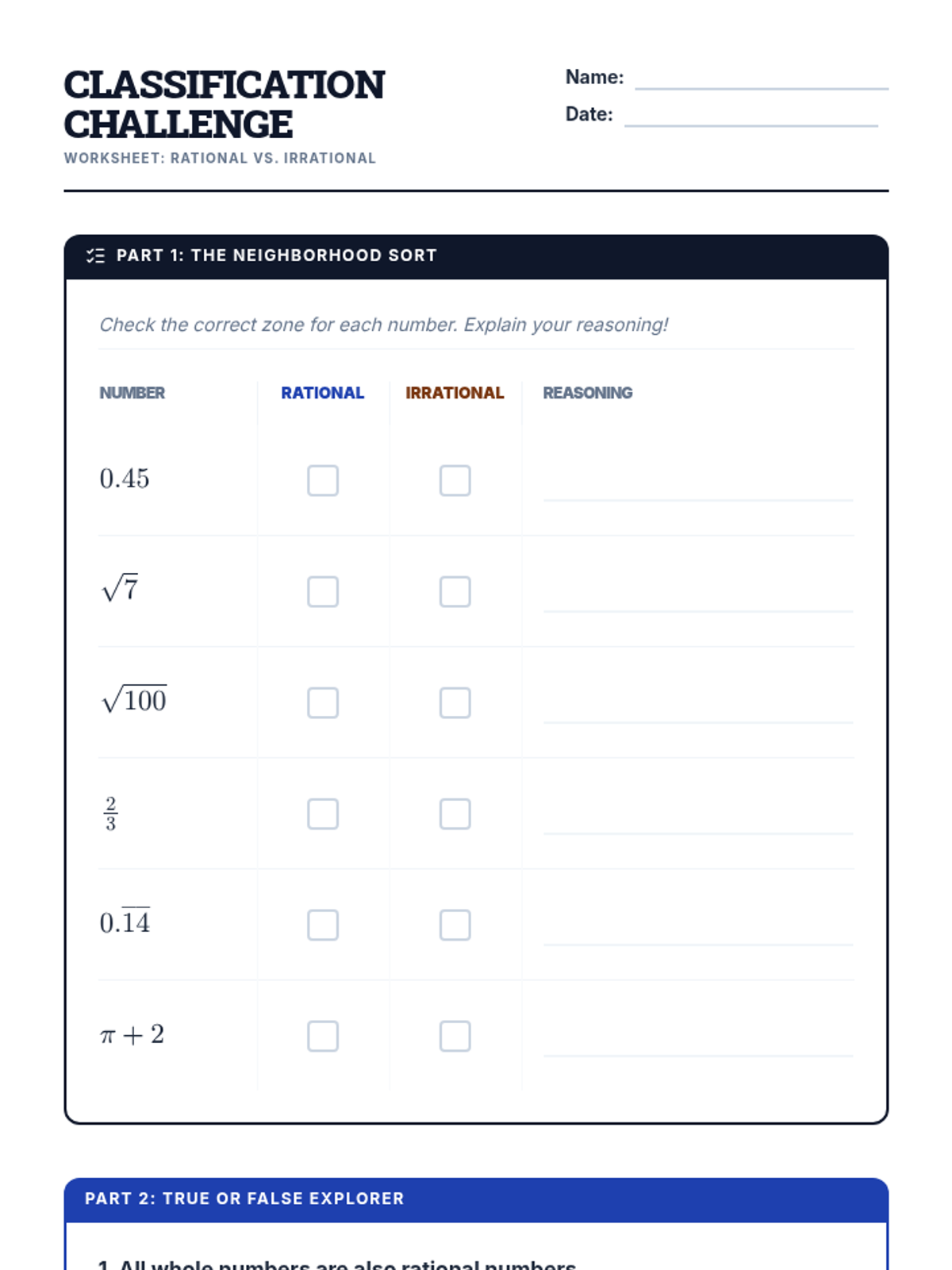
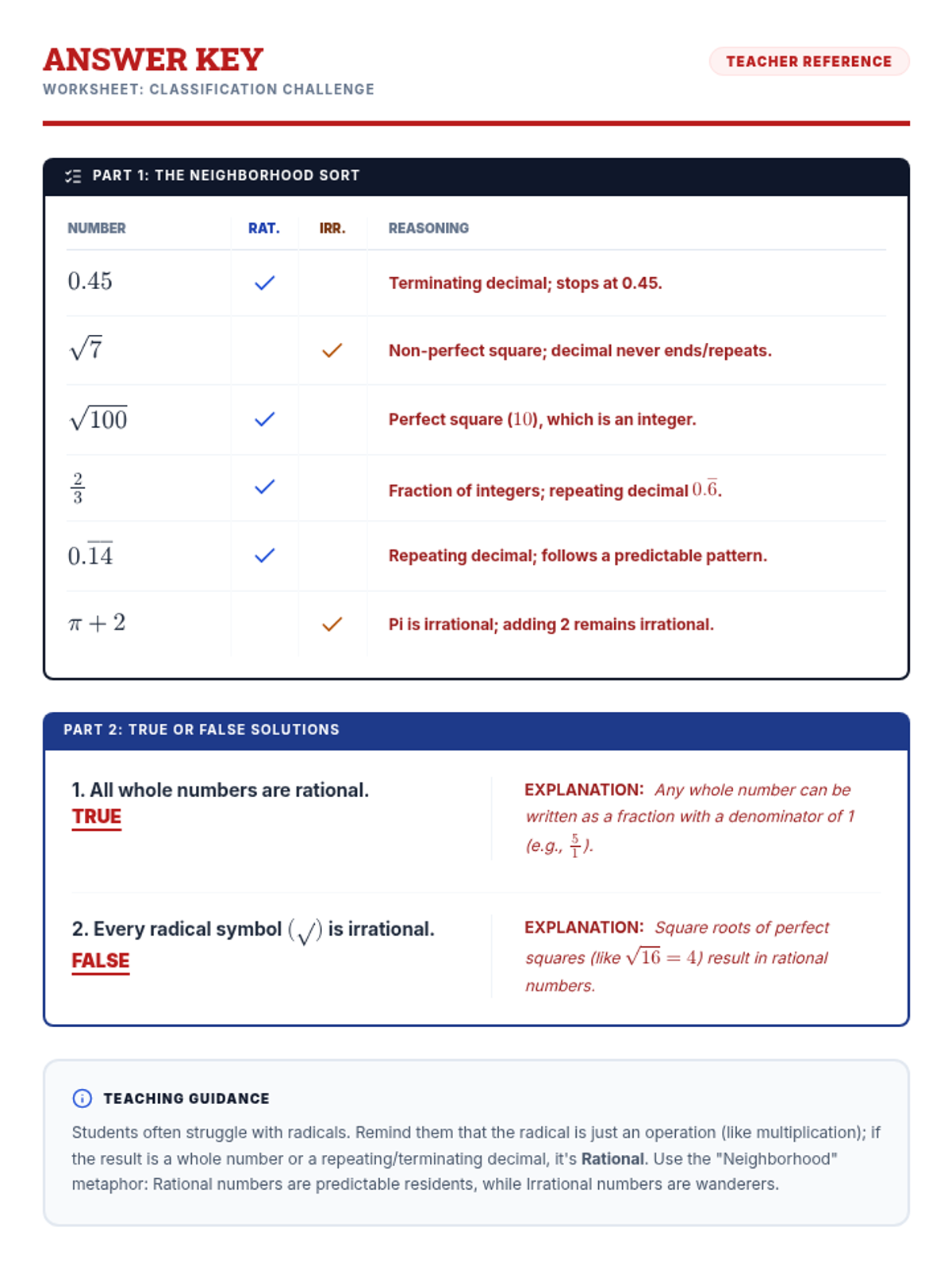
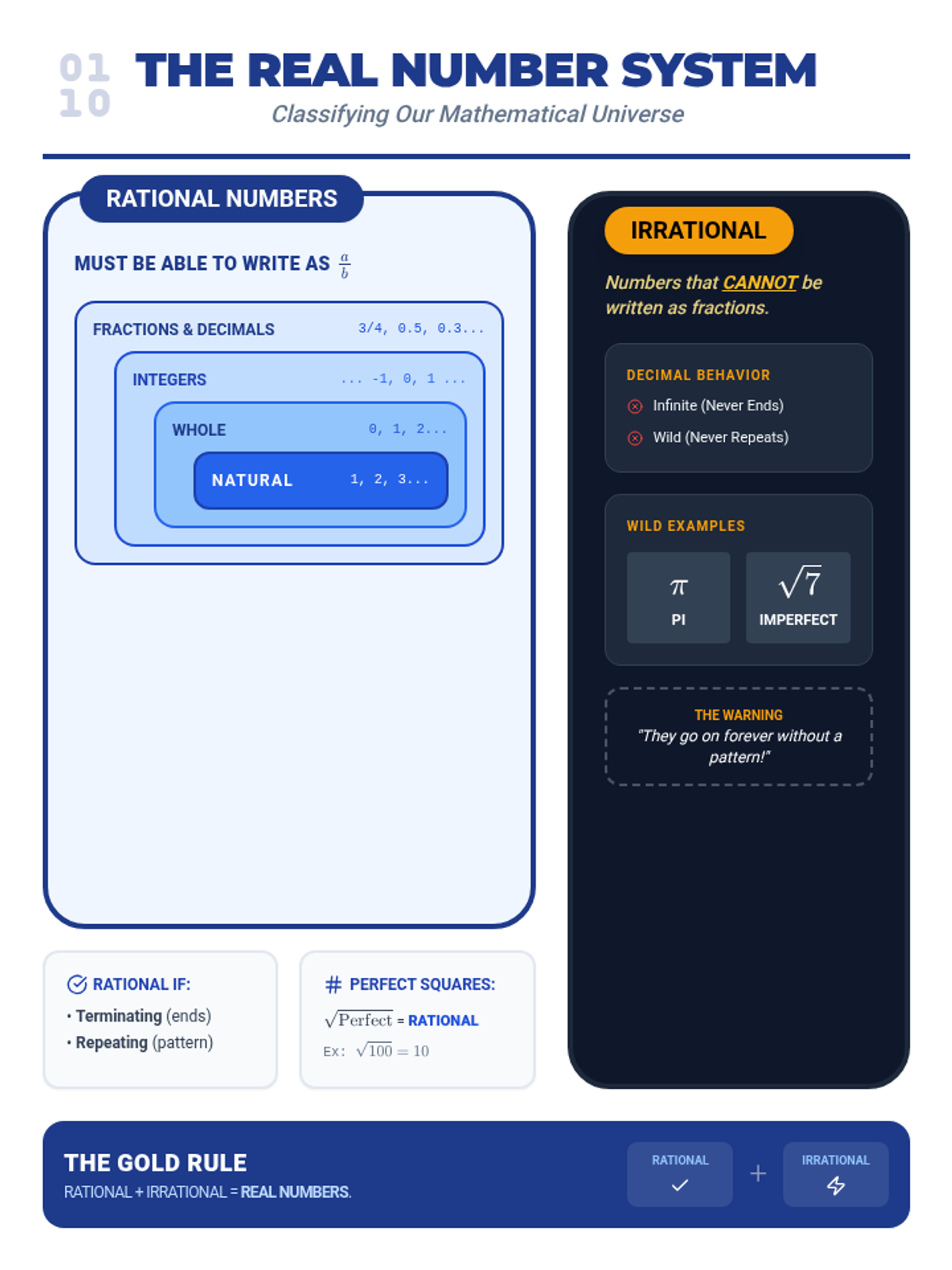
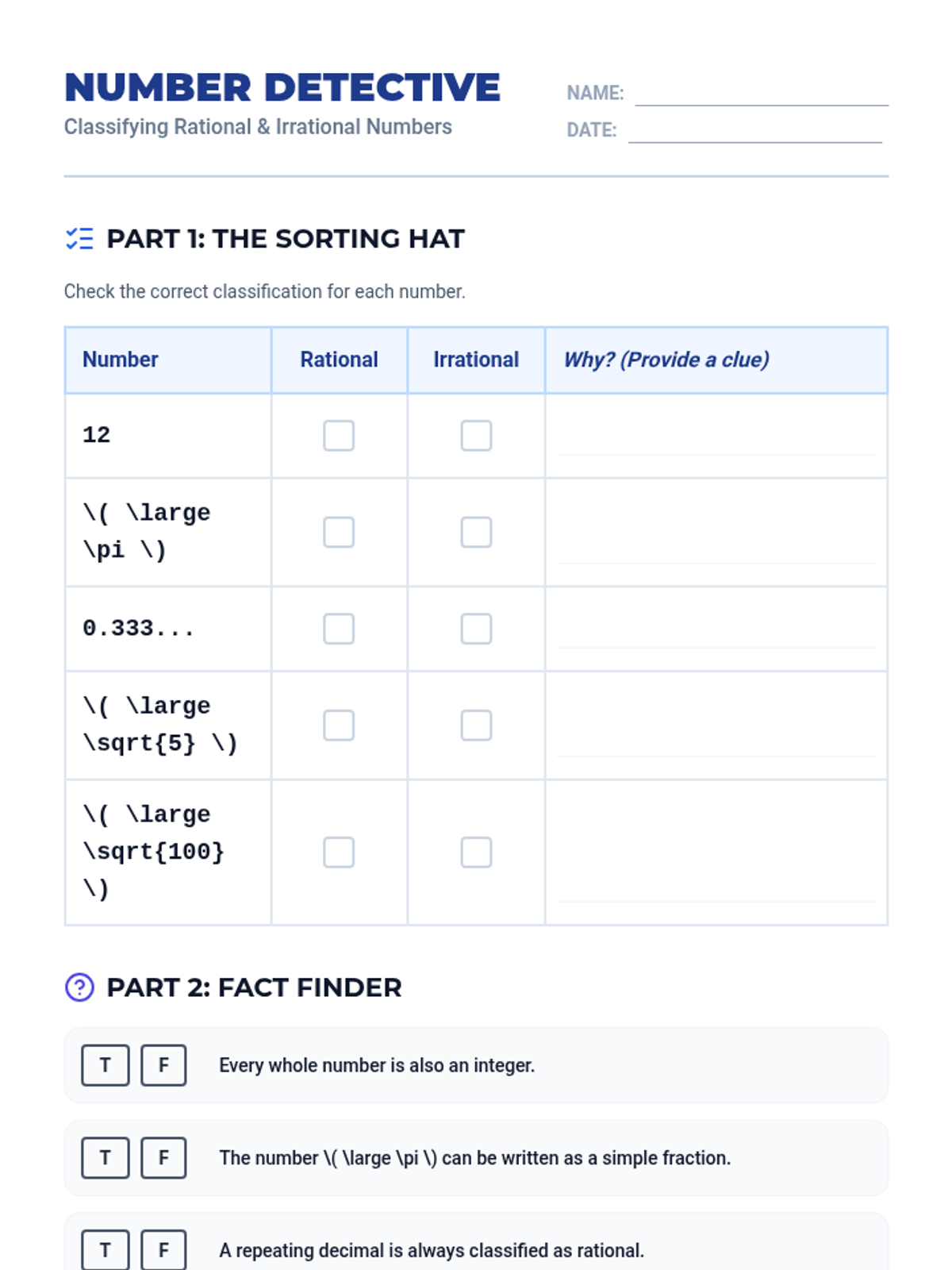
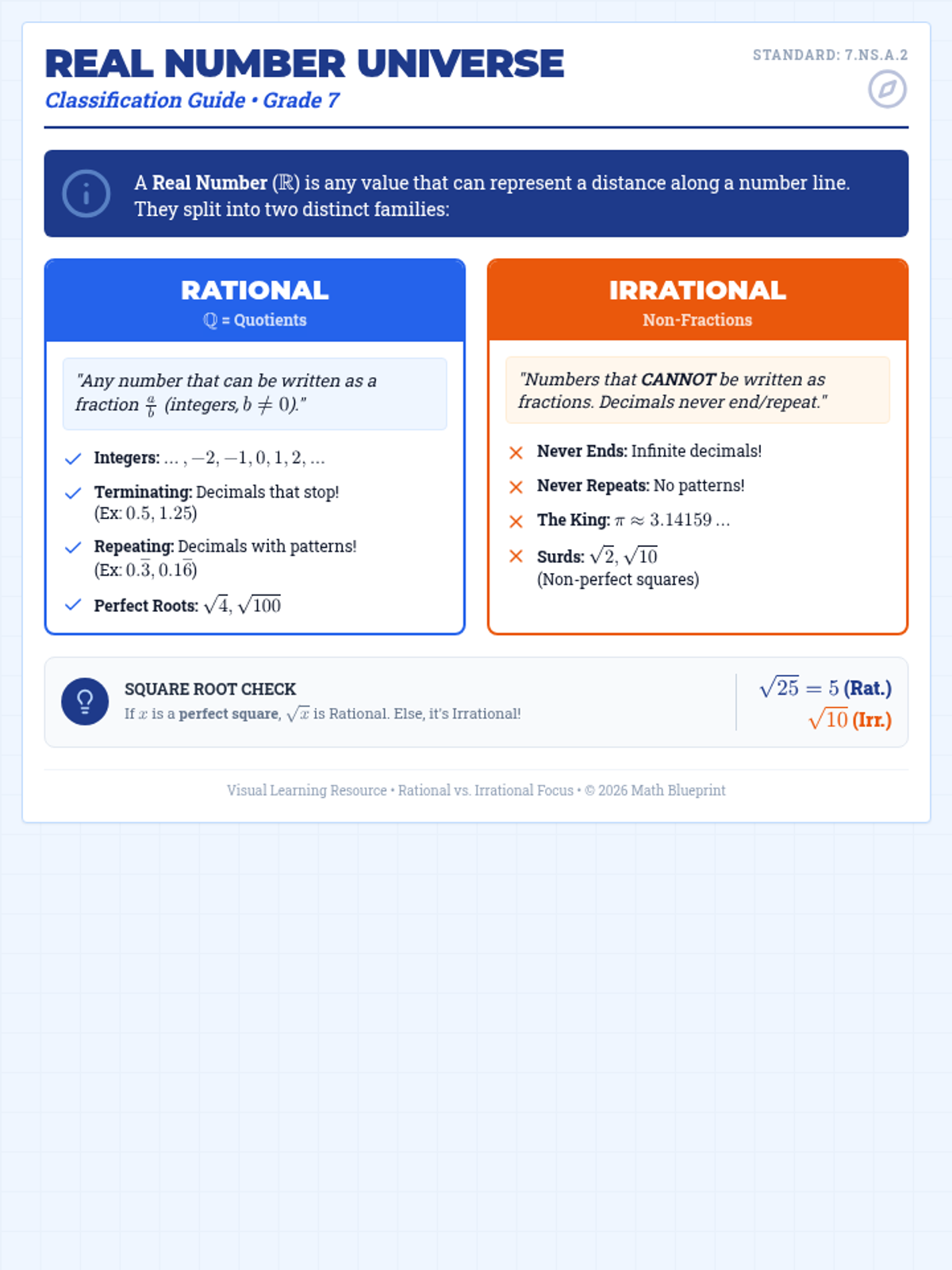
A foundational exploration of the real number system, focusing on the distinct characteristics of rational and irrational numbers through the metaphor of a structured 'Number Neighborhood'.
A foundational lesson on the Real Number System, focusing on classifying rational and irrational numbers through visual hierarchies and real-world examples.
A lesson focusing on the classification of real numbers, specifically distinguishing between rational and irrational numbers through visual mapping and examples.
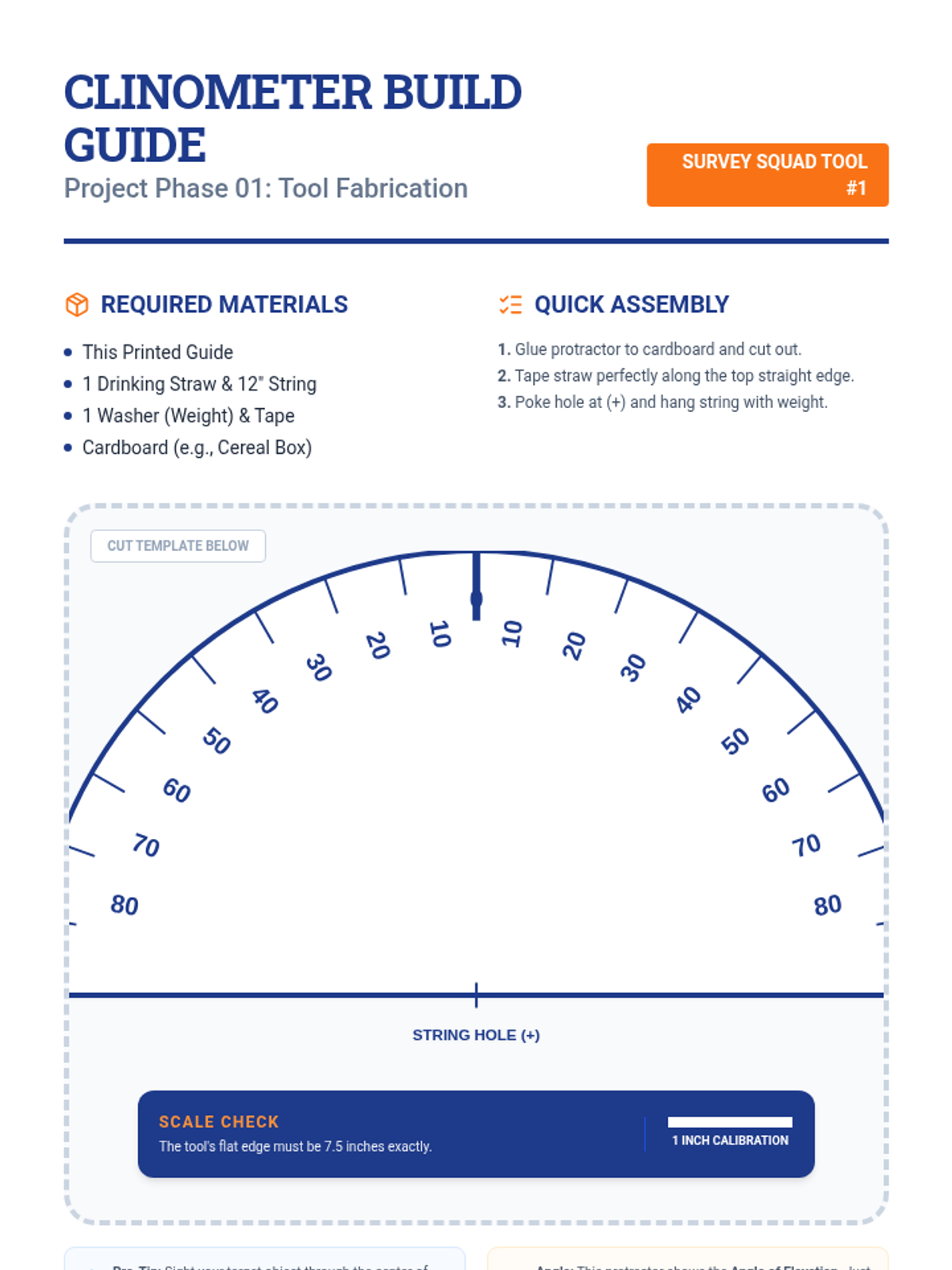
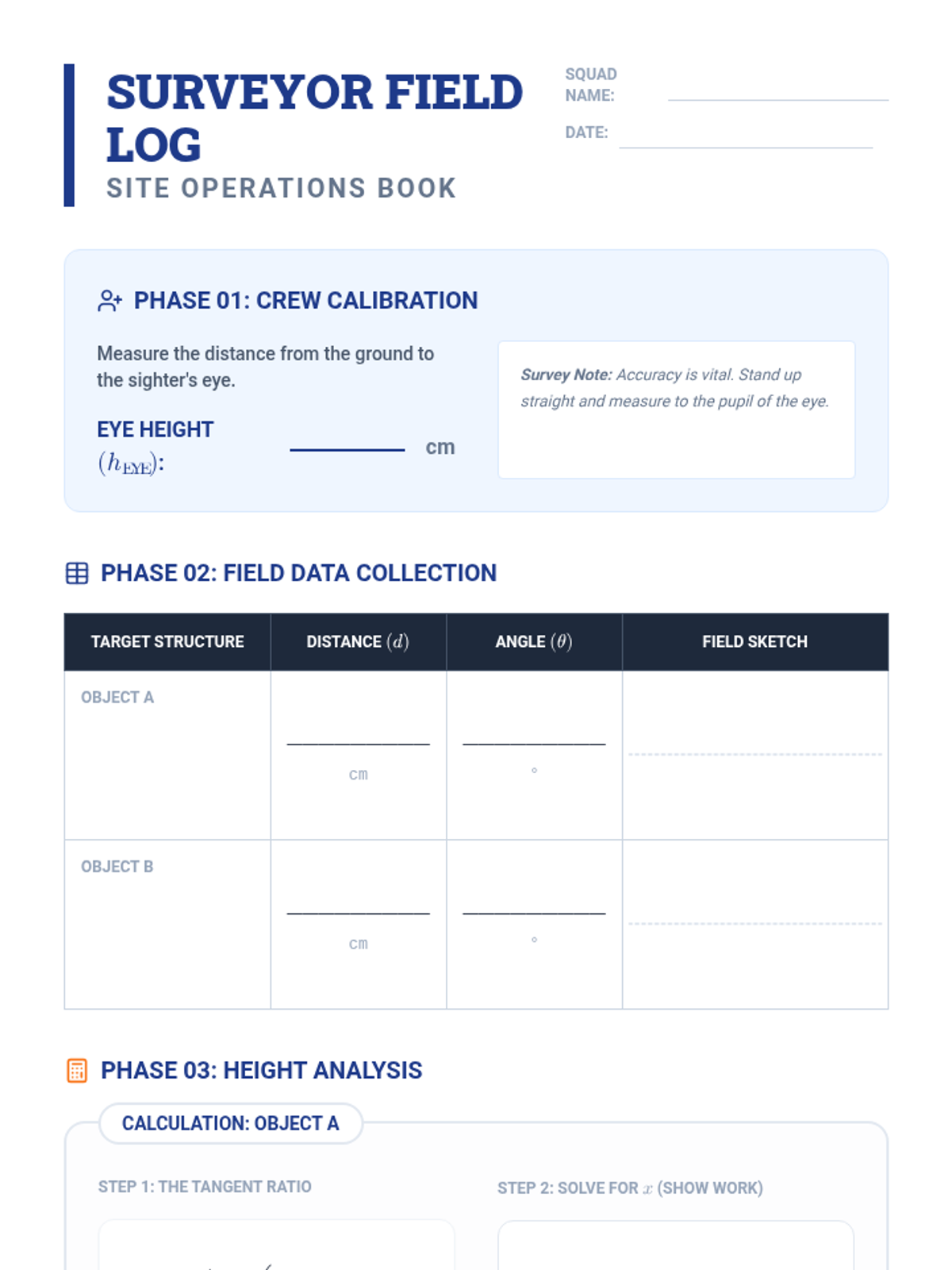
A hands-on project where students step into the role of professional surveyors to measure the height of tall objects around their school using DIY clinometers and trigonometric ratios.
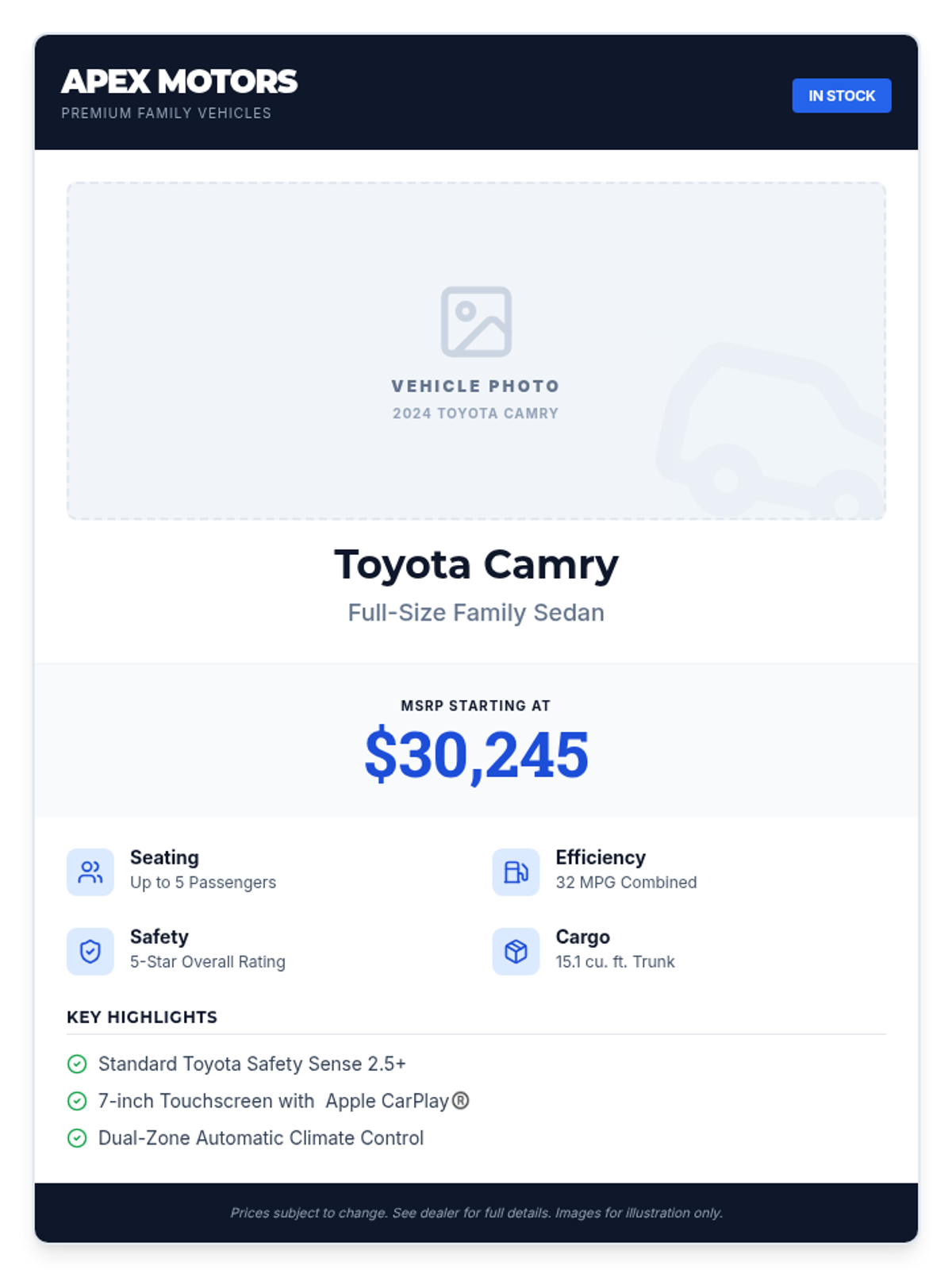
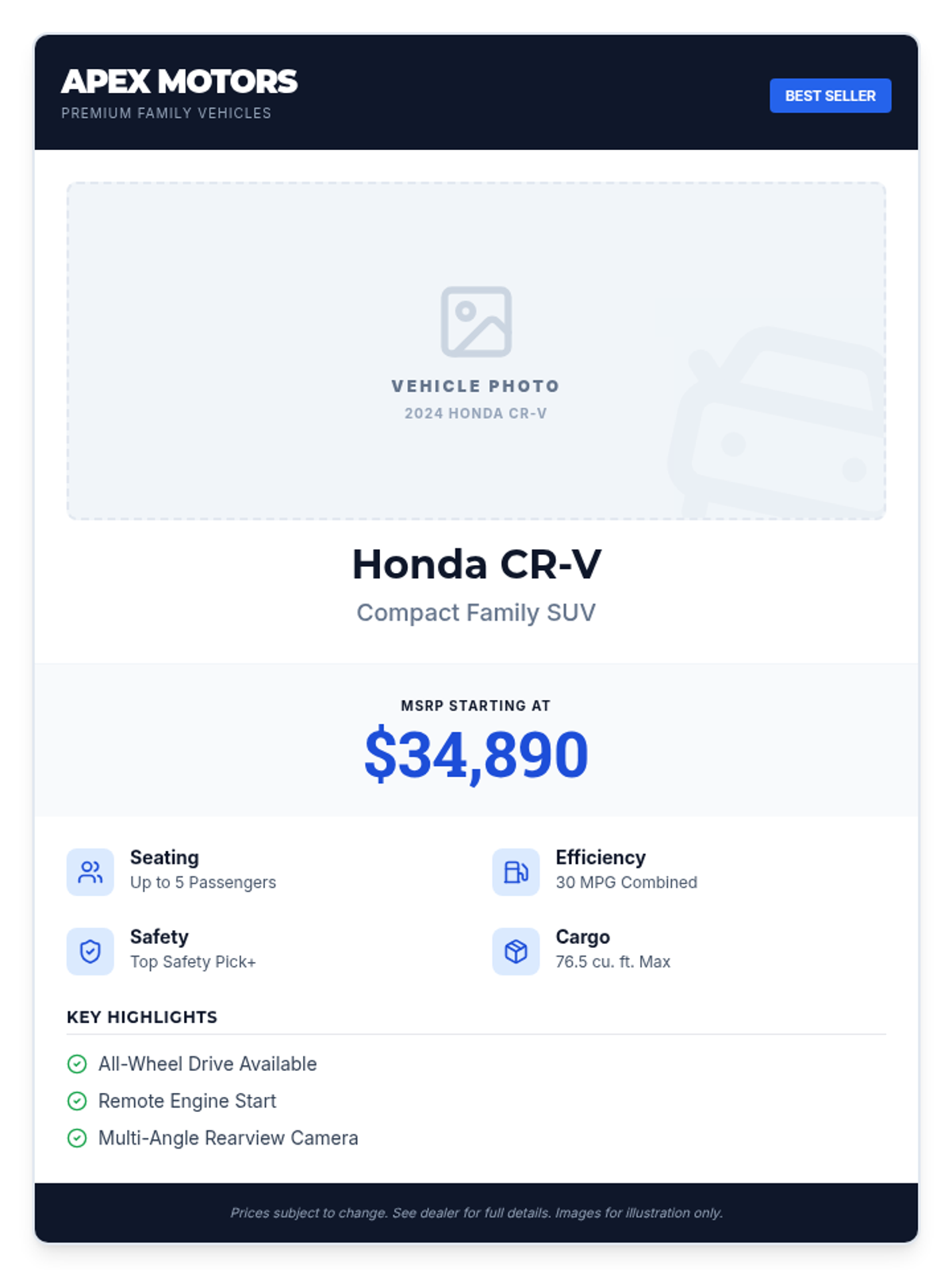
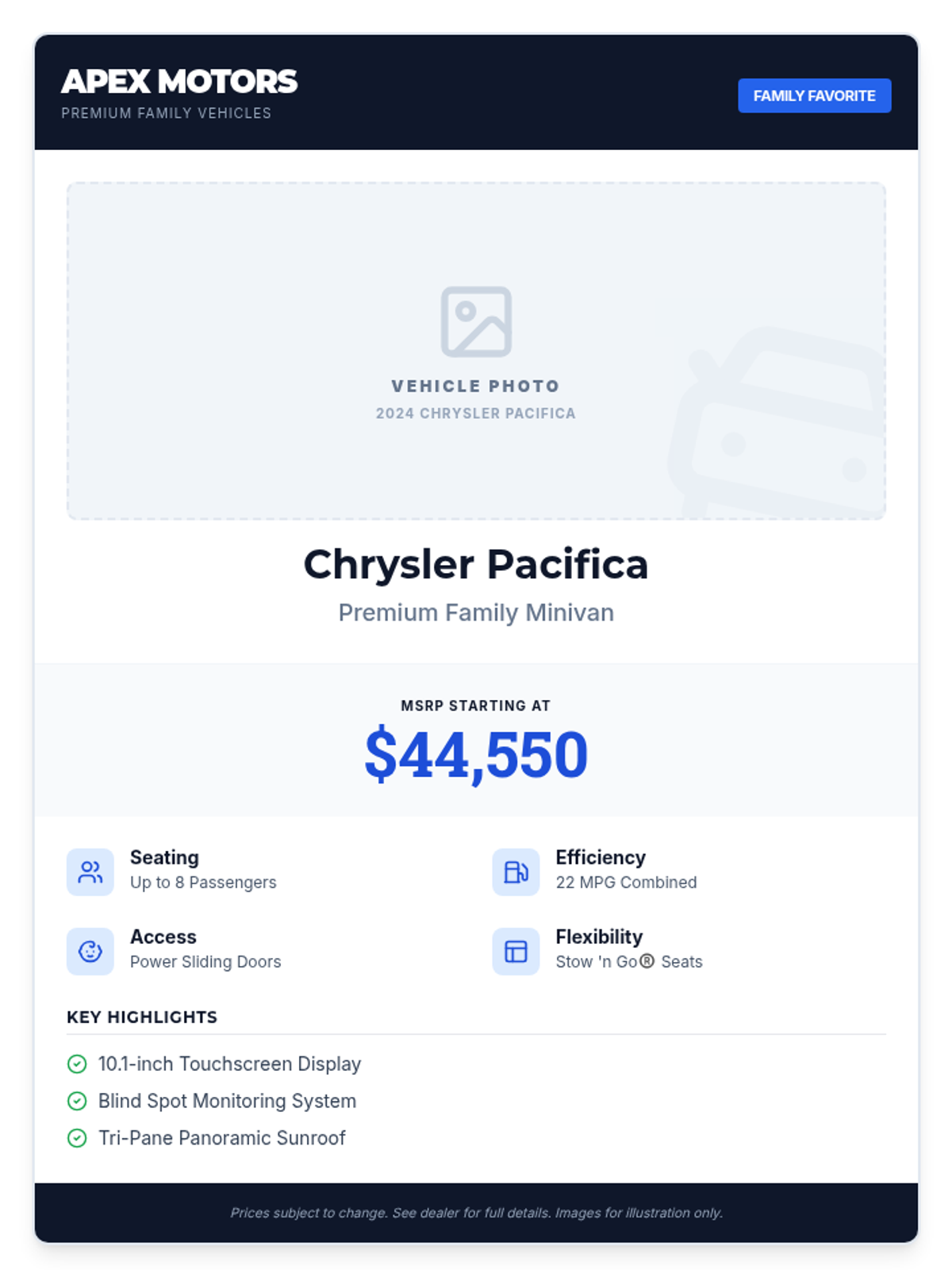
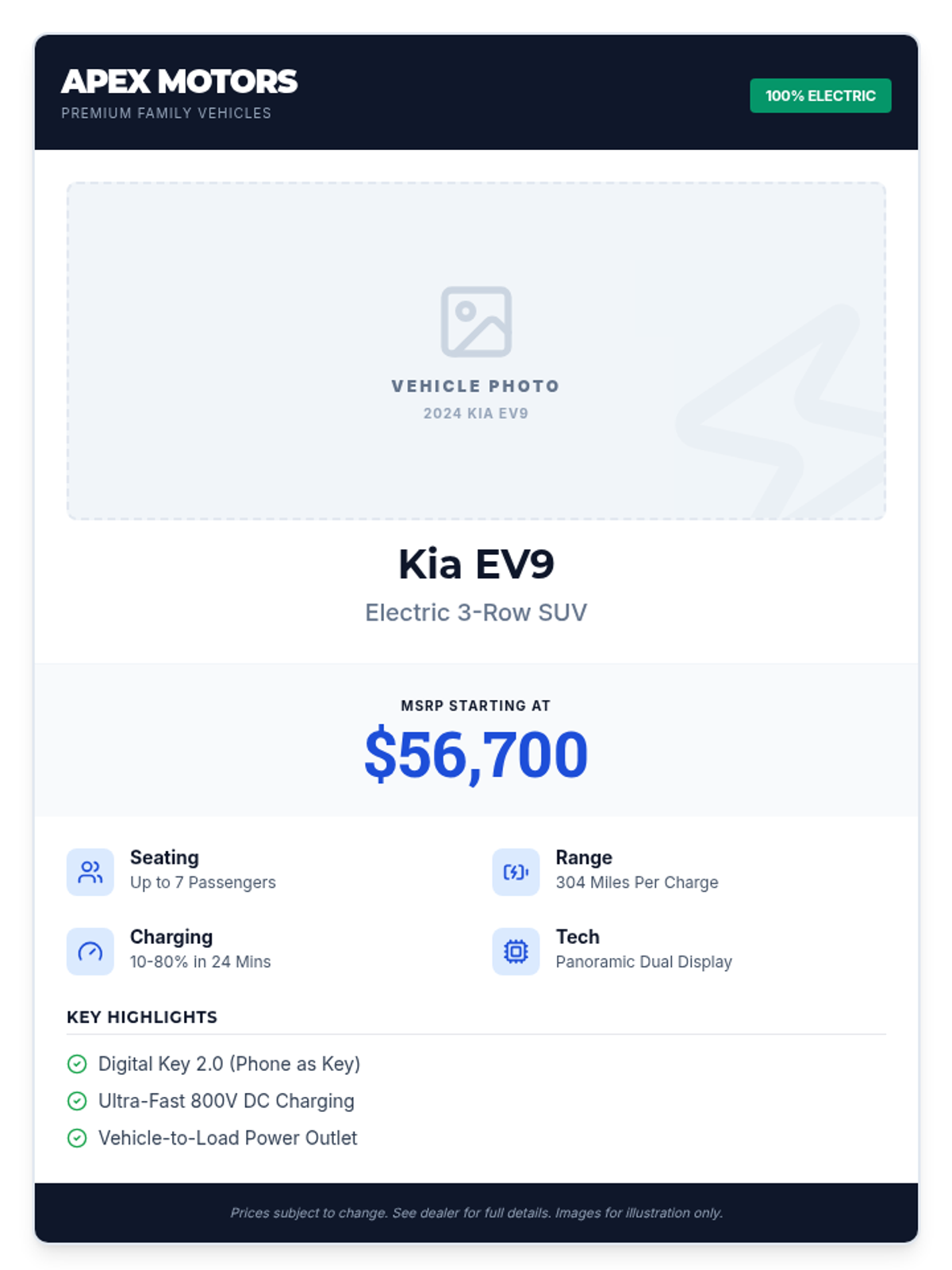
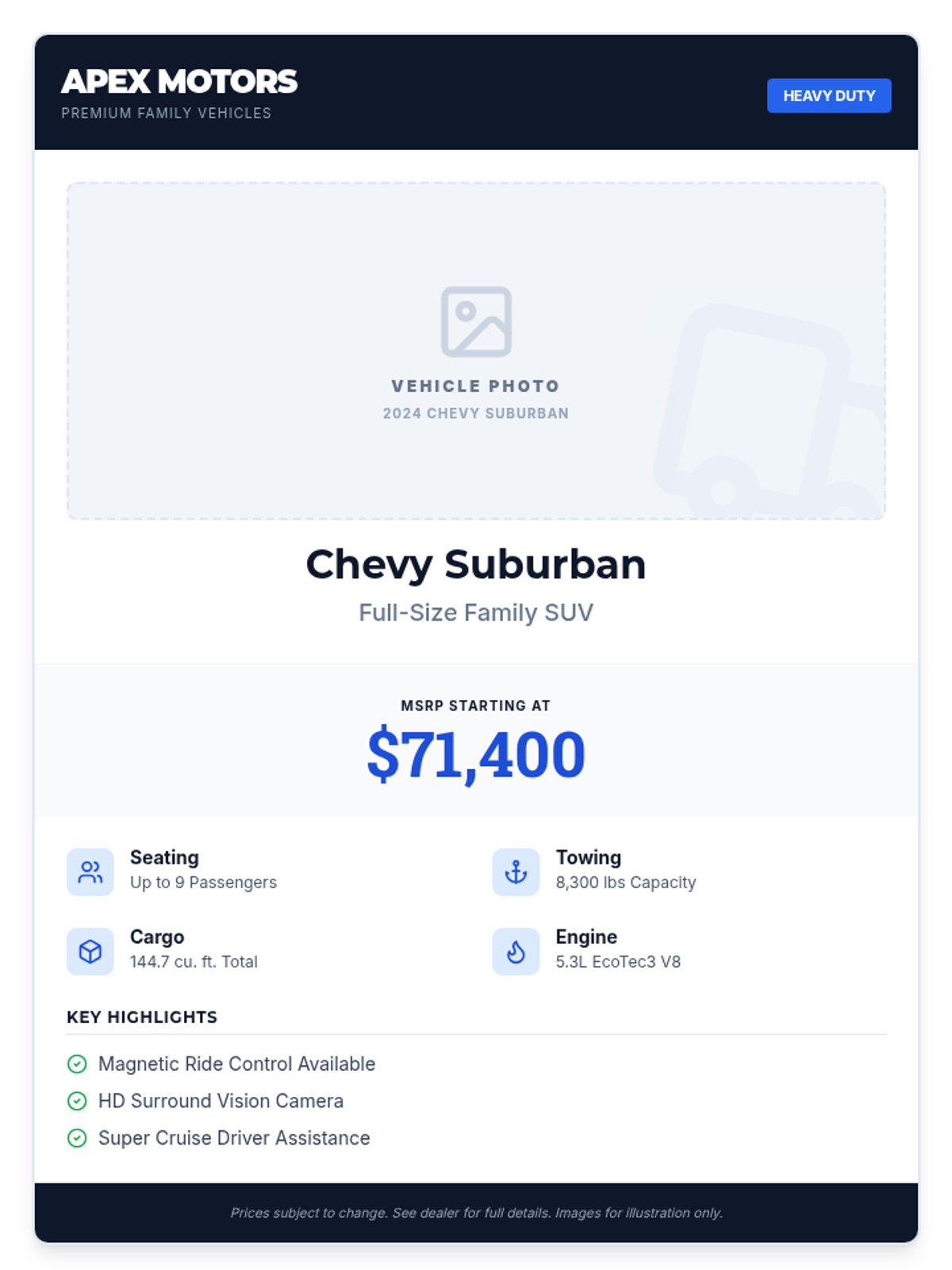
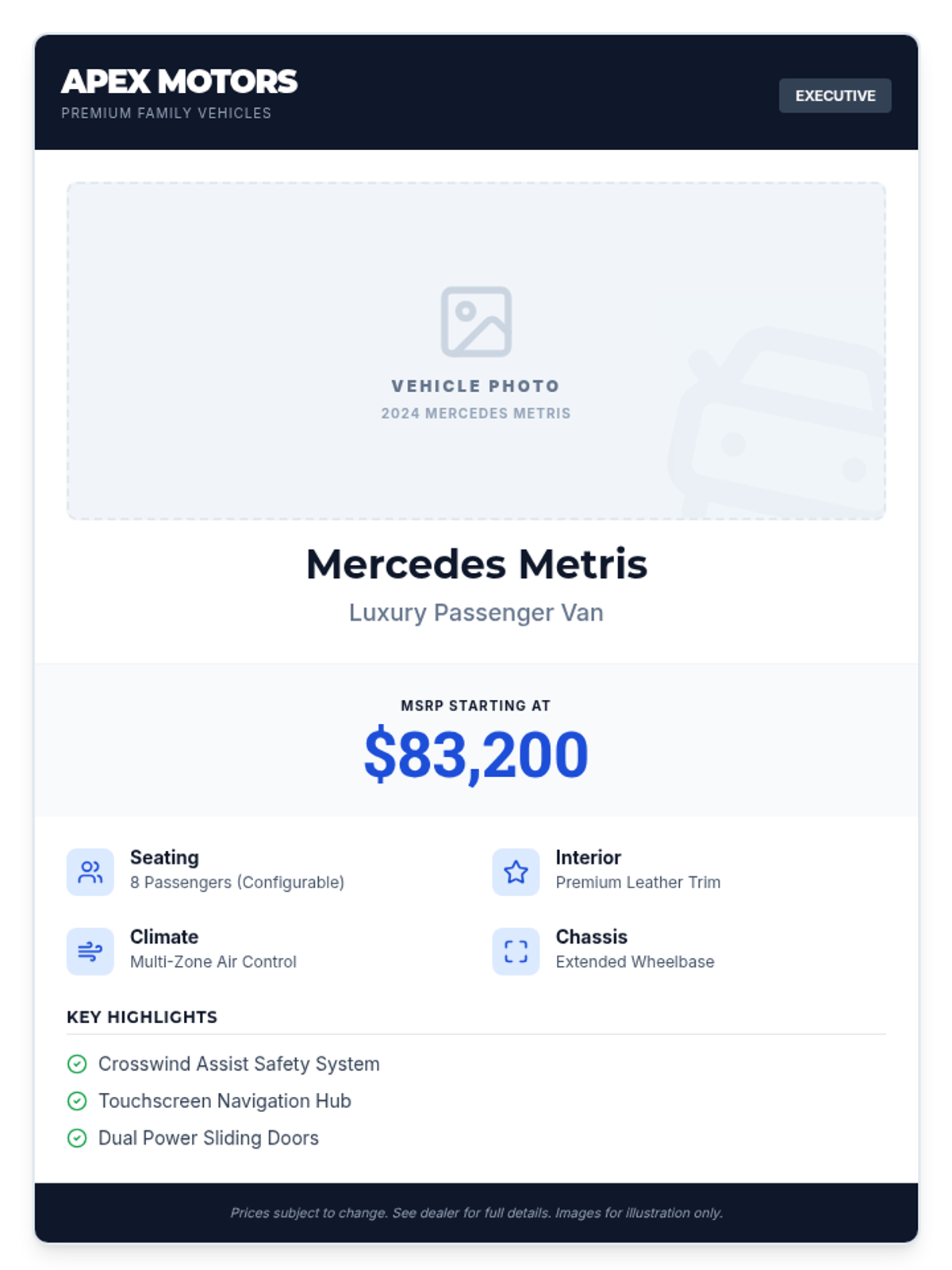
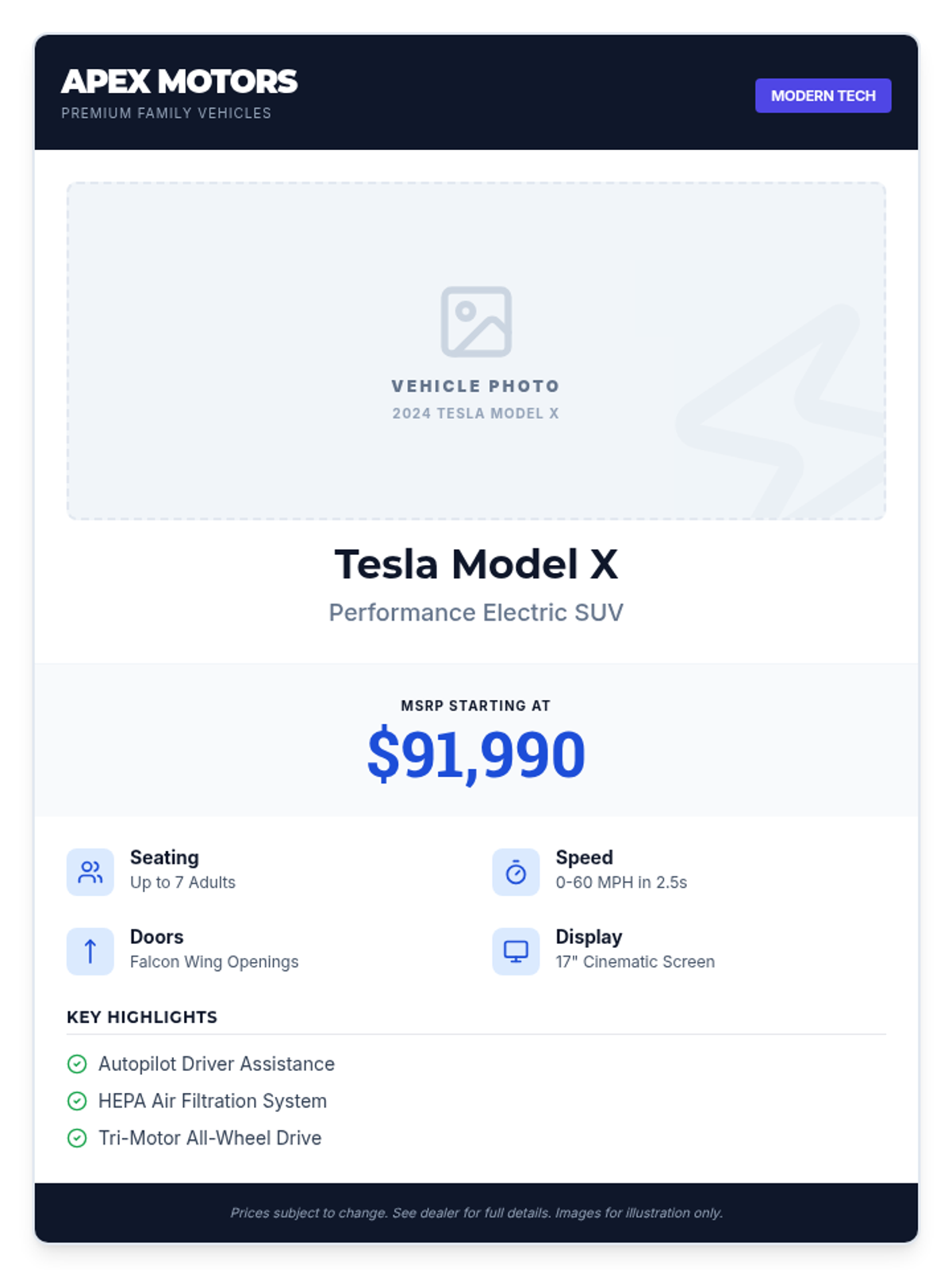
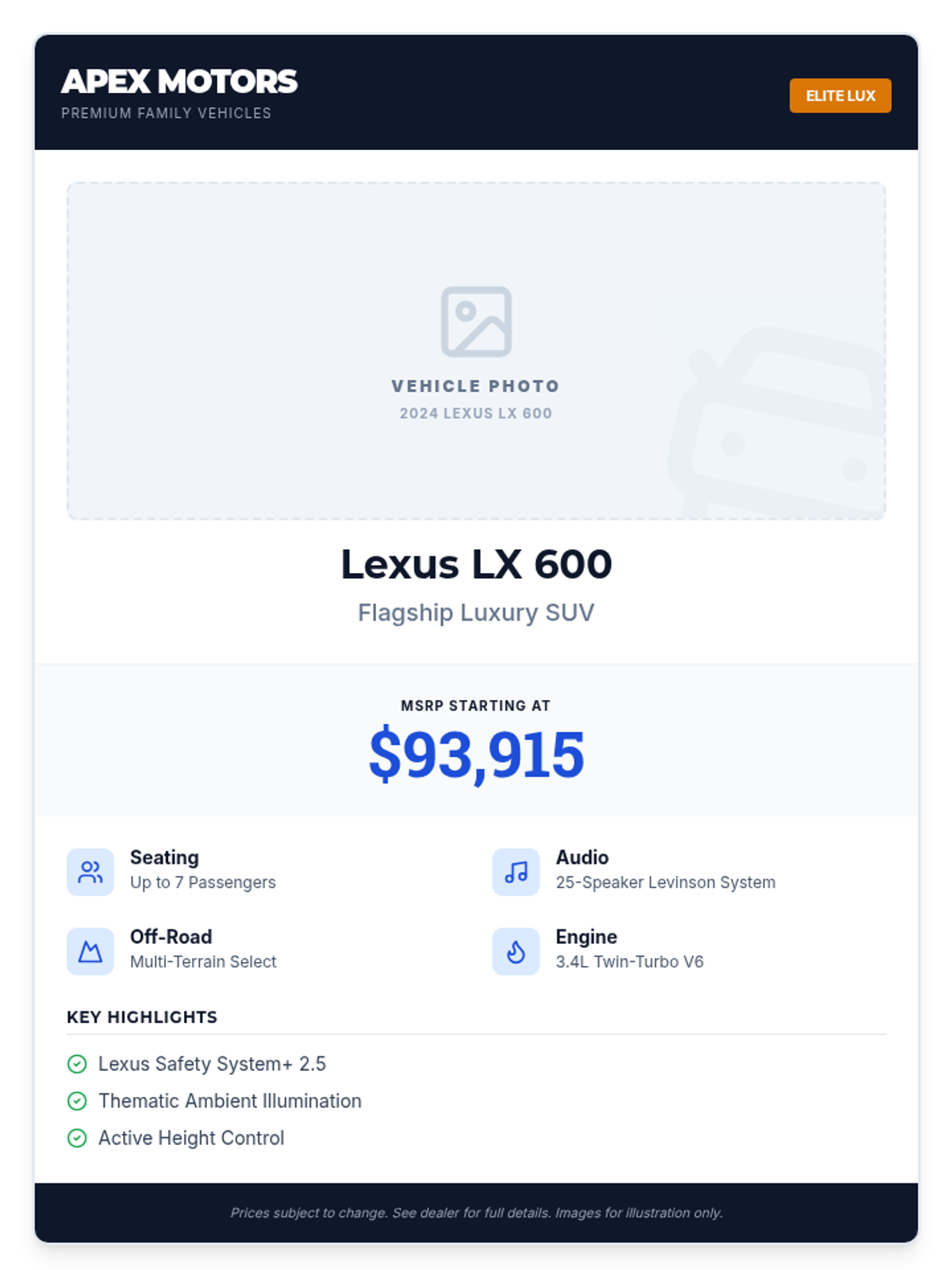
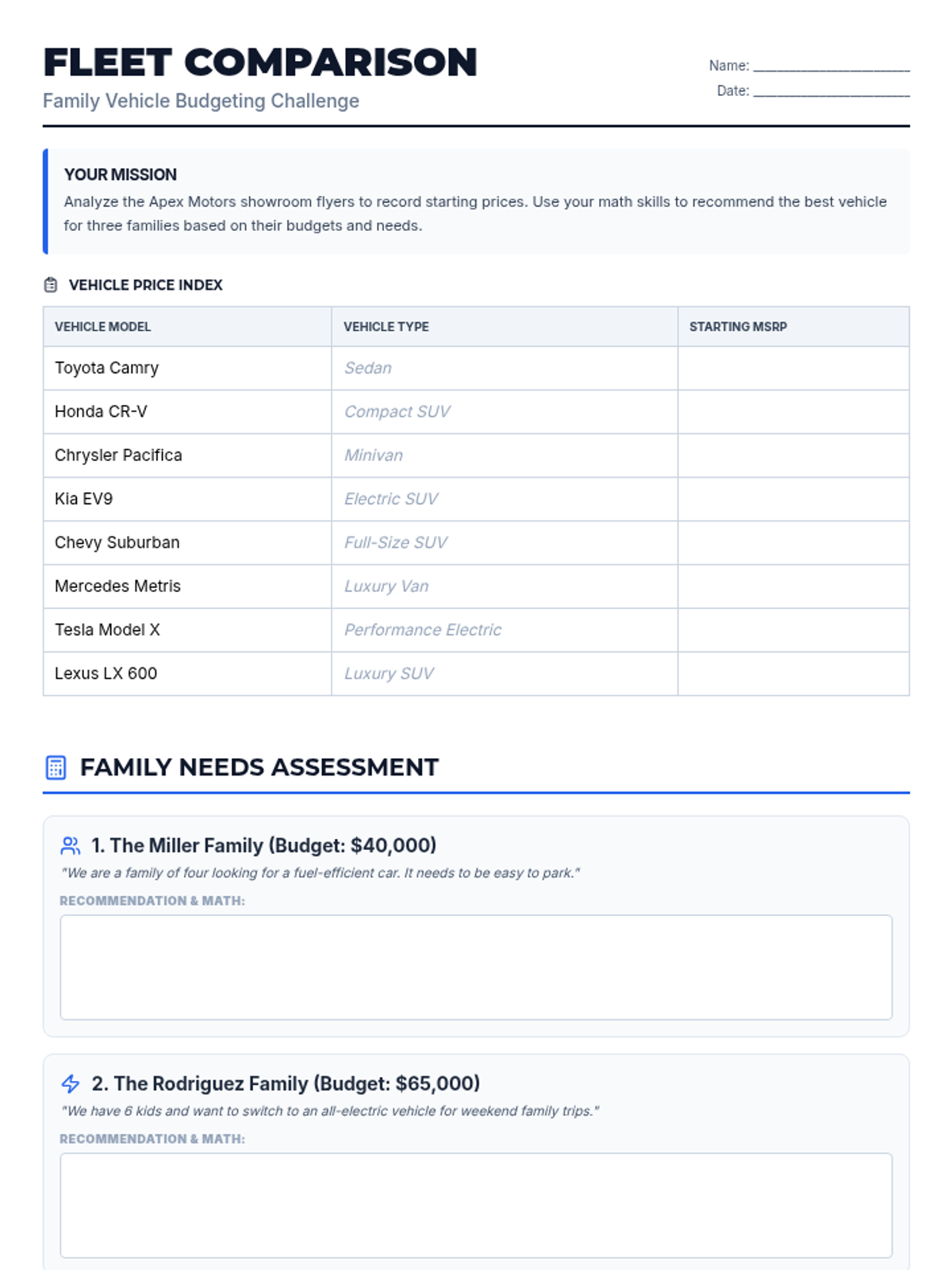
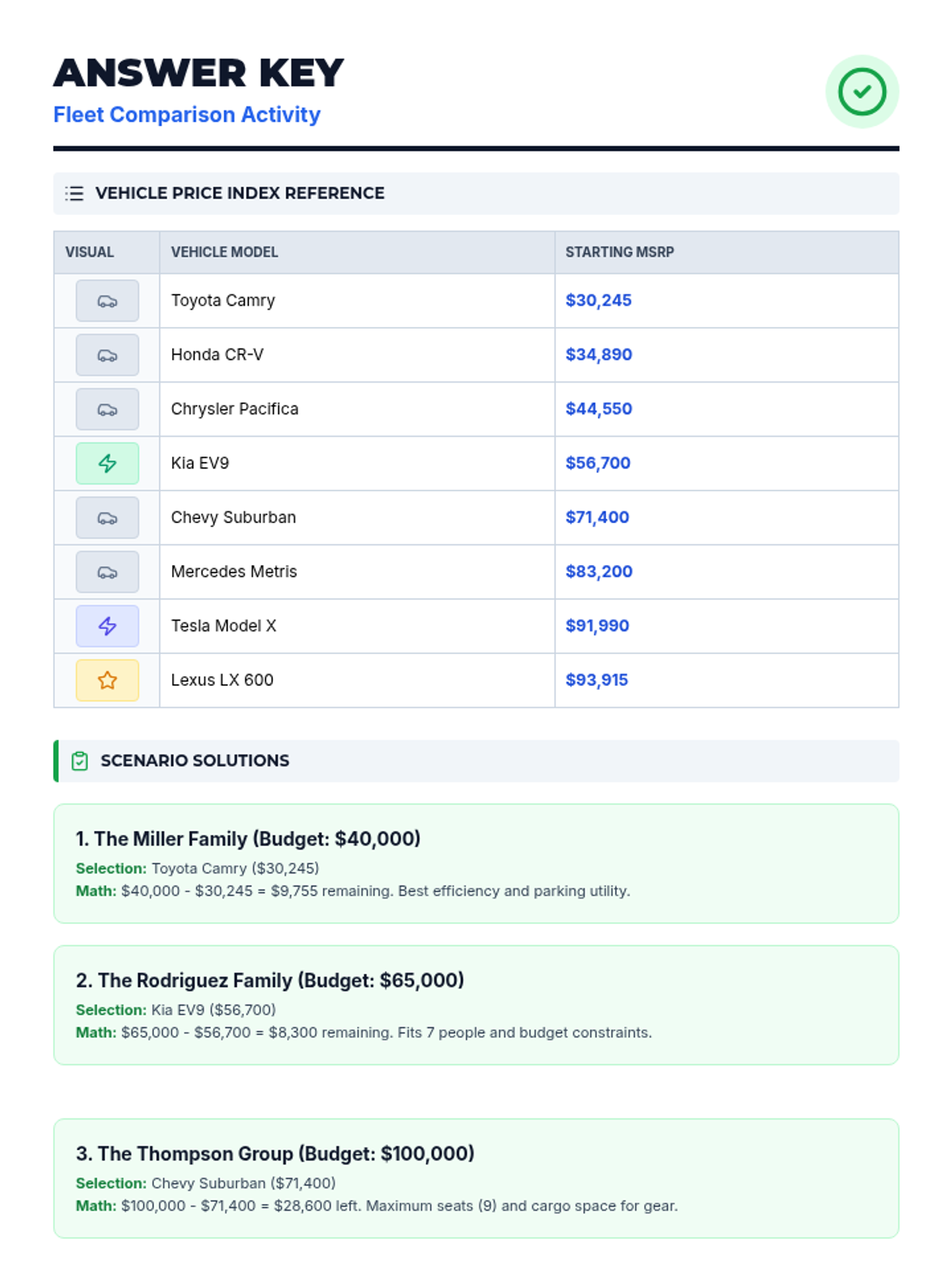
A hands-on math lesson where students analyze vehicle pricing, features, and budgeting for family-sized transport. Students use a series of showroom flyers to compare costs and make purchasing decisions based on specific family needs.
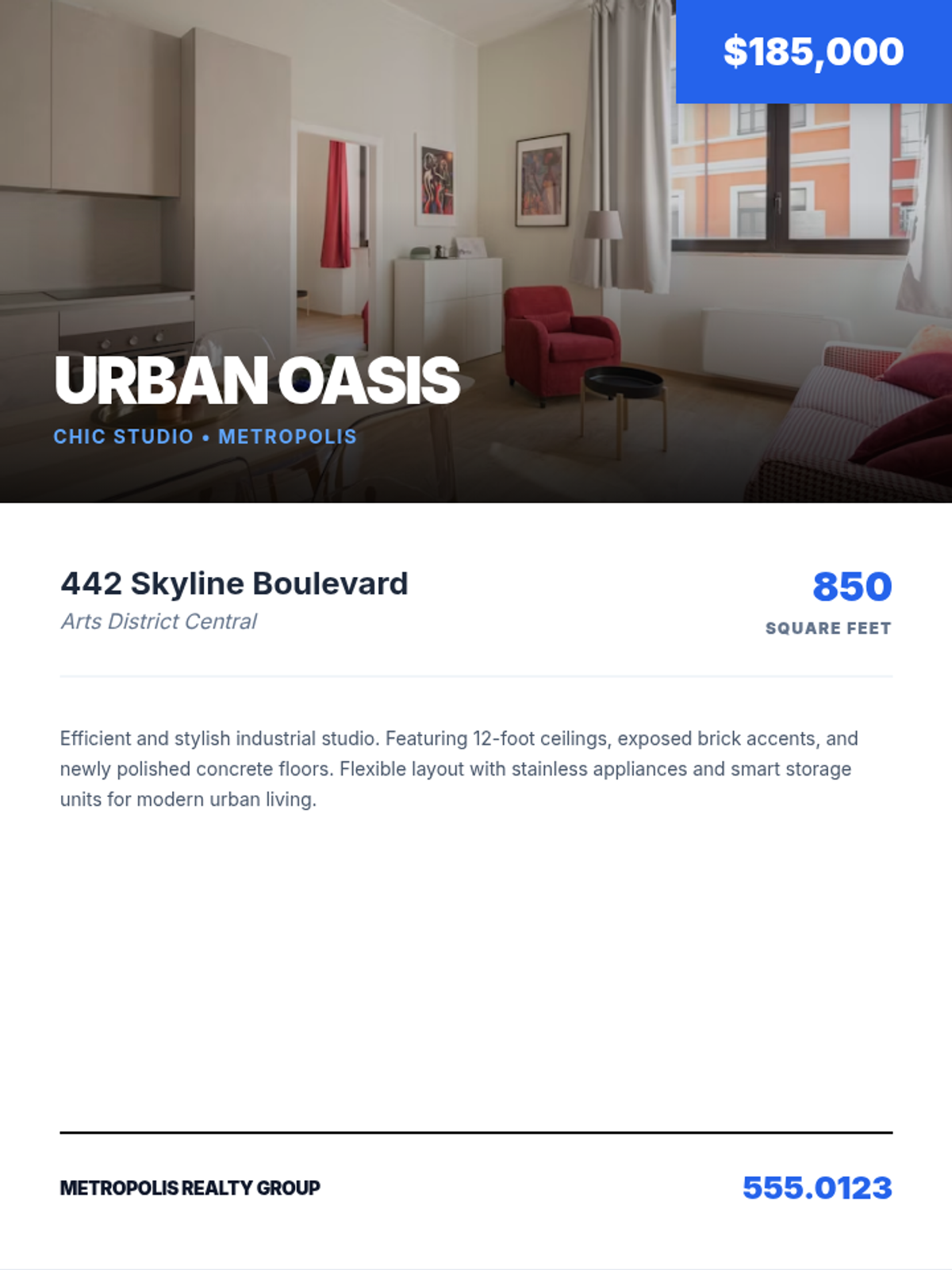
A collection of professionally designed real estate listing posters featuring unique properties with detailed descriptions, pricing, and specifications.
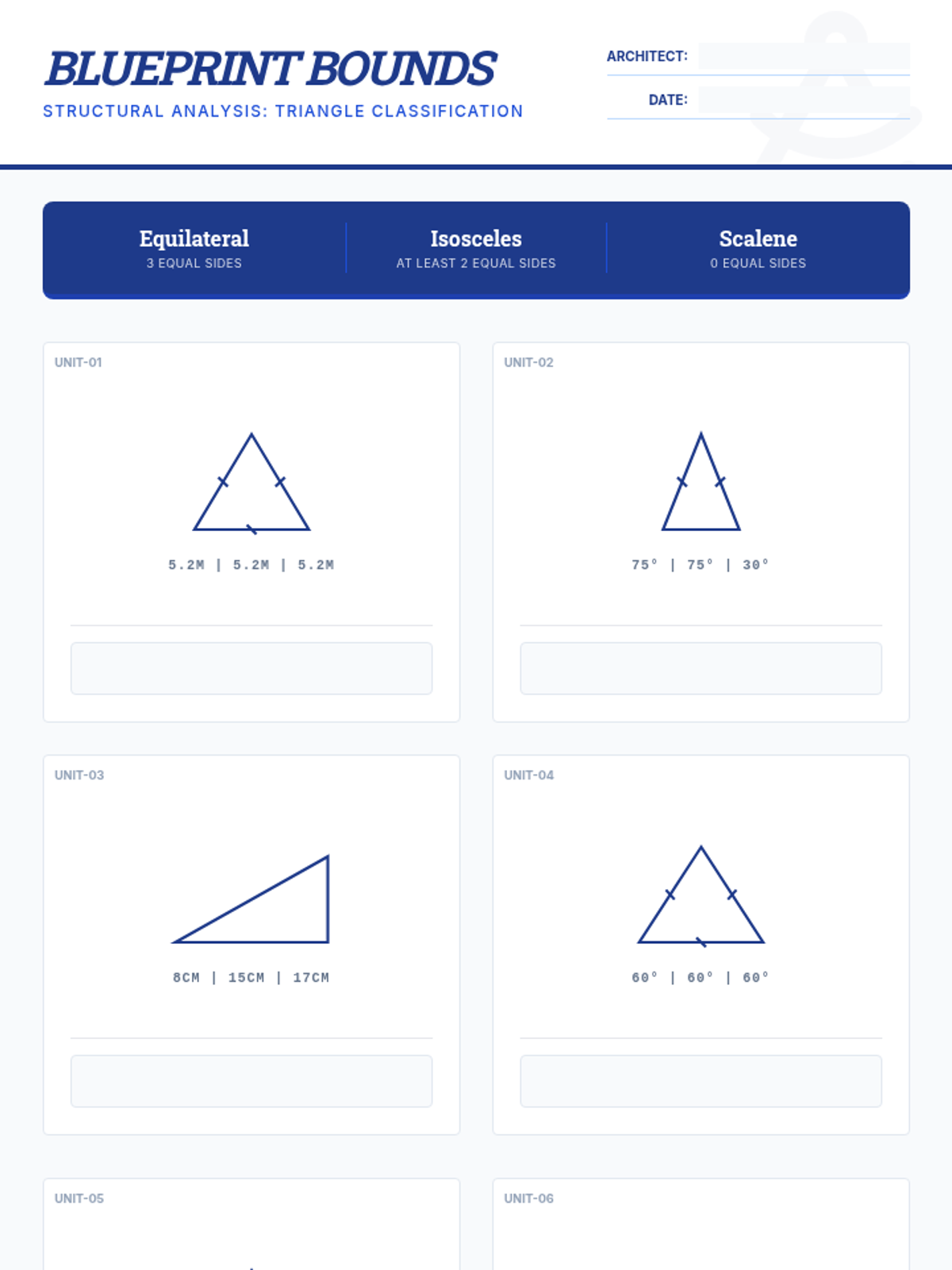
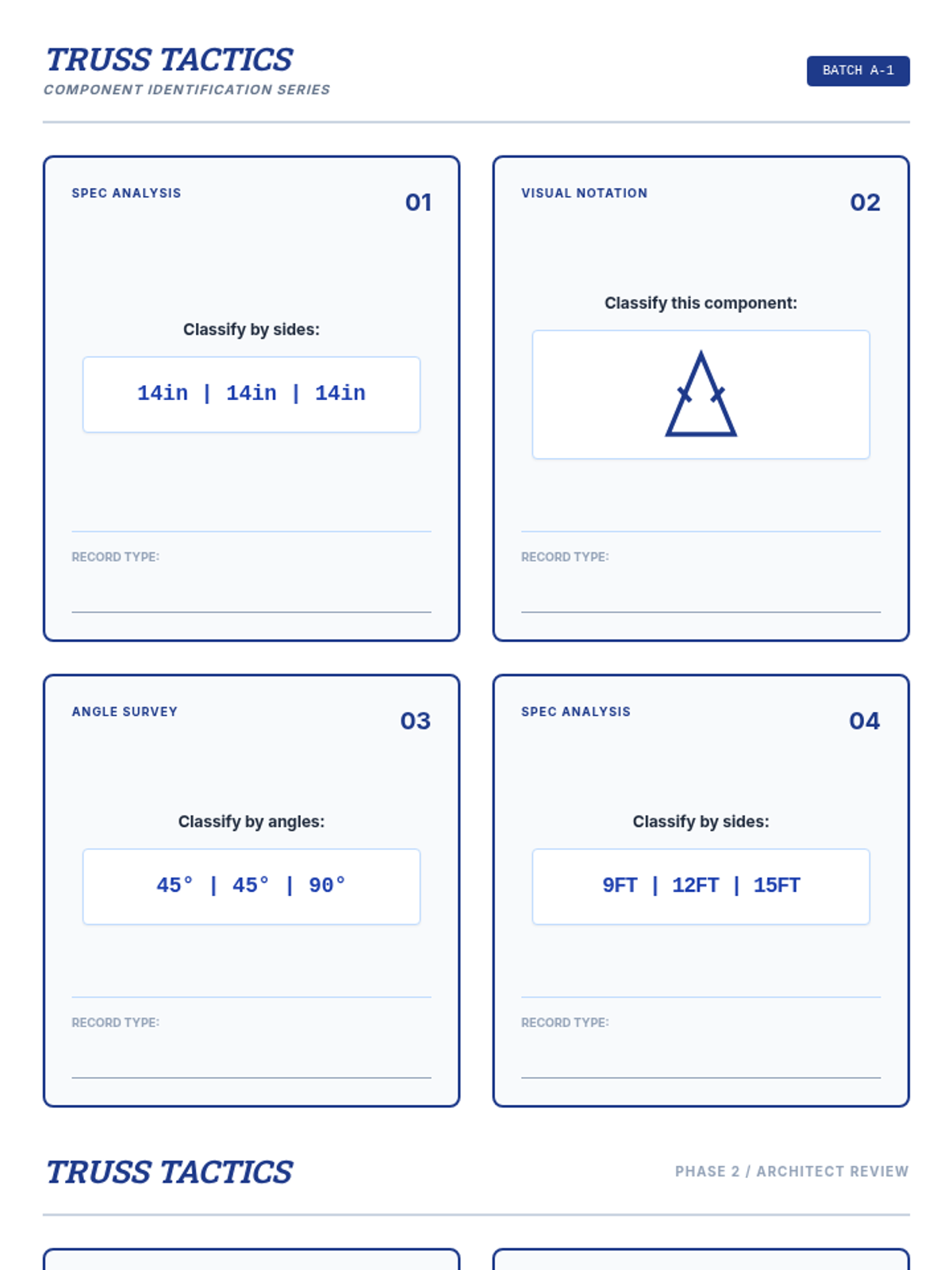
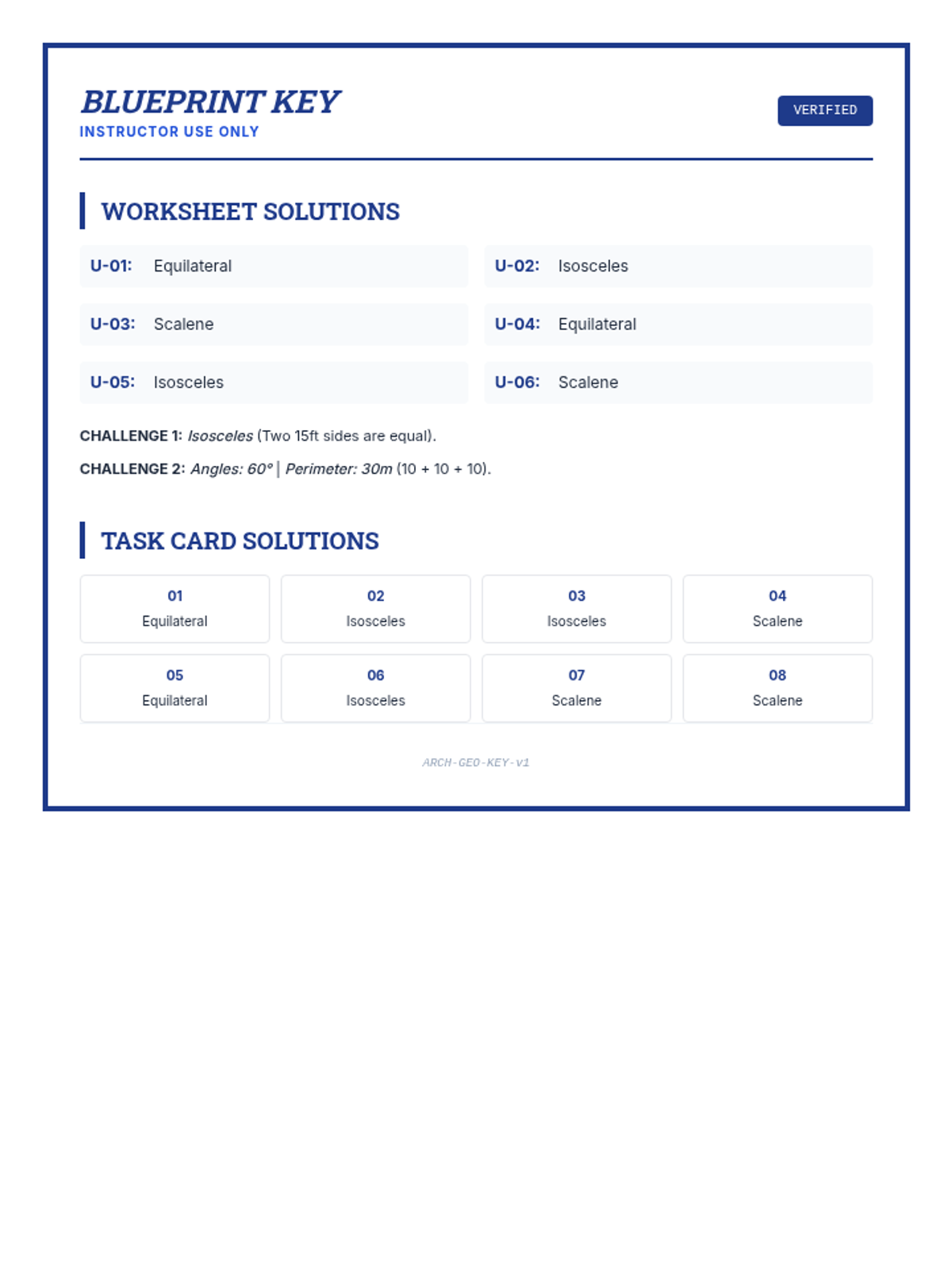
A hands-on geometry lesson focused on classifying triangles by side lengths (scalene, isosceles, equilateral) using geometric notation and measurements within an architectural drafting context.
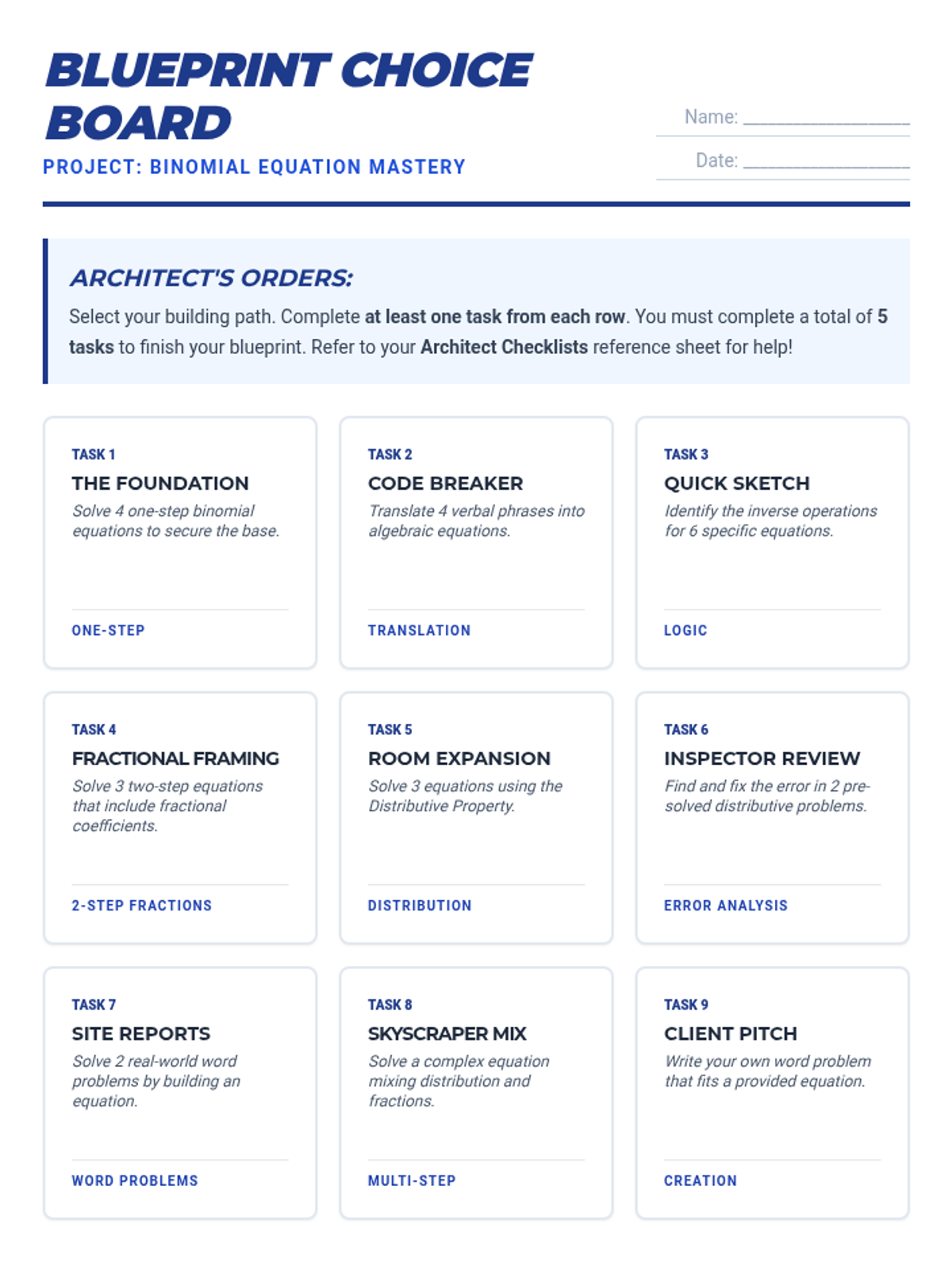
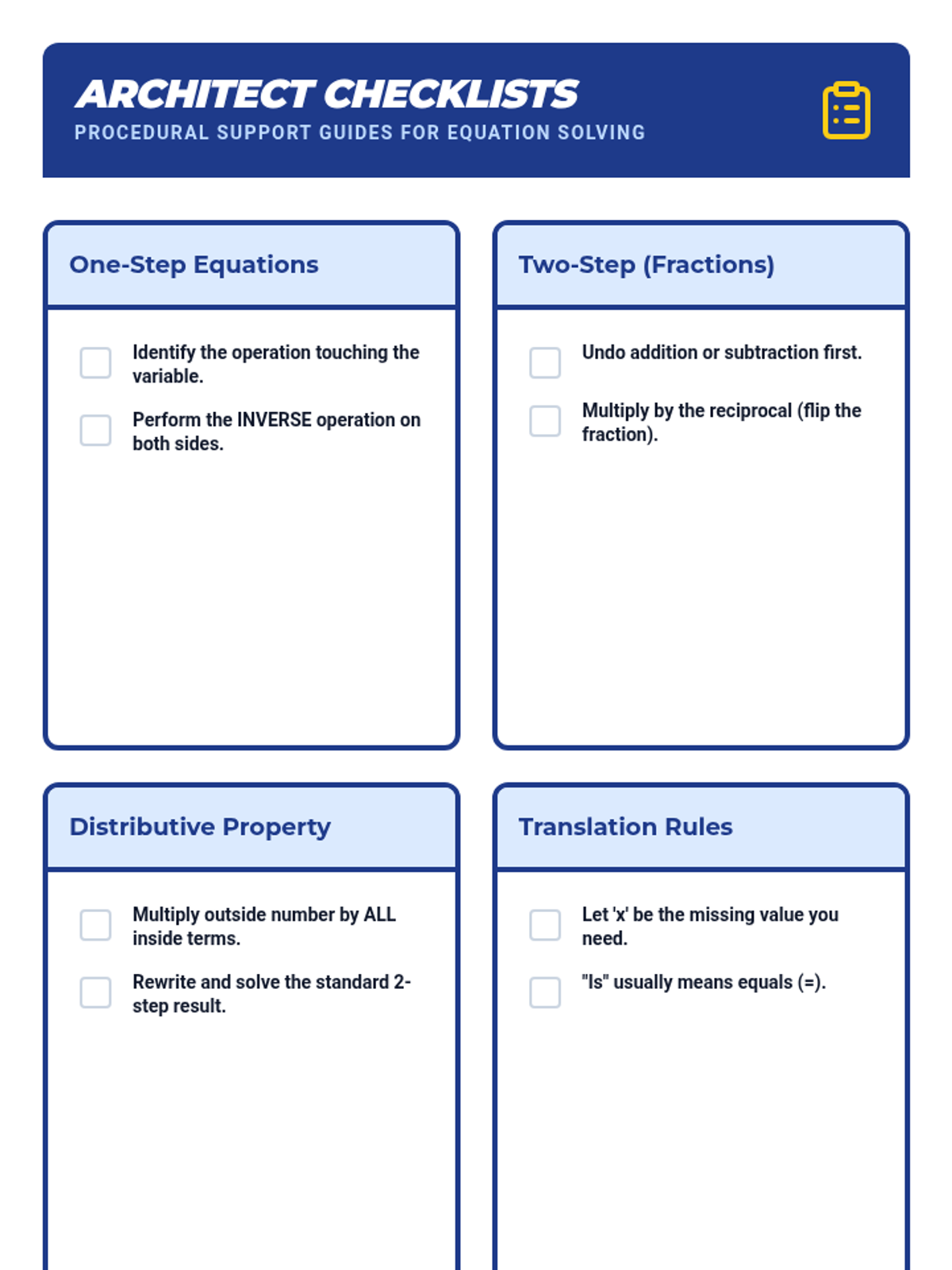
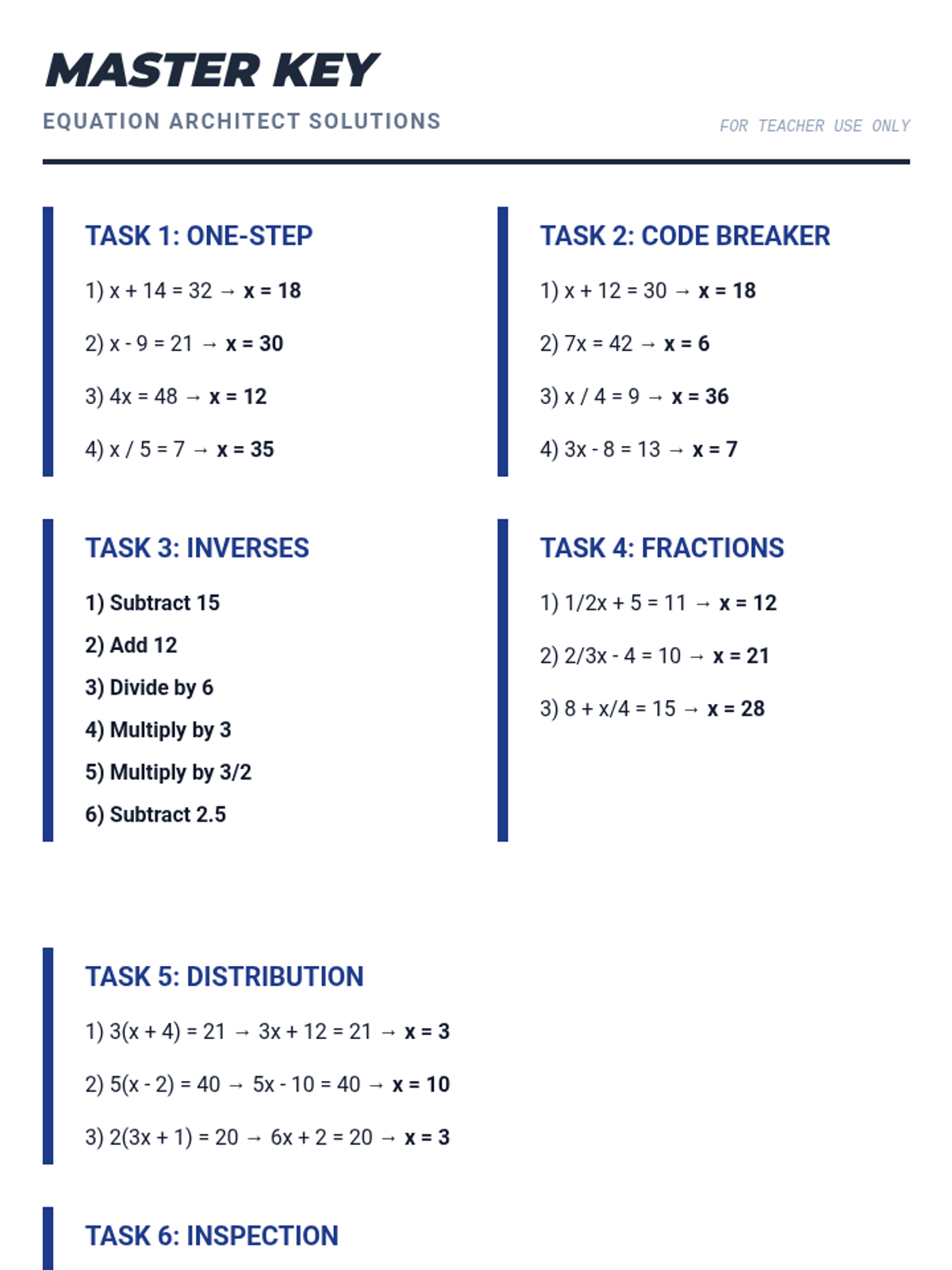
A self-paced activity where students practice solving various types of binomial equations through a choice-based architecture theme. Includes step-by-step checklists to support diverse learners.
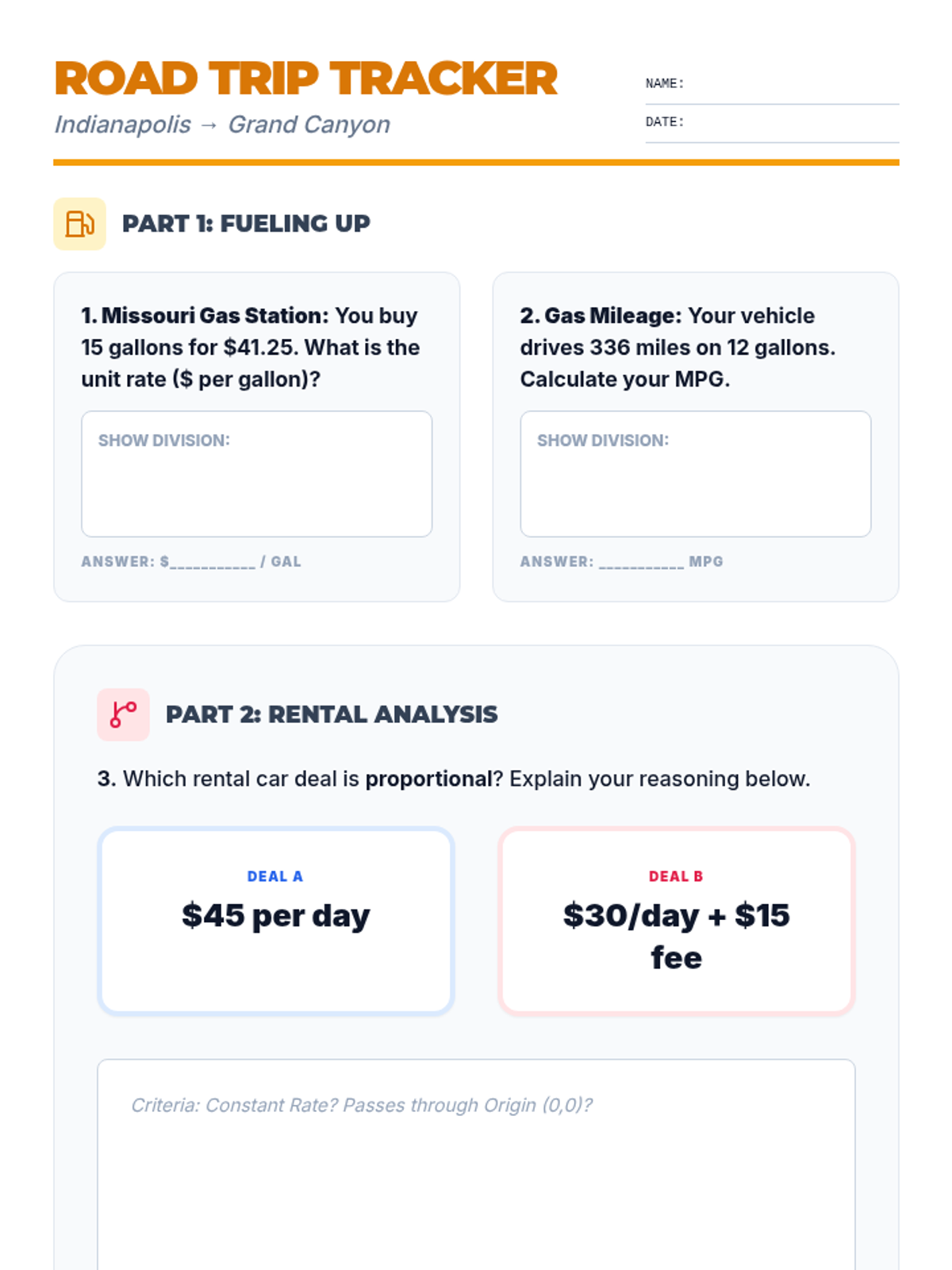
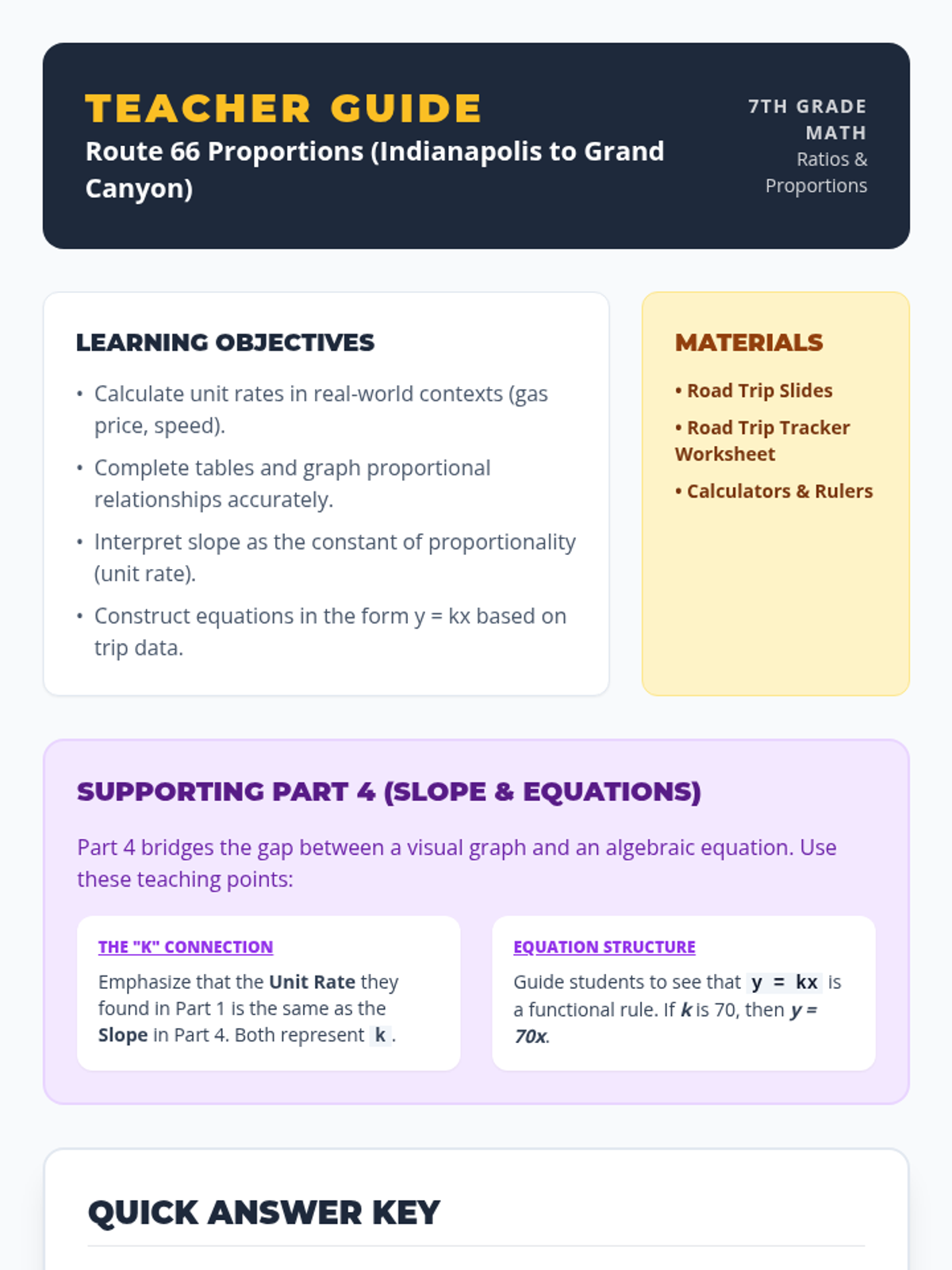
A 7th-grade math lesson that uses a road trip scenario from Indianapolis to the Grand Canyon to explore unit rates, graphing proportional relationships, and solving equations. Students will plan routes, calculate fuel costs, and interpret travel graphs.
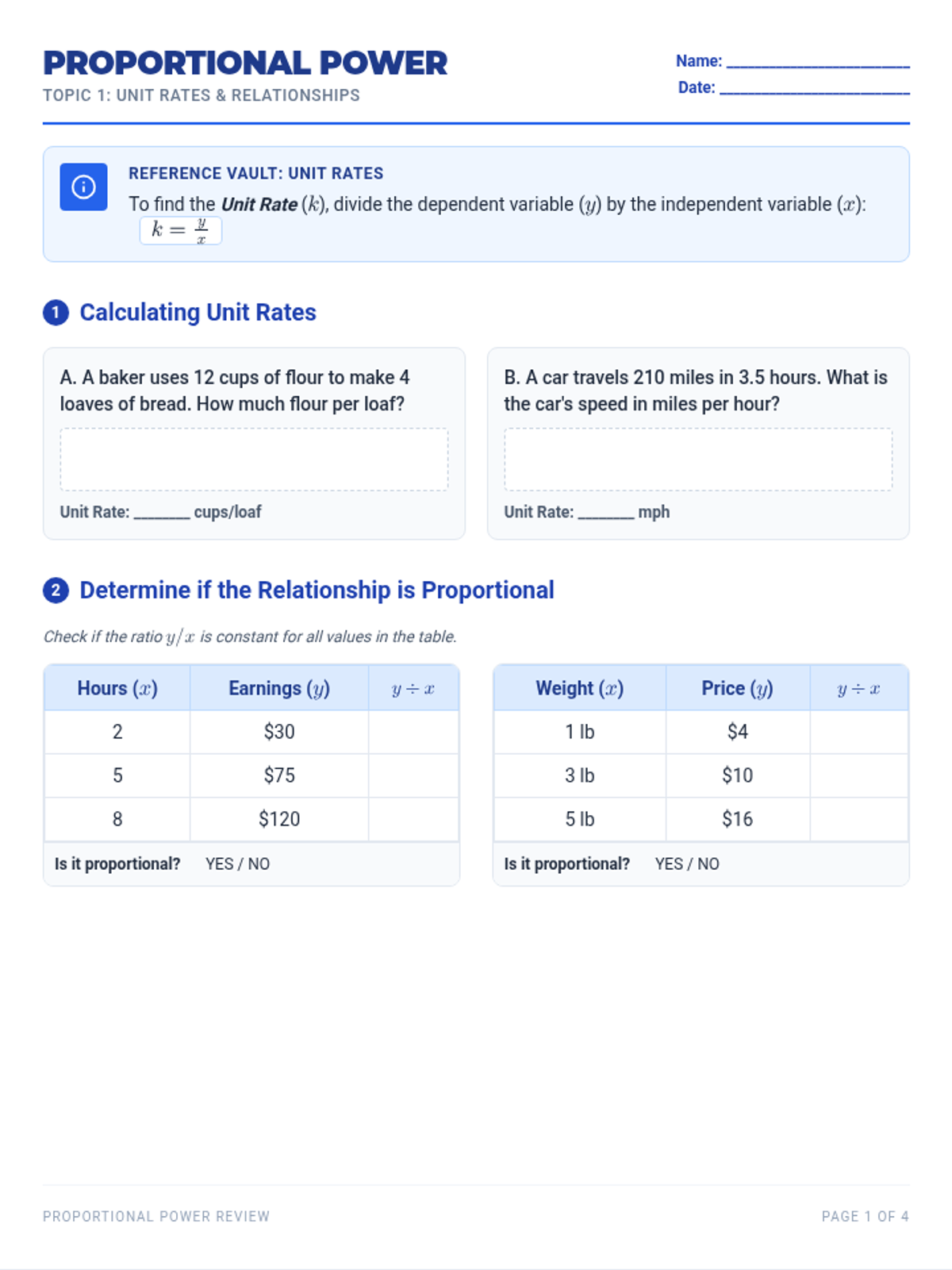
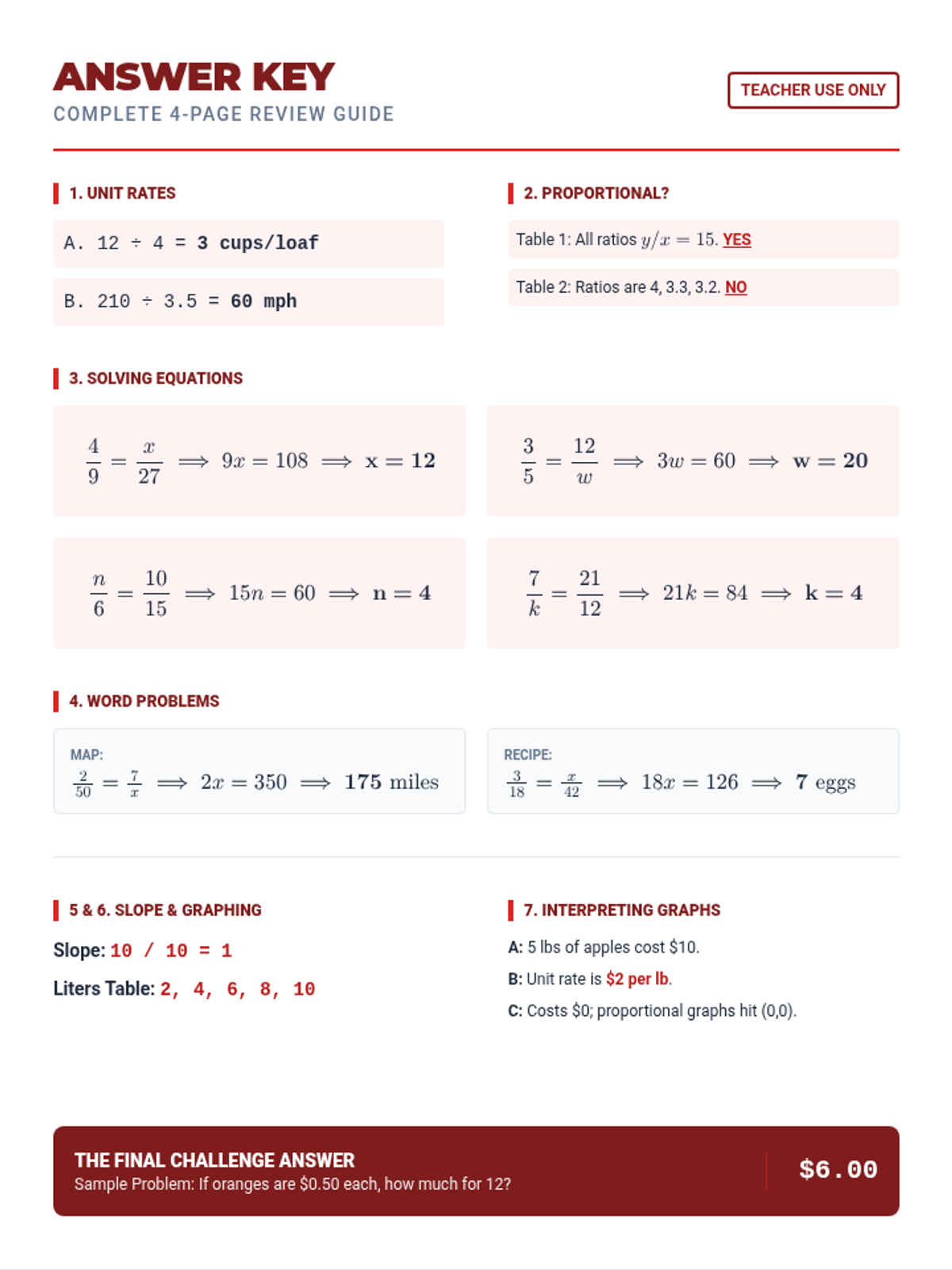
A comprehensive review of 7th-grade proportionality concepts, including unit rates, solving proportions, slope, and graphing, designed with moderate support scaffolds.
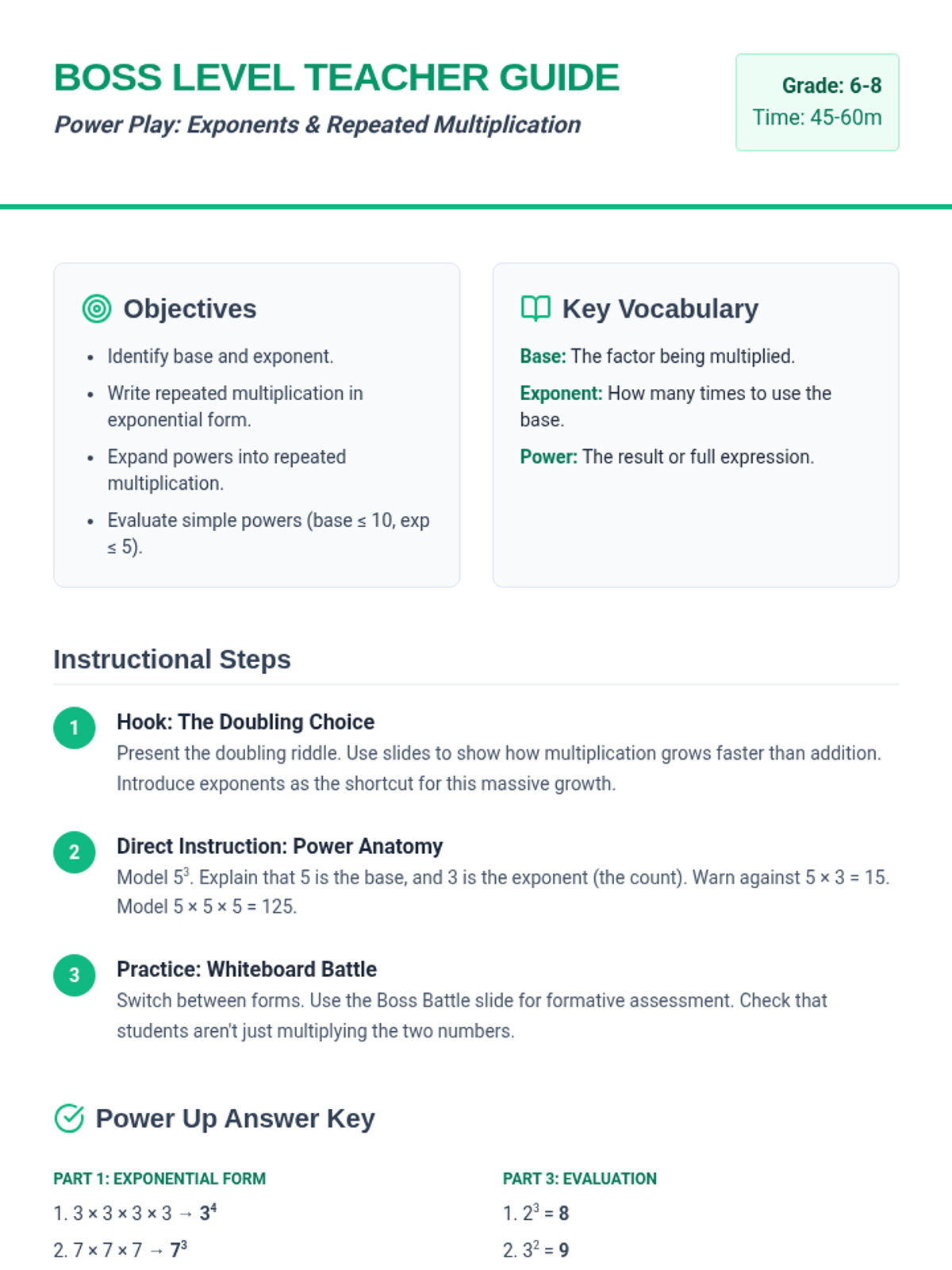
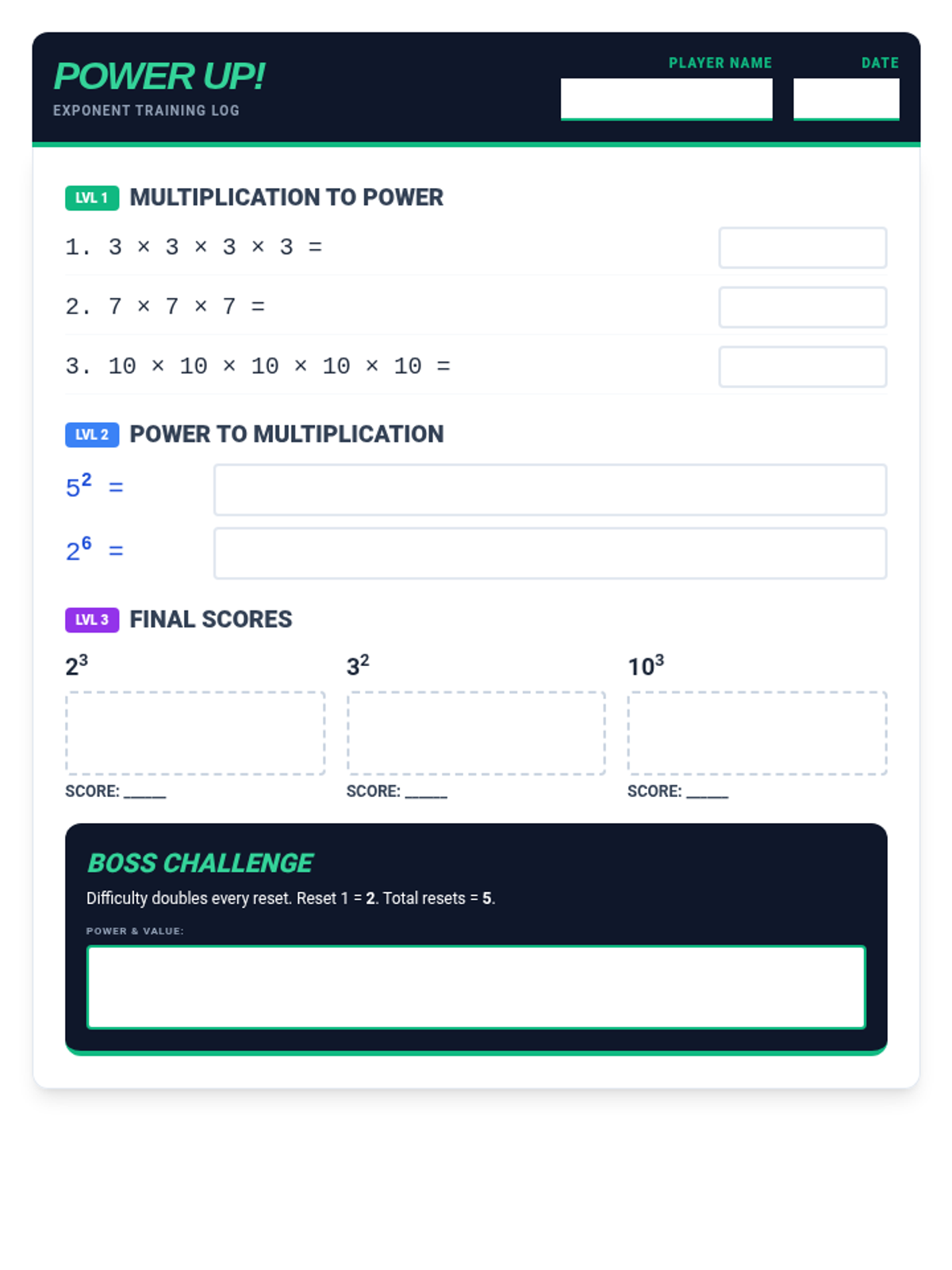
An introductory lesson on exponents focusing on the relationship between repeated multiplication and exponential notation through a retro arcade theme.
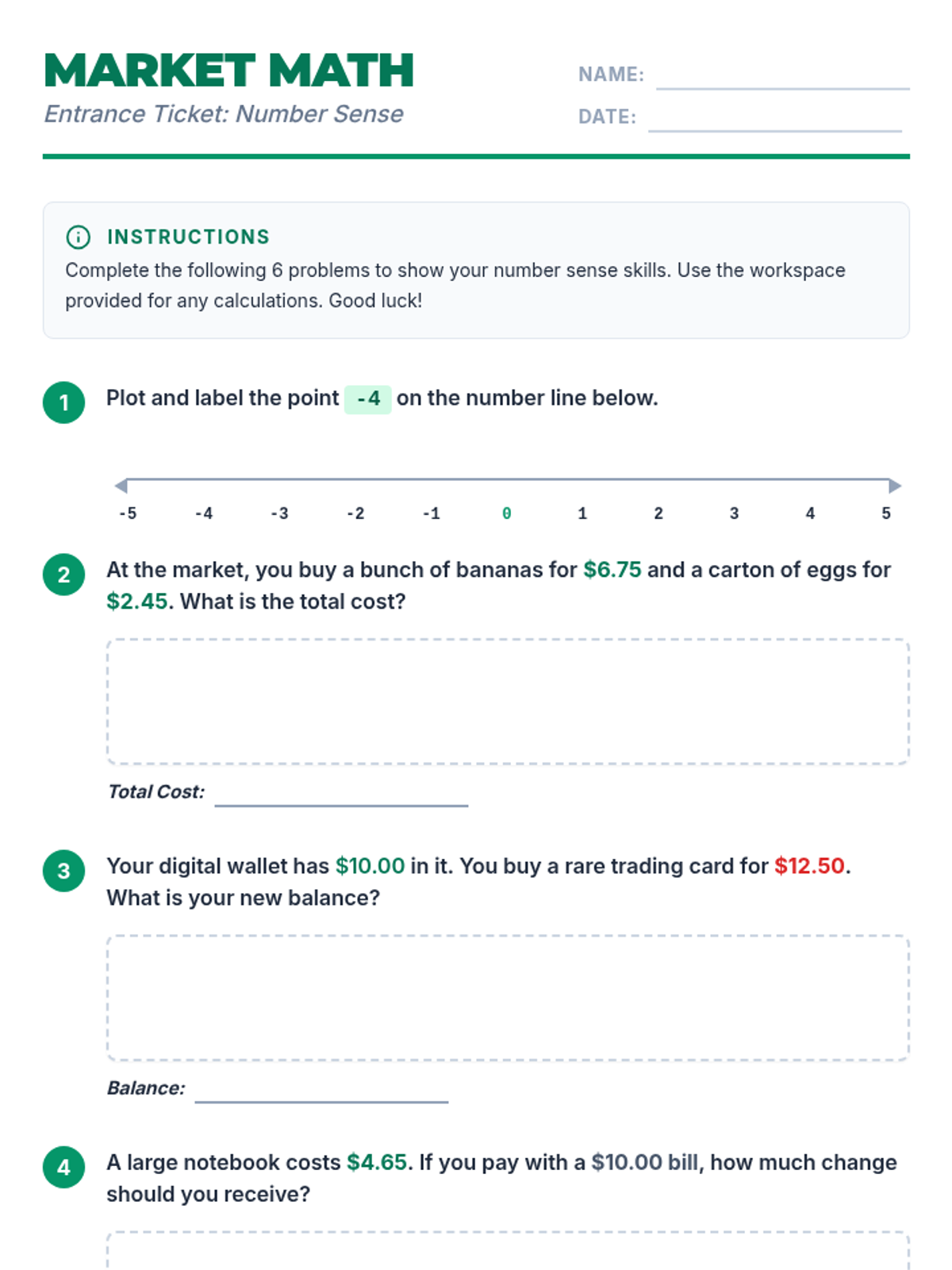
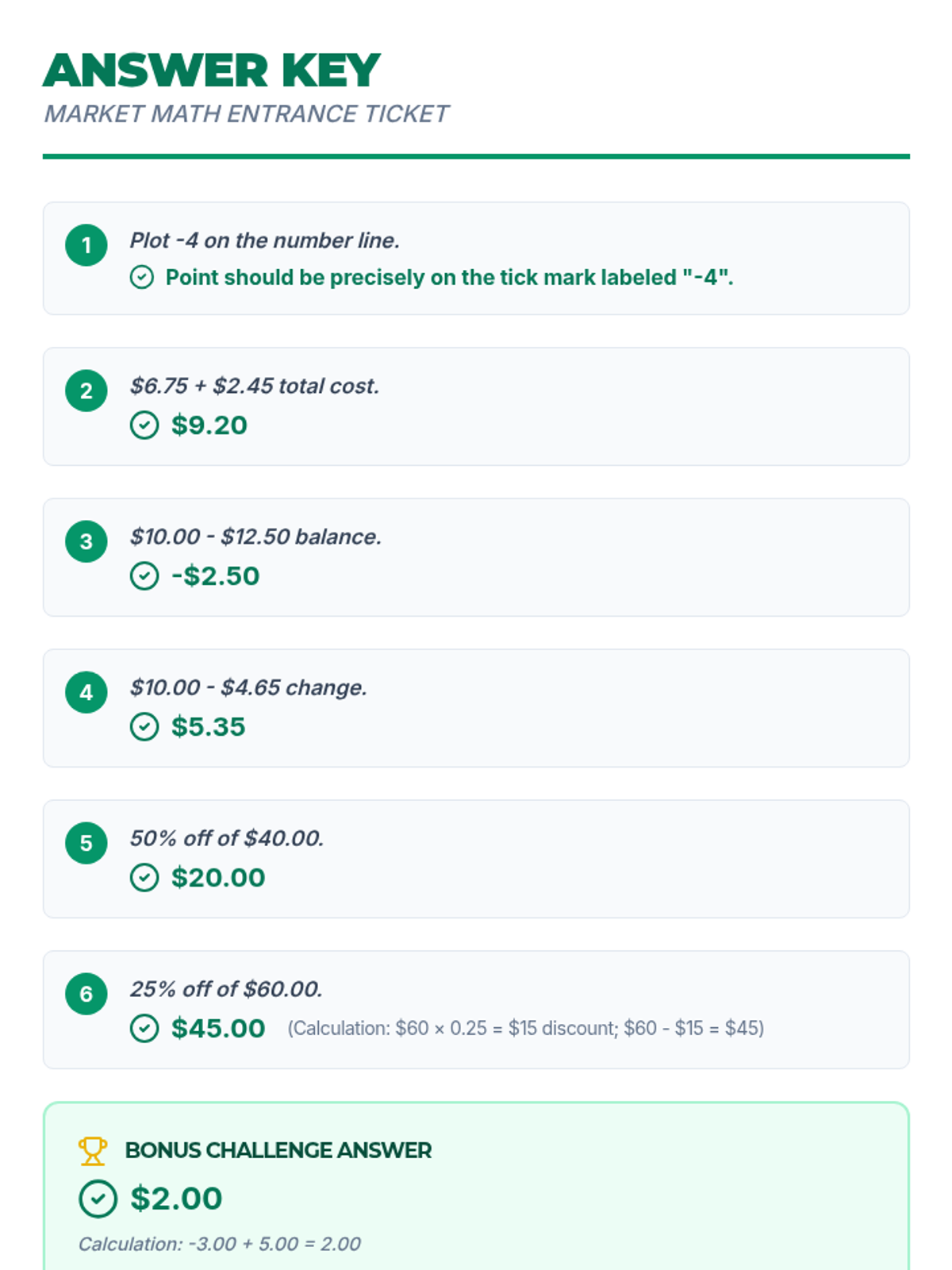
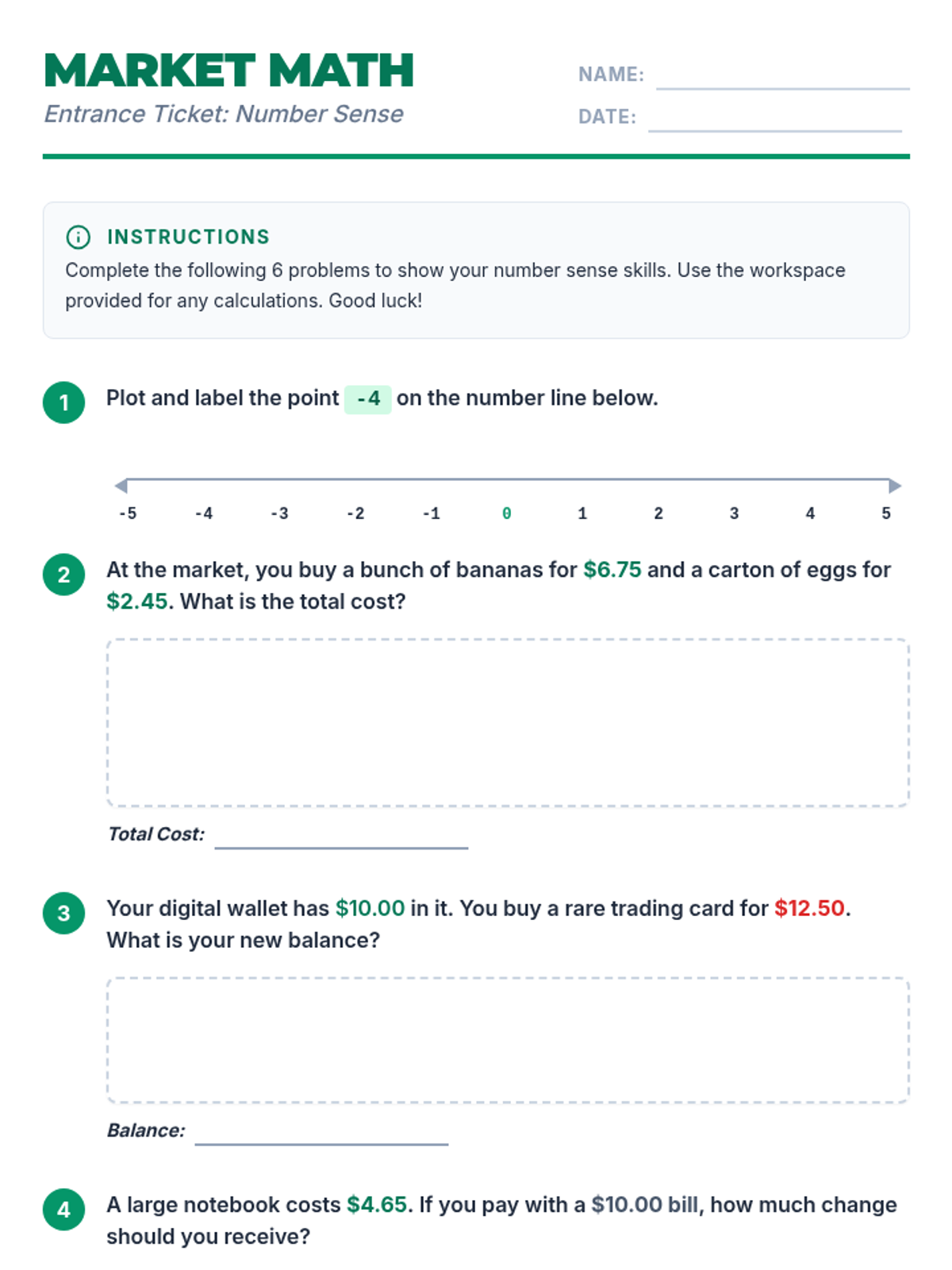
A quick formative assessment focusing on foundational number sense, including negative numbers, decimals, and percentages within real-world shopping contexts.
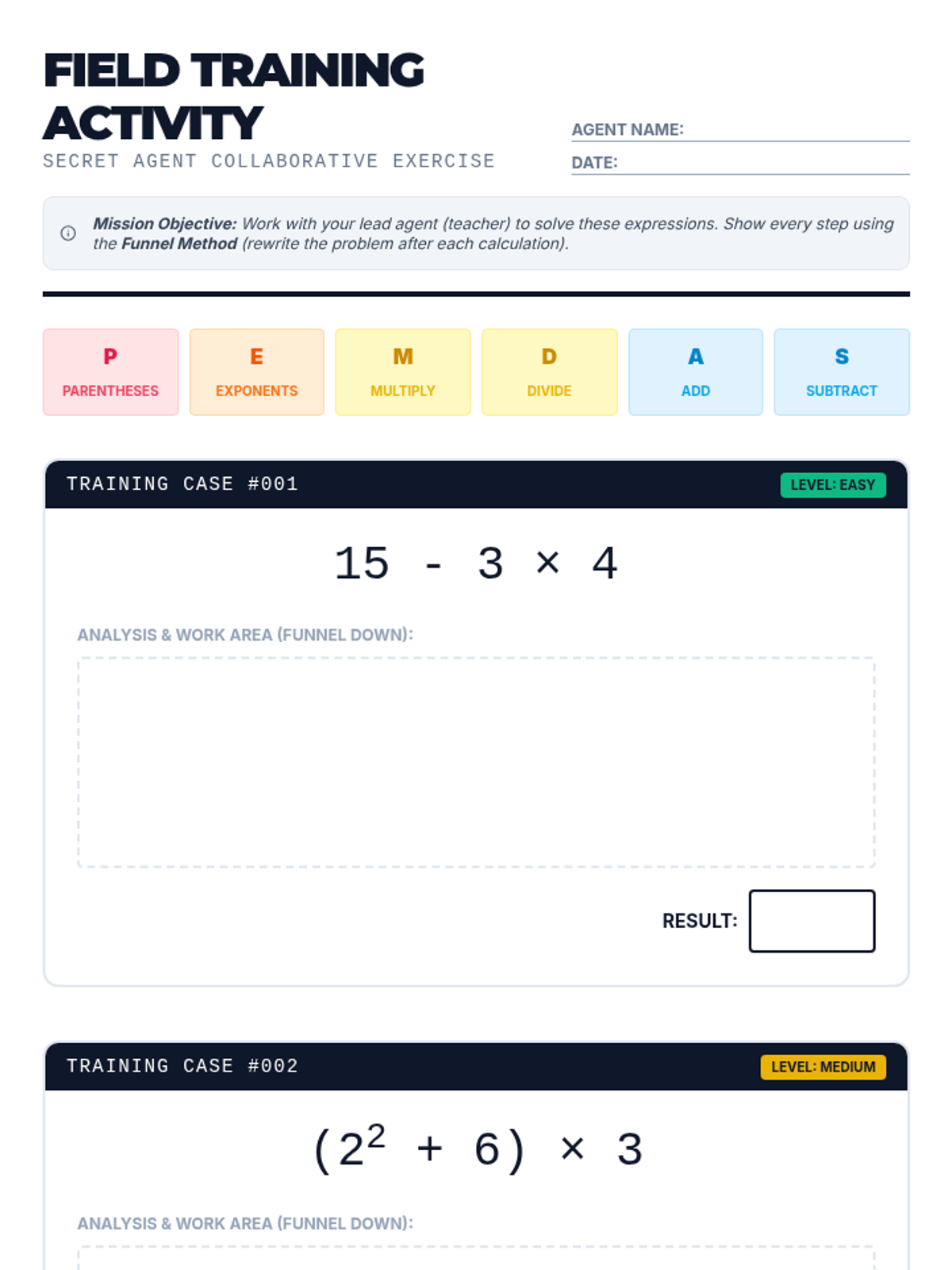
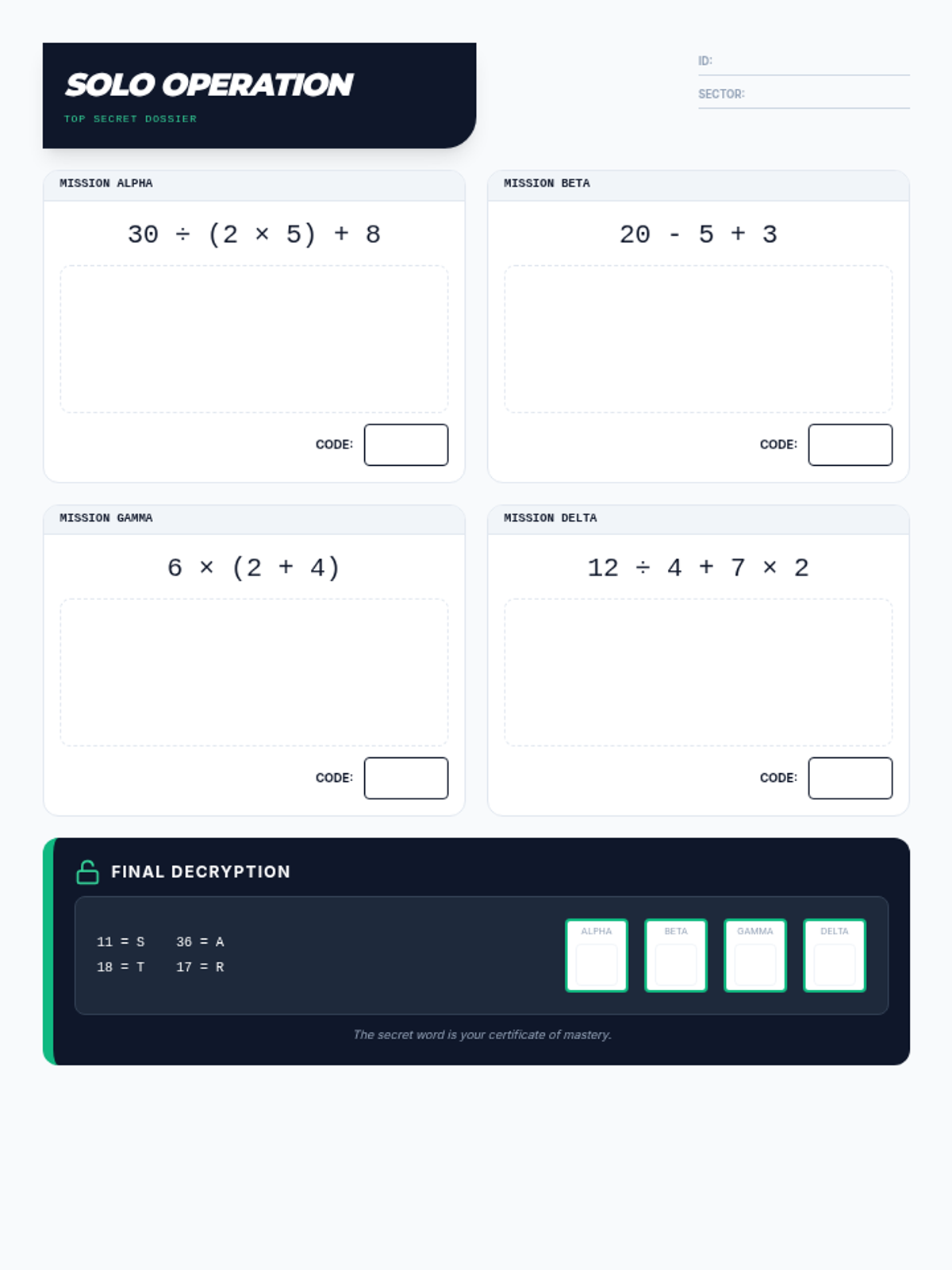
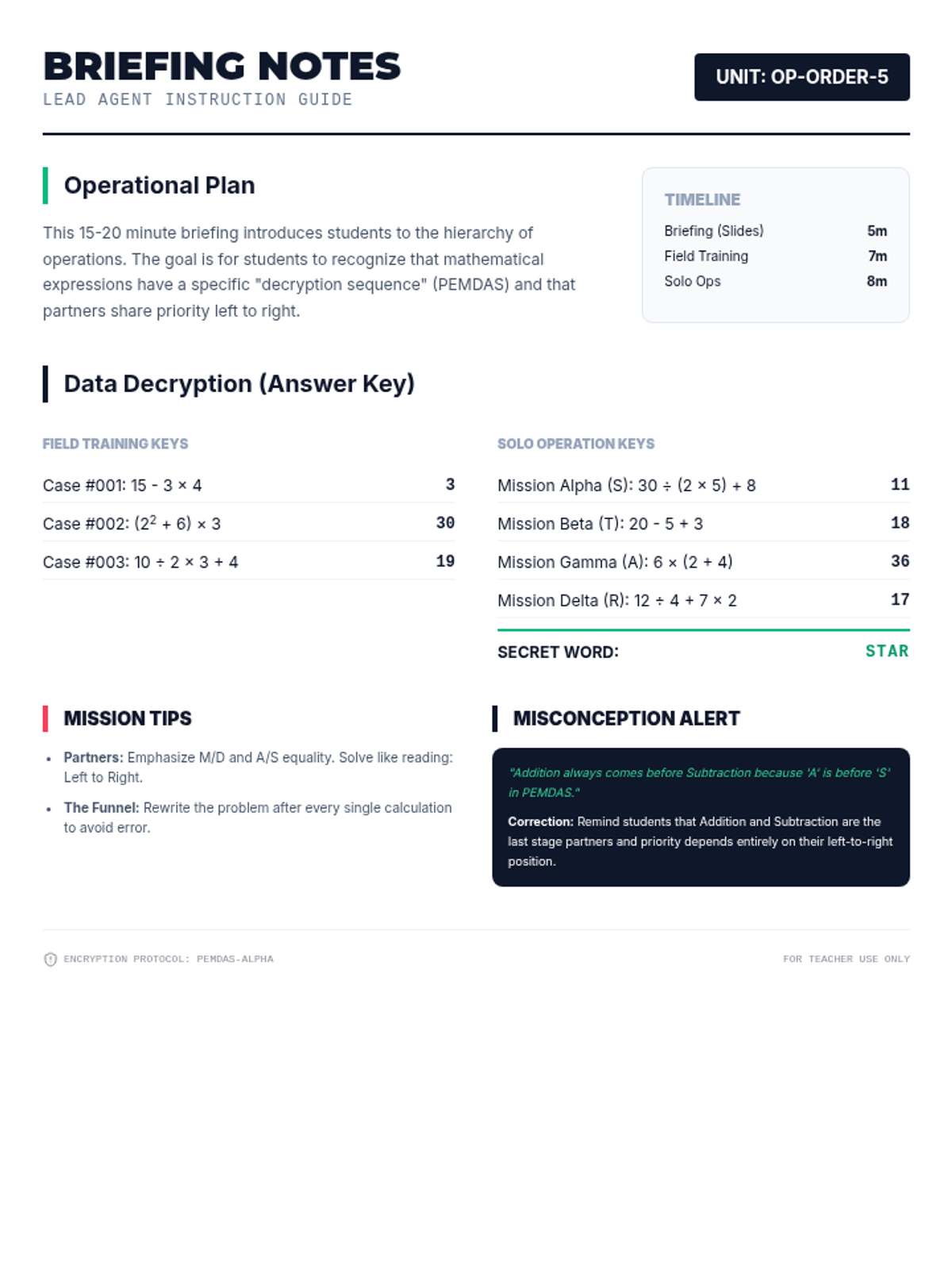
An introductory lesson on the Order of Operations (PEMDAS) using a secret agent theme to engage students in solving mathematical 'missions'. Students will learn the hierarchy of operations and apply them to evaluate numerical expressions.
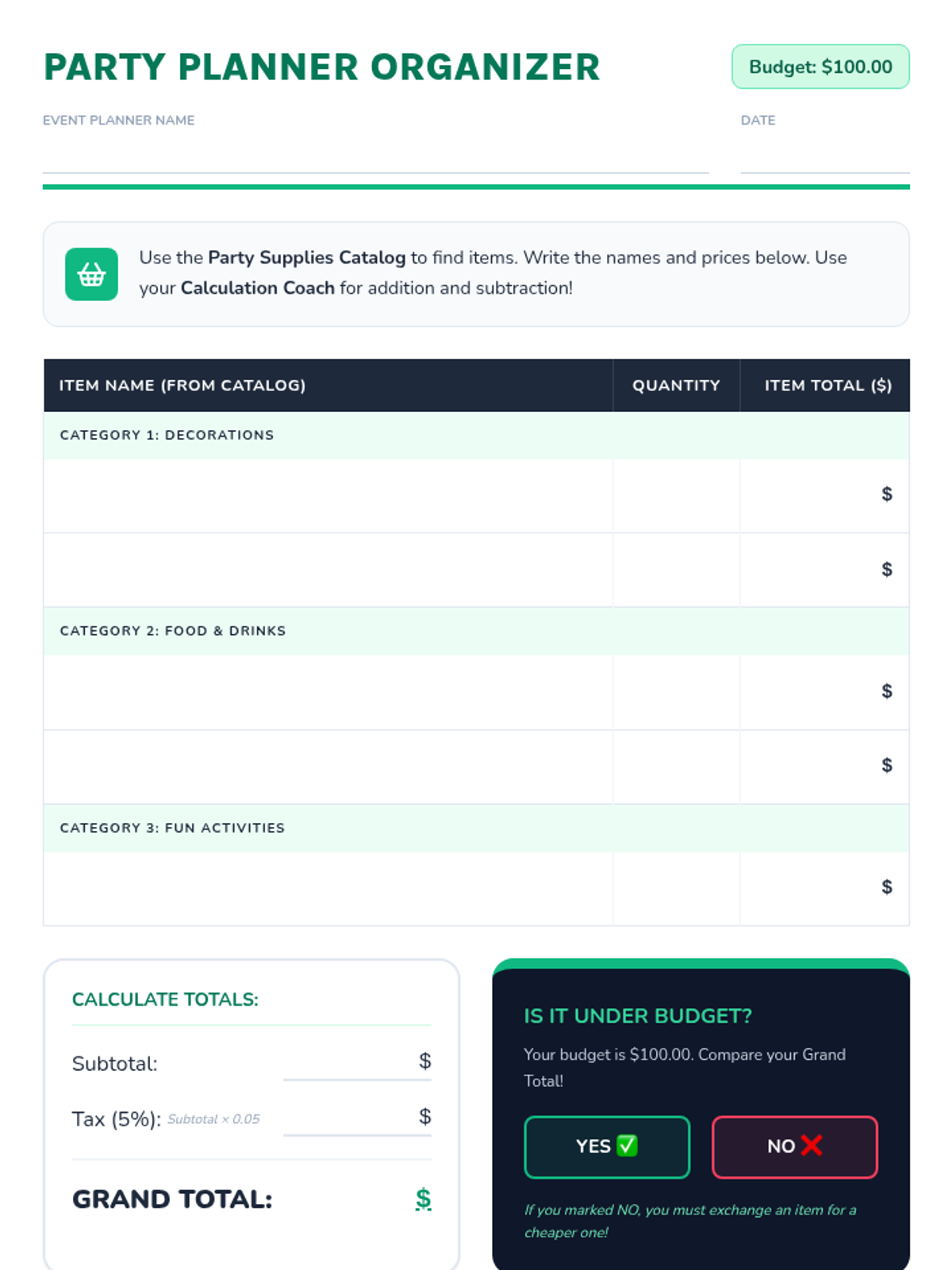
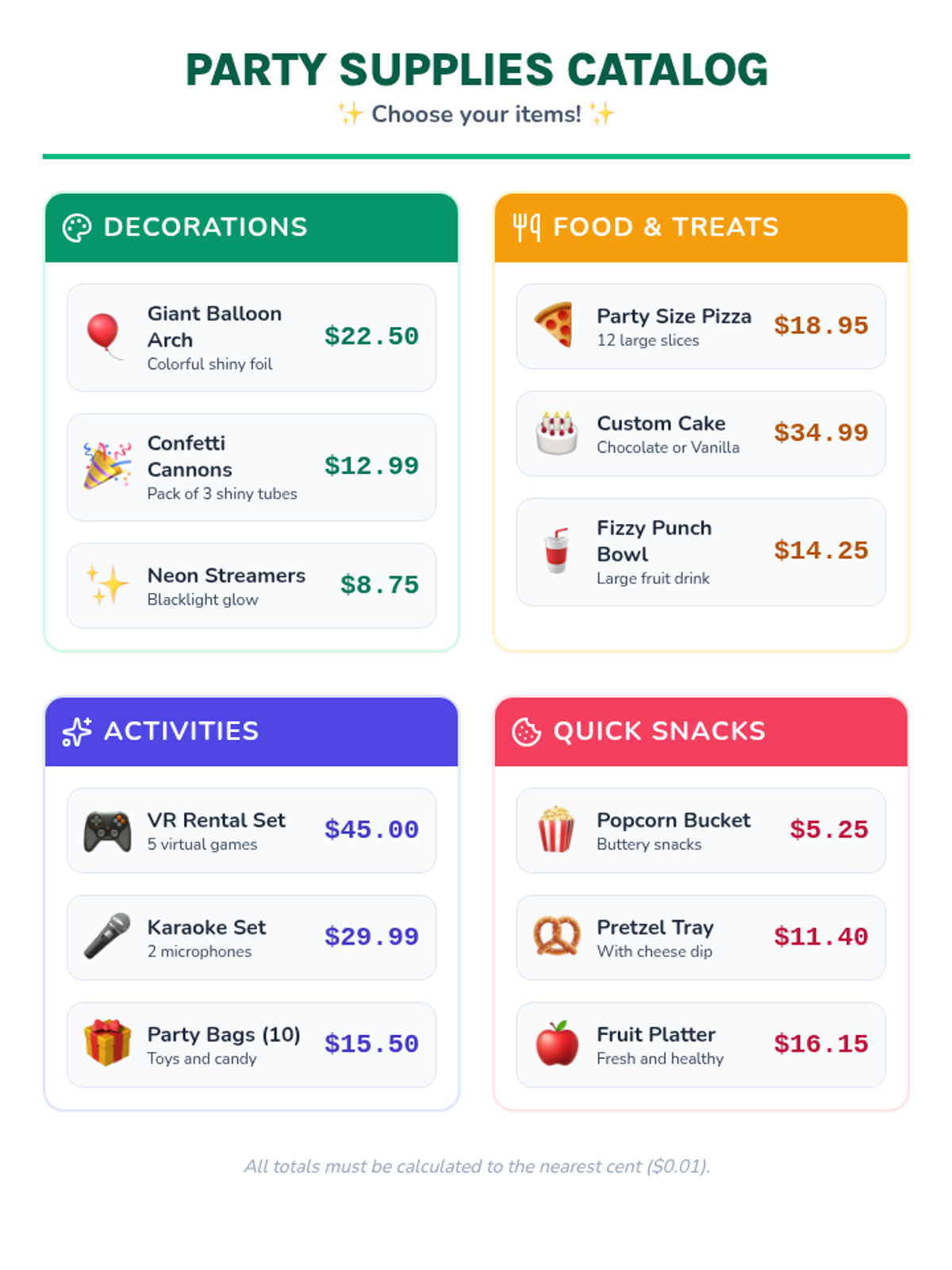
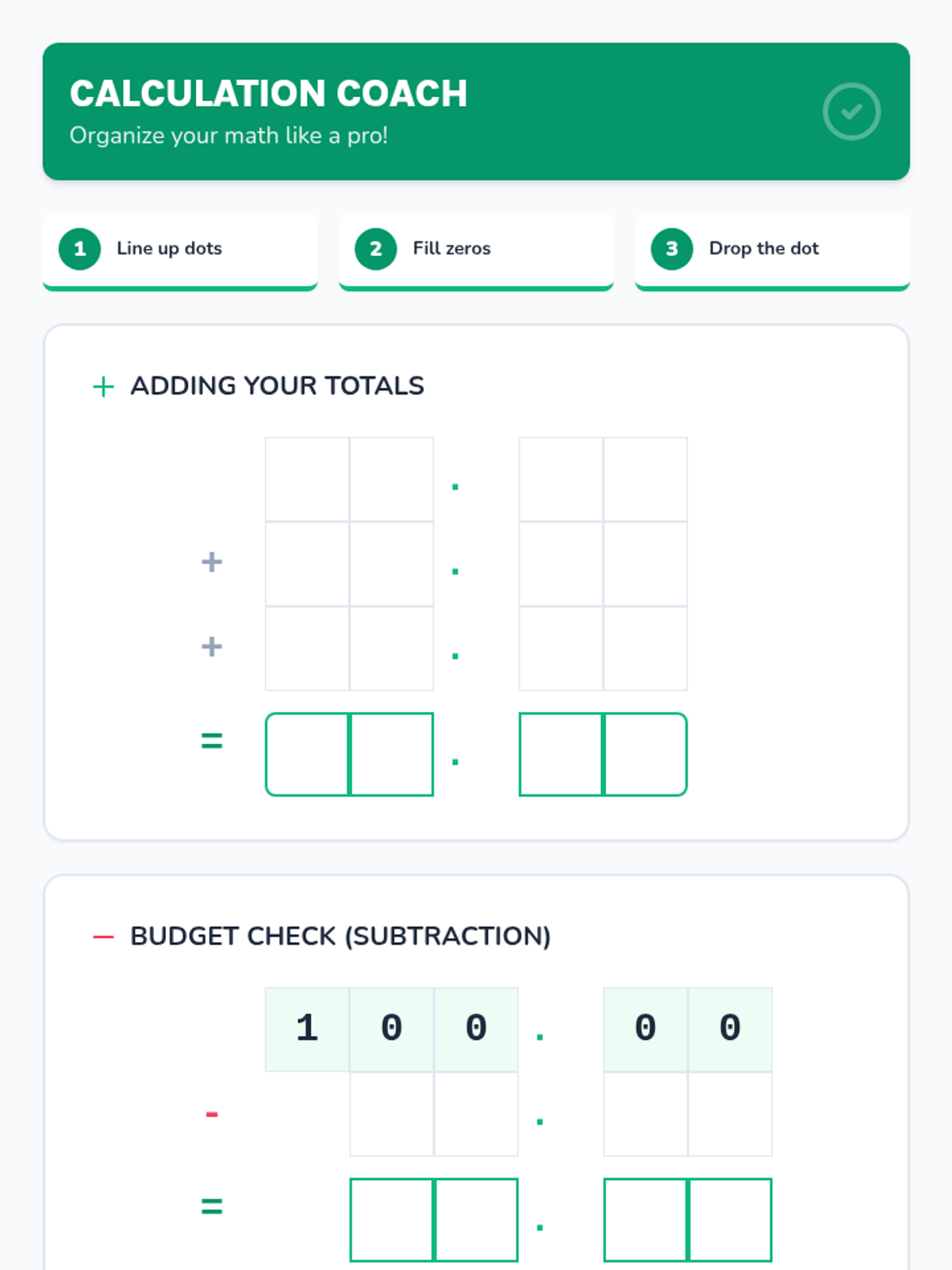
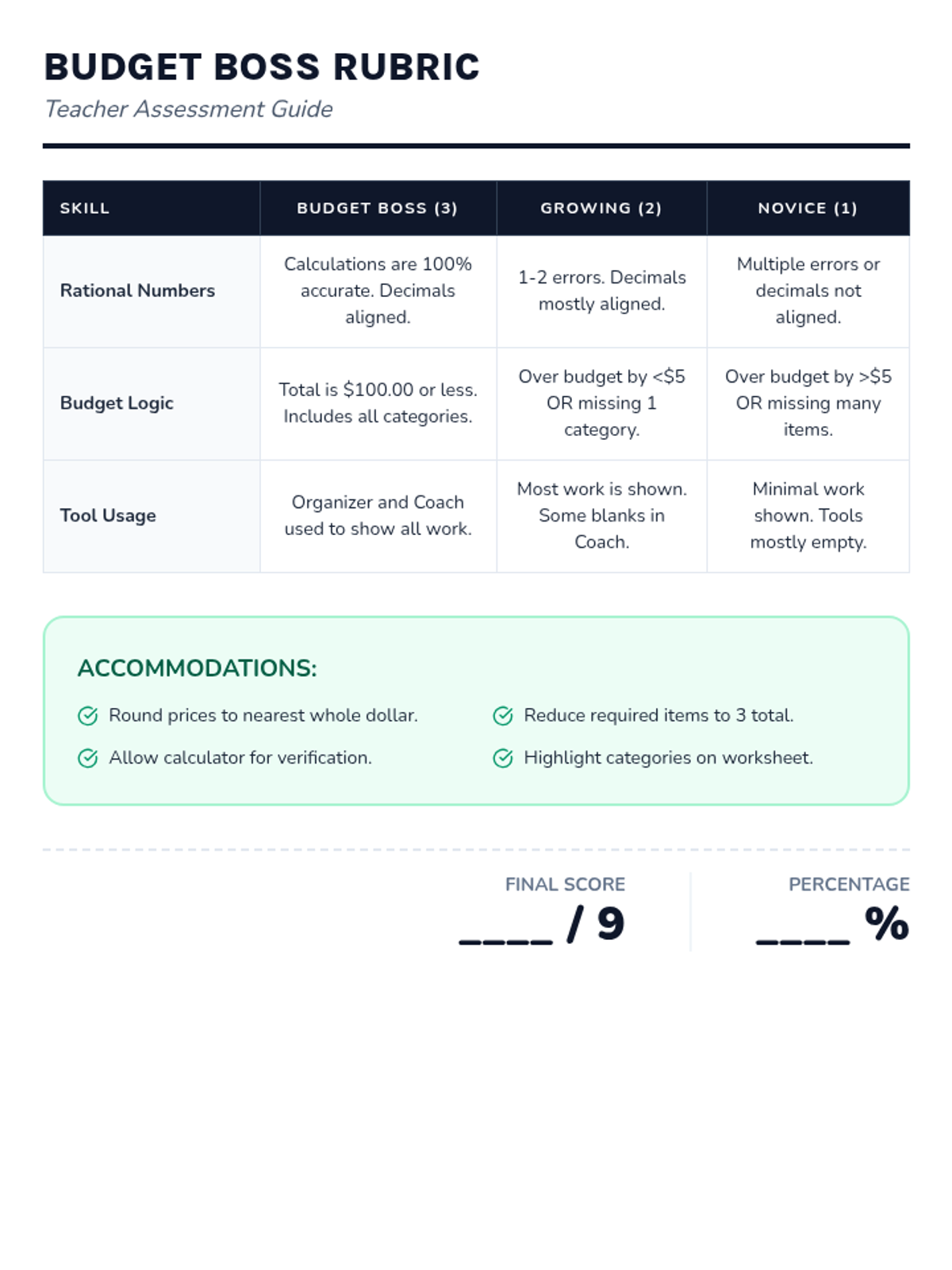
A hands-on performance task where students apply rational number operations to plan a party budget. Students use visual graphic organizers to track spending, calculate totals, and ensure they stay within a set budget.
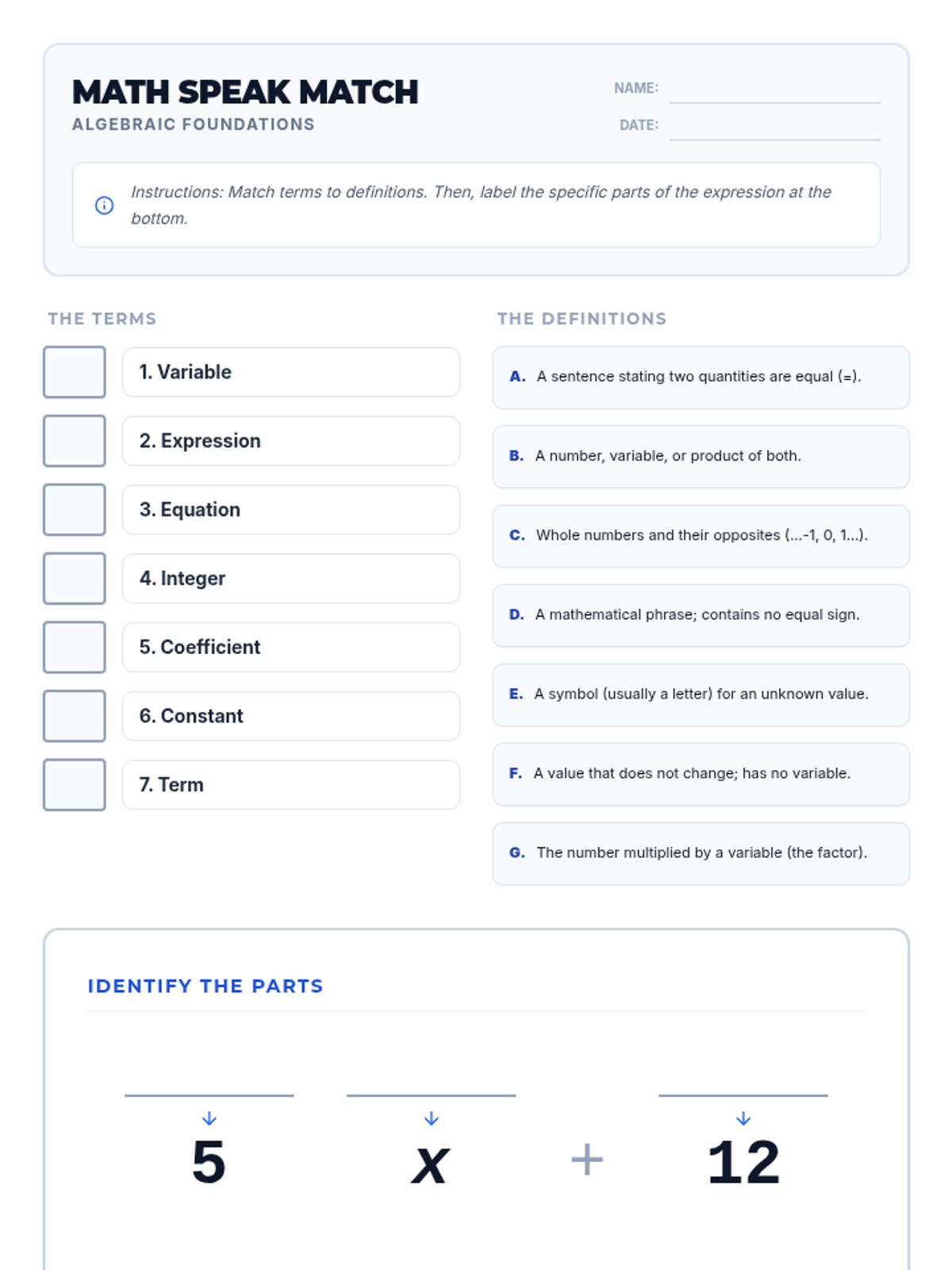
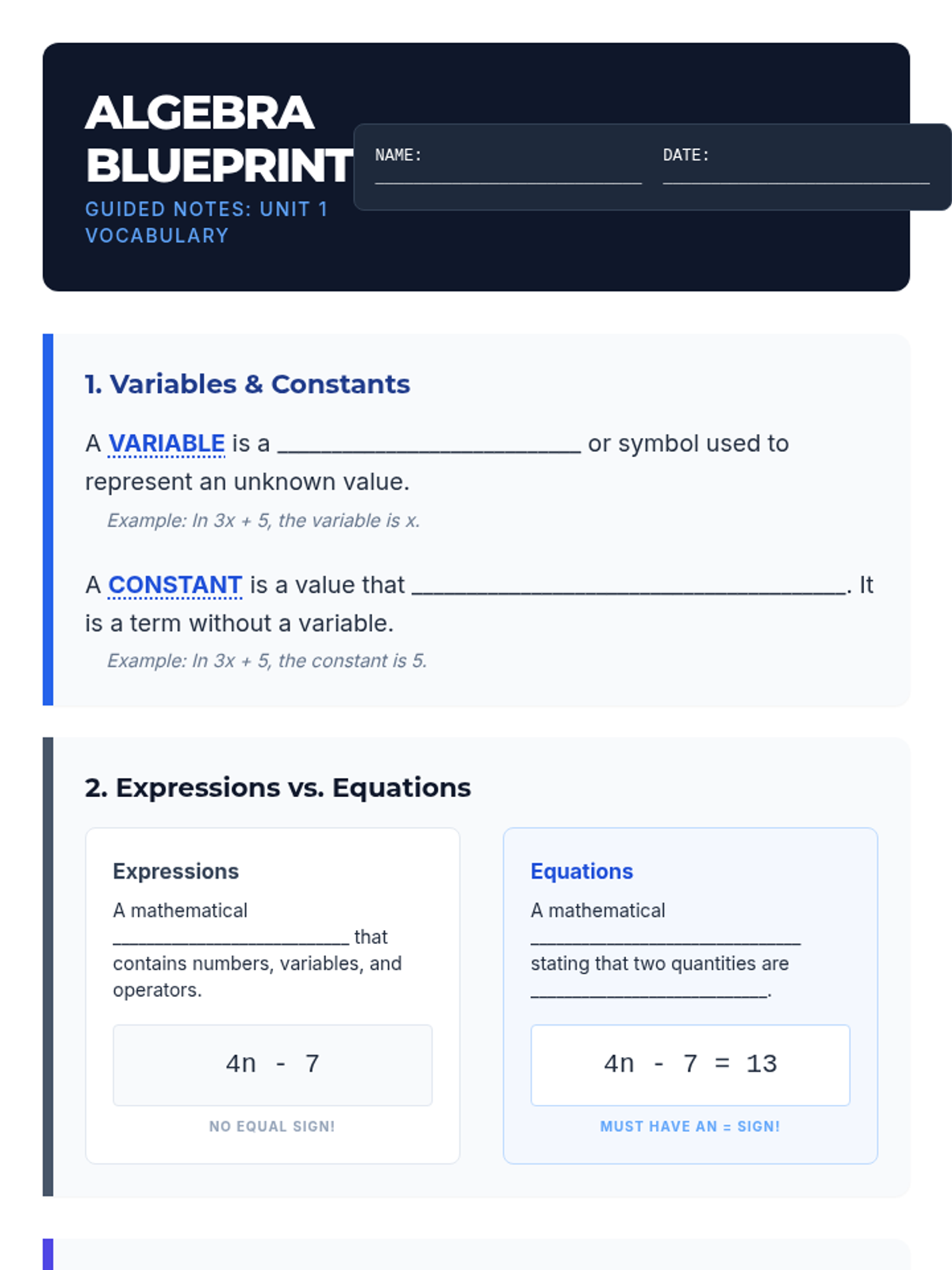
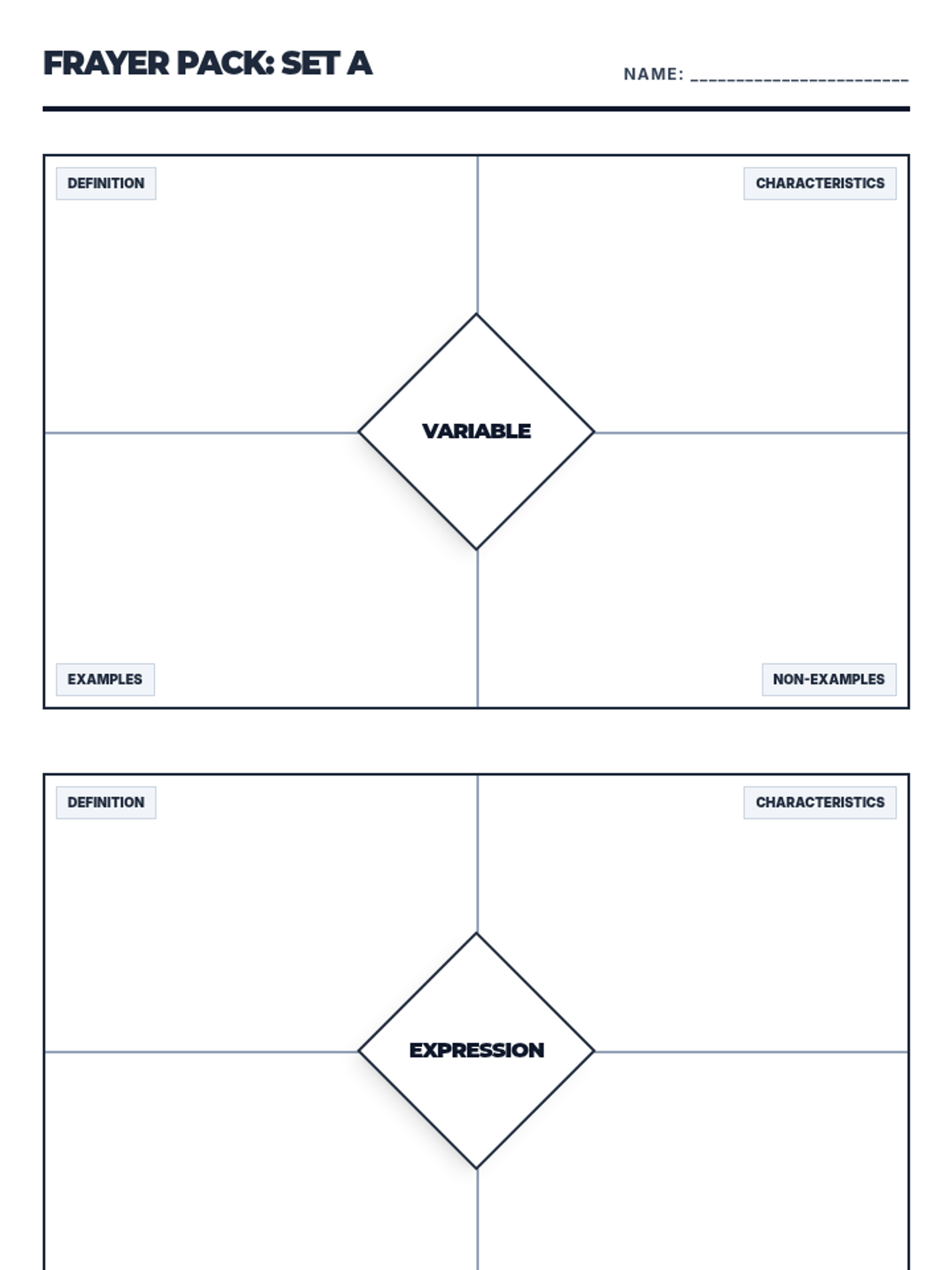
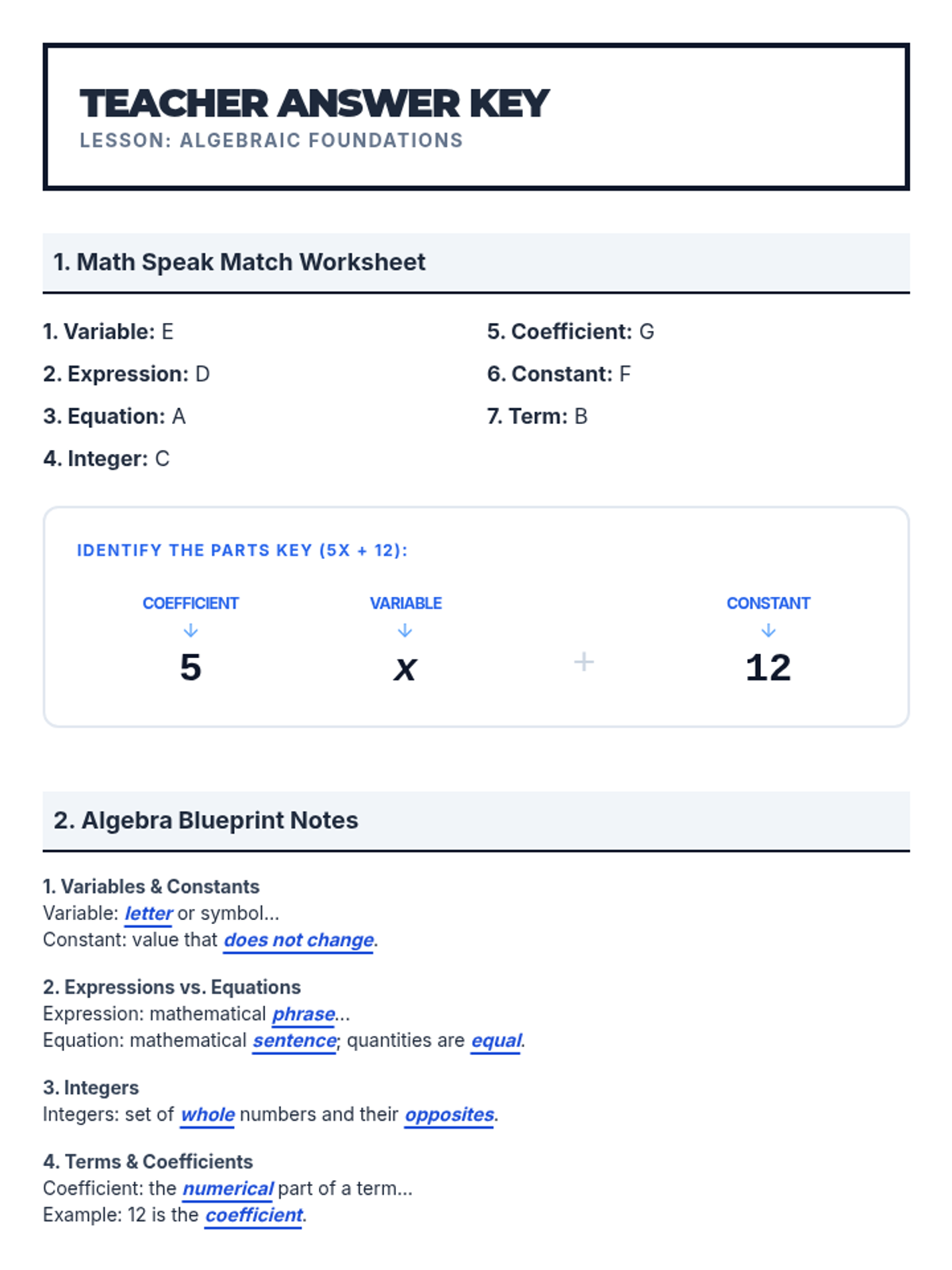
A foundational lesson introducing essential algebra vocabulary: variables, expressions, equations, and integers. Students will learn to distinguish between these terms and apply them to mathematical phrases.
A high-stakes escape room challenge where students solve PEMDAS expressions involving exponents to crack the vault code. Students act as digital detectives navigating four distinct security layers.
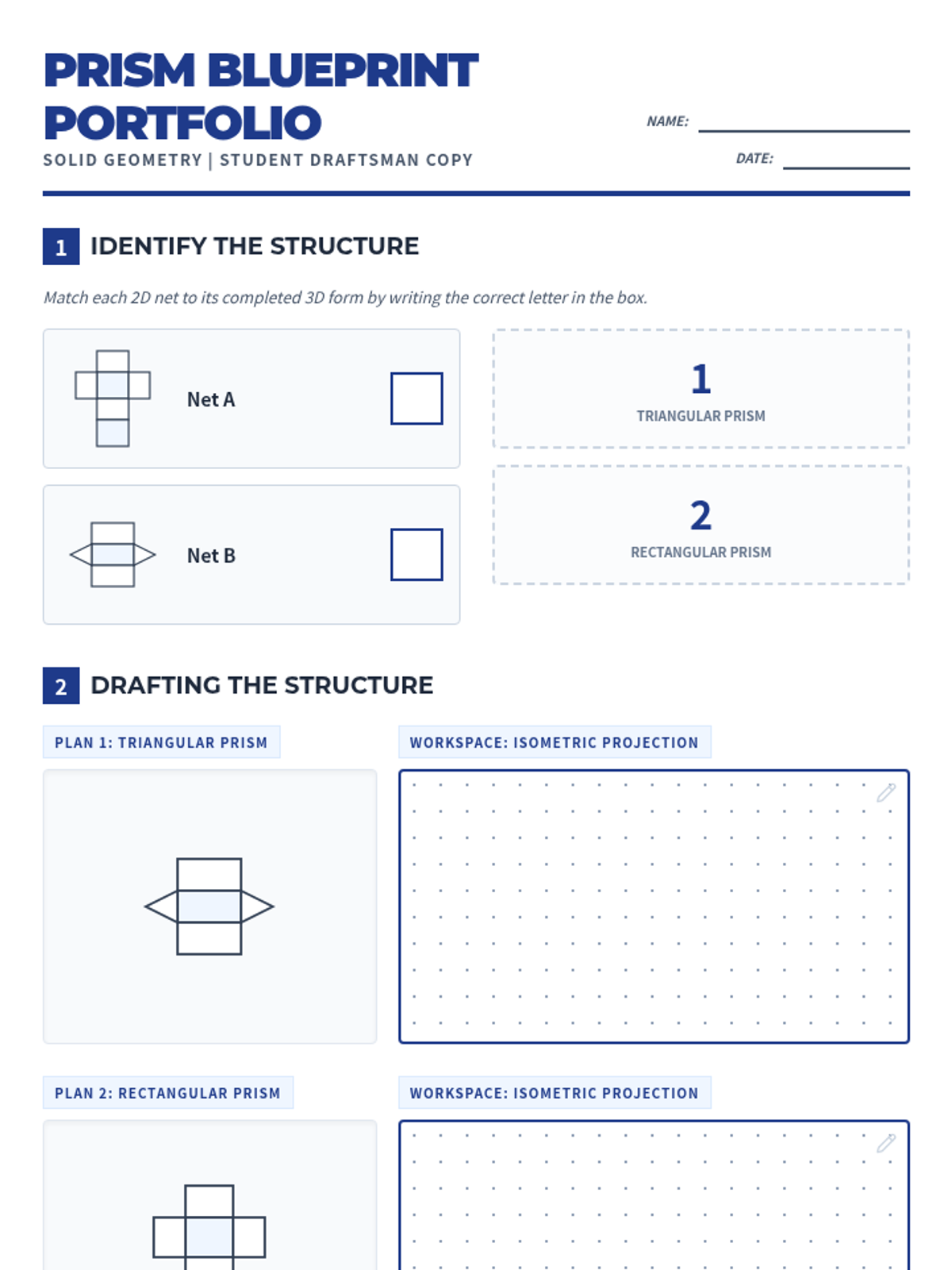
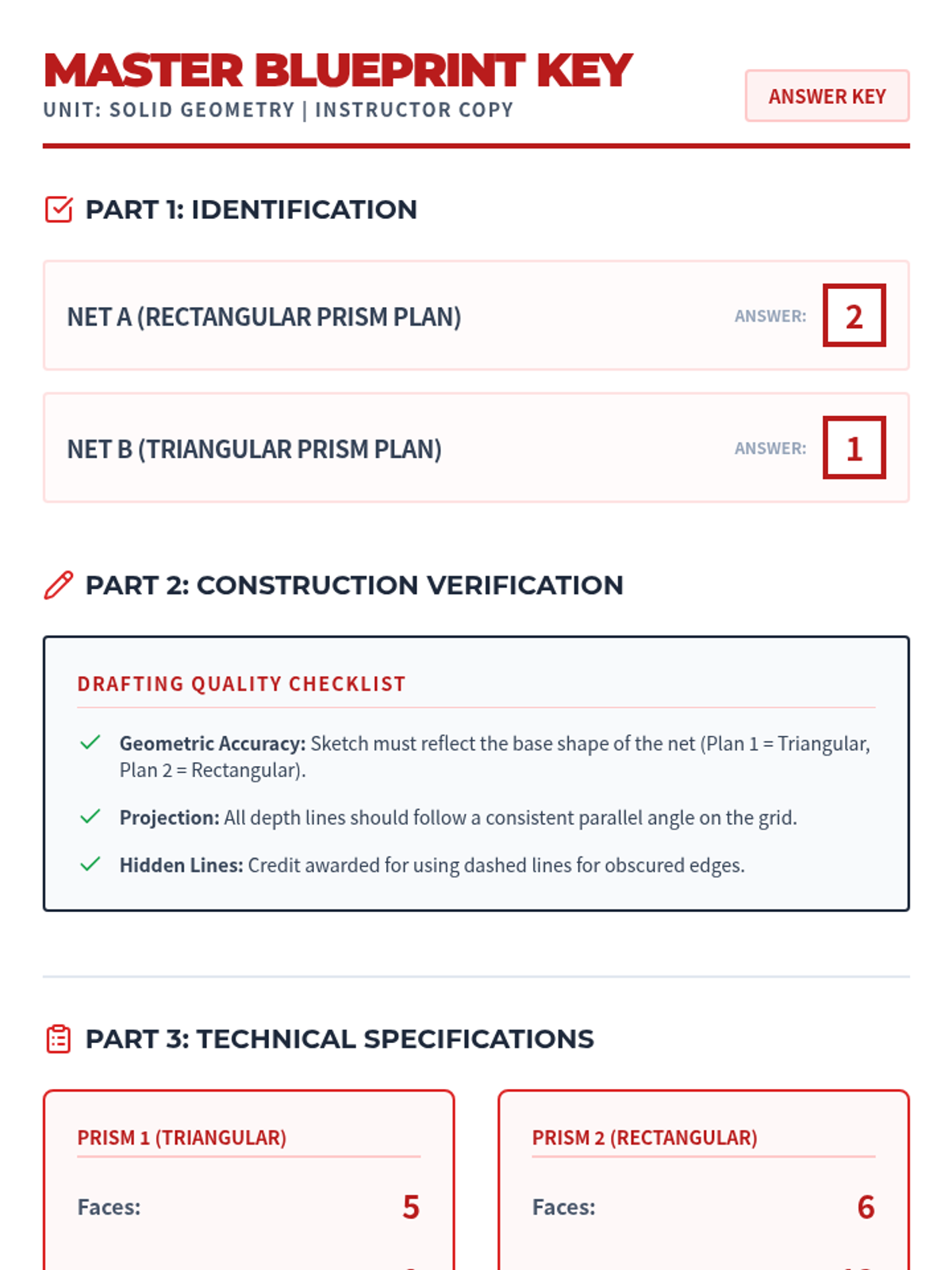
A hands-on lesson focusing on the transition from 2D nets to 3D prism constructions, specifically targeting rectangular and triangular prisms through visualization and drawing techniques.
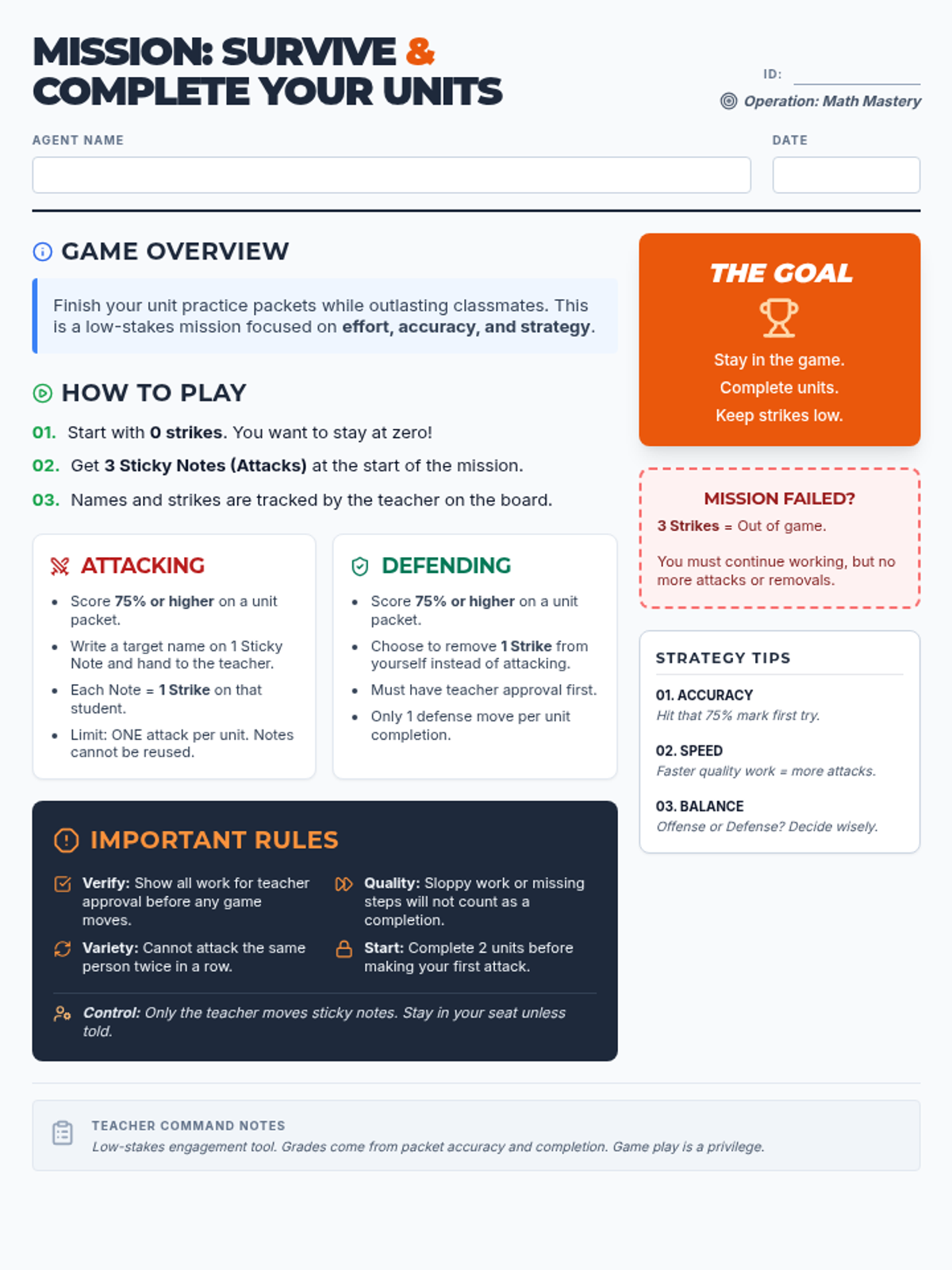
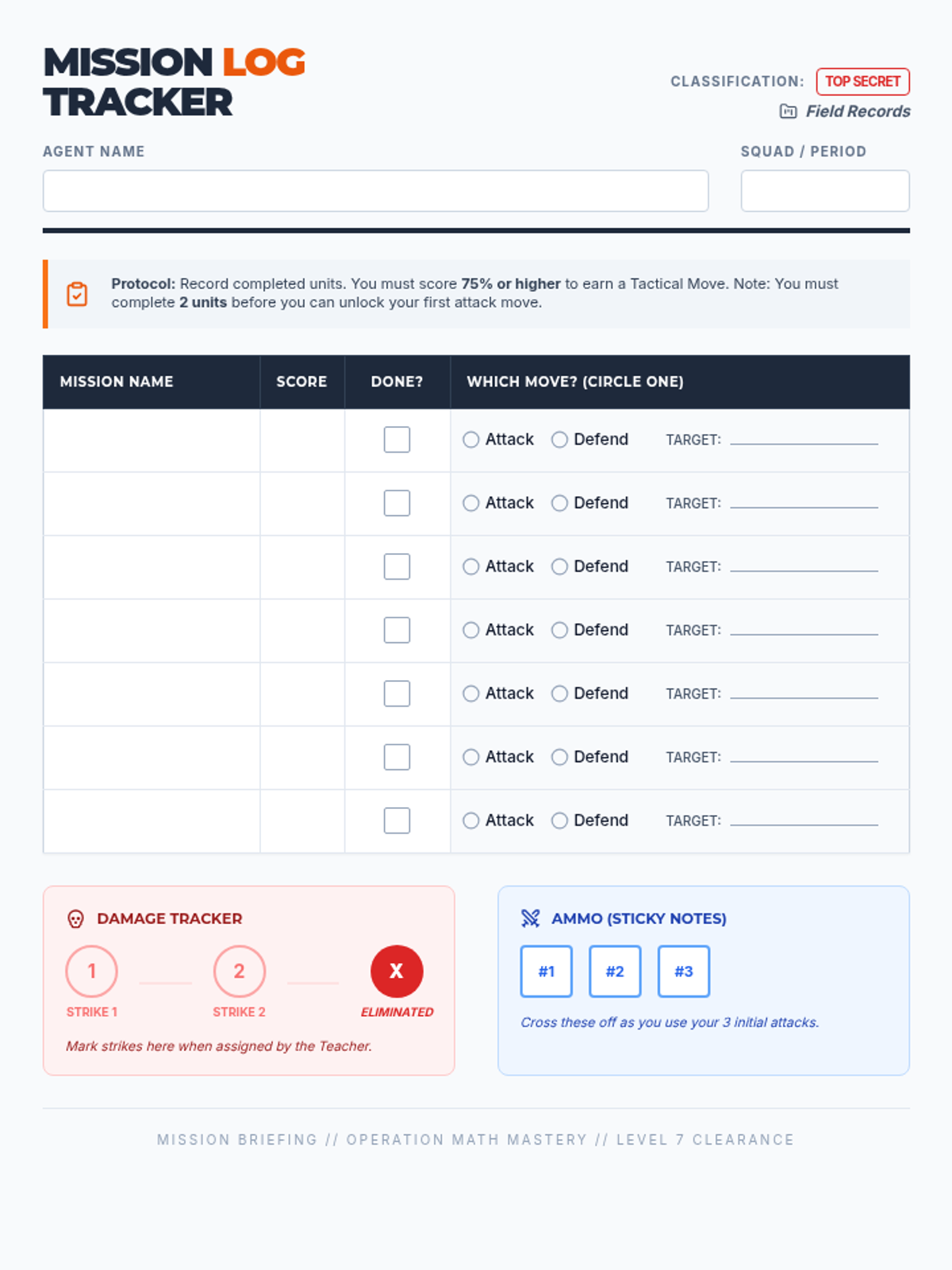
A unit completion game designed to incentivize math practice through a tactical classroom competition. Students complete unit packets with high accuracy to earn the right to attack or defend in a game of survival.
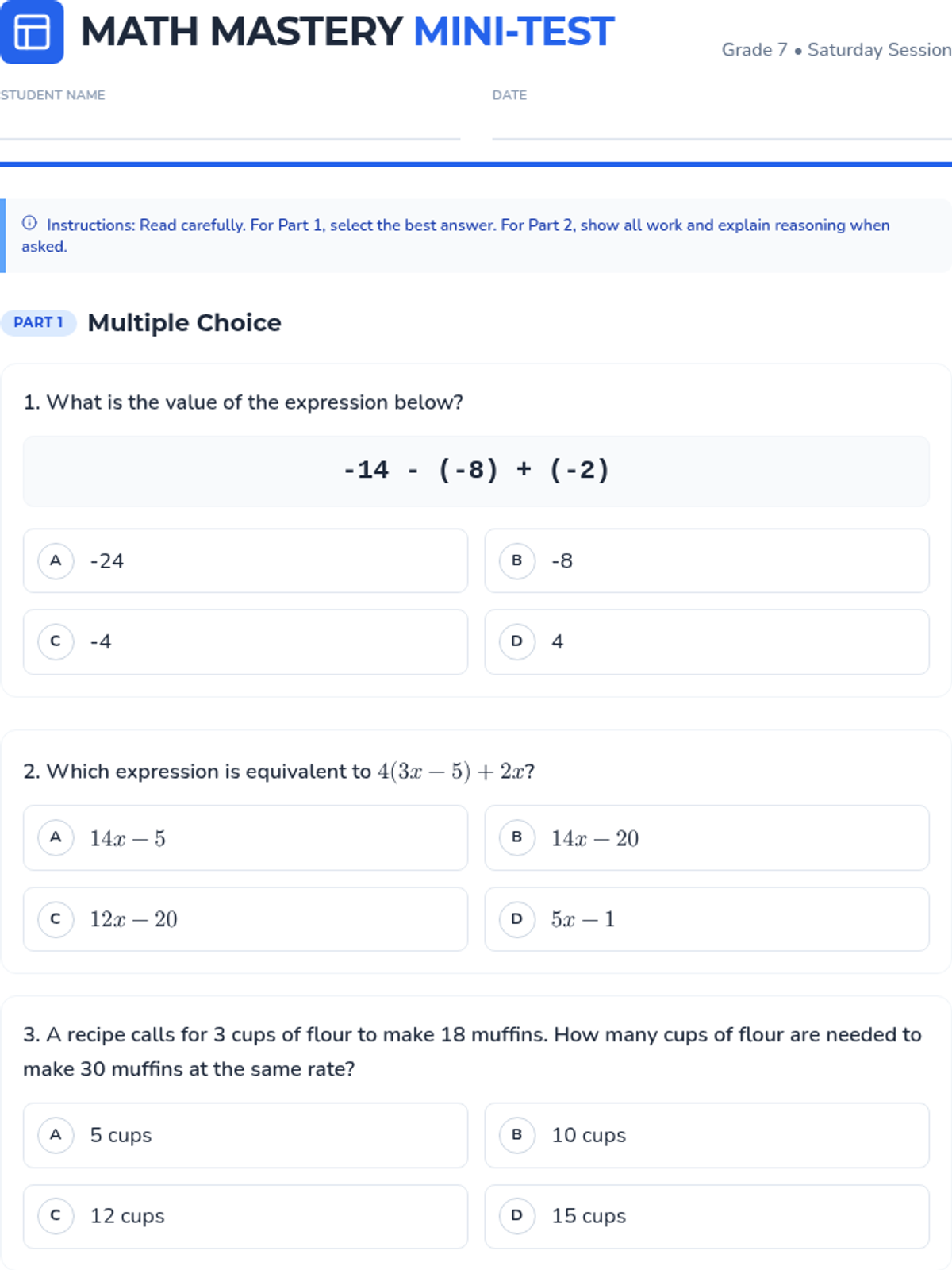
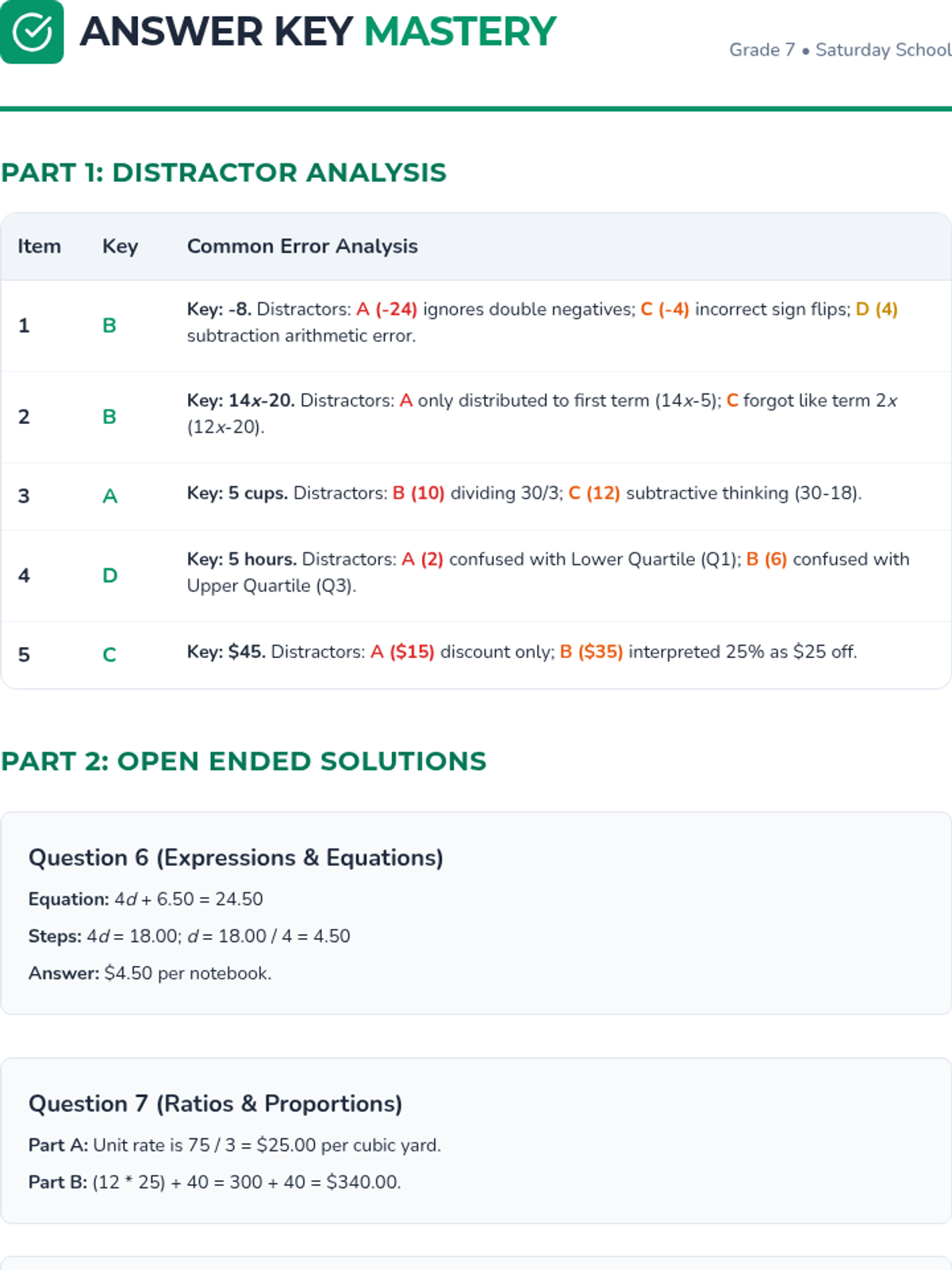
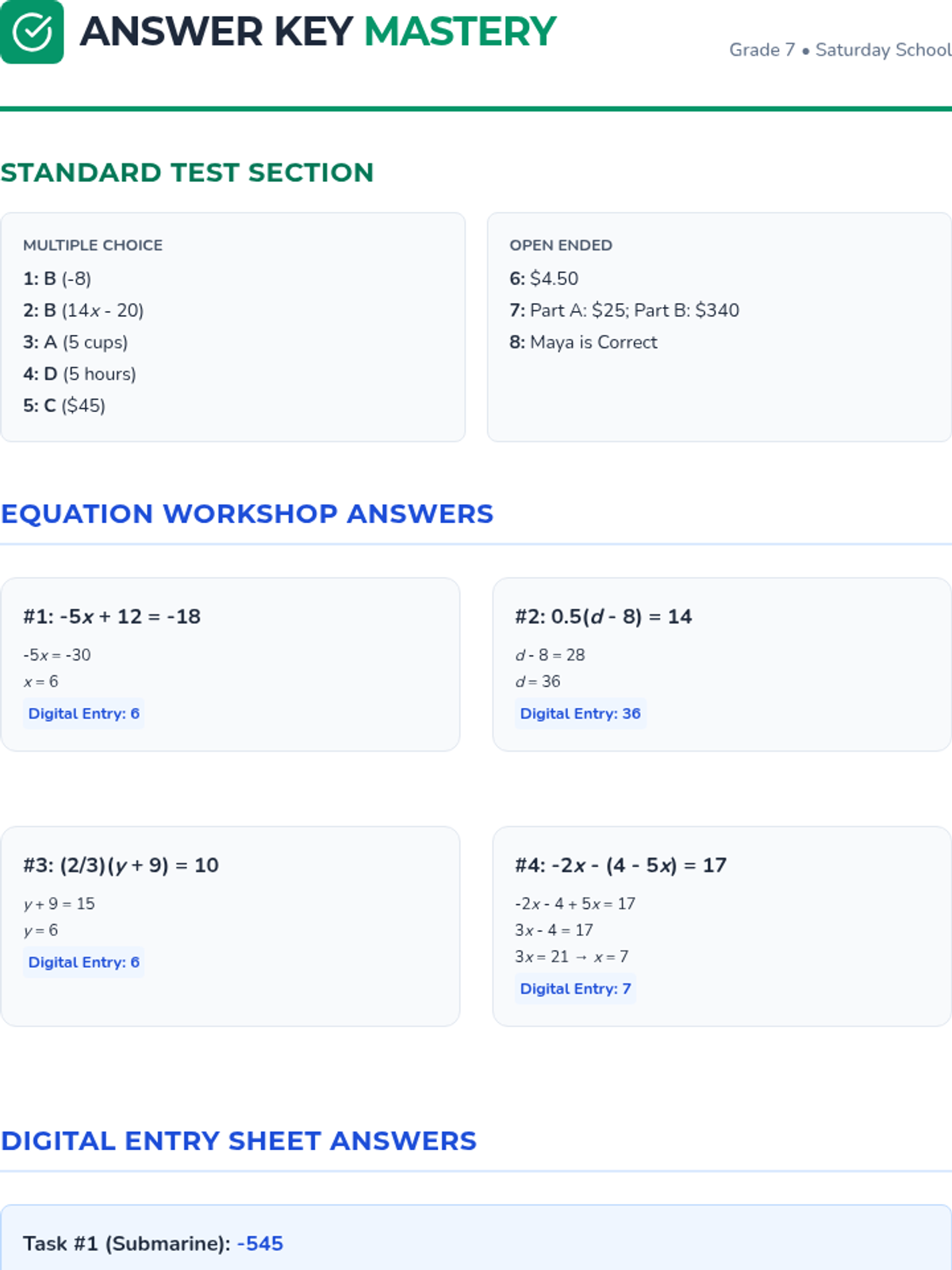
A 7th-grade math mini-test designed for Saturday school, focusing on core NYS standards including Number Systems, Expressions and Equations, Ratios and Proportions, and Statistics. Includes a student test packet and a teacher answer key.