A spooky, retro-themed lesson designed to teach students how to identify subjects, predicates, and expanders using mysteries from Hawkins and the Upside Down. Includes interactive slides, a survival worksheet, and a teacher answer key.
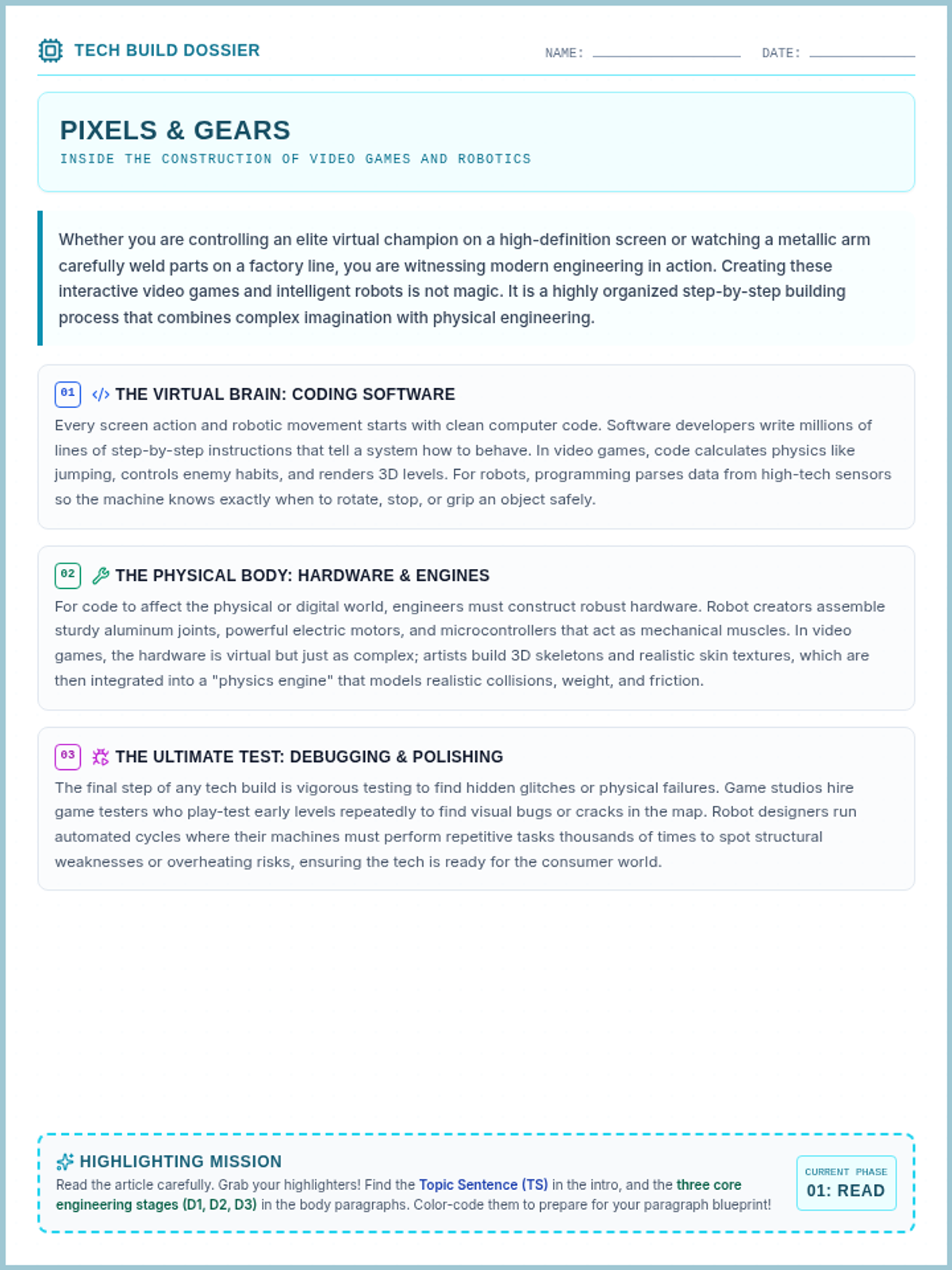
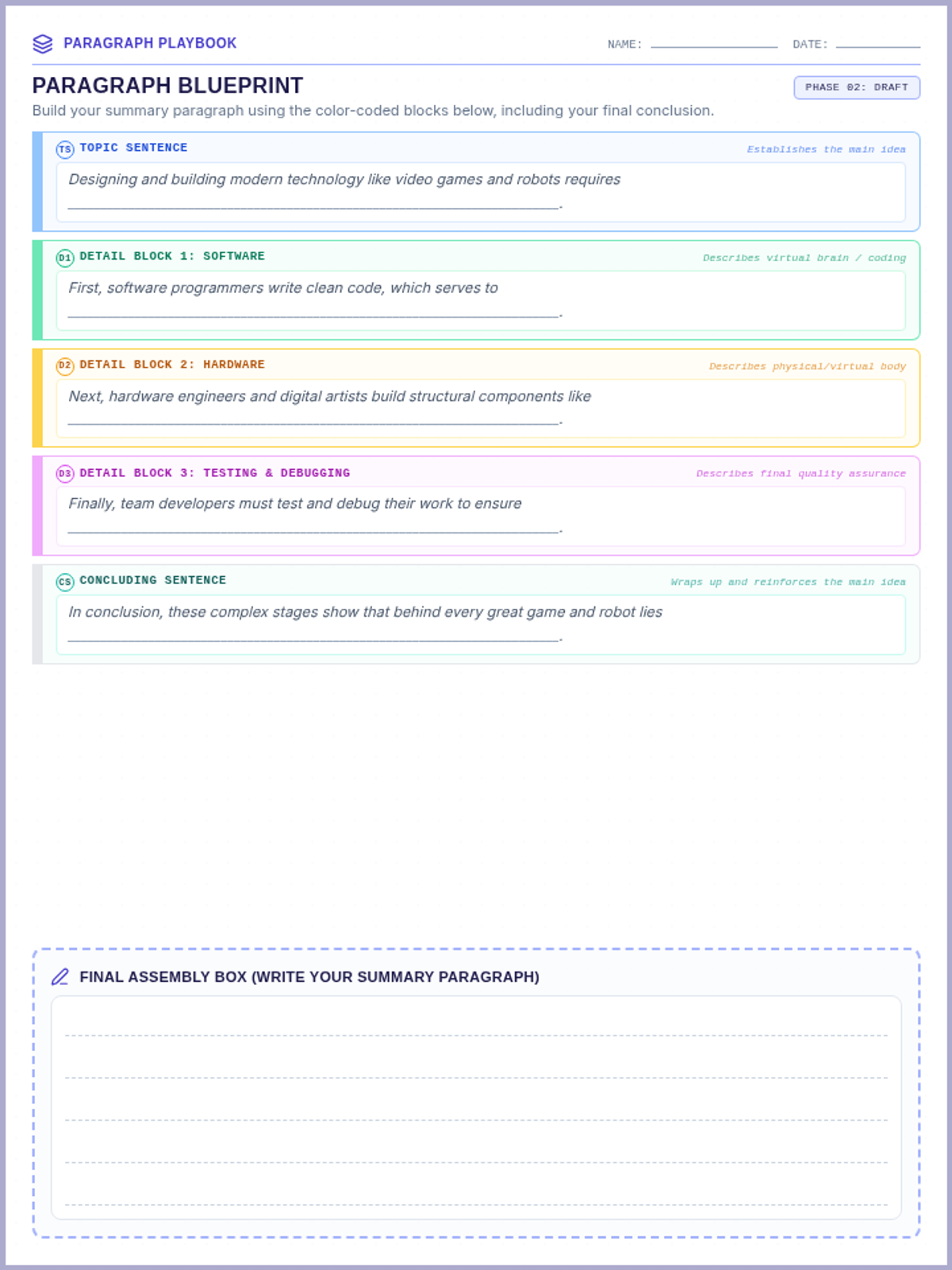
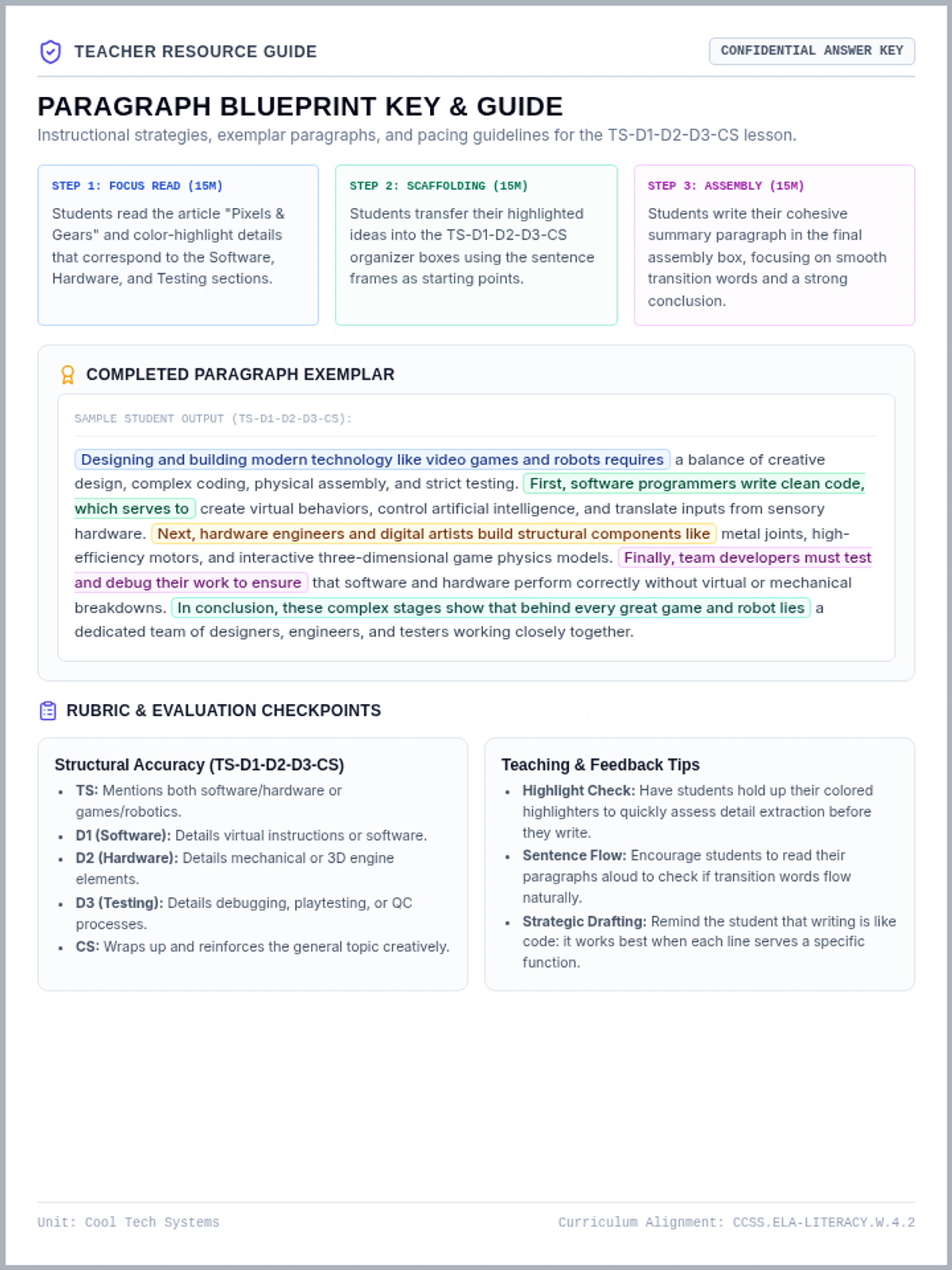
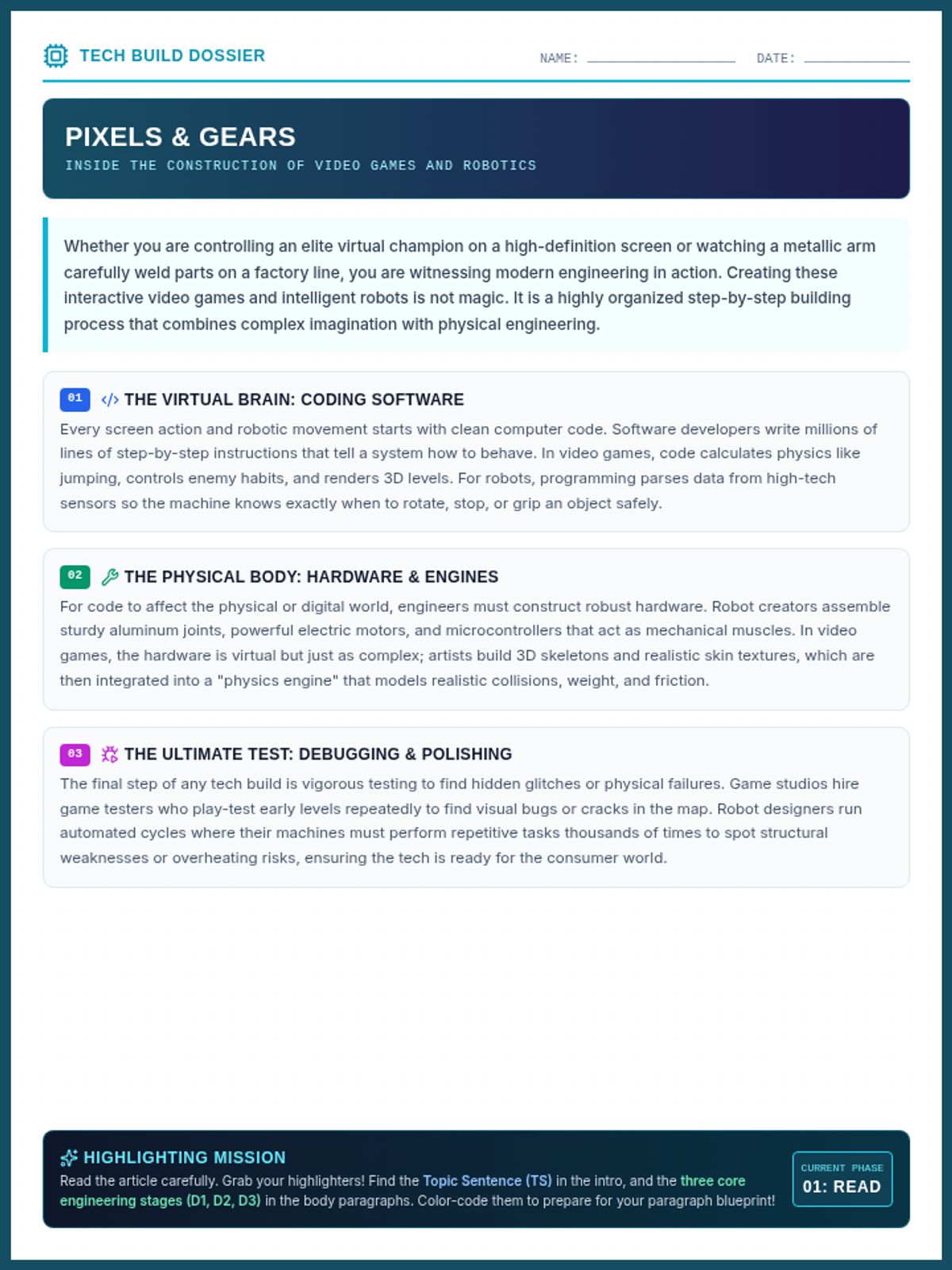
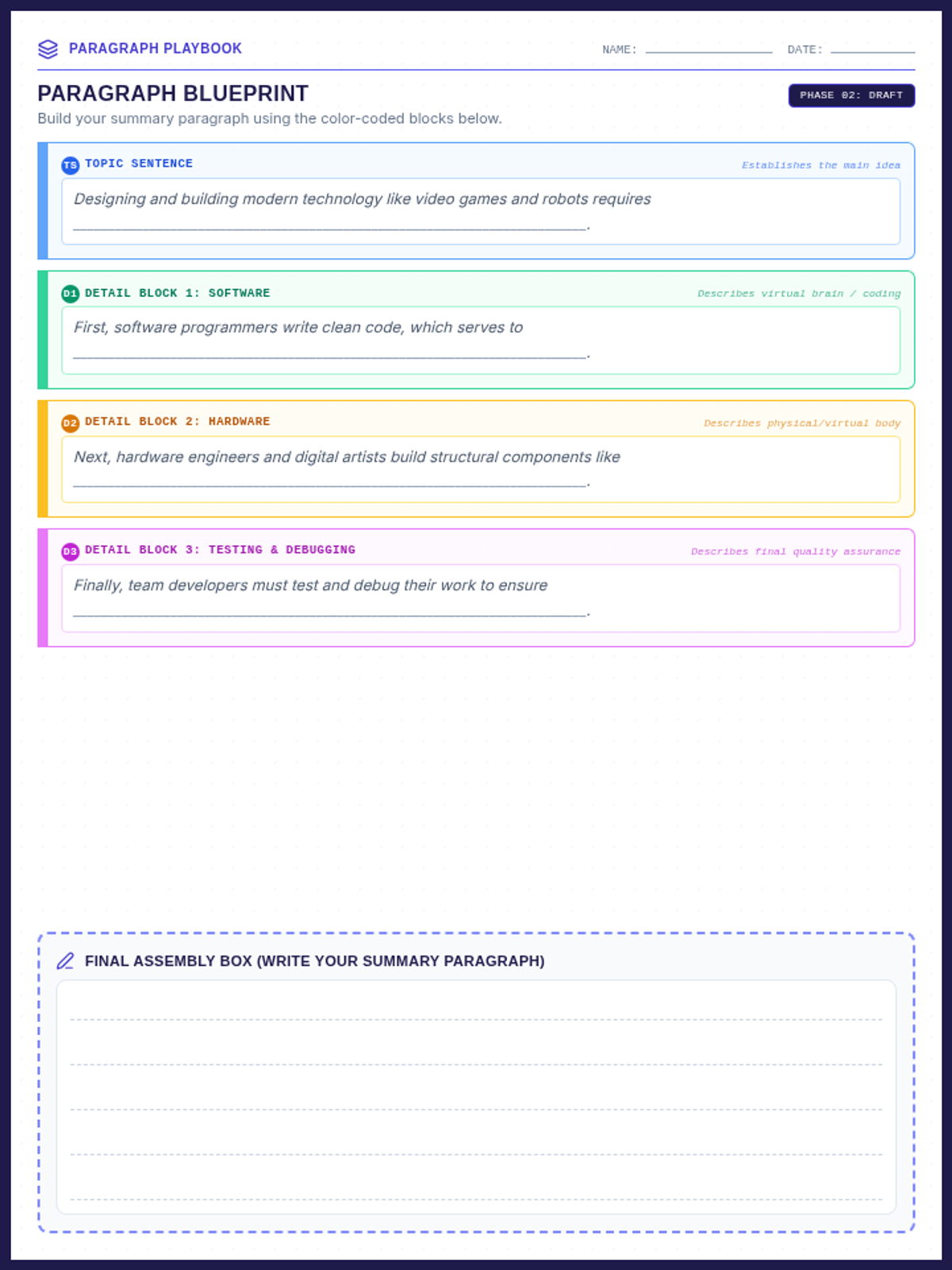
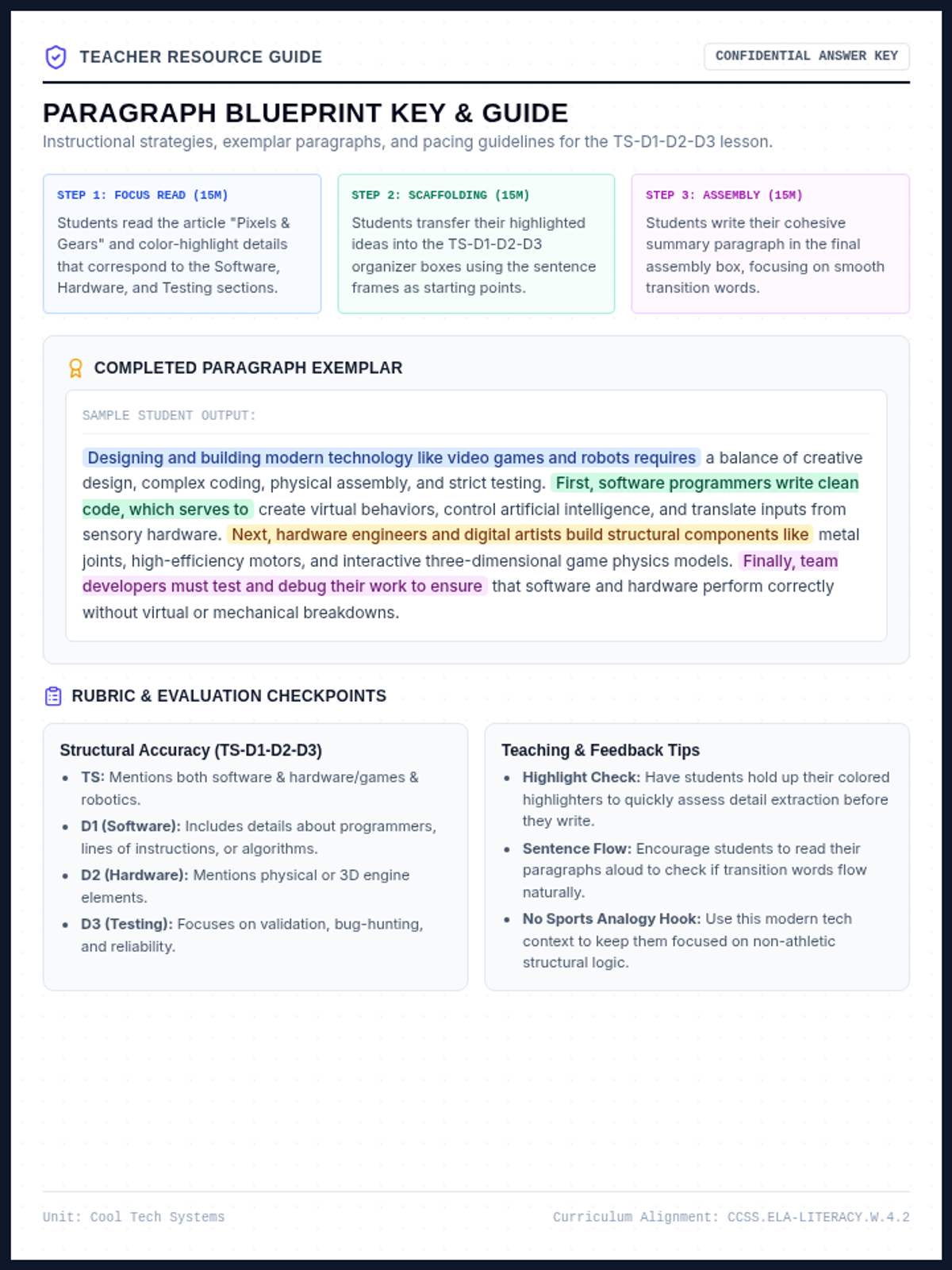
A structured lesson focusing on the engineering of video games and robotics. Students read an engaging, tech-themed article and use a color-coded TS-D1-D2-D3 graphic organizer to write a cohesive summary paragraph.
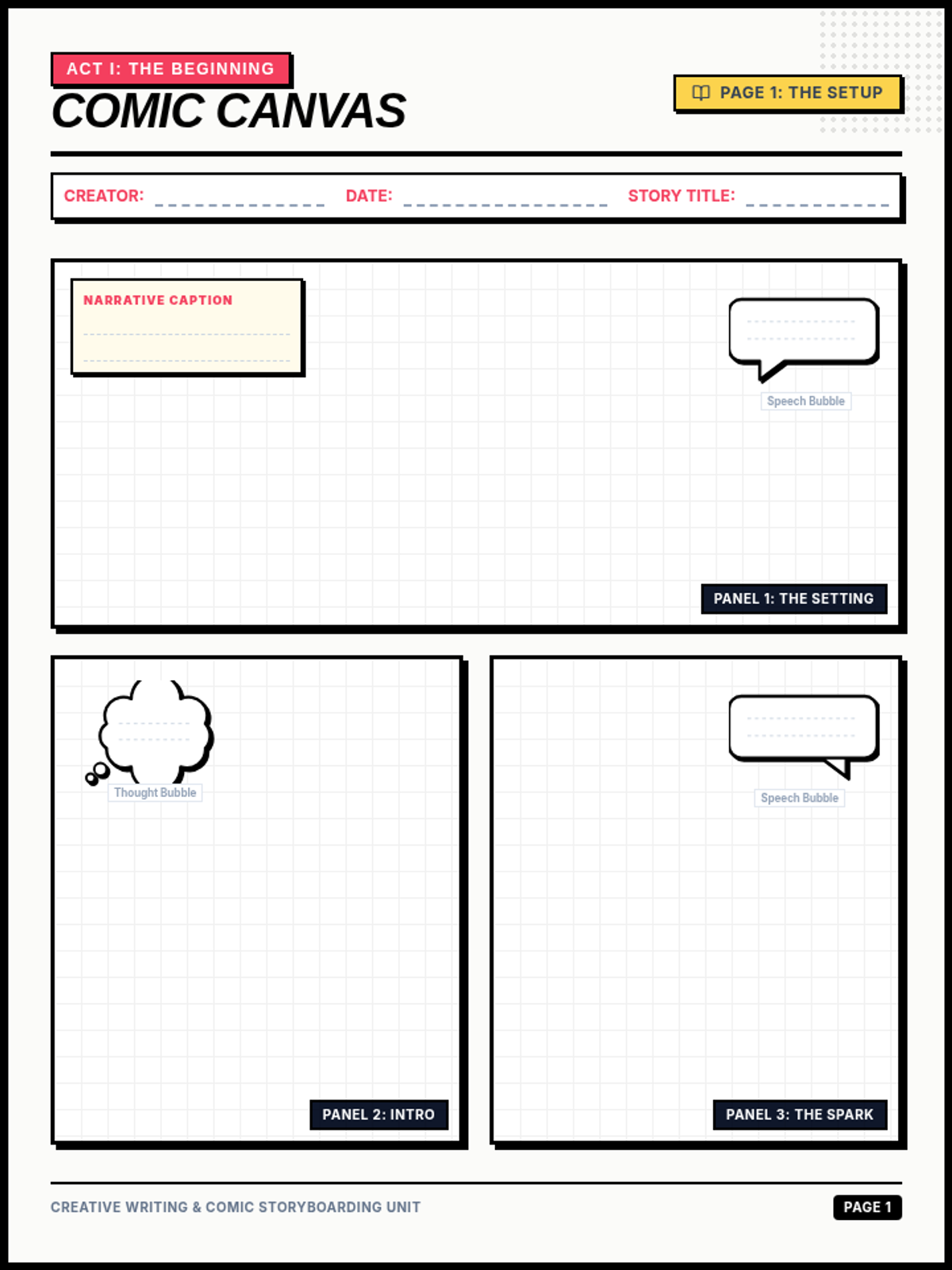
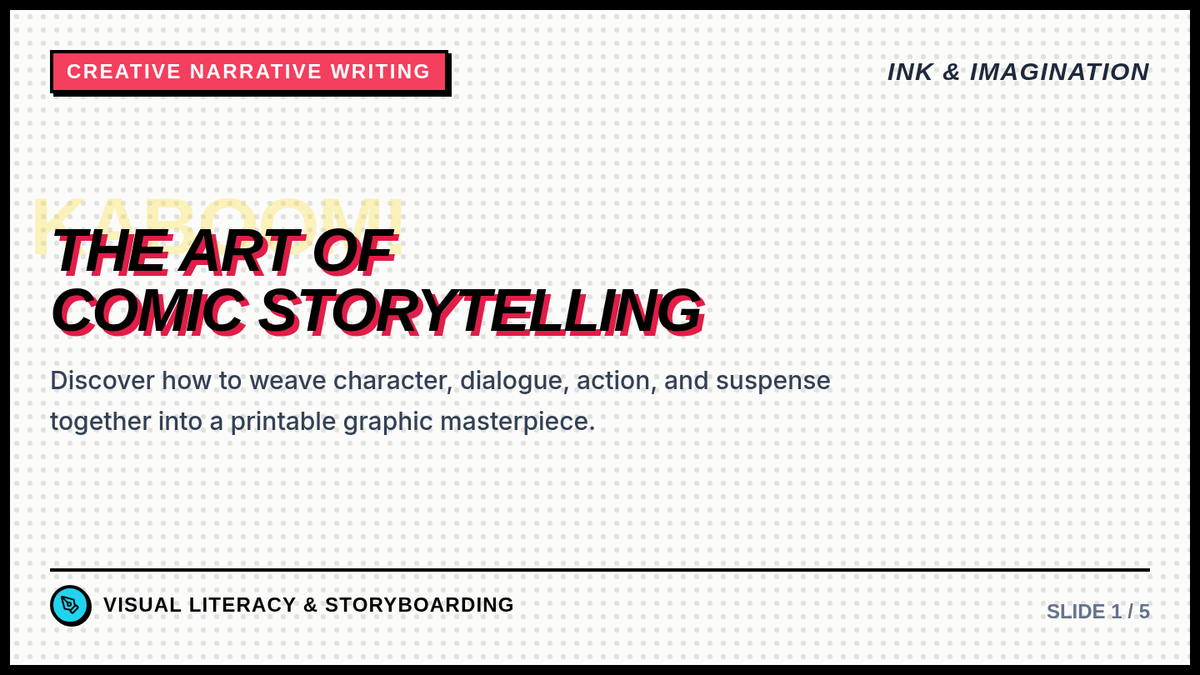
A creative narrative writing lesson that guides students through structural comic book creation, character design, and panel-by-panel storytelling using visual templates.
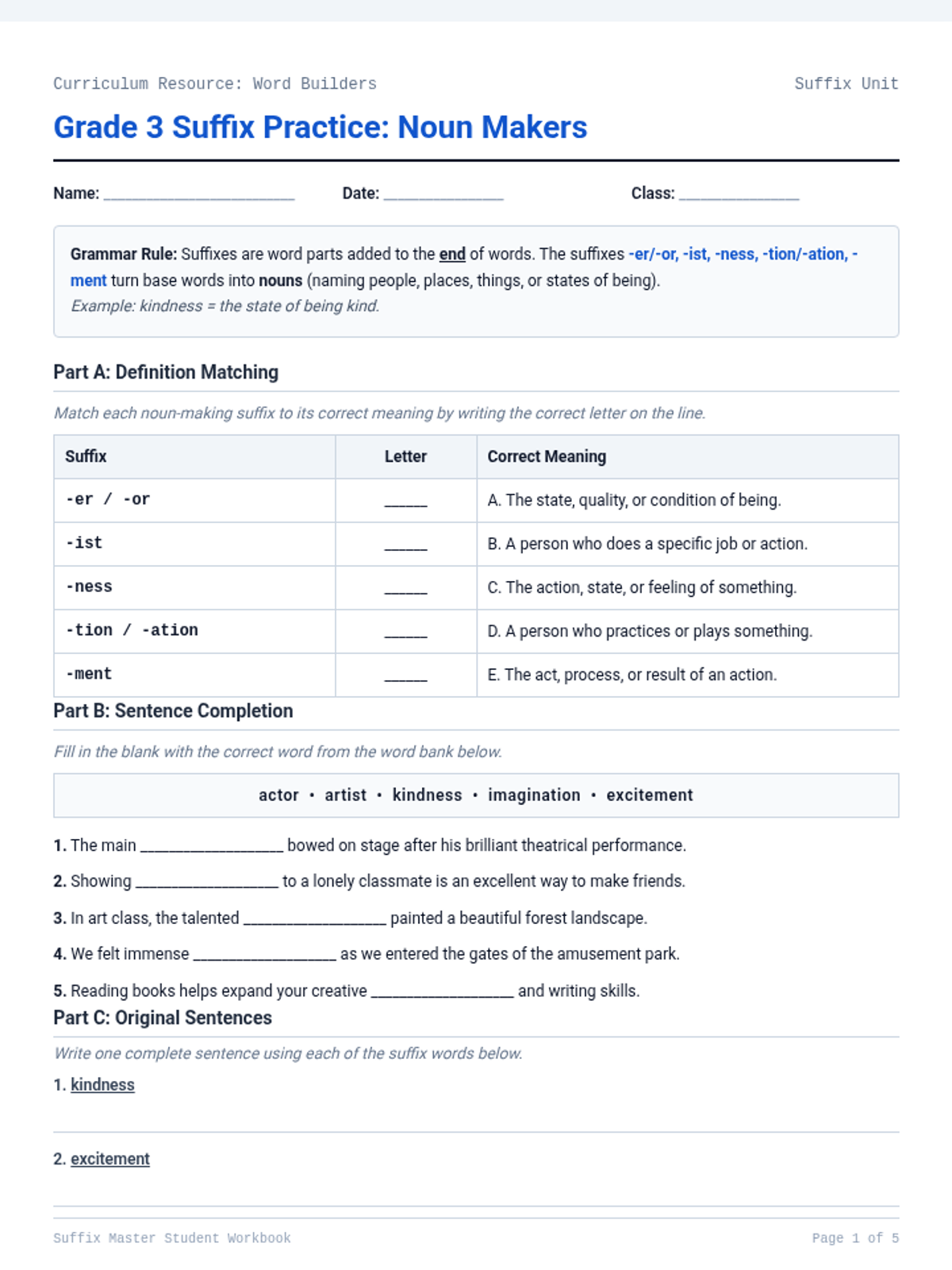
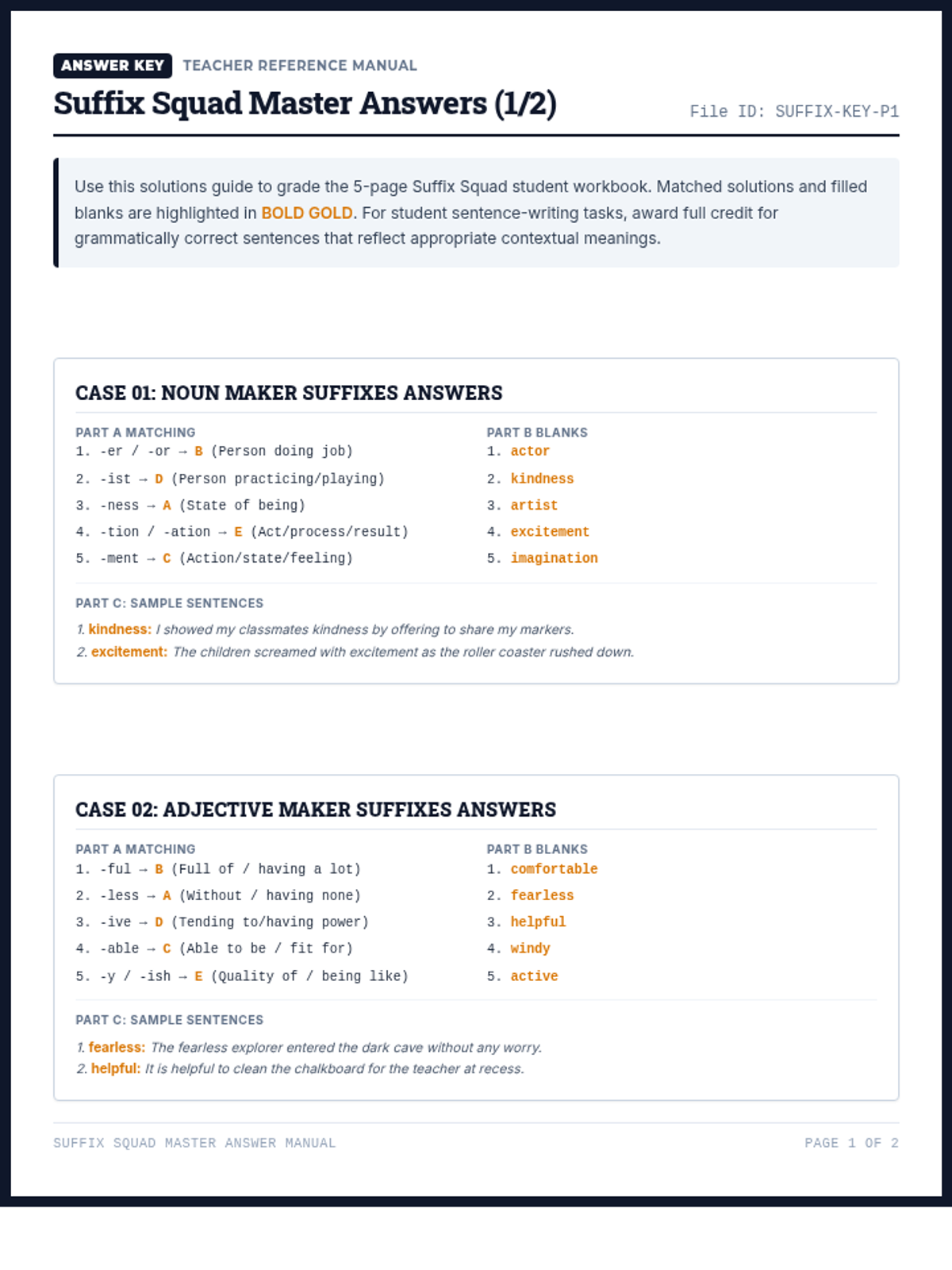
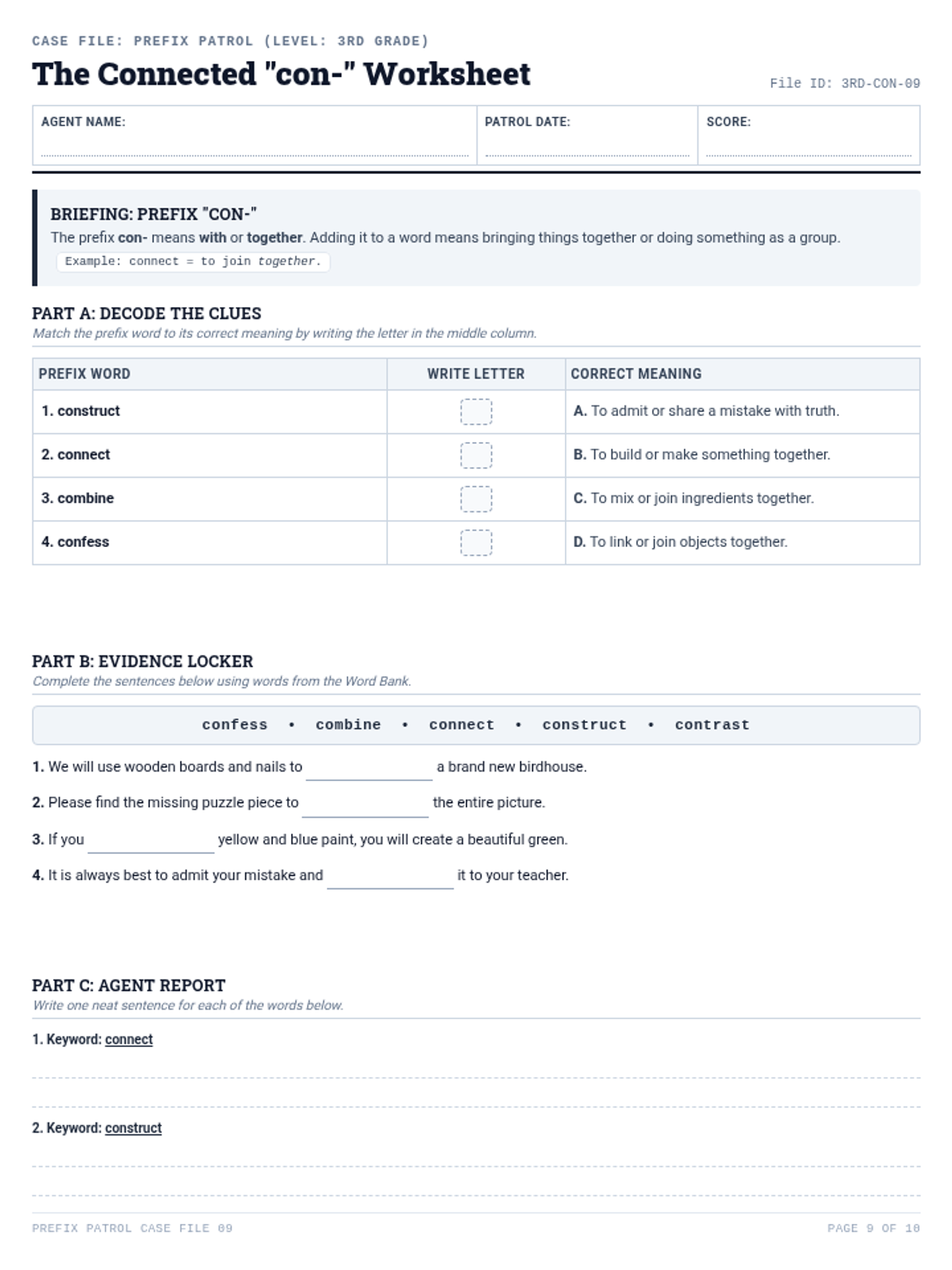
A comprehensive 3rd-grade grammar unit covering essential noun, adjective, verb, and adverb suffixes. Through engaging matching, fill-in-the-blank, and sentence writing exercises, students learn to identify, decode, and use these word parts in worksheets and a workbook.
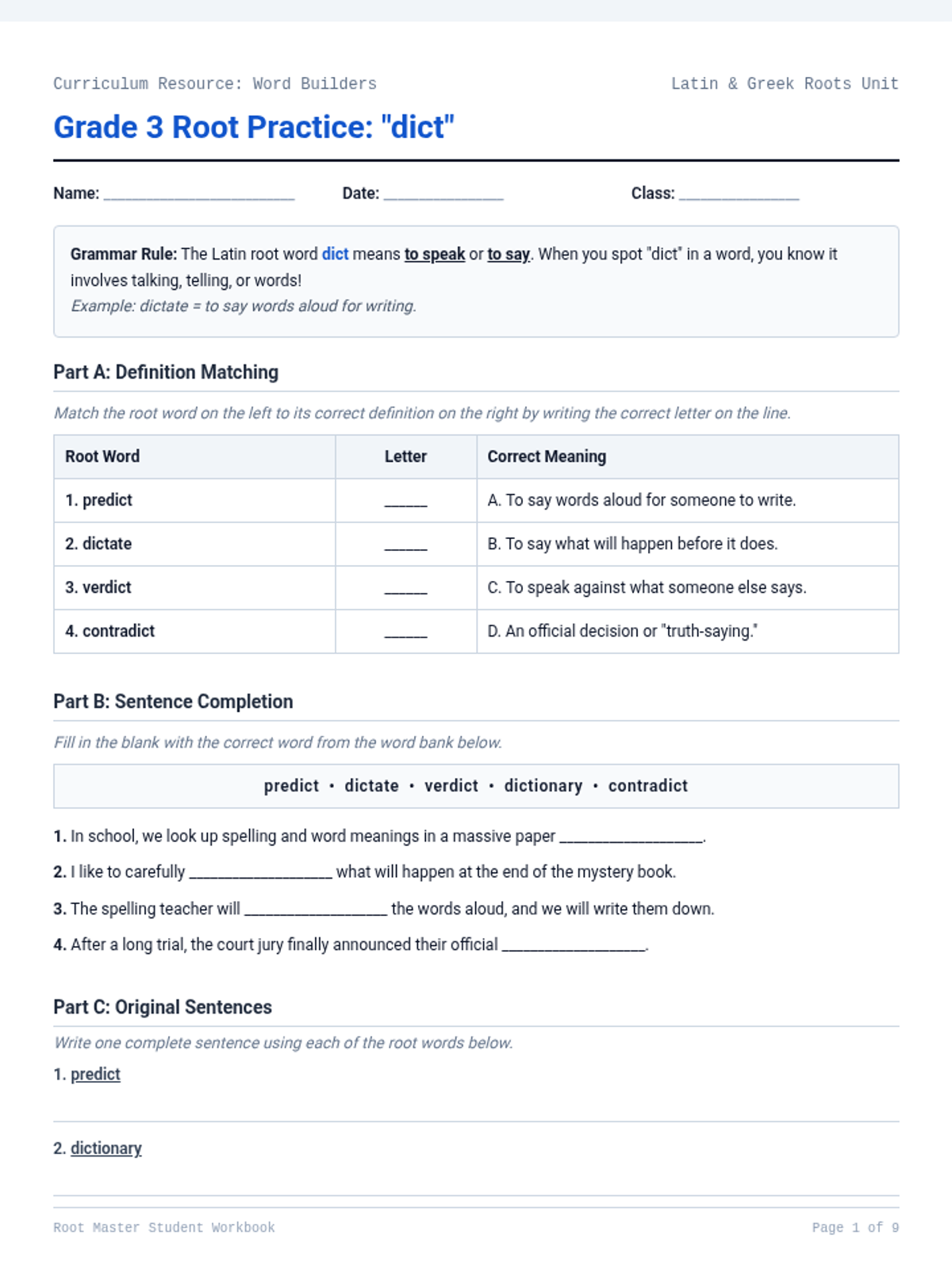
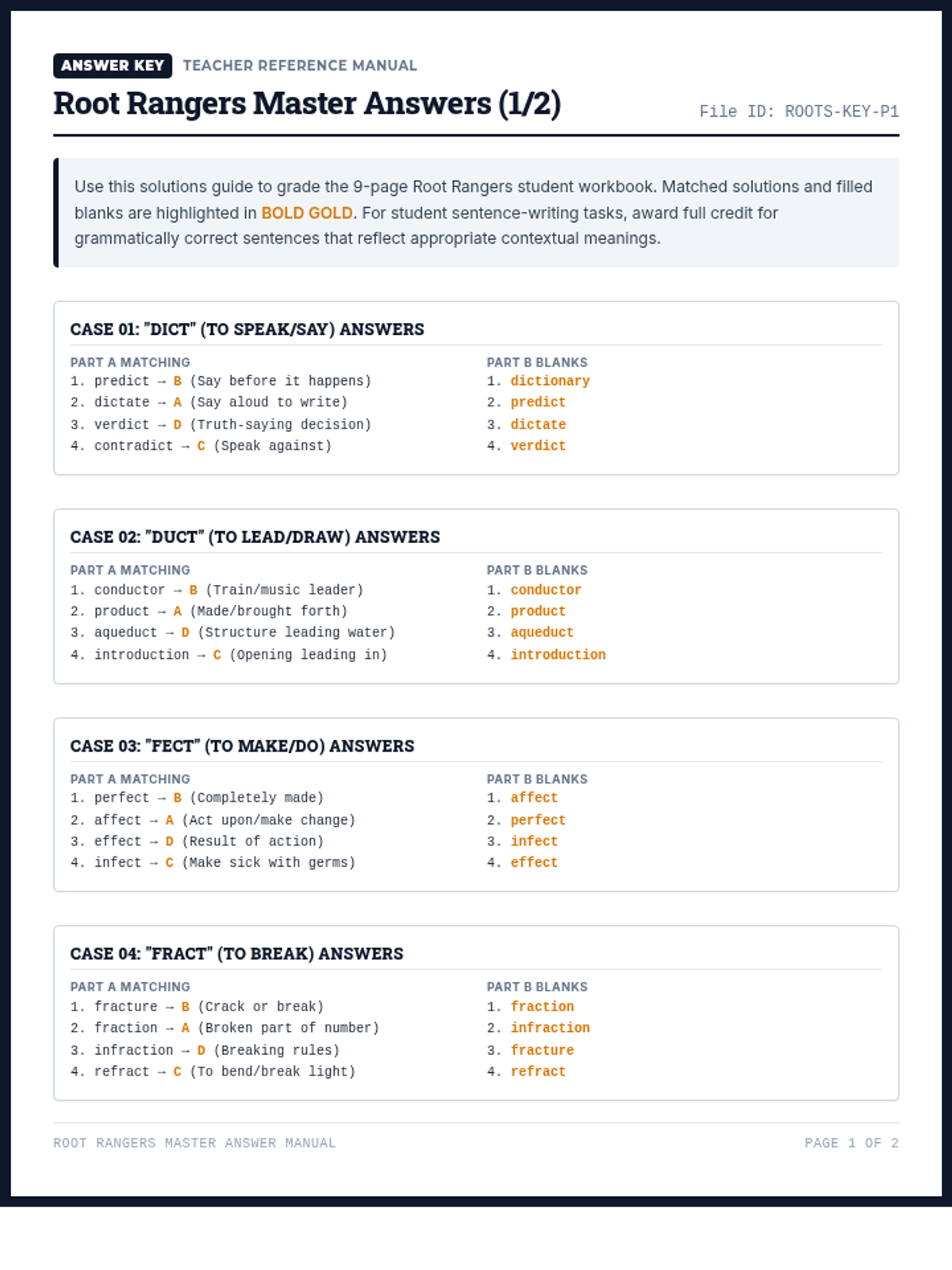
A comprehensive 3rd-grade grammar unit covering essential Greek and Latin roots: dict, duct, fect, fract, junct, struct, min, and spec. Through engaging matching, fill-in-the-blank, and sentence writing exercises, students learn to identify, decode, and use these word parts in worksheets and a workbook.
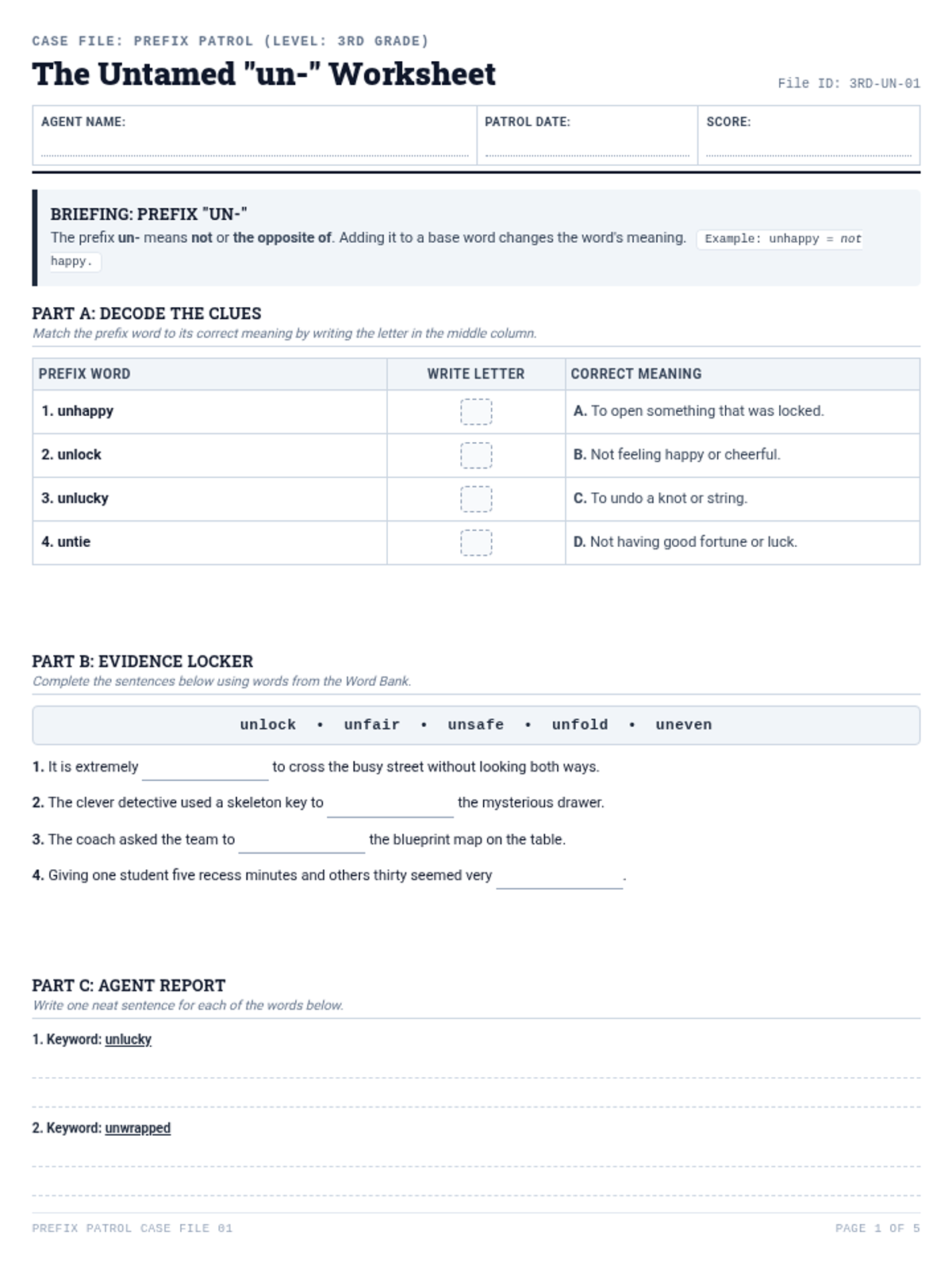
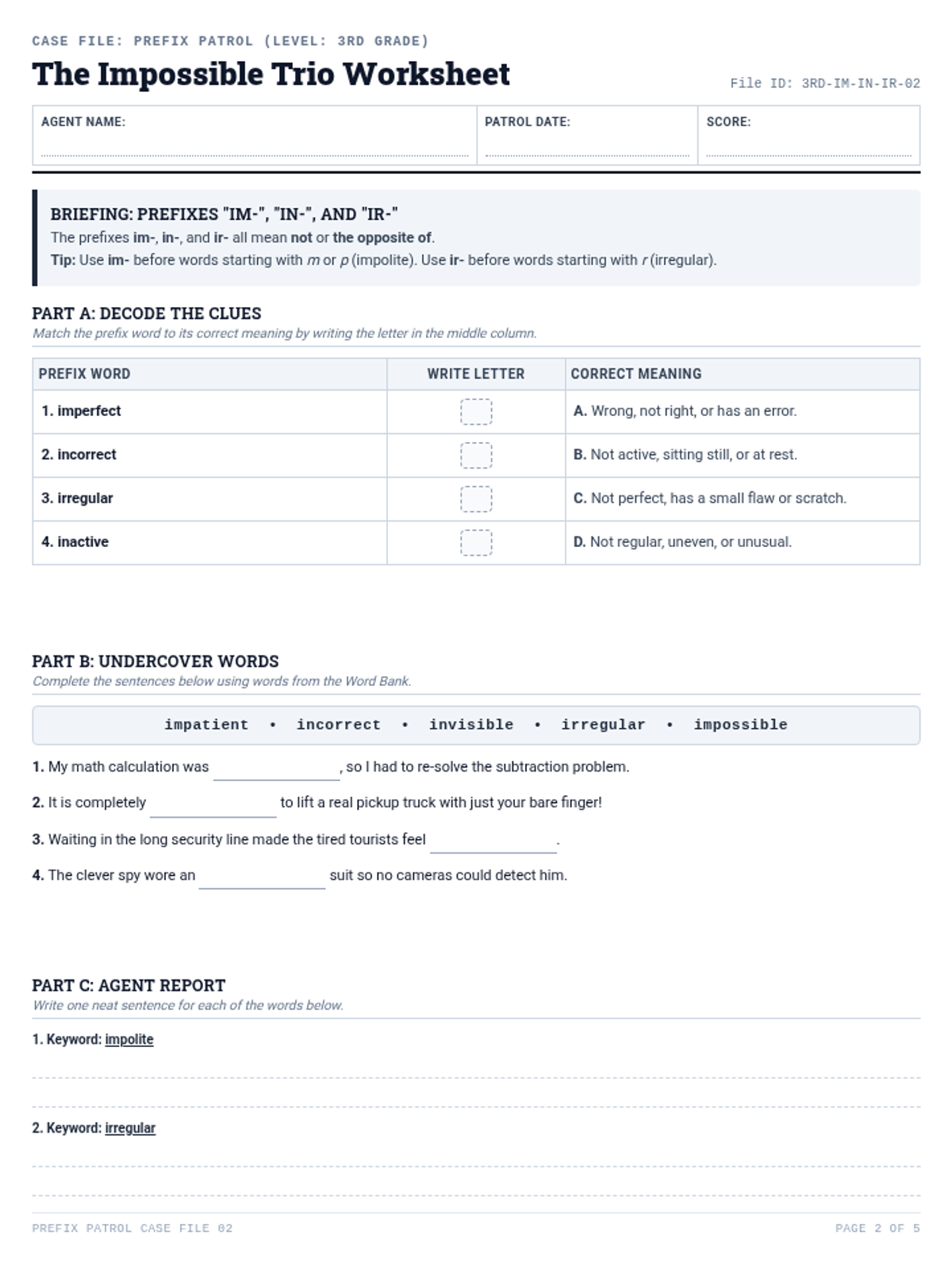
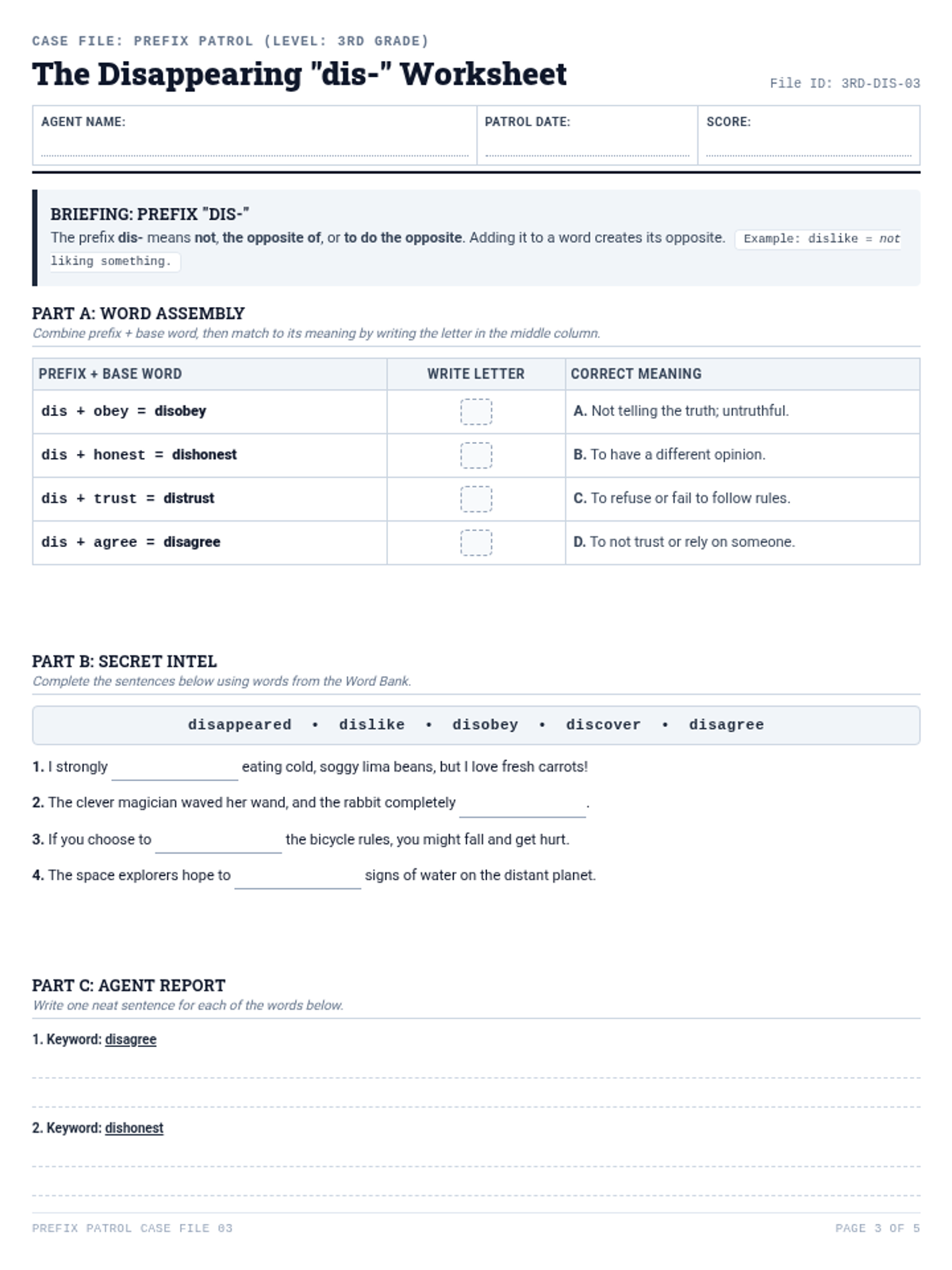
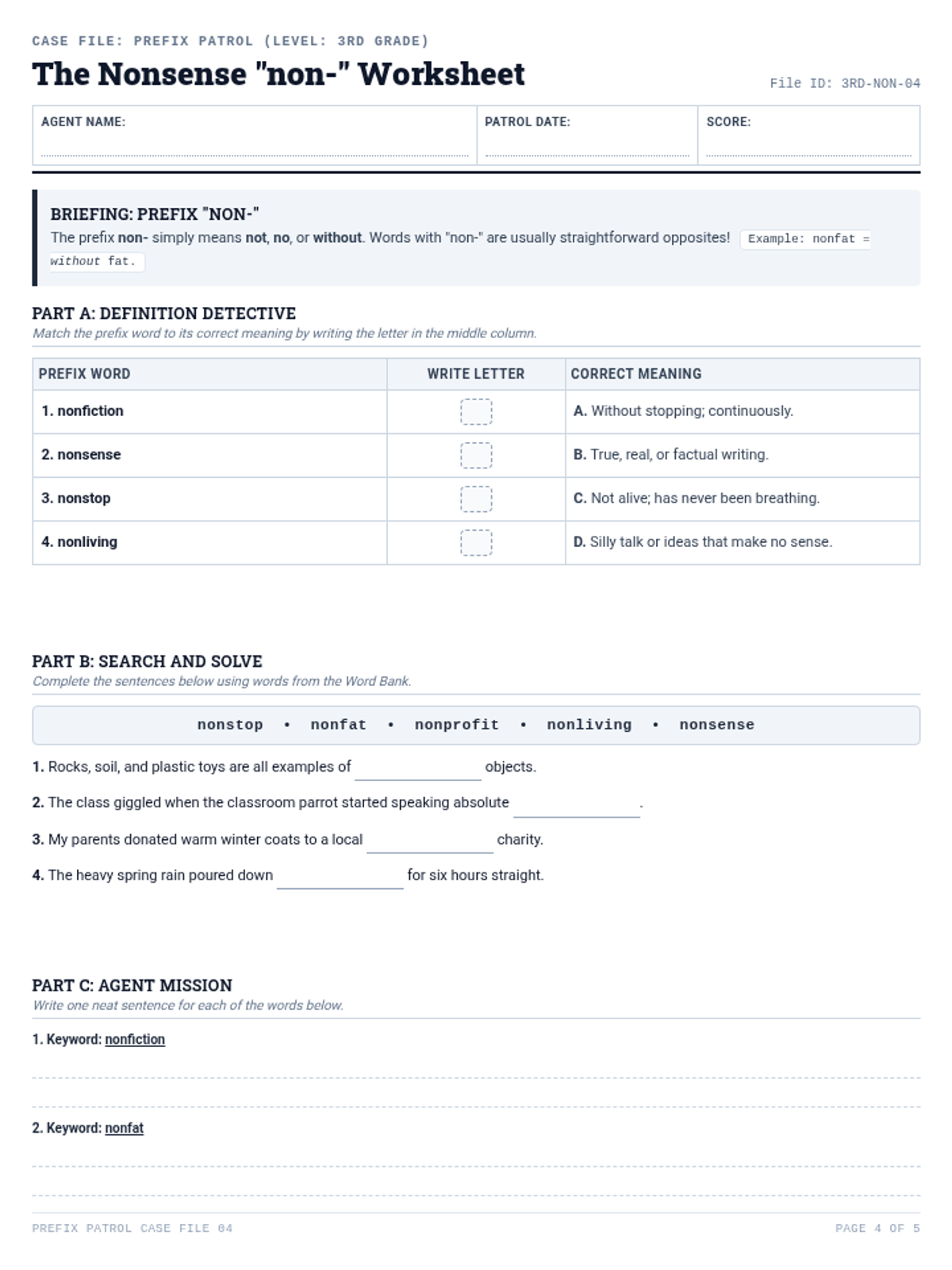
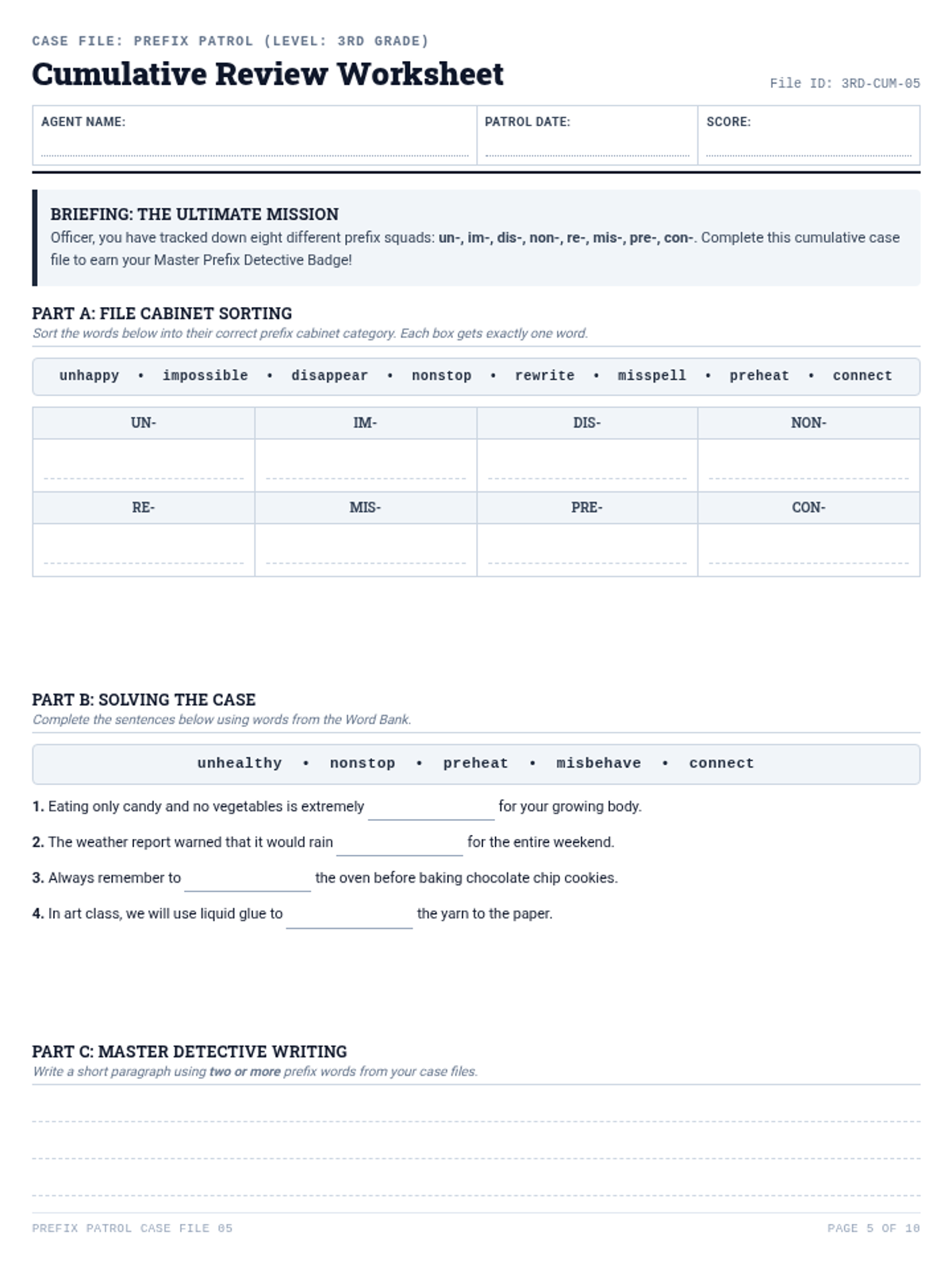
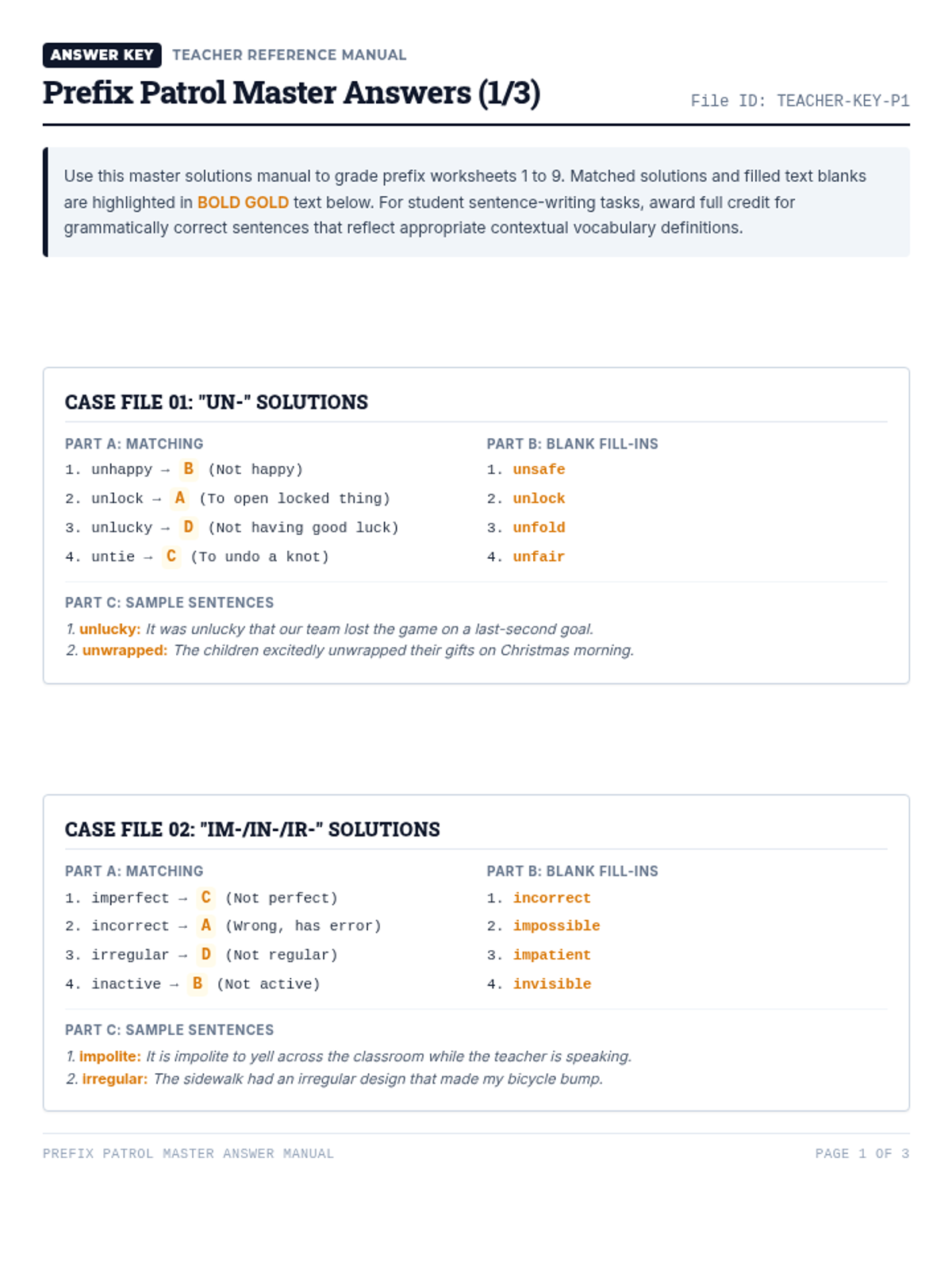
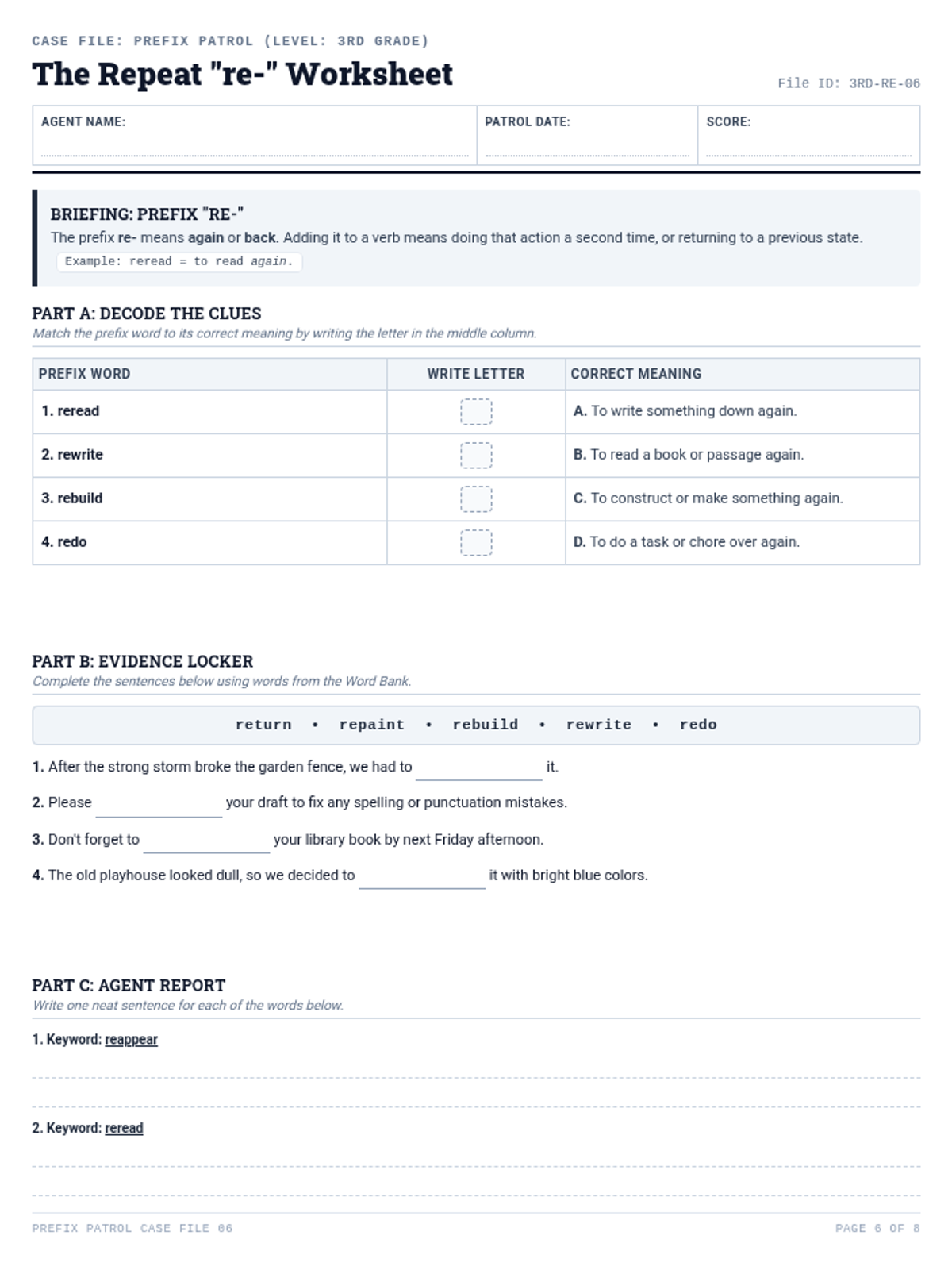
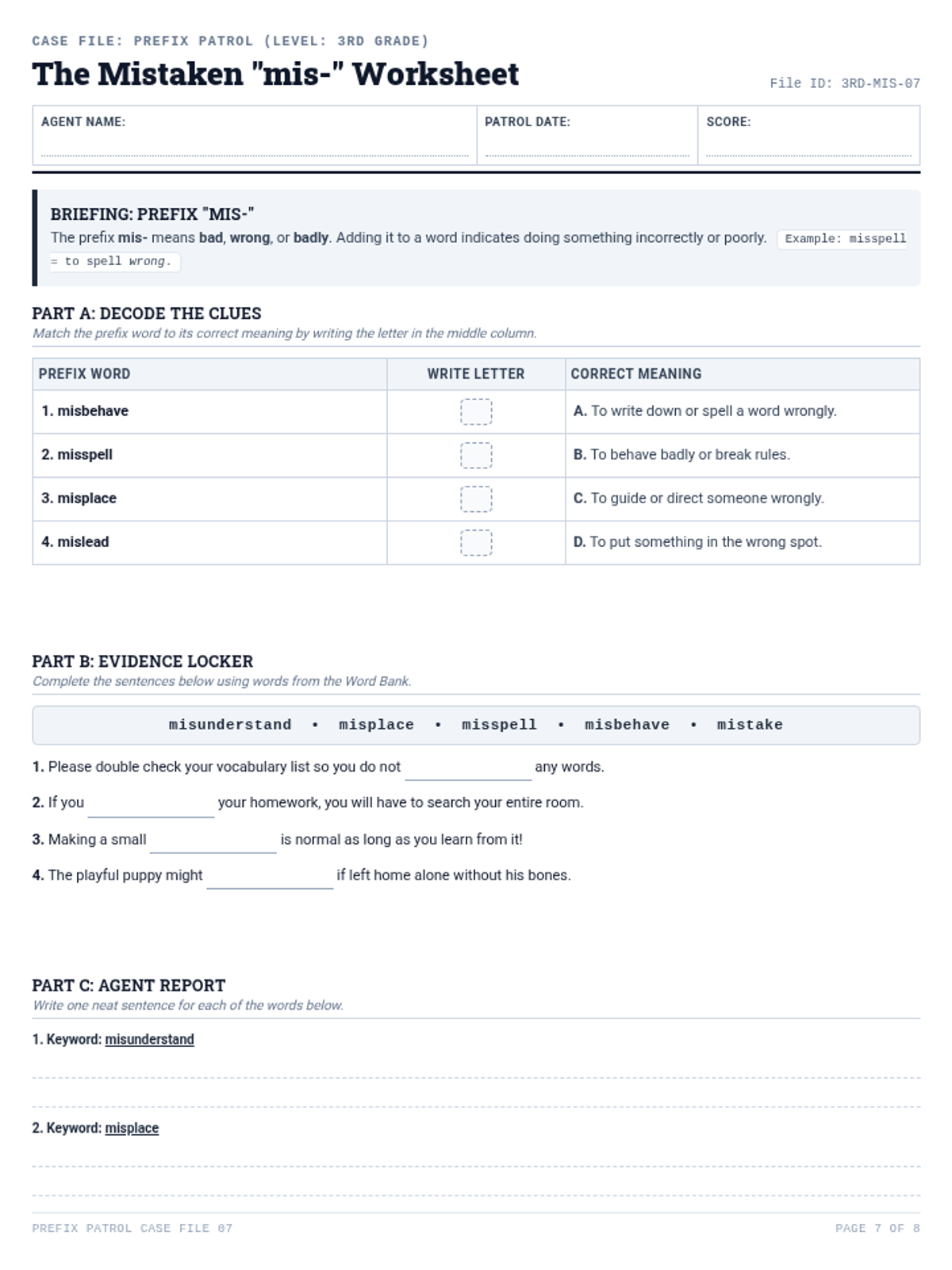
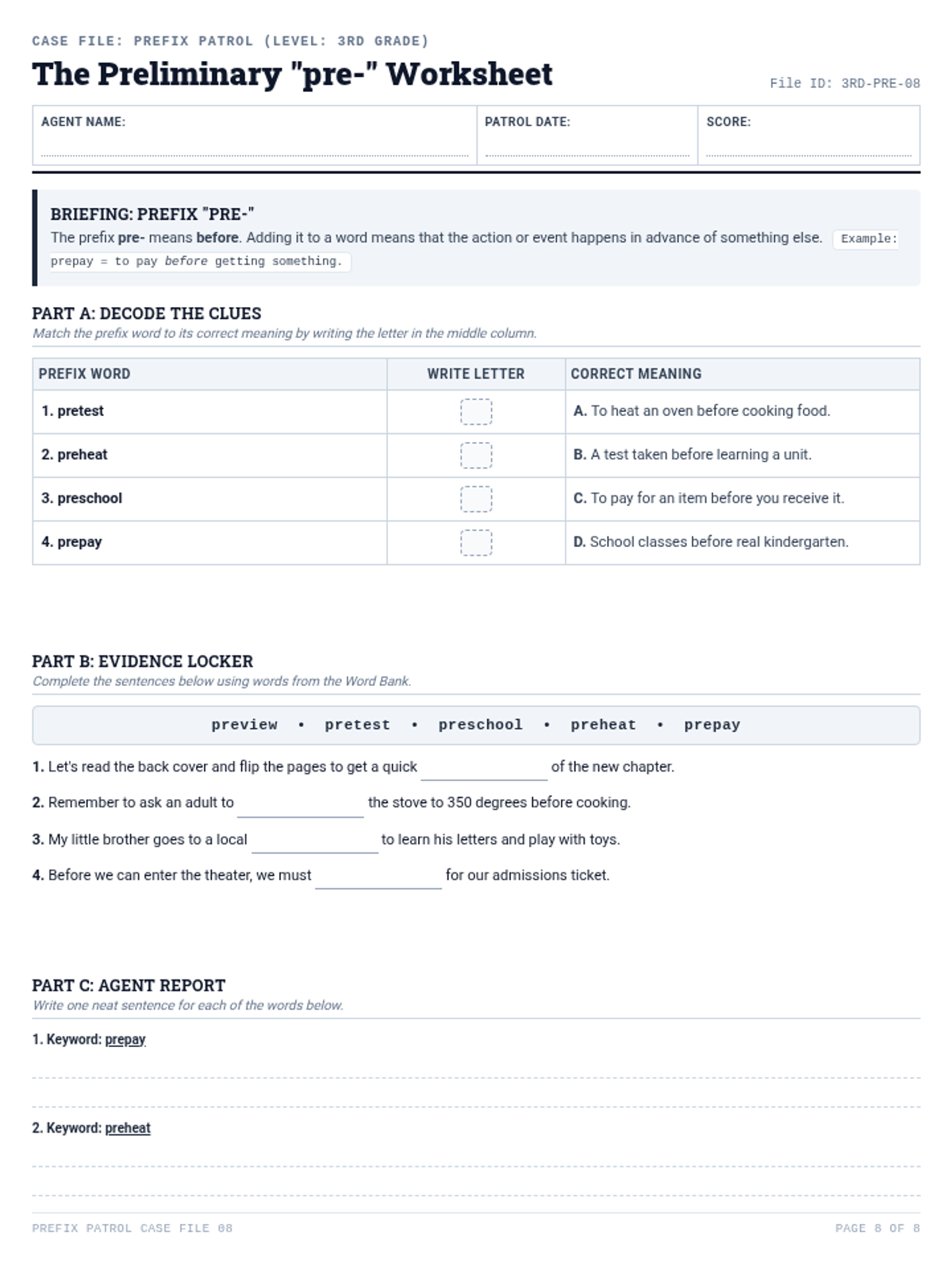
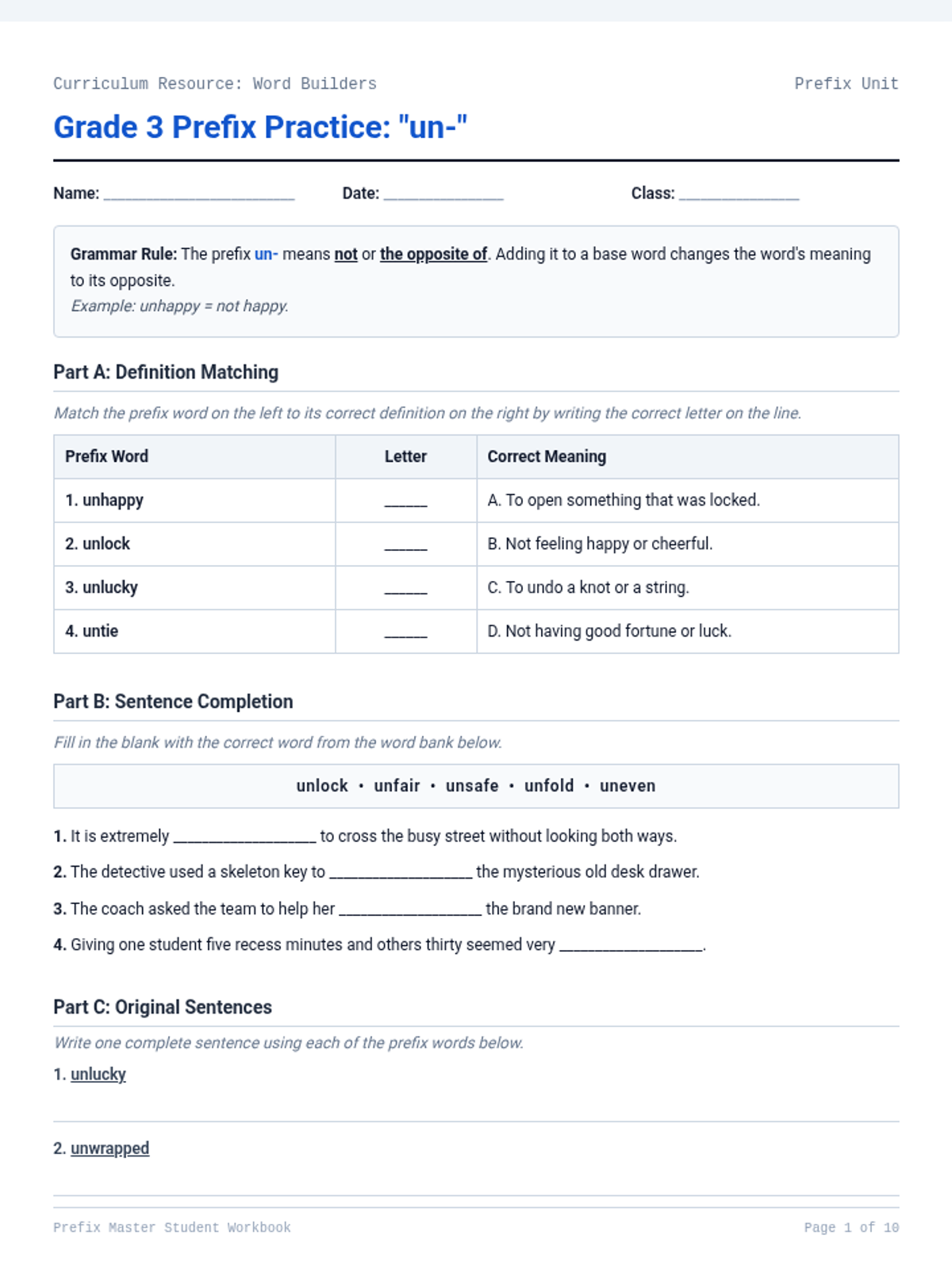
A comprehensive 3rd-grade grammar unit covering essential prefixes: un-, im-/in-/ir-, dis-, non-, re-, mis-, and pre-. Through an engaging 'Prefix Patrol' detective theme, students learn to identify, decode, and use these word parts in worksheets and cumulative review keys.
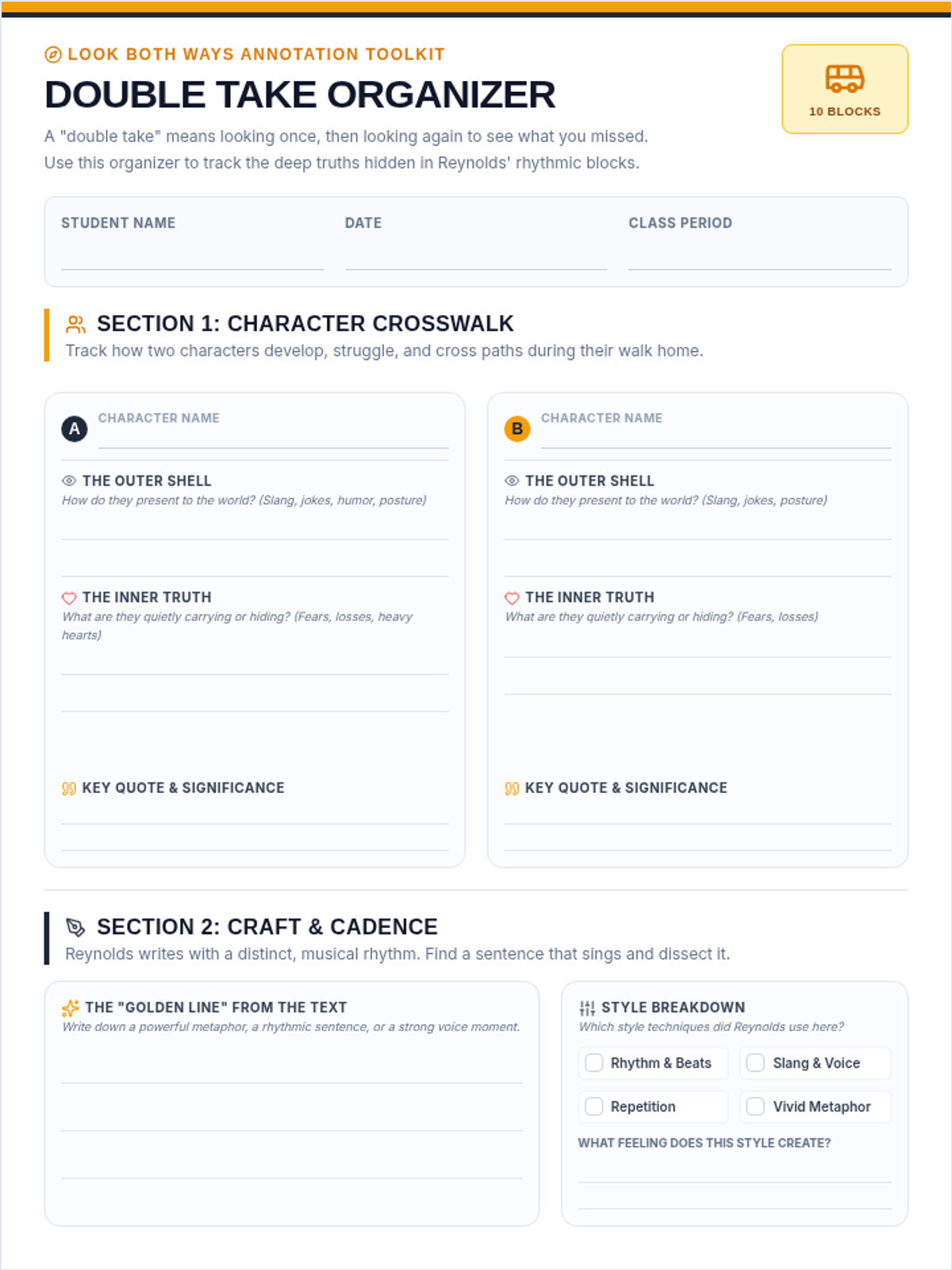
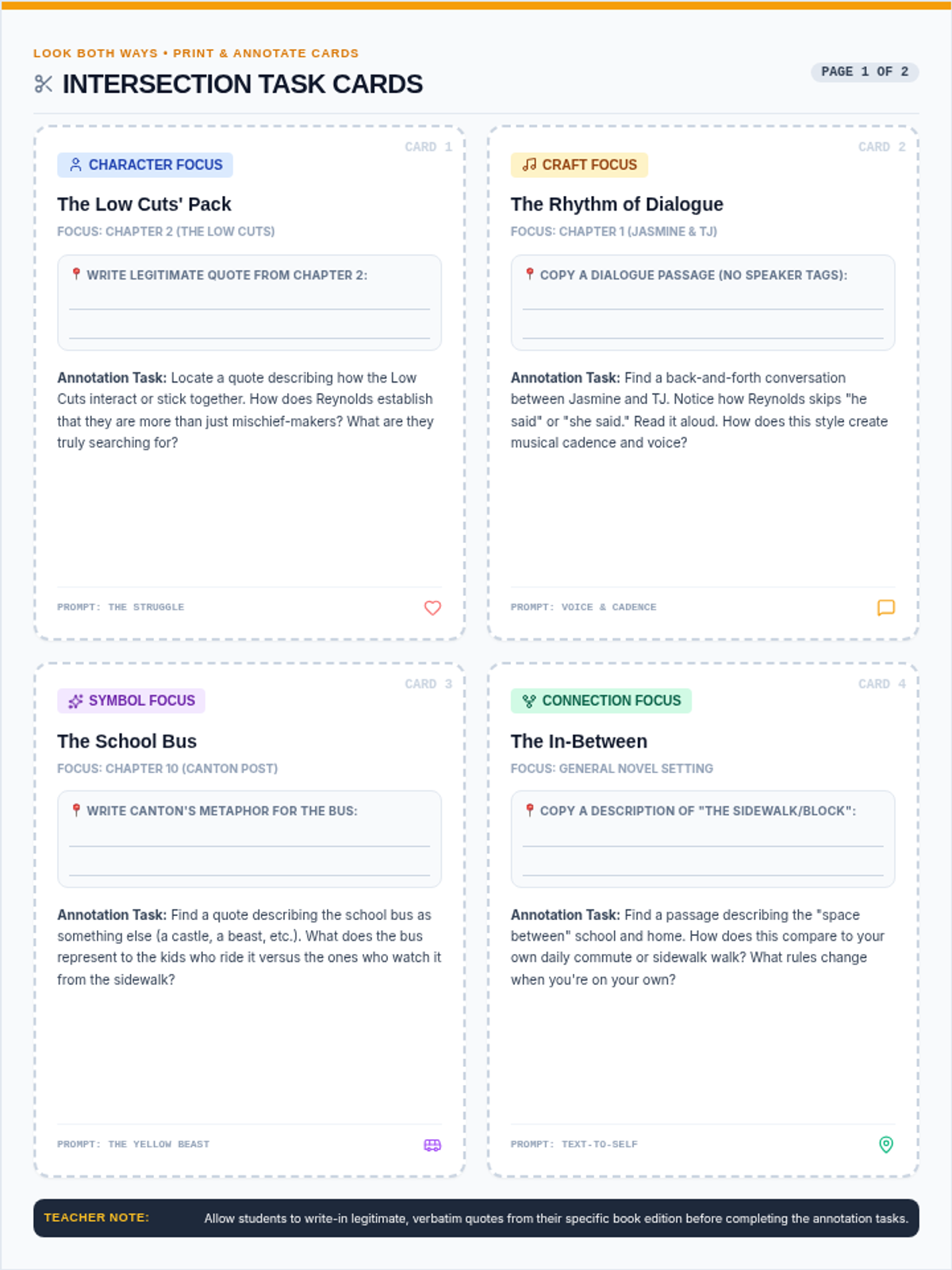
A comprehensive annotation toolkit based on Jason Reynolds' novel Look Both Ways. Students analyze character development, author's craft, thematic motifs, and make active reading connections as they explore the spaces between school and home.
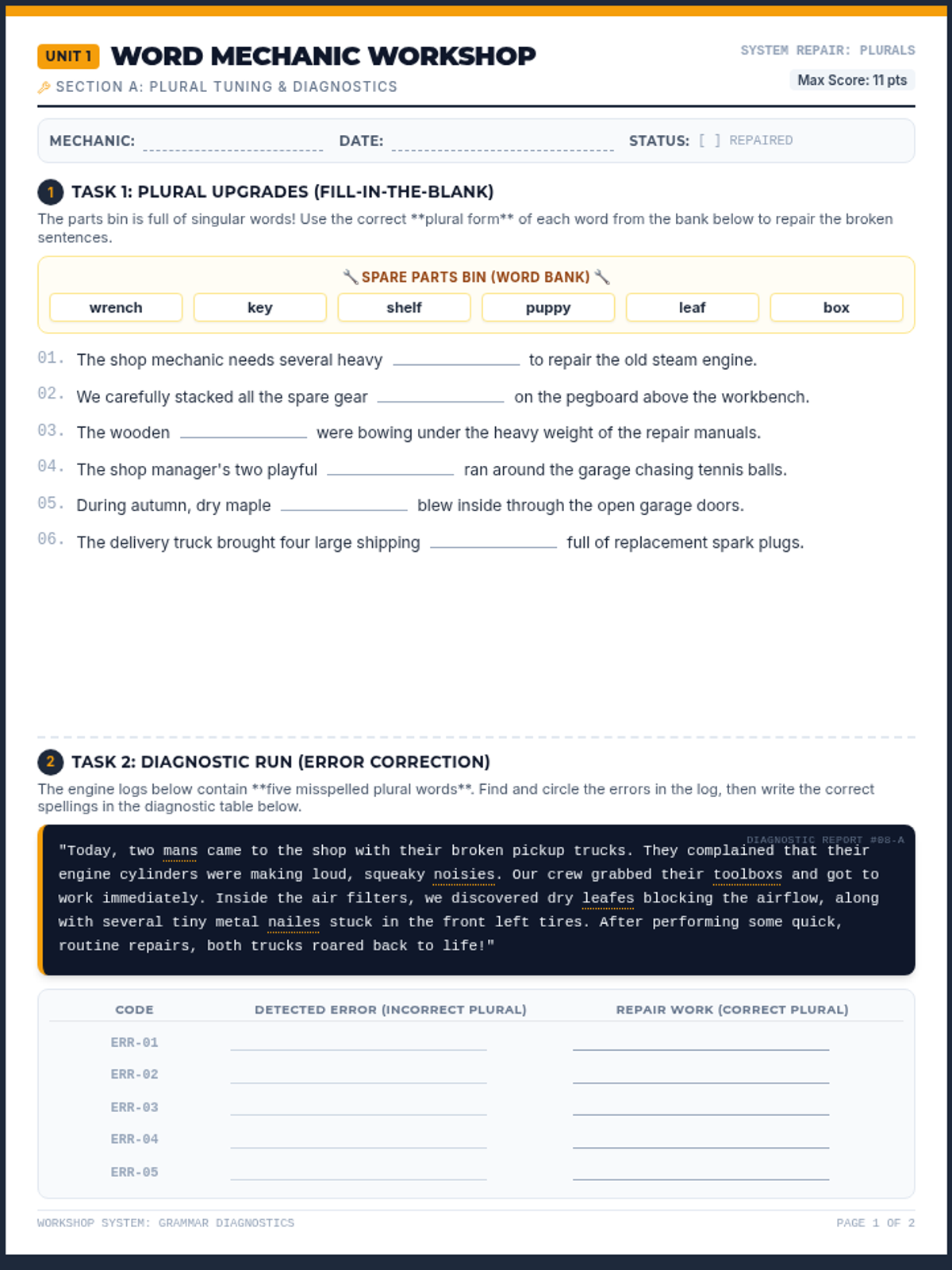
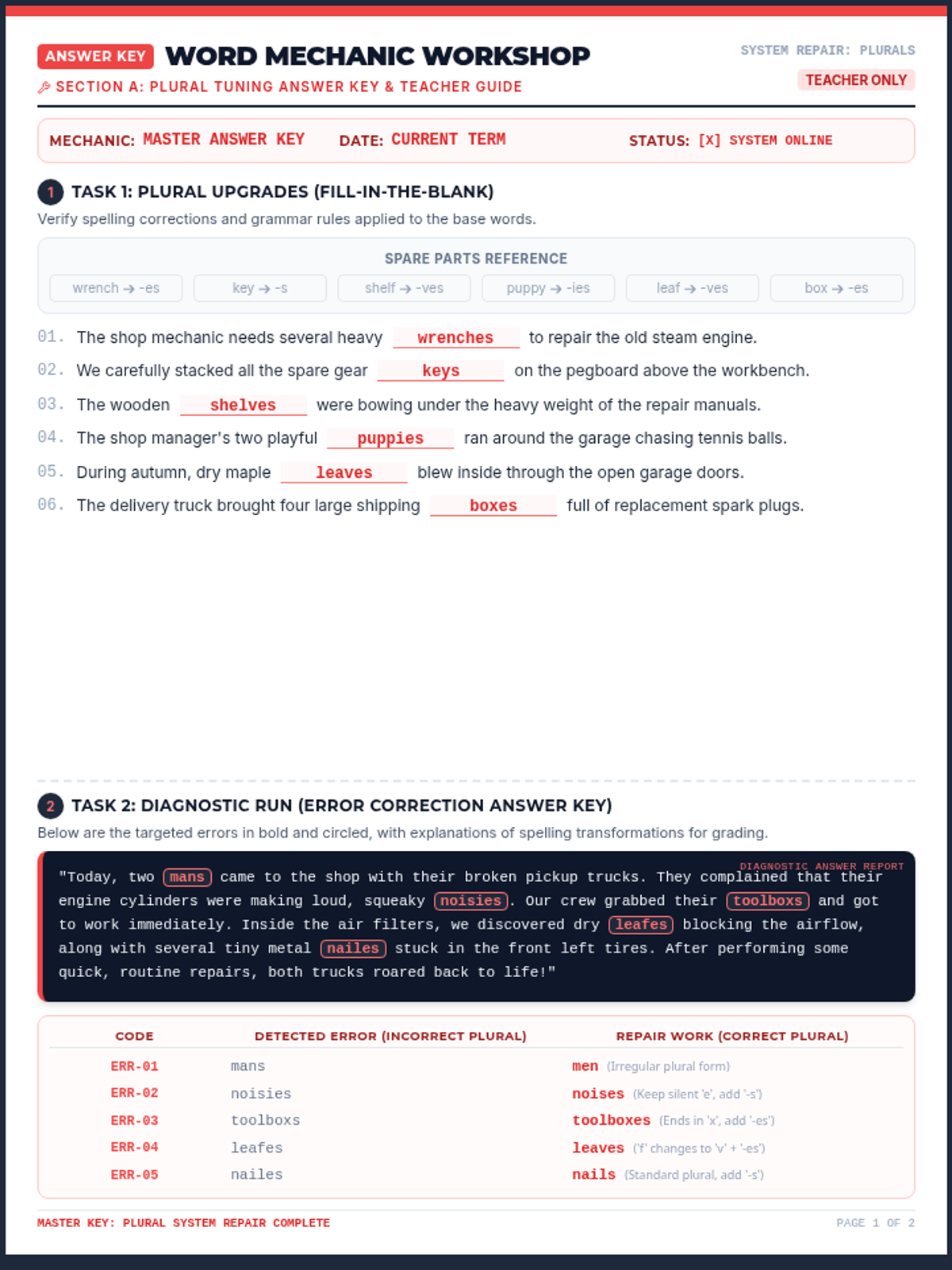
A targeted, engaging grammar lesson focusing on mastering plural endings and verb tenses (-ed and -ing) through the theme of a mechanical workshop. Students diagnose and repair grammatical errors to improve their sentence-level writing.
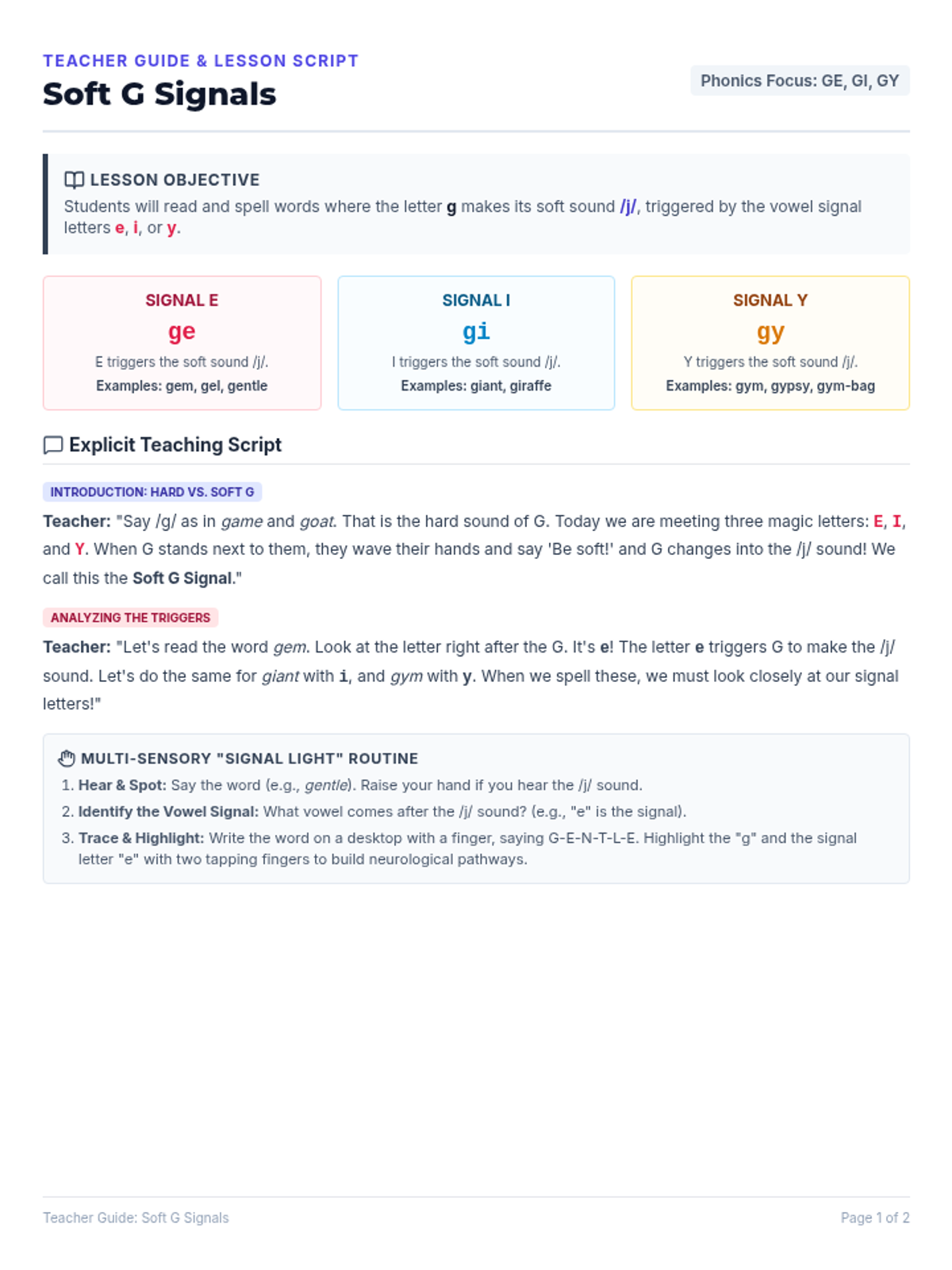
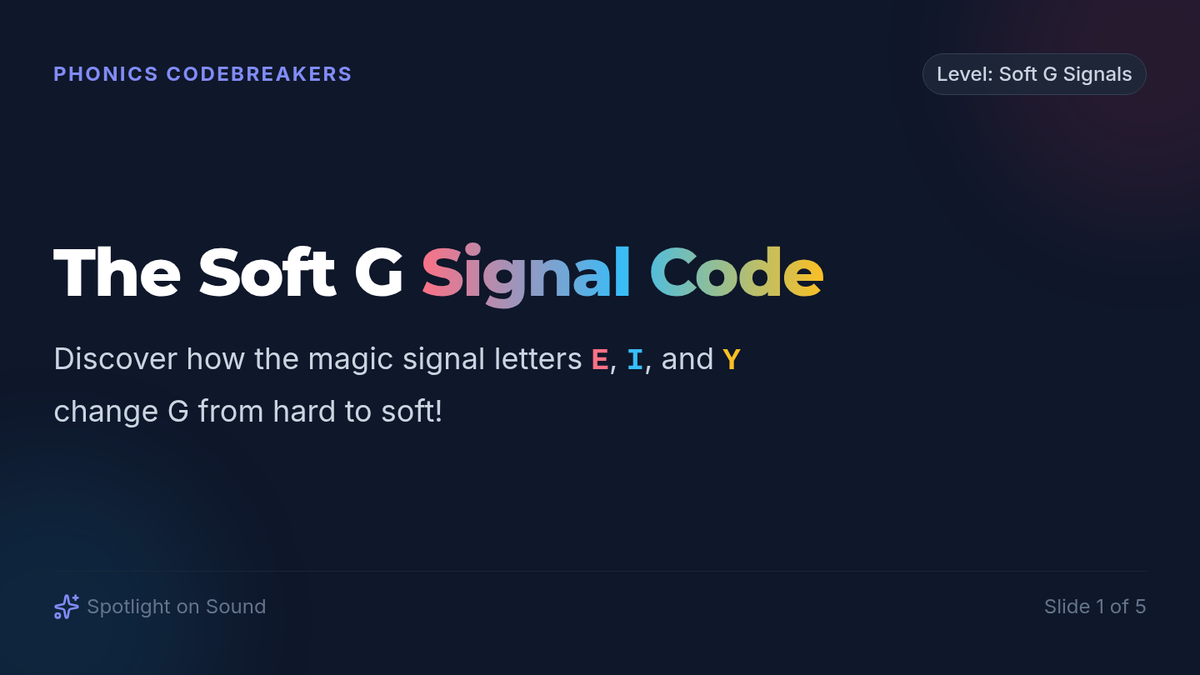
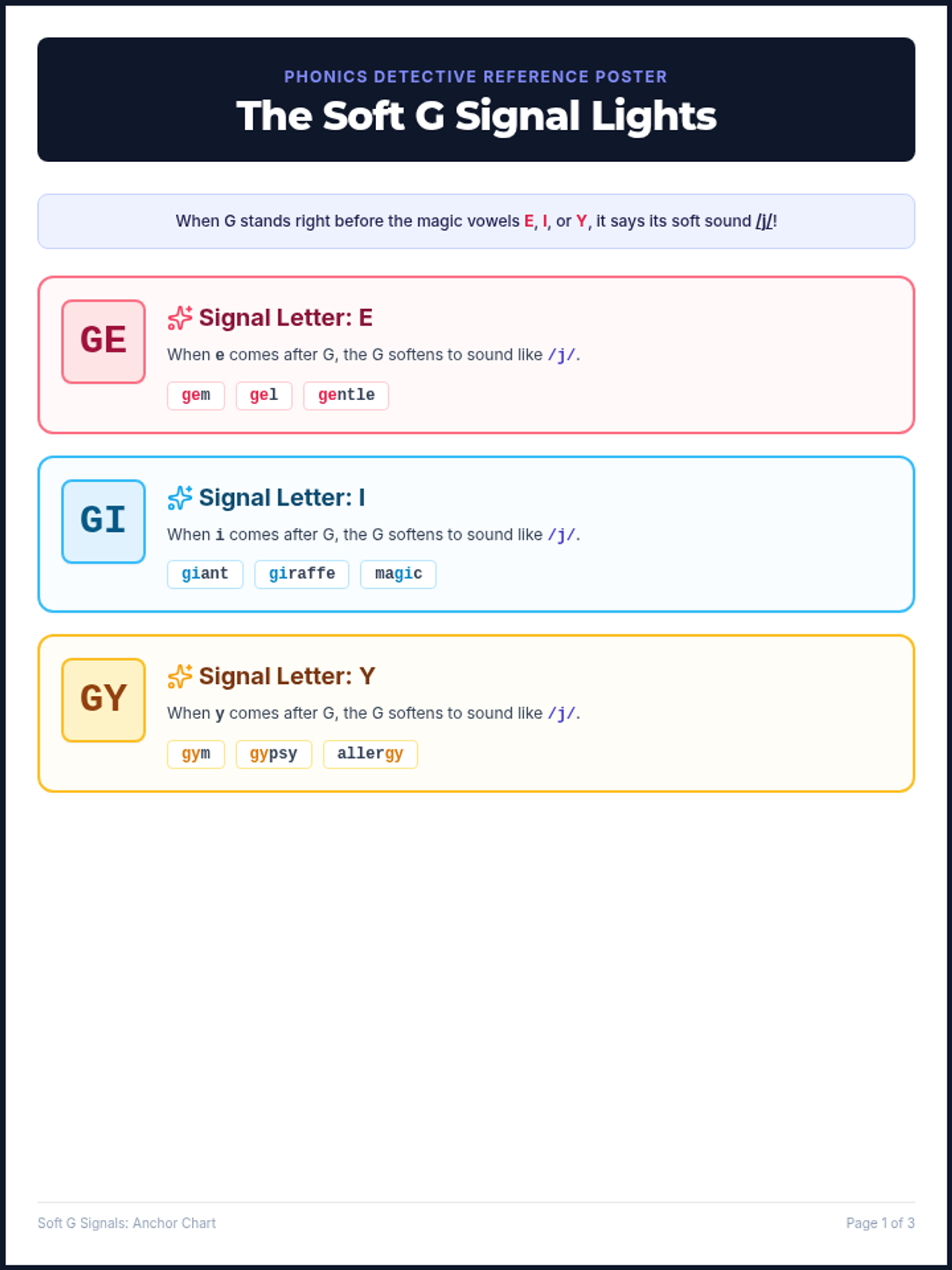
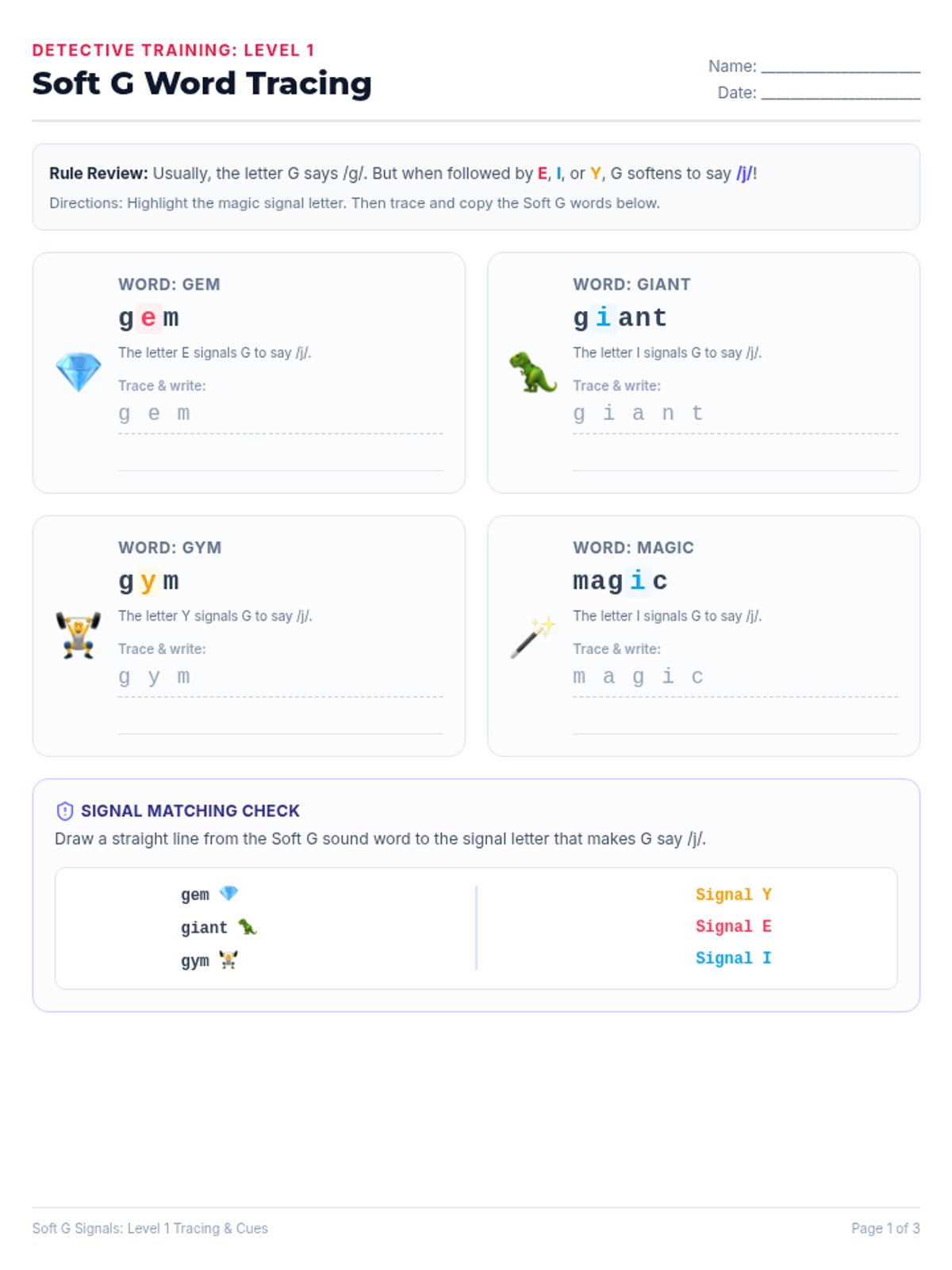
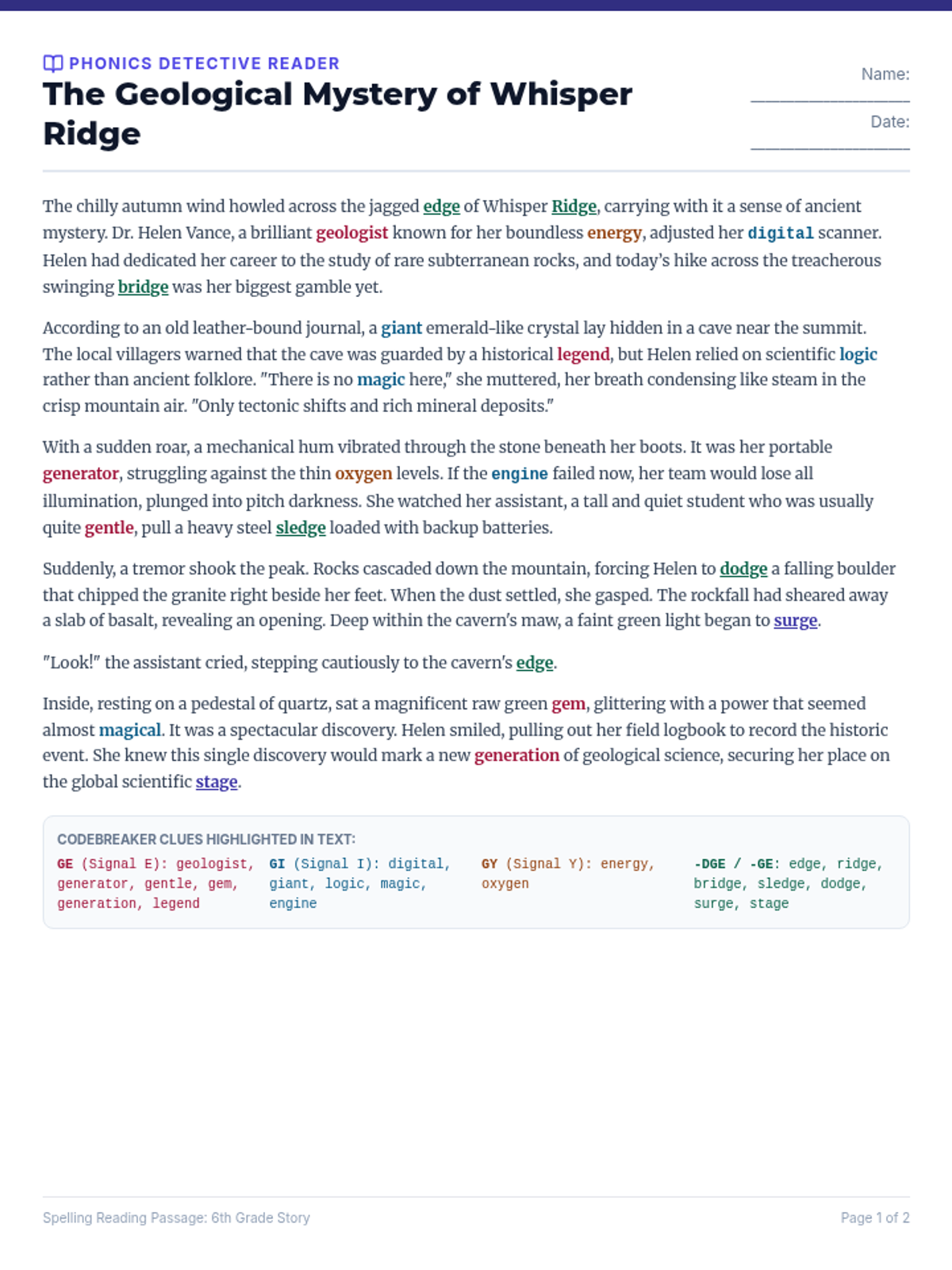
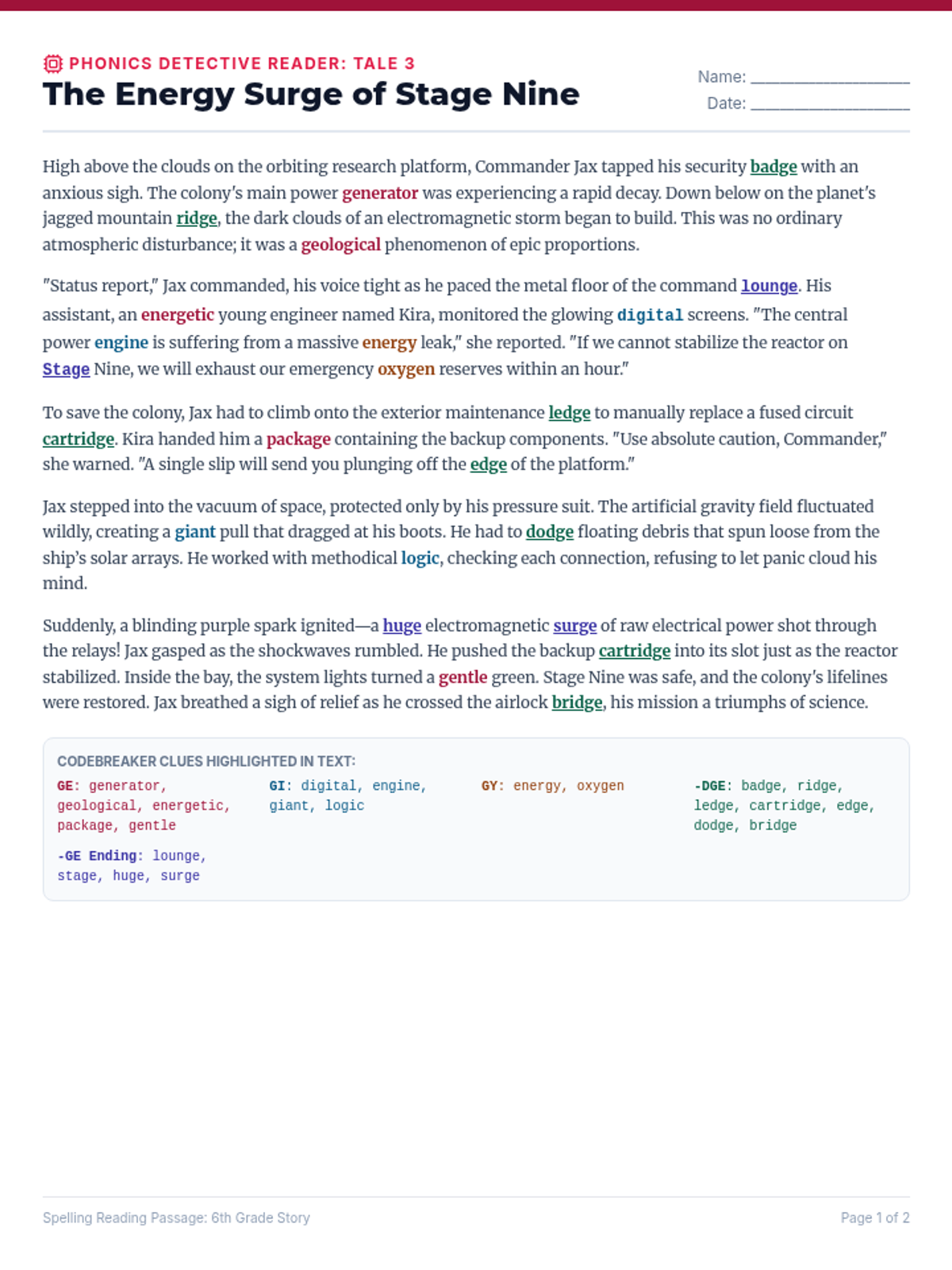
A spelling lesson exploring the soft G sound /j/ triggered by letters E, I, and Y. Students will identify, sort, and write words using the soft G patterns GE, GI, and GY.
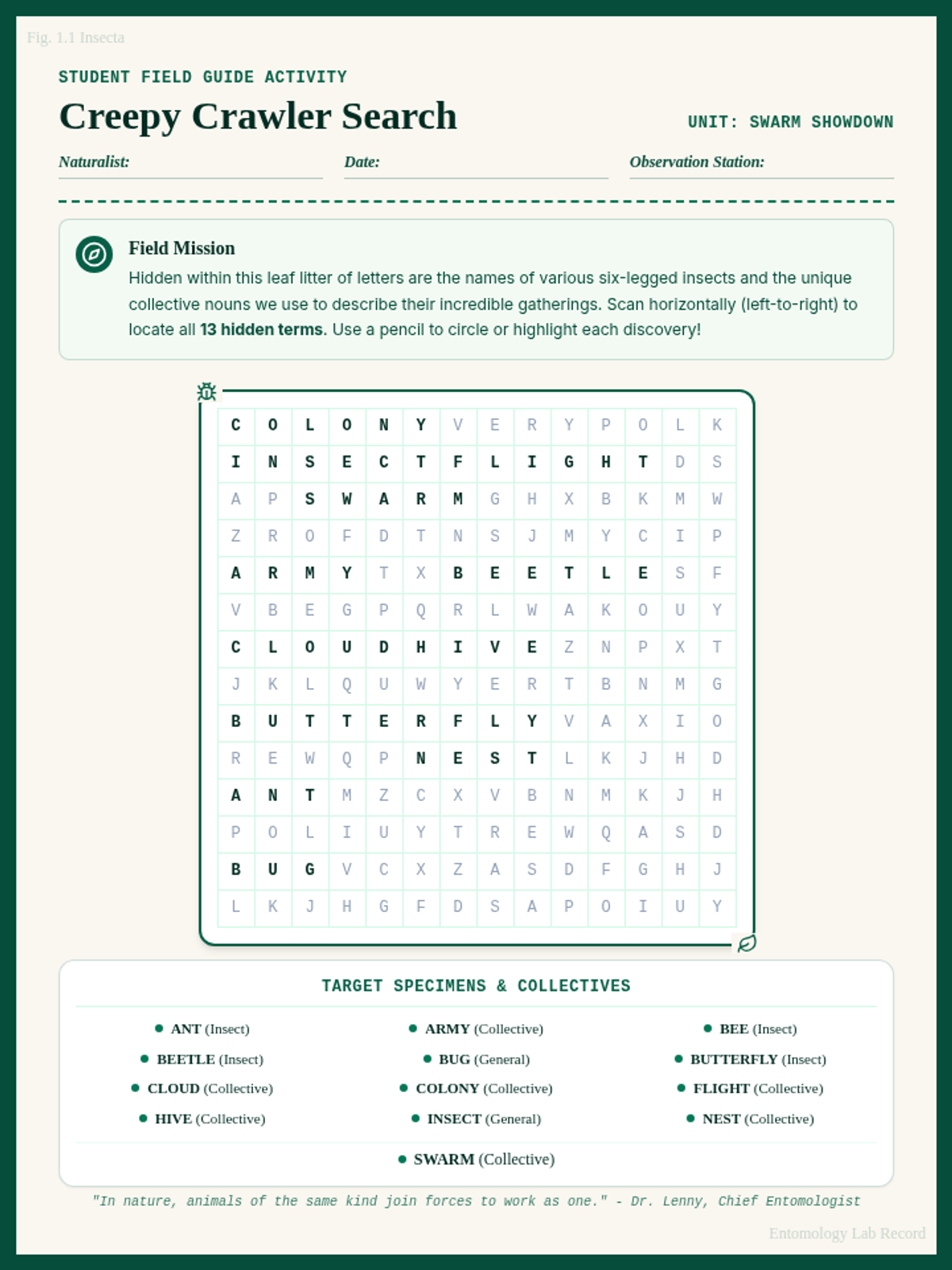
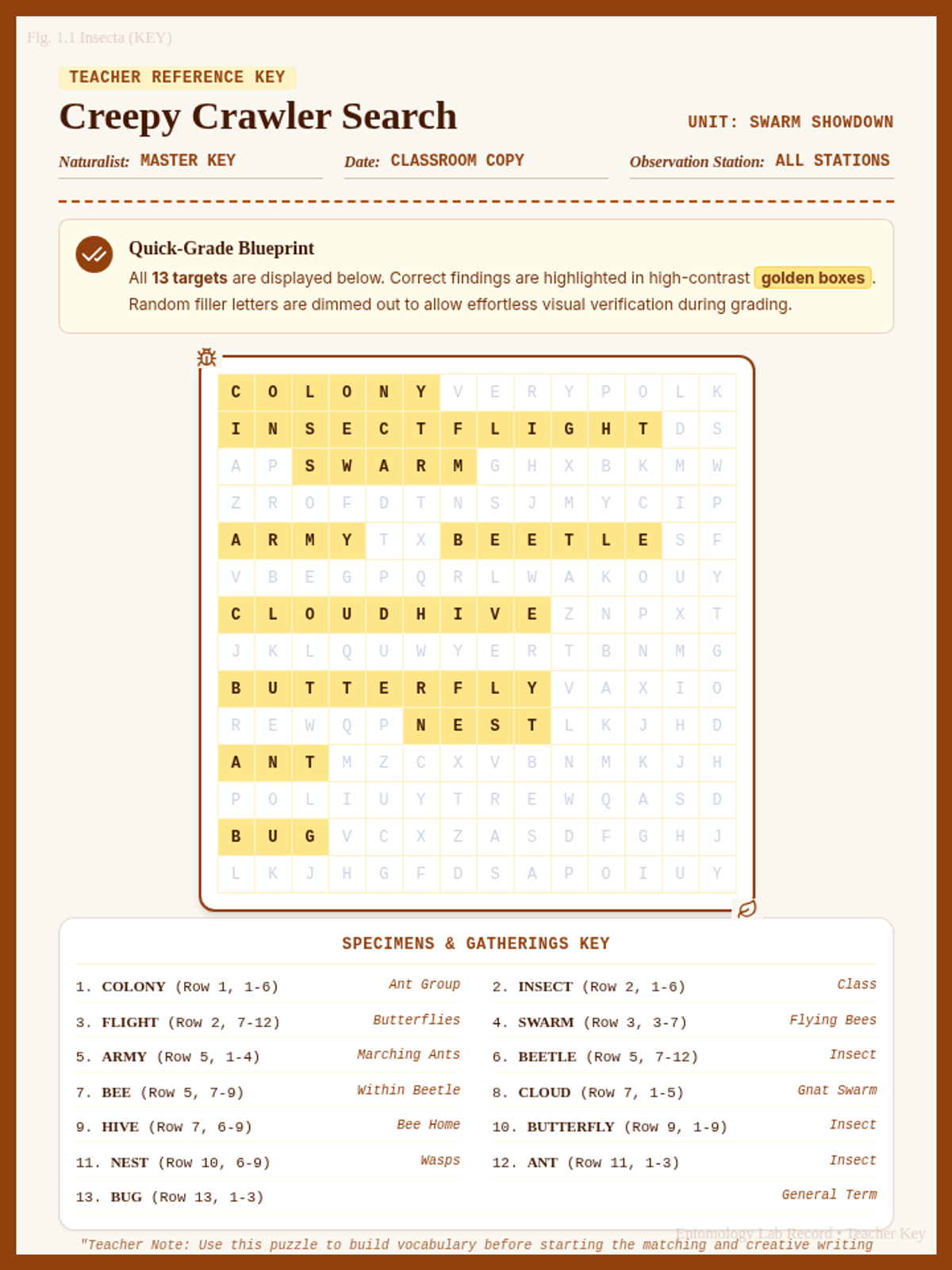
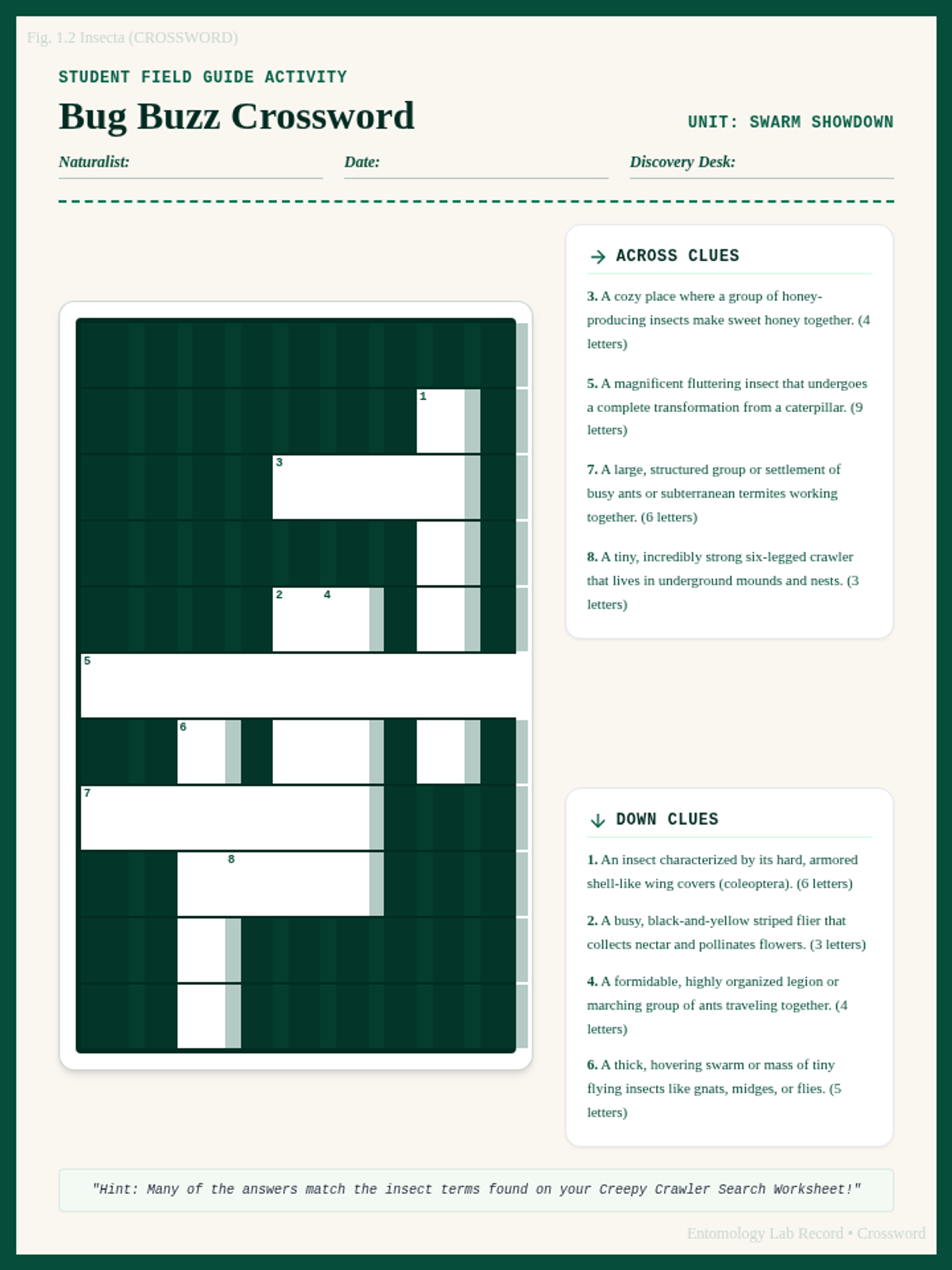
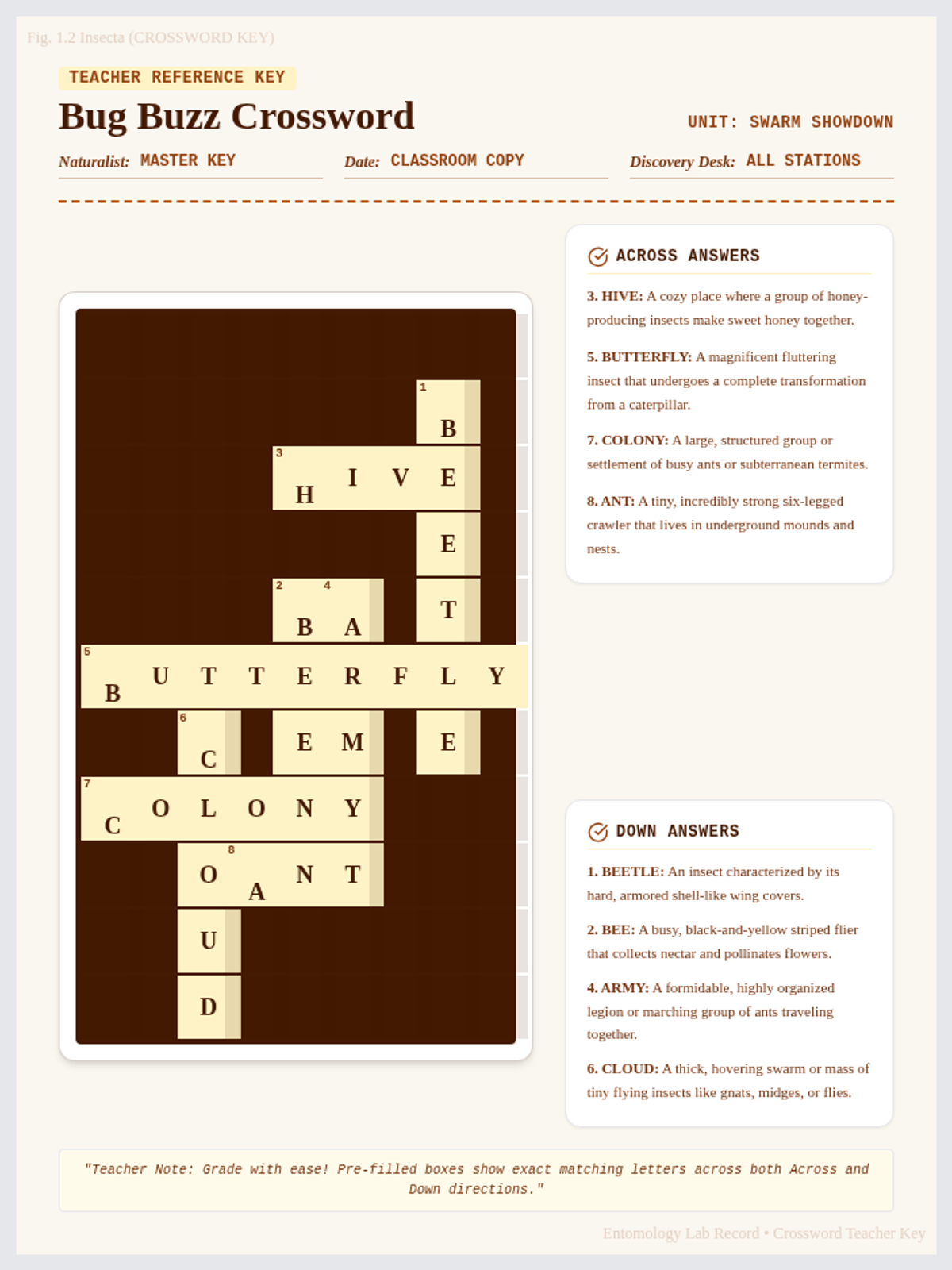
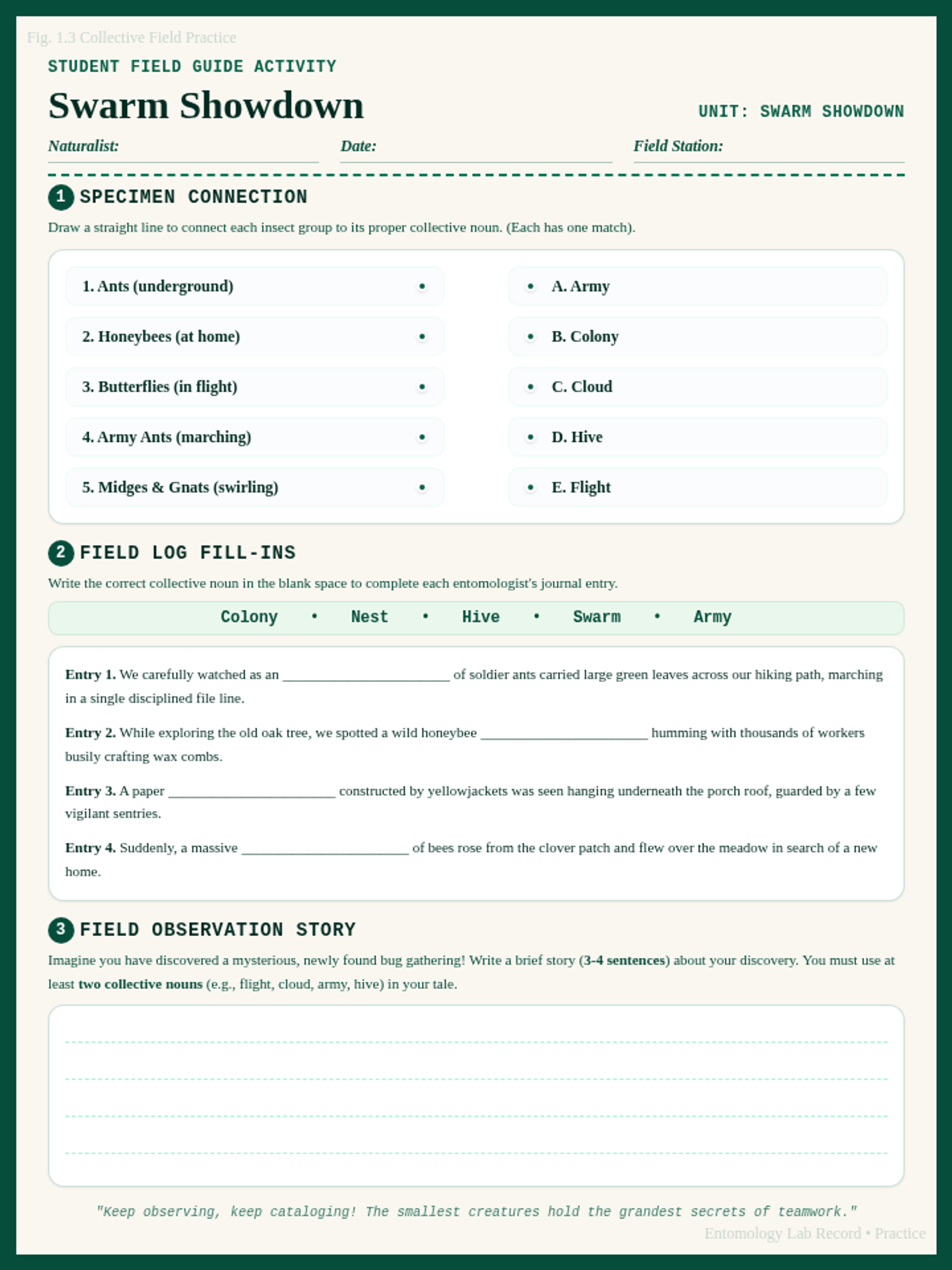
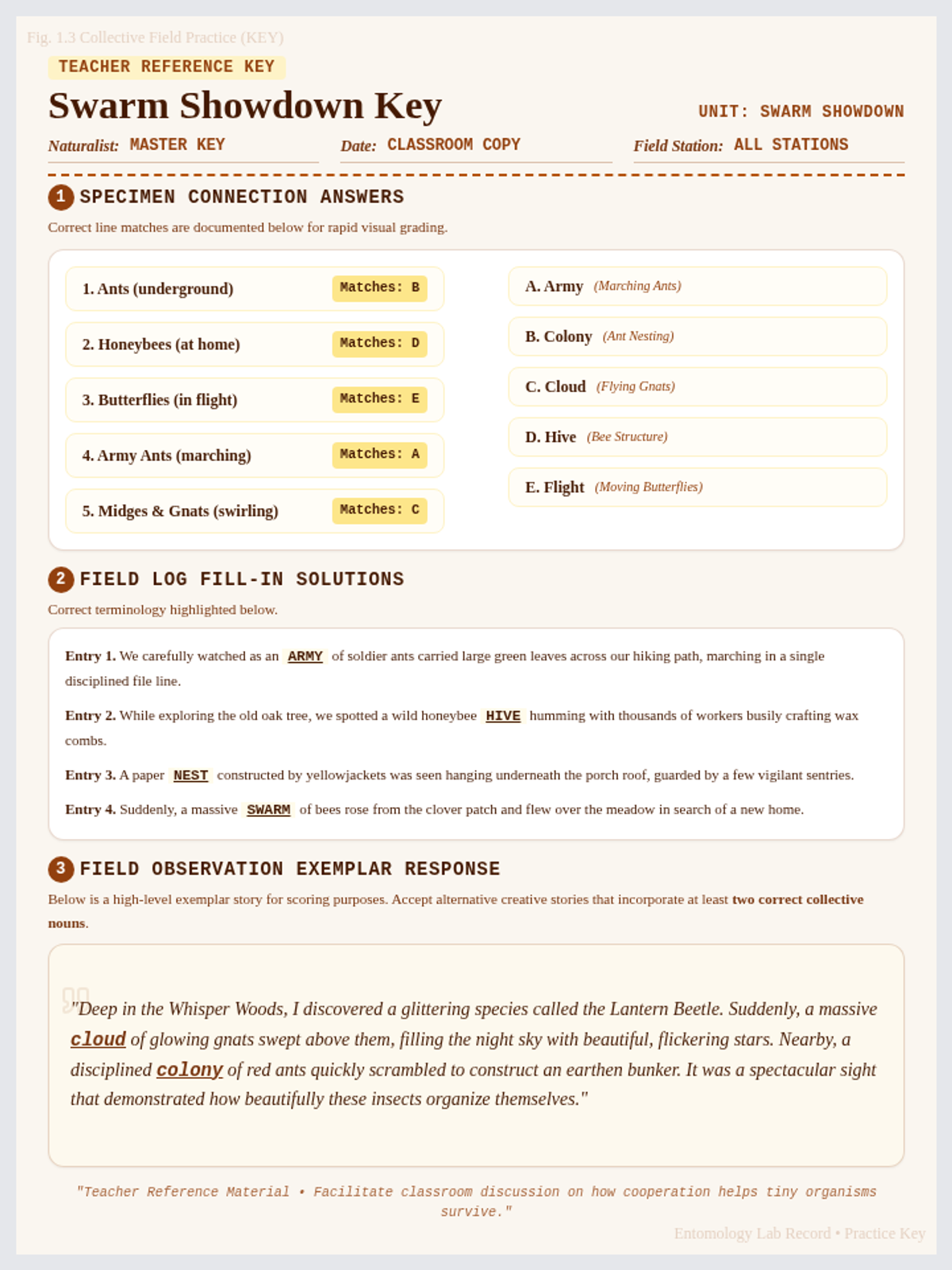
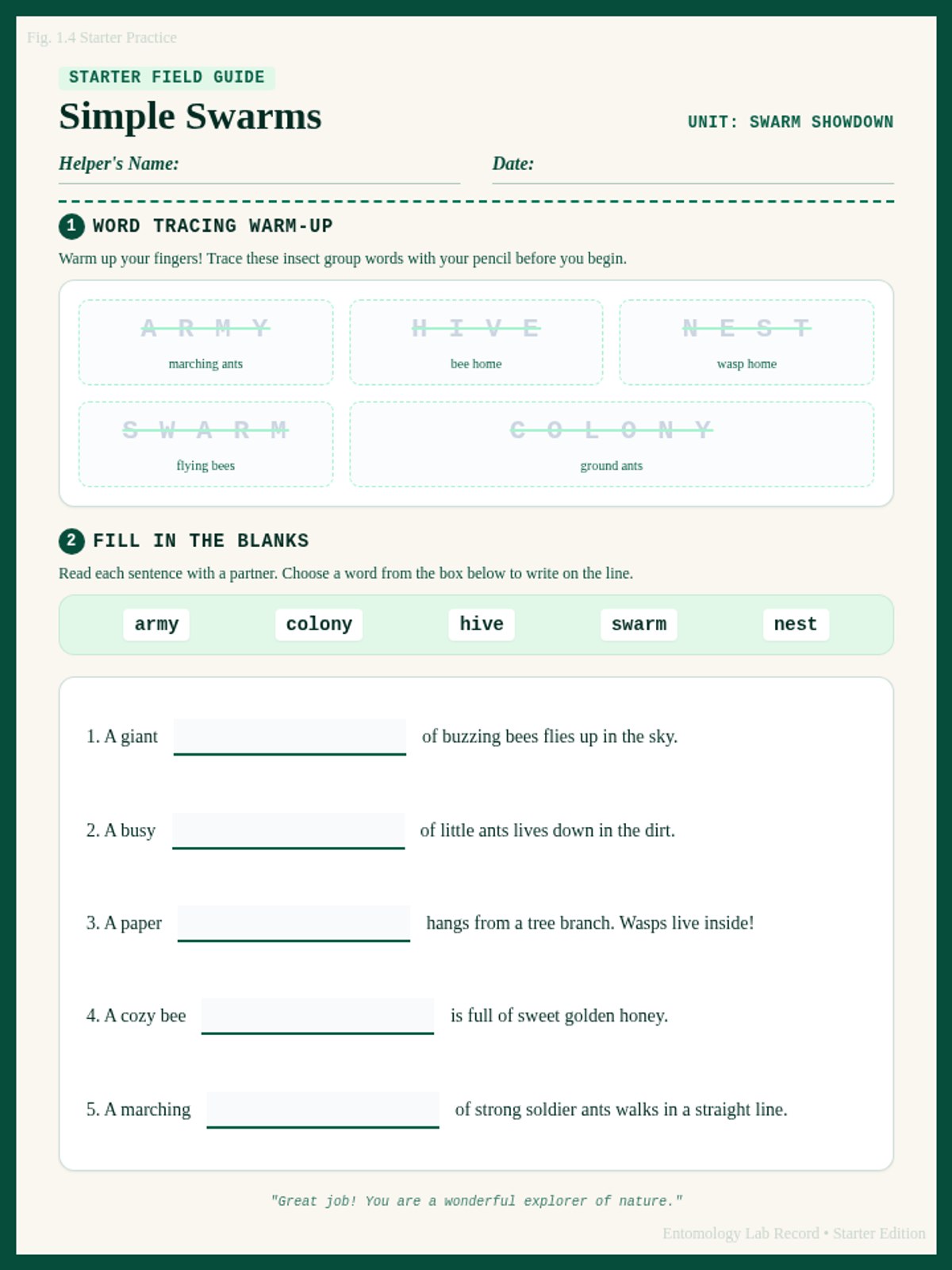
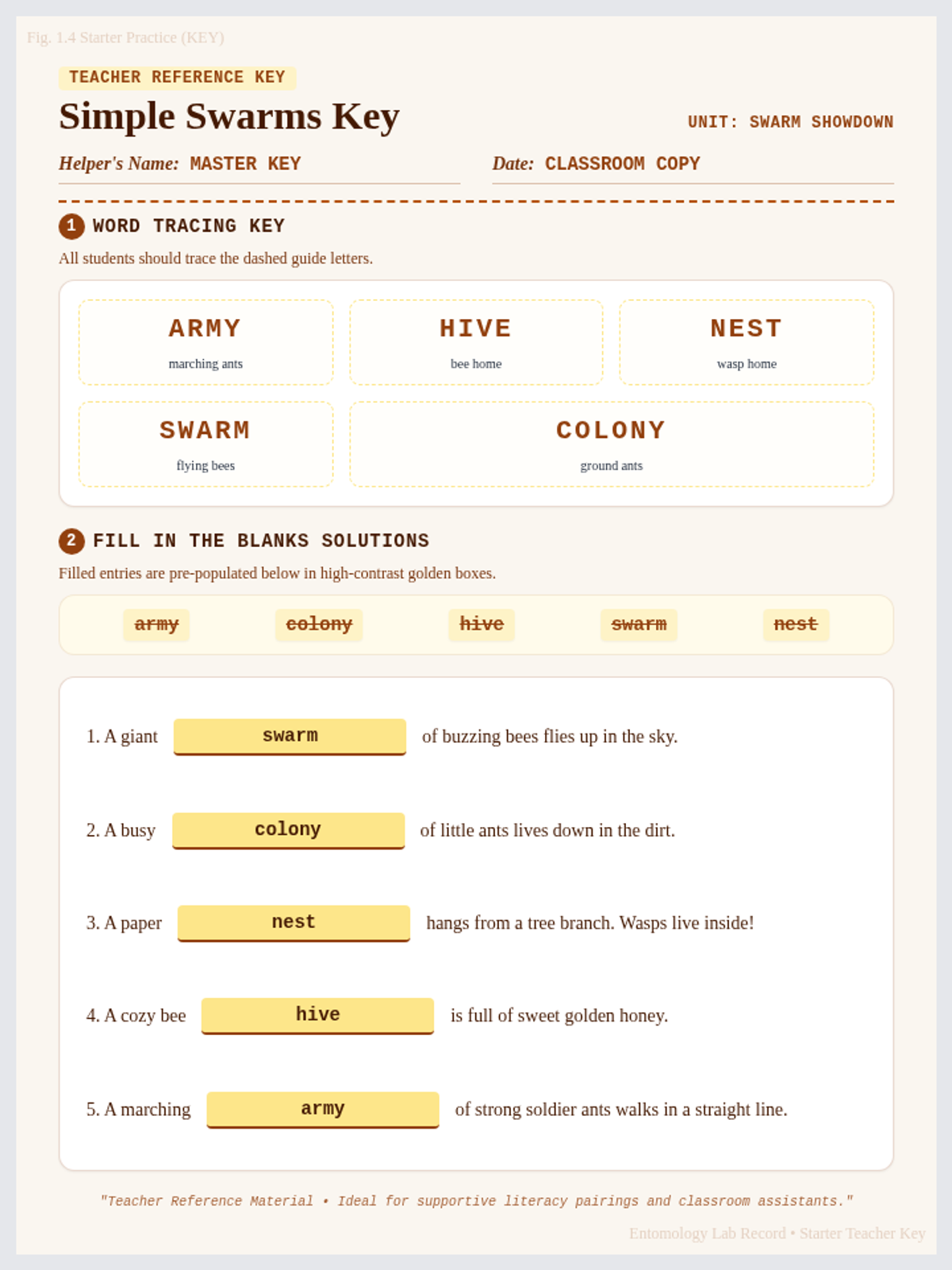
An engaging lesson on insect collective nouns and terminology, featuring a word search, crossword, and hands-on matching and writing activities exploring how bugs gather in groups.
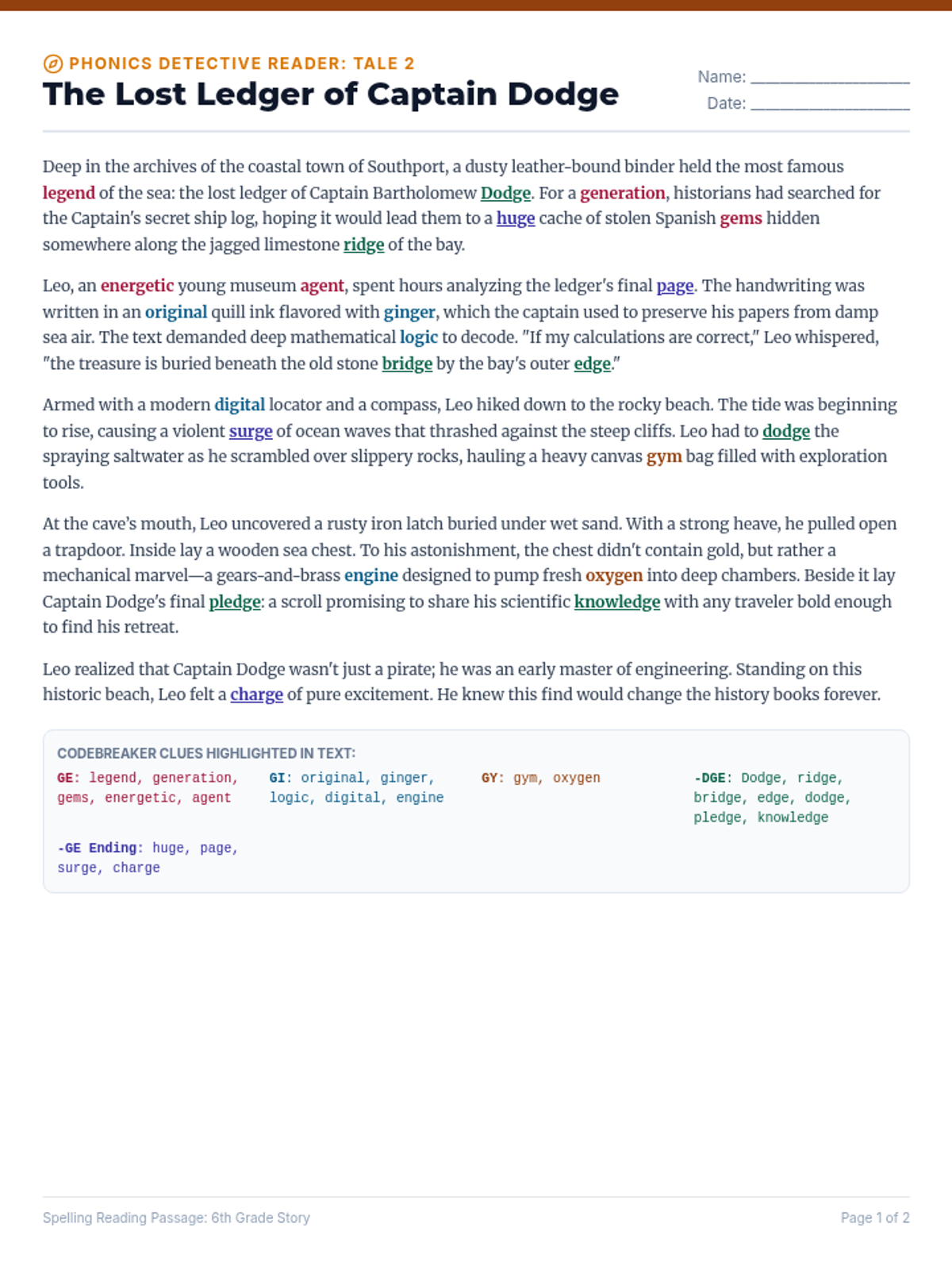
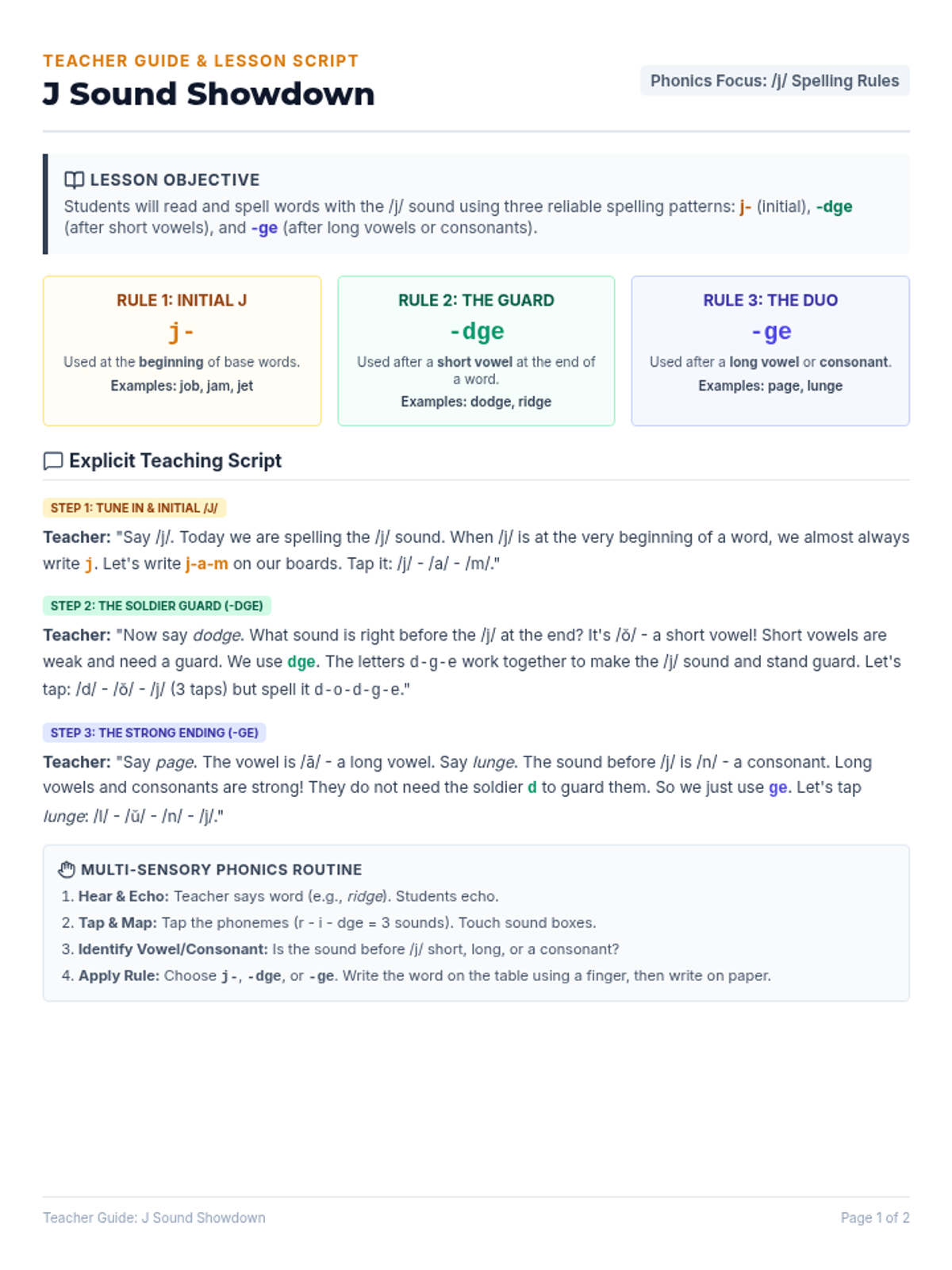
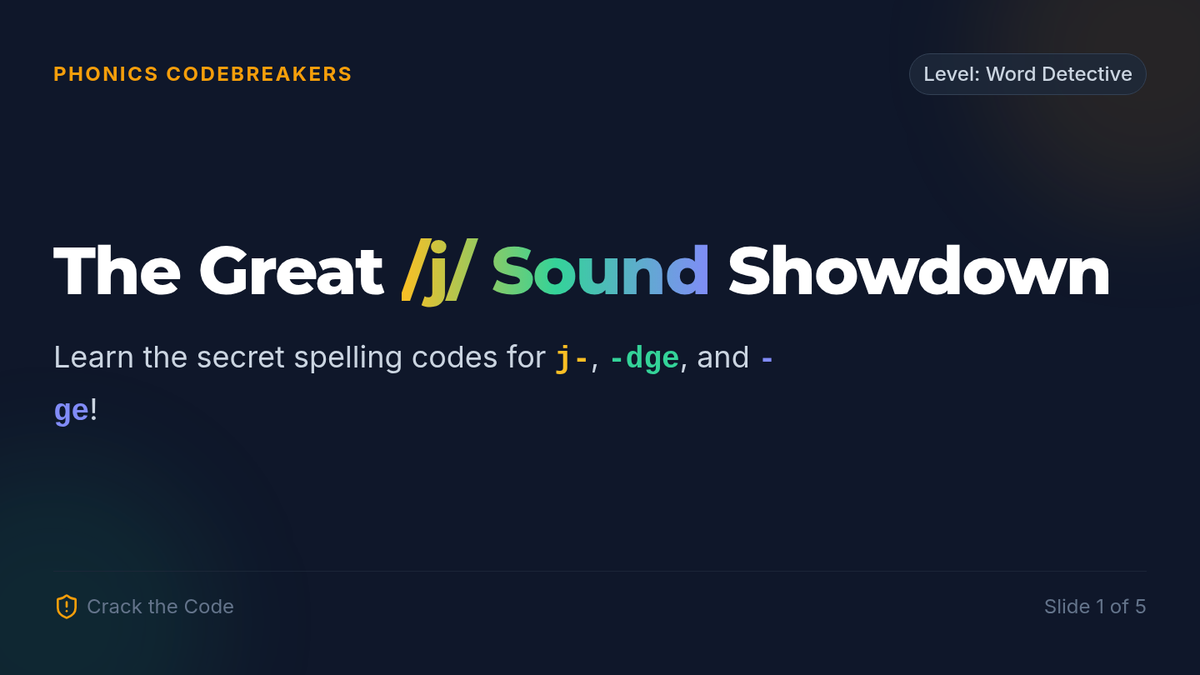
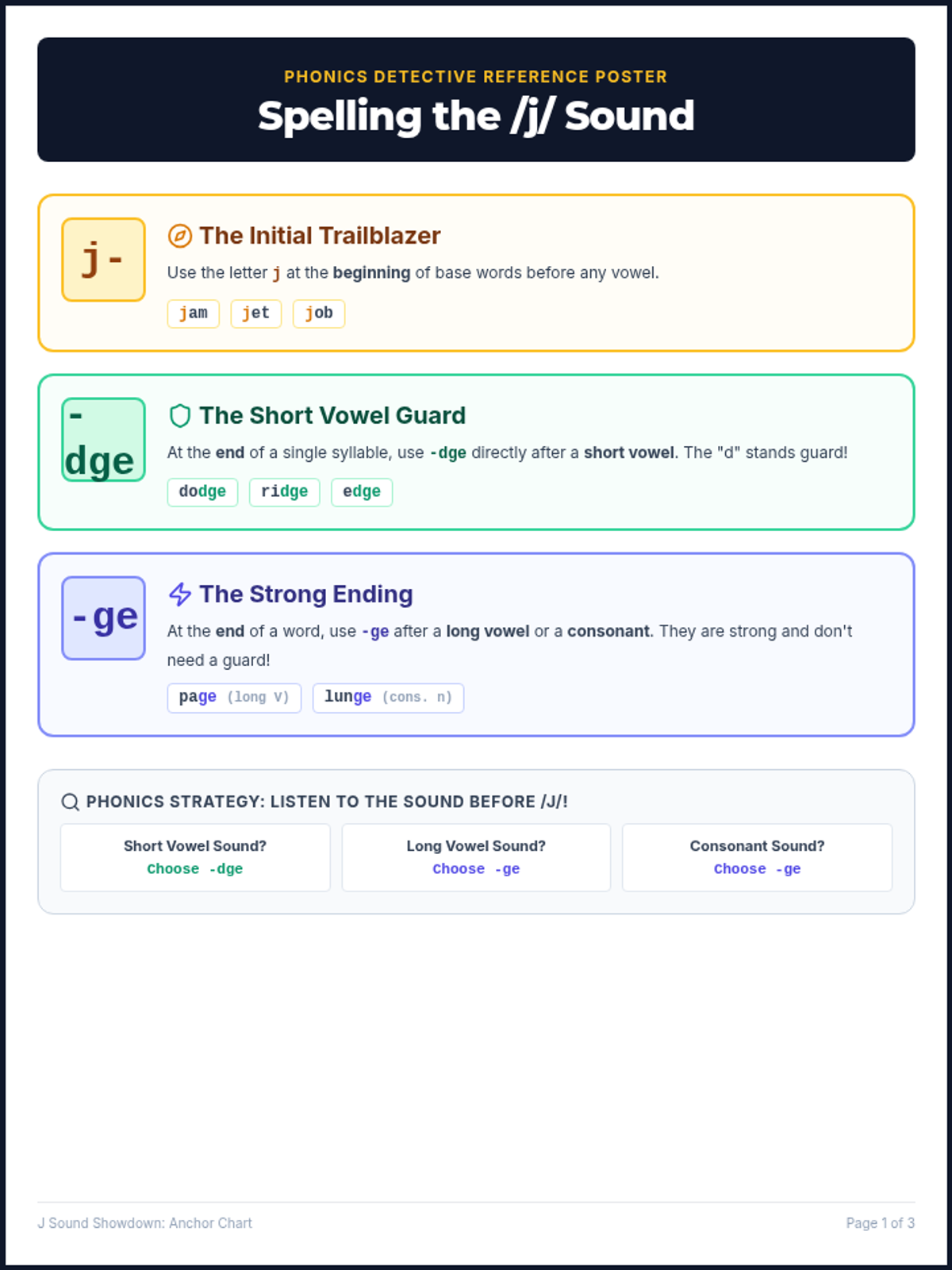
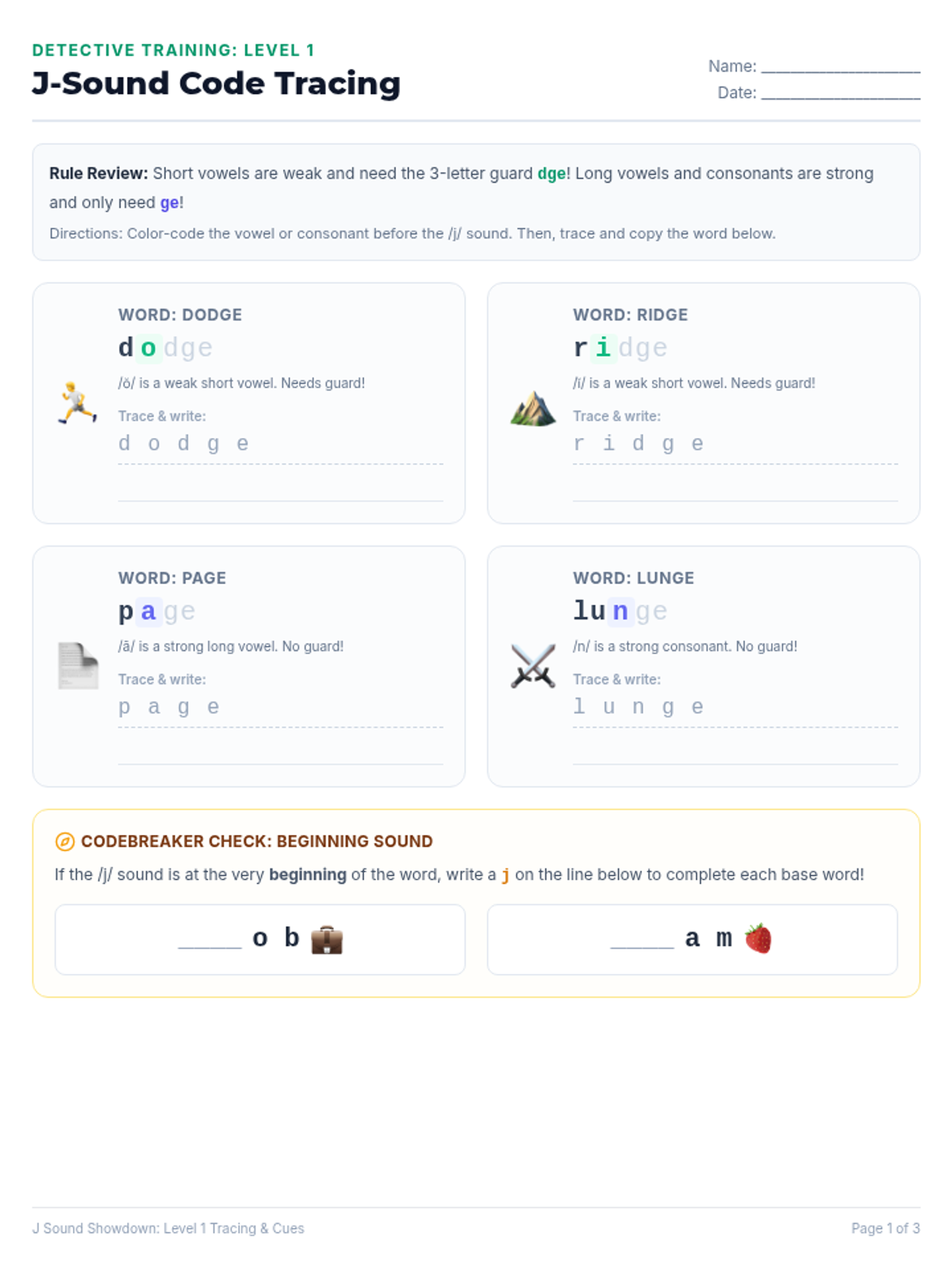
A comprehensive phonics lesson exploring the spelling rules for the /j/ sound: 'j' at the beginning, 'dge' after short vowels, and 'ge' after long vowels or consonants. Includes multi-sensory materials, explicit guides, visual slides, and leveled activities.
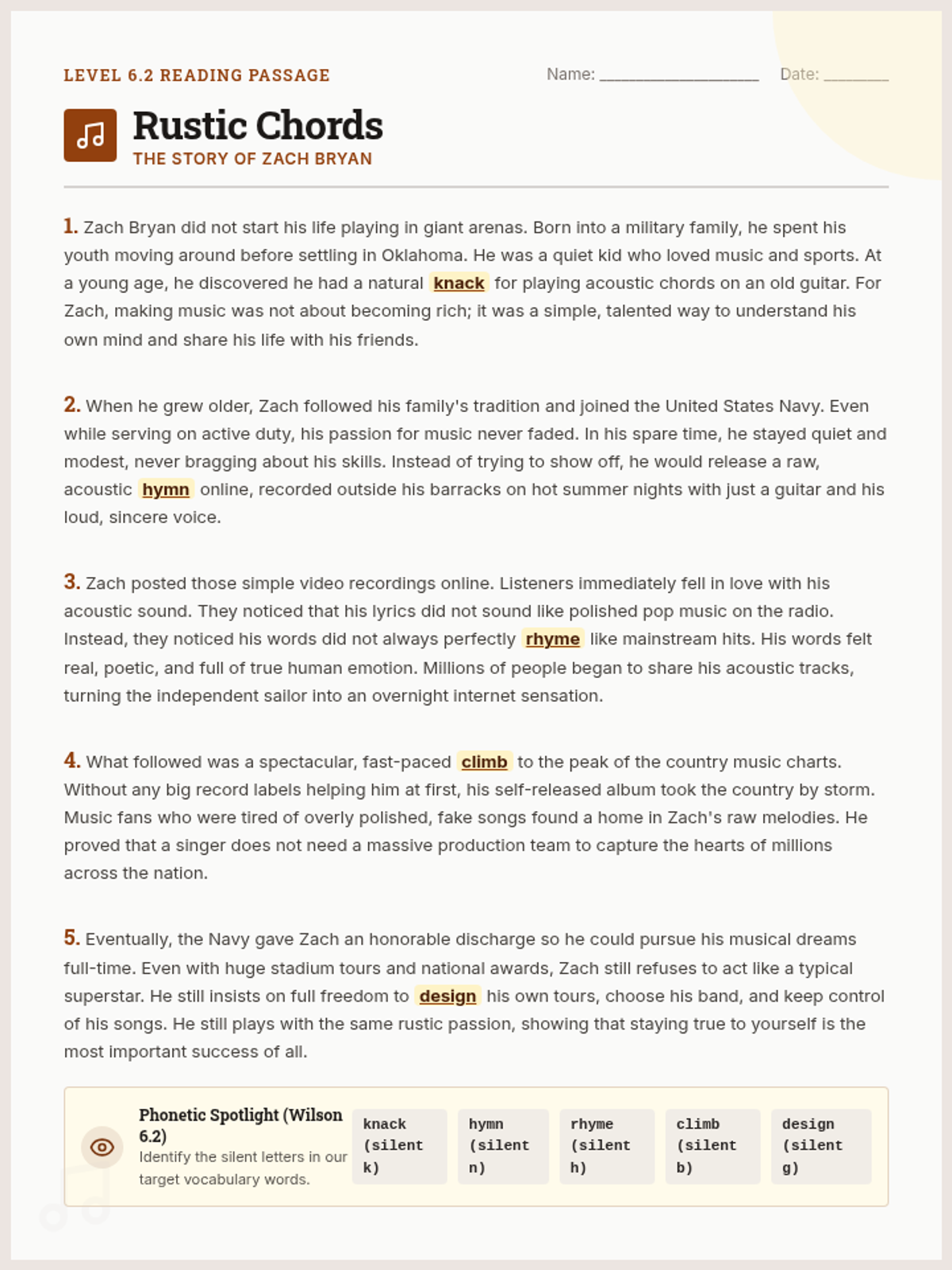
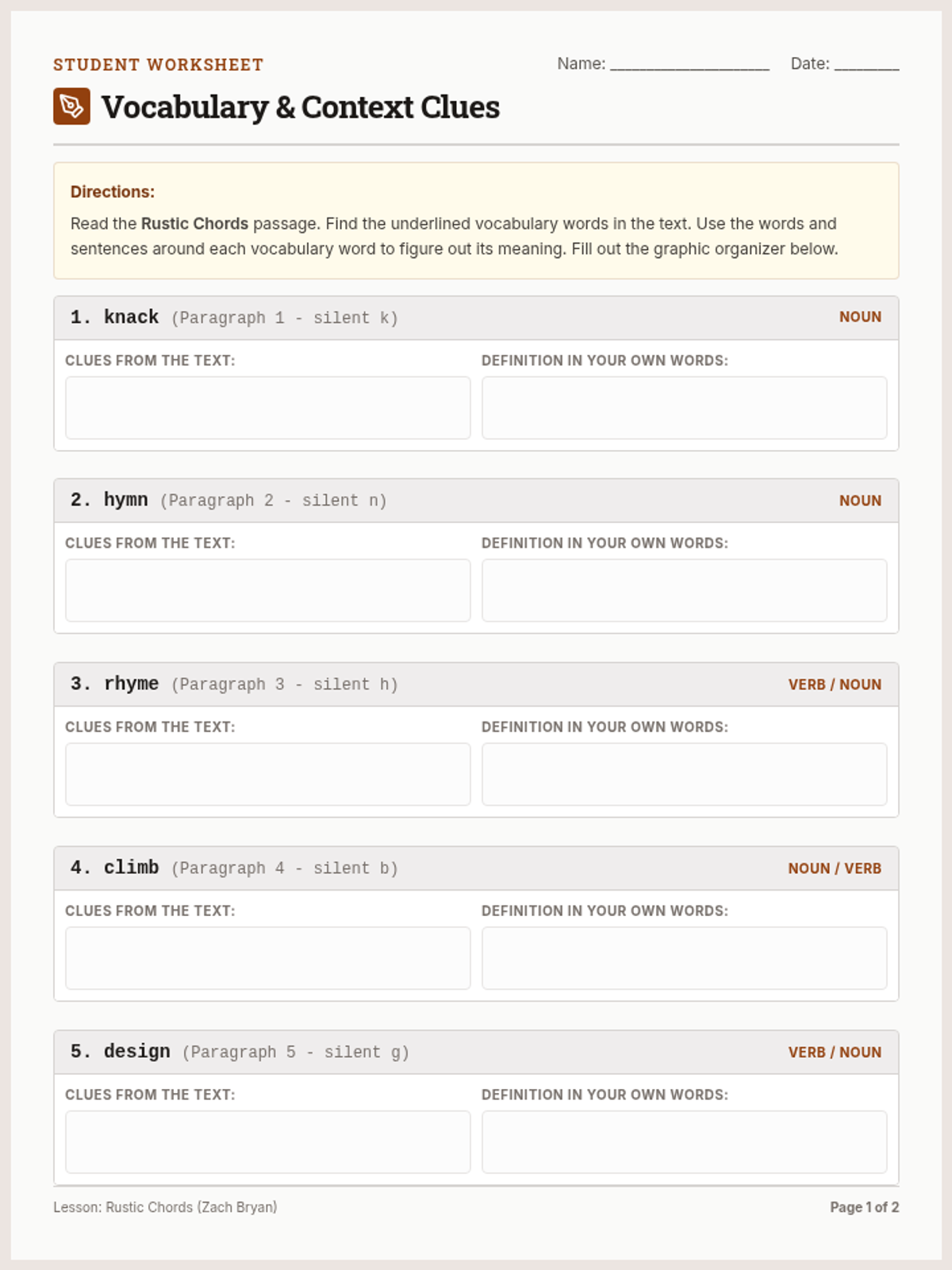
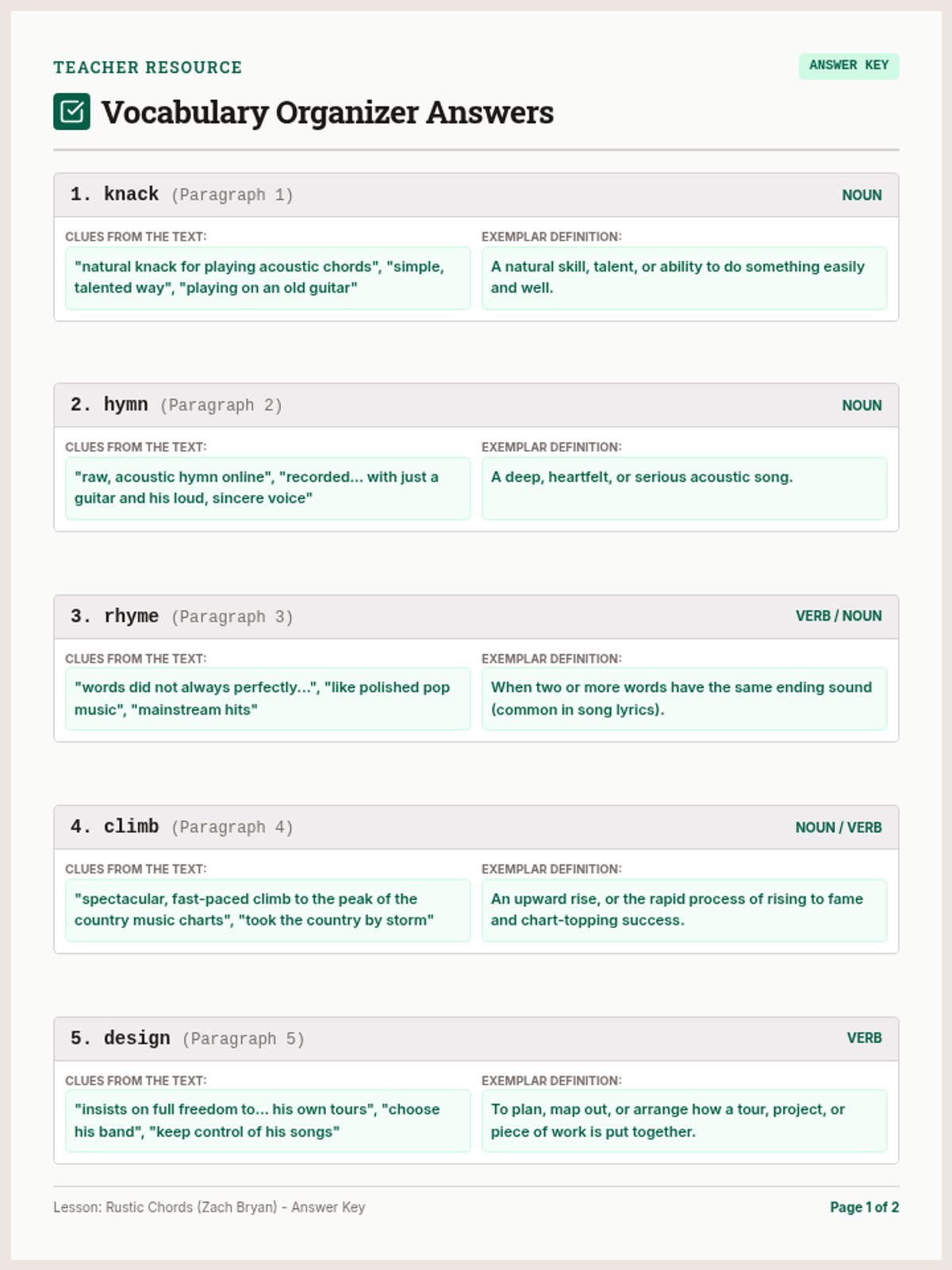
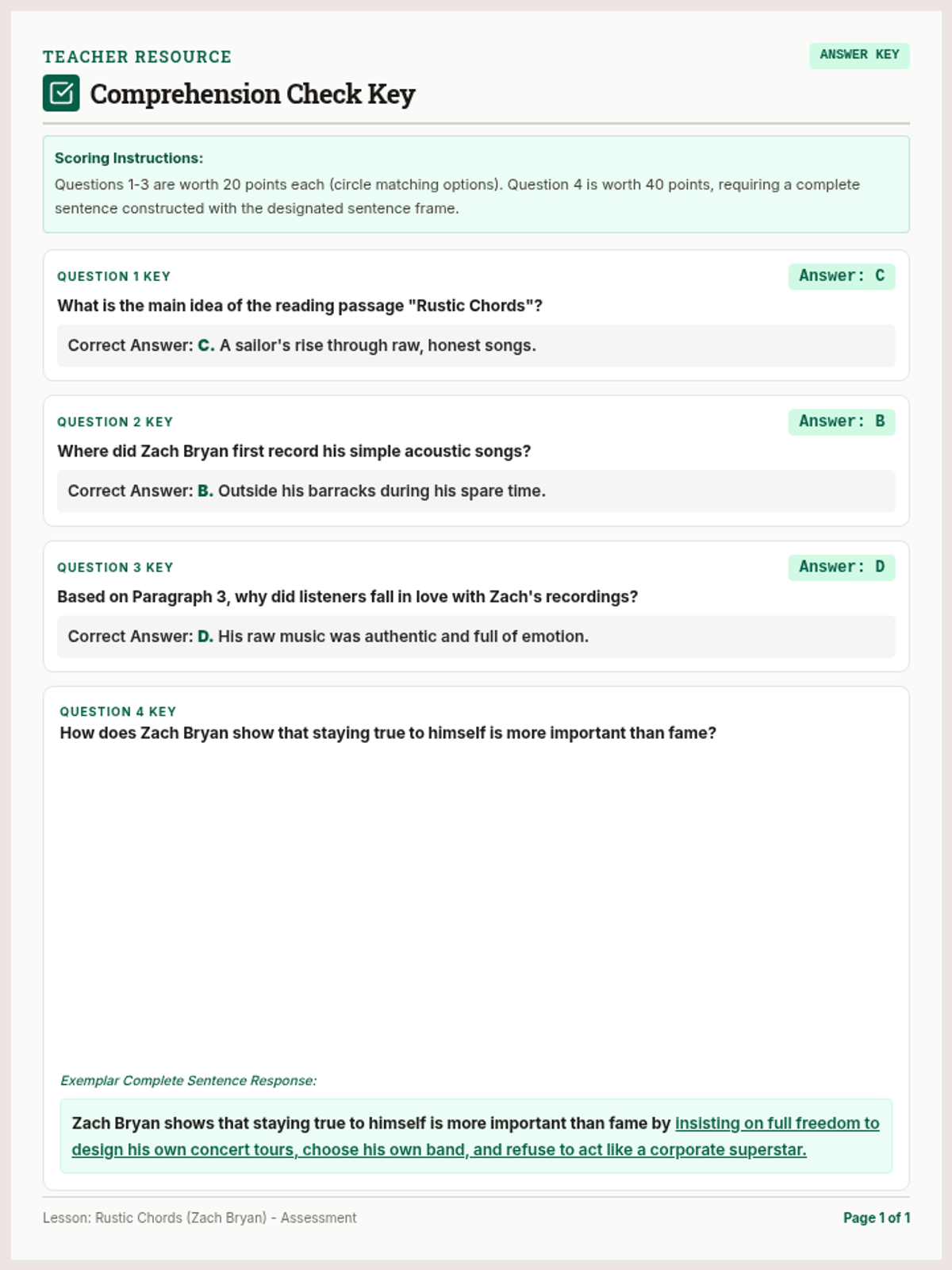
A reading comprehension lesson focused on singer-songwriter Zach Bryan, teaching students how to use context clues to find the meaning of vocabulary words and write responses in complete sentences using sentence starters.
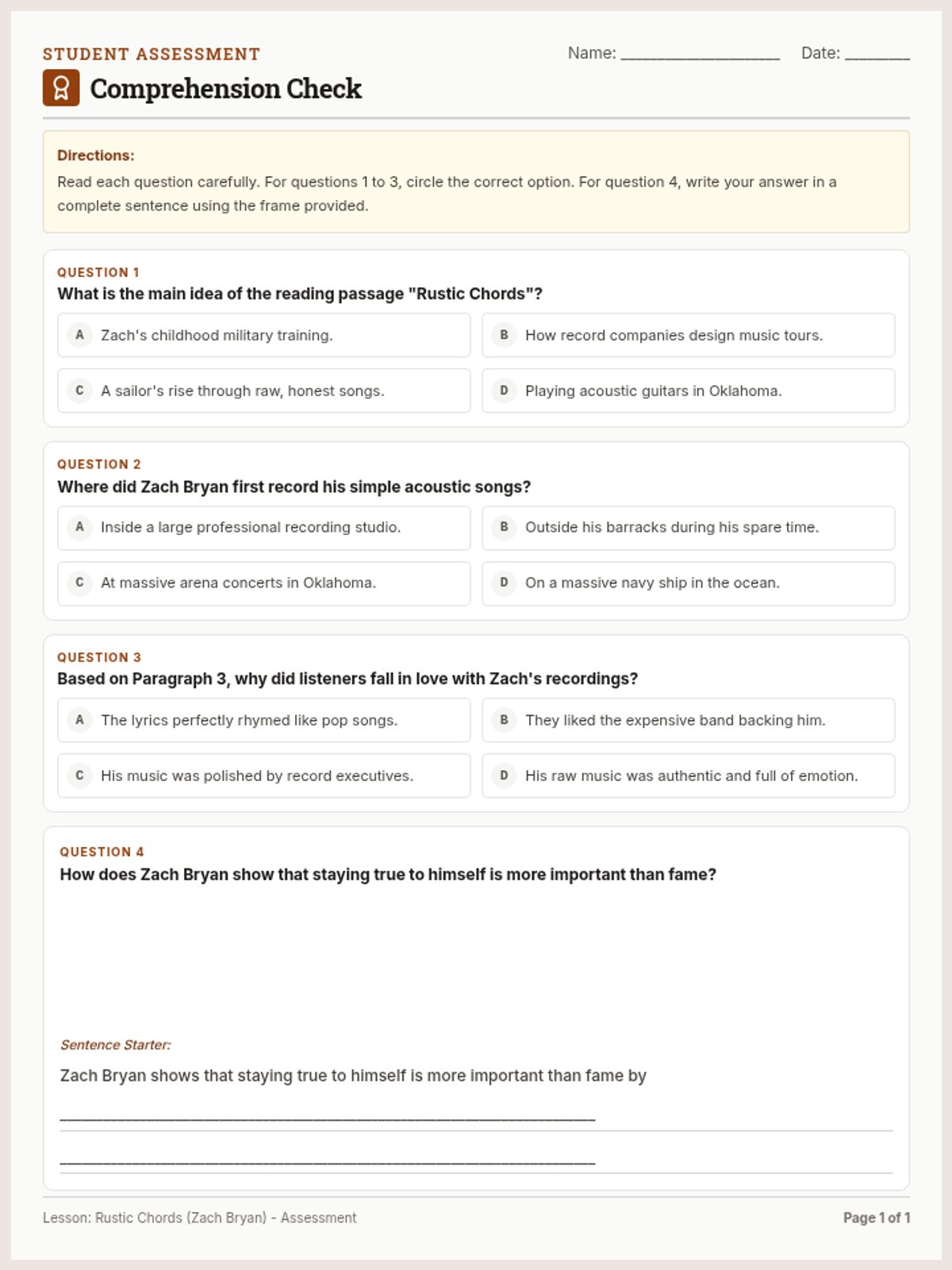
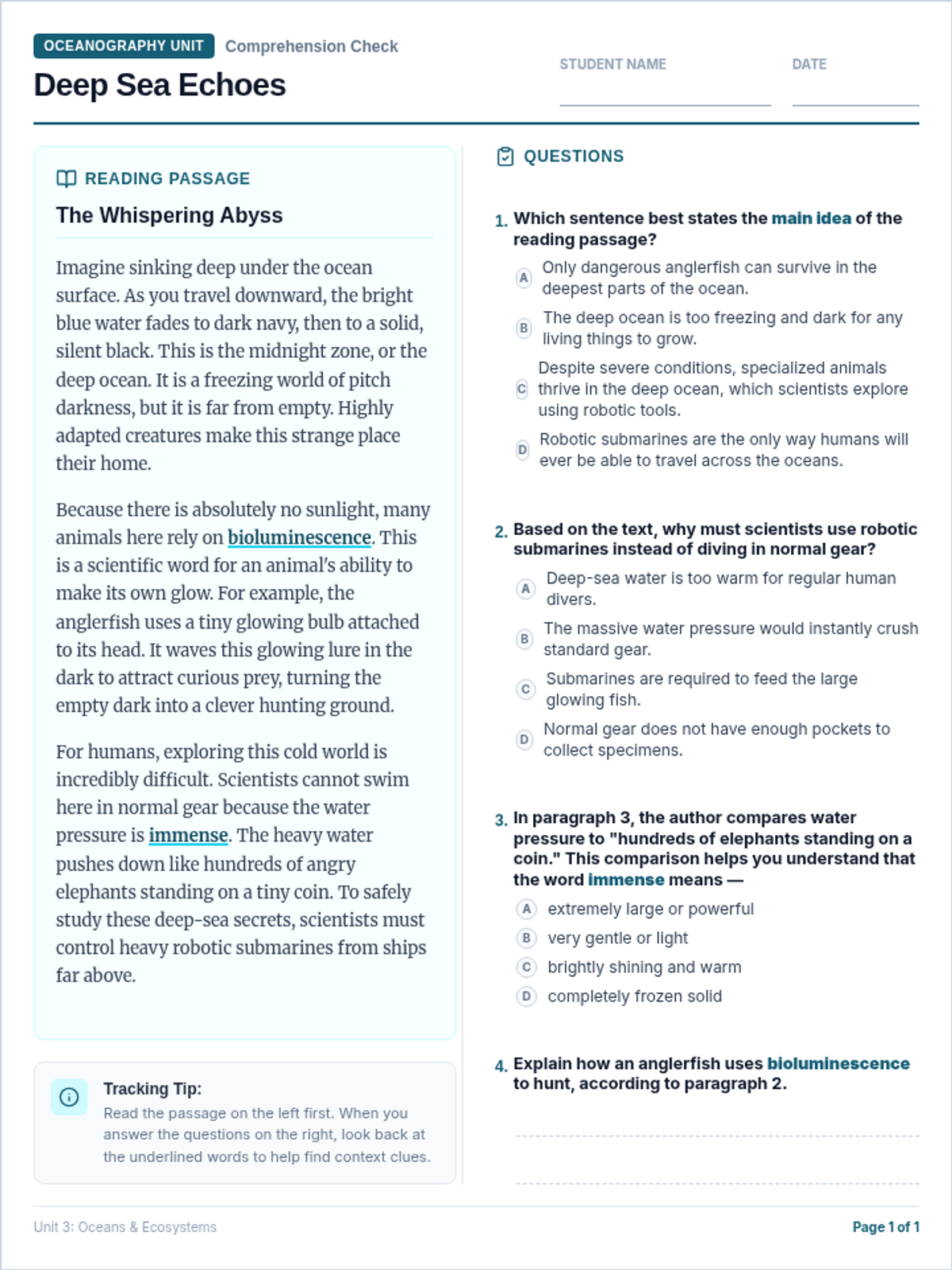
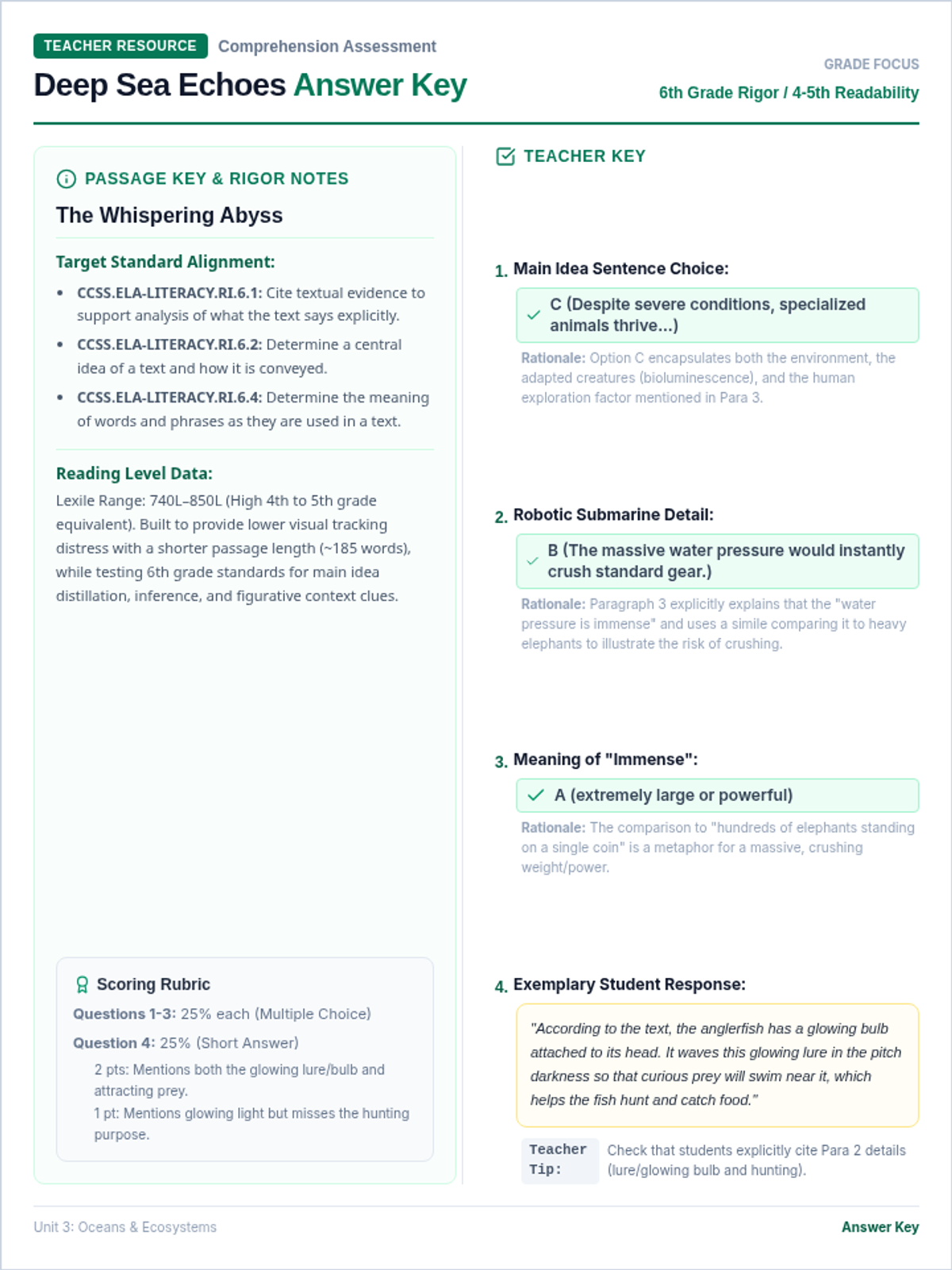
A comprehension assessment focusing on main idea, key details, and context clues. The student worksheet features a side-by-side passage and question layout to reduce tracking demands and support 4th-5th grade readability with 6th-grade rigor.
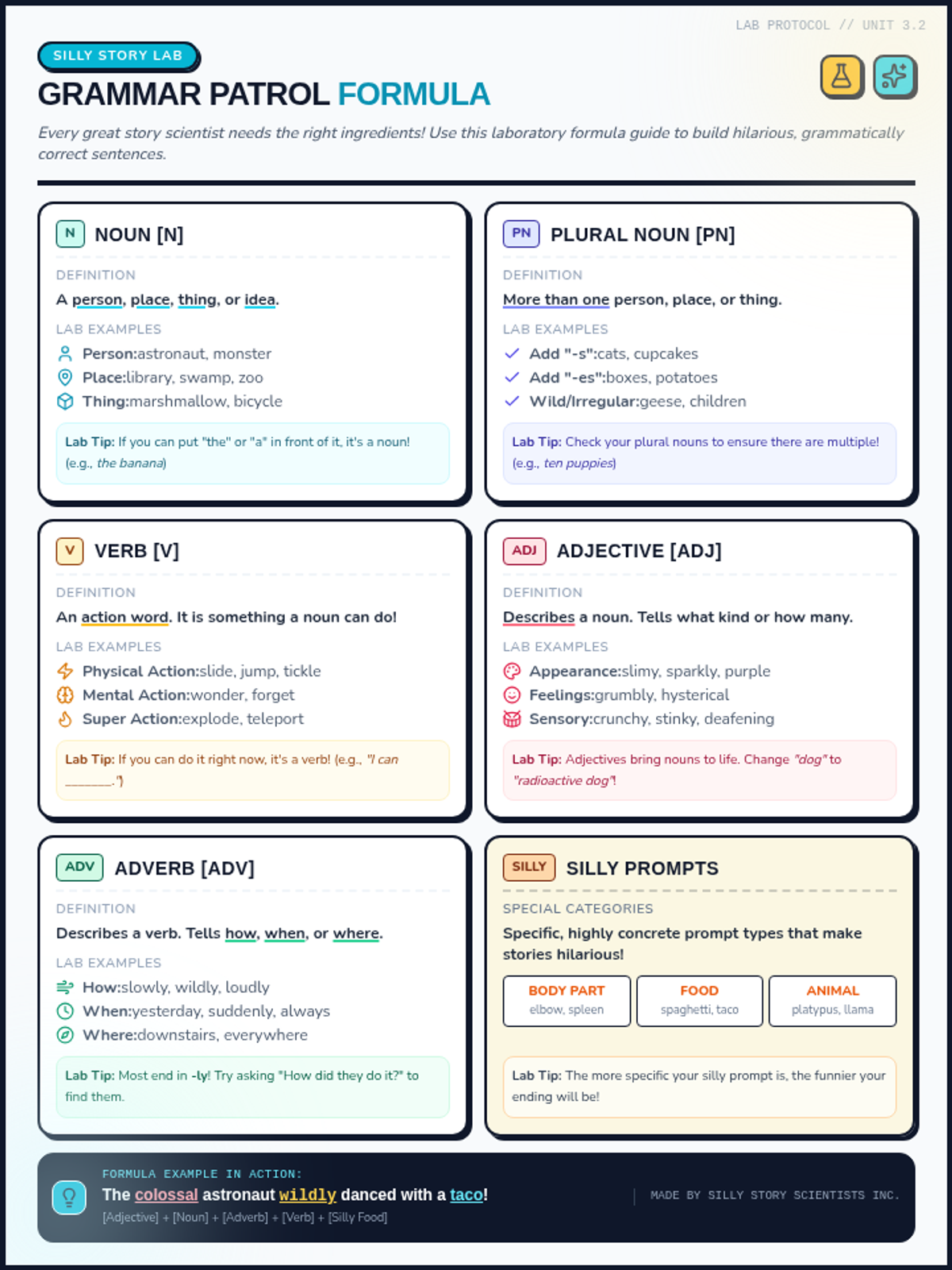
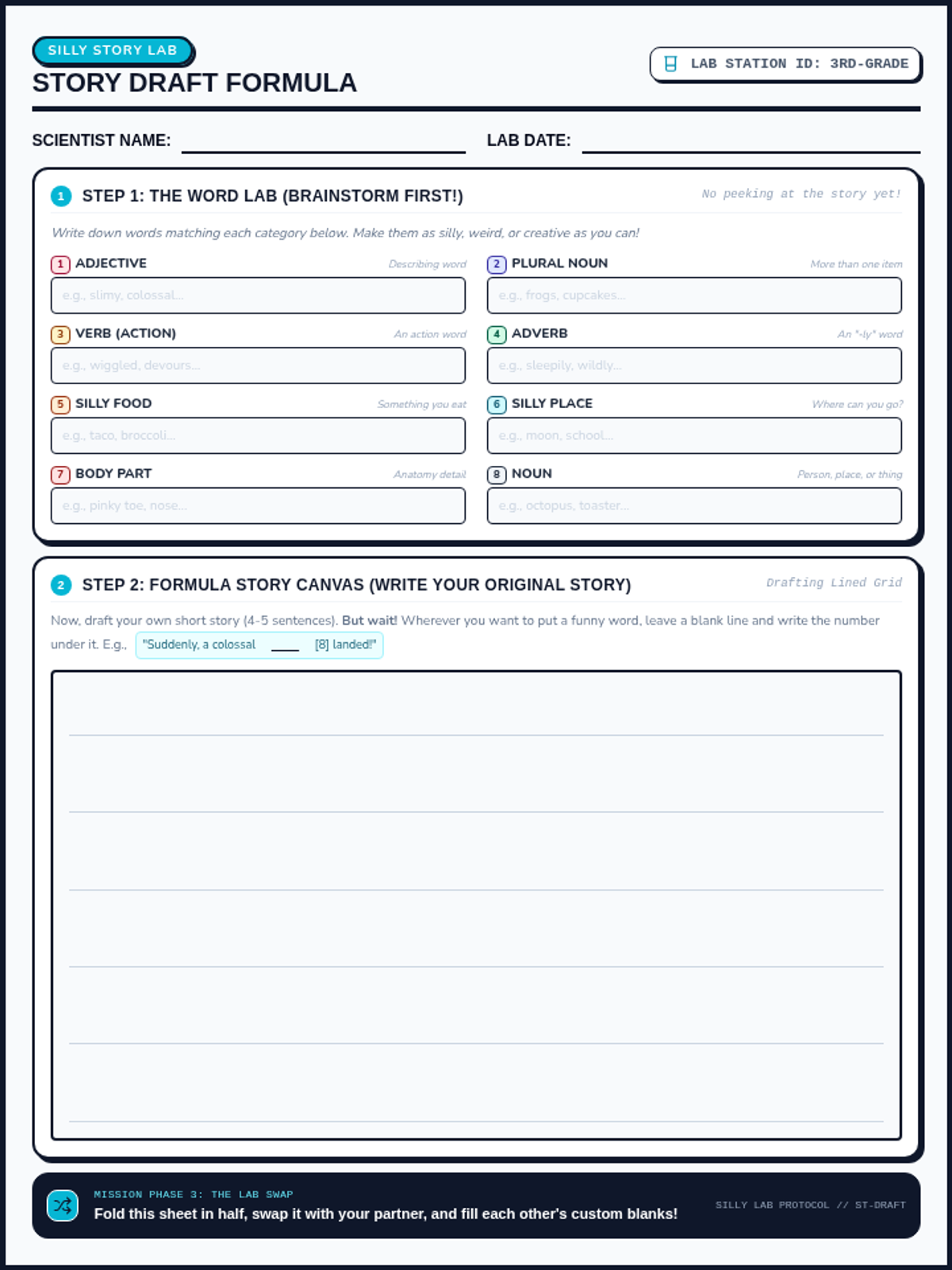
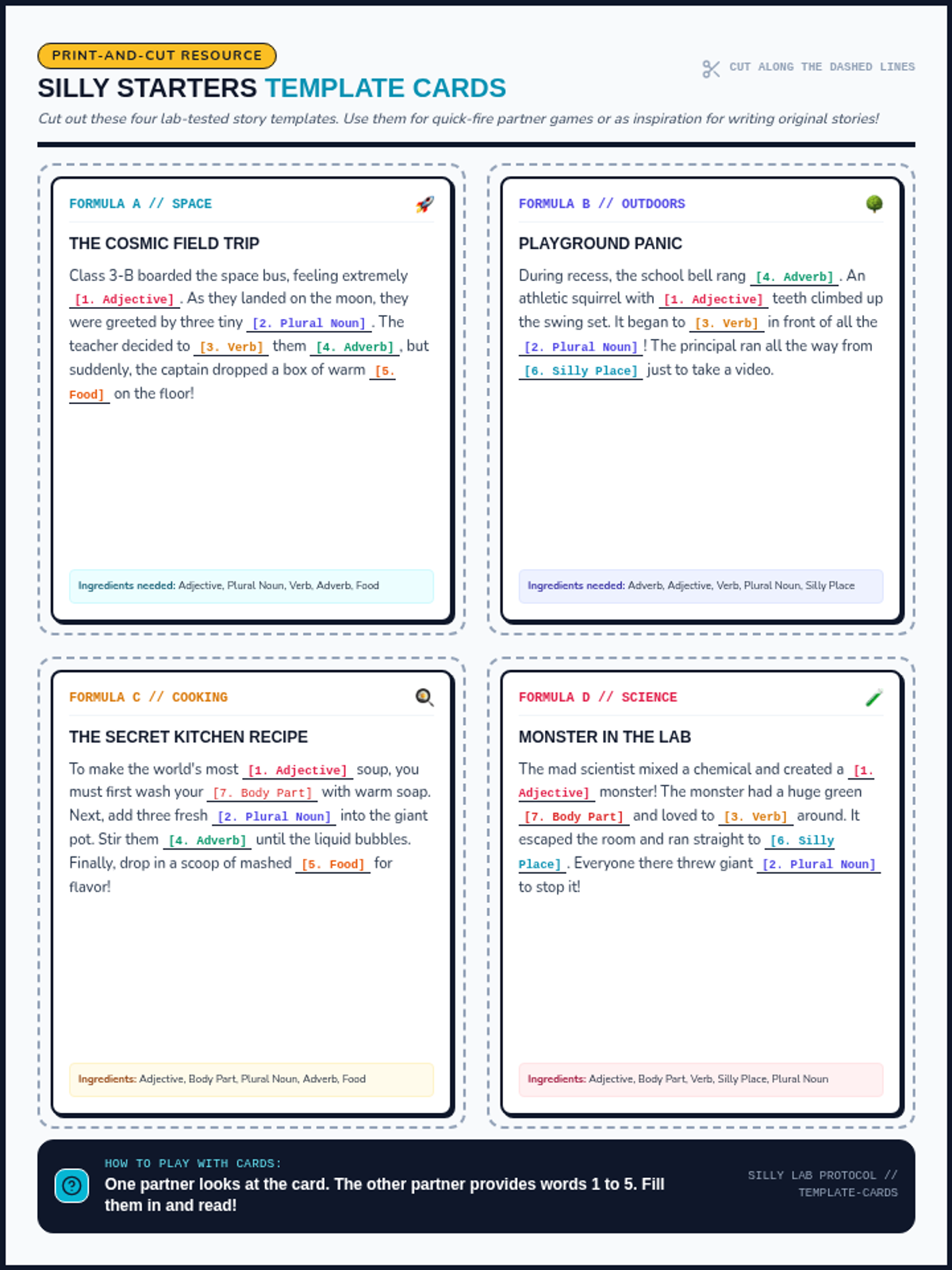
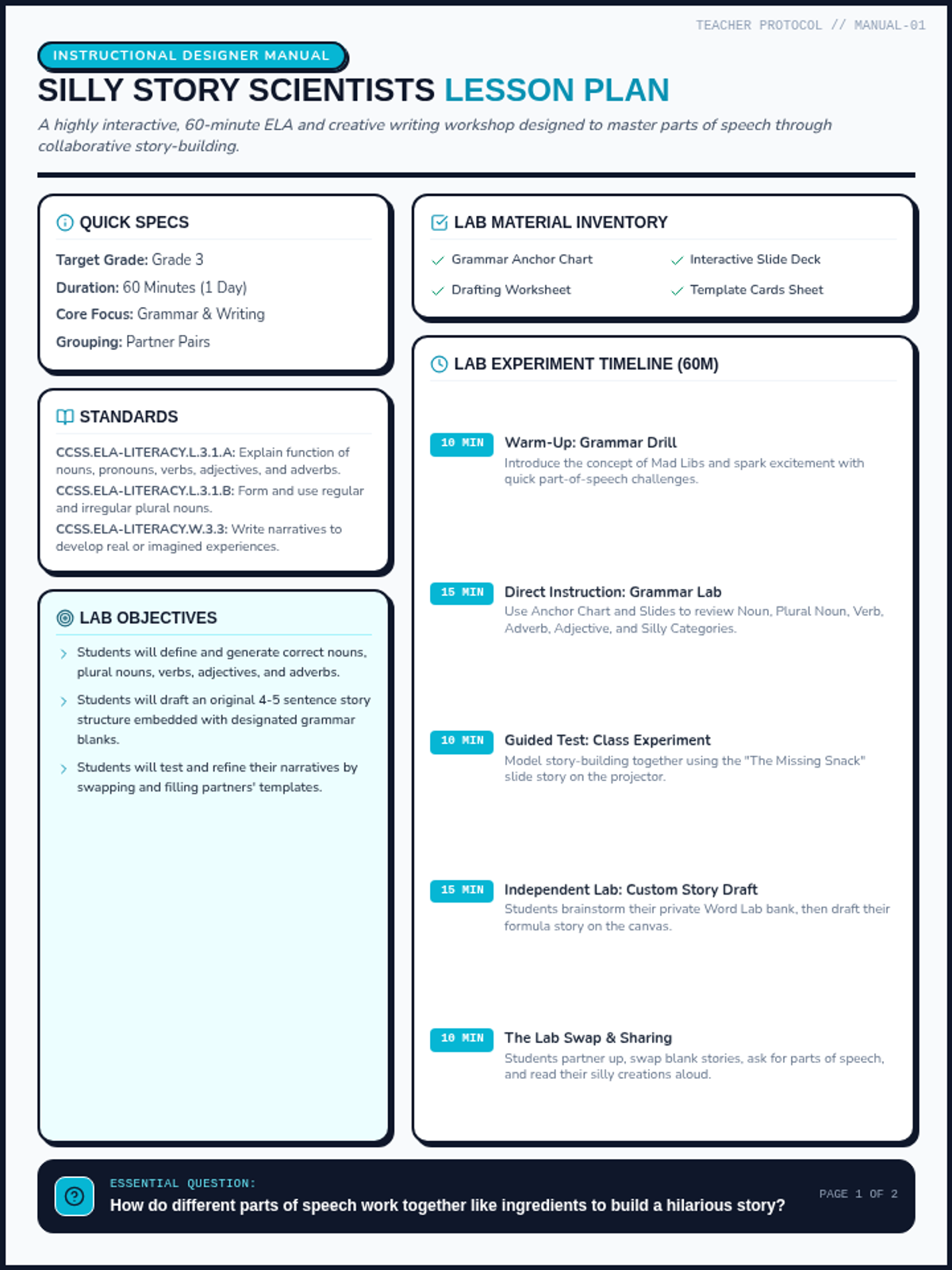
A comprehensive one-day writing and grammar lesson where third graders become 'Silly Story Scientists'. Students review parts of speech (nouns, plural nouns, verbs, adverbs, adjectives, and silly categories like food or places) and use a structured, scaffolded process to draft, refine, and swap their own custom Mad Libs stories.
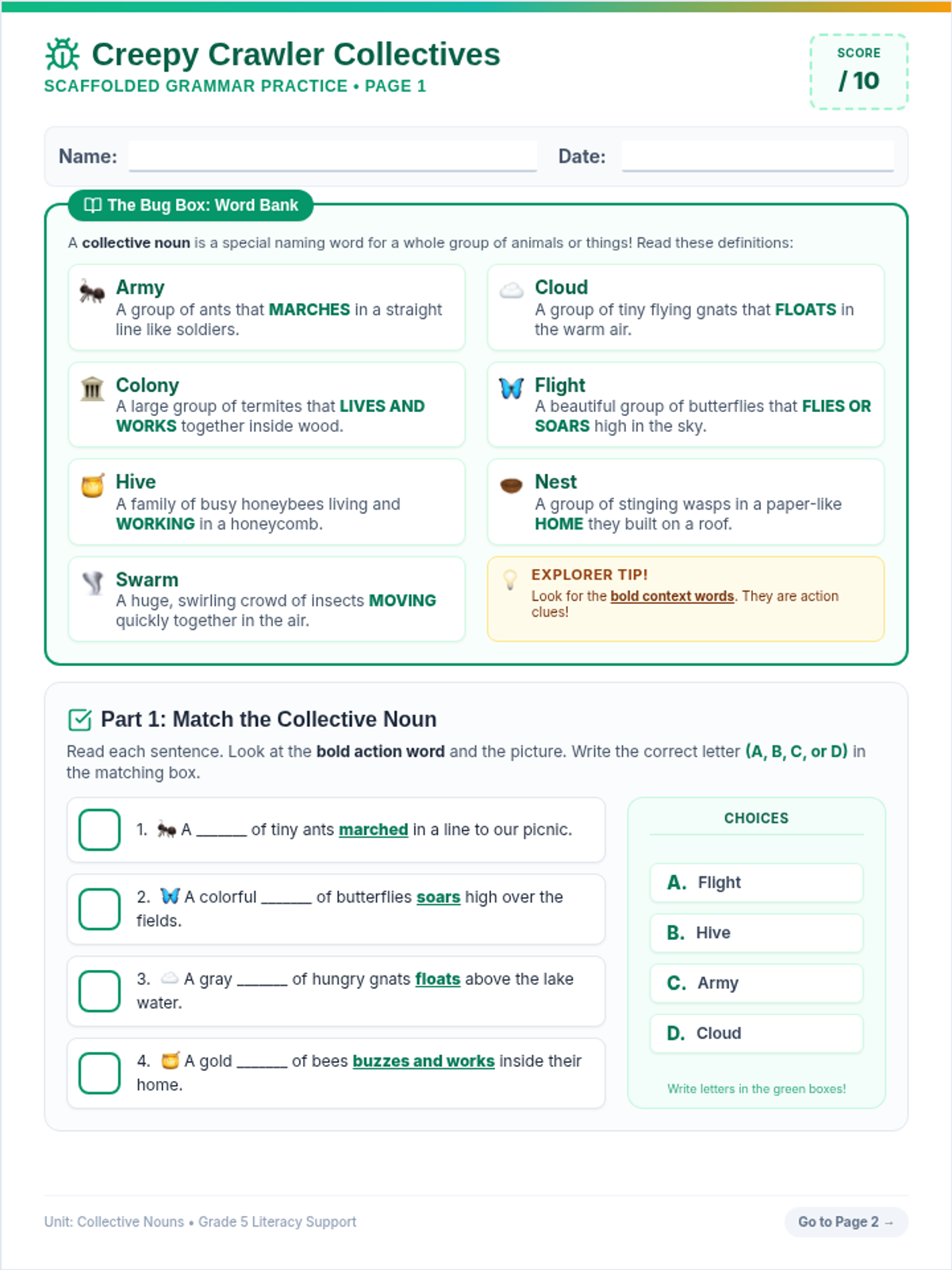
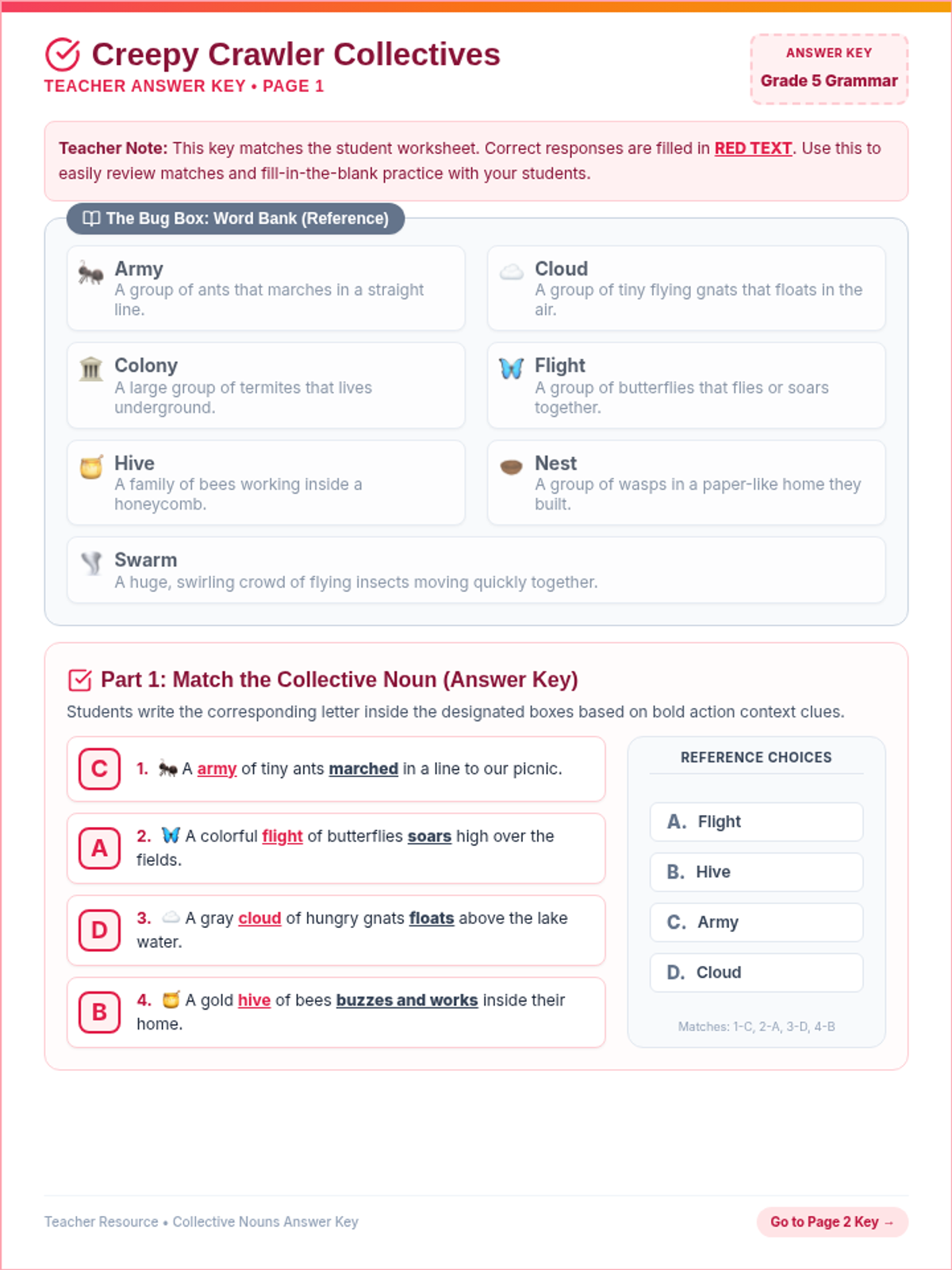
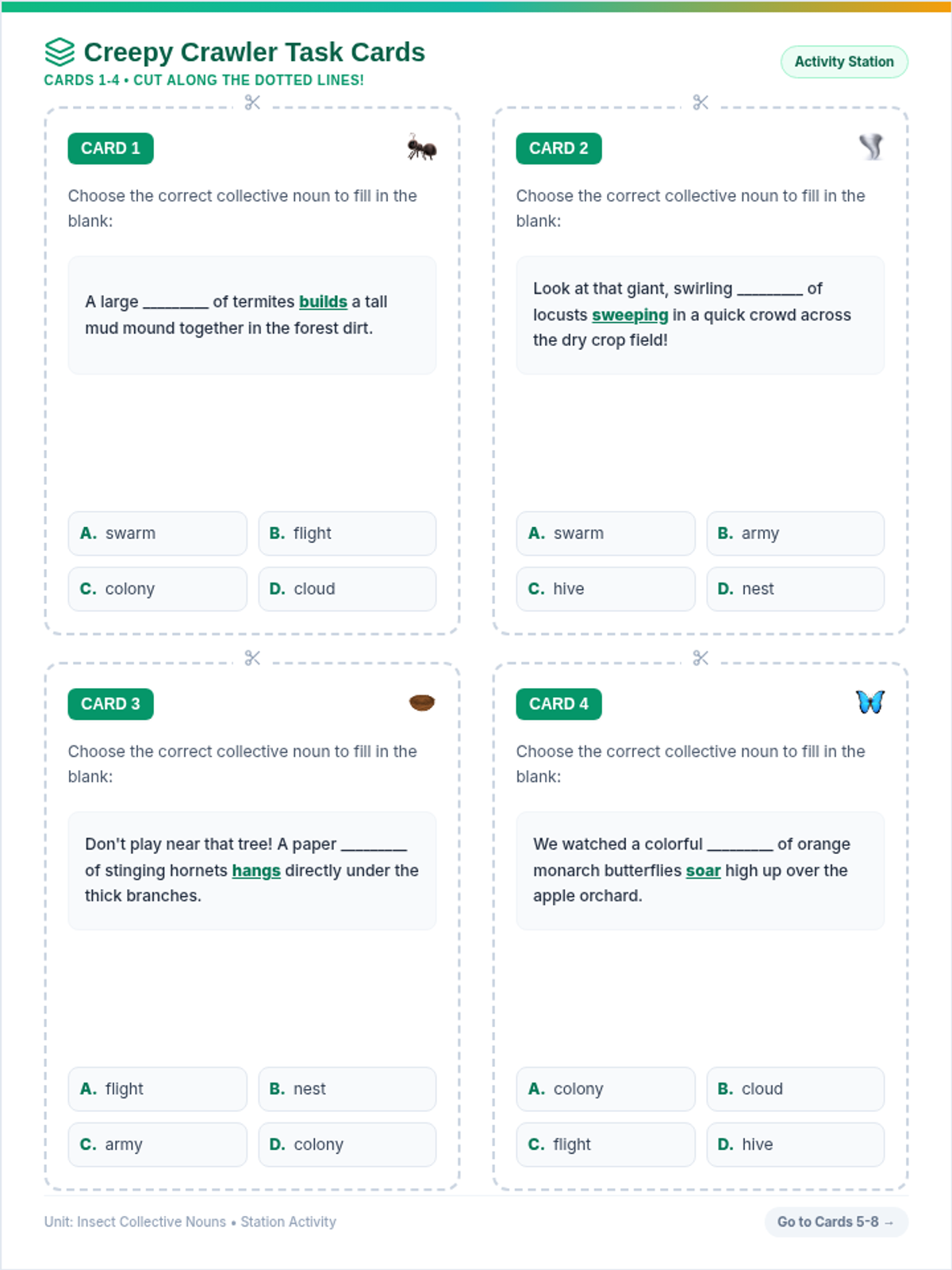
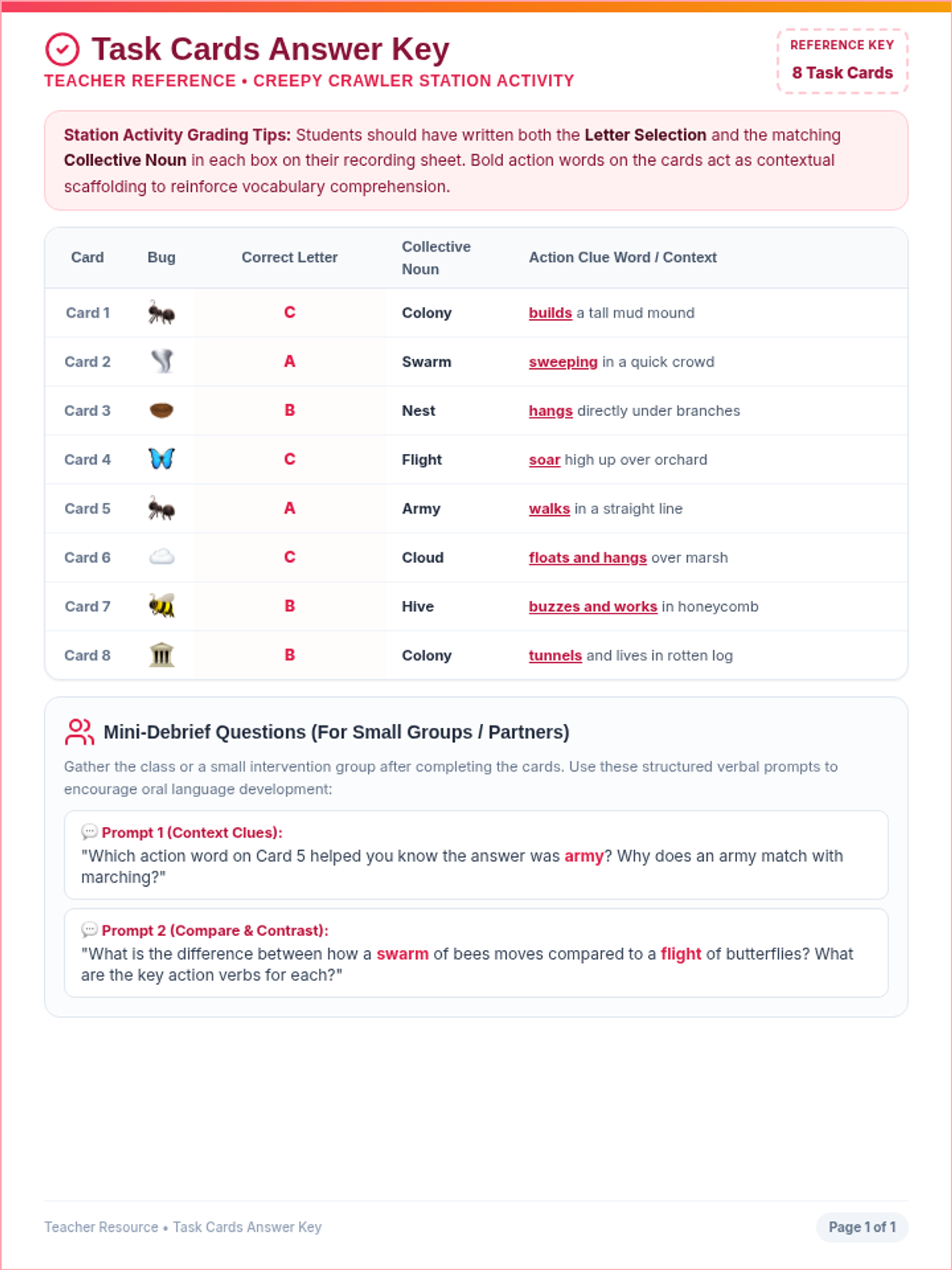
A highly scaffolded grammar lesson focused on insect collective nouns (army, cloud, colony, flight, hive, nest, swarm) designed for 5th-grade struggling readers using visual icons, word banks with definitions, and bolded context clues.
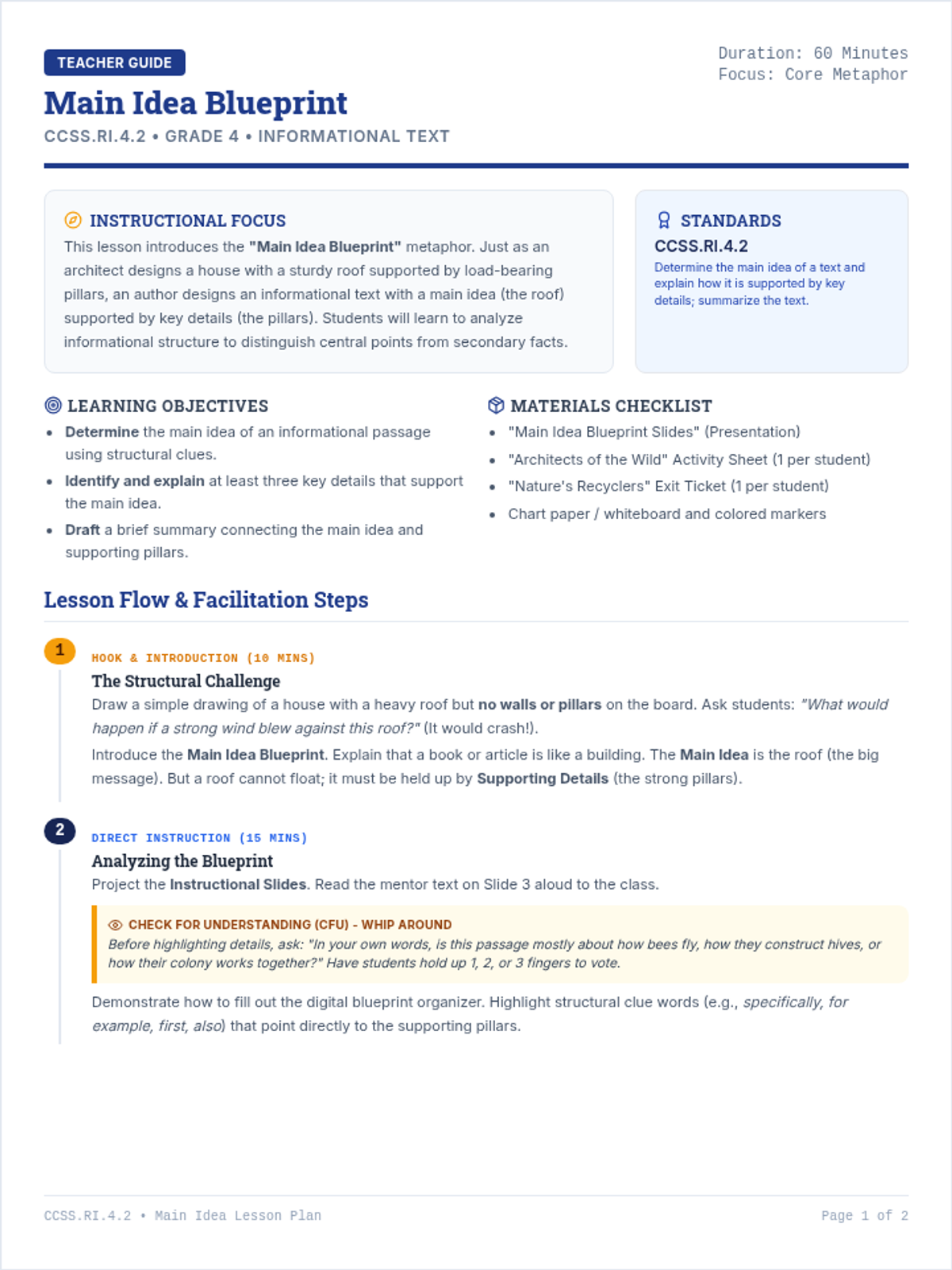
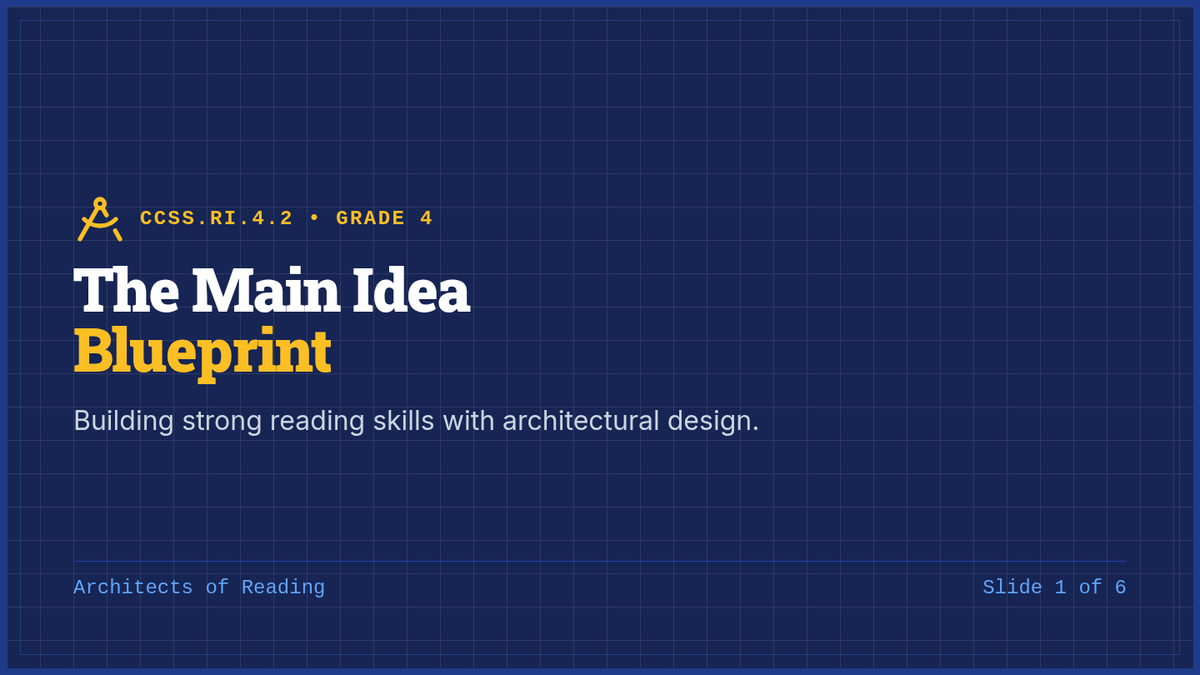
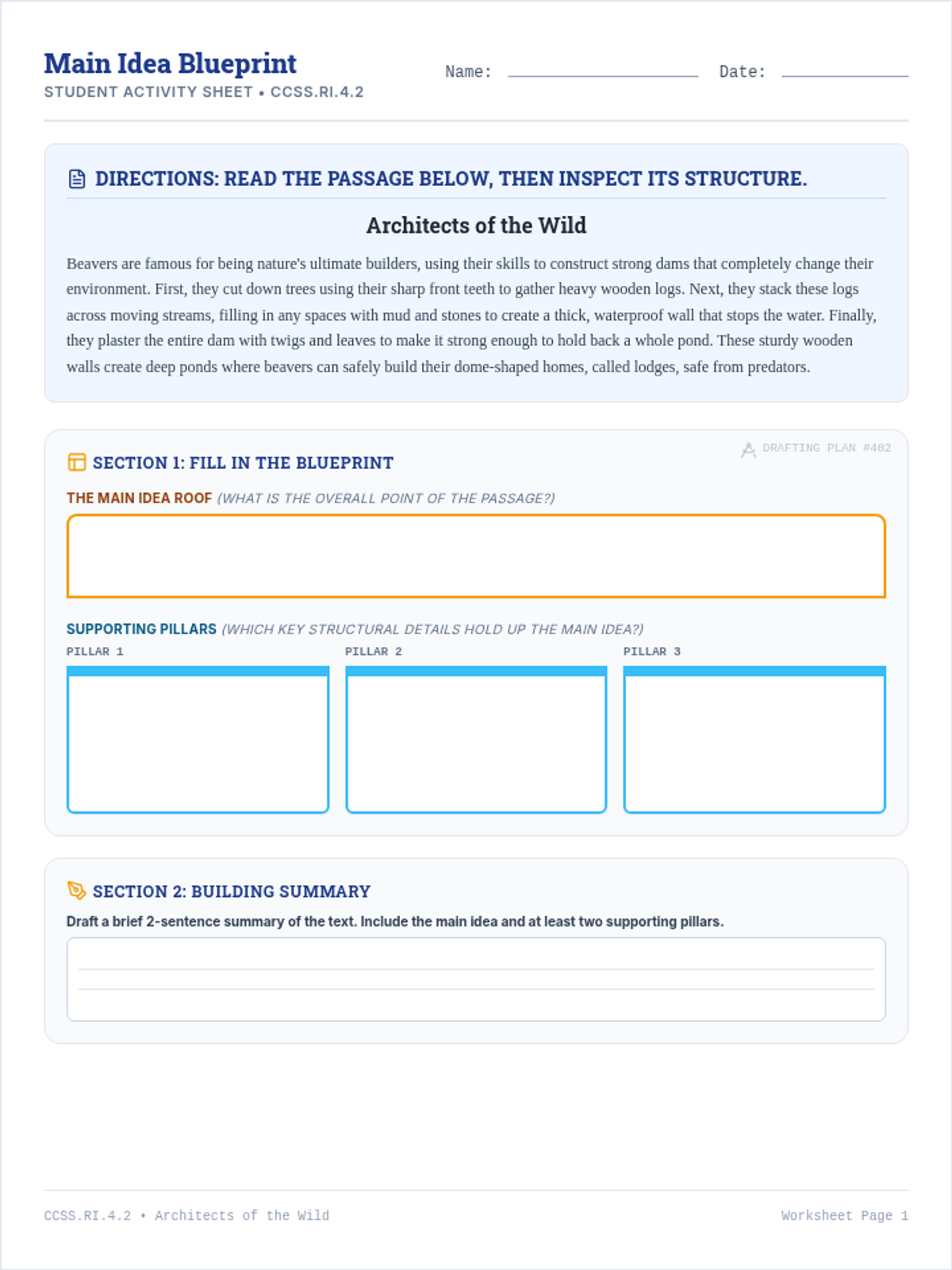
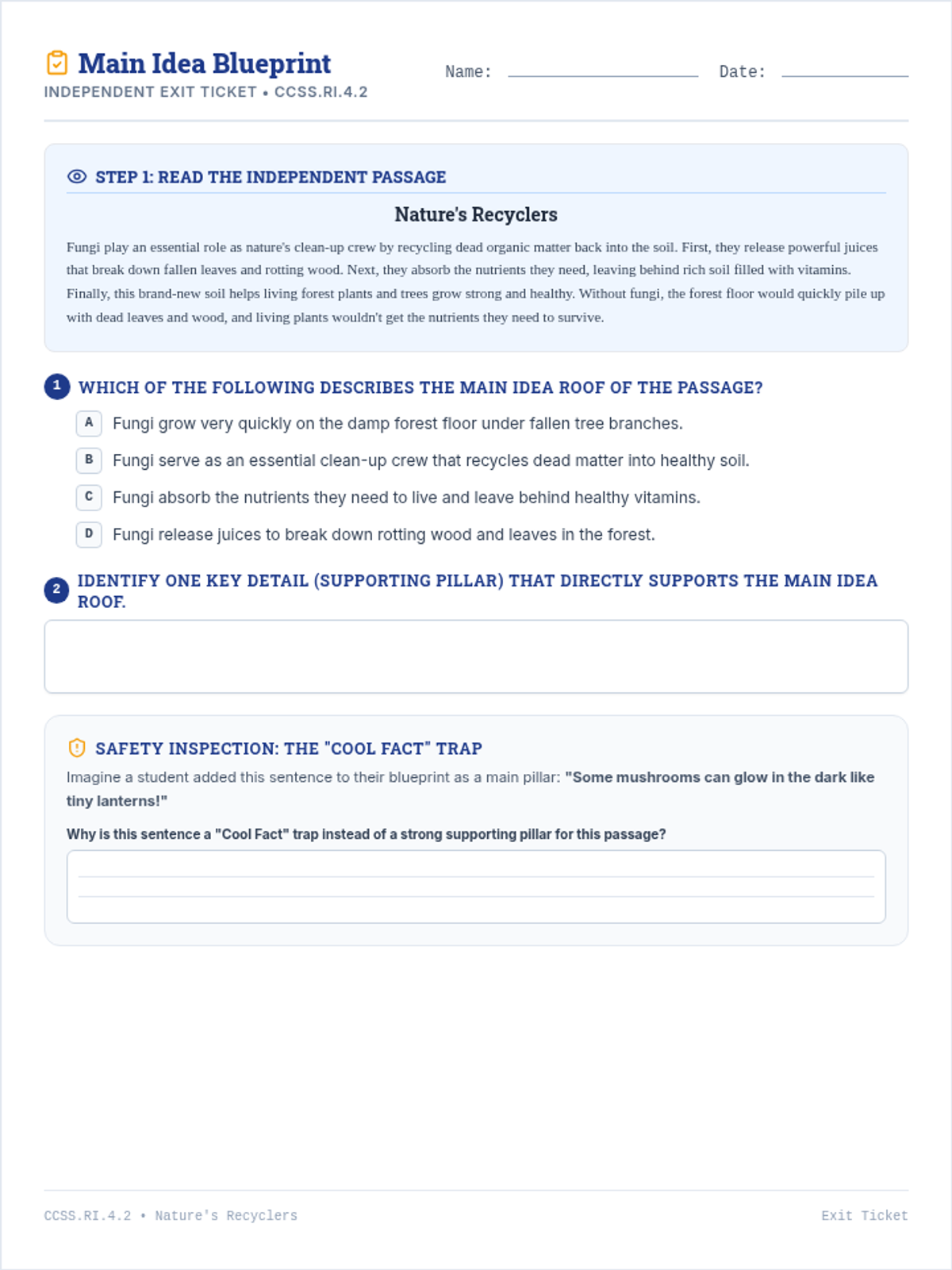
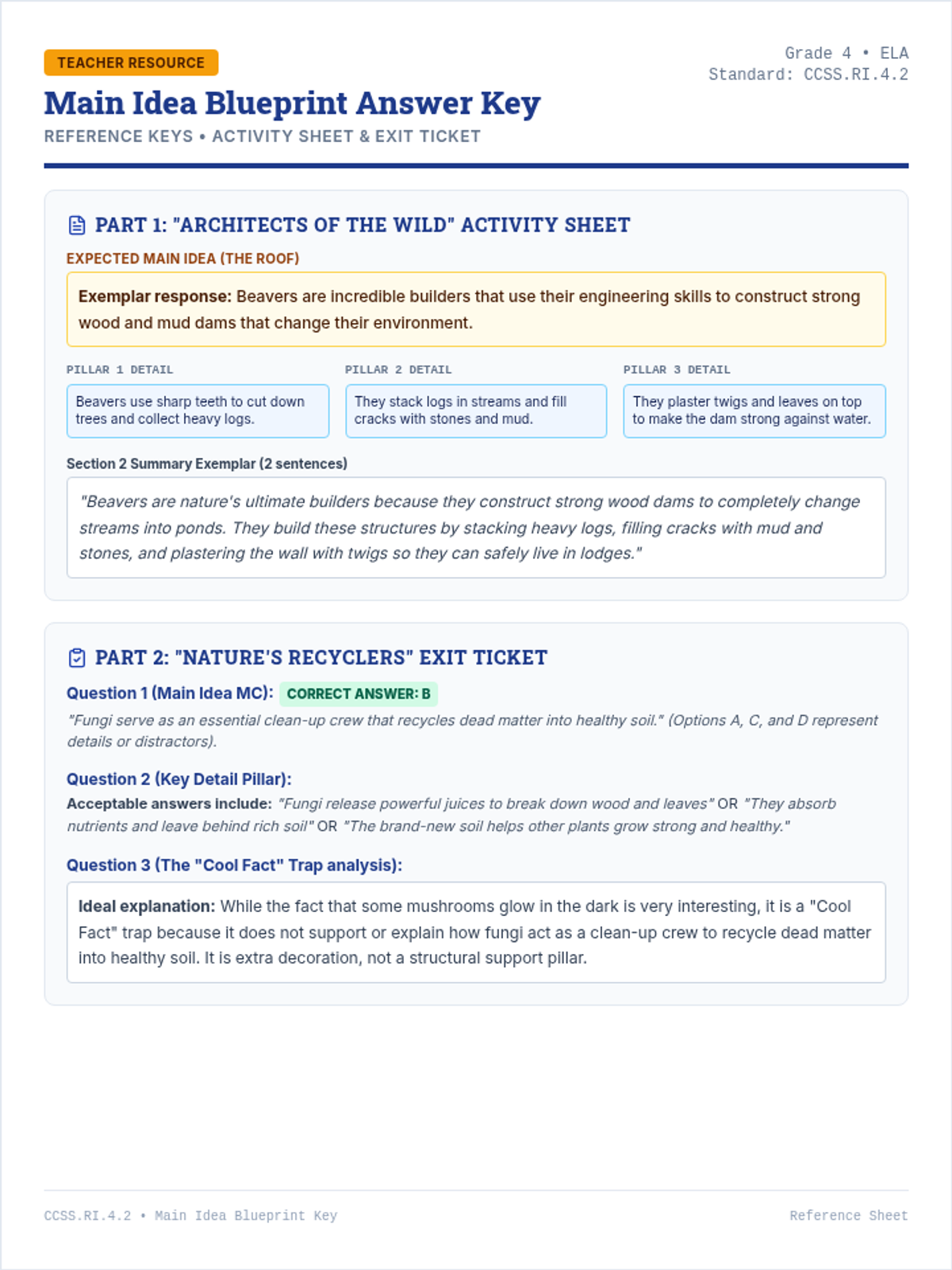
A comprehensive fourth-grade ELA lesson teaching main idea and supporting details using a construction blueprint metaphor. It includes structured teacher notes, instructional slides, scaffolding for English learners, a hands-on graphic organizer worksheet, and a quick exit ticket.
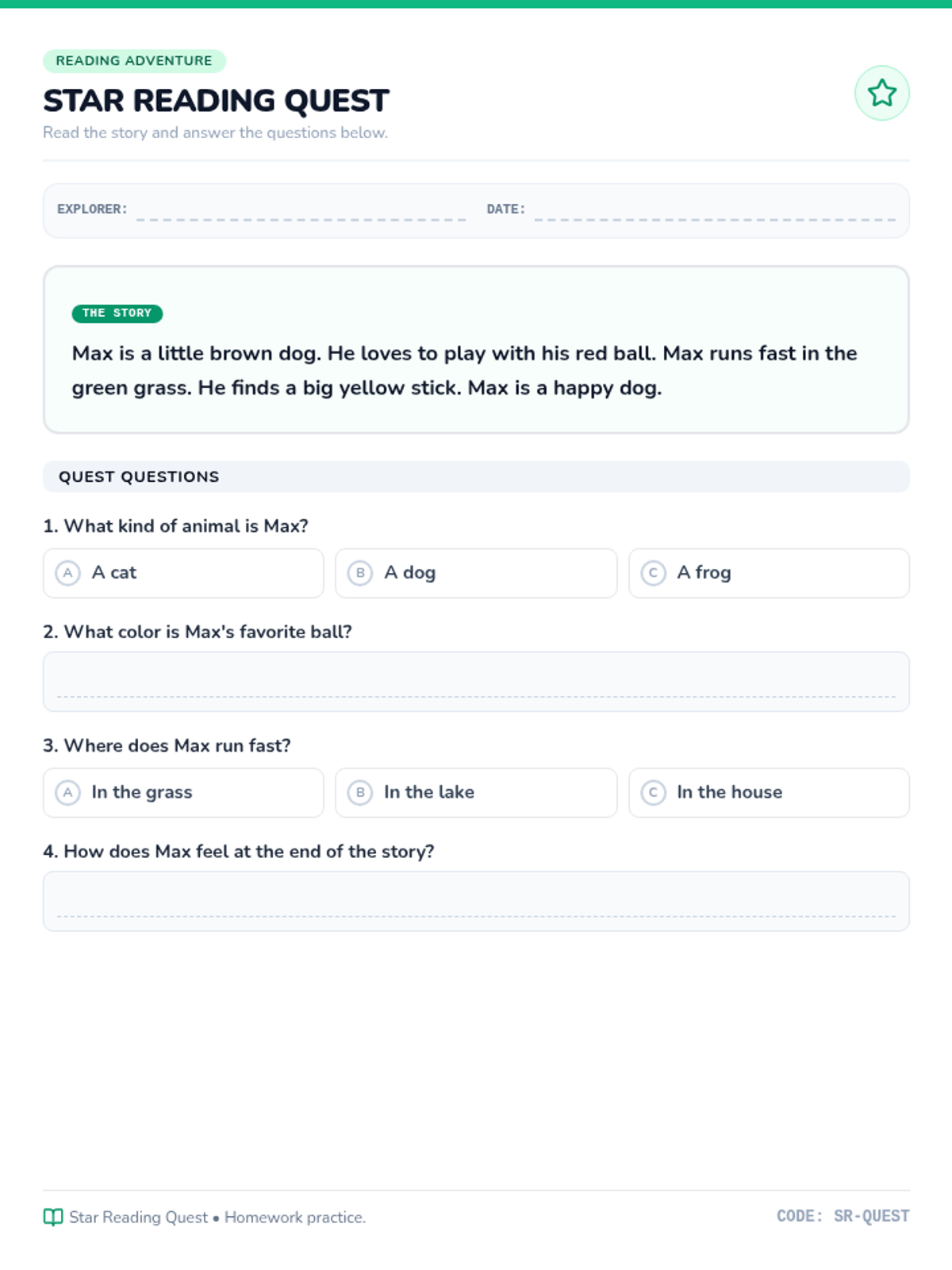
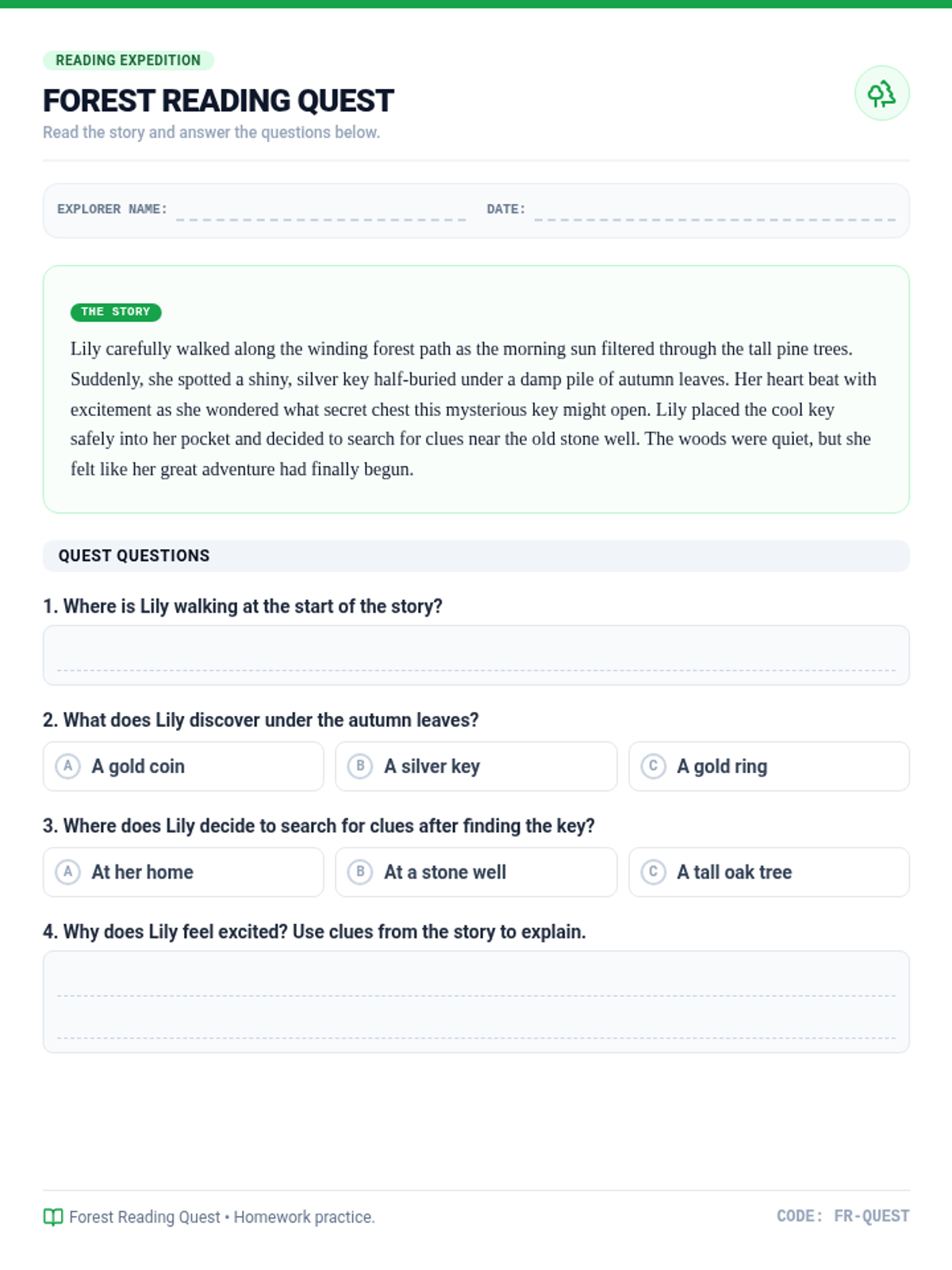
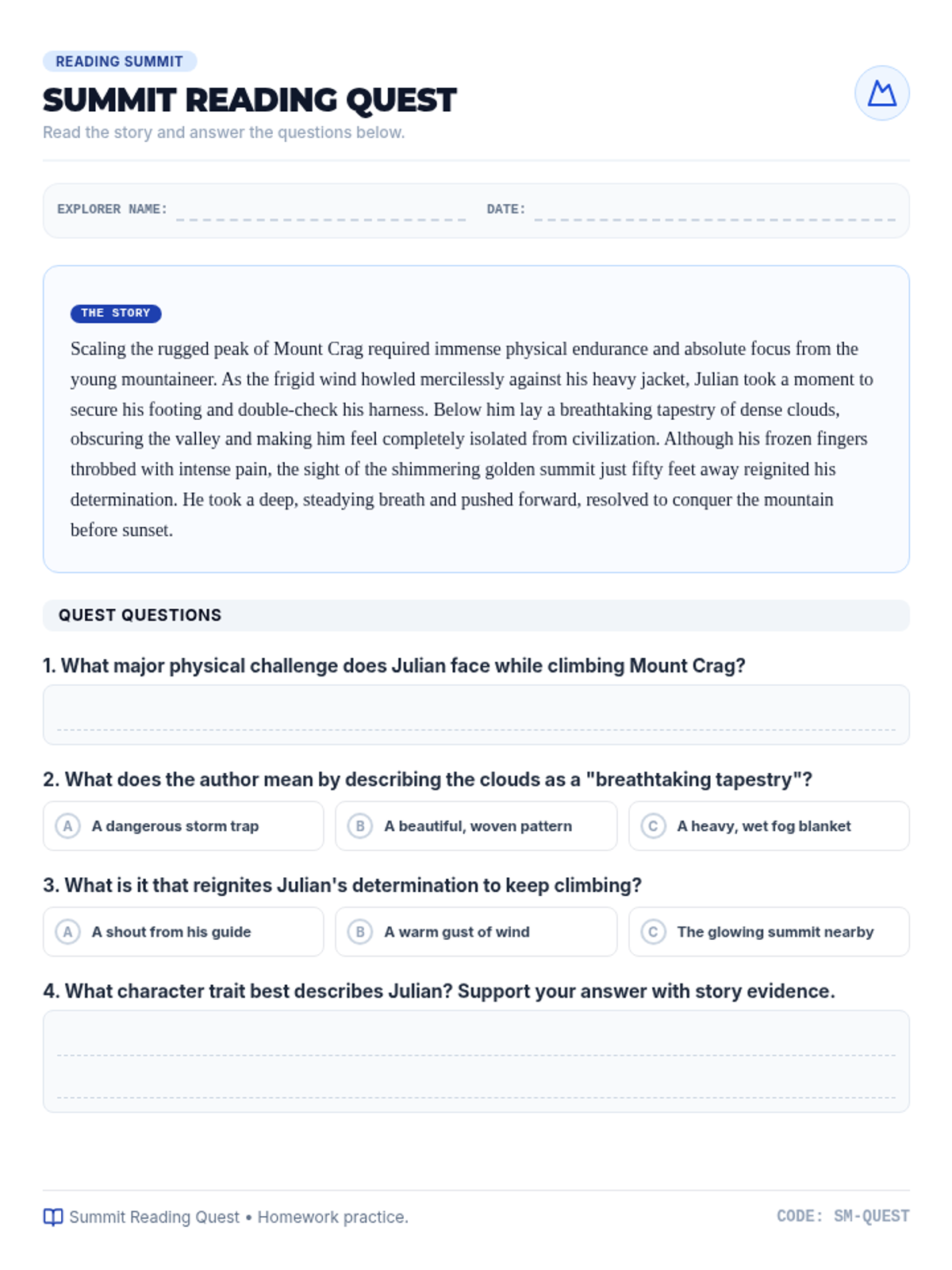
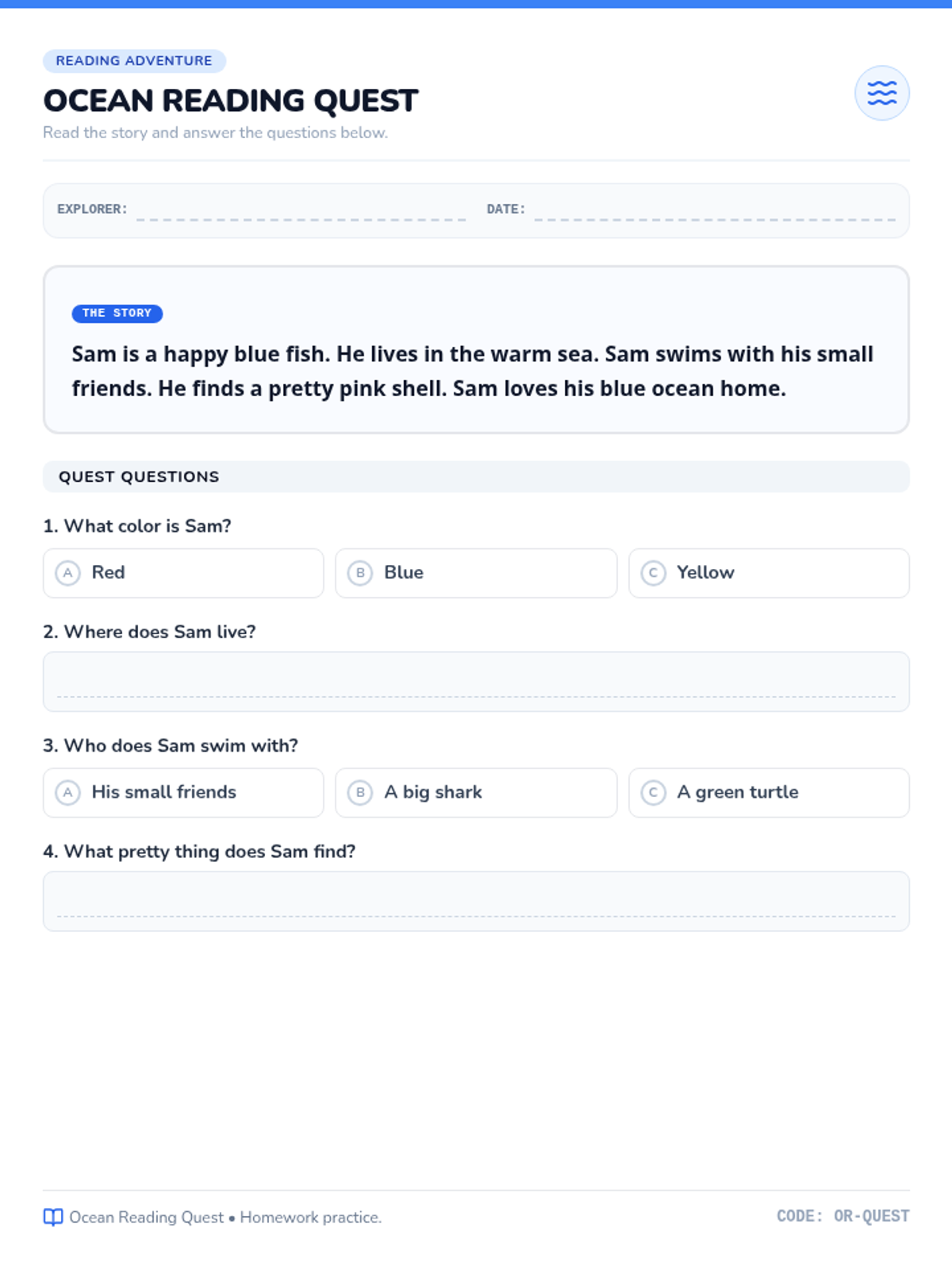
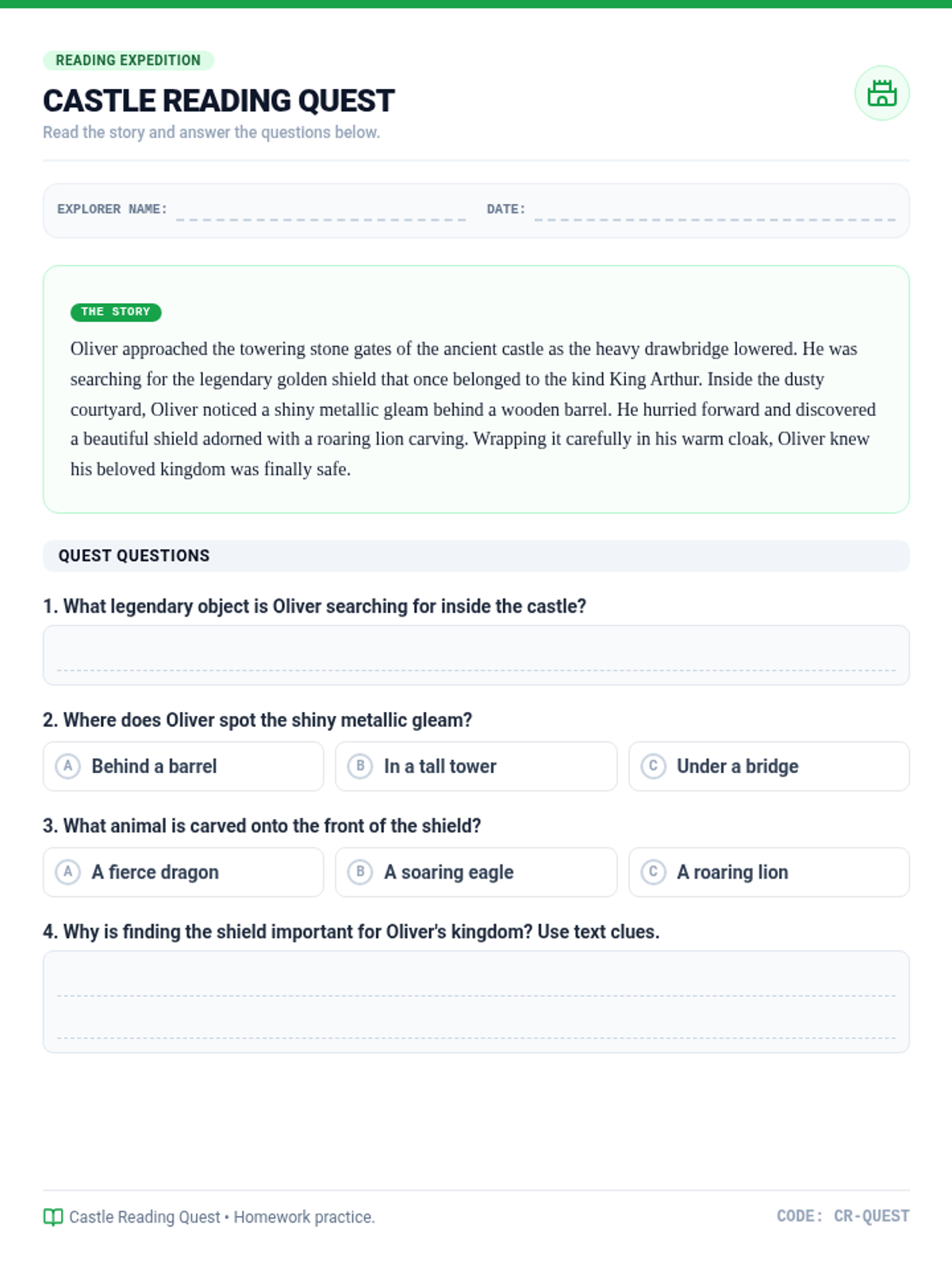
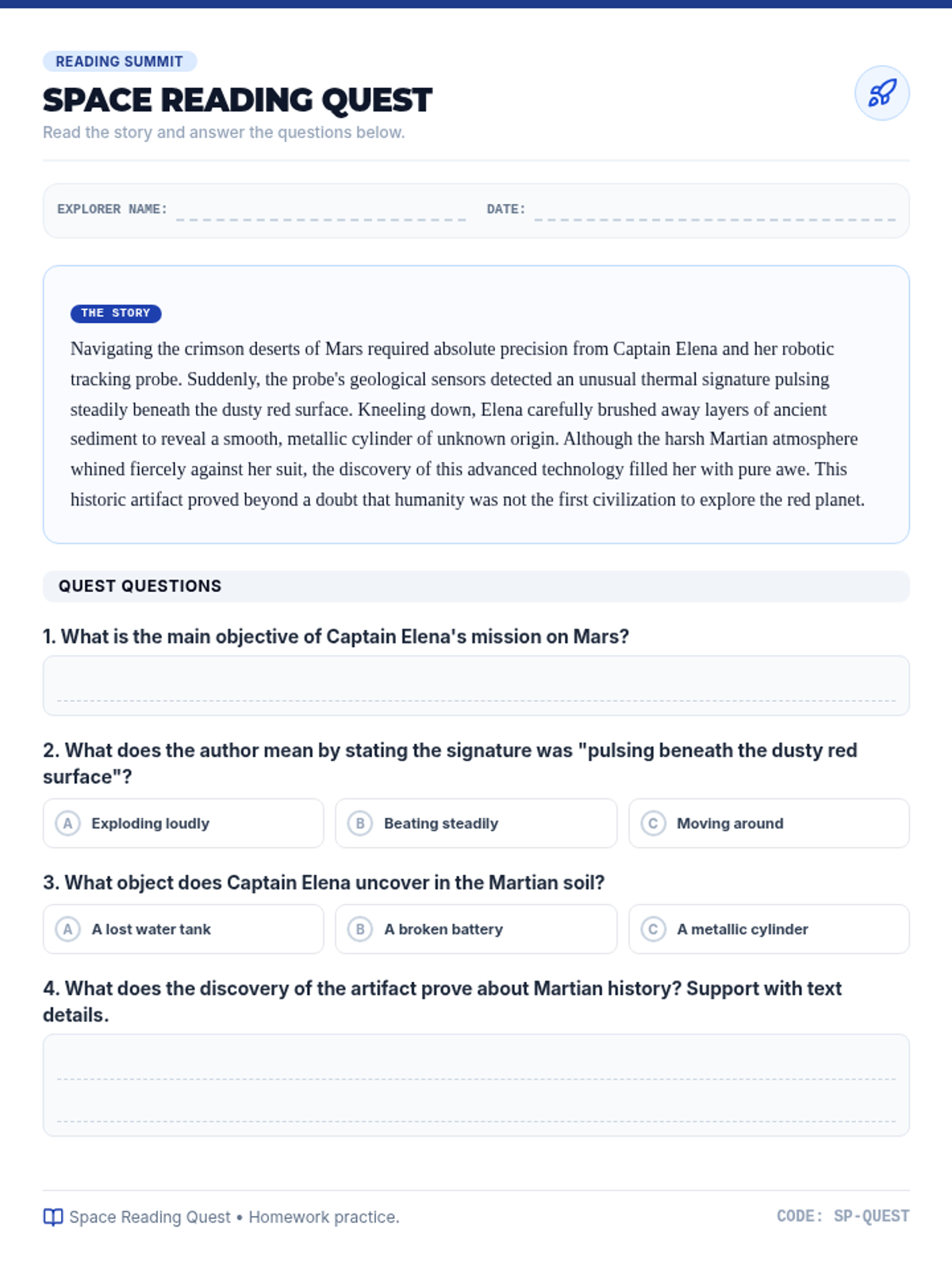
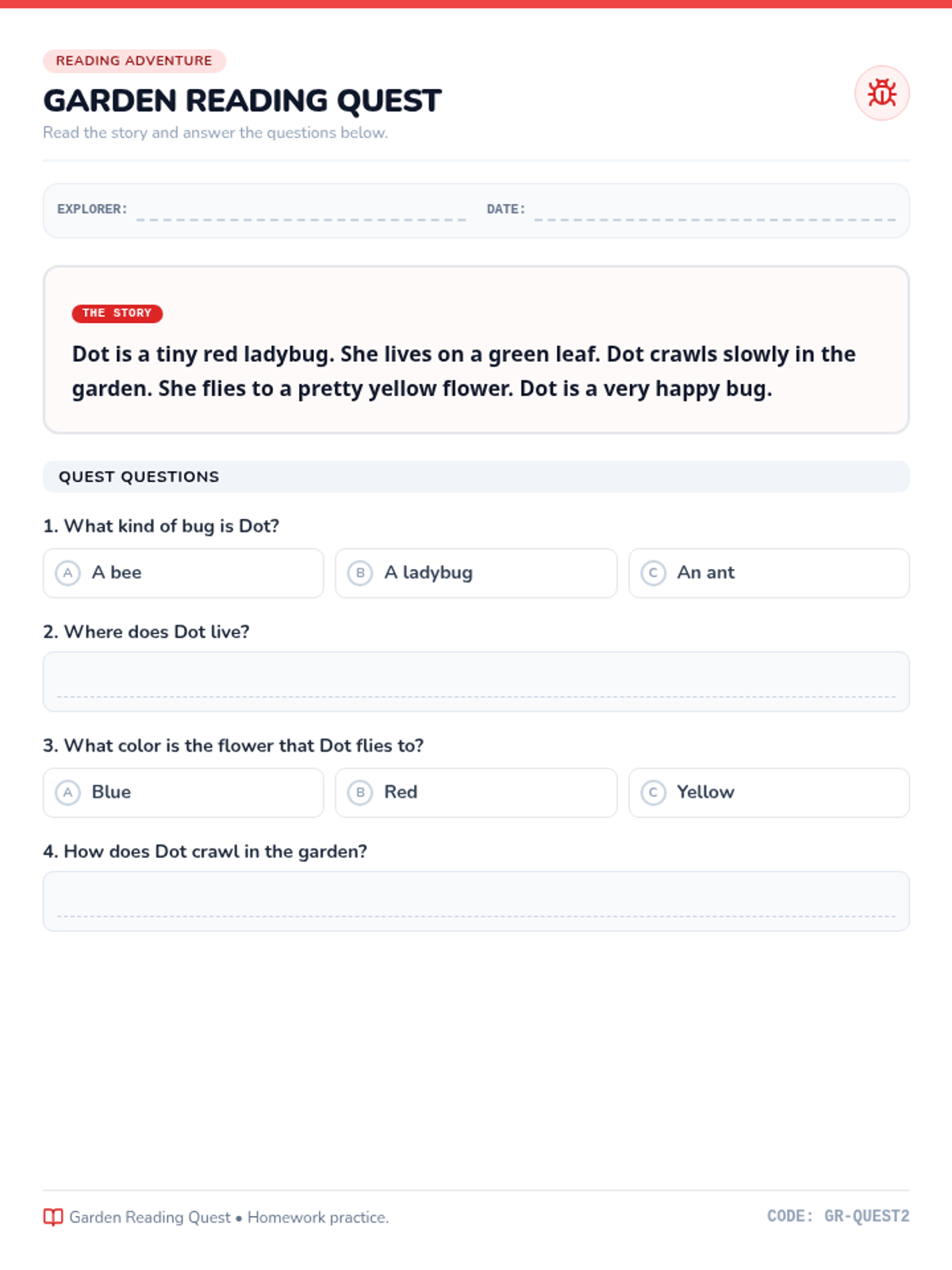
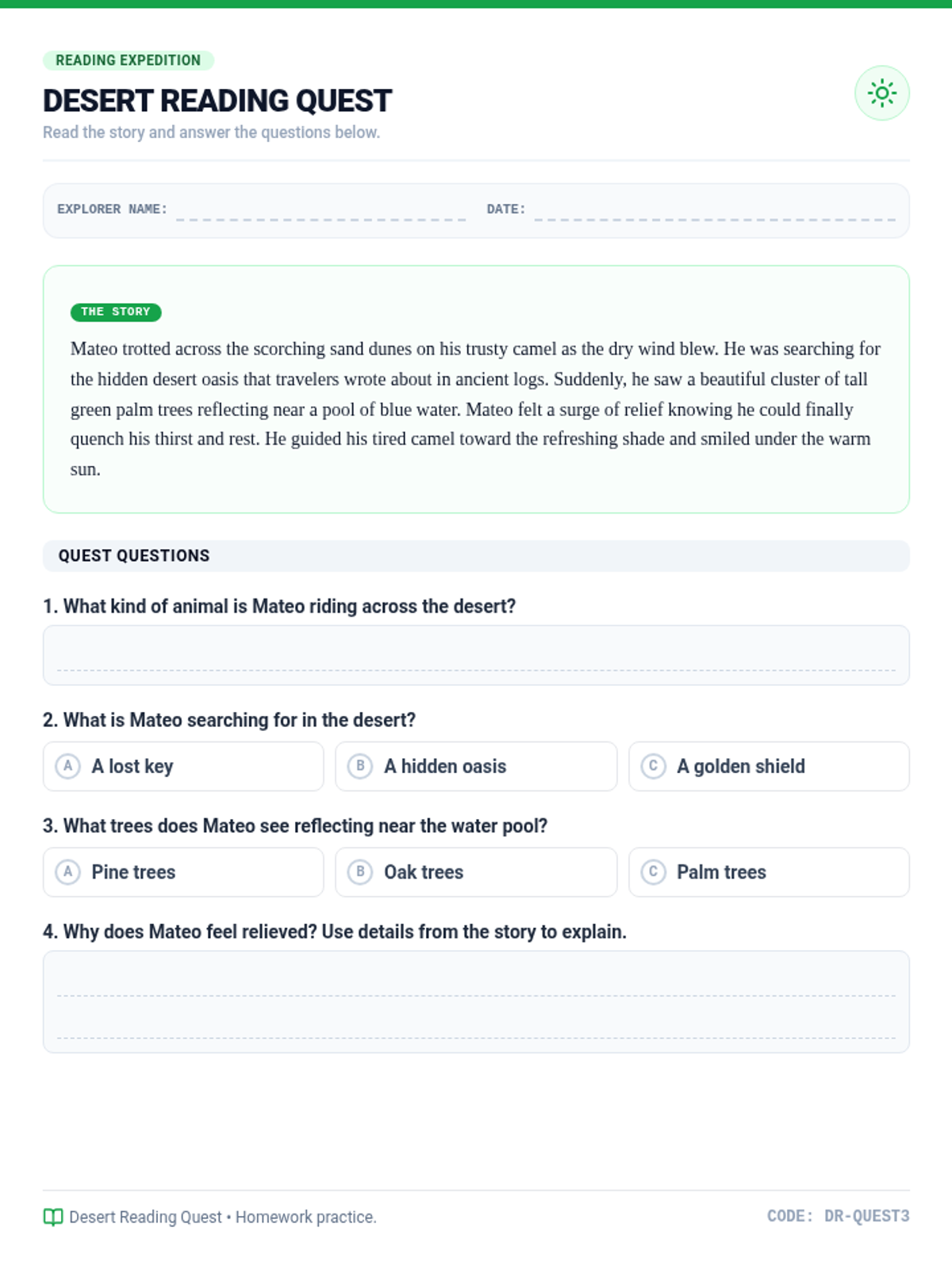
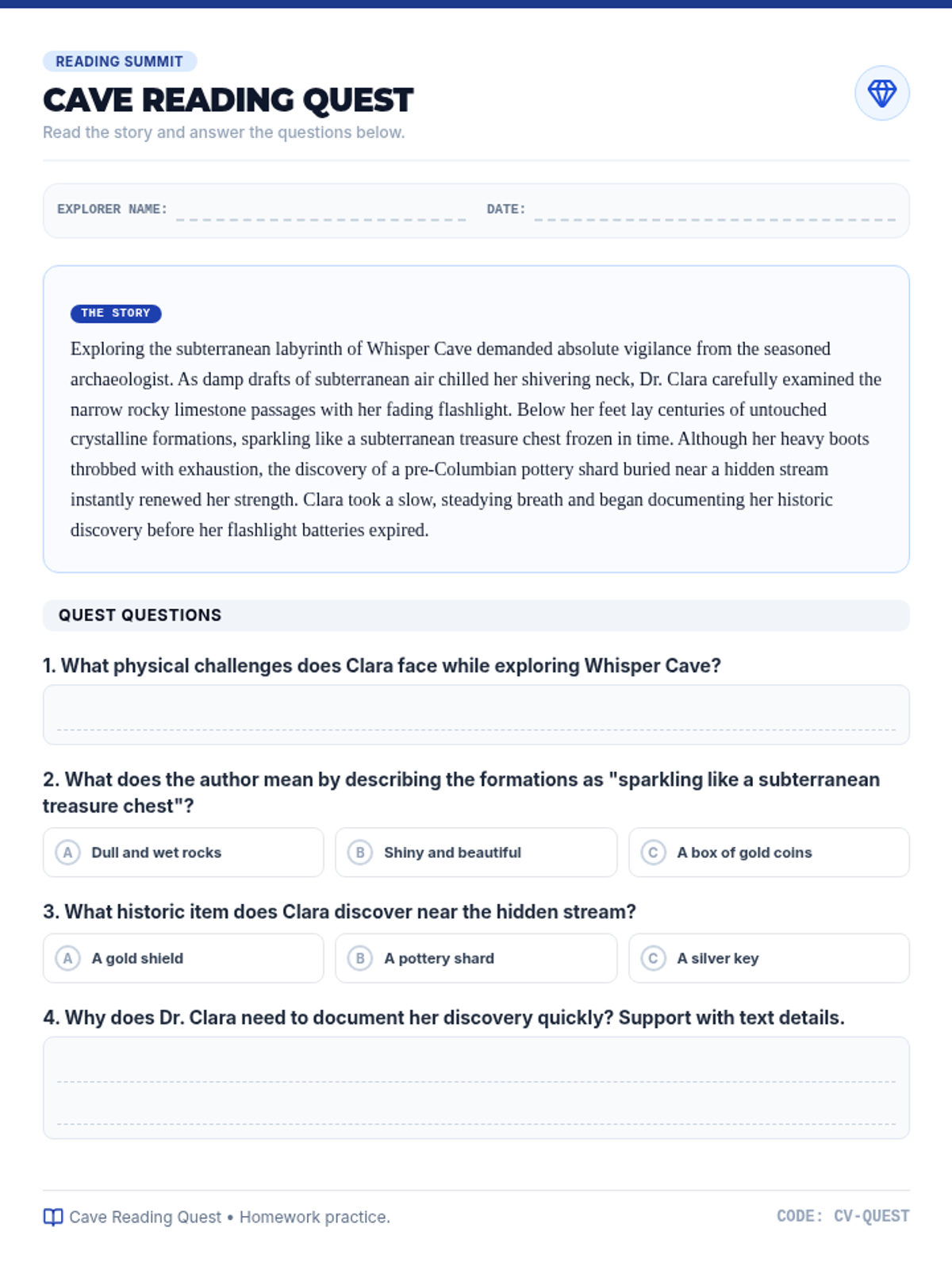
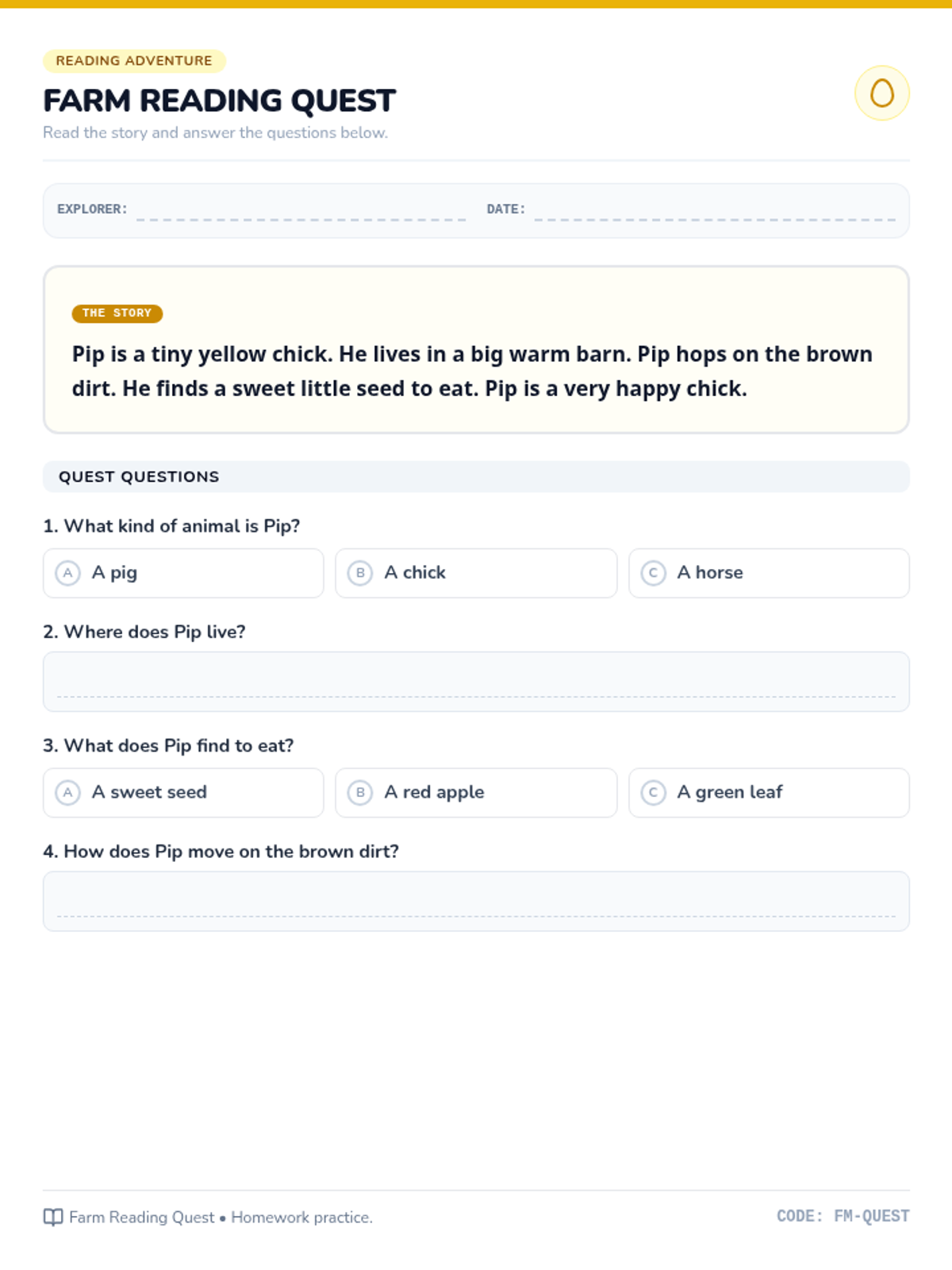
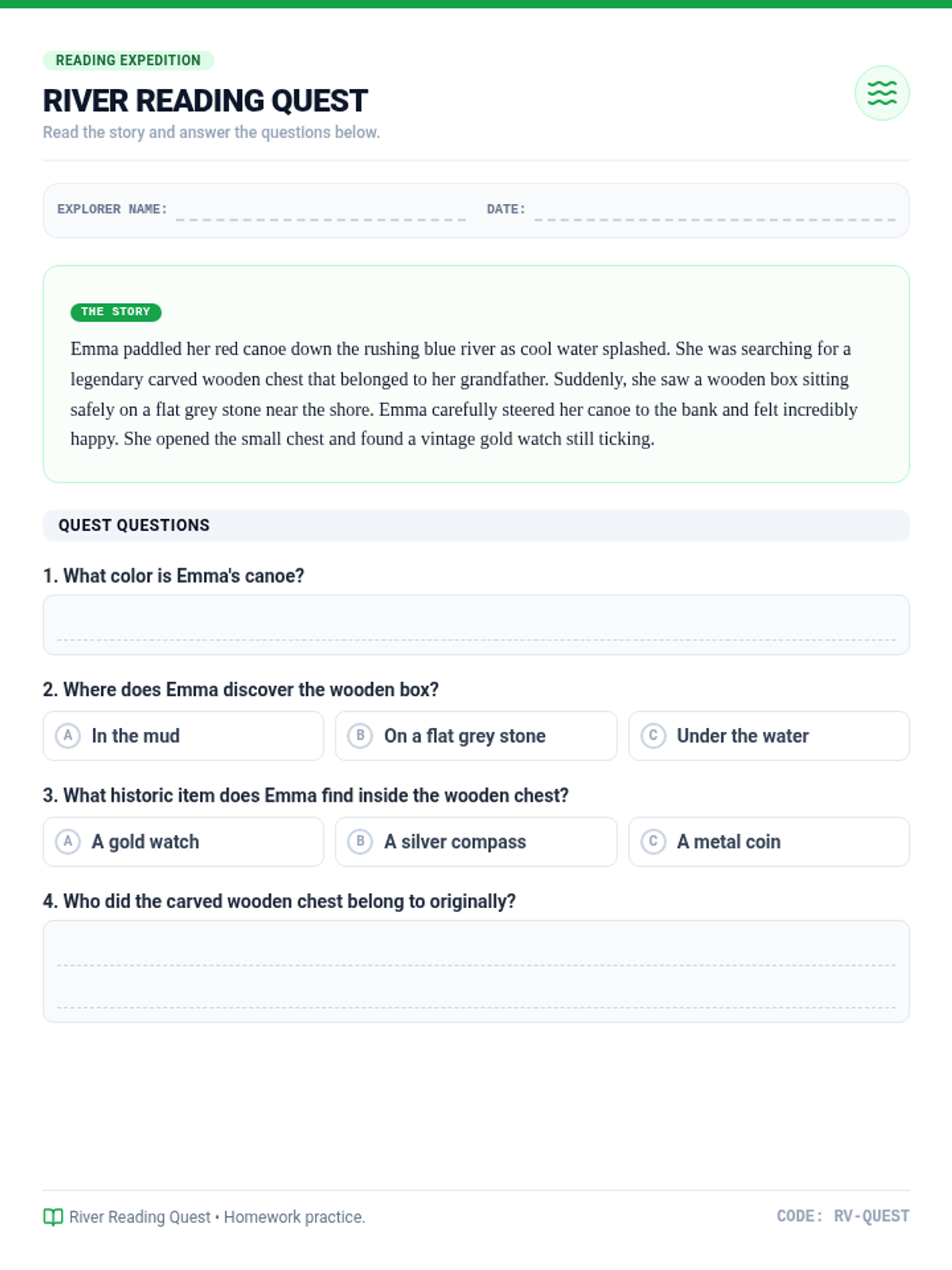
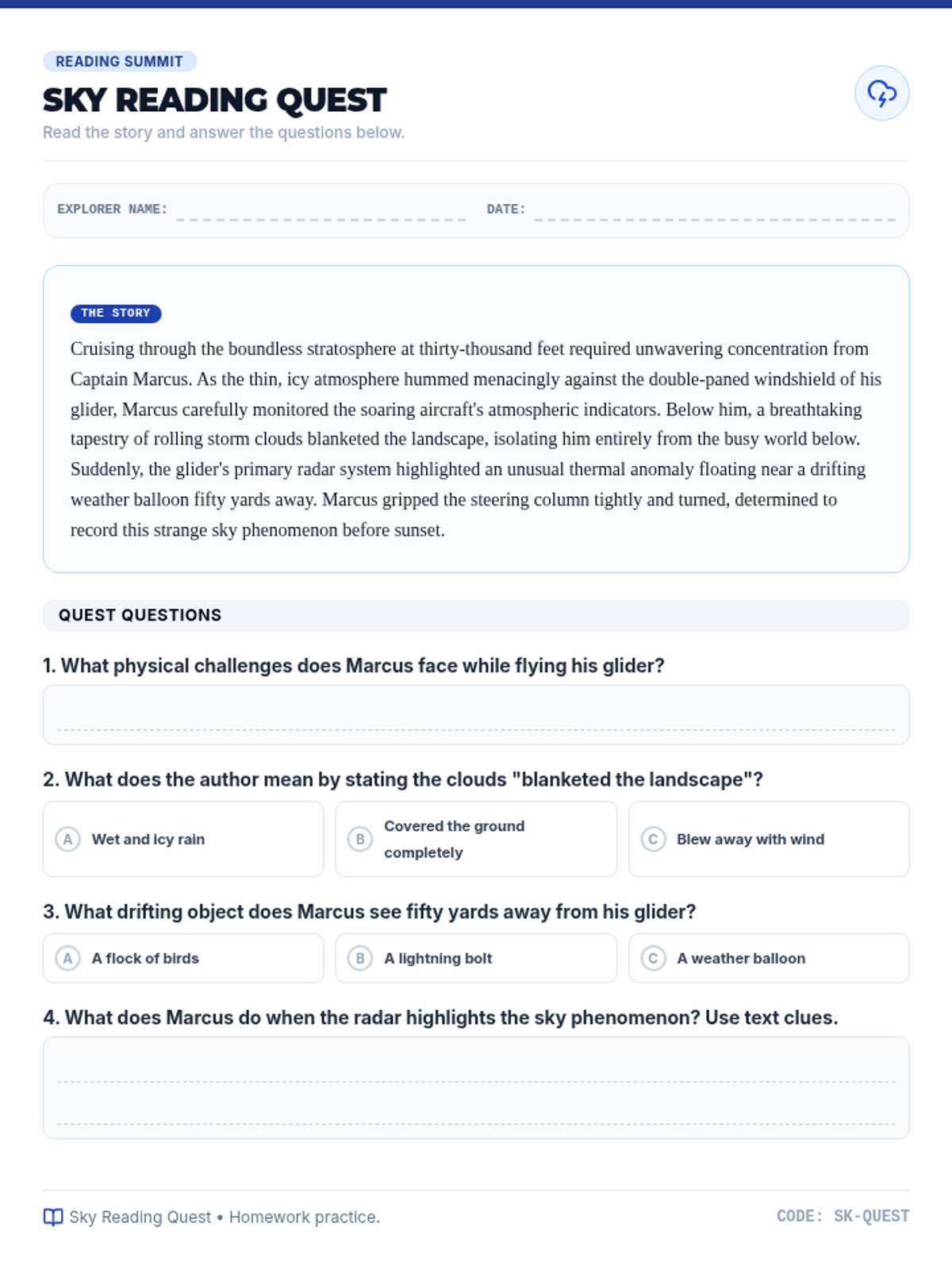
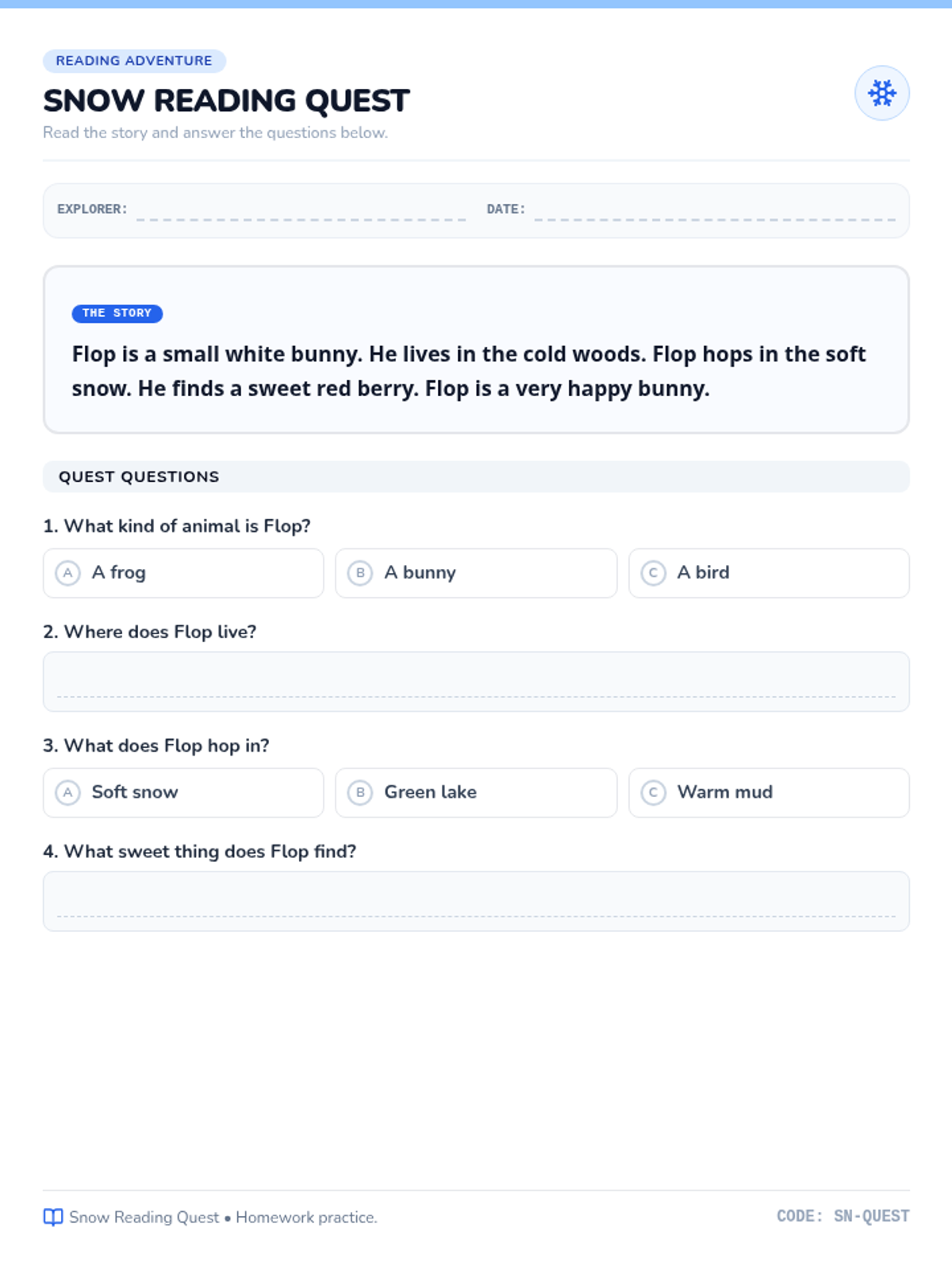
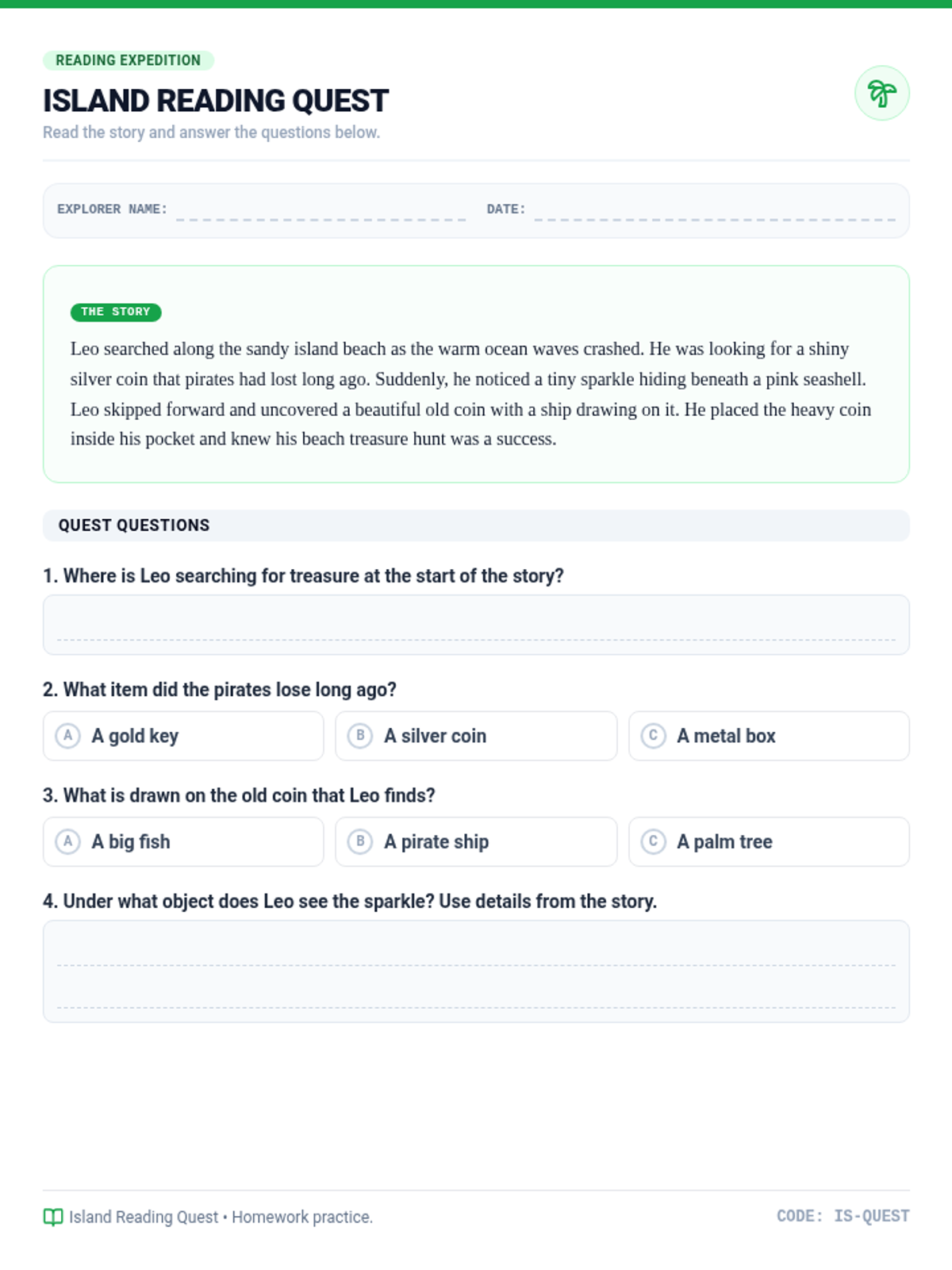
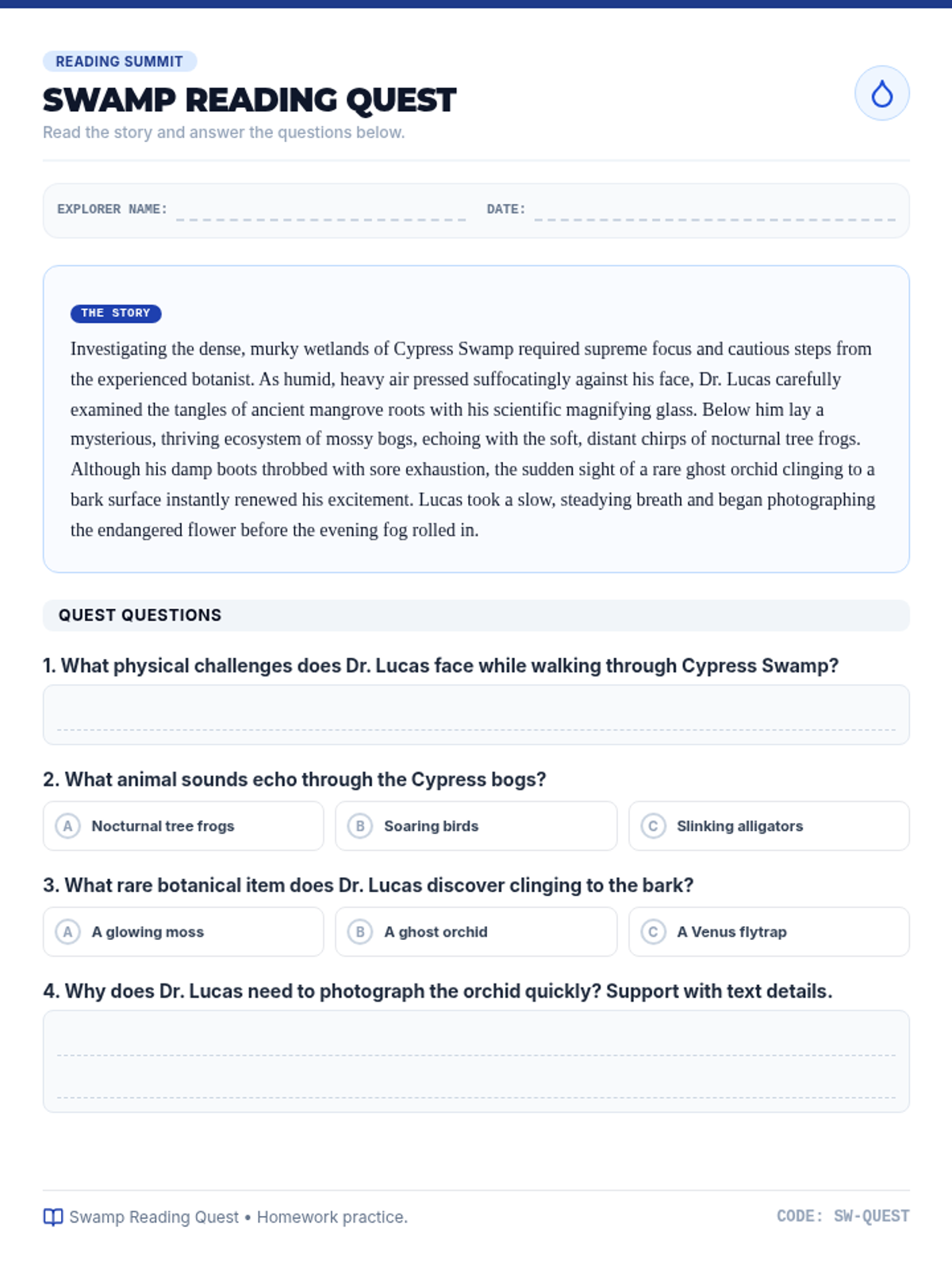
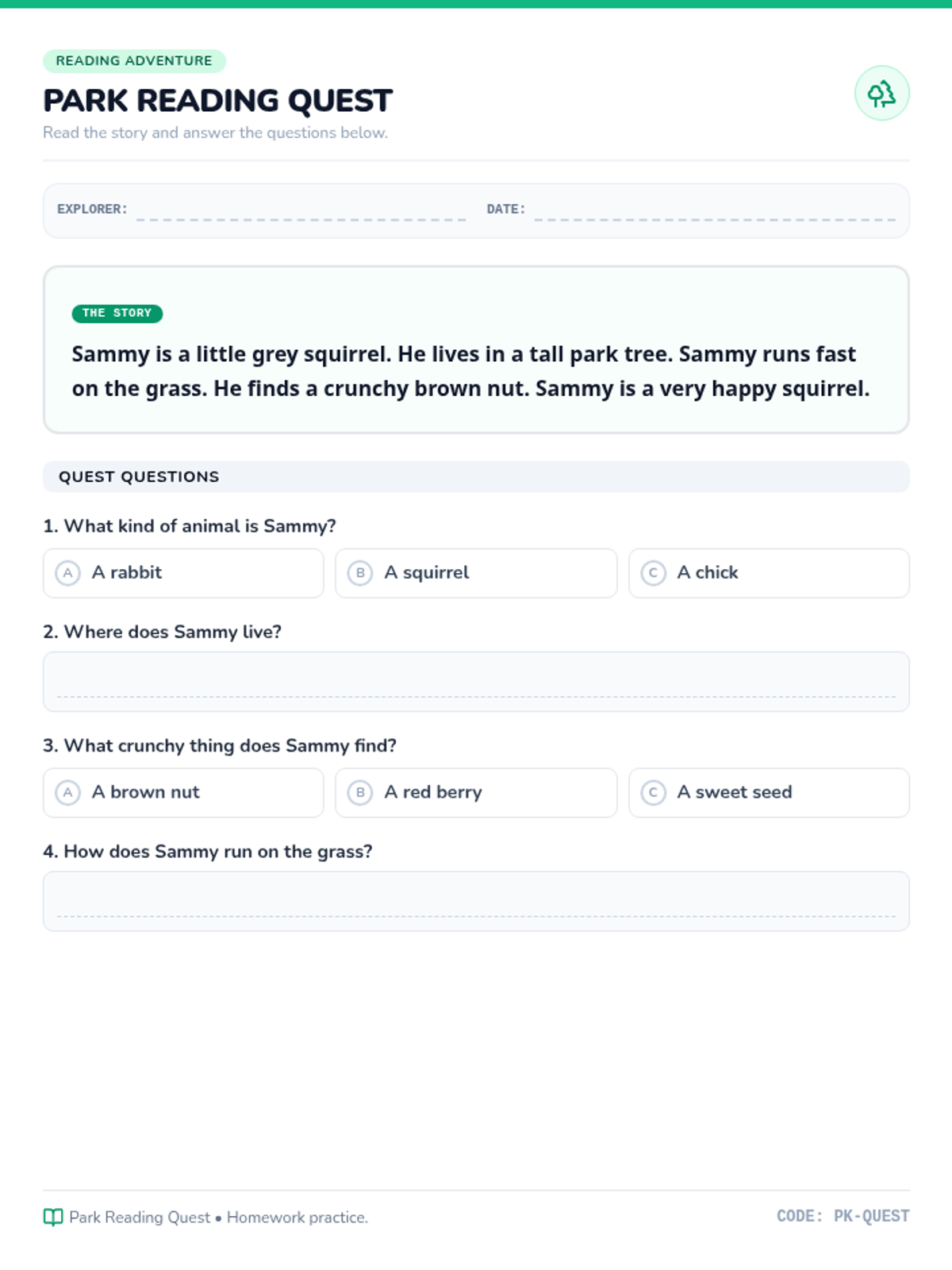
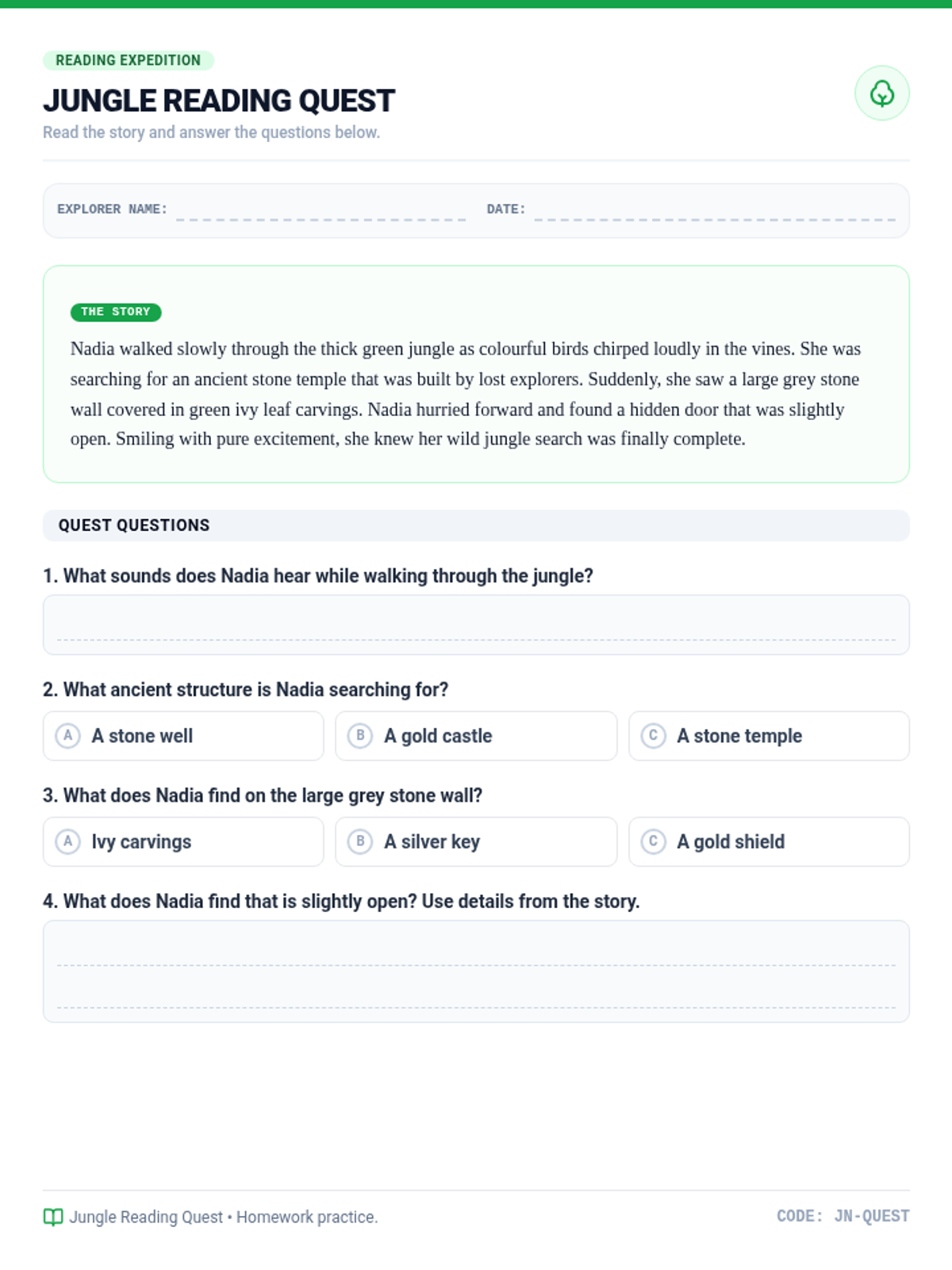
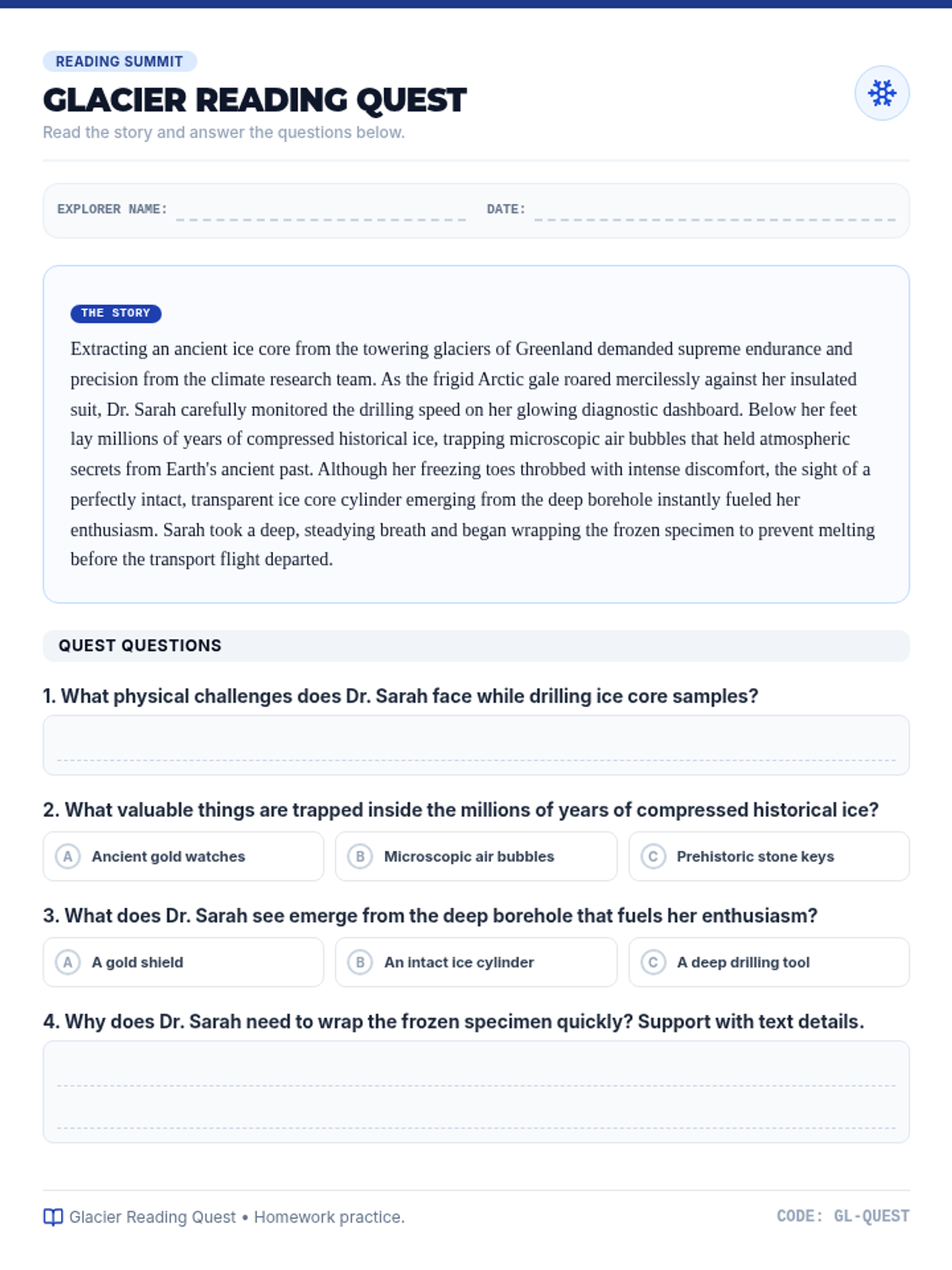
A collection of targeted reading comprehension homework assignments designed for different reading levels, featuring short stories and custom questions.
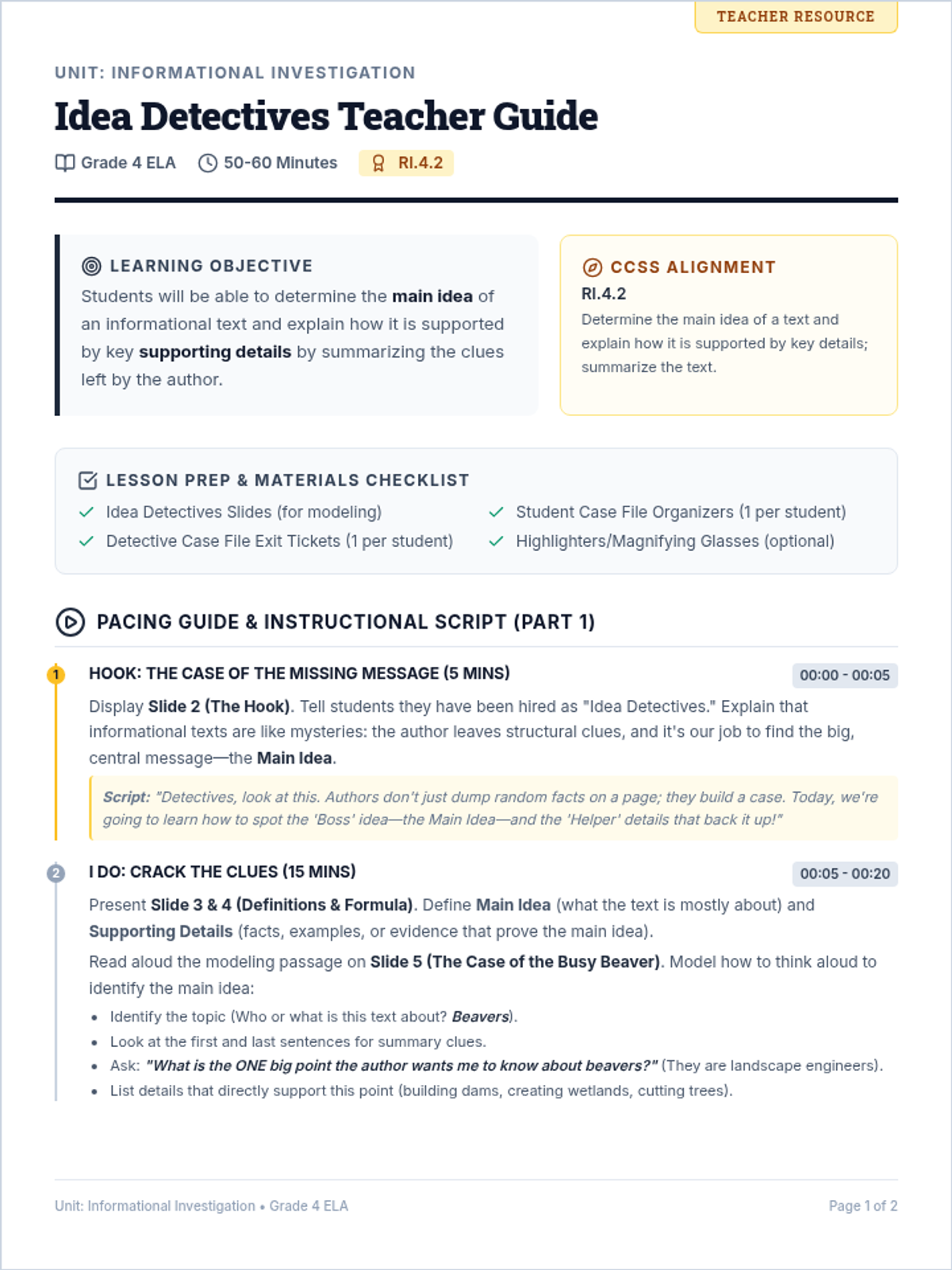
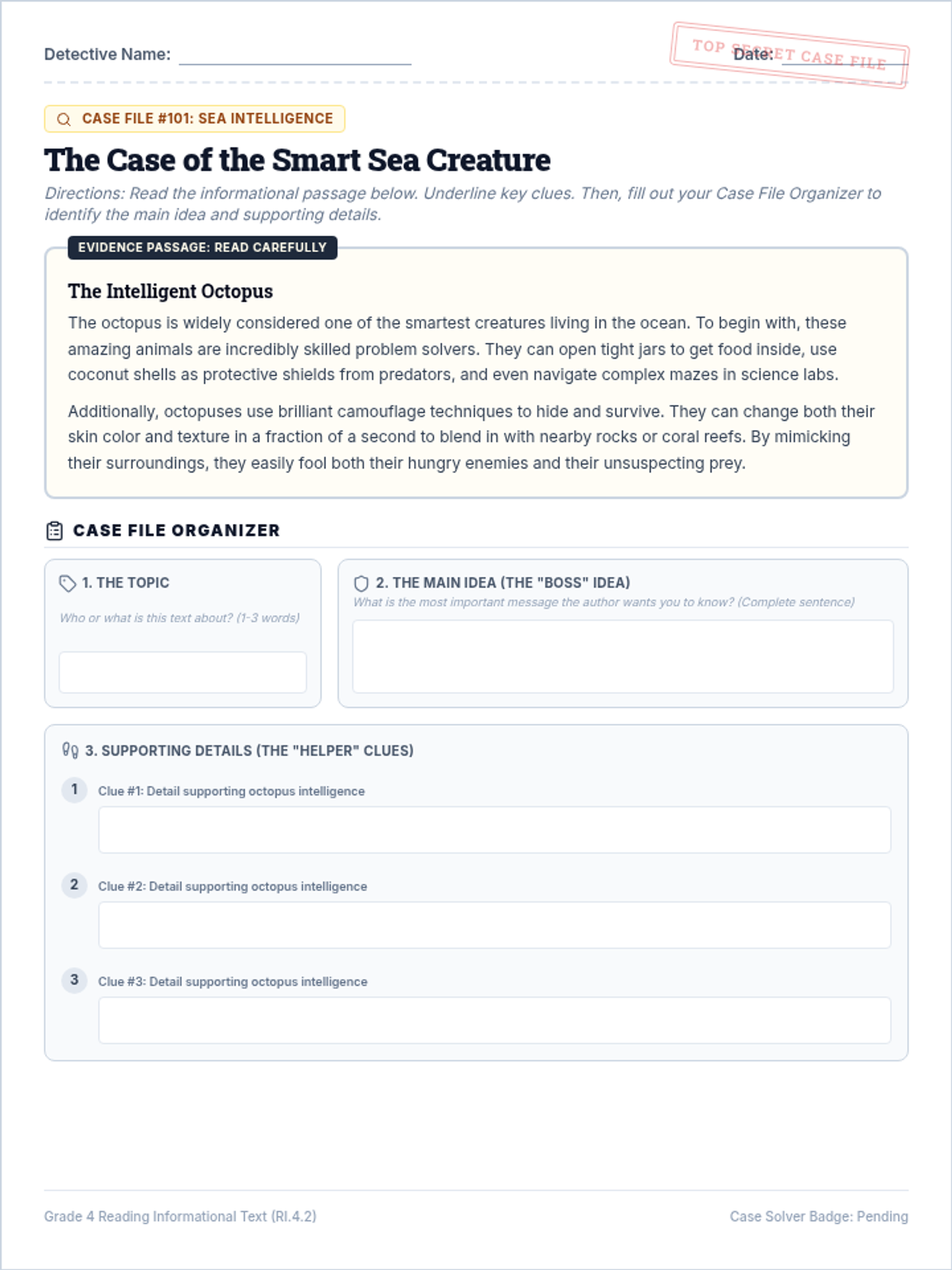
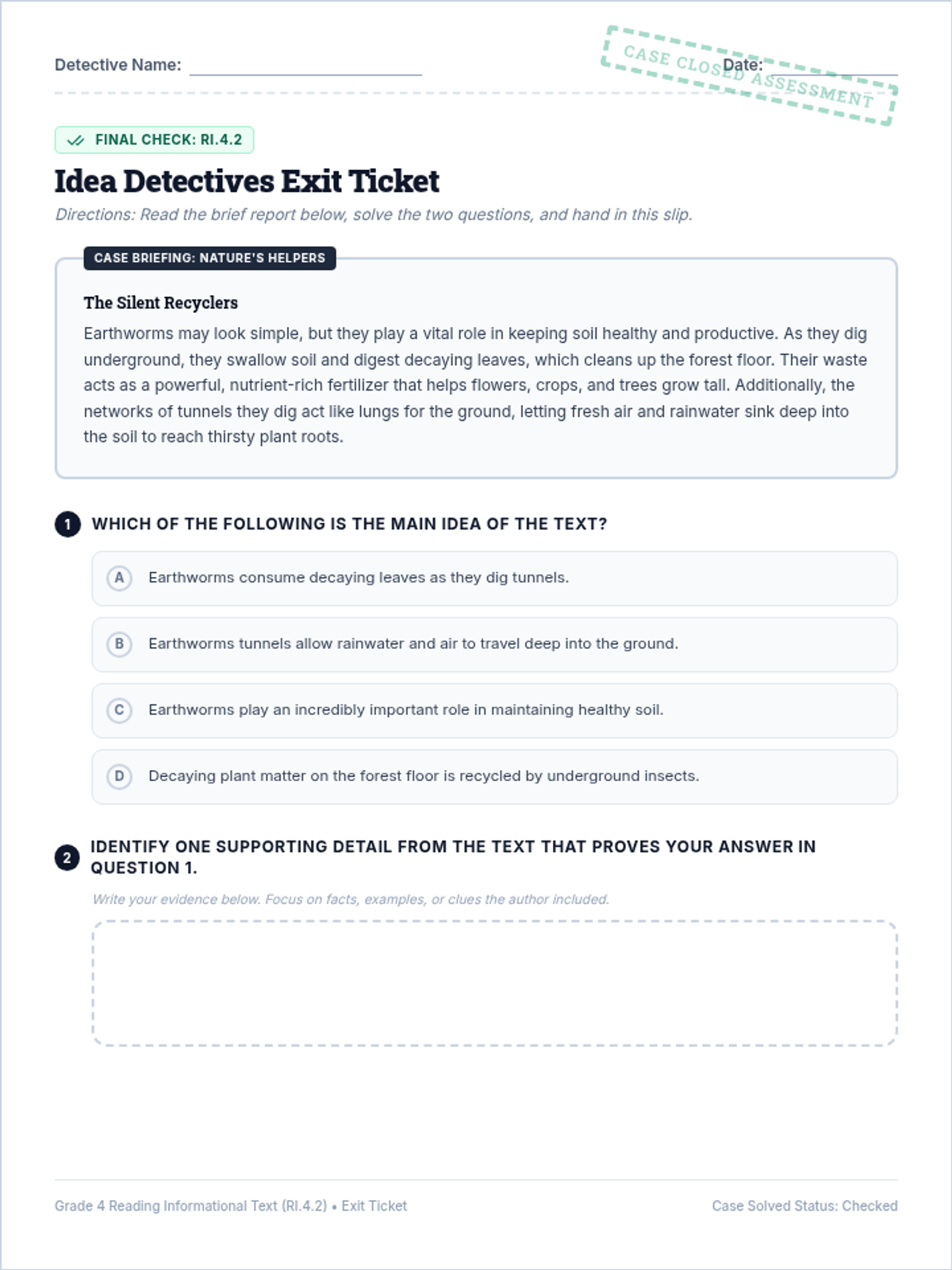
A 4th-grade ELA lesson focused on identifying the main idea and supporting details in informational text (RI.4.2). Students act as 'Idea Detectives' to separate key takeaways from supporting evidence using high-interest science and nature passages.
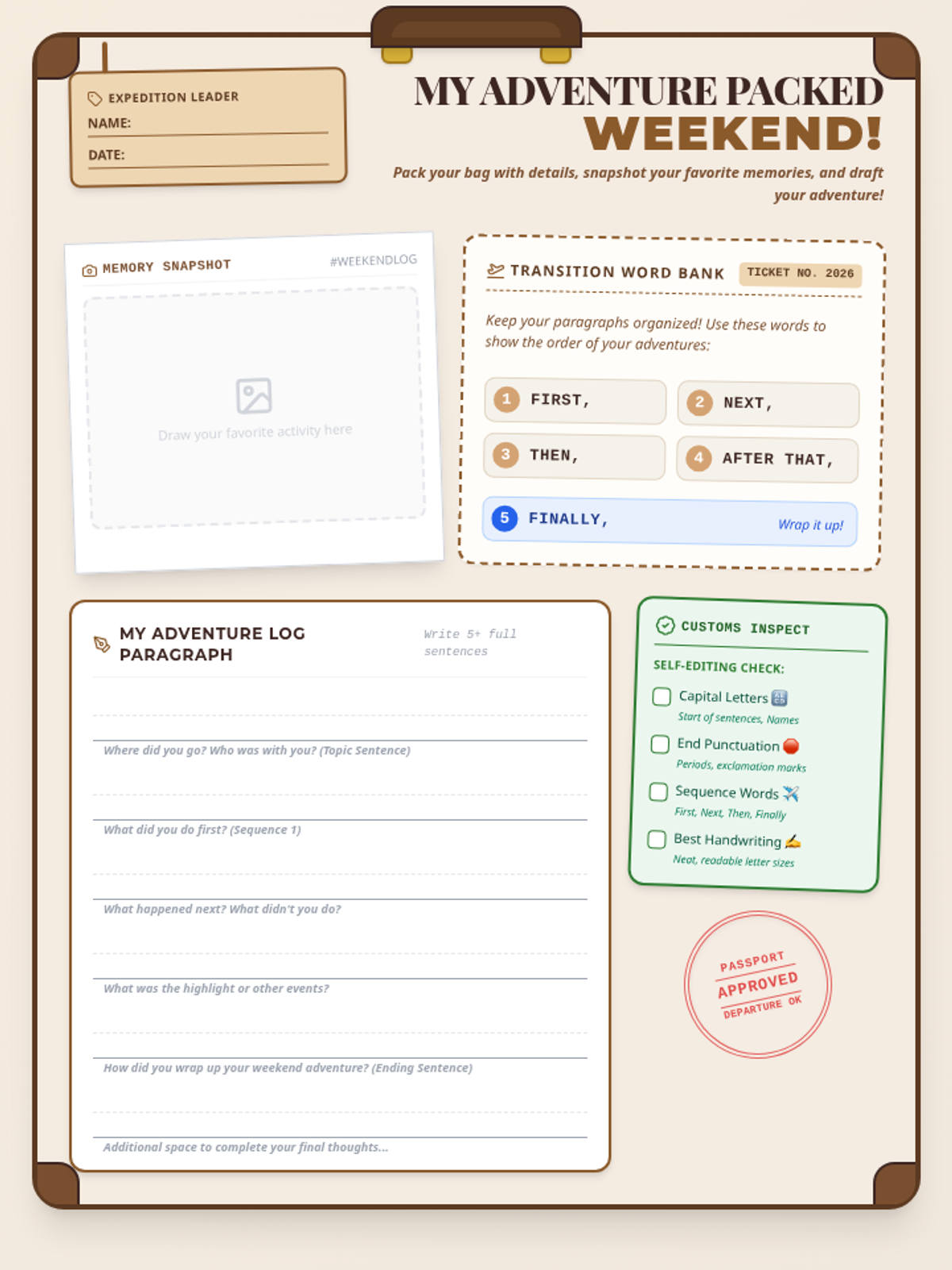
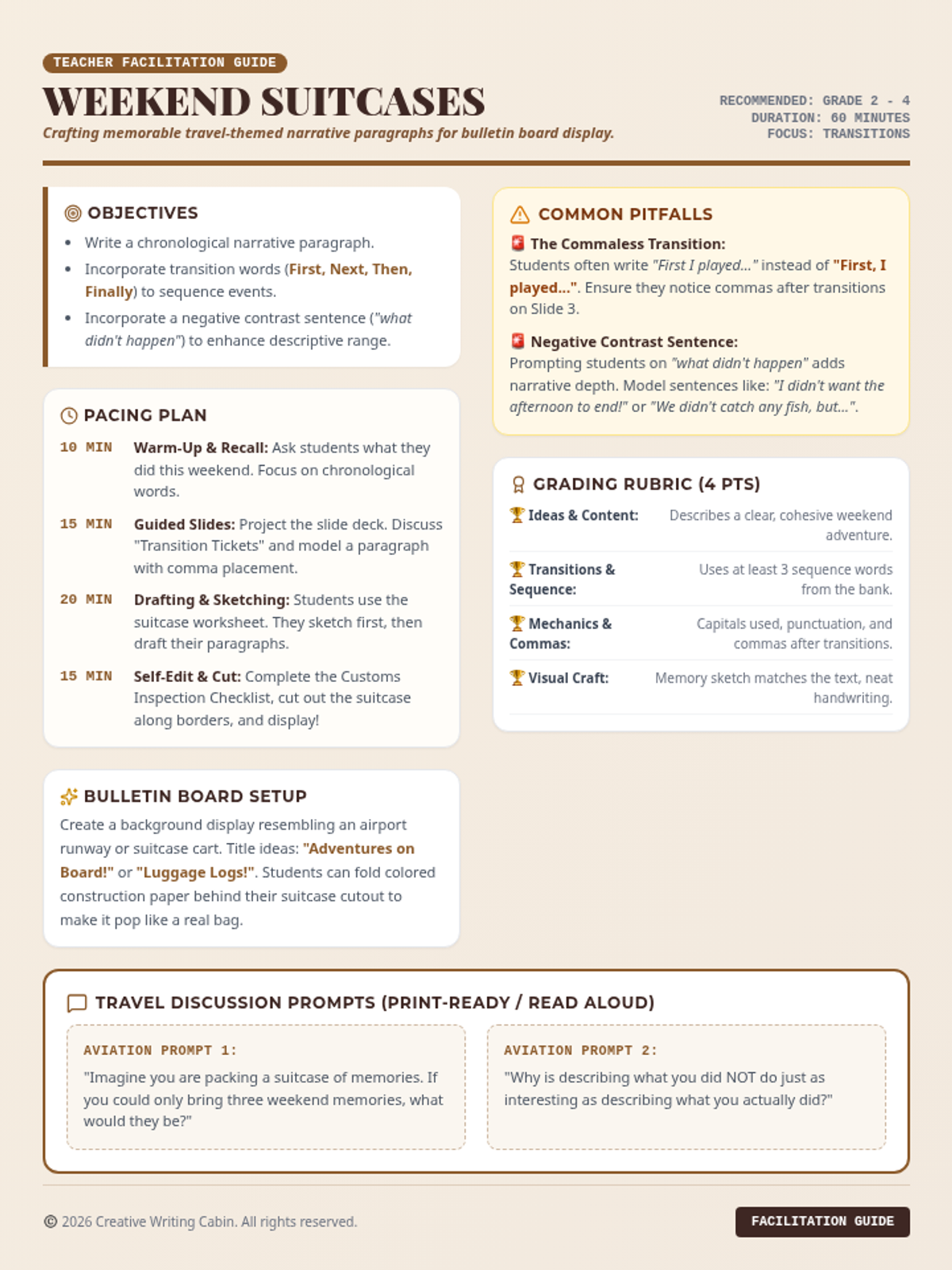
A high-interest narrative writing lesson where students draft a paragraph describing a memorable weekend. Using a suitcase-themed craftivity, students practice sequencing events, integrating transition words, and self-editing their work for a bulletin board display.
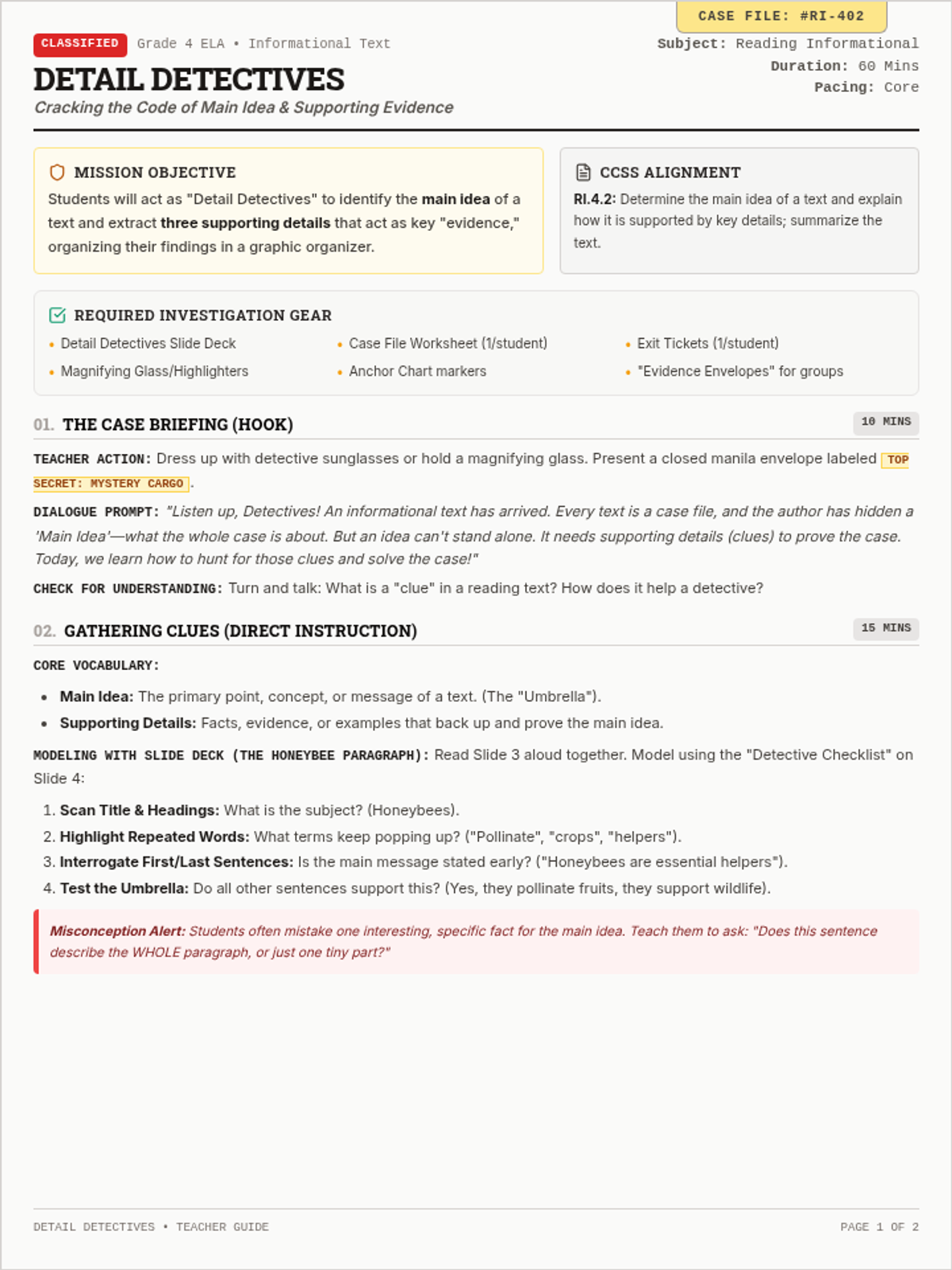
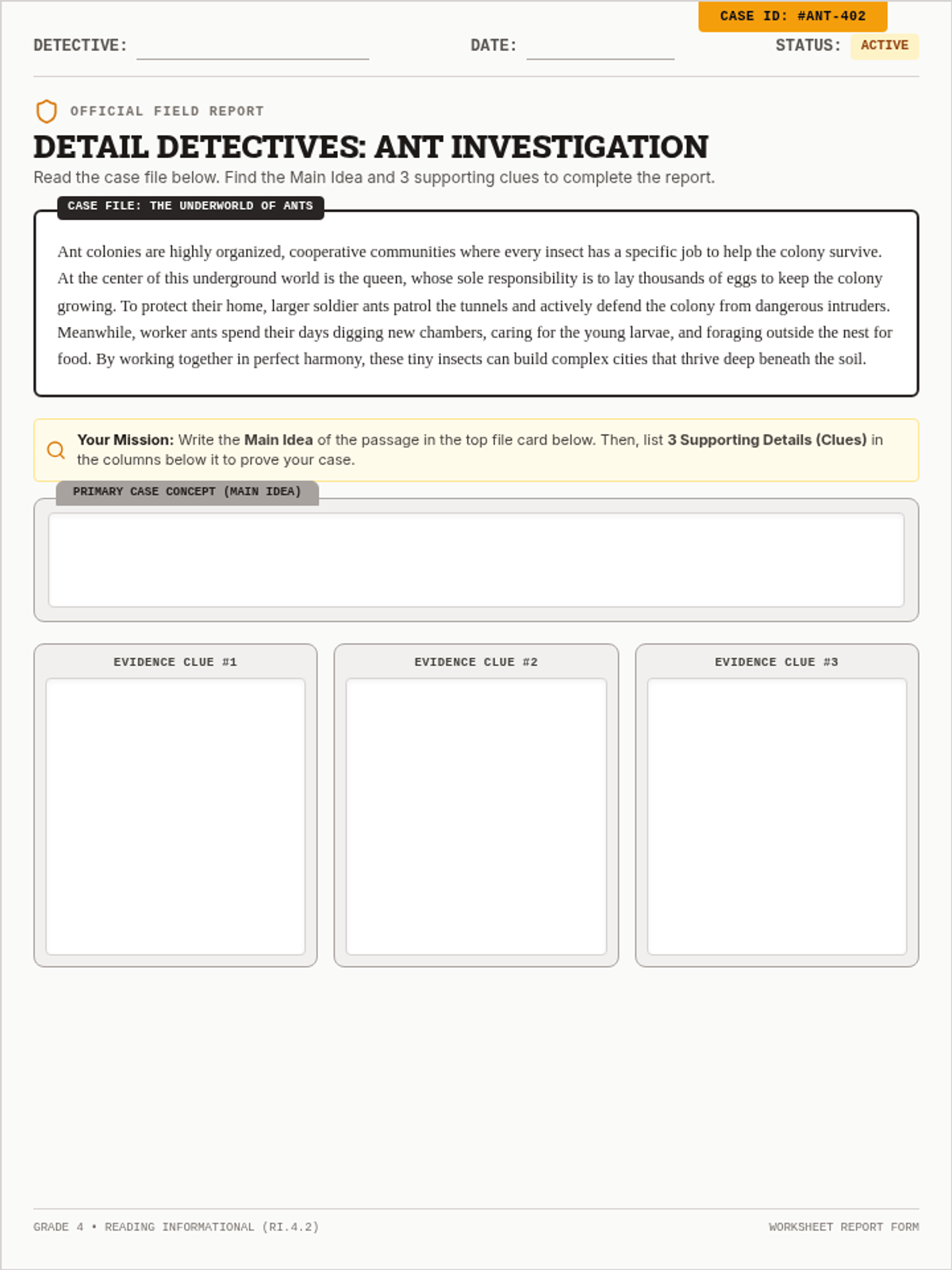
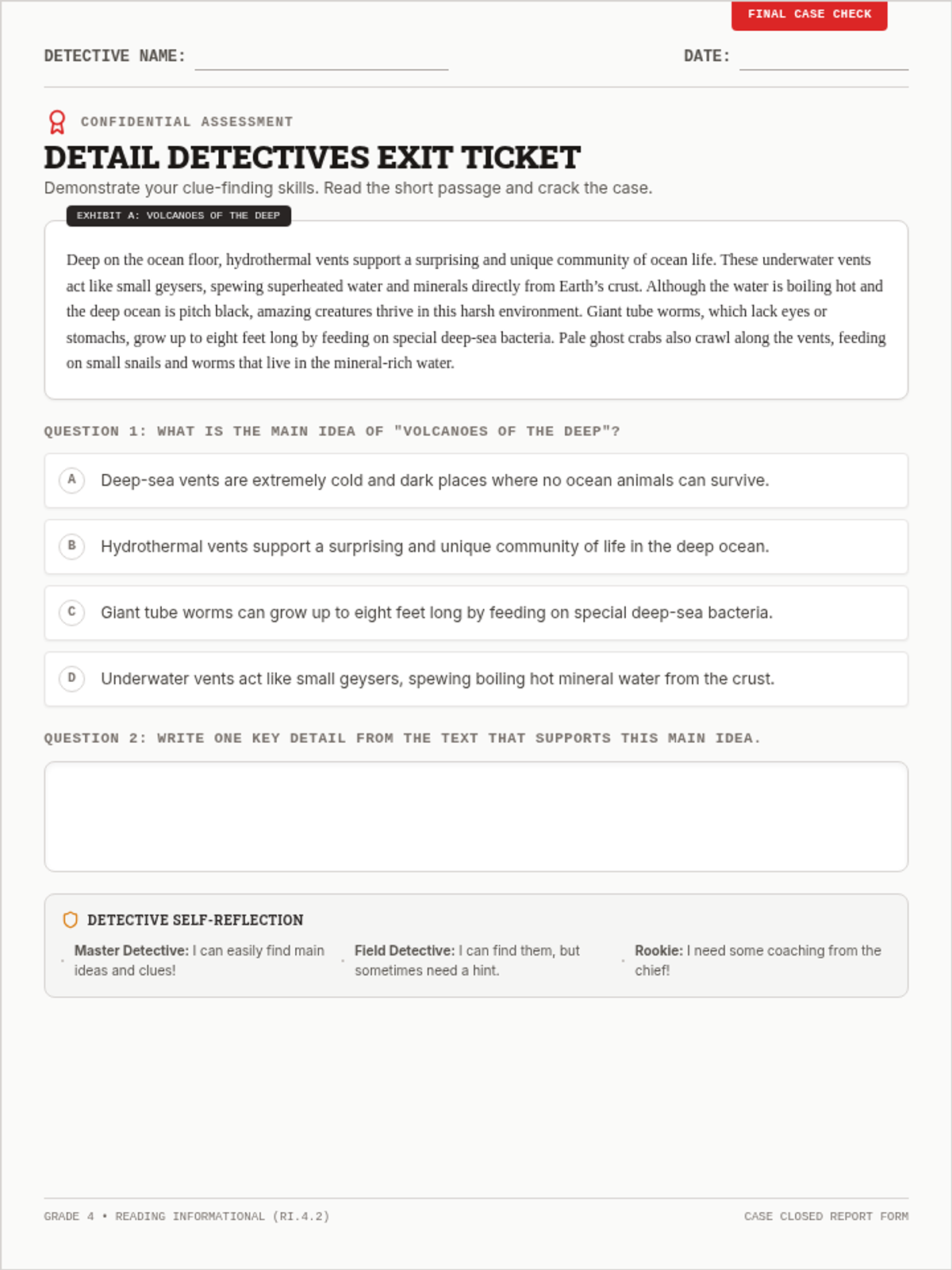
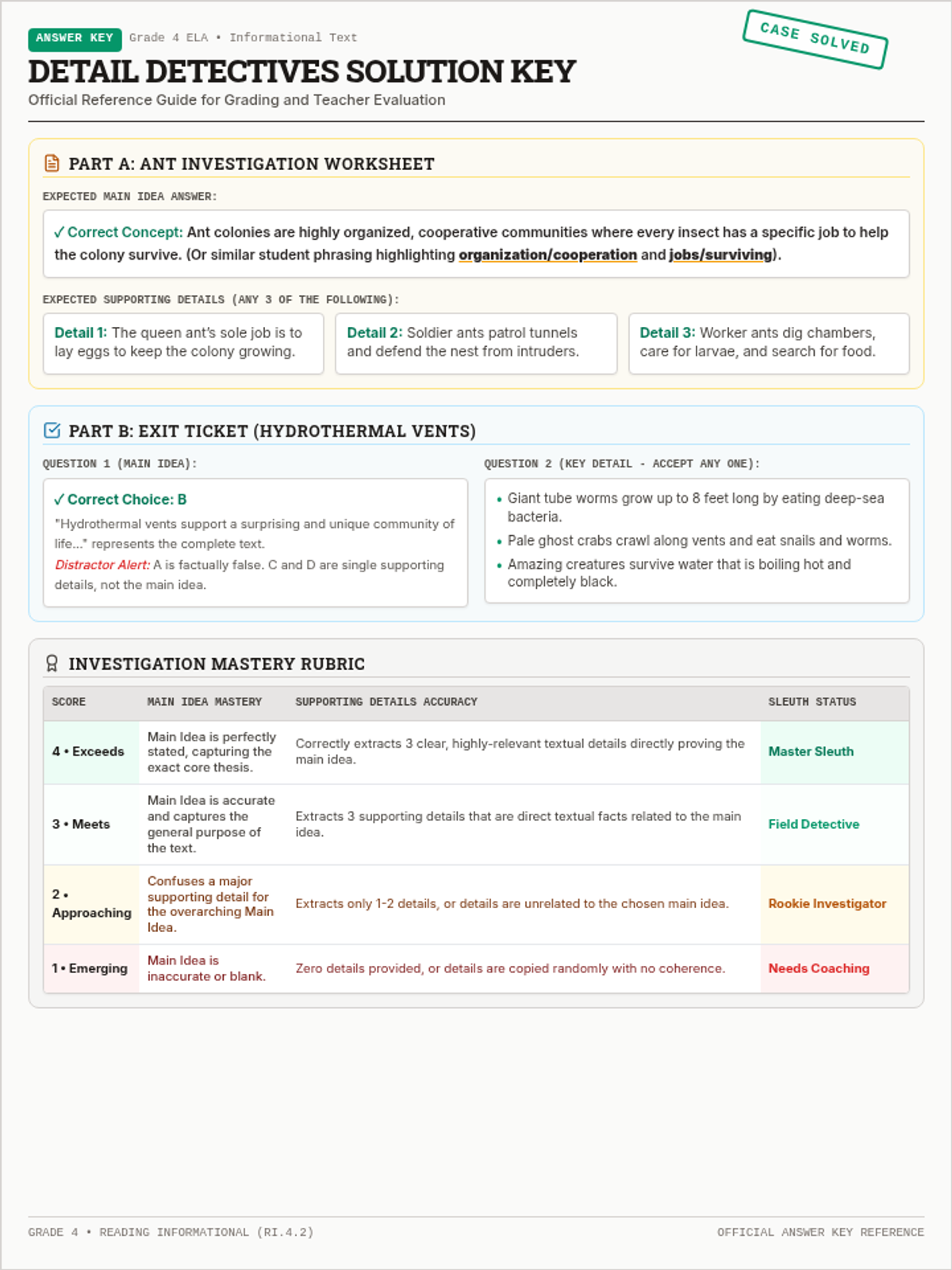
A 4th-grade ELA lesson focused on identifying the main idea and supporting details in informational texts using a detective investigation theme. Includes a comprehensive lesson plan, an interactive slide deck, a main idea graphic organizer worksheet, and a targeted exit ticket with differentiation.
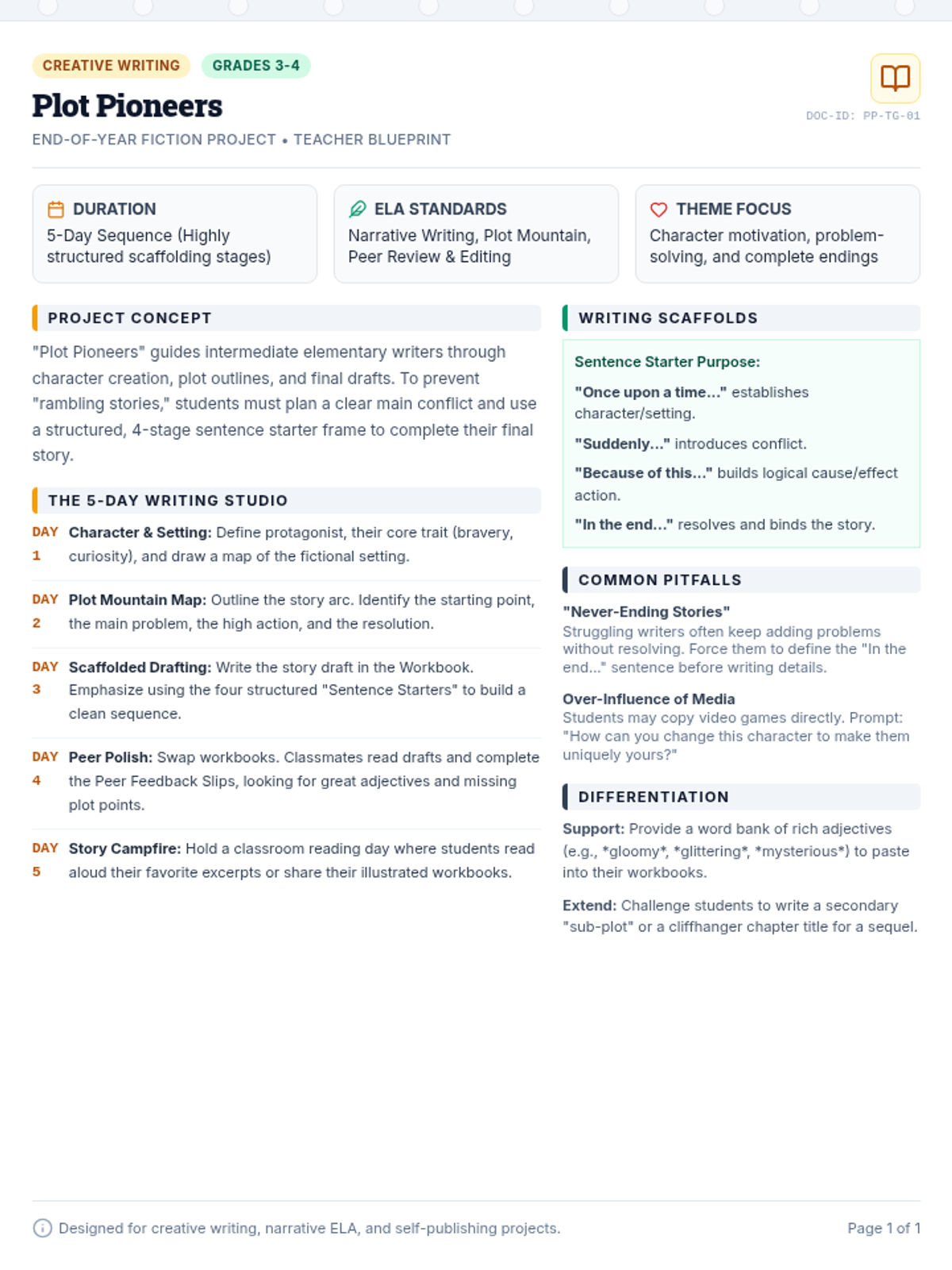
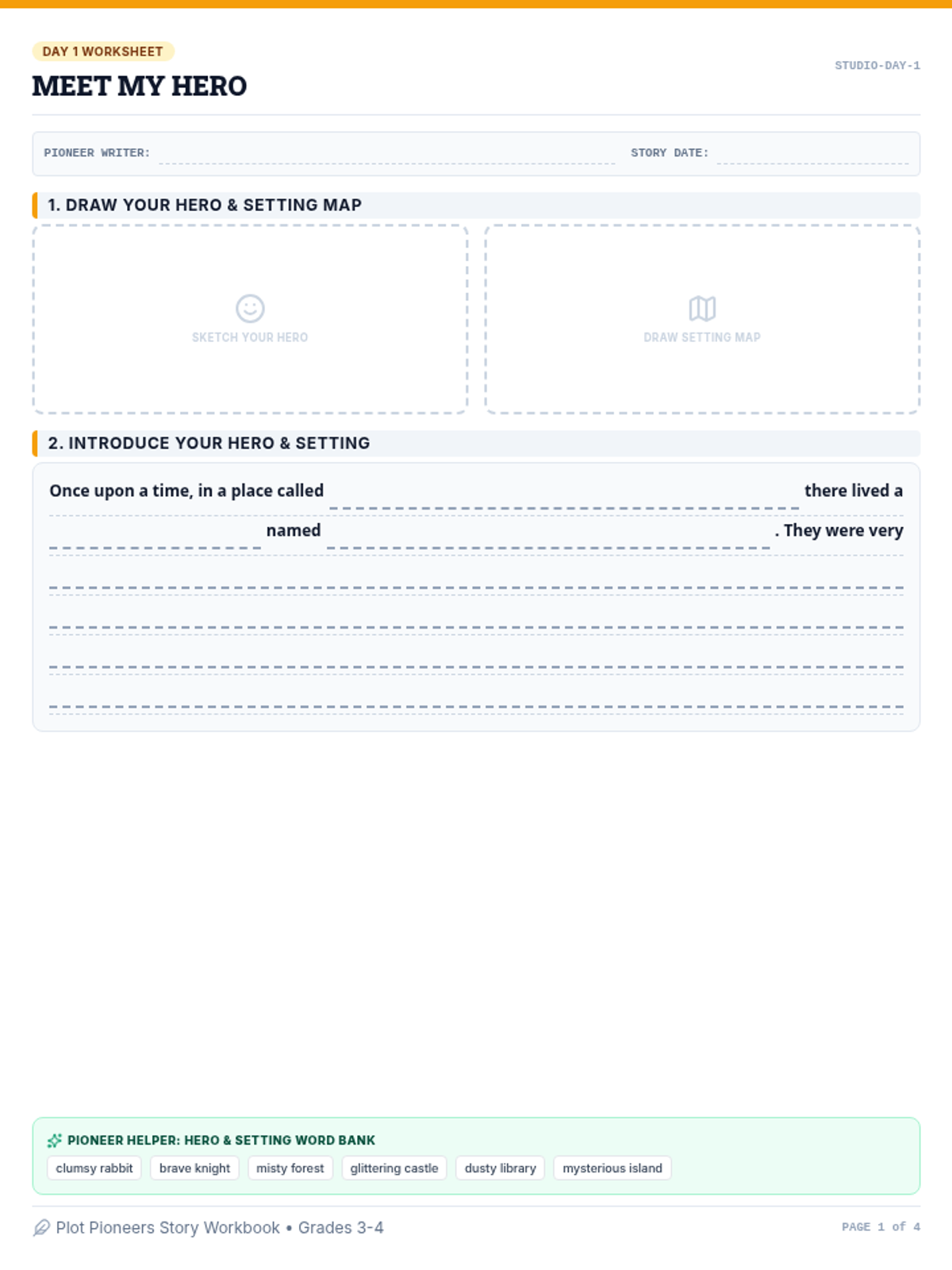
An end-of-year ELA creative writing project where students act as narrative architects to outline, scaffold with sentence starters, and draft their very own original story.
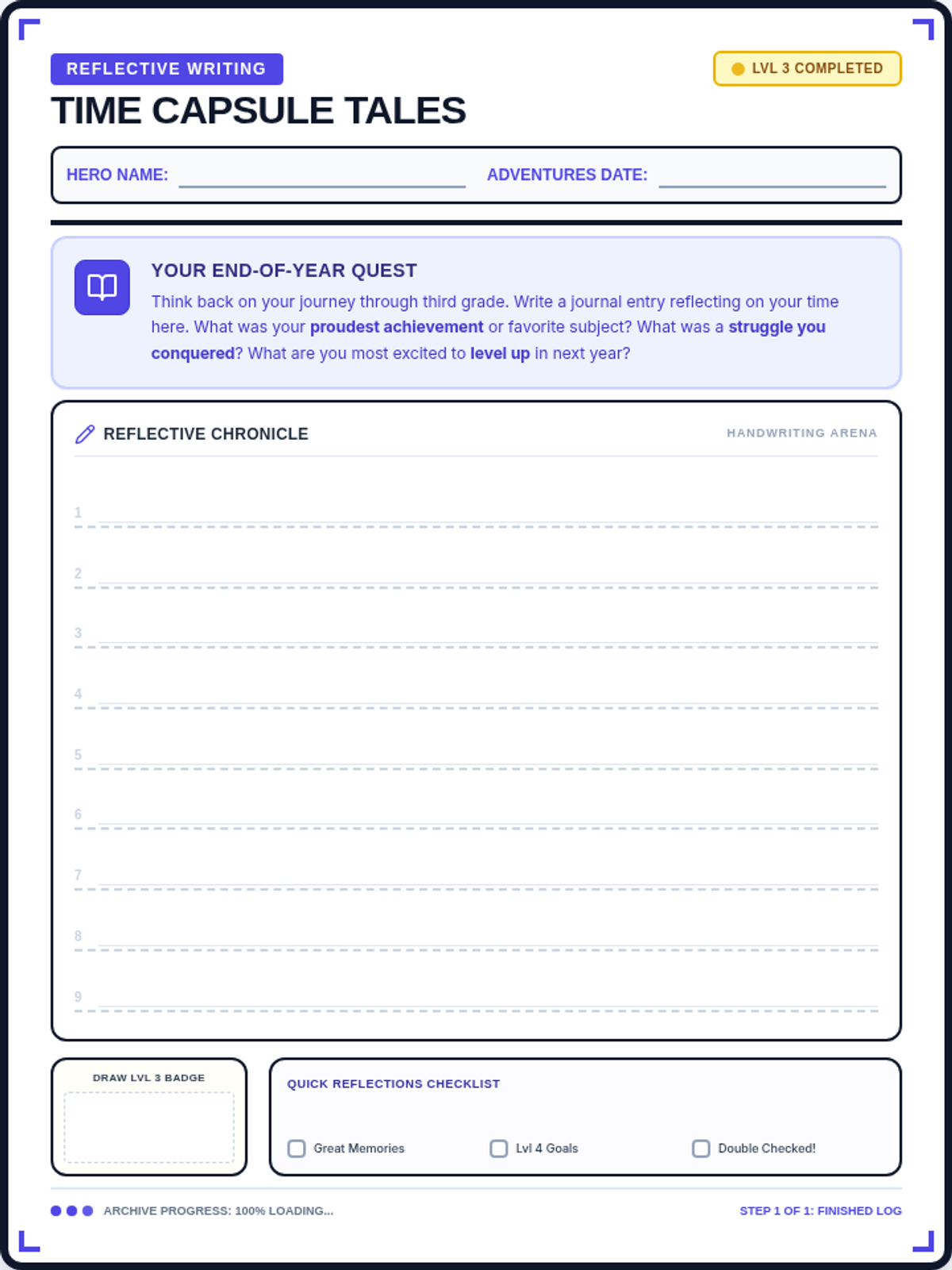
An interactive end-of-year reflective writing lesson themed around leveling up from third to fourth grade. Students map out their achievements, write a personal reflection, and prepare for their next adventure.
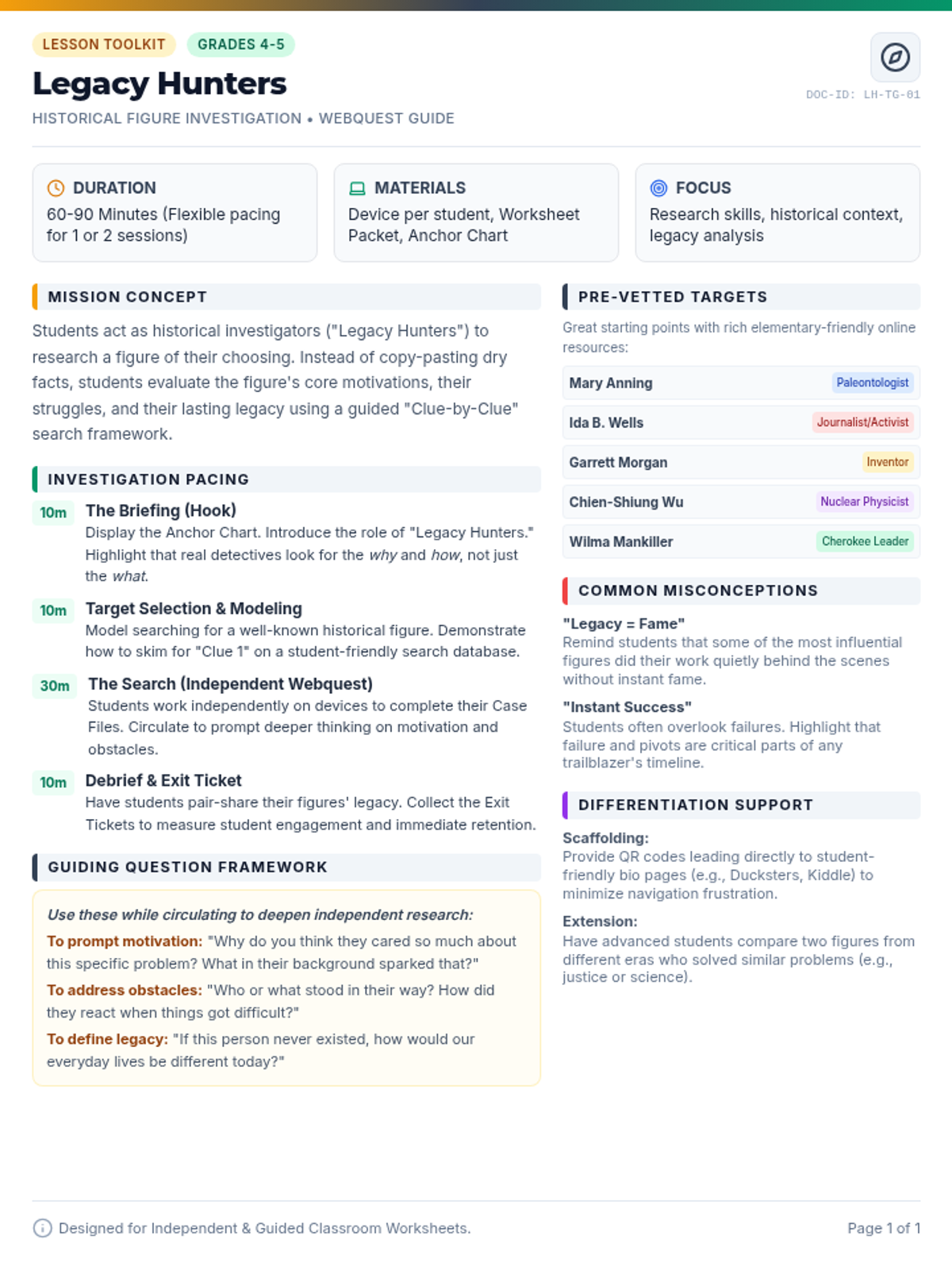
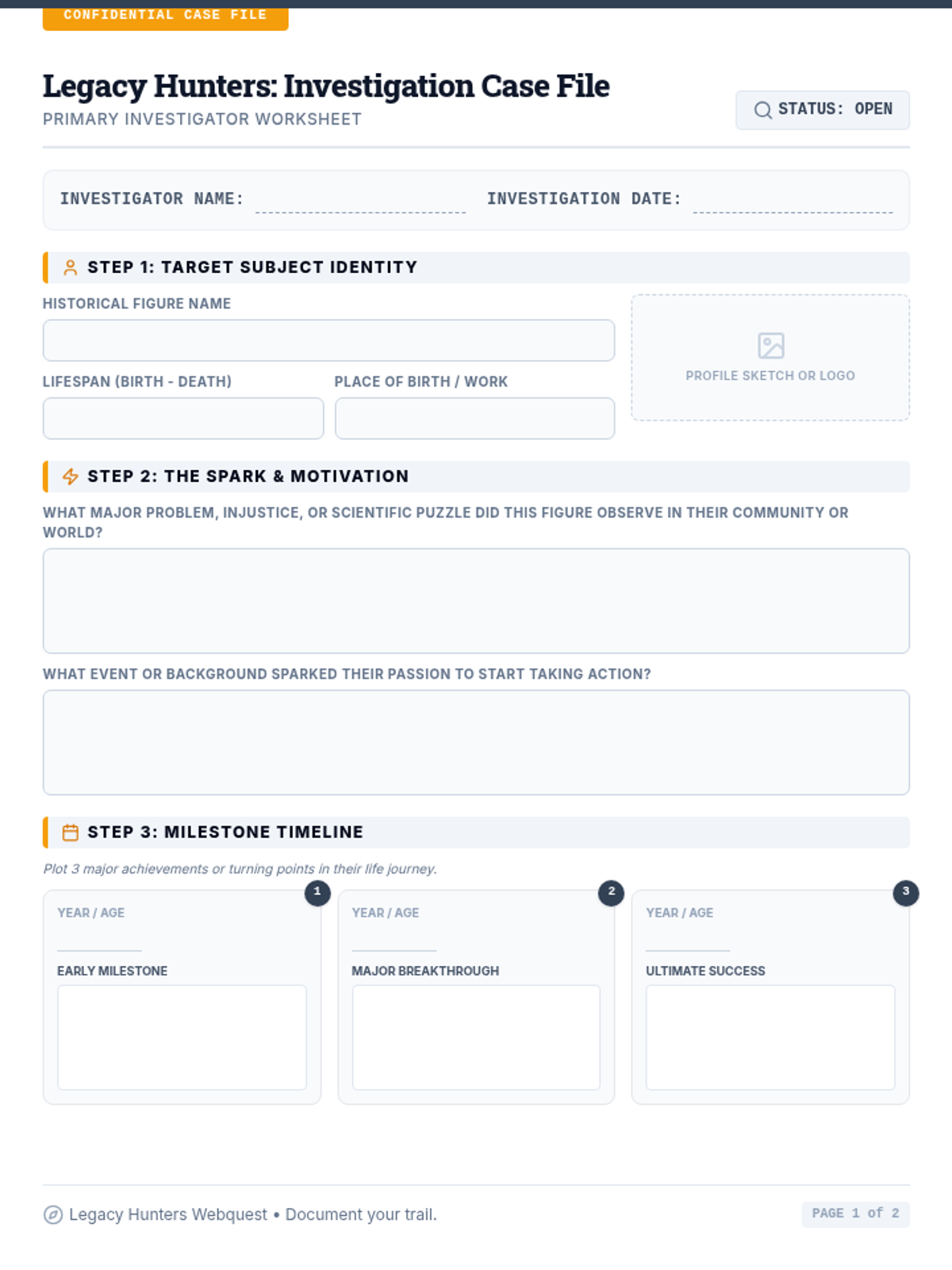
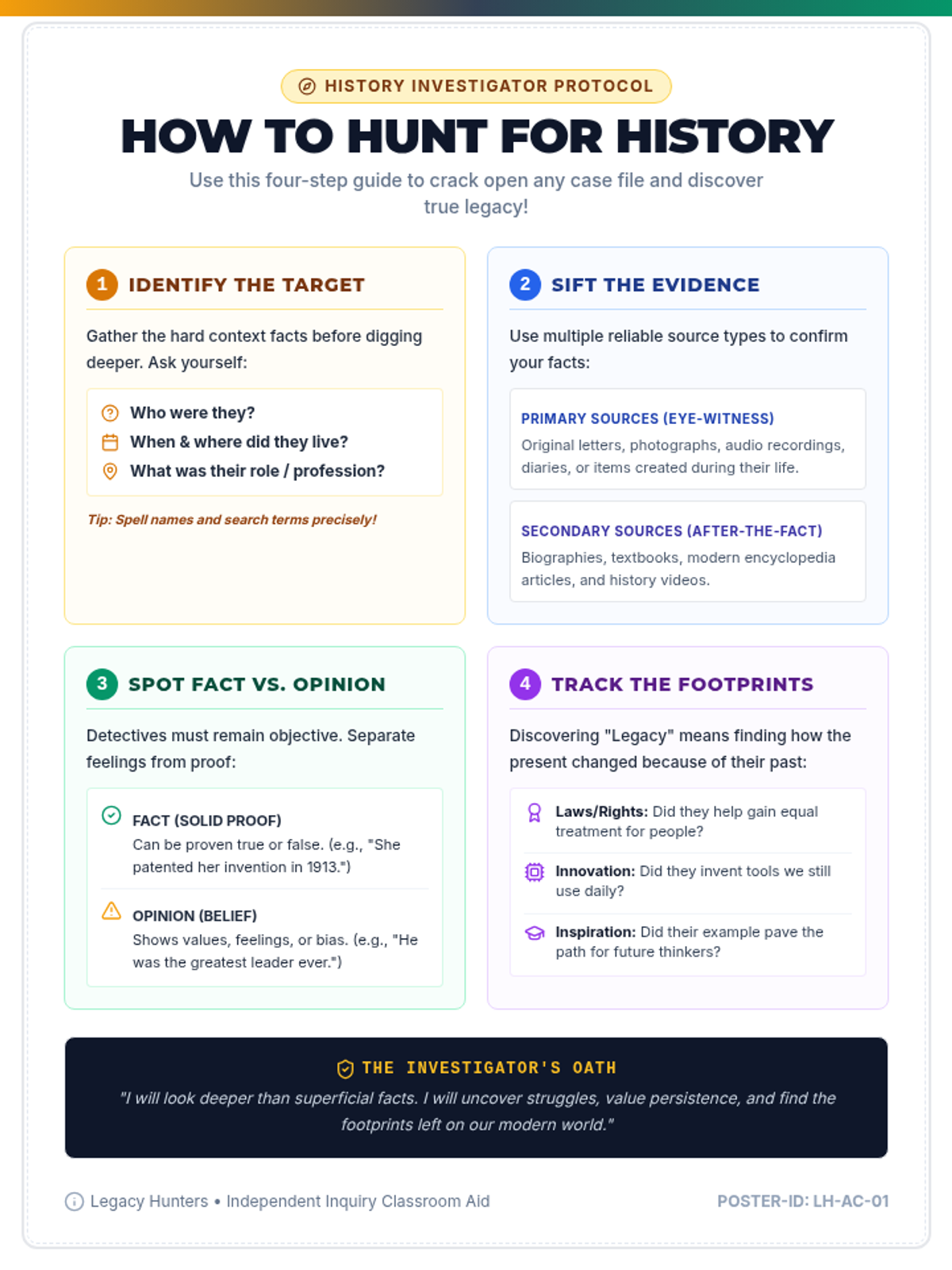
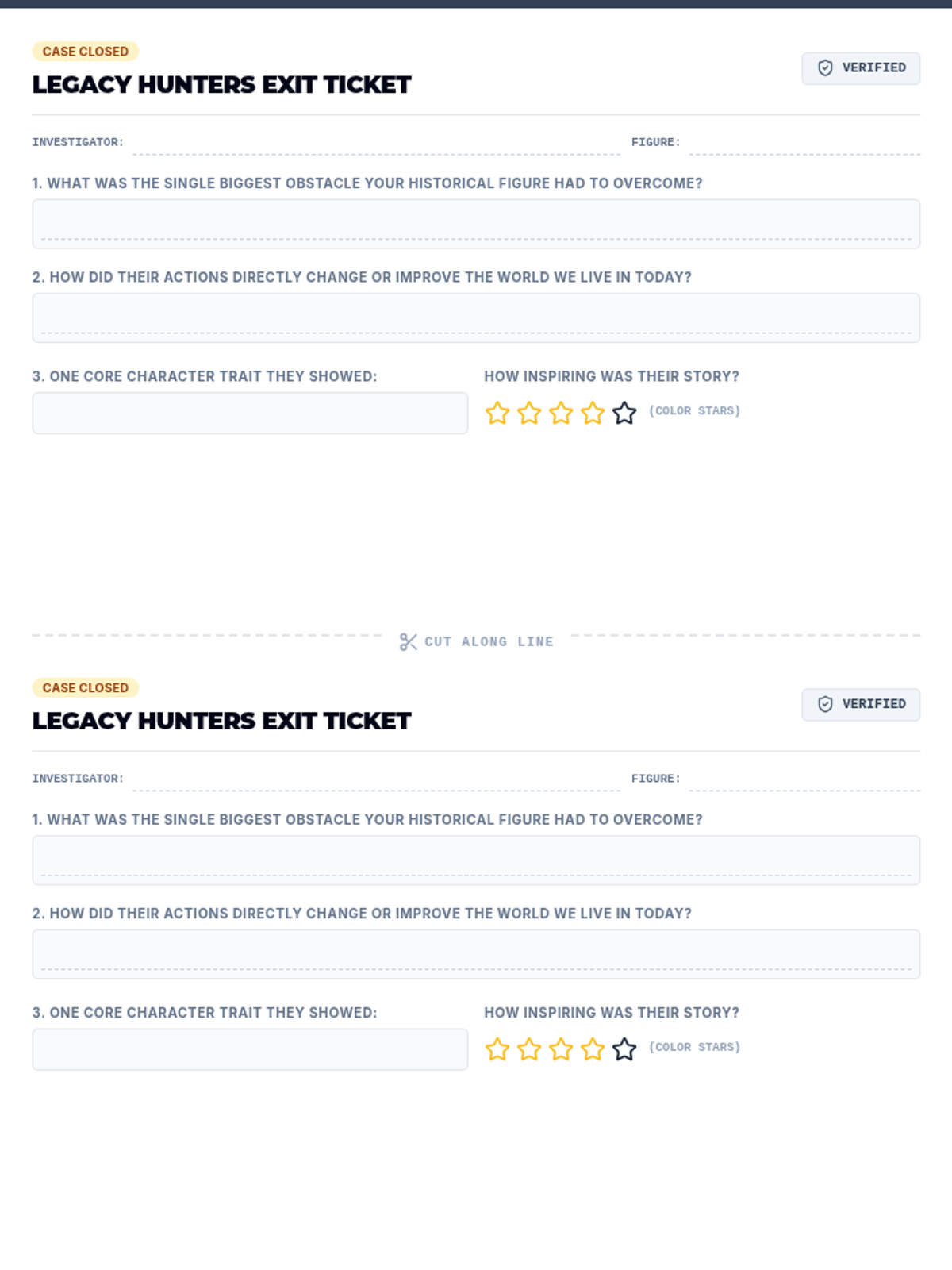
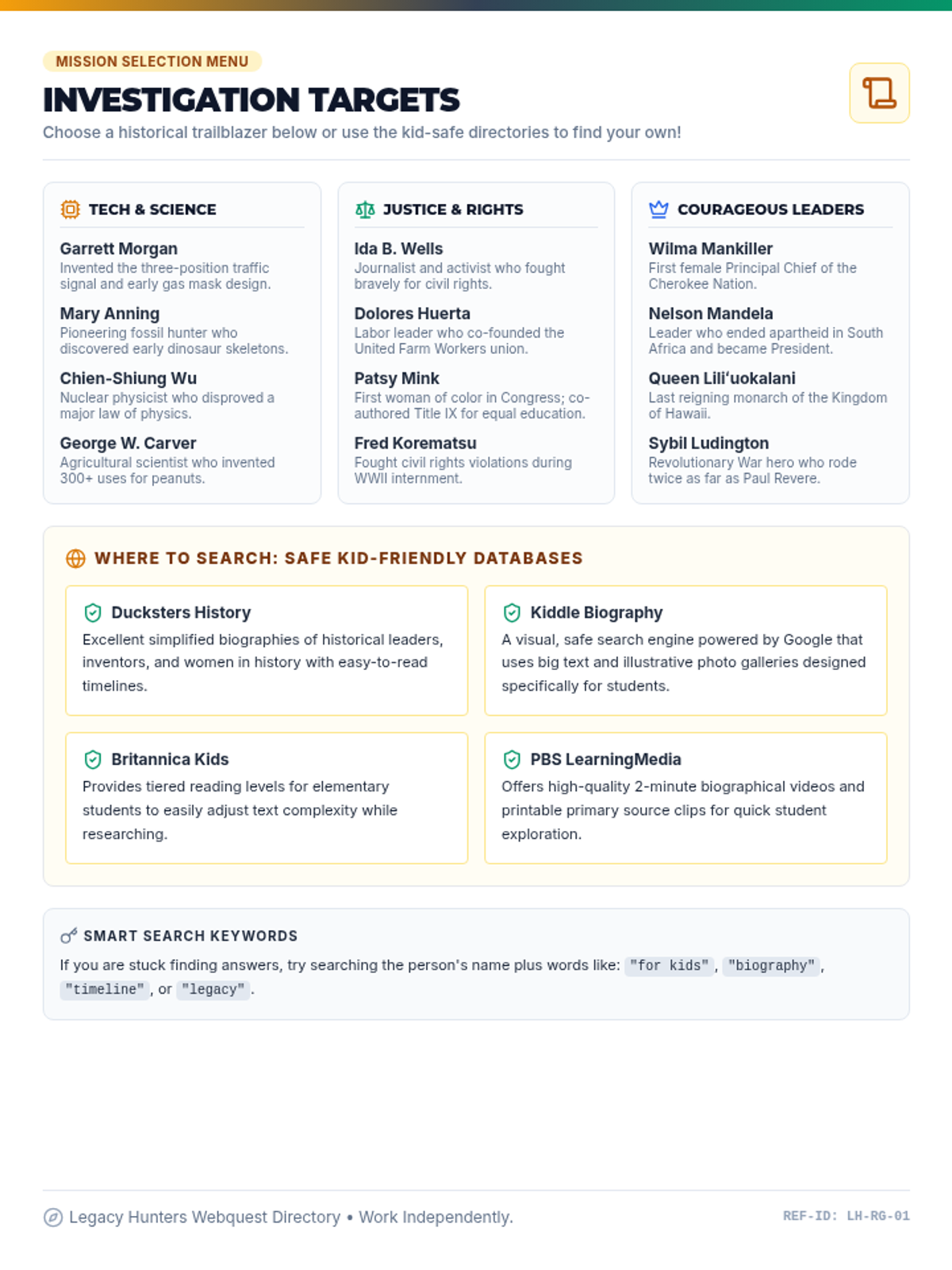
A complete history webquest lesson bundle designed for late elementary students to independently research diverse historical figures. Students act as research detectives to discover the lives, struggles, and lasting legacies of inventors, activists, and leaders.
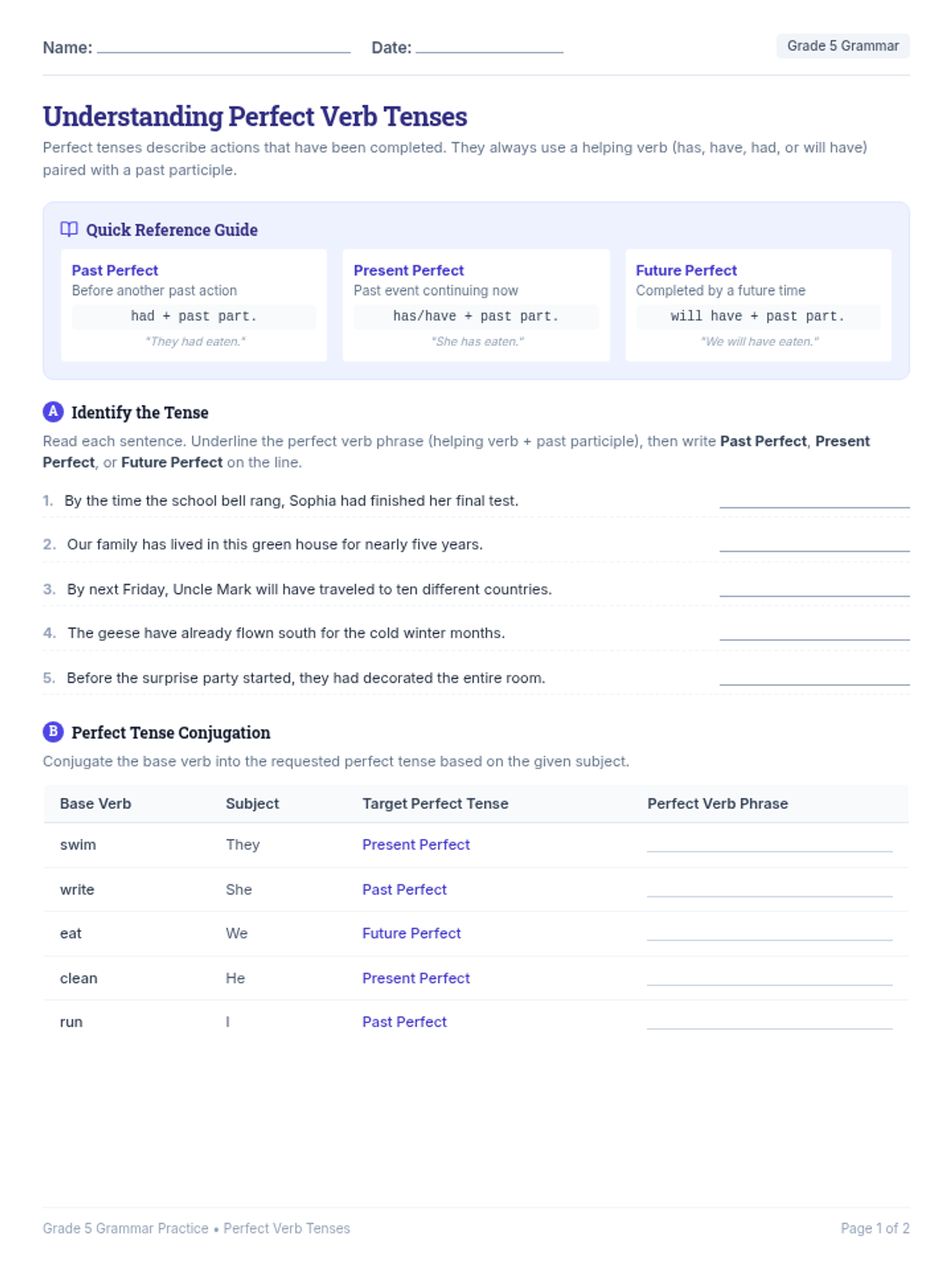
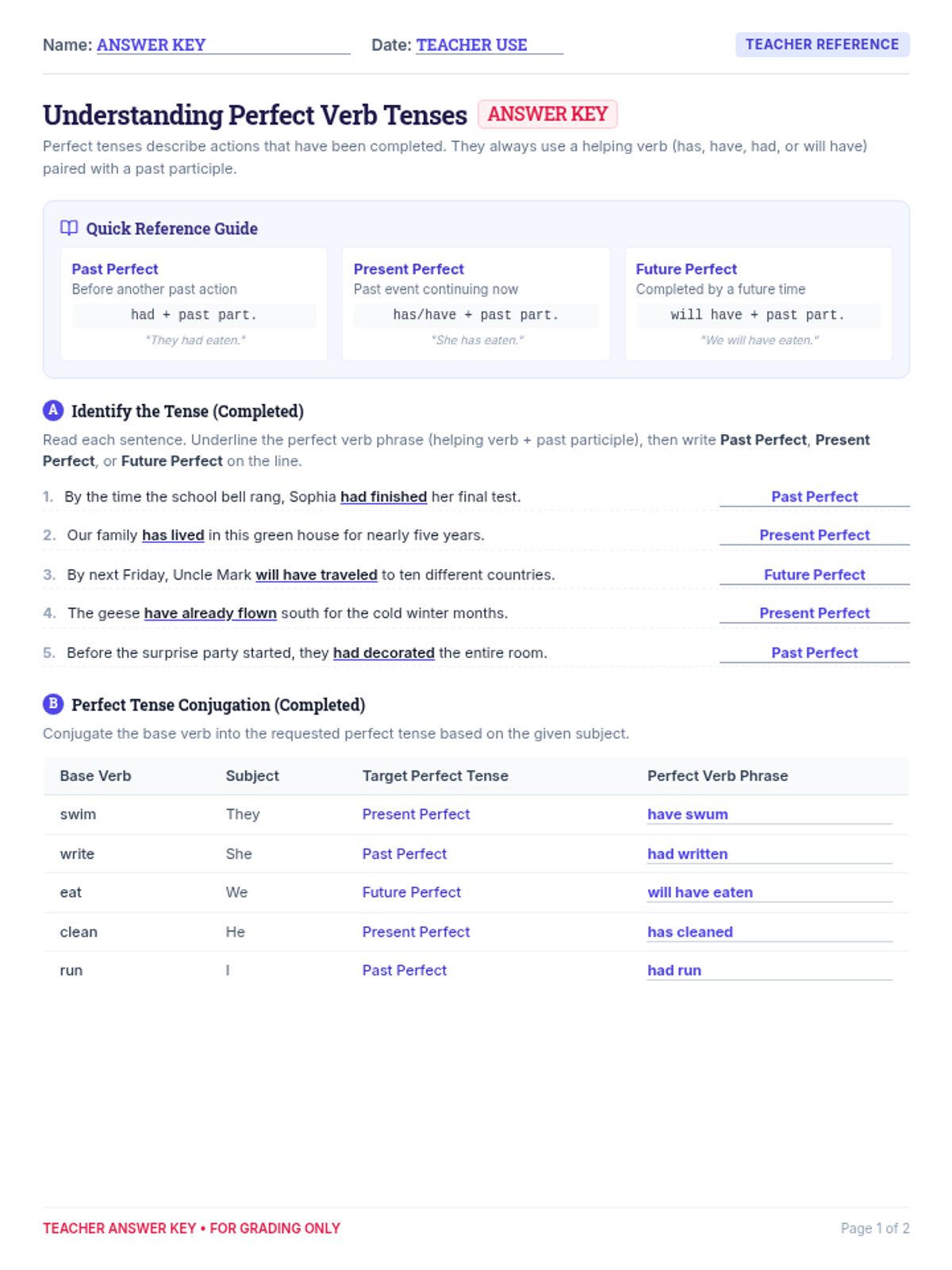
A direct, focused fifth-grade lesson on perfect verb tenses (past, present, and future perfect). It features a two-page printable practice worksheet with identifying, conjugating, and sentence-writing exercises, along with a matching answer key for grading.
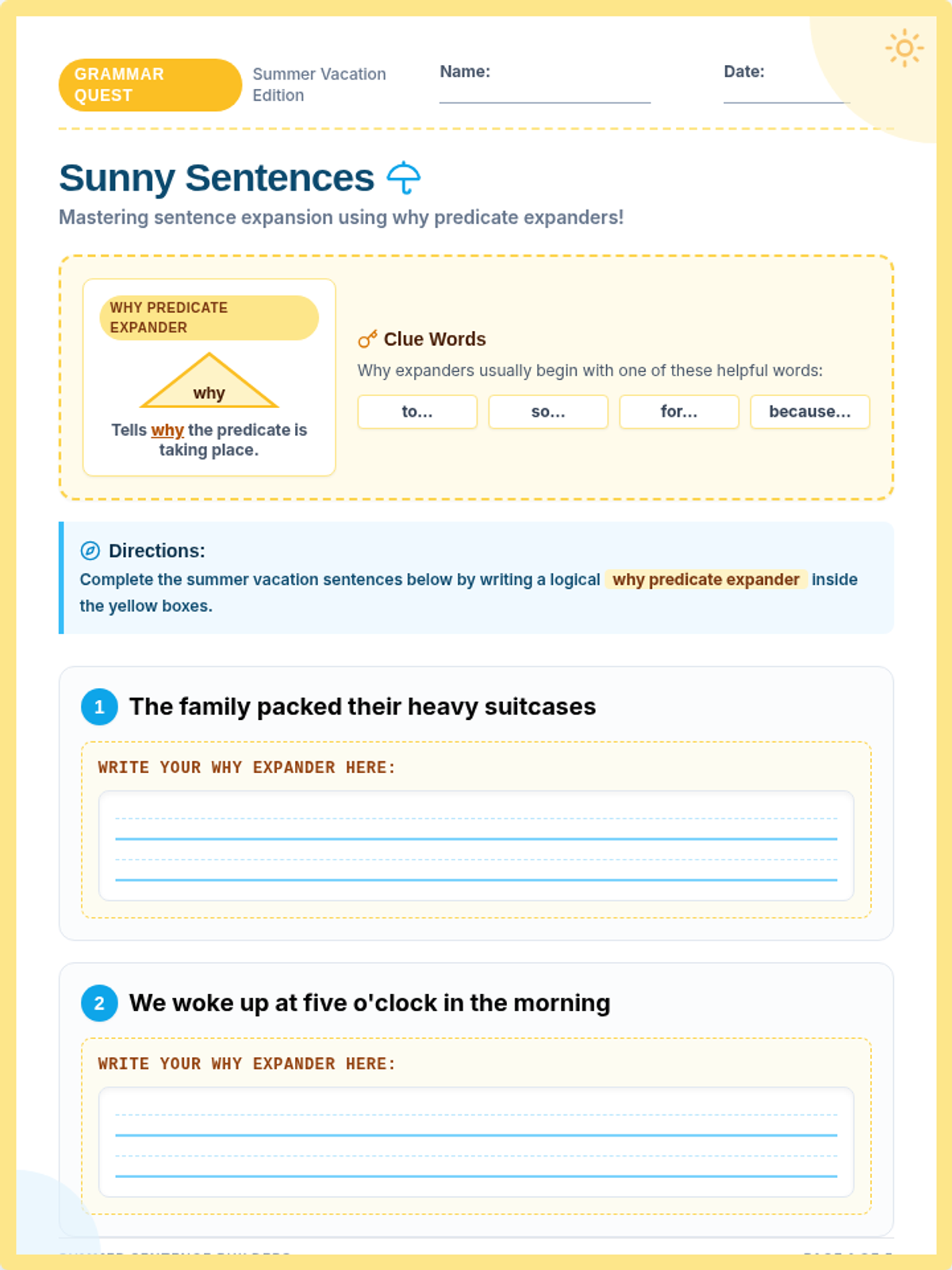
A summer-themed grammar lesson focused on sentence expansion and mobility using why predicate expanders. Students practice building, rearranging, and answering questions in complete sentences with real-world summer vacation scenarios.
Lessons 20 to 24 lead students to choose their best storyline, structurally arrange paragraphs to sequence moments, revise with integrated sensory details, and produce a polished draft.
Lessons 10 to 19 guide students to create a second character, master the formatting and punctuation of realistic dialogue, and establish a balance between dialogue and narration.