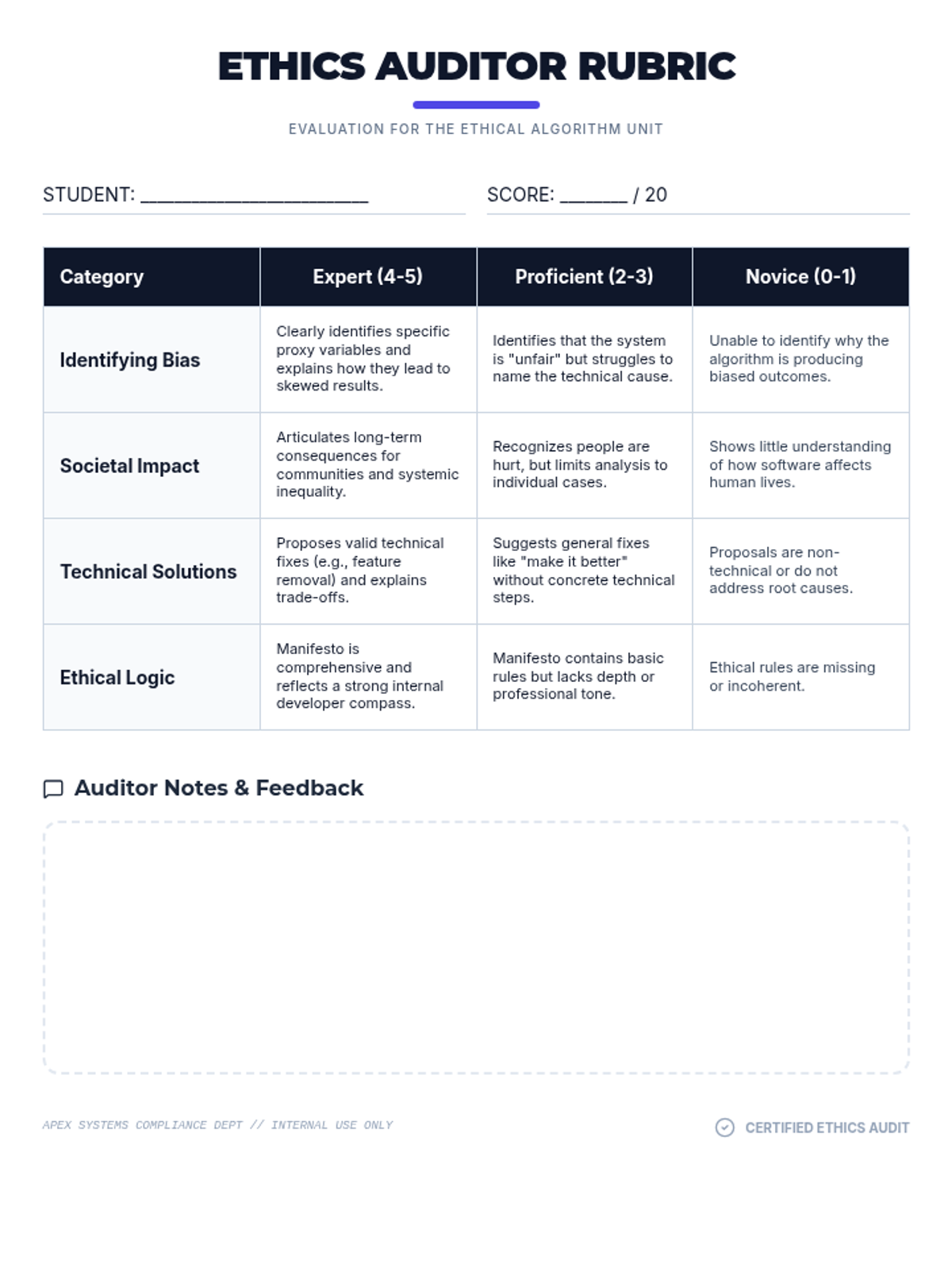
A graduate-level project-based sequence where students design multi-sensory breathing supports for neurodiverse learners, covering auditing, visual design, auditory entrainment, prototyping, and user testing.
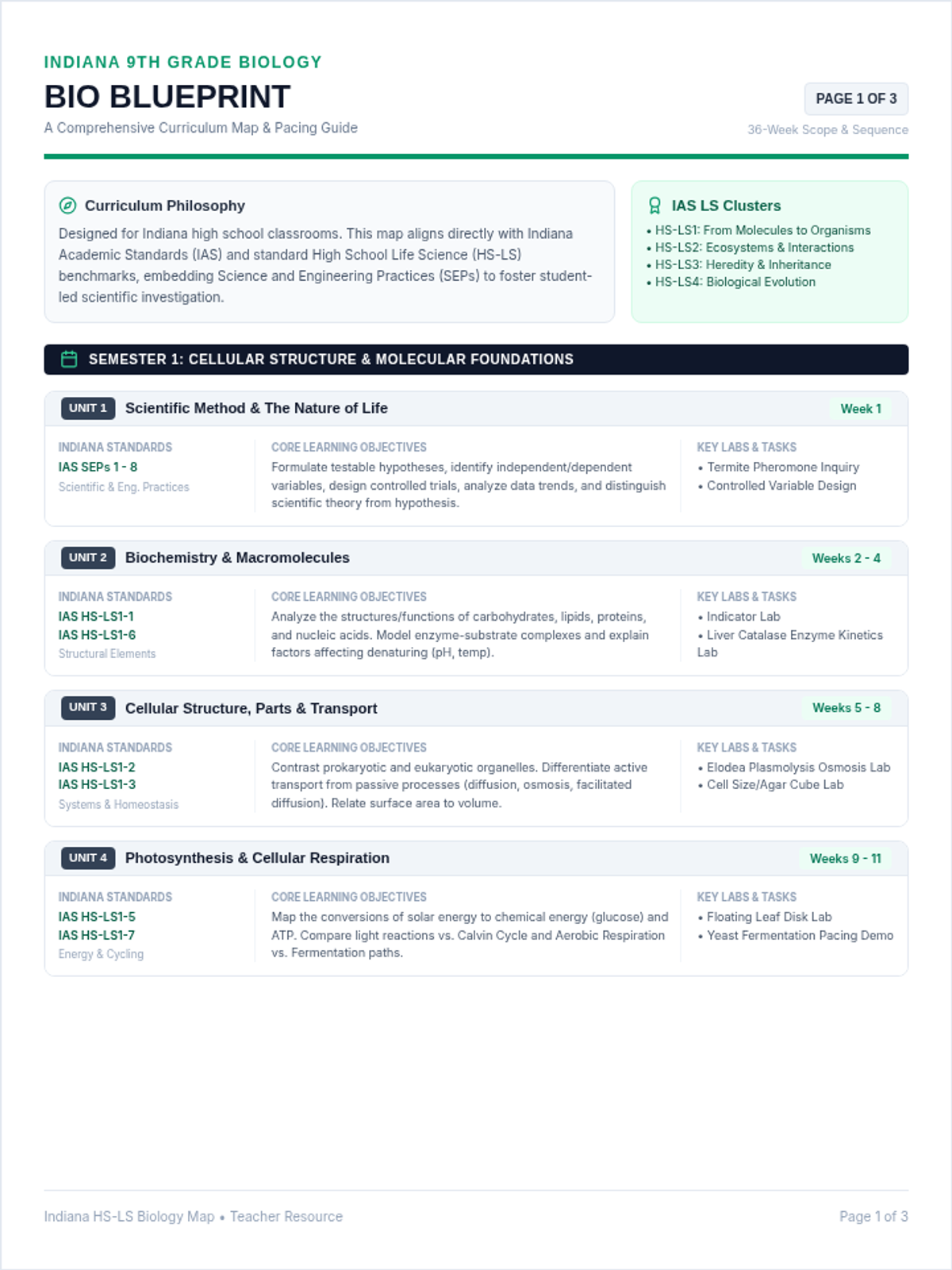
A 3-day introductory science sequence for early learners (PreK-1st) exploring the fundamental needs of plants, animals, and humans. Students will discover commonalities in survival requirements through visuals, guided practice, and hands-on sorting.
Una secuencia didáctica sobre el desarrollo web interactivo, enfocada en la captura de eventos del teclado mediante JavaScript para crear experiencias de usuario dinámicas y juegos sencillos.
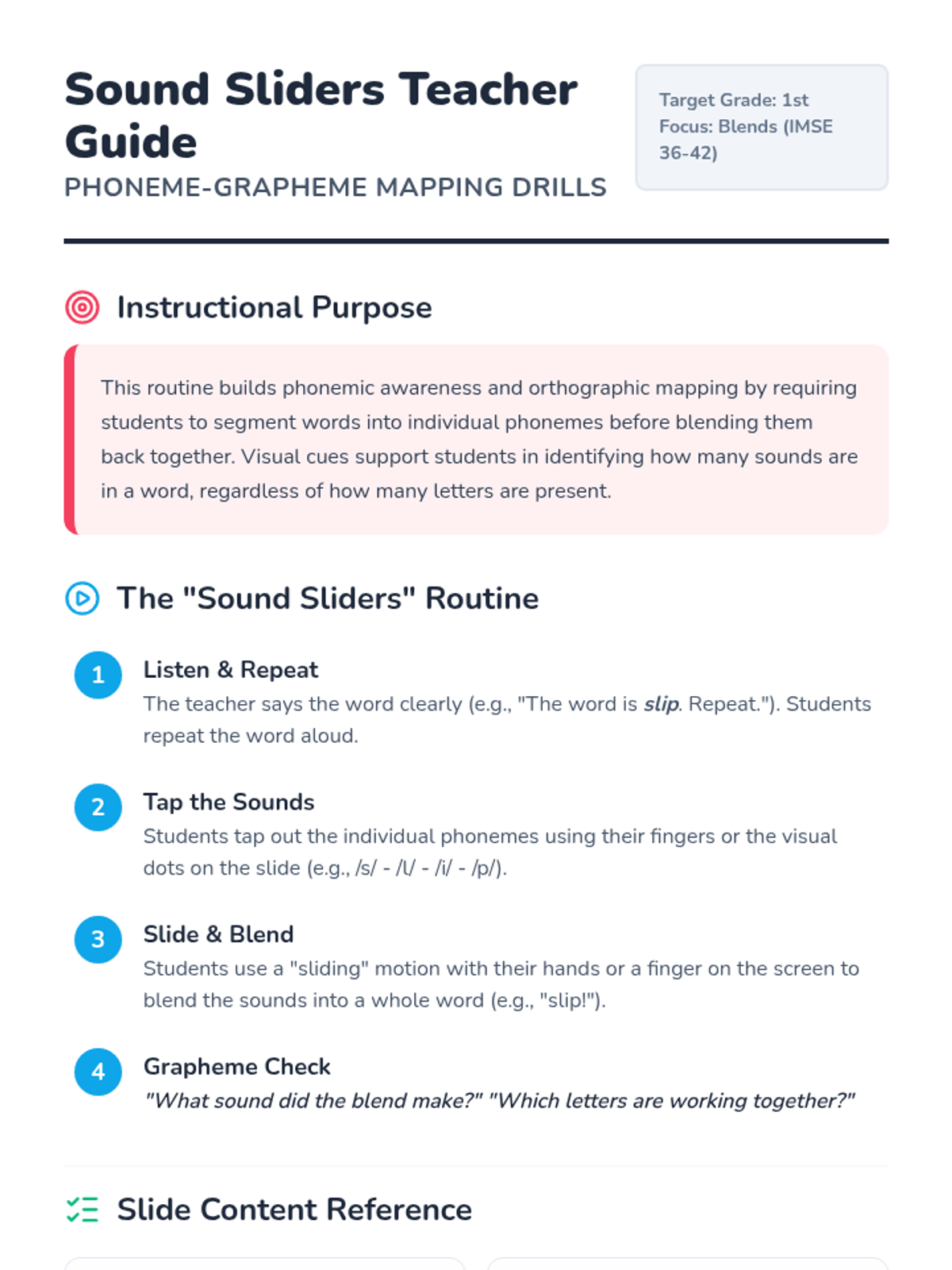
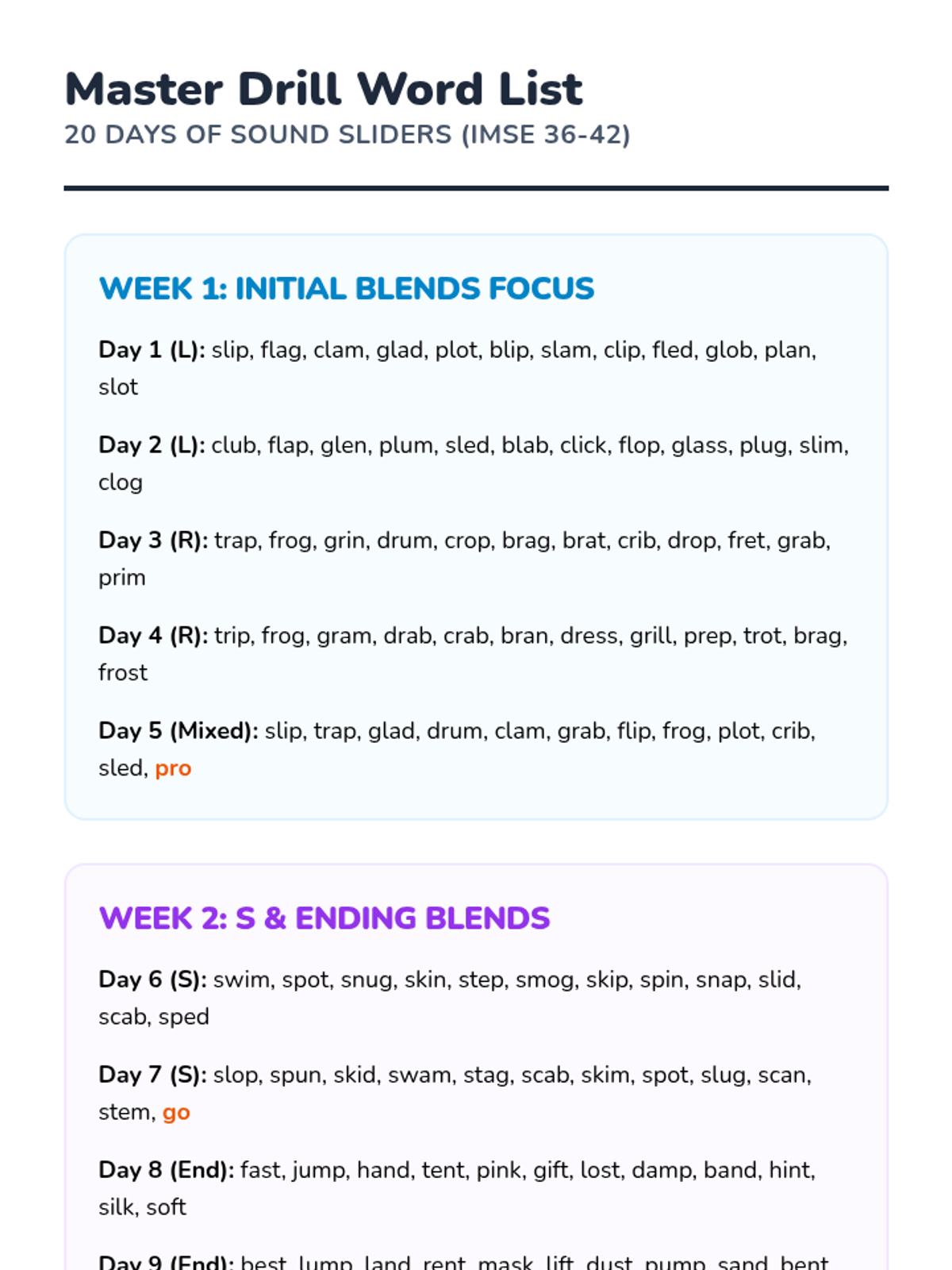
A comprehensive 5-day phonics unit focused on the "bonus letters" (Floss Rule: f, l, s, z) including heart words 'your' and 'want'. Students explore the concept of doubling final consonants in one-syllable short vowel words through a factory-themed learning experience.
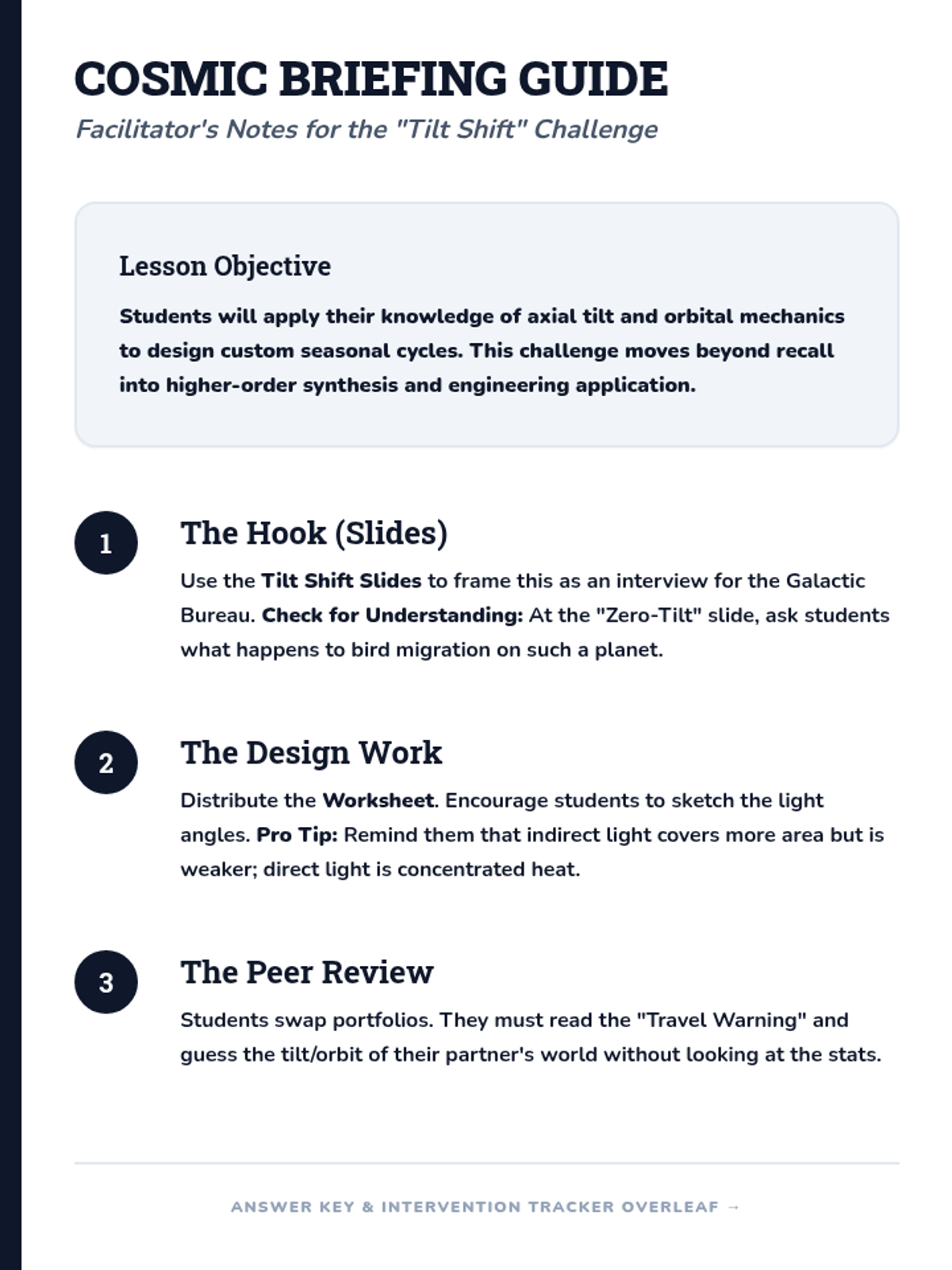
A multi-day exploration of the butterfly life cycle for 2nd graders, featuring interactive instruction, a directed drawing activity, and a summative assessment.
This sequence explores the evidence for biological evolution and the mechanisms of heredity, aligning with Grade 8 science standards for understanding Earth's history and life forms.
A two-week environmental science review sequence focusing on key takeaways: climate change, pollution, renewable energy, and biodiversity. Students compile a 'Field Dossier' review packet as a final course artifact.
A hands-on science and art unit where 2nd grade students investigate biodiversity in their school courtyard, comparing grassy and wooded habitats while repurposing natural materials into creative sculptures.
A comprehensive unit for 2nd graders exploring the wonders of our solar system, including the phases of the moon and the daily lives of space explorers.
A comprehensive unit for 2nd graders to explore diverse animal habitats around the world through hands-on activities, research, and a creative diorama project. Students will learn about the unique characteristics of different environments and how animals are adapted to survive in them.
An inquiry-based science and literacy curriculum for grades 1-3 that combines foundational scientific concepts with high-frequency sight word mastery and precision handwriting practice.
A comprehensive review of electrical circuits, covering Ohm's Law, Kirchhoff's Rules, and circuit analysis techniques through visual guides and structured problem-solving.
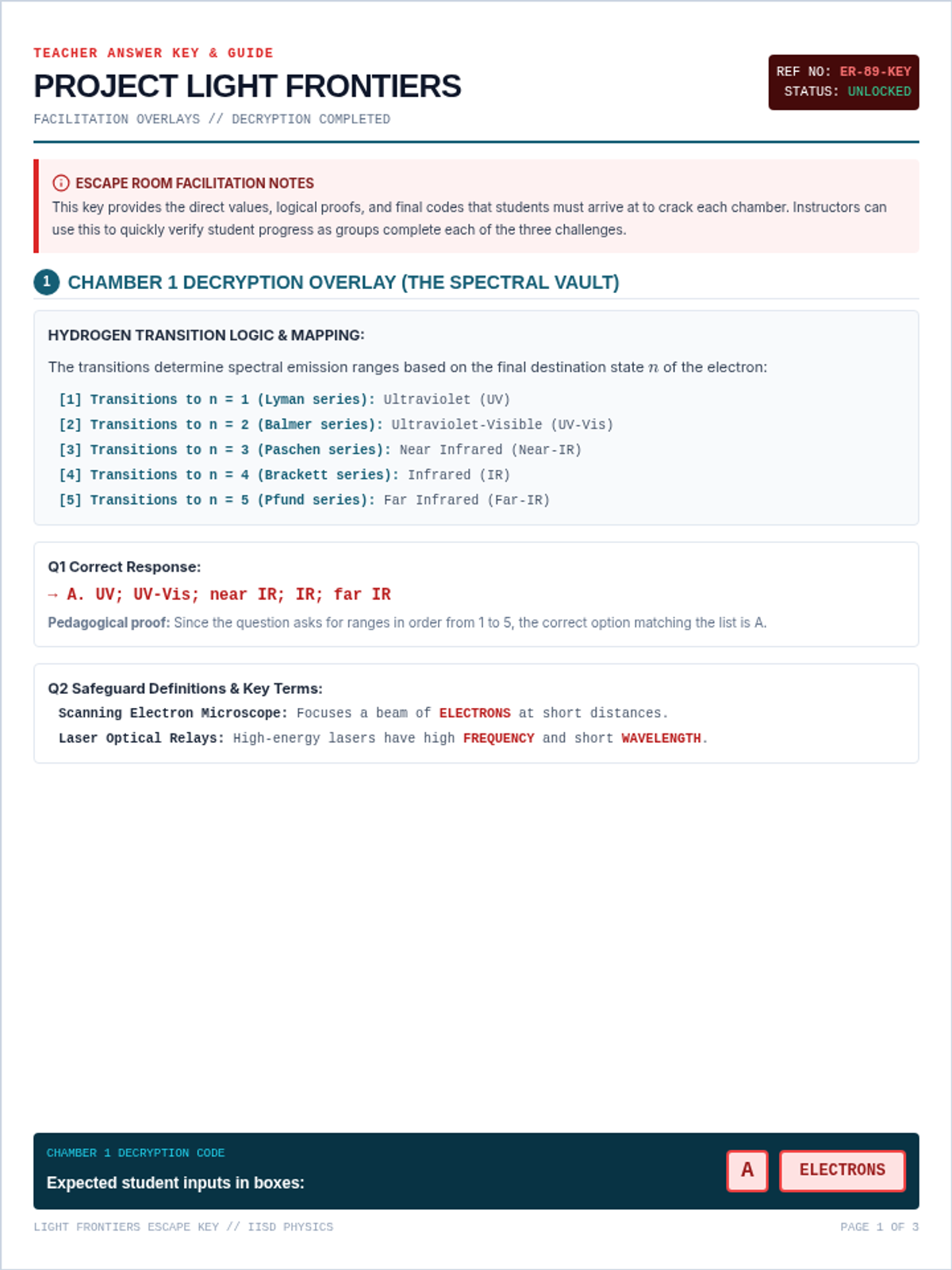
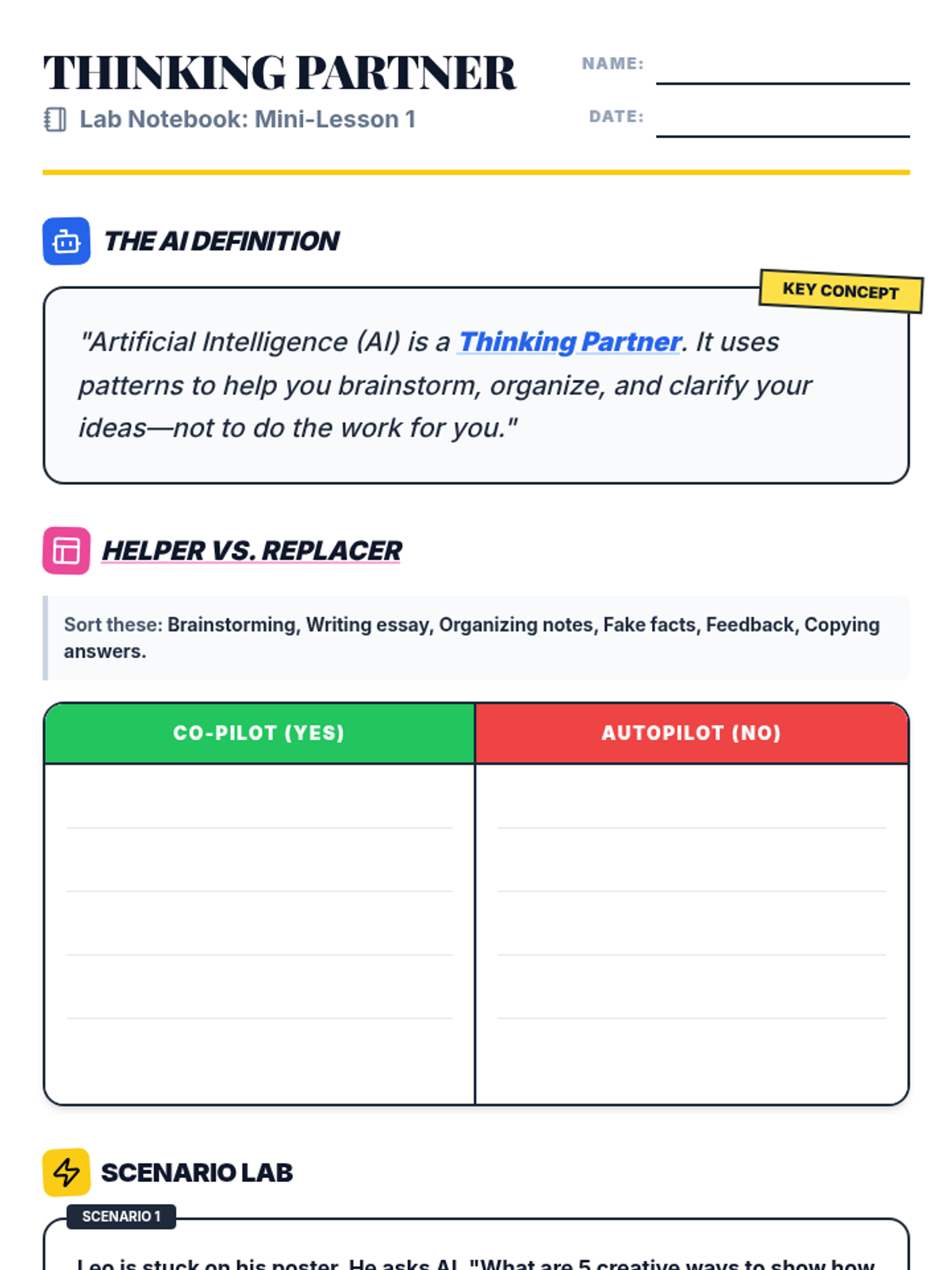
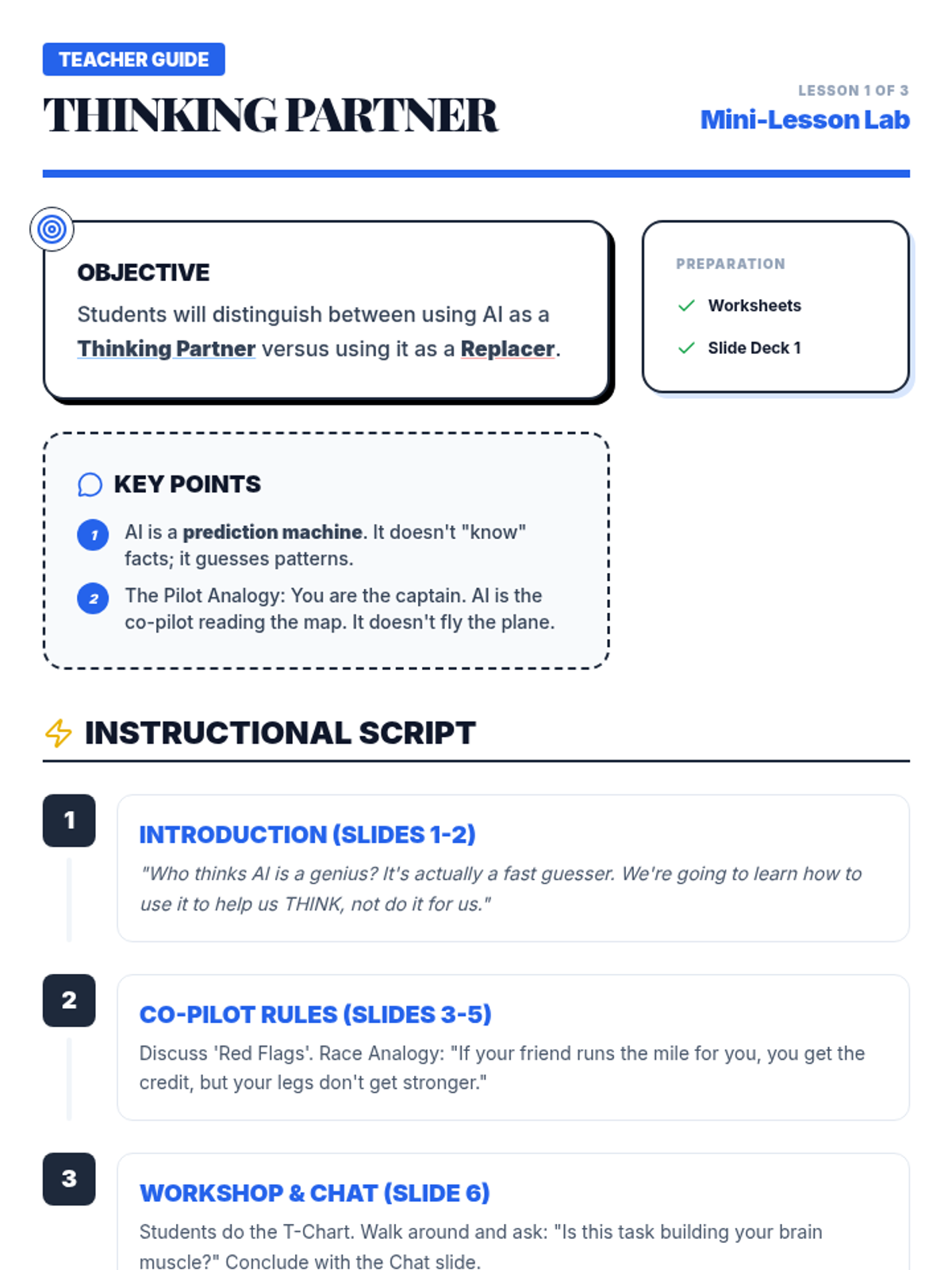
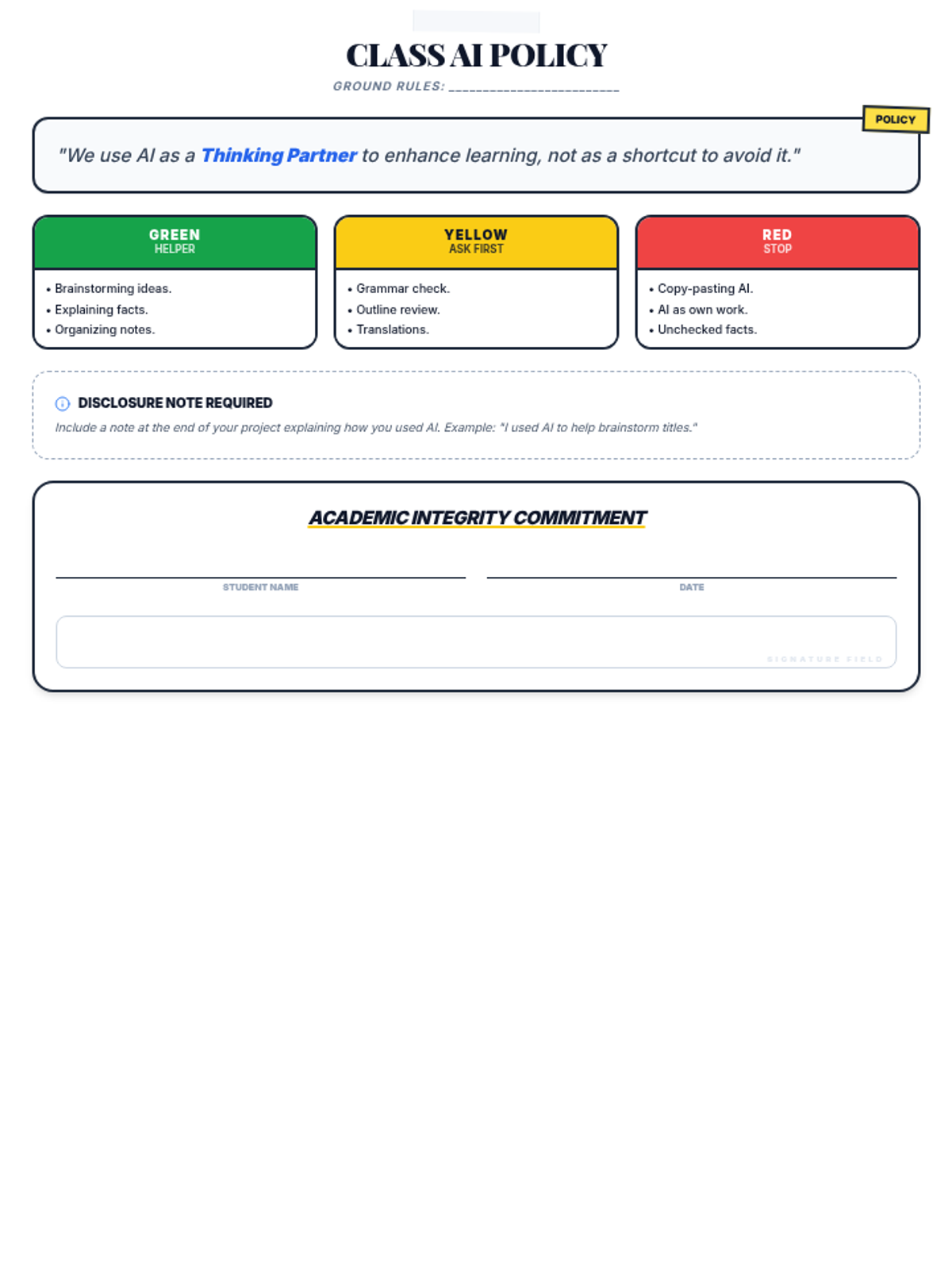
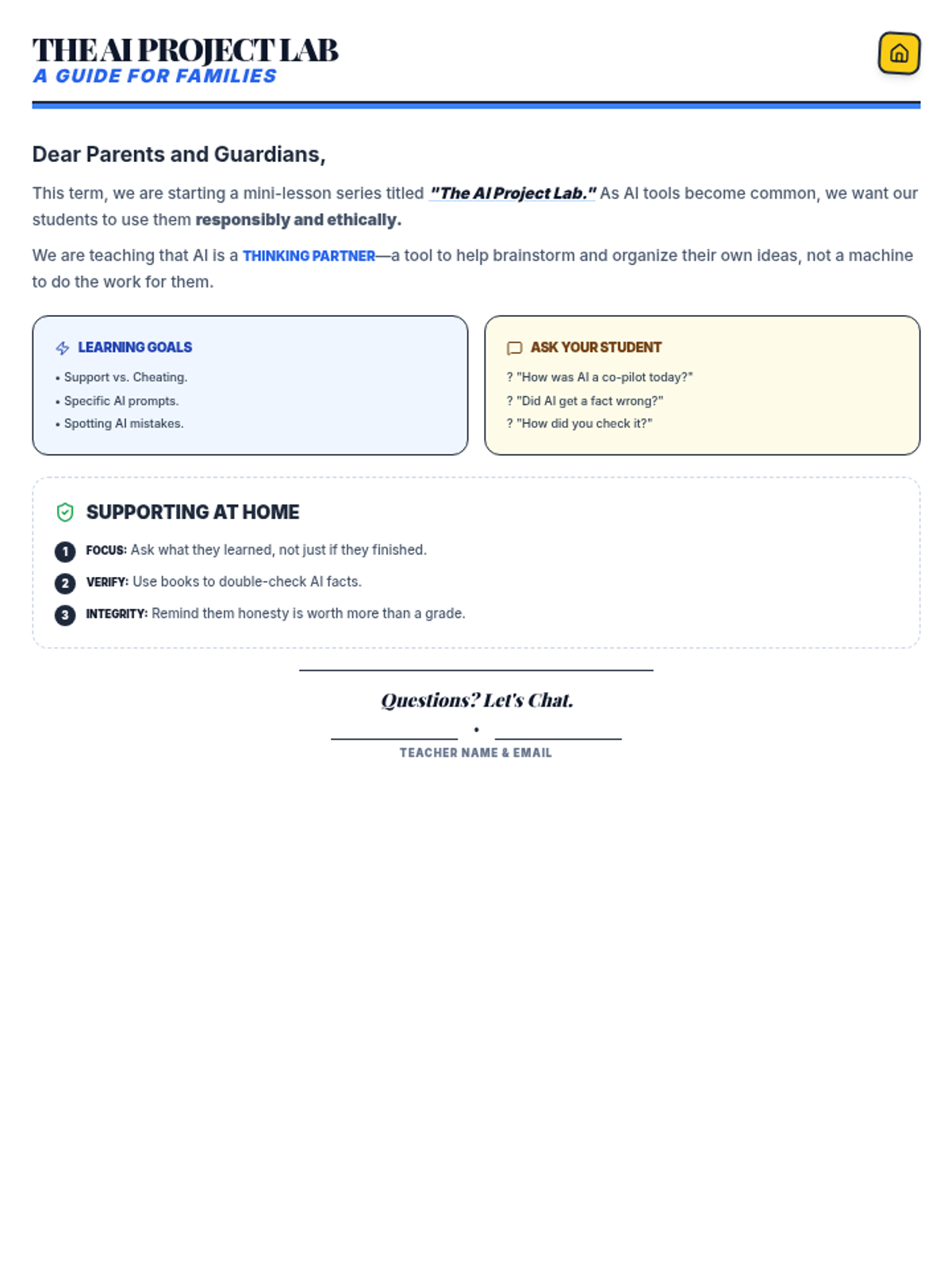
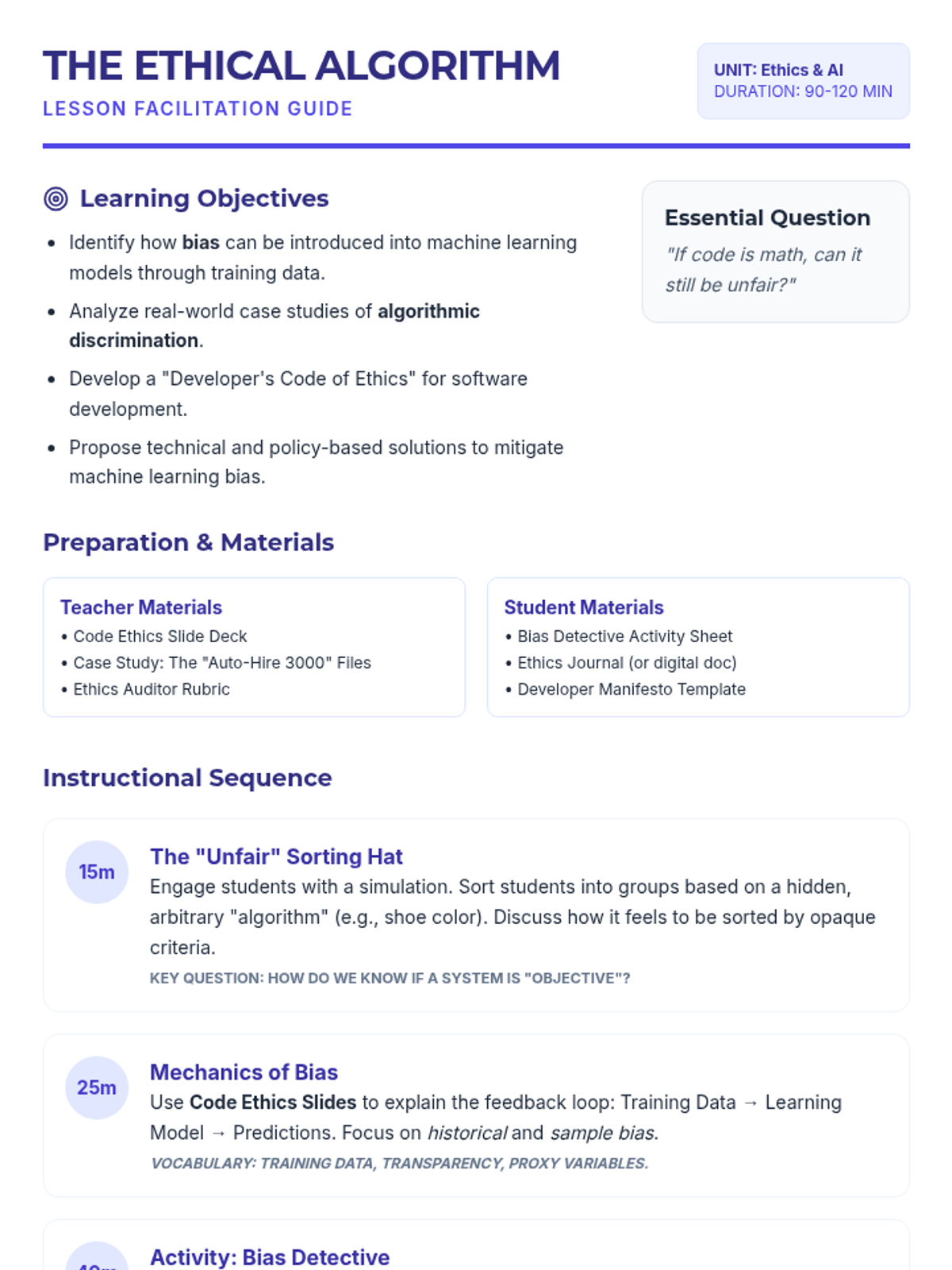
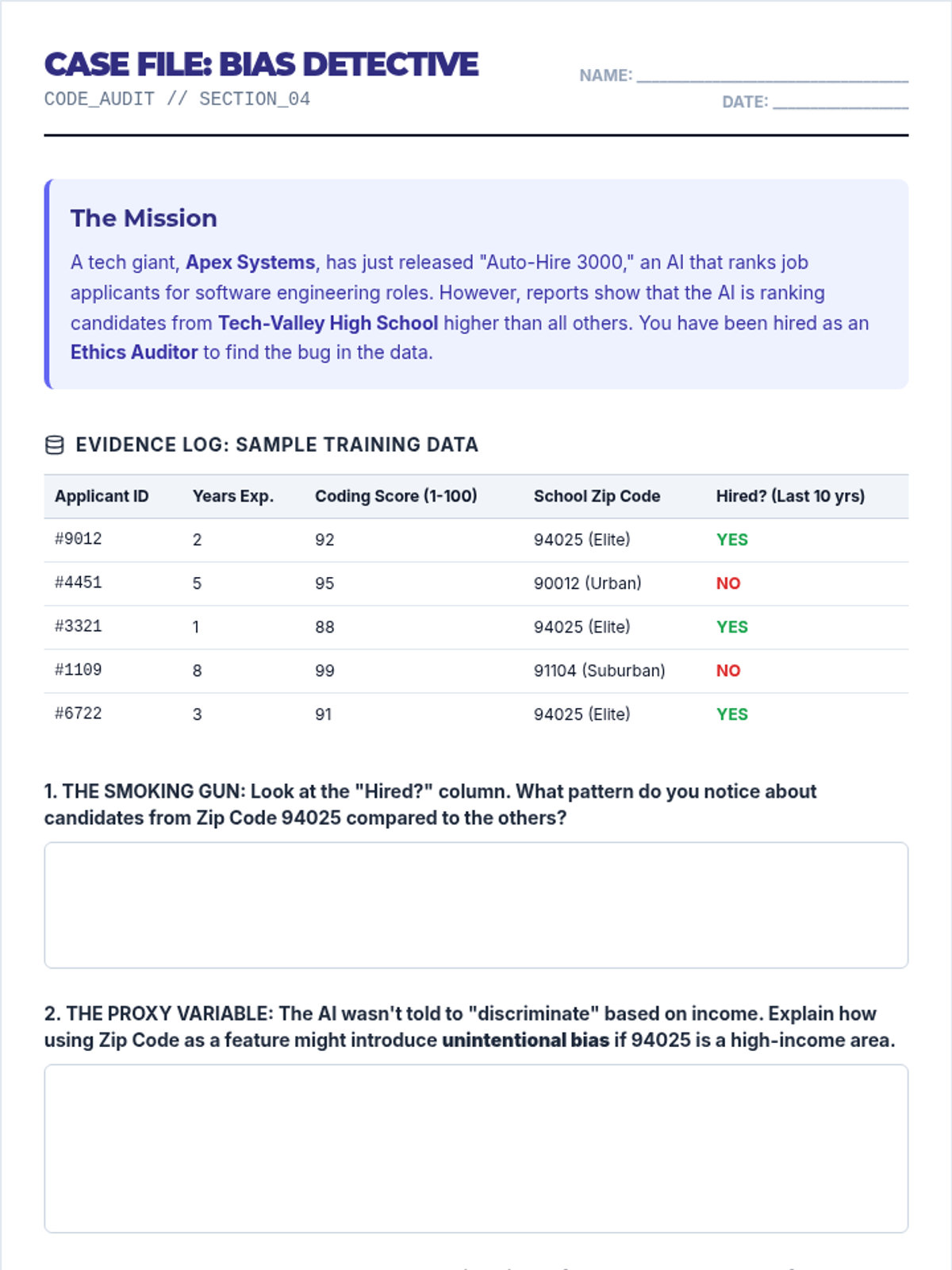
A comprehensive K-12 AI literacy sequence covering the fundamentals of how AI works, machine learning, ethics, social impact, and creative application through age-appropriate lessons.
A comprehensive 4-day sequence focusing on the application of thermal energy concepts, including conduction, convection, radiation, and insulation through hands-on labs and real-world analysis.
A series of ELD lessons exploring how human environments interact with nature, focusing on reading comprehension, academic language, and collaborative discourse.
A deep dive into the evolutionary transition from aquatic life to terrestrial mammals, focusing on homologous structures and divergent evolution.
Une séquence pédagogique de 2 heures pour les élèves de 1ère Bac Pro sur le concept de couple de forces, illustrée par des applications concrètes sur un tracteur agricole (moteur, serrage de roues, relevage).
Un parcours complet pour maîtriser les Smart Money Concepts (SMC) basés sur la méthodologie Inner Circle Trader (ICT). Ce programme couvre les 7 concepts clés nécessaires pour identifier les mouvements institutionnels sur les marchés financiers.
A primary science unit exploring how different animals are covered and why these coverings help them survive in their environments. Students identify, categorize, and write about feathers, fur, scales, shells, and skin.
Une séquence de formation pour les enseignants de l'enseignement agricole visant à développer un esprit critique face à l'IA, s'appuyant sur les rapports de l'inspection (2025) et les notes de service (2026). Elle explore les enjeux cognitifs, le cadre juridique et les mutations de l'évaluation par capacités.