A 7th-grade math support sequence focusing on proportional reasoning through the use of counters and tape diagrams. This tactile-to-visual approach helps students bridge the gap between physical grouping and abstract multiplicative thinking.
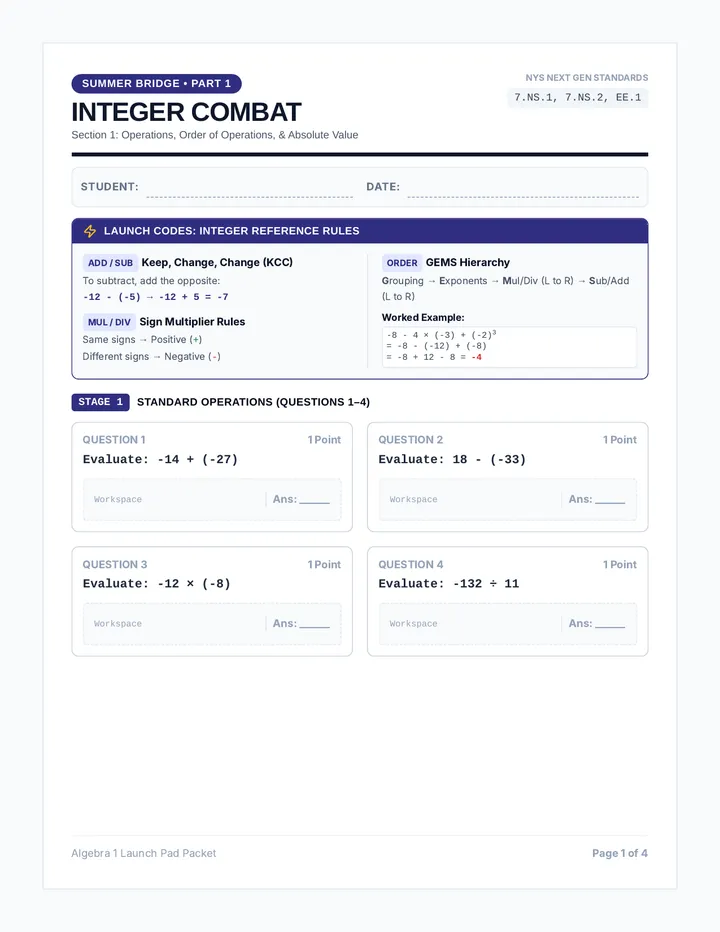
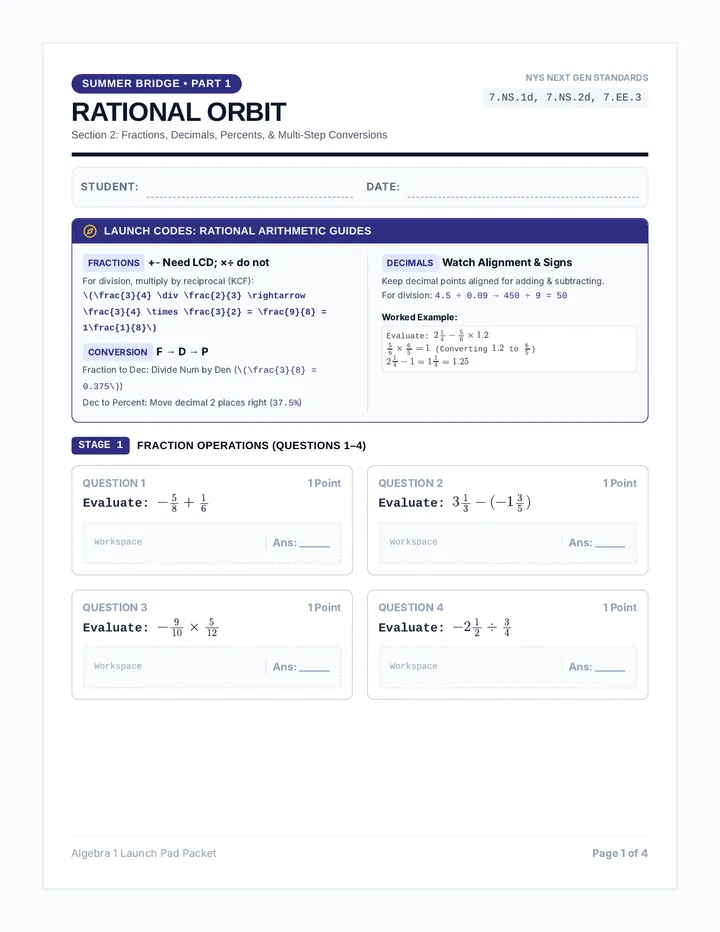
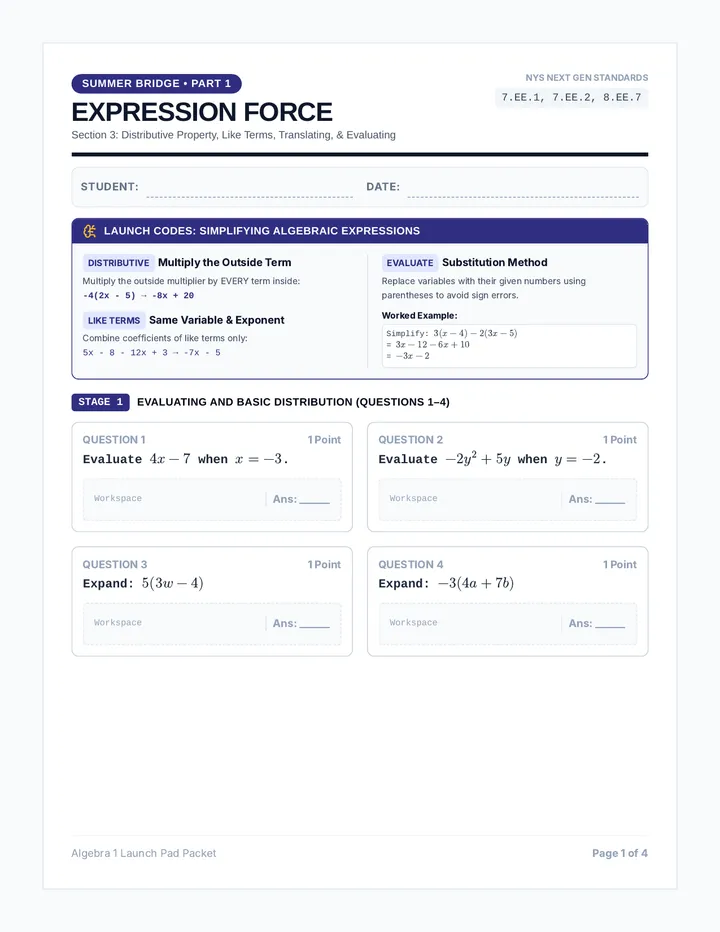
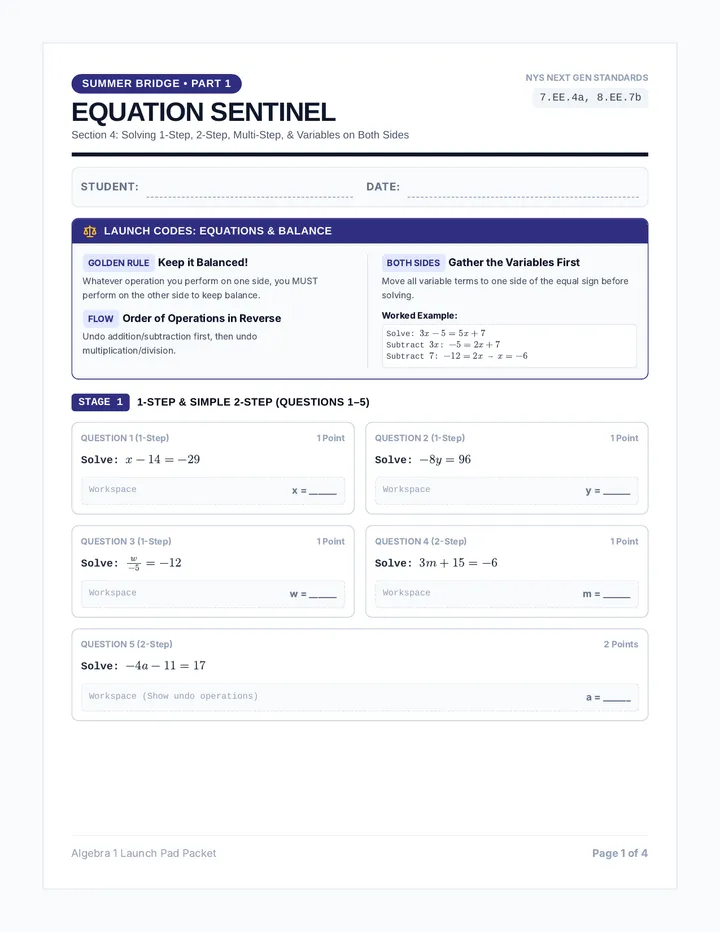
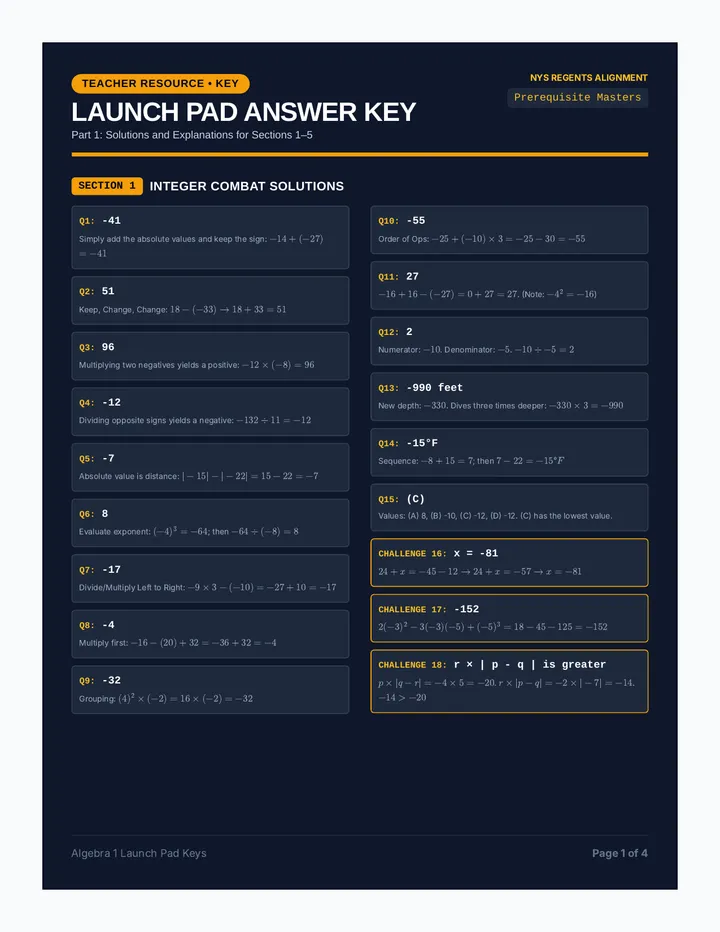
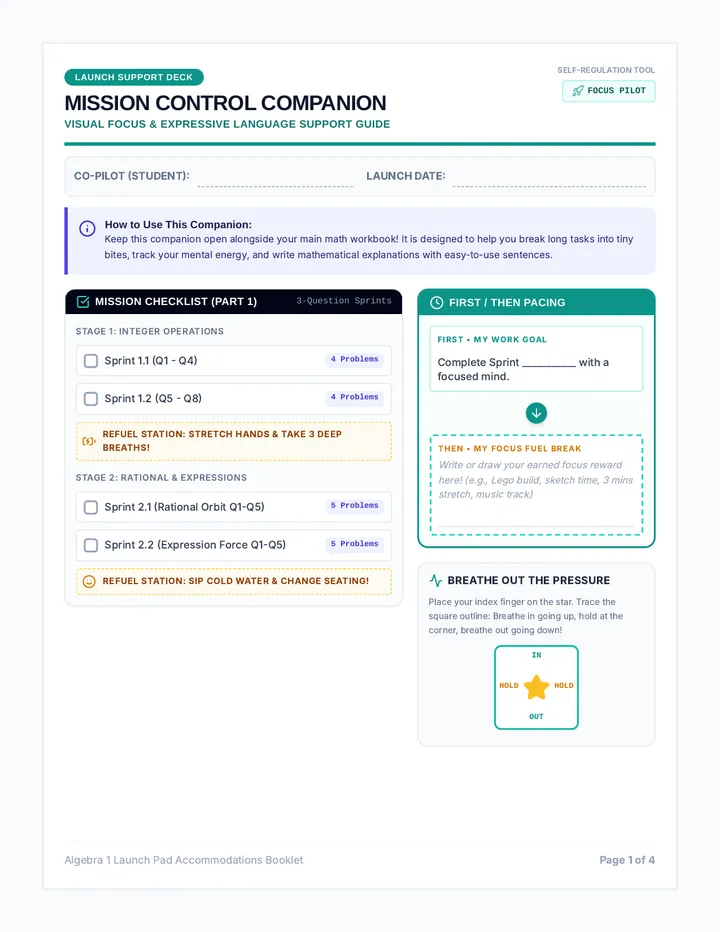
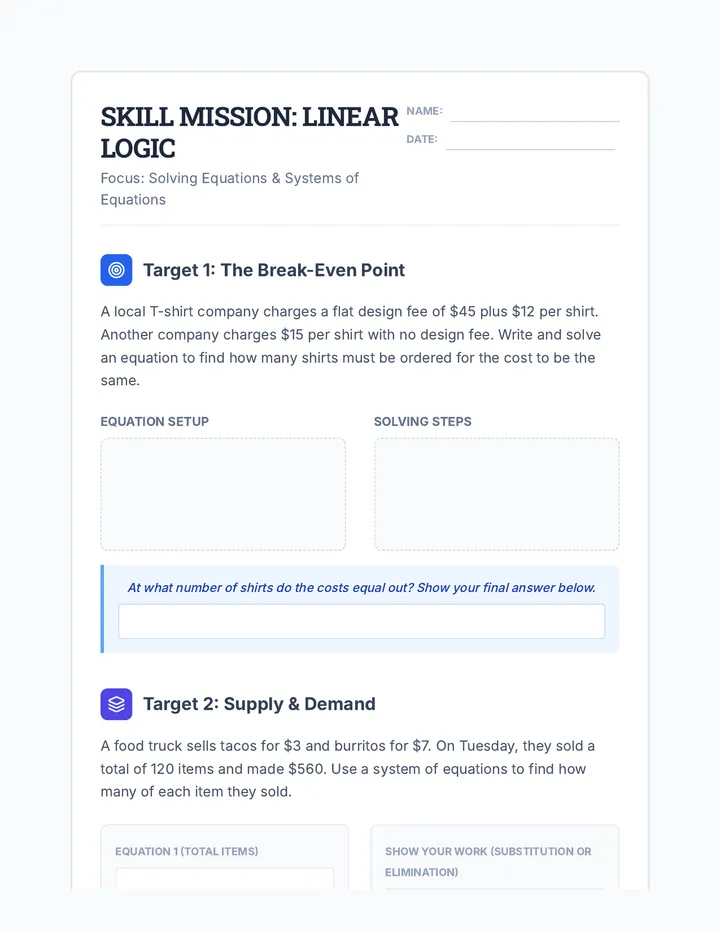
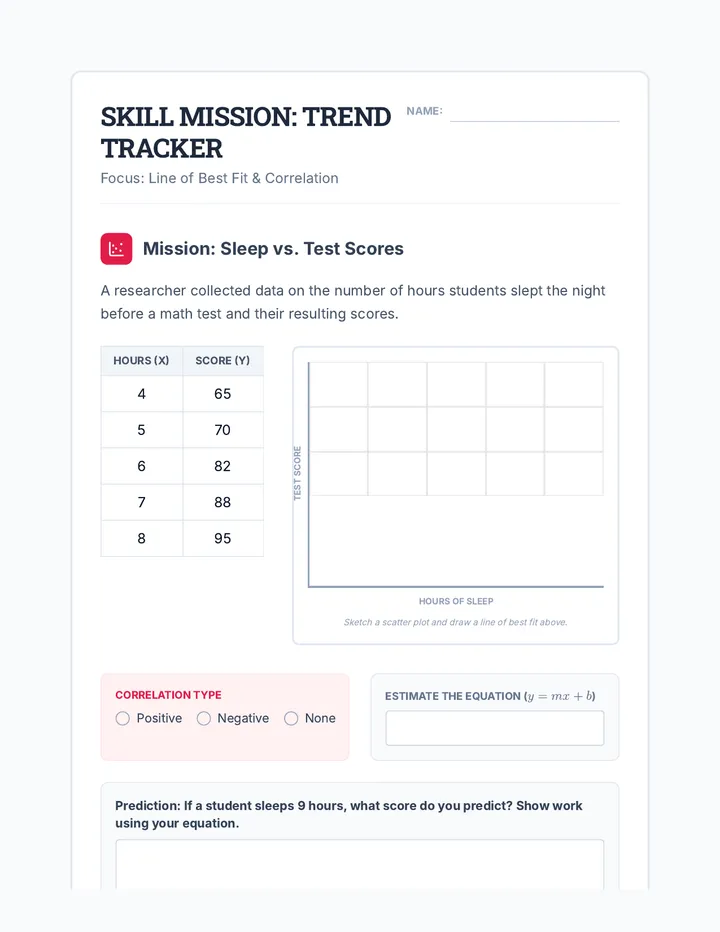
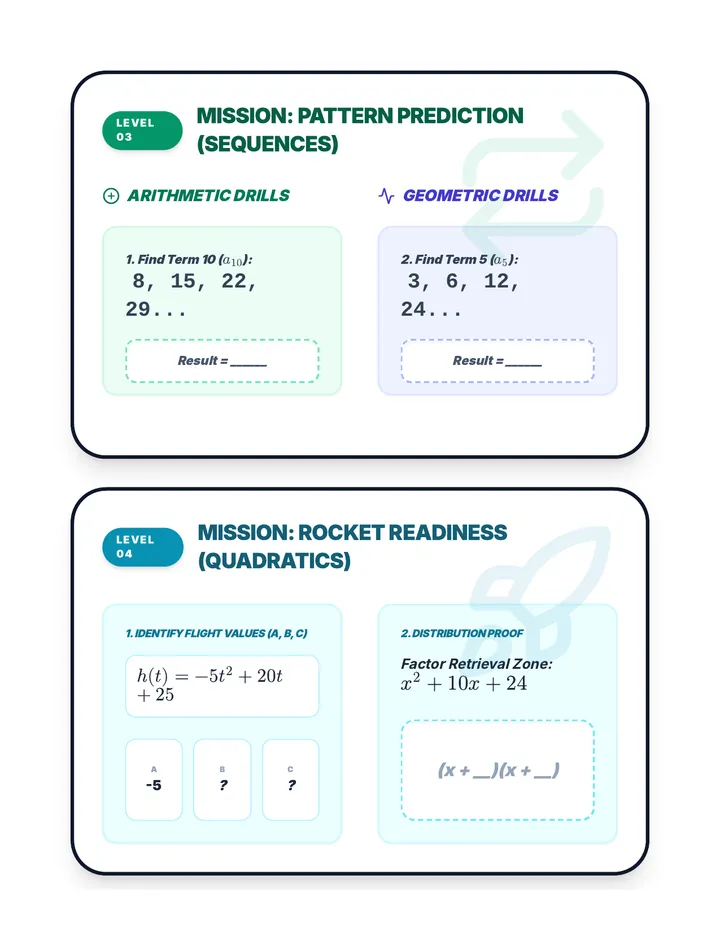
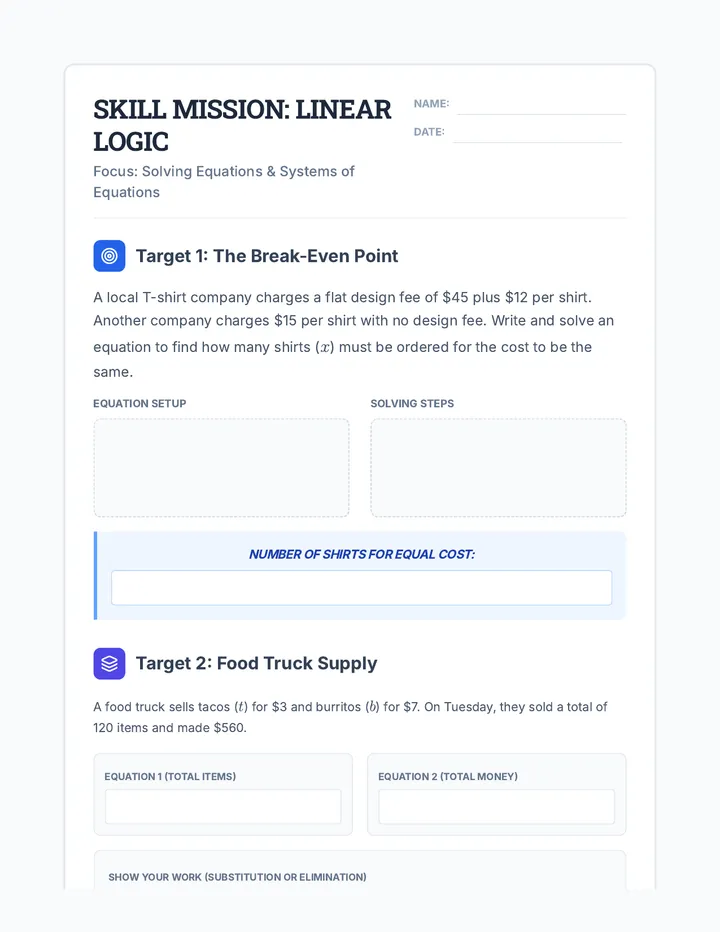
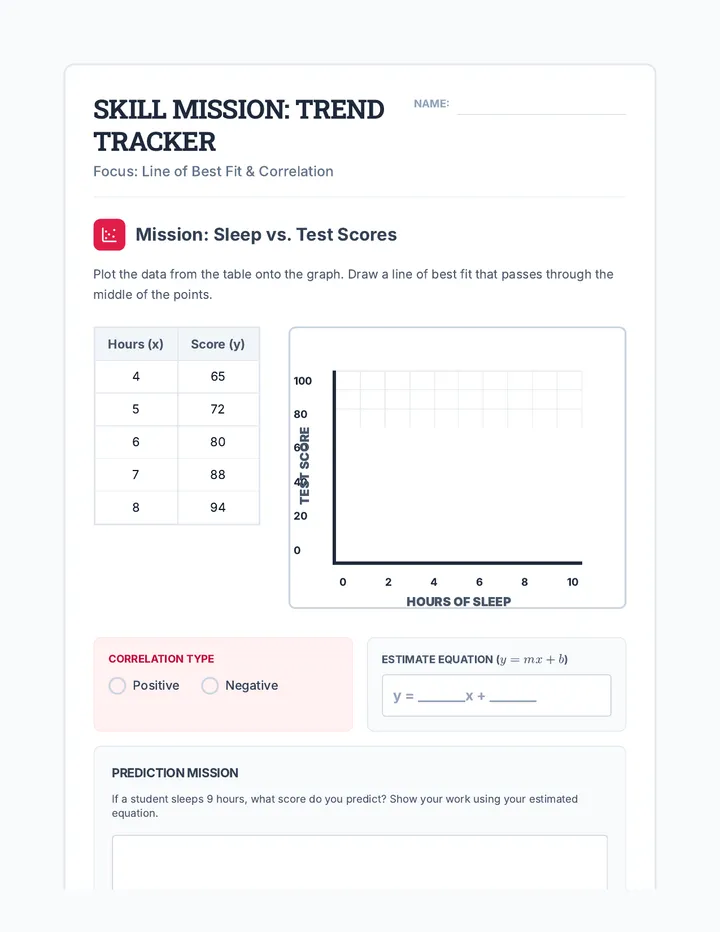
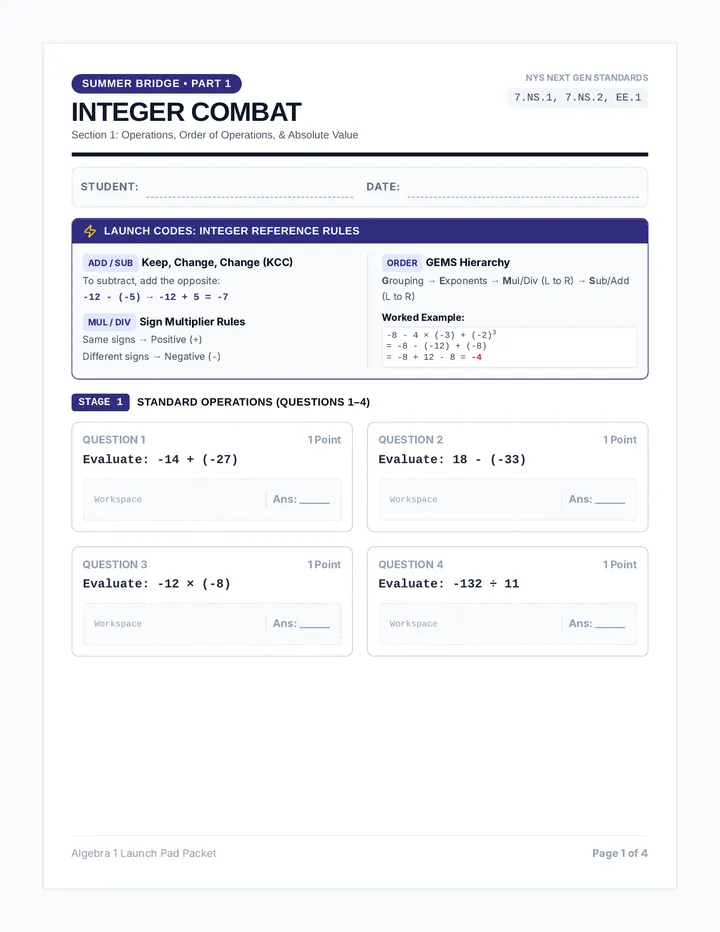
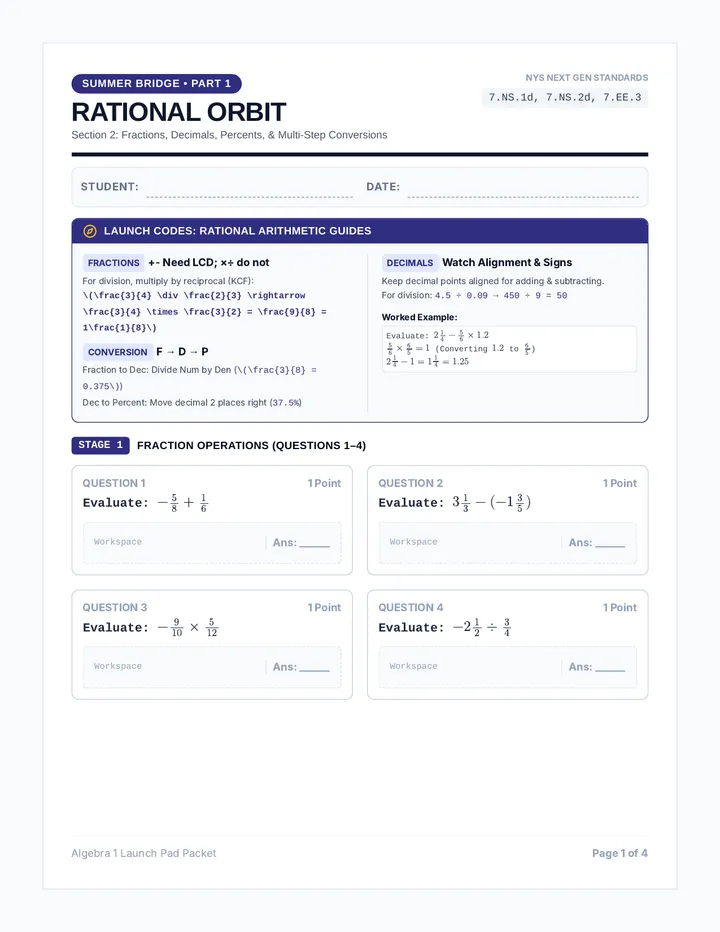
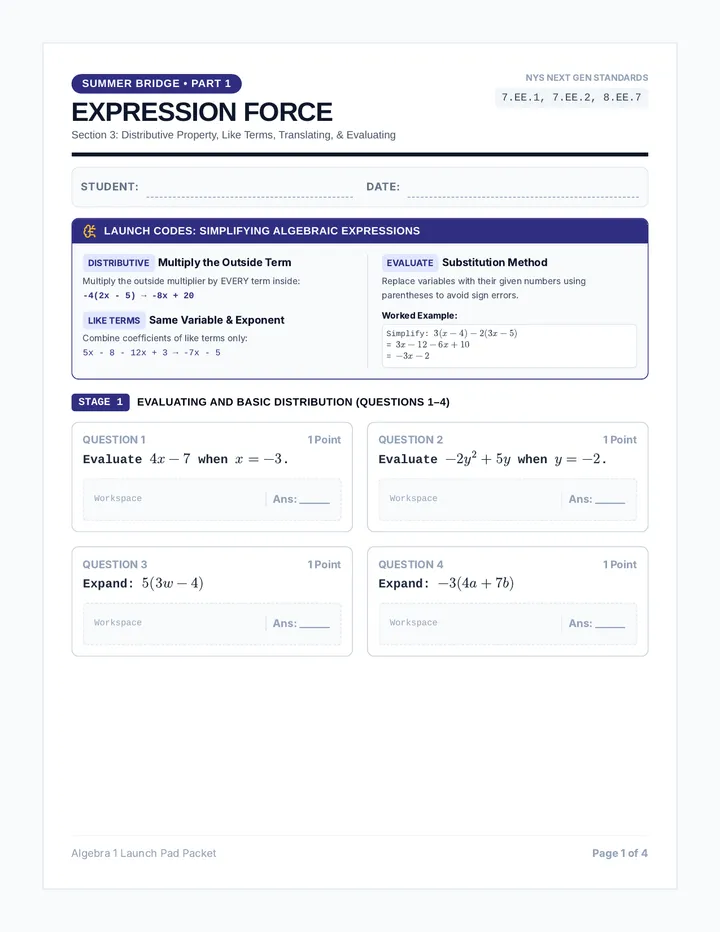
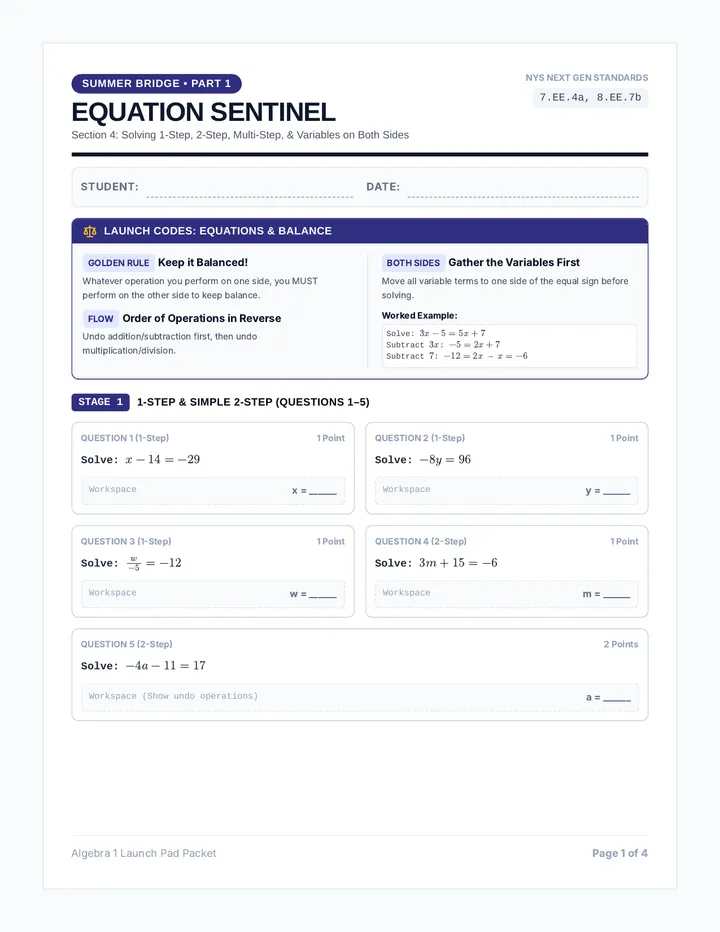
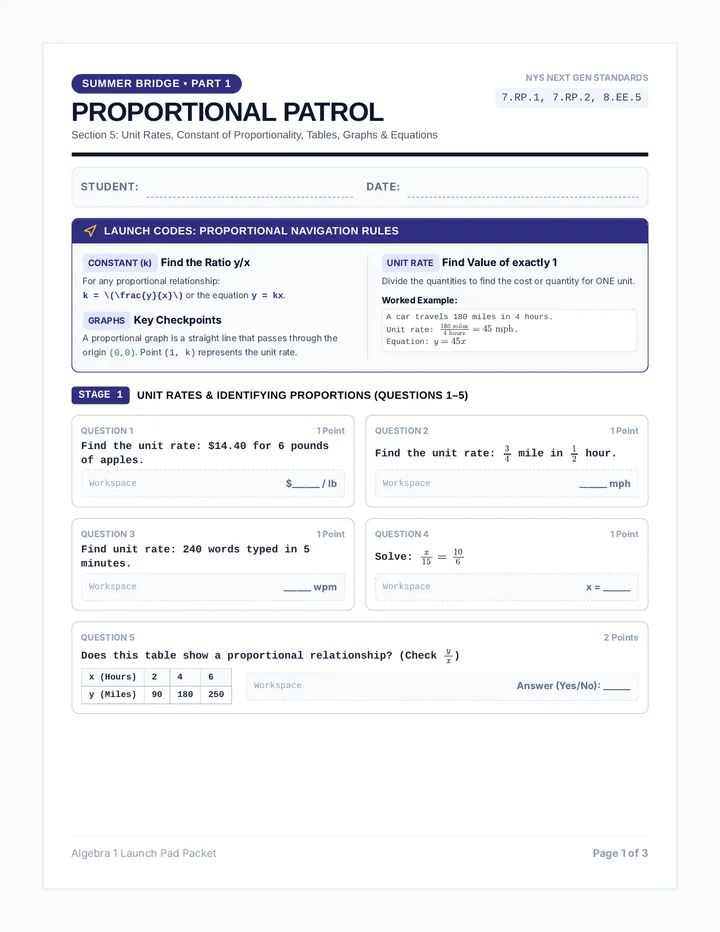
A comprehensive summer bridge workbook for rising 8th graders transitioning to Algebra 1. Contains review of prerequisite topics, advanced pre-algebra skills, real-world application, and an Algebra Escape Challenge.
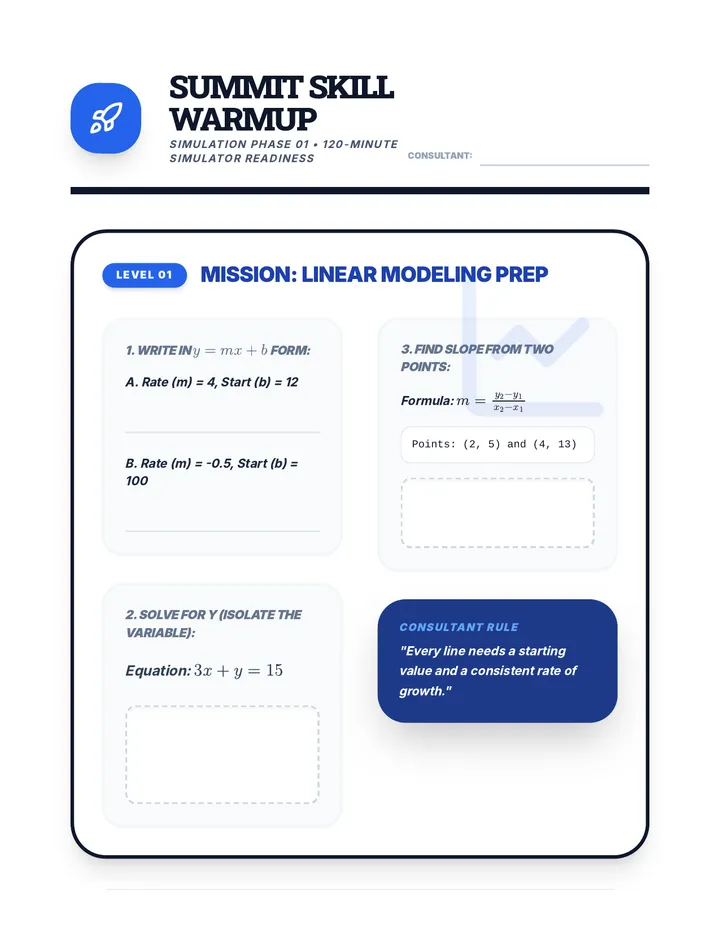
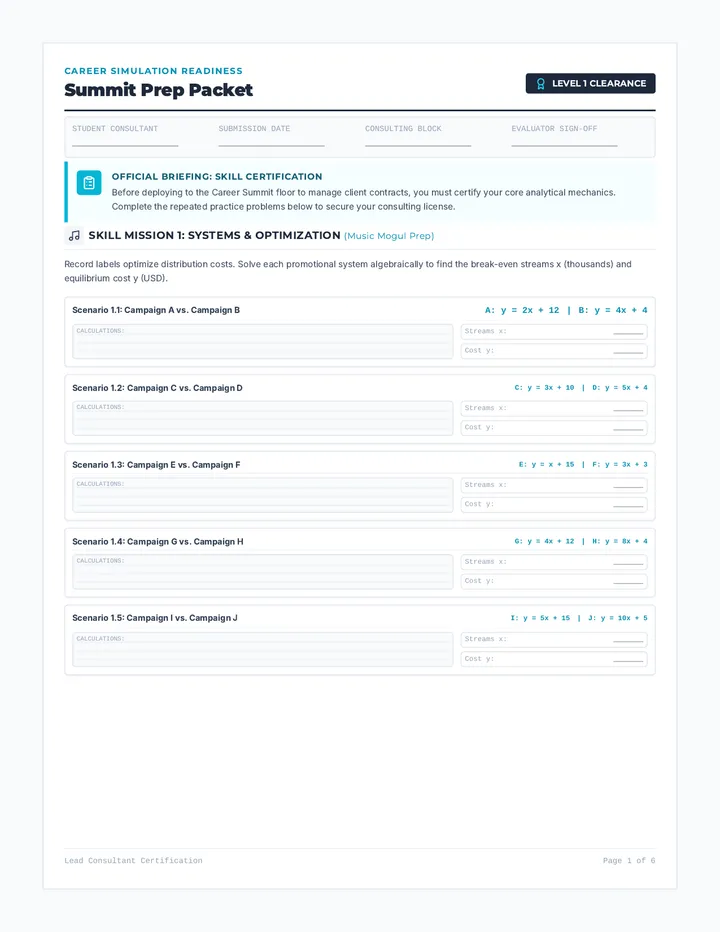
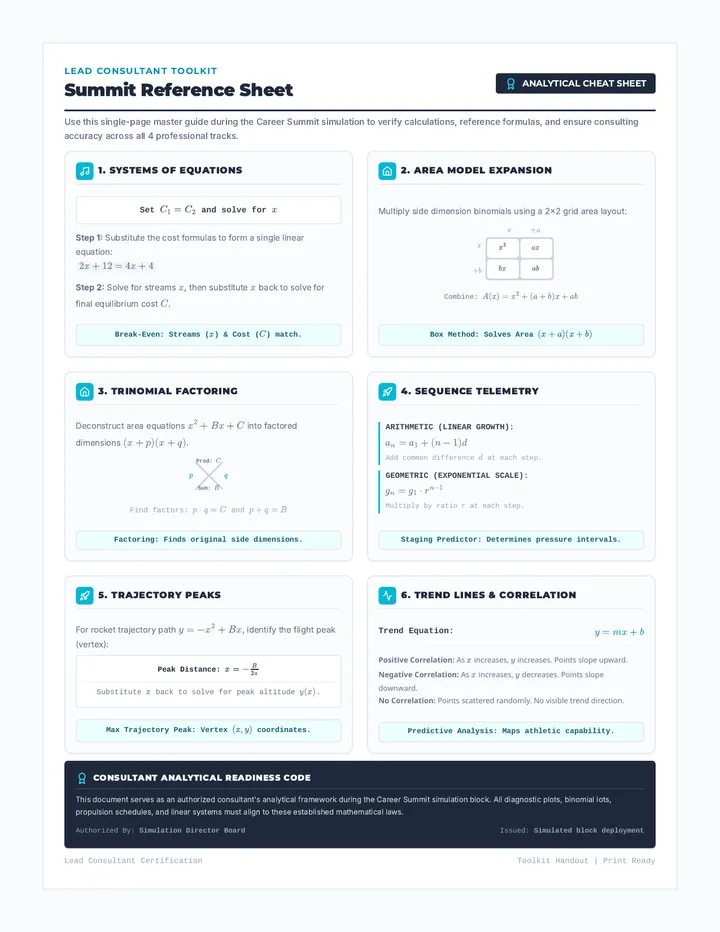
A high-intensity, 120-minute math simulation. Students act as lead consultants, completing a high-speed skill warmup before selecting a professional sector (Music, Urban Planning, Rocket Science, or Sports Analytics) to solve a series of complex work orders.
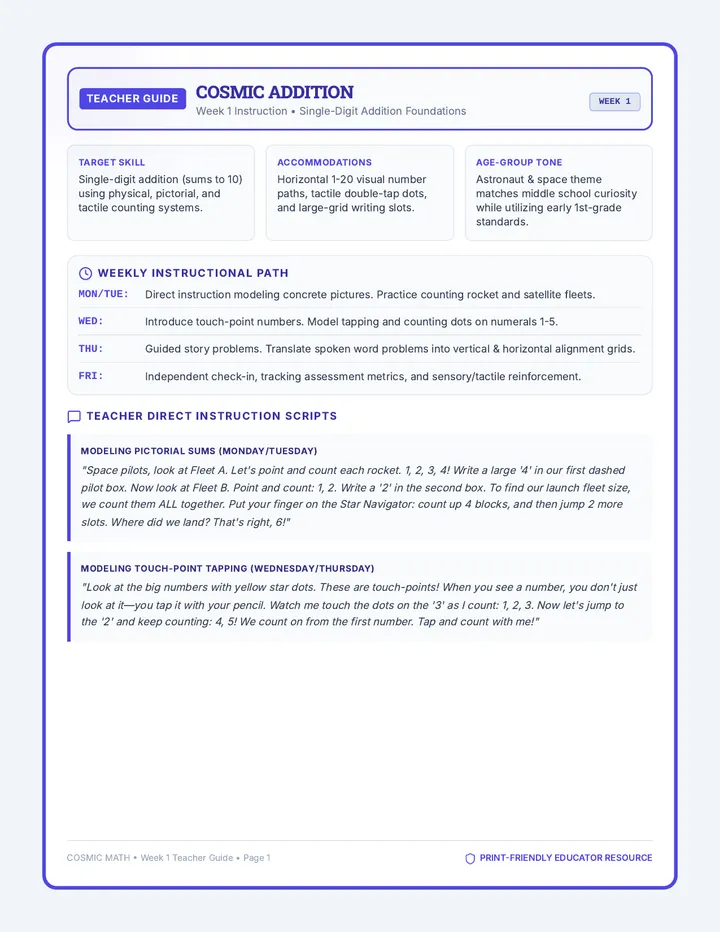
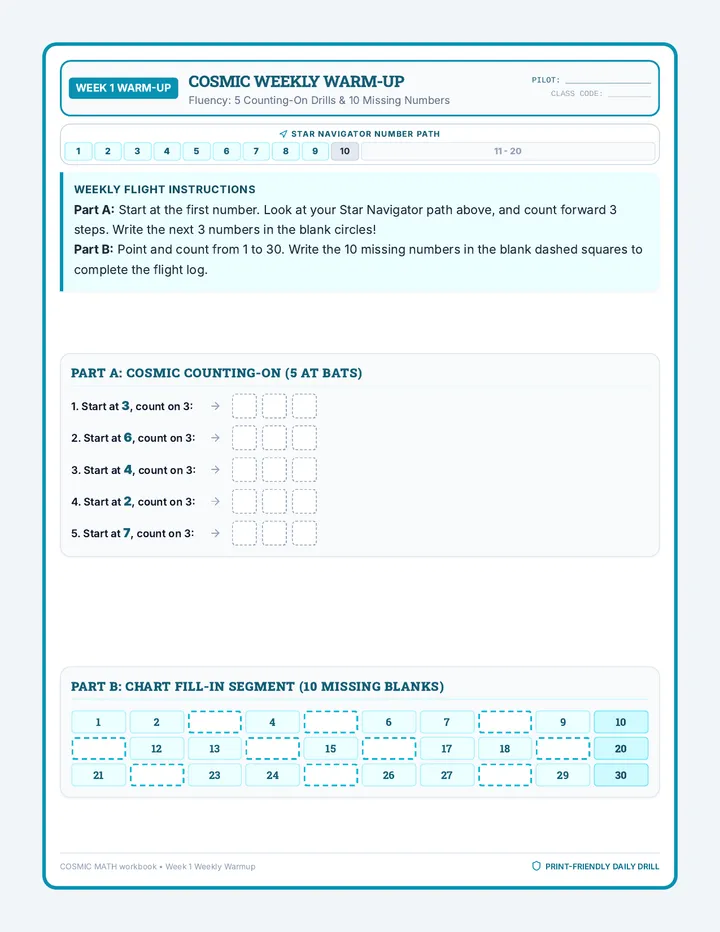
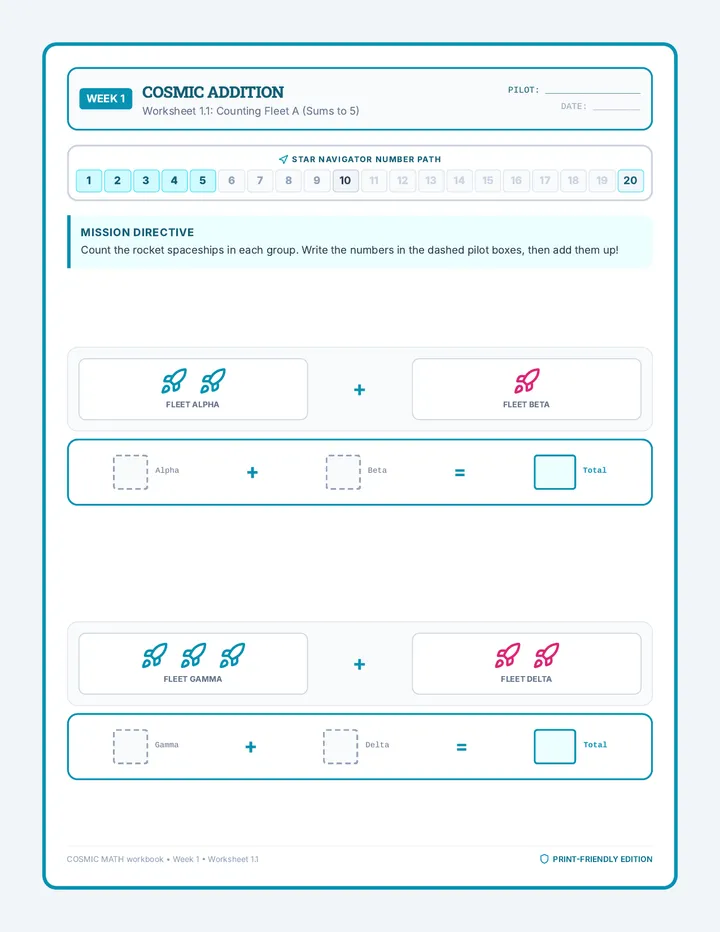
A 4-week math workbook and instructional sequence themed around outer space exploration, specifically designed for middle school students with disabilities (SWDs) working at an early 1st-grade level. Features embedded touch-points, base-ten icons, visual number paths, and age-appropriate space exploration visuals to teach single-digit operations, place value, and patterns.
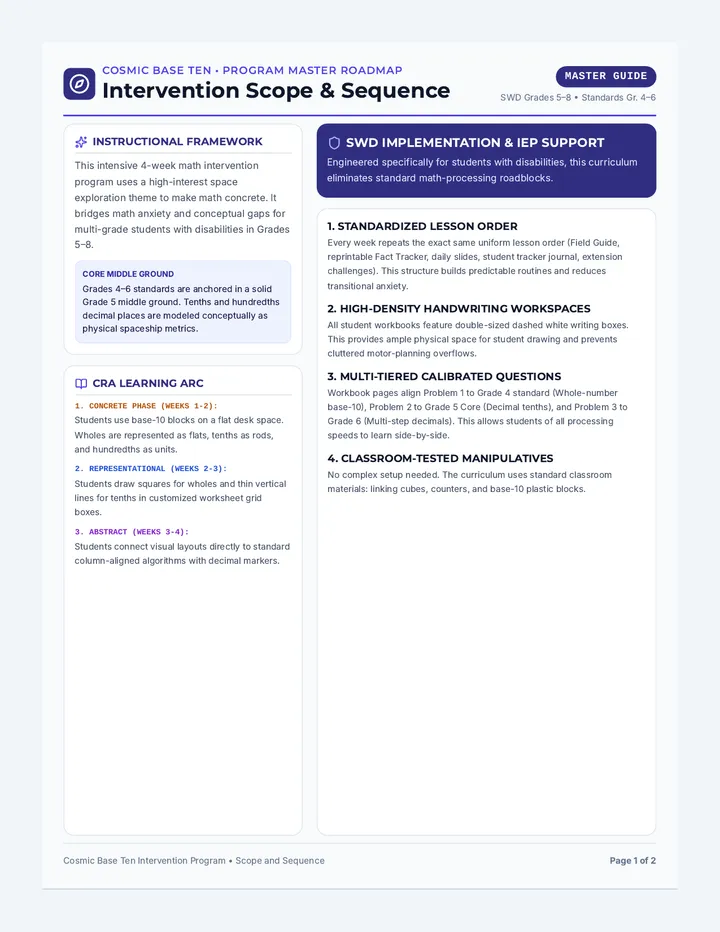
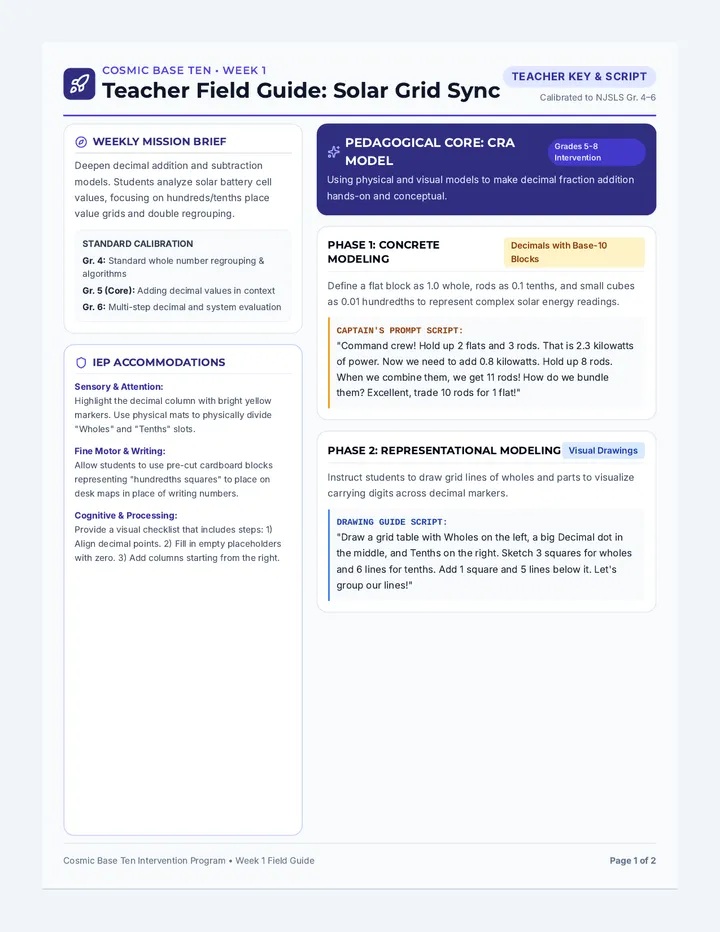
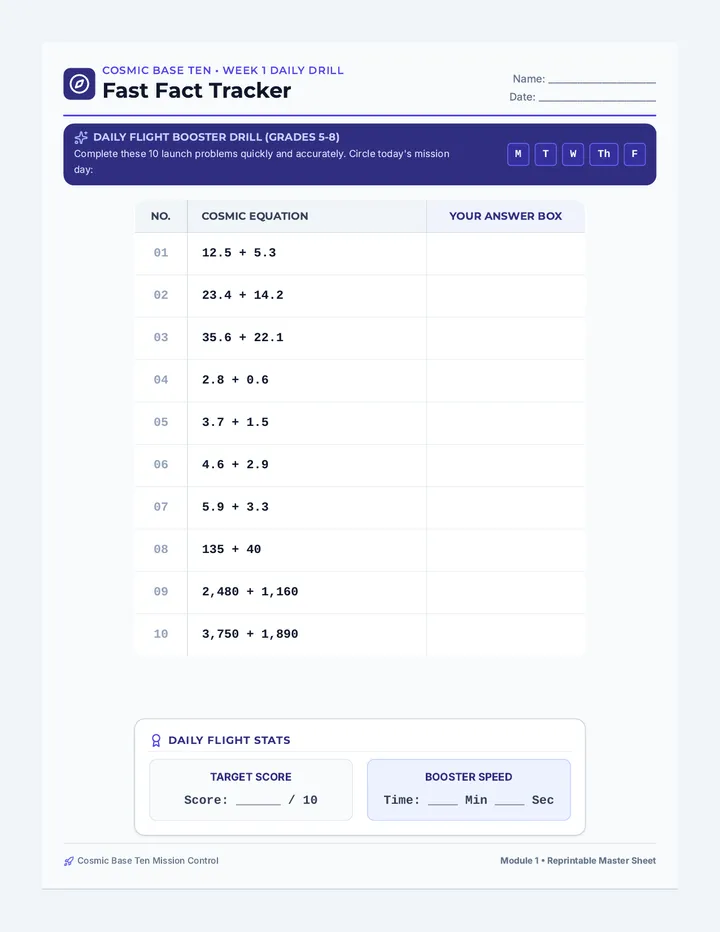
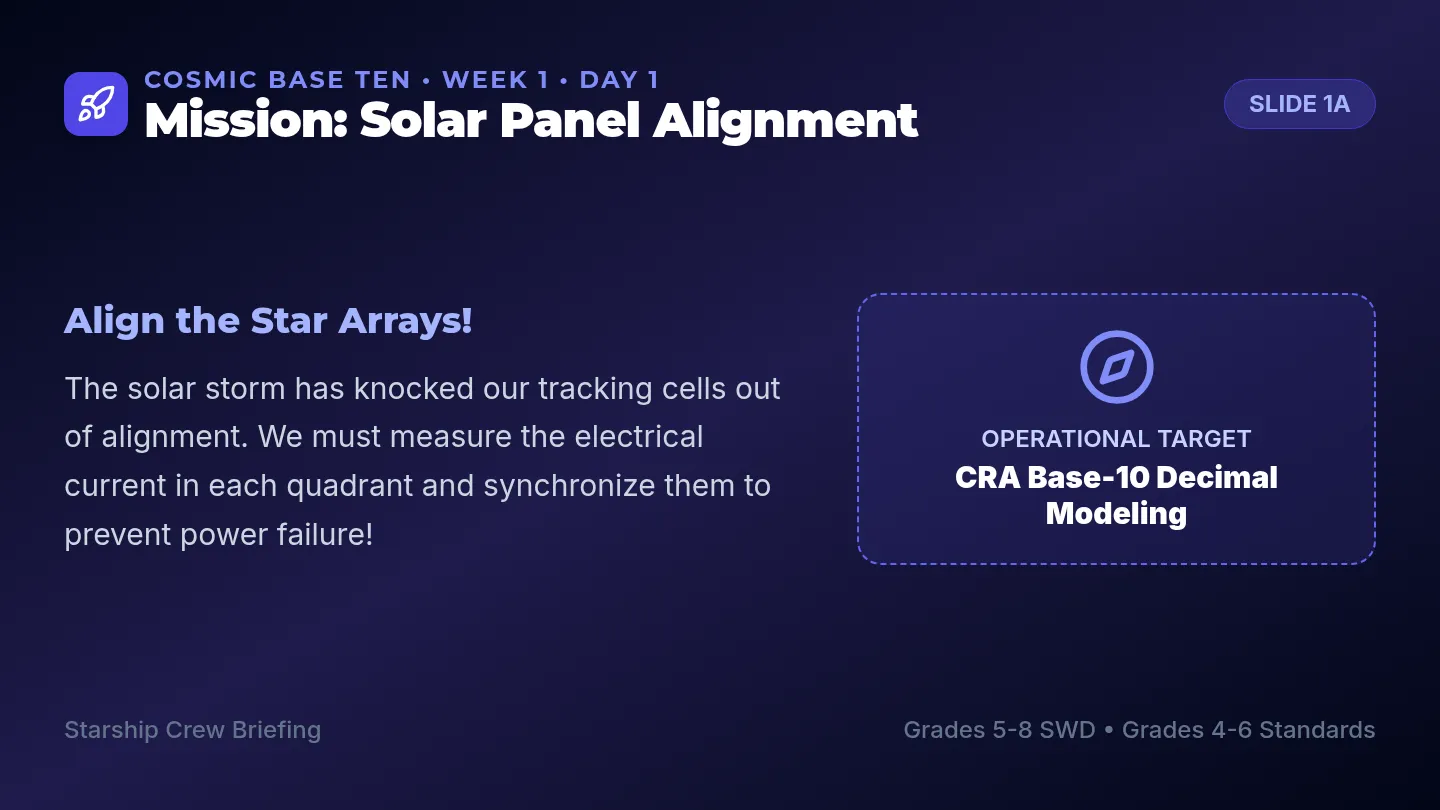
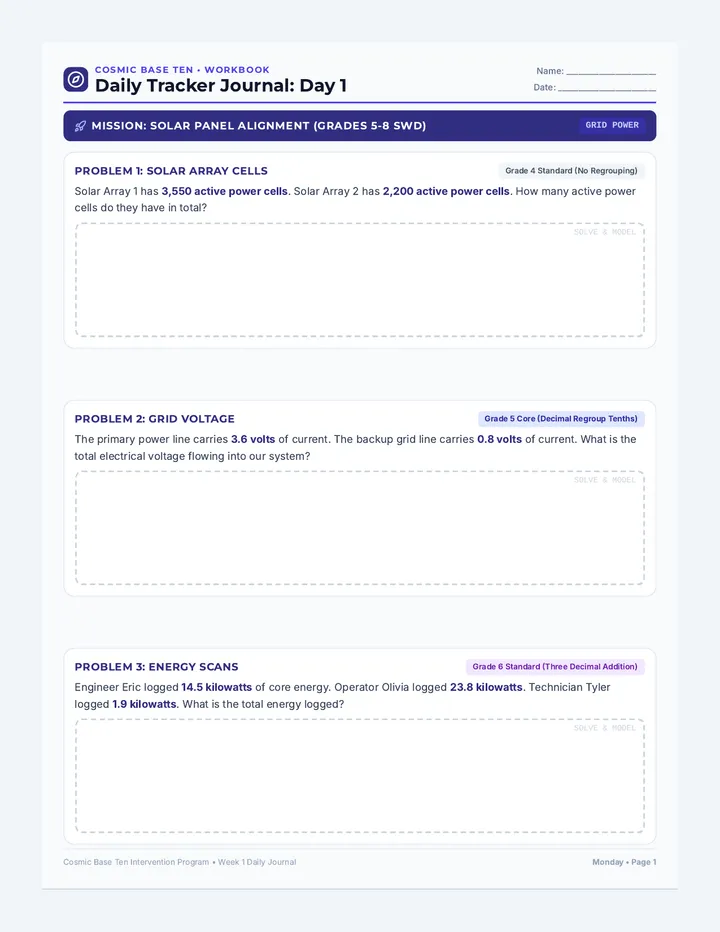
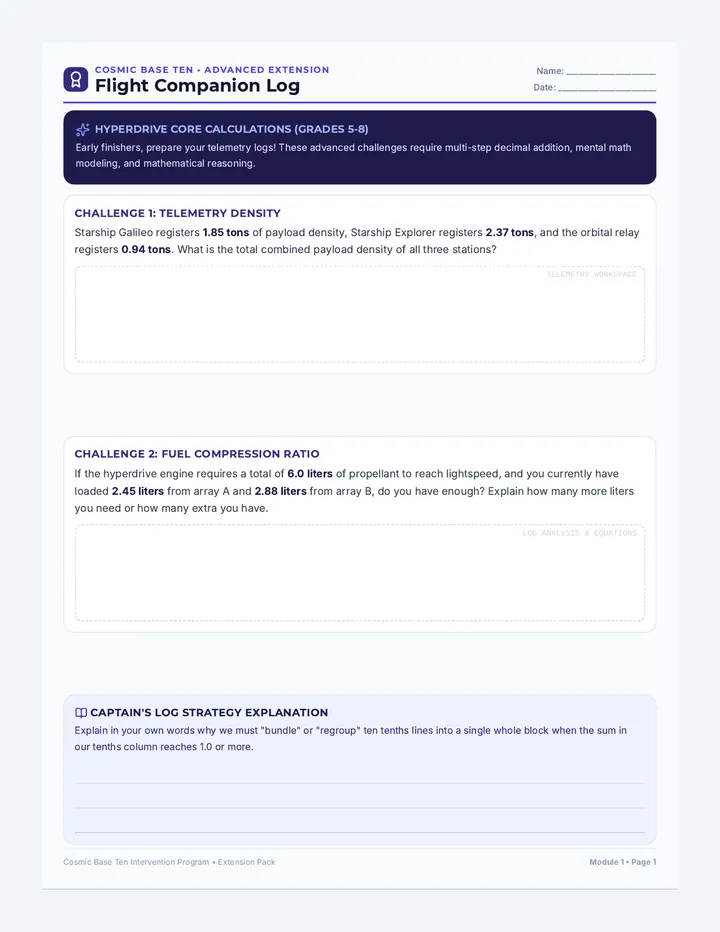
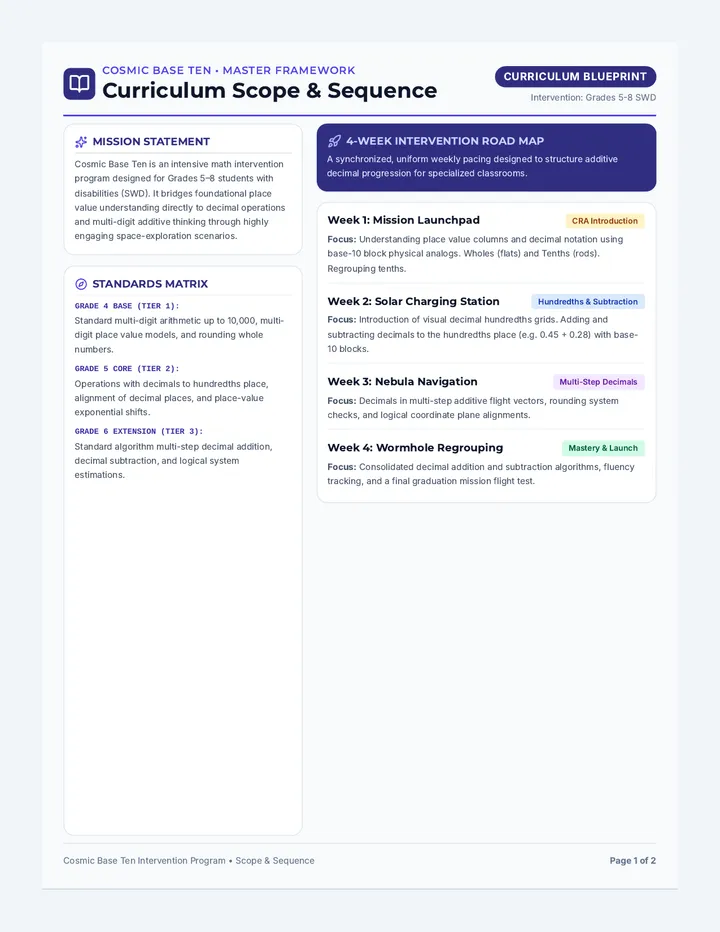
A 4-week intensive math intervention program set in a space exploration universe, designed for multi-grade students with disabilities in Grades 5–8. It covers additive thinking, place value, and decimal regrouping, anchored in Grades 4–6 standards with a Grade 5 core middle ground.
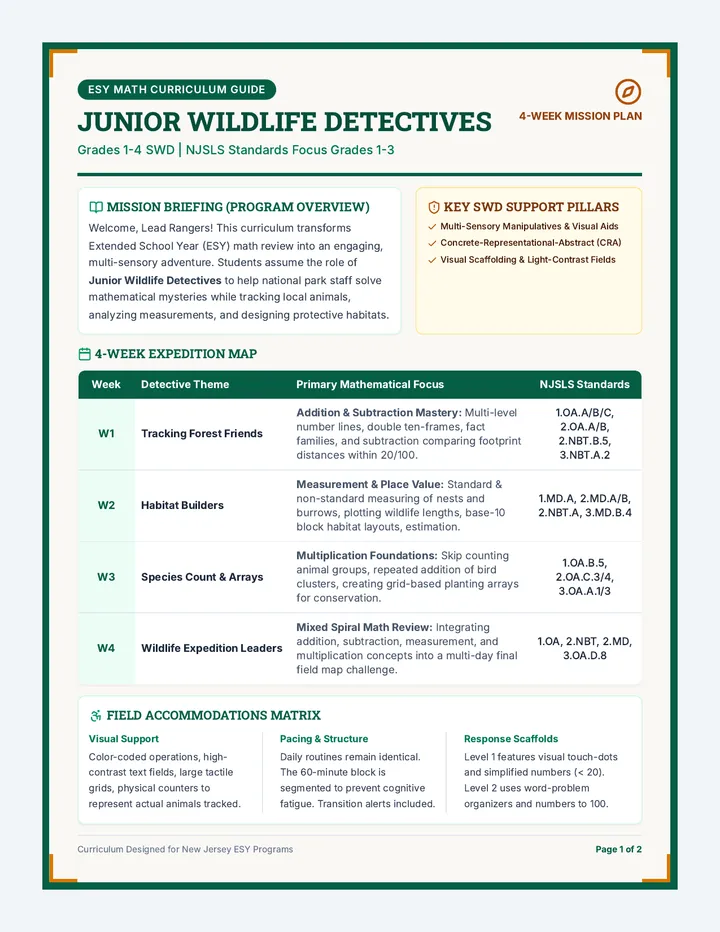
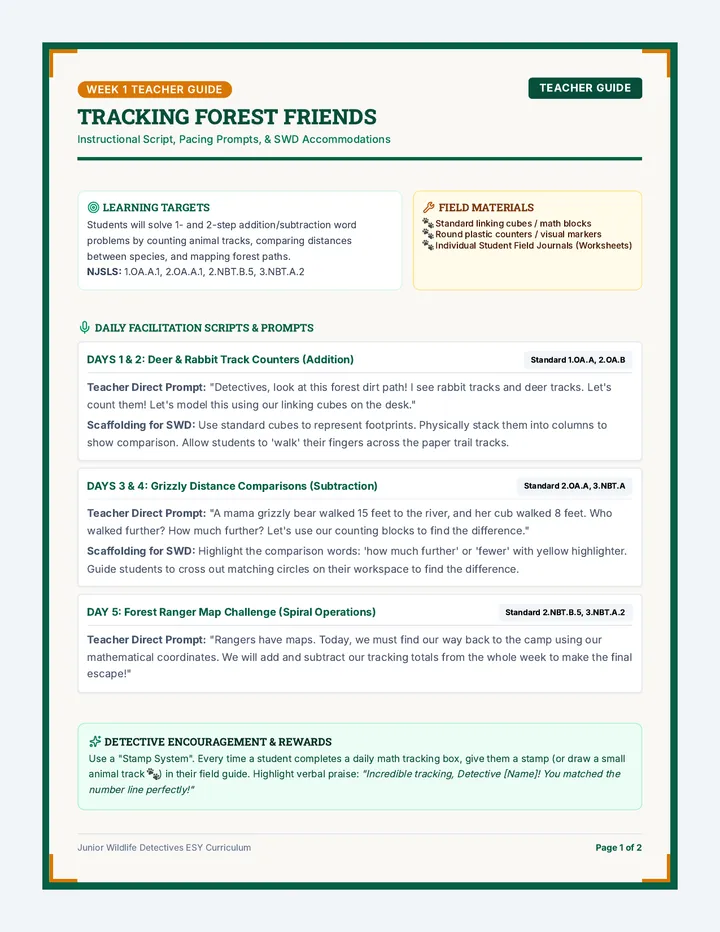
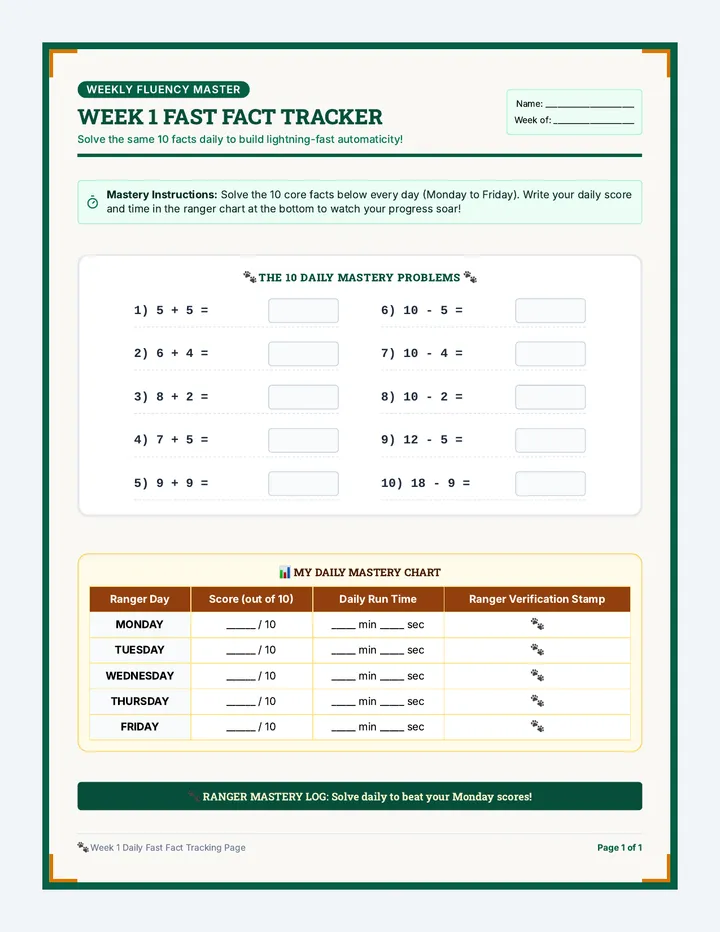
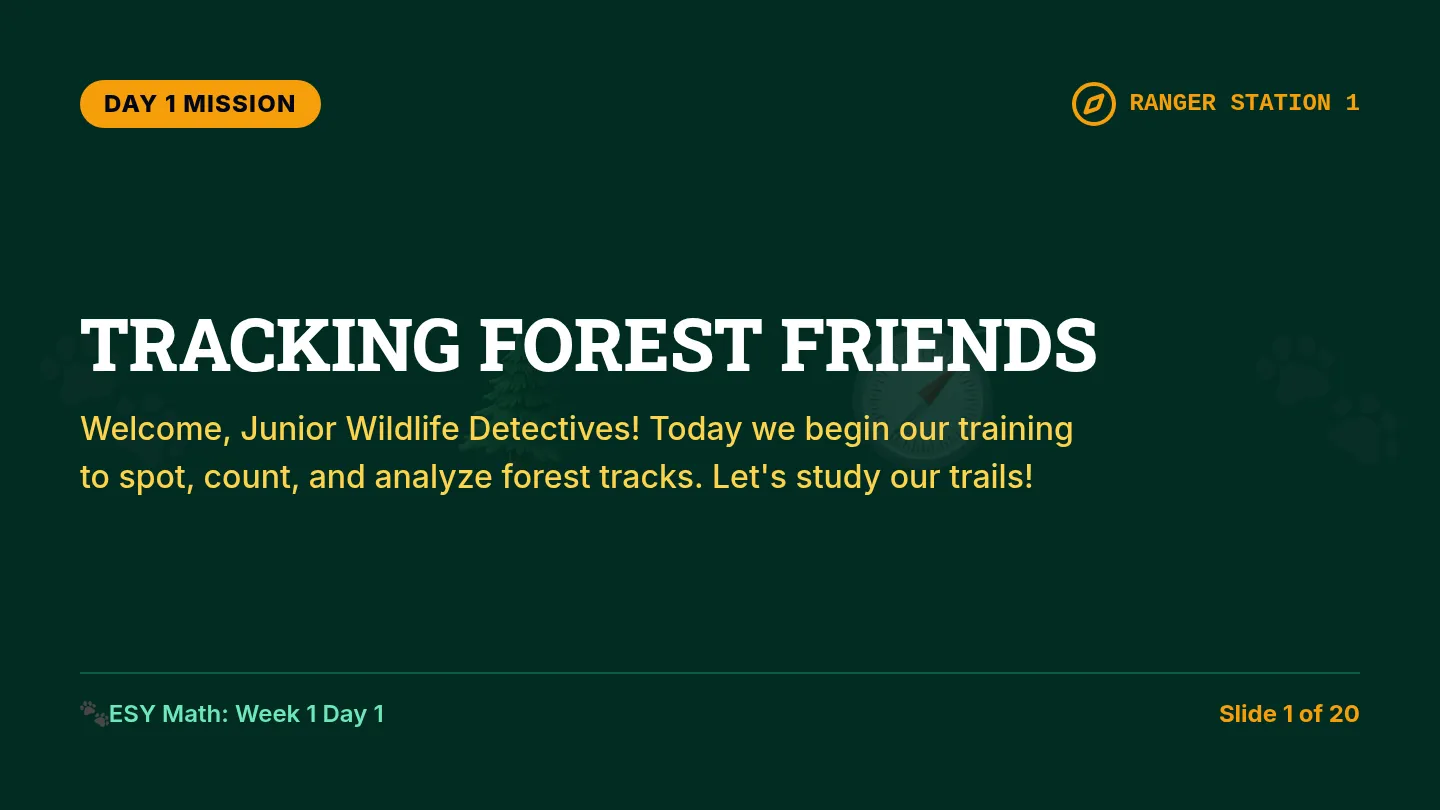
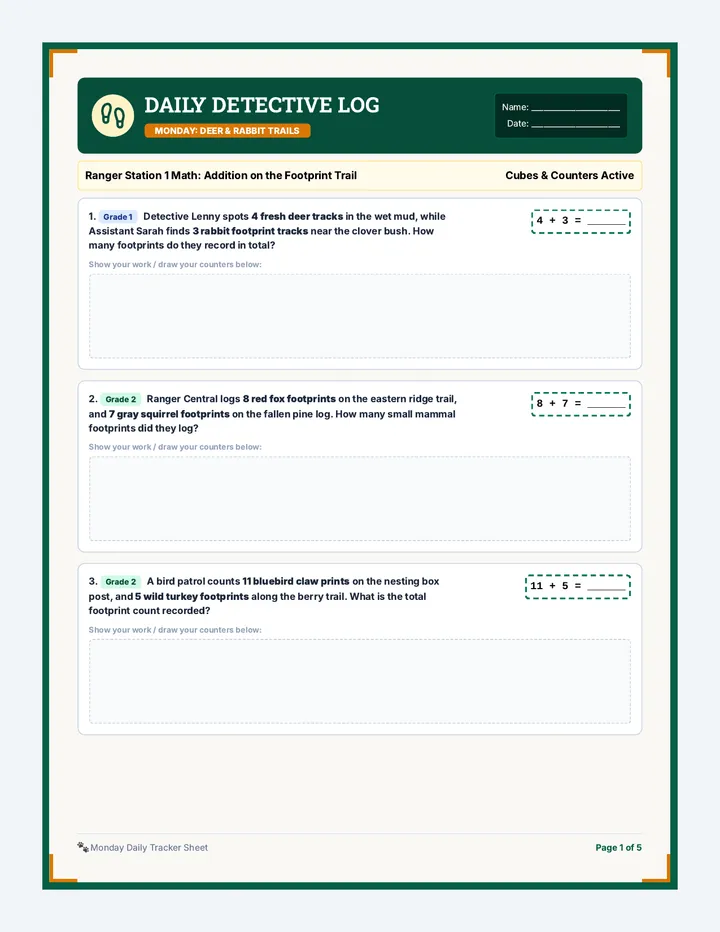
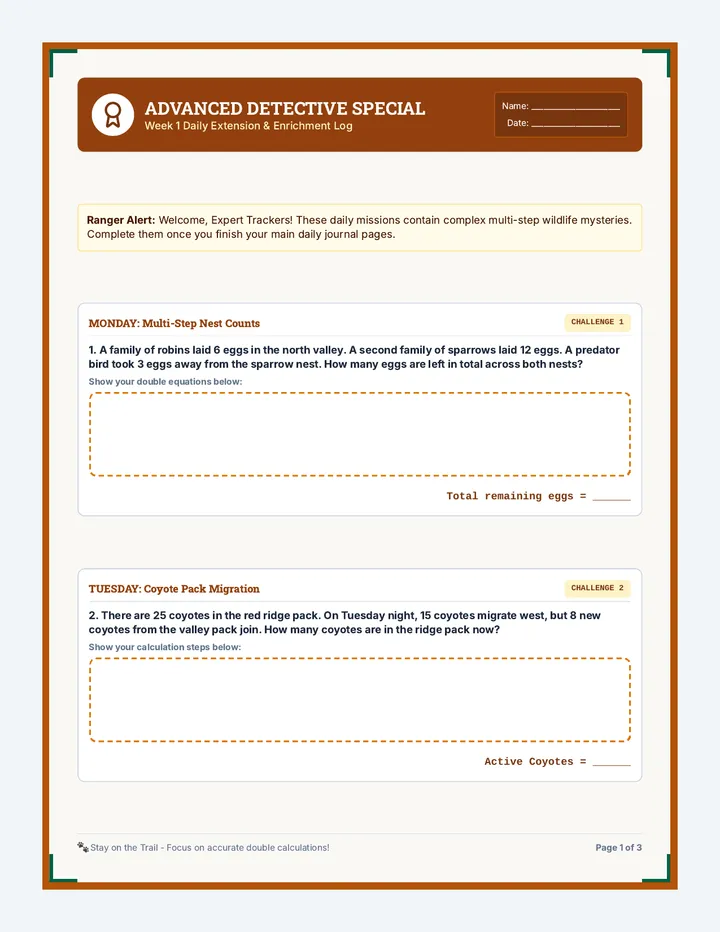
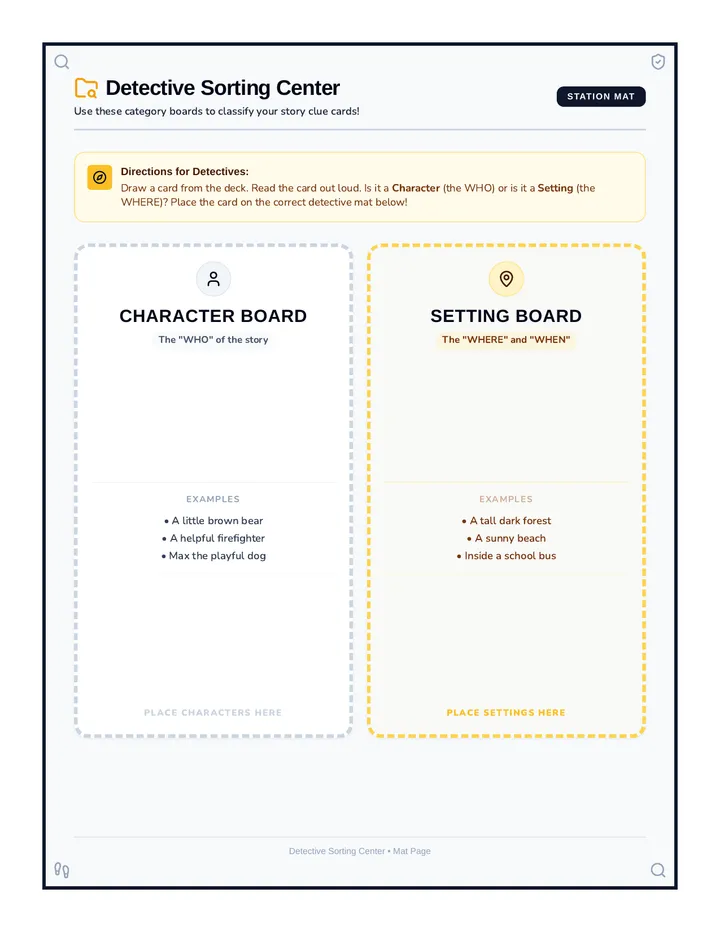
A 4-week Extended School Year (ESY) Math curriculum for Students with Disabilities (SWD) in grades 1-4. Using an engaging 'Junior Wildlife Detectives' theme, students track animals, measure habitats, and categorize species while mastering addition, subtraction, place value, and multiplication foundations aligned with NJ Student Learning Standards (NJSLS) for grades 1-3.
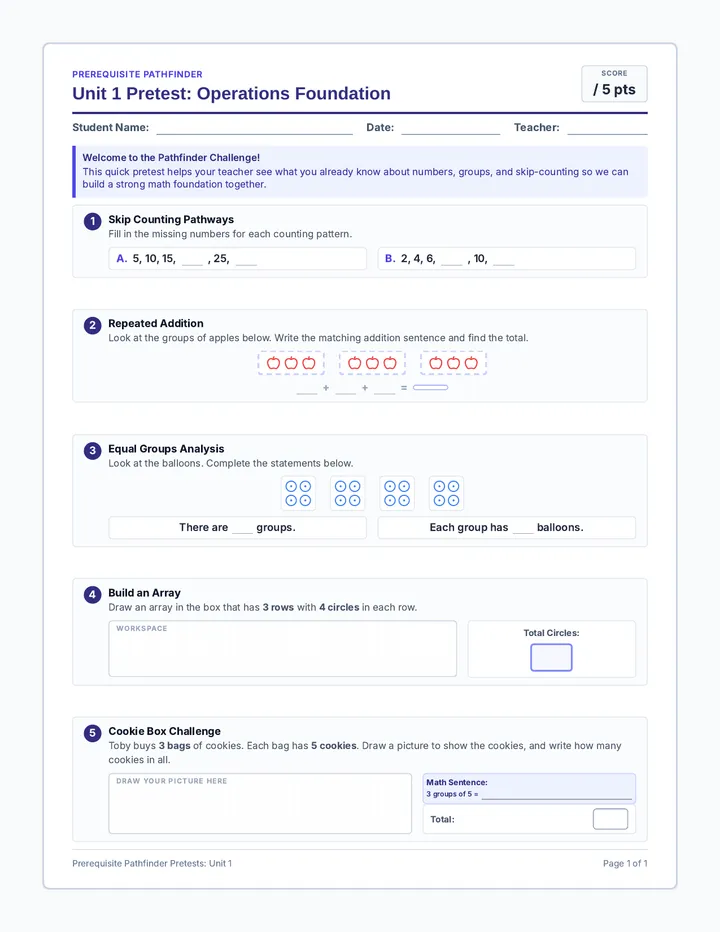
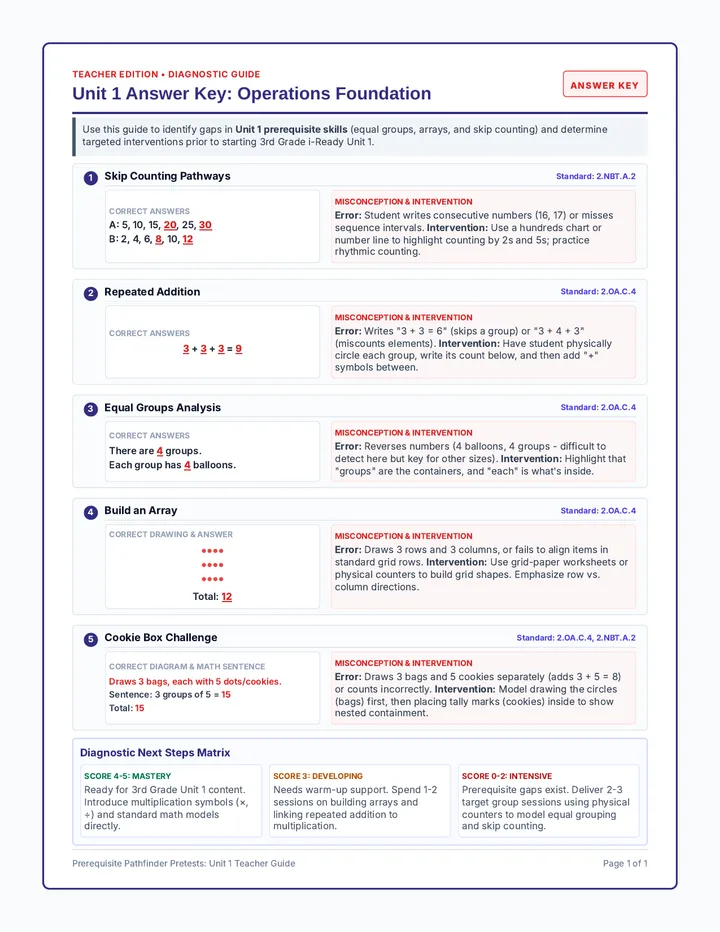
A diagnostic assessment pack designed to diagnose prerequisite skill gaps for 3rd-grade i-Ready Math units. Includes 5 distinct student-facing pretests and 5 teacher answer keys with diagnostic insights and recommended intervention actions.
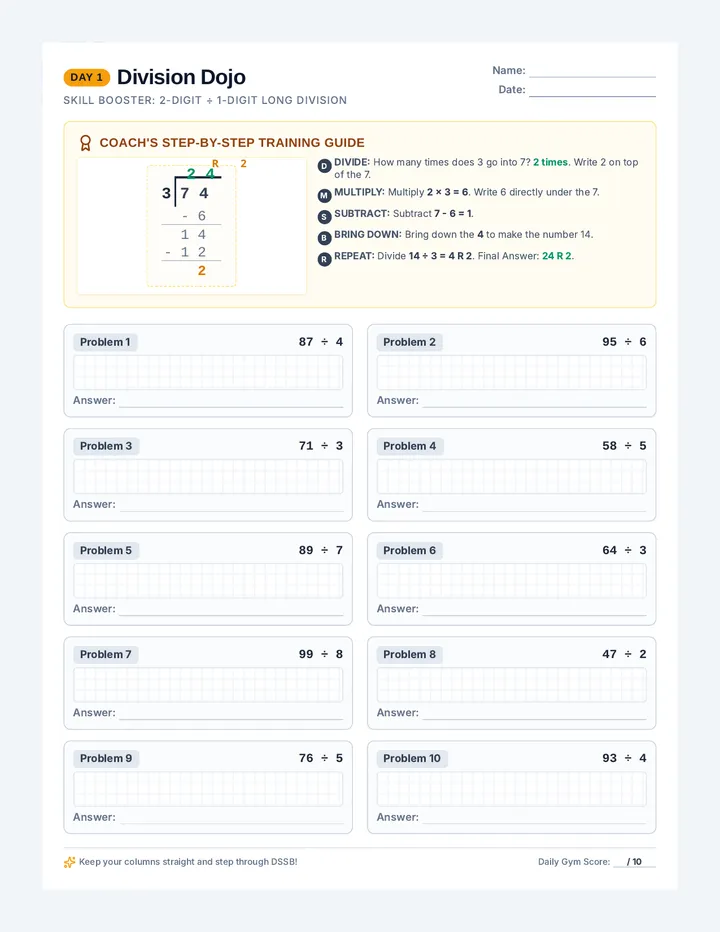
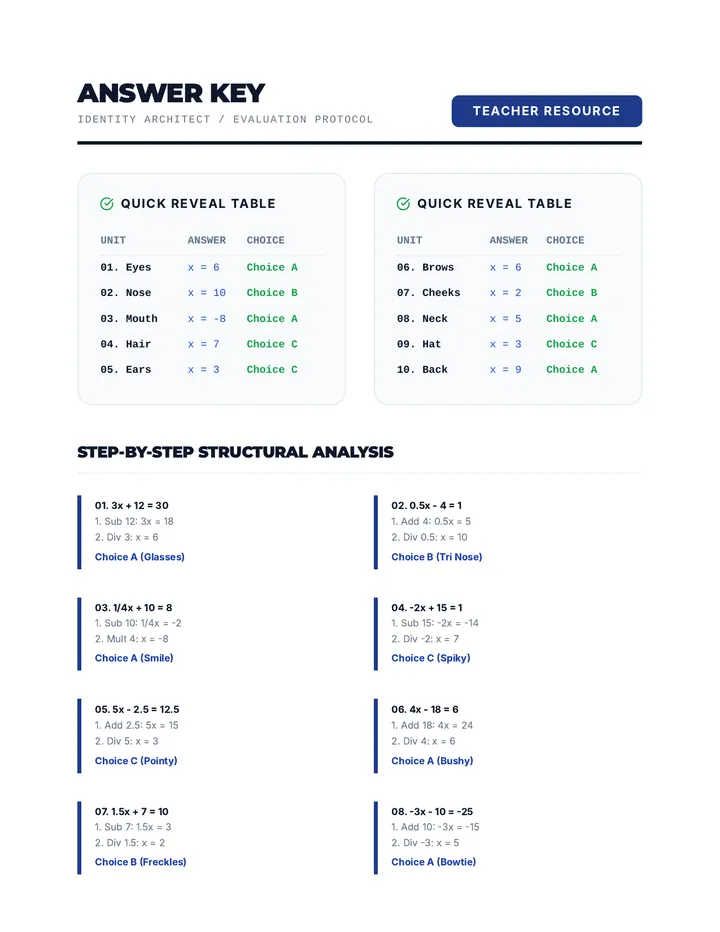
A six-day targeted daily practice series designed to reinforce critical middle school math skills. Each single-page worksheet features a scaffolded, step-by-step solved example followed by 10 targeted practice problems with dedicated workspace.
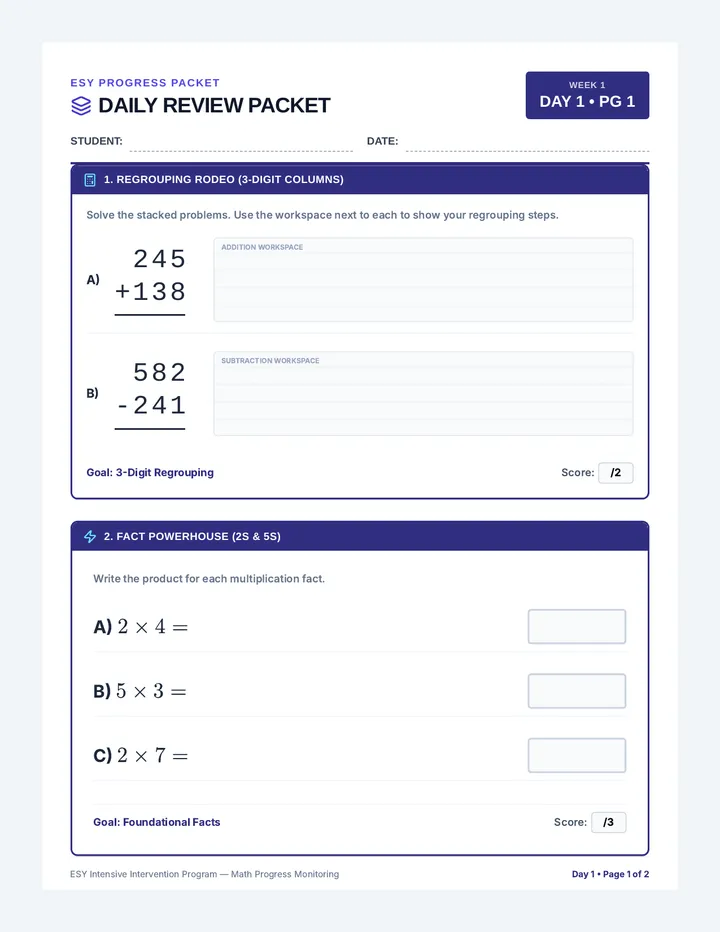
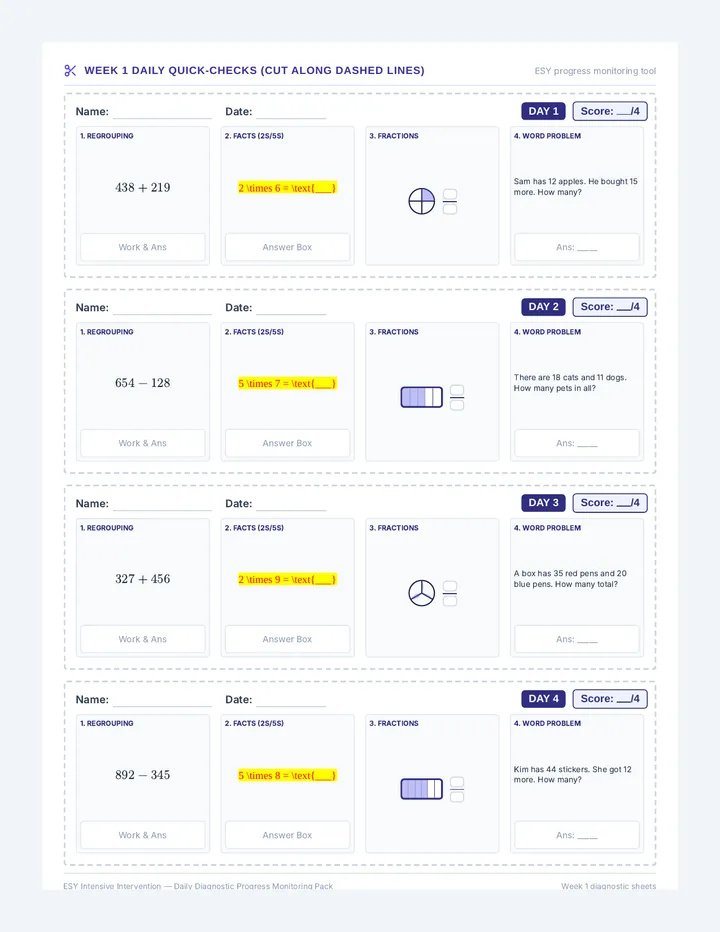
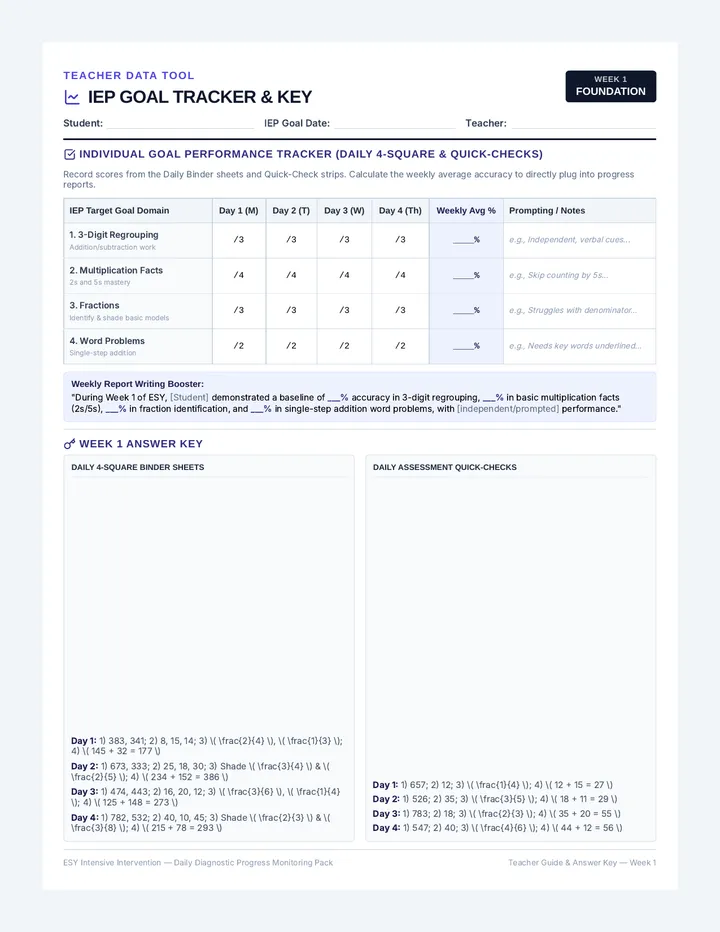
A 4-week intensive math progress-monitoring and practice sequence designed for Extended School Year (ESY). It provides daily 4-square review packets and daily quick-check diagnostic strips focusing on four critical IEP goals: 3-digit regrouping, multiplication facts, word problems, and fractions.
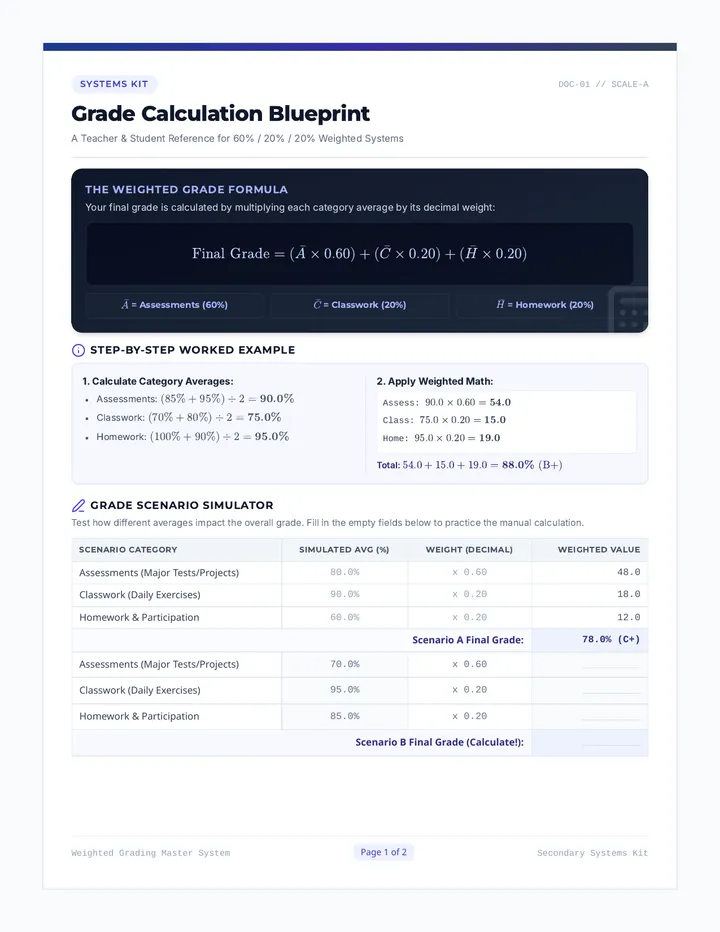
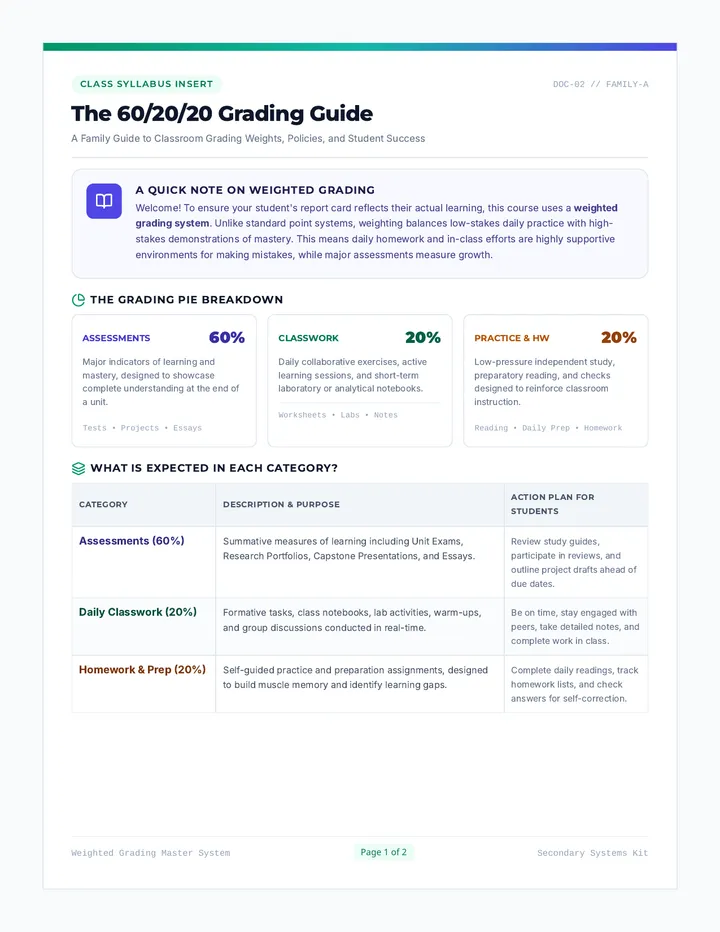
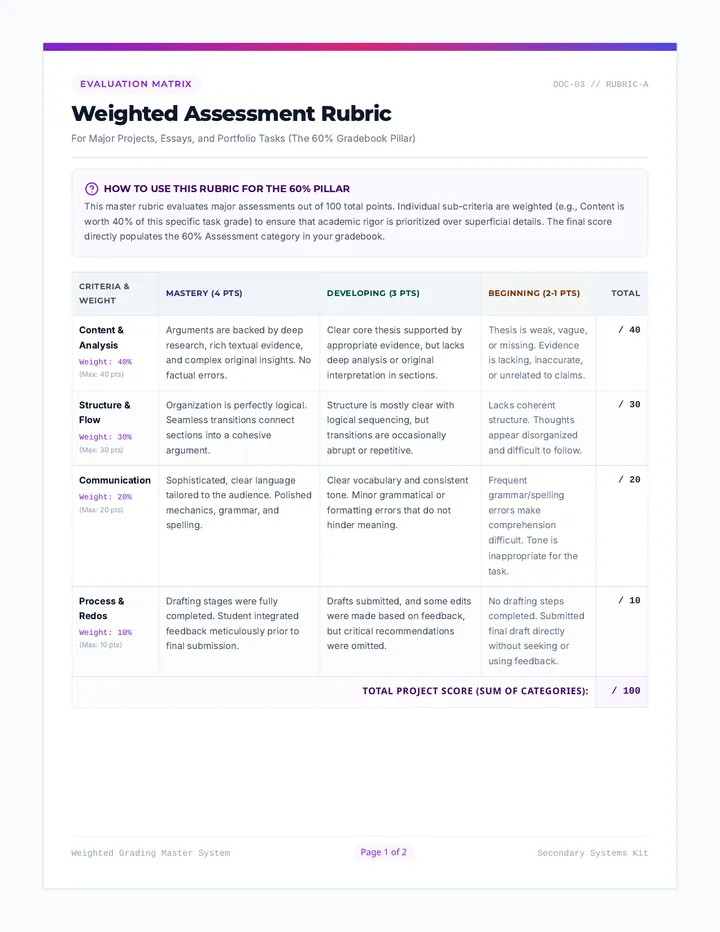
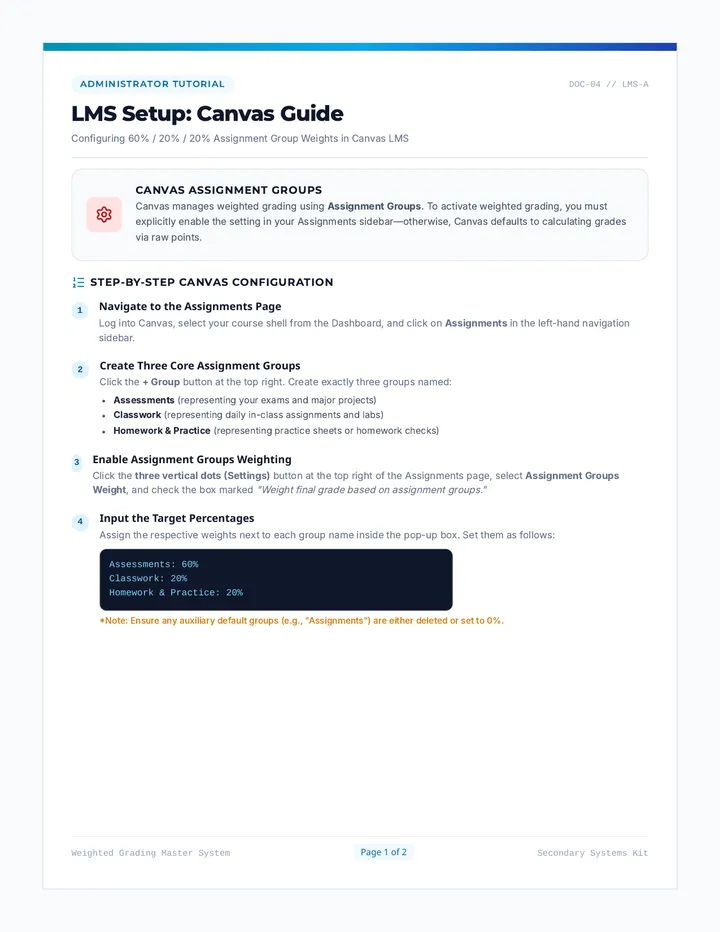
A comprehensive curriculum and systems kit for teachers to design, explain, and manage weighted grading scales in their classrooms. Includes parent communication, spreadsheet tools, rubric builders, and LMS platform setup instructions.
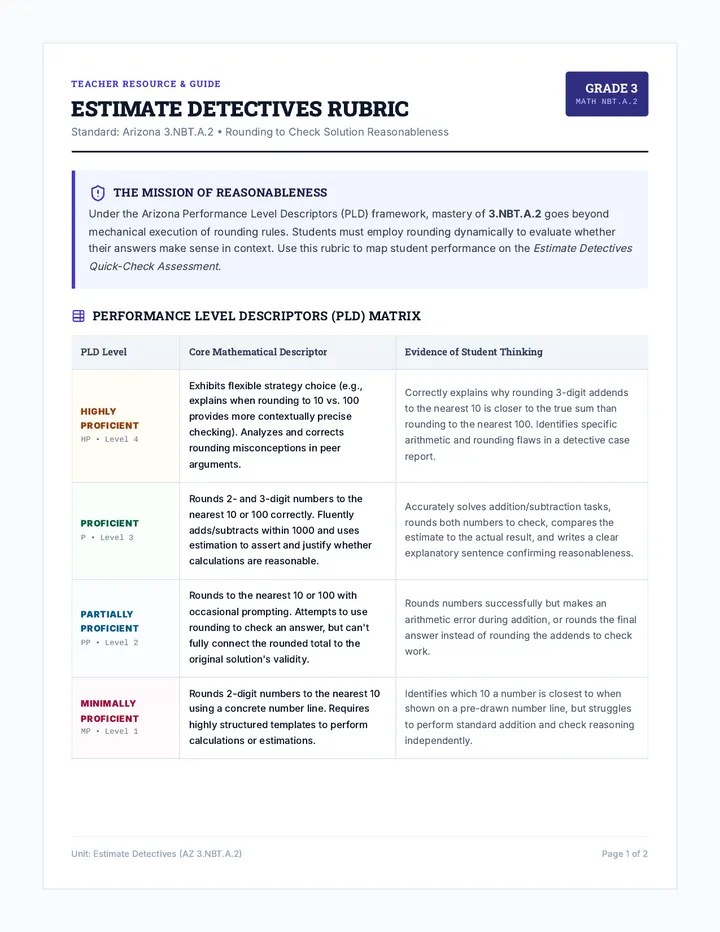
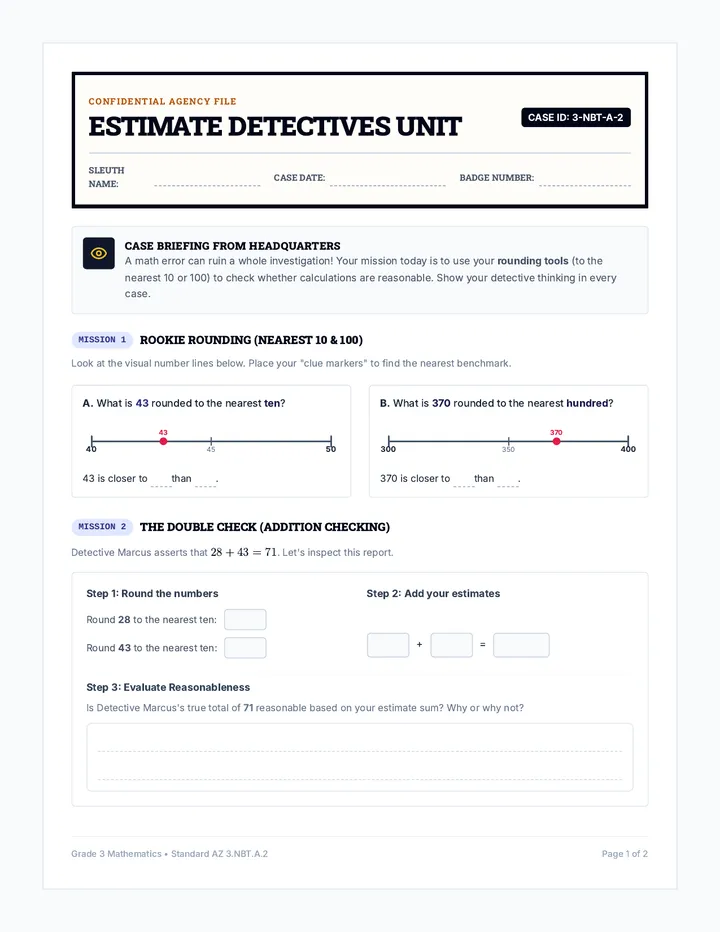
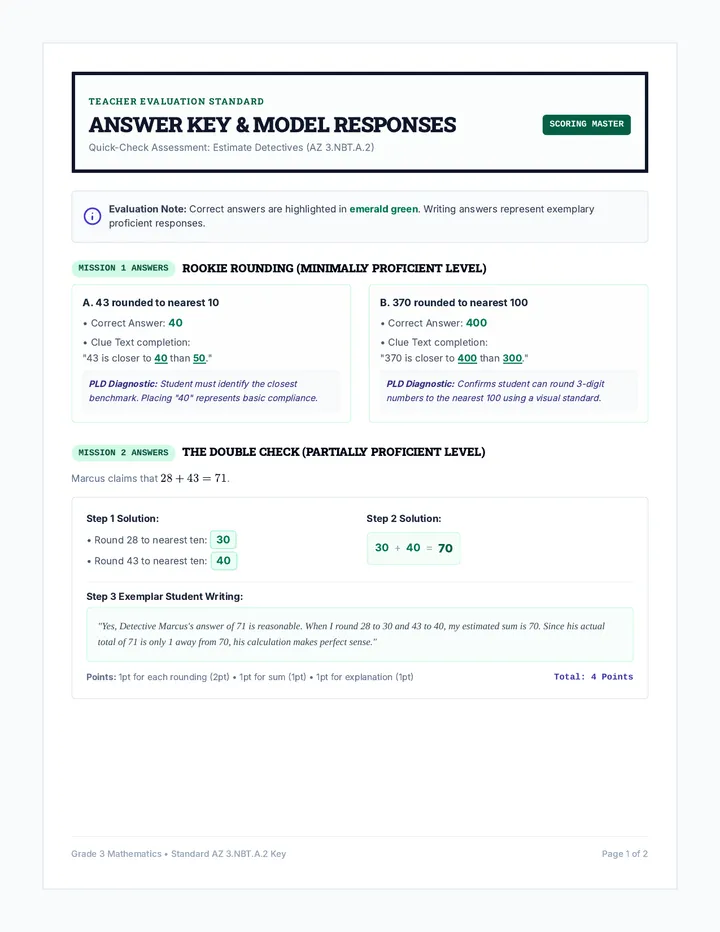
A rigorous, PLD-aligned math sequence targeting third-grade addition, subtraction, and reasonableness under Arizona standard 3.NBT.A.2, framed through interactive detective missions.
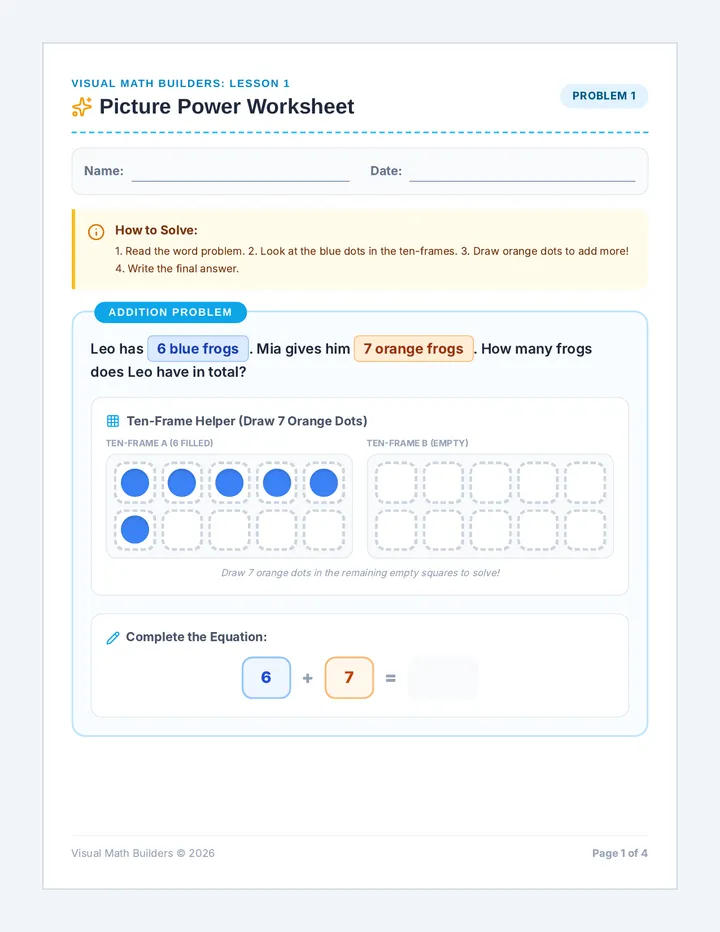
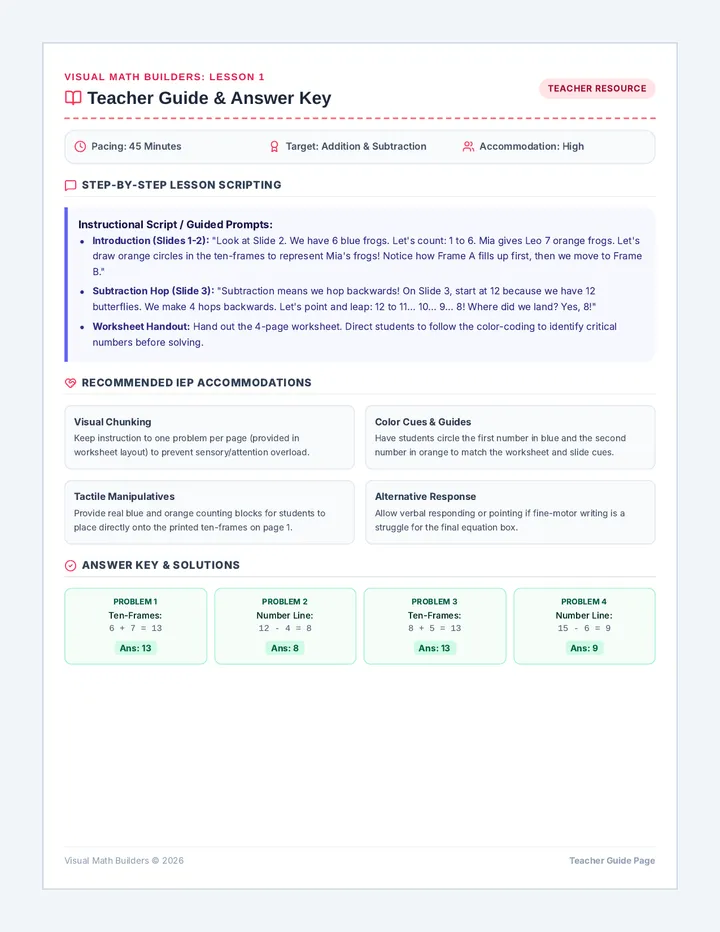
A highly scaffolded math sequence designed for IEP students, featuring intensive visual support, step-by-step graphic organizers, and structured math tasks to build confidence and independence in word problems.
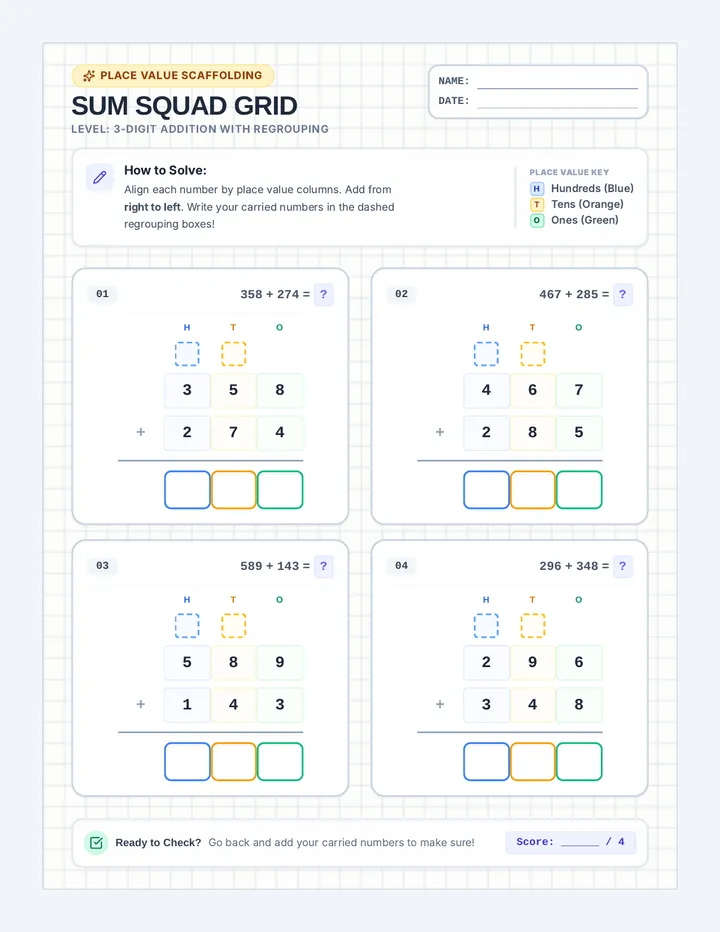
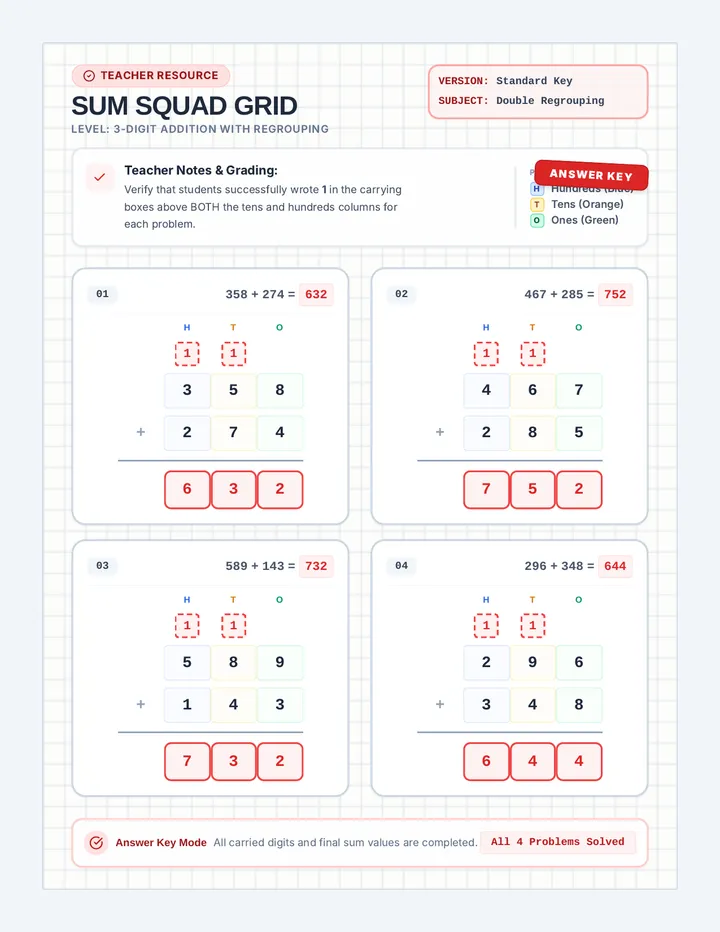
A math scaffolding series designed to build place-value awareness and confidence in multi-digit operations using visual alignment guides and regrouping organizers.
A series of early elementary foundational math and reading lessons designed for 1st and 2nd grade classrooms.
A curriculum sequence combining math, art, and drafting to explore geometric scale, spatial relationships, and coordinate systems in design.
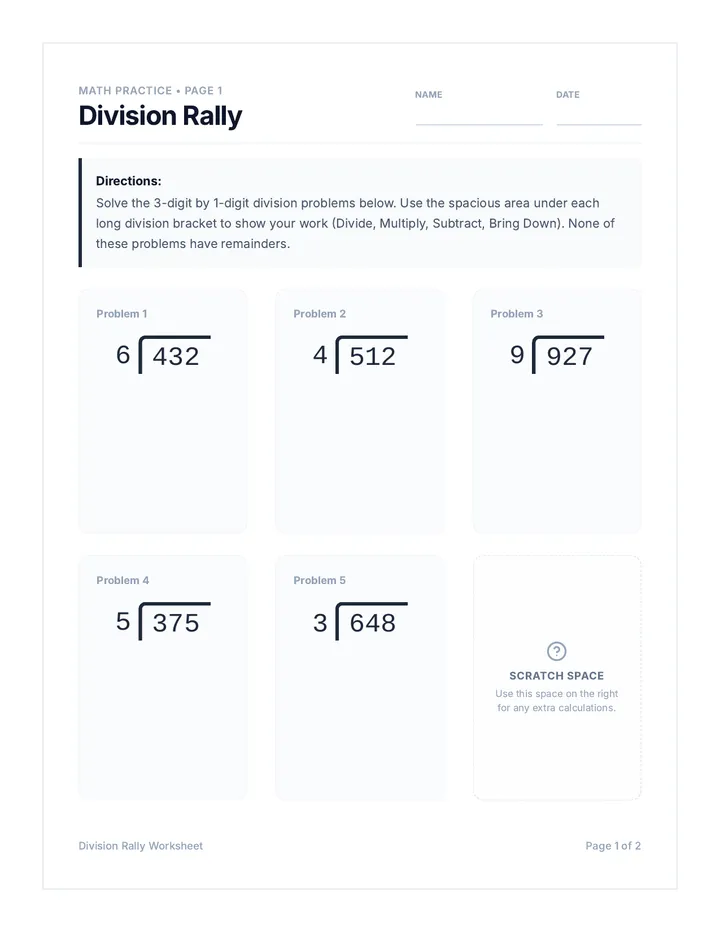
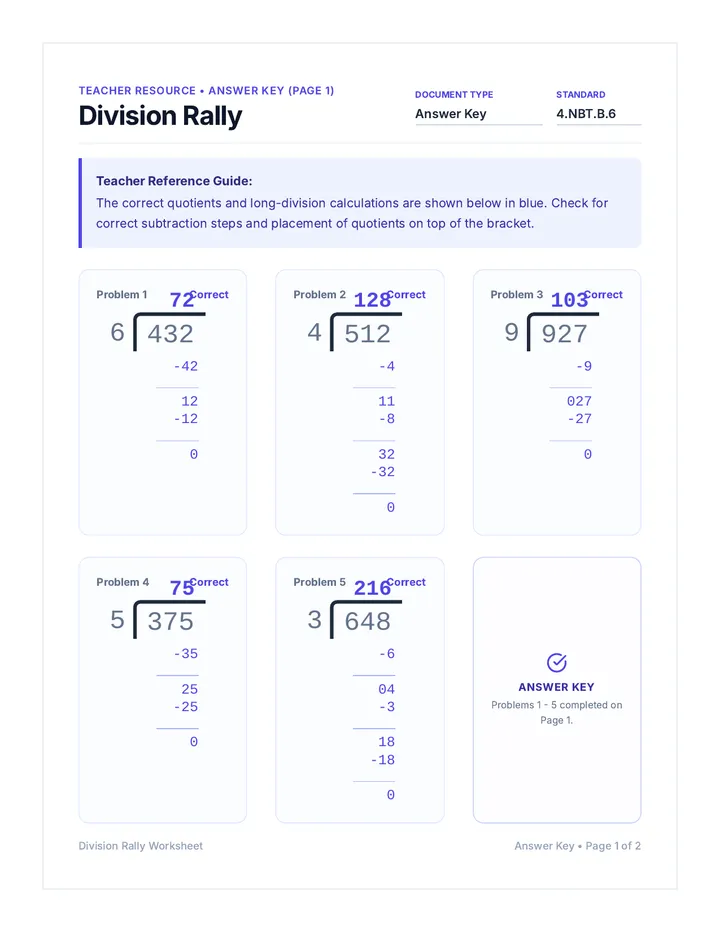
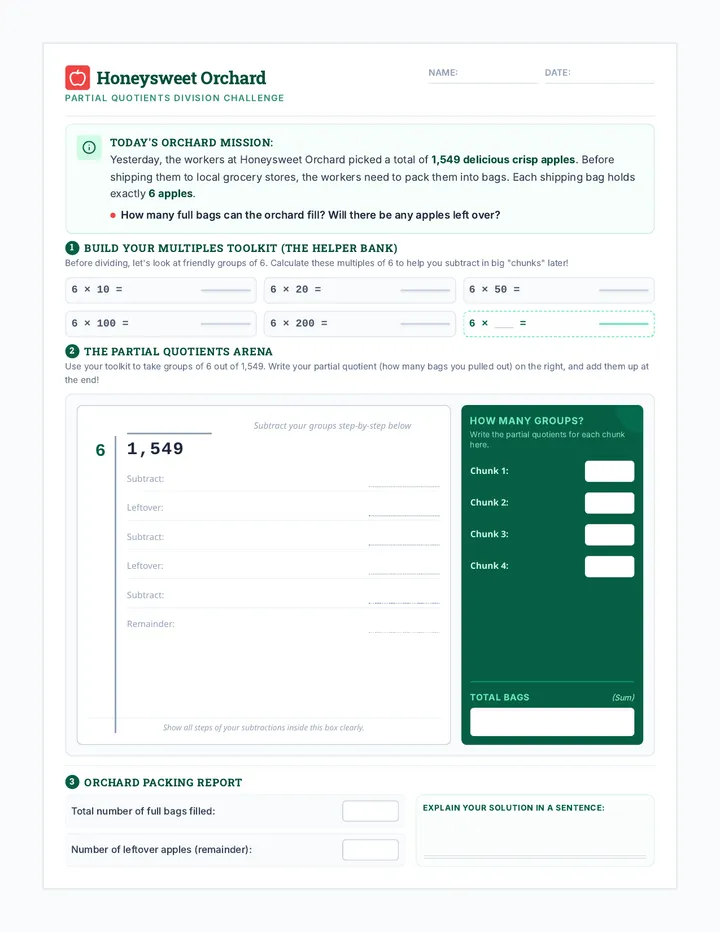
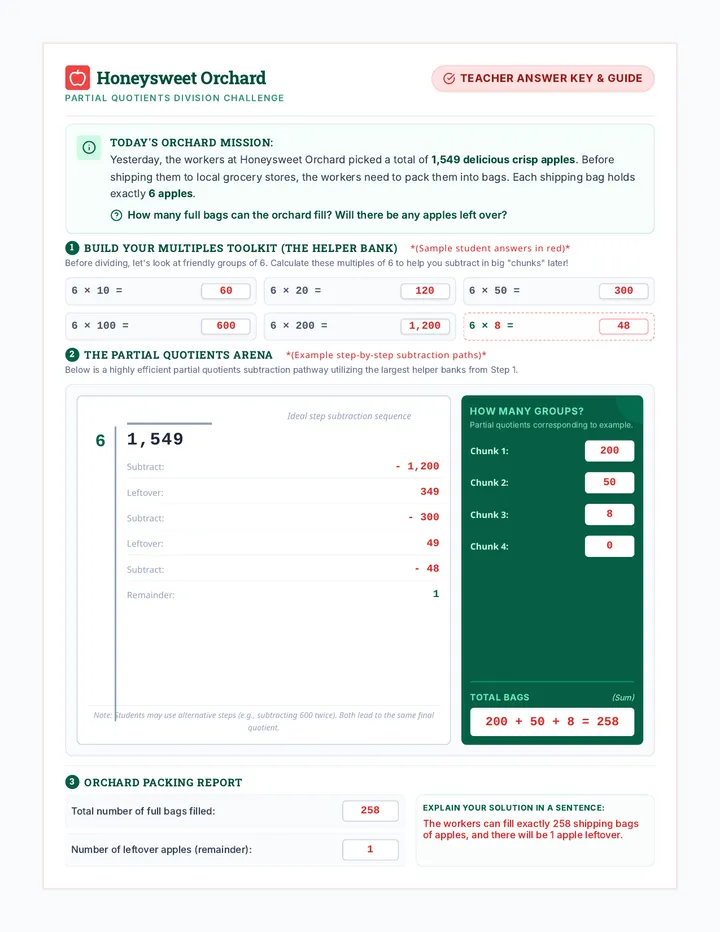
A math unit focused on developing conceptual and procedural mastery of the partial quotients division method through engaging, real-world scenario challenges.
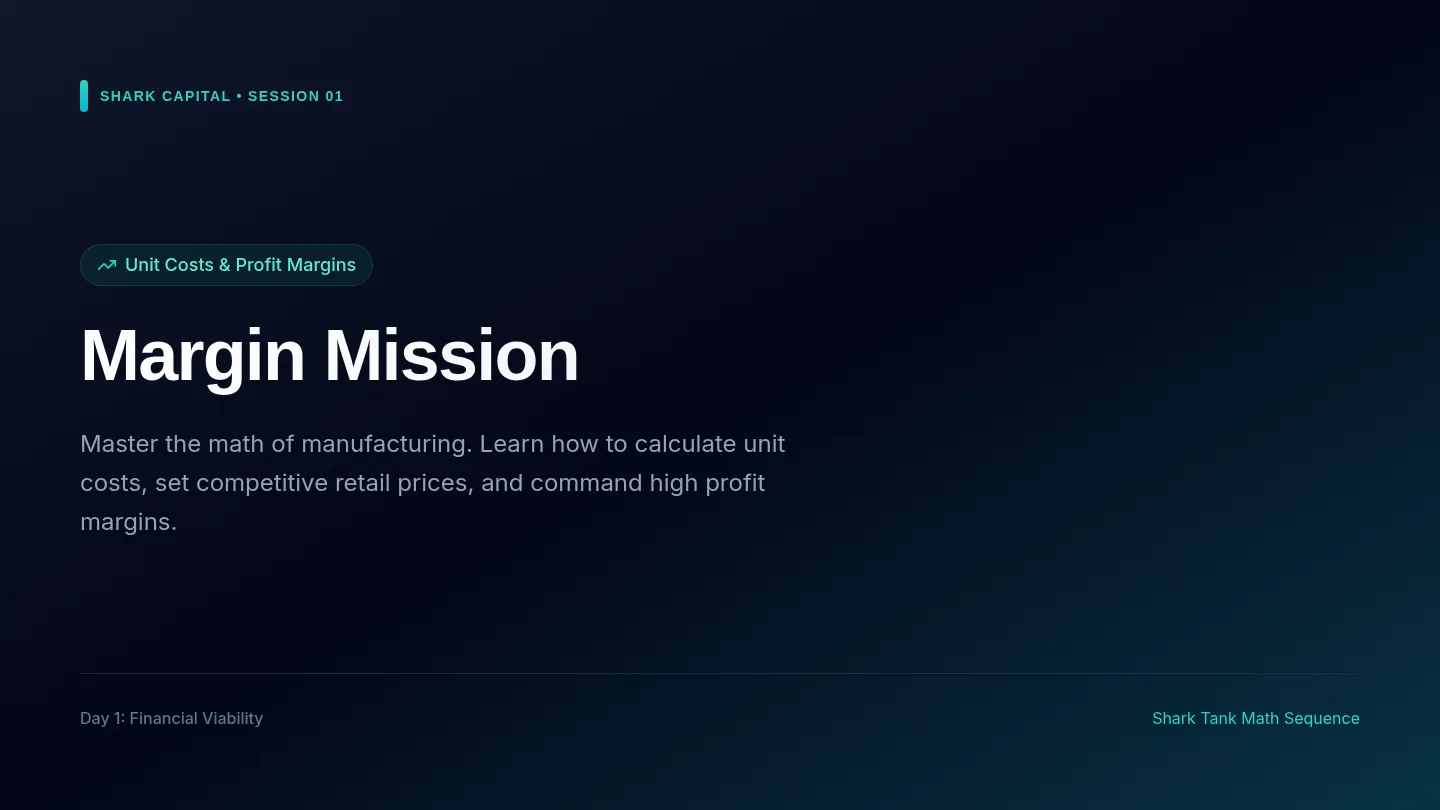
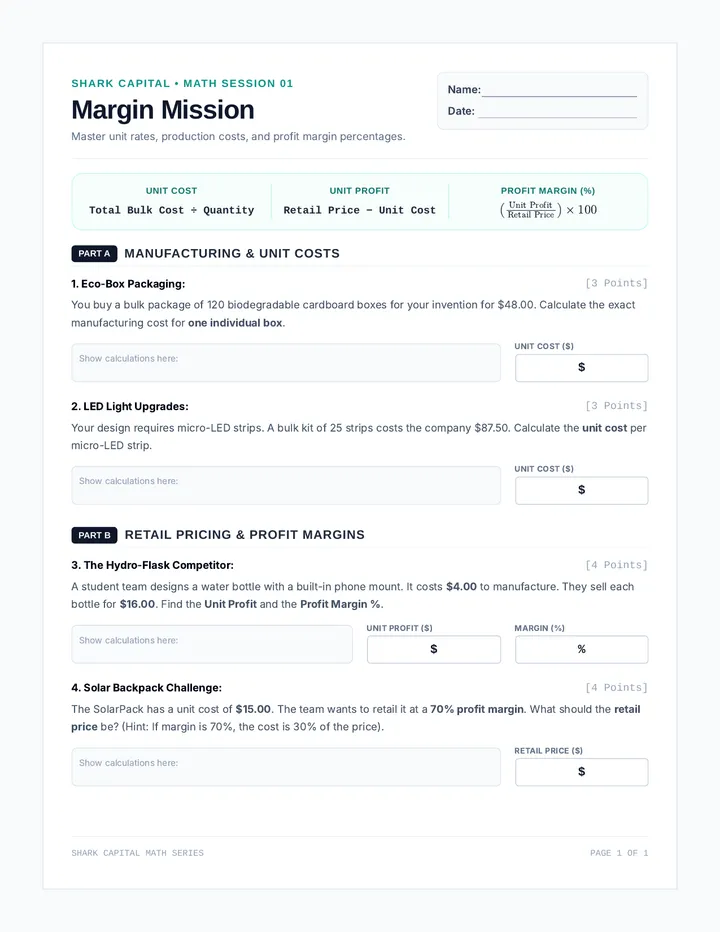
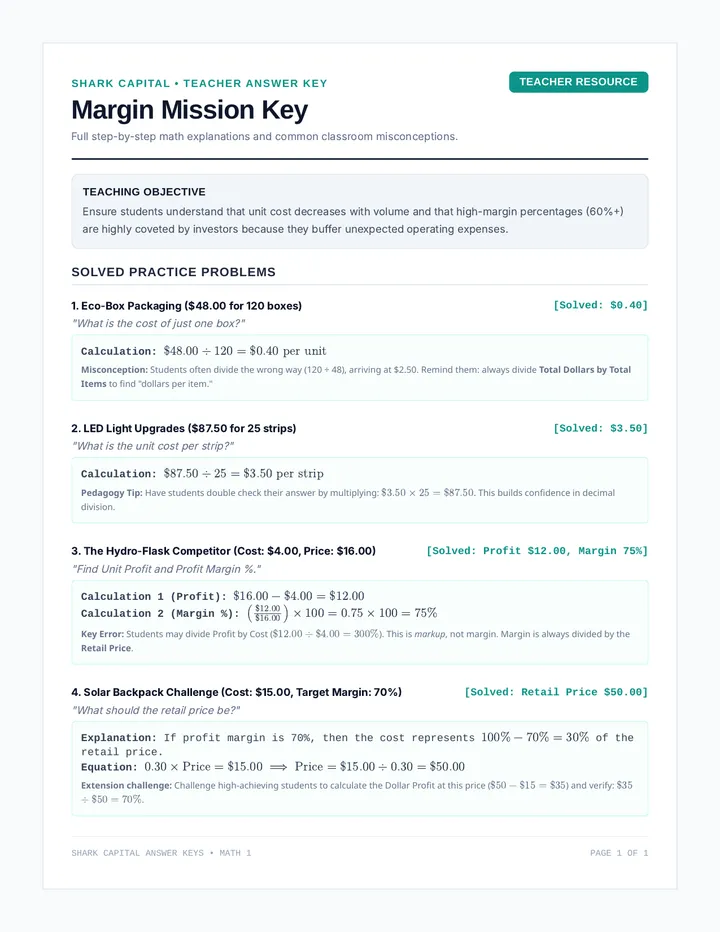
A multi-day, highly engaging math sequence that teaches students the financial mechanics of a venture capital pitch. Students learn to calculate unit profit, retail markups, margin percentages, company valuation, and equity offers to prepare their own Shark Tank-style pitches.
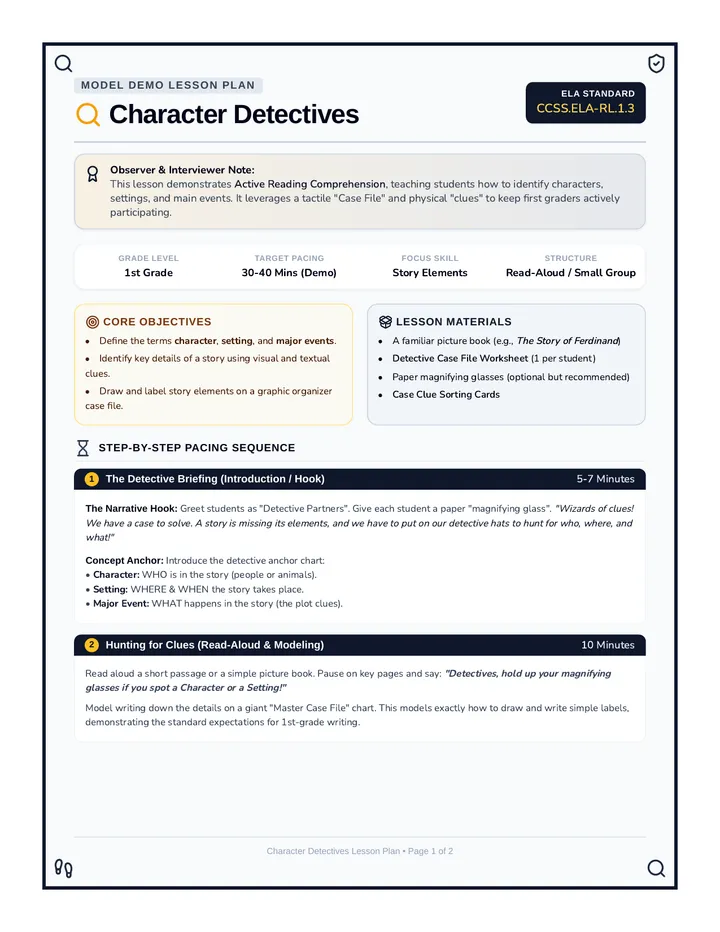
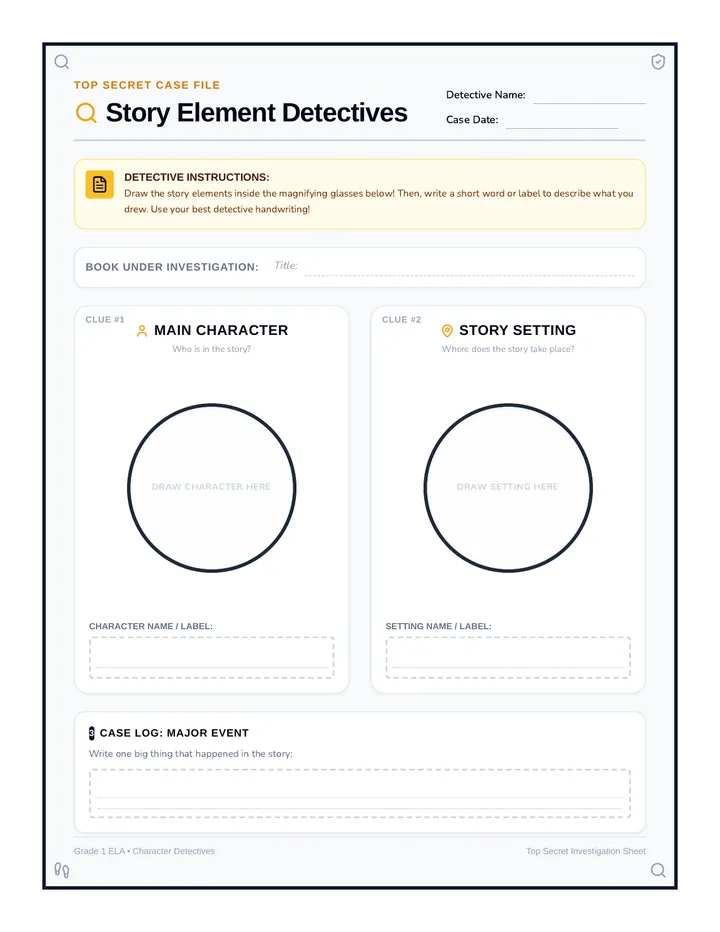
A foundational collection of first-grade ELA and Mathematics lessons featuring whimsical themes, interactive worksheets, and hands-on centers.
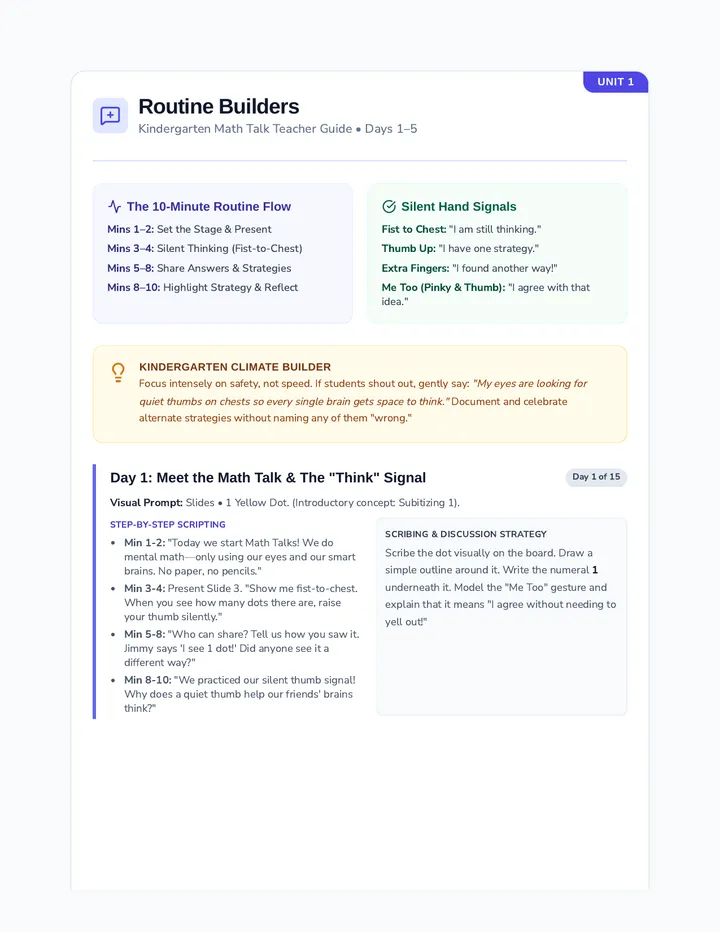
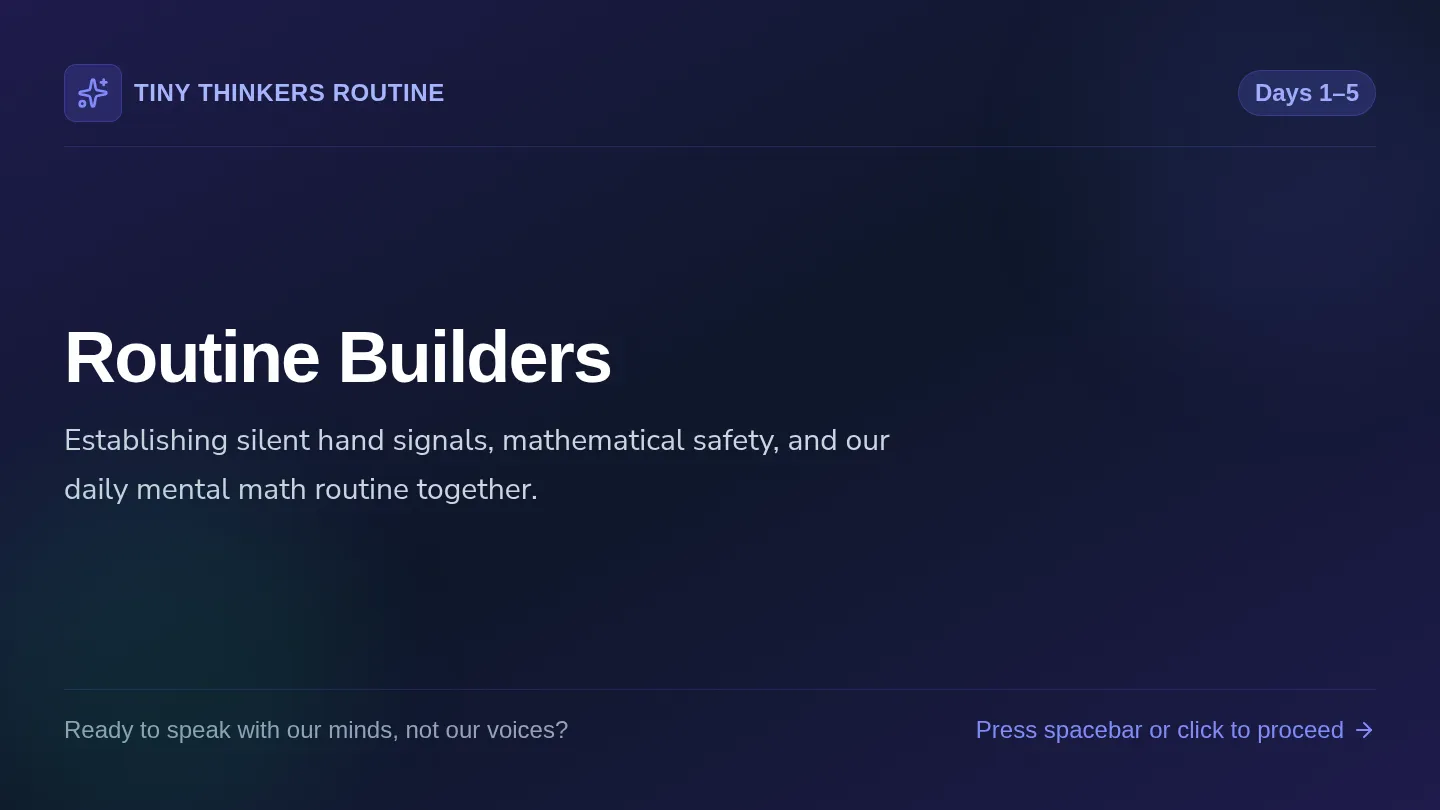
A comprehensive 15-day Kindergarten Math Talk routine sequence designed to build mathematical community, establish silent hand signals, and develop core subitizing skills from 1 to 5 using dot patterns and ten-frames.
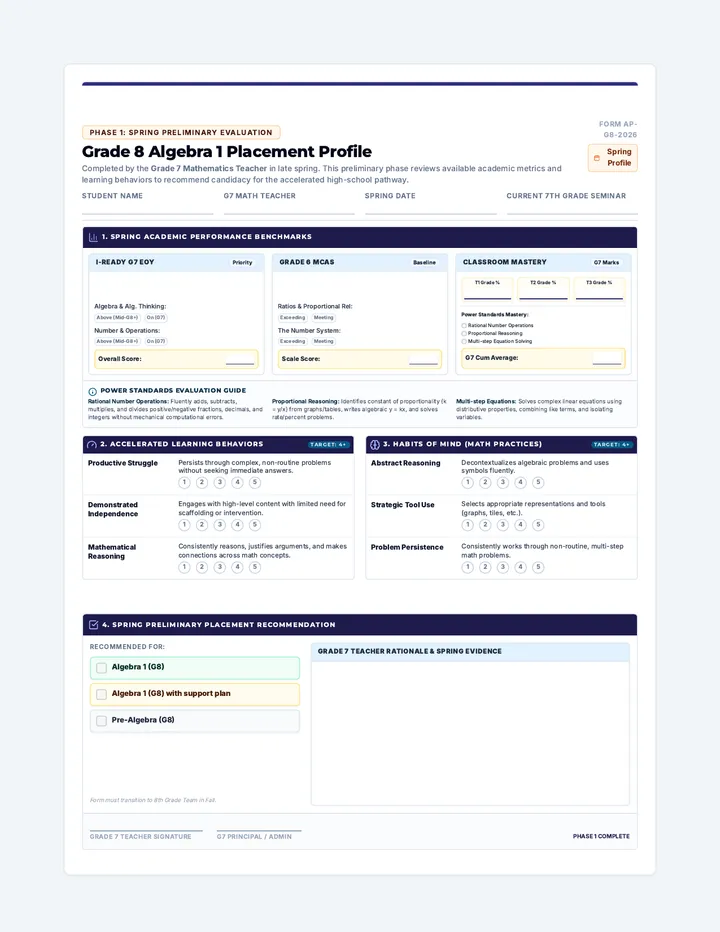
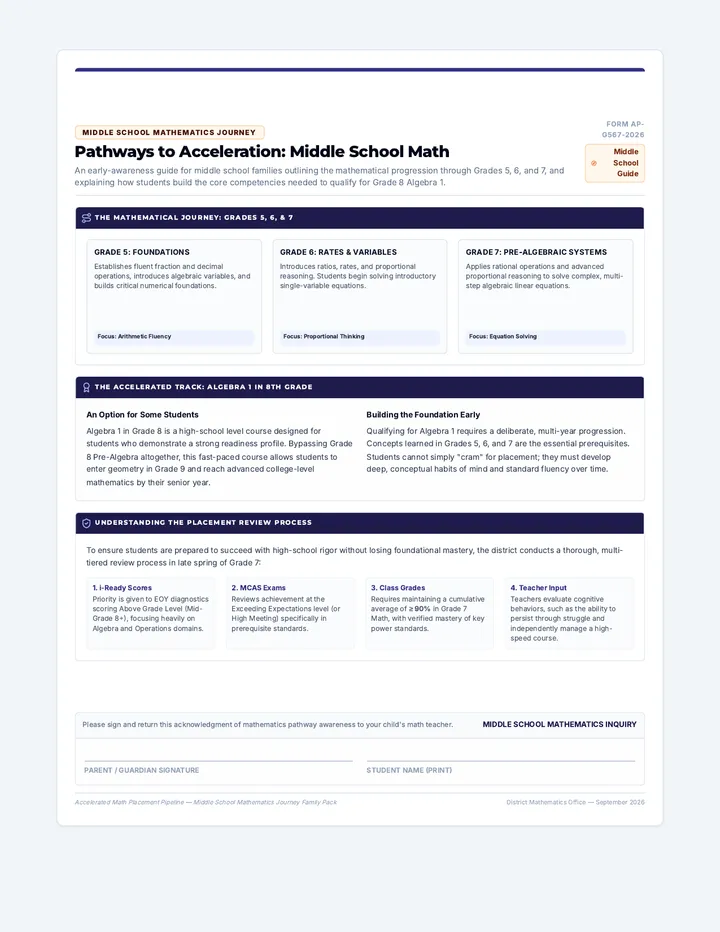
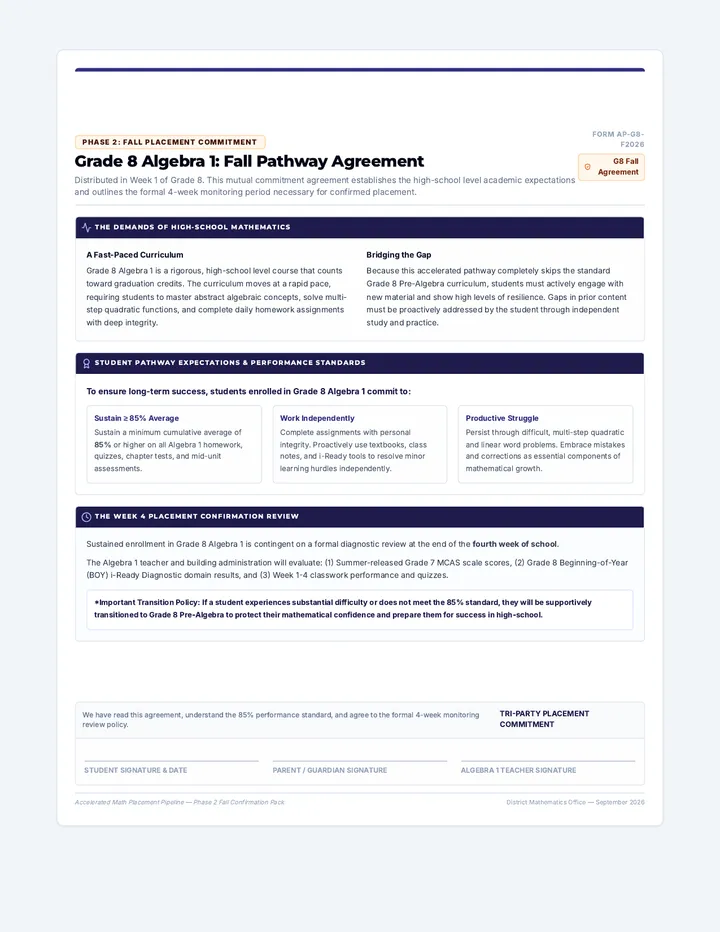
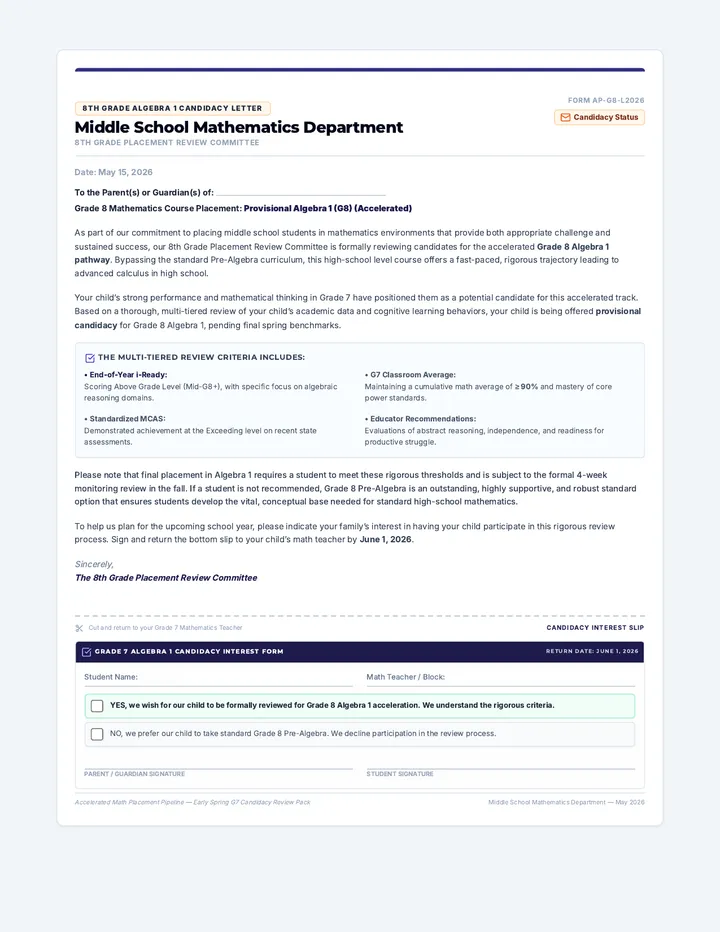
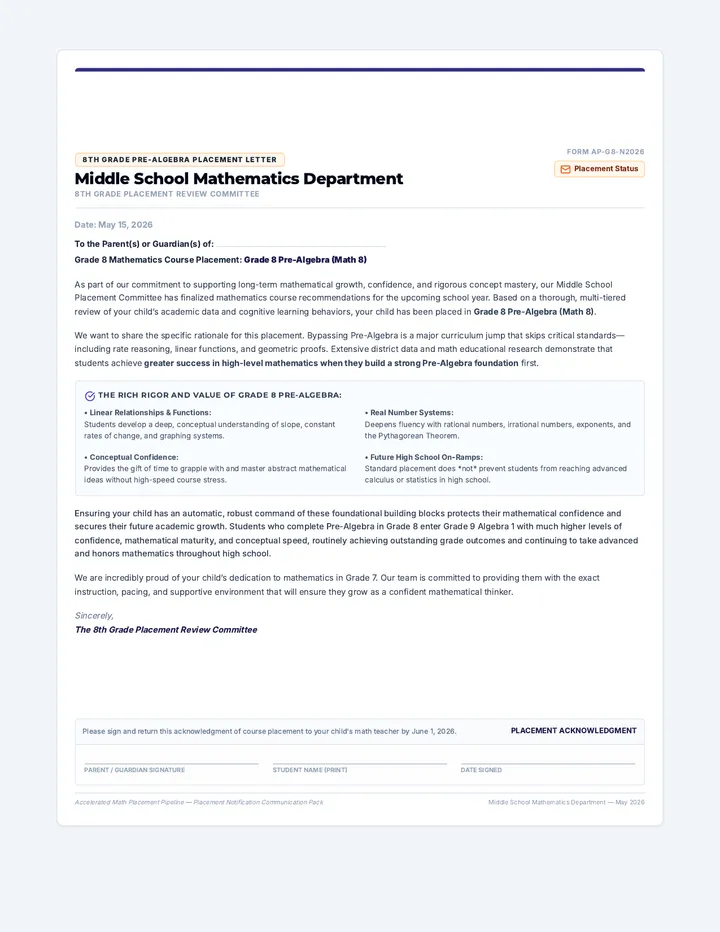
A comprehensive suite of materials for managing the Grade 8 Algebra 1 accelerated pathway. Includes administrative evaluation checklists, early-awareness family guides, and late-spring preliminary candidate agreement flyers.
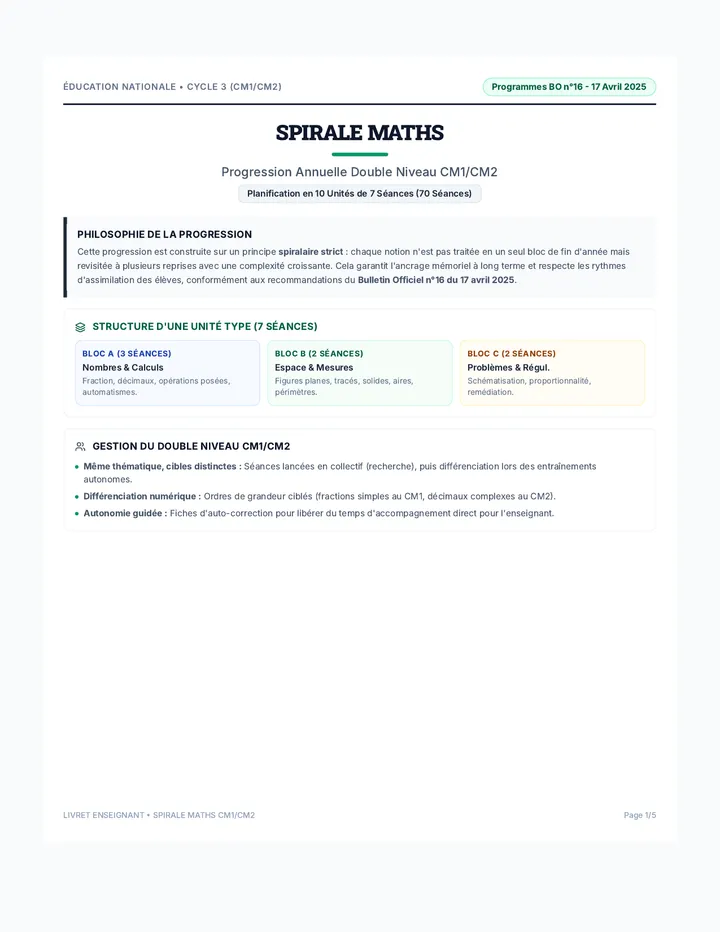
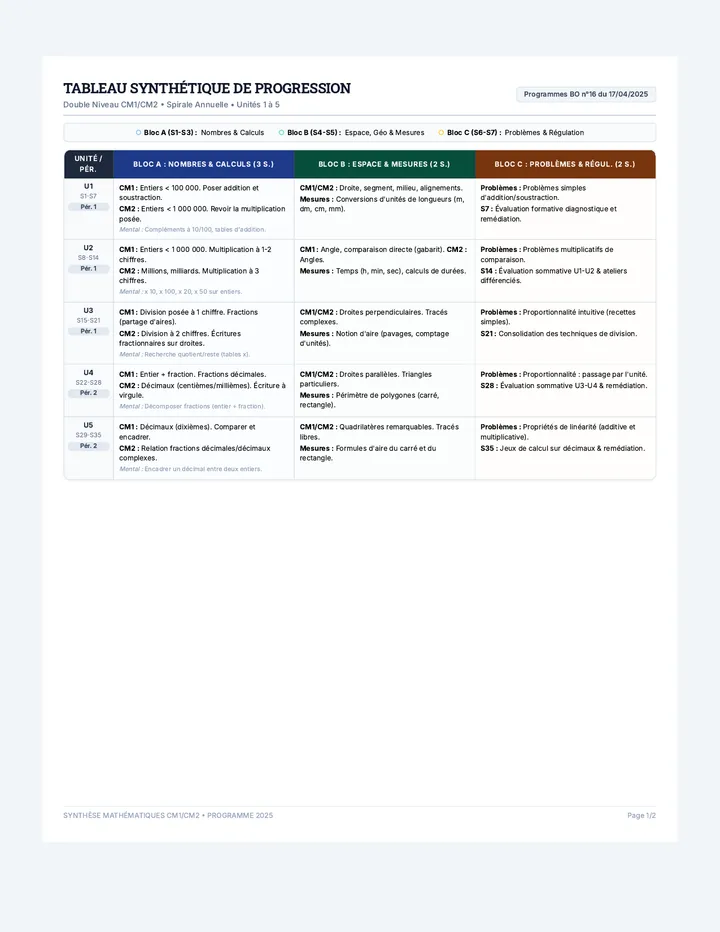
Progression annuelle spiralaire complète pour le double niveau CM1/CM2, conforme aux nouveaux programmes du BO du 17 avril 2025. Organisée en 10 unités de 7 séances avec blocs thématiques pour assurer un brassage continu des notions.
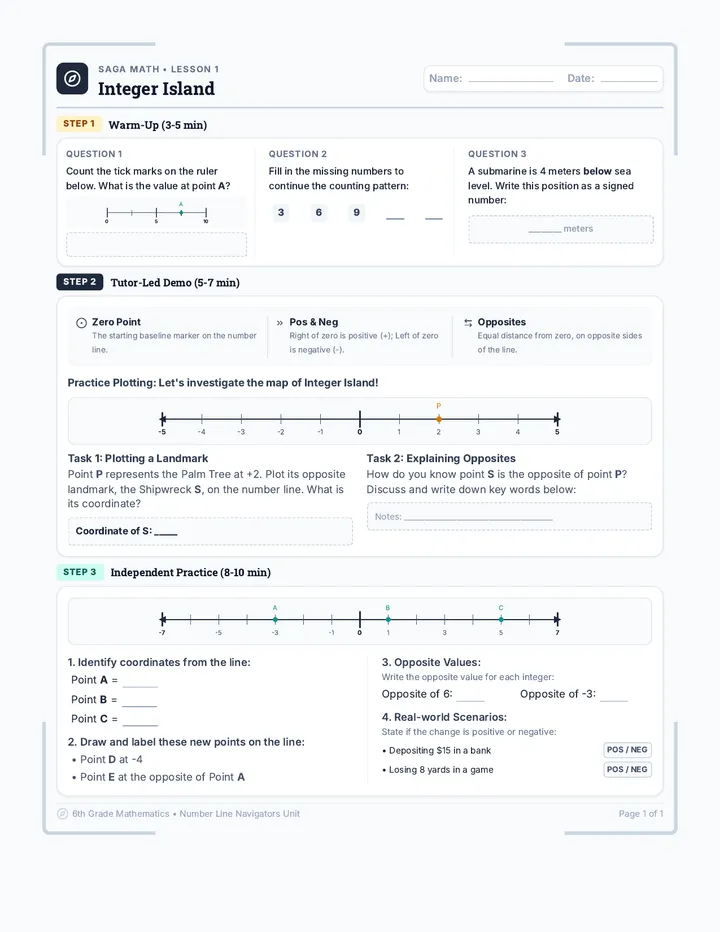
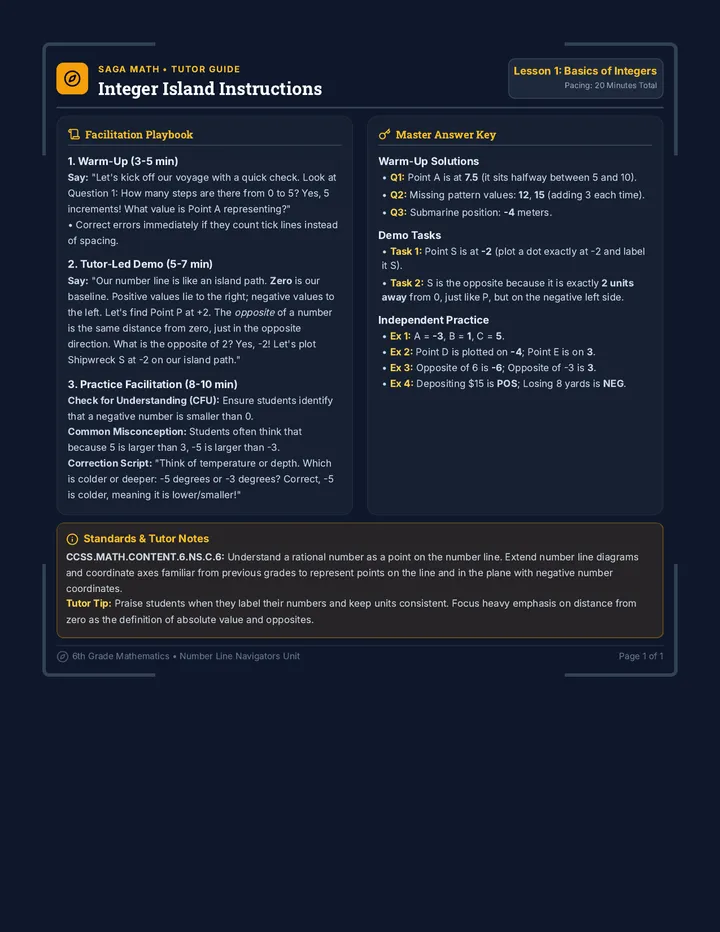
A 4-part lesson sequence on reading, partitioning, and plotting positive and negative rational numbers on a number line, specifically designed for SAGA Math tutoring format.
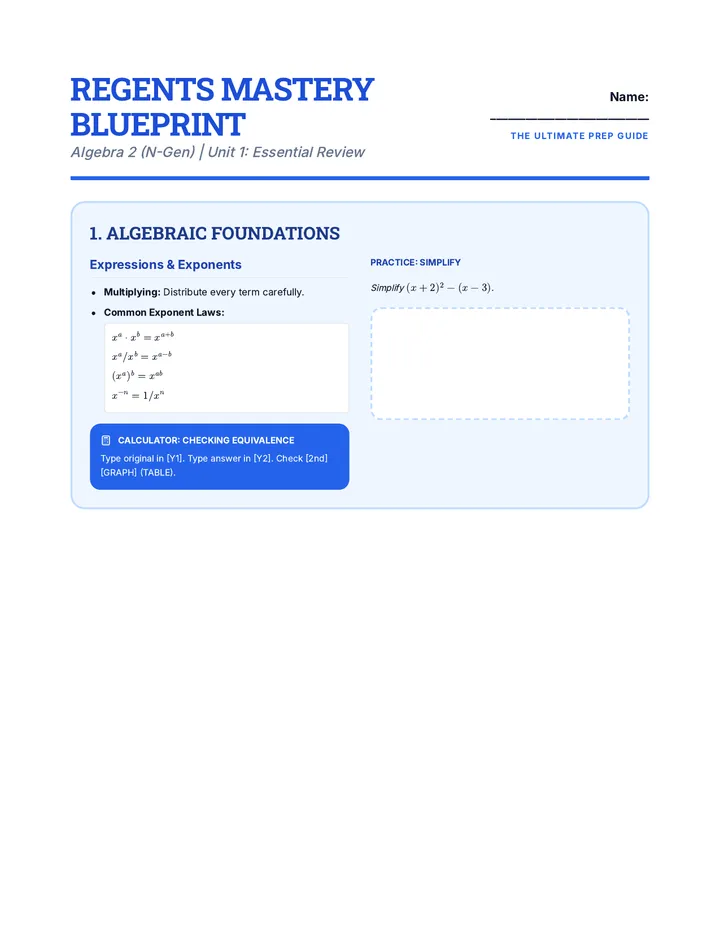
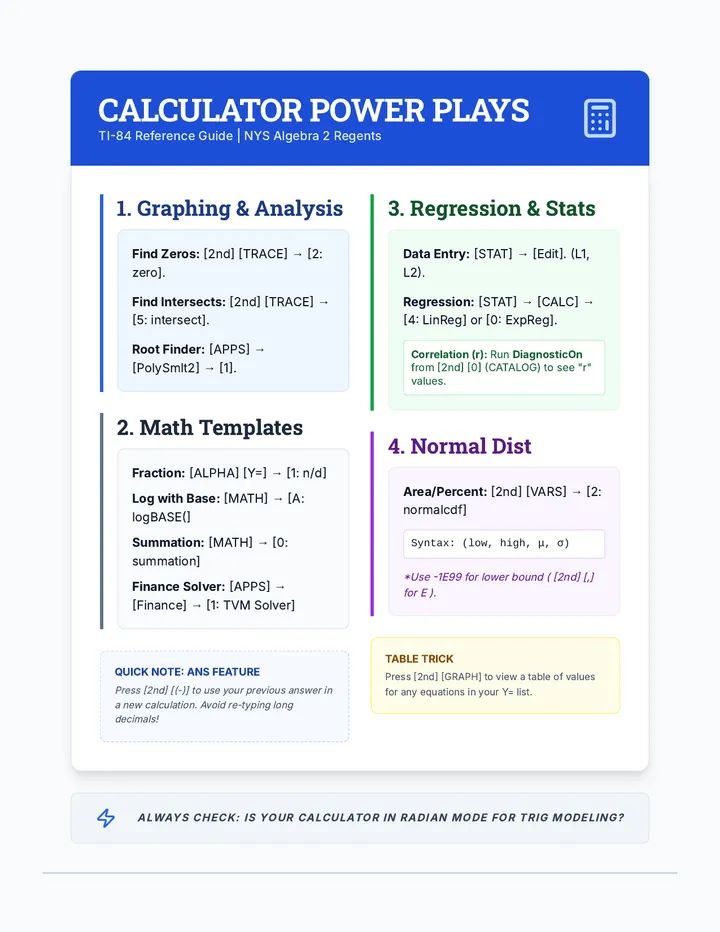
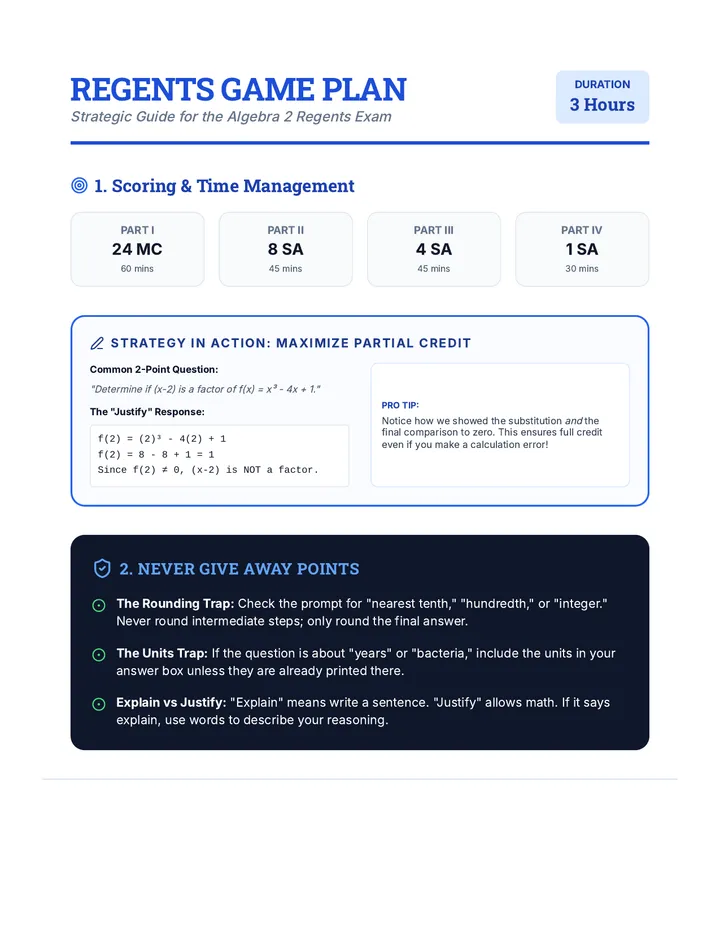
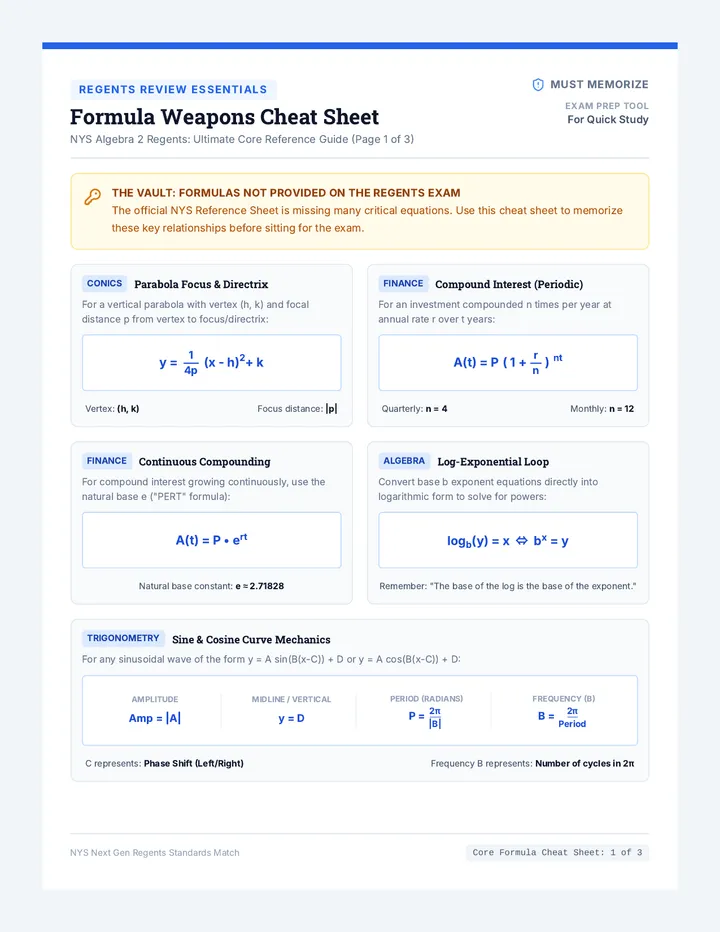
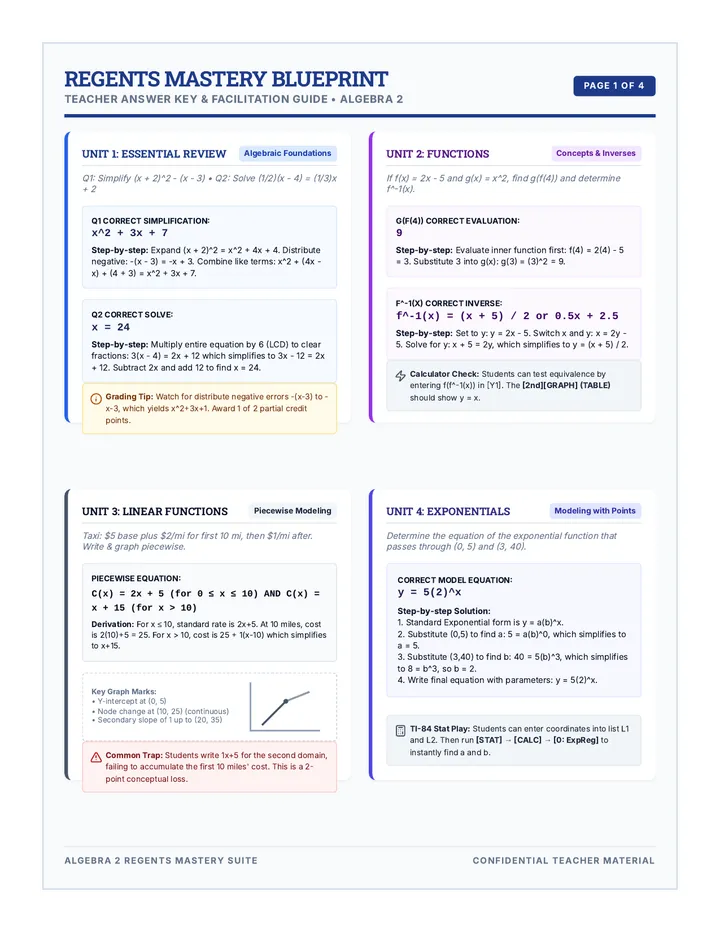
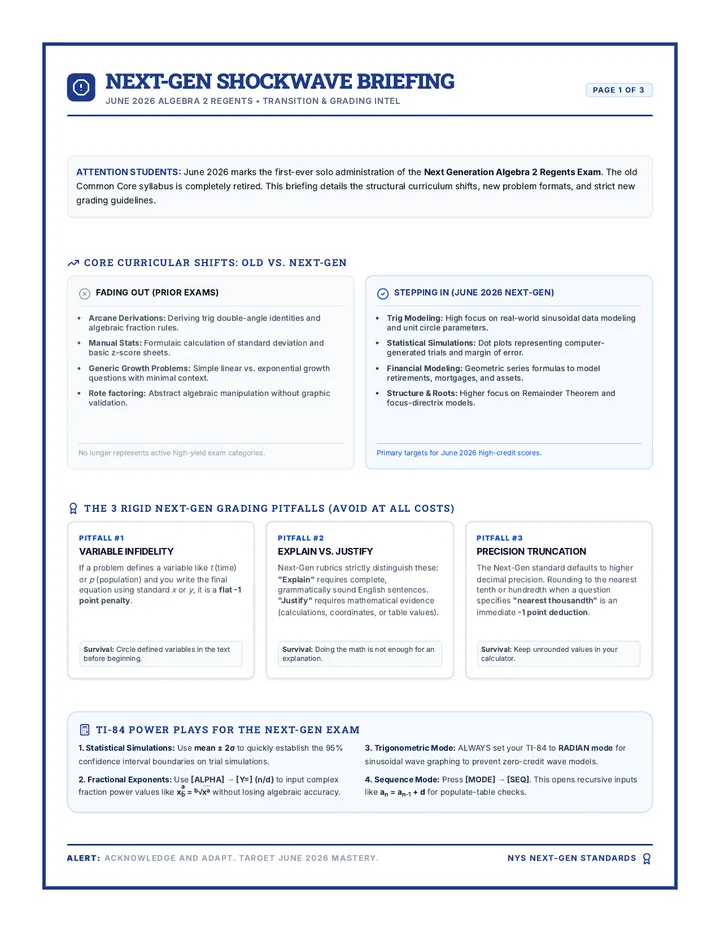
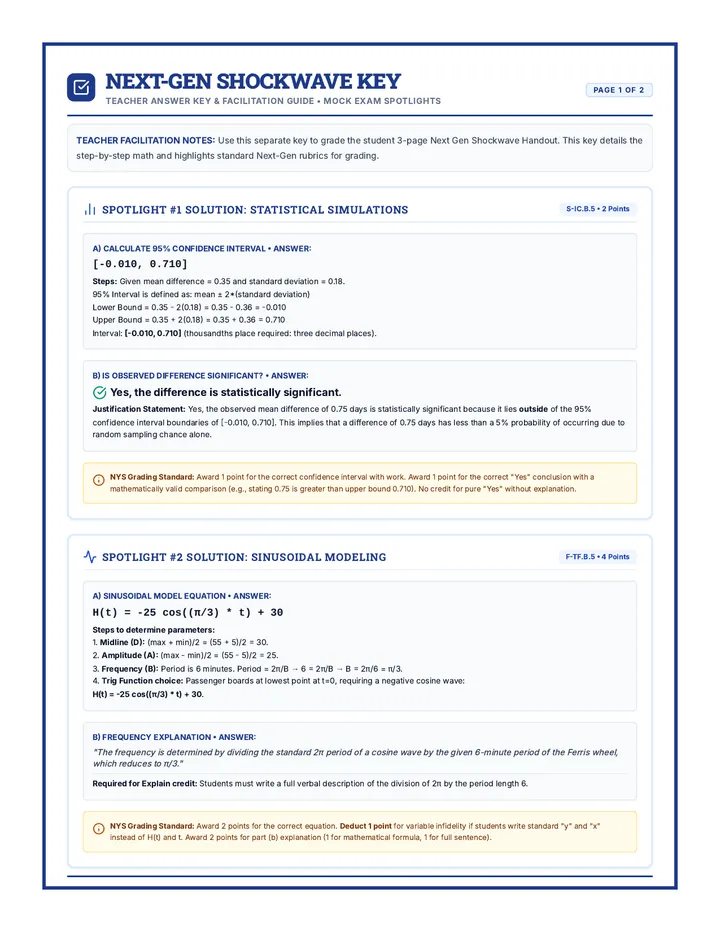
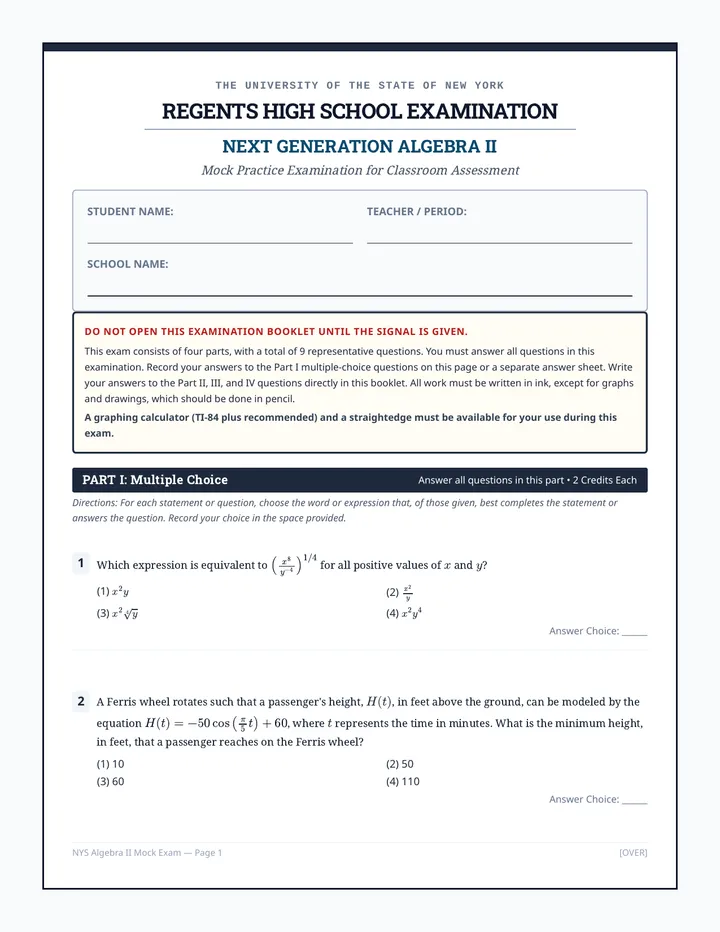
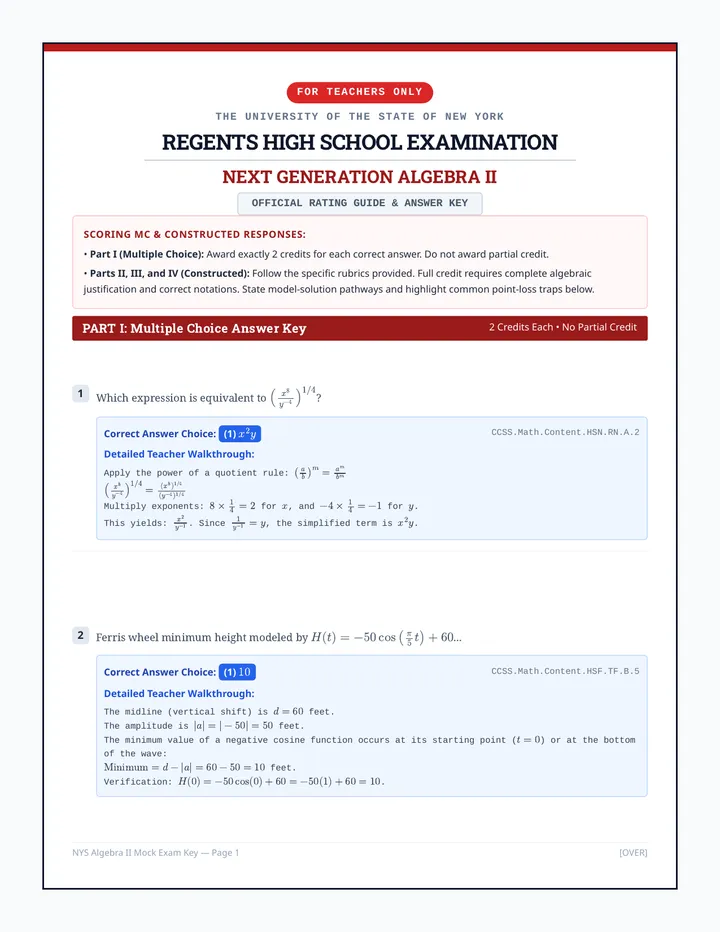
A comprehensive review suite for the New York State Mathematics Regents exams, including Algebra 1, Geometry, and Algebra 2, featuring mastery blueprints, calculator strategies, and exam-taking tips.
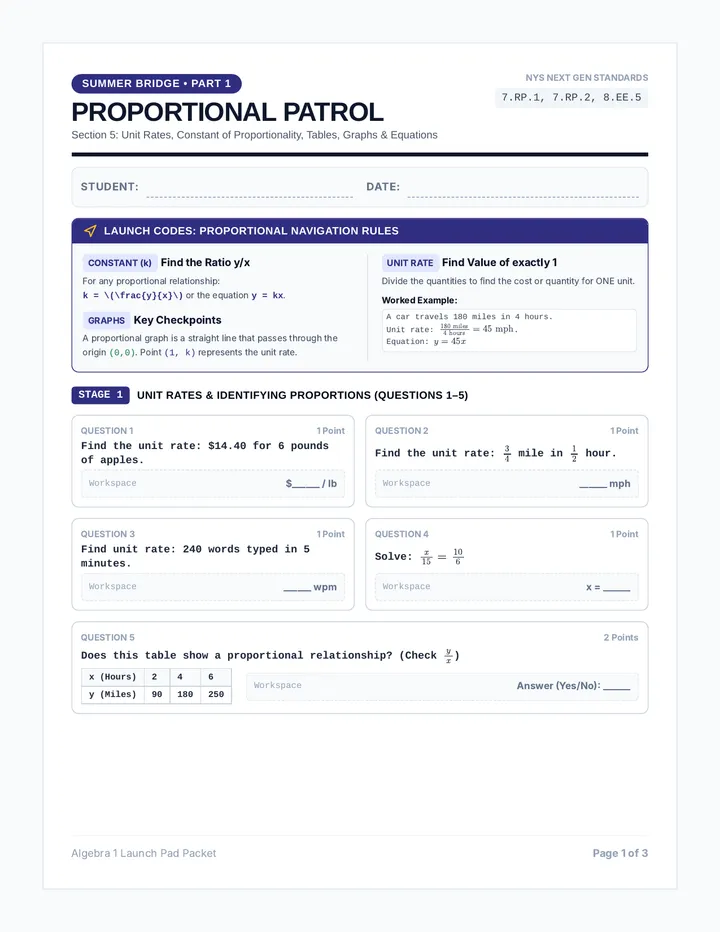
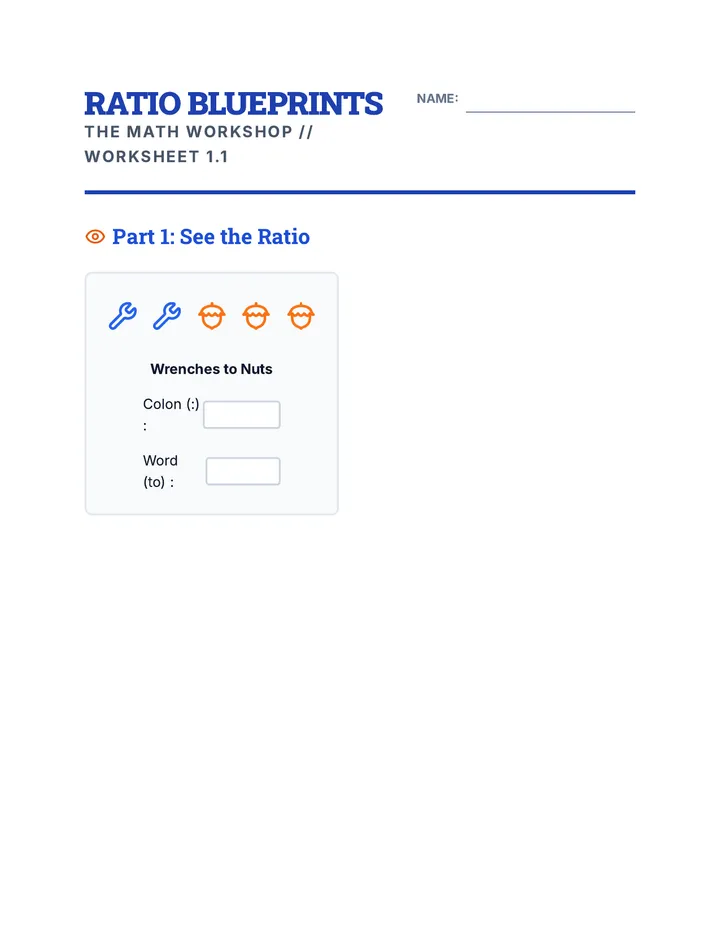
A foundational math sequence designed for remedial support, focusing on ratios, proportions, percents, probability, and algebraic thinking through visual models and scaffolded practice.
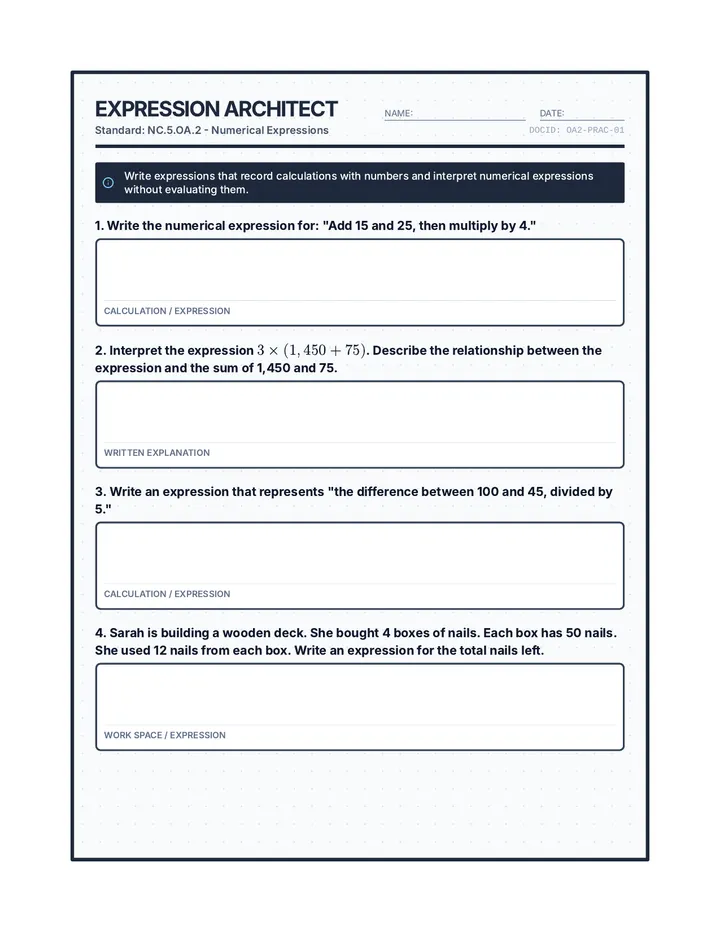
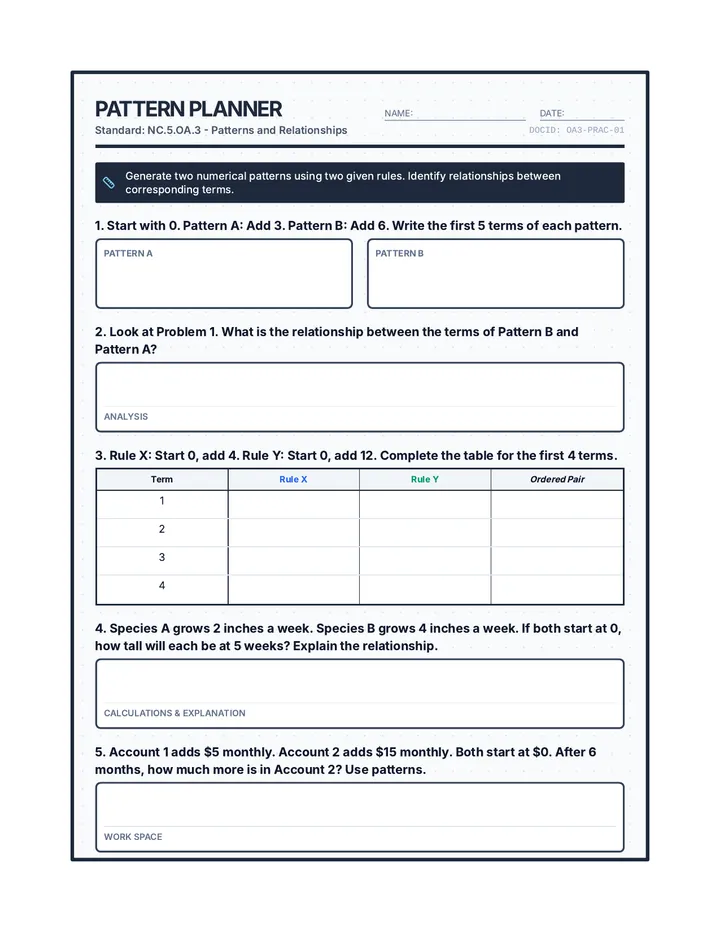
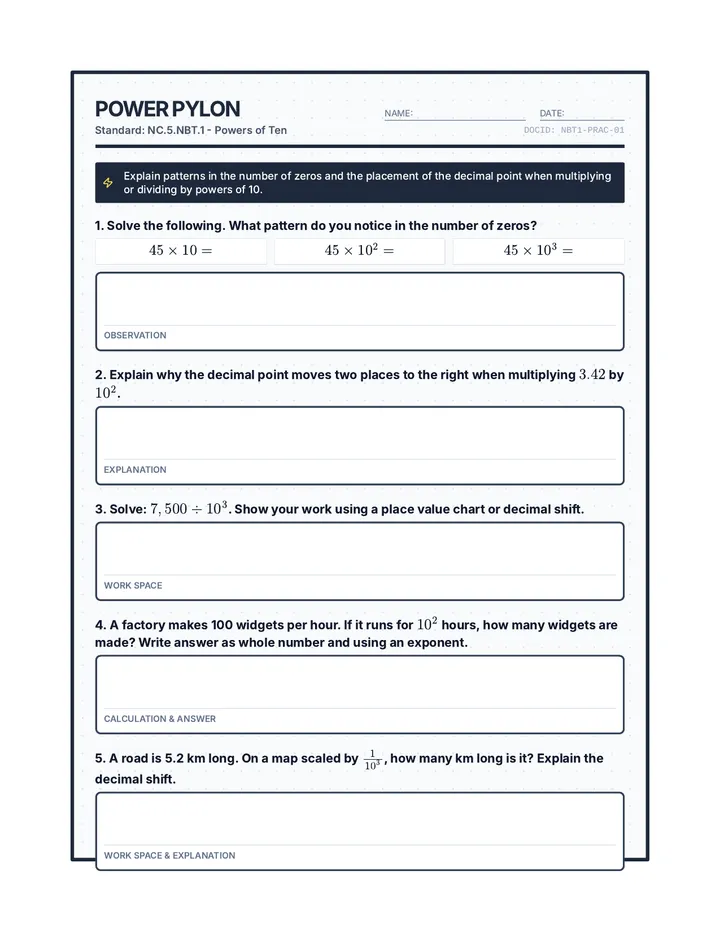
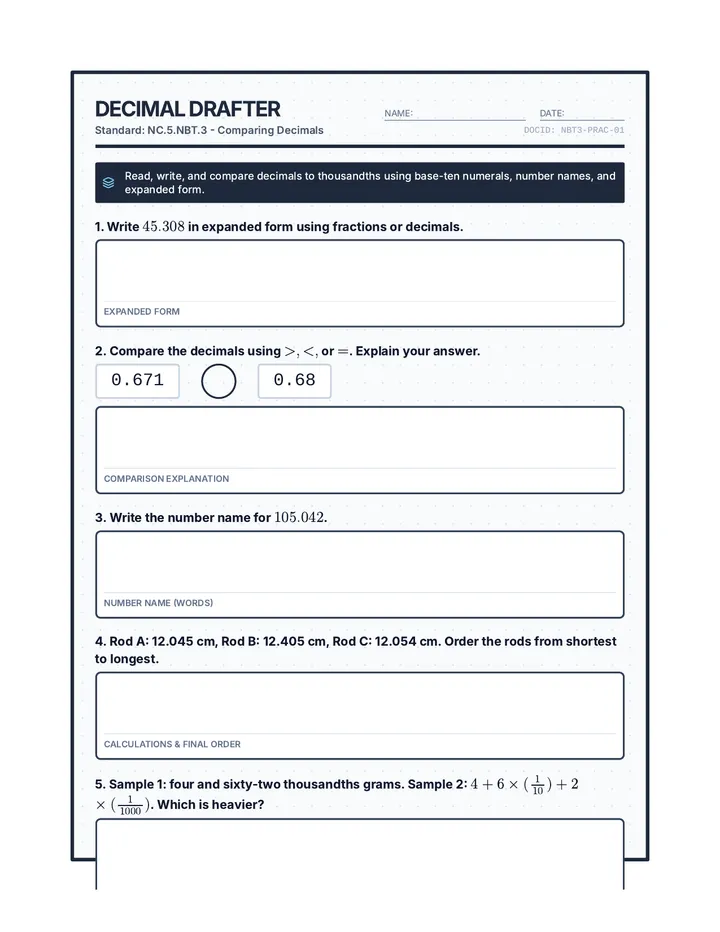
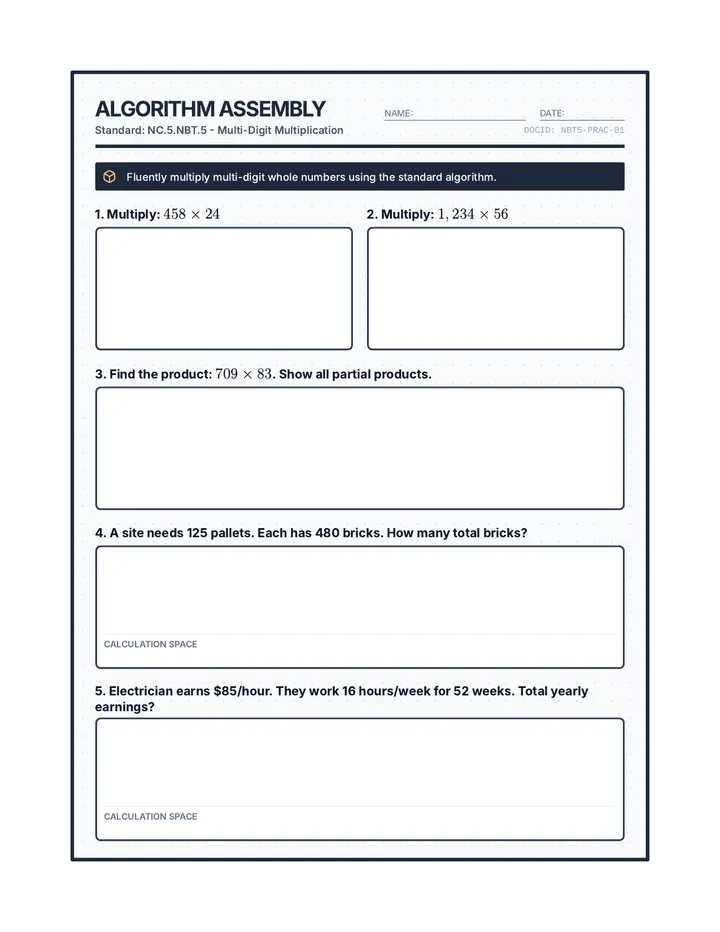
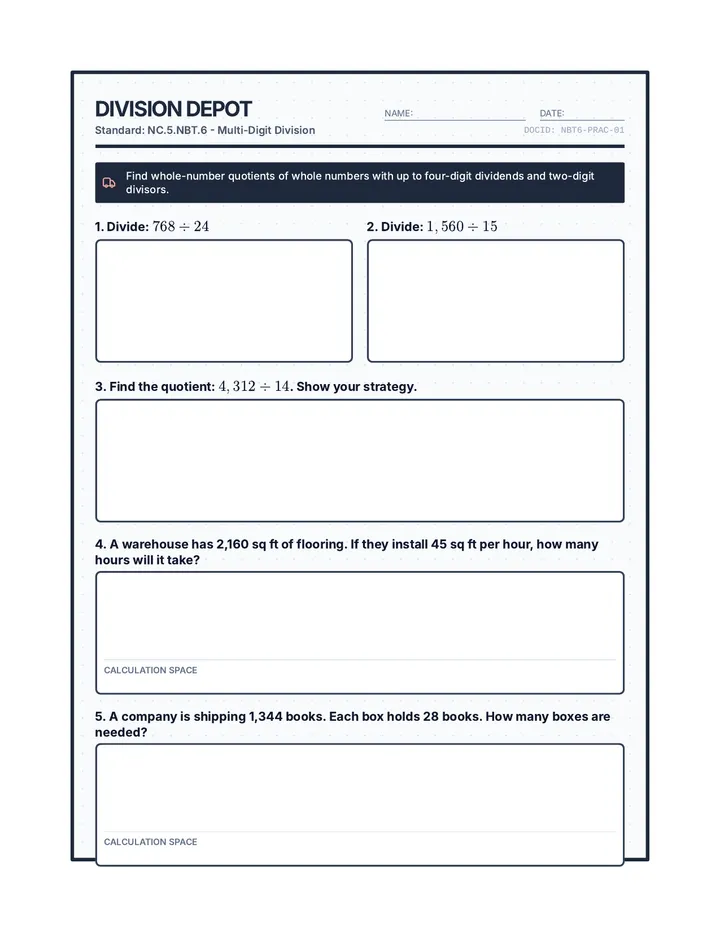
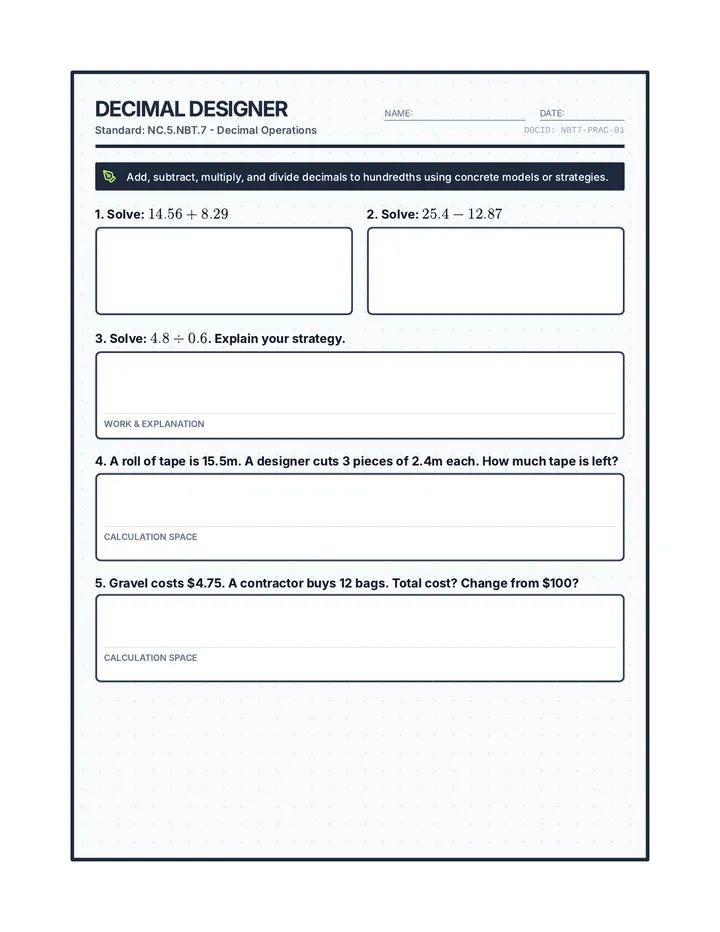
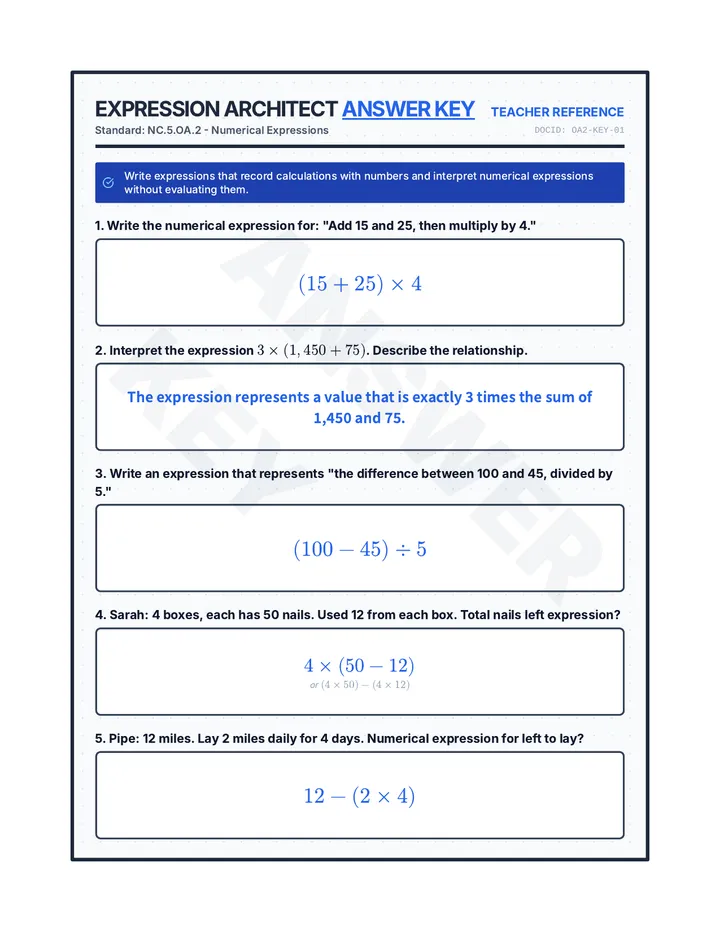
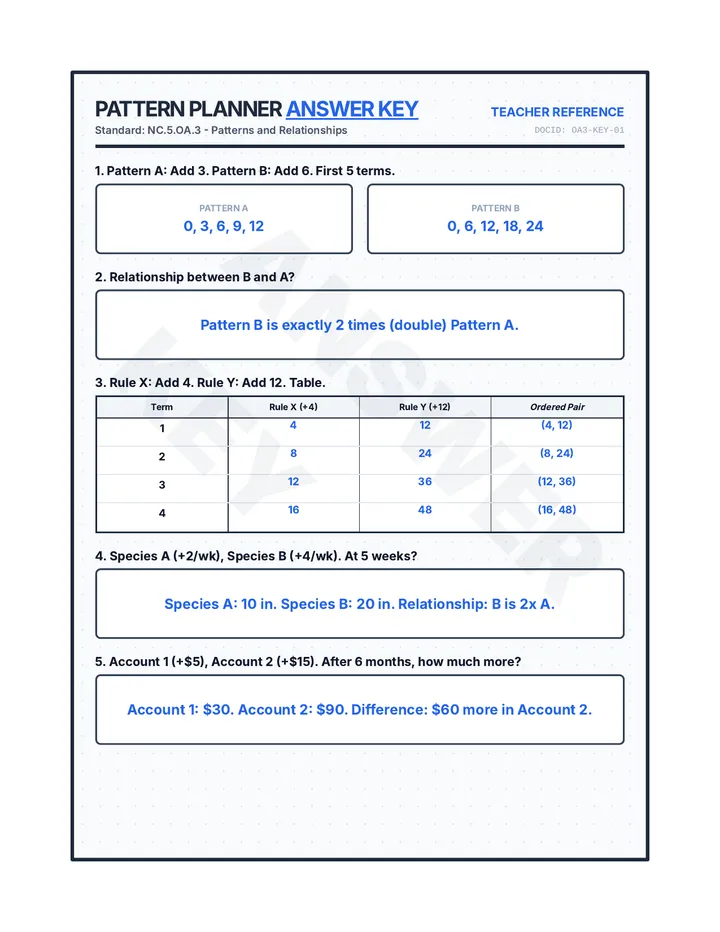
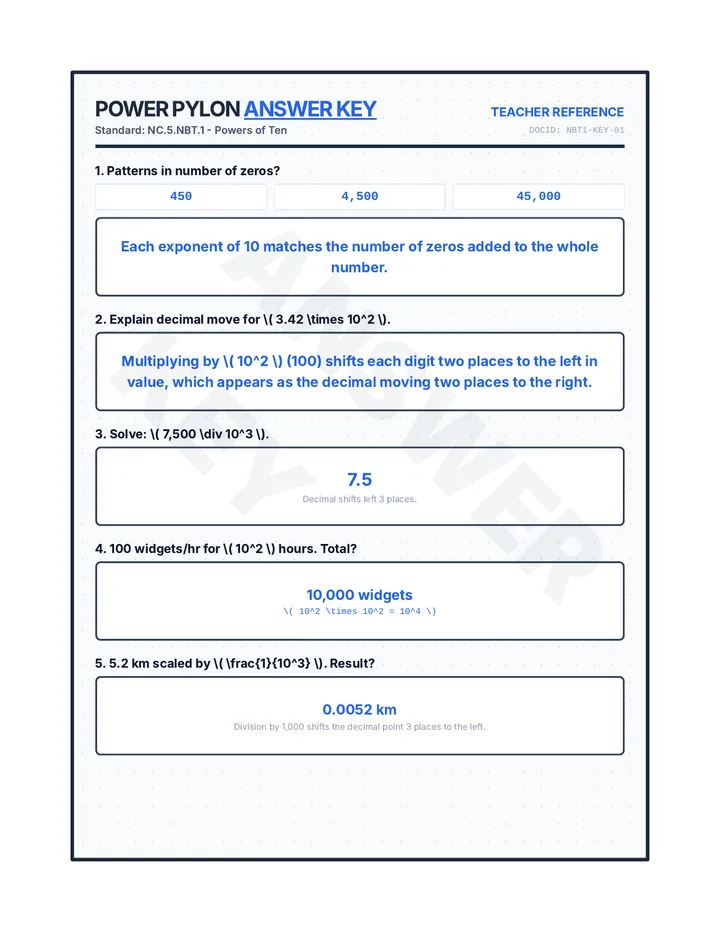
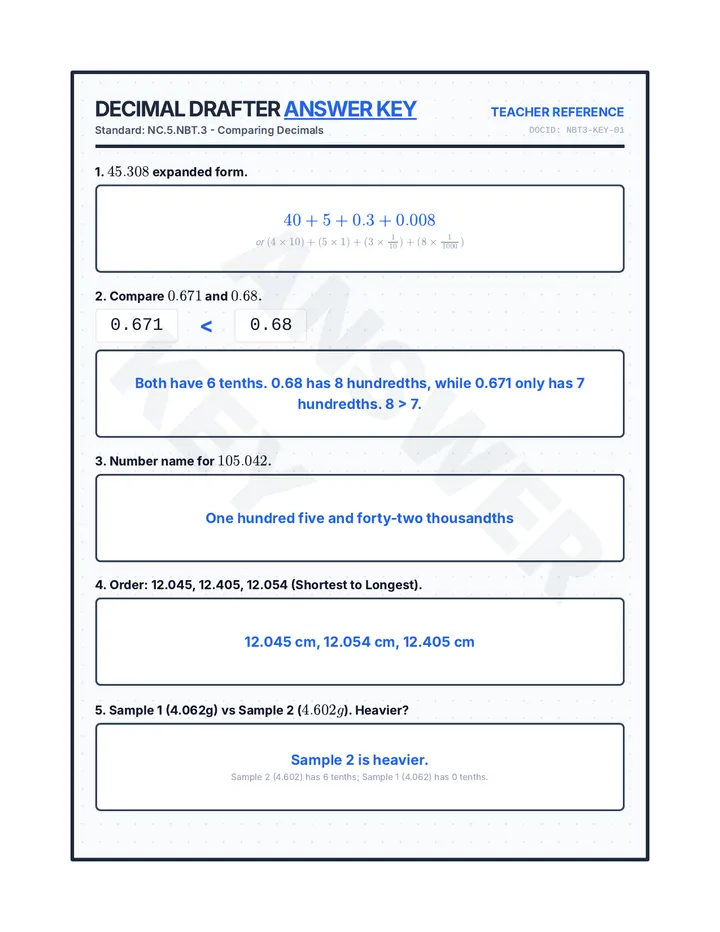
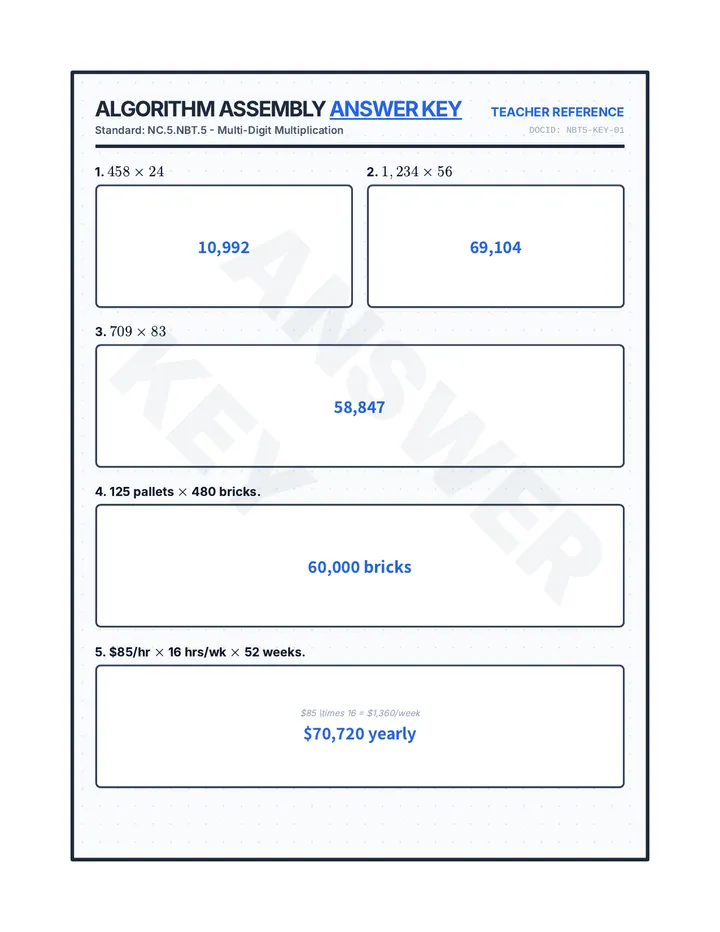
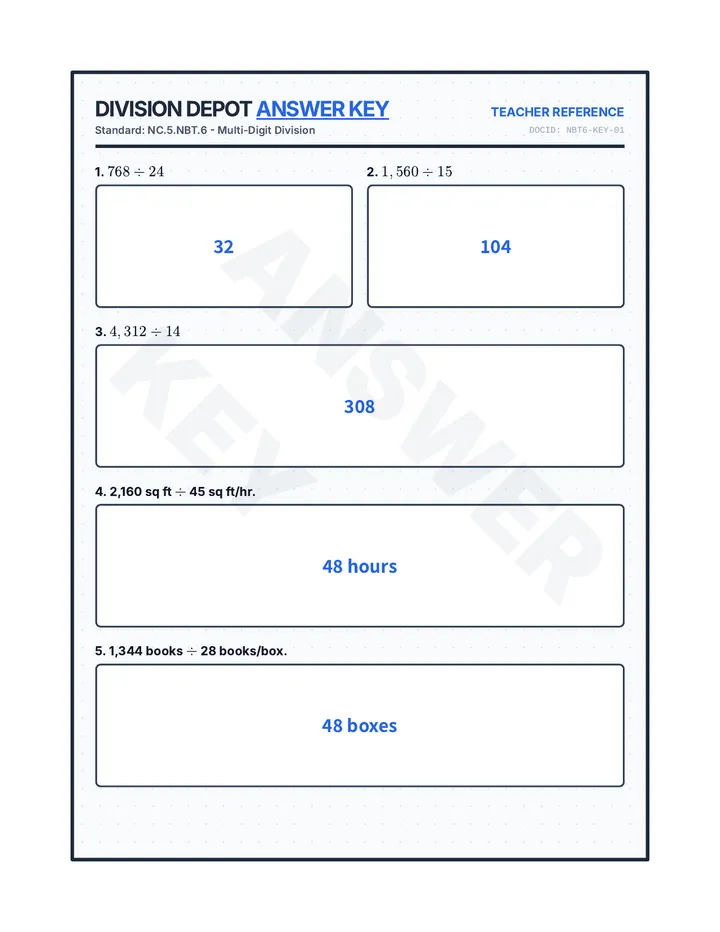
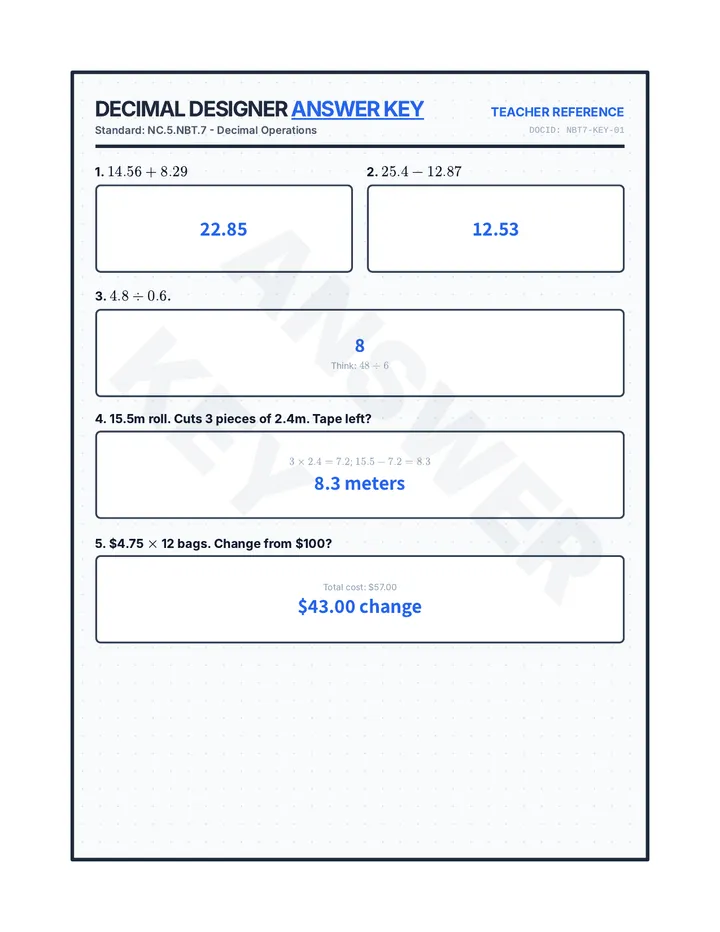
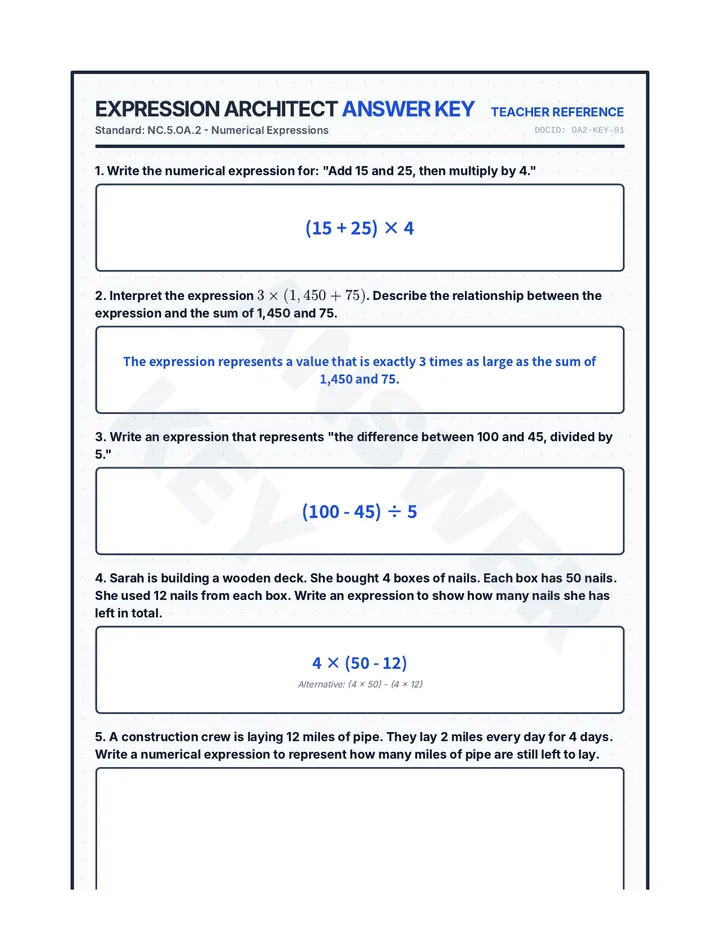
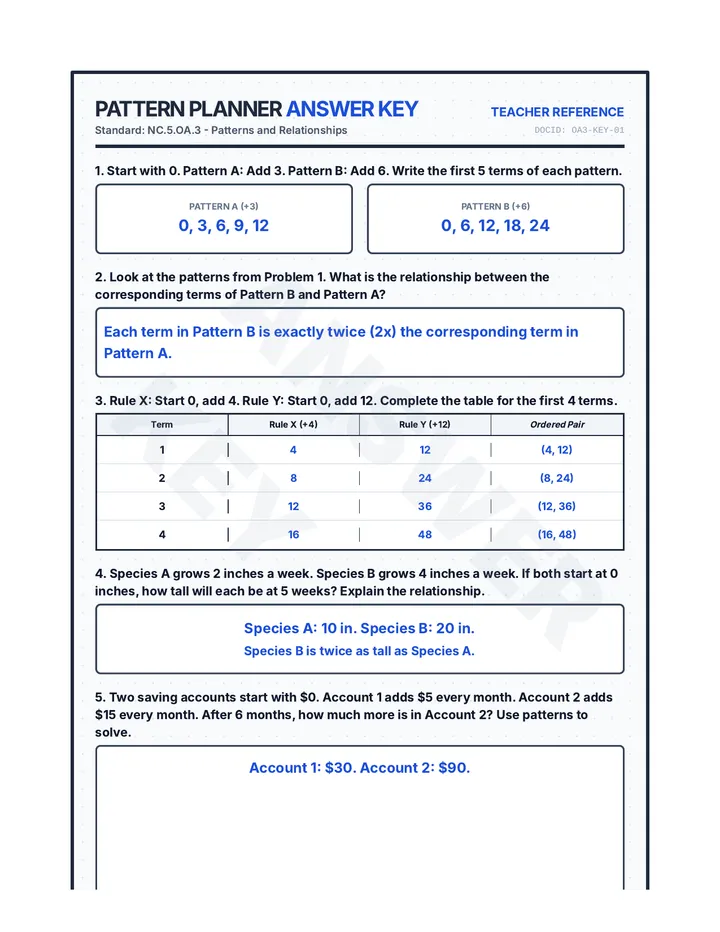
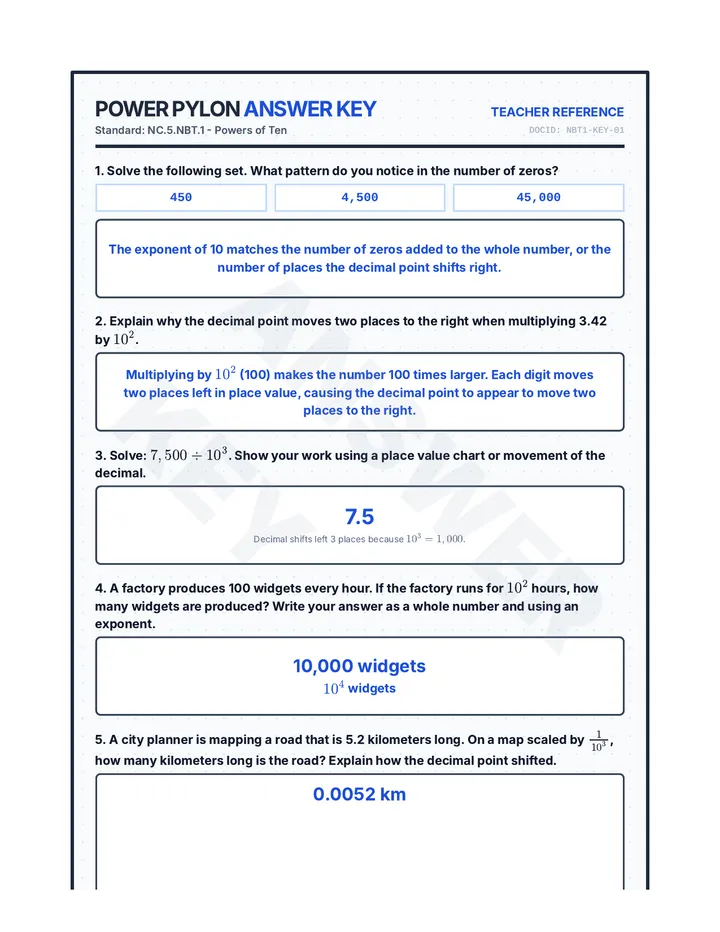
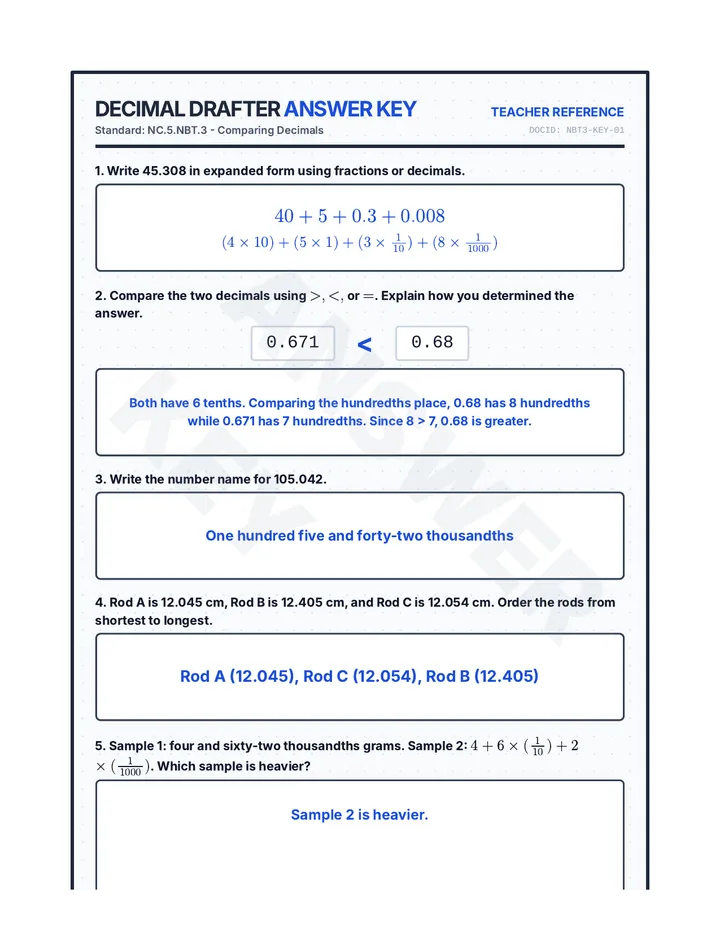
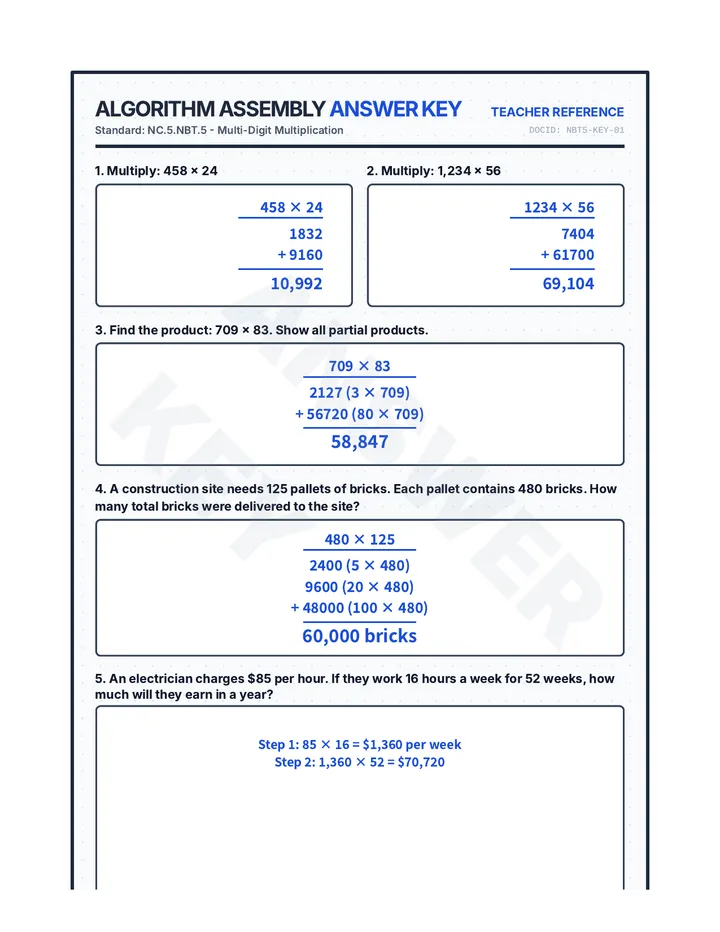
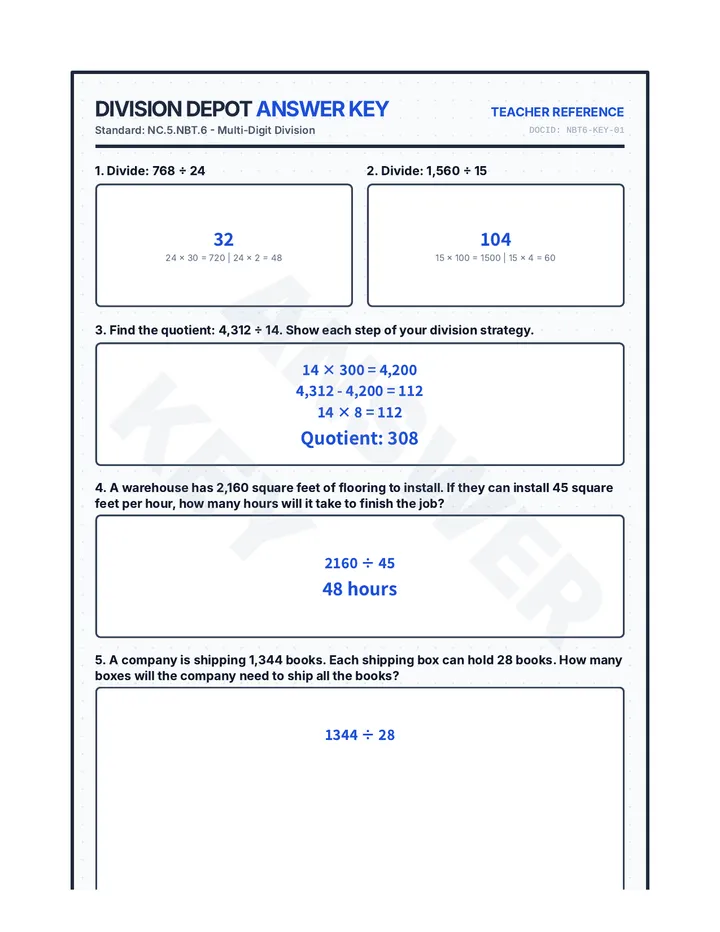
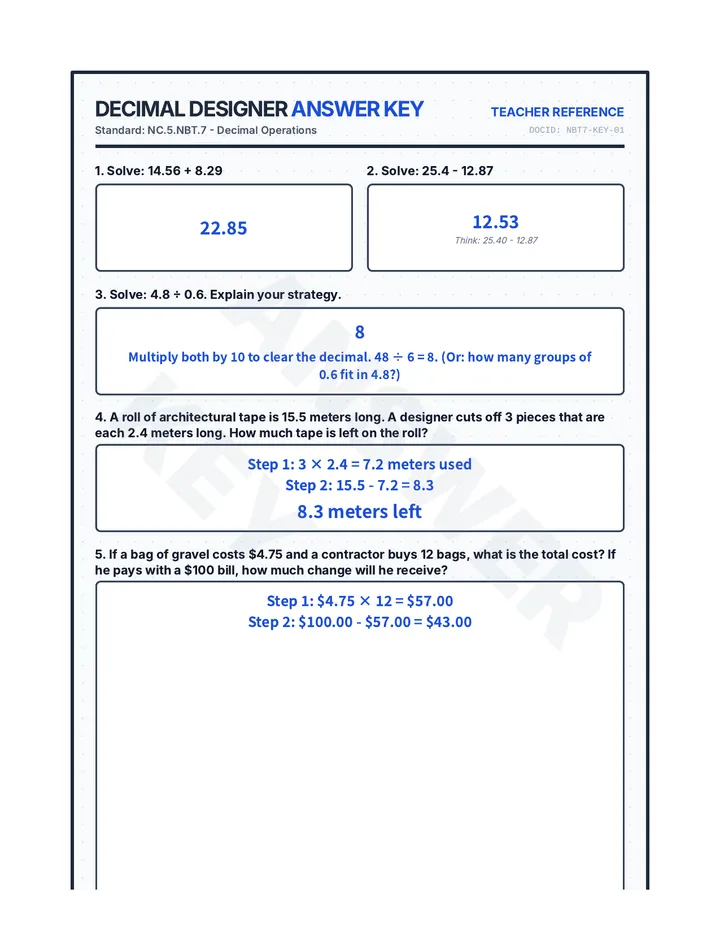
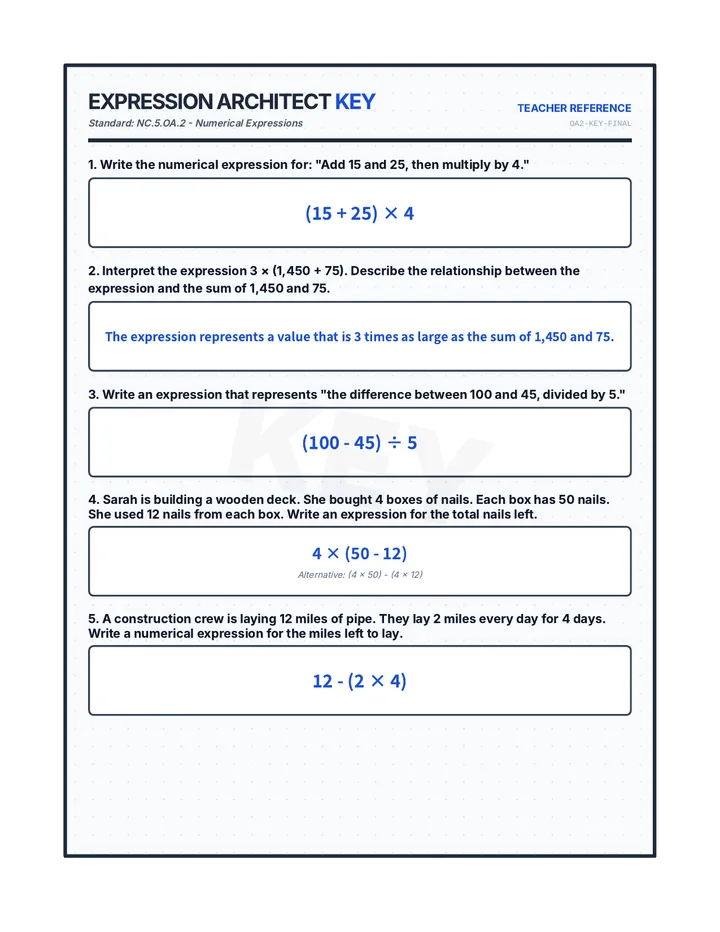
A comprehensive collection of math practice pages focused on North Carolina 5th Grade standards for Operations & Algebraic Thinking and Number & Operations in Base Ten. Designed with a blueprint theme, these materials provide structured practice with standard algorithms and multi-step word problems.
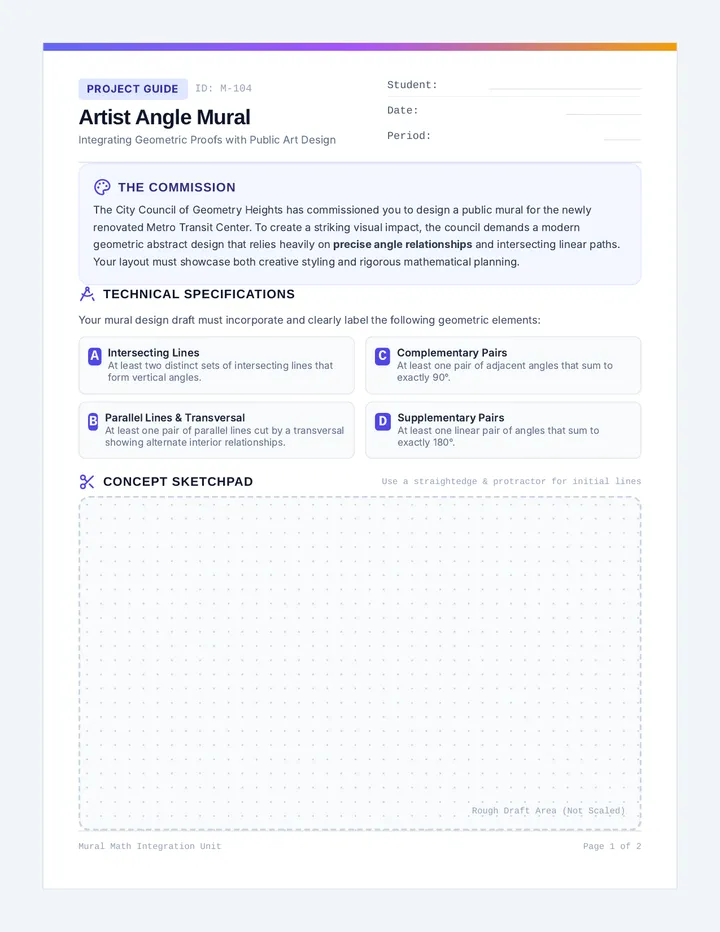
A comprehensive unit covering 7th-grade geometry standards, focusing on scale drawings, geometric constructions, 3D cross-sections, angle relationships, and solving real-world area, volume, and surface area problems.
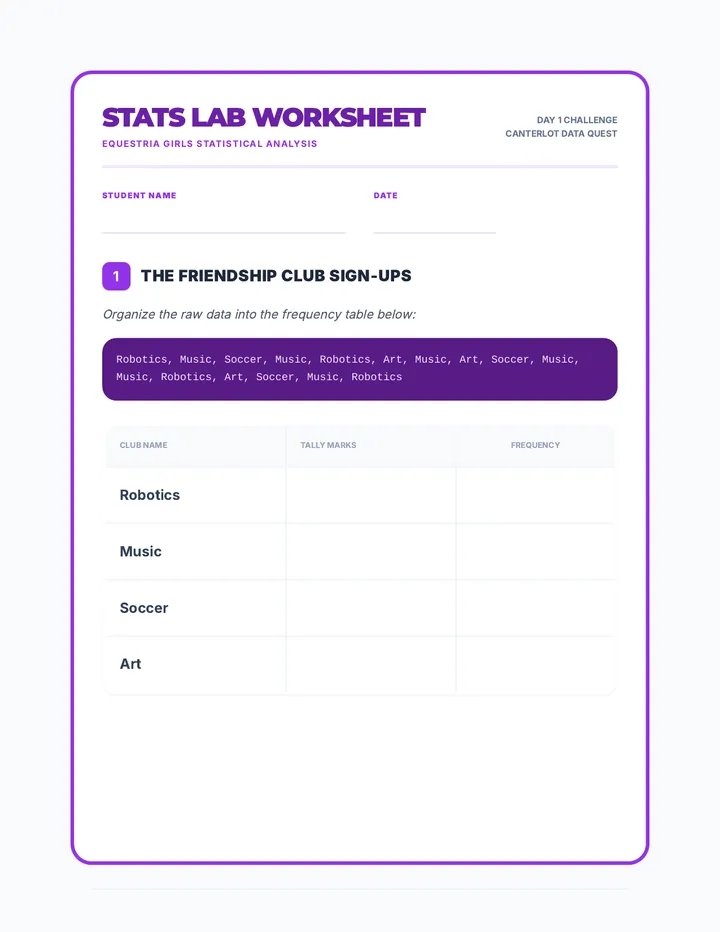
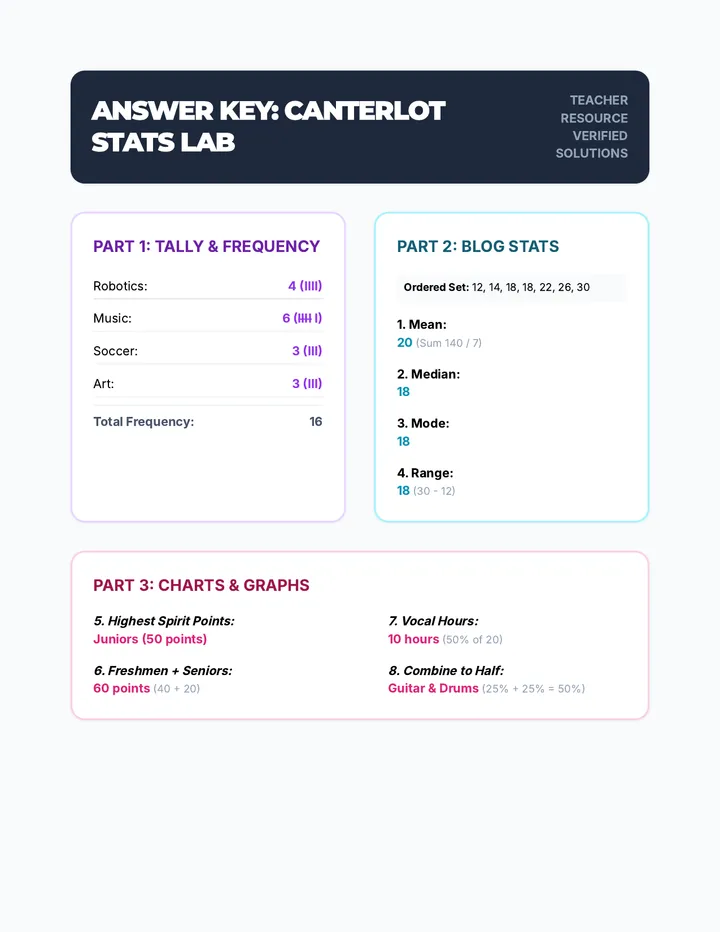
A week-long immersive statistics unit themed around Canterlot High and the Equestria Girls. Students master data analysis, visualization, and probability through daily challenges and a cumulative review packet.