An inquiry-driven sequence for 11th-grade students to explore the physical forces behind periodic trends using data analysis and Coulombic principles. Students move from understanding atomic forces to predicting properties of unknown elements.
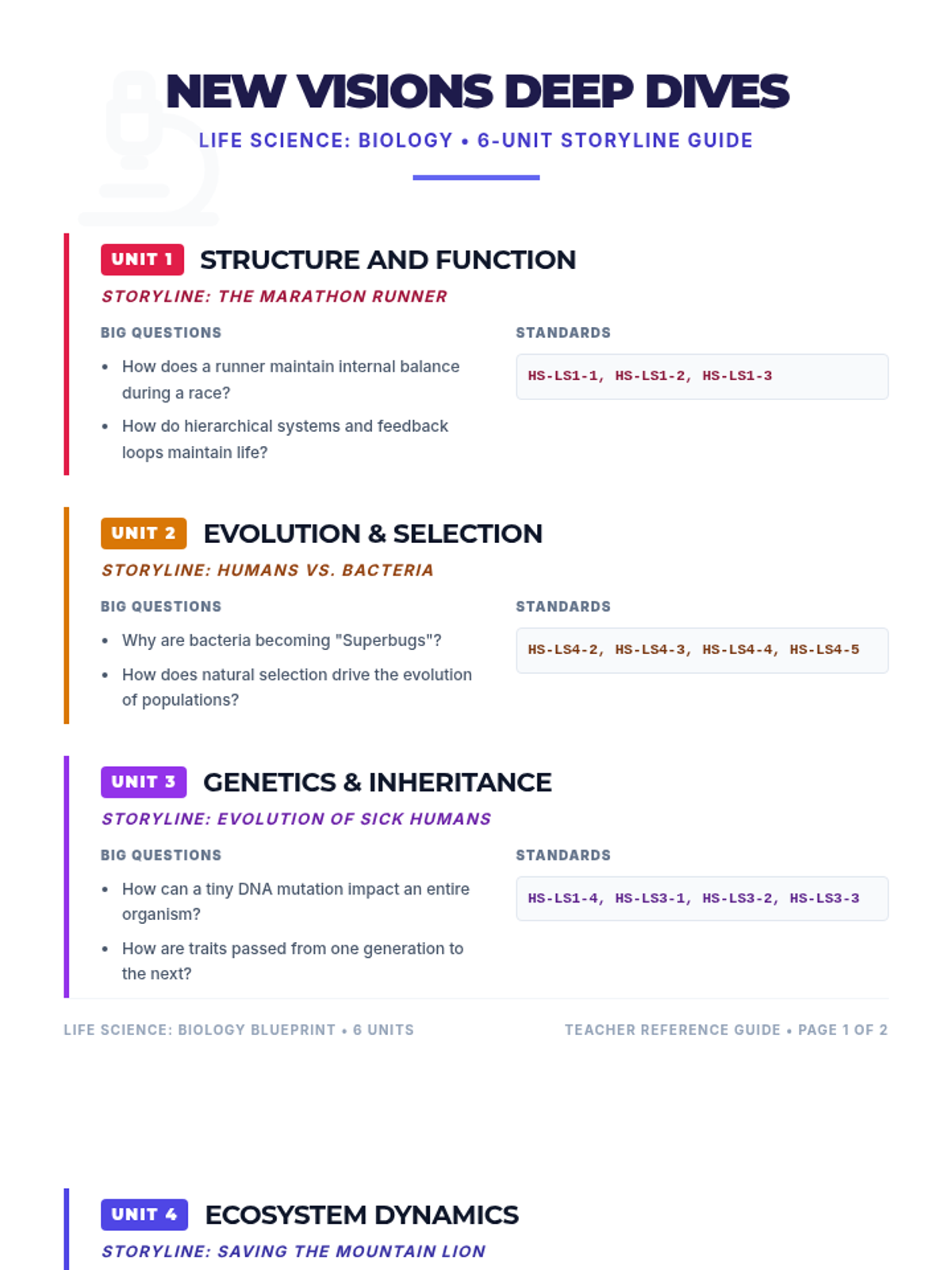
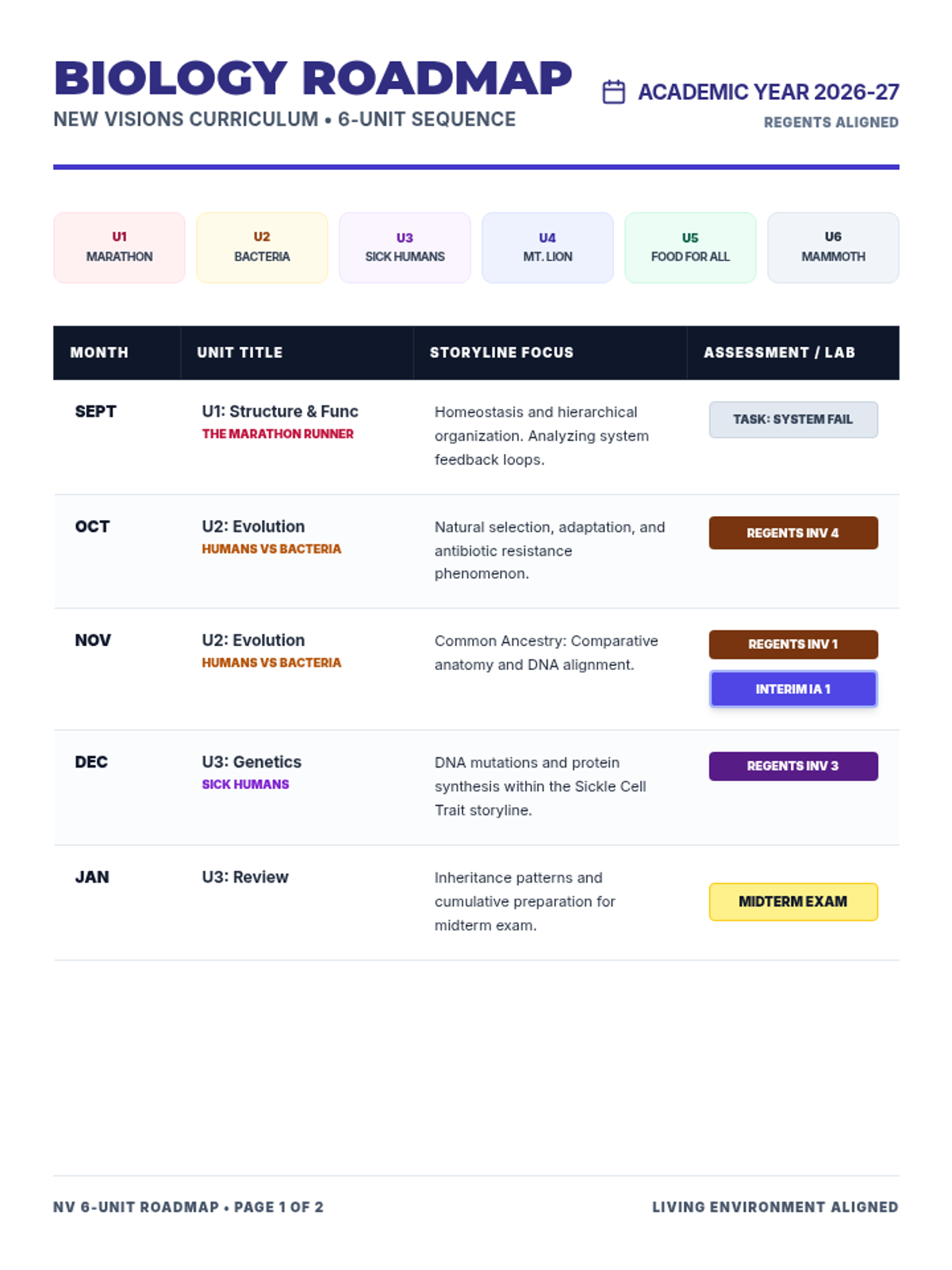
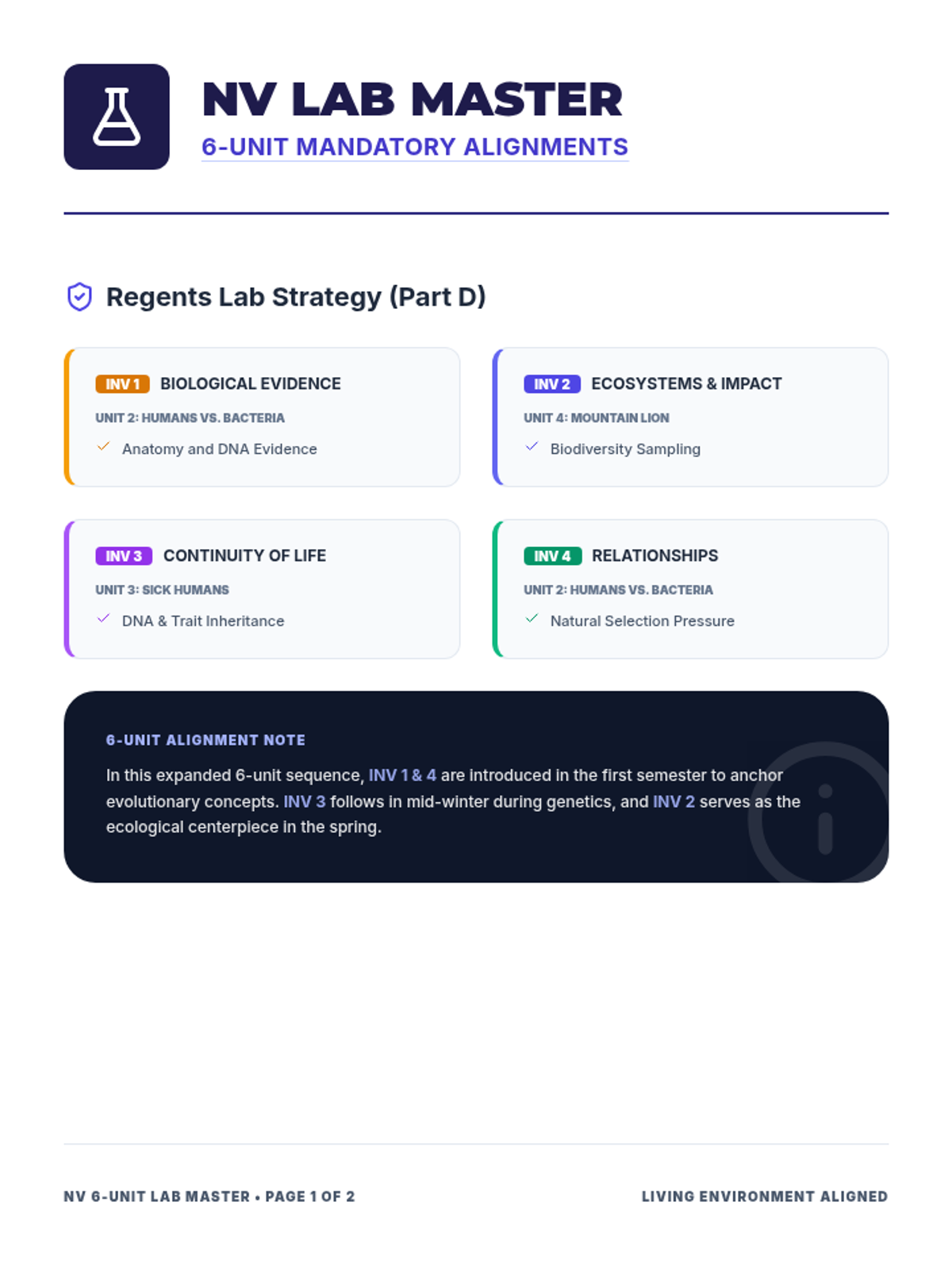
A comprehensive high school biology unit covering plant and animal systems, focusing on structure, transport, reproduction, and response through anchoring phenomena and hands-on labs.
A high school biology sequence focused on the neuroscience of addiction, specifically analyzing how chemical structure and speed of delivery influence the brain's reward system. Students explore the biological mechanisms of tolerance, dependence, and the blood-brain barrier through graphing and comparative analysis.
A specialized AP Biology unit exploring the intersection of neuroscience and psychology, focusing on the biological mechanisms of mental health disorders and the pharmacology of their treatments.
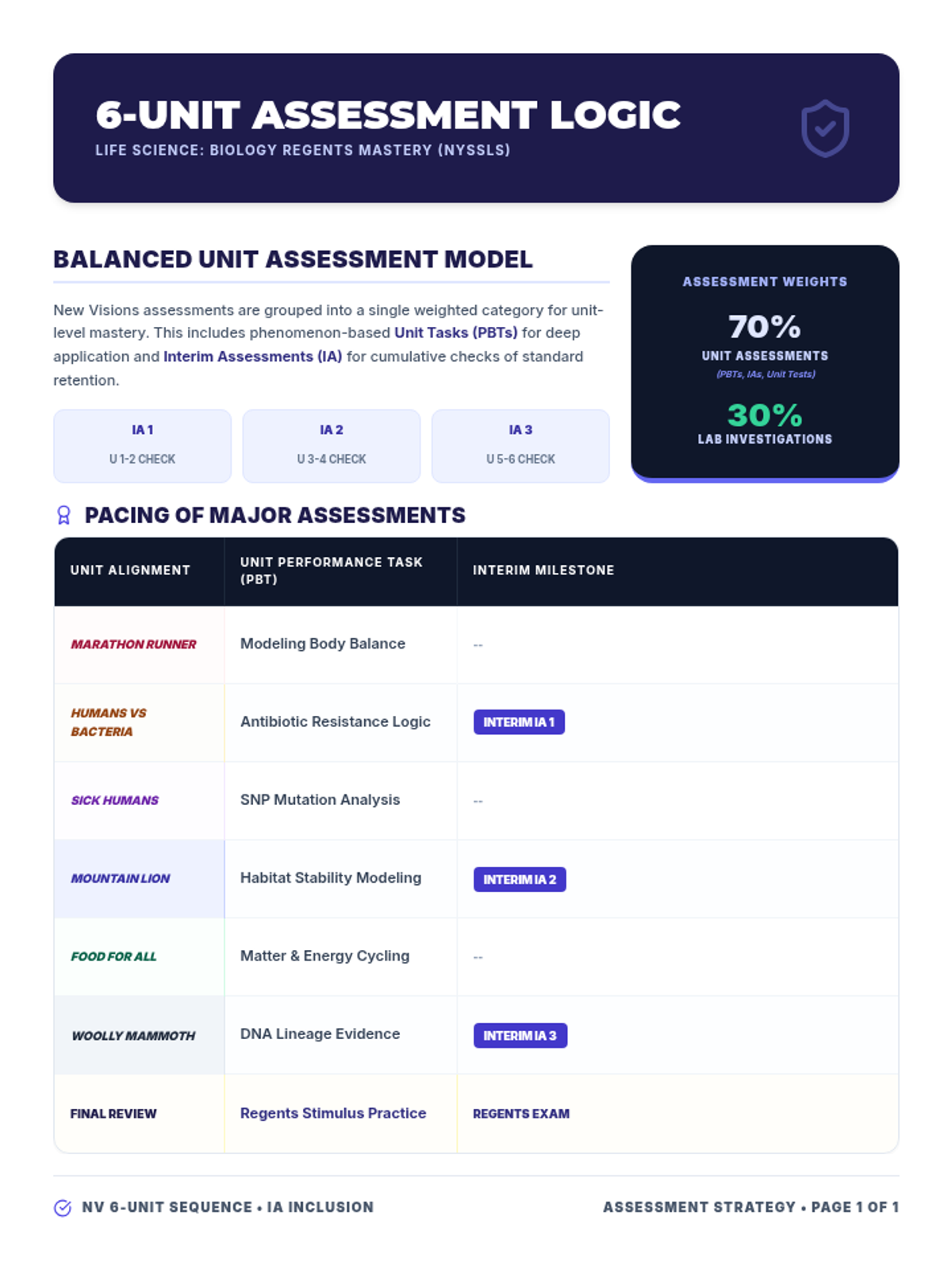
A high school biology lesson sequence exploring the biological basis of perception, focused on how external substances and chemical imbalances alter neurotransmitters to cause psychosis and hallucinations.
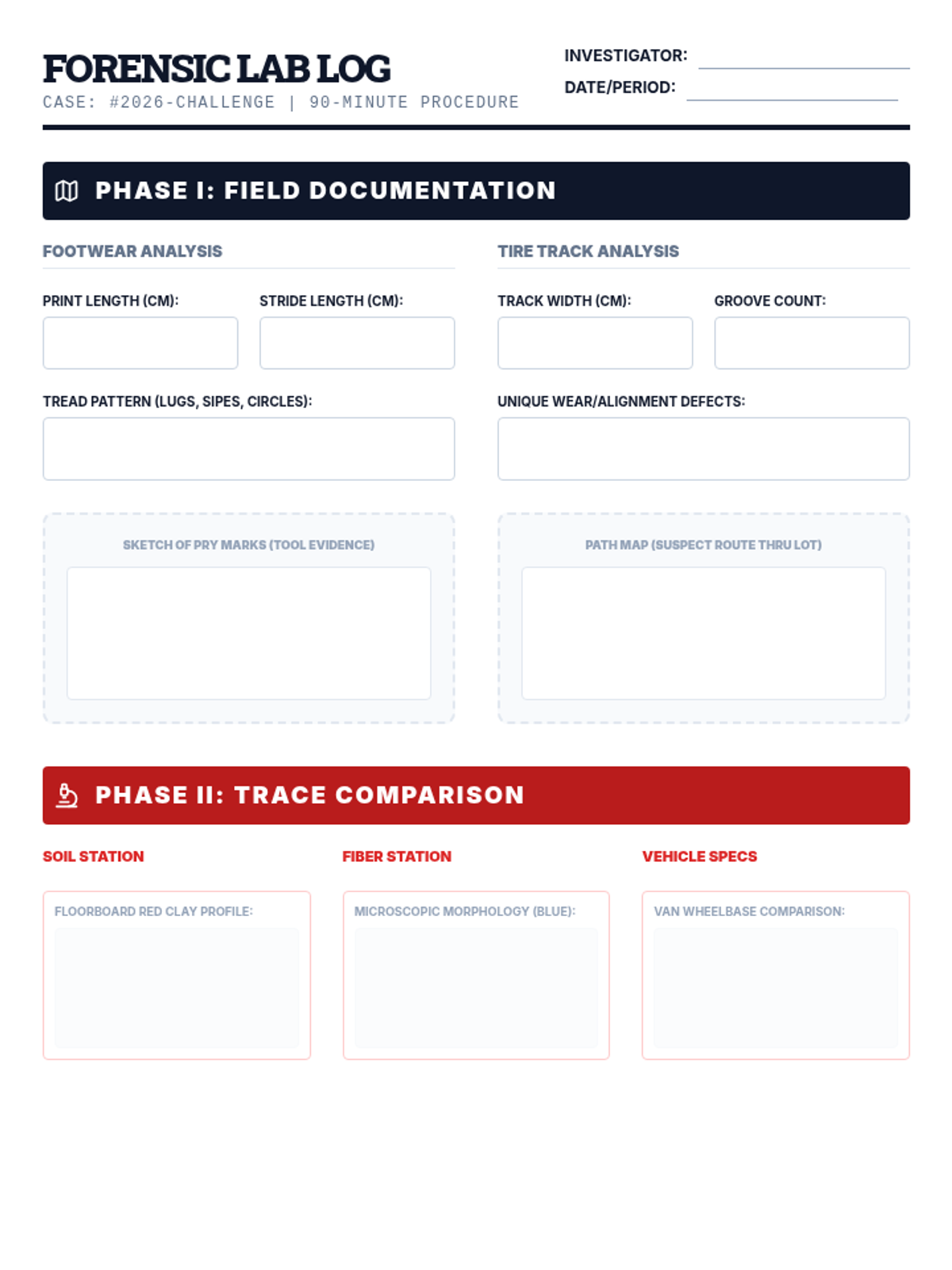
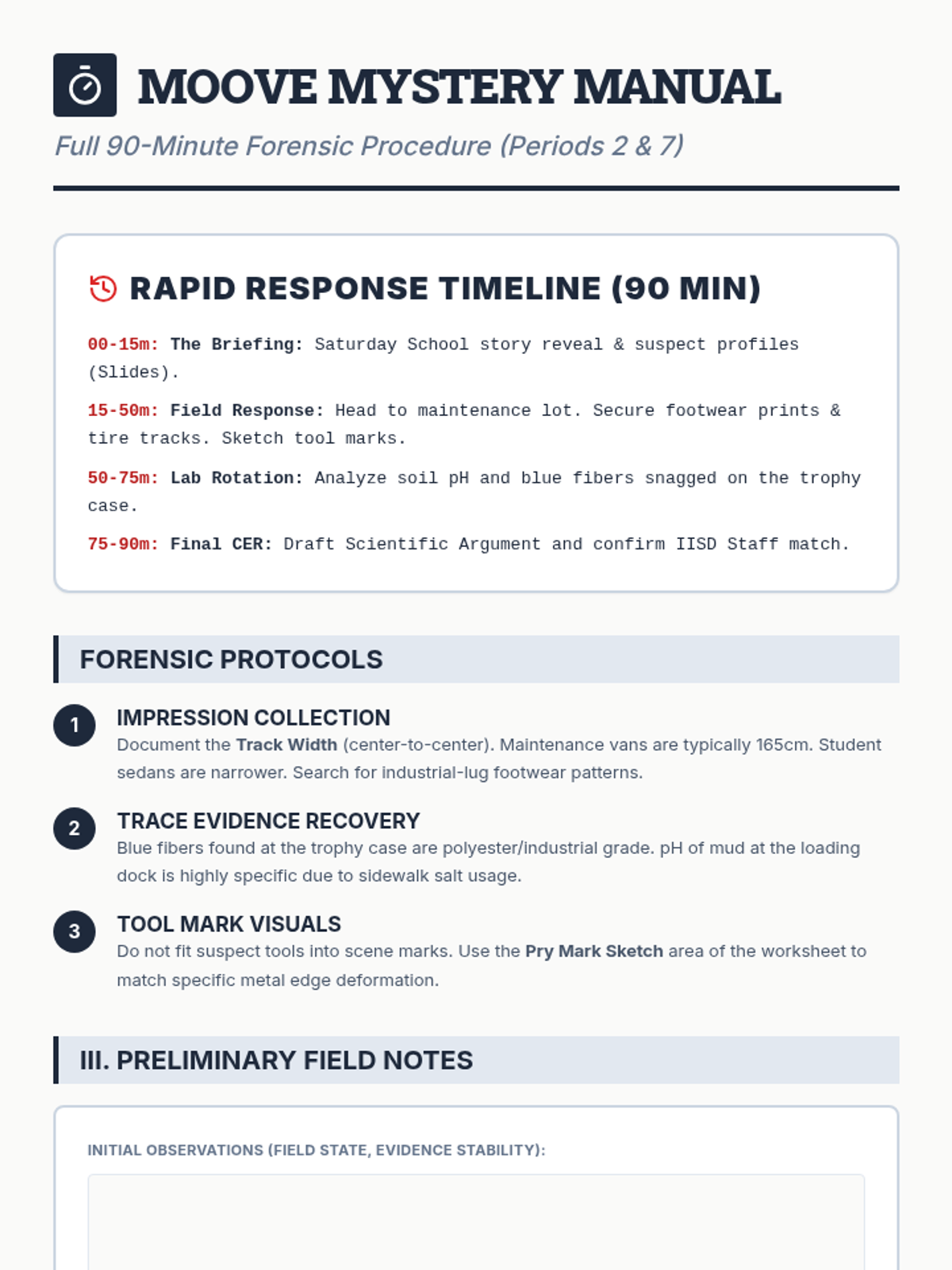
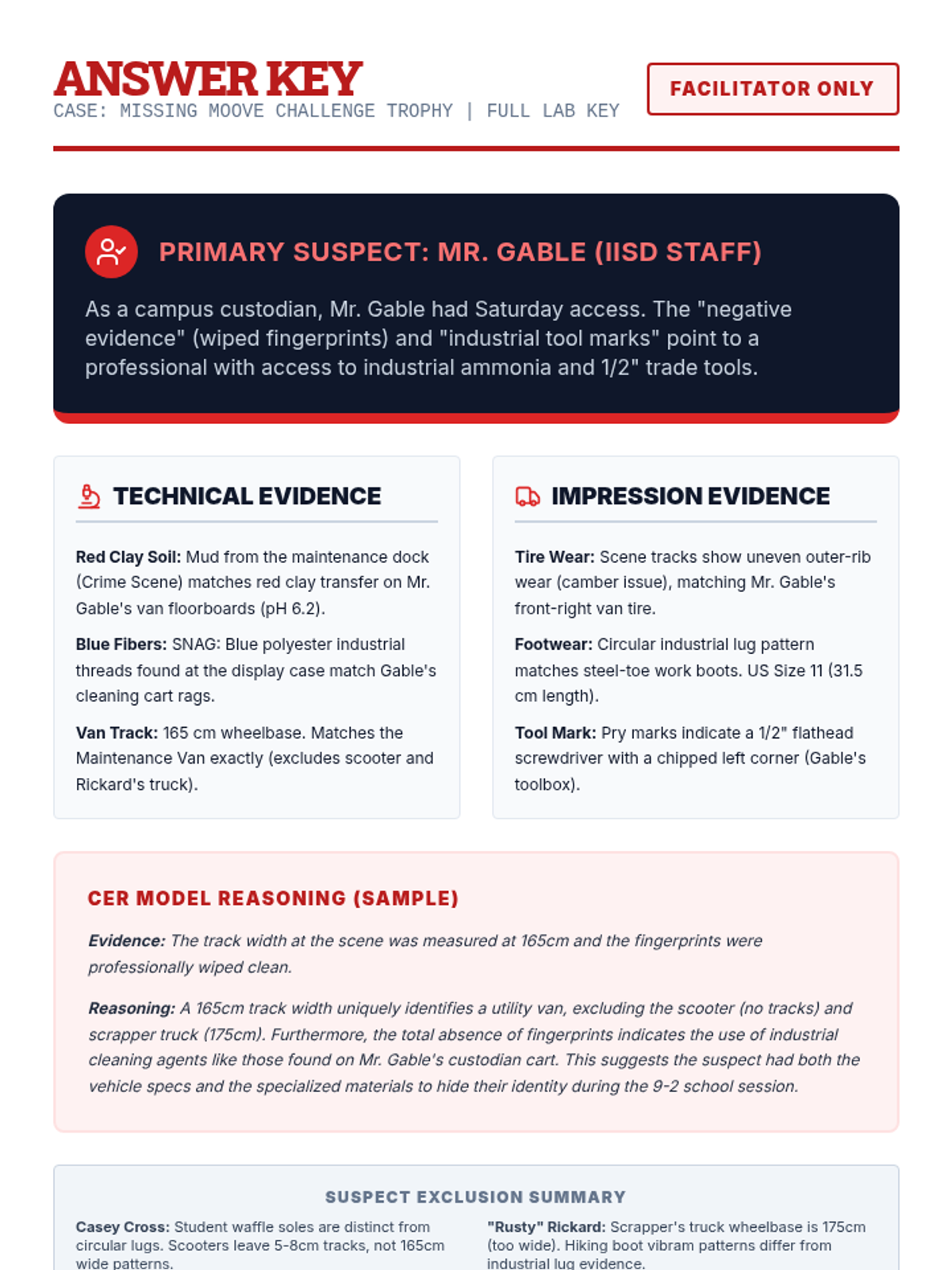
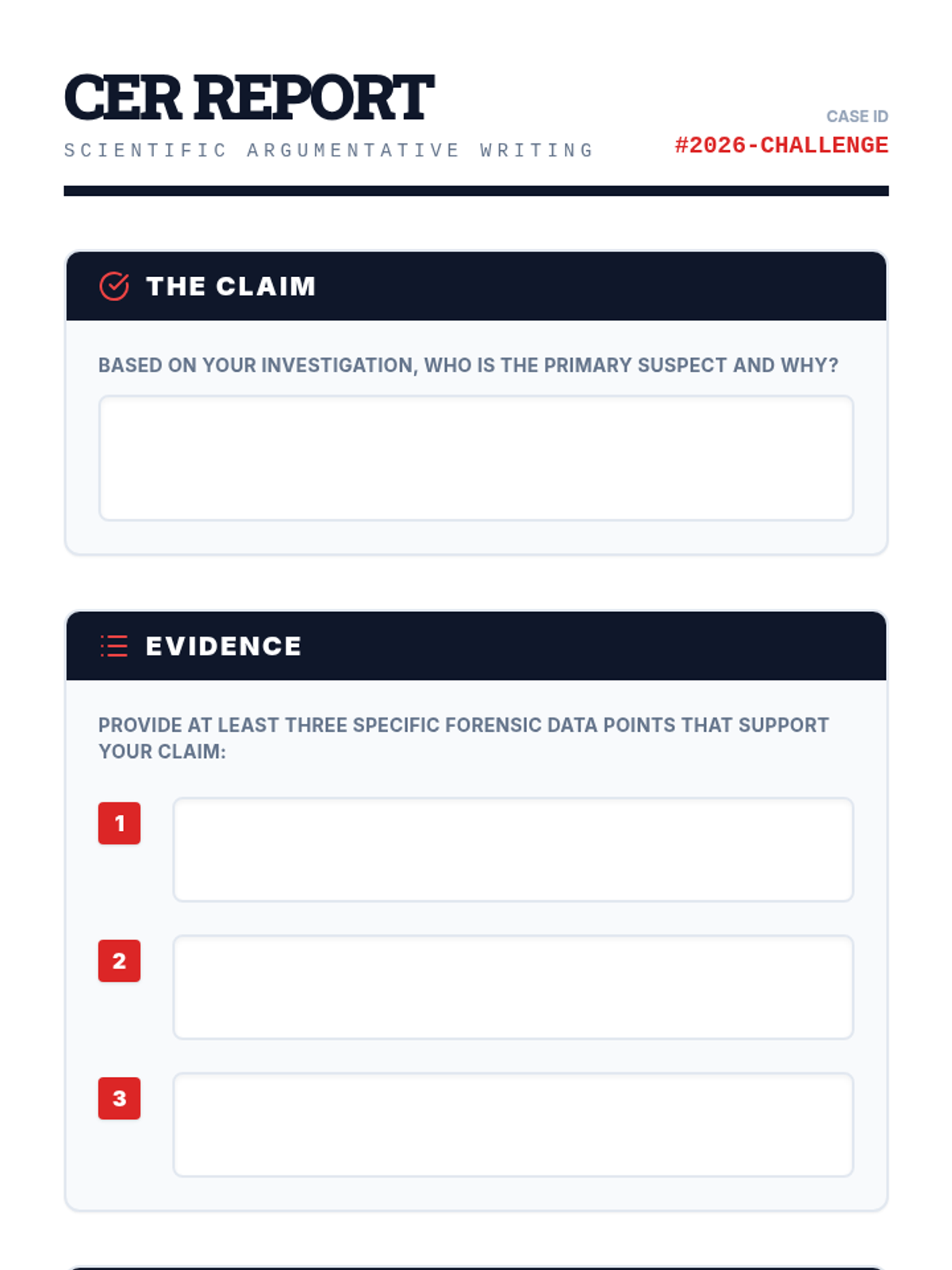
A comprehensive unit on the fundamentals of forensic science and criminal investigation, culminating in a hands-on murder mystery simulation. Students learn about evidence collection, witness psychology, and deductive reasoning.
Cette séquence pédagogique de 6 heures explore les mécanismes scientifiques de l'effet de serre, l'impact des activités humaines sur le climat et les enjeux futurs liés au réchauffement climatique. Elle est conçue pour les élèves de Première et Terminale dans le cadre de l'Enseignement Scientifique.
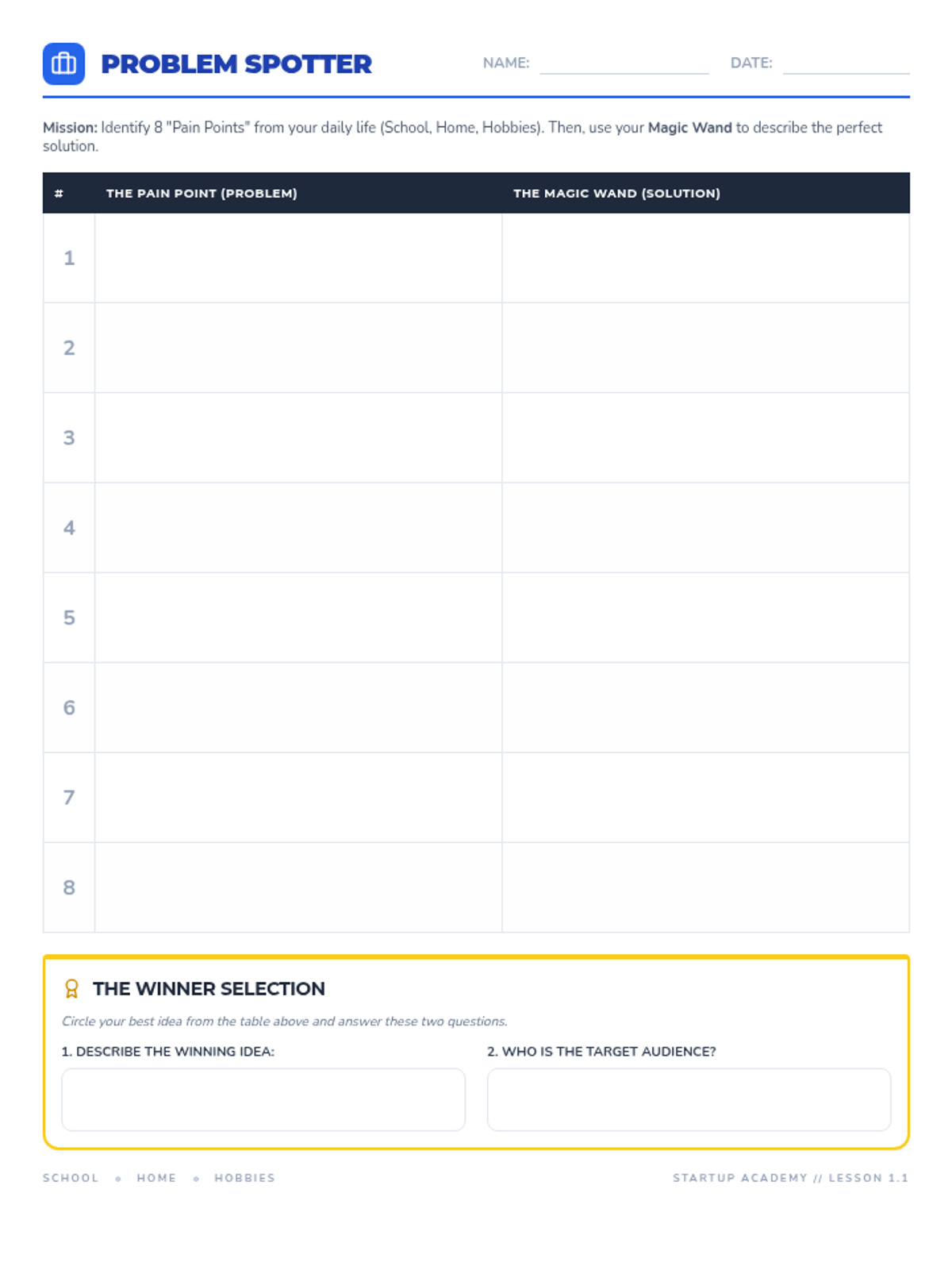
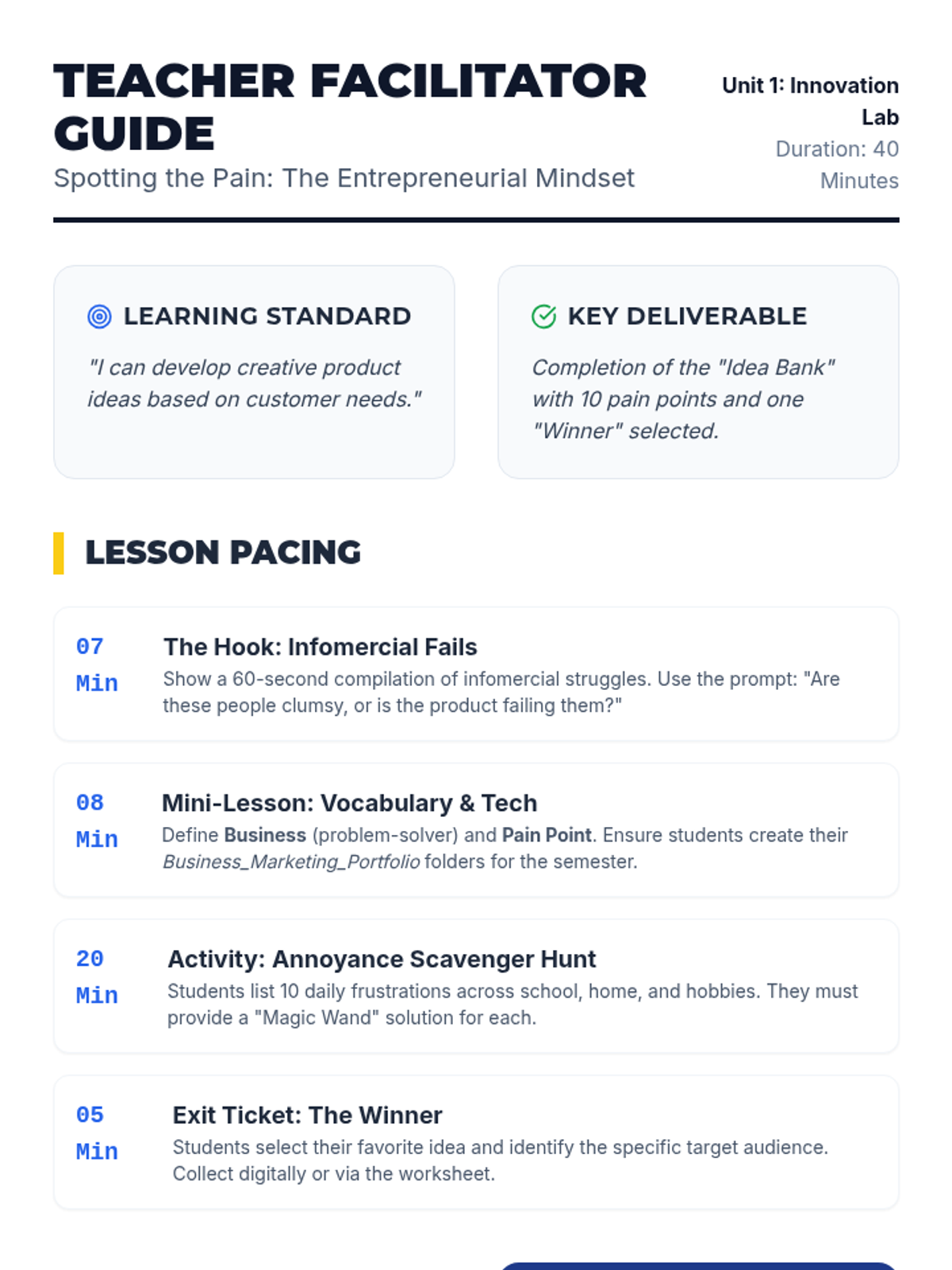
A comprehensive project-based learning unit where high school students apply design thinking to solve real-world problems, from initial discovery to final prototyping and pitching.
A high-engagement sequence on plant systems (Reproduction, Transport, and Response) designed for talkative students. It uses collaborative, discussion-based activities to channel social energy into scientific inquiry.
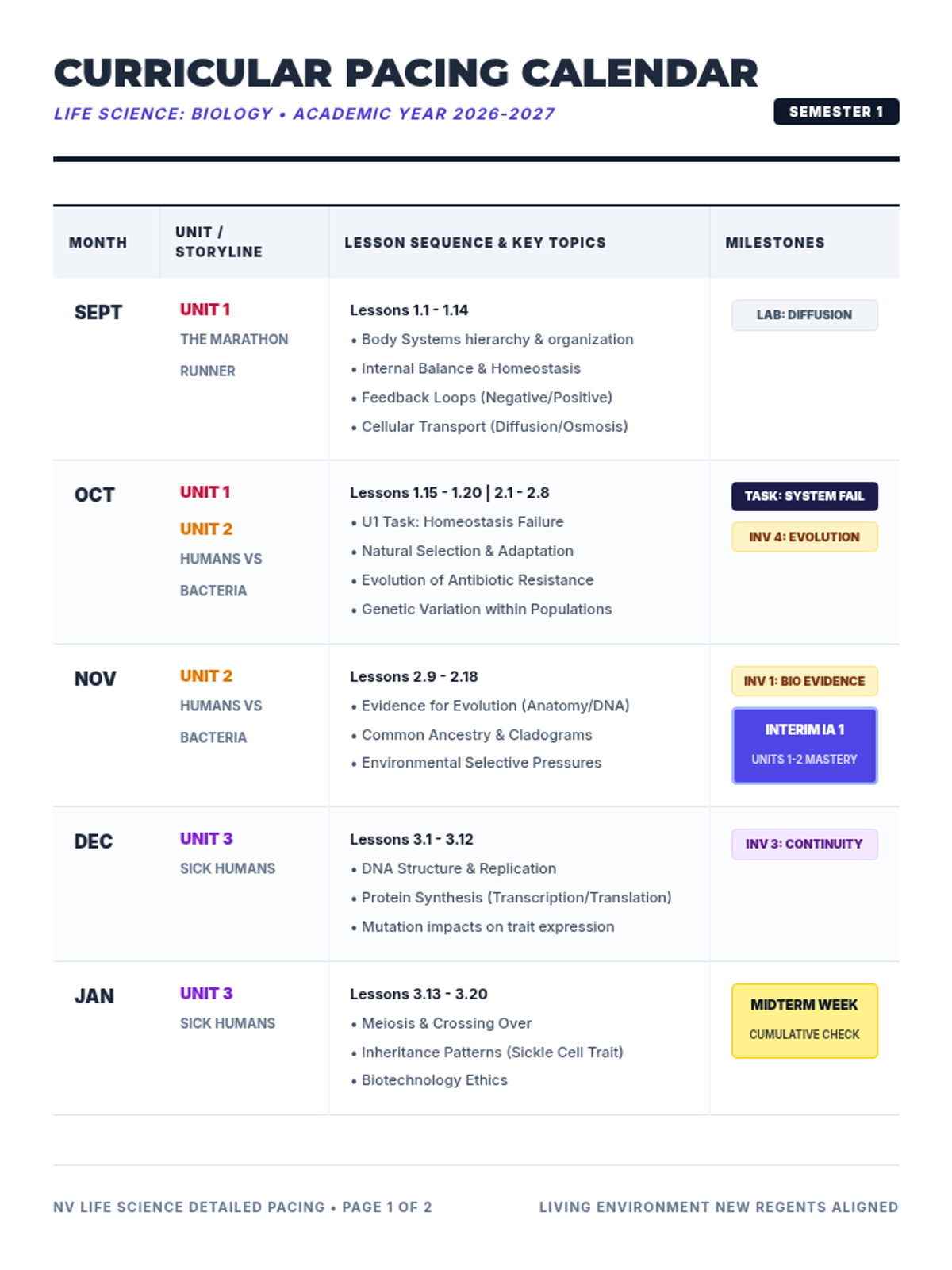
A comprehensive 2-week unit for high school biology students exploring the interconnectedness of life, from microscopic organisms to the global biosphere. Students will investigate biomes, energy flow, and population dynamics through hands-on activities and creative projects.
A week-long unit for high school students exploring the fundamental anatomy and physiology of horses through the lens of veterinary medicine, including skeletal, muscular, digestive, and circulatory systems.
A unit exploring the biological origins of humanity, focusing on evolutionary biology, phylogeny, and the development of complex traits like bipedalism and collective learning.
A high school entrepreneurship lesson evaluating the trade-offs between business specialization and diversification. Students analyze the 'Joe's Lawn Care' scenario, explore economies of scale, and engage in a structured debate.
A sequence exploring the intersection of biology, psychology, and history regarding human conflict and cooperation.
A specialized high school chemistry/biology integrated lesson exploring the biochemical differences between Archaea and Bacteria. Students analyze how ether bonds and lipid monolayers provide structural stability for survival in extreme thermal environments through modeling and chemical analysis.
A high-school level exploration of thermodynamics, focusing on the connection between entropy, enthalpy, and Gibbs Free Energy to predict chemical spontaneity.
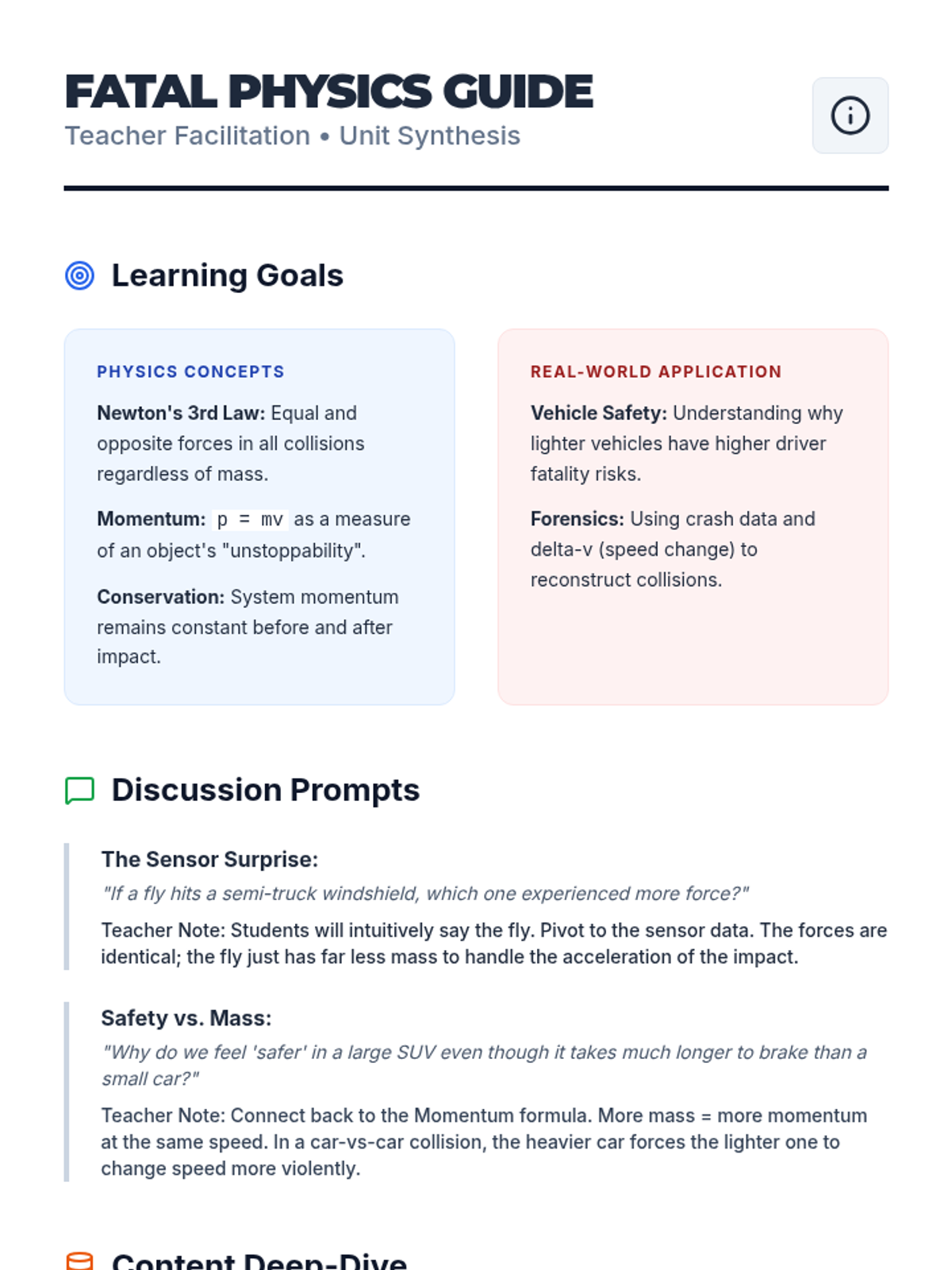
A lesson focused on Galileo's gravitational experiments and the mathematical resolution of the 'gravity paradox,' where mass cancels out in the calculation of acceleration. Students conduct a hands-on lab using bottles of different masses to test empirical results against theoretical models.
A series focused on local environmental action and urban air quality solutions, guiding students from observation to advocacy.
A comprehensive biology sequence exploring the intricate ways species interact, from basic symbiosis to complex ecosystem dynamics and population growth.
A high-school physics sequence connecting 3D coordinate geometry to real-world drone navigation and vector displacement. Students learn to calculate distances in 3D space using the Pythagorean theorem and apply these skills to urban flight path planning.
This inquiry-based sequence bridges biology and behavioral science, exploring the neurobiological roots of agitation. Students investigate the 'why' behind physiological changes during escalation to foster an objective, science-based approach to behavioral support.
A comprehensive 11th-grade sequence teaching keyboard-only file management and digital organization. Students build a mental model of directory structures and master shortcuts for navigation, creation, selection, and manipulation without a mouse.
An 11th-grade digital literacy sequence focusing on the principles of User Experience (UX) and Web Accessibility. Students move from theoretical design thinking to practical application of WCAG standards and usability testing.
A comprehensive sequence for 11th-grade students exploring the legal and ethical landscapes of digital publishing. Students examine intellectual property, dark patterns in UX design, data privacy regulations, and open-source ethics to build a foundation for responsible web creation.
A comprehensive deep dive into the technical infrastructure of the web, covering file management, hosting, deployment, SEO, and optimization for high school seniors. Students will transition from local development to public web publishing.
A comprehensive sequence for 11th-grade students focusing on responsive web design, mobile-first philosophy, and modern CSS layout techniques including Flexbox and CSS Grid. Students will transition from understanding the 'viewport' to building a fully responsive business landing page.
A foundational sequence for 11th graders to master HTML5 structure and CSS3 styling. Students move from basic tags and the DOM to advanced box model concepts, typography, and professional debugging workflows, culminating in a hand-coded biographical webpage.
A game-based sequence where 8th-grade students master responsive web design. They progress from fluid units to Flexbox and Media Queries, culminating in a responsive card layout project.
A comprehensive unit where 8th-grade students learn the technical and ethical requirements of web publishing. Students move from local development to a live portfolio, covering file management, copyright law, hosting infrastructure, SEO, and long-term maintenance.
This sequence shifts focus from writing code to designing for human needs through User Experience (UX) and User Interface (UI) principles. Students adopt the role of UX researchers, analyzing existing sites for usability and accessibility failures before they write a single line of code.
A comprehensive guide to the operational side of web development, covering DNS, hosting types, FTP, CMS deployment, SEO, and site security. Students learn the technical requirements for establishing and maintaining a professional digital presence.
A comprehensive introduction to web development, focusing on semantic HTML5 structure and CSS styling. Students progress from analyzing existing websites to hand-coding a multi-page static site with professional standards.
A comprehensive sequence for high school seniors to plan, design, and build a professional digital portfolio. Students move from brand strategy and content curation to high-fidelity coding and peer-led usability testing.
A comprehensive unit on modern web design, focusing on User Experience (UX), flexible layout systems (Flexbox and CSS Grid), and responsive design principles using a mobile-first philosophy.
A comprehensive unit on User Experience (UX) and Web Accessibility (A11y) for 9th-grade students. Students move from understanding user needs through persona creation to planning inclusive digital spaces using wireframes and WCAG standards.
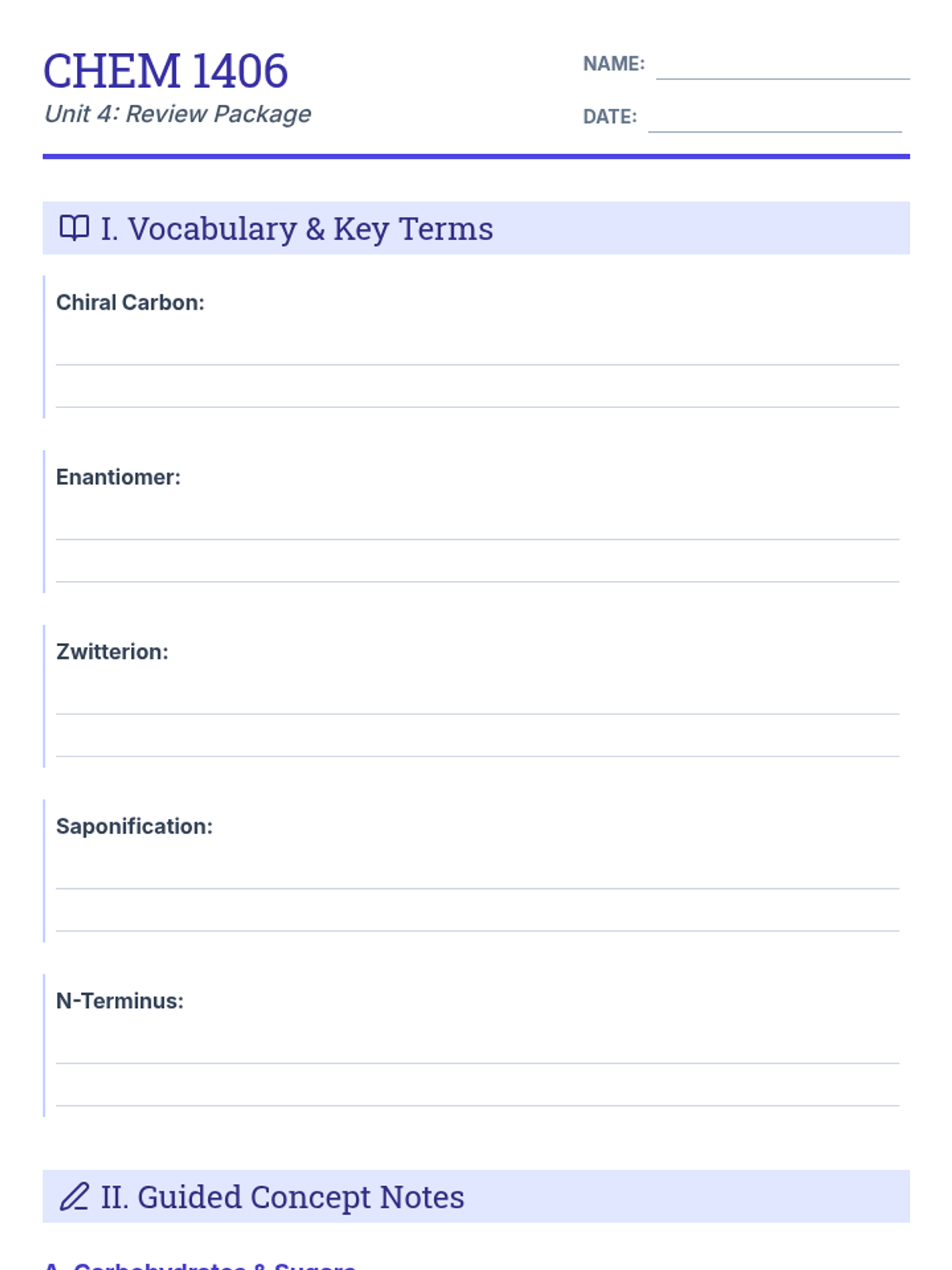
A comprehensive introduction to CSS for 9th-grade students, focusing on selectors, the box model, typography, flexbox layouts, and responsive design through hands-on coding challenges and visual theory.
A foundational unit for 9th-grade students to master HTML syntax, text hierarchy, hyperlinks, media embedding, and semantic layout containers. Through hands-on coding and source code analysis, students learn to build structurally sound web documents from scratch.
This sequence establishes the foundational skills necessary for objective behavioral analysis, moving students from casual observation to professional data collection. Students master operational definitions, the ABC model, quantitative measurement techniques, and data visualization while exploring ethical reporting and bias.
This sequence introduces 11th-grade students to the mechanics of operant conditioning, focusing on positive reinforcement. It covers foundational definitions, reinforcement schedules, shaping/chaining techniques, reinforcer subjectivity, and the design of behavioral intervention plans.