A unit exploring the geographical, economic, and social differences between the North and South in the mid-19th century, centered on the life of Harriet Tubman and the abolitionist movement.
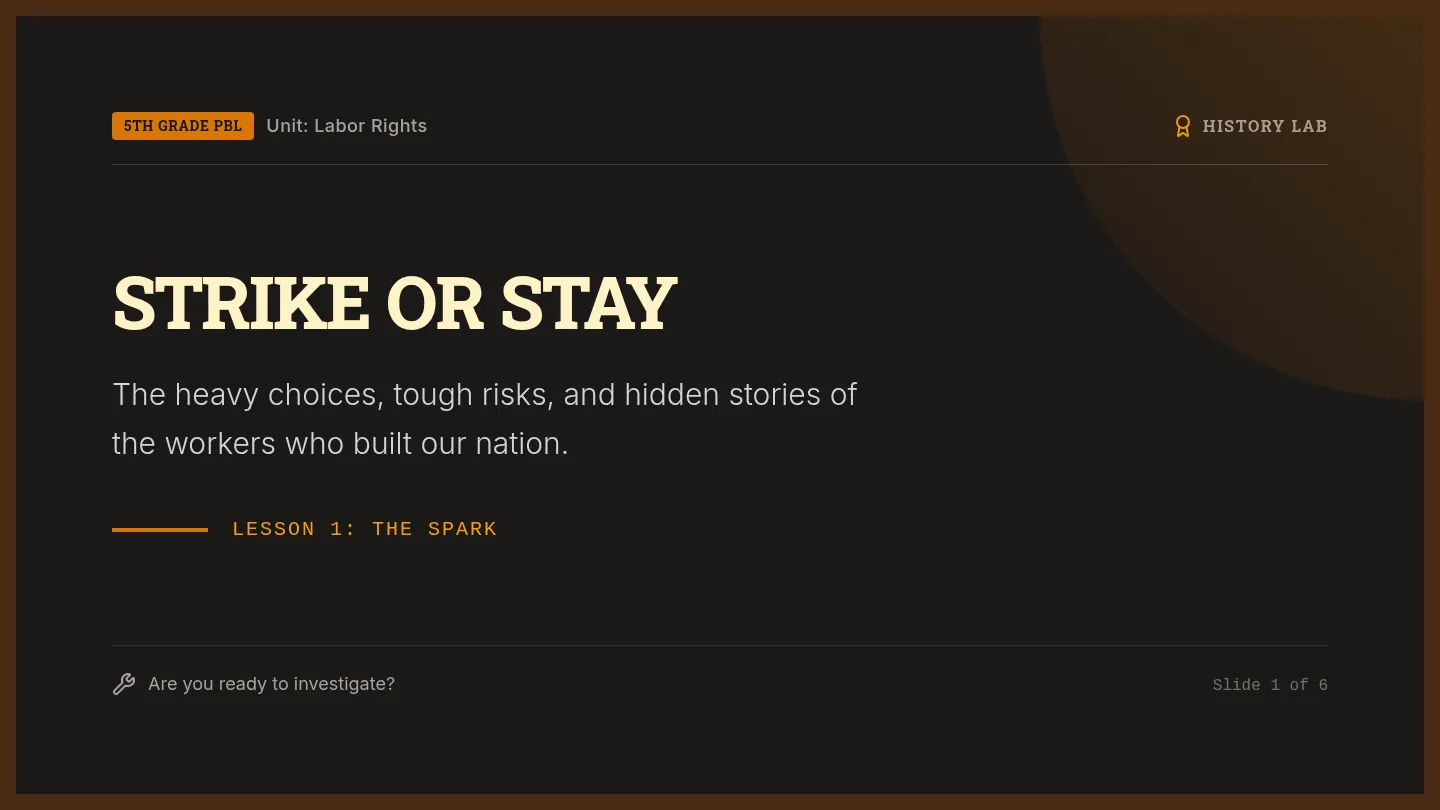
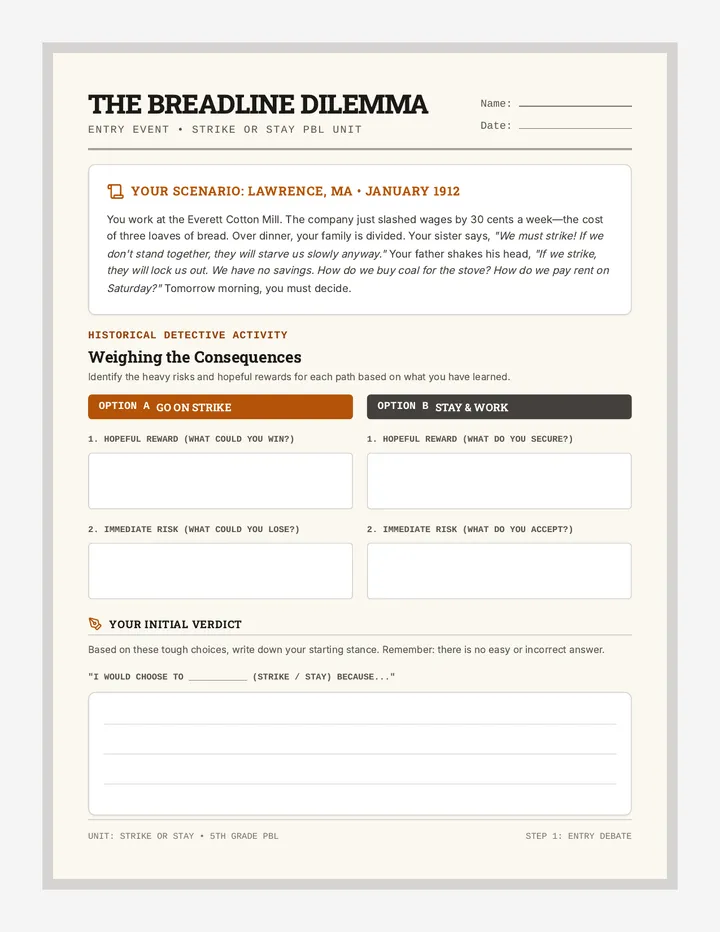
A 5th-grade project-based learning experience where students investigate labor rights and the intense choices workers face during a strike. Students research historical local or regional strikes and roleplay a community town hall debate.
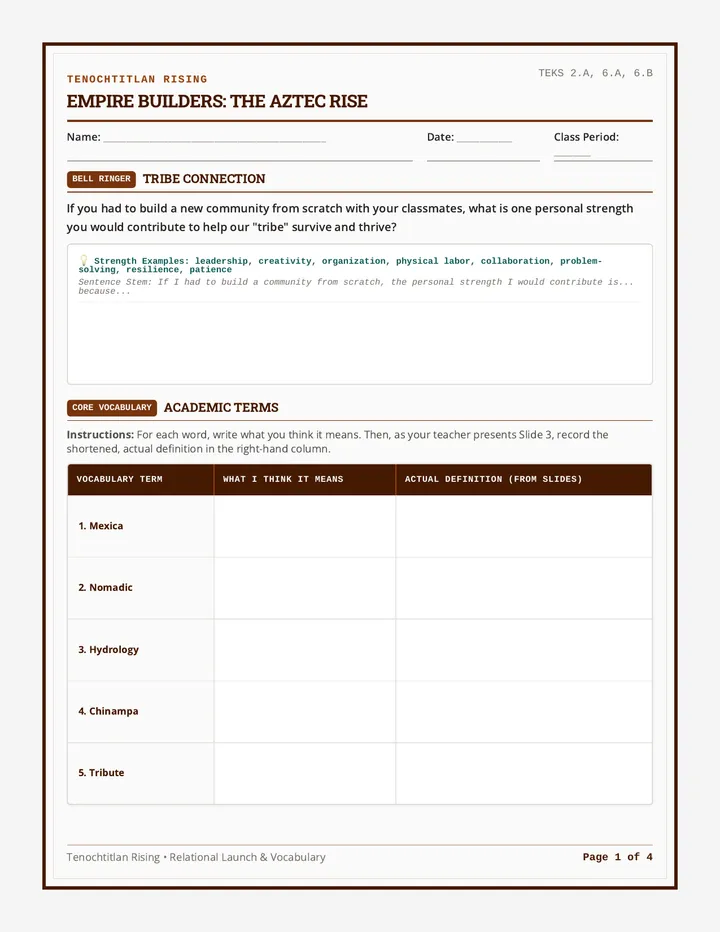
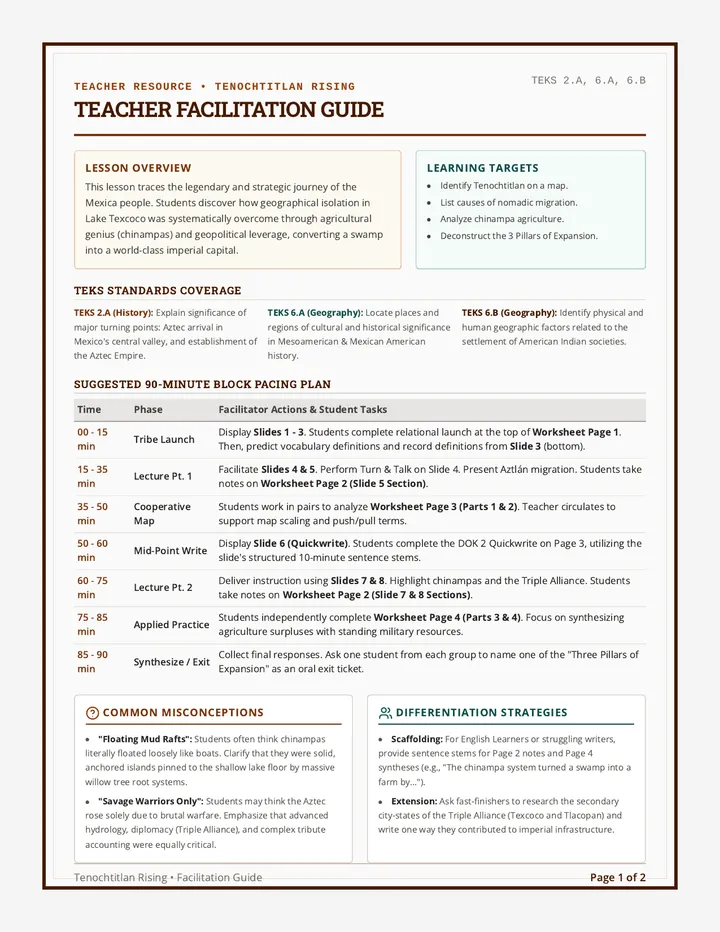
A comprehensive lesson exploring how the Mexica migrated from Aztlán, settled in the Valley of Mexico, and leveraged geography, agriculture, and military strategies to build the Aztec Empire. This lesson includes interactive presentation slides, a graphic organizer worksheet for student analysis, and a detailed teacher facilitation guide.
A two-page printable teacher facilitation guide detailing TEKS alignment, a minute-by-minute pacing plan, instructional strategies, common misconceptions, slide facilitation scripts, and a complete worksheet answer key (including the new vocabulary bell ringer page).
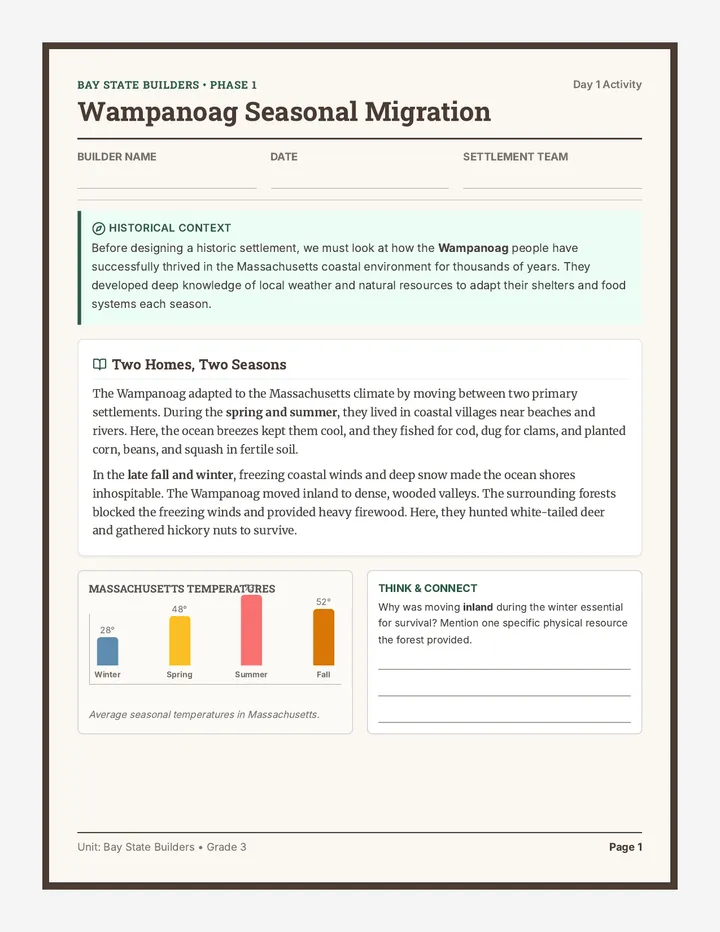
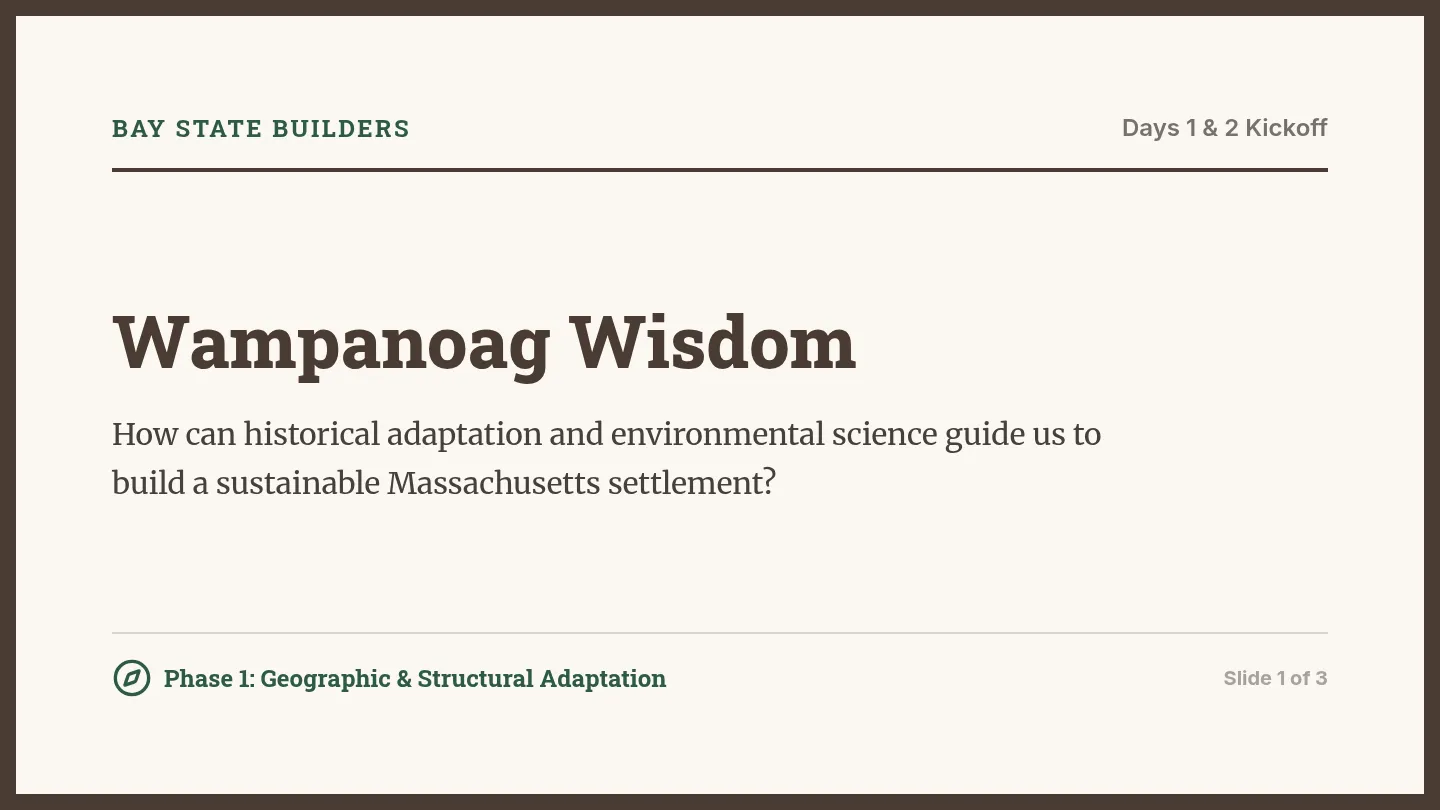
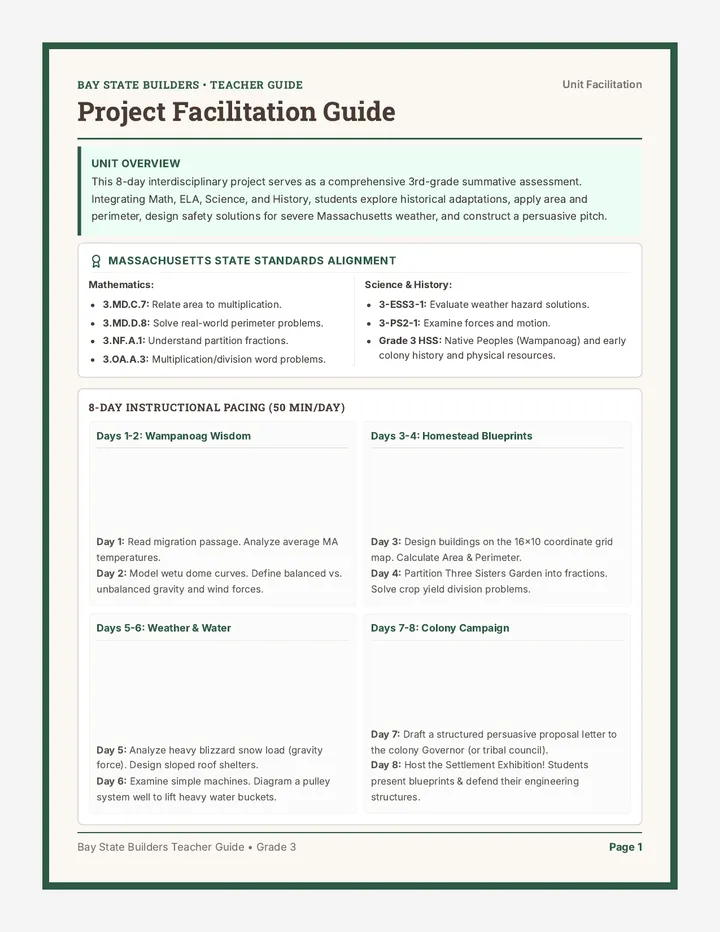
An 8-day interdisciplinary project where 3rd-grade students design a sustainable historical Massachusetts settlement. Integrating math, ELA, science, and social studies, students apply area, perimeter, fractions, weather science, Wampanoag adaptations, and persuasive writing.
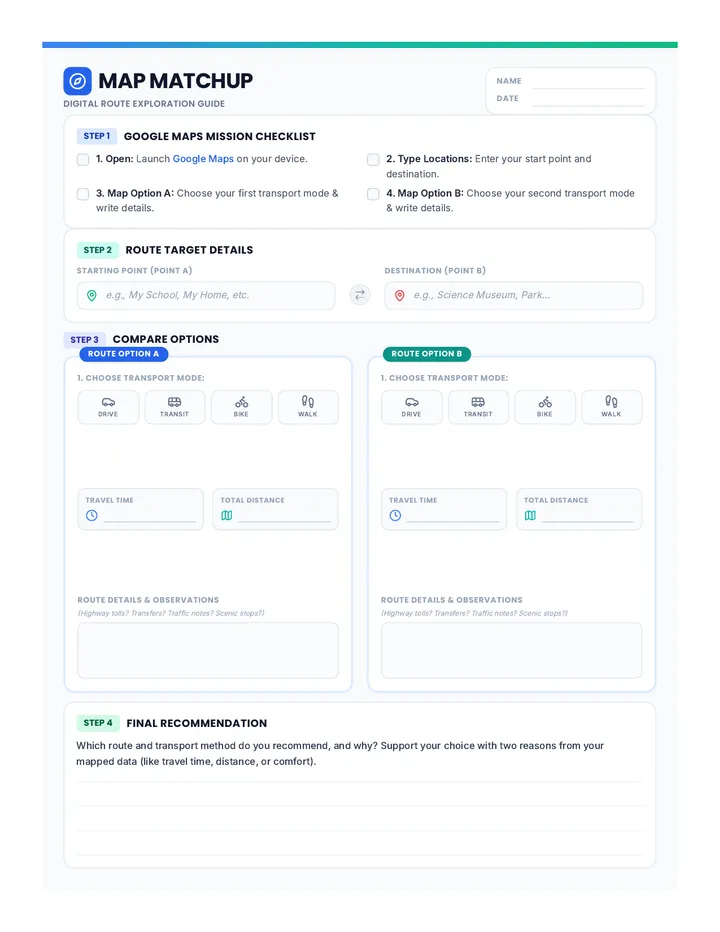
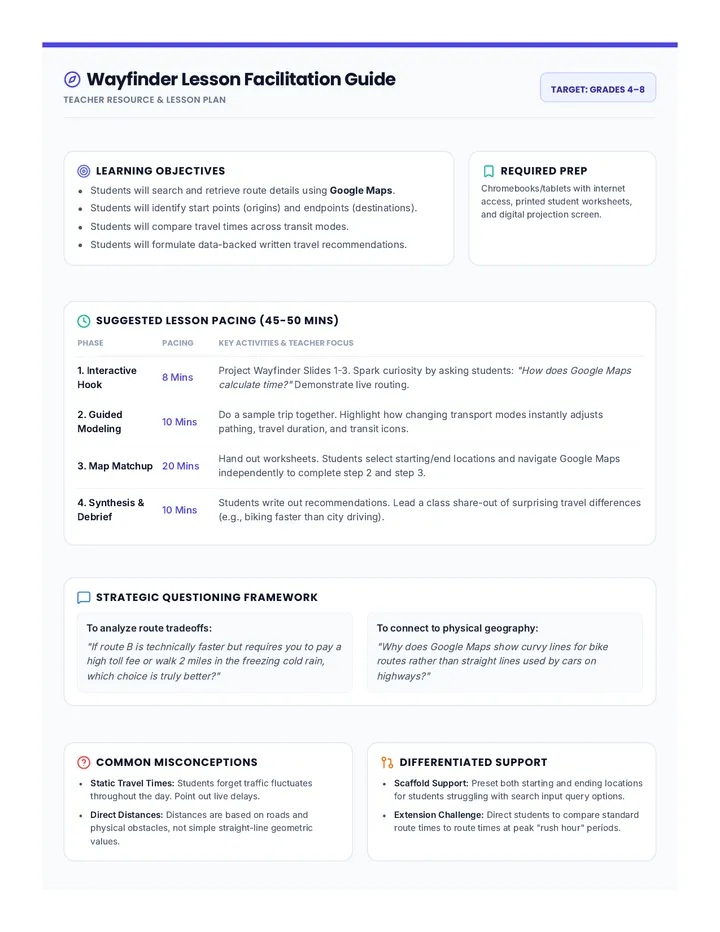
An introductory lesson on using digital mapping tools like Google Maps to plan routes, compare transportation options, and analyze travel times.
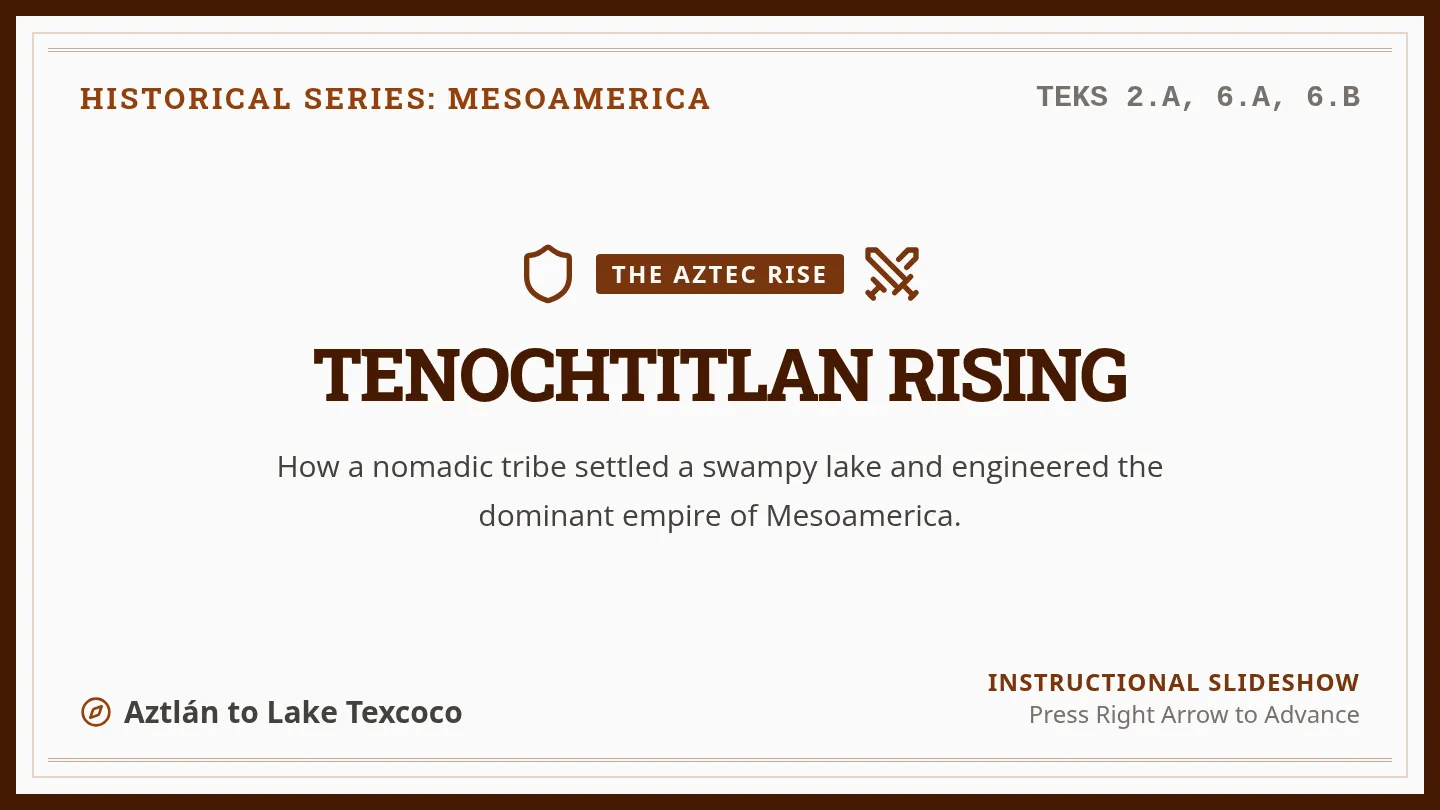
An 8-slide interactive instructional presentation for classroom use. Covers TODAY lesson goals, a shortened 5-word academic vocabulary bell ringer slide, the relational CKH tribe launch, migration from Aztlán, the founding of Tenochtitlan, a 10-minute quickwrite, chinampa agriculture, and the three pillars of imperial expansion. Employs a striking, highly visible Codex design with a 24px minimum font size.
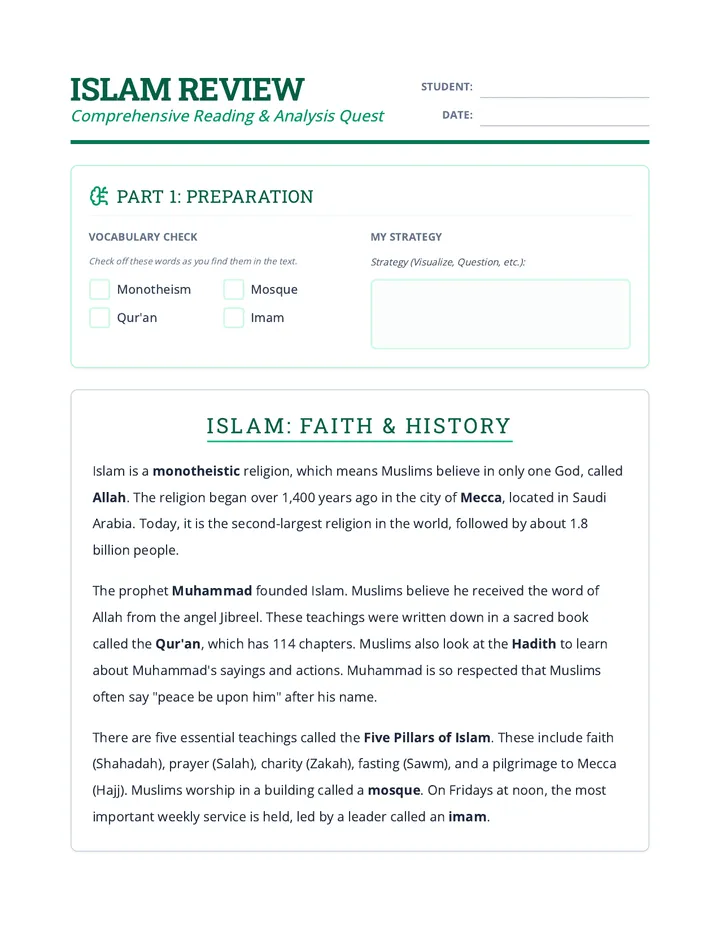
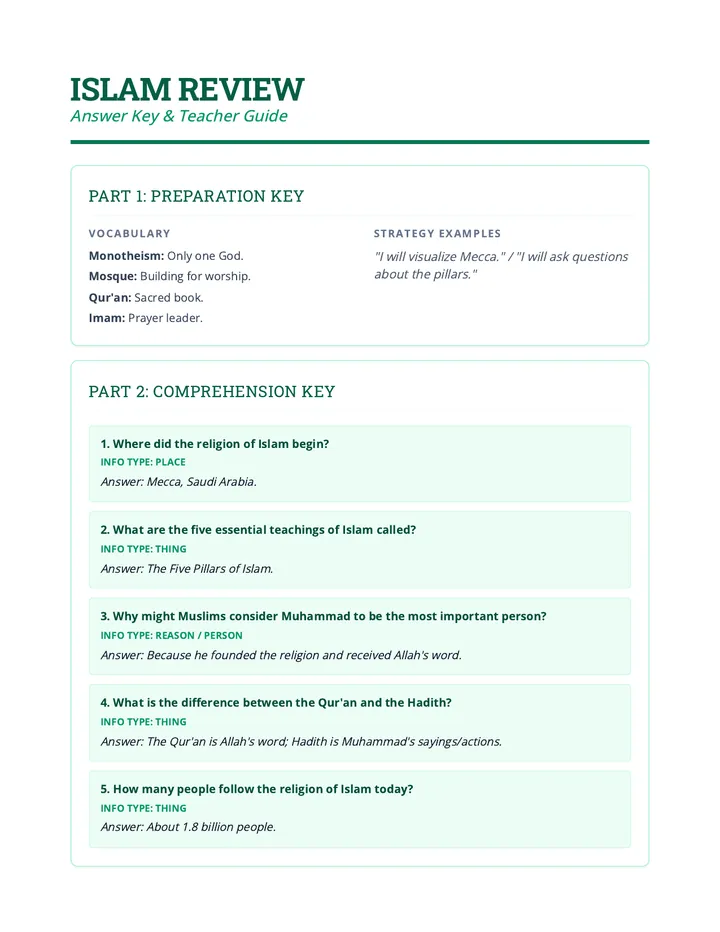
A comparative and deep-dive review sequence exploring foundational teachings, sacred texts, and cultural practices of major world religions.
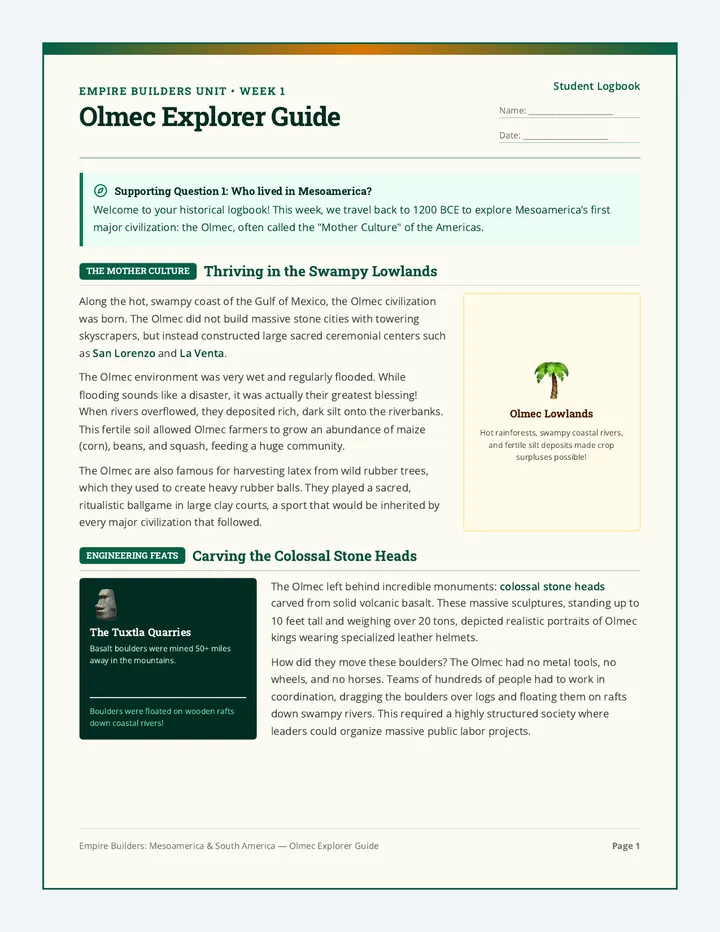
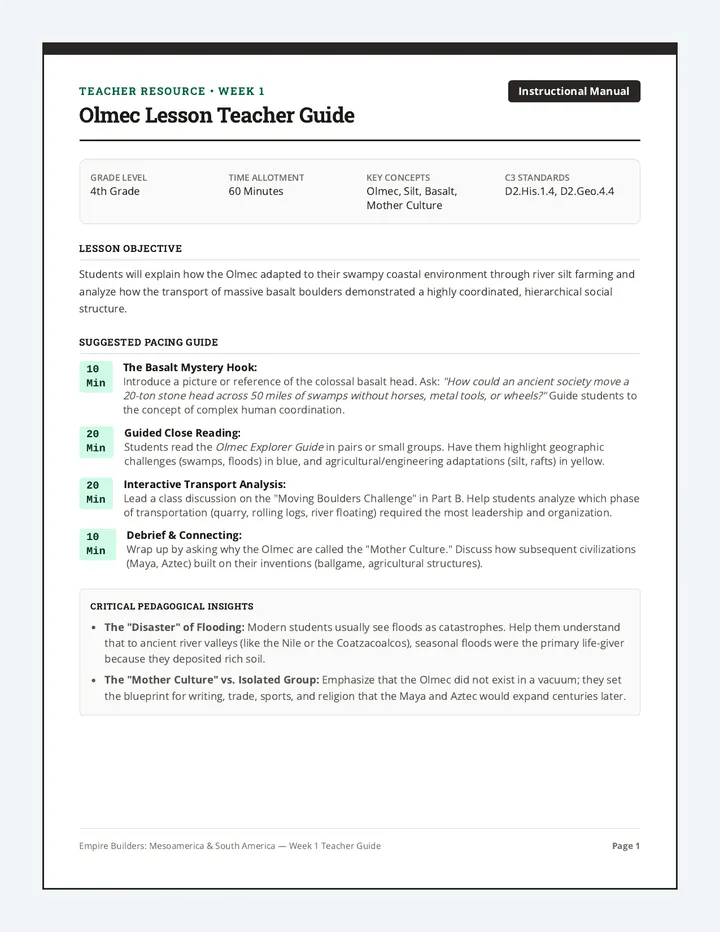
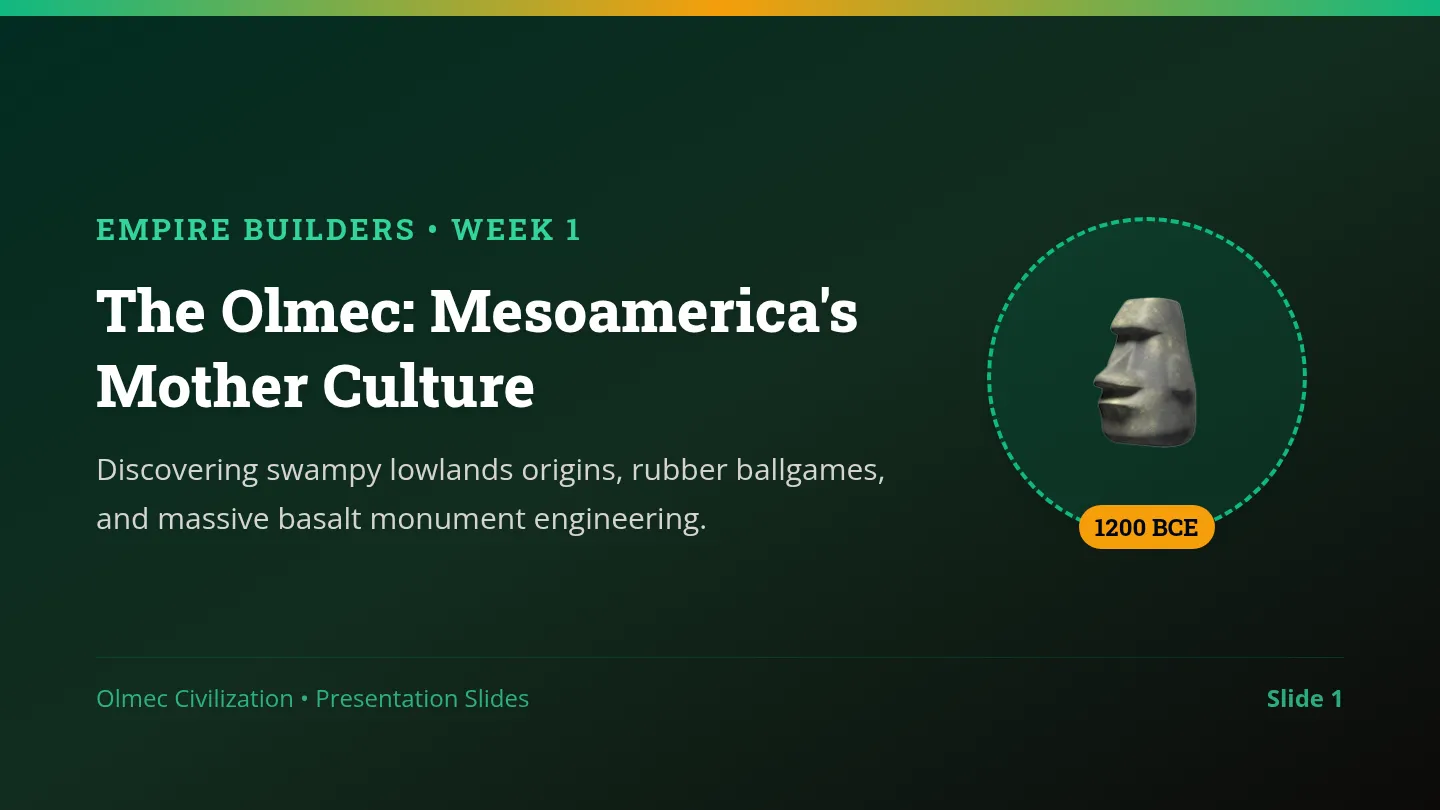
A comprehensive 4th-grade social studies unit where students analyze the Olmec, Maya, Aztec, and Inca civilizations. Through primary-source-style document analysis, geographical exploration, and civic action, students discover what made these empires successful and apply ancient engineering solutions to improve the modern City of Surprise.