An inquiry-based exploration of how the Nile's geography dictated the political, economic, and social development of Ancient Egypt and Kush, focusing on the theory of hydraulic civilizations and geographic determinism.
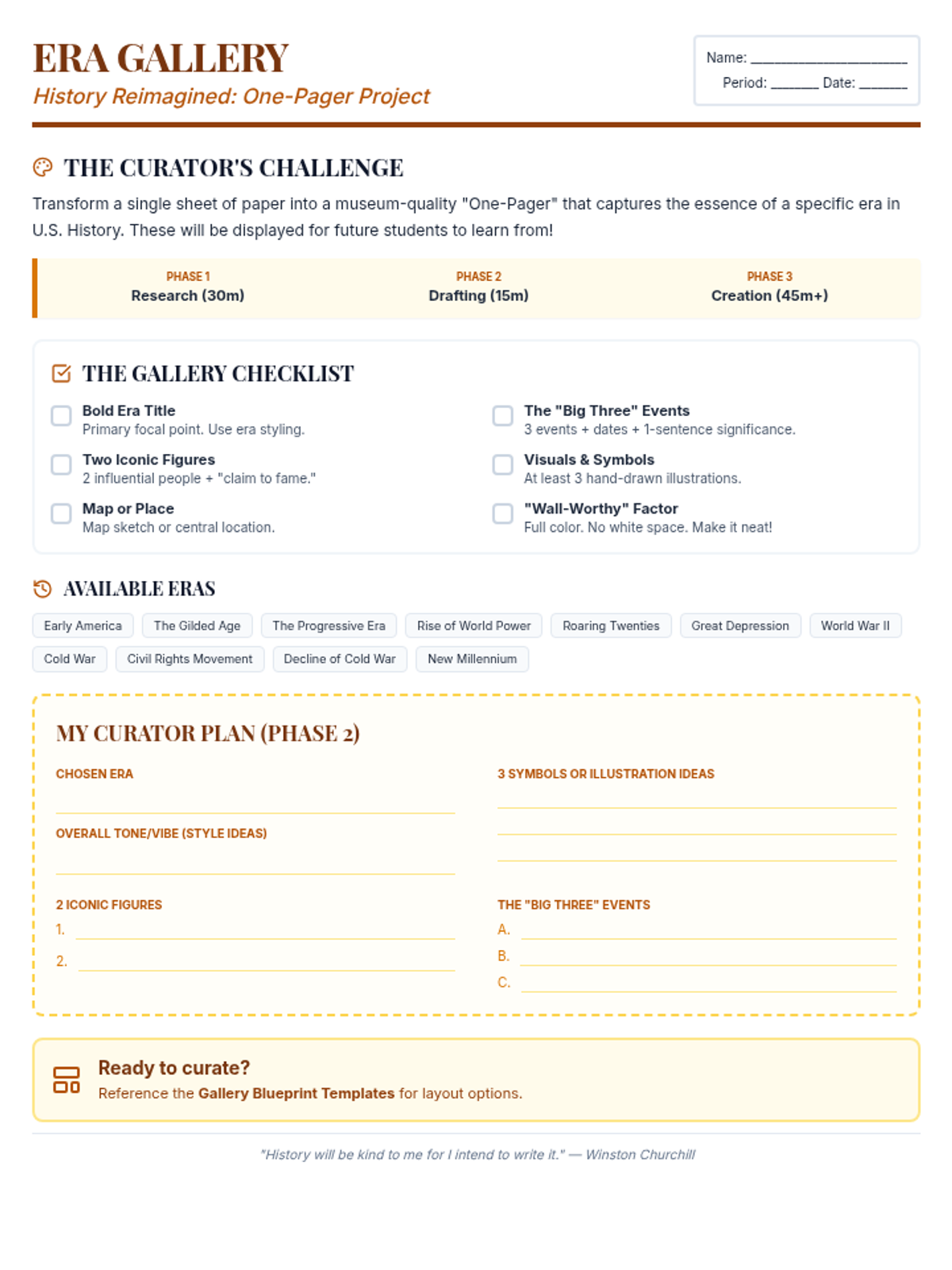
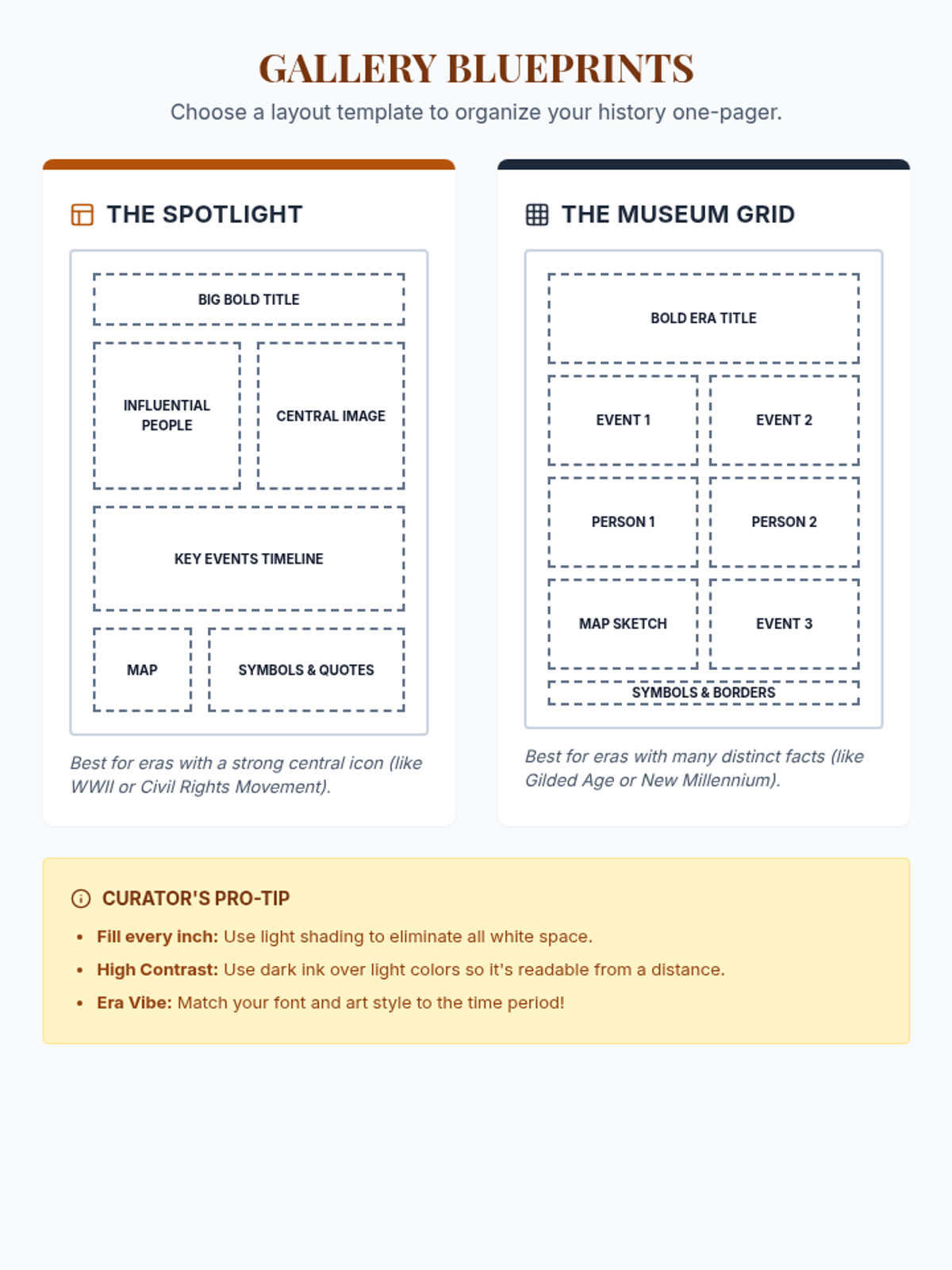
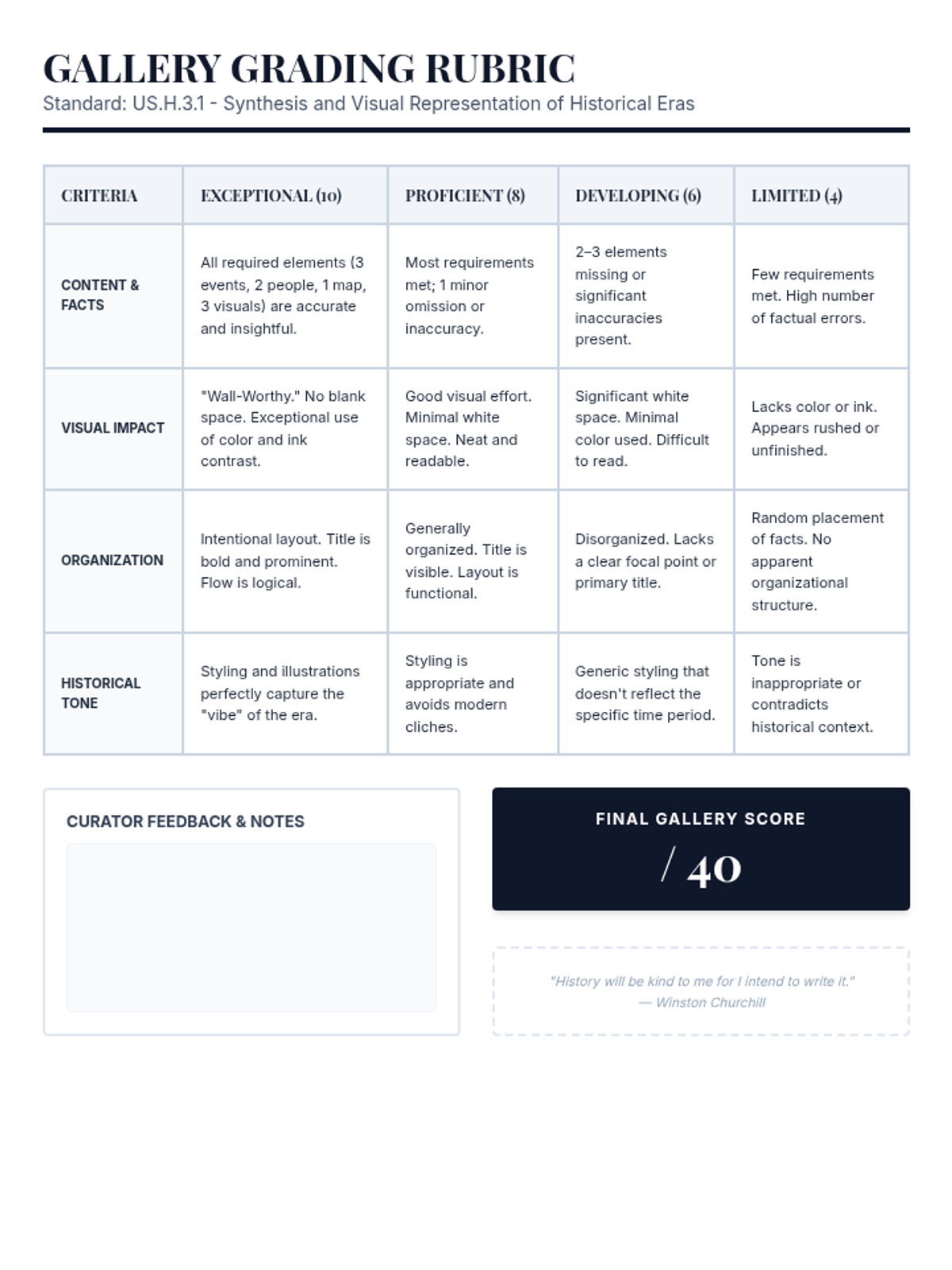
A full-year curriculum of daily warm-ups and exit tickets for 11th Grade US History, spanning from 1877 to the present day, designed for visual impact and student engagement.
An 8-day US History remediation packet covering WWII, the Cold War, Civil Rights, and Vietnam, designed for 11th-grade students preparing for STAAR testing. Each day includes intensive reading with embedded vocabulary, active annotation guides, and a skill-based review worksheet.
A comprehensive unit exploring the intersection of industrial innovation and architectural design through the iconic lens of the Empire State Building. Students analyze the socio-economic impacts of the Great Depression on construction and the geometric principles of Art Deco style.
A series of four interactive stations designed for high school emerging bilingual students to explore the history and significance of Cinco de Mayo through reading, writing, listening, and speaking. The materials focus on 9th-grade TEKS (Inference and Text Structure) while maintaining a 4th-5th grade reading level for accessibility.
A comprehensive sequence focused on developing data literacy through the analysis of United States crime statistics. Students progress from national trend analysis to specific state and local investigations using primary data sources.
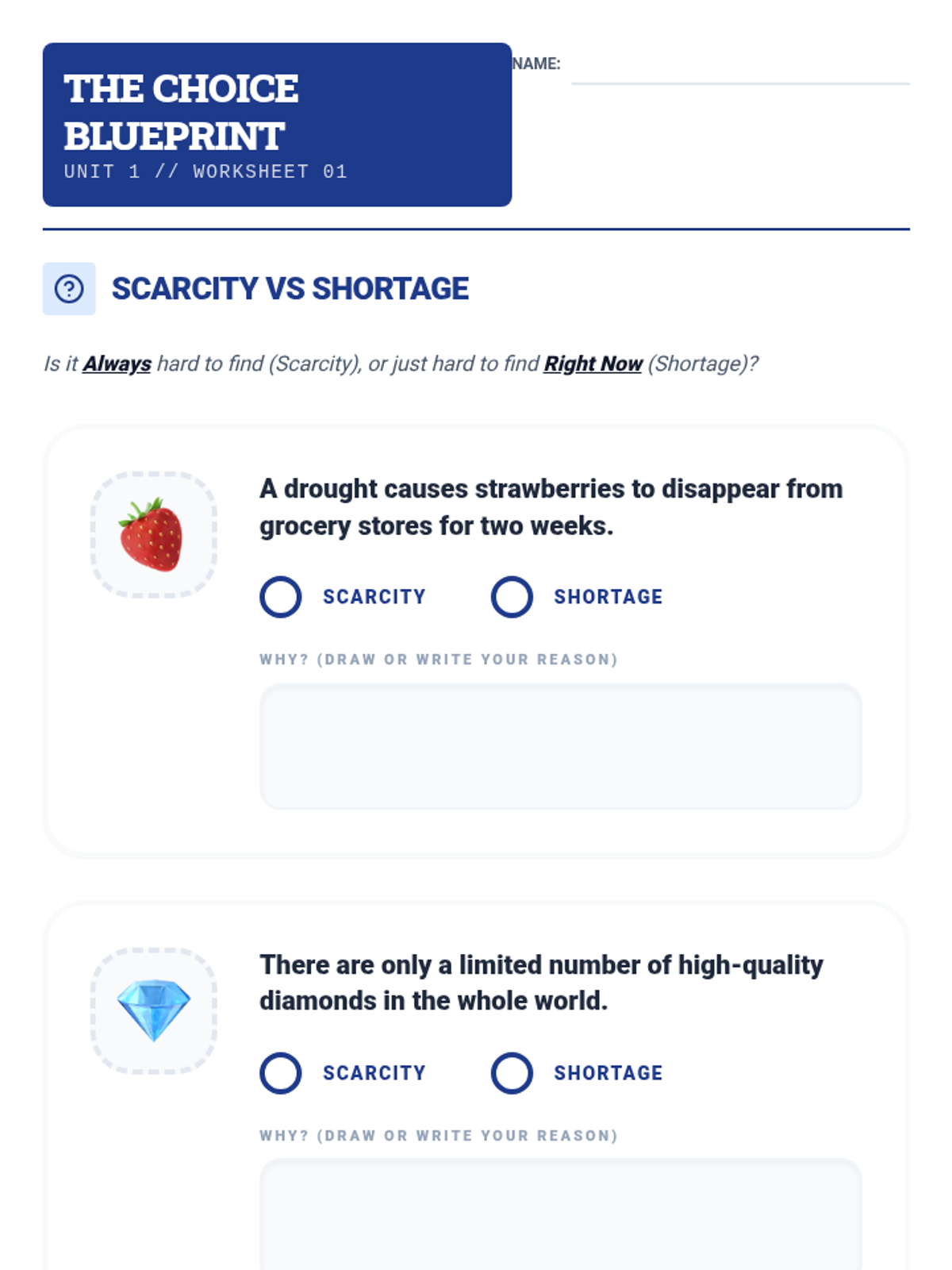
A comprehensive curriculum covering financial literacy, economic principles, and civic systems through historical case studies, ethical dilemmas, and real-world simulations.
This sequence explores the aftermath of the Compromise of 1877, detailing the systematic dismantling of Reconstruction-era progress and the establishment of the Jim Crow South. Students analyze the political, social, and legal mechanisms used to disenfranchise African Americans.