A scientific inquiry into how stimulants alter the central nervous system, cardiovascular health, and brain plasticity. Students move from basic neurobiology to complex physiological synthesis through case studies and simulations.
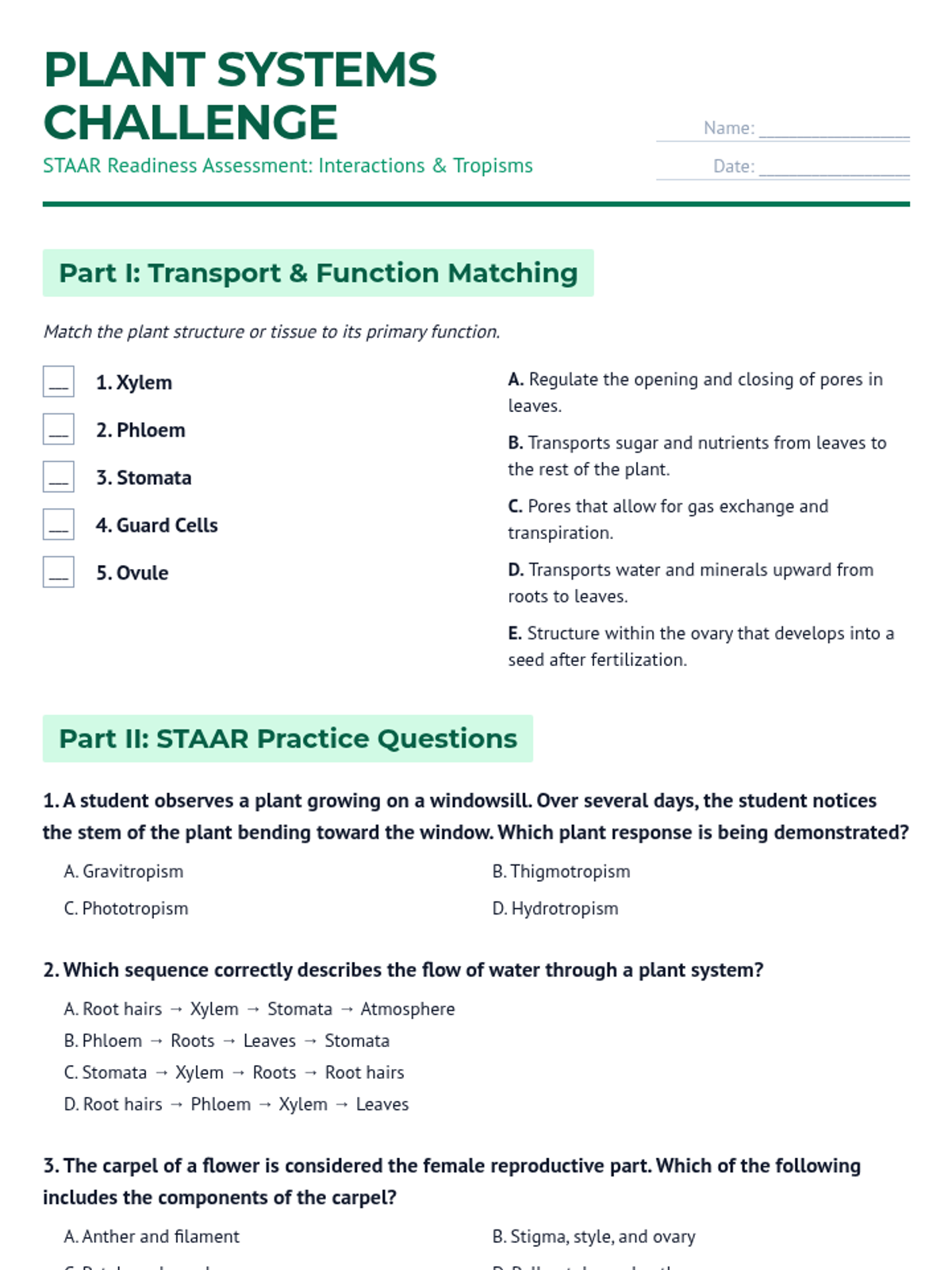
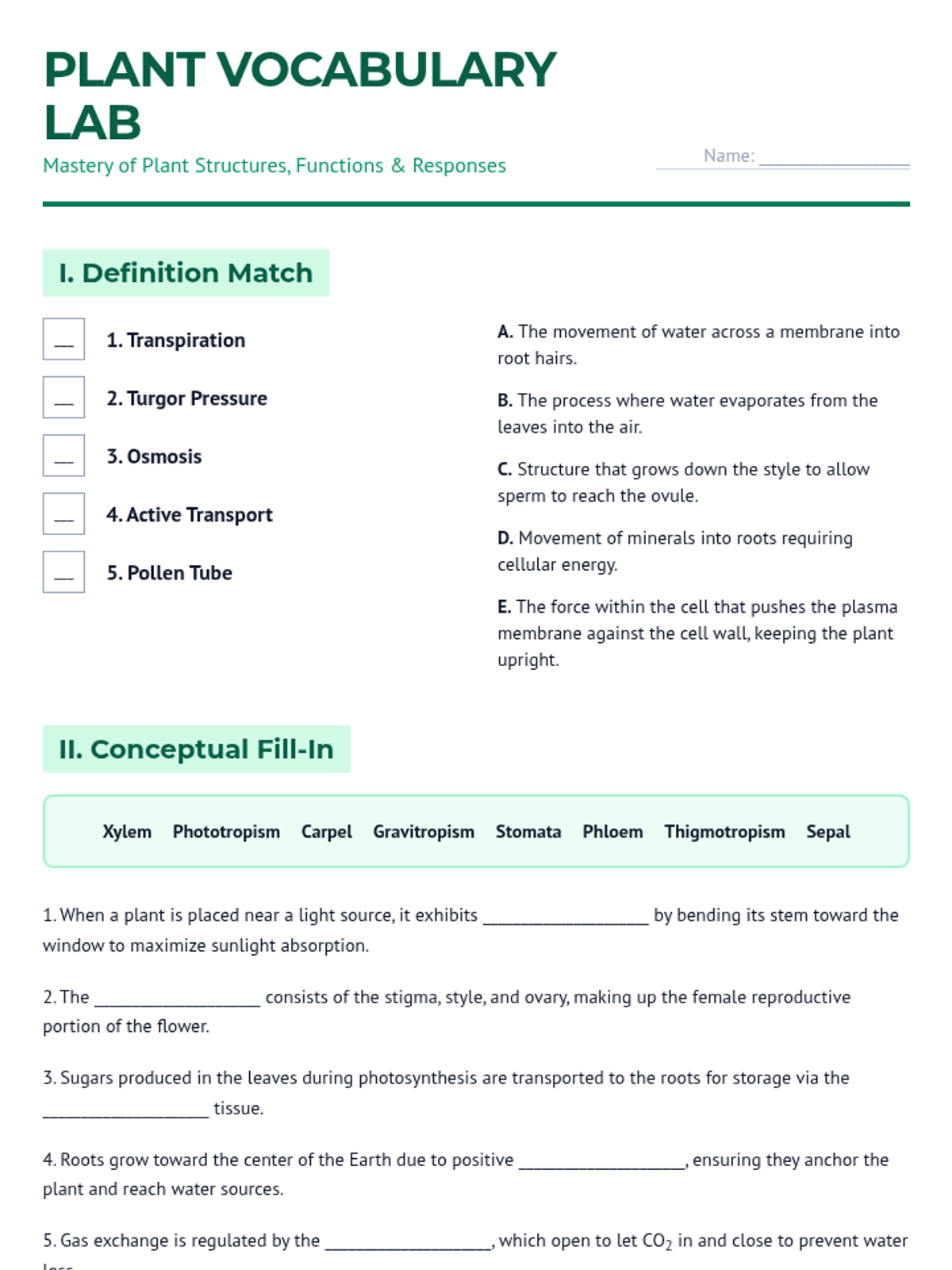
A comprehensive high school biology unit covering plant and animal systems, focusing on structure, transport, reproduction, and response through anchoring phenomena and hands-on labs.
A high school biology sequence focused on the neuroscience of addiction, specifically analyzing how chemical structure and speed of delivery influence the brain's reward system. Students explore the biological mechanisms of tolerance, dependence, and the blood-brain barrier through graphing and comparative analysis.
A specialized AP Biology unit exploring the intersection of neuroscience and psychology, focusing on the biological mechanisms of mental health disorders and the pharmacology of their treatments.
A high school biology lesson sequence exploring the biological basis of perception, focused on how external substances and chemical imbalances alter neurotransmitters to cause psychosis and hallucinations.
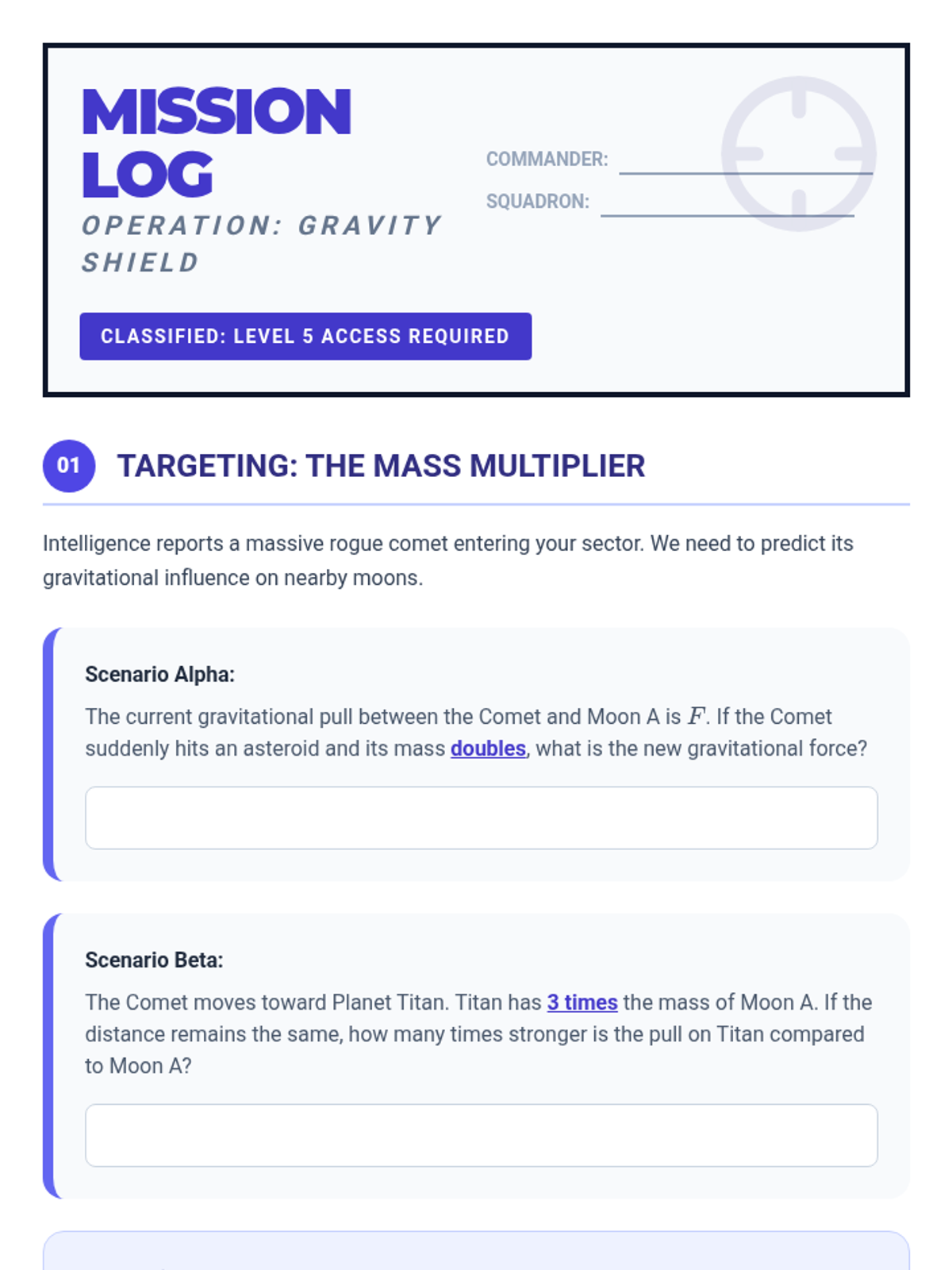
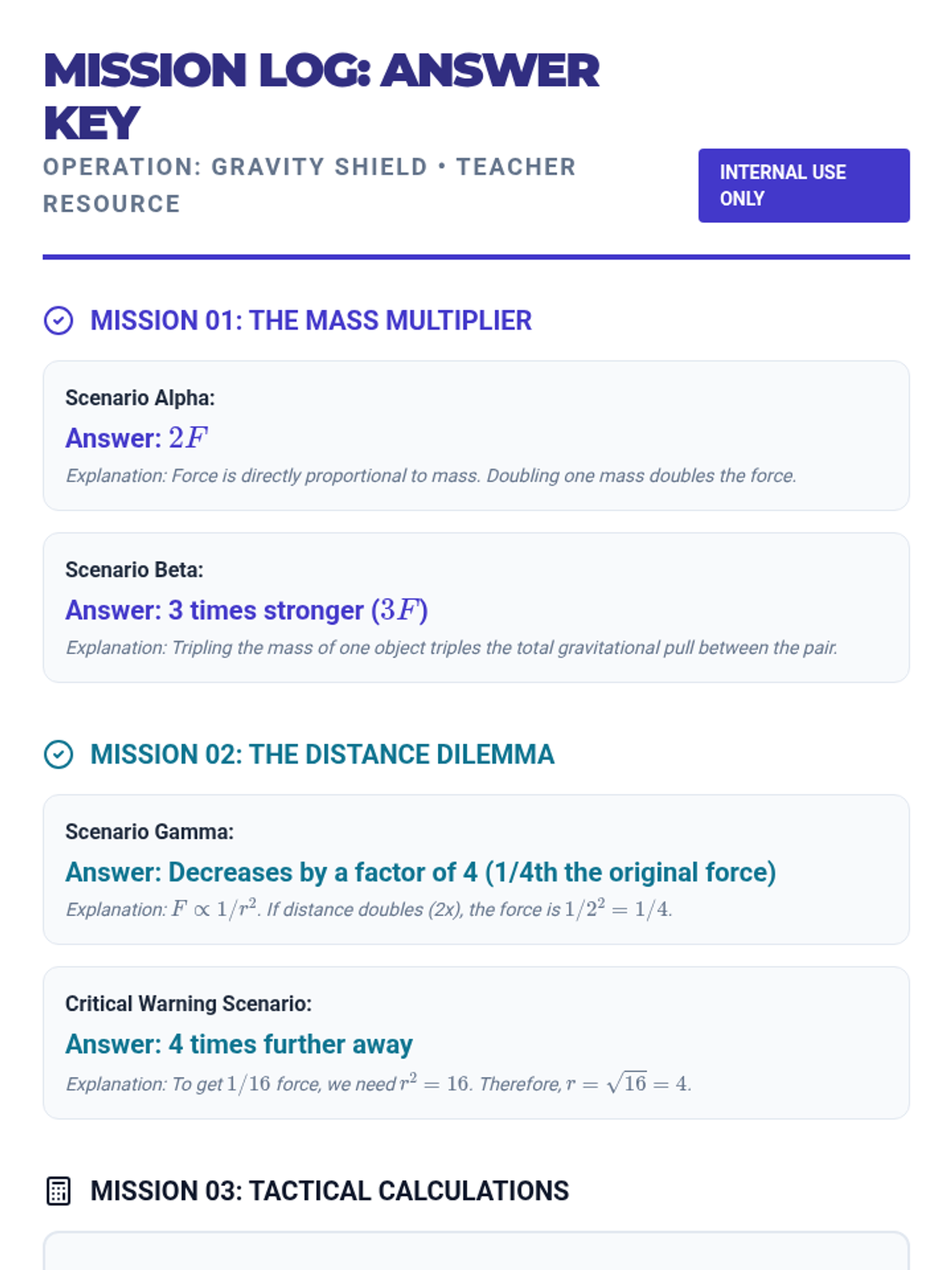
Cette séquence de 4 séances de 45 minutes explore le principe d'inertie pour les élèves de seconde. Elle combine histoire des sciences, simulations numériques et résolution de problèmes pour comprendre la relation entre forces et mouvement.
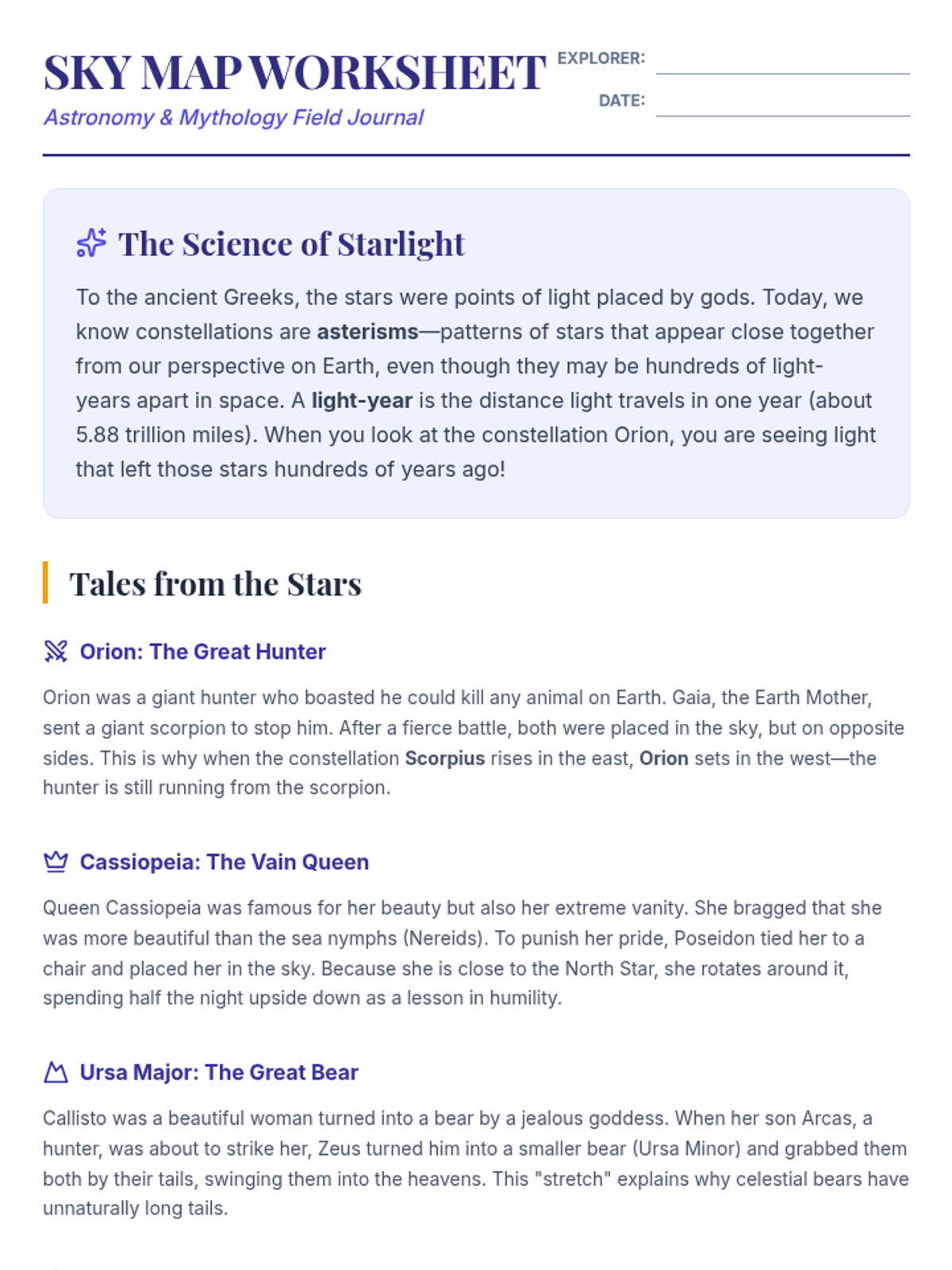
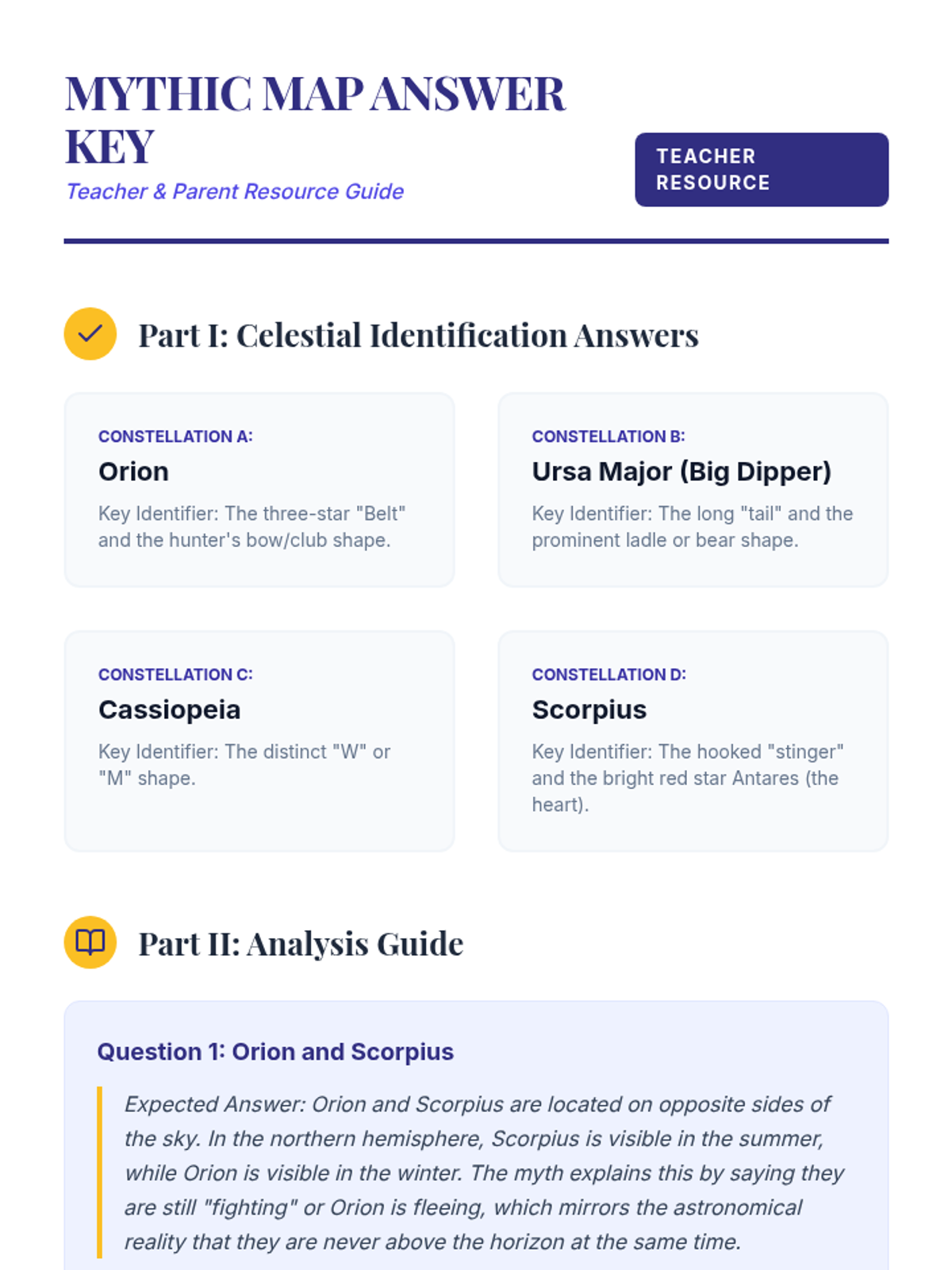
A comprehensive unit on the fundamentals of forensic science and criminal investigation, culminating in a hands-on murder mystery simulation. Students learn about evidence collection, witness psychology, and deductive reasoning.
Cette séquence pédagogique de 6 heures explore les mécanismes scientifiques de l'effet de serre, l'impact des activités humaines sur le climat et les enjeux futurs liés au réchauffement climatique. Elle est conçue pour les élèves de Première et Terminale dans le cadre de l'Enseignement Scientifique.
A comprehensive 5-week sequence exploring the physical properties of water, the engineering of water filtration, and the complex systems of Virginia's watersheds. Students move from hands-on engineering to chemical properties and finally to large-scale environmental systems.
A comprehensive project-based learning unit where high school students apply design thinking to solve real-world problems, from initial discovery to final prototyping and pitching.
A unit exploring the microscopic machines that keep living things running, from building cells to breaking down food.
Une séquence approfondie sur les phases claires de la photosynthèse, destinée aux étudiants de première année de licence. Elle couvre la capture de l'énergie lumineuse, les pigments photosynthétiques et la chaîne de transfert d'électrons.
Une séquence exhaustive sur le métabolisme pour les classes préparatoires BCPST, couvrant l'hétérotrophie, l'autotrophie au carbone et à l'azote, ainsi que la chimiolithotrophie. La séquence met l'accent sur les bilans énergétiques, les flux de protons et l'intégration des voies métaboliques.
A high-engagement sequence on plant systems (Reproduction, Transport, and Response) designed for talkative students. It uses collaborative, discussion-based activities to channel social energy into scientific inquiry.