A comprehensive 9th-grade debate sequence focused on impact calculus, teaching students how to use magnitude, probability, and timeframe to weigh competing arguments and adjudicate complex clashes.
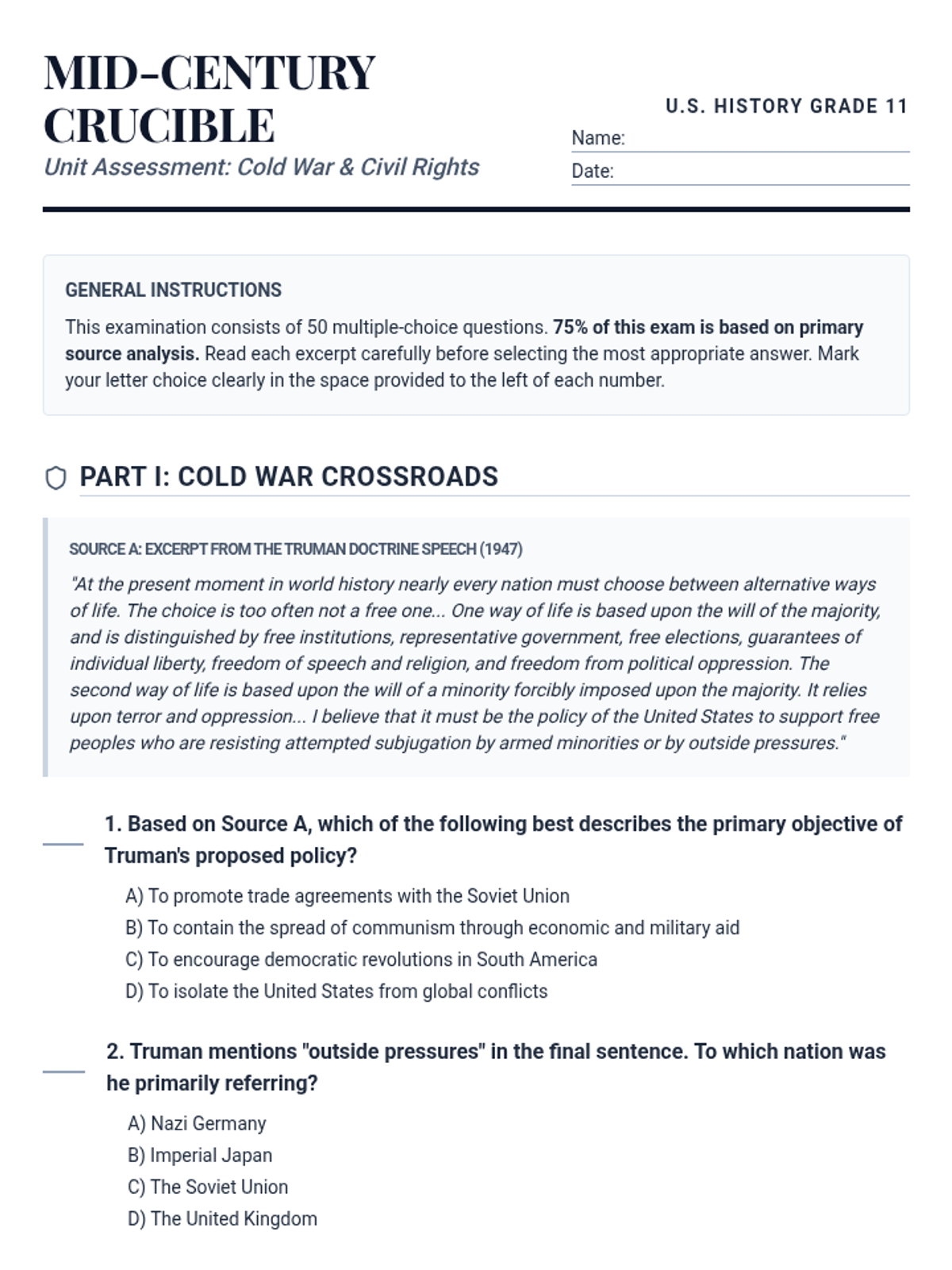
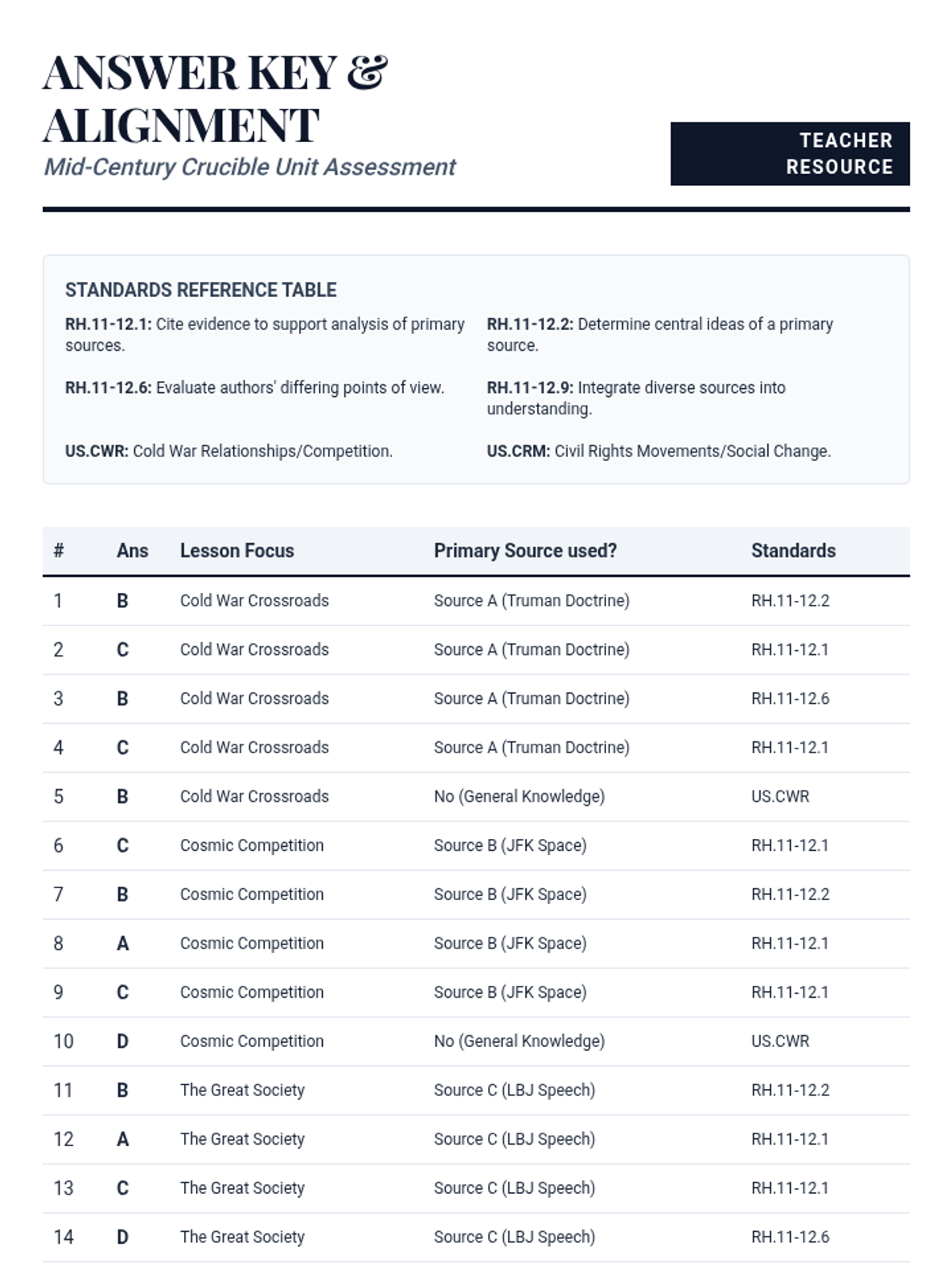
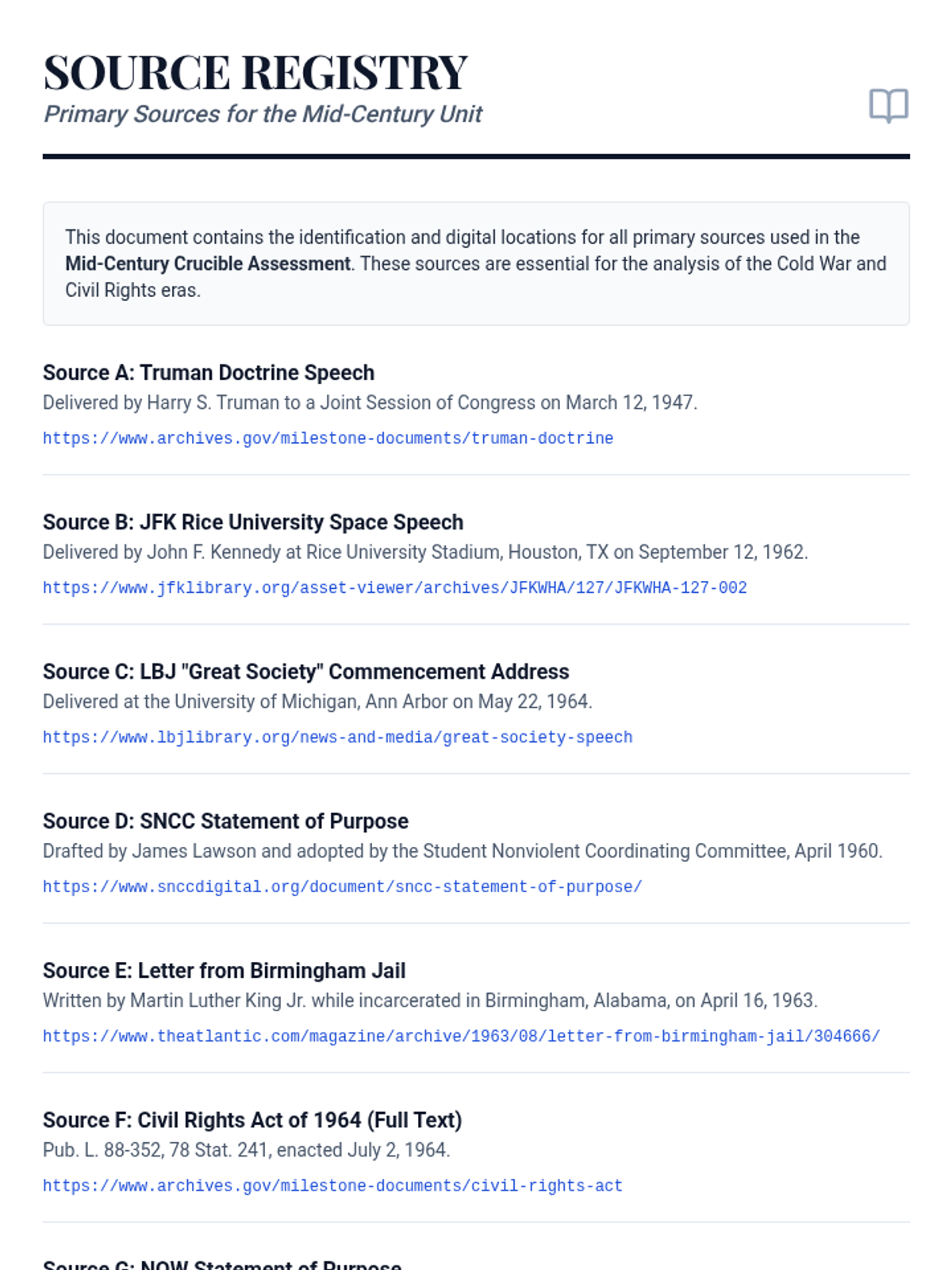
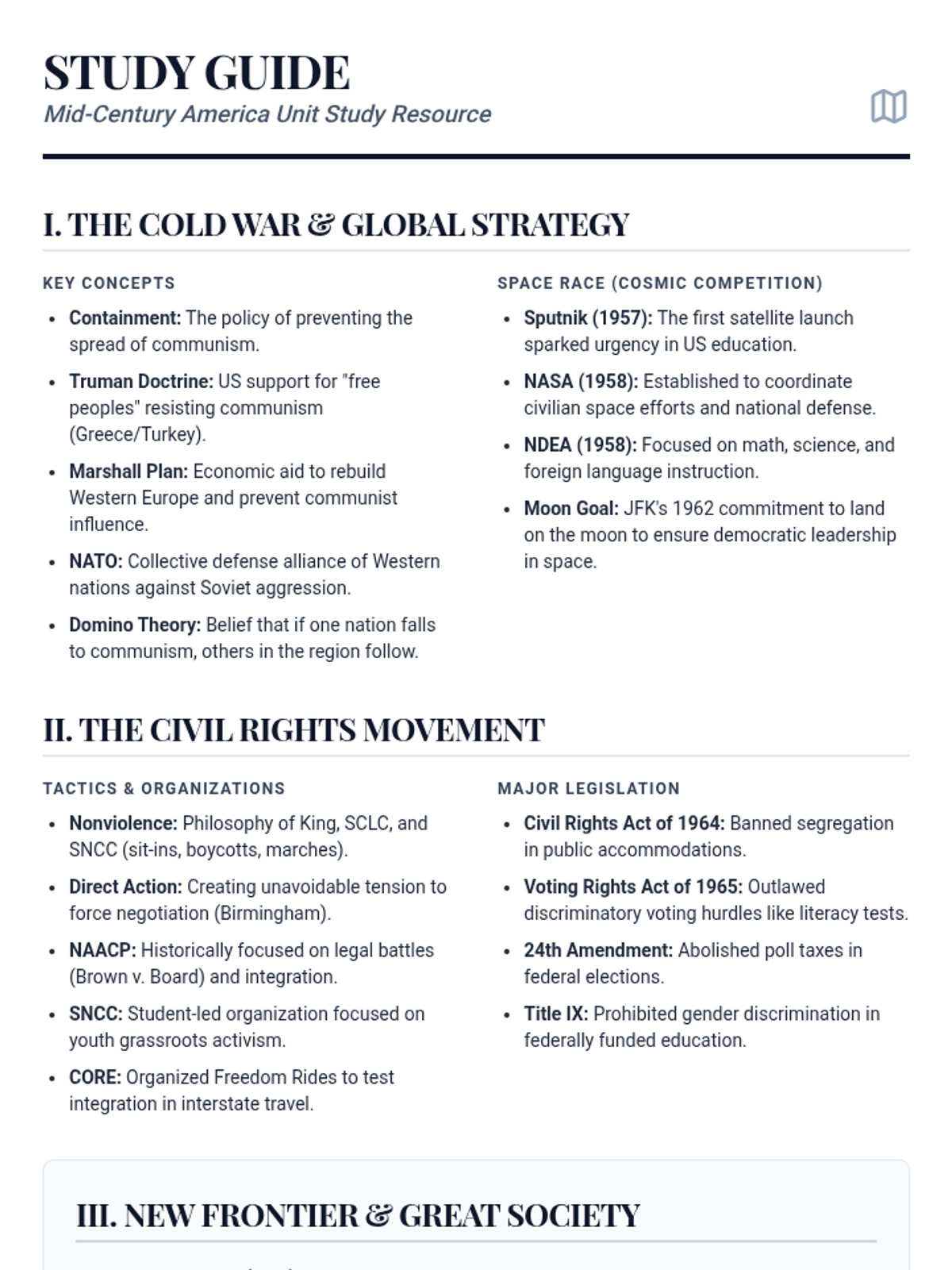
A comprehensive assessment sequence covering mid-century American history, focusing on the Cold War and the Civil Rights Movement. It includes a unit test, answer key, source registry, and study guide.
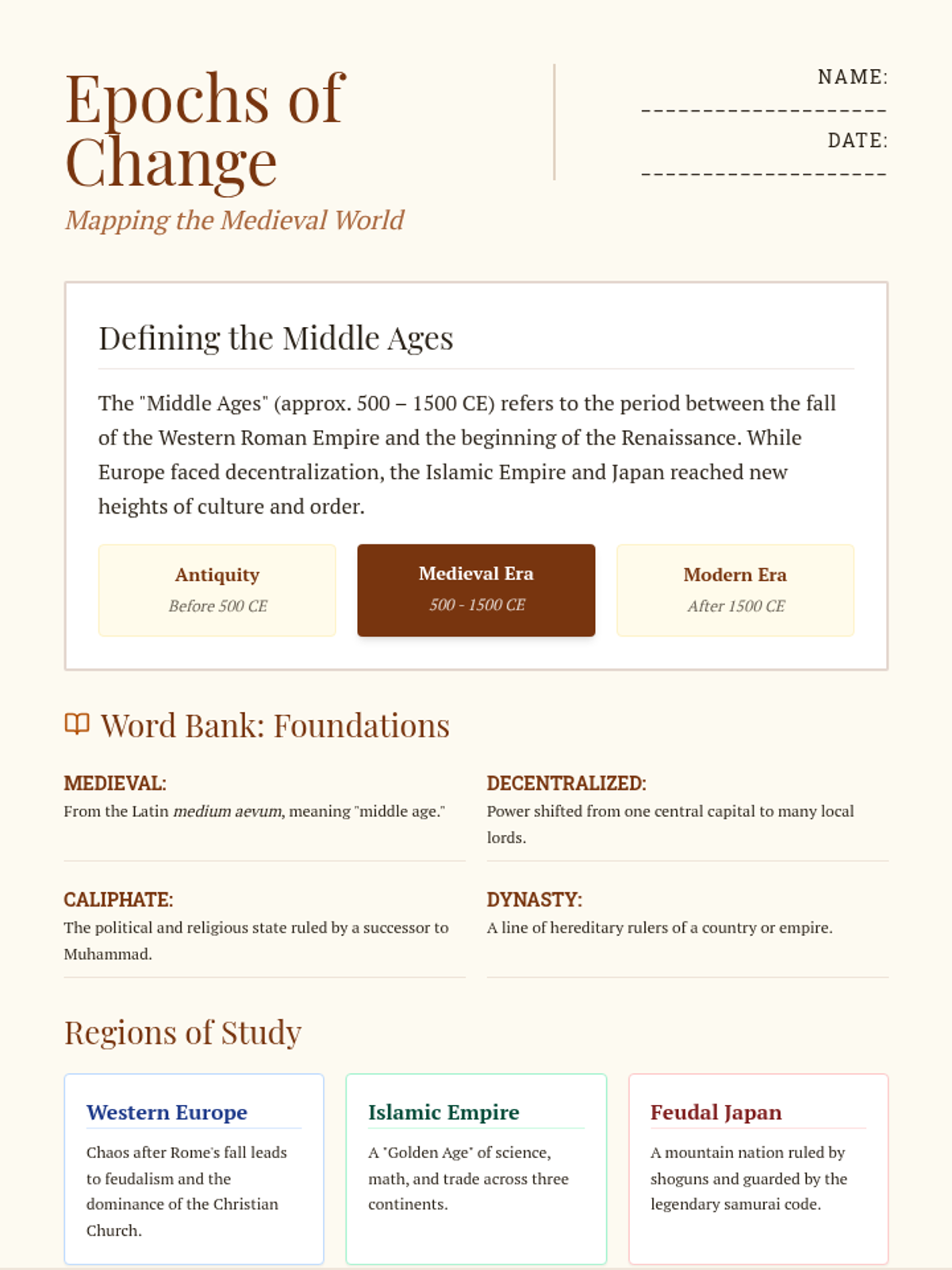
A comprehensive 10-lesson unit exploring the political, economic, religious, and technological landscape of the Middle Ages across Western Europe, Japan, and the Islamic Empire. Students will analyze feudal systems, cultural achievements, and global connections through slides, guided activities, and comparative studies.
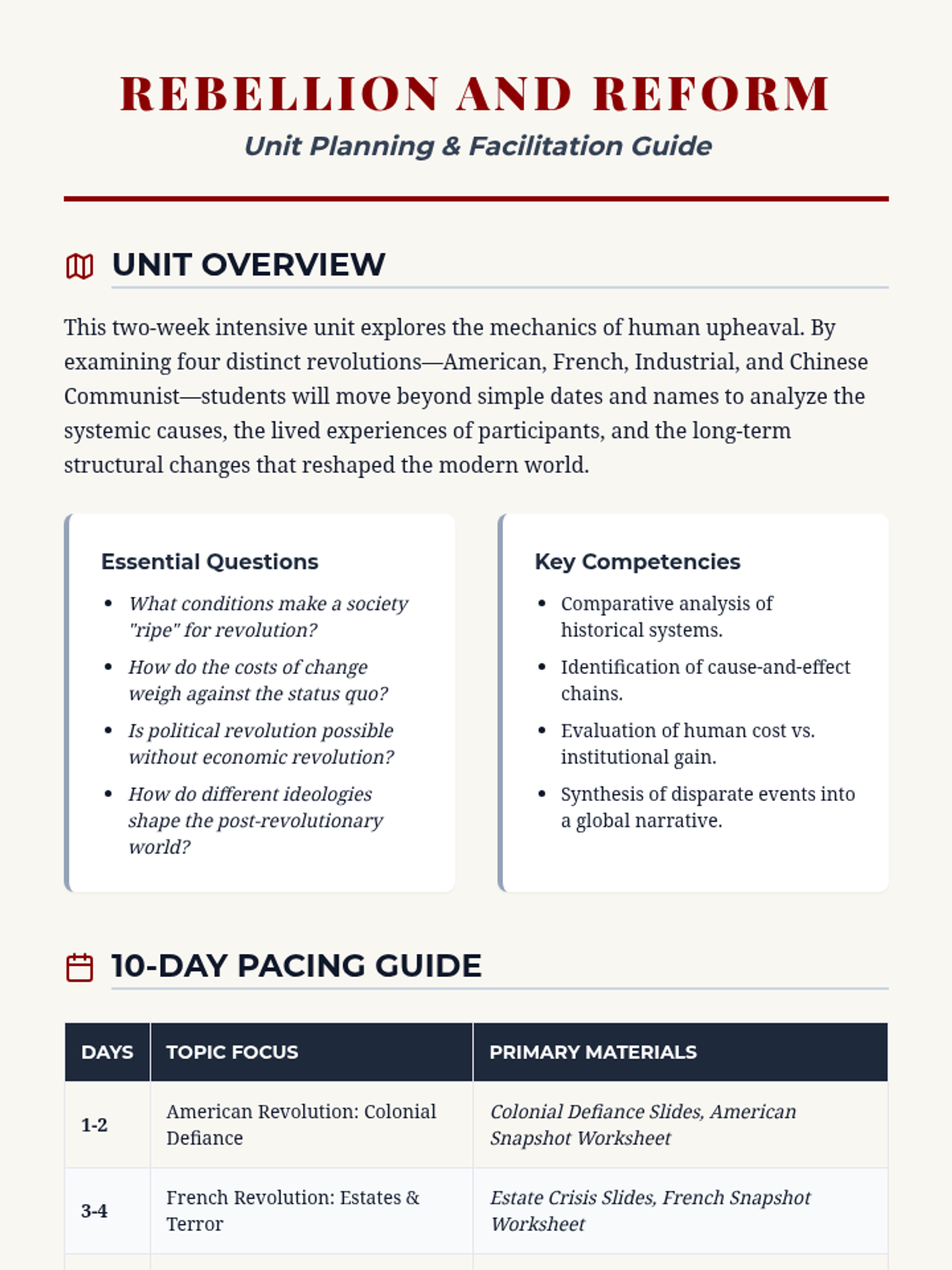
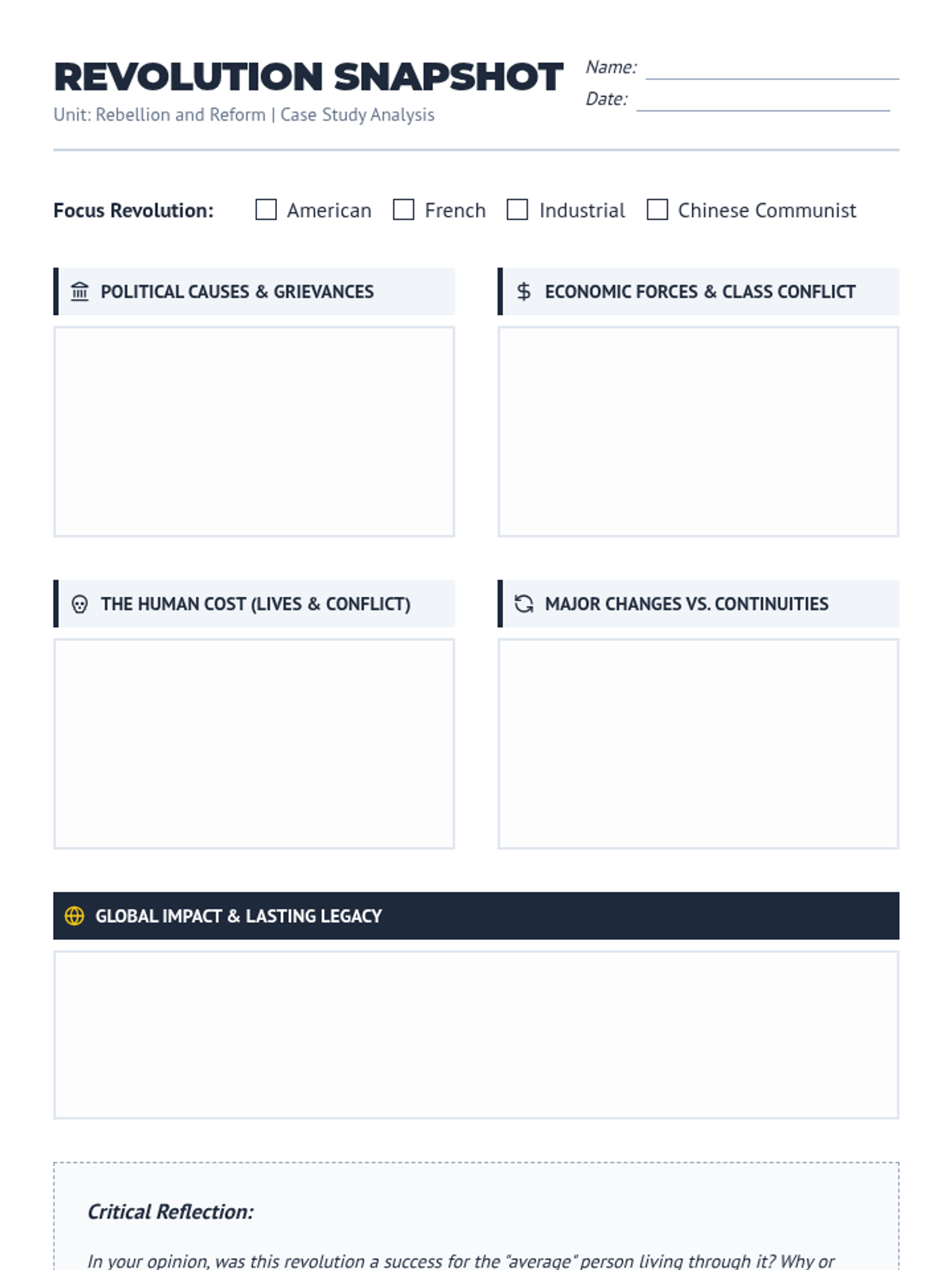
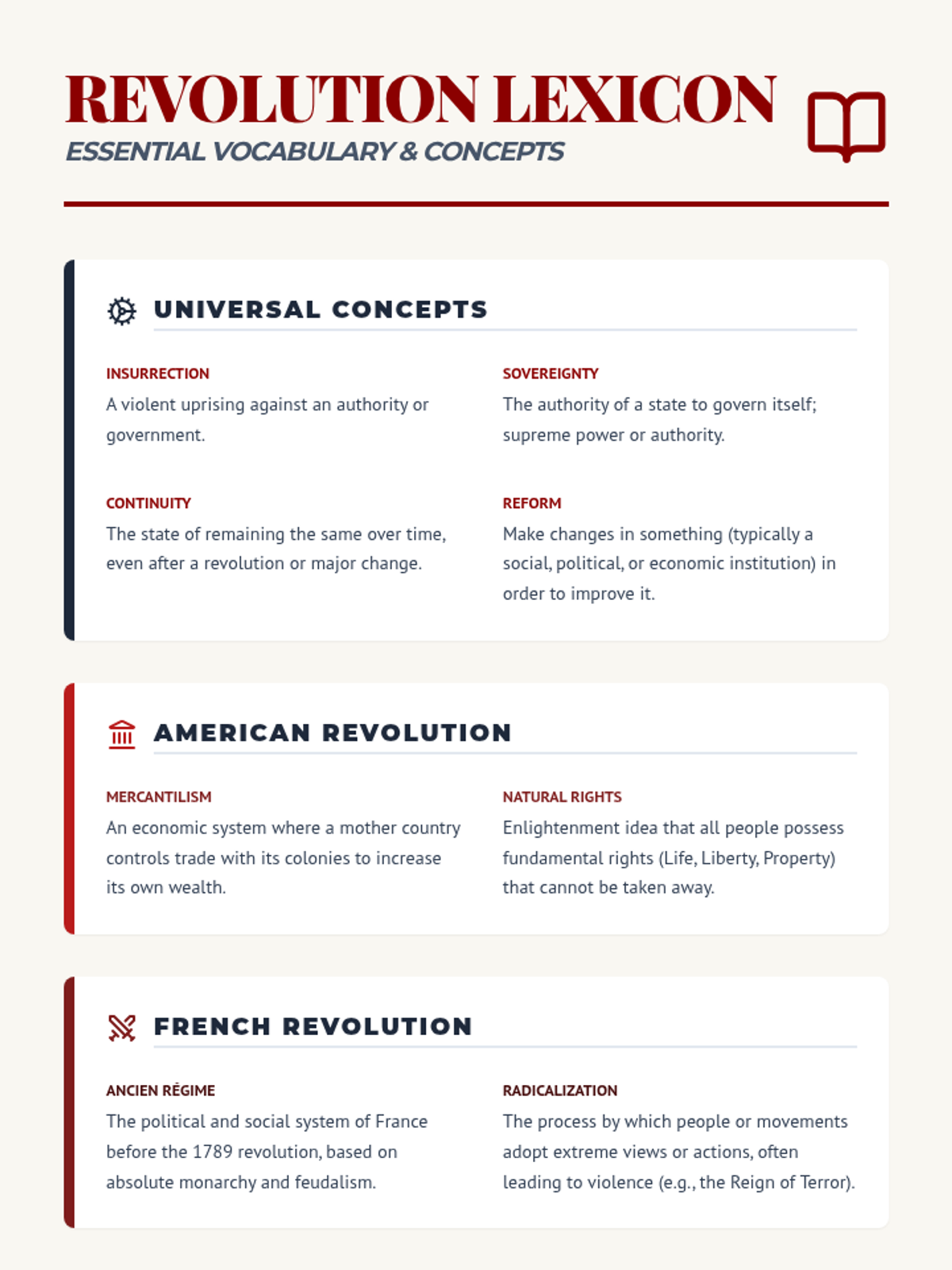
A comprehensive 10-day unit exploring the causes, courses, and consequences of four major world-altering revolutions: American, French, Industrial, and China's Communist Revolution. Students will analyze political and economic drivers, human costs, and lasting global impacts through comparative study.
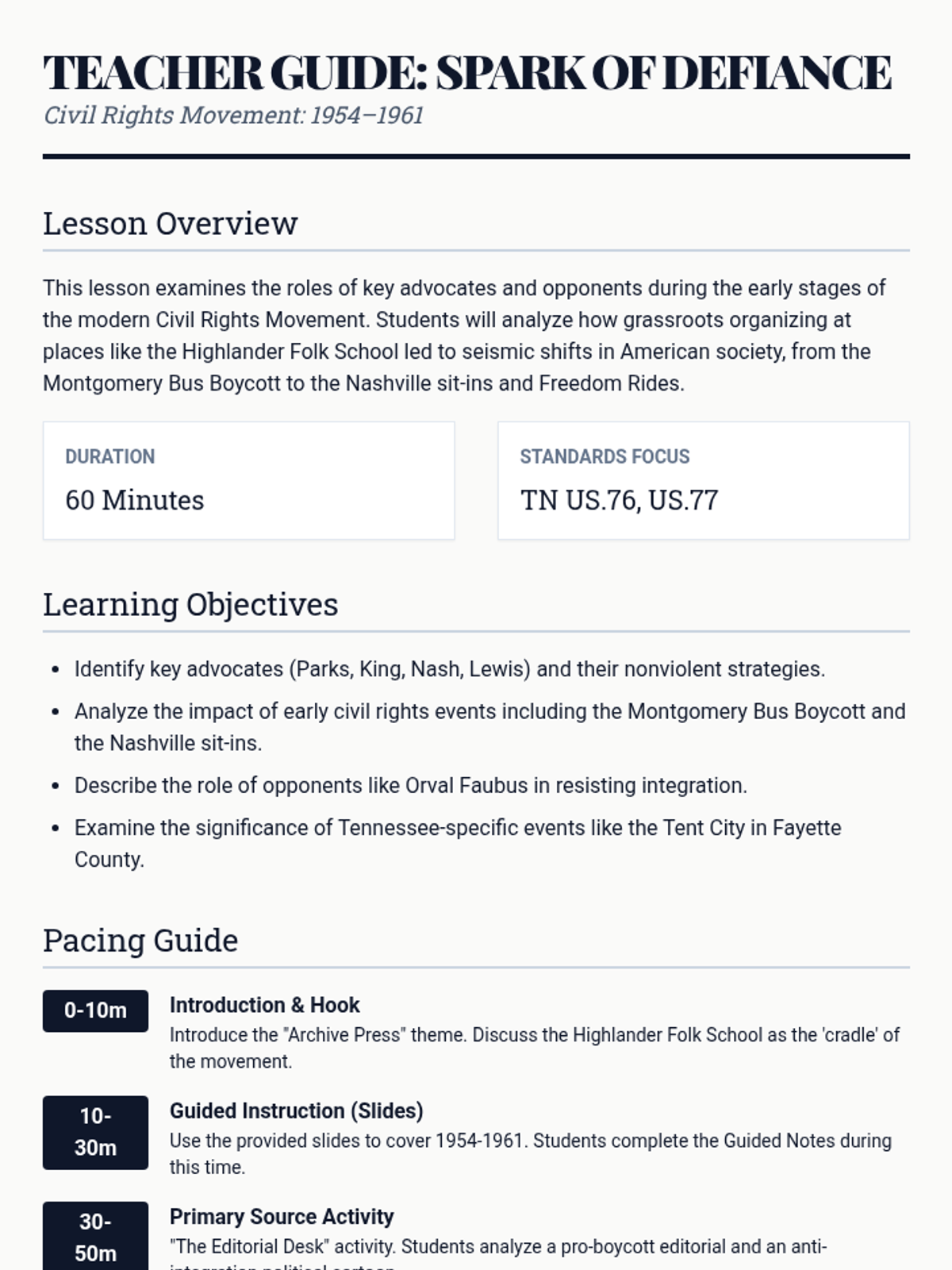
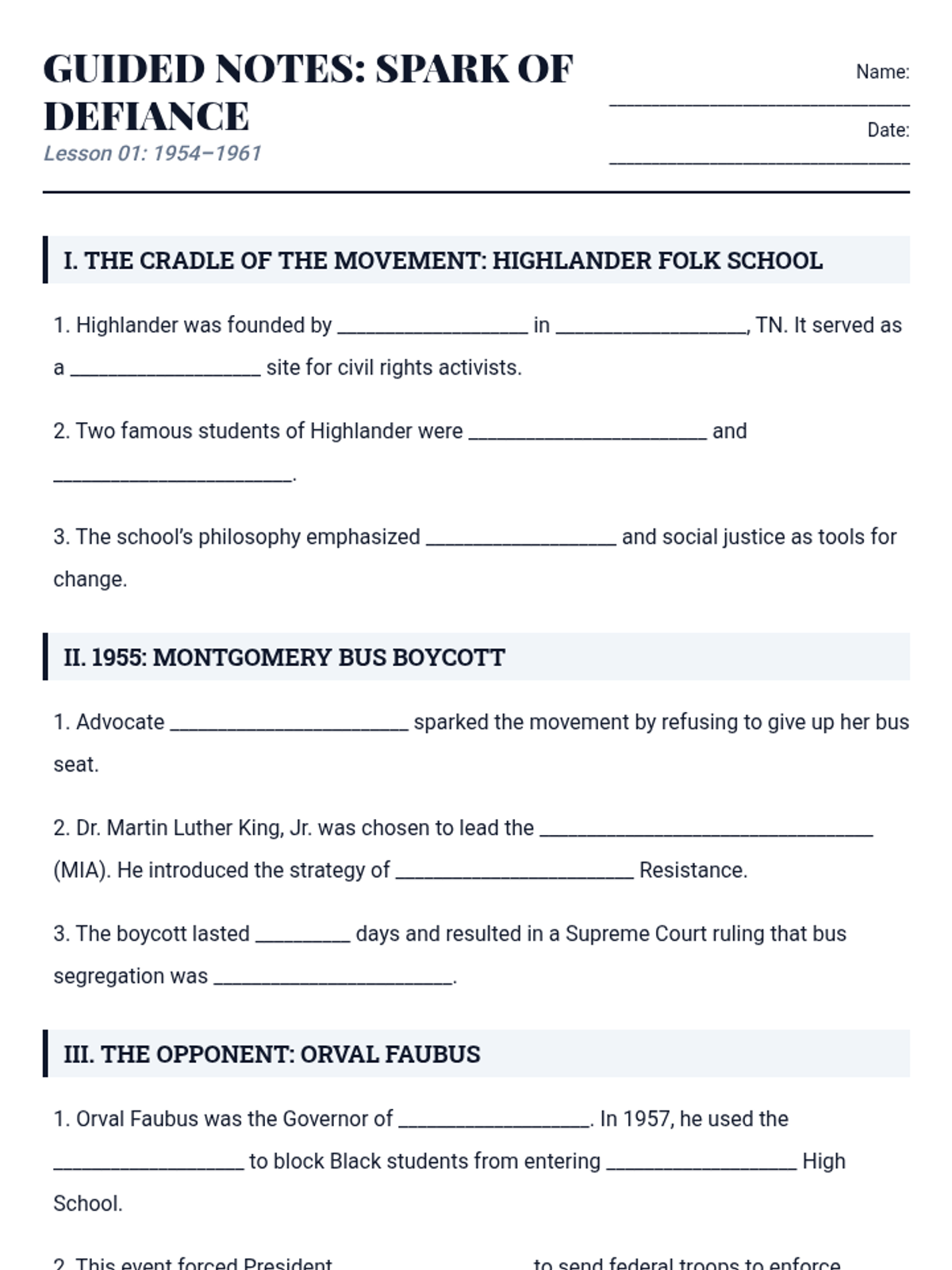
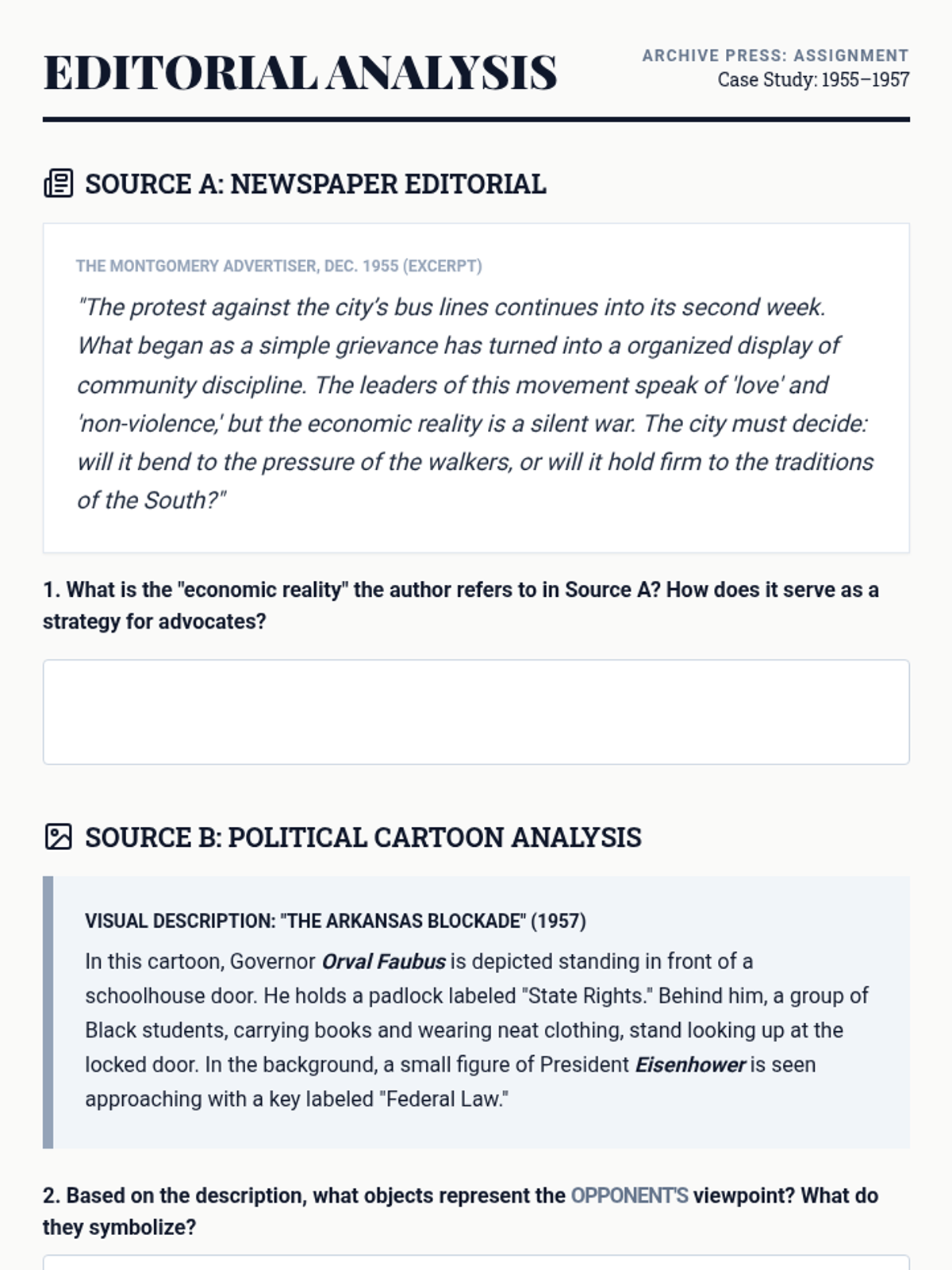
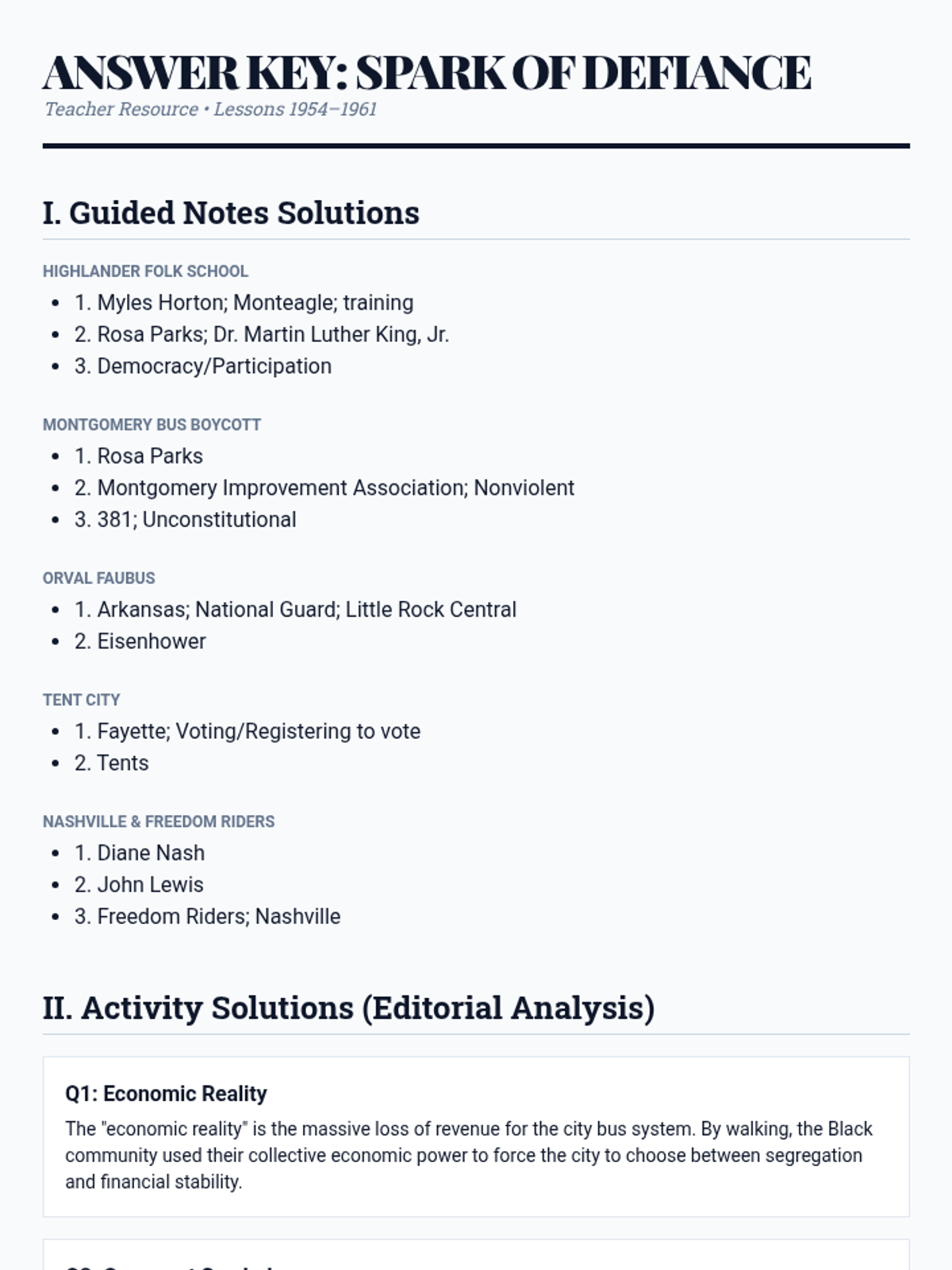
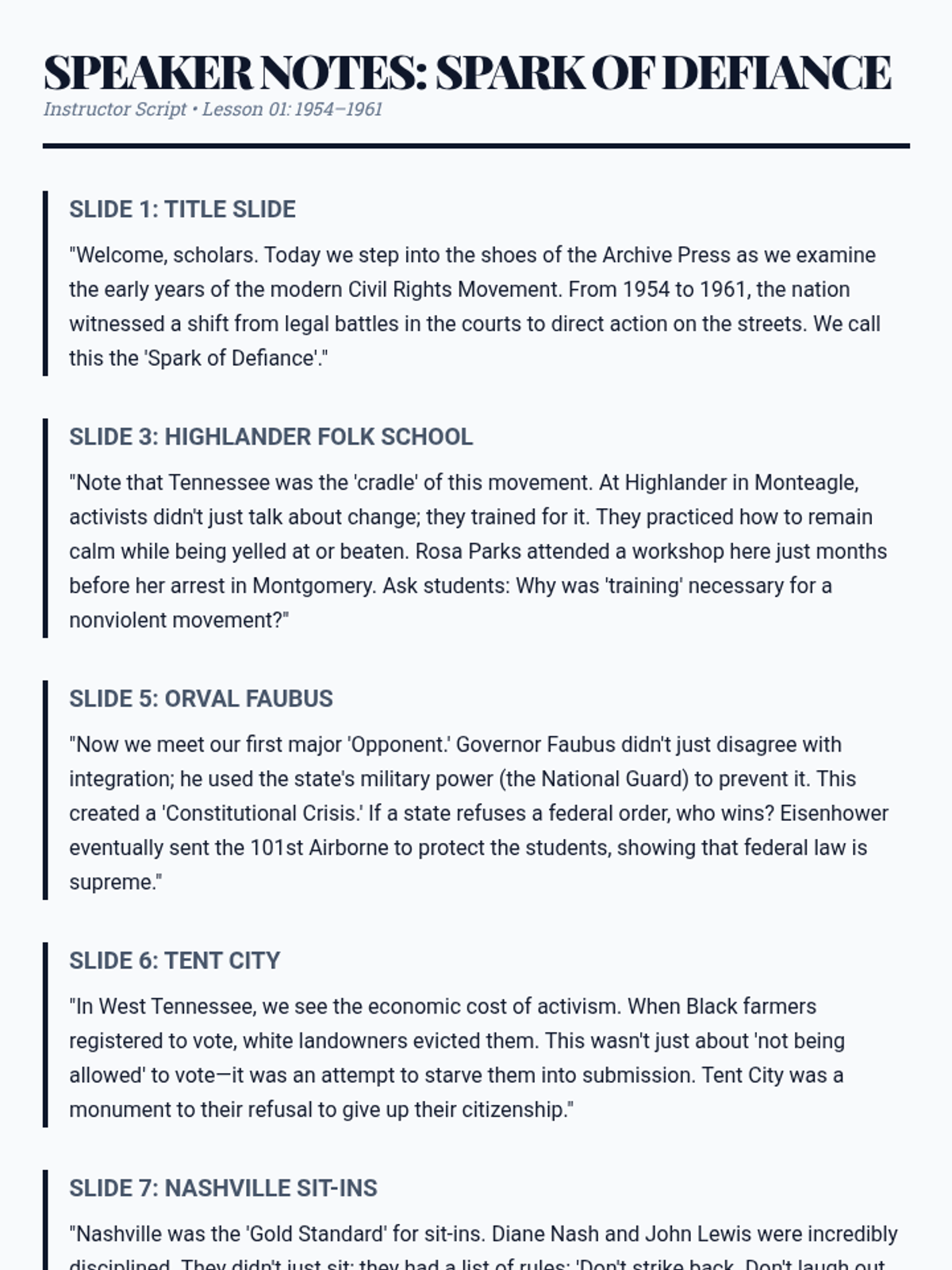
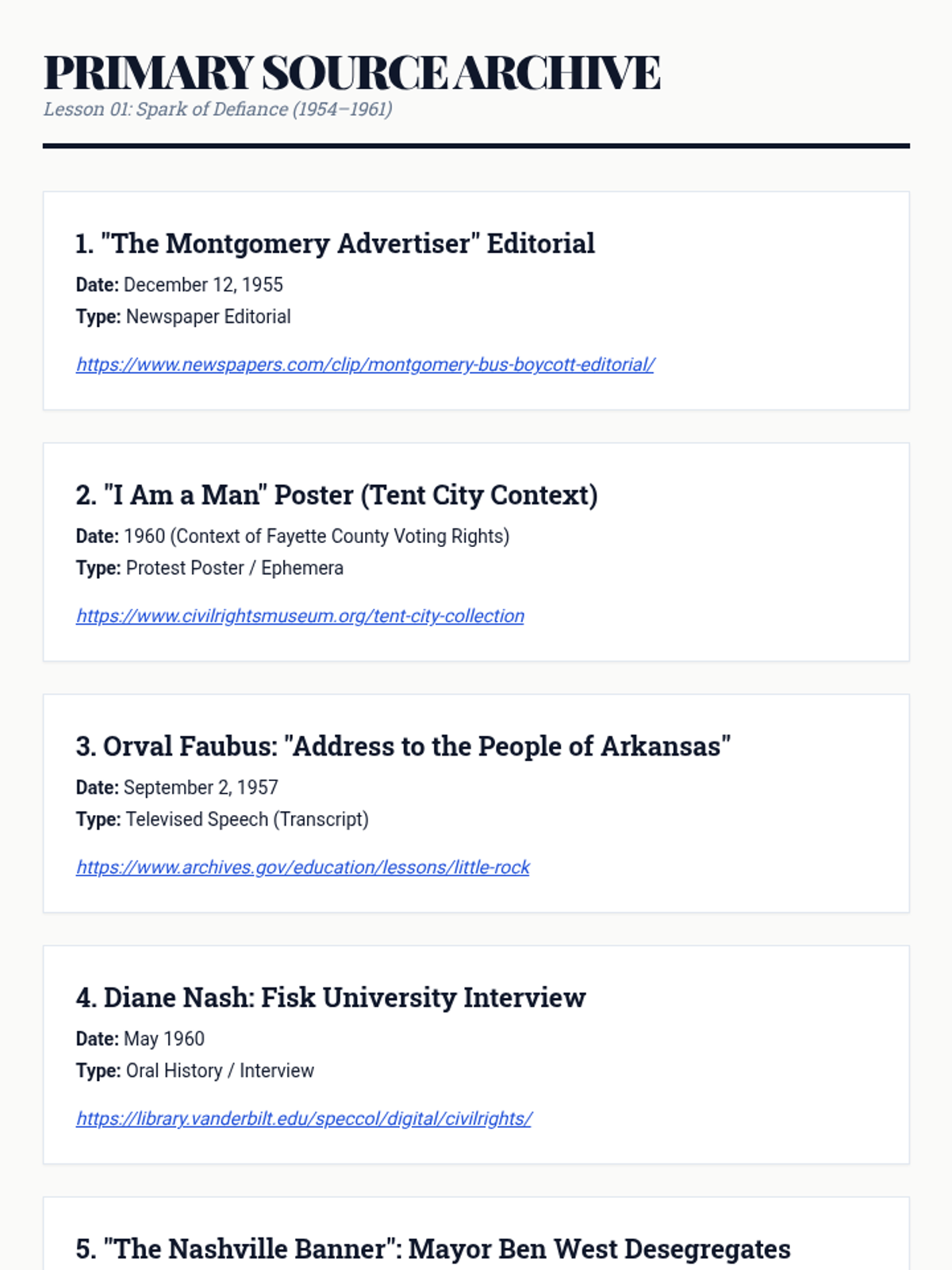
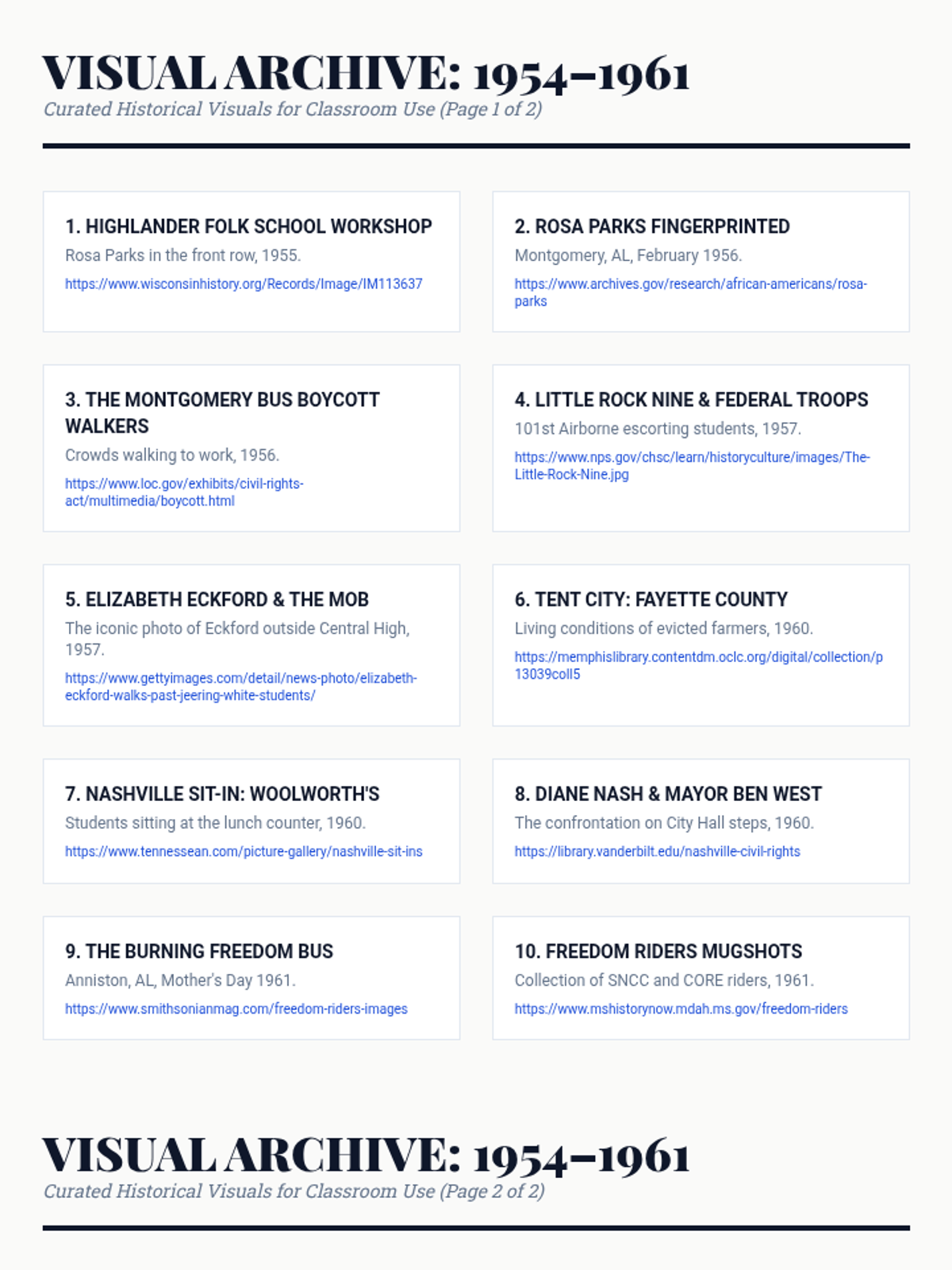
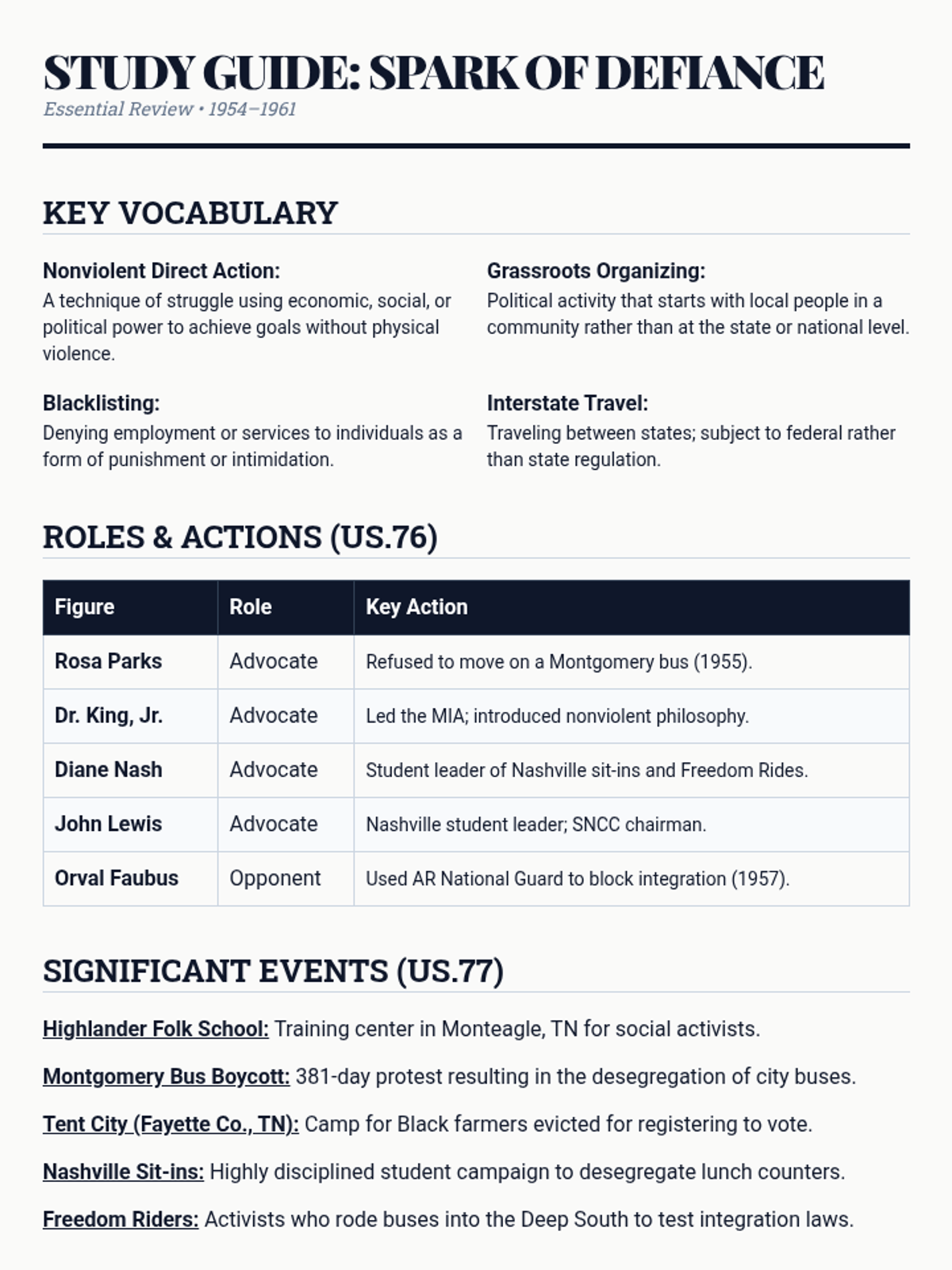
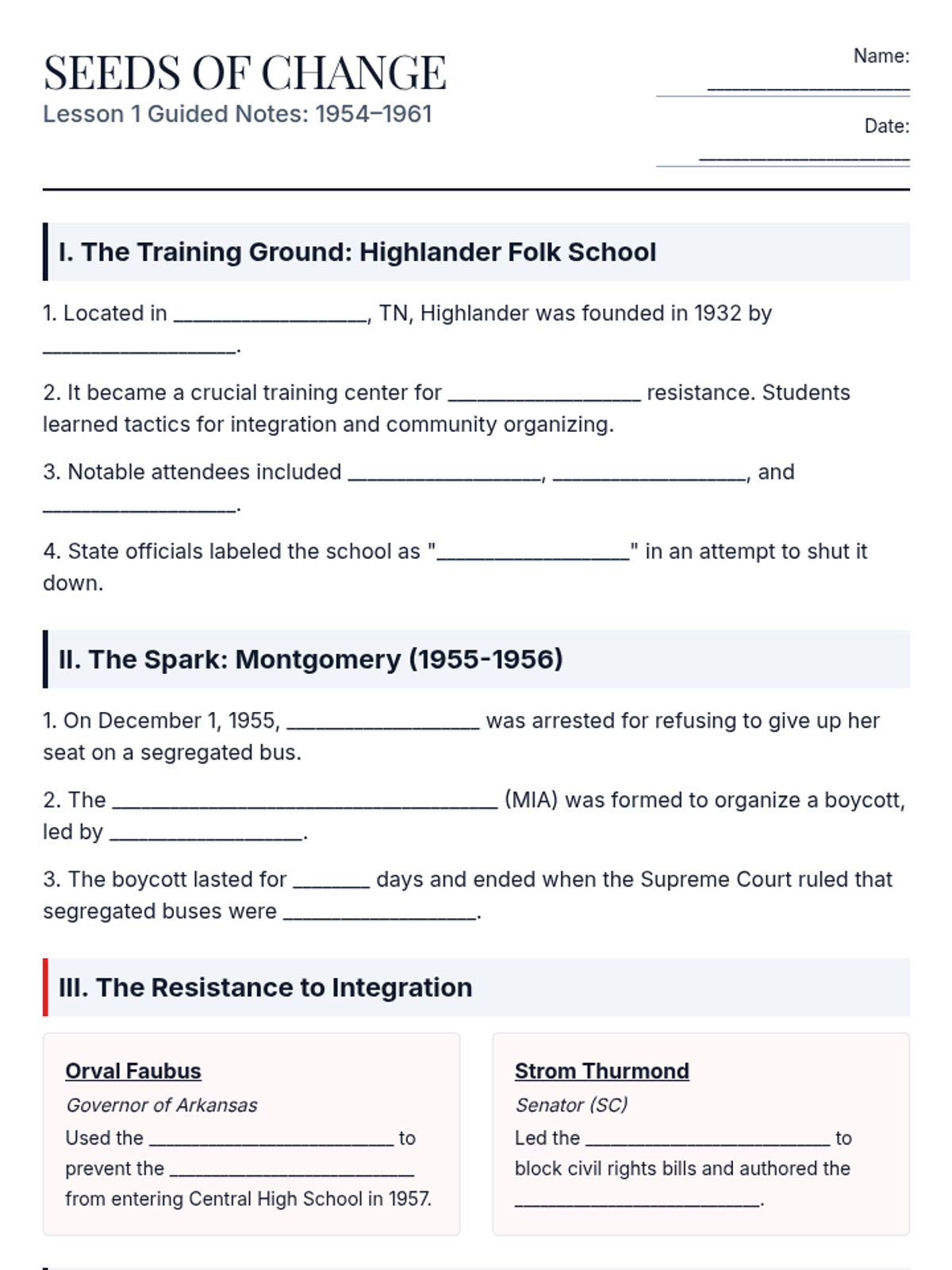
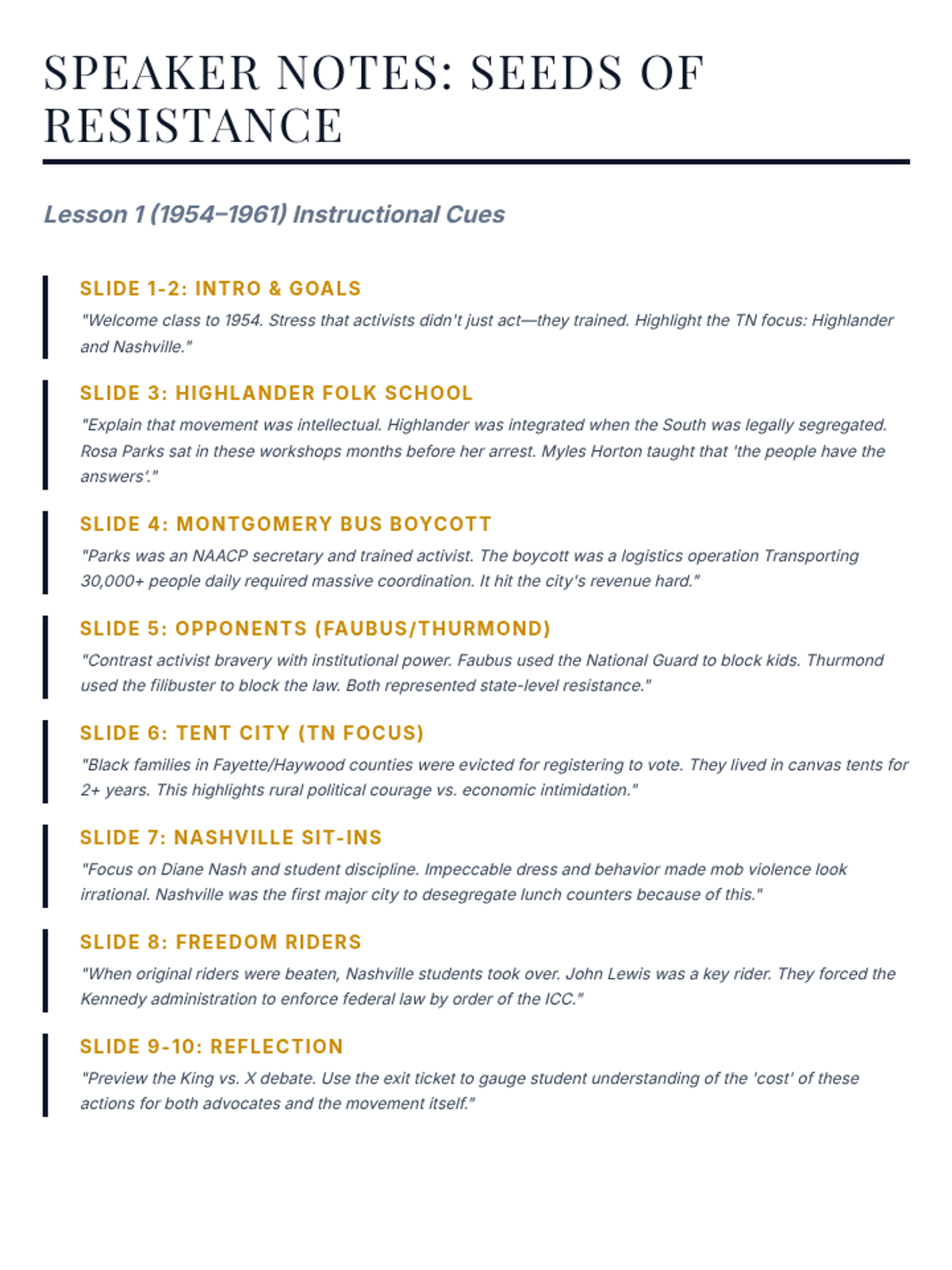
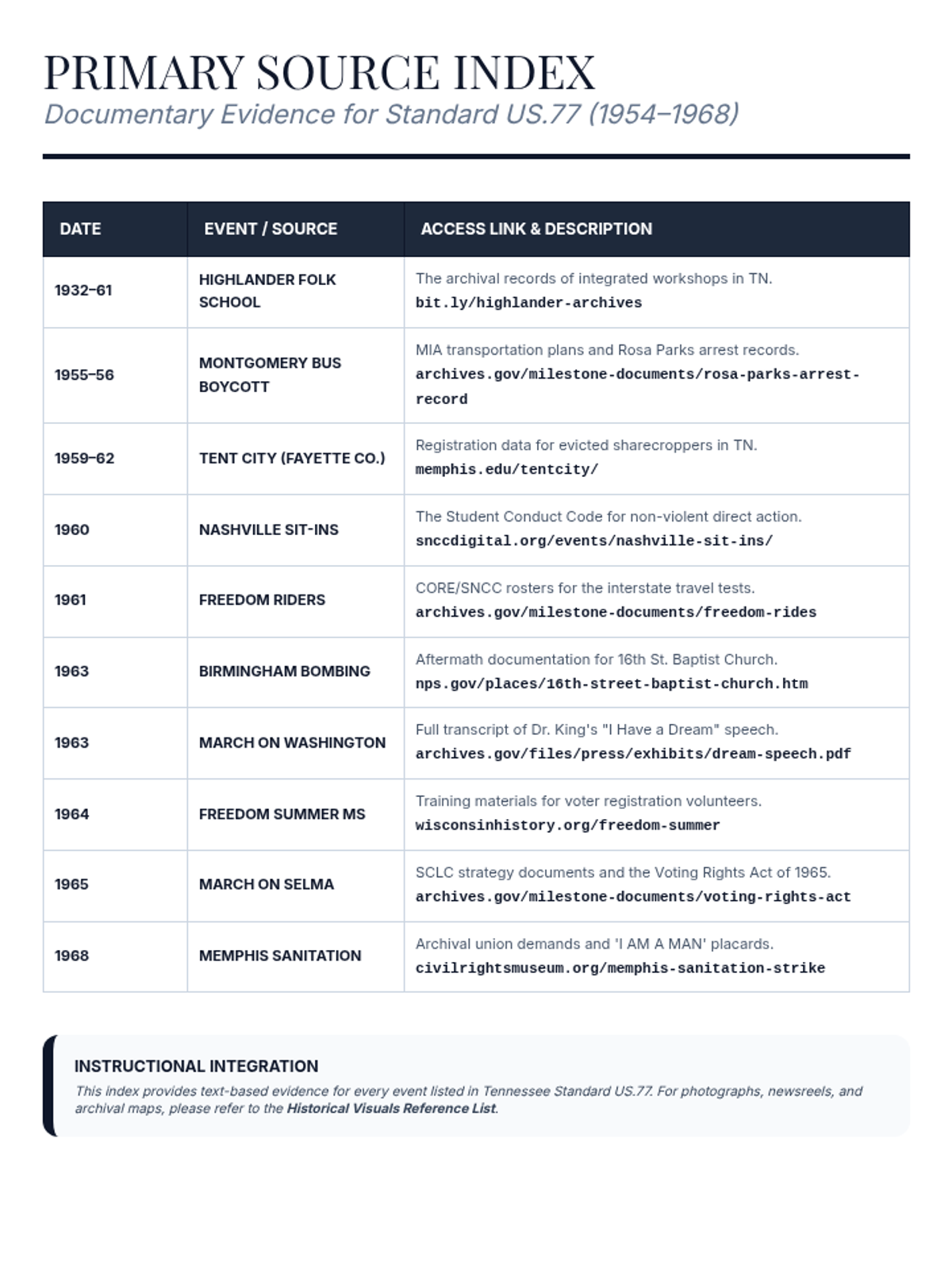
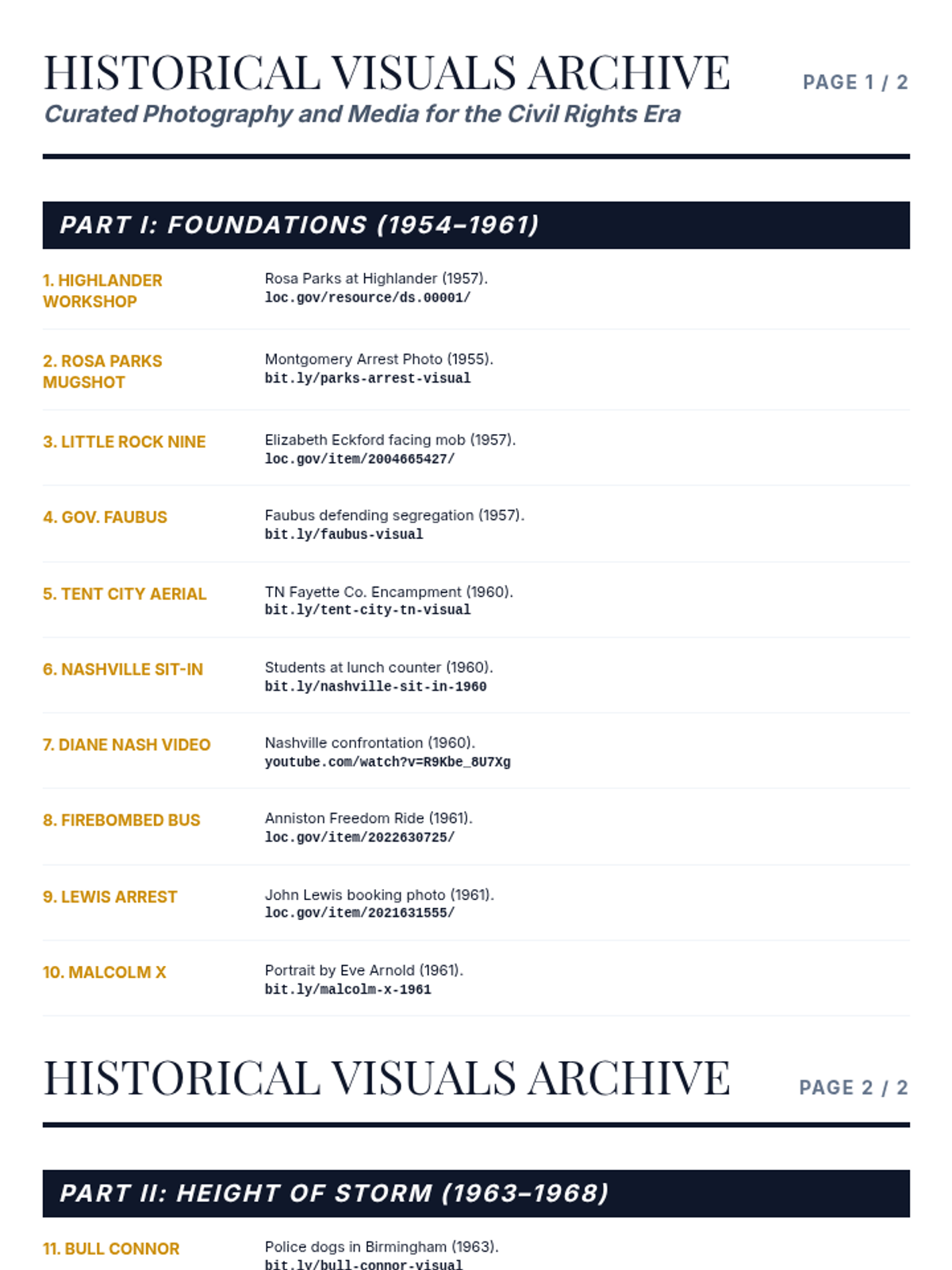
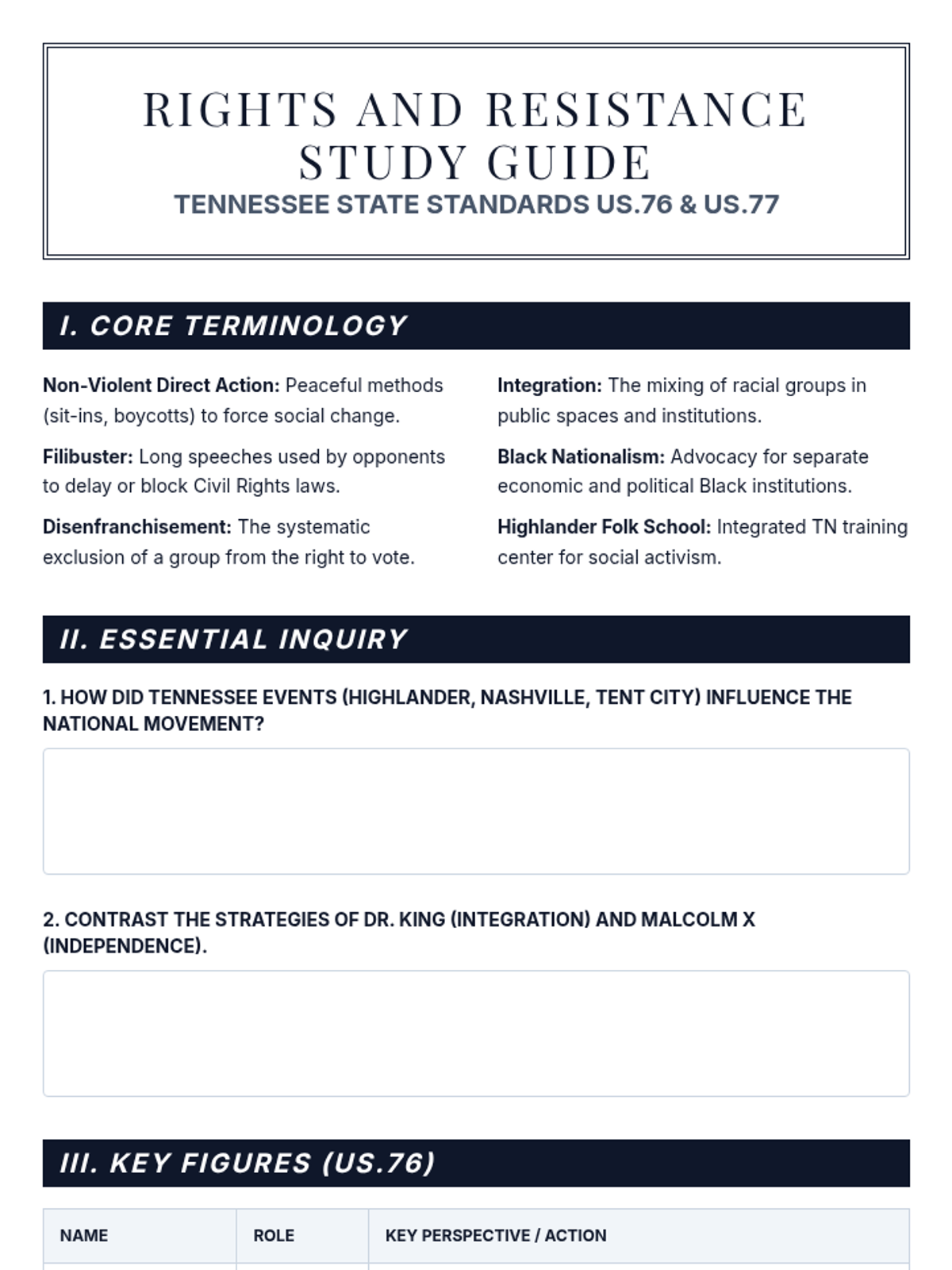
A comprehensive two-lesson sequence covering the American Civil Rights Movement from 1954 to 1968, focused on key advocates, opponents, and pivotal events in the struggle for equality.
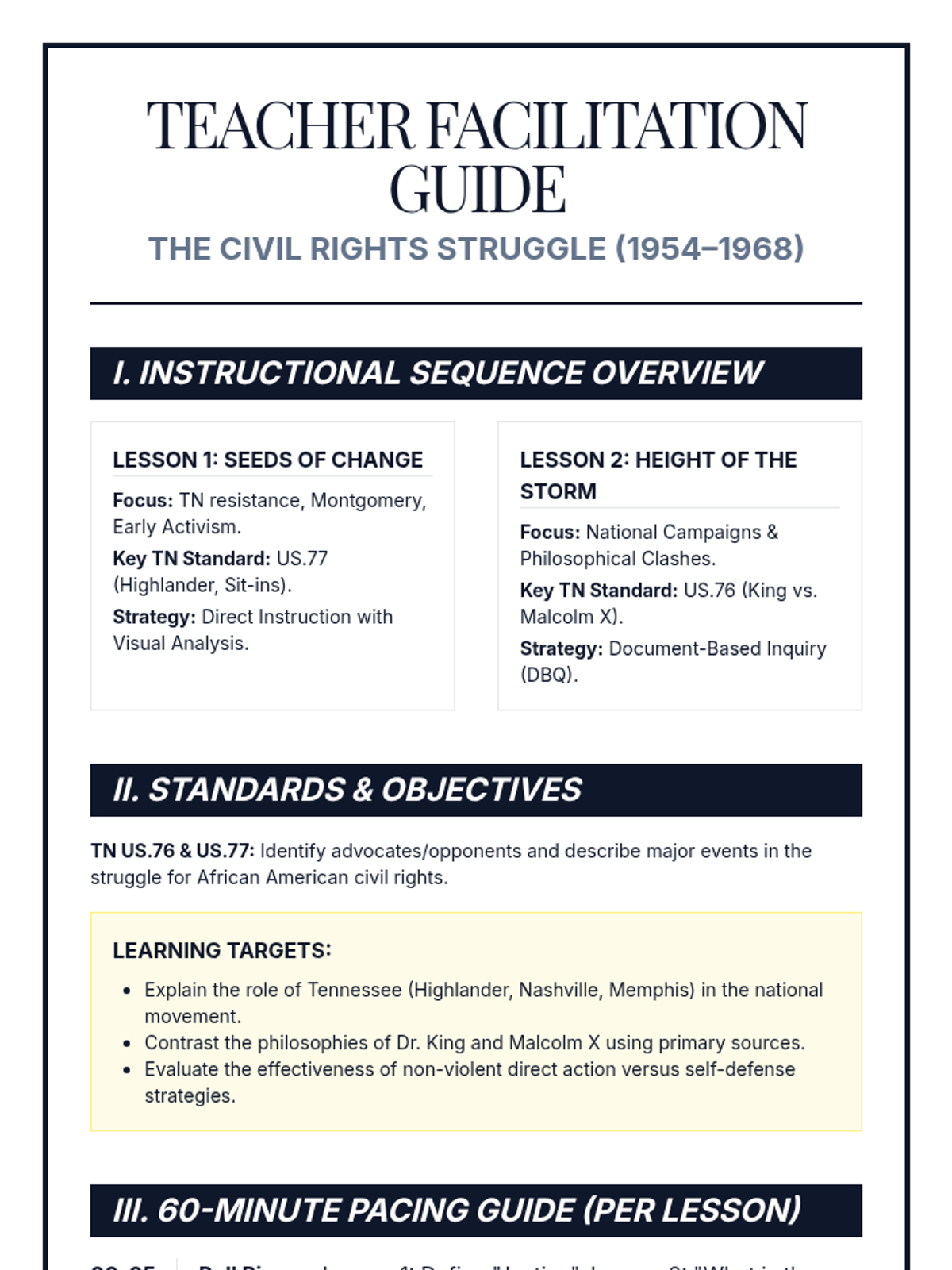
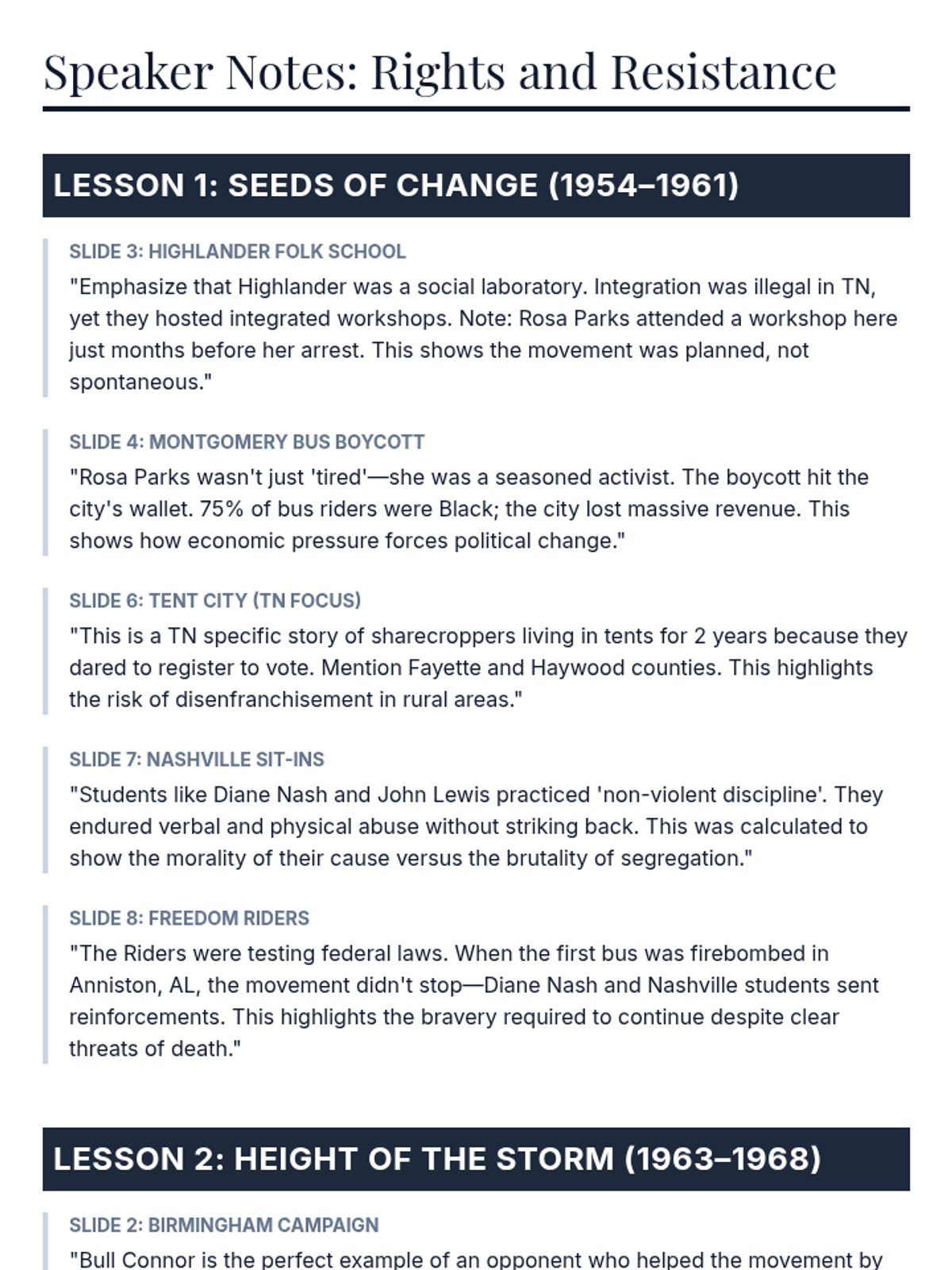
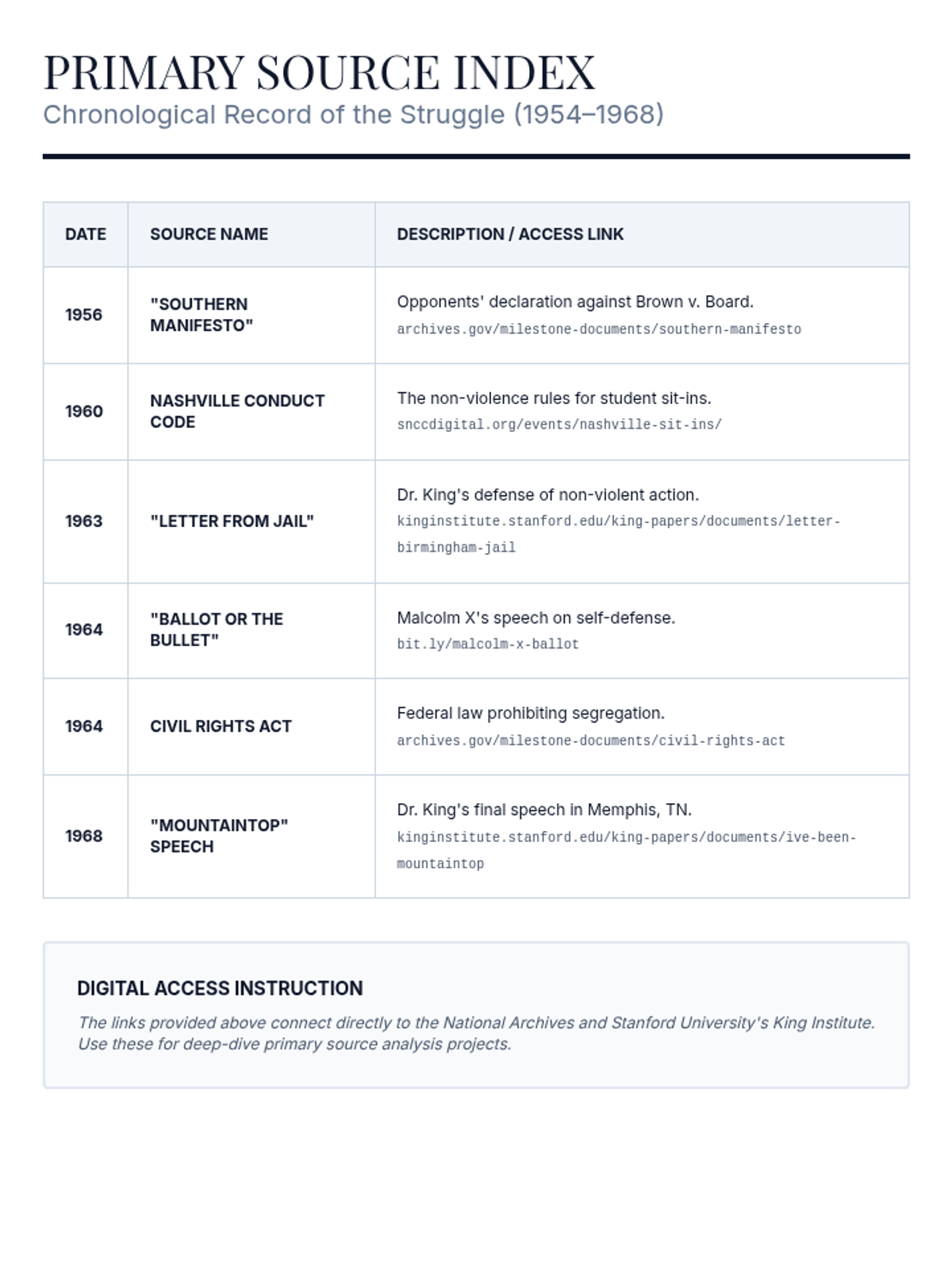
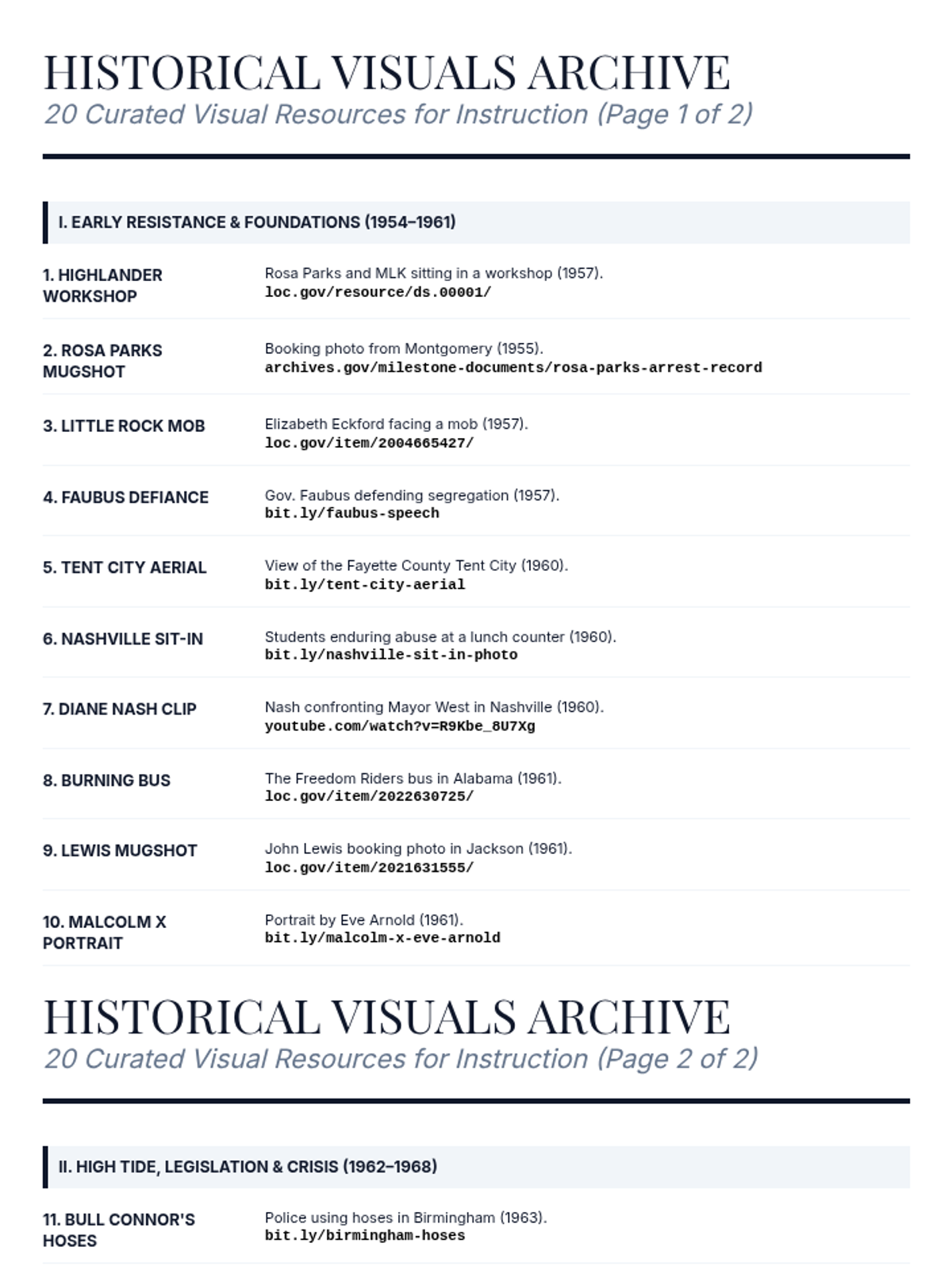
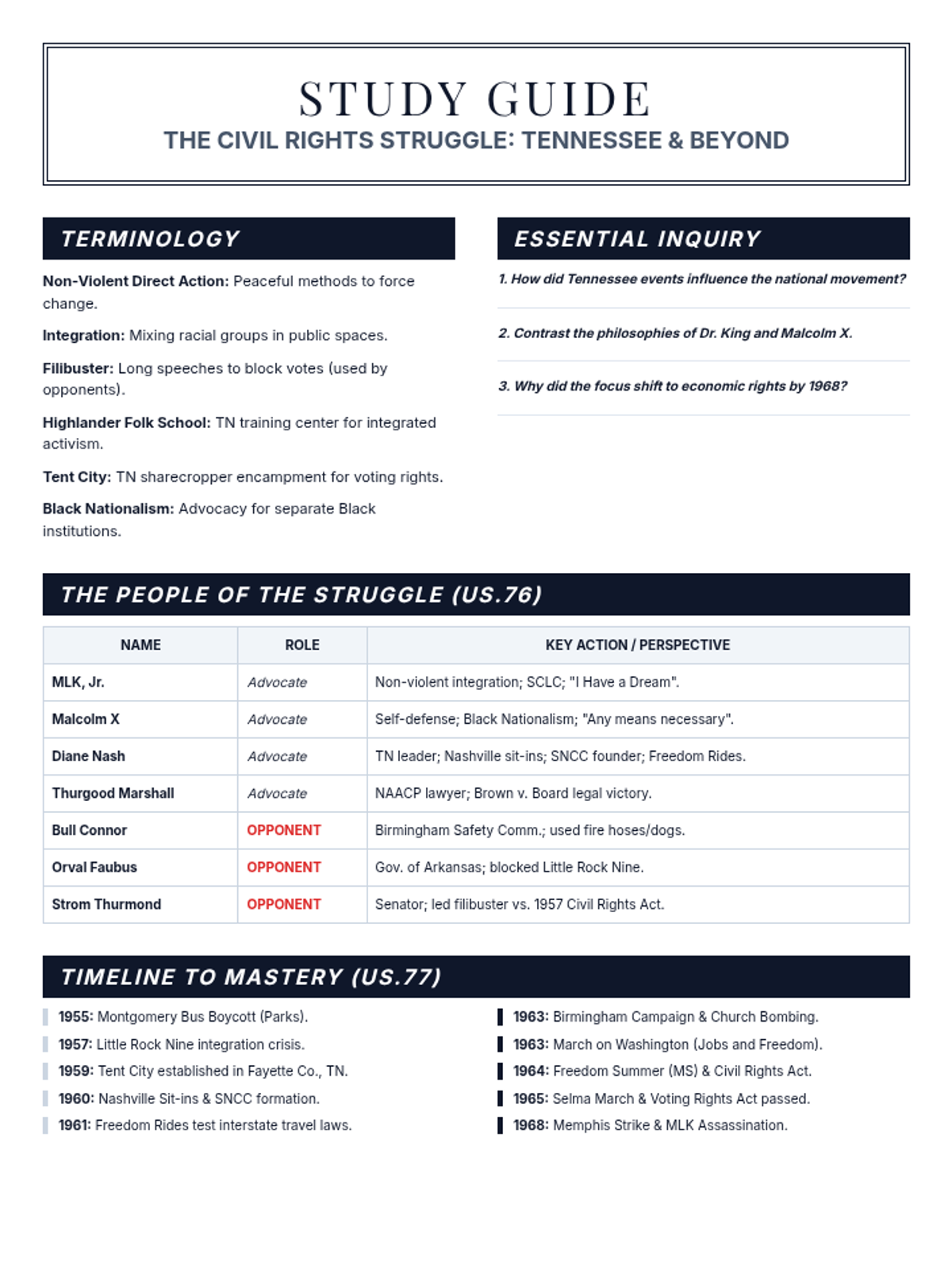
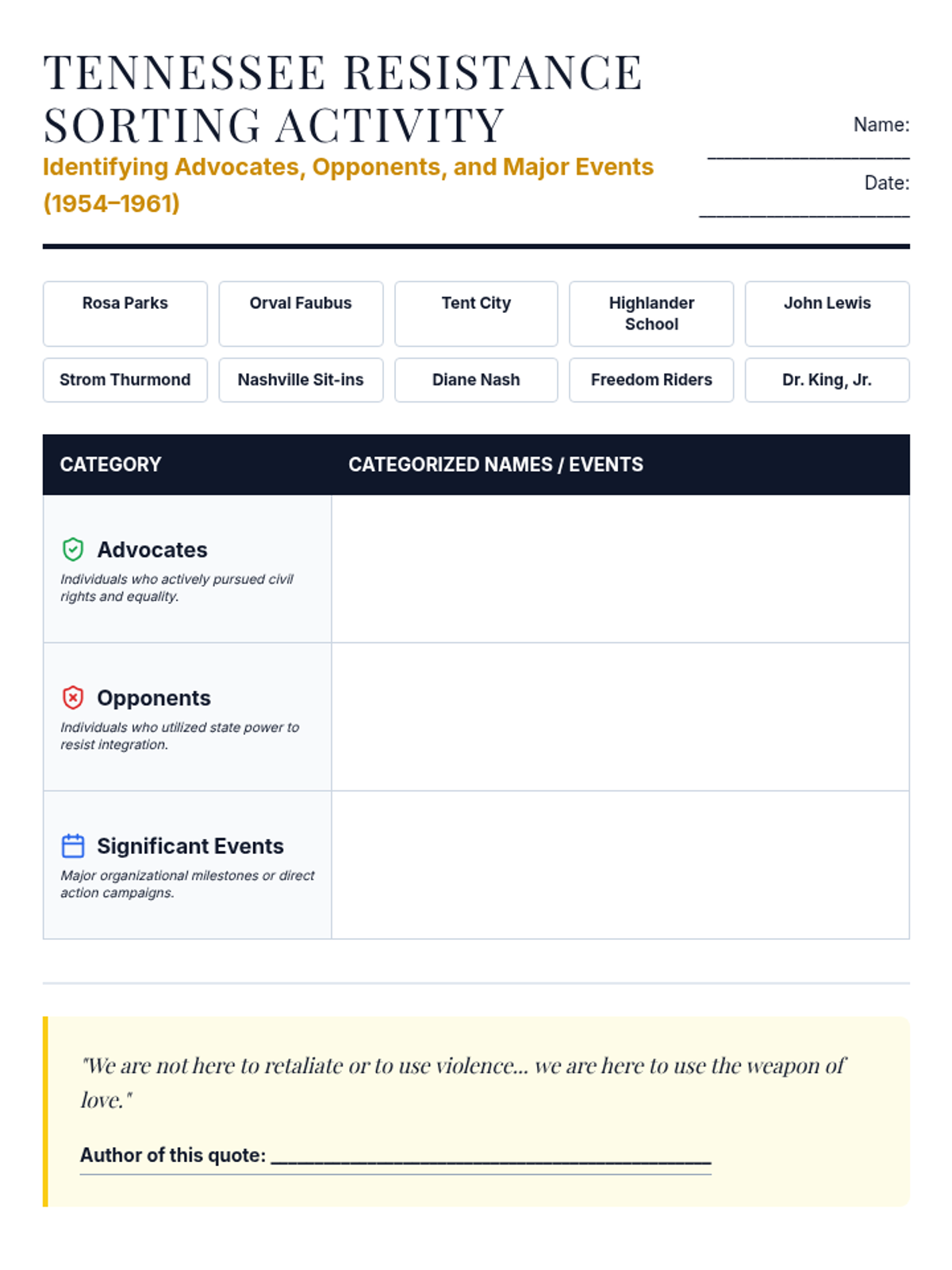
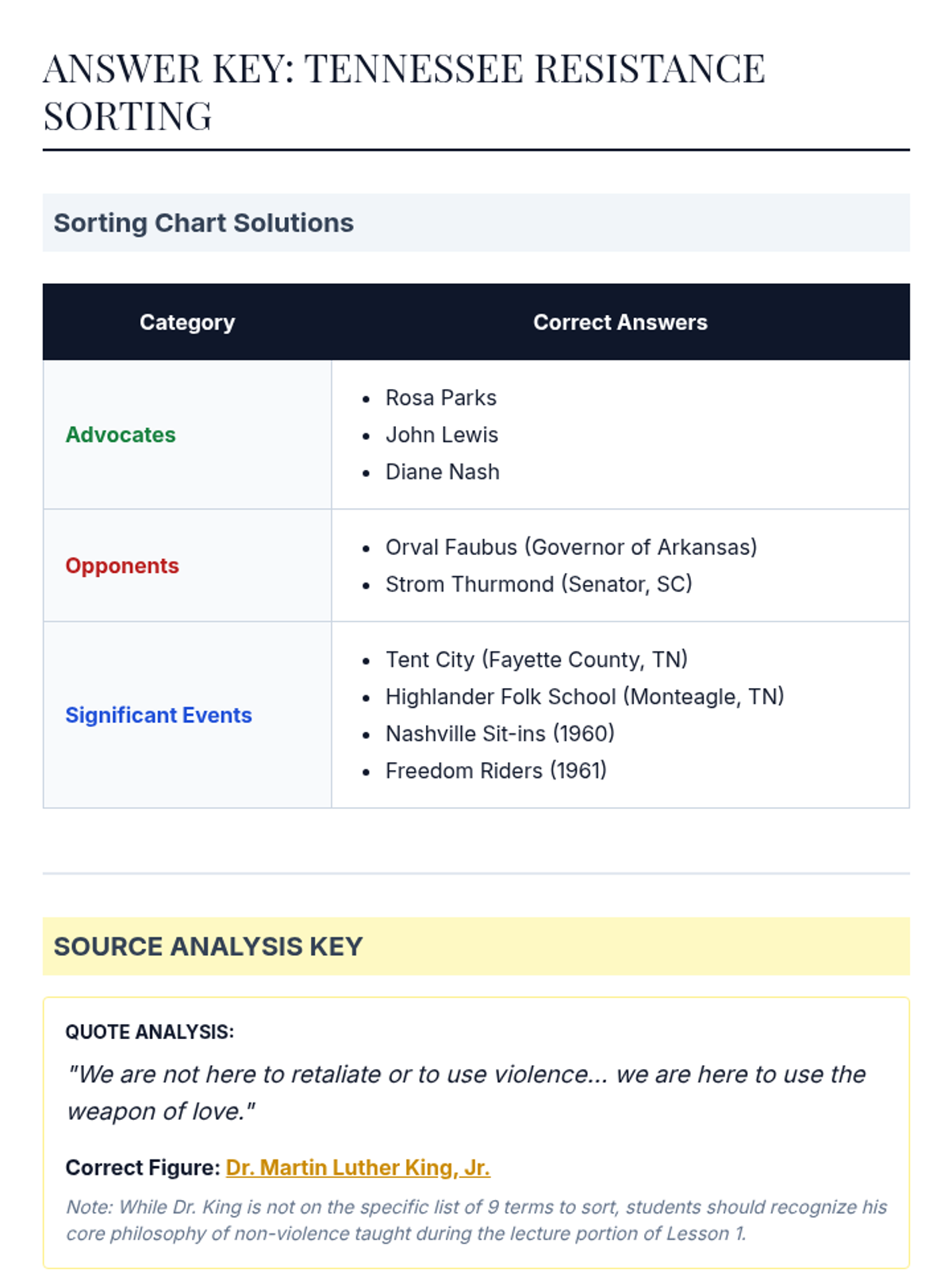
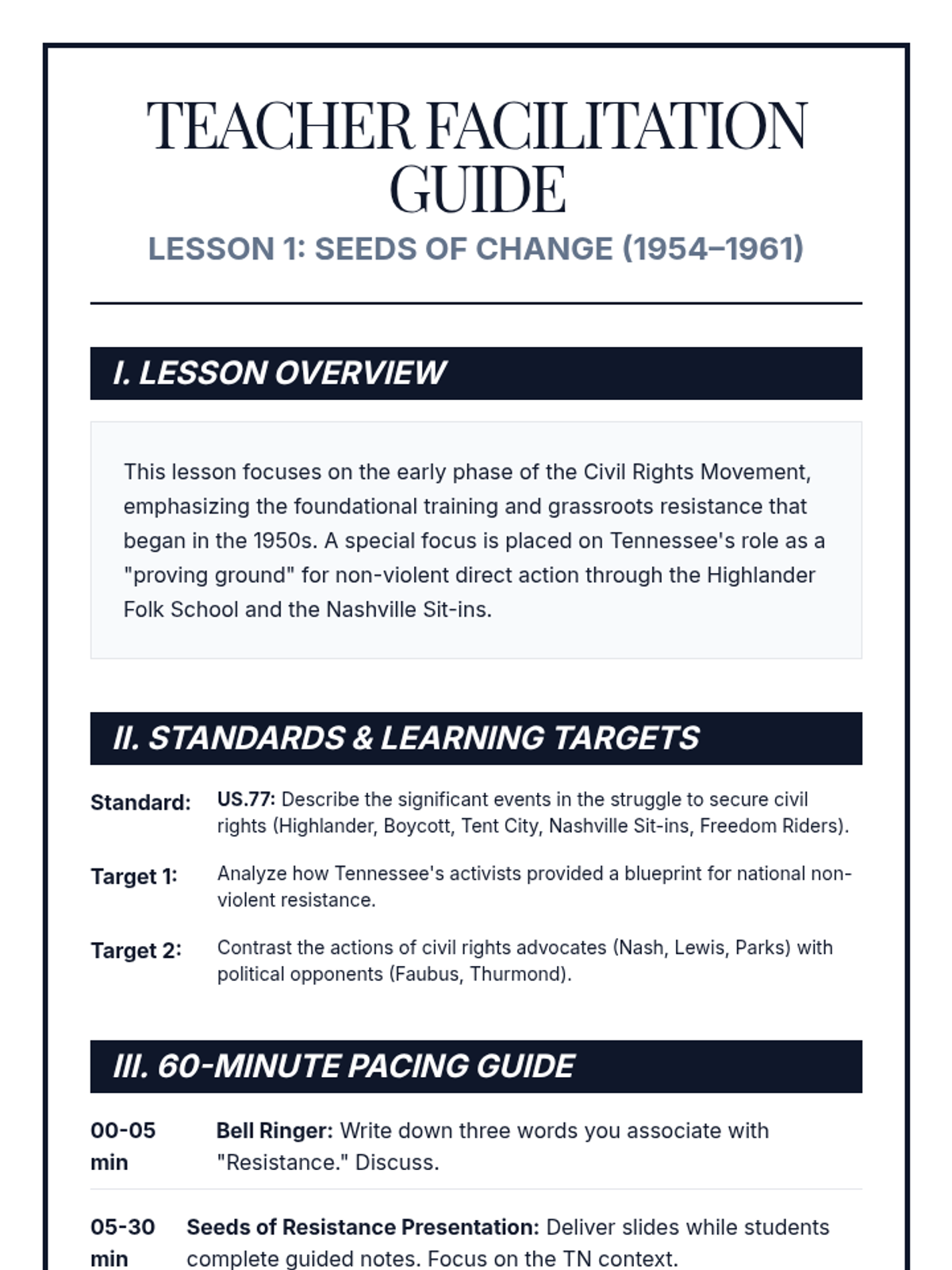
A comprehensive two-lesson sequence covering the American Civil Rights Movement from 1954 to 1968, with a specific focus on Tennessee-based events and the comparison of different activist philosophies. Students explore key figures, legislative battles, and the impact of grassroots organizing.
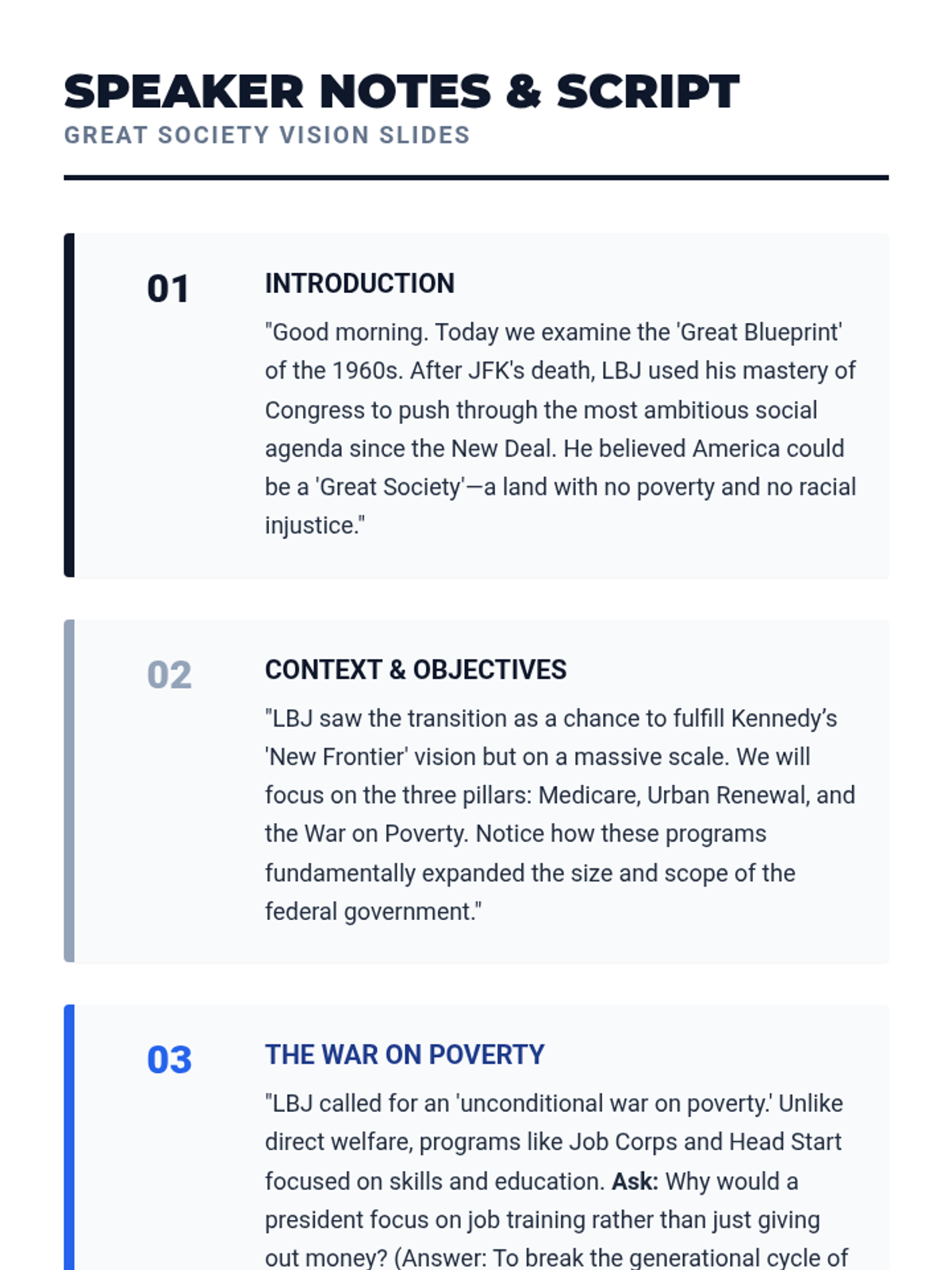
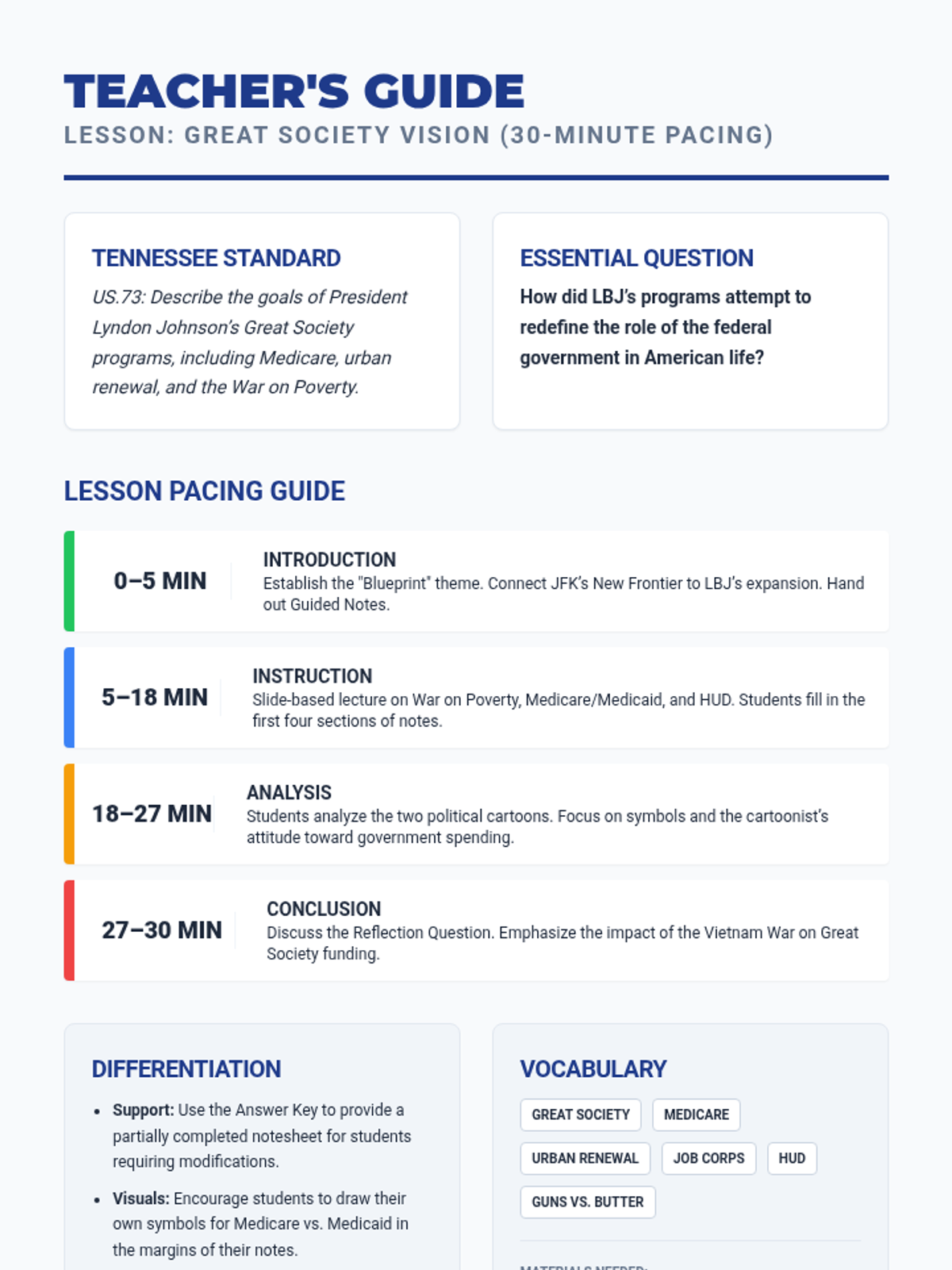
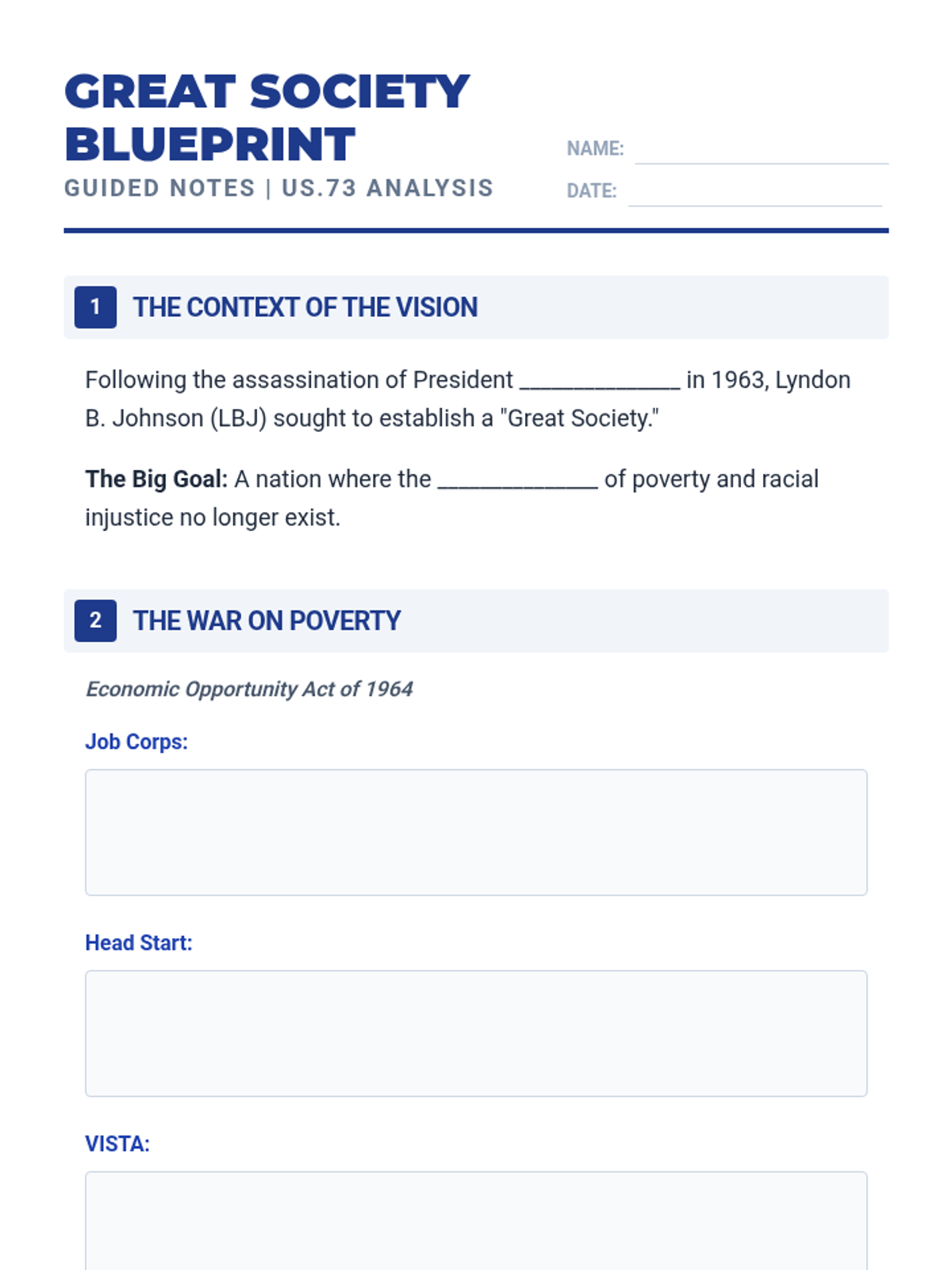
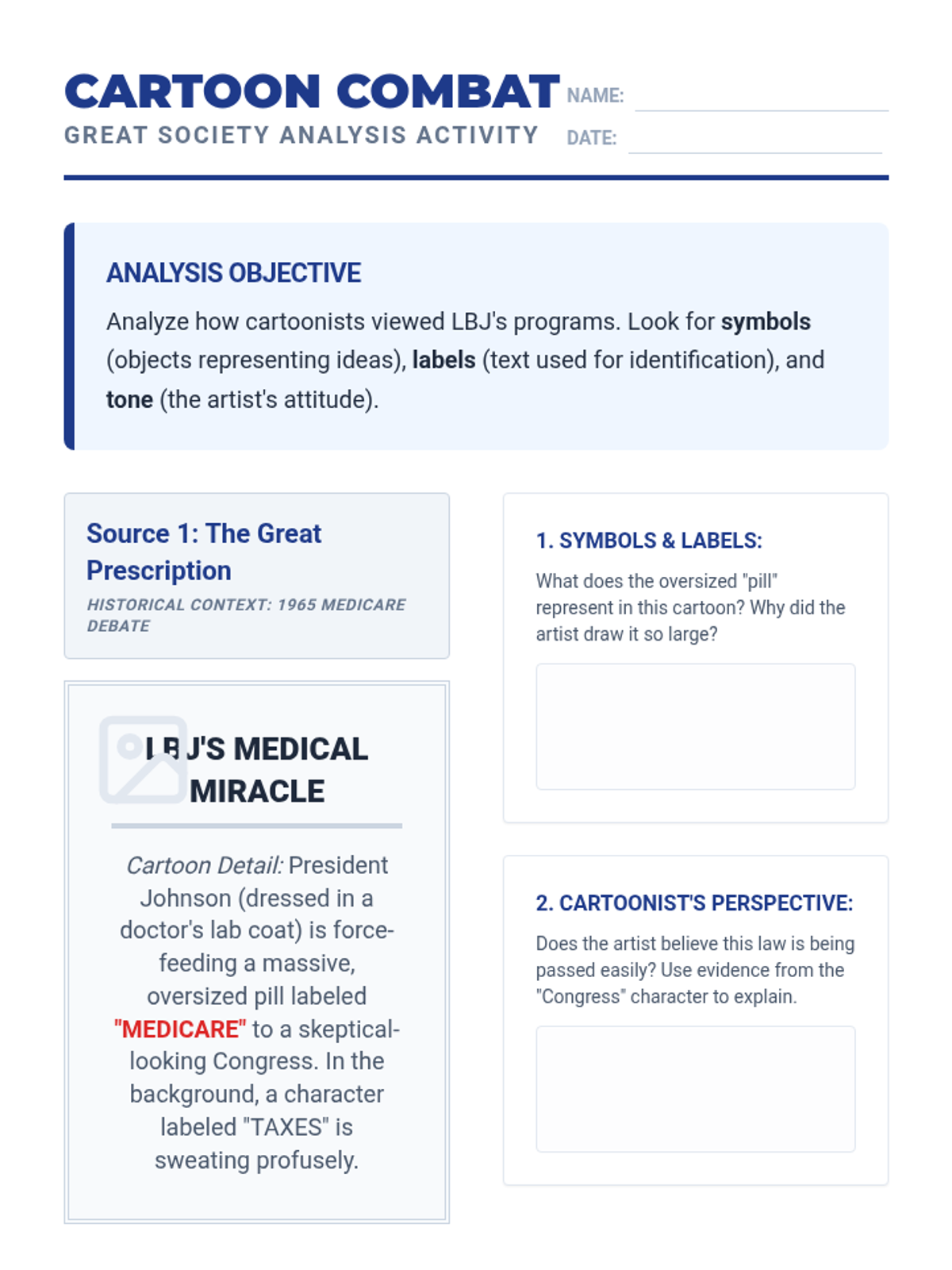
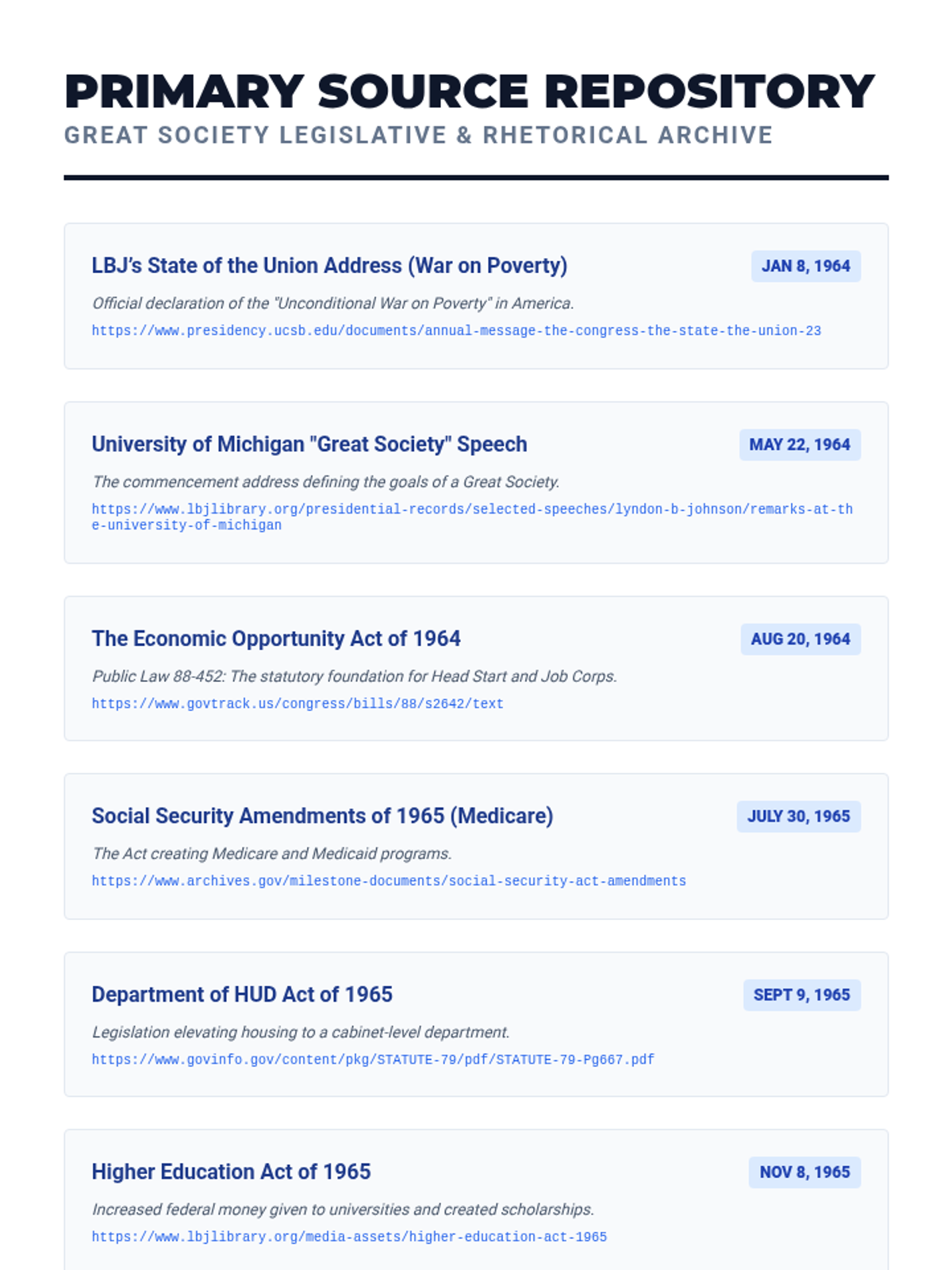
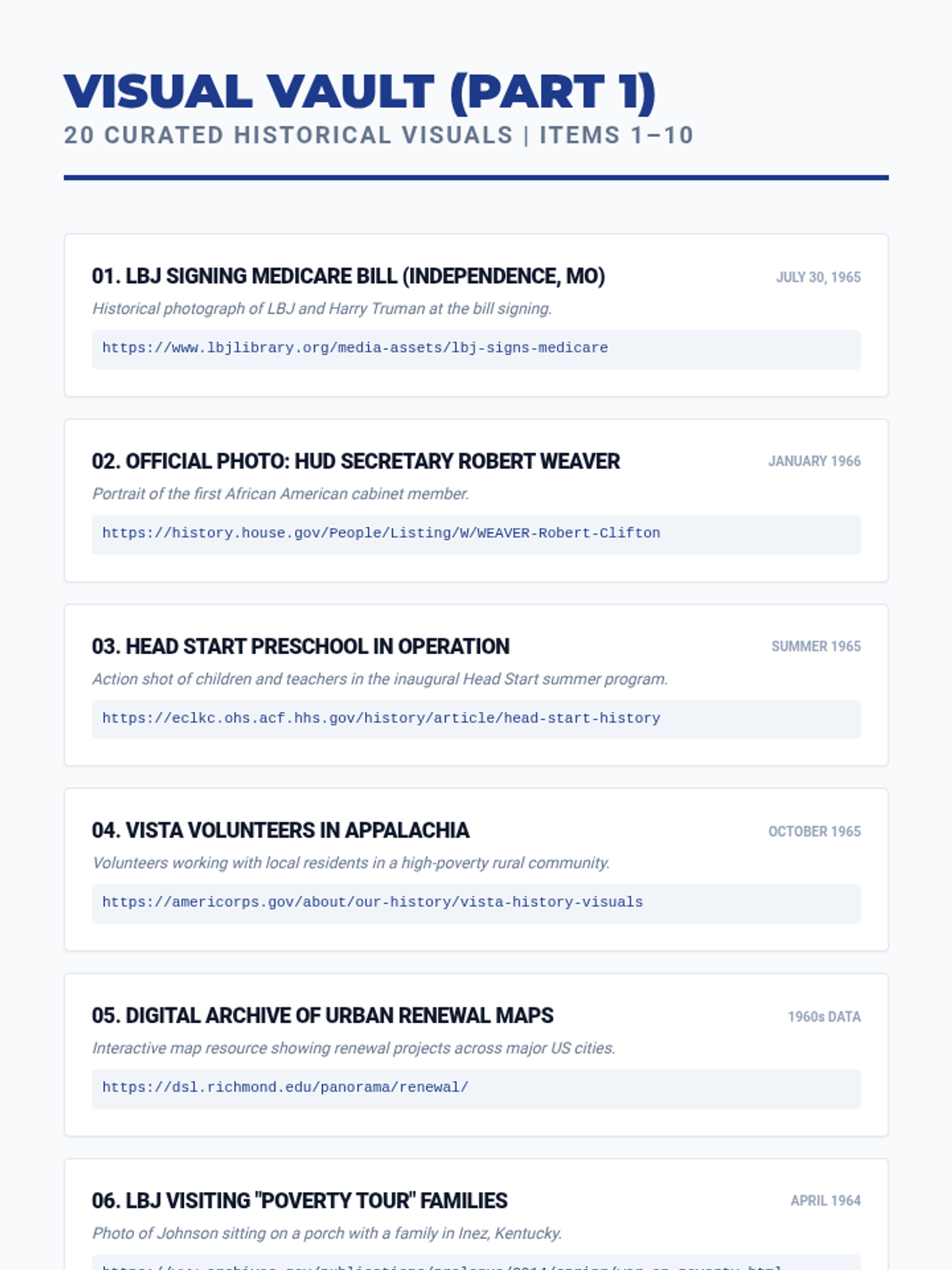
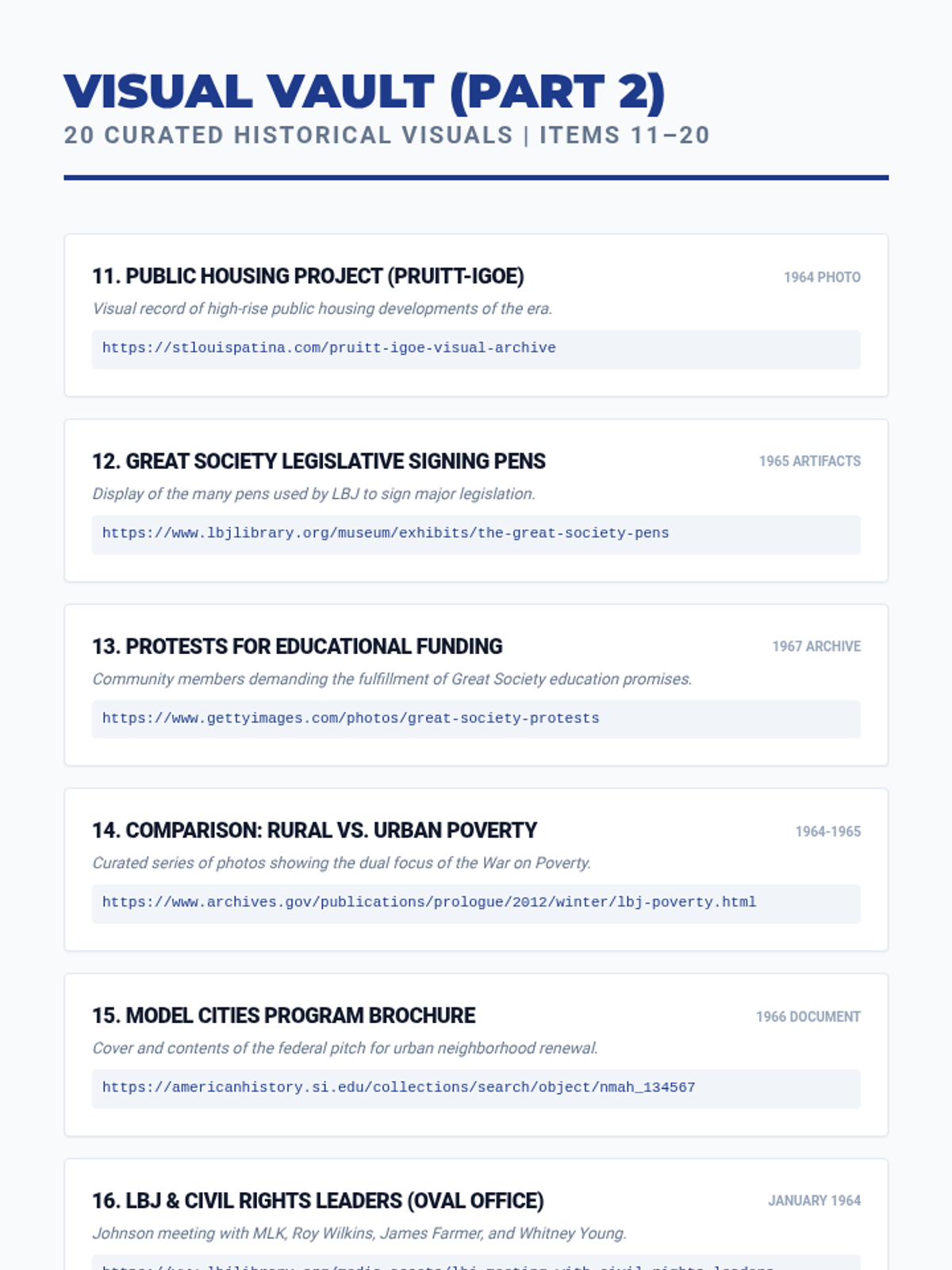
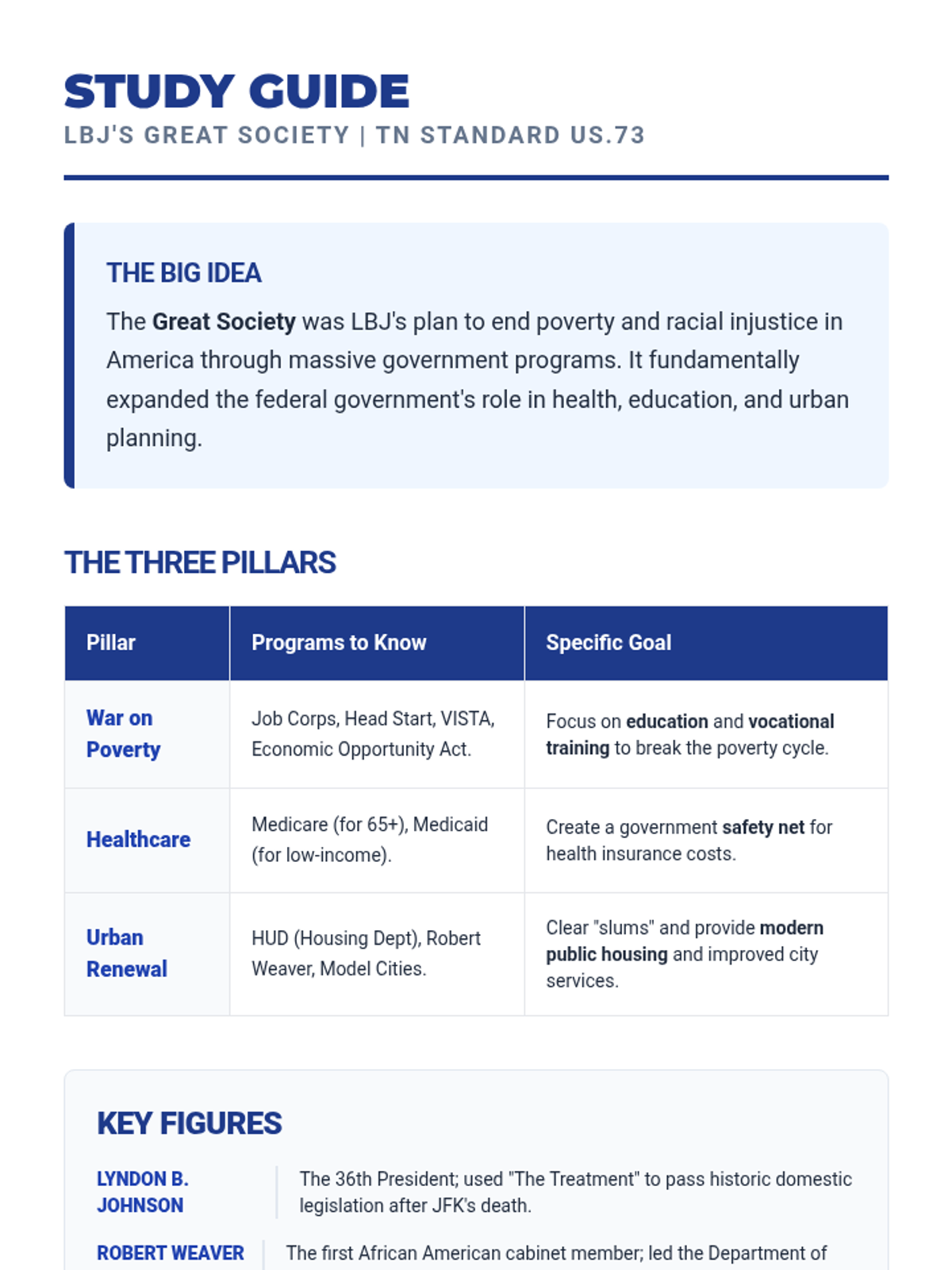
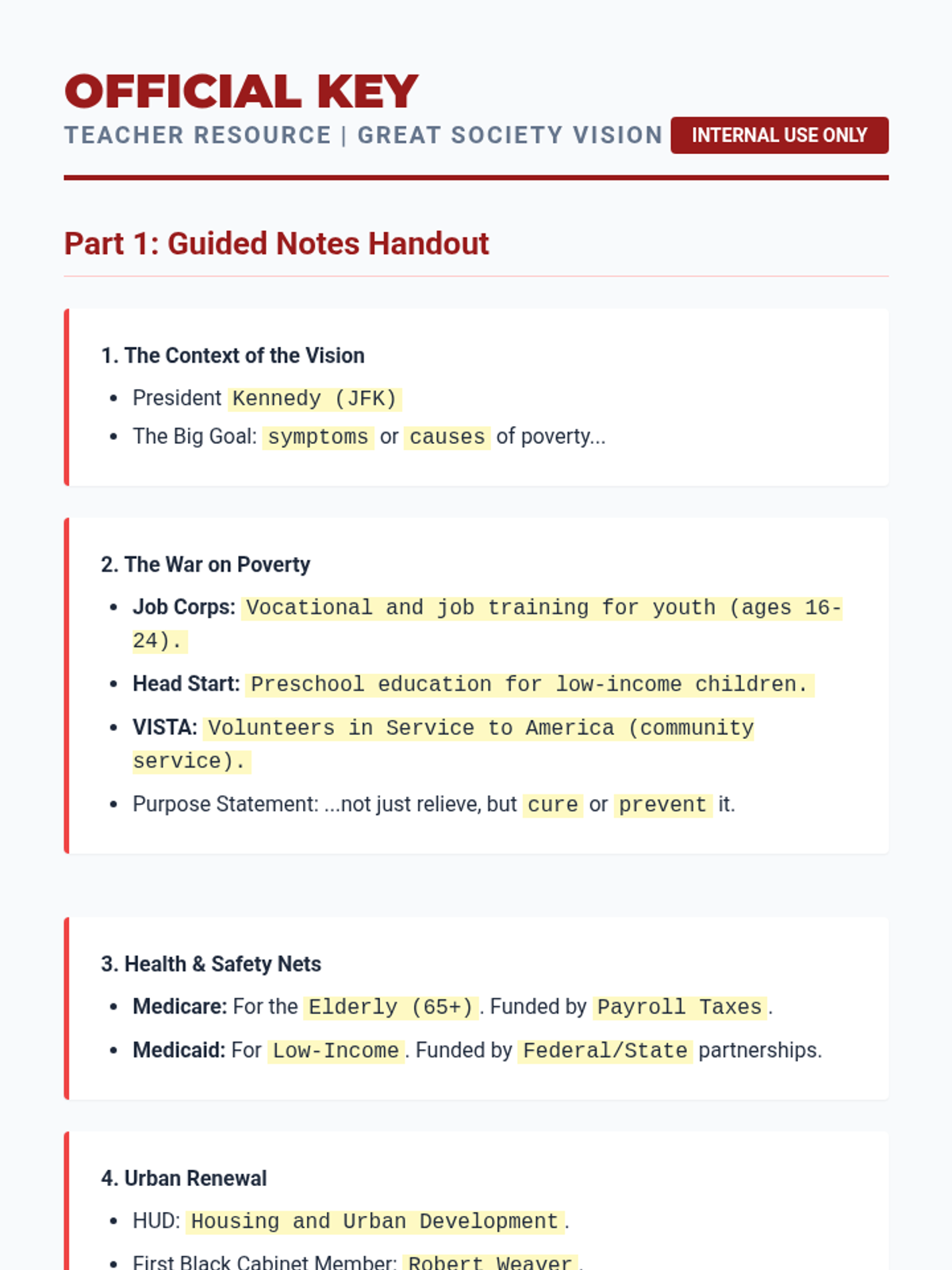
A deep dive into President Lyndon B. Johnson's domestic agenda, focusing on the Great Society's attempts to eliminate poverty and racial injustice. This sequence examines the legislative milestones of the mid-1960s and their lasting impact on American society and government.
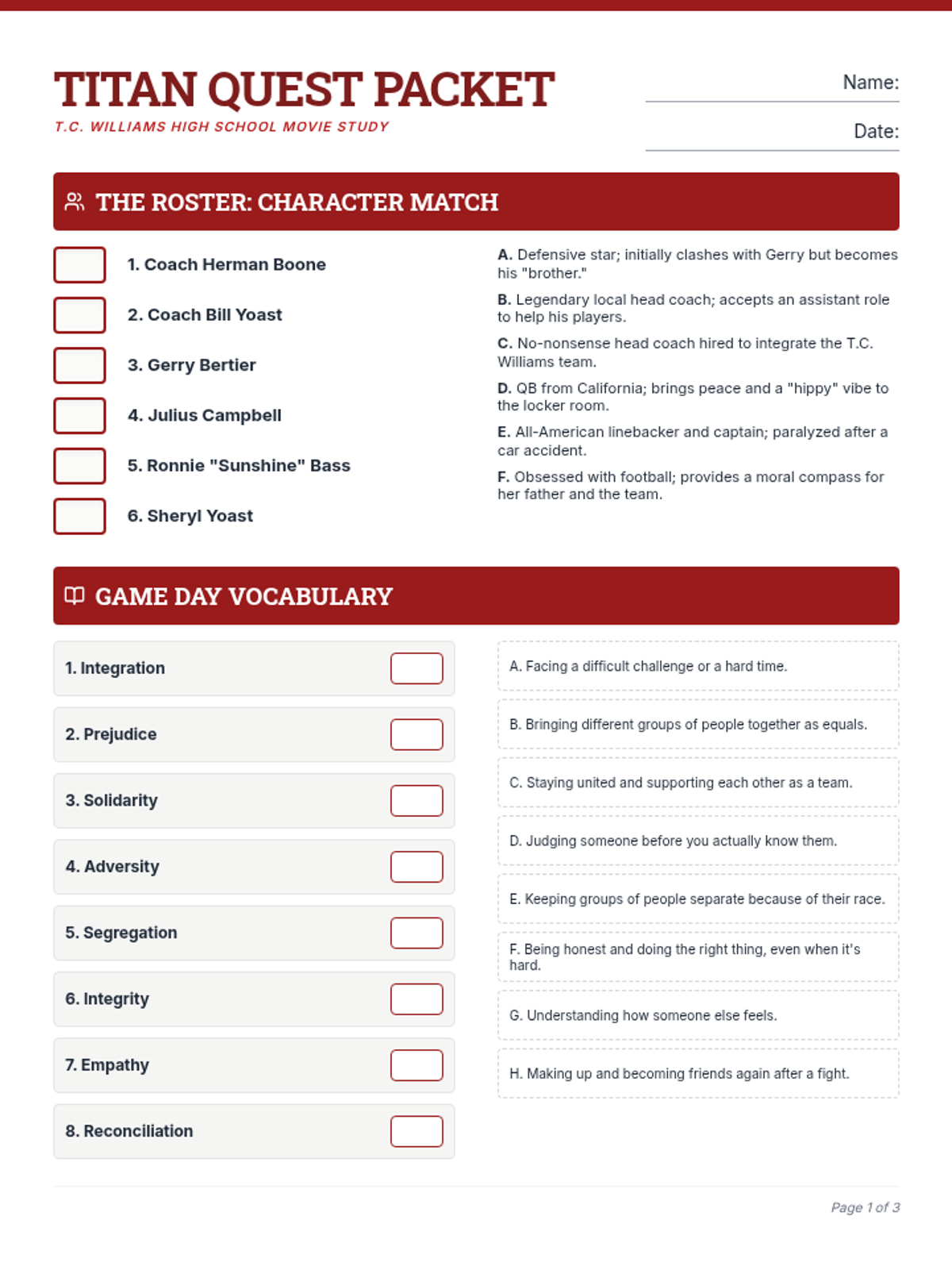
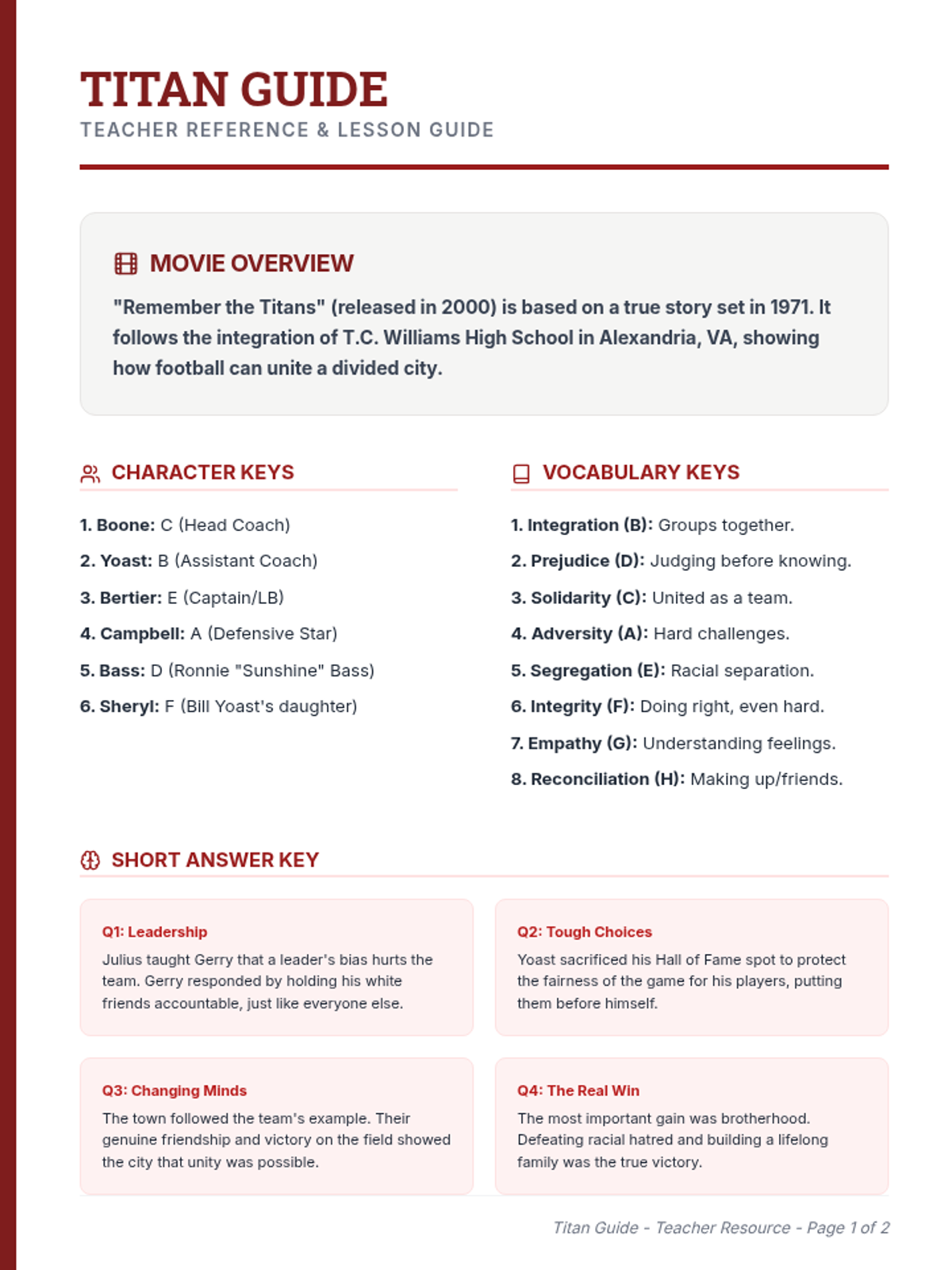
A film study series exploring leadership, racial integration, and social change through the lens of 'Remember the Titans'. Students analyze character development and historical context within 1971 Virginia.
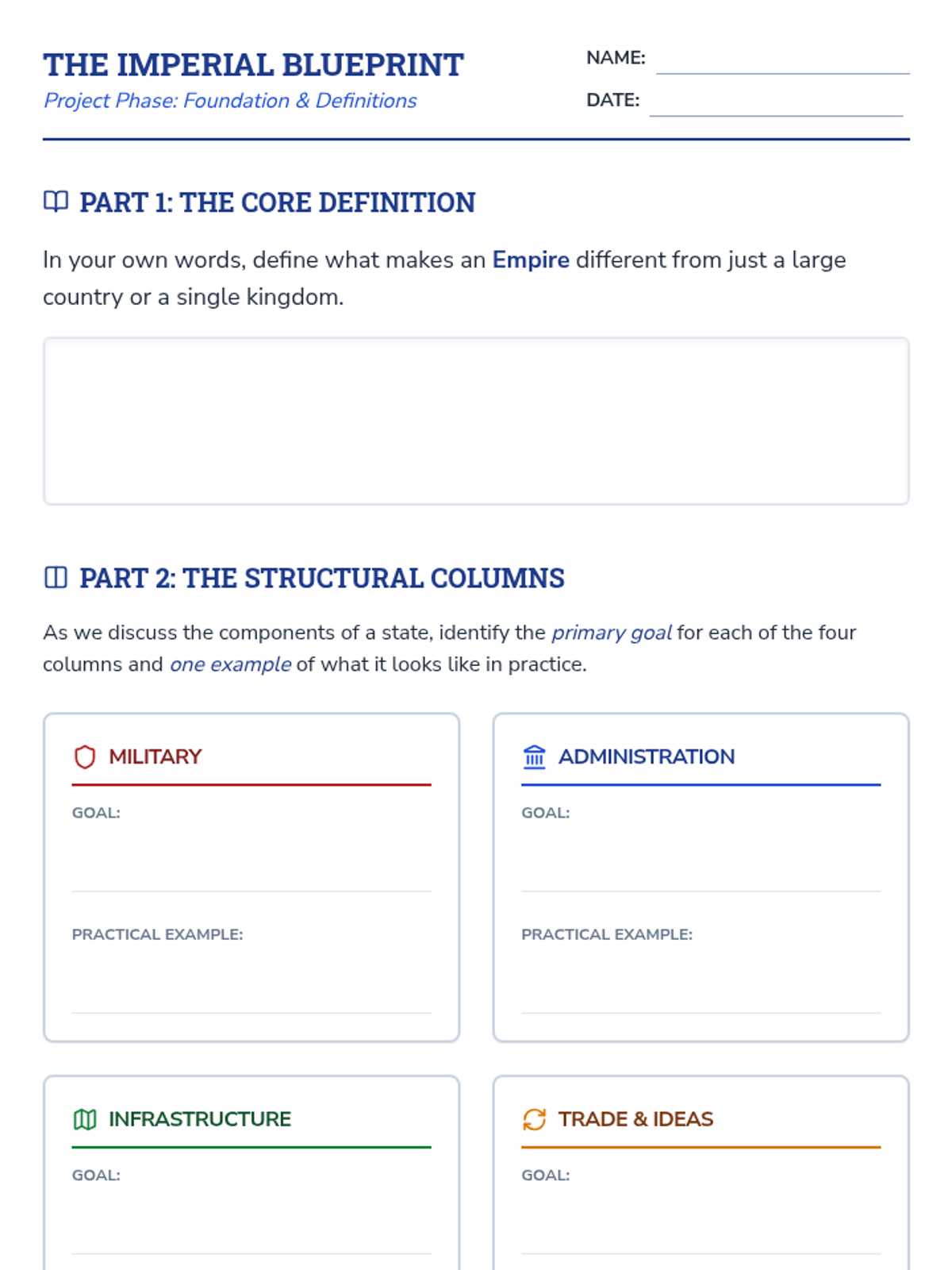
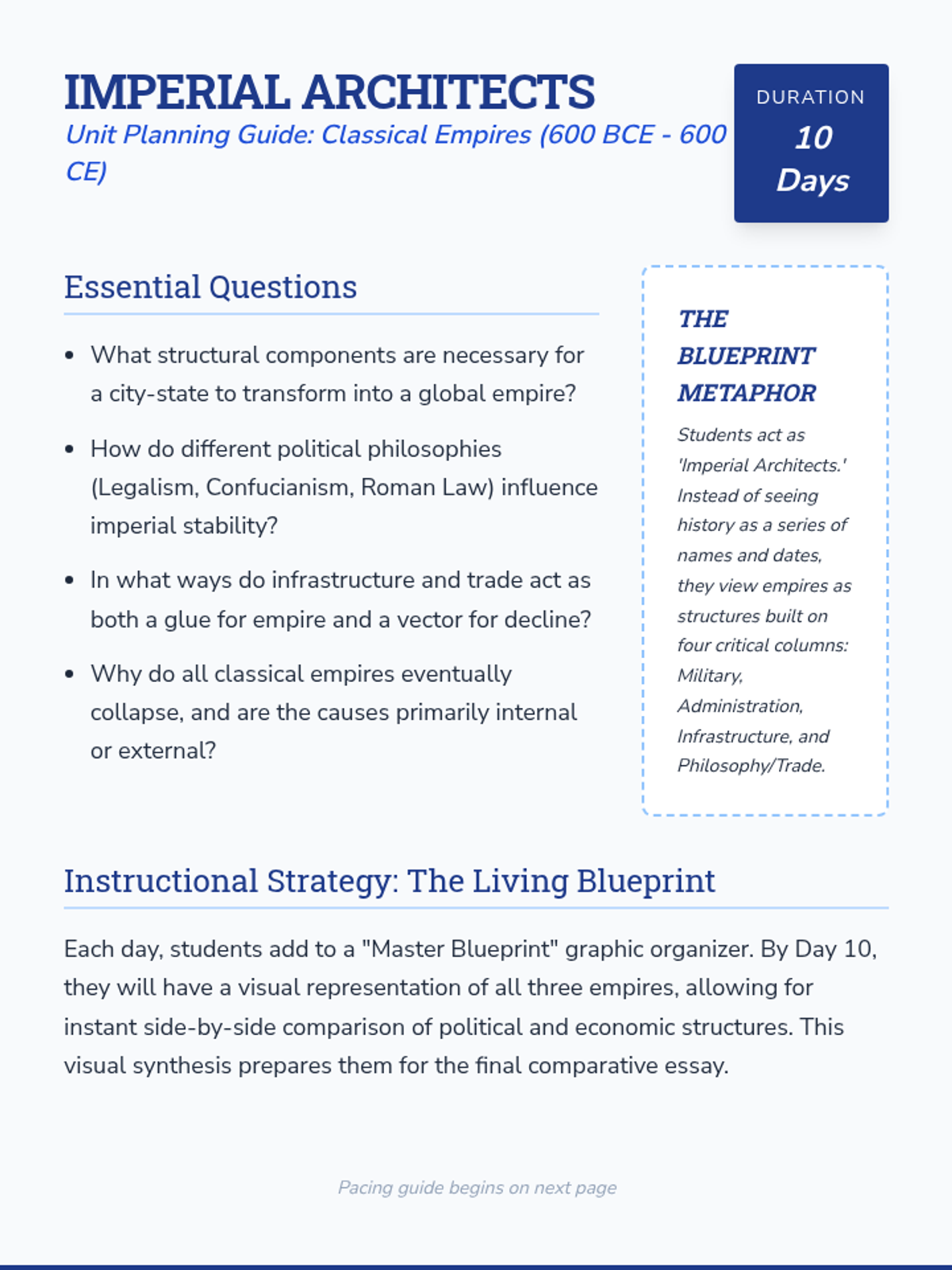
An intensive two-week exploration of the Classical Period's greatest powers—Persia, China, and Rome. Students act as 'Imperial Architects,' analyzing the structural components that allowed these empires to rise, flourish, and eventually crumble.
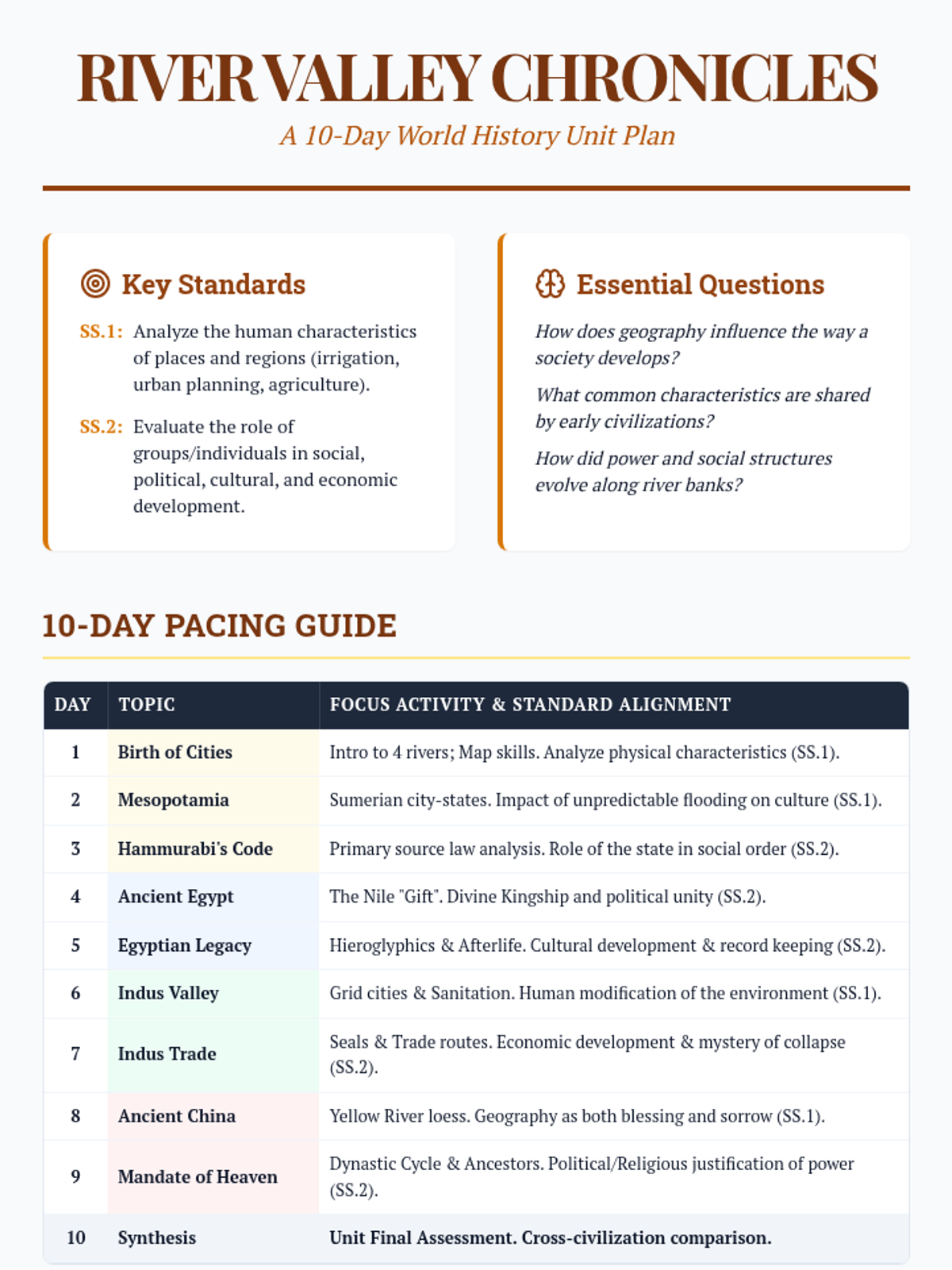
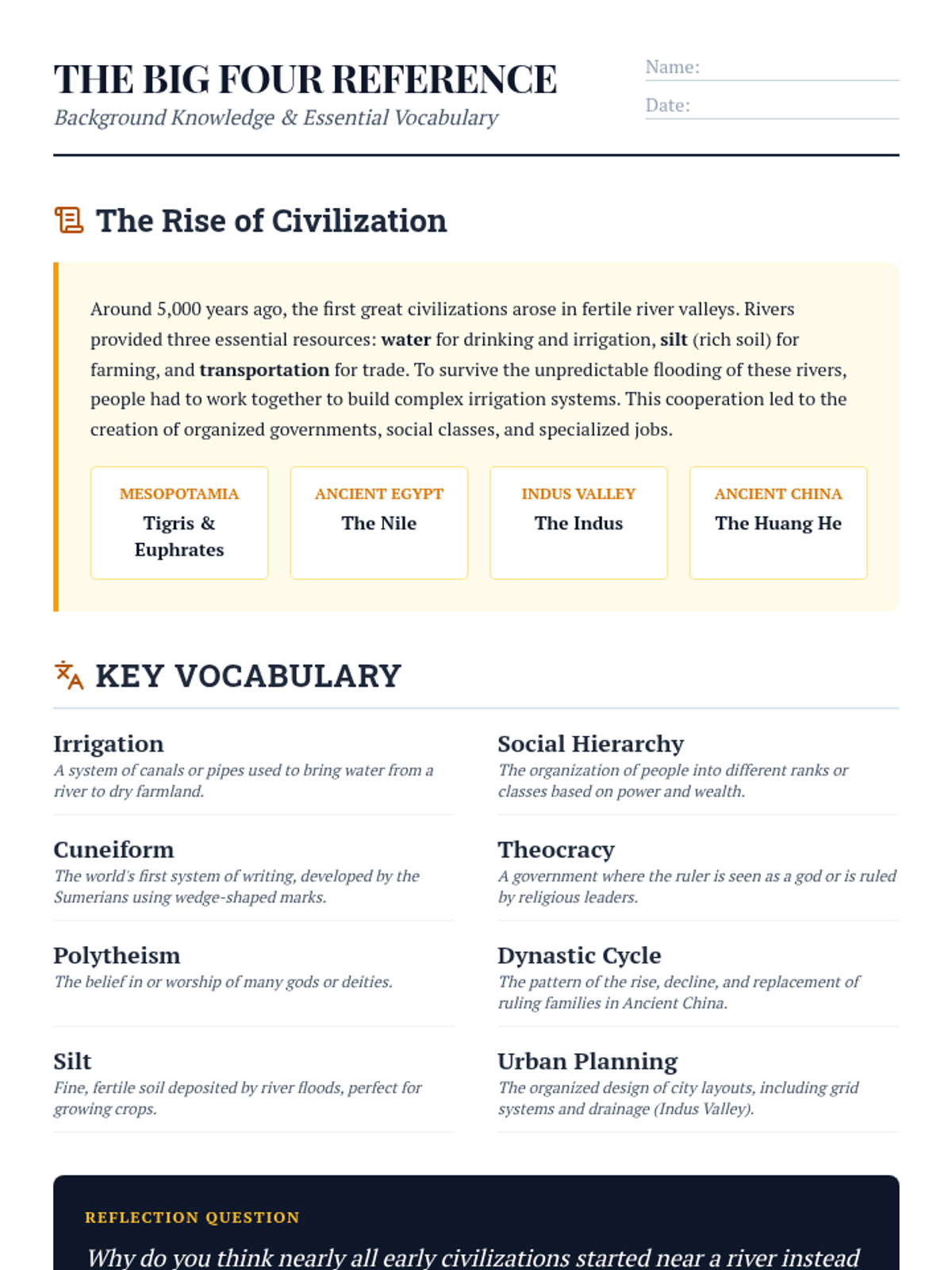
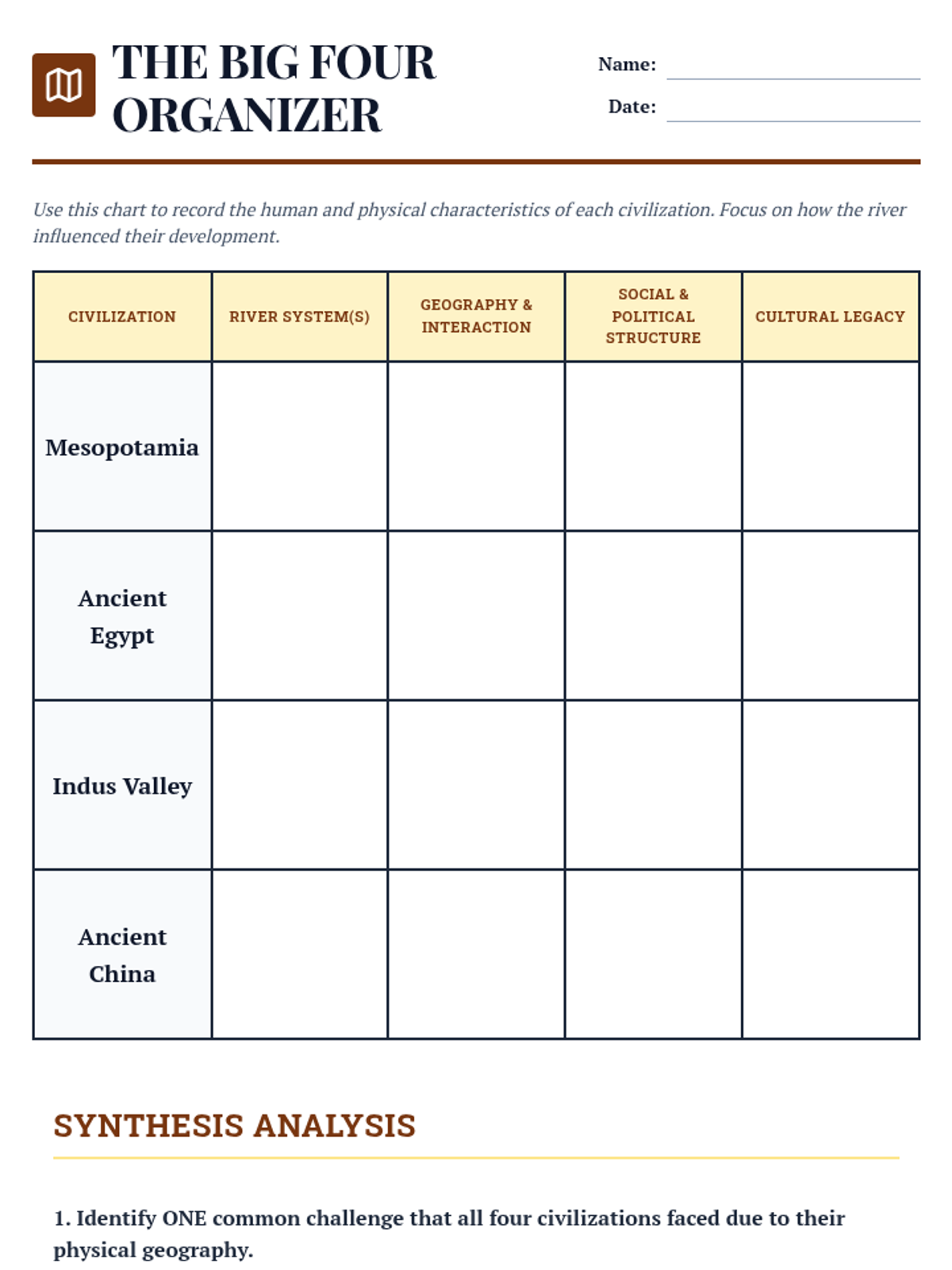
A comprehensive two-week unit exploring the four major river valley civilizations: Mesopotamia, Egypt, the Indus Valley, and Ancient China. Students will analyze how geography shaped human characteristics and evaluate the social, political, and cultural development of these early societies.
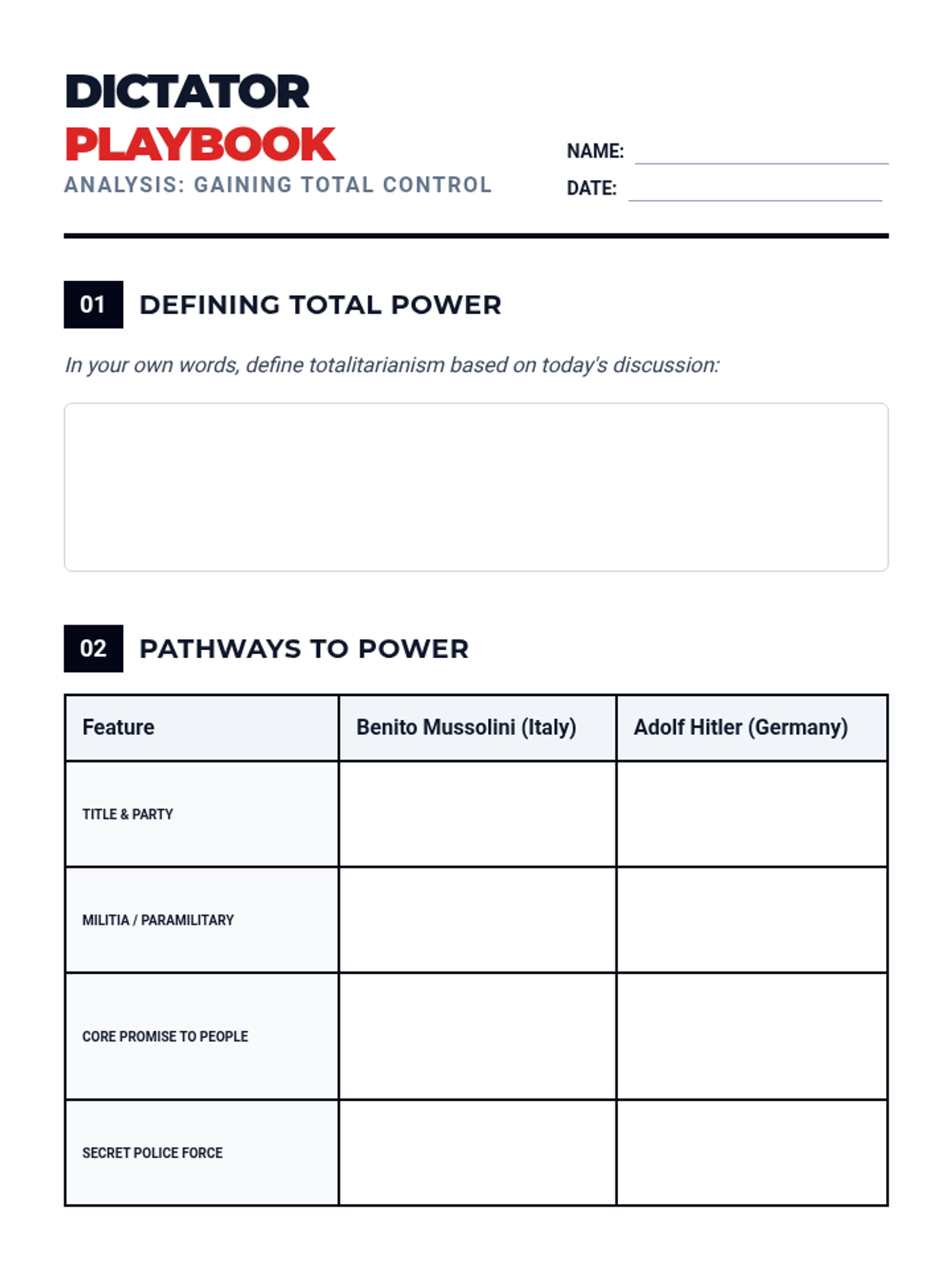
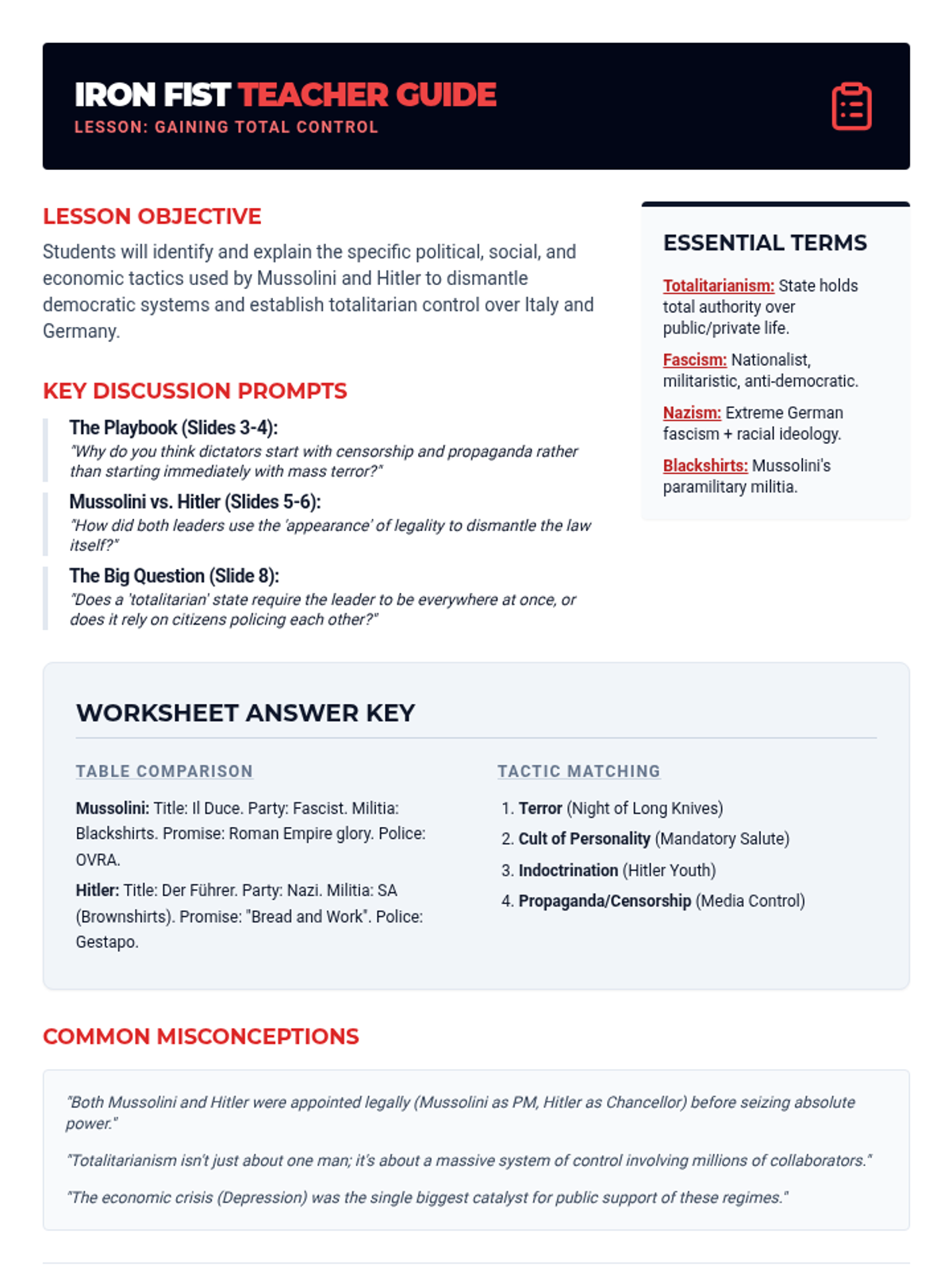
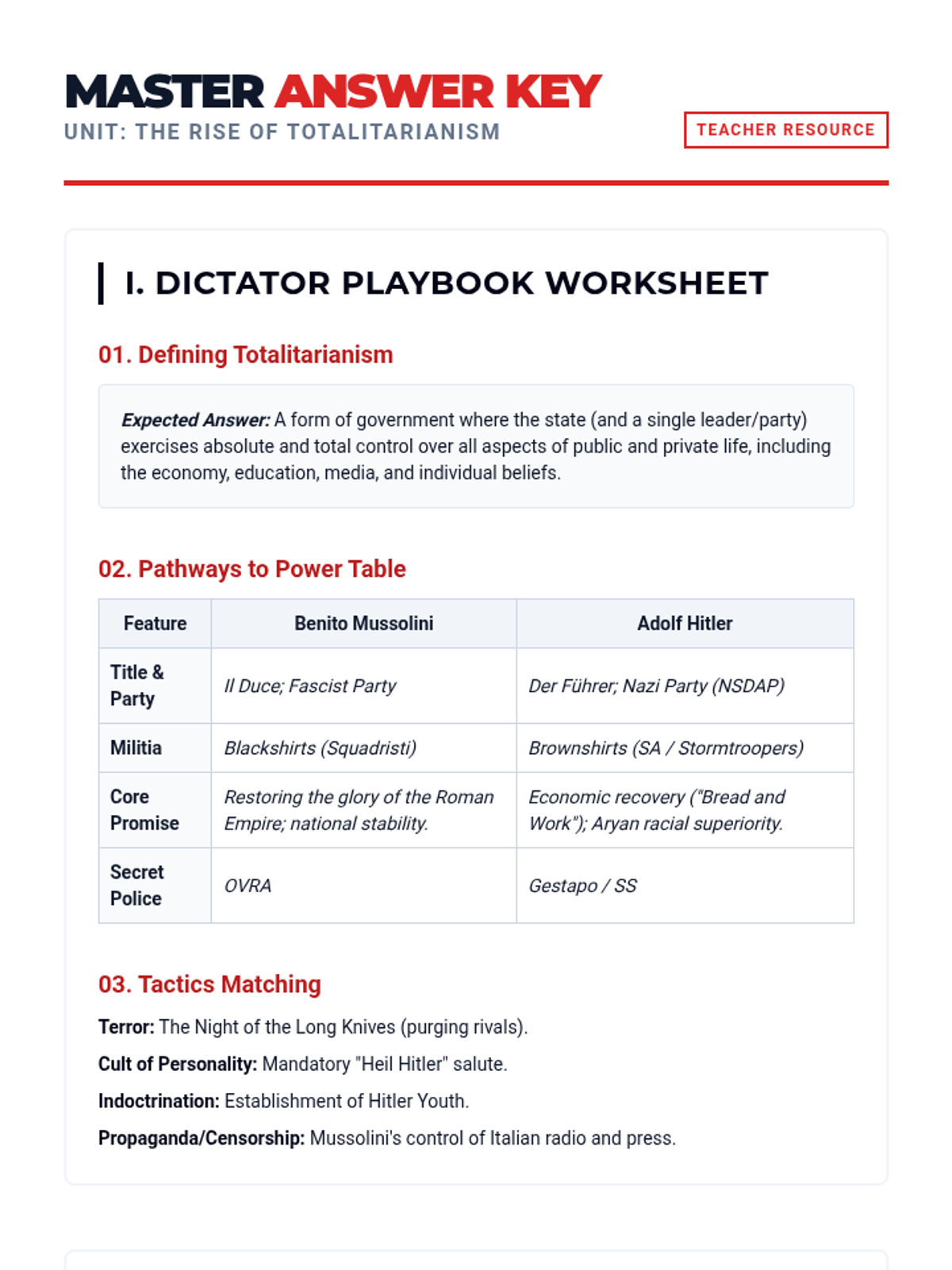
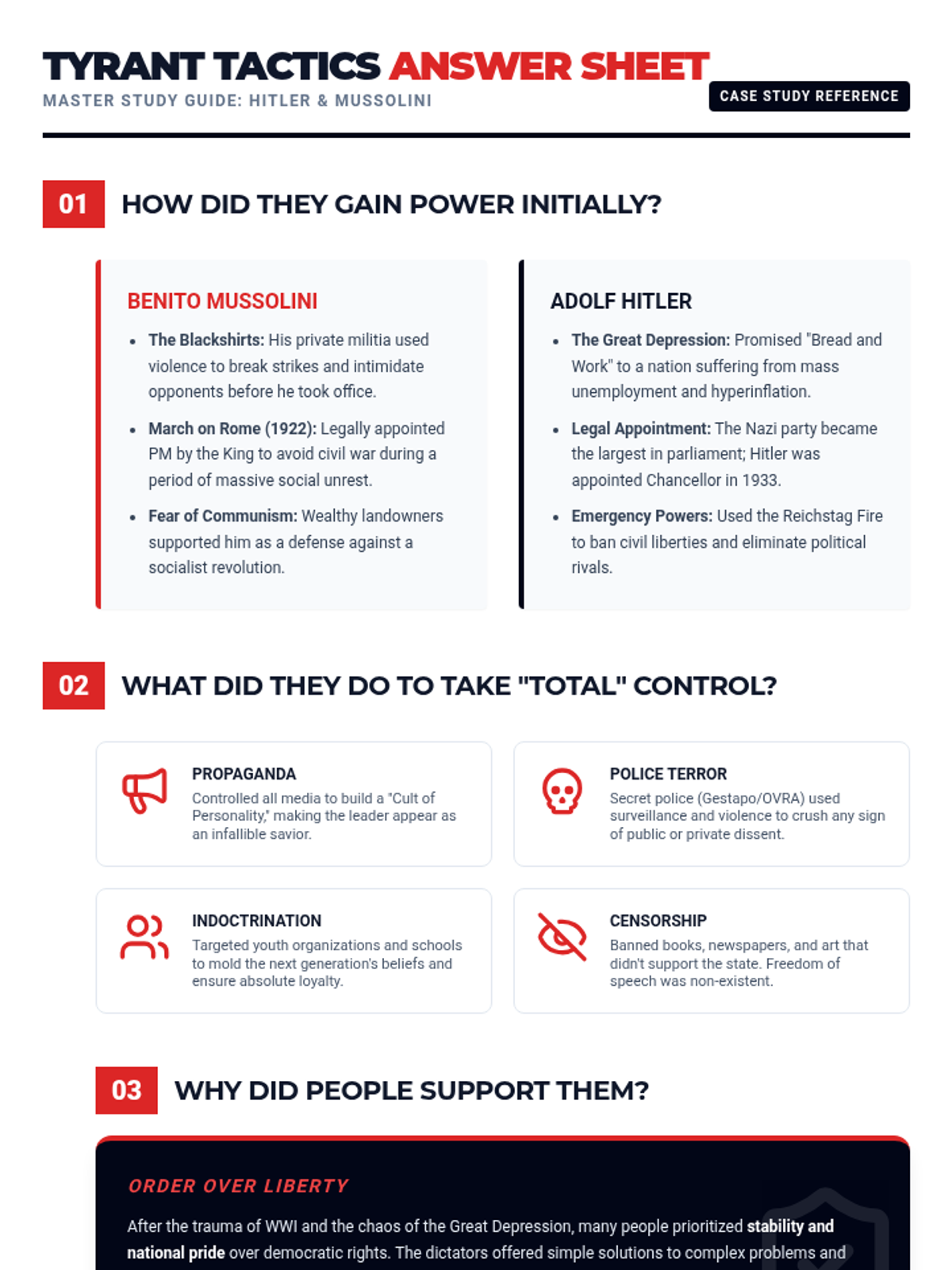
A deep dive into the rise of totalitarianism in the 20th century, focusing on the social, economic, and political factors that allowed dictators to seize and maintain absolute power.
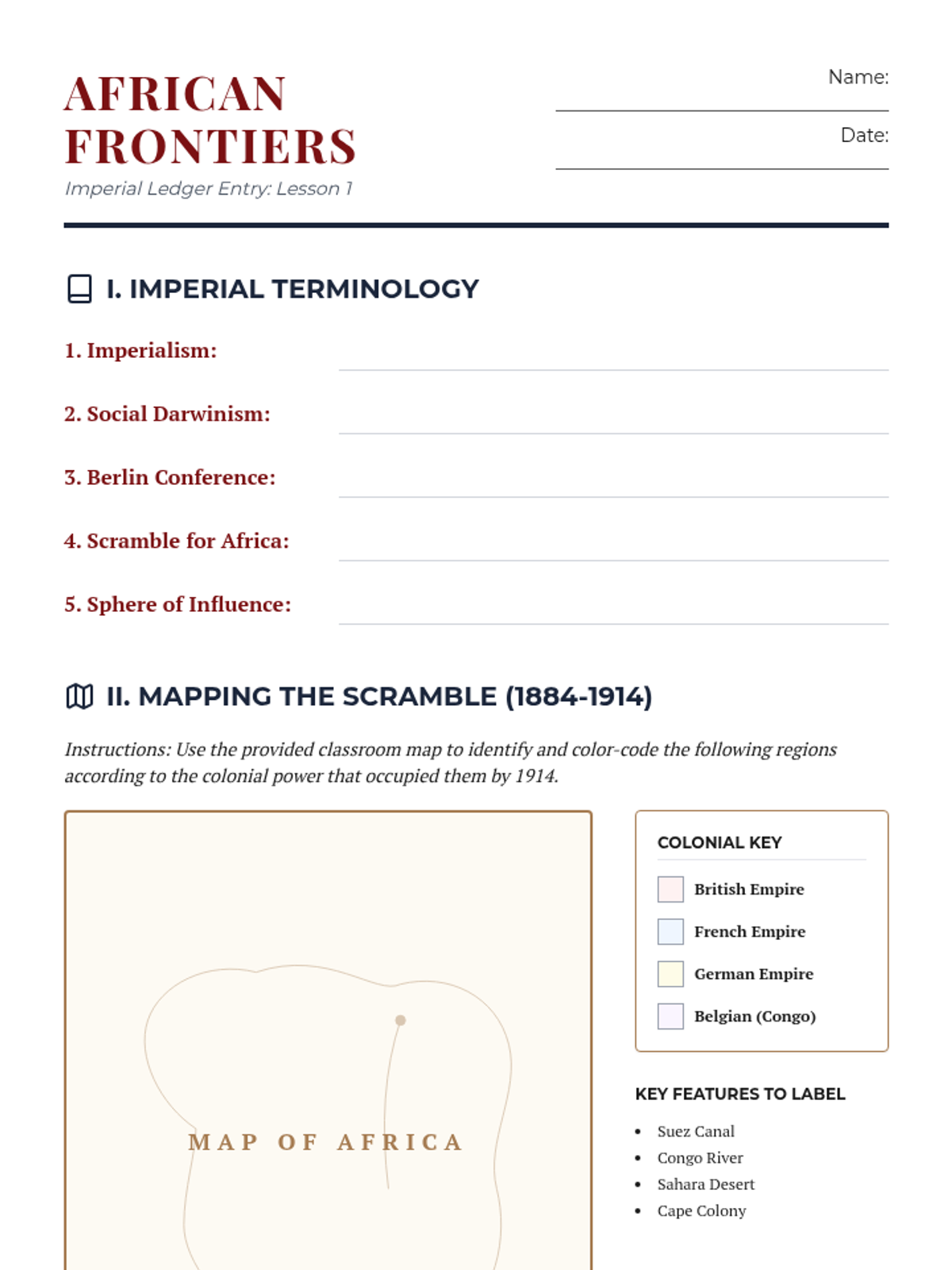
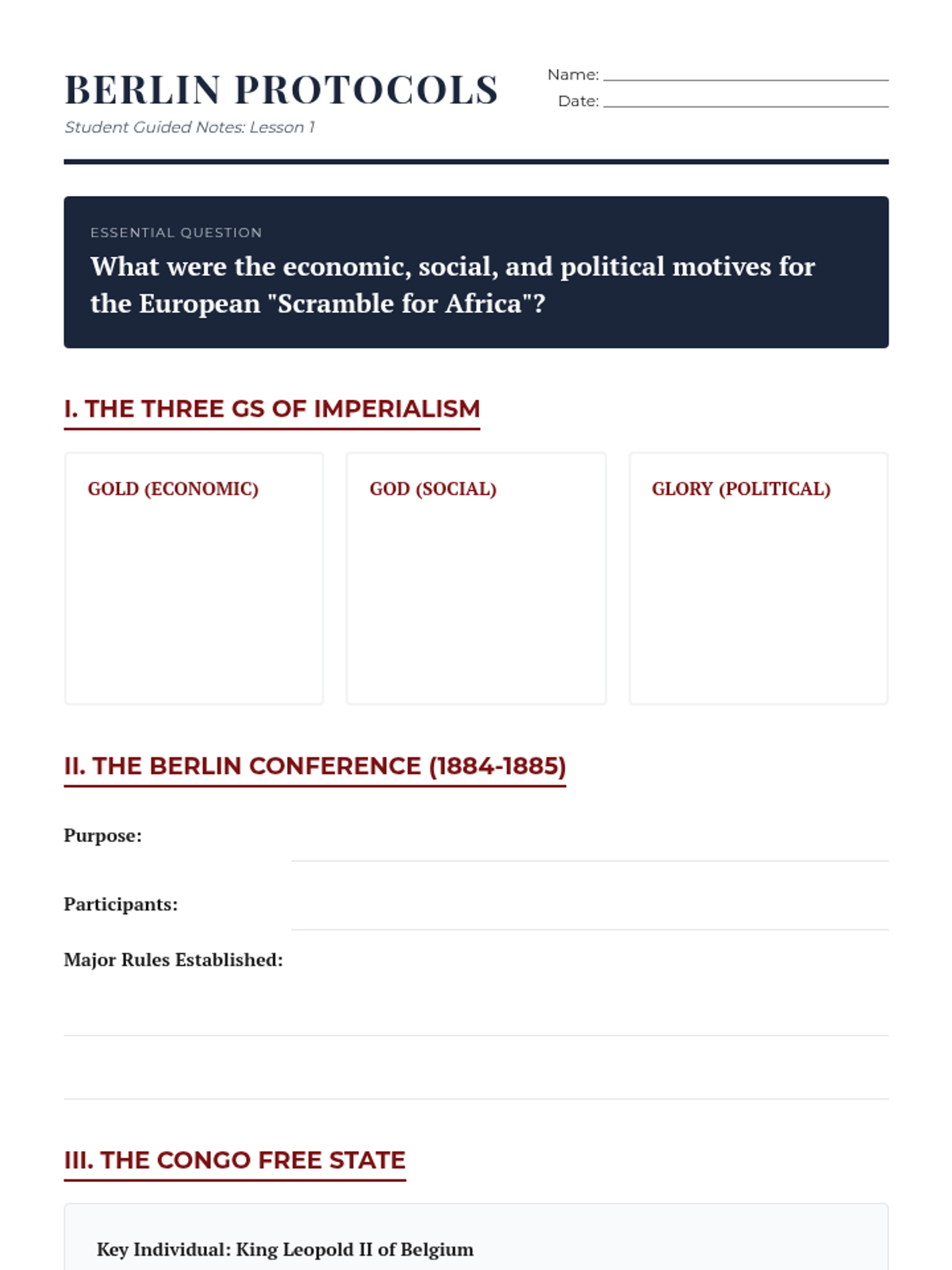
A comprehensive unit exploring 18th and 19th-century imperialism, focusing on the Scramble for Africa, the British Raj in India, and the Opium Wars in China. Includes lecture materials, map activities, and primary source analysis.