A Pre-K sequence focused on self-recognition, personal preferences, and identity. Students explore their physical traits, names, and favorites to create a comprehensive 'All About Me' portfolio.
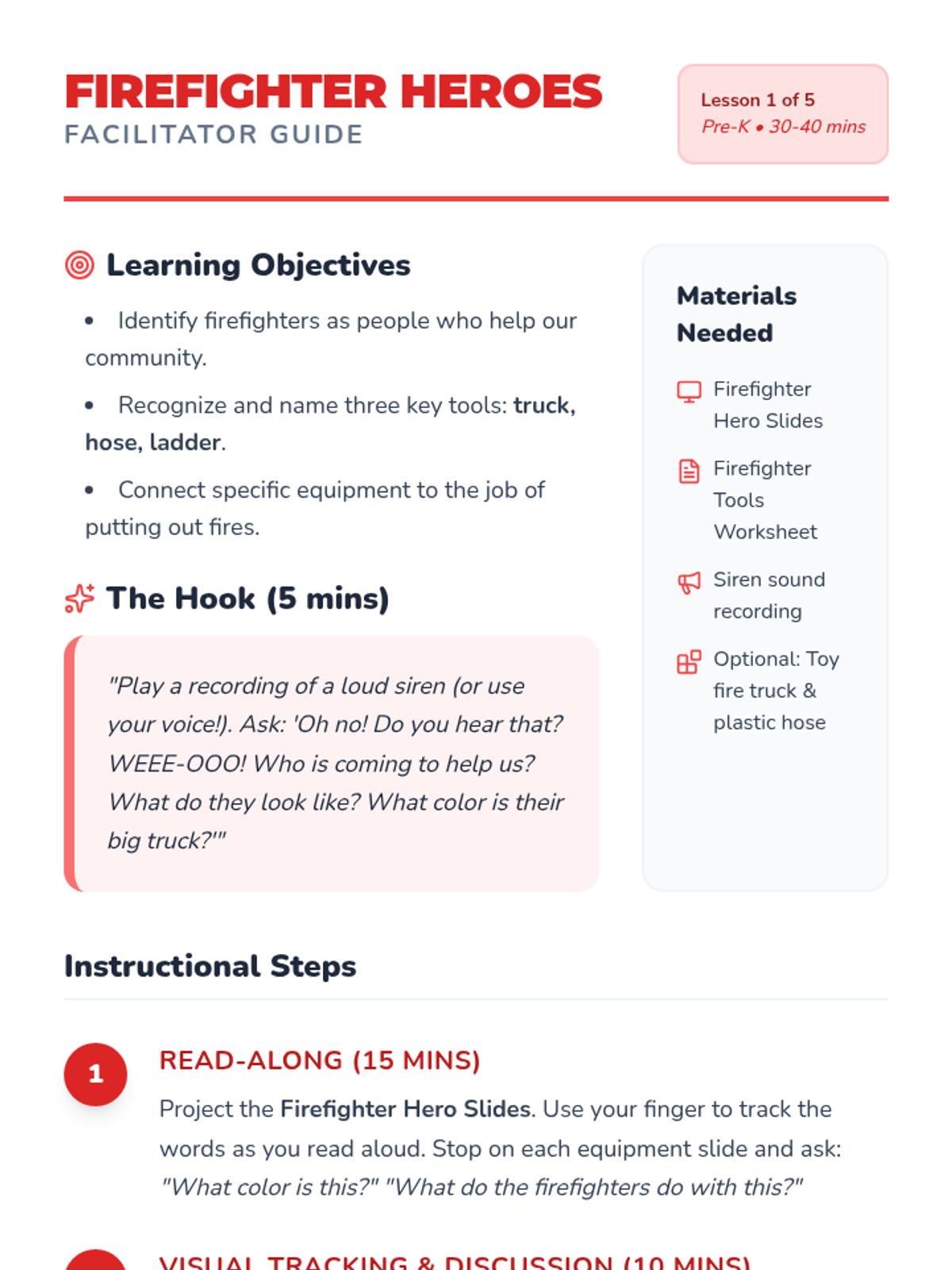
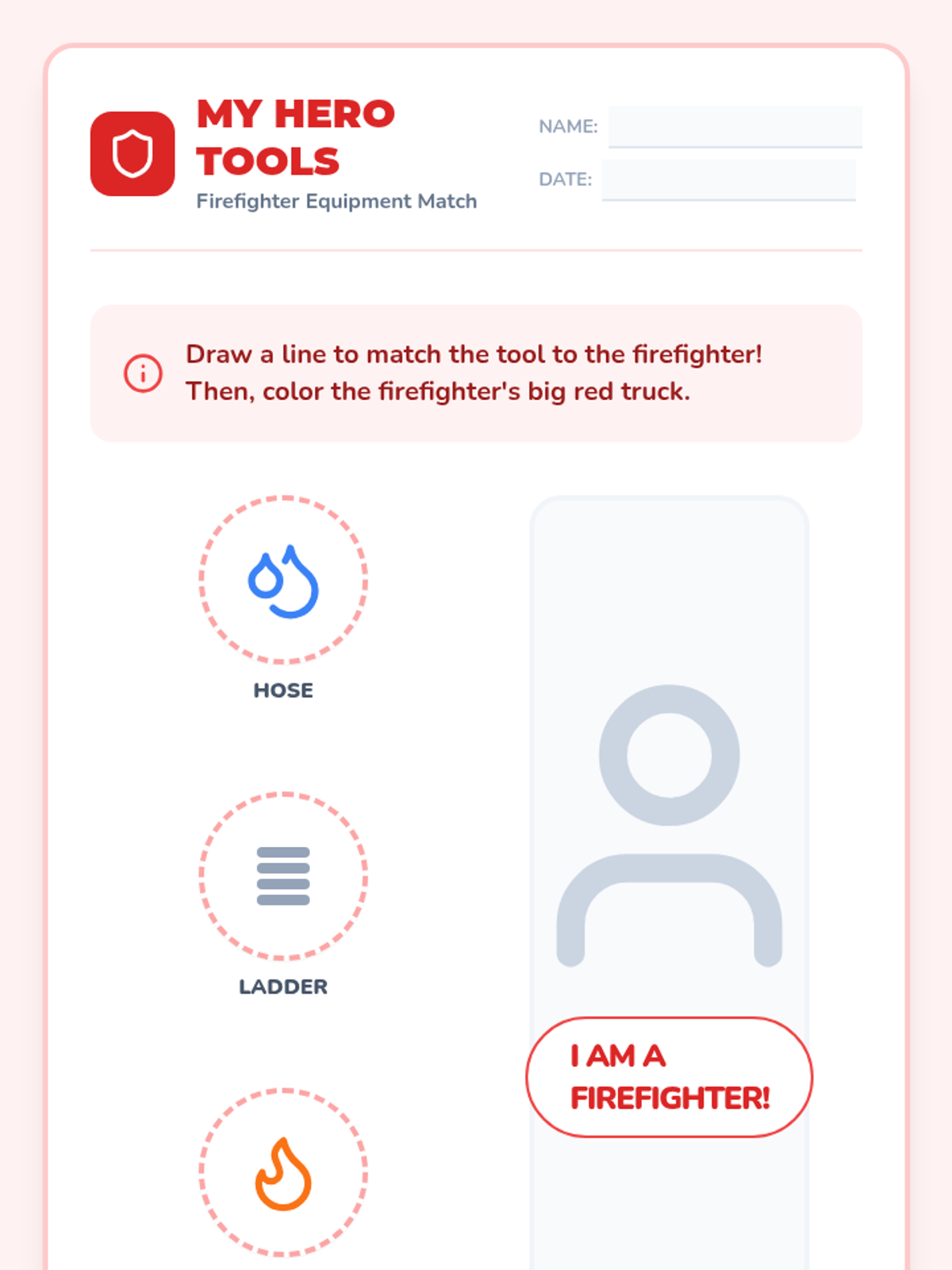
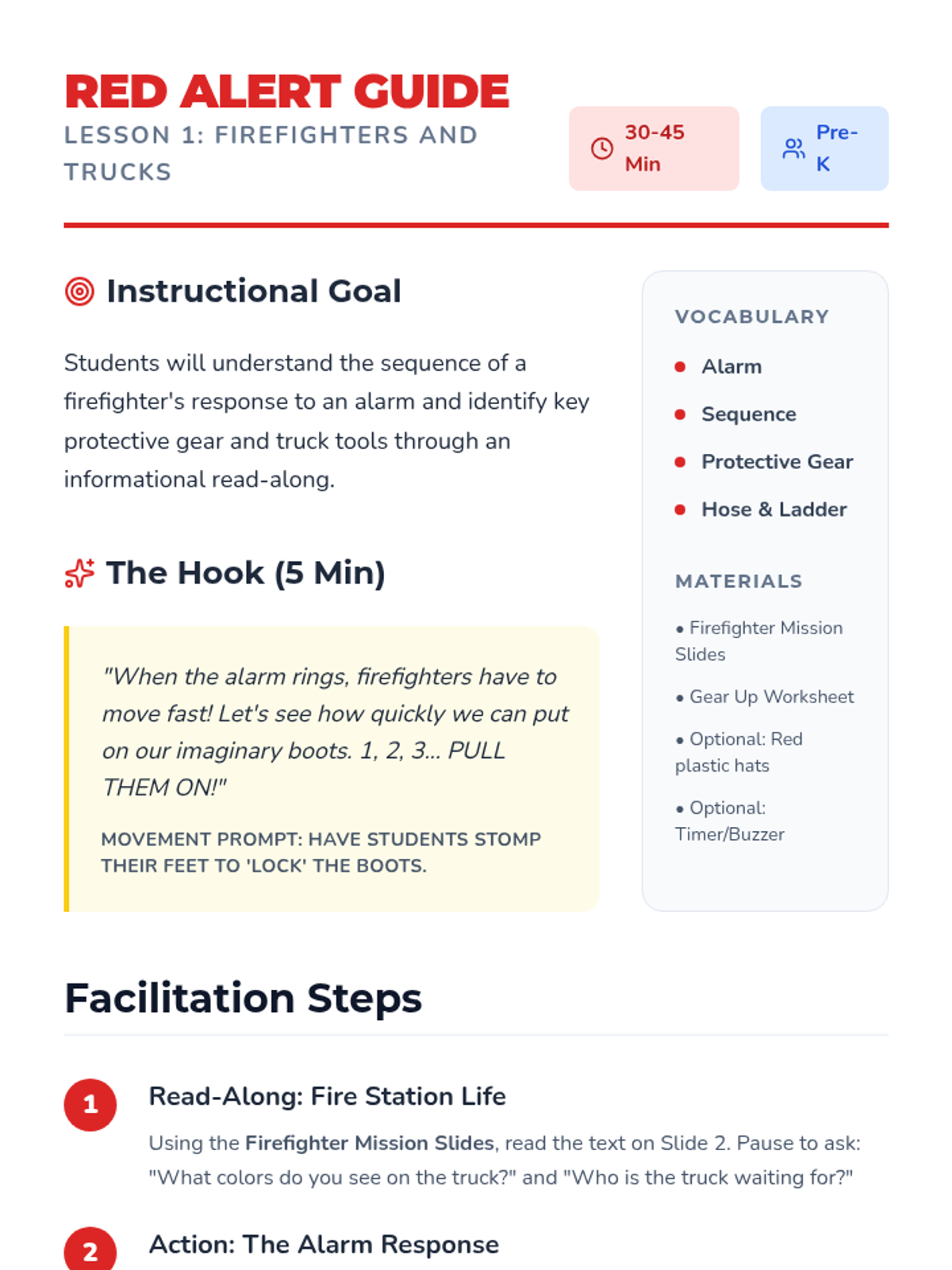
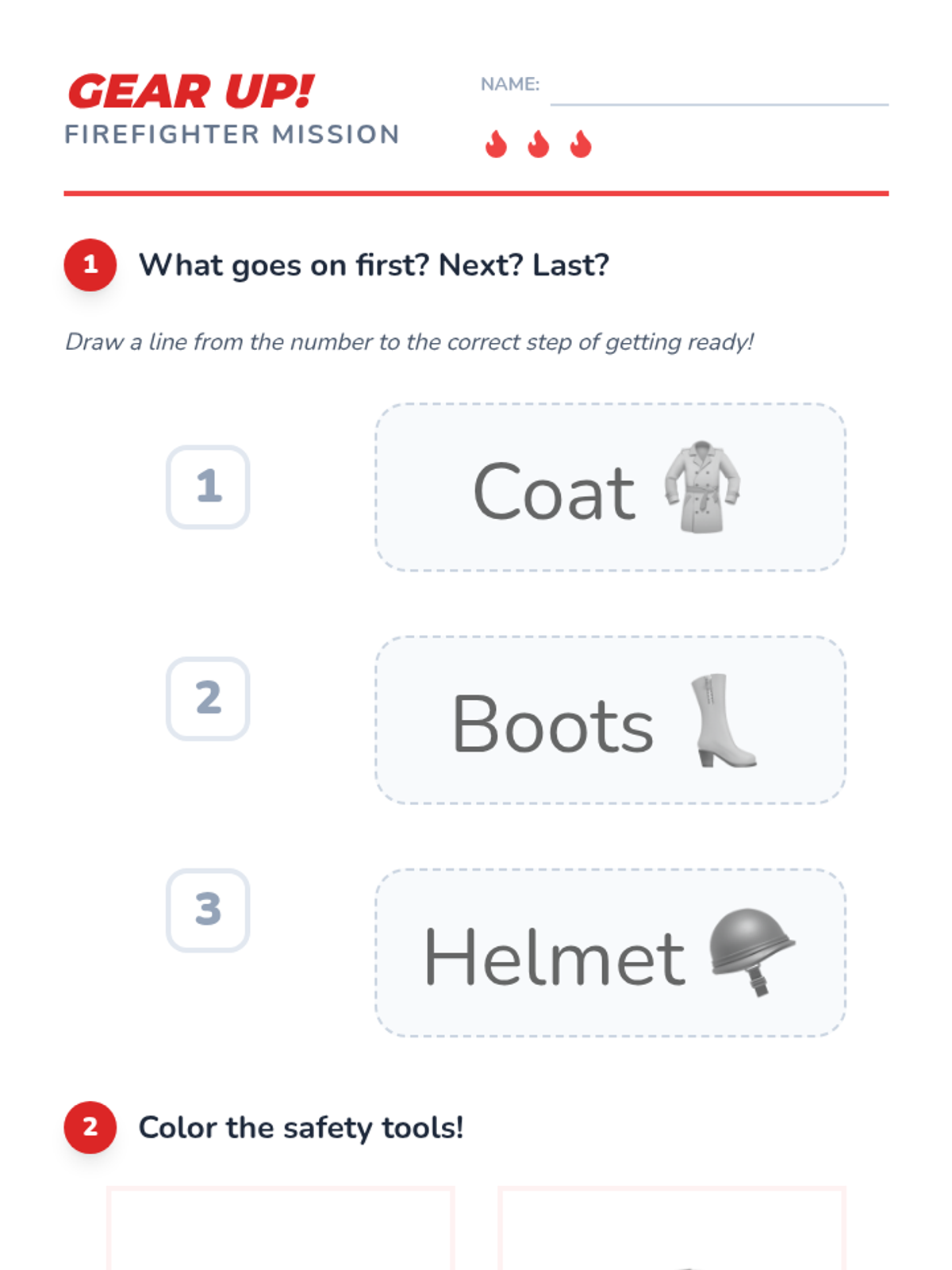
A Pre-K ELA sequence focused on reading comprehension through informational texts about community helpers. Students explore the roles, tools, and processes of firefighters, doctors, mail carriers, and builders through interactive read-alongs and role-play.
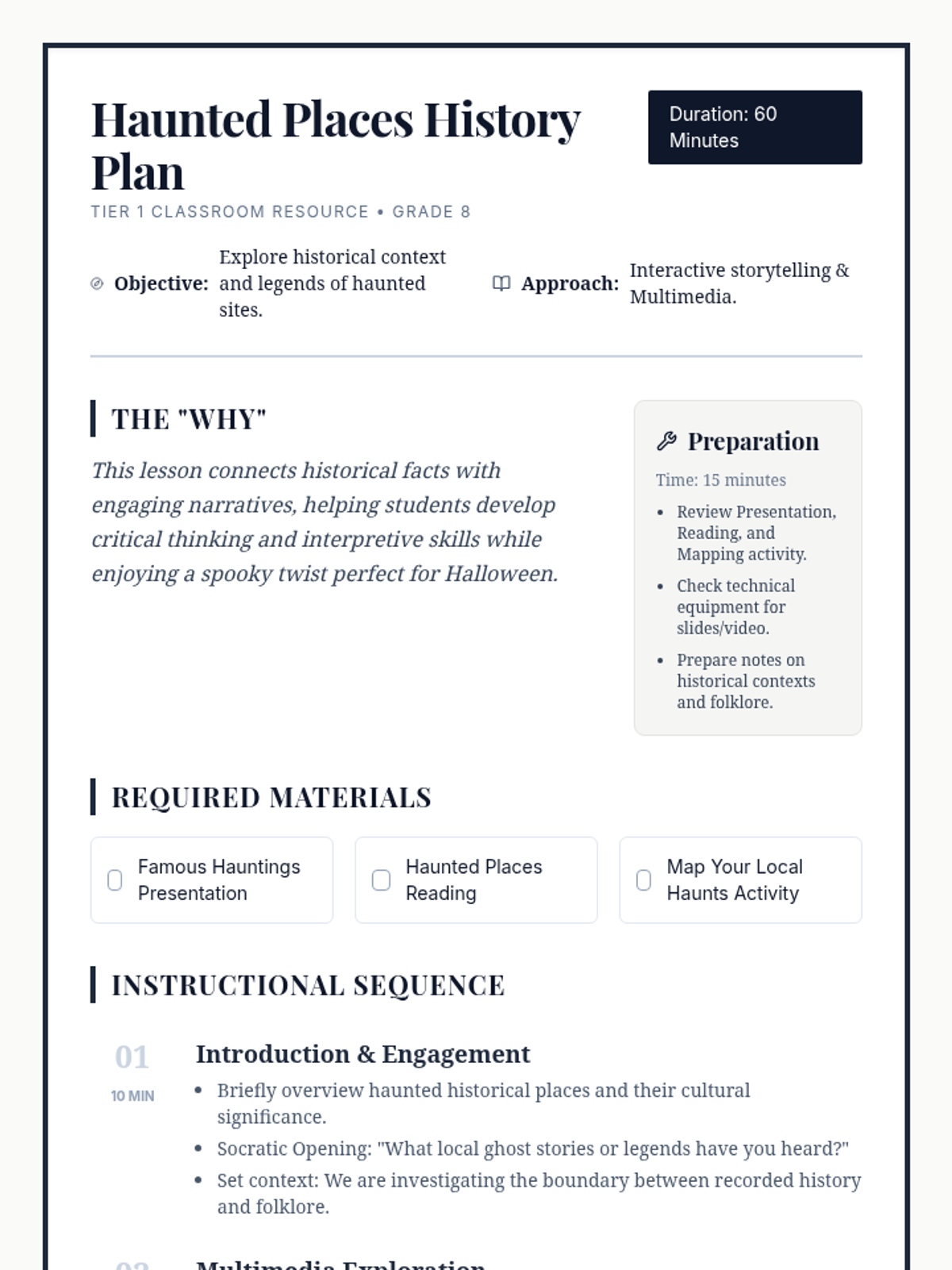
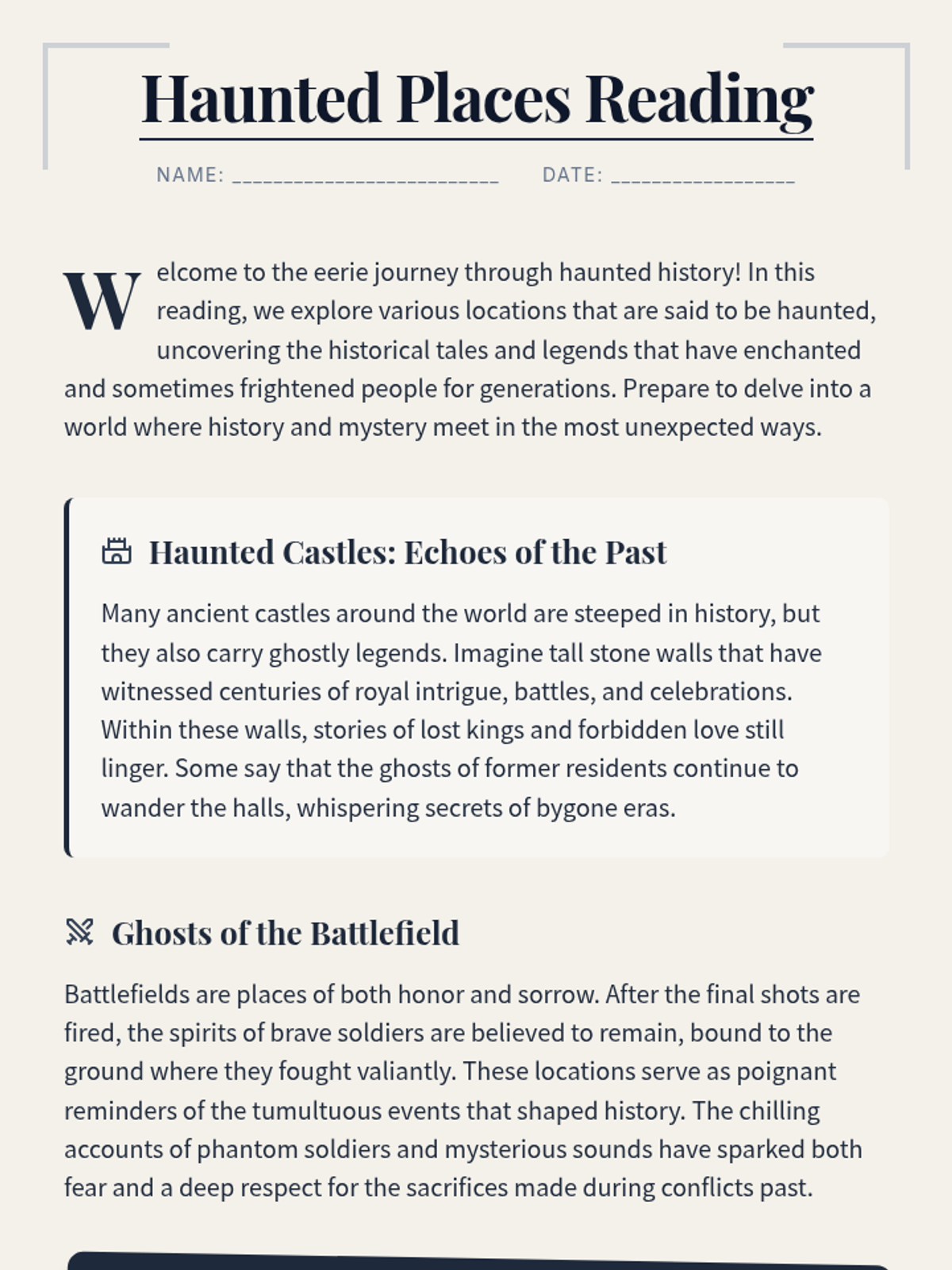
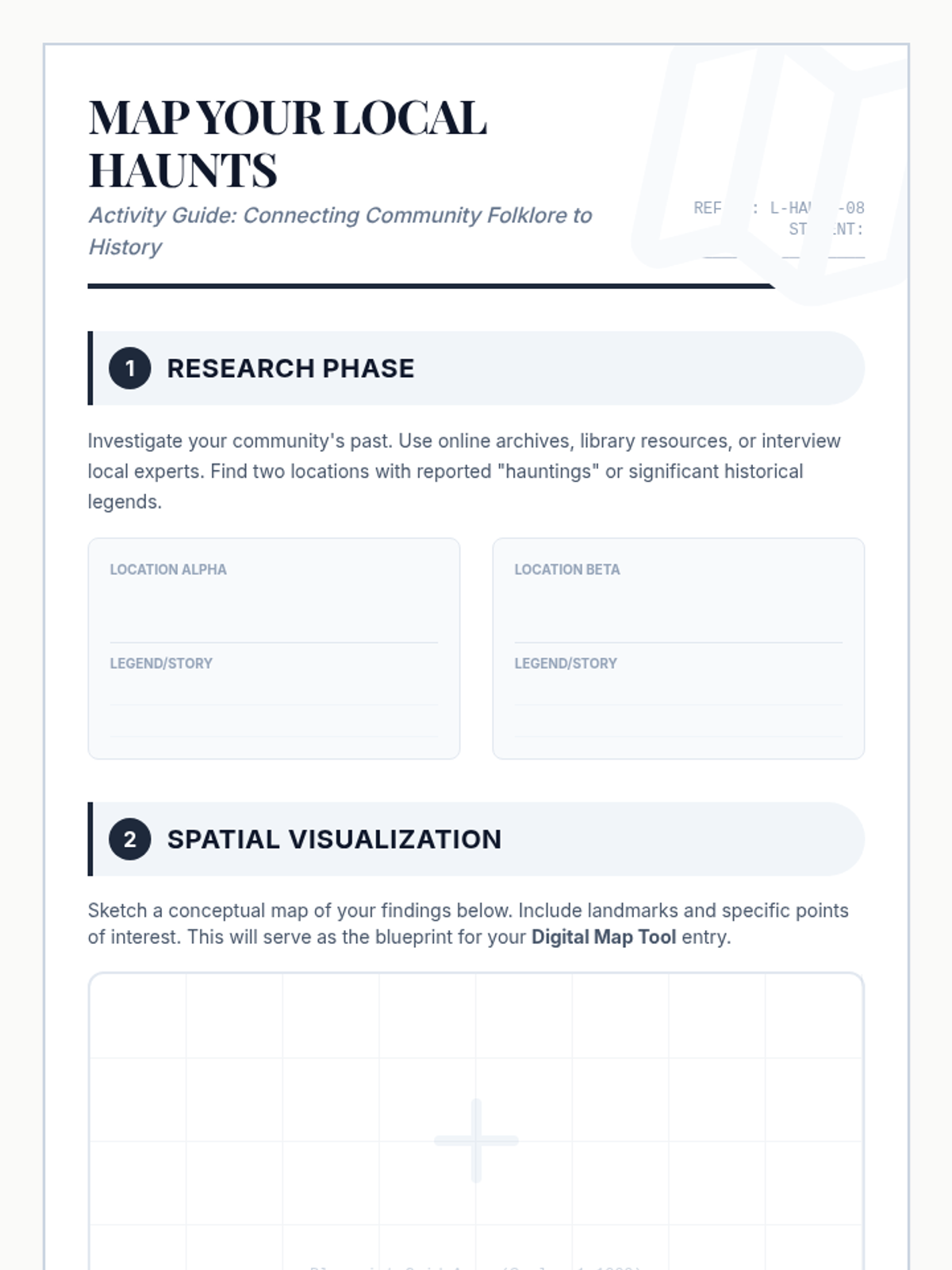
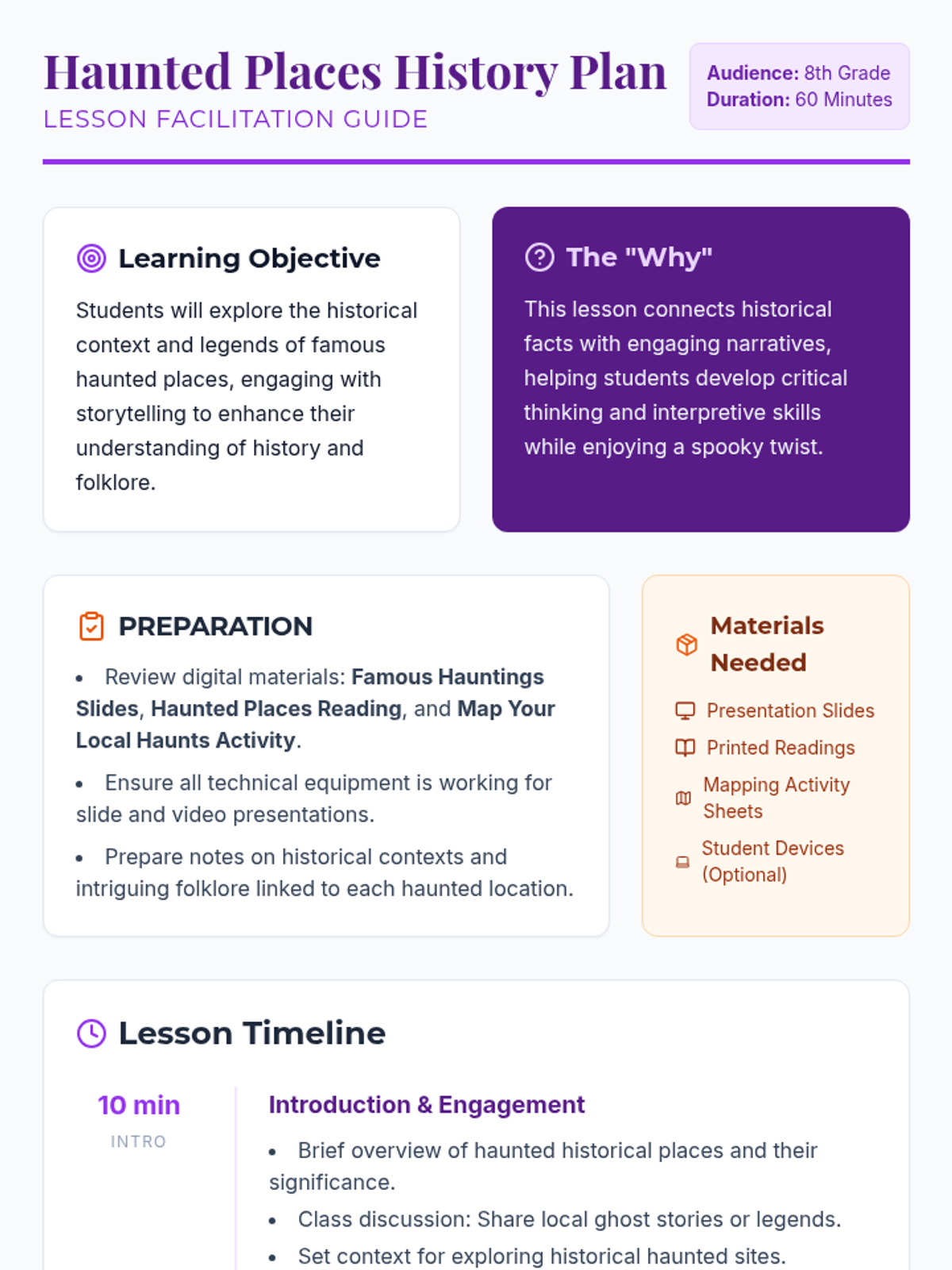
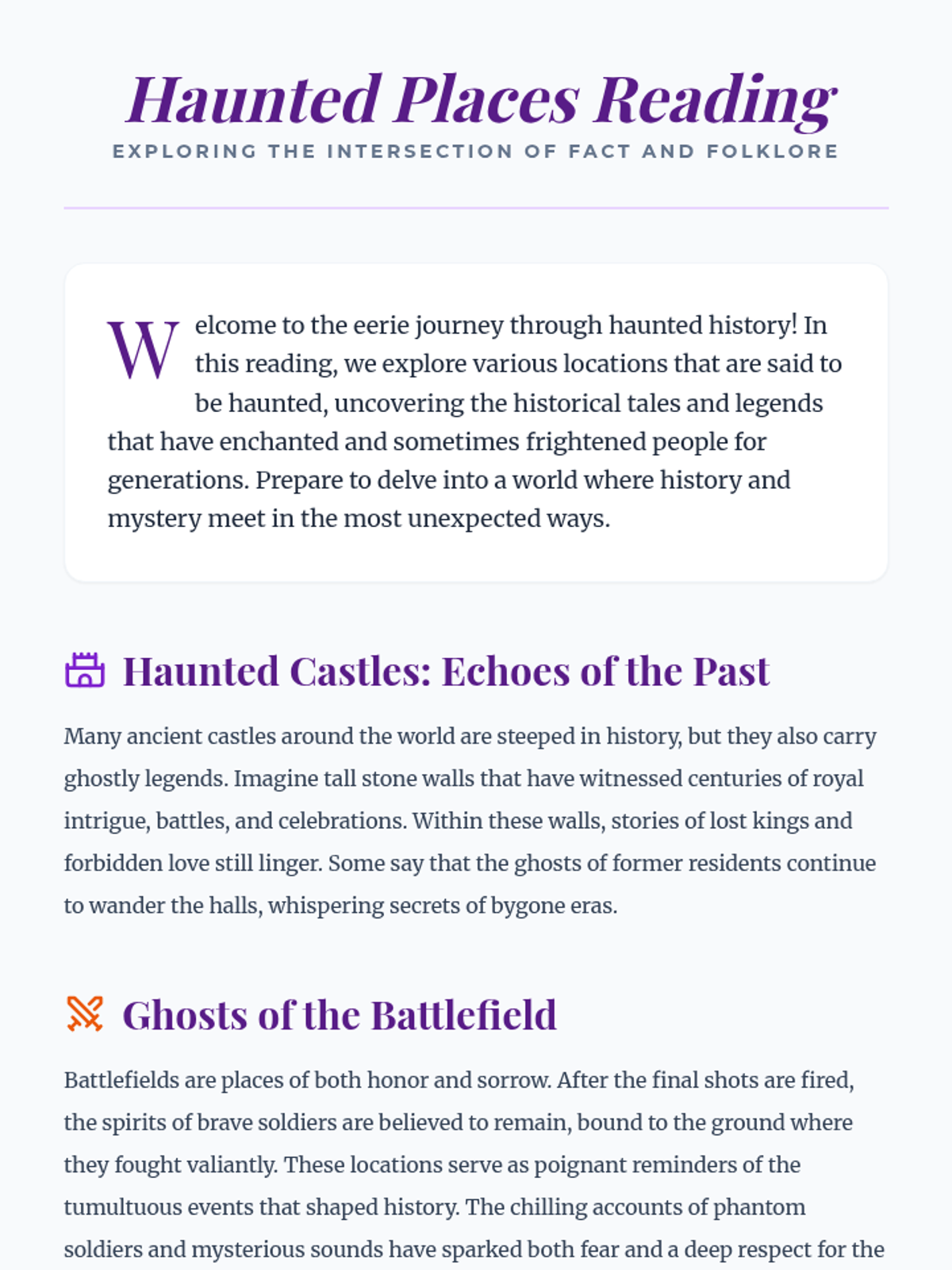
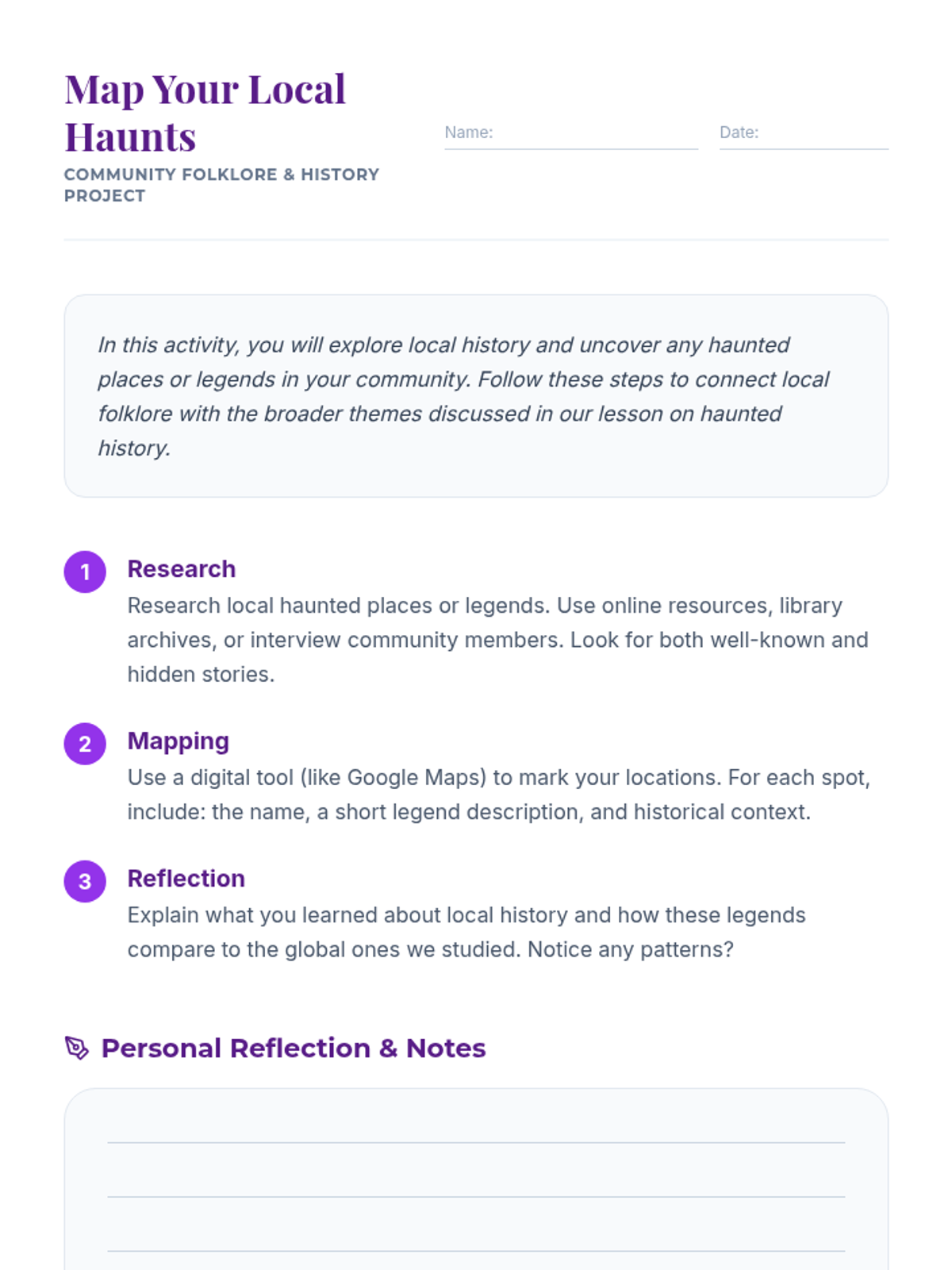
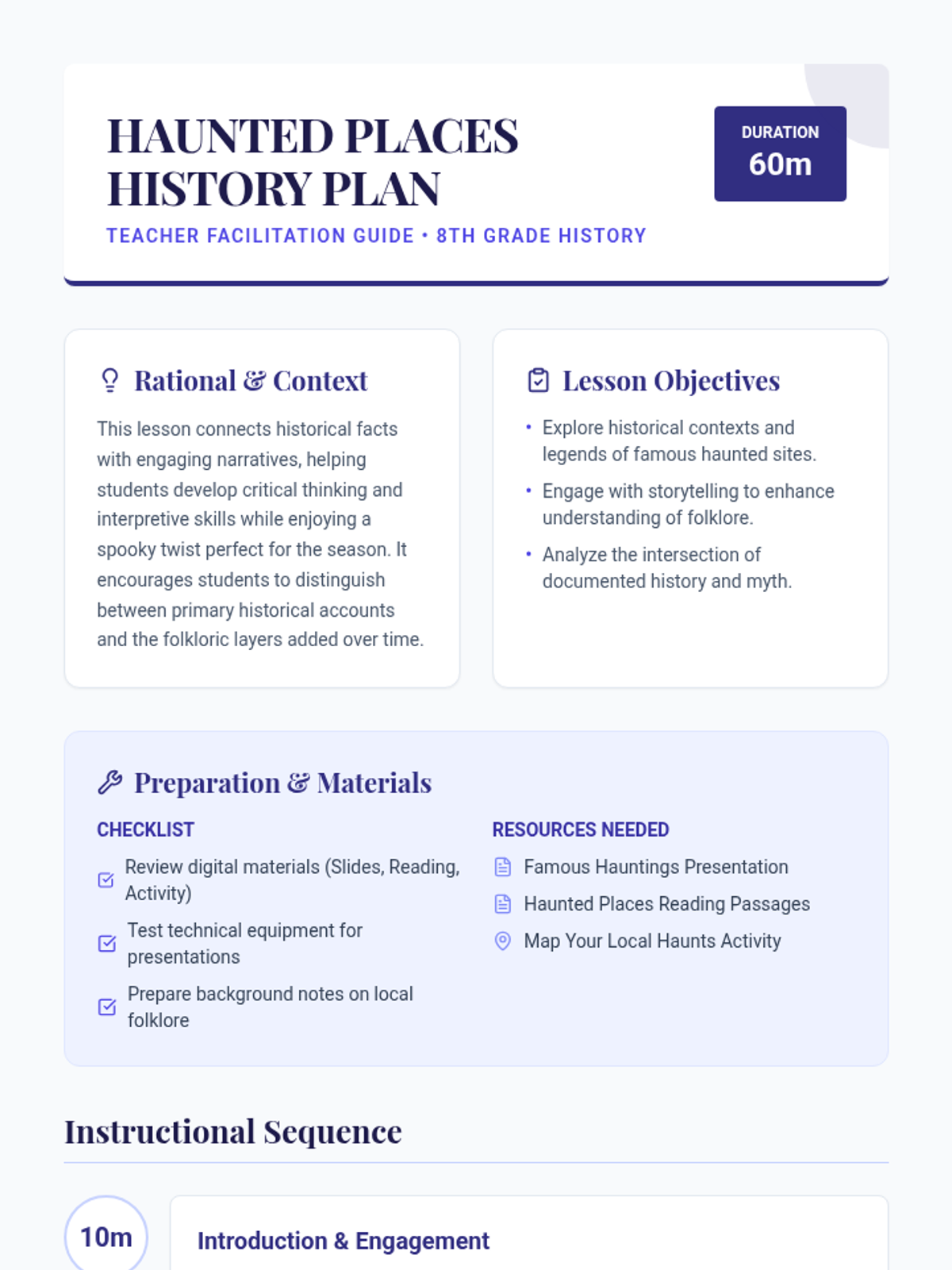
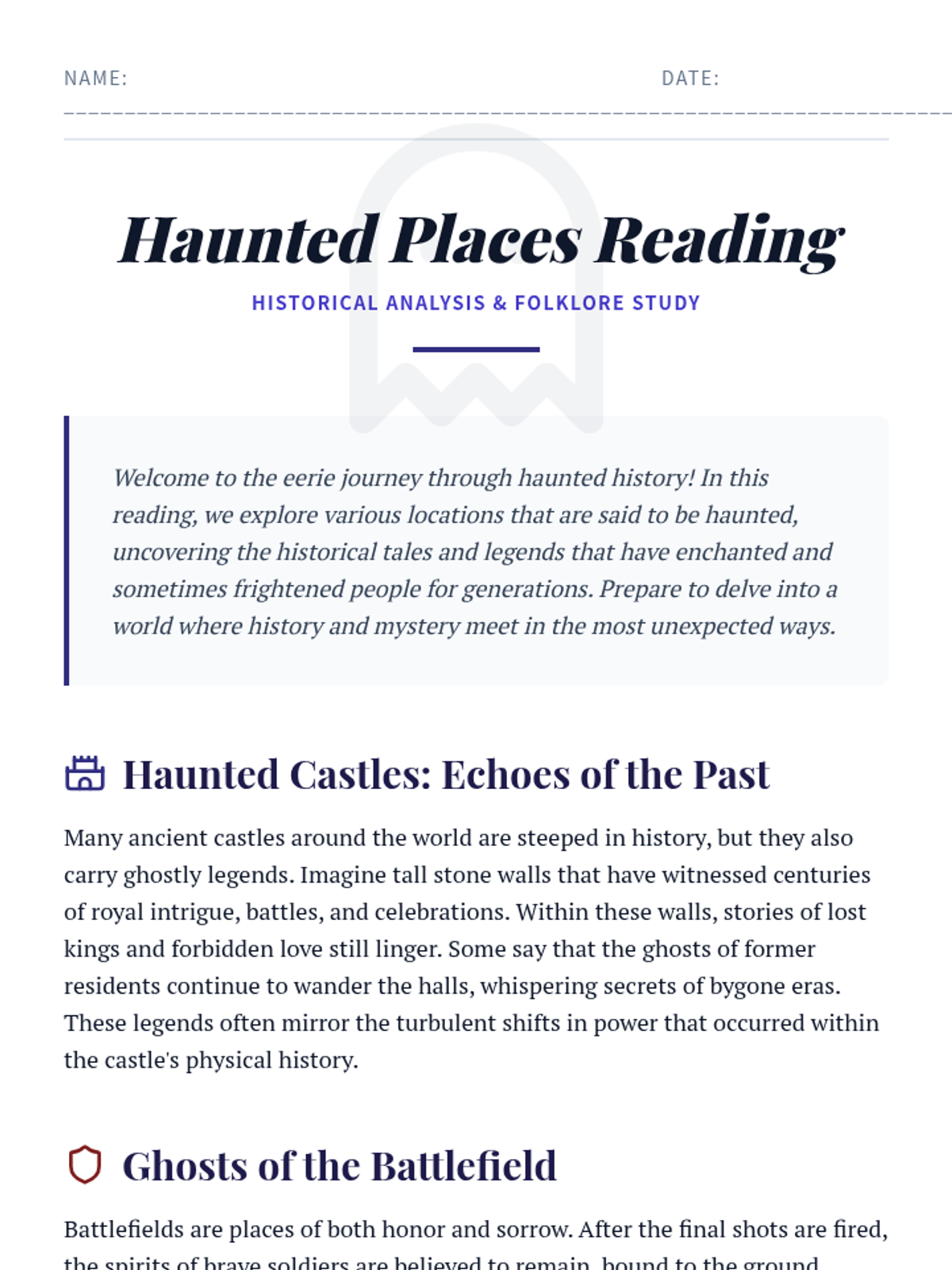
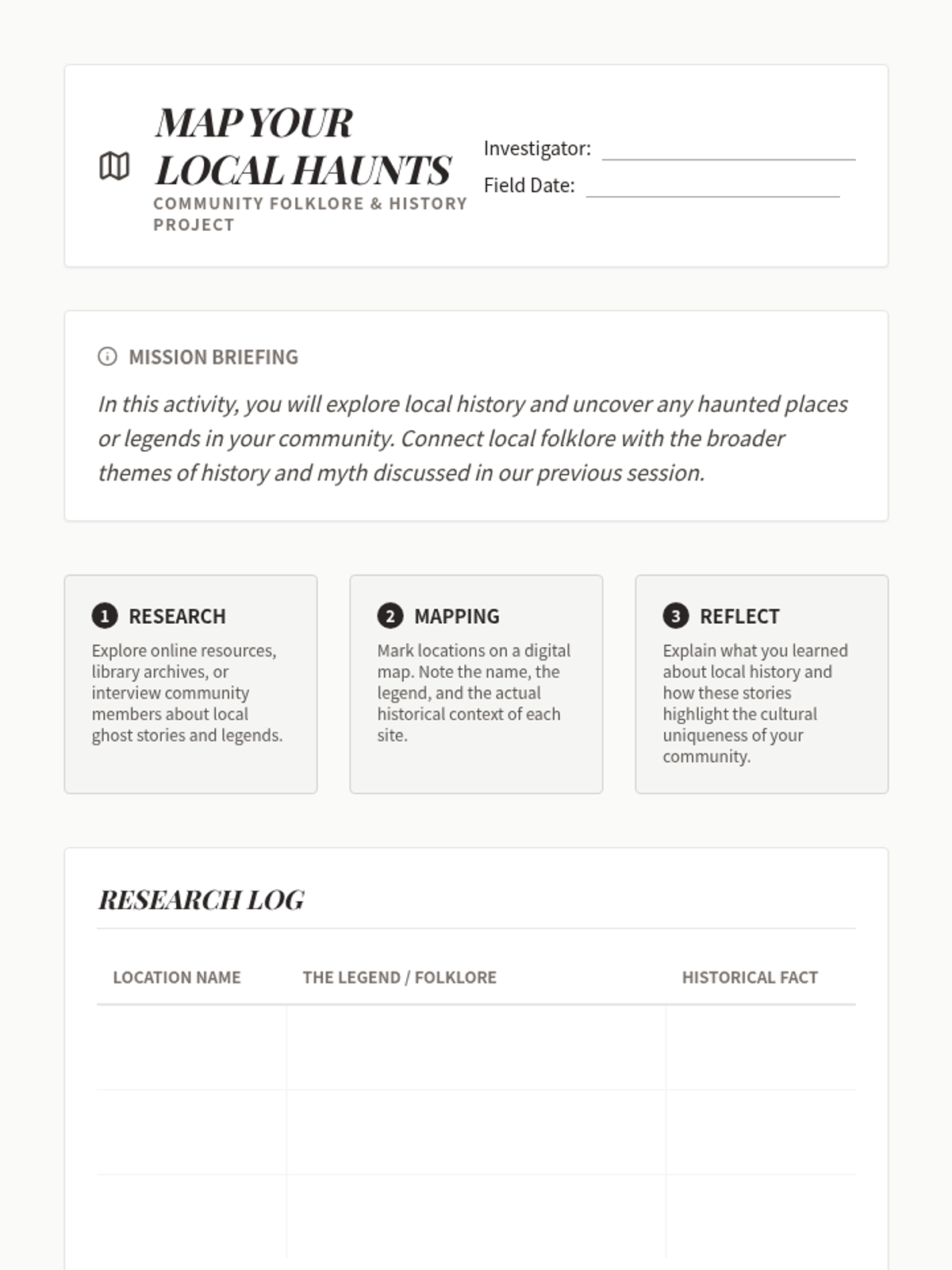
A dual-level exploration of the supernatural, featuring historical analysis for 8th graders and gentle, imaginative storytelling activities for preschoolers. Students will delve into famous legends and local folklore while younger learners enjoy sensory-rich spooky fun.
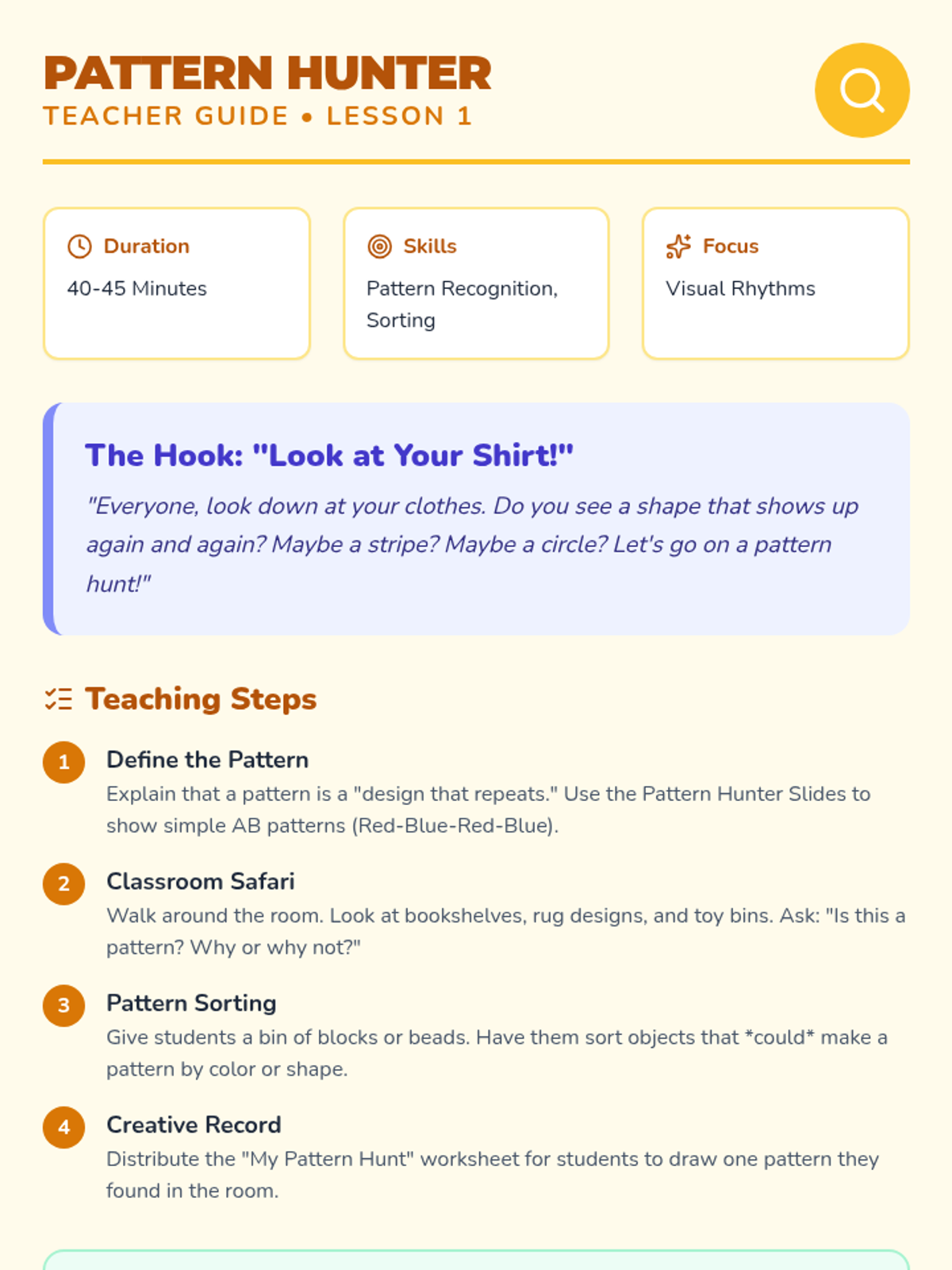
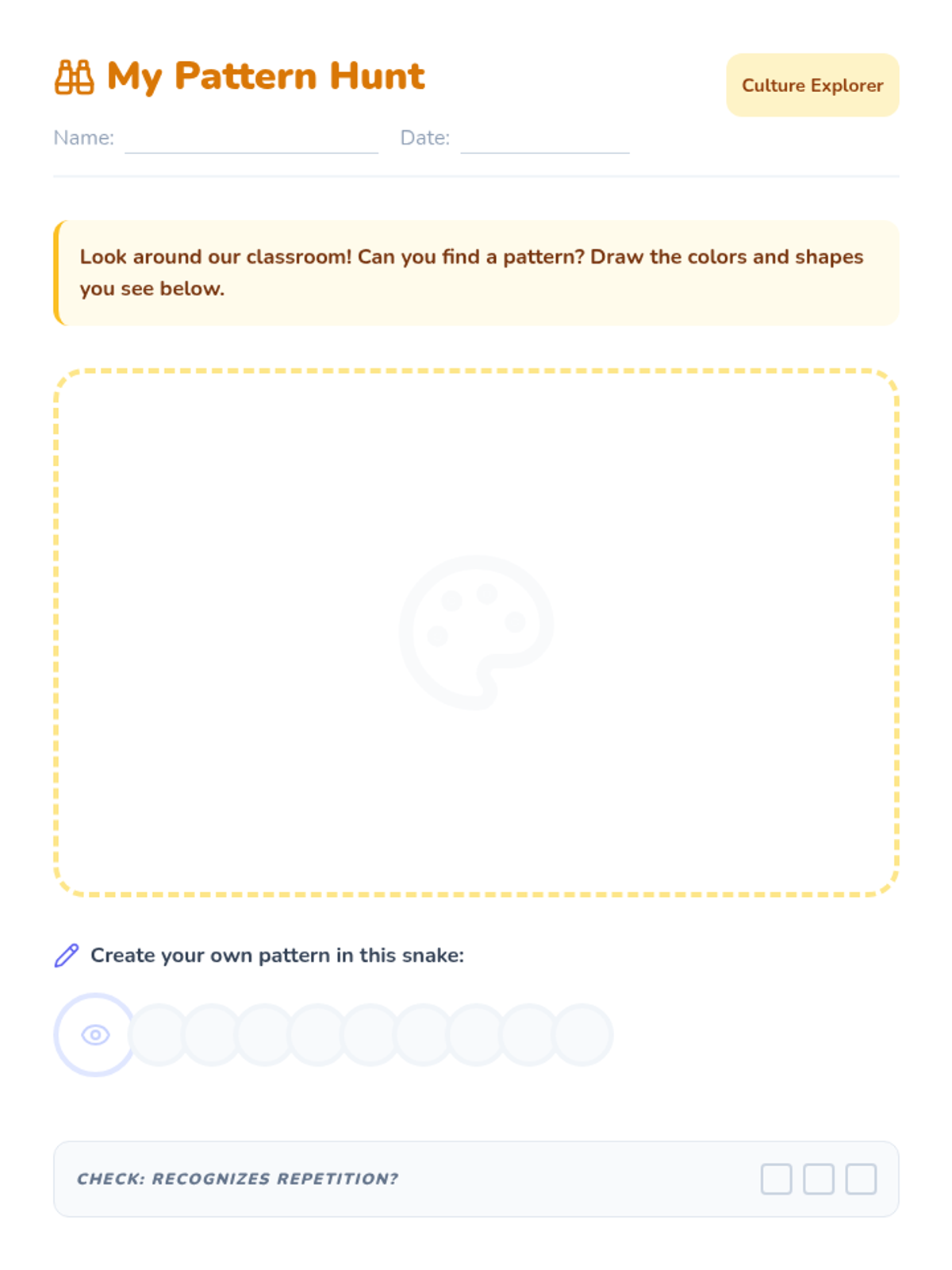
A Pre-K inquiry-based sequence where students explore how patterns and objects tell stories across cultures. Students investigate daily patterns, global textiles, pottery, and family artifacts to build cultural awareness and design skills.
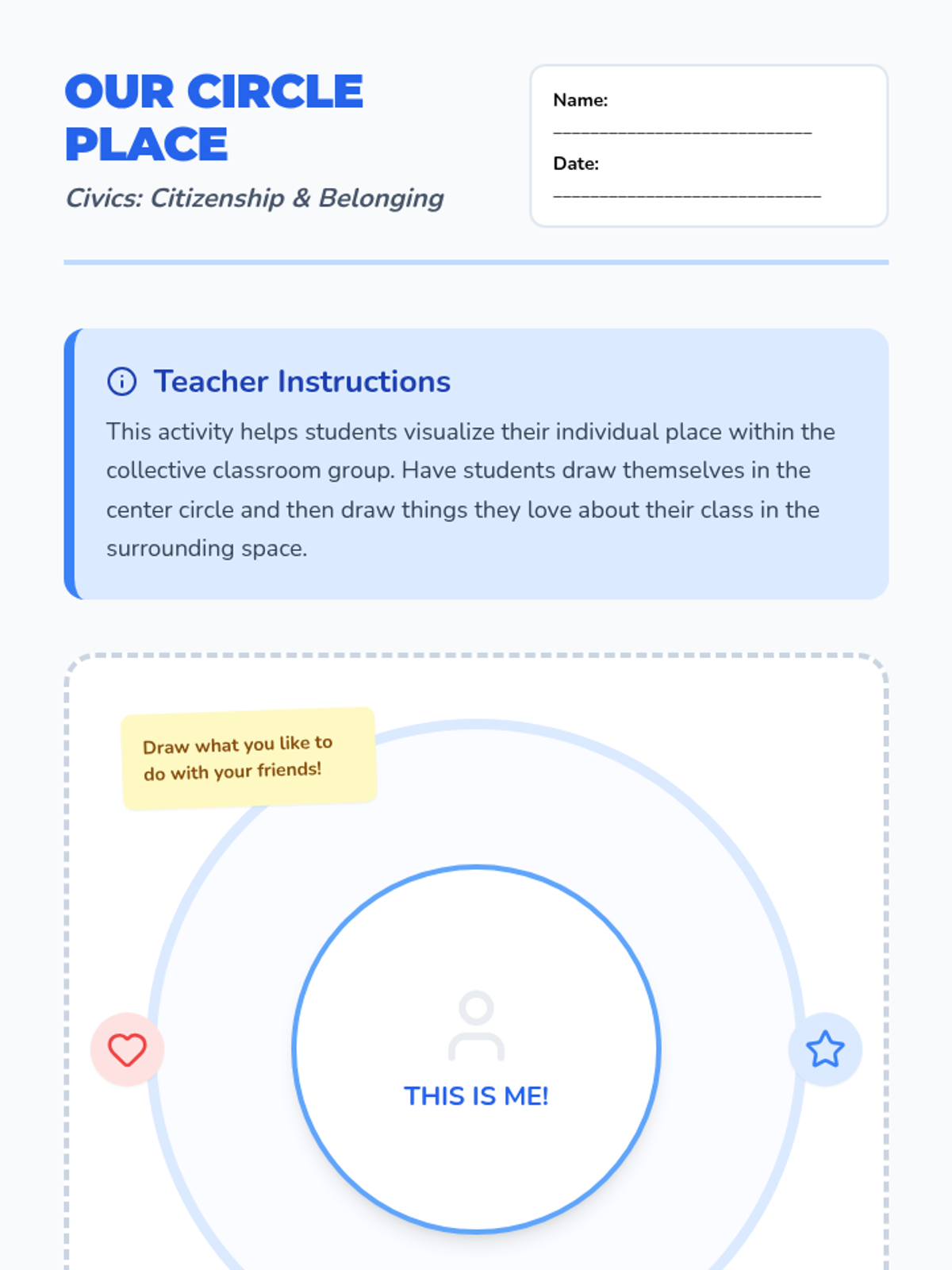
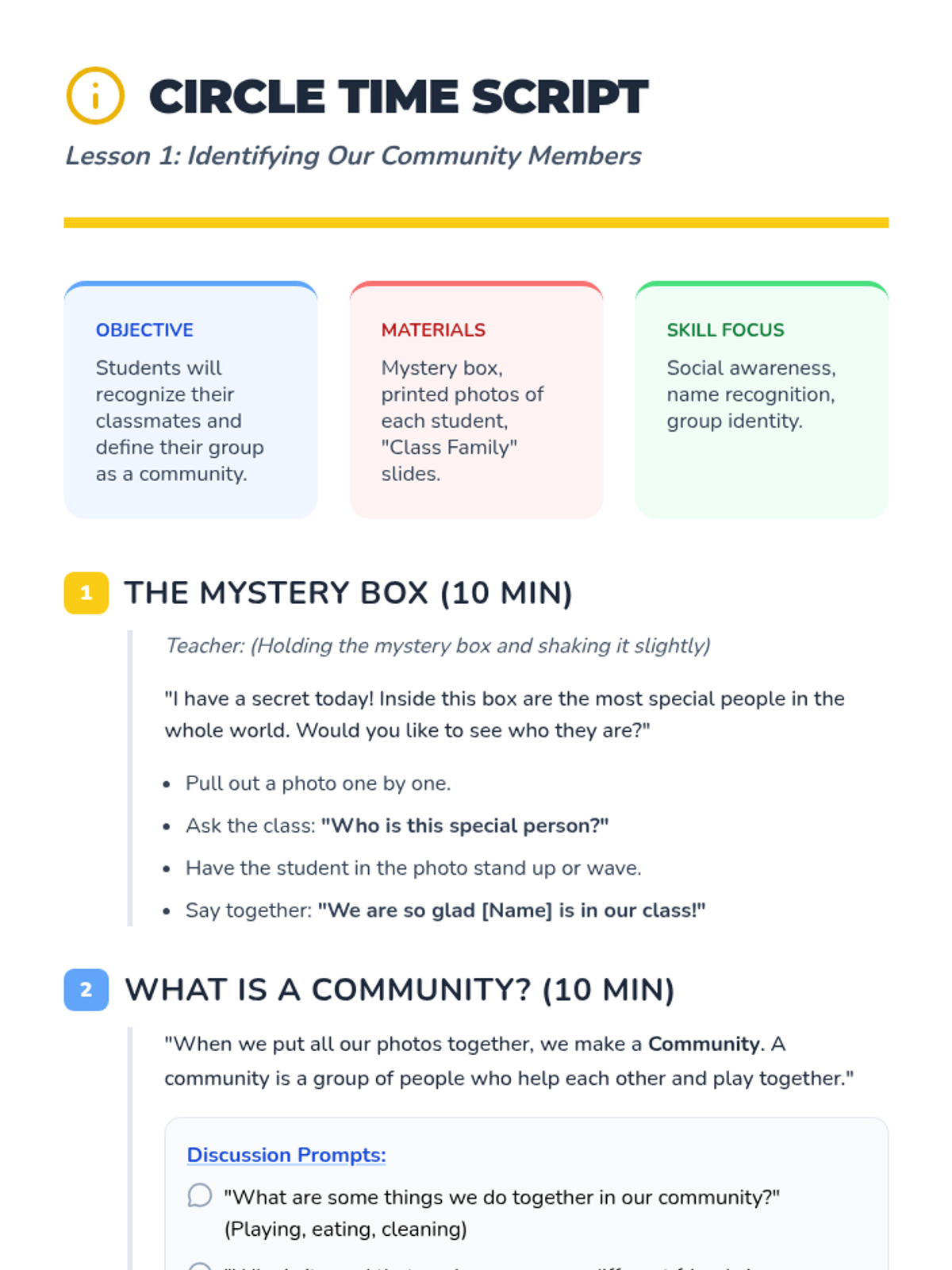
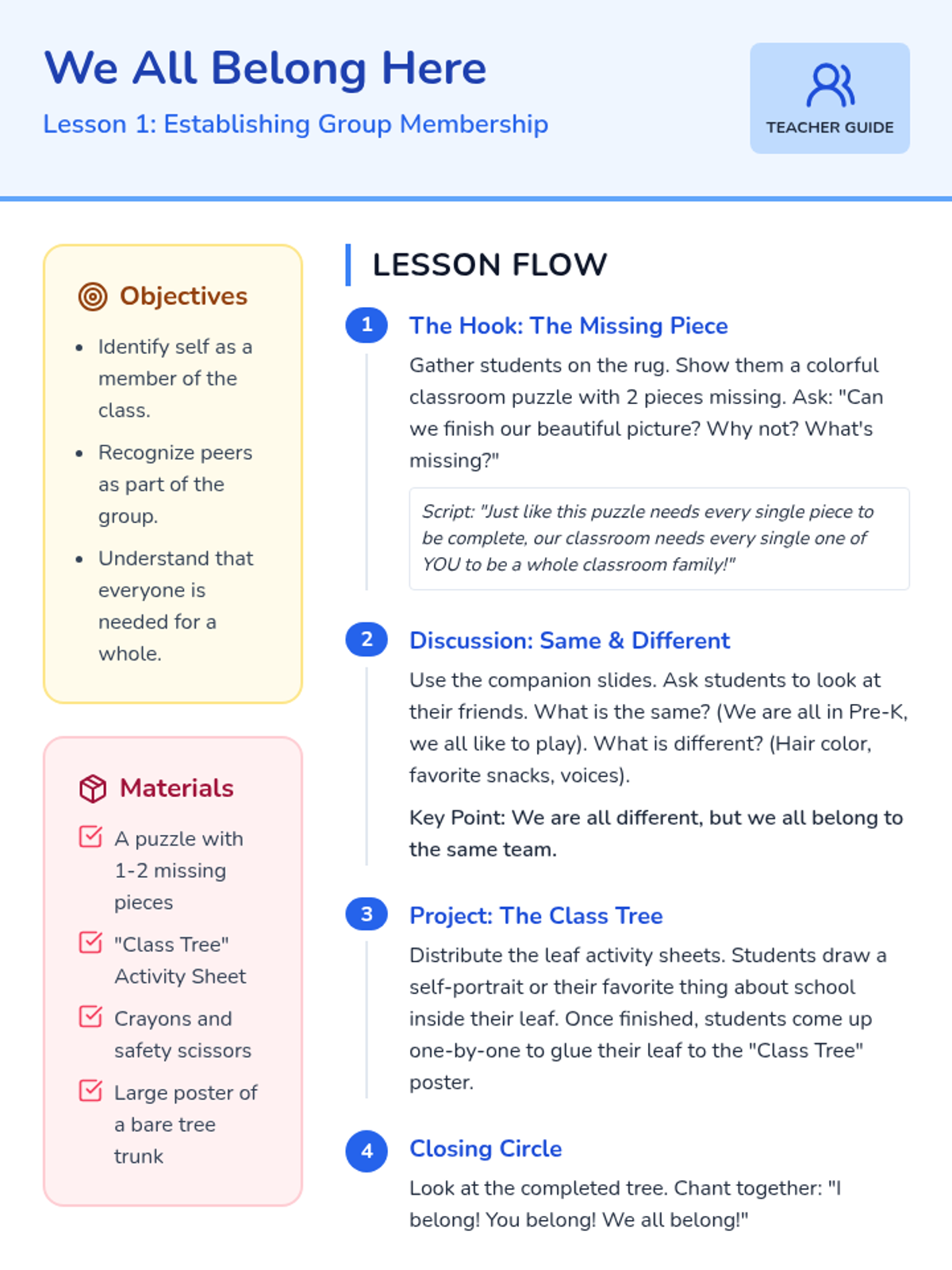
A Pre-K civics sequence focused on community awareness, identifying helpers, taking on classroom responsibilities, and resolving conflicts with kind words. Students explore their role within a group and how diverse individuals contribute to a unified community.
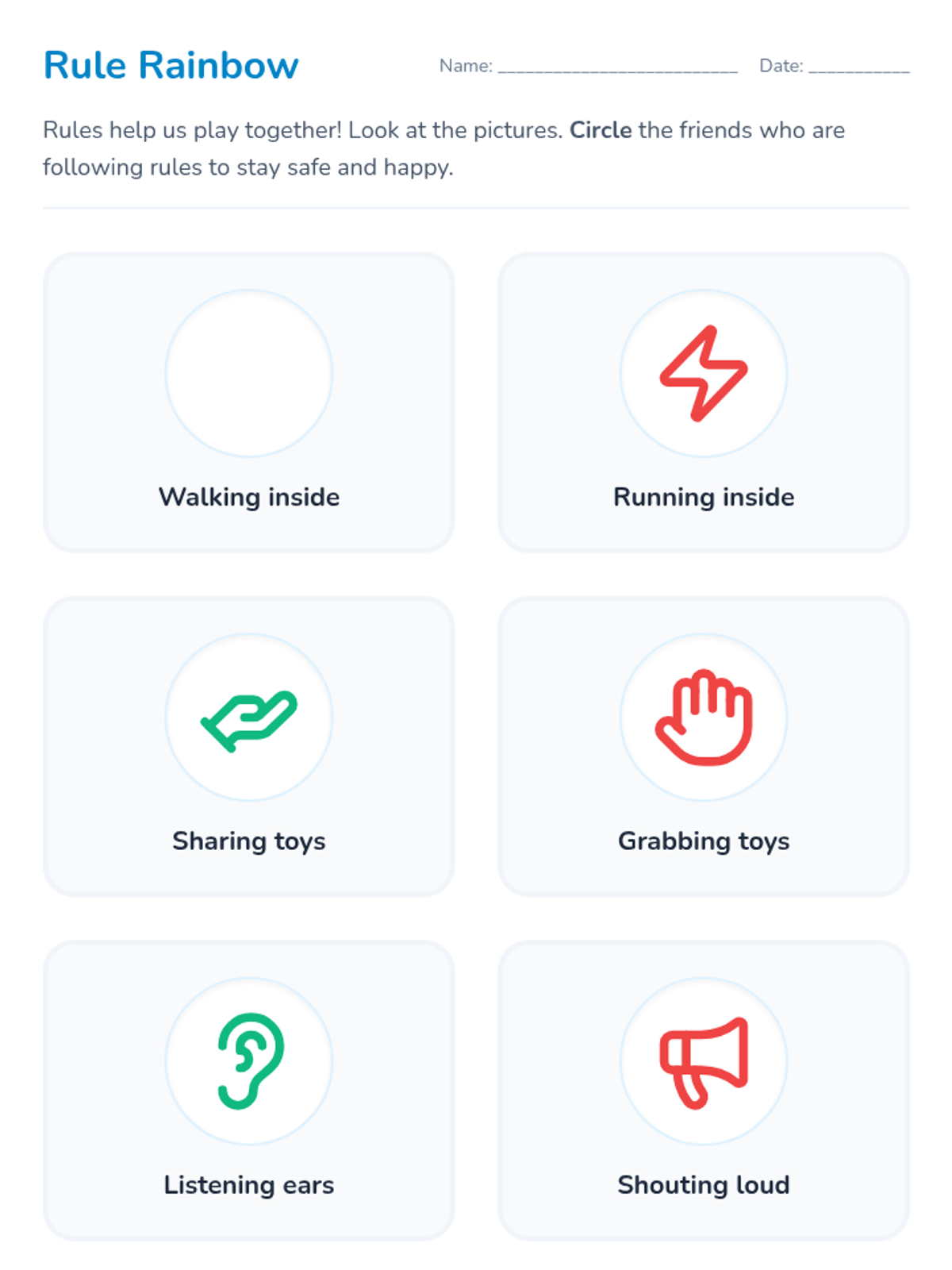
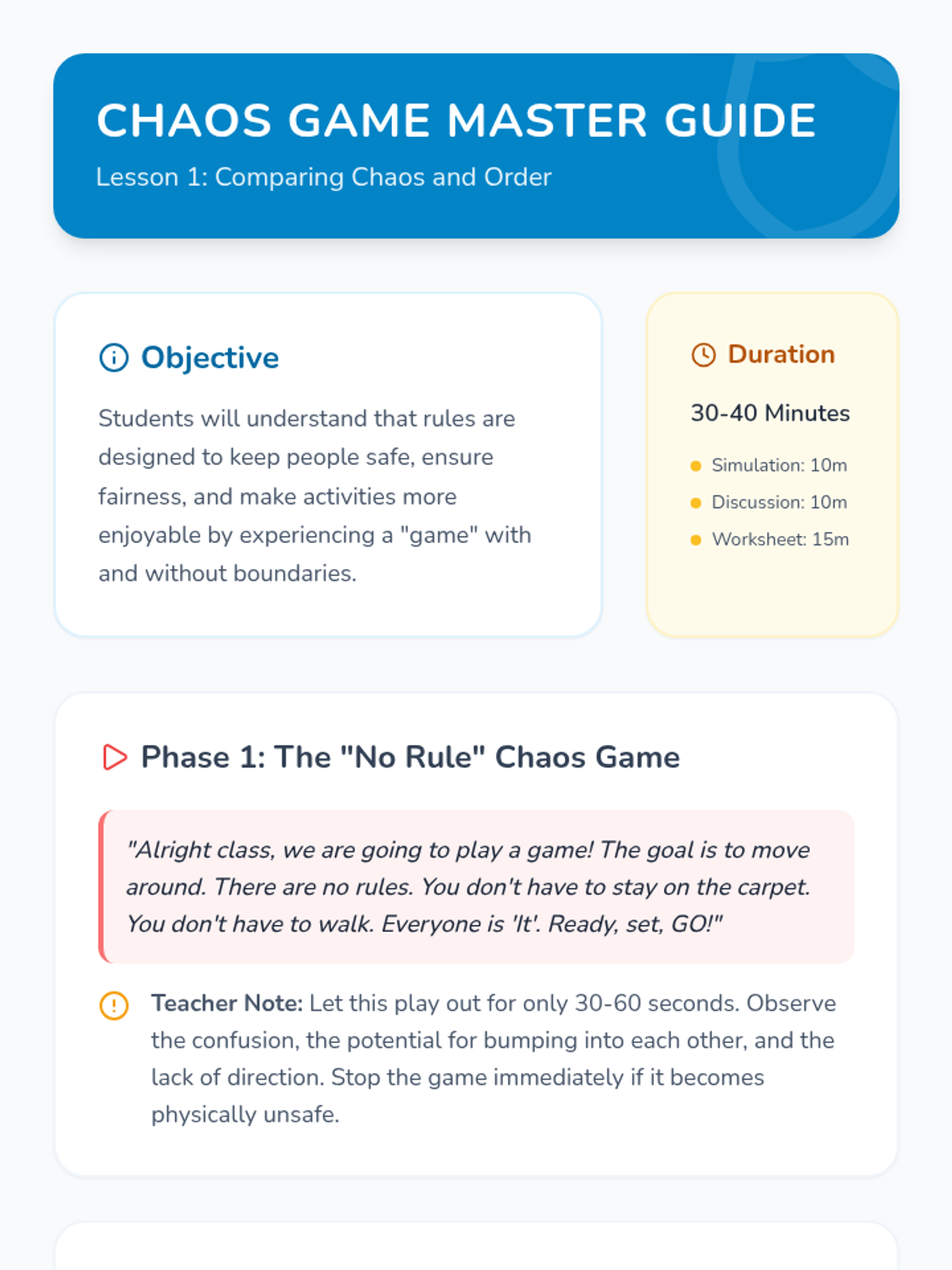
This Pre-K sequence introduces foundational civics through the lens of classroom rules, safety, sharing, and collective responsibility. Students move from experiencing the chaos of lawlessness to collaboratively drafting a 'Classroom Promise.'
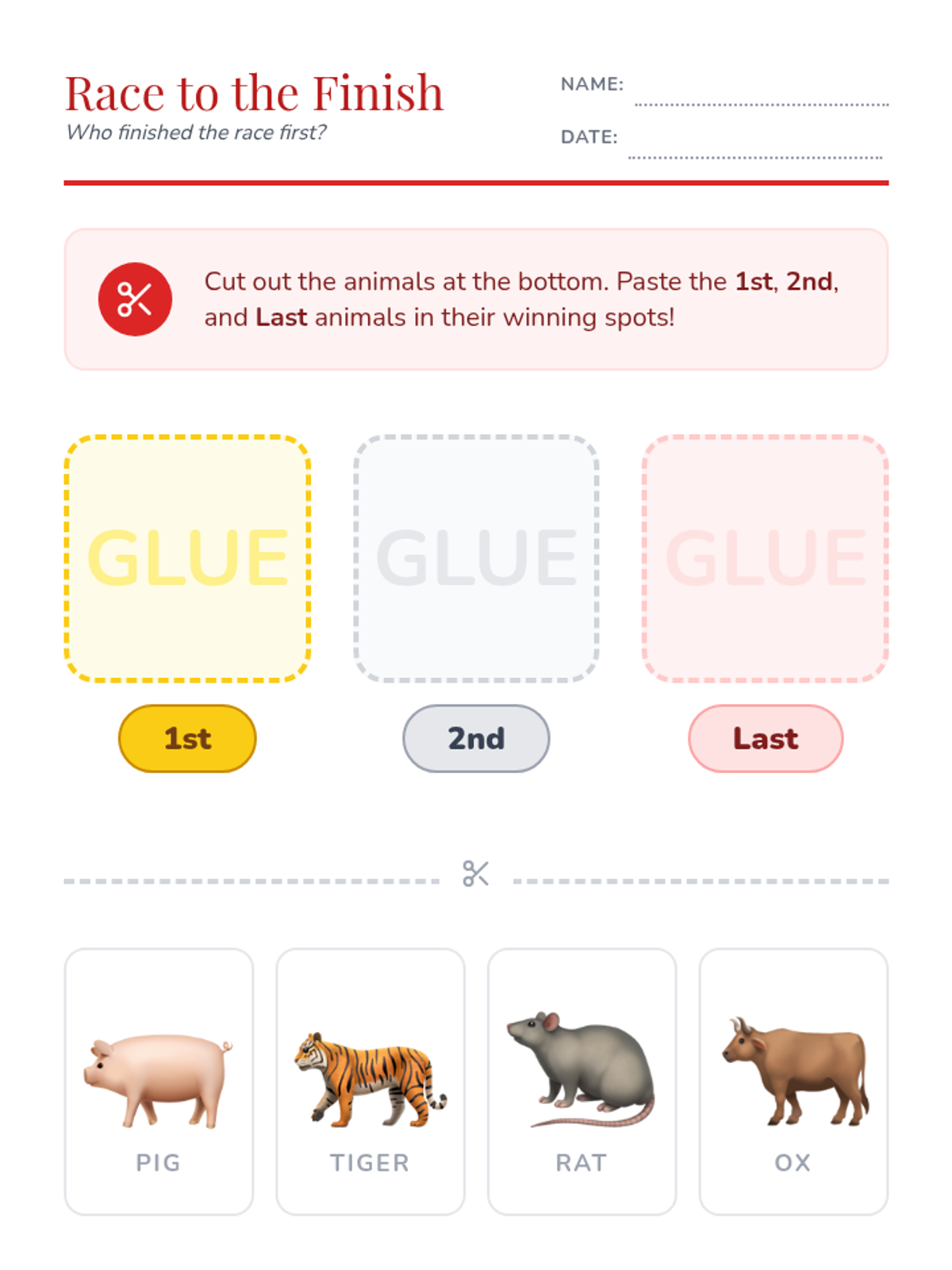
This Pre-K sequence explores the legends and movements of the Chinese Zodiac. Students learn sequencing through the story of the Great Race, compare animal traits, and connect folklore to their own identities through birth years and dramatic play.
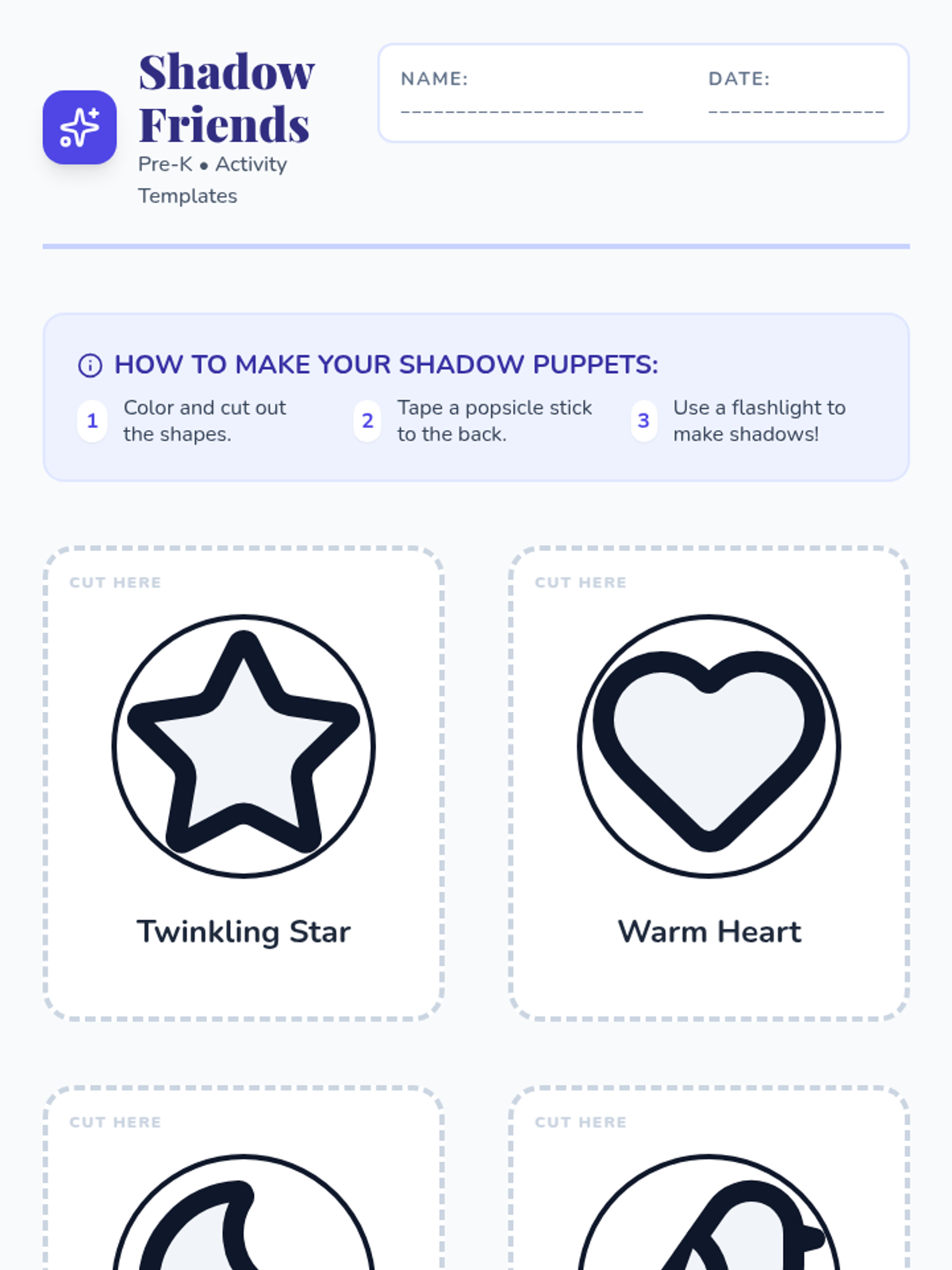
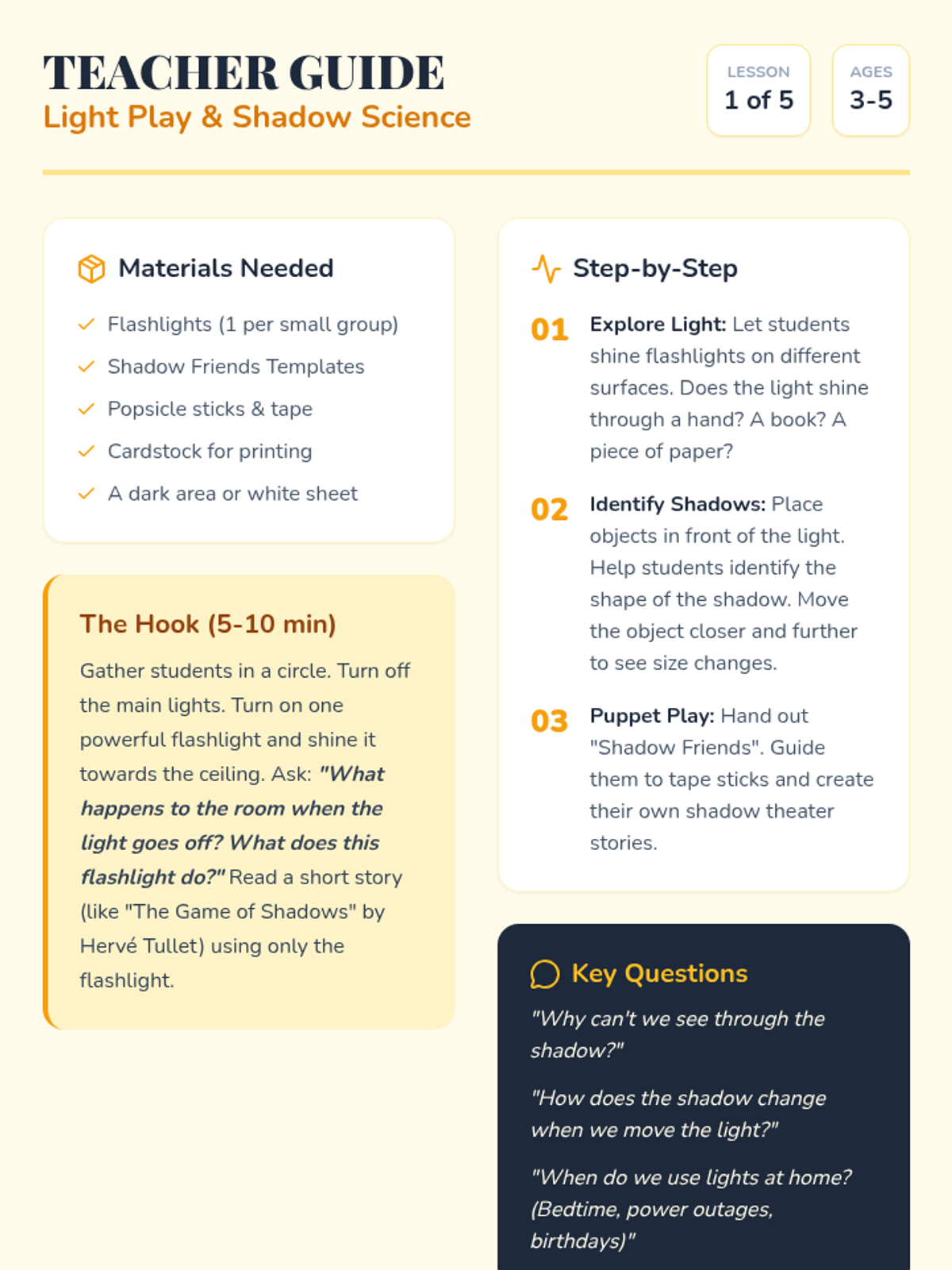
A Pre-K history and social studies sequence exploring the universal theme of light in global celebrations. Students learn about the physical properties of light and shadow before diving into cultural traditions like Diwali, Hanukkah, Kwanzaa, and the Lantern Festival.
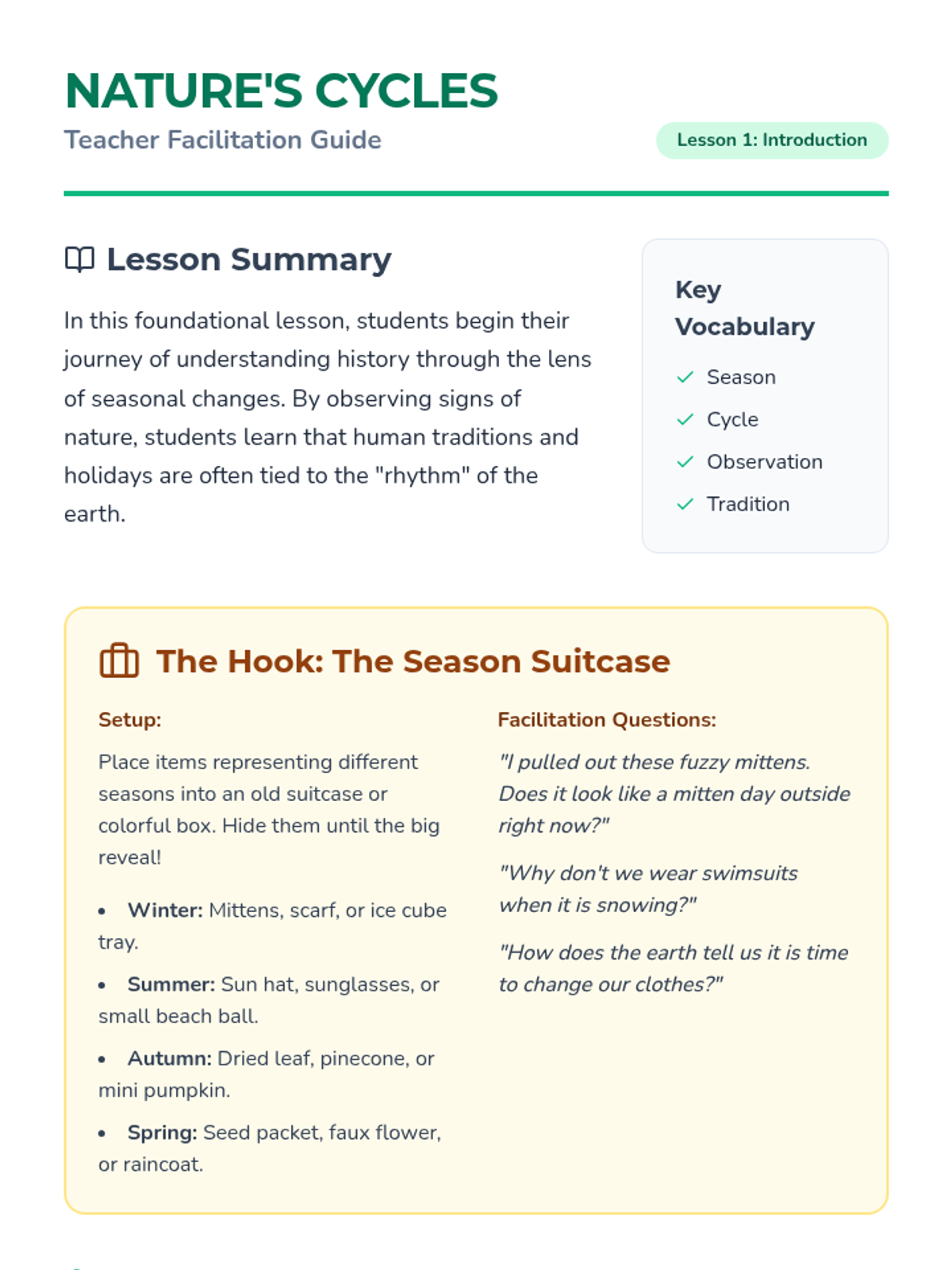
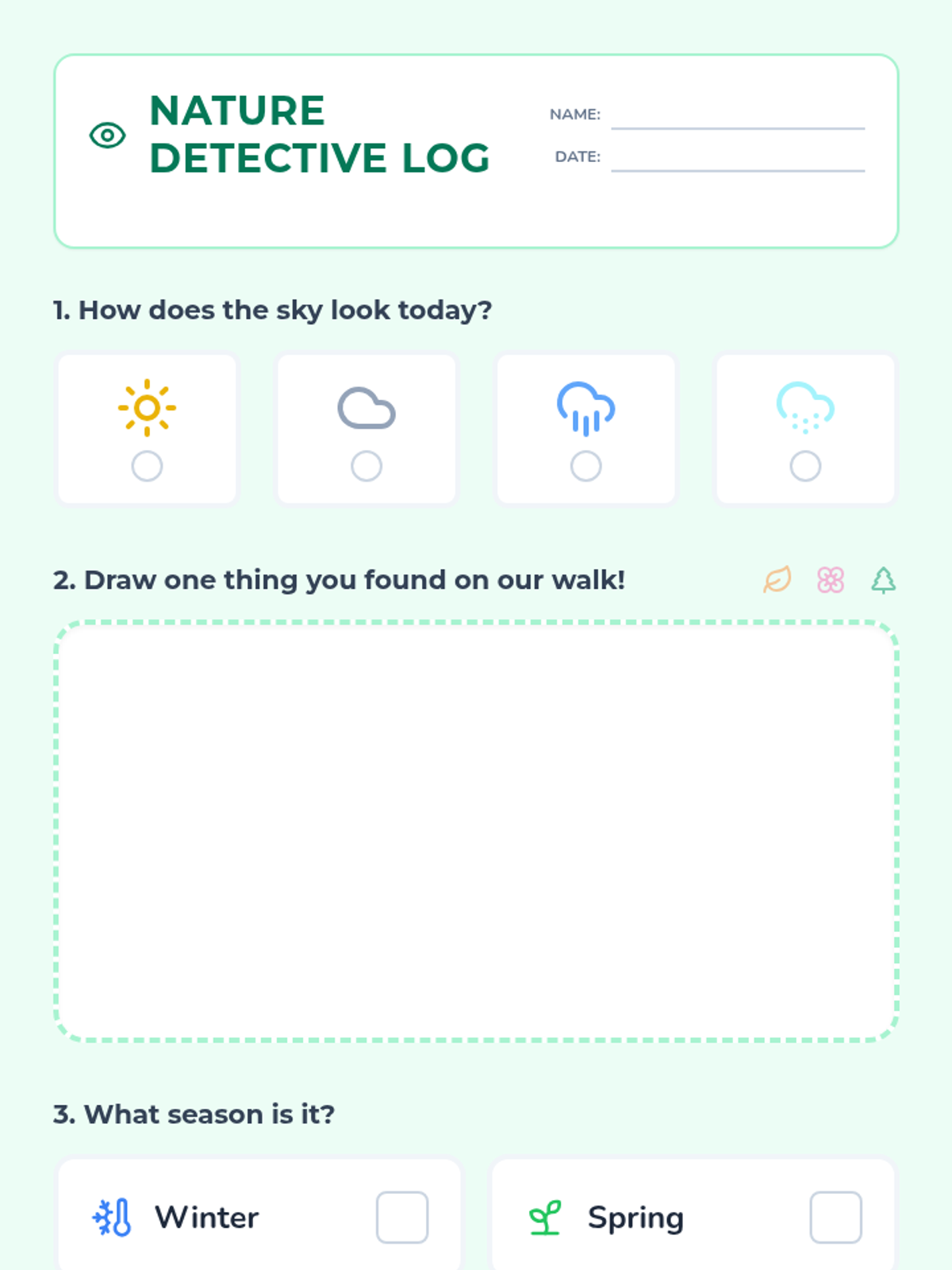
This sequence connects human celebrations to the natural world, helping Pre-K students understand the historical origins of seasonal festivals by tracking changes in weather and nature. Students explore harvest traditions, winter storytelling, and spring renewal to understand the rhythm of the year.
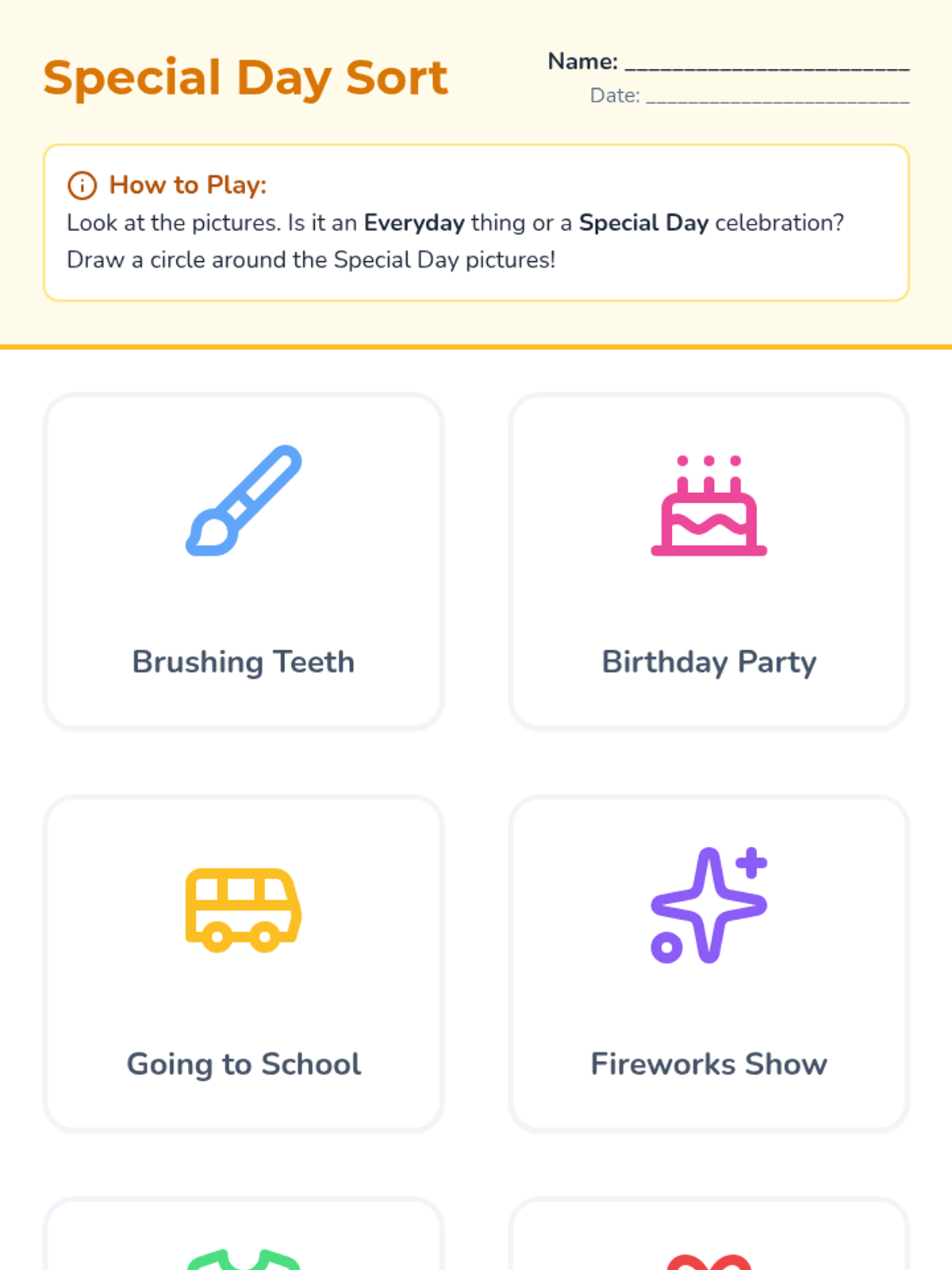
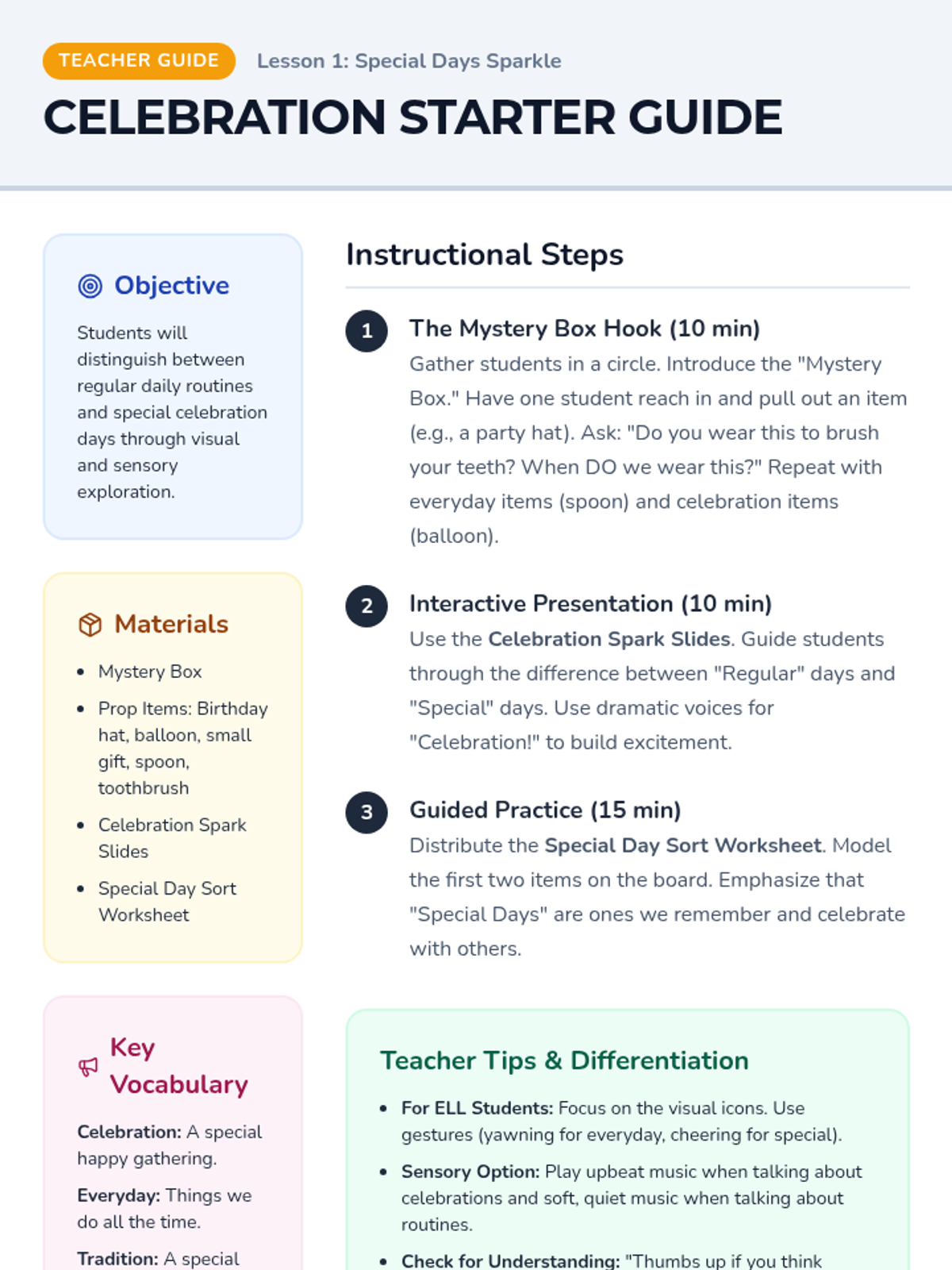
A Pre-K sequence where students explore personal and peer traditions to understand the concept of history through celebrations and holidays.
A Pre-K sequence introducing location words (on, under, next to, near, far) through classroom exploration, games, and modeling to build early geography skills.
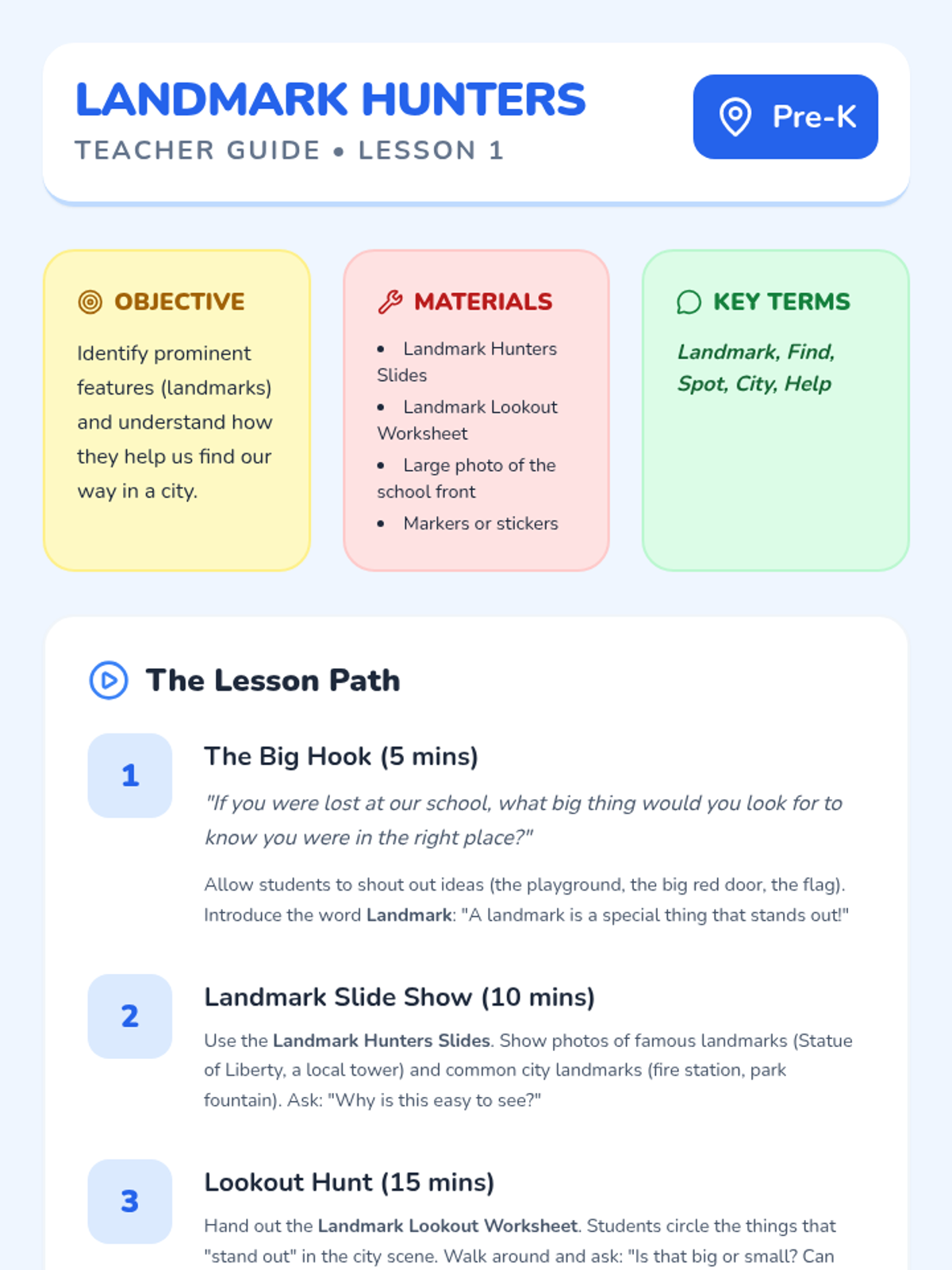
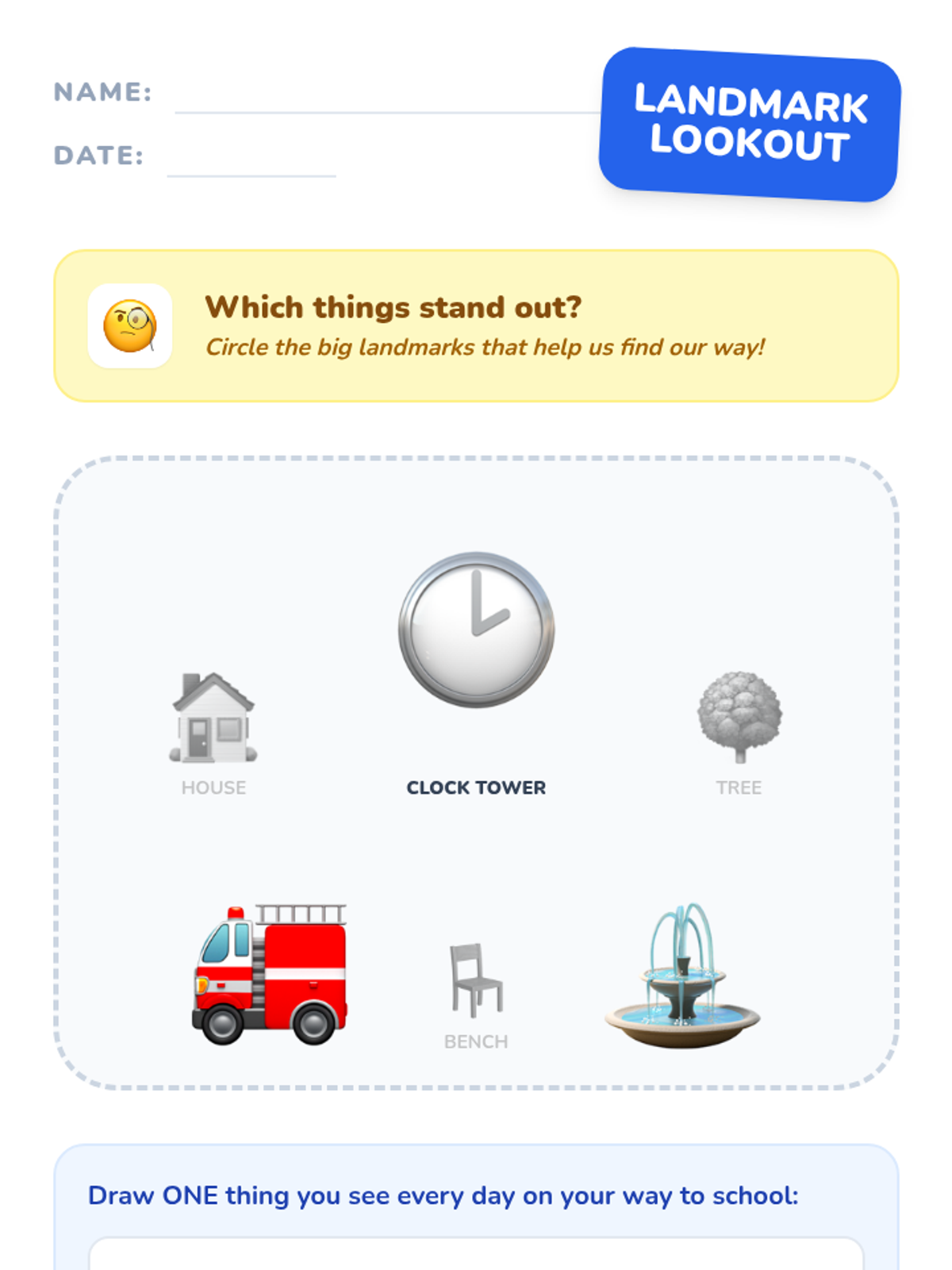
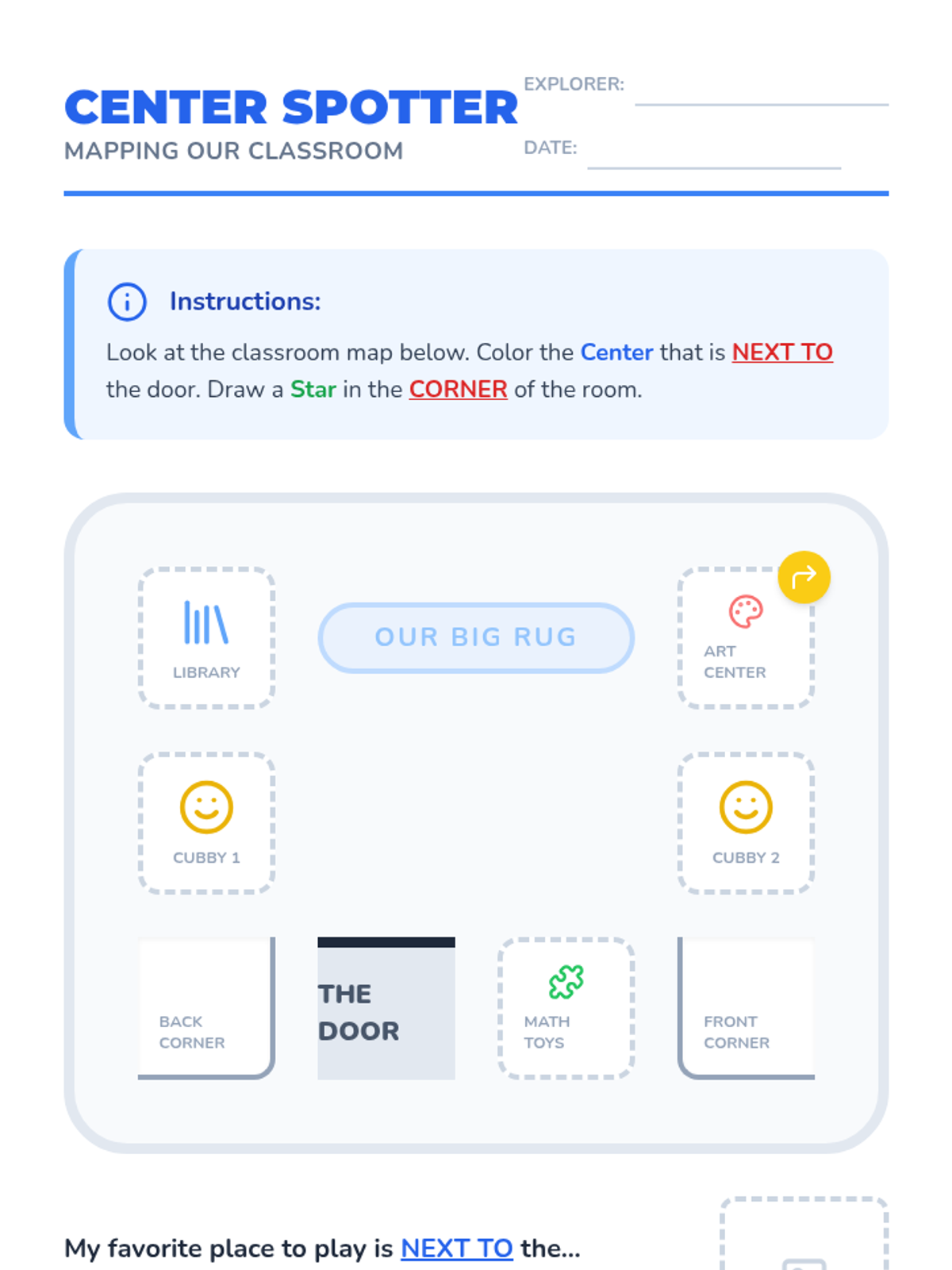
This Pre-K sequence introduces spatial awareness and basic mapping skills. Students learn to identify landmarks, use positional language, understand bird's-eye perspective, and create/follow simple maps of their environment.
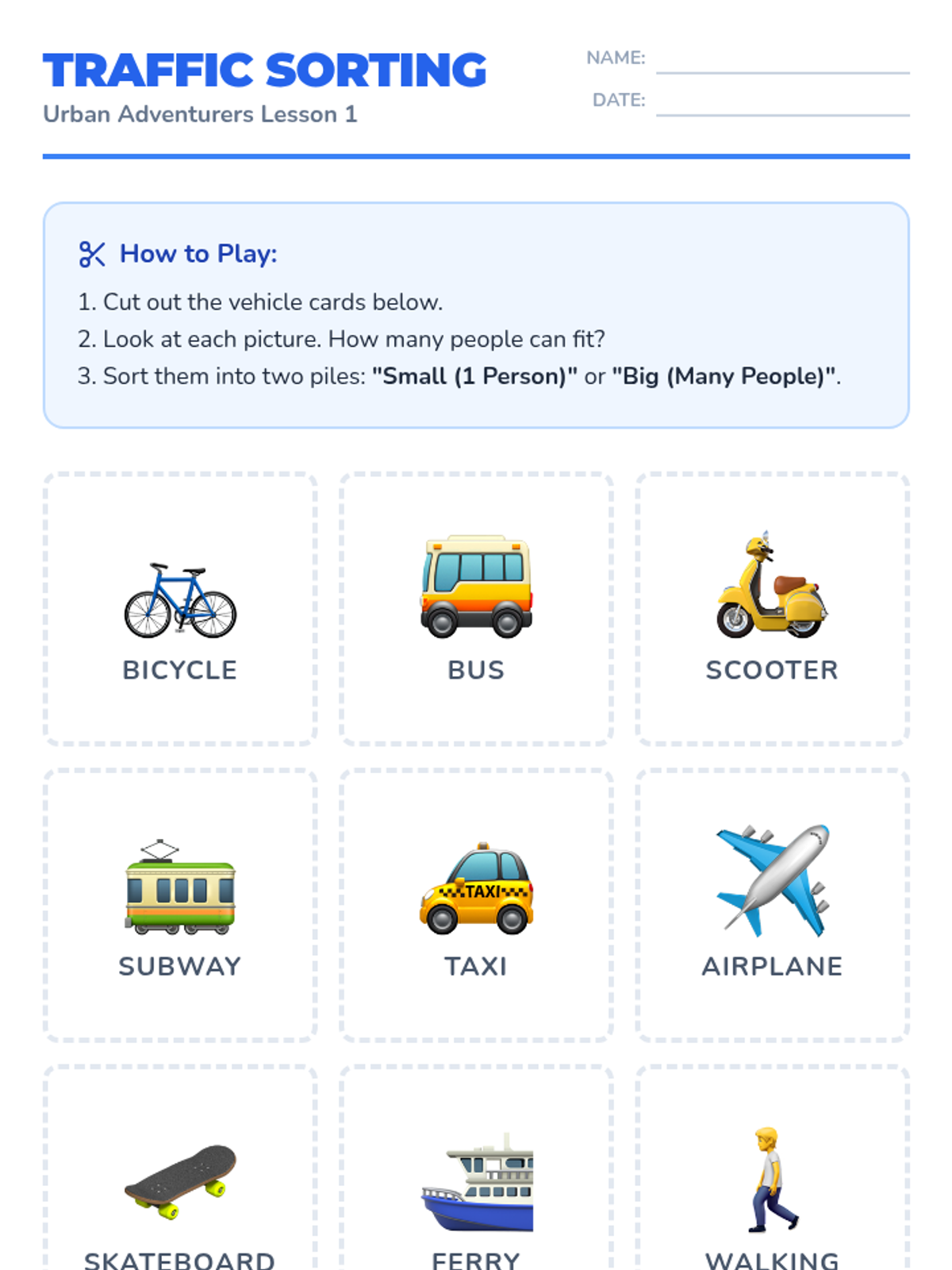
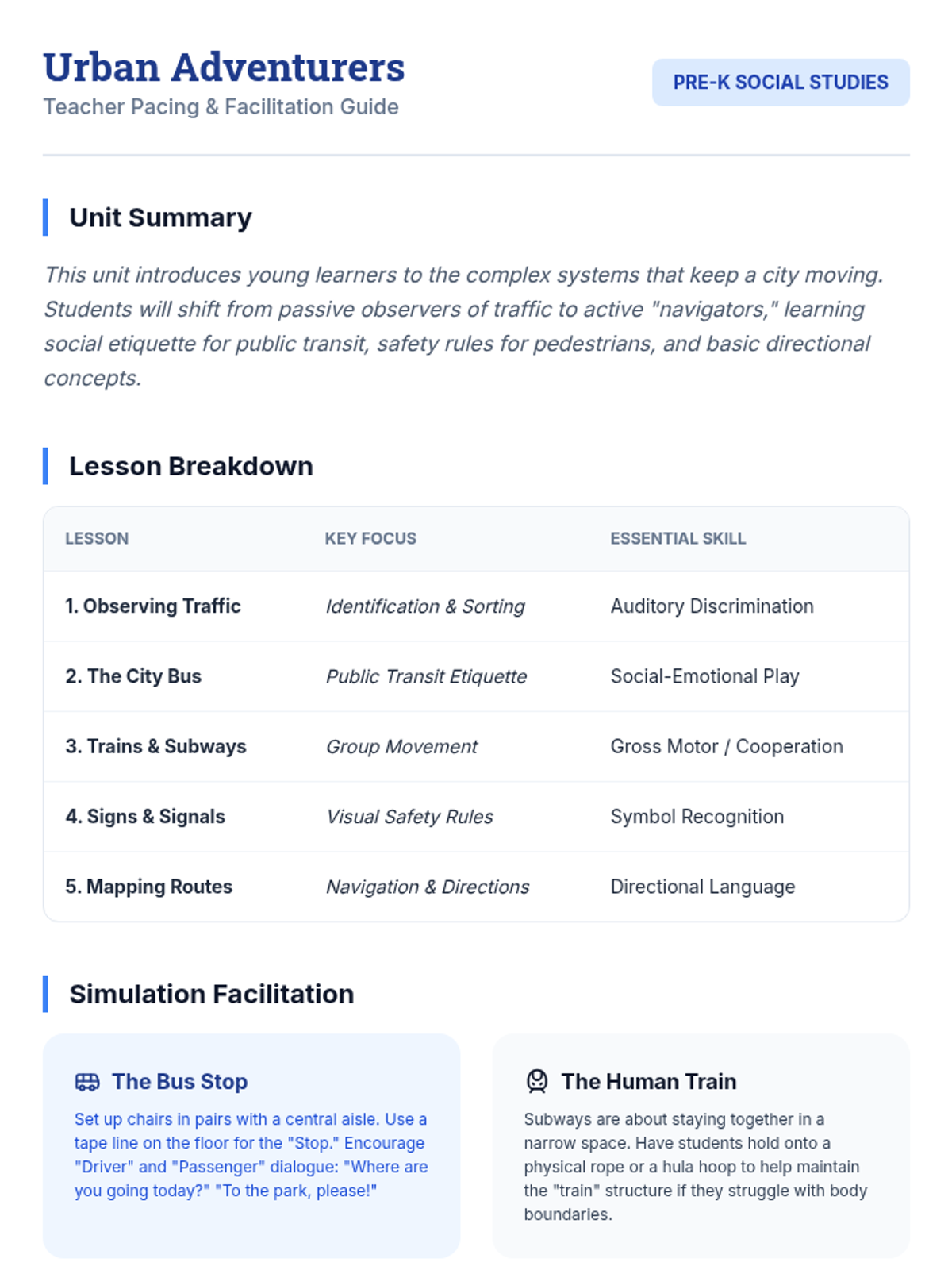
A 5-lesson sequence for Pre-K students exploring how people and goods move through a city. Students will learn about various modes of transportation, social etiquette for public transit, safety signs, and basic navigation through play and simulation.
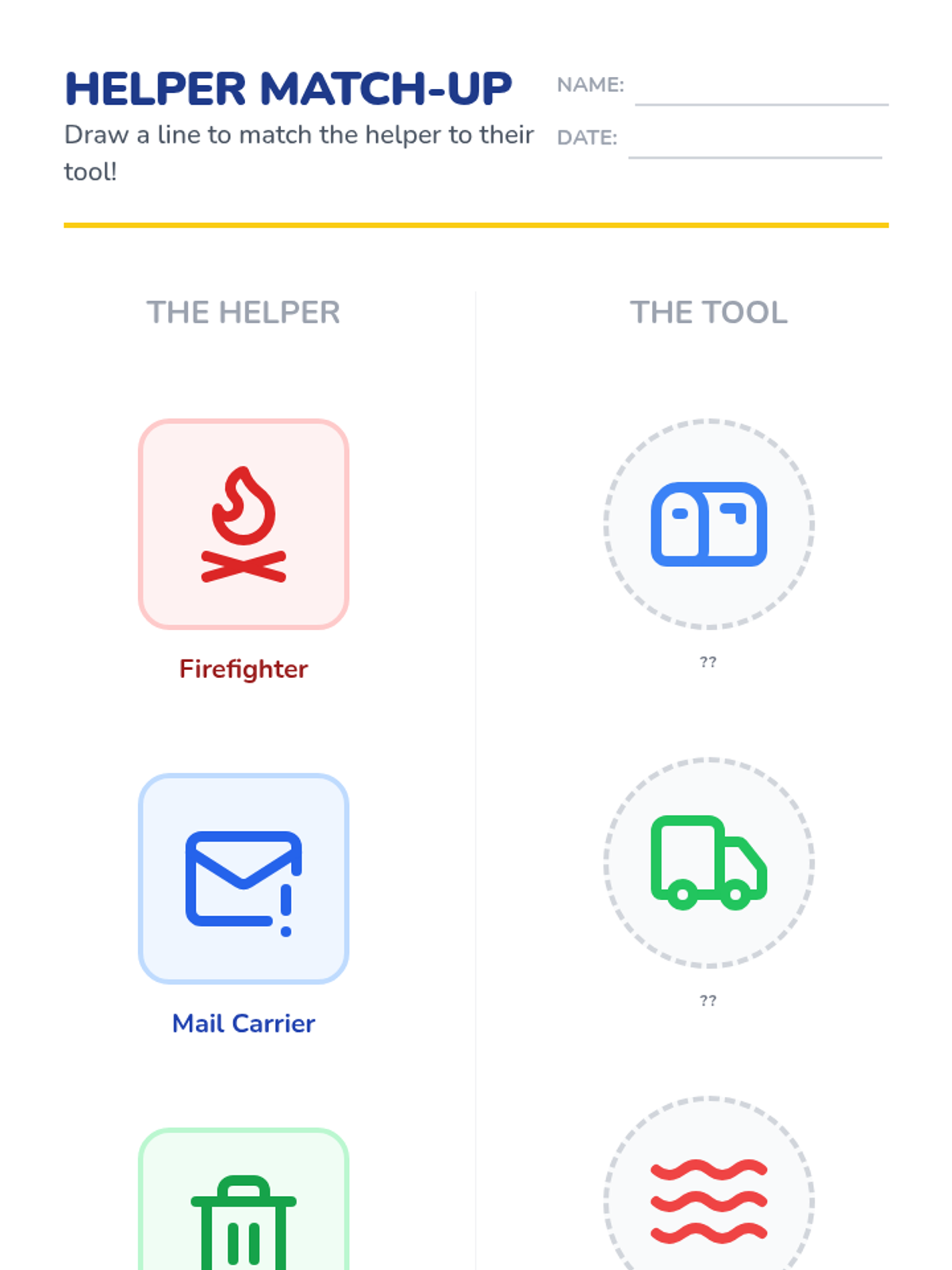
A Pre-K sequence focused on the human infrastructure of a city, teaching students about the various community helpers who work together to keep the city safe, clean, and connected. Students engage in dramatic play and hands-on activities to understand roles like sanitation workers, emergency responders, and mail carriers.
A project-based unit where Pre-K students explore urban geography by building a model city. Students learn about different types of buildings (homes, businesses, public spaces) and how they are connected by roads.
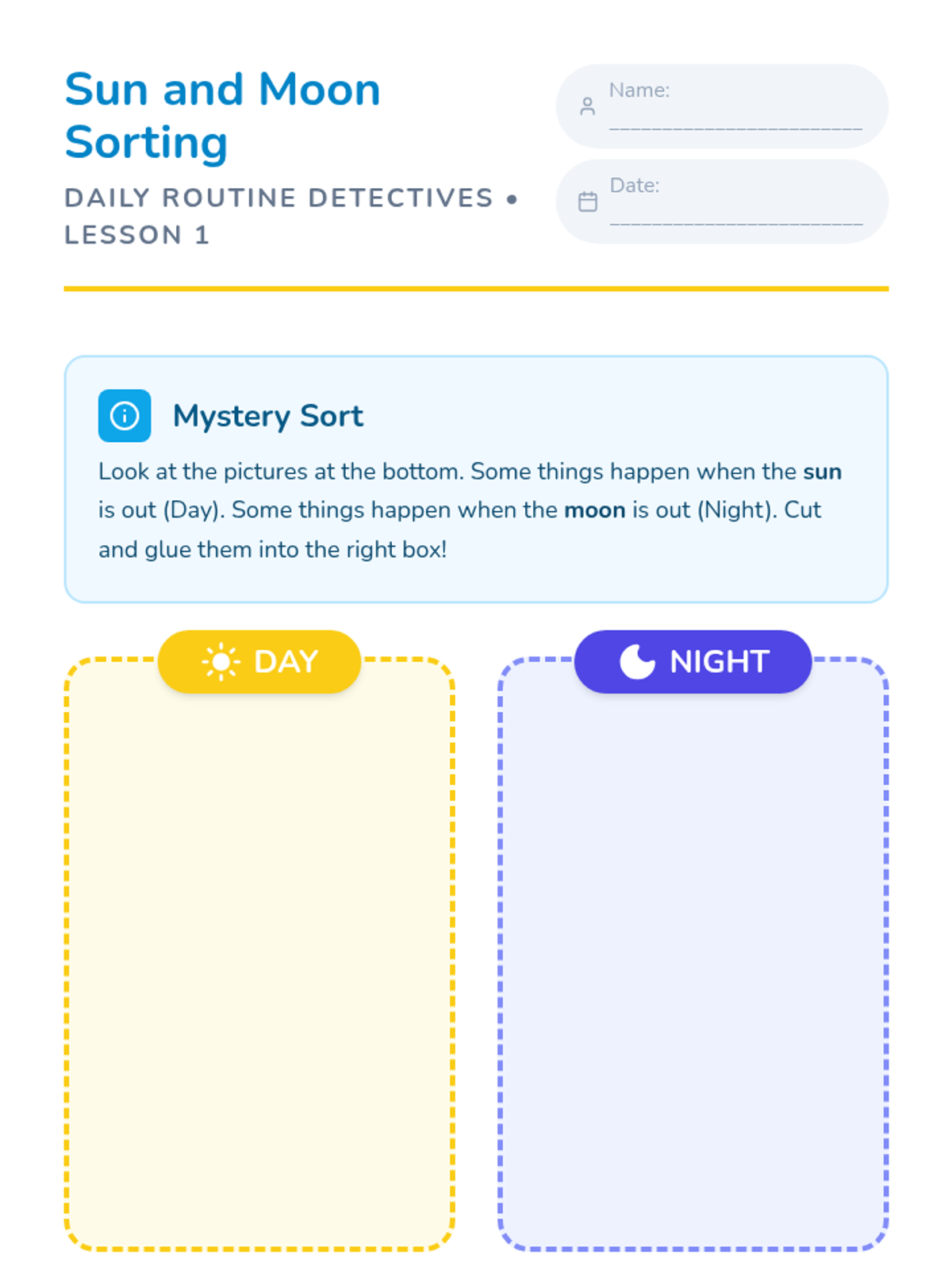
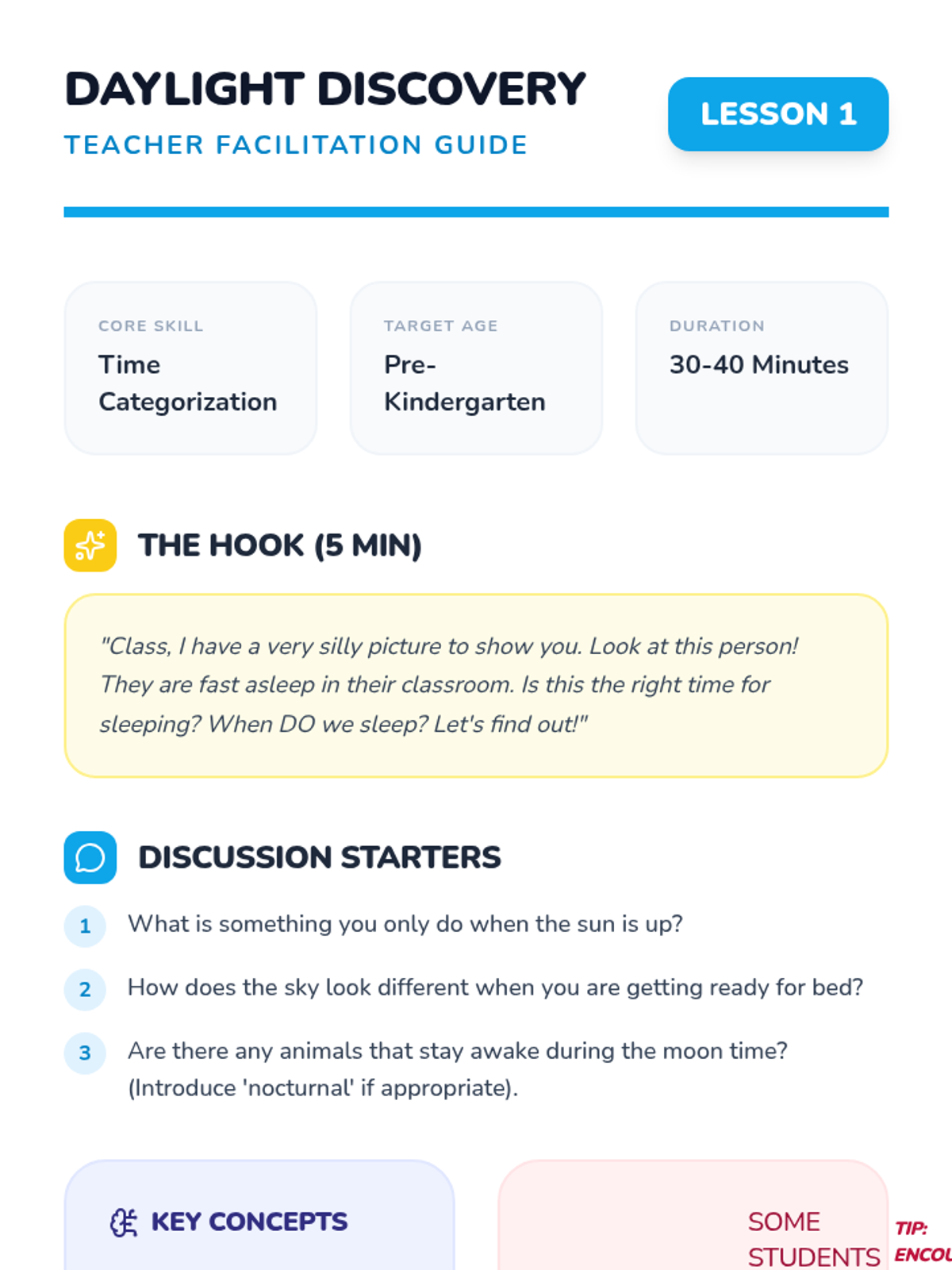
This foundational Pre-K sequence introduces the concept of chronological order through daily routines, transition words, and personal growth. Students progress from simple day/night categorization to creating their own visual timelines.
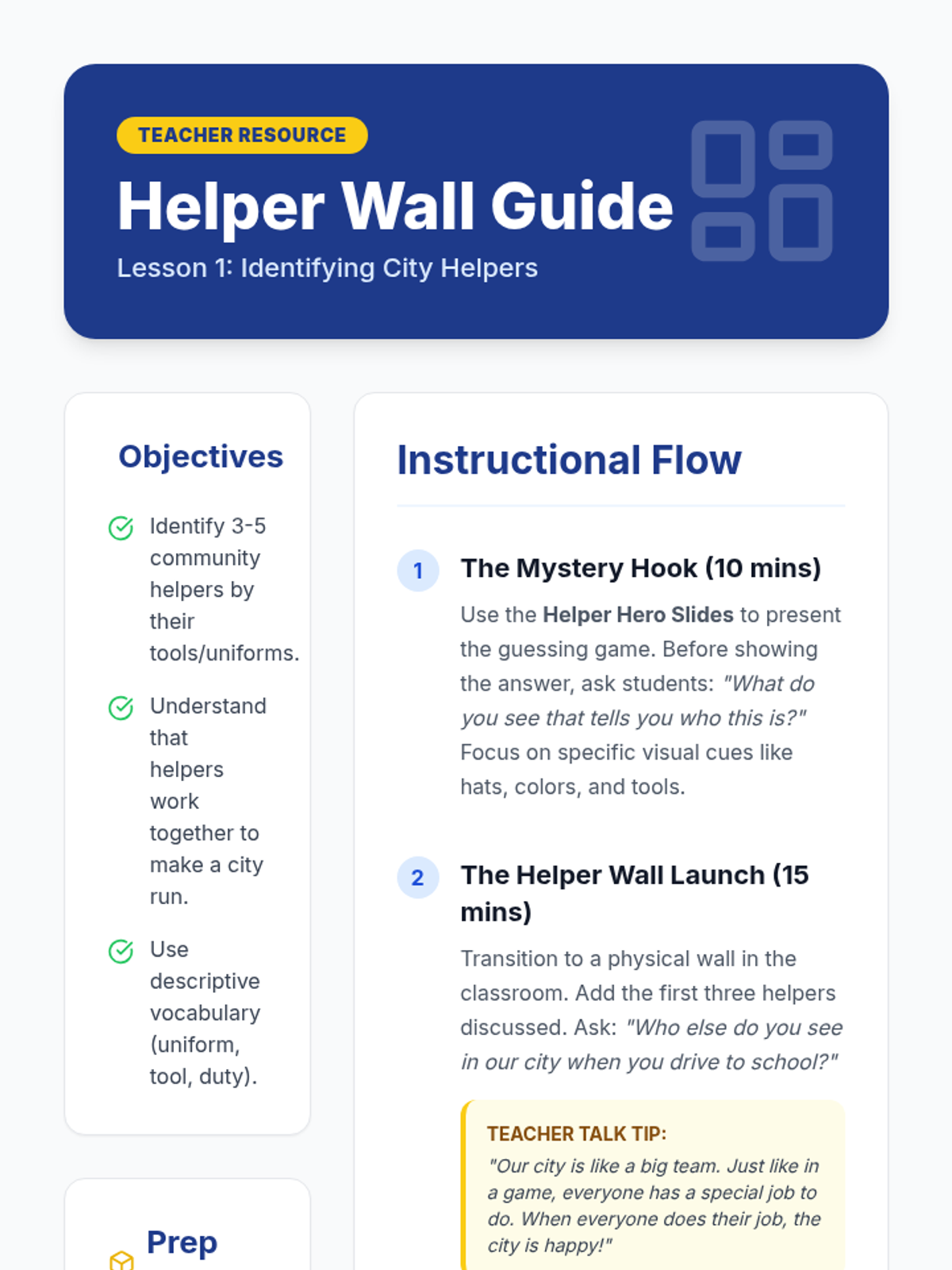
A Pre-K sequence exploring community helpers through informational read-alongs, focusing on tools, uniforms, and roles through simulation and role-play.
This sequence introduces Pre-K learners to citizenship through classroom community, rules, jobs, fairness, and voting. Students move from individual belonging to collaborative decision-making, grounding abstract civic concepts in daily school life.
A multi-age exploration of spooky storytelling, ranging from the historical and folkloric legends for older students to gentle, sensory-rich imaginative play for preschoolers.
A collection of spooky-themed lessons ranging from historical explorations for older students to playful, interactive storytelling for preschoolers. This sequence blends folklore, history, and creative play to spark imagination and critical thinking.