A project-based unit where 7th-grade students move beyond linear timelines to create complex, multi-causal 'webs' of historical events, exploring the interconnected nature of political, social, and economic factors.
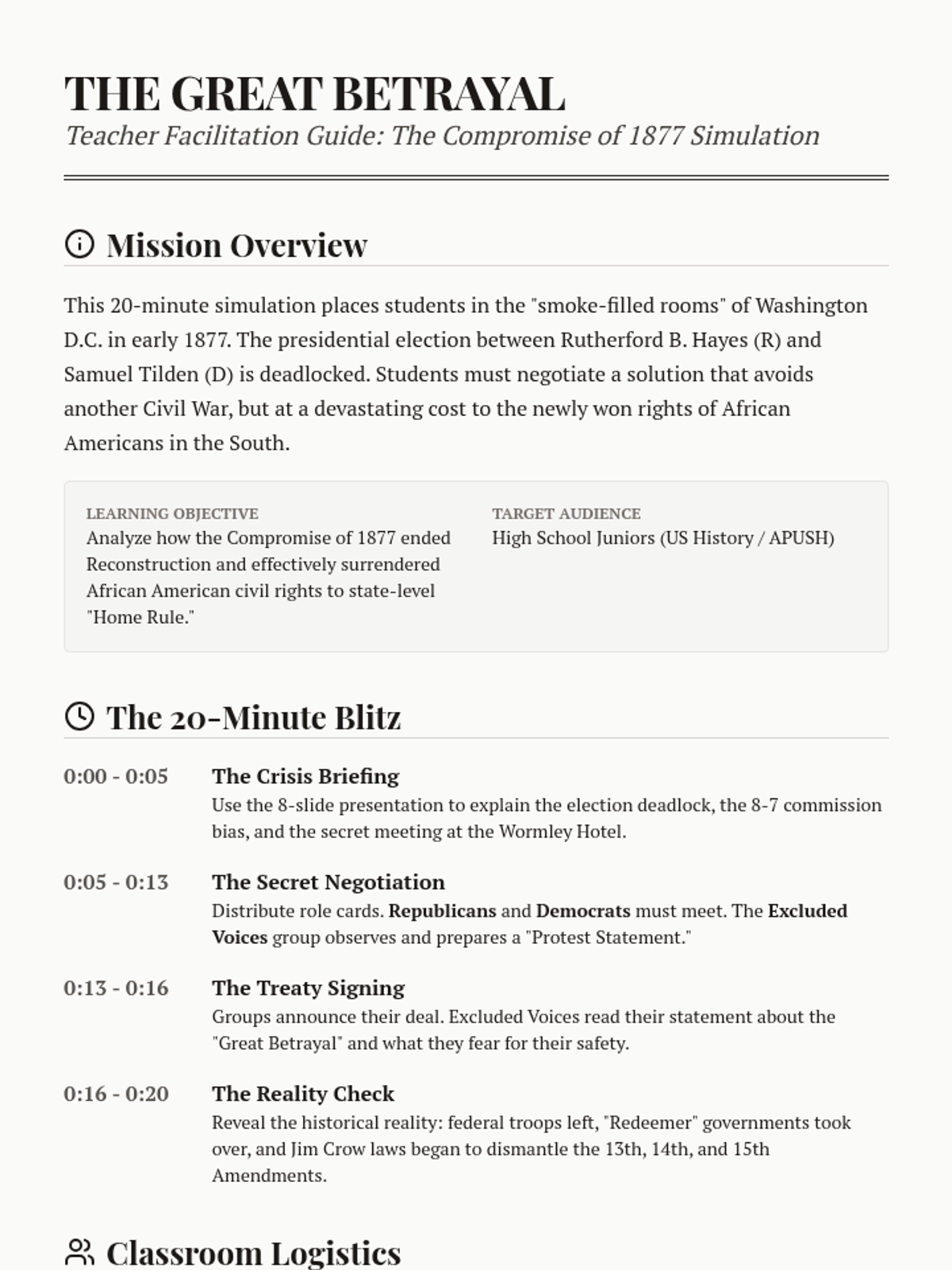
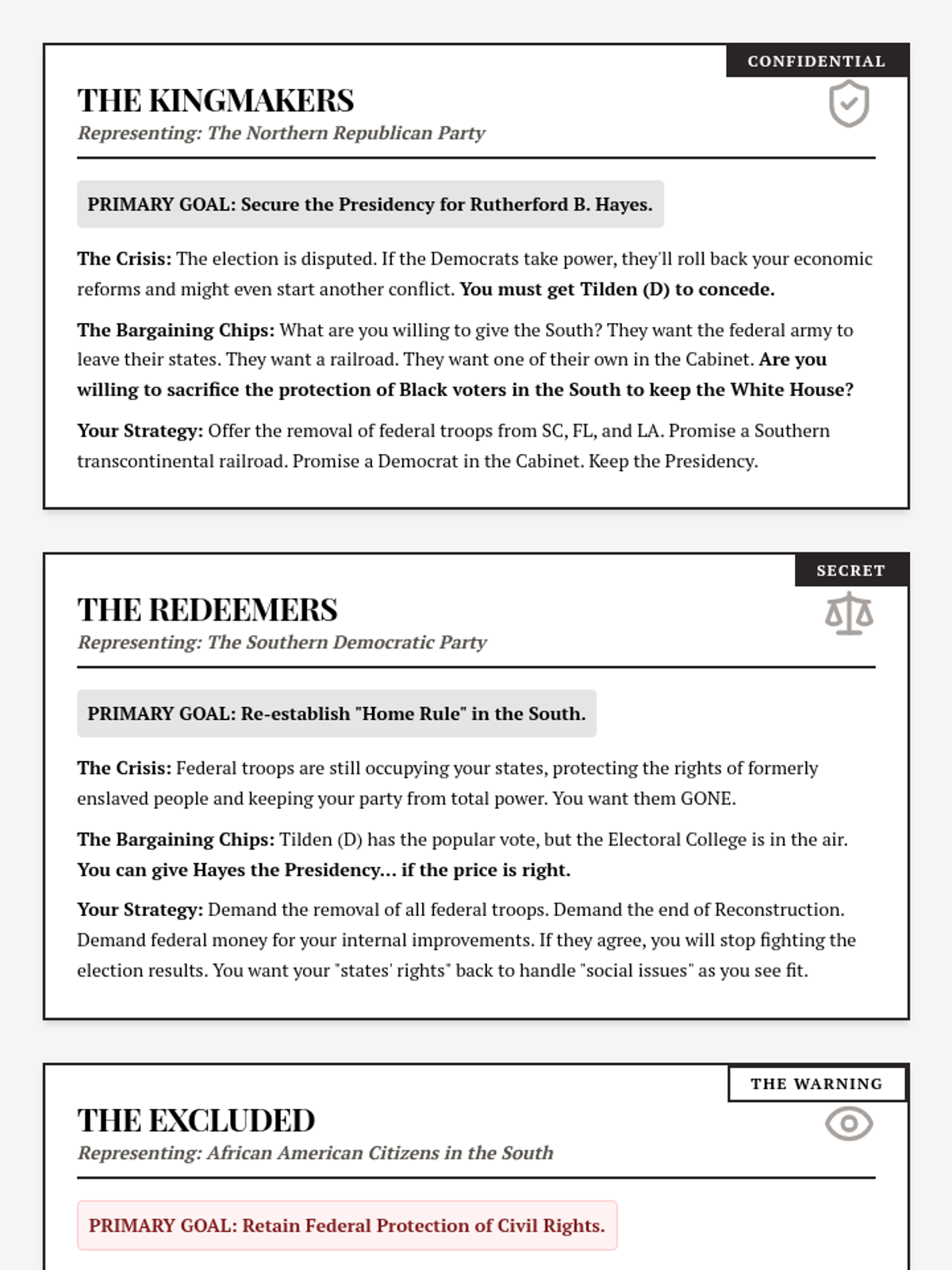
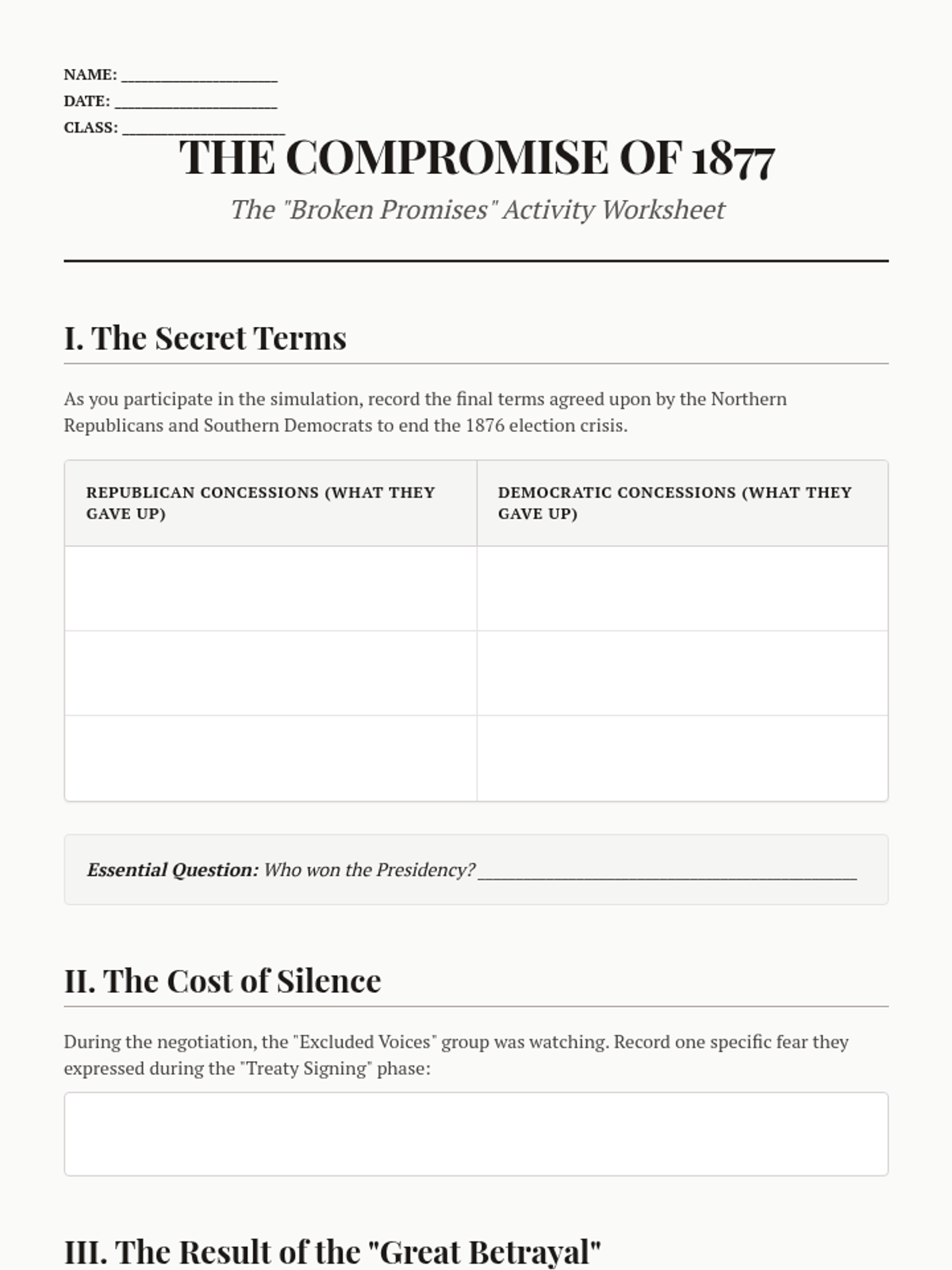
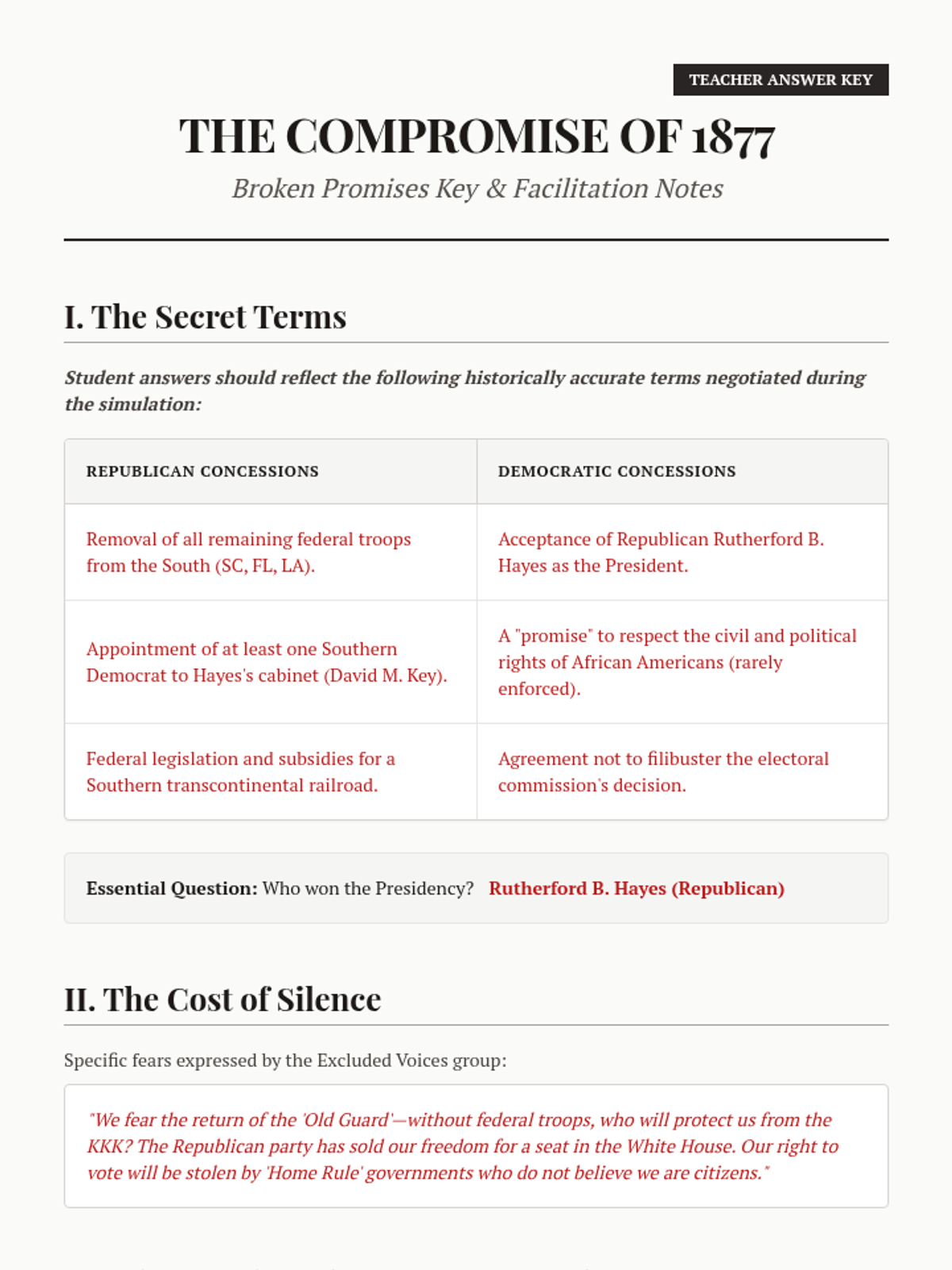
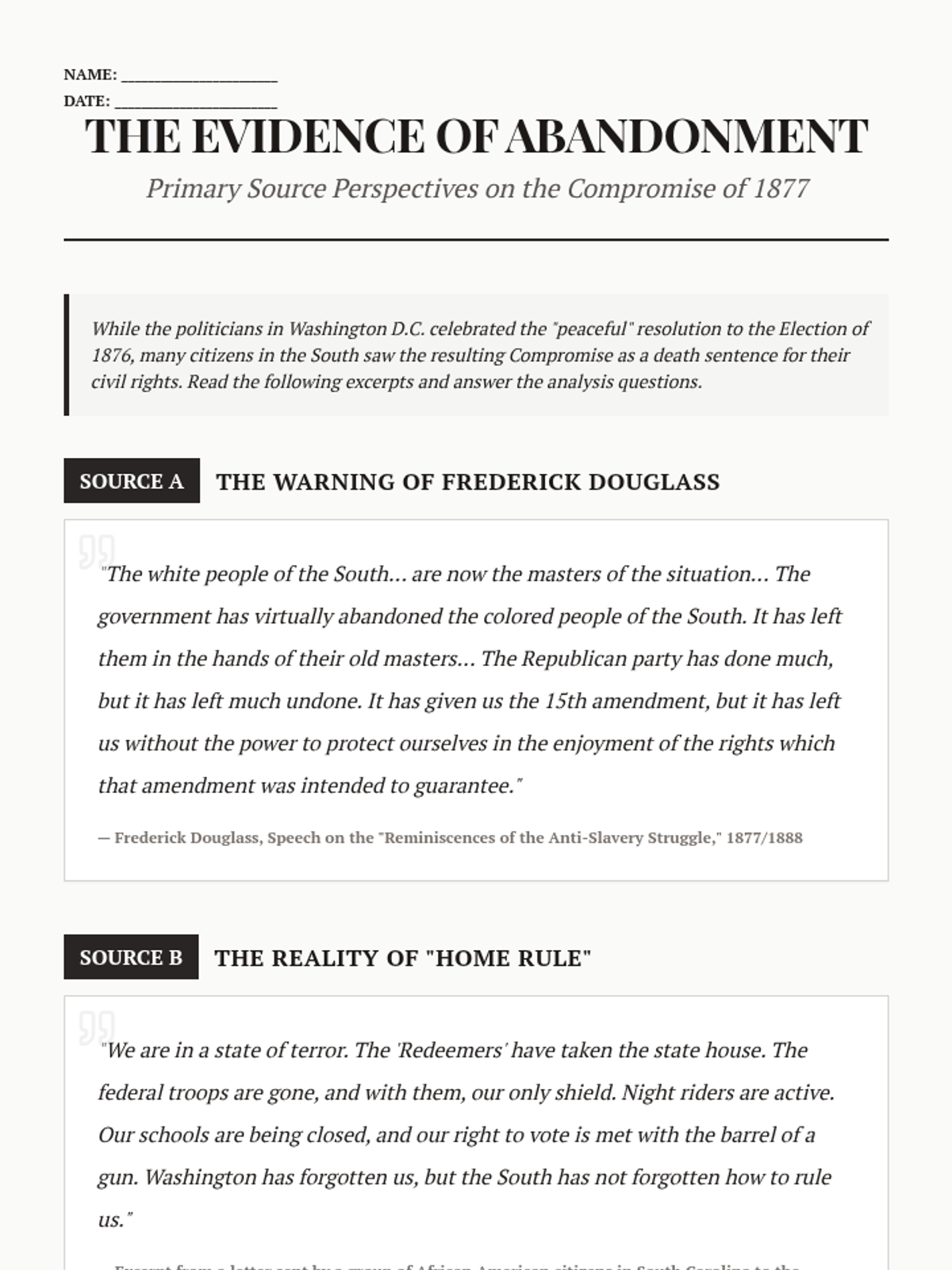
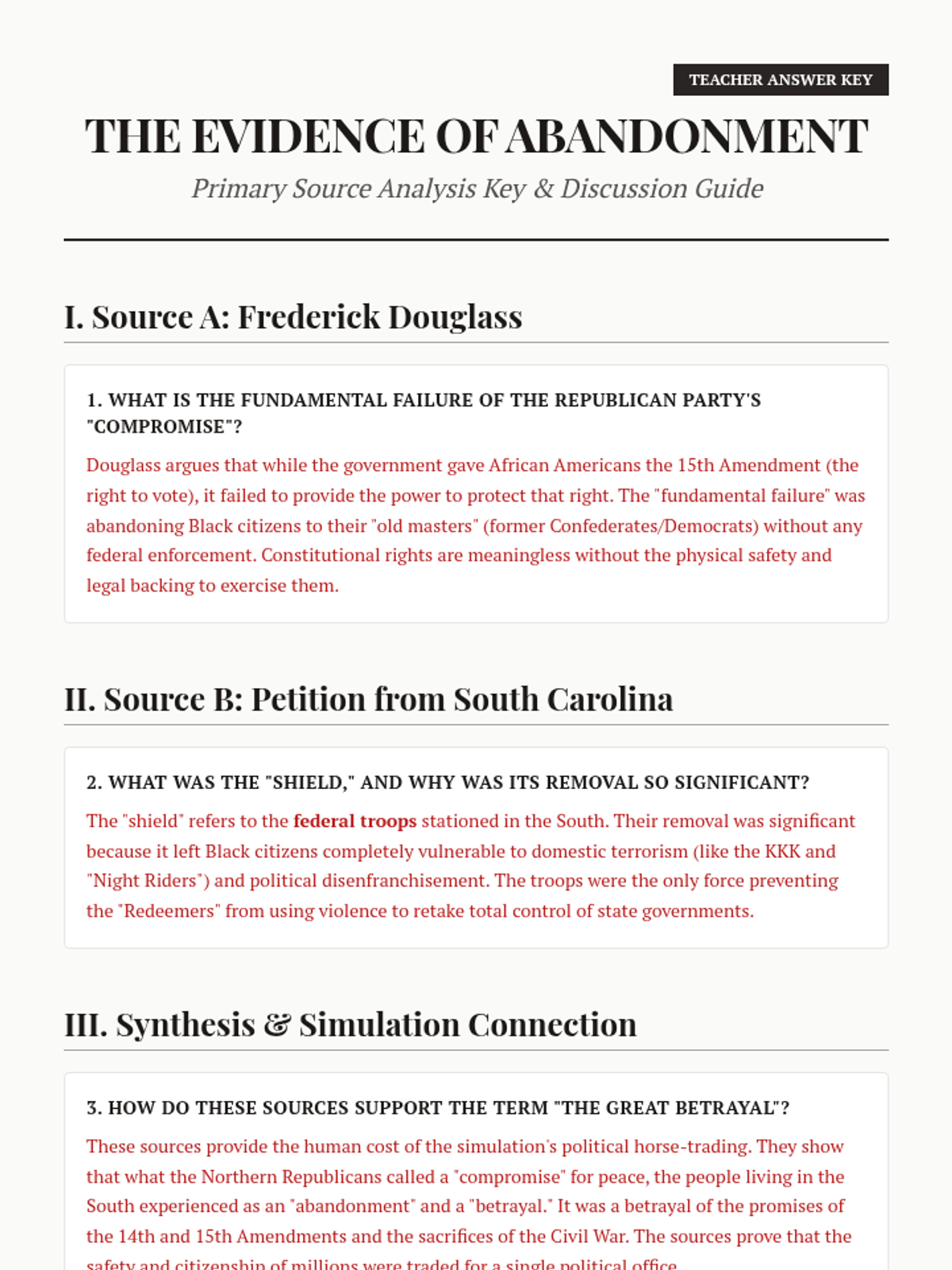
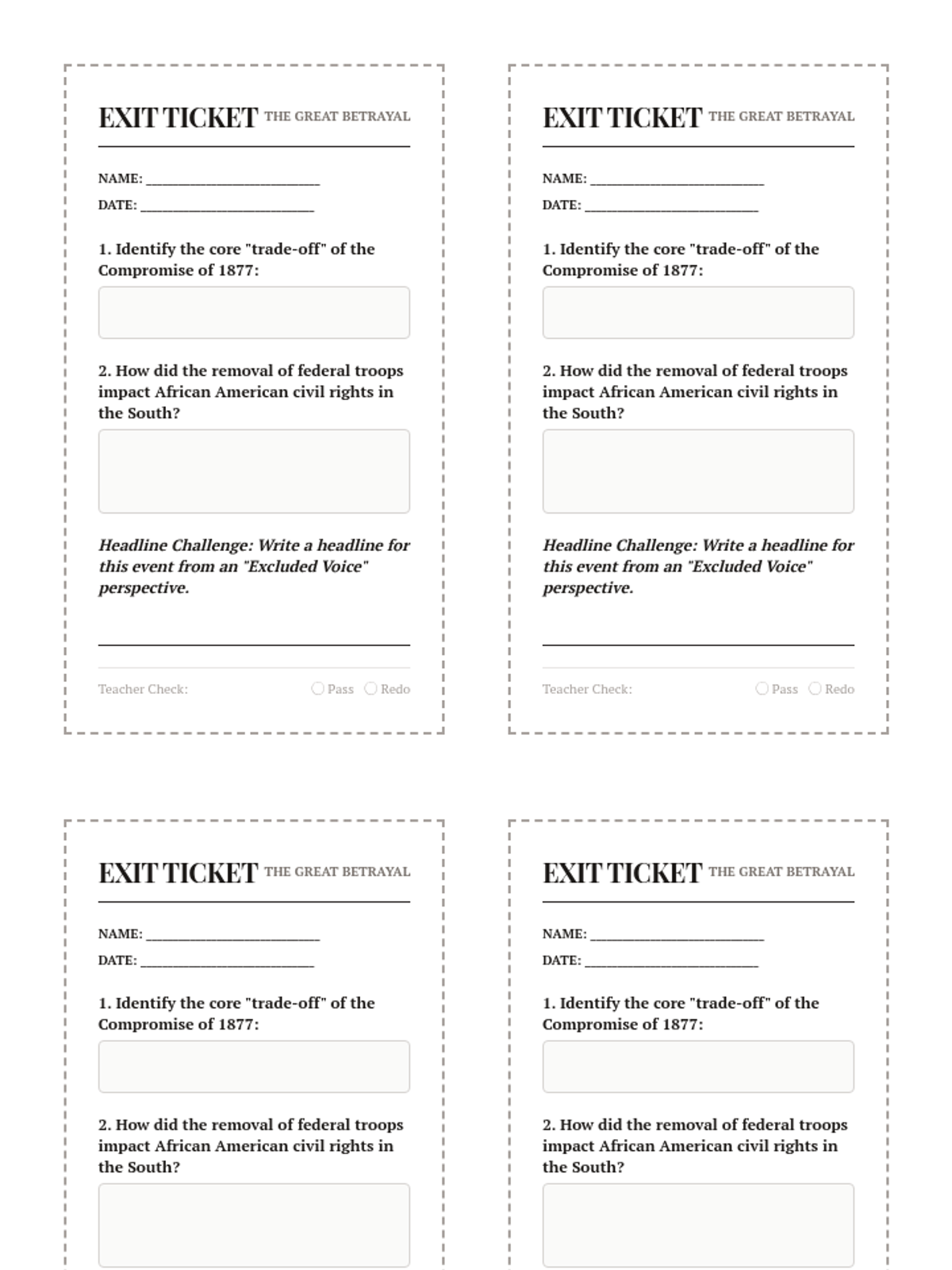
This sequence explores the aftermath of the Compromise of 1877, detailing the systematic dismantling of Reconstruction-era progress and the establishment of the Jim Crow South. Students analyze the political, social, and legal mechanisms used to disenfranchise African Americans.
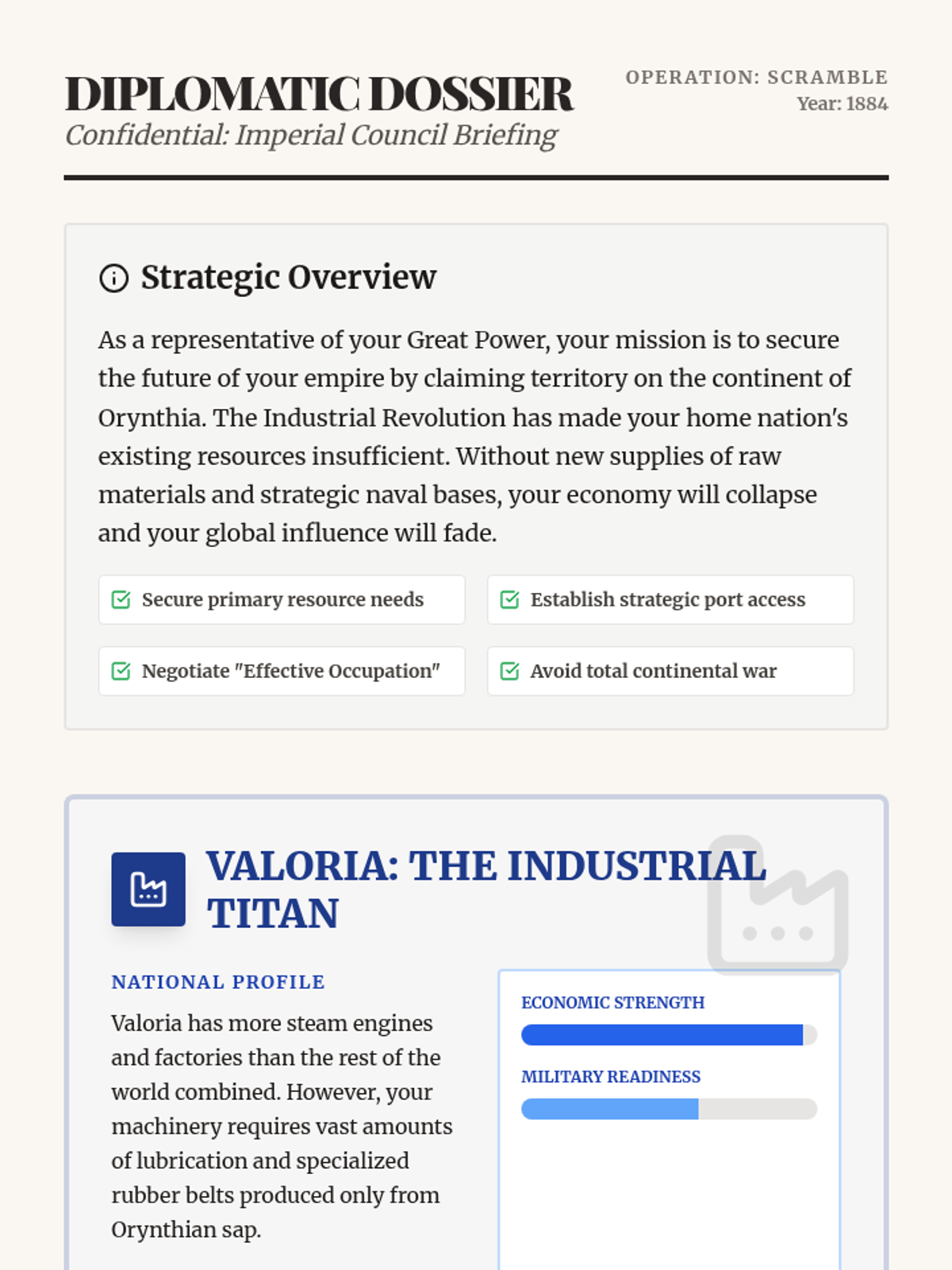
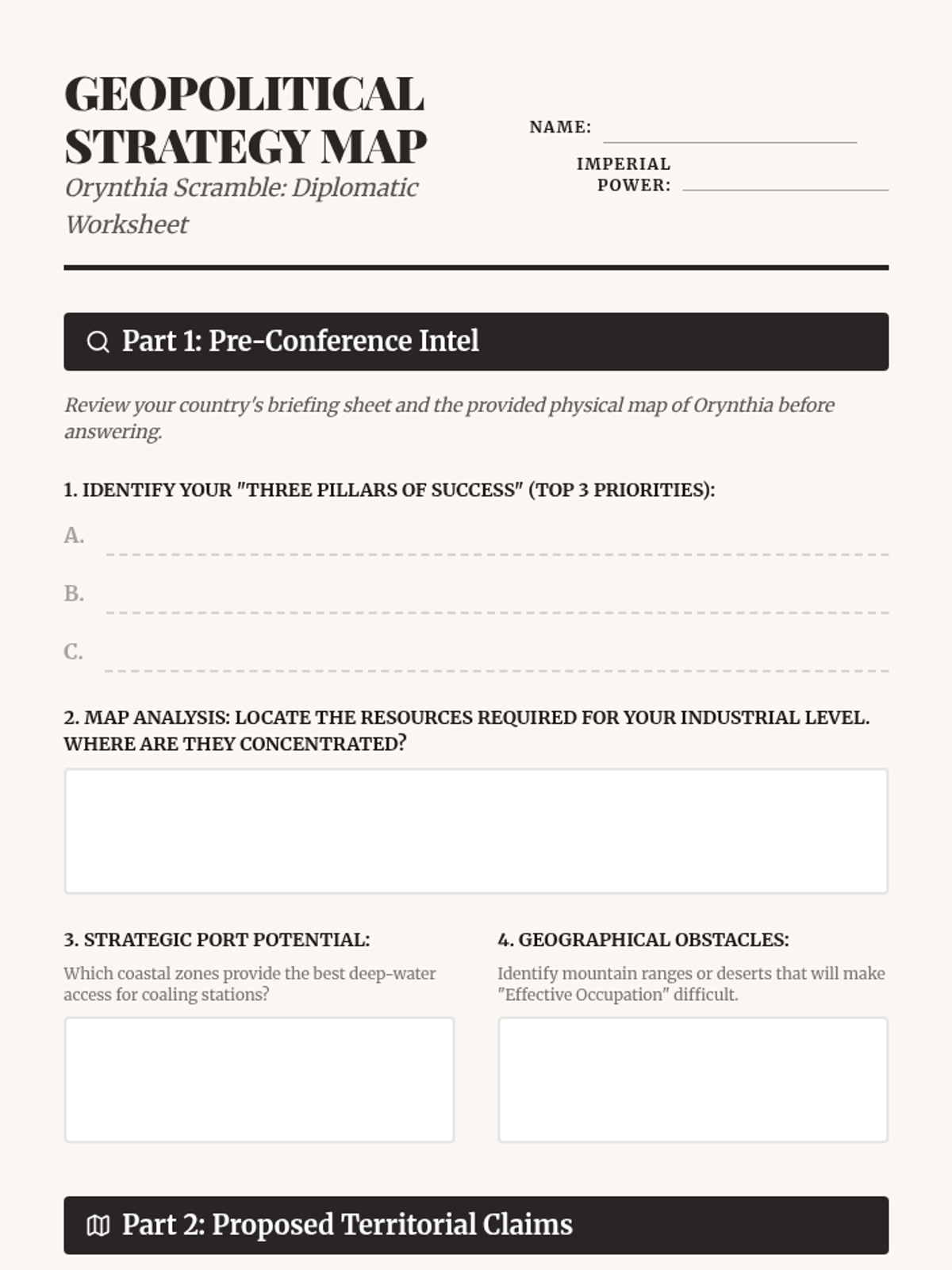
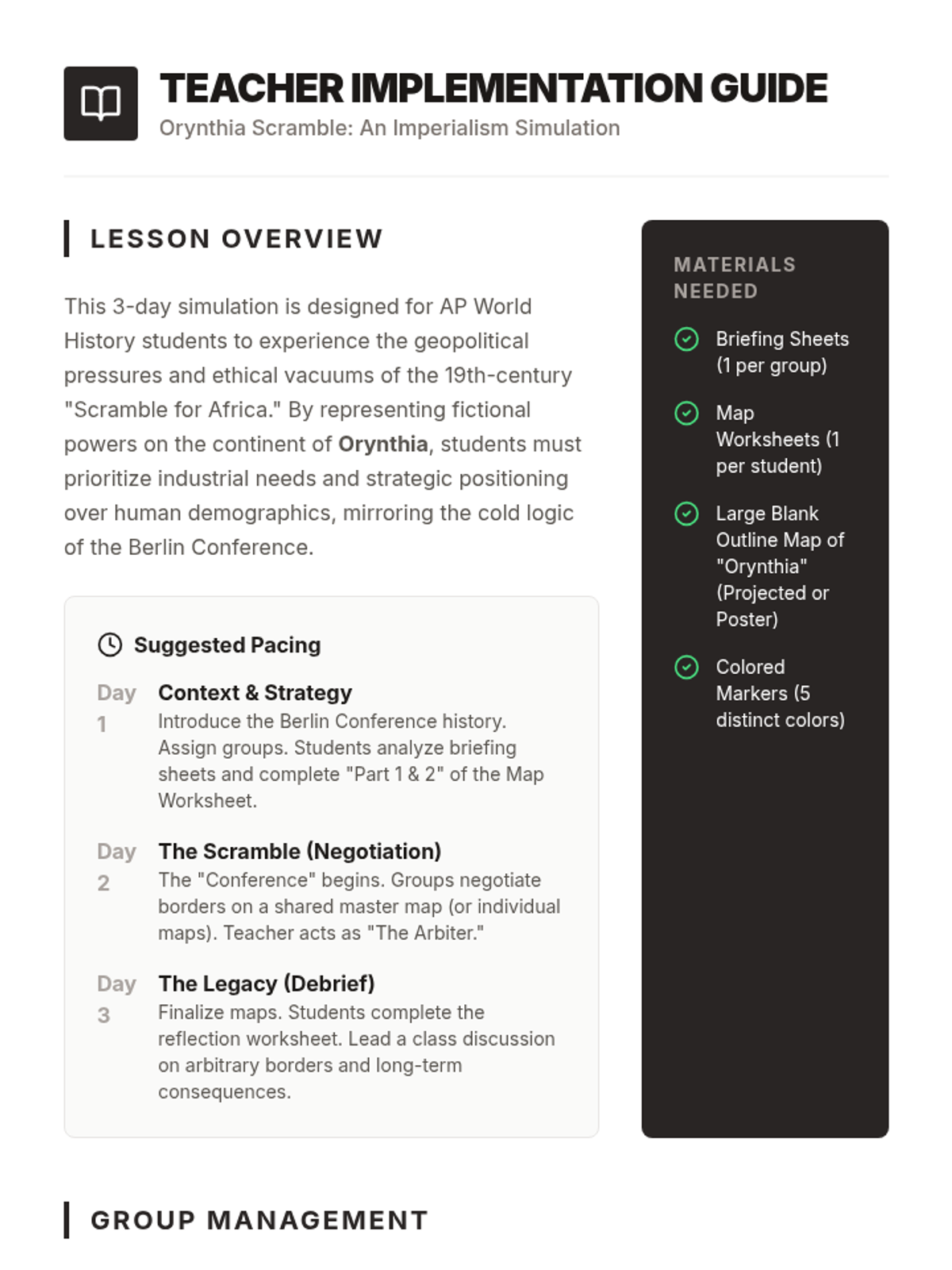
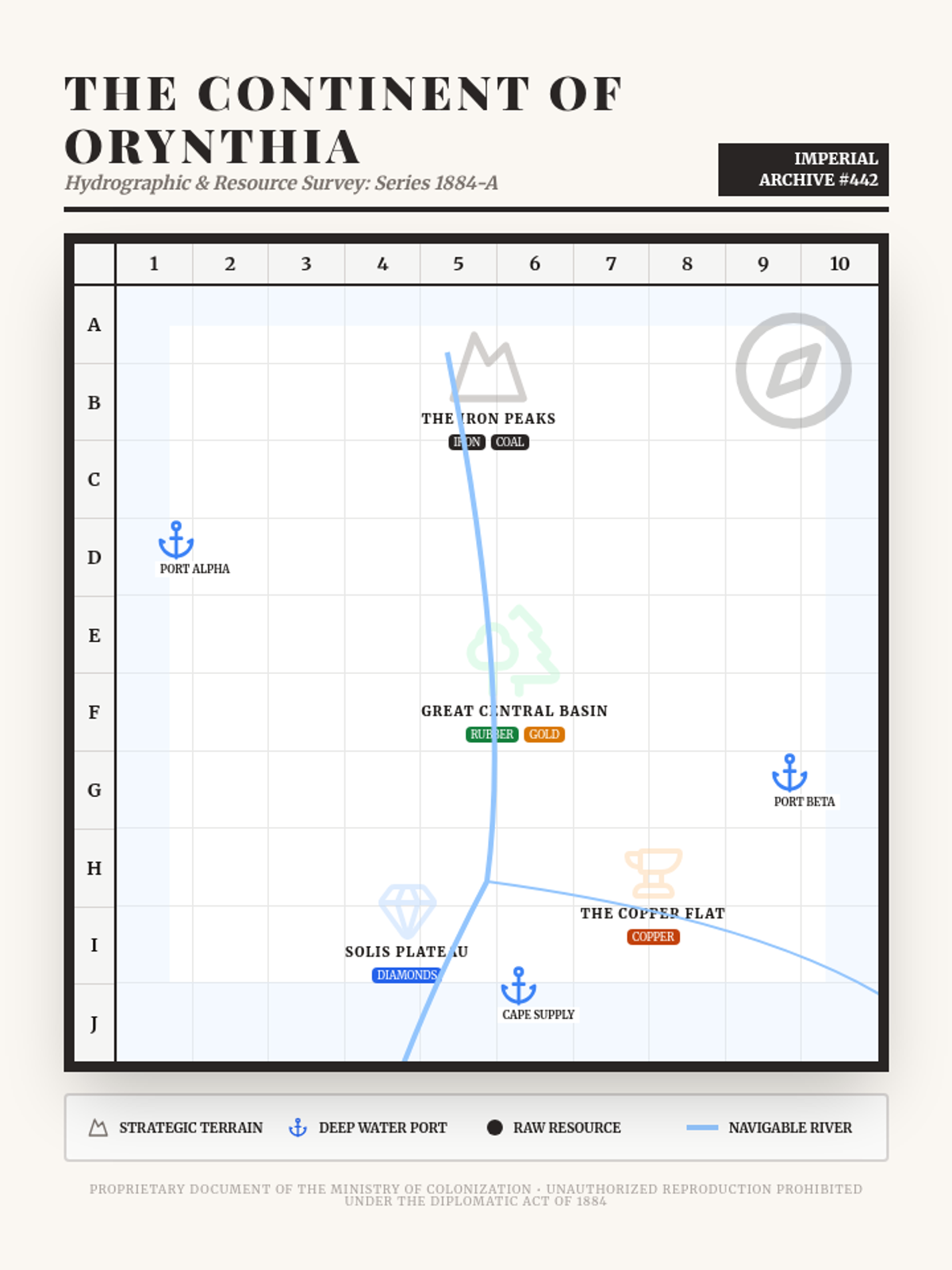
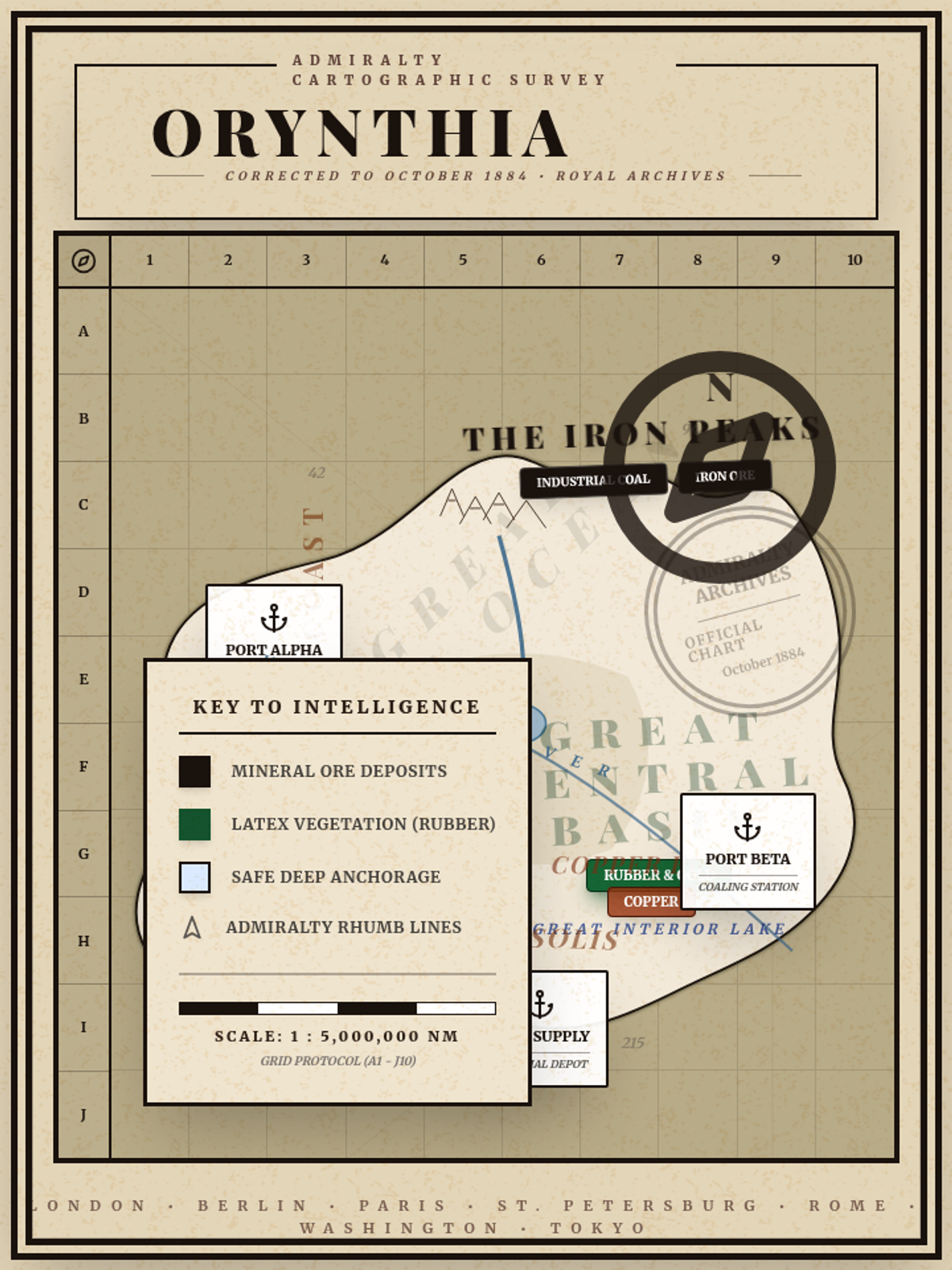
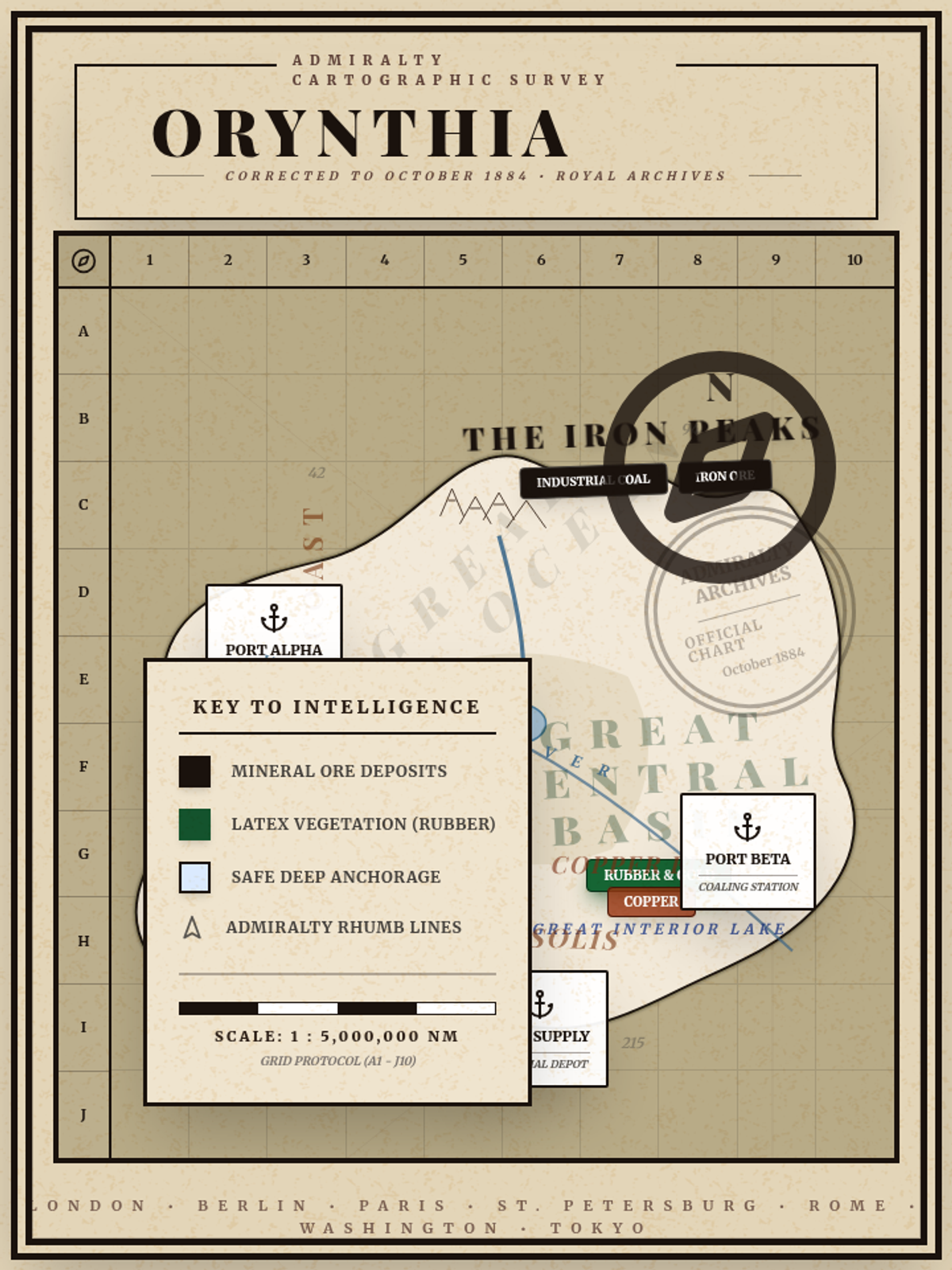
An exploration of 19th-century Imperialism through the lens of a high-stakes geopolitical simulation. Students take on the roles of industrial nations to understand the economic, social, and political motivations behind the Scramble for Africa.
A comprehensive unit exploring the diverse urban and rural land use patterns across the Balkan Peninsula, culminating in a comparative research project.
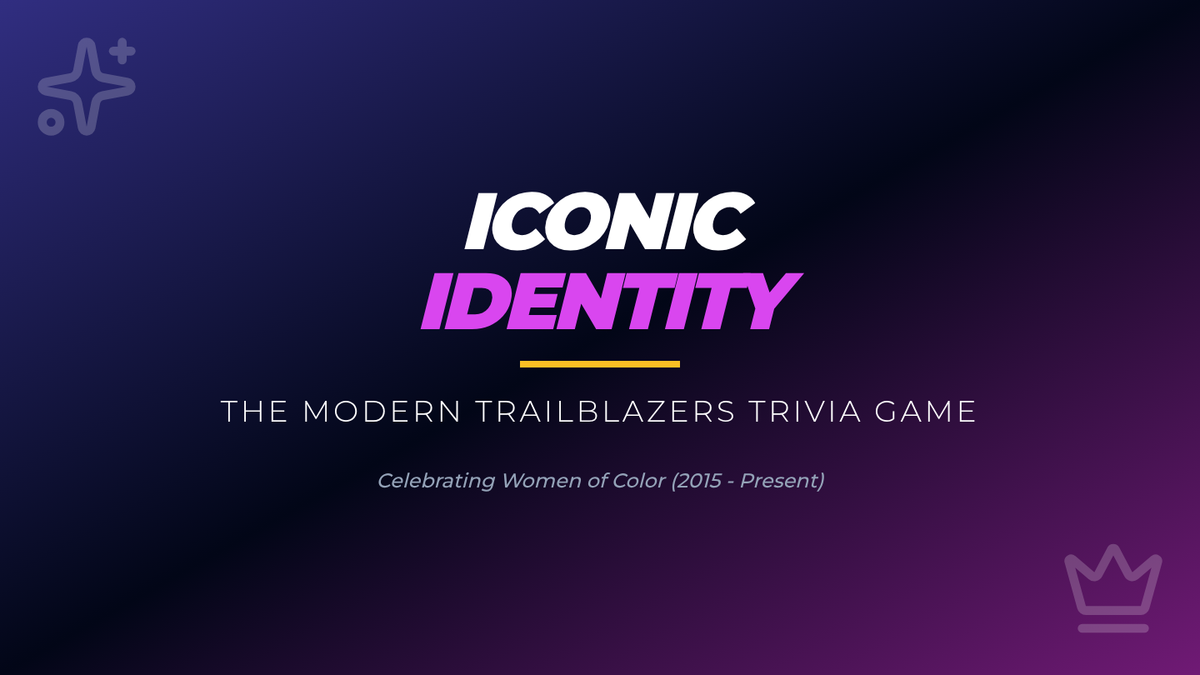
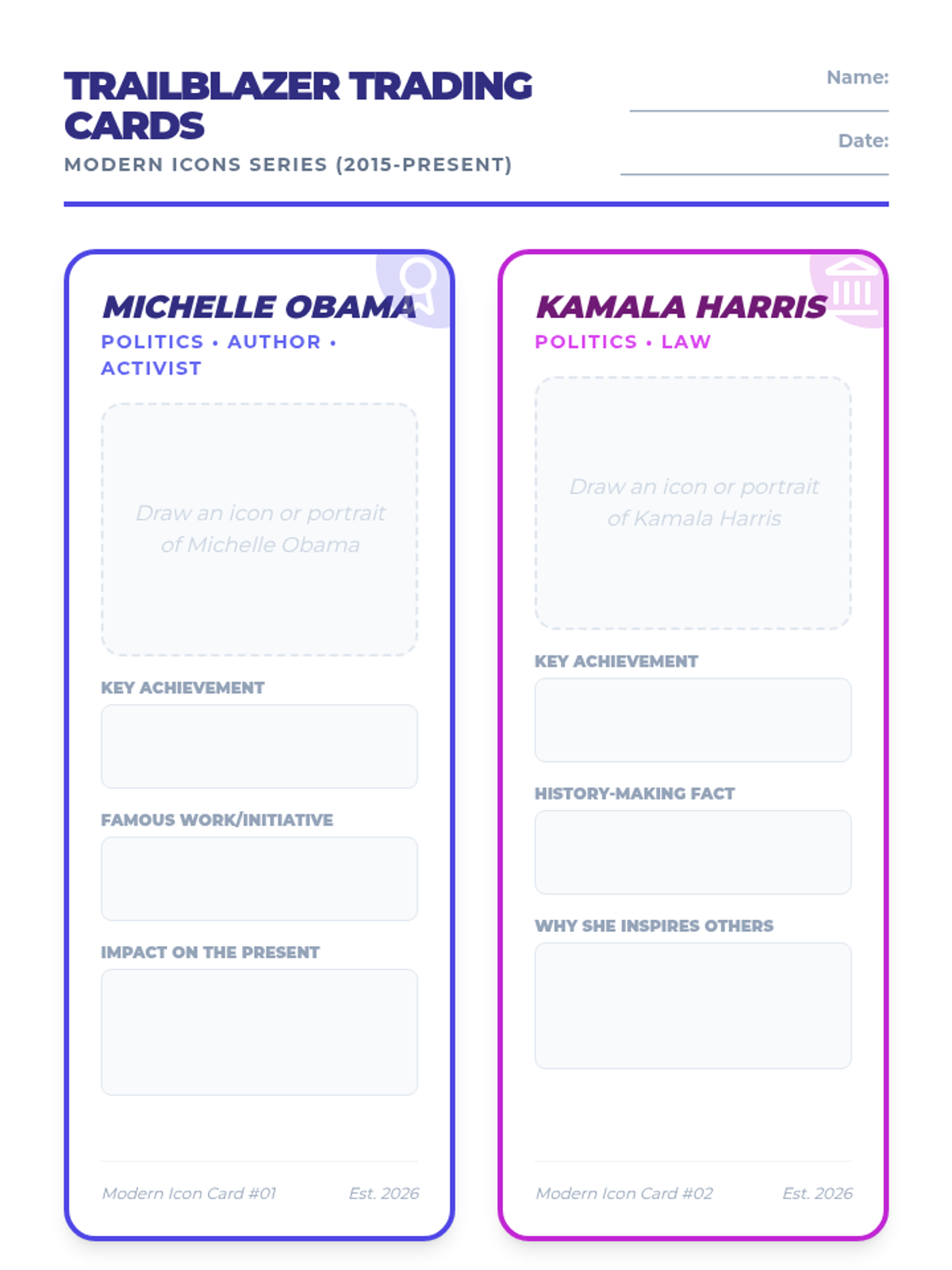
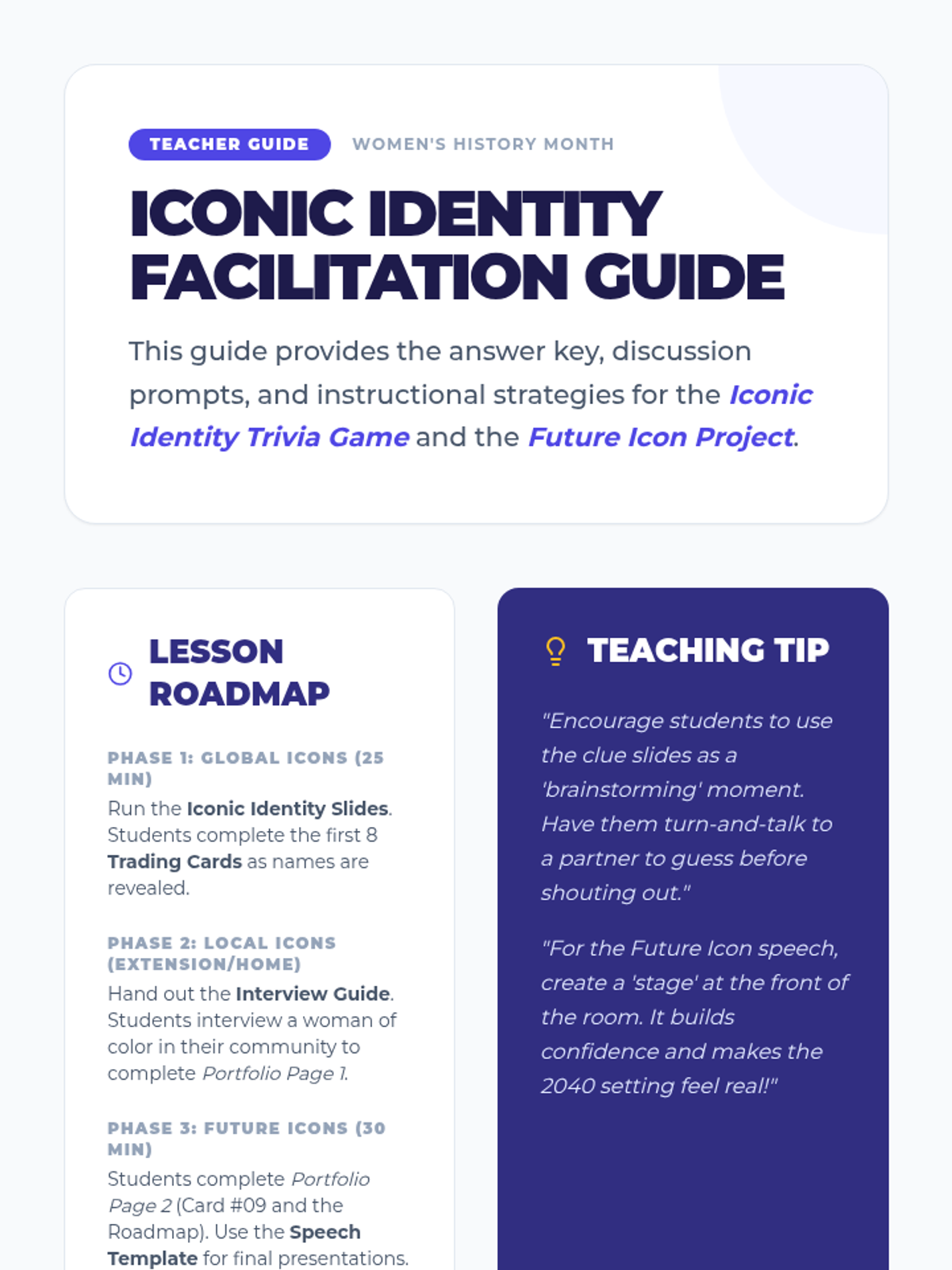
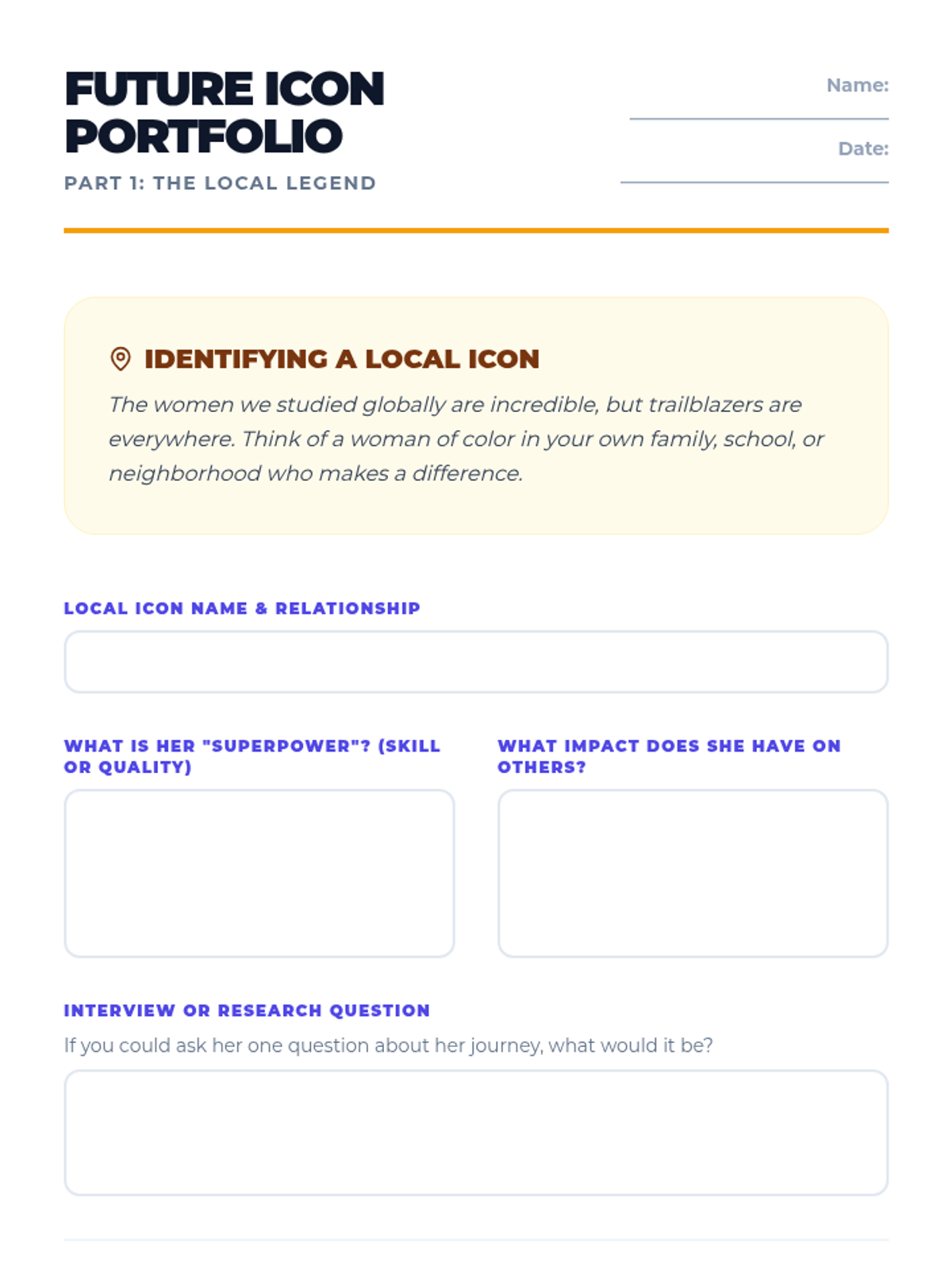
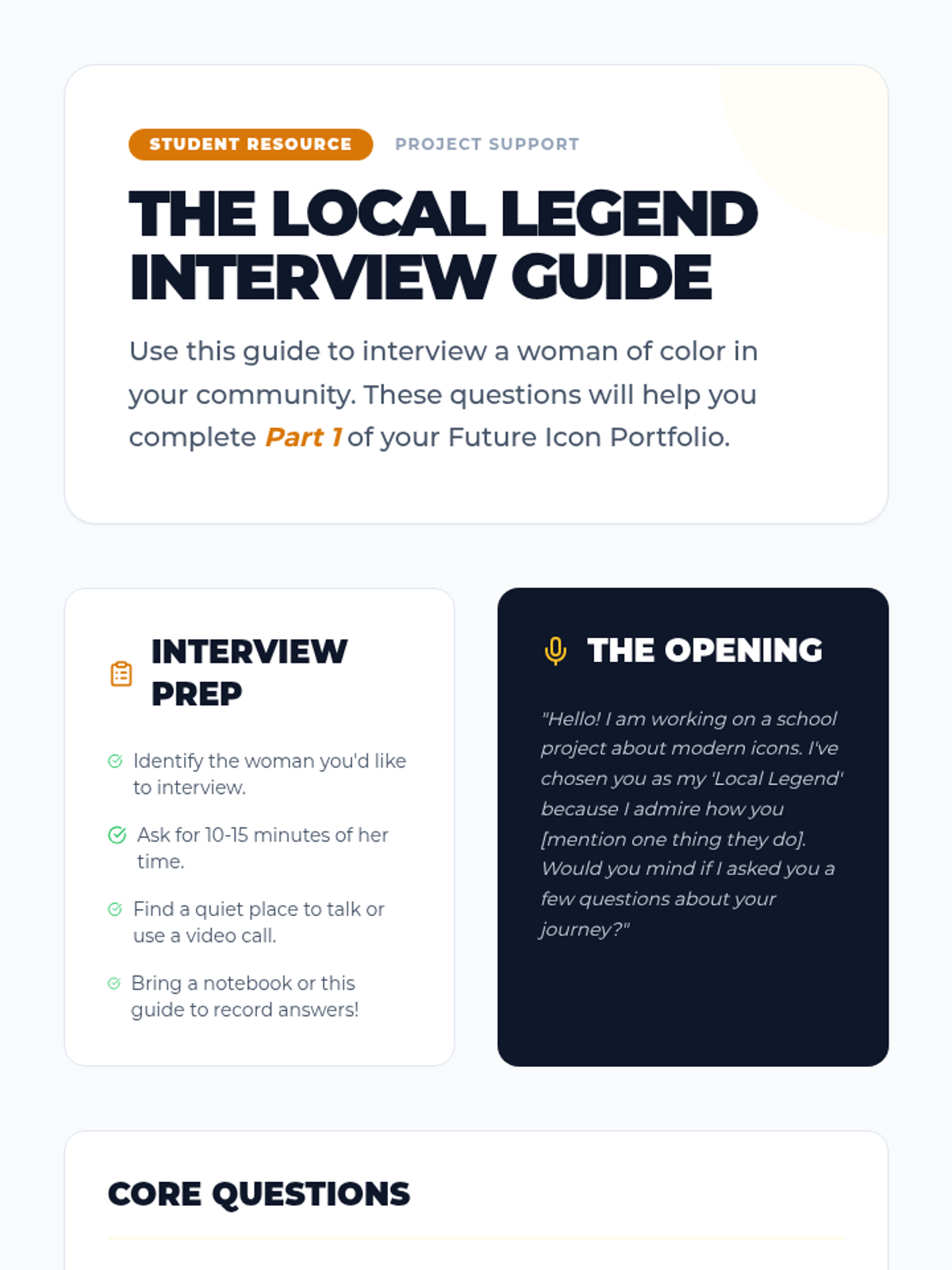
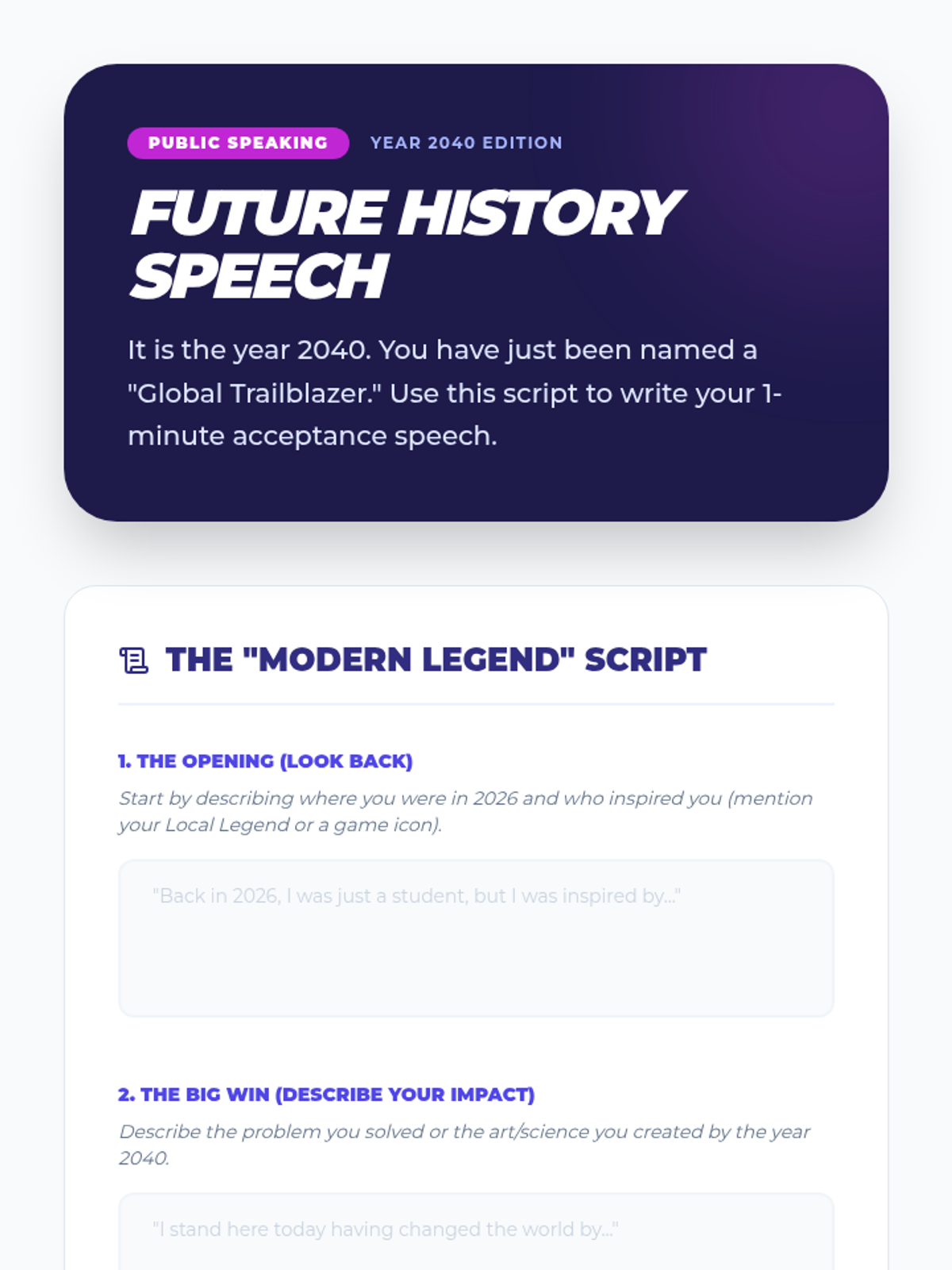
A tribute to influential women of color from 2015 to the present, focusing on their achievements in politics, science, arts, and activism. Students explore biographies through a trivia-style game and creative research activities.
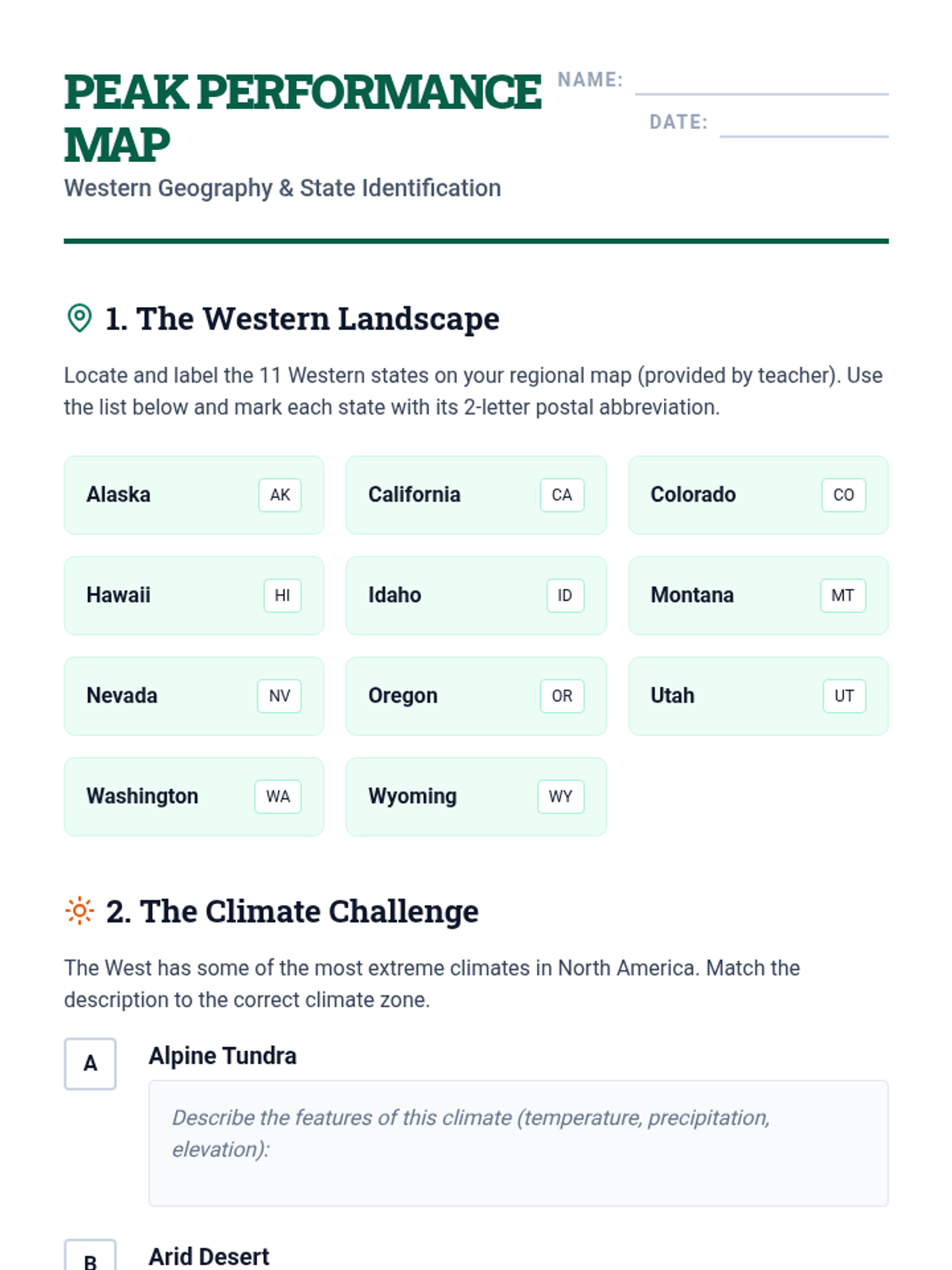
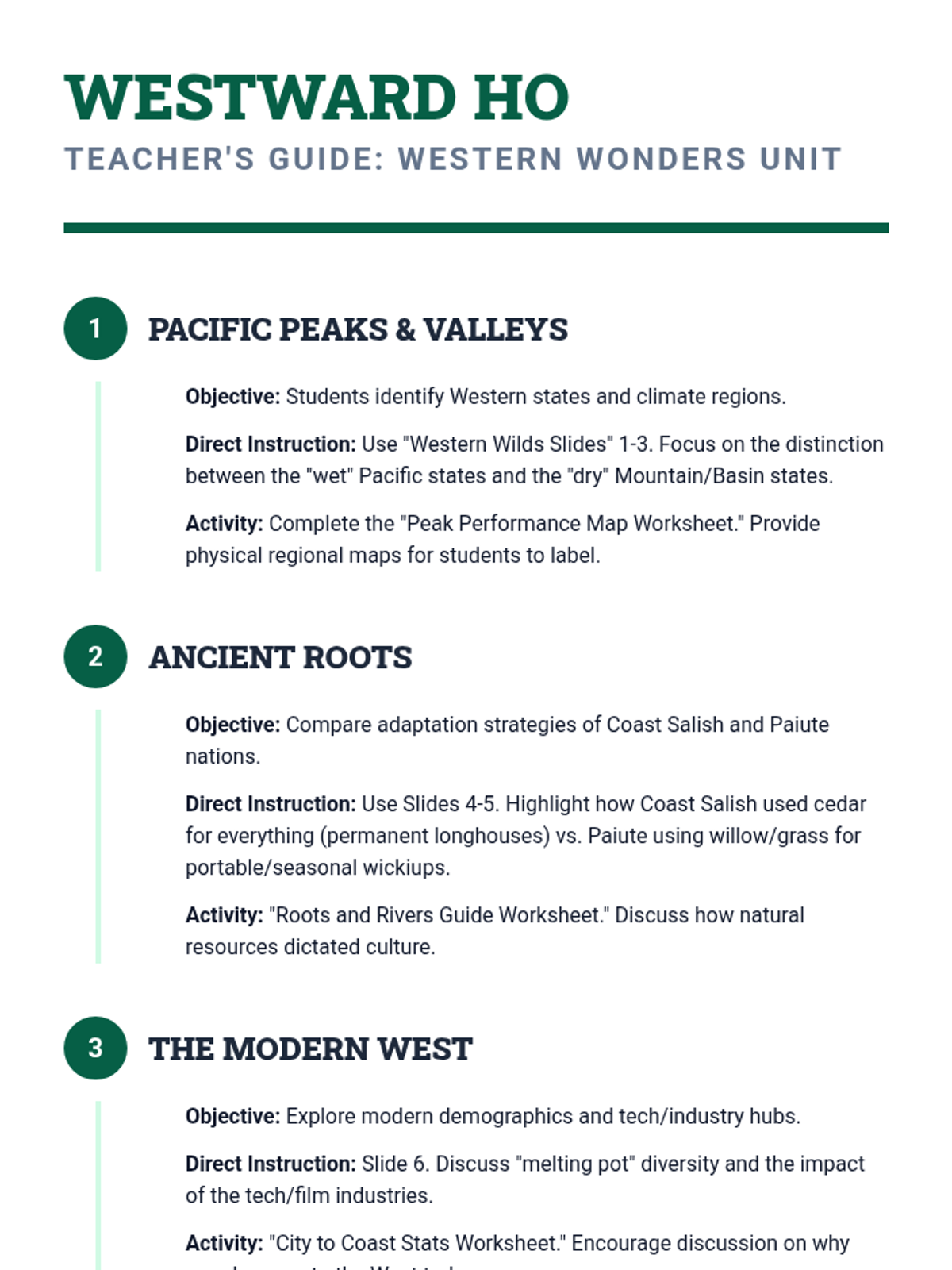
A 5-day unit exploring the geography, climate, indigenous cultures (Paiute and Coast Salish), and modern life of the Western United States, culminating in a travel brochure project.
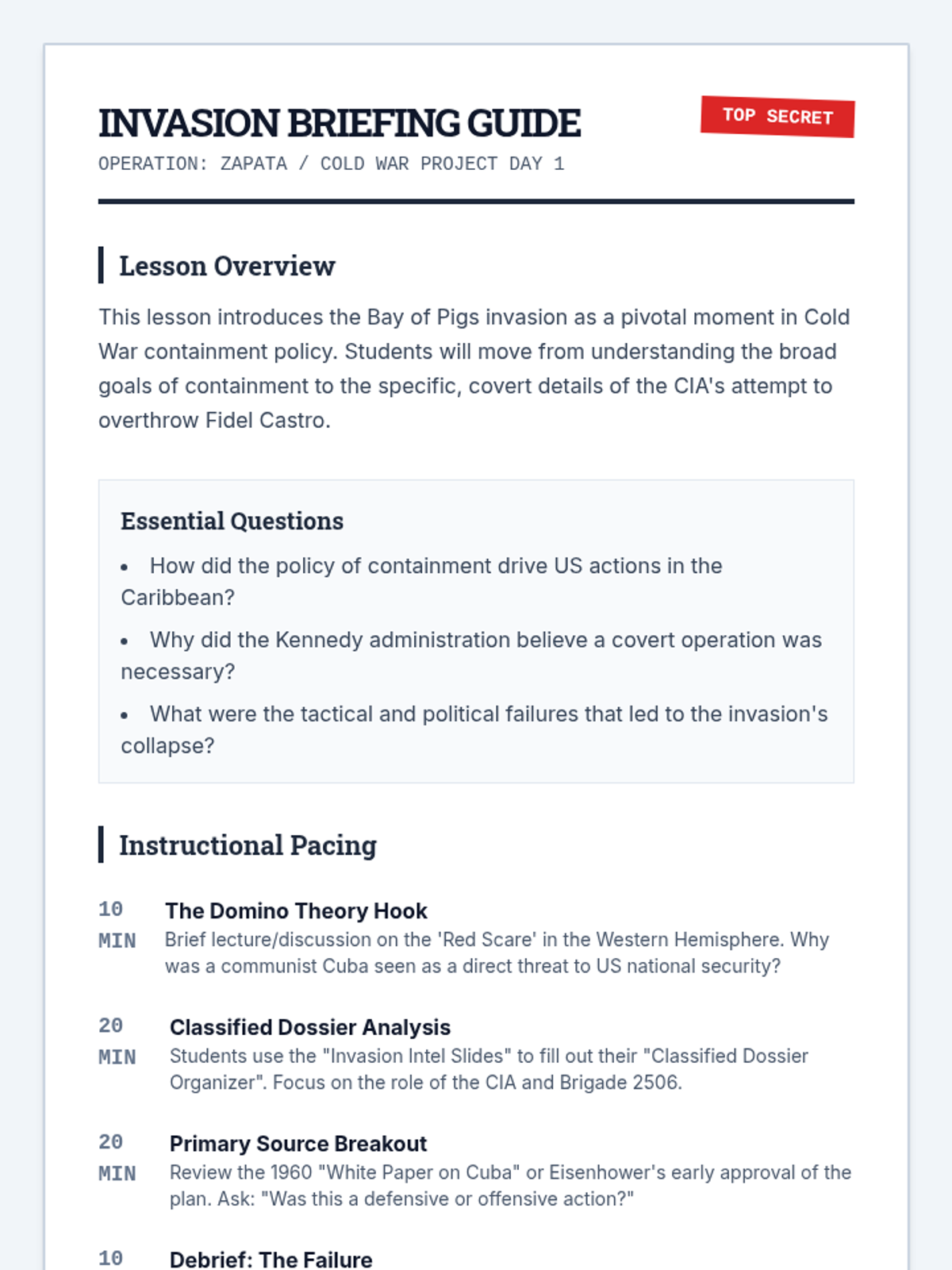
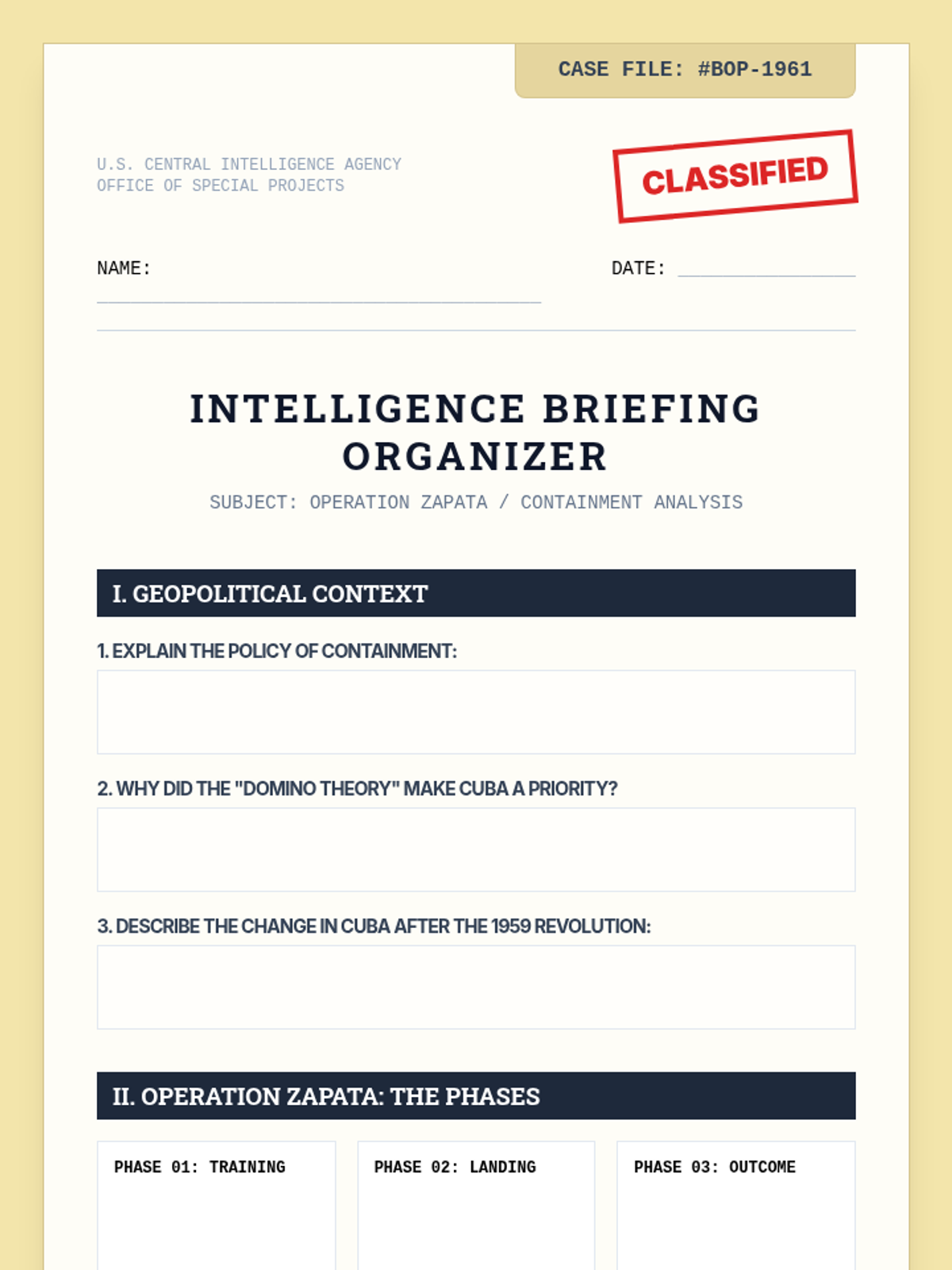
A two-day historical simulation and project focused on the Bay of Pigs invasion, Cold War containment strategies, and multi-perspective journalism. Students analyze primary sources and government documents to create a 1961 newspaper report.
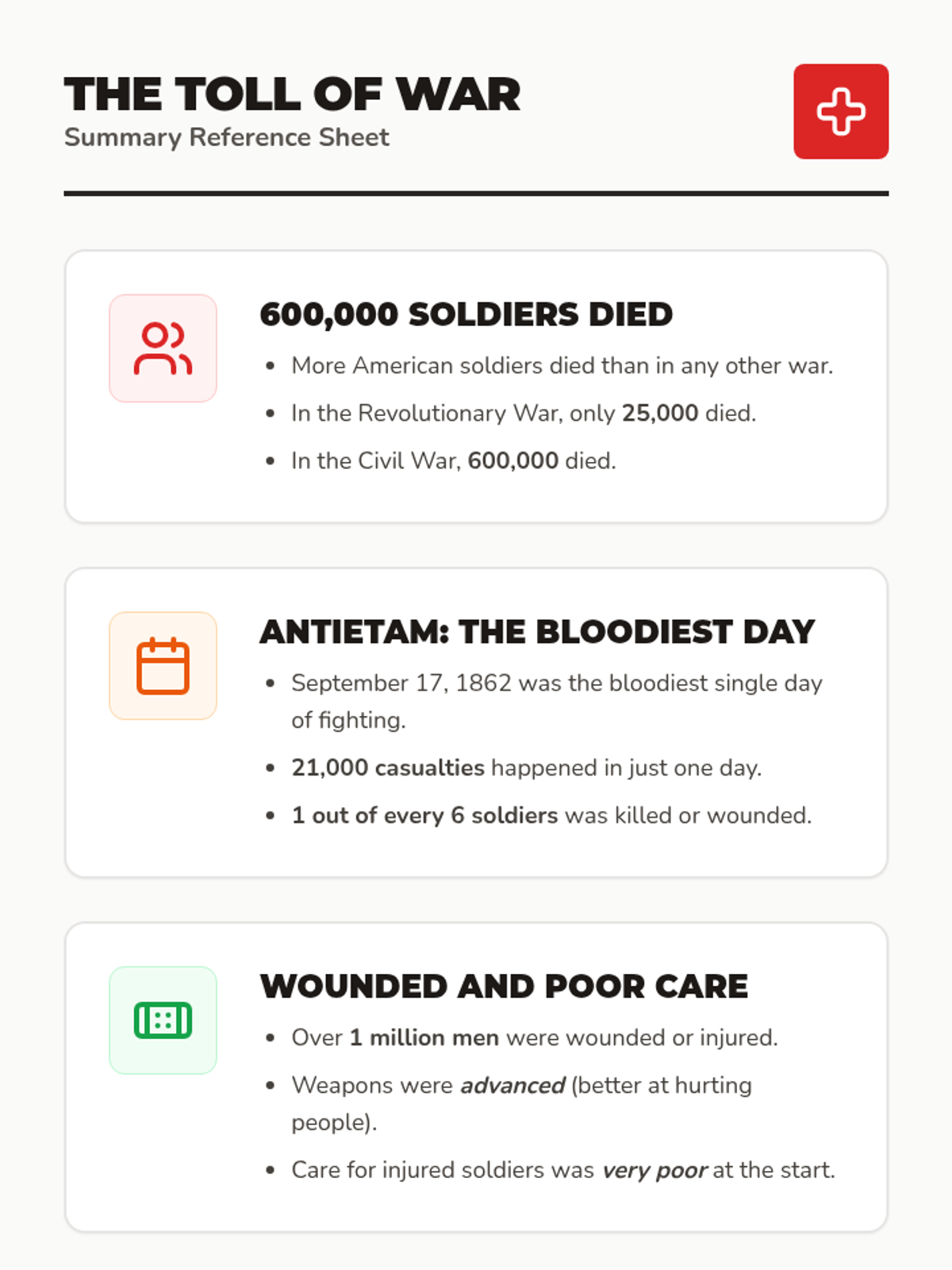
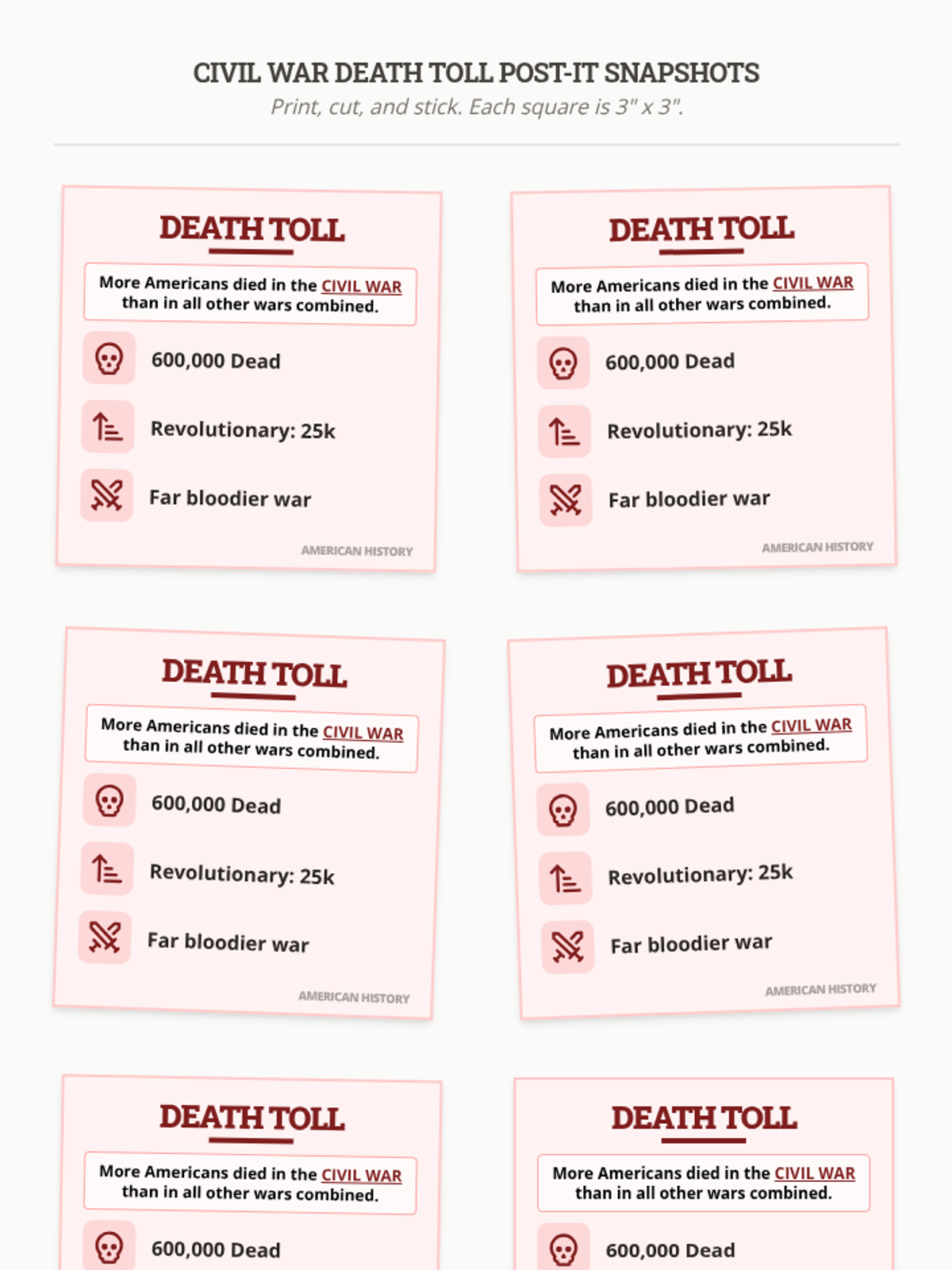
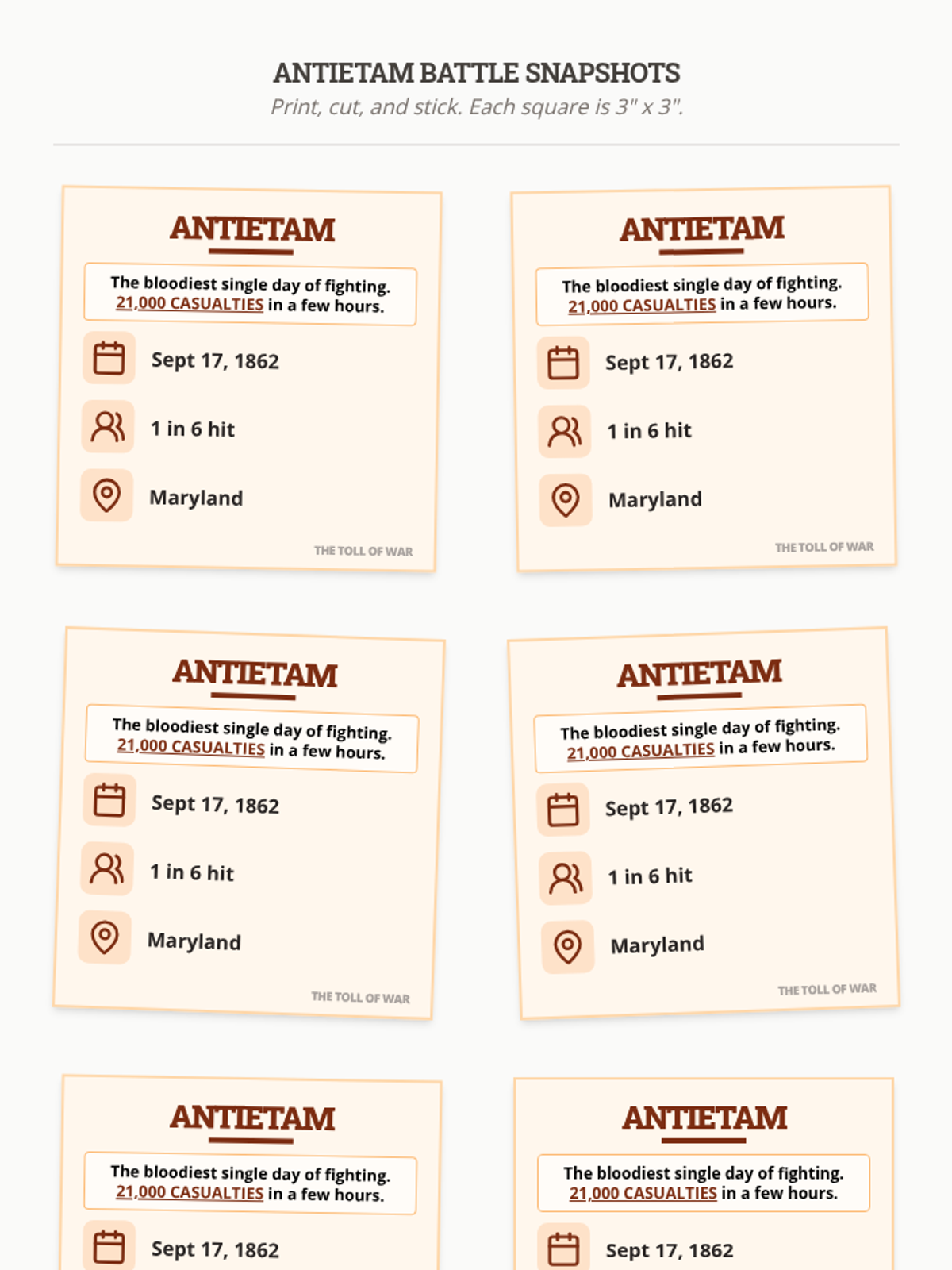
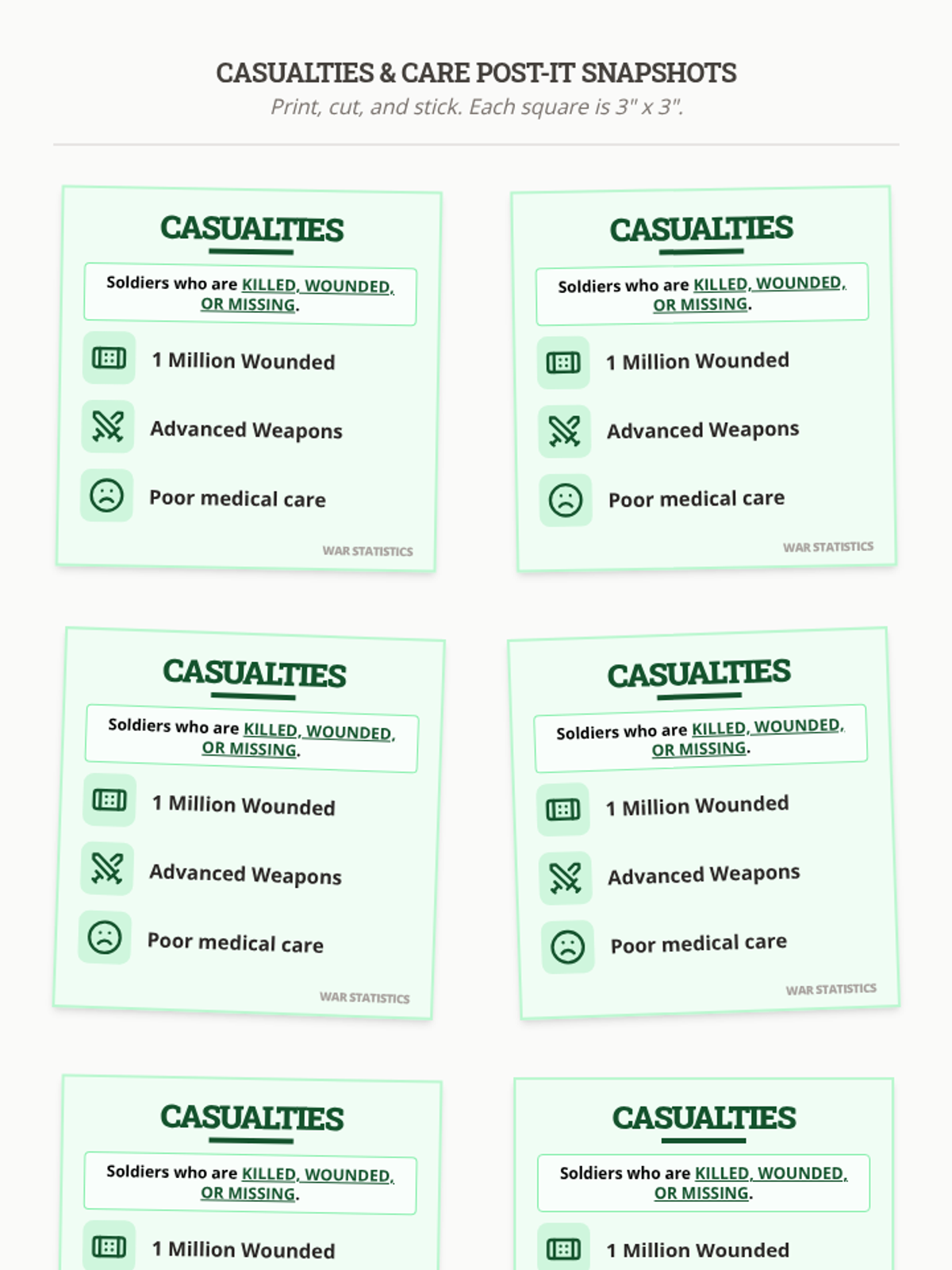
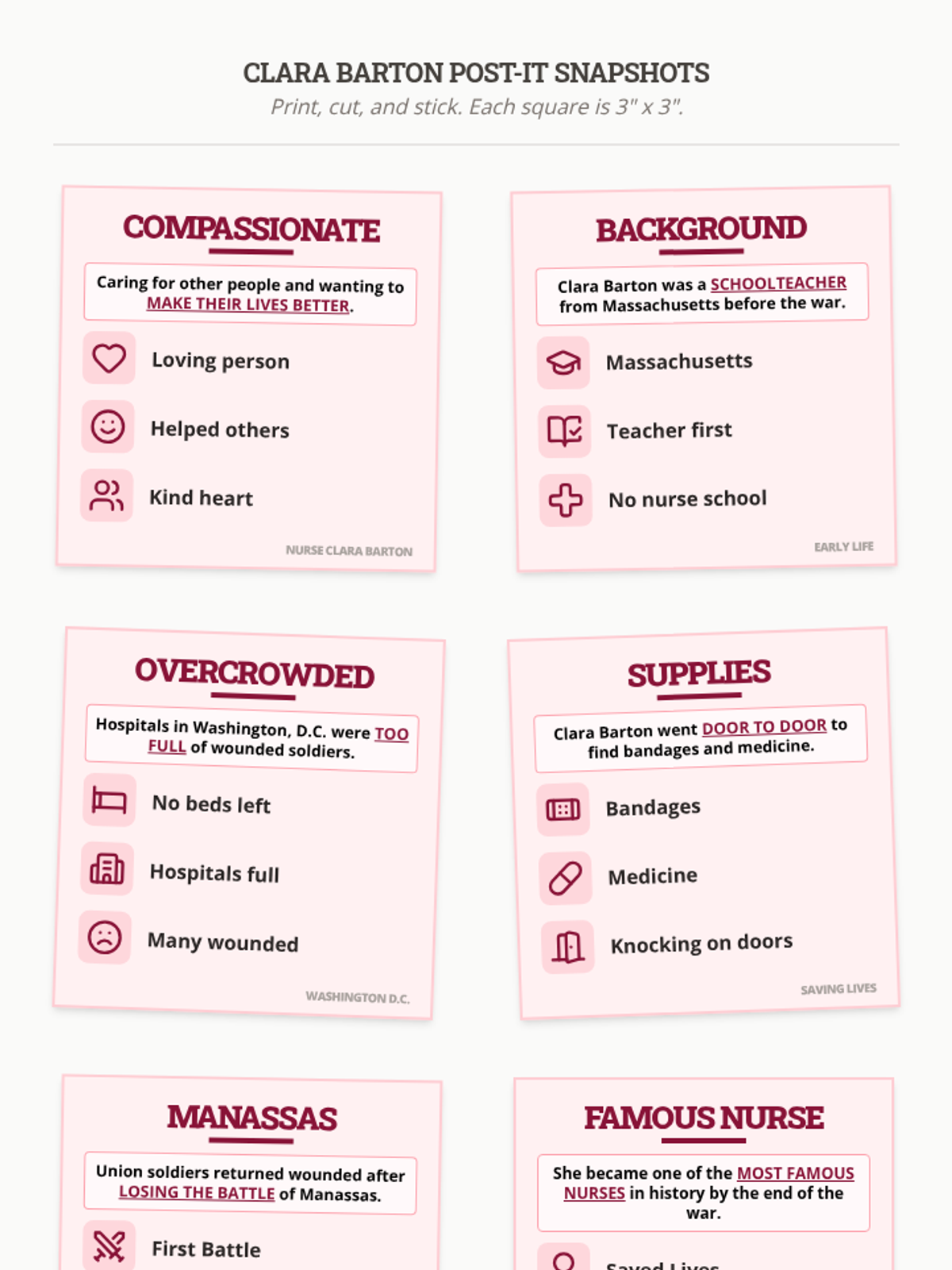
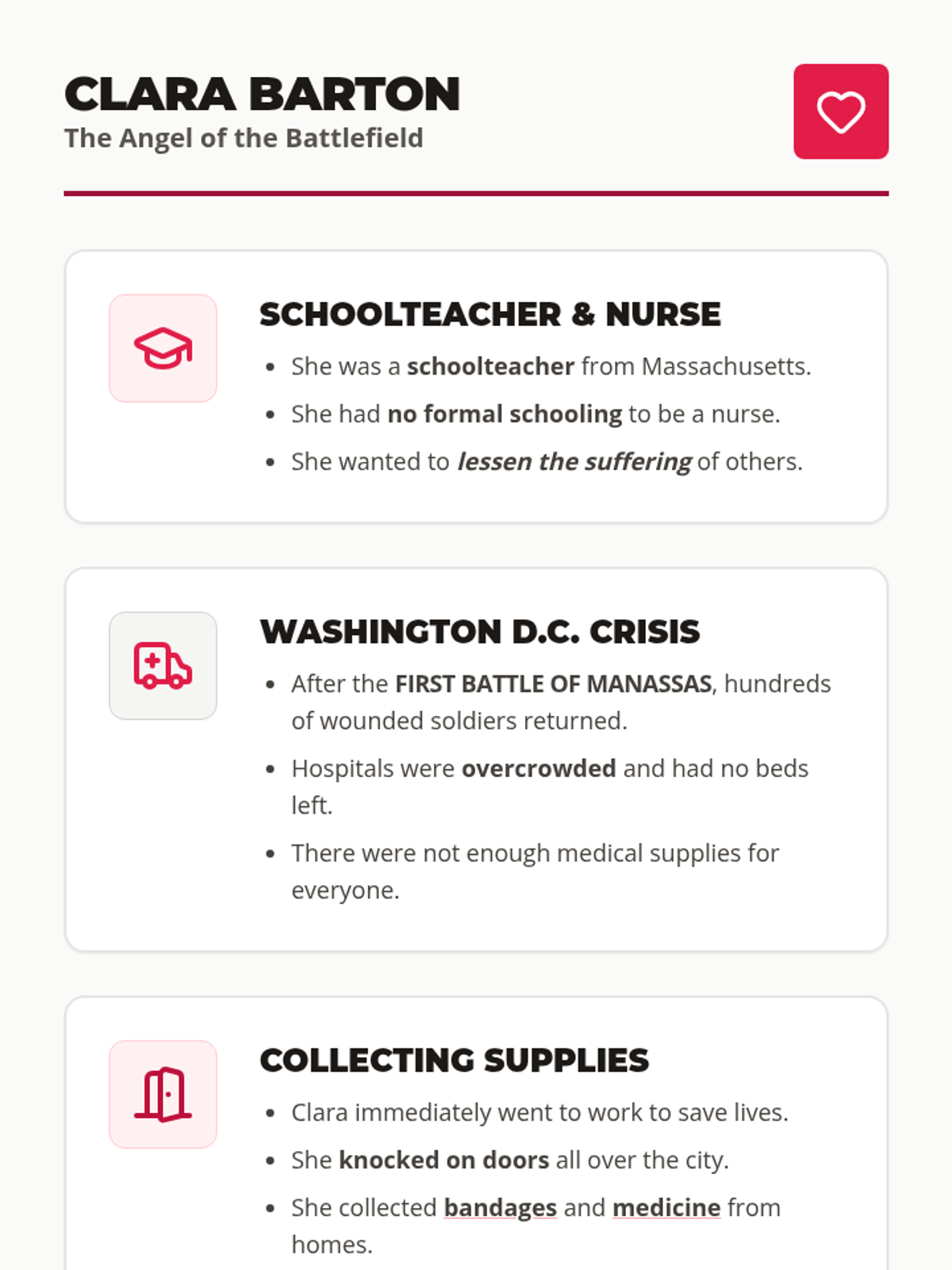
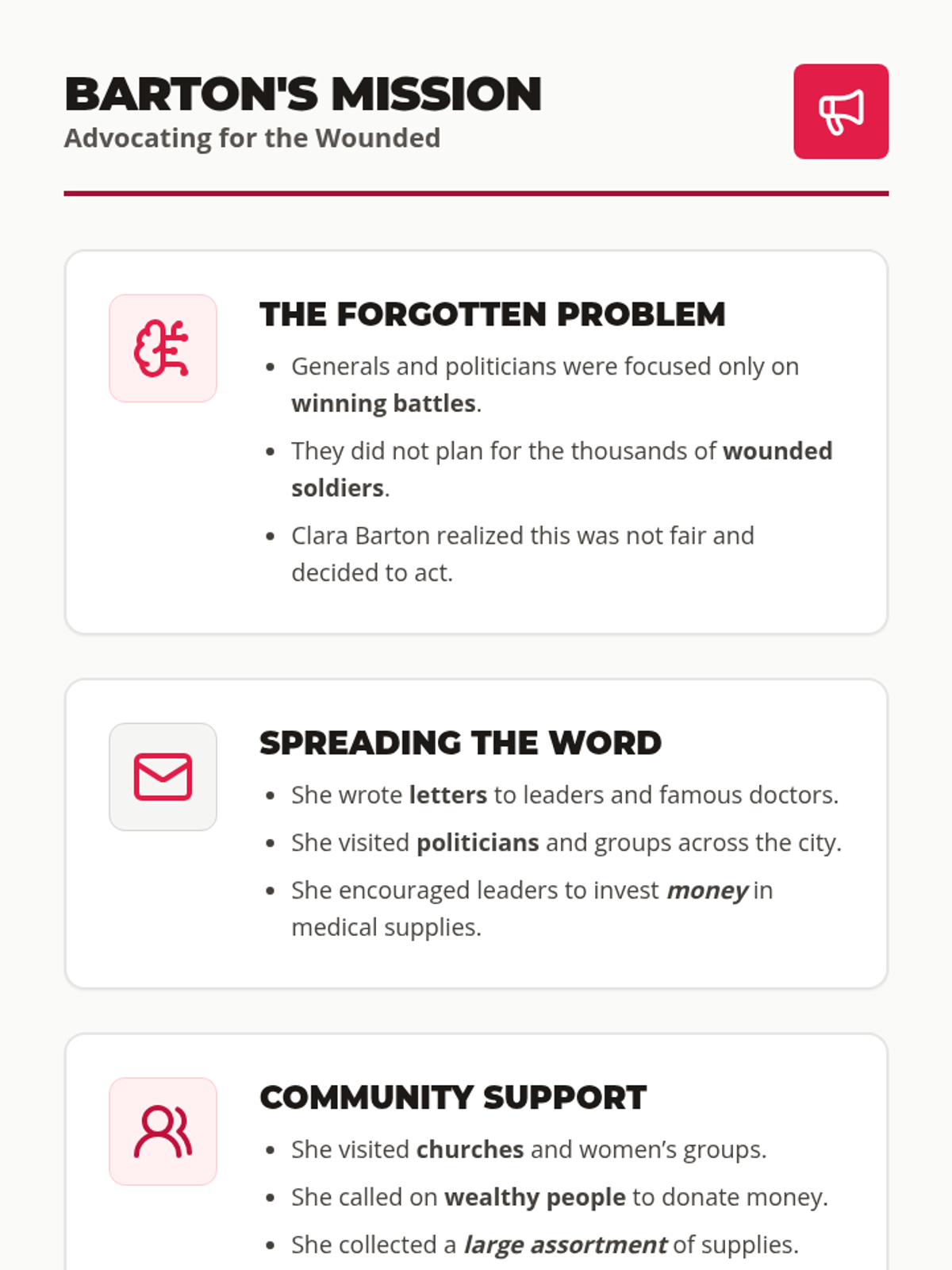
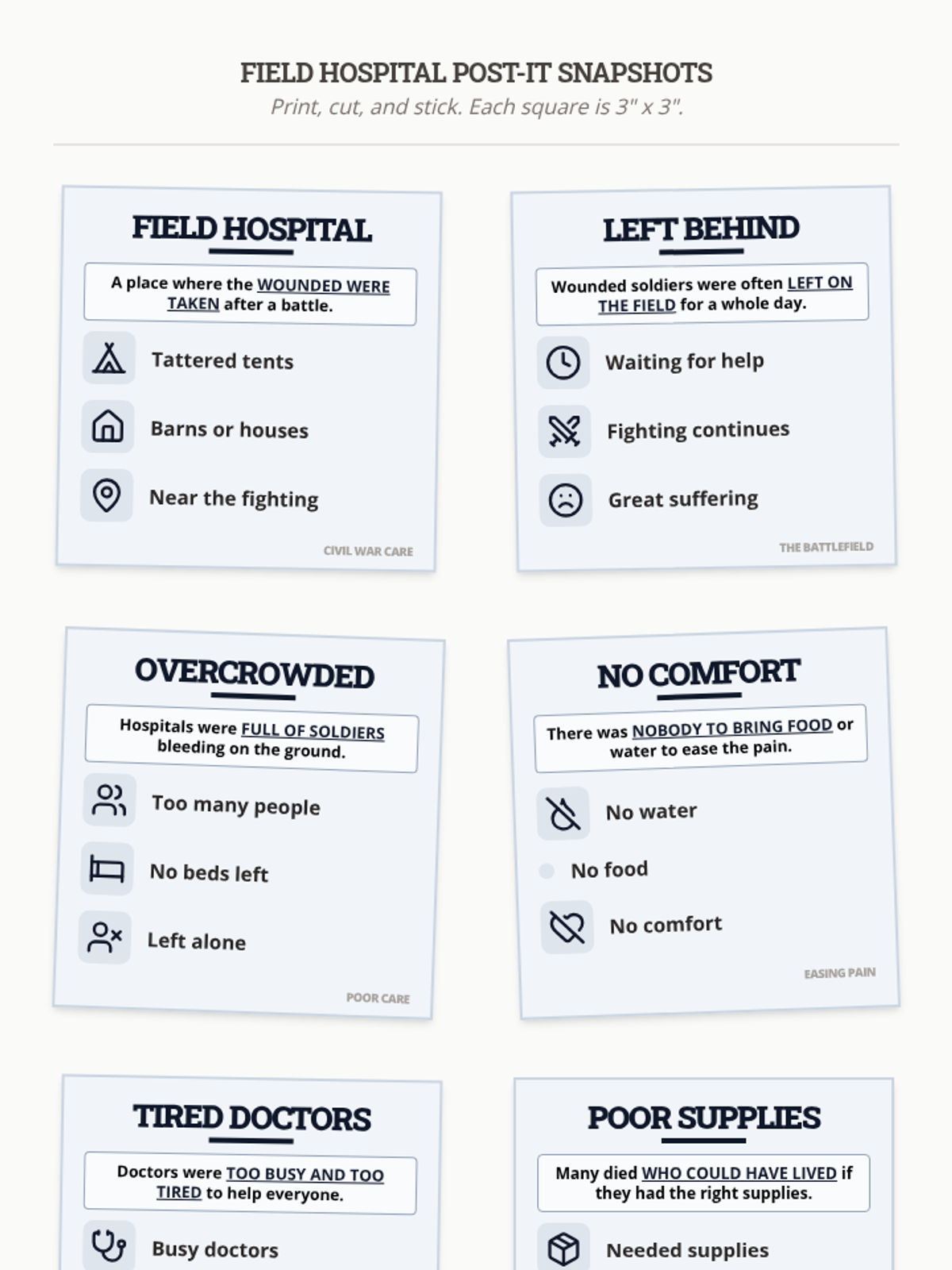
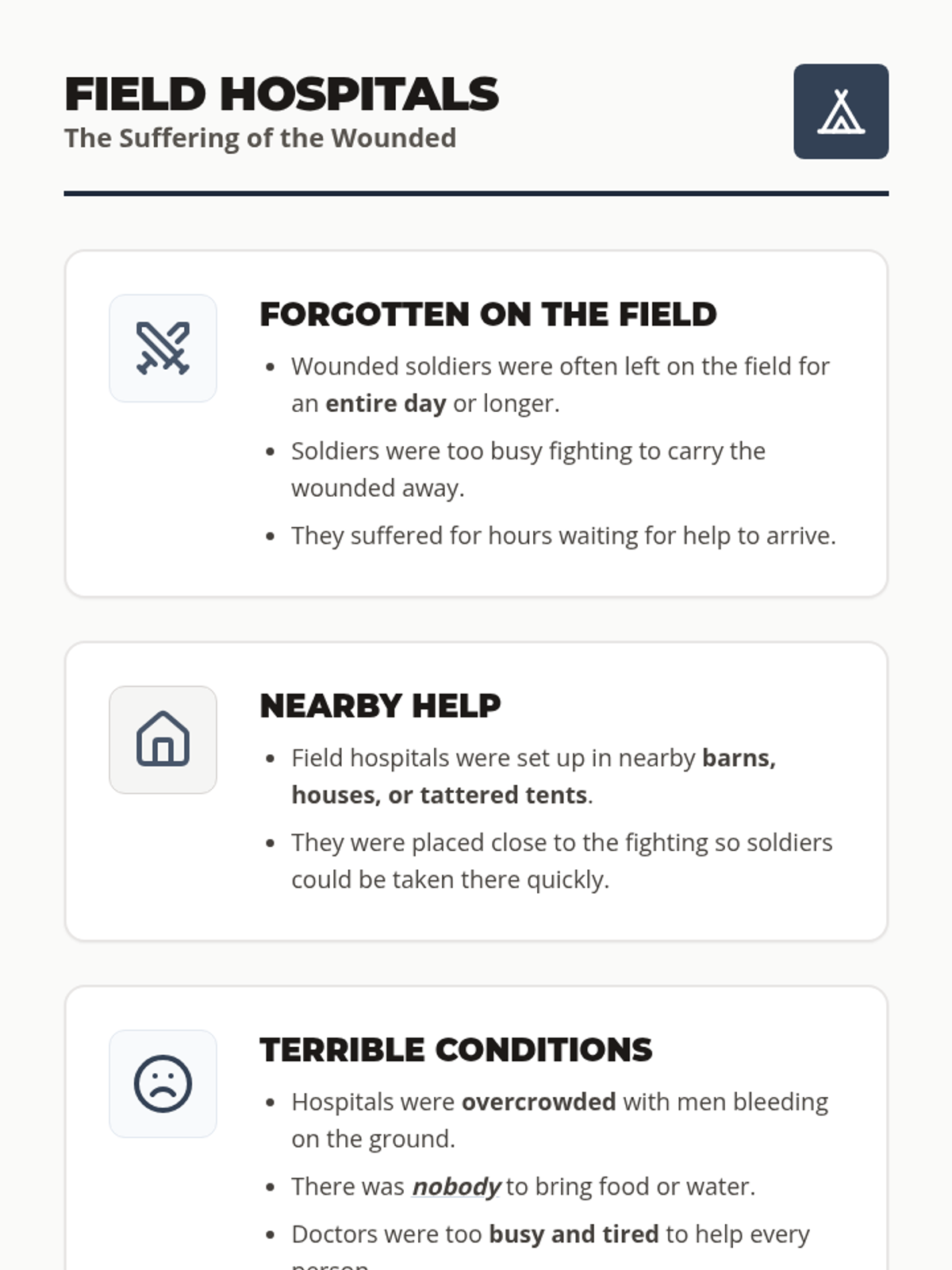
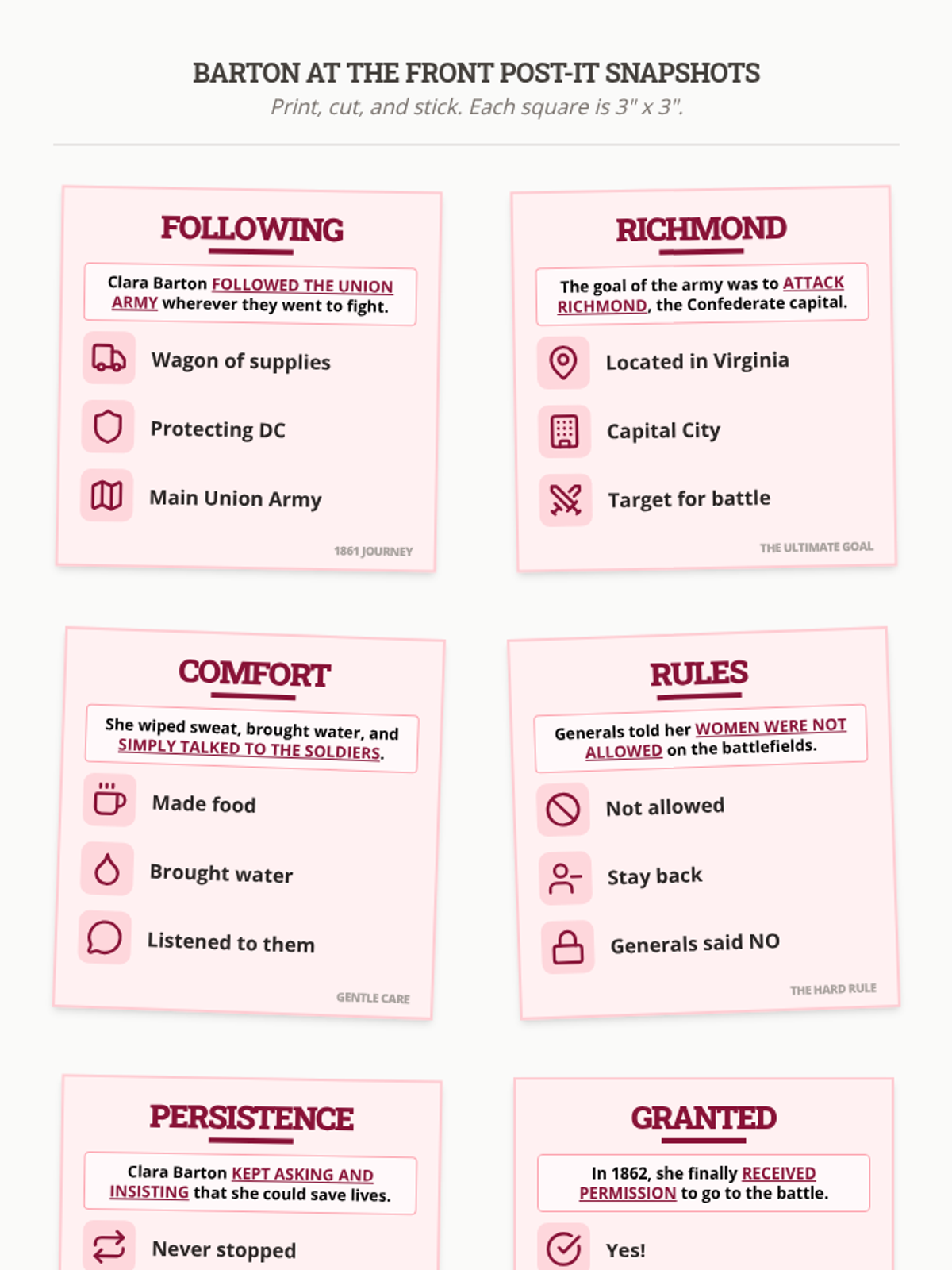
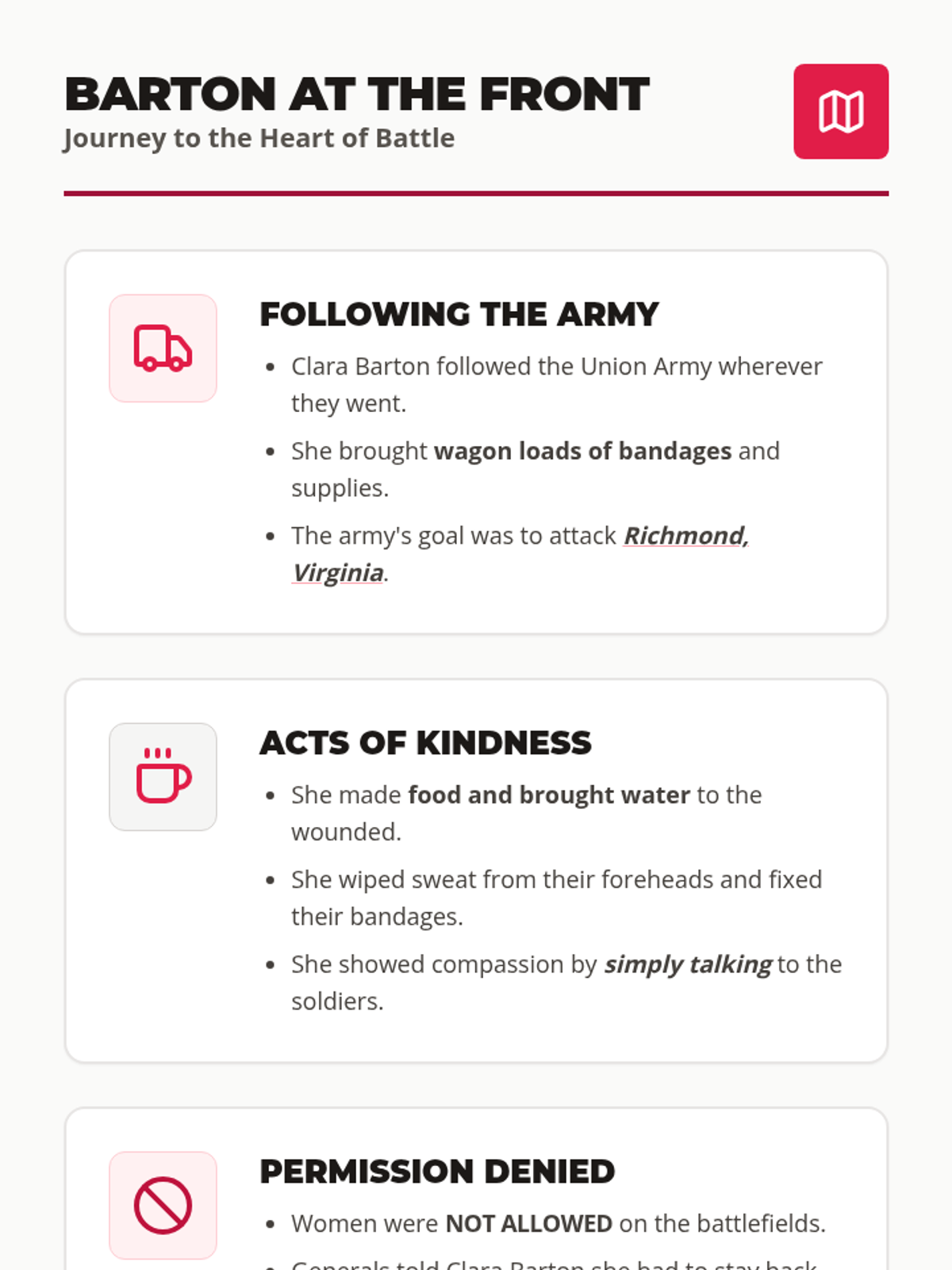
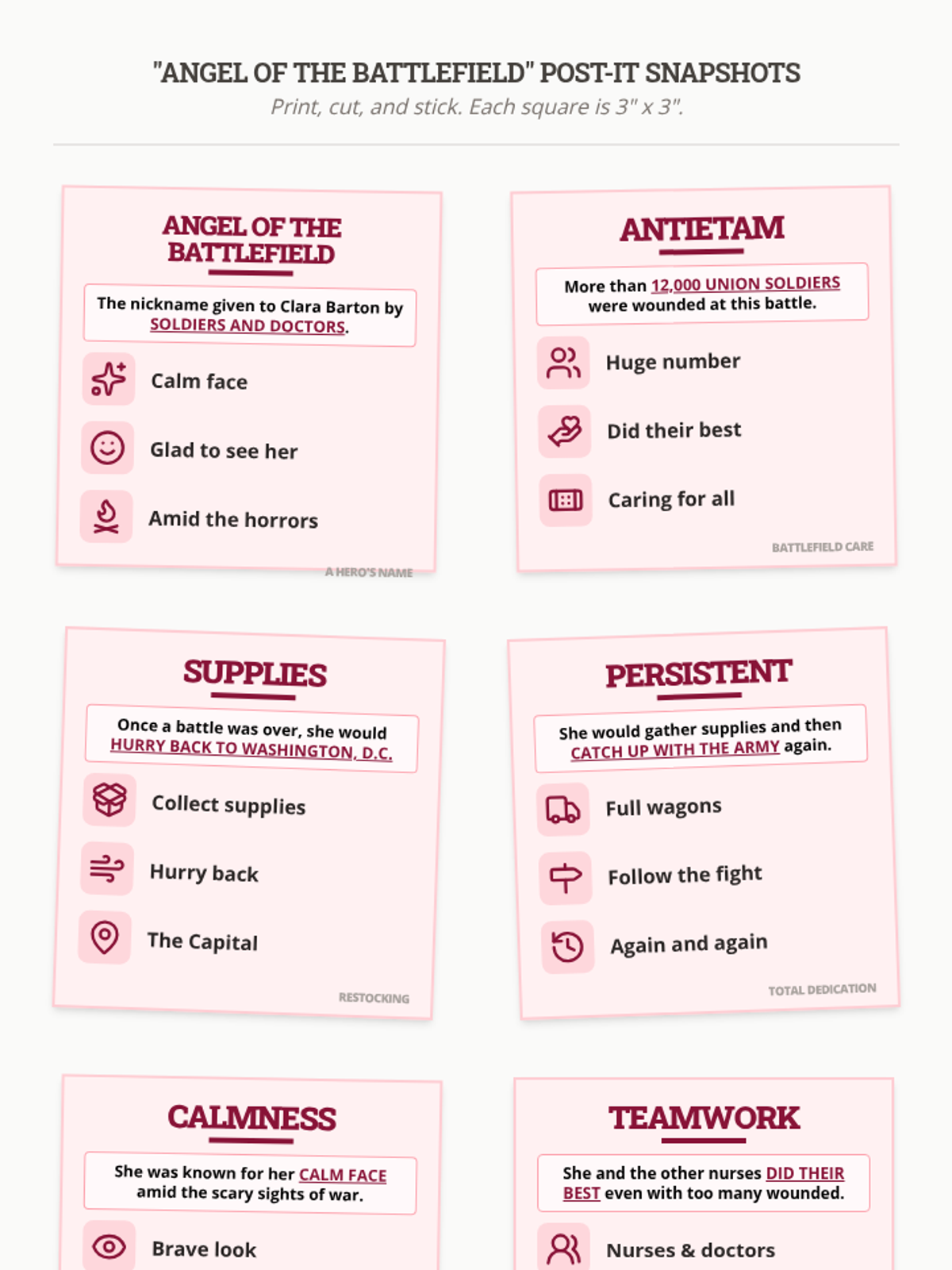
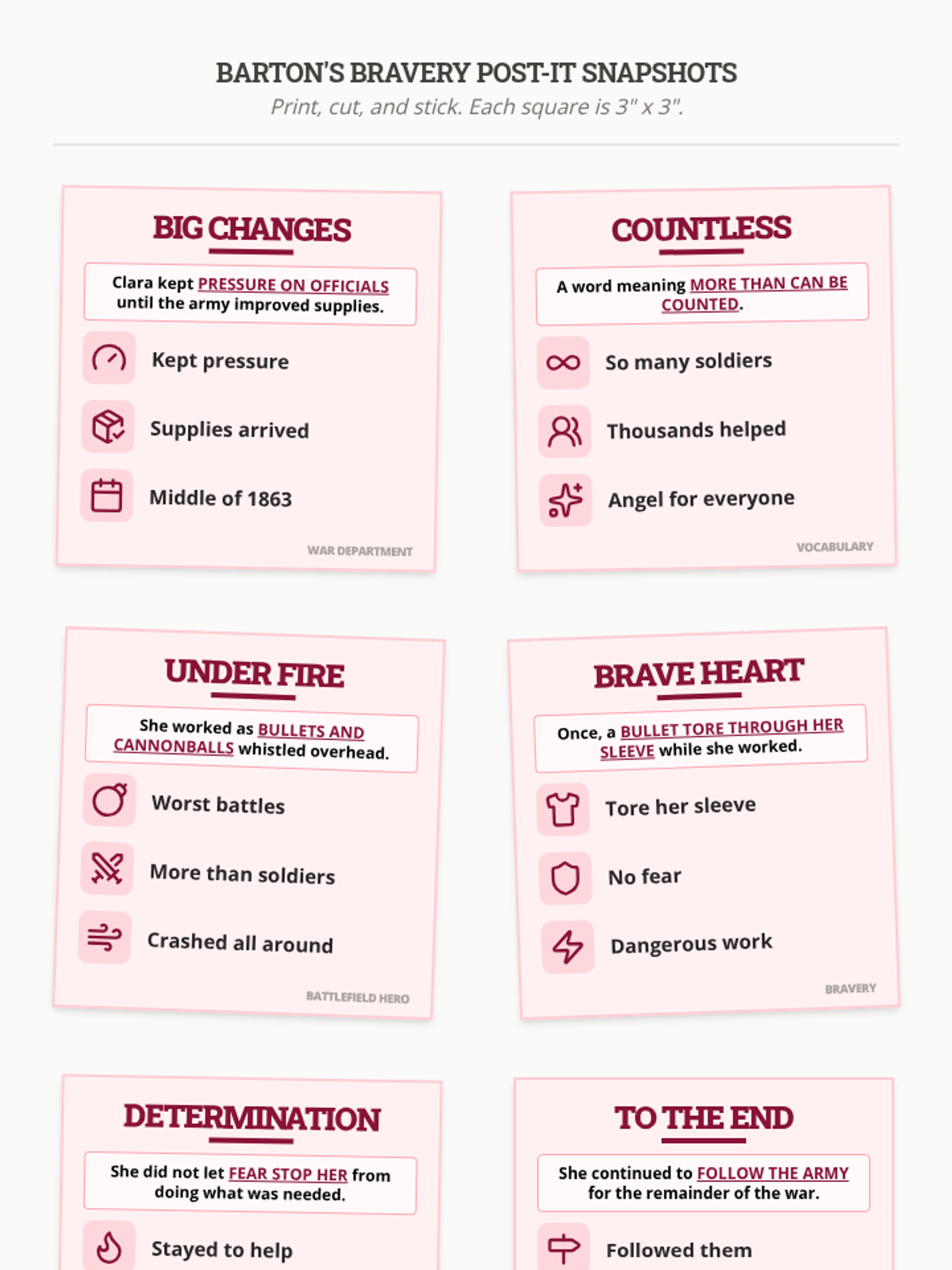
A series of lessons focusing on the key figures, battles, and turning points of the American Civil War, designed for students with low reading comprehension.
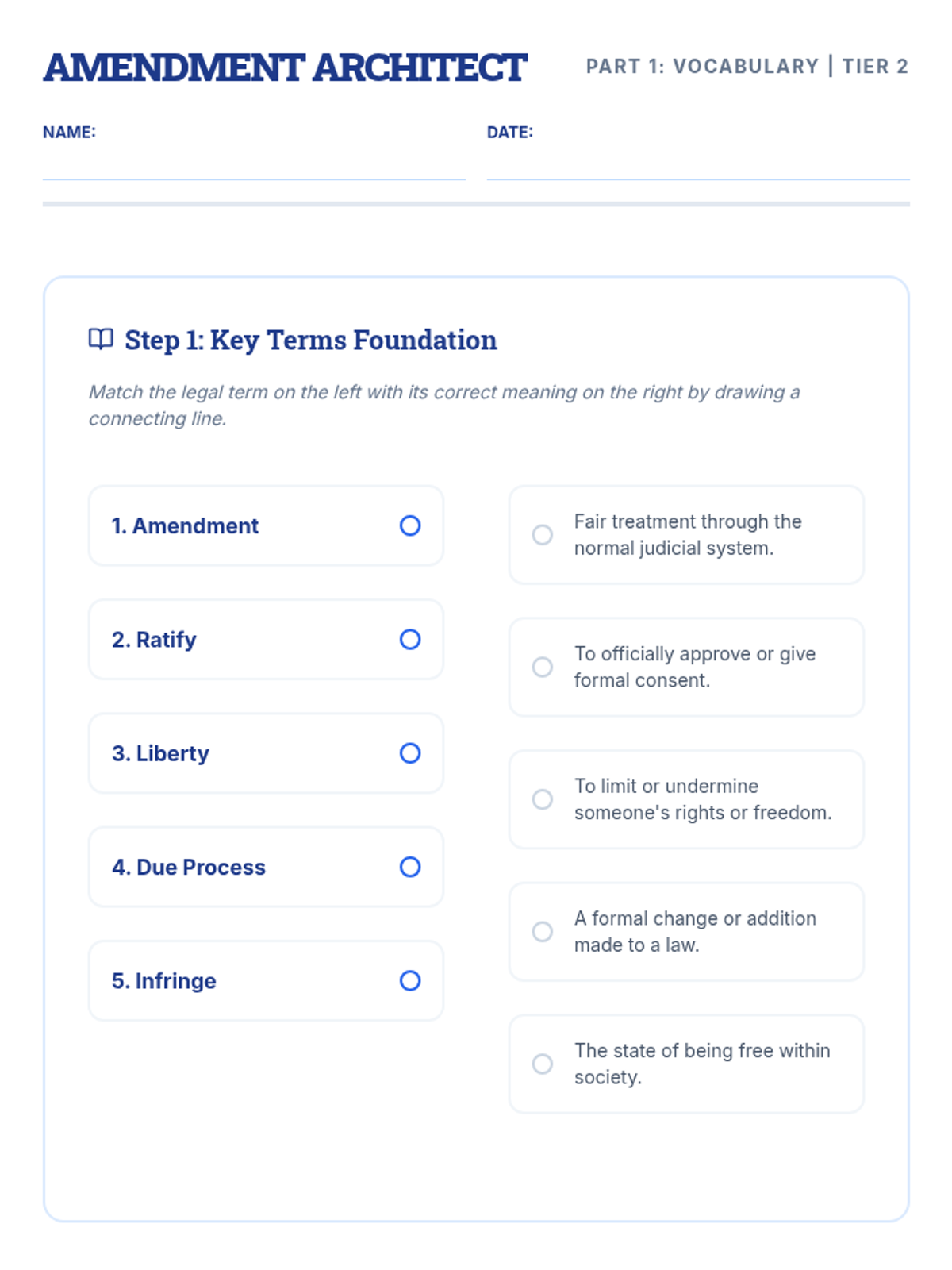
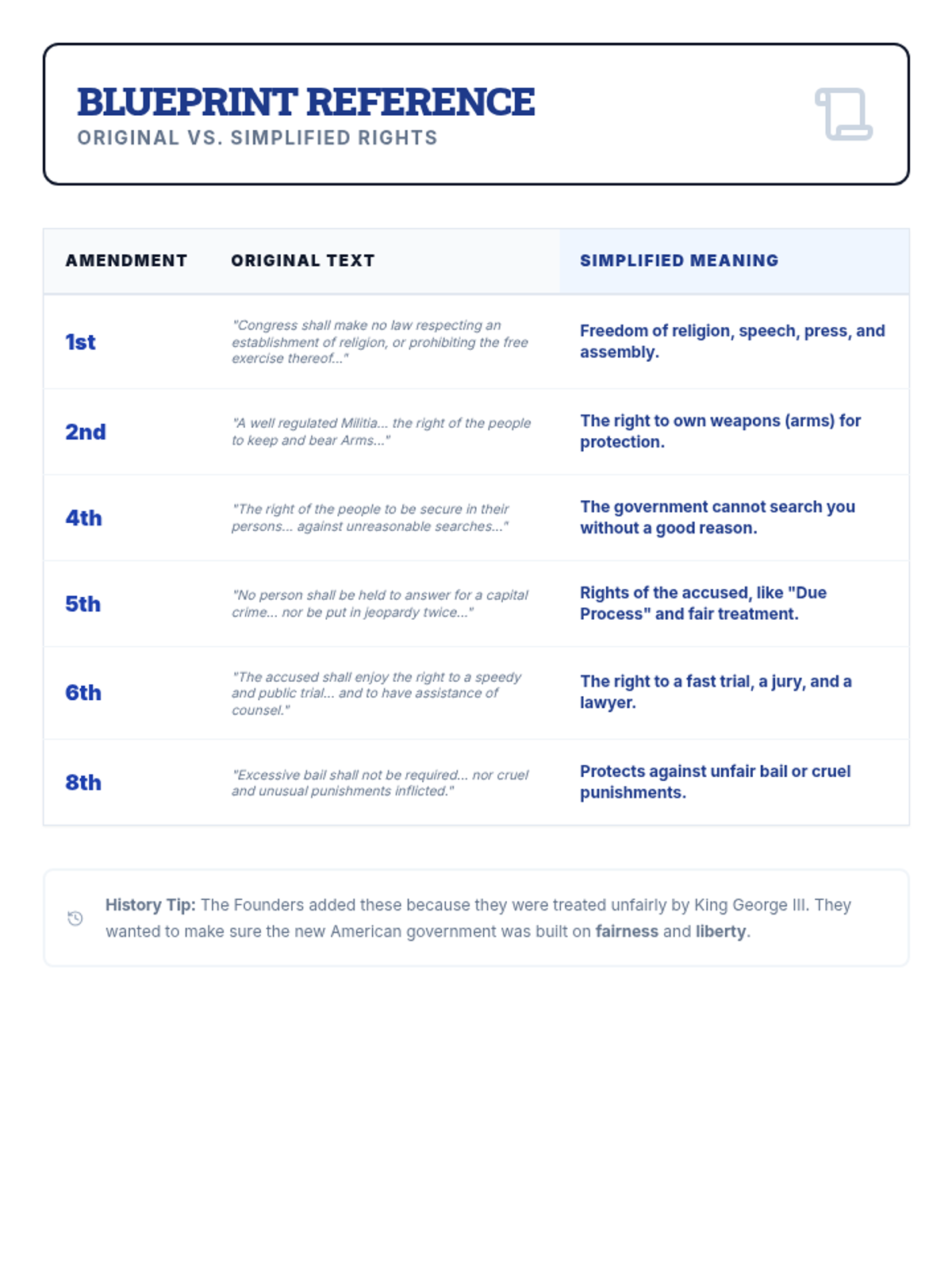
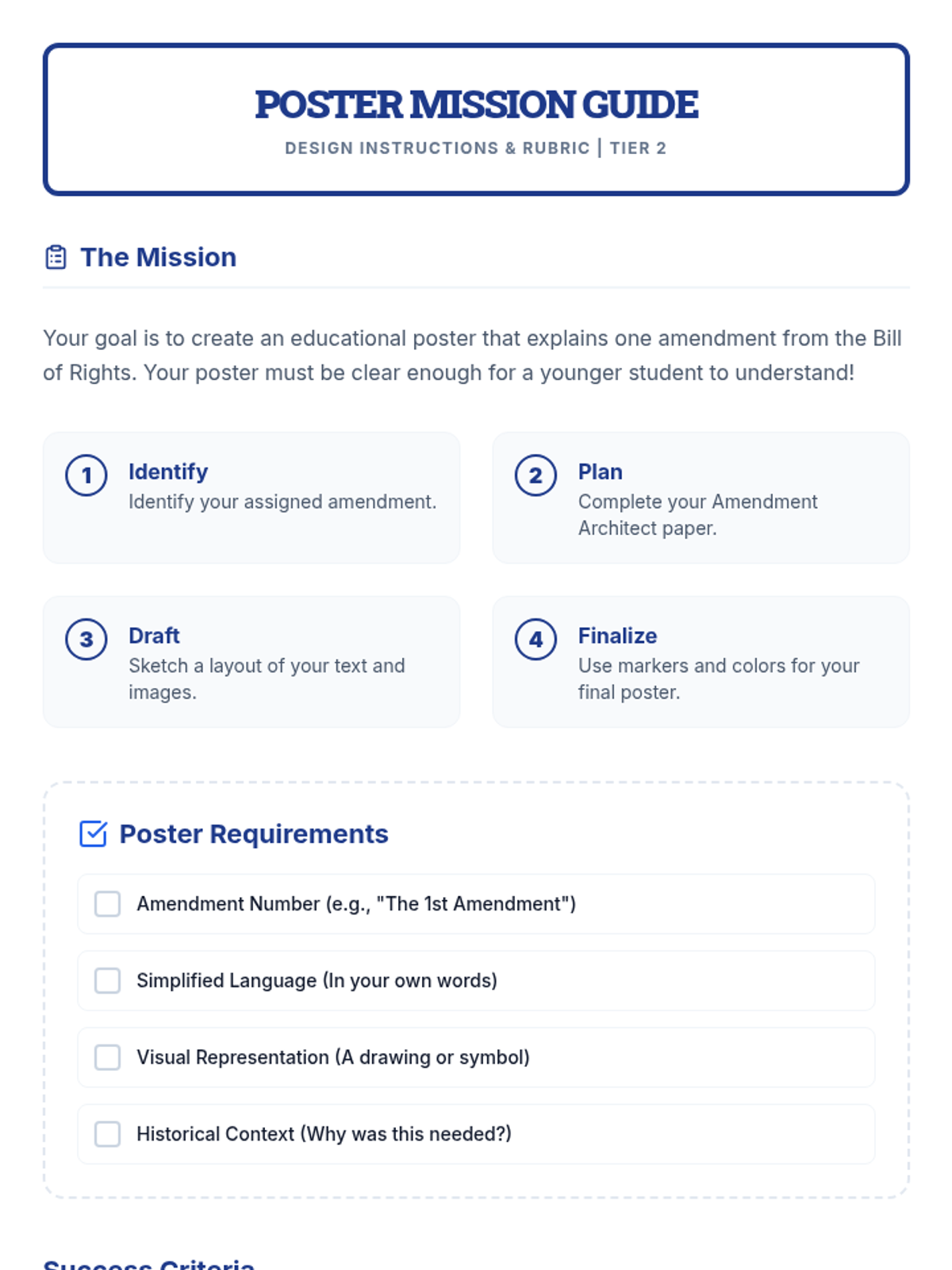
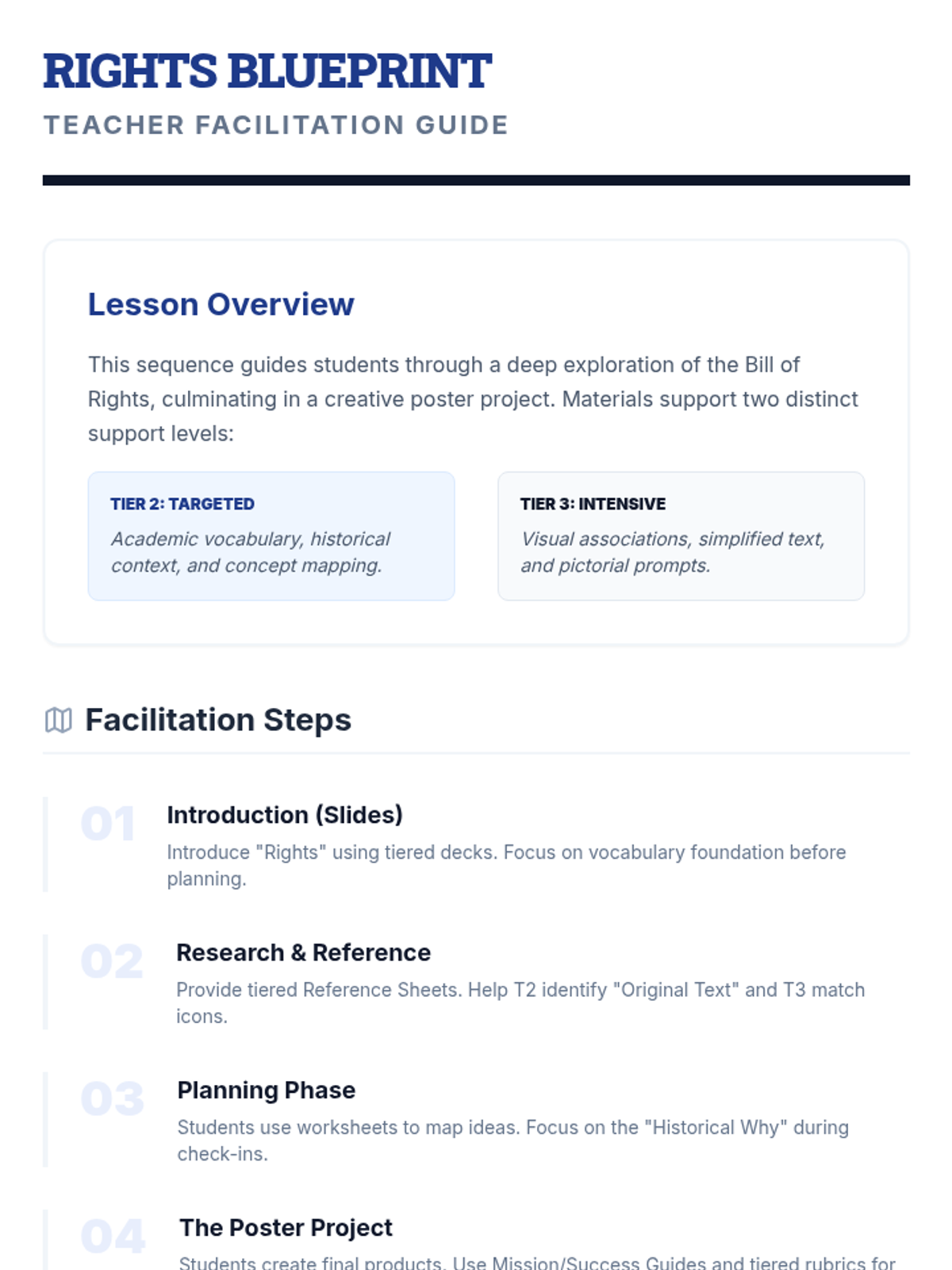
A comprehensive guide to the Bill of Rights designed for different learning needs. Students explore the first ten amendments through visual planning, vocabulary building, and a creative poster project.
A comprehensive 12-day unit for 7th graders covering the origins, events, and aftermath of the Cold War. Using a 'Top Secret Dossier' theme, students explore ideologies, decolonization, proxy wars, and the eventual fall of the Soviet Union through data literacy, source analysis, and collaborative activities.