A graduate-level policy analysis of the Great Society programs, examining the legislative architecture, economic theories, and long-term sociological impacts of the 1960s welfare state expansion.

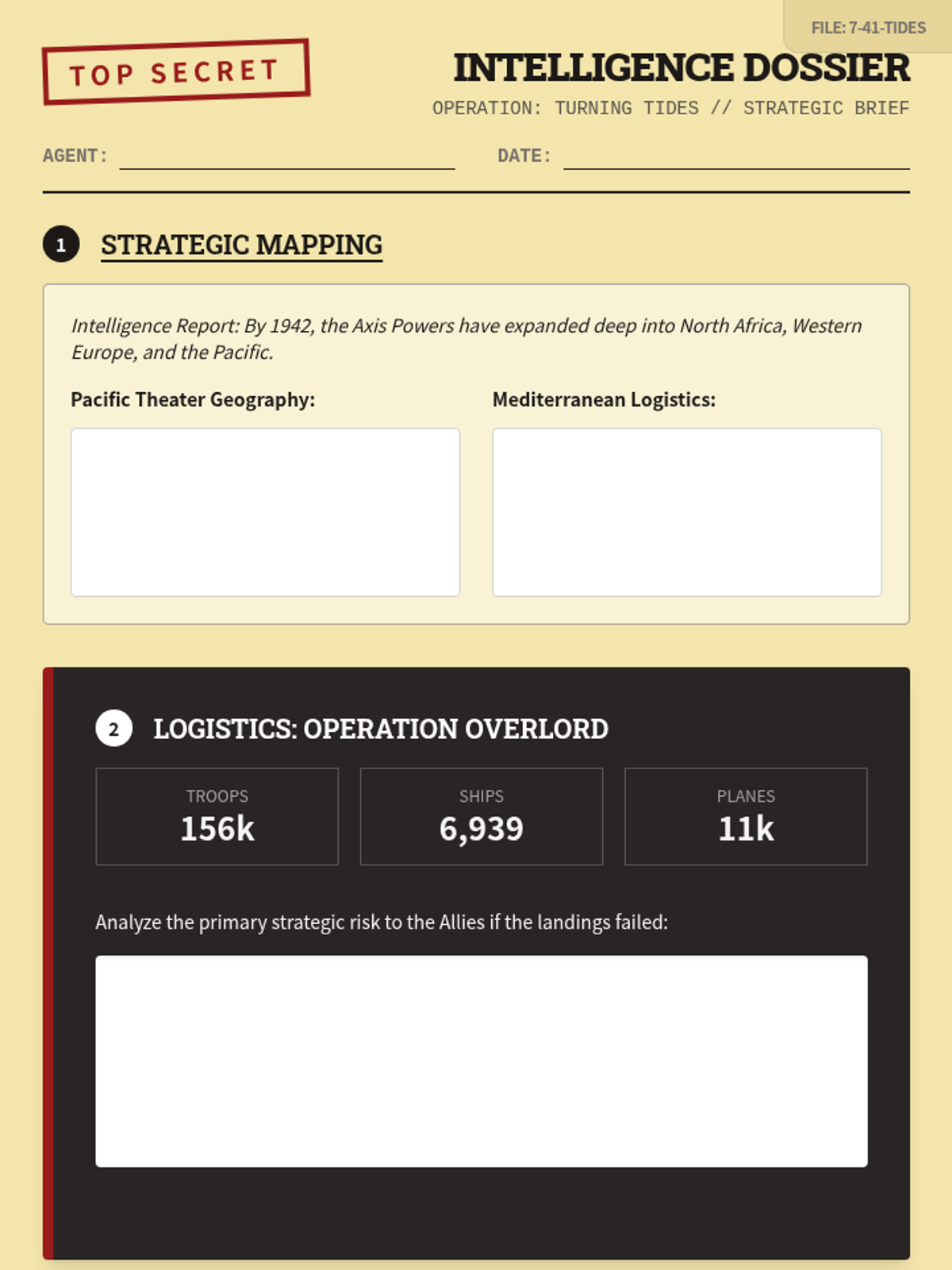
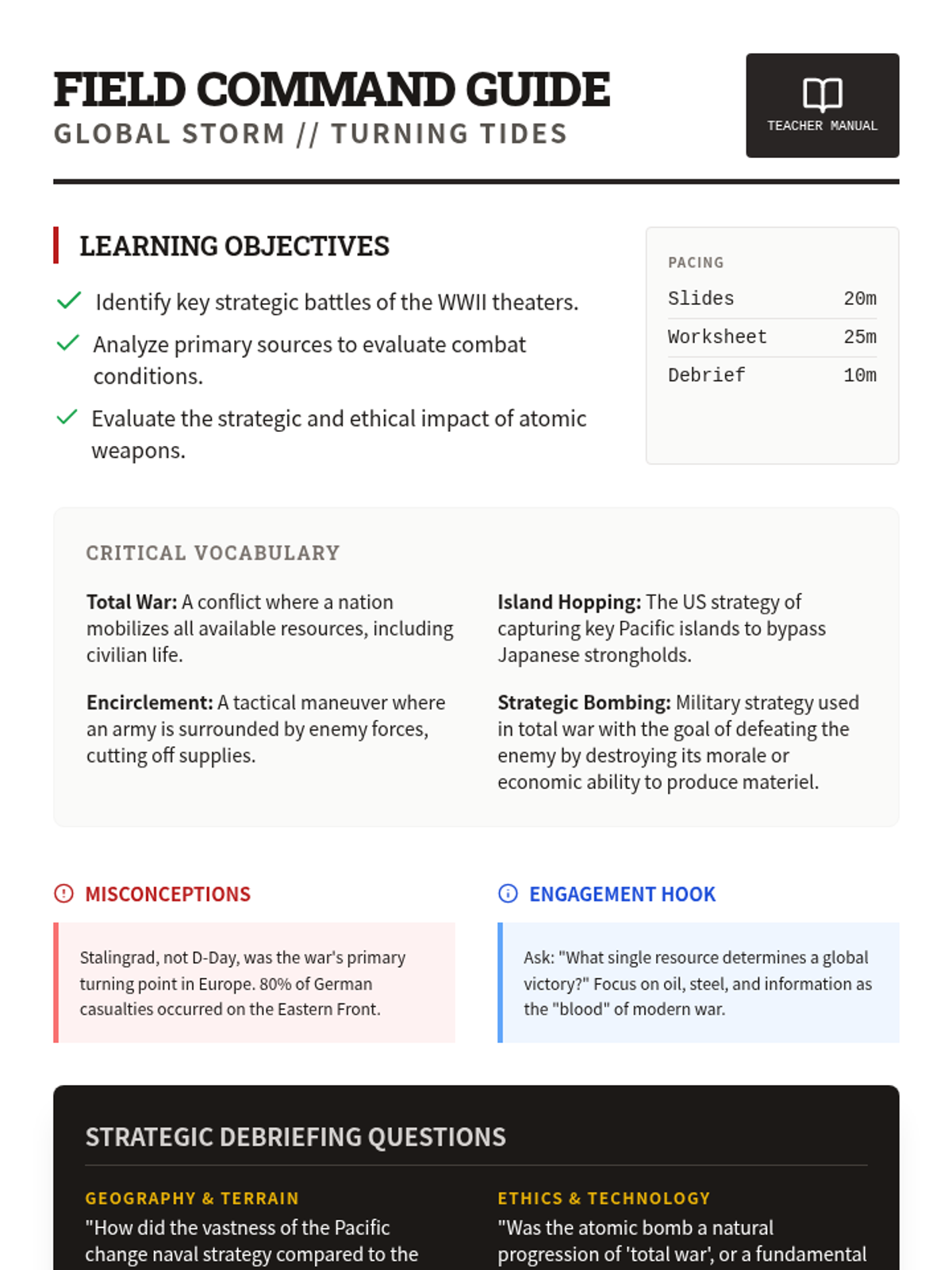
A comprehensive dive into the pivotal moments and global impact of World War II, framed through the lens of military intelligence and historical analysis.
A unit exploring the transformative decade of the 1950s, covering the Civil Rights movement, postwar economic booms, the rise of suburbia, and the cultural shifts of the Atomic Age.
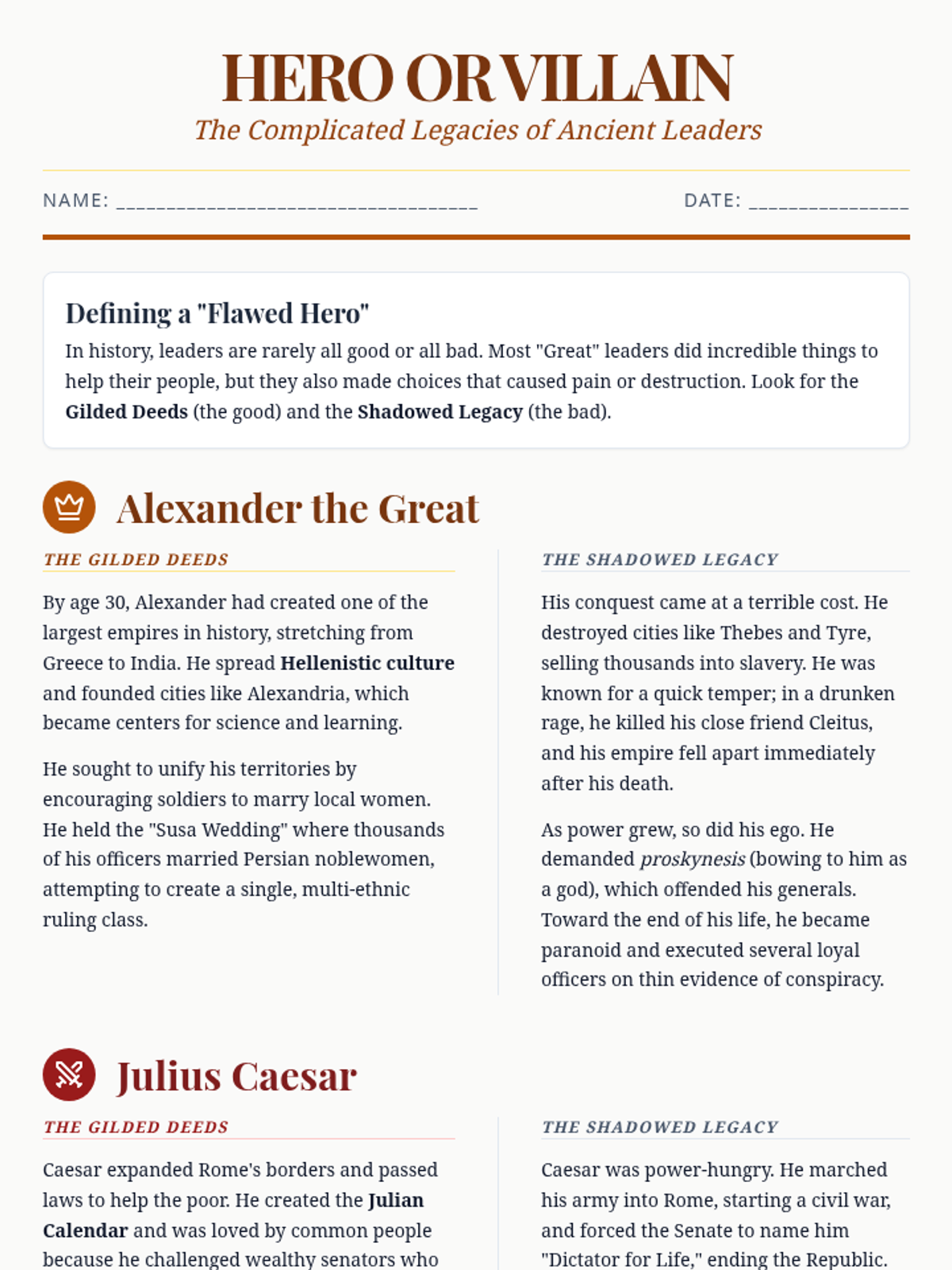
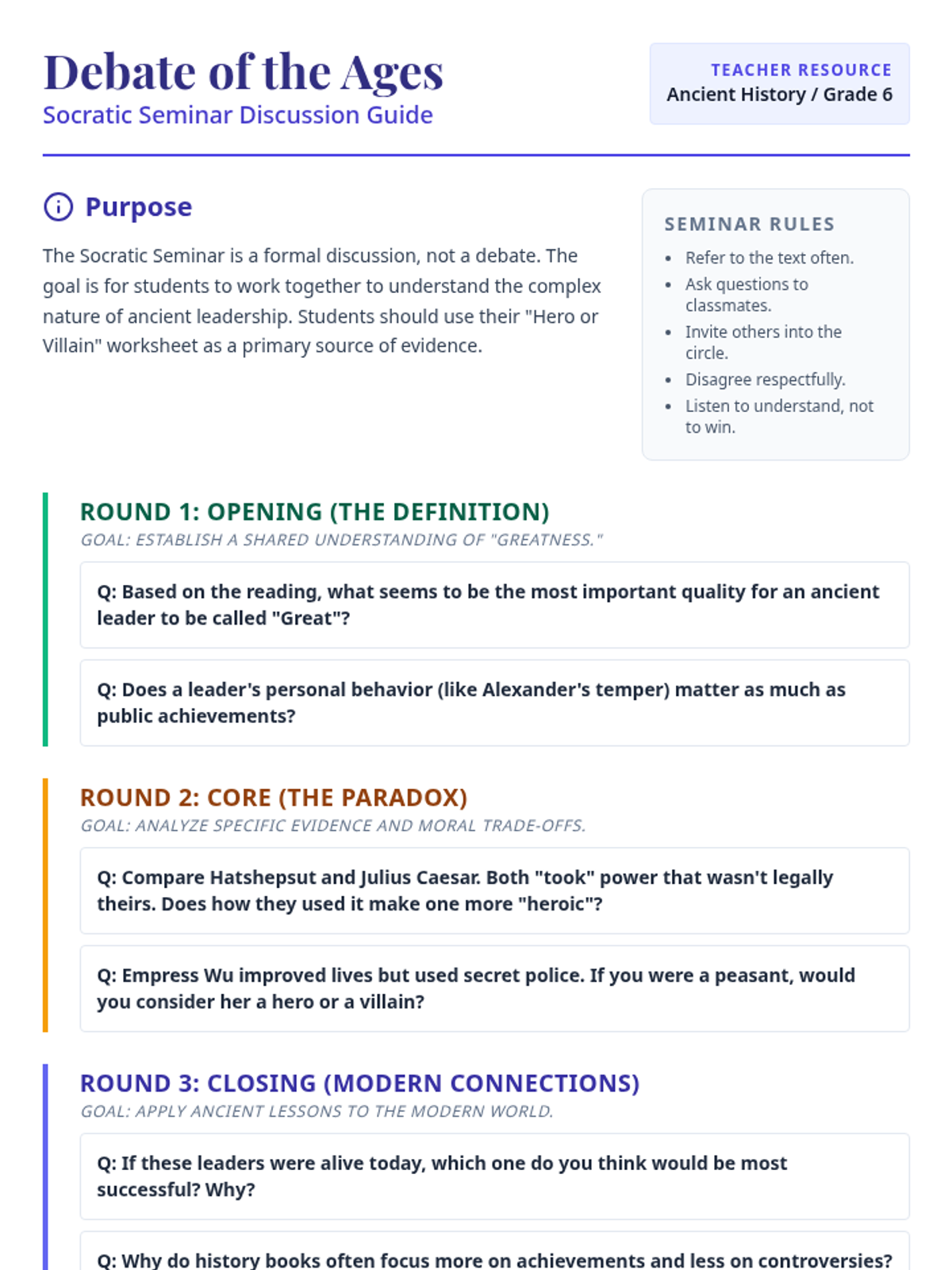
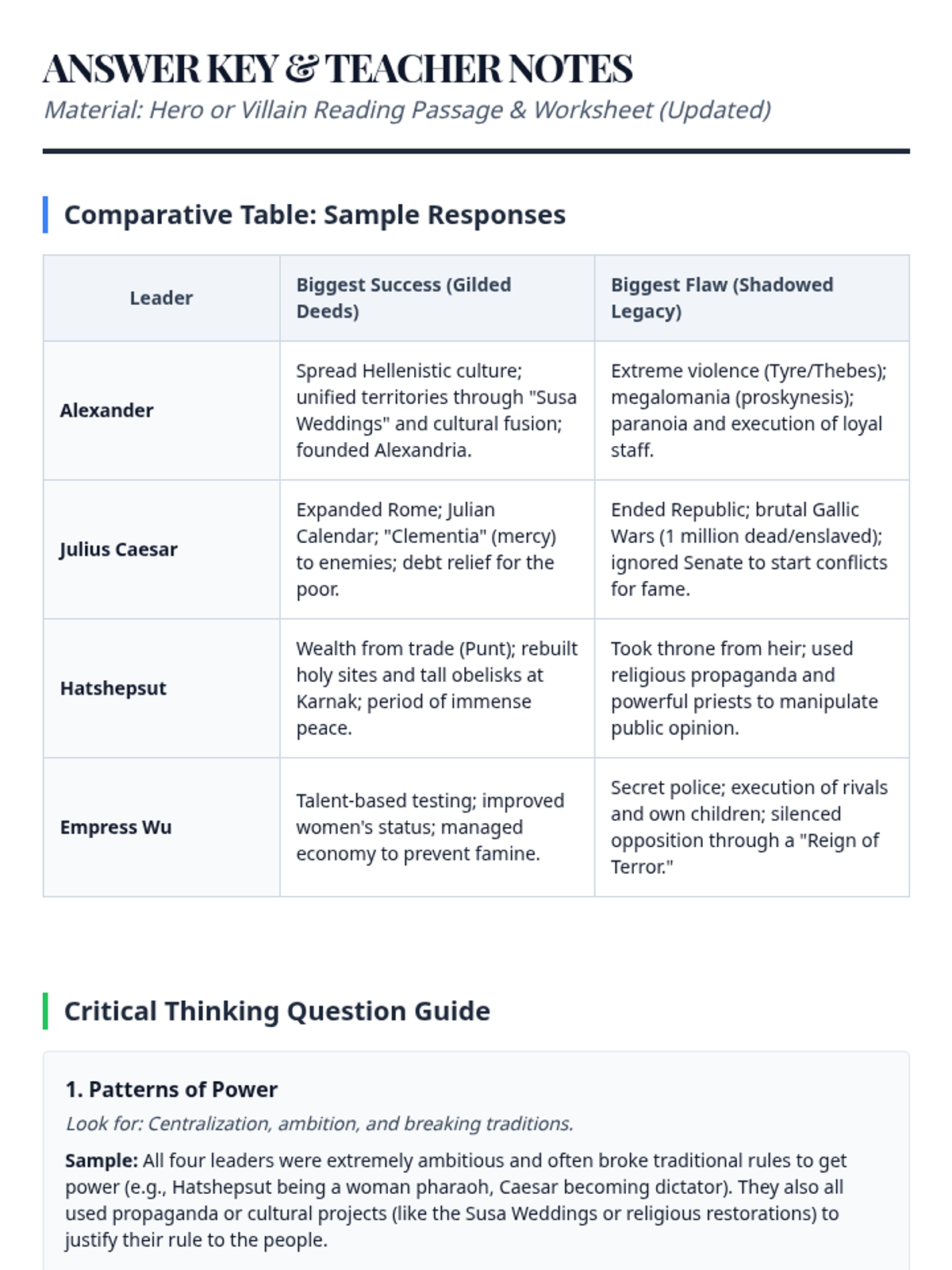
A case study of four famous ancient leaders (Julius Caesar, Alexander the Great, Hatshepsut, and Empress Wu) focusing on the complexities of power, leadership, and moral ambiguity for 6th-grade students.
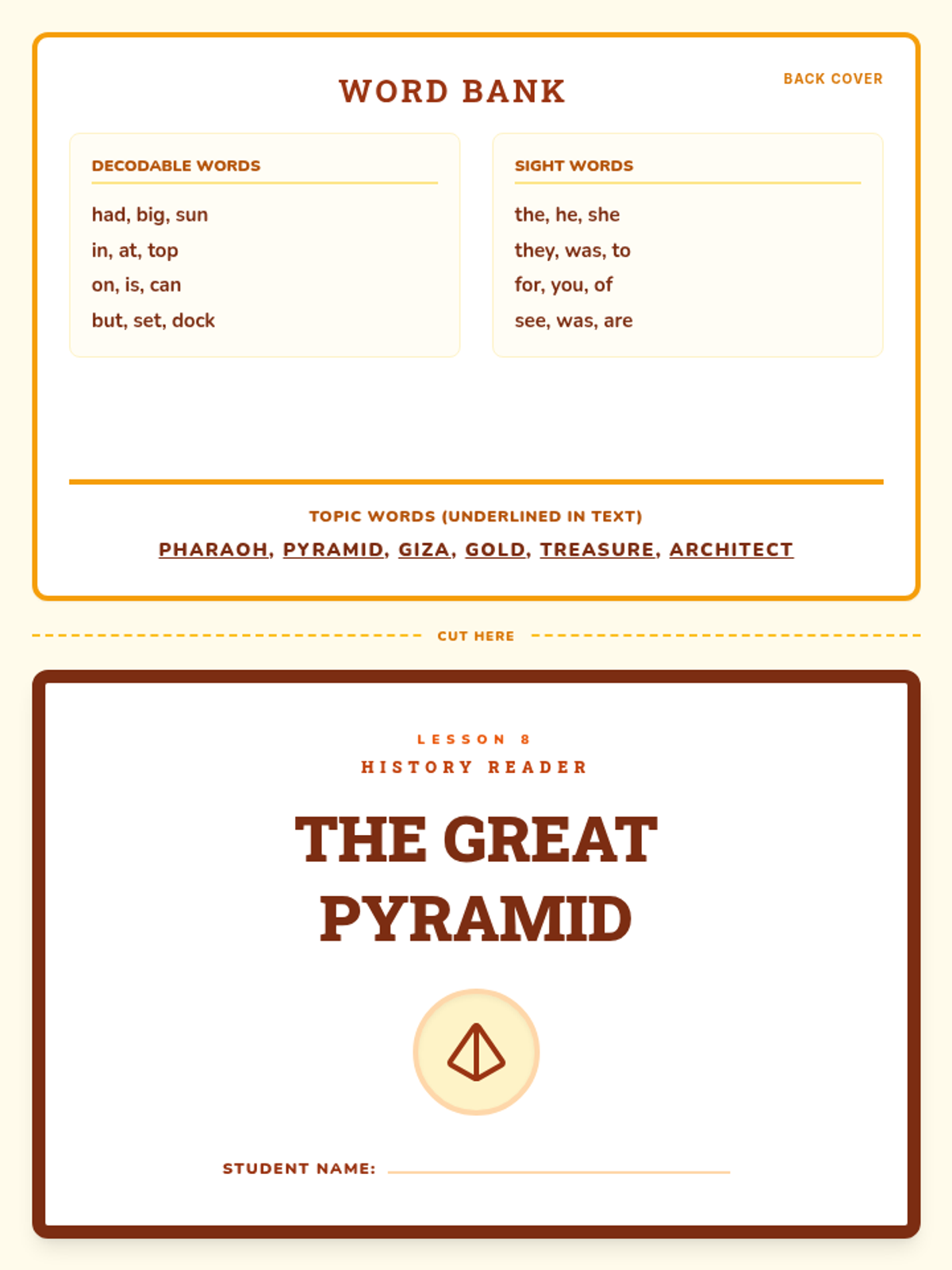
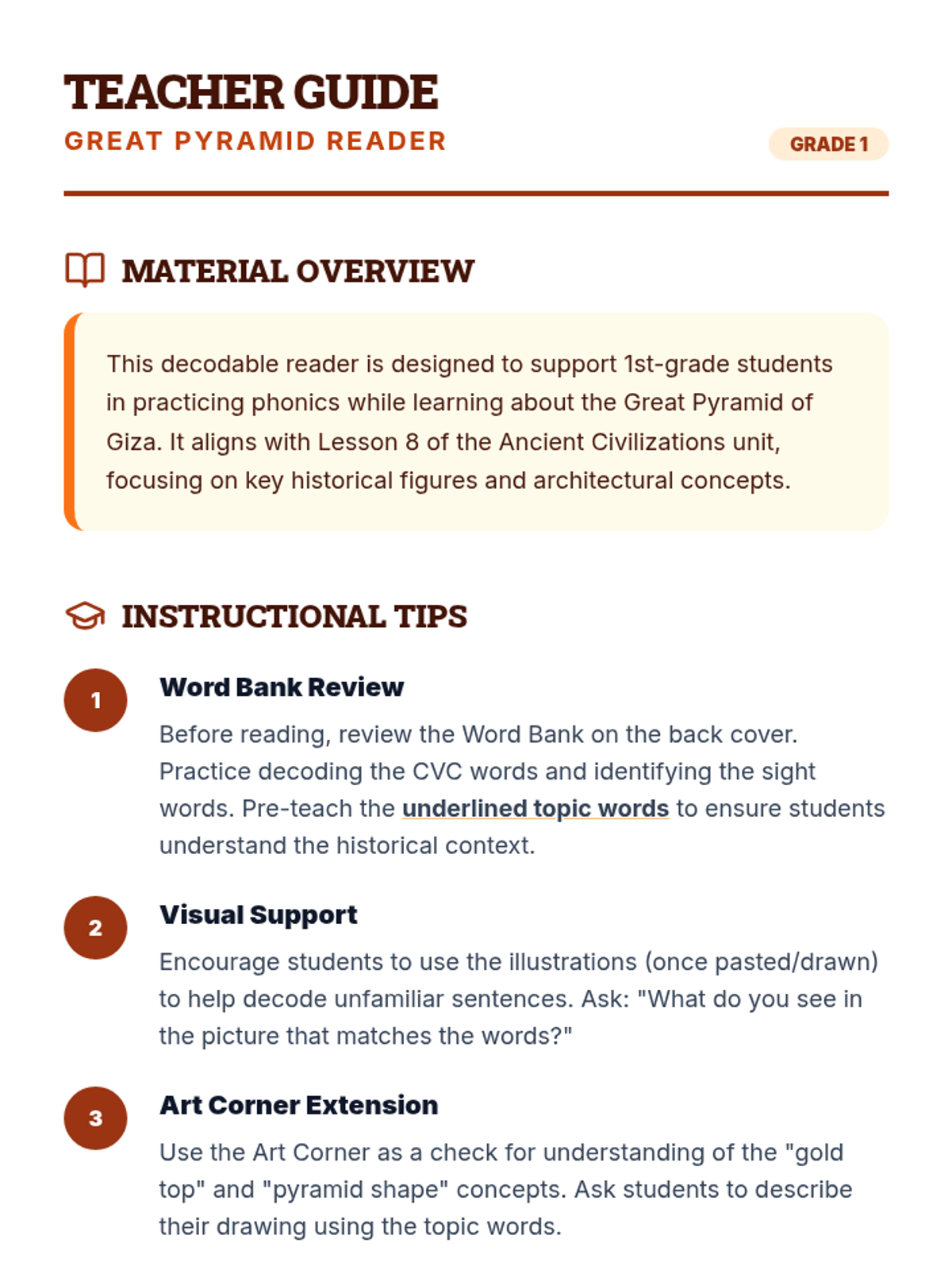
A series of lessons exploring the ancient civilizations of Mesopotamia and Egypt, focusing on their architecture, gods, and historical figures through decodable texts and activities.
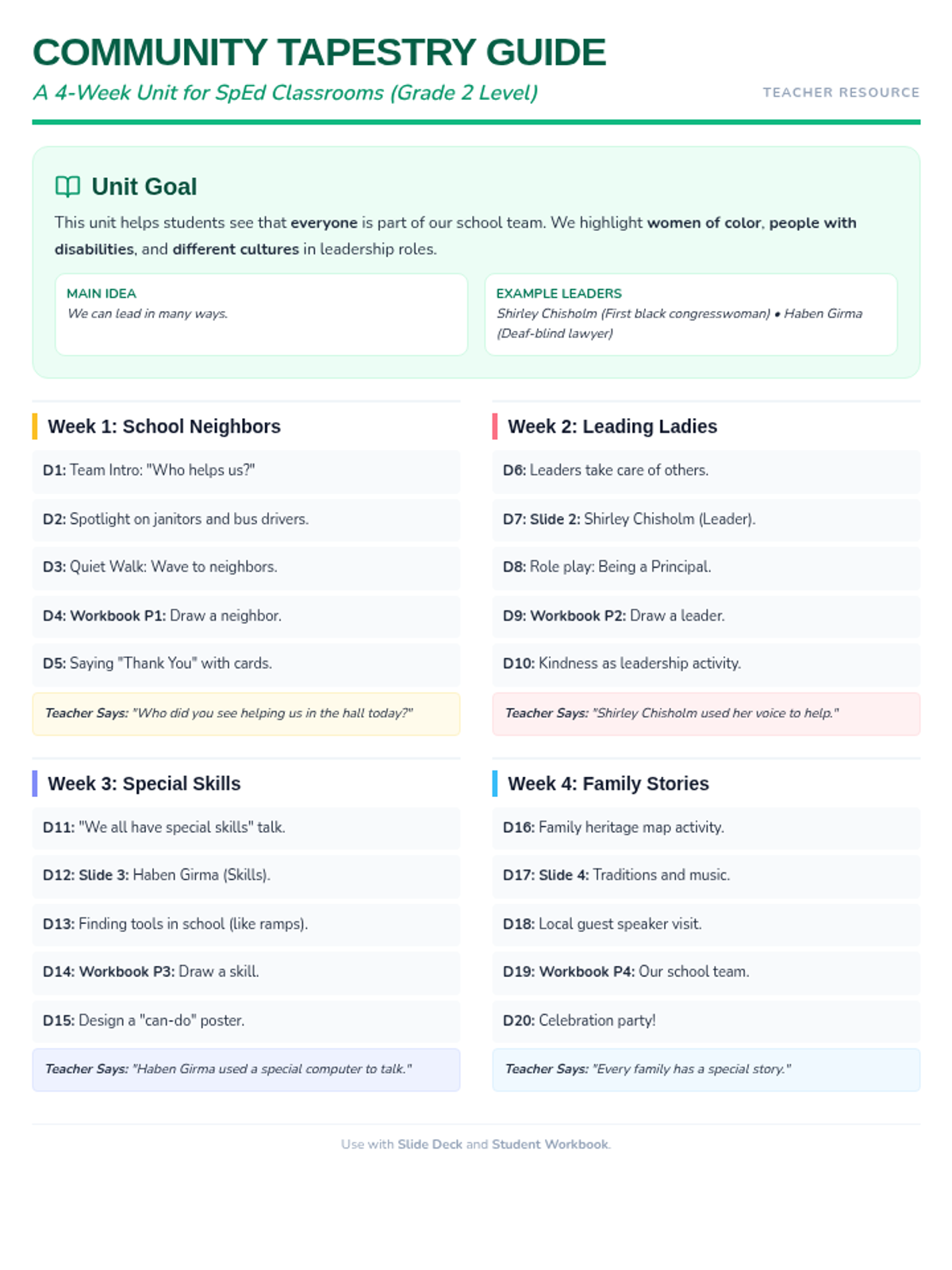
A four-week exploration of school community roles, focusing on diversity, inclusion, and representation in leadership. Students will identify daily community members and learn about the contributions of women of color and people with disabilities in their school and beyond.
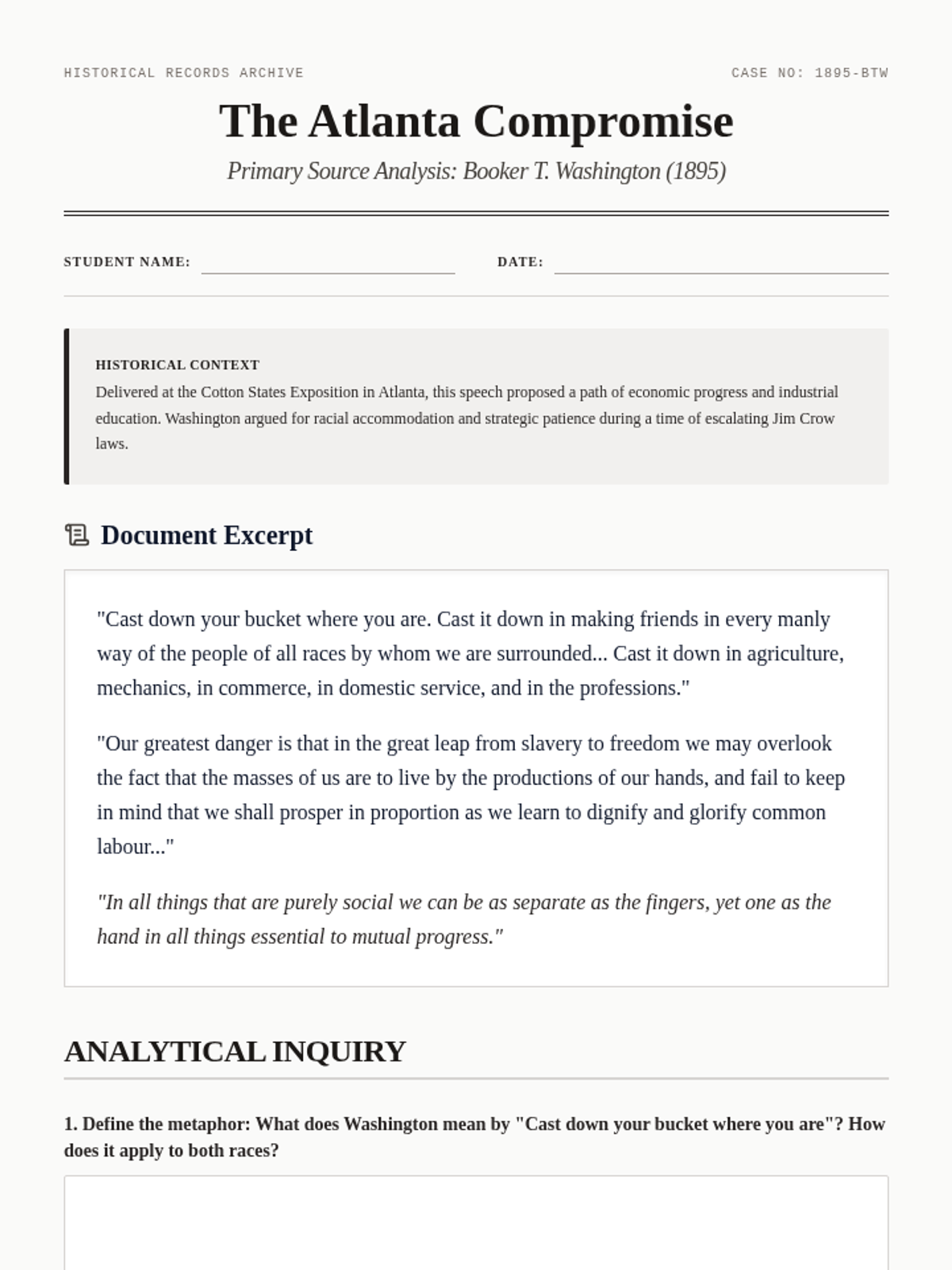
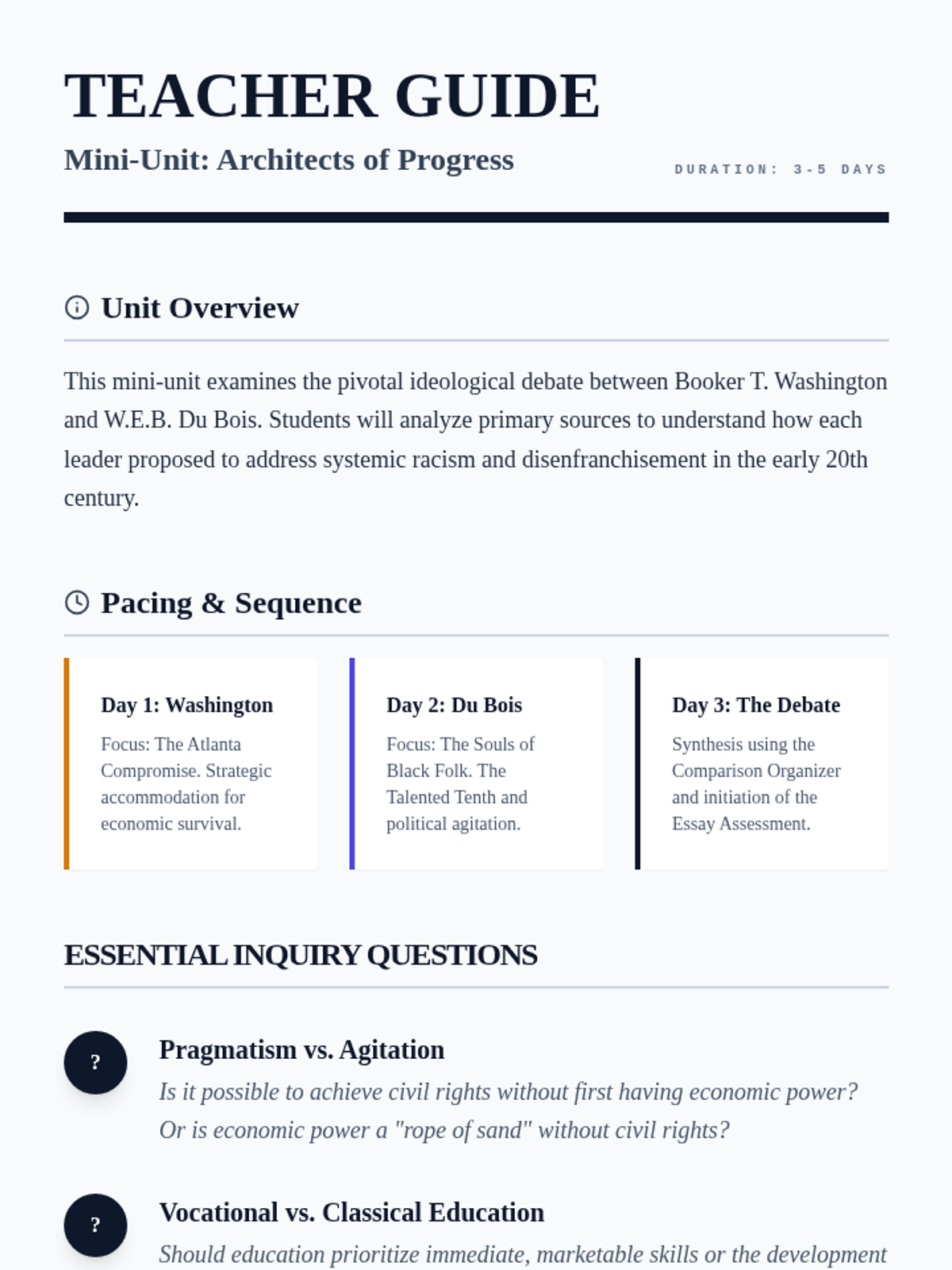
A multi-day mini-unit exploring the contrasting philosophies of Booker T. Washington and W.E.B. Du Bois regarding African American progress, education, and civil rights at the turn of the 20th century.