This sequence guides 5th-grade students through the biochemical and physical processes of fossilization, from distinguishing types to simulating mineral replacement and environmental preservation.
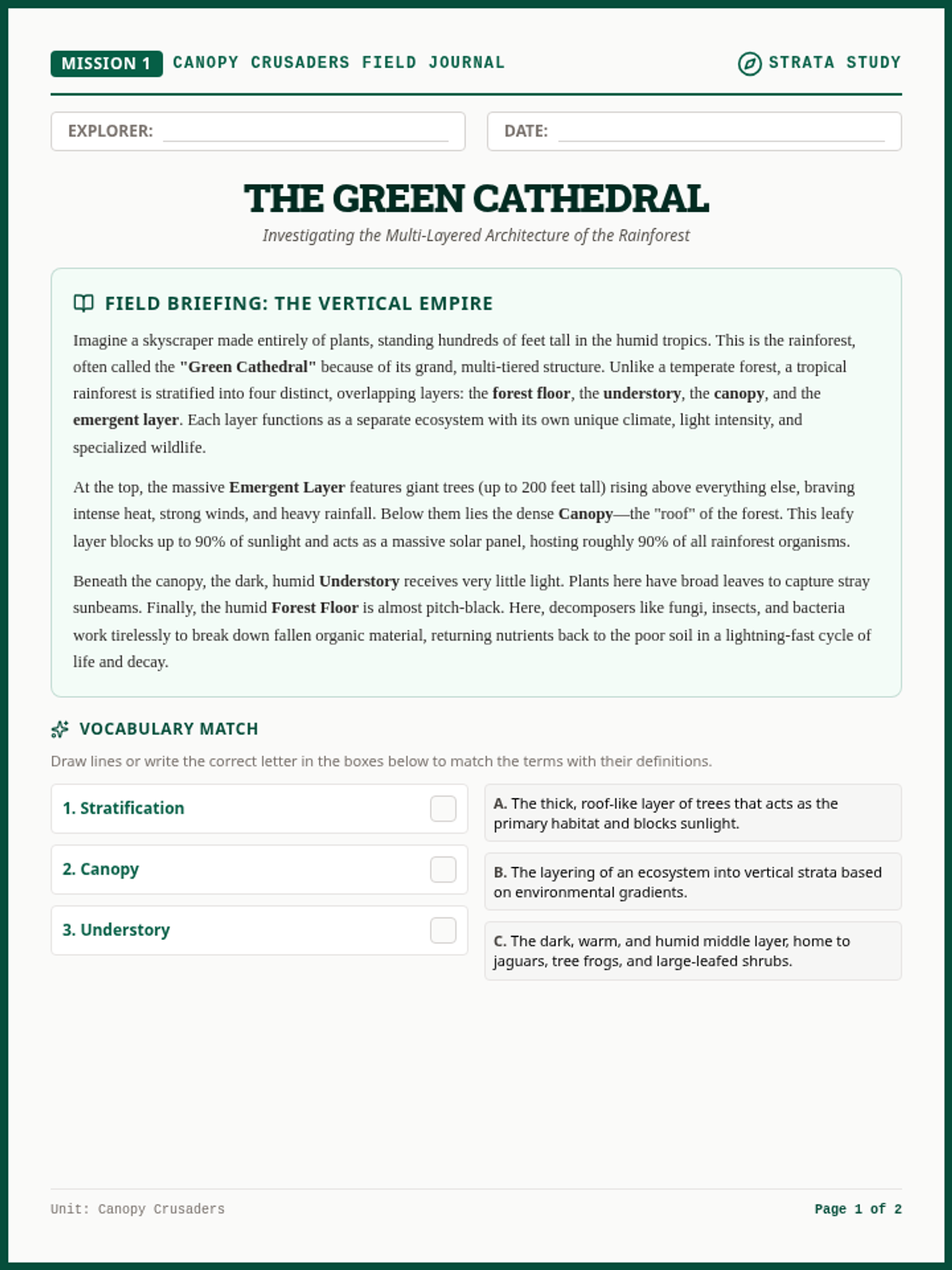
A comprehensive unit on rainforest ecology, climate regulation, and conservation. Students explore the structural layers of the rainforest, their roles as carbon sinks, the threats of deforestation, and collaborative solutions for preservation.
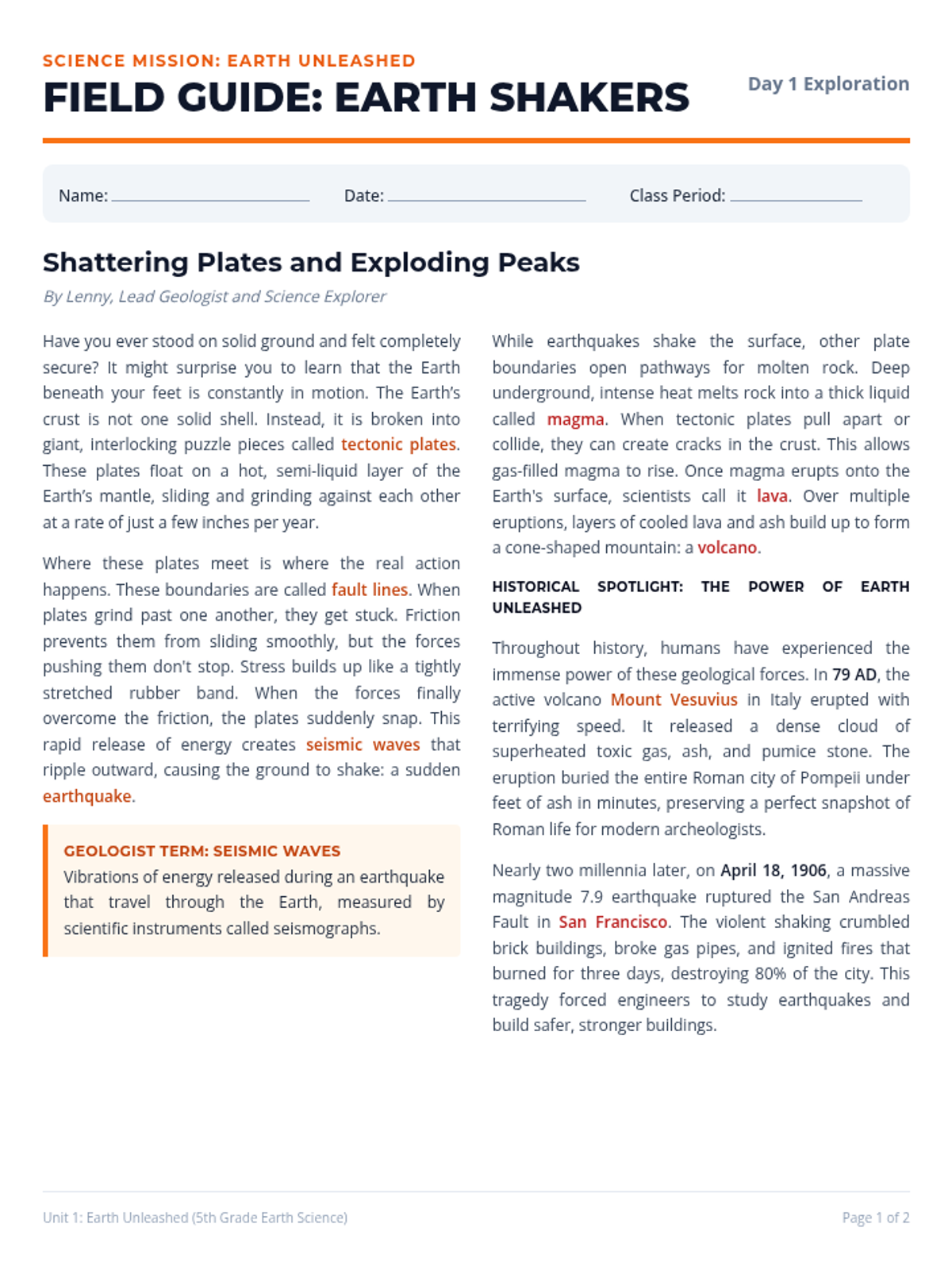
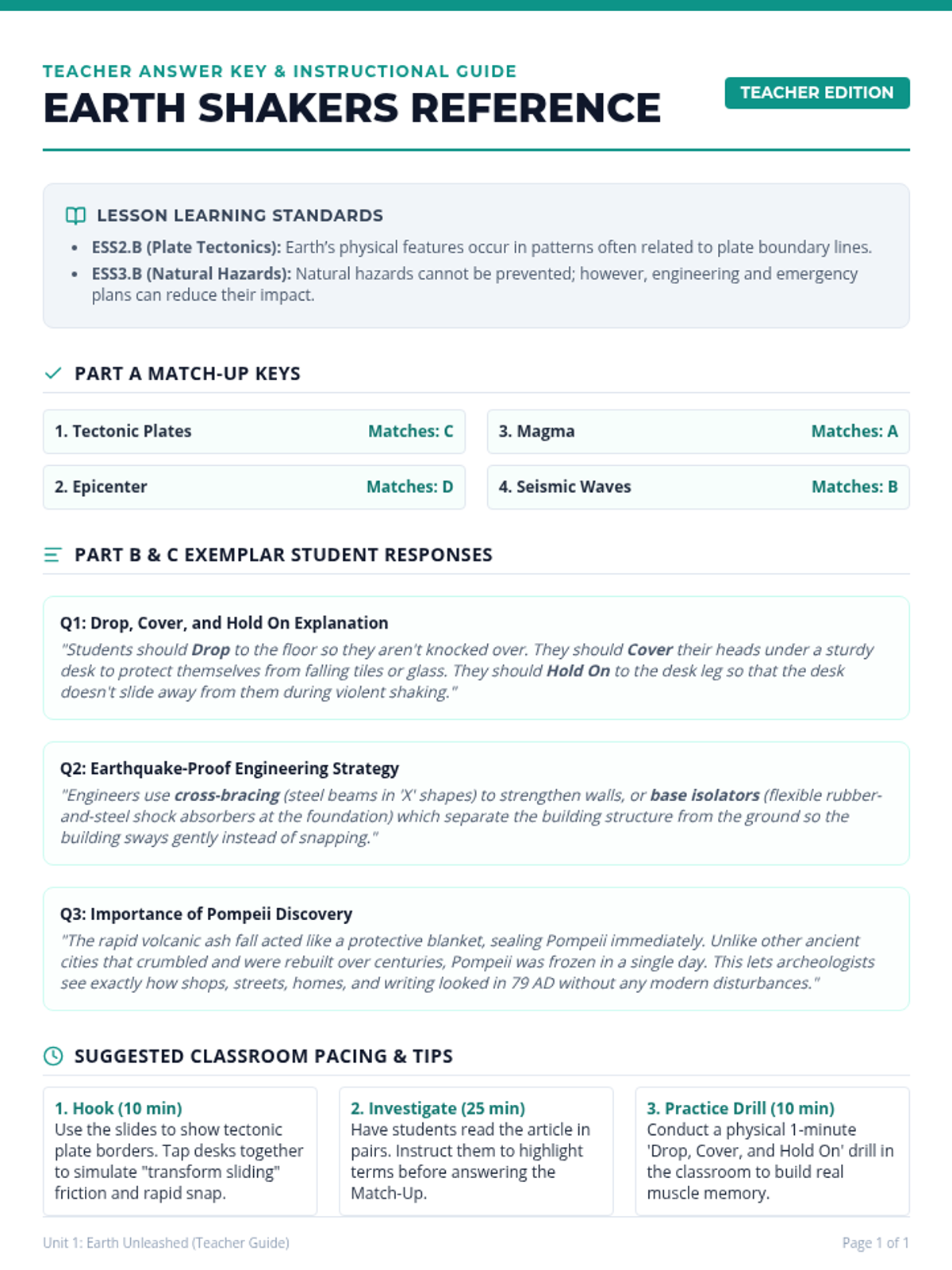
An immersive fifth-grade unit on natural disasters. Students explore the science, history, and safety preparation for earthquakes, volcanoes, hurricanes, tornadoes, wildfires, and floods through interactive slides, reading investigations, and emergency planning projects.
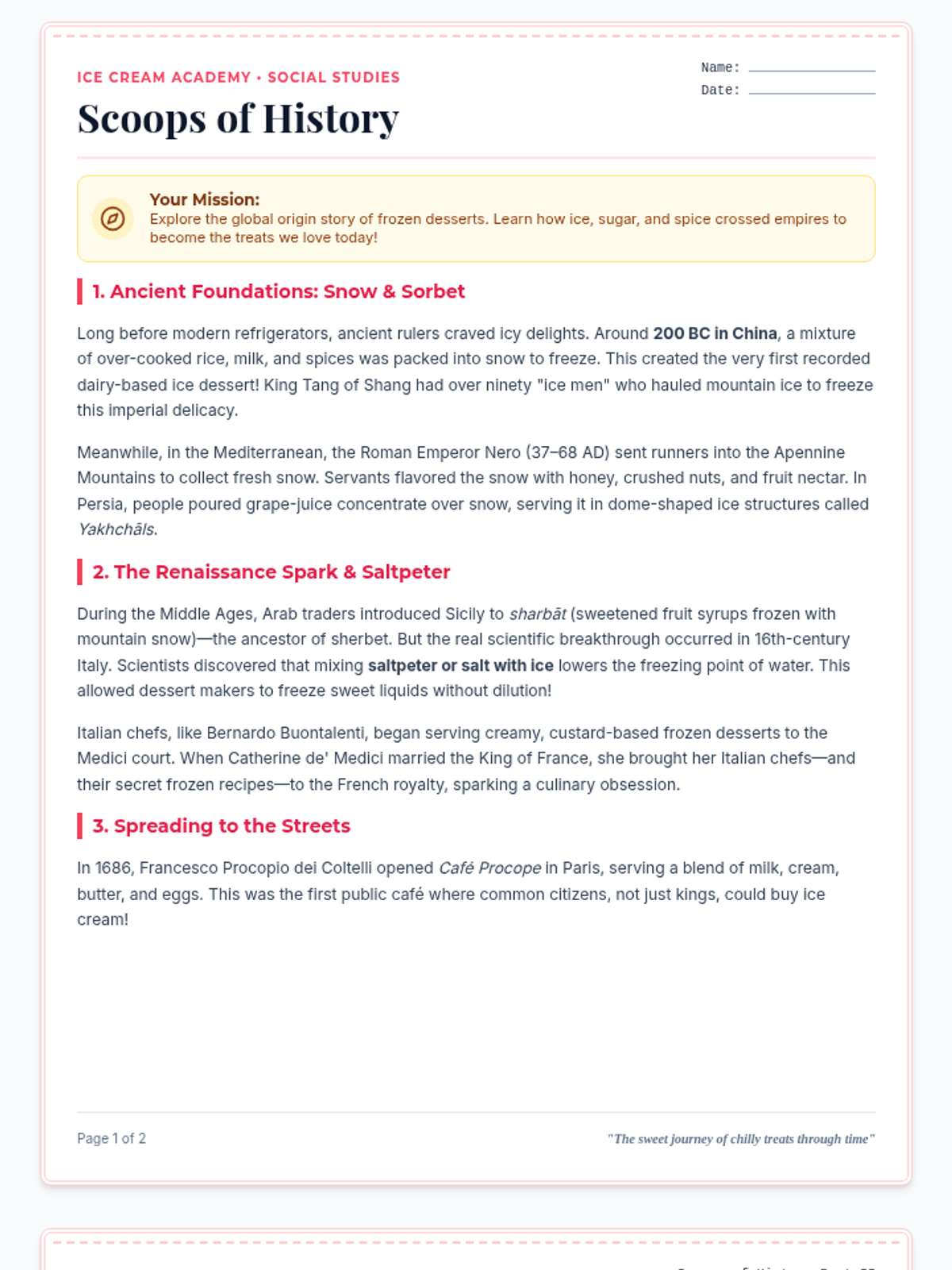
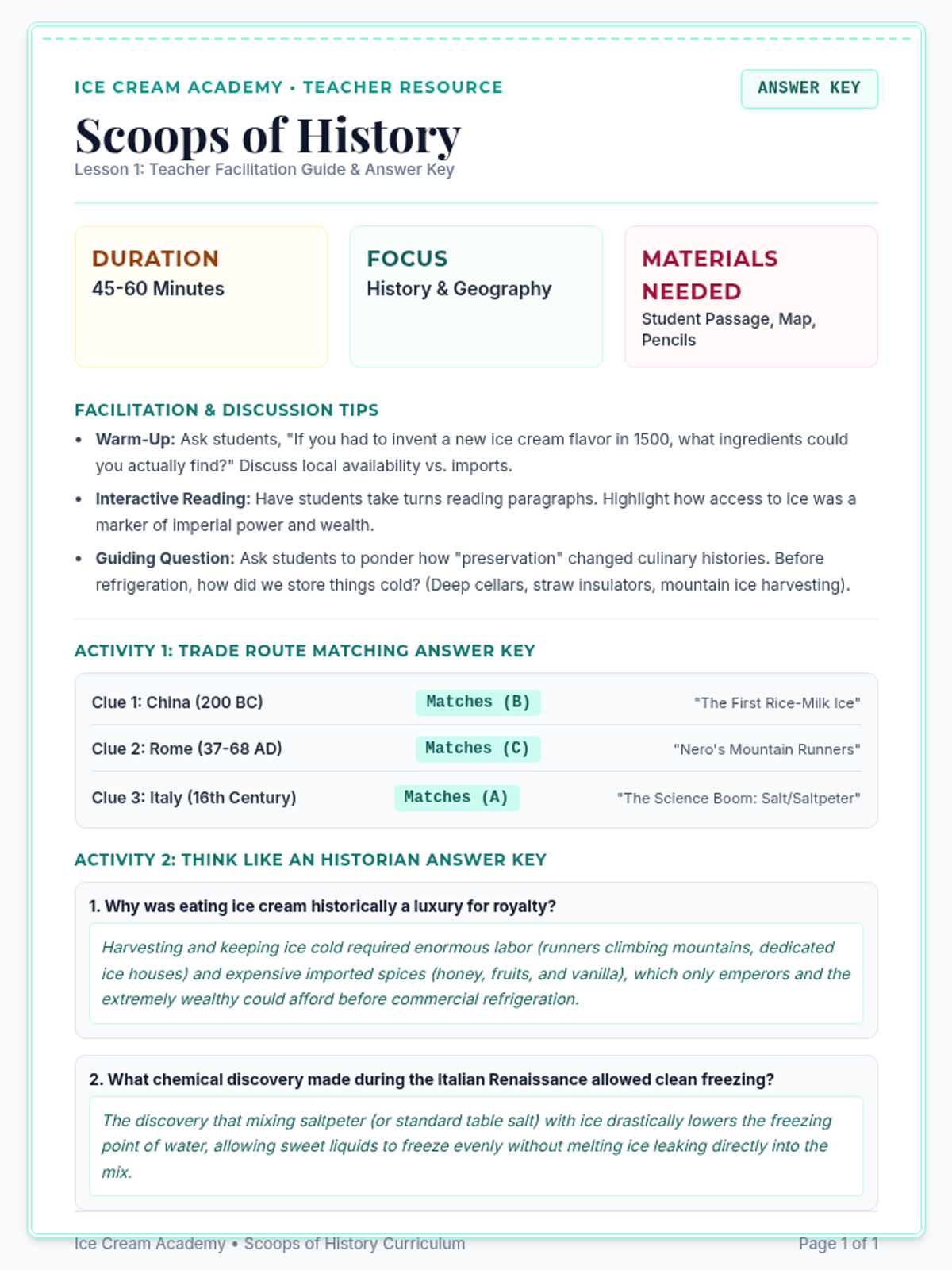
A multi-subject summer school unit exploring the history, science, math, and language arts of ice cream. Students scale recipes, conduct freezing-point experiments, trace historical origins, and design sensory marketing campaigns.
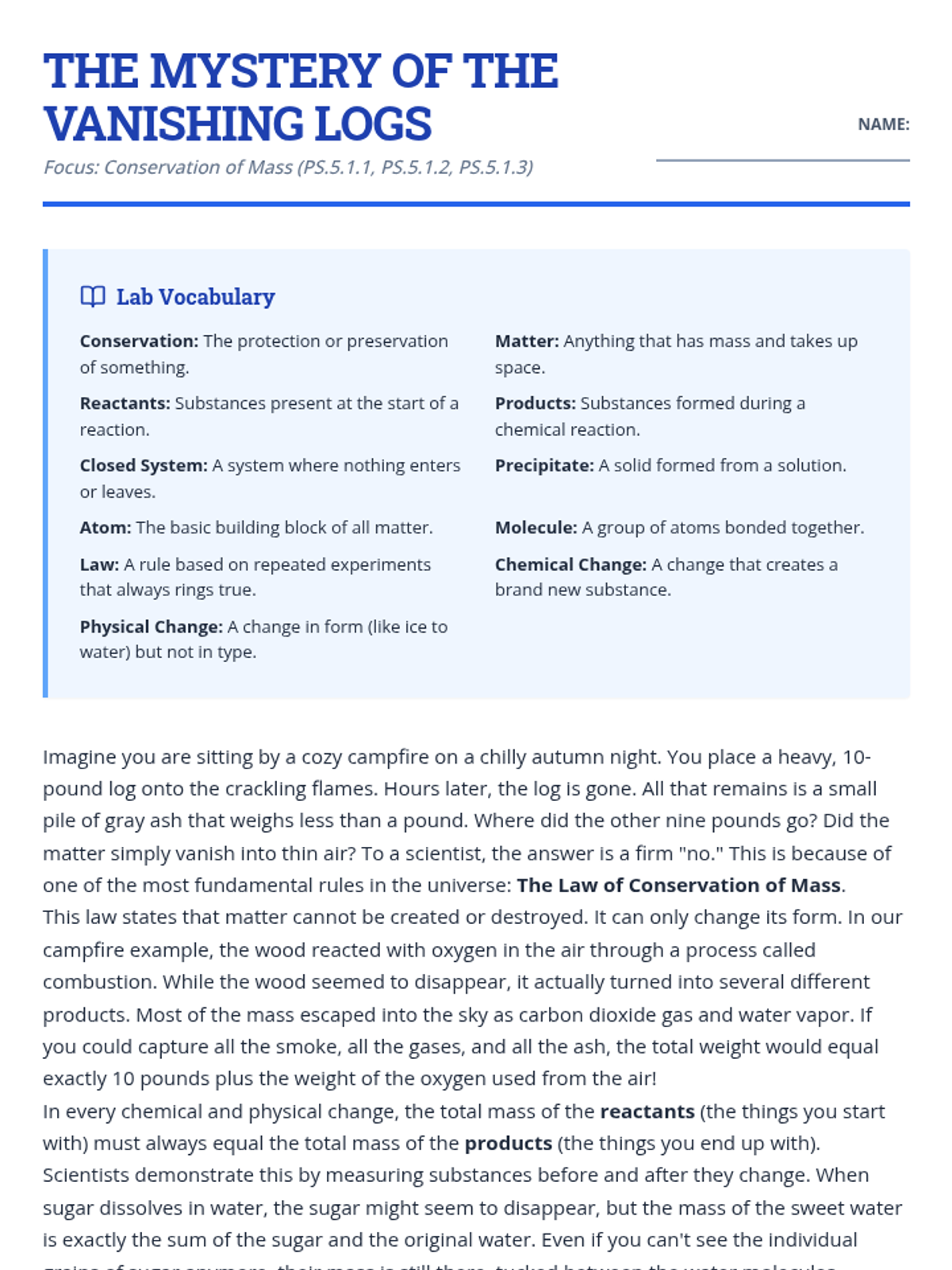
A collection of integrated science and ELA reading passages covering conservation of mass, the water cycle, and force and motion. Each passage targets specific ELA standards including key ideas, craft and structure, and language.
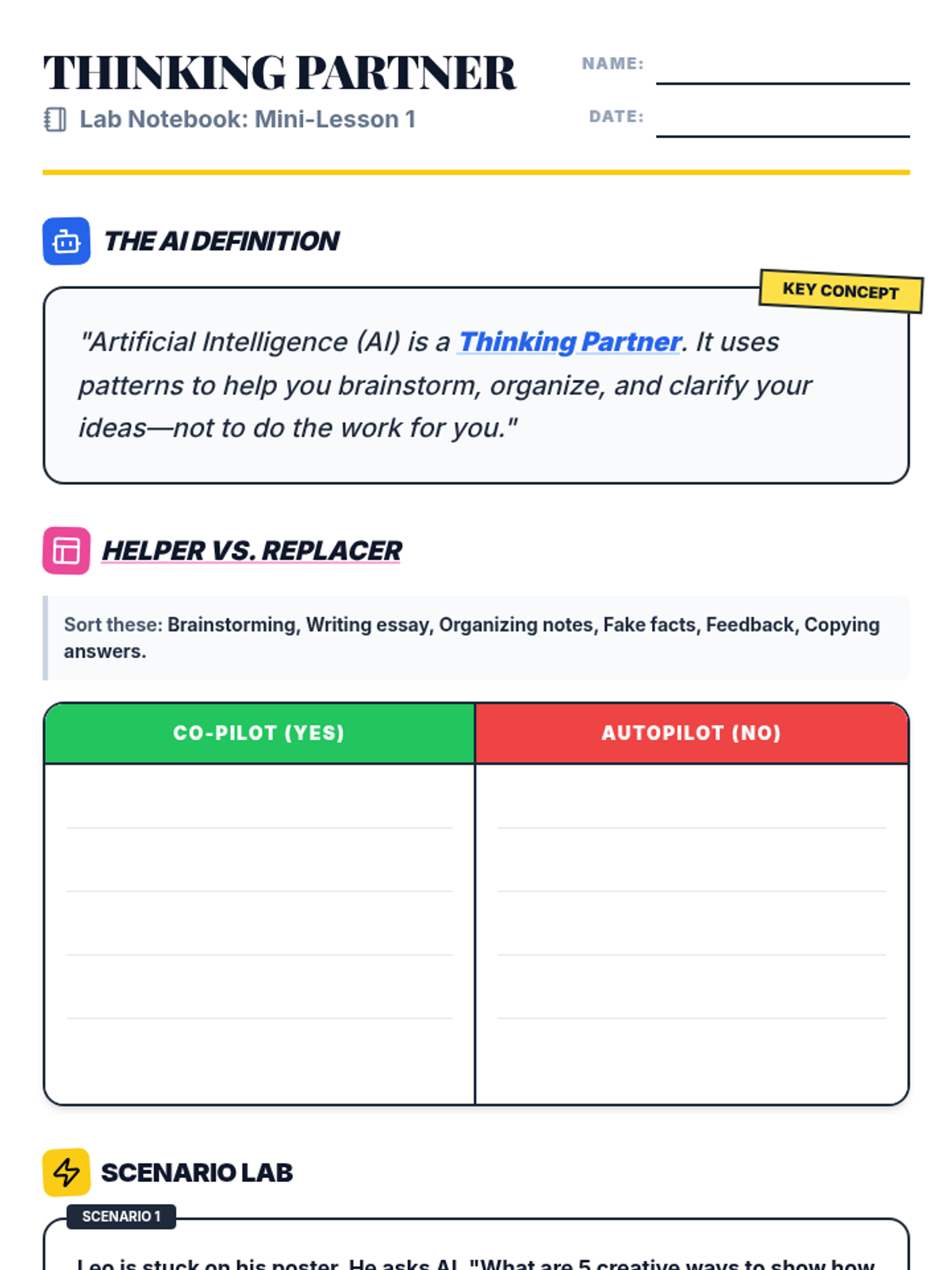
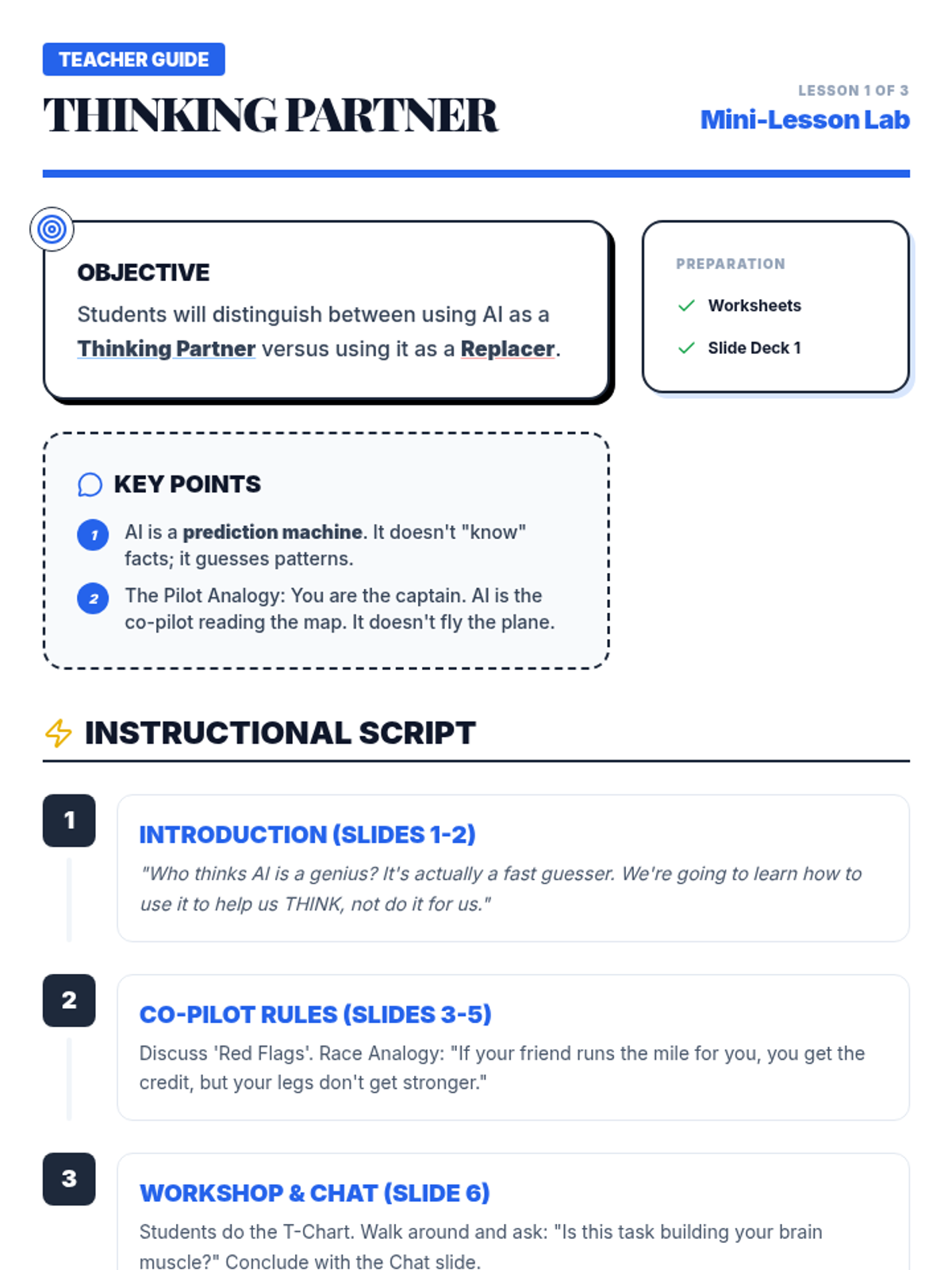
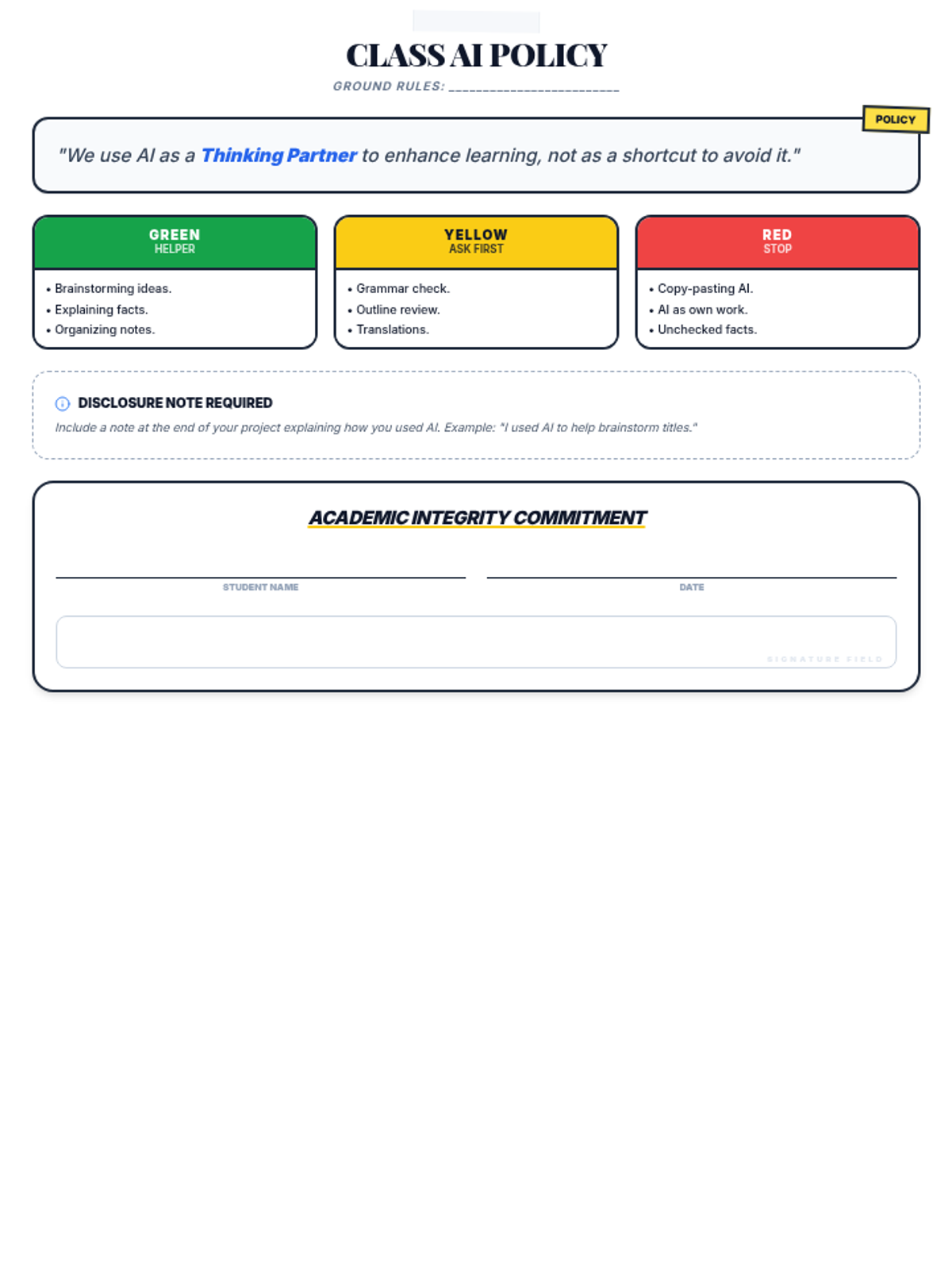
A 3-part mini-lesson series designed to teach middle schoolers how to use AI tools responsibly for final projects. The series focuses on AI as a thinking partner, prompt engineering, and critical fact-checking through a modern 'Notebook/Sketch' aesthetic.
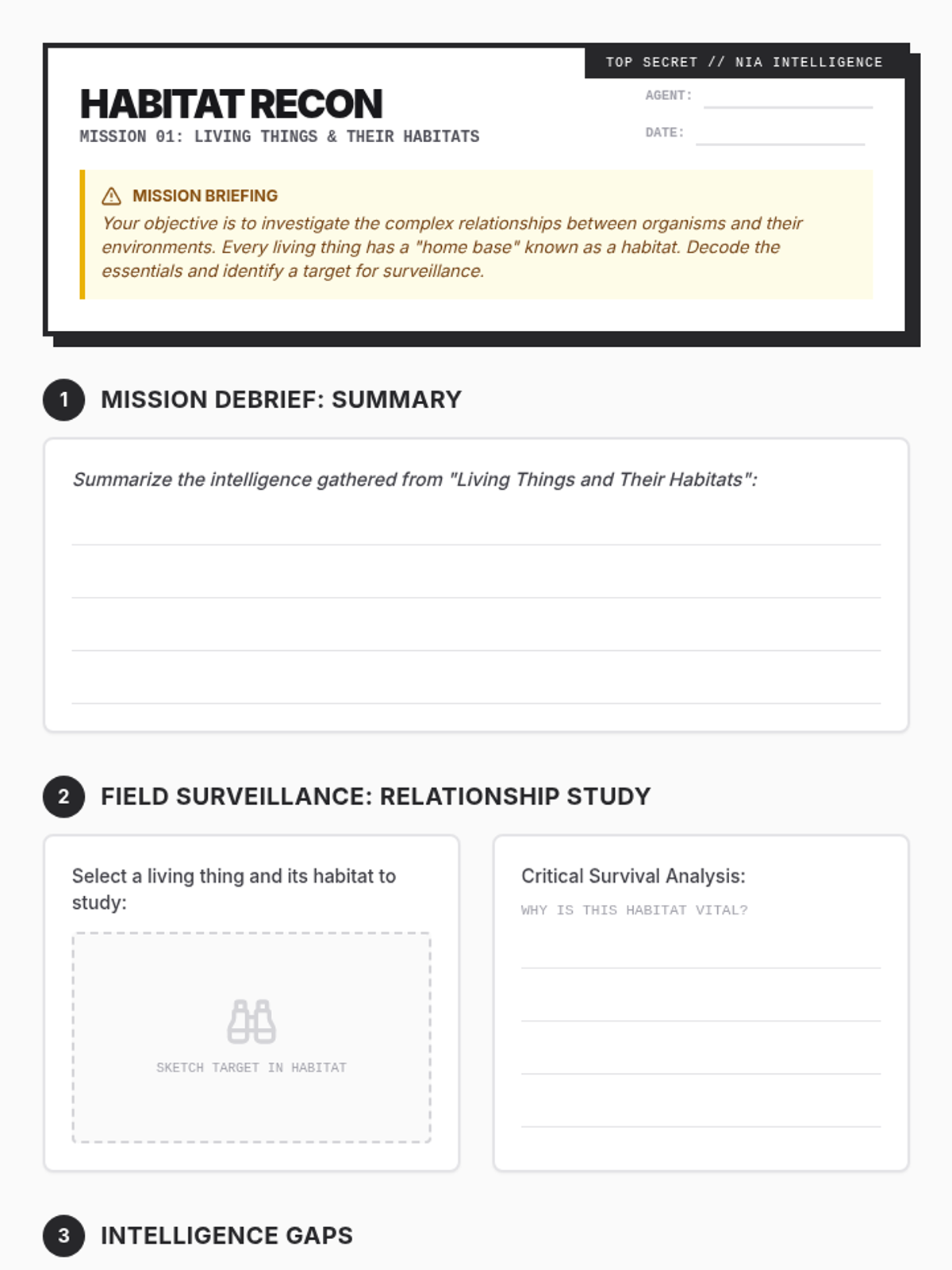
A series of secret agent-themed ecology missions where students act as Eco-Detectives for the Nature Intelligence Agency (NIA) to study habitats, food chains, and environmental impacts.
A collection of technology and language arts lessons exploring modern digital literacy and core communication skills.
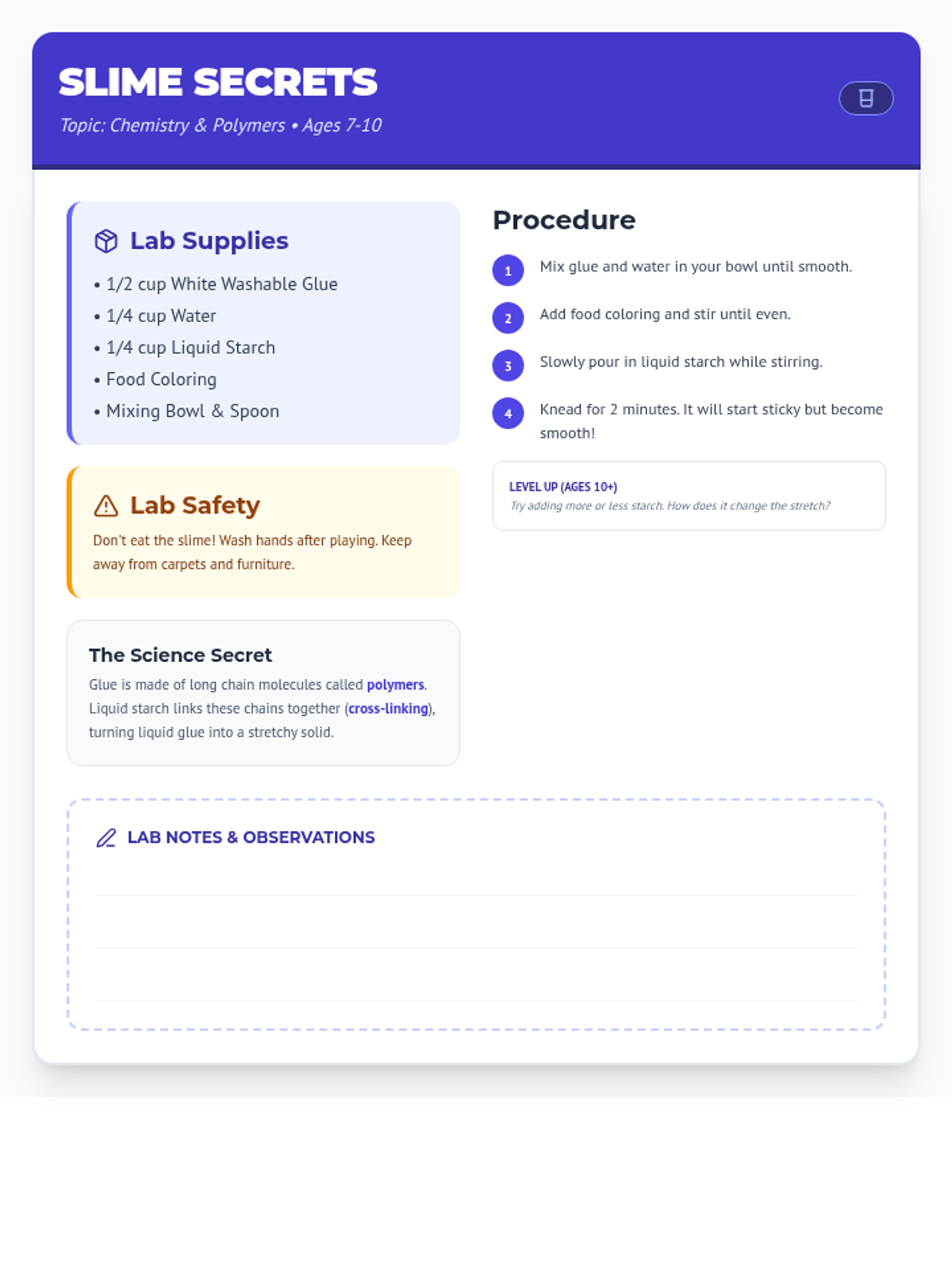
A collection of 8 hands-on science activities designed for elementary-aged children, covering chemistry, space, botany, and physics with a mix of instruction cards, journals, and lesson plans.
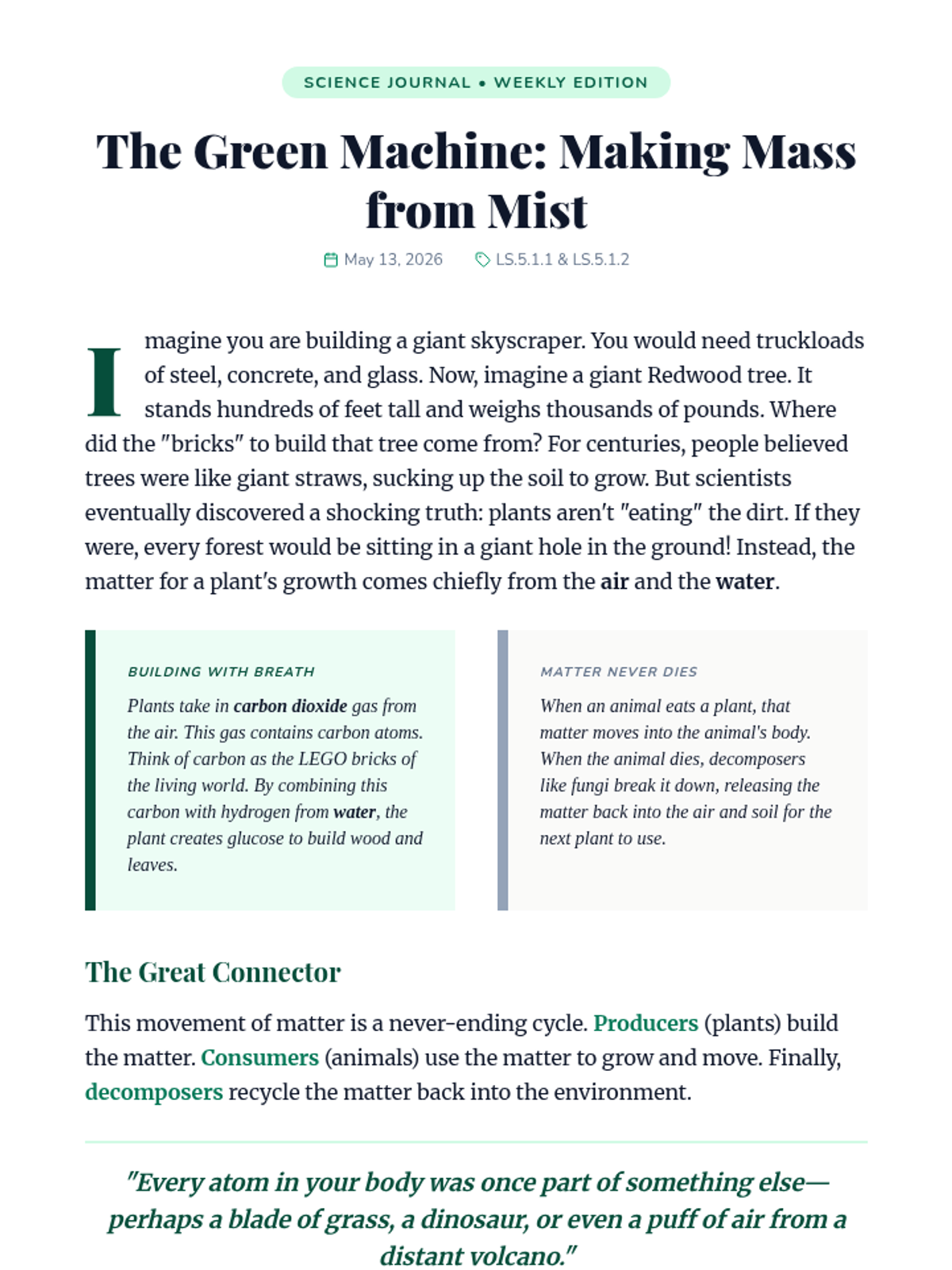
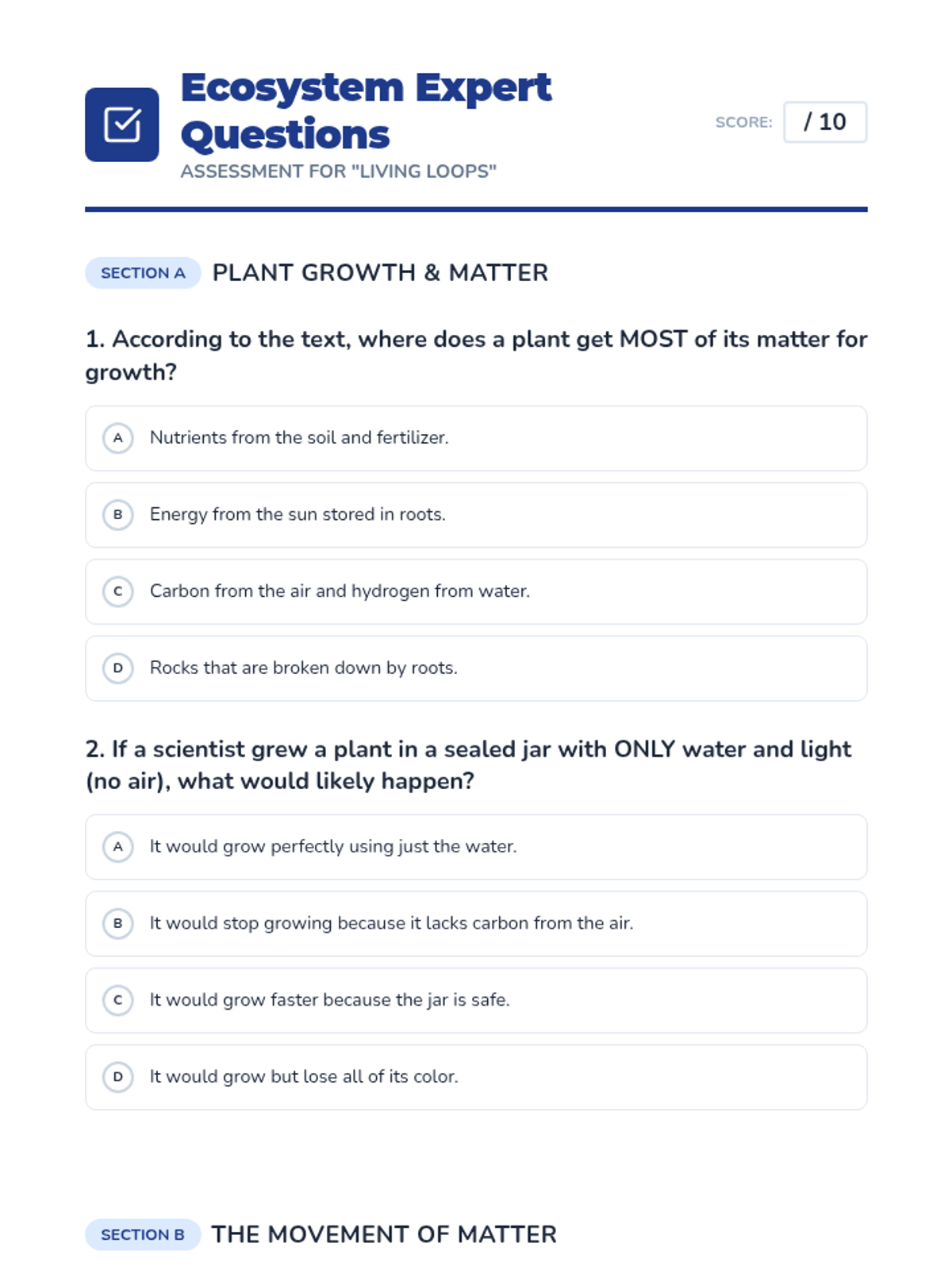
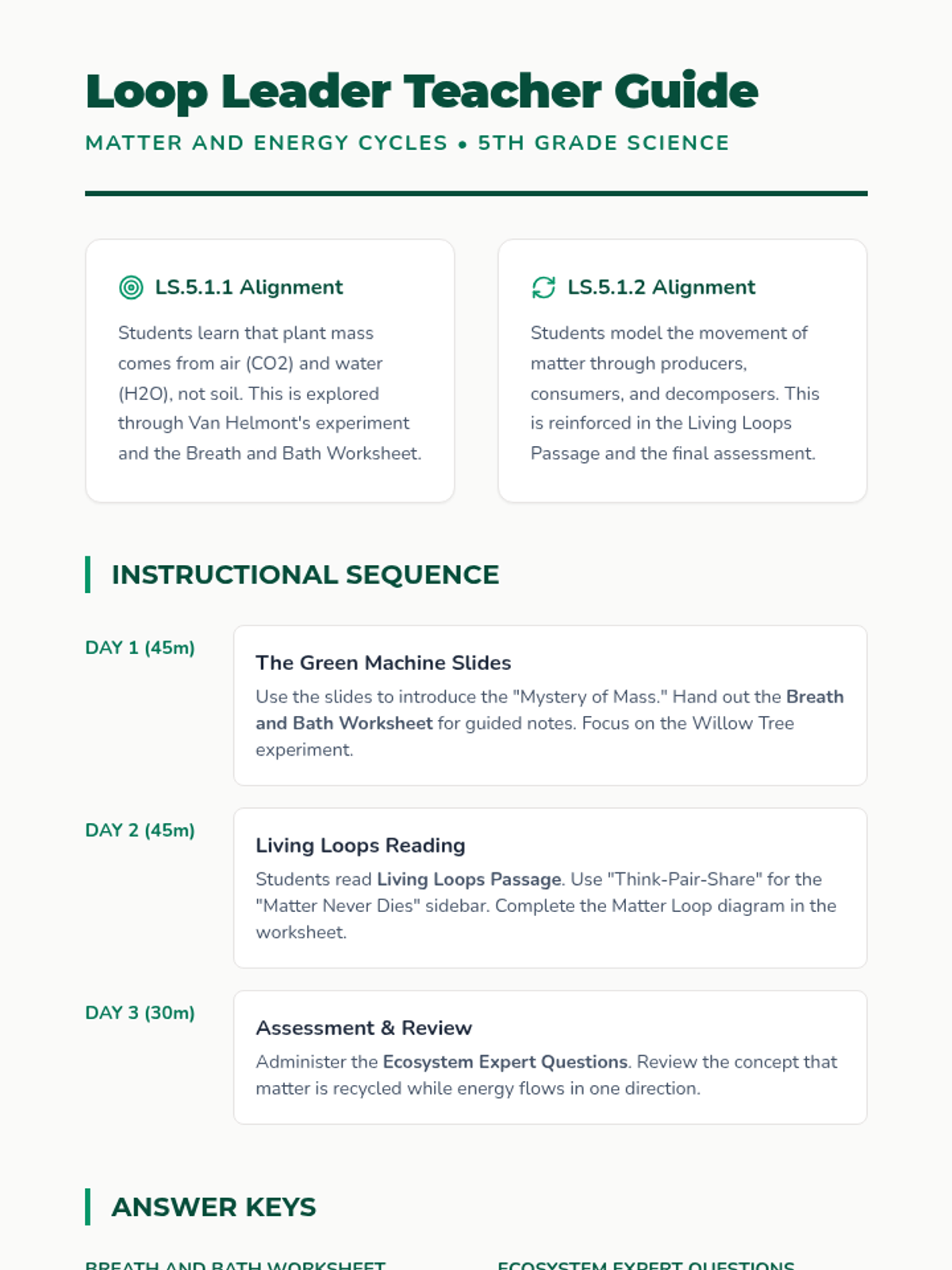
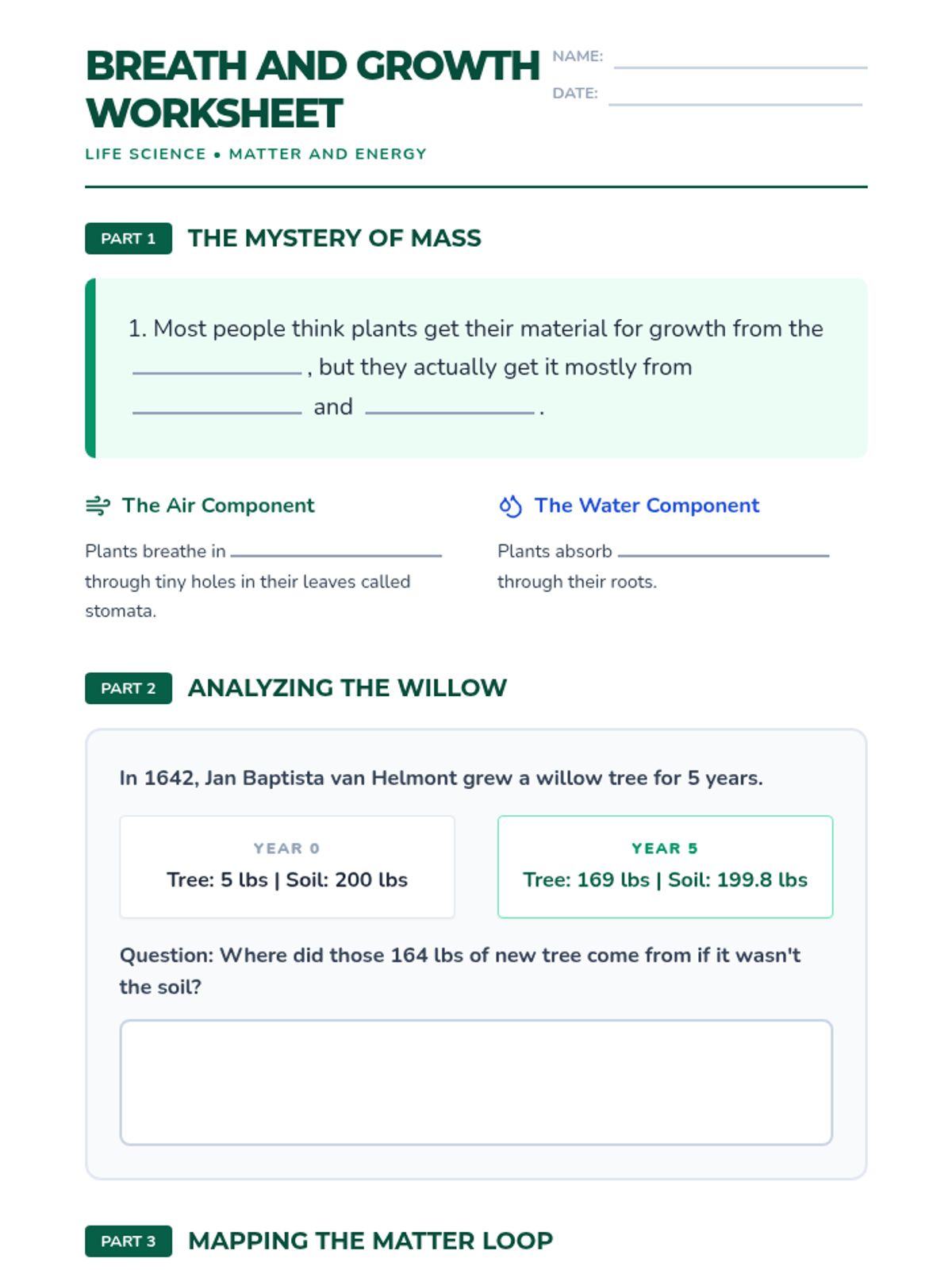
A comprehensive unit for 5th grade exploring how plants grow from air and water (LS.5.1.1) and how matter cycles through ecosystems via food webs and decomposers (LS.5.1.2).
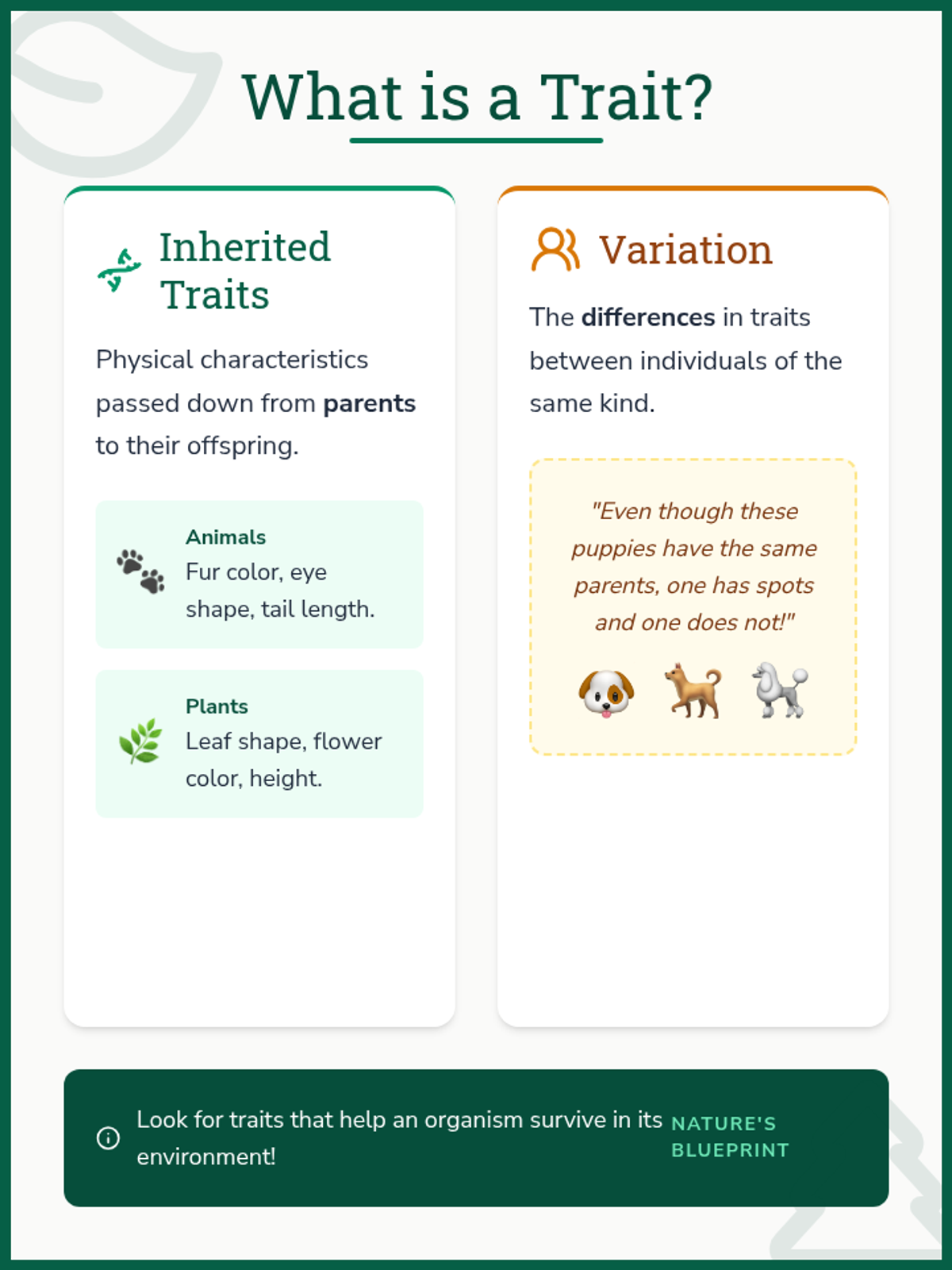
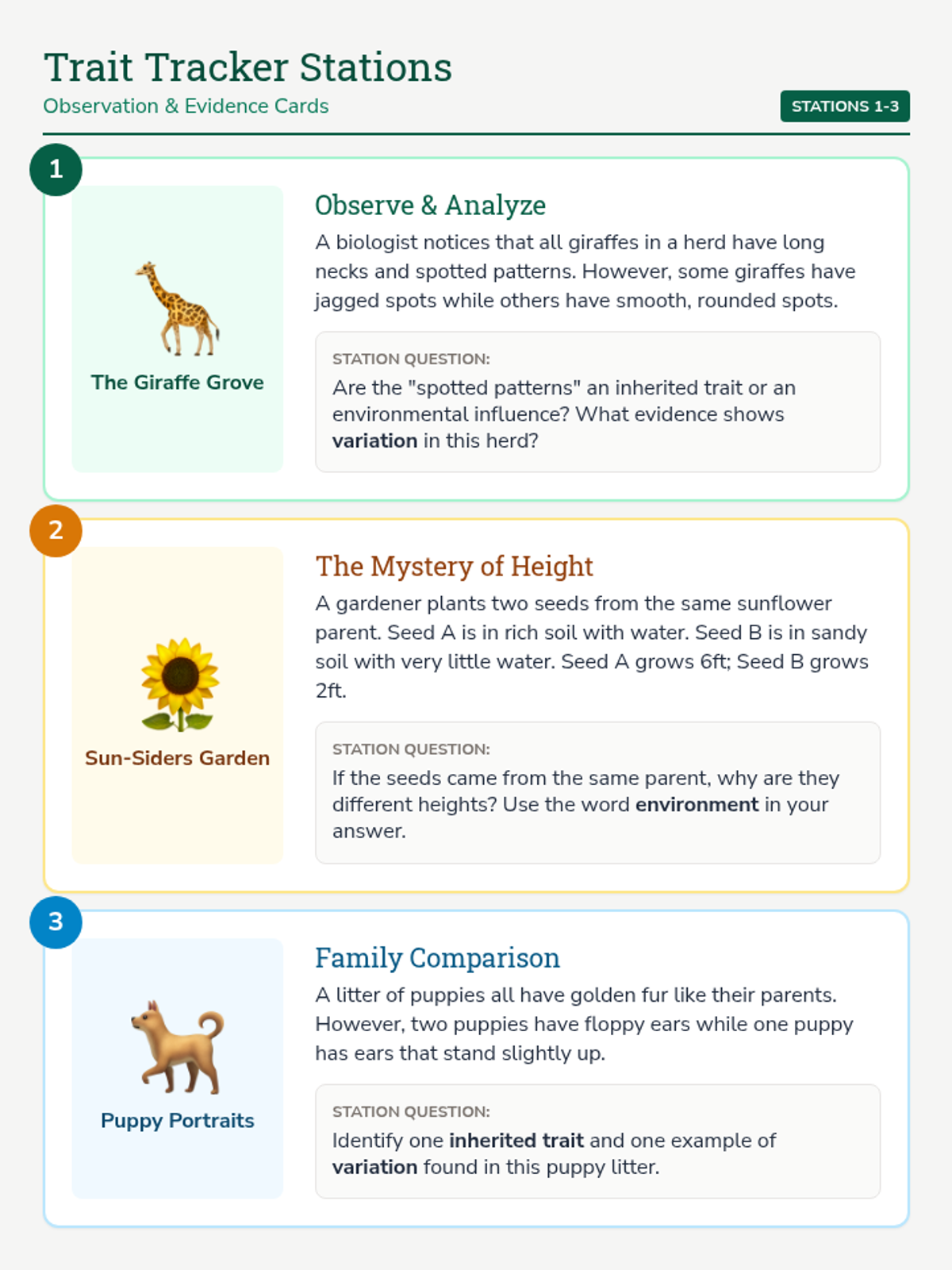
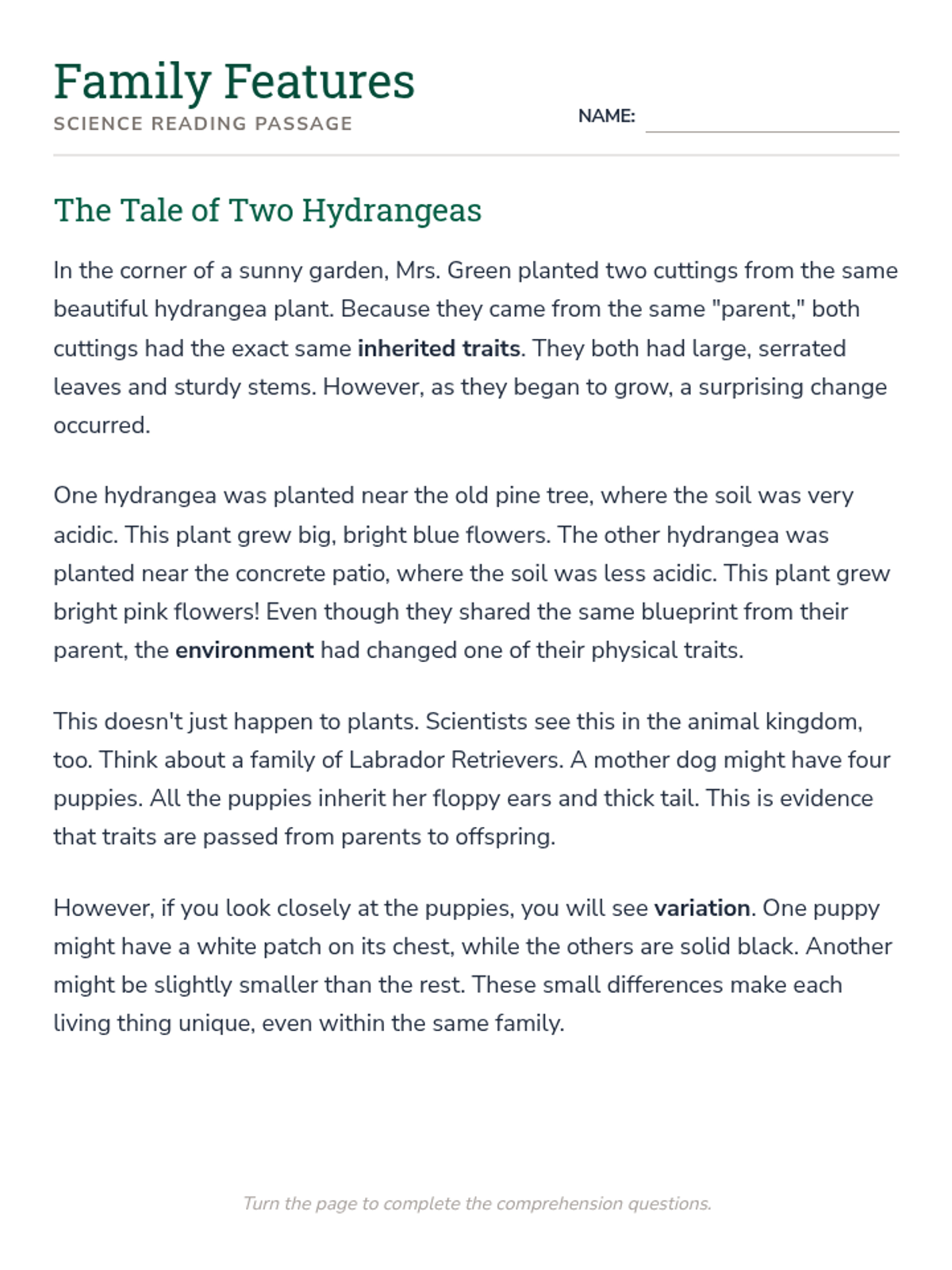
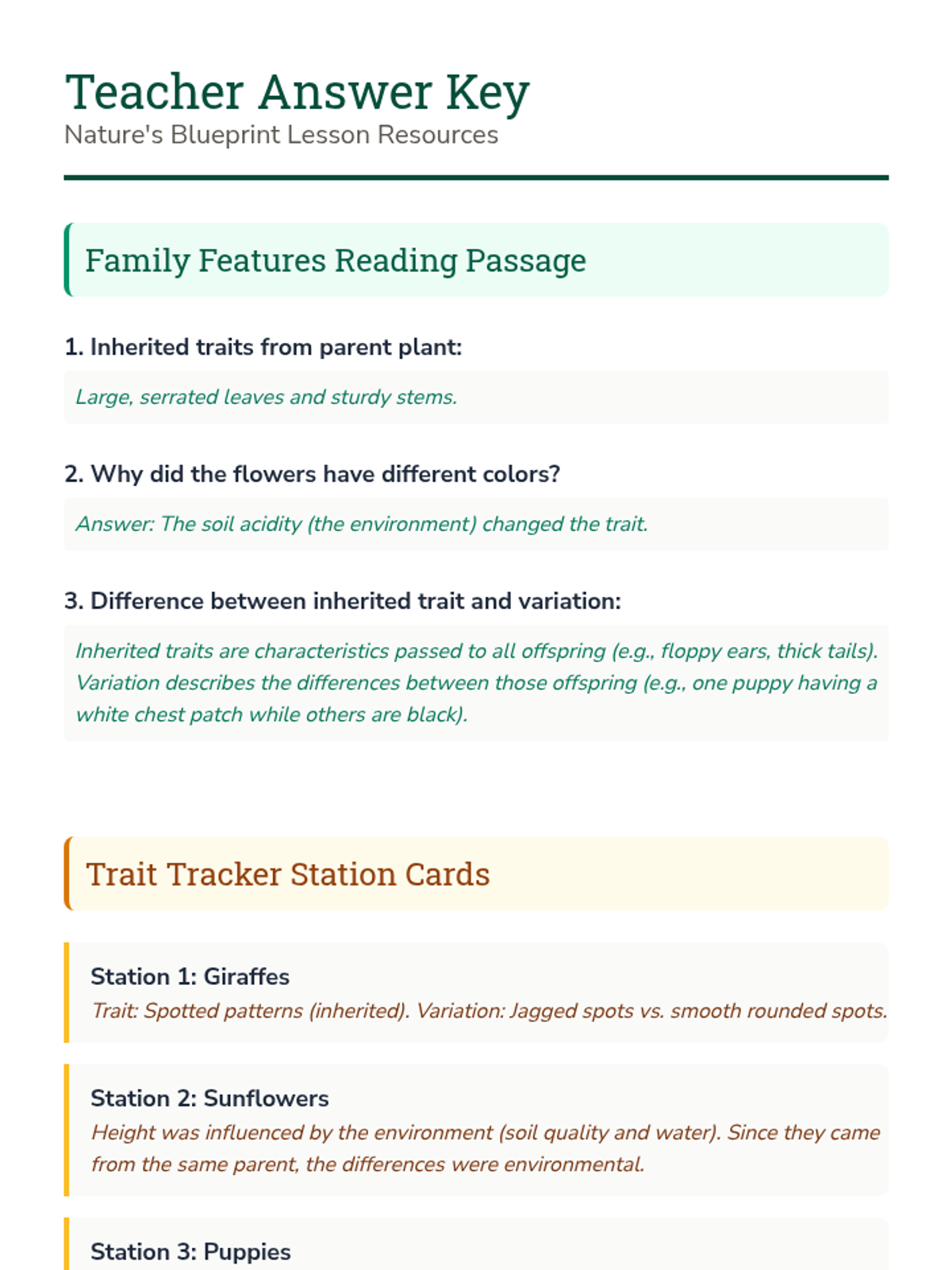
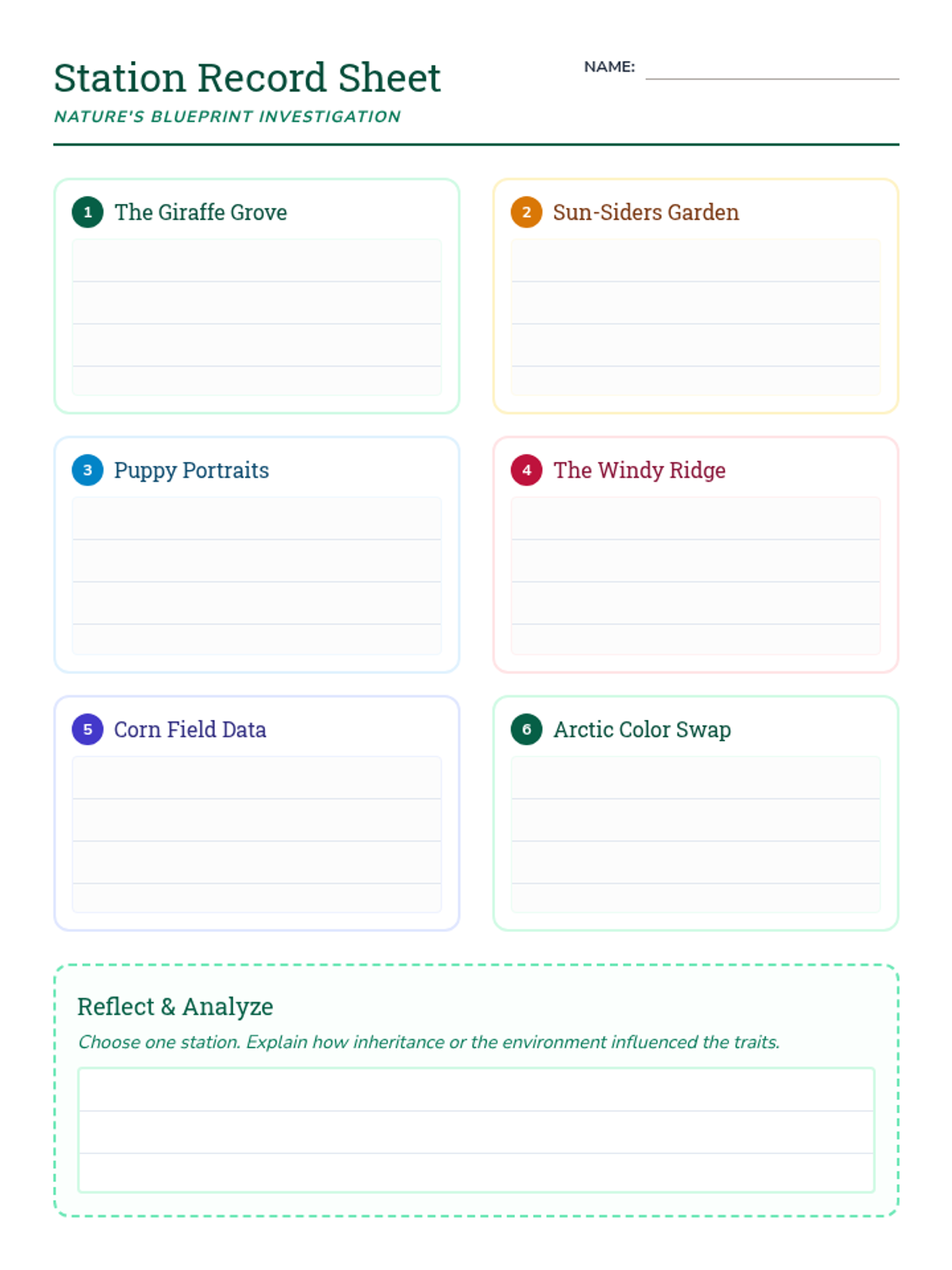
A comprehensive exploration of heredity, traits, and environmental influences across grade levels, from basic inheritance to complex adaptations and changes over time.
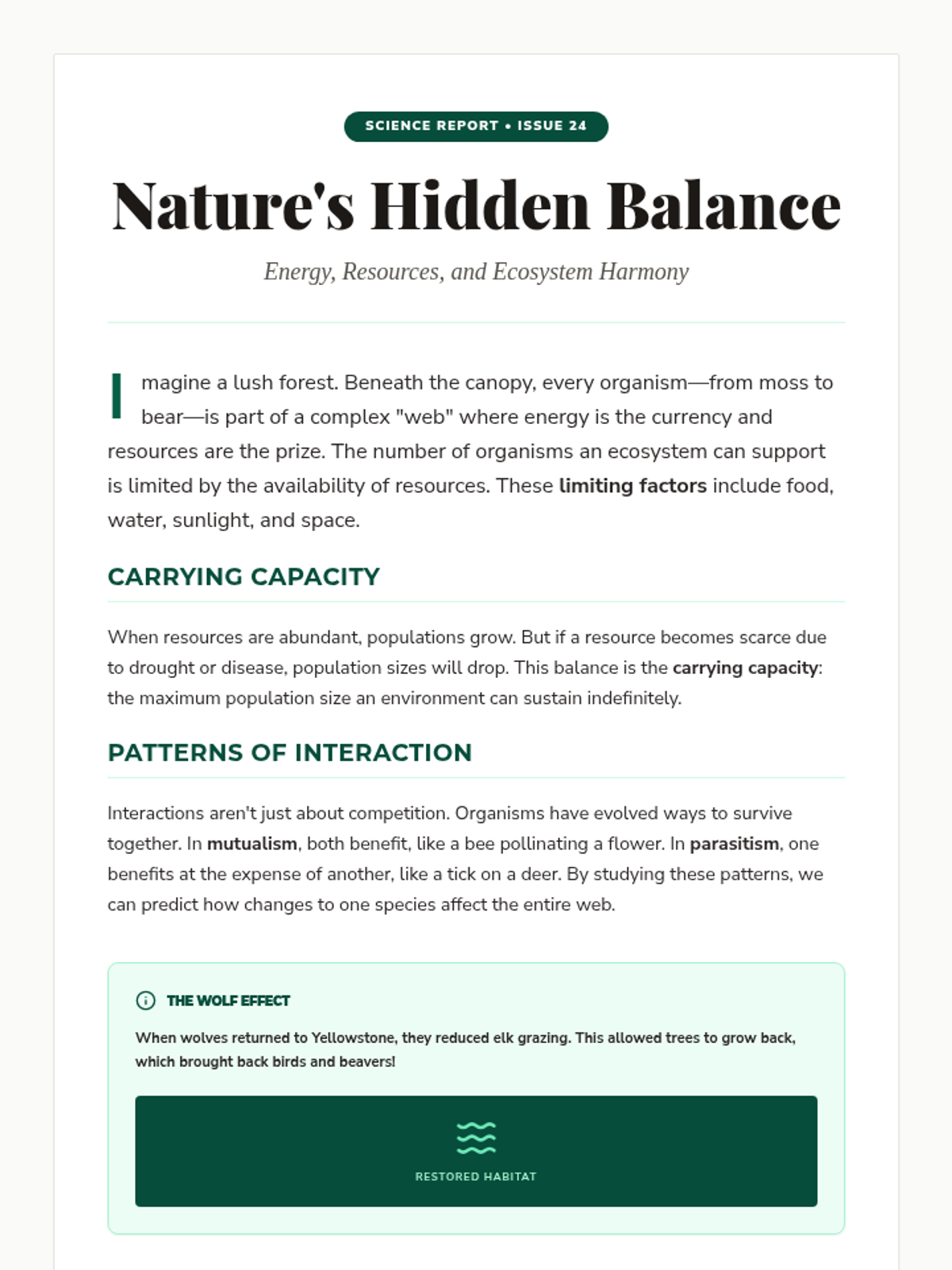
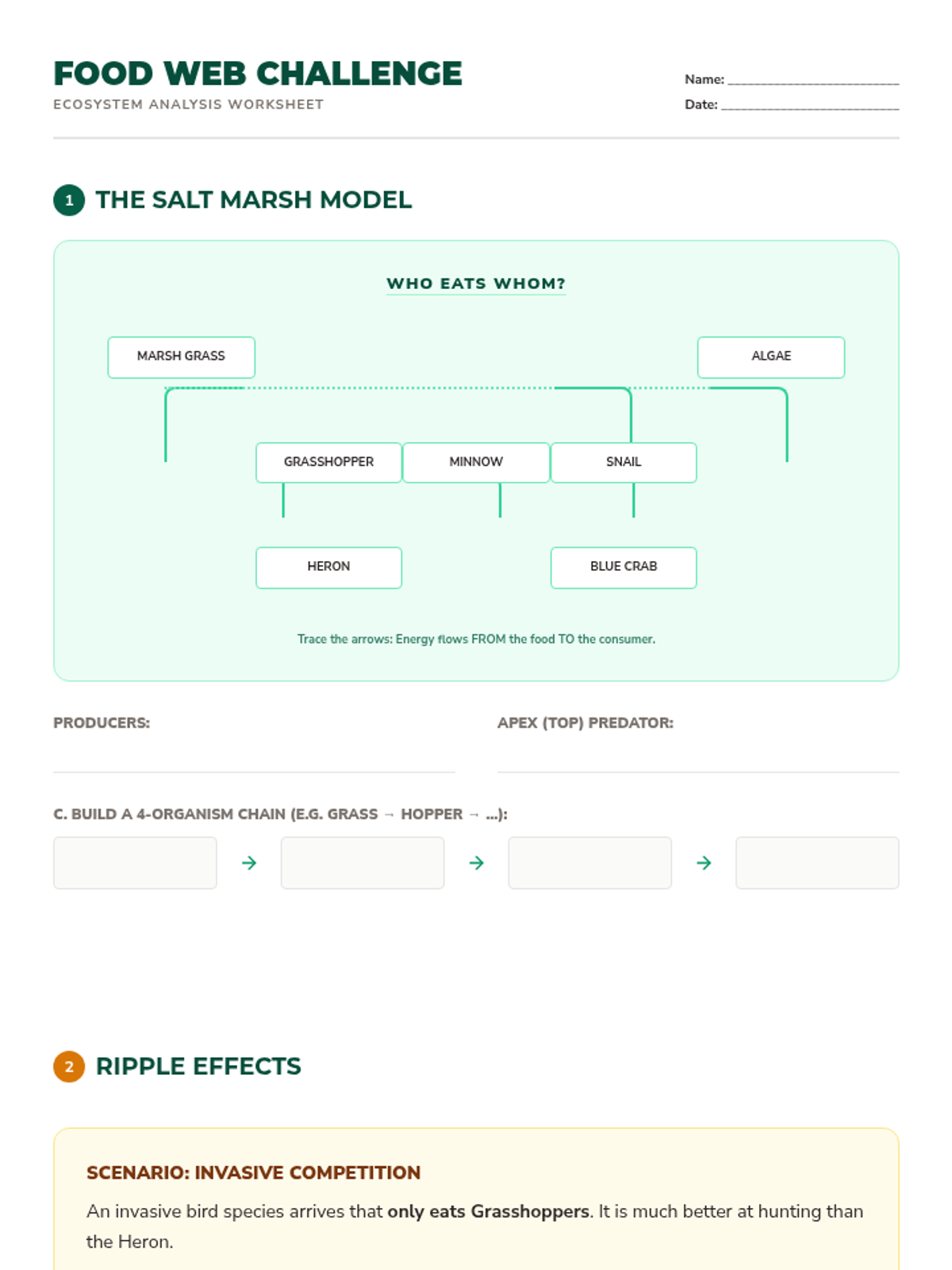
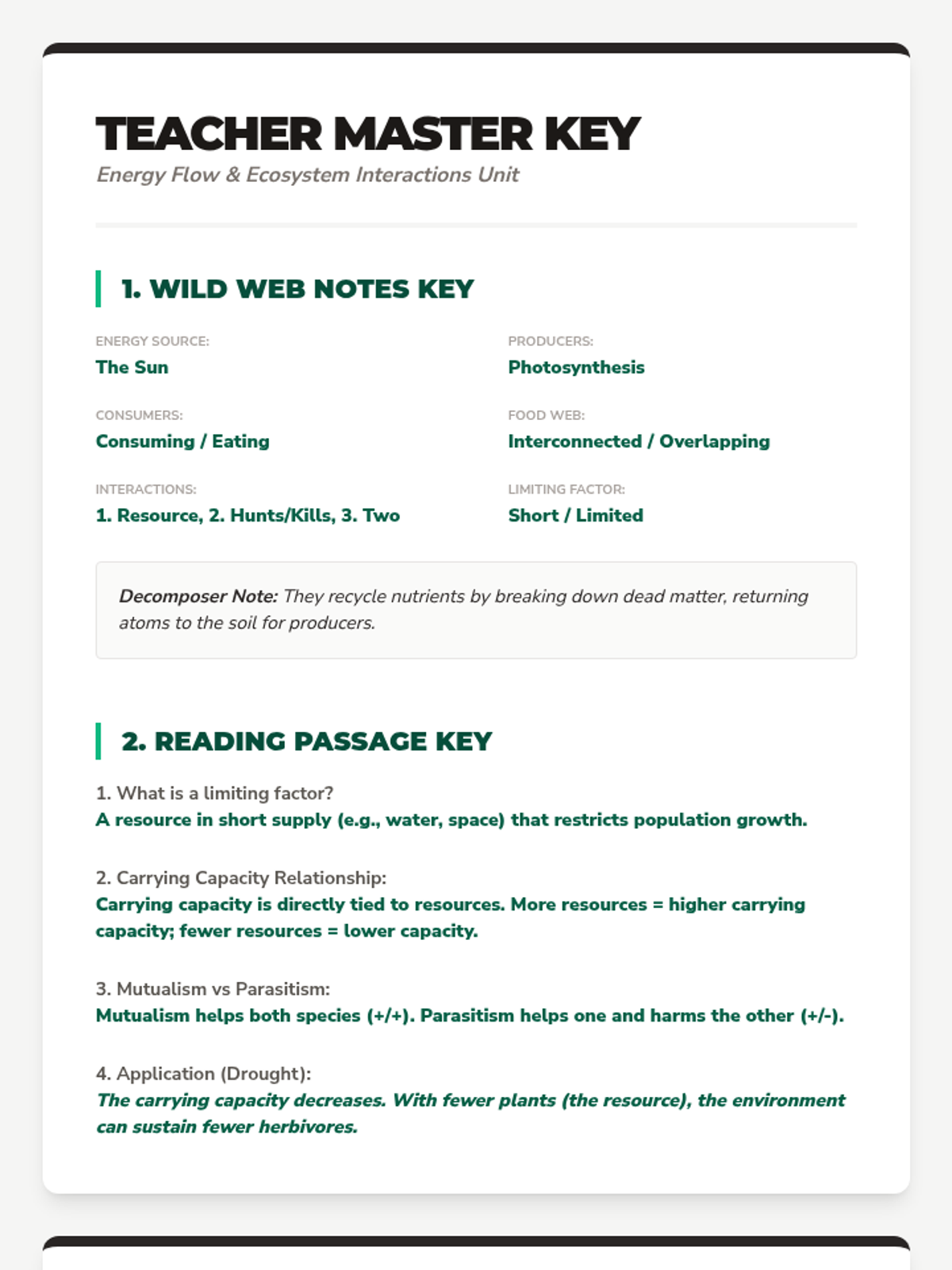
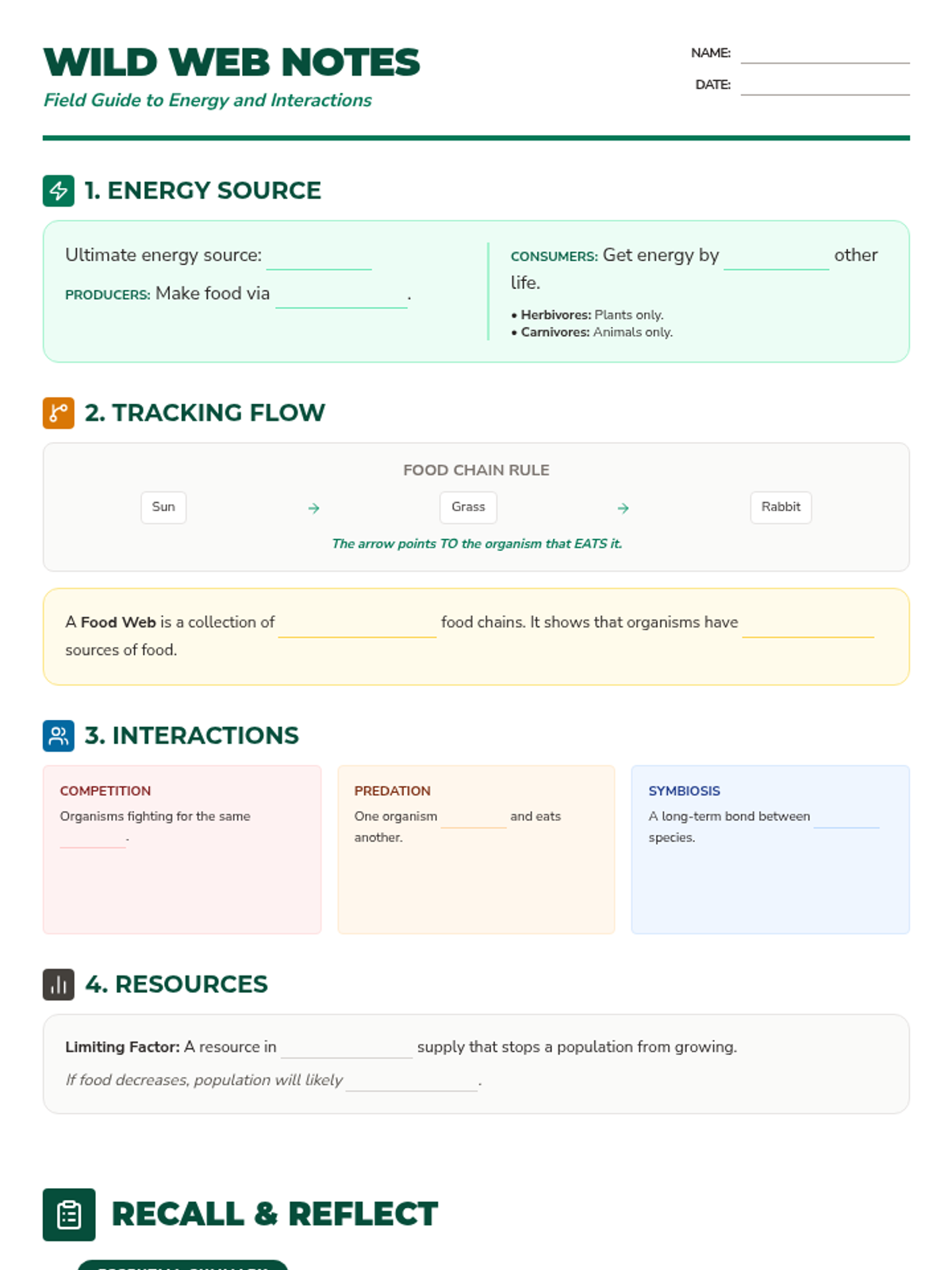
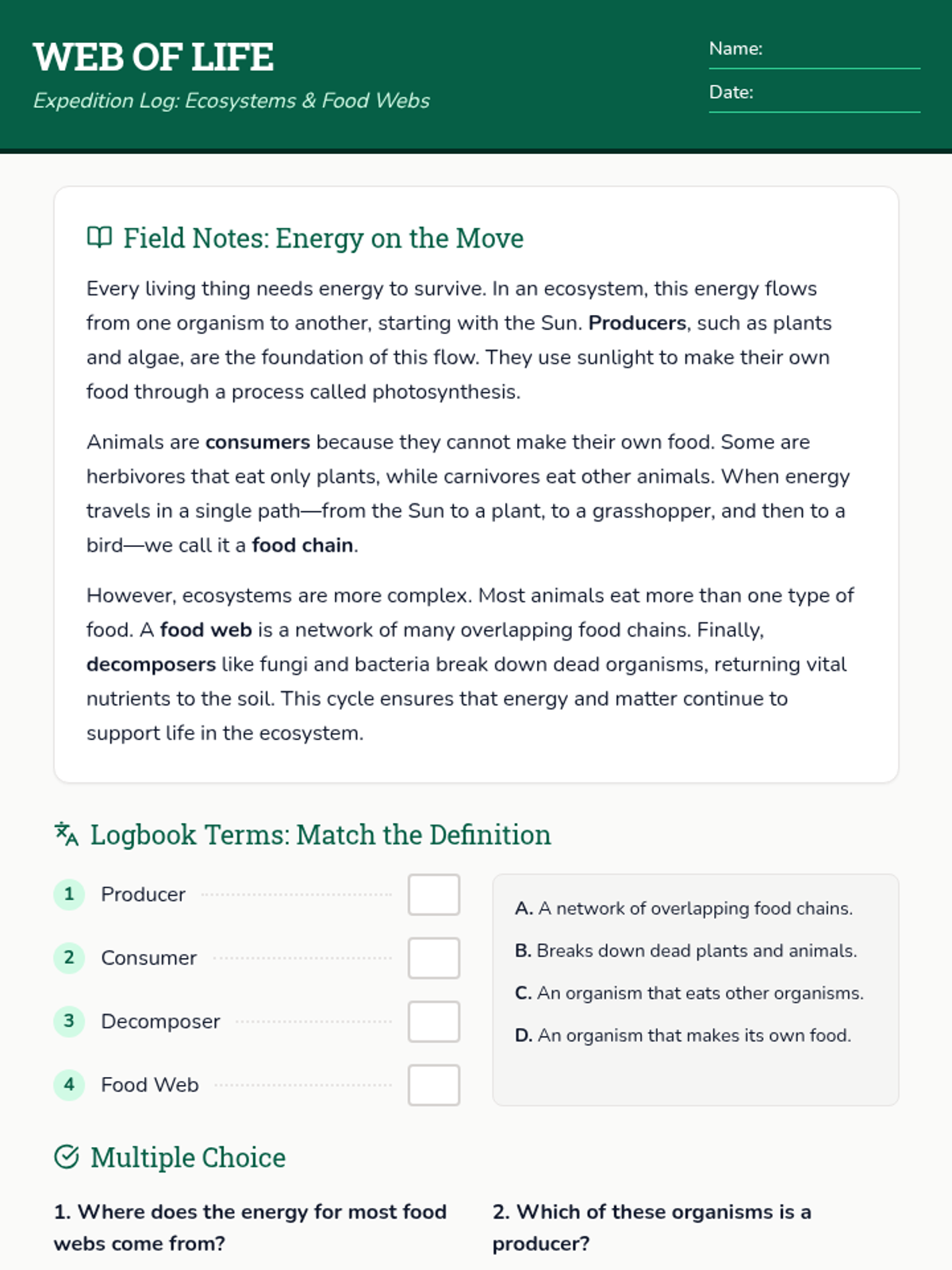
A comprehensive unit exploring how energy flows through ecosystems and how organisms interact within their environments. Students will model food webs, analyze resource availability, and predict population changes based on interactions.
A comprehensive 5th-grade science review sequence covering Ecosystems, Properties of Matter, and the Earth-Sun-Moon system through reading comprehension and varied activities.