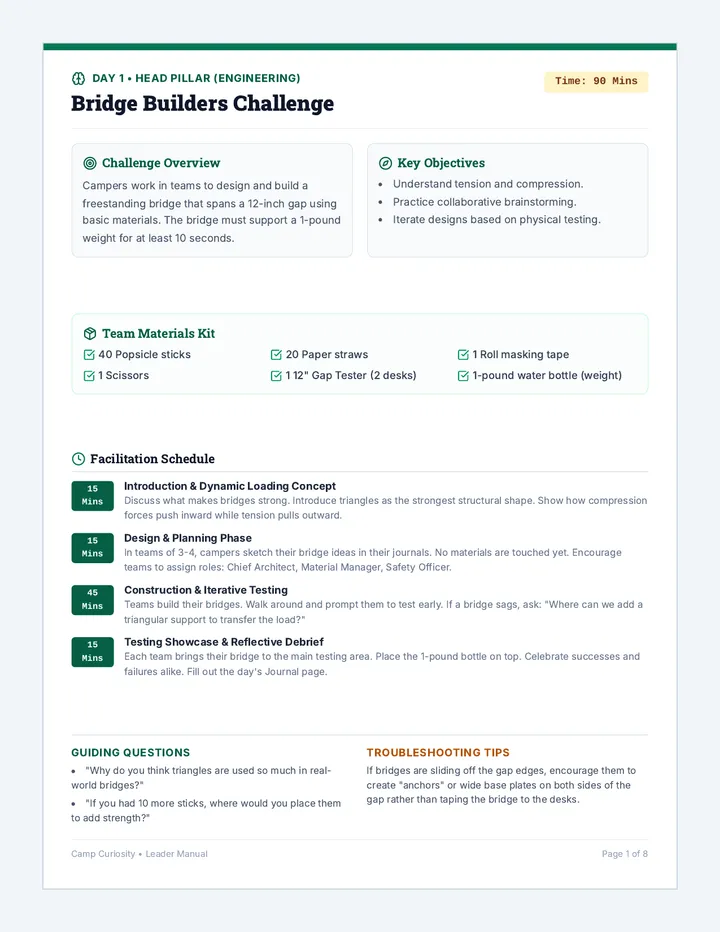
This project-based sequence explores magnetic systems through the lens of engineering. Students apply their knowledge of attraction and repulsion to solve friction problems, culminating in the design and prototyping of a Maglev vehicle.
A high school biology sequence focused on the neuroscience of addiction, specifically analyzing how chemical structure and speed of delivery influence the brain's reward system. Students explore the biological mechanisms of tolerance, dependence, and the blood-brain barrier through graphing and comparative analysis.
A specialized AP Biology unit exploring the intersection of neuroscience and psychology, focusing on the biological mechanisms of mental health disorders and the pharmacology of their treatments.
A comprehensive 5-week sequence exploring the physical properties of water, the engineering of water filtration, and the complex systems of Virginia's watersheds. Students move from hands-on engineering to chemical properties and finally to large-scale environmental systems.
A 4th-grade science unit adapted from 6th-grade material, focusing on how gene versions and proteins determine traits in spiders and humans. Students act as 'Gene Detectives' to solve the mystery of silk flexibility and running ability.
Une séquence approfondie sur les phases claires de la photosynthèse, destinée aux étudiants de première année de licence. Elle couvre la capture de l'énergie lumineuse, les pigments photosynthétiques et la chaîne de transfert d'électrons.
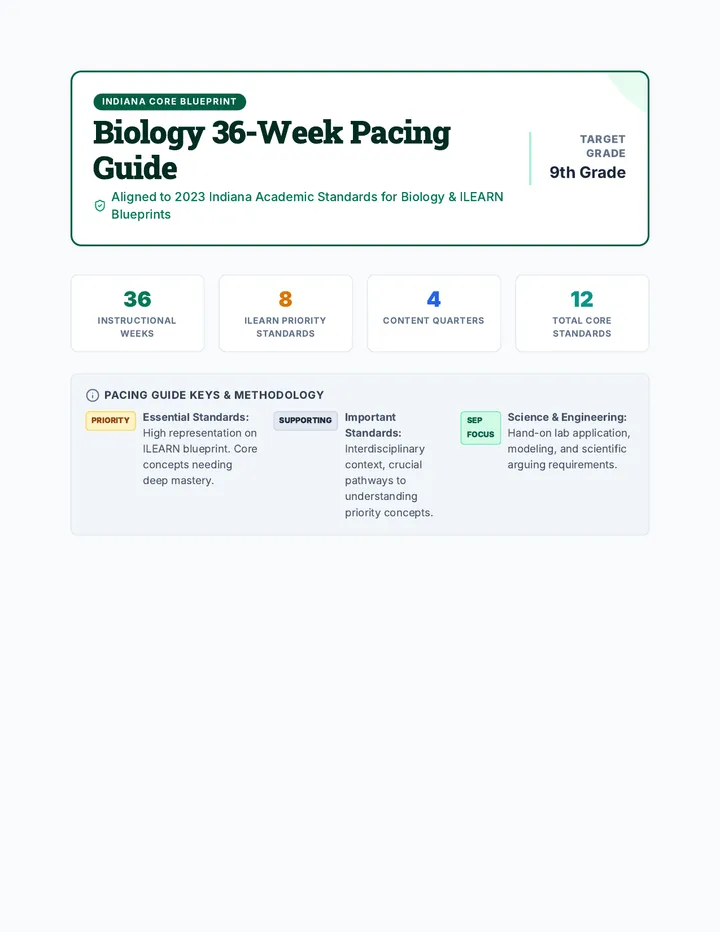
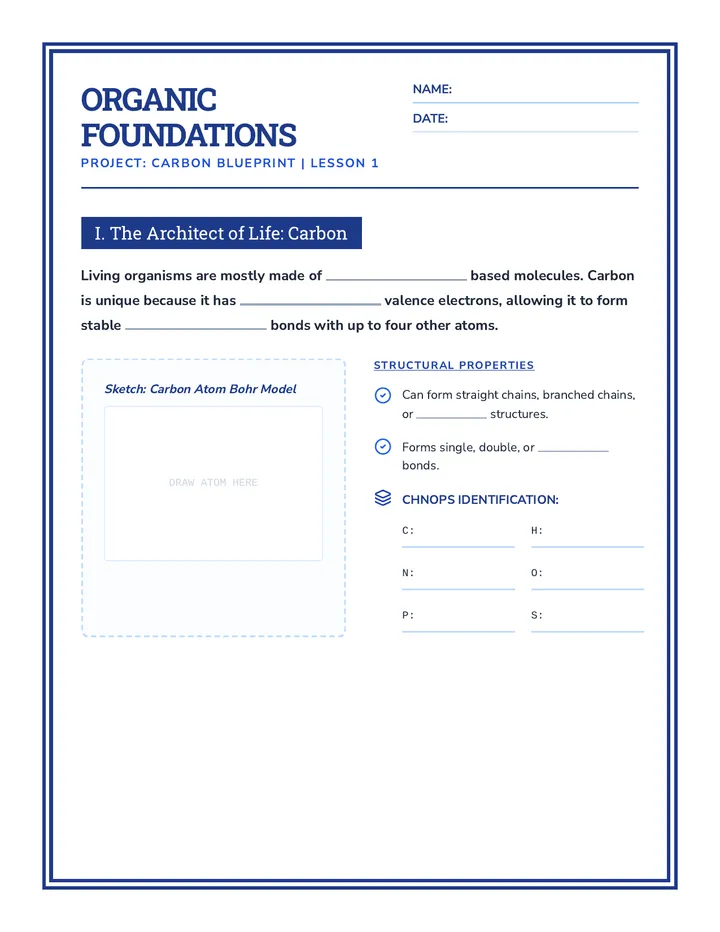
Une séquence exhaustive sur le métabolisme pour les classes préparatoires BCPST, couvrant l'hétérotrophie, l'autotrophie au carbone et à l'azote, ainsi que la chimiolithotrophie. La séquence met l'accent sur les bilans énergétiques, les flux de protons et l'intégration des voies métaboliques.
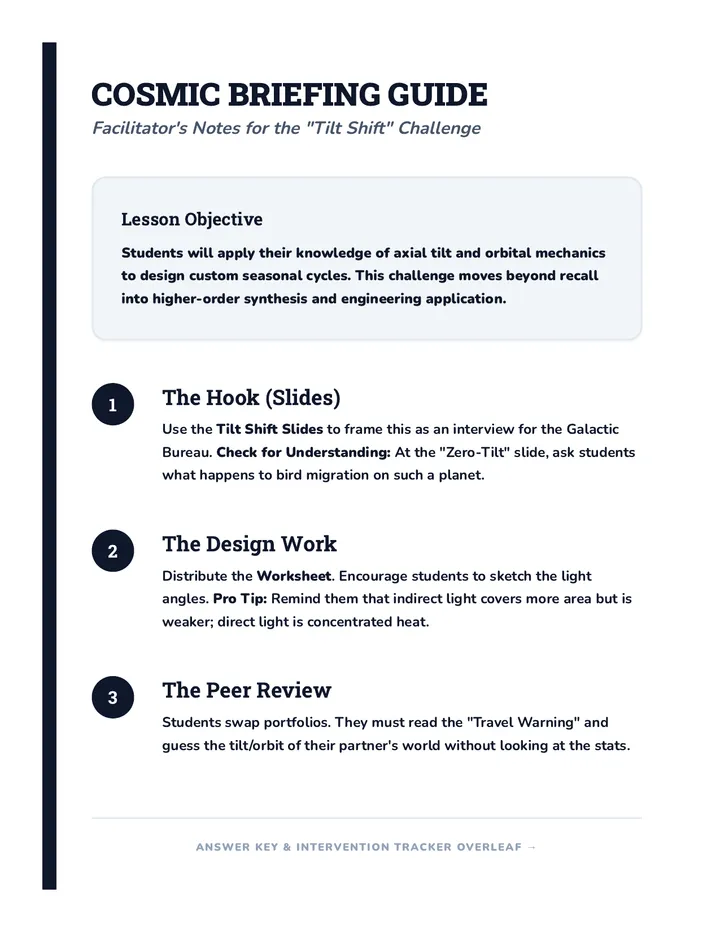
A comprehensive unit exploring inherited traits, talents, and character analysis through the lens of Kamal's story. Students will distinguish between genetic traits and learned talents, analyze character motivations, and document their own unique 'code'.
A comprehensive project-based unit where students explore the vital role of pollinators, research local species, and design solutions to protect their habitats.
A comprehensive unit exploring the fundamentals of electricity, magnetism, and how they combine in circuits, focusing on energy transformations and hands-on visuals.
A comprehensive 5-lesson unit for 4th graders exploring the properties of light energy, including how it travels, reflects, refracts, and interacts with different materials.
A comprehensive 4th-grade earth science unit aligned with the TERC Earth Materials investigation, focusing on the properties of minerals, types of rocks, the rock cycle, and soil composition through a "Geology Field Lab" lens.
A unit exploring the biological origins of humanity, focusing on evolutionary biology, phylogeny, and the development of complex traits like bipedalism and collective learning.
A lesson sequence focused on the scientific method, using a mystery box activity to practice observation, hypothesis formation, and experimentation. Students explore the historical roots of the method and apply it to solve physical puzzles.
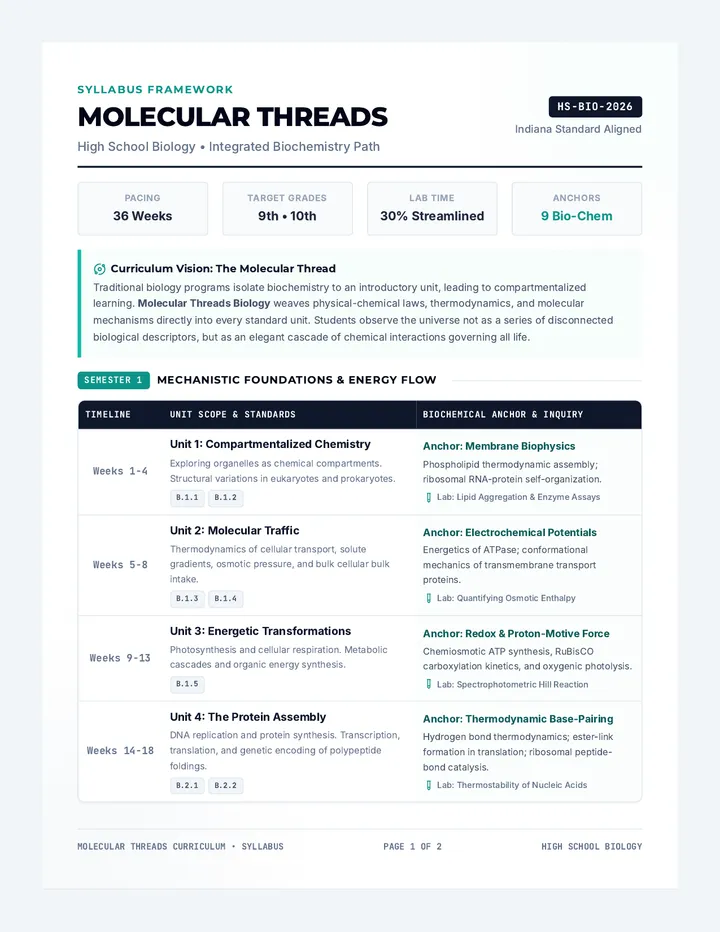
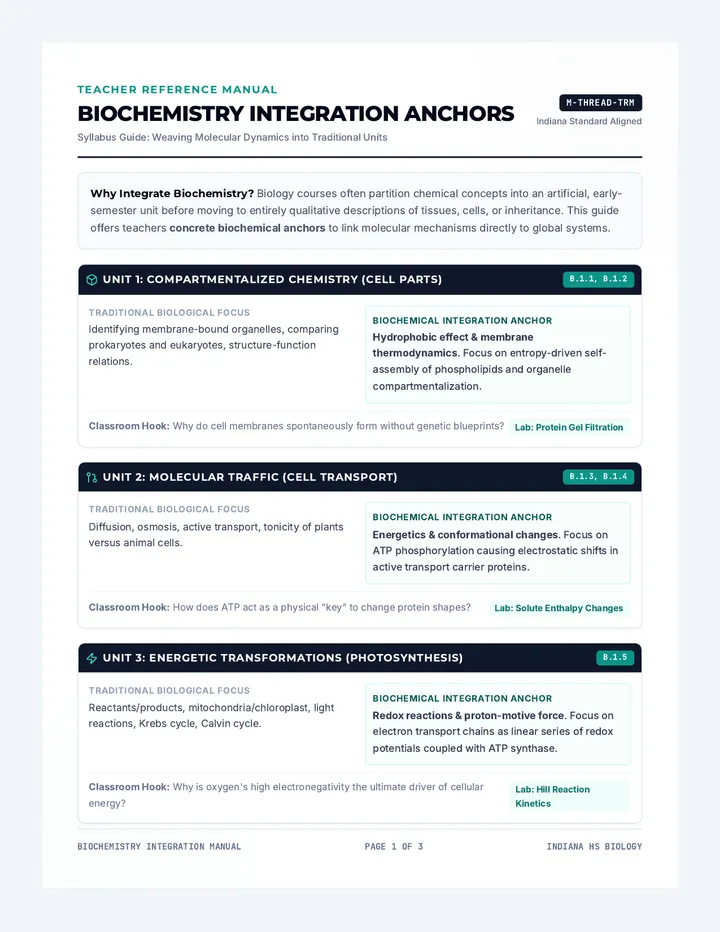
A specialized high school chemistry/biology integrated lesson exploring the biochemical differences between Archaea and Bacteria. Students analyze how ether bonds and lipid monolayers provide structural stability for survival in extreme thermal environments through modeling and chemical analysis.
A lesson sequence exploring the science of involuntary reflexes and reaction time through hands-on lab experiments and interactive discussions. Students learn to distinguish between voluntary and involuntary actions using the body's natural response systems.
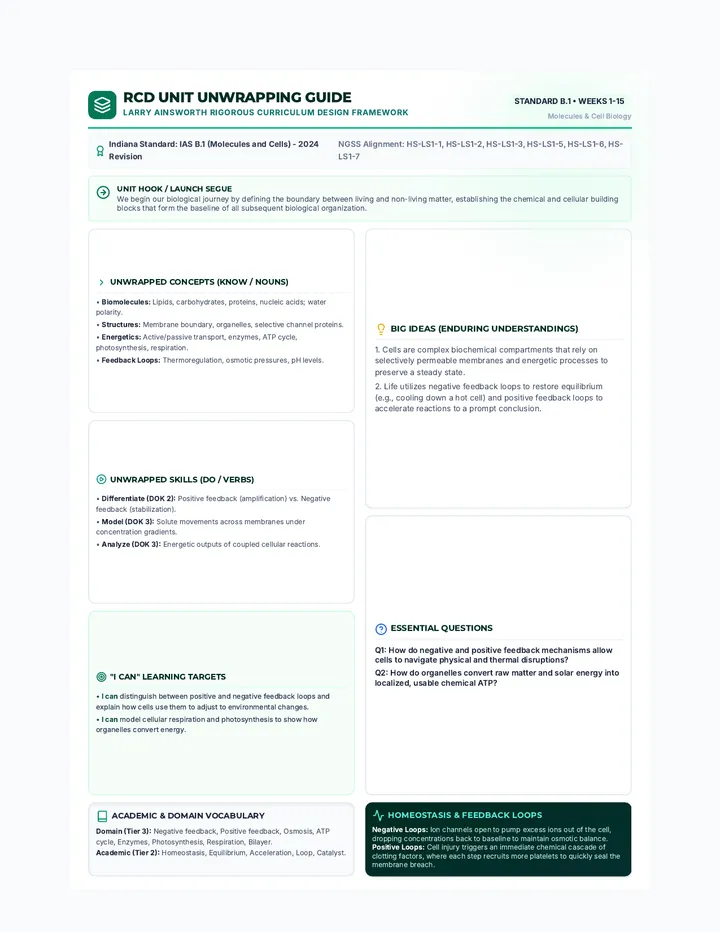
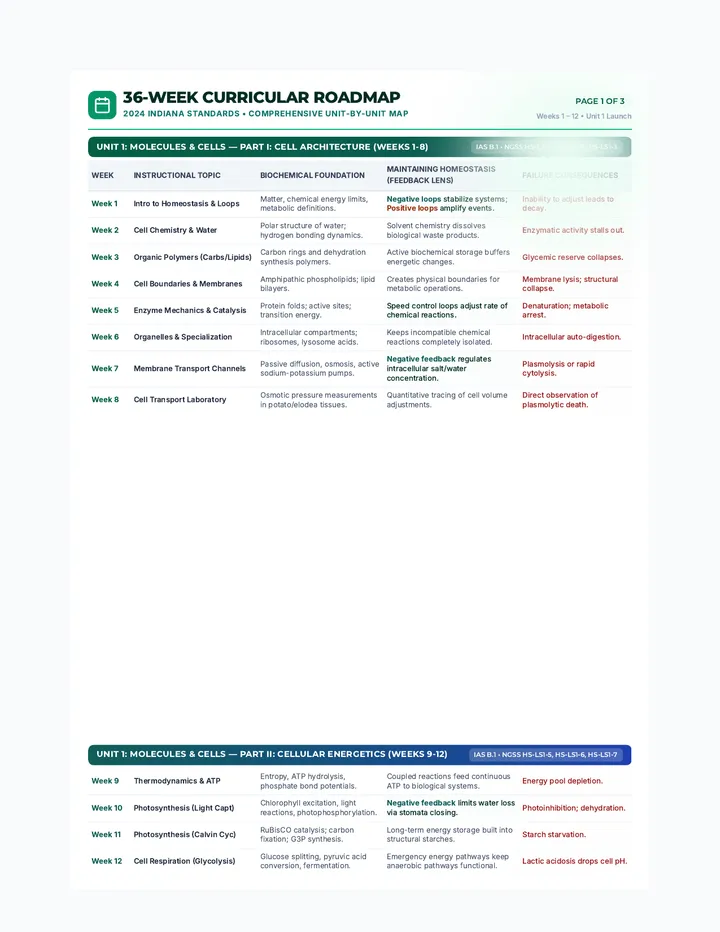
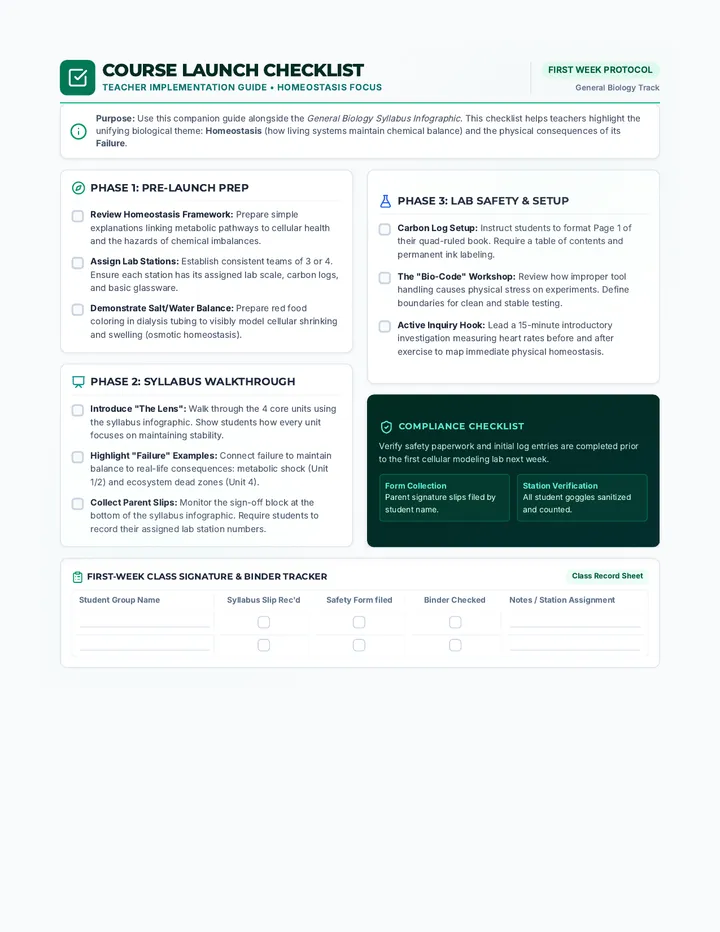
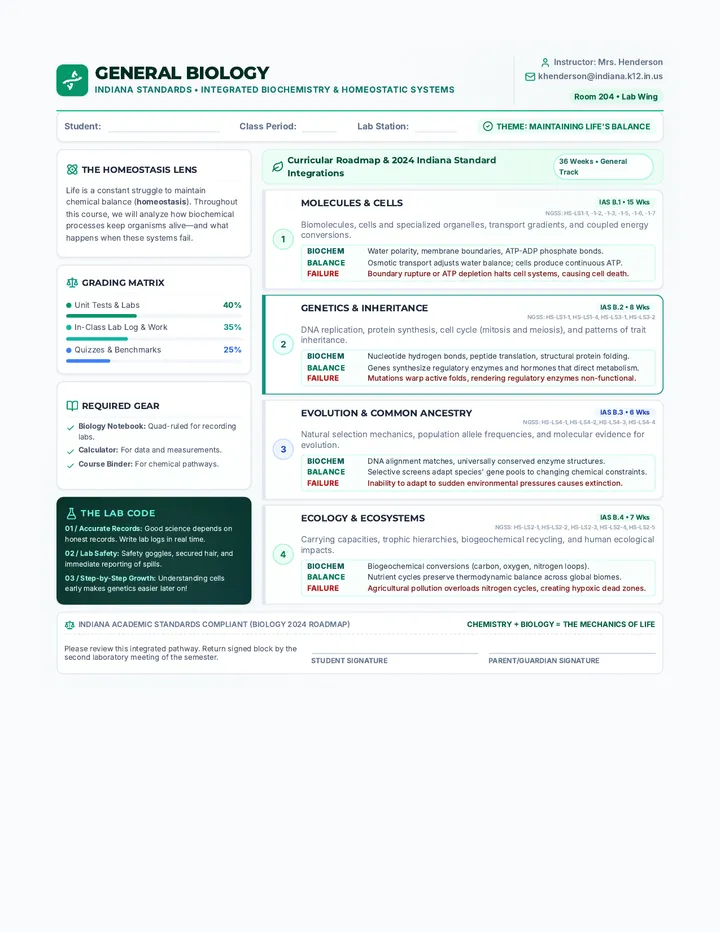
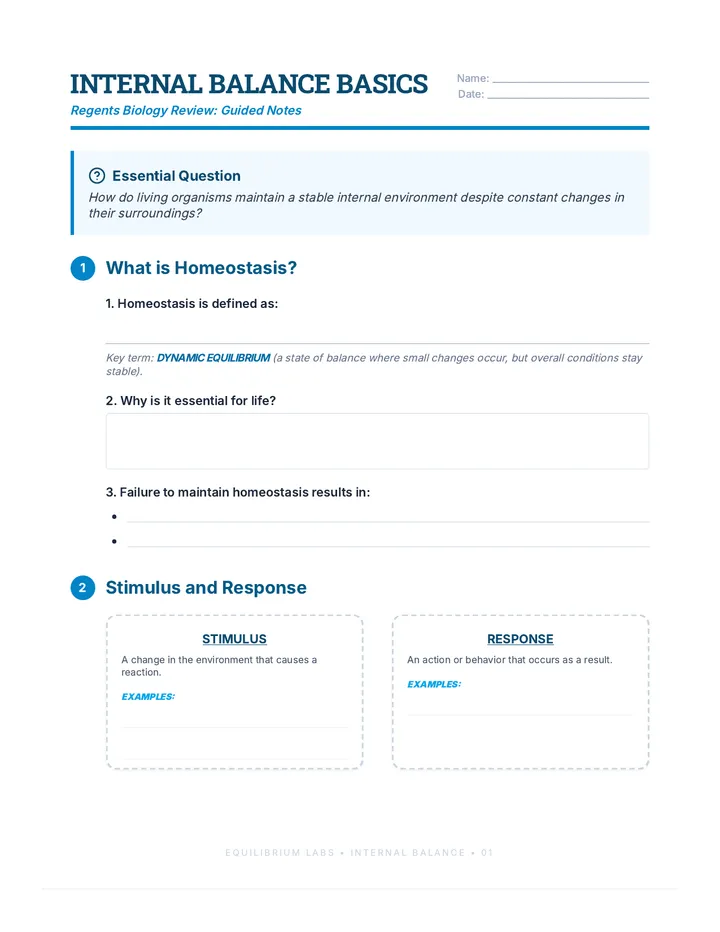
A comprehensive lesson sequence on human body systems, starting with the fundamentals of cellular organization and homeostasis.
An introductory unit exploring invertebrate biology, focusing on classification, physical traits, and ecological roles of various animal groups.
A Kindergarten and 1st Grade science unit exploring our neighbor planet, Mars. Students compare Earth and Mars using visual aids, a hands-on sorting activity, and creative drawing to understand planetary similarities and differences.
A hands-on exploration of physics and forces, focusing on gravity, motion, and air resistance through engineering challenges.
A lesson focused on Galileo's gravitational experiments and the mathematical resolution of the 'gravity paradox,' where mass cancels out in the calculation of acceleration. Students conduct a hands-on lab using bottles of different masses to test empirical results against theoretical models.
A sequence focused on physical science and engineering, specifically exploring gravity, air resistance, and the engineering design process through parachute construction.
A comprehensive science lesson for 4th-6th graders exploring the six types of volcanoes and the relationship between lava viscosity and volcano shape. The sequence includes a hands-on 'Ketchup Race' demonstration, video analysis, and a sculpting activity.
A comprehensive lesson sequence for 3rd-5th graders to identify and define the characteristics of living things (organisms) using video observation, field research, and critical thinking.
A comprehensive lesson sequence exploring the three modes of heat transfer (conduction, convection, and radiation) and the concept of thermal equilibrium using real-world scenarios and particle-level explanations.
A lesson sequence exploring how volcanoes grow through the accumulation and cooling of lava layers, featuring hands-on modeling and visual analysis.
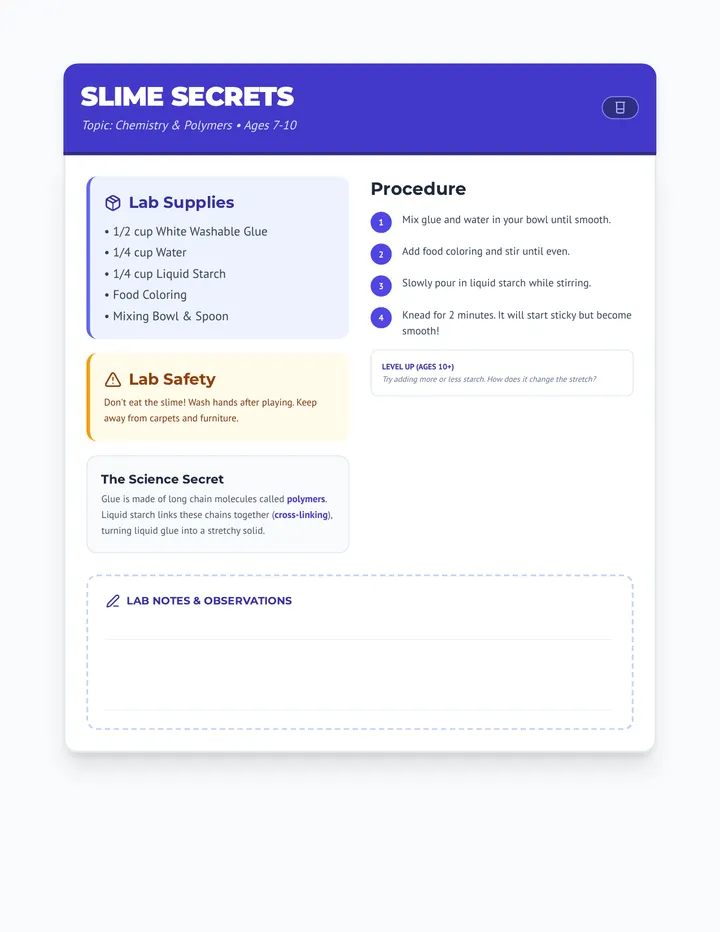
A chemistry unit for upper elementary students focused on the science of mixtures and solutions through the relatable lens of a backyard picnic. Students explore vocabulary like solute, solvent, and saturation using video analysis and creative menu design.
A sequence focused on understanding the origins and structure of our solar system, starting with the formation of the sun and planets from a cloud of dust and gas.