A 2-day introductory unit on literary themes for sixth-grade students. This sequence helps students distinguish between topic and theme, identify universal themes, and analyze how authors develop these messages through characters and plot.
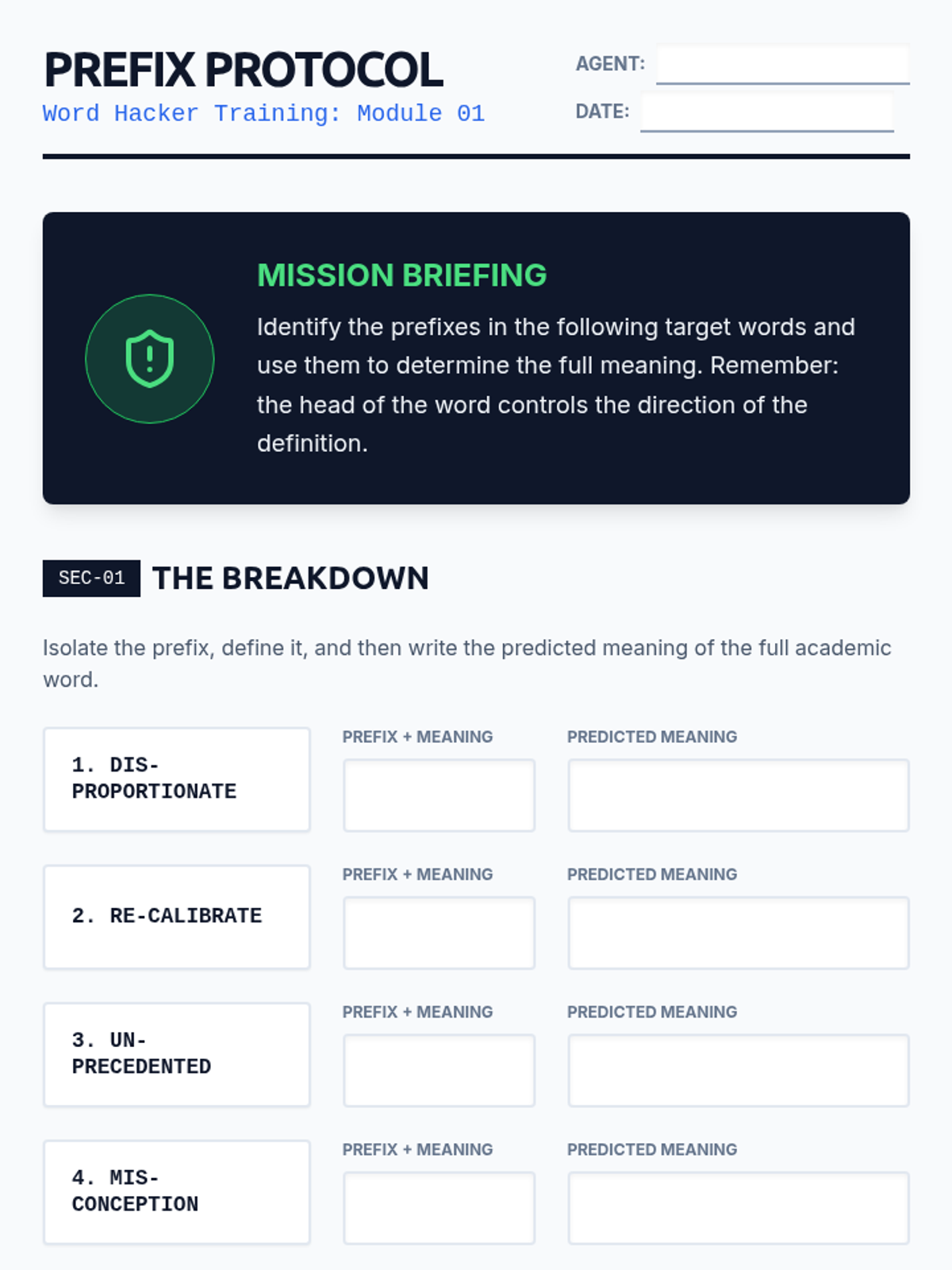
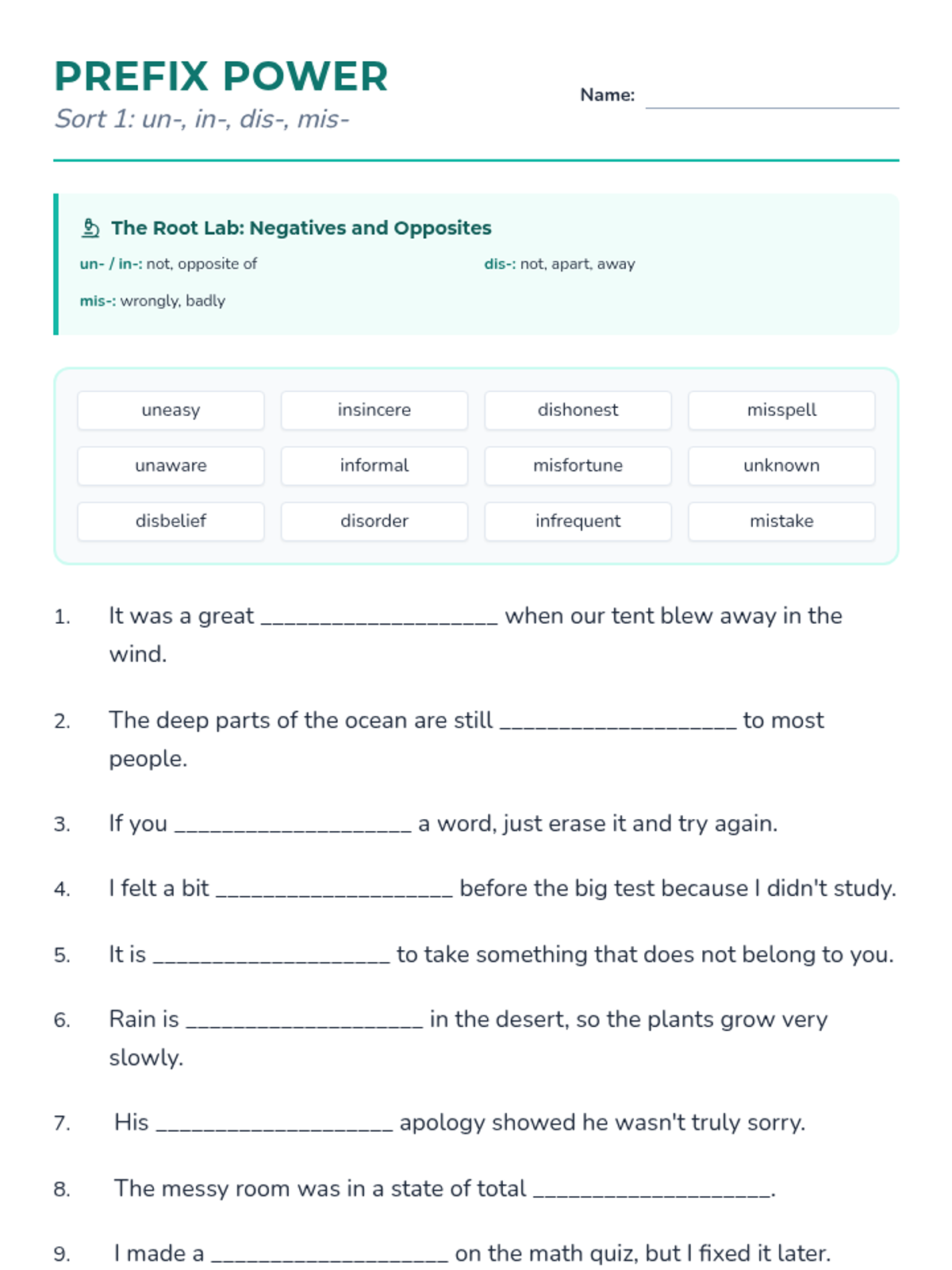
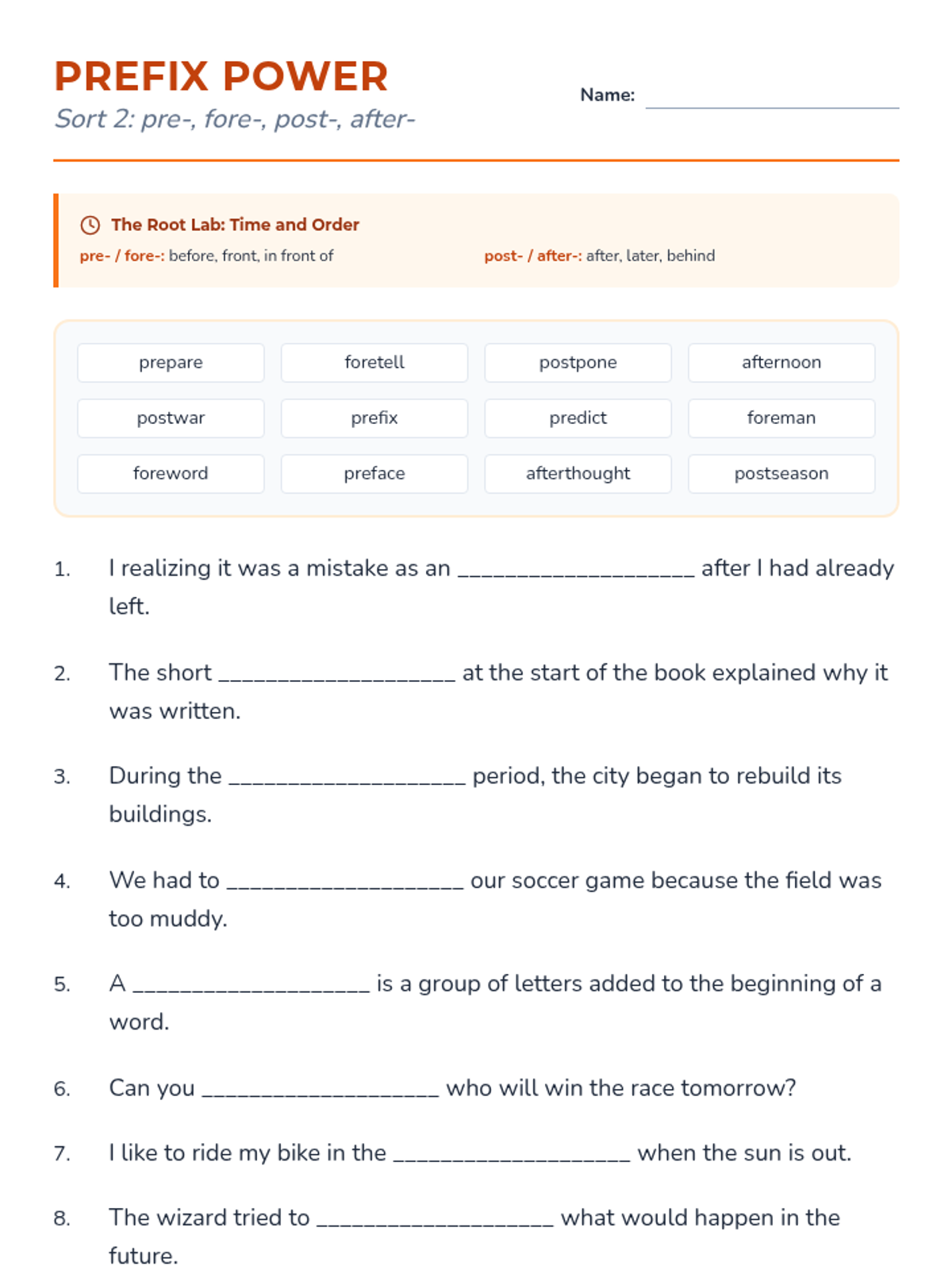
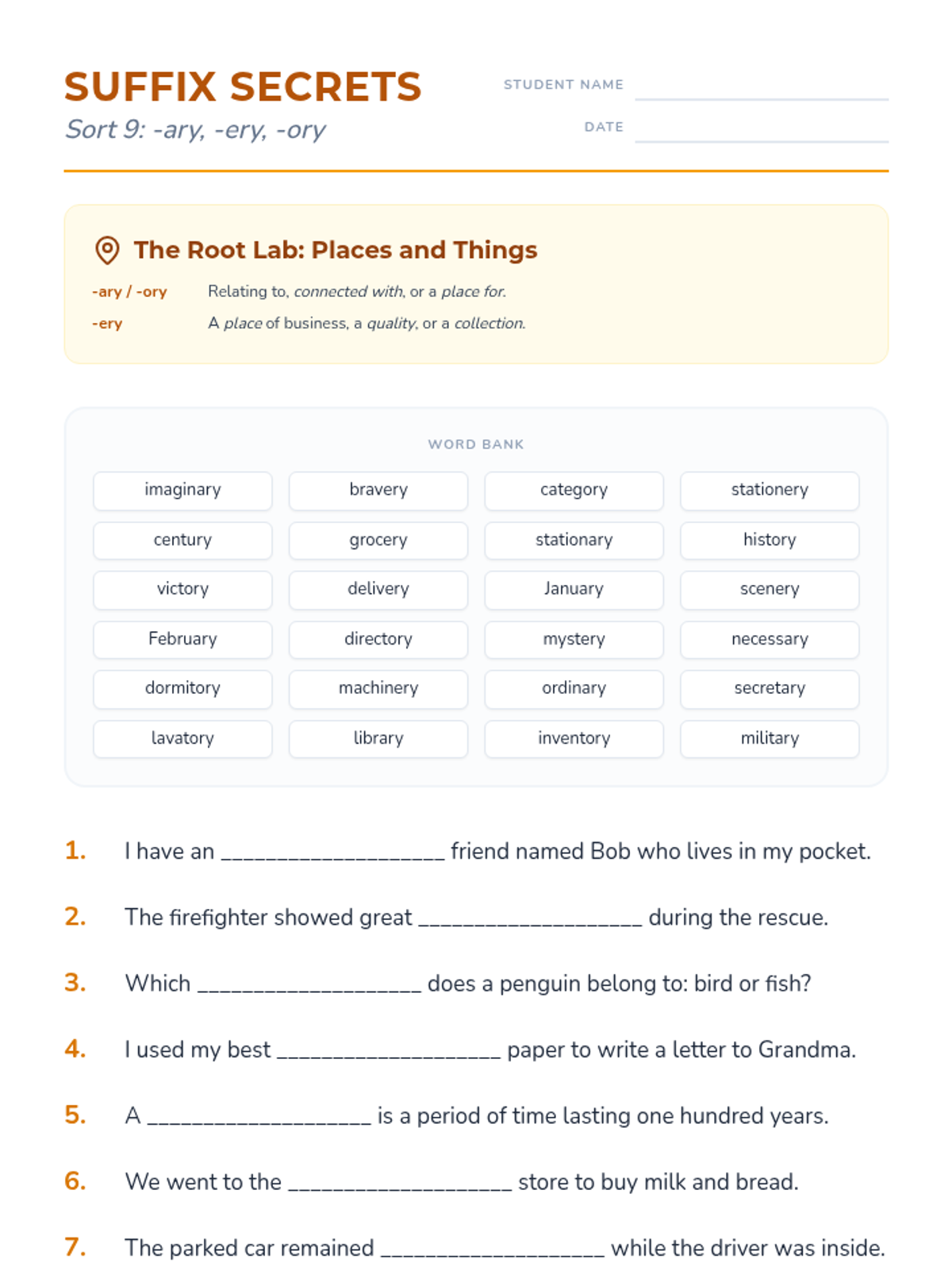
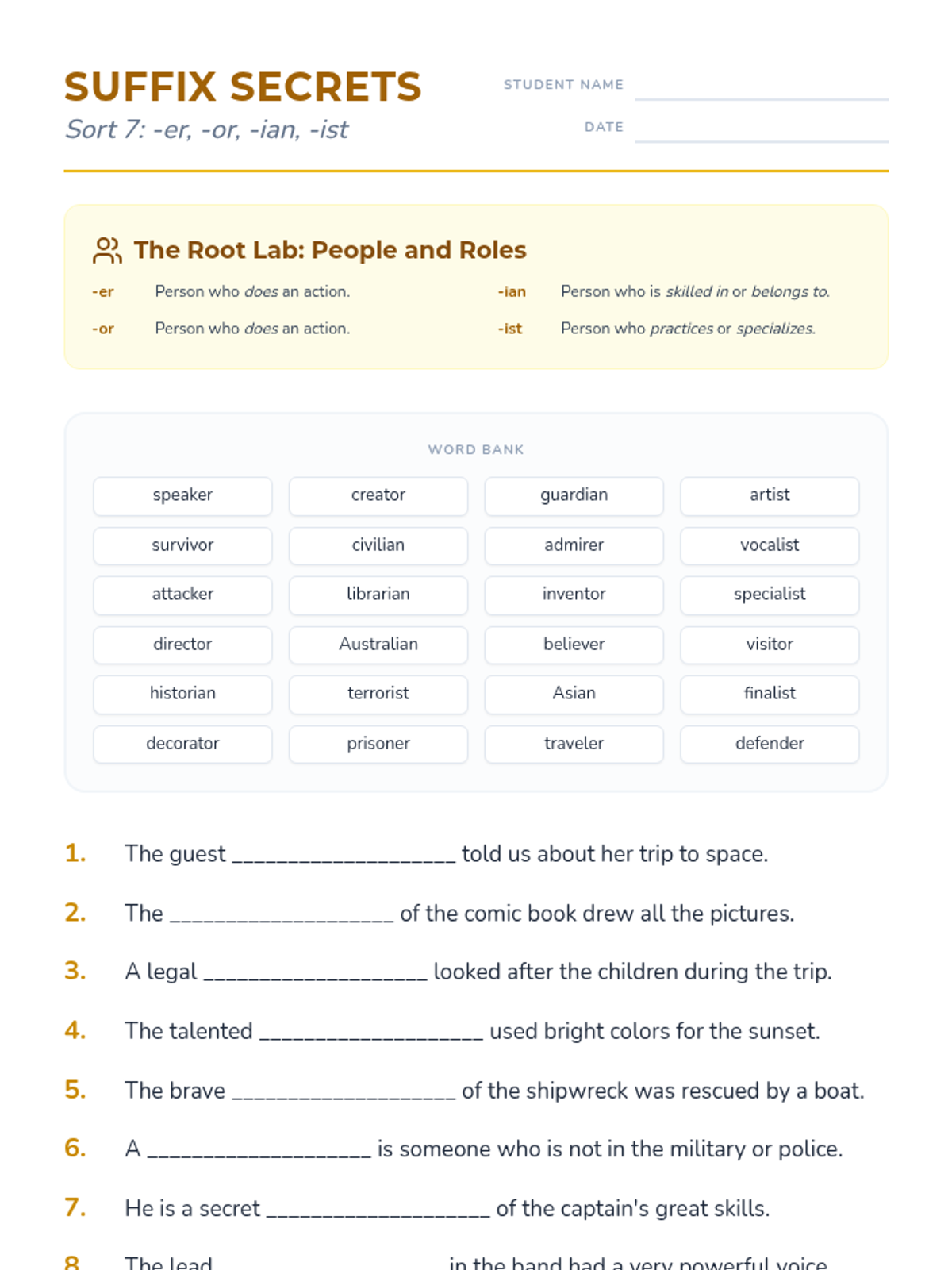
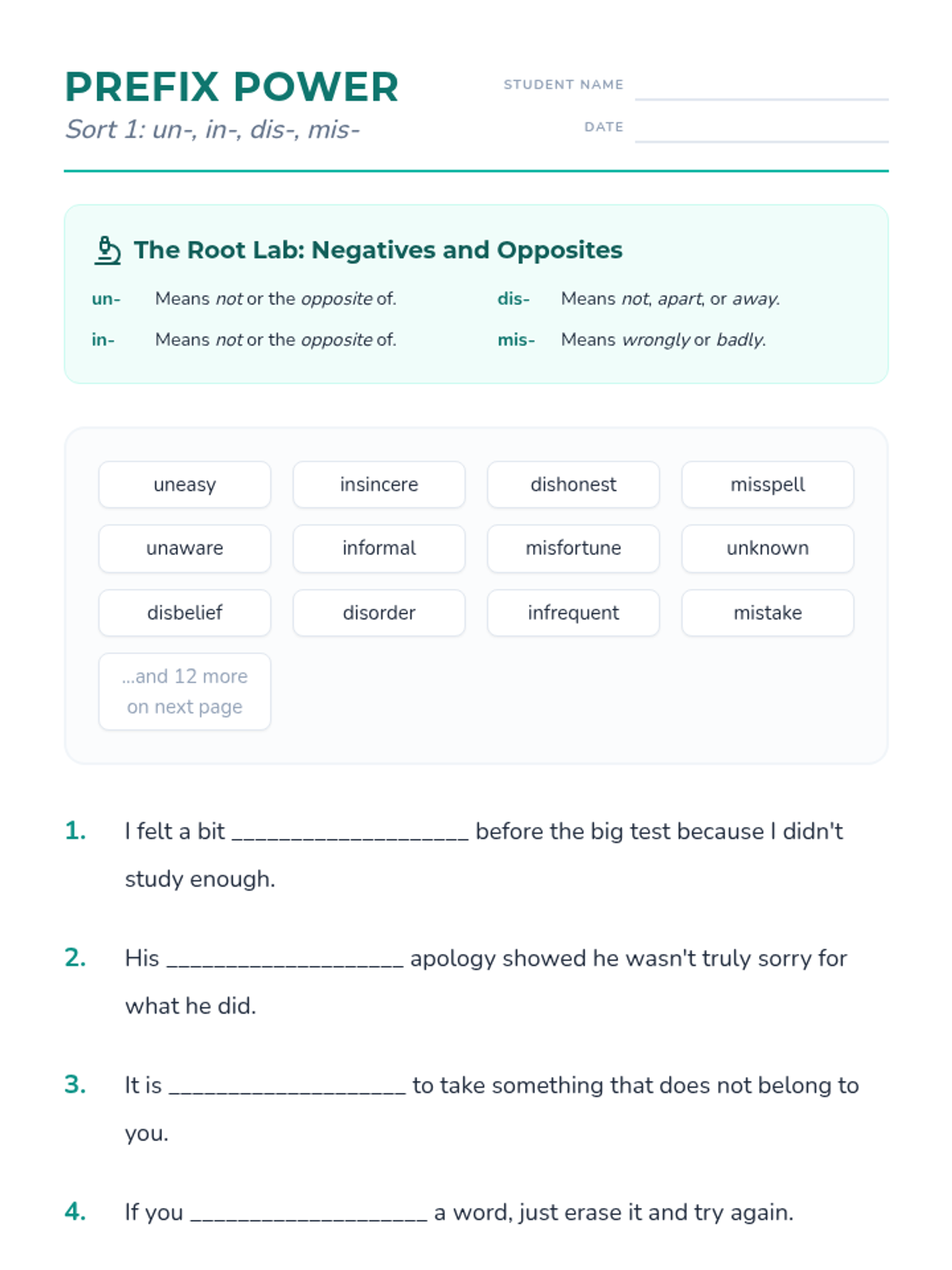
A 5-part series focusing on high-frequency Greek and Latin roots, prefixes, and suffixes using a "word hacking" theme to help students decode academic vocabulary.
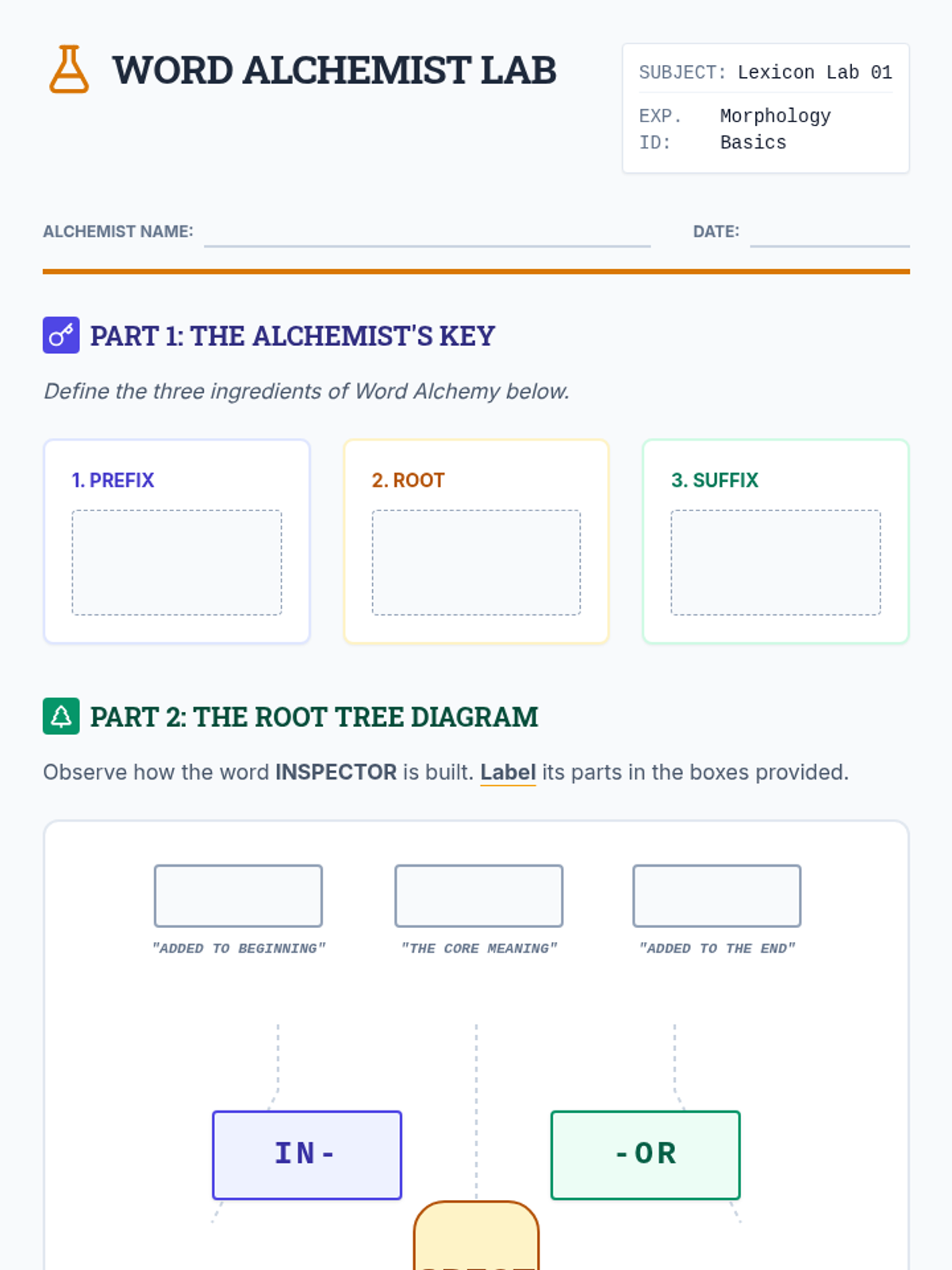
A 10-part series on Greek and Latin roots, prefixes, and suffixes, designed as 20-minute mini-lessons using a 'Linguistic Laboratory' theme. Students build word trees to visualize how word parts combine to create meaning.
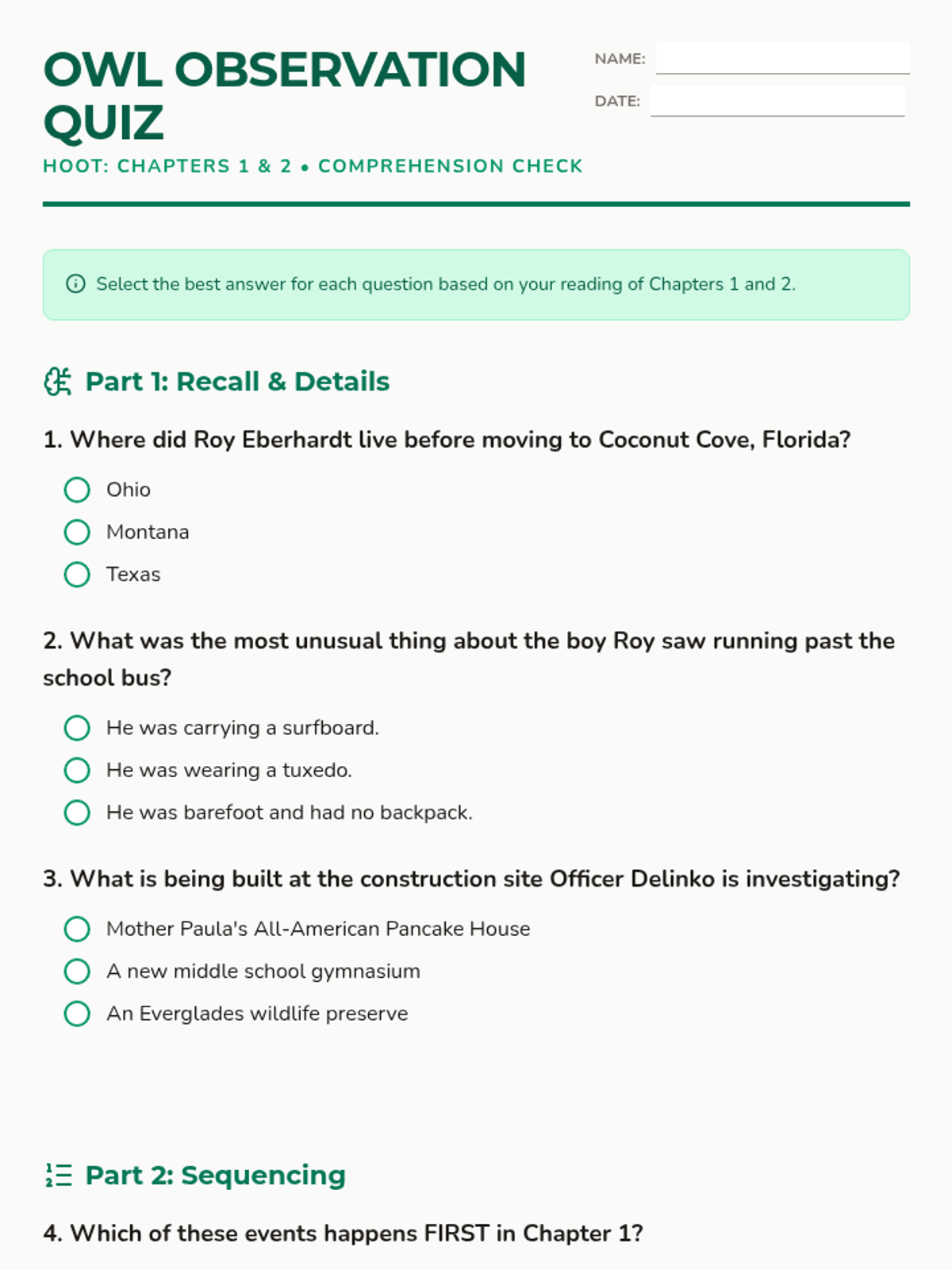
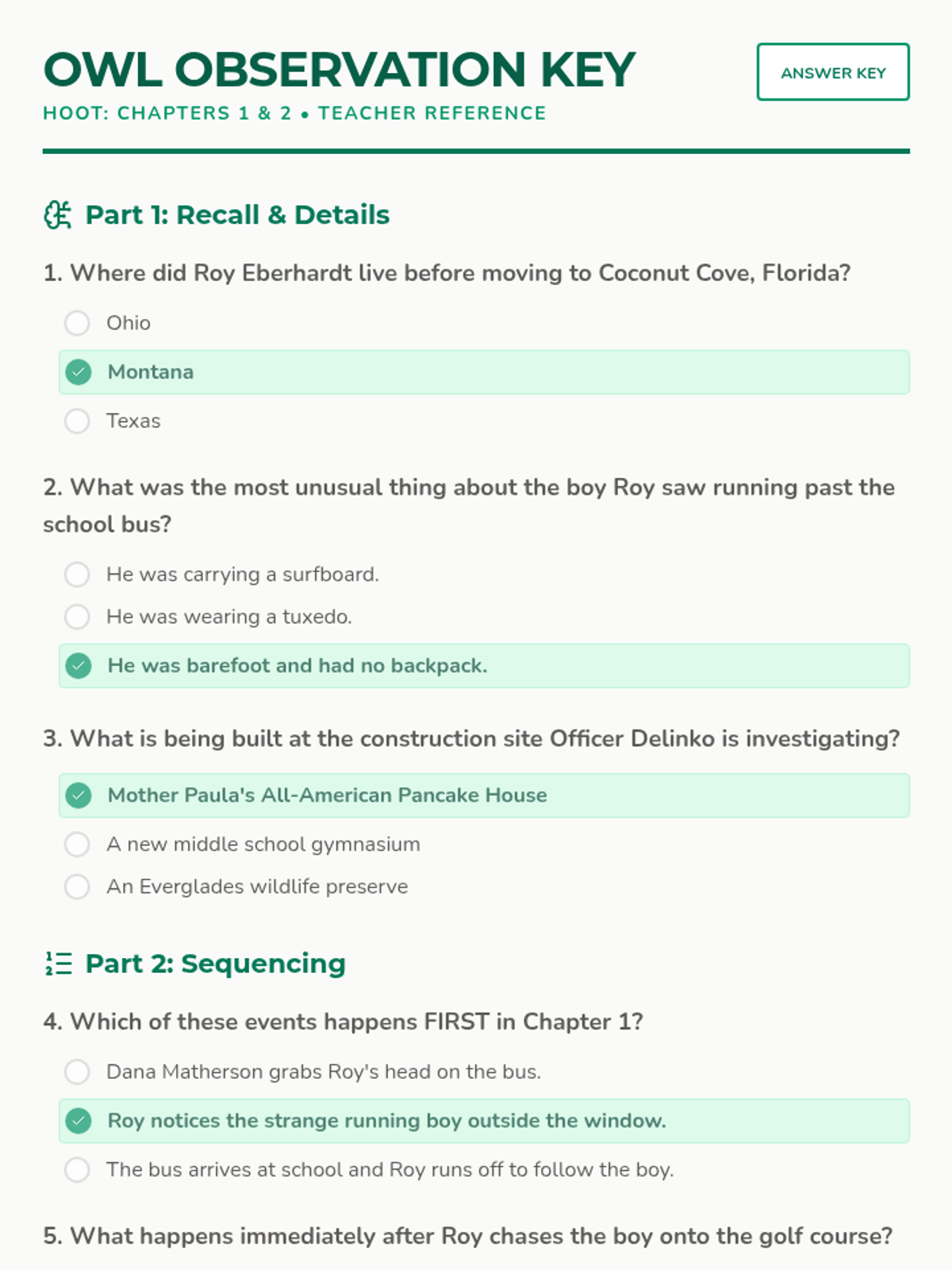
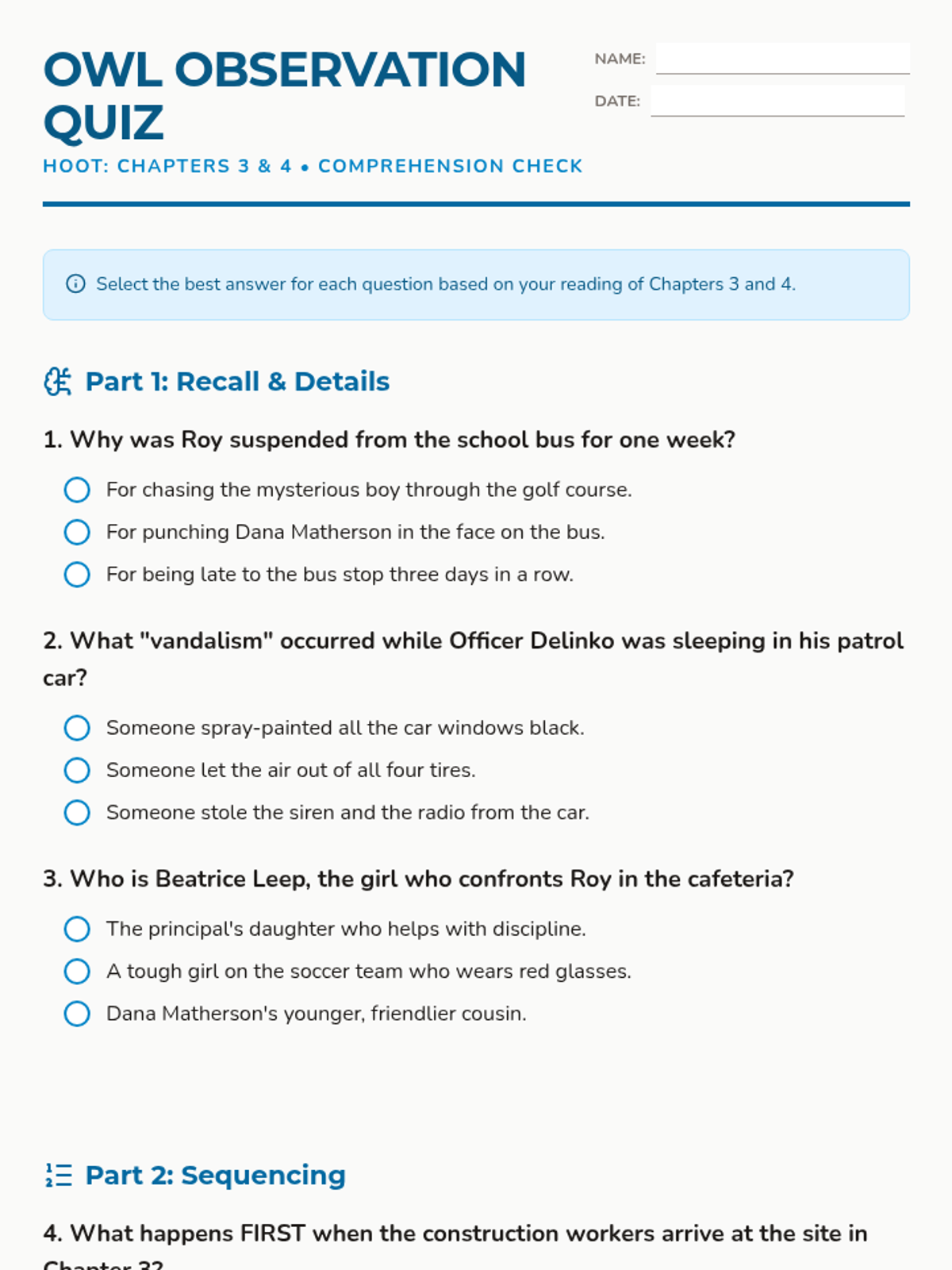
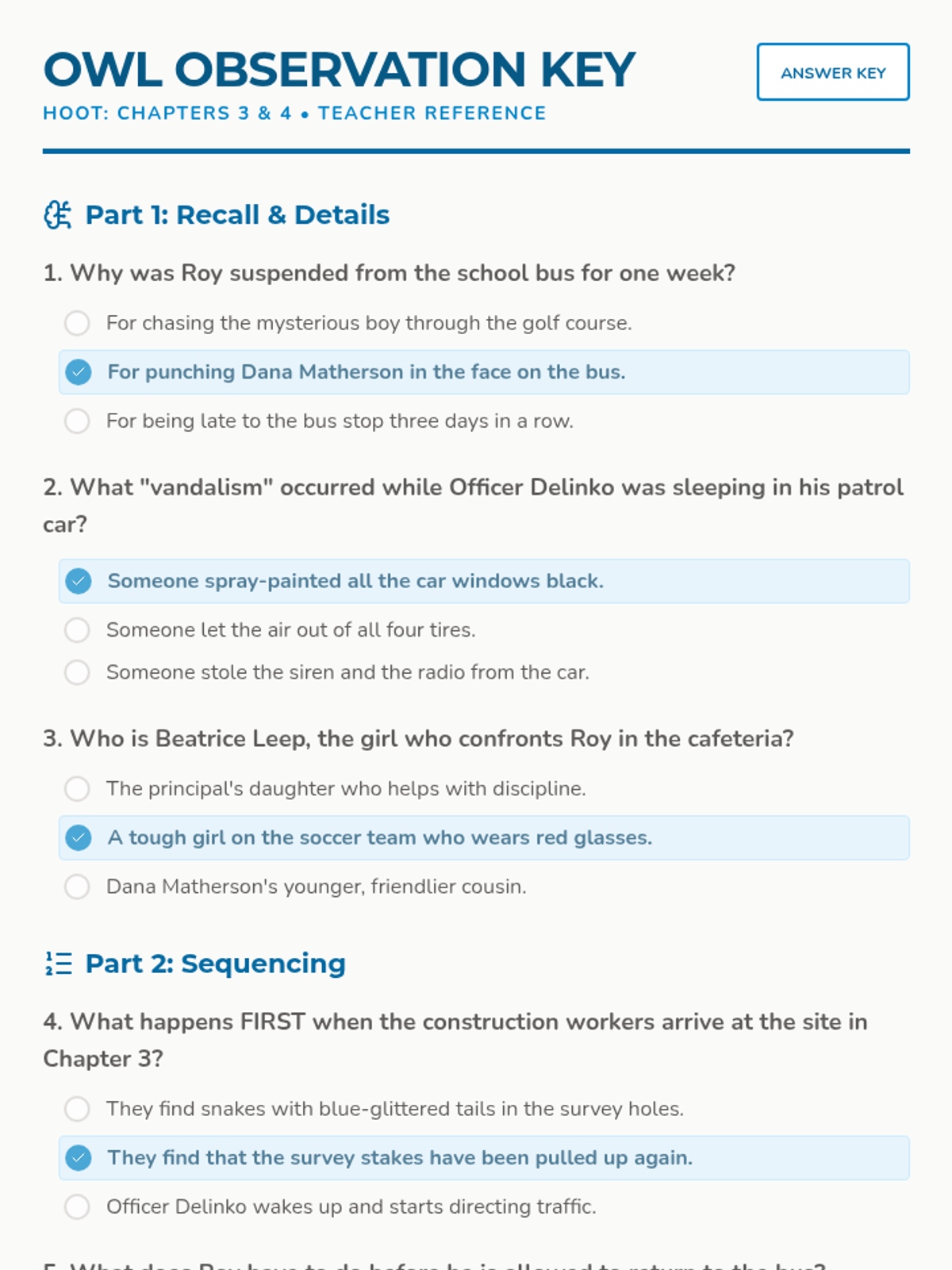
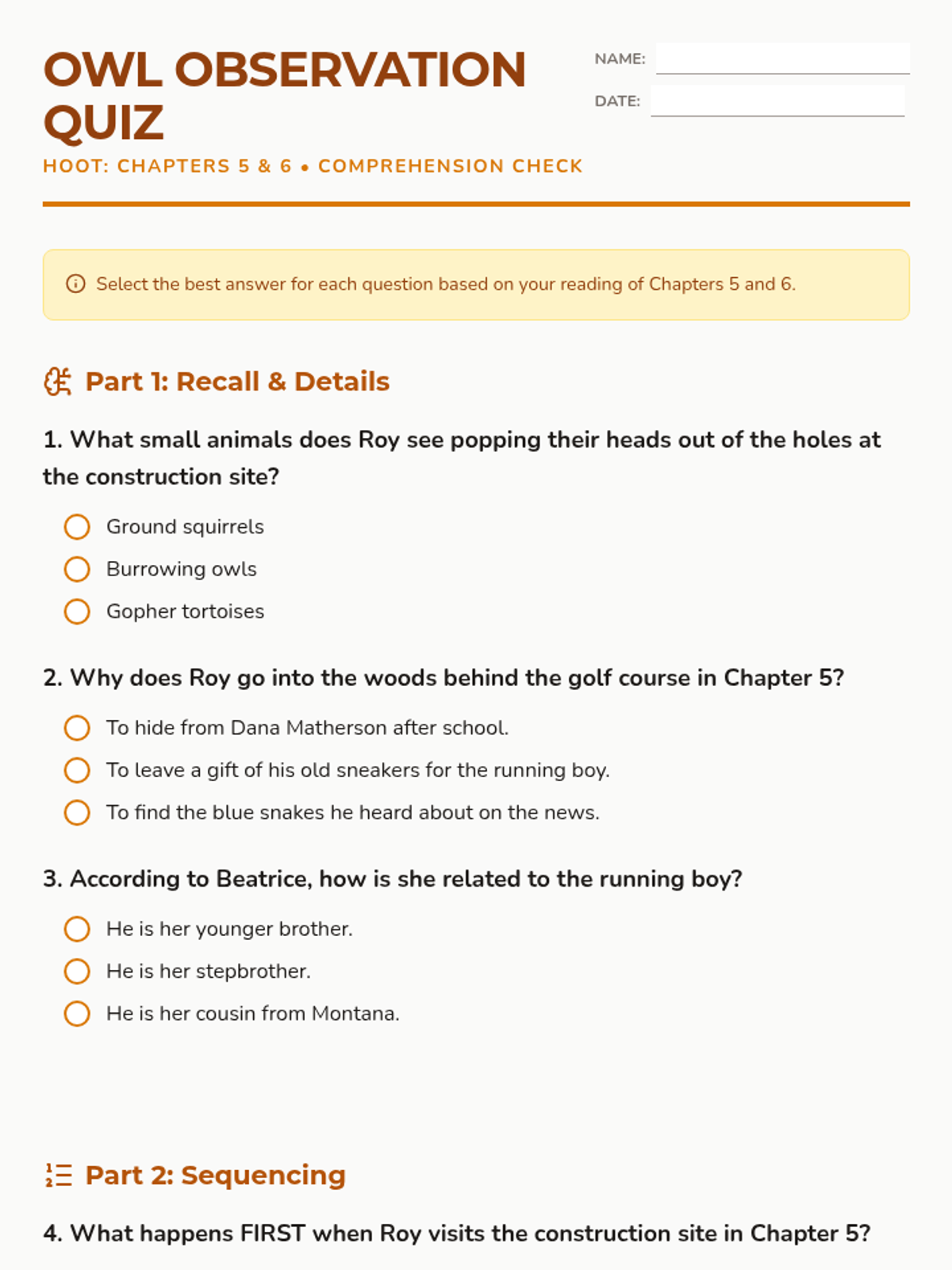
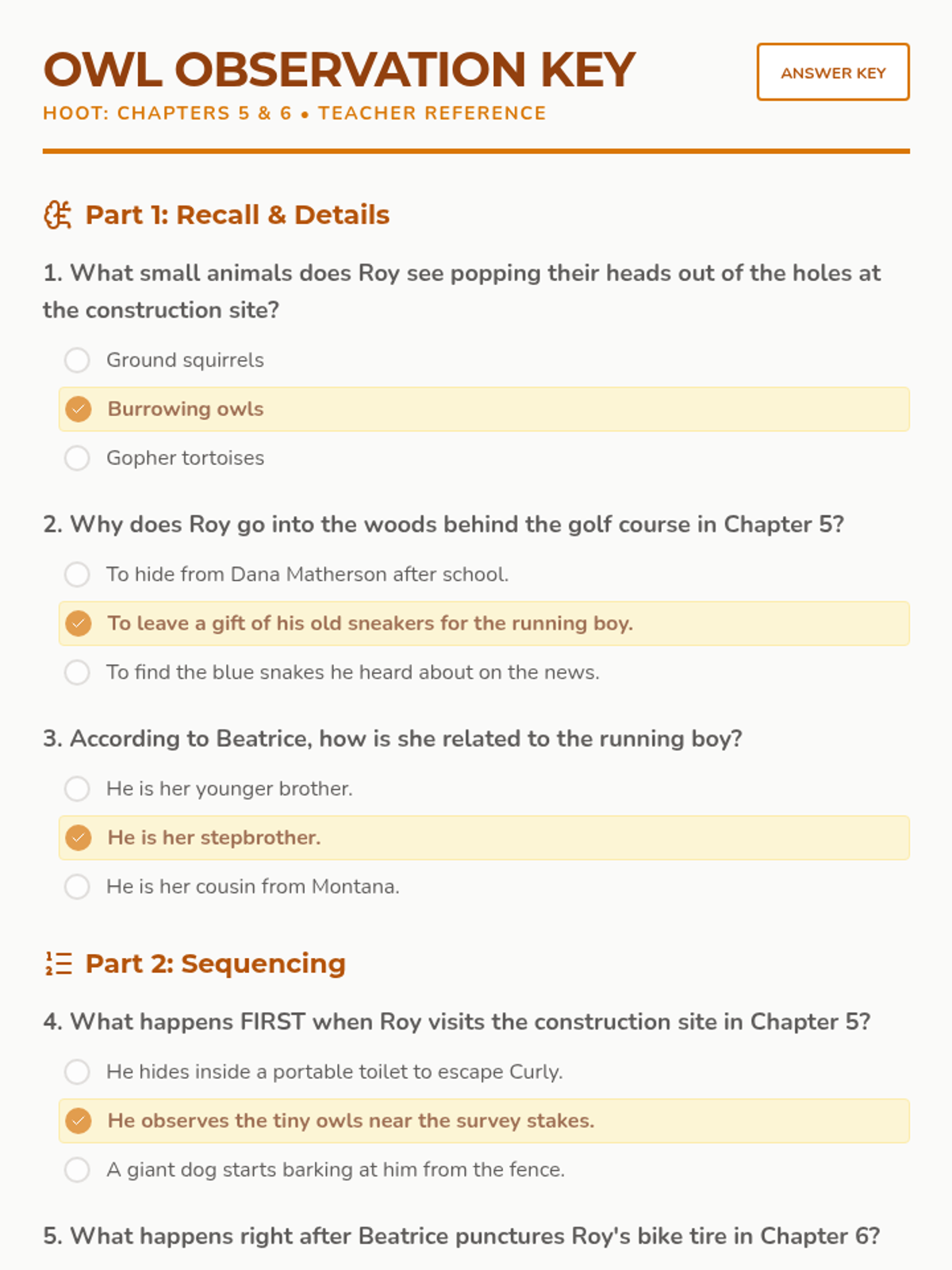
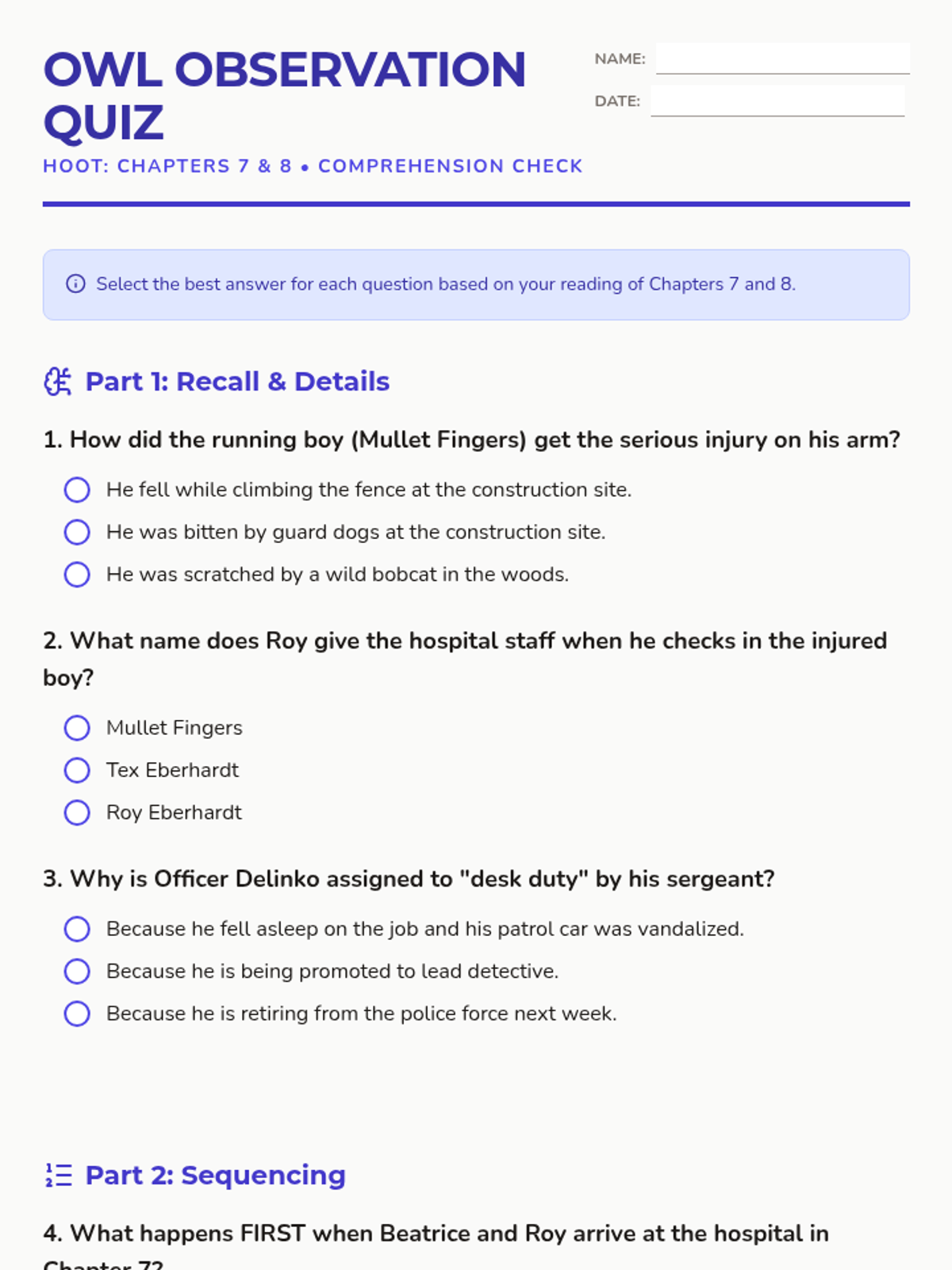
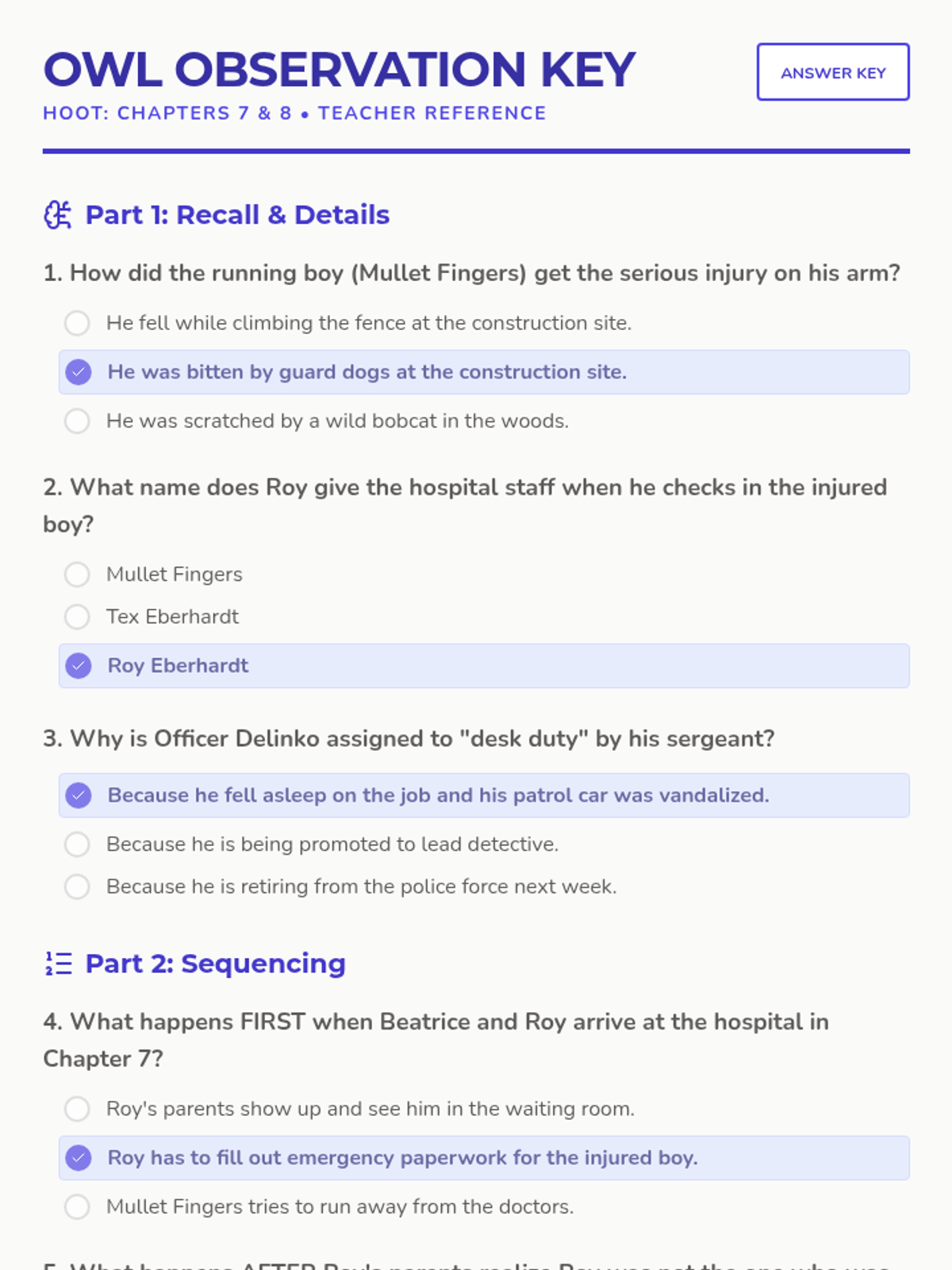
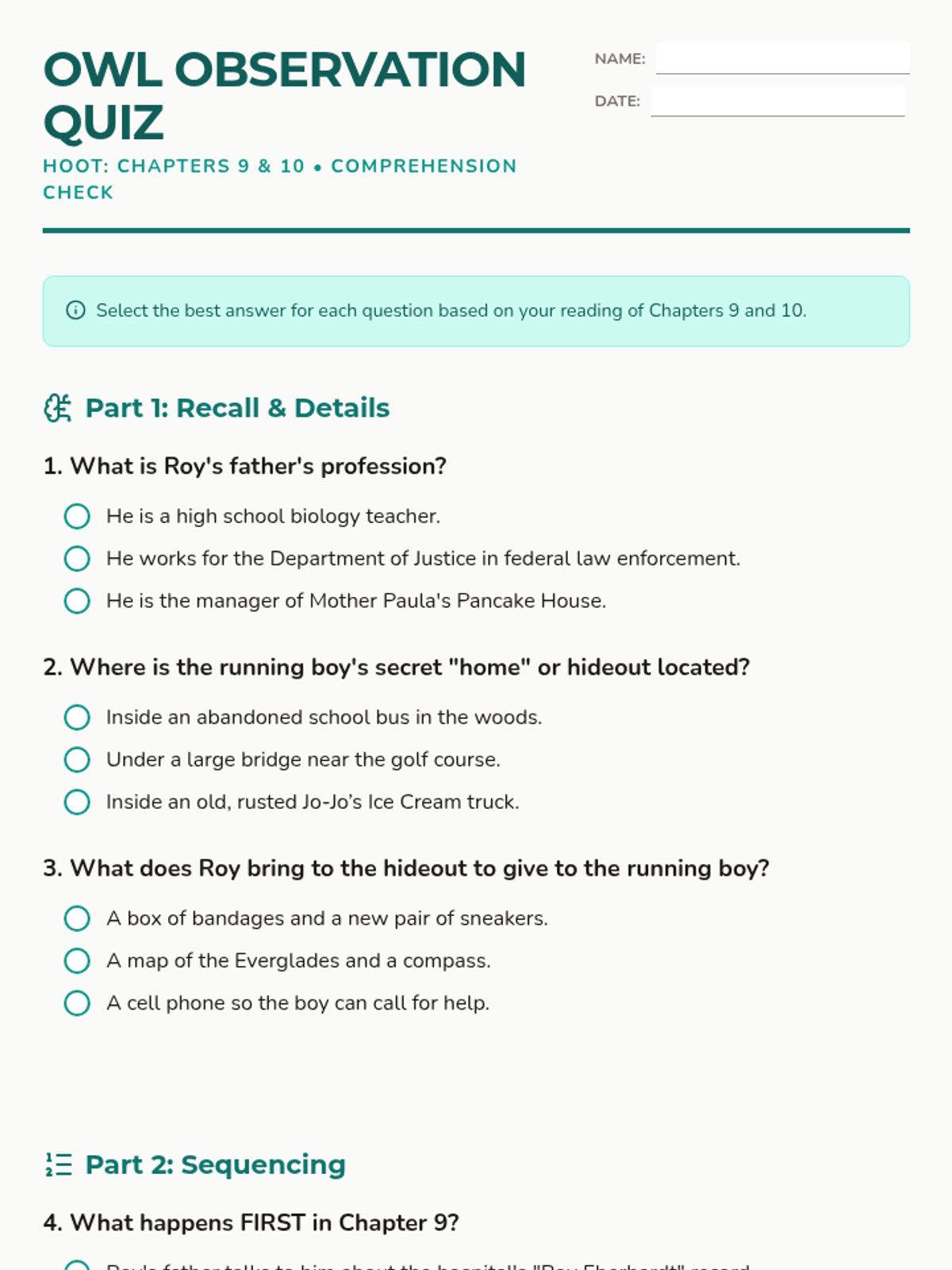
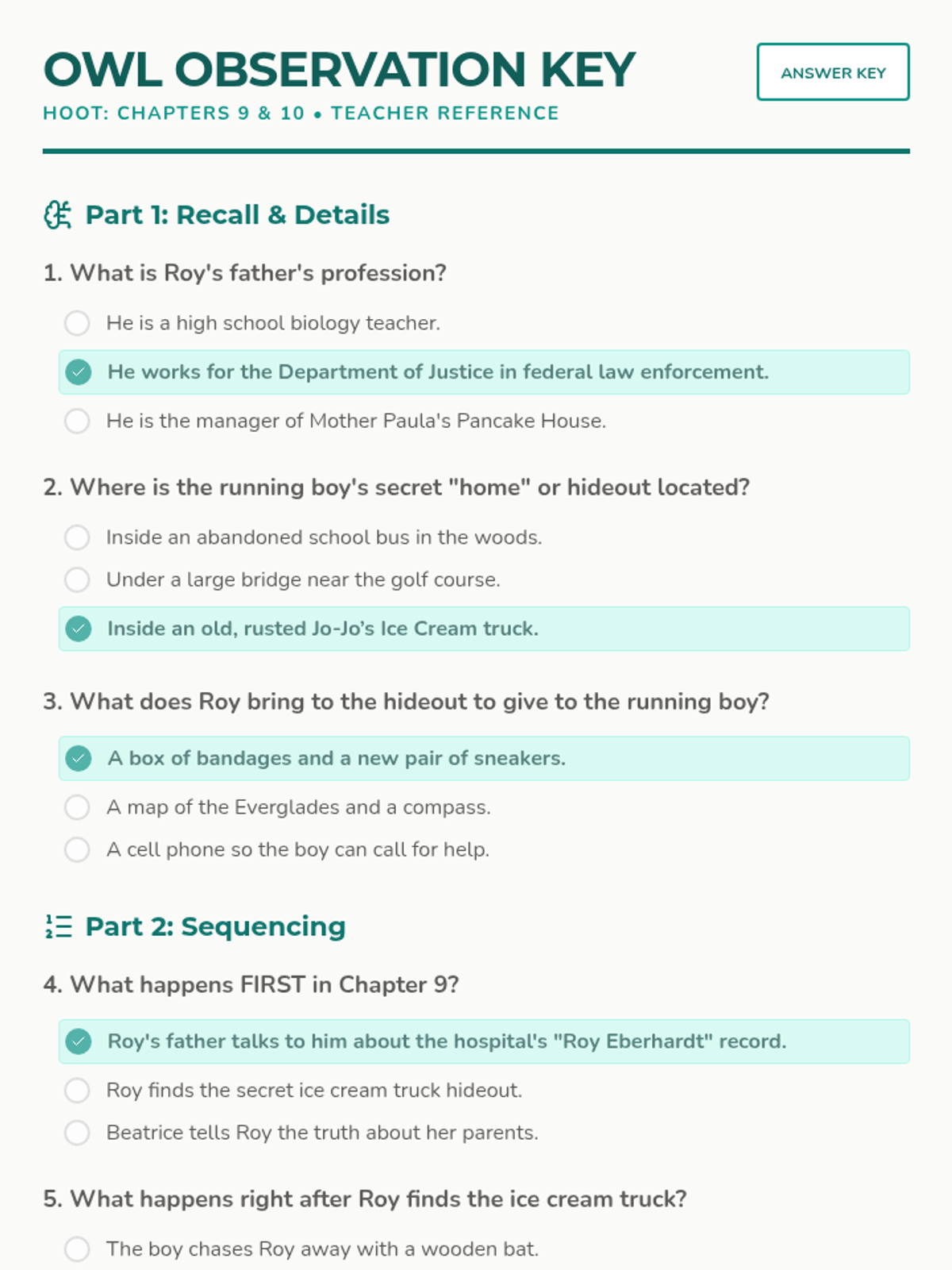
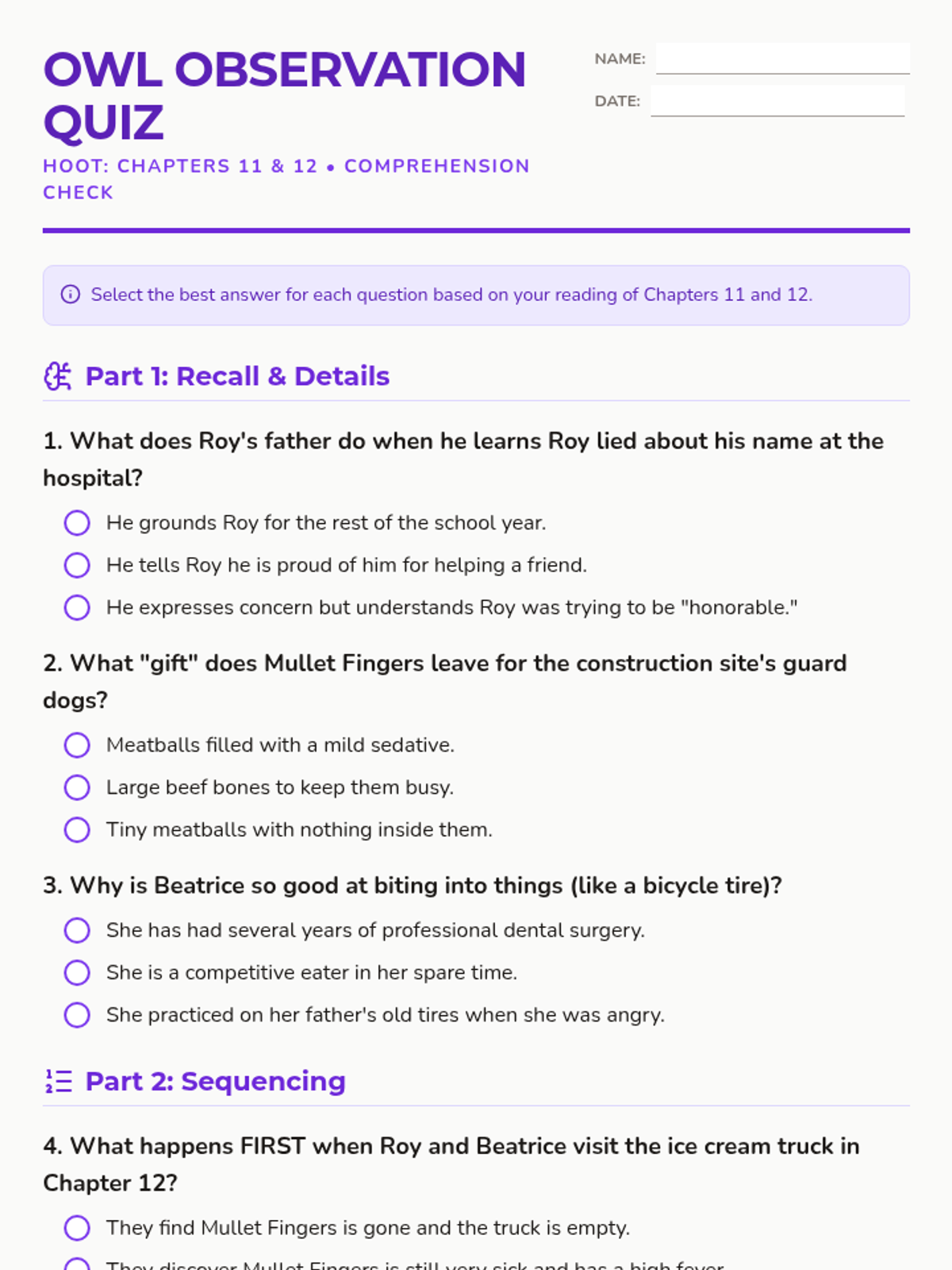
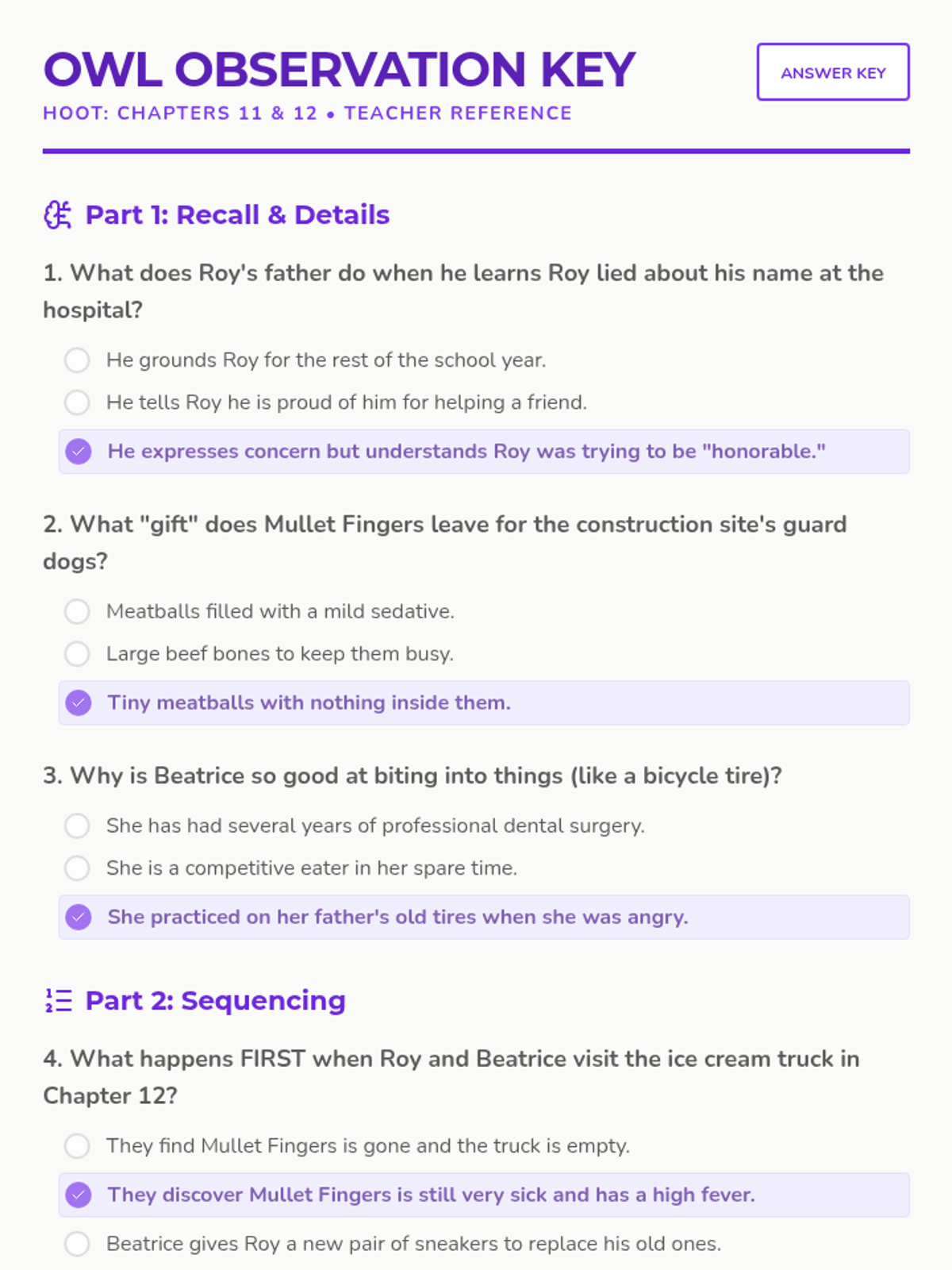
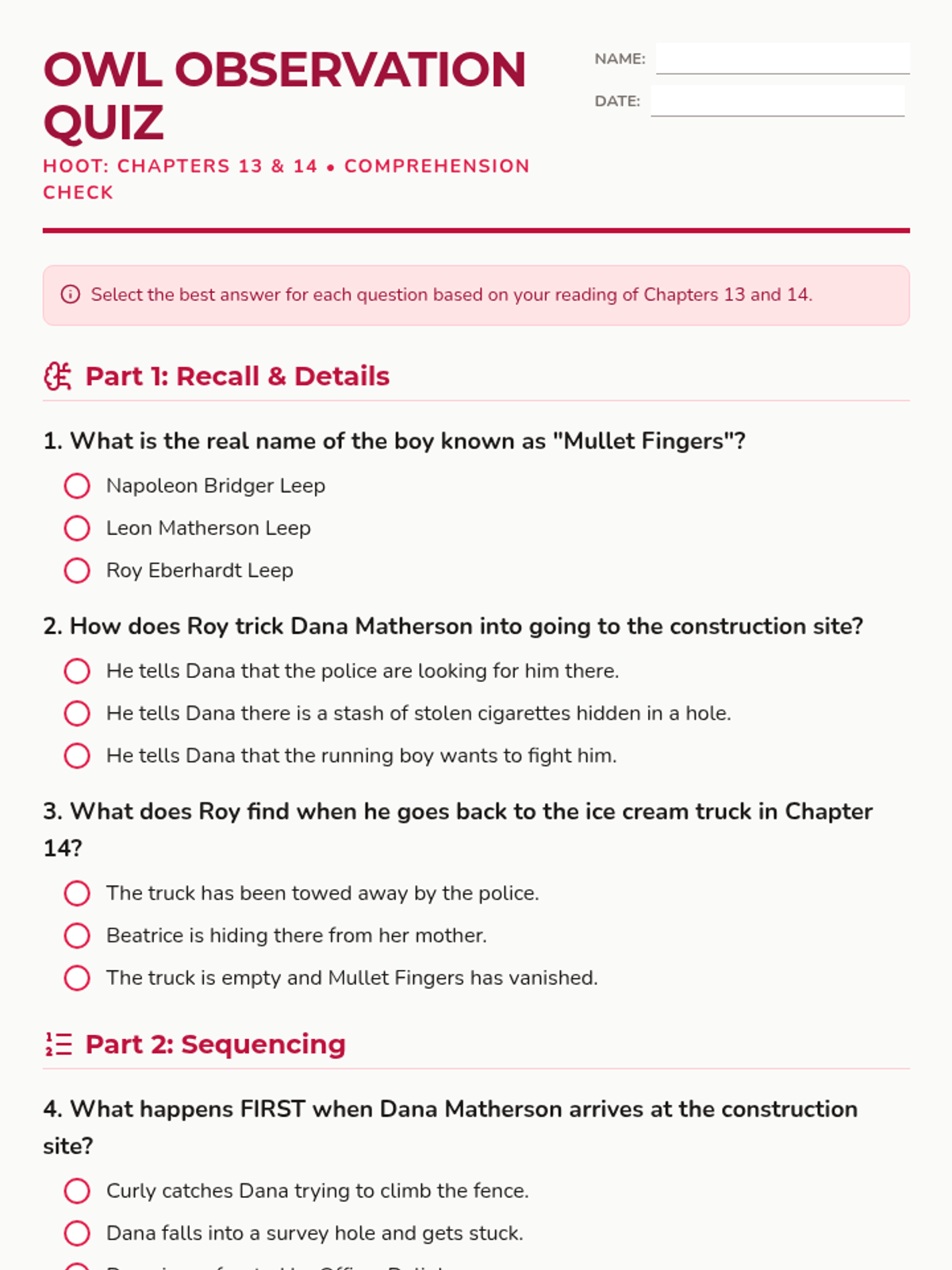
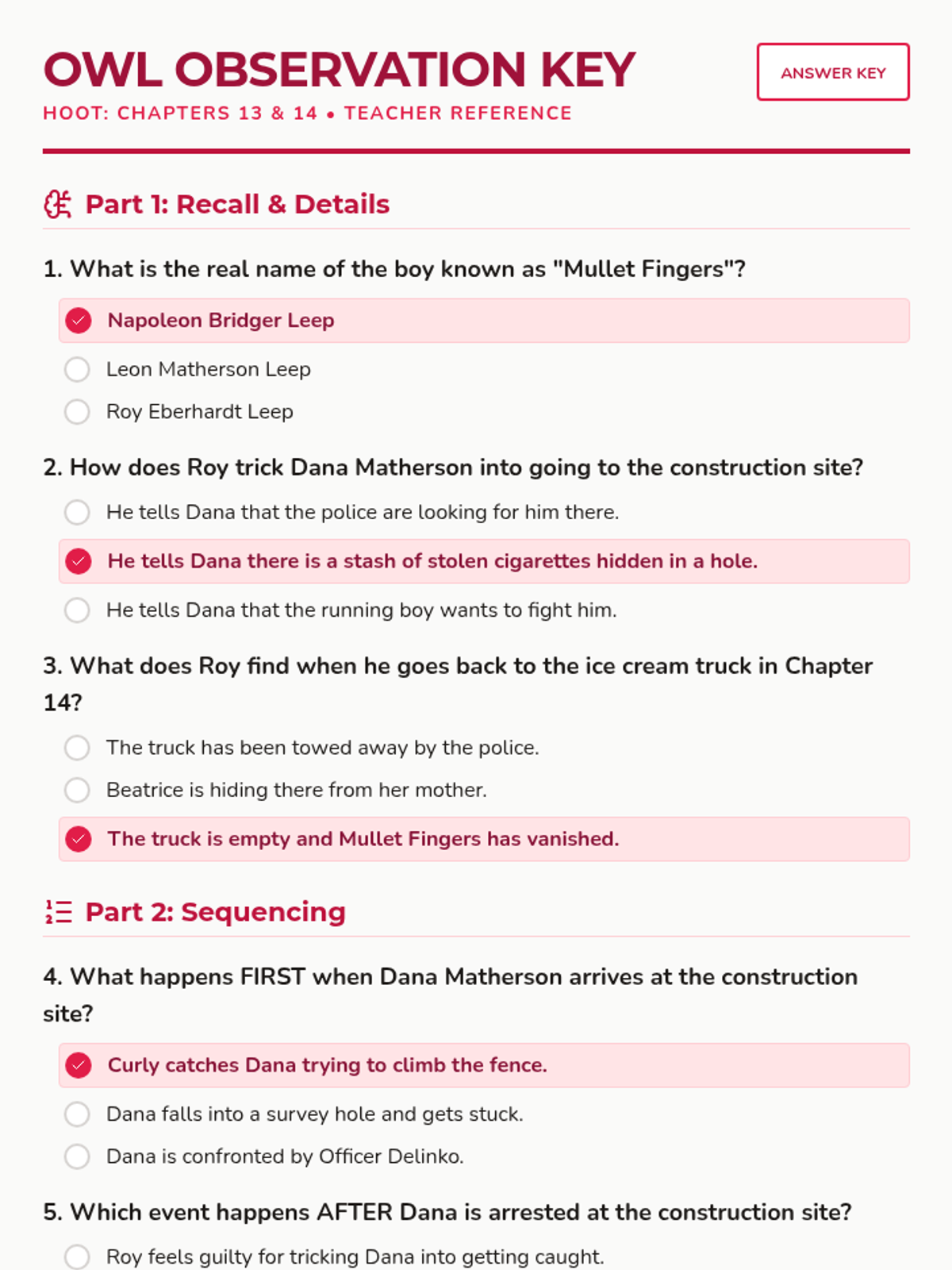
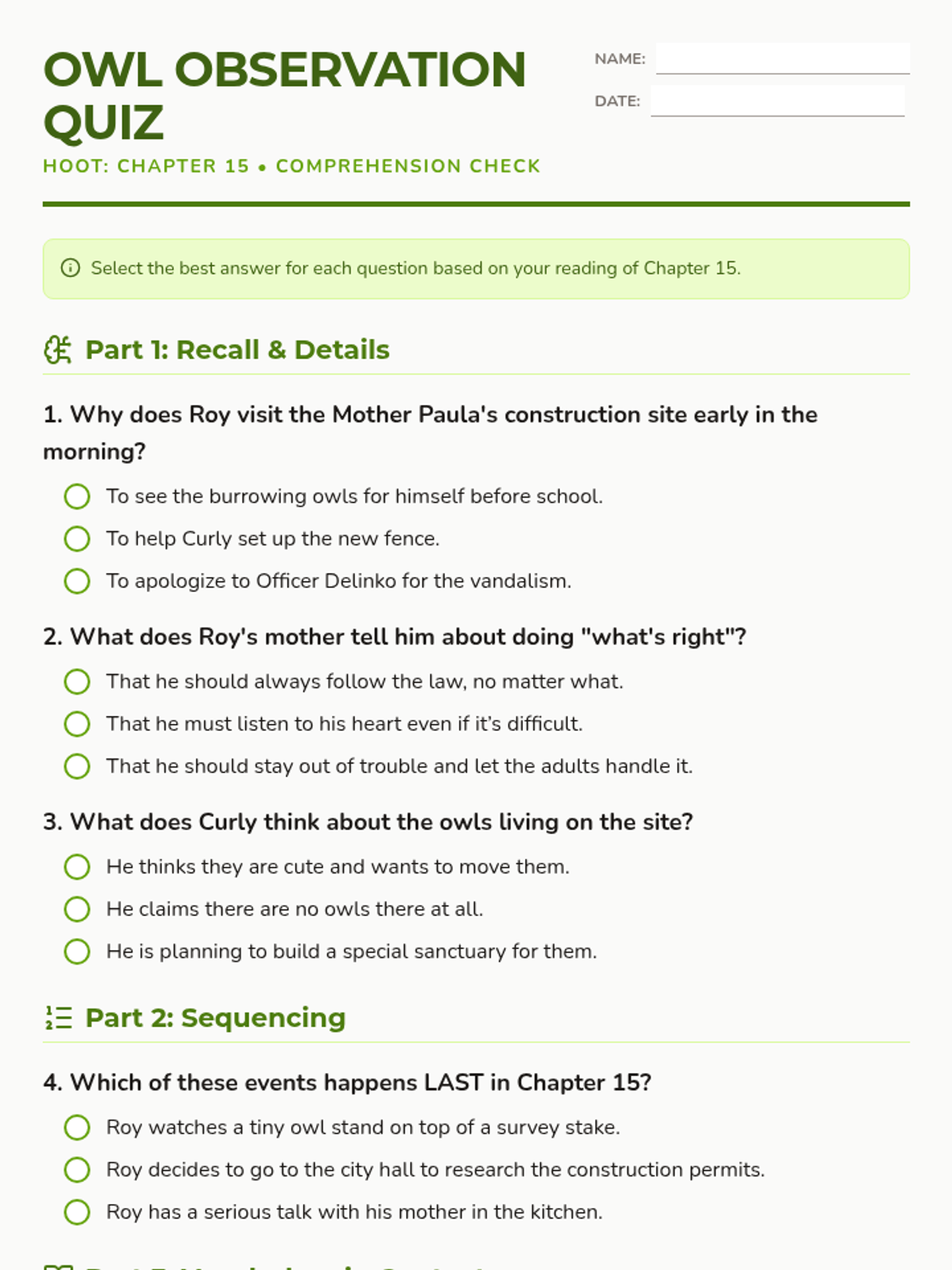
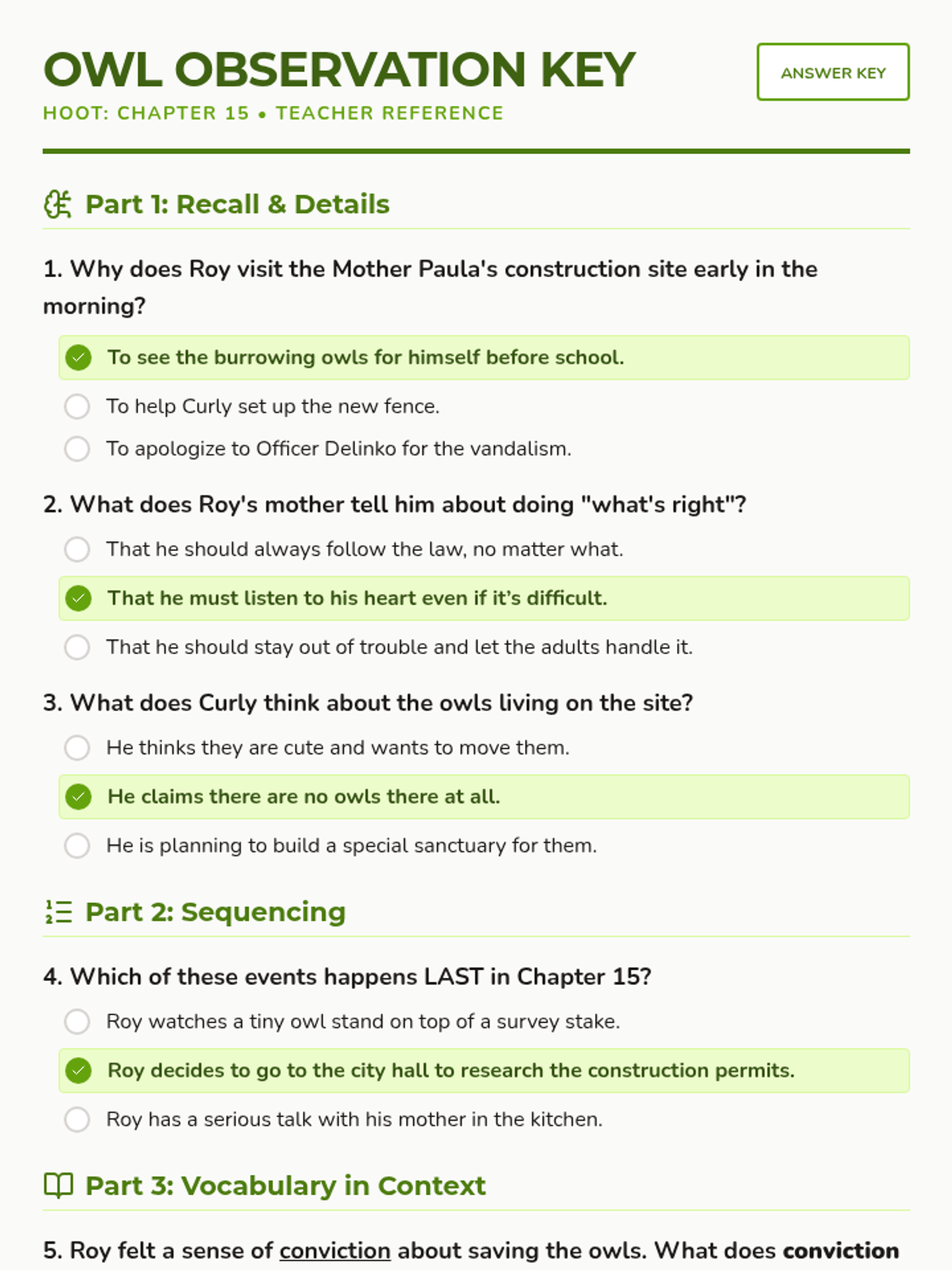
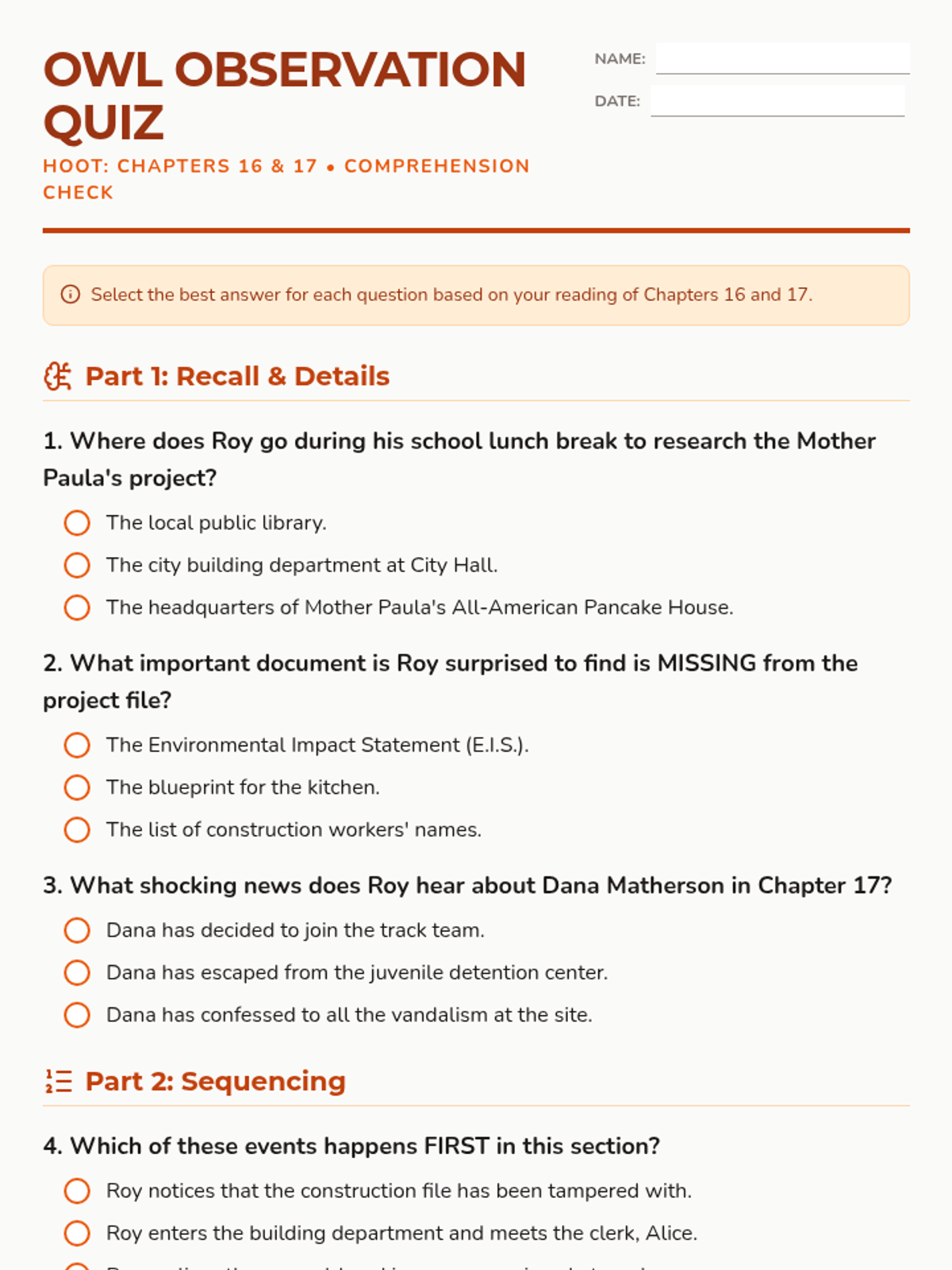
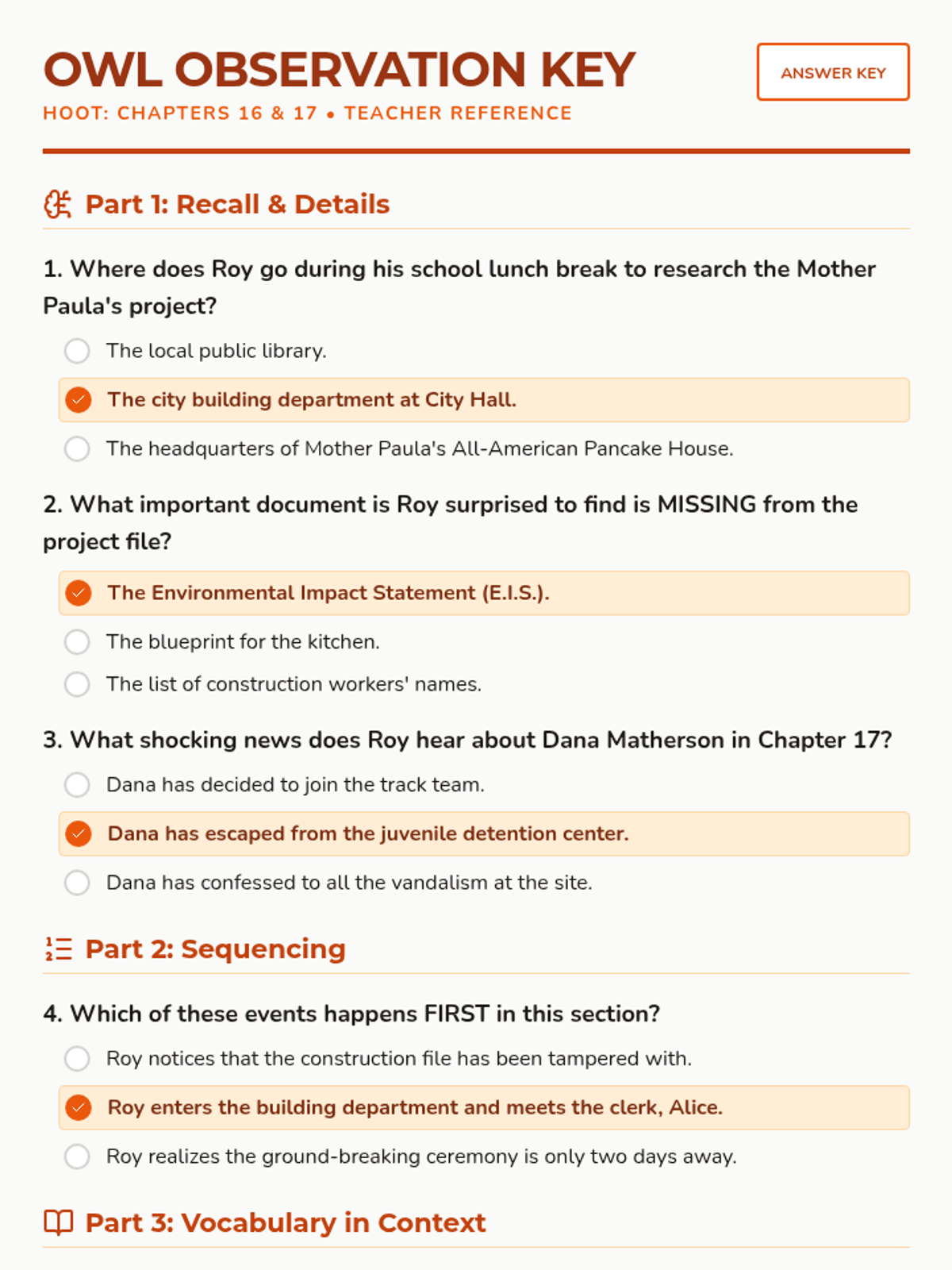
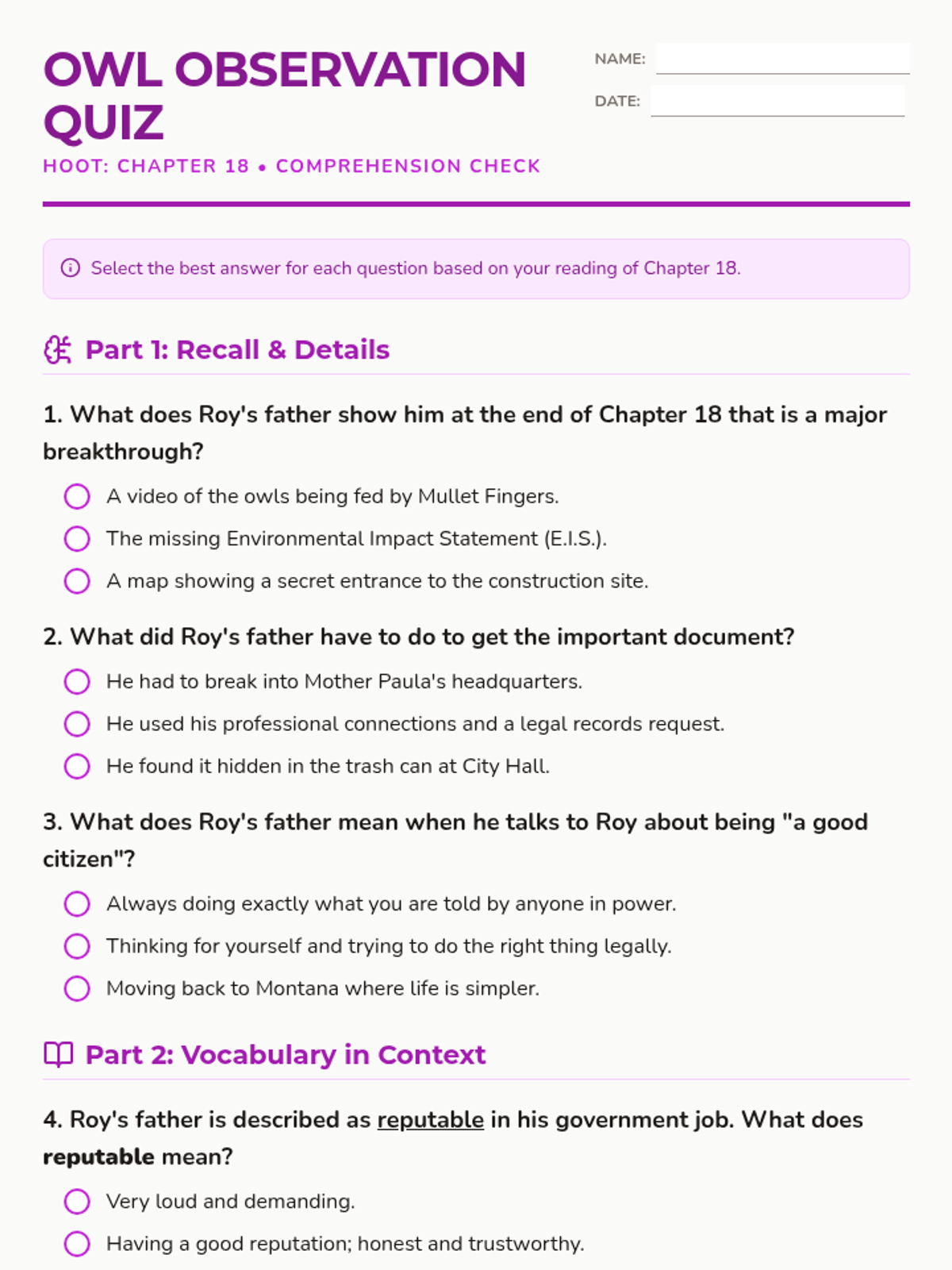
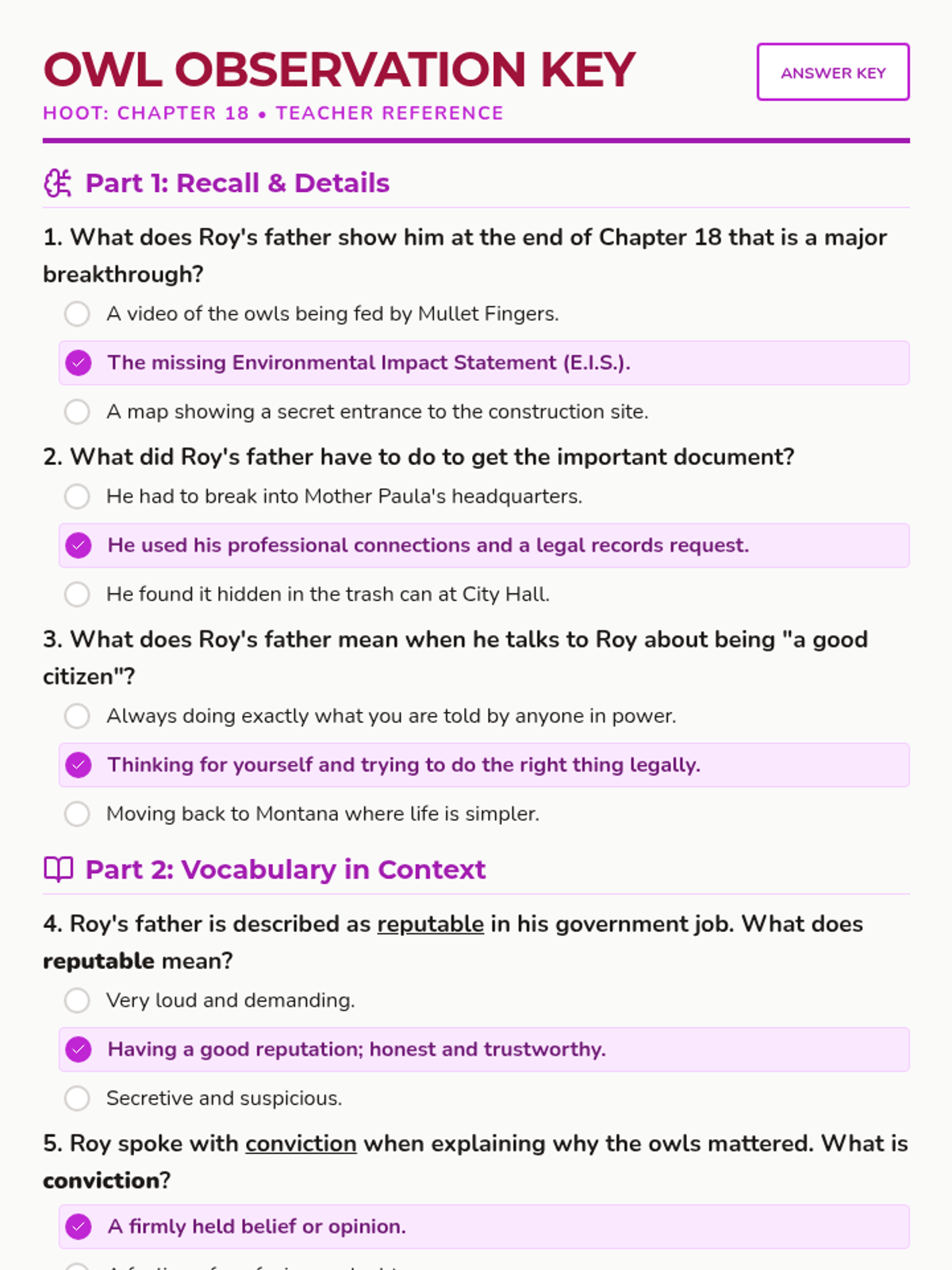
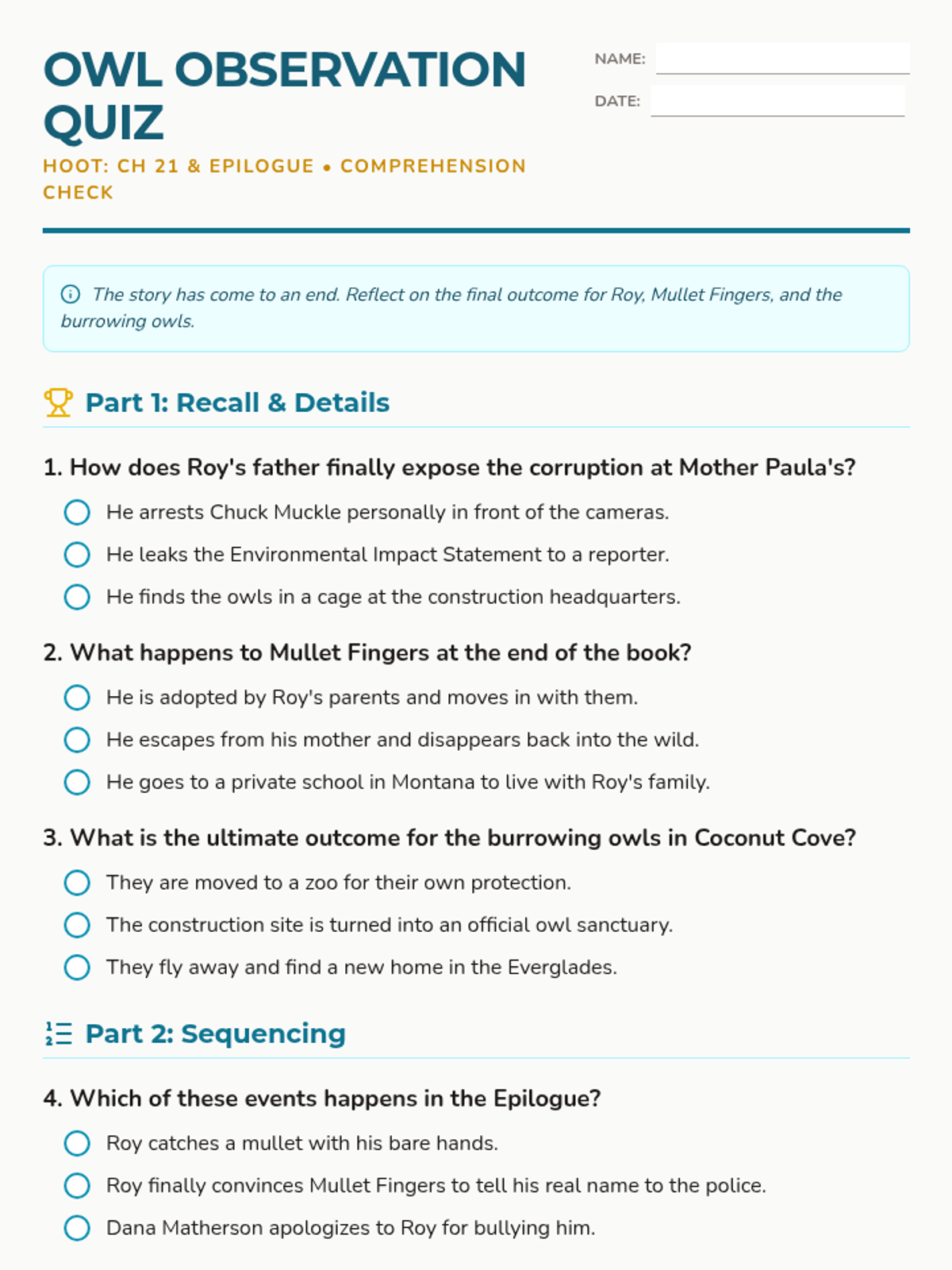
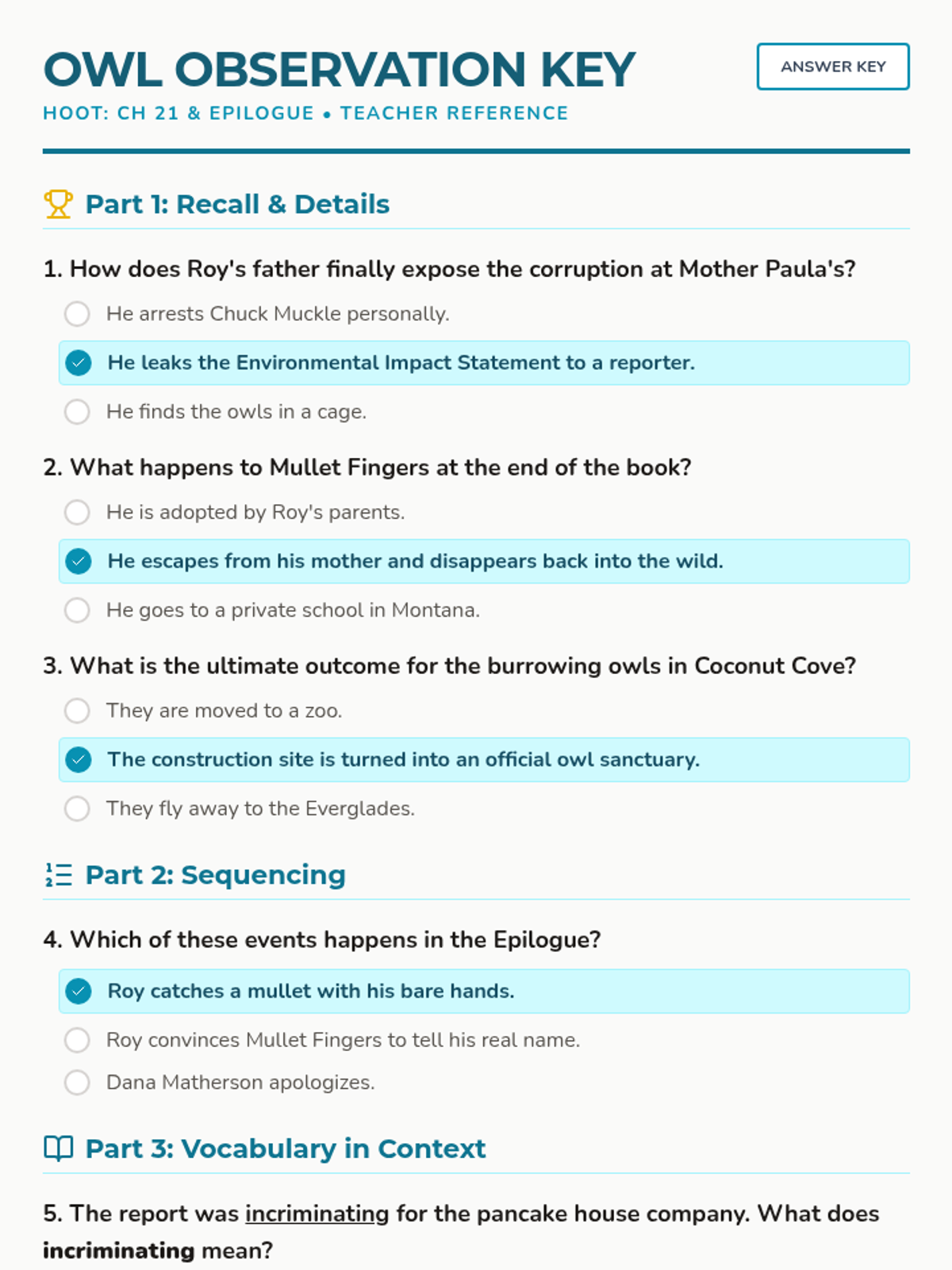
A comprehensive unit for Carl Hiaasen's Hoot, featuring chapter-by-chapter comprehension quizzes, teacher keys, and interactive slide decks.
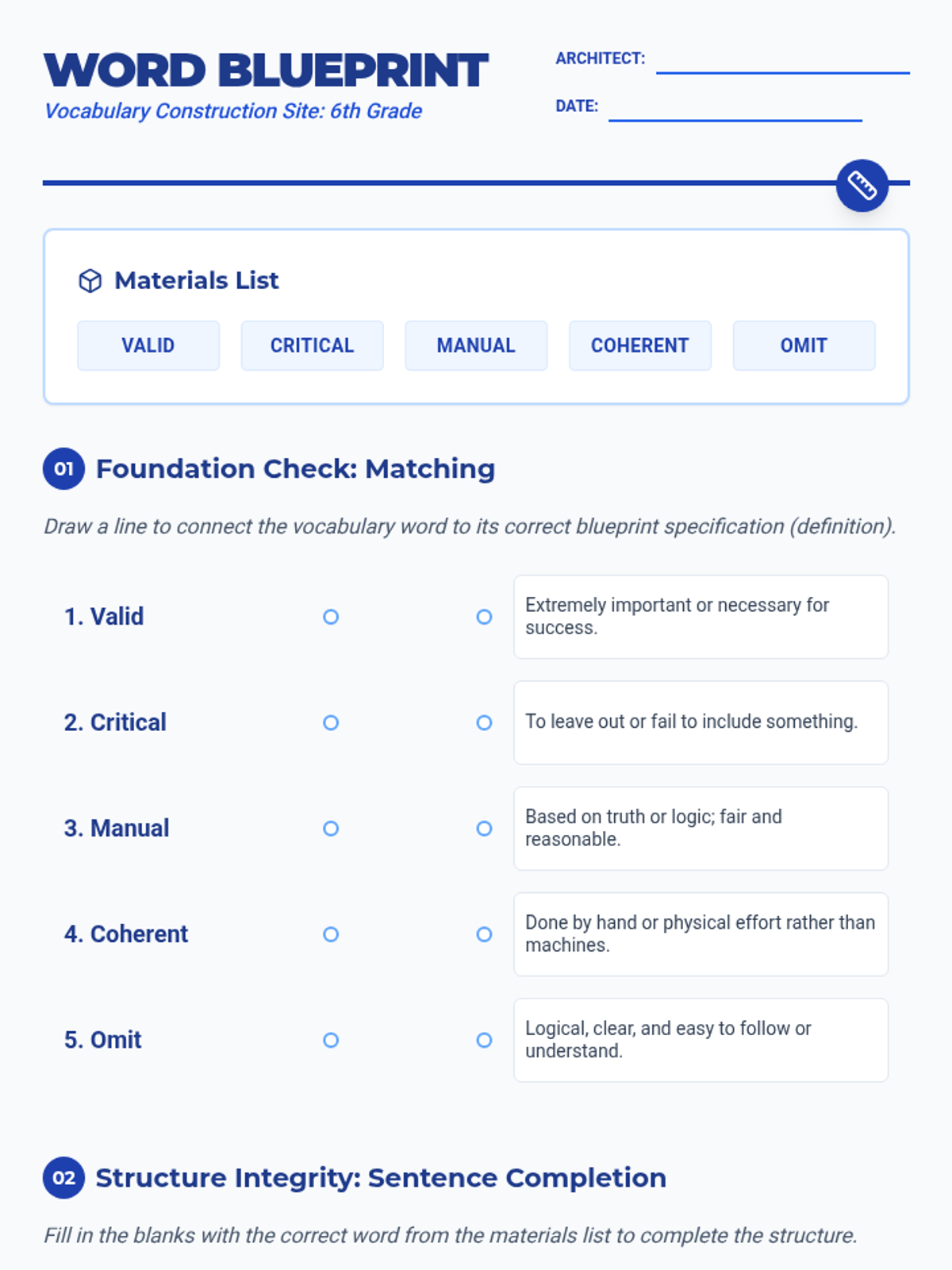
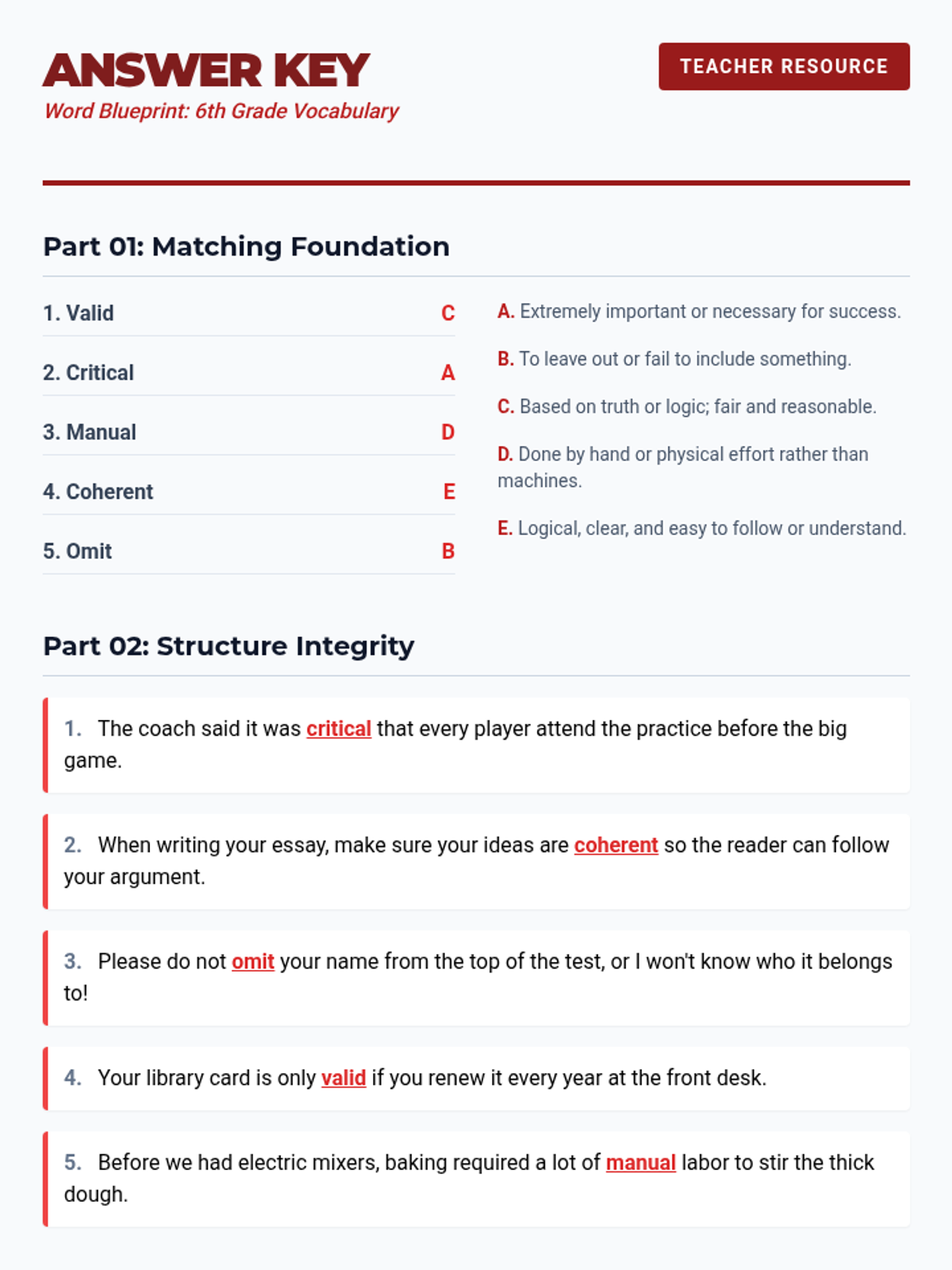
A comprehensive vocabulary unit designed for upper elementary and middle school students to master academic vocabulary through themed blueprints and structural linguistics.
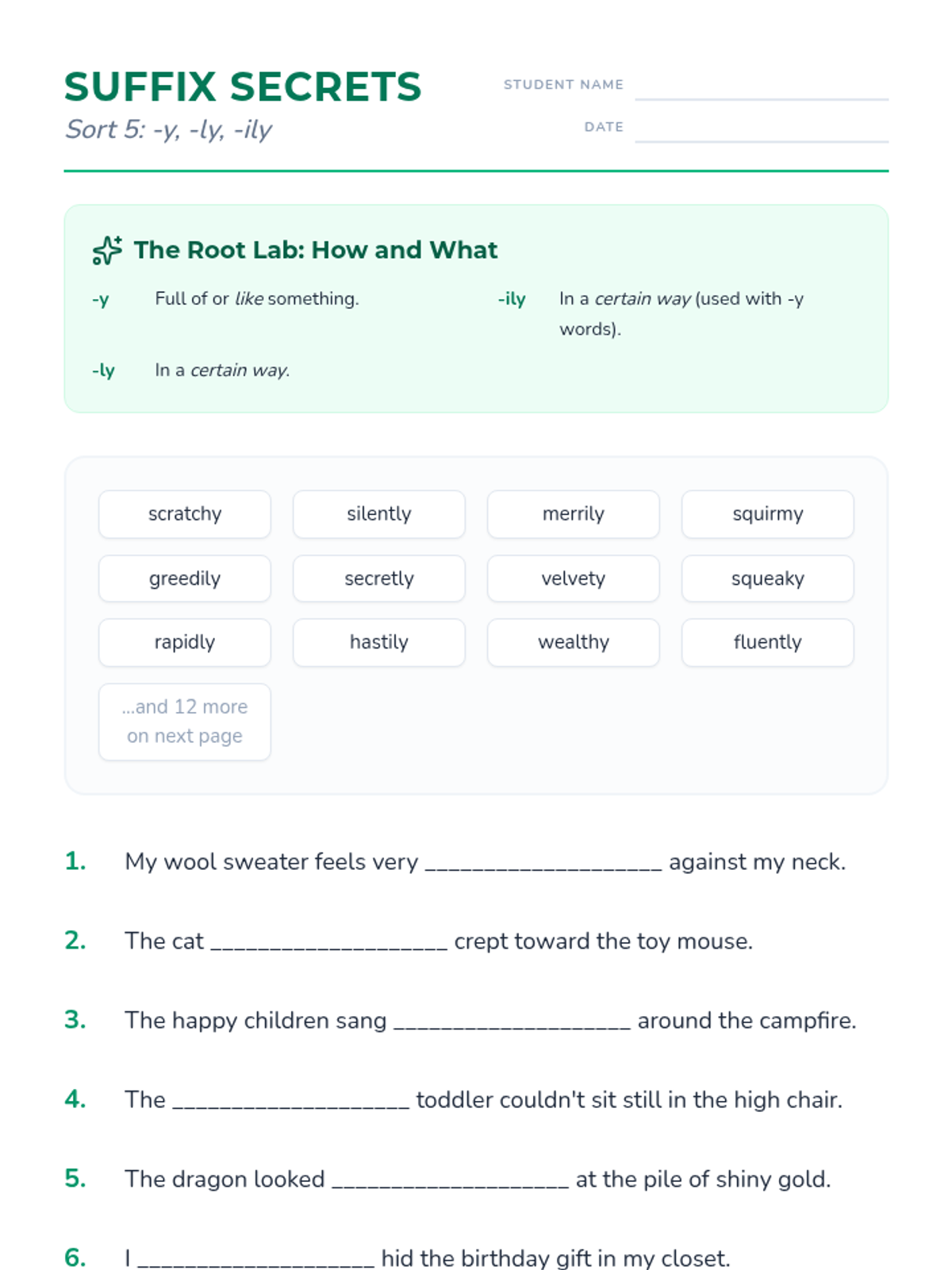
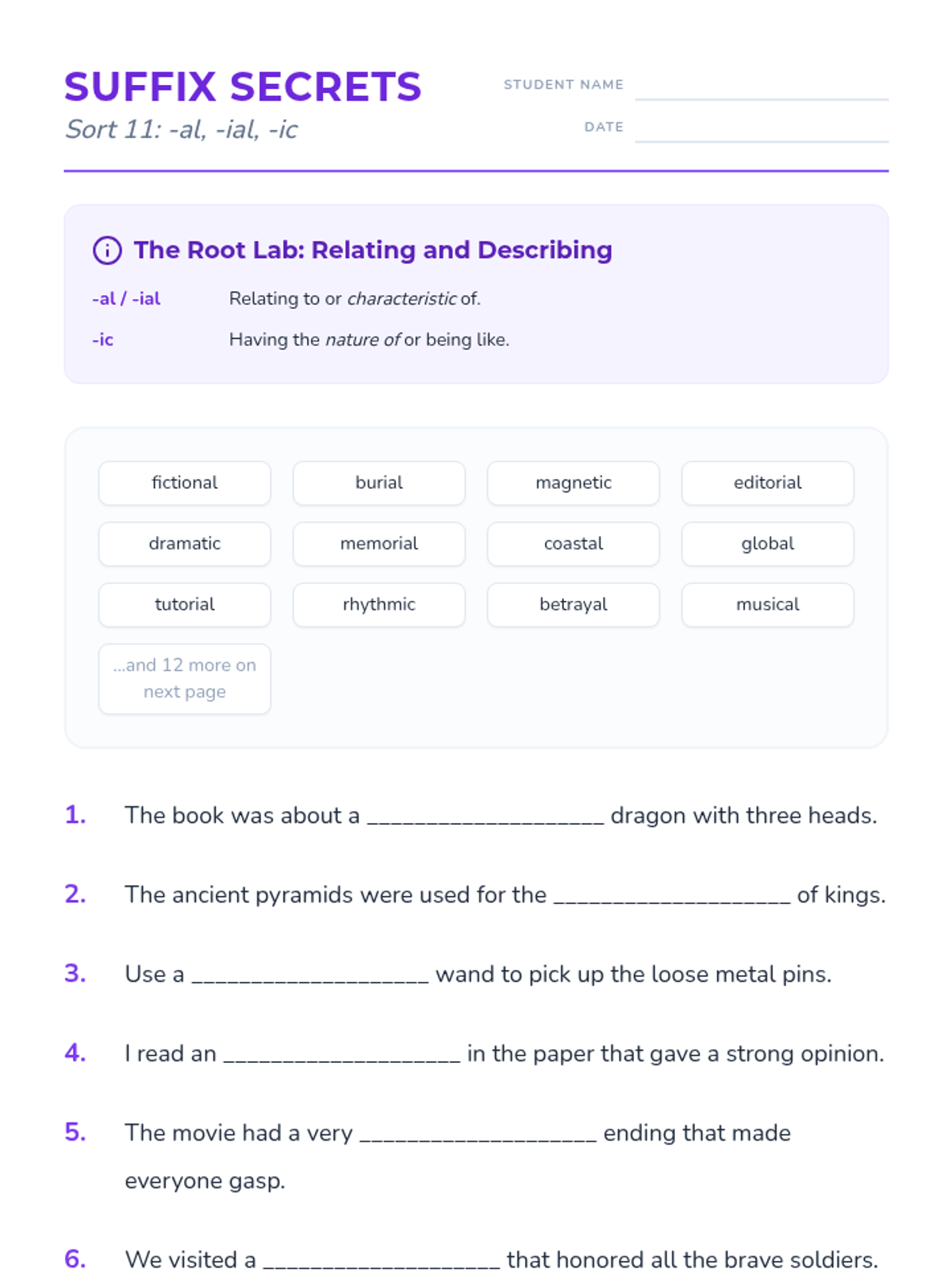
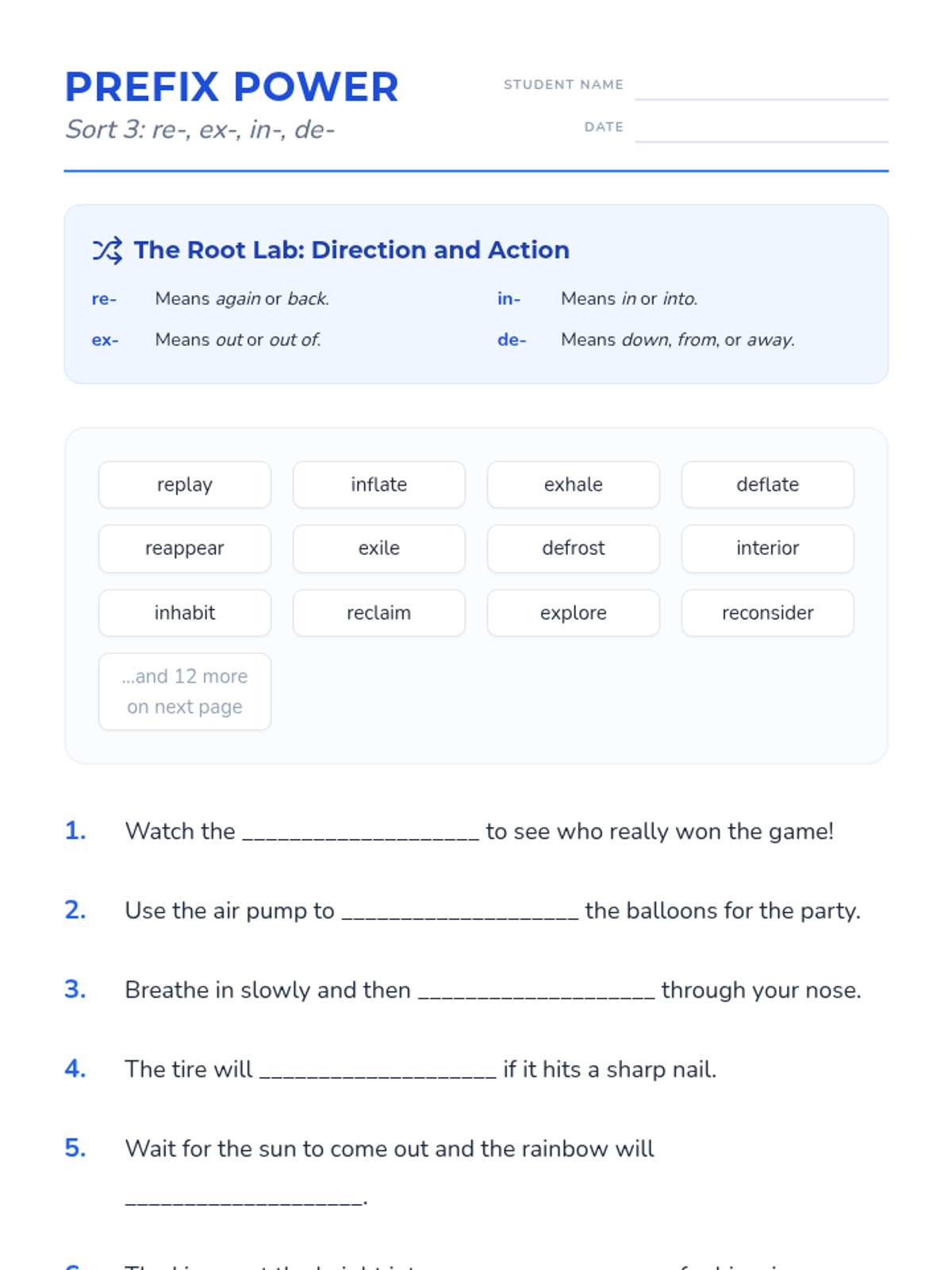
A comprehensive series of spelling and vocabulary worksheets for 4th-grade students, focusing on Greek and Latin roots, prefixes, and suffixes through fill-in-the-blank exercises.
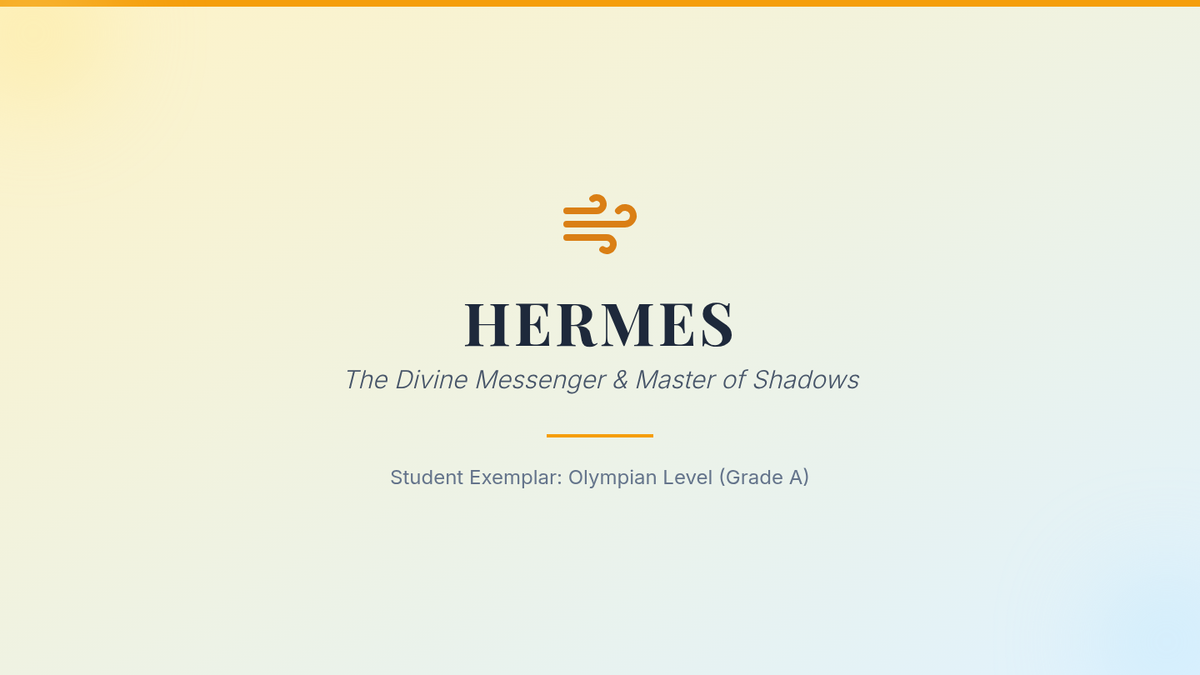
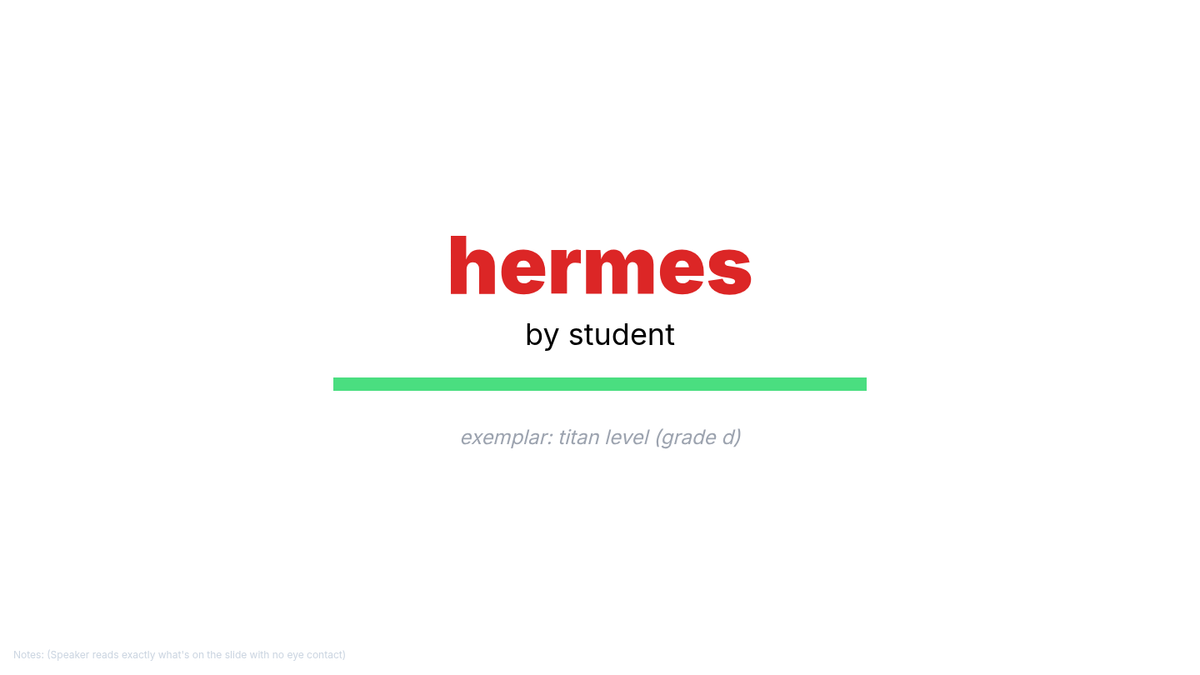
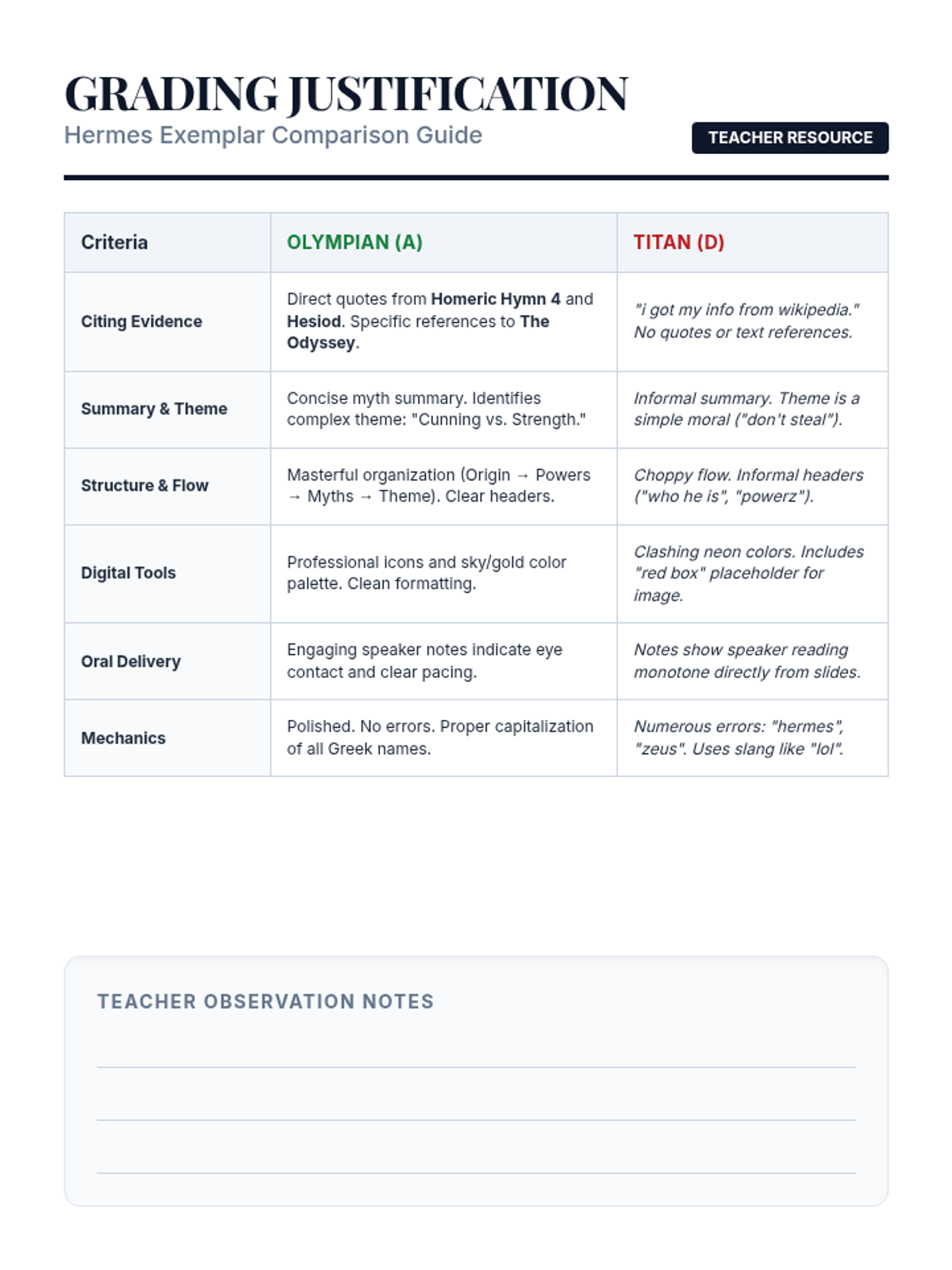
A sequence of exemplar presentations on Hermes designed to demonstrate high-achieving (A) and low-achieving (D) student work based on specific CCSS-aligned rubric criteria.
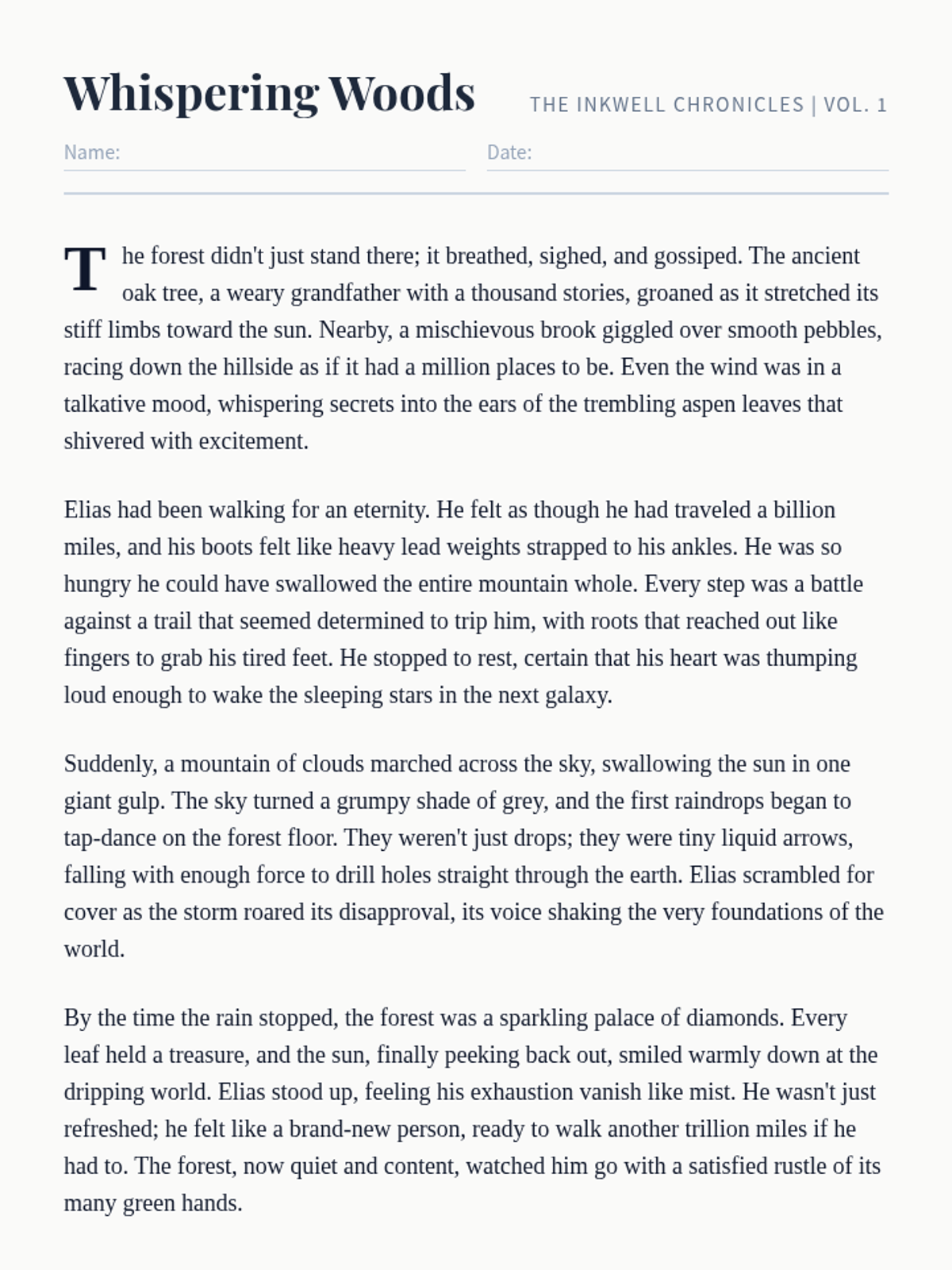
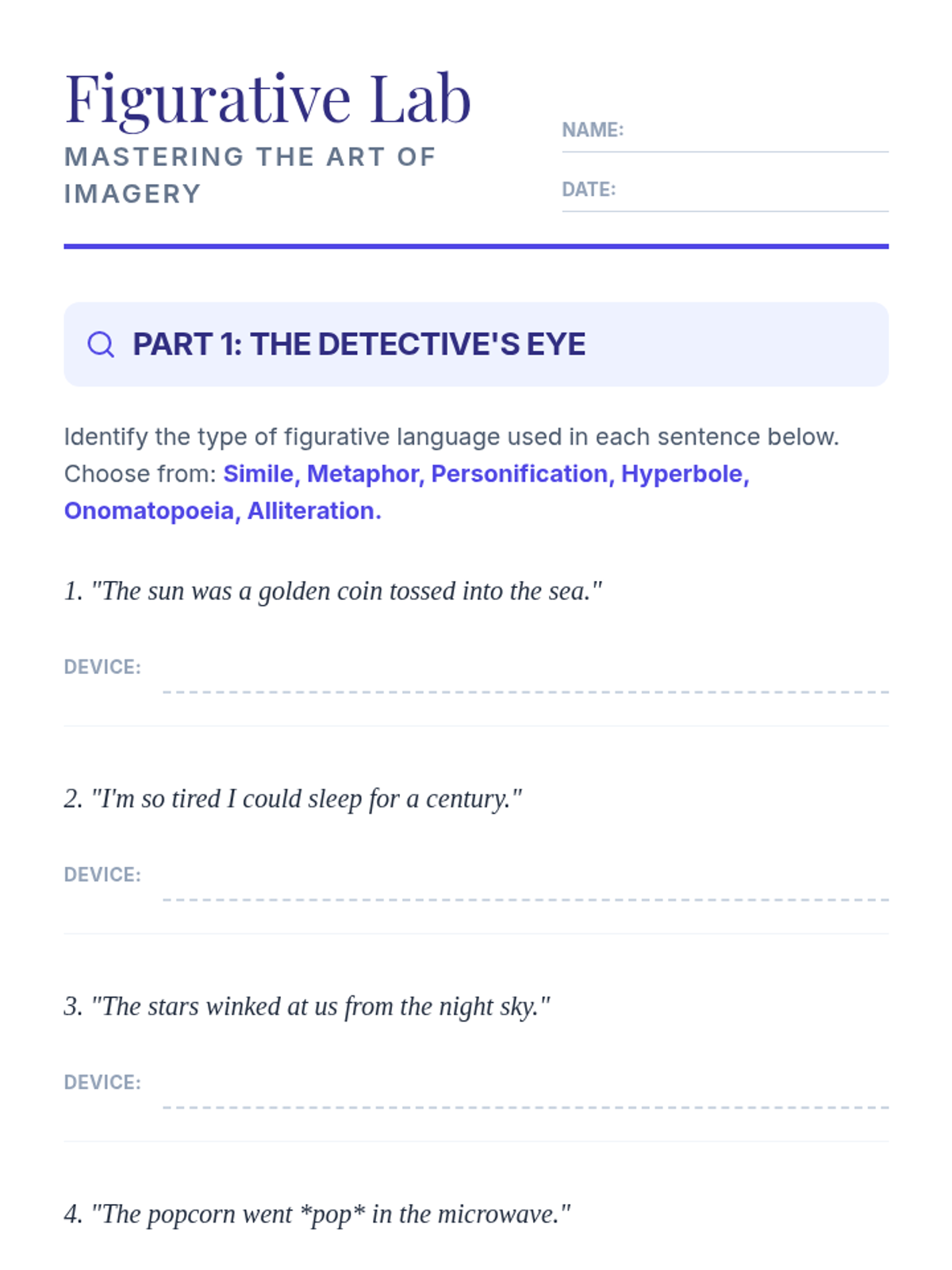
A collection of reading passages and analysis worksheets focusing on pairs of figurative language, designed to help students identify and interpret literary devices through engaging narratives.
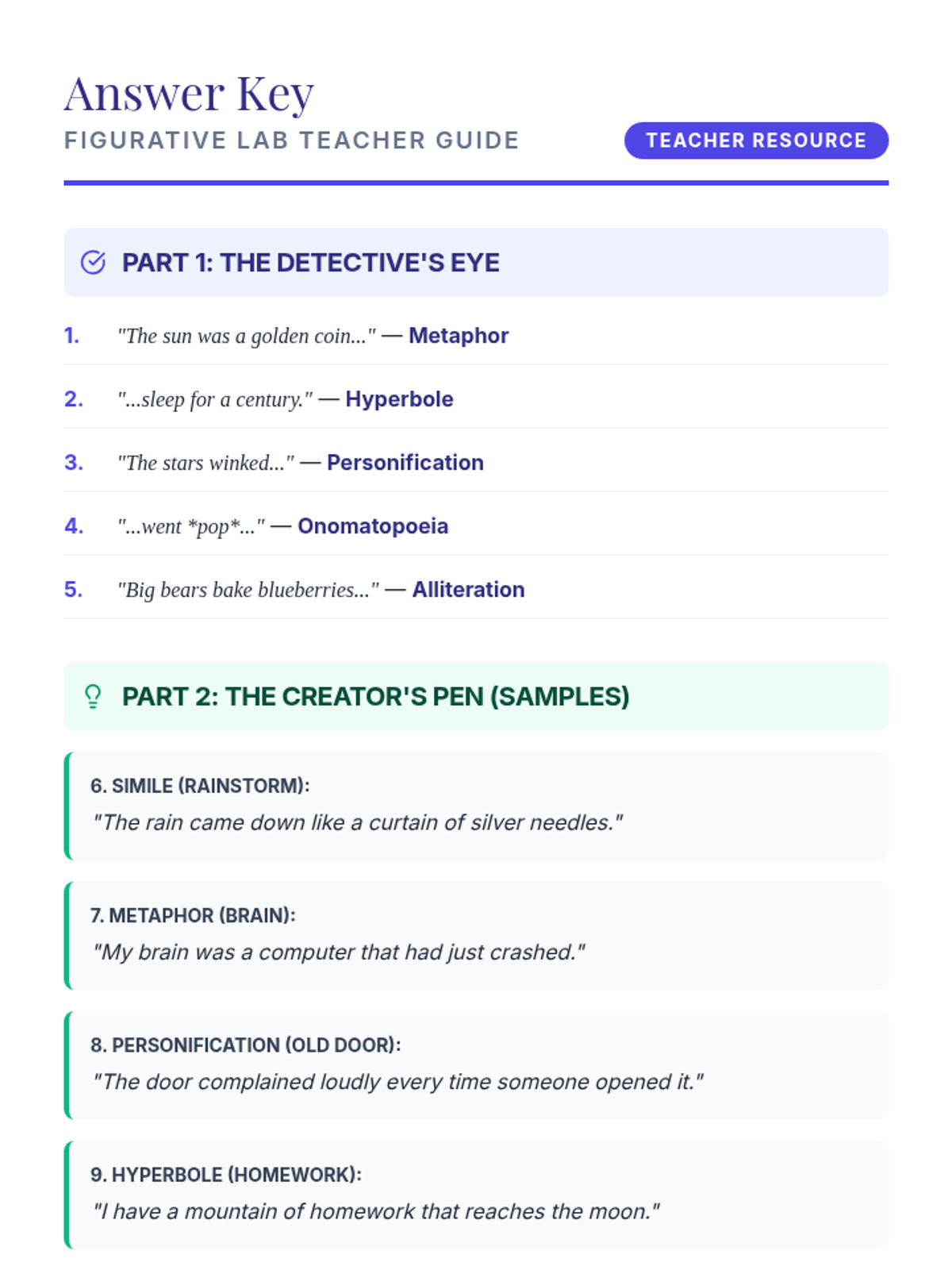
A comprehensive exploration of figurative language through poetry and prose, focusing on identifying and creating vivid imagery using similes, metaphors, personification, and more.
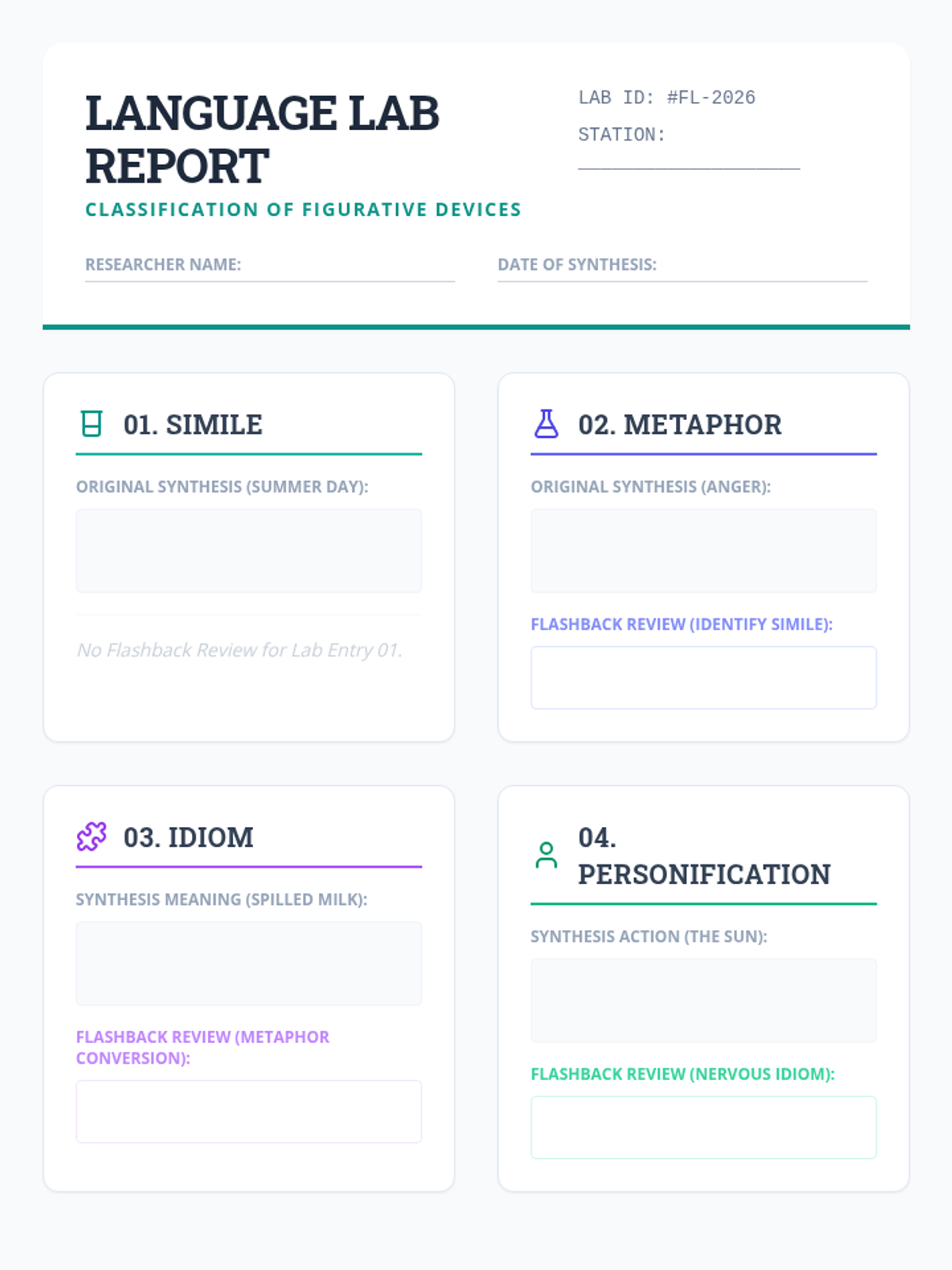
A comprehensive unit on figurative language, taking students from basic comparisons like similes and metaphors to complex devices like oxymorons and symbolism. Students act as 'Language Scientists' in a literary lab to synthesize and analyze text.
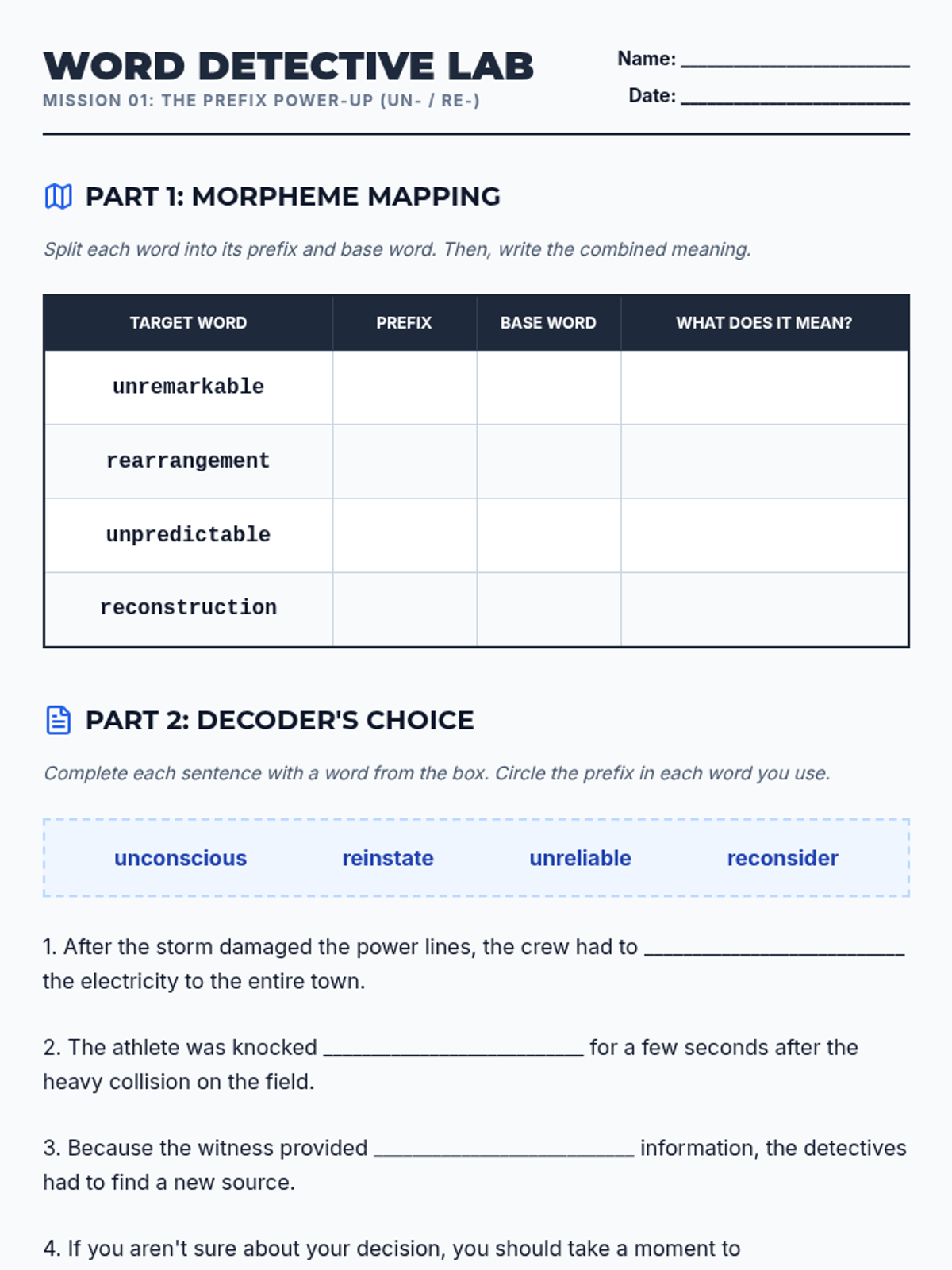
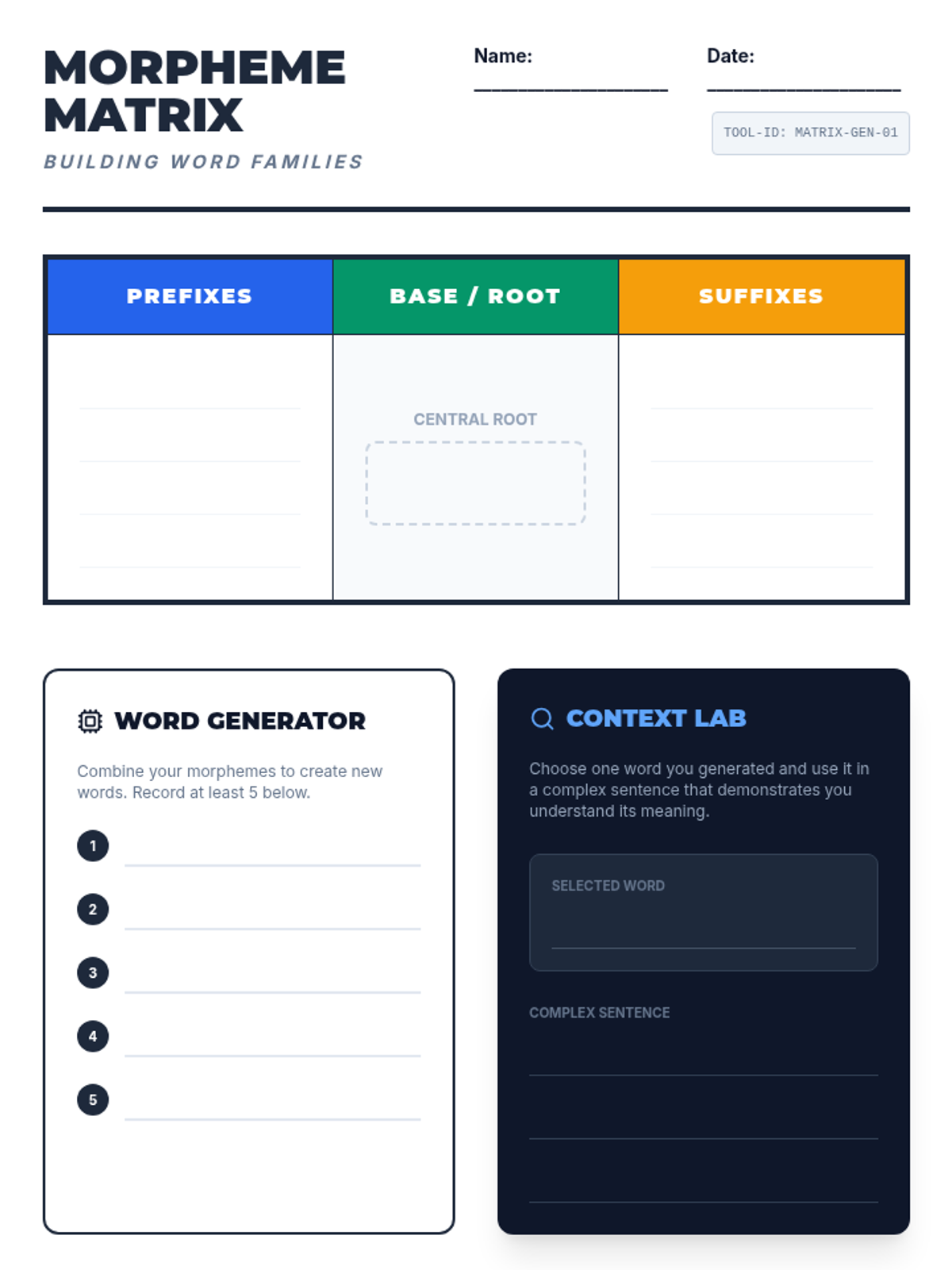
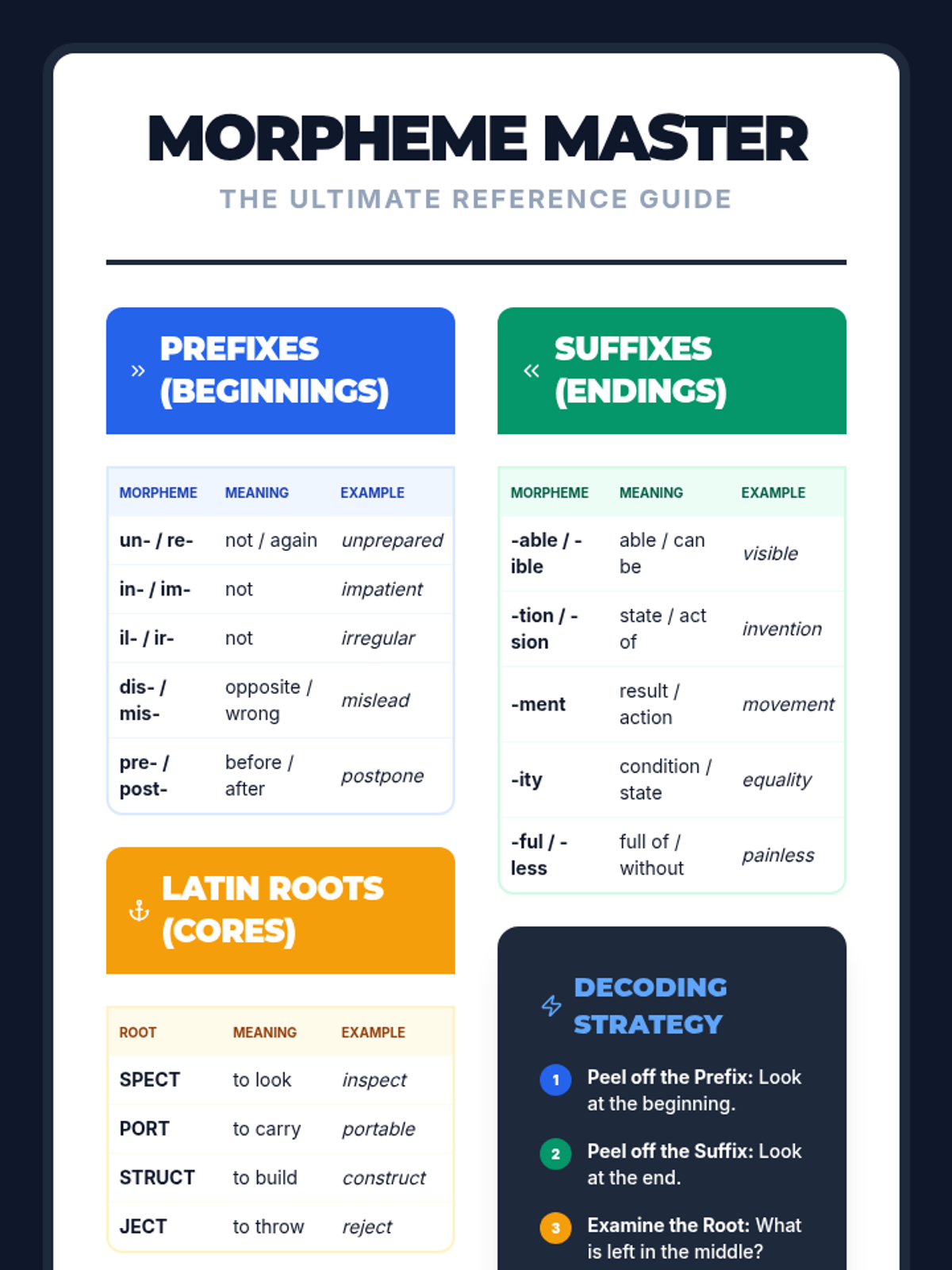
A dual-unit intervention sequence for 6th grade Tier 2 decoding. Unit 1 focuses on Morphology (Lessons 1-15). Unit 2 focuses on Syllable Types and Division Patterns (Lessons 16-30) through an architectural blueprint theme.
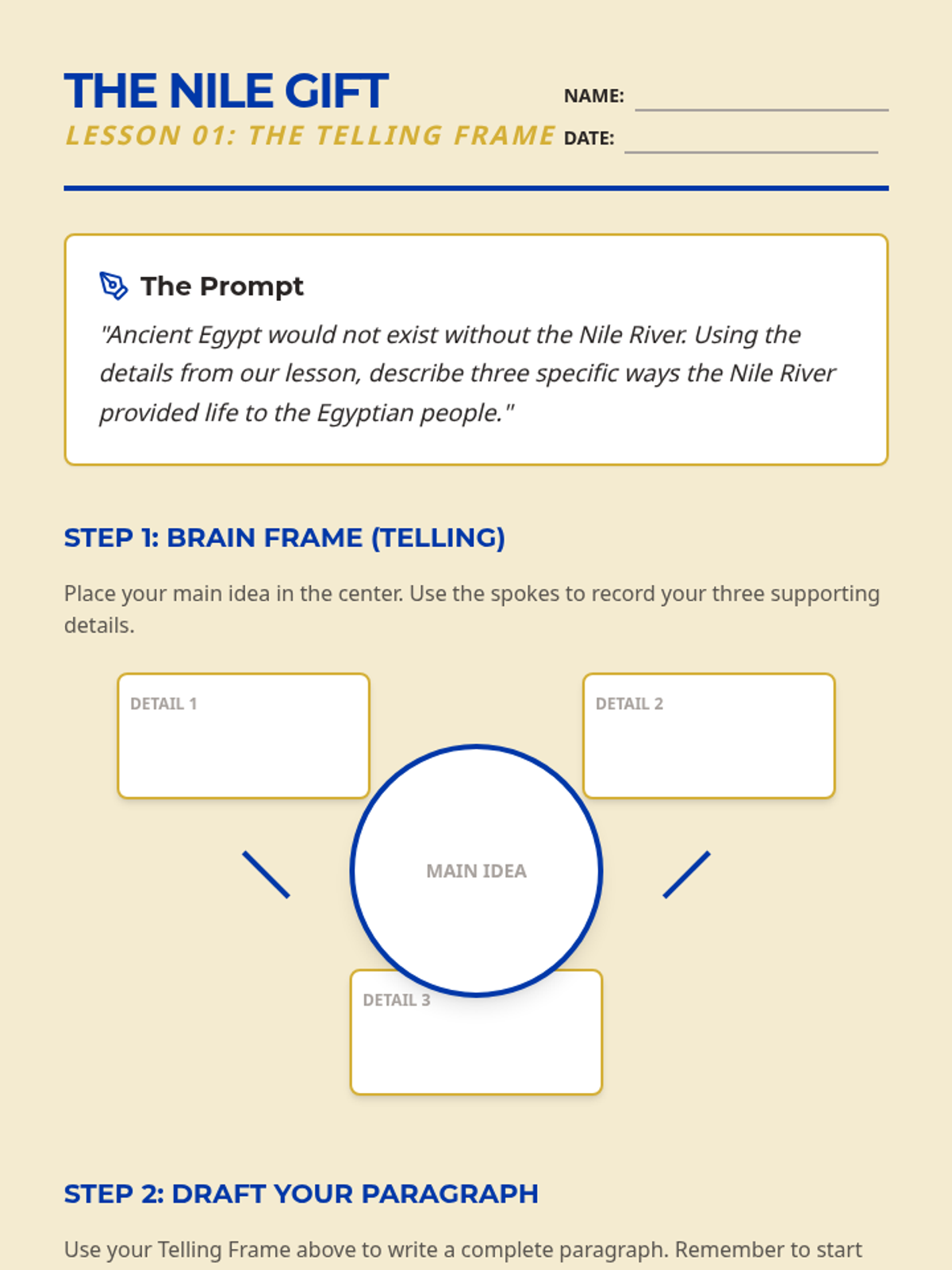
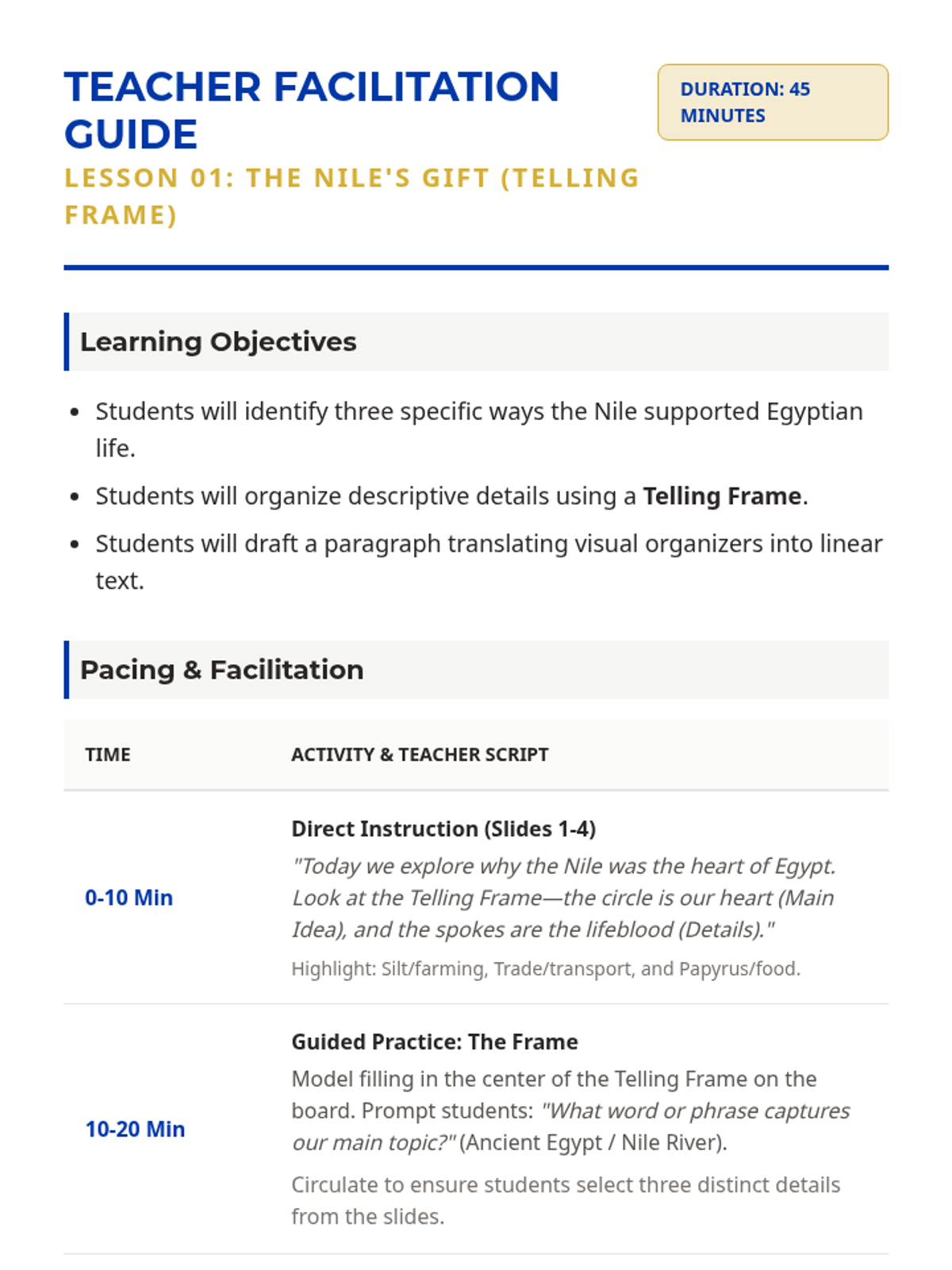
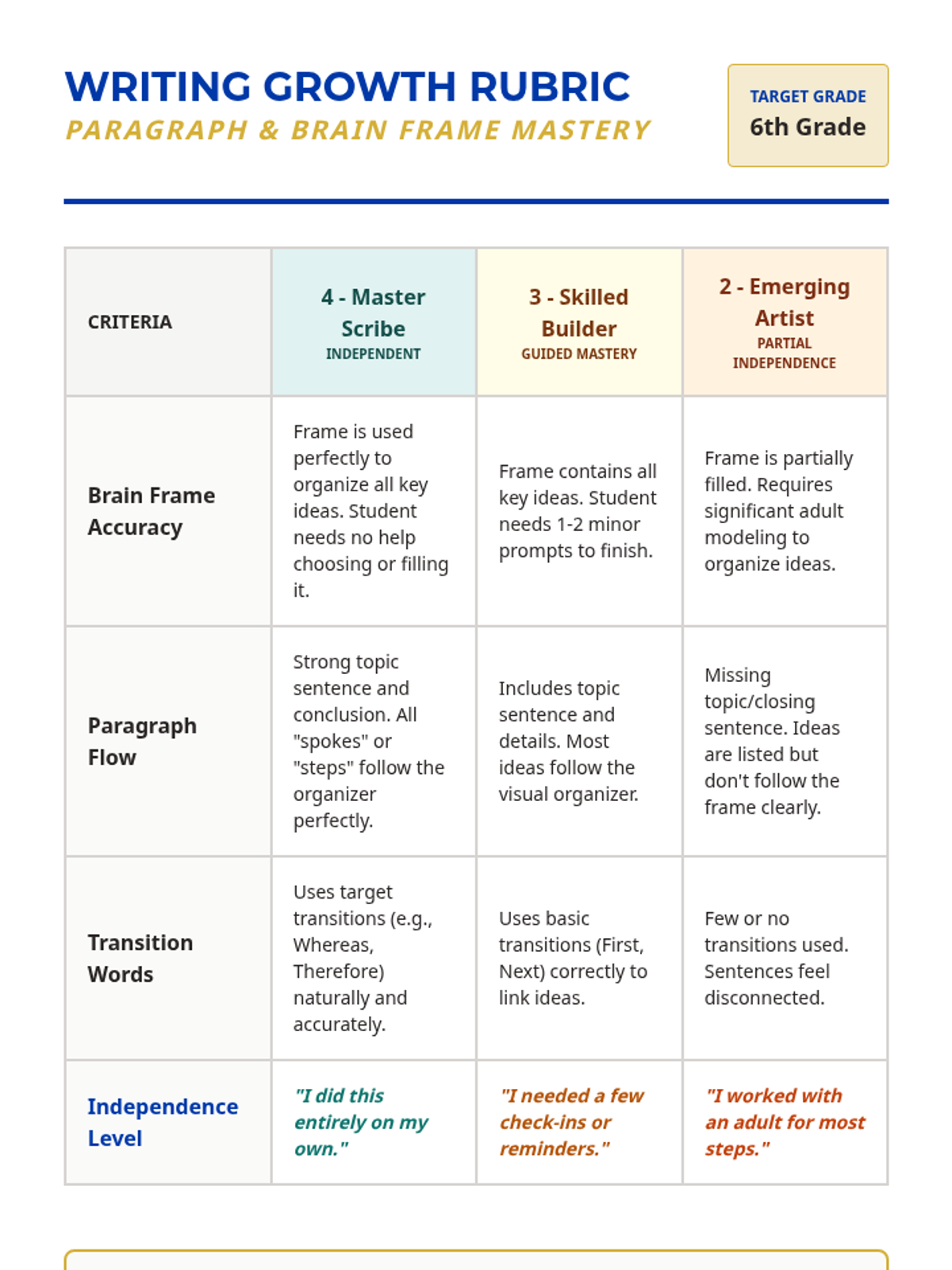
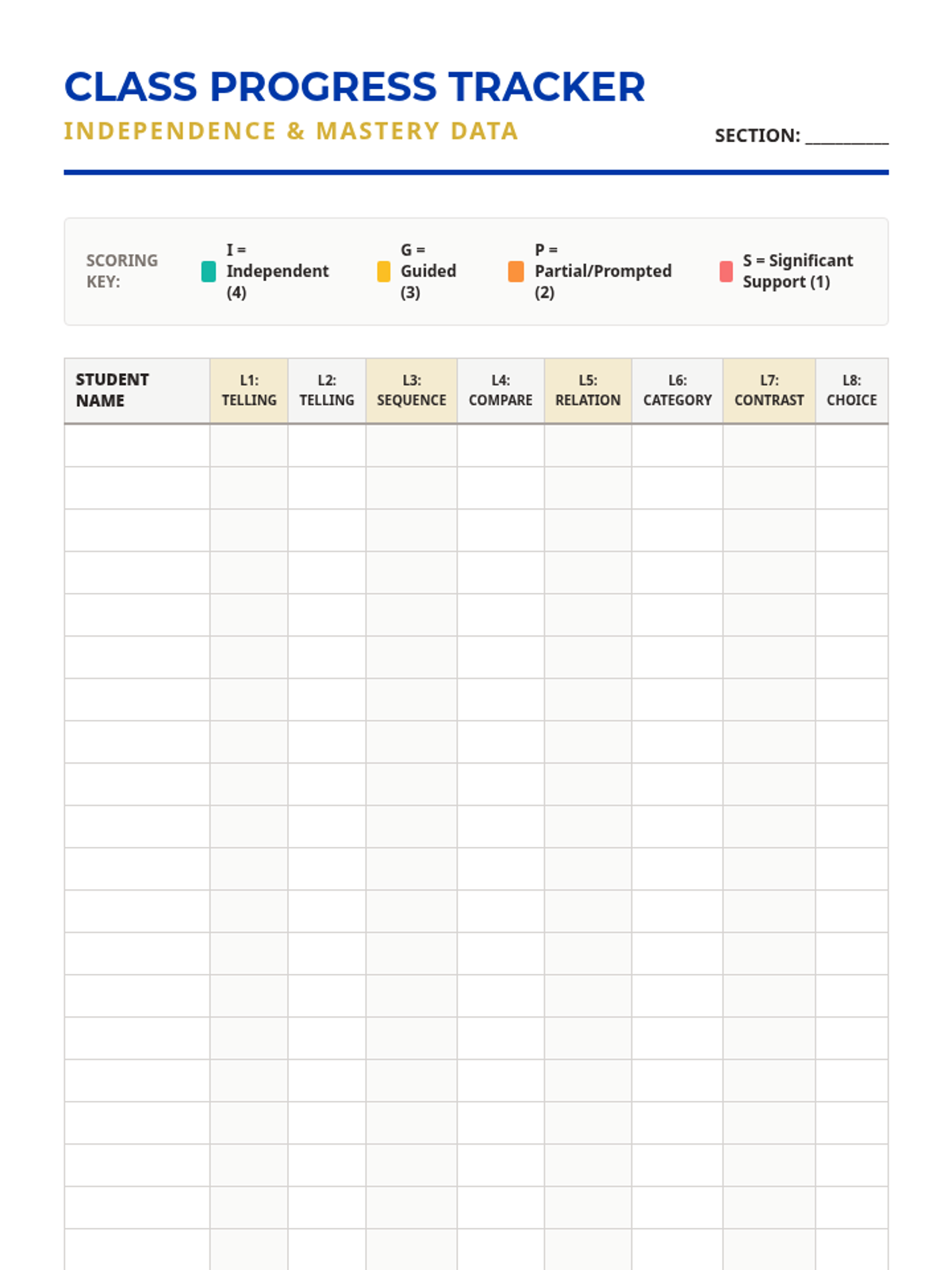
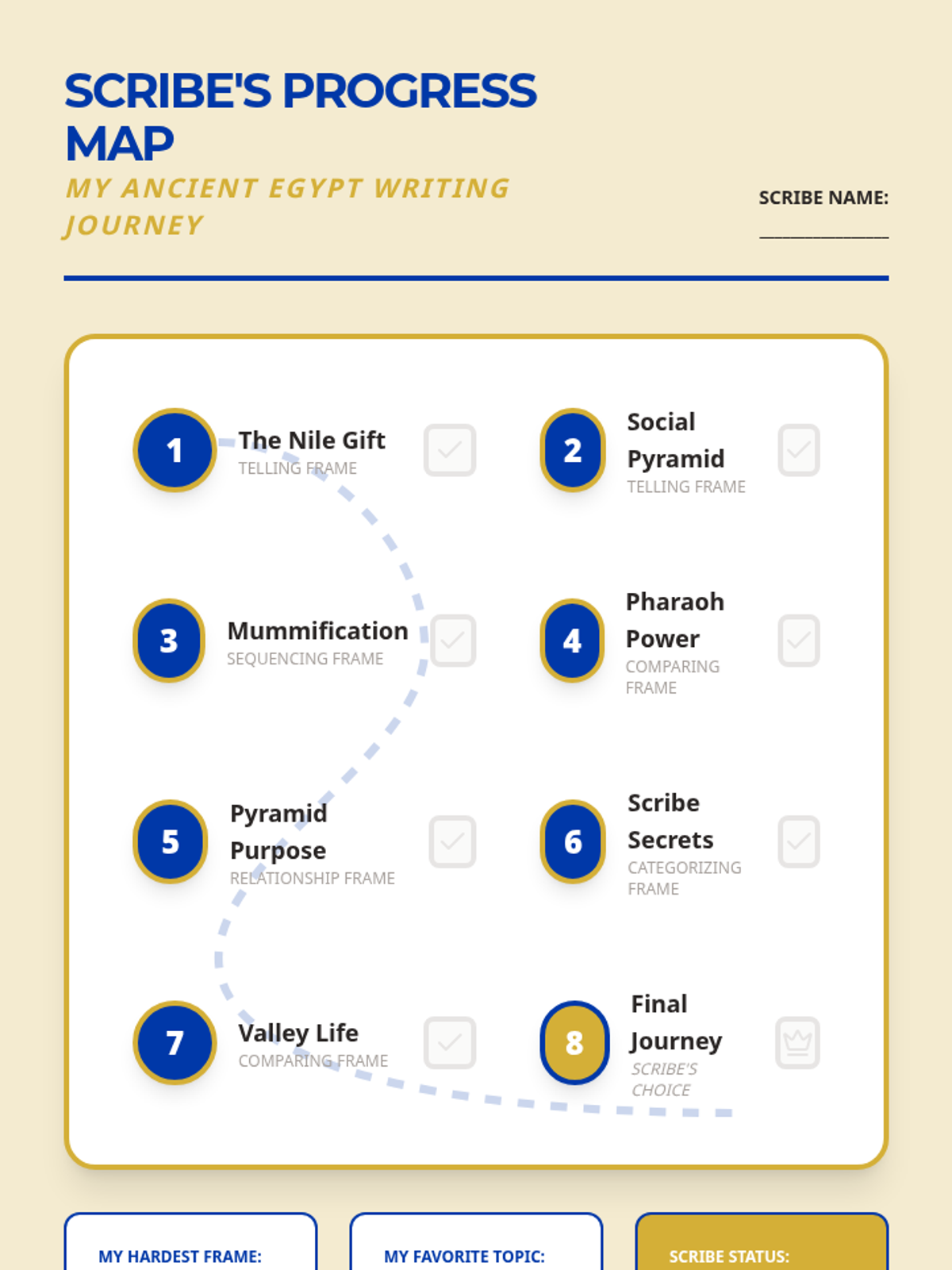
An 8-session writing program for 6th graders focused on Ancient Egypt, utilizing Brain Frames to build independence in paragraph organization and writing. Each session targets a specific visual organization tool and a historical topic to move students from guided to independent writing.
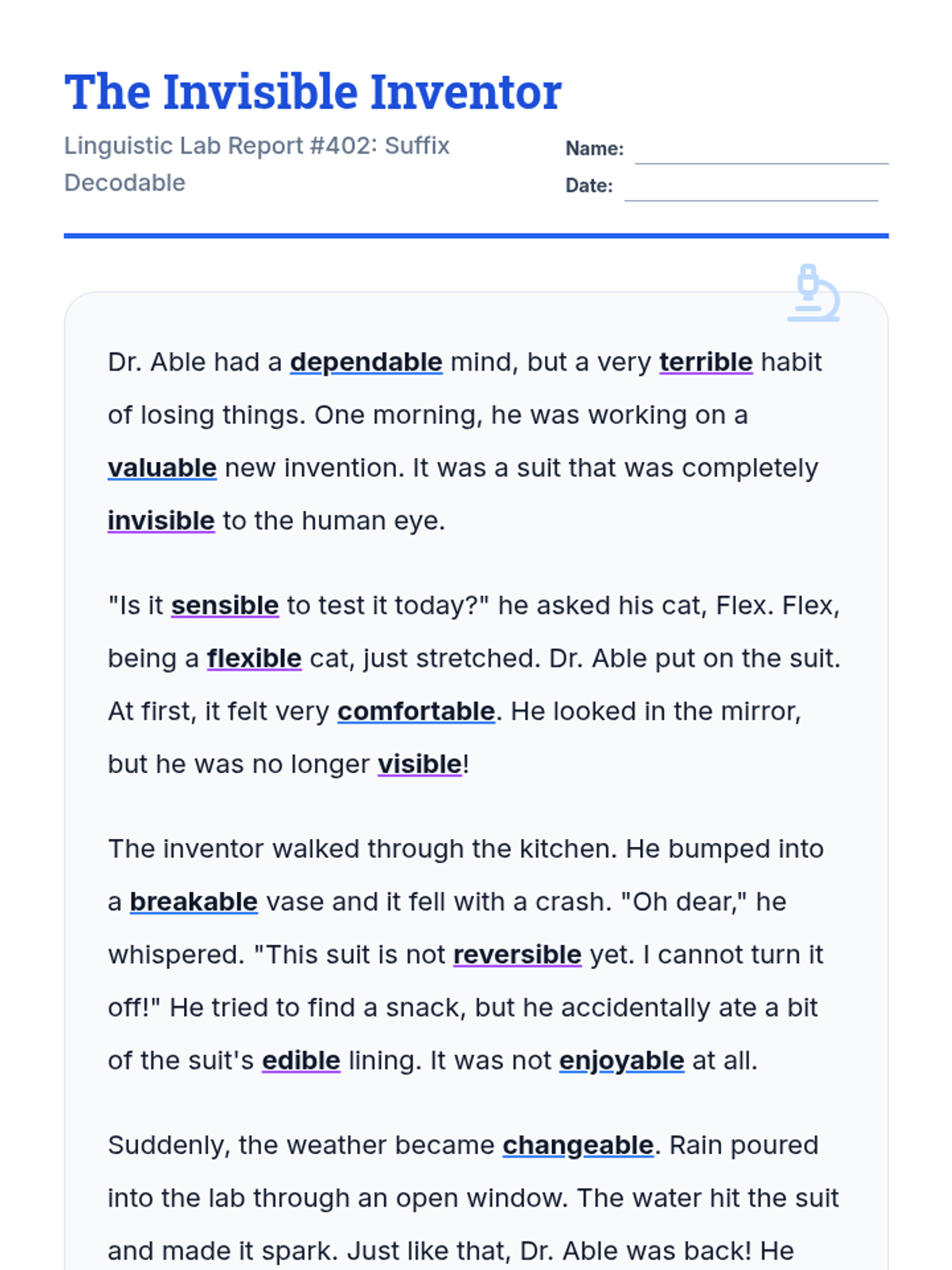
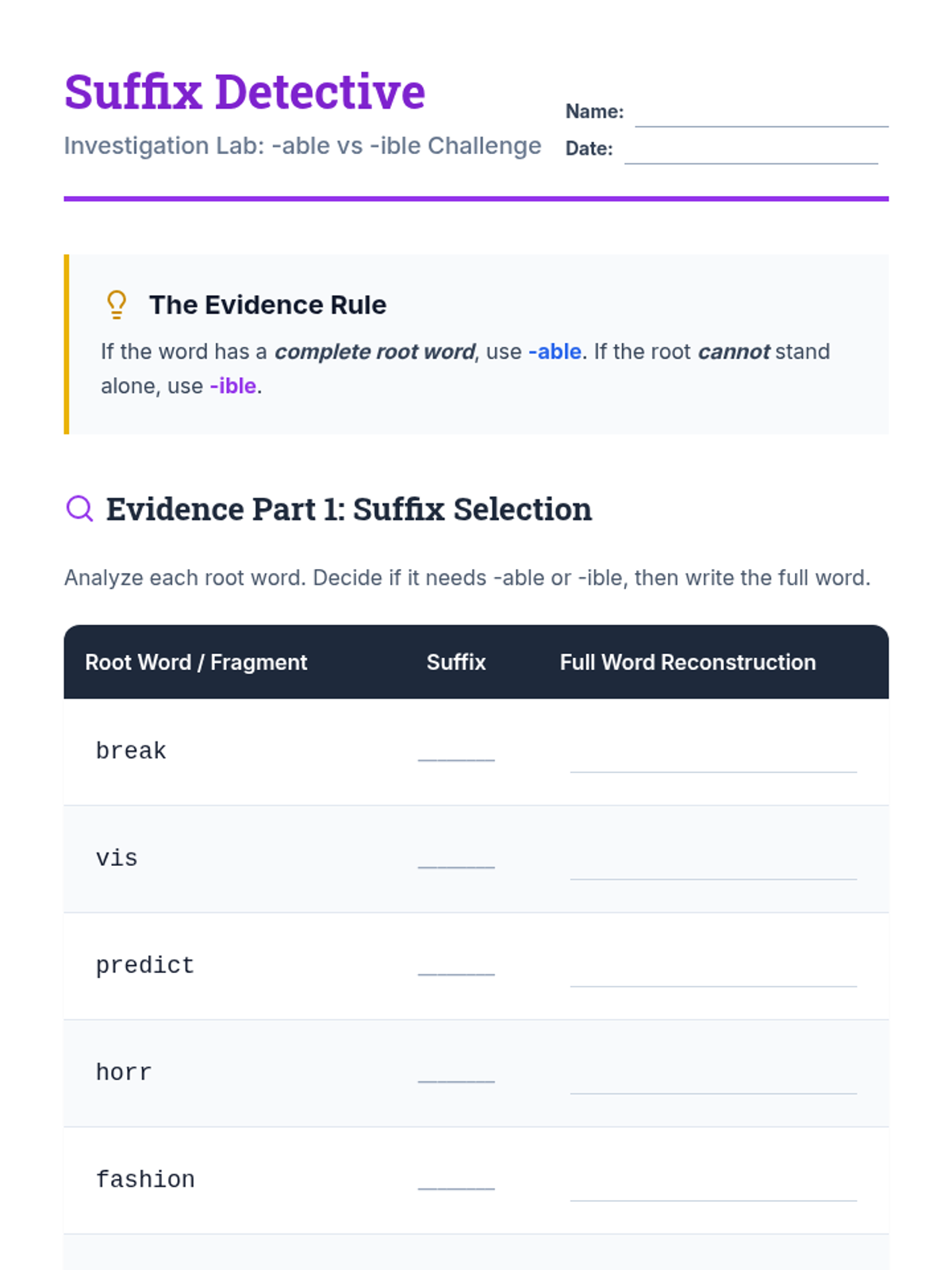
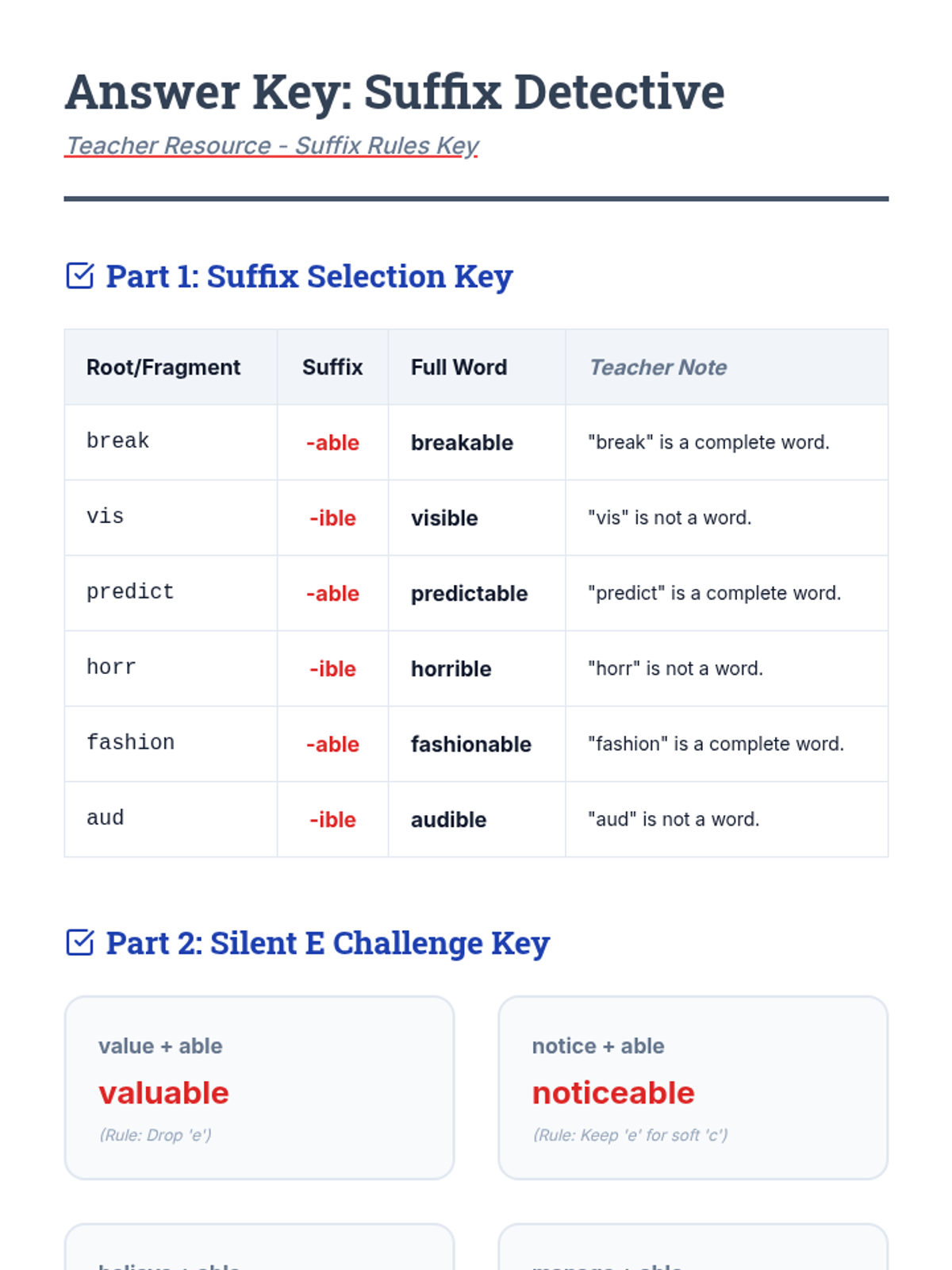
A series of lessons exploring complex spelling patterns including assimilated suffixes and chameleon prefixes to improve student decoding and spelling accuracy.
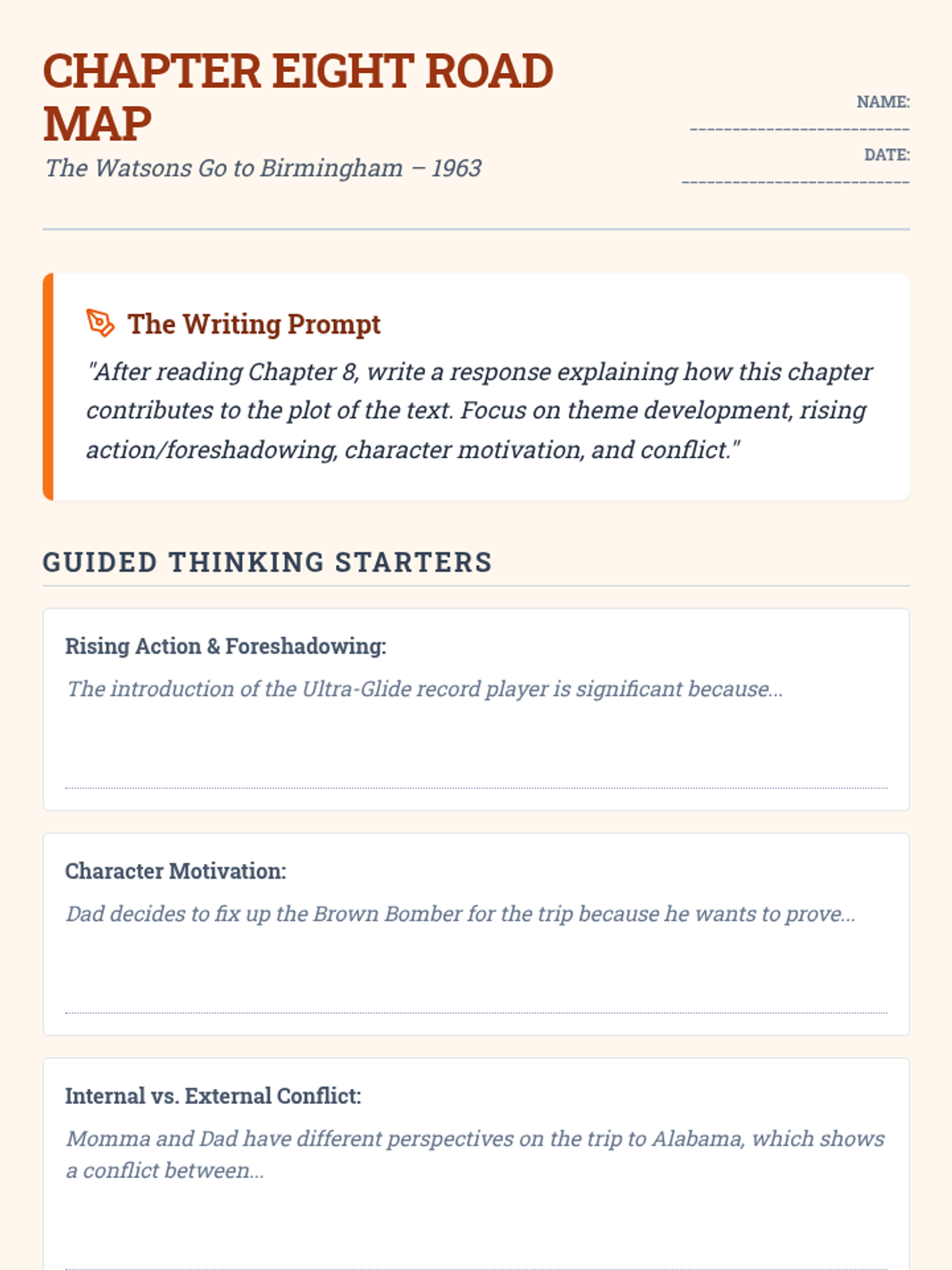
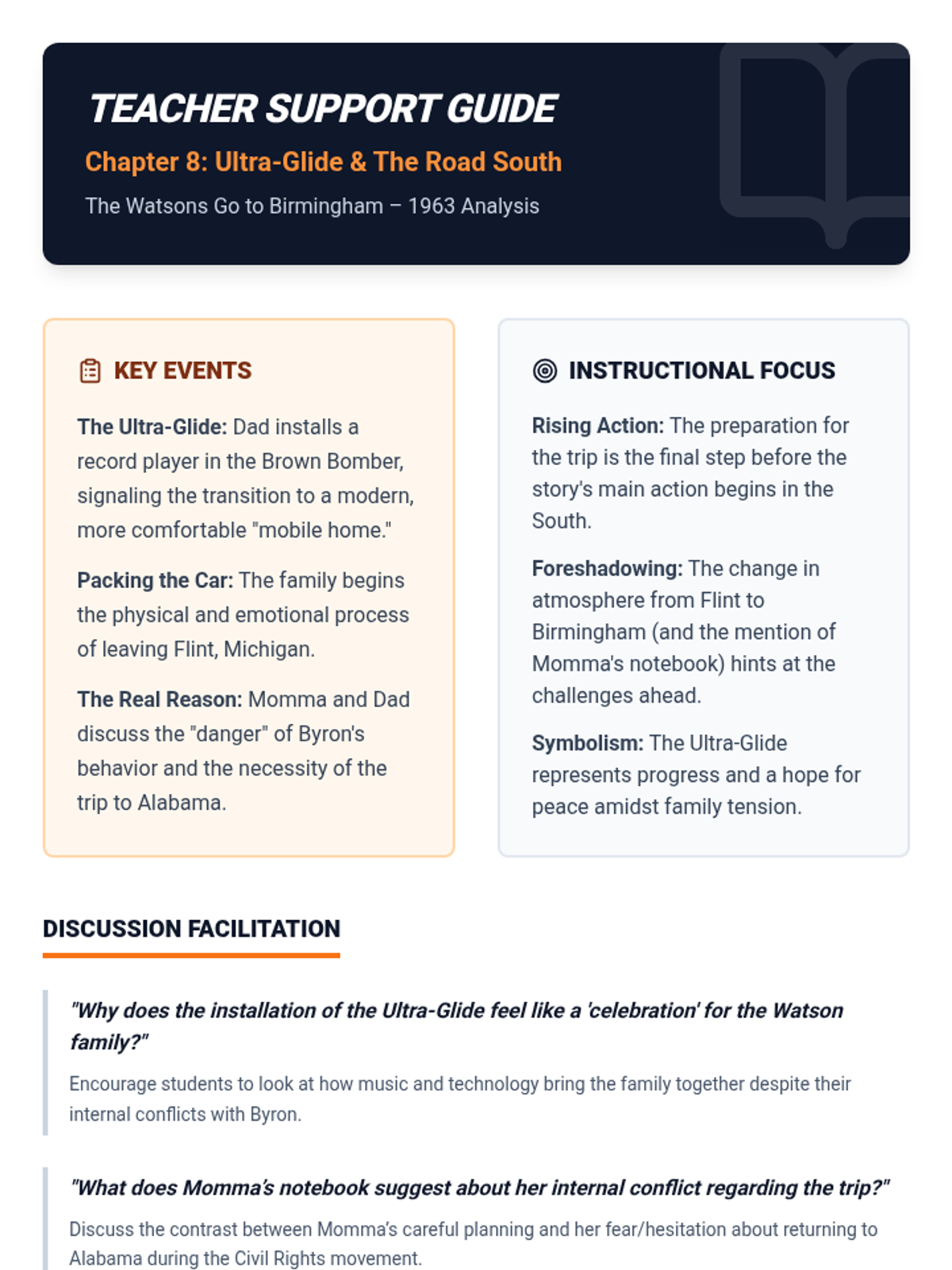
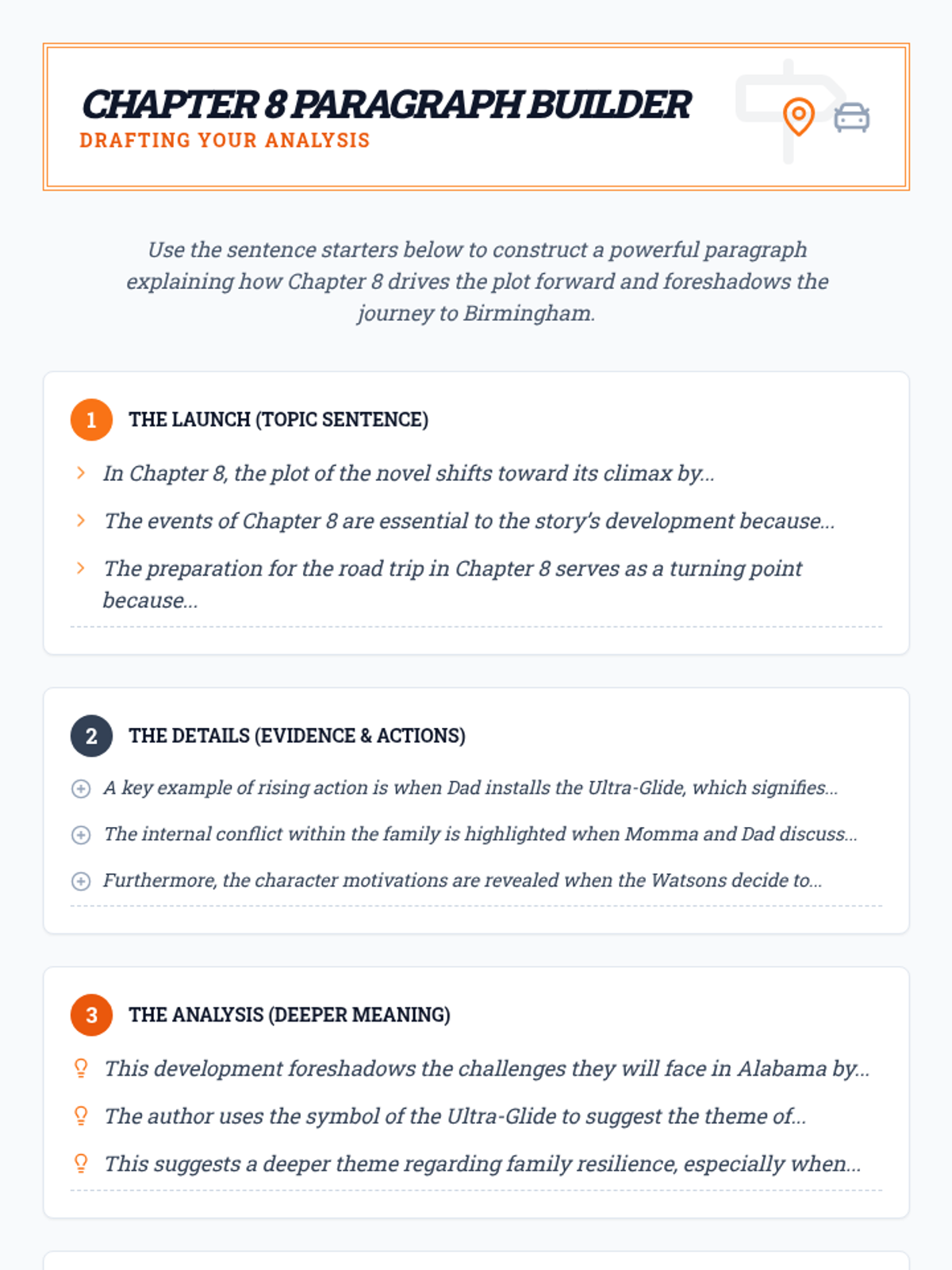
A series of lessons focused on analyzing key chapters of 'The Watsons Go to Birmingham - 1963', with a specific focus on plot development, theme, and author's craft.