A graduate-level course bridging continuum mechanics and machine learning, focusing on data-driven constitutive models, thermodynamic consistency, and Physics-Informed Neural Networks (PINNs).
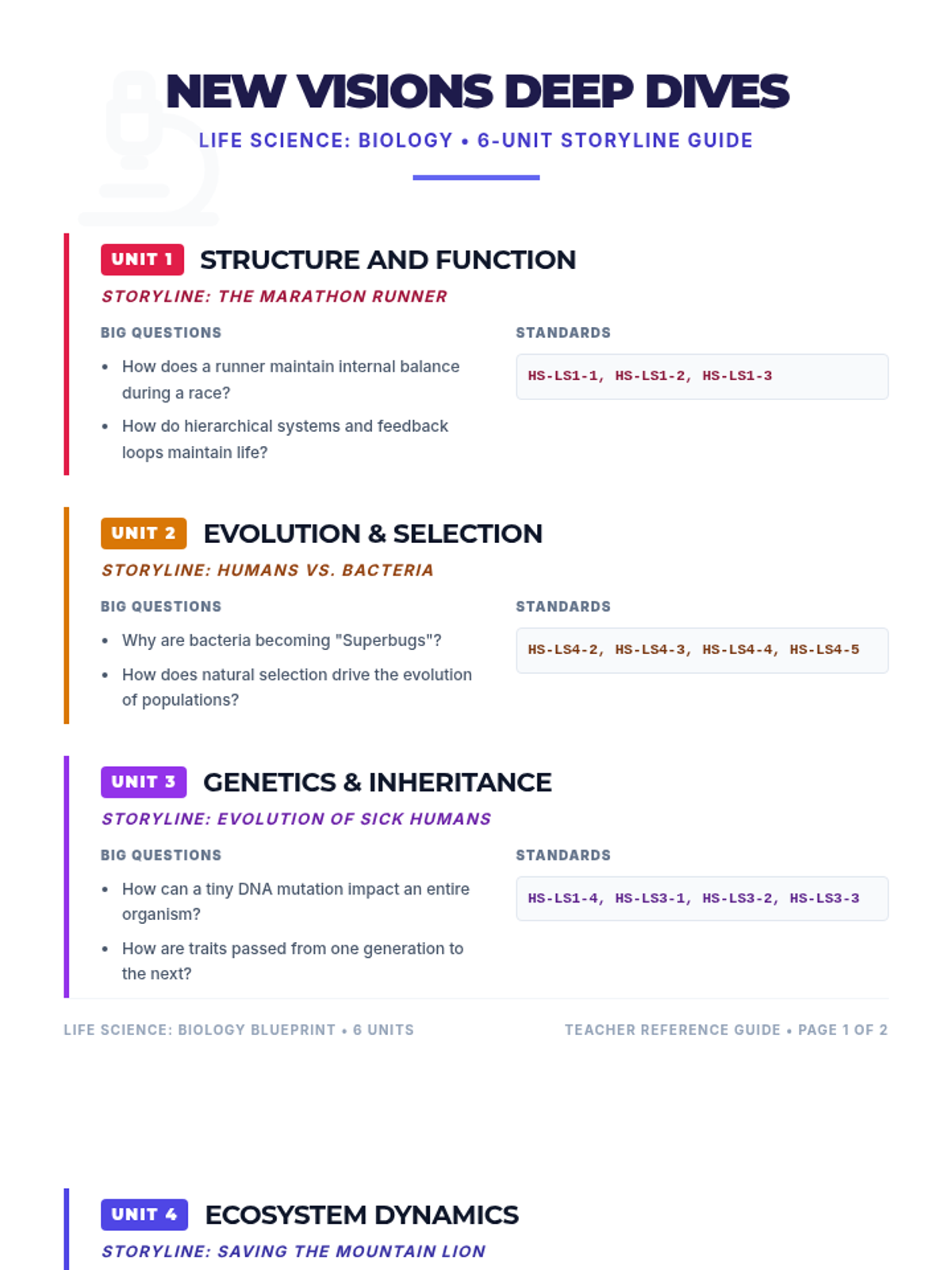
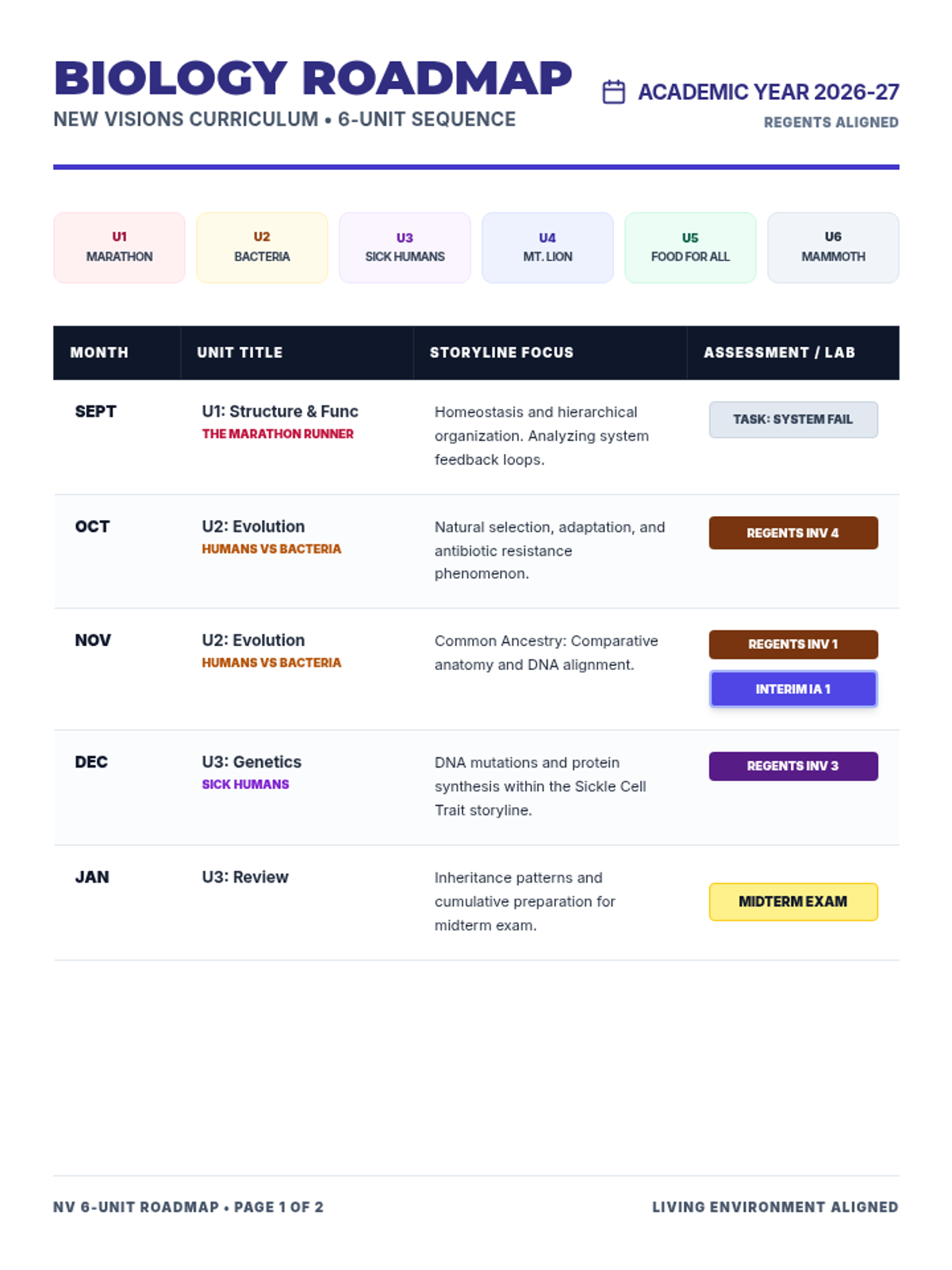
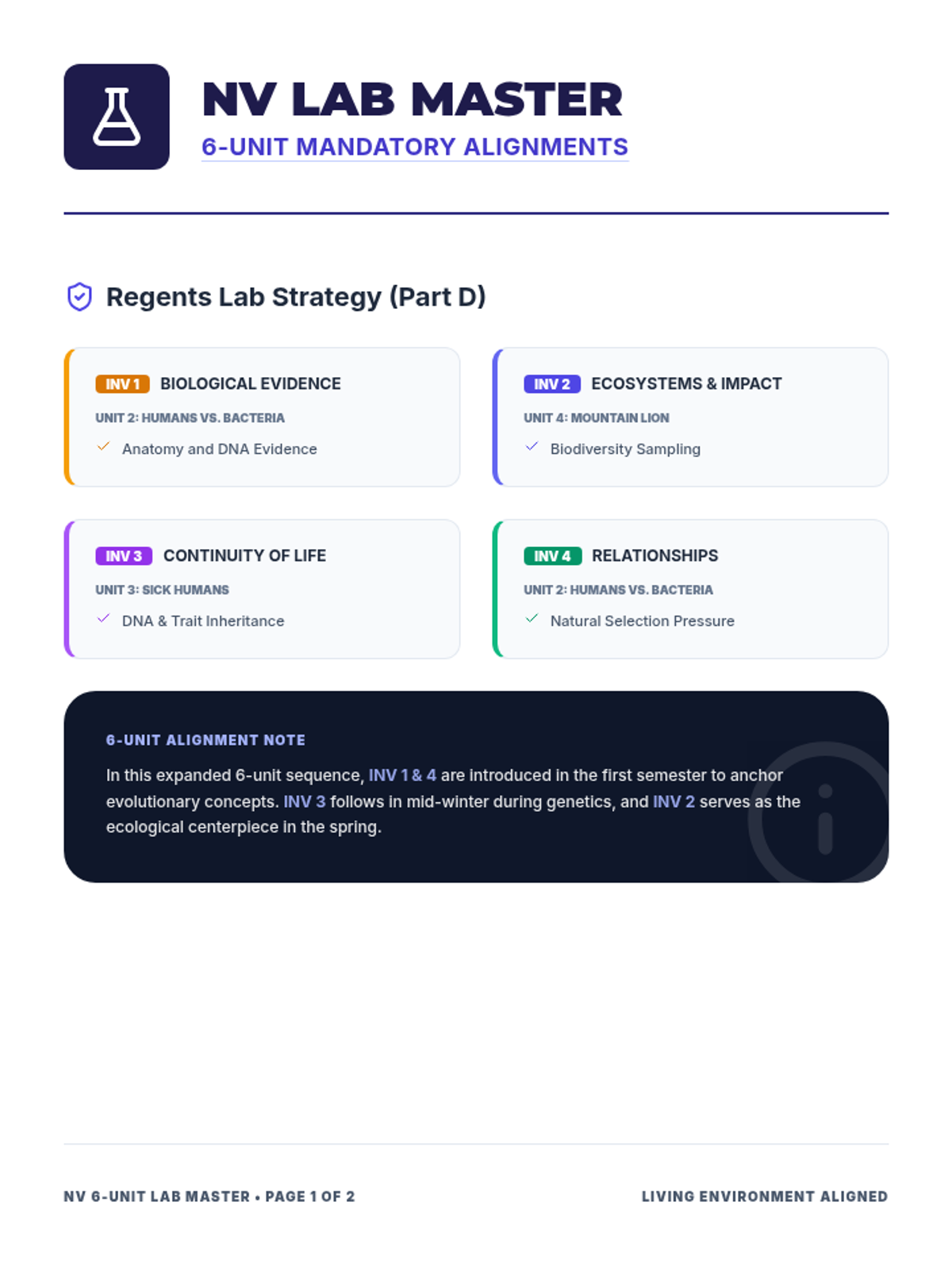
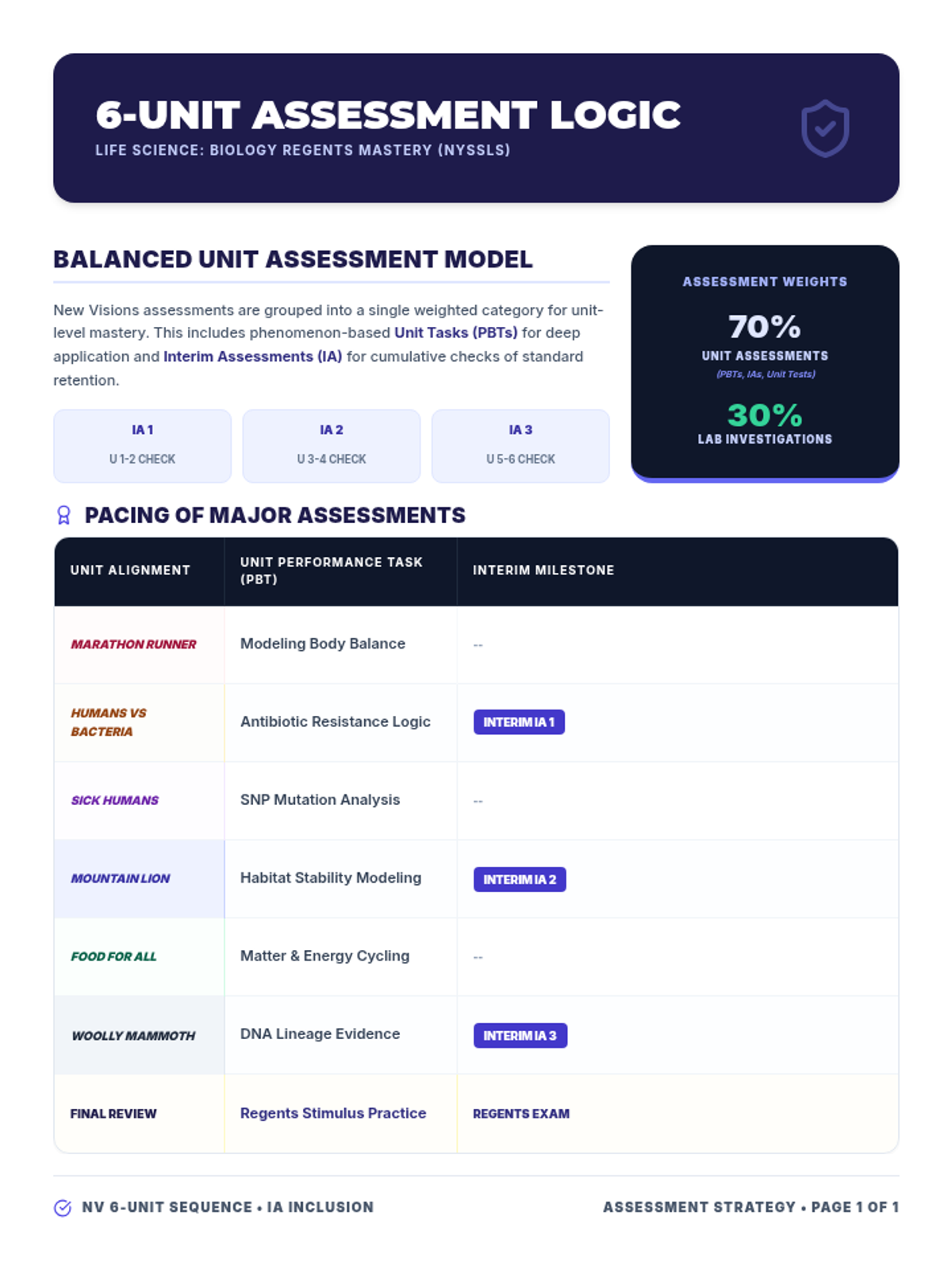
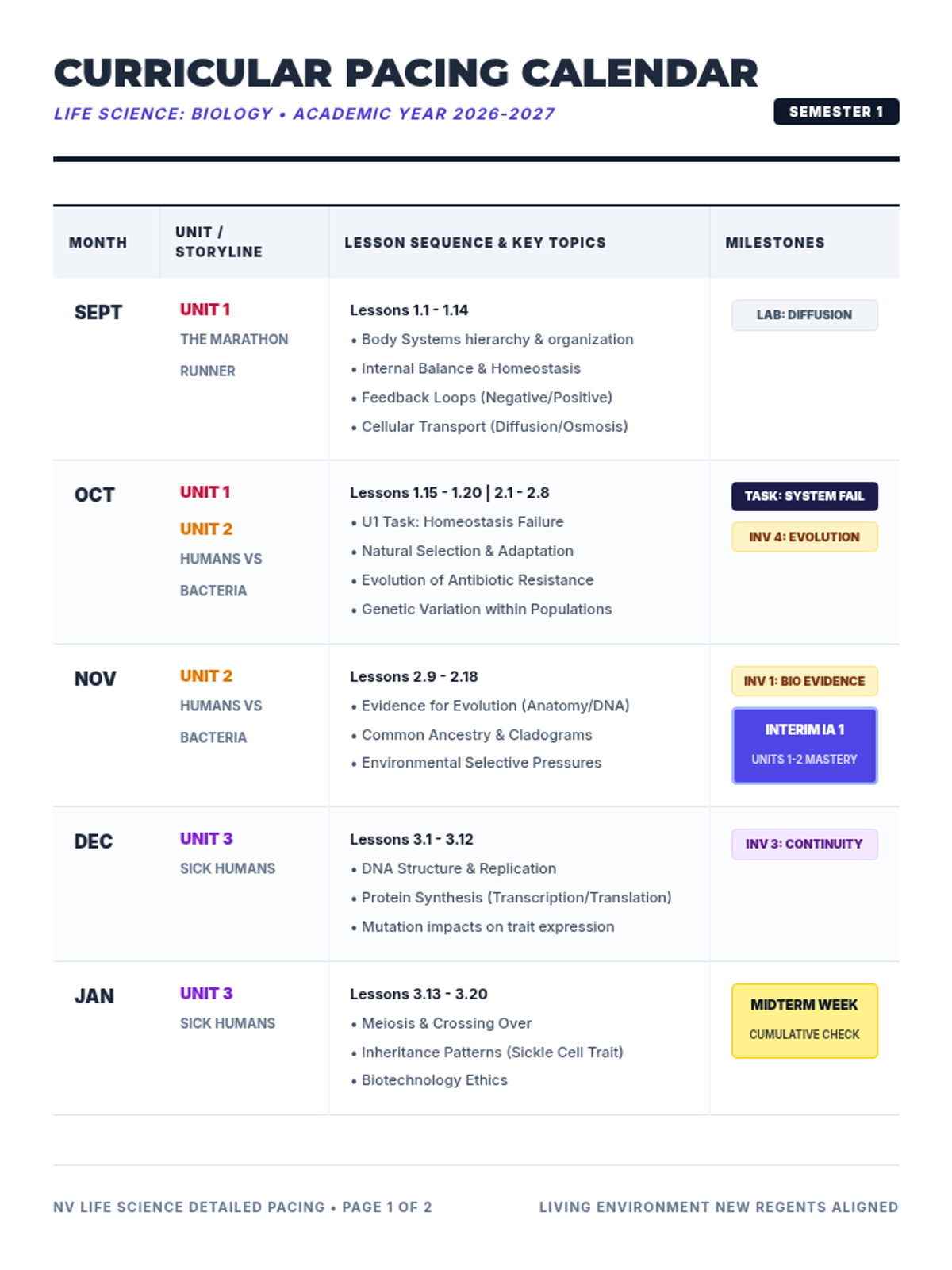
A comprehensive full-year planning framework for high school Life Science: Biology, including pacing, unit objectives, lab requirements, and assessment strategies.
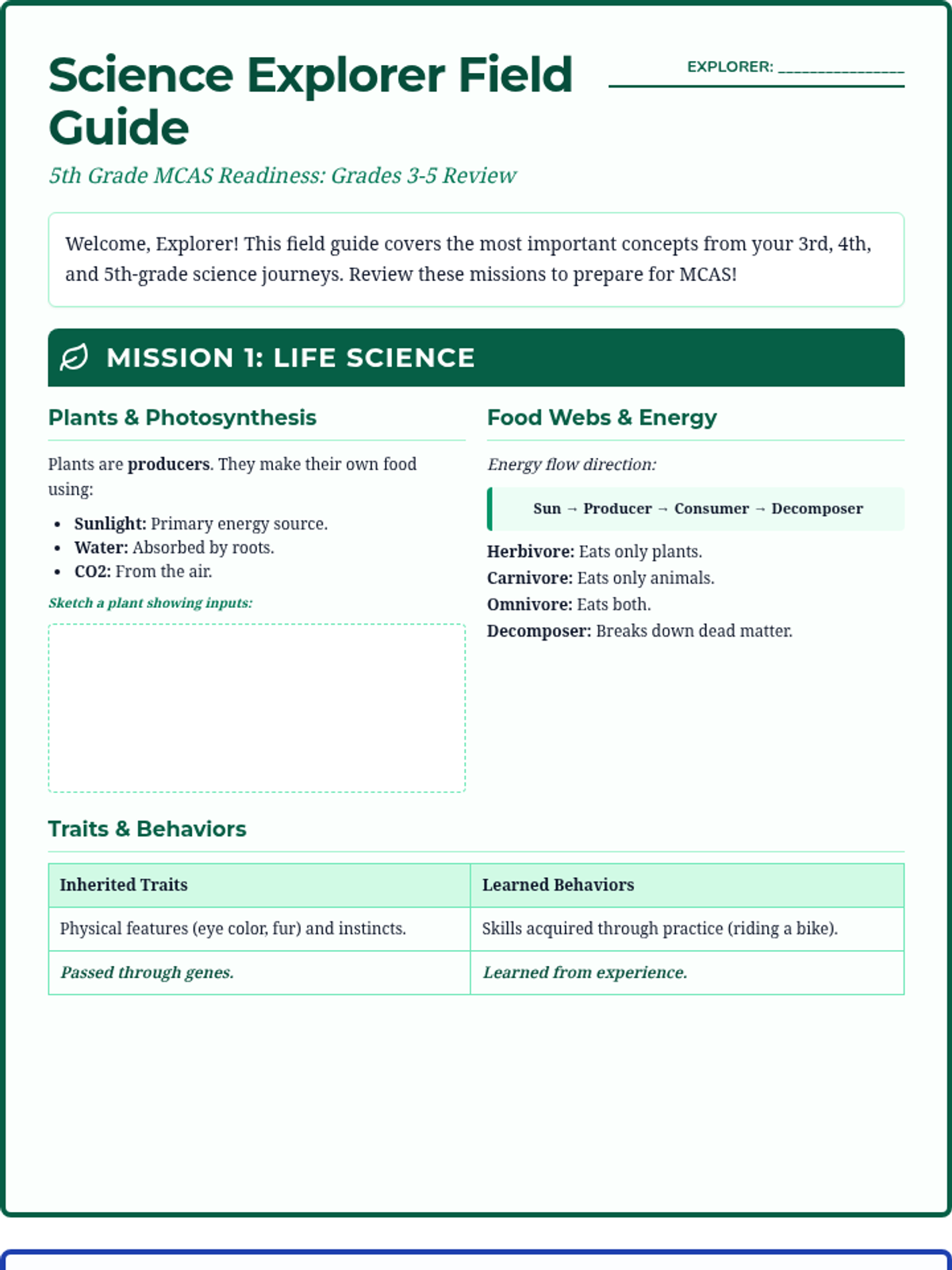
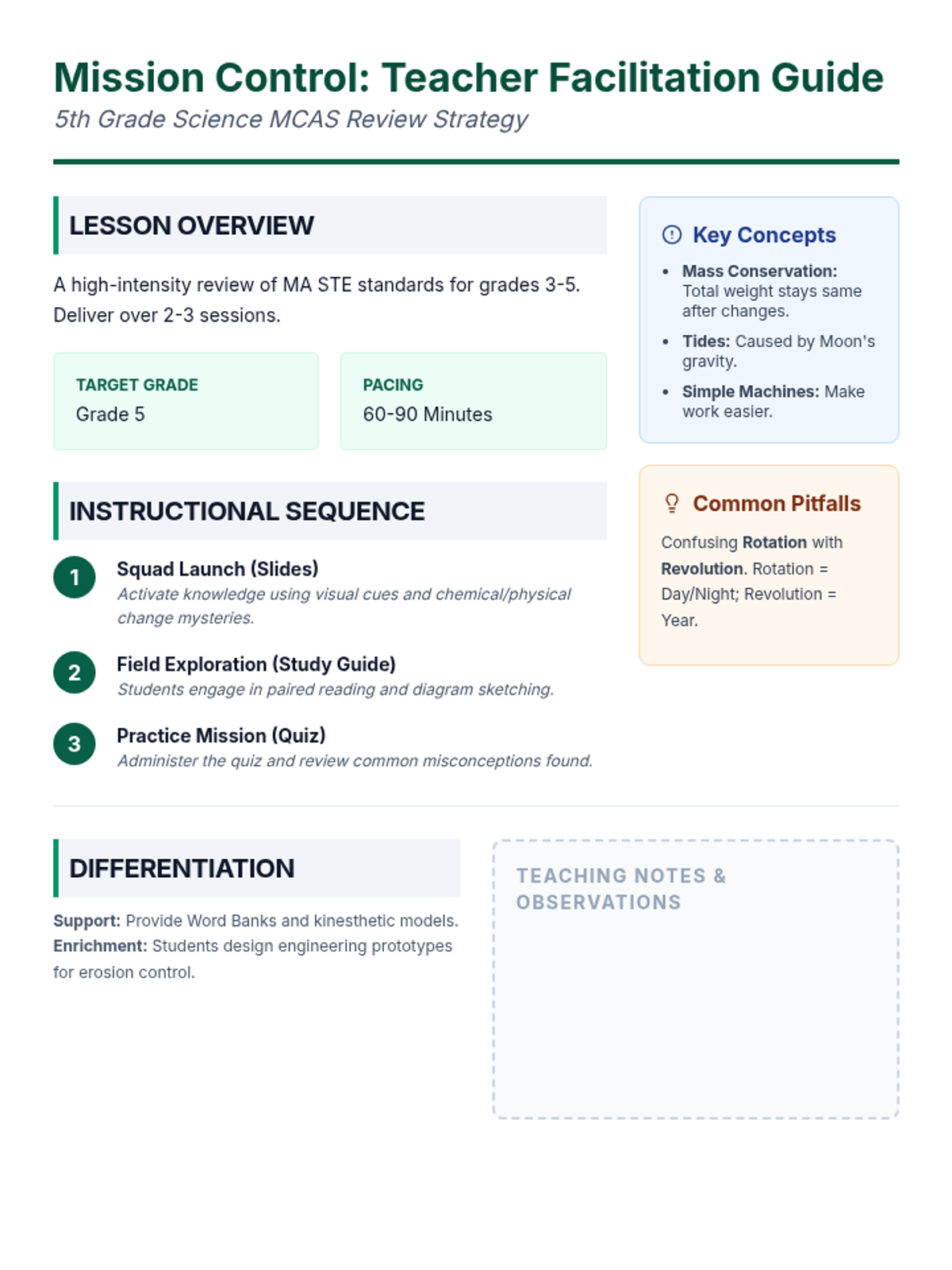
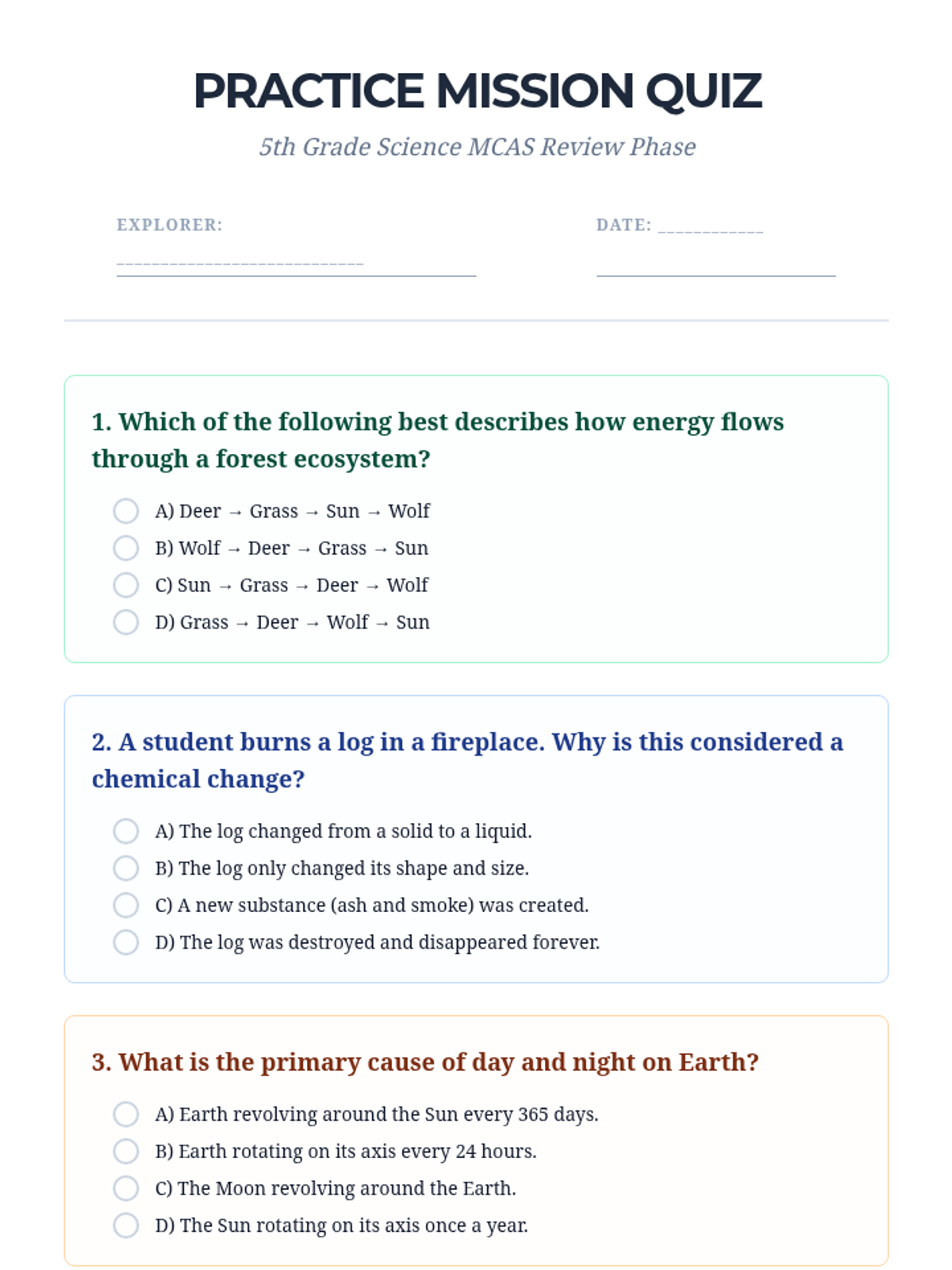
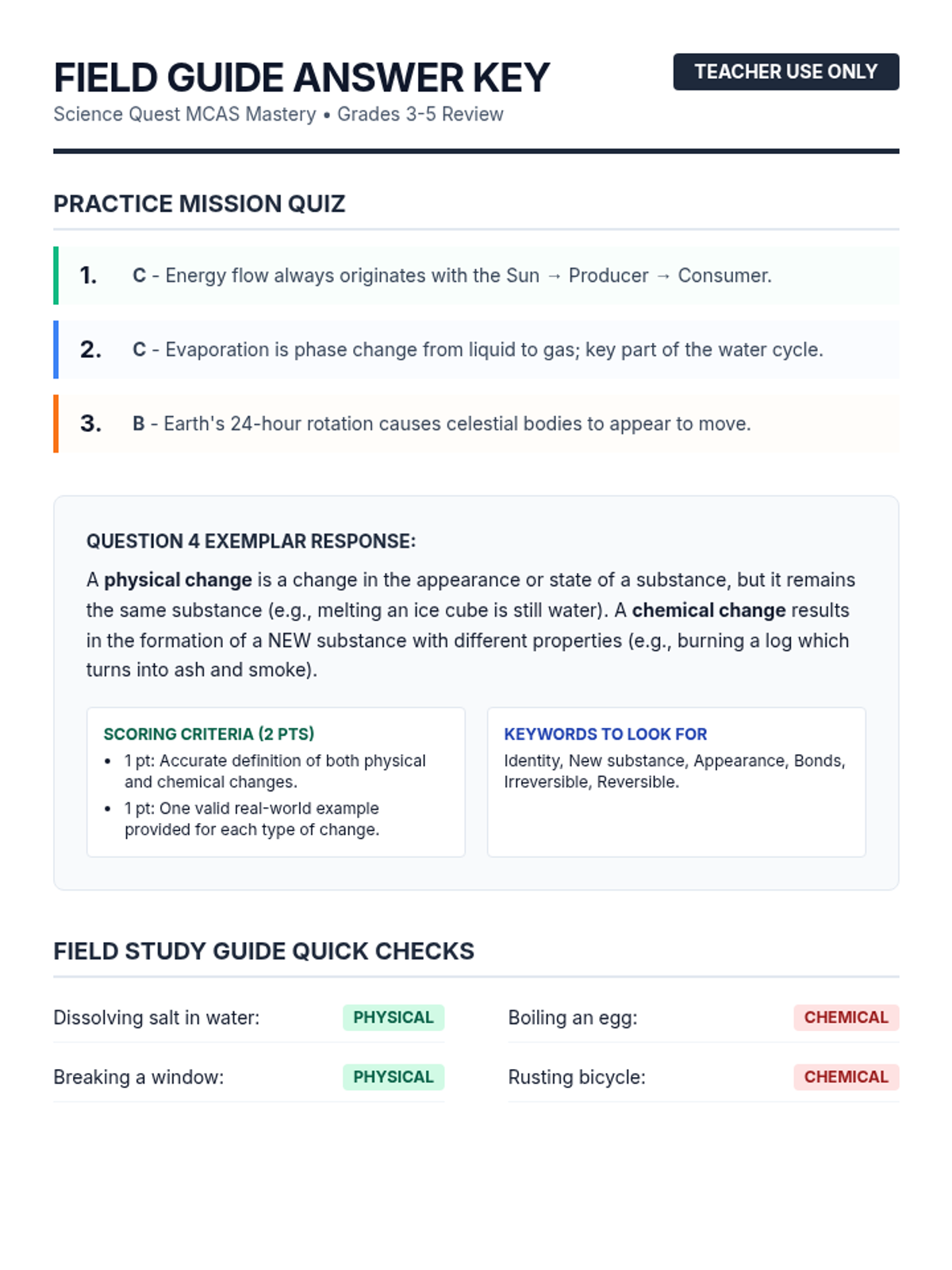
A comprehensive review of the 3rd-5th grade Massachusetts Science and Technology/Engineering (STE) standards to prepare students for the 5th grade MCAS. Includes a detailed study guide, instructional slides, and teacher support materials.
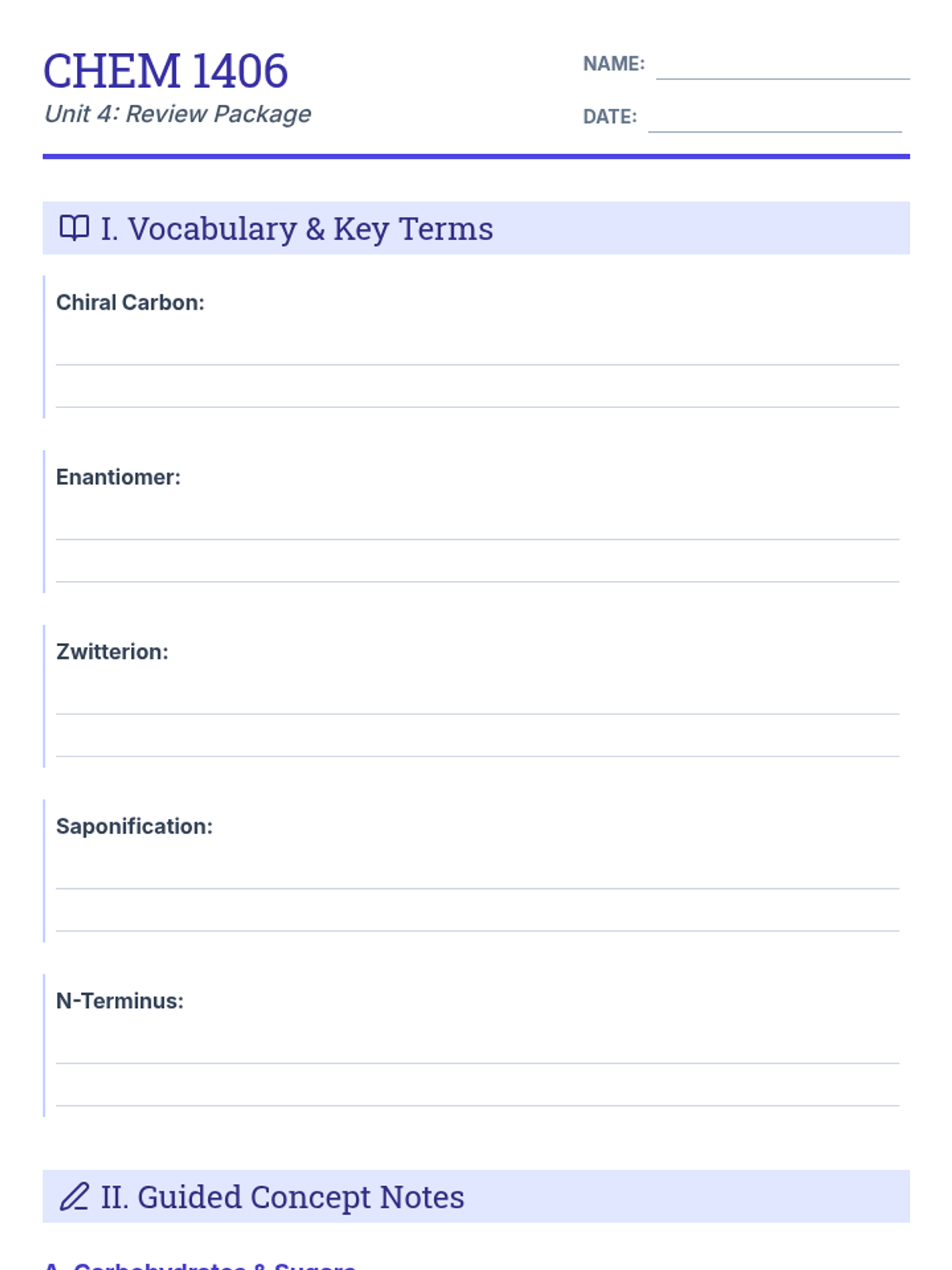
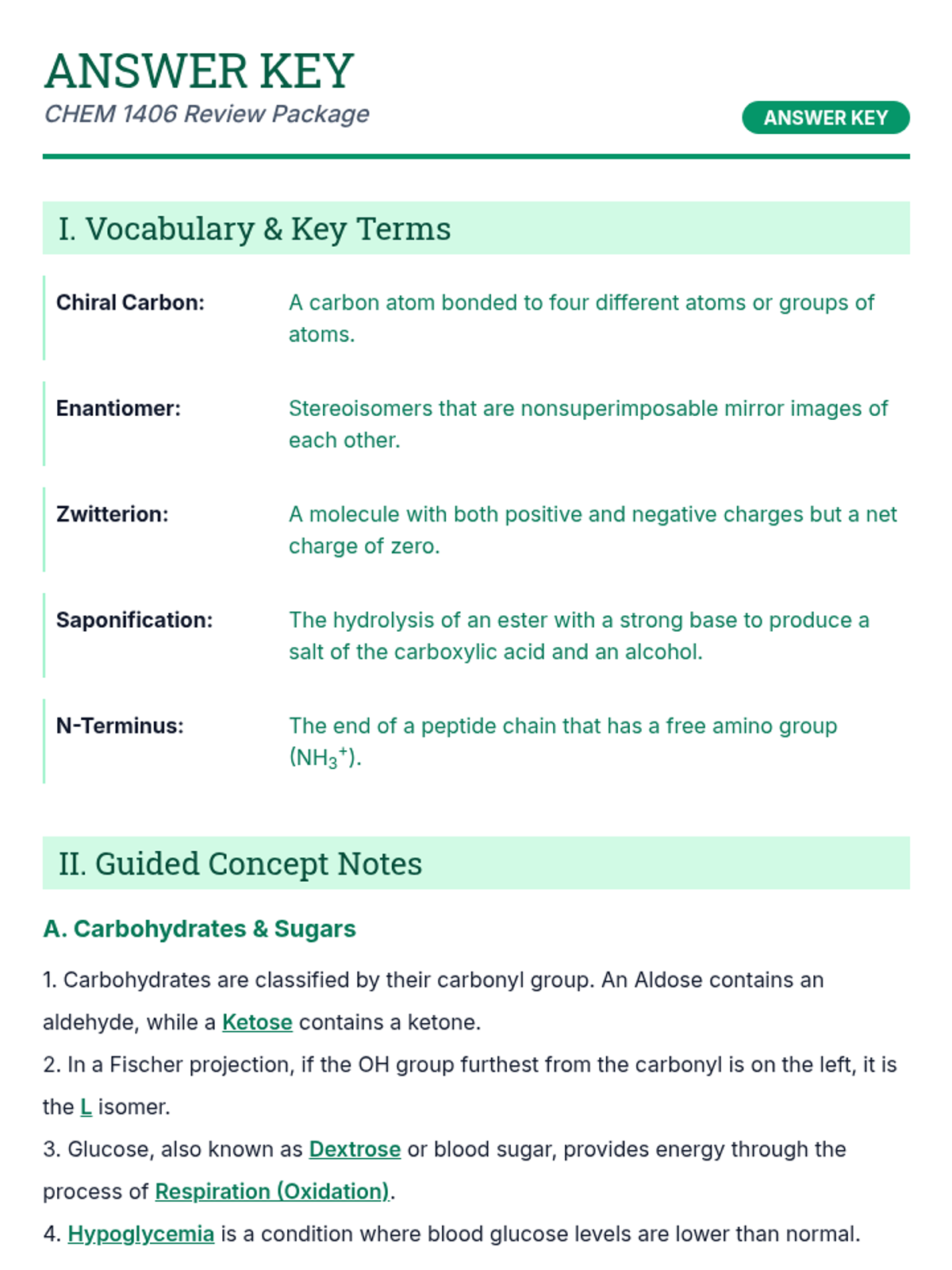
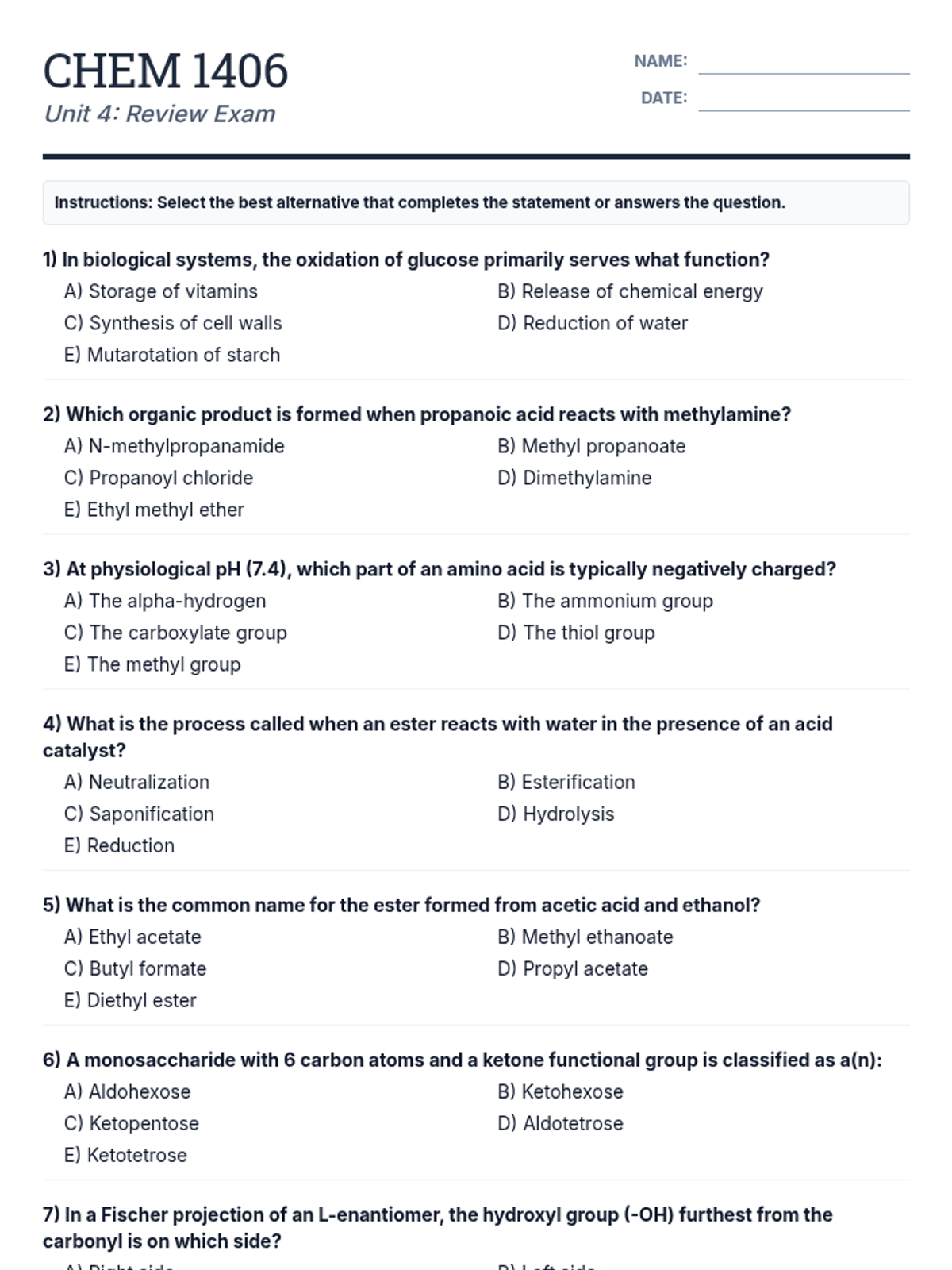
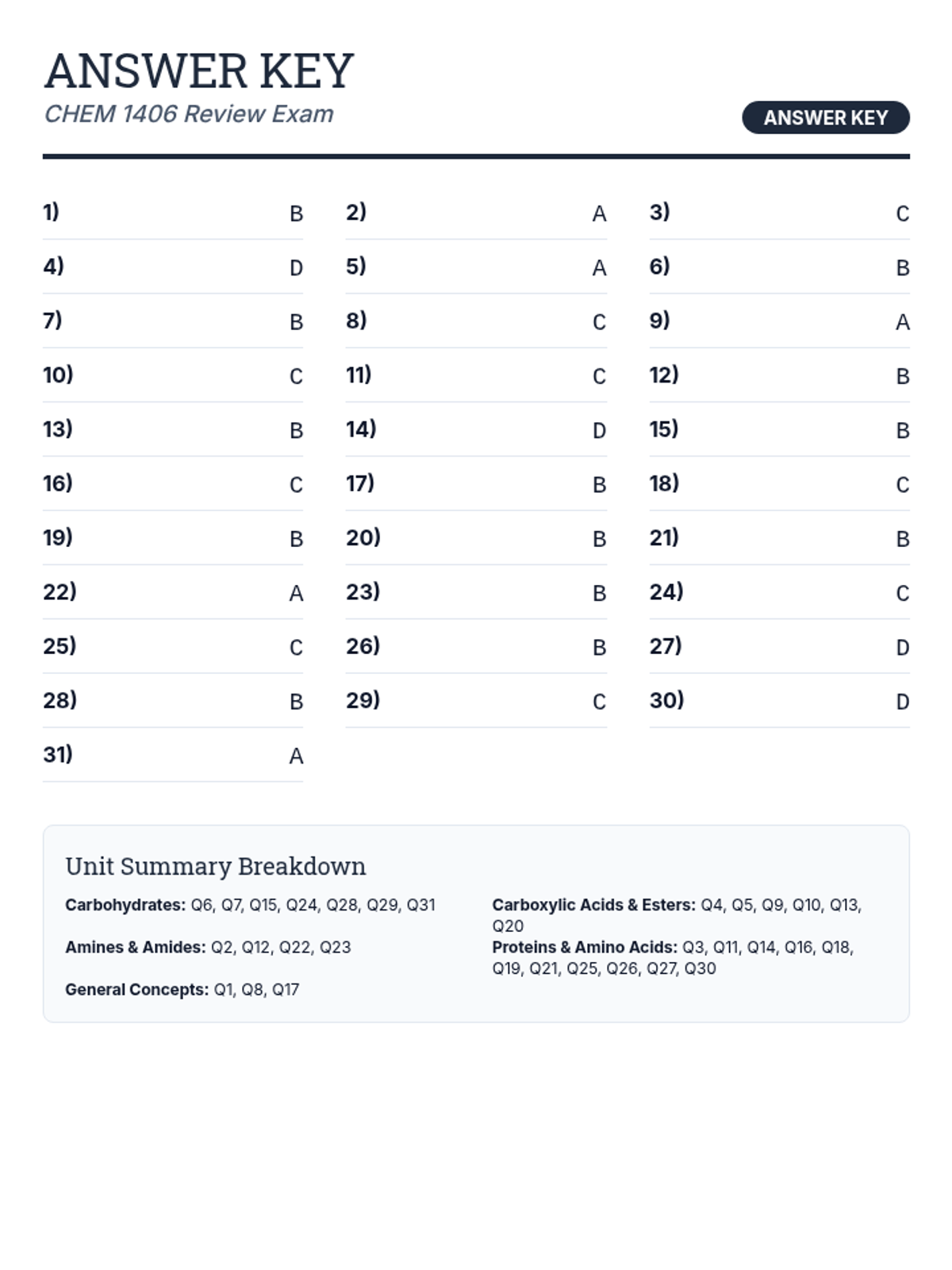
A comprehensive review of organic chemistry and biochemistry topics including carbohydrates, carboxylic acids, esters, amines, amides, and proteins. This sequence prepares students for a final assessment through structured notes, visual organizers, and a full-length mock exam.
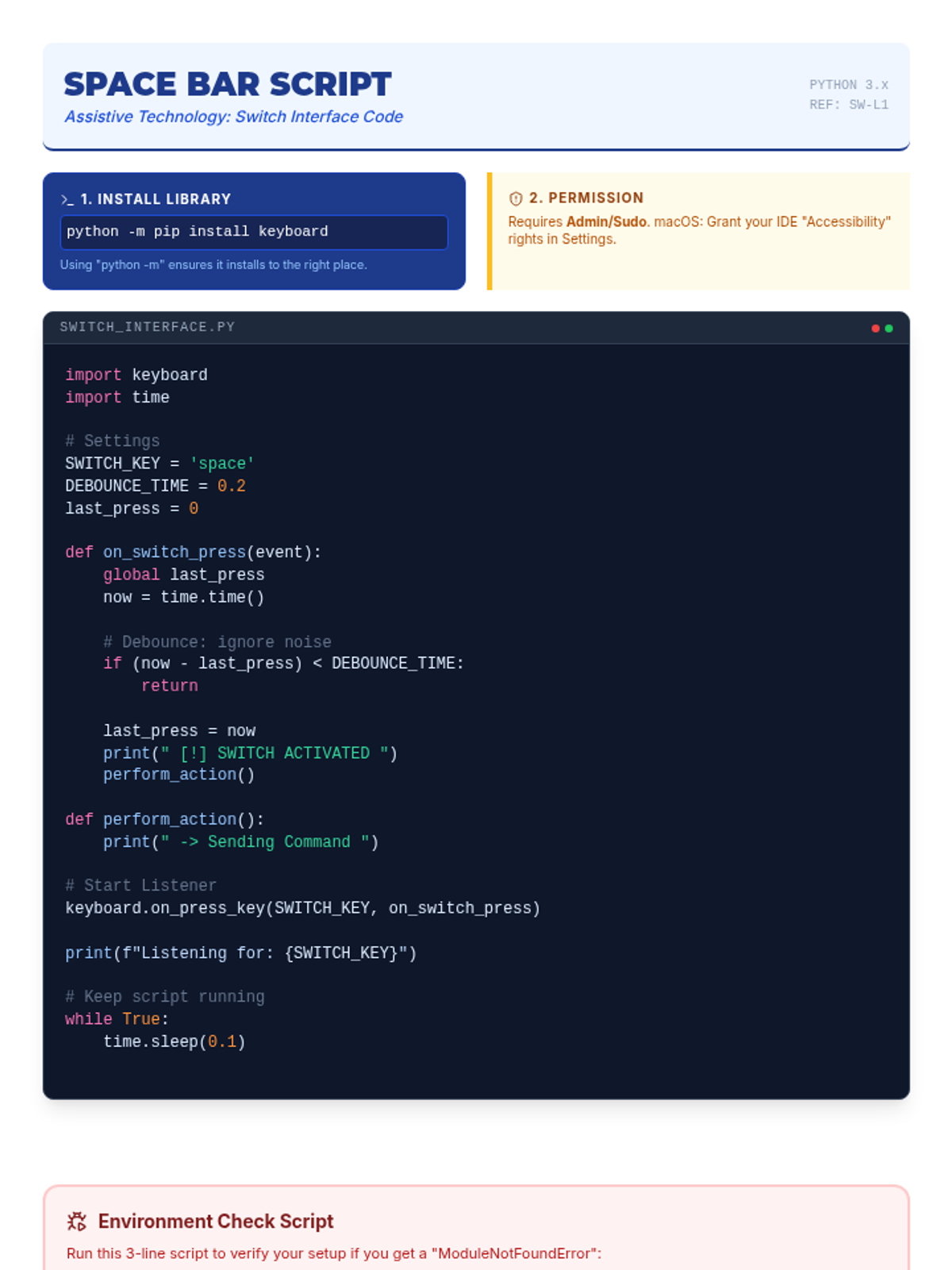
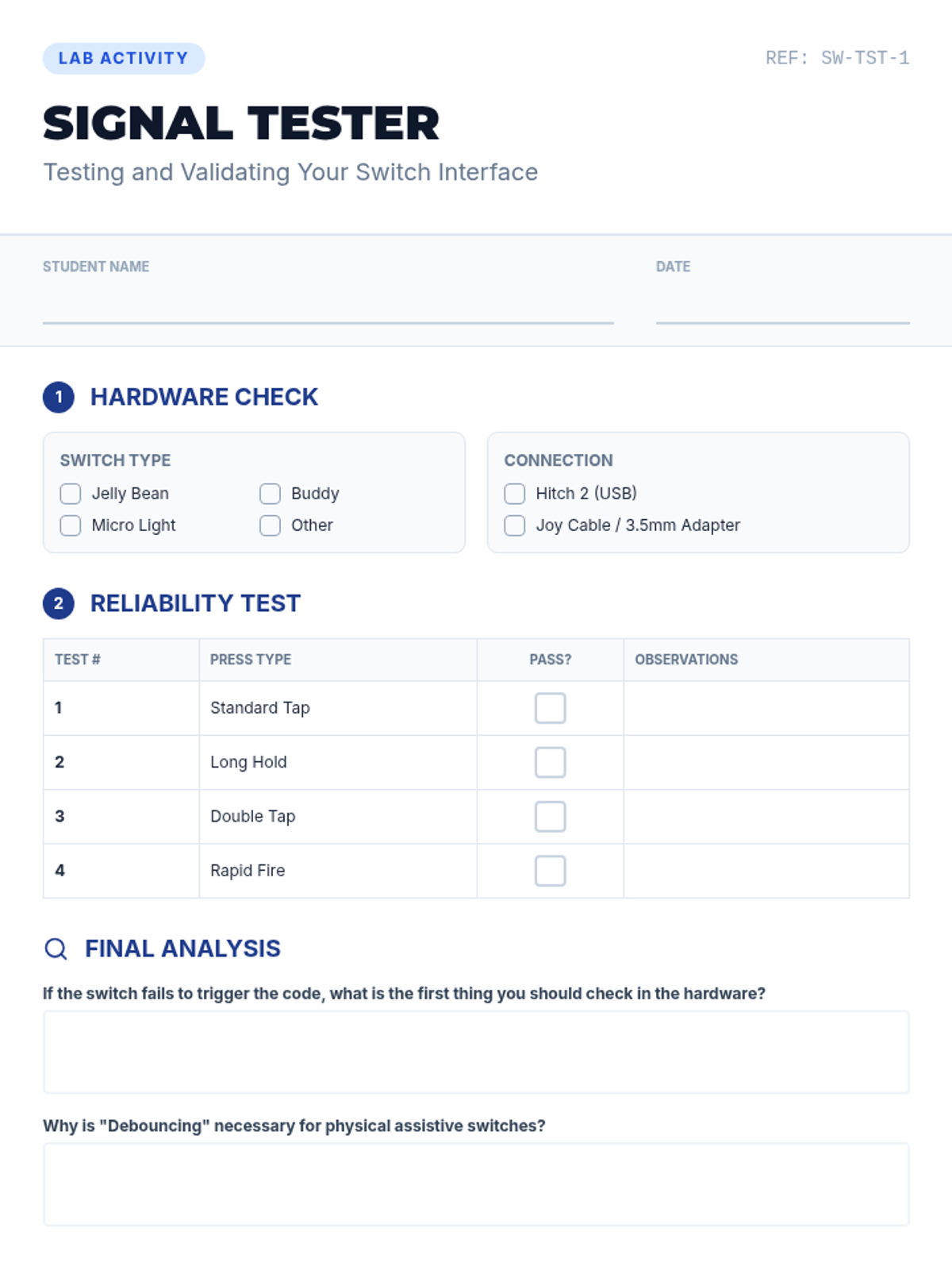
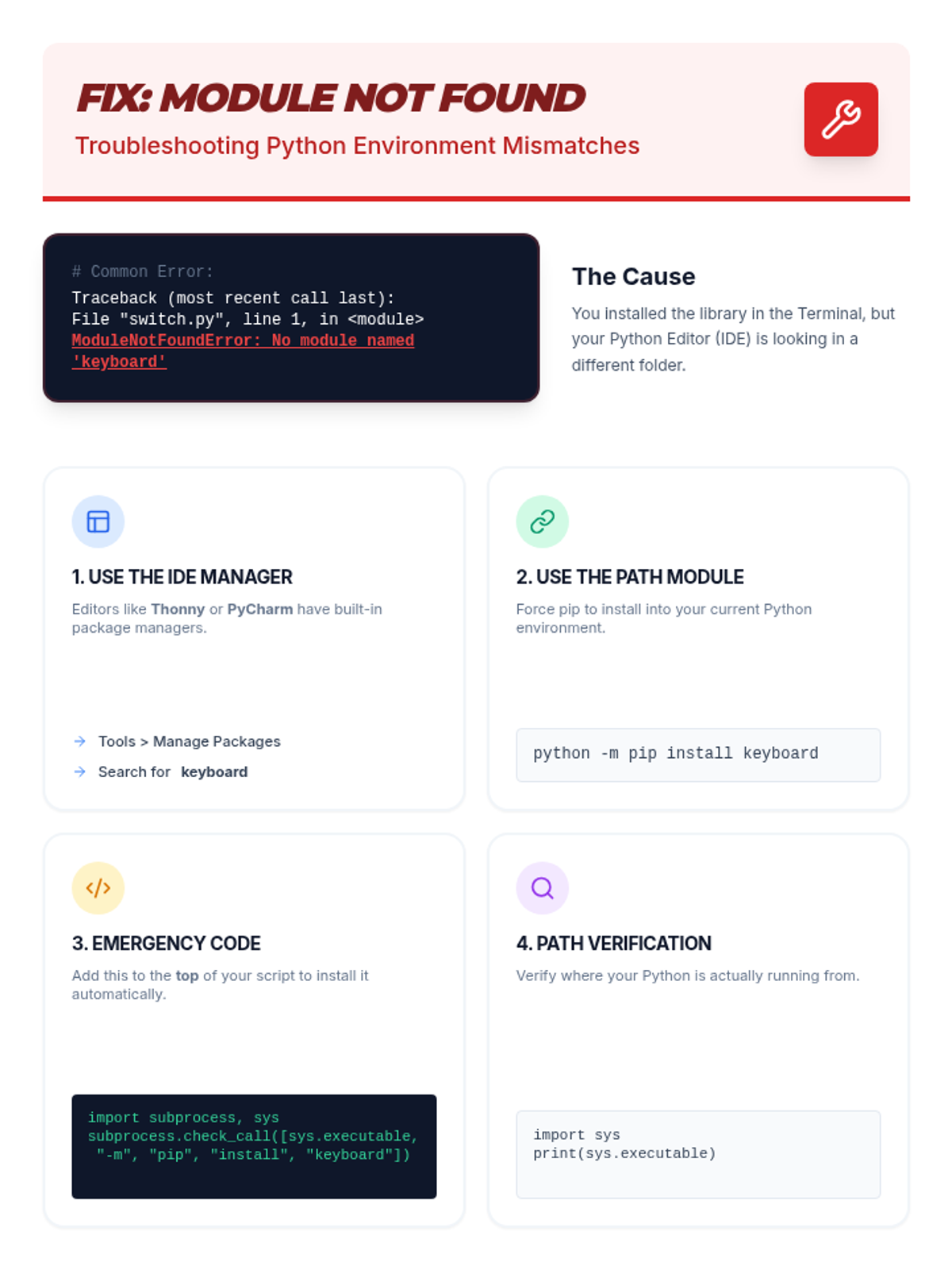
A series of materials focused on building and programming assistive technology interfaces, specifically switch-based controls for accessibility.
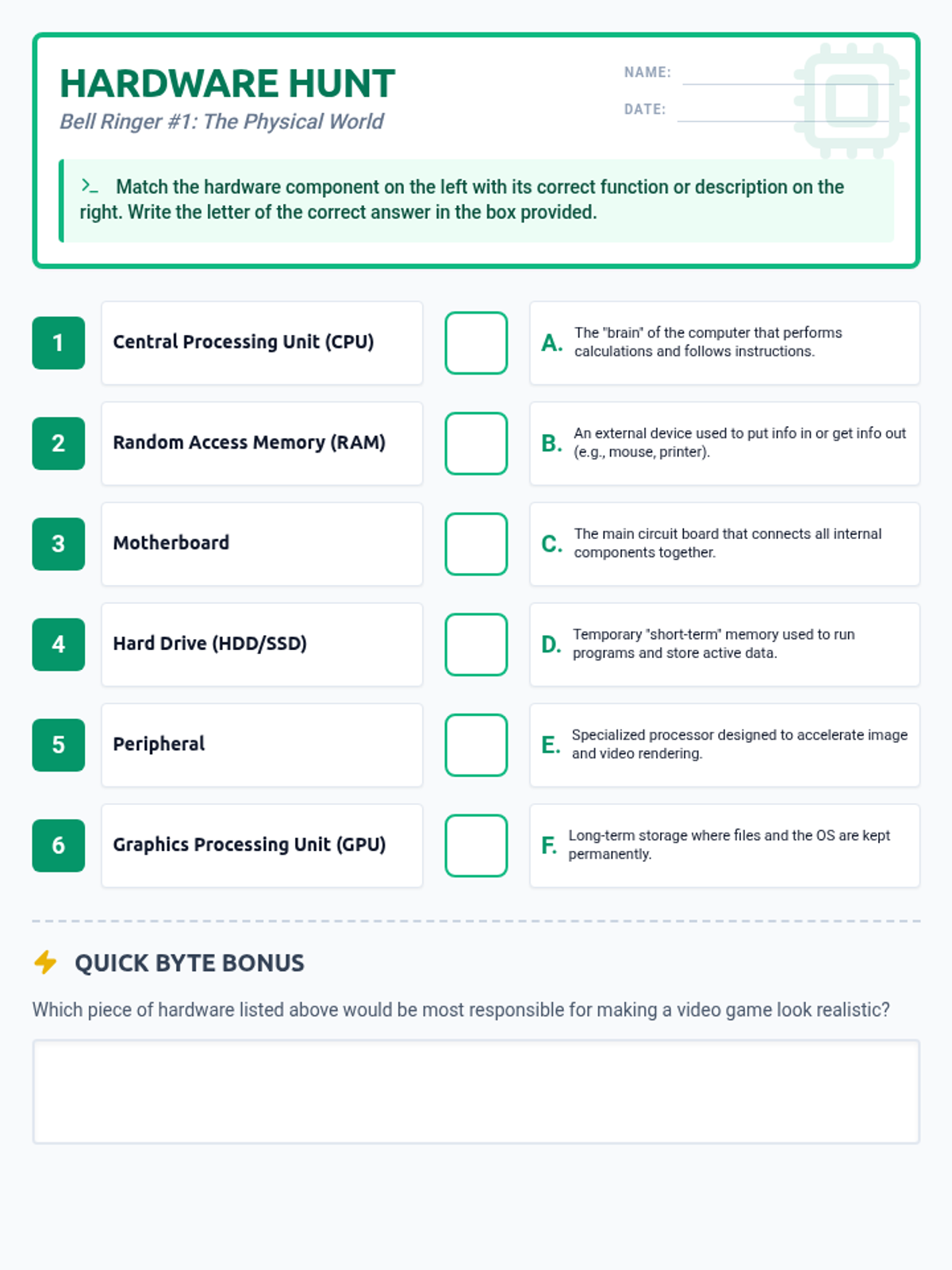
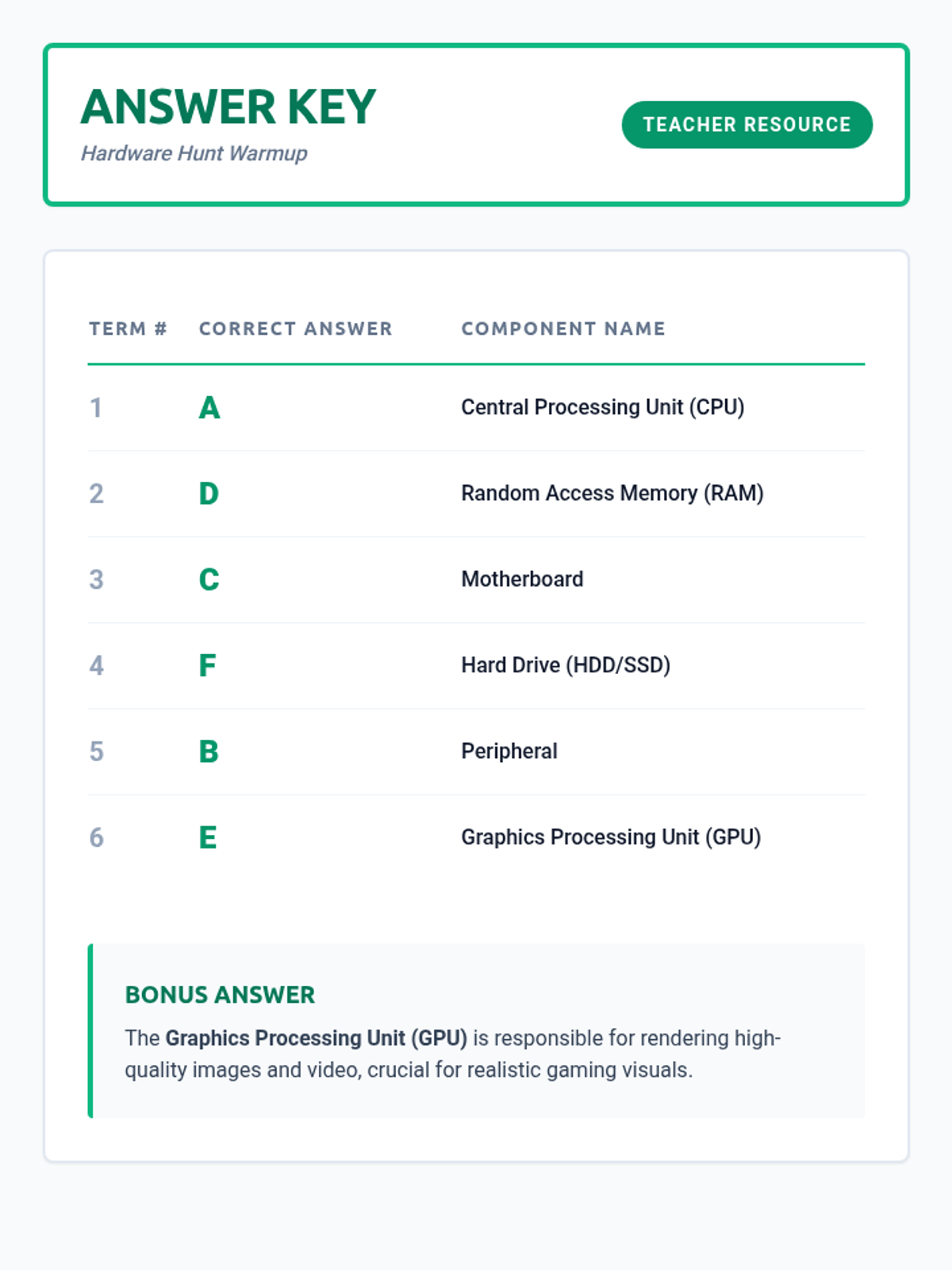
A series of quick, engaging bell-ringer activities focused on building technical vocabulary and understanding computer-related terminology through matching exercises.
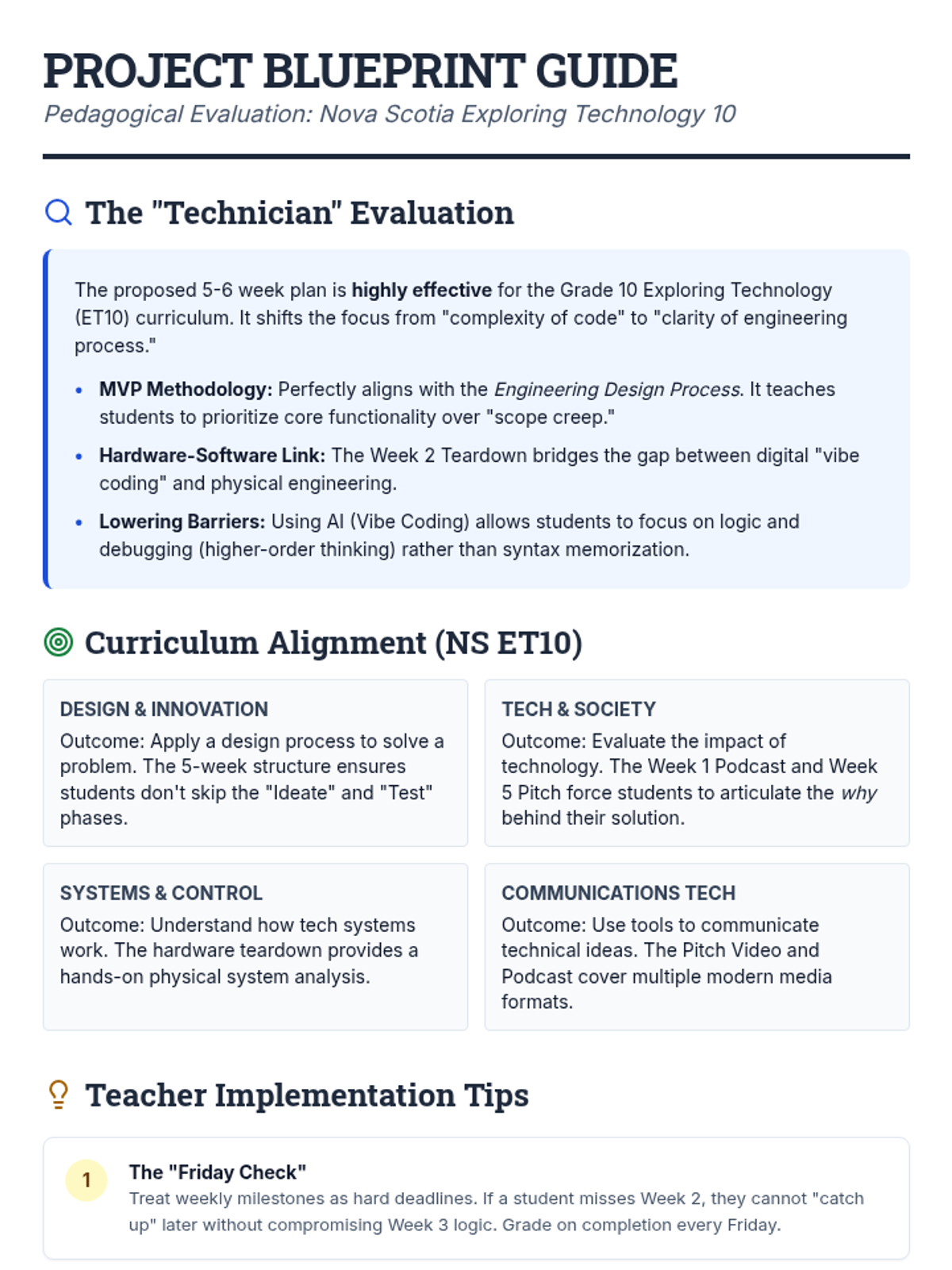
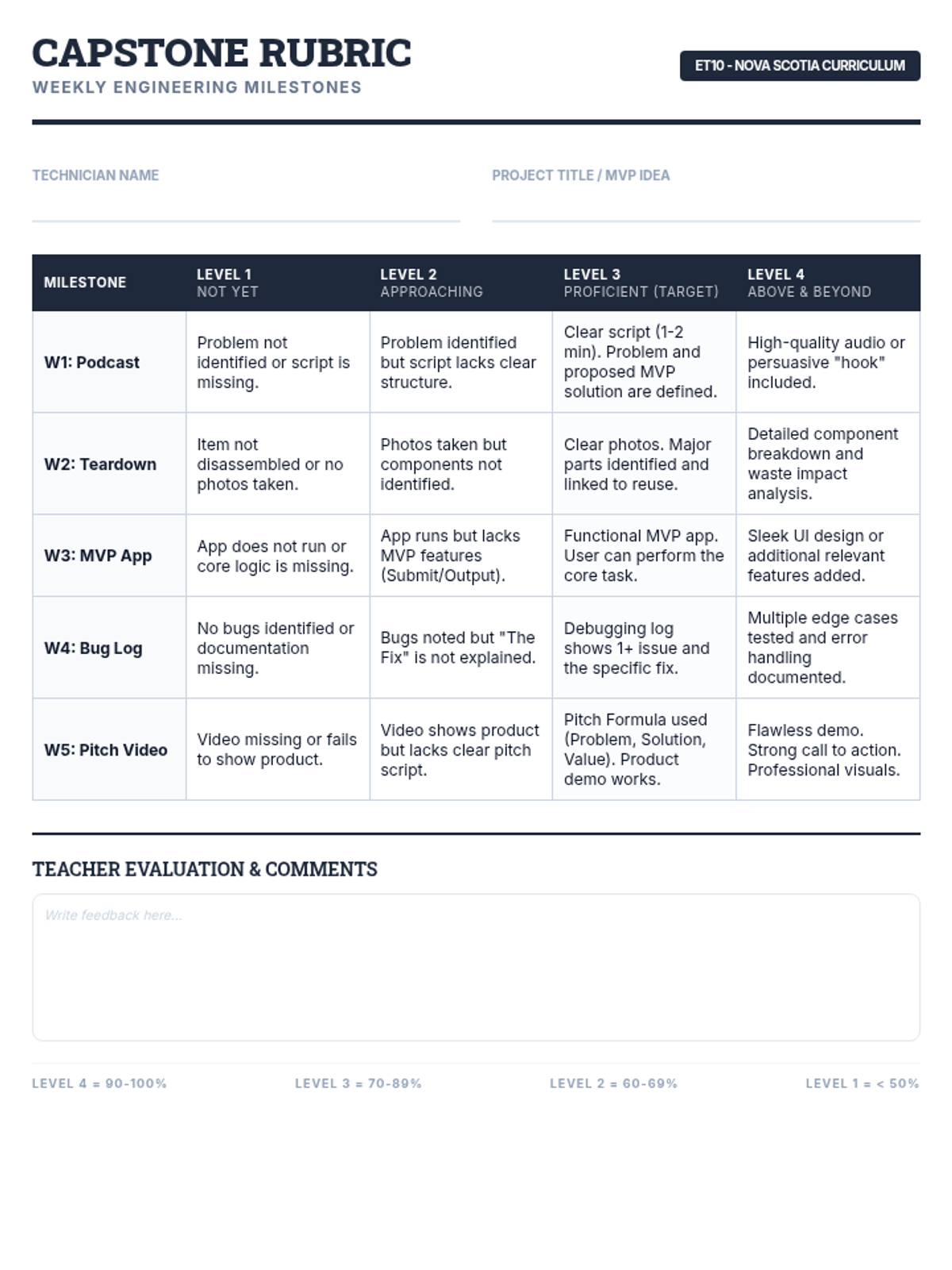
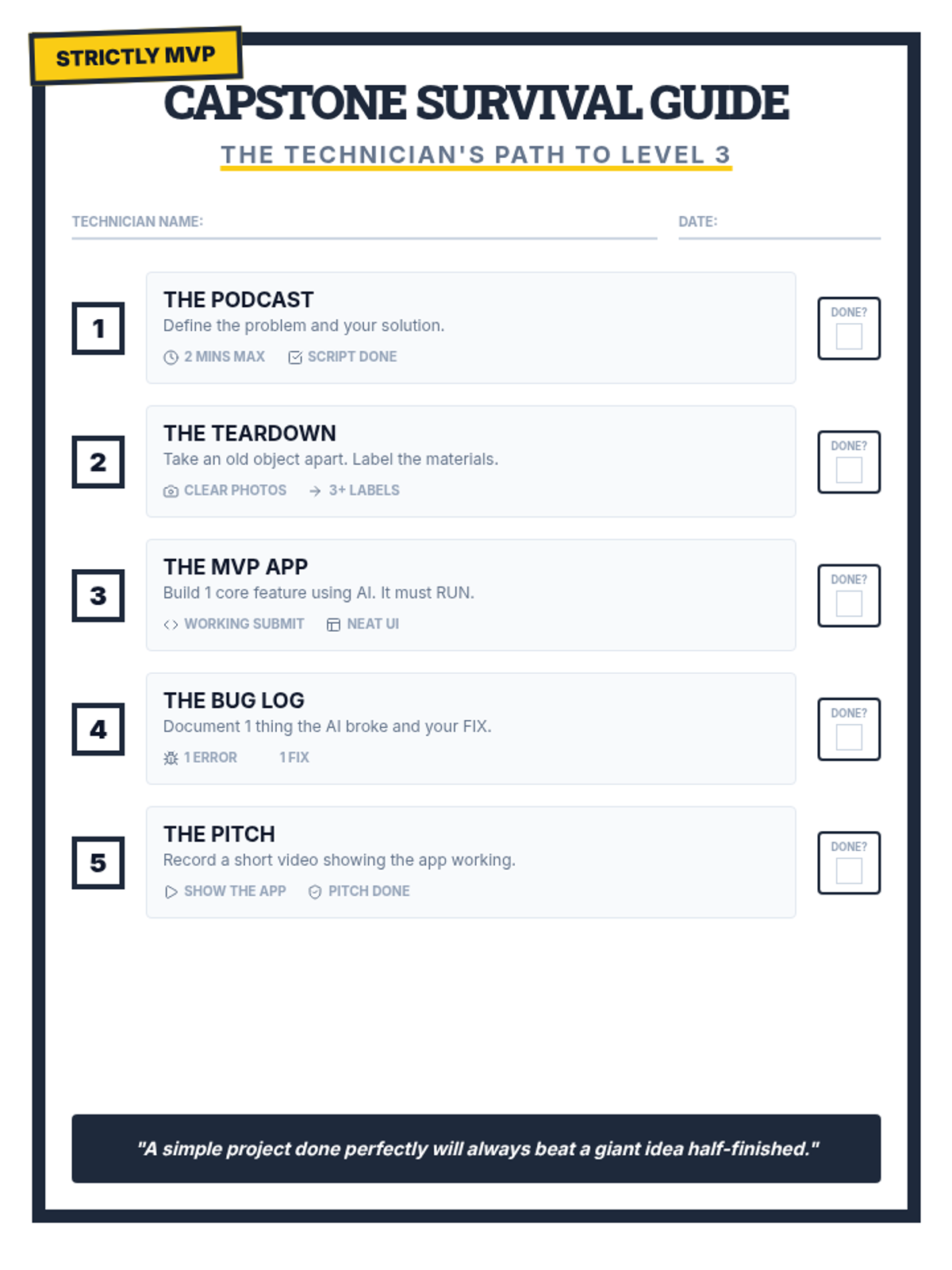
A 5-6 week capstone project framework for Grade 10 Exploring Technology, focusing on a Minimum Viable Product (MVP) approach and weekly engineering milestones.
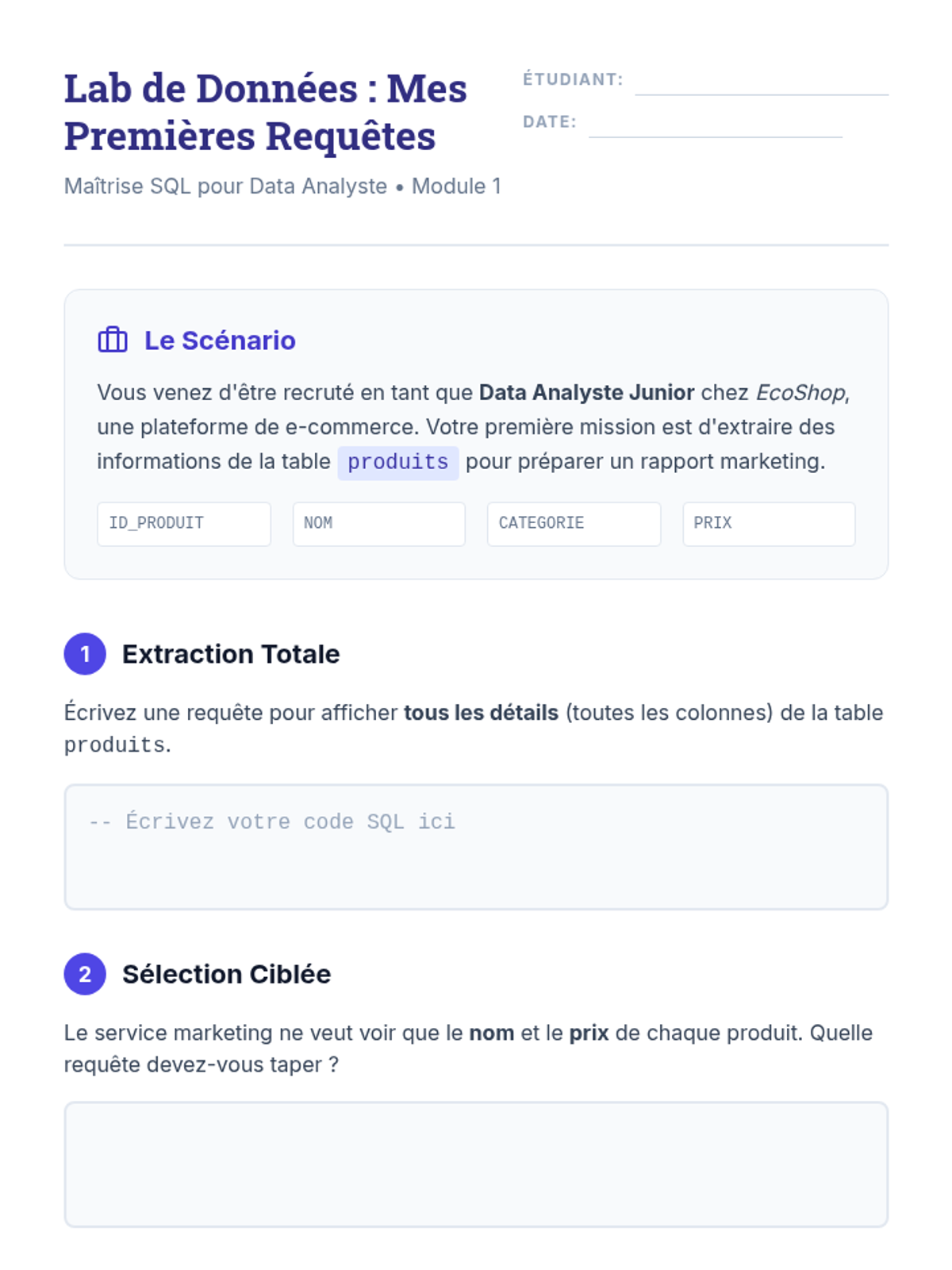
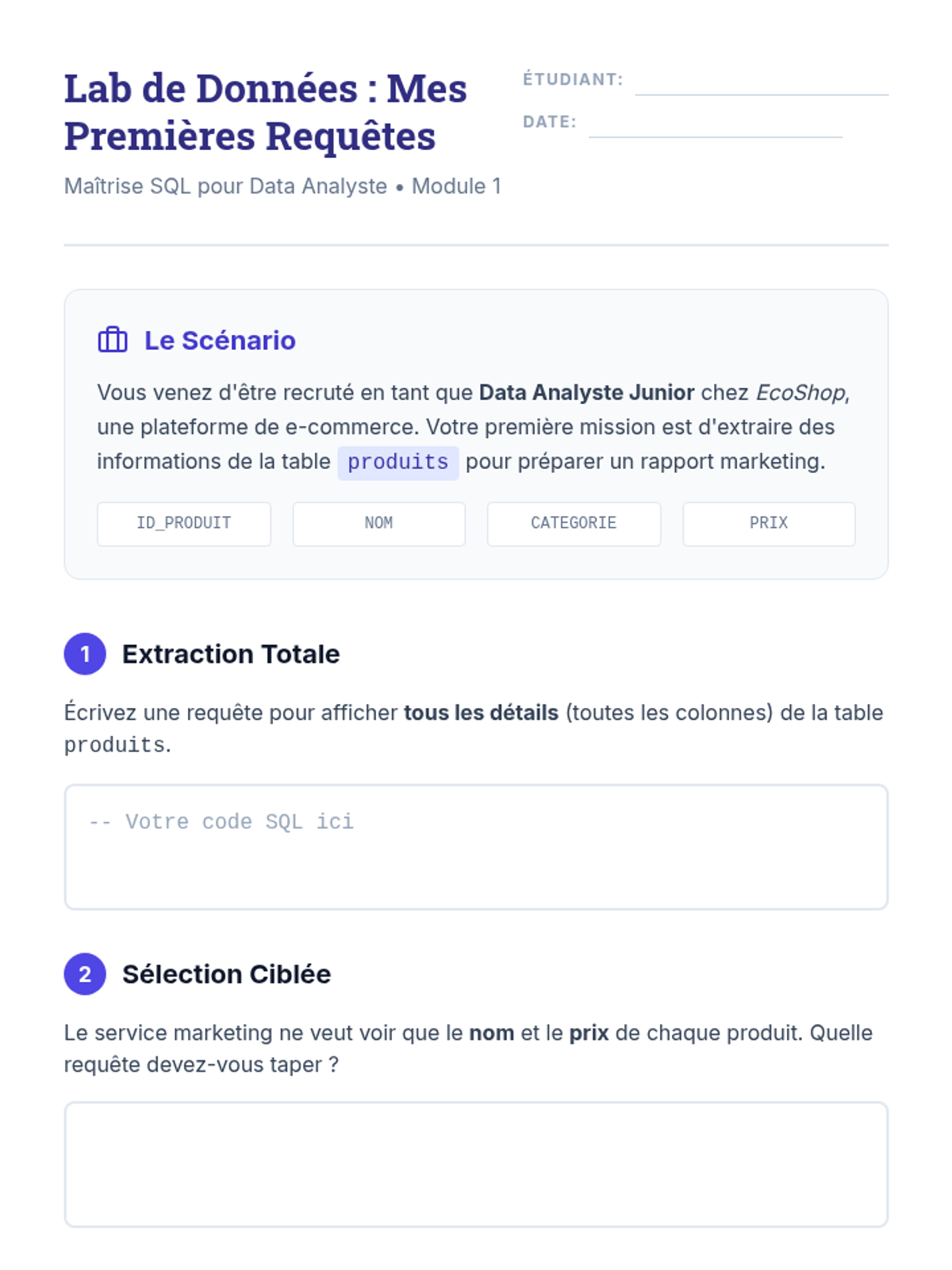
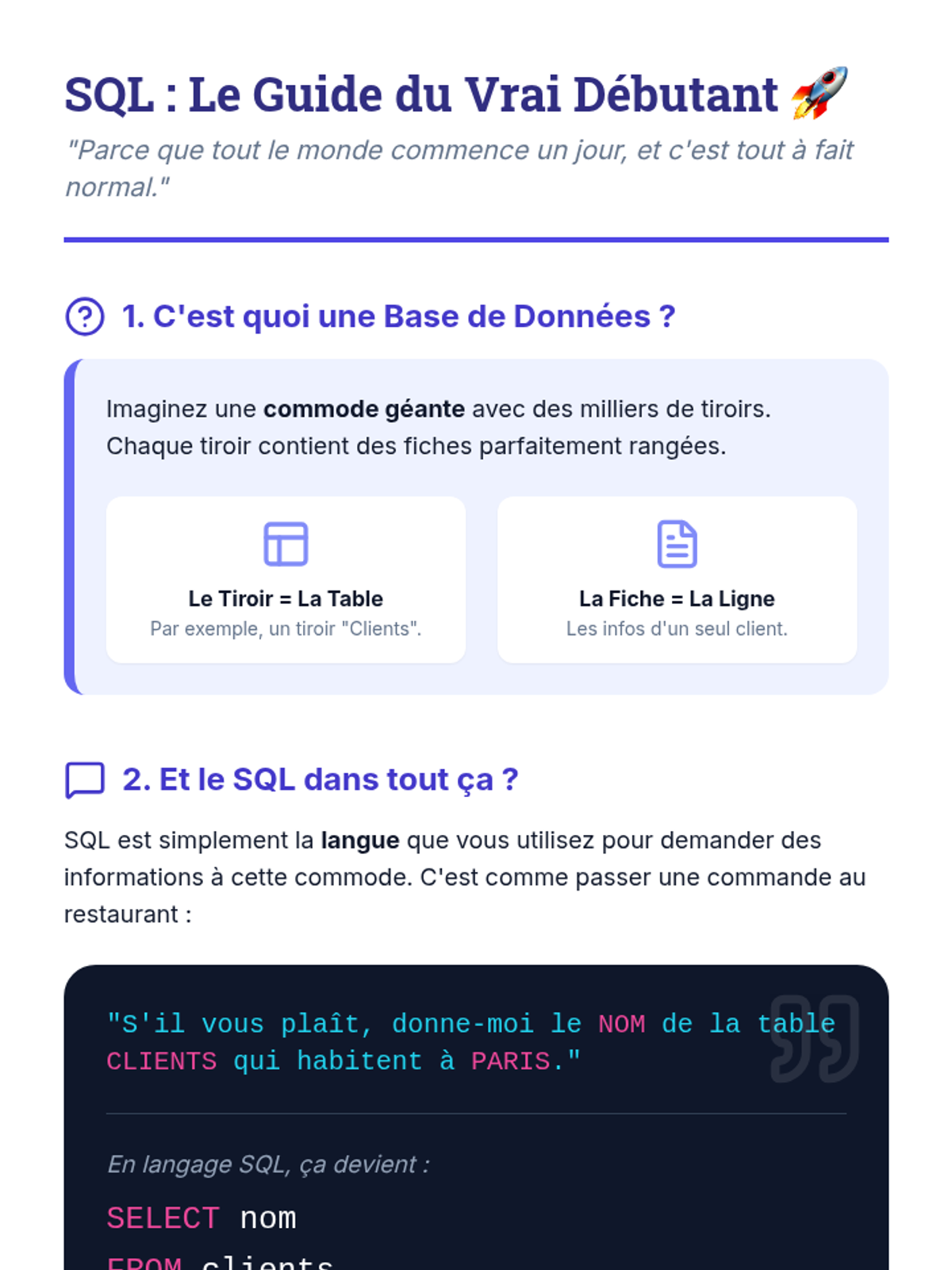
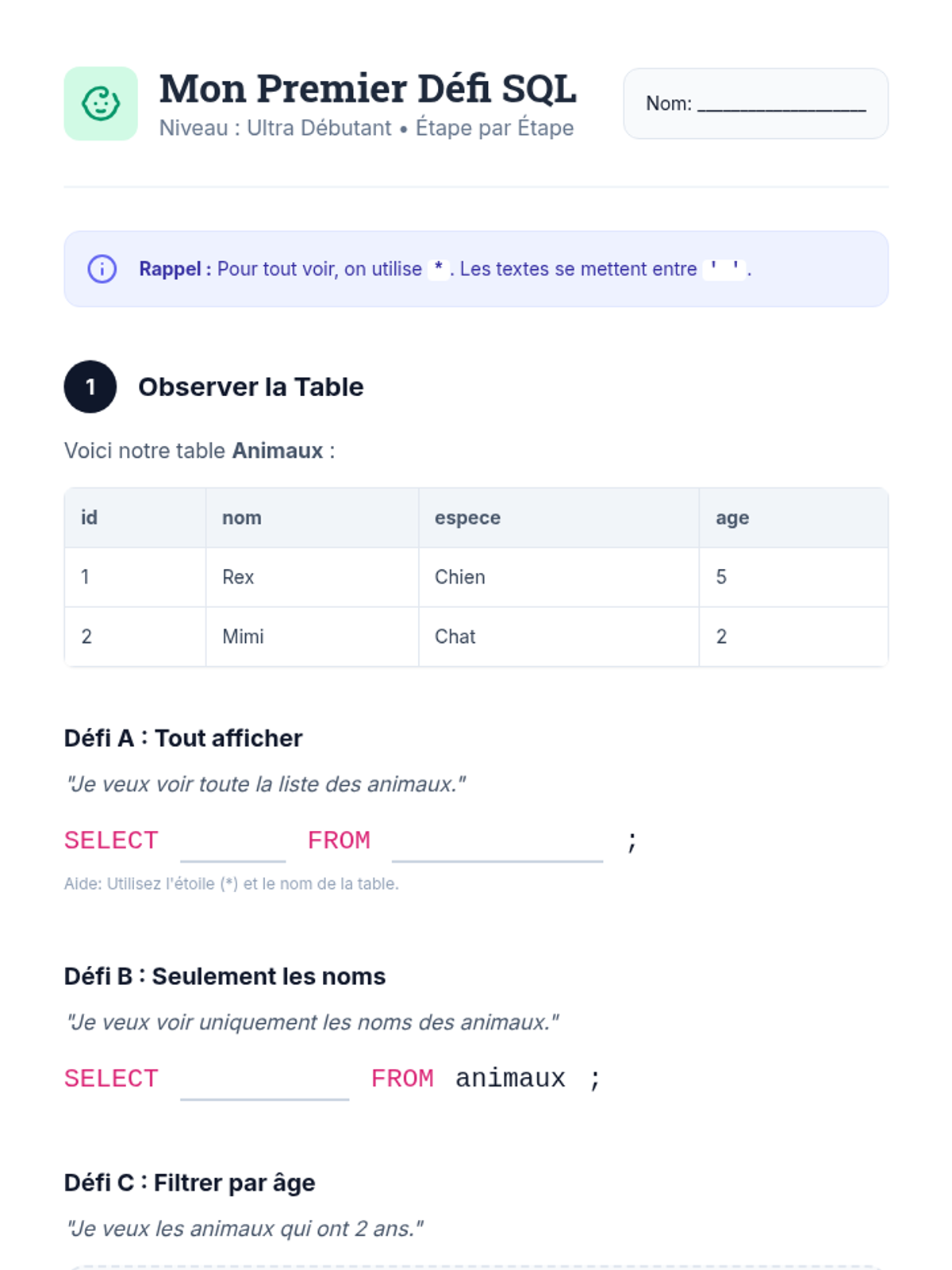
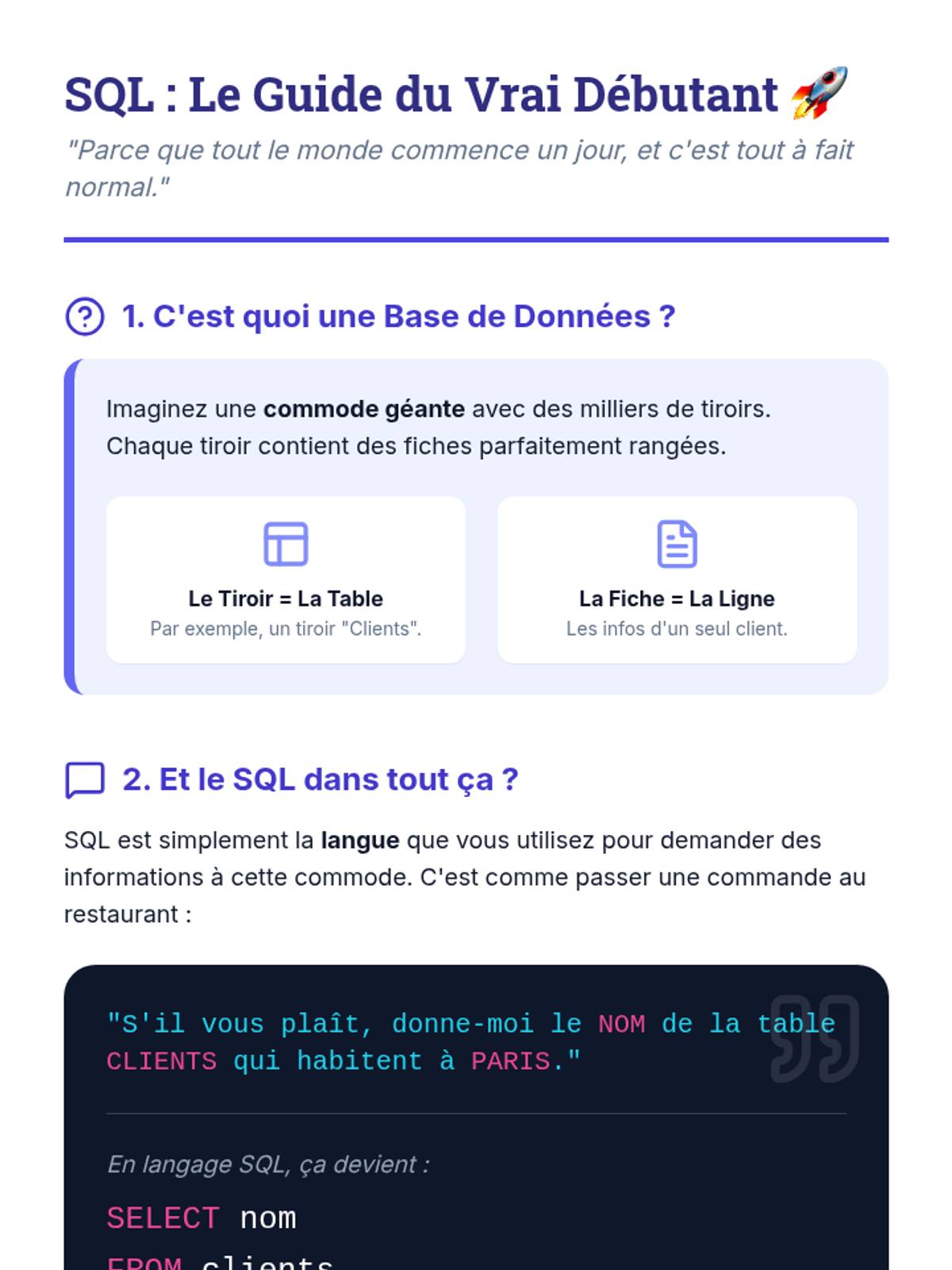
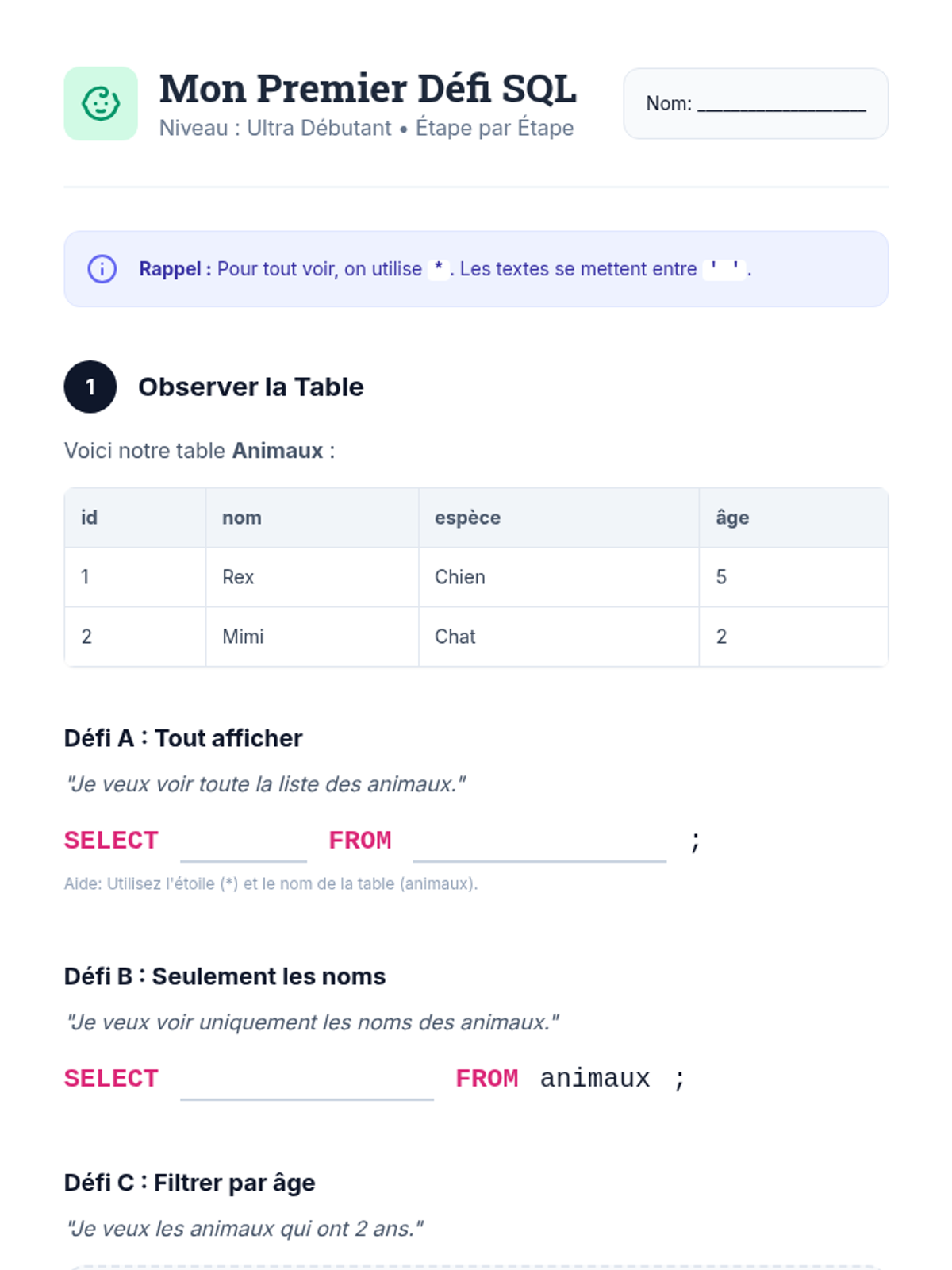
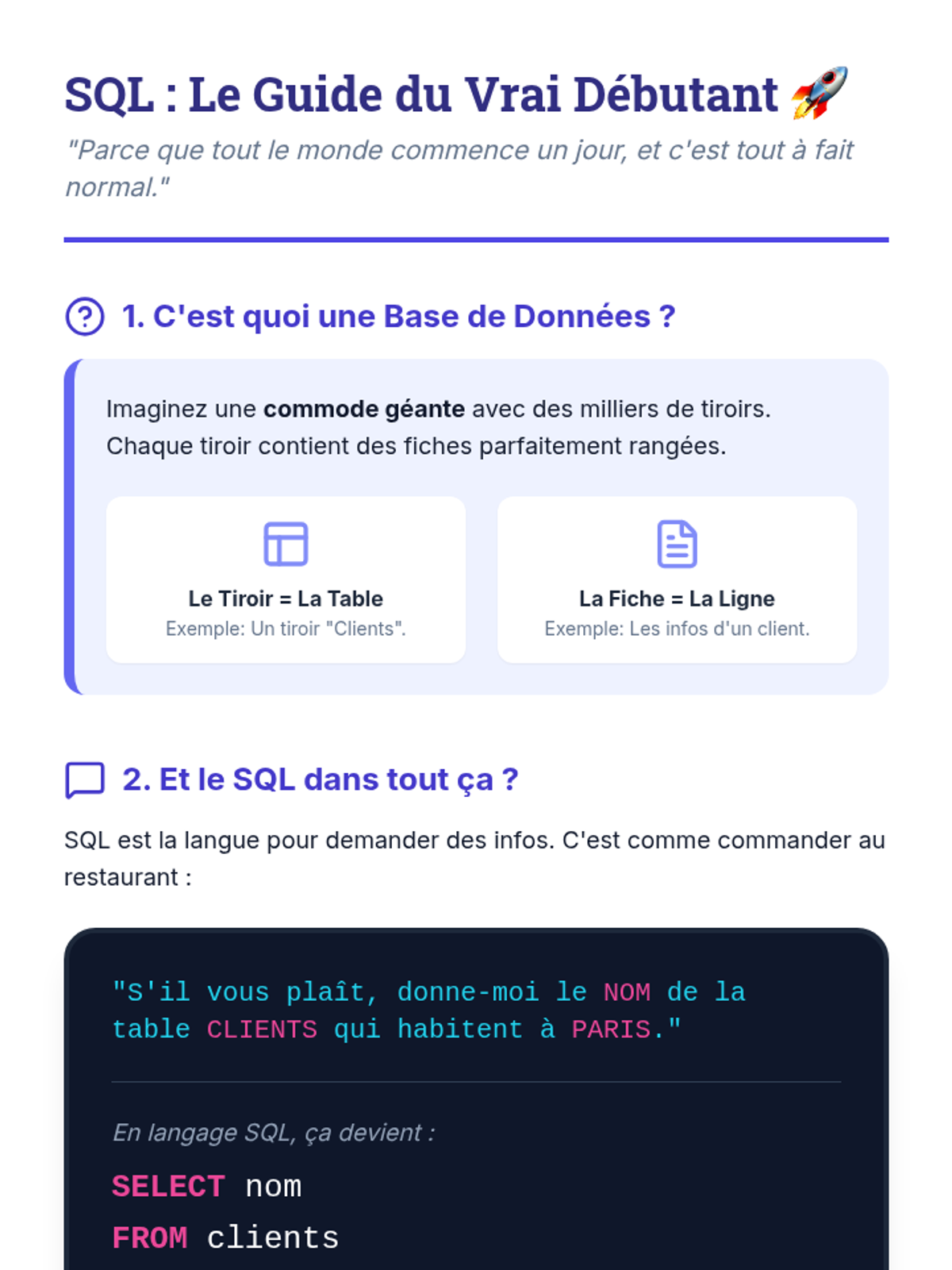
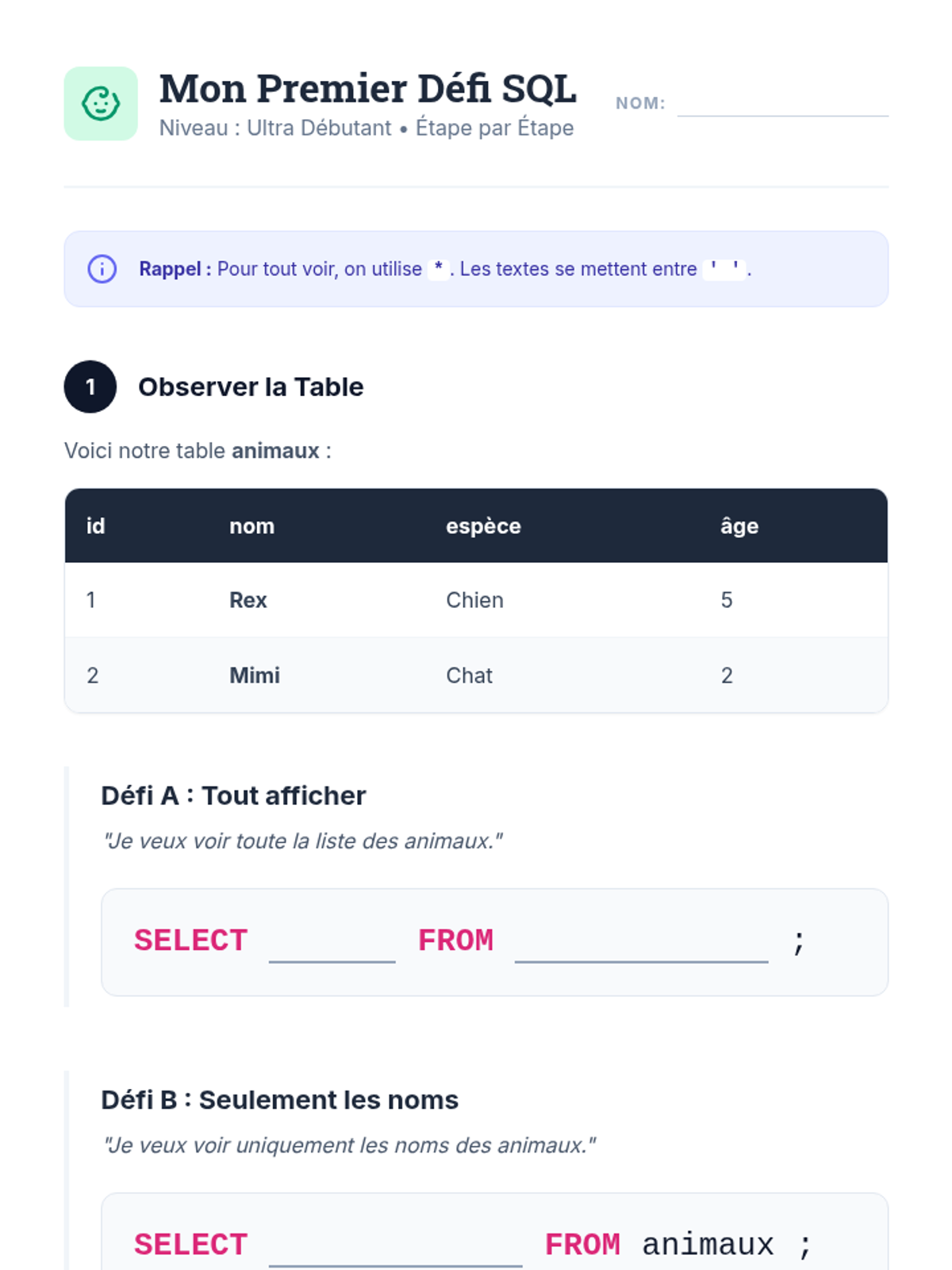
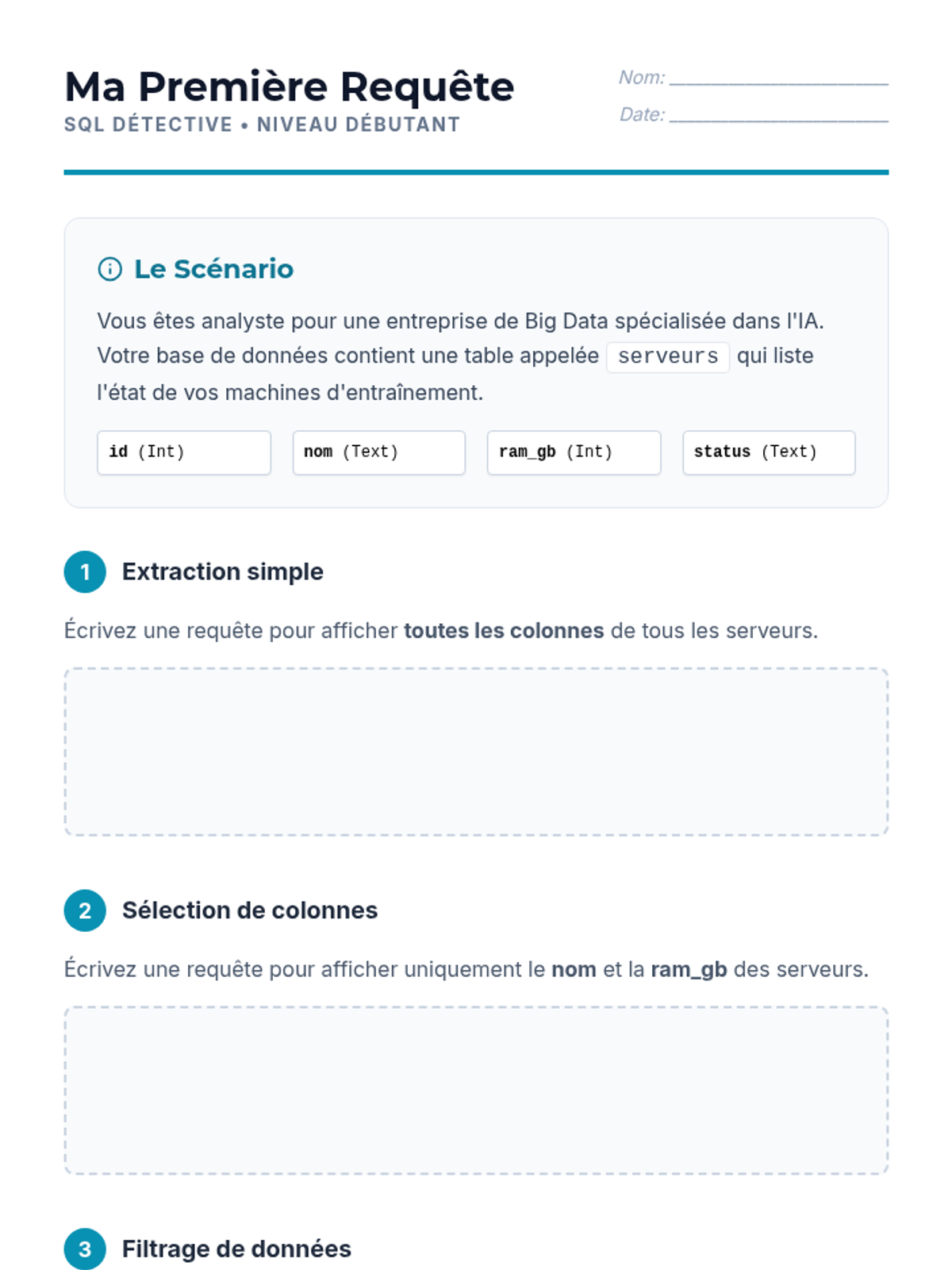
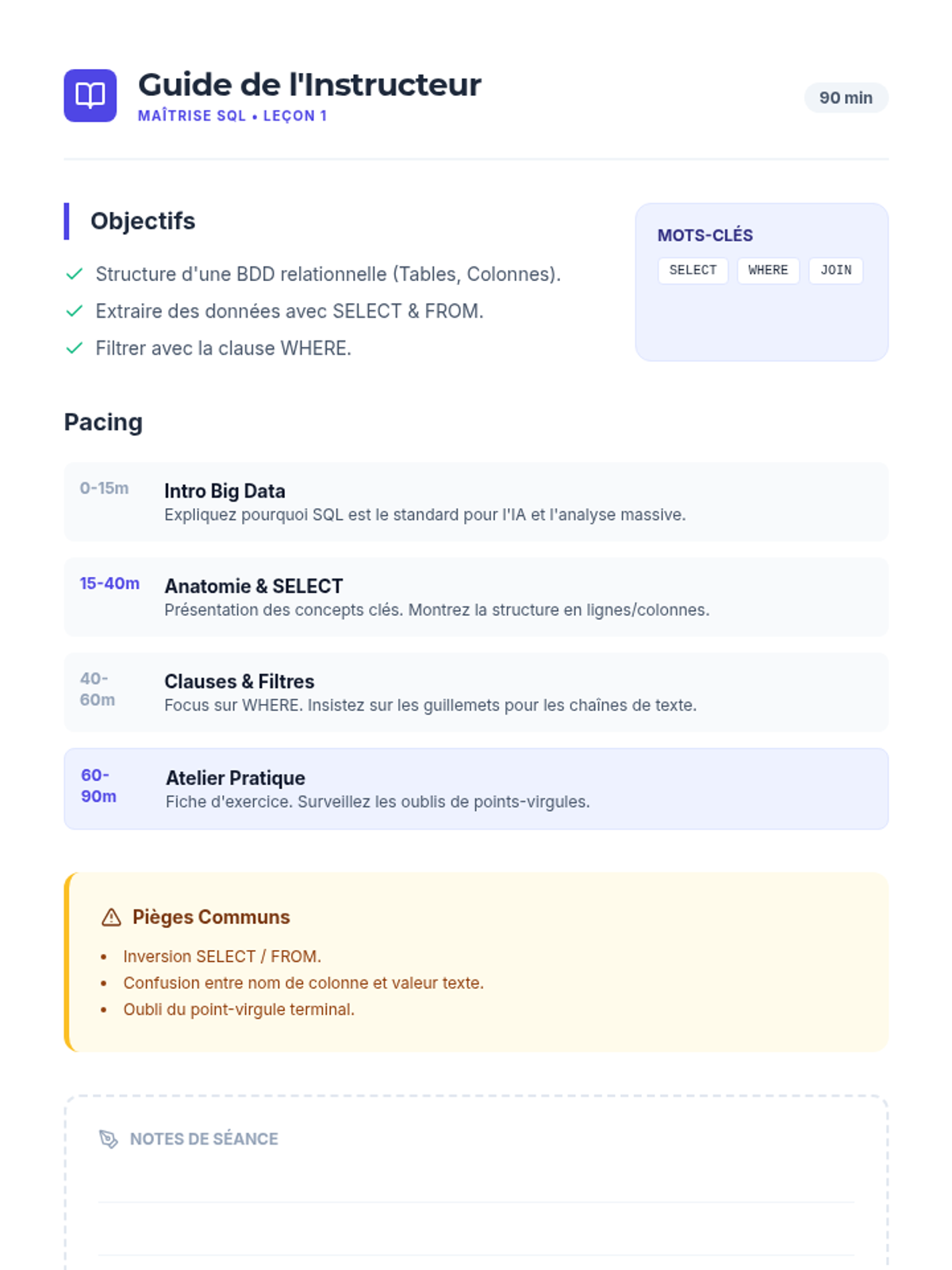
Un programme complet conçu pour transformer un débutant en analyste de données capable de manipuler MySQL pour le Big Data et l'IA. Le parcours couvre les bases, les agrégations, les jointures et l'optimisation pour les grands volumes de données.
Un parcours complet pour transformer un débutant en analyste de données SQL, couvrant des bases fondamentales aux requêtes complexes pour le Big Data.
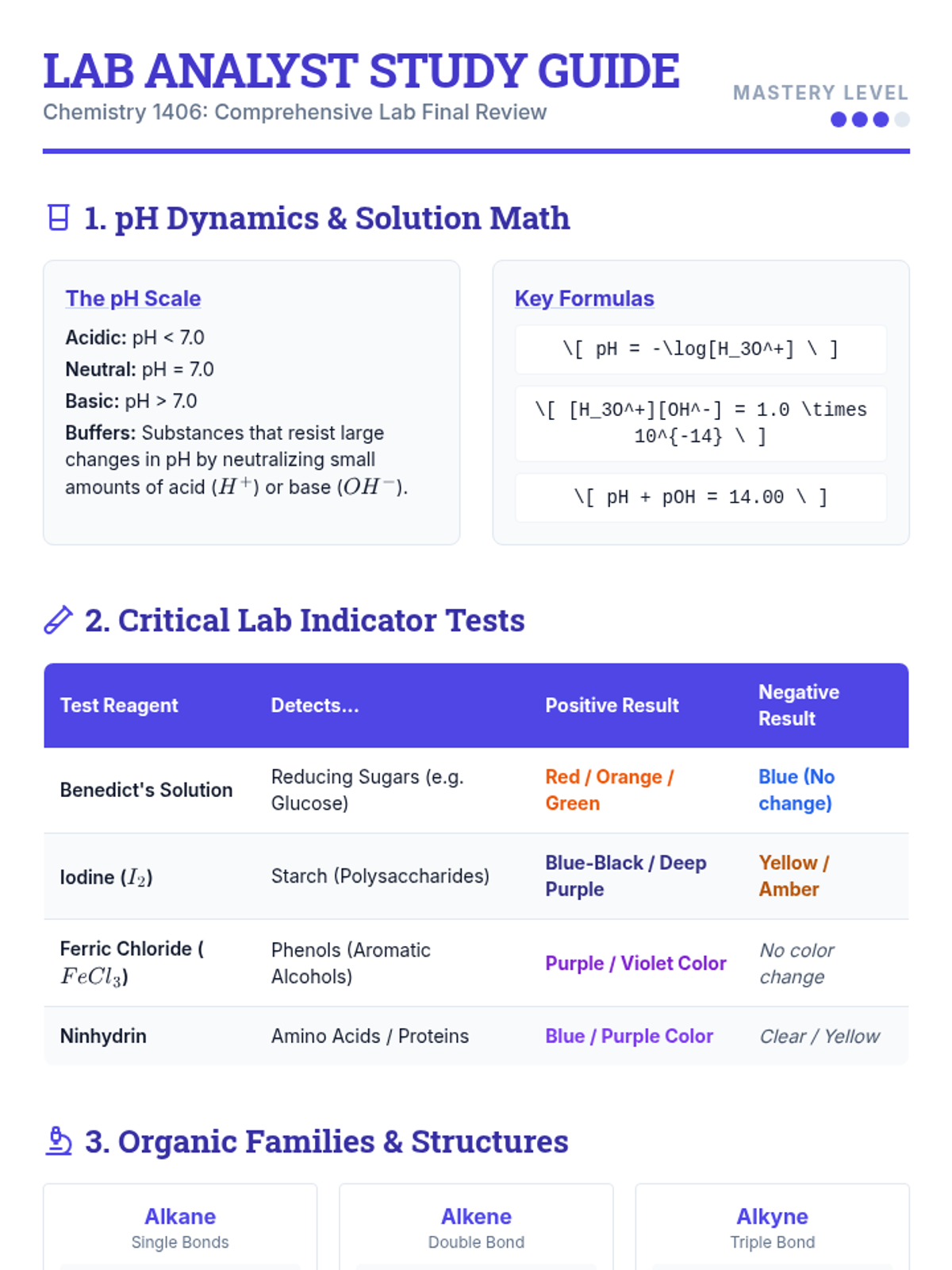
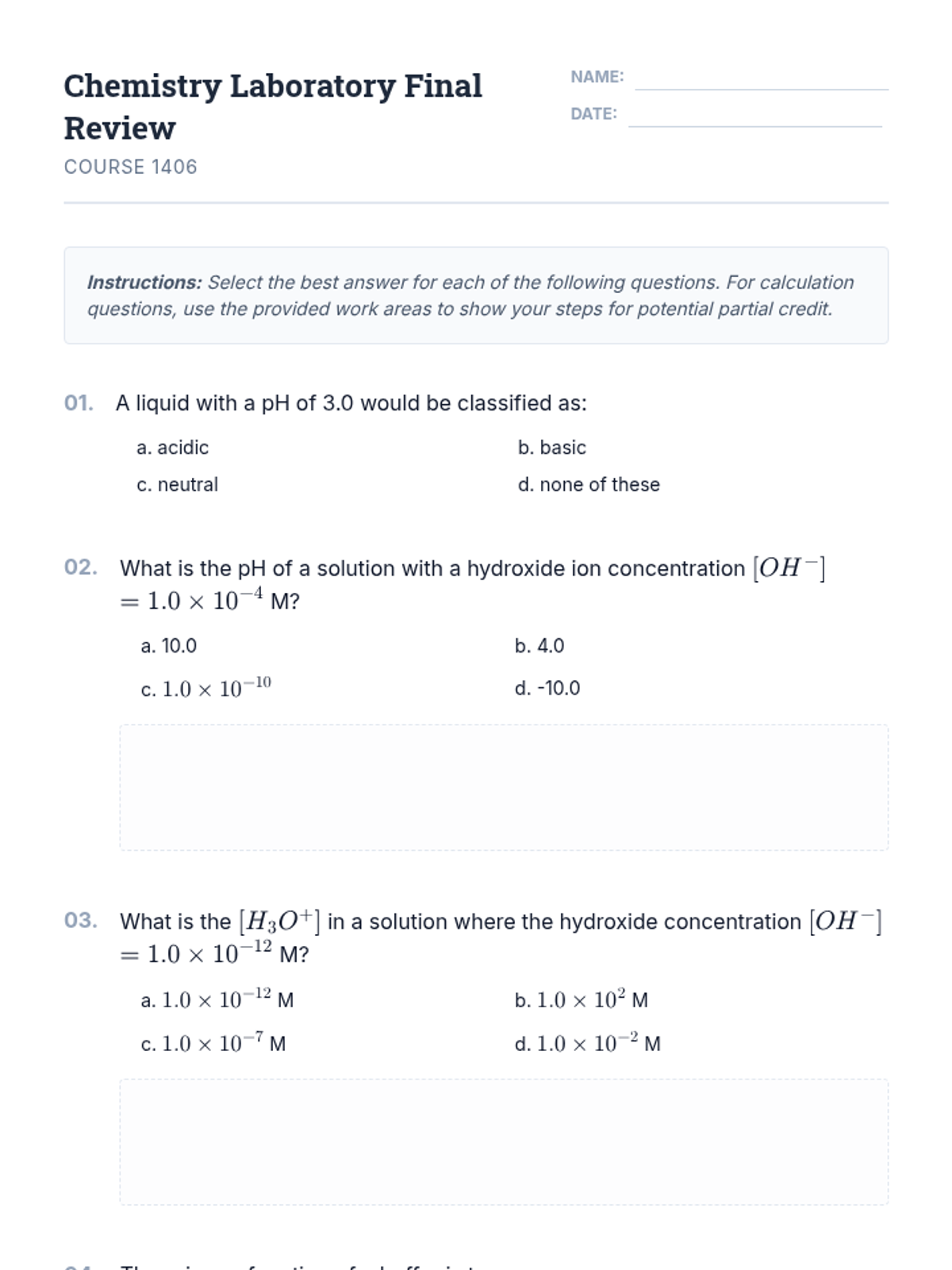
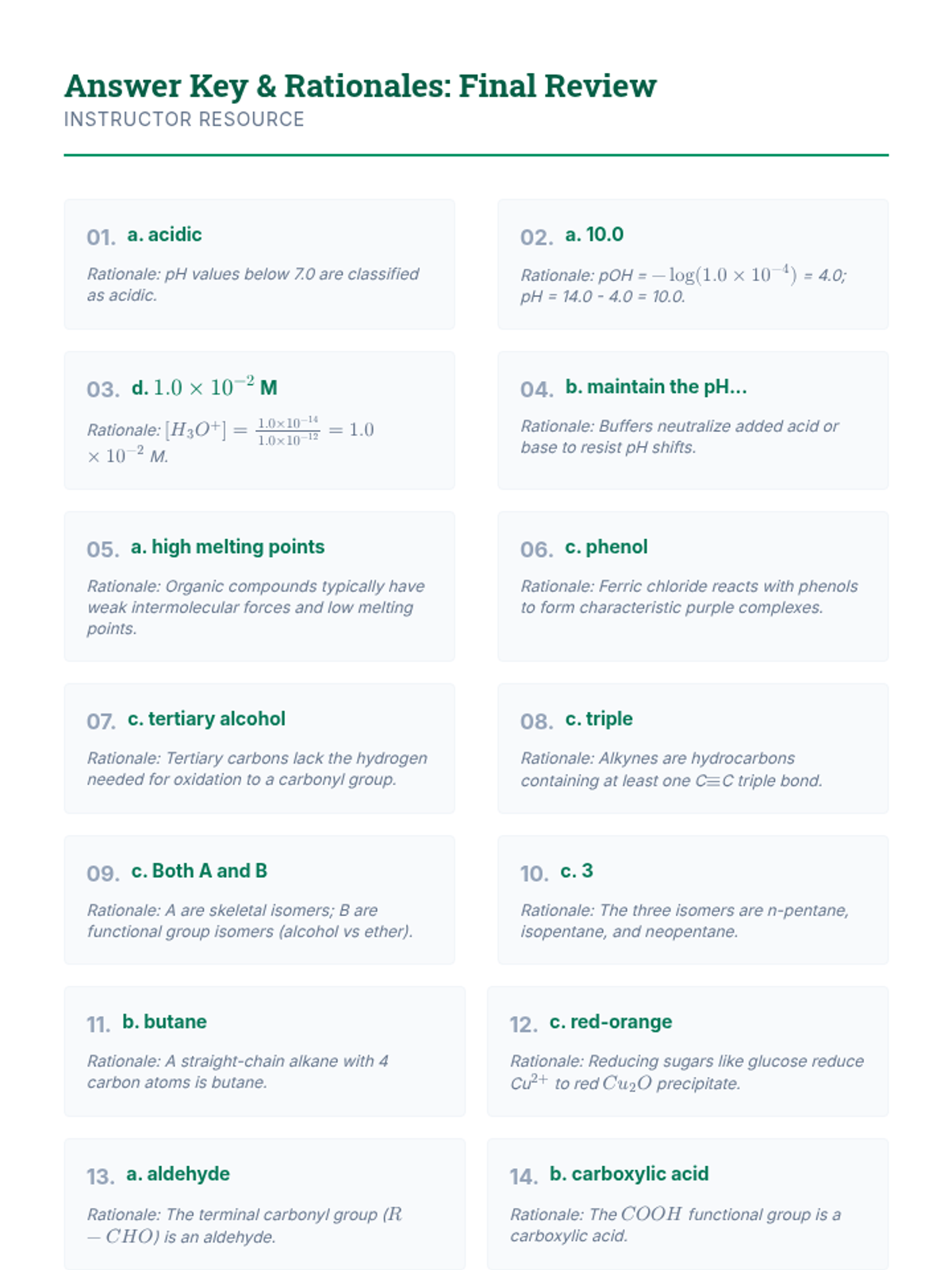
A specialized curriculum designed to prepare students for introductory chemistry laboratory examinations, focusing on practical applications, quantitative calculations, and organic structure identification.
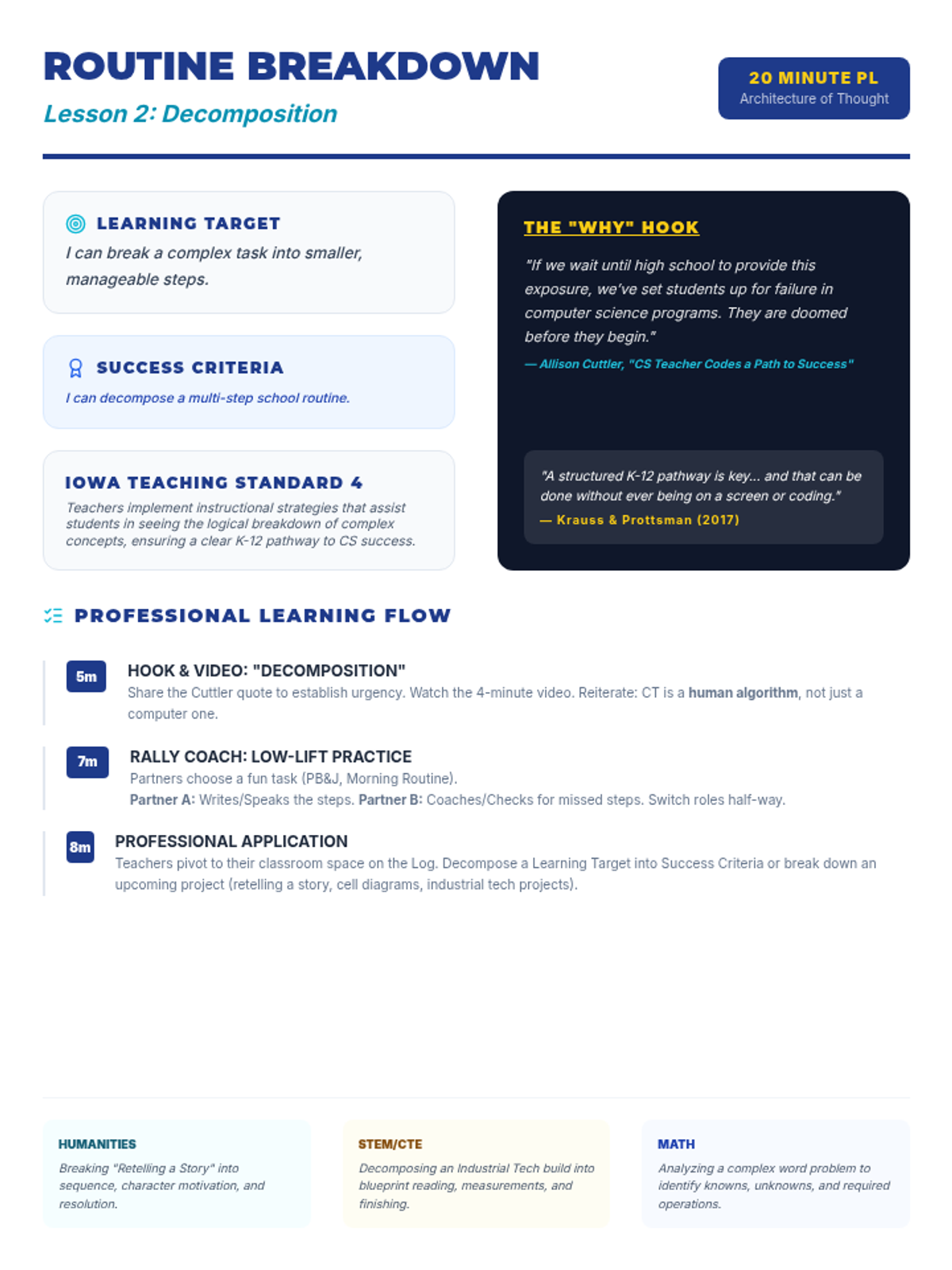
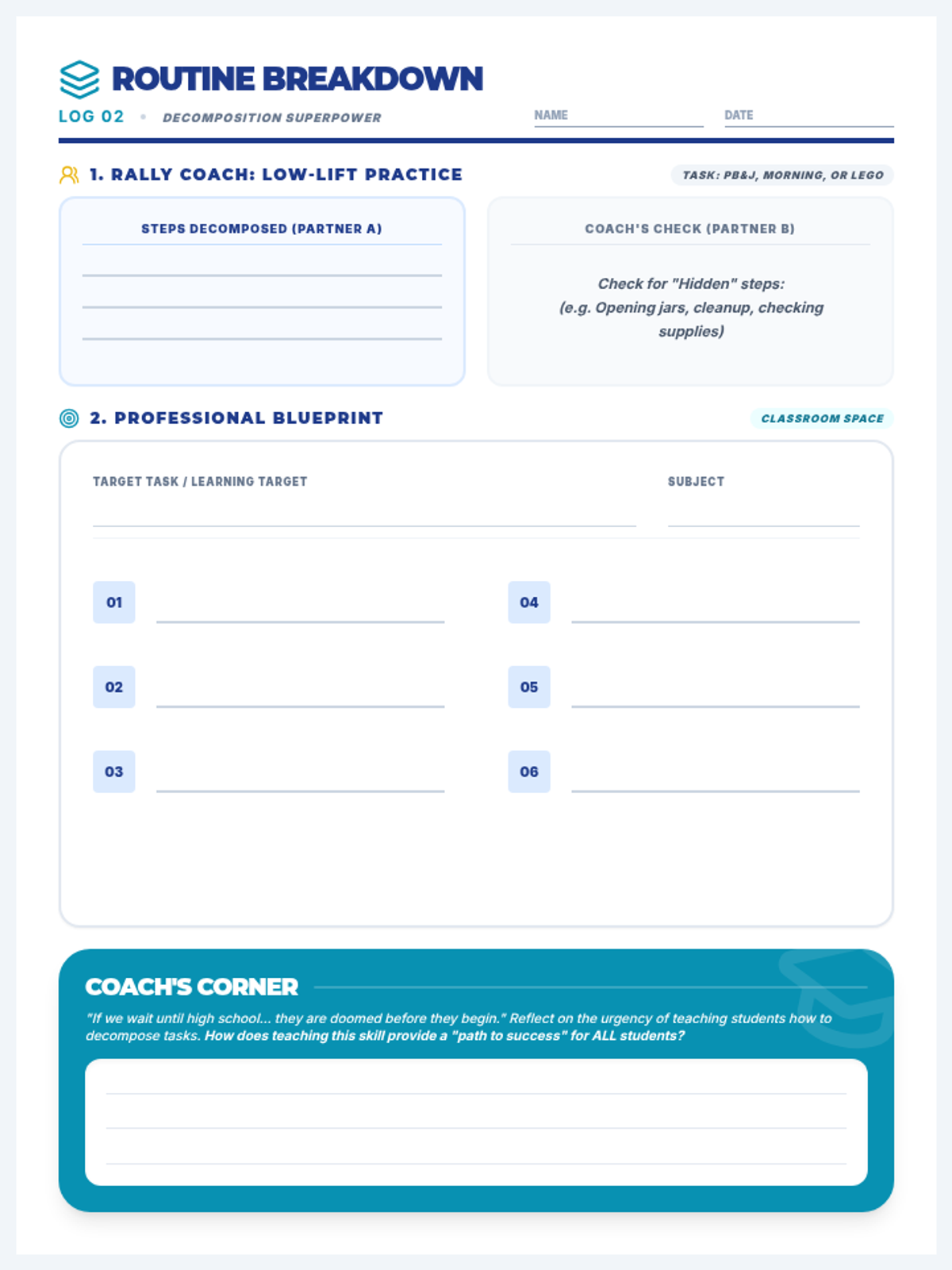
A professional development series for PreK-12 educators that reframes Computer Science as a "Superpower" through Computational Thinking. Teachers explore how CS concepts like decomposition, abstraction, and automation are already present in their daily instructional practices and Iowa Core content.
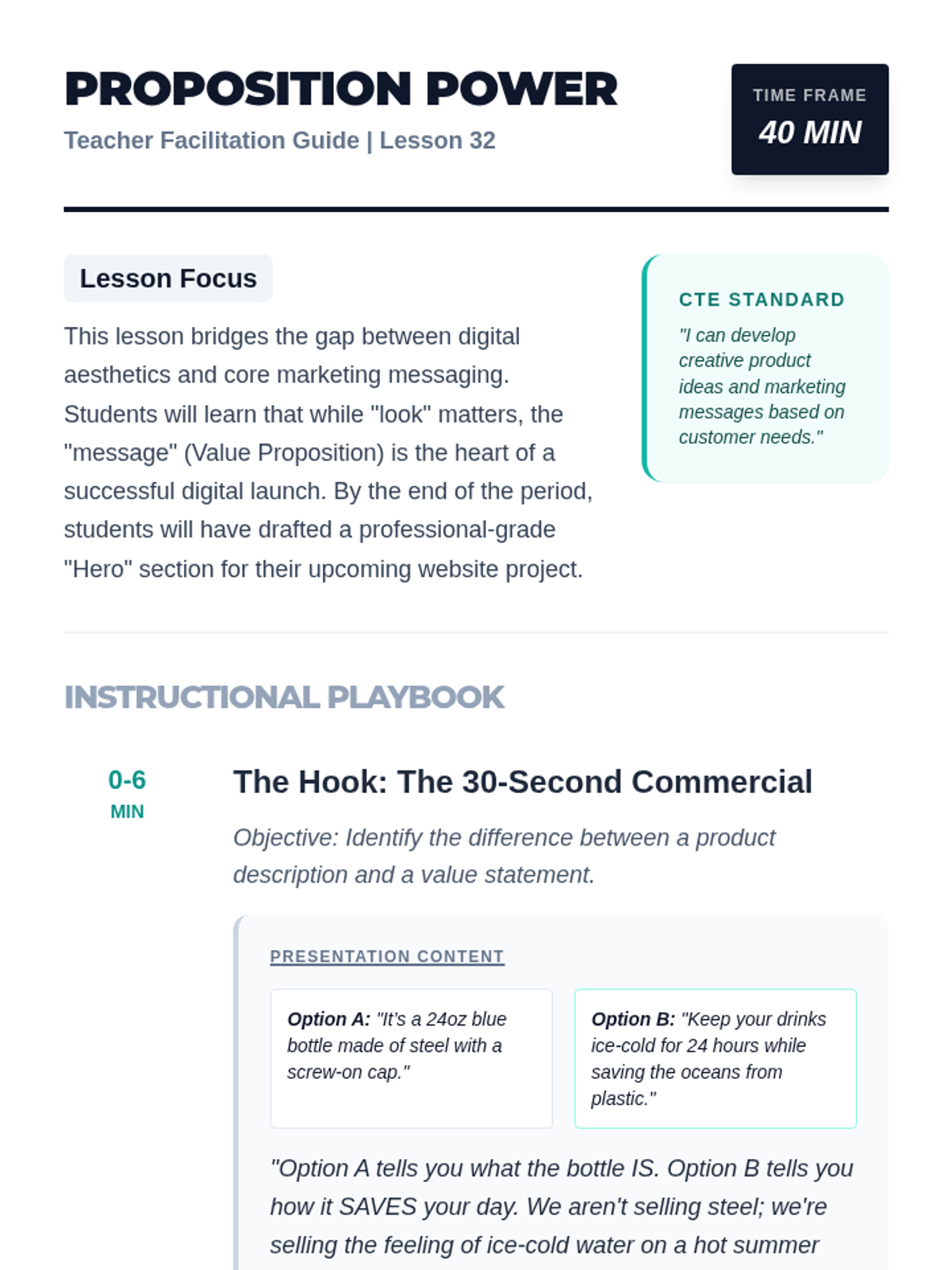
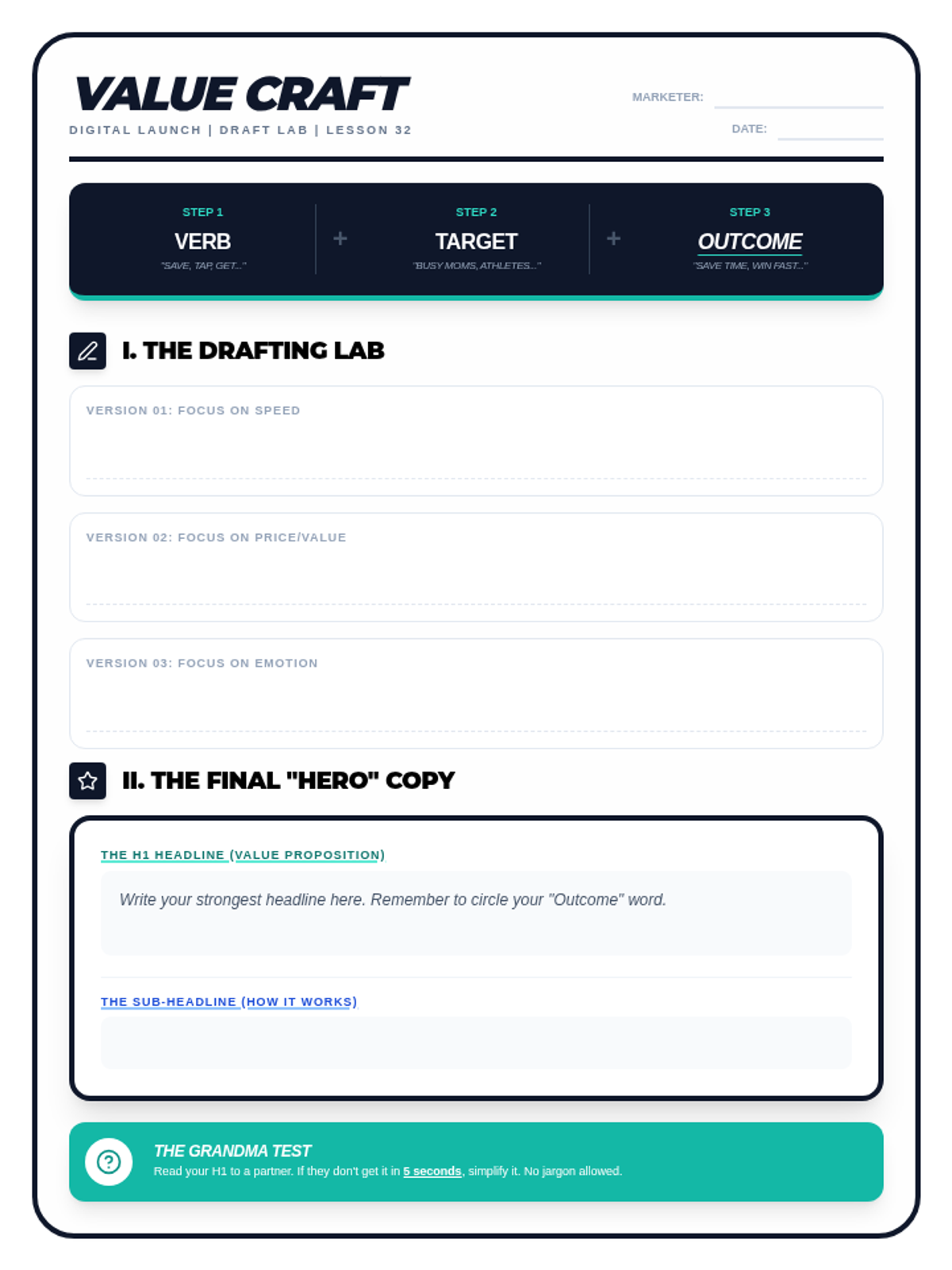
A comprehensive unit focused on the digital launch of marketing campaigns, bridging the gap between design and messaging to create persuasive online presences.
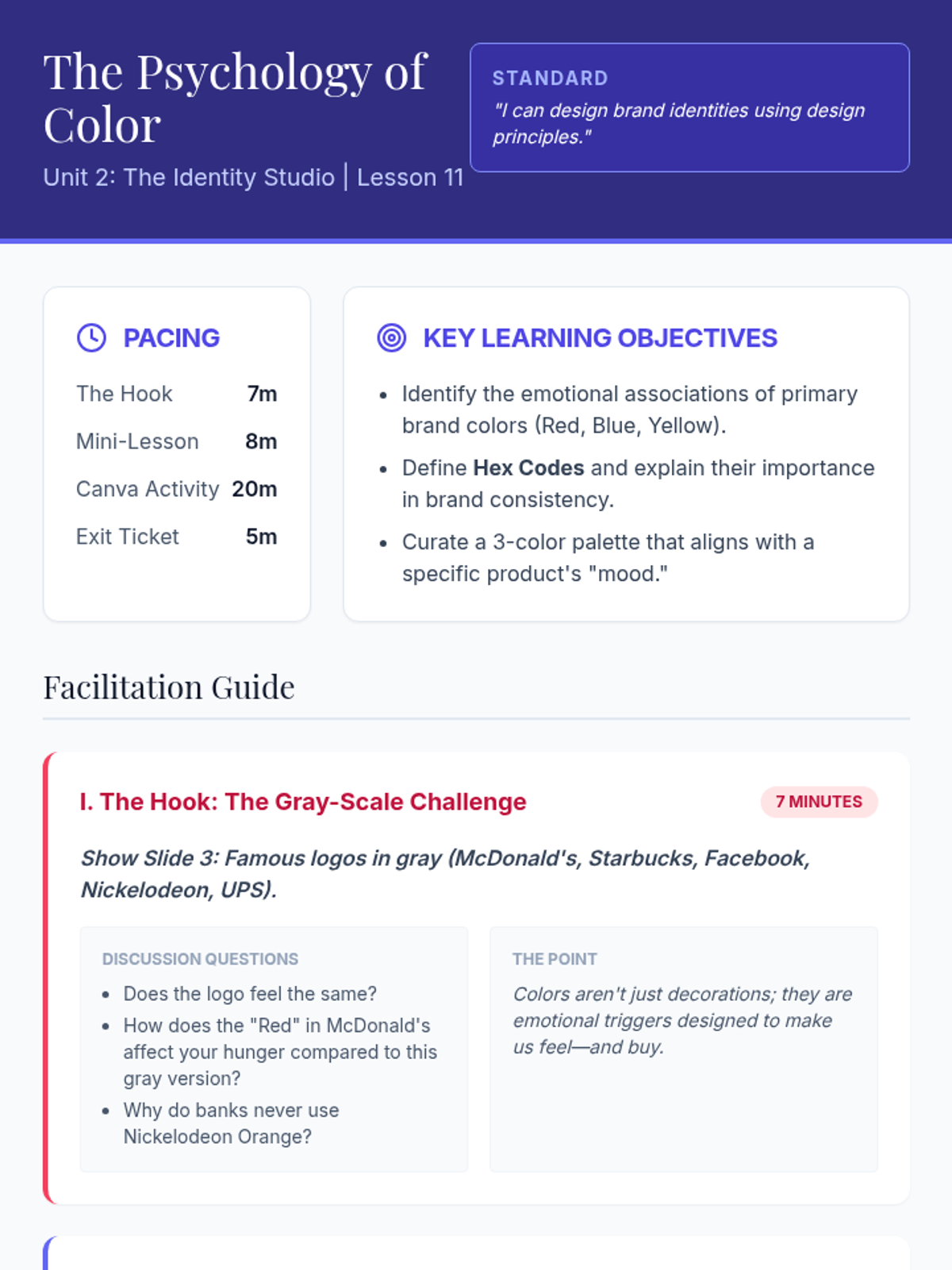
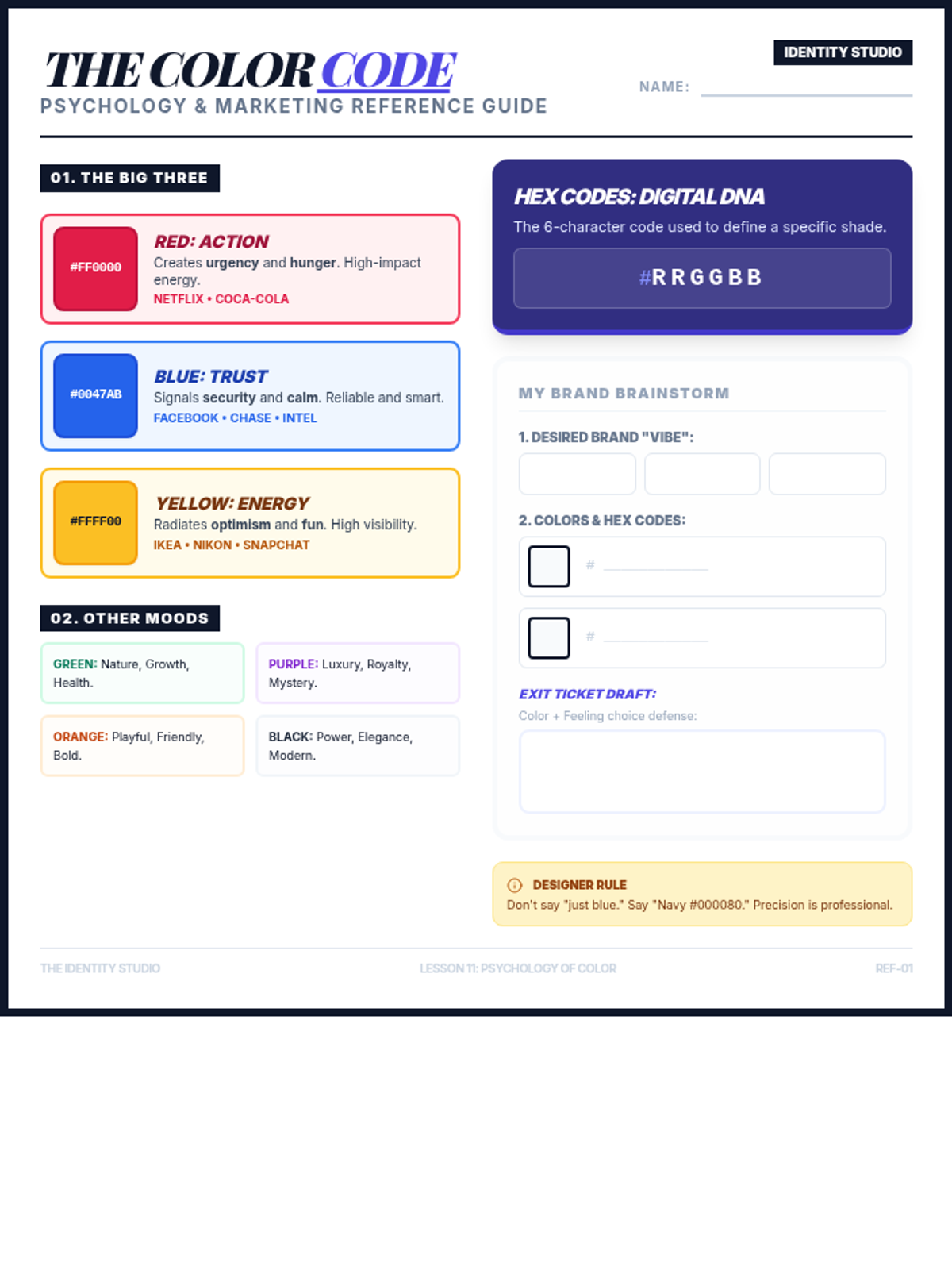
A unit focused on the visual principles of brand identity, moving from theory (color, type) to creation using vector-based tools like Google Drawing.