A Kindergarten science sequence exploring the tactile properties of materials (texture, hardness, flexibility) through sensory observation, classification, and inquiry-based challenges.
A differentiated unit on the solar system designed for newcomers and students with IEPs, focusing on the Sun, Moon, planets, and stars with heavy visual support and simplified language.
A comprehensive K-8 curriculum designed to build foundational AI literacy through understanding, evaluation, application, and ethics. Each grade level tackles a specific theme, progressing from basic robot concepts to complex algorithmic bias and societal impact.
A 3-day introductory science sequence for early learners (PreK-1st) exploring the fundamental needs of plants, animals, and humans. Students will discover commonalities in survival requirements through visuals, guided practice, and hands-on sorting.
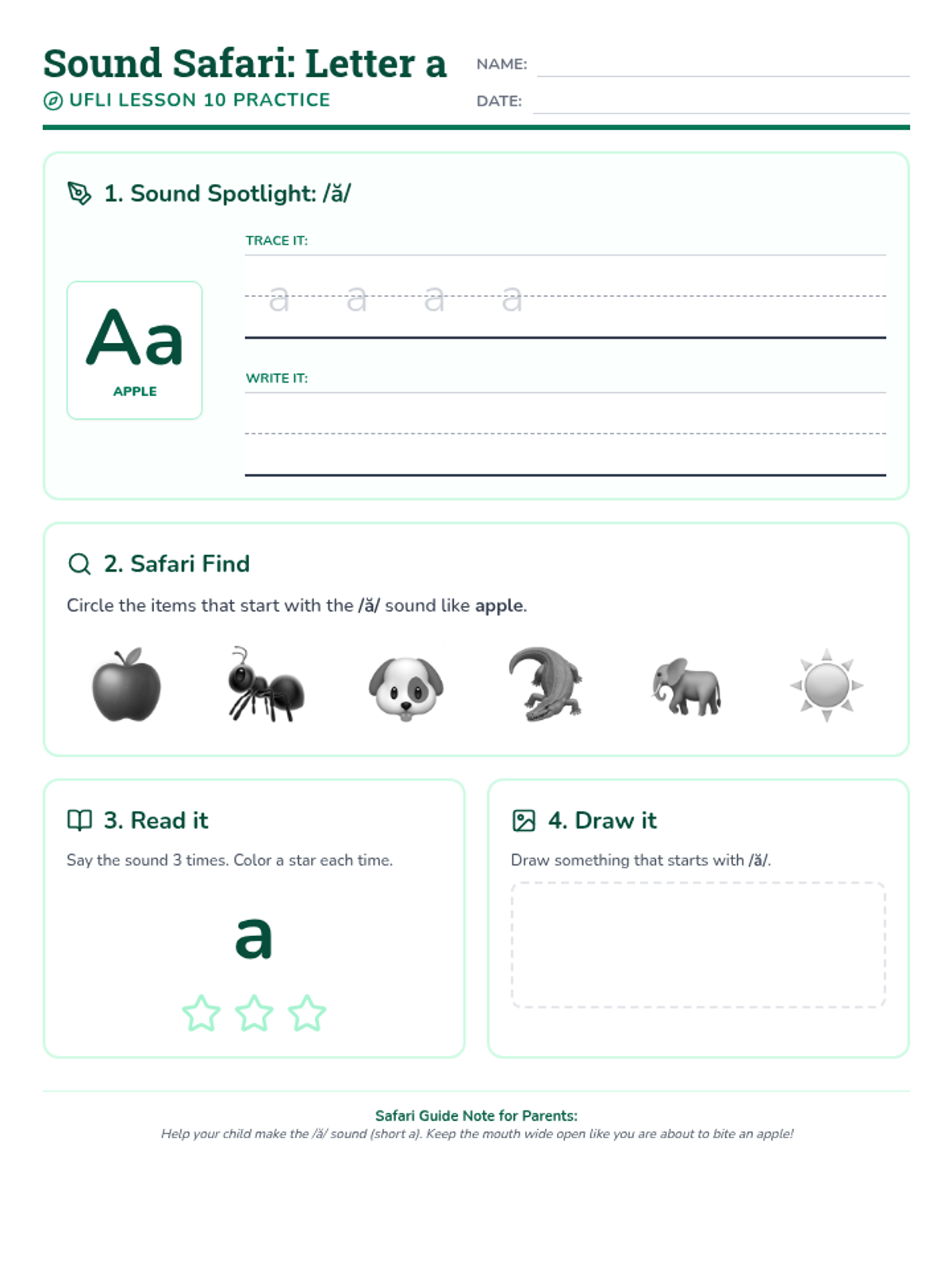
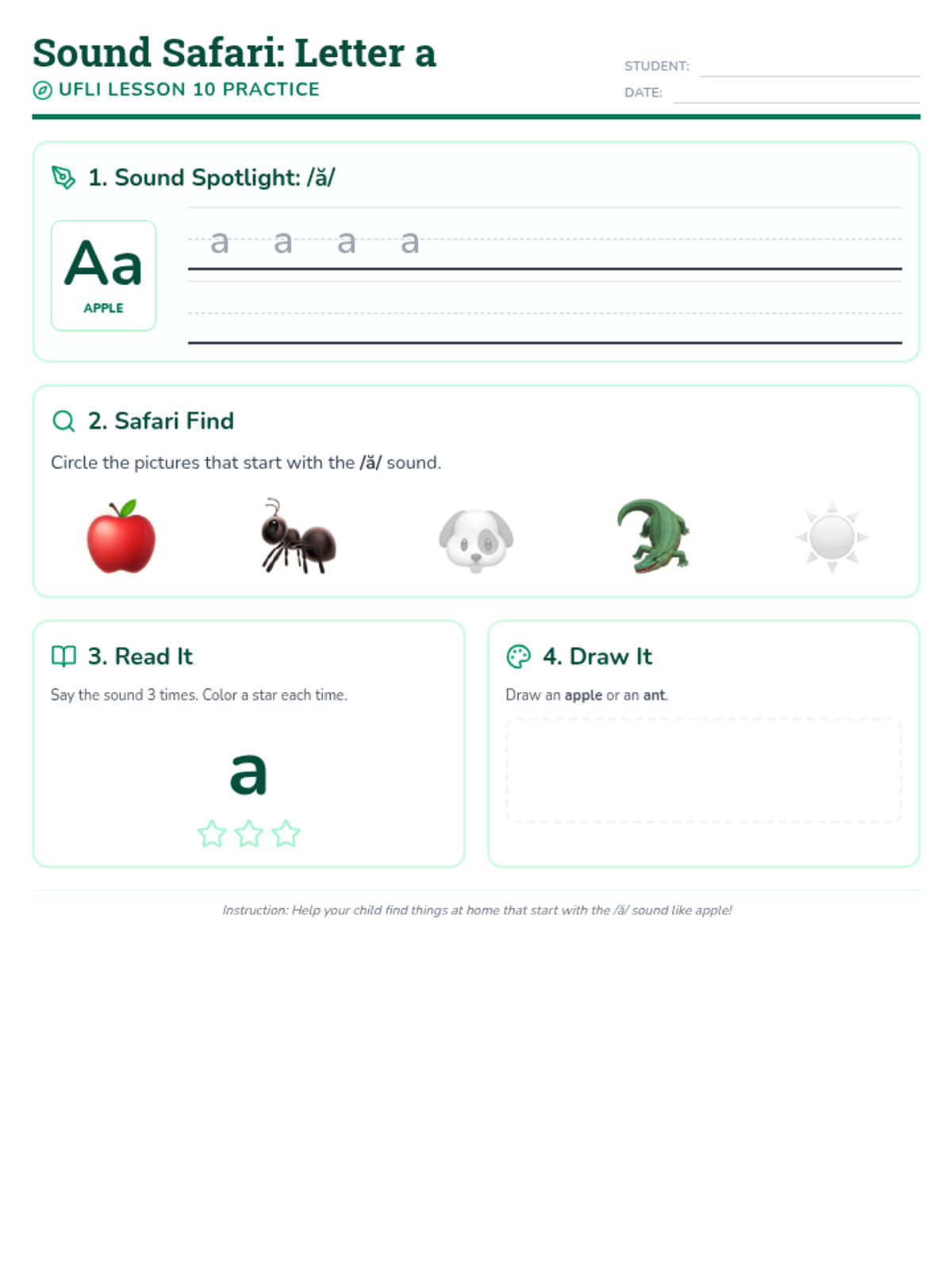
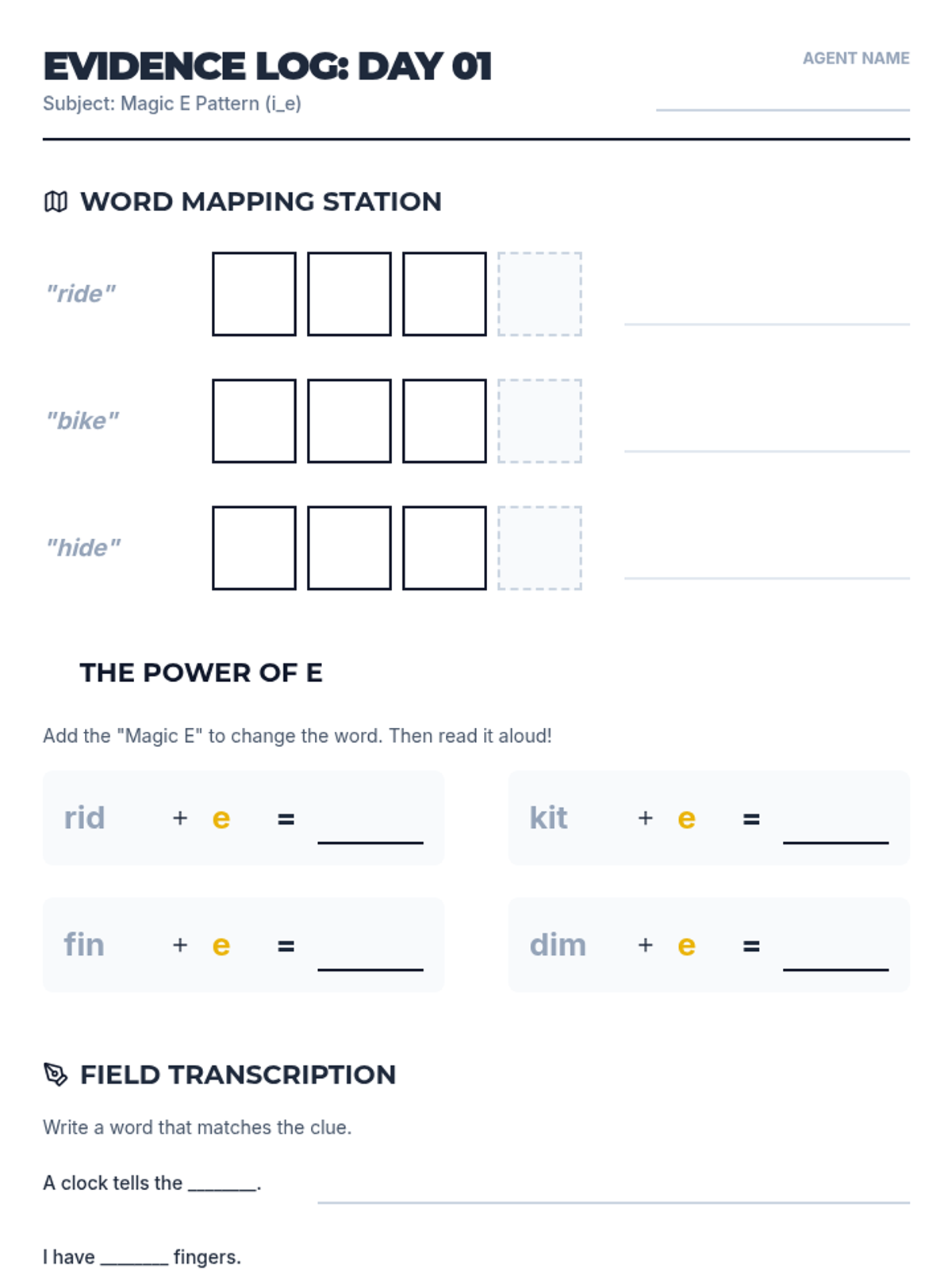
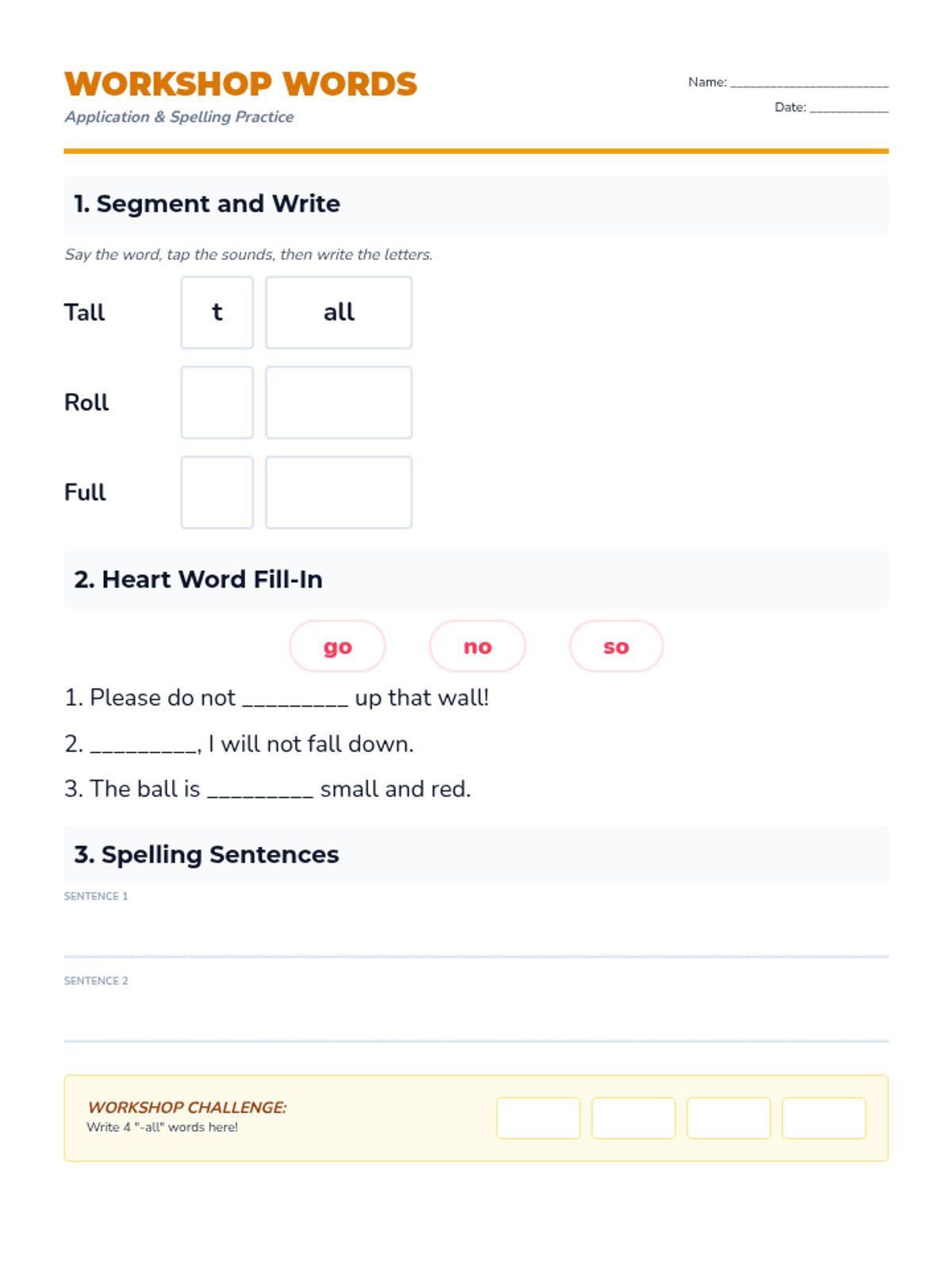
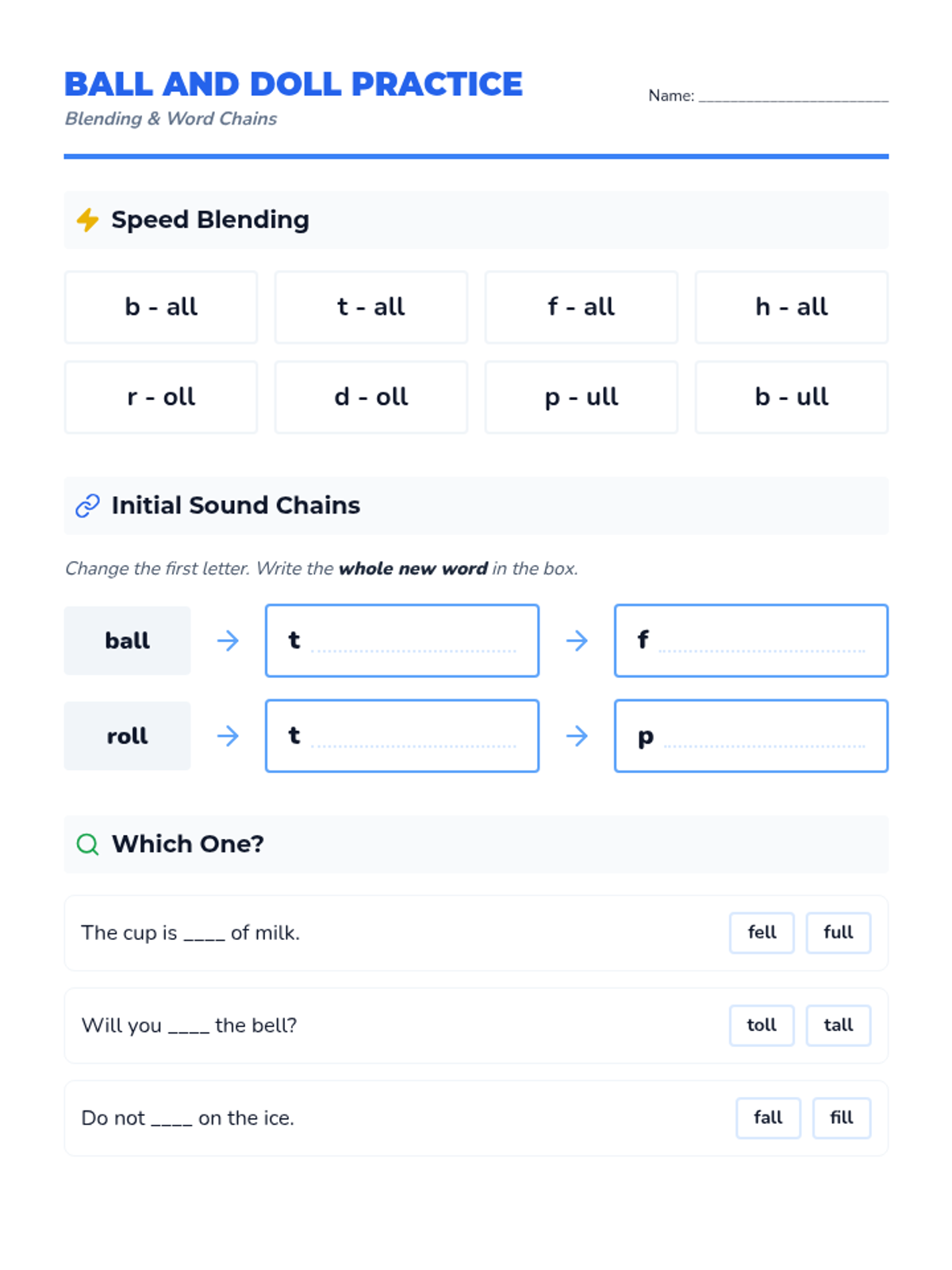
A comprehensive 5-day phonics unit focused on the "bonus letters" (Floss Rule: f, l, s, z) including heart words 'your' and 'want'. Students explore the concept of doubling final consonants in one-syllable short vowel words through a factory-themed learning experience.
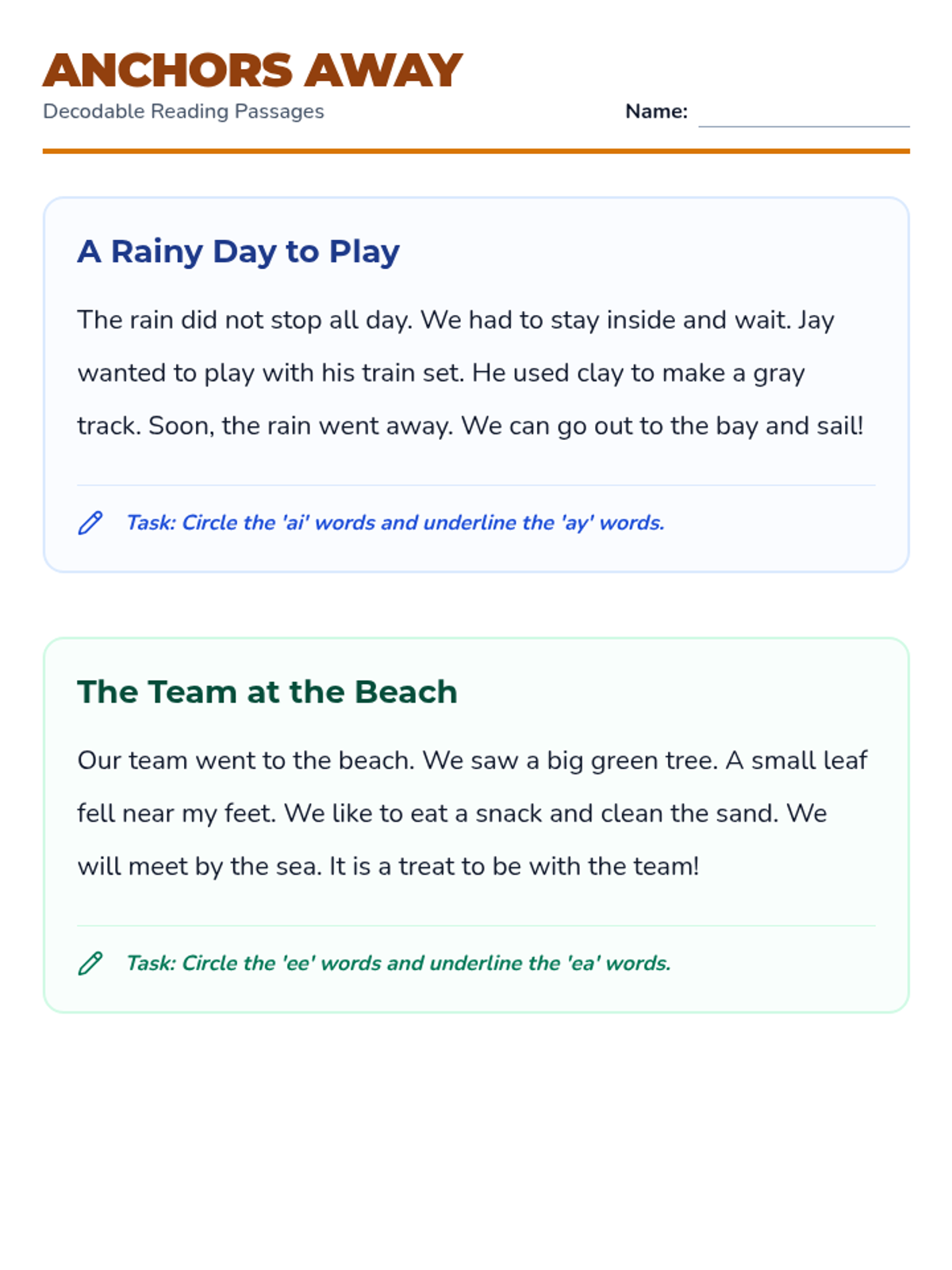
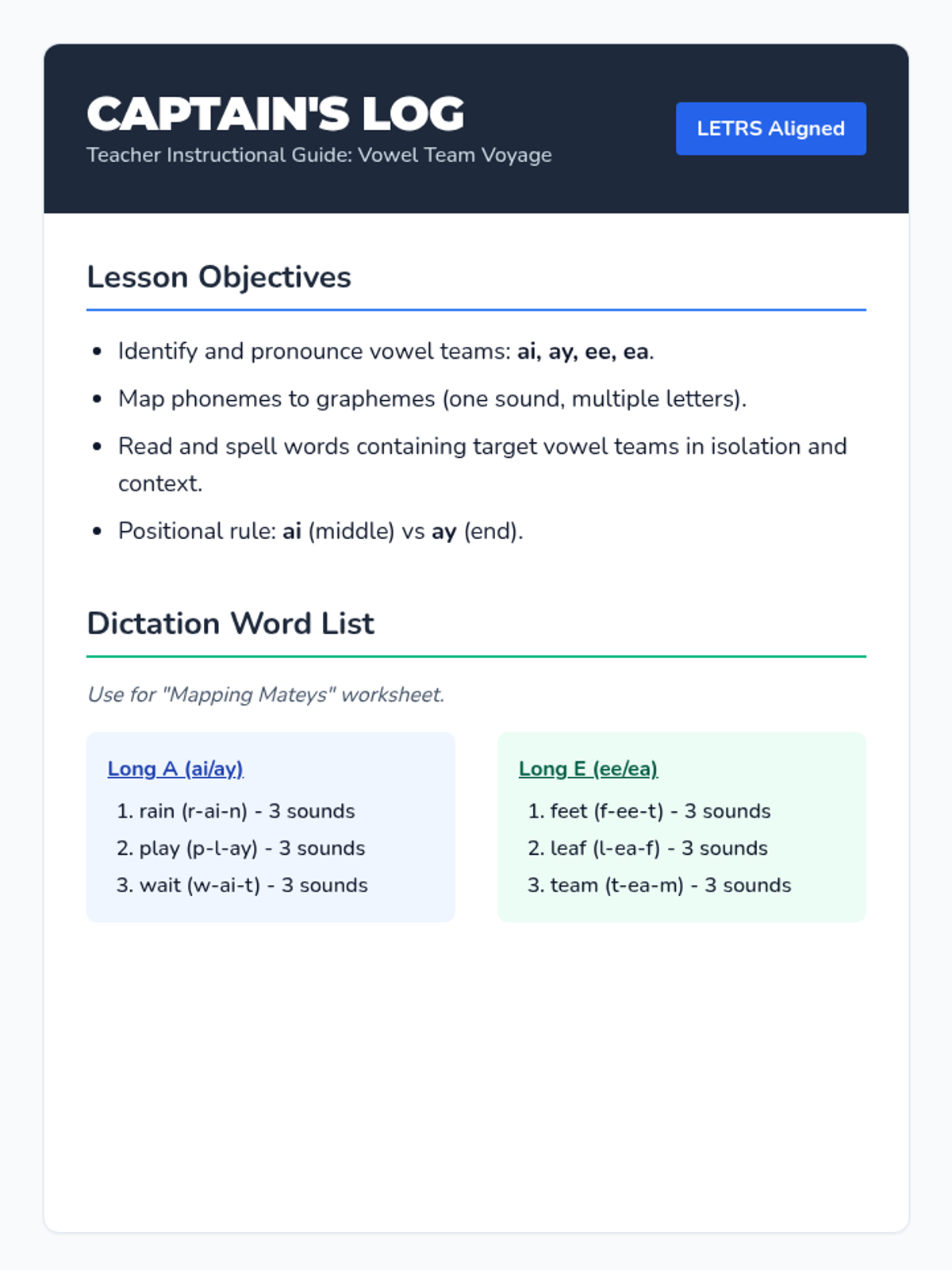
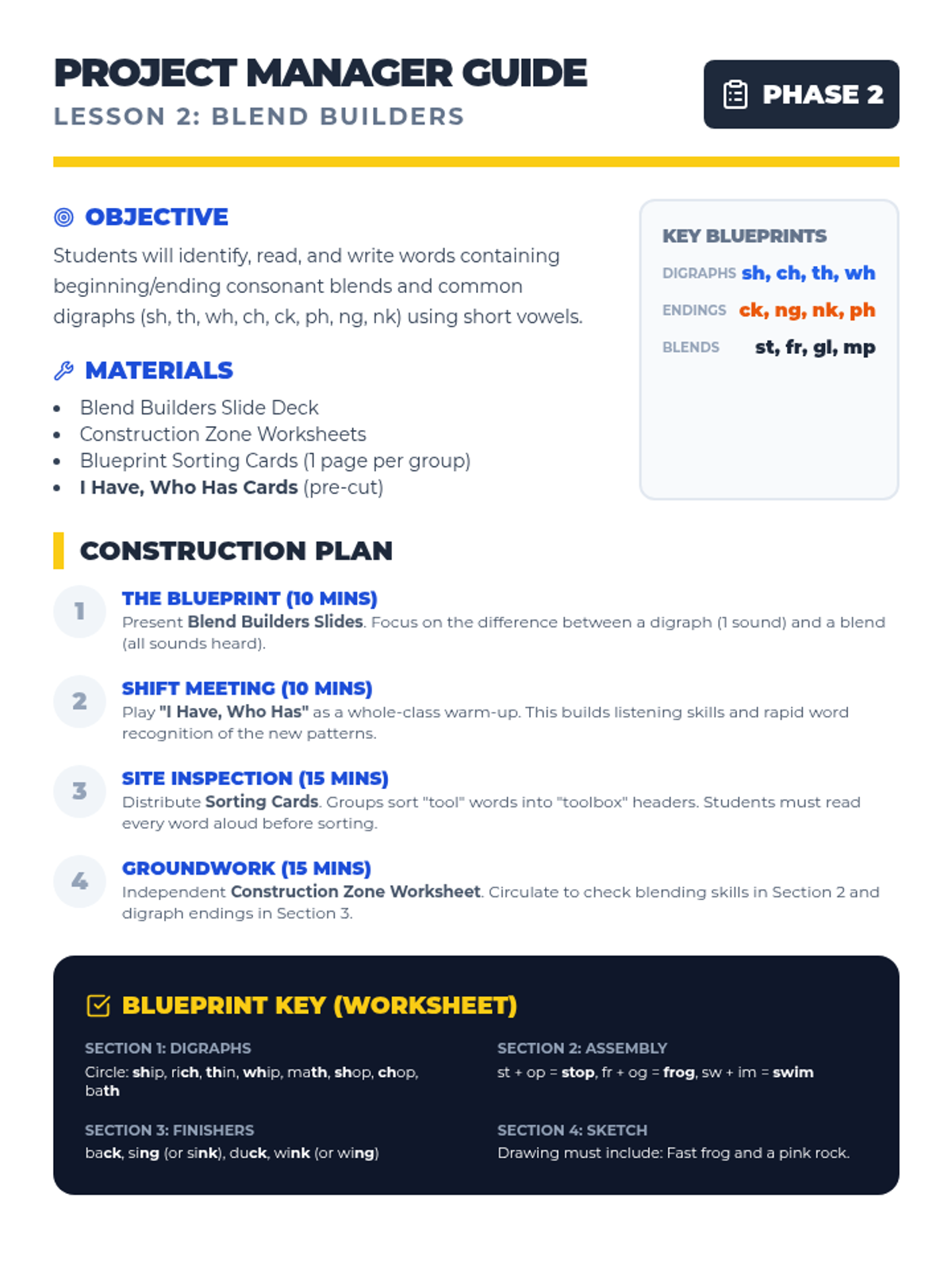
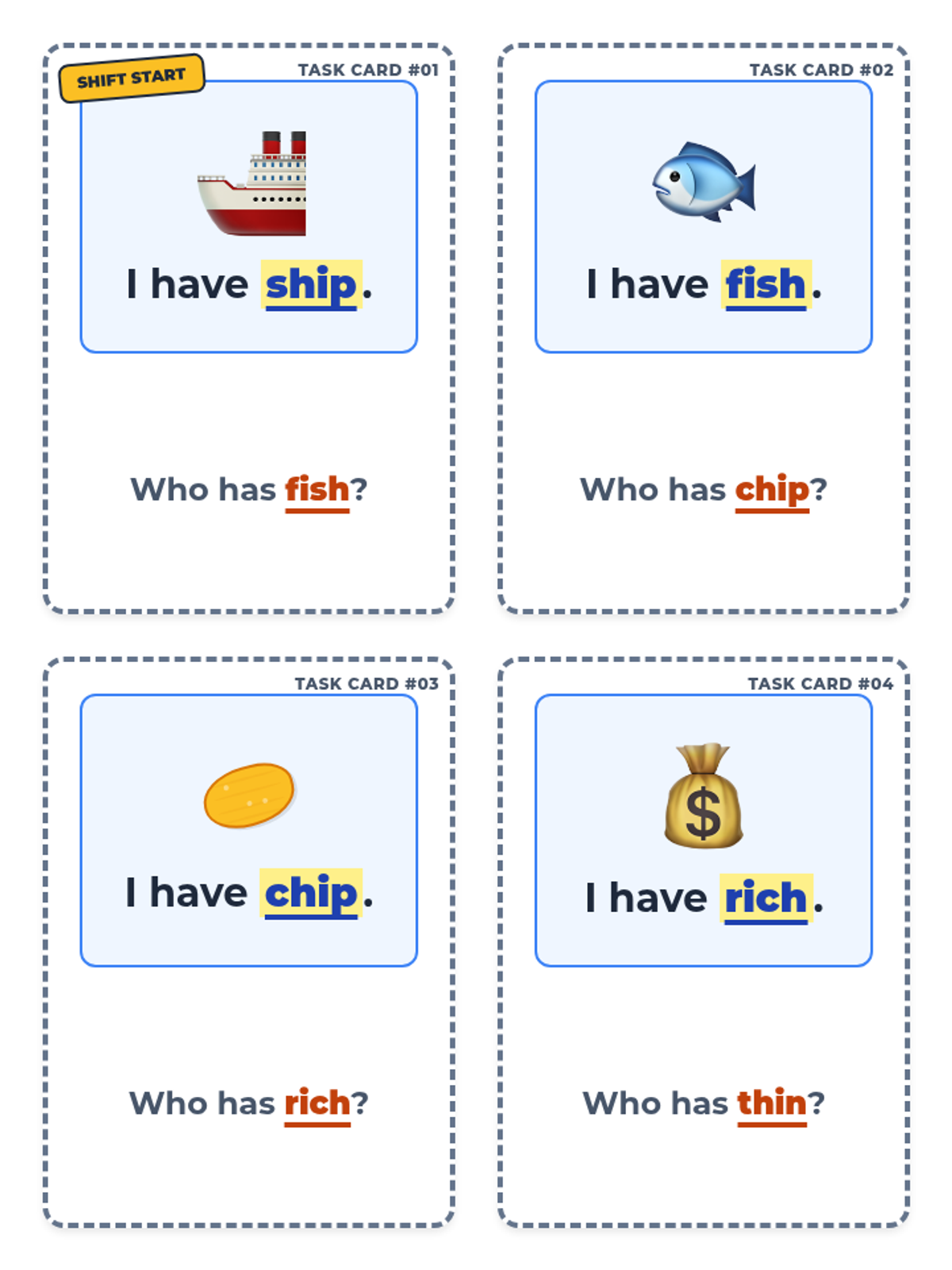
A 5-day intensive review of all short vowel sounds (a, e, i, o, u) using the 'Vowel Voyagers' theme. Includes daily phonemic awareness, word building, decodable reading, and heart word mastery.
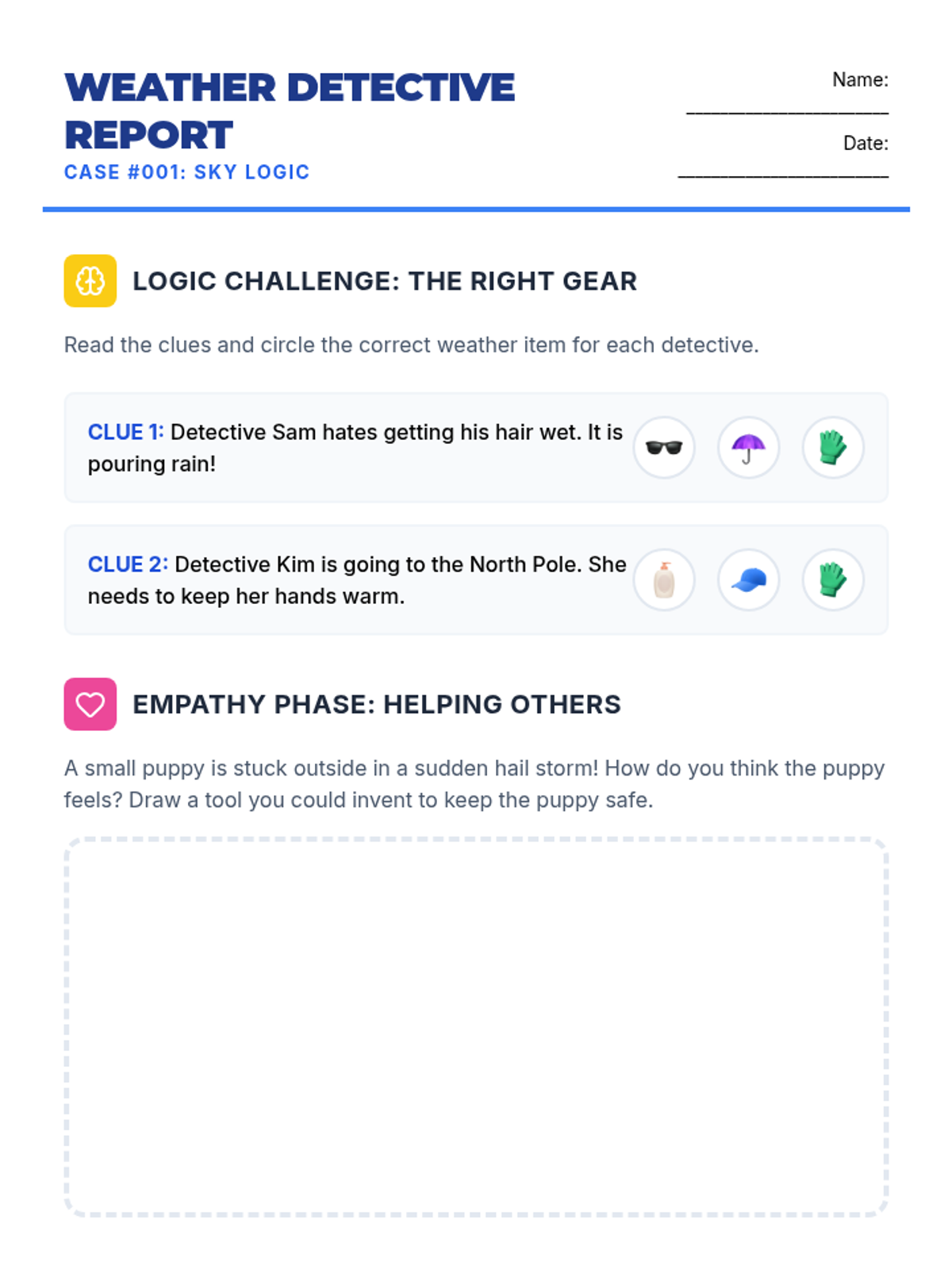
A 4-day introduction to weather types and appropriate clothing choices for preschool and kindergarten students. Students explore hot, cold, rainy, and warm/sunny conditions through visual slides, hands-on sorting activities, and creative worksheets.
A comprehensive K-12 AI literacy sequence covering the fundamentals of how AI works, machine learning, ethics, social impact, and creative application through age-appropriate lessons.
A primary science unit exploring how different animals are covered and why these coverings help them survive in their environments. Students identify, categorize, and write about feathers, fur, scales, shells, and skin.
A four-day introductory science sequence for grades K-3 exploring the properties of light, illumination, and shadows through hands-on play with glowsticks and flashlights. Students will transition from understanding light sources to creating complex shadow narratives and participating in light-based games.
A kindergarten science and literacy unit exploring weather patterns and seasonal changes through stories and hands-on activities.
A primary science and ELA sequence where students become 'Light Detectives' to investigate how light works, identifying sources, reflections, and shadows in their environment.
A four-day introductory unit on corn for K-3 students, covering its origins in Mesoamerica, life cycle, diverse varieties, and practical uses through hands-on crafting and planting.
A comprehensive K-5 science journey focused on the Texas Essential Knowledge and Skills (TEKS) for physical properties of matter. Students act as 'Matter Mission' agents to solve real-world problems through hands-on STEM challenges and engineering design.
A comprehensive exploration of animals from jungle and safari environments, focusing on their unique adaptations, habitats, and survival strategies.
A comprehensive STEM unit exploring the invisible powers of forces, including magnetism, gravity, and friction, through hands-on engineering challenges and scientific investigations aligned with Texas TEKS for Grades K-5.
A comprehensive K-5 STEM curriculum covering Texas TEKS for Earth and Space Science. Each grade level features two hands-on engineering challenges, interactive slide decks, and STAAR-aligned assessment tools focusing on seasons, lunar patterns, solar system models, and Earth's rotation.
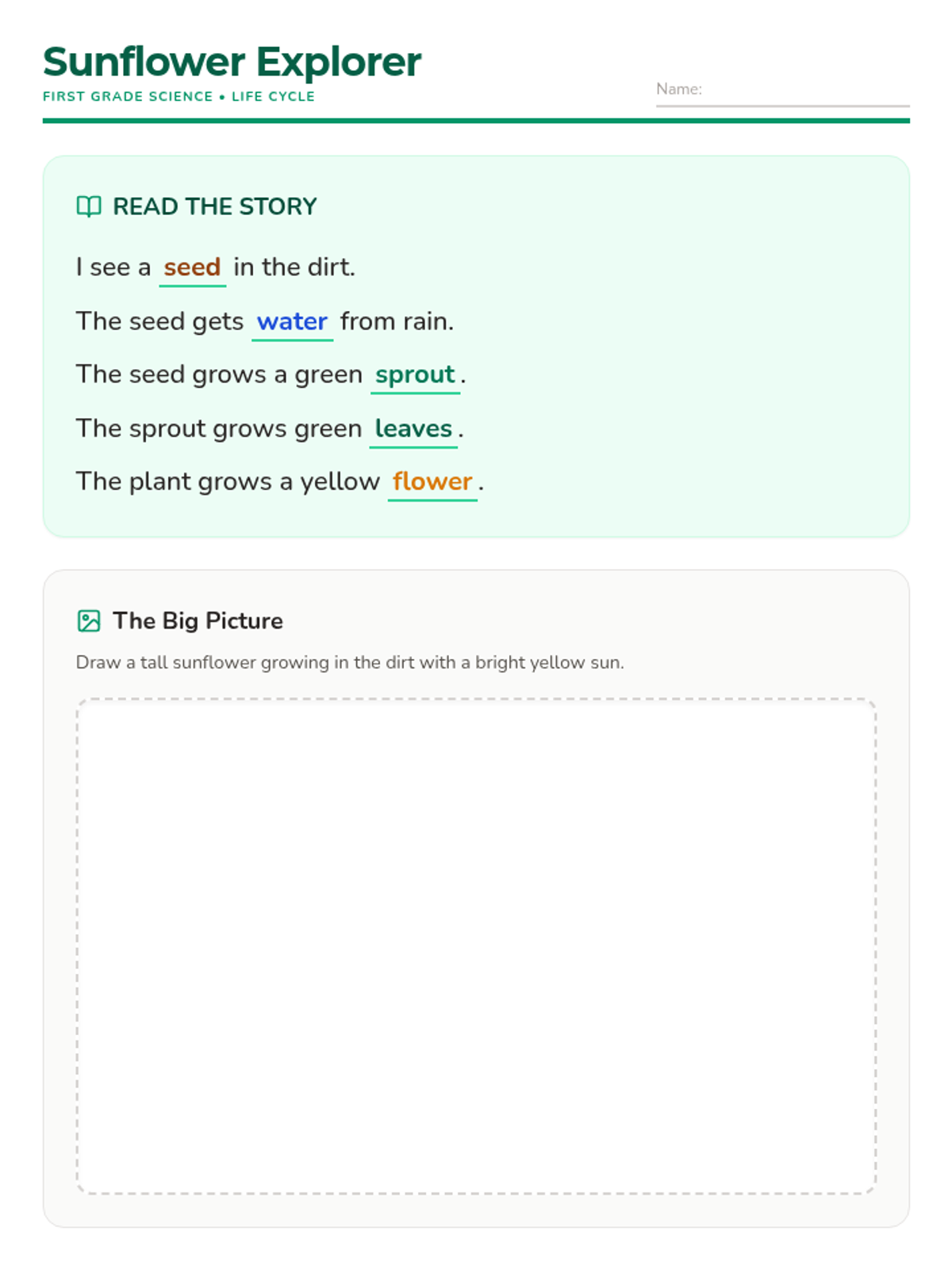
A differentiated science unit exploring the life cycles, parts, and processes of plants for Kindergarten, 2nd, and 4th grade students.
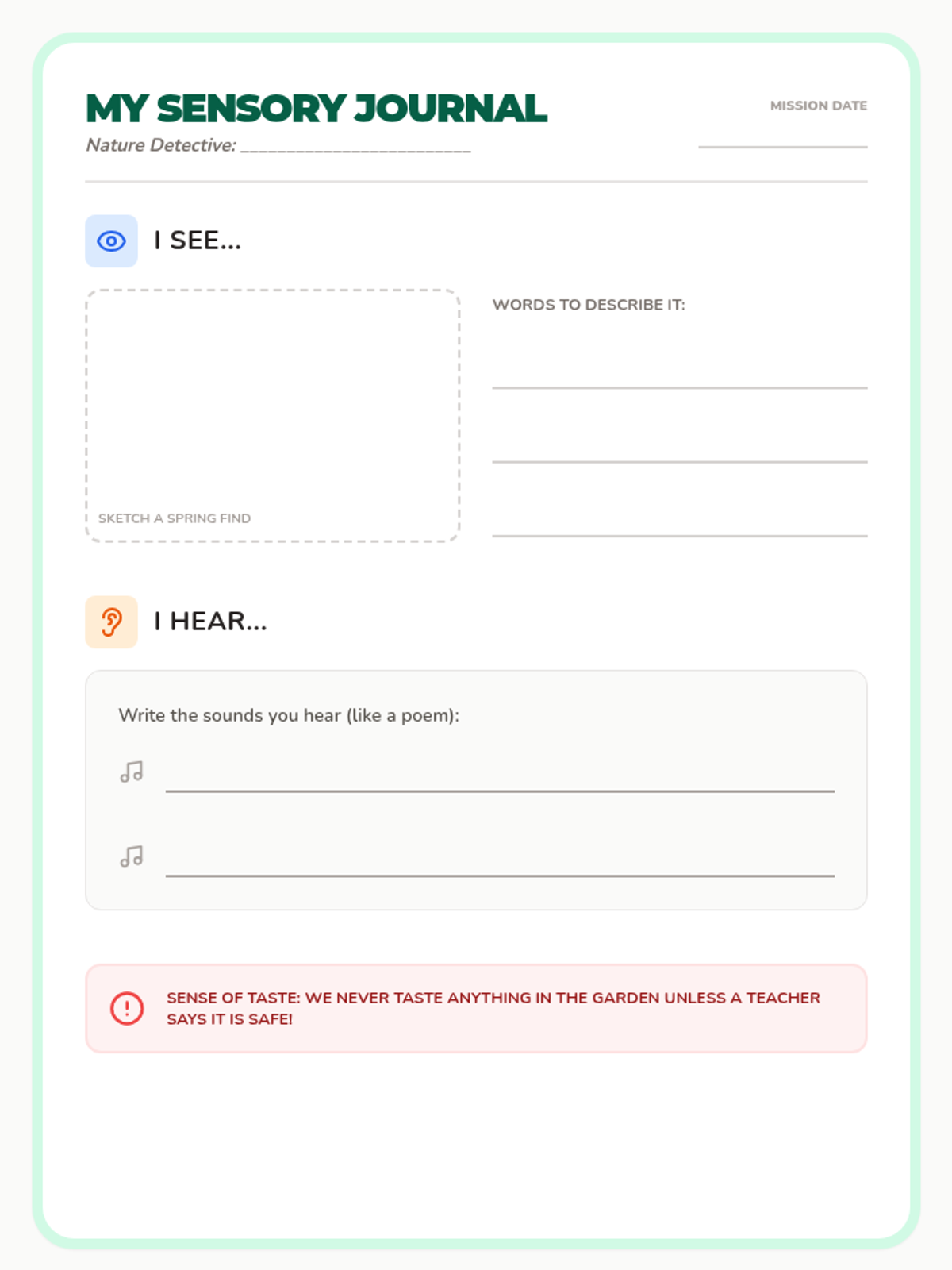
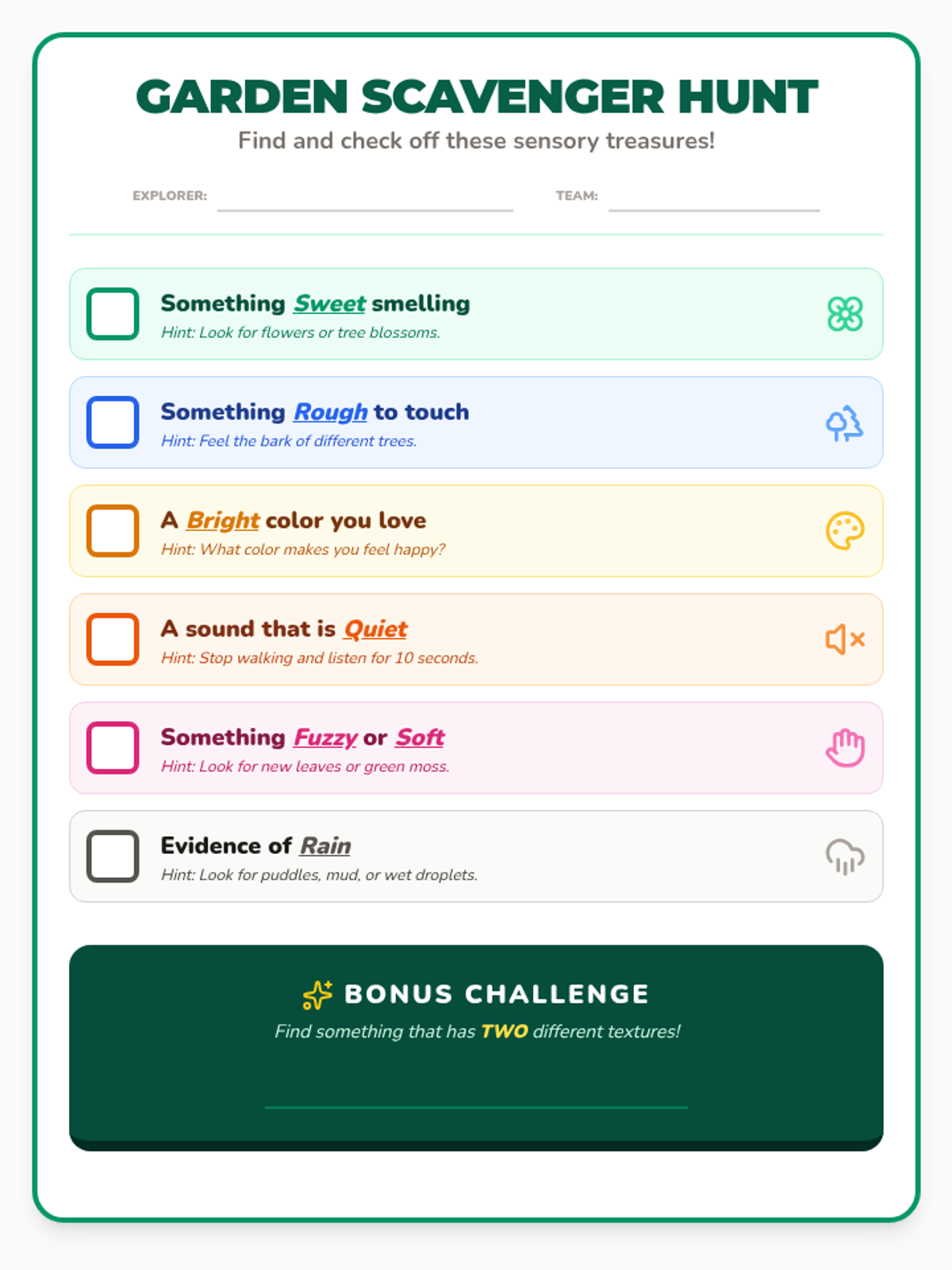
A four-day introductory unit on the signs of spring, focusing on weather changes and nature's awakening. Includes a mix of outdoor exploration and indoor hands-on crafts designed for grades K-3.
A basic introduction to space concepts and the work of NASA, designed for early elementary students to build reading skills and scientific curiosity.
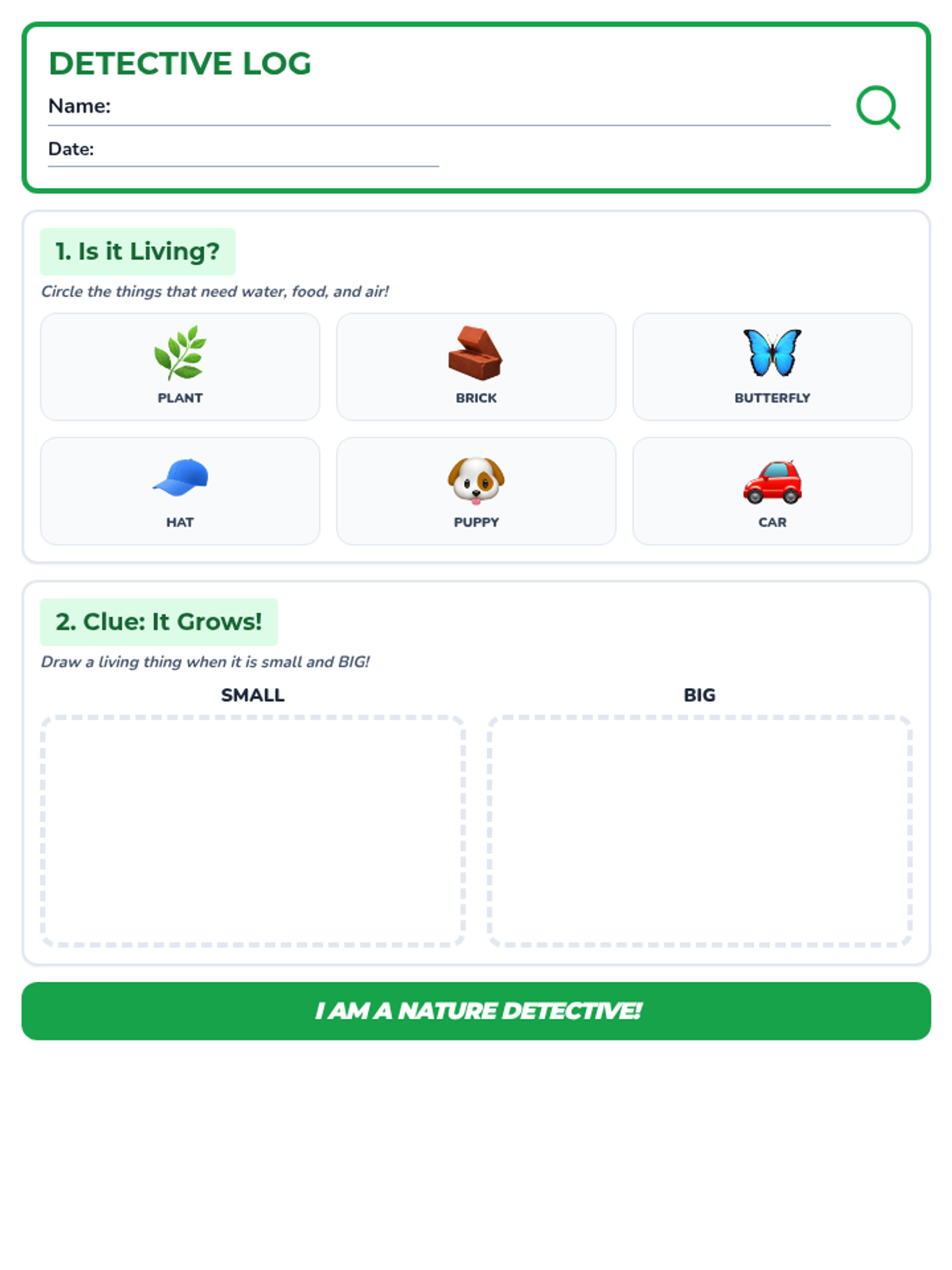
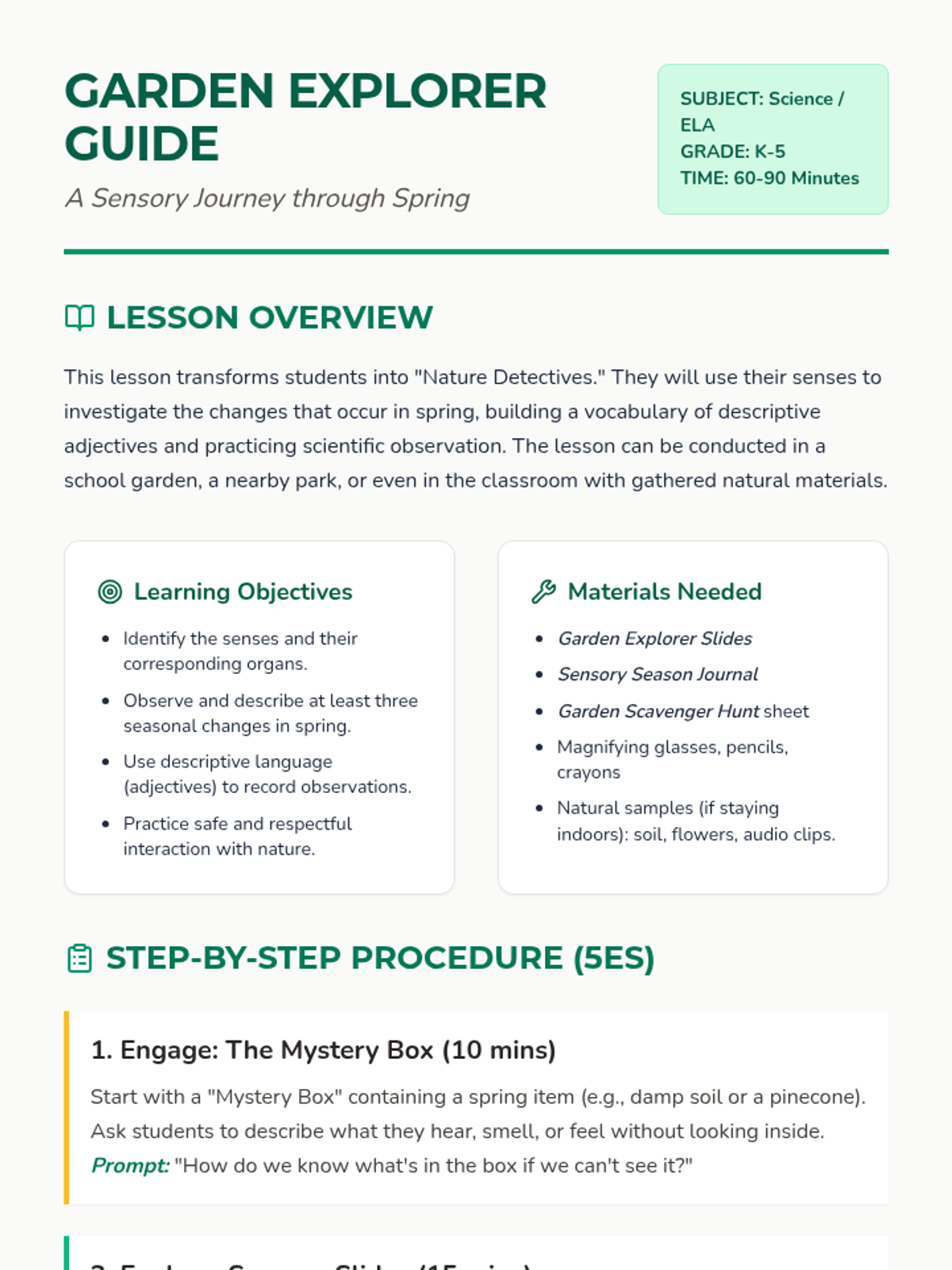
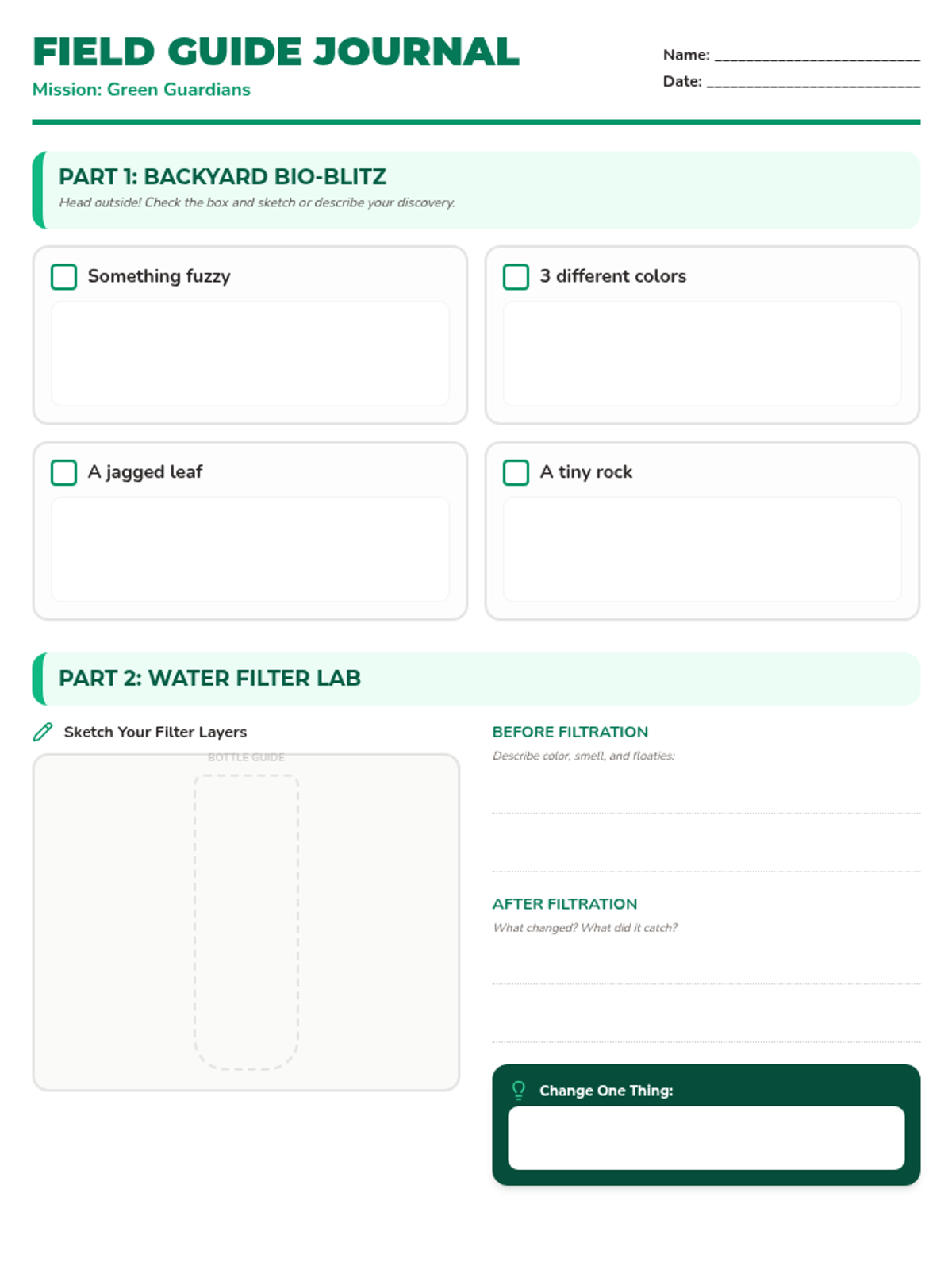
A comprehensive unit designed to turn students into nature detectives, focusing on observation, documentation, and appreciation of the local environment for K-6 students.
A four-day immersive sensory science sequence for K-3 students, exploring different materials, textures, and chemical mixtures through hands-on creation and observation.
A comprehensive Pre-K exploration of weather types and seasonal changes through observation, hands-on experiments, and creative activities. Students will learn to identify common weather patterns and understand how the environment changes throughout the year.
A collection of science and phonics resources designed for hands-on classroom activities.
A Kindergarten sequence focused on understanding the cyclical nature of months and their connection to seasonal weather patterns and personal experiences.