A 6th-grade biology sequence exploring how cell structure relates to function. Students investigate specialized cells like neurons, red blood cells, and plant cells through inquiry-based modeling and design.
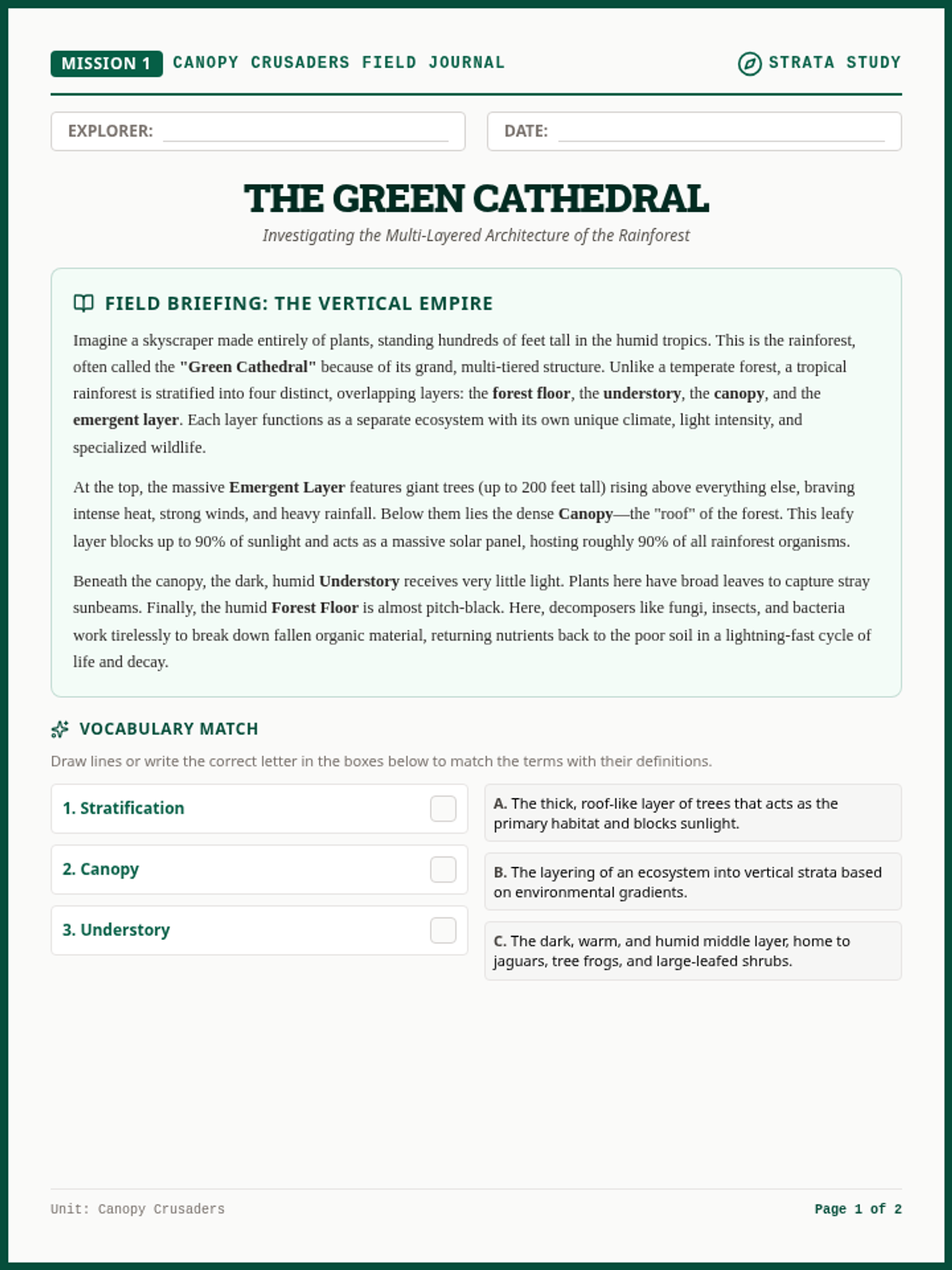
A comprehensive unit on rainforest ecology, climate regulation, and conservation. Students explore the structural layers of the rainforest, their roles as carbon sinks, the threats of deforestation, and collaborative solutions for preservation.
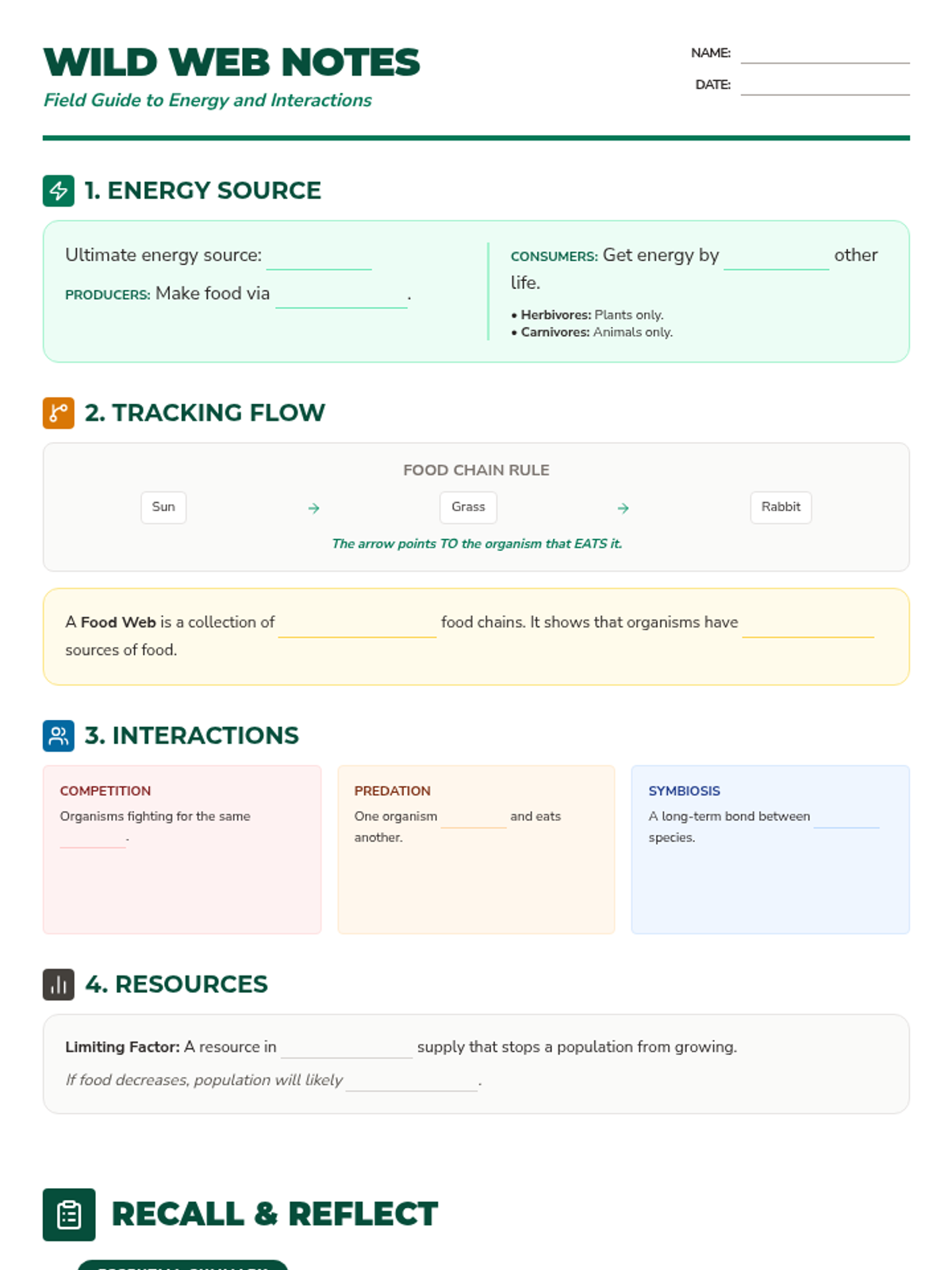
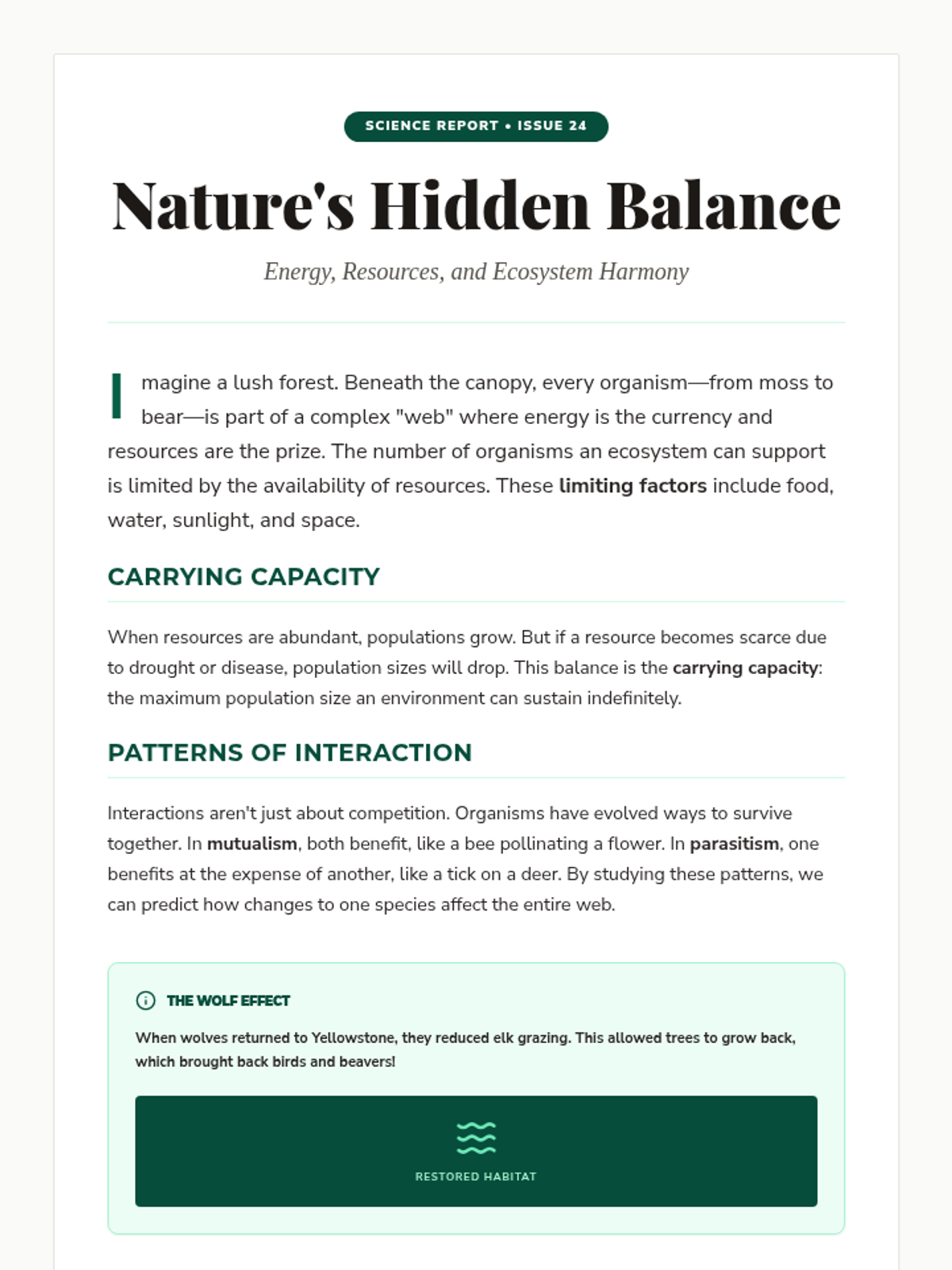
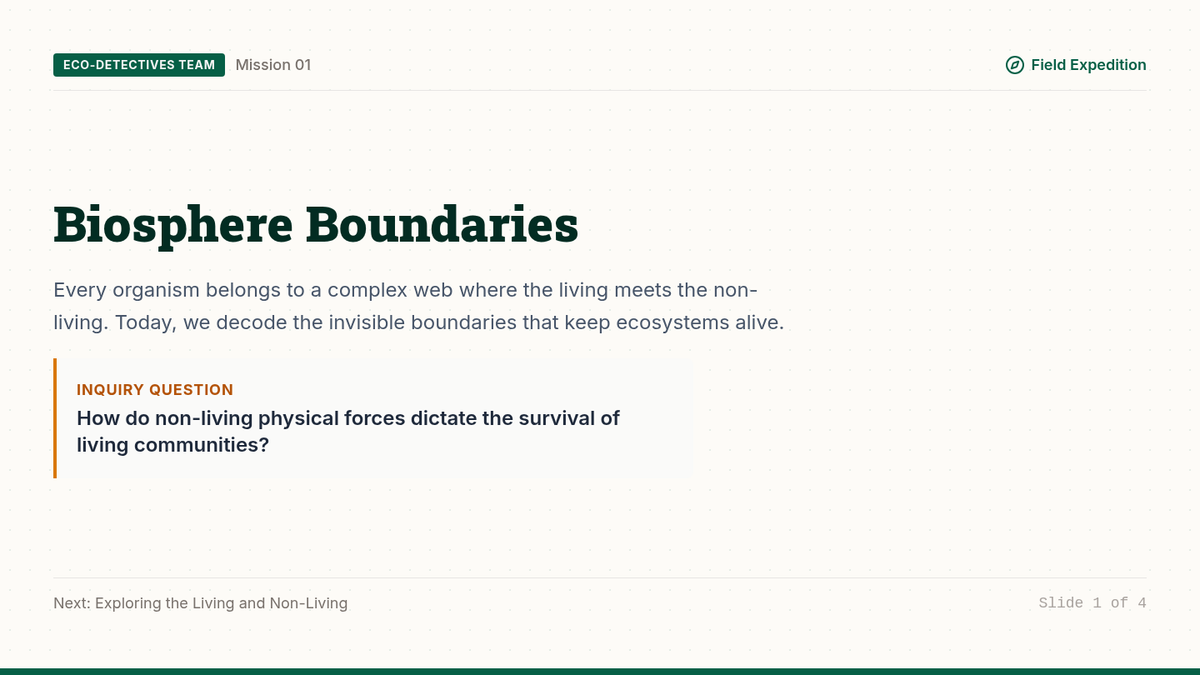
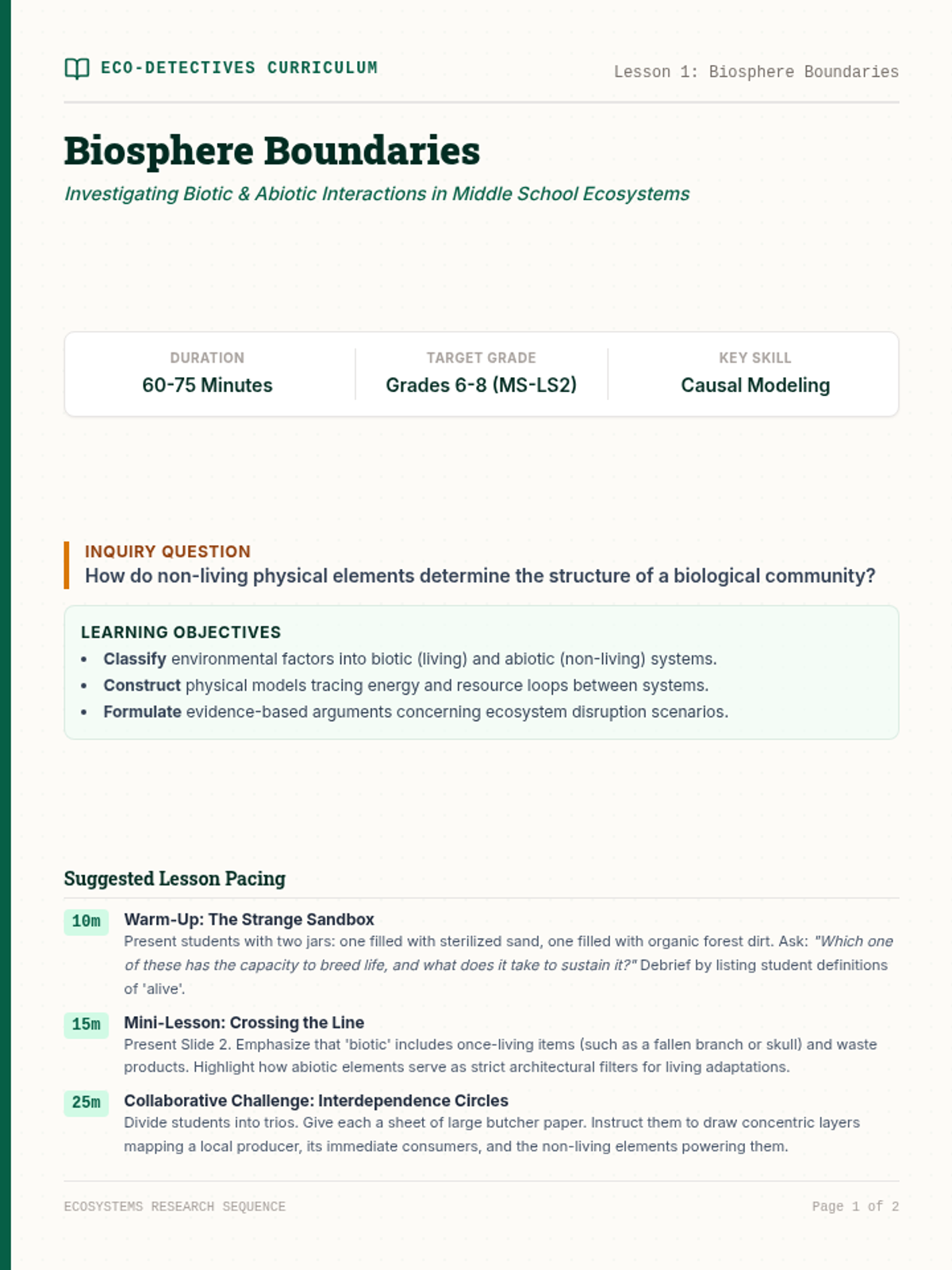
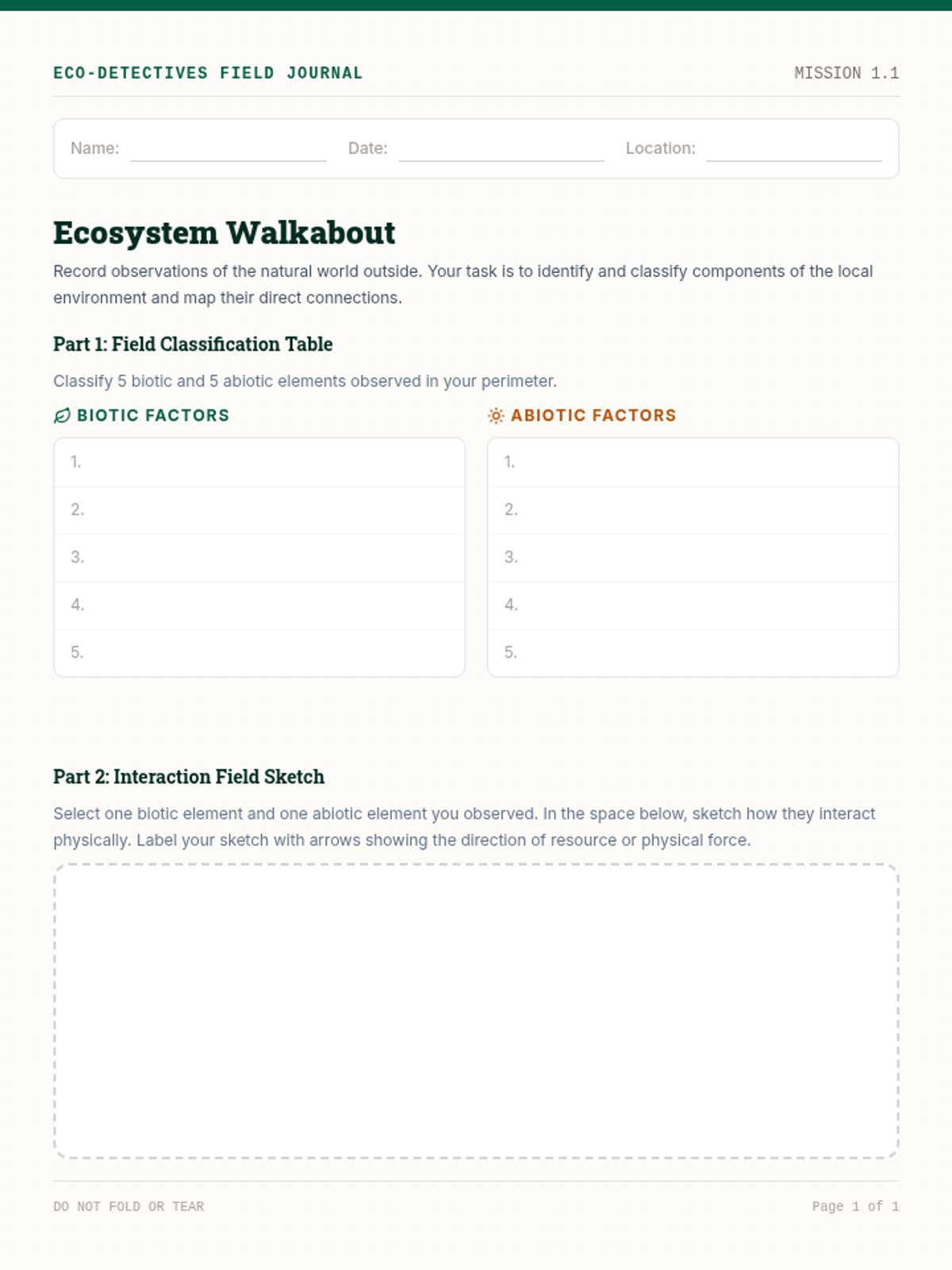
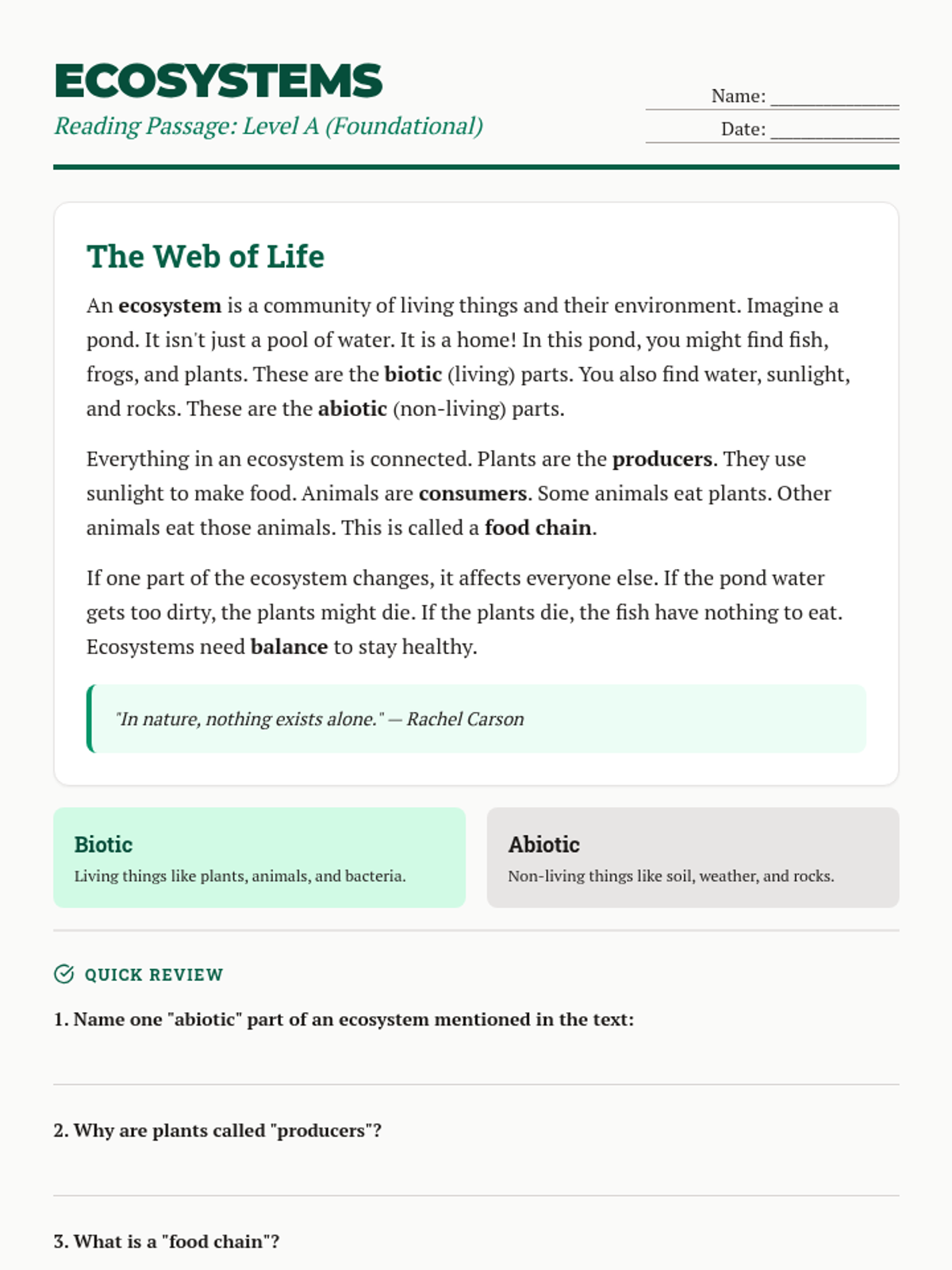
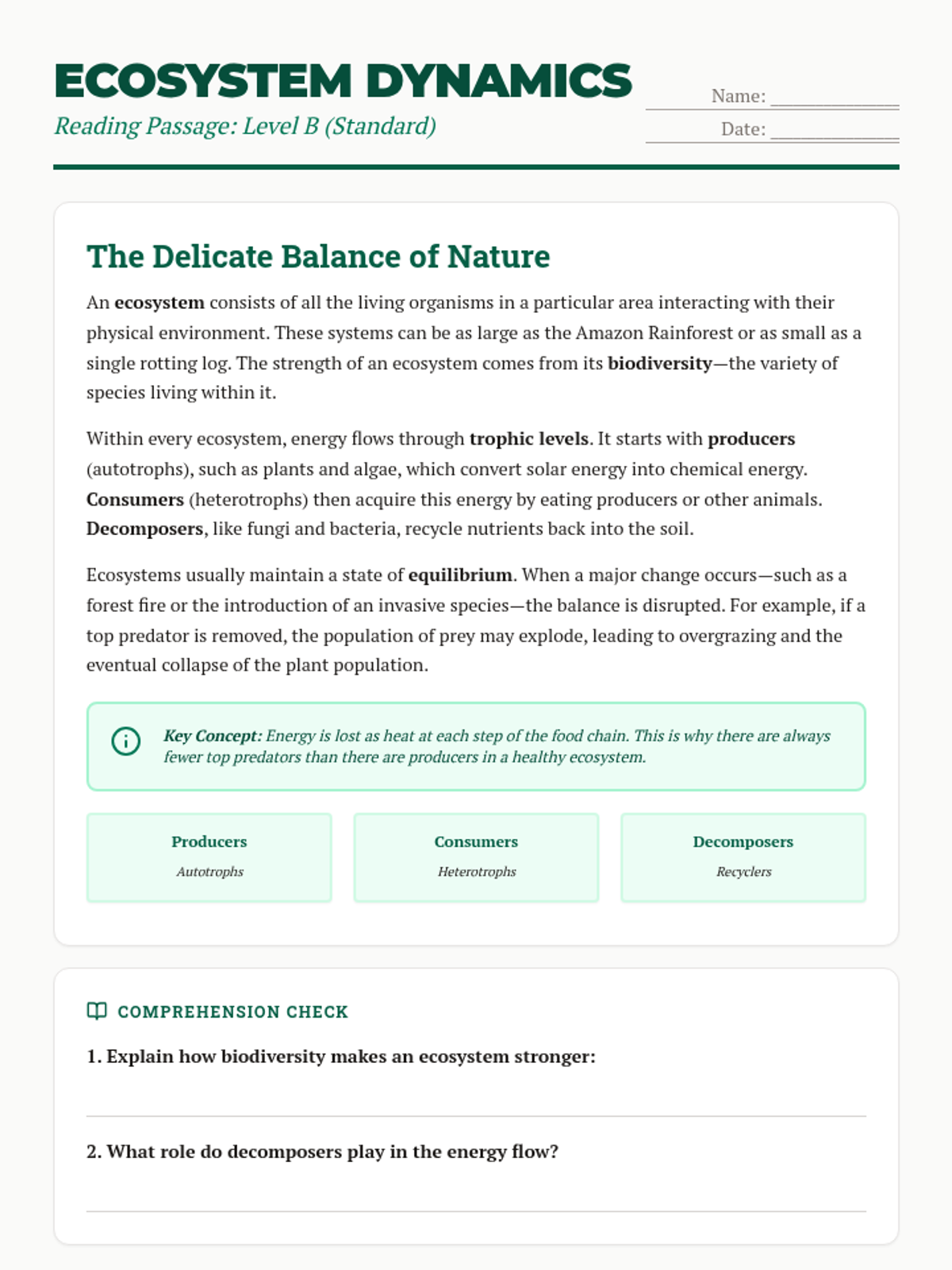
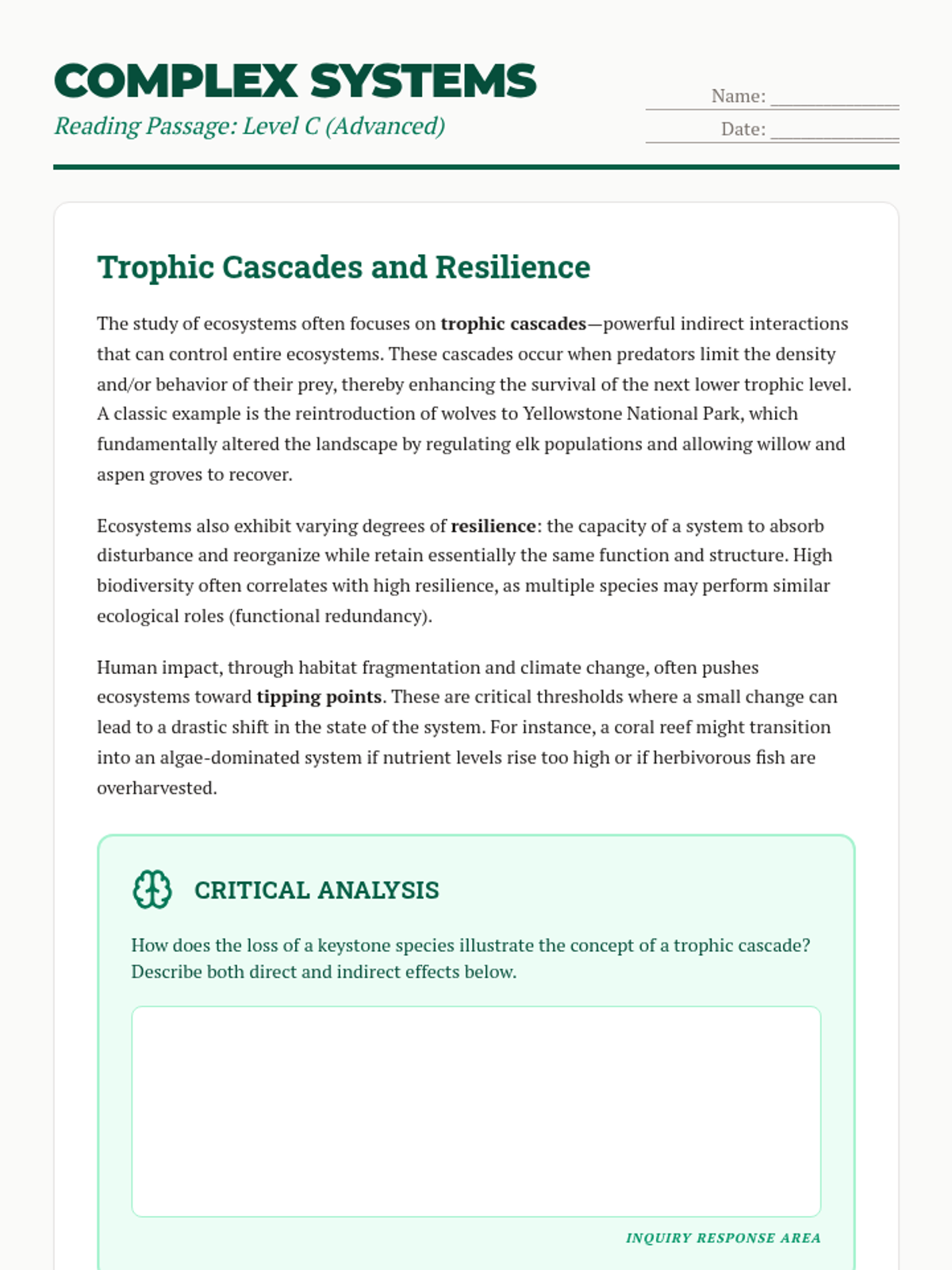
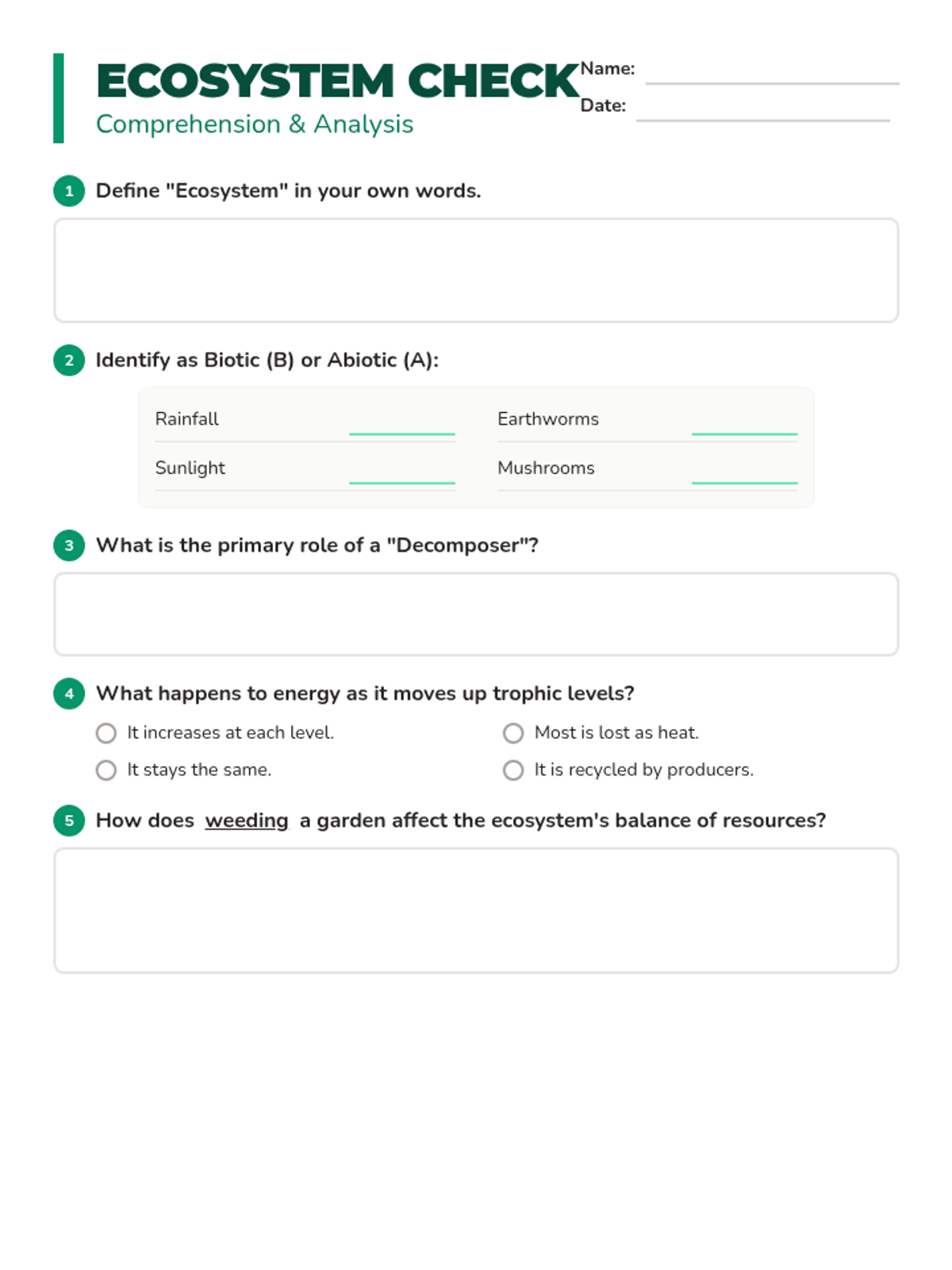
A middle school scientific inquiry sequence where students investigate abiotic and biotic components, trace trophic energy pyramids, and build critical media literacy by evaluating ecological research sources.
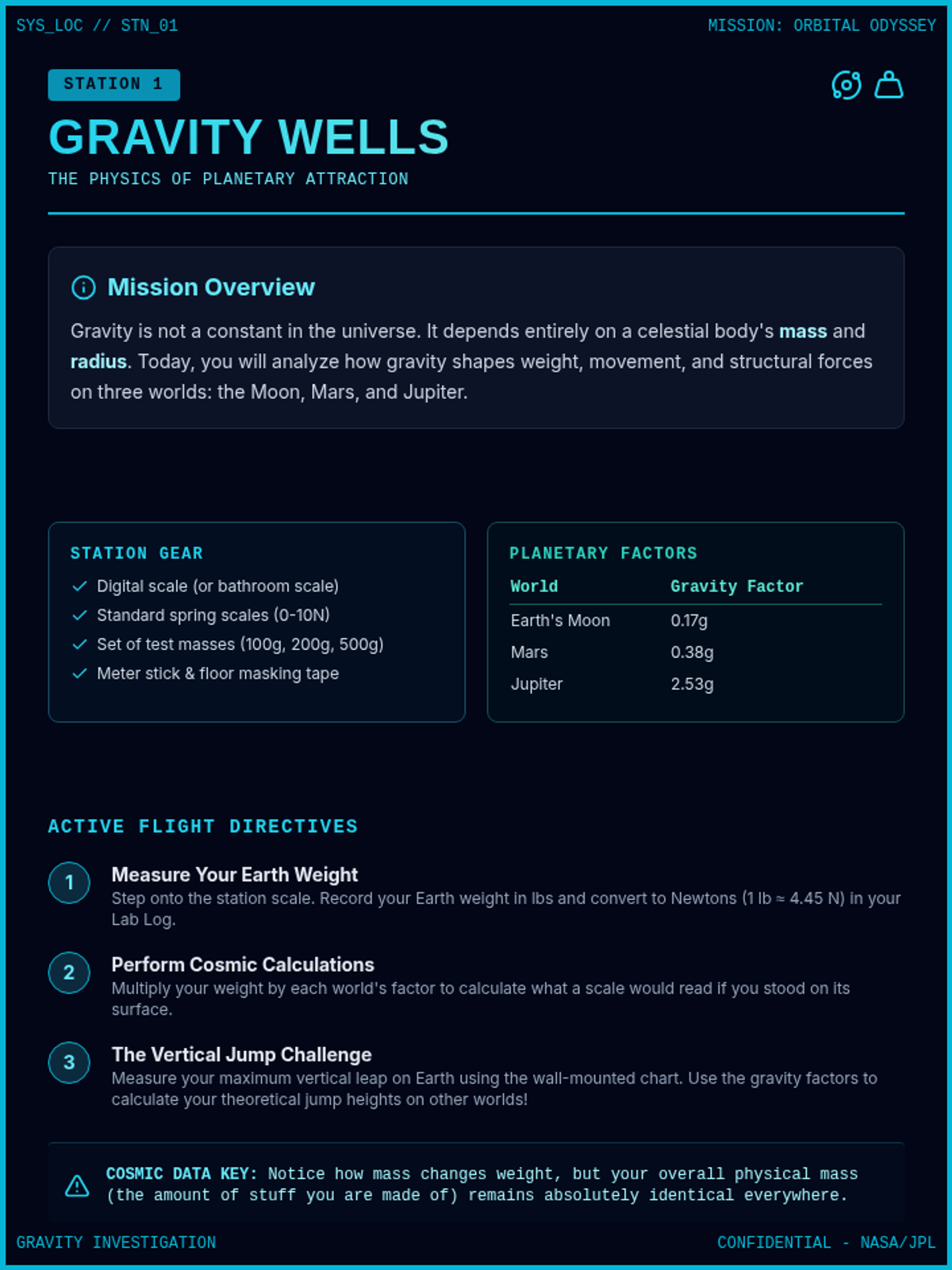
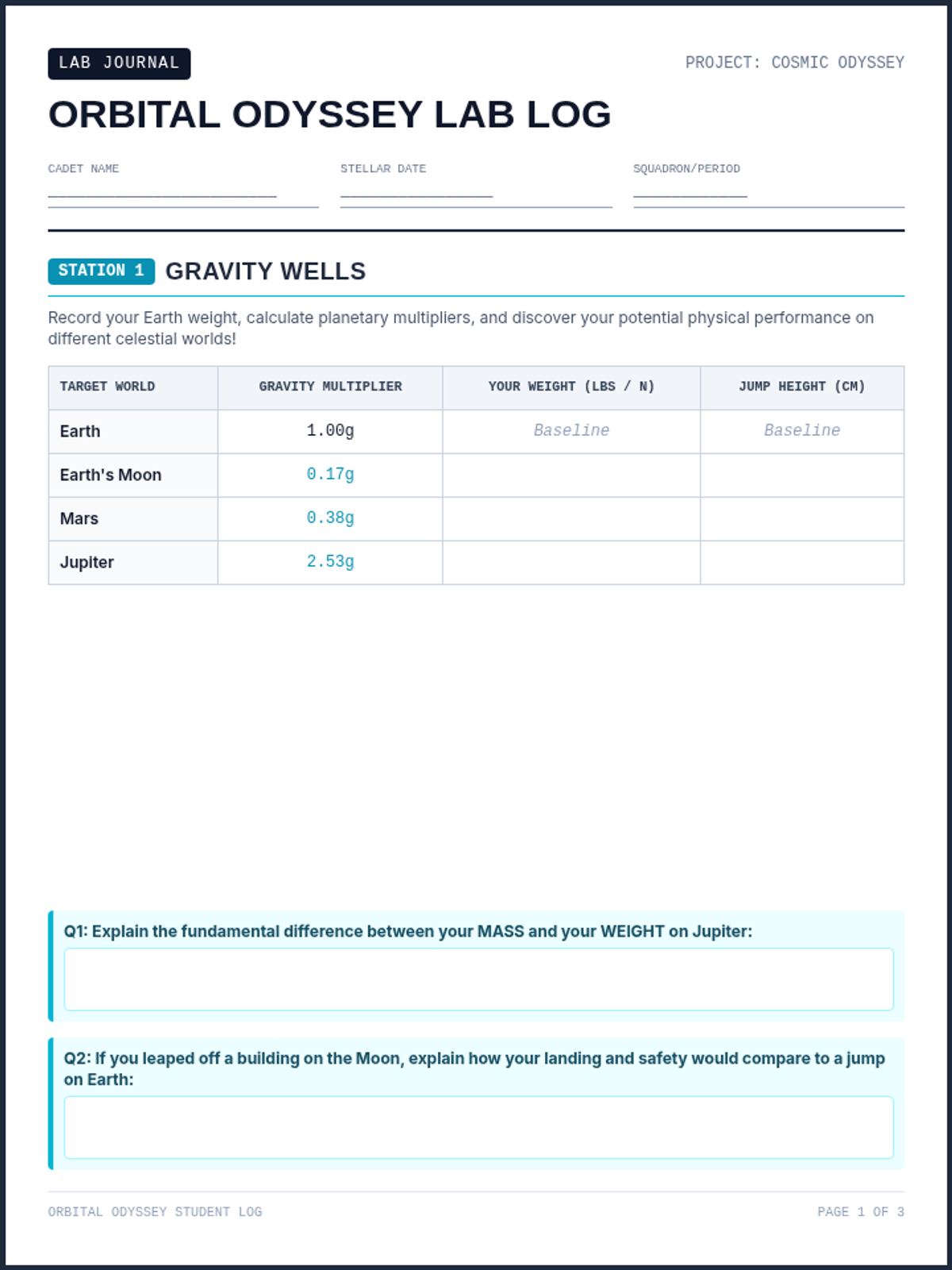
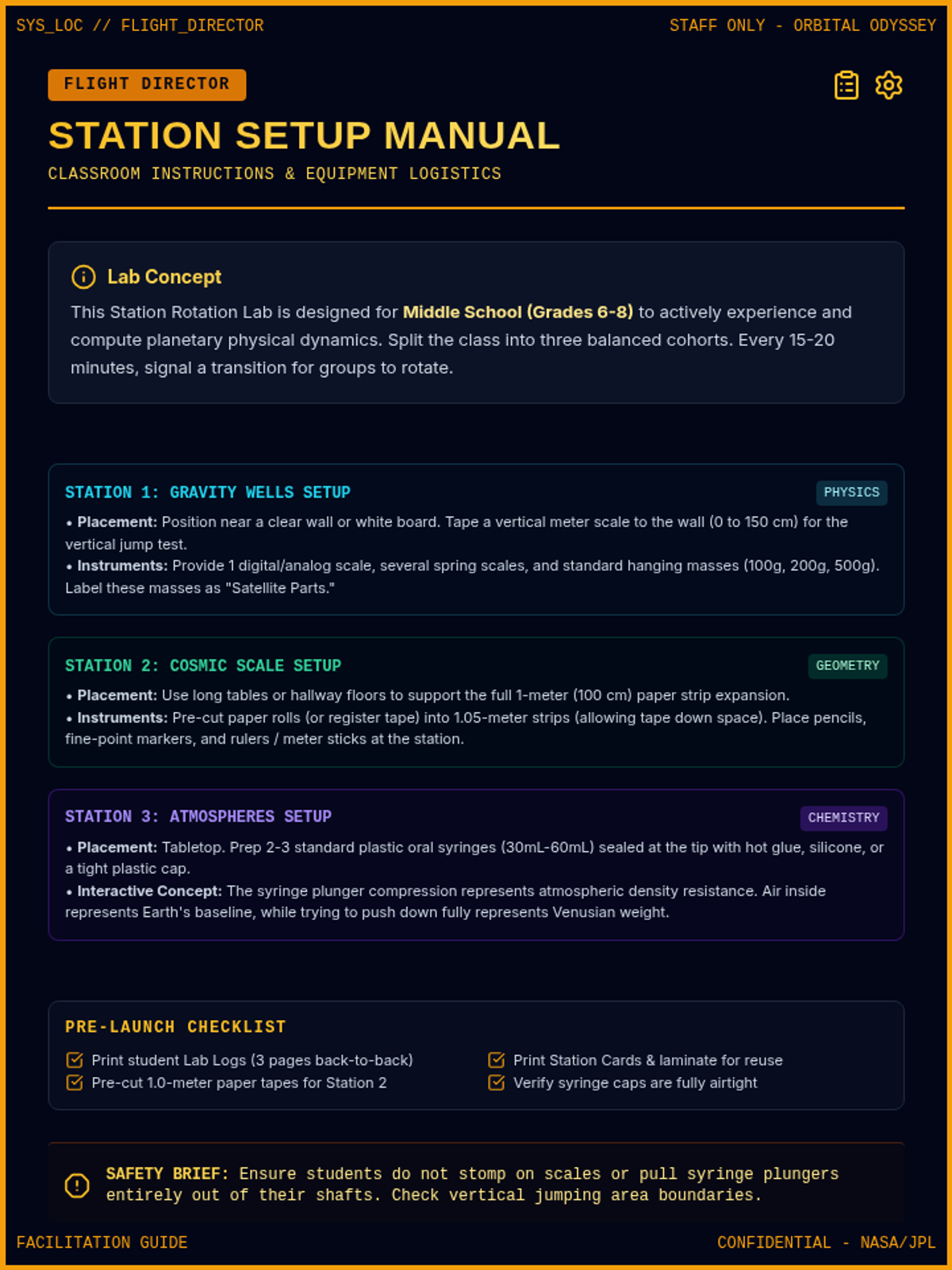
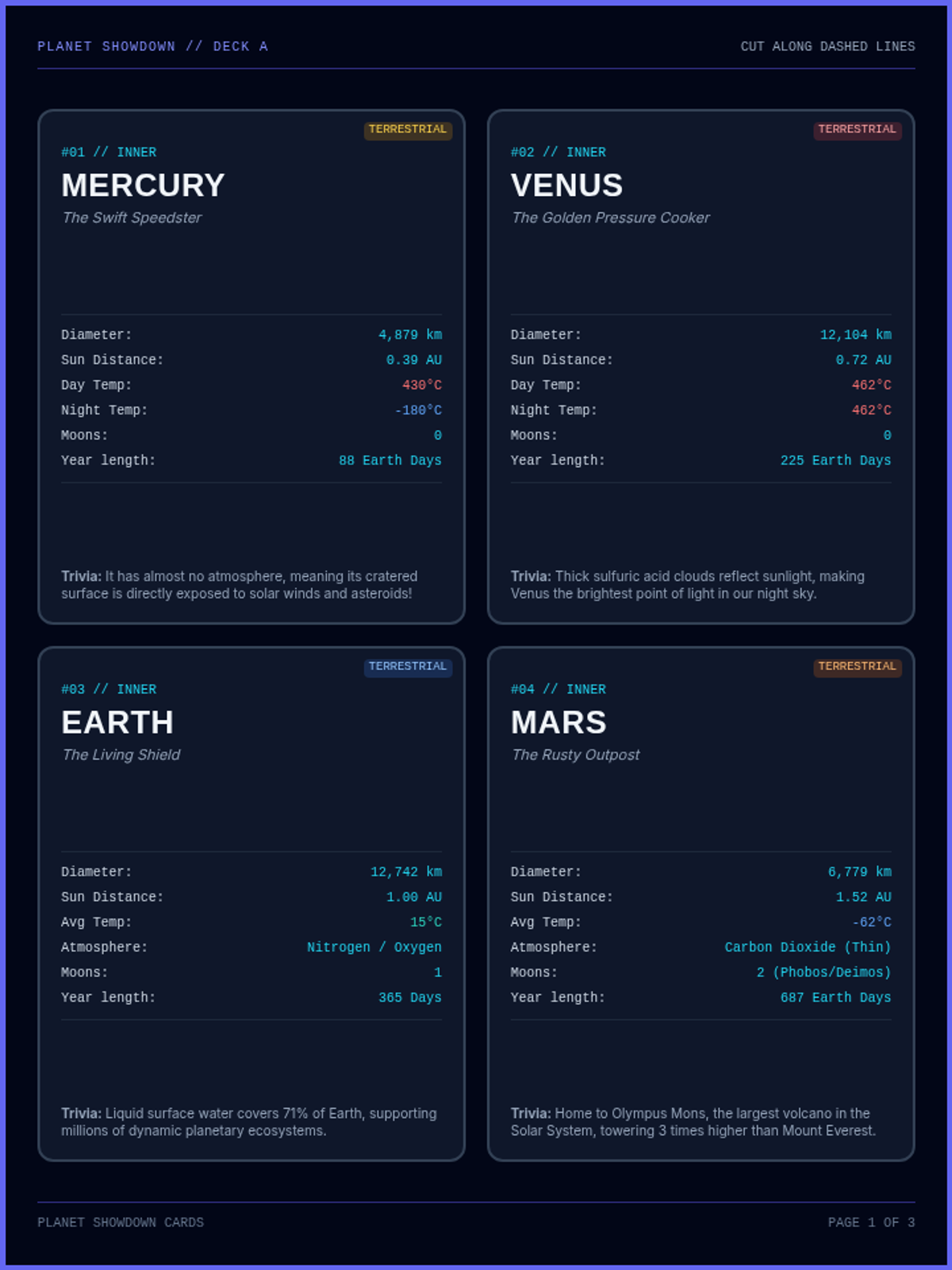
A comprehensive middle school space science unit exploring the physical properties of major planets along with the characteristics, orbits, and origins of other celestial objects like comets, asteroids, and dwarf planets.
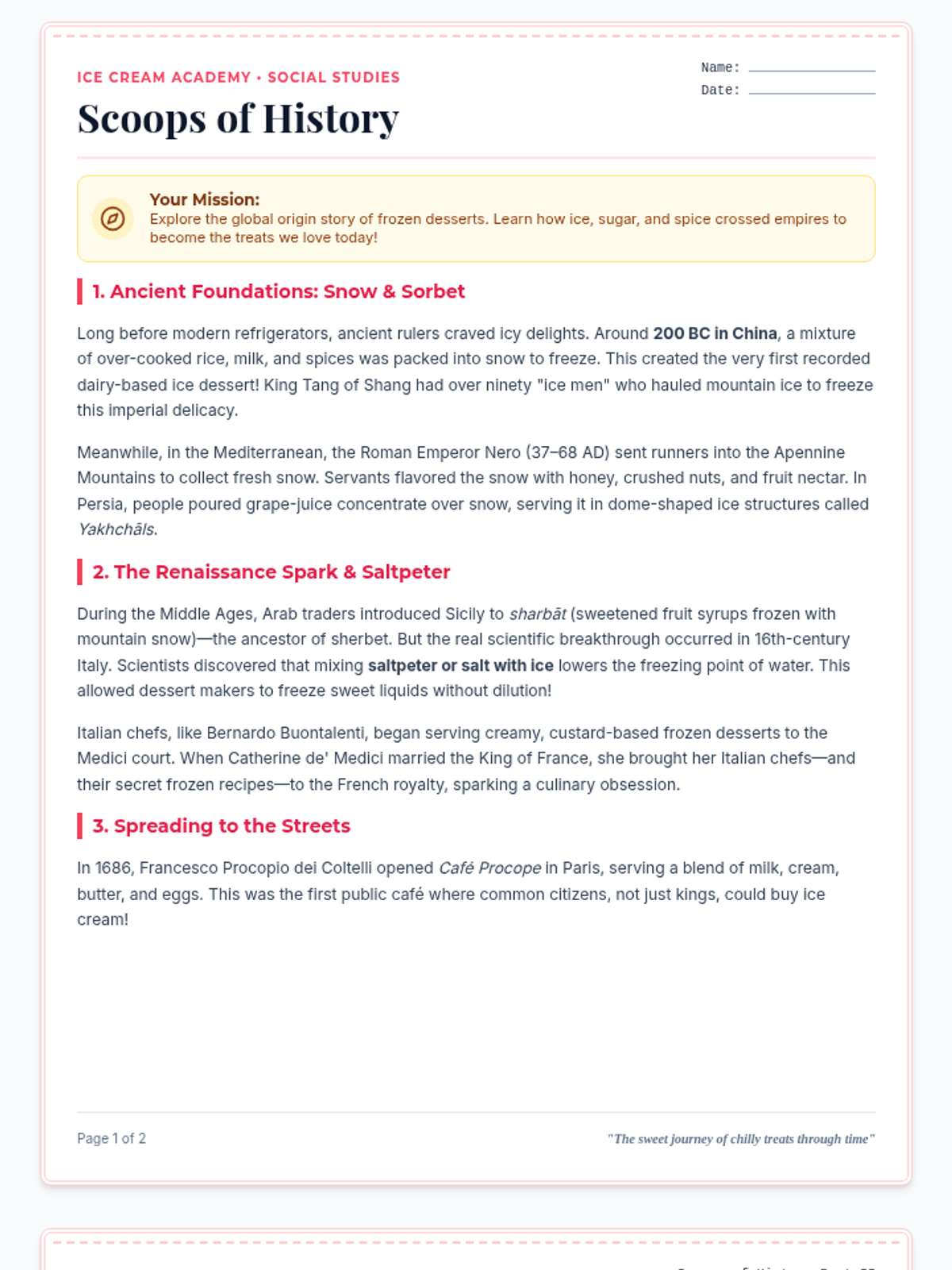
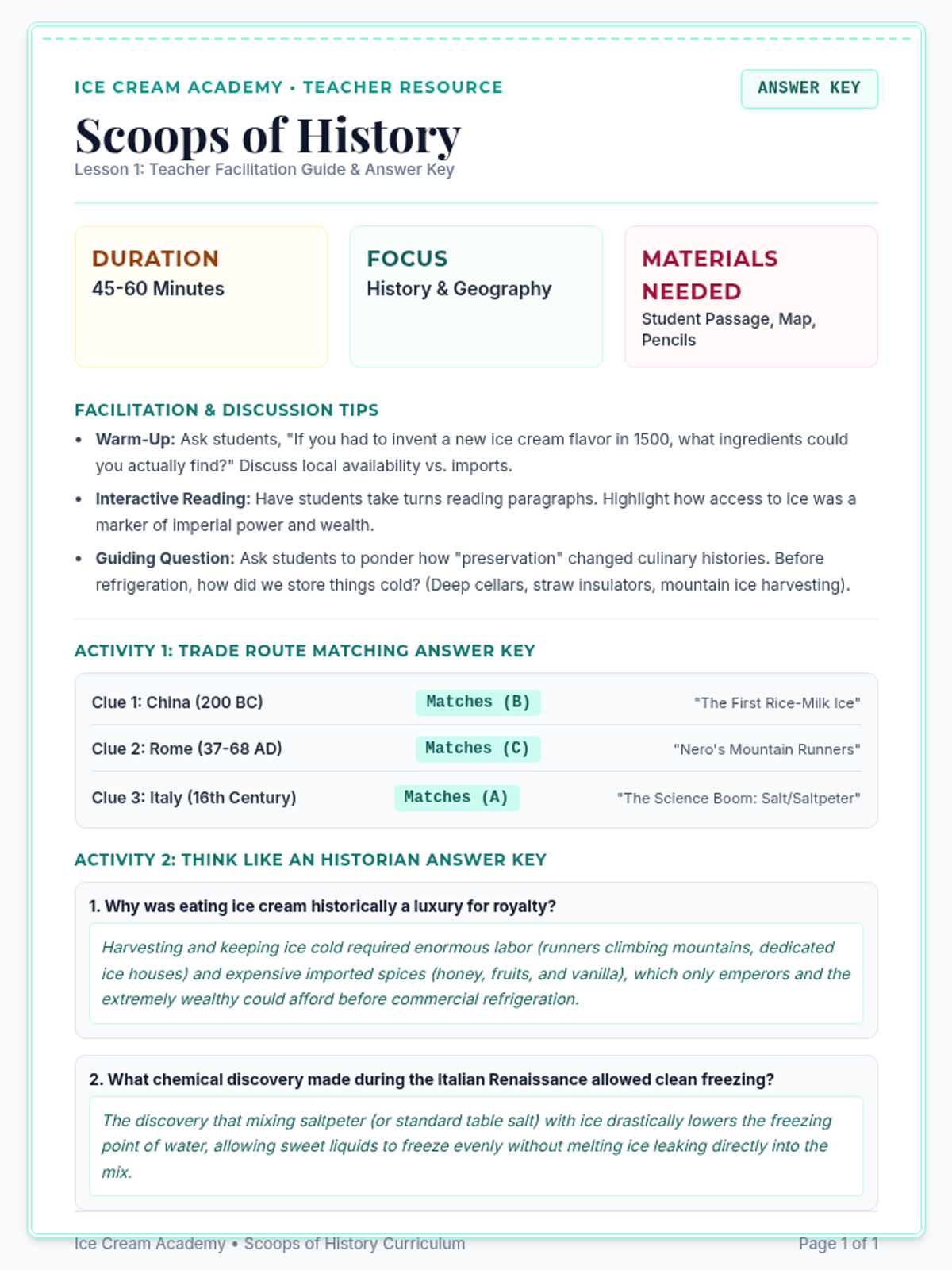
A multi-subject summer school unit exploring the history, science, math, and language arts of ice cream. Students scale recipes, conduct freezing-point experiments, trace historical origins, and design sensory marketing campaigns.
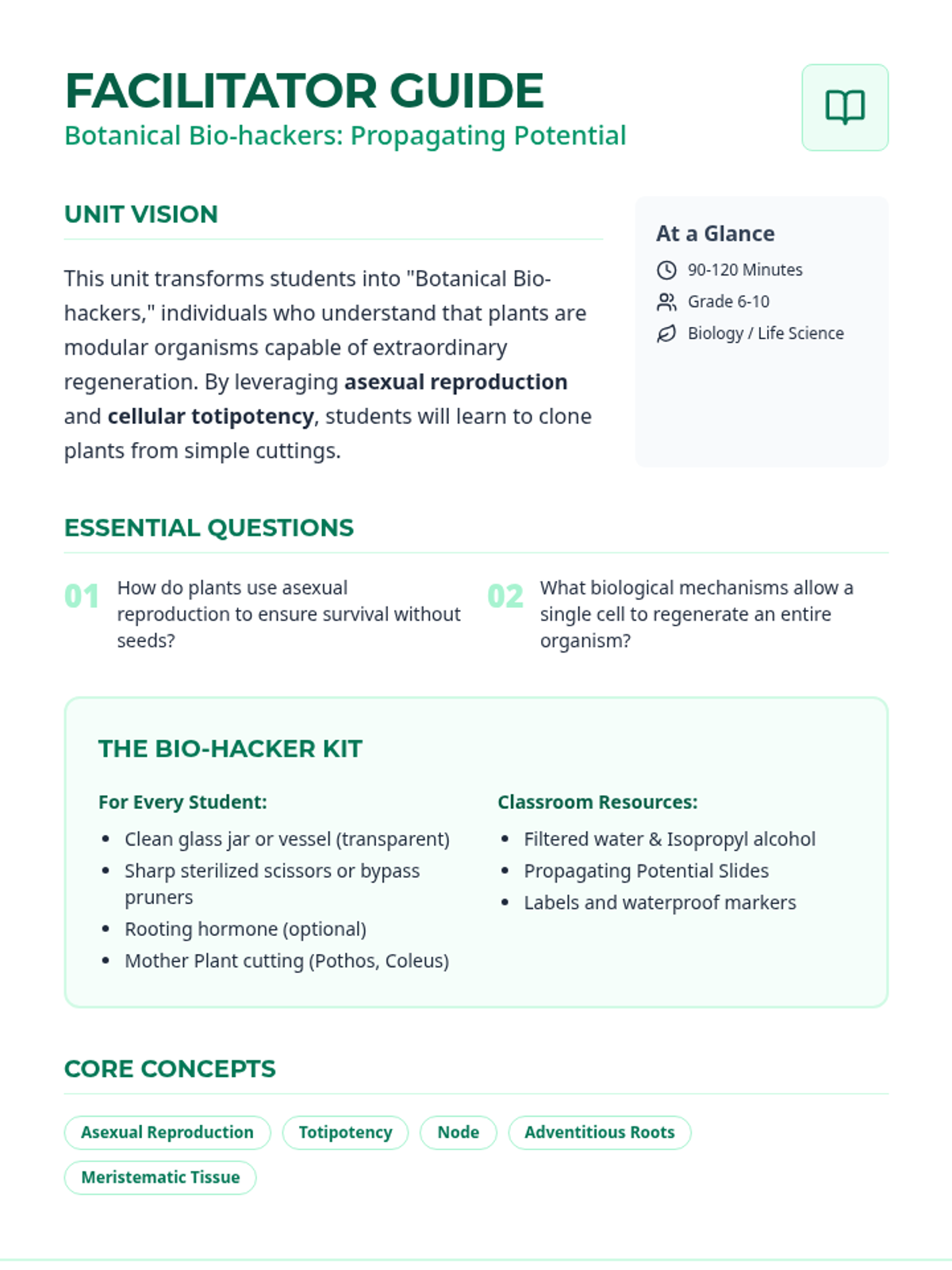
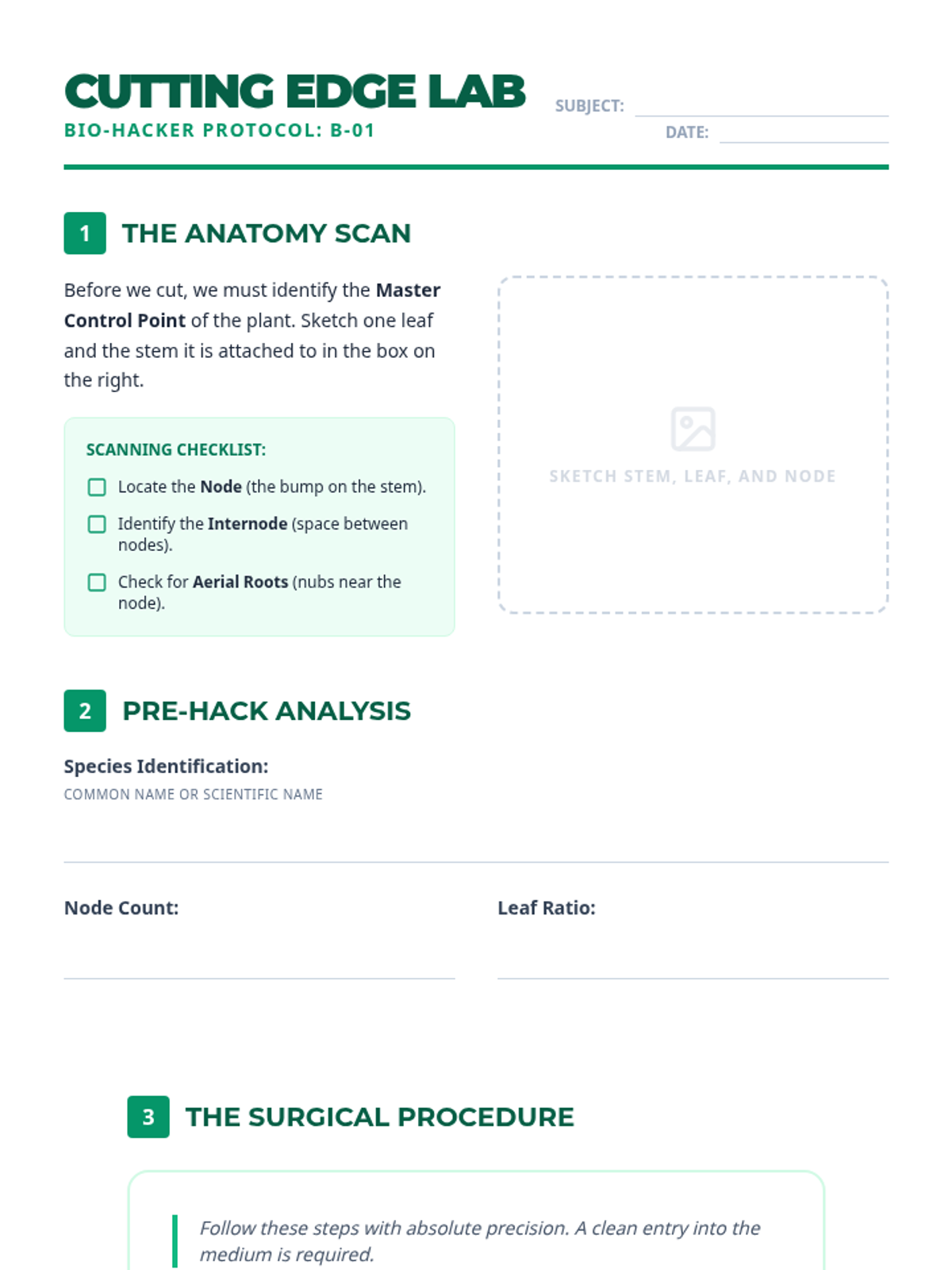
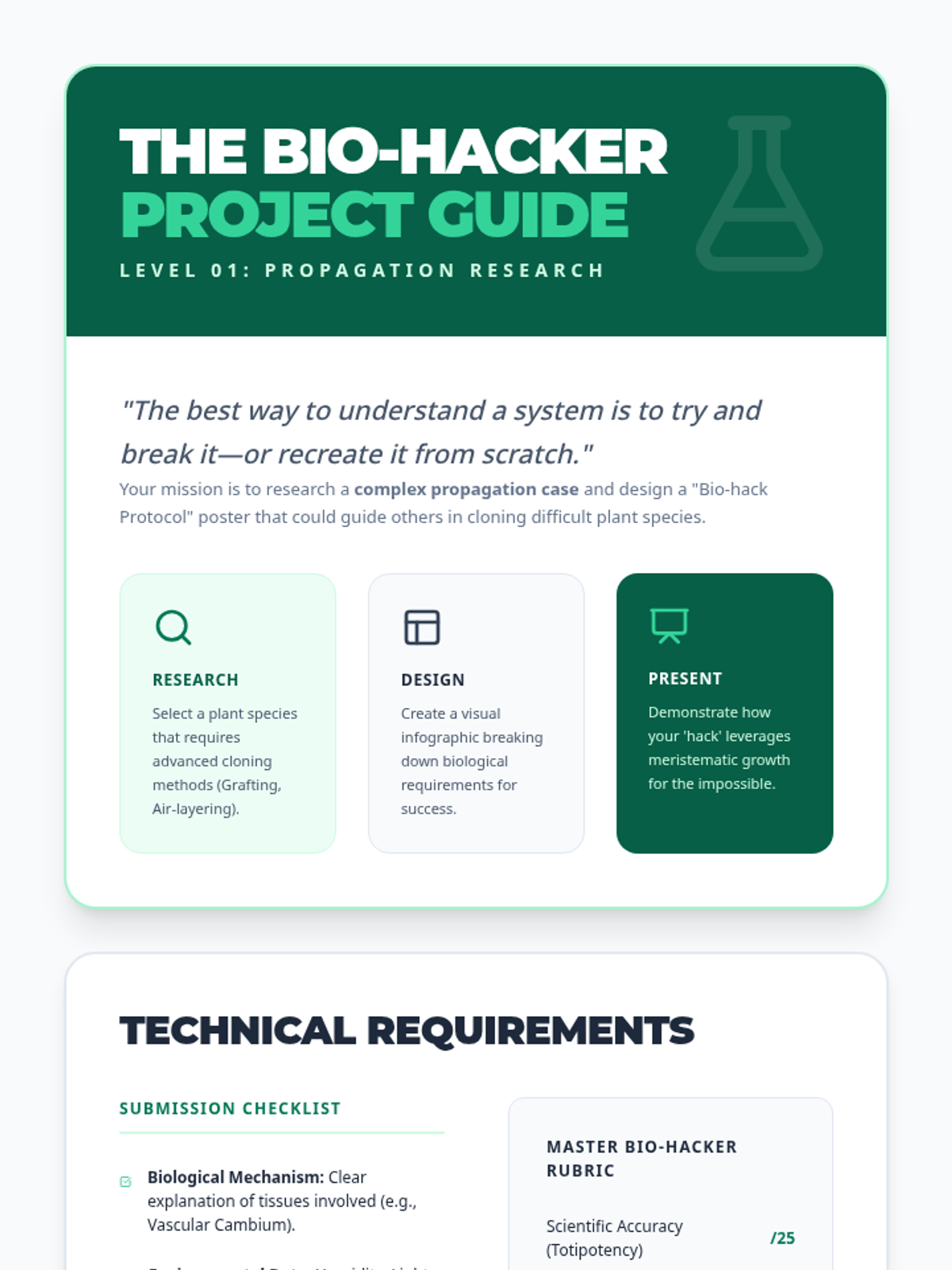
A hands-on biology unit exploring asexual plant reproduction, cellular regeneration, and the science of propagation. Students learn to 'hack' plant growth to create new life from cuttings, combining laboratory precision with botanical care.
A comprehensive unit combining middle school ecosystem science with functional life skills in horticulture and cooking. Students explore the interconnectedness of nature while building practical skills in gardening and food preparation.
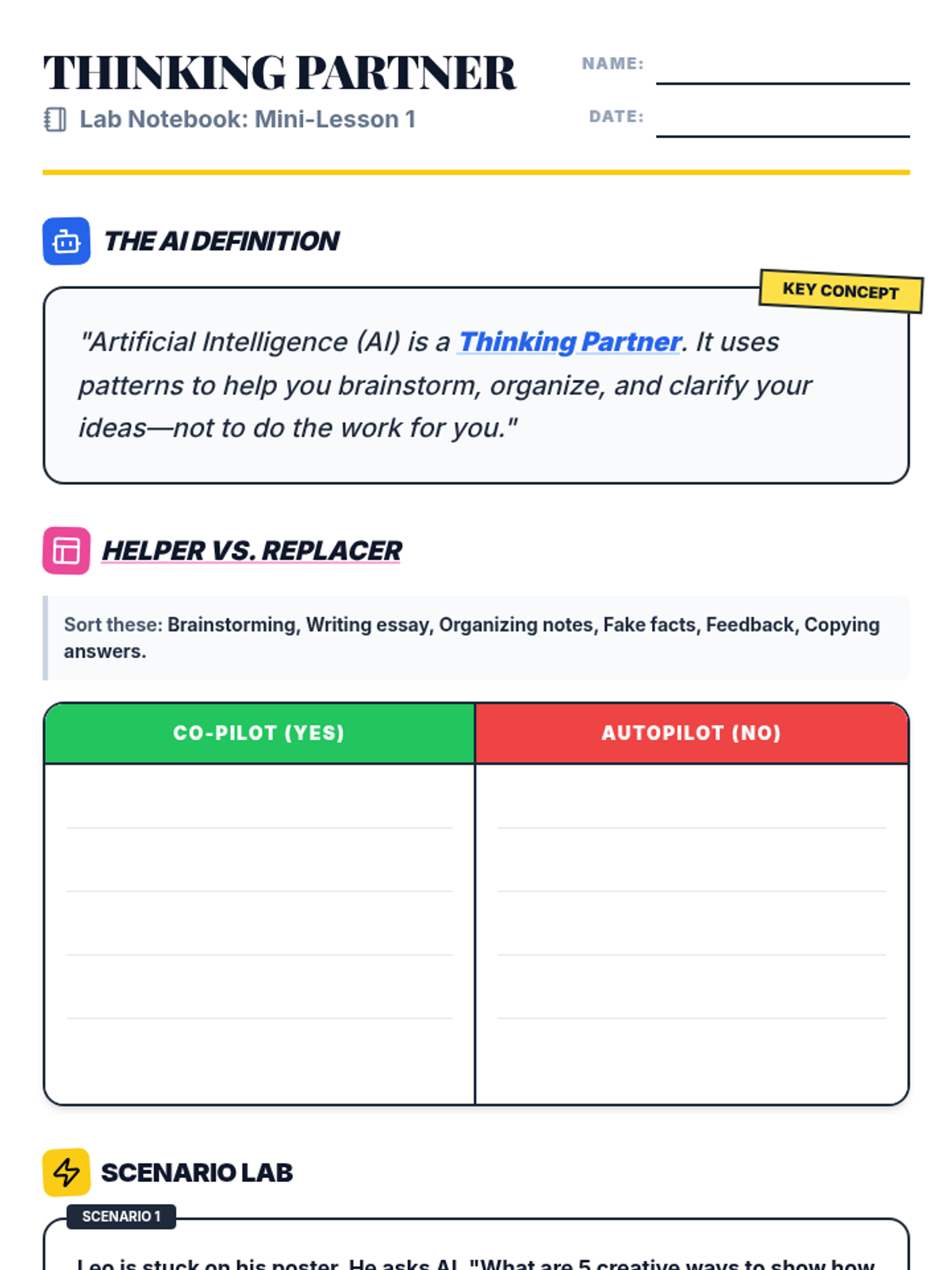
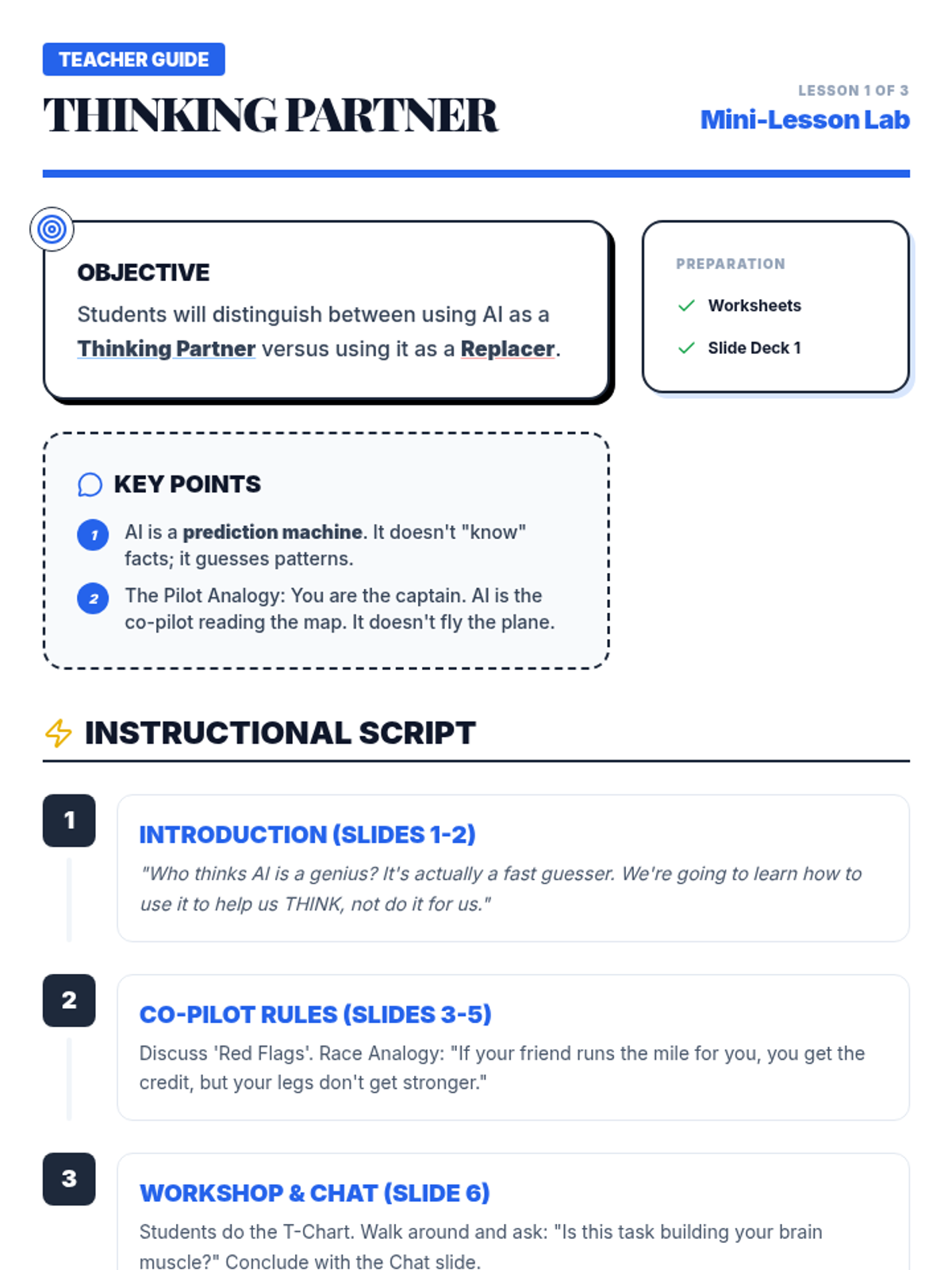
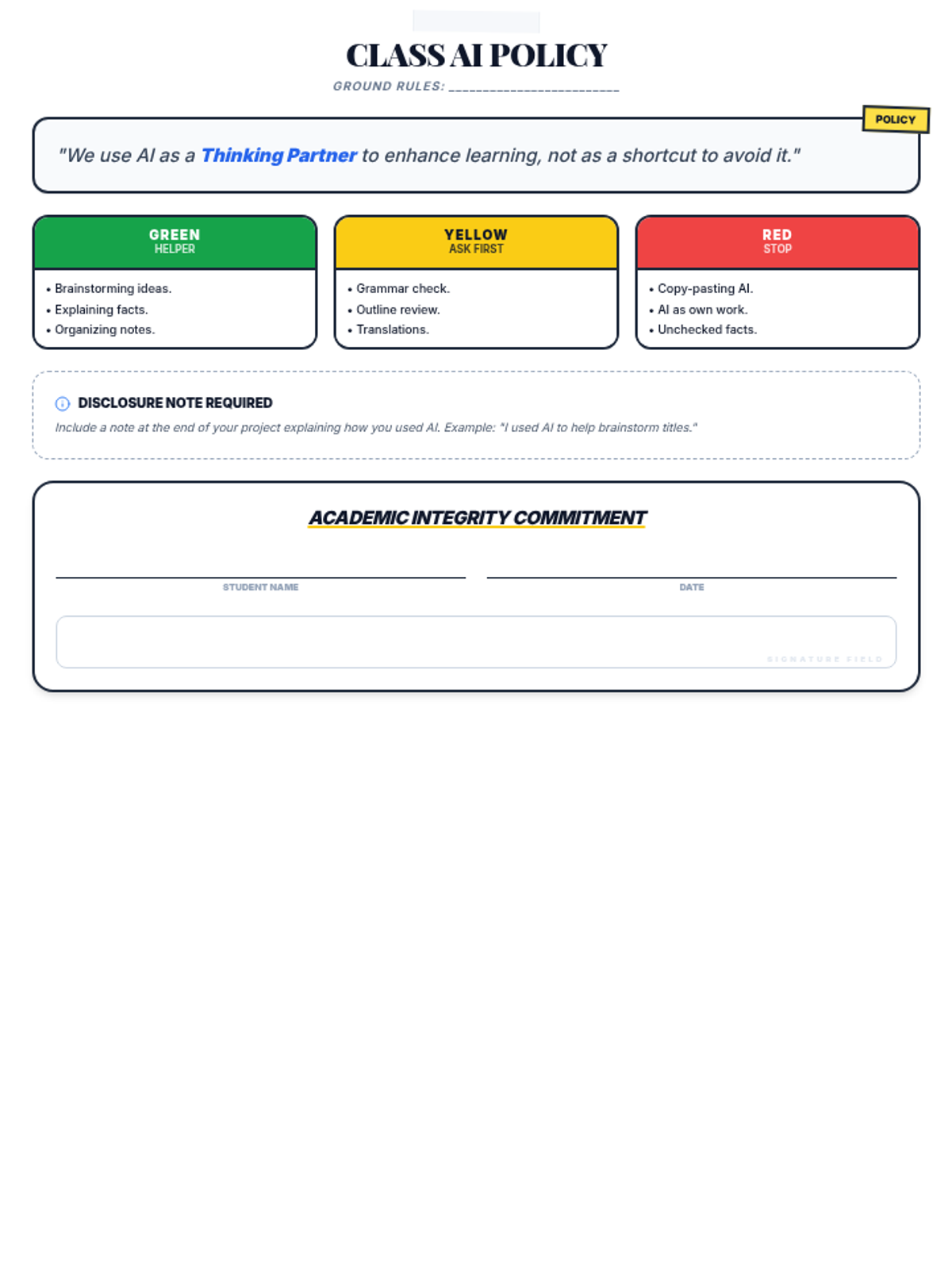
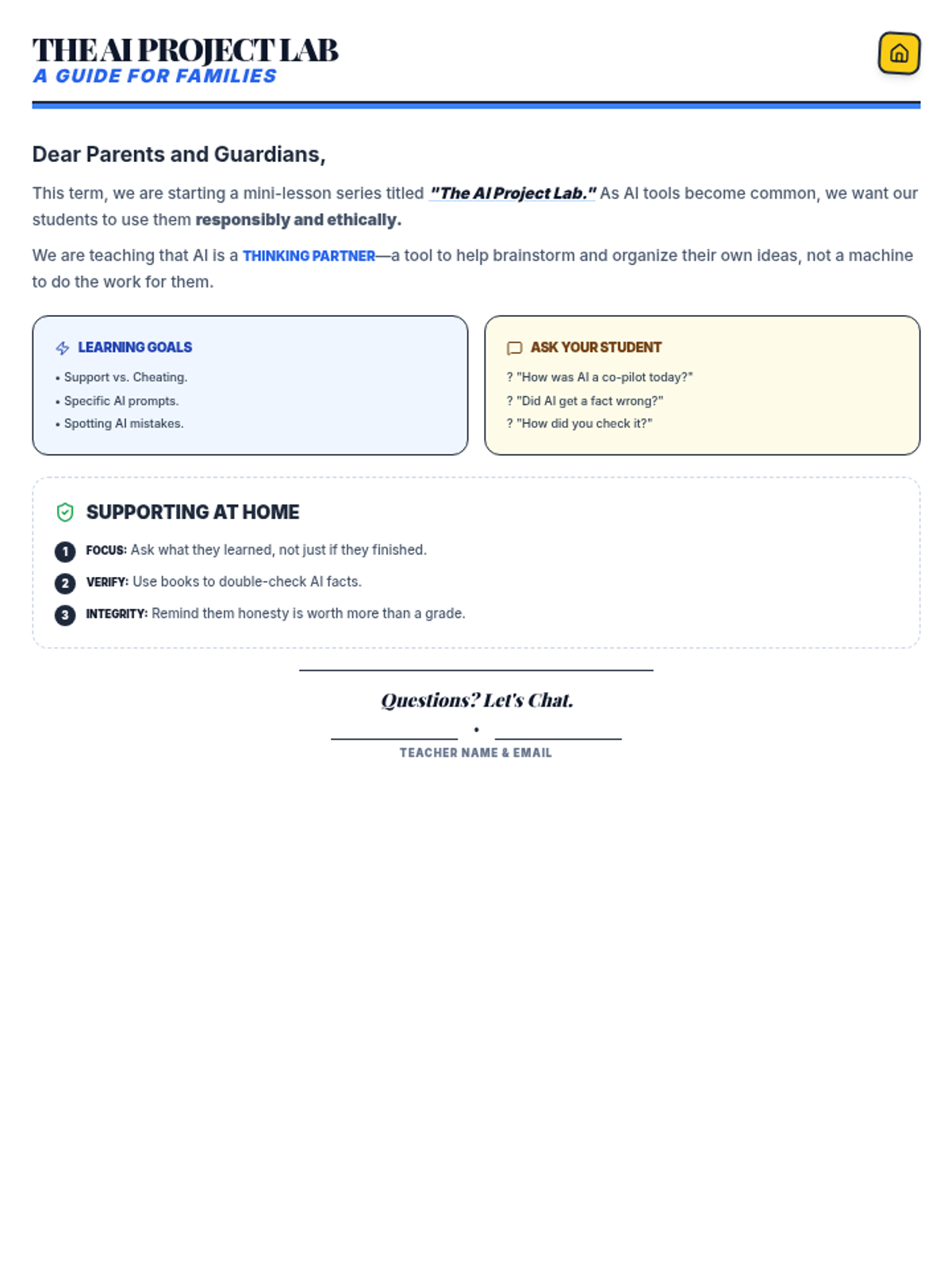
A 3-part mini-lesson series designed to teach middle schoolers how to use AI tools responsibly for final projects. The series focuses on AI as a thinking partner, prompt engineering, and critical fact-checking through a modern 'Notebook/Sketch' aesthetic.
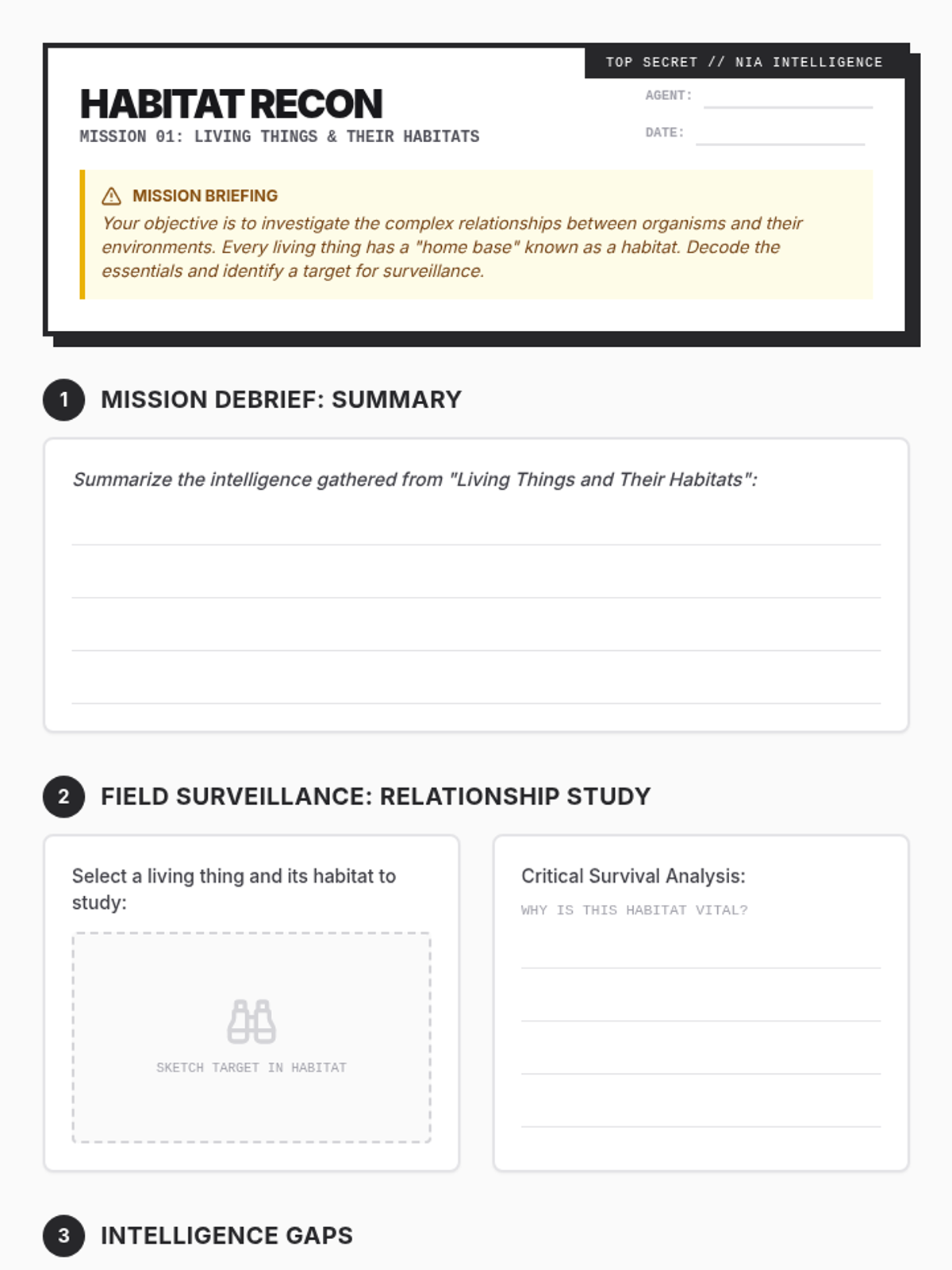
A series of secret agent-themed ecology missions where students act as Eco-Detectives for the Nature Intelligence Agency (NIA) to study habitats, food chains, and environmental impacts.
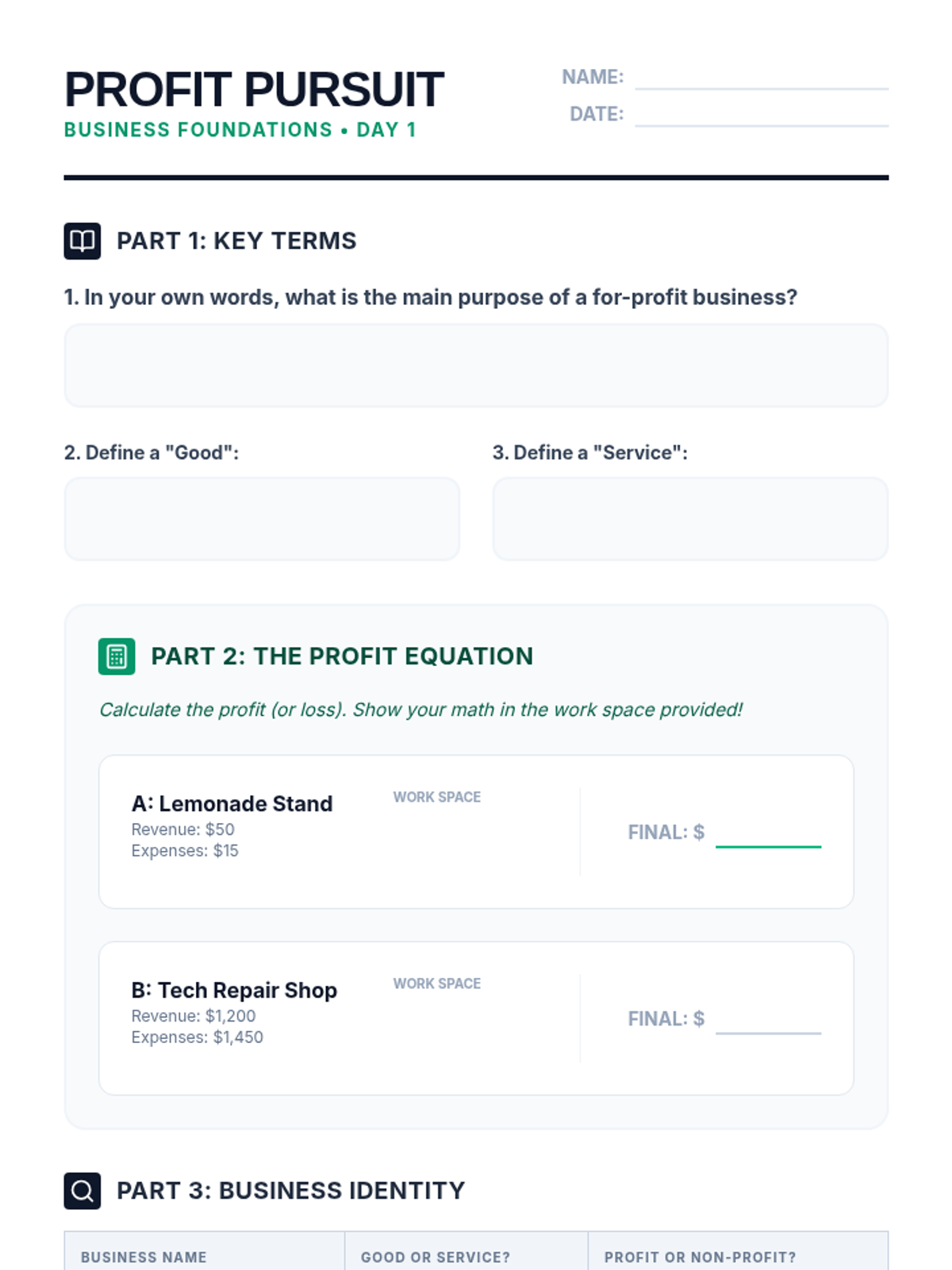
A comprehensive 7-day introduction to business and entrepreneurship. Students explore foundations, economic principles, ownership models, internal structures, and the mindset and process needed to launch a new business idea.
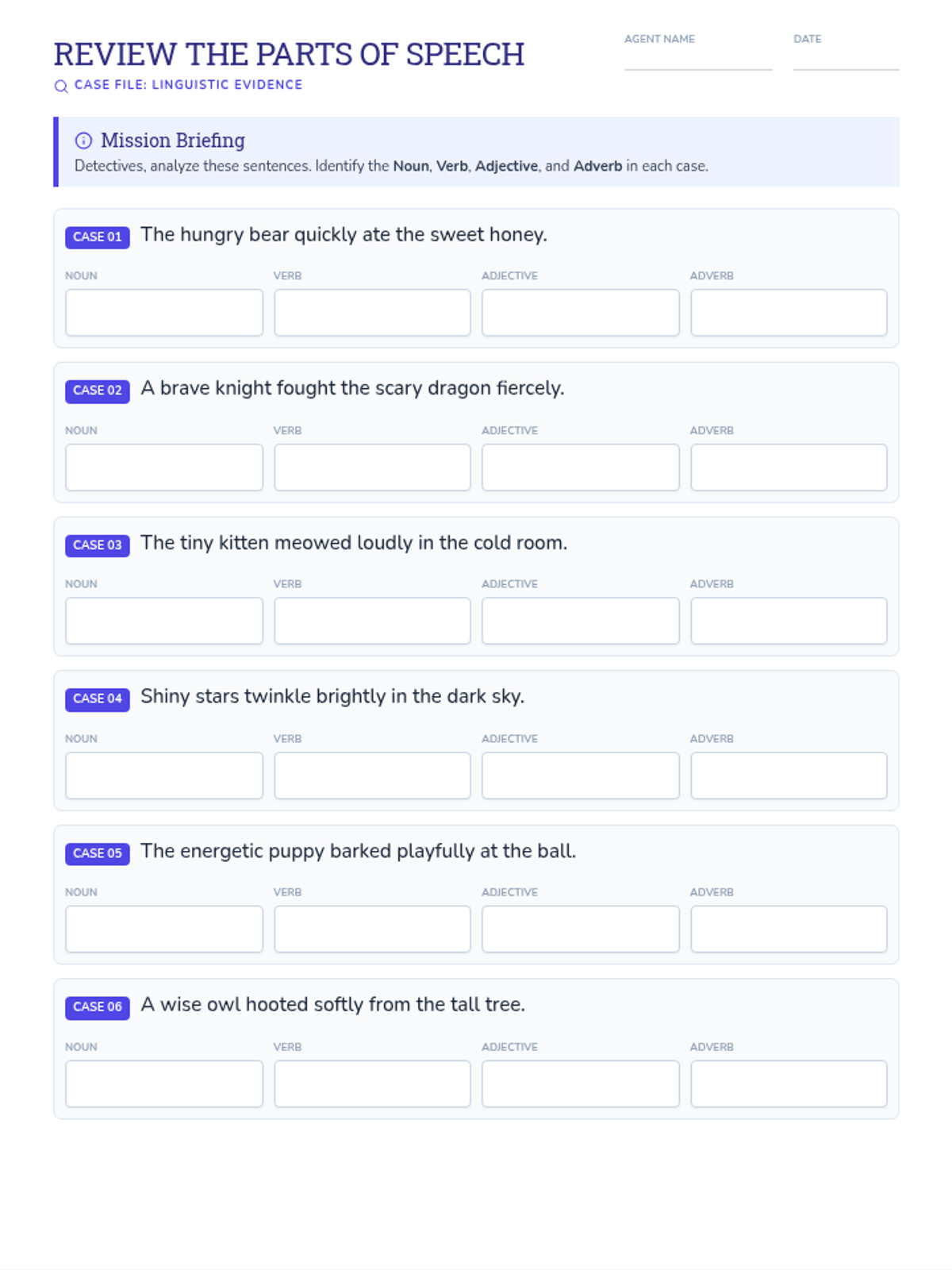
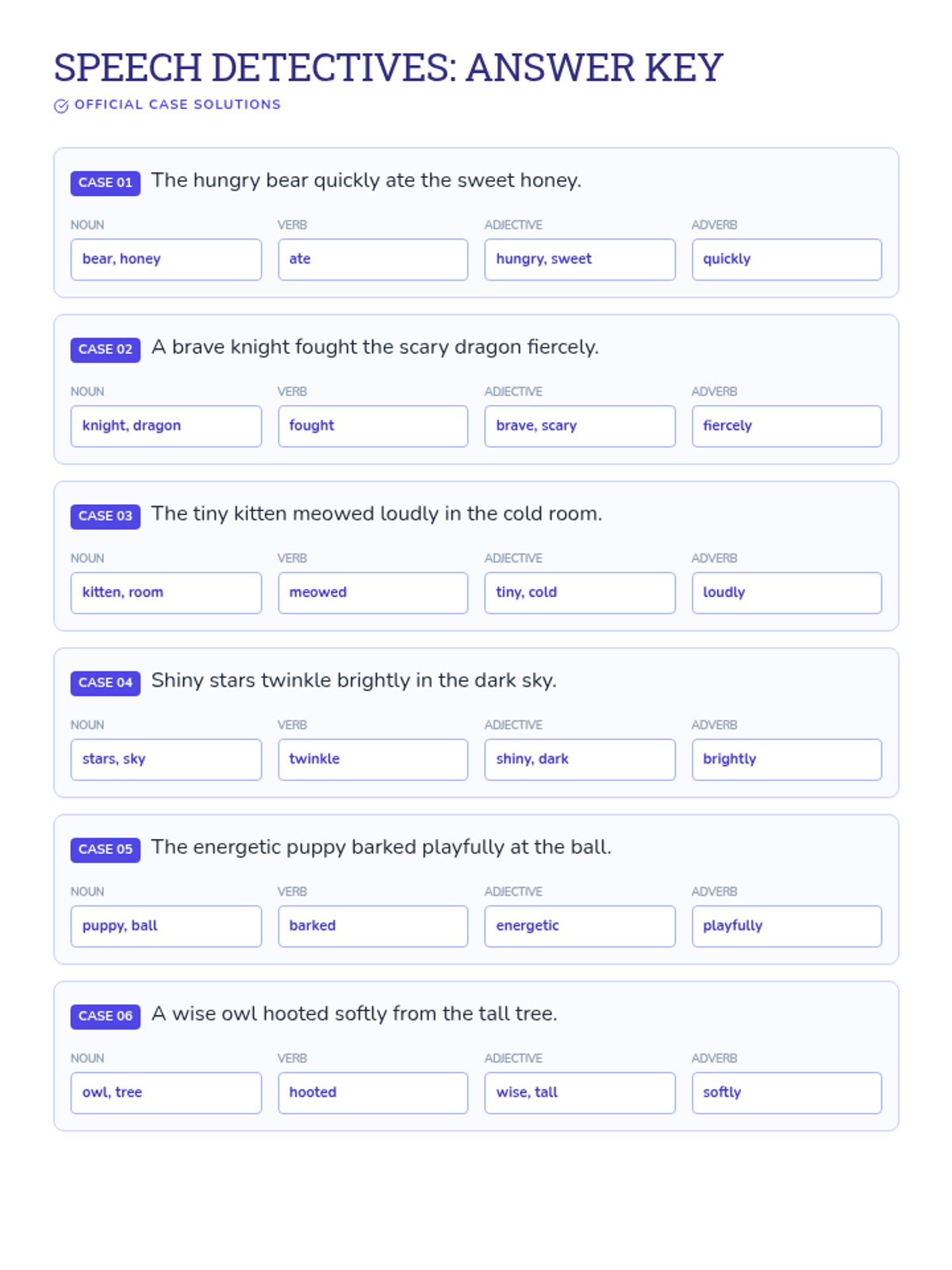
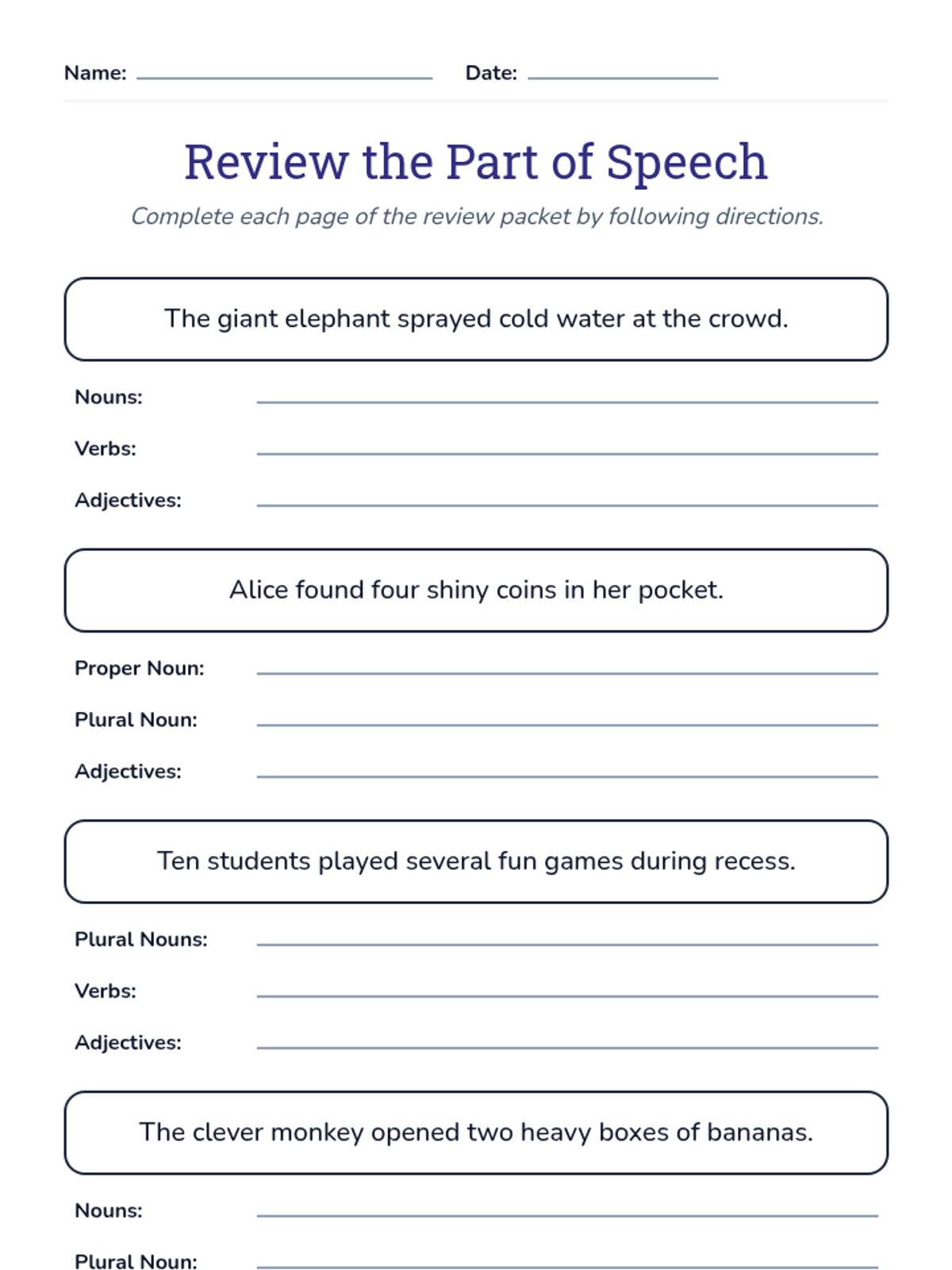
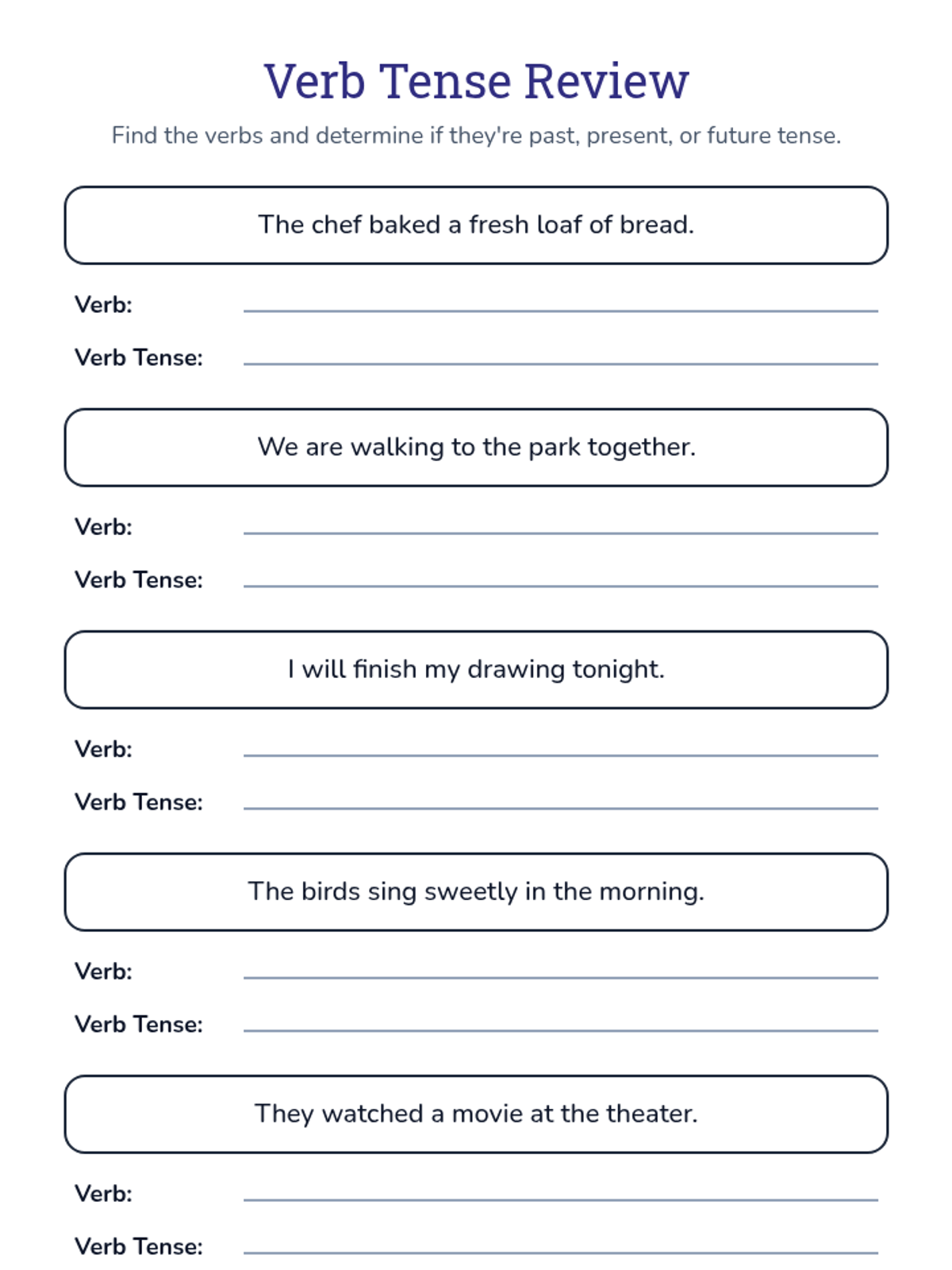
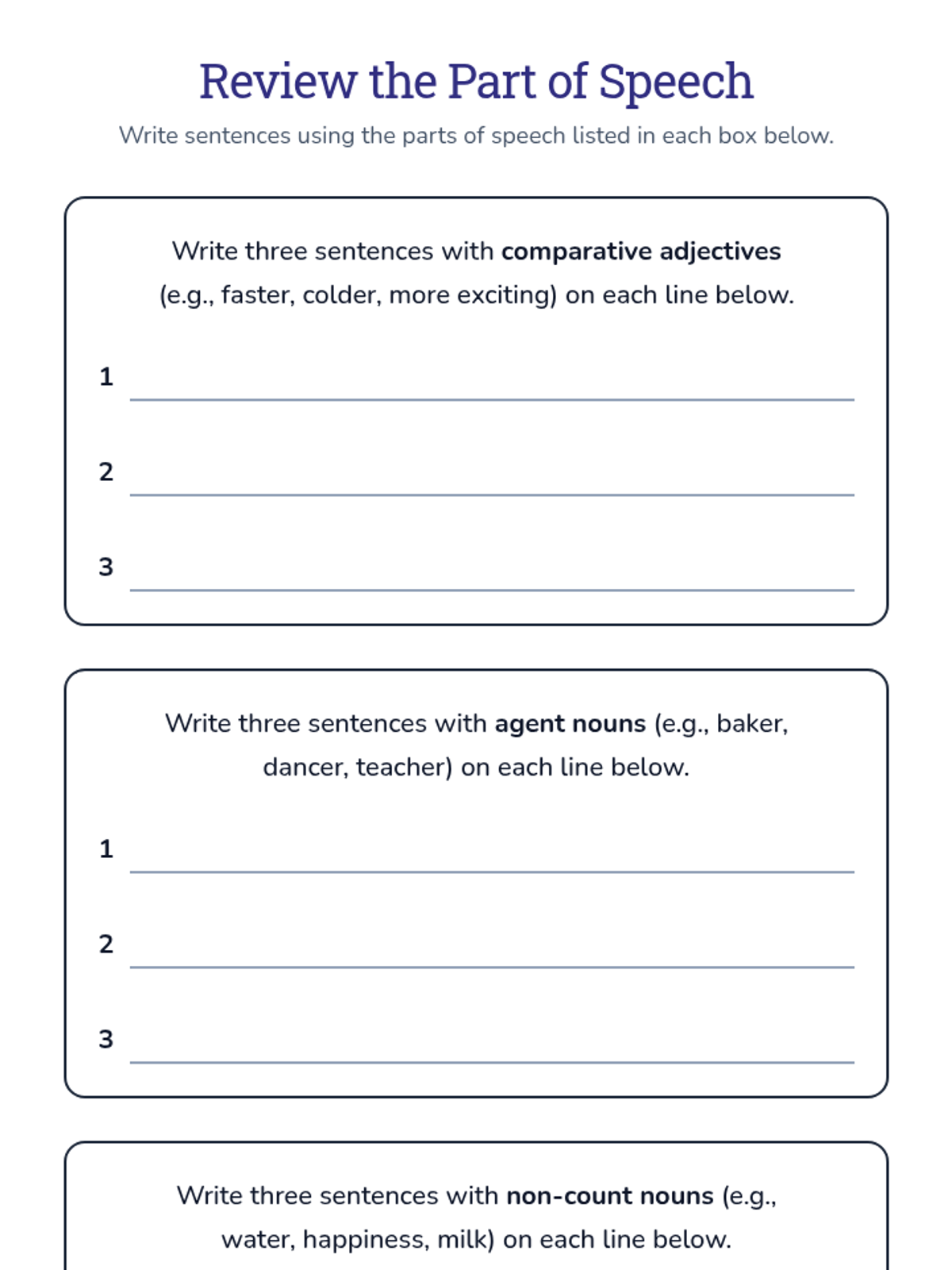
A collection of technology and language arts lessons exploring modern digital literacy and core communication skills.
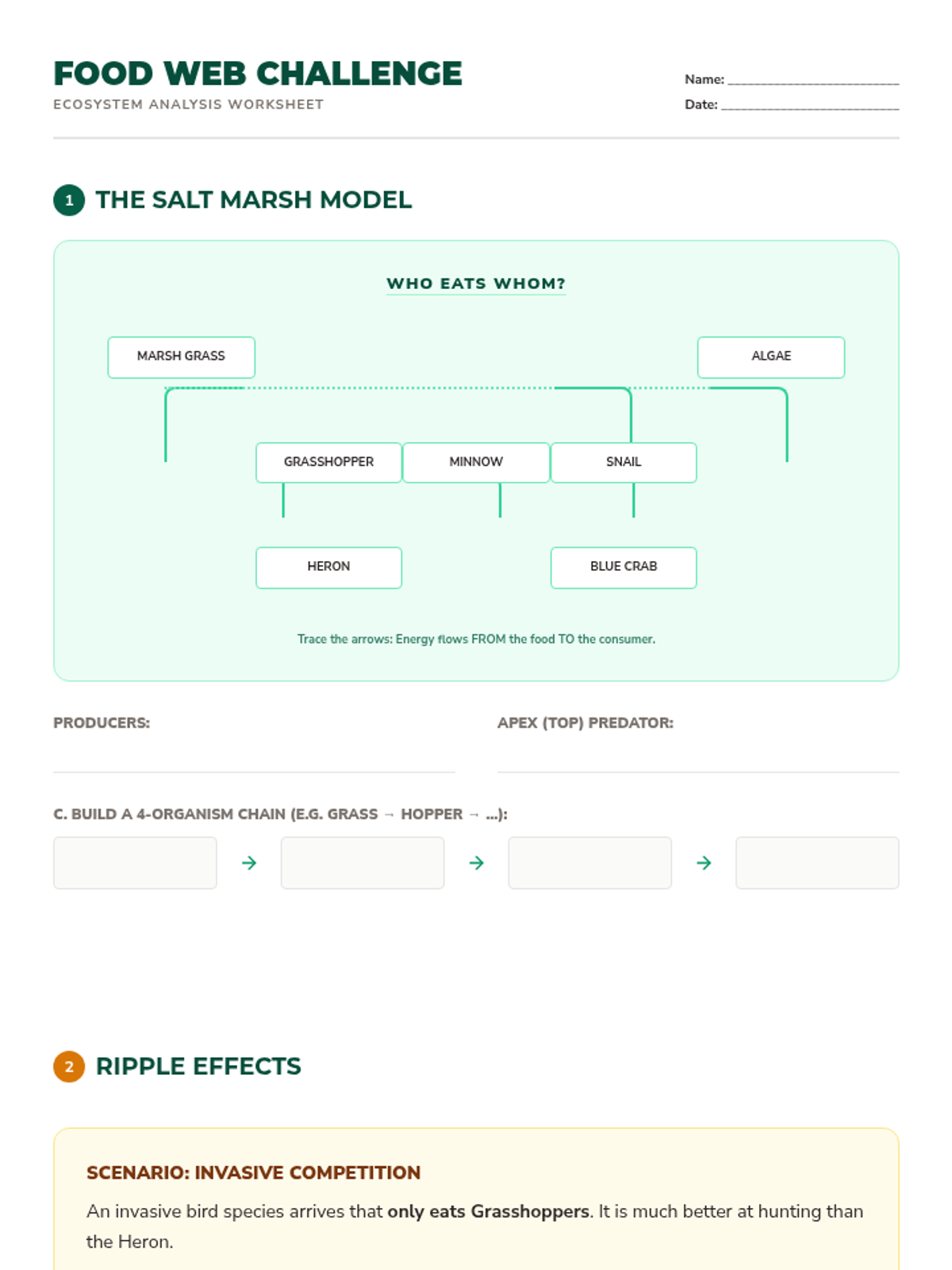
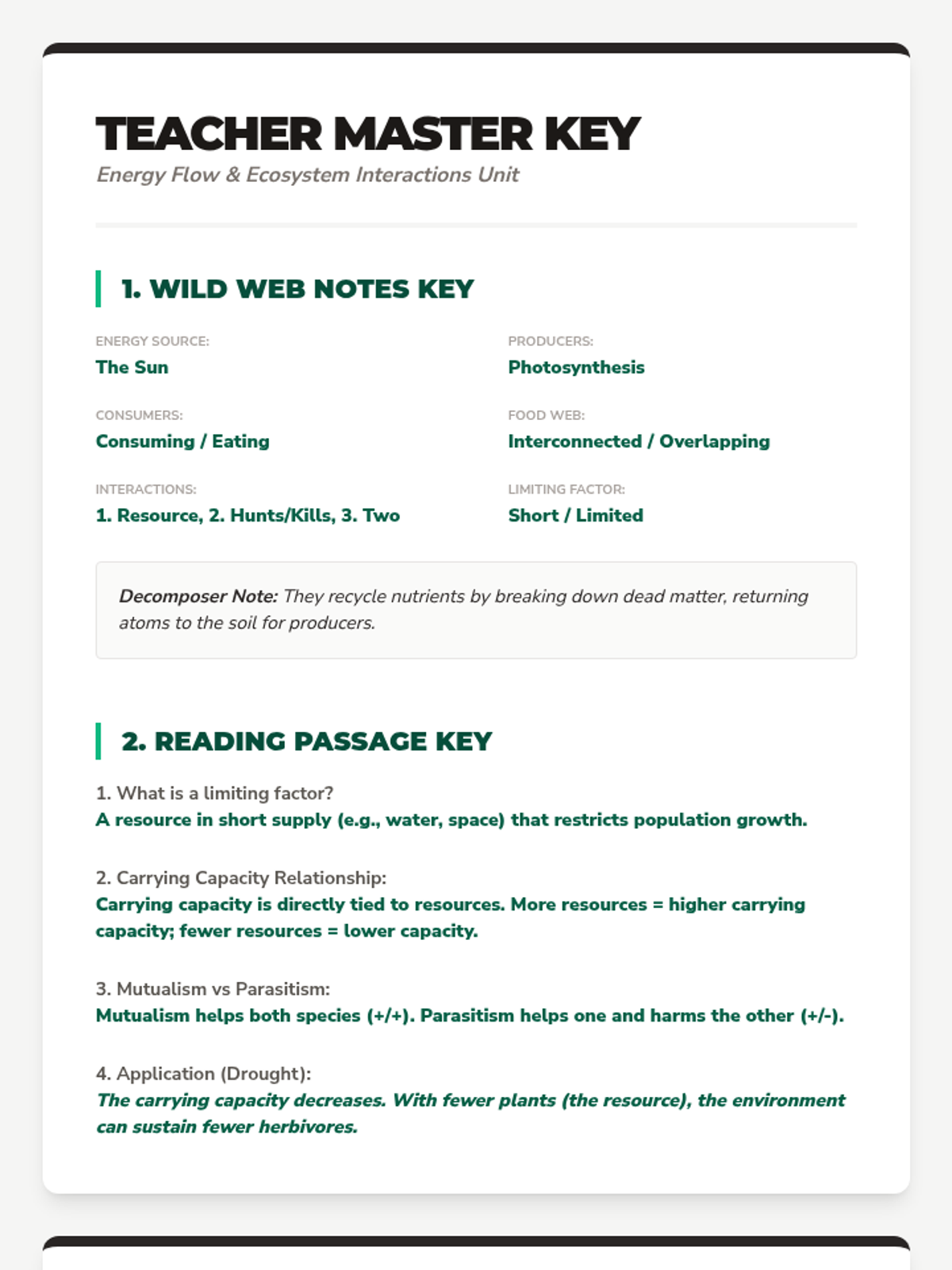
A comprehensive unit exploring how energy flows through ecosystems and how organisms interact within their environments. Students will model food webs, analyze resource availability, and predict population changes based on interactions.
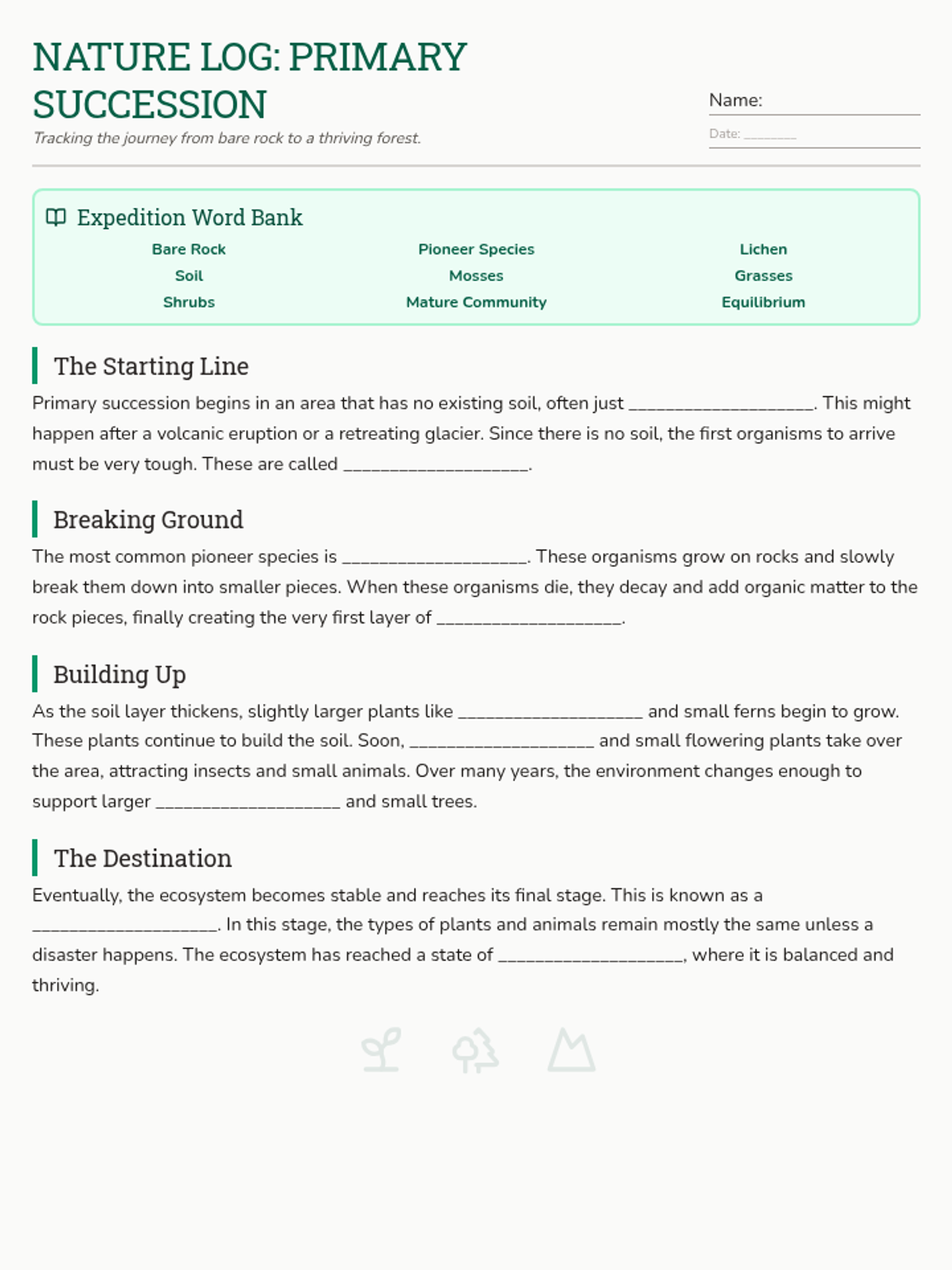
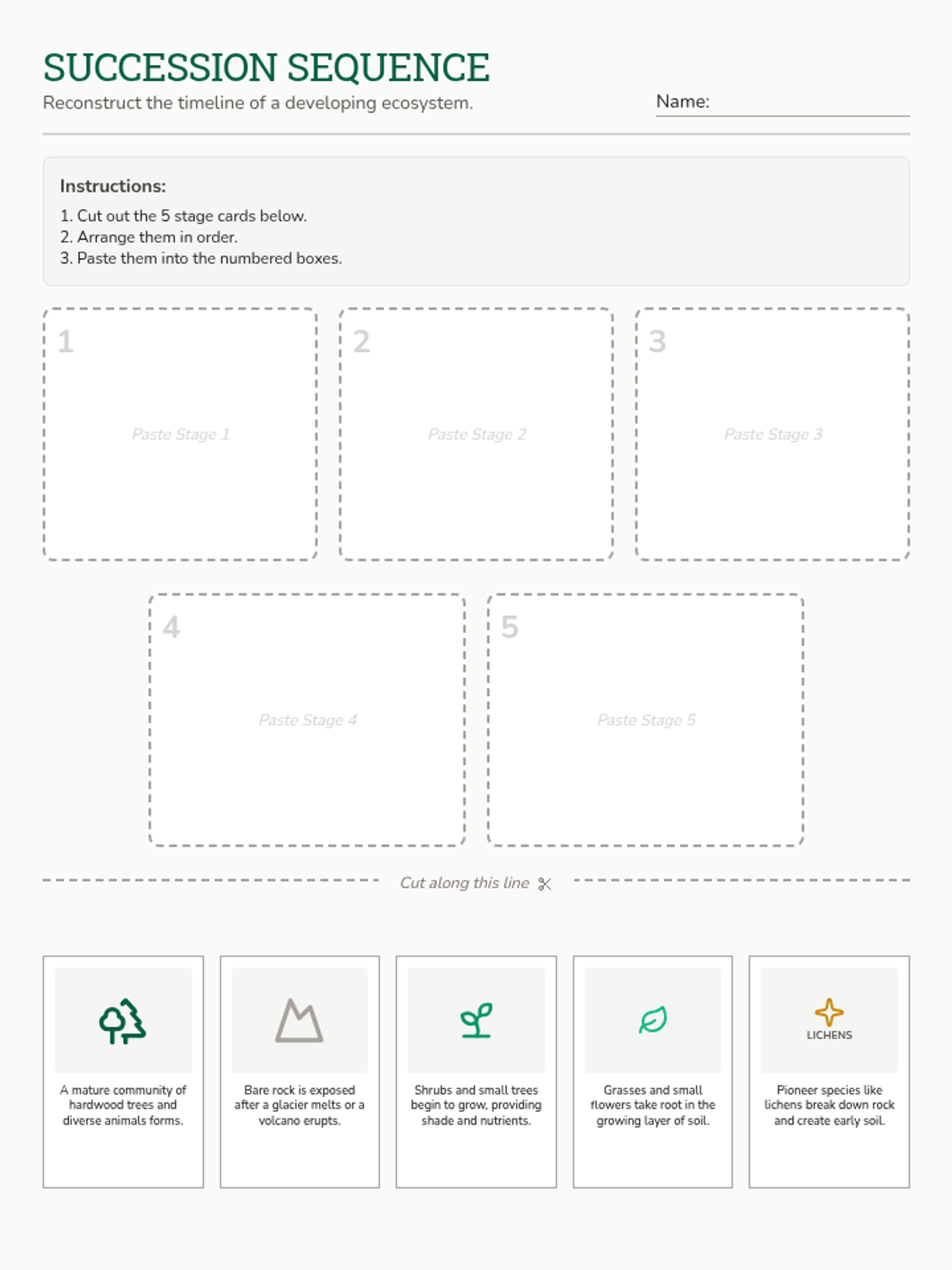
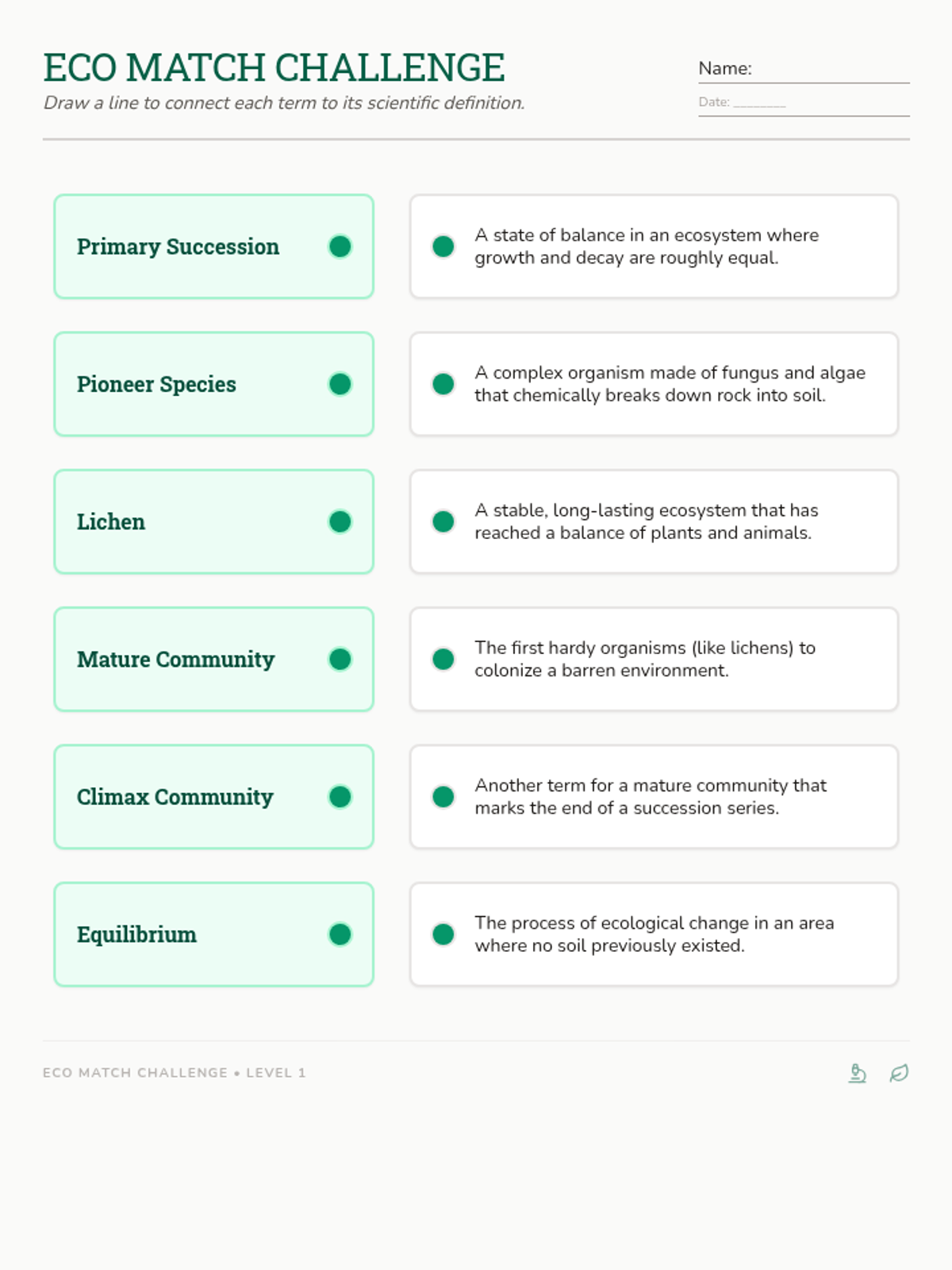
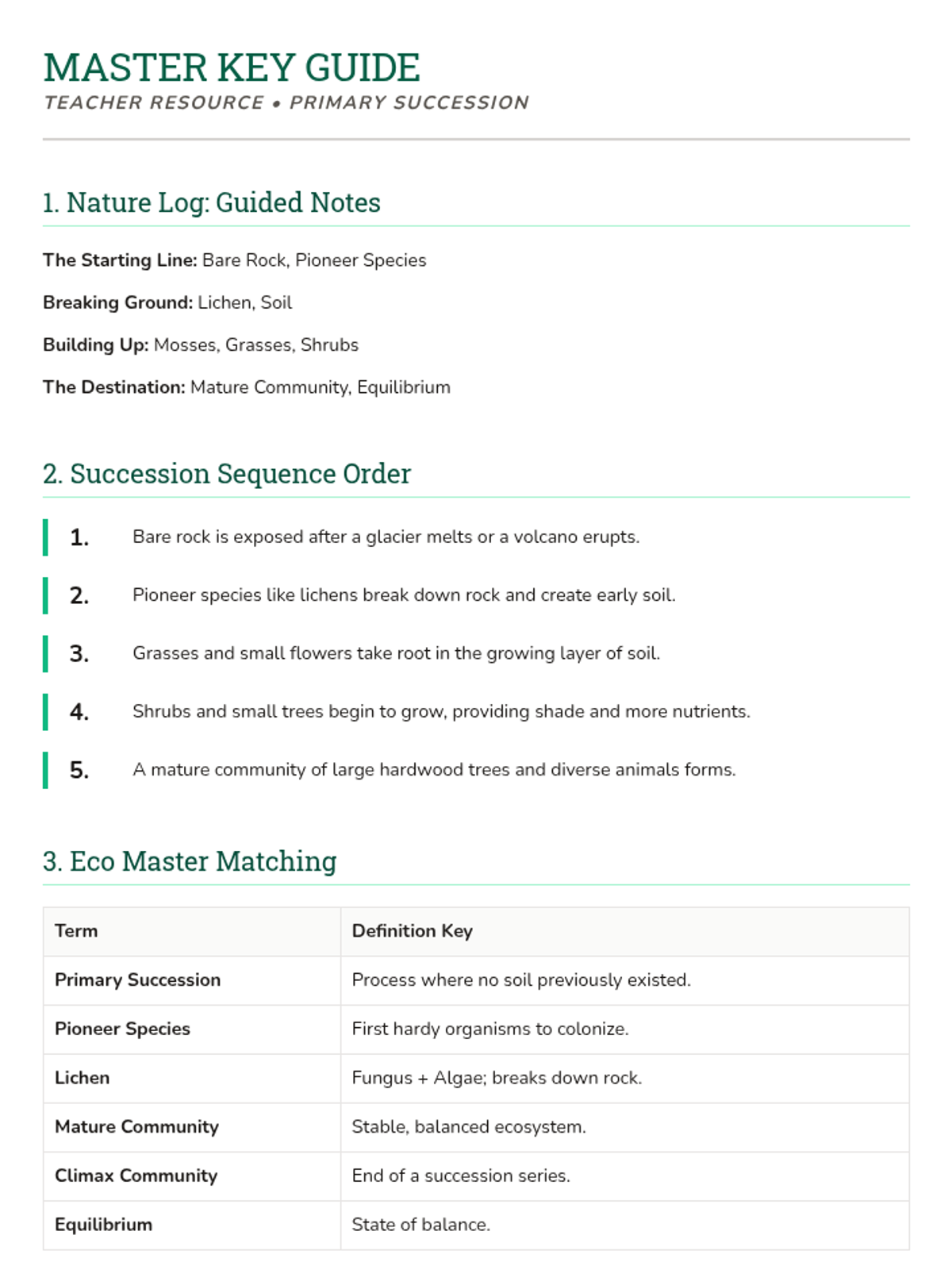
A unit exploring how ecosystems change over time through primary and secondary succession, focusing on ecological stages and resilience.
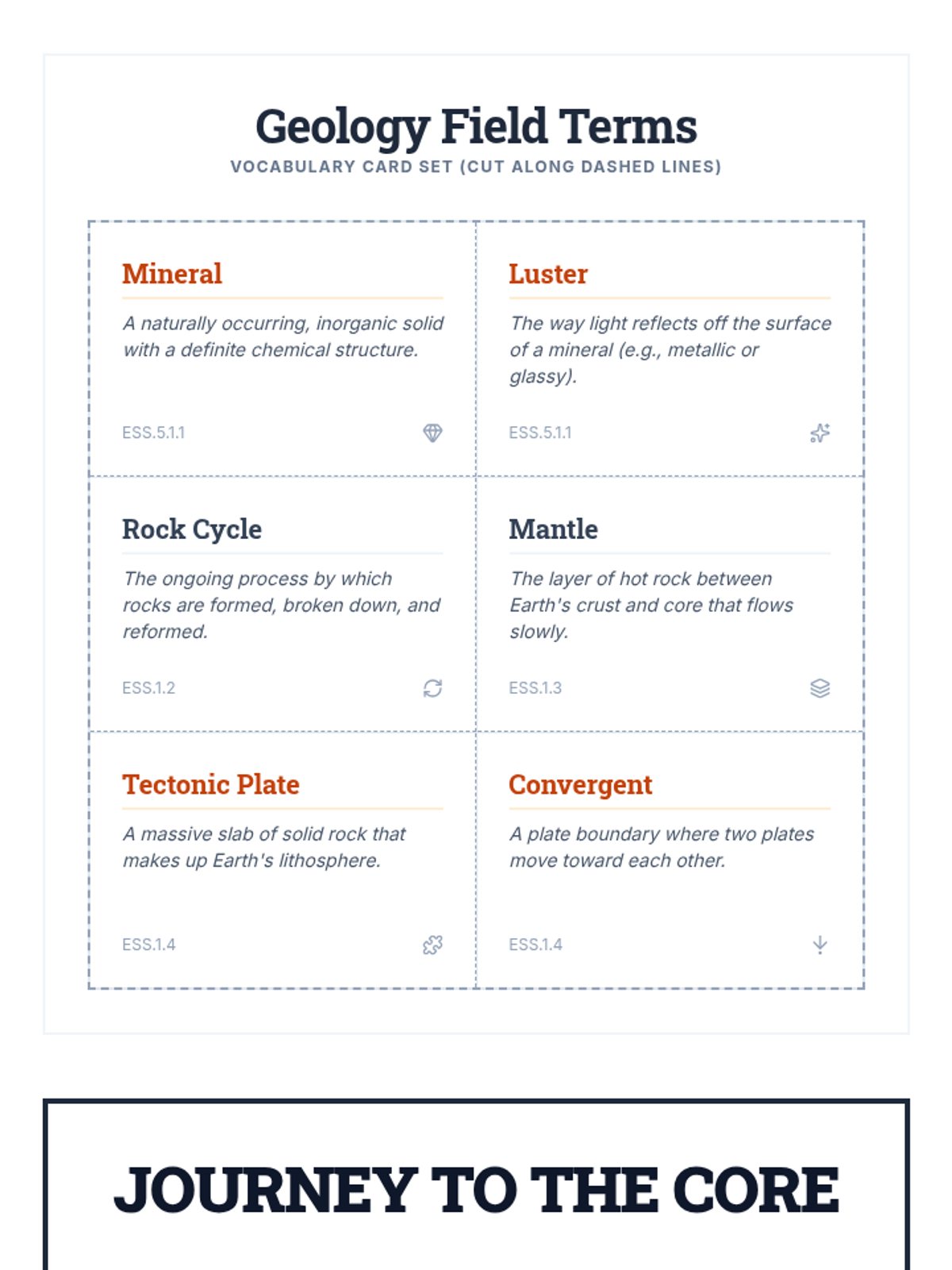
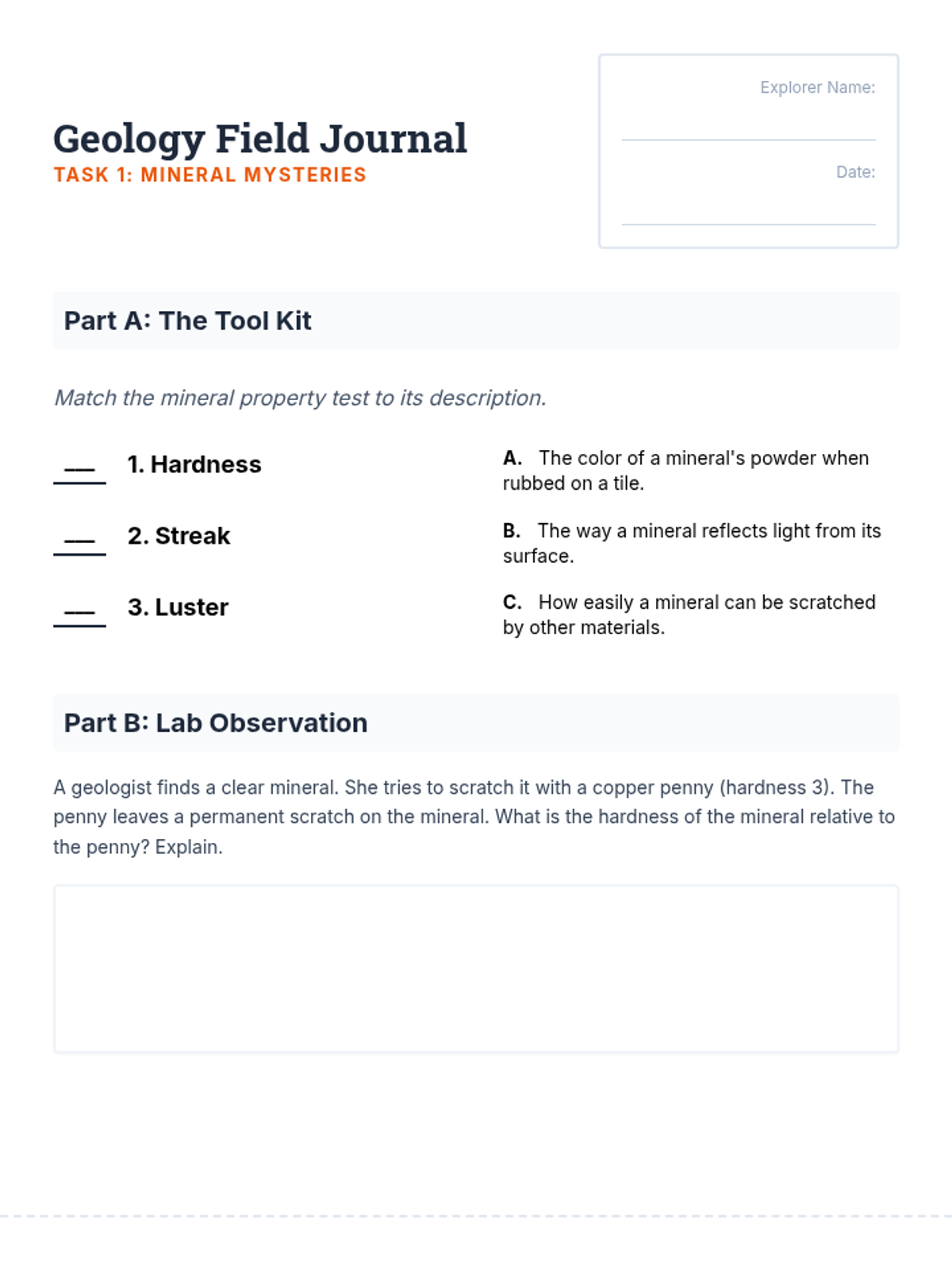
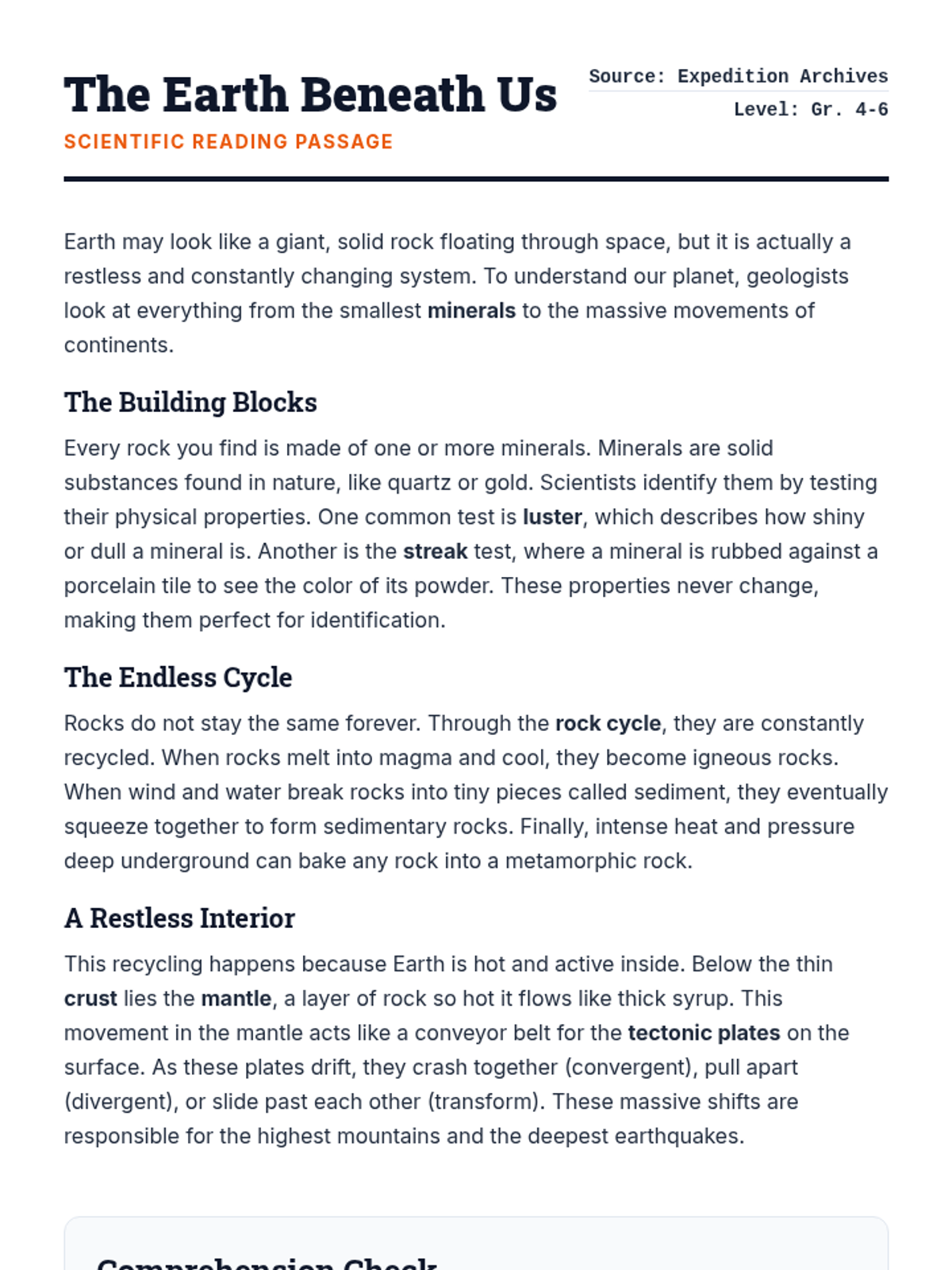
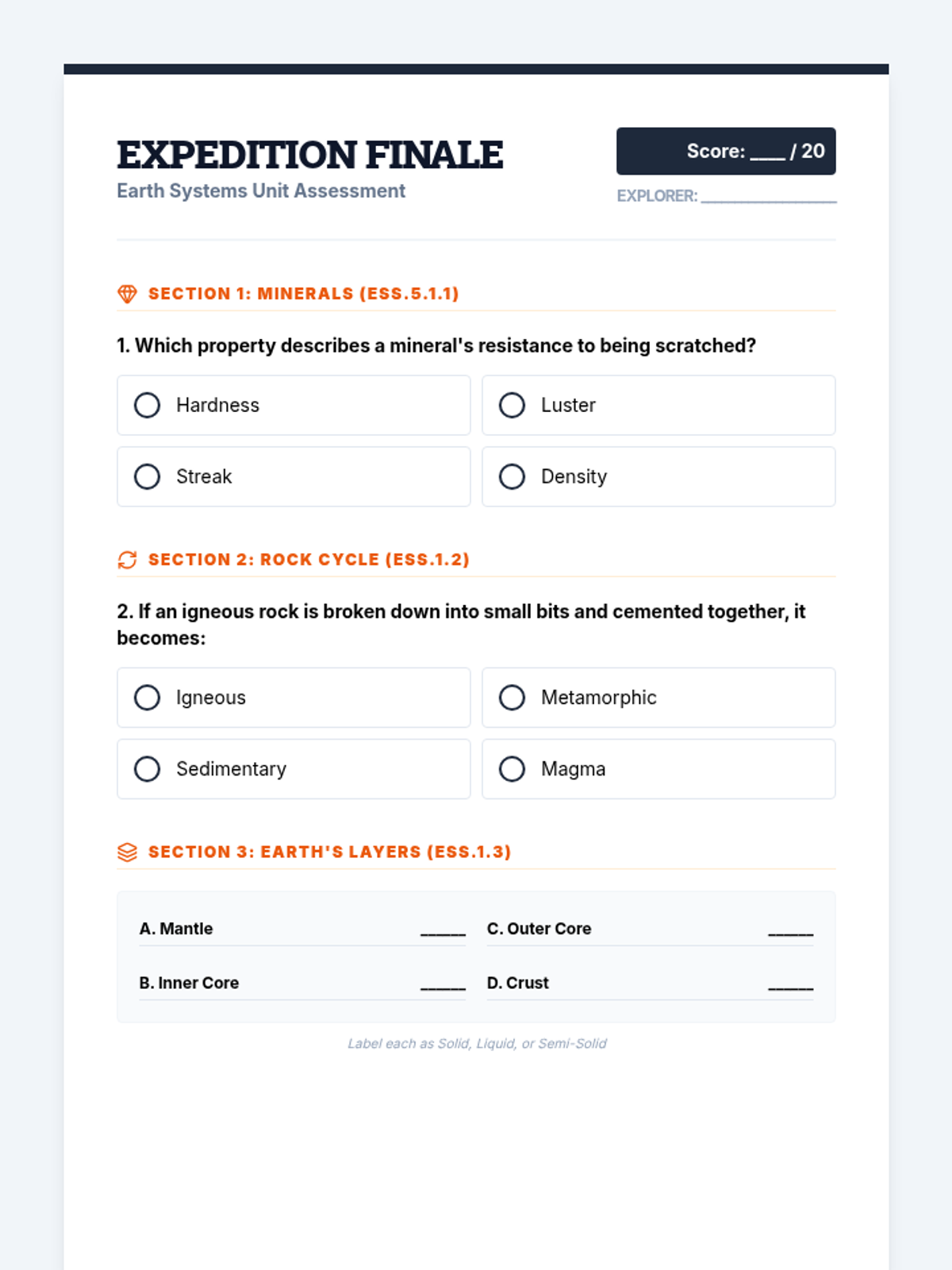
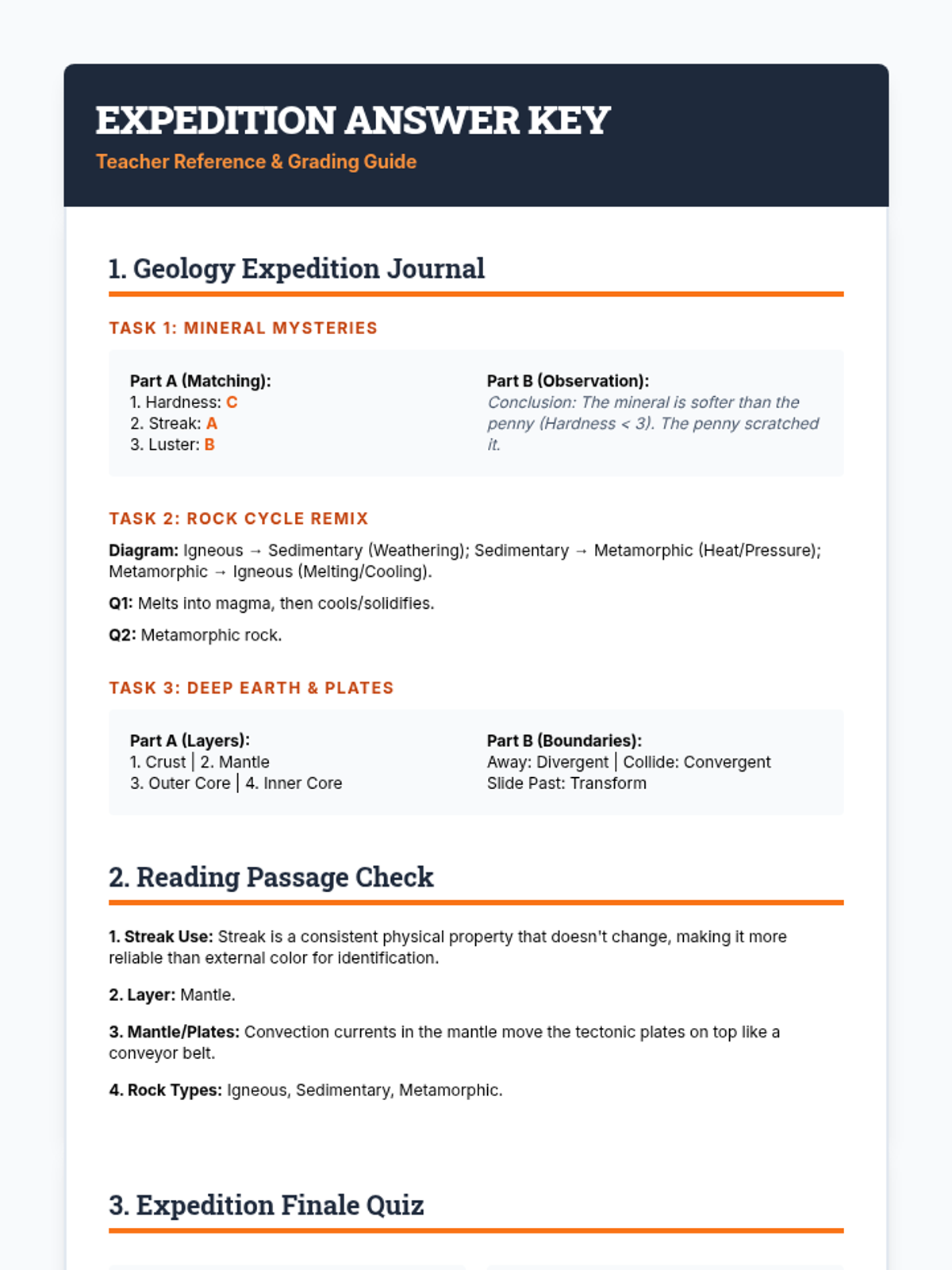
A comprehensive unit covering Earth's composition, processes, and properties. Students explore mineral identification, the rock cycle, Earth's internal structure, and plate tectonics through a 'Geology Expedition' theme.
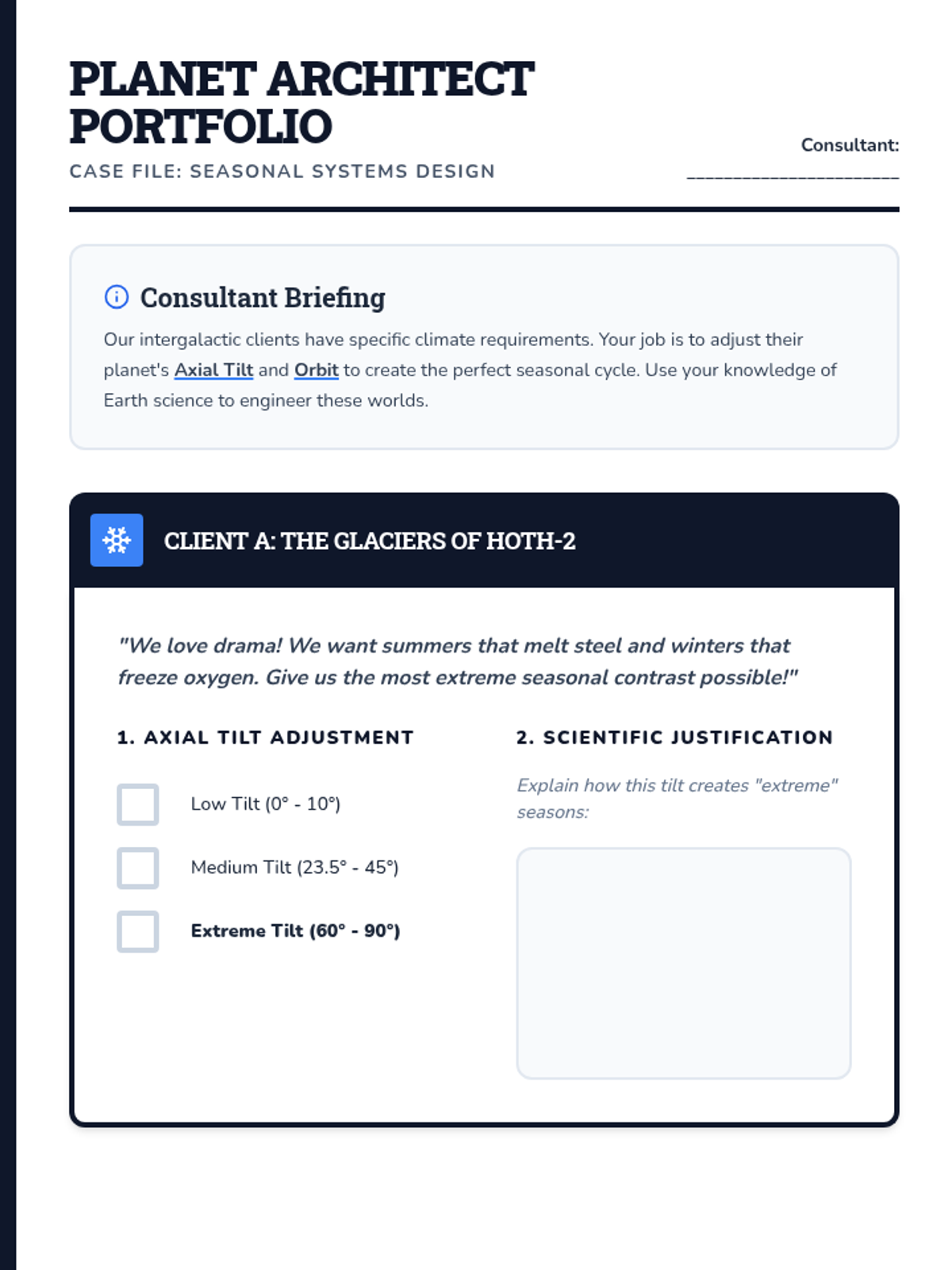
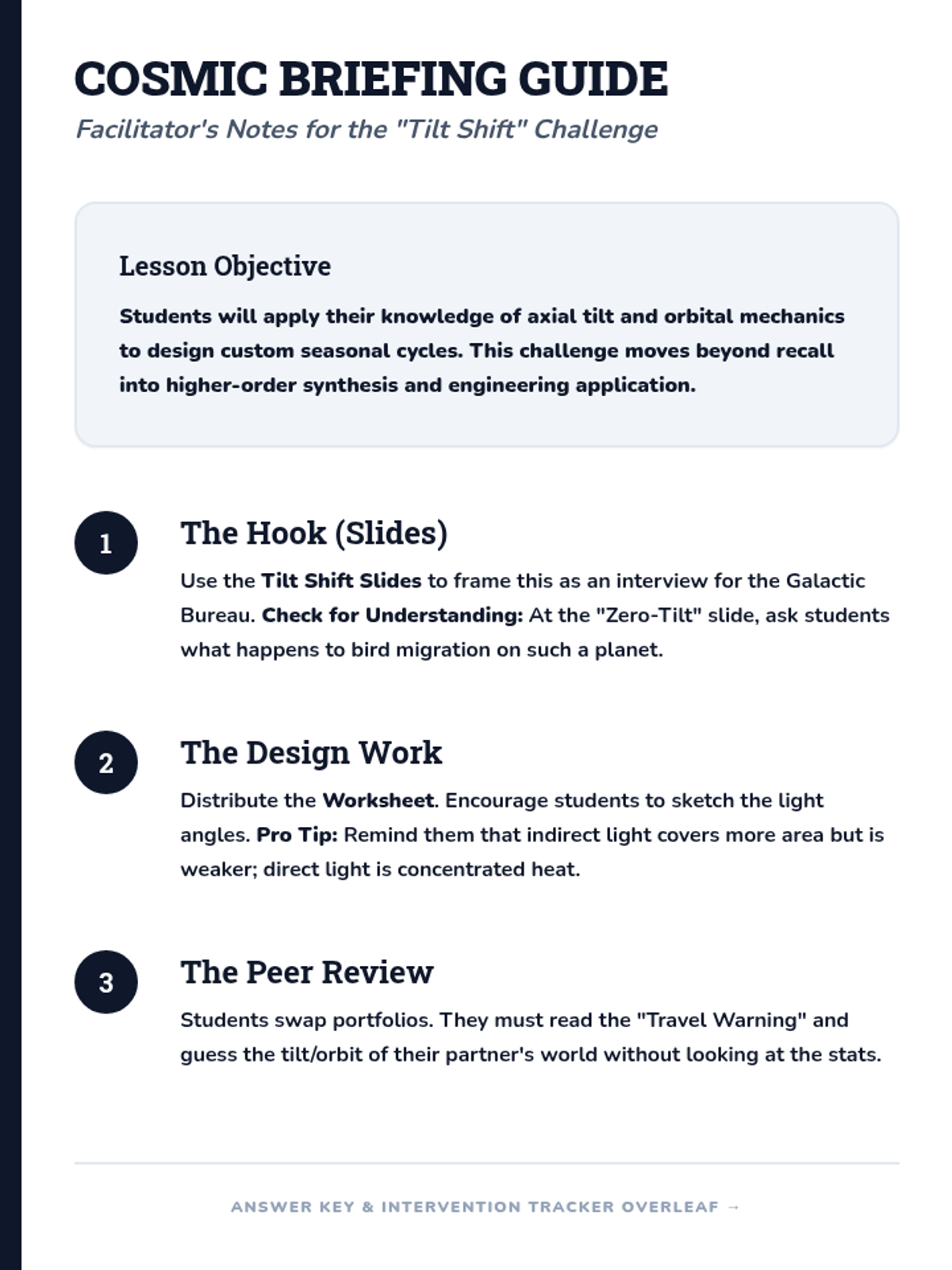
A creative end-of-year science unit where students apply their knowledge of Earth's tilt and orbit to design custom seasonal cycles for fictional planets. This sequence encourages divergent thinking and deep understanding of how axial tilt impacts climate and light.
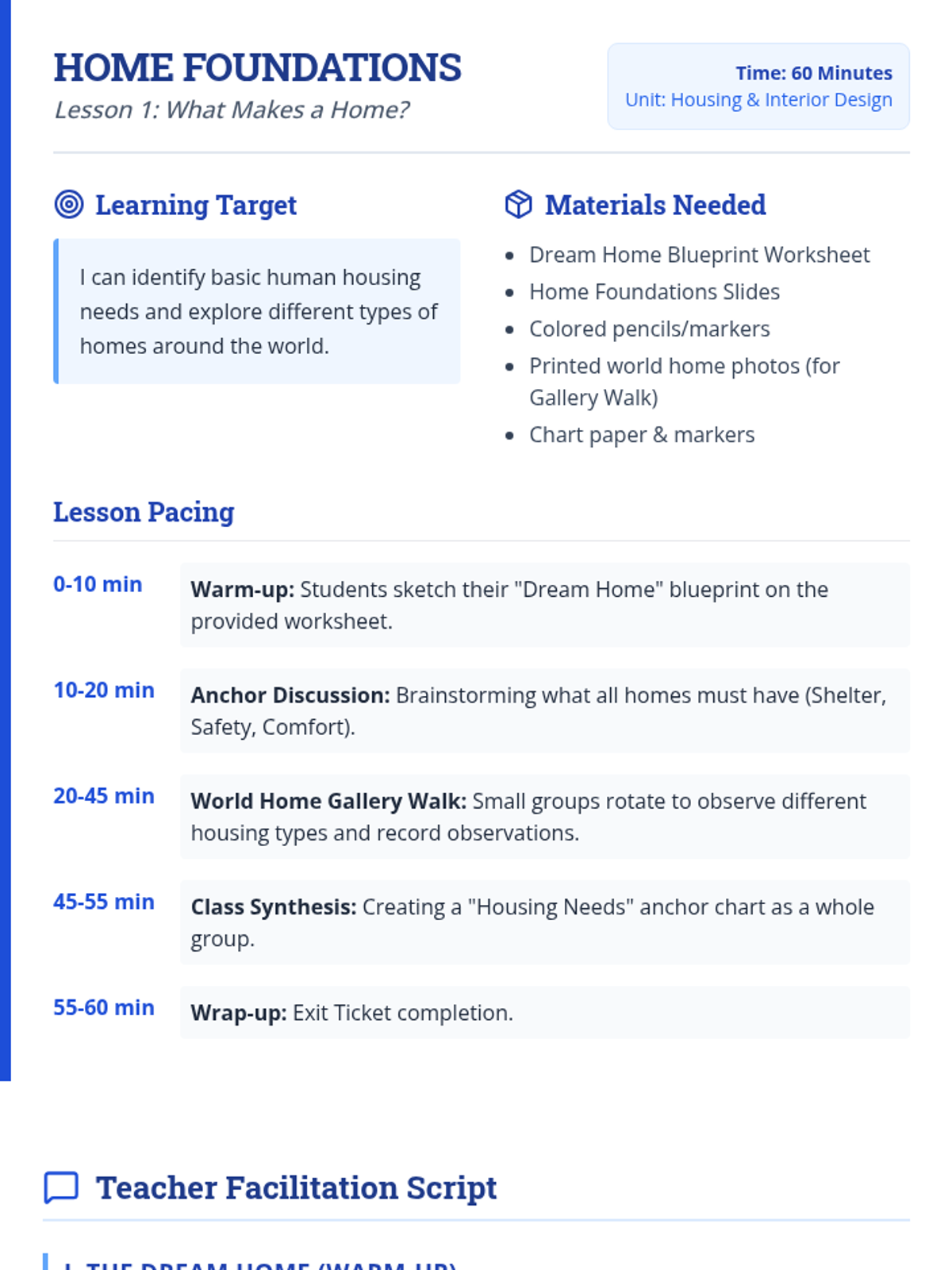
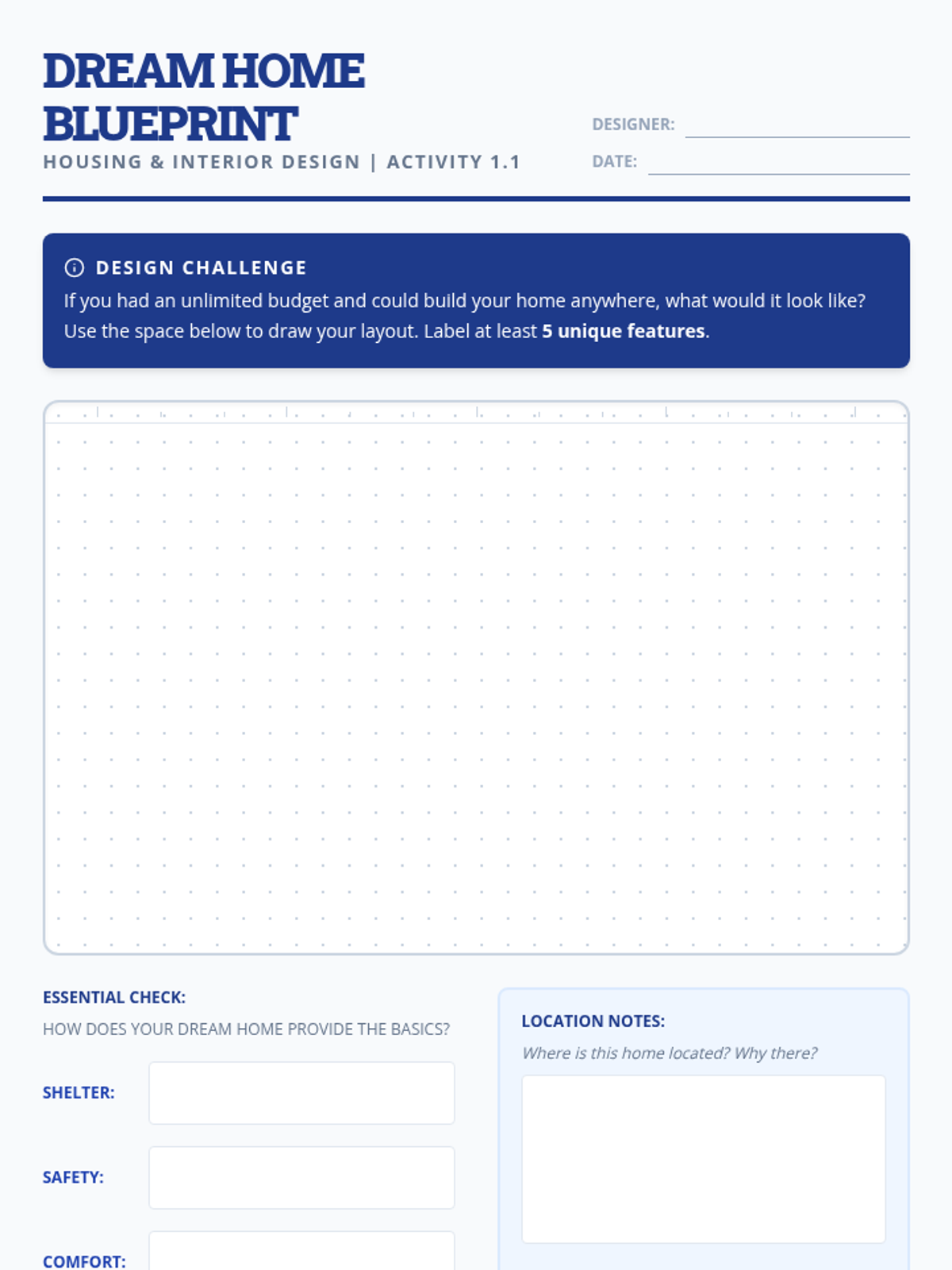
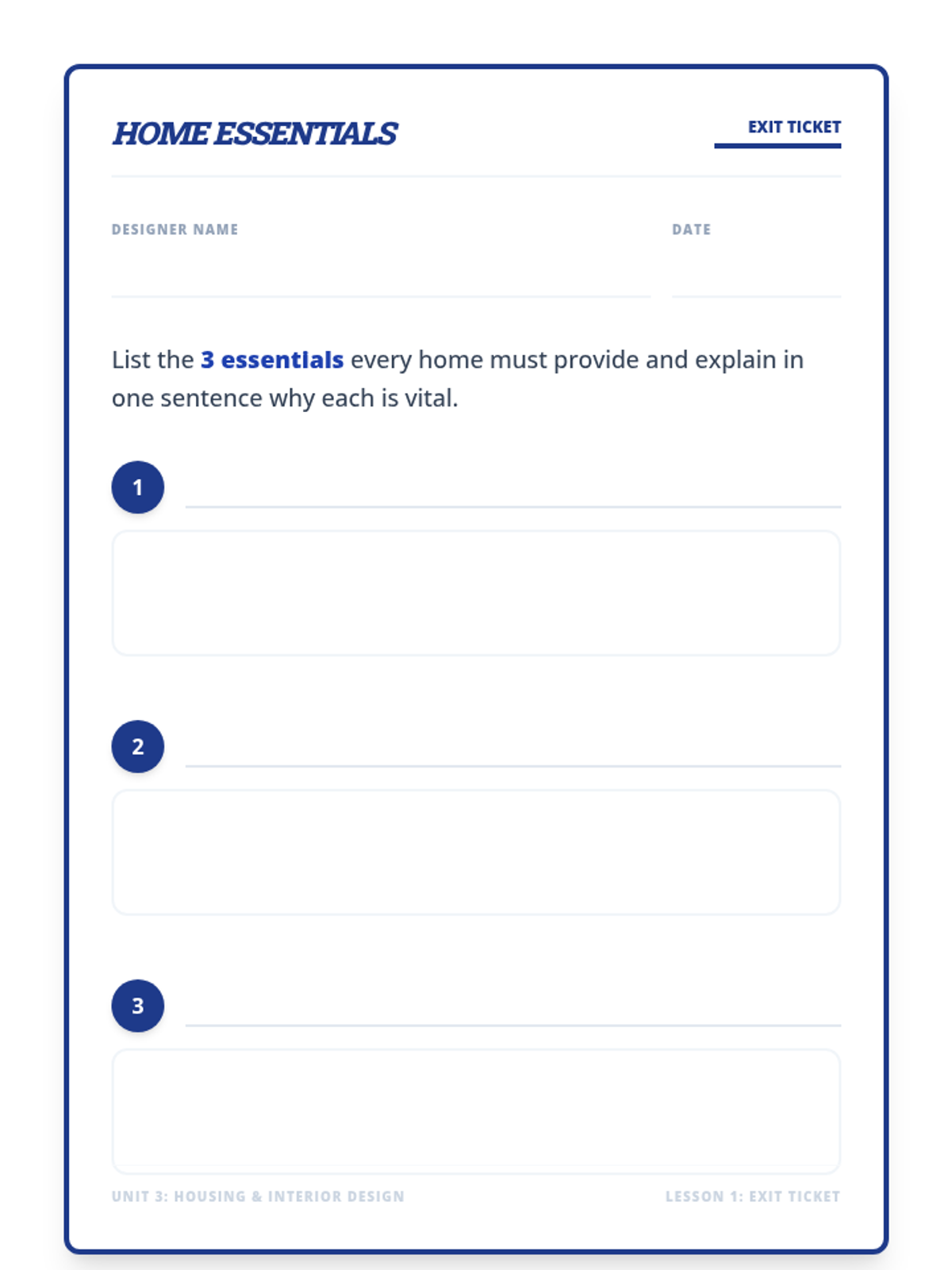
An introductory unit on Housing and Interior Design within the Human Services field. Students explore basic housing needs, sustainable green building, universal design for accessibility, the impact of local resources and climate on home construction, and residential energy efficiency.
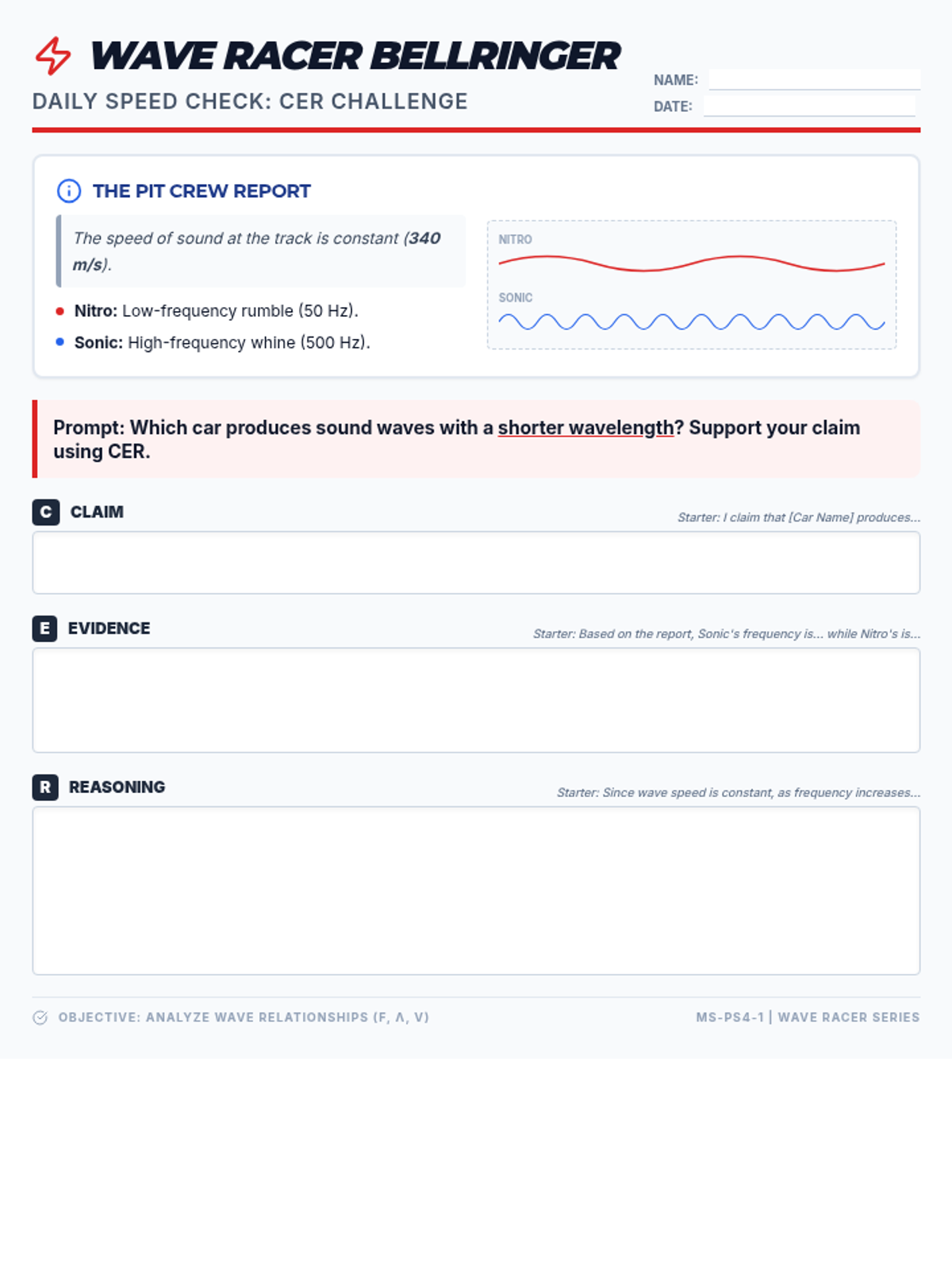
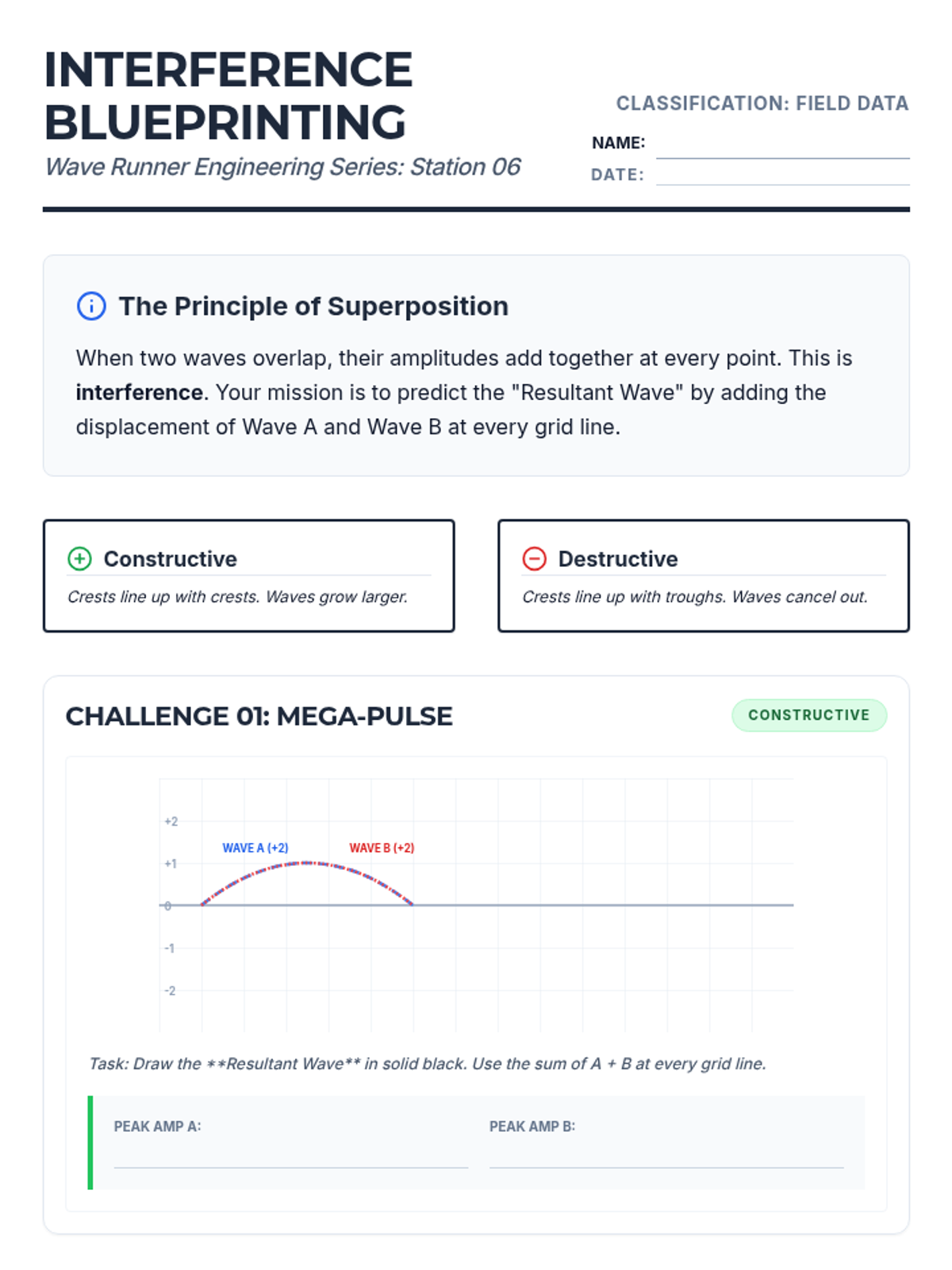
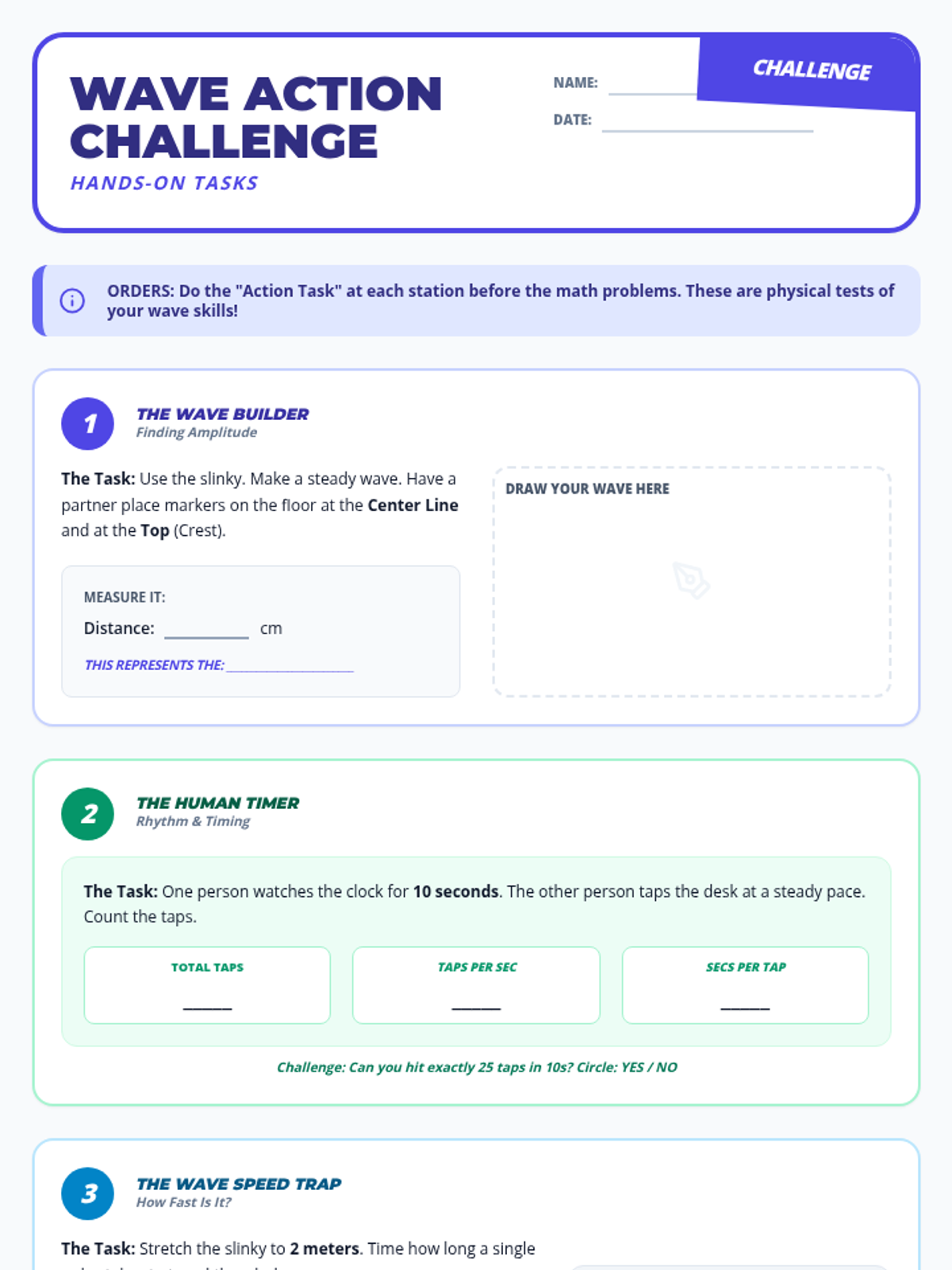
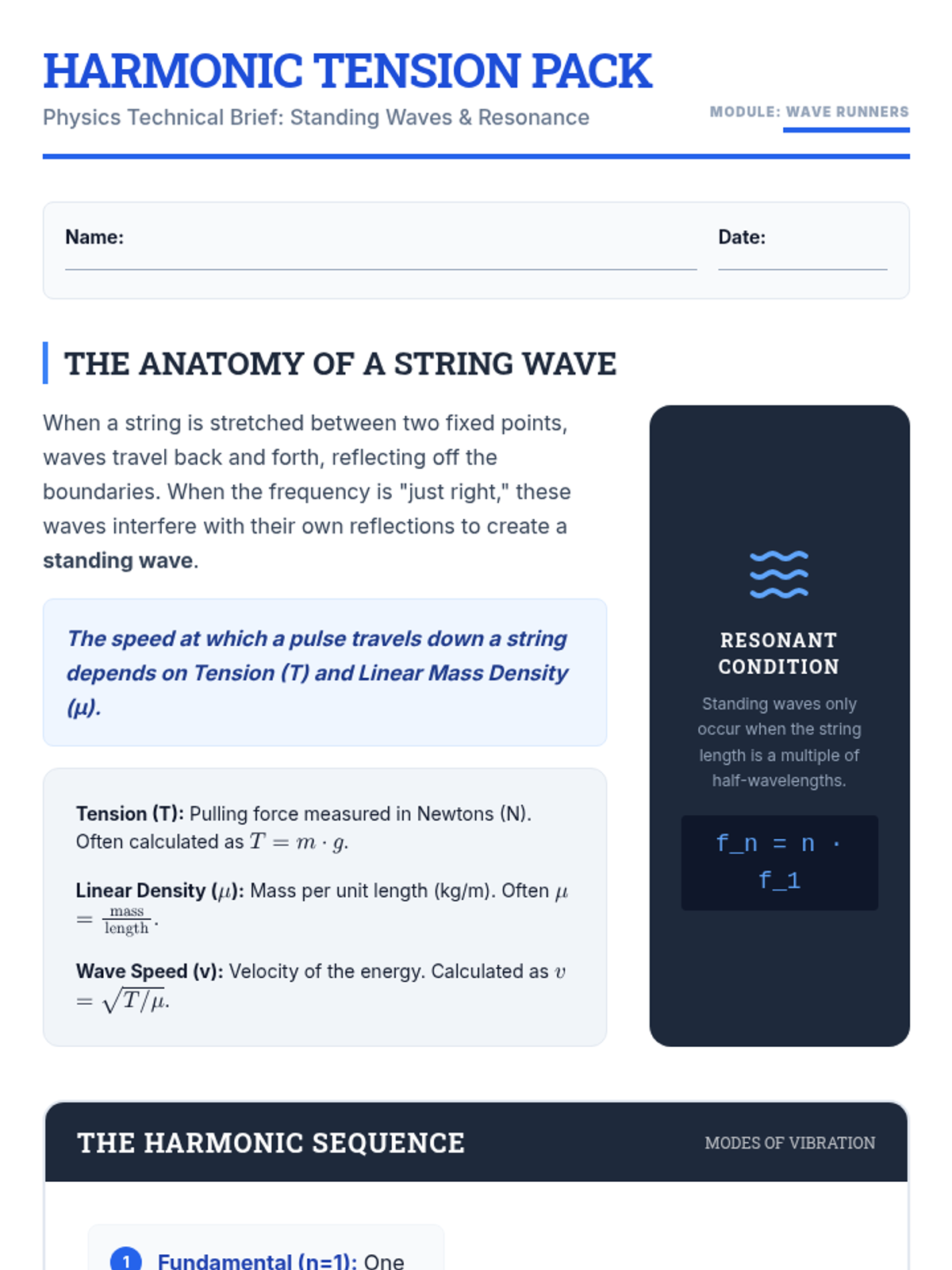
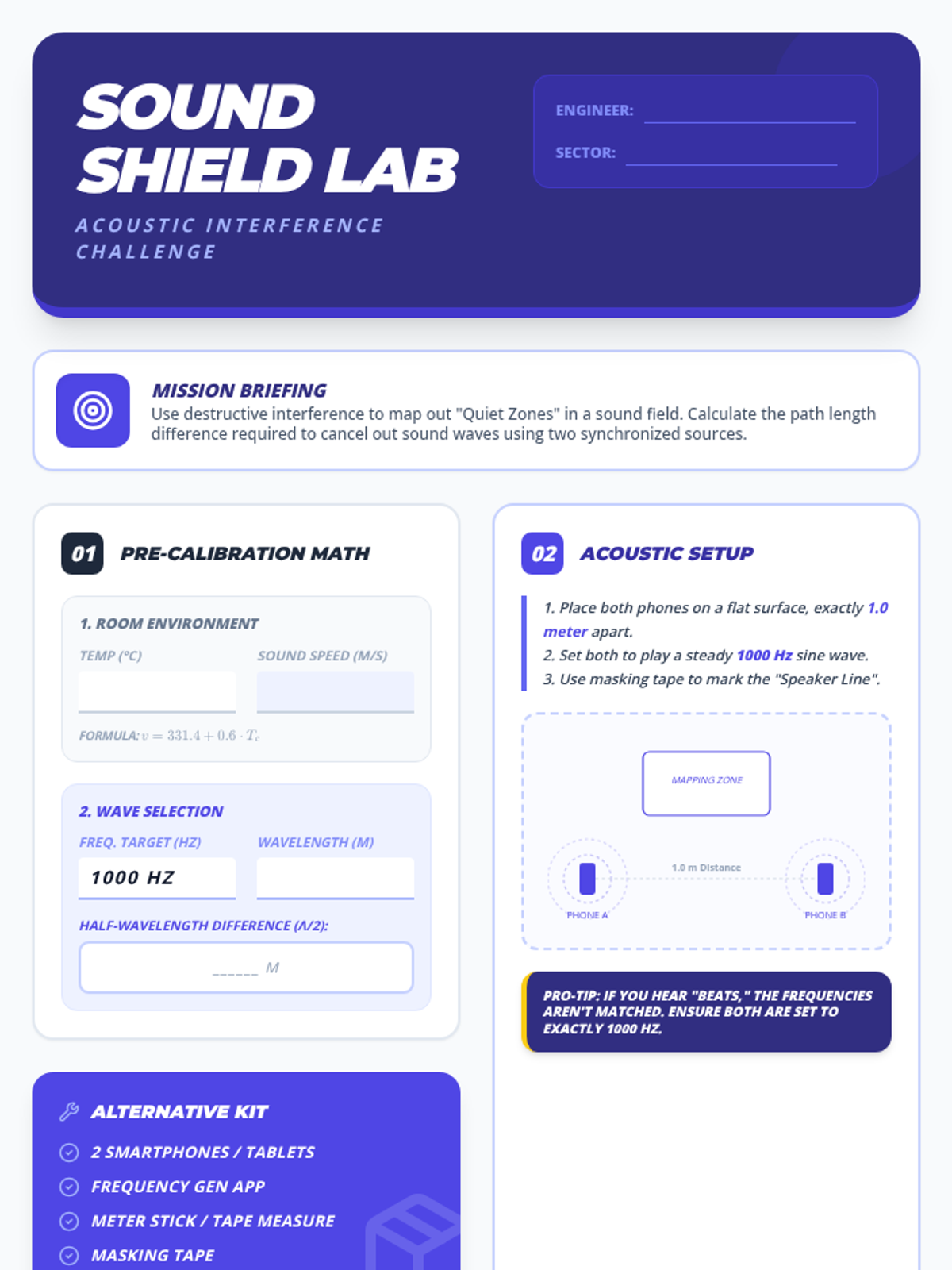
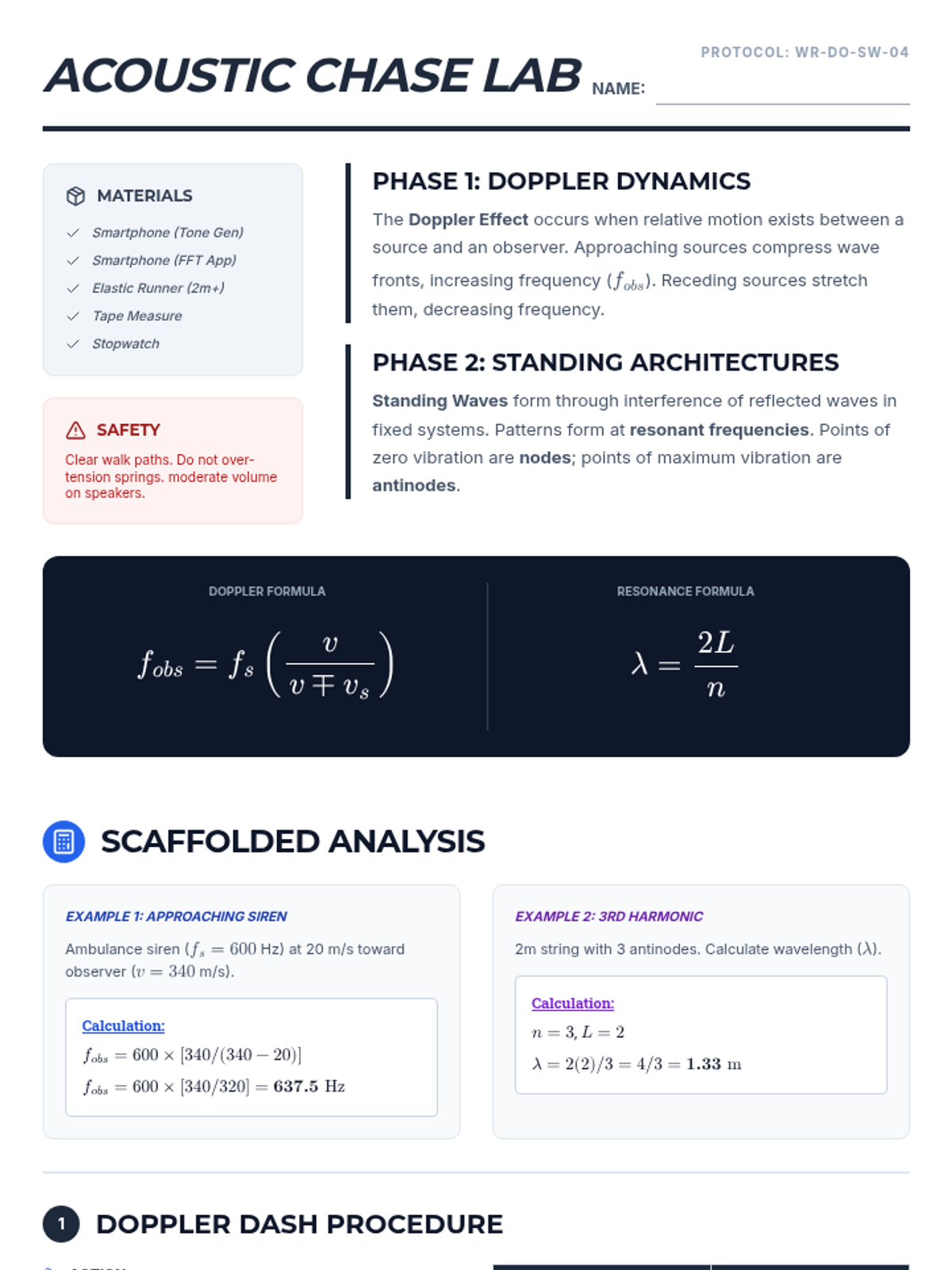
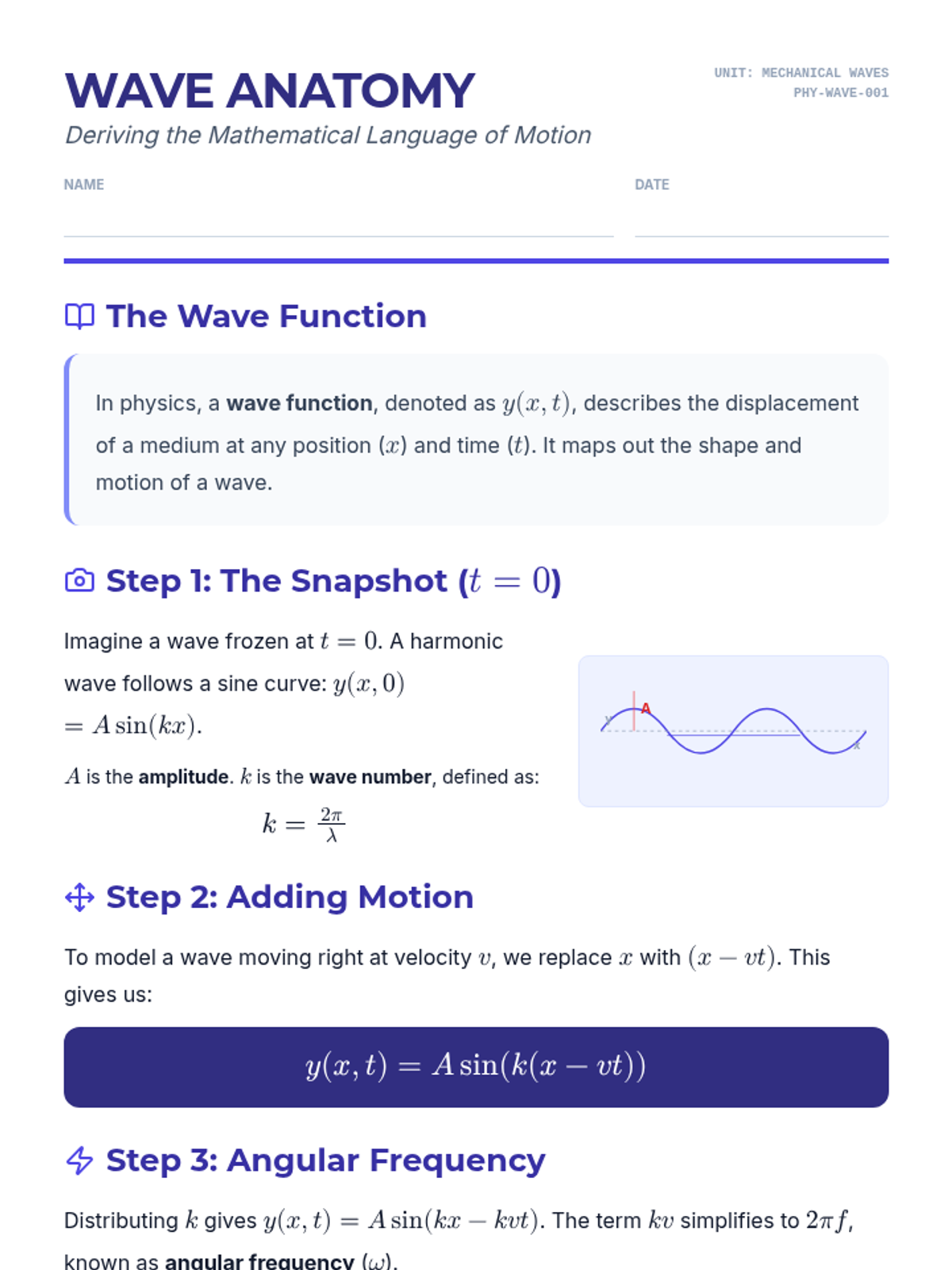
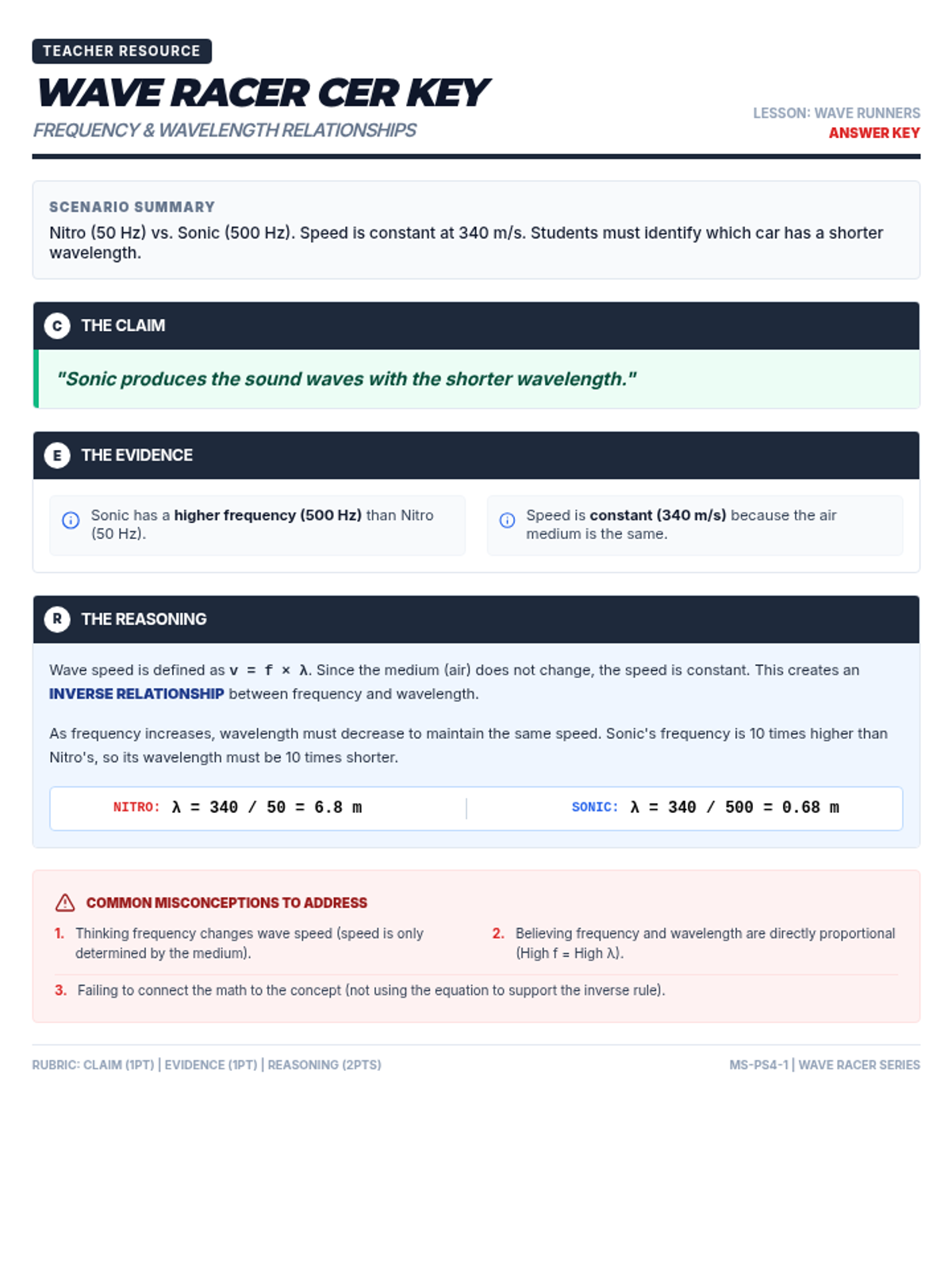
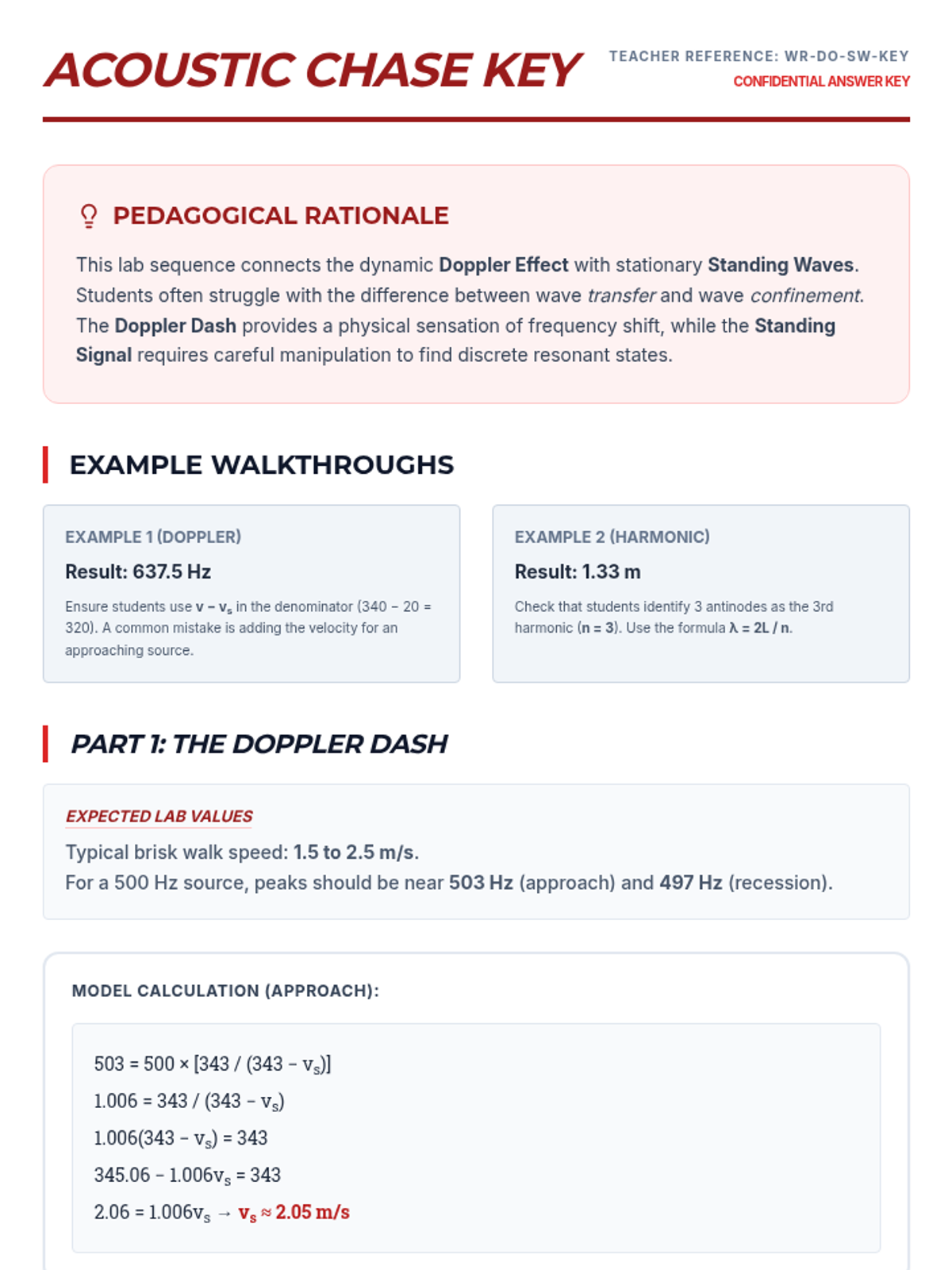
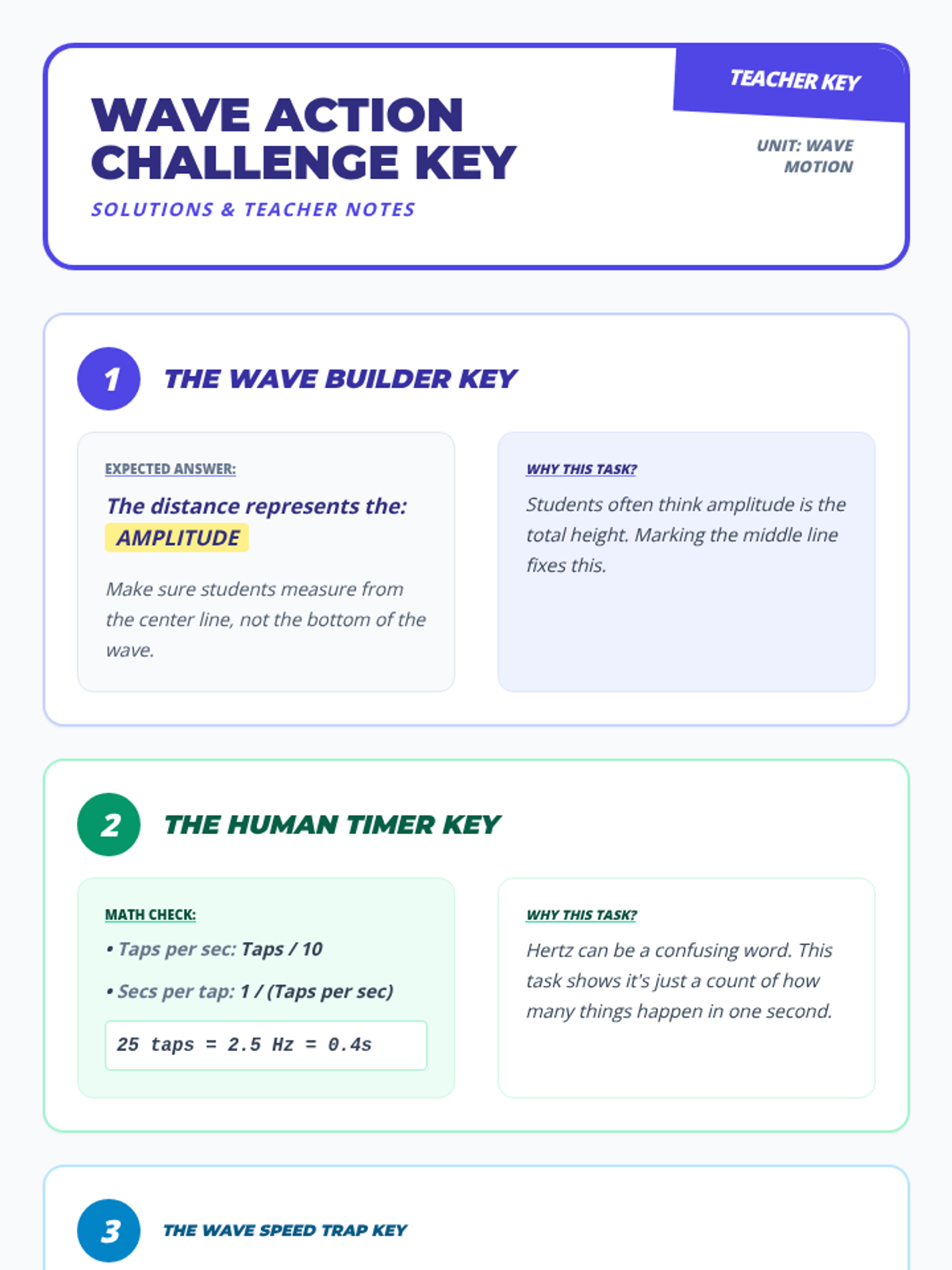
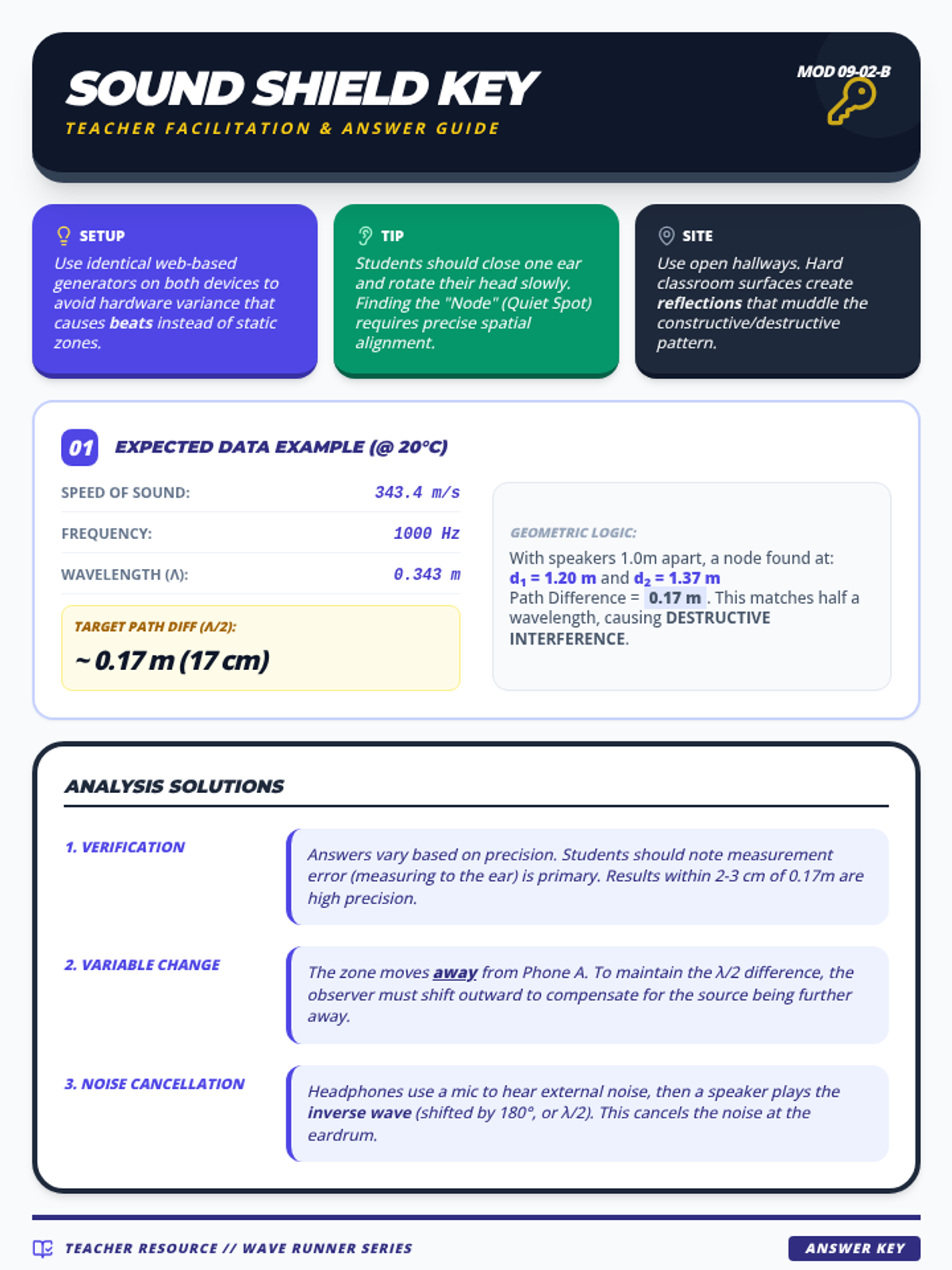
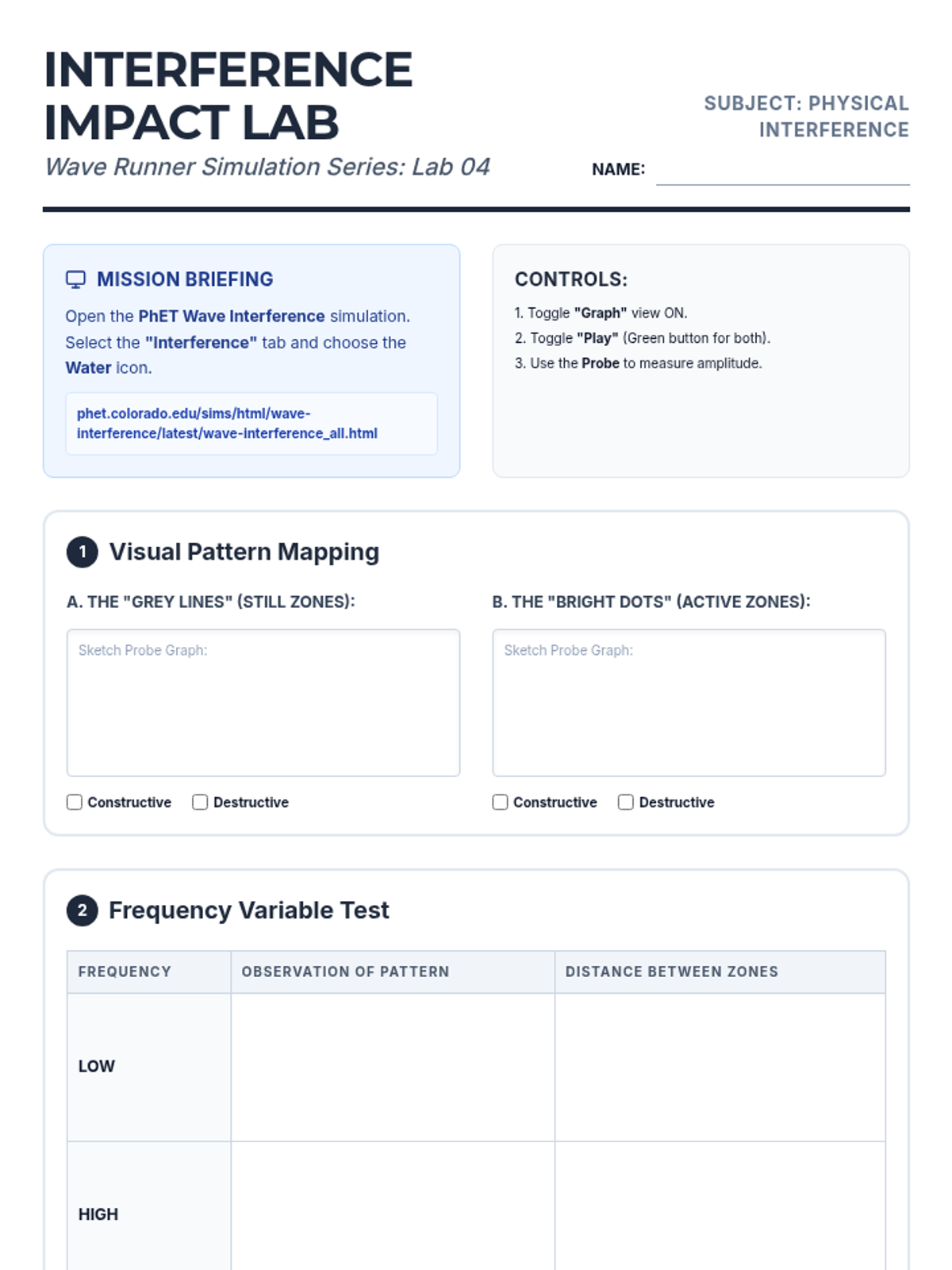
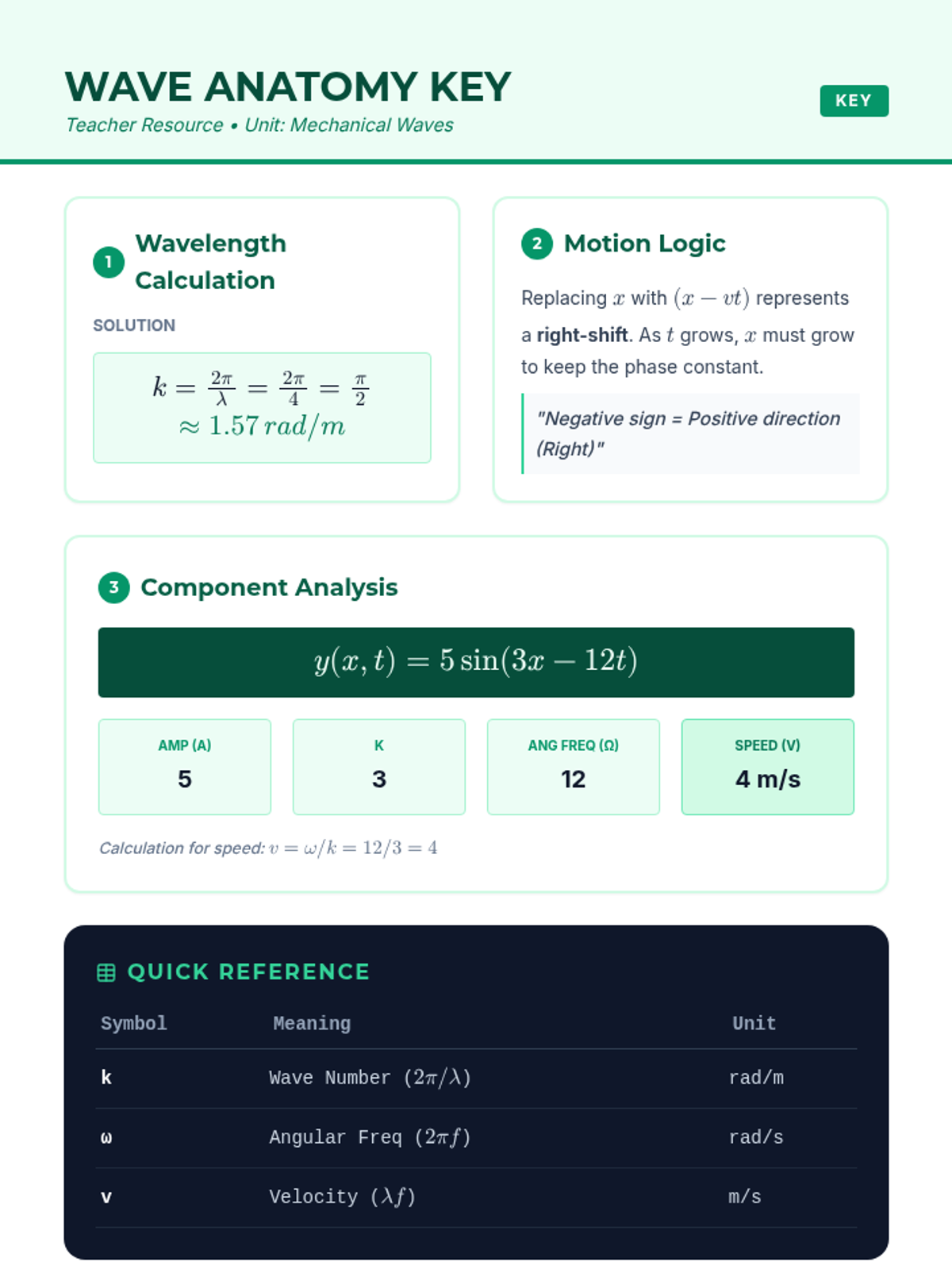
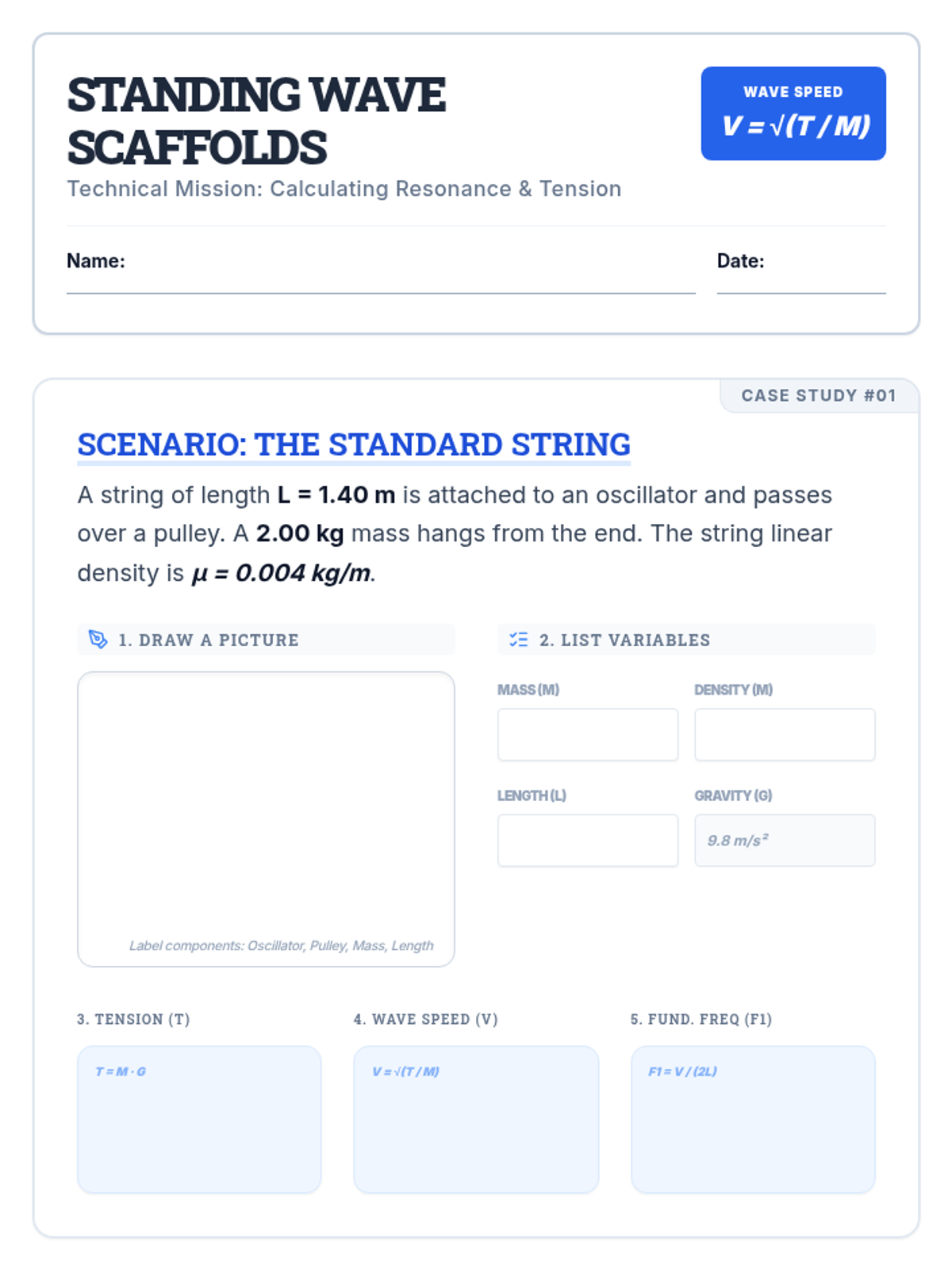
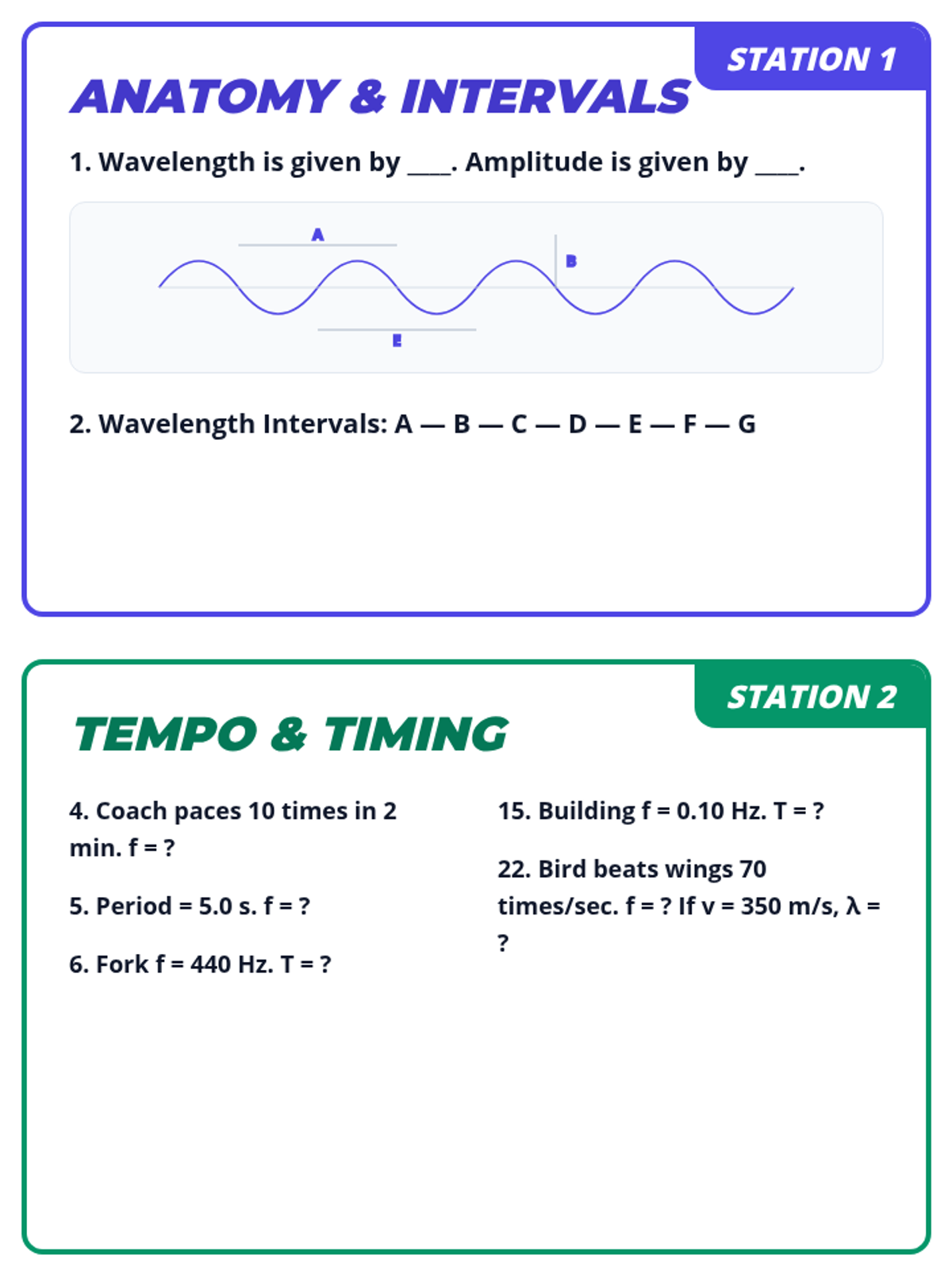
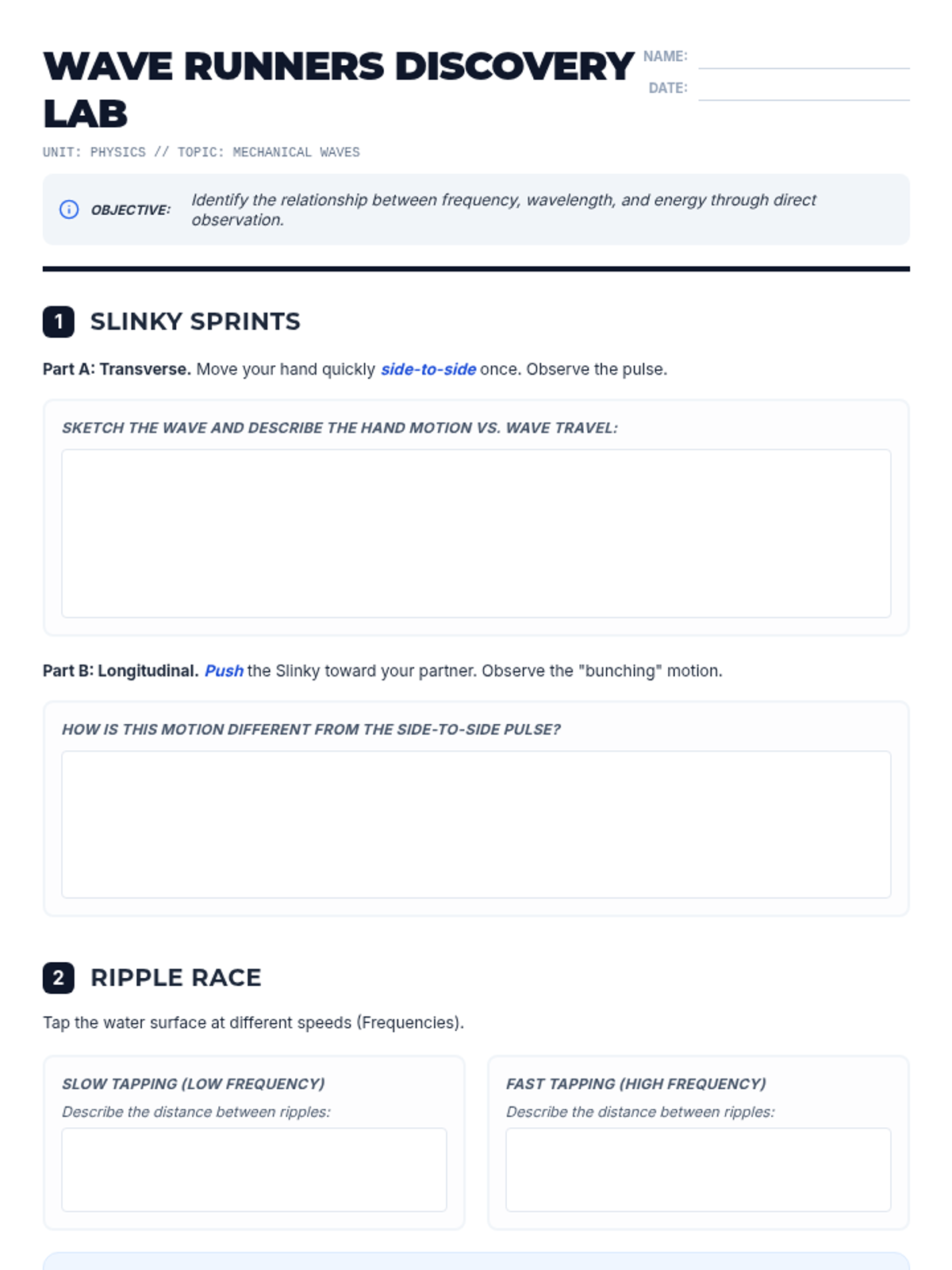
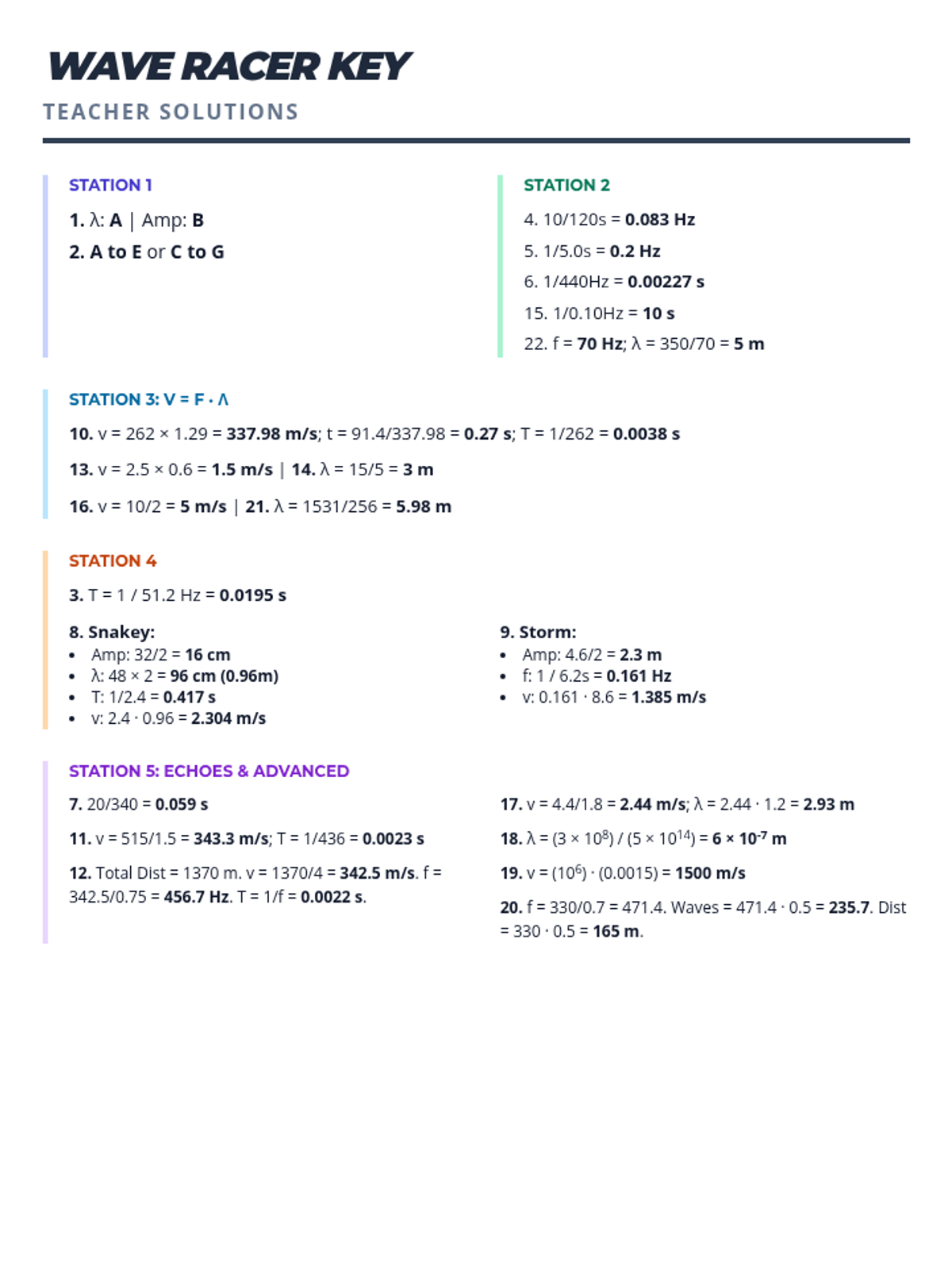
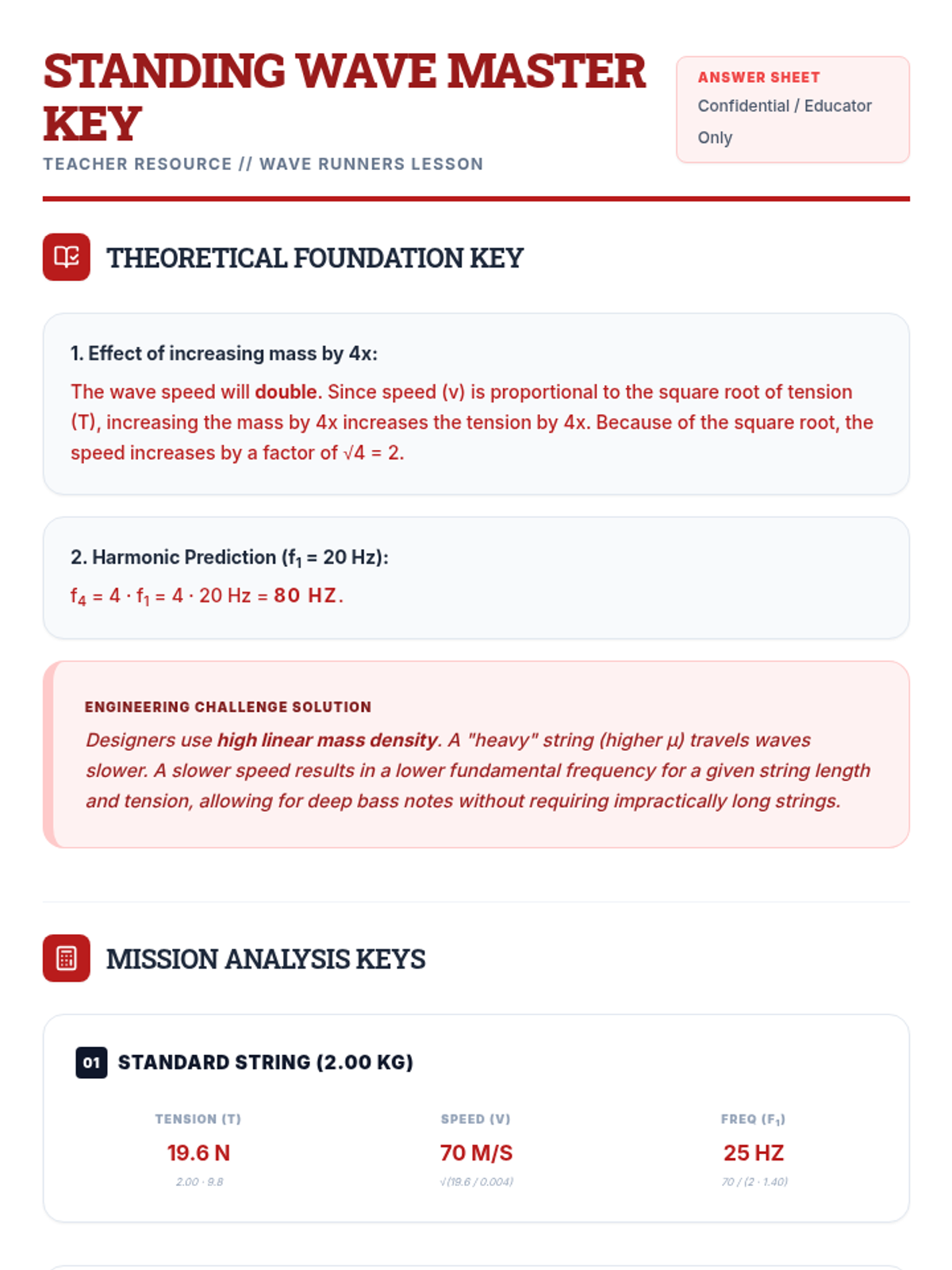
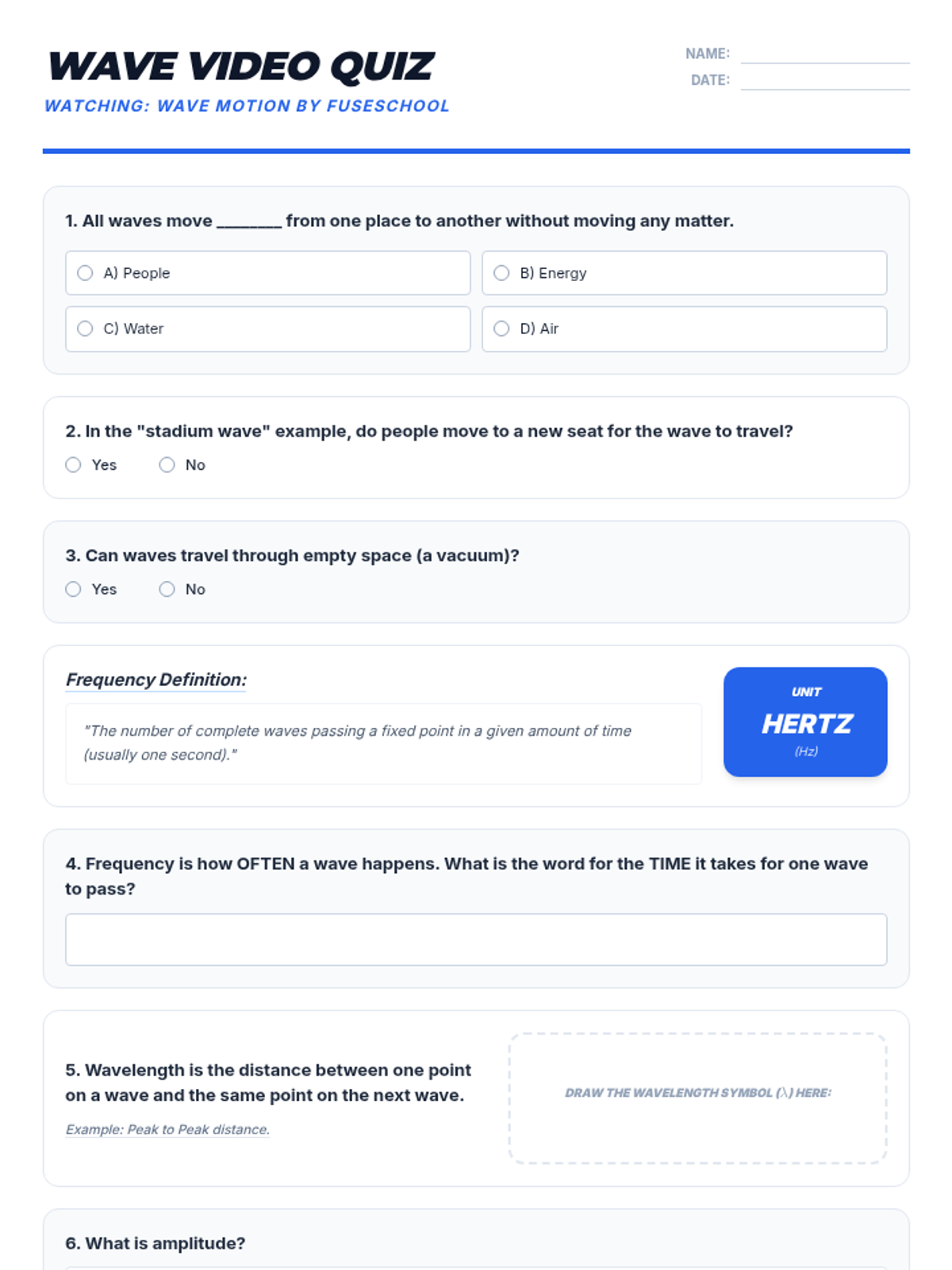
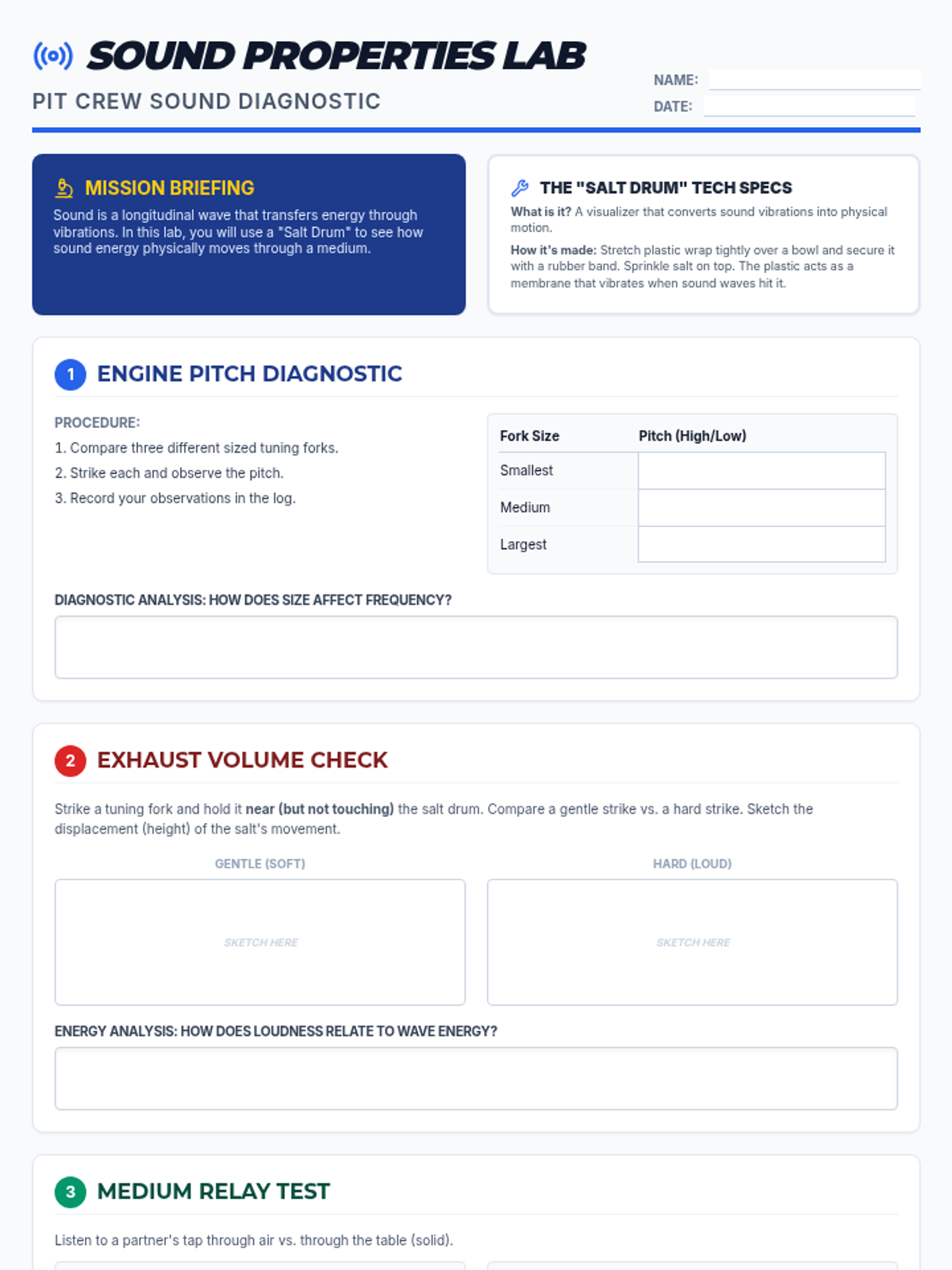
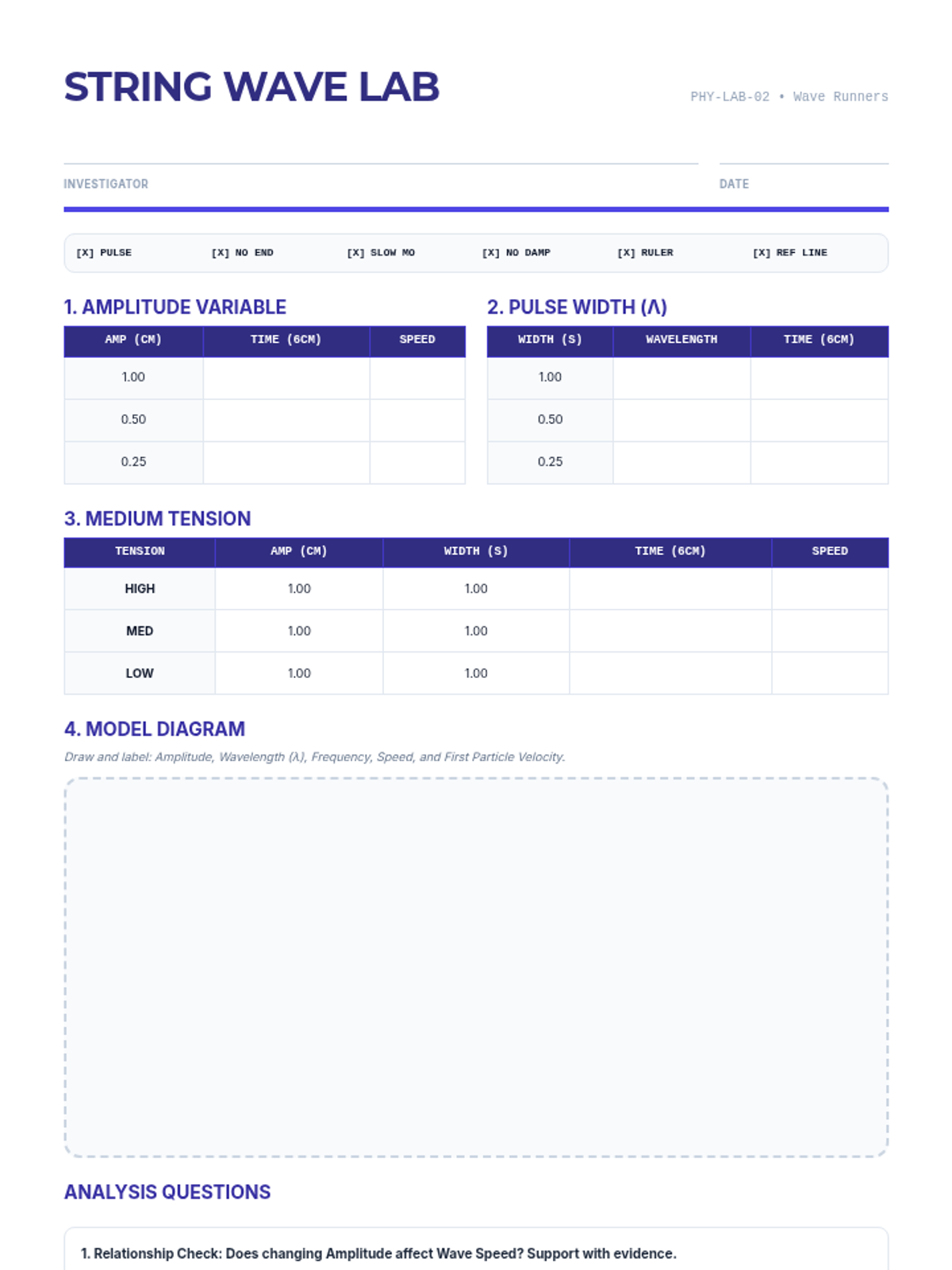
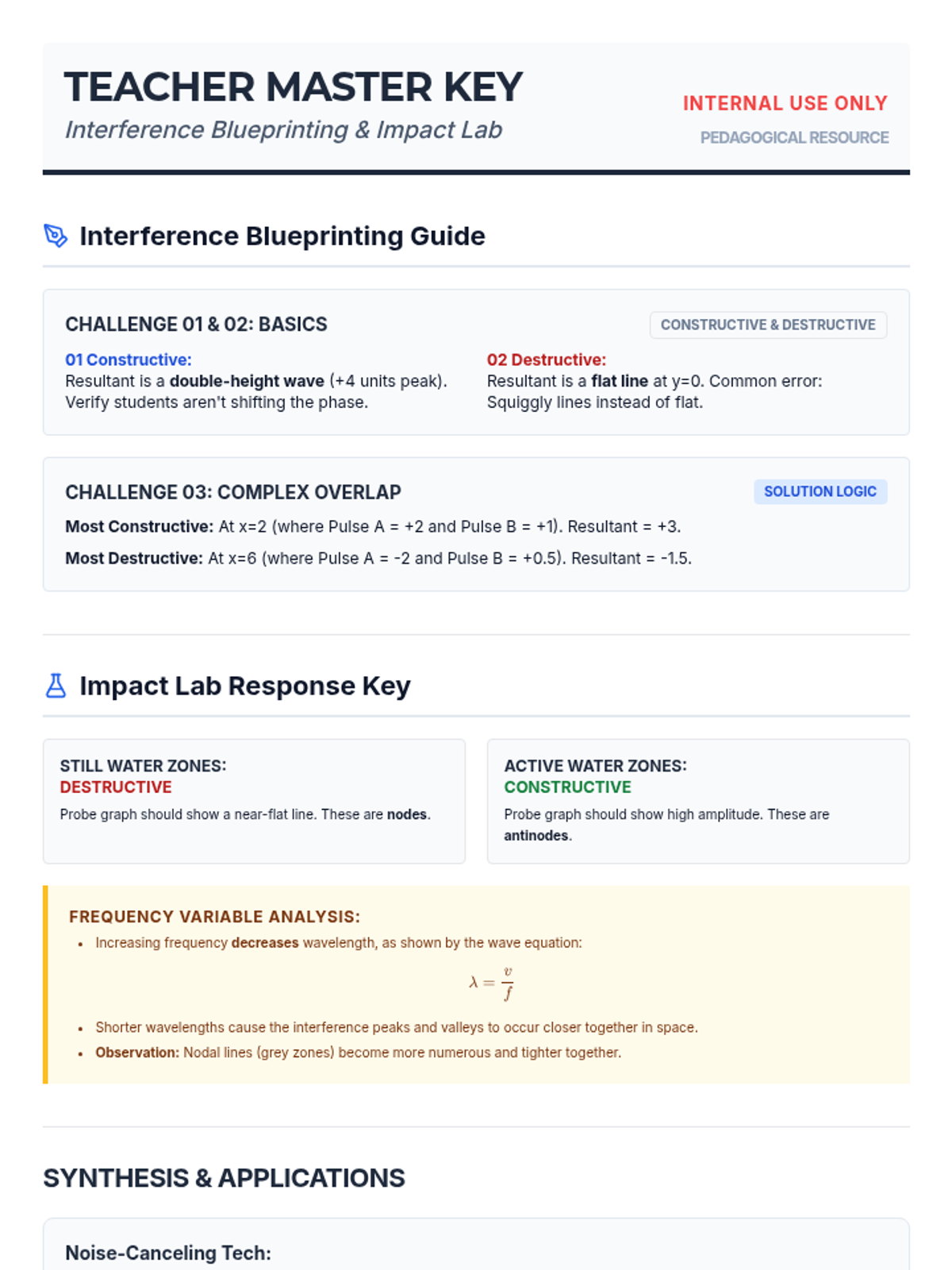
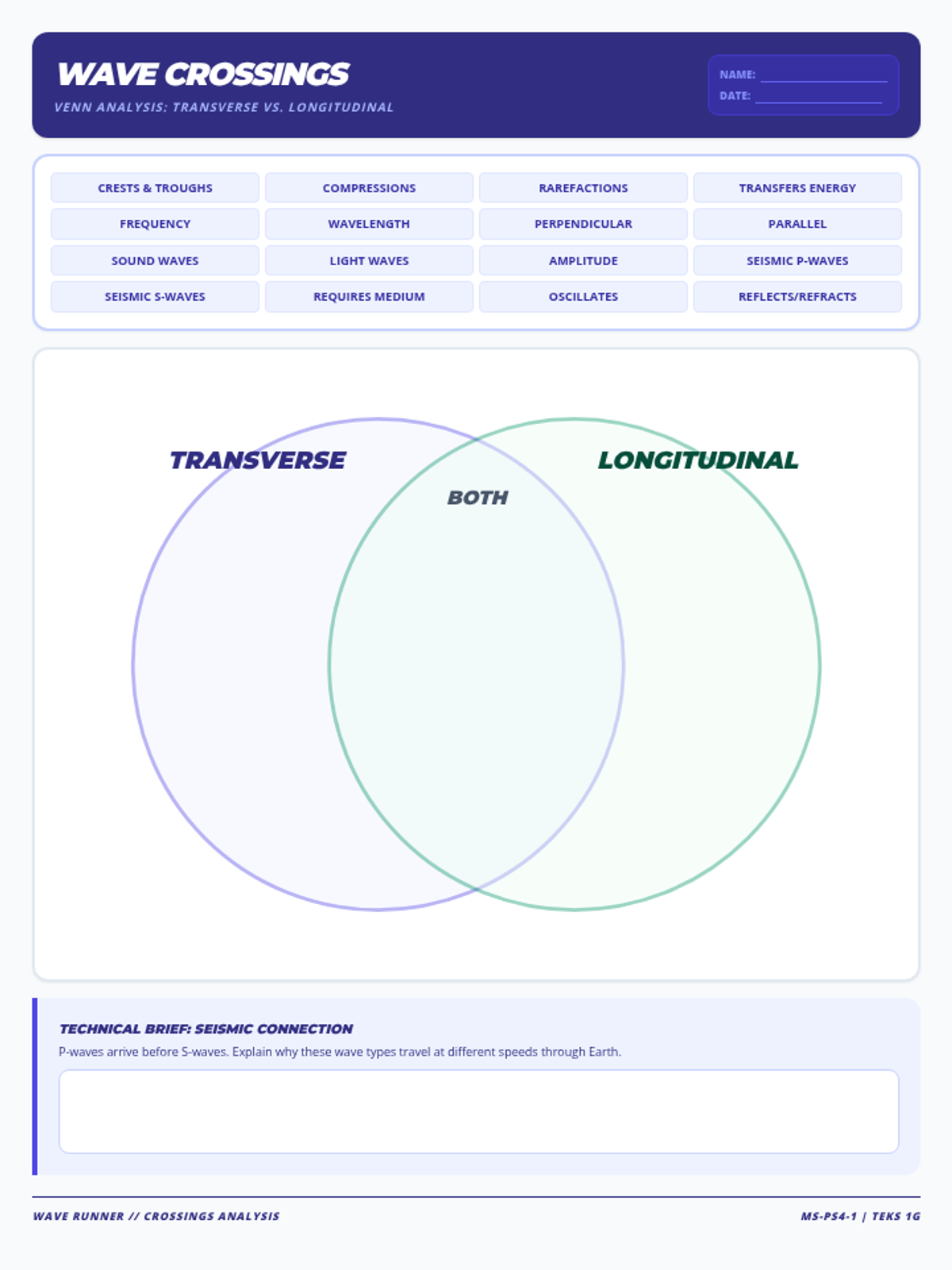
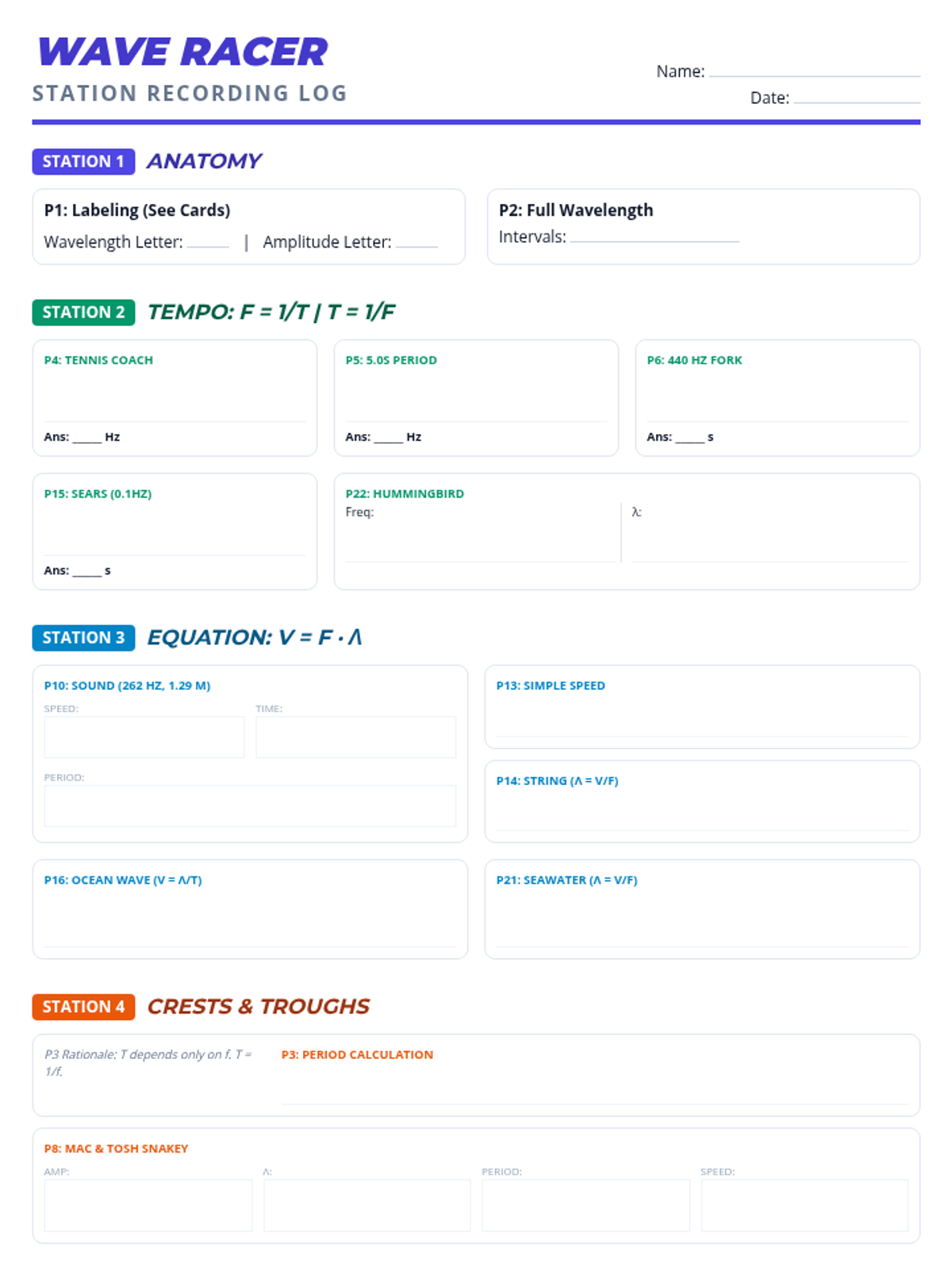
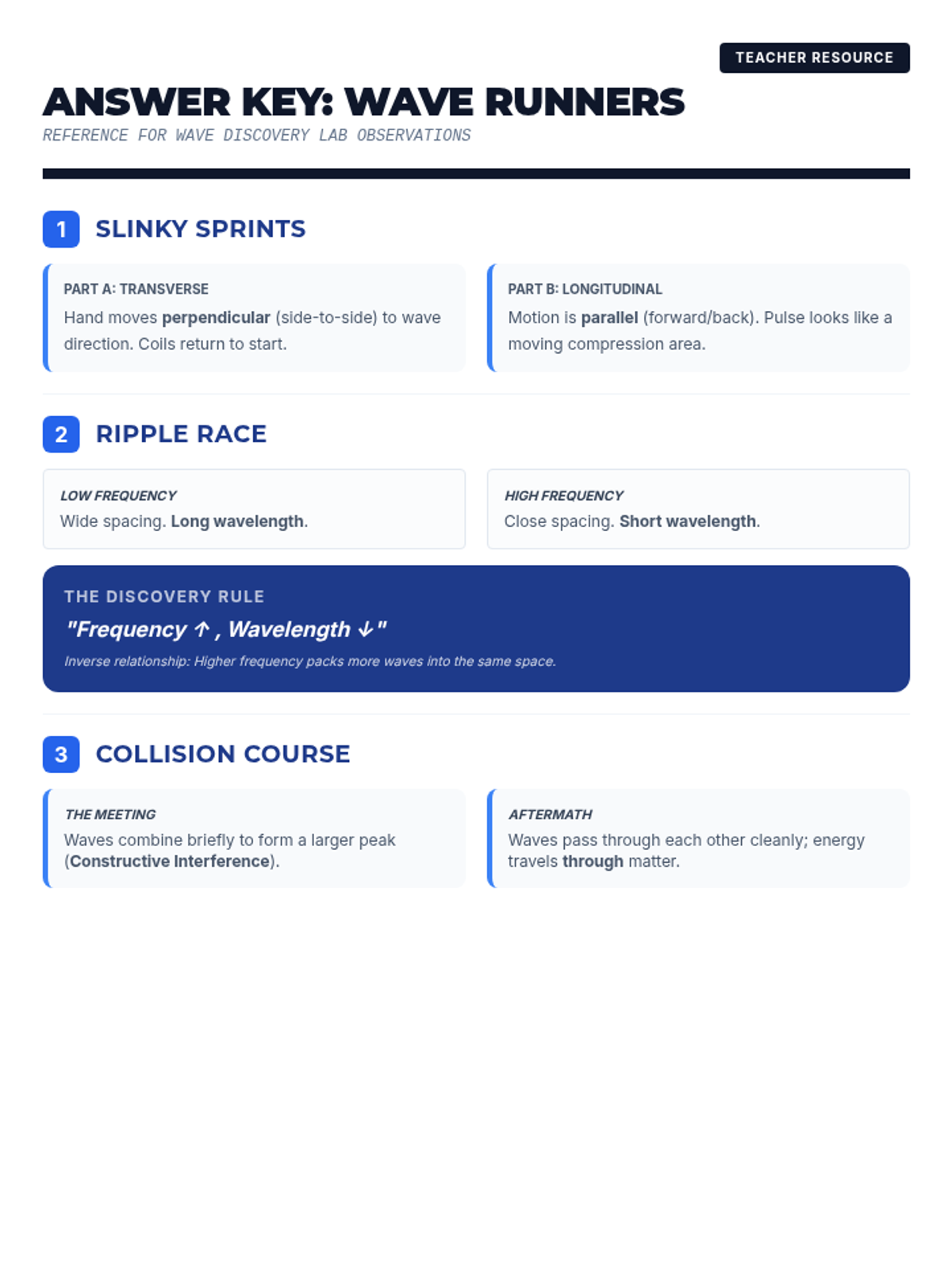
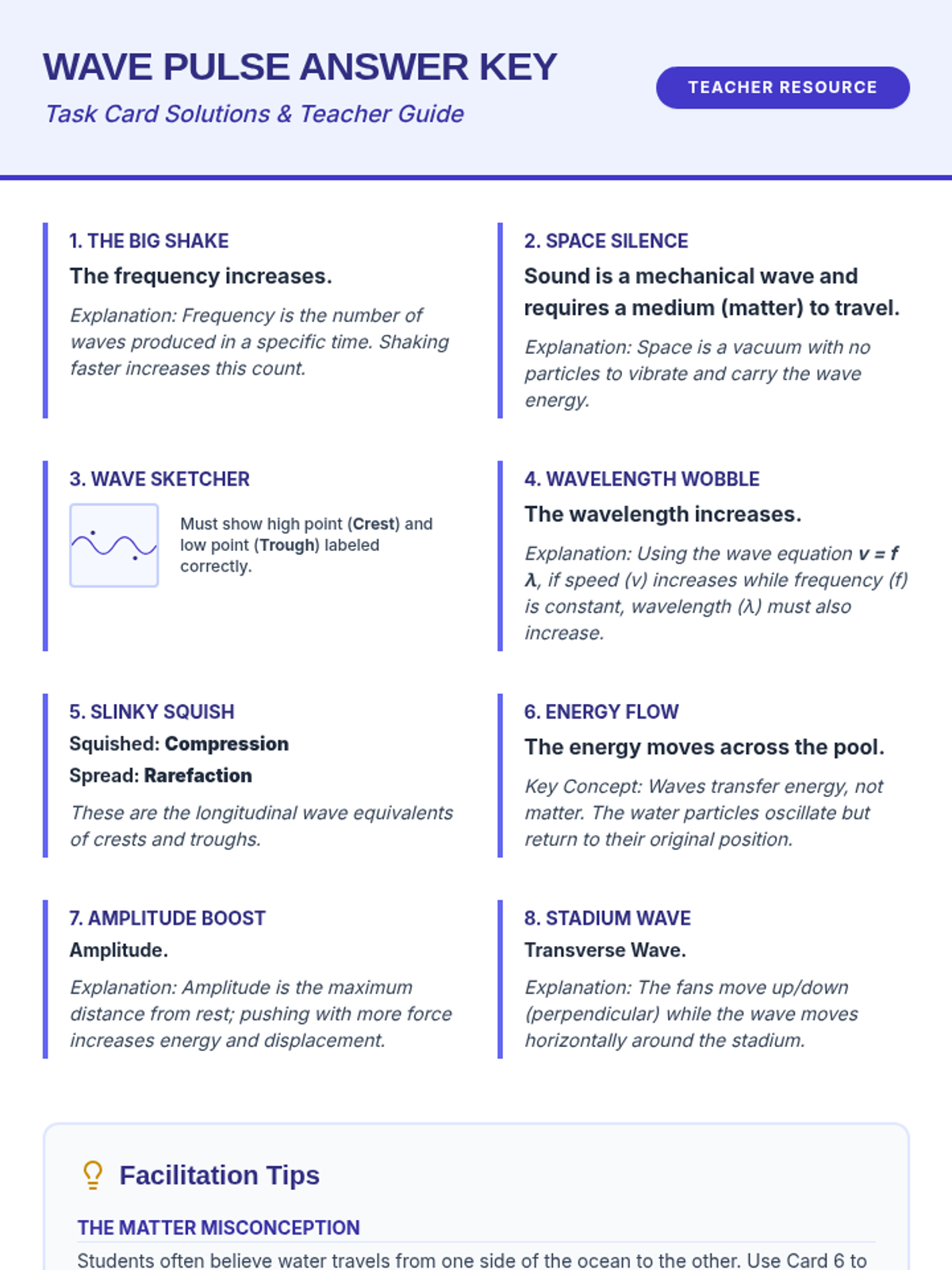
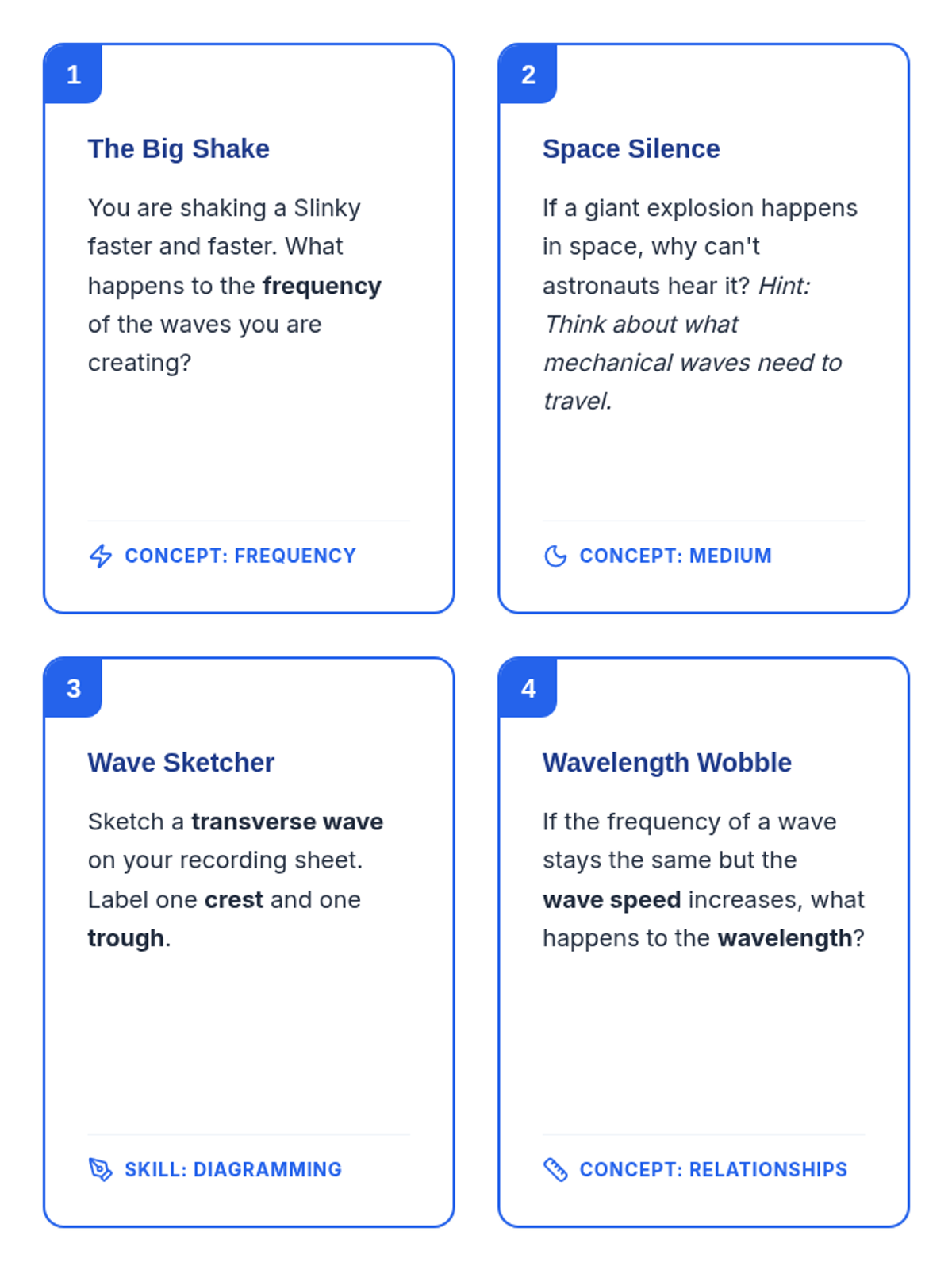
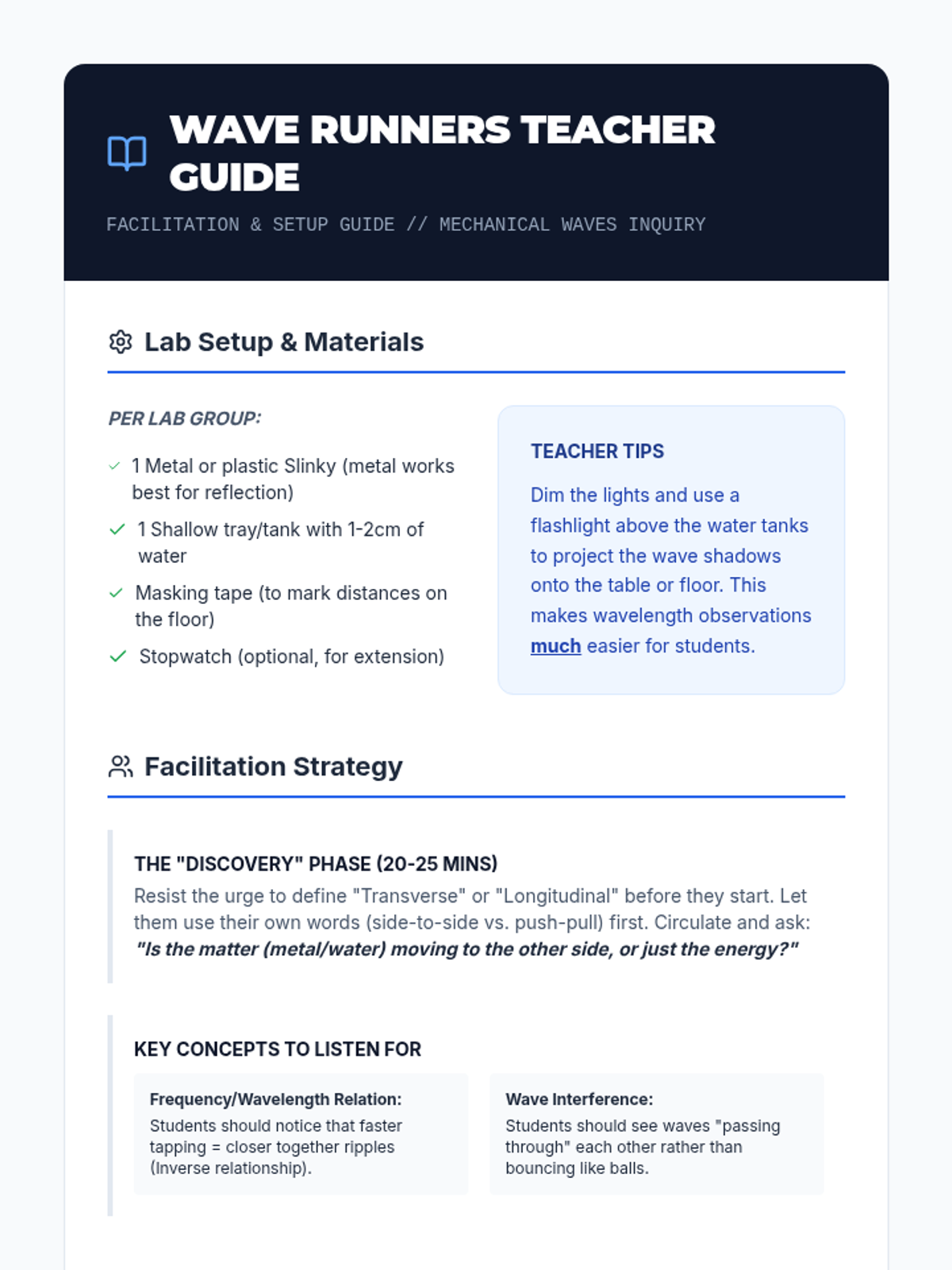
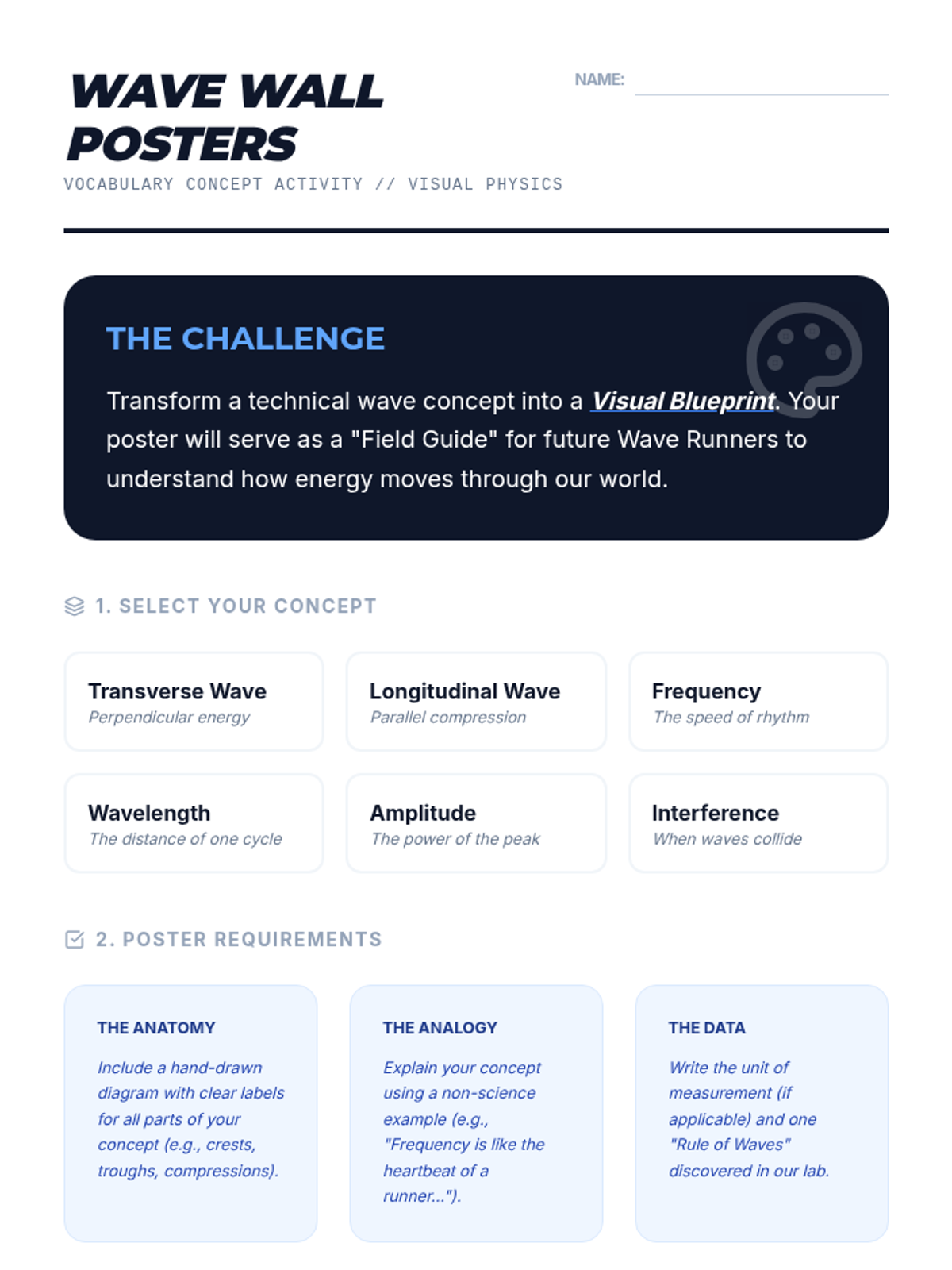
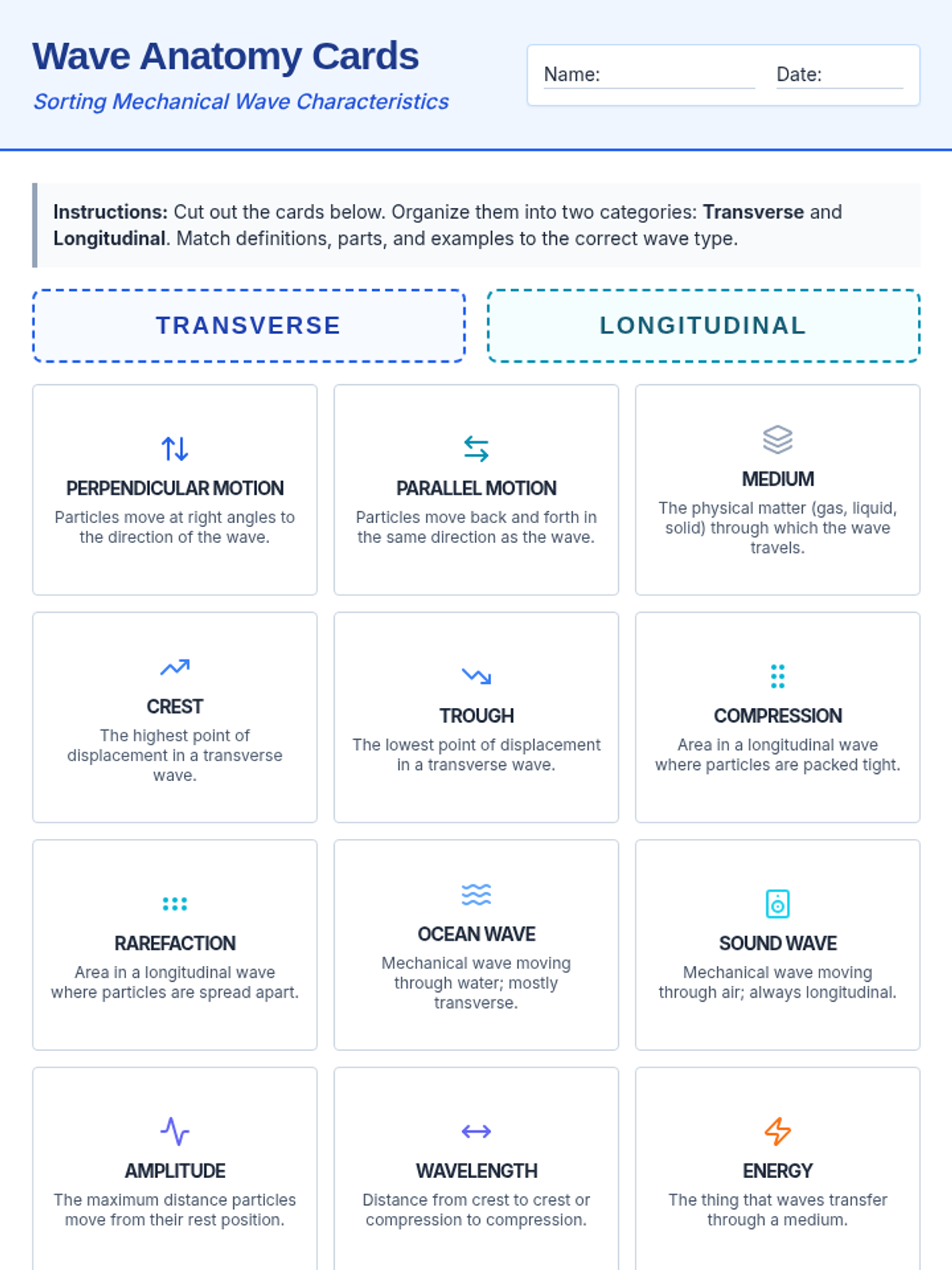
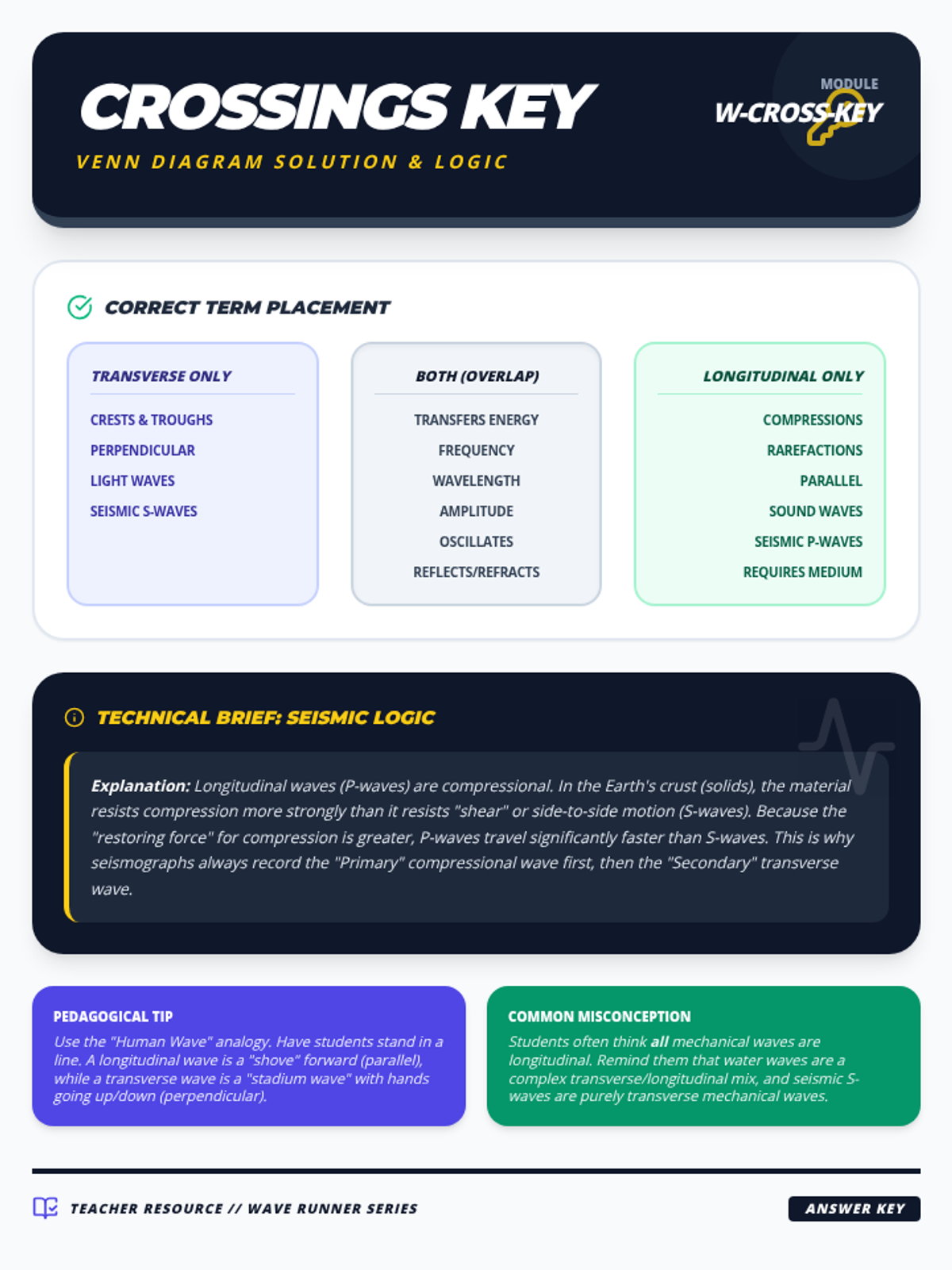
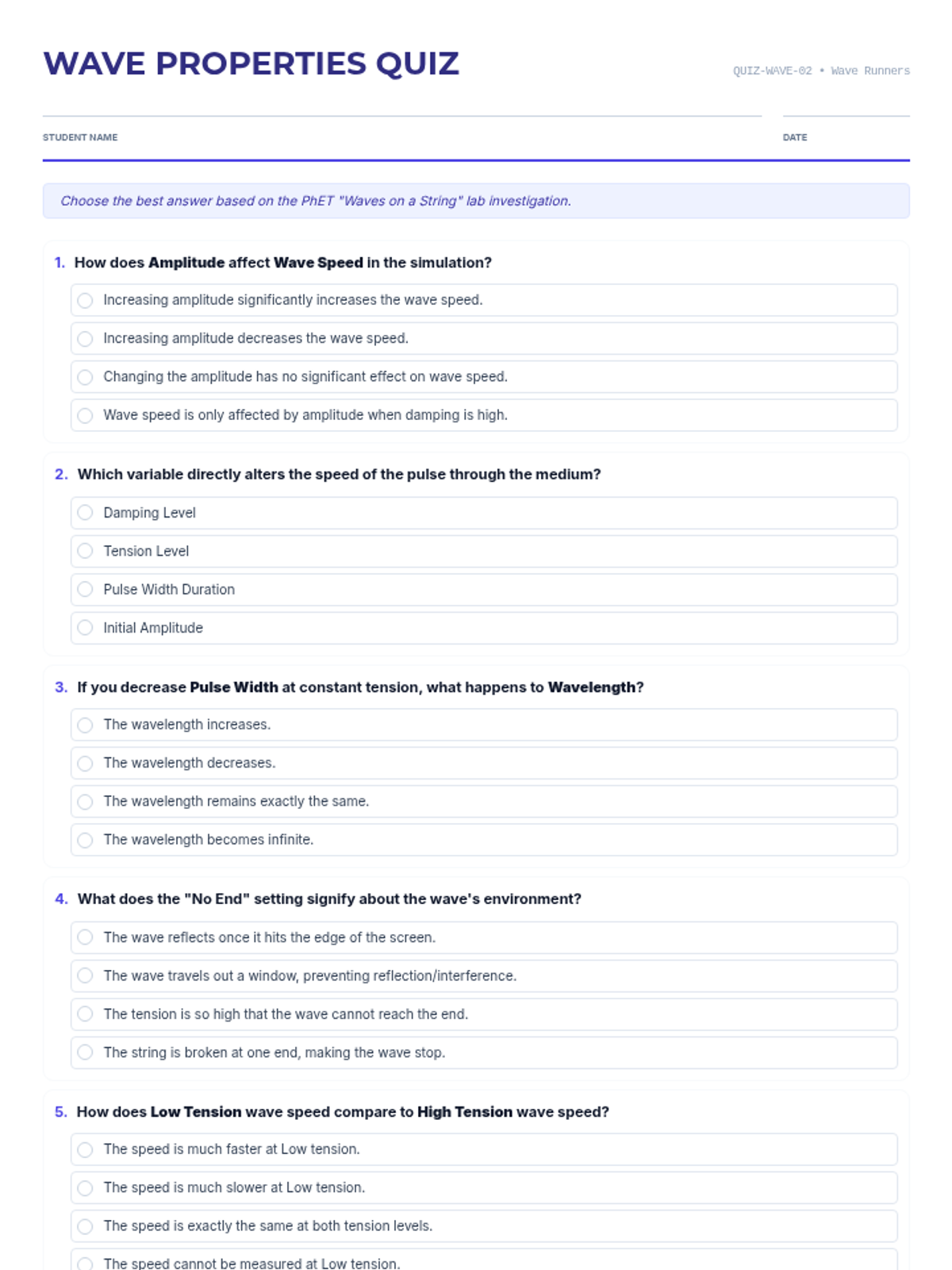
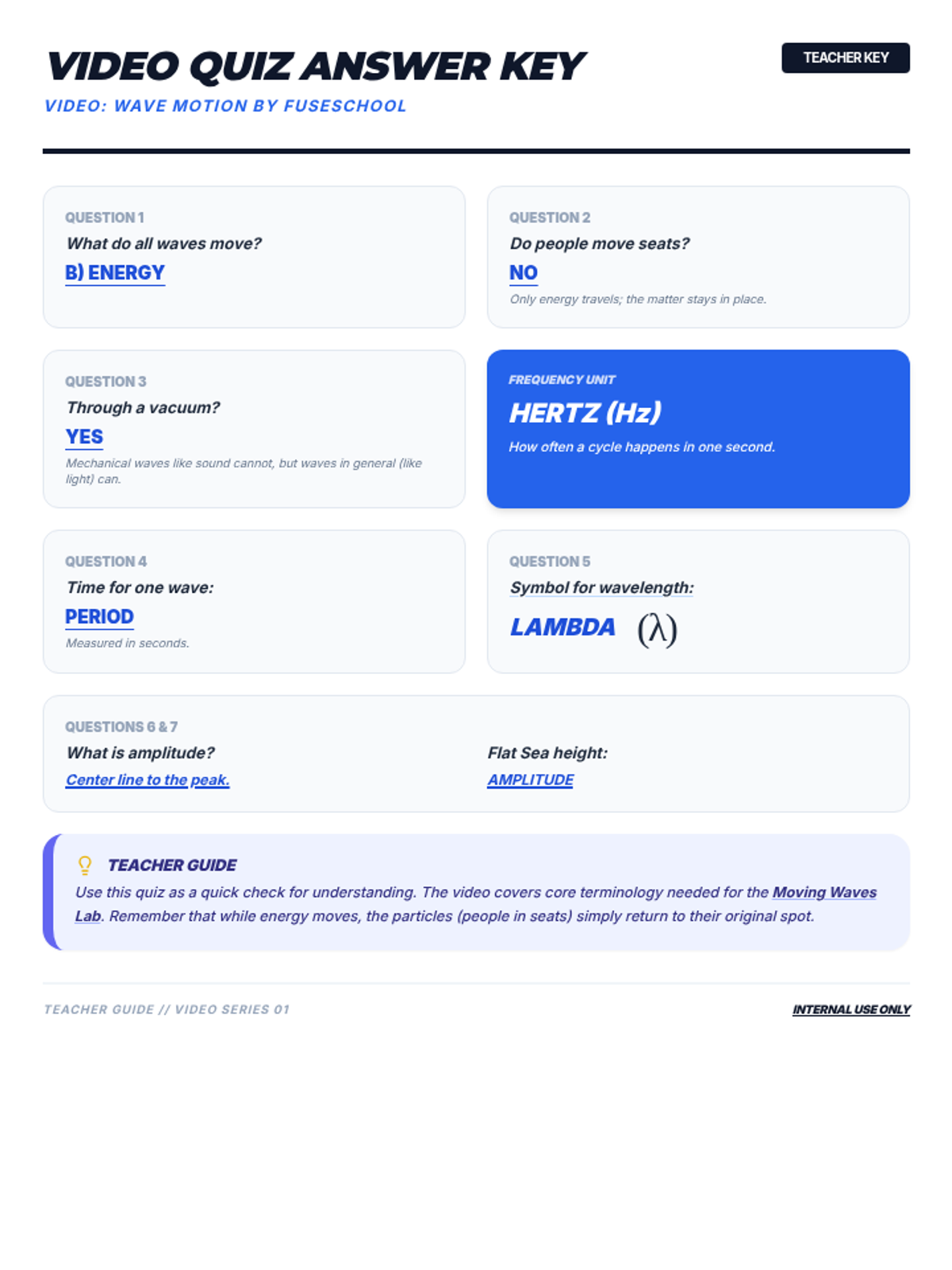
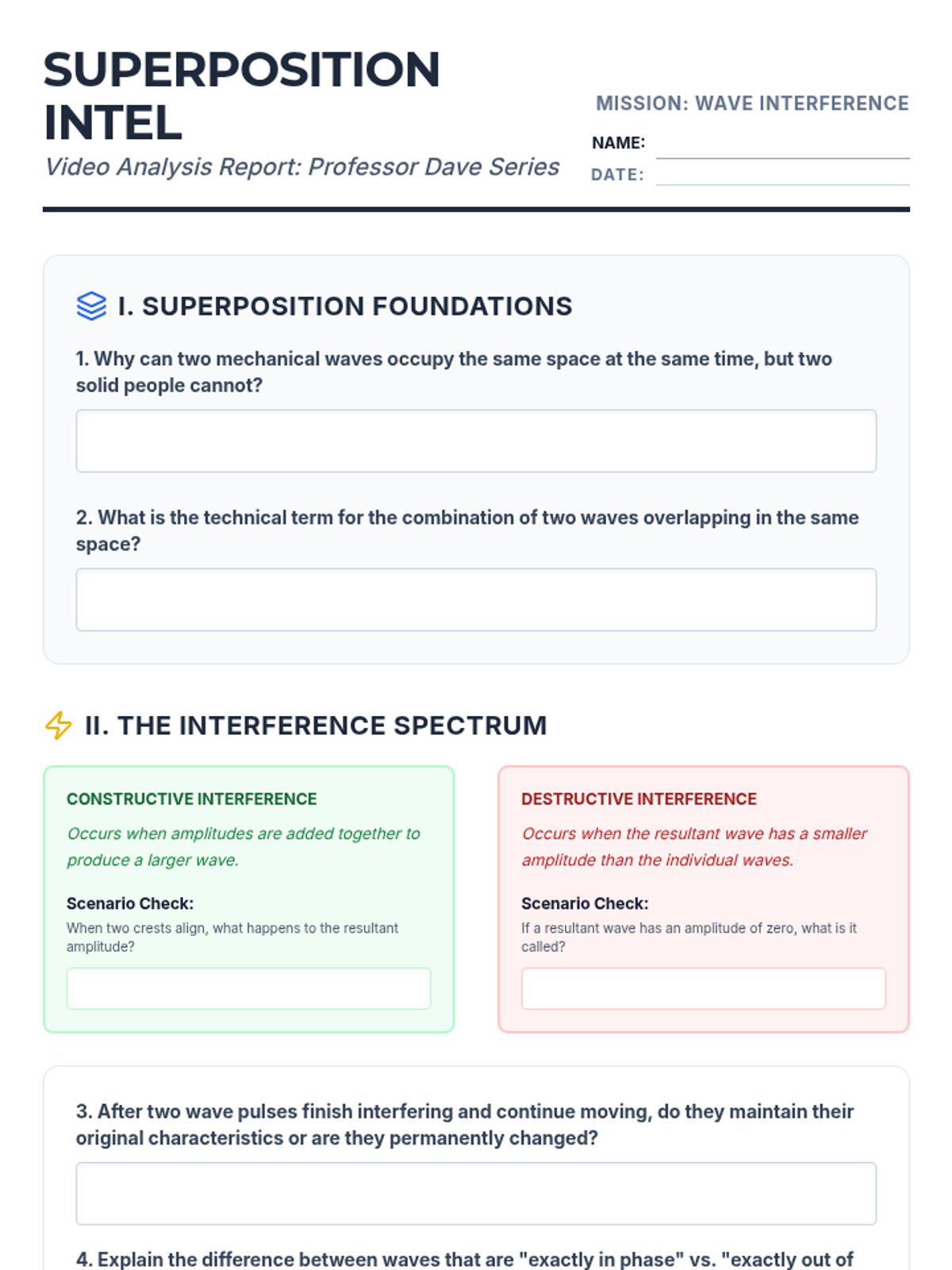
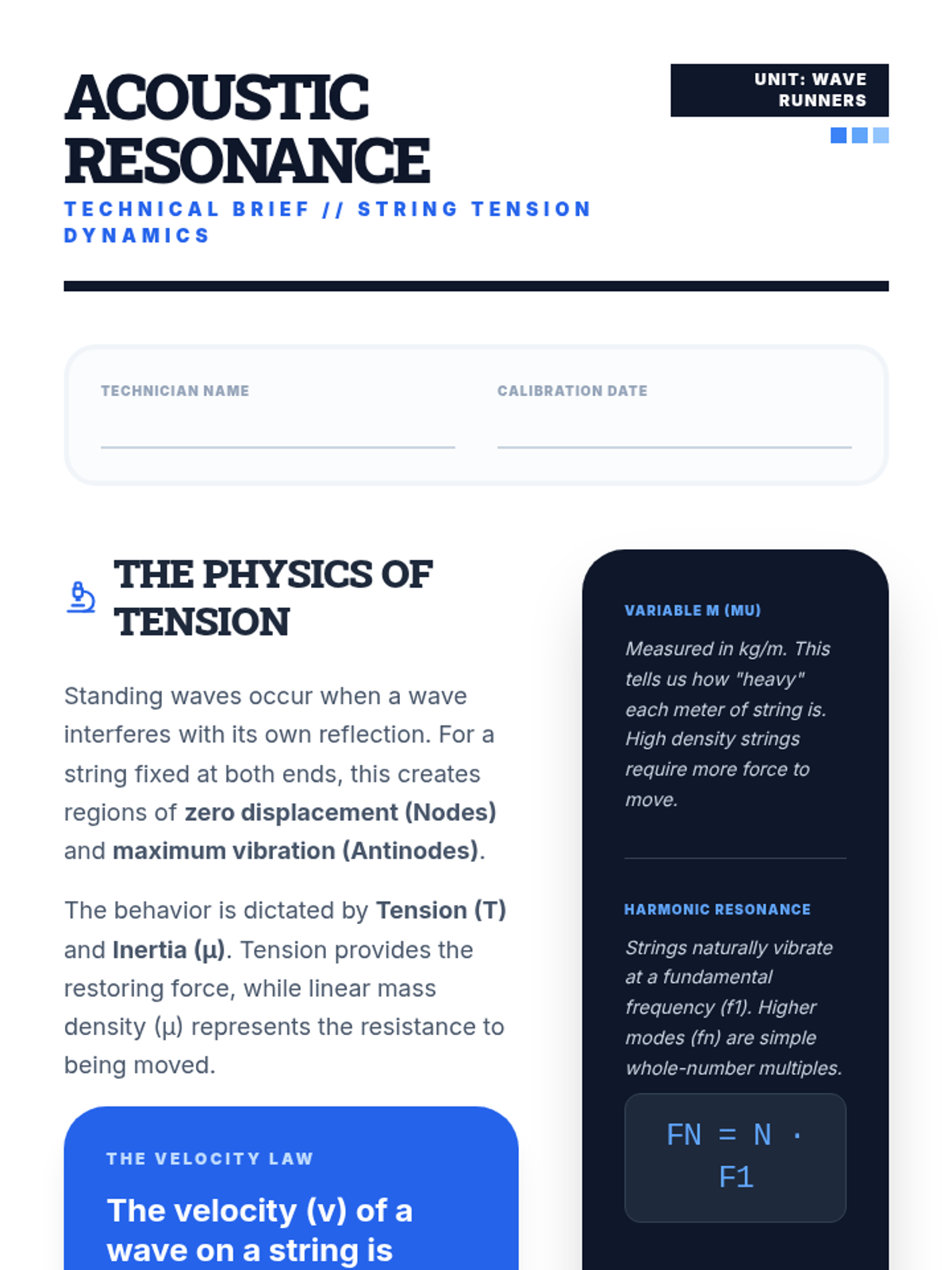
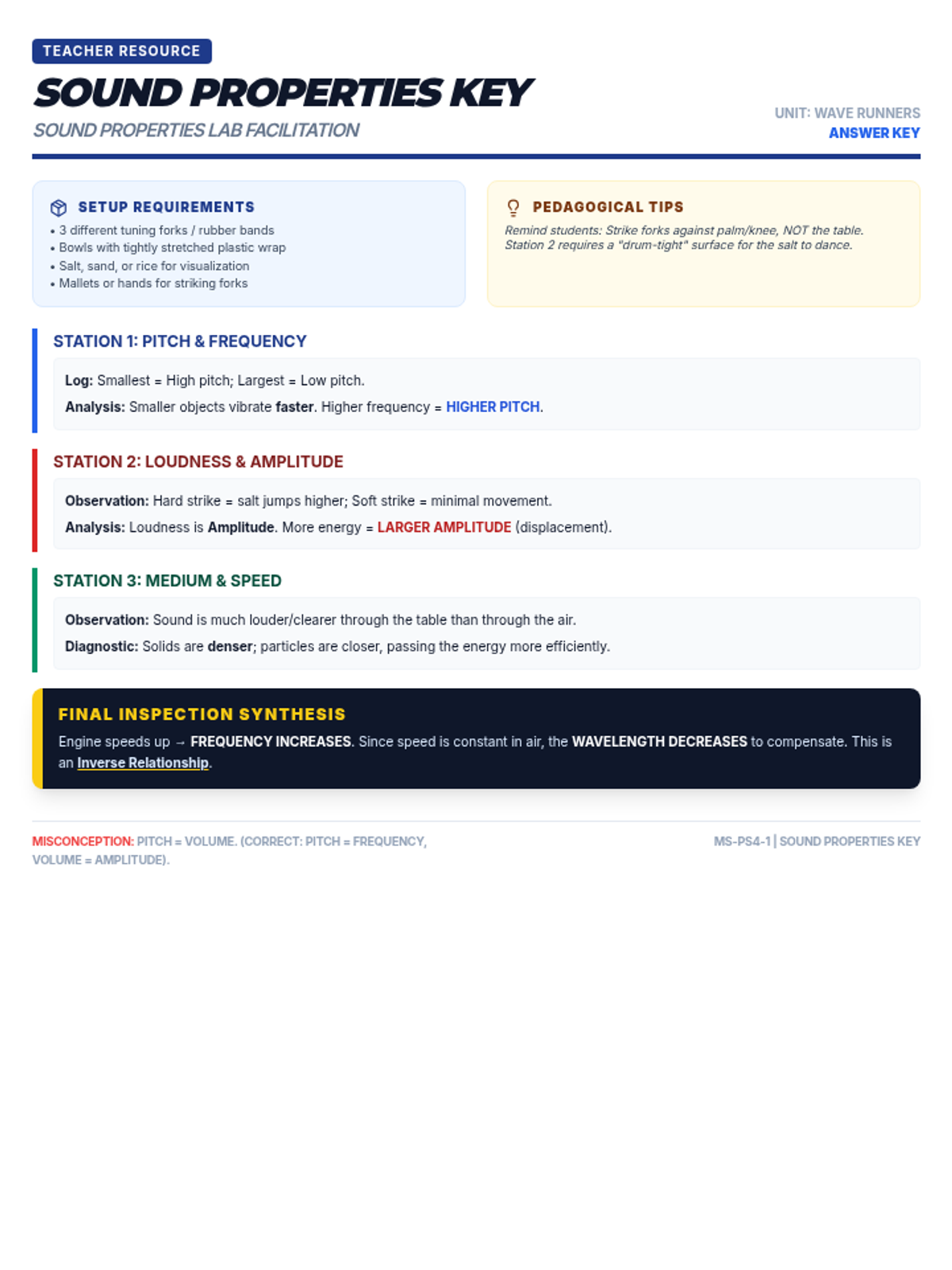
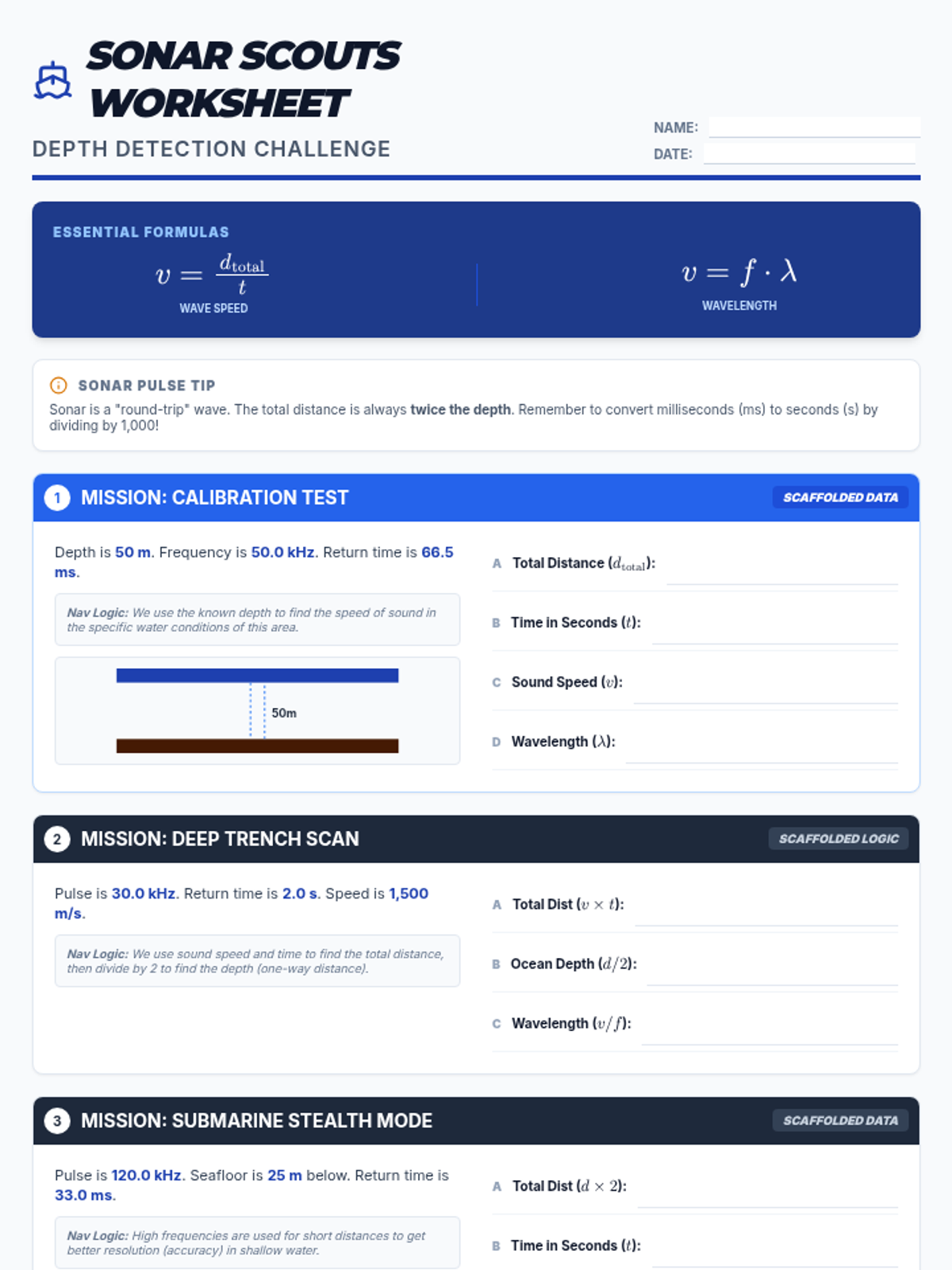
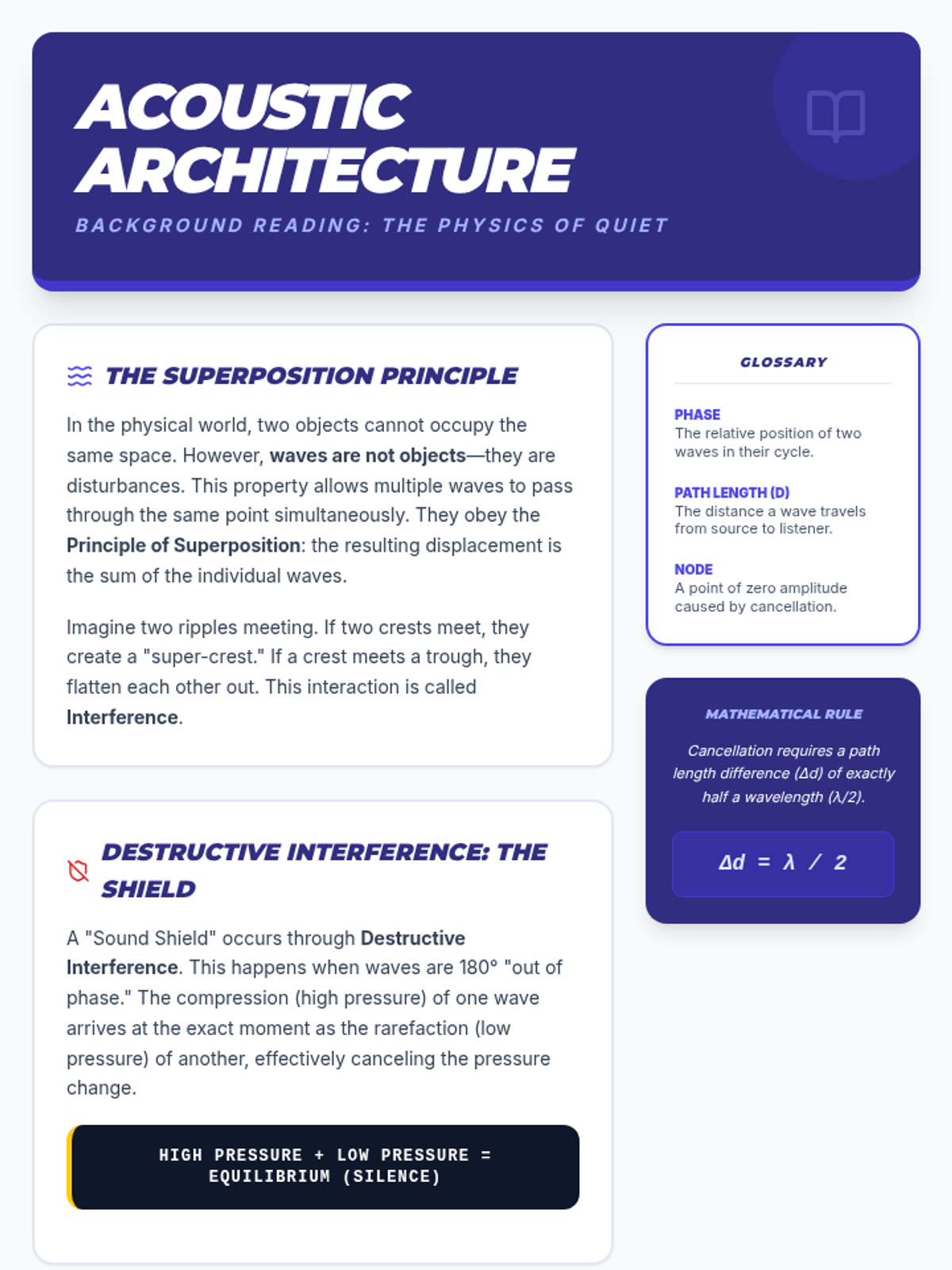
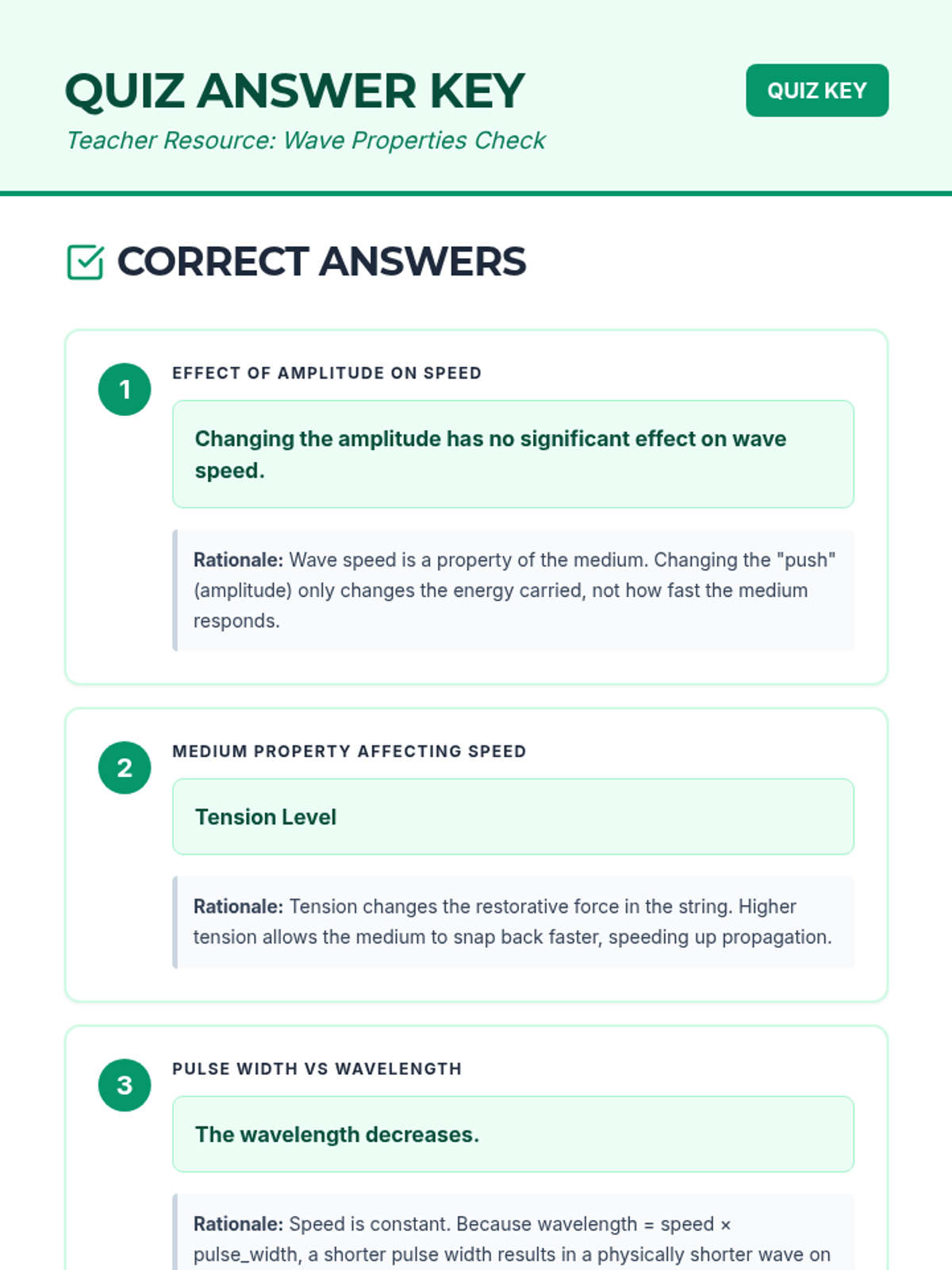
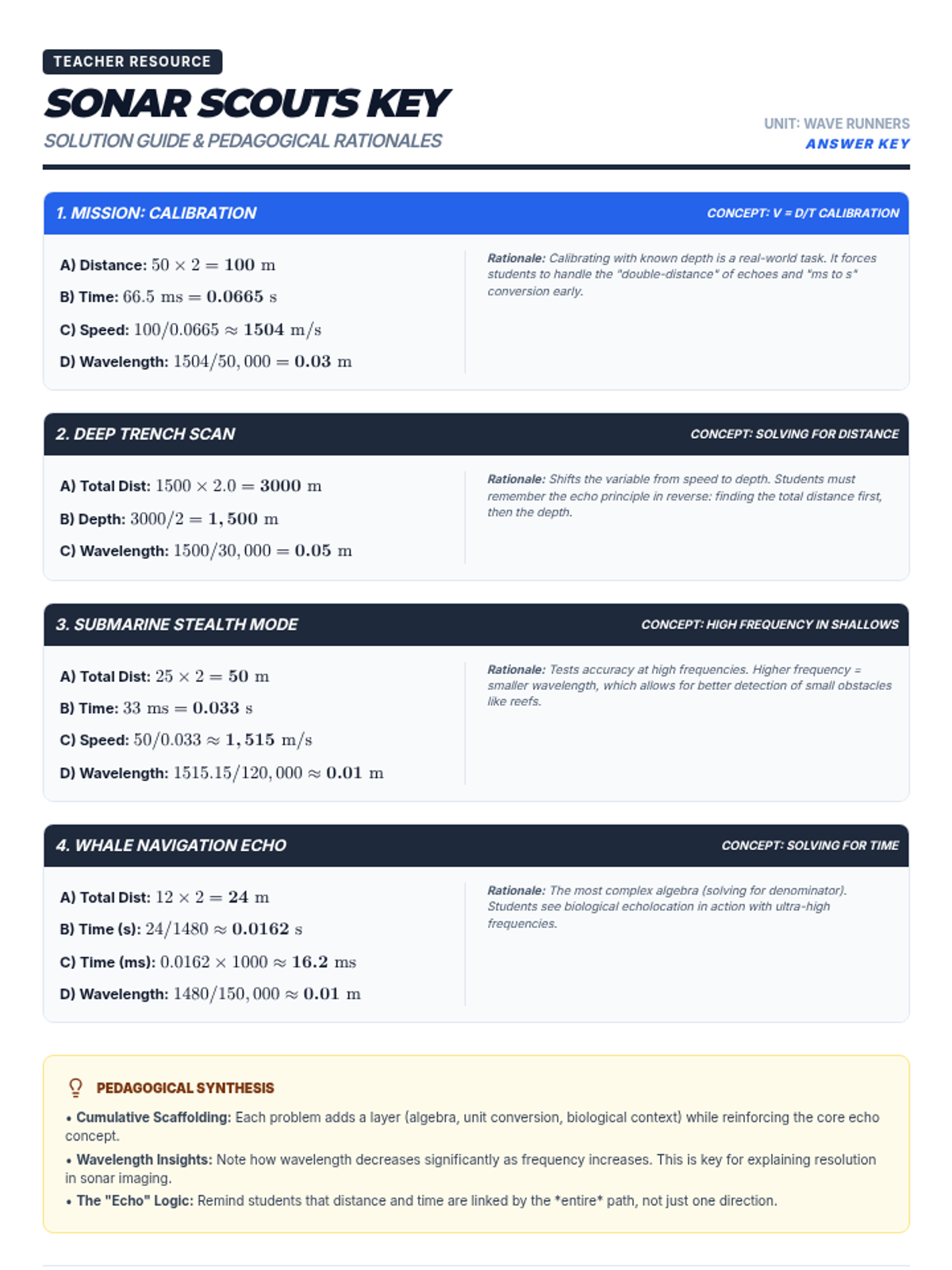
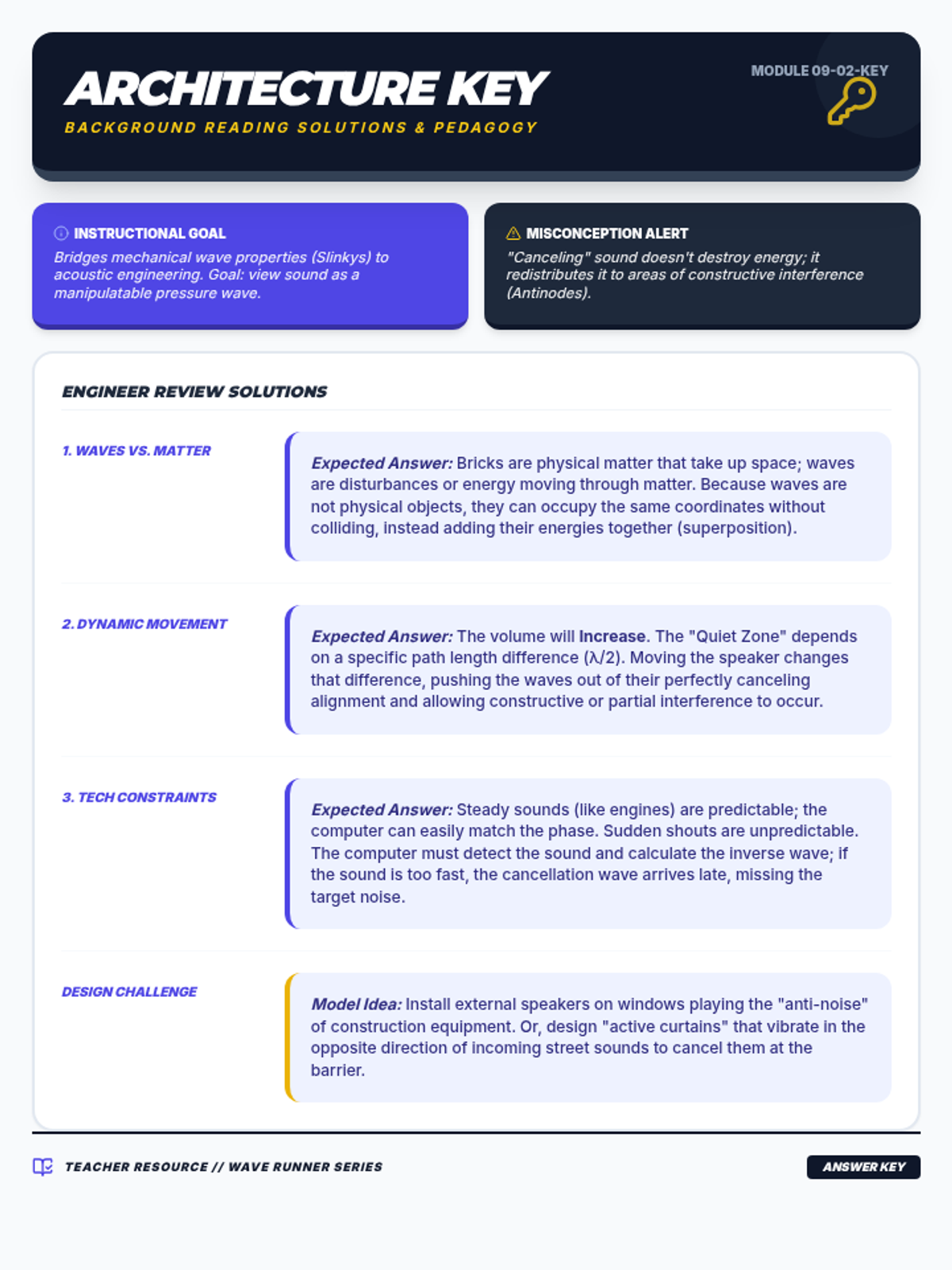
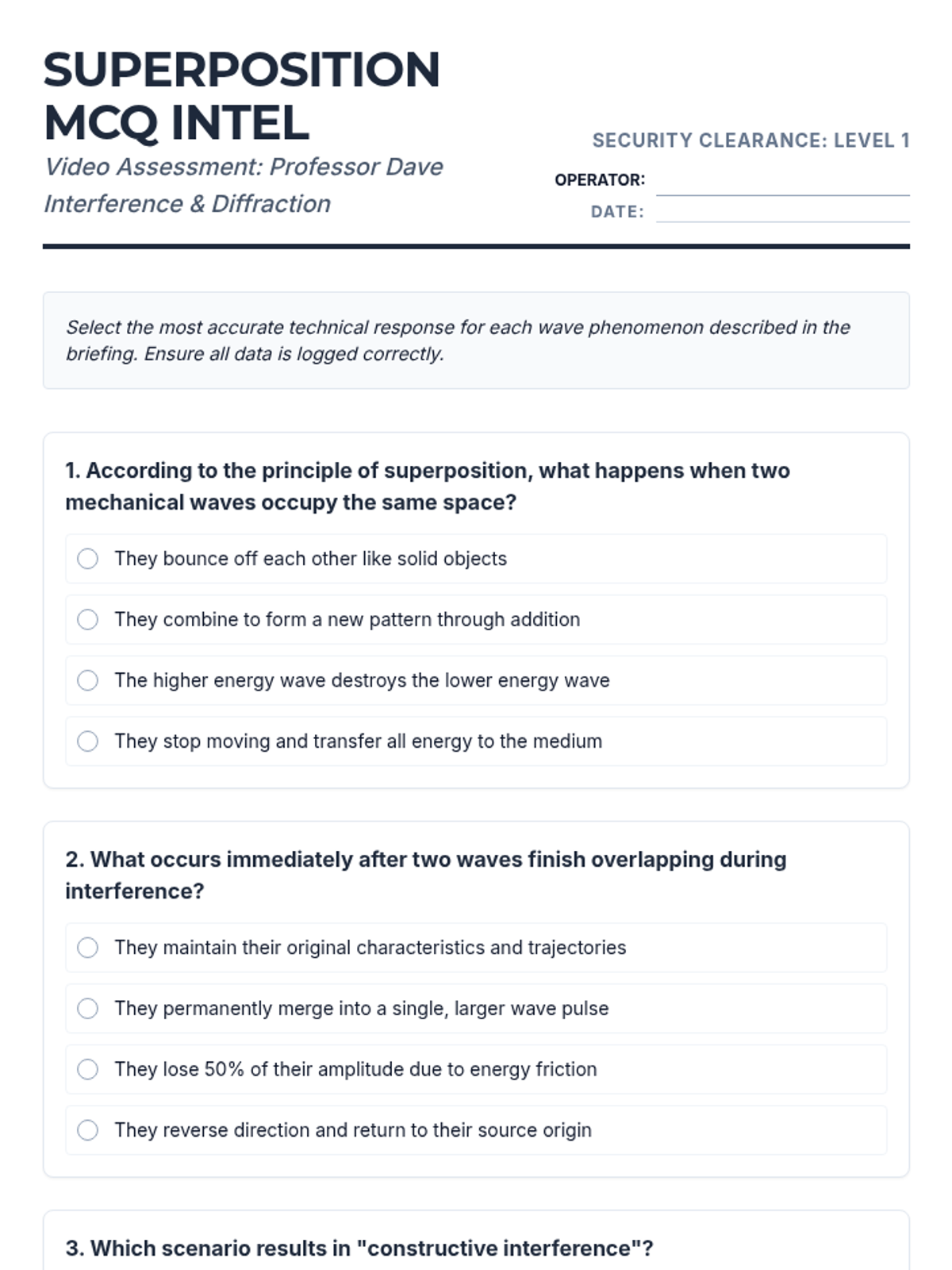
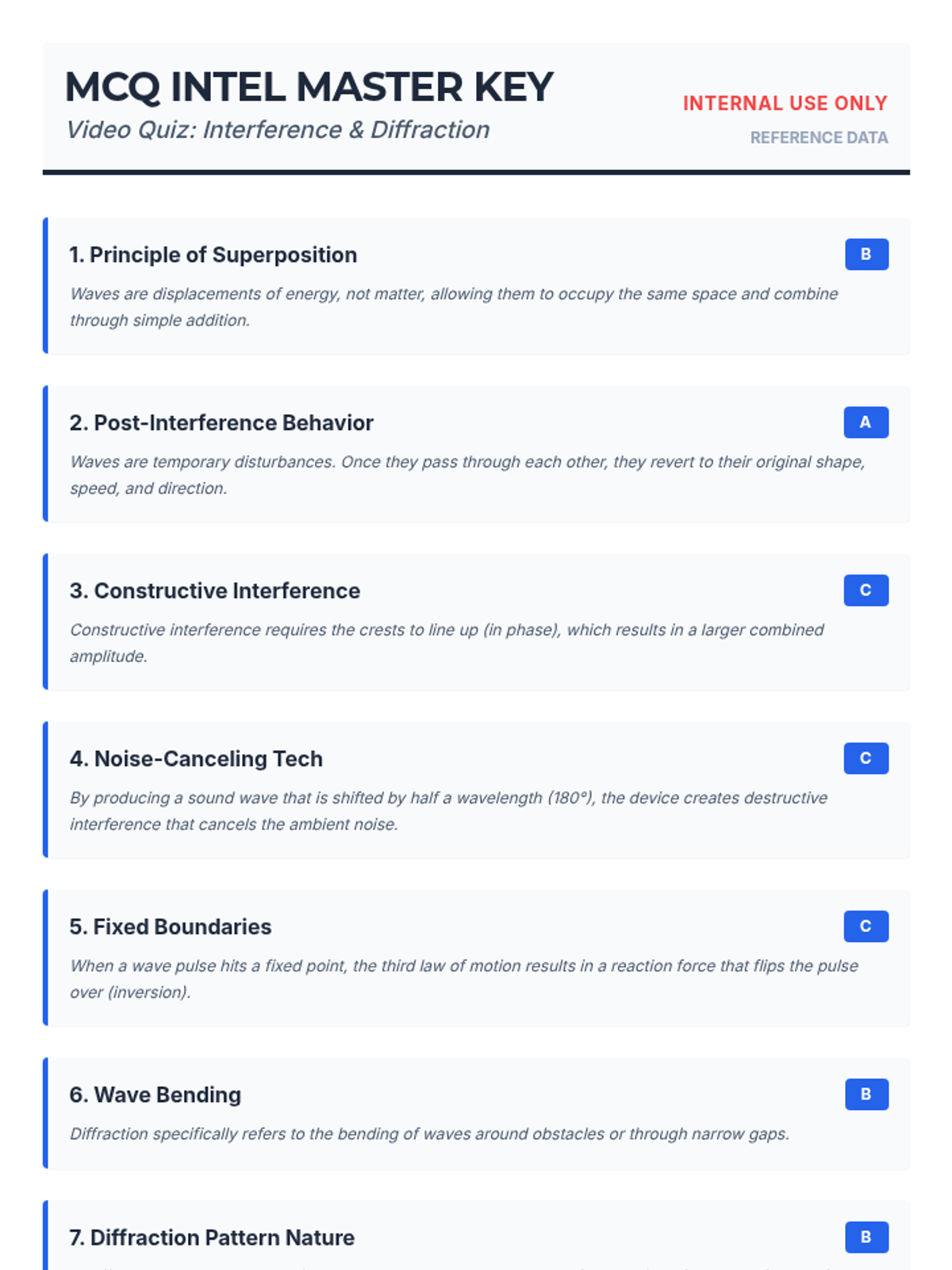
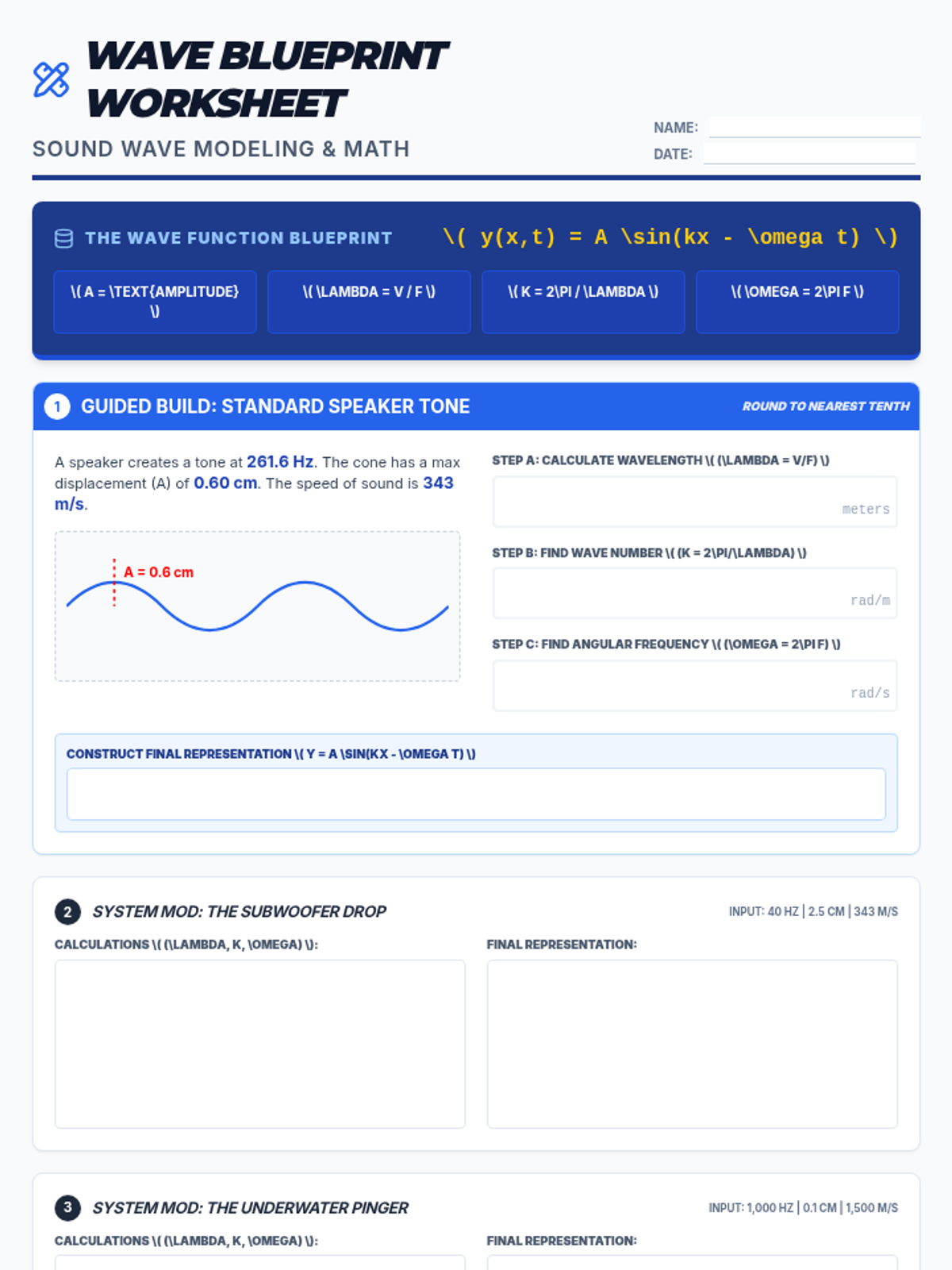
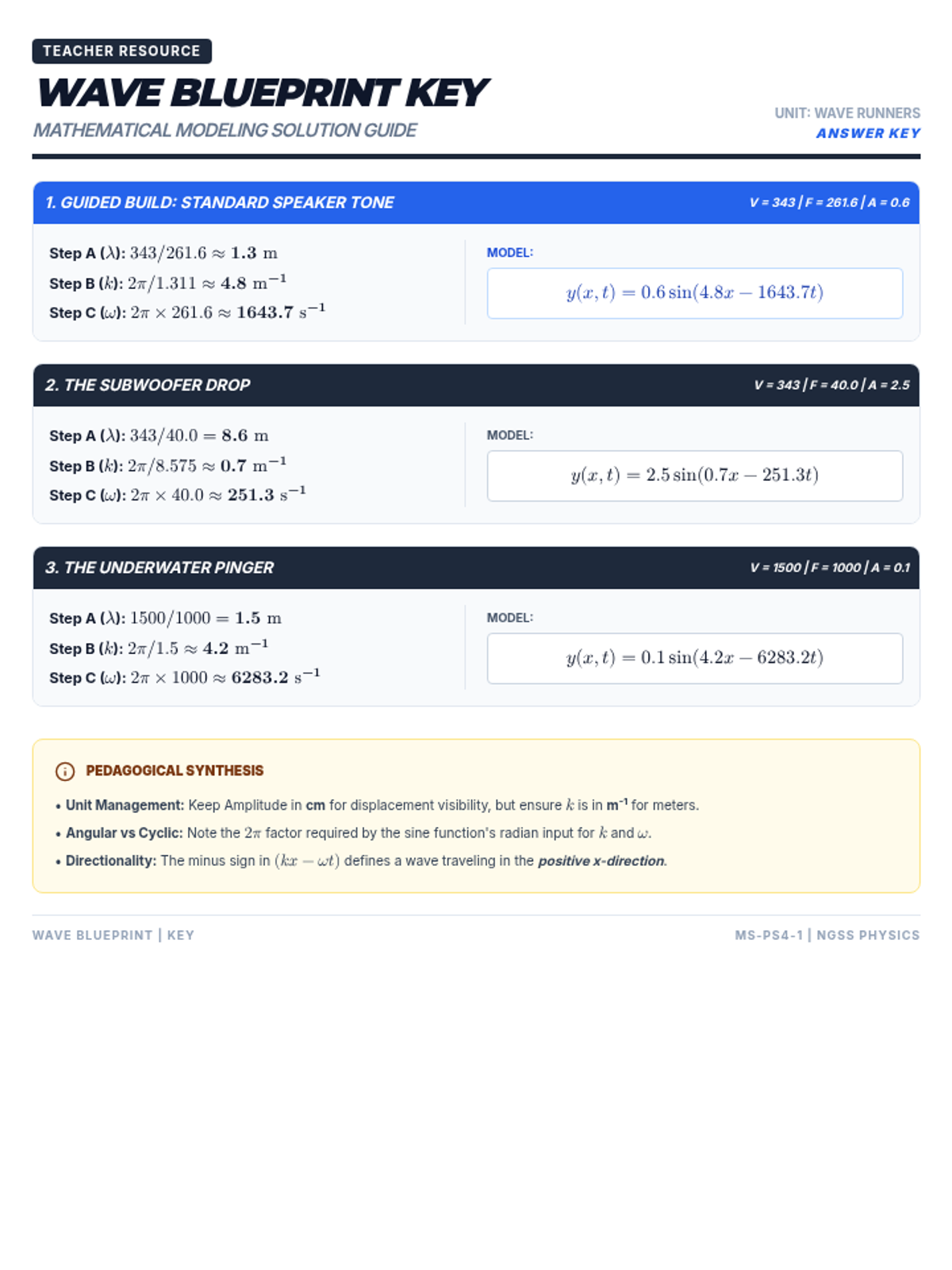
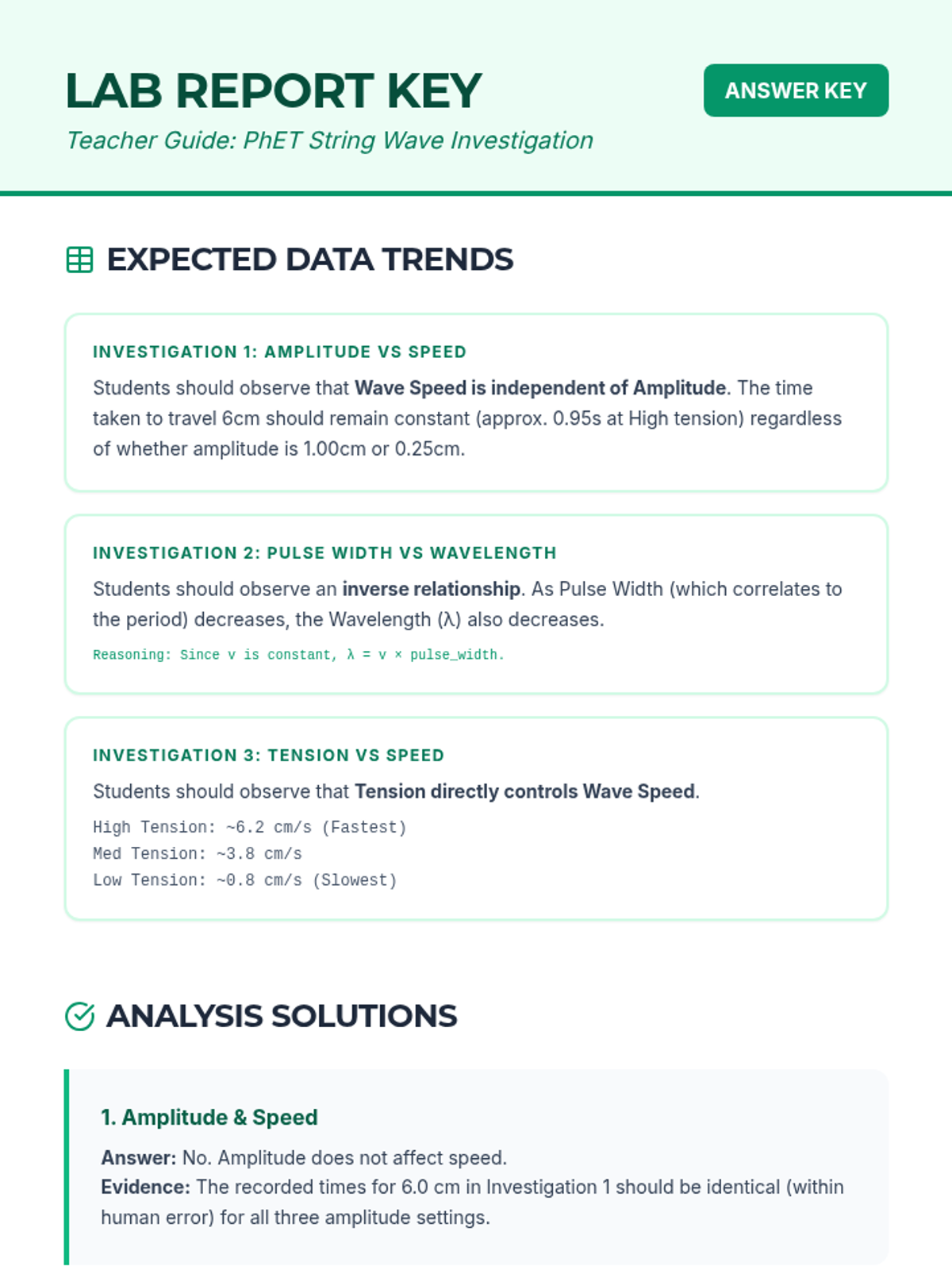
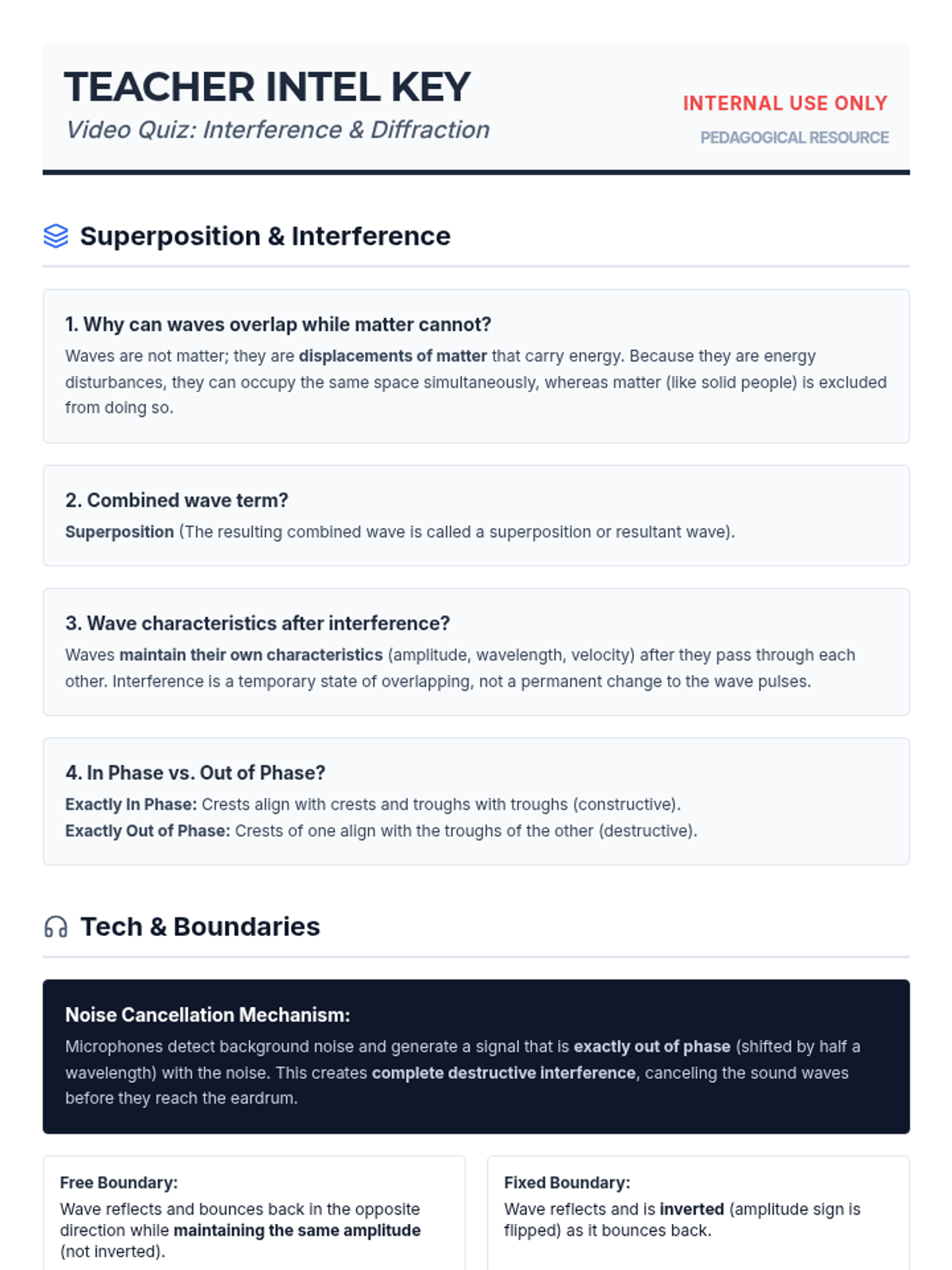
A comprehensive physics unit covering the behavior of mechanical and electromagnetic waves. Students transition from hands-on slinky exploration to advanced optical modeling and mathematical derivations.
A comprehensive series of vocabulary assessments designed to reinforce computer science concepts through repeated exposure and varied questioning.
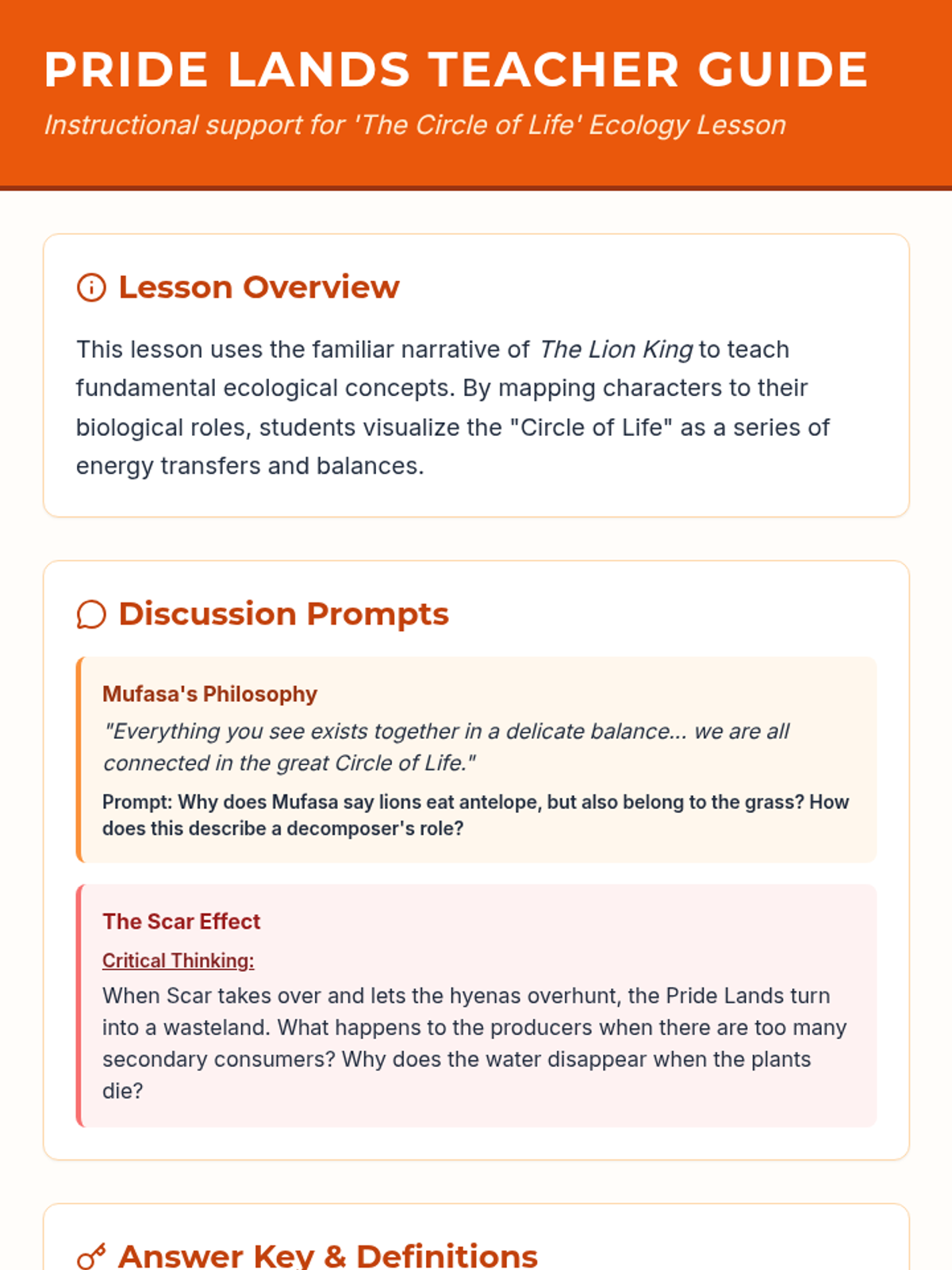
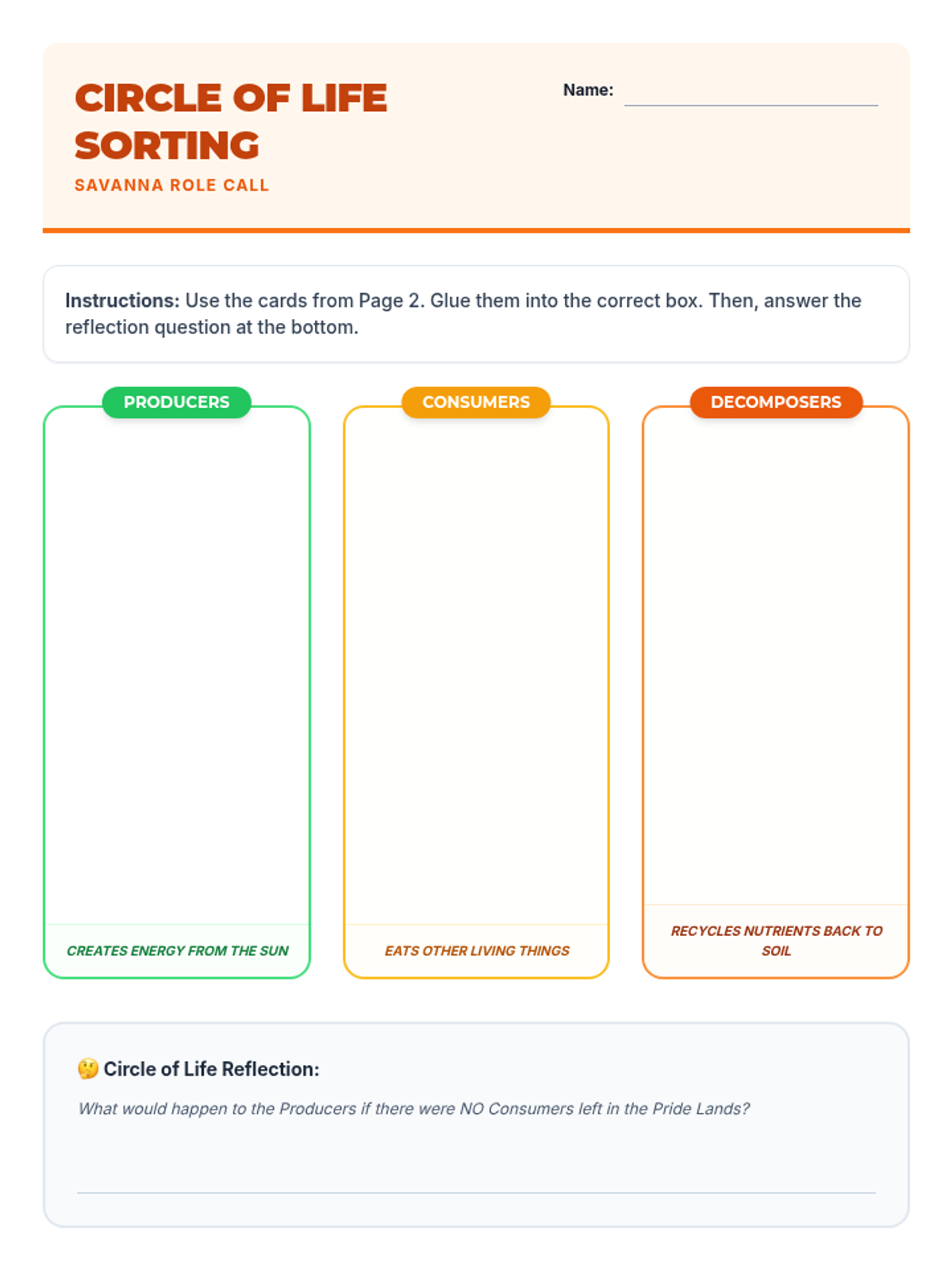
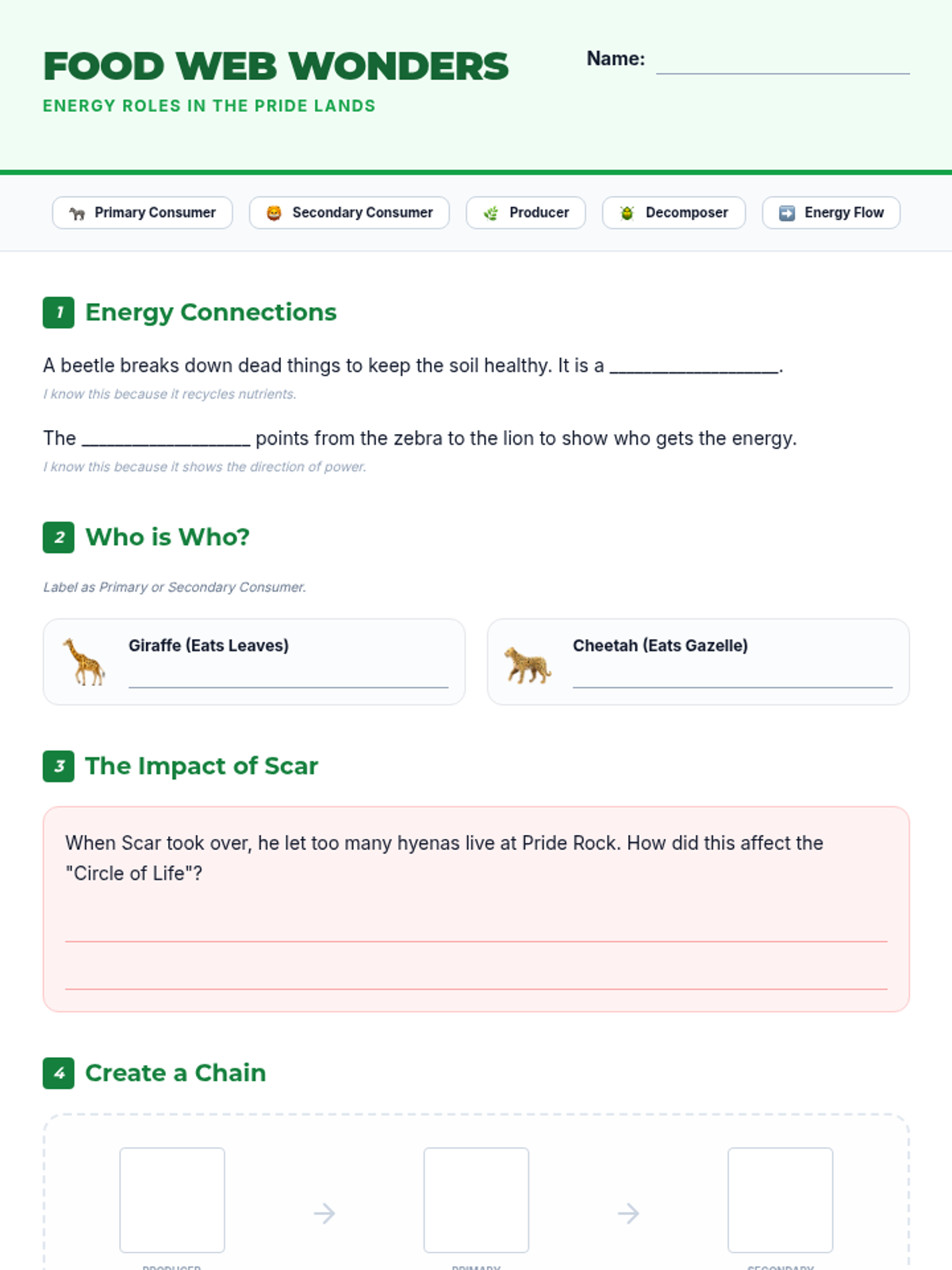
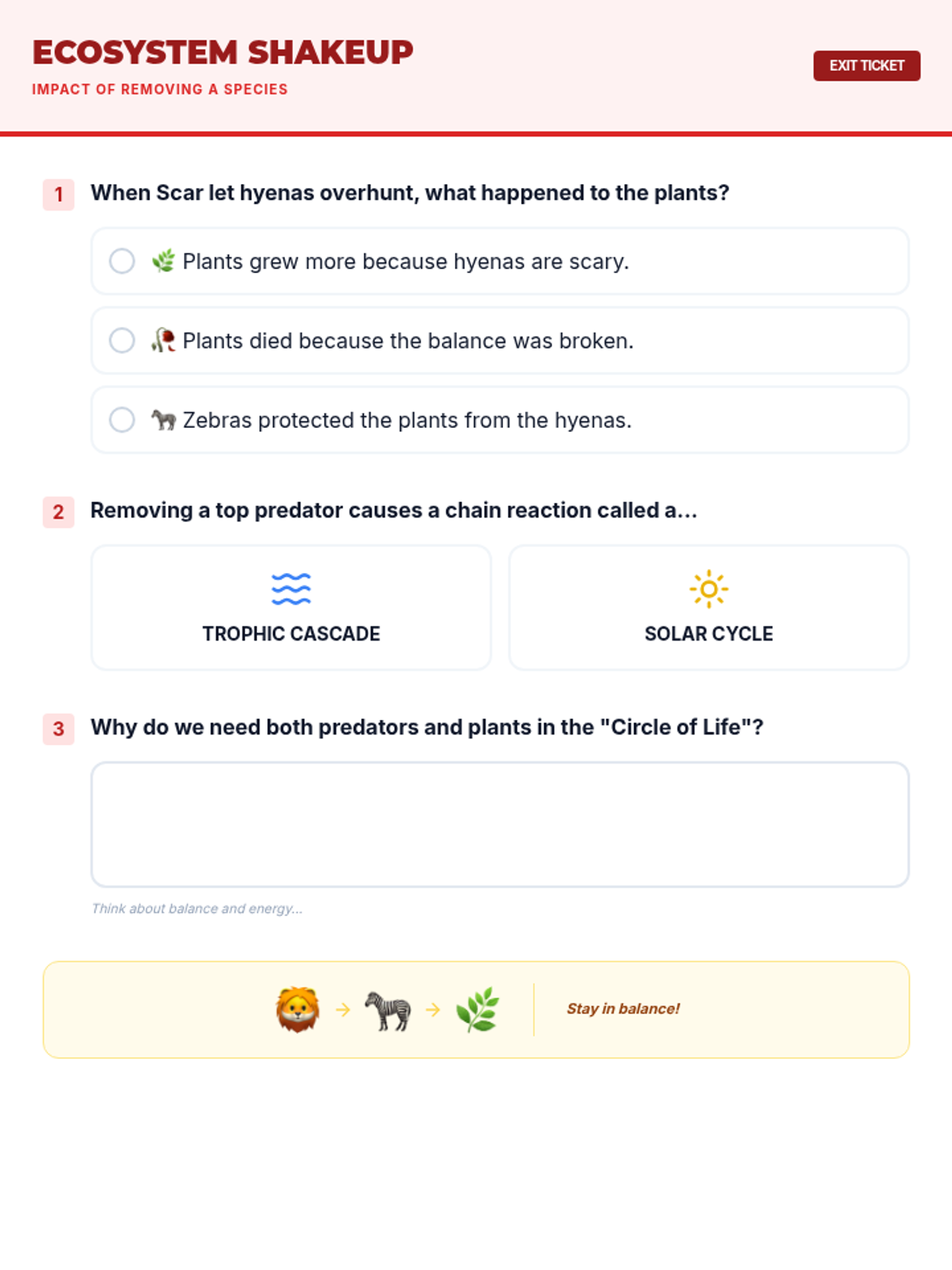
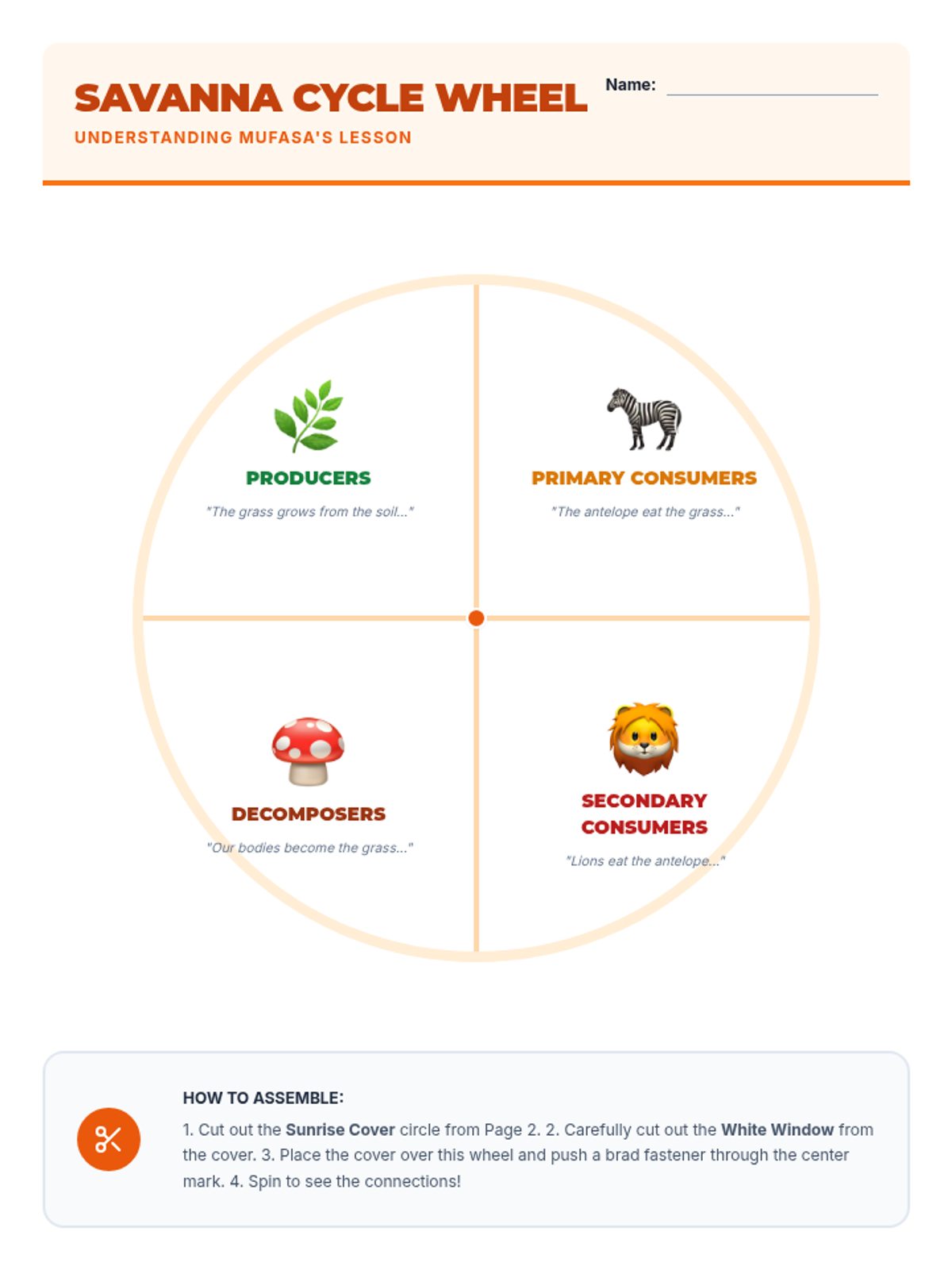
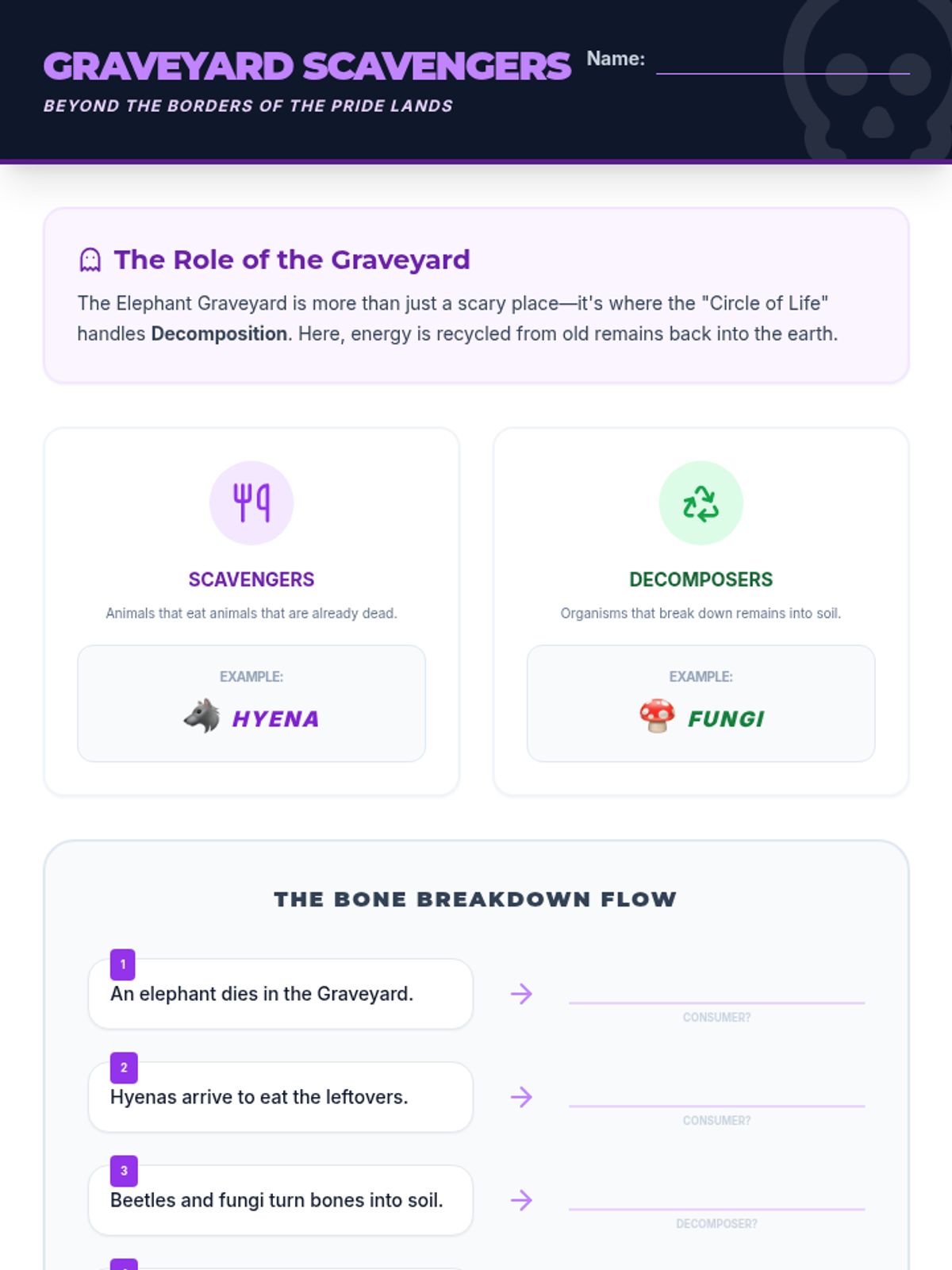
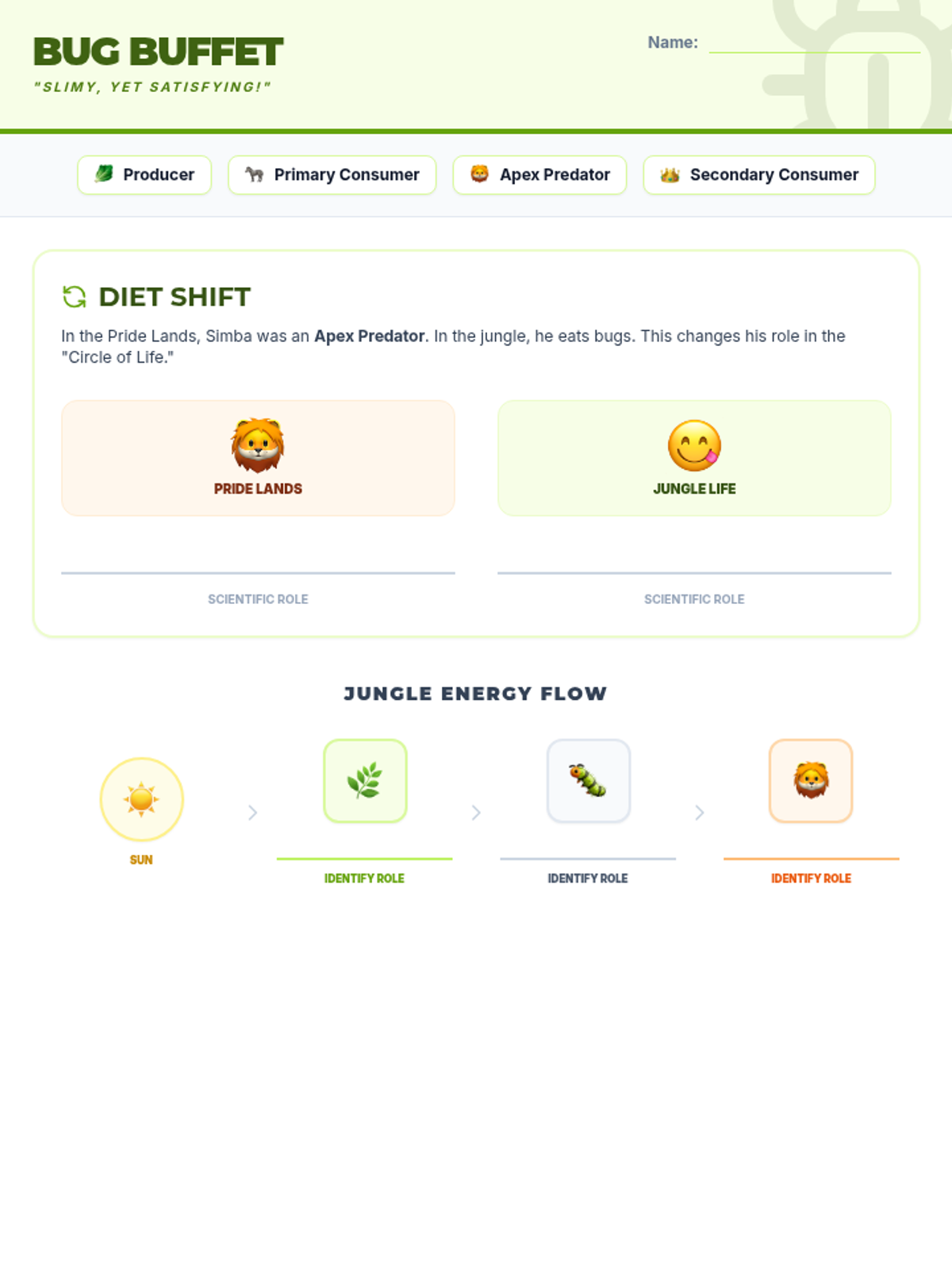
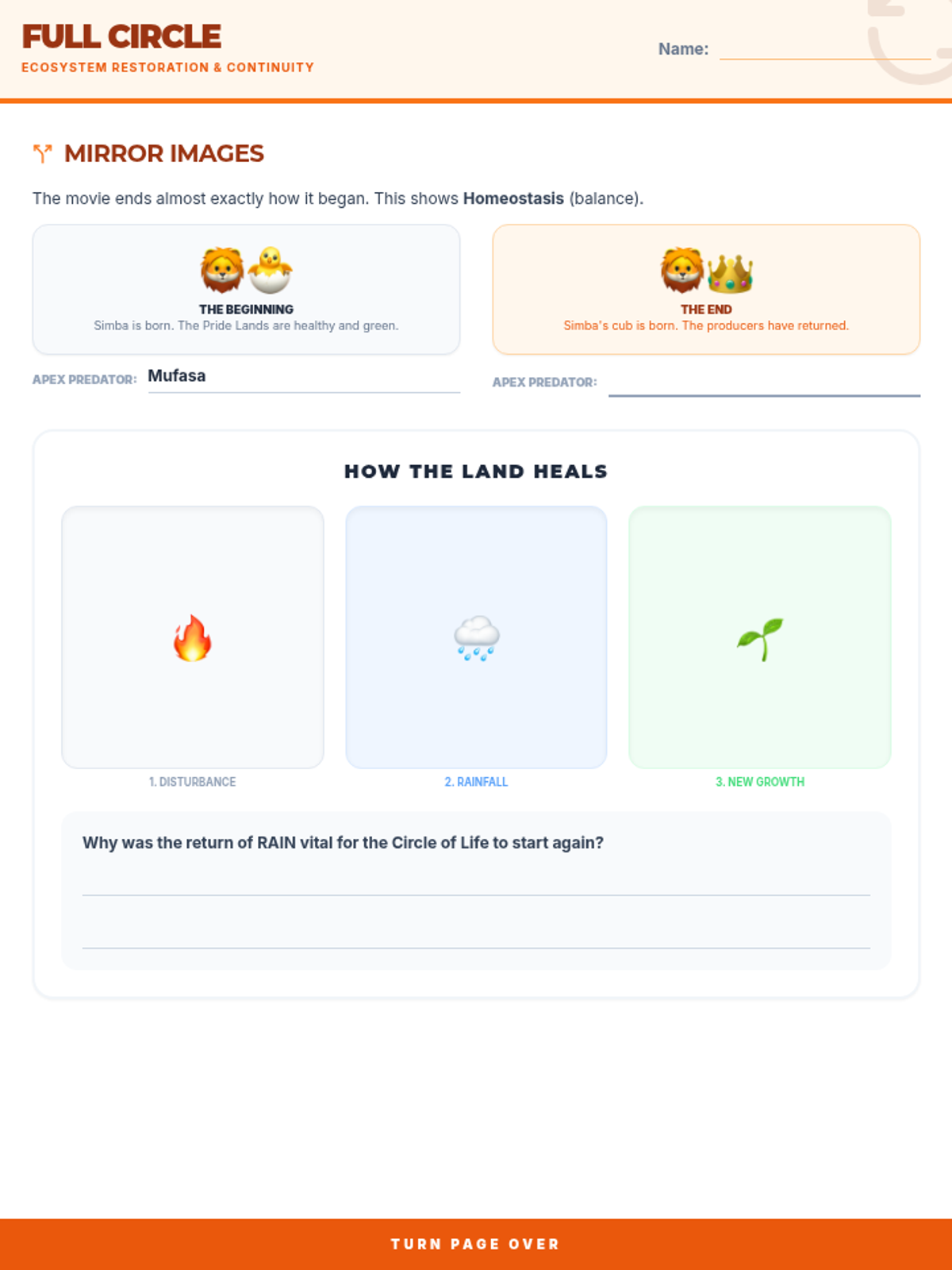
A science unit exploring ecology through the lens of 'The Lion King', focusing on food chains, food webs, and the balance of ecosystems. Students will learn to identify energy roles and predict the consequences of ecological changes.
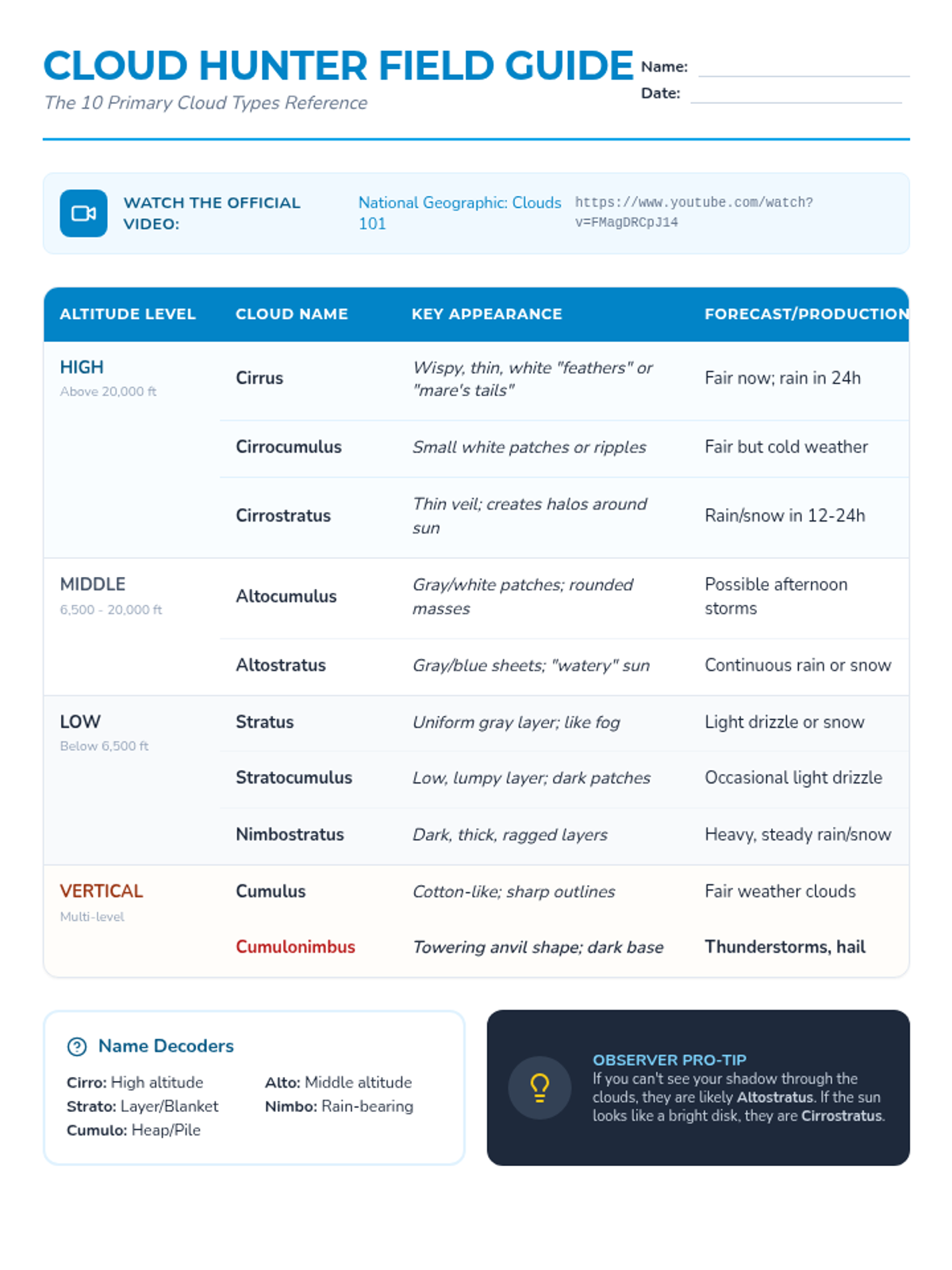
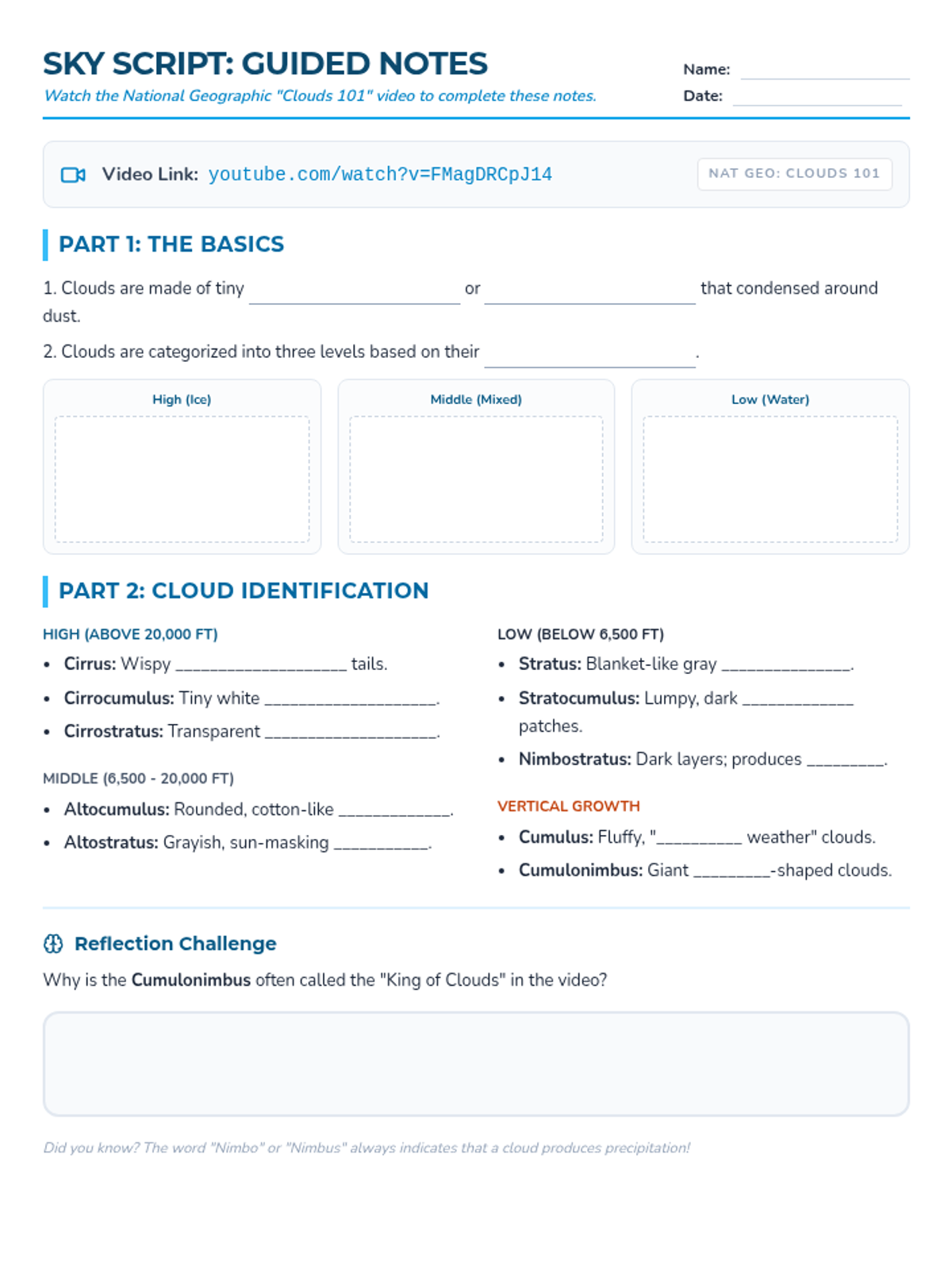
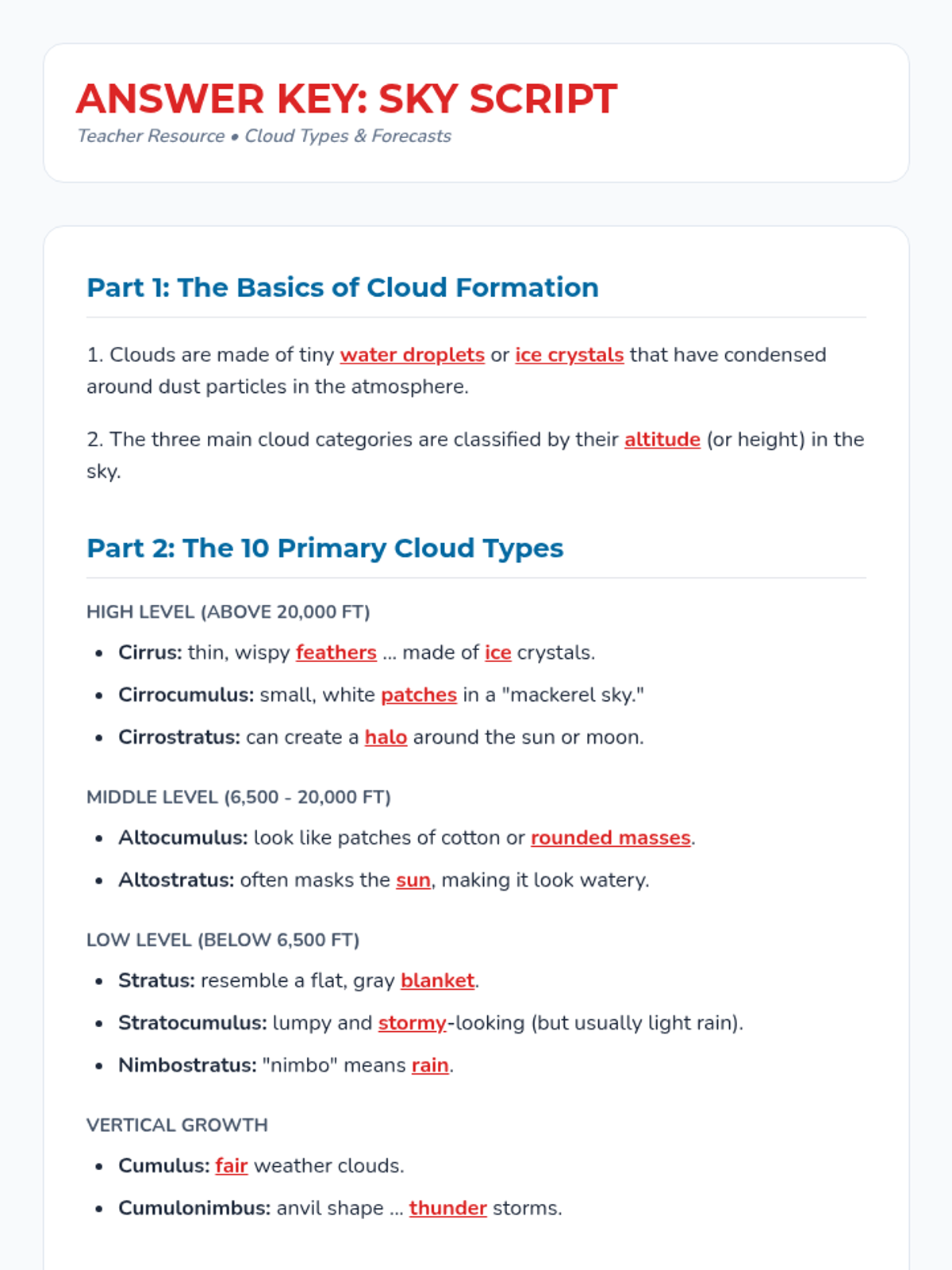
A comprehensive introduction to meteorology focused on identifying and understanding the ten primary cloud types and their impact on weather patterns.