A comprehensive Kindergarten math unit focusing on sorting, classifying, and comparing objects by attributes like color, shape, and size, leading into basic data representation and analysis.
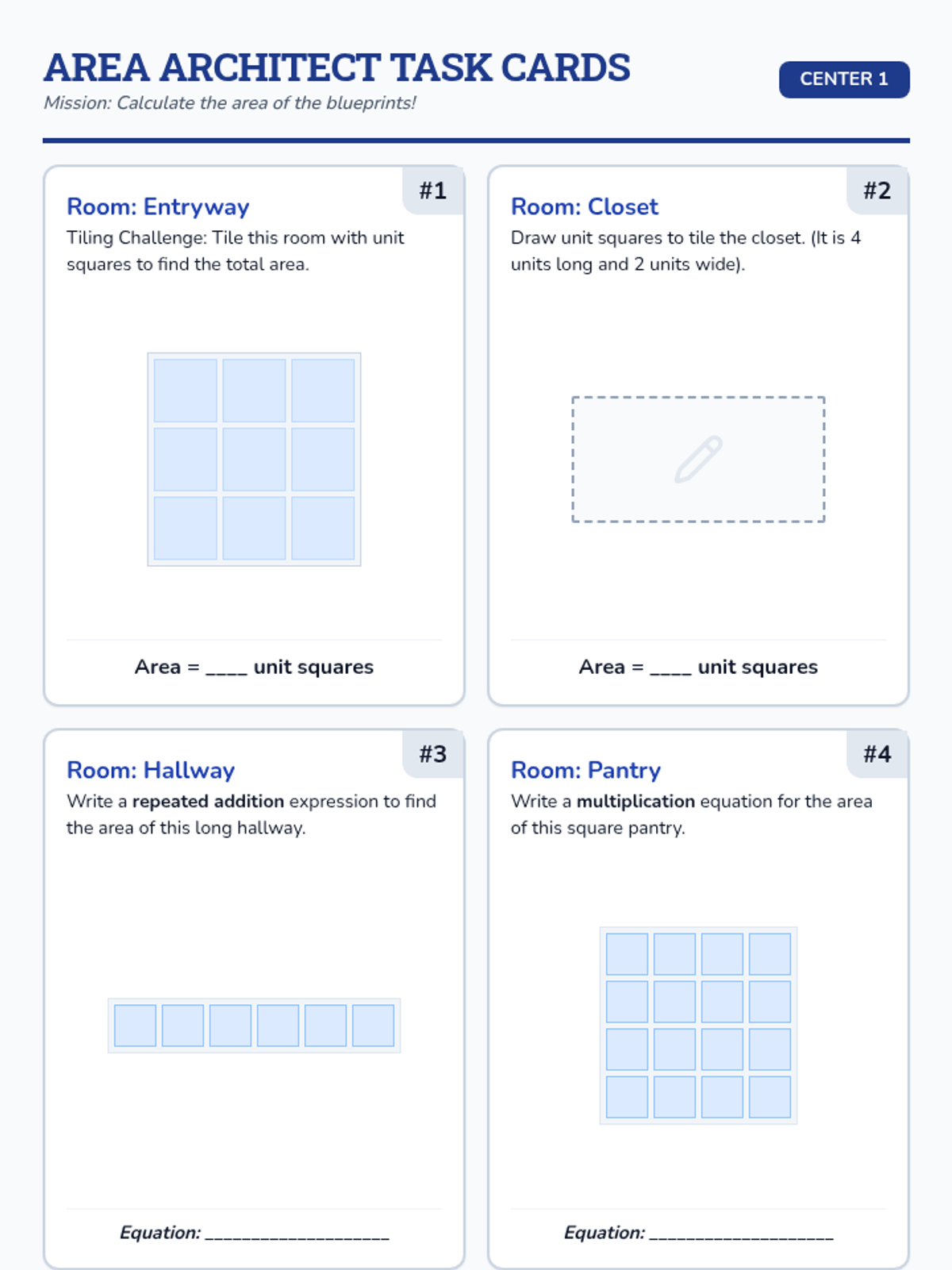
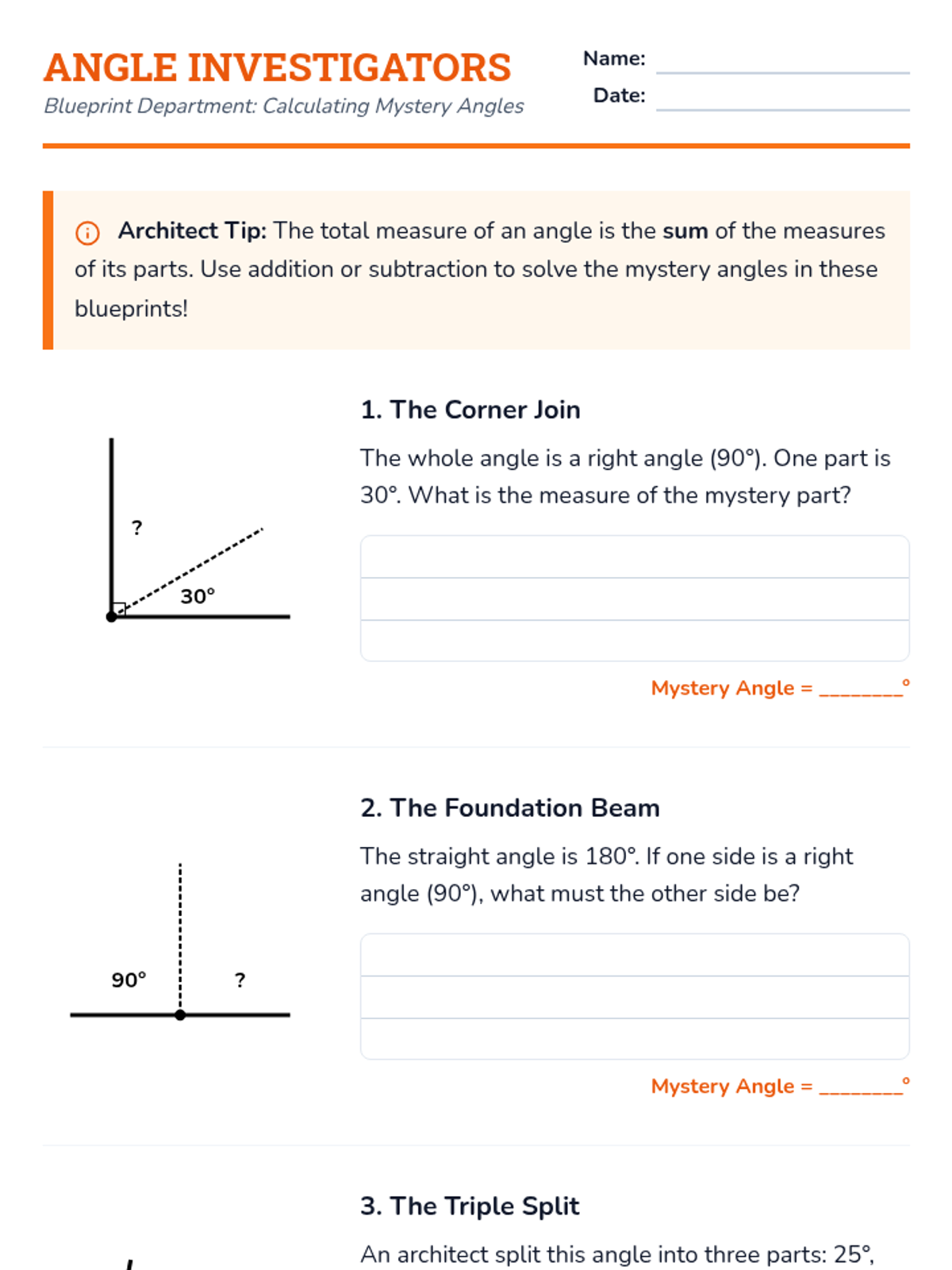
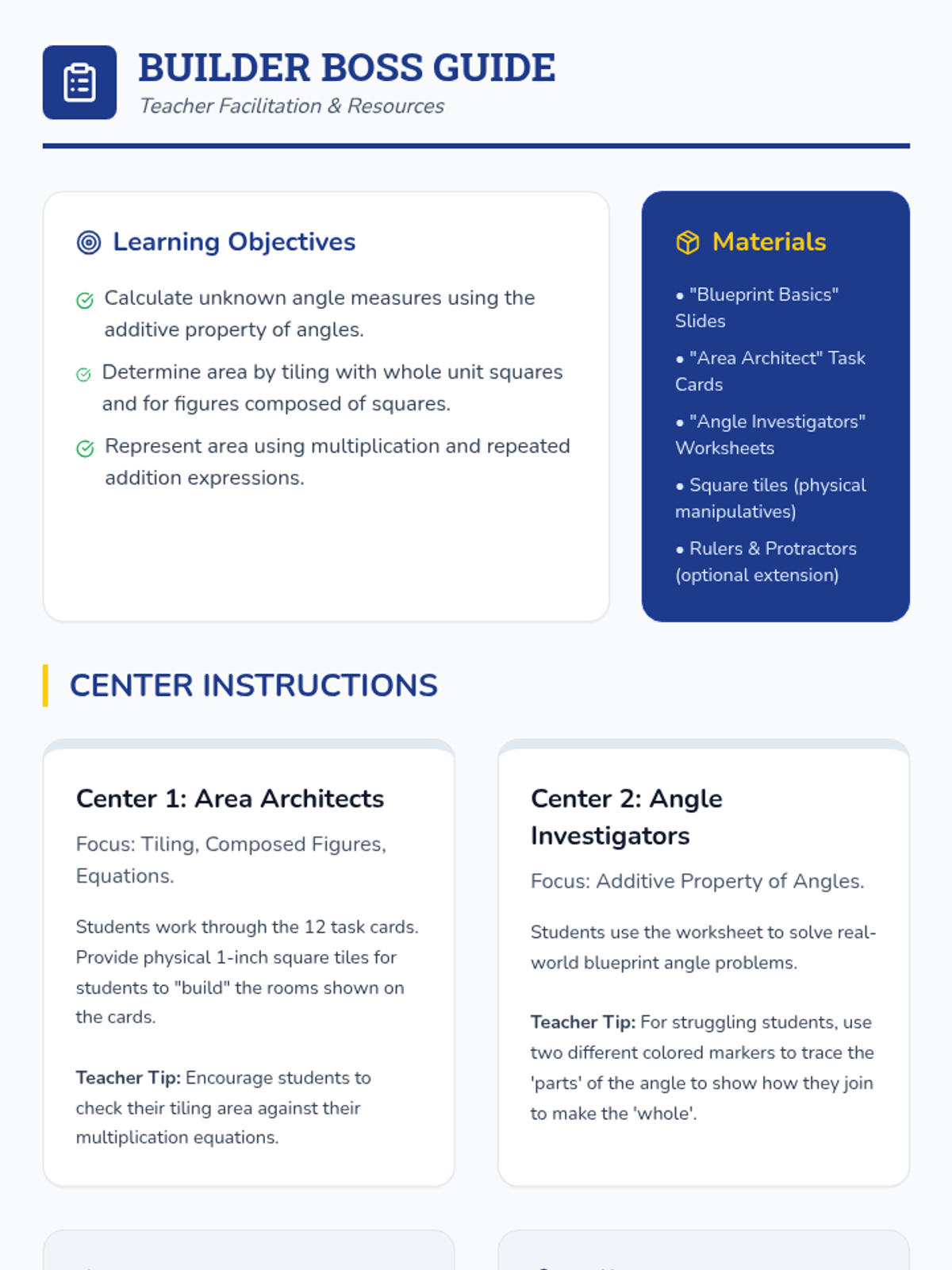
A hands-on geometry and measurement unit focused on area concepts and angle properties for third-grade students. Students explore tiling, equations for area, and the additive property of angles through a construction-themed approach.
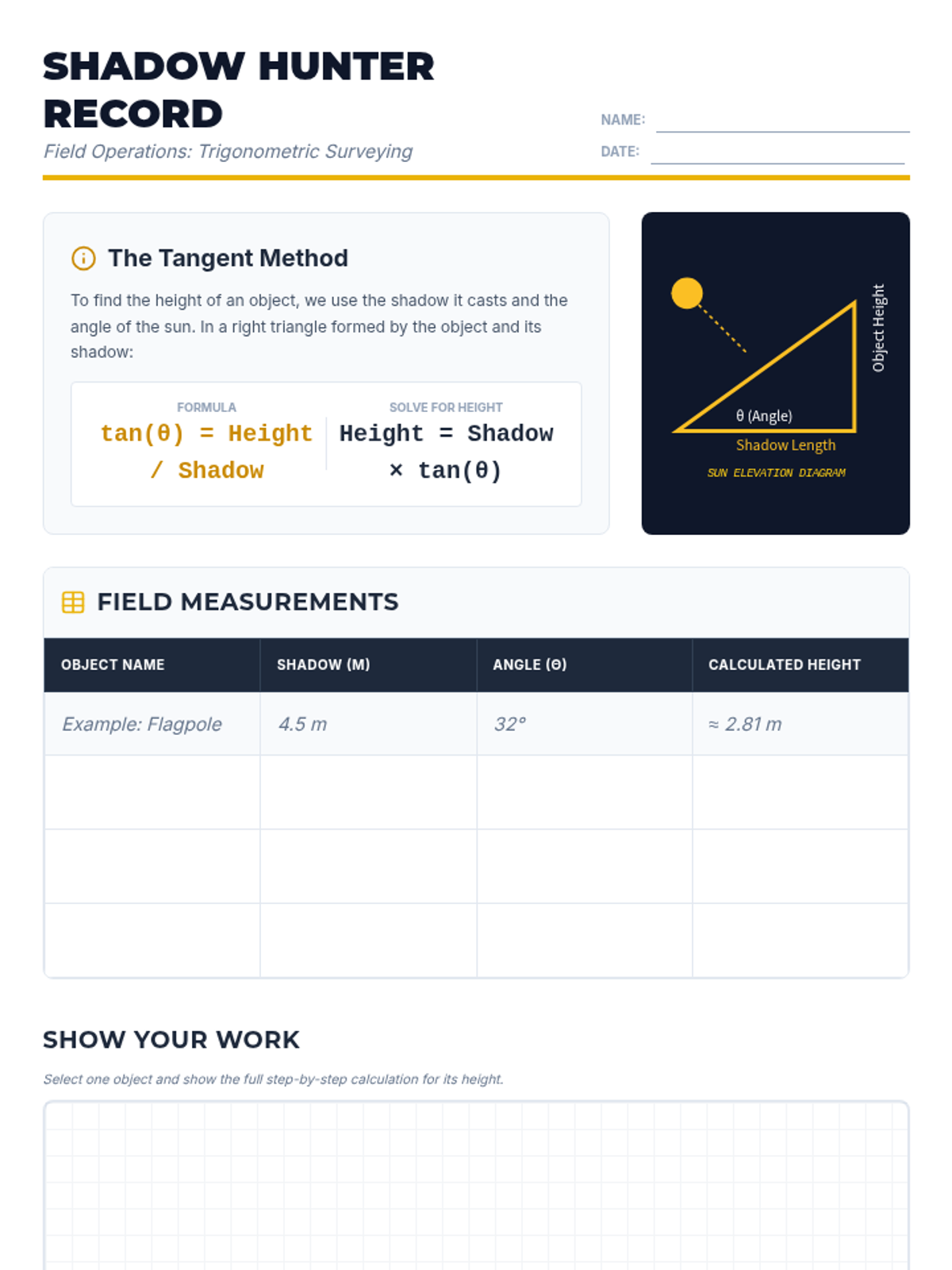
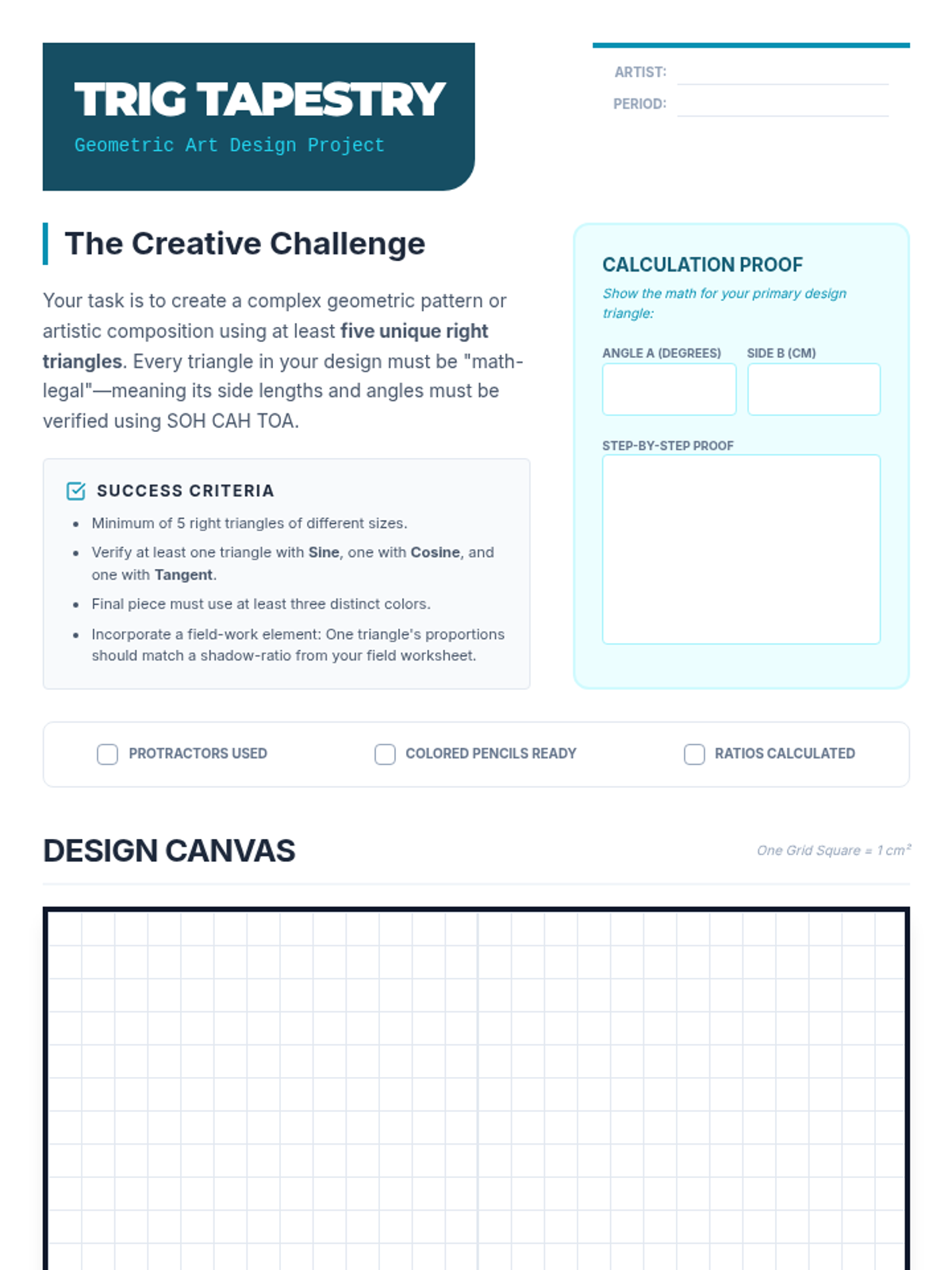
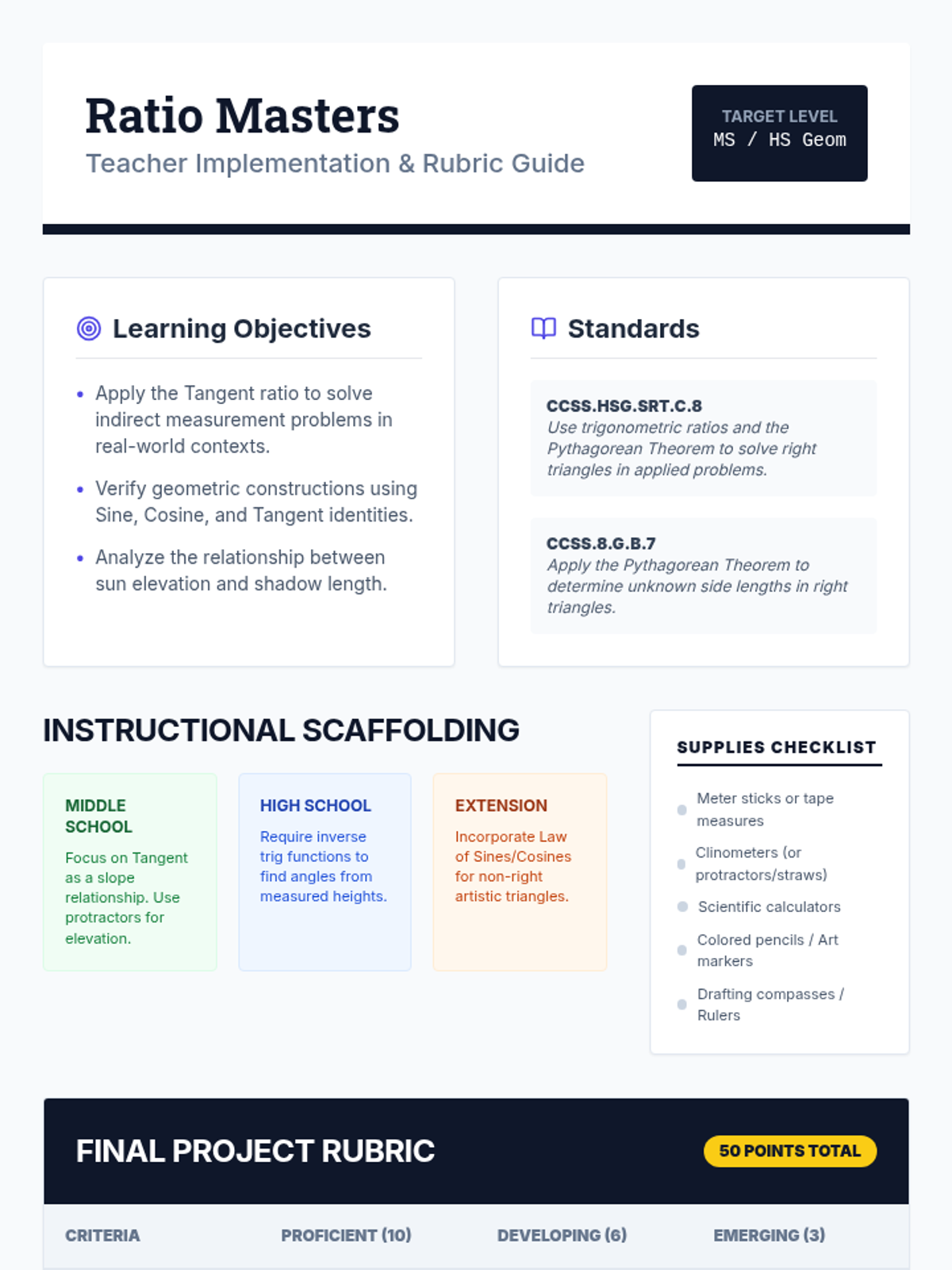
A comprehensive project-based learning unit where students apply trigonometric ratios to measure the heights of local landmarks and create intricate geometric art based on mathematical proportions.
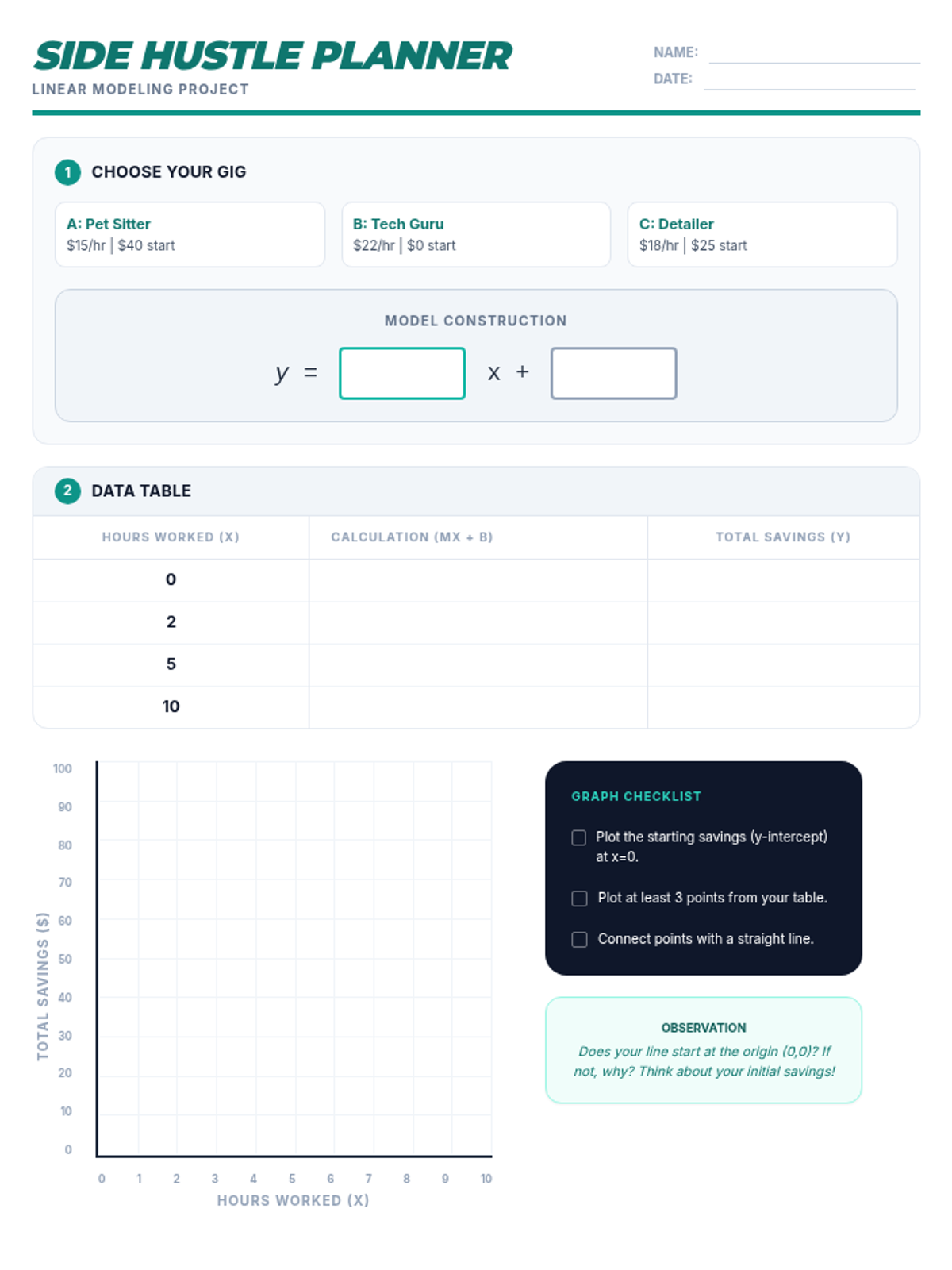
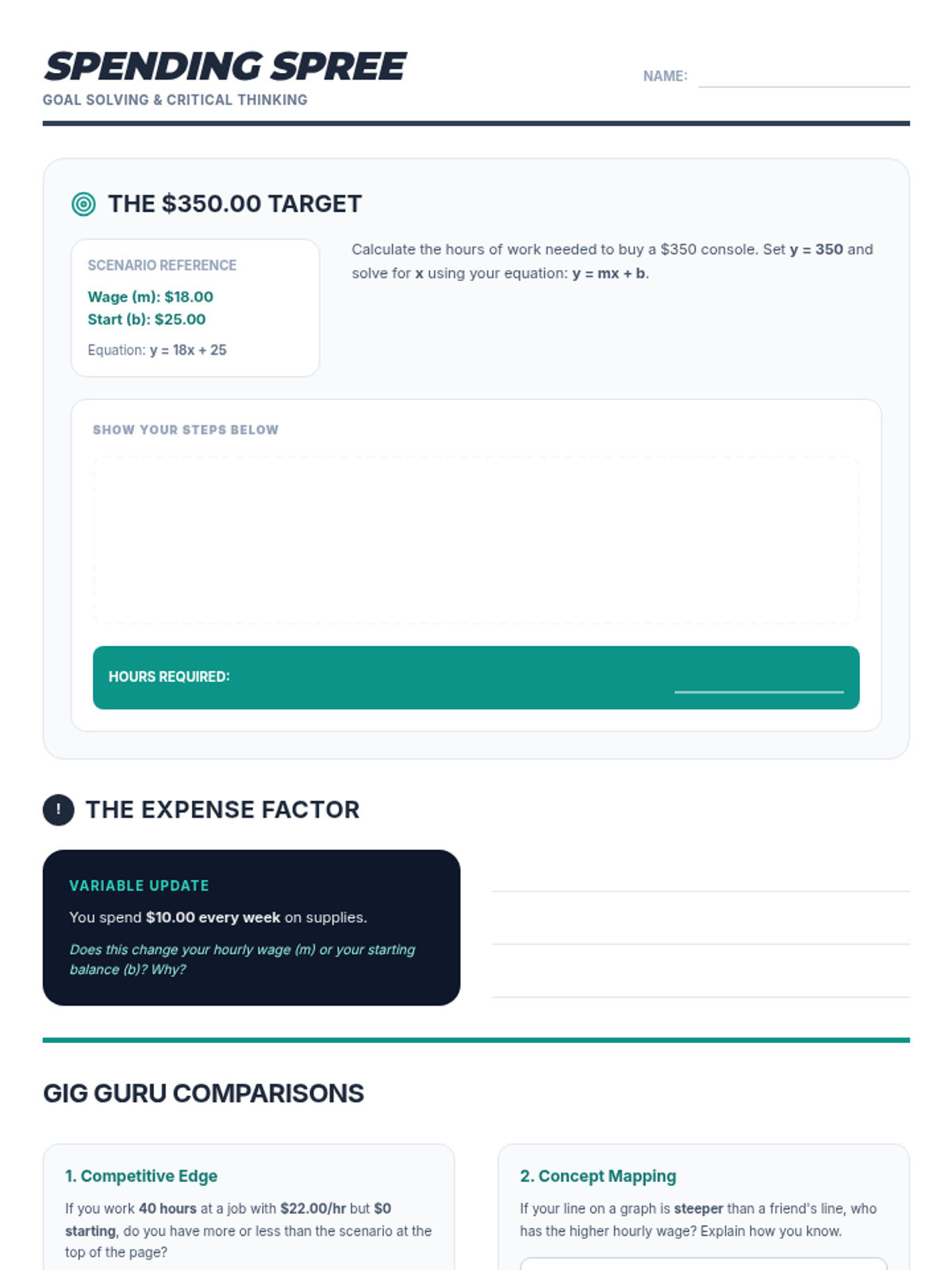
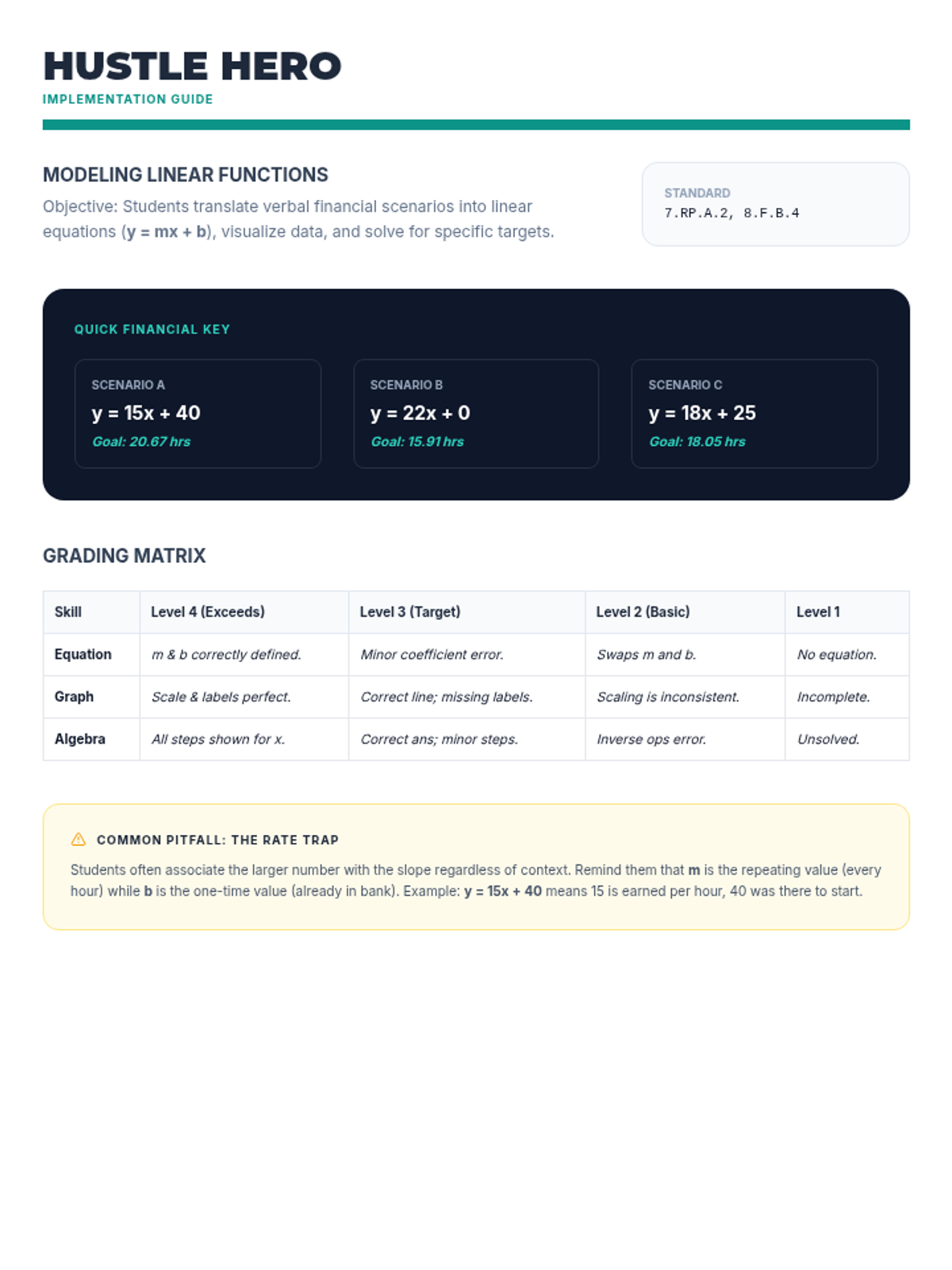
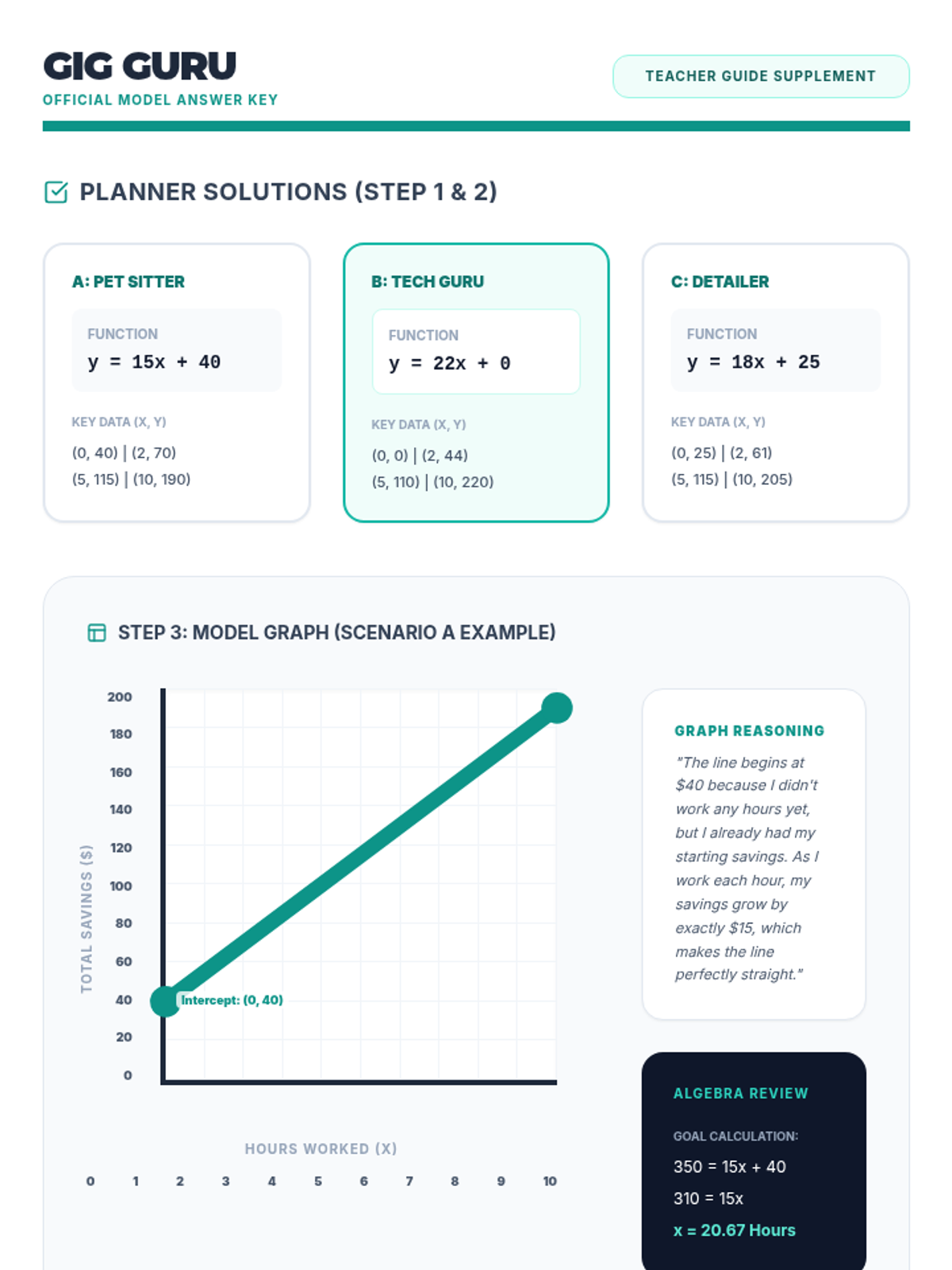
A real-world project where students use linear functions to model earnings from a summer job and manage a budget to reach a savings goal. Students will define variables, write equations, create tables, and graph their financial progress.
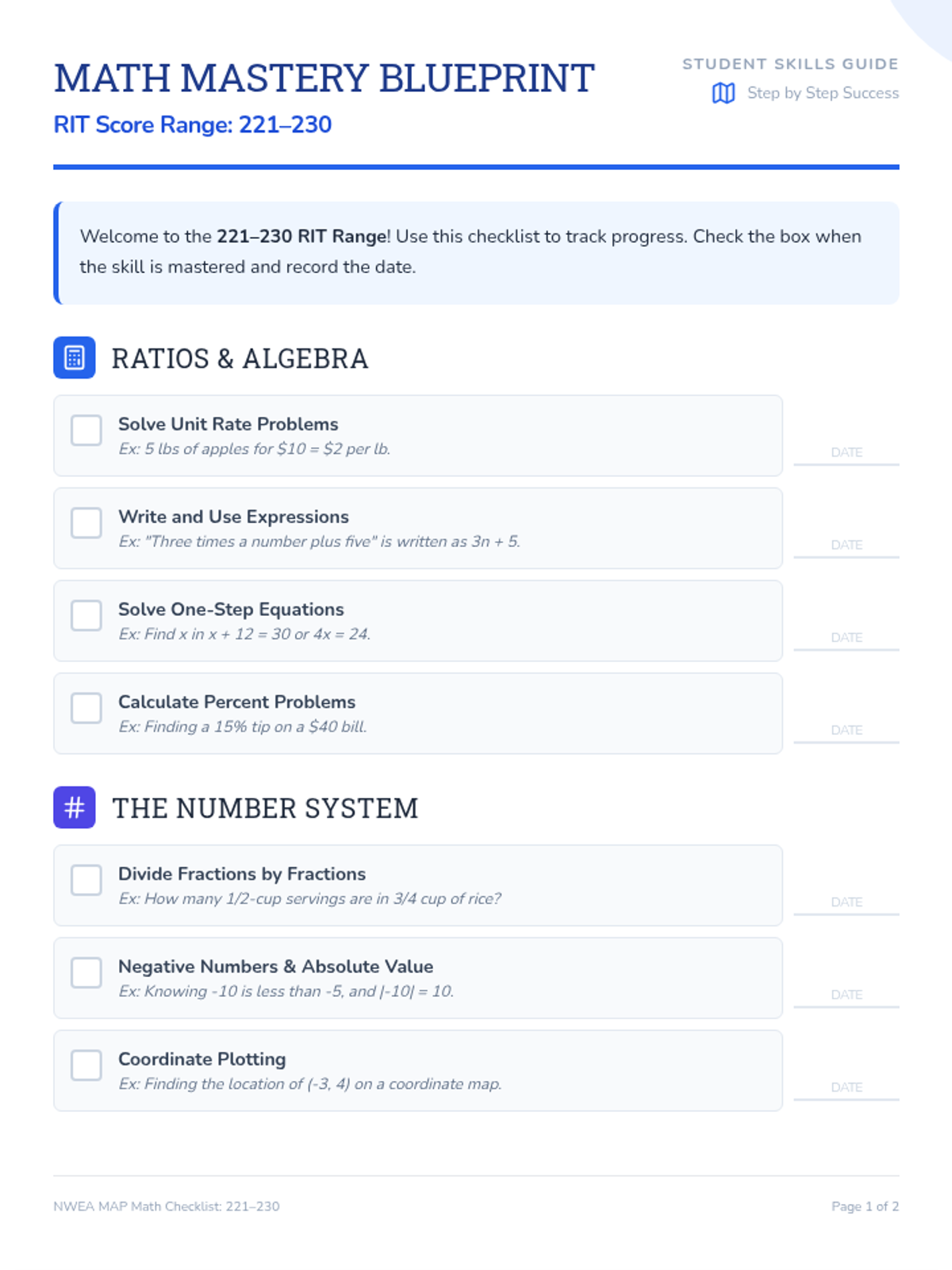
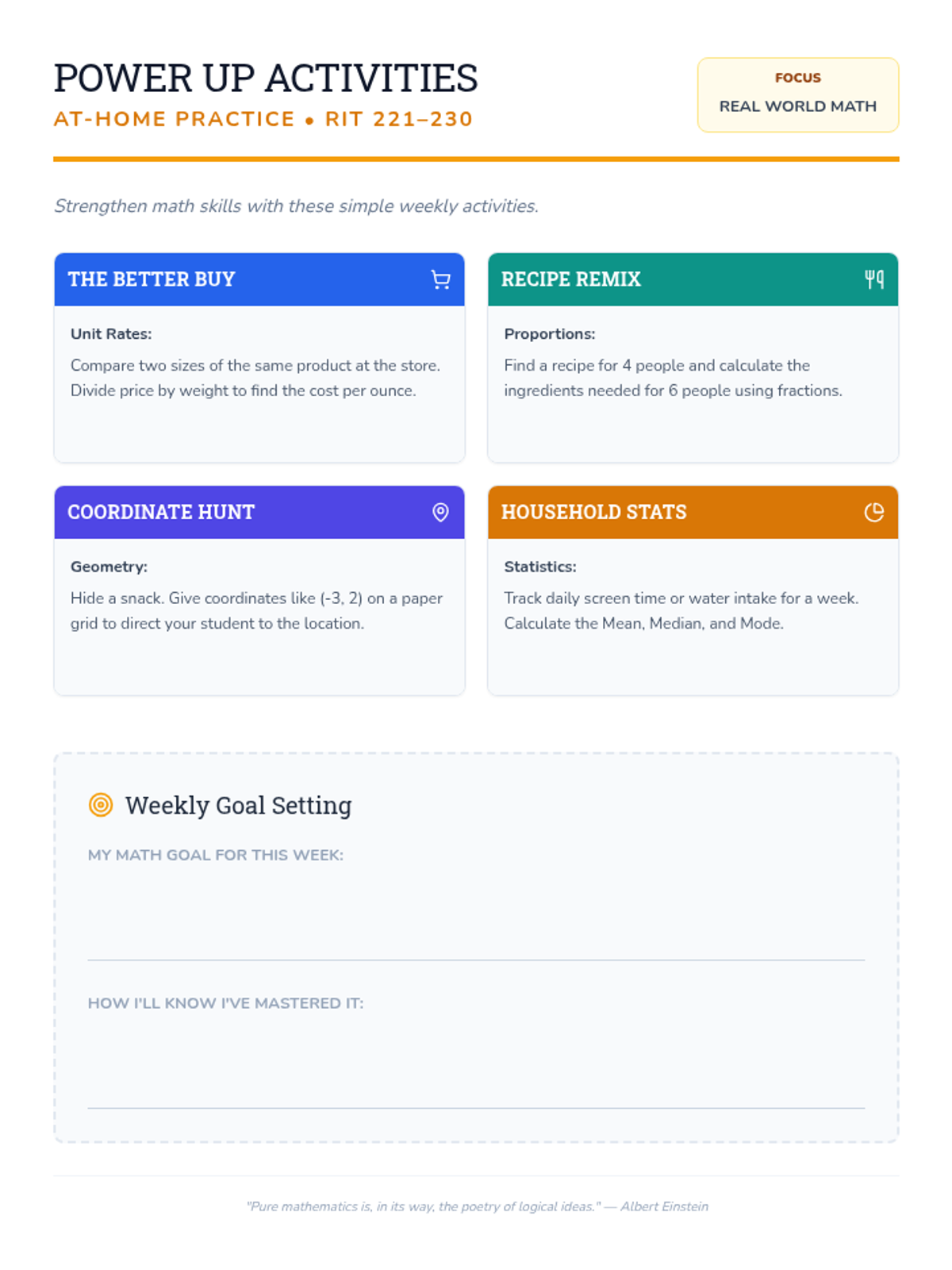
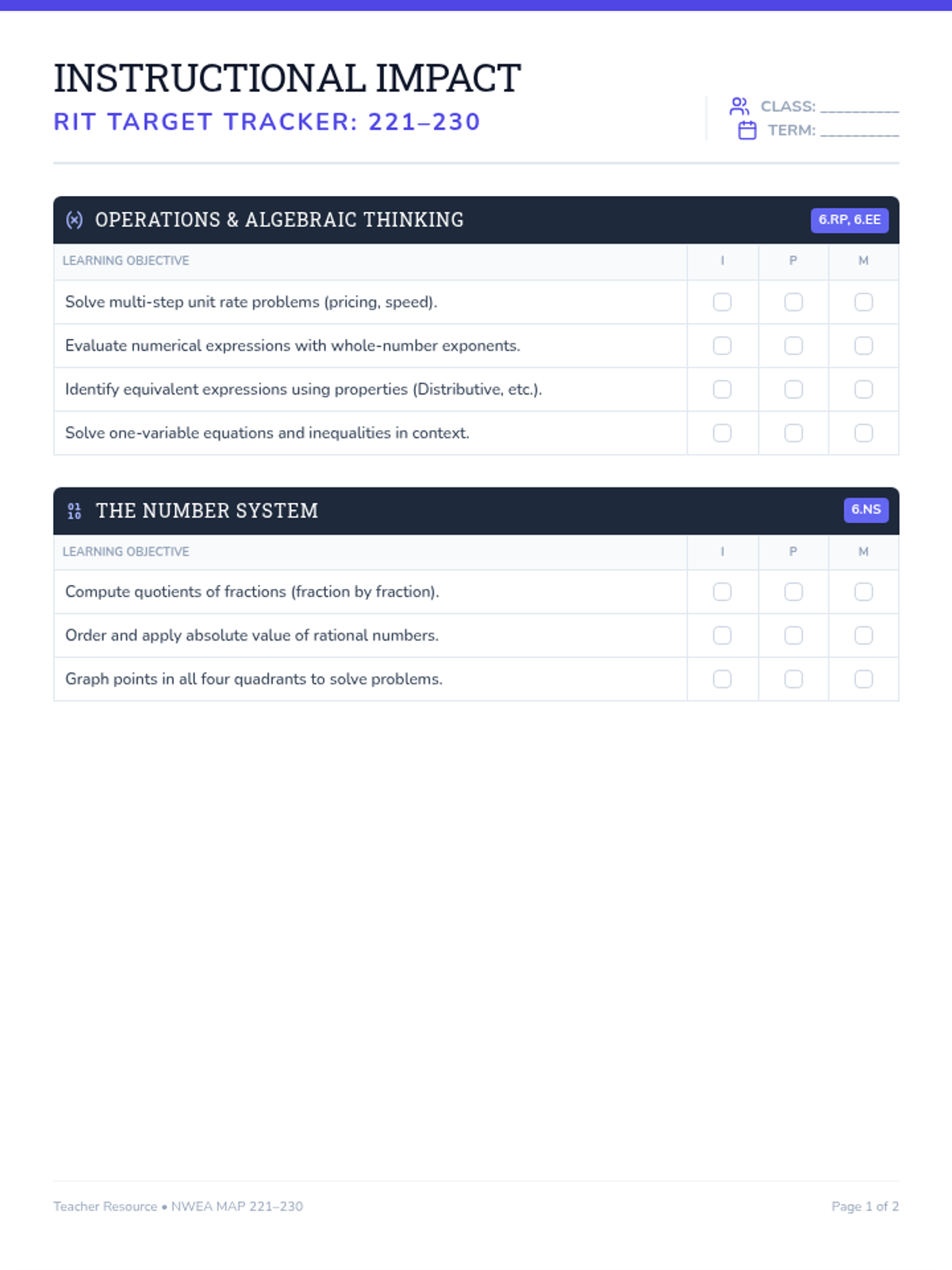
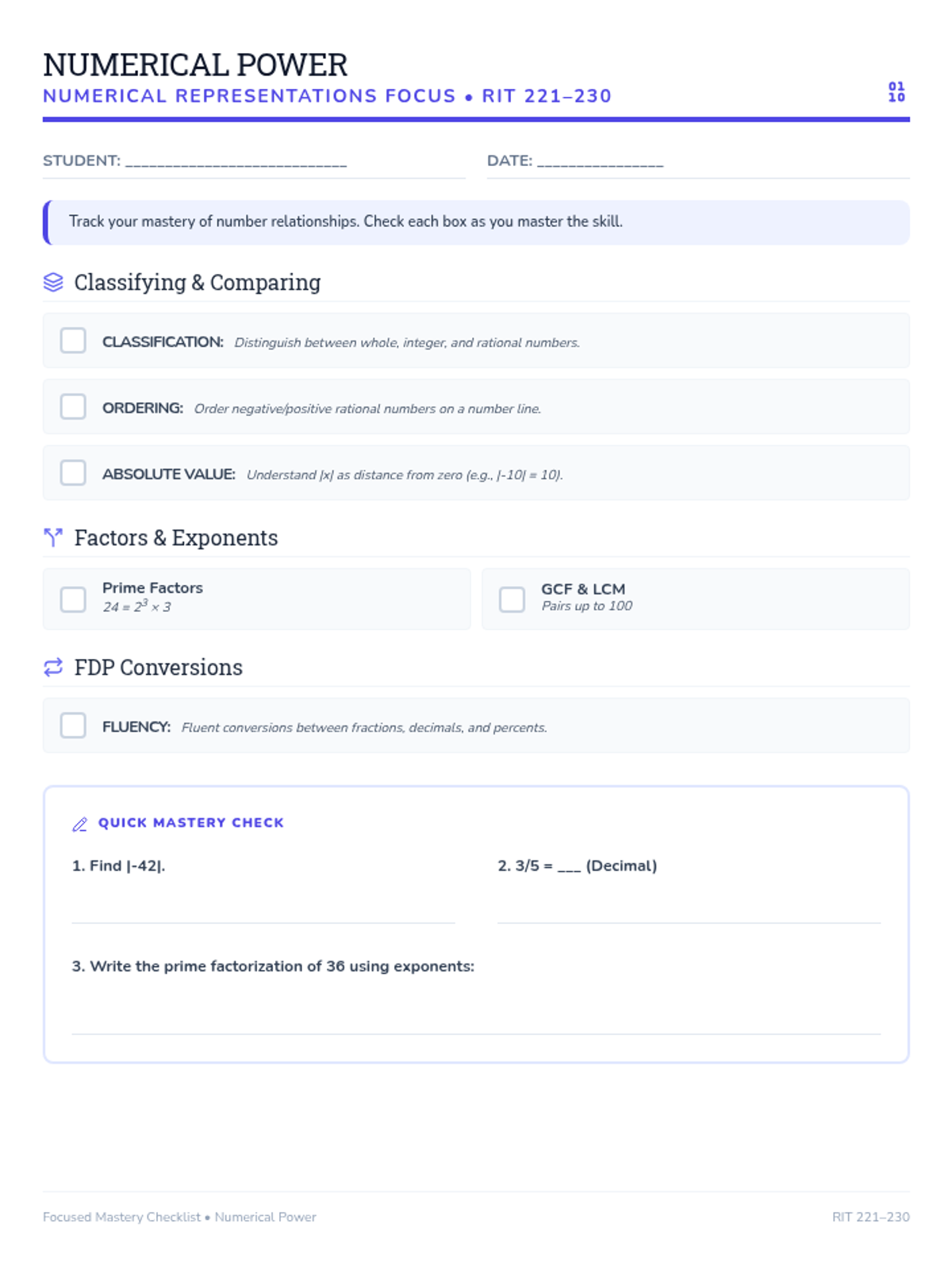
A comprehensive collection of RIT-aligned math mastery resources for student and teacher tracking across key mathematical development ranges.
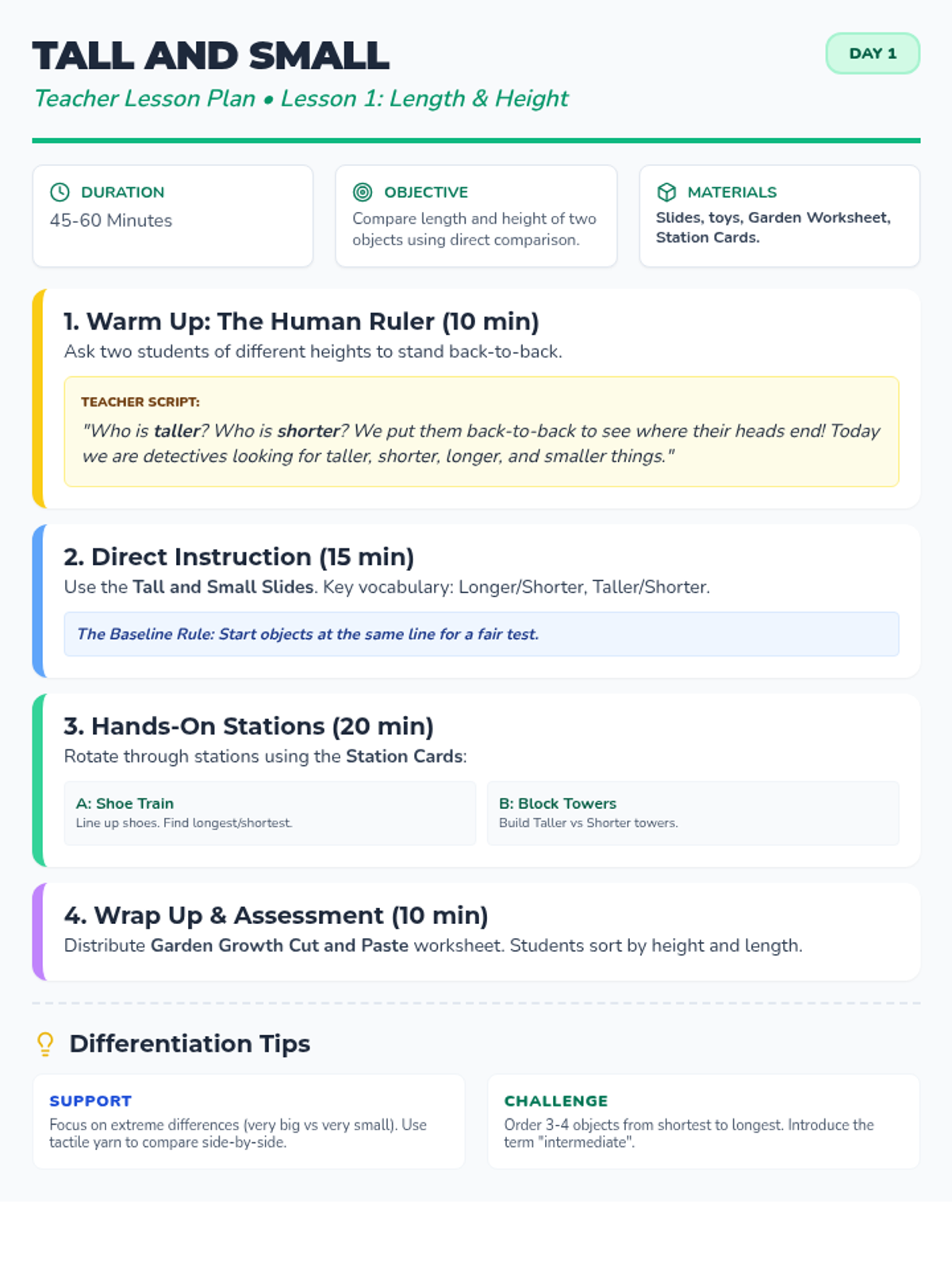
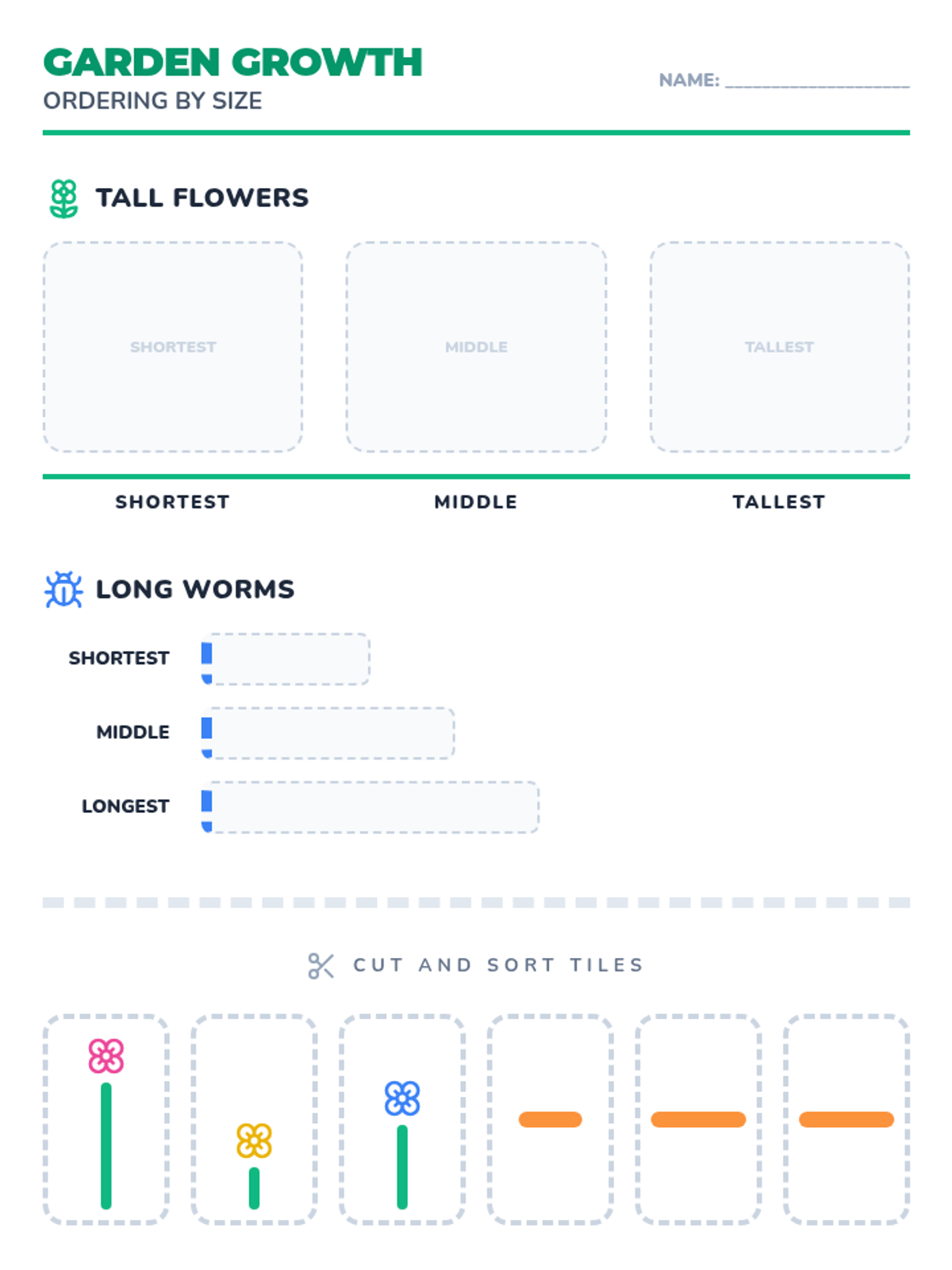
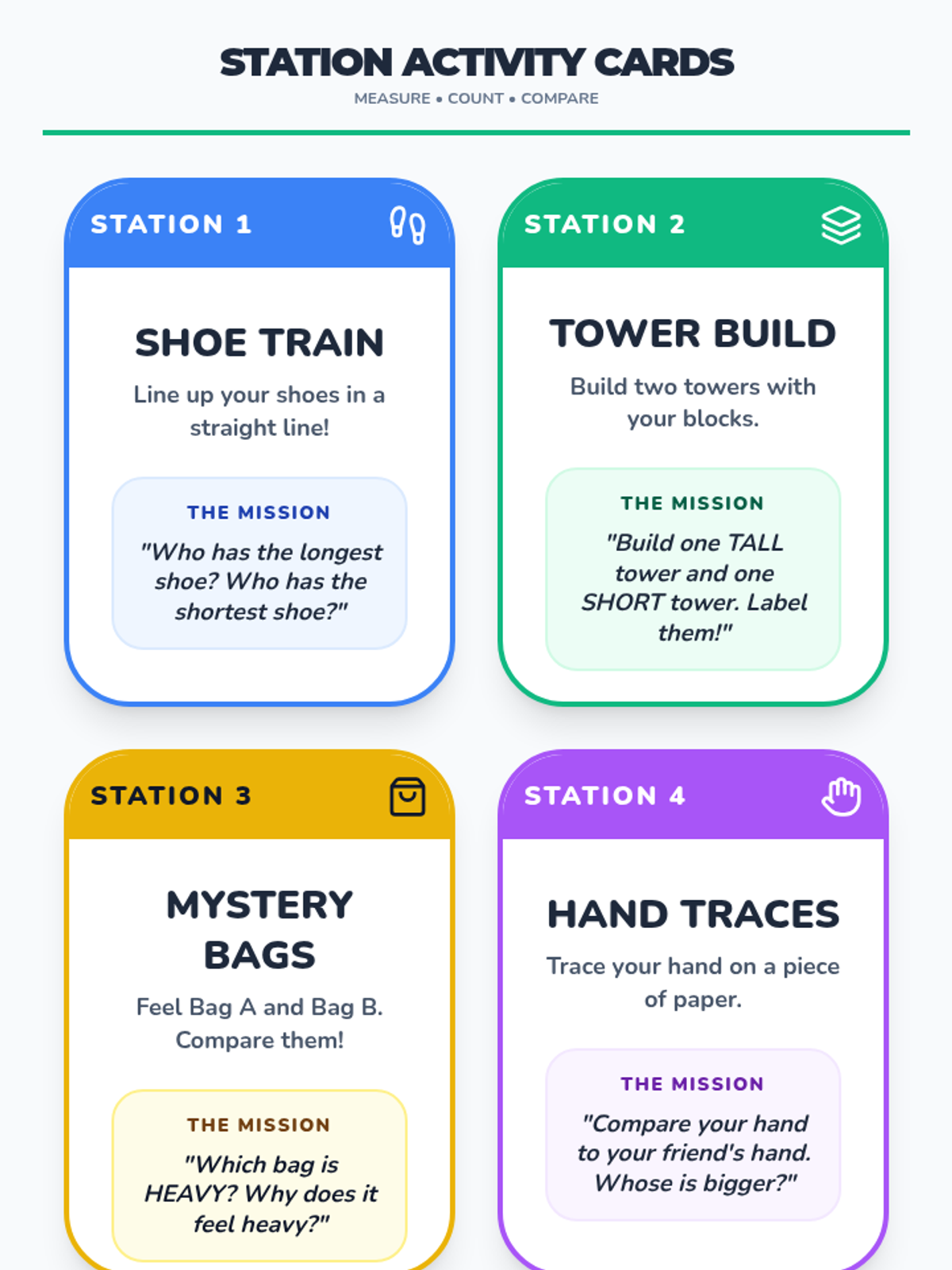
A hands-on kindergarten unit exploring length, height, non-standard units, and weight through interactive stations and play-based learning.
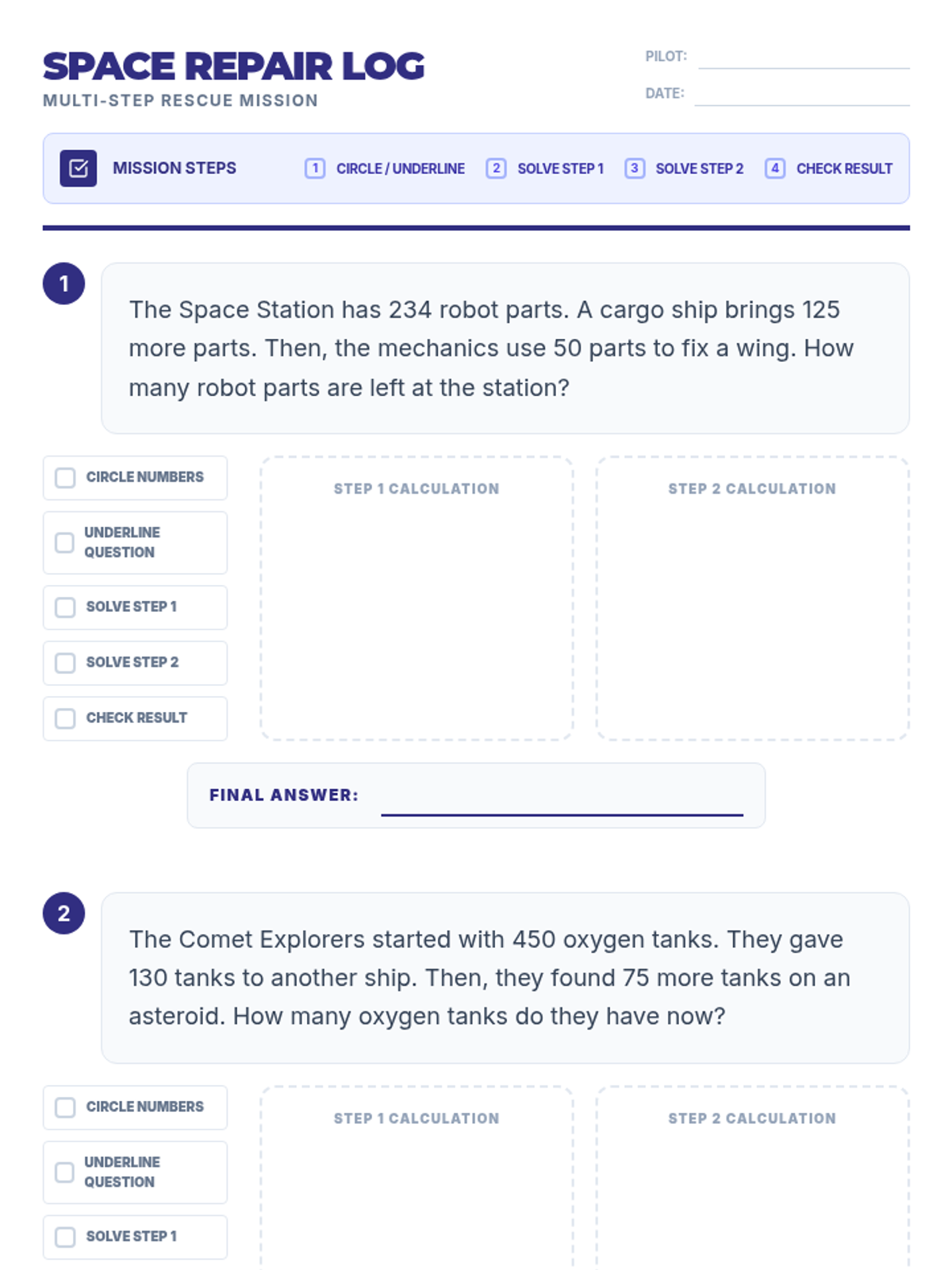
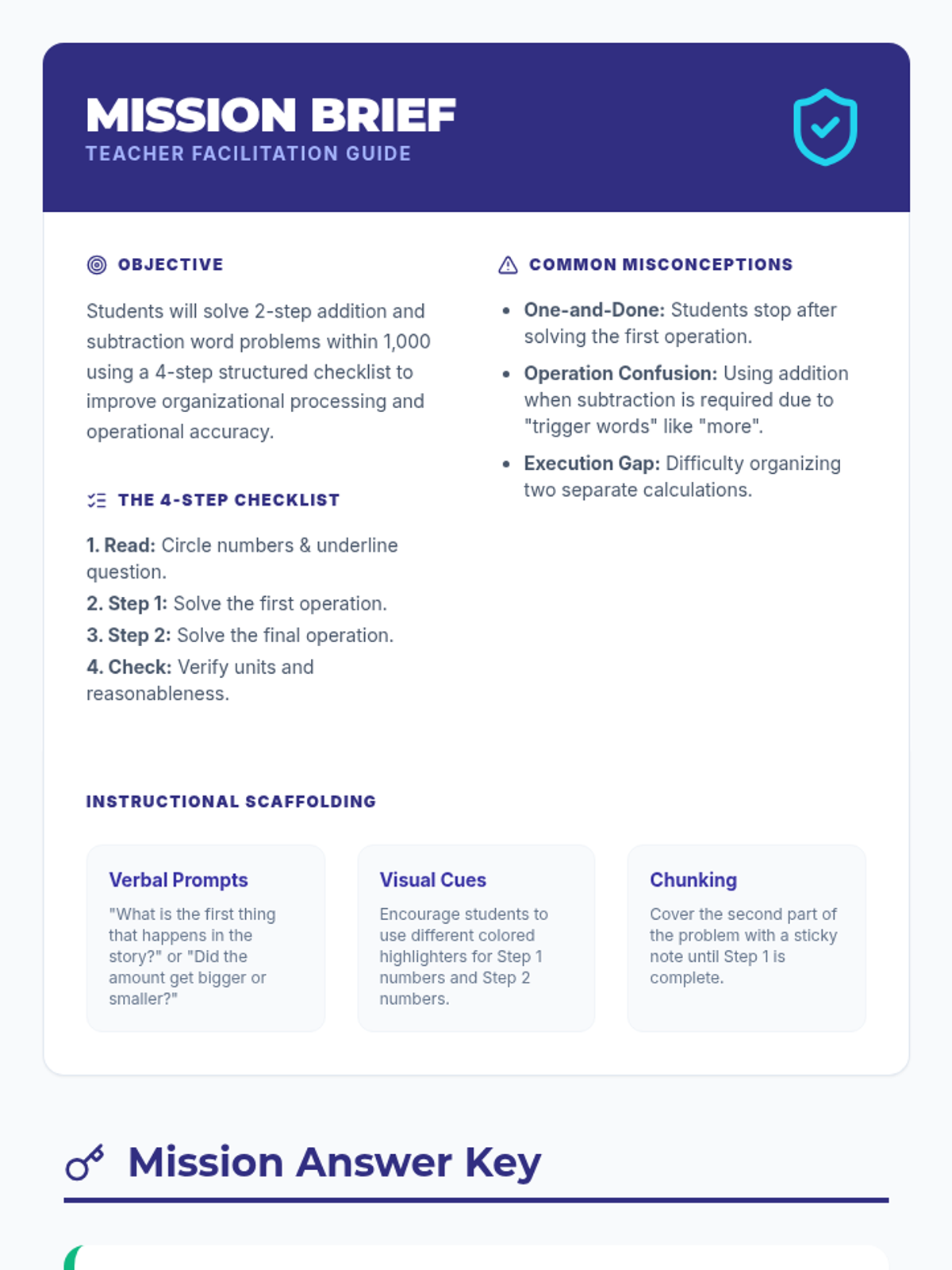
A unit focused on mastering multi-step operations through scaffolded strategies and visual aids.
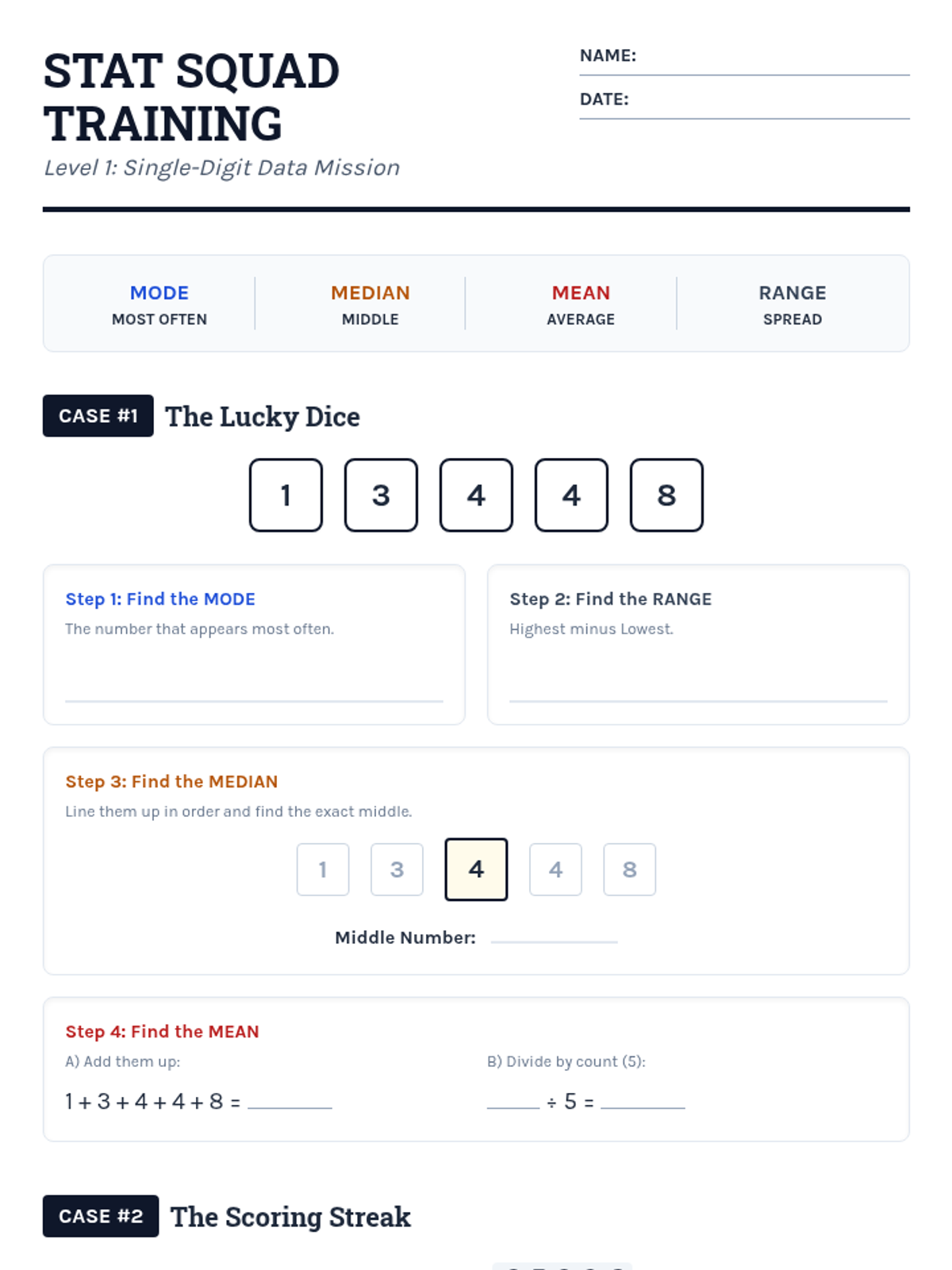
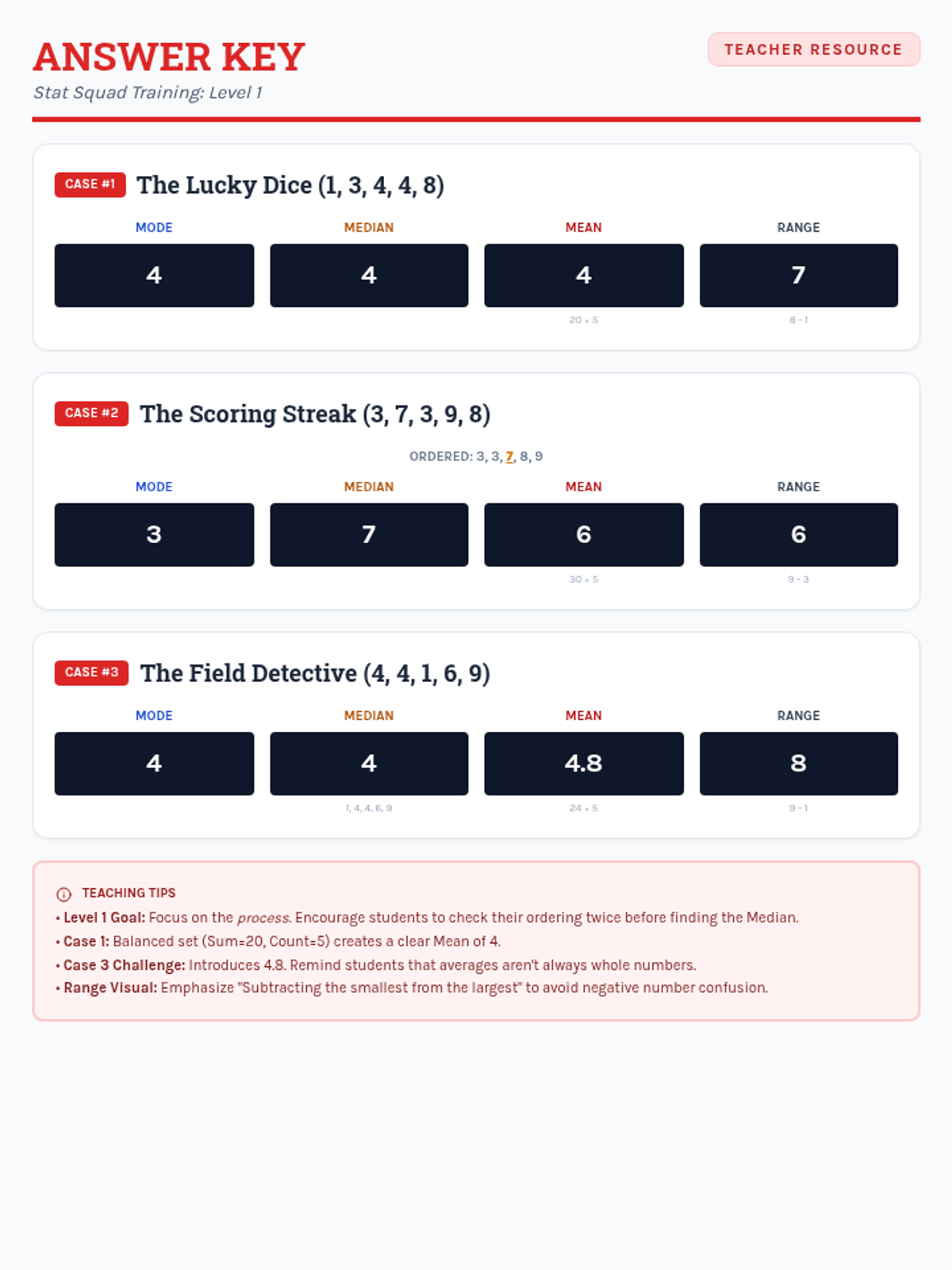
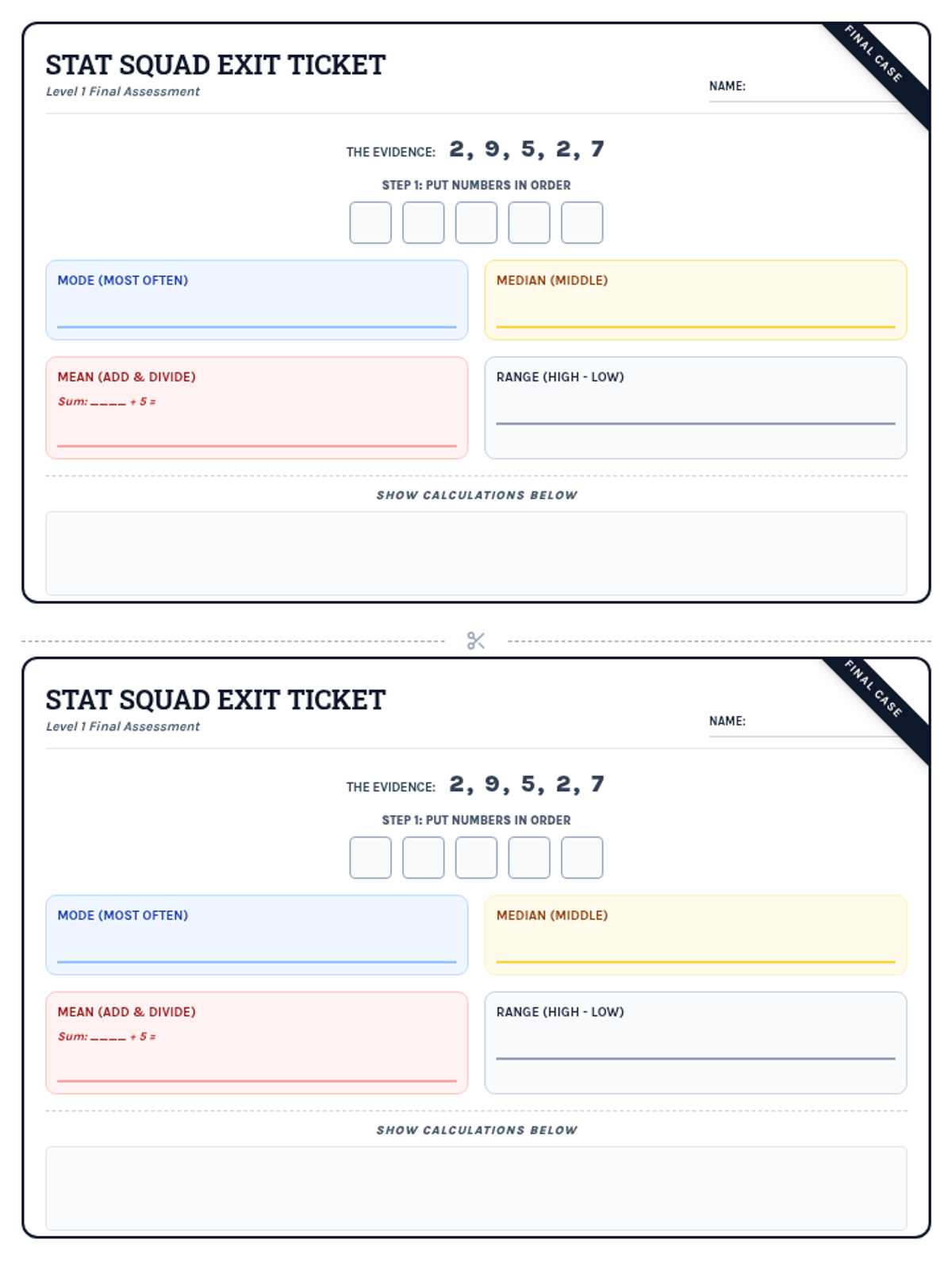
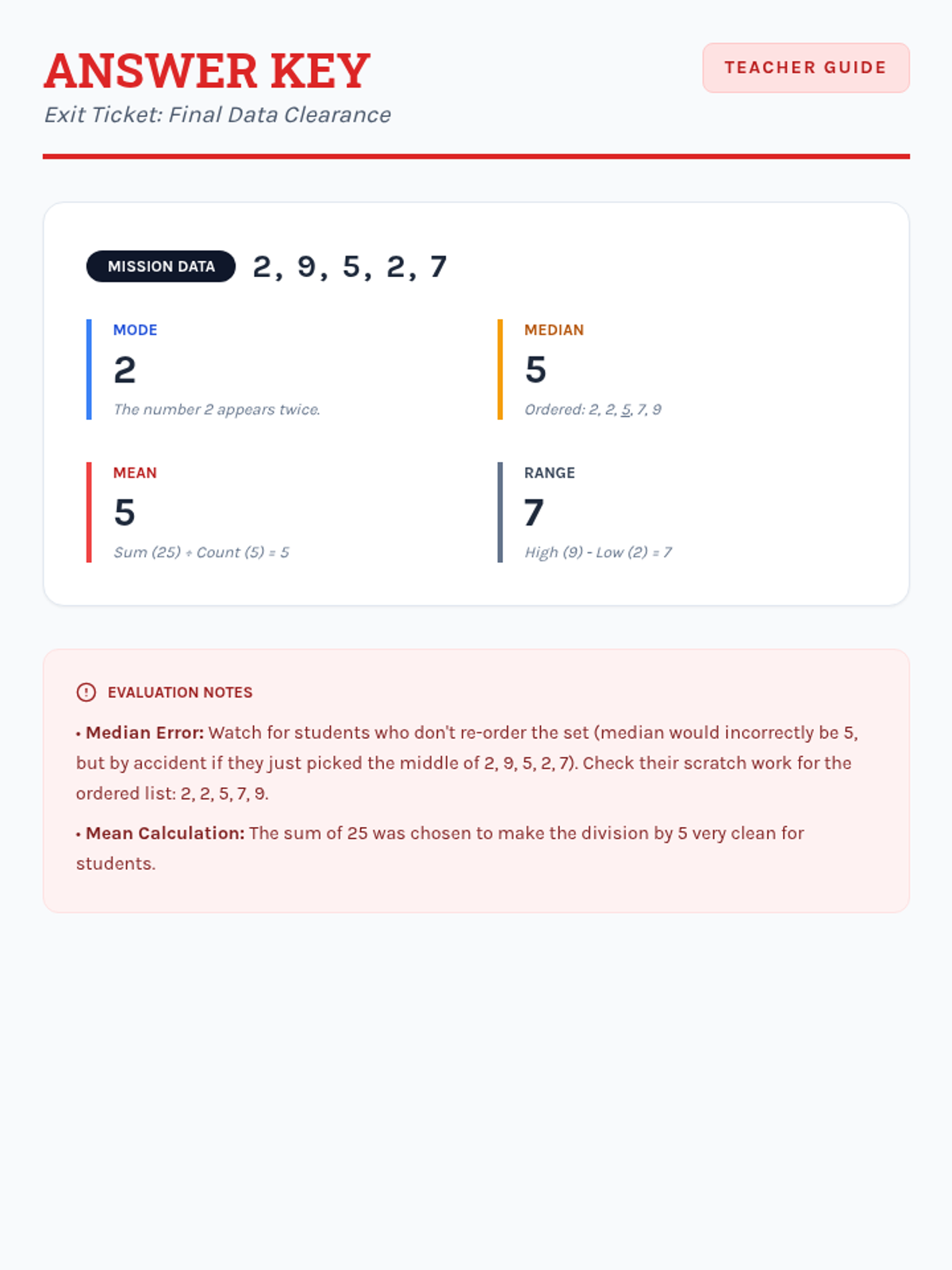
A comprehensive progression through descriptive statistics, from foundational calculations to high-school level analytical applications, including outlier effects and algebraic problem-solving.
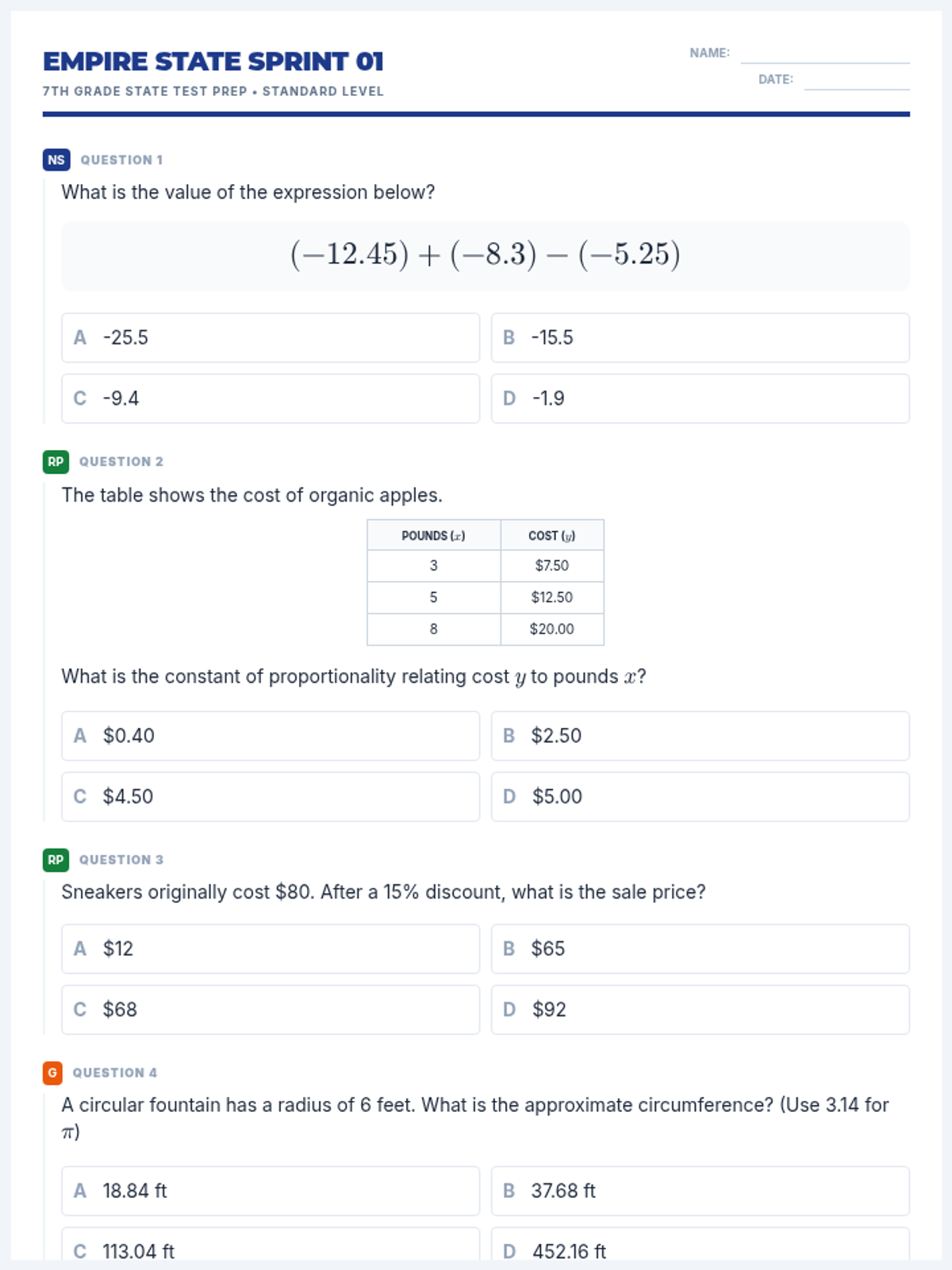
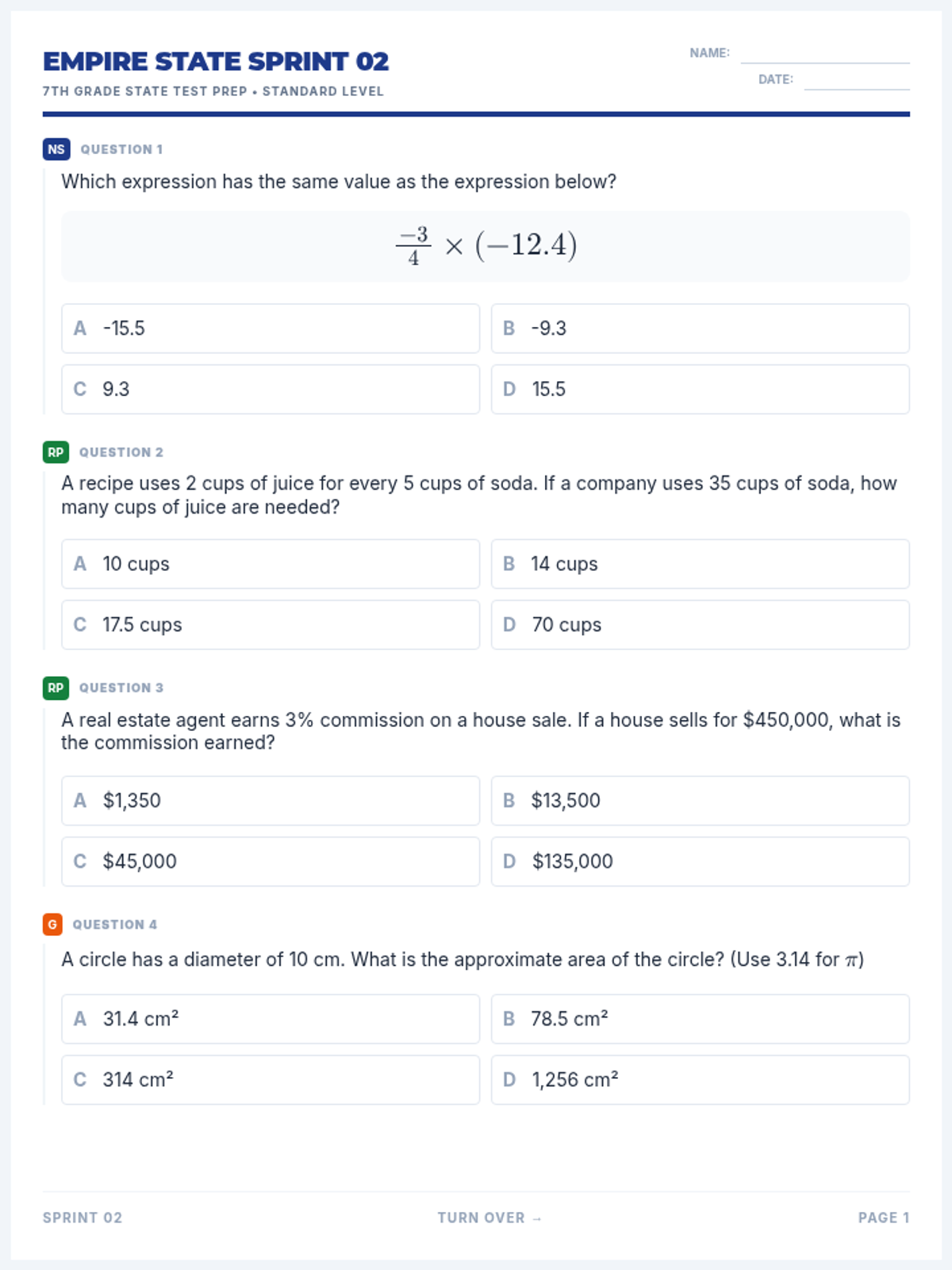
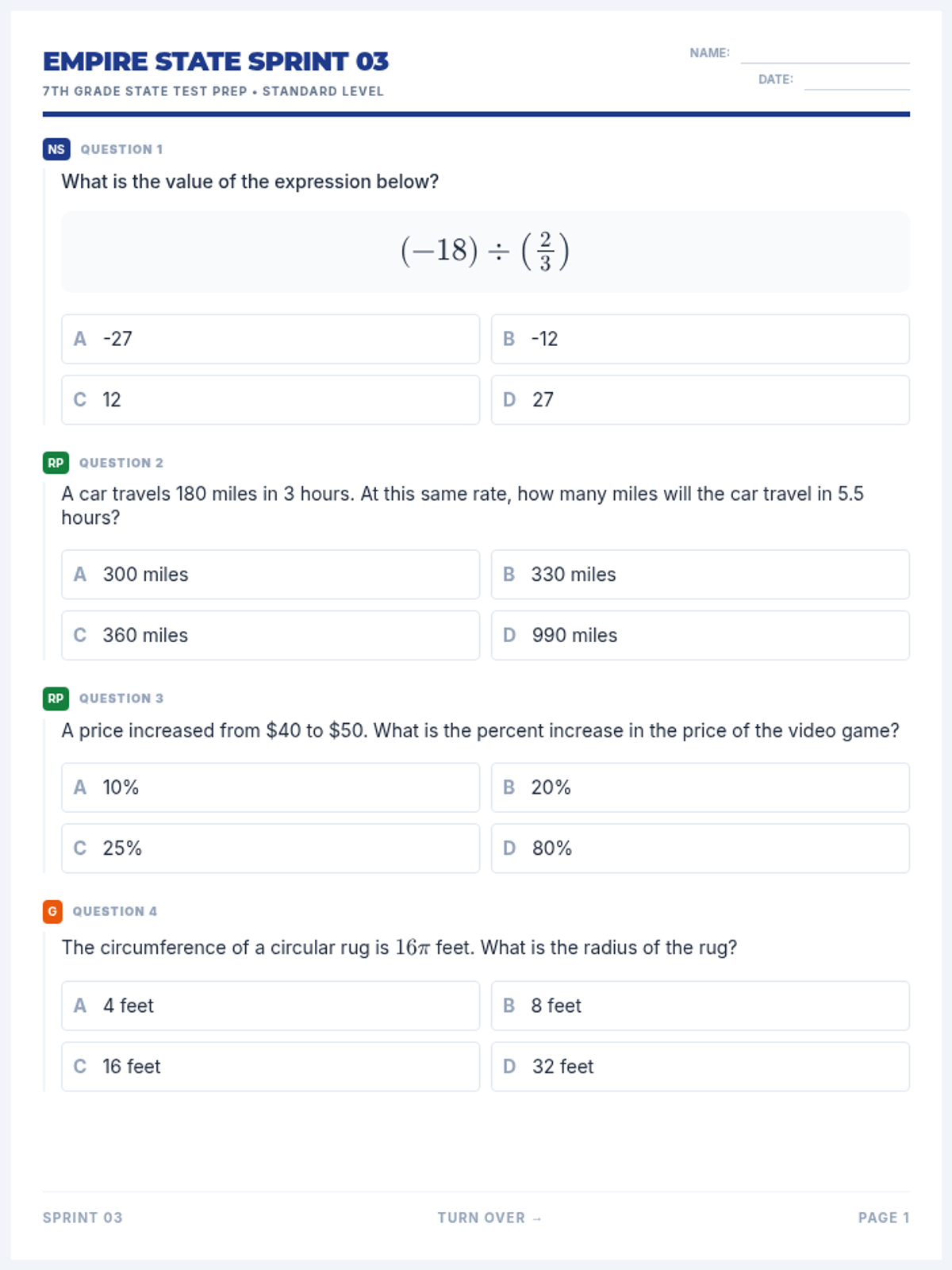
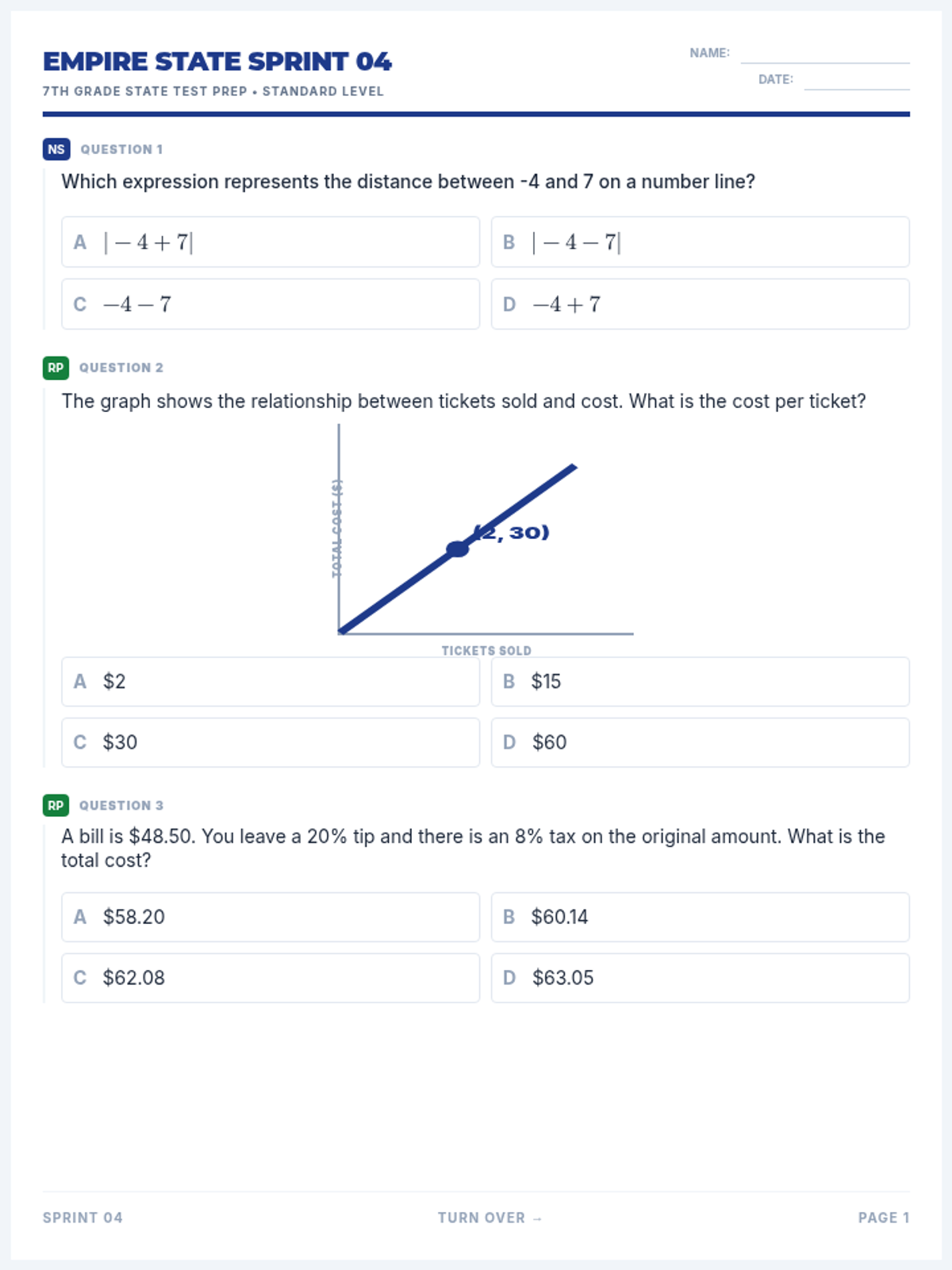
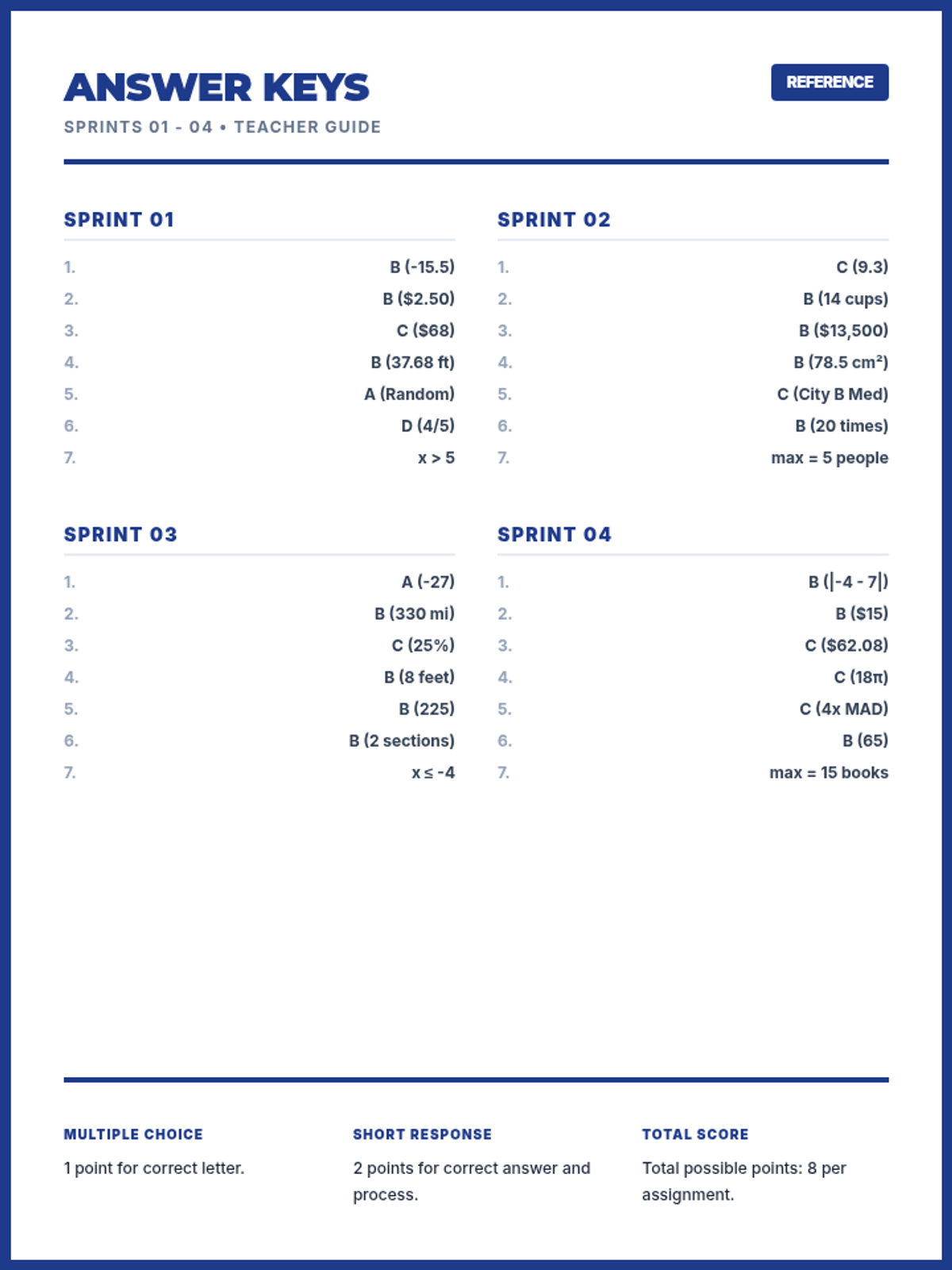
A series of four targeted homework assignments designed to prepare 7th-grade students for the New York State Mathematics Test. Each assignment covers key domains including Number Systems, Ratios and Proportions, Geometry, Statistics, and Probability in a standardized format.
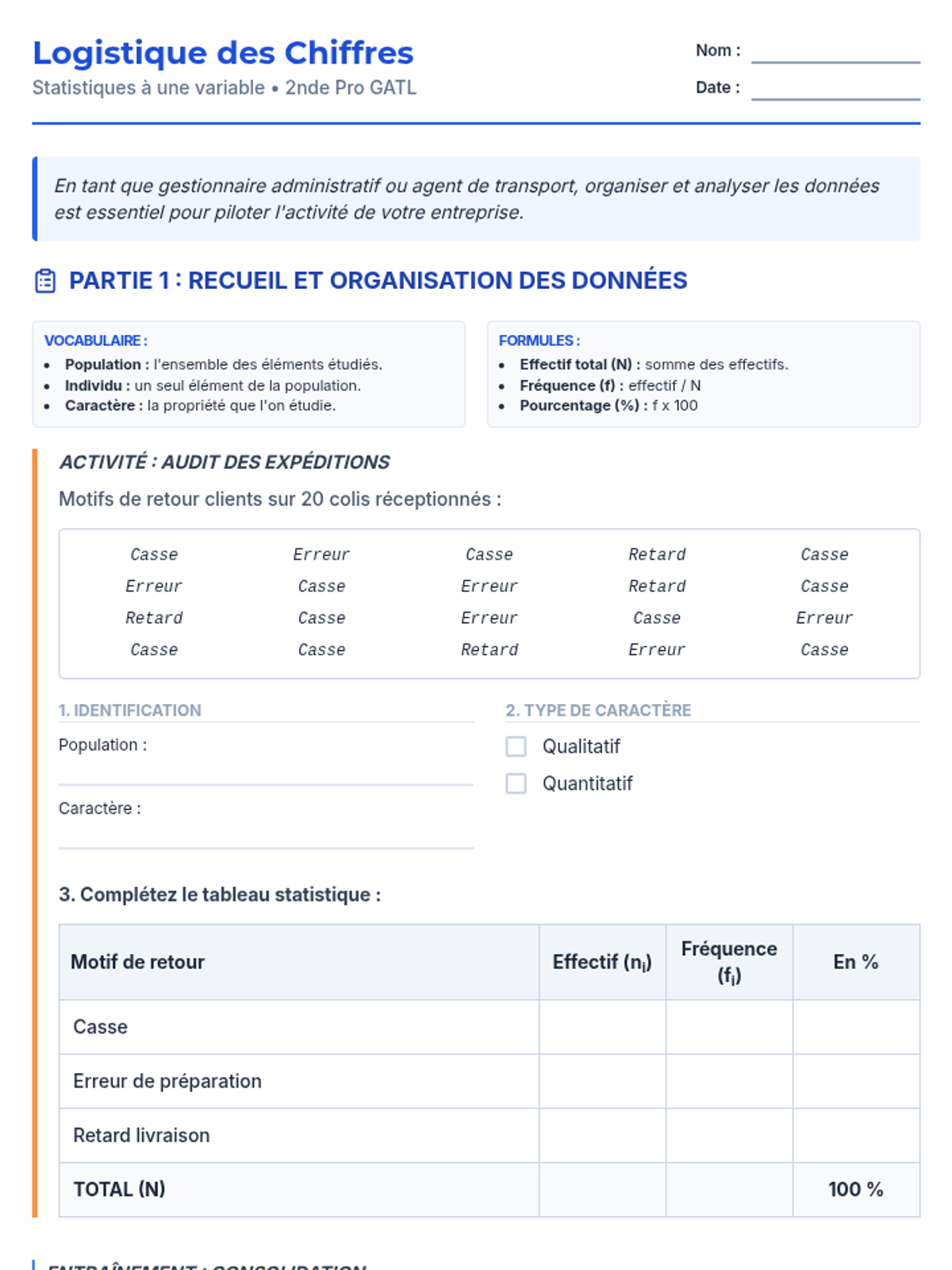
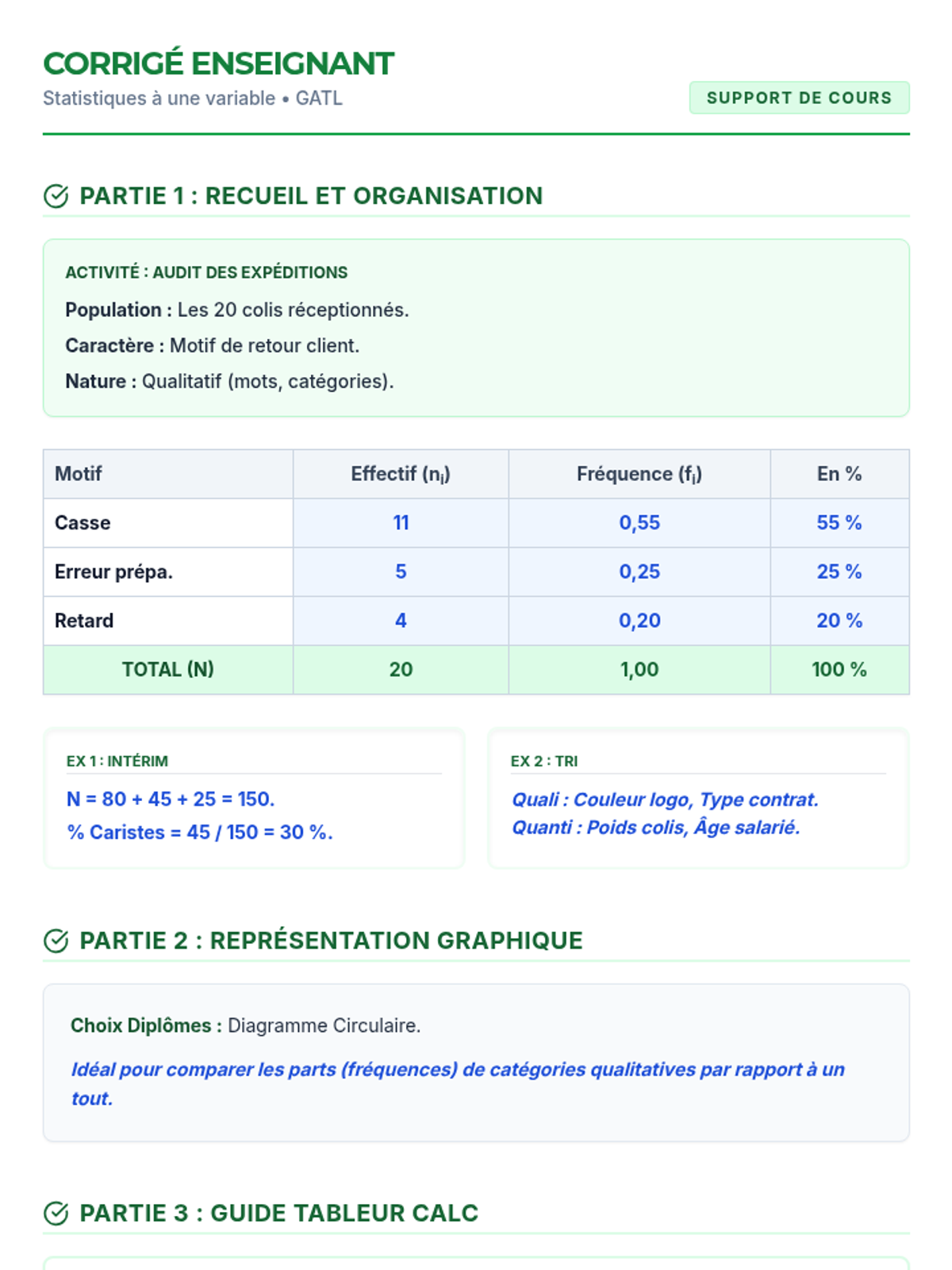
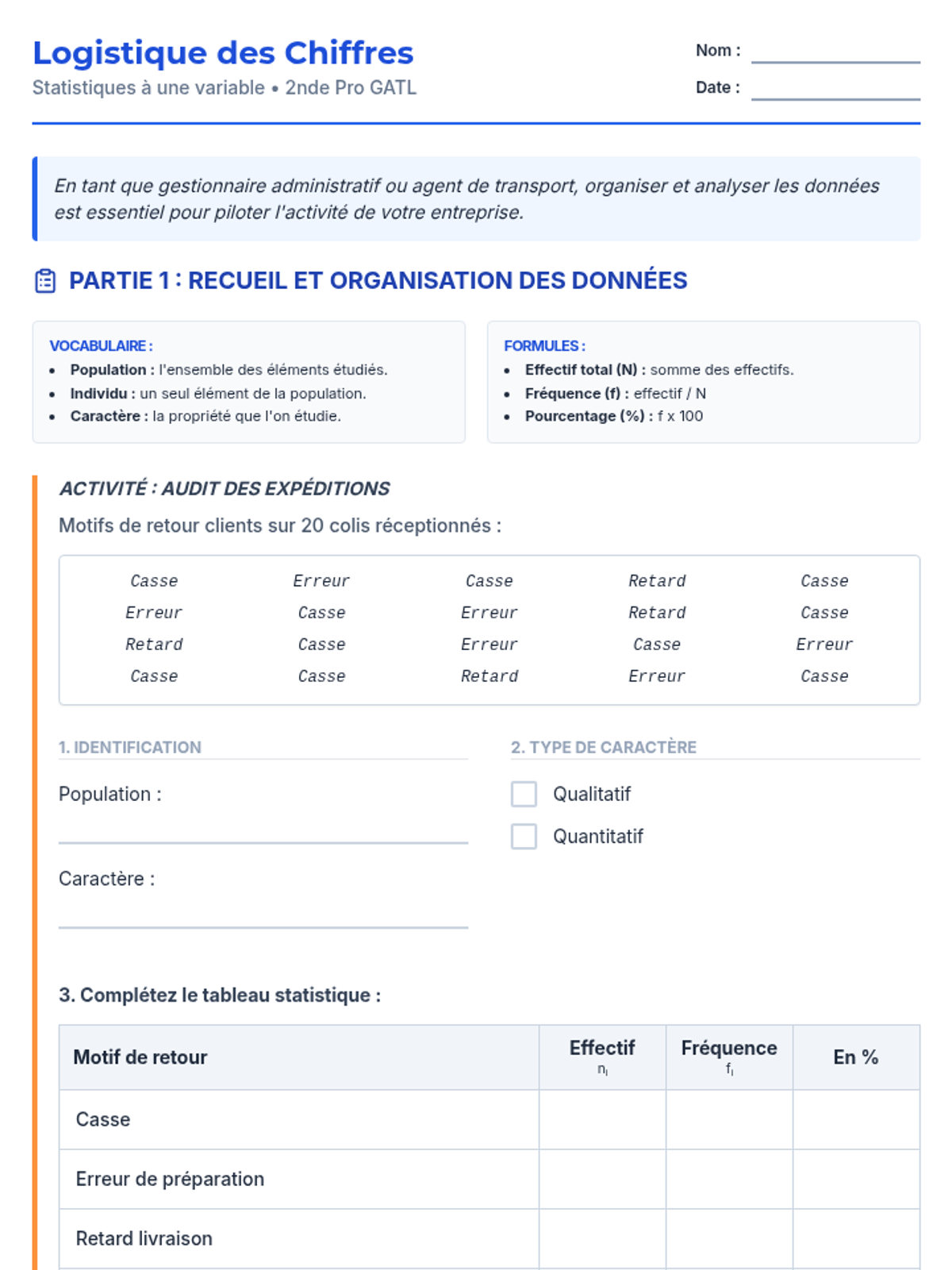
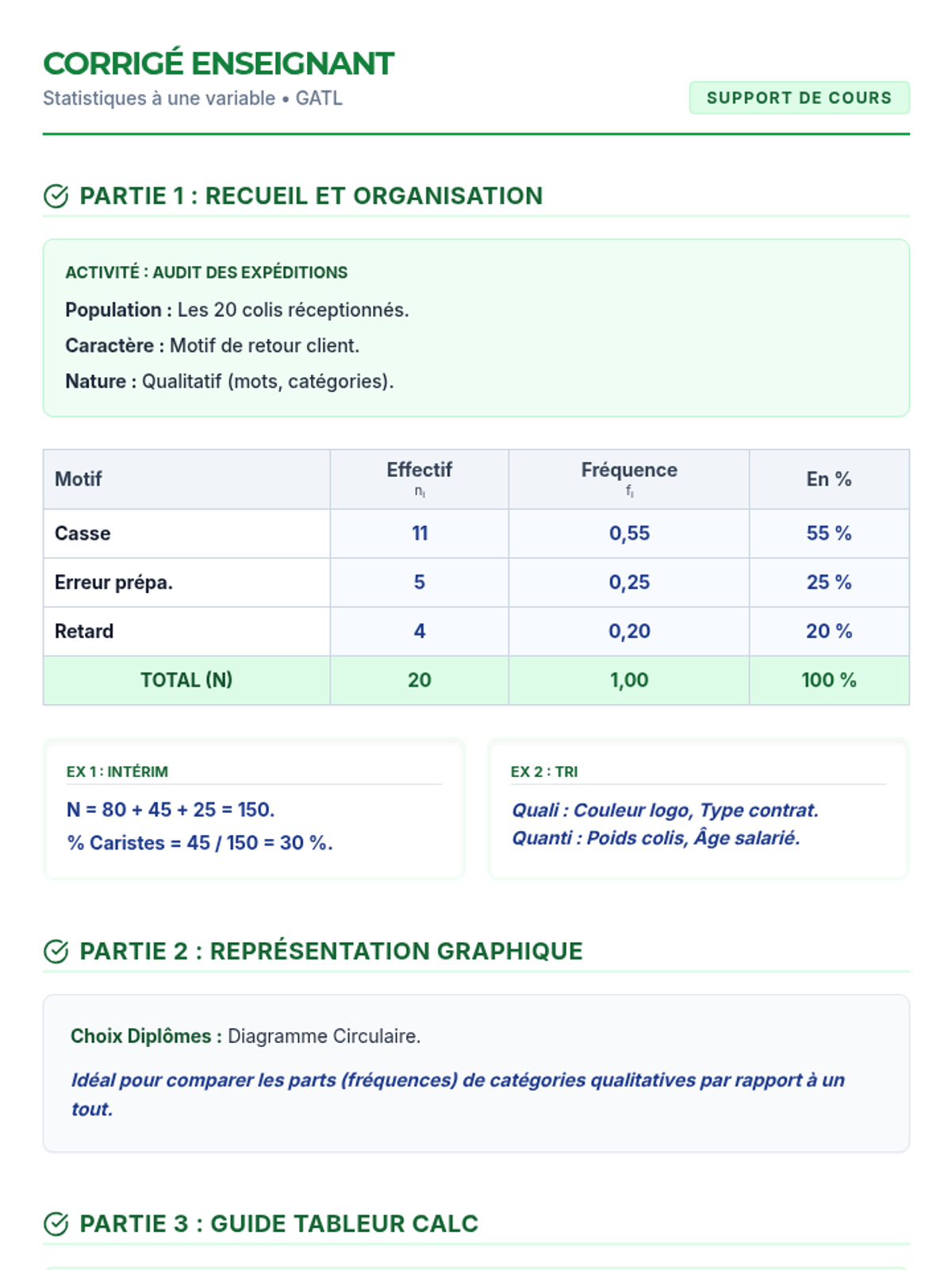
Unité d'apprentissage complète sur les statistiques à une variable appliquée au contexte professionnel GATL (Gestion-Administration, Transport, Logistique), couvrant la collecte, l'organisation, la représentation et l'usage du tableur.
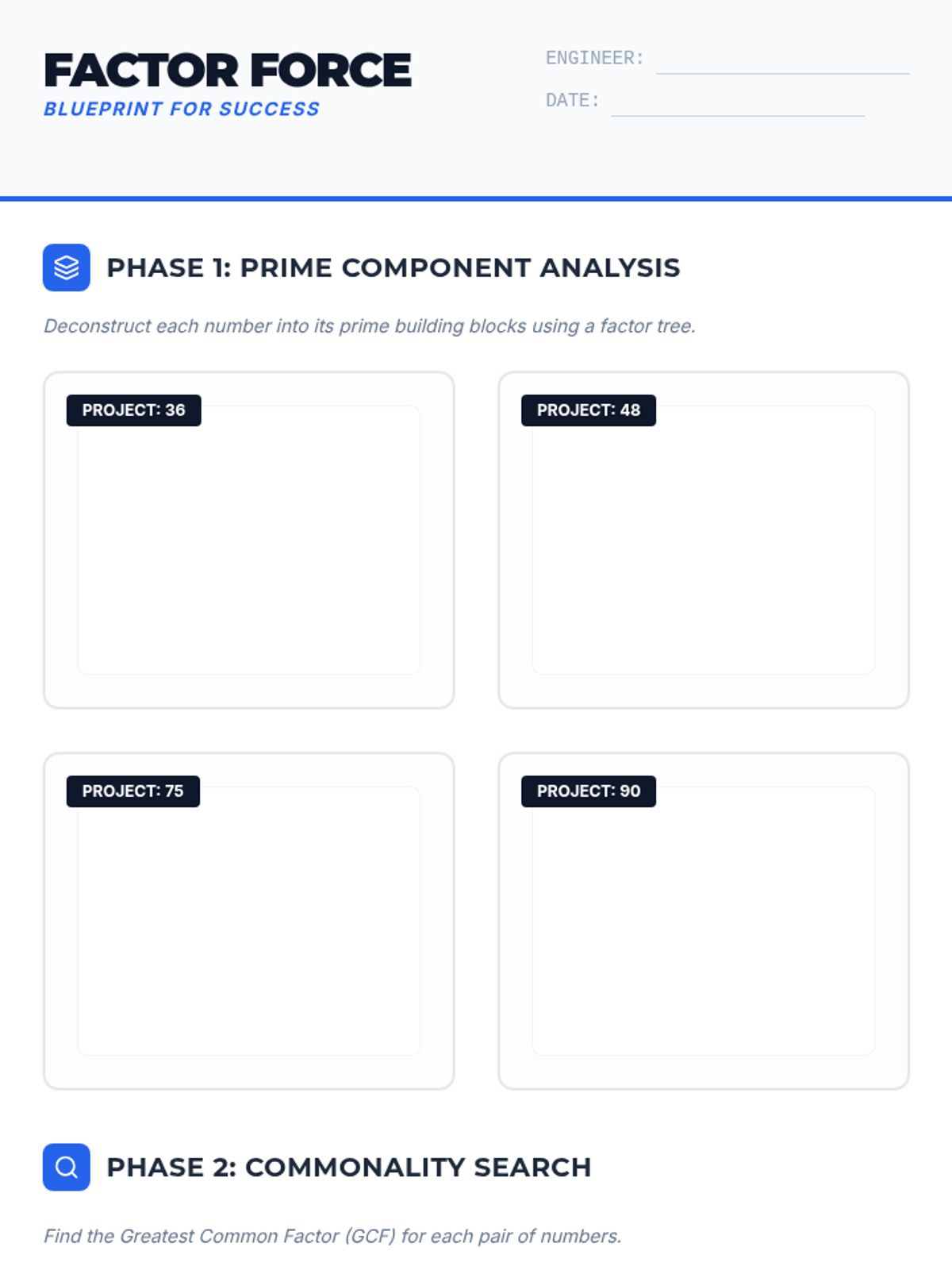
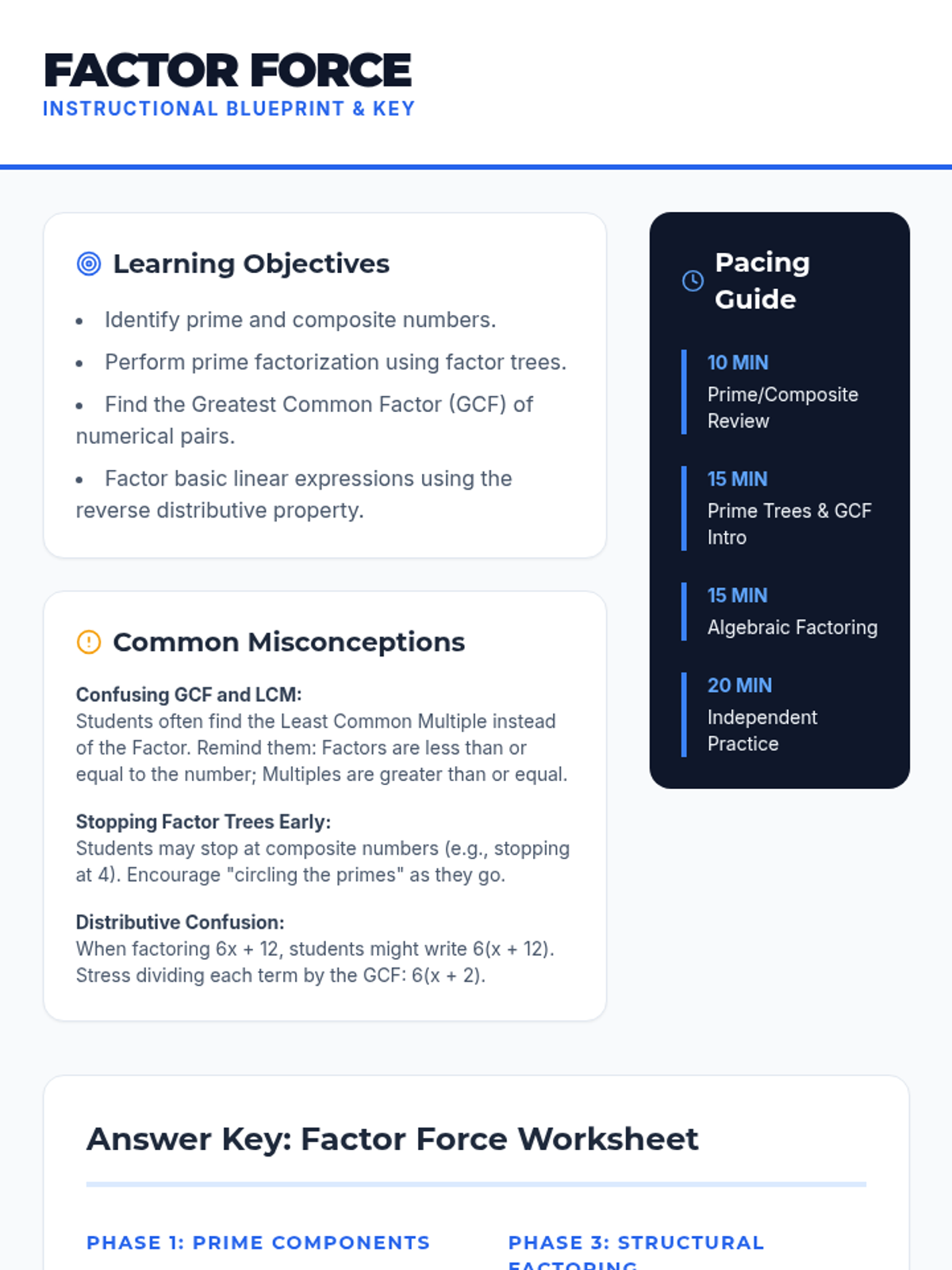
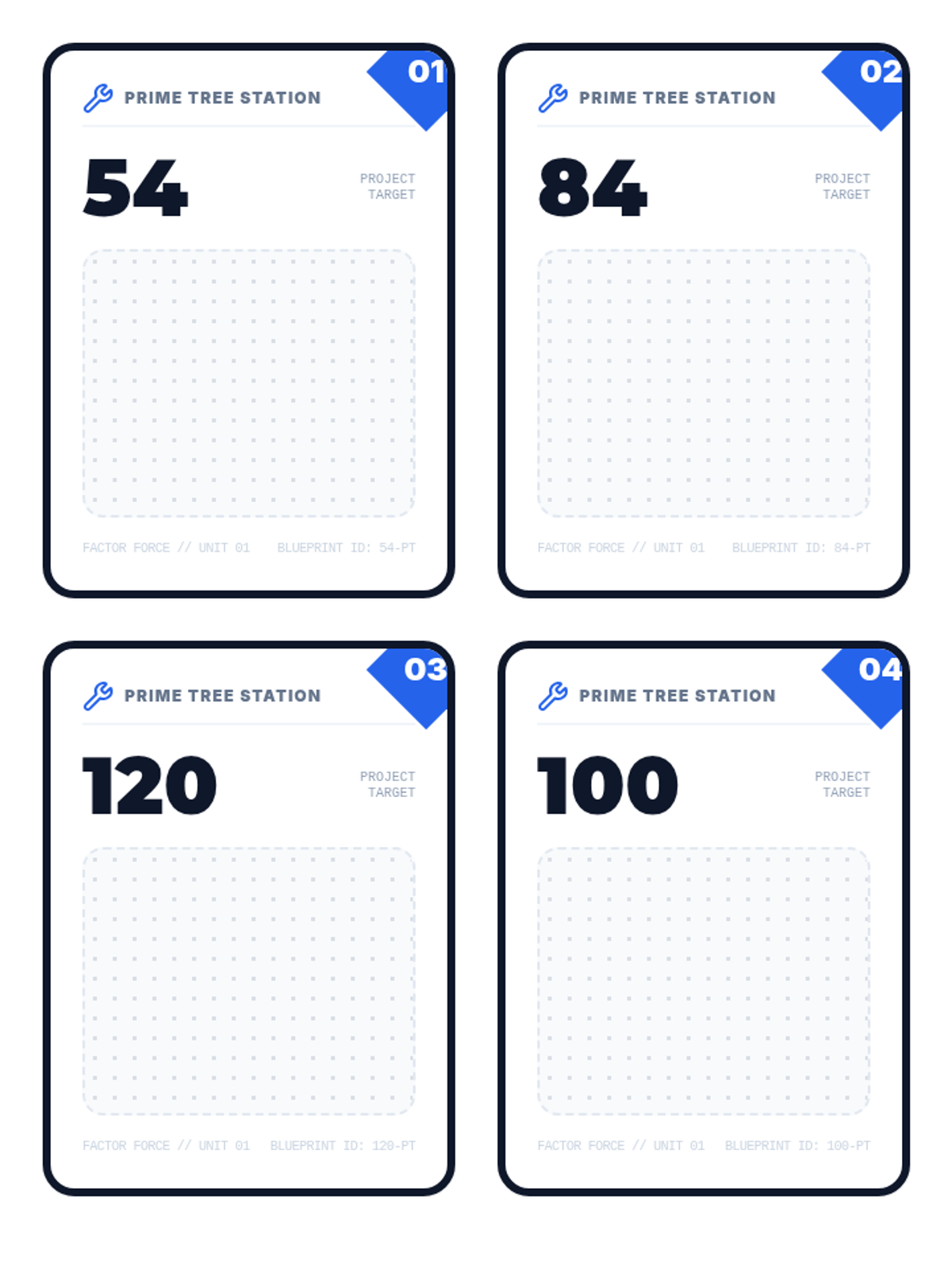
A sequence focused on the foundational skills of factoring, including prime factorization, finding the Greatest Common Factor (GCF), and introducing the distributive property in reverse for grades 6-7.
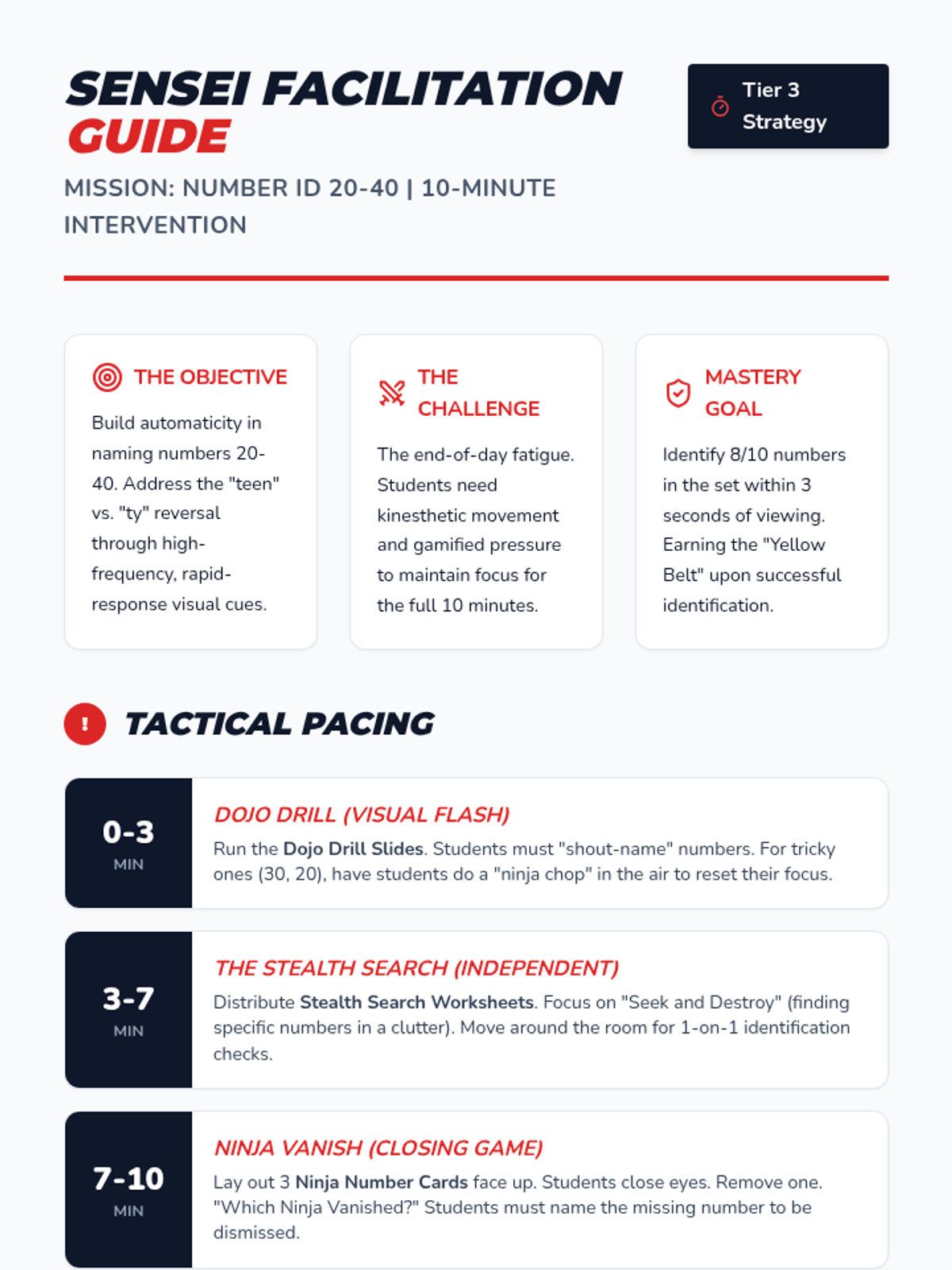
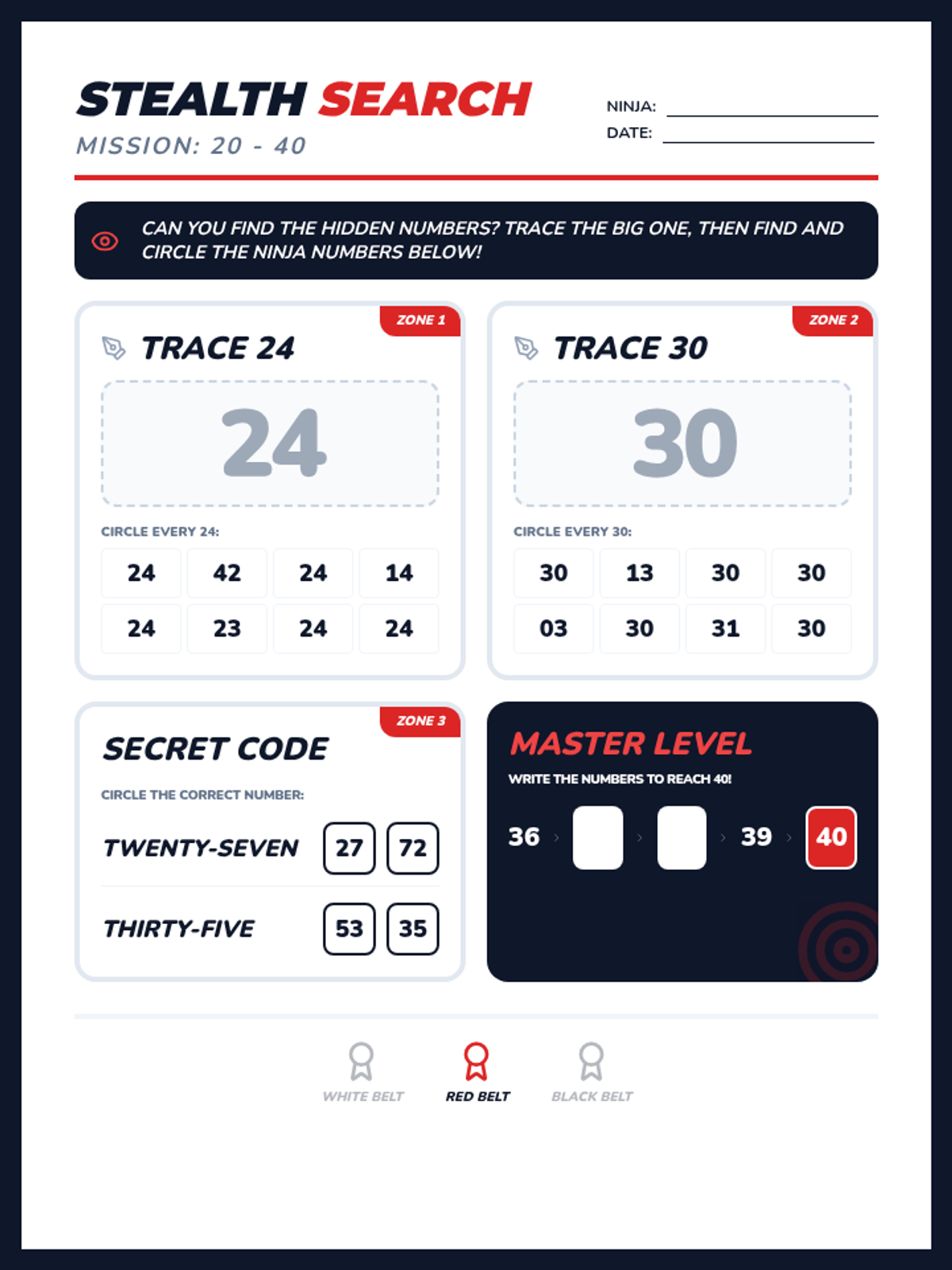
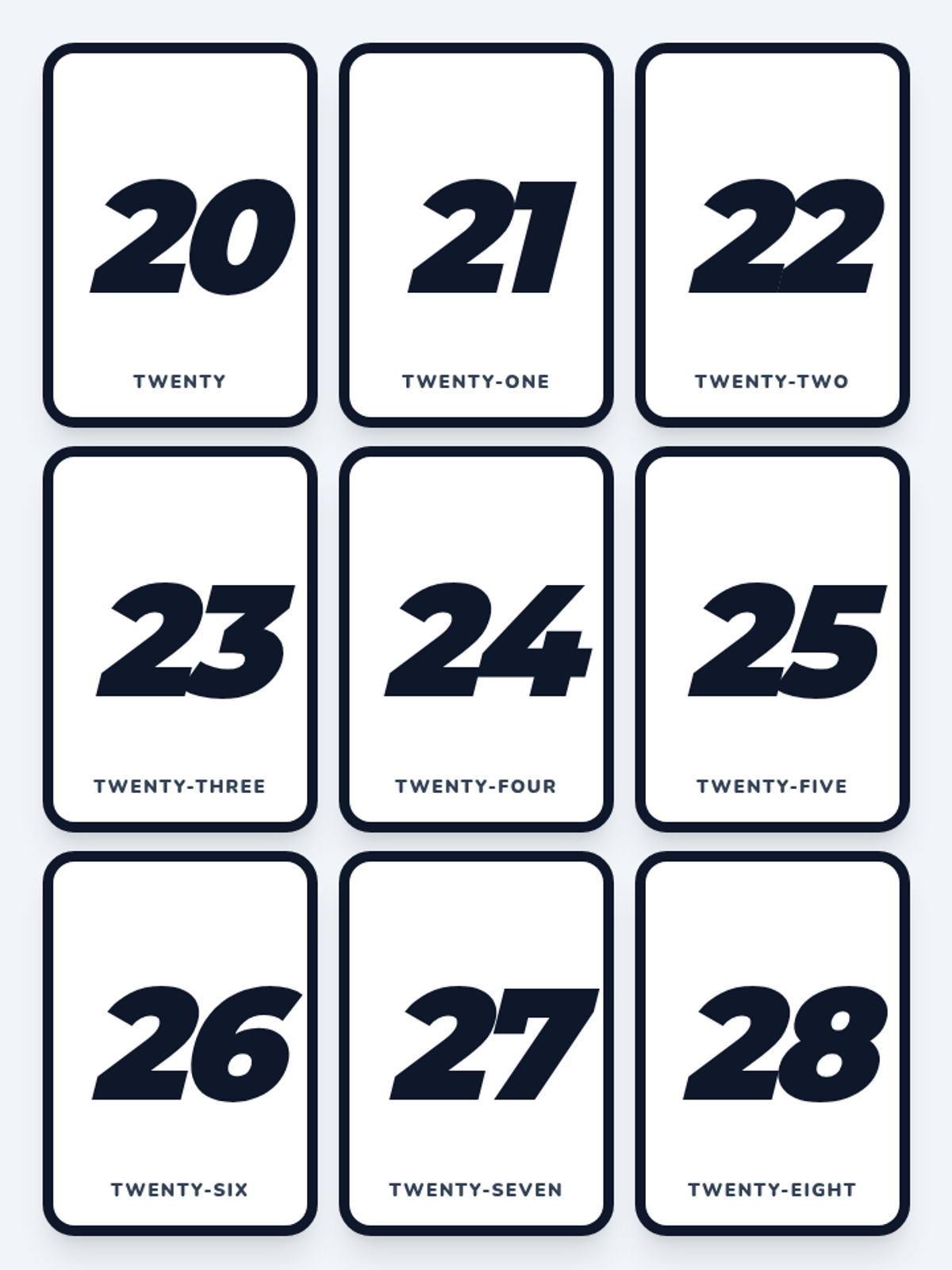
A high-energy intervention series designed for kindergarteners struggling with number identification in the 20-40 range. The "Number Ninja" theme keeps students engaged during short, 10-minute end-of-day sessions.
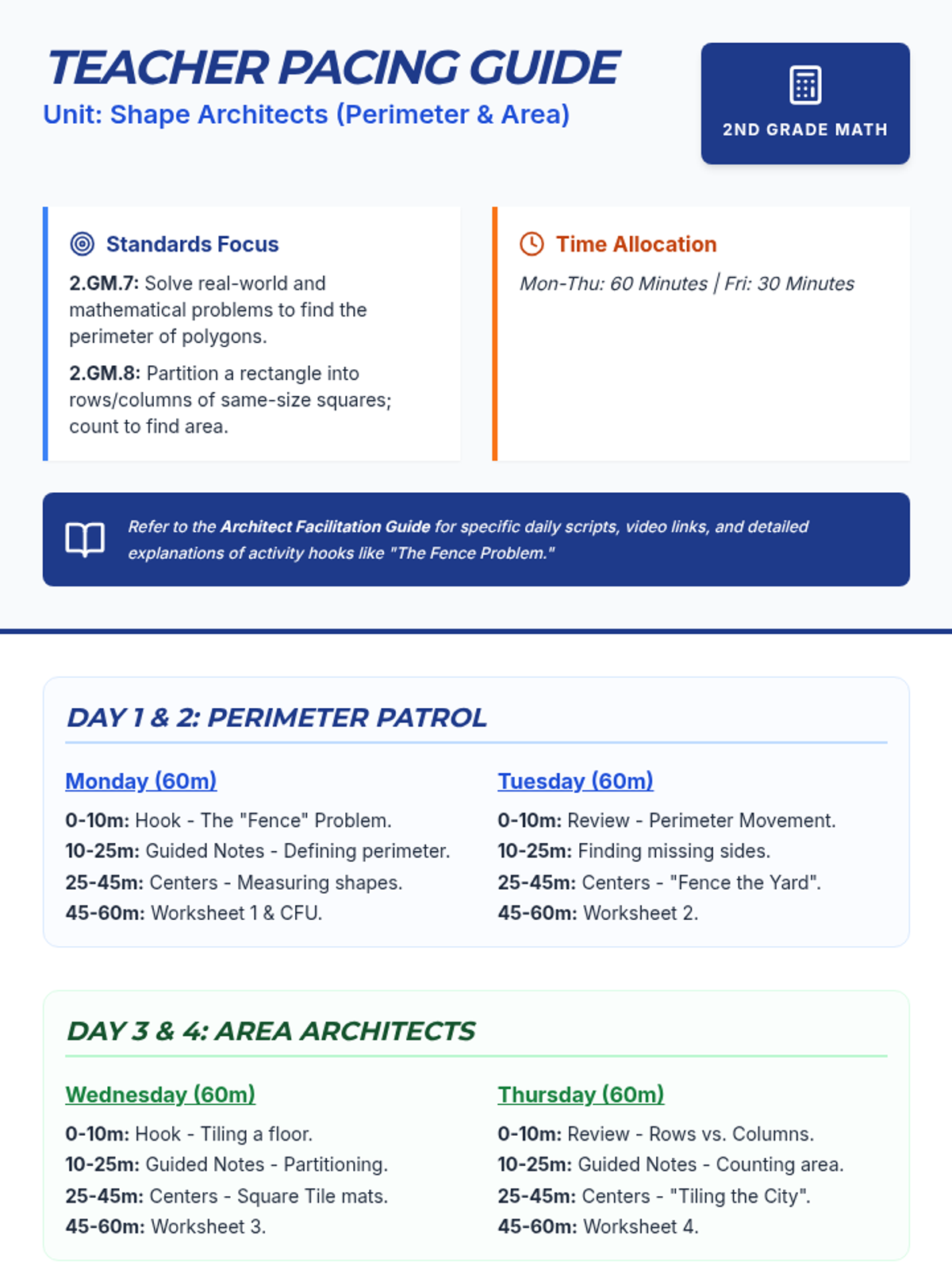
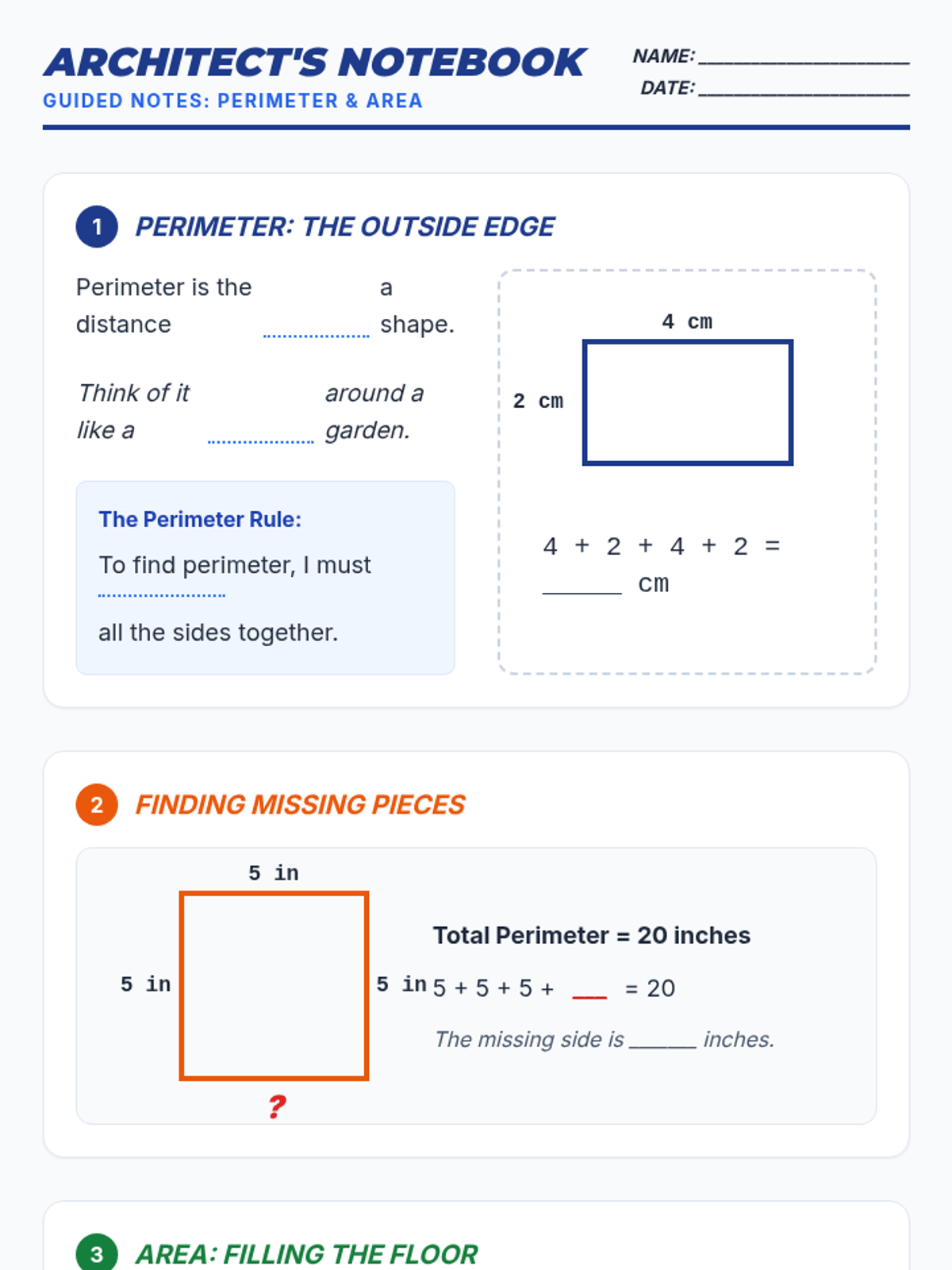
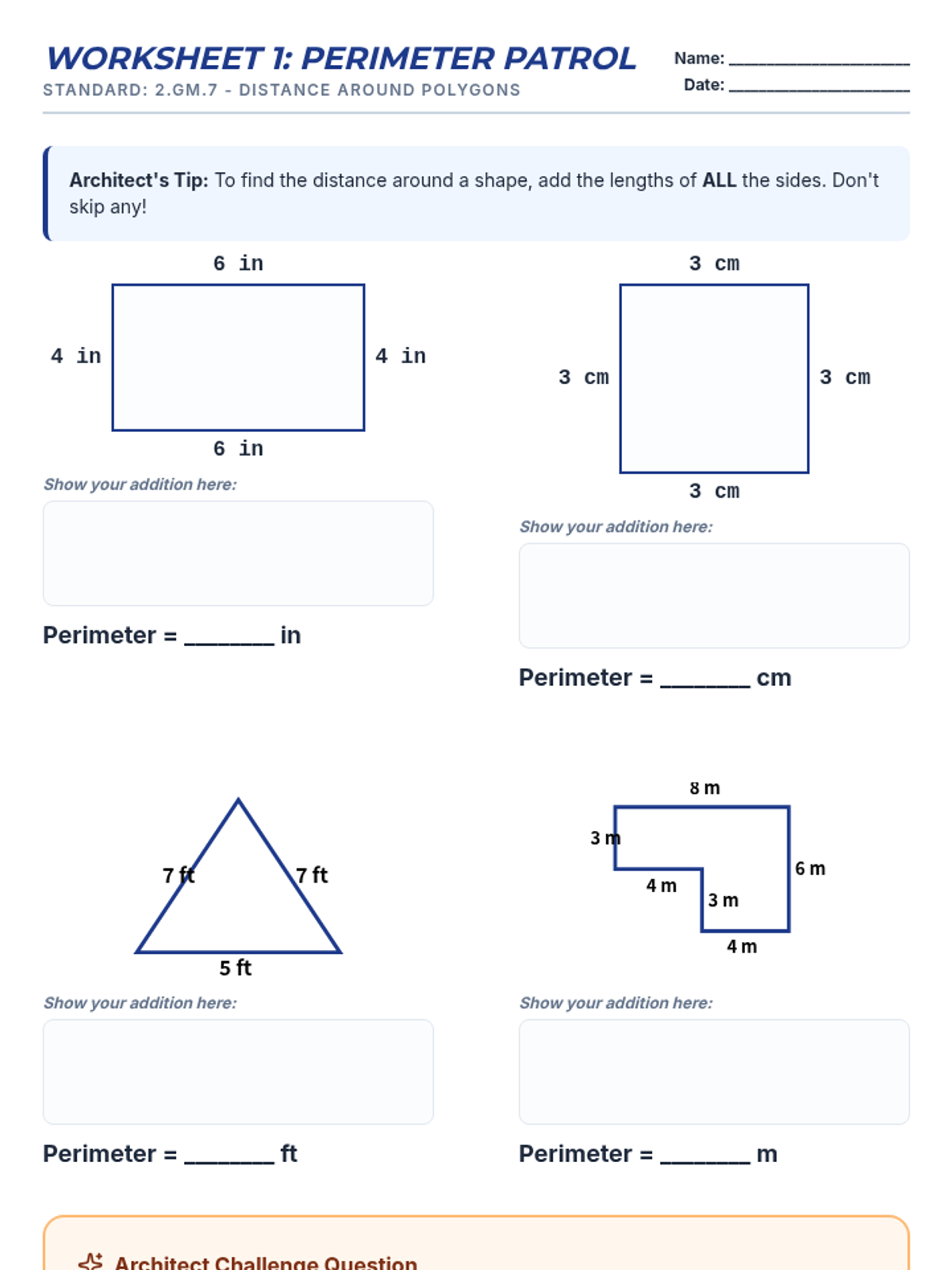
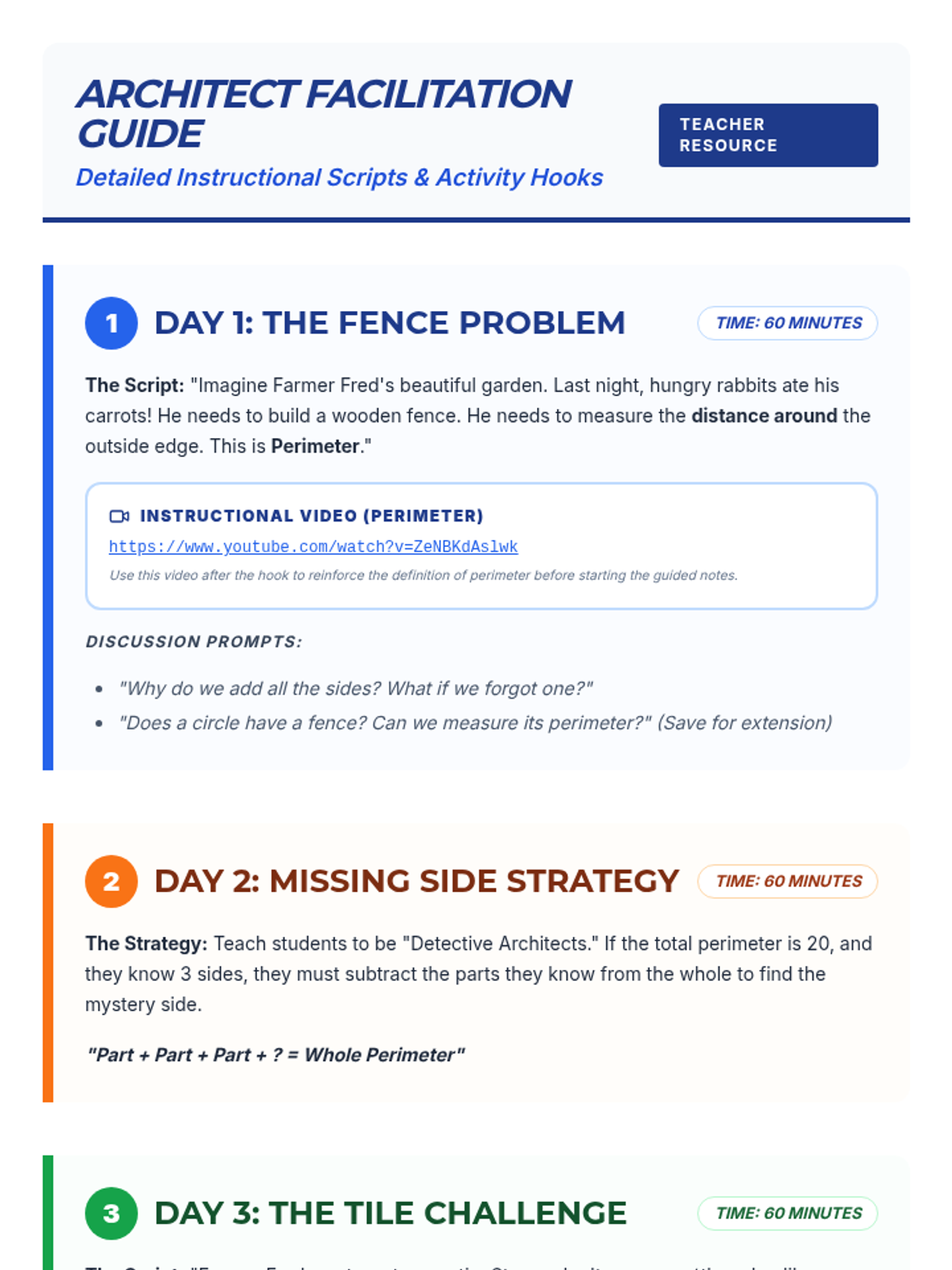
A week-long math unit for 2nd grade focusing on perimeter of polygons and partitioning rectangles to find area. Students act as 'Shape Architects' to design, measure, and calculate blueprints.
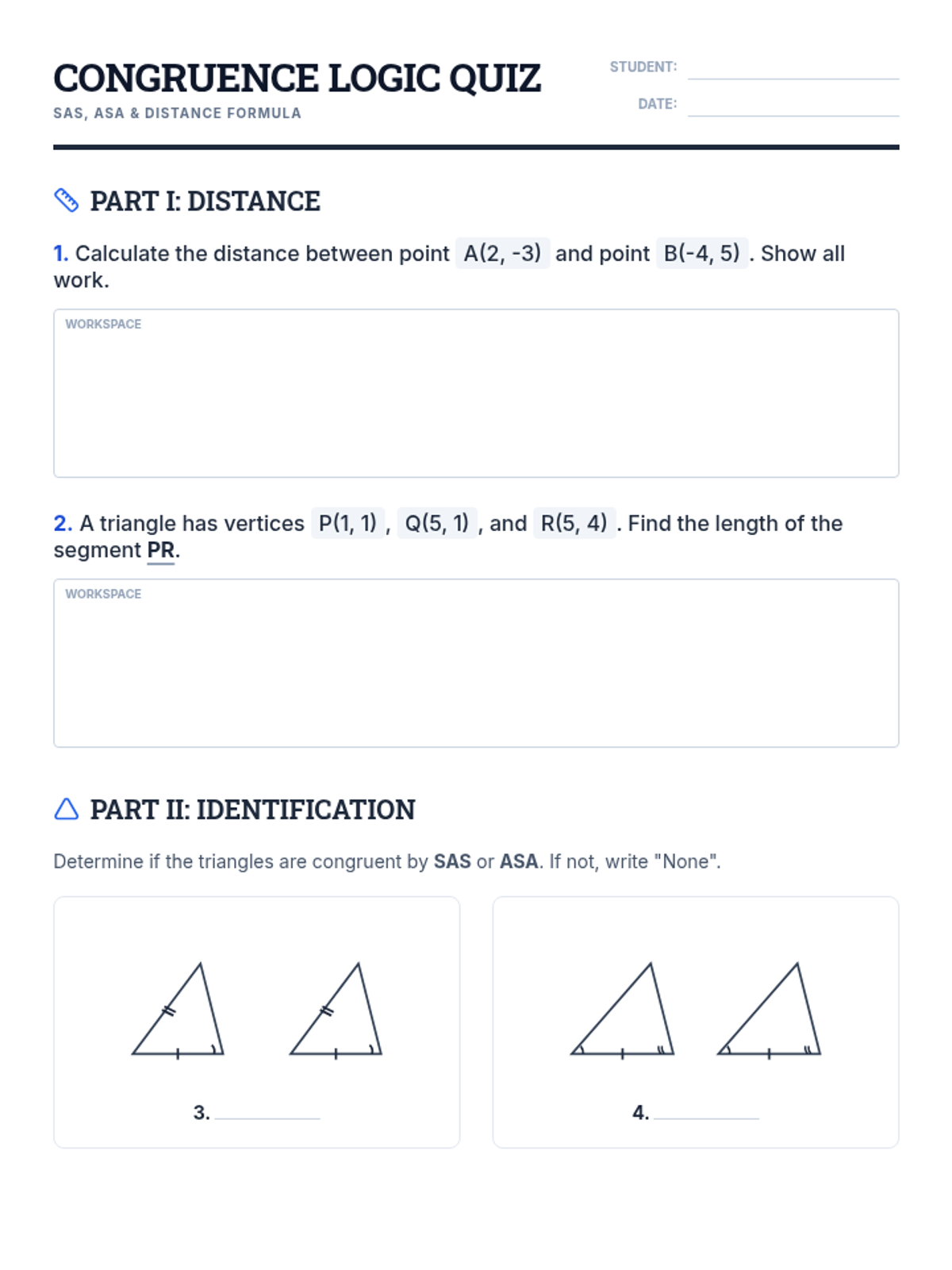
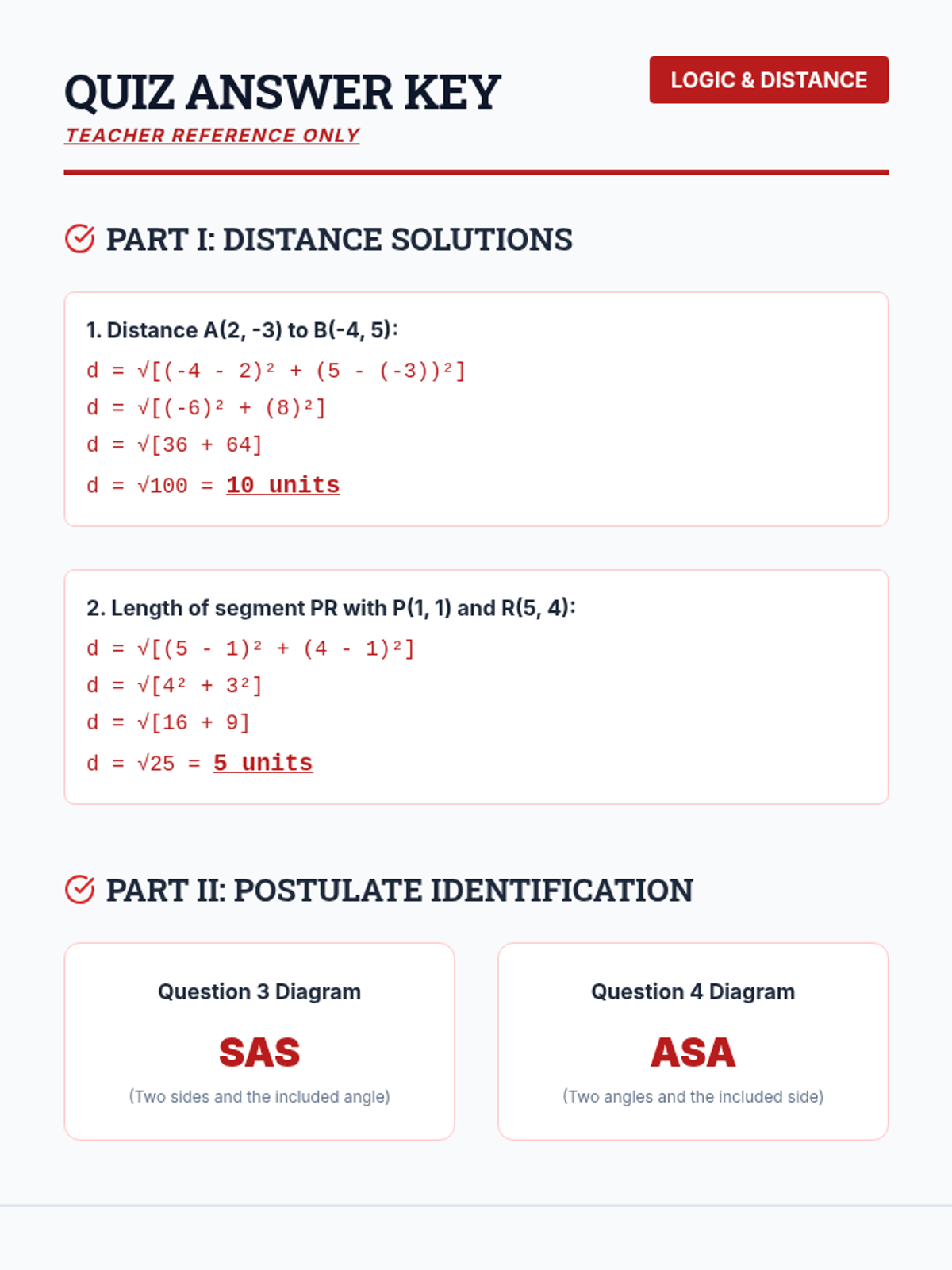
An exploration of geometric congruence, coordinate geometry, and the formal logic required for mathematical proofs.
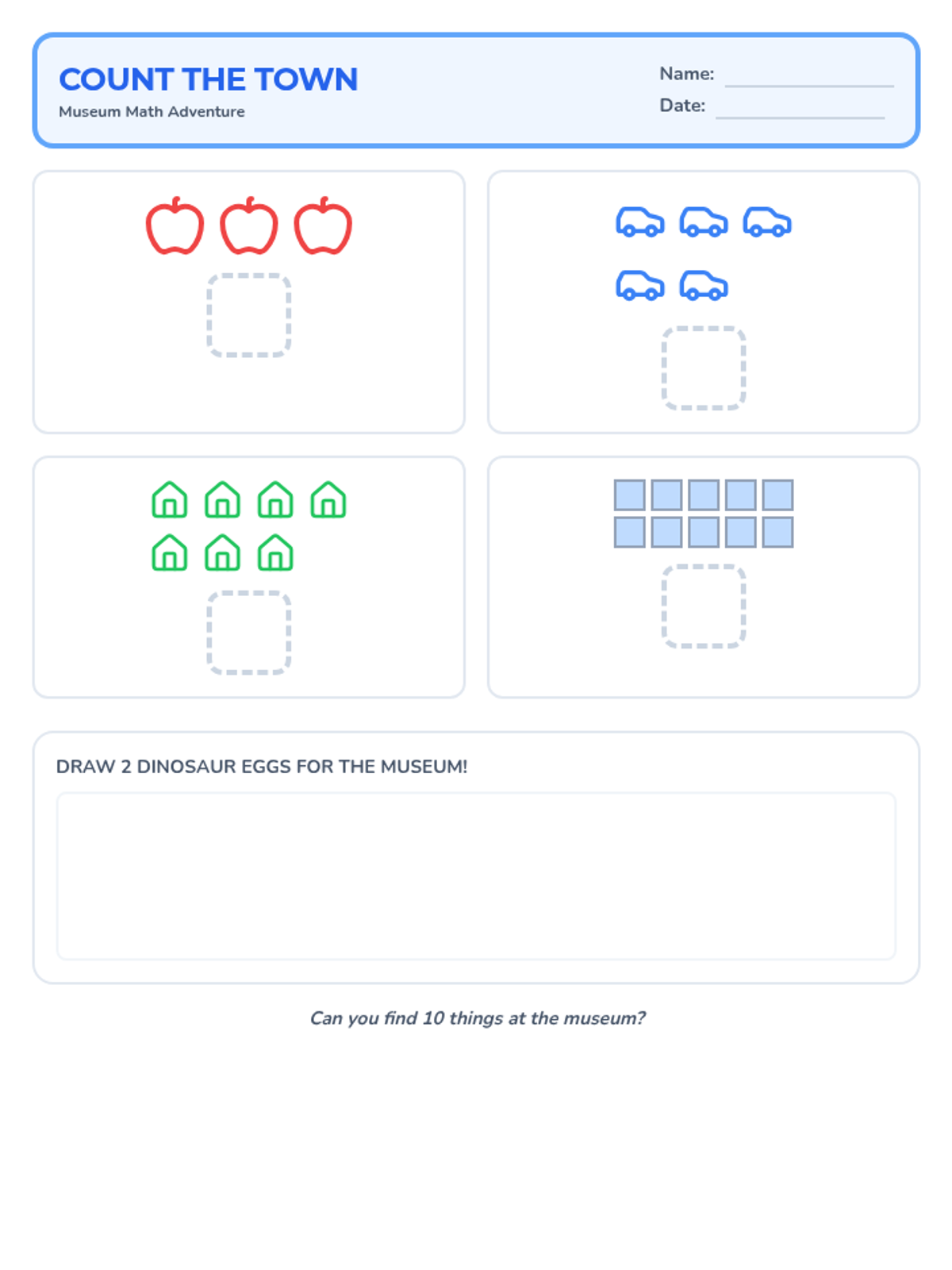
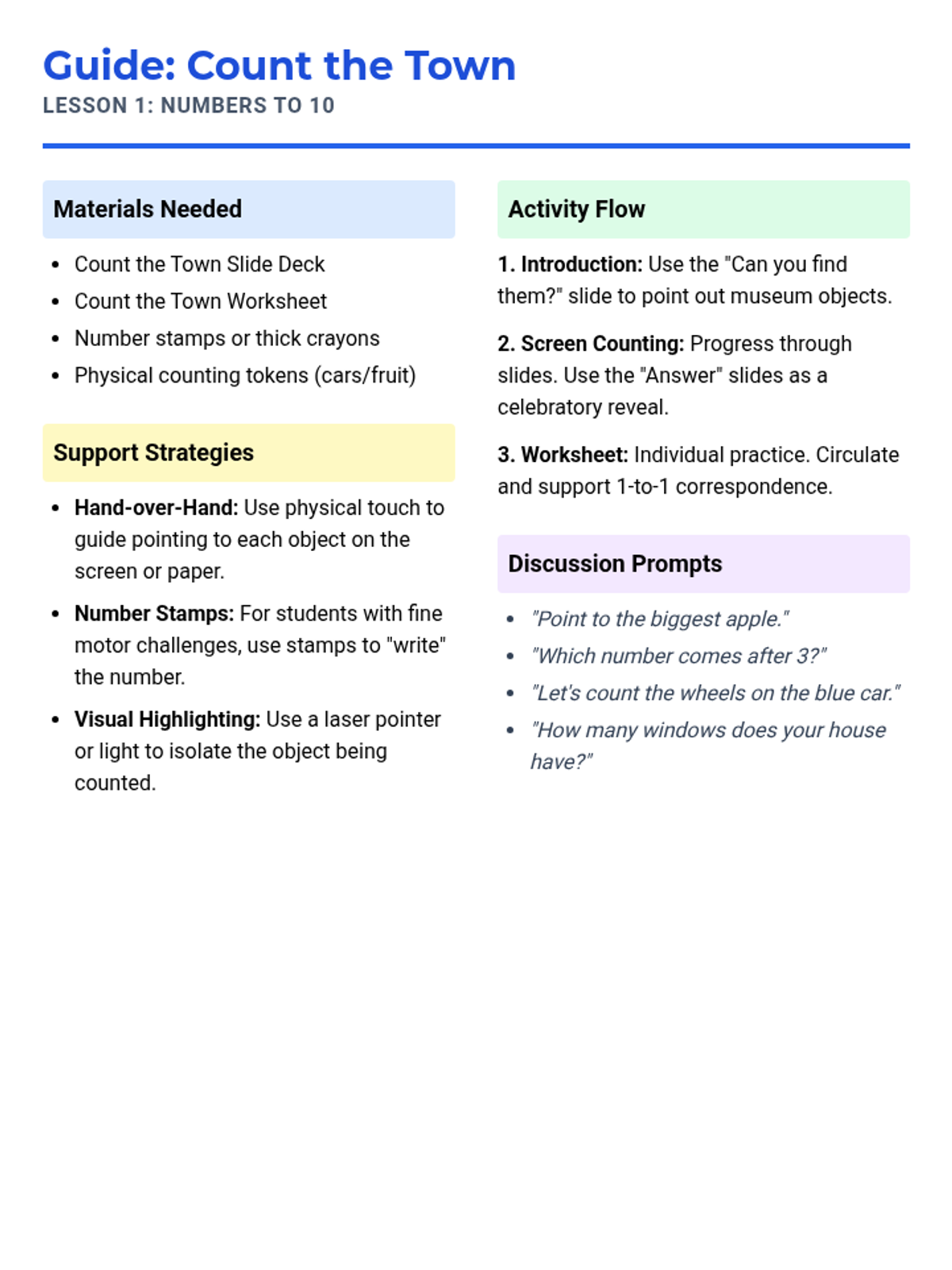
A series of interactive math lessons themed around a trip to Play Street Museum, specifically designed for preschool students with special needs to practice numbers, addition, and size comparison through imaginative play contexts.