A unit focused on animal adaptations, habitats, and the research process for 4th-grade students, guiding them from initial curiosity to a finished research profile.
Cette séquence explore les enjeux de la gestion des ressources humaines en 1ère STMG, en articulant la valorisation de l'activité humaine avec les contraintes de performance et de coût du travail. Elle s'appuie sur des cas d'entreprises réelles pour illustrer les notions de qualification, de compétence, de conditions de travail et d'arbitrage financier.
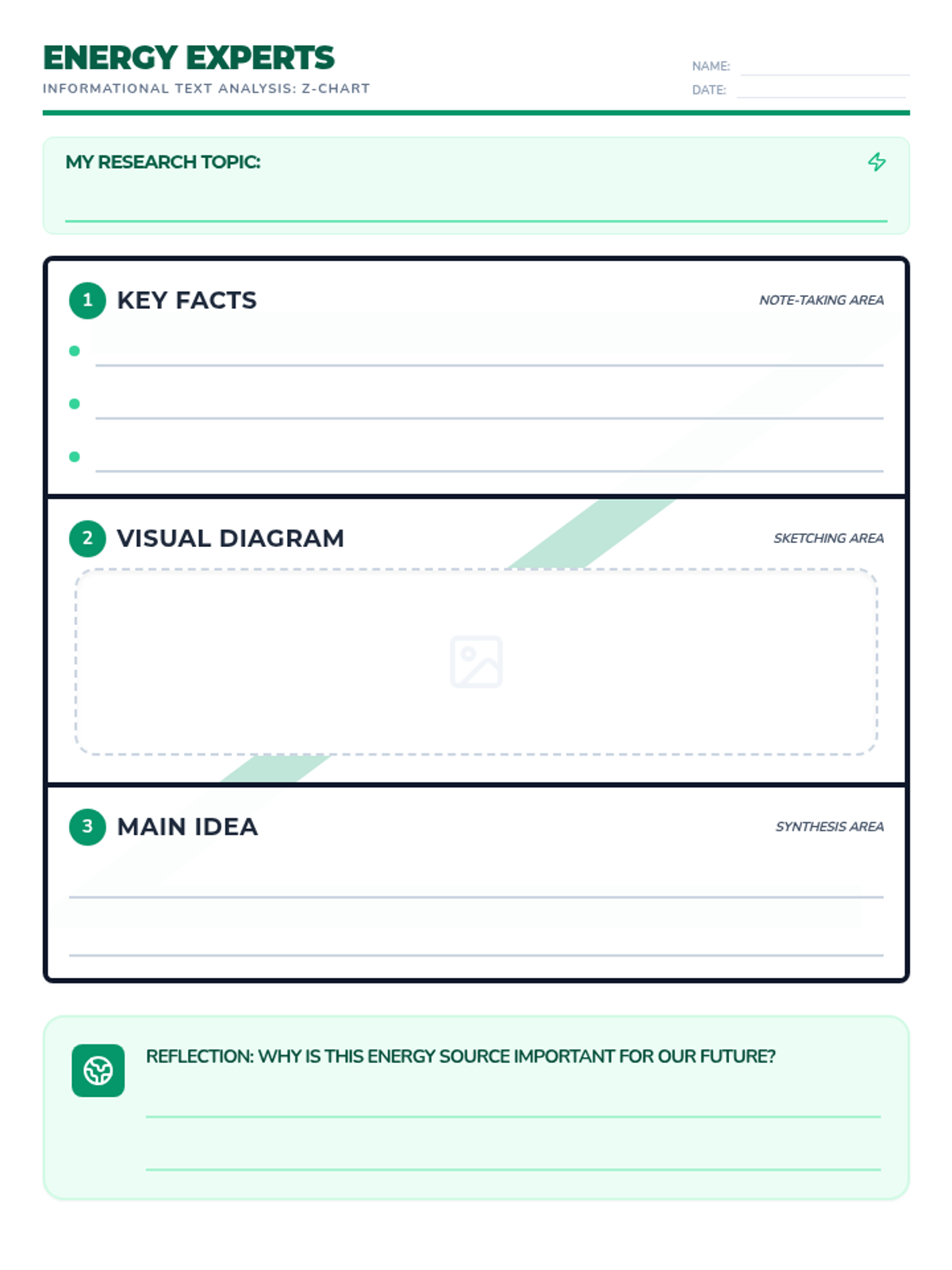
A foundational review of electricity and magnetism tailored for 7th-grade students working at 2nd-4th grade skill levels. The unit covers flow of electricity, magnetic properties, circuit building, and electromagnetism through highly visual and hands-on activities.
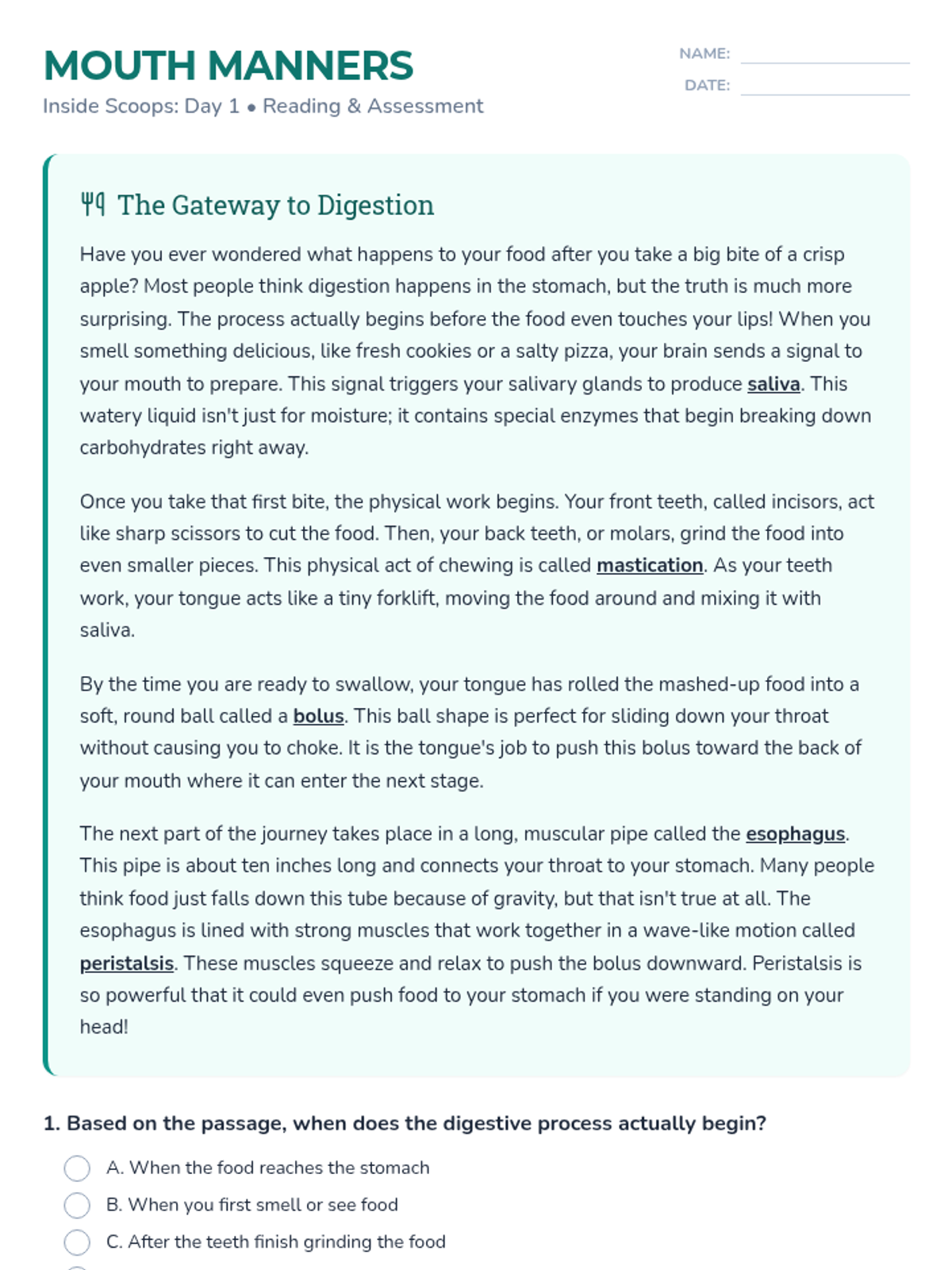
Unité complète sur le fonctionnement du corps humain, se concentrant sur la nutrition, la digestion et l'importance d'une alimentation saine pour la croissance et l'activité.
A comprehensive STEM sequence focusing on the intersection of coding logic and physical engineering. Students explore algorithmic thinking, structural design, and the integration of software and hardware through hands-on build challenges and online activities.
A STEM and Computer Science unit for 4th grade that integrates principles of flight and forces with programming logic and binary code, all centered around a disaster relief mission.
A 10-session Tier 2 intervention for 4th-grade students focused on vocabulary and comprehension, aligned with EL Education Module 2 (Animal Defenses). Students act as 'Defense Detectives' to investigate how animals survive in the wild.
A 6-week Tier 2 intervention for 4th grade students focused on vocabulary and comprehension, aligned with EL Education Module 2 (Animal Defenses). Students act as 'Defense Detectives' to explore how animals survive in the wild while building academic language skills.
An immersive, project-based unit where students become 'Wild Explorers,' researching animals and creating interactive adventure books to demonstrate their learning.
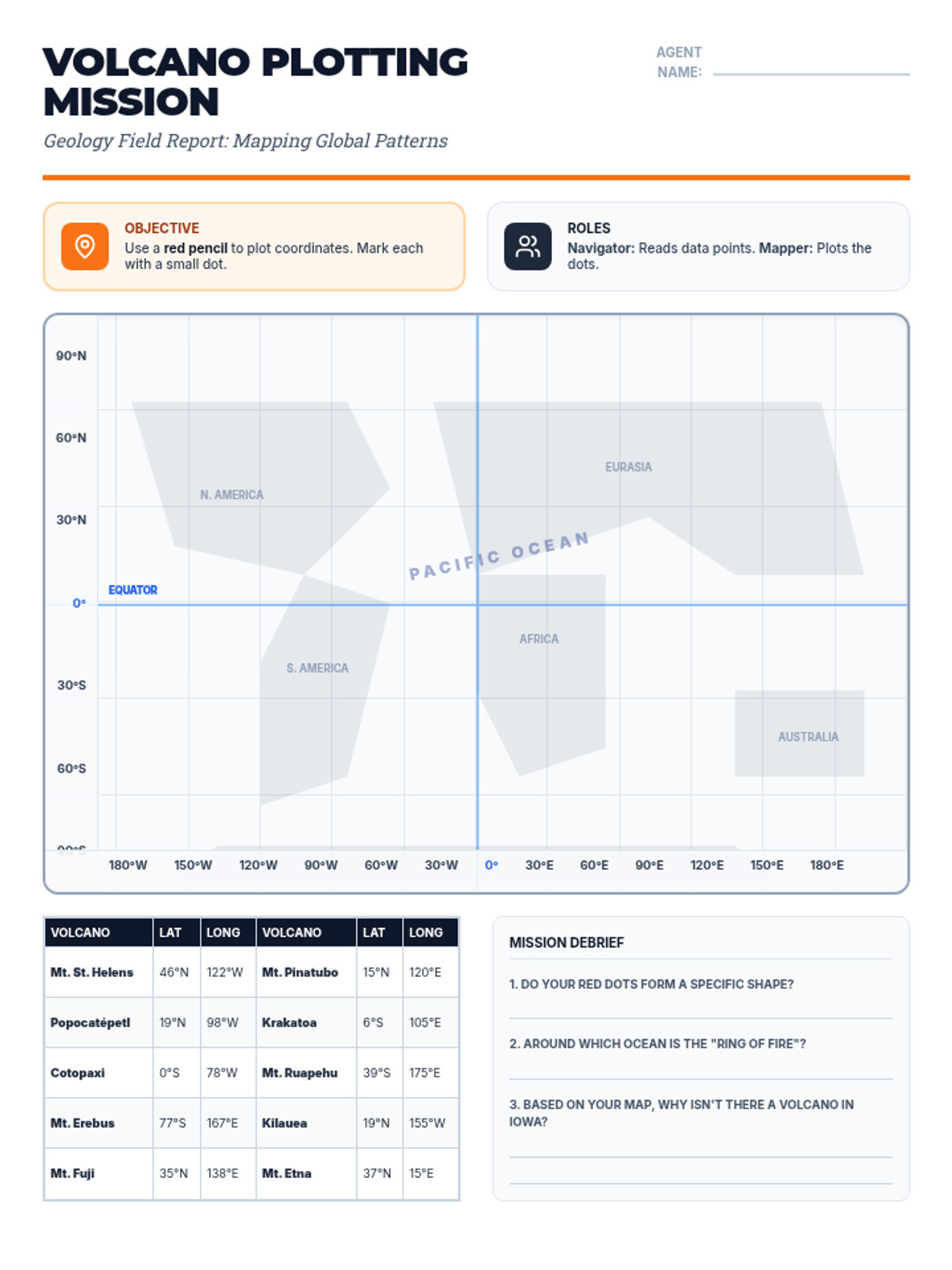
A comprehensive investigation into the Earth's geological processes, focusing on the formation, transformation, and identification of igneous, sedimentary, and metamorphic rocks.
A comprehensive science unit for 4th grade exploring the physical and chemical properties of materials through hands-on lab stations and visual demonstrations. Students act as 'Material Engineers' to test and categorize everyday substances based on their unique characteristics.
A comprehensive dual-topic science sequence for 4th grade covering the mechanics of simple machines and the interconnectedness of ecosystems. Each lesson includes instructional guides, reading materials, and vocabulary resources.
A 4th-grade science unit adapted from 6th-grade material, focusing on how gene versions and proteins determine traits in spiders and humans. Students act as 'Gene Detectives' to solve the mystery of silk flexibility and running ability.
A comprehensive unit exploring inherited traits, talents, and character analysis through the lens of Kamal's story. Students will distinguish between genetic traits and learned talents, analyze character motivations, and document their own unique 'code'.
A comprehensive project-based unit where students explore the vital role of pollinators, research local species, and design solutions to protect their habitats.
A comprehensive unit exploring the fundamentals of electricity, magnetism, and how they combine in circuits, focusing on energy transformations and hands-on visuals.
A comprehensive 5-lesson unit for 4th graders exploring the properties of light energy, including how it travels, reflects, refracts, and interacts with different materials.
A comprehensive 4th-grade earth science unit aligned with the TERC Earth Materials investigation, focusing on the properties of minerals, types of rocks, the rock cycle, and soil composition through a "Geology Field Lab" lens.
A lesson sequence exploring the science of involuntary reflexes and reaction time through hands-on lab experiments and interactive discussions. Students learn to distinguish between voluntary and involuntary actions using the body's natural response systems.
An introductory unit exploring invertebrate biology, focusing on classification, physical traits, and ecological roles of various animal groups.
A hands-on exploration of physics and forces, focusing on gravity, motion, and air resistance through engineering challenges.