An exploration of how irrational numbers are approximated in science, engineering, and computer science using algorithms like the Bisection Method and Newton's Method.
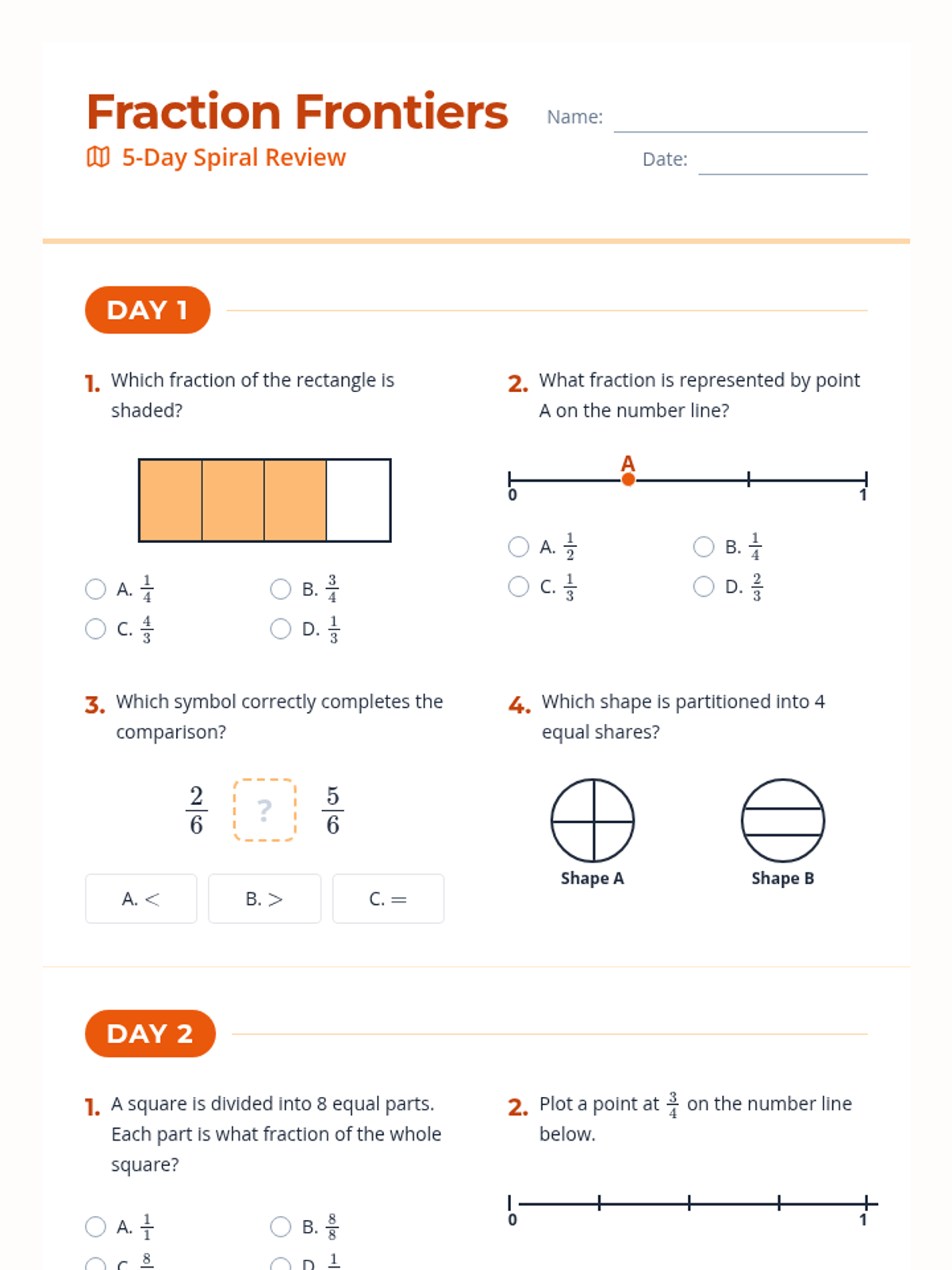
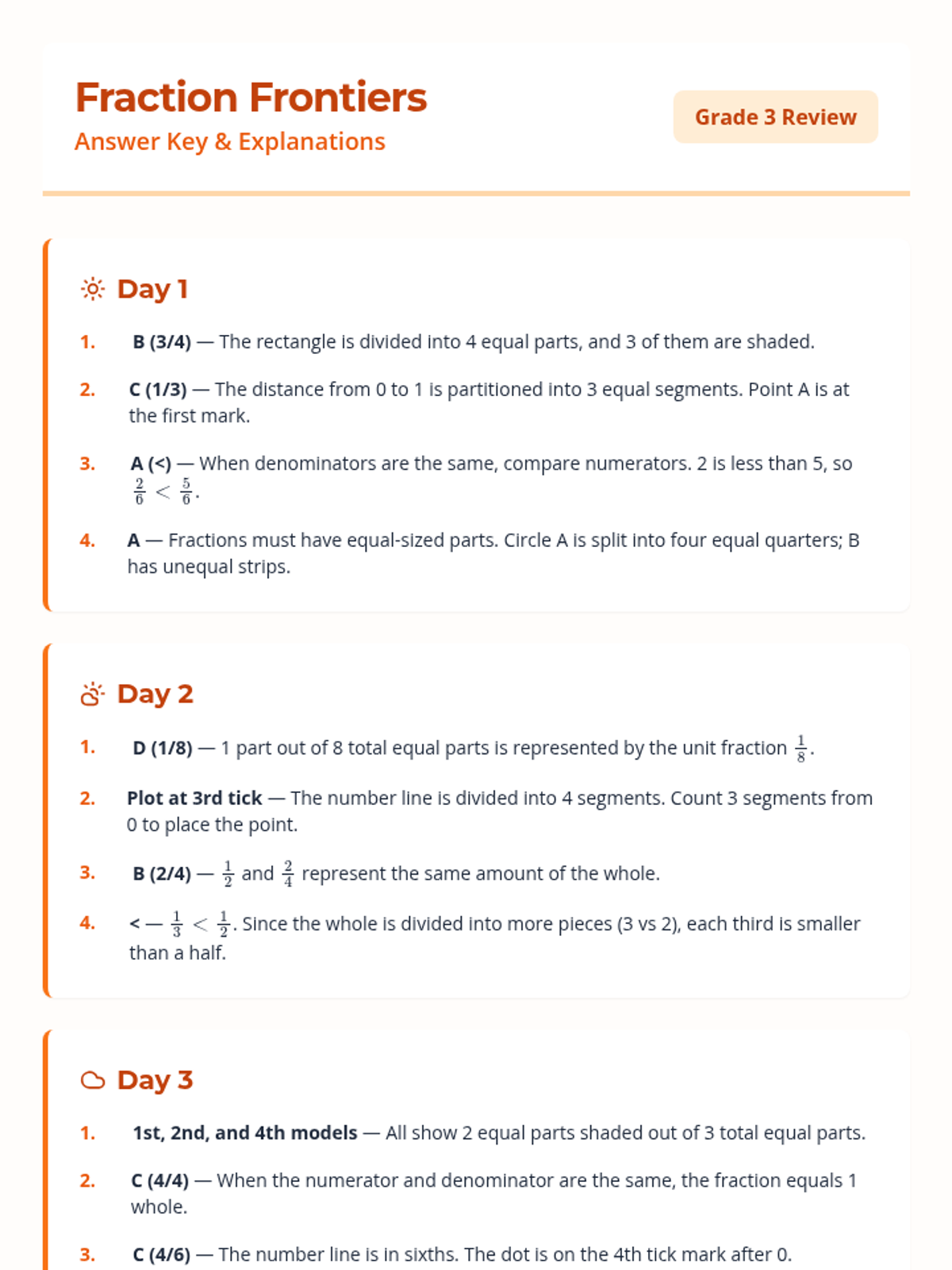
A 12-session tier 2 intervention sequence designed to build conceptual mastery of fraction division. Grounded in All Learners Network (ALN) principles, students progress from visual measurement models to the common denominator strategy and eventually the standard algorithm through deep reasoning and high-leverage concepts.
A comprehensive 12-lesson Tier 2 intervention sequence focused on 6th-grade ratio and proportion standards. Using High Leverage Concept strategies from the All Learners Network, this sequence moves from basic ratio language to complex unit rate and percent problems using visual models like tape diagrams and ratio tables.
A 12-lesson intervention sequence focused on numeral identification, forward/backward sequences, and number lines for 1st-grade Tier 2 support, utilizing High Leverage Concepts from All Learners Network.
Une introduction complète aux statistiques universitaires, couvrant la classification des données, les mesures descriptives, la visualisation et les fondements de la loi normale. L'approche est axée sur l'analyse de données réelles et la compréhension conceptuelle.
A sequence of lessons helping 4th-grade students with autism master division word problems through structured visual supports and familiar daily scenarios at school and in the community.
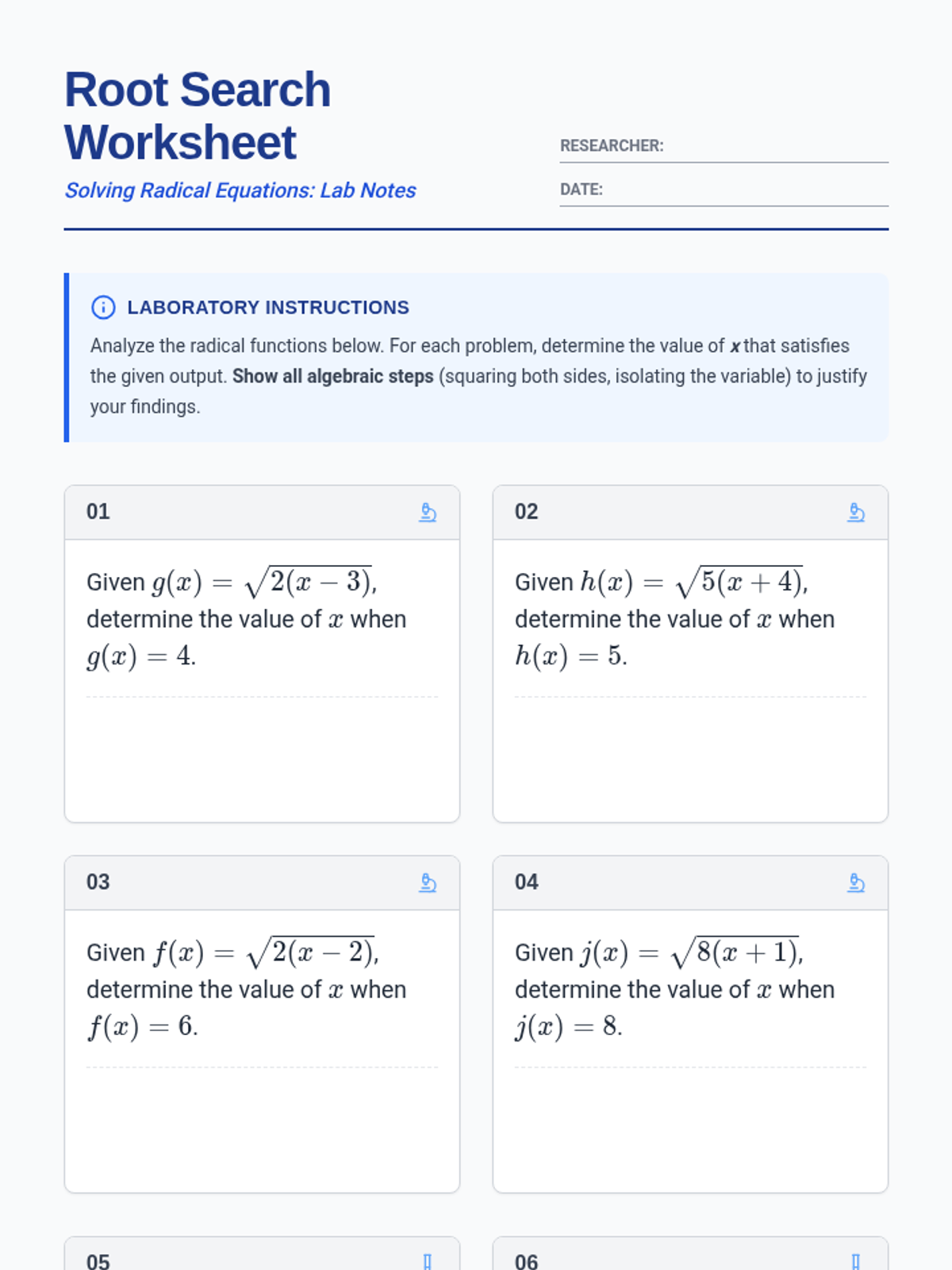
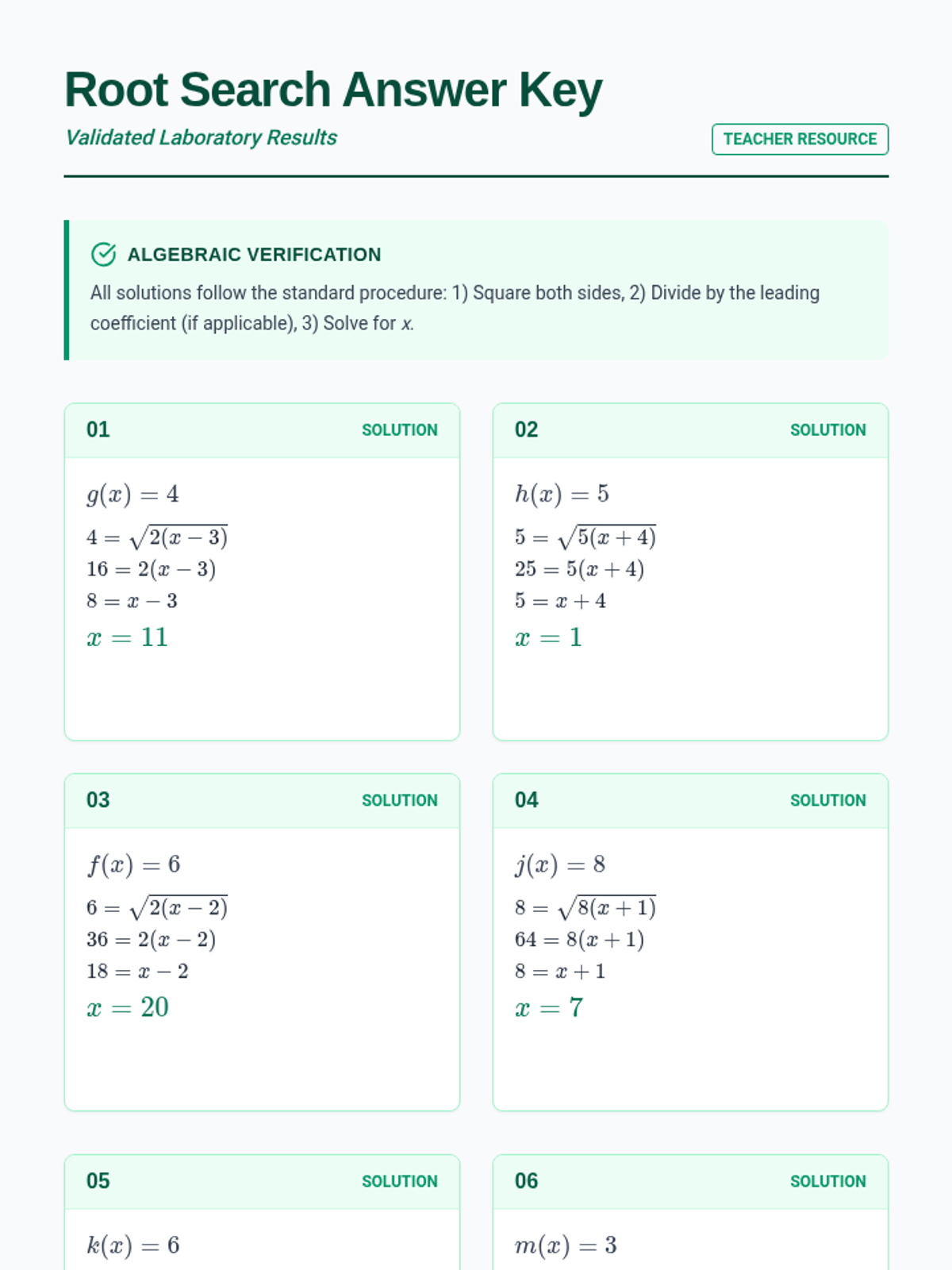
A lesson sequence focusing on the algebraic and graphical properties of radical equations, bridging the gap between symbolic manipulation and visual intersection points.
A series of higher-level mathematics lessons exploring calculus foundations through engaging, thematic activities and visual demonstrations.
A specialized unit focused on identifying and correcting algebraic misconceptions in function transformations, specifically reflections. Students develop critical analysis skills by acting as "Error Doctors" to diagnose and treat common mathematical pitfalls.
A lesson sequence focusing on the transition from expanded ellipsis notation to formal Sigma notation within the context of arithmetic series proofs. Students analyze a standard proof and reformulate it using summation properties.
A Pre-Algebra unit focused on understanding the nature of linear equations and their solutions. Students explore how the structure of an equation determines whether it has one, none, or infinite solutions, connecting algebraic results to geometric representations.
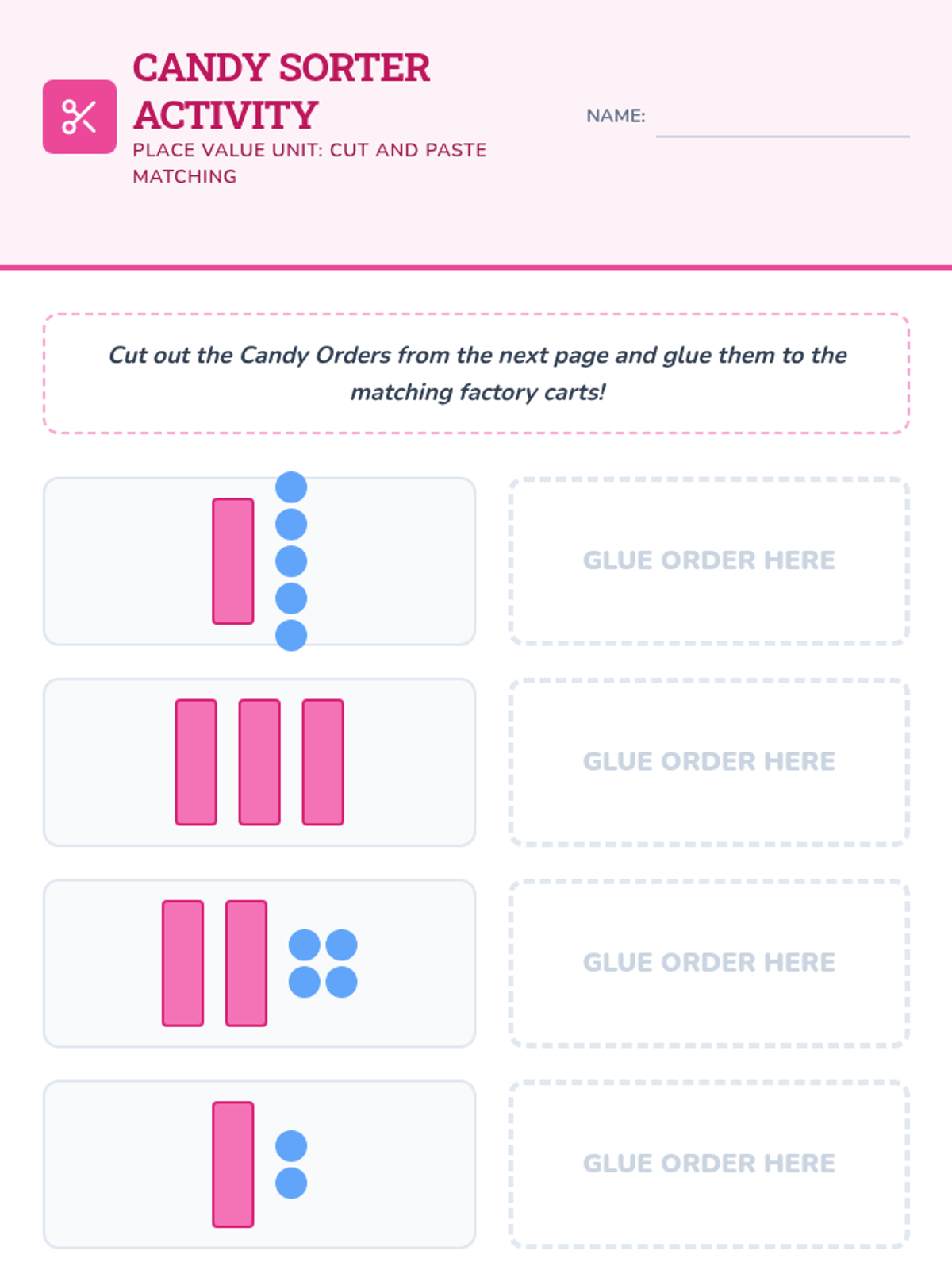
A math remediation sequence for 3rd and 4th graders focused on place value concepts, specifically periods (units and thousands) and the structural role of commas in large numbers.
A targeted math intervention sequence focused on remediating GCF gaps using a visual, color-coded prime factorization strategy. This sequence emphasizes the efficiency of prime factorization over listing factors for larger numbers.
A high-level Honors Algebra lesson focused on complex recursive sequences where students analyze notation, explore the Fibonacci sequence, and engage in a 'Sequence Maker' activity to reverse-engineer formulas.