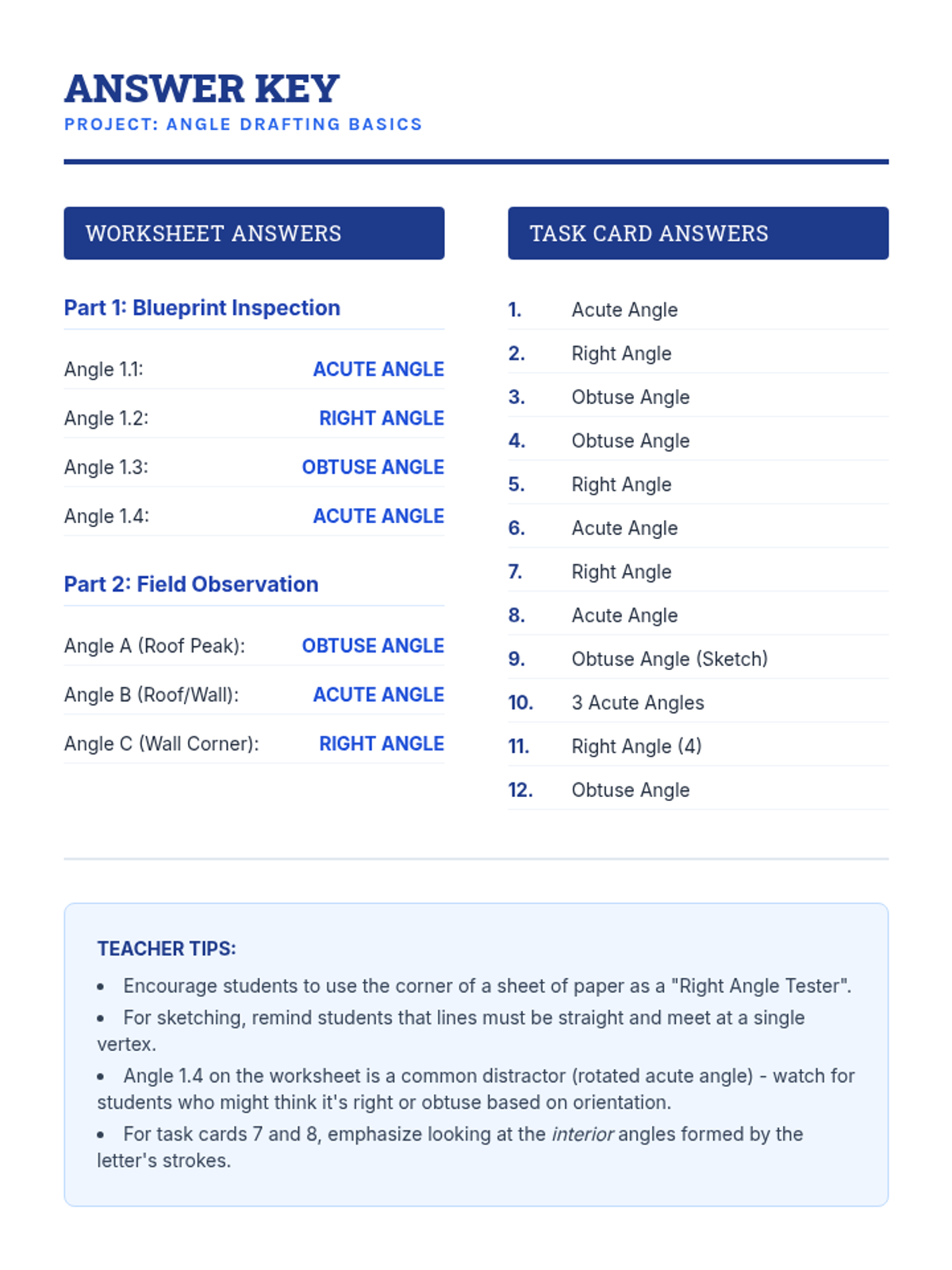
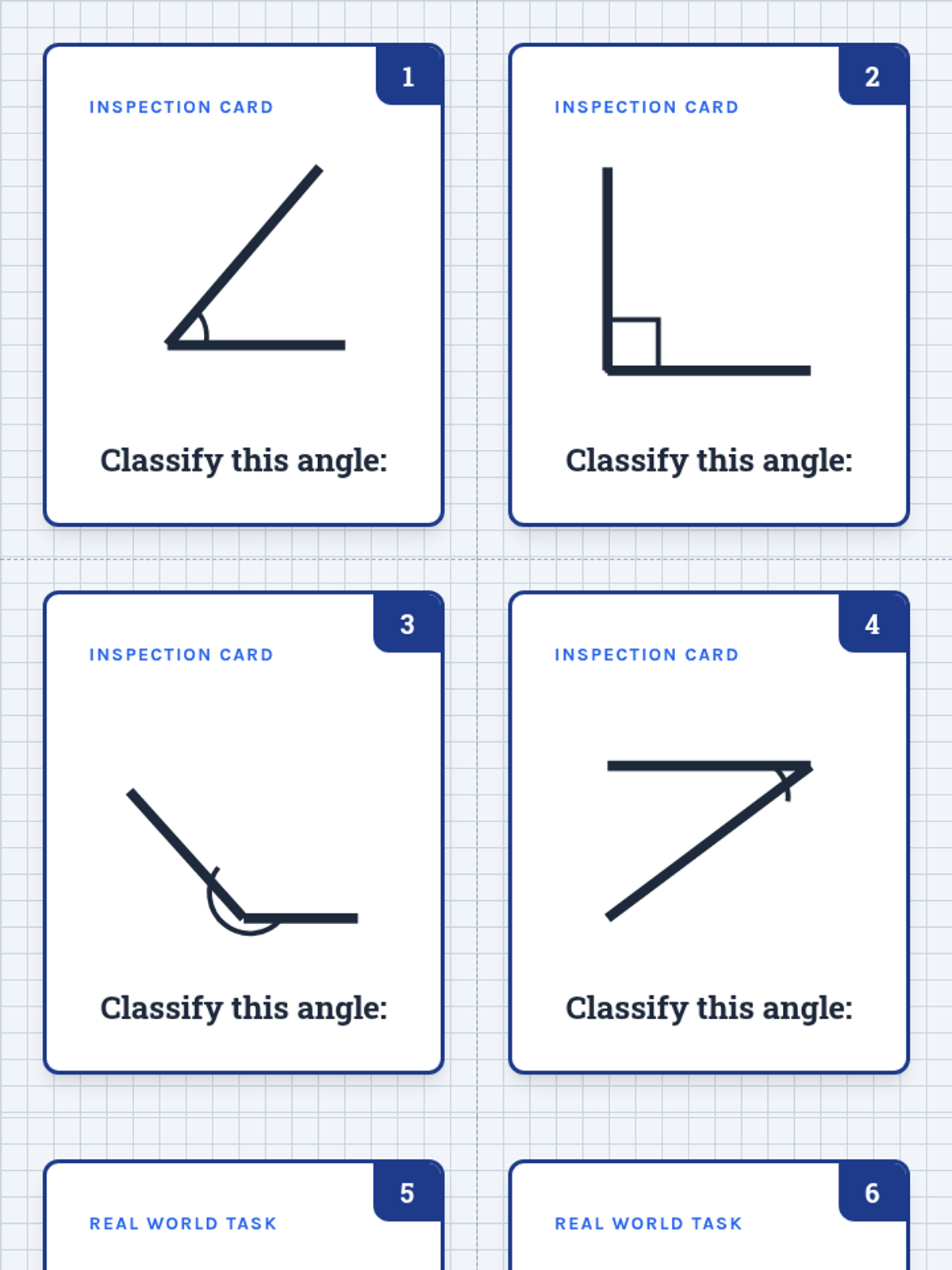
A grading rubric for the final art project, focusing on geometric precision, symmetry, and technical mastery of construction tools.
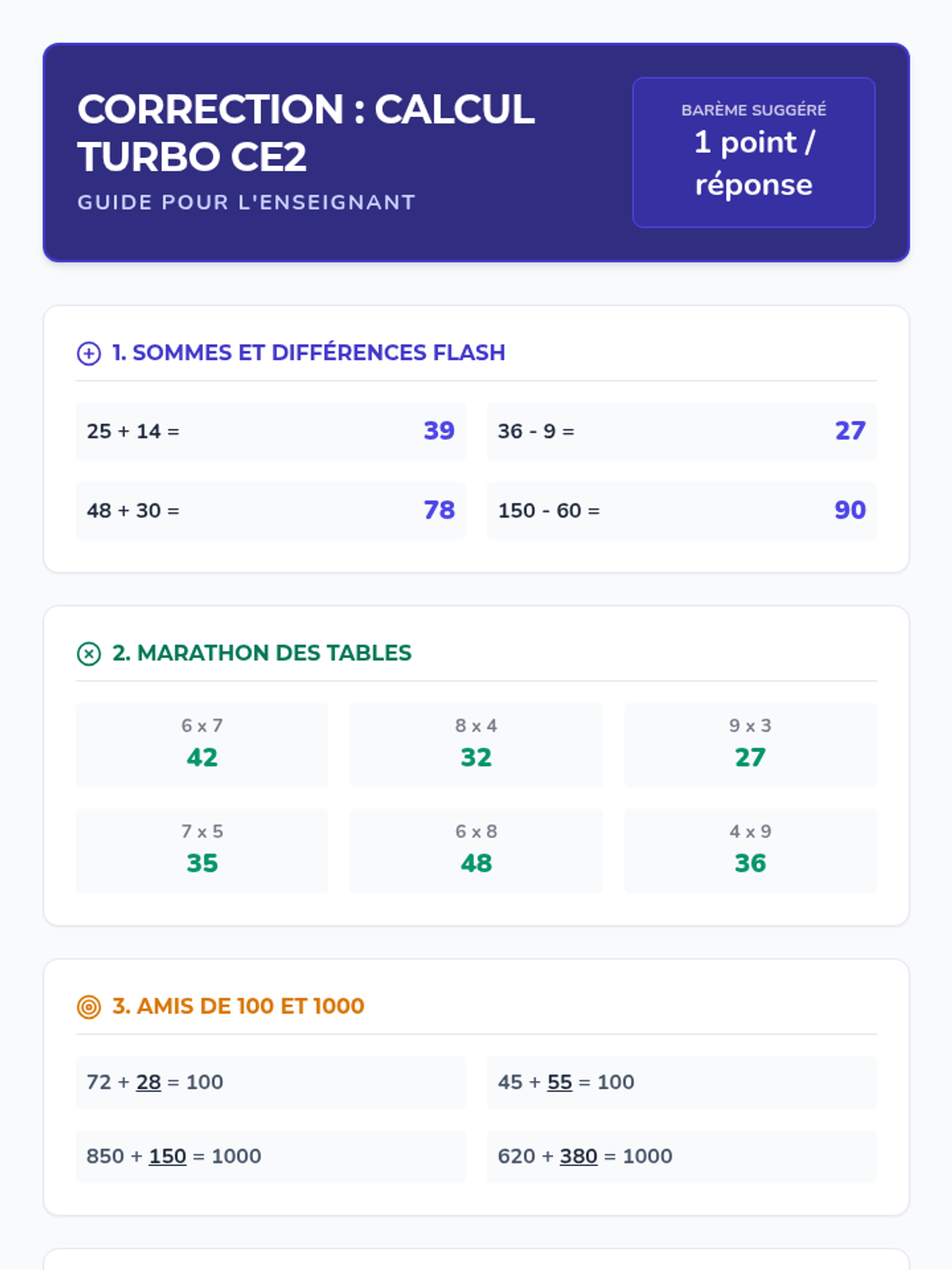
A 3-page student design packet for the final phase of the project. Includes spaces for rough drafting, the final grid-based blueprint, a geometric audit table, and additive angle calculation logs.
Visual slides to launch the design phase of the project, covering architectural goals, math requirements for additive angles, and real-world inspiration.
A 4-page student research journal for the first week of the project. Includes vocabulary training, real-world angle measurement logs, and polygon classification missions.
A facilitation guide for teachers outlining the two-week project timeline, standards alignment, and instructional tips for implementing the Blueprint Architects project.
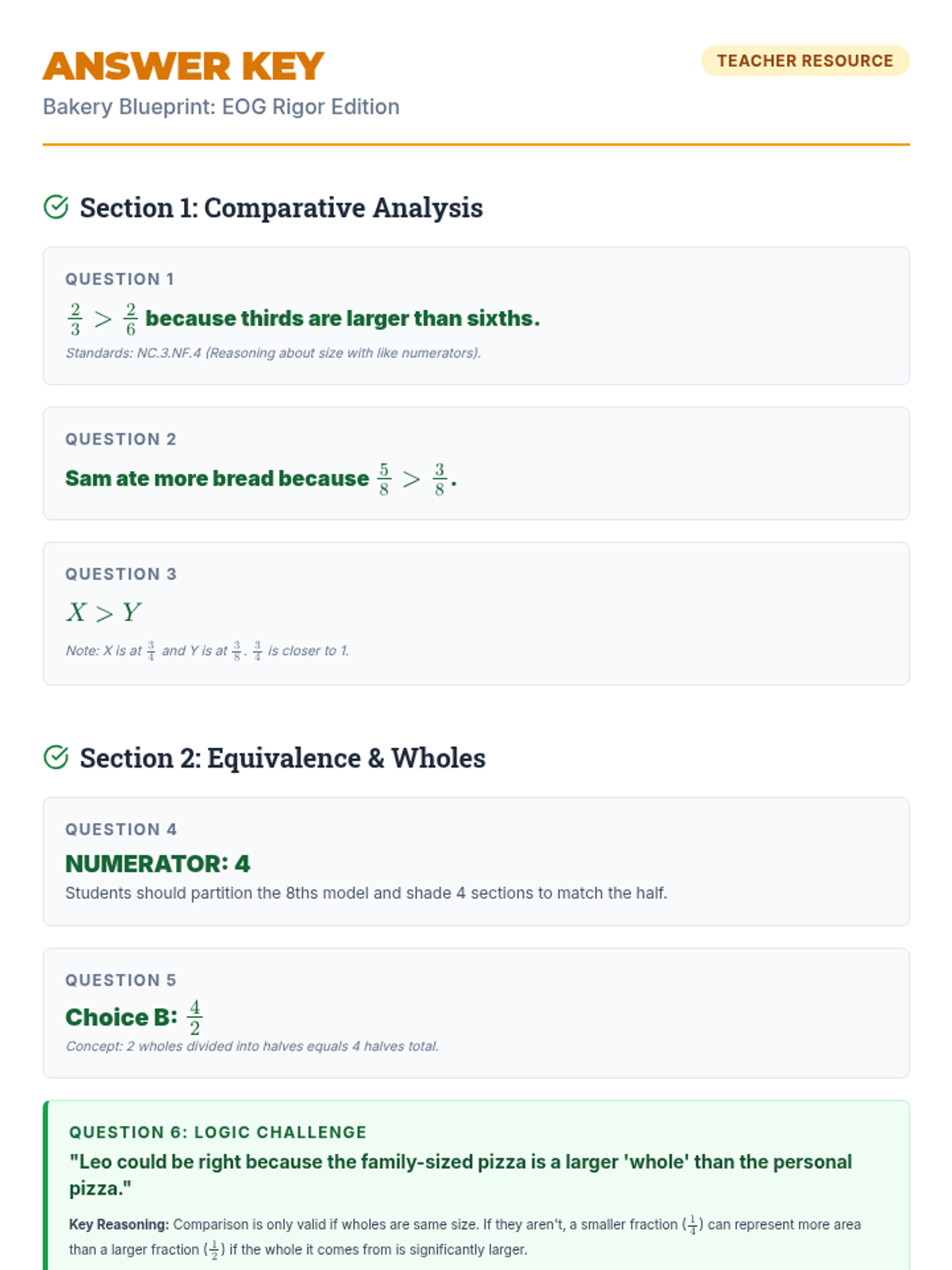
Complete answer key for both the Math Marathon Practice Worksheet and the Mini-Assessment, including step-by-step logic for word problems.
A one-page facilitation guide for teachers including pacing, key instructional points, differentiation strategies, and debrief questions.
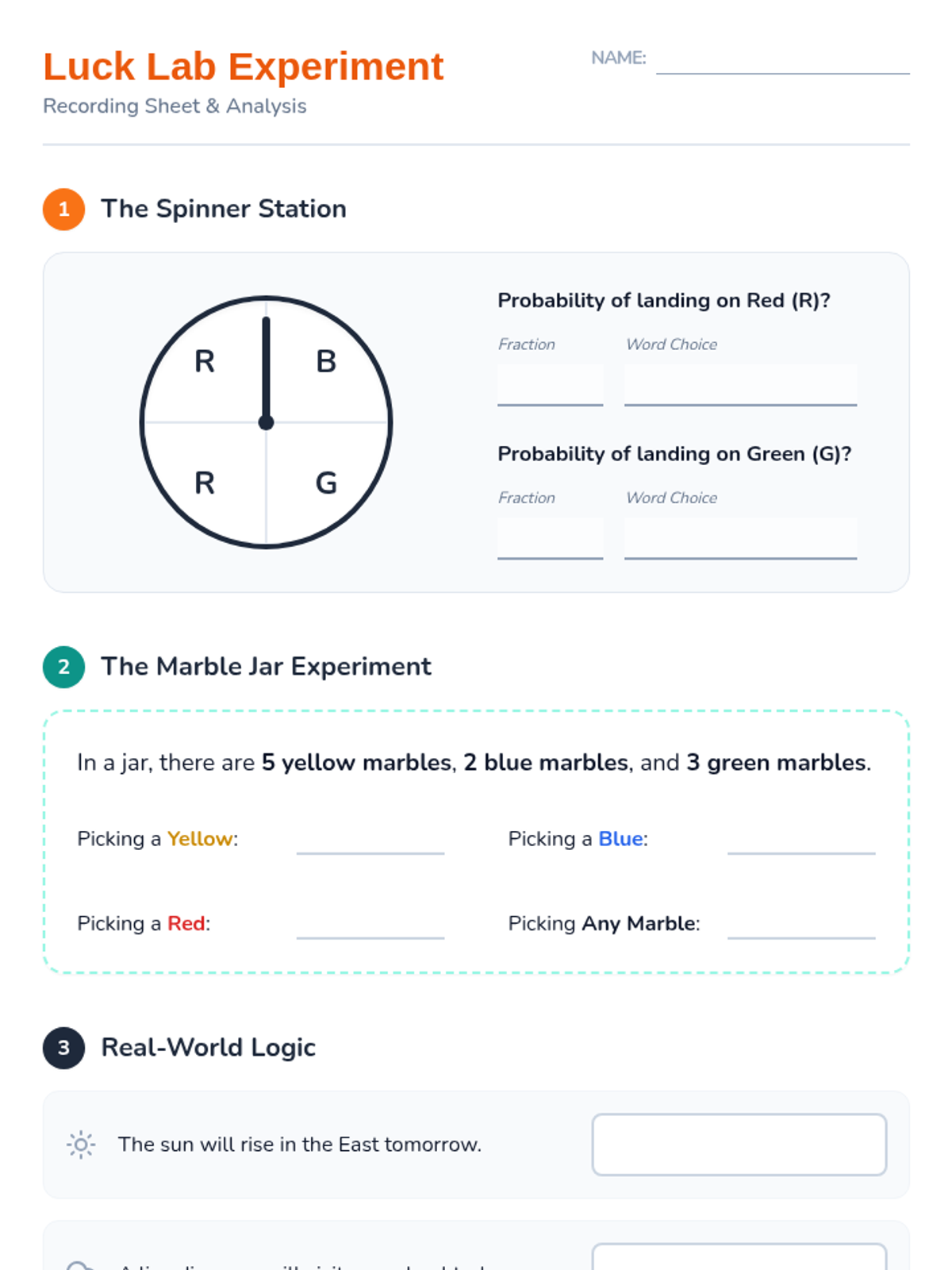
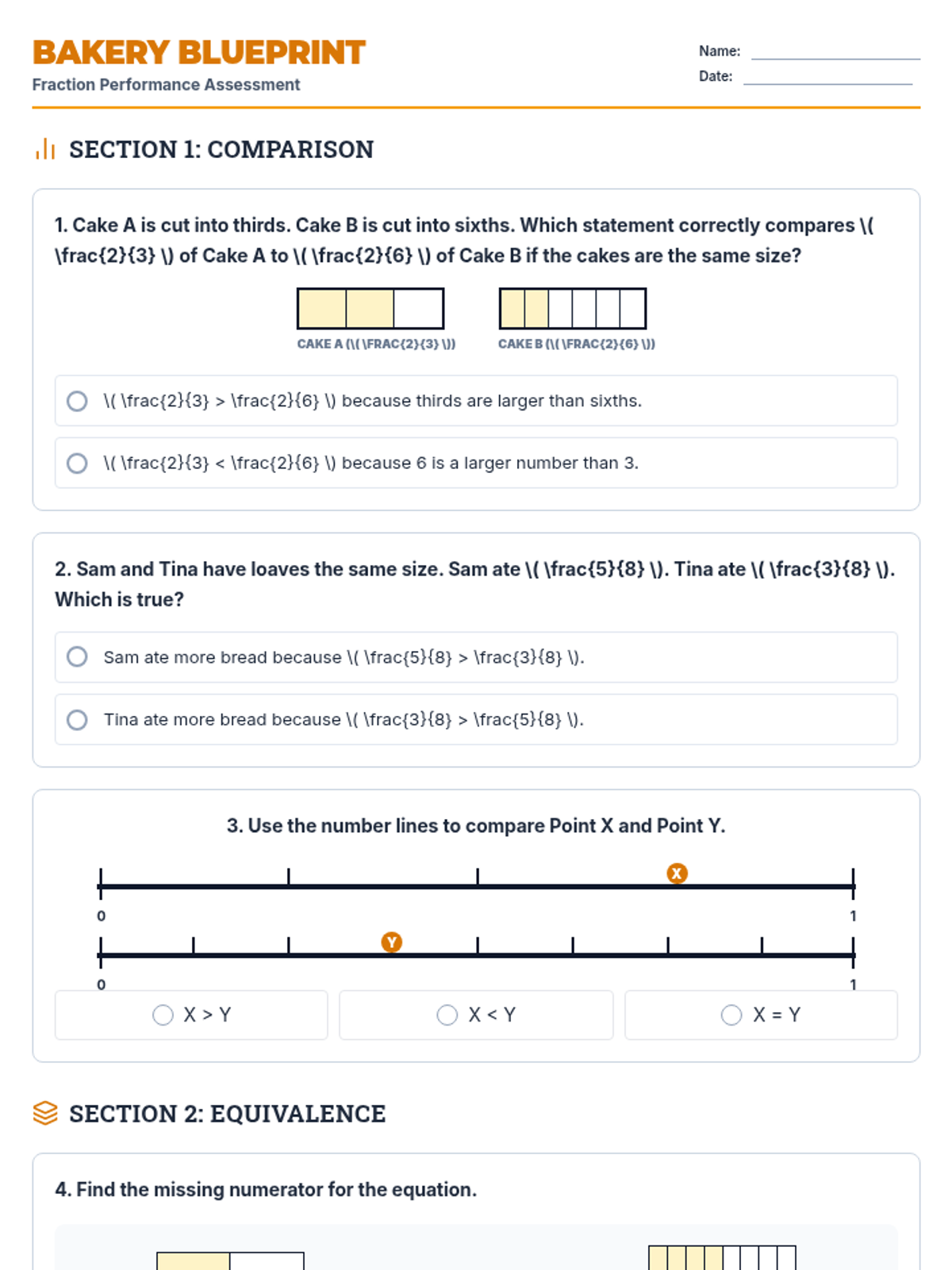
A test-style mini-assessment featuring multiple choice questions on place value, fraction comparison, and multi-step word problems, including a gridded response item.
A tiered practice worksheet featuring three phases of difficulty (Starting Block, Mid-Stretch, and Final Sprint) covering place value, fraction comparisons, and multi-step word problems.
Engaging instructional slides for a math marathon review, featuring place value sprint, multi-step think-alouds, and fraction visual models with high-contrast, bold styling.
A set of eight visual vocabulary cards for fractions, matching the blueprint theme of the decimal cards, featuring terms like numerator, denominator, and mixed number.
A comprehensive answer key and assessment guide for the Decimal Dimensions worksheet, exit tickets, and journal entries.
A set of four identical exit tickets for quick assessment of decimal conversion and place value understanding, designed for easy printing and cutting.
A journal entry template for students to explain their reasoning and understanding of decimal place value and fraction-to-decimal comparison.
A practice worksheet for converting fractions with denominators of 10 and 100 into decimals, including a reflective reasoning section.
An art-based student project for the bulletin board where students create a 100-grid design and calculate the fraction and decimal value for each color used.
Visual vocabulary cards for a fraction and decimal bulletin board, featuring clear definitions, examples, and fractional representations.
A set of three large information posters for a 4th-grade bulletin board covering place value, conversion steps, and visual models of fractions and decimals.
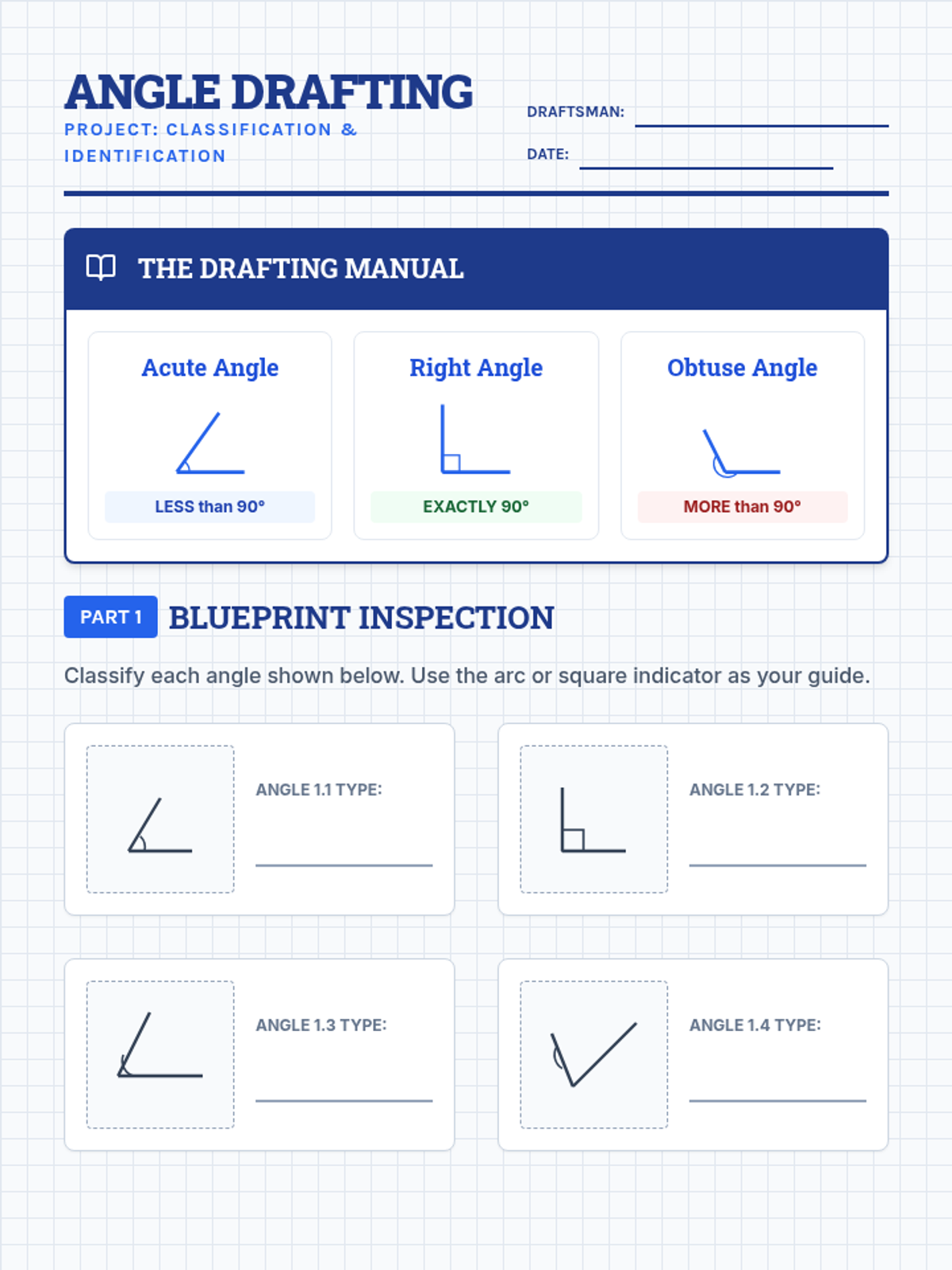
Answer key and assessment guide for the 'Slice of Life' fractions lesson. Provides solutions for the Fraction Lab worksheet and a rubric/checklist for observing student conceptual understanding across emerging, proficient, and advanced levels.
Tiered individual practice worksheet for 'Slice of Life' fractions. Features three levels of complexity: representing fractions (area and set), comparing on a number line, and conceptual problem-solving about relative sizes of fractions.
Presentation slides for 'Slice of Life' fractions lesson. Covers area, set, and linear models with visual bakery-themed examples and introduces the collaborative 'Bakery Mix-up' rich task.
Teacher facilitation guide for the 'Slice of Life' fractions lesson. It includes instructional flow, UDL strategies, efficiency tips, and prompts for deep conceptual exploration using a bakery theme.
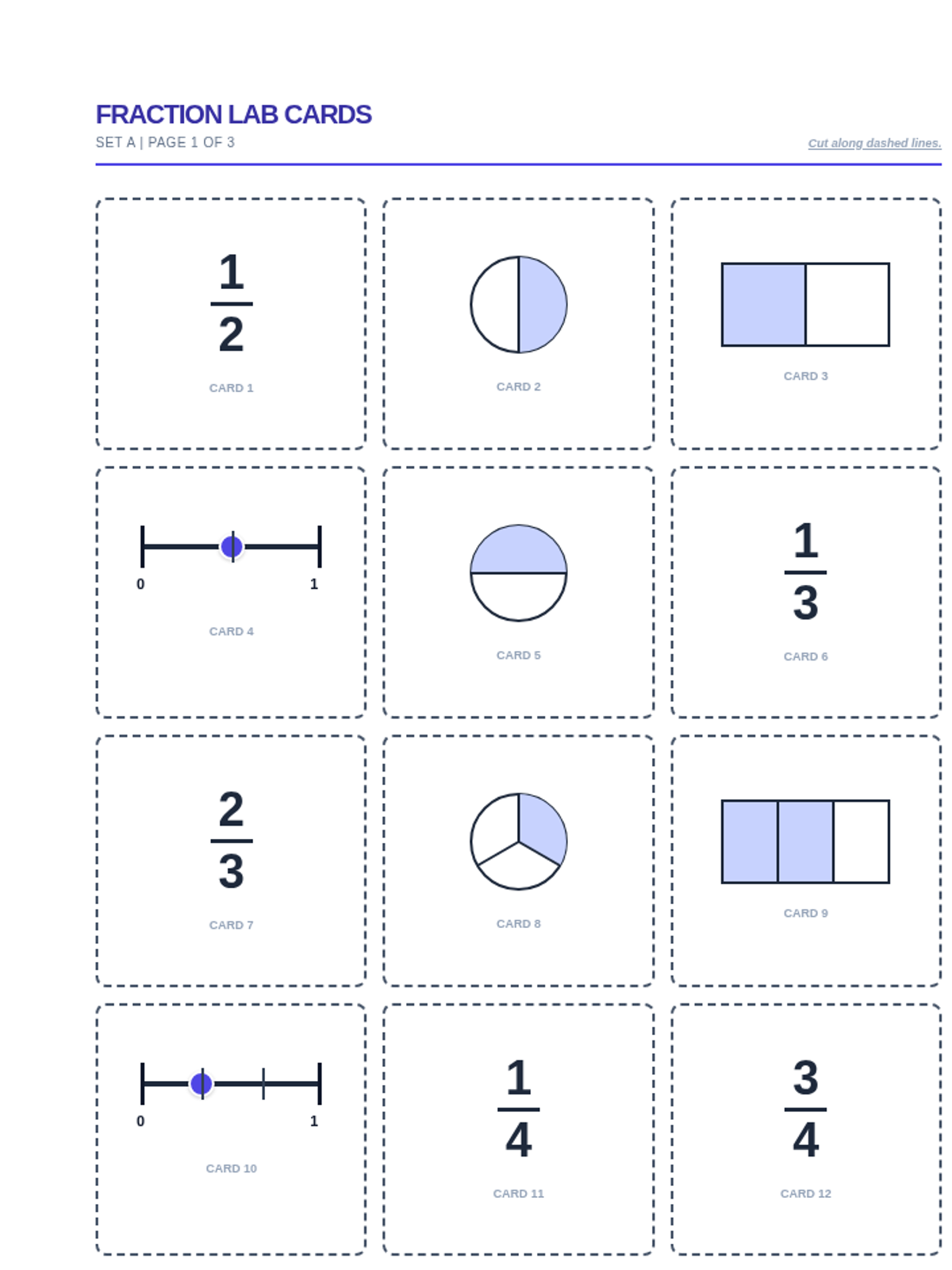
A printable reference sheet containing fraction strips for halves, thirds, fourths, sixths, and eighths, plus visual area and number line models.
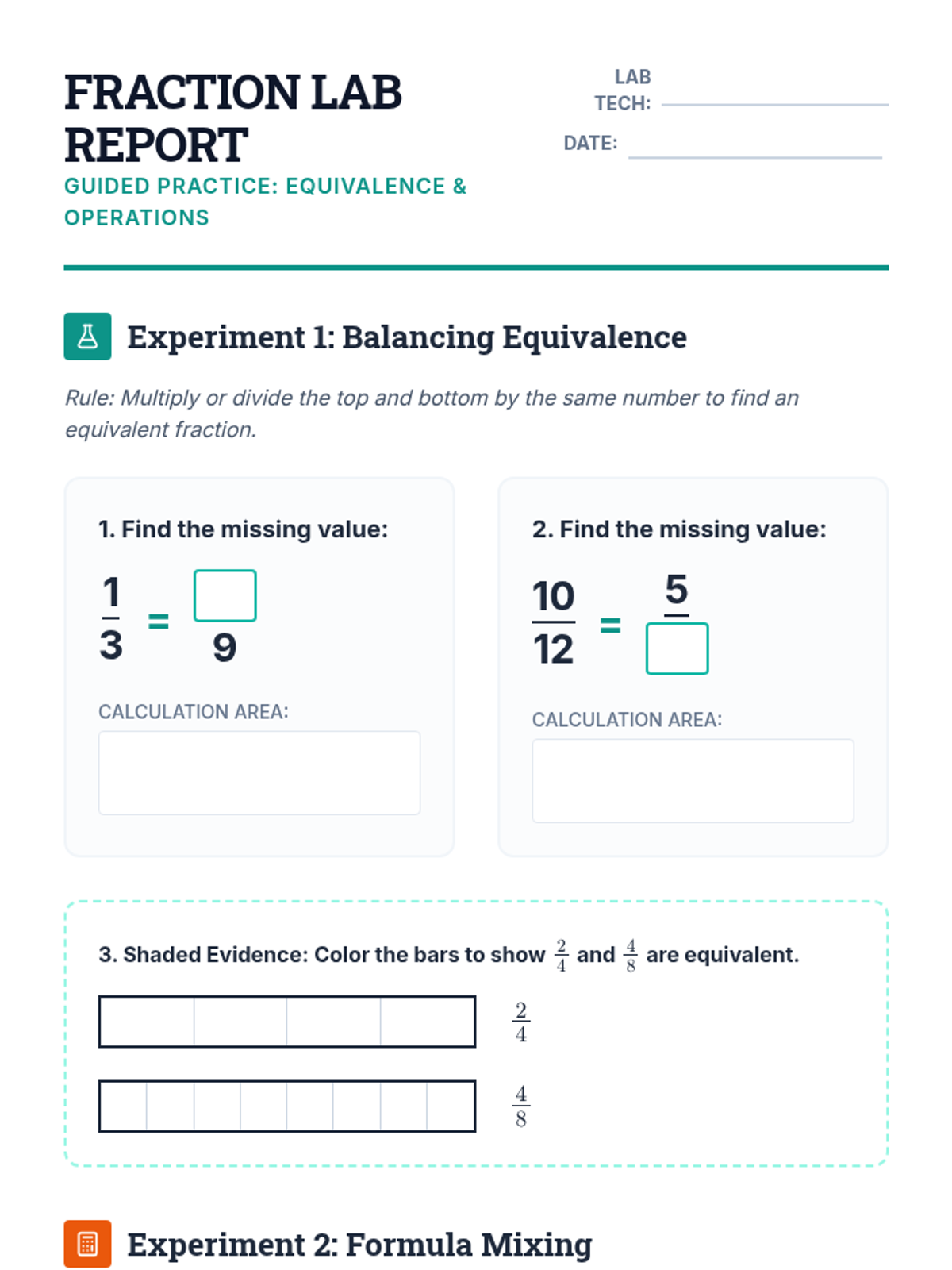
A real-world application activity where students use fraction knowledge (equivalence, addition, and mixed numbers) to solve a "Recipe Disaster" and a sharing puzzle.
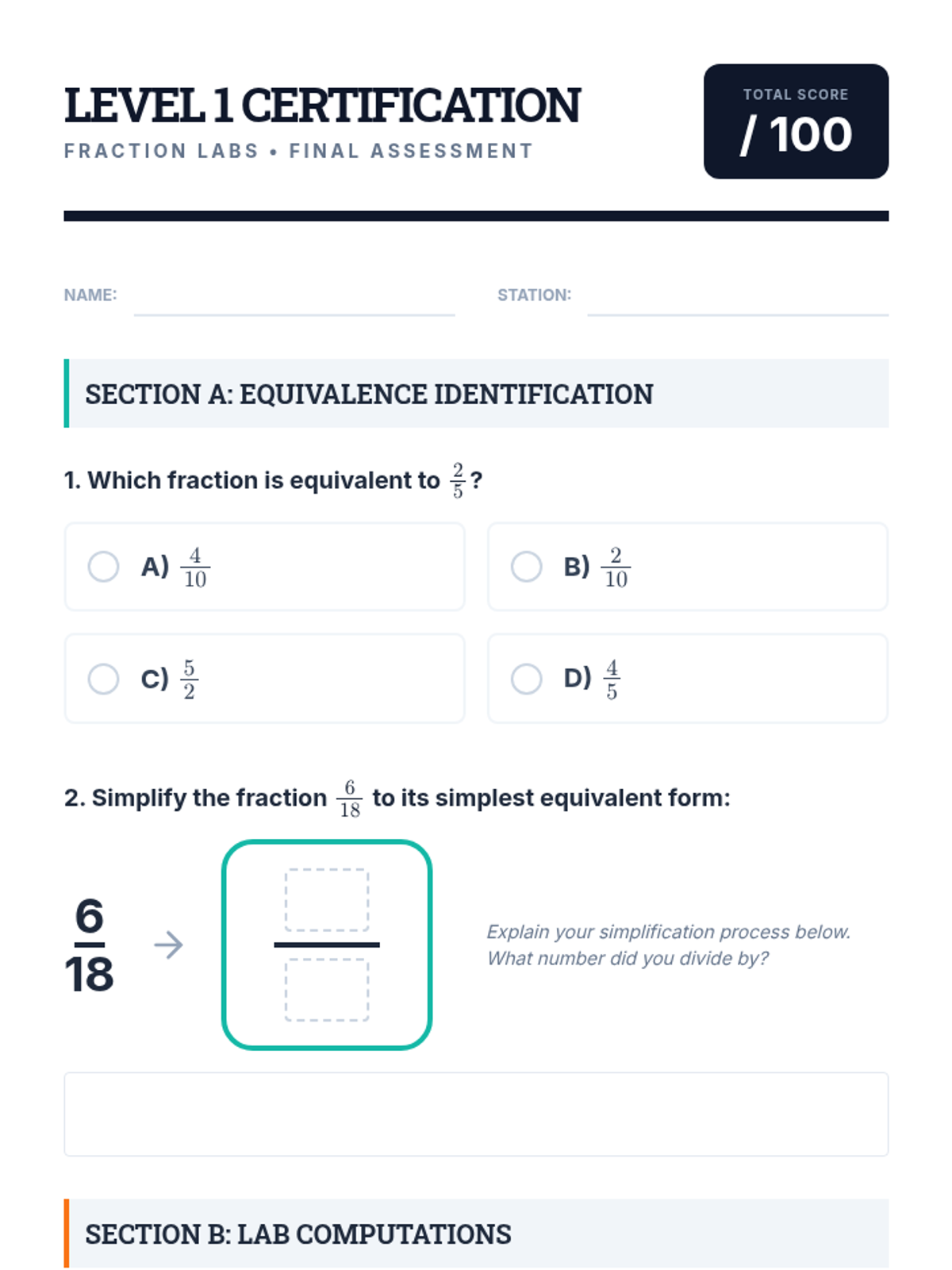
A tiered math worksheet featuring three levels of complexity: basic identification, equivalent fractions/comparison, and mixed number word problems.
Engaging presentation slides for the Fraction Feast lesson, using kitchen-themed visuals to explain area models, number lines, and equivalent fractions.
A comprehensive teacher guide for the Fraction Feast lesson, featuring MA standards alignment, lesson flow, differentiation strategies, and an answer key.
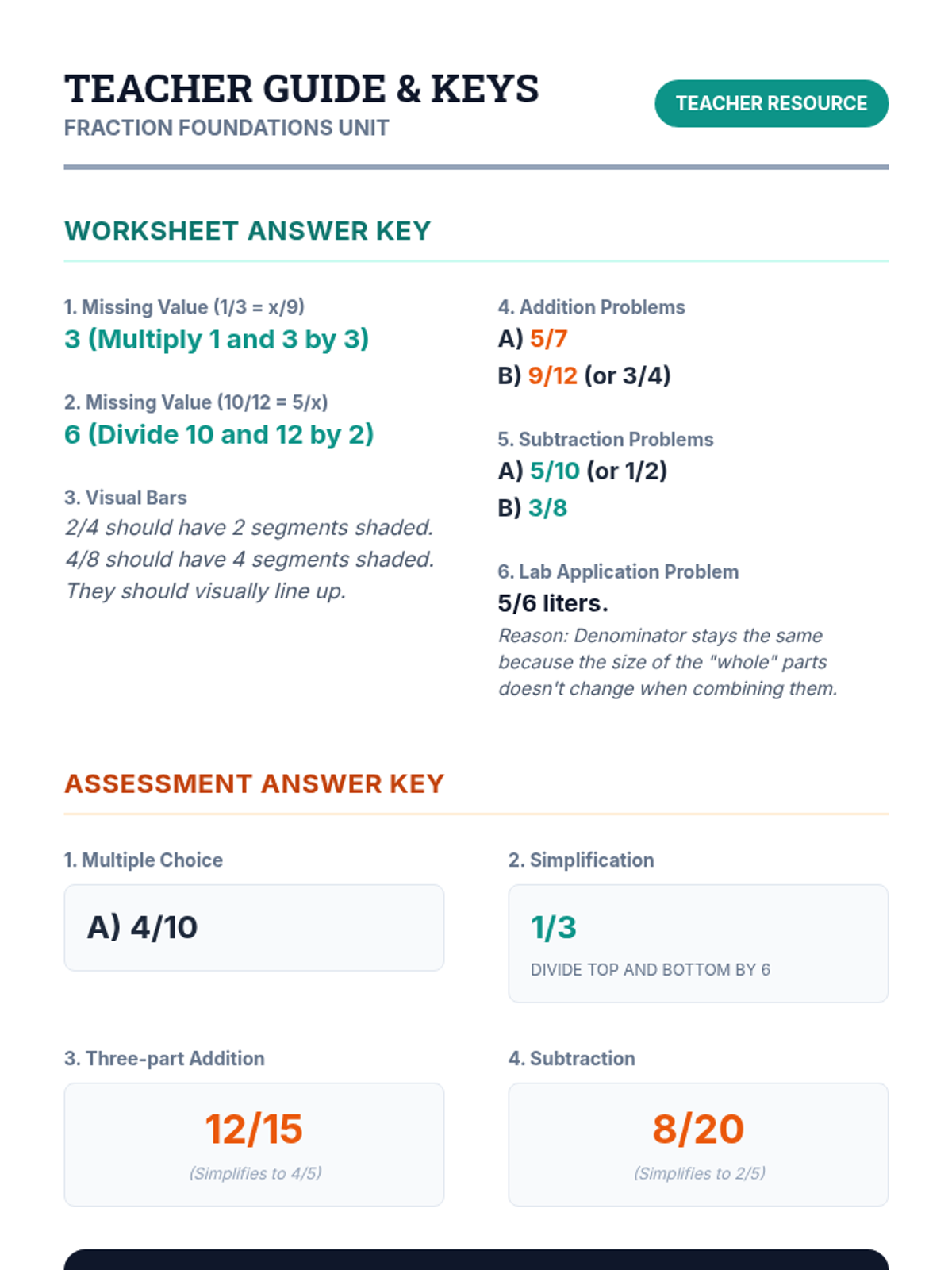
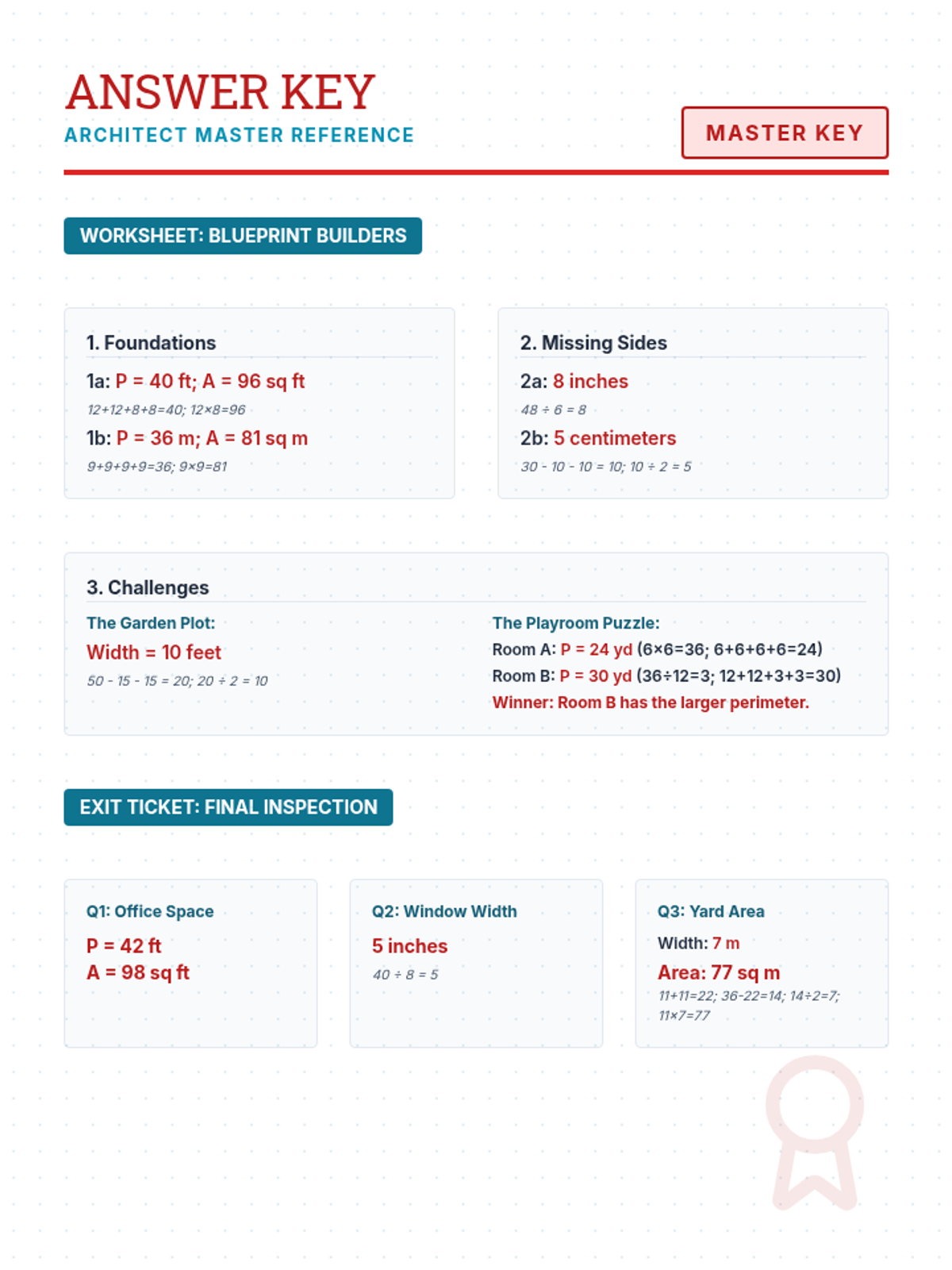
Teacher-facing instructional guide providing lesson pacing, scripting prompts, key teaching points, and a full answer key for all student materials.
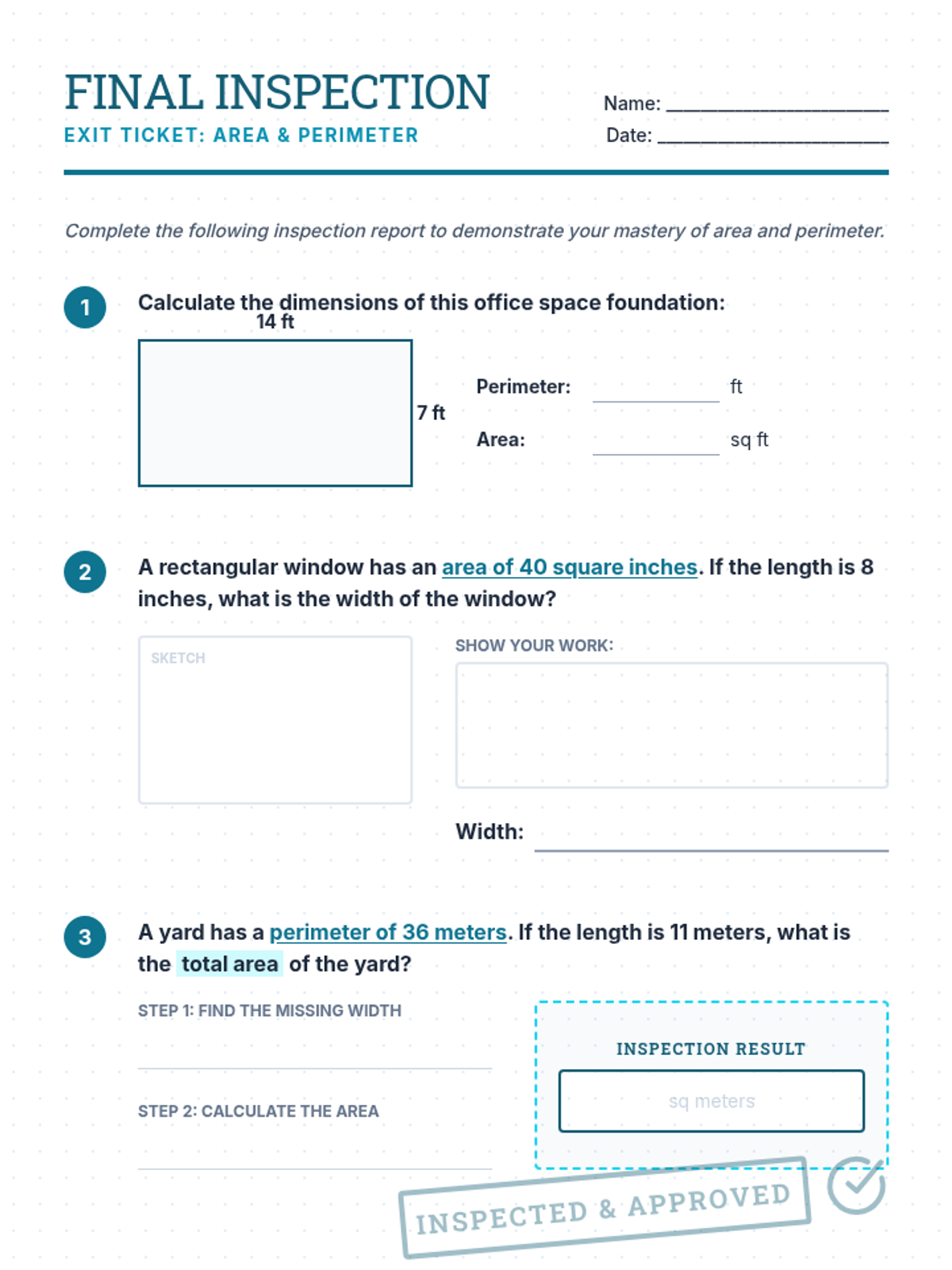
A post-lesson assessment where students solve two area word problems. Features 'clue hunting' tasks and specific workspaces for calculations and final answers with units.
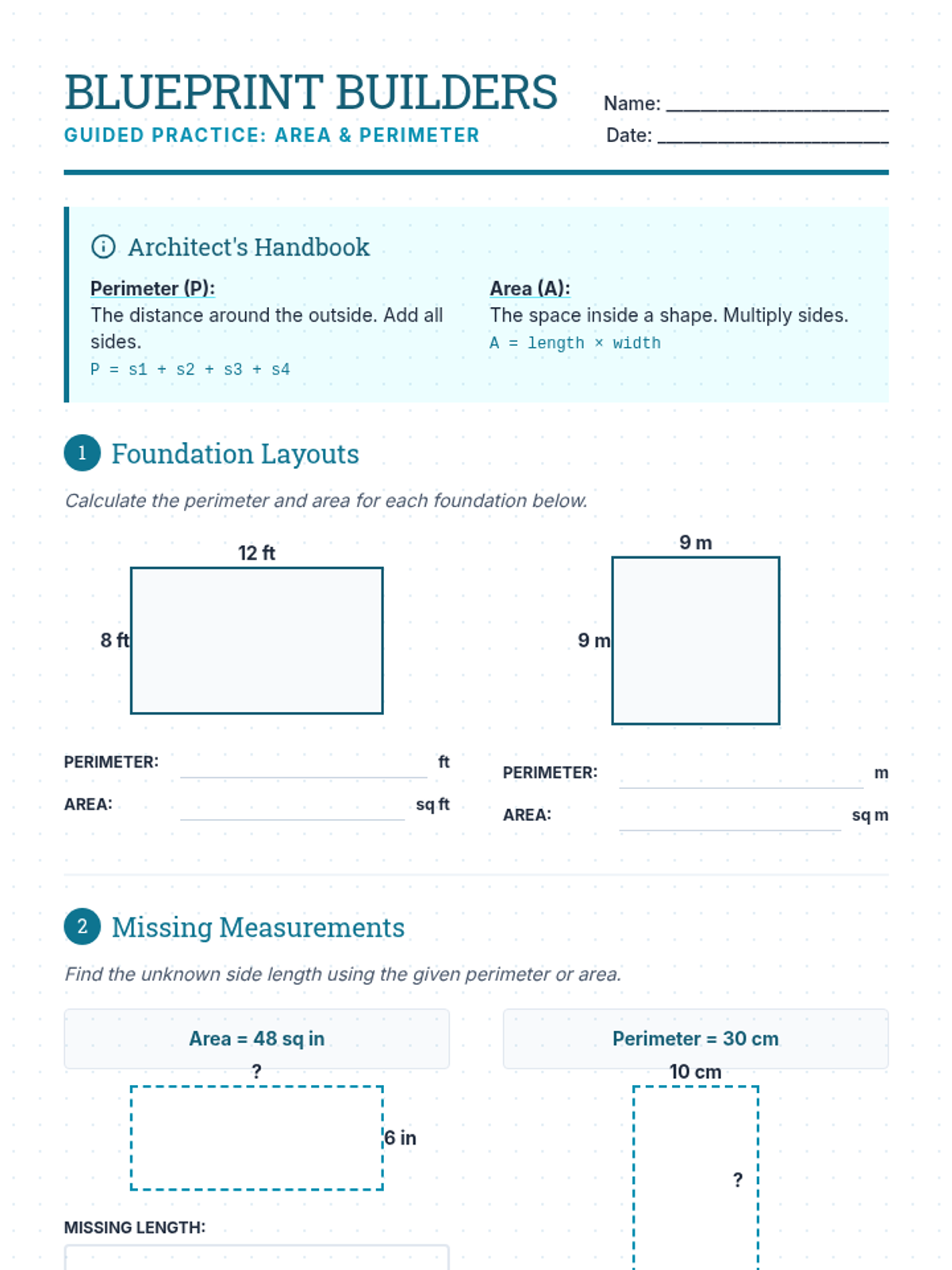
Guided notes for students to use during the Area Sleuth Slides. Includes space for recording keywords, a mission objective, and guided practice problems.
A slide presentation for teaching students to identify and solve area word problems using 'detective clues' or keywords. Includes I Do, We Do, and You Do segments.