A comprehensive teacher guide for a 6th-grade lesson on prepositional phrases, featuring a detailed pacing guide, video discussion prompts, and instructional strategies for the 'Sentence Architects' lesson.
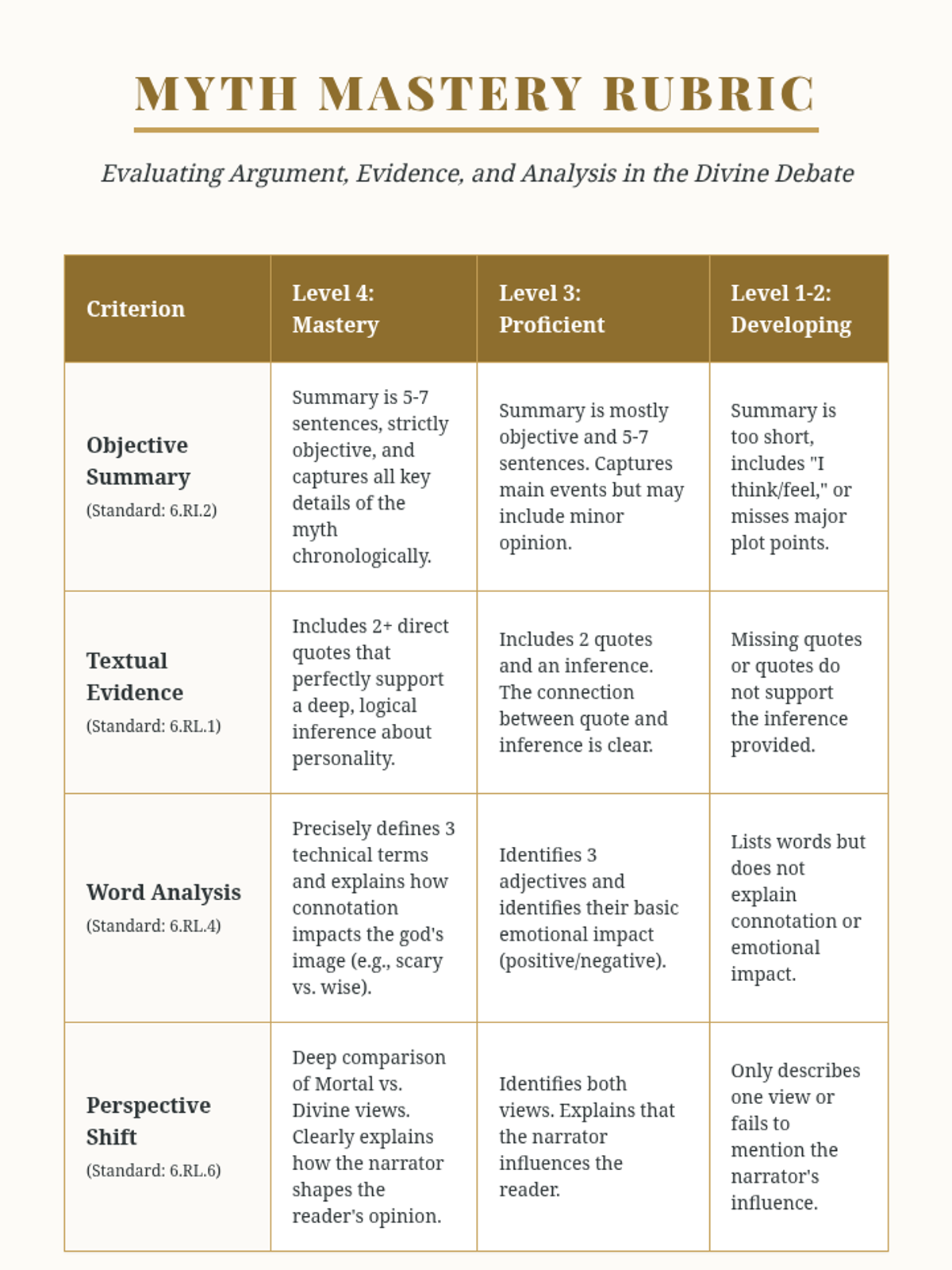
A teacher-facing rubric and instructional guide for the Divine Debate project. It provides specific look-fors for CCSS standards 6.RI.2, 6.RL.1, 6.RL.4, and 6.RL.6, along with scaffolding tips for educators.
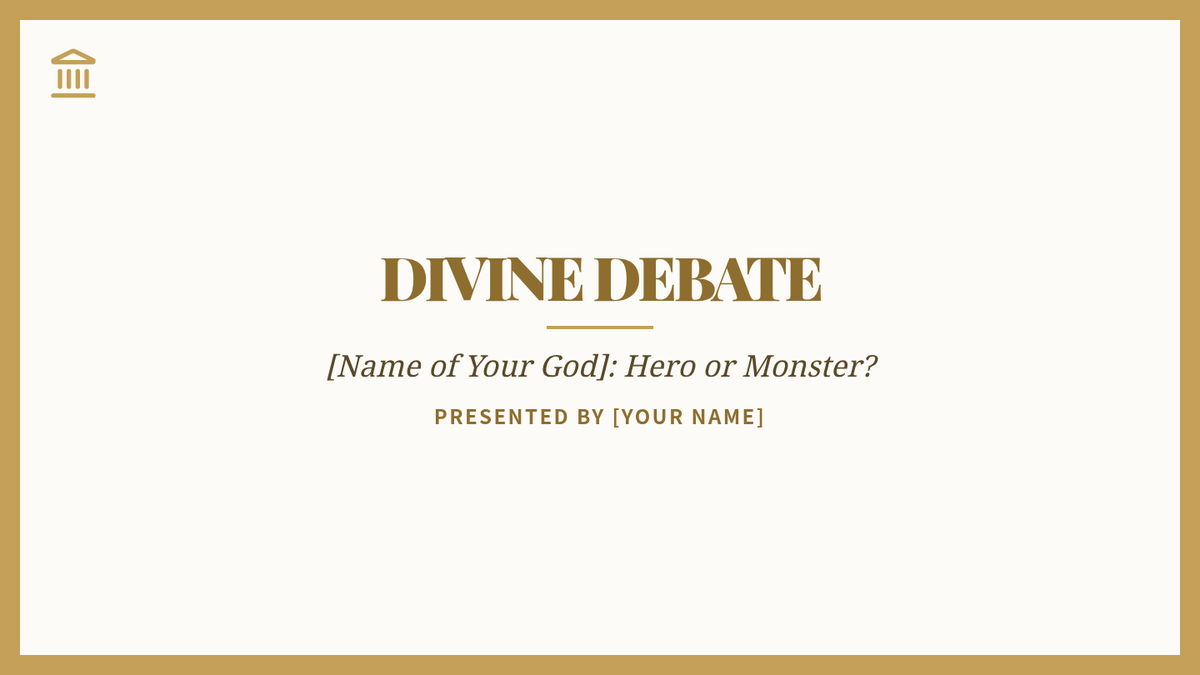
A five-slide presentation template for students to use as a model for their 'Hero or Monster' project. Each slide is structured to meet specific CCSS standards including objective summaries, evidence lockers, and perspective analysis.
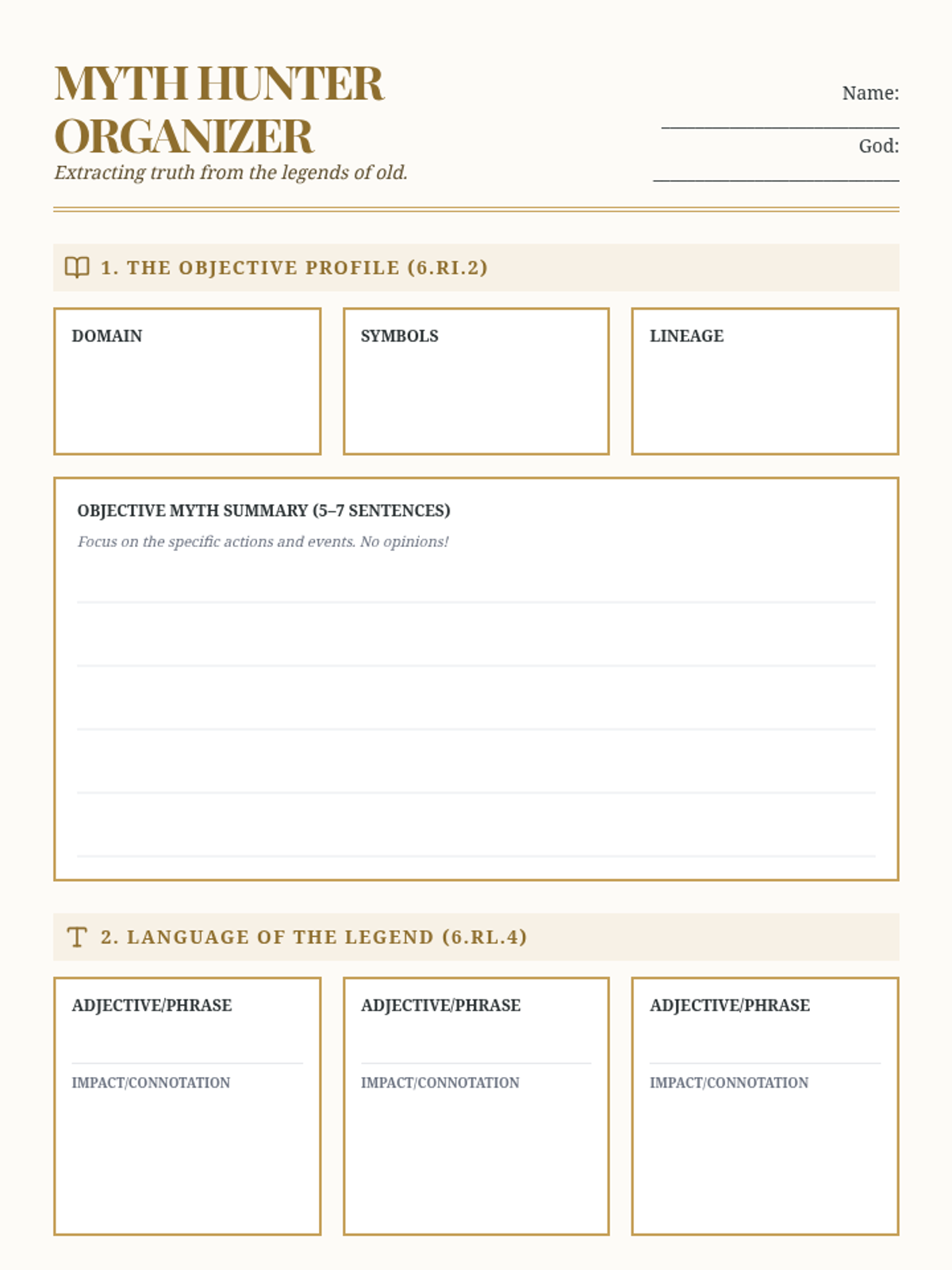
A structured graphic organizer for students to collect research on their chosen Greek deity. It includes specific workspaces for objective summaries, word connotation analysis, direct evidence, and perspective comparison.
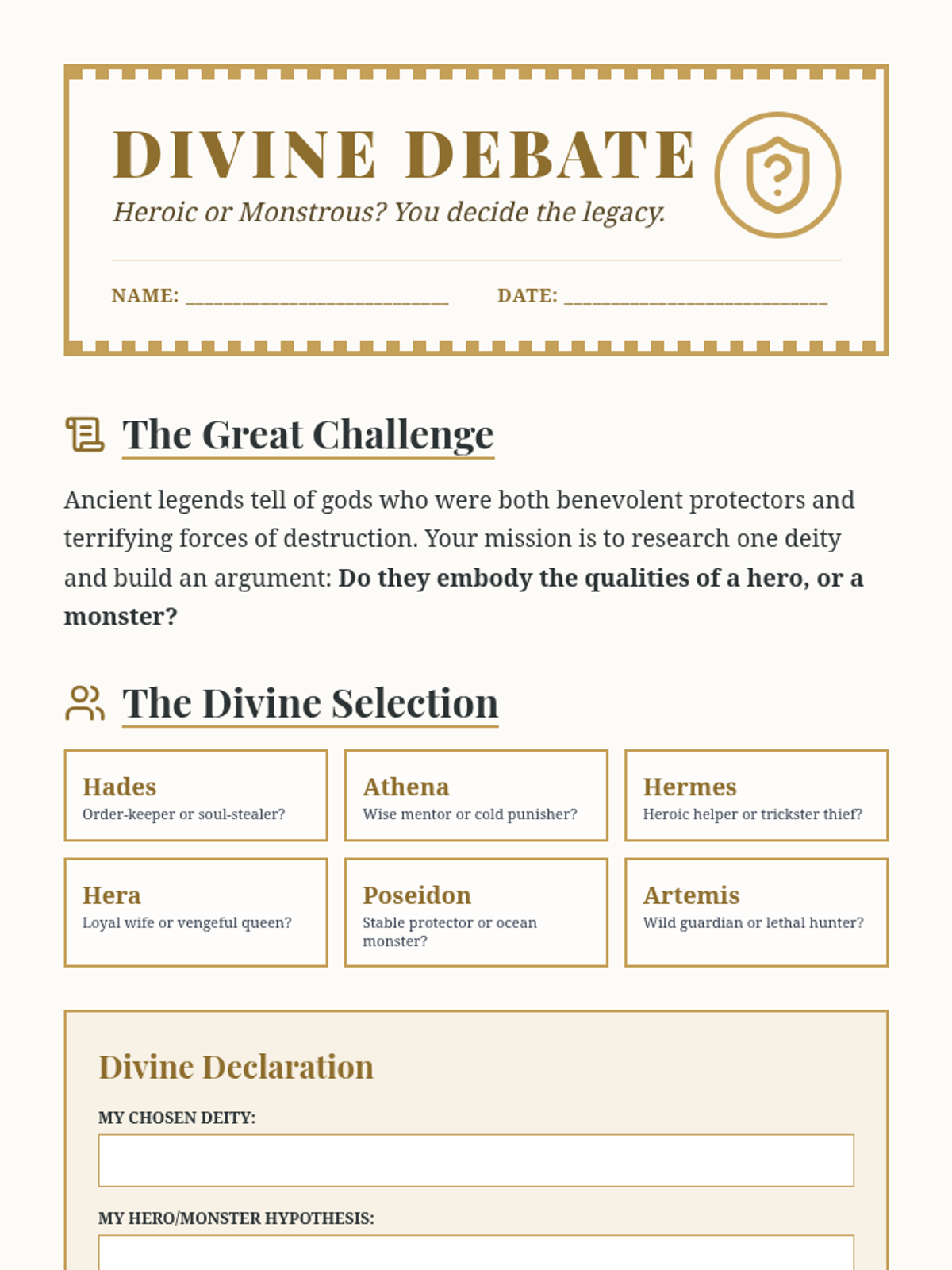
A comprehensive project guide for 6th-grade students outlining the 'Hero or Monster' Greek God presentation. It includes the choice board, slide-by-slide requirements aligned with CCSS standards, and a mastery checklist.
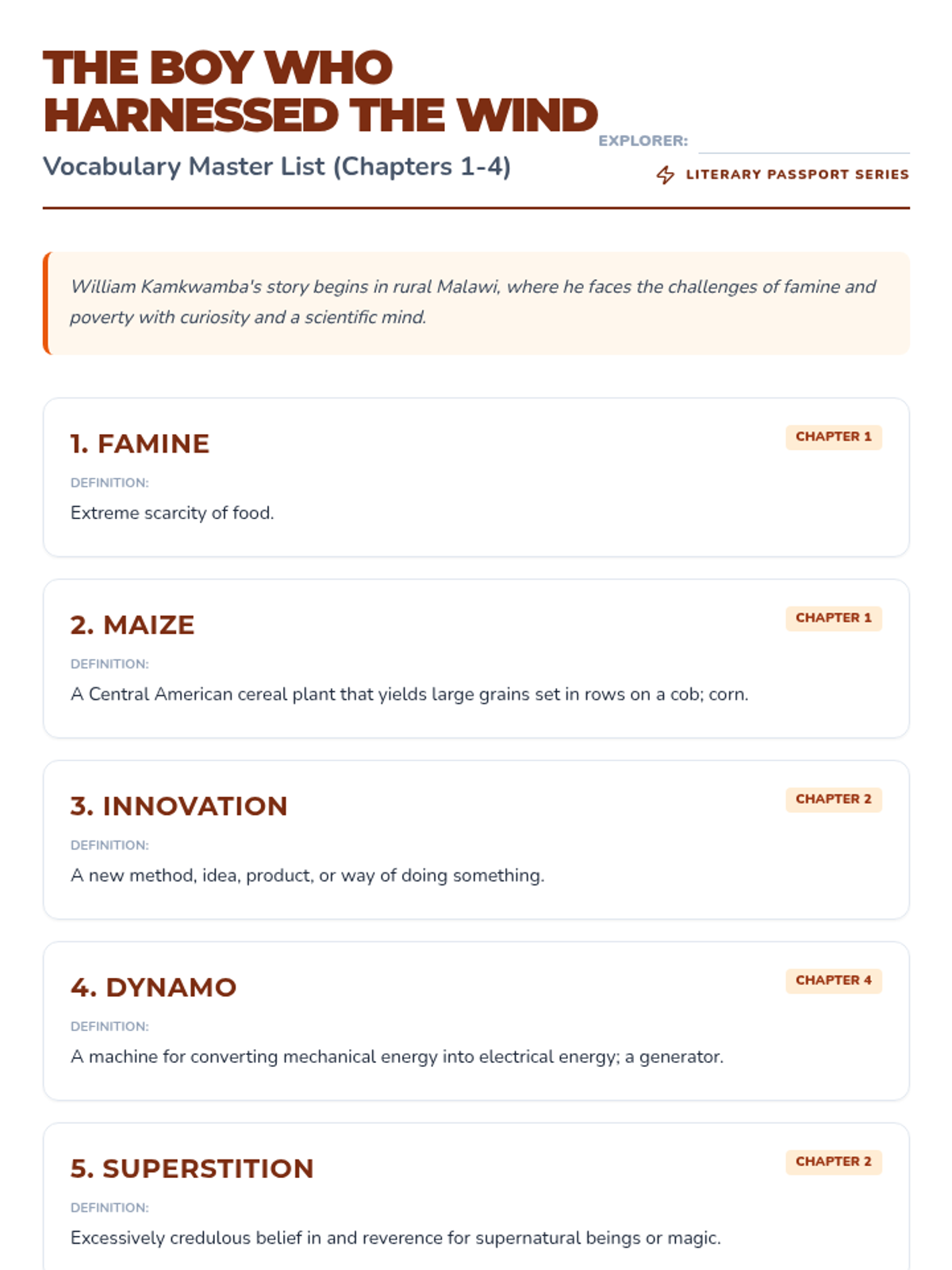
A vocabulary list for the first four chapters of The Boy Who Harnessed the Wind. Key terms include famine, dynamo, and innovation, reflecting the environmental and technical aspects of the memoir.
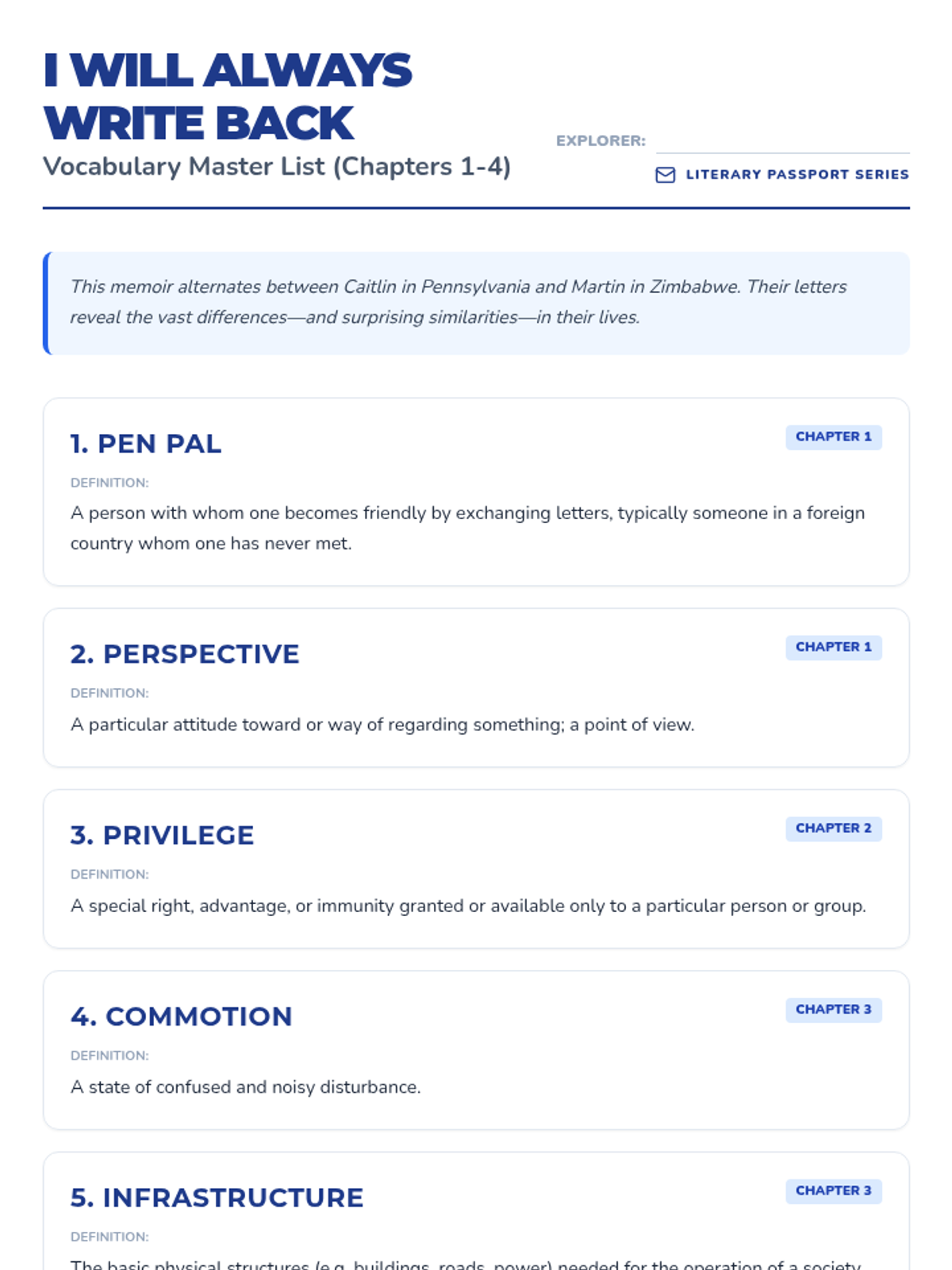
A vocabulary list for the first four chapters of I Will Always Write Back. Focuses on terms like perspective, privilege, and infrastructure to highlight the contrast between the two main characters' environments.
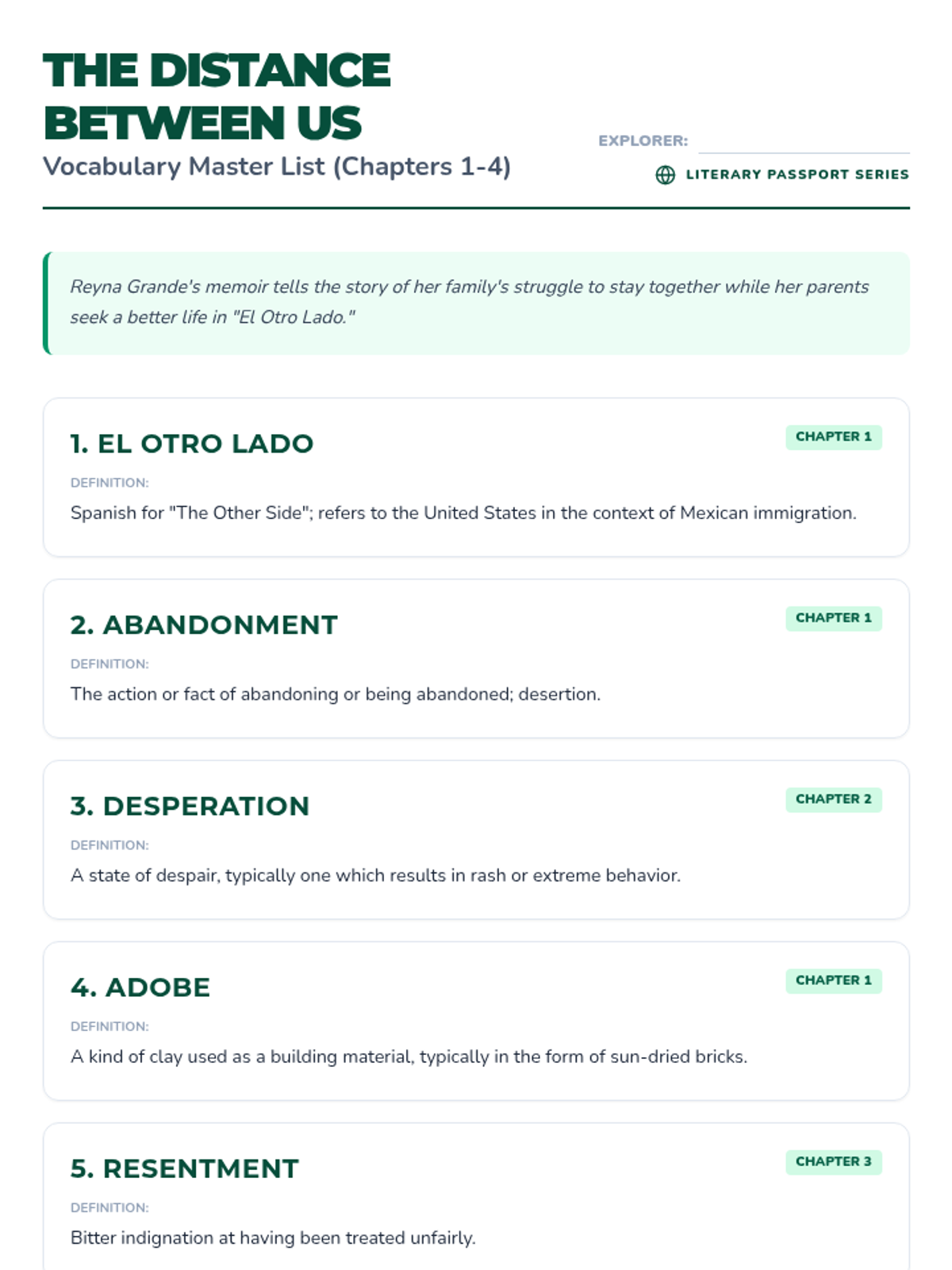
A vocabulary list for the first four chapters of The Distance Between Us. Includes cultural terms like El Otro Lado and adobe, as well as thematic words like resilience and abandonment.
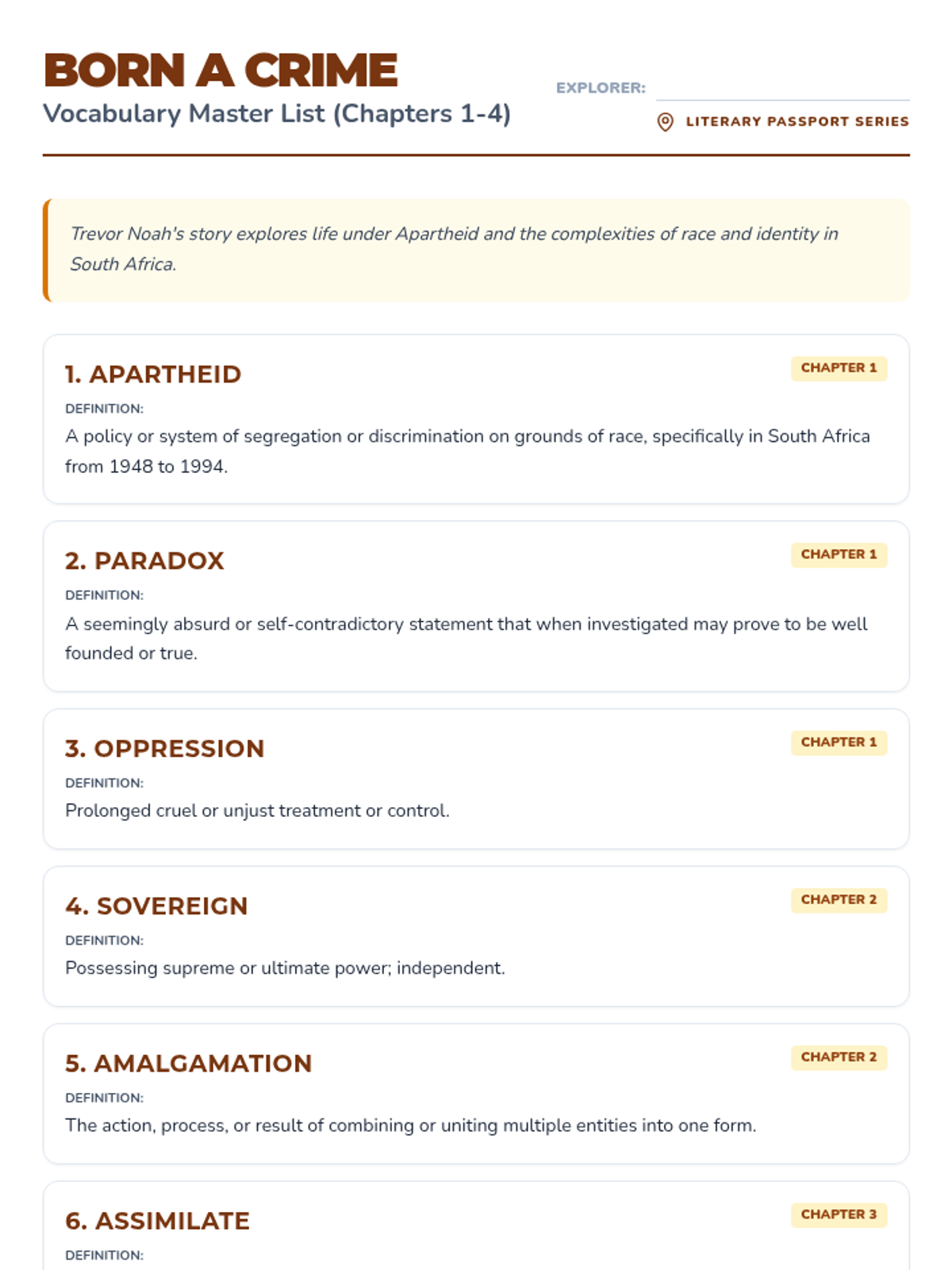
A vocabulary list for the first four chapters of Born a Crime by Trevor Noah. Key terms include apartheid, paradox, and sovereign, with a focus on South African history and identity.
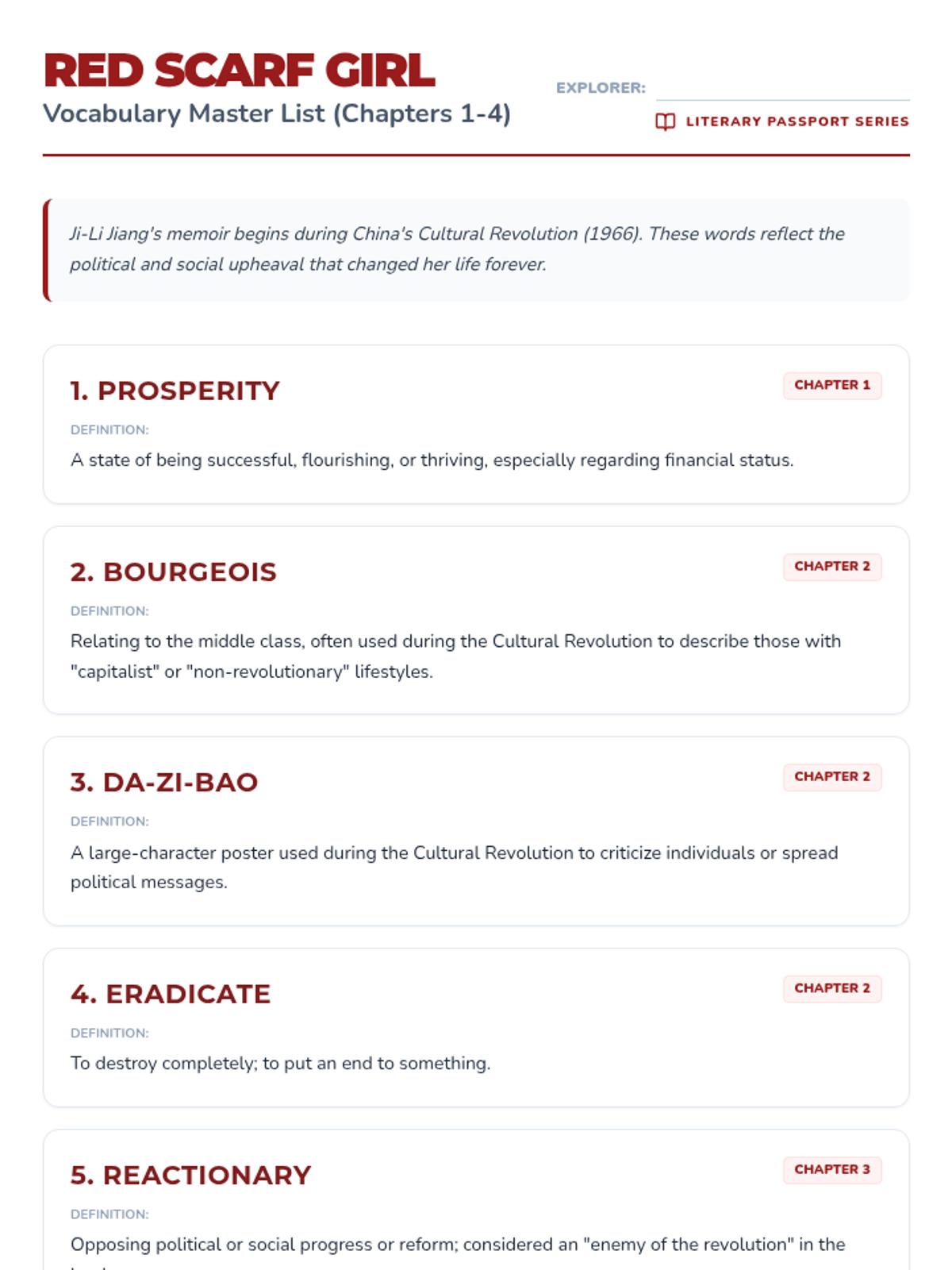
A structured vocabulary list and brief student practice for the first four chapters of Red Scarf Girl. The material features definitions for key terms like bourgeois, da-zi-bao, and reactionary.
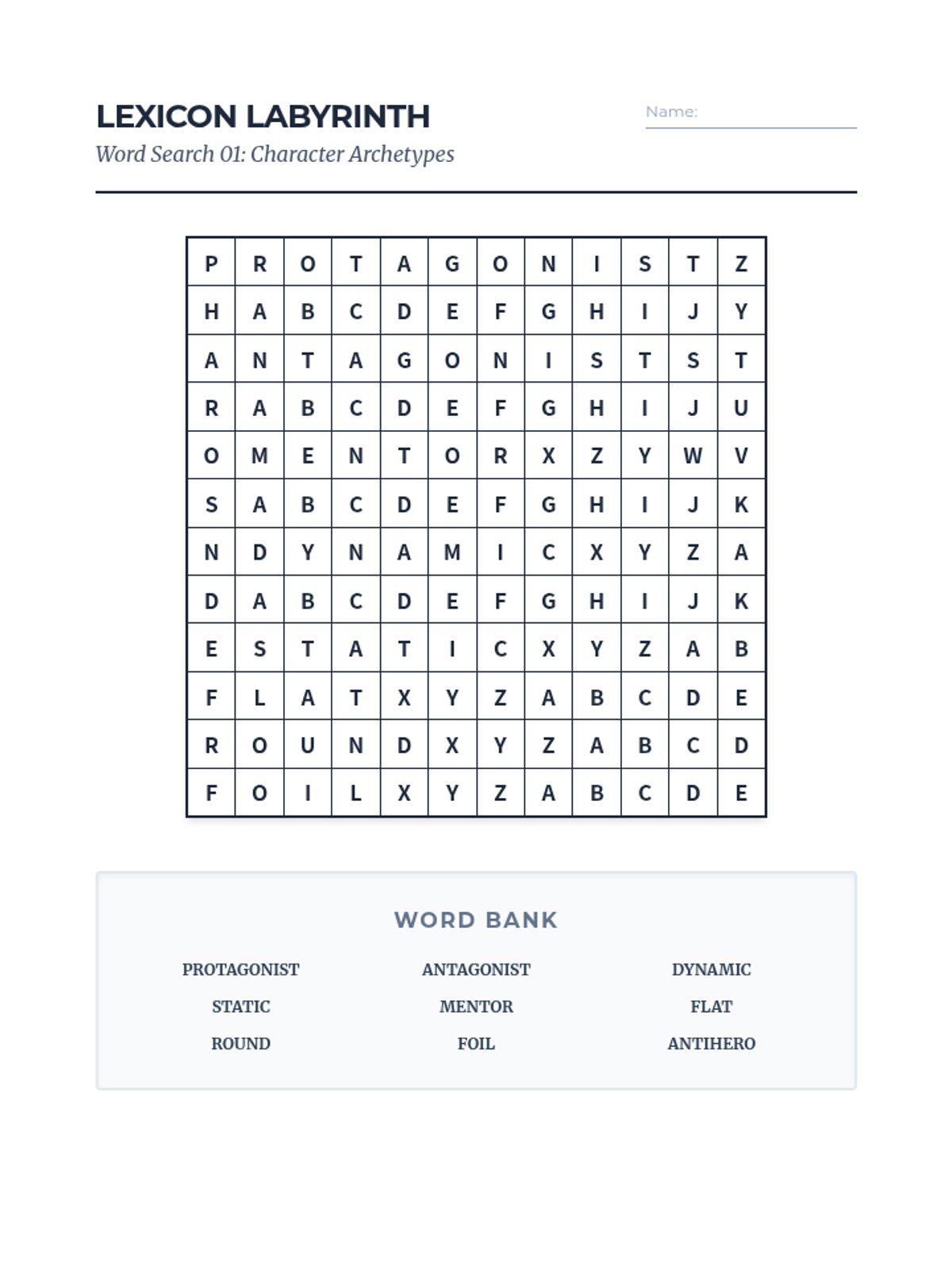
A comprehensive set of 8 unique word search puzzles focused on ELA academic terms, including character archetypes, literary genres, parts of speech, and more. Designed for print with clear layouts and student headers on every page.
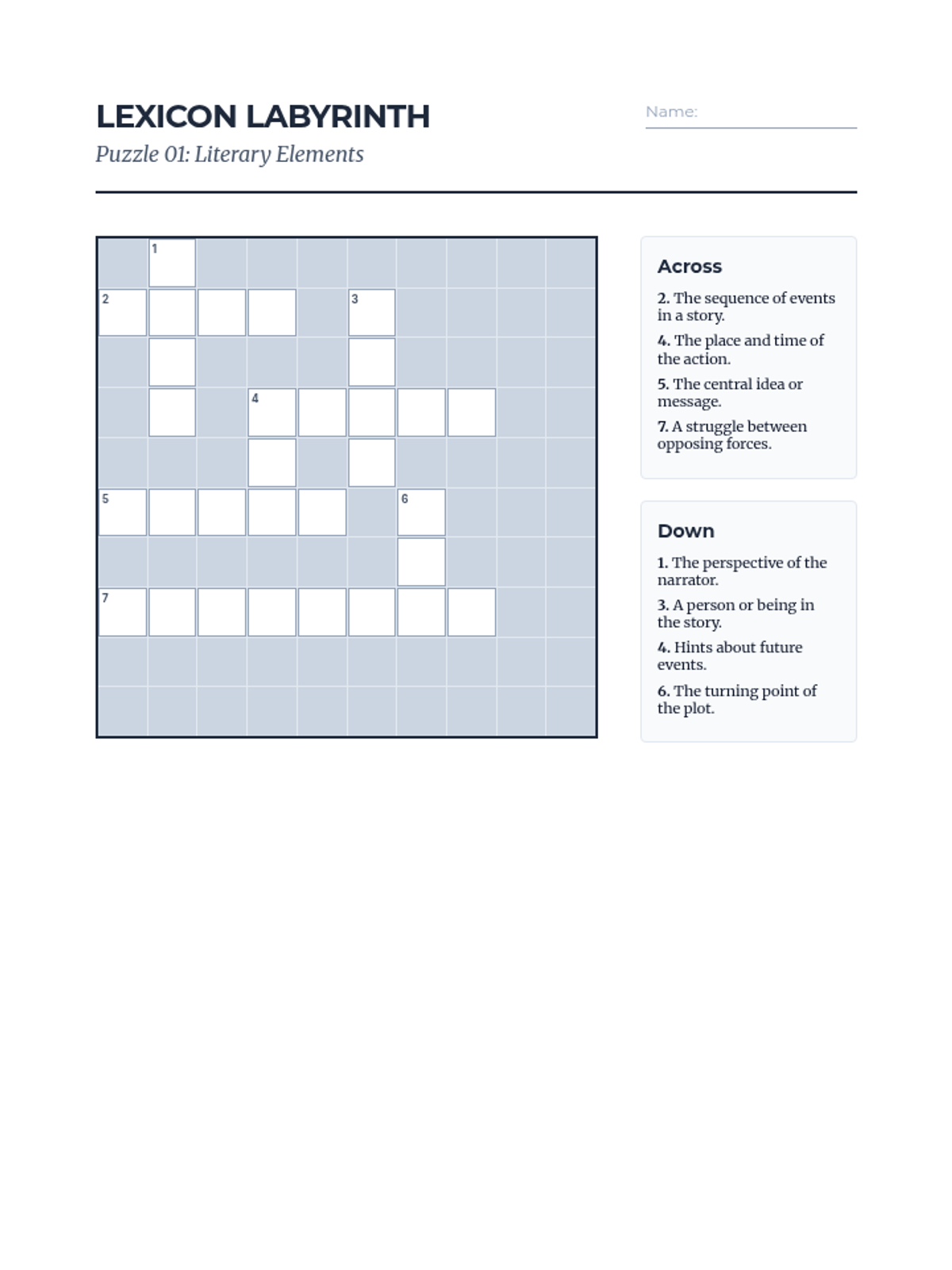
A comprehensive set of 8 crossword puzzles focused on ELA academic terms, including literary elements, figurative language, and rhetorical devices. Designed for print with ink-friendly layouts and student headers on every page.
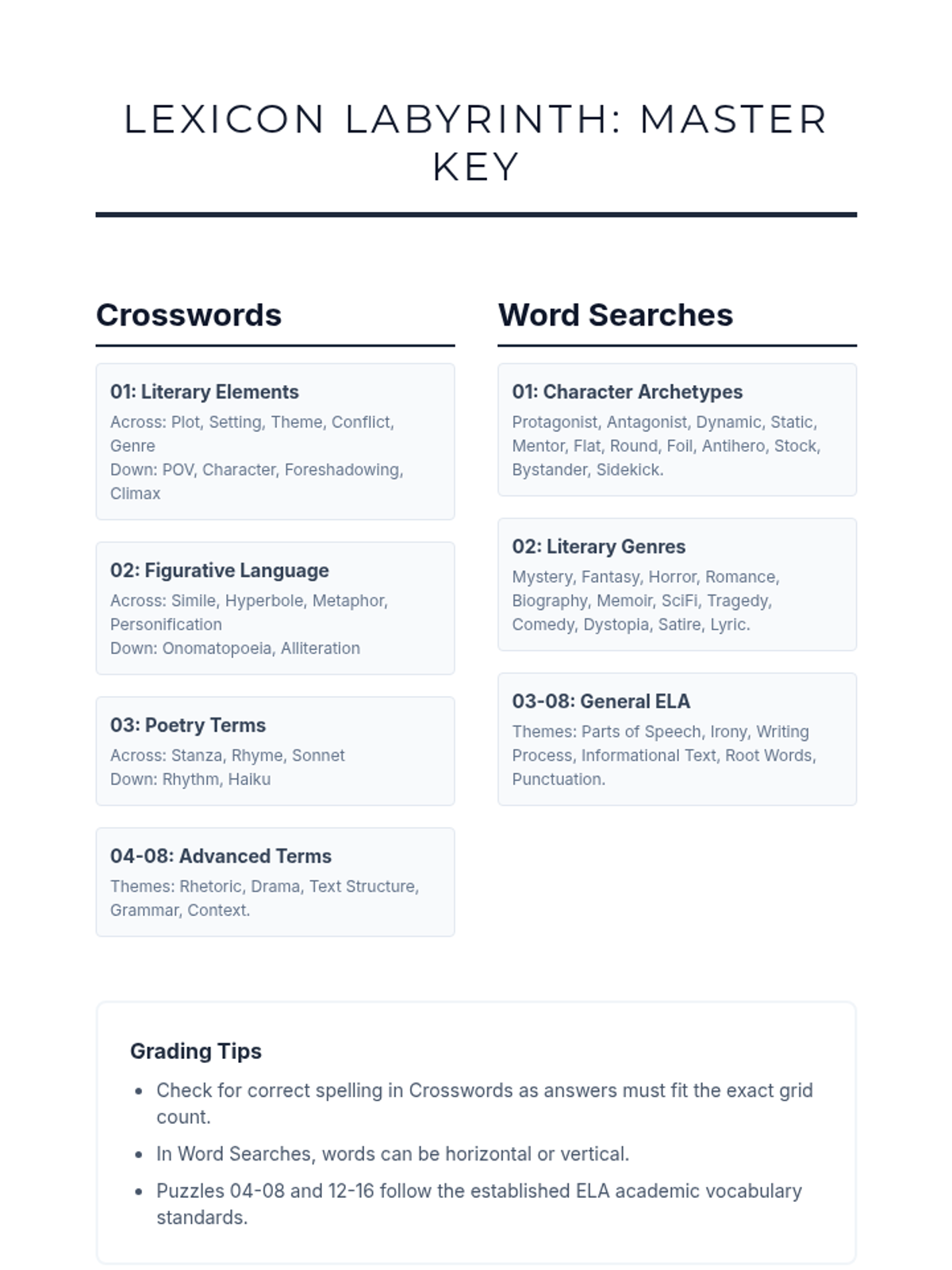
A complete answer key for the 16-puzzle Lexicon Labyrinth set, providing solutions for 8 crosswords and 8 word searches covering essential ELA academic vocabulary.
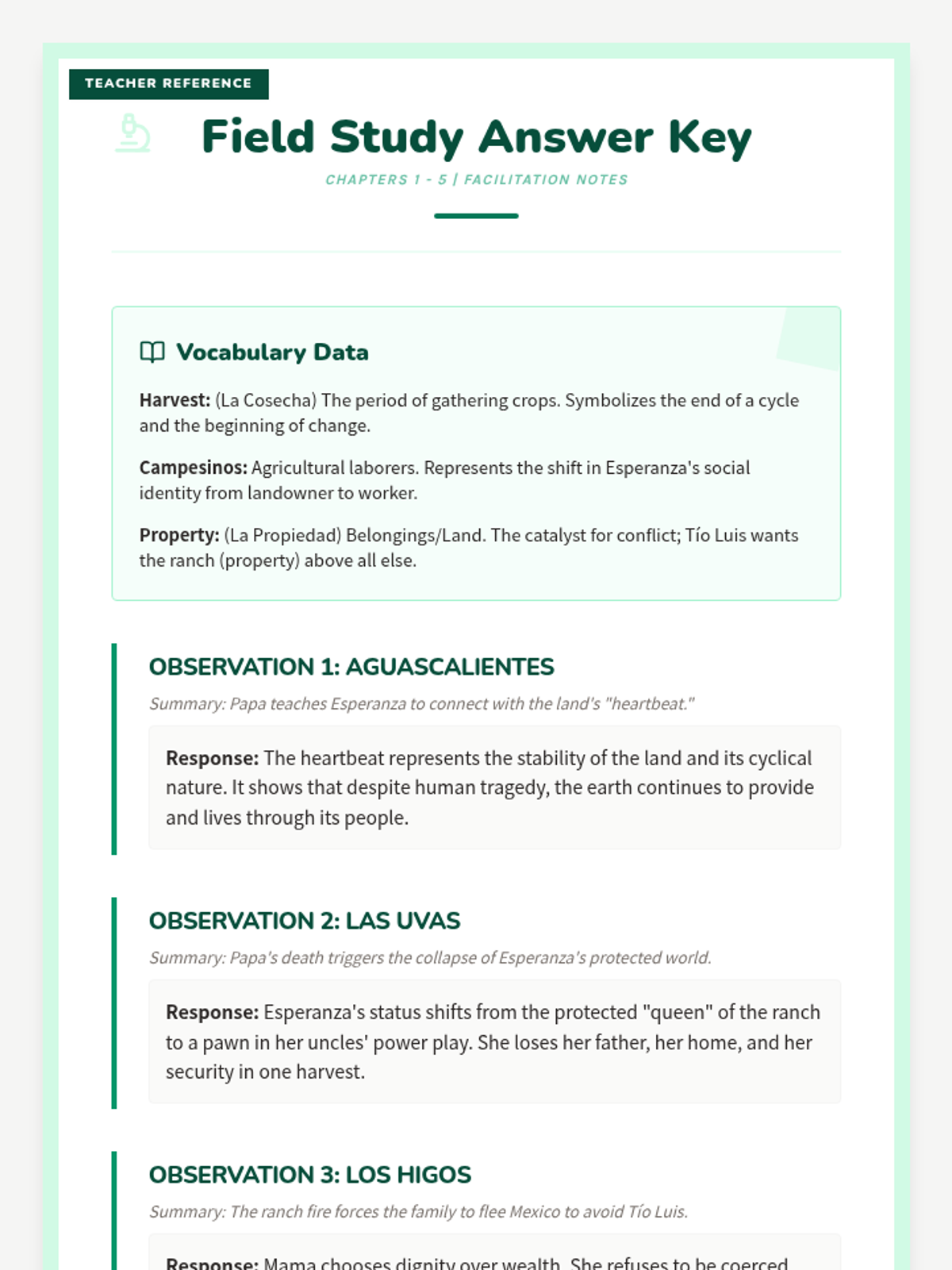
A teacher's answer key for the Esperanza Rising Field Notes, providing detailed analytical responses for Chapters 1-5 and a recap of the story structure. Re-themed with a professional botanical reference aesthetic.
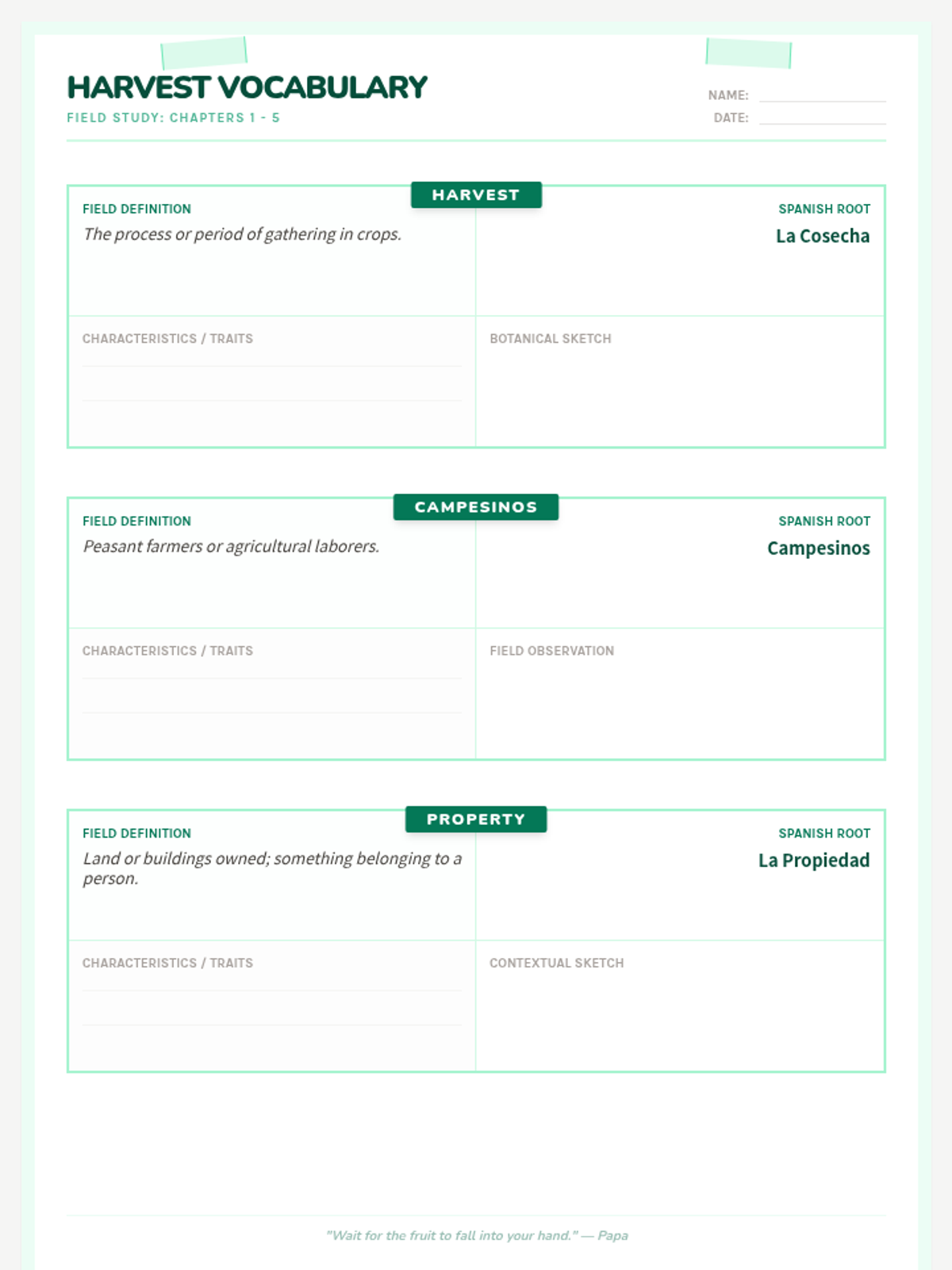
A single-page vocabulary worksheet featuring three Frayer models for harvest-related terms, re-themed as a botanical field study. Includes definitions, Spanish roots, and sketch areas for student interaction. Optimized for 1-page print.
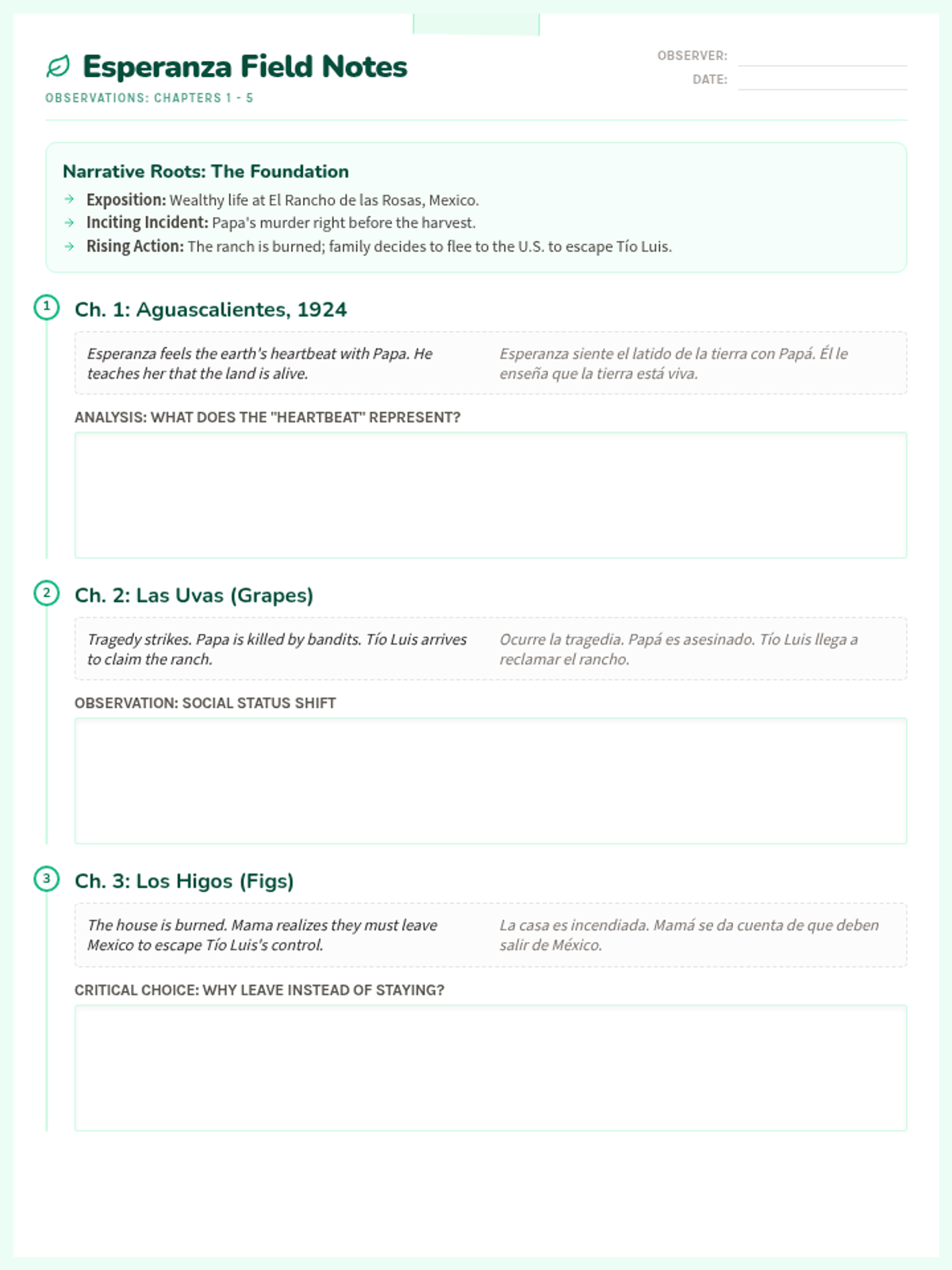
A two-page interactive guided reading mat for Esperanza Rising Chapters 1-5, re-themed with a botanical field guide aesthetic. Features side-by-side English/Spanish summaries, narrative analysis prompts, and story structure tracking. Optimized for 2-page print.
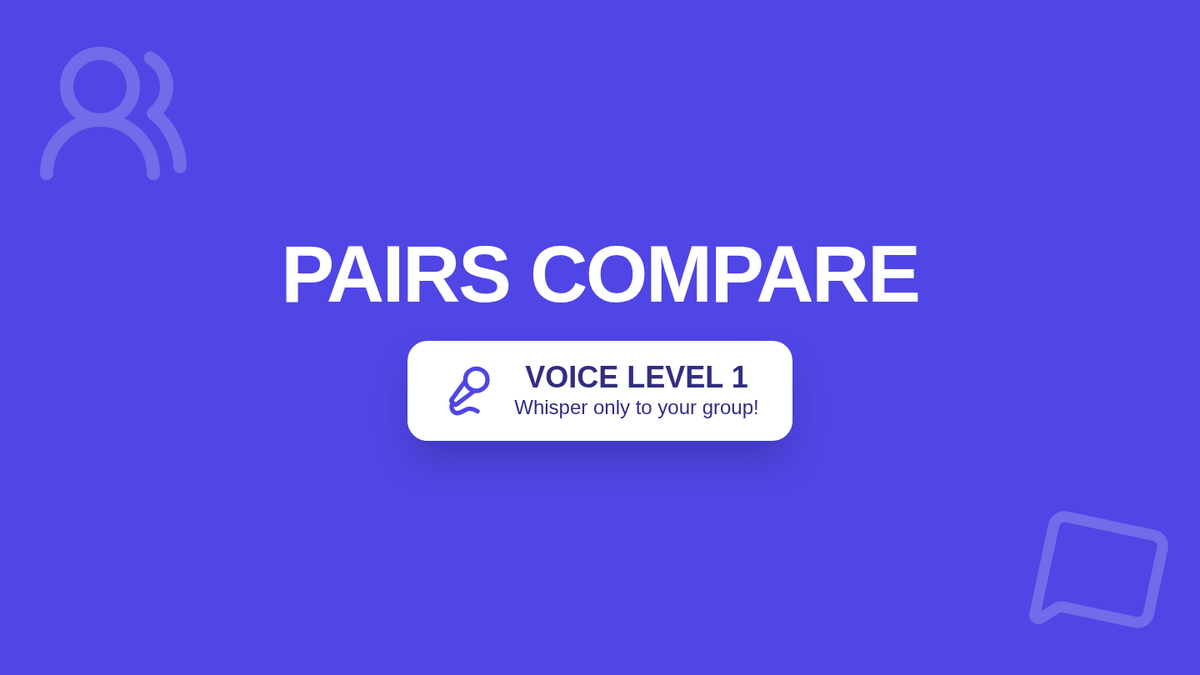
A comprehensive 7-slide deck for a "Pairs Compare" activity, featuring detailed sharing directions for both pairs and clear submission steps.
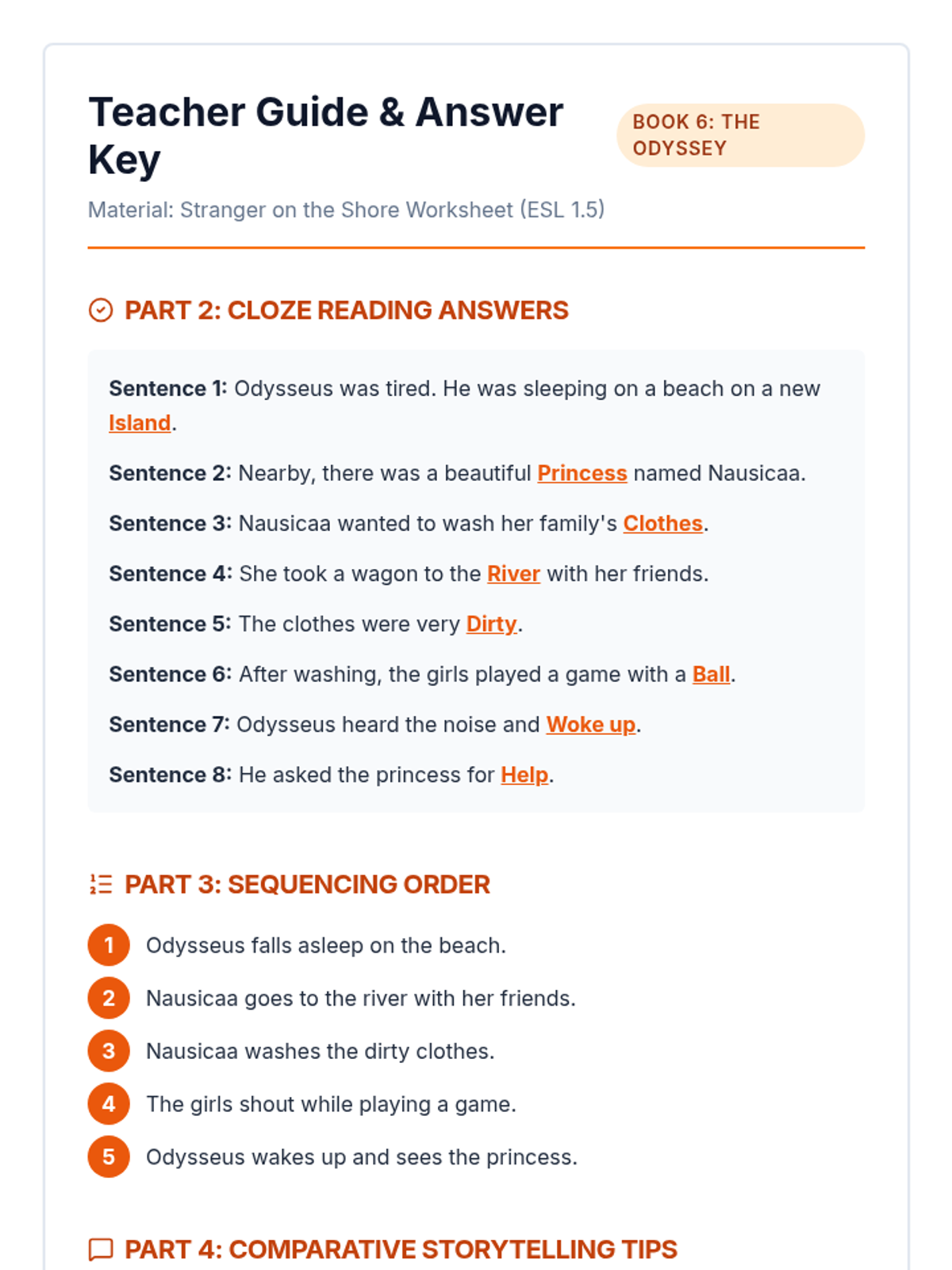
Teacher's guide and answer key for the Stranger on the Shore worksheet, providing cloze answers, sequencing order, and discussion prompts for comparative storytelling.
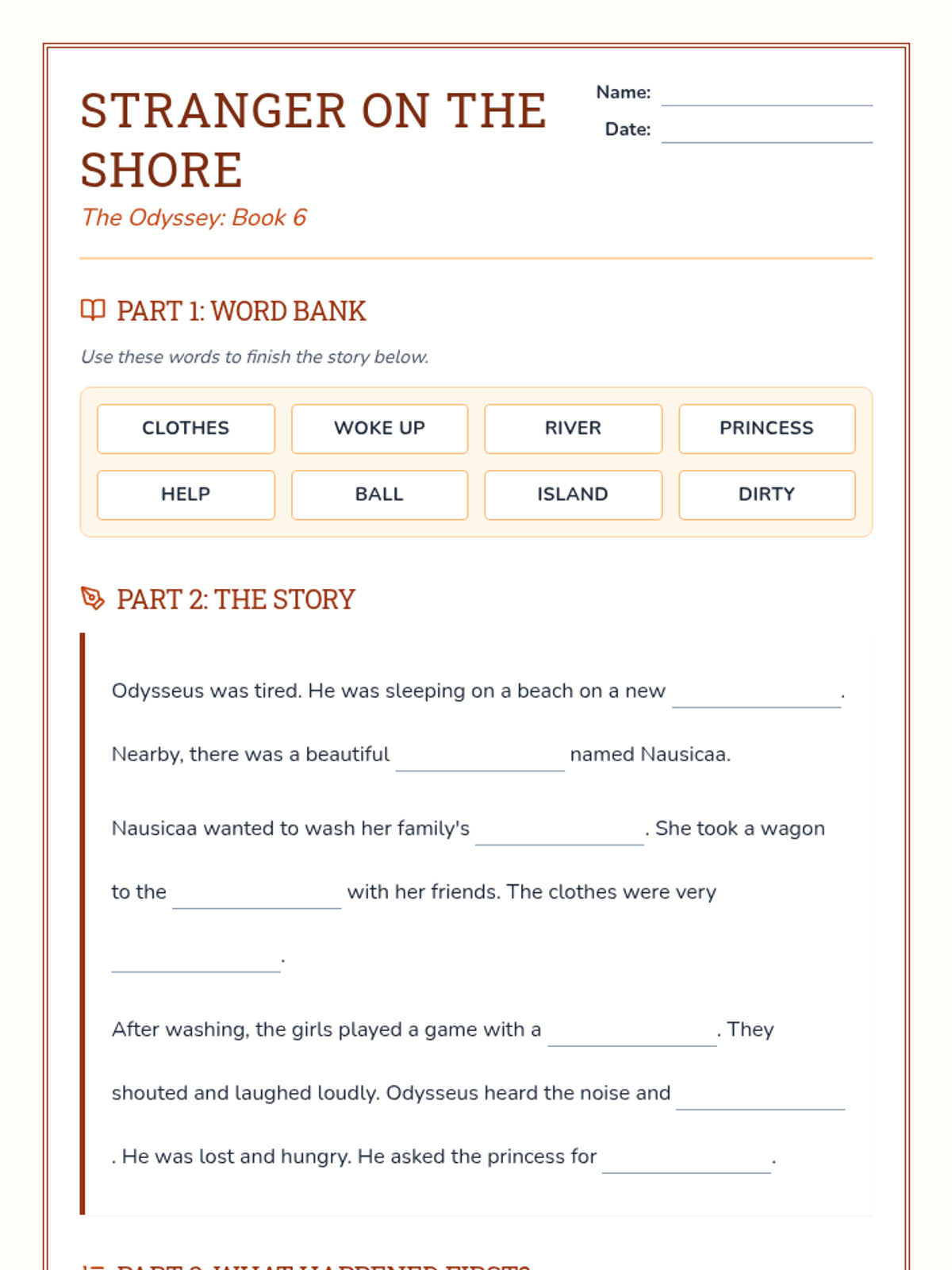
A simplified cloze reading and sequencing worksheet for ESL learners (Level 1.5) based on Odysseus's encounter with Nausicaa in Book 6. Includes a vocabulary bank and a comparative storytelling prompt.
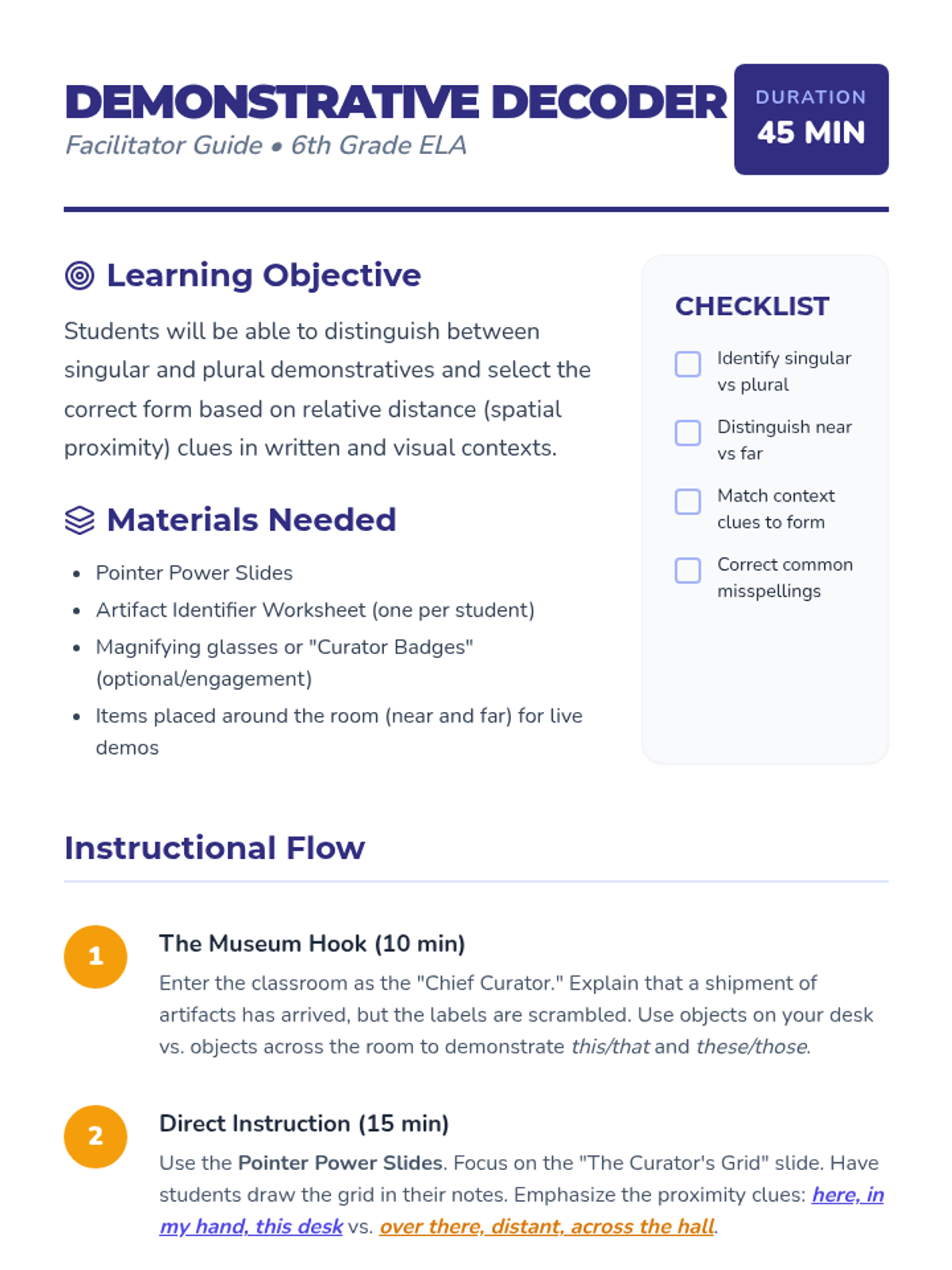
A comprehensive teacher guide for a 6th-grade lesson on demonstratives. Includes a 45-minute lesson plan, instructional strategies, common misconceptions, and engagement tips.
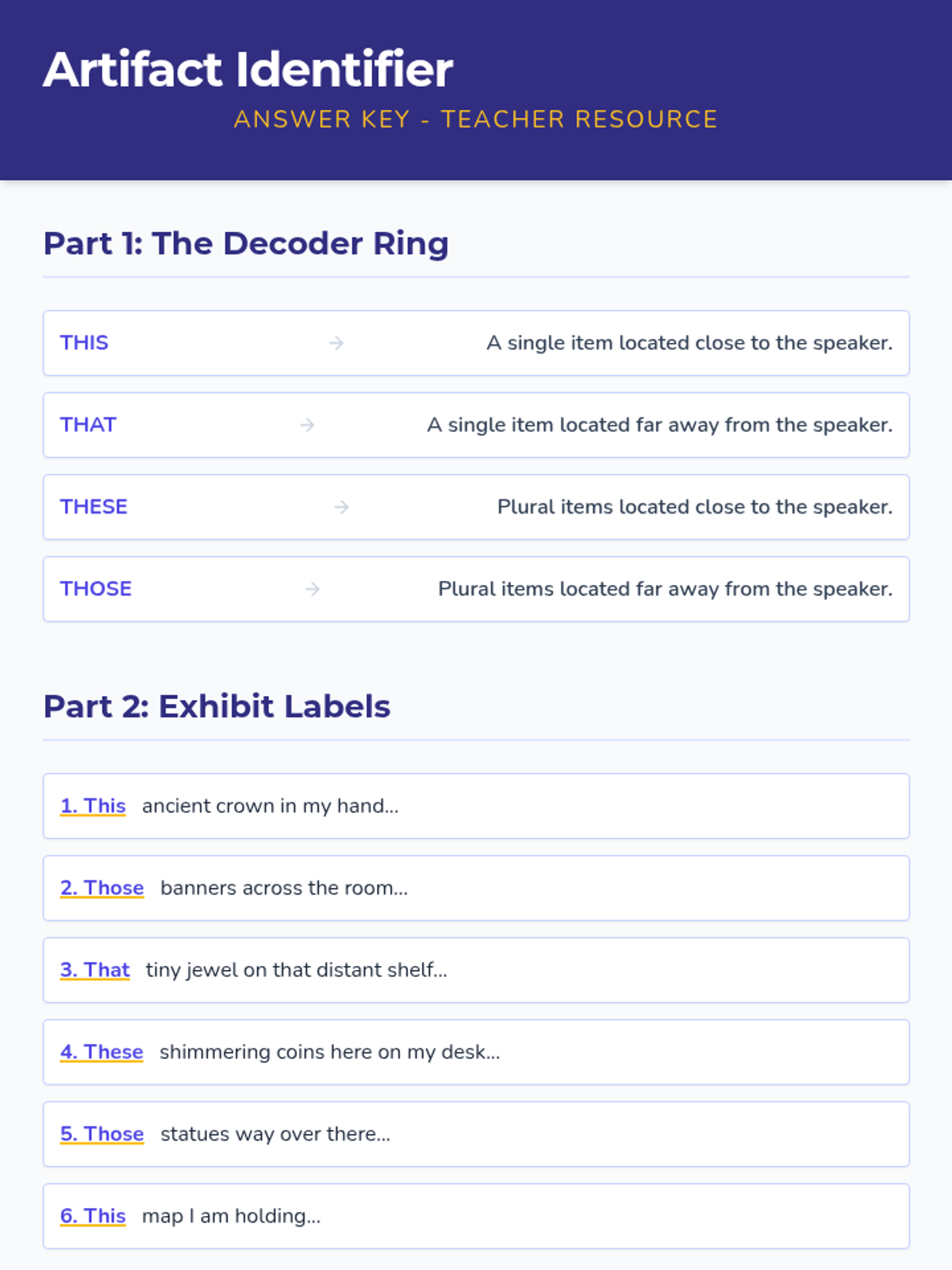
A complete answer key for the Artifact Identifier Worksheet, including teaching tips for common demonstrative misconceptions. Revised for better page flow and visual consistency.
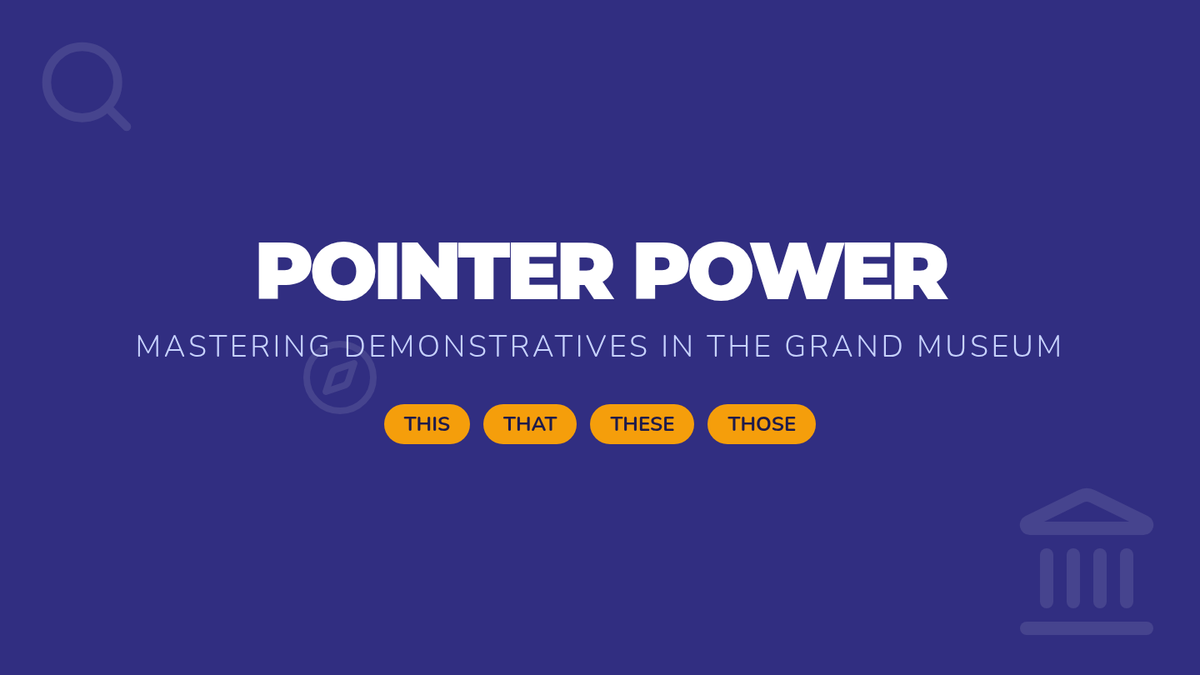
A vibrant instructional slide deck using a museum theme to teach demonstratives. Features high-contrast visuals, a summary grid, and "quick-fire" practice items for whole-class engagement.
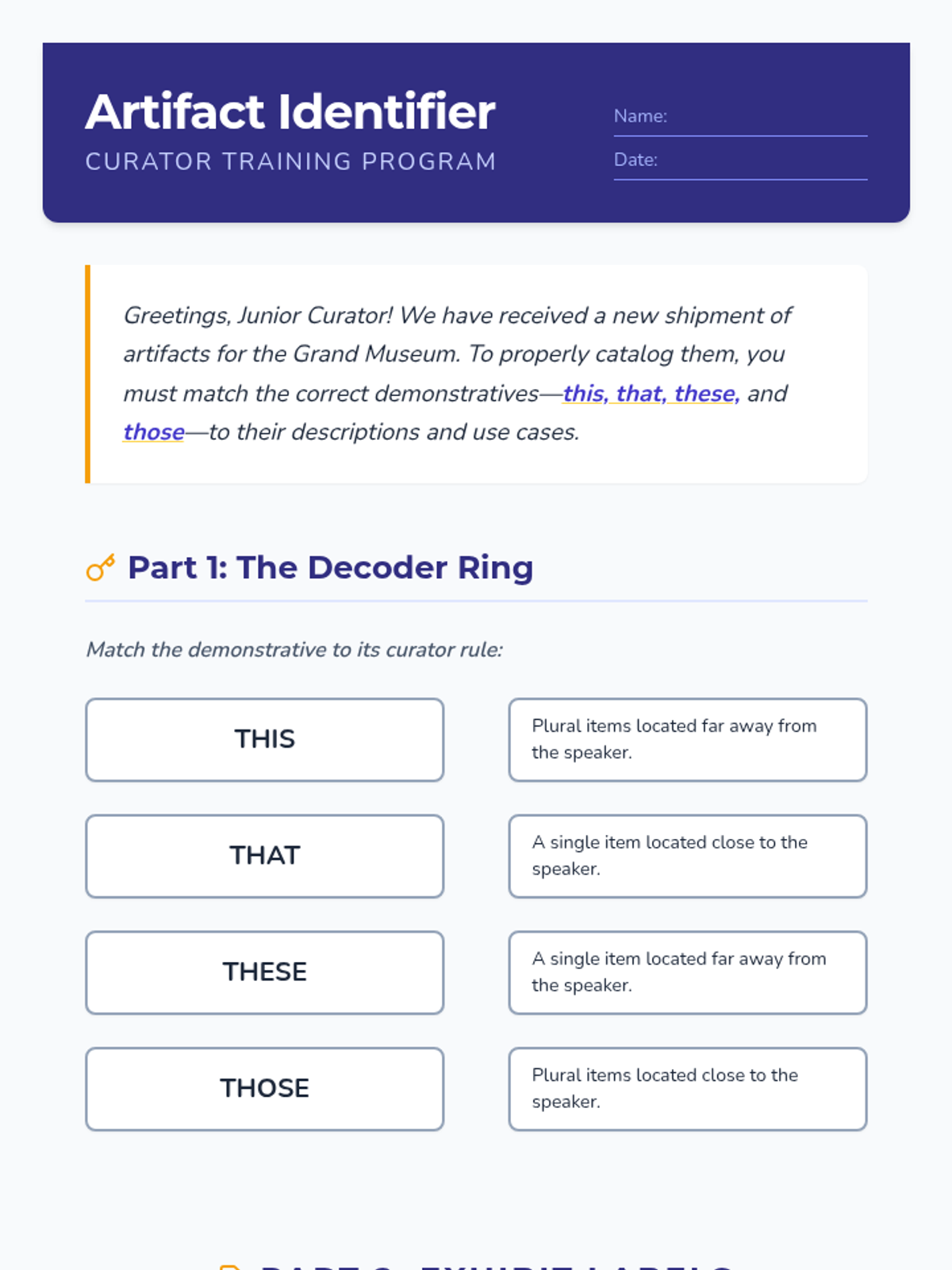
A 6th-grade matching worksheet themed around a museum curator identifying artifacts. Includes definition matching, sentence completion with proximity clues, and visual identification using demonstratives. Revised for improved page breaks, student work area clarity, and visual distance cues.