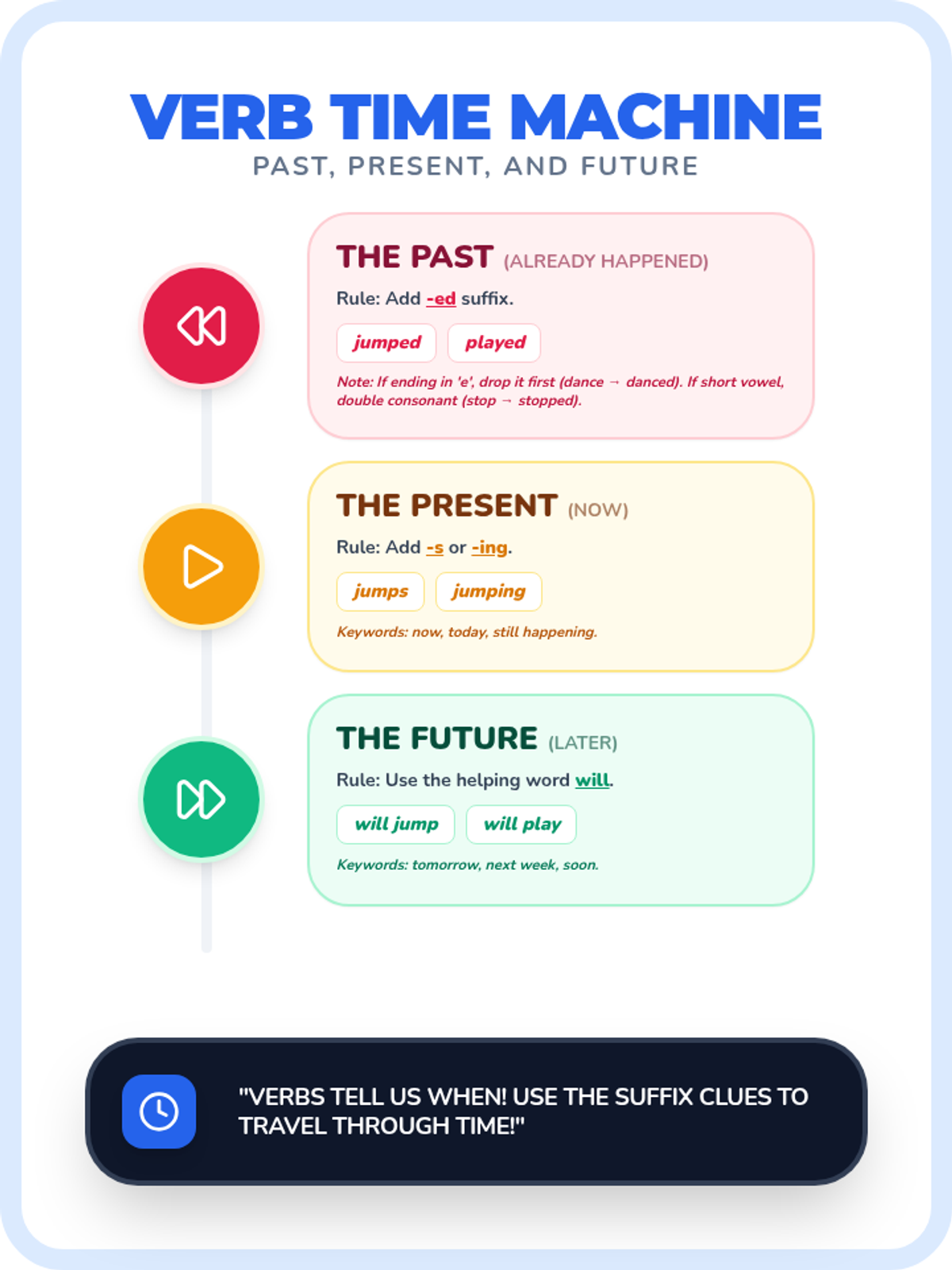
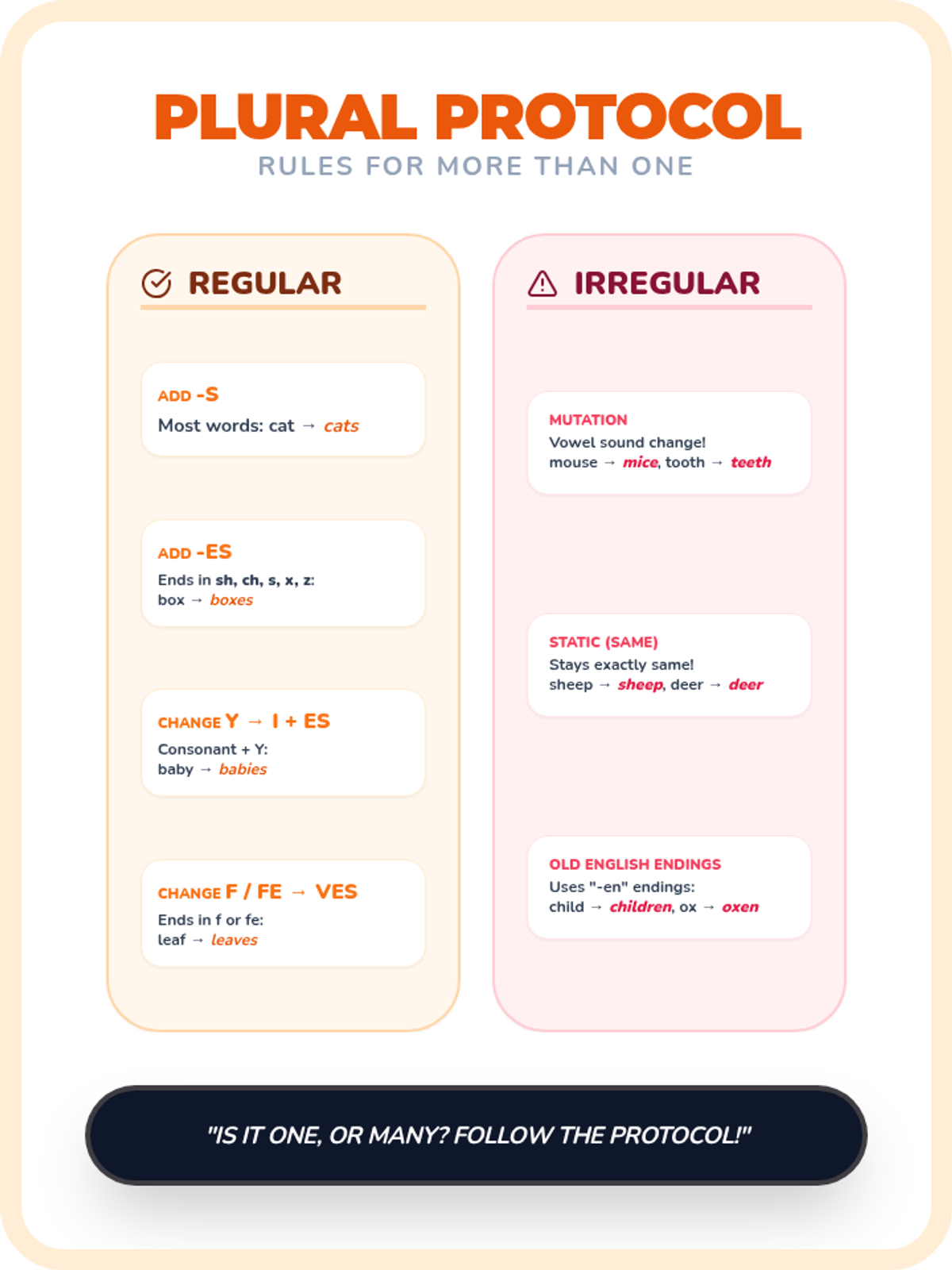
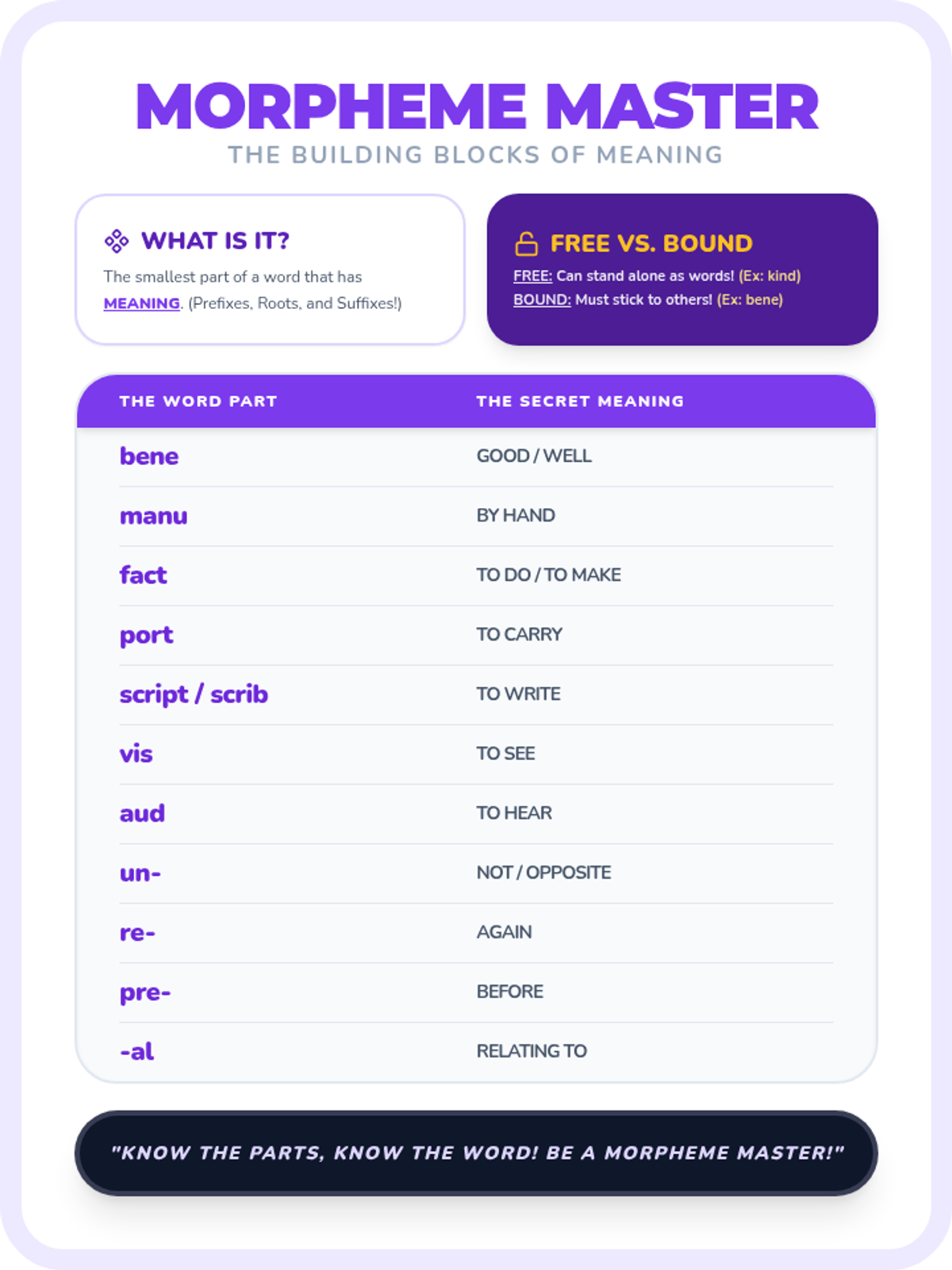
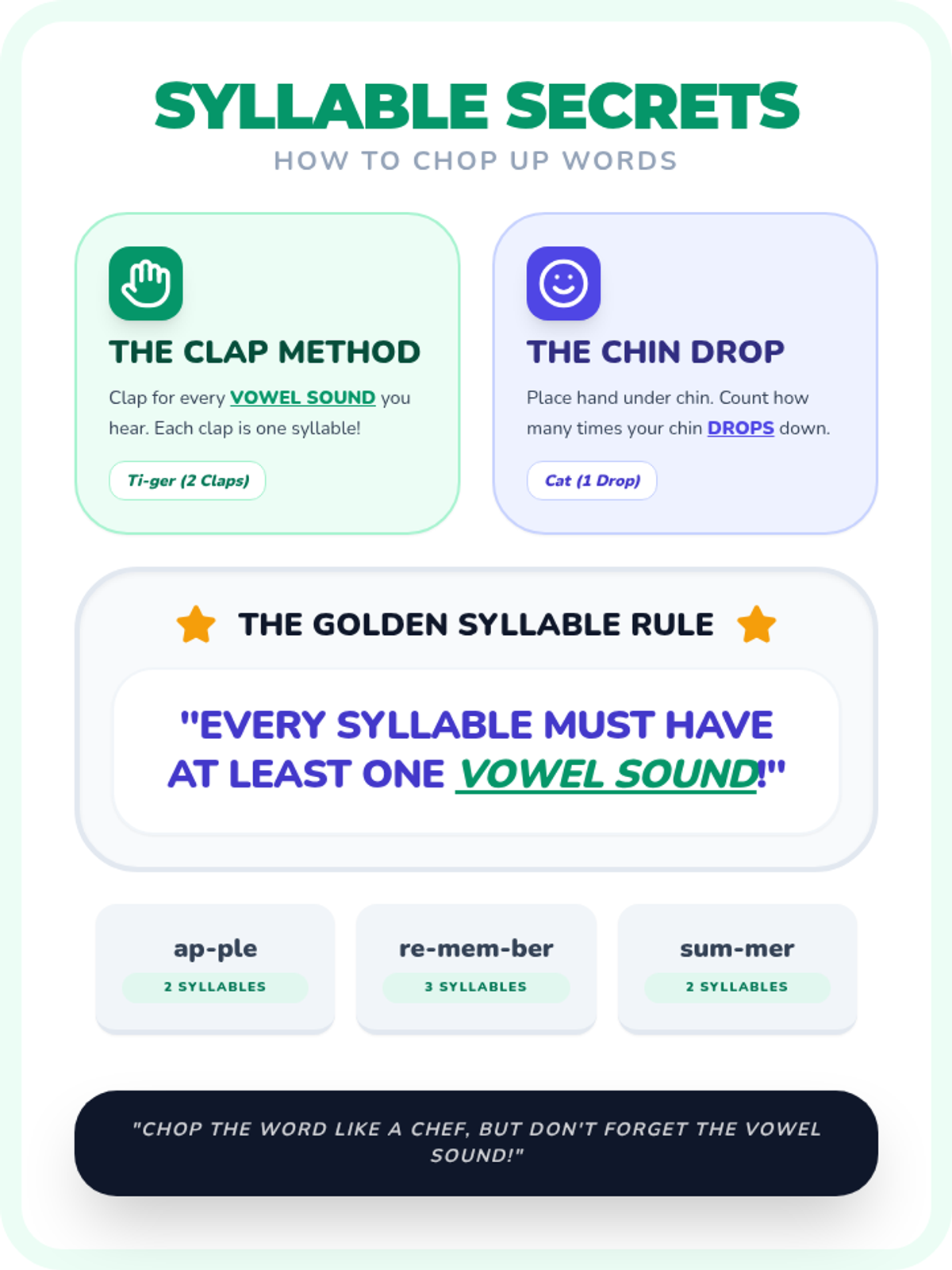
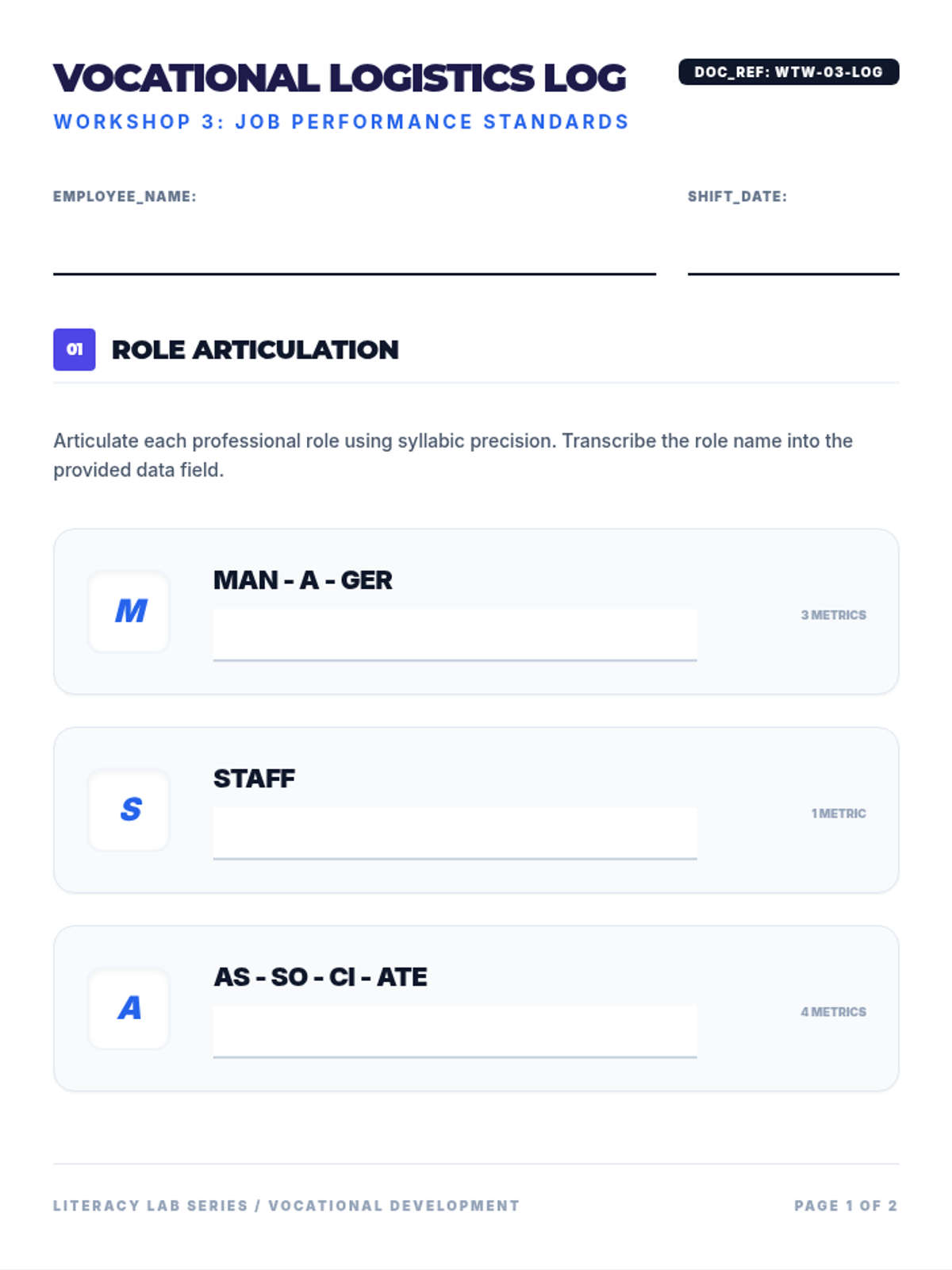
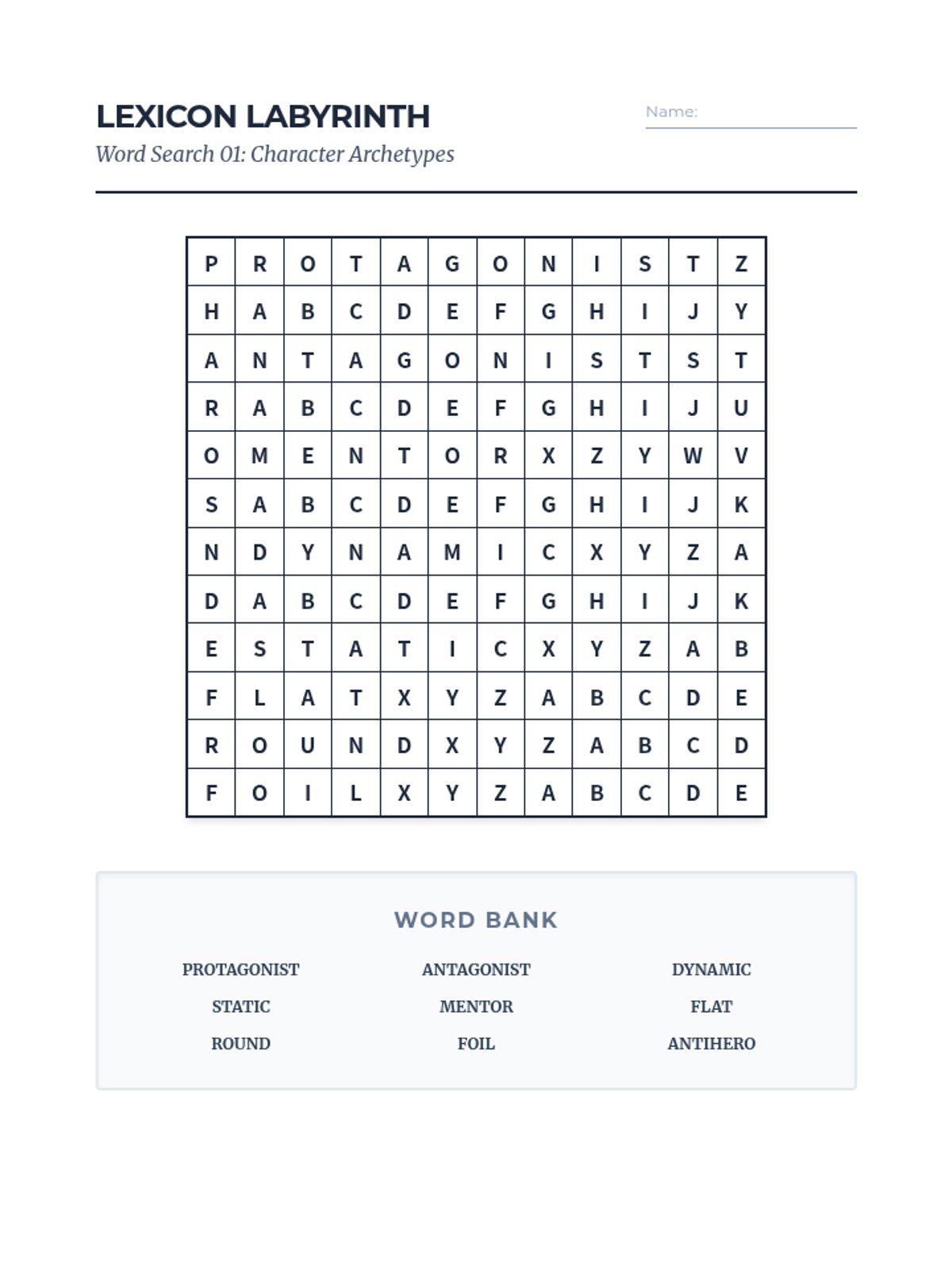
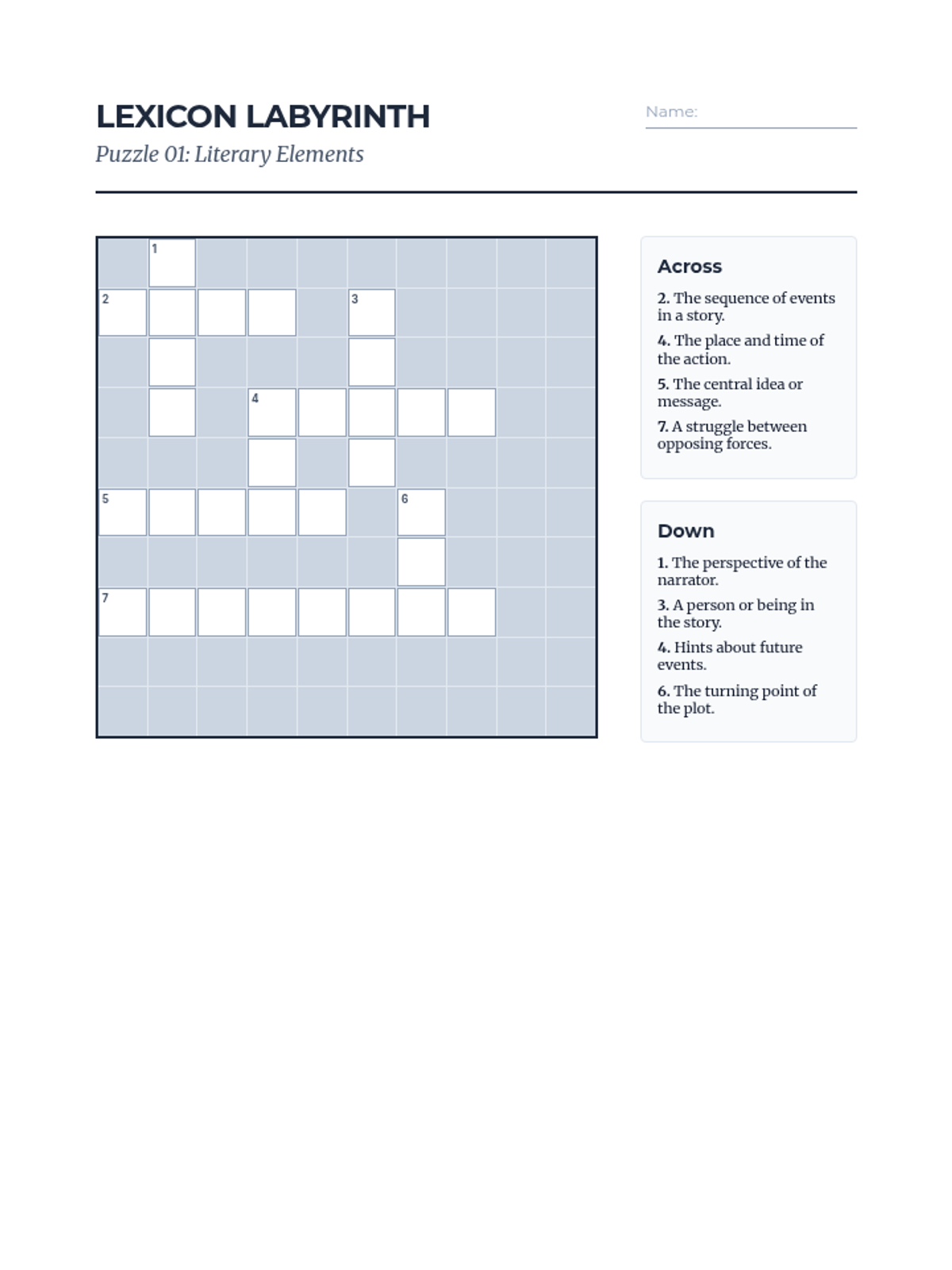
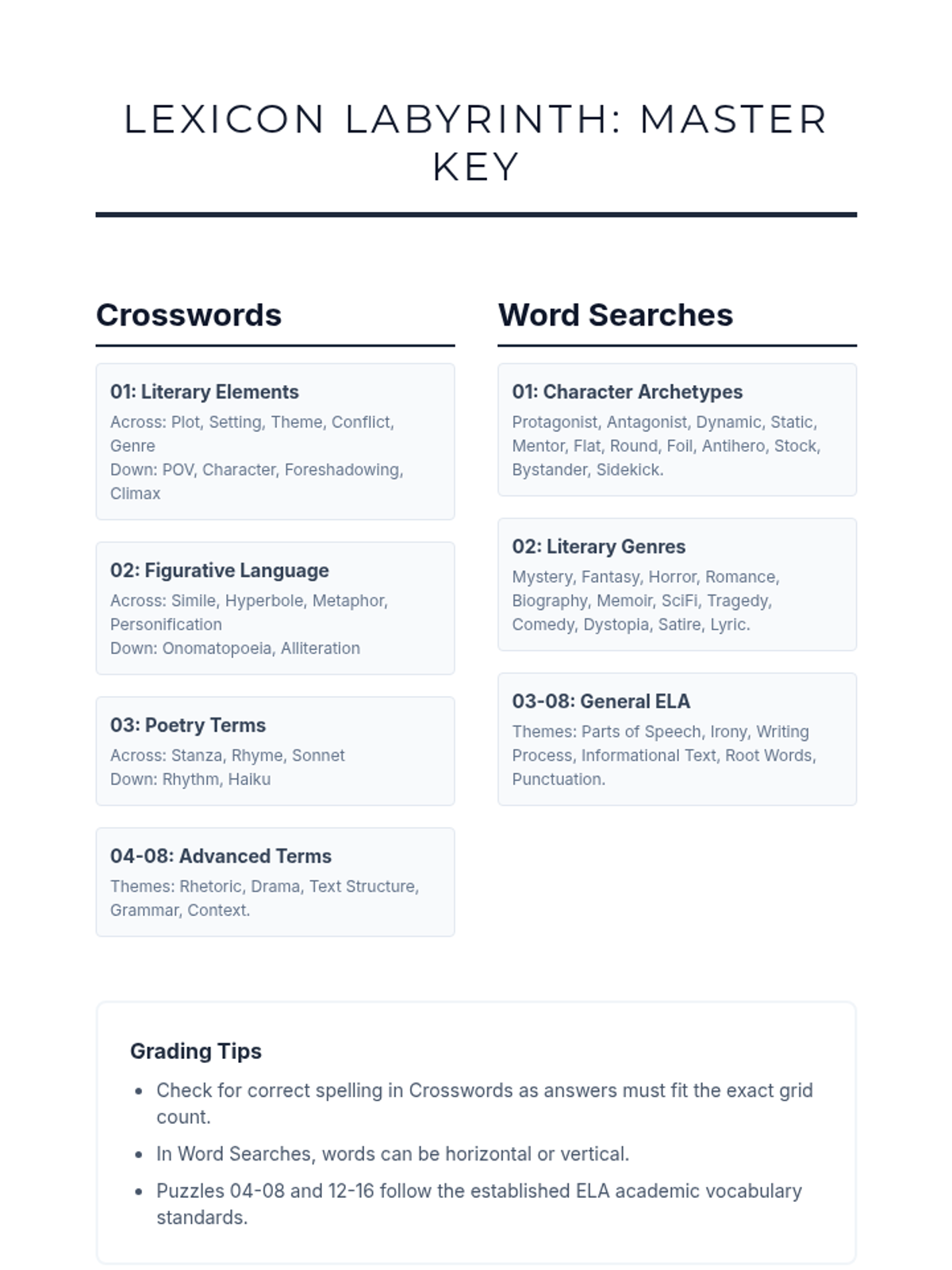
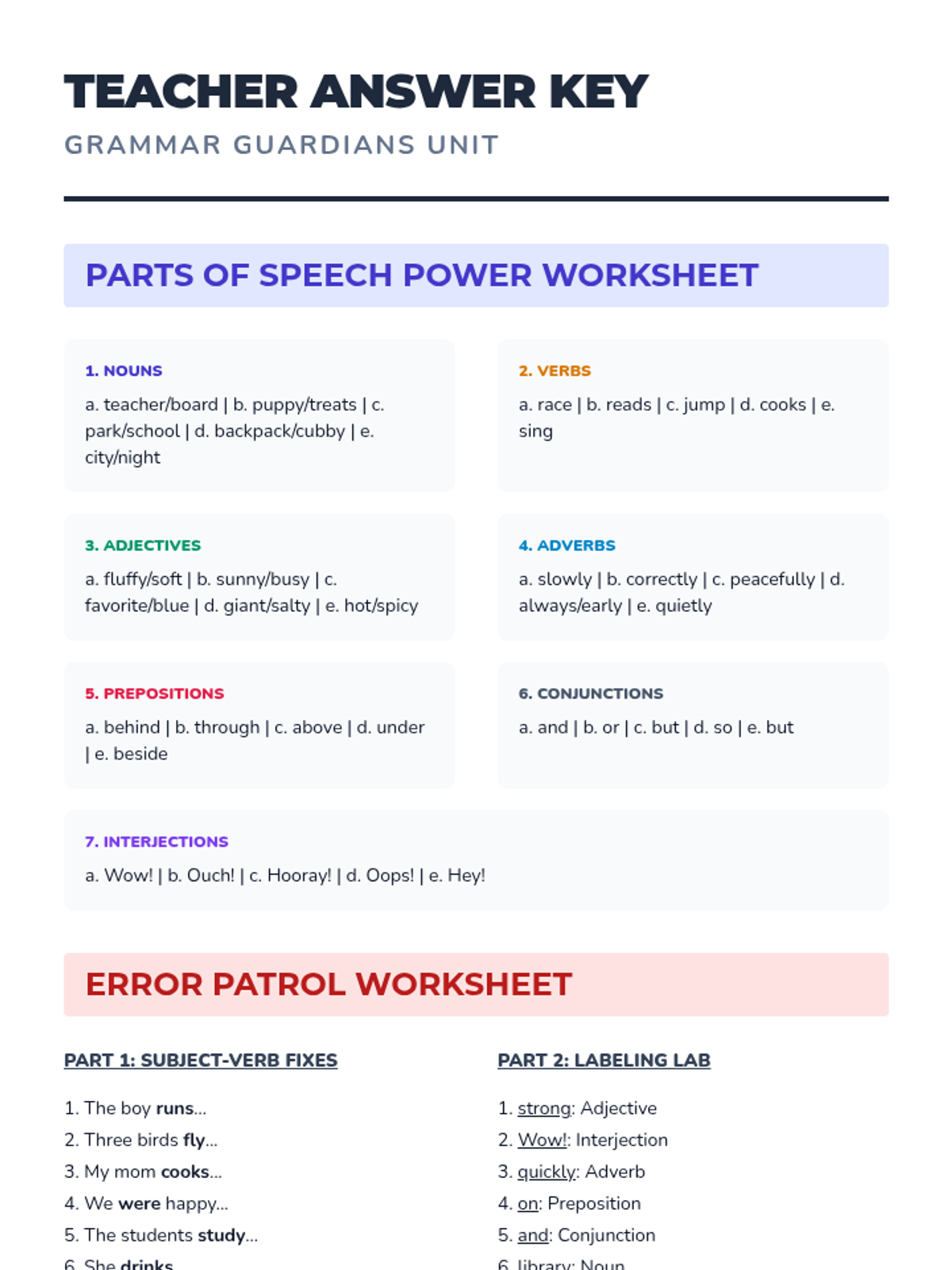
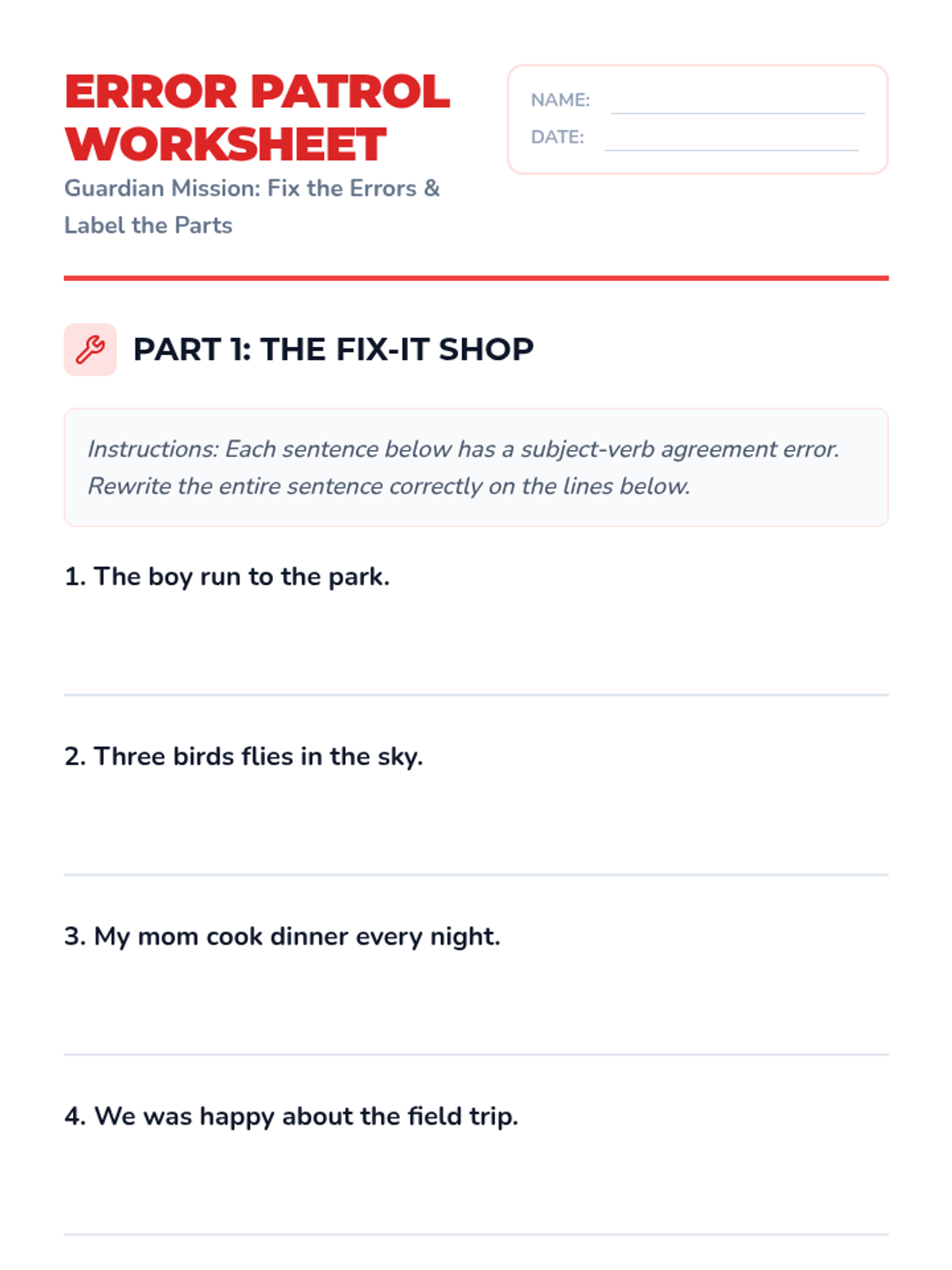
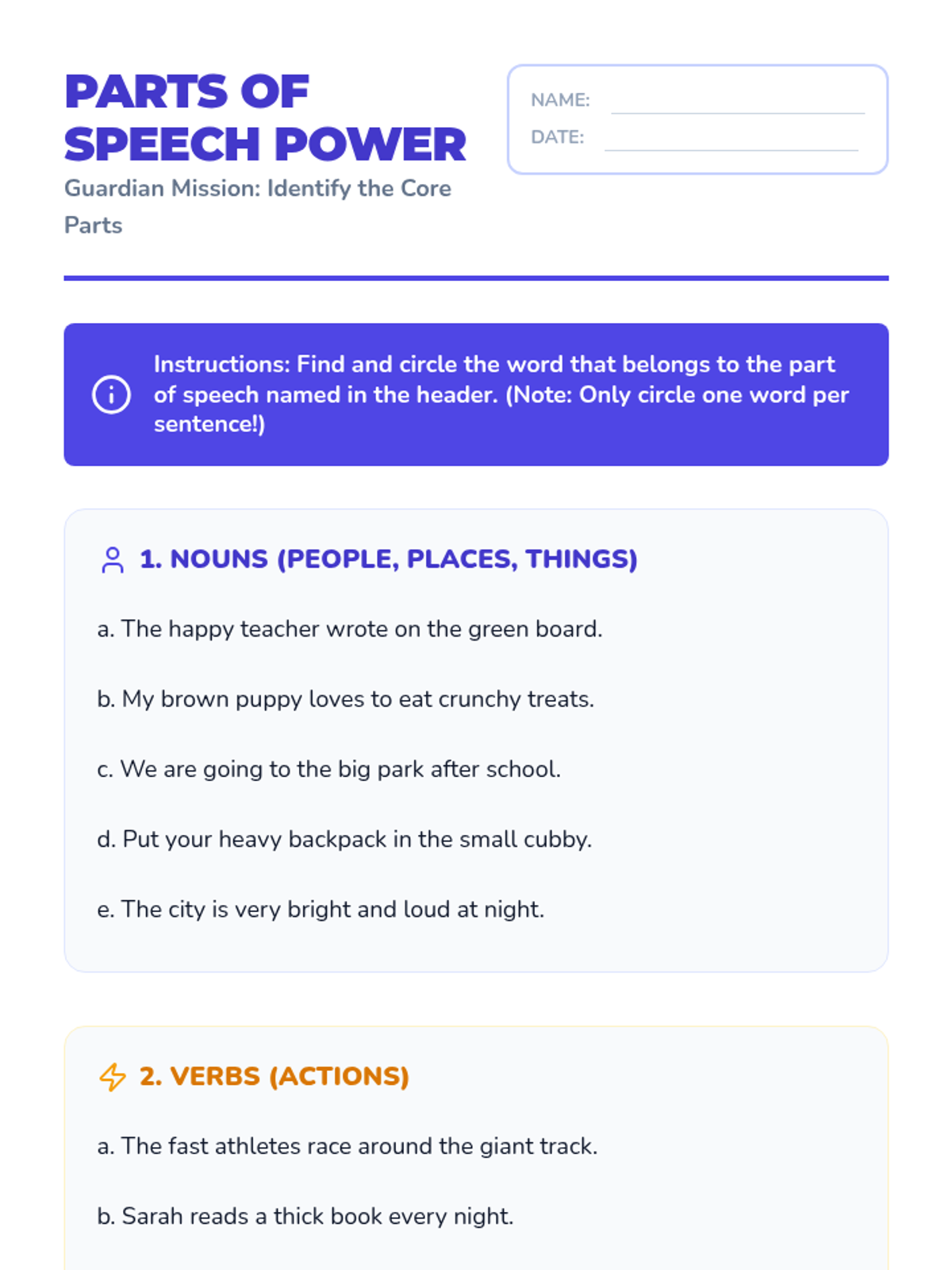
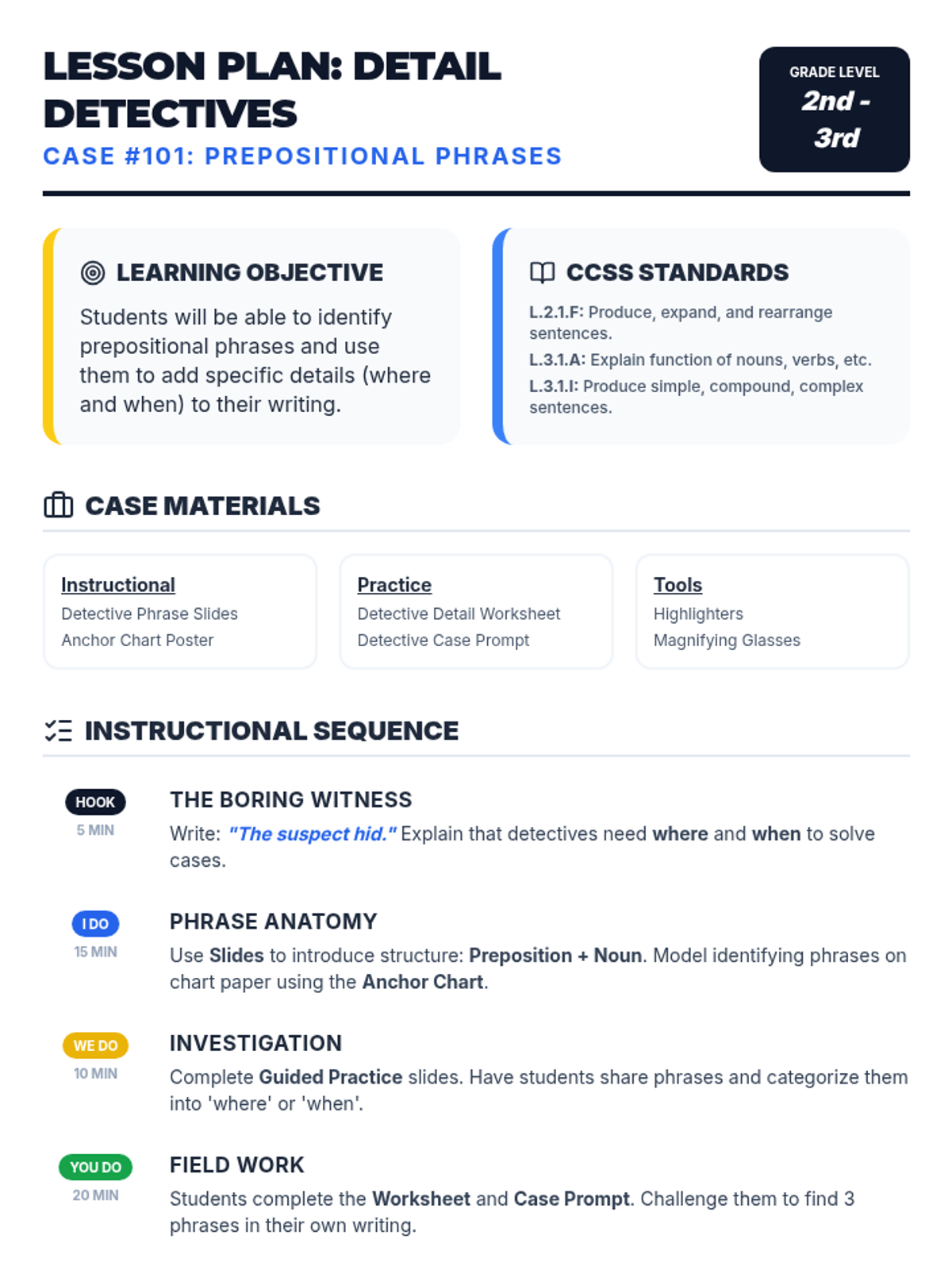
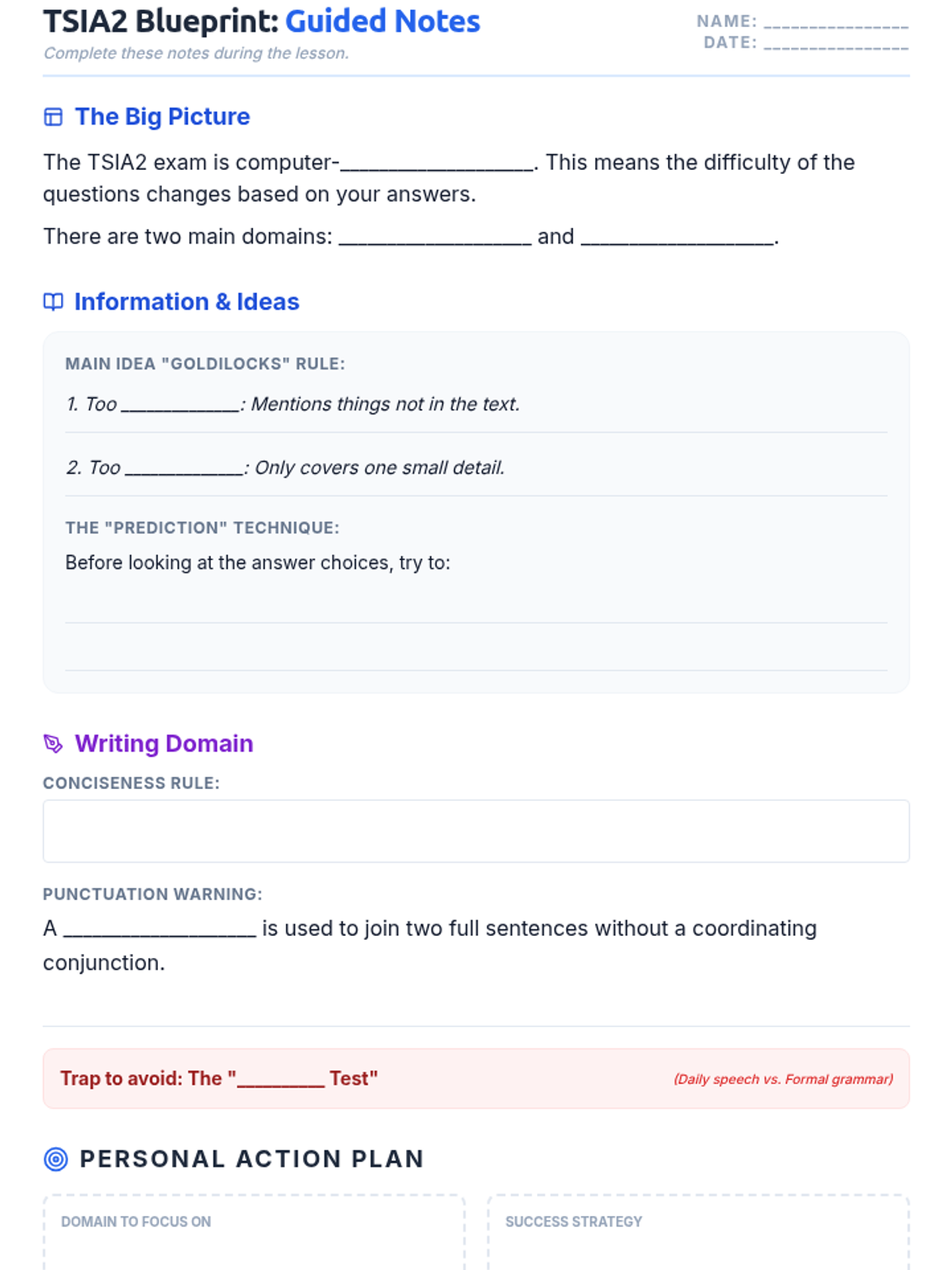
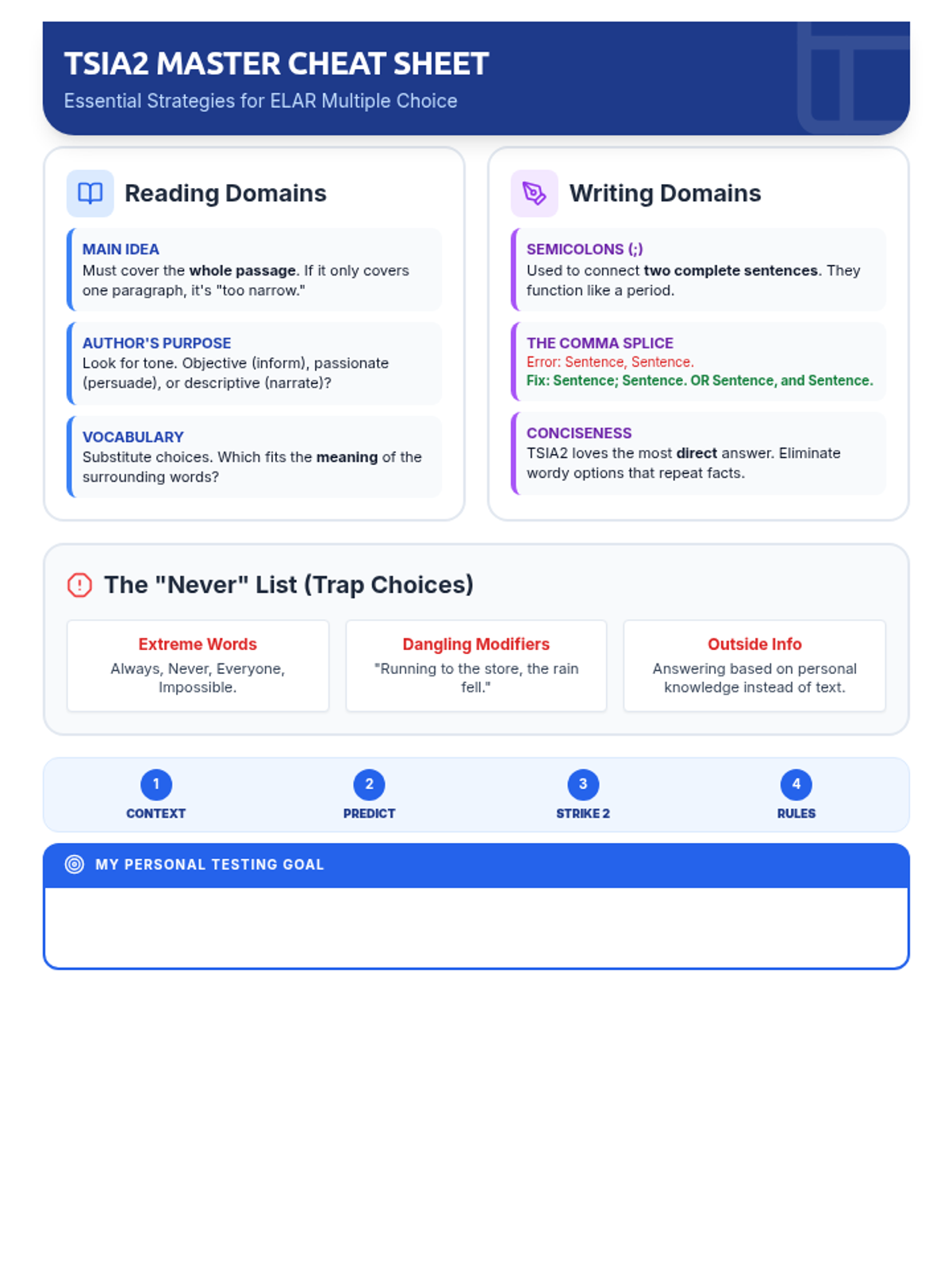
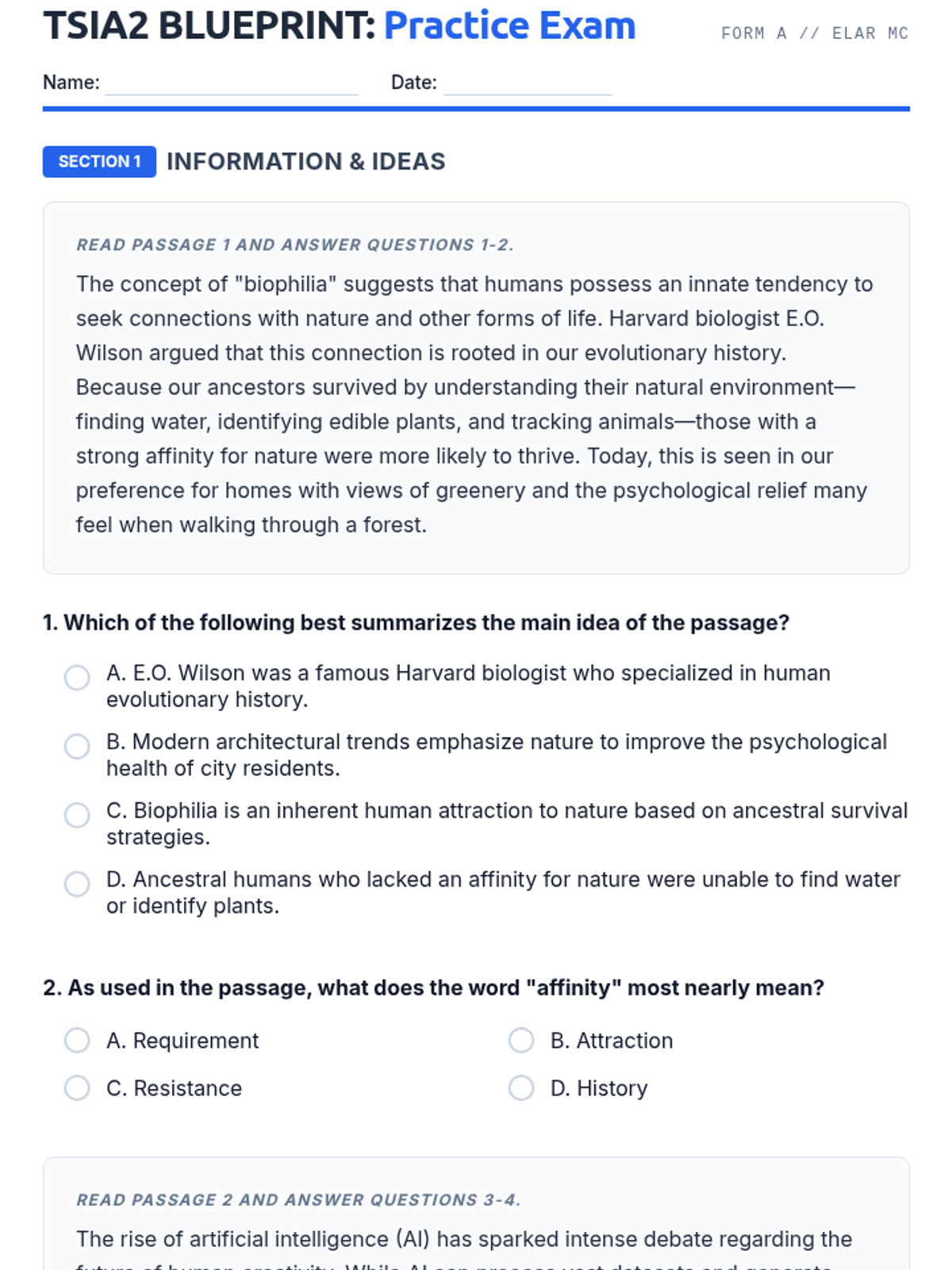
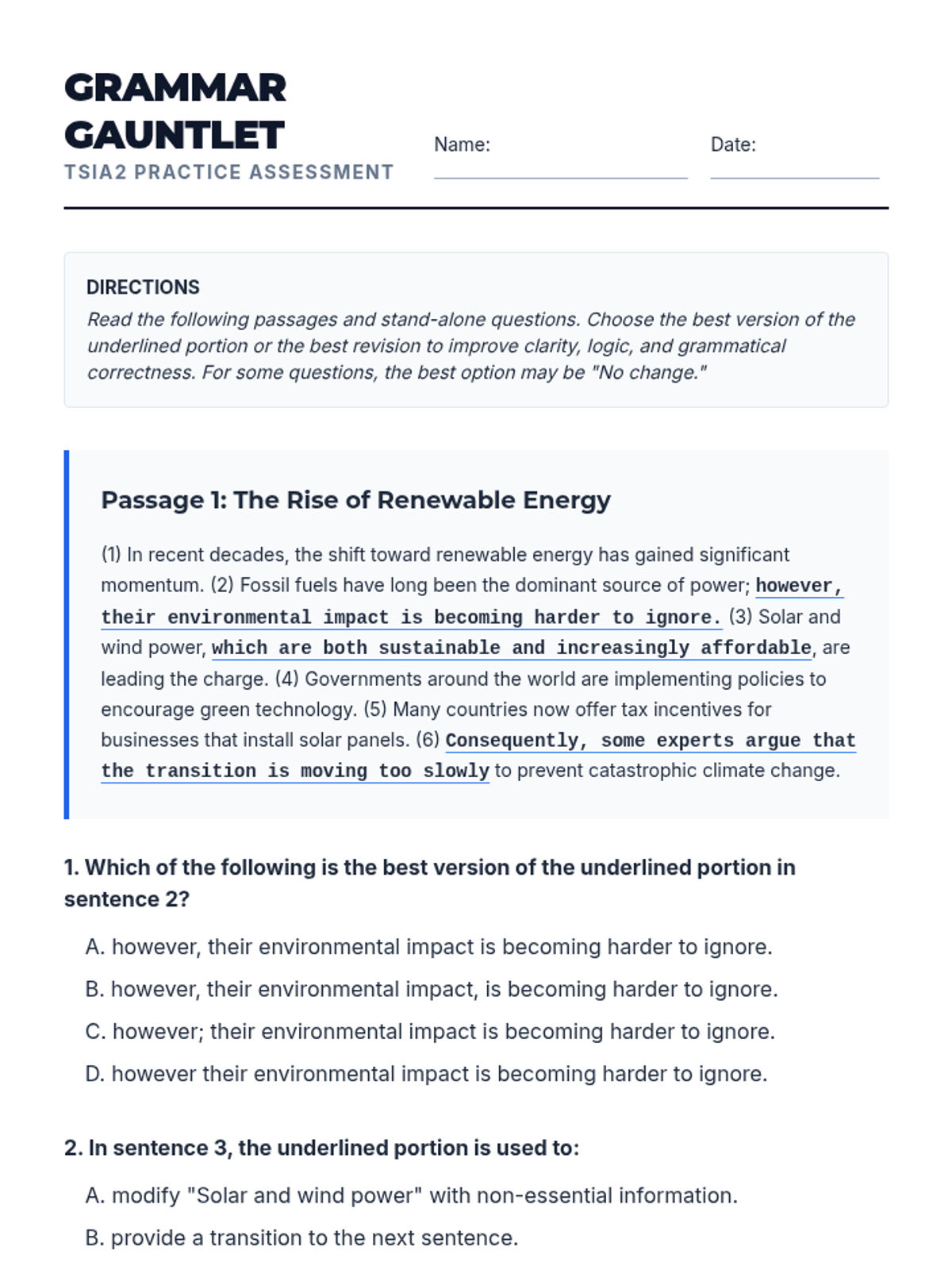
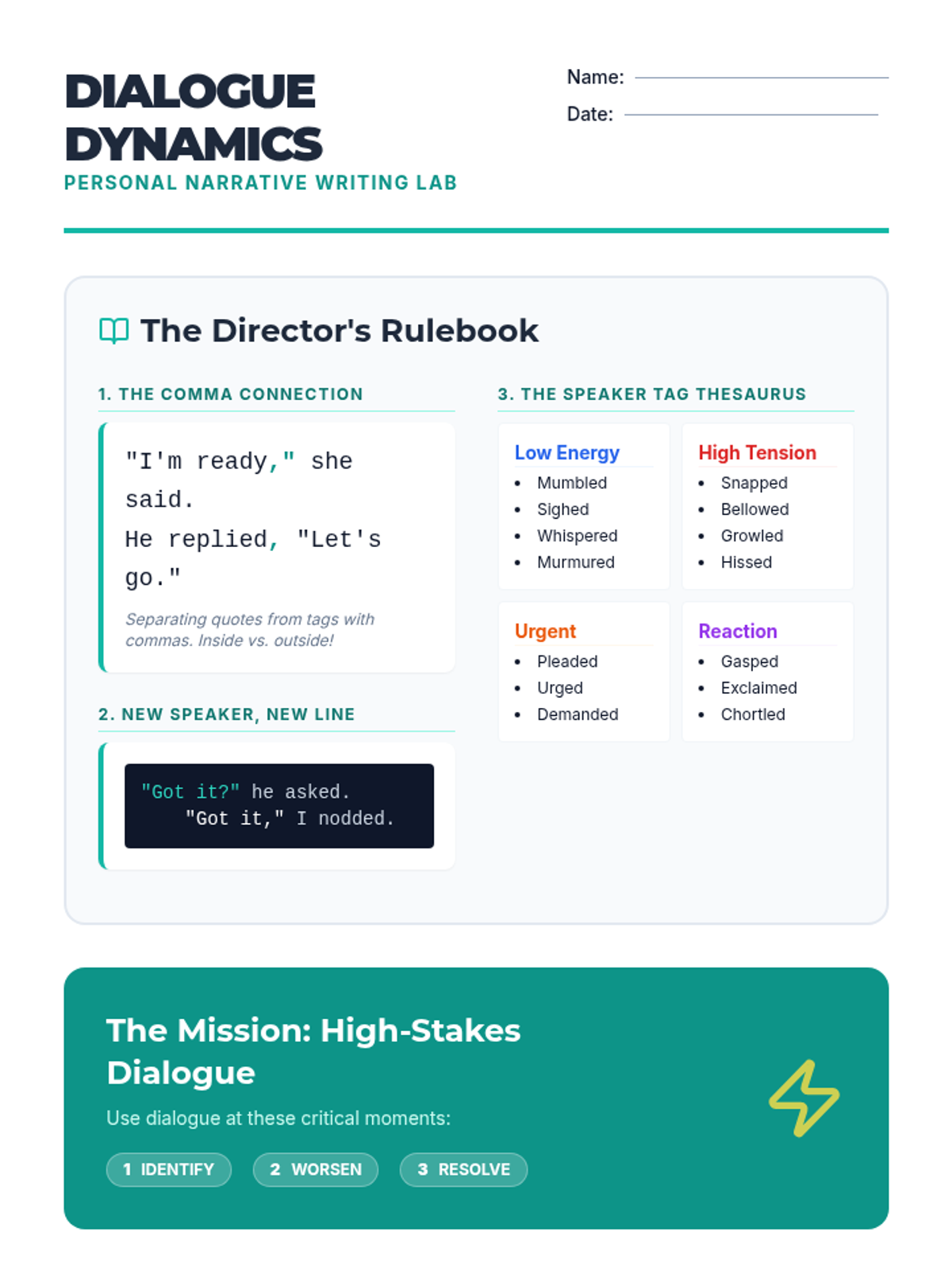
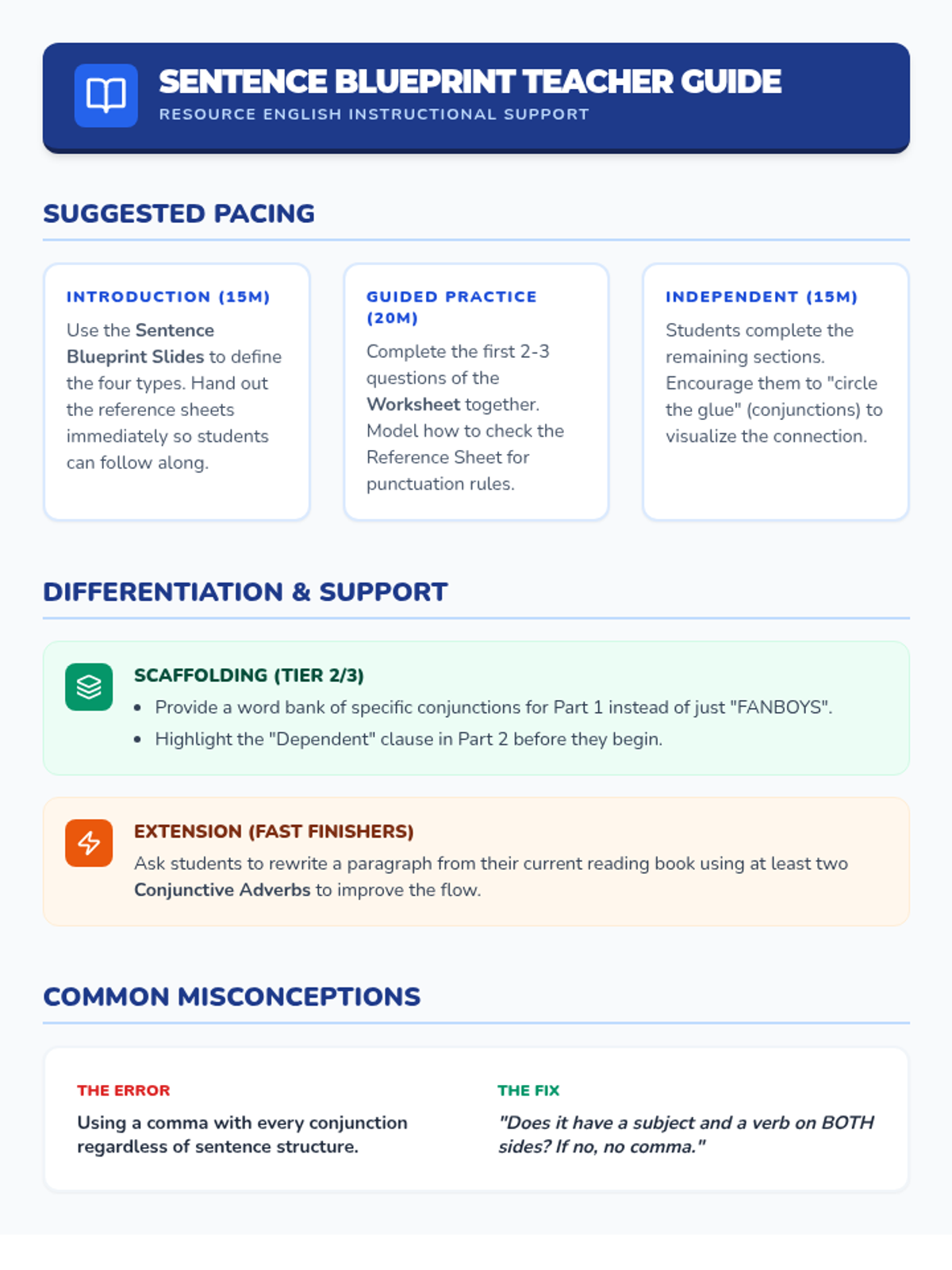
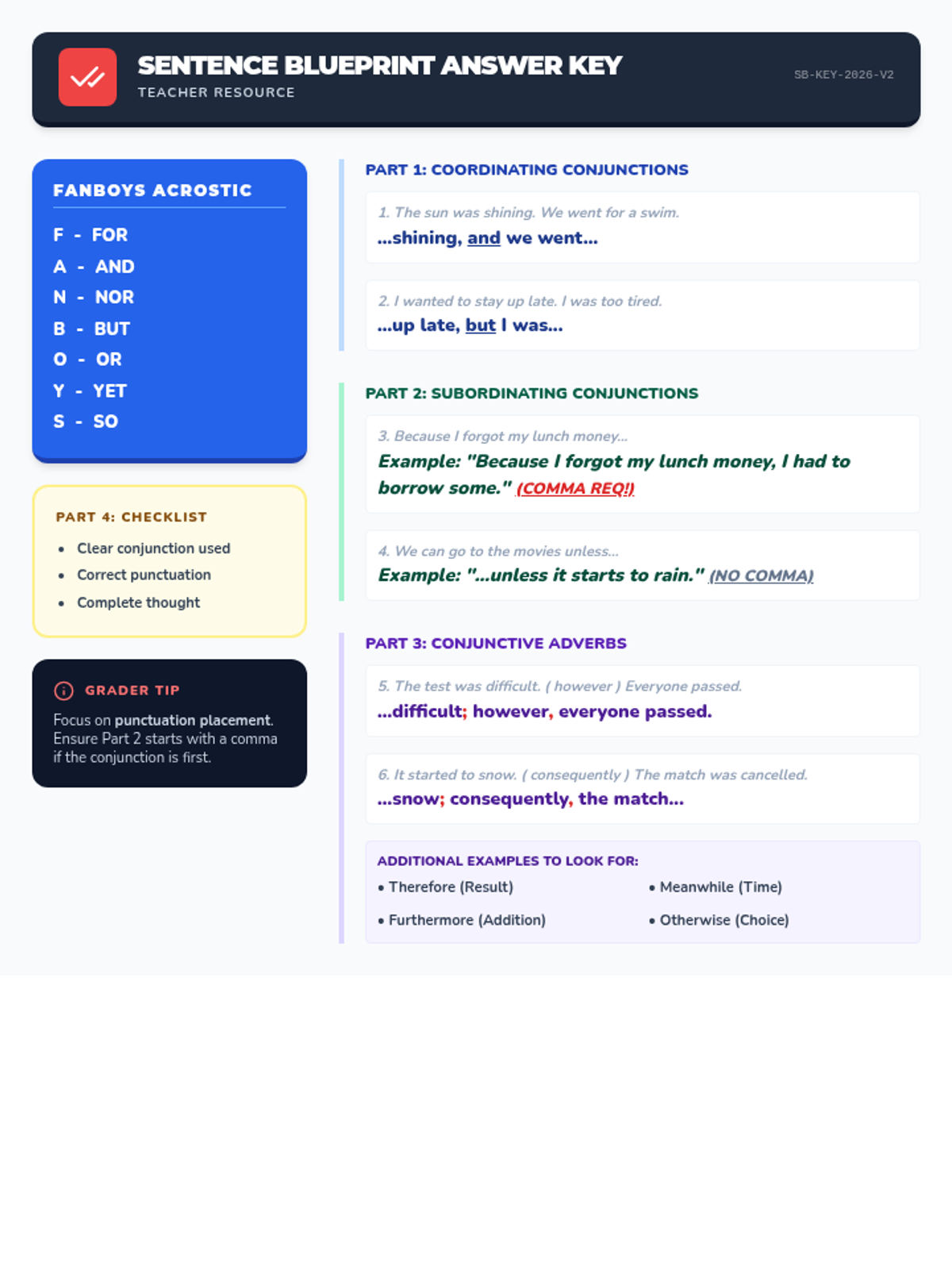
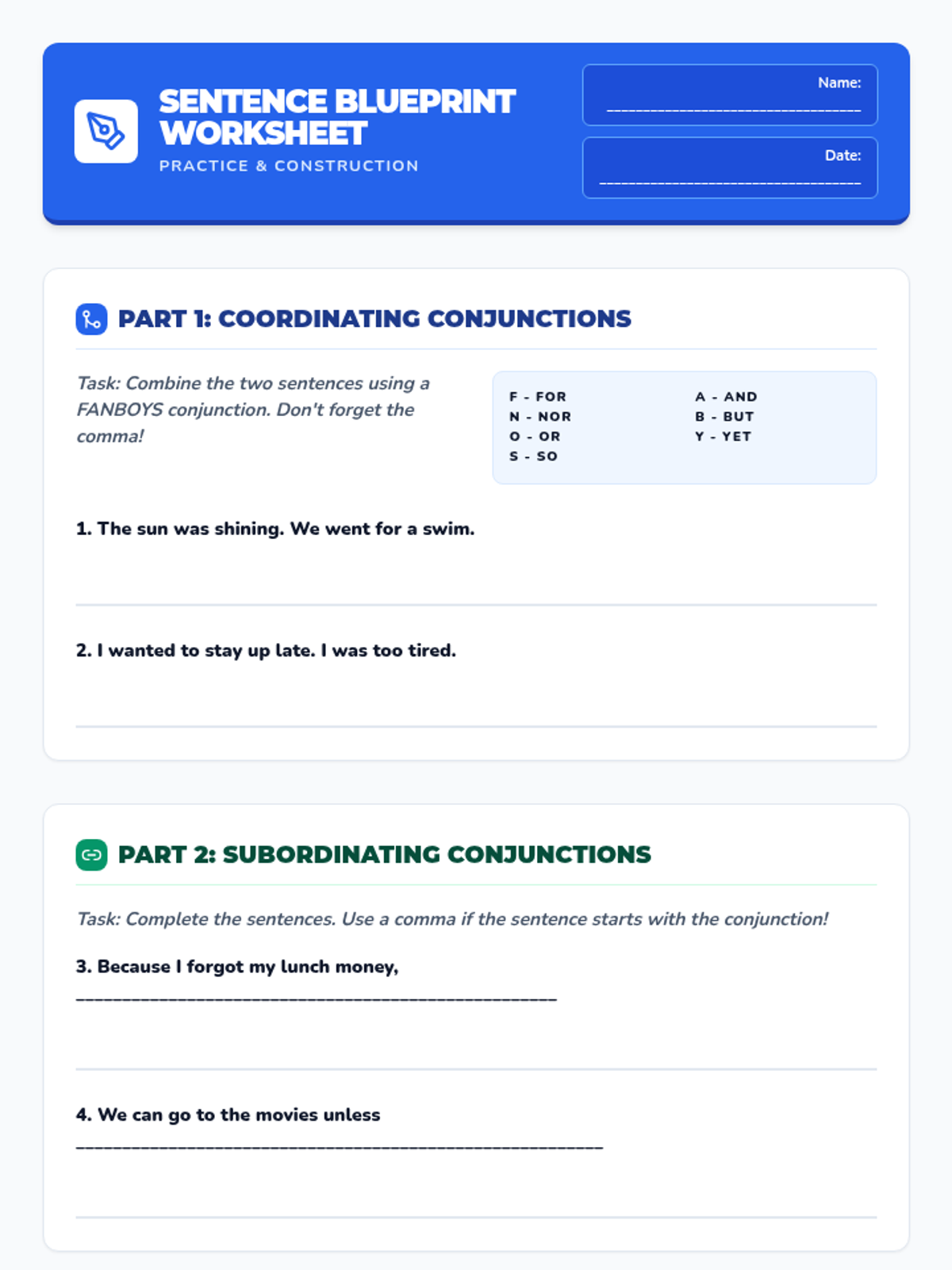
Sentence structure fundamentals, subject-verb agreement, and precise usage of parts of speech including pronouns, conjunctions, and adjectives. Targets technical accuracy through mastery of capitalization, punctuation, spelling, and verb mood.
A set of 24 grammar task cards styled as 'Glitch Zones' in a computer system. Includes challenges on commas, sentence errors, capitalization, and verb tense with a unique cyberpunk aesthetic. Updated with print-safe page breaks.
A specialized two-page recording sheet for the Syntax Showdown game. Boxes 01-12 are on page 1 and 13-24 are on page 2, ensuring no boxes are split across pages and providing ample writing space.
Teacher guidance and answer key for the Syntax Showdown task card game. Includes gameplay options like 'Scoot' and 'Scavenger Hunt', along with a detailed decryption key for all 24 challenges.
A comprehensive teacher-facing lesson plan for a kindergarten opinion writing unit, detailing objectives, materials, and a step-by-step instructional flow.
A single-page black and white circle map for students to choose their favorite animal and brainstorm reasons, optimized for photocopying. removal of happy face.
A kindergarten writing worksheet featuring a large drawing box, primary writing lines with a sentence stem, and a simple writing checklist.
Two black and white circle maps (one for birds and one for bunnies) for students to brainstorm reasons, optimized for photocopying. removal of love icon.
Two teacher-facing circle maps (one for birds and one for bunnies) showing brainstormed reasons categorized by the five senses.
A vibrant slide deck introducing kindergarten students to opinion writing, comparing birds and bunnies using the five senses as supporting reasons.
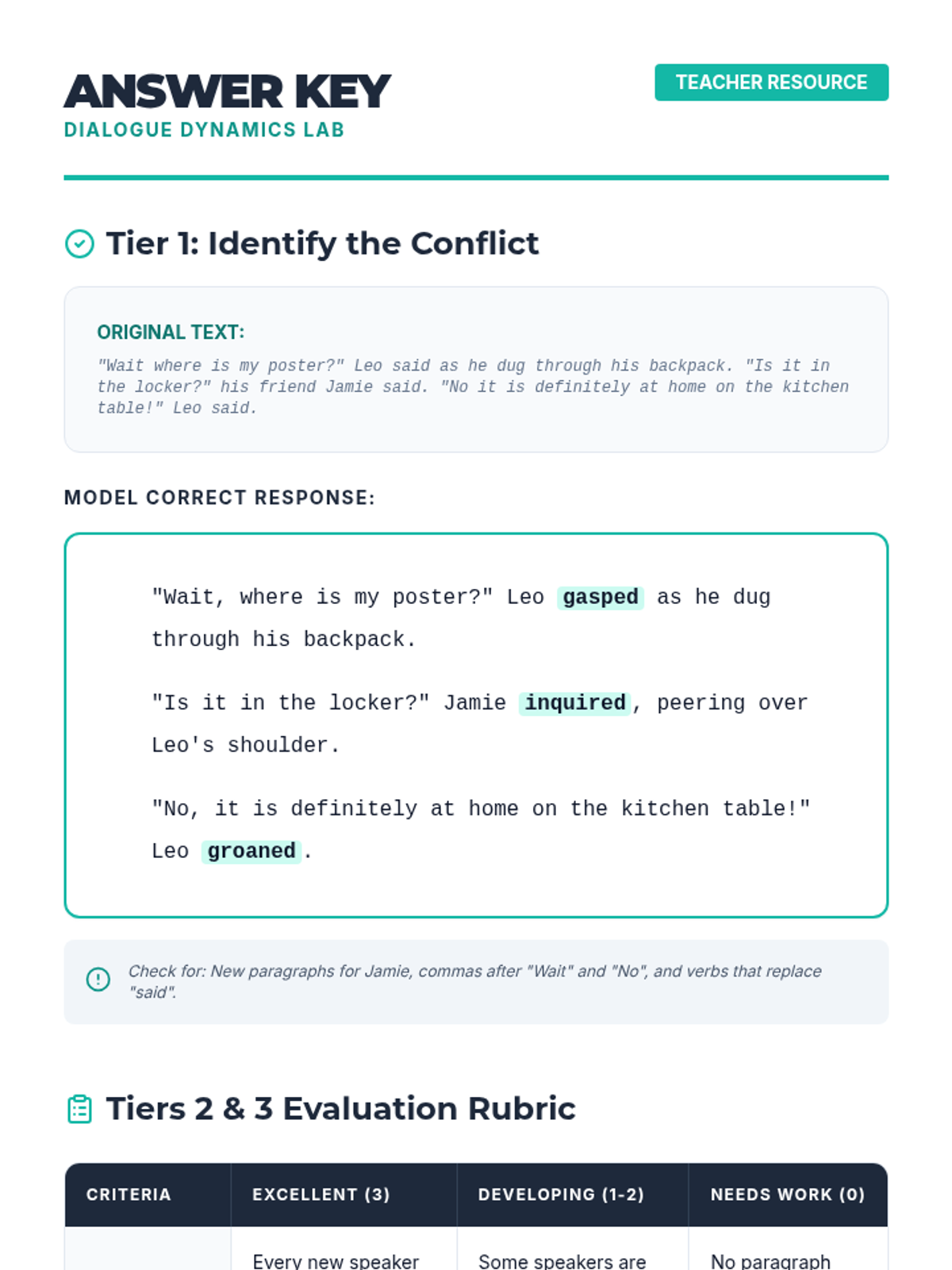
A teacher answer key for the Dialogue Repair Worksheet, providing model responses that demonstrate varied speech tags, correct punctuation, and character voice.
A visual reference sheet (anchor chart) for students that illustrates the correct punctuation for dialogue and provides a list of alternative speech tags to replace 'said' with an animal theme.
A student activity sheet featuring 'Habitat Reports' (narrative paragraphs) that require dialogue 'surgery'. Students must identify the flat sections of the story and rewrite them to include character voice and correct punctuation.
A visual presentation for small group instruction, using a 'Wild Word Wrangler' theme to teach dialogue punctuation and character voice with an animal focus.
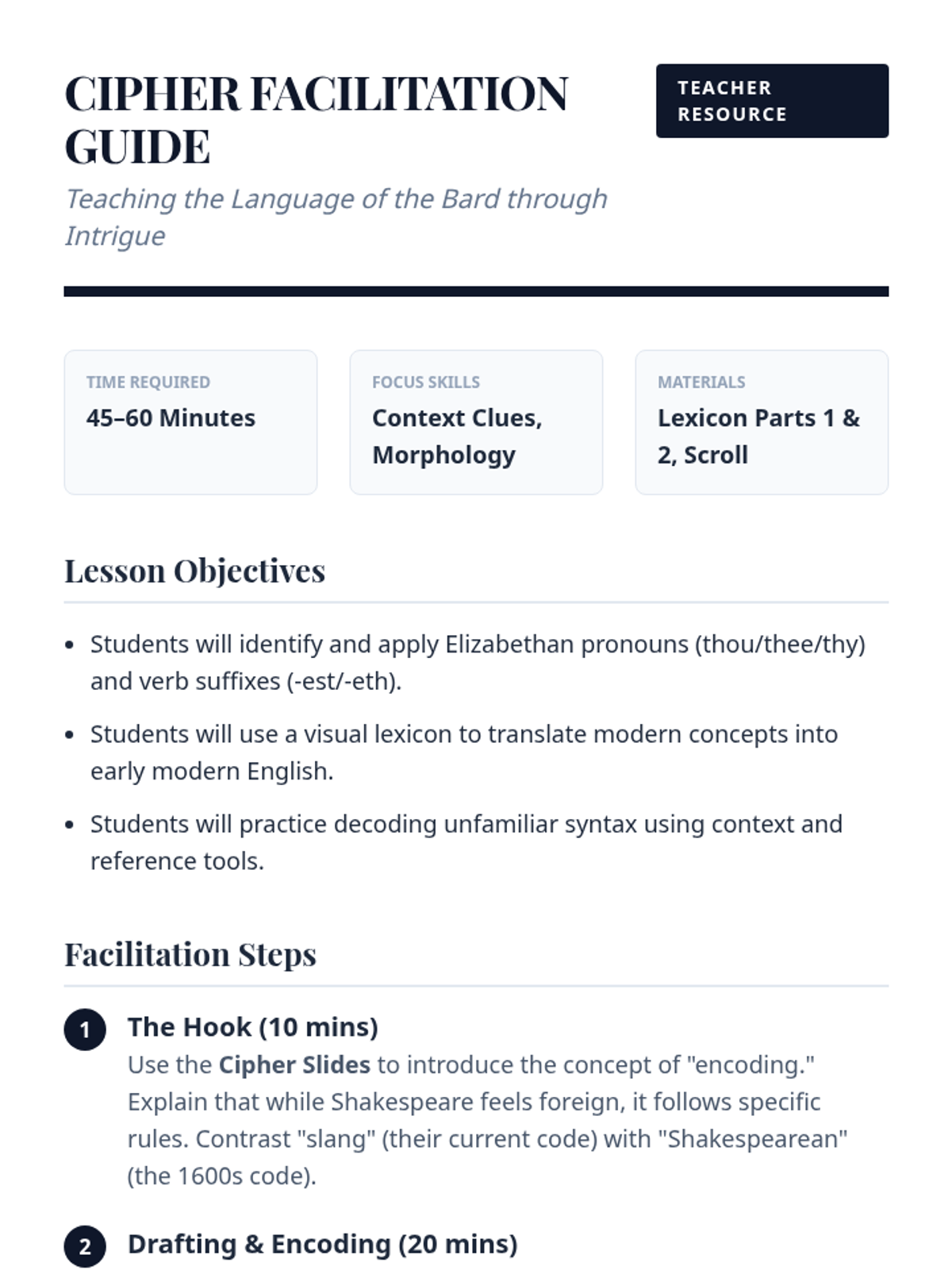
A comprehensive teacher facilitation guide for the Critter Conversations small group lesson, using a 'Wild Word Wrangler' theme to teach dialogue punctuation and character voice.
A classroom poster displaying the 'I Can' learning targets for Kindergarten opinion writing across Weeks 1, 5, and 8.
A comprehensive rubric for teachers to track student progress in opinion writing across the 8-week unit.
The final Week 8 assessment/journal where students write their complete opinion statement using 'I like', 'because', and descriptive details.
Final instructional slides for Week 8, teaching students how to add descriptive 'power words' to their opinion writing to provide stronger reasons.
A logical reasoning matching activity for Week 5 where students pair opinions with sensible reasons.
A Week 5 worksheet where students practice connecting an opinion to a reason using 'because' and drawing their reason.
A comprehensive teacher guide for the POV Case Files lesson. Includes learning objectives, a pacing guide, and a detailed answer key for all snippets.
A visual presentation to introduce first-person and third-person points of view. Includes definitions, pronoun clues, and clear examples.
An evidence report worksheet where students justify their POV classification with textual evidence and reflect on how POV affects story perspective.
A sheet of printable evidence snippets for students to cut out. Contains 8 unique text samples with a mix of first-person and third-person points of view.
A sorting mat for students to categorize first-person and third-person point of view snippets. Includes visual headers and designated spaces for pasting evidence cards.
Slides for Week 5 focusing on the conjunction 'because' to help students connect their opinions to reasons.
A facilitation guide for teachers to lead the Week 1 'Voice Found' lesson, including hook ideas and guided practice steps.
A student worksheet for Week 1 where they draw a favorite item and complete a simple 'I like' sentence.
Introductory slides for the first week of writing, defining opinions and teaching students to use the phrase 'I like...' to share their thoughts.
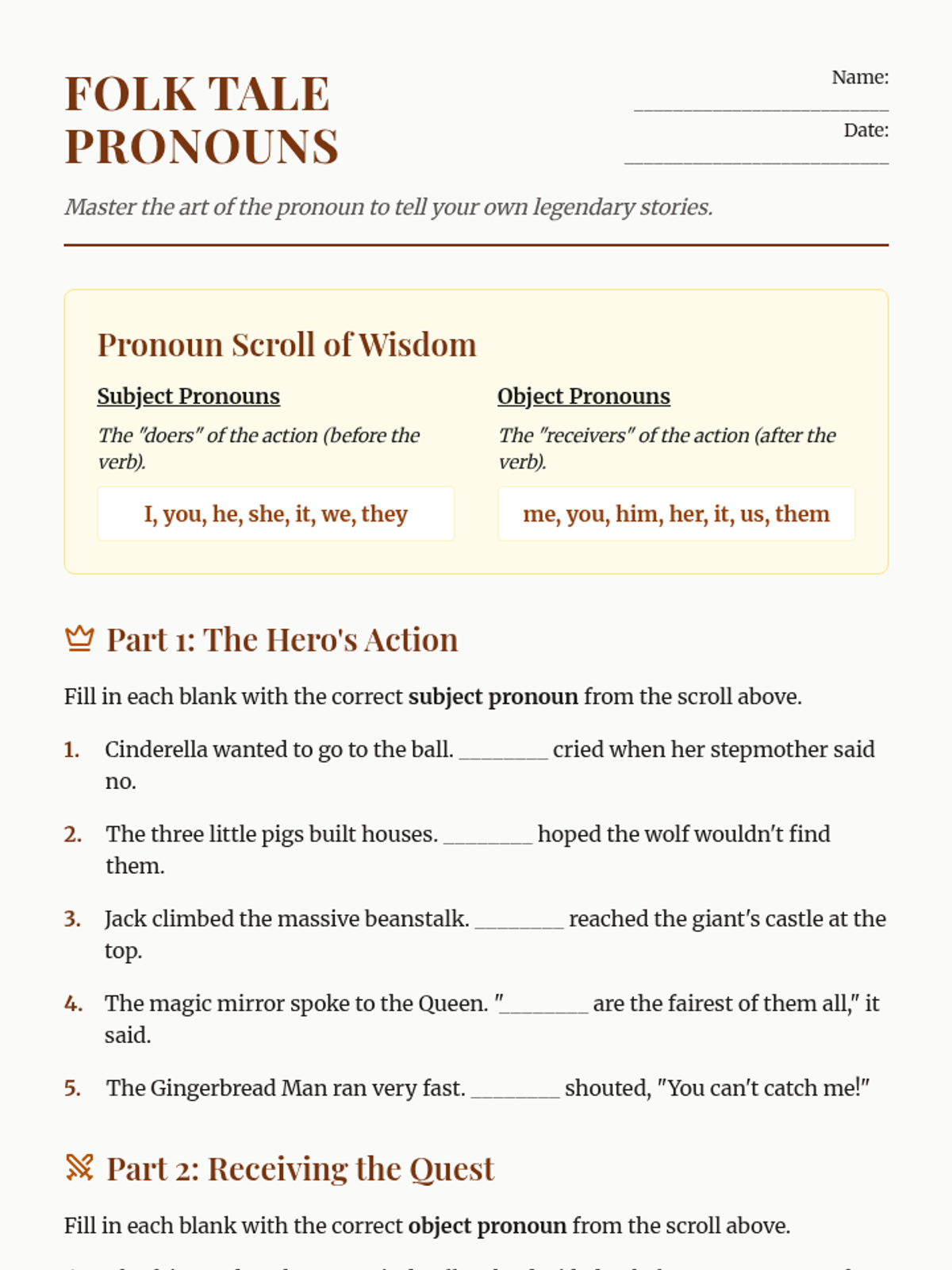
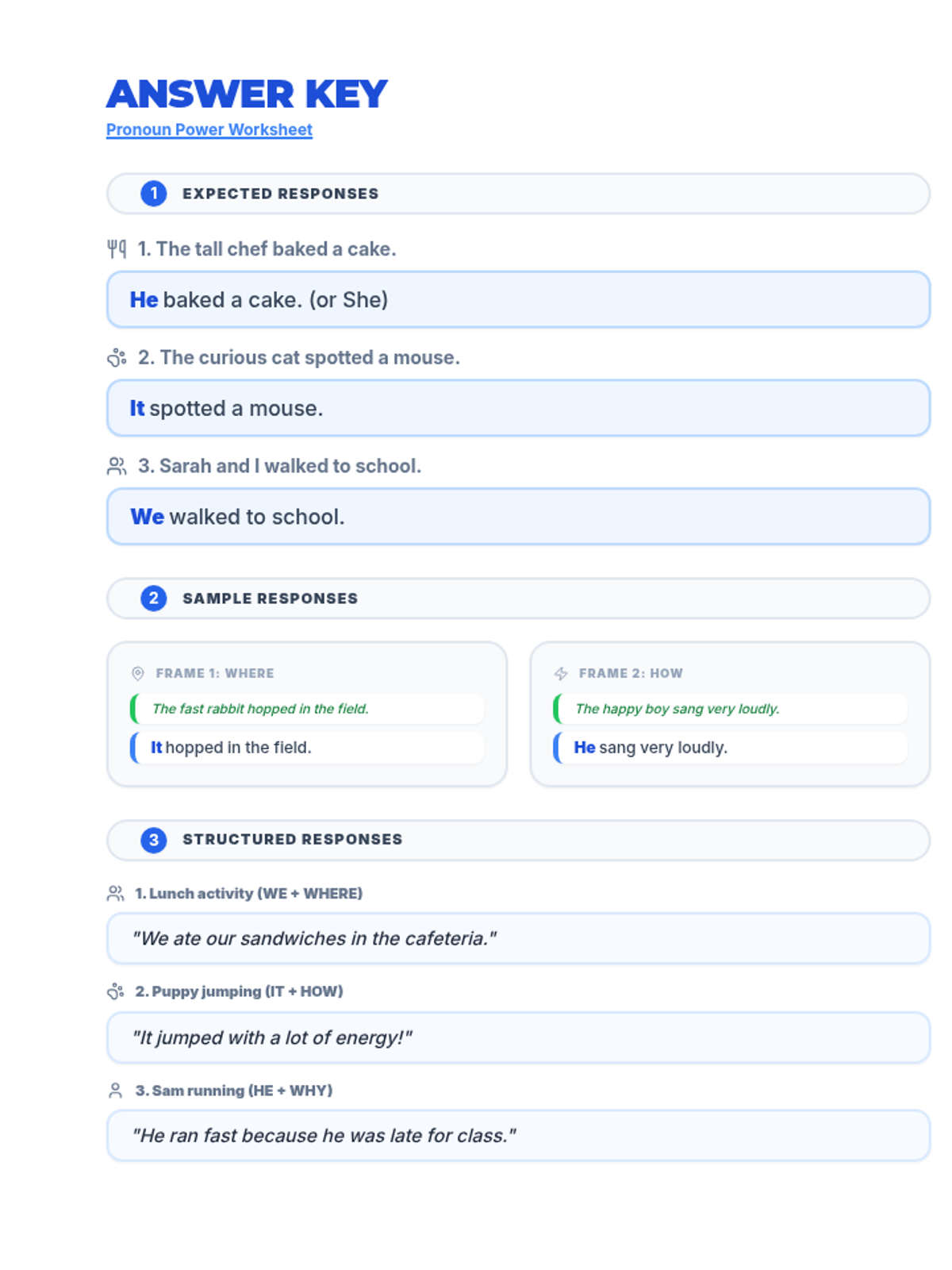
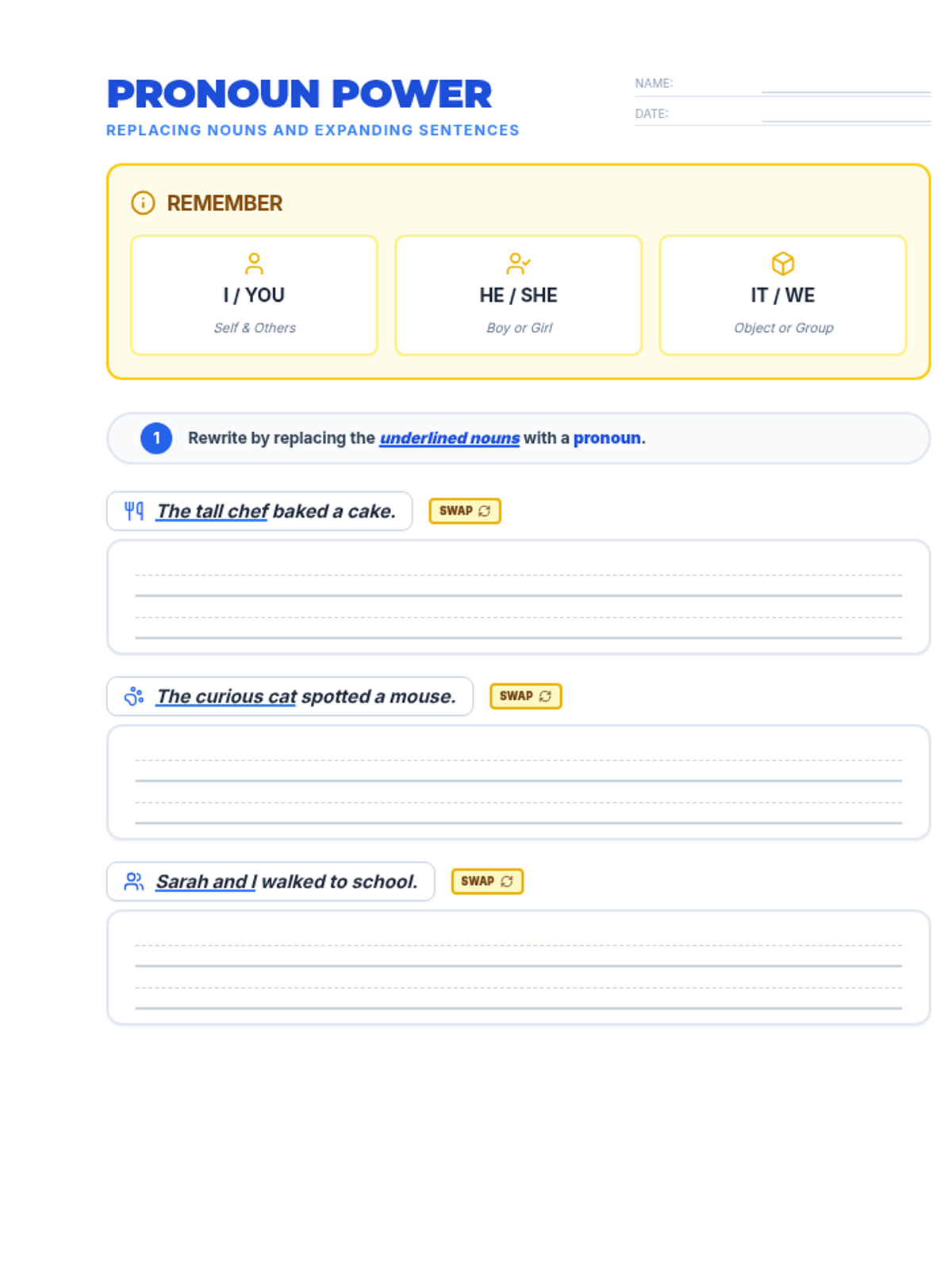
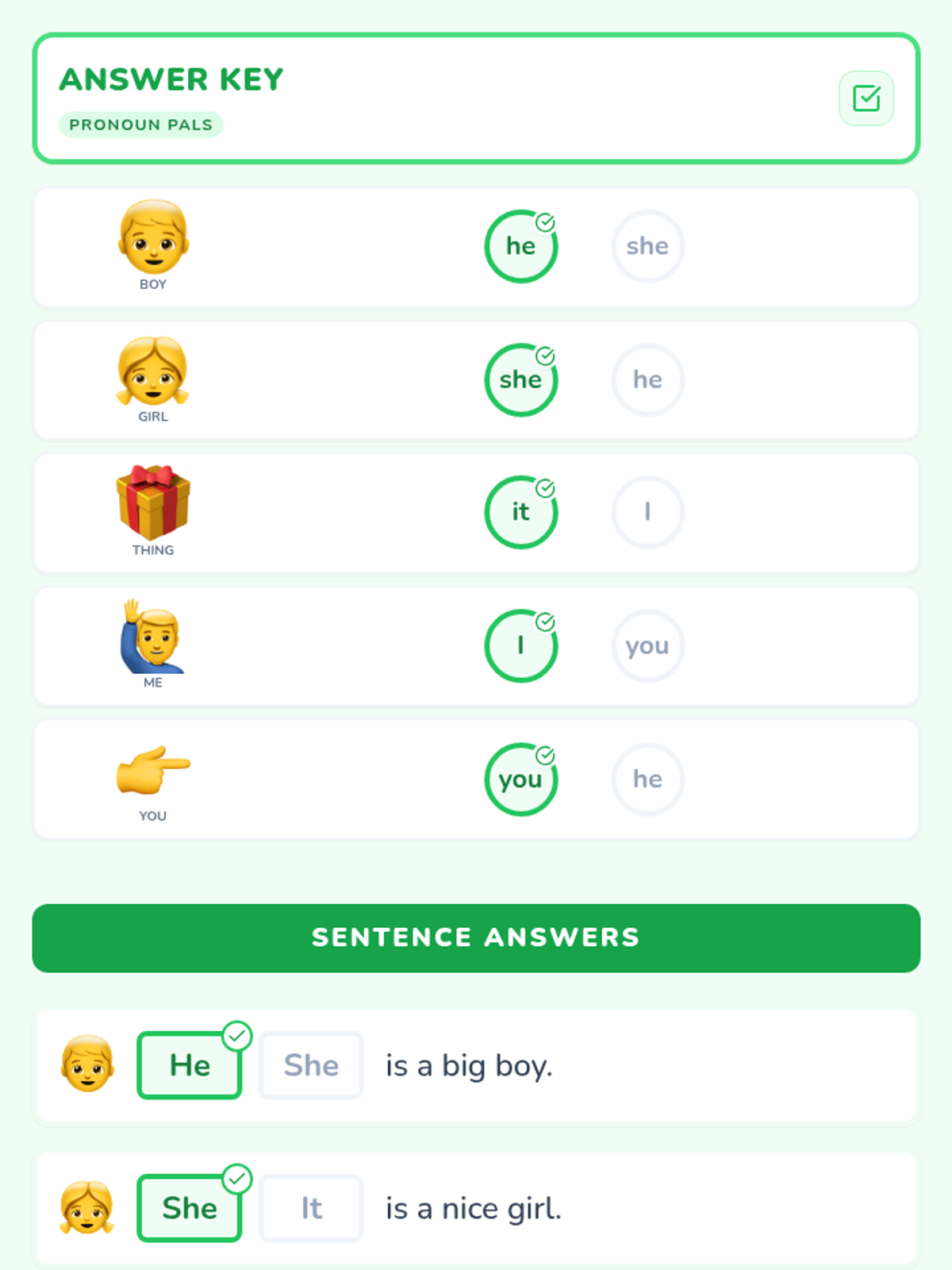
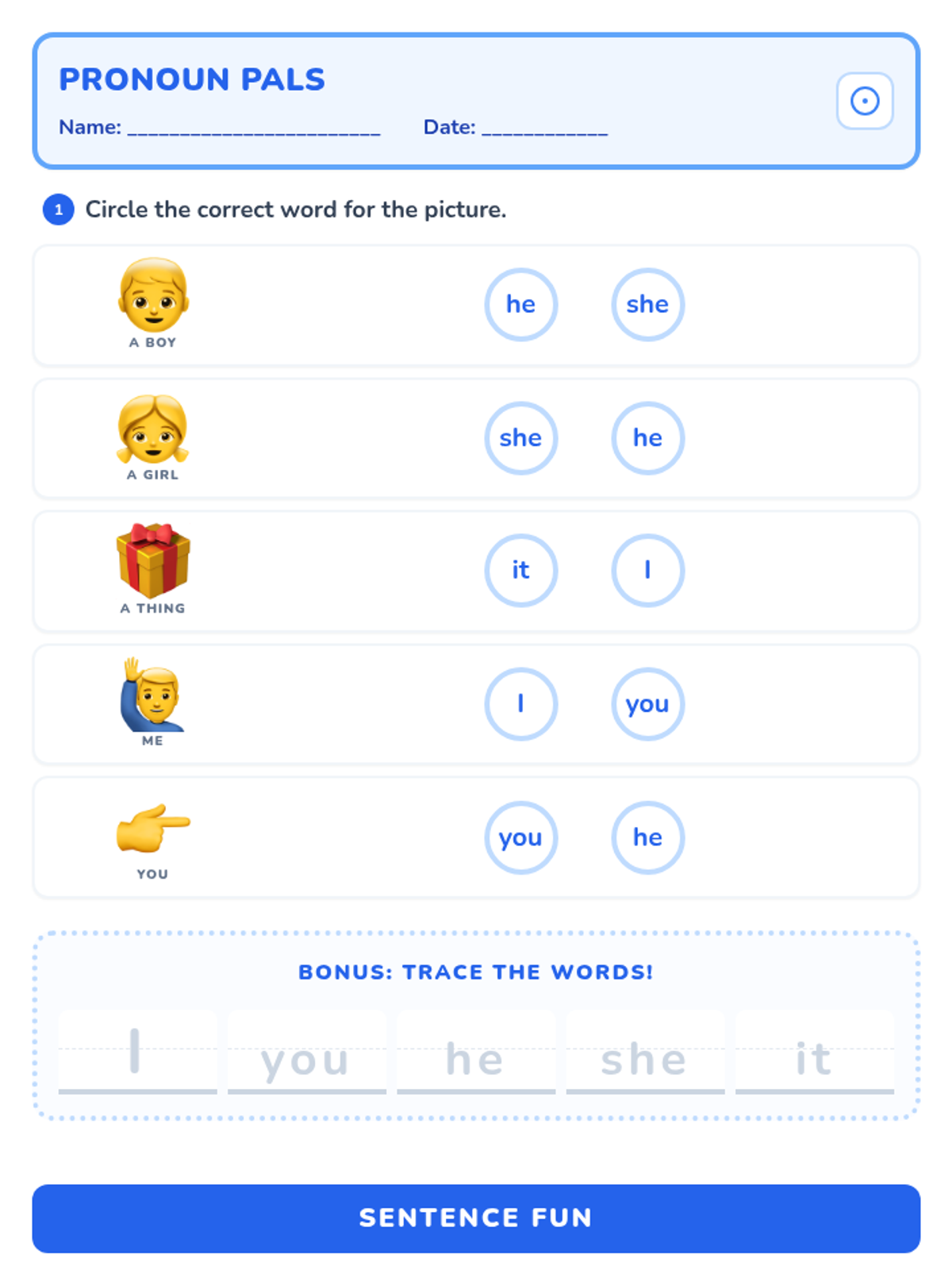
An engaging kindergarten worksheet where students identify the correct pronoun (he, she, it, they) for various pictures and complete a drawing challenge.
A set of 12 printable flashcards (6 with pronoun words/definitions and 6 with corresponding icons) designed for sorting and identification games.
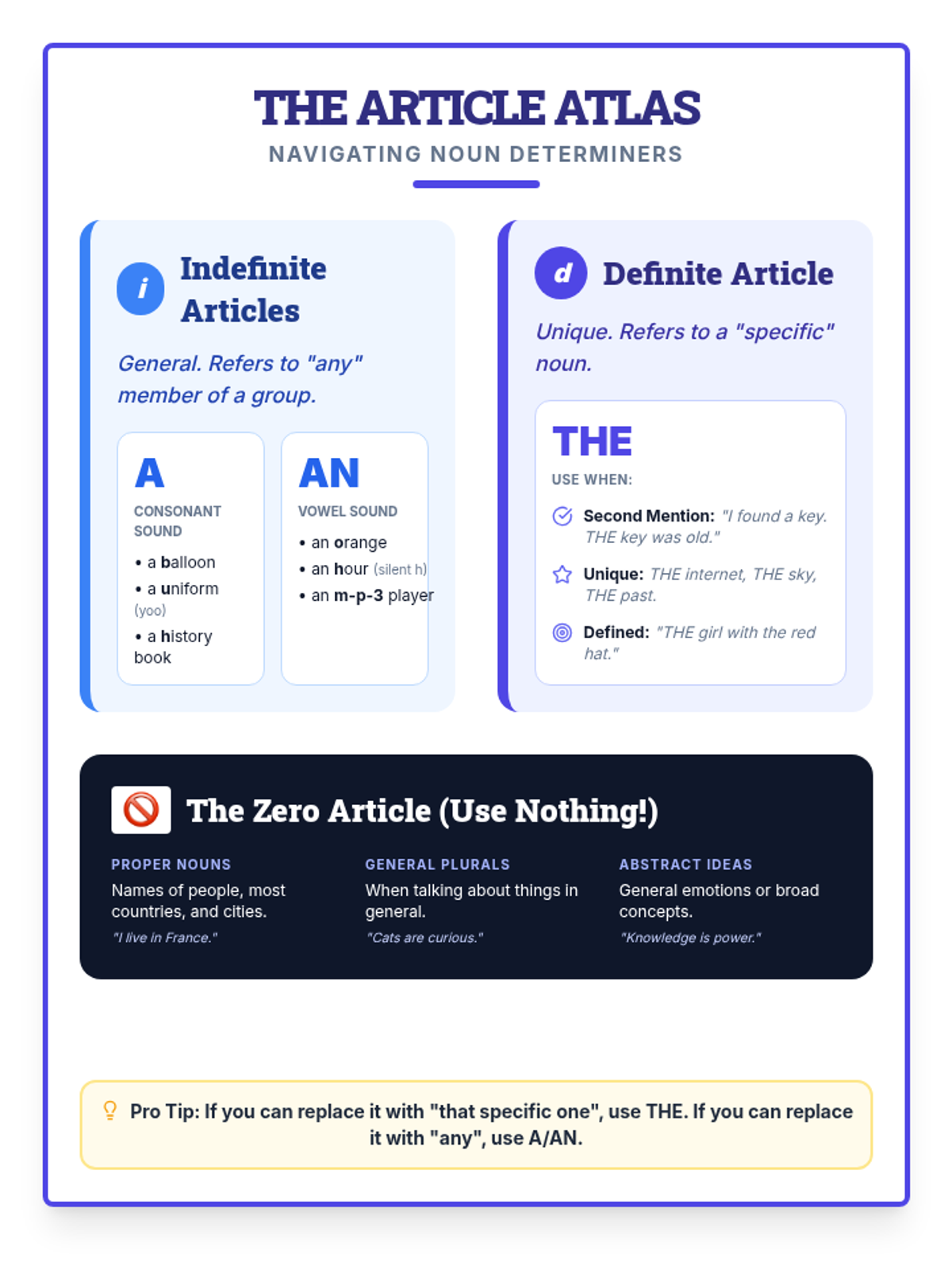
A vibrant, high-contrast anchor chart for kindergarten classrooms introducing the pronouns He, She, It, and They with simple icons and definitions.
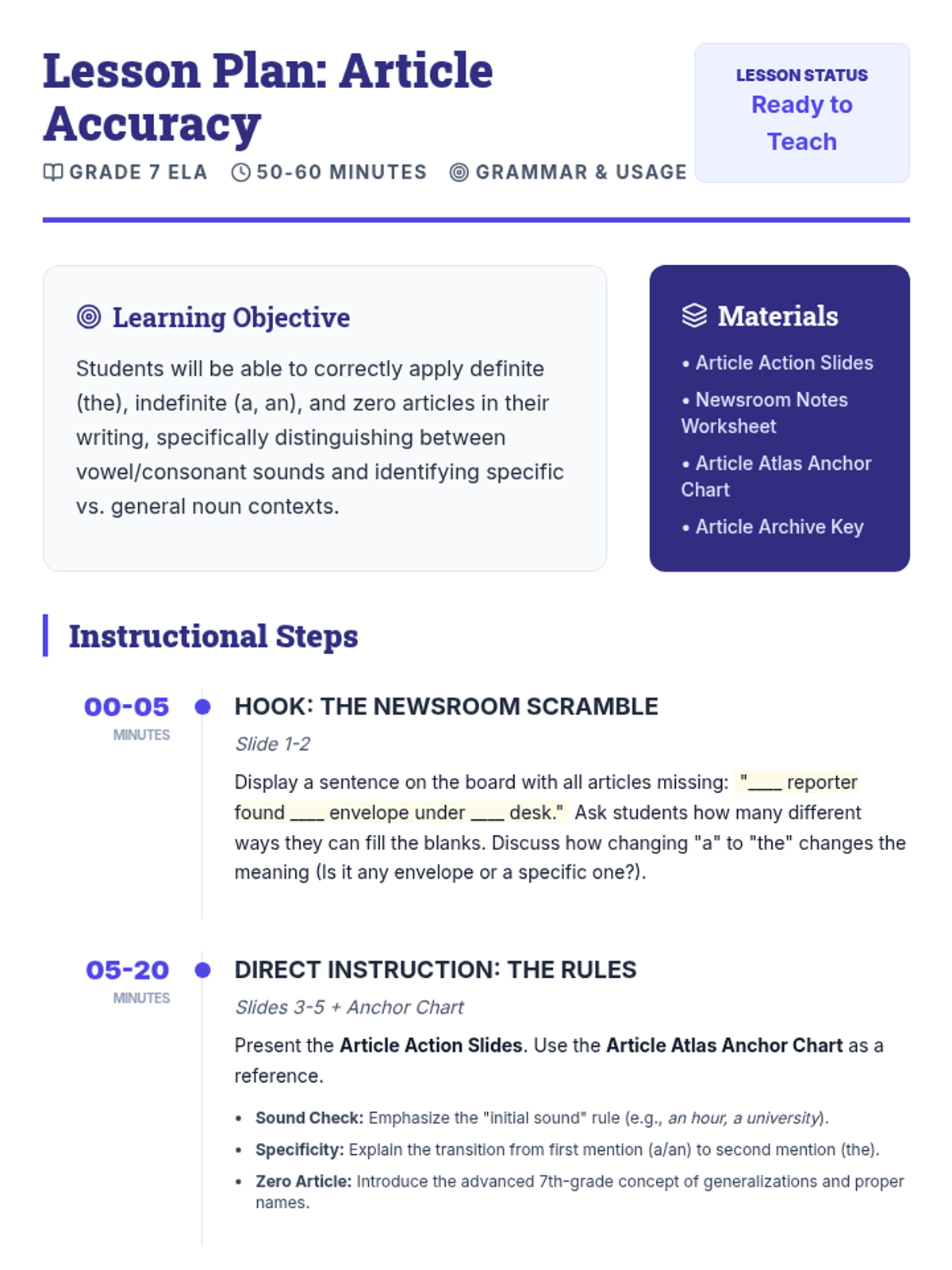
A comprehensive 3-page mini-lesson plan for teaching pronouns to kindergarteners, featuring learning objectives, step-by-step instructional guides, and differentiation strategies.
A simple assessment rubric for teachers to evaluate student narratives based on perspective, scientific accuracy, and story structure.
Updated worksheet featuring designated "Recording ID" boxes for accountability, a streamlined brainstorming layout, and an integrated self-audit checklist for audio review.
Updated slide deck with dedicated recording protocols, visual cues for active recording sessions, and a self-audit guide for students to review their own audio performance.
An updated teacher facilitation guide including explicit recording checkpoints, microphone protocol, and student self-audit instructions for high-impact TELPAS practice.
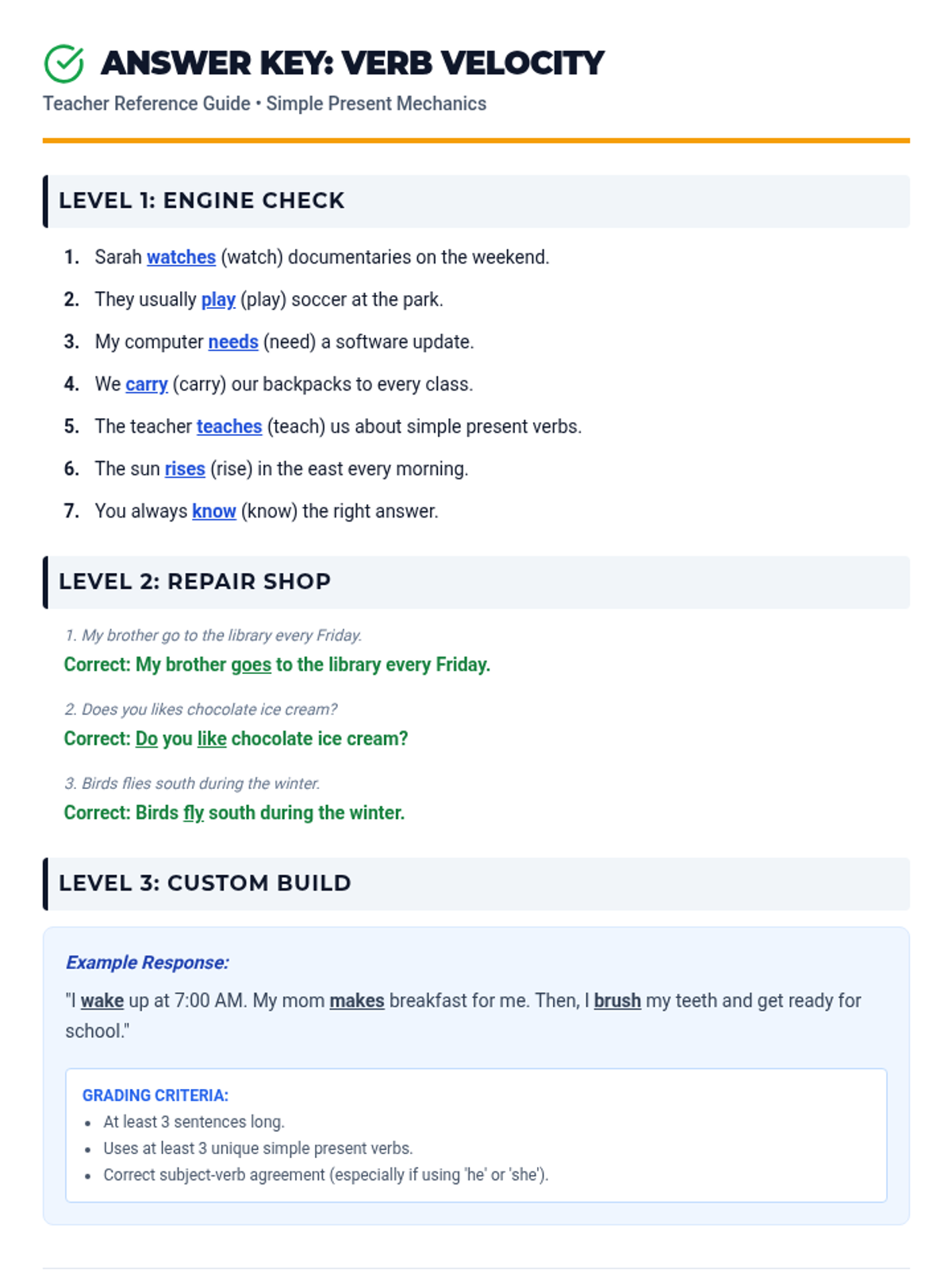
A comprehensive teacher answer key providing the solutions for all four Grammar Quest worksheets.
Diving-themed slides for the Adverb Adventurer lesson, covering adverbs of manner, time, and place.
Enchanting slides for the Adjective Alchemist lesson, covering descriptive adjectives and comparative/superlative forms.
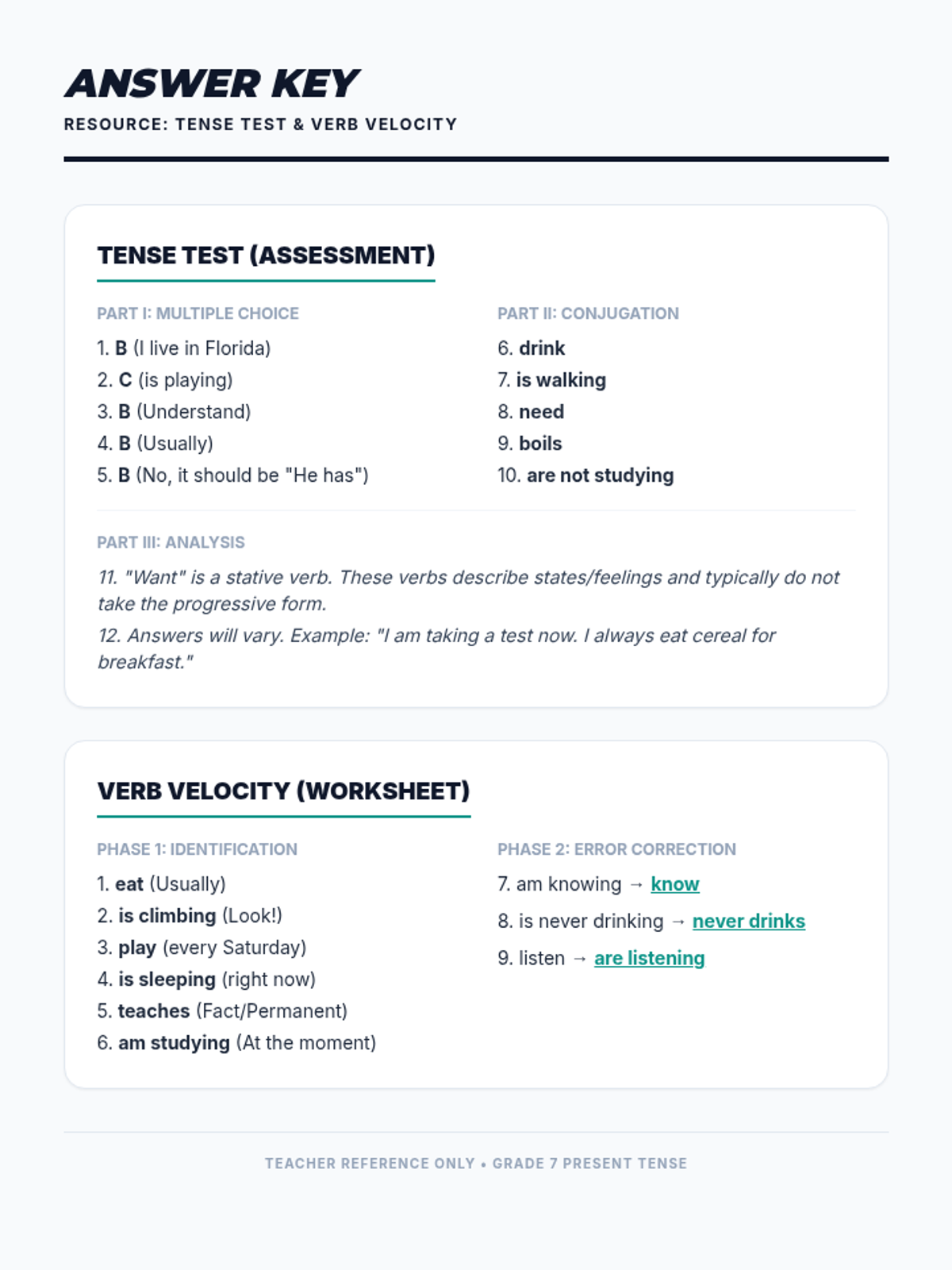
Dynamic slides for the Verb Velocity lesson, focusing on action vs. linking verbs, subject-verb agreement, and verb tenses.
Engaging instructional slides for the Noun Navigator lesson, covering noun definitions, common vs. proper nouns, and singular vs. plural forms.
A deep-sea themed worksheet for identifying and using adverbs that describe how, when, and where.
A magical-themed worksheet for practicing descriptive, comparative, and superlative adjectives.
An engaging worksheet for 4th graders to practice action and linking verbs, subject-verb agreement, and verb tenses with a racing theme.
A comprehensive worksheet for 4th-grade students to practice identifying common, proper, and plural nouns within an adventure-themed 'Navigator' context.
Updated answer key for the octopus maze, reflecting the randomized answer positions.
A 4th-grade DIBELS Maze practice worksheet about octopuses, with correct answers distributed across different positions for varied practice.
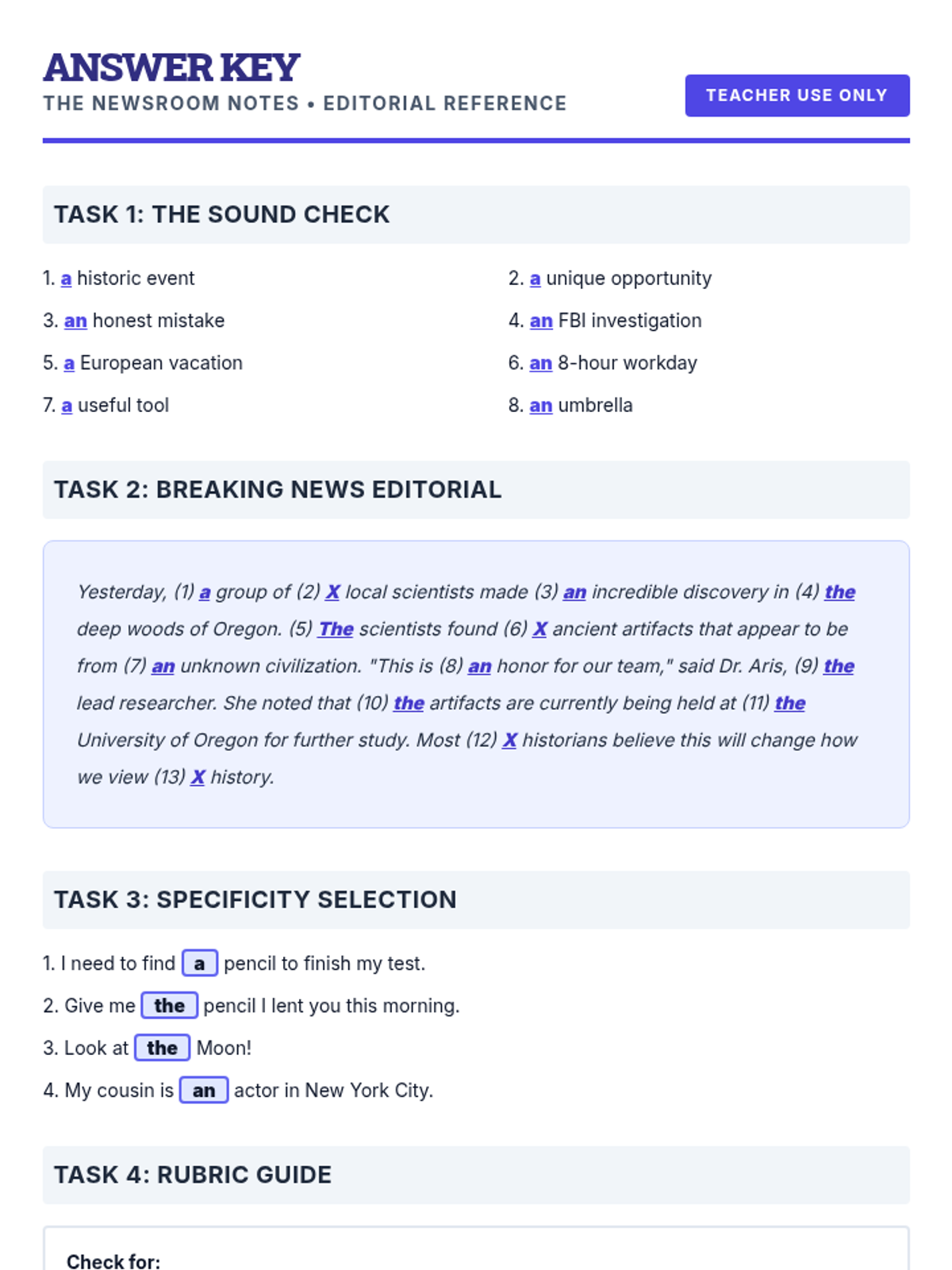
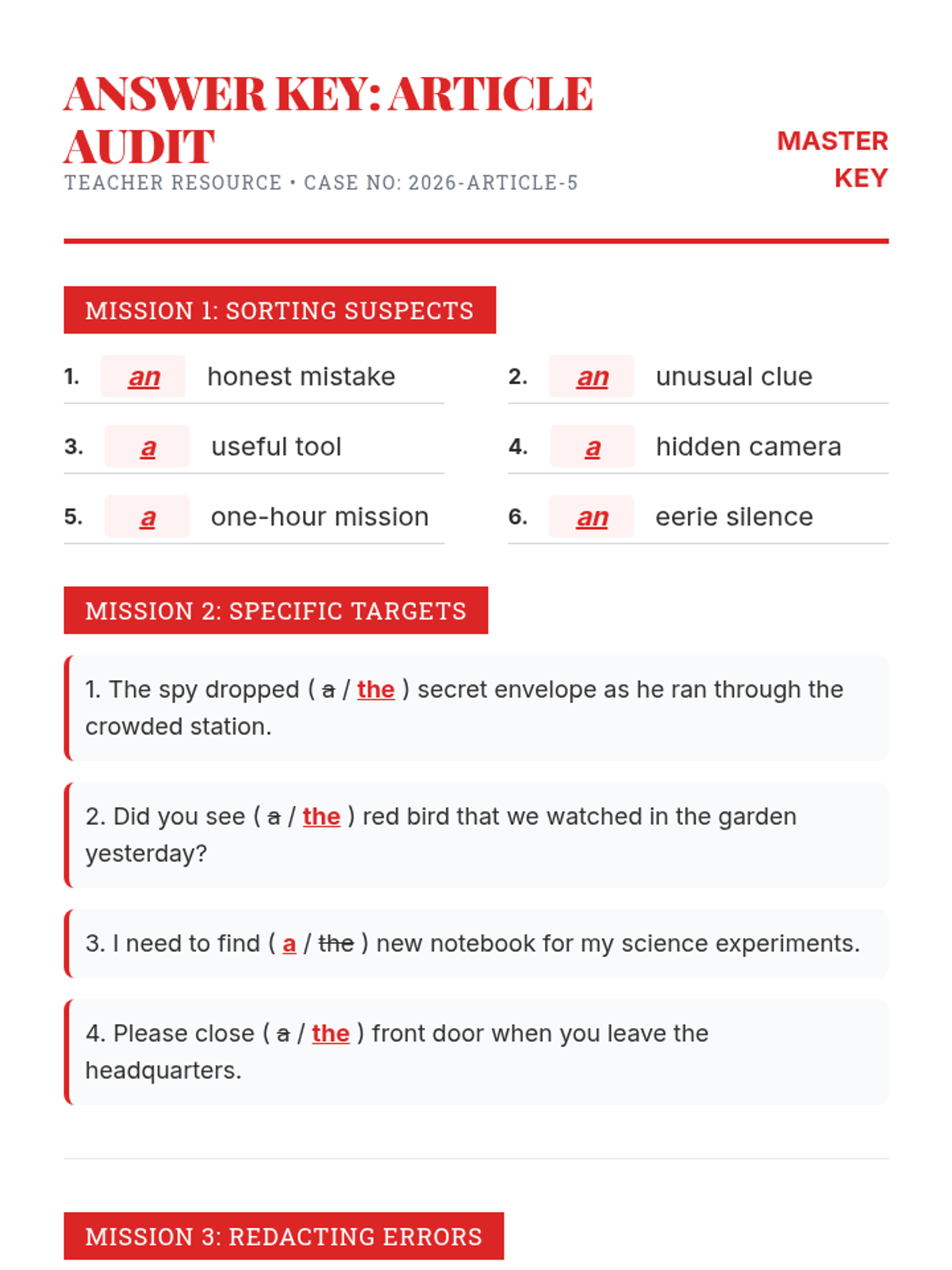
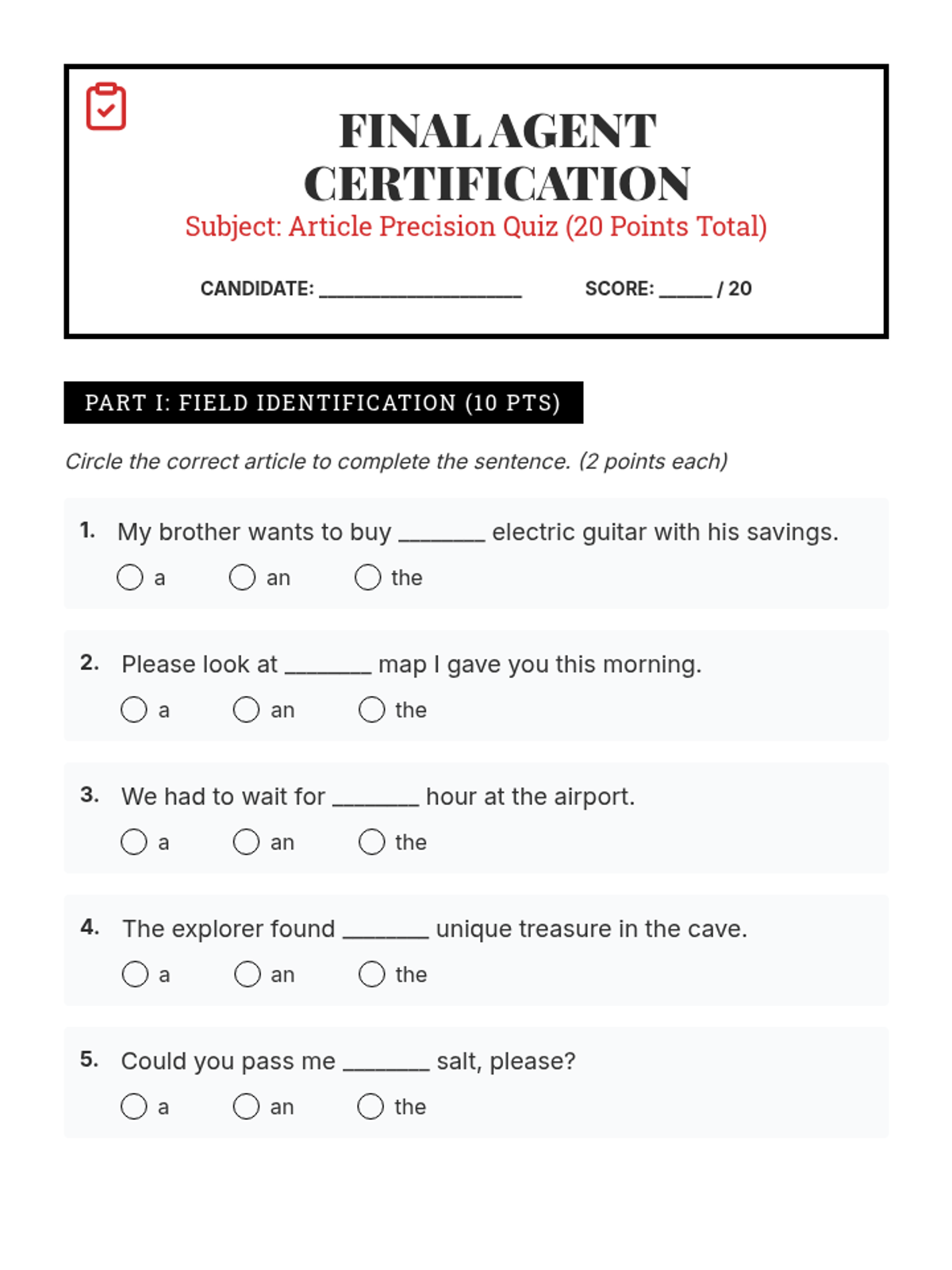
A clear teacher reference key for the Article Sorting Worksheet, showing the correct placement of all ten words.
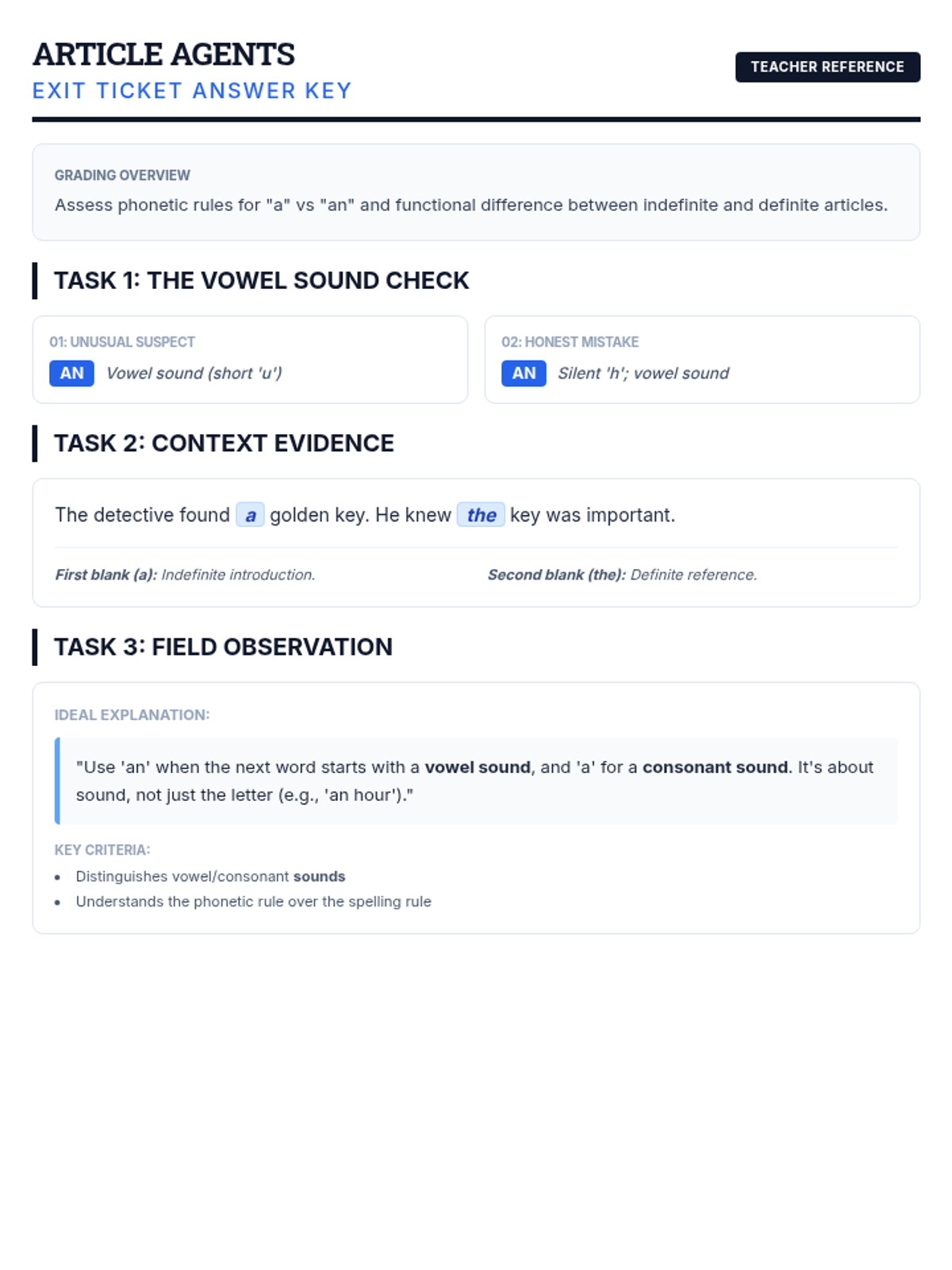
An answer key for teachers providing the correct article placements for the Sentence Surgery Strips activity and the final count for the Article Hunt warm-up. Includes brief pedagogical explanations for each answer.
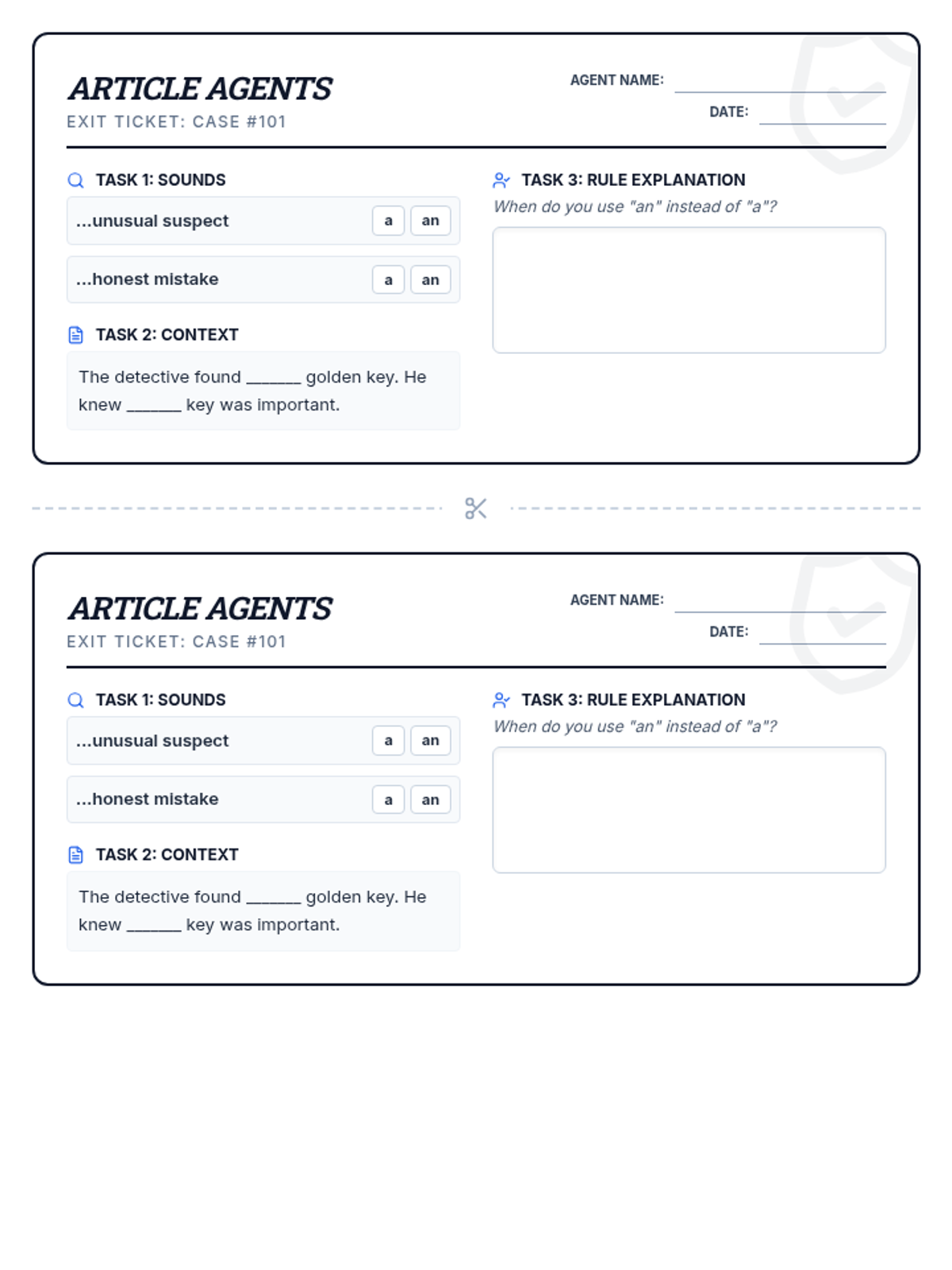
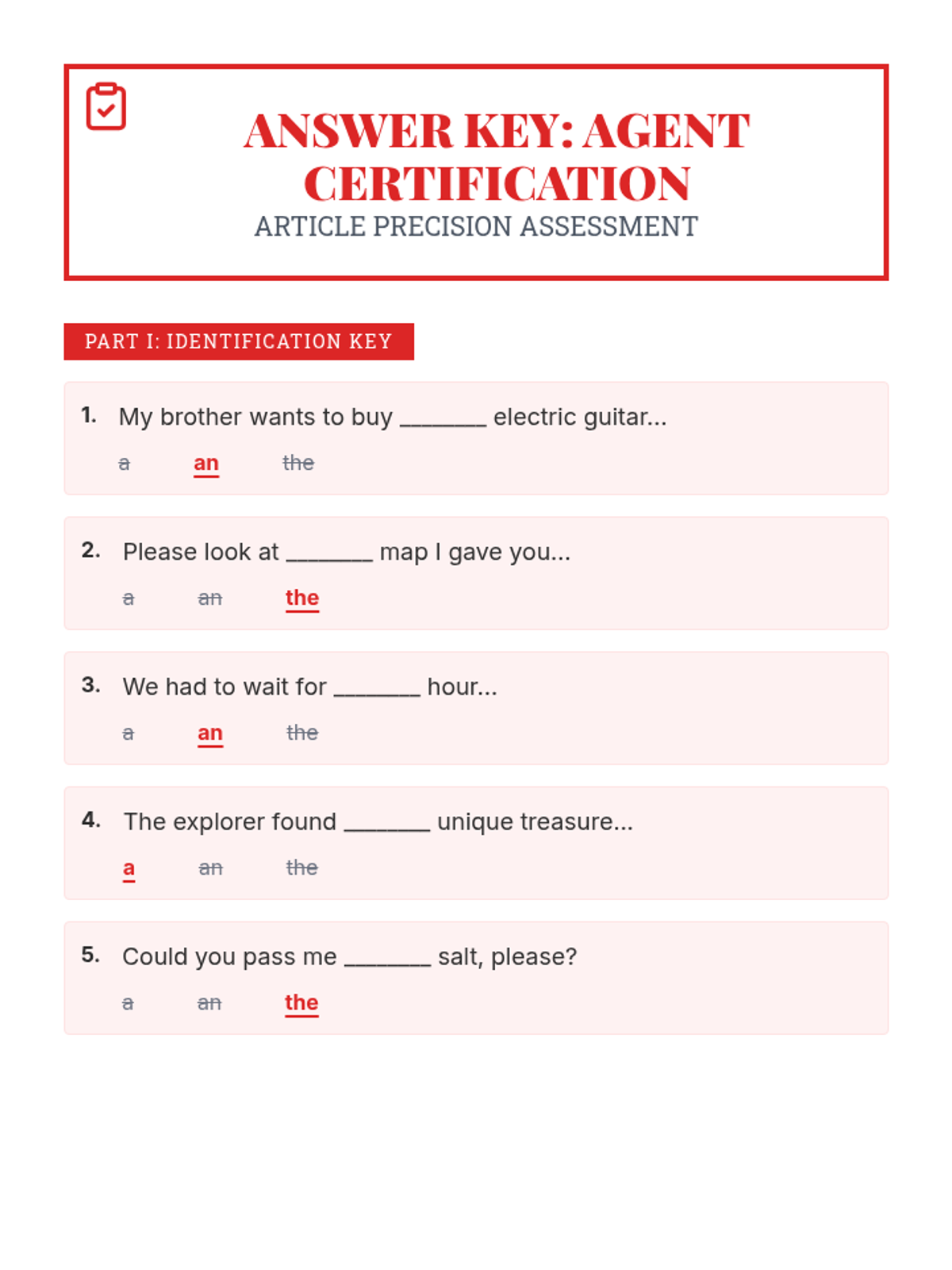
A short exit ticket for students to demonstrate their understanding of articles. Includes a quick circling activity for 'a' vs 'an' and a writing prompt to practice requesting an item using 'an' in a full sentence.
Large, high-contrast letter flashcards (A-X shown) for the 'Vowel or Consonant?' movement warm-up. Vowels are highlighted in blue to assist early learners.
A set of printable 'suture notes' (sticky-note style cut-outs) containing the articles 'a', 'an', and 'the'. These serve as the manipulatives for students to use with the Sentence Surgery Strips.
Teacher answer key for the Detective Definite Worksheet, including expected justifications for each article choice.
A visual shopping basket sorting mat for students to collect their 'Pantry Pieces' food cards. Divided into 'A' and 'AN' sections to help students categorize items based on their starting sounds during the 'Market Day' roleplay.
A collection of six 'sentence strips' with missing grammatical articles. Students act as surgeons, using cut-out labels to 'heal' the sentences by correctly applying 'a', 'an', or 'the'.
A child-friendly rubric for the "Specific Story" mystery writing activity. It evaluates article usage (a, an, the), the strategy of switching from general to specific, and the accuracy of color-coded highlighting.
Scenarios for student pairs to role-play the difference between definite and indefinite articles. Each card includes two versions of the same situation with different "vibes".
A hands-on cut-and-glue sorting activity for 1st graders to practice distinguishing between words that require the article 'a' and those that require 'an'.
Visual food flashcards for the 'Market Day' activity. Each card features a food item, its name with the starting letter highlighted, and a small tag indicating the correct article (a or an) for self-checking.
A 'Patient Record' warm-up worksheet featuring a mock storybook page. 2nd-grade students are tasked with finding and circling all instances of the word 'the' within a short story about a brave ant.
A detective-themed writing template for 3rd graders to write their "Specific Story". Includes clear writing lines, a highlighter color-coding key (yellow for a/an, blue for the), and a peer review checklist at the bottom.
A medical-themed slide deck for 2nd-grade students teaching the grammatical articles 'a', 'an', and 'the'. Includes a warm-up activity, embedded YouTube video, and visual explanations of indefinite and definite articles using a surgery motif.
Visual slide deck to accompany the 'Market Master' lesson. Includes an embedded instructional video, interactive rule recaps for 'a', 'an', and 'the', and sentence stems for the grocery store roleplay.
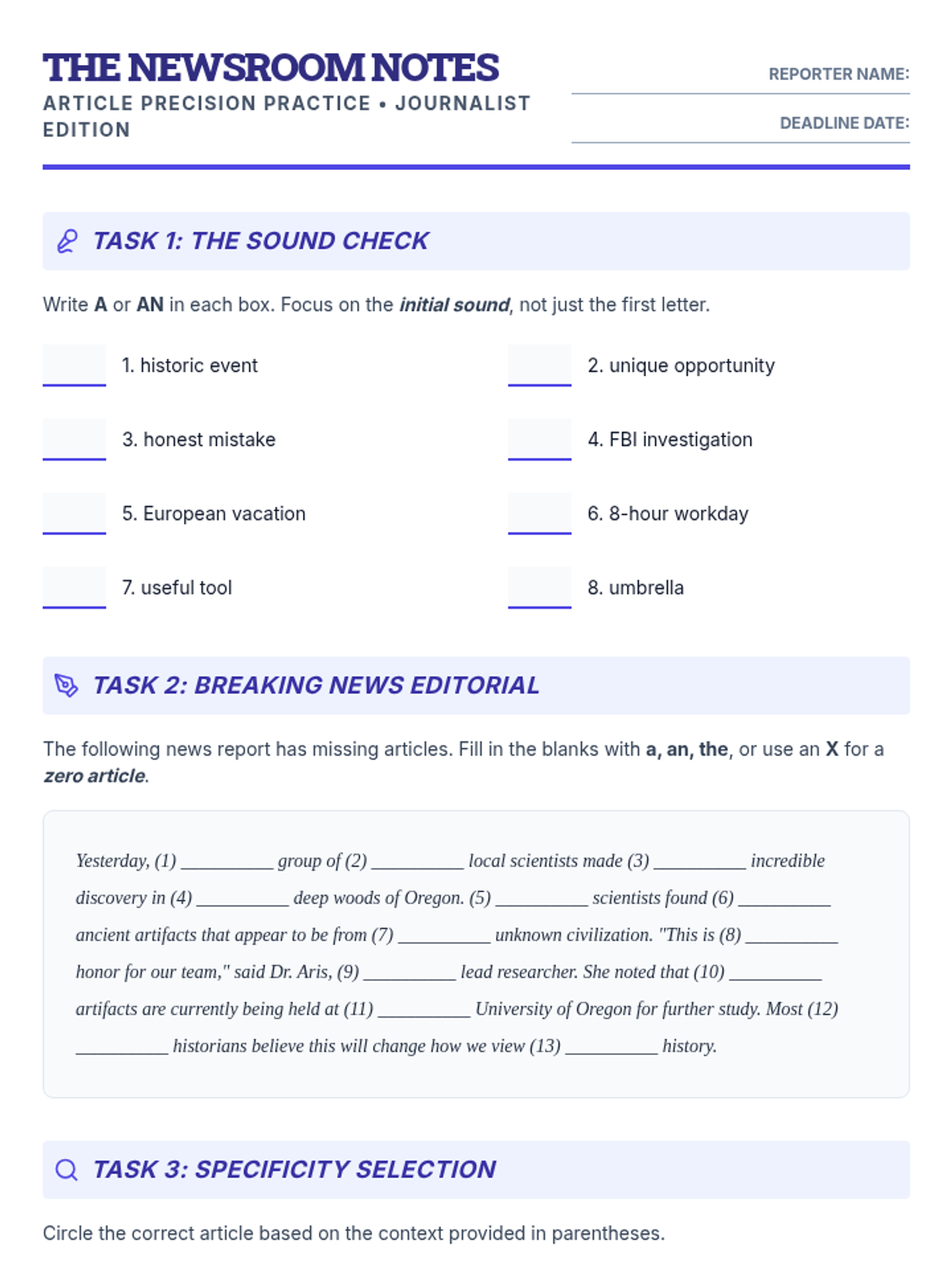
A student worksheet with article gap-fill sentences and space for justifying choices. Designed with a clean detective theme and ample handwriting space.
Engaging 1st-grade slides for the Article Ace lesson, featuring the Indefinite Articles video, clear rules for 'a' vs 'an', and interactive game prompts.
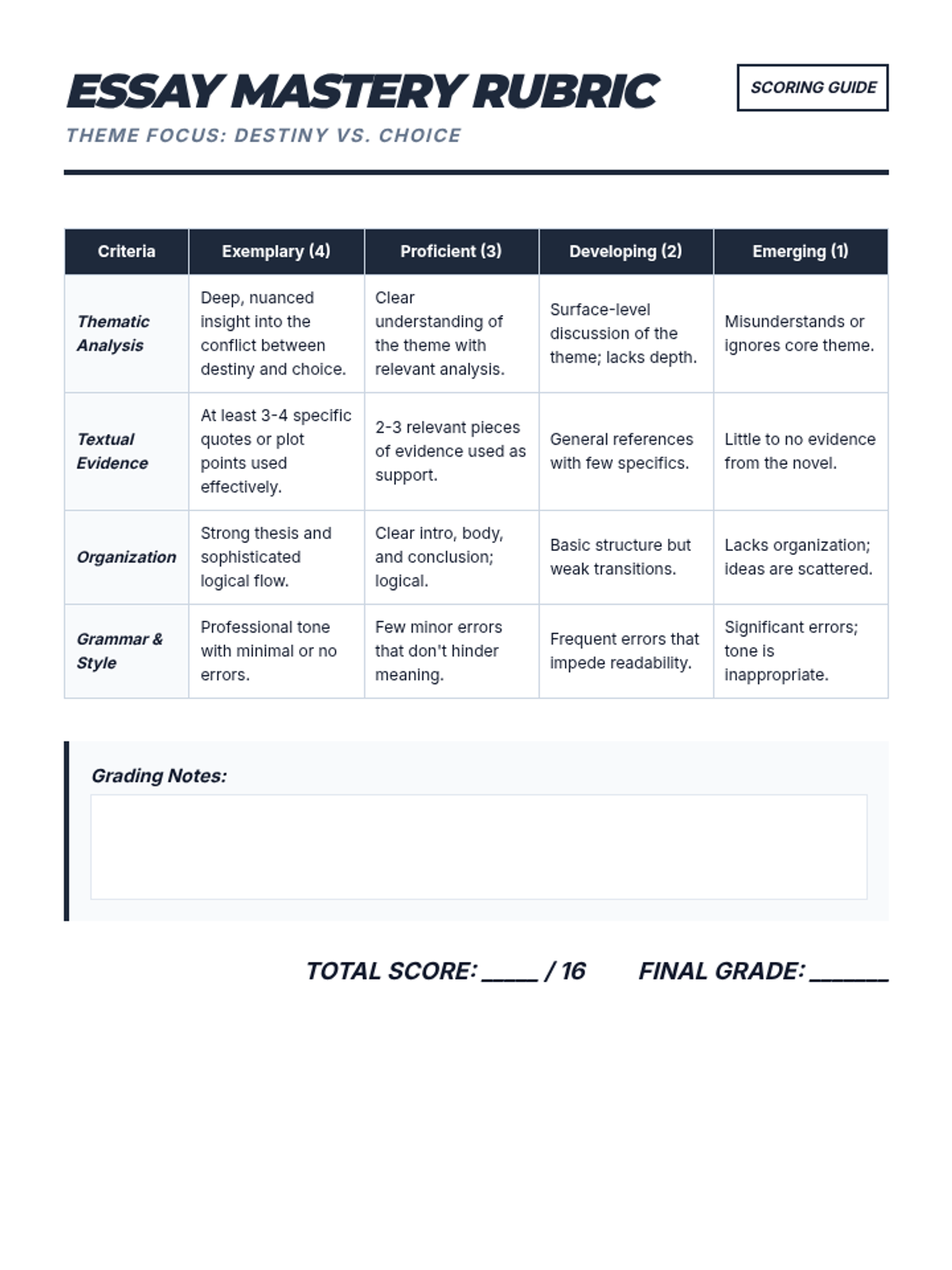
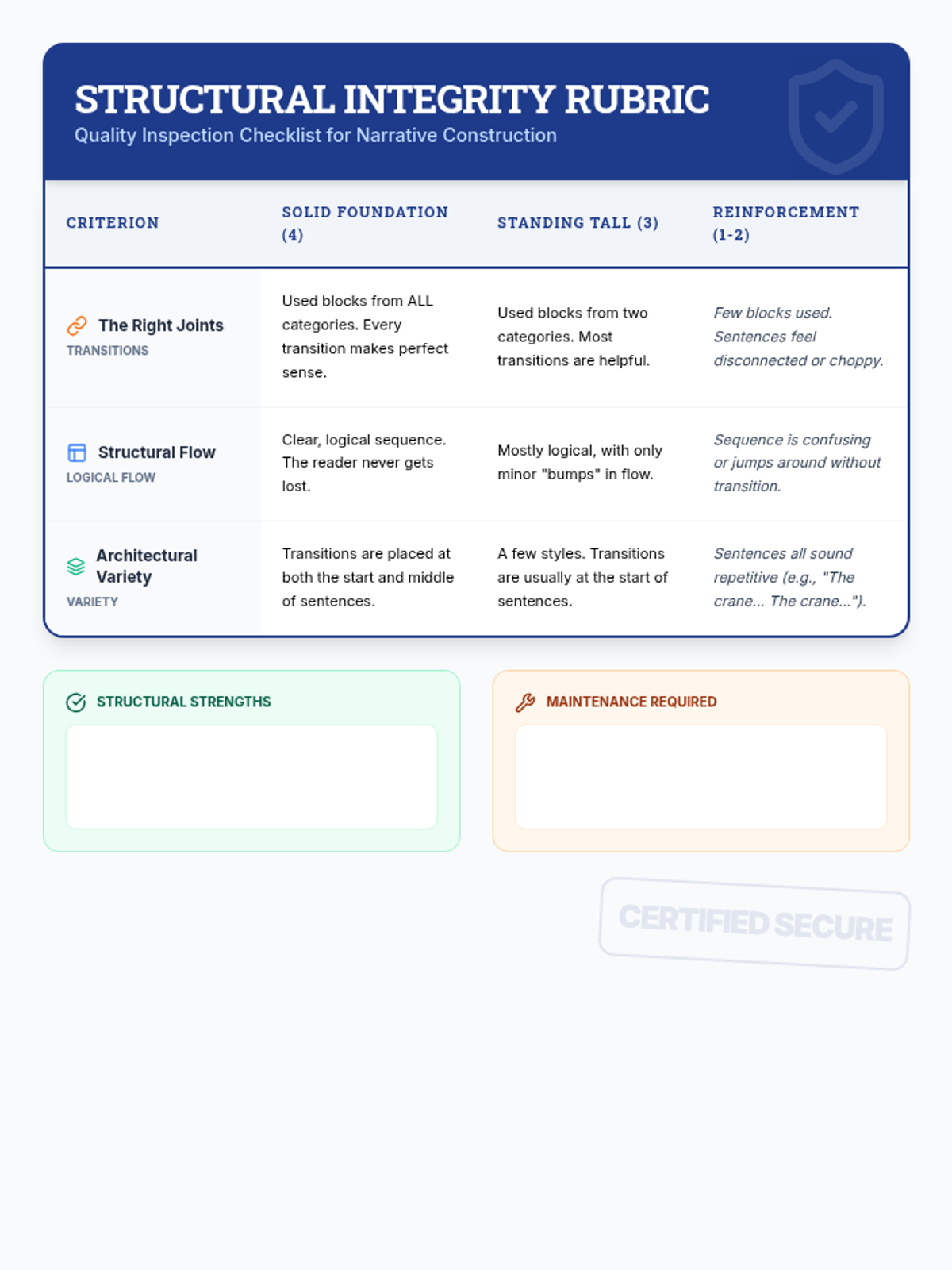
A polished, architect-themed mini rubric for 5th grade literary essays. It provides clear criteria for Structure, Evidence (Development), and Conventions, along with dedicated sections for strengths, goals, and scoring.
A professional instructional guide for teachers, including lesson objectives, pacing suggestions, answer keys for student activities, and differentiation strategies.
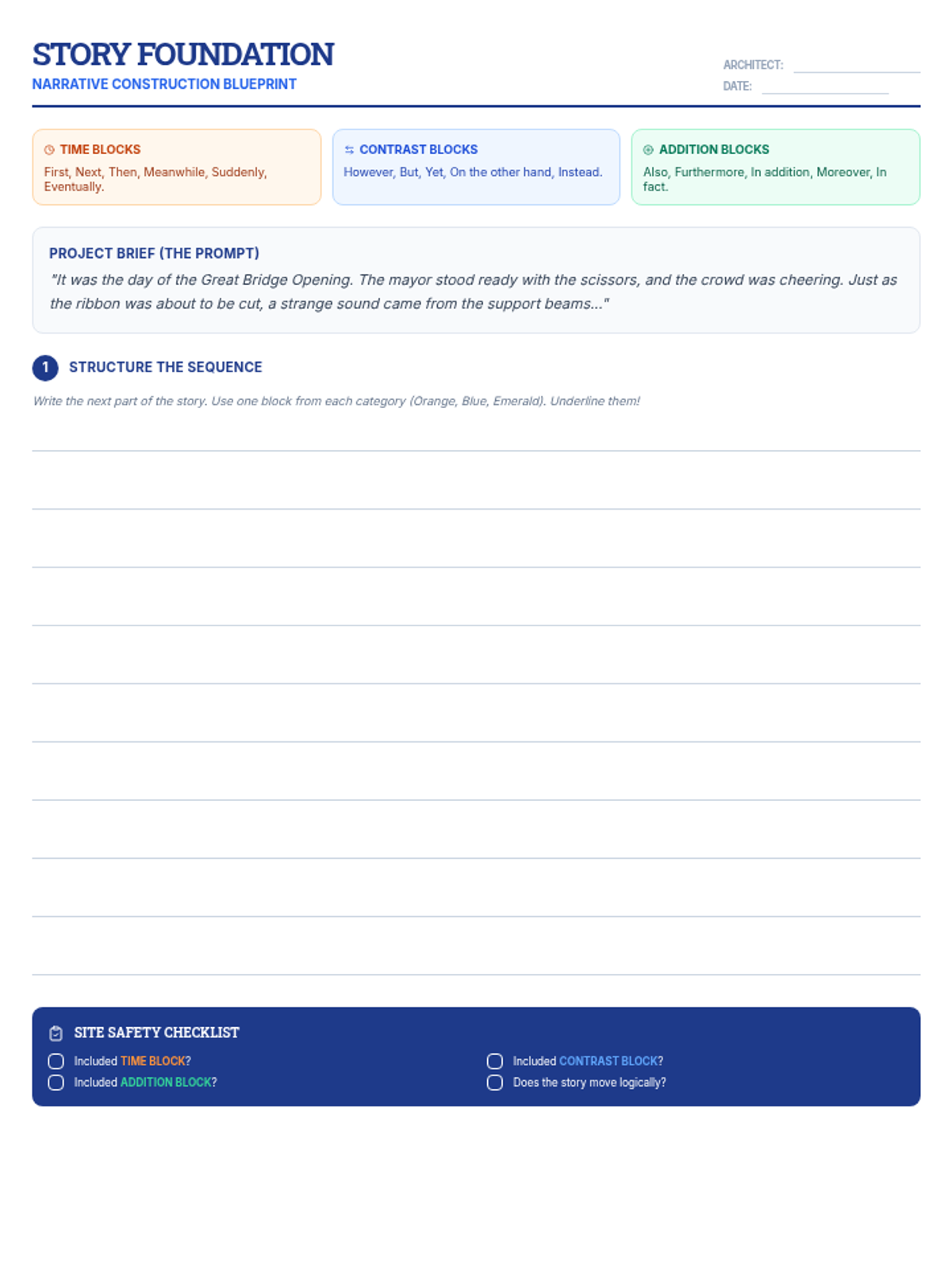
A revision checklist and visual mapping tool to help students analyze and improve the sentence rhythm and variation in their own narrative writing drafts.
A sentence-building worksheet where students unscramble sophisticated examples and construct their own varied sentences using specific structural requirements.
A graphic organizer for sentence combining practice, structured as a "lab" where students fuse basic sentences into complex, rhythmic prose using specific strategies.
A vibrant 7-slide presentation introducing the "Robot Problem" (monotone writing) and offering four specific strategies for sentence variation: varied beginnings, conjunction usage, length modulation, and descriptive clauses.
A comprehensive teacher reference sheet containing keys for Primary, Intermediate, and Advanced levels. Updated to reflect new comprehension questions for Advanced Assignment 2.
A 3-page homework packet focusing on advanced vocabulary, critical comprehension questions, and thematic analysis based on the Oakley story. Grade levels have been removed.
A 3-page homework packet for intermediate students focusing on vocabulary, plot structure, and summary writing. Grade levels have been removed.
A 3-page homework packet for primary students including phonics, sequencing, and main idea activities. Grade levels have been removed.
A complex version of the Oakley story for advanced analysis. Grade levels have been removed.
A detailed story for intermediate students about Oakley the squirrel. Grade levels have been removed.
A simple reading passage for primary students about Oakley the squirrel and his blue nut. Grade levels have been removed.
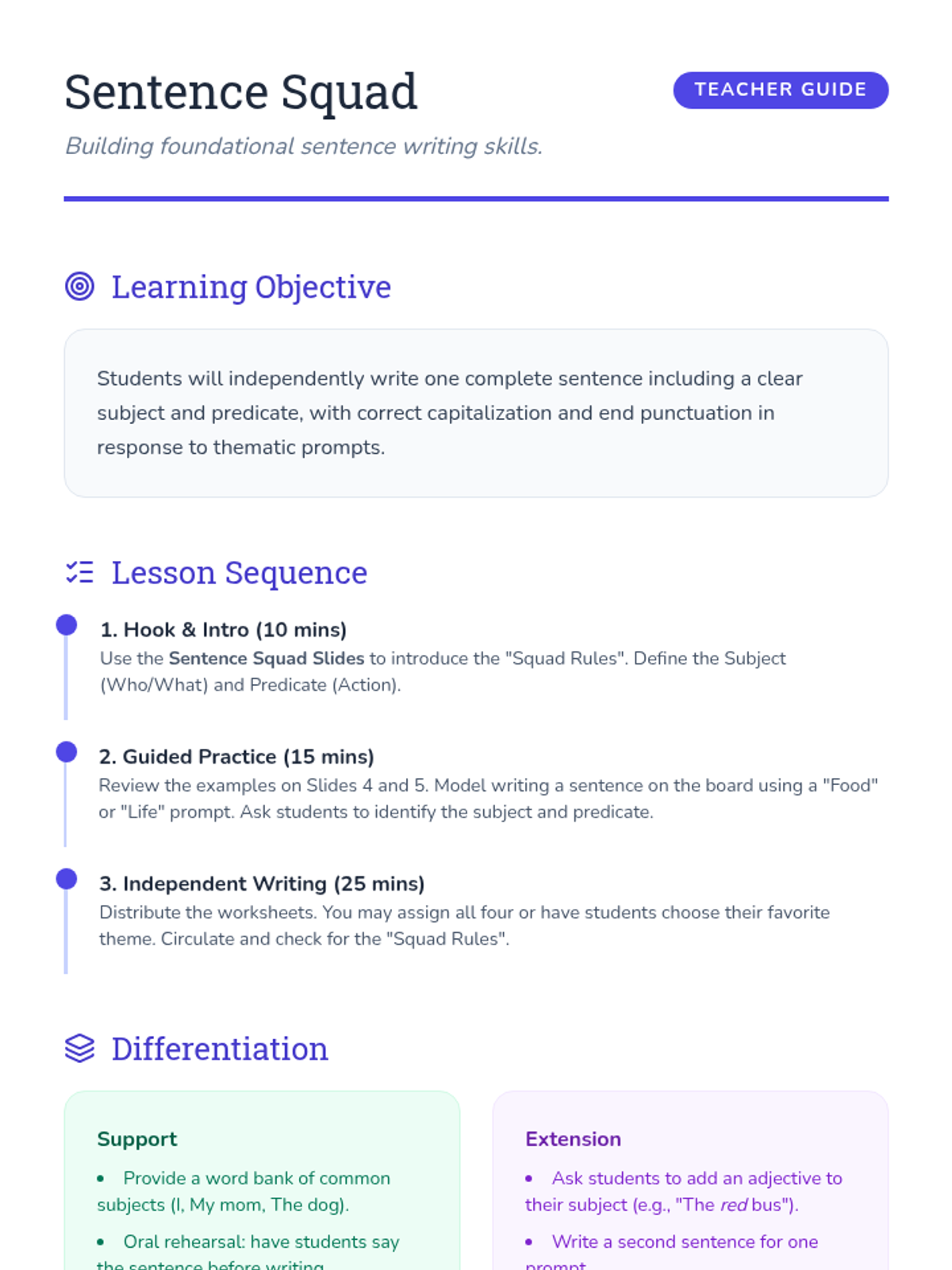
A concise teacher's guide for facilitating the 20-minute Sentence Squad mini-lesson, including a pacing guide, discussion prompts, and differentiation strategies.
A student worksheet for identifying and creating simple sentences using subjects and predicates, styled with a detective 'field report' theme.
A set of instructional slides for a mini-lesson on simple sentences, defining subjects and predicates with interactive examples.
A visual anchor chart explaining the subject and predicate of a simple sentence with clear definitions and examples using a 'Sentence Squad' detective theme.
A teacher facilitation guide for the literary analysis workshop. It includes lesson objectives, step-by-step facilitation instructions, tips for anticipating common student hurdles (like the summary trap), and differentiation strategies.
A student worksheet containing the literary analysis essay prompt for 'Americanah' and 'American History', along with a structured planning area for drafting a thesis and collecting comparative evidence.
A comprehensive revision guide for students, focusing on elevating literary analysis through improved thesis statements, evidence integration, and academic voice. It provides side-by-side examples of weak and strong writing techniques for 'Americanah' and 'American History'.
A worksheet featuring the 'Leo's Snow Day' story, updated with the #7579EB purple-blue color palette. It includes grammar sorting and comprehension tasks with highlights and underlines matching the new theme.
The updated answer key matching the #47A5C2 color palette of the final worksheet, providing guidance for grading the grammar tasks.
A worksheet featuring the 'Leo's Snow Day' story, updated with the #47A5C2 main color and light variation tones for highlights and underlines. It maintains the precise structure of the original lesson while applying the requested color palette.
A worksheet featuring the 'Leo's Snow Day' story, recreated with precision to match the source PDF's color tones, thick underlining style, and highlight colors. It includes grammar sorting and comprehension tasks.
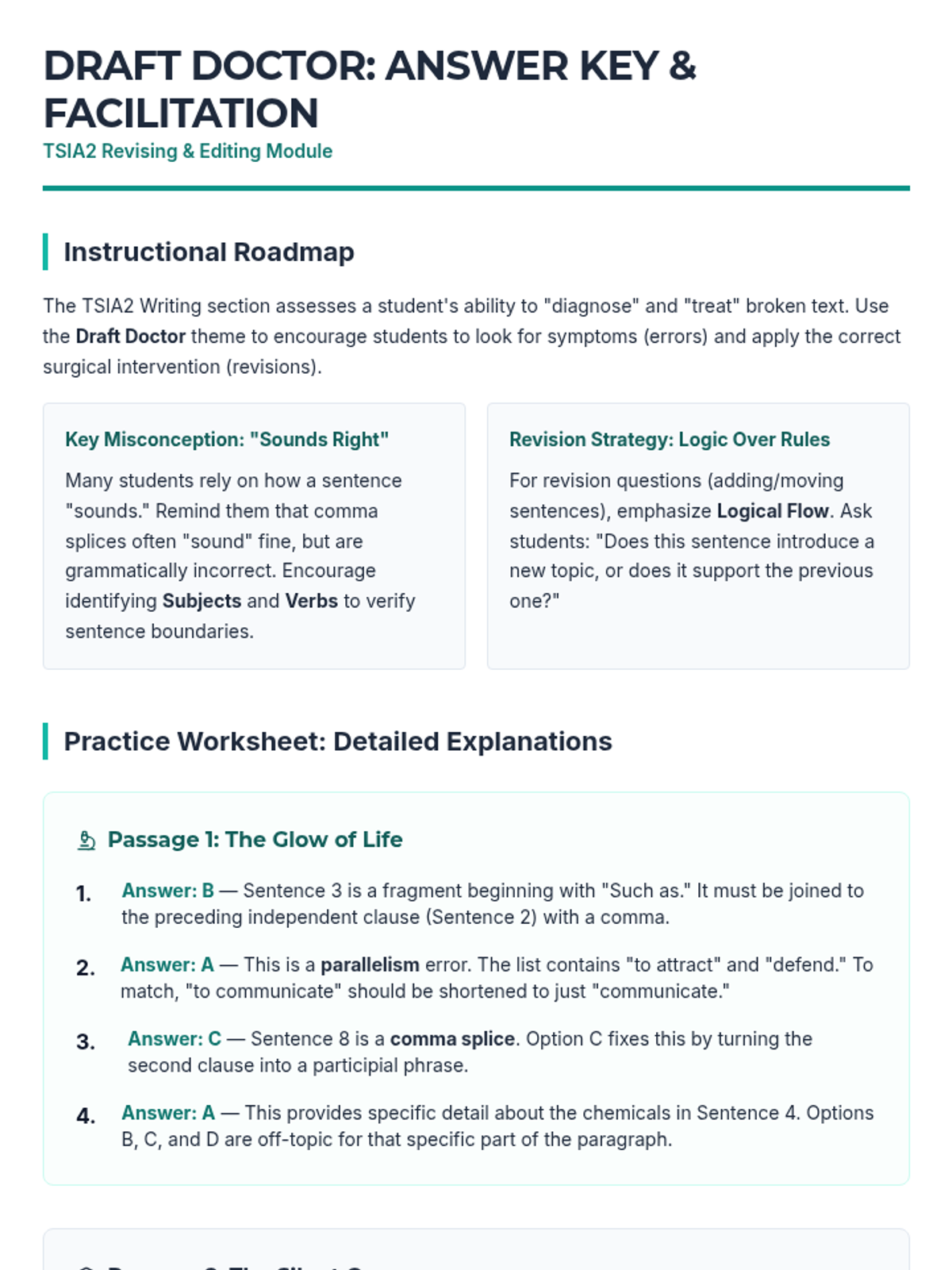
An answer key and teacher guide for the Draft Doctor practice session, providing correct answers for the triage and passage sections, along with instructional notes.
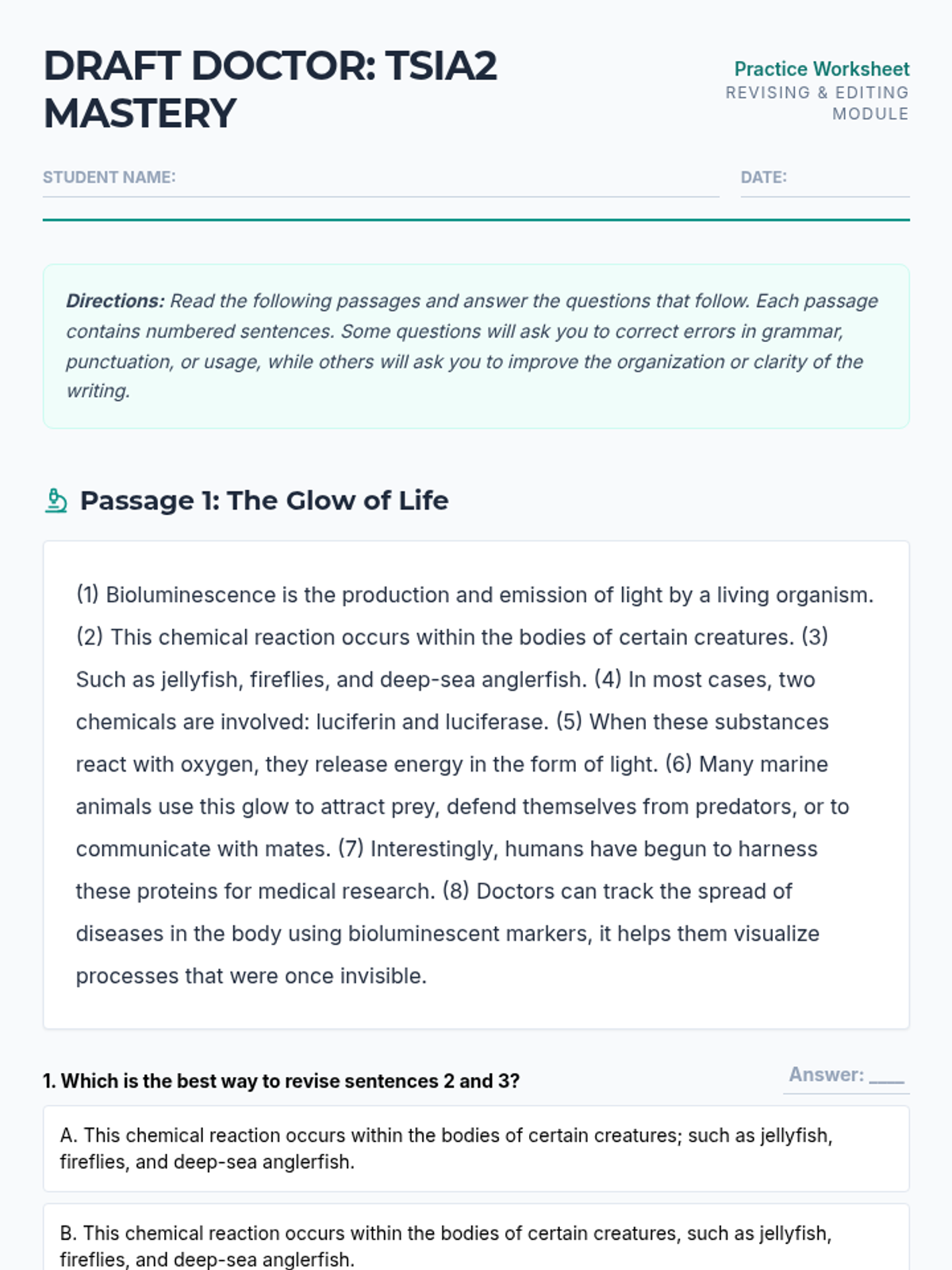
A medical-themed revising and editing practice worksheet for English 1 EOC prep, featuring sentence triage, passage-based 'operations', and a conclusion 'transplant' activity.
A medical-themed slide deck for English 1 EOC revising and editing, covering parallelism, verb tense, punctuation, and paragraph organization with clear examples and guided practice.
Discussion prompt cards for students to use during the gallery walk. Each card focuses on a different aspect of the grammar lesson: heuristics, visual hooks, peer review, and overall effectiveness.
A planning sheet for students to draft their mnemonic posters. Includes space for heuristic practice, visual hook brainstorming, and a rough layout sketch.
A comprehensive teacher guide for the Robot Repair Lab lesson. Includes a detailed lesson plan with pacing, discussion prompts for the Khan Academy video, and a full answer key for the Z-42 Malfunction Worksheet.
A student activity kit featuring 'Operating Room' workspaces and a supply sheet with sentence strips and apostrophe band-aids for the surgery activity.
Large print 'It's' and 'Its' choice cards for students to cut out and use during the quick-fire hook challenge. Includes color-coding and grammar cues.
Teacher facilitation guide for the 'Grammar Grooves' lesson, including pacing, discussion prompts for specific video timestamps, and tips for addressing common misconceptions.
A teacher's answer key for the Punctuation PI Evidence Kit, featuring a color-coded story map and correctly sorted lists for both contractions and possessive nouns.
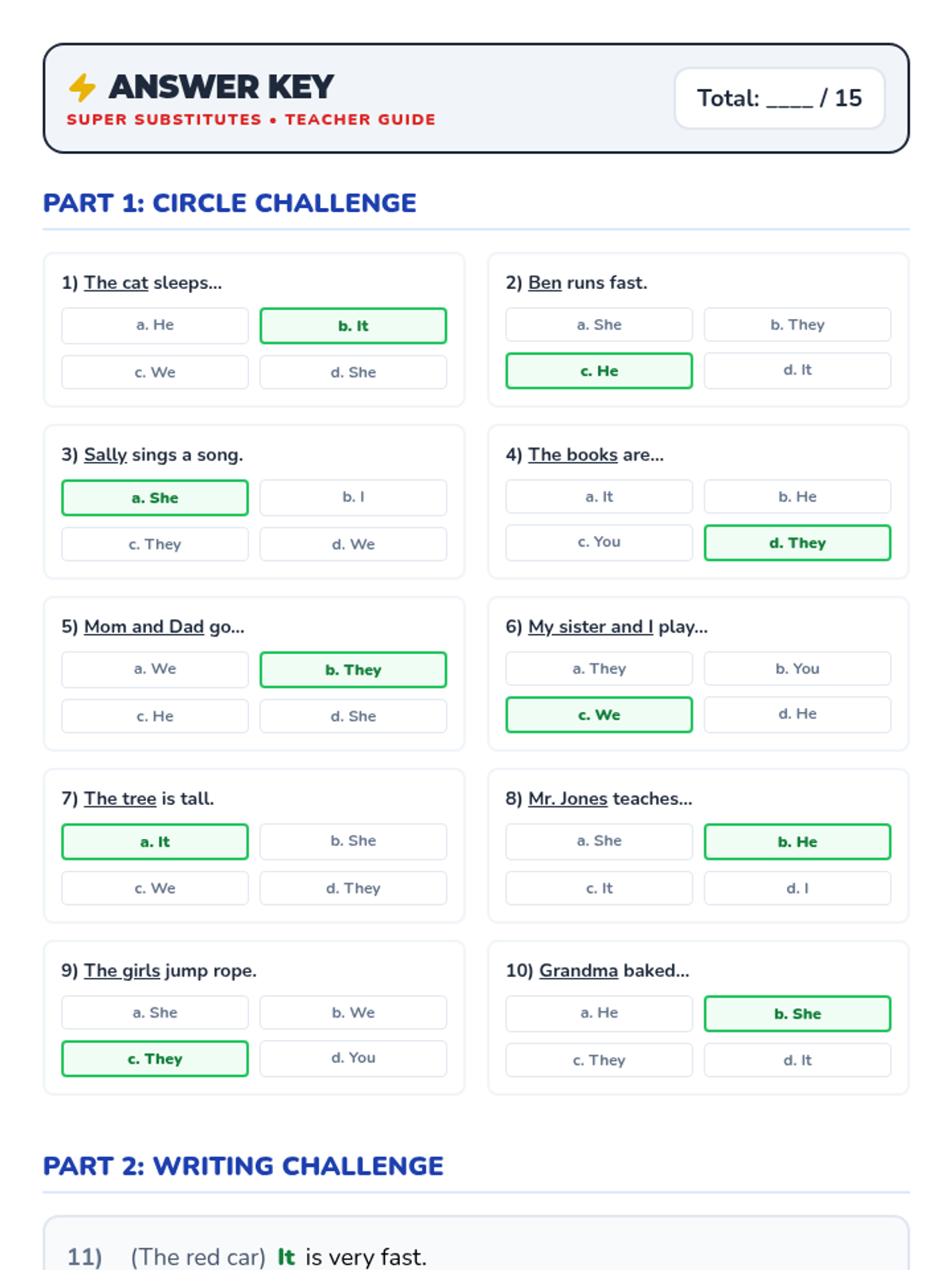
Teacher answer key for the Substitution Test Worksheet with explanations for each answer choice.
A robot-themed editing worksheet for 5th graders. Students act as editors Fixing a rough draft about a robot named Z-42, identifying and correcting errors in it's and its. Includes an extension writing activity.
A detailed facilitation guide for teachers to lead the Punctuation Pilots lesson, including a timed lesson plan, discussion prompts, and an answer key for the hook challenge.
A slide deck for the 'Grammar Grooves' lesson, featuring a hook on lyrics, an embedded video, discussion prompts, and activity instructions. Minimum font size is 24px throughout.
A comprehensive 16:9 slide deck for the 'its' vs 'it\'s' lesson. Includes the hook question, embedded Khan Academy video, pause points for class discussion, and a visual guide to the substitution test strategy.
A visual presentation for the 'Contraction Clinic' lesson, including hook prompts, the instructional video, and step-by-step 'surgery' directions.
A vibrant and engaging slide deck for a 5th-grade grammar lesson themed around a robot repair lab. Includes a bad grammar hunt, embedded Khan Academy video, detailed breakdown of it's vs. its, and mission instructions for the activity.
A worksheet for students to write a 4-line rhyme or rap using 'it's' and 'its' correctly. Includes a self-check 'Mic Check' section and an example for inspiration.
A comprehensive slide deck for 6th-grade students to master the difference between its and it's, featuring a hook challenge, video integration, and activity instructions.
A instructional guide for teachers to facilitate the 'Contraction Clinic' lesson, including hook prompts, video timestamps, and activity steps.
A set of printable noun and relative pronoun cards for the Bridge Builder Sort Relay activity, categorized by people and things.
A set of printable matching cards for the reflexive pronouns activity, featuring personal object pronouns and their reflexive counterparts.
A comprehensive answer key for the Sentence Welding worksheet, providing correct examples of combined sentences and grading tips for the teacher.
A visual anchor chart for a classroom wall that categorizes relative pronouns into people, things, or both, with clear examples and restriction rules.
A short exit ticket for students to articulate the rule regarding the use of 'which' with people. Includes two slips per page for efficient printing.
A workshop-themed student worksheet for practicing sentence combining using relative pronouns, featuring a 'Work Order' layout and designated areas for video notes and practice problems.
A student worksheet for the reflexive pronouns lesson, including the fill-in chart from the video, a partner sentence writing area, and independent practice questions.
A set of 6 discussion cards with timestamps and prompts based on the Khan Academy relative pronouns video, designed to stimulate critical thinking and classroom dialogue.
The answer key for the 'Grammar Surgery' worksheet, providing corrected sentences and short explanations for each case, including the substitution test results.
Role-play scenario cards for practicing the use of 'who' and 'that' in various formal and informal settings.
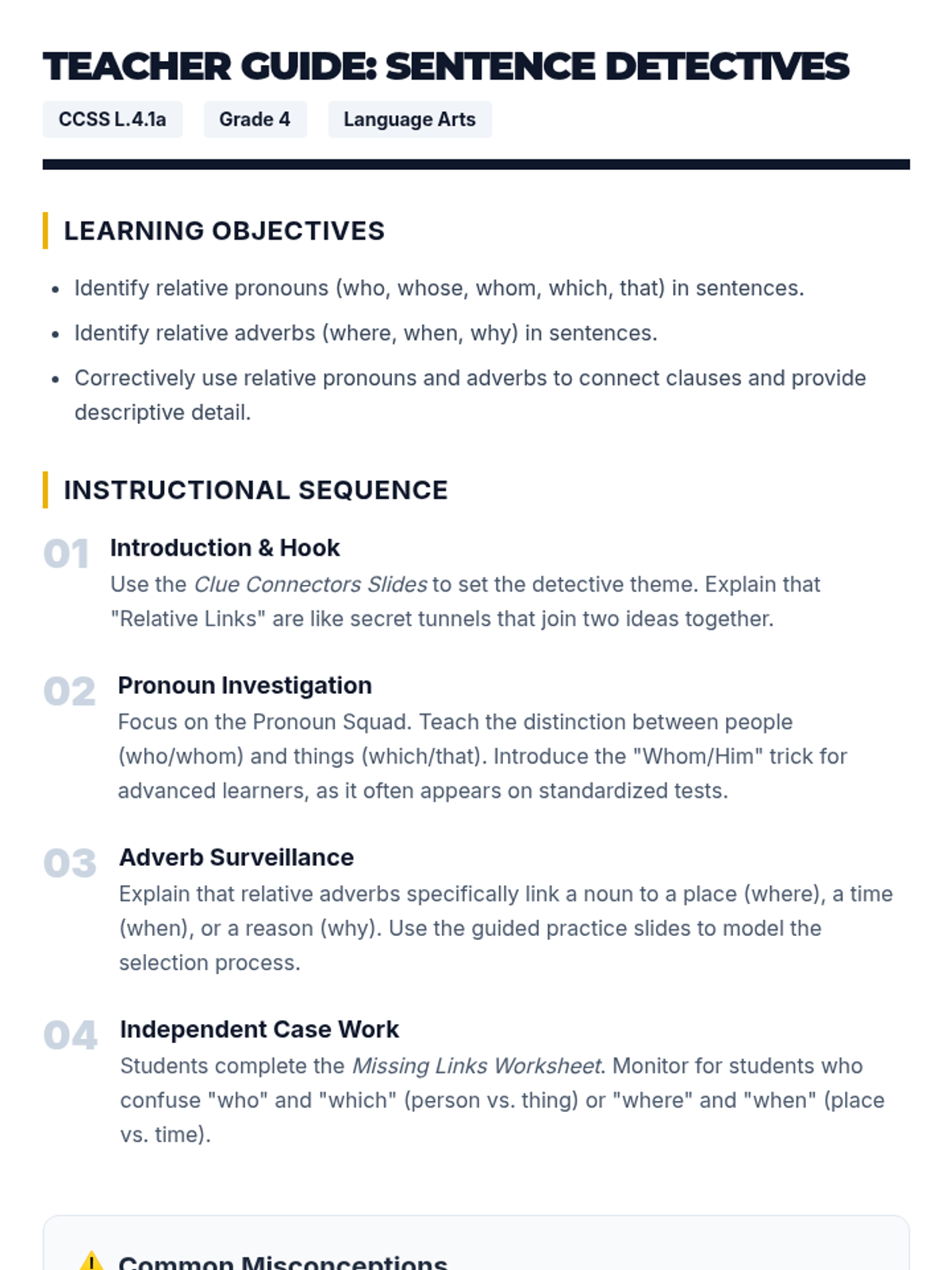
A comprehensive teacher guide for the Clause Chronicles lesson, featuring pacing suggestions, discussion prompts, modeling examples, and differentiation strategies.
A comprehensive teacher guide for the Reflexive Rookie lesson, including prep instructions, a detailed timeline, differentiation strategies, and the scenarios for the interactive game.
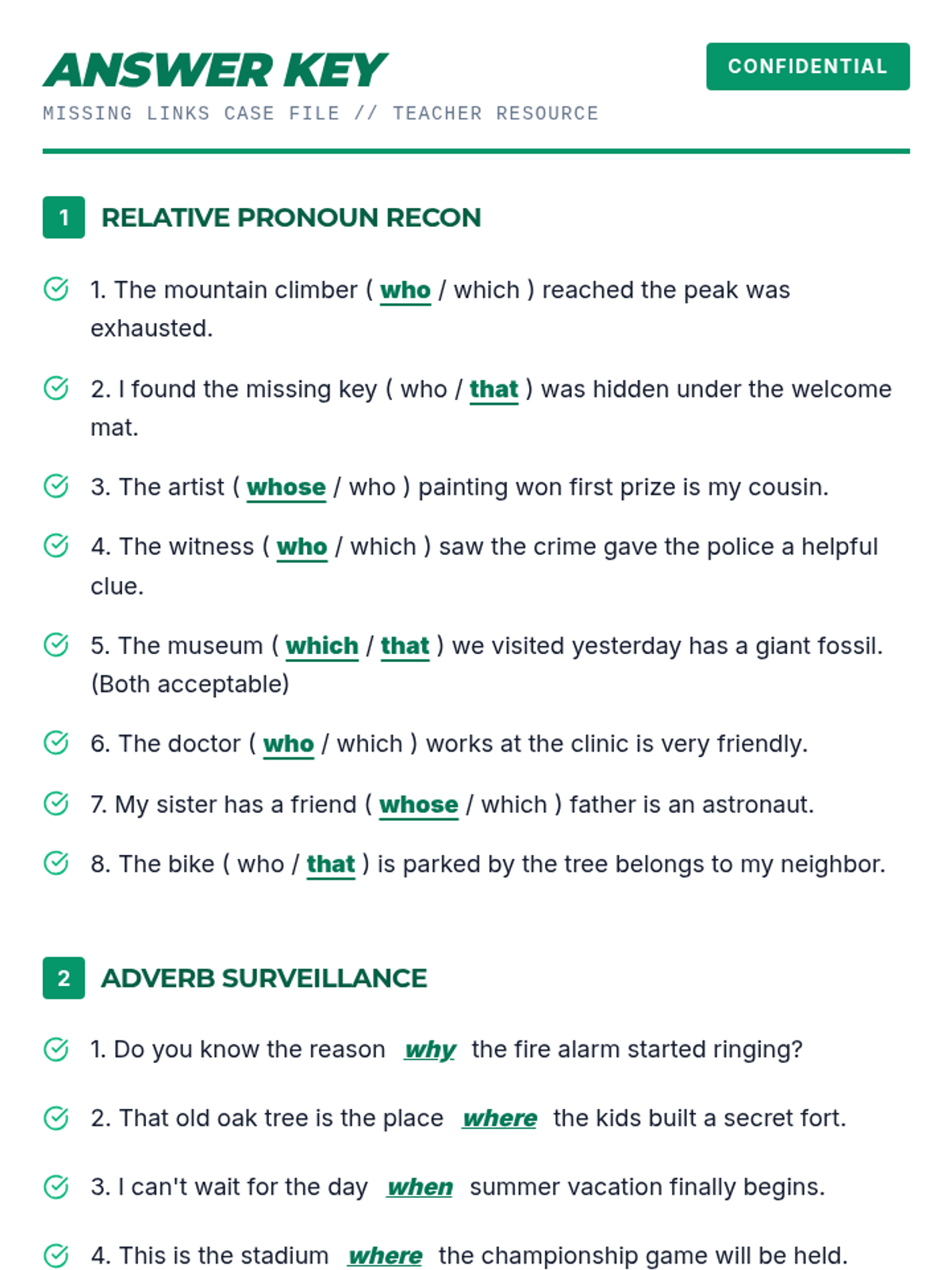
An answer key for 'The Which Hunt' worksheet, featuring a detailed error log and an annotated version of the activity paragraph for quick grading.
Instructional guide for teachers delivering the reflexive pronoun lesson. Includes video timestamps for discussion, common misconceptions (like hypercorrection), an answer key, and pacing suggestions.
A visually striking anchor chart designed as a welder's manual, illustrating the function and usage of relative pronouns with a workshop theme.
The 'Grammar Surgery' worksheet for 7th graders. Students diagnose and correct 'fancy' reflexive pronoun errors in compound objects using the 'Sub it out' substitution strategy. It features a hospital-themed layout with patient files and surgical steps.
Updated Unit 1 Annotated Guide with an Americana color scheme.
Updated Unit 1 Exemplar ECR with an Americana color scheme.
Updated Unit 1 Blueprint with an Americana color scheme.
Updated Unit 2 Annotated Guide with an Americana color scheme.
Updated Unit 2 Exemplar ECR with an Americana color scheme.
Updated Unit 2 Blueprint with an Americana color scheme.
Updated Unit 3 Blueprint with an Americana color scheme.
Updated Unit 3 Annotated Guide with an Americana color scheme.
Teacher answer key for the English-language literary analysis on Selena, providing model responses and grading tips.
Four-per-page exit ticket slips in English, focusing on identifying descriptive verbs and defining syntax.
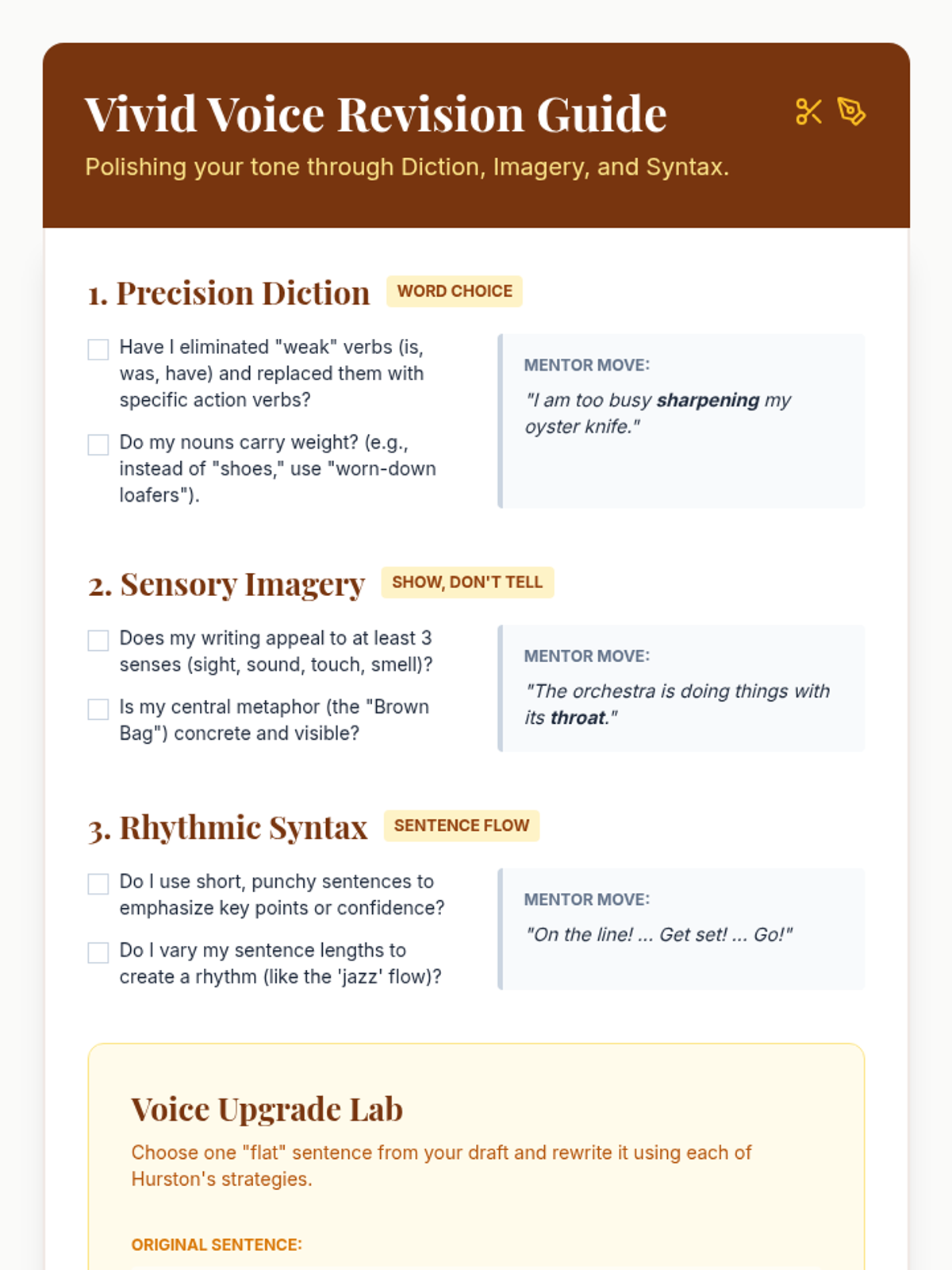
Grammar and style practice worksheet focusing on descriptive word choice (diction) and sentence structure (syntax) in English.
Visual slide deck for the Selena Quintanilla lesson in English. Includes definitions of diction and syntax and a warm-up activity.
A comprehensive 8-paragraph reading about Selena Quintanilla written in English, followed by a literary analysis worksheet focusing on diction and syntax.
Teacher-facing guide for a lesson on Selena Quintanilla, focusing on literary analysis through diction and syntax. Includes learning objectives and lesson sequence.
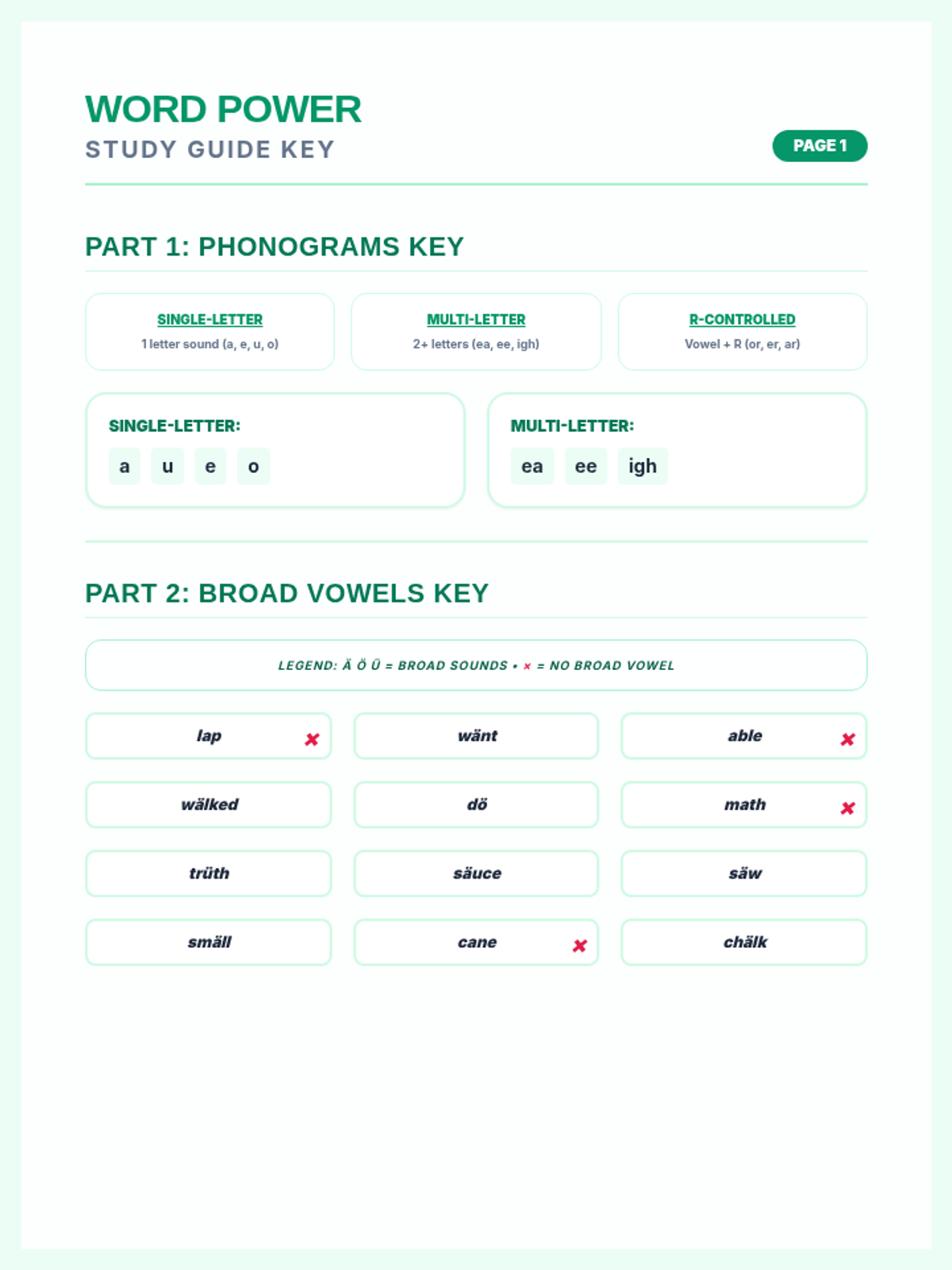
The teacher's answer key for the Word Wizard Quiz, featuring correct answers for phonograms, double consonants, and sentence construction, along with a quick scoring guide.
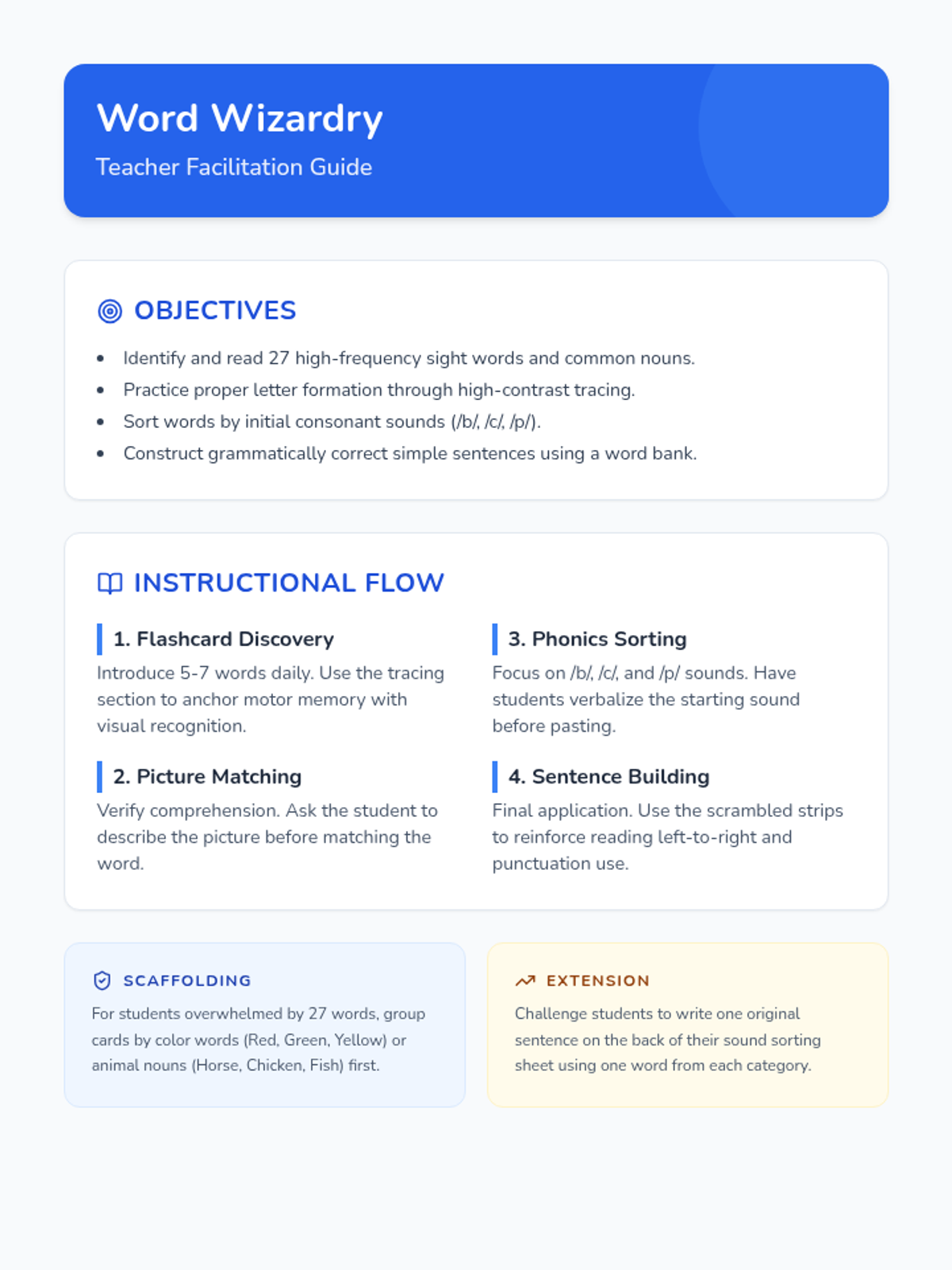
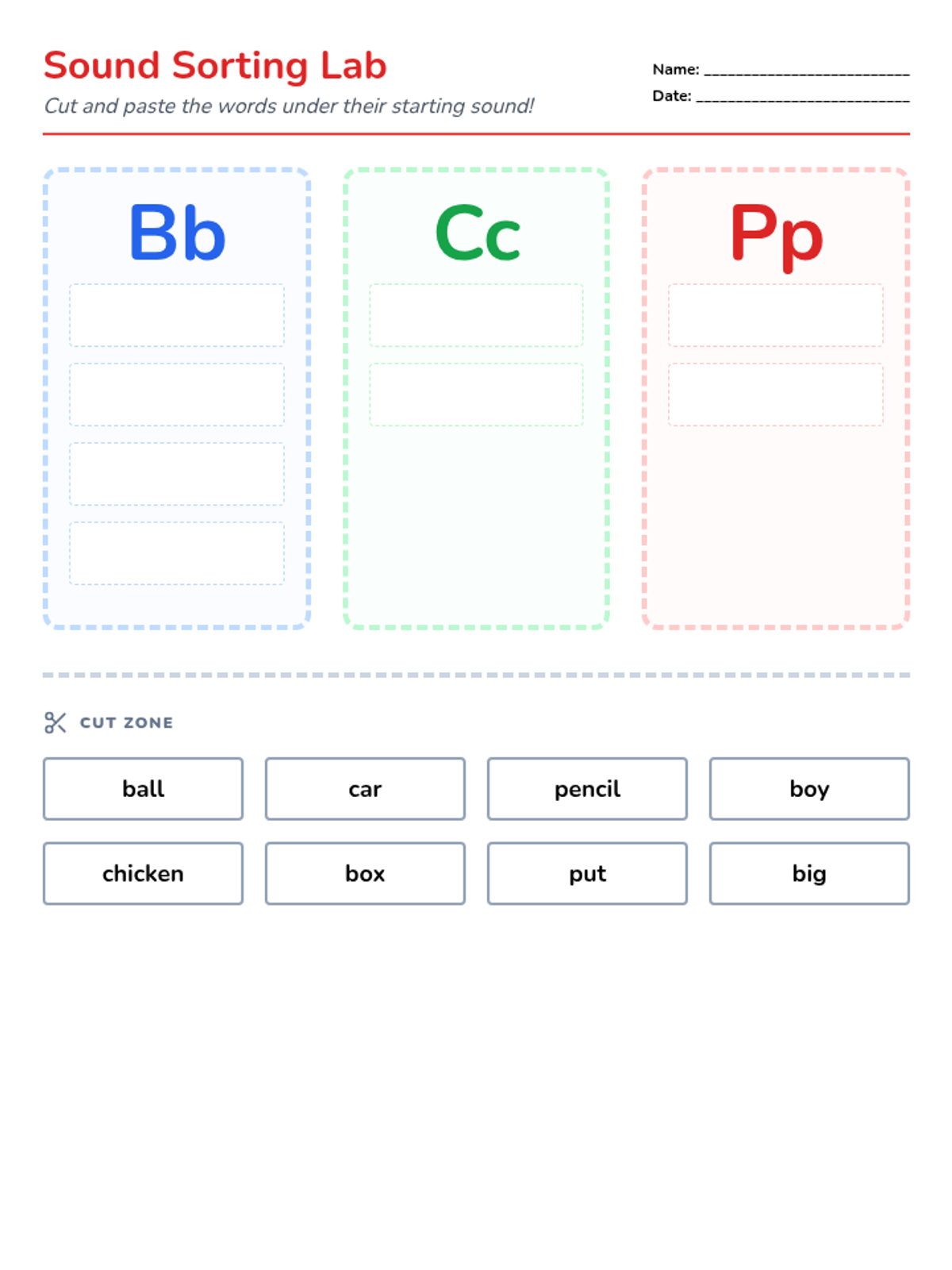
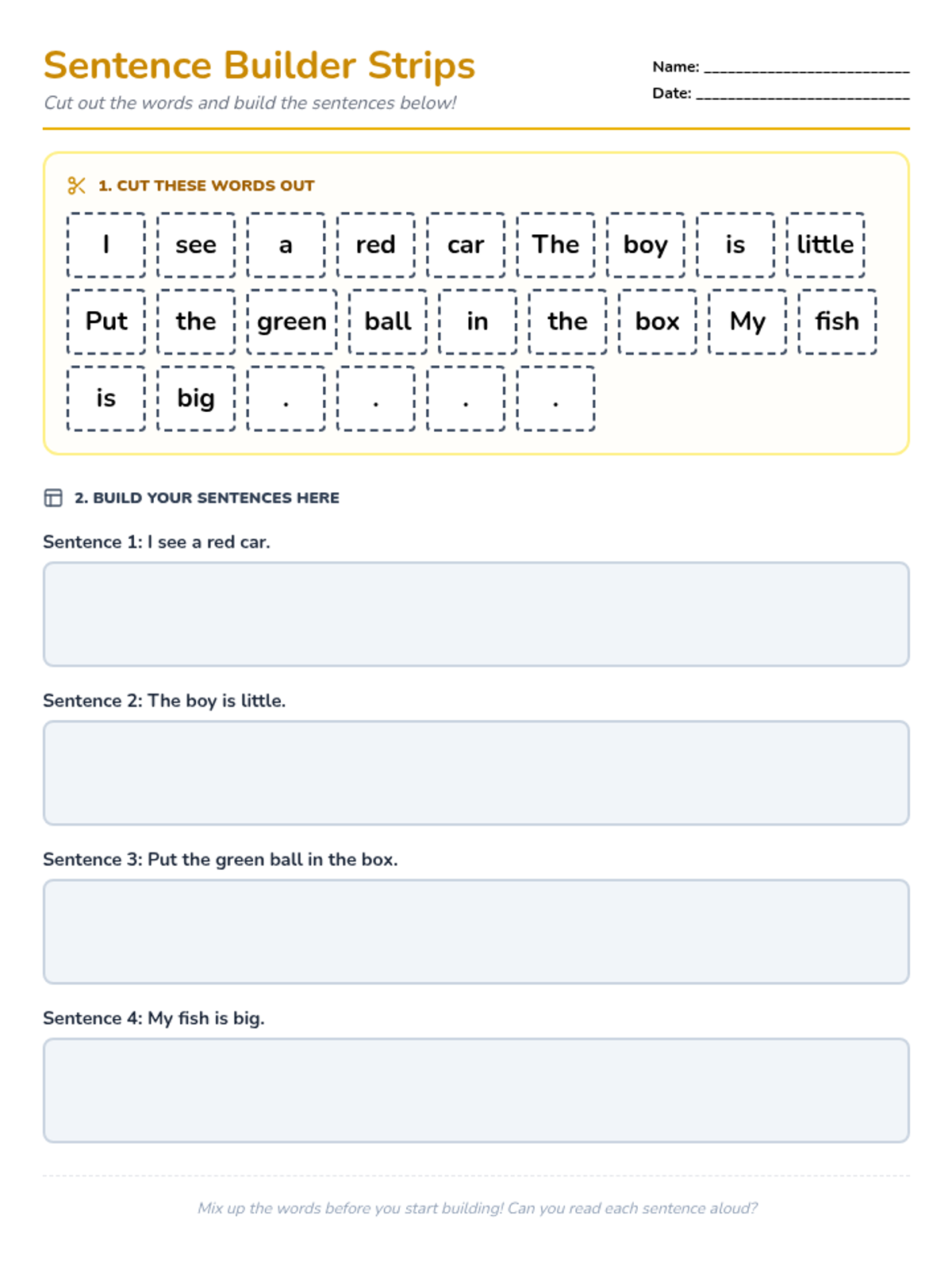
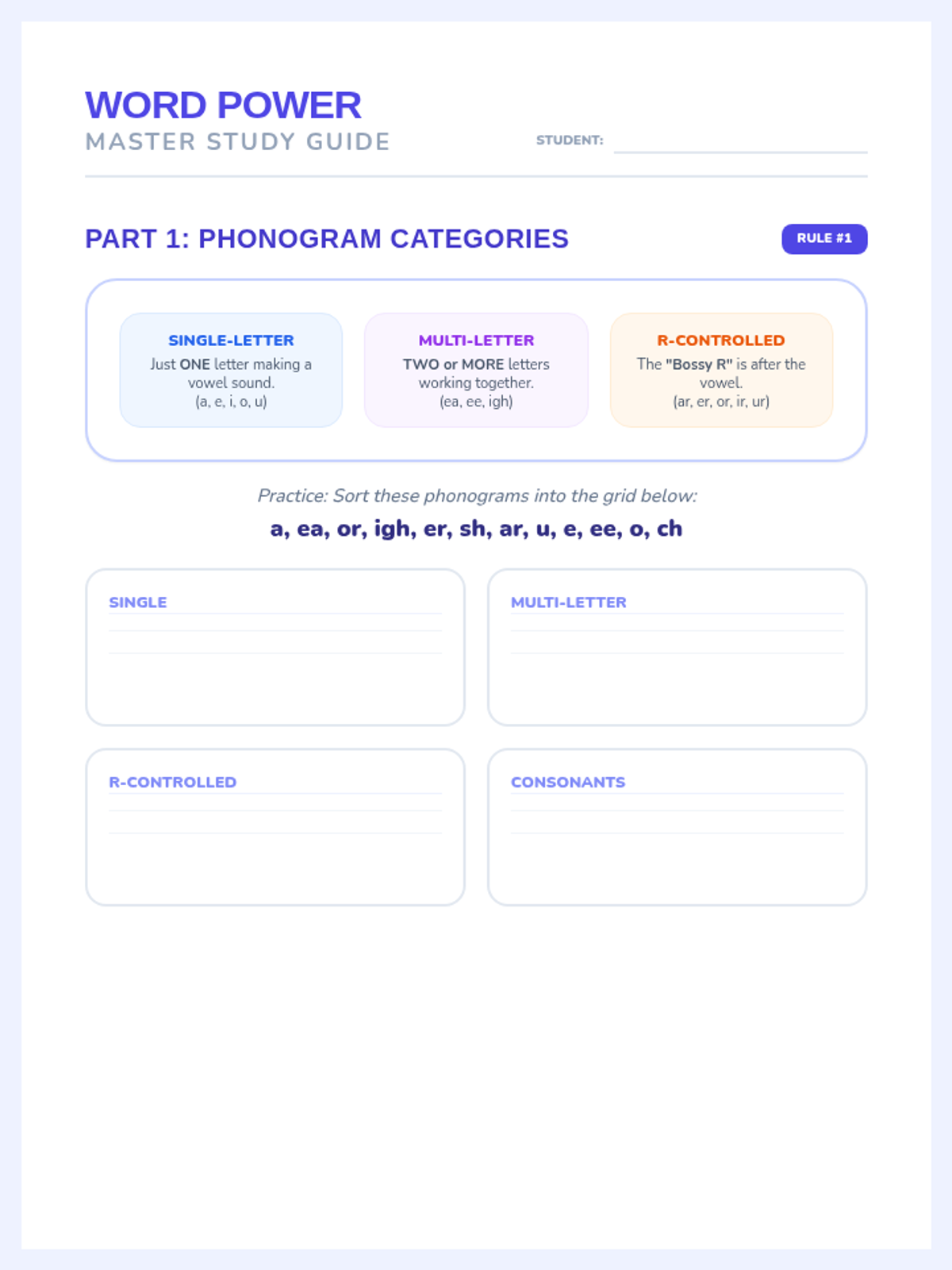
A comprehensive 15-question quiz for K-3 learners covering 'ake/oke' phonograms, double consonant endings, and simple/compound sentence writing. The worksheet features a magical 'Word Wizard' theme with visual aids to support early readers.
A printer-friendly, black and white version of the worksheet for kindergarteners to practice using the word 'because' through drawing.
A student worksheet for kindergarteners to practice using the word 'because' by drawing their favorite food and game along with a supporting reason.
A comprehensive teacher facilitation guide for teaching the concept of 'because' to kindergarteners, including slide-by-slide notes and a class activity.
A practice exercise where students rewrite sweeping absolute statements into nuanced, defensible arguments using qualifiers and modifiers.
A worksheet for students to analyze specific quotes from Act II of Twelve Angry Men, focusing on Juror 8's use of qualifying language and rhetorical strategy.
A visually engaging slide deck that introduces the concepts of qualifiers and modifiers, using examples from Twelve Angry Men to illustrate how nuance strengthens arguments.
A detailed lesson plan for an 11th-grade English lesson on qualifying claims in Act II of Twelve Angry Men, including a minute-by-minute breakdown and teaching tips.
A facilitation guide for teachers to lead a 15-minute AI image generation activity with ESL students, now including a second page with comprehensive ELPS and High School English TEKS alignment.
A specialized prompt-building worksheet for ESL students to draft a 3-sentence AI image description using a structured fill-in-the-blank format with bilingual word boxes for each section, now with improved page breaks.
A comprehensive teacher guide including lesson objectives, instructional script, pacing guide, and answer keys for the Sentence Architect lesson.
A student worksheet where they identify subjects and predicates, complete missing sentence components, and write their own sentences based on thematic prompts.
A set of instructional slides introducing the concepts of subjects and predicates using an architectural theme. Includes model sentence analysis and guided practice for building sentences.
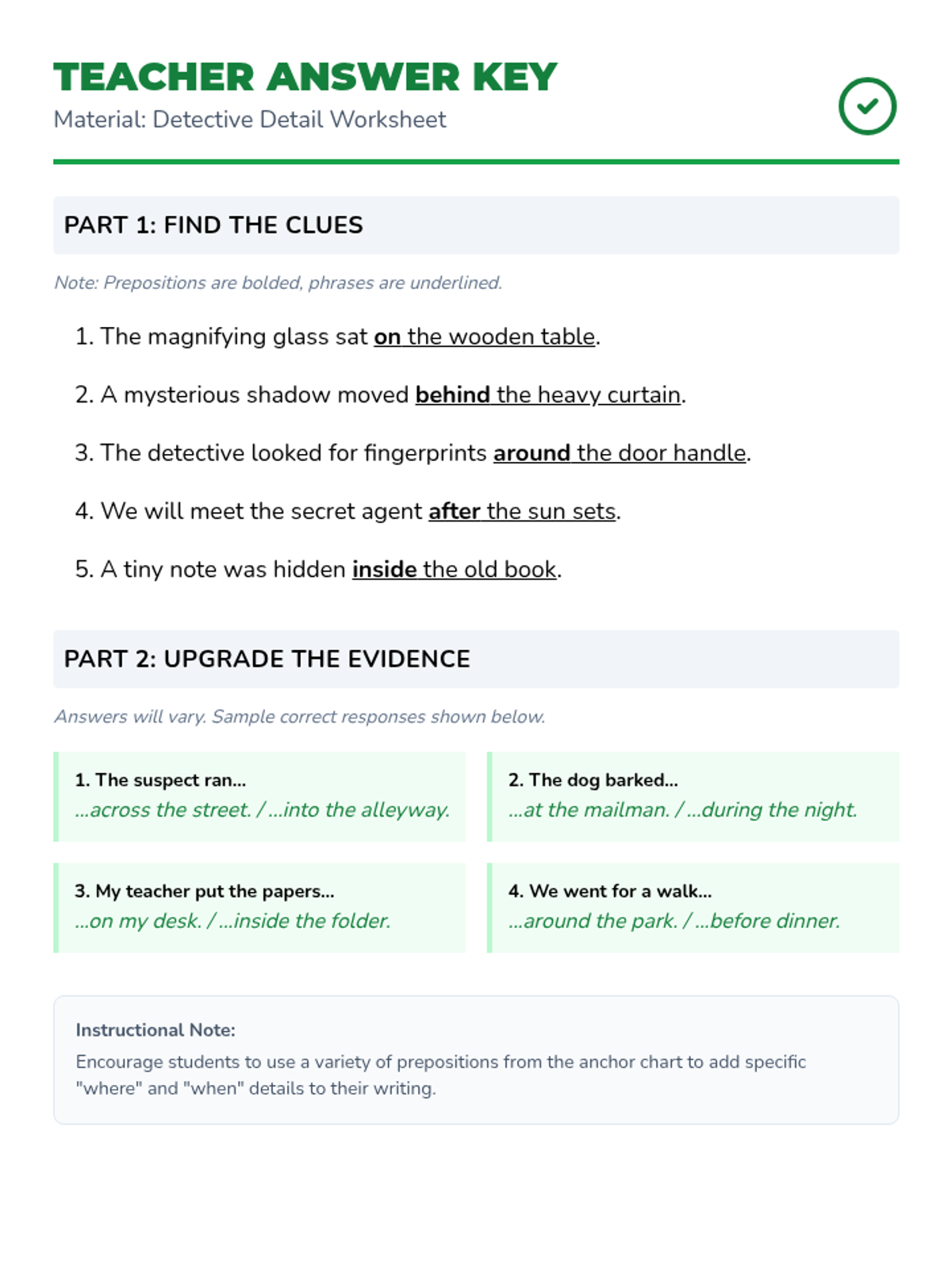
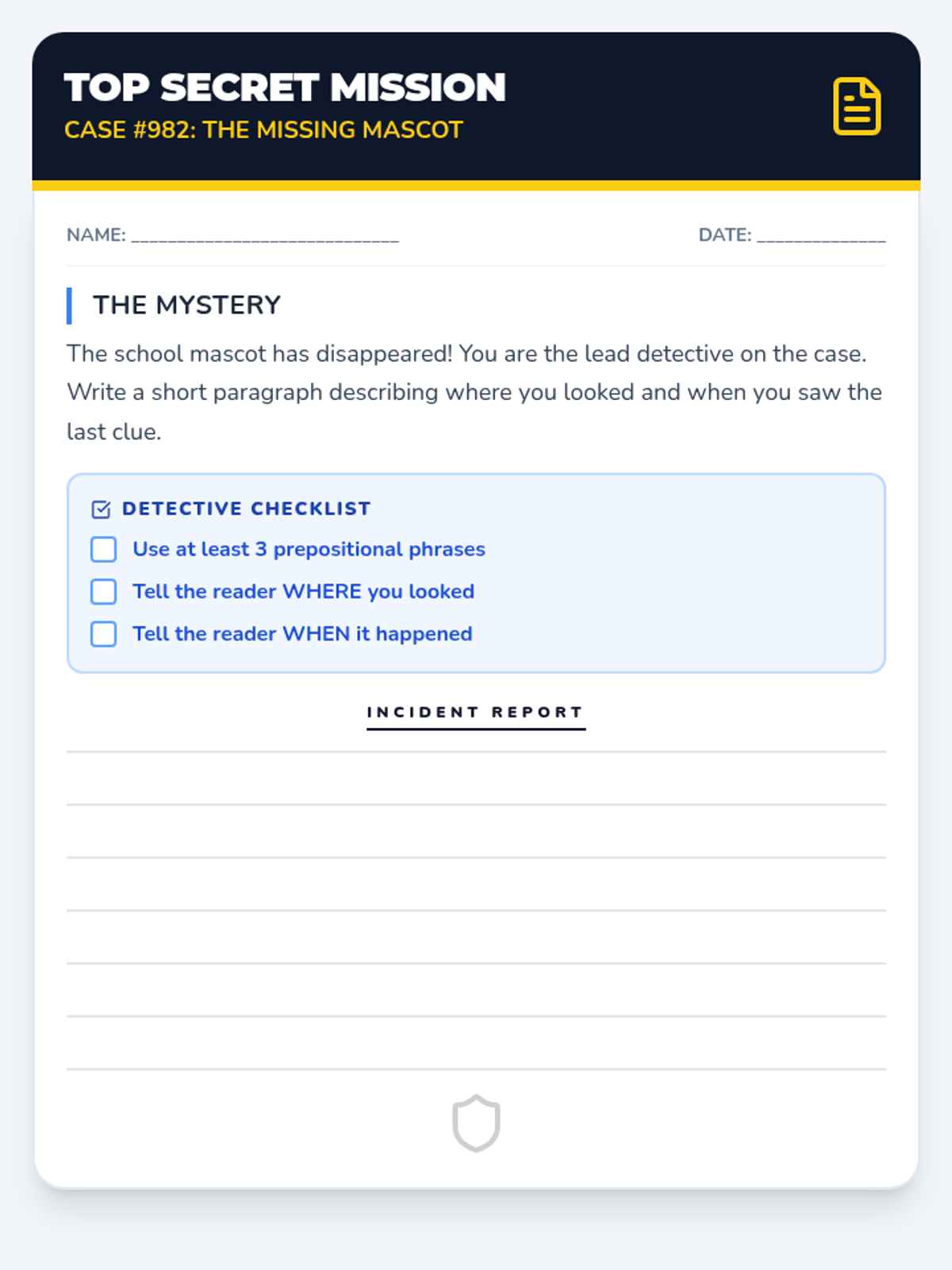
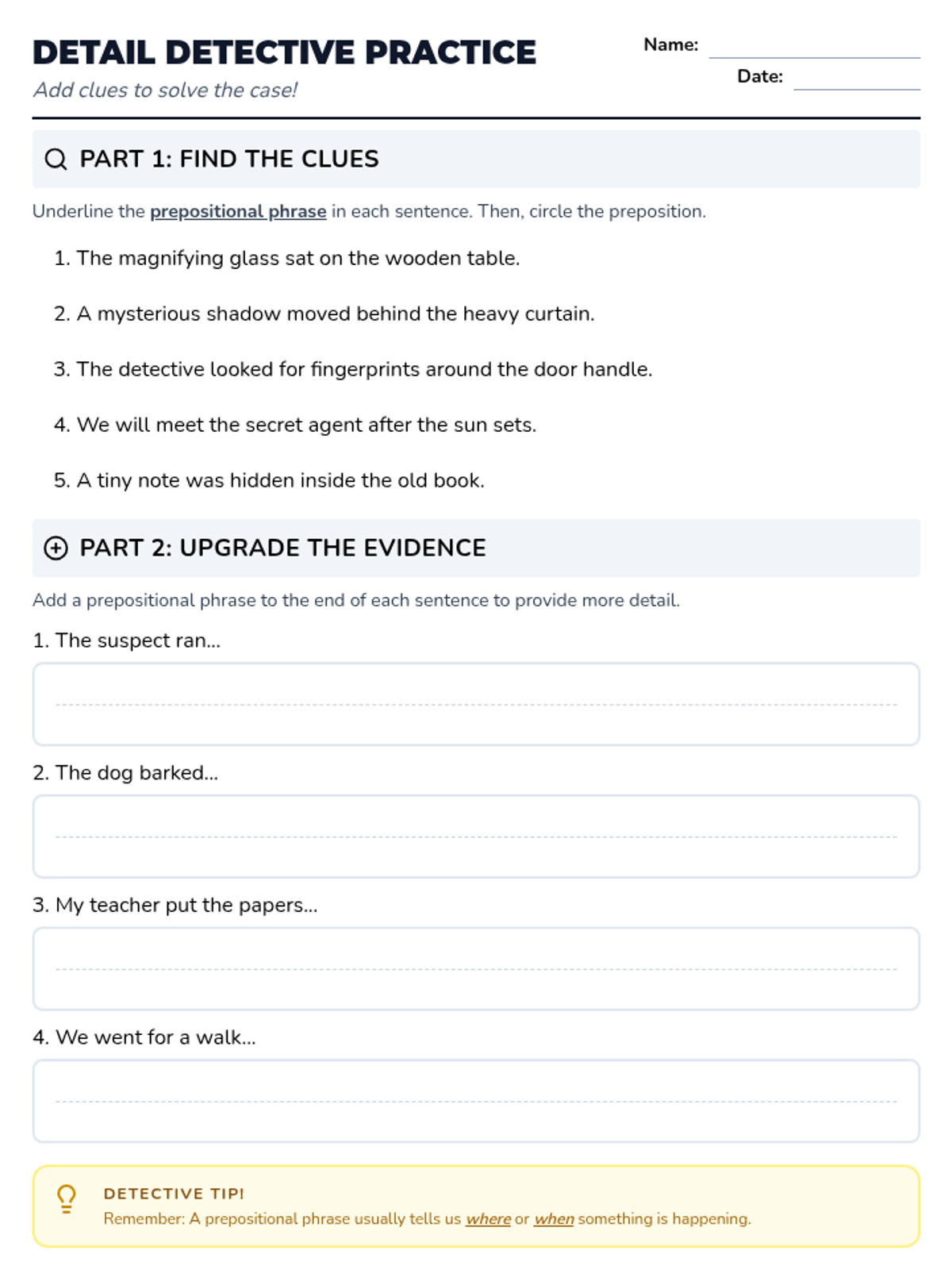
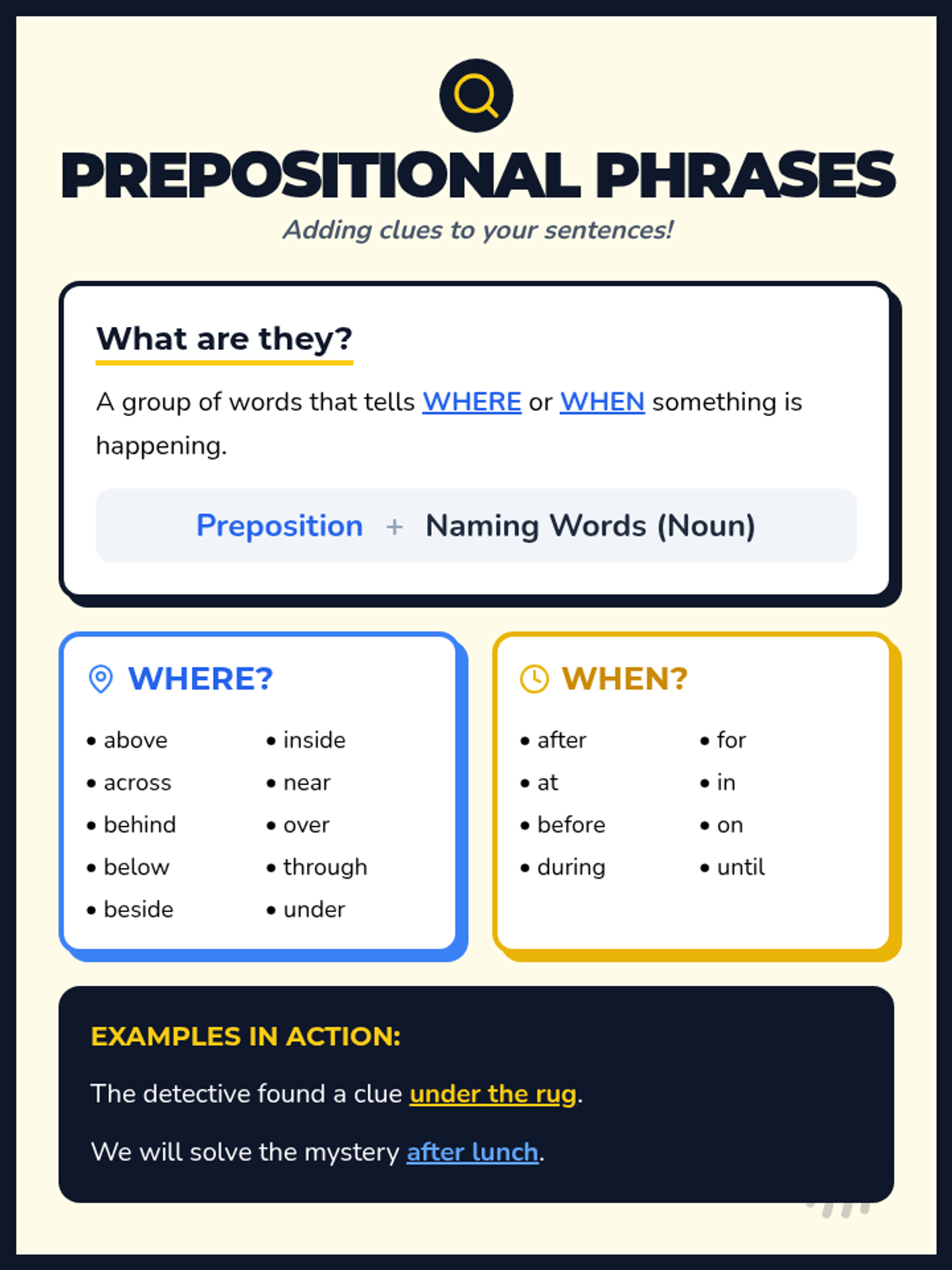
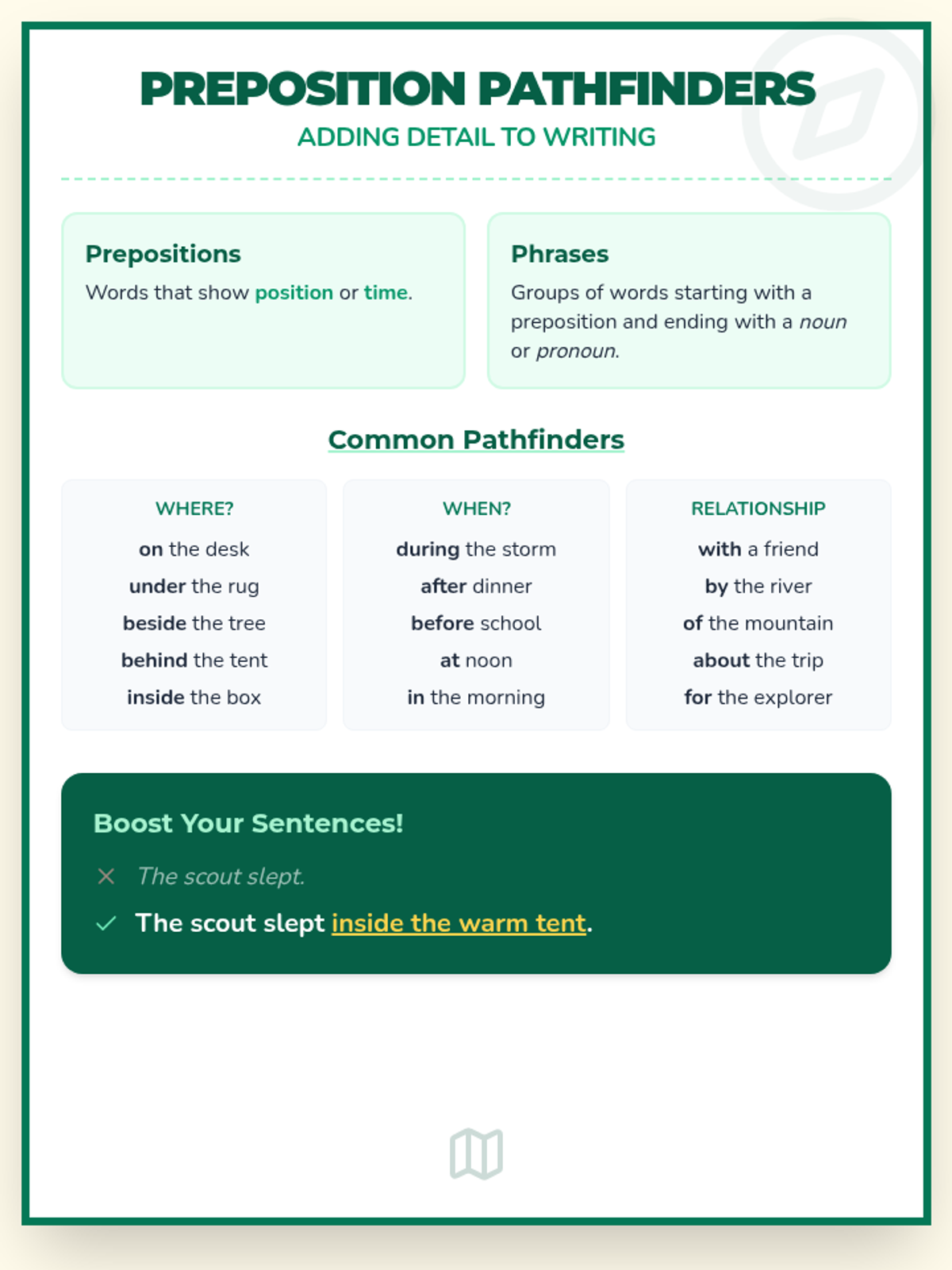
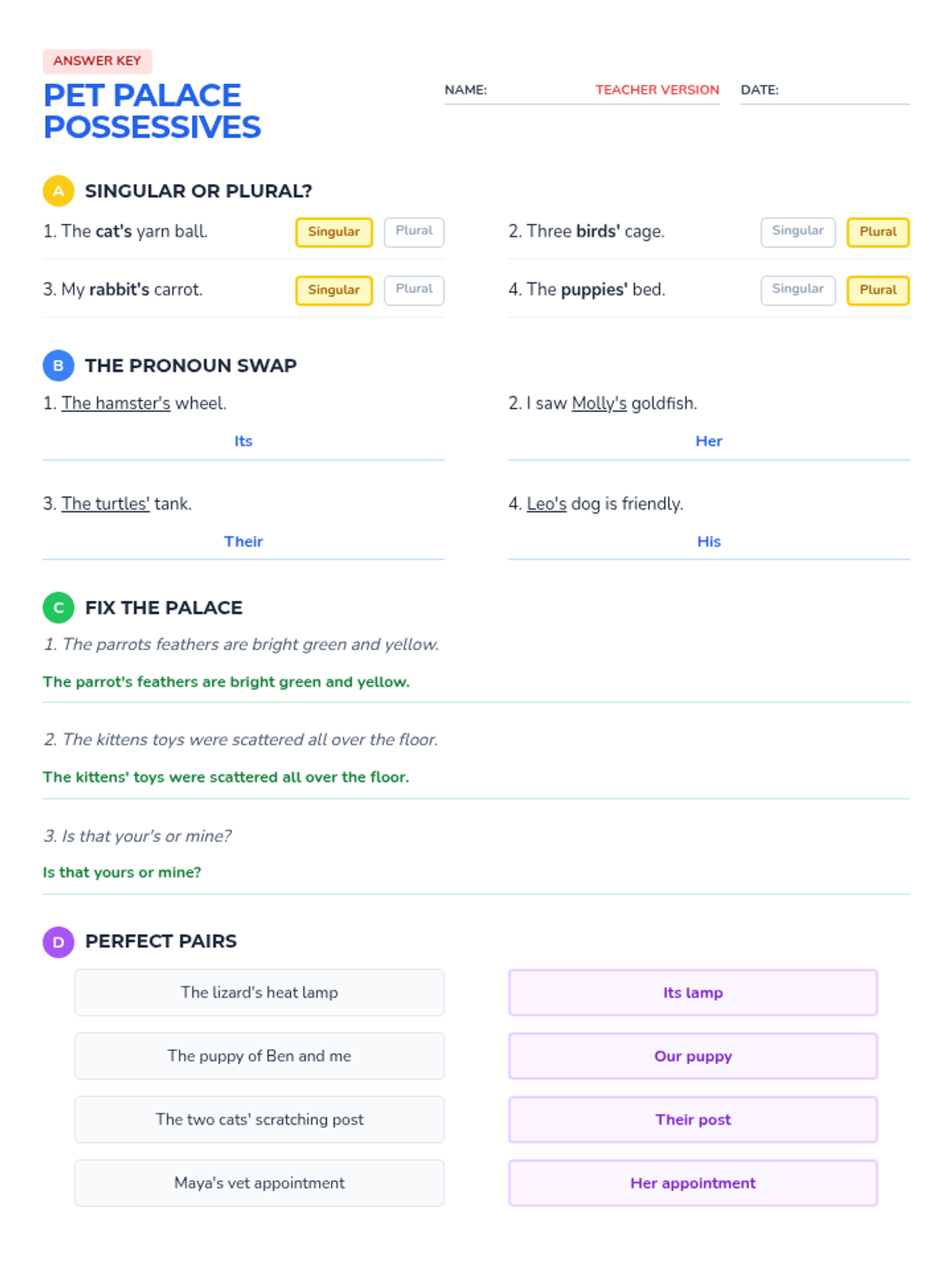
Updated practice worksheet for 5th graders focusing on prepositions, with the prepositions in Part 1 now unstyled so students can identify and circle them independently.
Updated targeted practice worksheet for 5th graders focusing on coordinating conjunctions (FANBOYS), now with light backgrounds for better printability.
Updated practice worksheet for 5th graders focusing on interjections, with the interjections in Part 1 now unstyled so students can identify and circle them independently.
Updated comprehensive 5th-grade worksheet for the Grammar Hero lesson, now featuring light backgrounds for better printability while maintaining the high-energy hero theme and all original practice tasks.
Updated student guided notes (Detective's Log) for the Suffix Sleuths lesson, featuring light backgrounds for better printability while maintaining the detective theme.
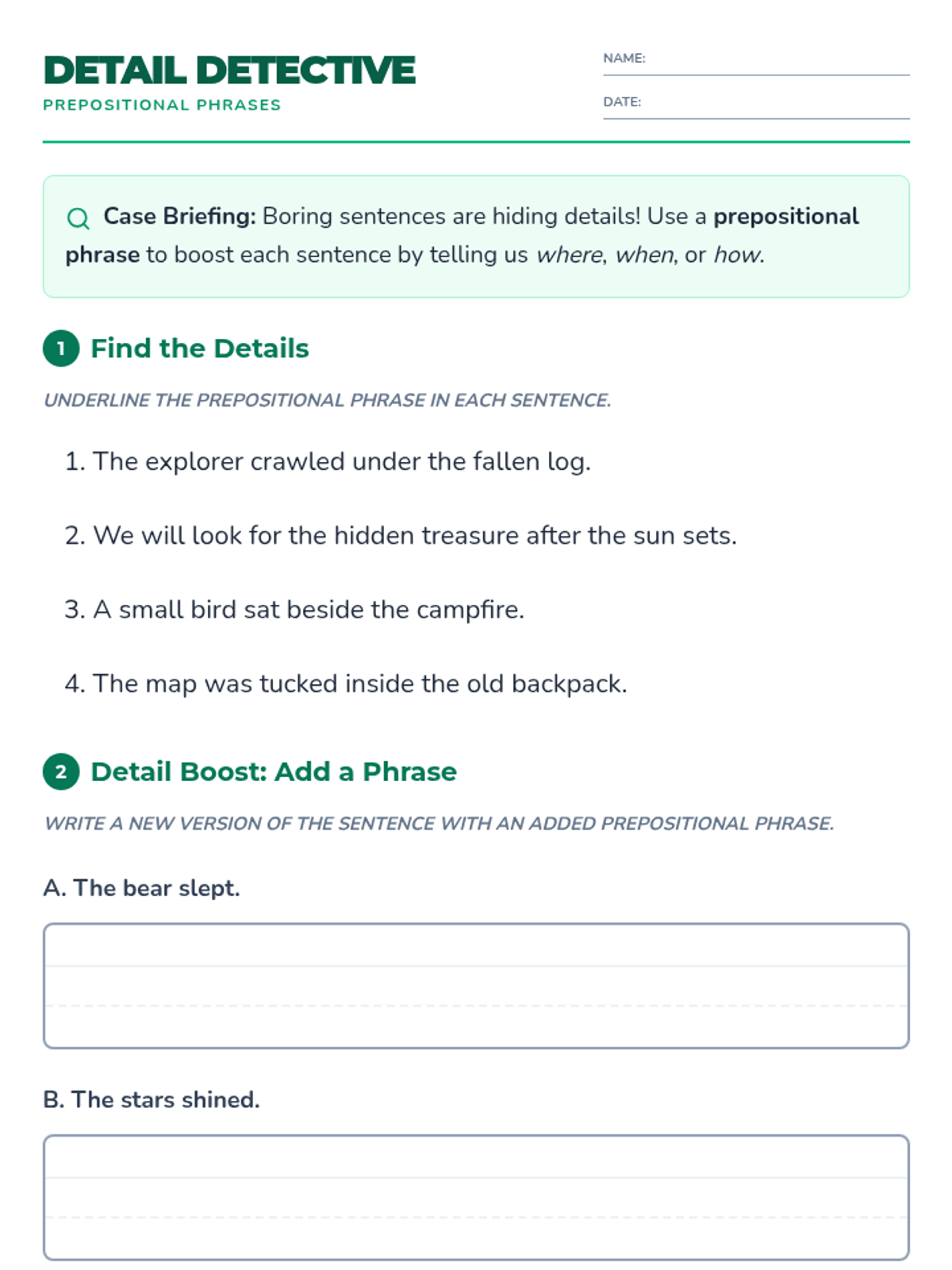
A targeted practice worksheet for 5th graders focusing on prepositions of place and time. It includes identification, categorization, and passage completion tasks within a hero academy theme.
A targeted practice worksheet for 5th graders focusing on coordinating conjunctions (FANBOYS). It includes acronym completion, multiple-choice selection, and sentence combining tasks.
A targeted practice worksheet for 5th graders focusing exclusively on interjections. It includes identification, emotion matching, sentence completion, and creative writing tasks.
A comprehensive teacher resource for the Grammar Hero lesson, containing answer keys, instruction tips, and pacing suggestions tailored to prepare students for the End of Unit assessment by combining all practice tasks.
A comprehensive 5th-grade worksheet combining original identification and creative writing tasks with assessment-aligned function analysis, sentence expansion, and narrative pacing exercises. This version uses different examples from the final assessment to ensure students are prepared without seeing exact test questions.
A high-energy, superhero-themed instructional slide deck for 5th graders teaching conjunctions, interjections, prepositions, sentence expansion, and narrative pacing to prepare for the End of Unit assessment.
A model informative paragraph about Jackie Robinson's personal qualities, designed to follow the Grade 5 Module 3 Unit 1 criteria for success, including annotations and a completed version of the challenge frame.
A student guided notes document (Detective's Log) designed to be used during the Suffix Sleuths slide presentation. It includes sections for rules, evidence examples, and a field test.
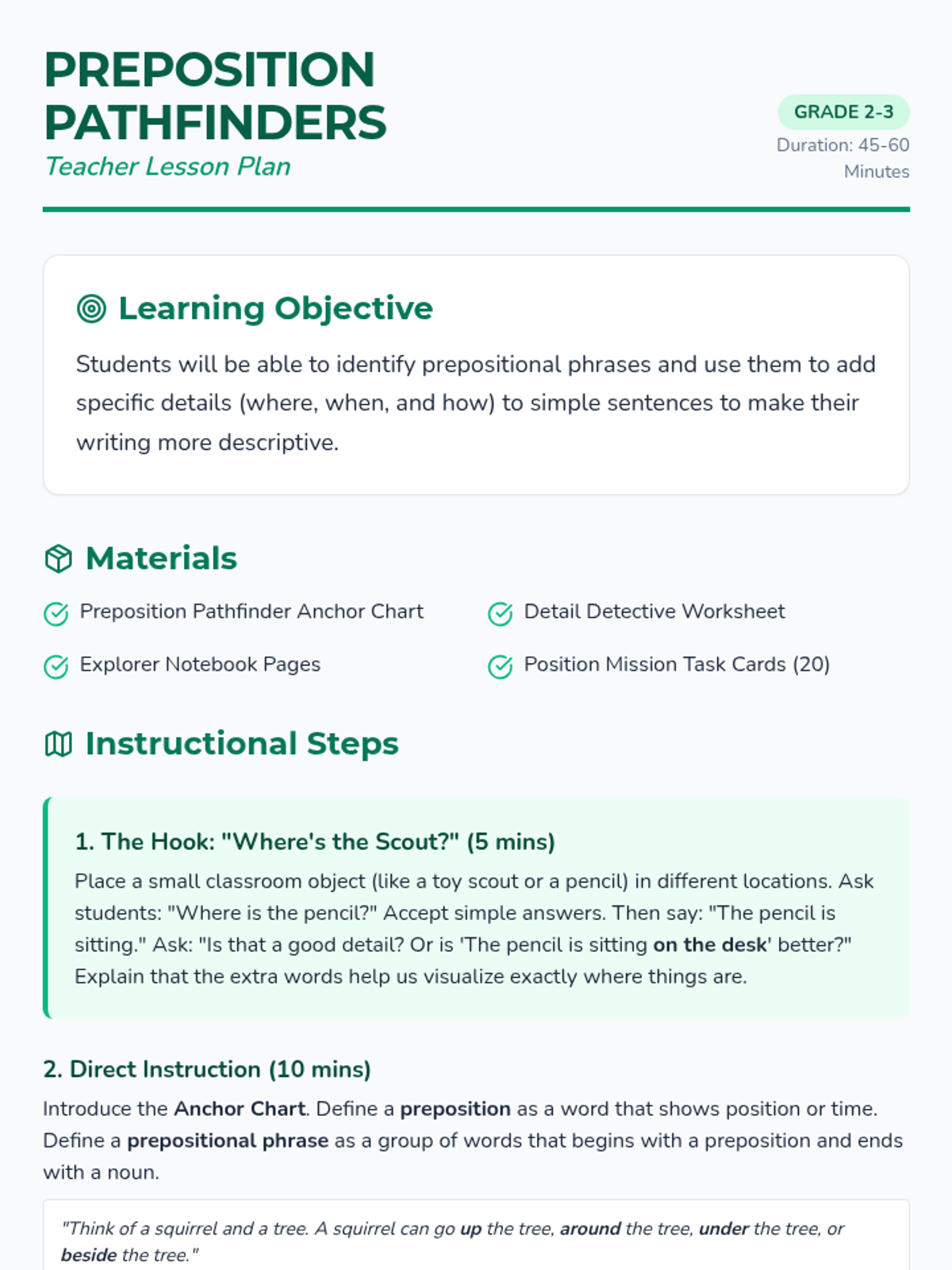
A teacher lesson plan for introducing -able and -ible suffixes, featuring a mystery-themed hook, step-by-step procedures, and differentiation strategies.
A teacher guide for the Suffix Sleuths lesson, including answer keys for the sorting activity, worksheet, and guided notes, as well as instructional tips for teaching -able and -ible.
A 5th-grade worksheet focused on -able and -ible suffixes. It includes multiple-choice context clue questions, a word-building section, and a fill-in-the-blank paragraph activity.
A printable sorting activity with word cards featuring -able and -ible suffixes. Students sort words based on their suffix and whether they are formed from complete base words or roots.
A comprehensive teacher facilitation guide for the Word Detectives lesson. Includes pacing, discussion prompts, a detailed answer key with word origins for punctuation marks, and extension suggestions.
Fun role-play scenario cards for students to practice the dramatic timing of speech interruptions using em dashes.
A worksheet for students to record word origins and create visual definitions for common grammar terms. Includes spaces for warm-up notes, video observation, and an independent research activity on comma, period, and parenthesis.
A comic-themed student worksheet for identifying and practicing the use of em dashes for structural and speech interruptions.
A slide deck for teaching etymology and the history of the apostrophe. Includes a warm-up, an embedded Khan Academy video, and instructions for the student-led detective activity.
An assessment document containing a grading rubric for the Stylistic Revision activity and a set of reflection journal prompts focused on the emotional and physical impact of em dashes in creative writing.
A comprehensive teacher's guide and answer key for the 'Punctuation Casting Call' lesson. It provides suggested answers for the student worksheet, explanation of the tone differences between marks, and instructional tips for the dramatic rewrite and closure activities.
A comprehensive teacher resource containing lesson objectives, a pacing guide, answer keys for the warm-up and activity, and notes on common student misconceptions.
A comprehensive teacher's guide for the 'Dramatic Dashes' lesson, featuring pacing instructions, scripted prompts, troubleshooting tips for em-dash usage, and an answer key with high-drama examples.
A student worksheet for the Dash Dynamics lesson. It facilitates a warm-up writing task, video note-taking, and a revision exercise where students use em dashes to control the pacing of a creative writing piece.
An action-packed slide deck for 'The Great Interrupter' lesson, featuring the Khan Academy video and bold, visual explanations of dash usage for interruptions in structure and speech.
A visual presentation for a middle school grammar lesson themed around a theatrical casting call. It introduces commas, parentheses, and dashes as characters with distinct personalities, includes an embedded instructional video, and features interactive 'casting' exercises to explore tone and meaning.
A quick assessment tool for the end of the lesson where students demonstrate visual distinction between hyphens and dashes and explain spacing rules.
A vibrant, theatrical presentation deck for teaching dashes as colon substitutes. Includes embedded Khan Academy video, high-energy warm-up slides, and clear activity instructions for the 'Big Reveal' activity.
A visual presentation deck for high school students on the use of em dashes in creative writing. Includes instructional slides, embedded video placeholders, and activity prompts focused on narrative pacing.
A newsroom-themed student worksheet where students edit a "messy" manuscript, correcting hyphen/dash errors and spacing issues using proofreading marks.
A high-contrast, dramatic anchor chart for middle school students explaining how to use the dash as a colon substitute for reveals and punchlines. Features the 'Fancy Actor' metaphor and clear visual formulas.
A visual presentation for teaching the differences between em dashes and hyphens, including formatting rules, four functional uses of the em dash, and an interactive warm-up.
A student worksheet designed with a theatrical 'casting call' theme. It includes a dramatic rewrite warm-up, a cast list defining the roles of commas, parentheses, and dashes, and a series of sentence exercises where students 'cast' the appropriate punctuation mark and provide directorial notes.
A comprehensive teacher guide for 'The Great Interrupter' lesson, including pacing, facilitation tips, common pitfalls, and a detailed answer key for the student worksheet.
A 8-slide presentation that outlines the literary analysis prompt for 'Americanah' and 'American History' alongside a detailed student revision guide. It features comparative examples of weak vs. strong argumentation, evidence integration, and academic voice to guide students through the essay revision process.
A visual slide deck for teaching internal dialogue in narrative writing. Covers the concept of the "invisible bridge", how thoughts reveal character traits, tips for avoiding narrative "echoes", and formatting rules.
A streamlined 1-page graphic organizer for students to plan internal dialogue. It focuses on a 5-row mapping table to connect story events to character thoughts and traits, complete with formatting options and a quick tip.
A comprehensive teacher's guide for teaching internal dialogue in narrative writing, featuring instructional phases, example analysis tables, and tips for helping students reveal character traits through thoughts.
A student worksheet for drafting a persuasive letter from Duncan to a crayon, featuring sentence stems, handwriting lines, and a completion checklist for TELPAS writing.
An expanded bilingual English-Spanish reference sheet featuring a much larger selection of sensory color names, textures, feelings, and academic persuasive vocabulary.
A set of instructional slides for the Crayon Strike lesson, featuring visual hooks, vocabulary checks, mentor text excerpts, and task instructions for 10th-grade ELLs.
A comprehensive teacher guide for a 45-minute 10th-grade TELPAS lesson focusing on persuasive writing and sensory language using "The Day the Crayons Quit."
The complete answer key for the Chrono-Check Quiz, including identifying verb tenses, irregular forms, and corrected sentence structures.
A quick assessment tool for students to demonstrate their understanding of sentence fragments at the end of the lesson. Includes one multiple-choice question on identifying a missing predicate and one sentence repair task.
Teacher answer key for the Fragment Finder worksheet, providing correct identification for the quick scan and sample corrected sentences for the passage and creative sections.
A structured student worksheet for the Register Reboot lesson. It includes sections for the warm-up rewrite, video notes on the Mayor's letter, and a large workspace for students to 'reboot' messages from informal to formal registers across three different scenarios.
A set of 6 scenario cards designed for the Register Reboot activity. Each card provides a realistic situation where students must communicate a request or issue to both a friend (informal) and an authority figure (formal).
A high-energy presentation to guide students through the Register Reboot lesson. It includes a warm-up, clear visual definitions of register types, an embedded video segment of the Mayor's Letter, and a "Formal Register Checklist" based on the video's quiz.
A comprehensive teacher facilitation guide for the Register Reboot lesson, including learning objectives, a detailed lesson sequence, and an answer key for the student materials.
A detailed facilitation guide for teachers covering the lesson sequence, pacing, common misconceptions, and differentiation strategies for the 'Cap It All' capitalization lesson.
A peer-review checklist based on the four capitalization rules plus the pronoun 'I'. Designed for 3rd grade students to assess their classmates' formal letters.
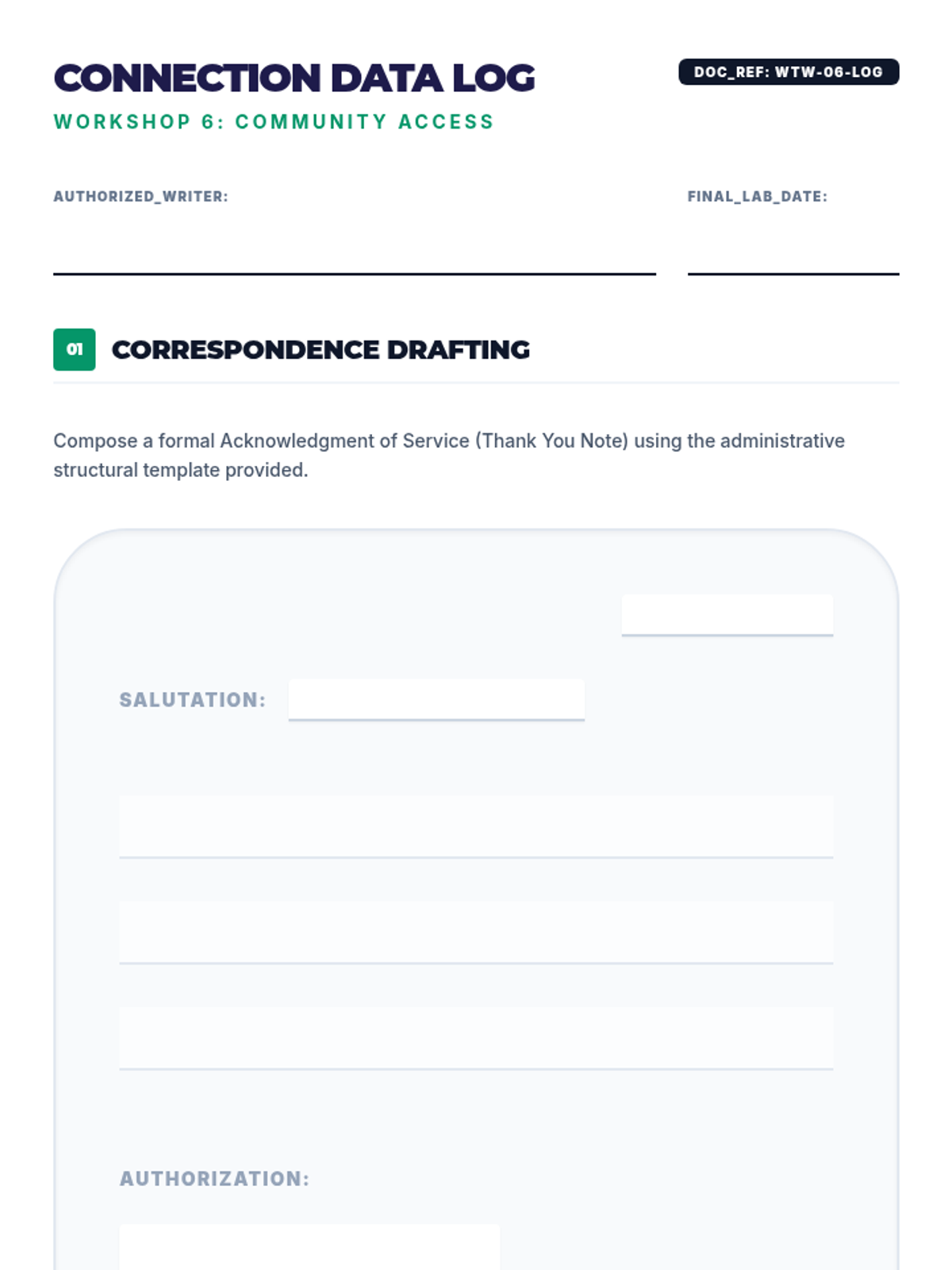
A formal thank-you letter template for students to practice capitalization rules for titles, names, dates, and the pronoun 'I'. Includes writing lines and a self-check tip section.
Visual presentation for the 'Cap It All' capitalization lesson, featuring warm-ups, rules from the classroom video, and instructions for the formal letter activity.
A specialized rubric for educators to assess academic drafts produced through dictation, focusing on technical precision, register, and auditory polish.
A comprehensive checklist for students to use during the multi-modal (TTS and STT) final editing phase of their dictated academic paper.
A formal reference guide for students providing academic alternatives to common spoken language during dictation.
A technical reference guide for students to quickly look up voice commands for complex academic citations and formatting.
Slides for Lesson 5 exploring multi-modal auditing using text-to-speech (TTS) and voice commands for final polish.
An exercise guiding students through the process of taking a dictated transcript and cleaning up 'oral residue' to meet academic standards.
Slides for Lesson 4 exploring register shifting and techniques for elevating spoken language to academic standards.
A technical practice worksheet for students to master academic citations (APA/MLA) using voice commands and punctuation.
Slides for Lesson 3 focusing on technical commands for punctuation and citations in academic writing.
An activity sheet guiding students through the 'blind dictation' challenge to build trust in their oral drafting flow.
A reference sheet for students featuring essential transition phrases categorized by logical function to use during dictated drafting.
Slides focused on sustaining focus and fluid paragraph-level dictation, including techniques for 'blind' dictation to avoid visual distractions.
An answer key for the Structural Repair Worksheet, providing correct answers for the identification and rewriting sections, along with example responses for the drafting challenge.
A structural repair worksheet for 8th grade students to practice parallel structure. It includes three sections: identifying faulty sentences, rewriting mismatched sentences, and drafting original parallel sentences using specific blueprints.
A comprehensive teacher facilitation guide for the Parallel Patterns lesson. It includes lesson objectives, standards alignment, a detailed 45-60 minute pacing guide, discussion prompts, common misconceptions, and differentiation strategies for both support and extension.
A comprehensive 12-slide presentation on parallel structure for 8th grade, featuring a blueprint-themed design. It covers definitions, word-level and phrase-level parallelism, common pitfalls like tense shifts, correlative conjunctions, and interactive practice challenges.
The complete answer key for the Tense Tussle Worksheet, featuring identification codes, irregular verb charts, and corrected paragraph shifts.
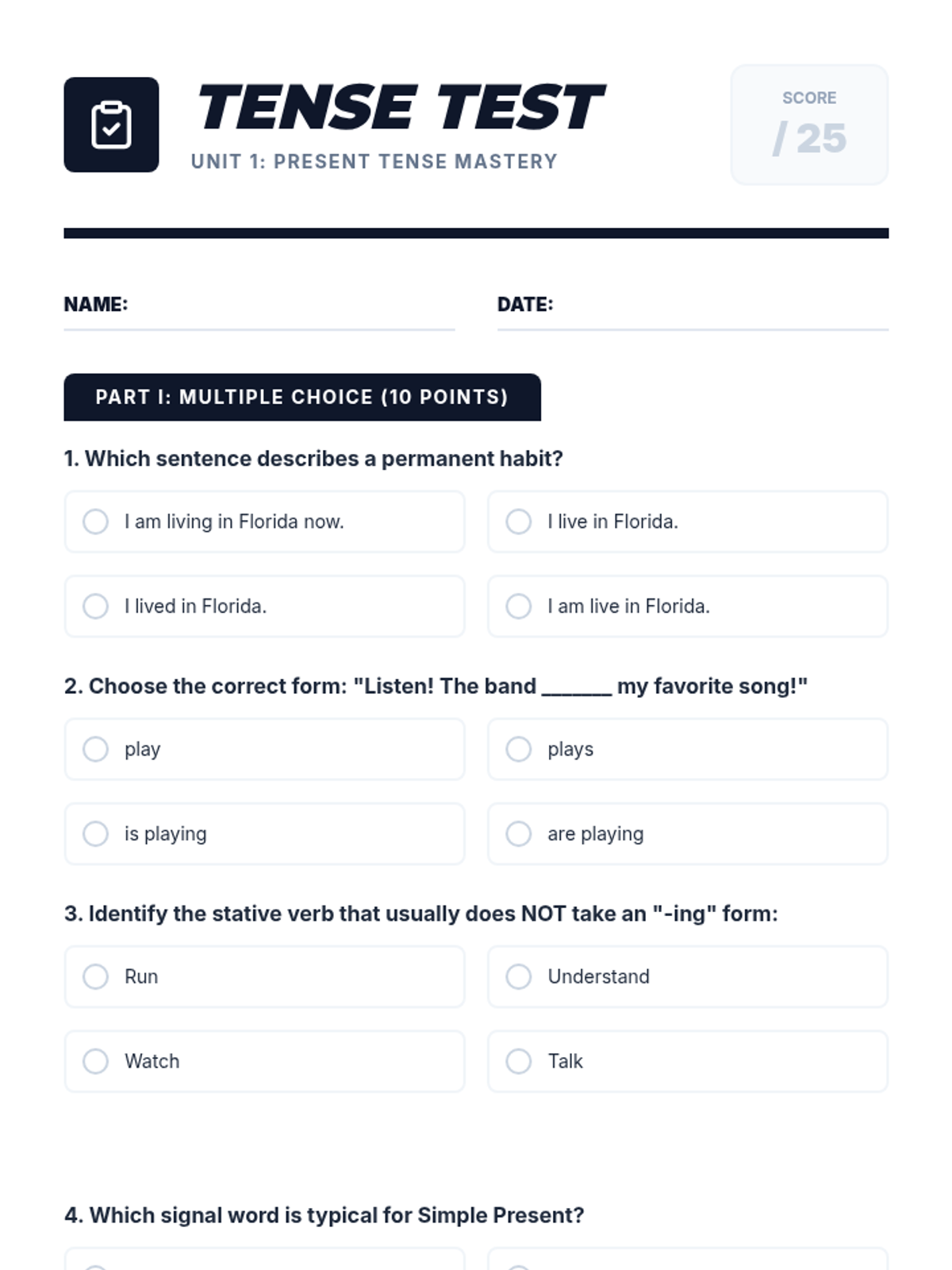
A short quiz to assess student understanding of verb tenses, including identification, irregular verb forms, tense shift correction, and future perfect sentence construction.
A comprehensive worksheet with exercises on identifying verb tenses, conjugating irregular verbs, correcting tense shifts, and writing in advanced future tenses.
A visual anchor chart illustrating verb tenses on a timeline, including simple, continuous, and future perfect forms, with reminders for irregular verbs and tense shifts.
A detailed lesson plan for teaching verb tenses using a 'Time Travelers' theme, covering objectives, materials, and a step-by-step instructional procedure.
Updated Unit 5 Annotated Guide with a lightened ink-friendly Gothic theme. Dark backgrounds have been replaced with light gray and indigo accents.
Updated Unit 5 Exemplar ECR with a lightened ink-friendly Gothic theme. Dark backgrounds have been replaced with white and indigo-tinted light colors.
Updated Unit 5 Blueprint with a lightened ink-friendly Gothic theme. Dark backgrounds have been replaced with indigo-tinted light grays.
Updated Unit 4 Annotated Guide with an Americana color scheme.
Updated Unit 4 Exemplar ECR with an Americana color scheme.
Updated Unit 4 Blueprint with an Americana color scheme (Navy, Red, Cream).
A bright, visual slideshow for kindergarten students explaining how to use the word 'because' to connect an opinion with a reason, featuring examples like pizza, apples, tag, and blocks.
Updated Unit 3 Exemplar ECR with an Americana color scheme.
A set of daily exit tickets for each lesson in the Sweet Sorrow unit, designed to quickly assess student understanding of core concepts like biological pain, poetic metaphor, and synthesis.
Daily instructional scripts for the teacher, providing hooks, direct instruction points, and discussion prompts for each of the five lessons in the unit.
A 5-day unit pacing guide for the Sweet Sorrow Inquiry, detailing daily lesson focuses, key deliverables, and time allocations.
An answer key and teaching guide for 'The Editor's Desk' activity, providing corrected text, margin note examples, and discussion prompts.
A quick exit ticket for assessing student understanding of reflexive pronouns. Features a choice between 'us' and 'ourselves' and an explanation task. Provided in a two-per-page format for efficient printing.
A printable worksheet where students practice writing reflexive and personal pronoun sentences based on 'The Mirror Game' scenarios. Includes identification of subjects and objects and a challenge section using the 'Sub It Out' test.
A worksheet where students act as editors for a corporate newsletter, identifying and correcting 'myself' hypercorrections and providing rule-based explanations.
A slide deck for a 7th grade grammar lesson on reflexive pronouns, featuring a 'Grammar Surgery' theme. It includes a hook email error, embedded Khan Academy video, the core diagnostic rule, and step-by-step instructions for the substitution strategy.
A visual slide deck for teaching 8th-grade students about hypercorrection and reflexive pronoun misuse, featuring embedded video content and discussion prompts.
Visual slide deck for a 6th-grade lesson on reflexive pronouns. Includes a hook, learning objectives, an embedded Khan Academy video, the 'Subject = Object' rule, a pronoun chart, and instructions for 'The Mirror Game' activity.
An answer key for the 'Sentence Scripter' worksheet, showing examples of correctly coded silly sentences and explaining the solution to the bonus challenge misconception check.
Answer key for the Object Detective lesson materials, including correctly identified verbs and direct objects for the activity and exit ticket.
A printable scoreboard for tracking team points during the Grammar Charades activity.
A 3-sentence exit ticket assessing students' ability to identify direct objects and avoid prepositional phrase traps. Includes two per page for easier printing.
An answer key for the Sentence Palette worksheet and Gallery Masterpieces activity, showing the correctly diagrammed sentences.
A set of printable charades prompt cards featuring S-V-DO sentences for students to act out during the Grammar Charades activity.
A detective-themed grammar worksheet where students identify verbs and direct objects in a story about a missing pie. Includes a prepositional phrase trap to test understanding.
A refined worksheet where students glue their silly sentence cards and 'code' them by circling the subject, underlining the verb, and boxing the direct object. Features a bonus challenge focusing on misconceptions.
A drafting-themed worksheet where students practice expanding boring subject-verb sentences into vivid descriptions using specific direct objects and proper nouns.
A high-energy, detective-themed presentation for introducing direct objects. Includes visual aids for the 'Verb + What?' test and a warning about prepositional phrase traps.
A pair of 'Repair Completion' exit tickets for the Modifier Mechanics lesson. Includes a prompt for students to reflect on the core rule of modifier placement.
A printable deck of 20 cards (10 modifiers and 10 logical main clauses) for the Modifier Match-Up game. Includes orange and teal color-coding for easy sorting.
The student worksheet for the 'Modifier Mechanics' activity. Provides designated 'Units' for students to glue their repaired sentence strips and write out any necessary revisions. Balanced across two pages for adequate working space.
Clear, step-by-step game instructions for the Modifier Match-Up card game, including 'Memory' and 'Go Fish' play modes and the 'Logic Test' rule.
A set of printable activity cards for the group activity, each featuring a humorous dangling modifier sentence, a logic prompt, and space for video planning.
A page of sentence strips for the 'Modifier Mechanics' activity. Includes warm-up strips and 10 broken sentences with dotted lines for easy cutting and manipulation.
A comprehensive teacher guide for a lesson on dangling modifiers. Includes a detailed timeline, learning objectives, facilitation tips for the 'bad' resume warm-up and Khan Academy video, and a teacher's cheat sheet for corrective strategies.
Visual presentation for the Modifier Mischief lesson, featuring an embedded Khan Academy video, interactive discussion prompts, and game introduction slides.
A set of 6 dangling modifier prompt cards for the Grammar Pictionary activity, featuring 'absurd' sentences and a teacher answer key for corrections.
Visual presentation for the 'Modifier Mechanics' lesson, featuring video integration, interactive discussion slides, and clear grammatical definitions.
A high-contrast visual presentation for the 'Syntax Spotlight' lesson, featuring video embeds, grammar definitions, and interactive step-by-step instructions for the group activity.
A student-facing editing checklist for identifying and correcting dangling modifiers, designed to be used during a peer-editing activity. Includes a logic guide, a step-by-step hunt protocol, and a log for recording findings and suggested fixes.
A student worksheet with dedicated spaces for drawing literal interpretations of dangling modifiers and a 'Rescue Mission' section for rewriting sentences correctly.
A comprehensive teacher's guide for the Modifier Mischief lesson, featuring pacing instructions, warm-up prompts, a video discussion guide, and a logical answer key for the card game.
A 5-slide visual presentation for the Dangling Disasters lesson, including warm-up prompts, the embedded Khan Academy video, activity instructions, and a closure slide.
A comprehensive teacher guide for a Grade 5-7 grammar lesson on dangling modifiers, featuring a 'Modifier Mechanics' repair shop theme with detailed procedures and an answer key.
A visual slide deck for teaching dangling modifiers to high school students, featuring a 'bad' resume warm-up, an embedded Khan Academy video, and clear instructions for a peer-editing activity.
An answer key for the Final Case Quiz, providing solutions for word identification, sentence completion, and pattern matching activities.
A comprehensive 4th-grade spelling quiz covering sh, th, ch, wh, fr, ou, ea, and gh patterns. Includes multiple choice, fill-in-the-blank, and creative writing sections.
An answer key for the Pattern Puzzle Worksheet, providing the sorting categories and fill-in-the-blank solutions.
A set of printable flashcards for 4th-grade spelling words featuring the 'ou', 'ea', and 'gh' patterns. Includes pattern labels for easier study.
A detective-themed spelling worksheet for 4th grade focusing on 'ou', 'ea', and 'gh' patterns. Includes sorting and sentence completion activities.
An answer key for the Digraph Detective Worksheet, providing the correct sorting categories and fill-in-the-blank answers.
A set of printable flashcards for 4th-grade spelling words featuring sh, th, ch, wh digraphs and the fr blend. Designed with a detective 'Evidence Card' theme for interactive learning.
A detective-themed spelling worksheet for 4th grade students to practice words with sh, th, ch, wh, and fr digraphs/blends. Includes a word list, sorting activity, and fill-in-the-blank context practice.
Answer key for the Spelling Detectives Worksheet, providing the correct spelling for homophones and identified spelling errors.
A detective-themed worksheet for 4th graders to practice identifying and correcting common spelling errors, including homophones and tricky word patterns.
Updated teacher guide for the Pop Star Opinions lesson, now featuring a 45-minute pacing plan that includes the new Editing Encore section, an answer key reference for all 11 worksheet problems, and updated vocabulary. All quotation marks removed.
Updated Editing Encore Worksheet with 11 practice problems total. Reduced spacing and adjusted font sizes to ensure all content fits comfortably on a single page while maintaining legibility and adequate workspace.
Updated answer key reflecting the additional practice items in the expanded worksheet.
Updated student worksheet expanded to two pages to provide generous writing space and clear horizontal lines for sentence combining and creative writing tasks.