A visual presentation for the Lava Layers lesson, featuring the SciShow Kids video embed, vocabulary slides, and clear activity instructions.
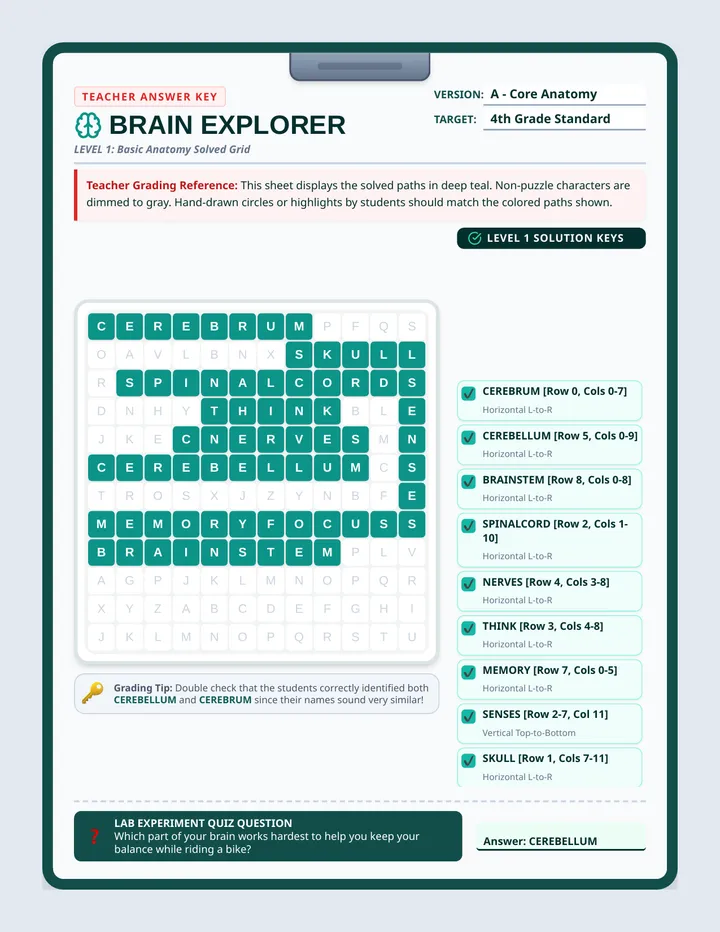
A comprehensive answer key for the Food Chain Builder Activity and the Chain Reaction Worksheet, including all eight ecosystem chains and vocabulary definitions.
A teacher-facing facilitation guide providing lesson objectives, a pacing guide, discussion prompts, and notes on common student misconceptions regarding food chains.
A worksheet featuring vocabulary matching, a food chain diagram analysis (Corn -> Mouse -> Owl), and a creative section for students to draw their own food chain. Designed for 3rd-grade assessment.
A hands-on activity where students cut out organism cards and paste them into the correct ecosystem food chains. Covers all eight requested ecosystems: Grassland, Backyard, Rainforest, Tundra, Ocean, Desert, Forest, and Pond.
A set of interactive slides that introduce the concept of food chains, define producers and consumers, and showcase example chains from eight diverse ecosystems. Includes clear visuals and directional arrows to illustrate energy flow.
Teacher's reference and answer key for the Cycle Quest worksheet, providing suggested responses and textual evidence for RI.3.1 assessment.
A comprehensive reading passage about the water cycle with targeted 'How' and 'Why' comprehension questions to build RI.3.1 proficiency.
A vibrant slide deck introducing RI.3.1 skills through the lens of the water cycle, teaching students how to distinguish between 'how' and 'why' questions using scientific evidence.
A clear, easy-to-reference answer key for teachers to check student work on the Habitat Sort Activity.
A two-page activity featuring a habitat grid on page one and fifteen animal cutout cards on page two for students to categorize into the correct biomes.
A matching worksheet where students connect five specific animals to their corresponding habitats based on brief descriptions and visual icons.
An engaging visual presentation introducing the five major habitats: Forest, Ocean, Desert, Arctic, and Rainforest, featuring key characteristics and animal examples for each.
A comprehensive scoring guide for teachers to assess students' biome box projects and written reports, covering accuracy, creativity, writing, and presentation.
A naturalist-themed worksheet for students to document their biome box project, featuring sentence starters, short response areas, and sections for climate, flora, fauna, and project reflection.
An expanded math worksheet featuring 6 multi-step problems integrated with science concepts like photosynthesis and plant life cycles. Revised to fit 3 problems per page for a concise 2-page layout. solid borders added for clarity.
Teacher answer key and instructional guide for 'The Glow Trap' materials. Includes correct responses, acceptable variations for short answers, and specific IEP modification strategies for the lesson.
Comprehensive worksheet for the 'The Glow Trap' lesson, including multiple-choice questions with emoji support, a word bank for fill-in-the-blank sentences, and a structured sentence frame for short answer responses. Designed for easy student interaction and visual clarity.
Complete reading and comprehension packet for the 'The Glow Trap' lesson. Includes a 7-sentence primer-level passage with visual cues and a dedicated assessment page featuring multiple choice with pictures, fill-in-the-blank, and sentence frames. Enhanced for accessibility with large fonts and high contrast.
Revised introductory slide deck for 'The Glow Trap'. Now includes guided assessment slides (Multiple Choice, Fill-in-the-blank, Sentence Frame) as requested, fixed biological emojis, and enhanced visual contrast for IEP student support.
A comprehensive instructional guide for teachers to facilitate the water purification experiment. Includes lab prep recipes, facilitating prompts, answer keys, and troubleshooting tips.
A visual presentation guide for teaching the concepts of physical filtration and phase-change purification. Includes clear visual aids and a lab safety overview.
A comprehensive guide for students to conduct a two-part water purification experiment using filtration and evaporation. Includes safety tips, material lists, and observation sections.
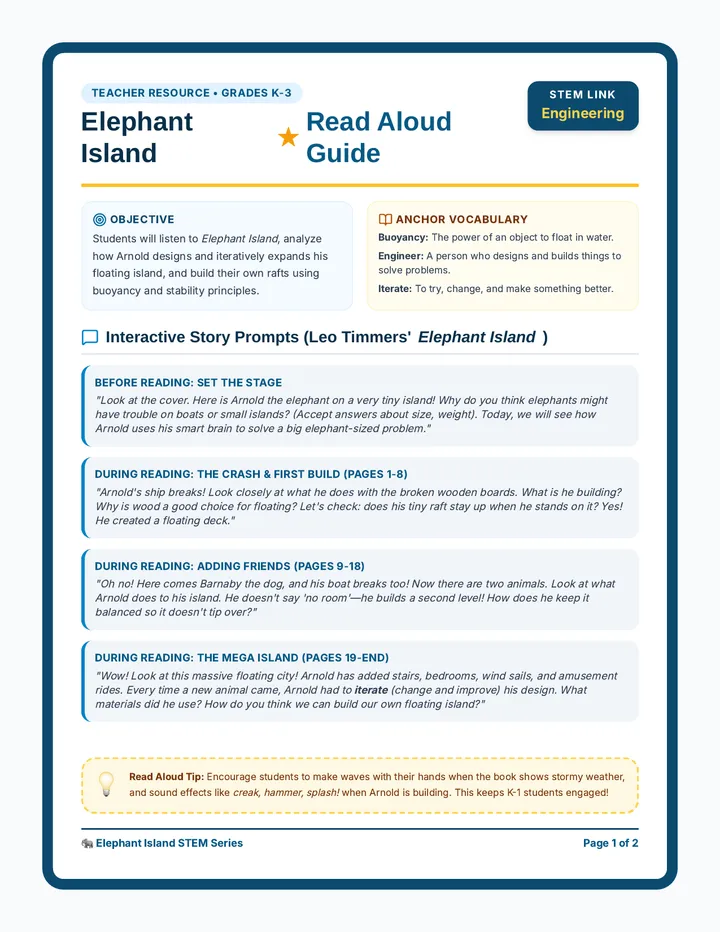
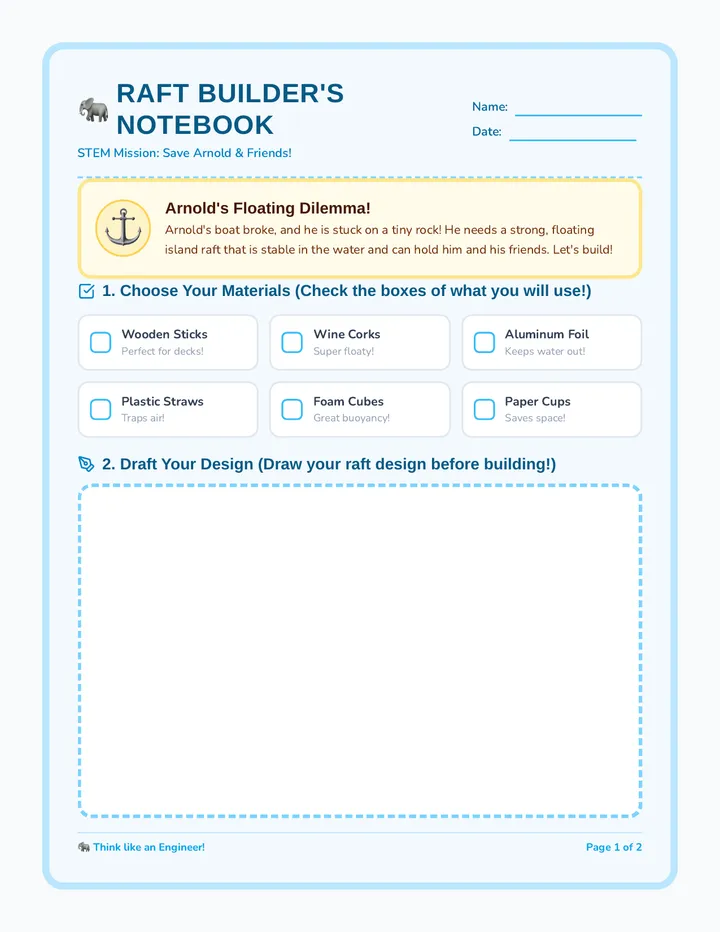
A comprehensive teacher's guide for the Cycle Seekers lesson, including learning objectives, pacing, discussion prompts, and notes on common misconceptions. Optimized for single-page use.
An answer key for the Water Wanderer worksheet, providing the correct stage names and concise descriptions for all seven parts of the water cycle. Repositioned to ensure no overlaps and improve visual clarity.
A student worksheet featuring a water cycle diagram with blank labeling areas for seven key stages, requiring students to provide both names and descriptions. Optimized for one-page printing with enhanced handwriting space and high-contrast visuals.
An introductory slide deck explaining the seven key stages of the water cycle, highlighting the roles of solar energy and gravity. Includes a final slide to transition to the labeling activity.
A comprehensive answer key and teacher guide for the Waste Warriors differentiated worksheet set.
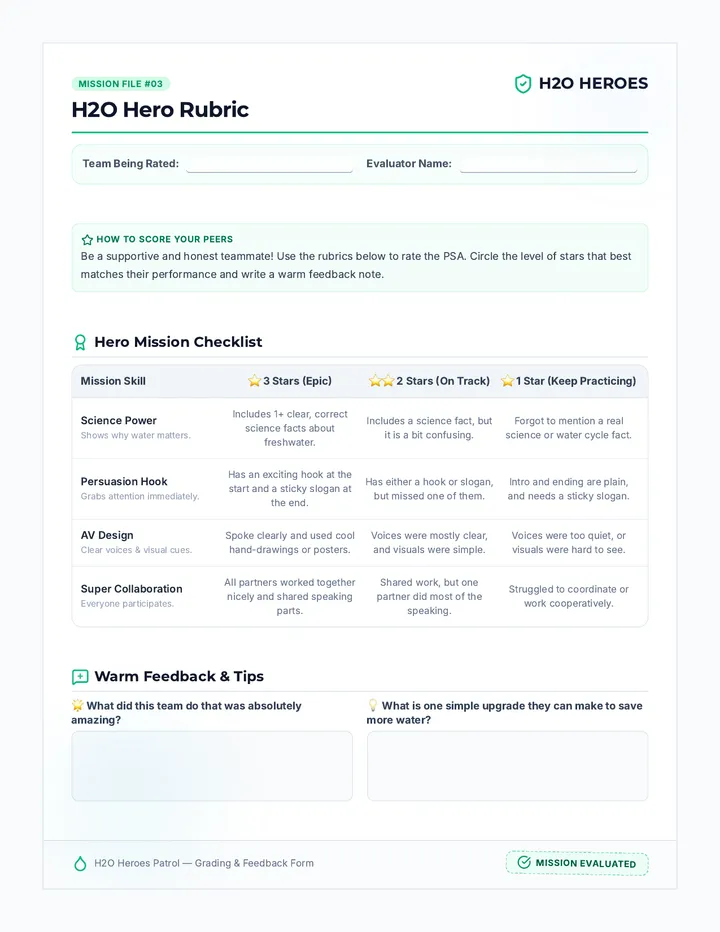
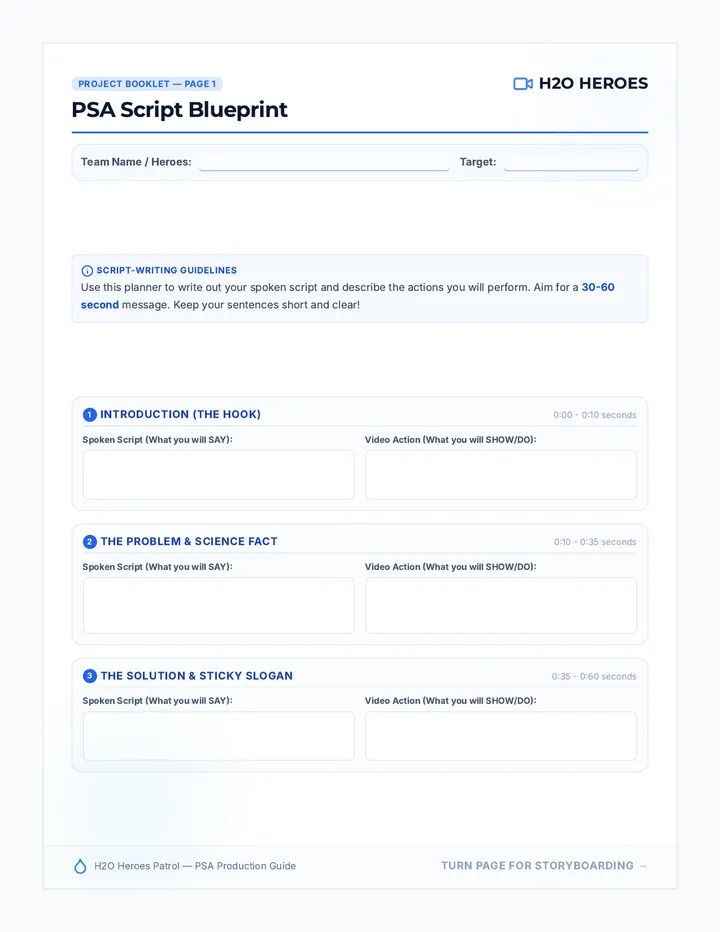
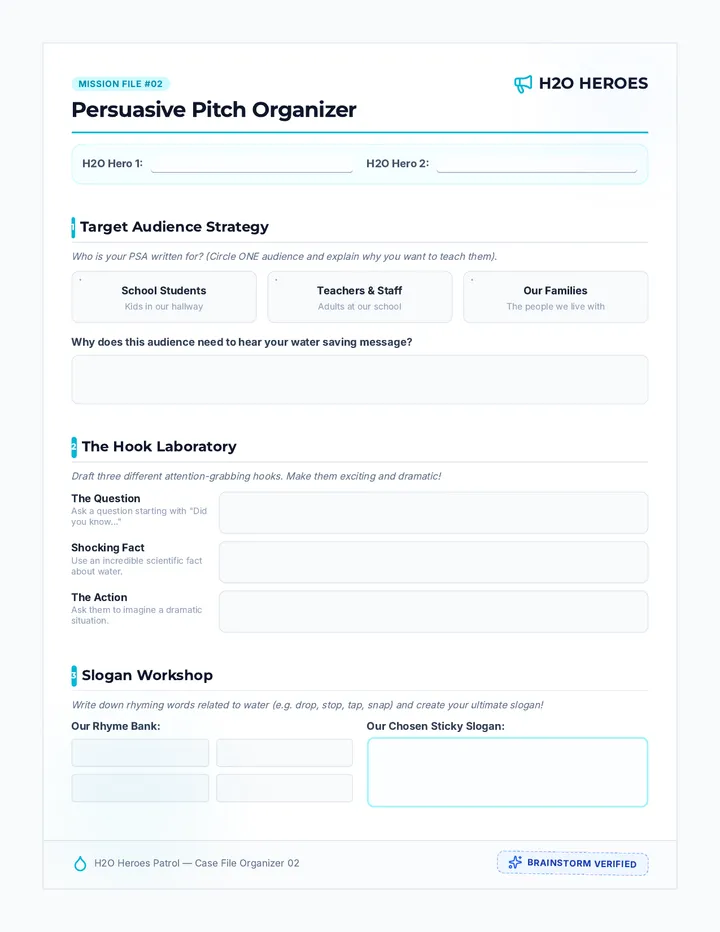
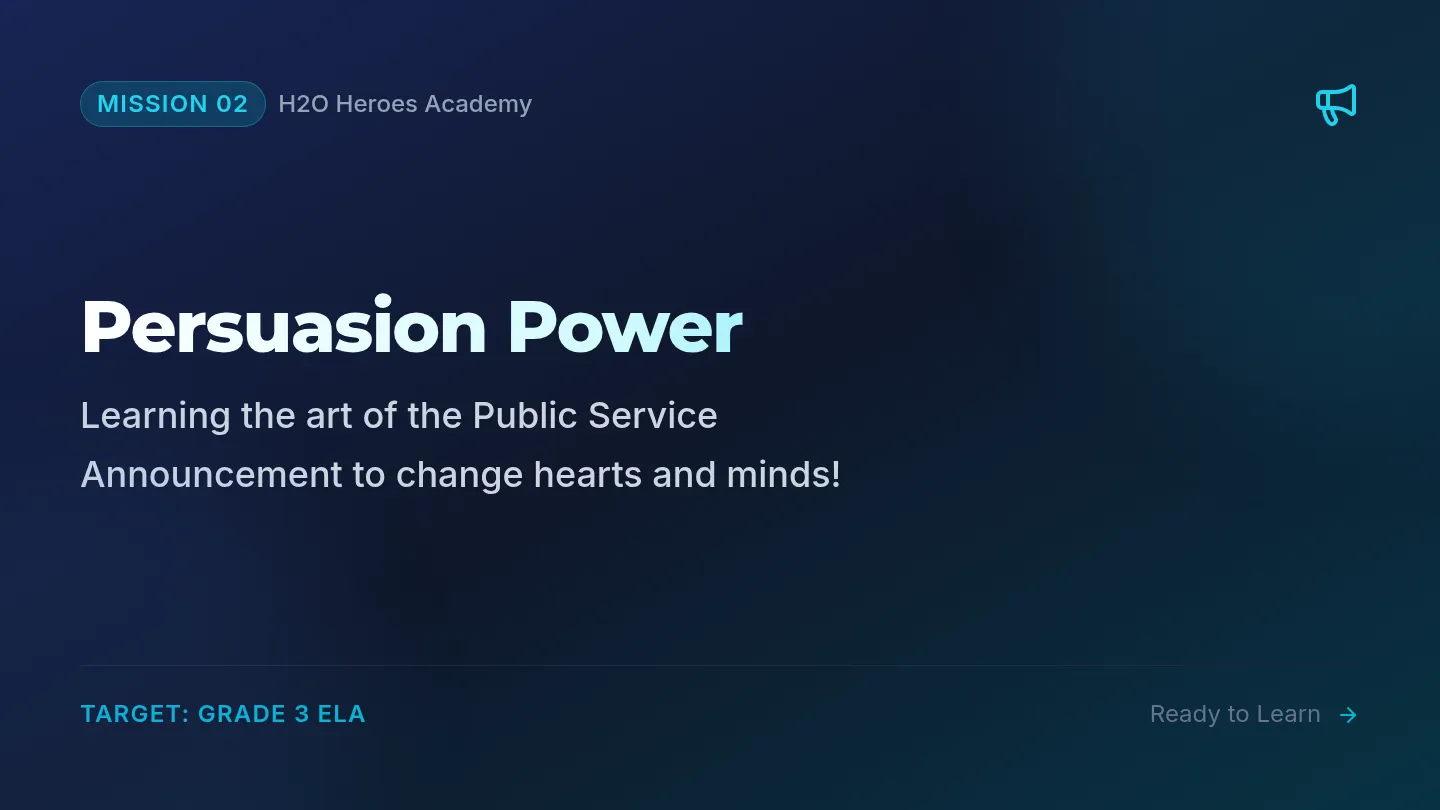
A beginner-level Earth Day worksheet using pictures and icons for multiple-choice sorting and vocabulary recognition.
A mid-level Earth Day worksheet featuring a matching activity with a word bank, simple sorting lines, and cloze sentences for structured student responses.
An advanced-level Earth Day worksheet featuring sentence starters and open-ended vocabulary definitions for students to demonstrate deep understanding of waste management.
Printable scavenger hunt cards designed for outdoor or indoor exploration. Features heavy visual cues and sensory-based missions accessible for life skills and primary students.
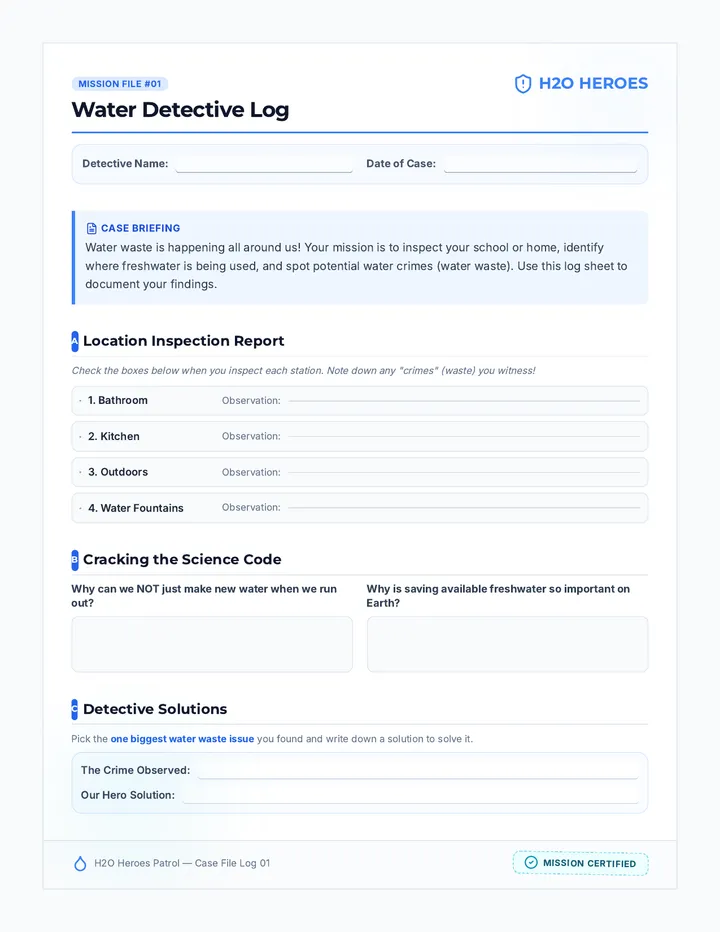
A highly visual and differentiated worksheet for multi-grade students to document their Earth Day missions, including a scavenger hunt checklist, a 'Reduce/Reuse' brainstorm area, and a formal Earth Pledge.
Engaging, high-contrast visual slides to introduce Earth Day activities to a diverse classroom. Focuses on celebration after testing and the 'Planet Protector' theme, now including an embedded mission video.