A professional 10-slide presentation deck covering the technical workflow of genome sequencing. Includes visual comparisons of short-read vs. long-read technology, data quality metrics (Q-scores), and the clinical impact of precision medicine.
A set of cut-out cards for a substitute teacher to use during the Digital Defense League activity, introducing dynamic "Threat Alerts" that require physical or logic-based student responses.
An answer key for the Digital Defense League unplugged activity, providing solutions for binary decoding, firewall logic, and discussion prompts for hardware impact and cybersecurity.
A student worksheet for an unplugged computer science activity where students simulate hardware components (I/O, CPU, RAM, Storage) while completing binary decoding and cybersecurity tasks.
A detailed substitute teacher guide for a Computer Science unplugged lesson, including step-by-step instructions, materials checklists, and classroom management tips focused on hardware and cybersecurity.
A compact exit ticket for the Celestial Currents lesson, featuring 3 critical thinking questions about comparative geomorphology and liquid properties in space.
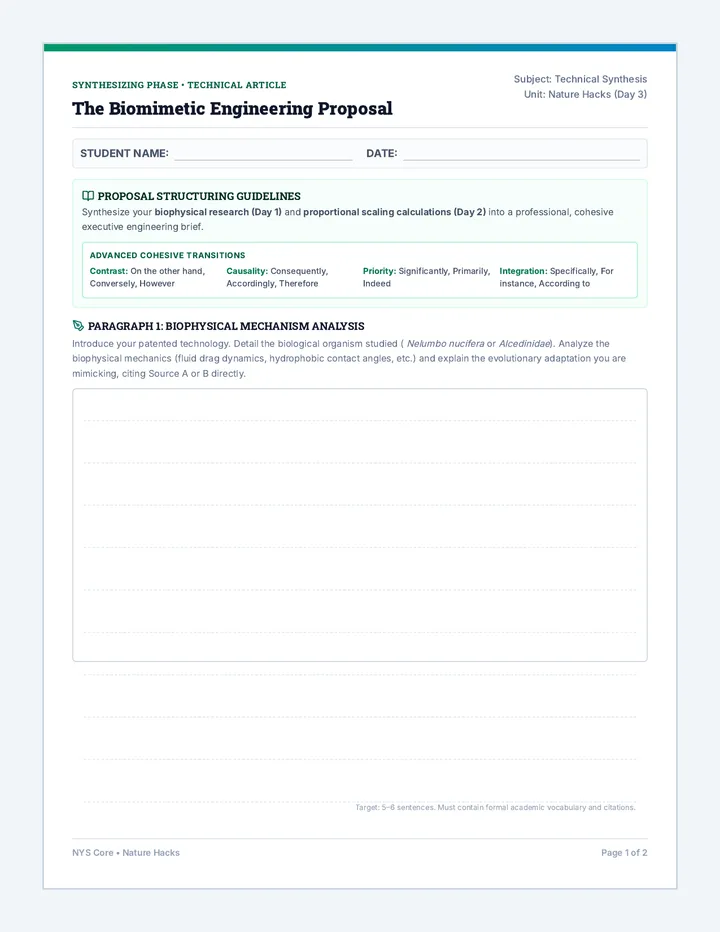
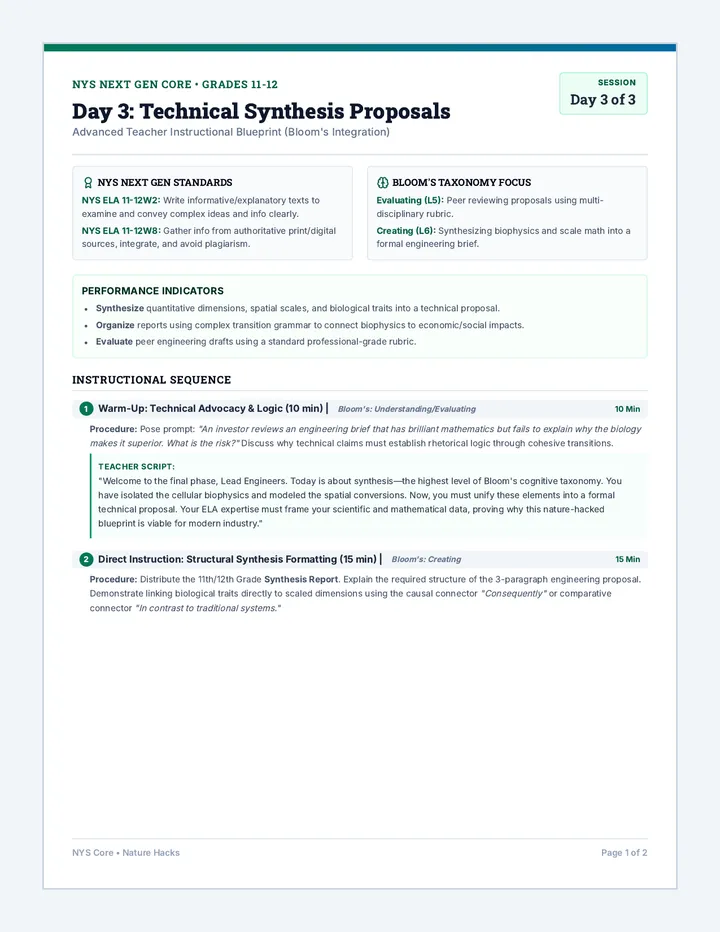
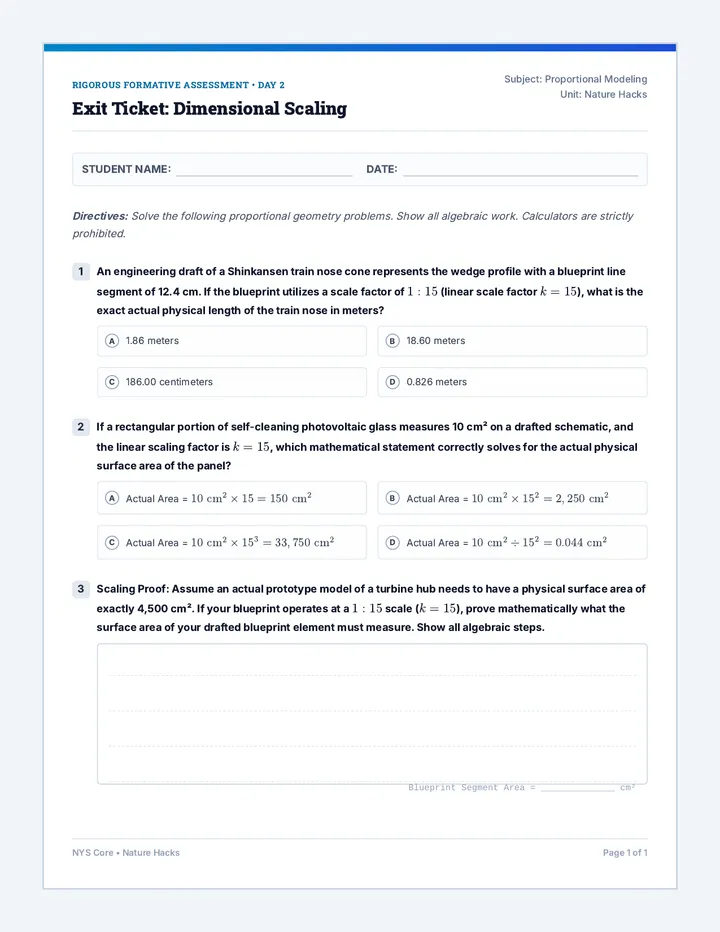
A multi-page independent research log where students investigate specific landforms across the solar system (Vid Flumina, Jezero Crater, Baltis Vallis, Kraken Mare, Kasei Valles, Hadley Rille) and document their physical properties.
Visual presentation slides for the unit review, focusing on plant responses (thigmotropism), vascular transport, human body system interactions, homeostasis, viral vs. cellular structures, and environmental impacts on enzymes.
Updated teacher answer key for the revised System Sleuths worksheet.
Updated unit review worksheet for body systems, now including plant reproduction and clear space for all required student responses.
An answer key for the Security Breach Worksheet, providing ideal responses and grading guidance for teachers.
A student worksheet designed to assess understanding of the mechanics, capabilities, and deterrents of a 51% attack. Includes short answer and checkbox sections.
A teacher guide providing talkings points, analogies, and clarification on common misconceptions regarding 51% attacks for use with the slide deck.
A high-level slide deck explaining the mechanics, consequences, and limitations of a 51% attack on blockchain networks. Designed with a cybersecurity theme for visual impact.
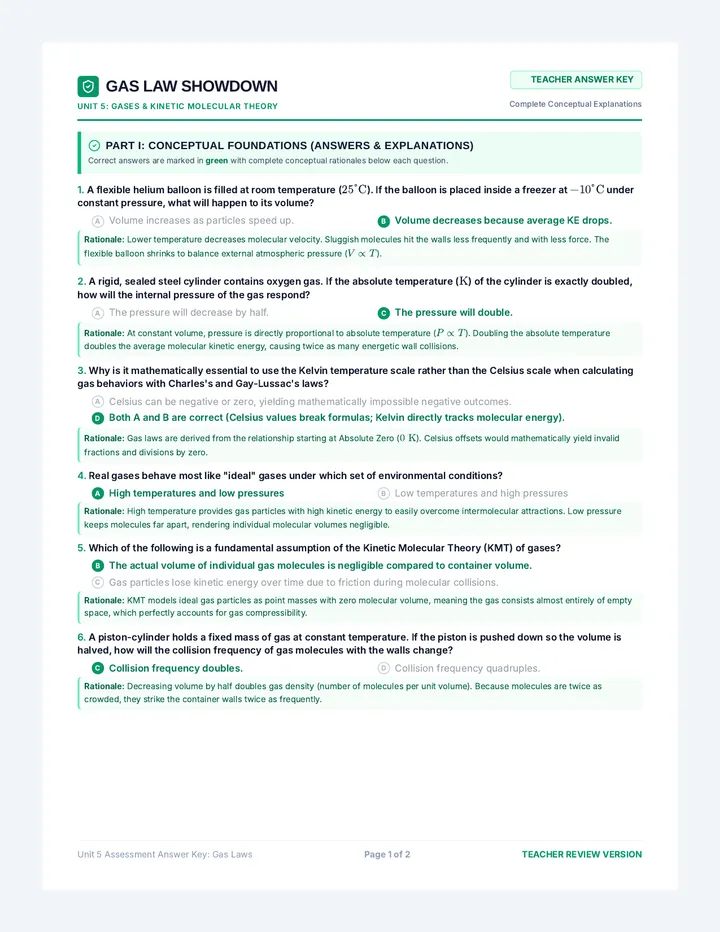
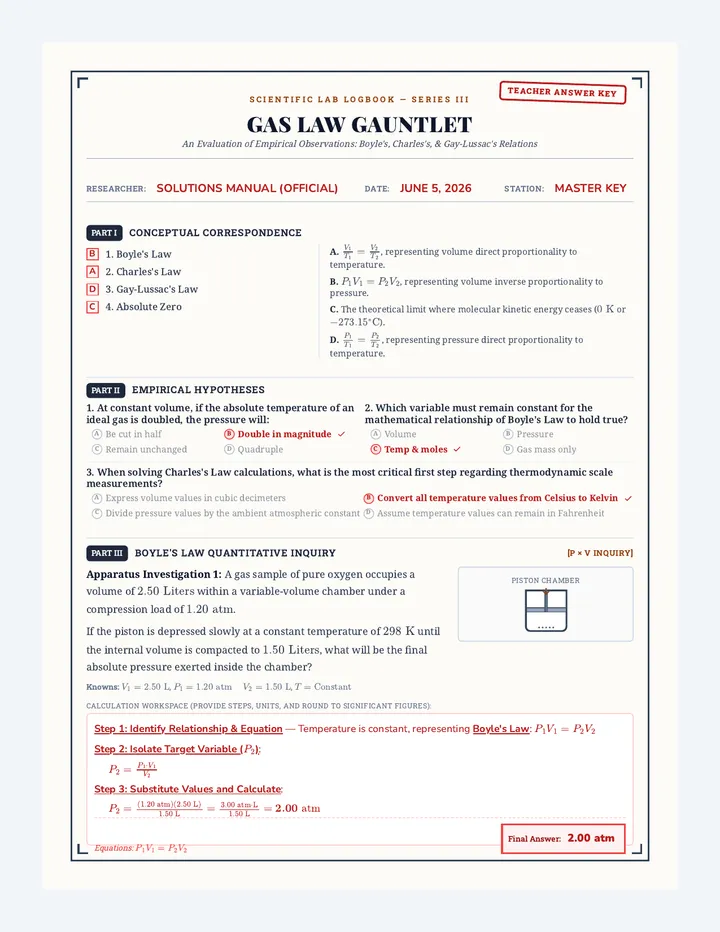
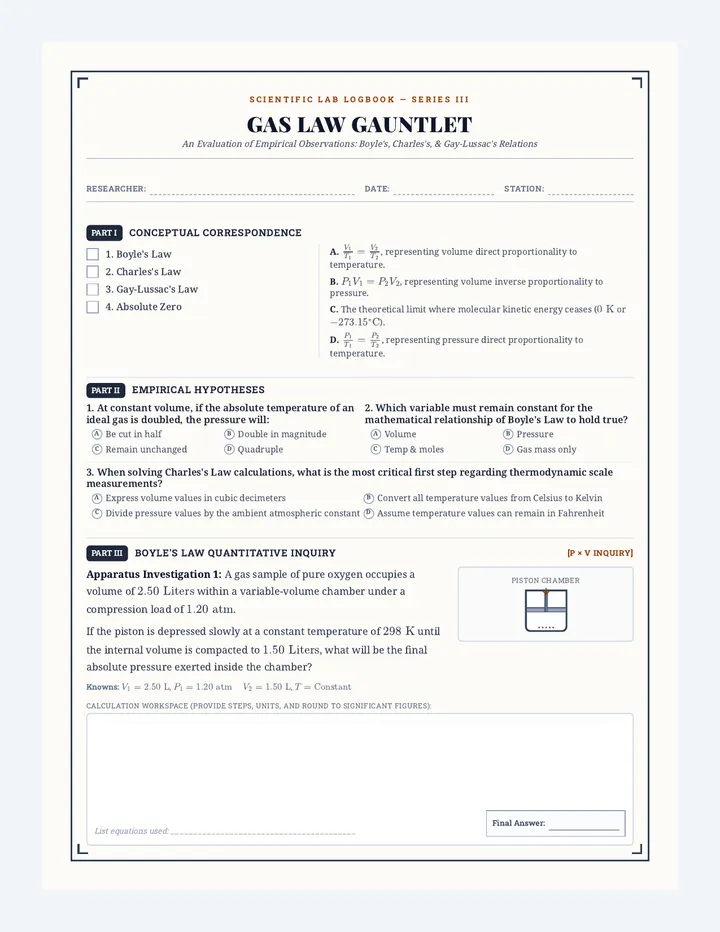
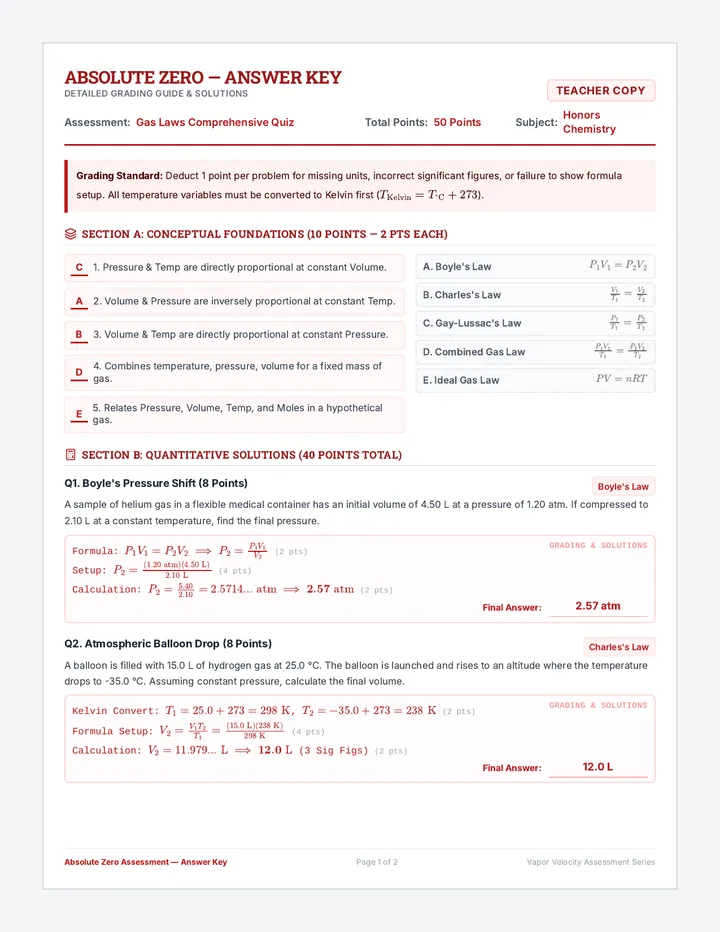
A comprehensive teacher's answer key for the Gas Law Gauntlet worksheet, featuring step-by-step solutions, unit conversions, and highlighted final answers for all 18 problems.
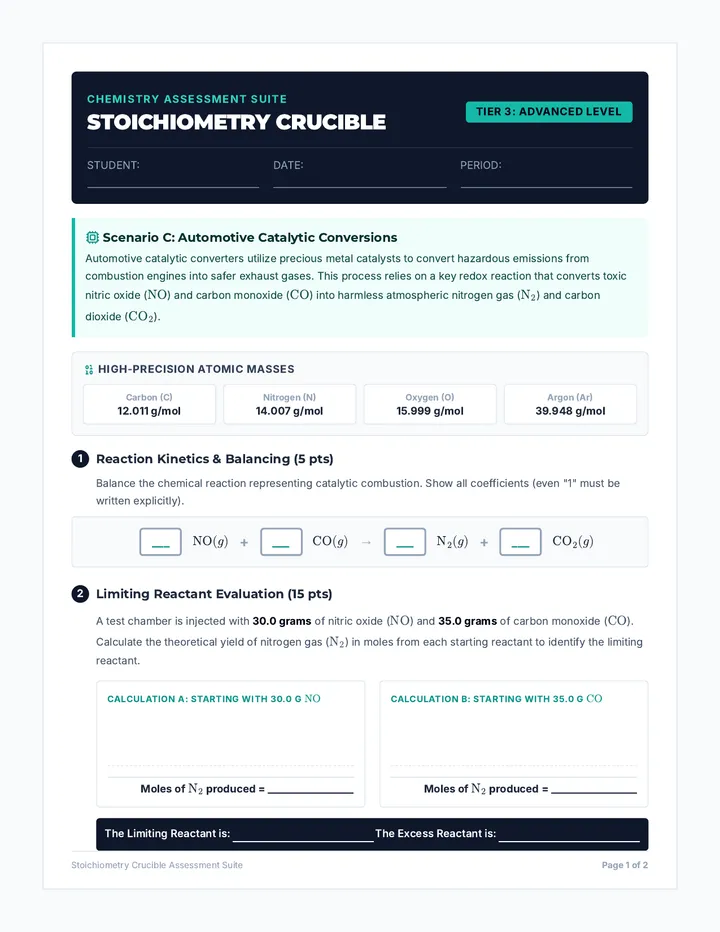
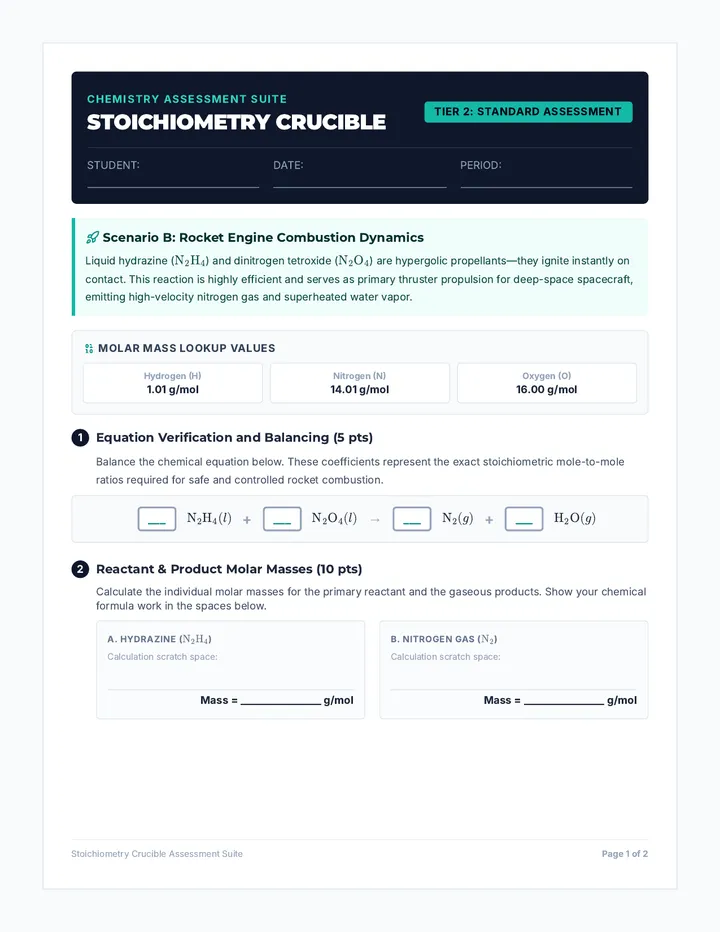
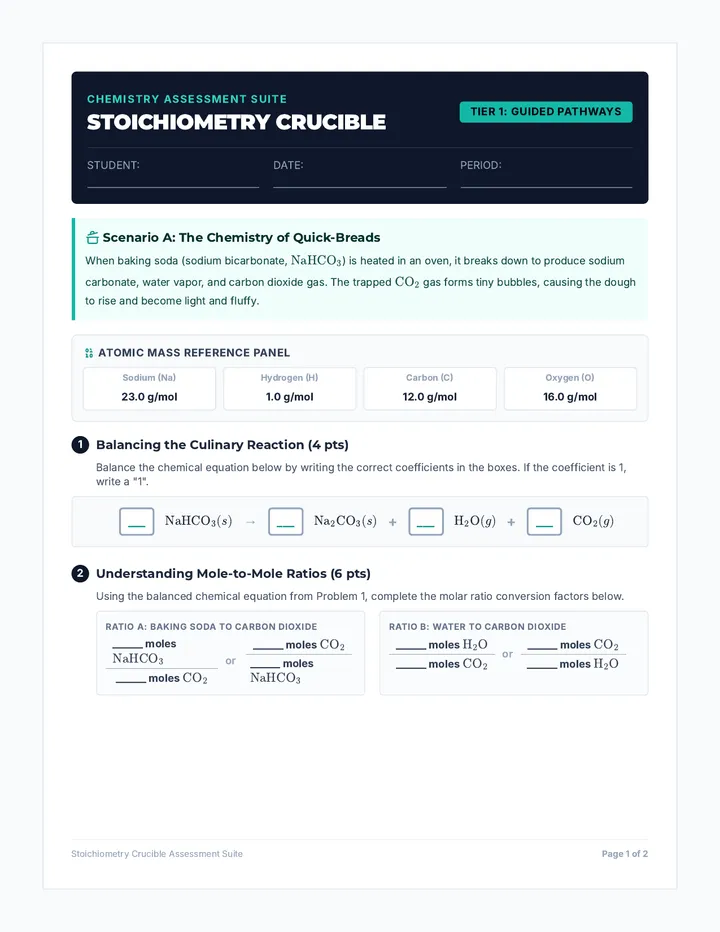
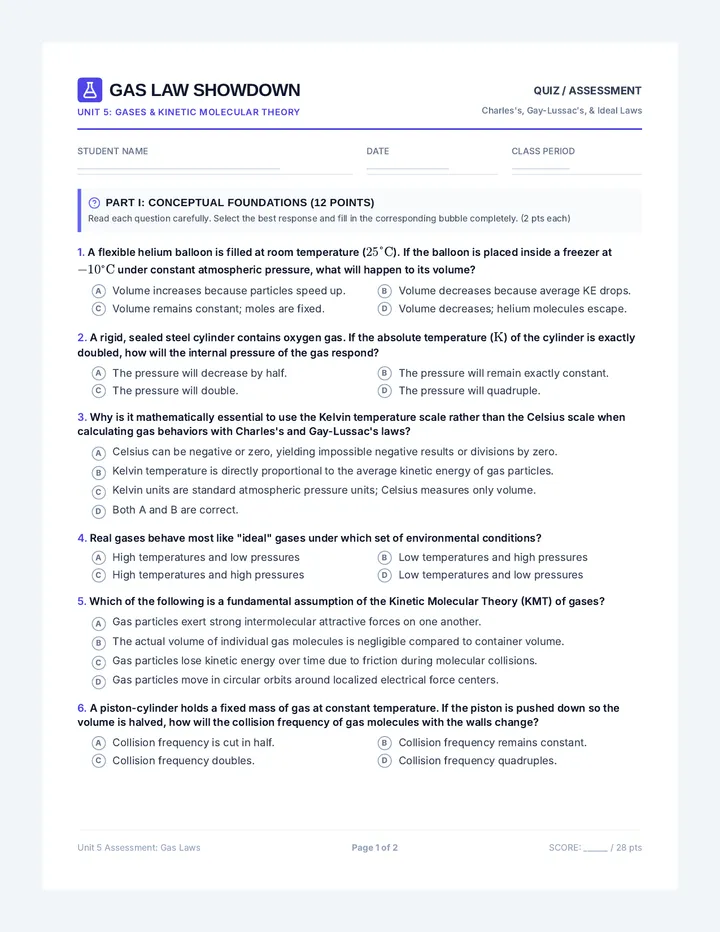
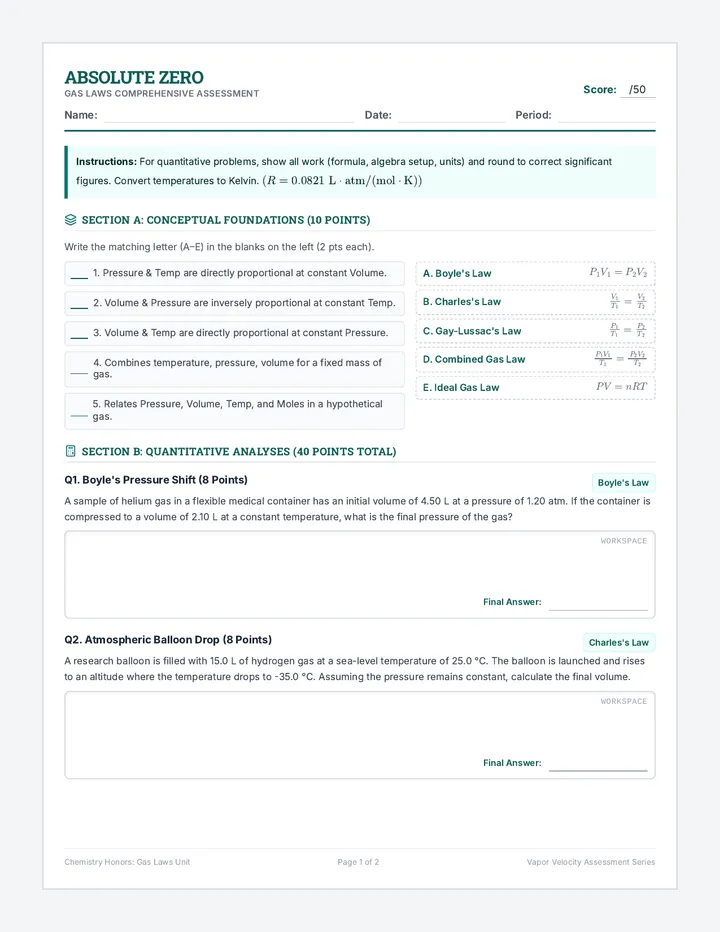
A four-page comprehensive practice worksheet covering Boyle's, Charles's, Gay-Lussac's, Combined, Ideal, and Dalton's gas laws, featuring three curated problems for each law with dedicated spaces for givens and calculations.
An instructor facilitation guide for the Carbonate Fan Architecture lesson, including pacing, discussion prompts, and an answer key for the student activity.
An in-class activity worksheet for graduate students to analyze lithofacies descriptions and interpret depositional architecture within a carbonate fan system.
A graduate-level slide deck focusing on the carbonate submarine fan deposits of the Lake Valley Formation, featuring facies associations and depositional models.
A teacher guide for the Carbonate Submarine Fans lesson, featuring a minute-by-minute pacing guide, instructional script, and answer keys for the student activity.
A student-facing activity worksheet designed for master's students to apply the architectural and facies concepts from Bishop et al. (2023) to hypothetical field observations.
A 30-35 minute slide presentation for graduate geology students covering the carbonate submarine fan deposits of the Lake Valley Formation as described by Bishop et al. (2023).
A specialized teacher's guide for comparing planetary landforms, detailing the role of different liquids (water, methane, lava) in geomorphology across the solar system.
A comparative analysis worksheet where students calculate sinuosity and analyze delta formations on Earth and Mars to infer fluid properties.
A comparative graphic organizer where students map liquid-solid interactions on Earth, Mars, Titan, and Venus, identifying the fluid agents and resulting landforms.
A visual comparison slide deck focusing on geomorphological features carved by different liquids on Earth, Mars, and Titan, emphasizing viscosity and density.
A station-based laboratory activity where students test and measure the surface tension, viscosity, capillary action, and density of various liquids through hands-on experimentation.
A structured comparison tool for students to record observations of four different liquids, including sections for viscosity, buoyancy, and visual sketches of molecular interactions.
A visual presentation for introducing liquid properties, featuring large typography, clear diagrams for intermolecular forces, and essential safety guidelines for the hands-on lab.
A comprehensive 90-minute lesson plan for teachers, covering instructional sequences, laboratory setup for 4 stations, demonstration ideas, and common student misconceptions regarding liquid properties.
Detailed answer key for the Charge Force worksheet with full step-by-step Coulomb's Law calculations.
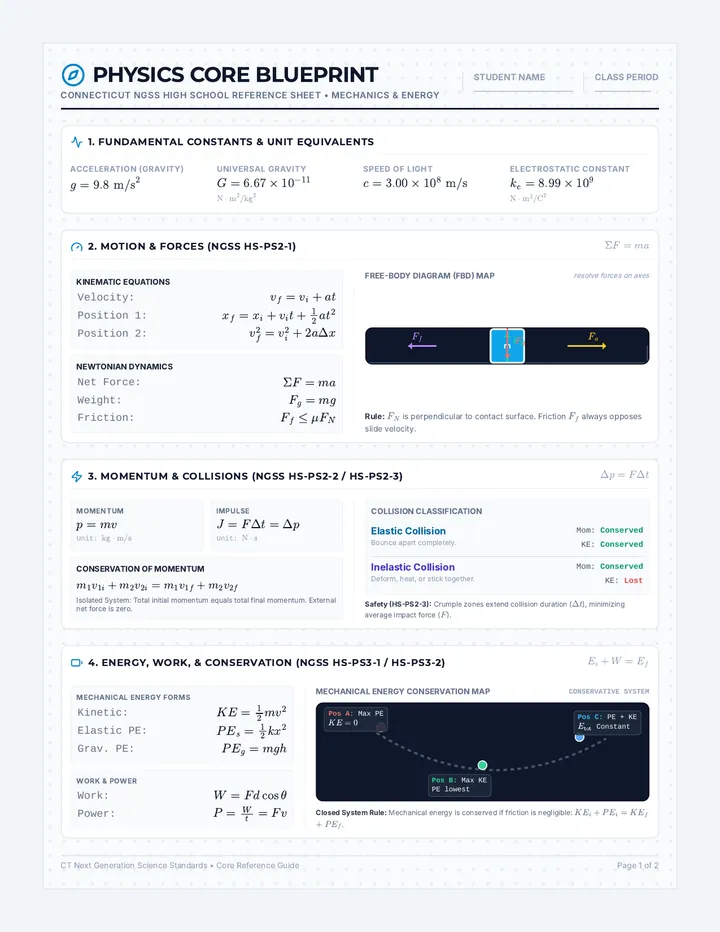
A practice worksheet for Coulomb's Law covering electrostatic force calculations, charge relationships, and the inverse square law.
Detailed answer key for the Current Flows worksheet with step-by-step solutions and conceptual explanations.
A practice worksheet for Ohm's Law featuring conceptual matching questions and calculation problems for voltage, current, and resistance.
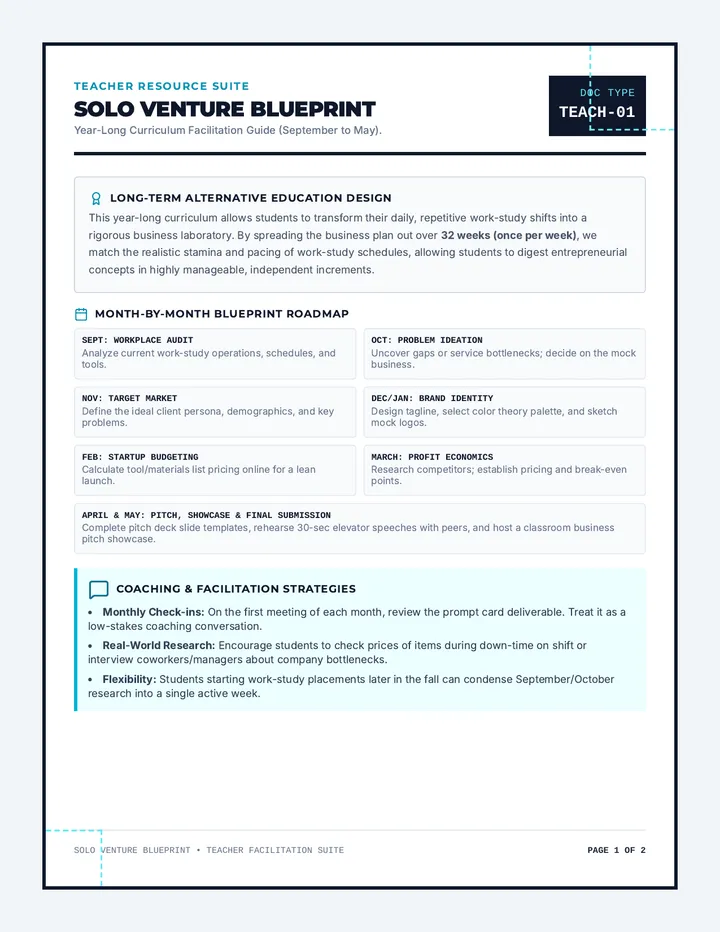
A comprehensive teacher guide including a lesson plan, pacing guide, materials list, and detailed answer key for all activities.
A two-per-page exit ticket designed to test student recall on the RBD process and identification of major seed oils. It features a themed ticket-stub aesthetic.
A worksheet where students identify common seed oils from a list, extract oil names from real ingredient labels, and answer conceptual questions about the industrial reasons for their use.
A 5-slide presentation covering the definition, industrial processing (RBD), and ubiquity of seed oils in modern food. It uses a high-contrast industrial theme to engage students.