A student-facing activity worksheet designed for master's students to apply the architectural and facies concepts from Bishop et al. (2023) to hypothetical field observations.
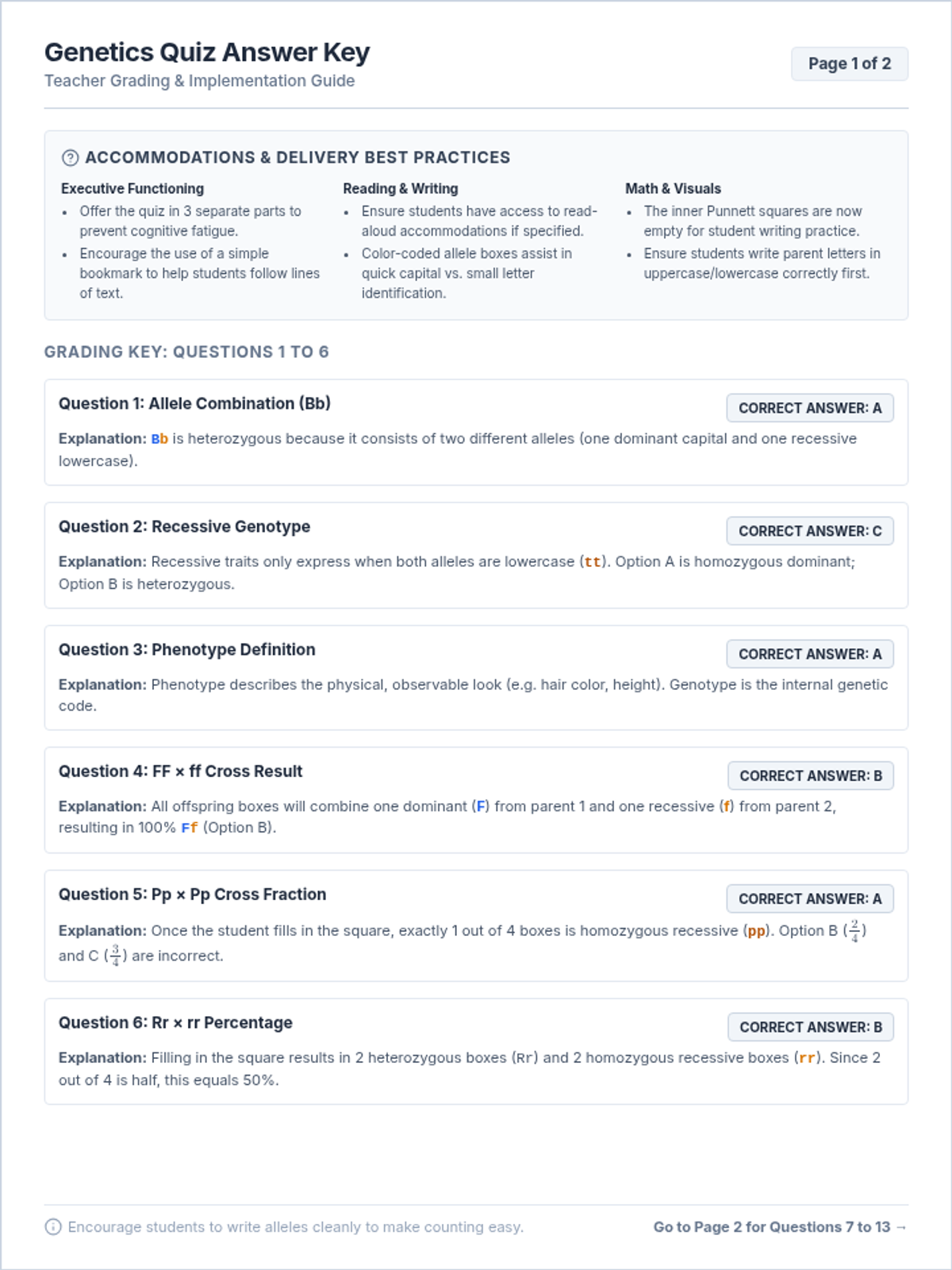
A teacher's answer key for the Sight Squad materials, including TEKS alignment, scoring guides for written responses, and instructional tips for second grade.
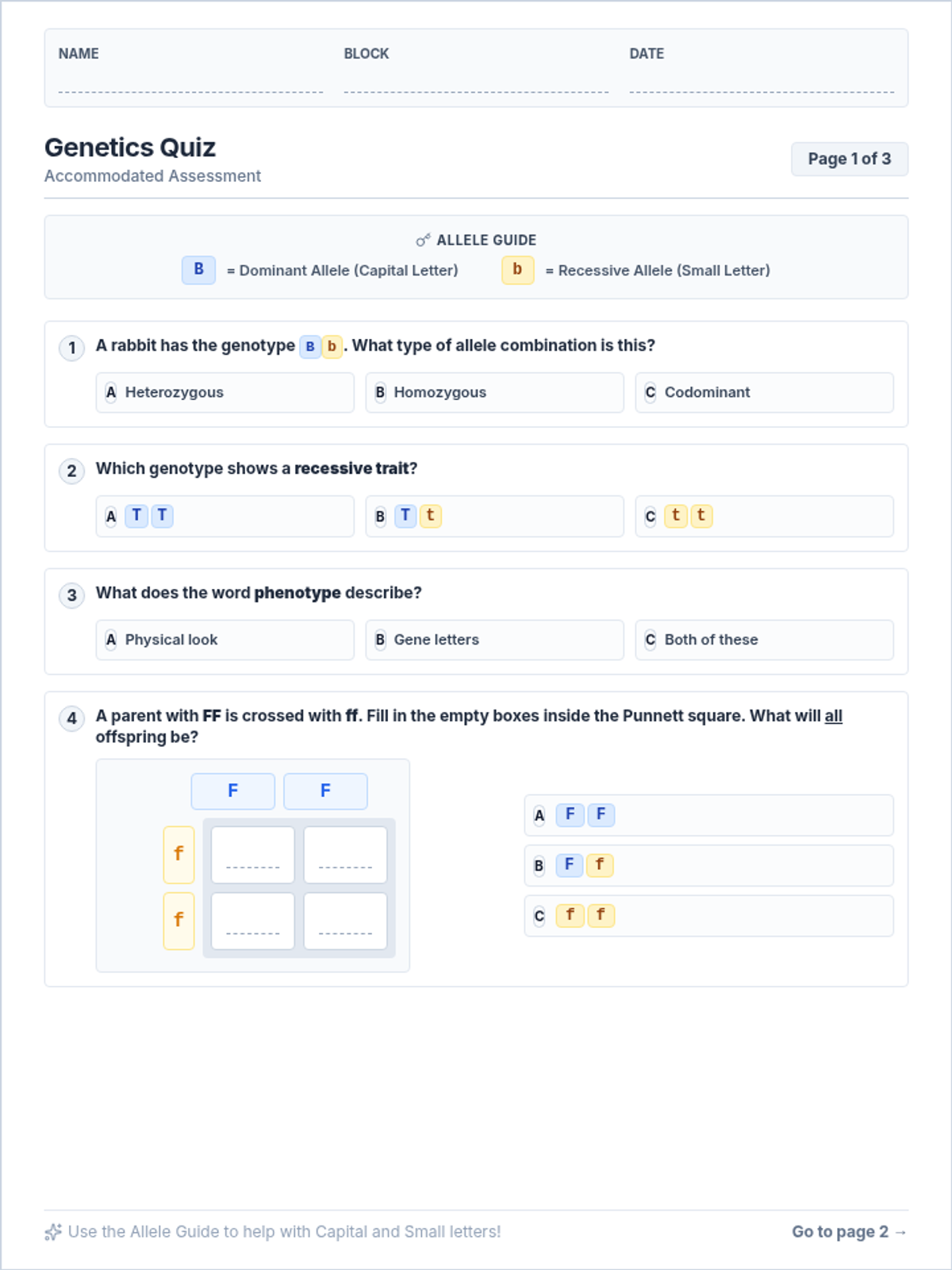
A STAAR-aligned assessment for second grade students focusing on the sense of sight passage. Includes main idea, vocabulary, text evidence, and detailed recall questions.
An engaging reading passage for second graders about the sense of sight, including numbered paragraphs for easy reference and a built-in text evidence task.
A visual presentation introducing the sense of sight, key parts of the eye, and how eyes protect themselves. Includes engagement prompts for second-grade students.
A student lab worksheet for investigating the pH of various common substances. Includes a pH scale reference, data collection table, and analysis questions connecting pH to water's role as a universal solvent and its impact on life.
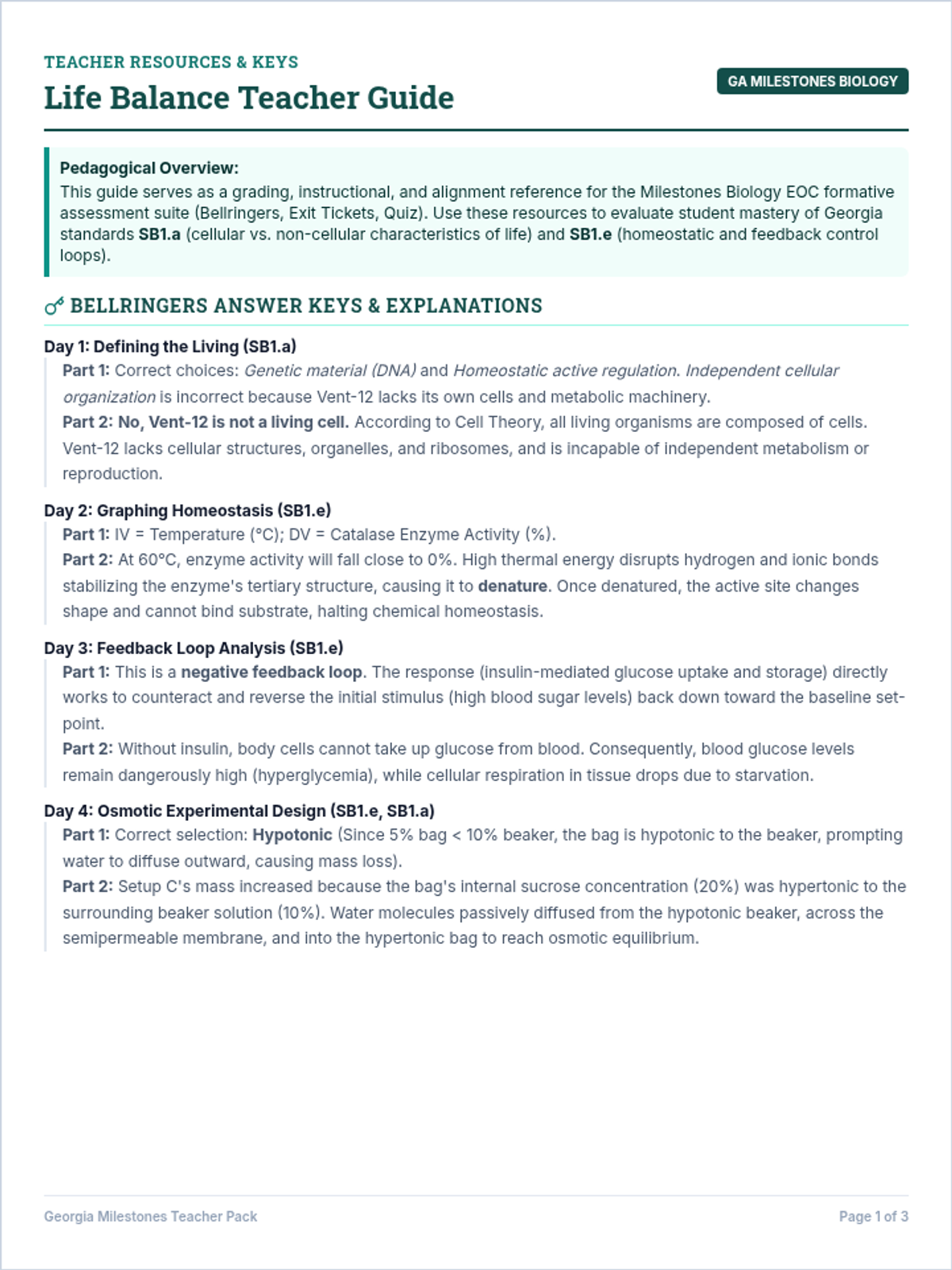
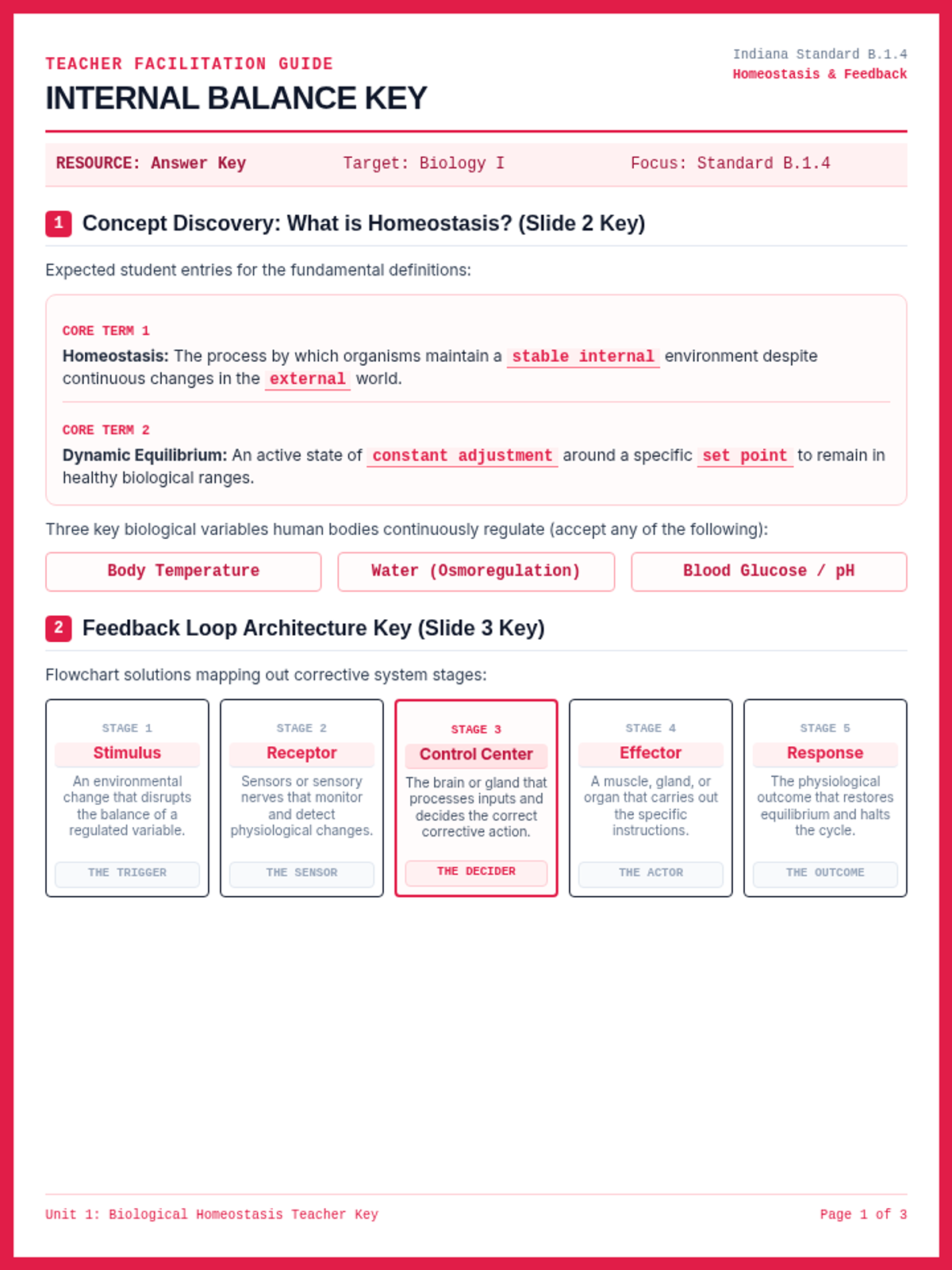
A teacher-facing answer key for the Penny Power Lab, pH Power Lab, and the Unit Quiz. Updated to reflect the removal of weathering content and addition of pH/acidity.
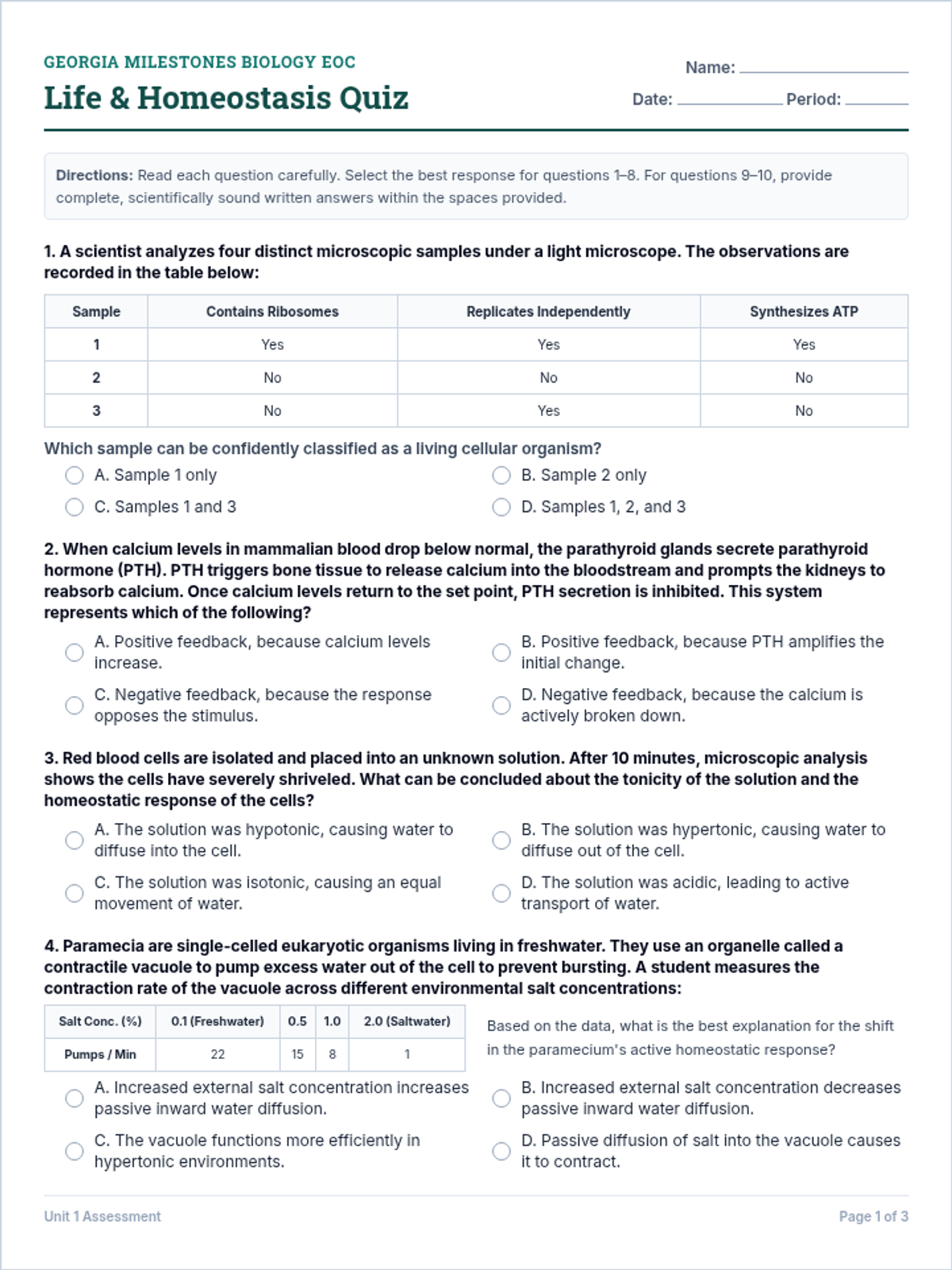
A short unit quiz covering the physical properties of water (solubility, adhesion, cohesion), pH basics, and watershed definitions including estuaries and human impact. Replacement for weathering content.
A student lab sheet for the 'Penny Power' investigation. Includes sections for hypothesis, data tables for multiple trials (plain vs. soapy water), sketching observations, and analysis questions focused on cohesion and surface tension.
A vibrant anchor chart visualizing the unique physical properties of water: polarity, cohesion, adhesion, and universal solubility. Includes an updated bottom banner focusing on climate, chemistry/pH, and life processes.
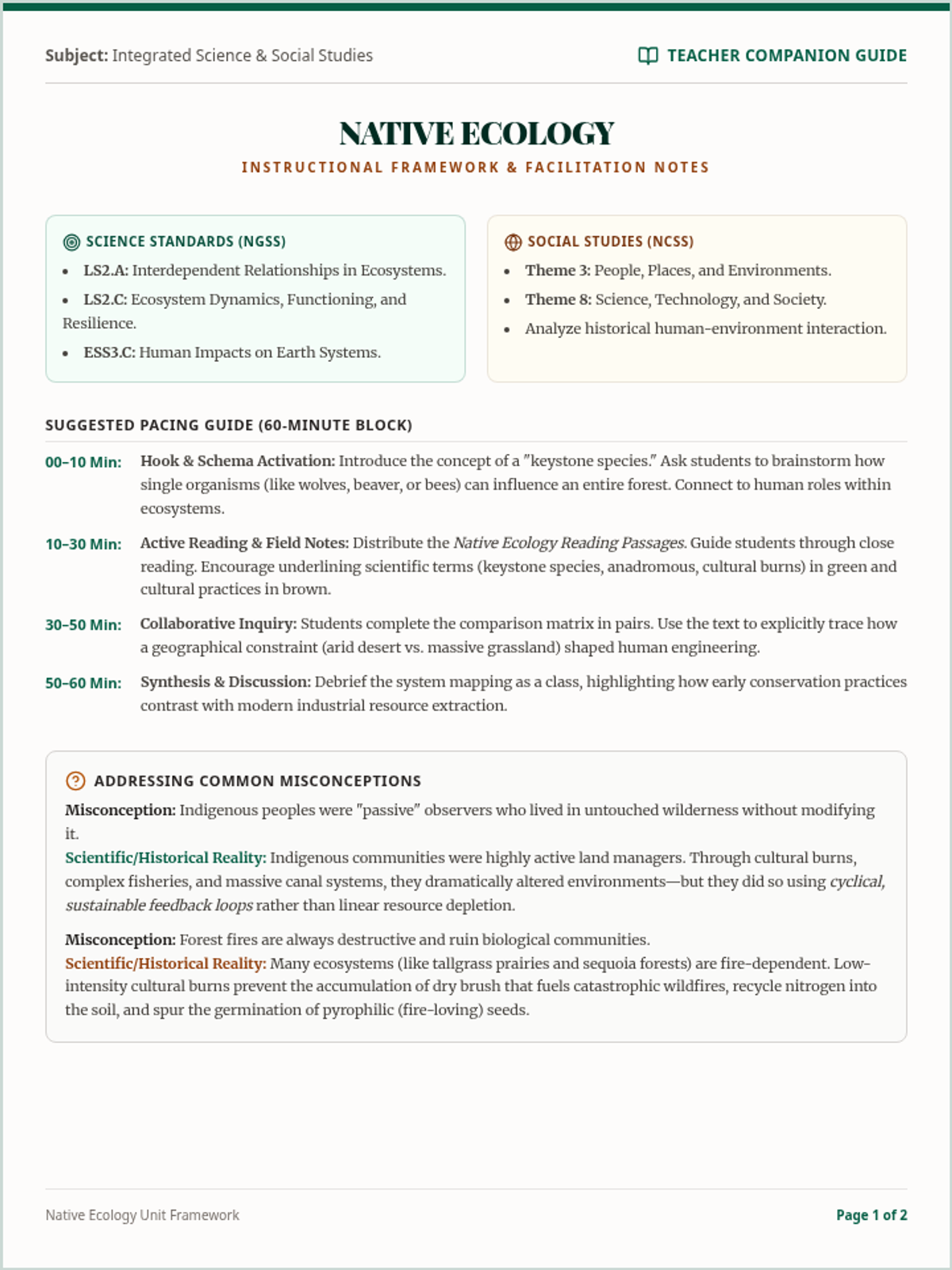
A comprehensive teacher guide for a 3-week unit on water properties, chemical nature (pH), and watersheds, aligning Virginia SOL standards. Includes weekly pacing, lab instructions for Penny Power and pH testing, and assessment strategies.
An answer key for the Security Breach Worksheet, providing ideal responses and grading guidance for teachers.
A student worksheet designed to assess understanding of the mechanics, capabilities, and deterrents of a 51% attack. Includes short answer and checkbox sections.
A teacher guide providing talkings points, analogies, and clarification on common misconceptions regarding 51% attacks for use with the slide deck.
A high-level slide deck explaining the mechanics, consequences, and limitations of a 51% attack on blockchain networks. Designed with a cybersecurity theme for visual impact.
A visual guide for students to understand the science fair research project process. Covers topic selection, research goals, poster layout tips, and an overview of the grading rubric.
A formal evaluation sheet for teachers to grade elementary science fair research projects. It features scoring sections, evidence checklists for each criterion, and space for professional feedback.
A student-friendly science fair rubric designed for elementary research projects. It features clear, descriptive language and levels (Super Scientist to New Beginner) with space for self-reflection.
An instructor facilitation guide for the Carbonate Fan Architecture lesson, including pacing, discussion prompts, and an answer key for the student activity.
An in-class activity worksheet for graduate students to analyze lithofacies descriptions and interpret depositional architecture within a carbonate fan system.
A graduate-level slide deck focusing on the carbonate submarine fan deposits of the Lake Valley Formation, featuring facies associations and depositional models.
A teacher guide for the Carbonate Submarine Fans lesson, featuring a minute-by-minute pacing guide, instructional script, and answer keys for the student activity.