A comprehensive teacher guide for the Money Meltdown lesson. It includes learning objectives, reading statistics (Lexile 600-800L), a full answer key for the student worksheet, and discussion prompts.
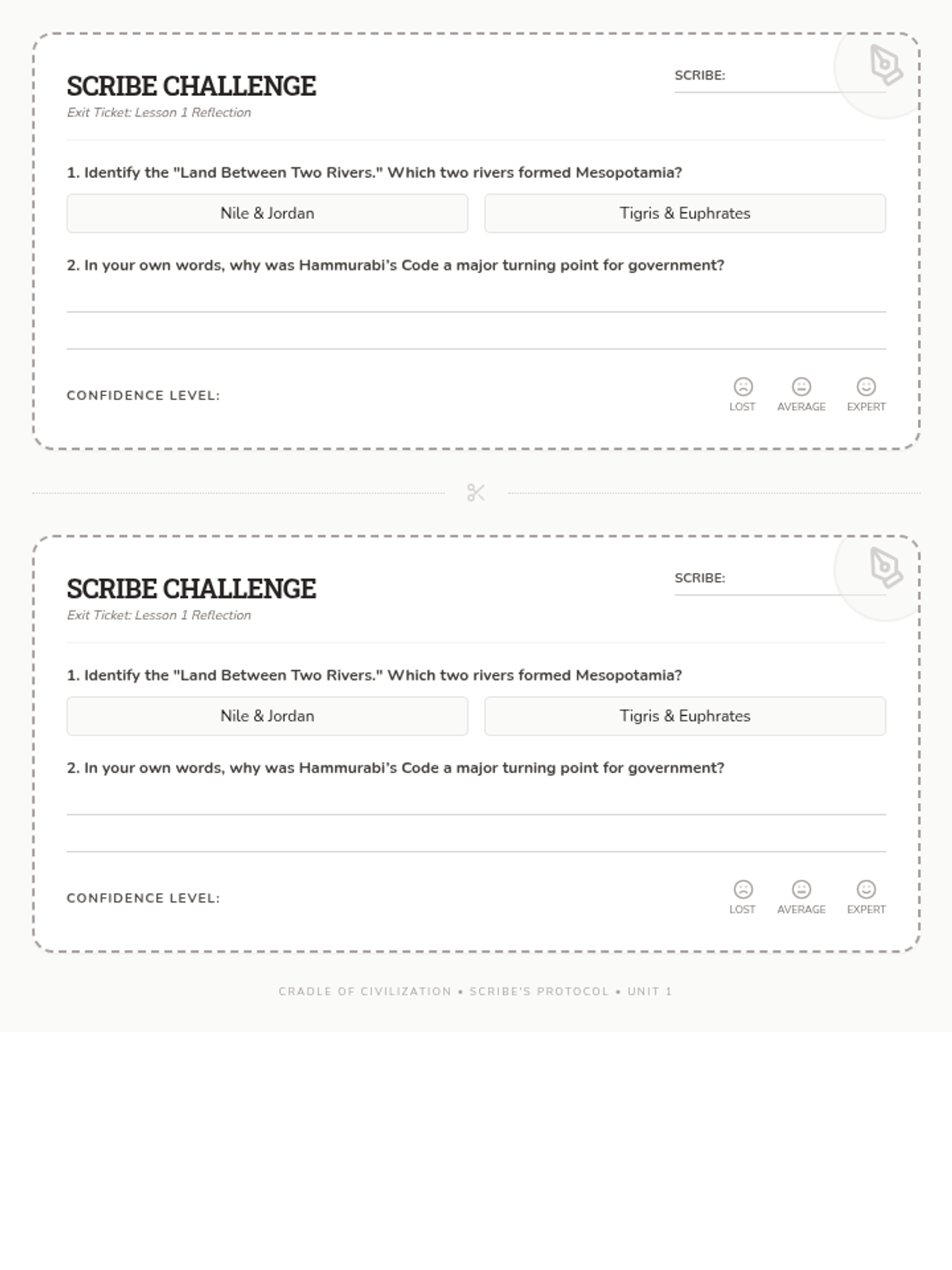
A pair of identical exit tickets for a quick check for understanding at the end of the lesson. It covers river identification, the significance of Hammurabi's Code, and a student self-assessment of confidence. Blank spacing and padding have been adjusted to ensure perfect fit on a single page.
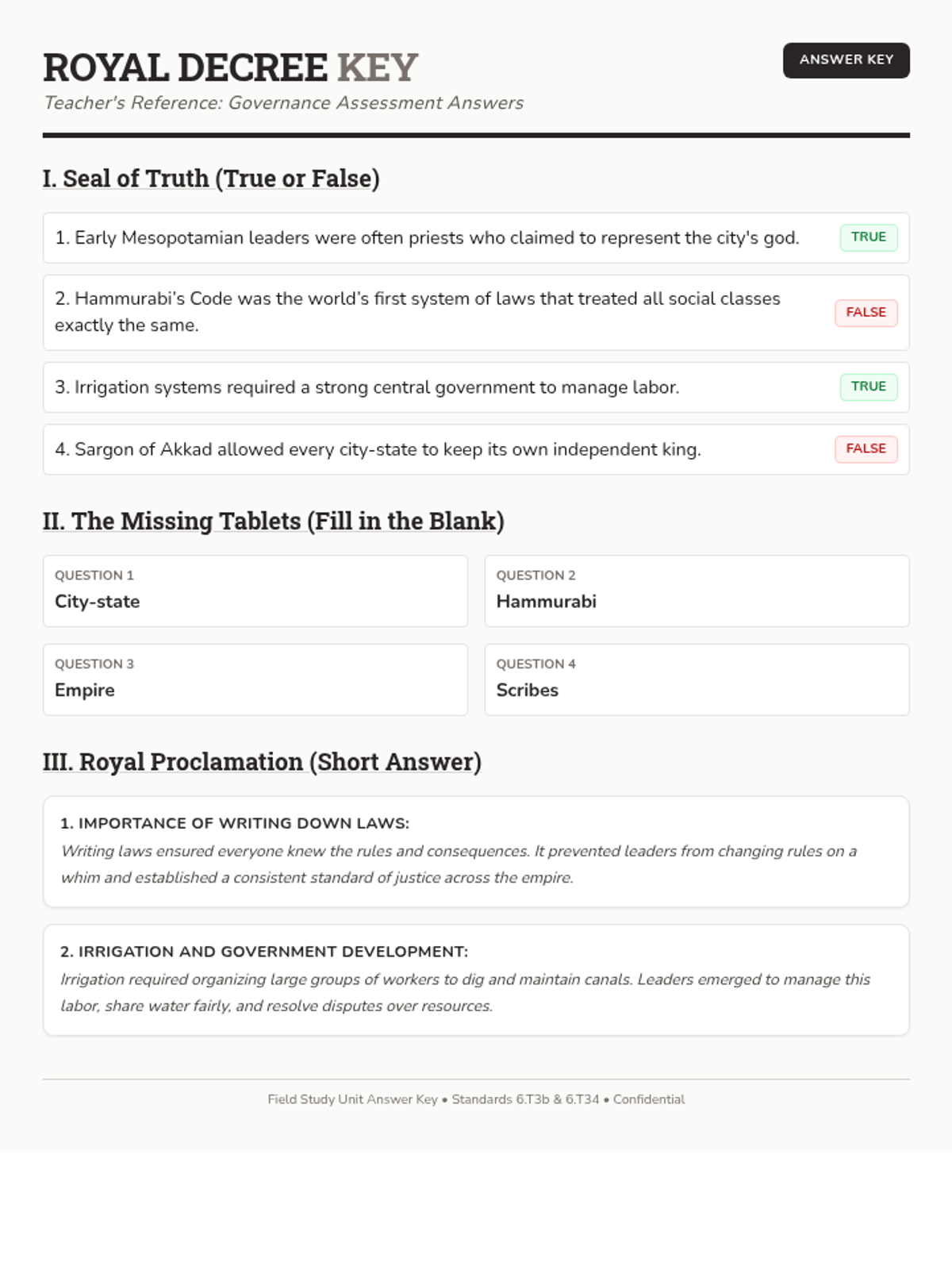
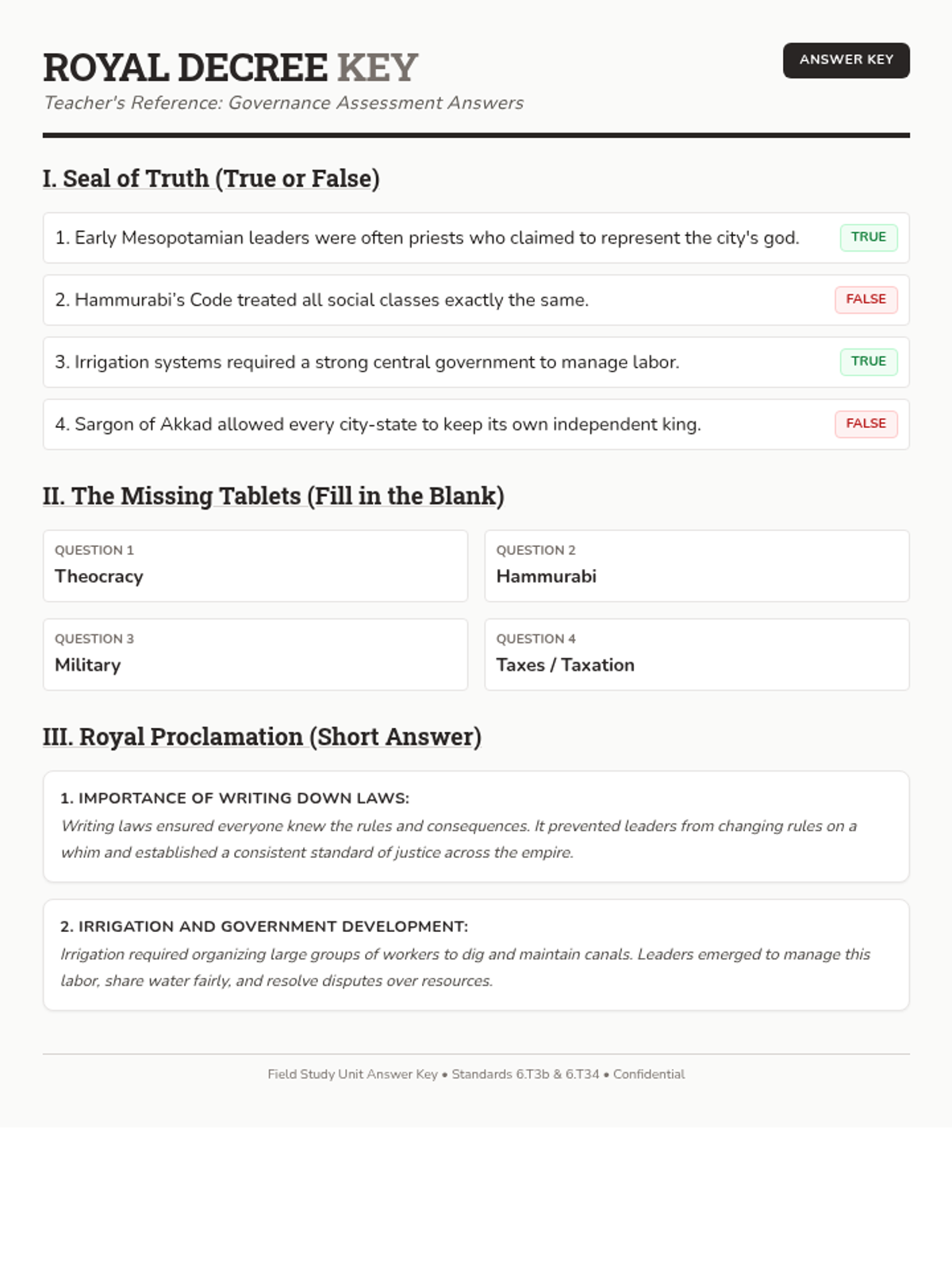
A comprehensive answer key for the Royal Decree Assessment, providing correct answers for the true/false and fill-in-the-blank sections, along with sample responses and grading criteria for the short-answer questions.
A visually engaging slide deck for presenting the key concepts of Ancient Mesopotamia, including geography, irrigation, the rise of city-states, cuneiform writing, Hammurabi's Code, and early empires. It features high-contrast visuals, clear hierarchy, and discussion prompts.
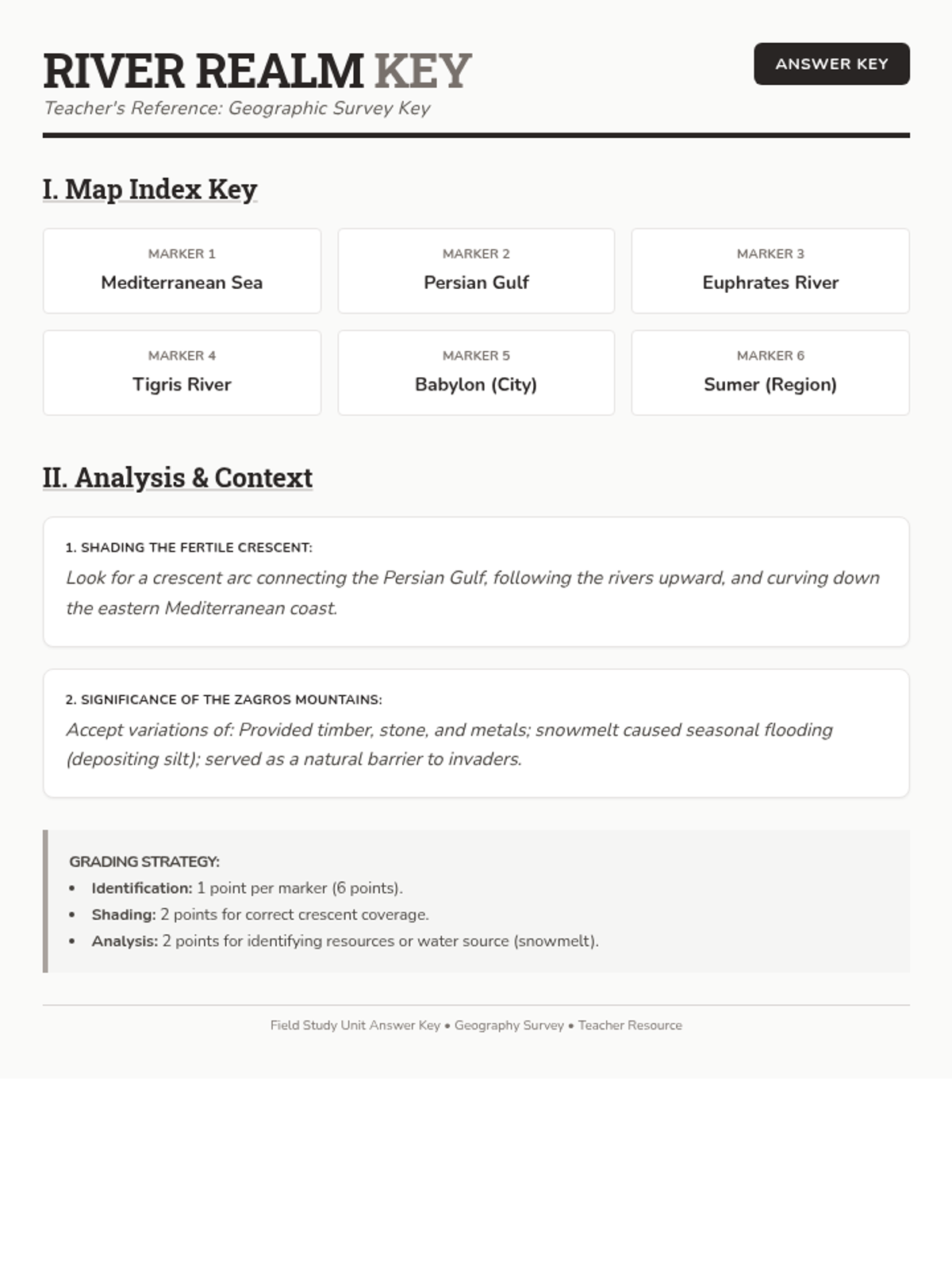
A concise answer key for the River Realm Map Activity, providing the correct numeric matches for geographic features and grading criteria for the shading and analysis portions.
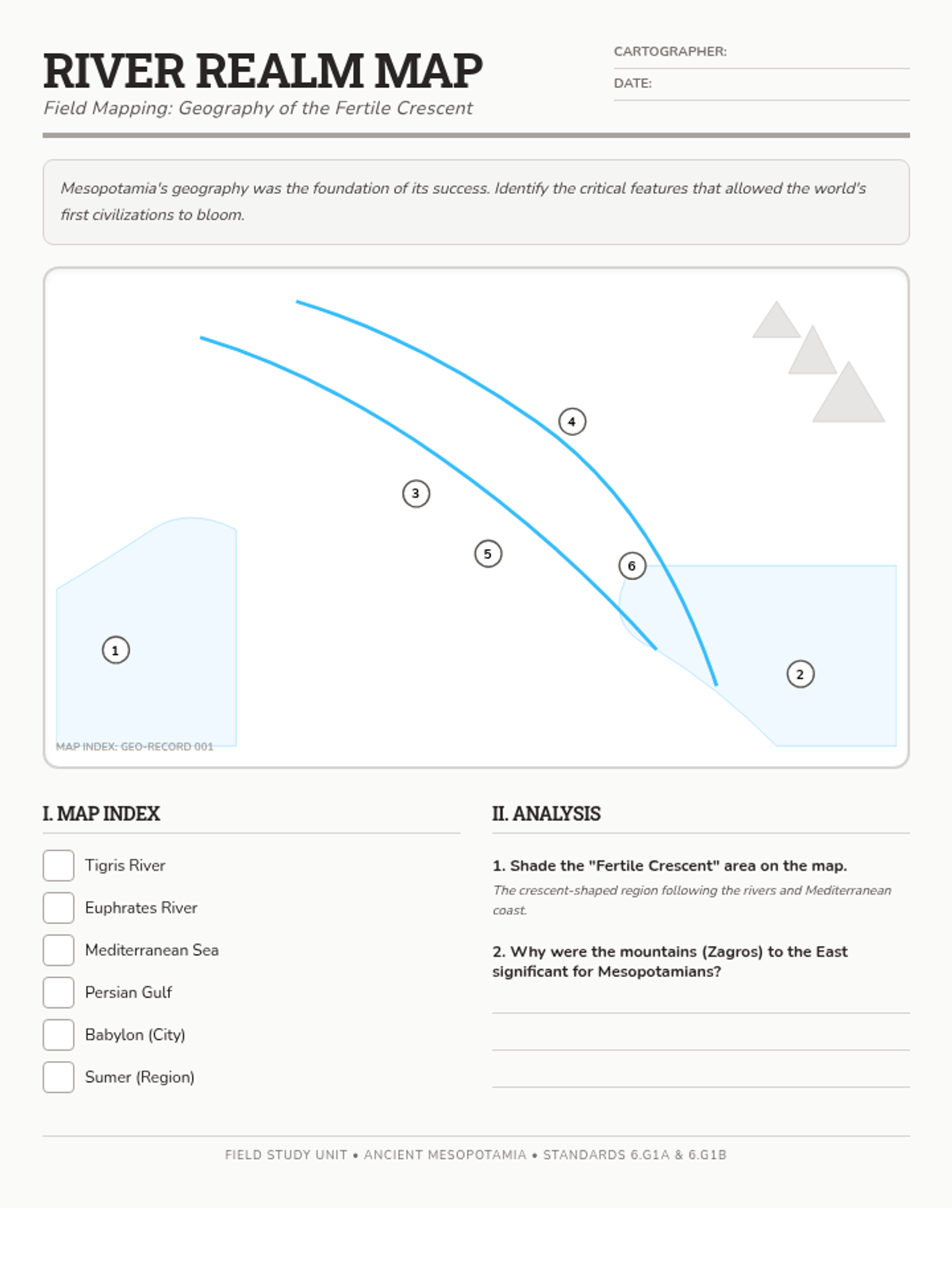
A map-based activity for students to identify key geographic features of Ancient Mesopotamia, including the Tigris and Euphrates rivers, the Fertile Crescent, and surrounding regions. It includes a stylized map for labeling and a short-answer section for geographic analysis.
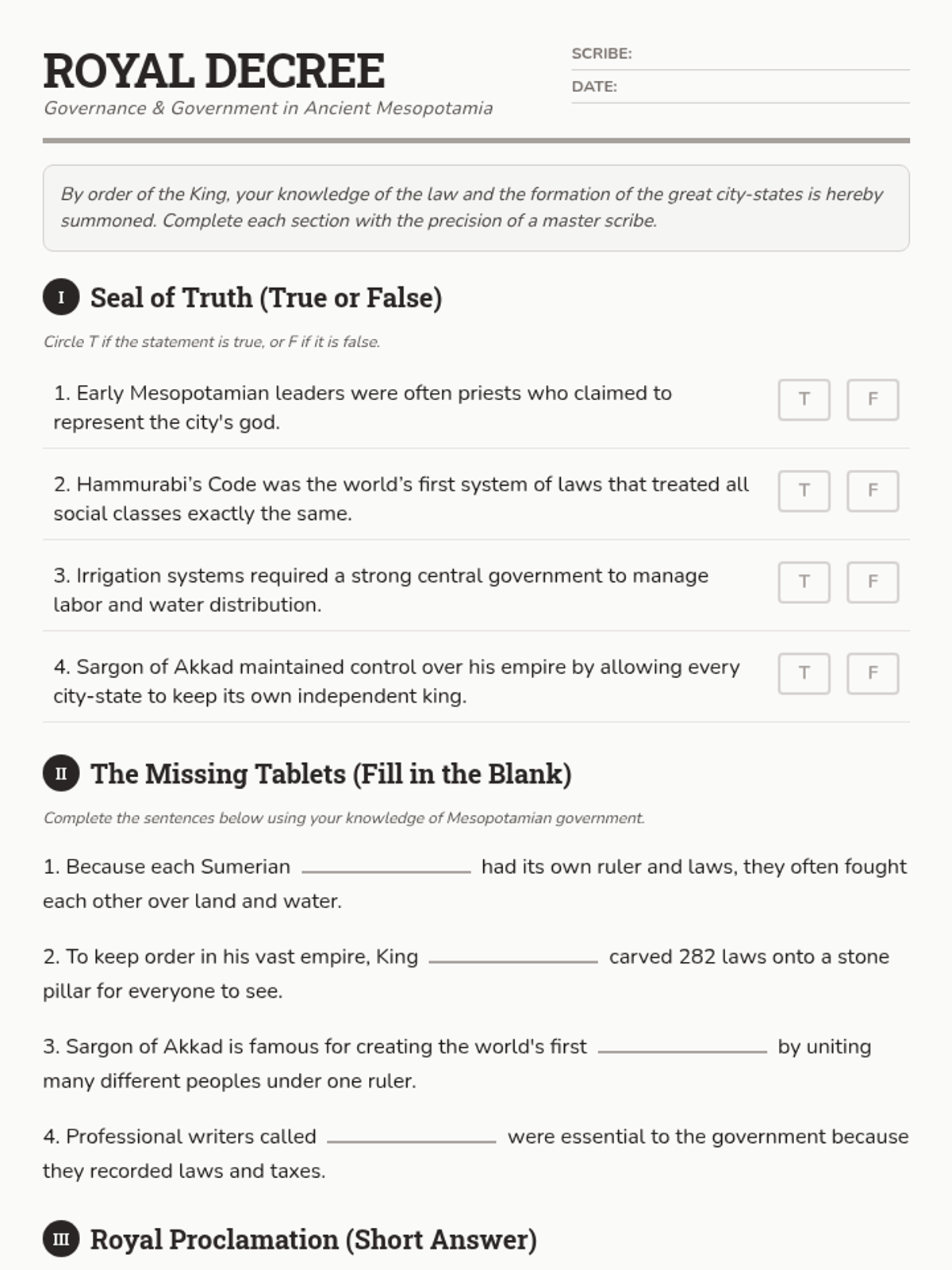
A formal assessment covering Mesopotamian governance, featuring true/false, fill-in-the-blank, and short-answer questions. It focuses on Hammurabi's Code, theocratic rule, and the administrative needs of early city-states. Question 2 in the fill-in-the-blank section is preserved while others are updated. Blank widths and short answer spacing have been optimized for clarity and student use. Now includes a word bank with distractors. Final version with polished layout and page breaks.
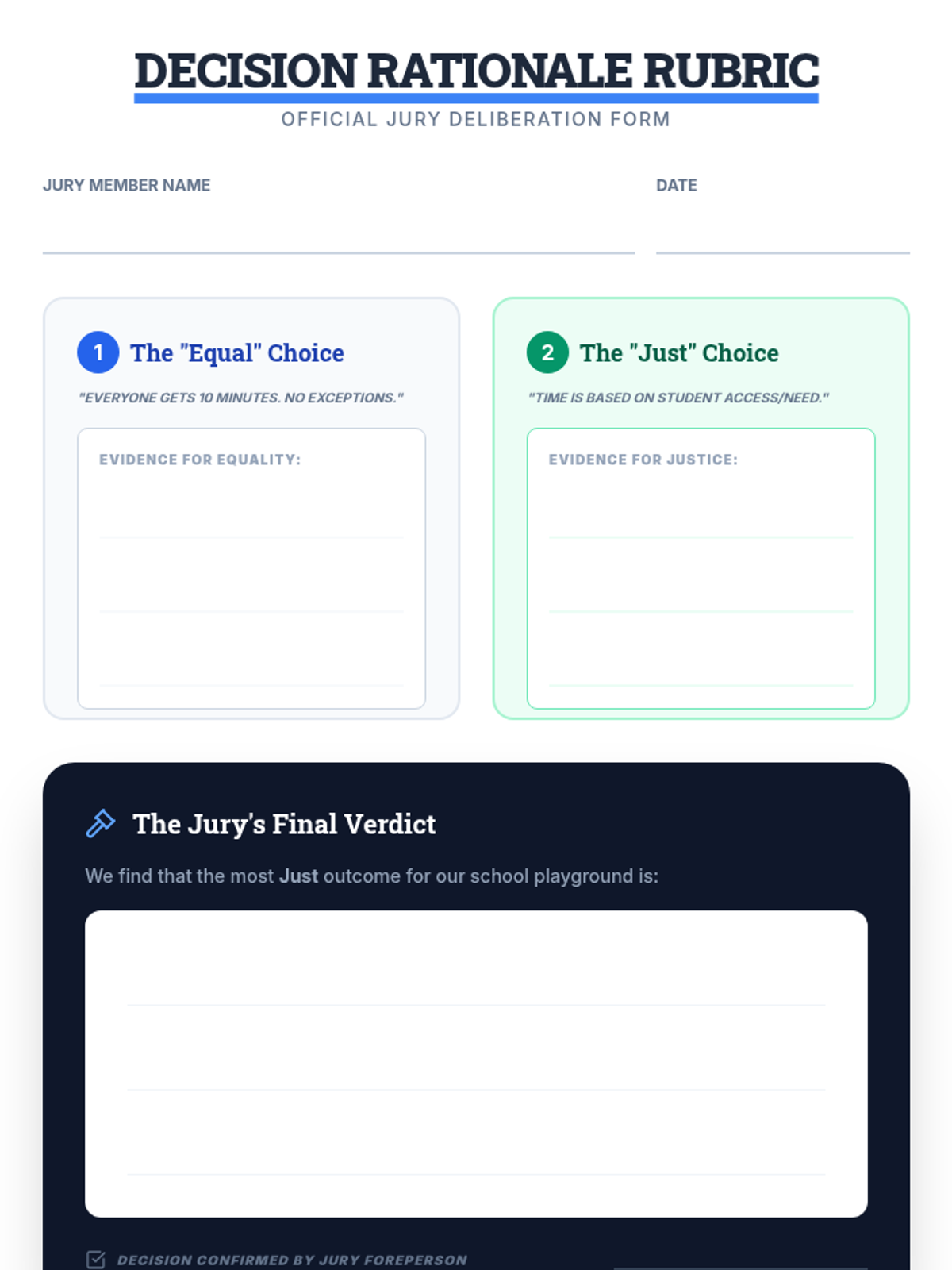
A final assessment and deliberation worksheet for students to record their verdict, justifying their choice based on the principles of equality (fairness) versus equity (justice).
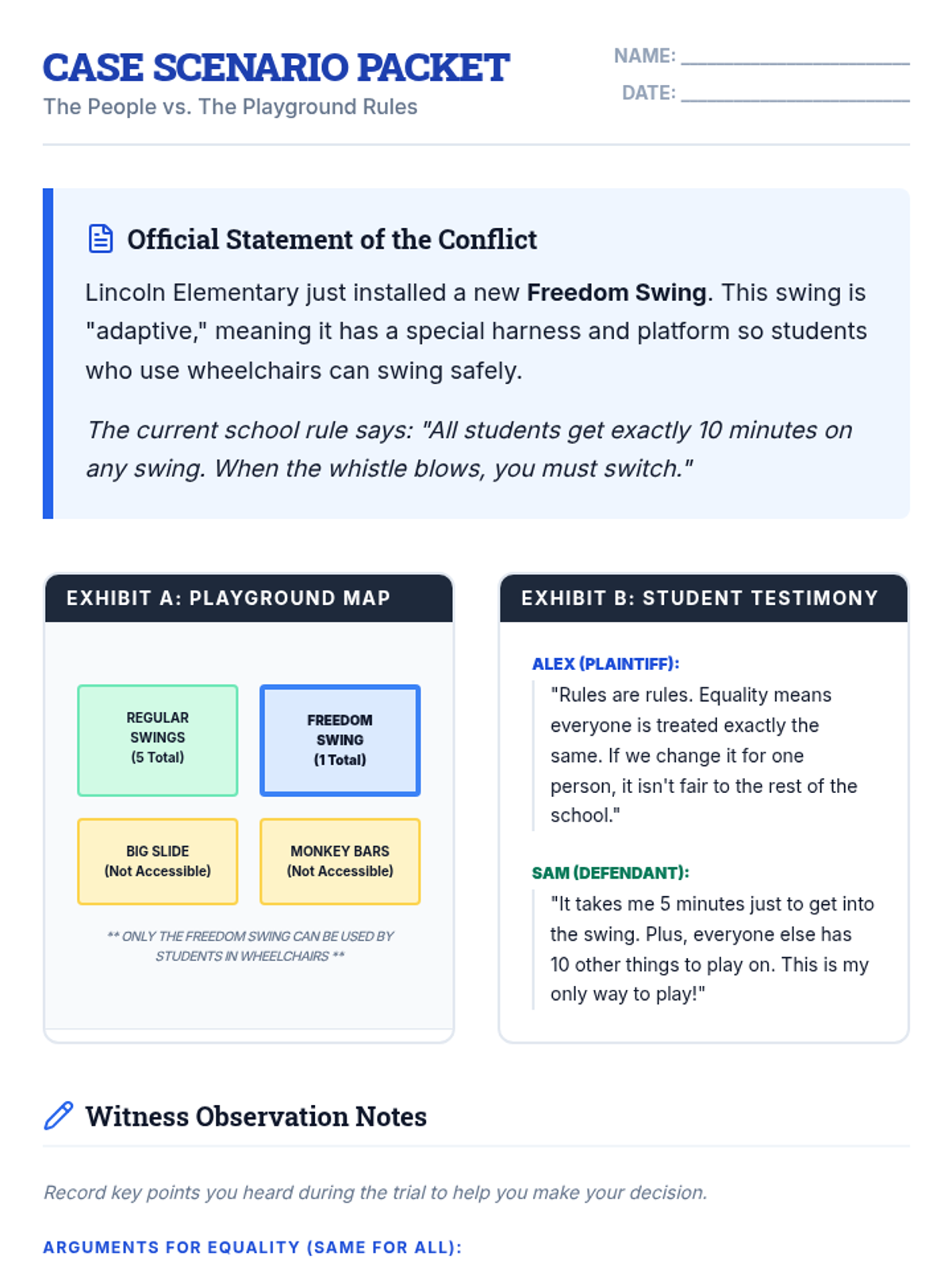
A student-facing handout containing the case details, a visual map of the playground evidence, and witness testimony summaries for 'The Playground Project' mock trial.
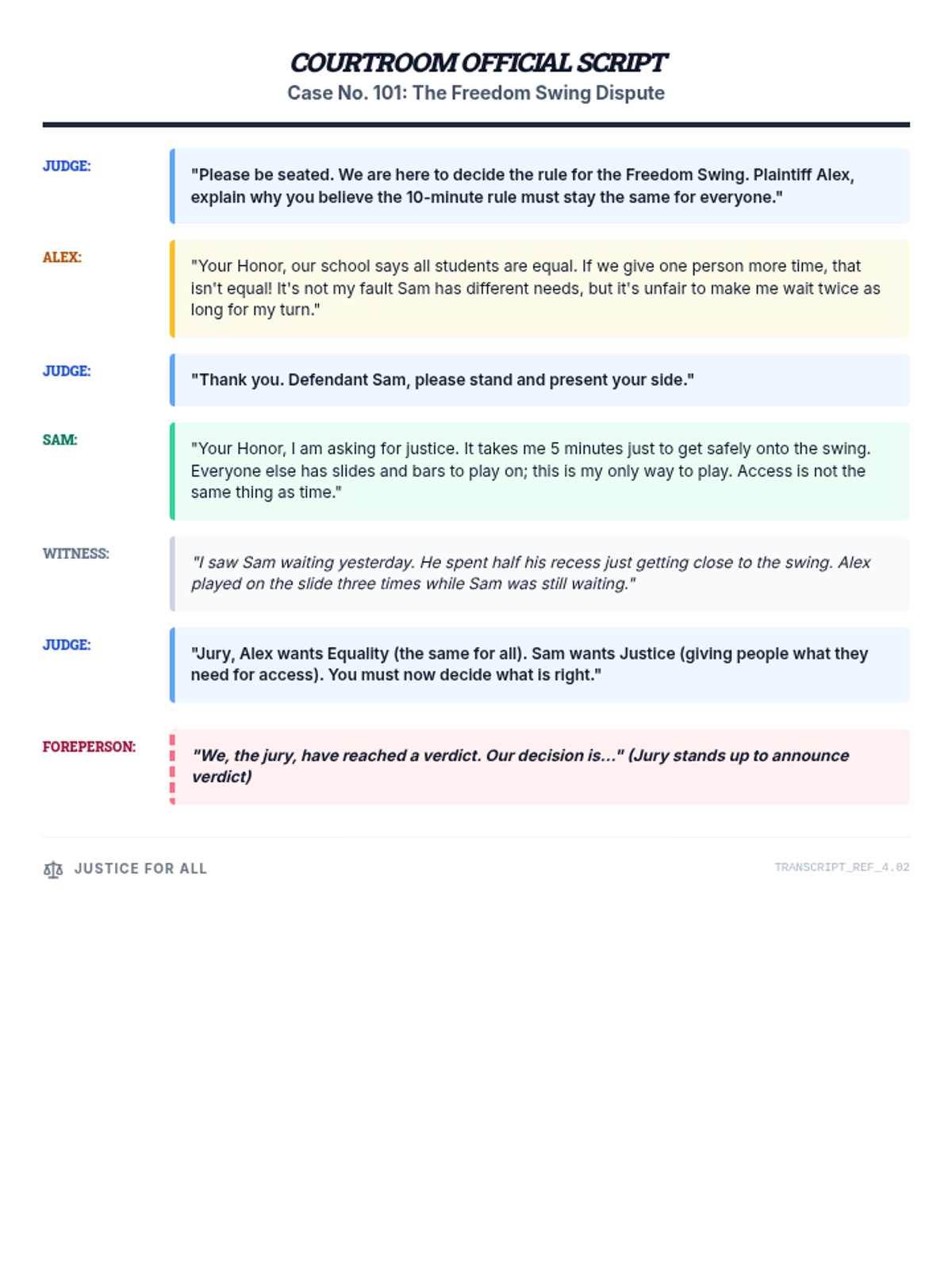
A structured script for the mock trial, providing the Judge with opening and closing statements and guiding the Plaintiff and Defendant on their key arguments regarding equality vs equity.
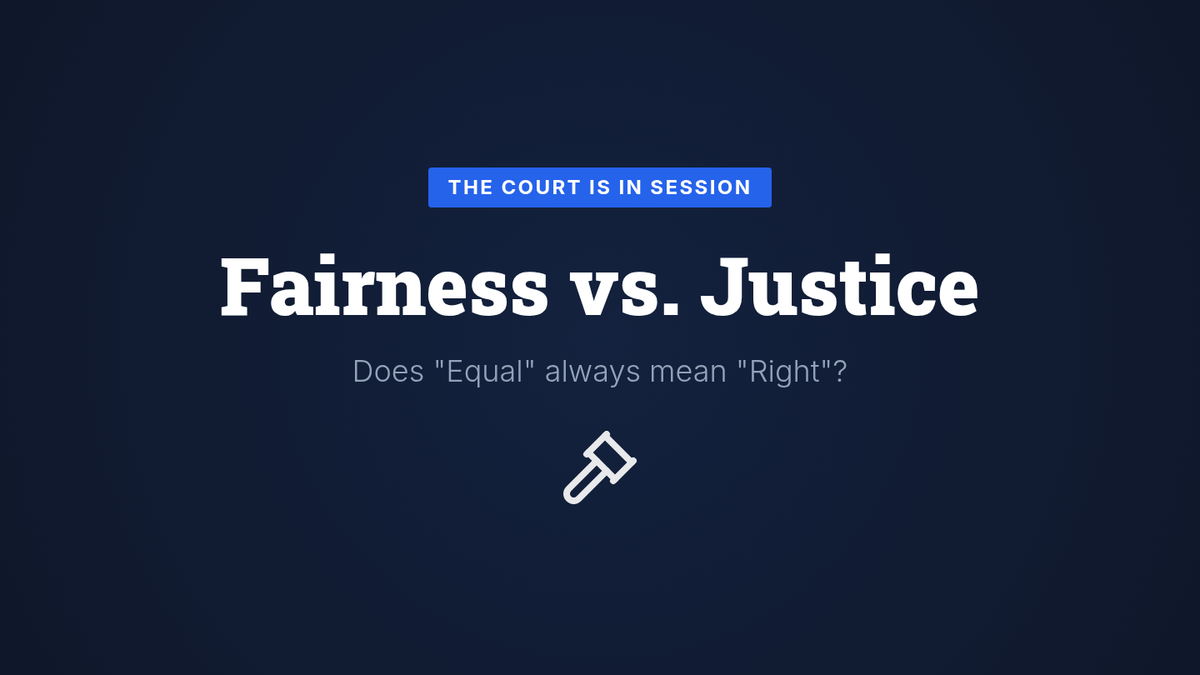
A 5-slide presentation introducing the concepts of fairness vs justice using the 'Apple Test' and setting up the playground swing case study for the class mock trial.
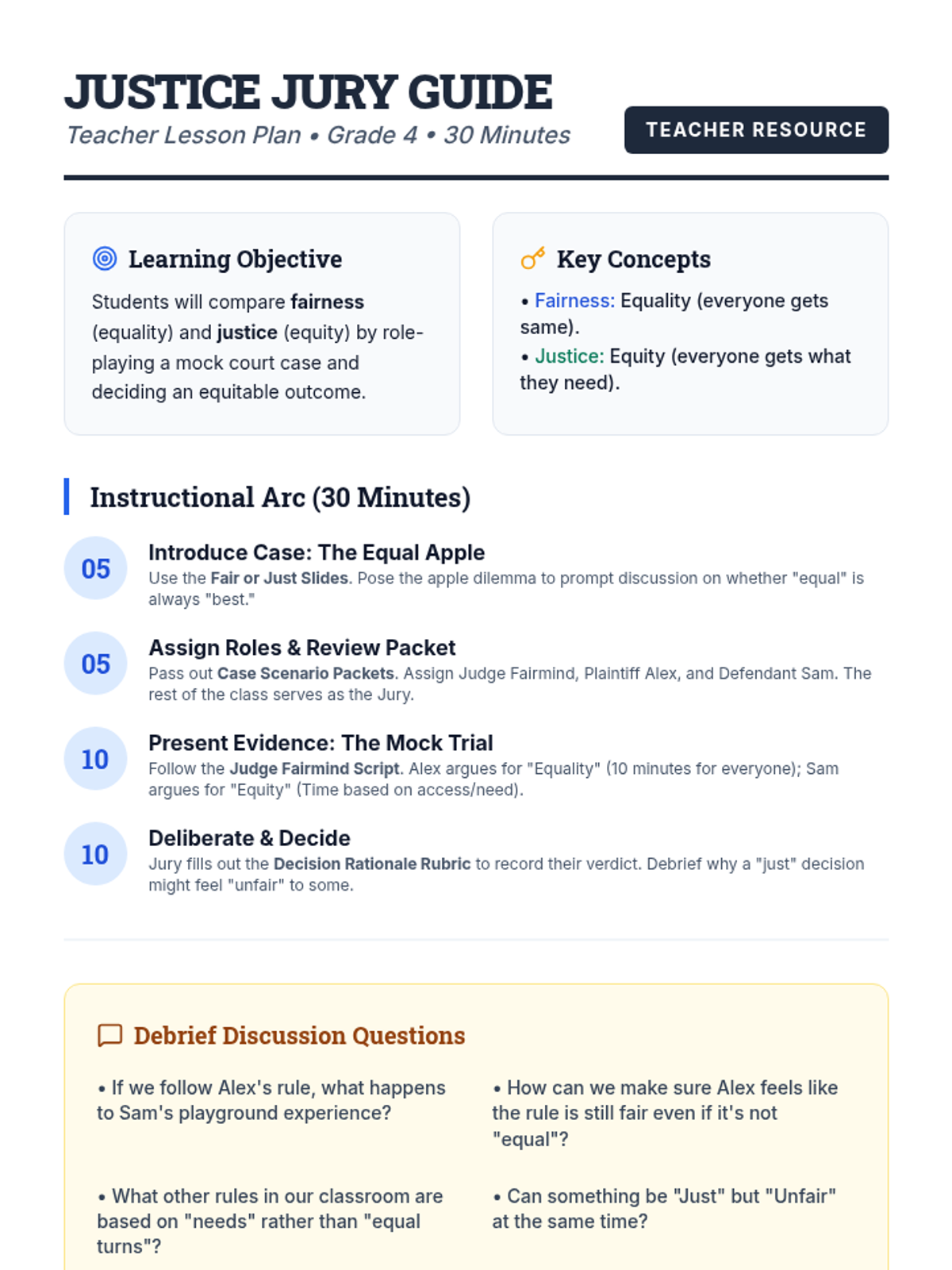
A comprehensive teacher guide for the 30-minute 'Fairness vs Justice' lesson, including learning objectives, a timed instructional arc, and facilitation tips for the mock trial.
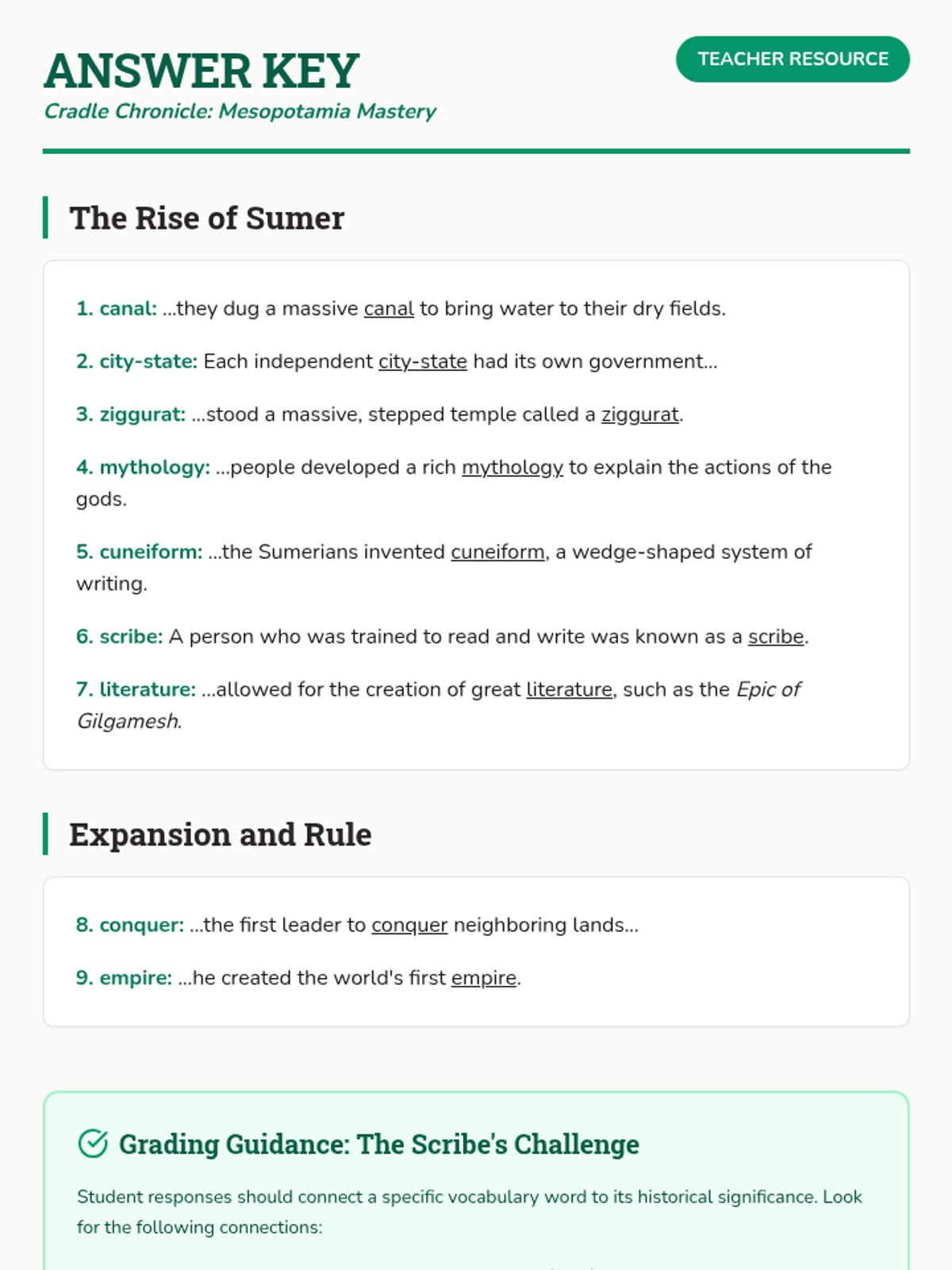
A clear and concise answer key for the Cradle Chronicle Worksheet, providing teachers with the correct terms and grading guidance for the short-response section.
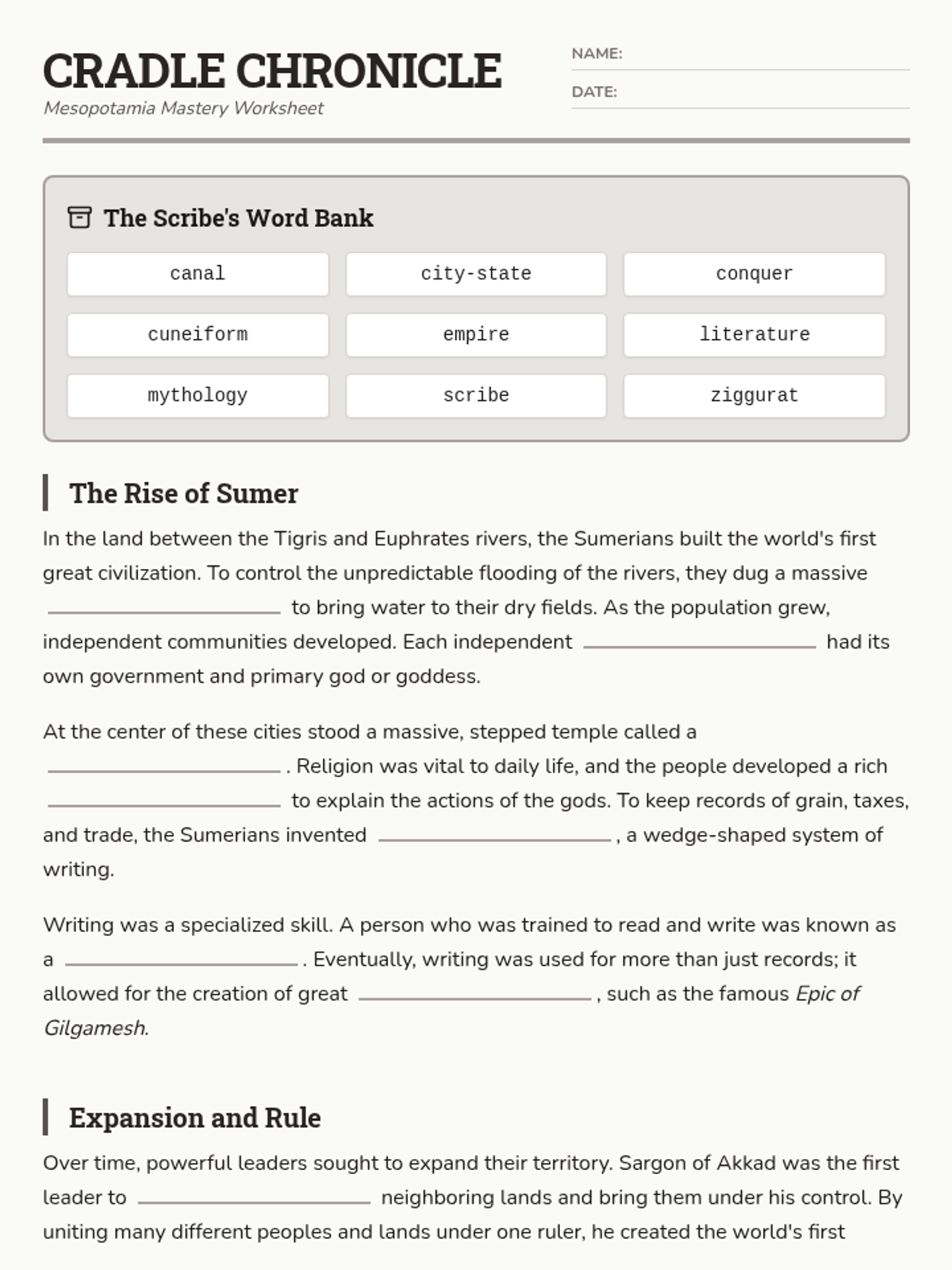
A comprehensive fill-in-the-blank worksheet for 6th-grade students, focusing on key Mesopotamian vocabulary and concepts. It features a narrative-driven structure to help students understand context and relationships between historical terms.
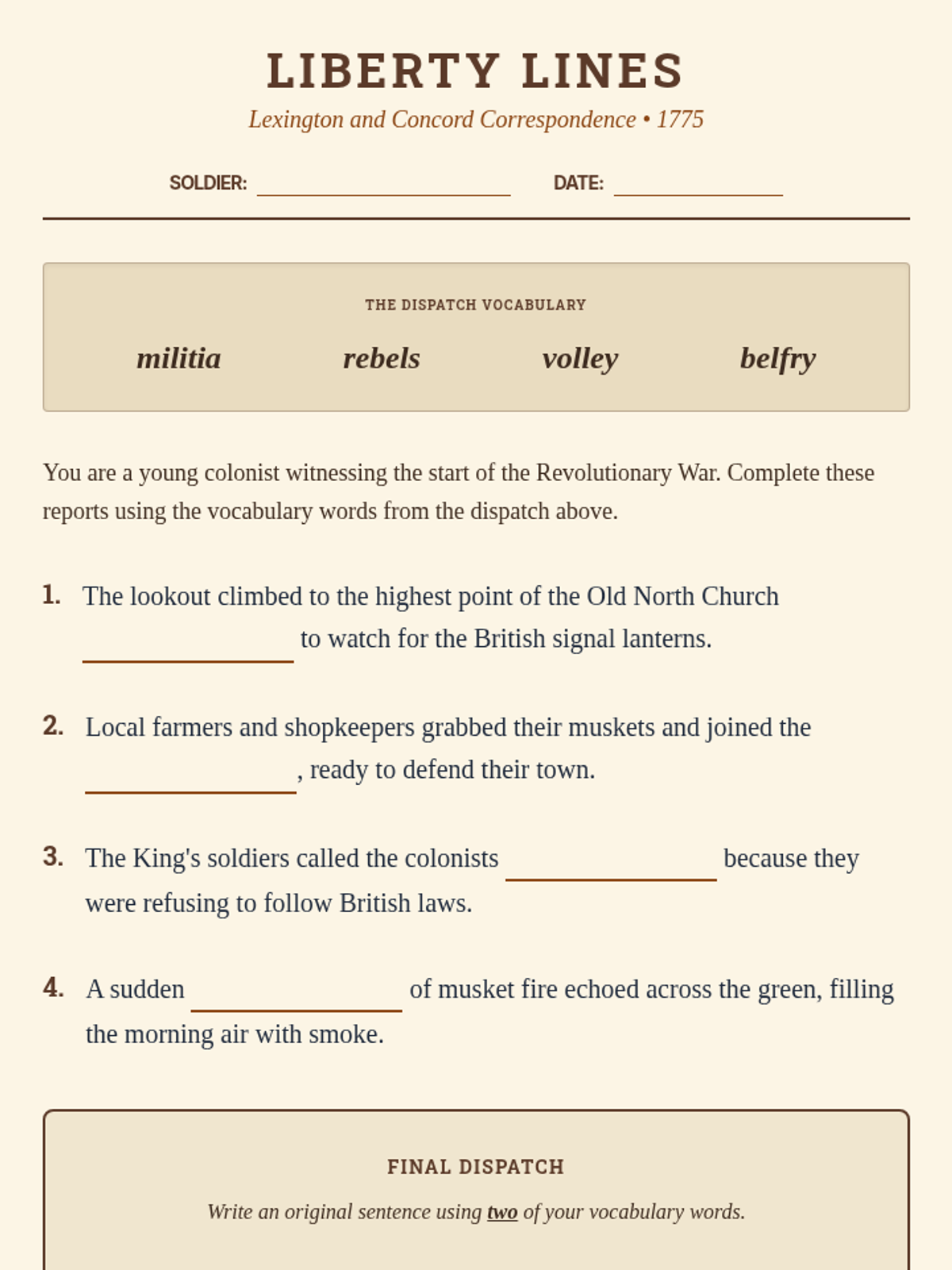
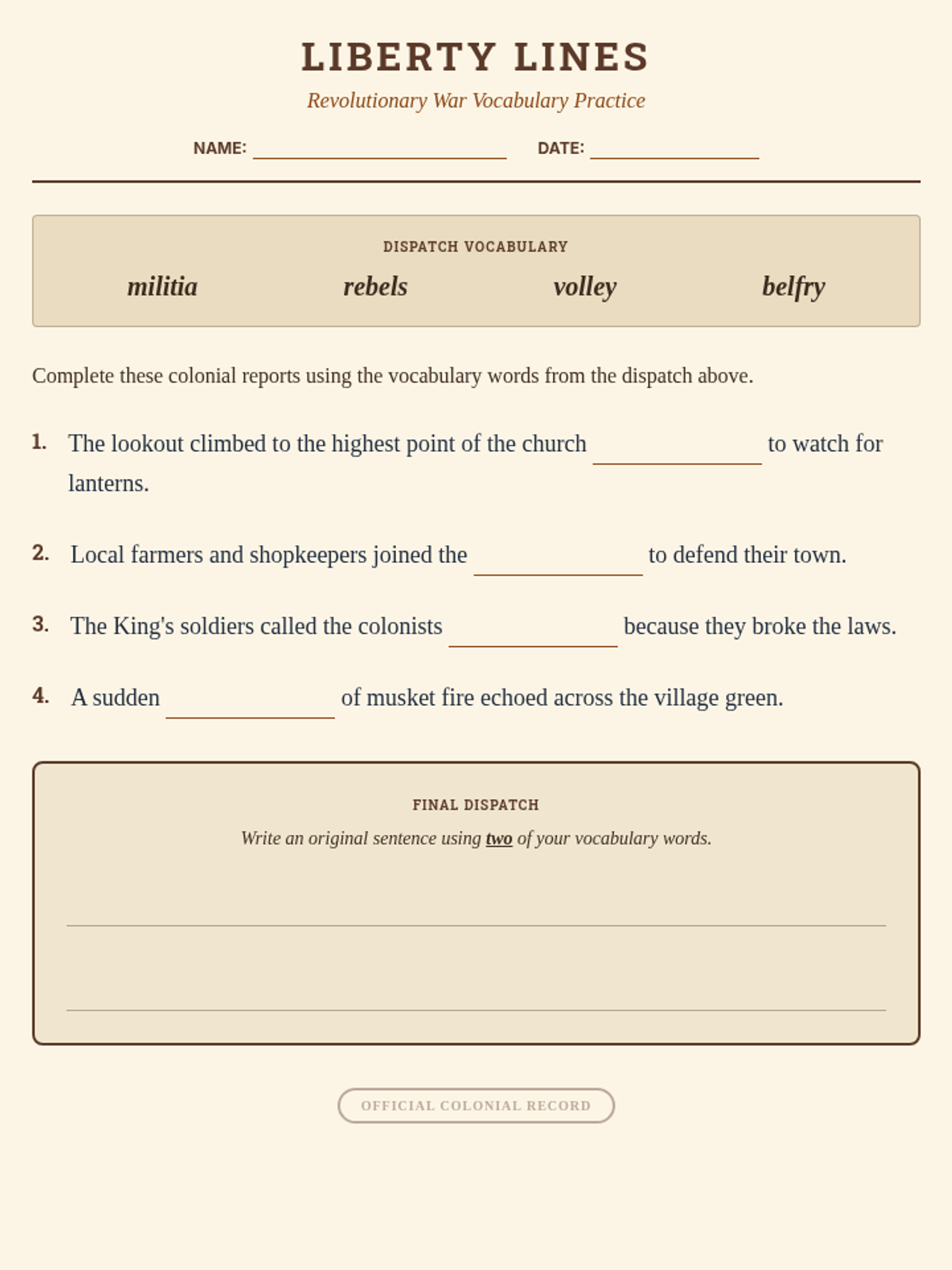
A sentence practice worksheet for Revolutionary War vocabulary, featuring a colonial parchment aesthetic and context-based fill-in-the-blank exercises.
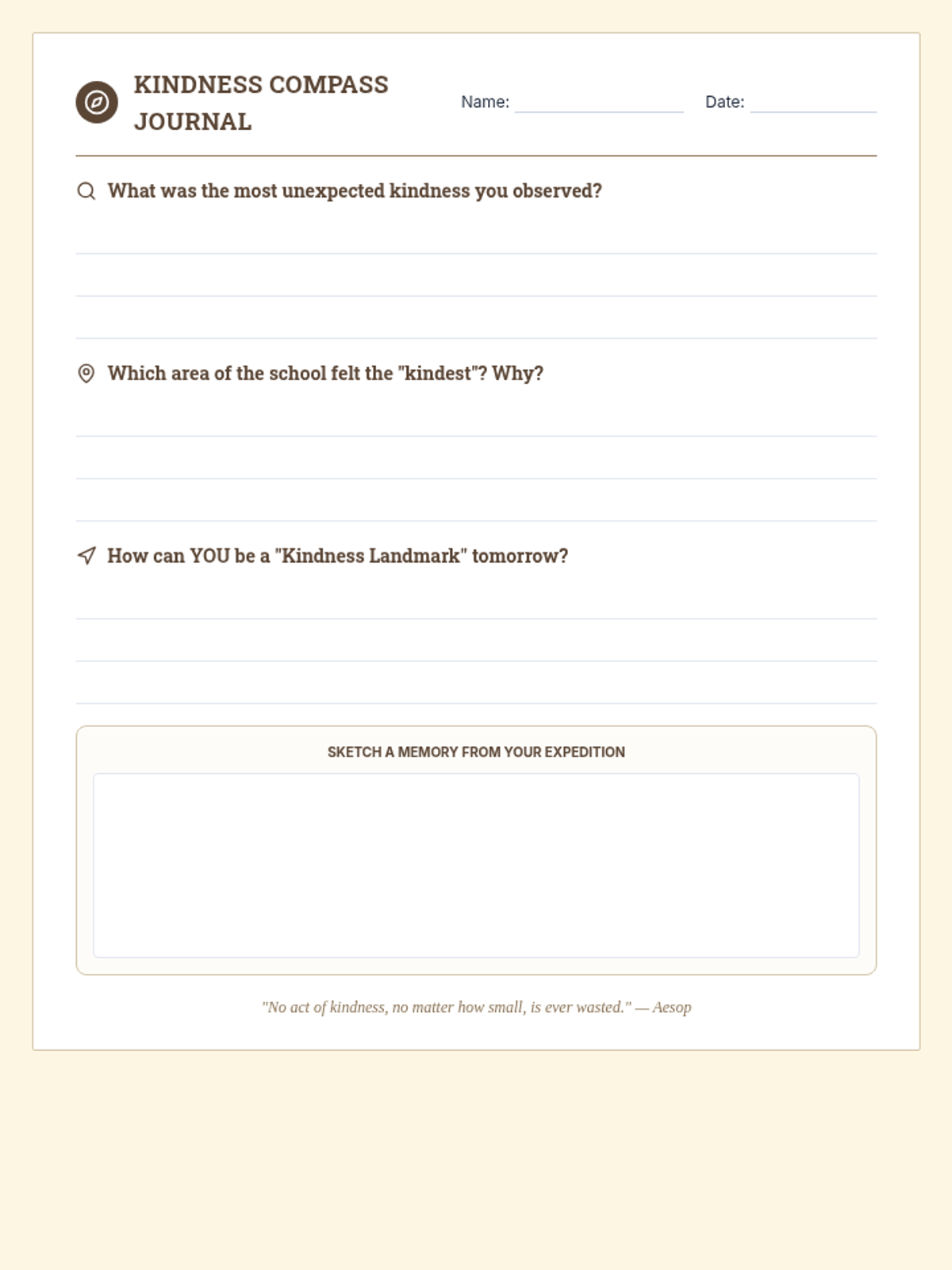
A reflection journal for students to process their observations from the kindness expedition, focusing on specific acts seen and their personal impact.
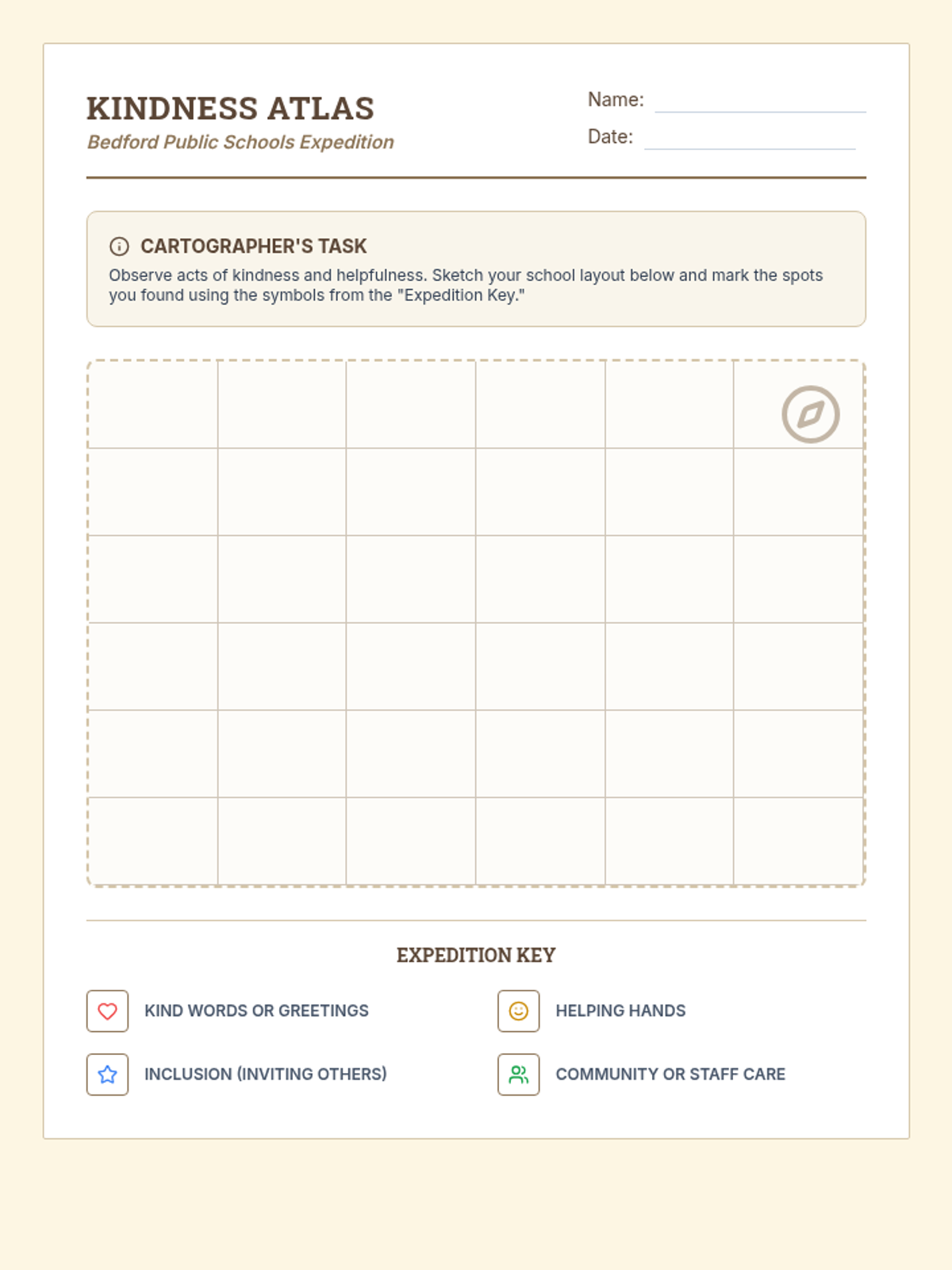
A mapping activity where students draw a map of their school and mark landmarks where acts of kindness were observed using a visual key.
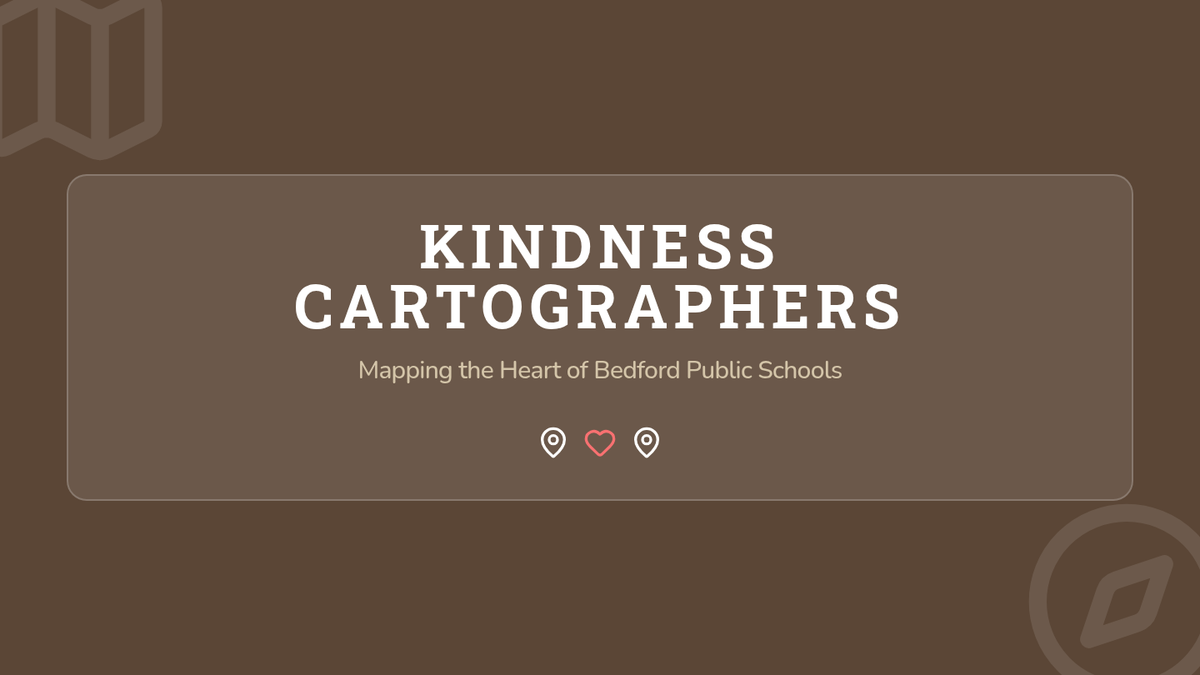
A slide deck that introduces the concept of social cartography and guides students through the 'Kindness Cartographers' expedition at Bedford Public Schools.
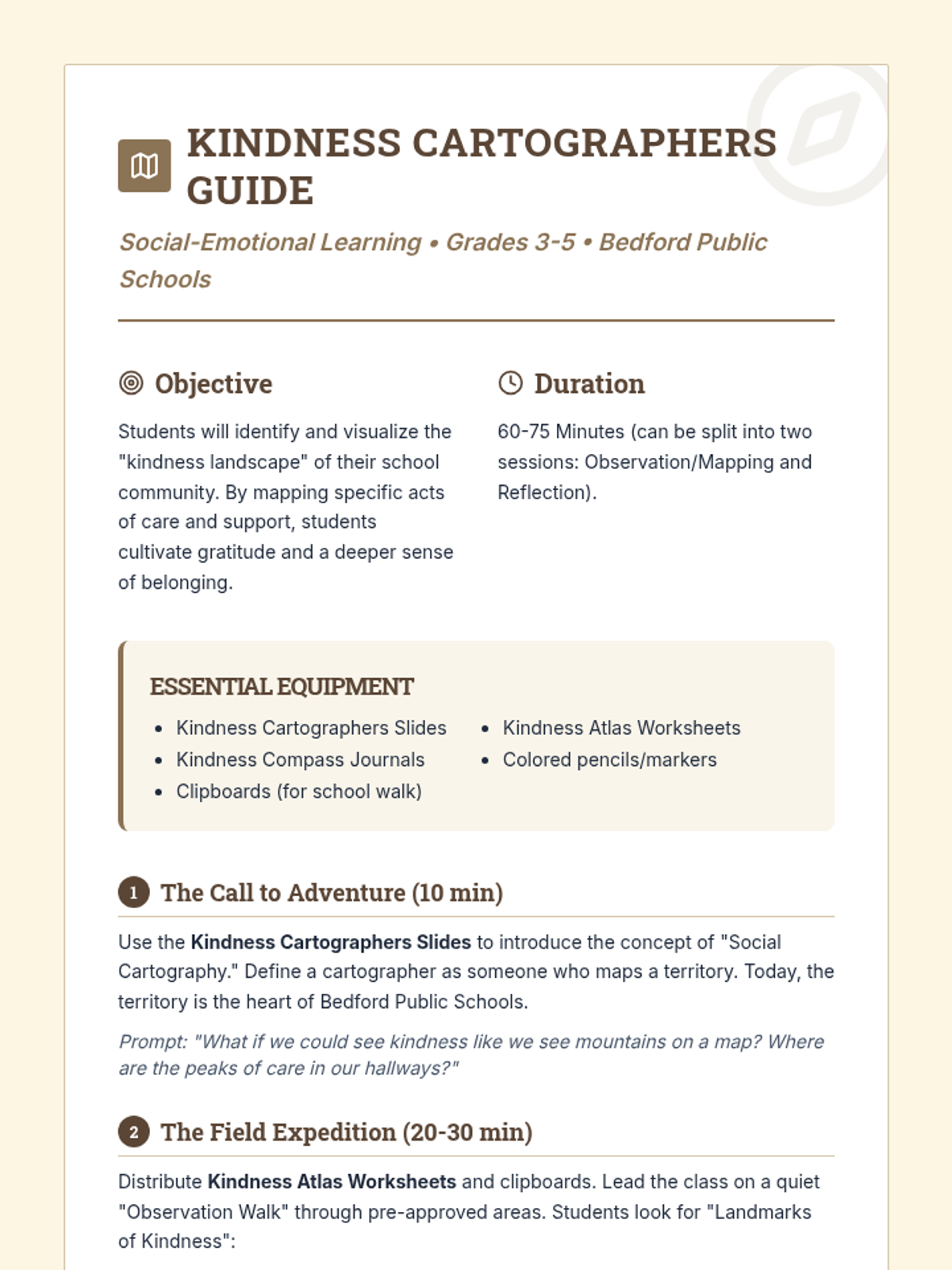
A comprehensive teacher's guide for the Kindness Cartographers lesson, detailing objectives, materials, and a step-by-step procedure for students to map kindness in their school community.
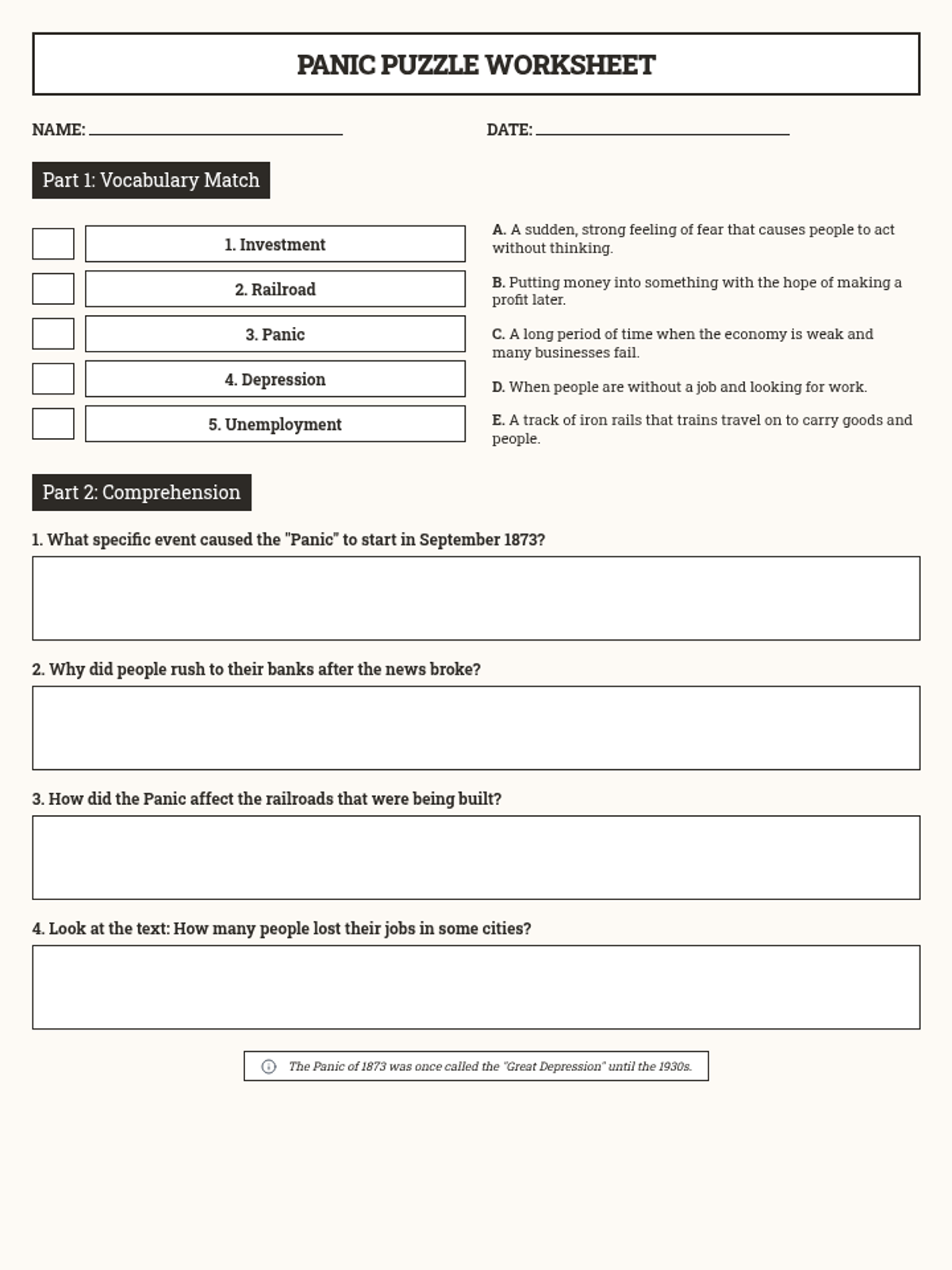
A follow-up worksheet for the Panic of 1873 reading passage. It includes a vocabulary matching section for the bolded terms and four short-answer comprehension questions.
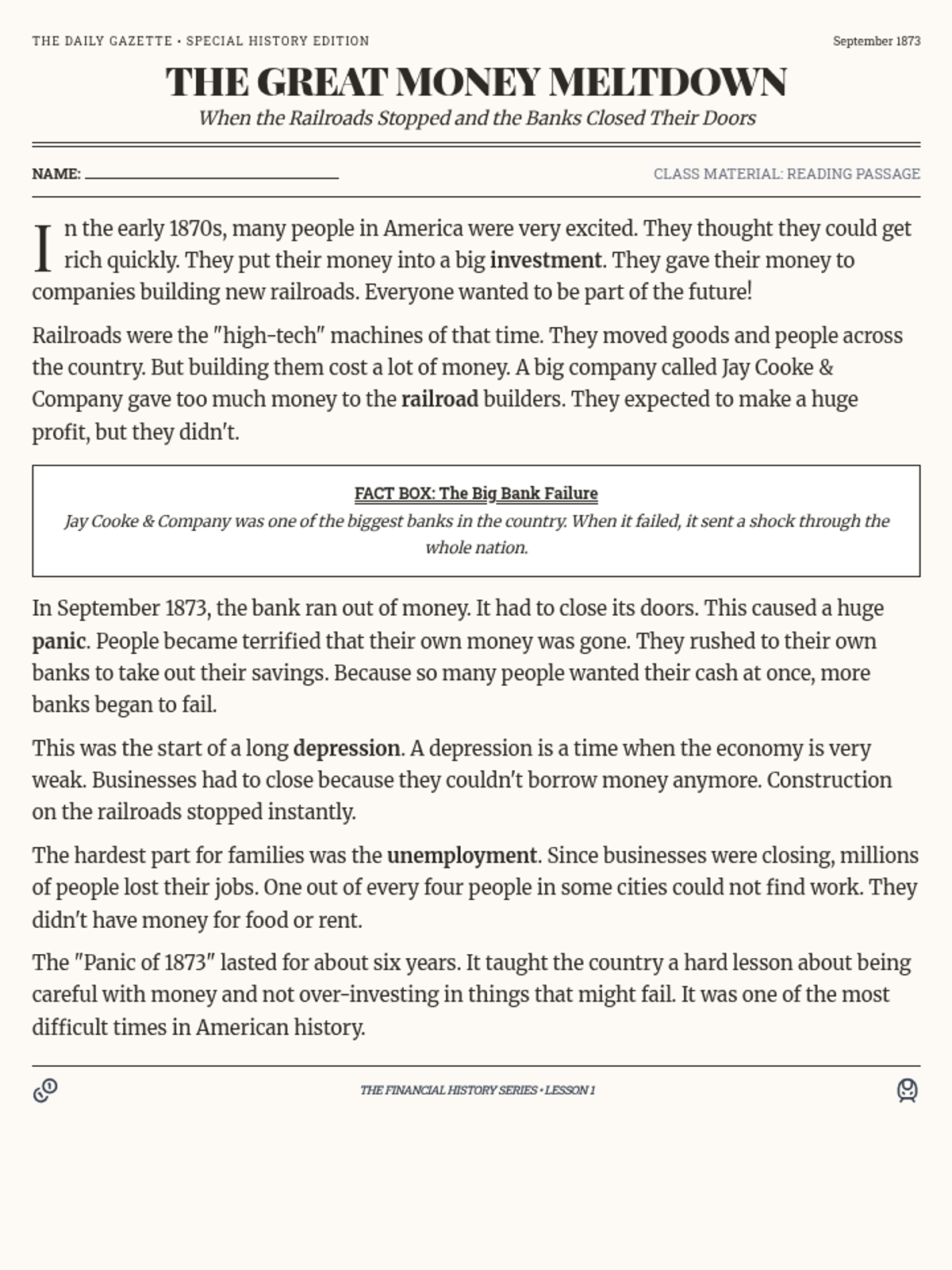
A simplified reading passage about the Panic of 1873, styled like a 19th-century newspaper. It features bolded vocabulary words and a clean layout suitable for lower reading levels.