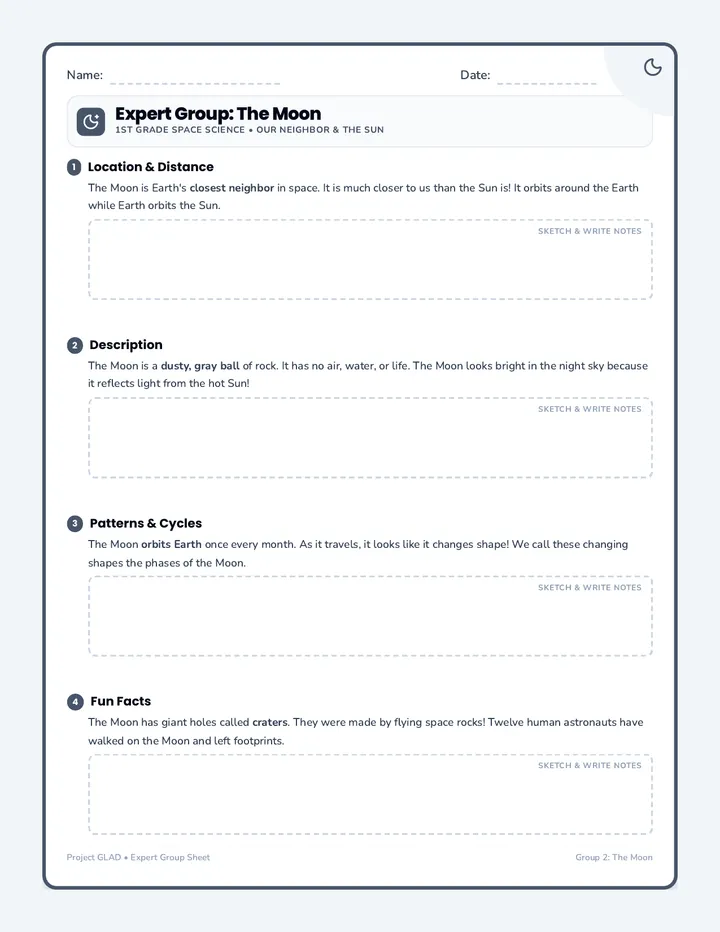
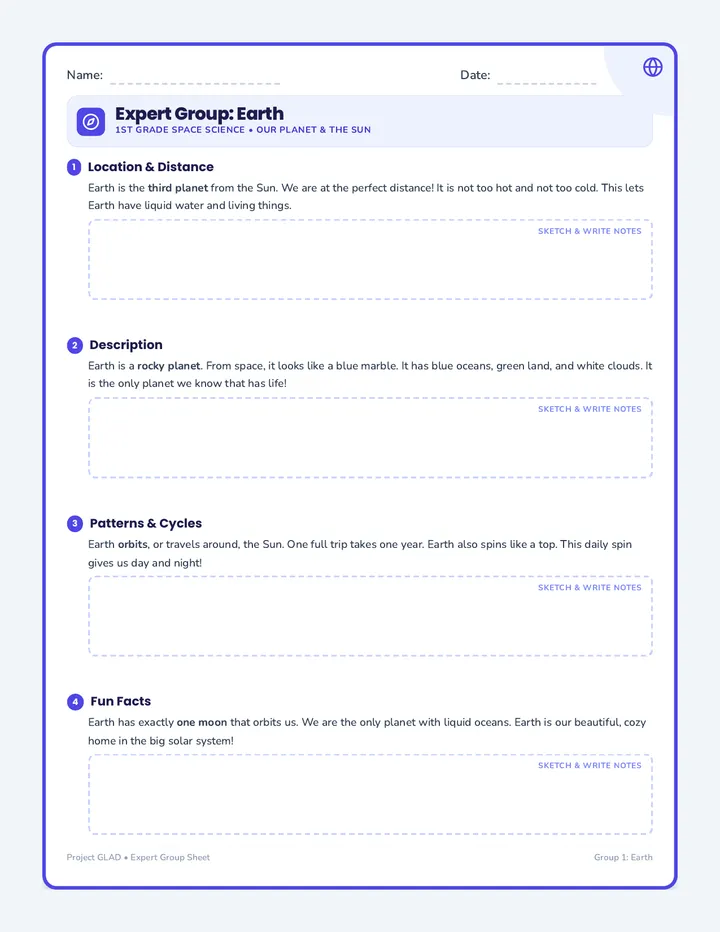
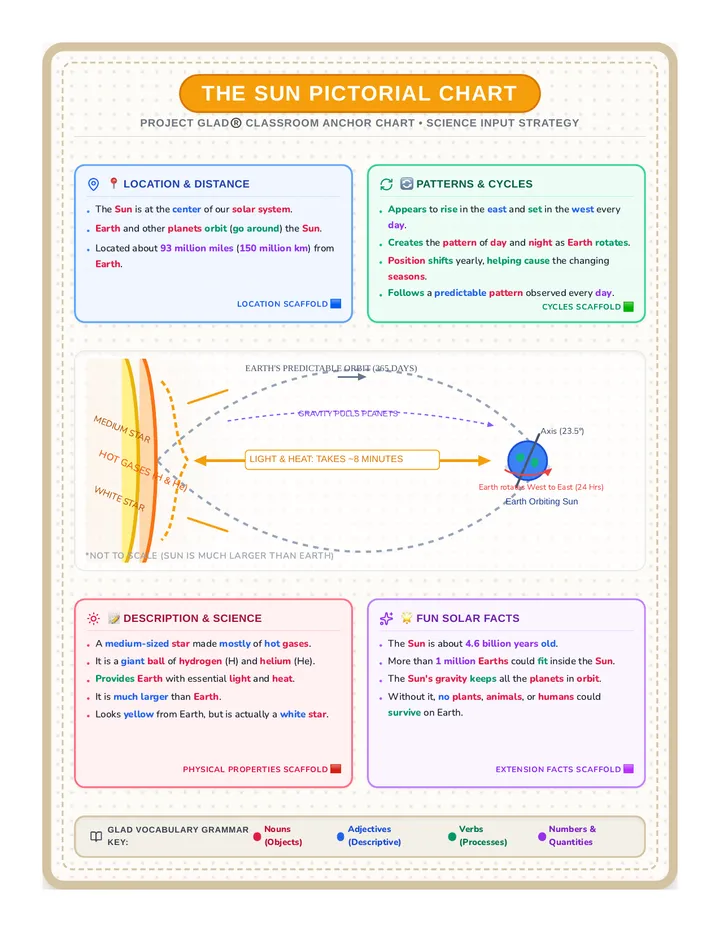
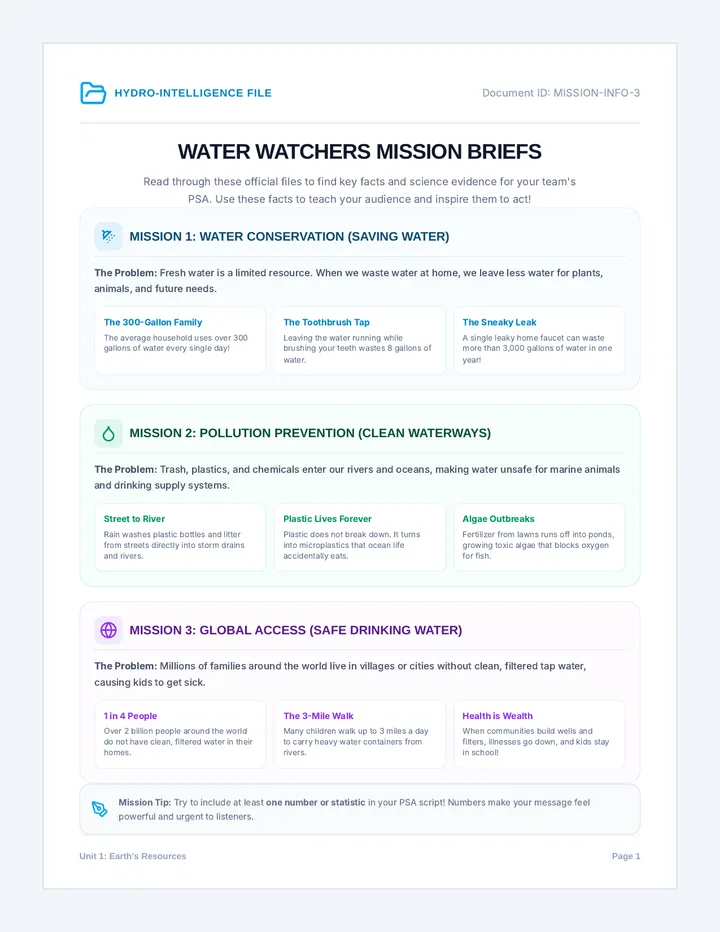
A compact one-page visual identification guide for four common cloud types (Cirrus, Cumulus, Stratus, and Nimbus) designed specifically to fit on a single sheet for K-3 students.
A participant handout for Lesson 2 (Decomposition) with a Rally Coach section for low-lift tasks, a Professional Blueprint for classroom application, and a reflective Coach's Corner connecting early exposure to long-term CS success.
A 5-slide presentation for Lesson 2 (Decomposition) featuring the Allison Cuttler quote, the video intro, Rally Coach instructions, and professional application examples across storytelling, standards, and math.
Updated facilitation guide for Lesson 2 (Decomposition), featuring quotes from Krauss & Prottsman and Allison Cuttler, a Rally Coach instructional strategy, and cross-curricular connections from literacy to industrial tech.
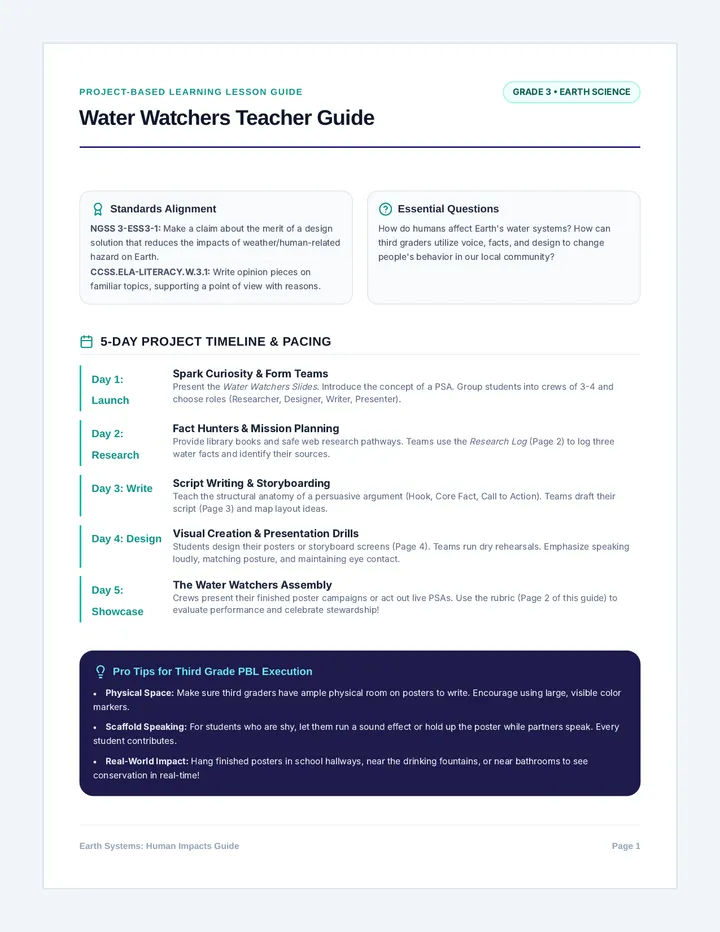
A teacher guide with standards, pacing, and pedagogical tips. Optimized for single-page use with improved contrast and layout.
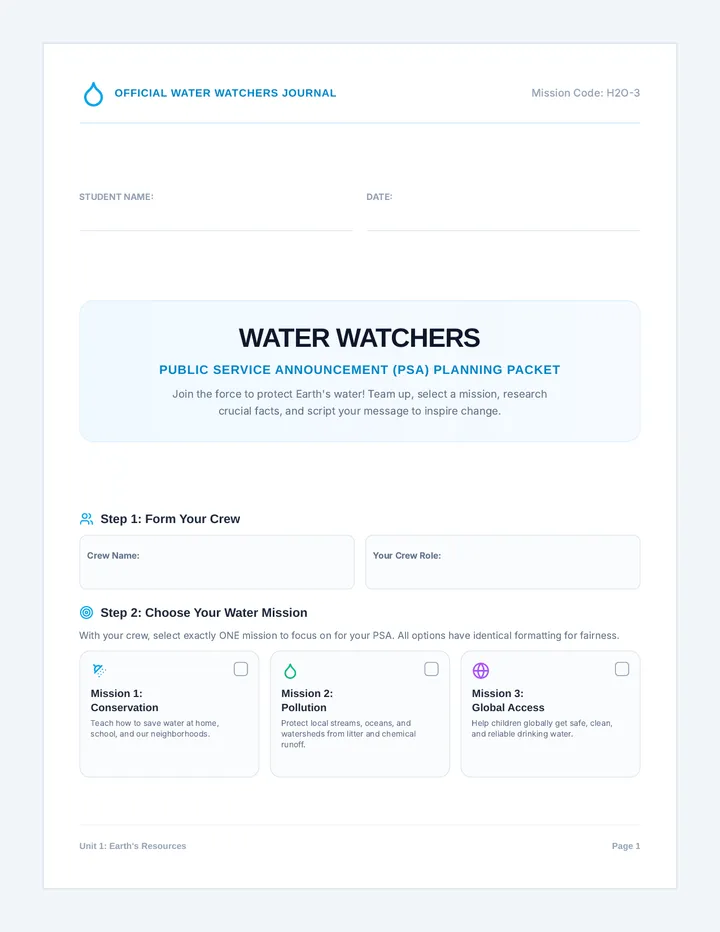
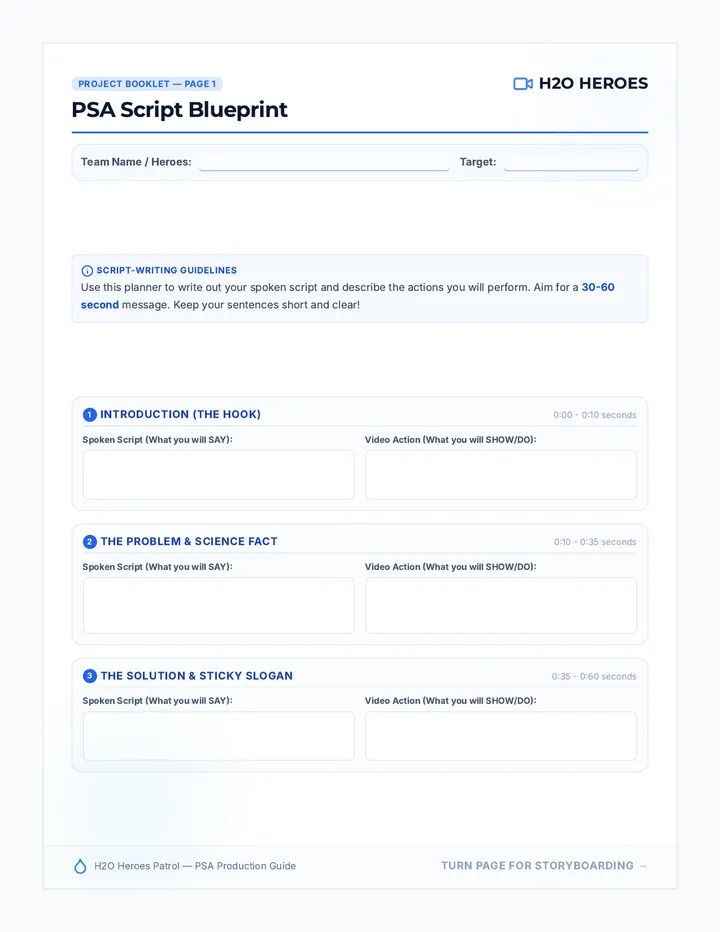
A structured planning document for advocacy projects. Optimized for 2-page printing with an expanded sketch area and clear checklist.
A research and analysis worksheet where students investigate environmental inequality. Optimized for 2-page printing with generous work areas and built-in visual aids.
A 6-slide presentation covering environmental justice concepts, the Flint water crisis, urban air pollution data, and potential community solutions.
A comprehensive answer key for the Food Chain Builder Activity and the Chain Reaction Worksheet, including all eight ecosystem chains and vocabulary definitions.
A teacher-facing facilitation guide providing lesson objectives, a pacing guide, discussion prompts, and notes on common student misconceptions regarding food chains.
A worksheet featuring vocabulary matching, a food chain diagram analysis (Corn -> Mouse -> Owl), and a creative section for students to draw their own food chain. Designed for 3rd-grade assessment.
A hands-on activity where students cut out organism cards and paste them into the correct ecosystem food chains. Covers all eight requested ecosystems: Grassland, Backyard, Rainforest, Tundra, Ocean, Desert, Forest, and Pond.
A set of interactive slides that introduce the concept of food chains, define producers and consumers, and showcase example chains from eight diverse ecosystems. Includes clear visuals and directional arrows to illustrate energy flow.
Teacher's reference and answer key for the Cycle Quest worksheet, providing suggested responses and textual evidence for RI.3.1 assessment.