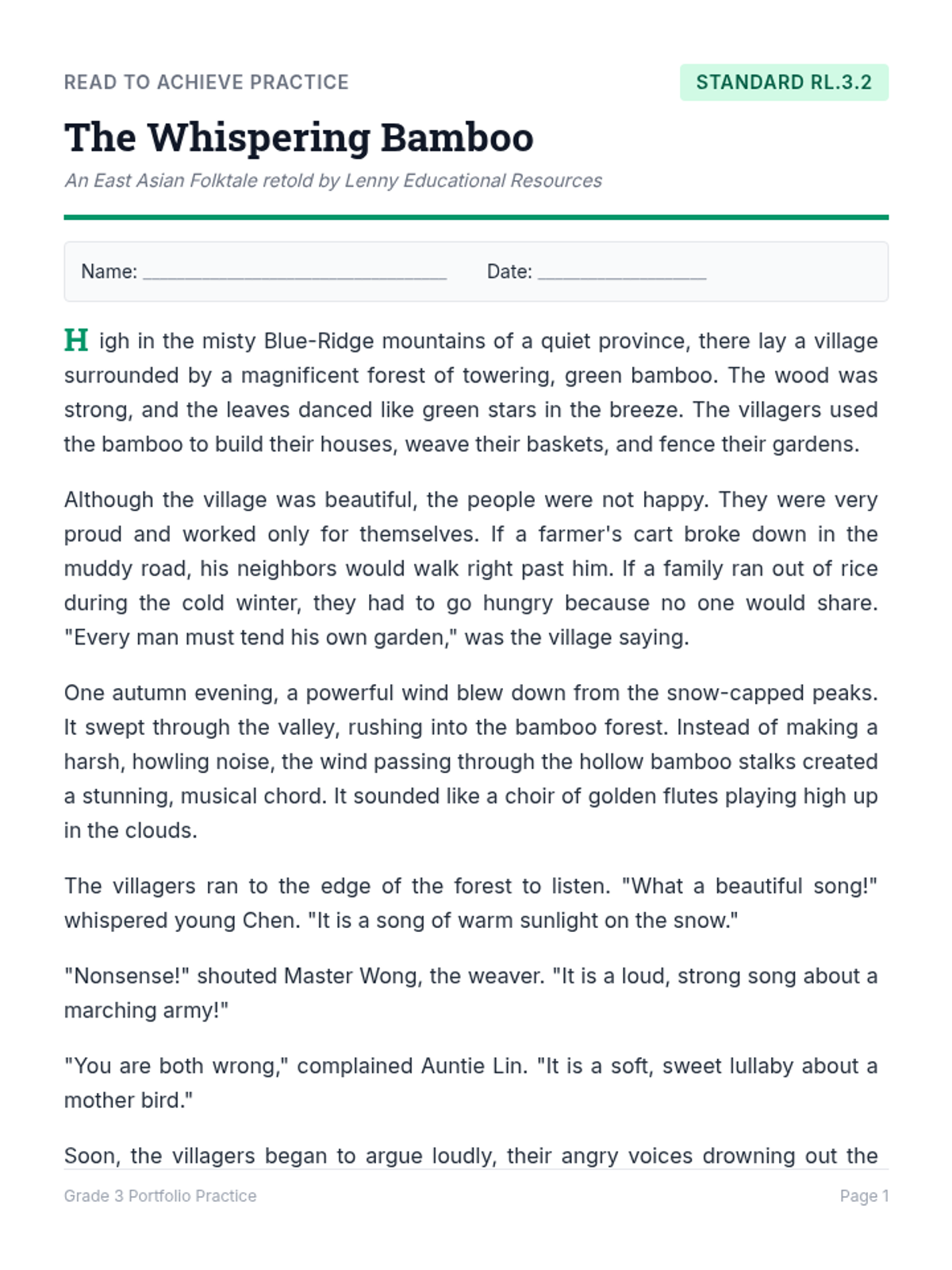
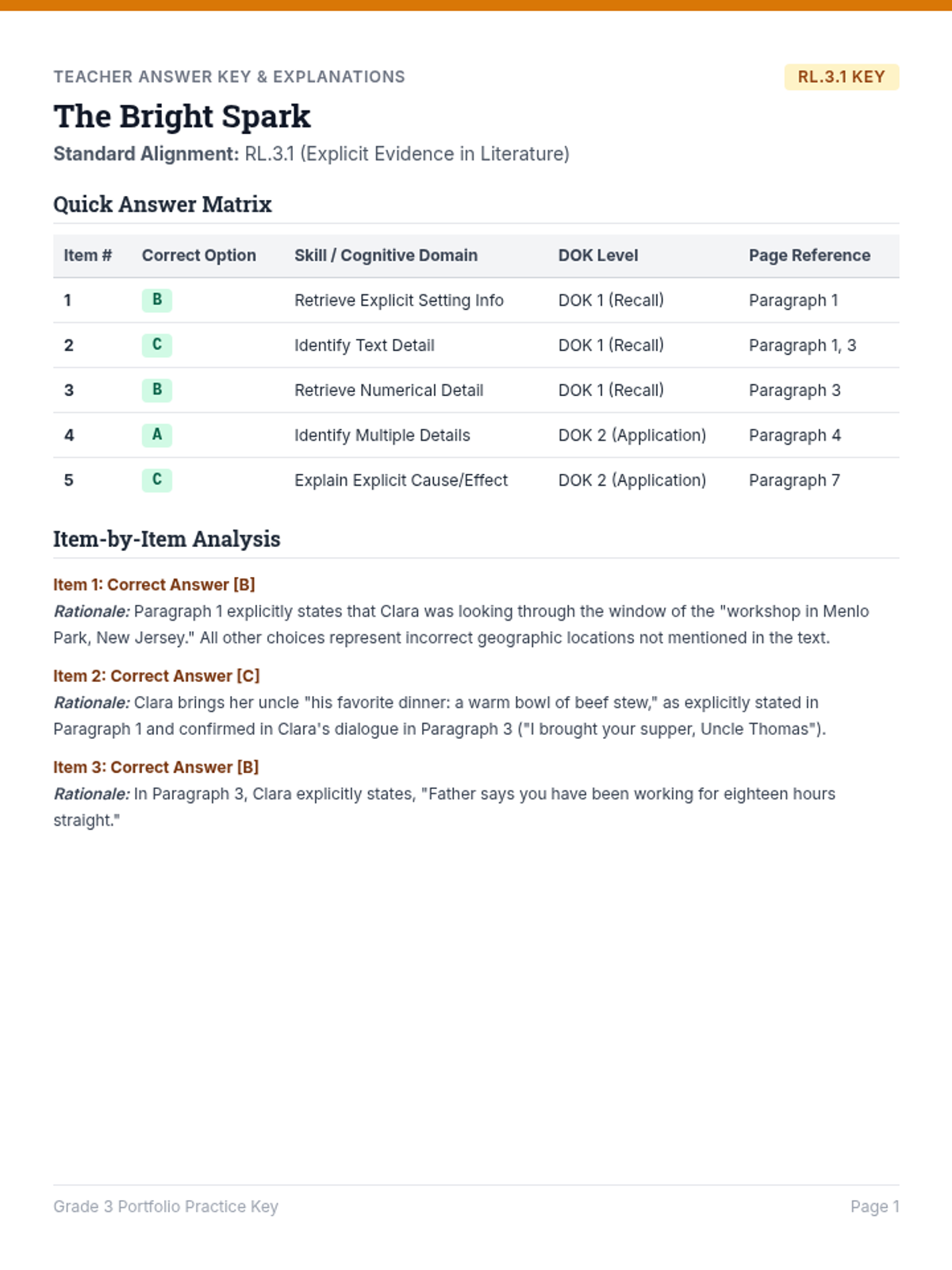
A 2-page bilingual character motive worksheet for Act 1 of The Crucible. It includes character roles and prompts in both English and Spanish to support language development and analysis.
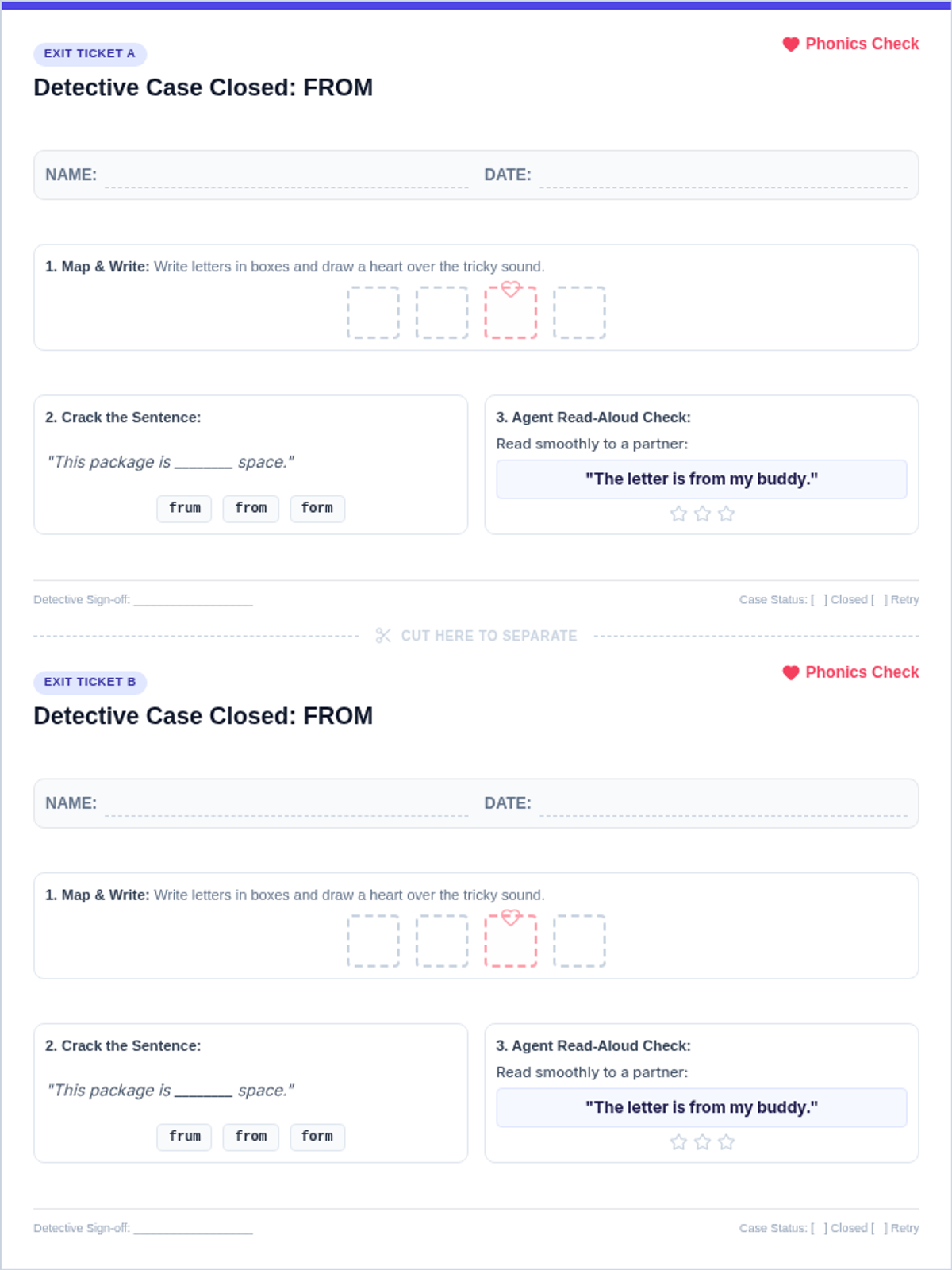
A comprehensive guide for teachers to facilitate the plot mapping lesson. Includes an instructional sequence, teacher tips, and a model answer key using a familiar fairy tale.
An engaging slide deck introducing Freytag's Pyramid. Features high-impact visuals and clear definitions for exposition, rising action, climax, falling action, and resolution.
A refined, adventure-themed plot diagram worksheet. Features a detailed "Story Summit" mountain with specialized areas for the inciting incident and a central conflict reflection box.
A comprehensive teacher guide for the 'Rhythm of Advice' lesson, providing pacing, instructional steps, discussion prompts, and background information on Antiguan culture and Jamaica Kincaid's literary style.
A 4-page student activity featuring three 'Gallery Walk' stations with visual symbols and context clues about Antiguan life, followed by a structured recording sheet for student analysis.
A 7-slide introductory presentation covering Jamaica Kincaid's biography, the historical context of Antigua, and the literary techniques of stream of consciousness and syntax analysis.
A teacher's guide for implementing scaffolded argumentative writing, featuring instructional strategies for using the CER framework and differentiated drafting tools.
A simplified 3-paragraph drafting worksheet for argumentative writing, using the CER (Claim, Evidence, Reasoning) framework to scaffold the writing process.
A detailed 5-paragraph argumentative essay outline for students, featuring sentence frames and clear structural guidance for a point-by-point defense of their claim.
A visual flowchart for planning arguments, guiding students through the Claim, Evidence, and Reasoning (CER) process with structured work areas.
A slide deck introducing the CER (Claim, Evidence, Reasoning) framework and essay structures for argumentative writing, specifically focusing on the debate over cell phones in classrooms.
A simplified, single-page essay organizer for a 4-paragraph structure, including a word bank and clearer labels for beginners.
A simplified visual anchor chart using "Argument Blocks" to explain essay structure with less text and more visual metaphors, focusing on "The Comeback" and "CER" in an accessible way.
A two-page material containing guided notes for argument essay vocabulary and a sample essay analysis activity where students identify structural parts.
A scaffolded reference sheet providing specific sentence stems and starters for every component of an argumentative essay, designed to support students in drafting clear claims, evidence, and reasoning.
A comprehensive two-page graphic organizer for students to plan an argumentative essay, providing structured spaces for an introduction, two CER body paragraphs, a counter-claim/rebuttal section, and a conclusion.
A visual anchor chart illustrating the components of an argumentative essay, featuring the 5-paragraph structure, CER model, and introduction/conclusion elements using an architectural 'blueprint' theme.
A 5-point analytical rubric for assessing compare and contrast essays, focusing on thesis, organization, depth of analysis, and transition use.
A student-friendly self-assessment checklist for narrative writing, themed as a "Story Quest" with clear goals and reflection space.
A refined 5-point teacher-facing rubric for assessing narrative writing across plot, characters, sensory details, voice, and mechanics, designed for clear differentiation.
A facilitator's guide for teachers containing essential character insights, key discussion points, and suggested guiding questions to accompany the 'Salem Secrets' slides and worksheet.
A comprehensive graphic organizer for students to record key character traits, motivations, and relationships. Designed to be glued into a notebook or journal, it mirrors the flow of the Salem Secrets Slides.
A high-impact slide deck for presentation in class. It features visual breakdowns of the main characters in 'The Crucible', their relationships, and the core conflicts that drive the plot. Use it to guide student note-taking into their journals.