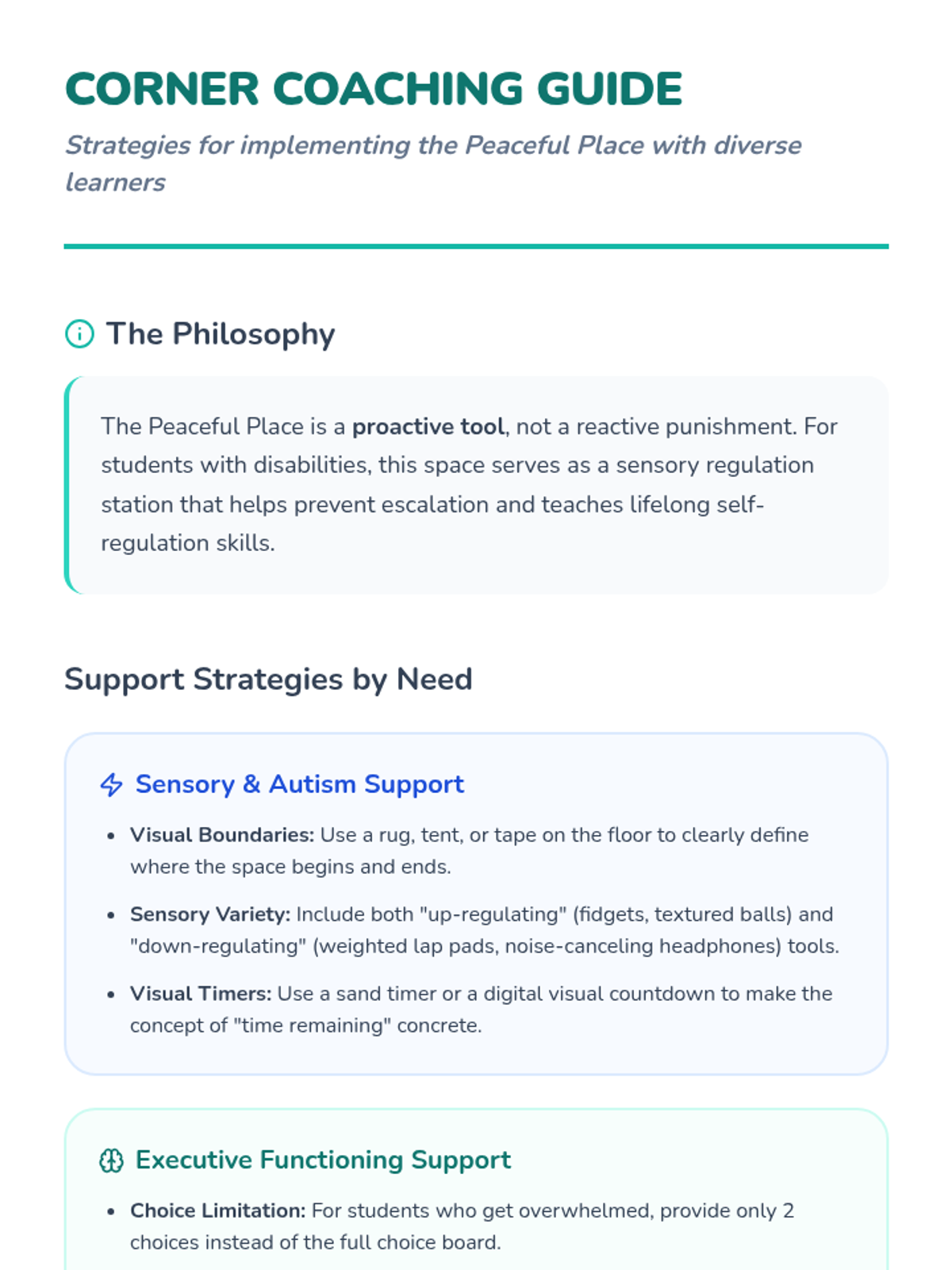
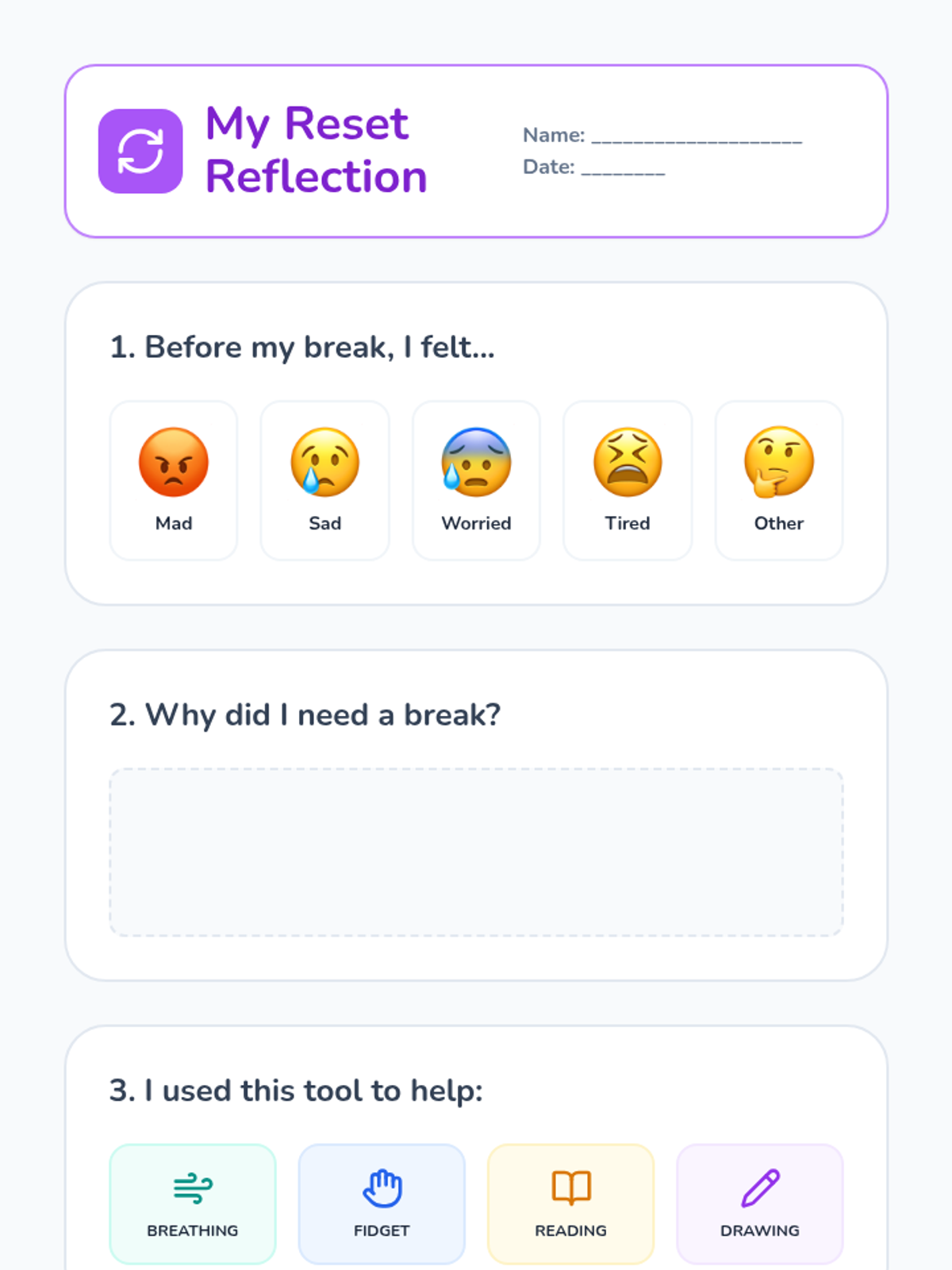
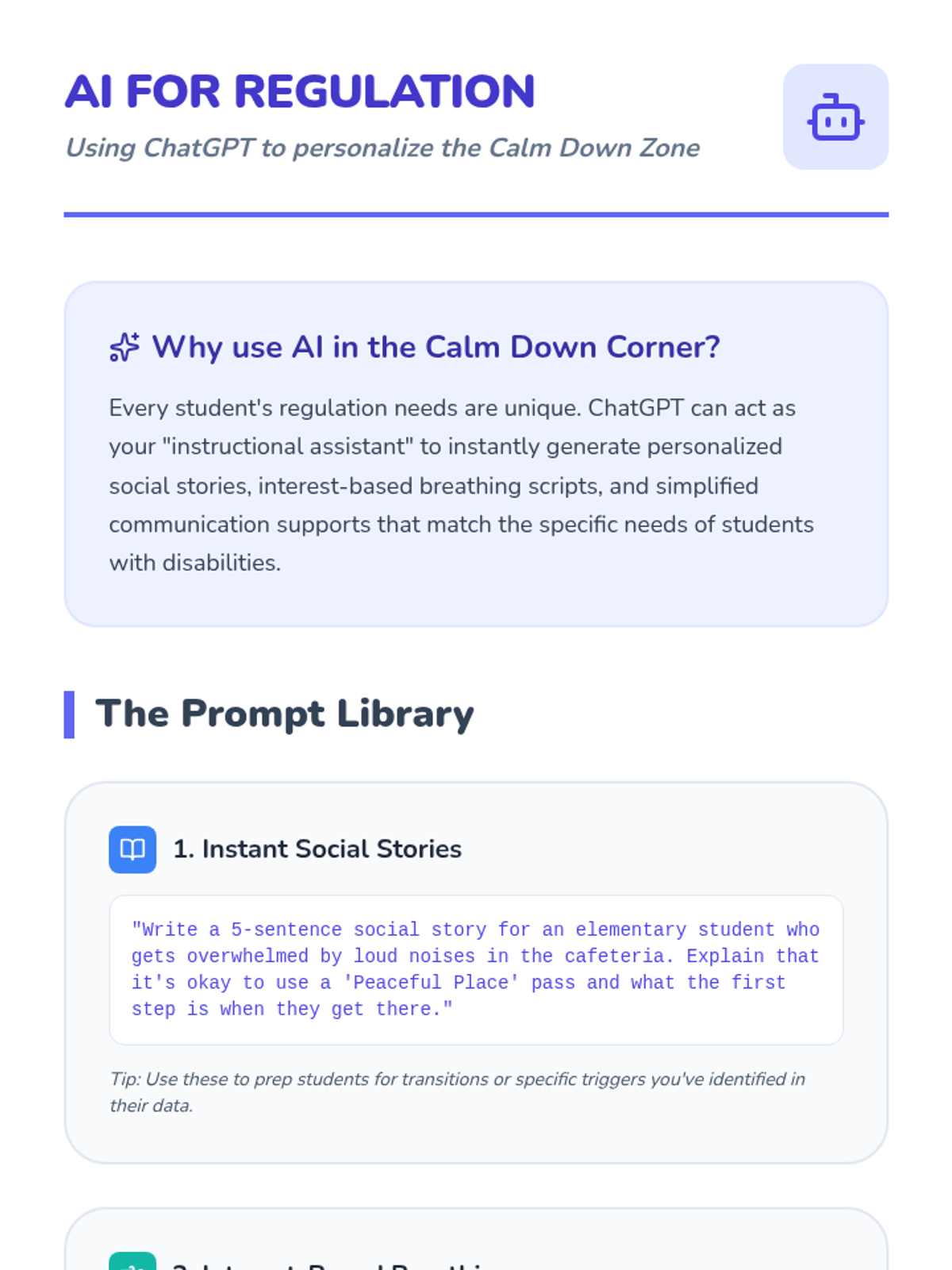
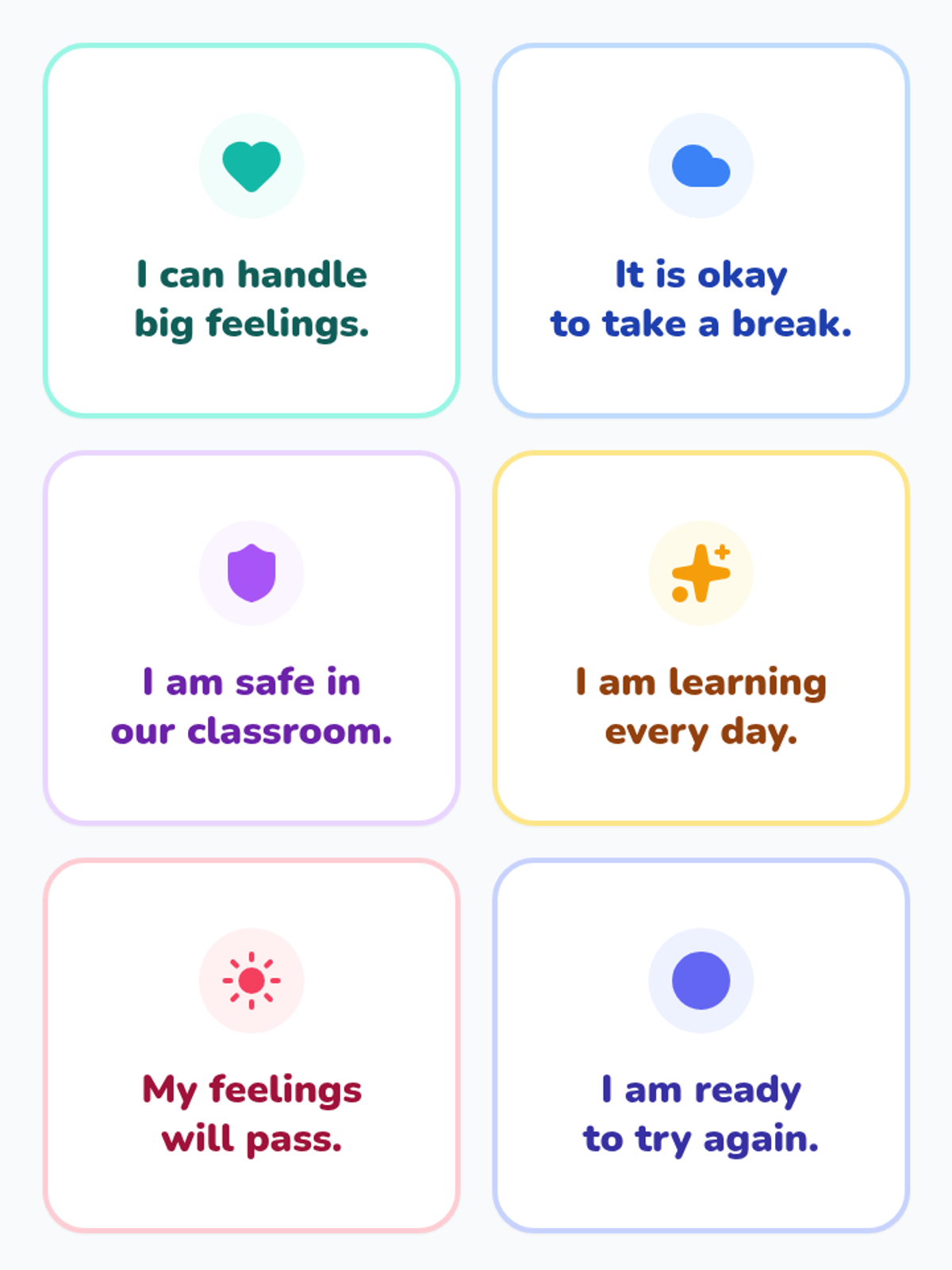
Functional behavior assessment, data tracking, and de-escalation strategies for managing classroom conduct. Addresses positive reinforcement, token economies, and individualized behavior contracts to support student self-regulation.
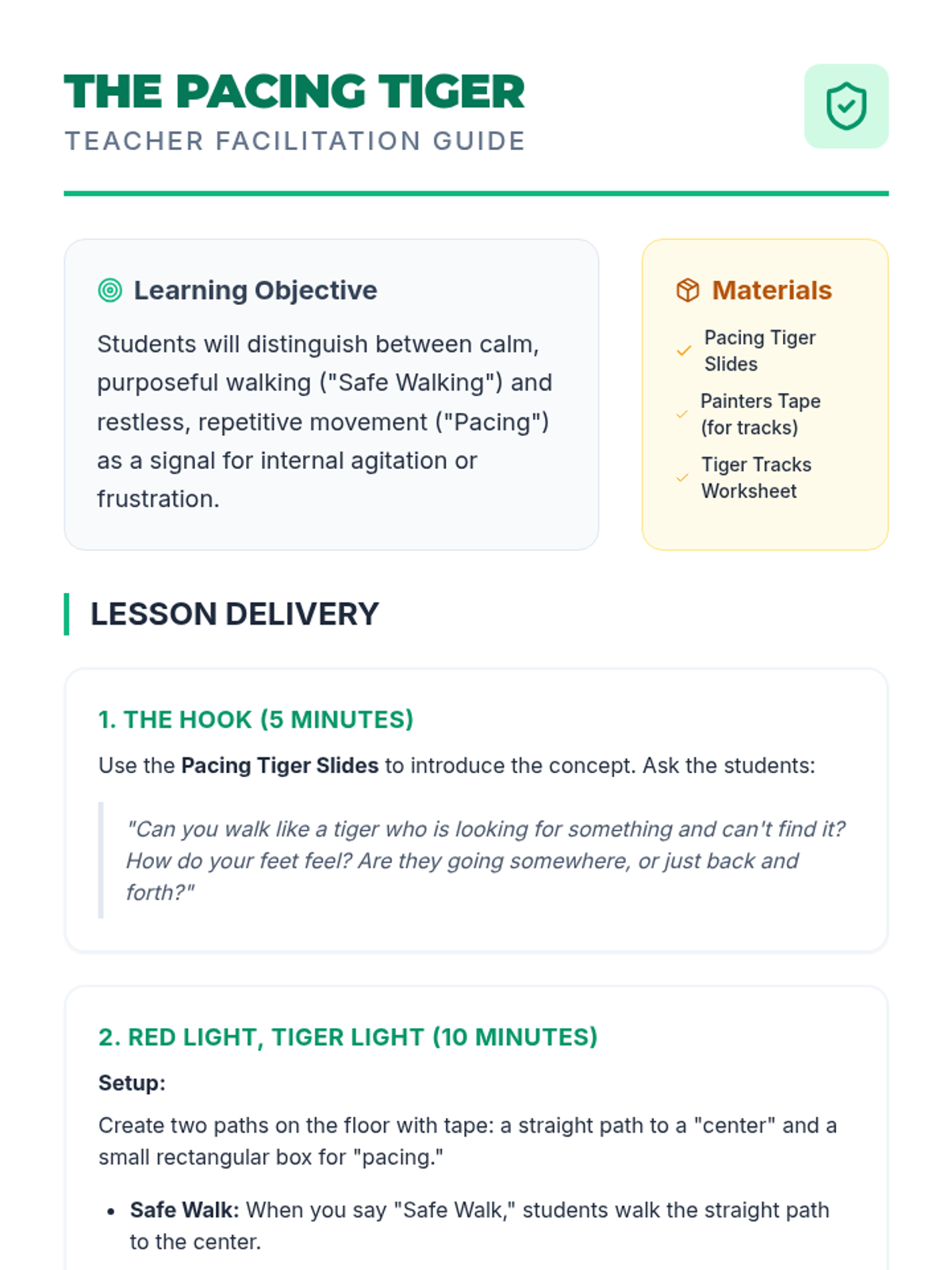
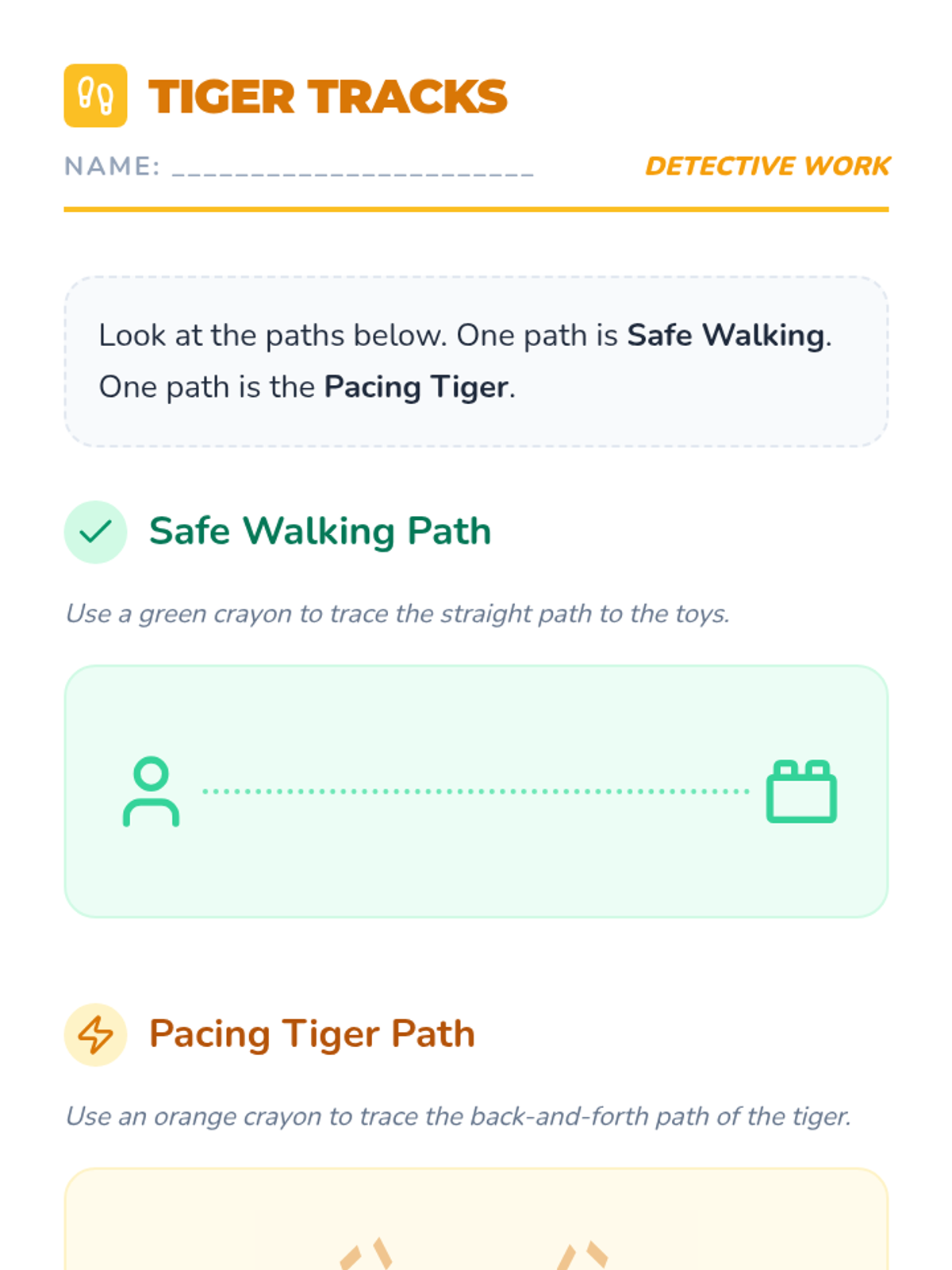
A Pre-K sequence focused on identifying early warning signs of behavioral escalation through animal metaphors, movement, and social-emotional awareness. Students learn to recognize pacing, hiding, impulsive hands, and loud footsteps as signals for needing support.
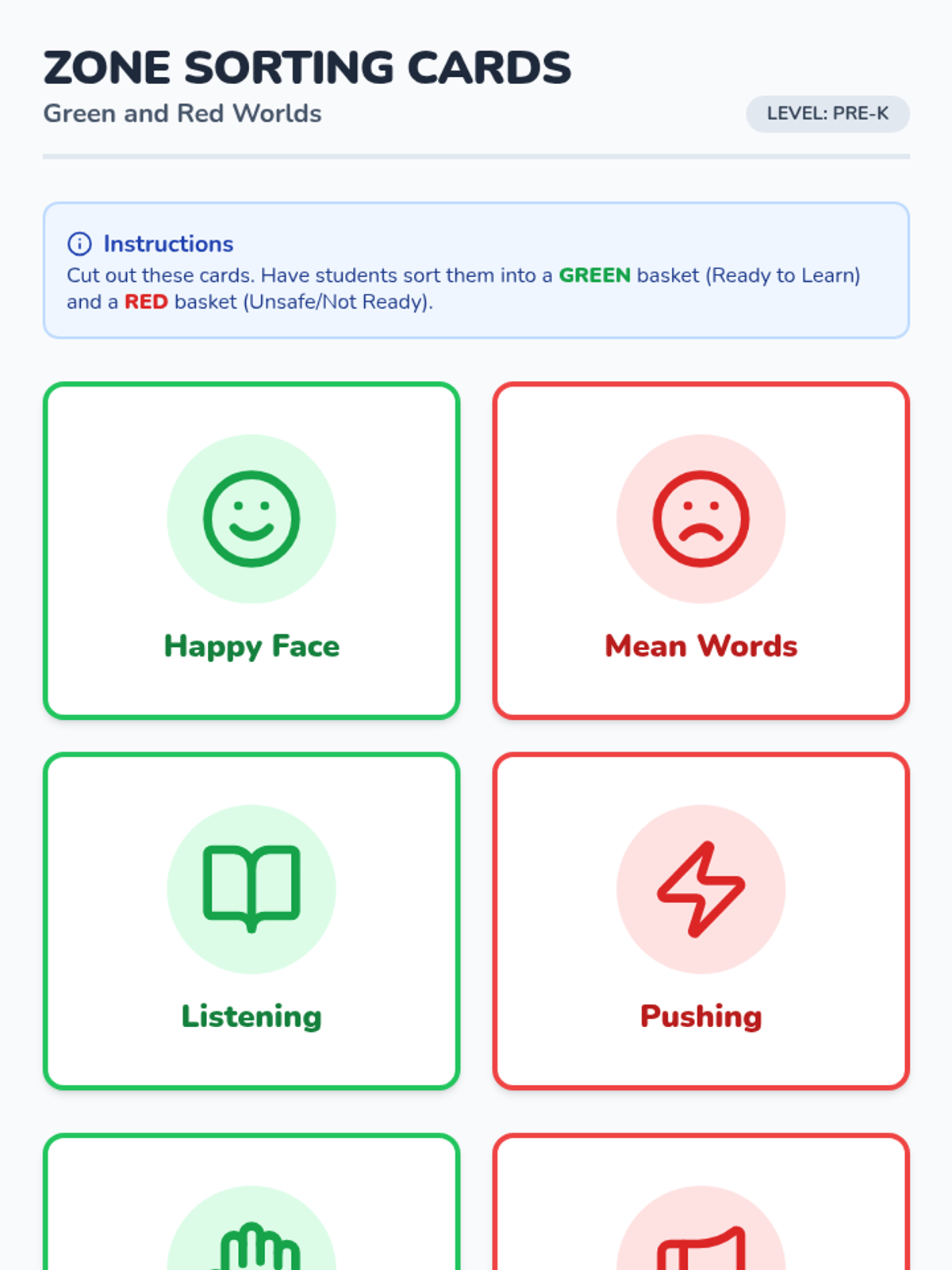
A color-coded behavioral support sequence for Pre-K students focused on identifying emotional intensity. Students learn to distinguish between 'Green' (calm), 'Yellow' (warning), and 'Red' (crisis) zones, with a heavy emphasis on recognizing the 'Yellow Zone' signs before escalation occurs.
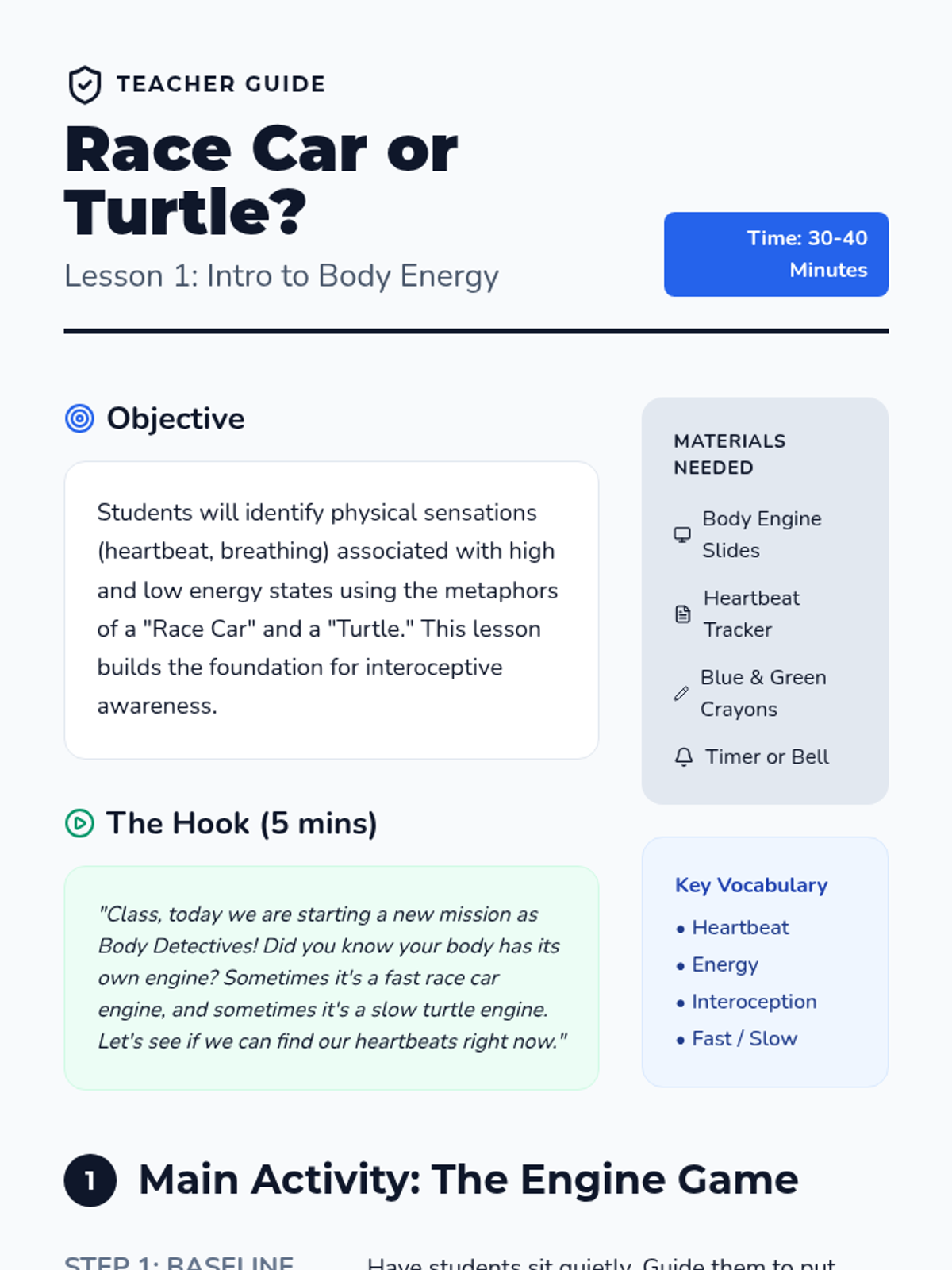
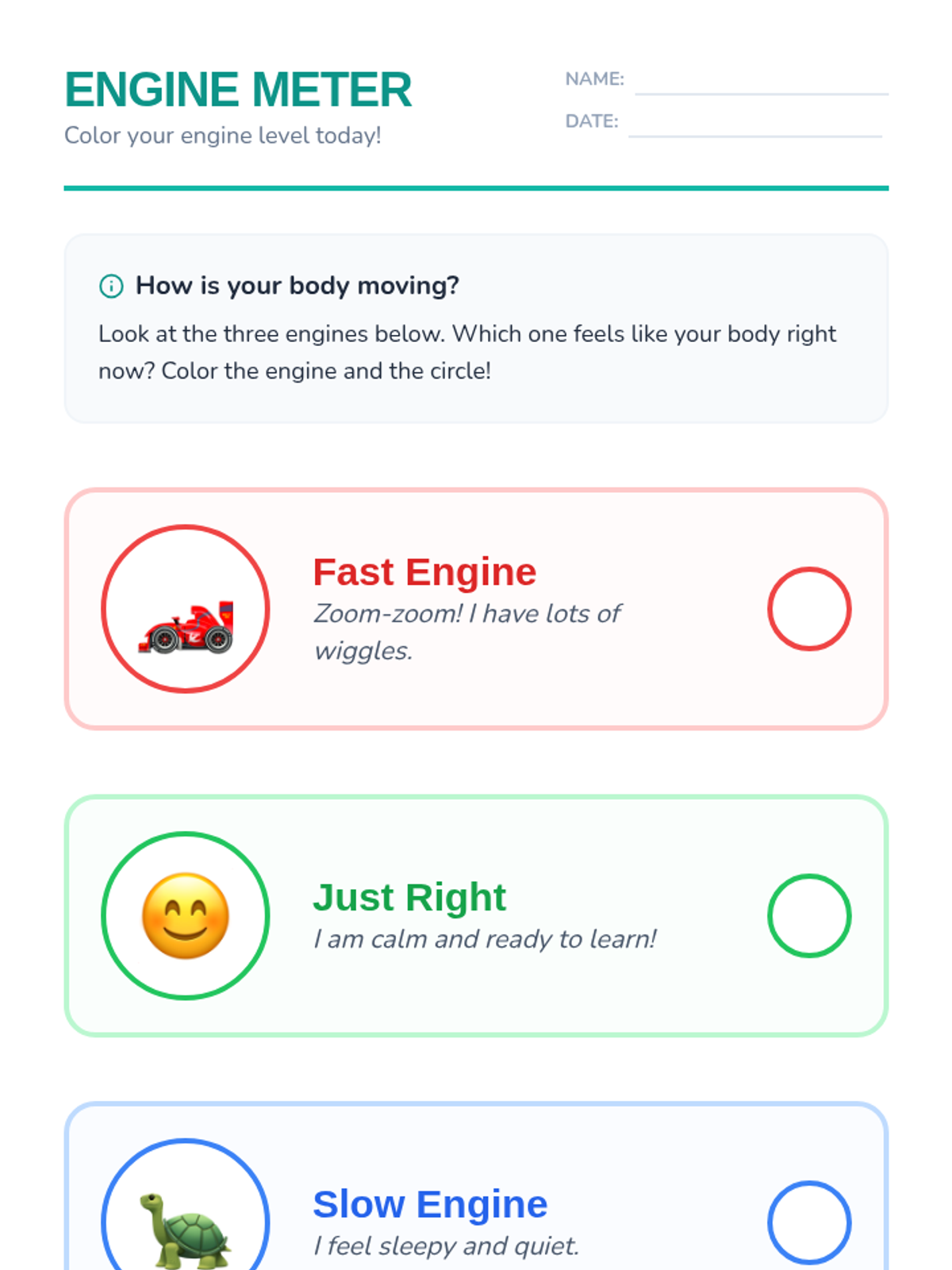
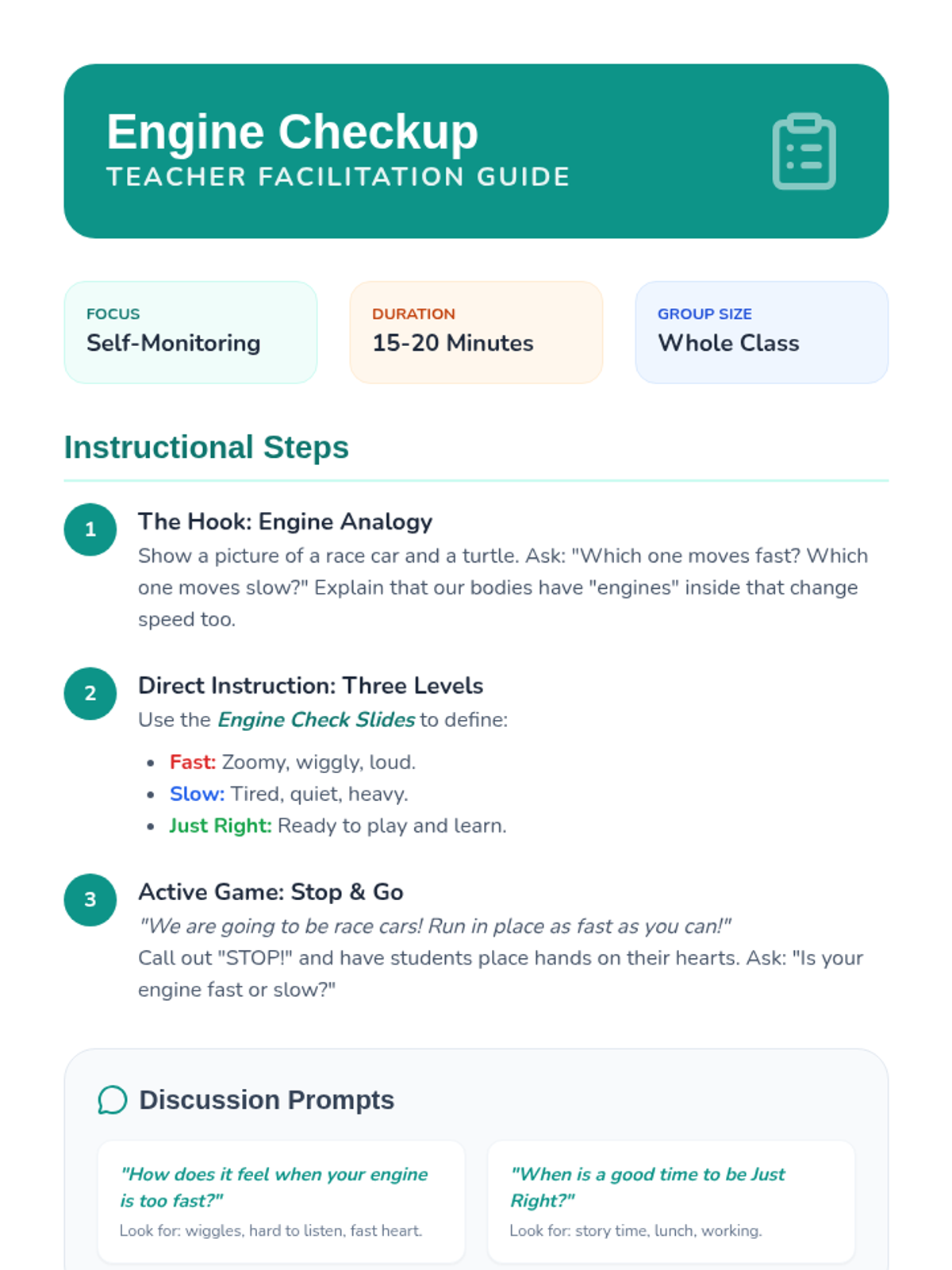
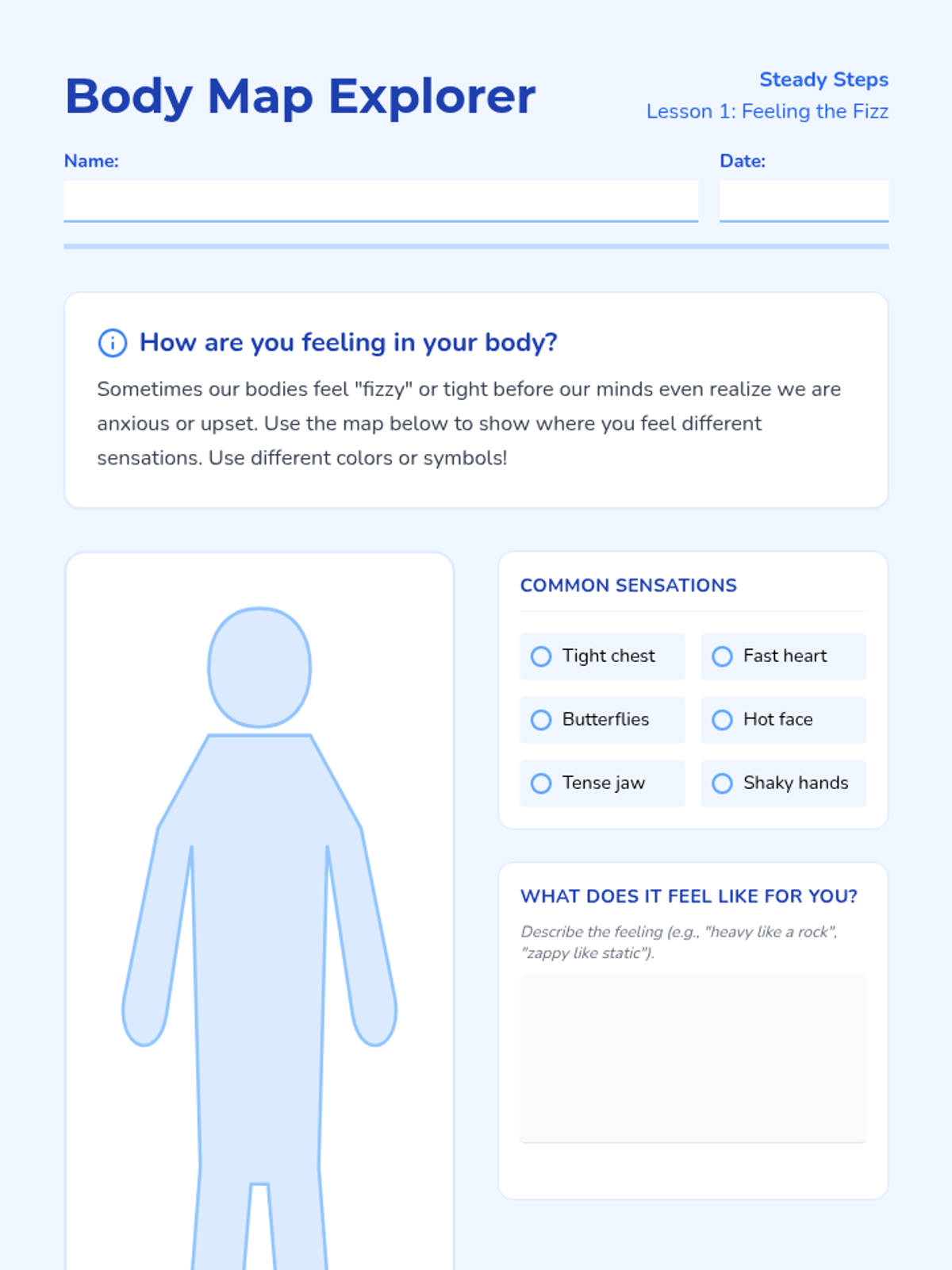
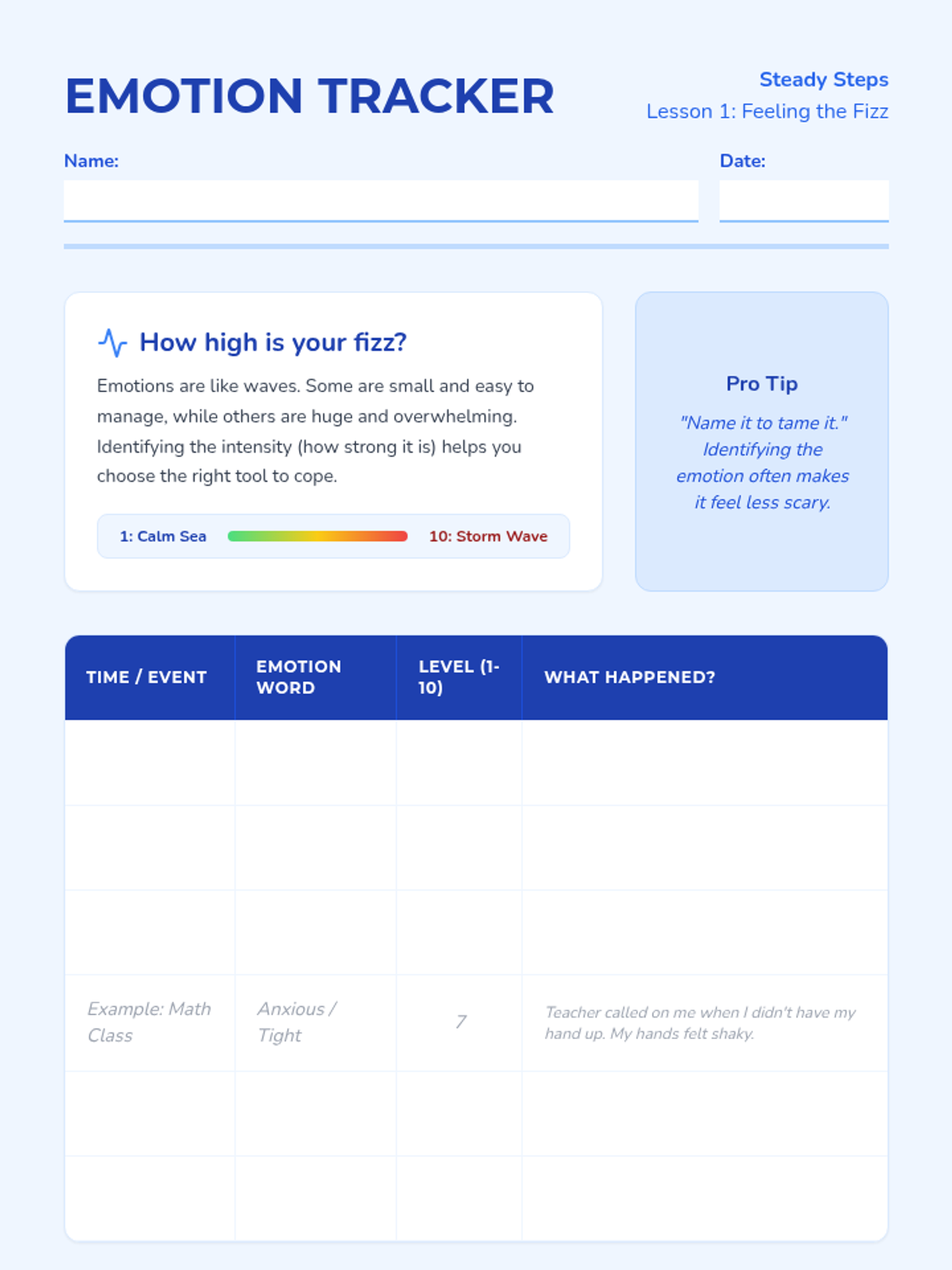
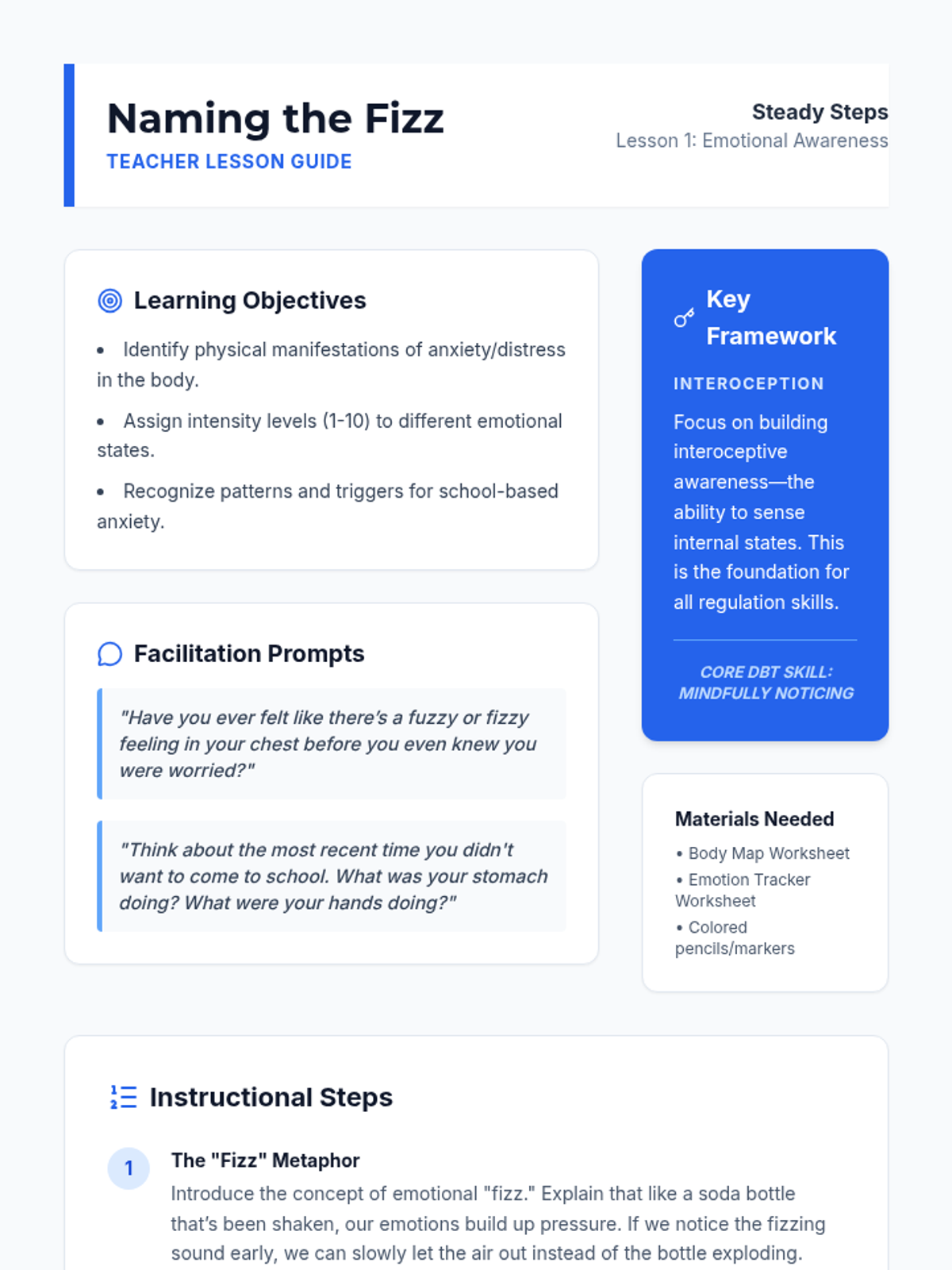
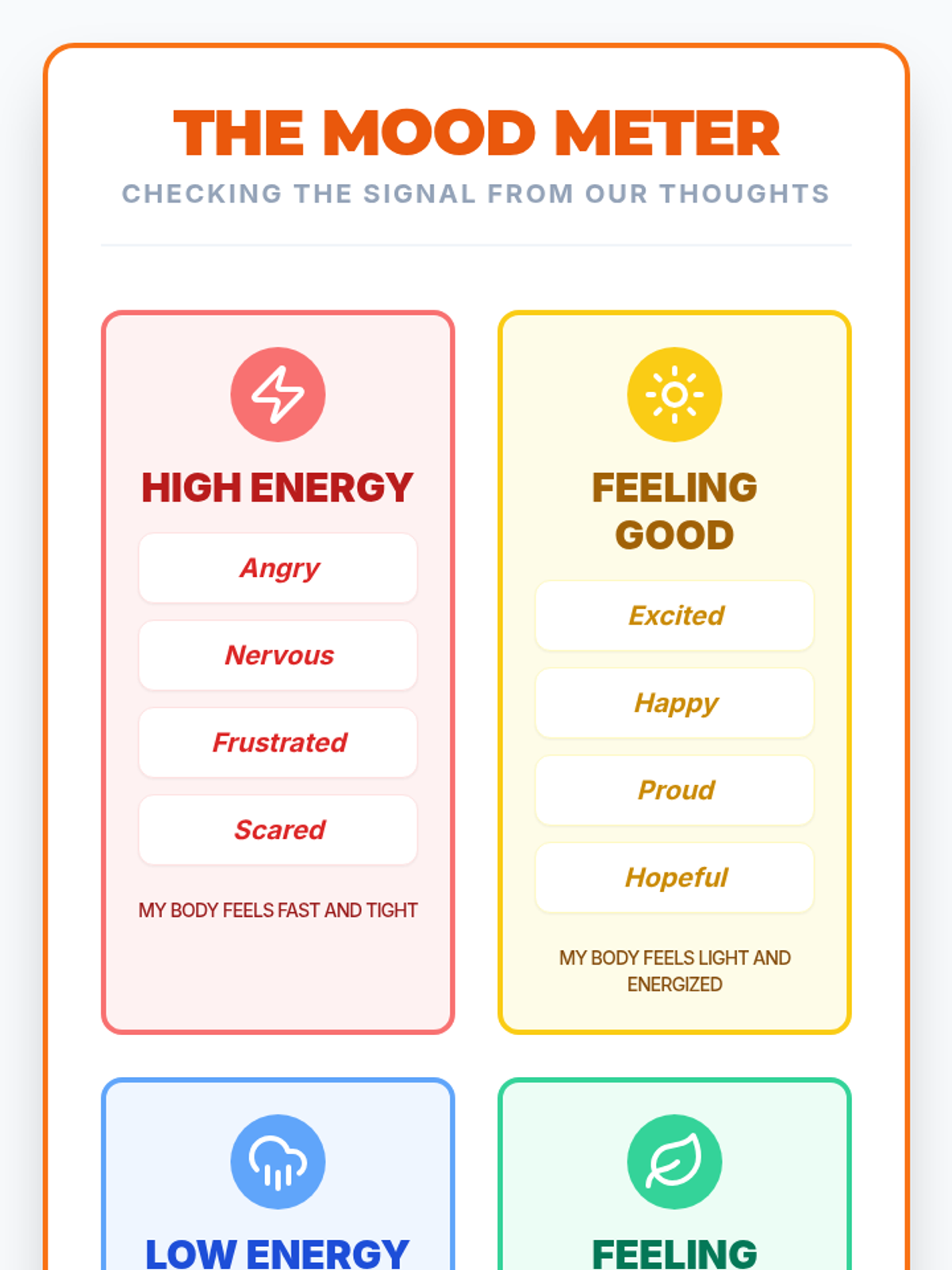
A 5-lesson unit for Kindergarten students to develop interoception and identify physical body signals associated with emotional dysregulation. Students use playful metaphors like engines, robots, and soda bottles to recognize when their bodies are moving toward a 'high energy' or 'tense' state.
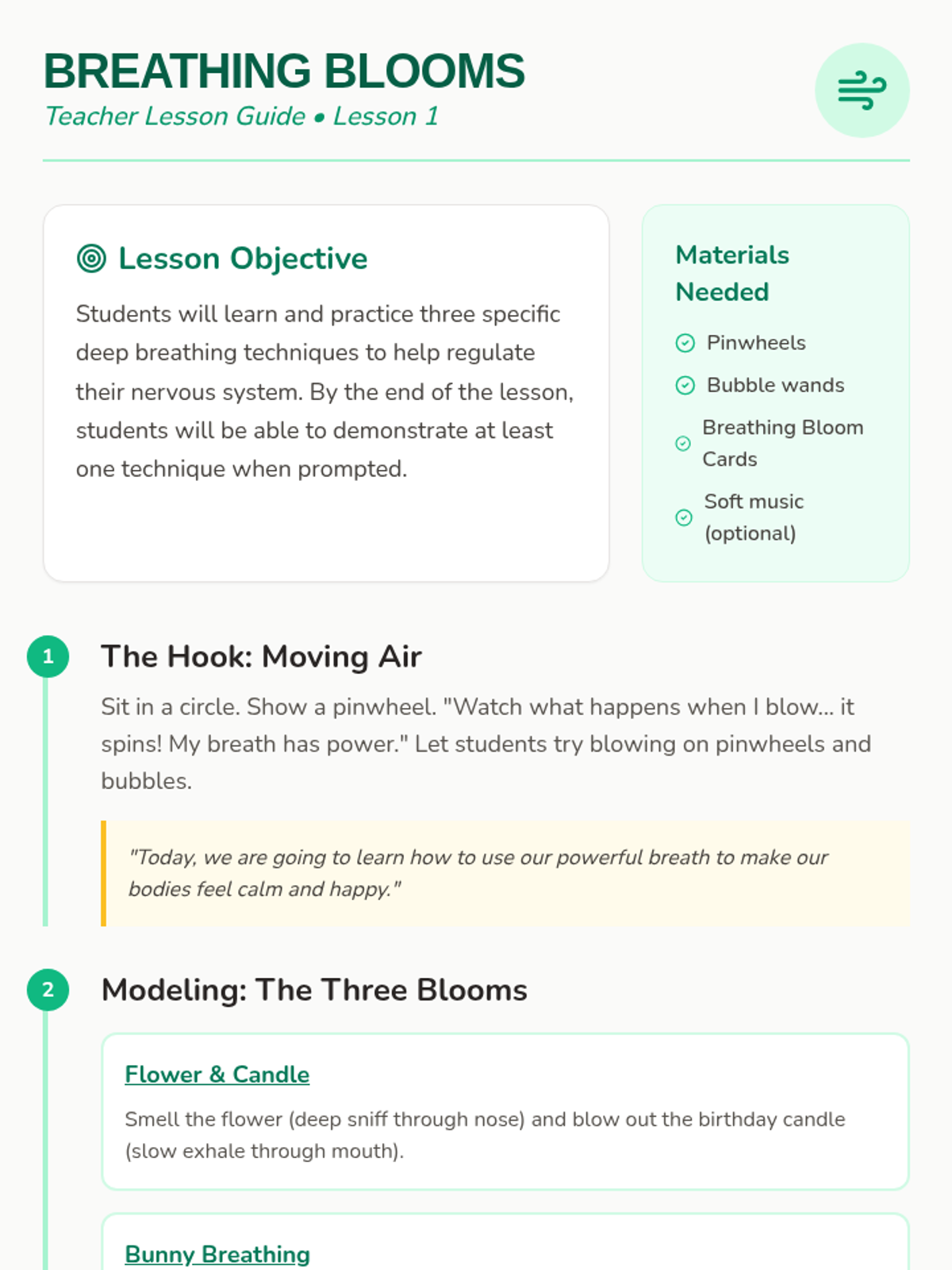
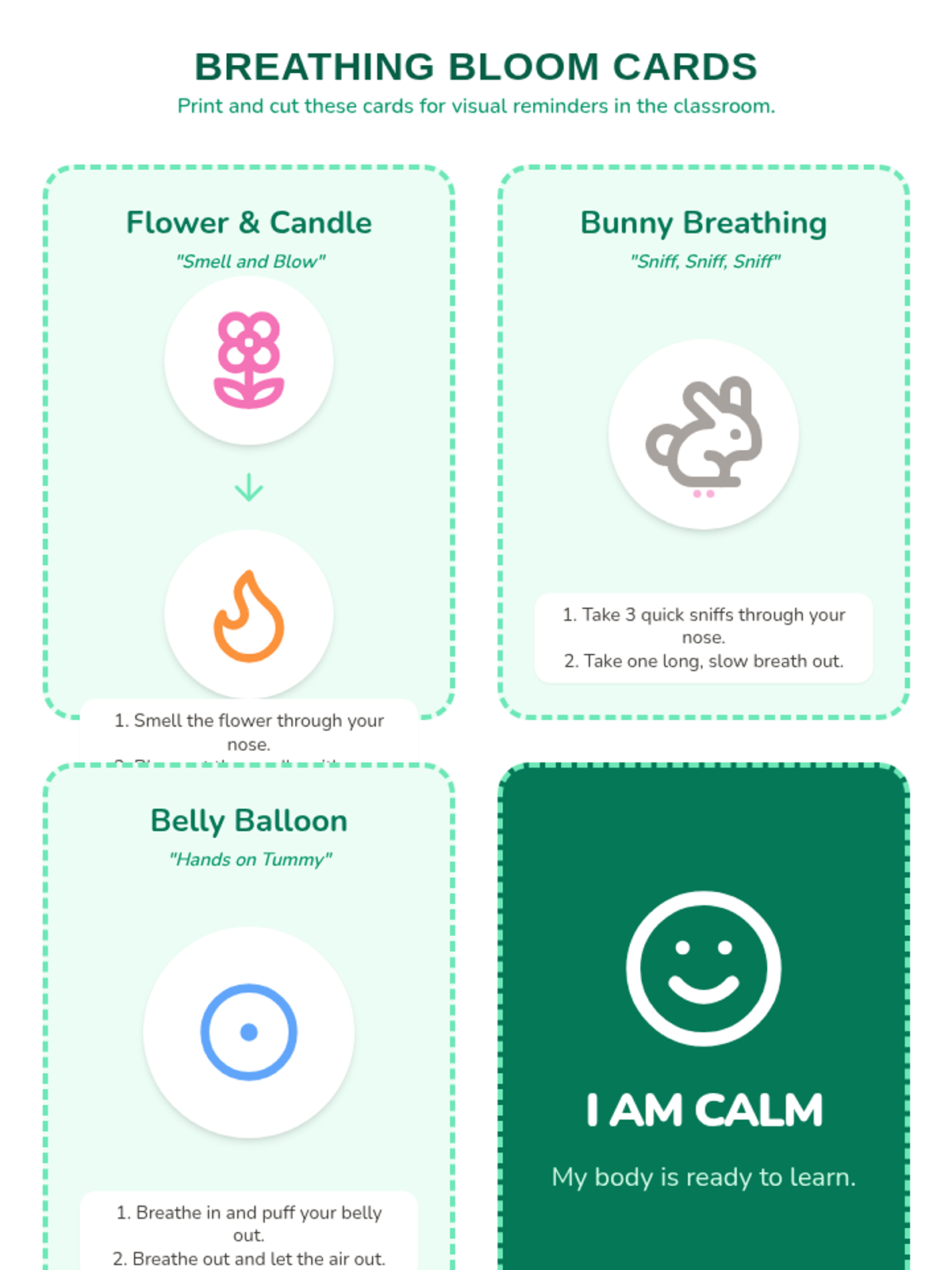
This sequence focuses on teaching Pre-K students to recognize physical signs of dysregulation and apply deep breathing techniques as 'superpowers' for emotional regulation. Through puppet play, routines, and sorting games, students move from external observation to internal body awareness.
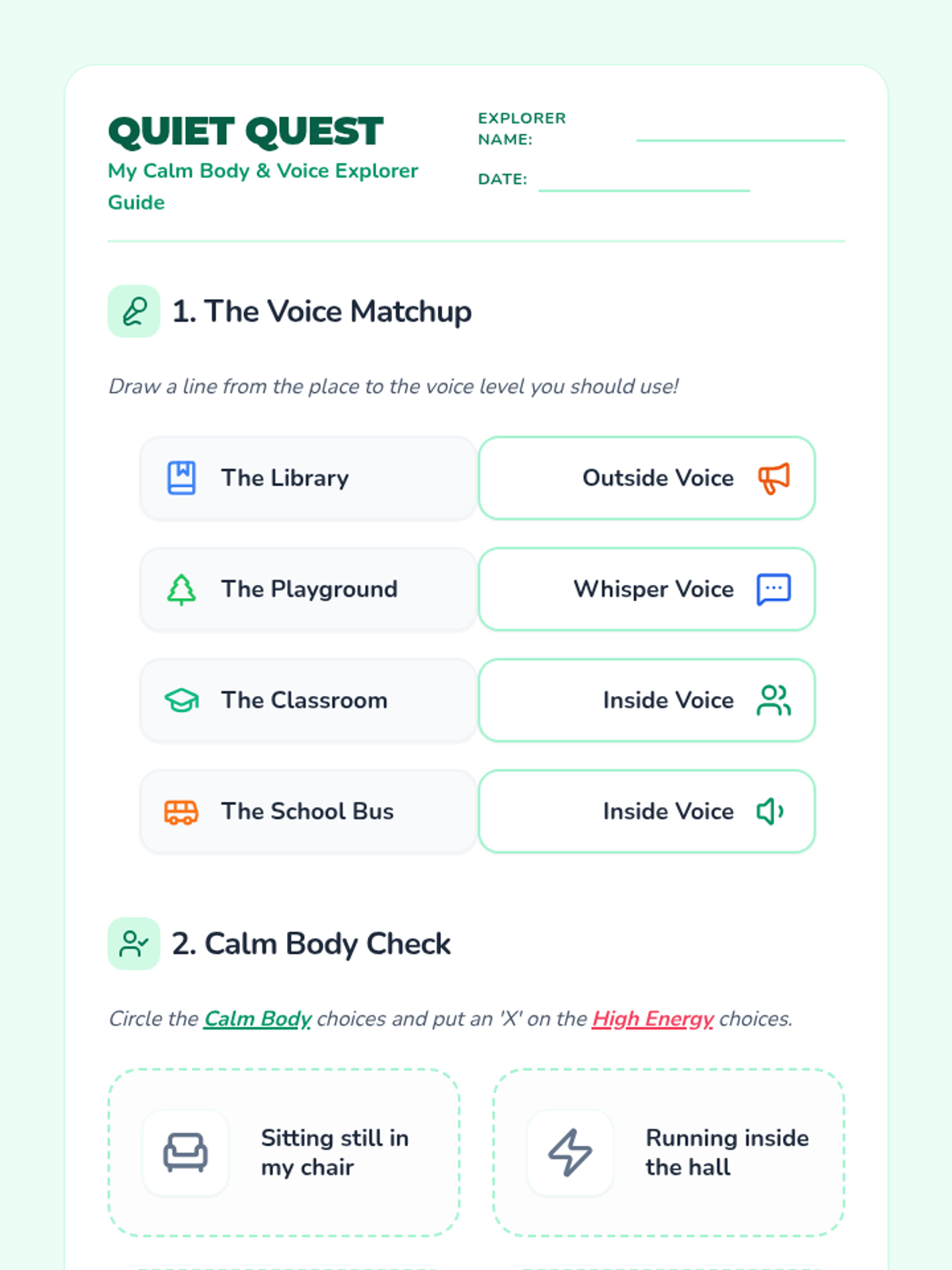
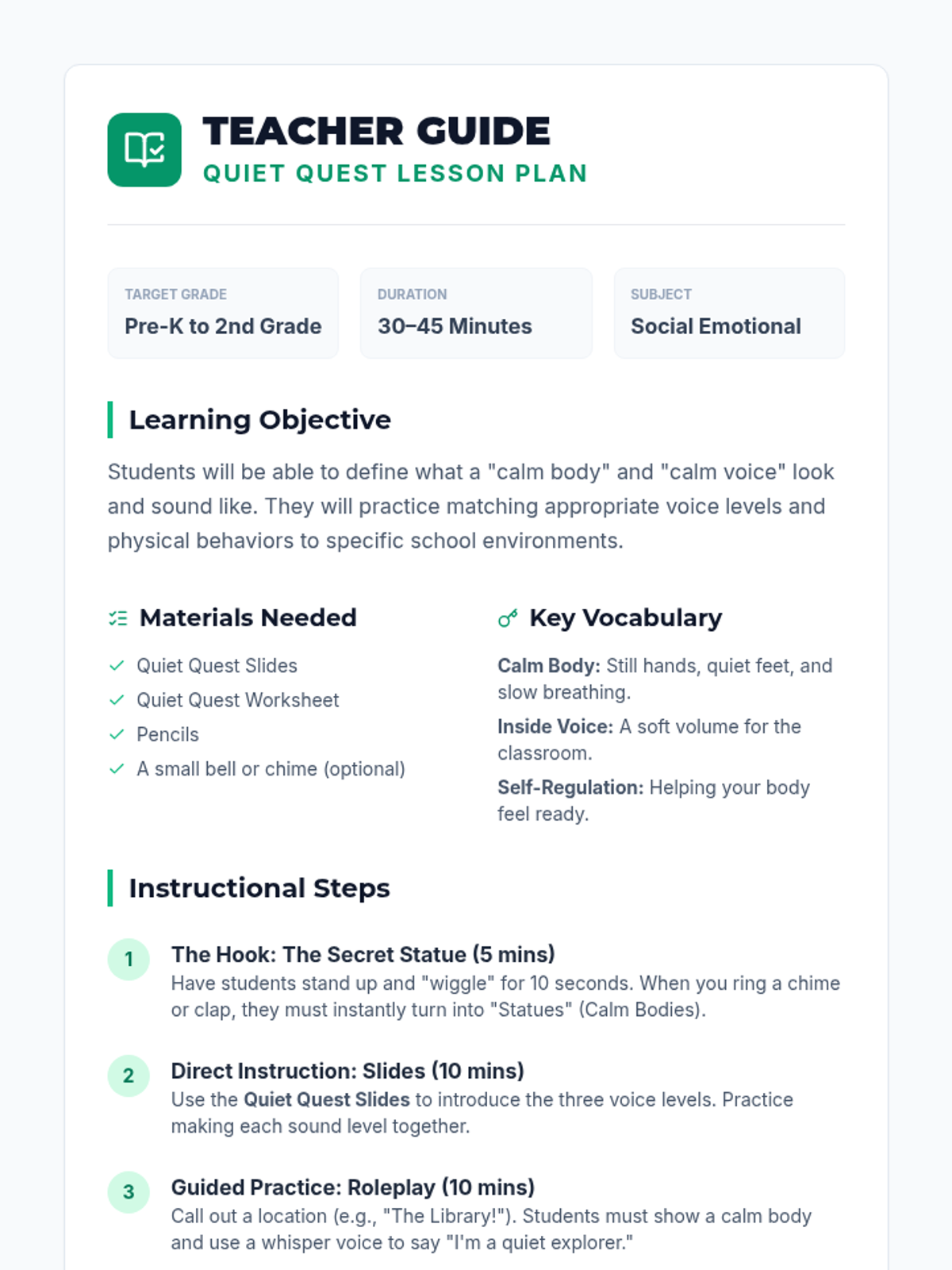
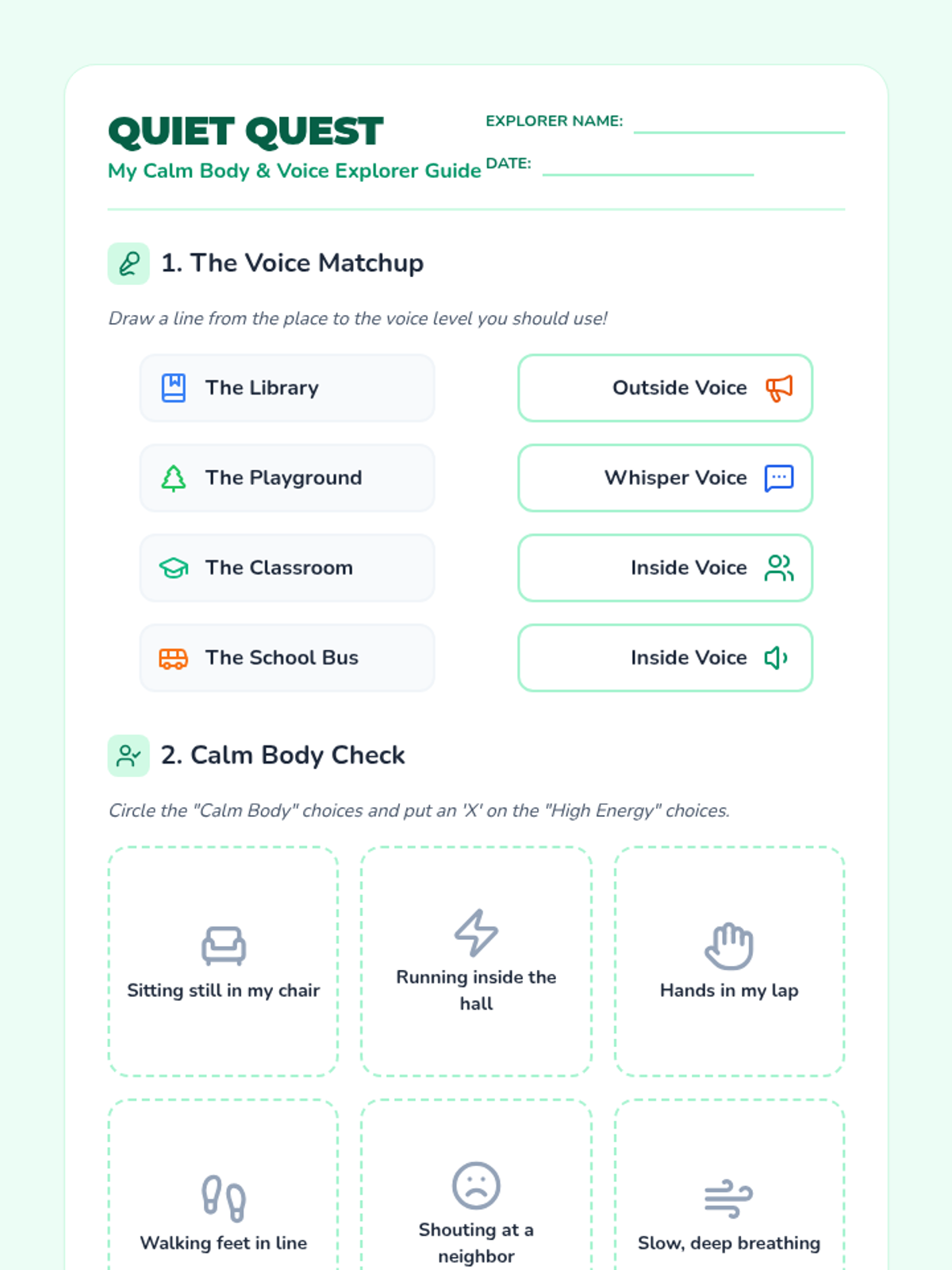
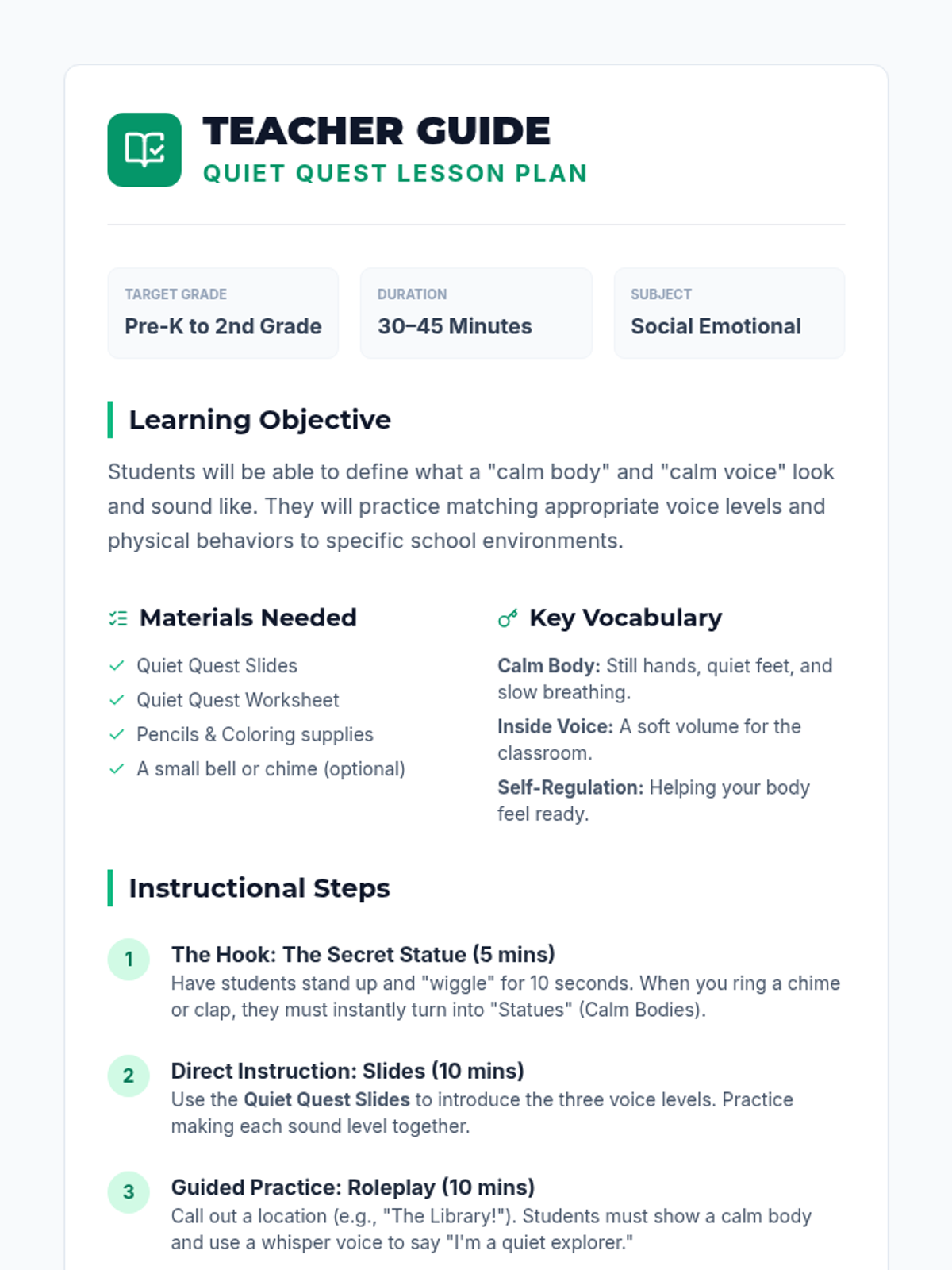
A two-day series designed to help young students develop self-regulation skills by mastering 'calm body' and 'calm voice' techniques in various school settings.
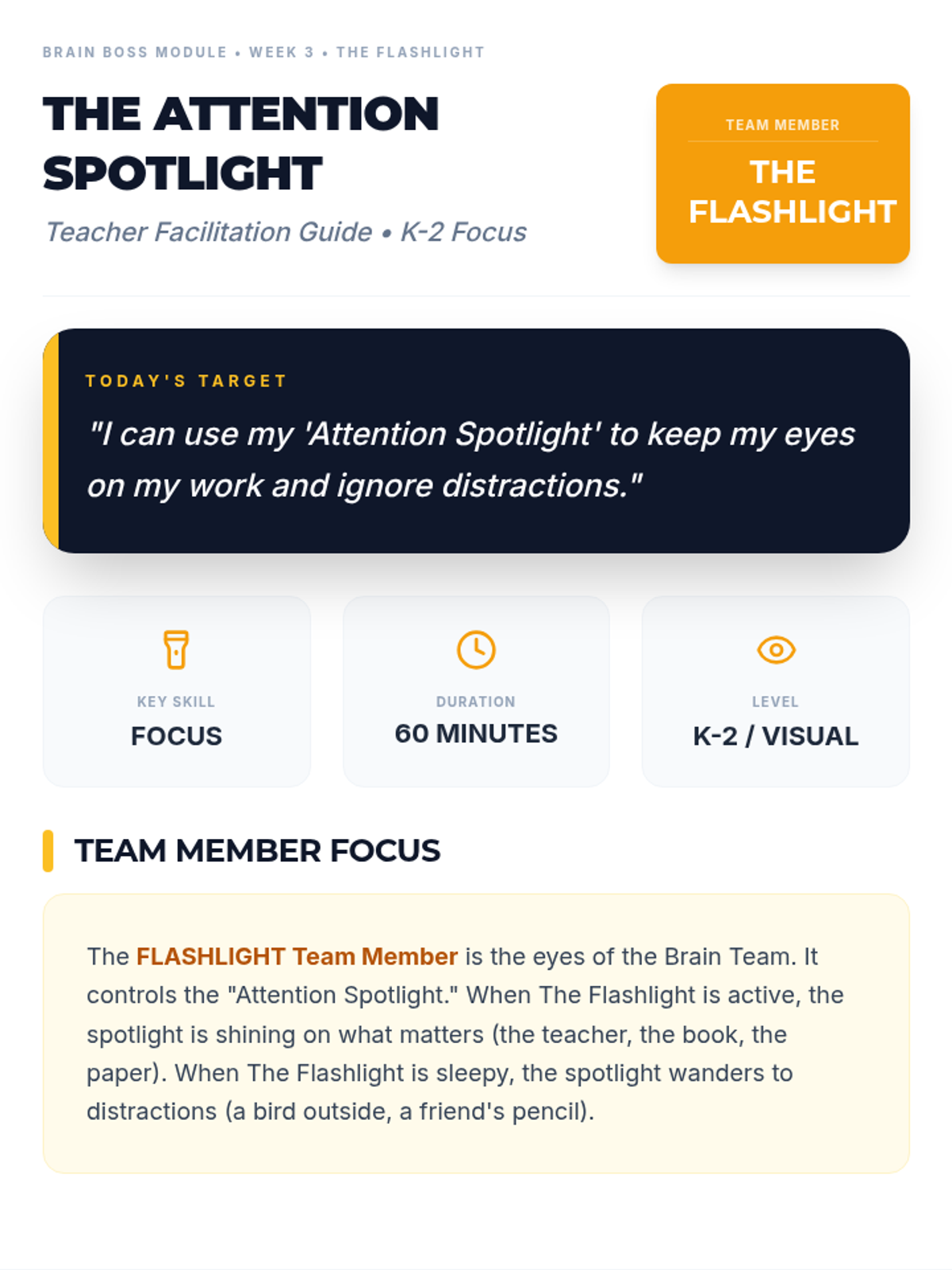
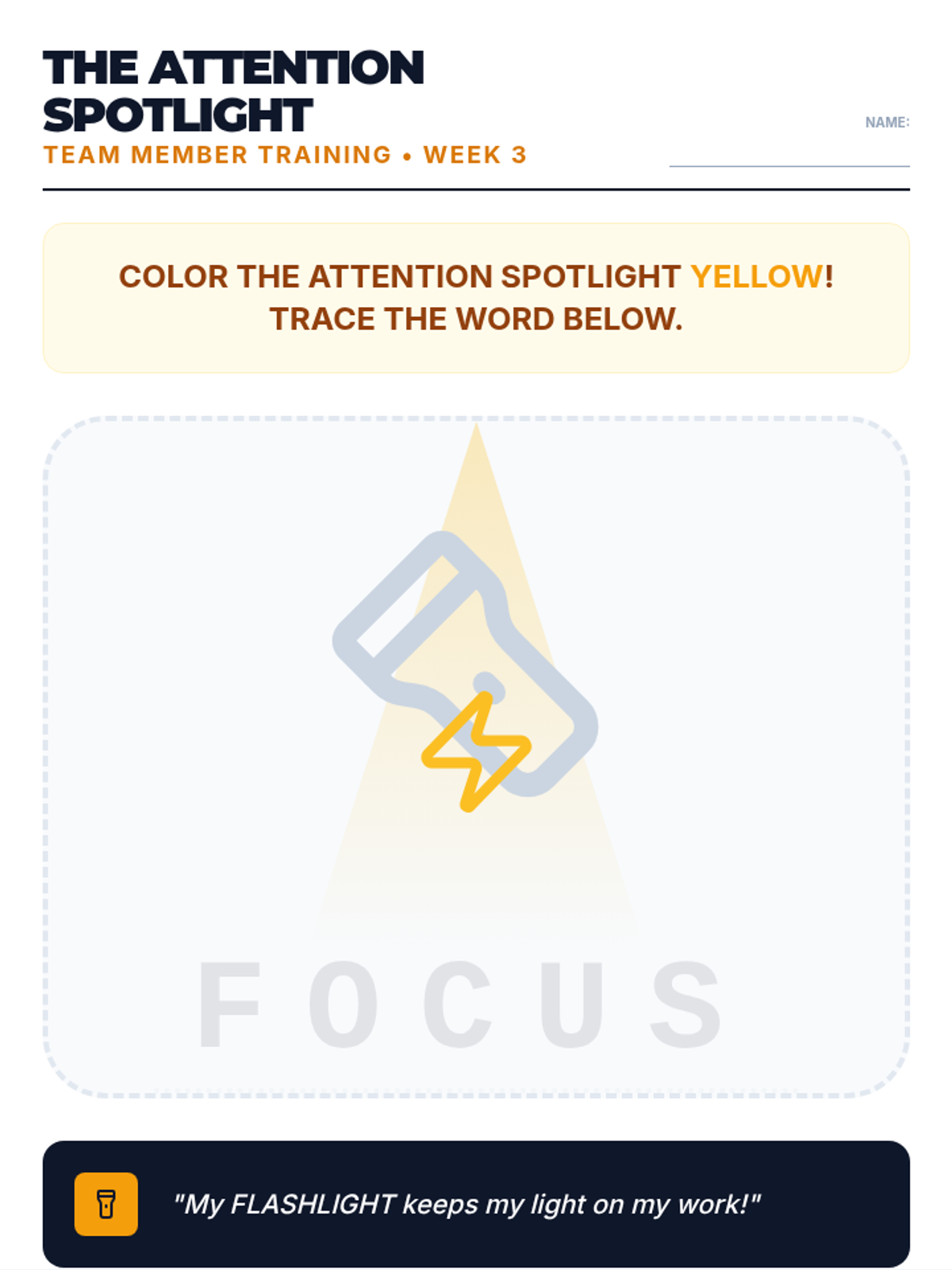
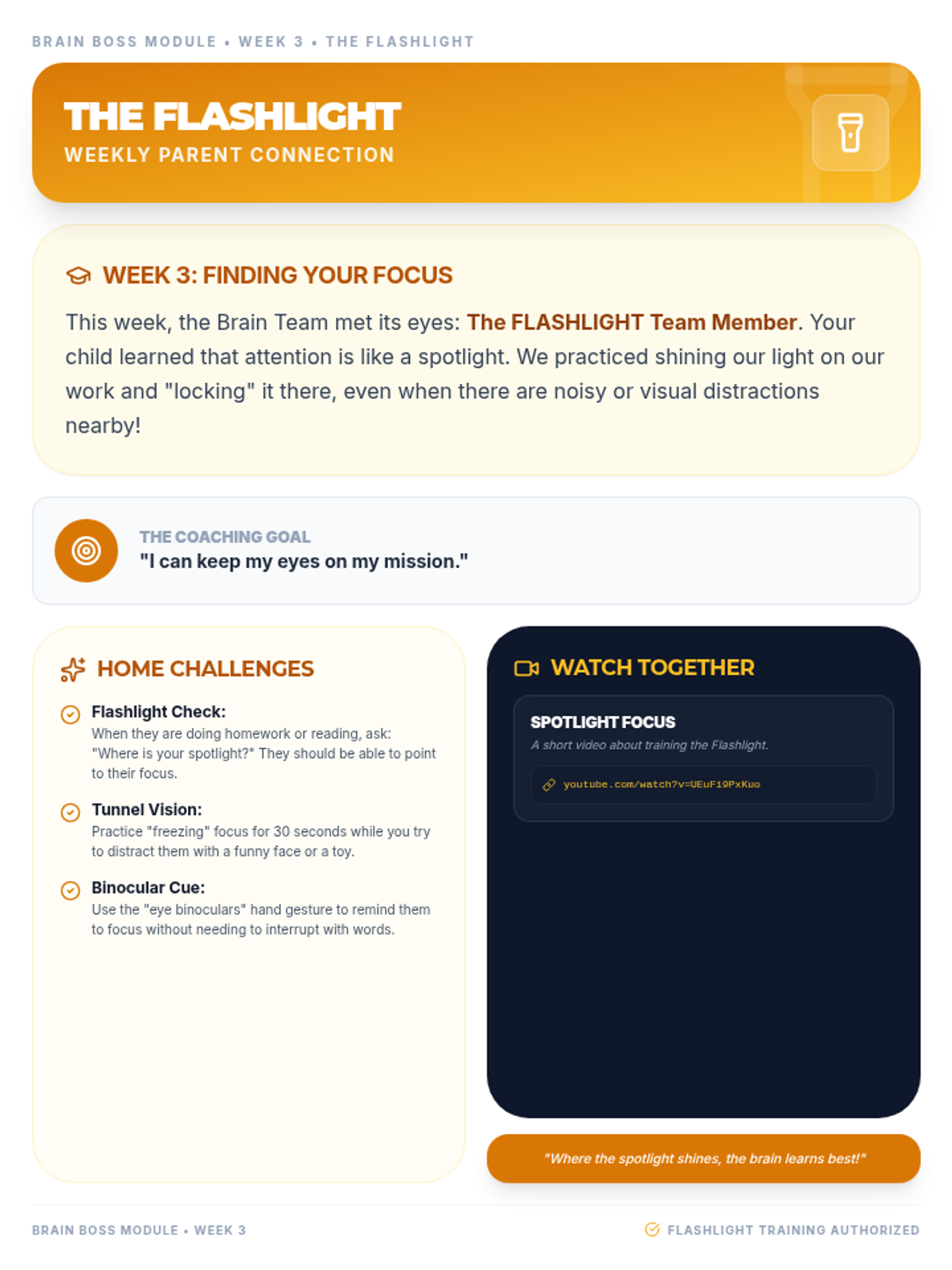
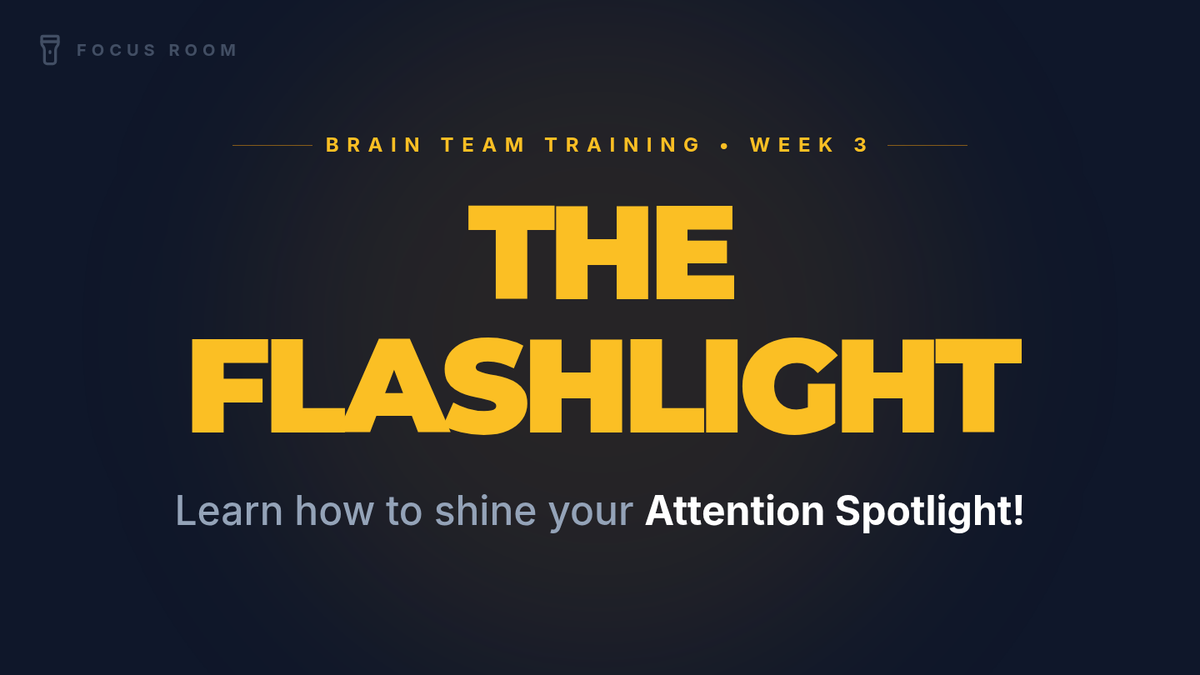
A dedicated training module focusing on executive function skills for K-2 students. Includes lessons on Focus (The Flashlight), Inhibition (The Stop Signal), Initiation (The Start Engine), Working Memory (The Recorder), Planning (The Mapmaker), Flexibility (The Play-Doh), and Emotional Control (The Volume Remote).
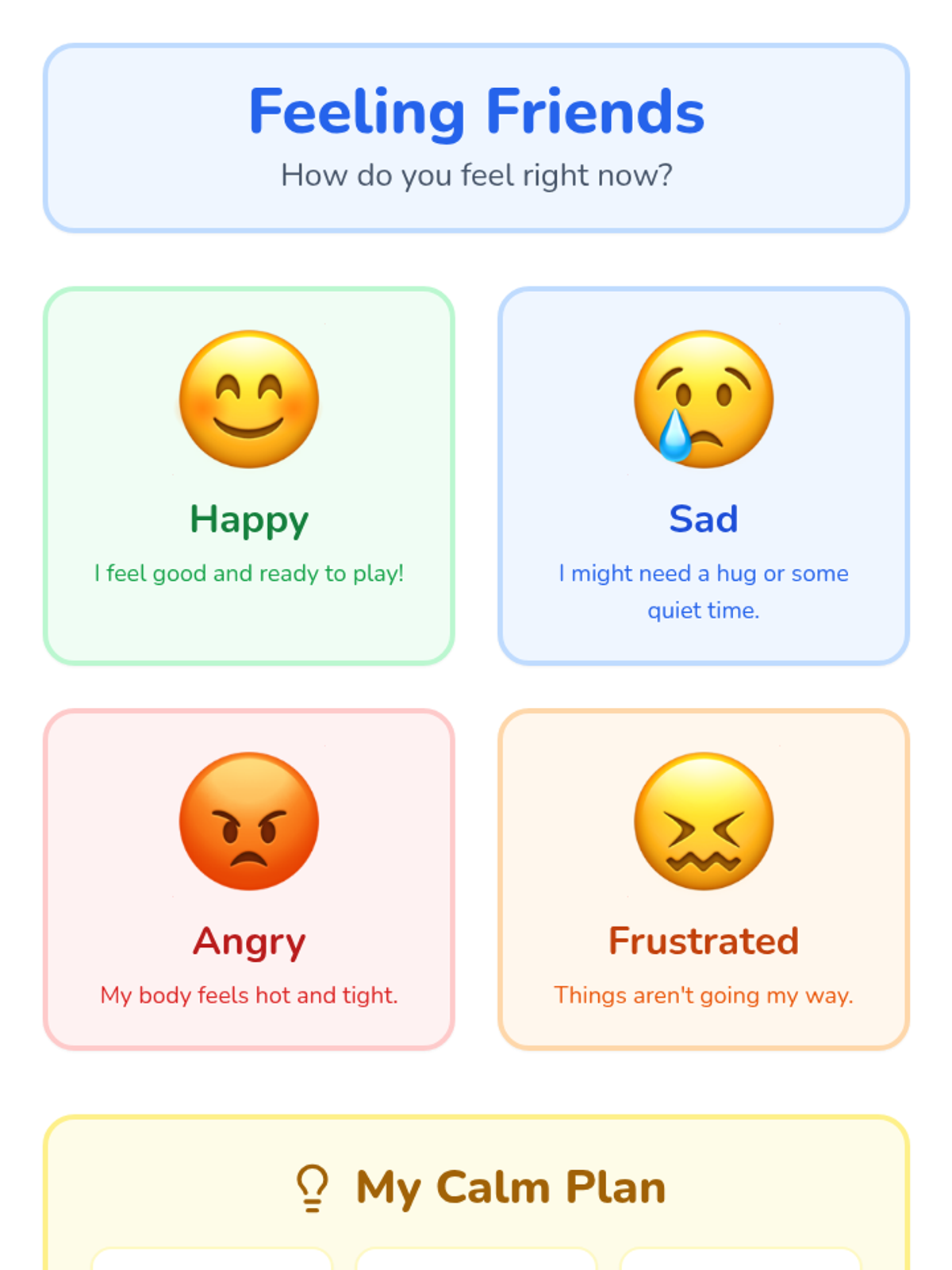
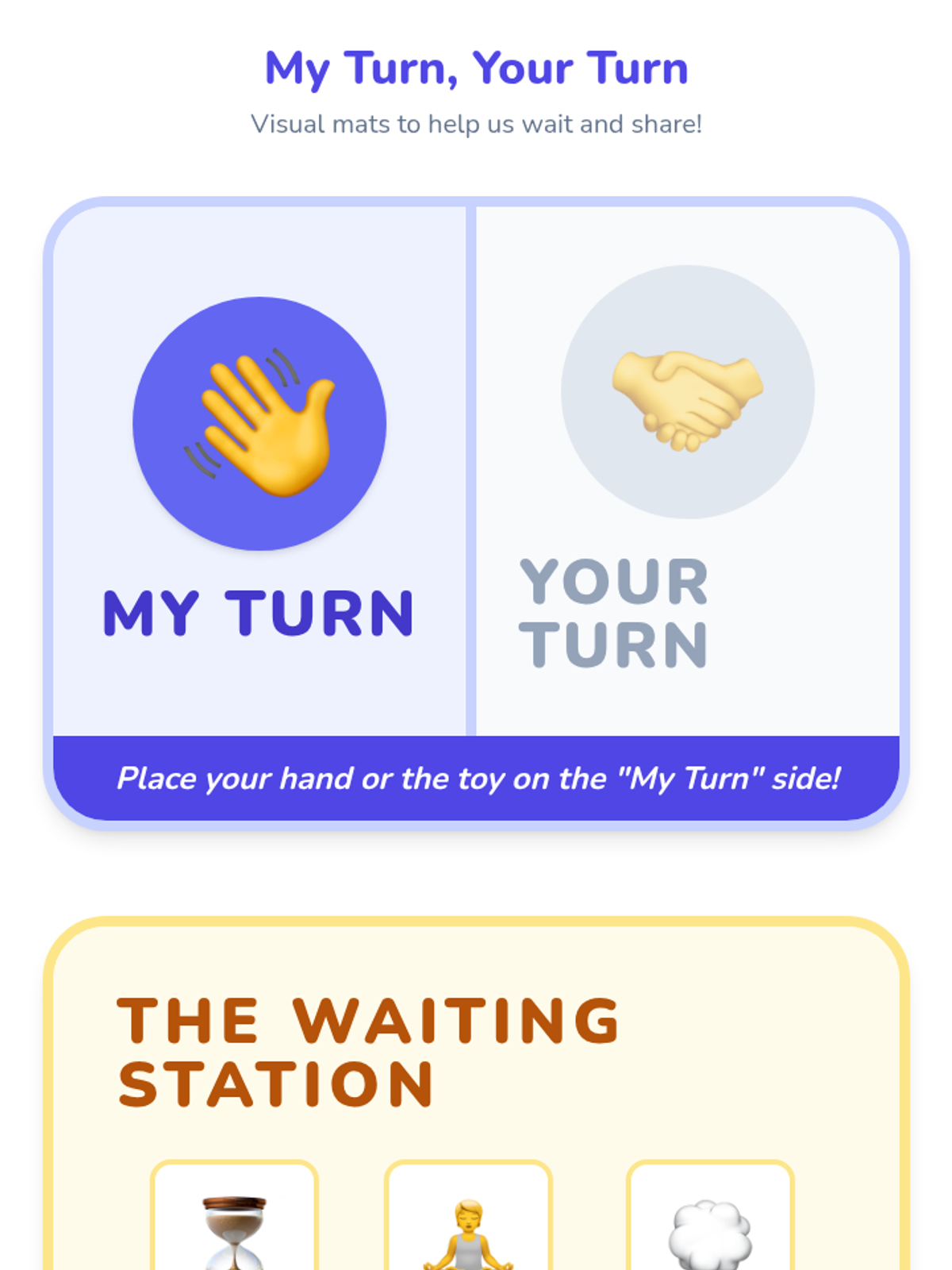
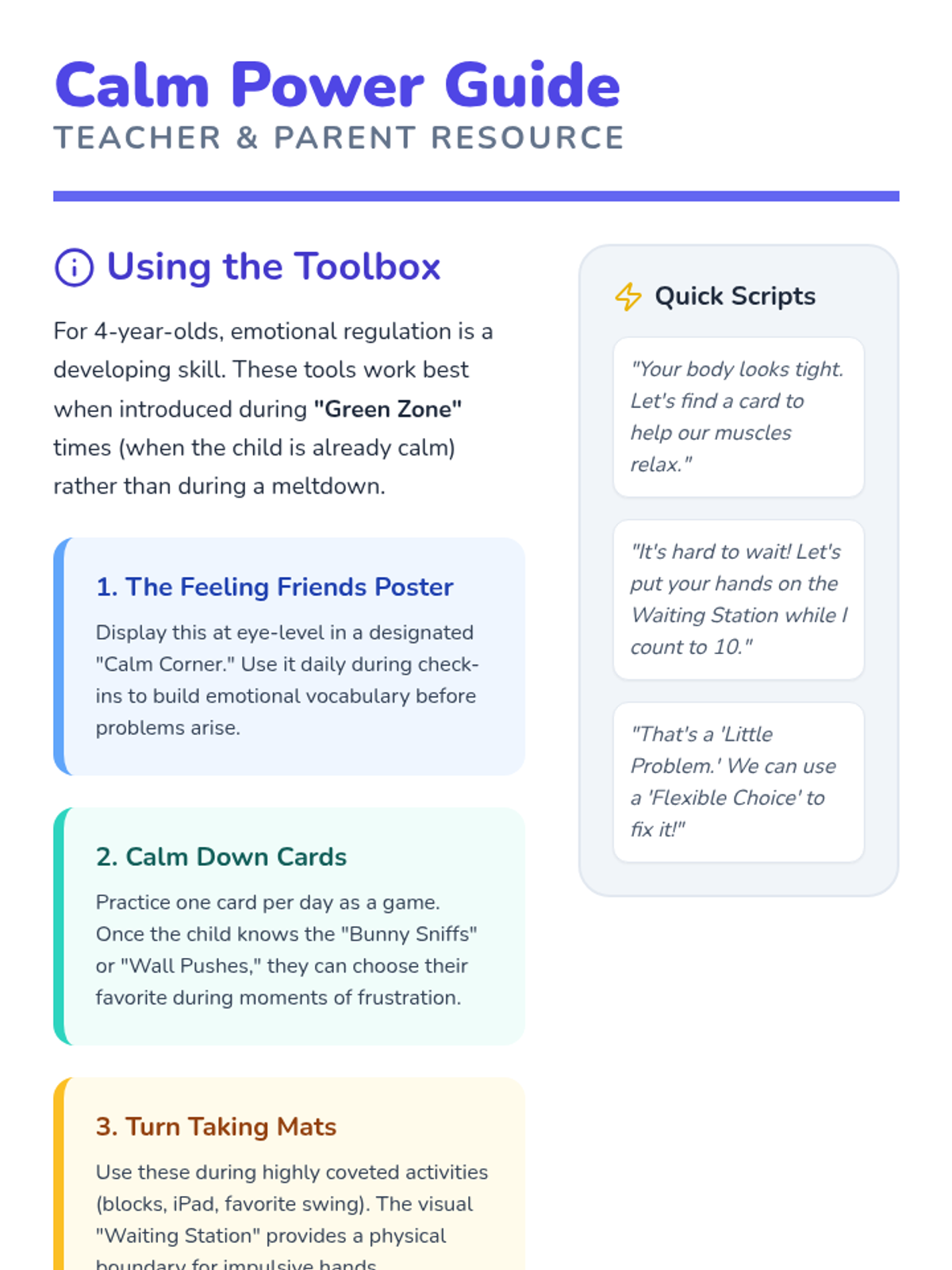
A comprehensive collection of resources designed for preschool-aged children to develop emotional regulation, turn-taking skills, and flexible thinking through visual supports and guided activities.
A comprehensive set of tools and instructional materials designed to support social-emotional learning and self-regulation in the elementary classroom.
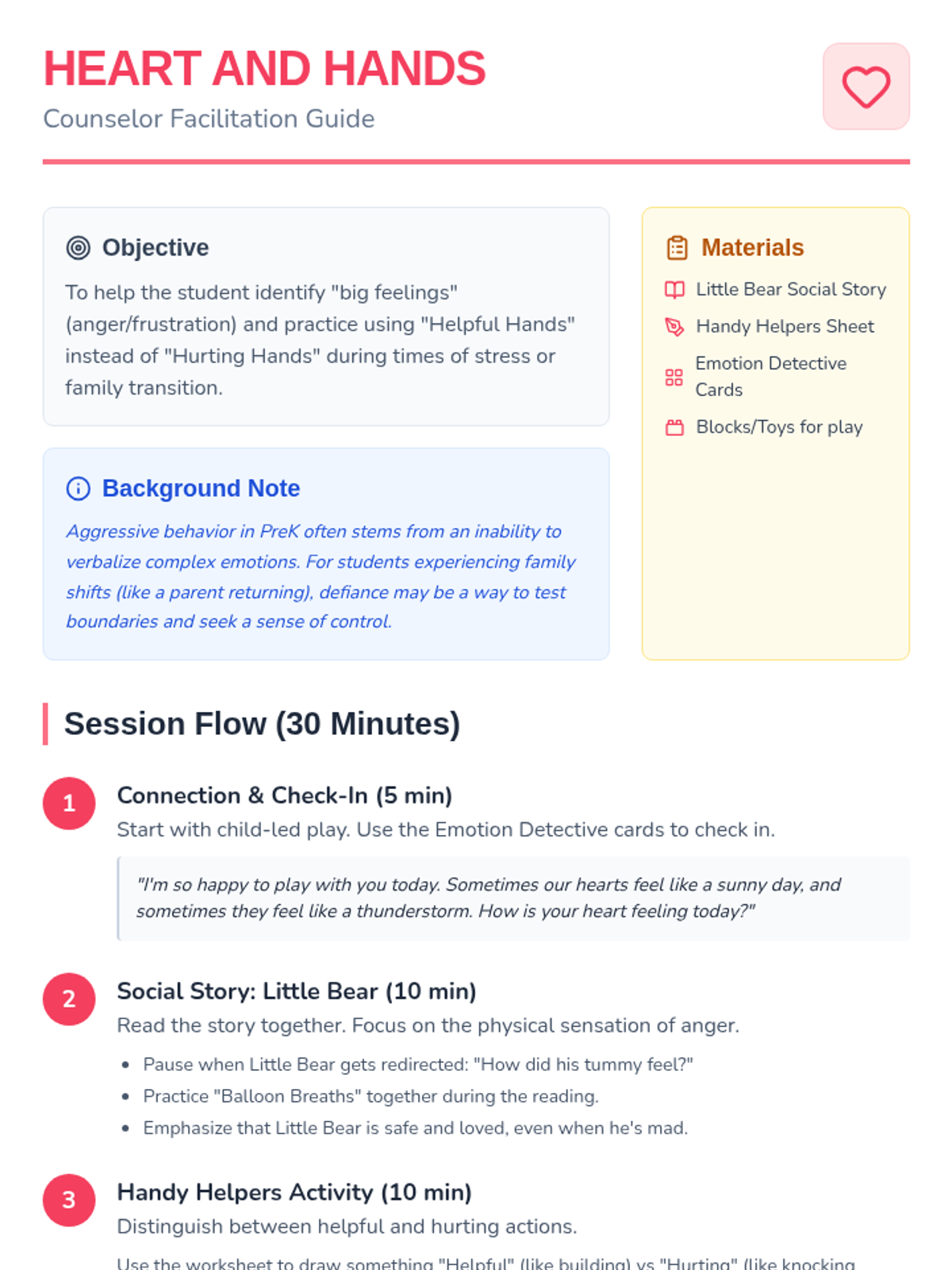
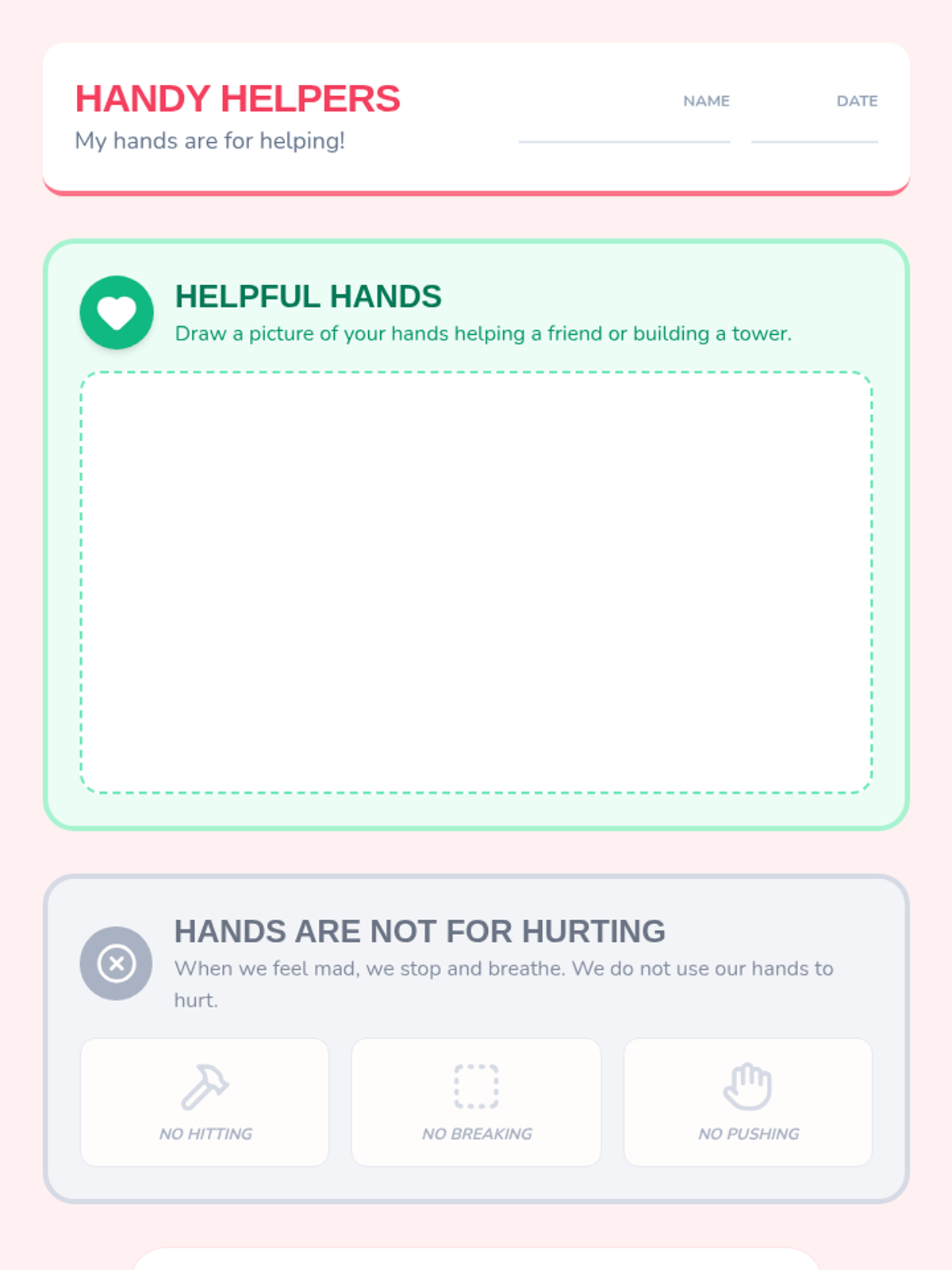
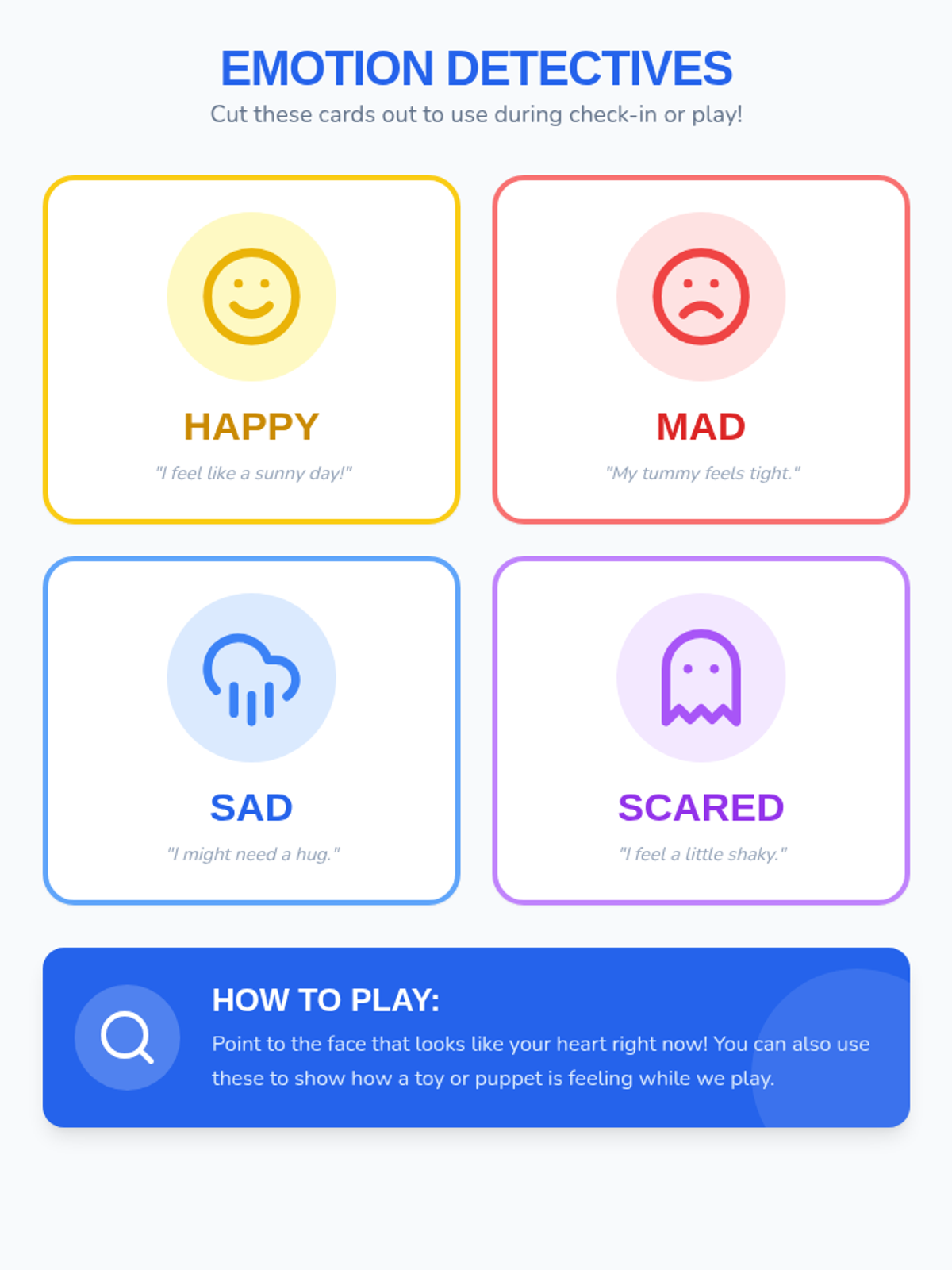
A 6-week individual counseling sequence for a PreK student struggling with aggression, defiance, and family transitions. The sequence builds from basic emotion identification to self-regulation, following directions, and coping with family changes.
A 10-session series for IRR nonverbal autism students to establish a consistent morning routine using visual supports for date, weather, and mood tracking.
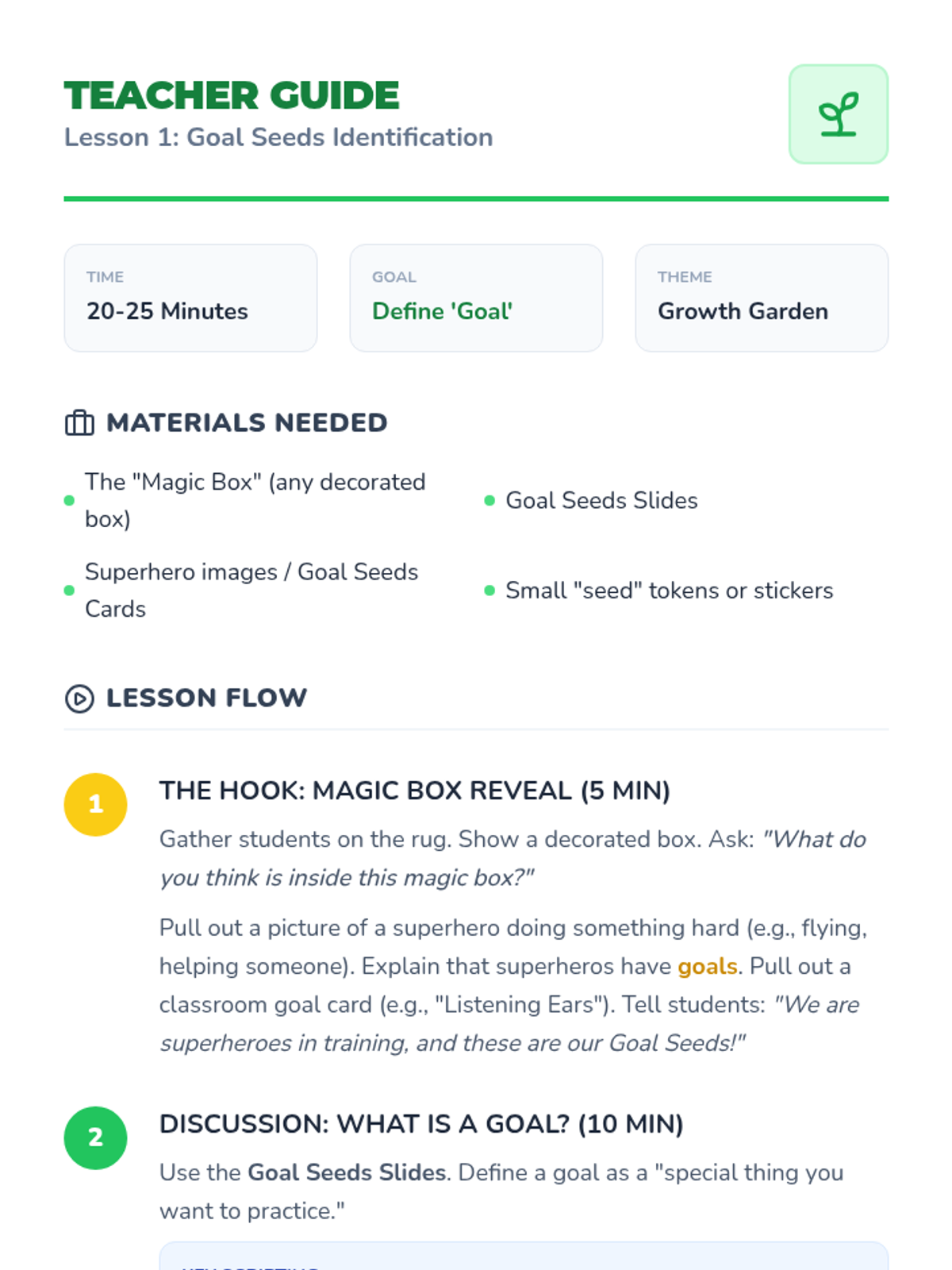
This sequence introduces Pre-K students to the foundational concepts of setting simple behavioral goals and reflecting on their progress using concrete visual aids. Students will learn through a 'Growth Garden' theme, moving from identifying positive behaviors to establishing a daily routine of planning, monitoring, and reflecting.
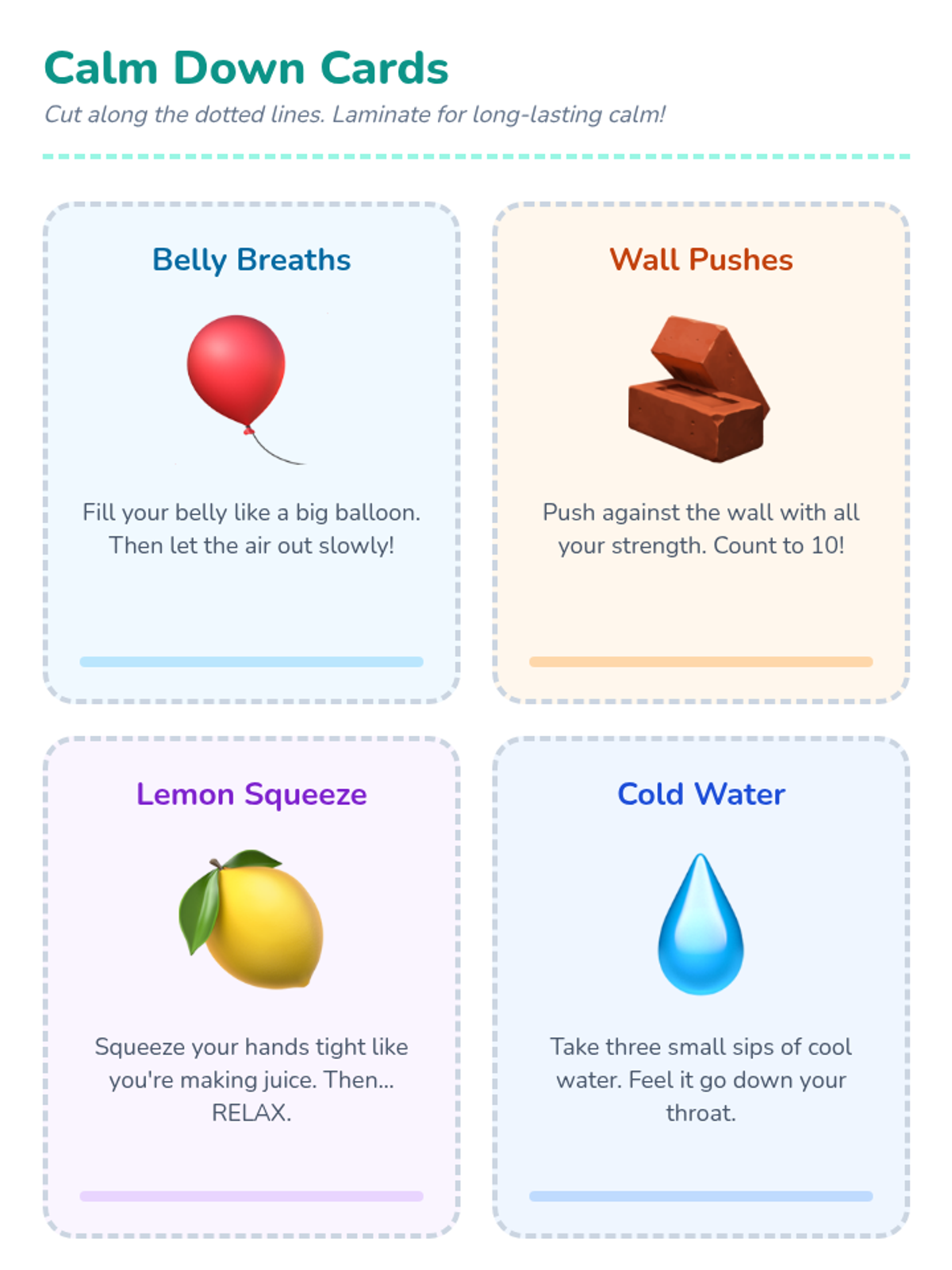
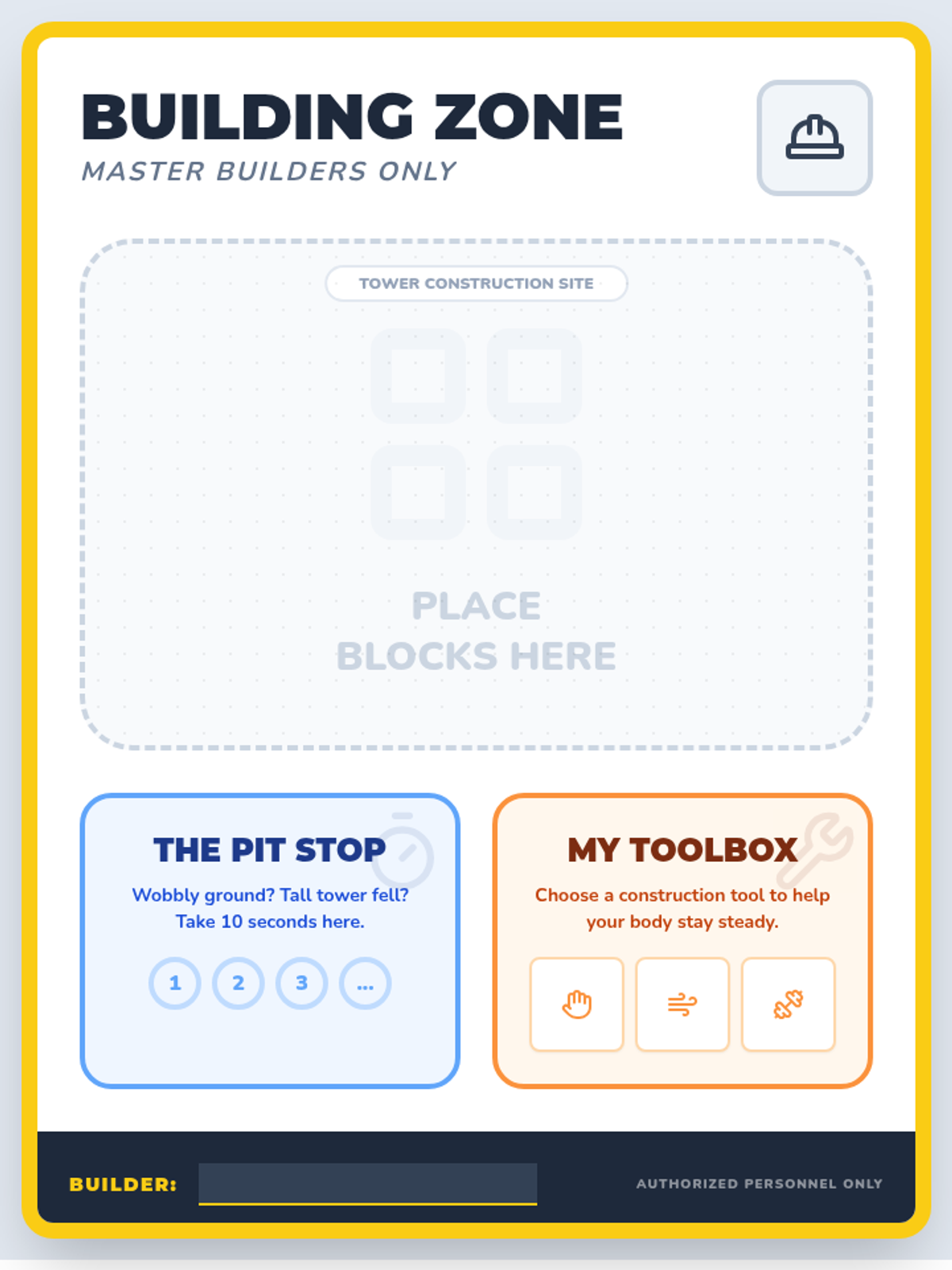
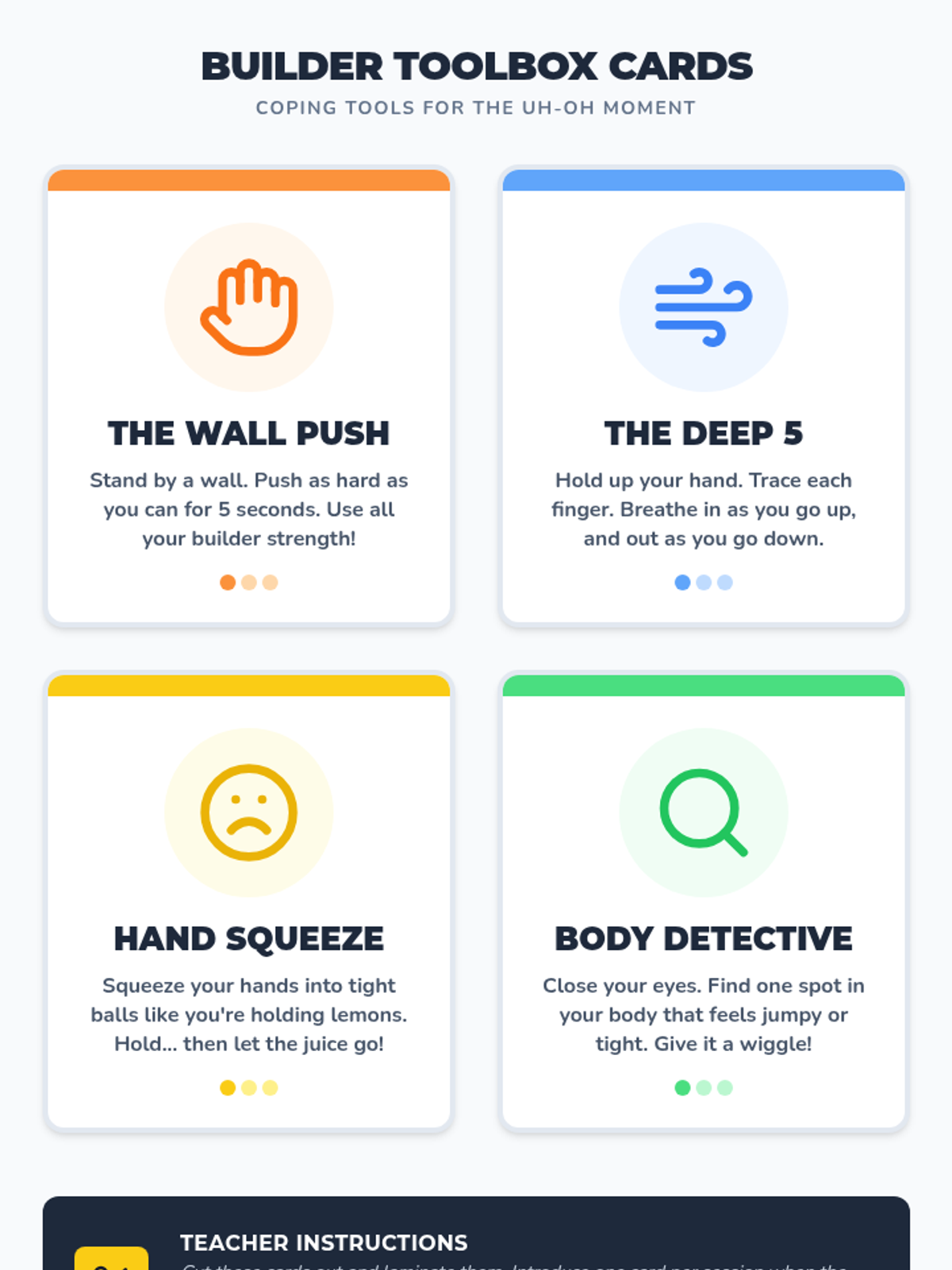
A Pre-K sequence focused on identifying body energy levels and learning proactive sensory regulation techniques like wall pushes, chair pops, and squeeze-and-release exercises. Students build a visual 'Sensory Toolbox' to manage their energy levels effectively throughout the school day.
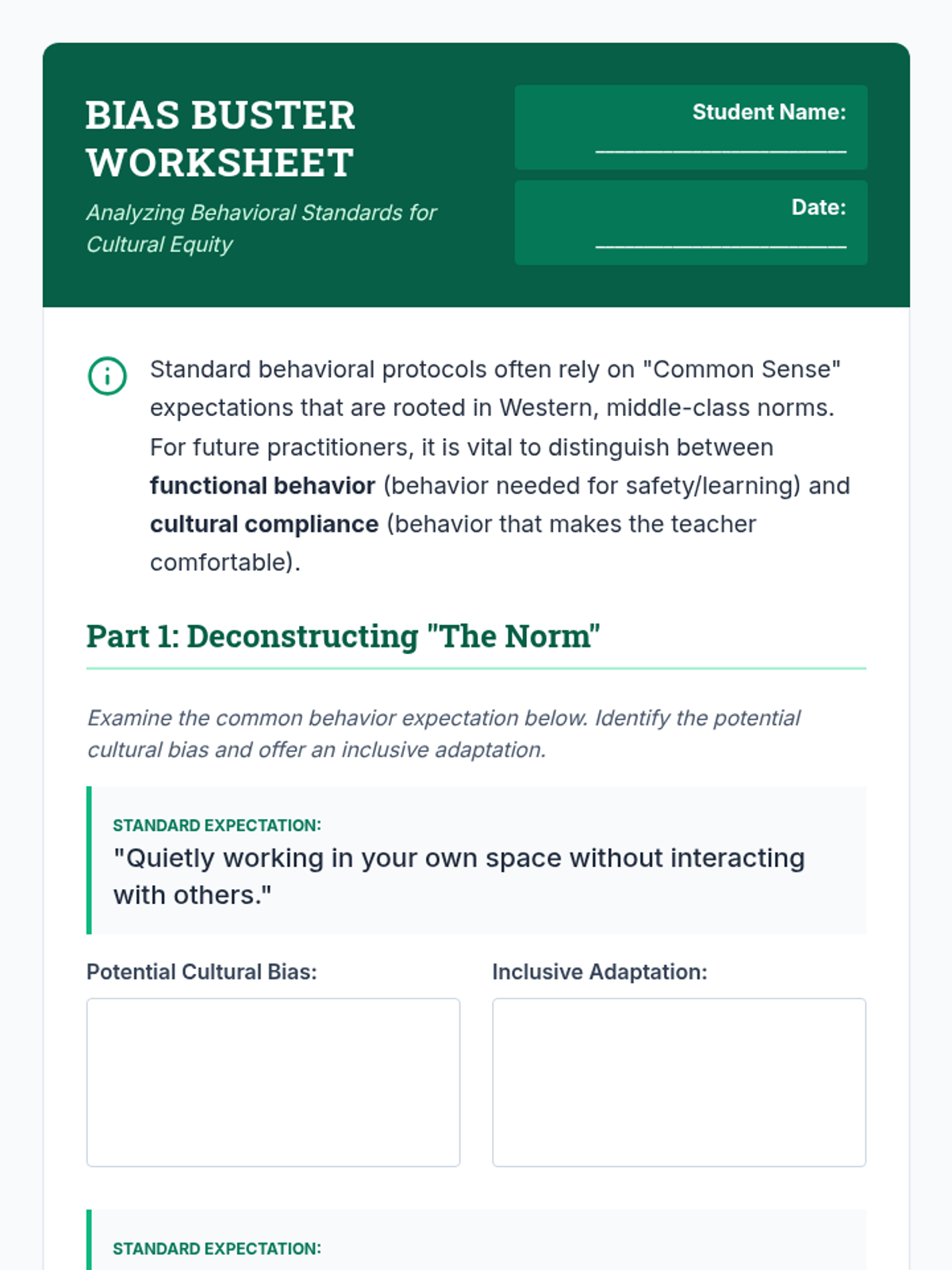
This sequence prepares undergraduate students in counseling and education to adapt standard behavioral check-in procedures (like Check-In/Check-Out) for diverse populations. It emphasizes cultural responsiveness, developmental appropriateness, neurodiversity, and modern remote contexts to ensure equity and accessibility in behavioral support.
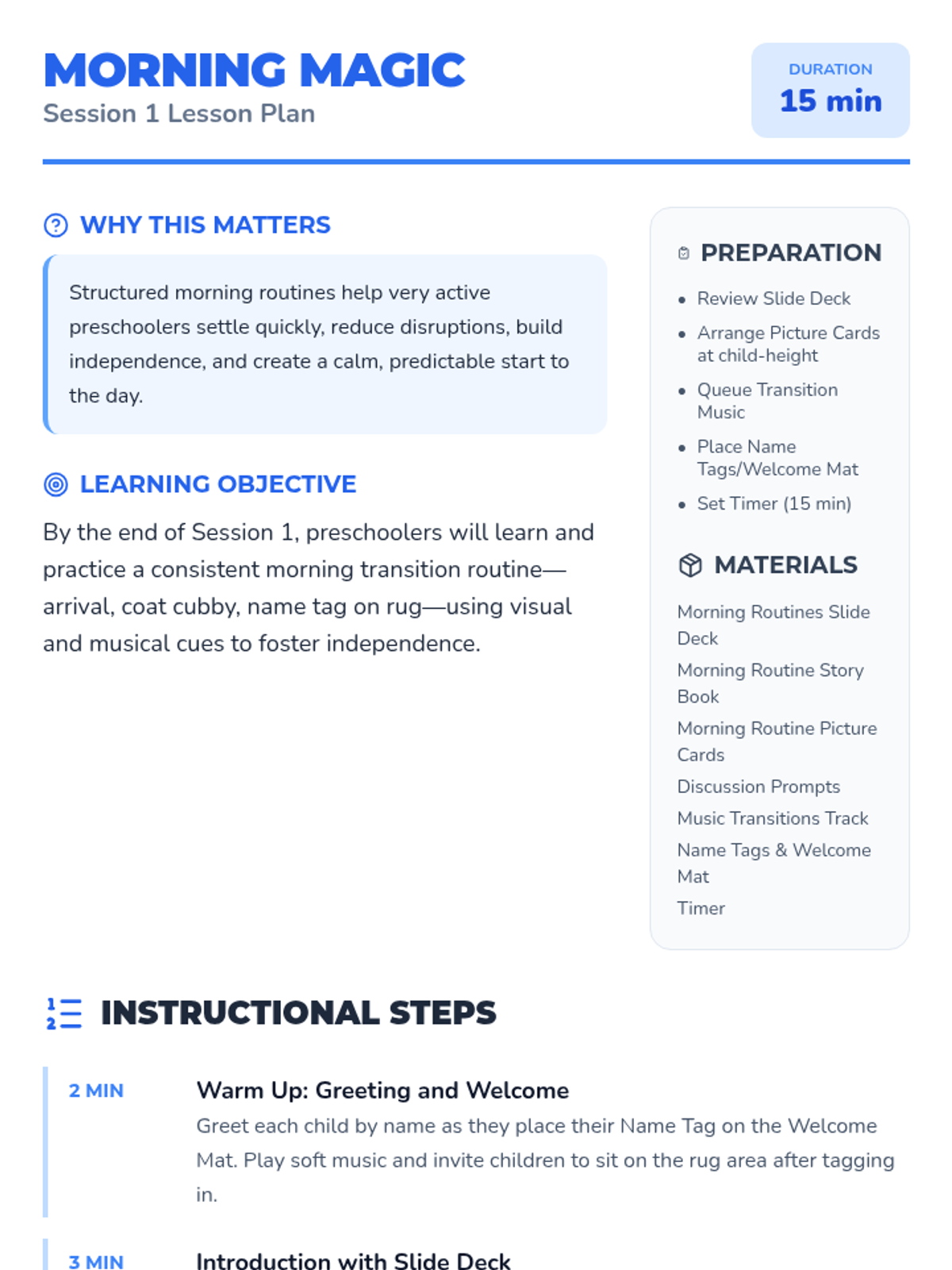
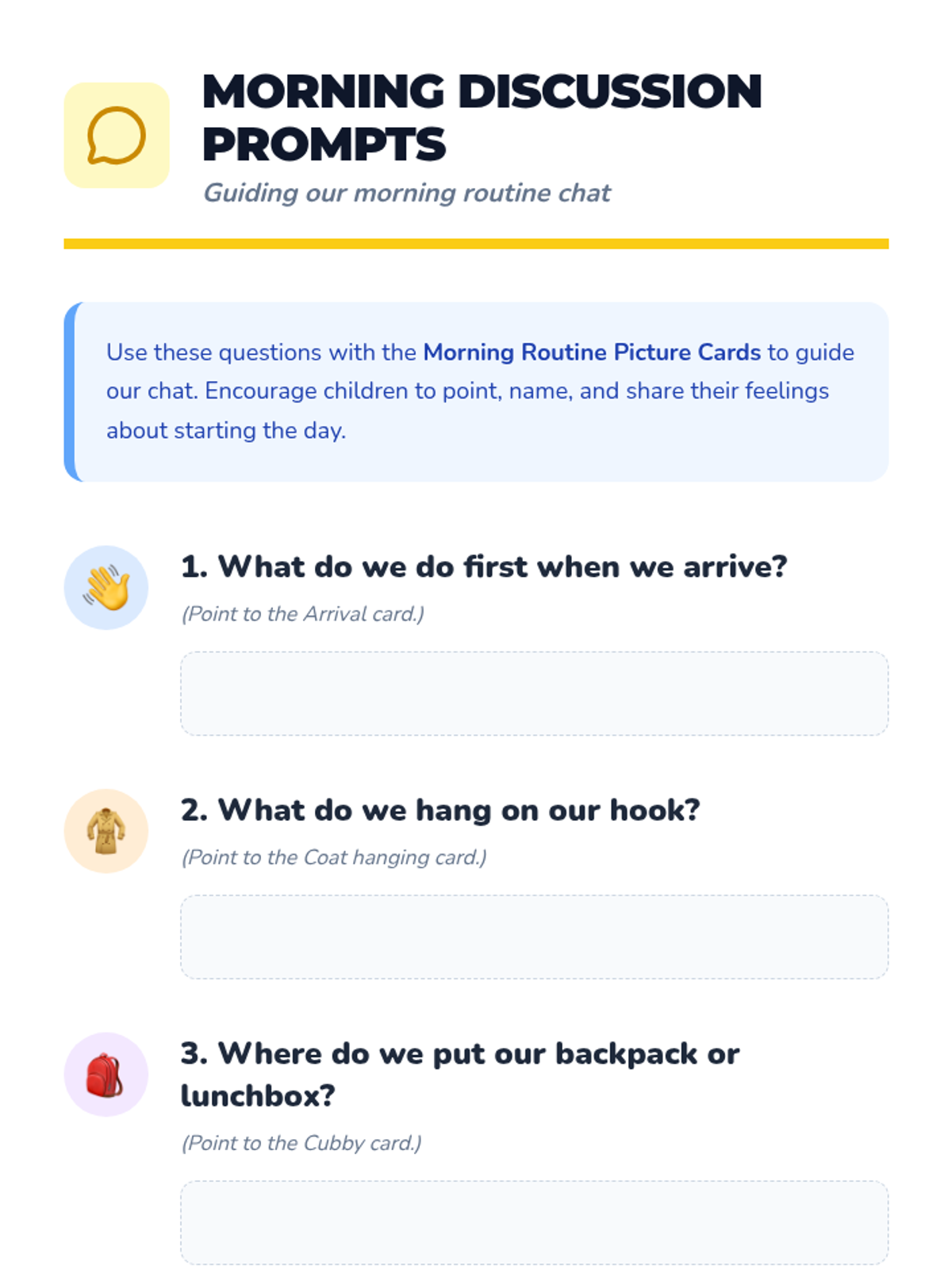
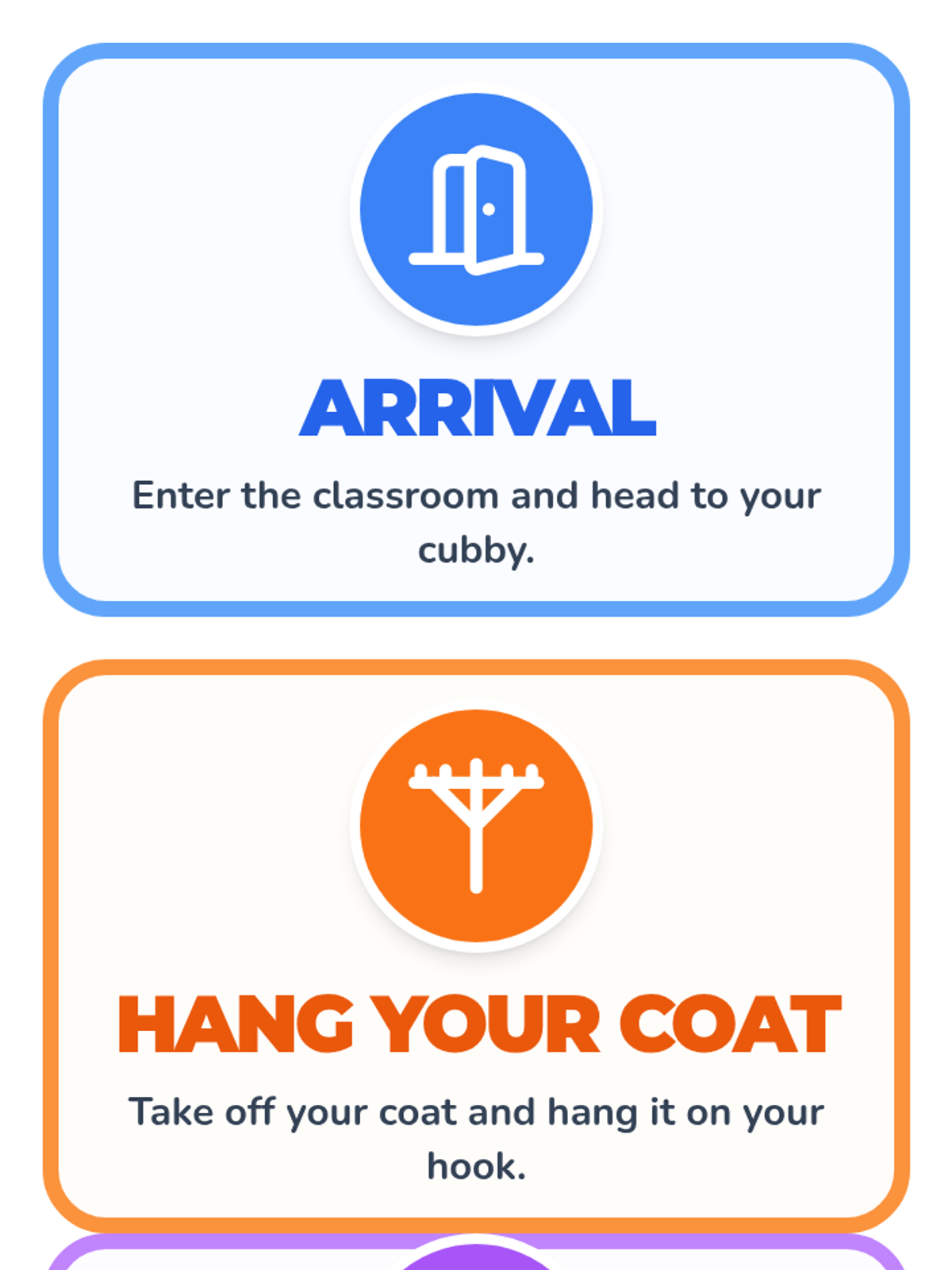
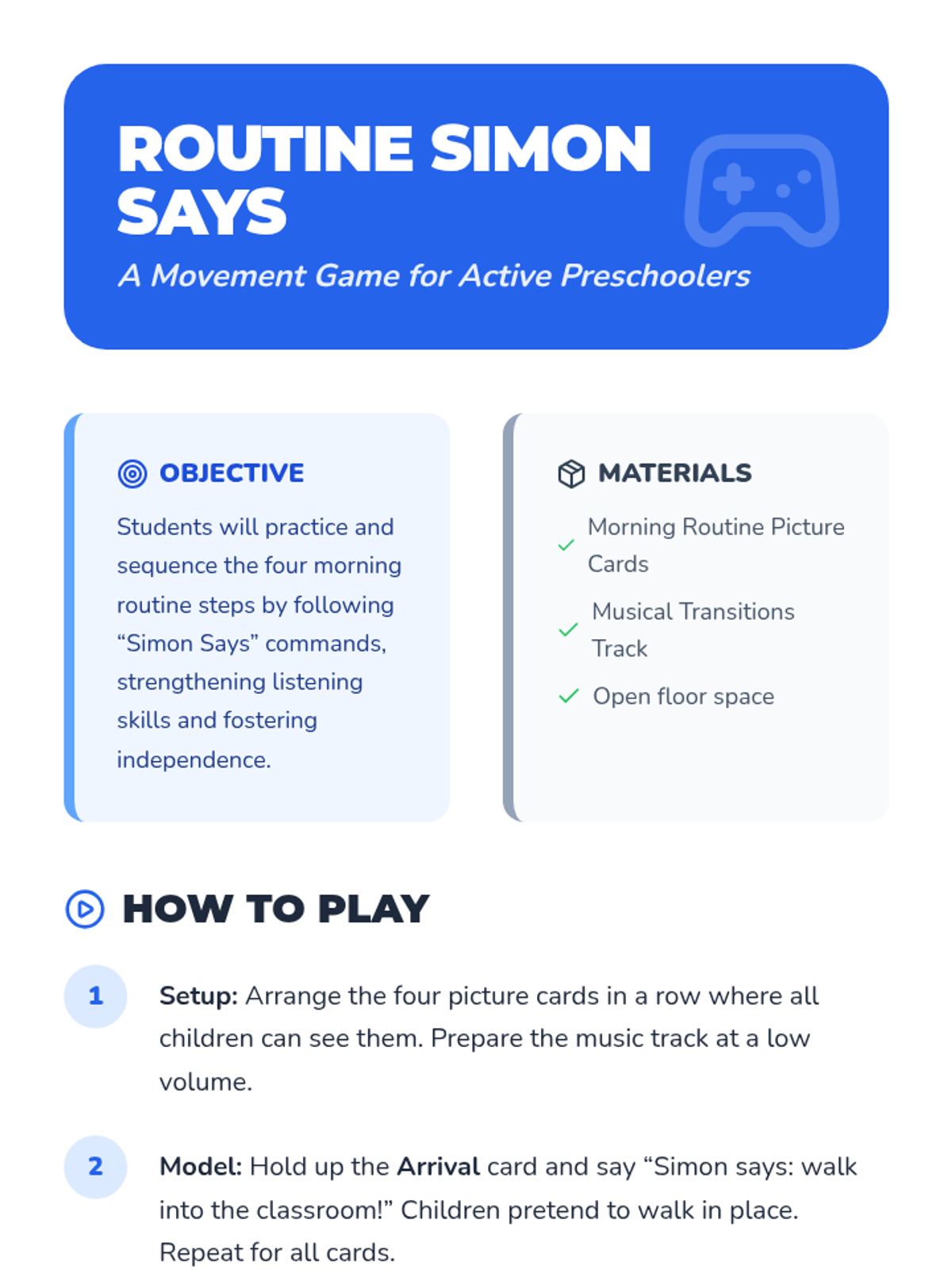
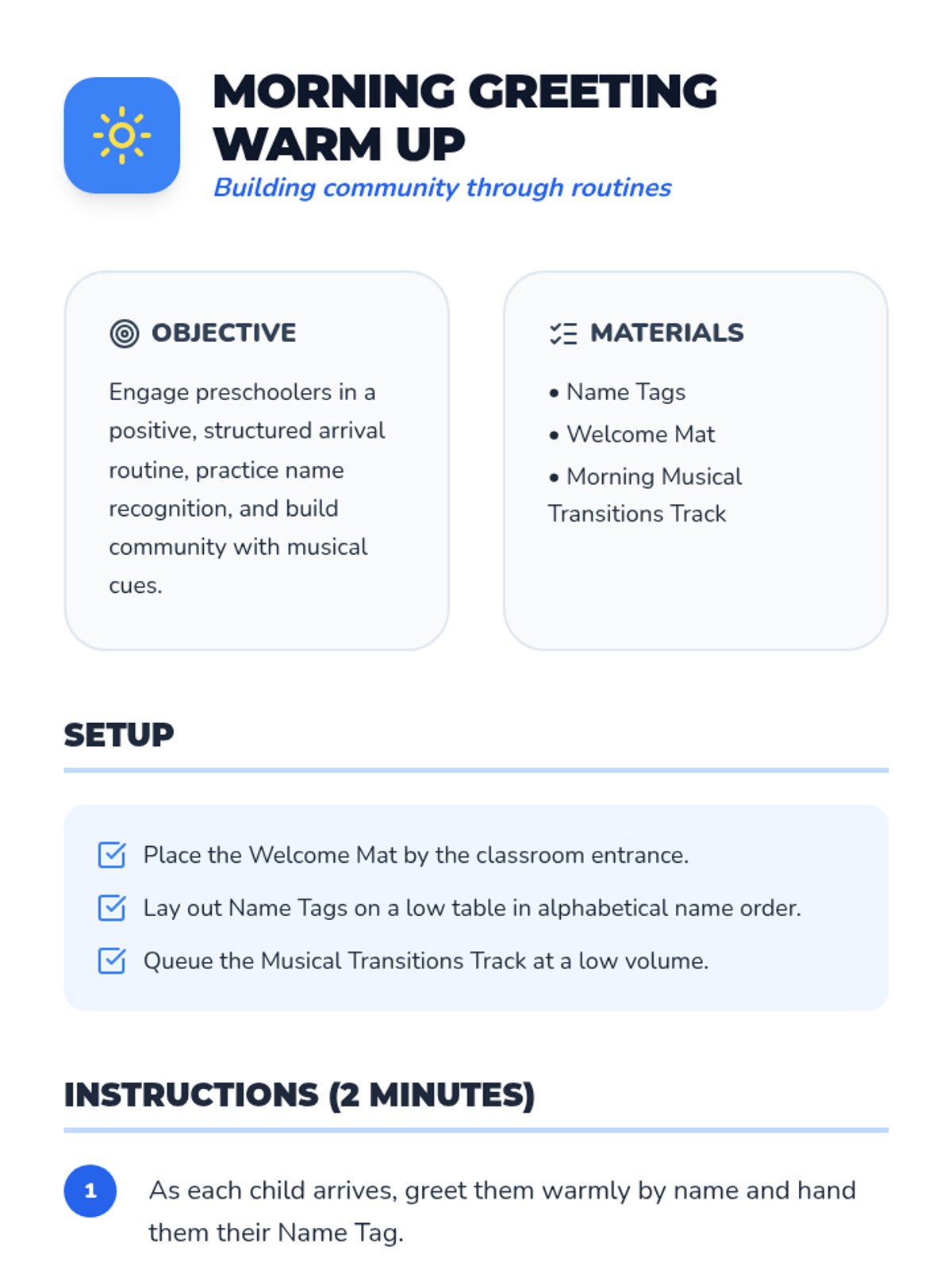
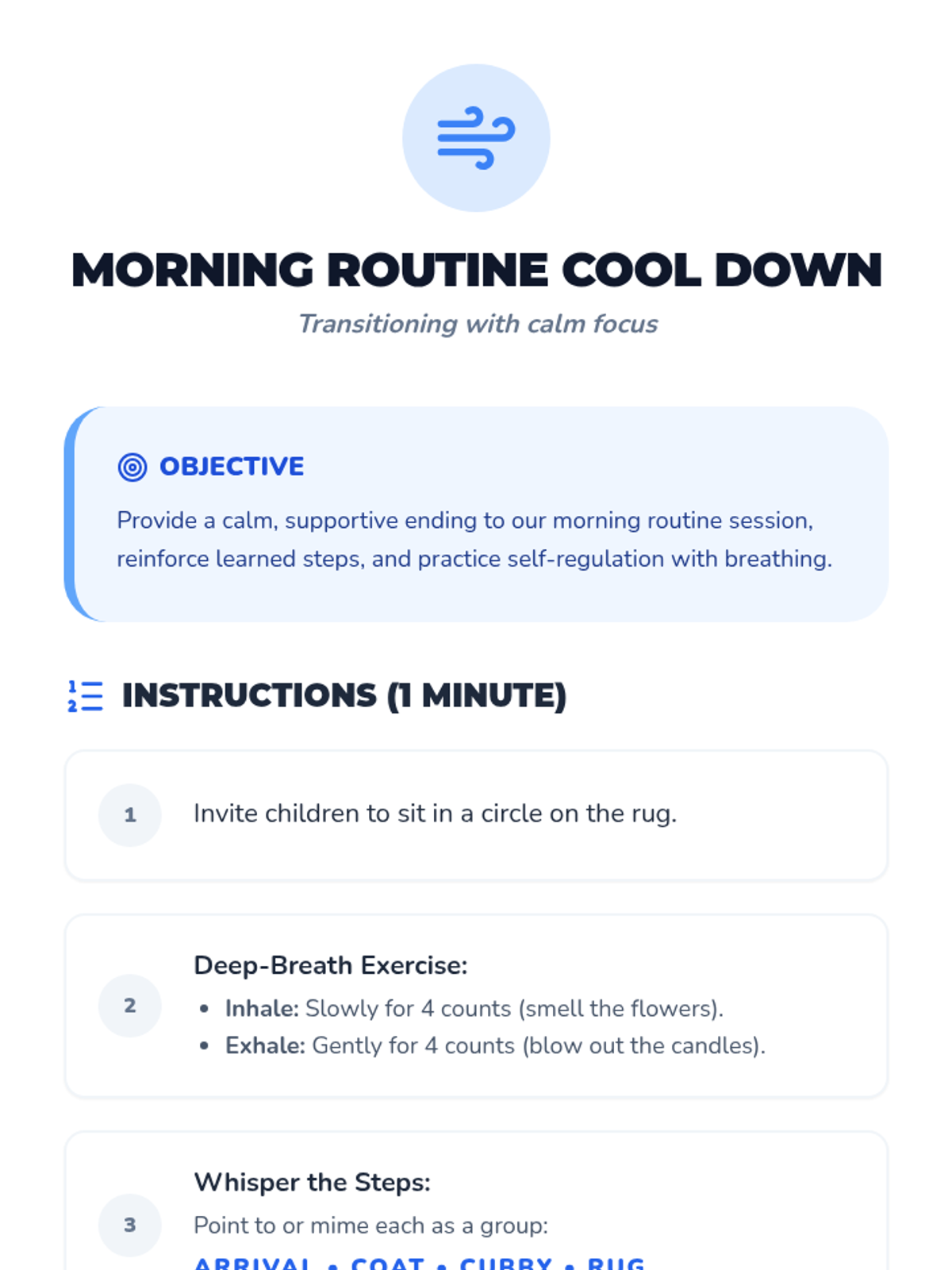
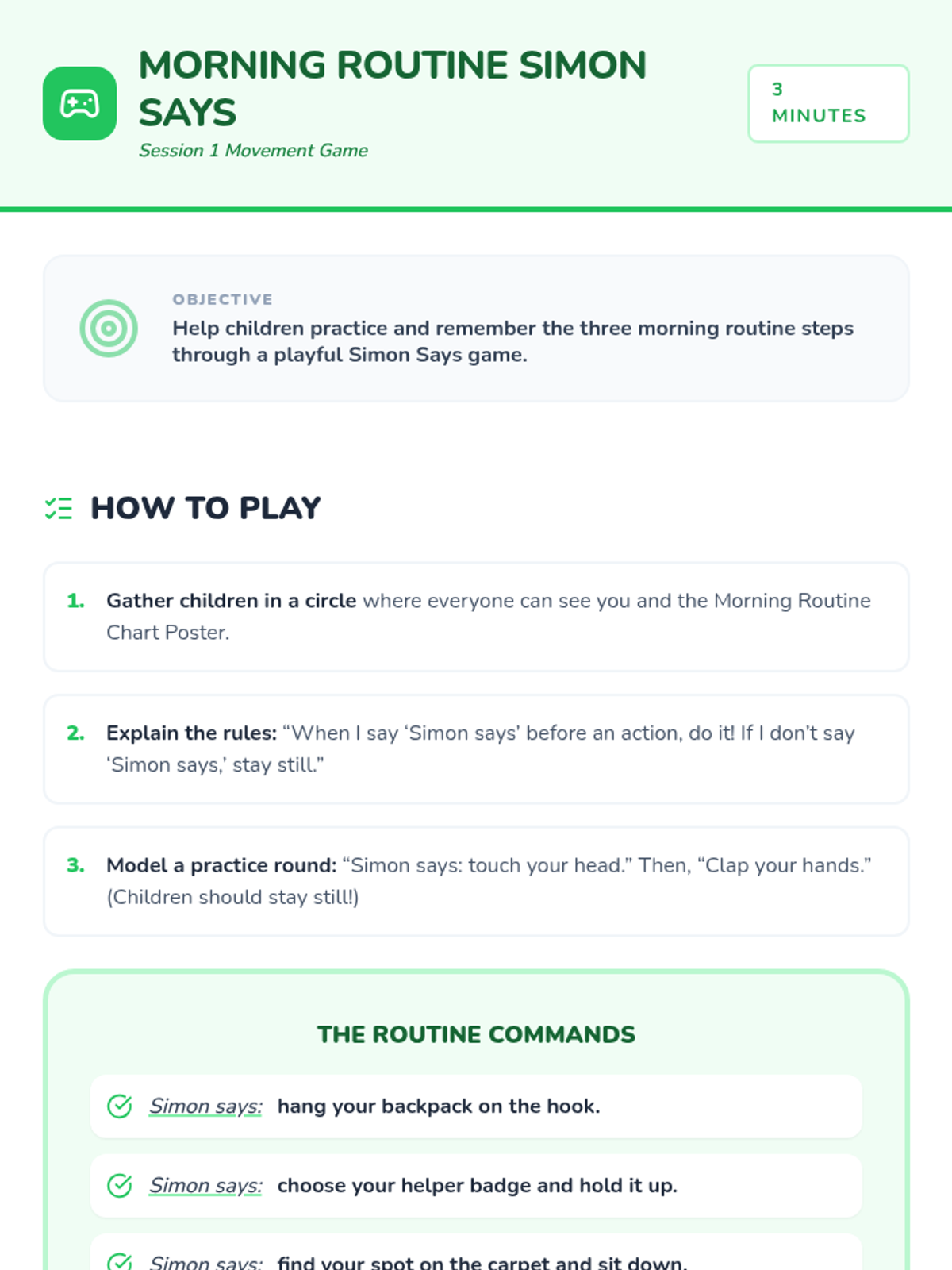
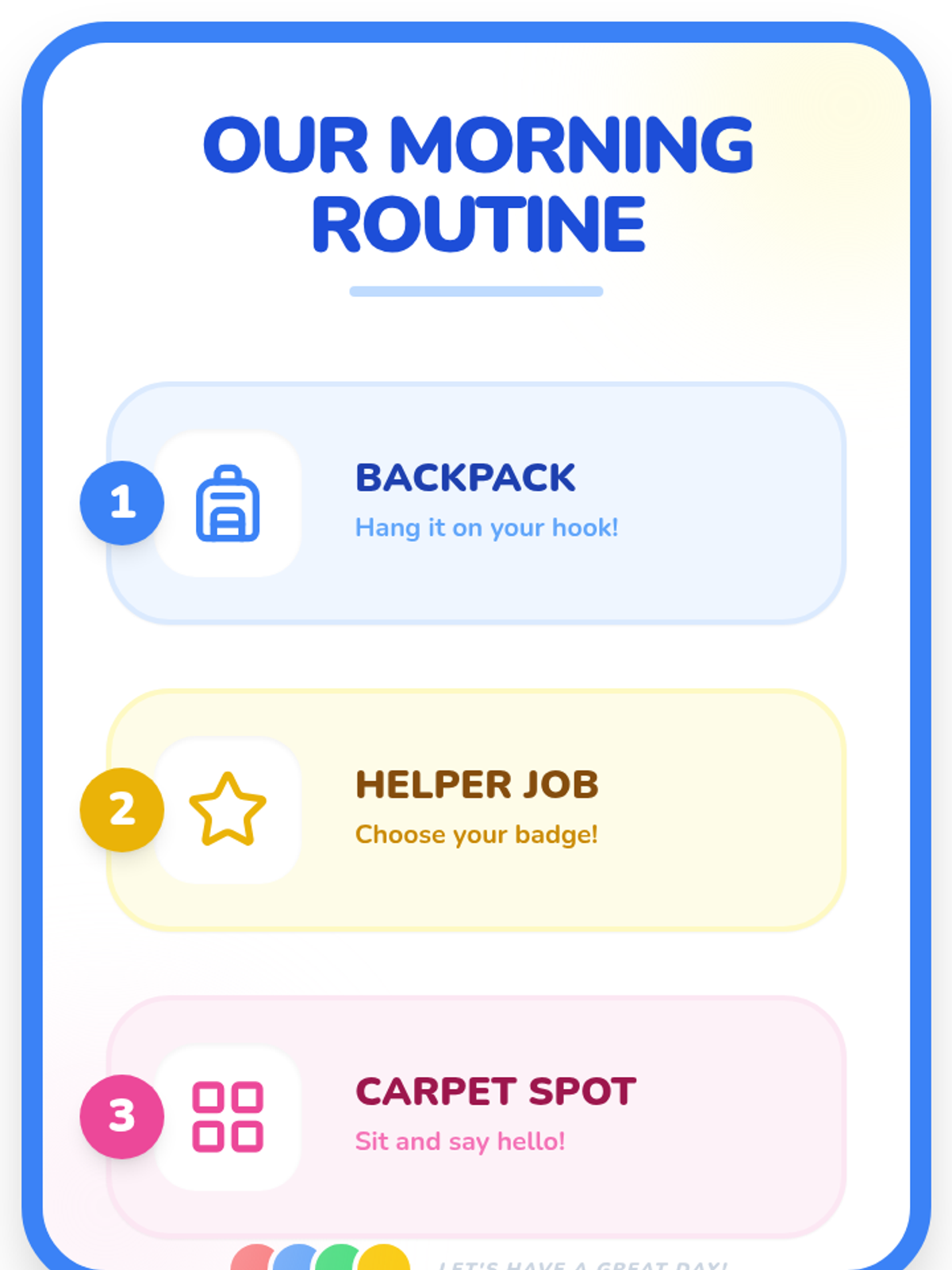
A comprehensive sequence designed to teach preschoolers essential classroom routines (Morning, Snack, and Cleanup) through stories, games, and visual aids.
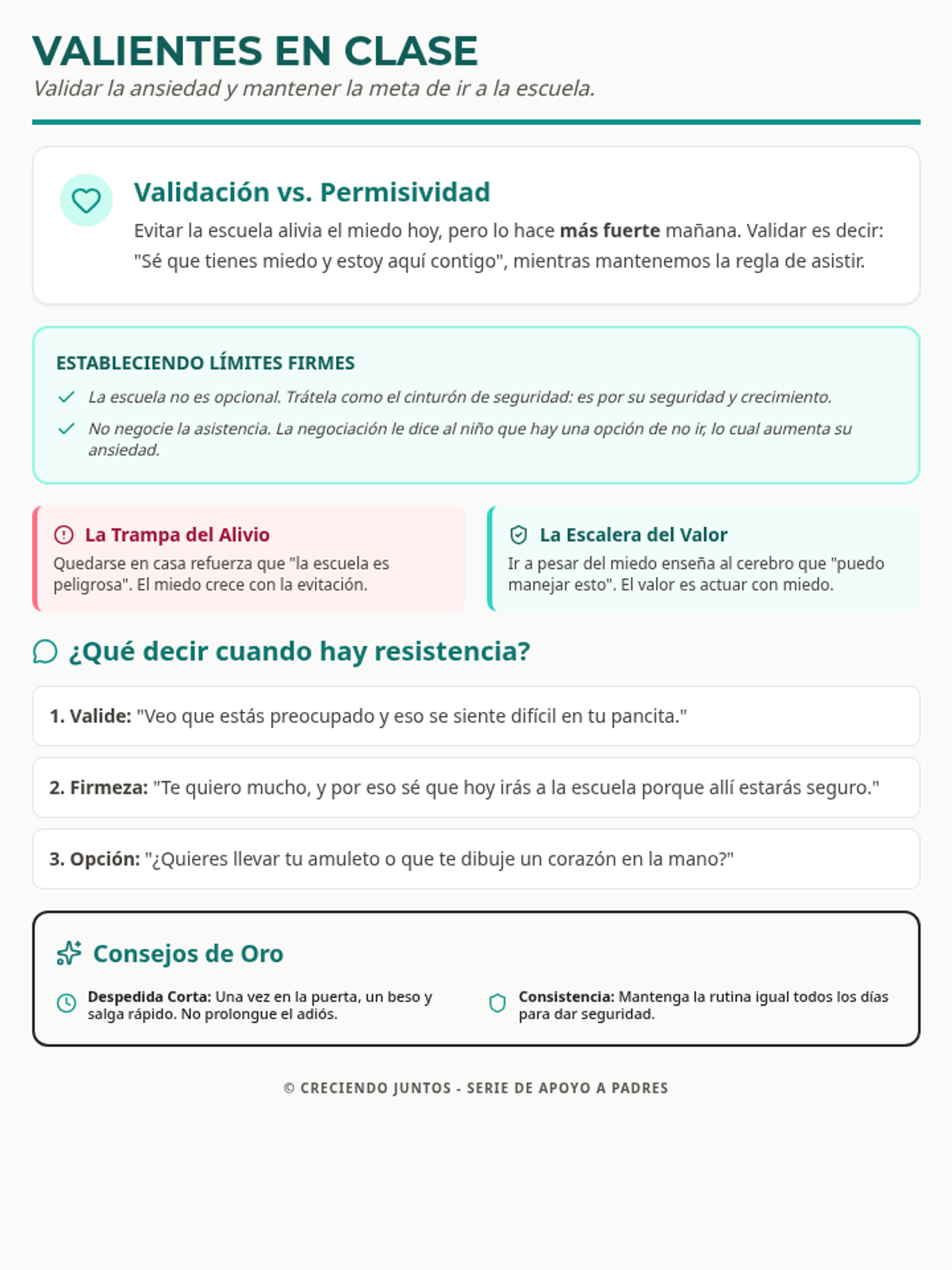
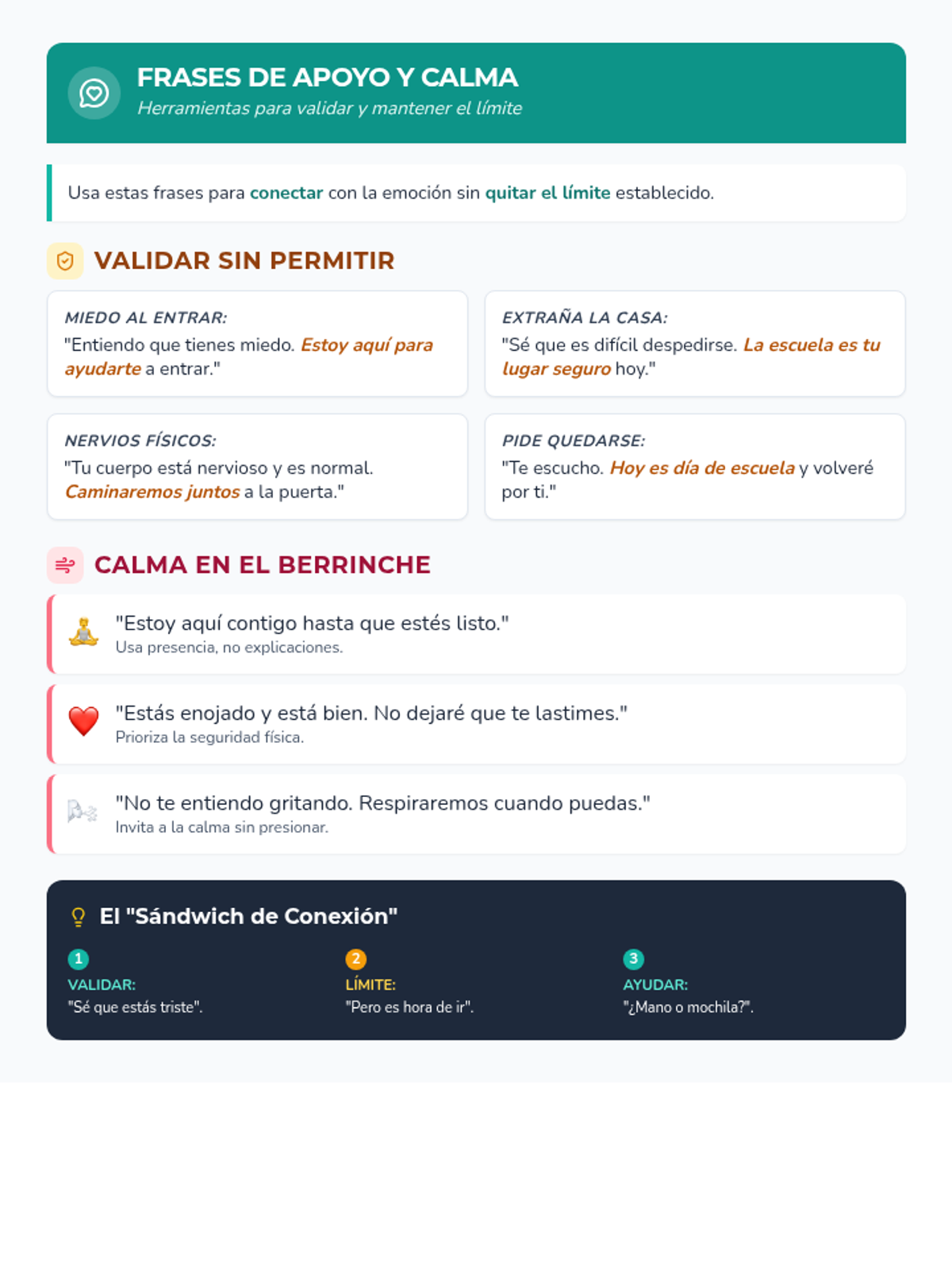
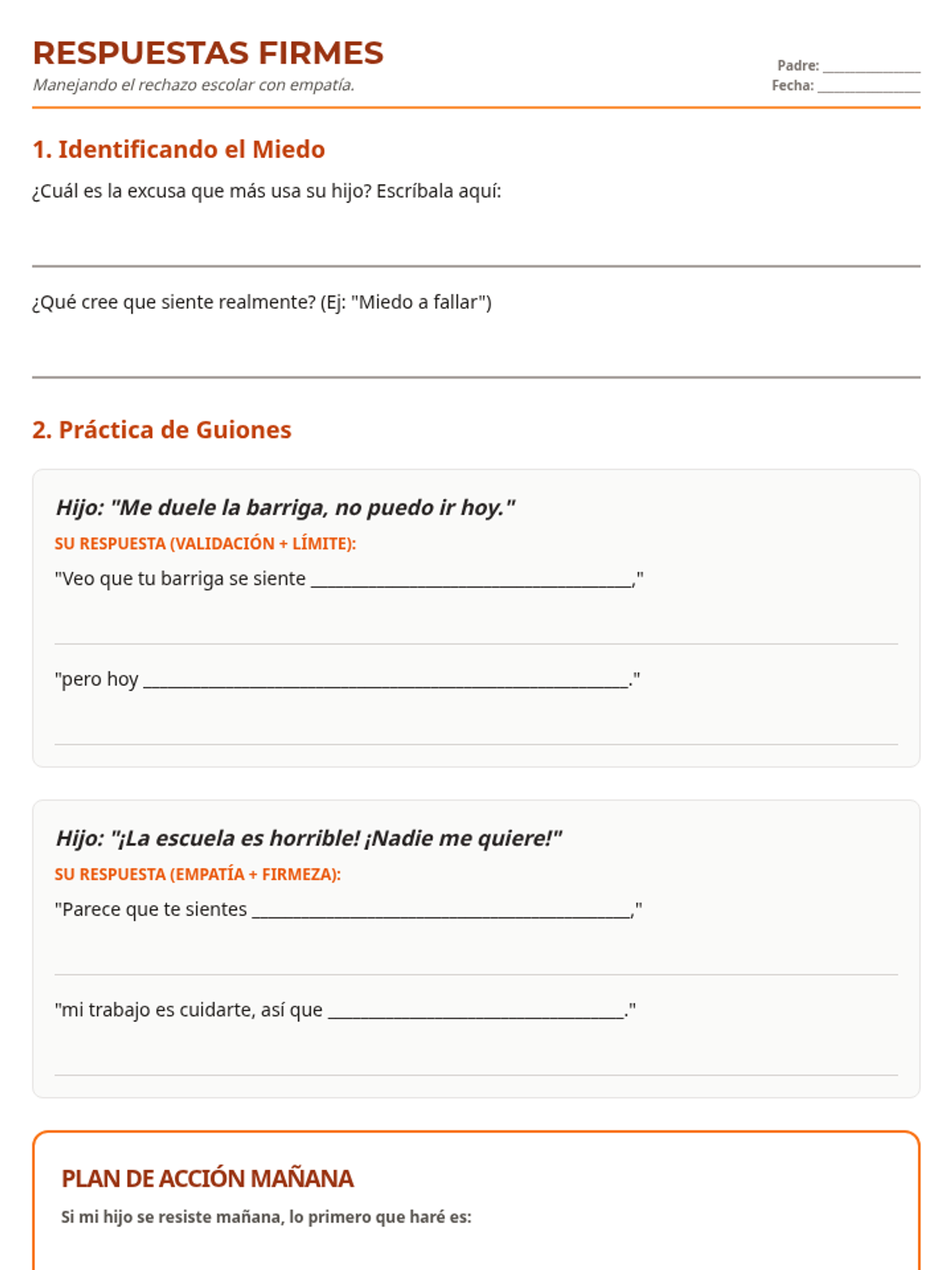
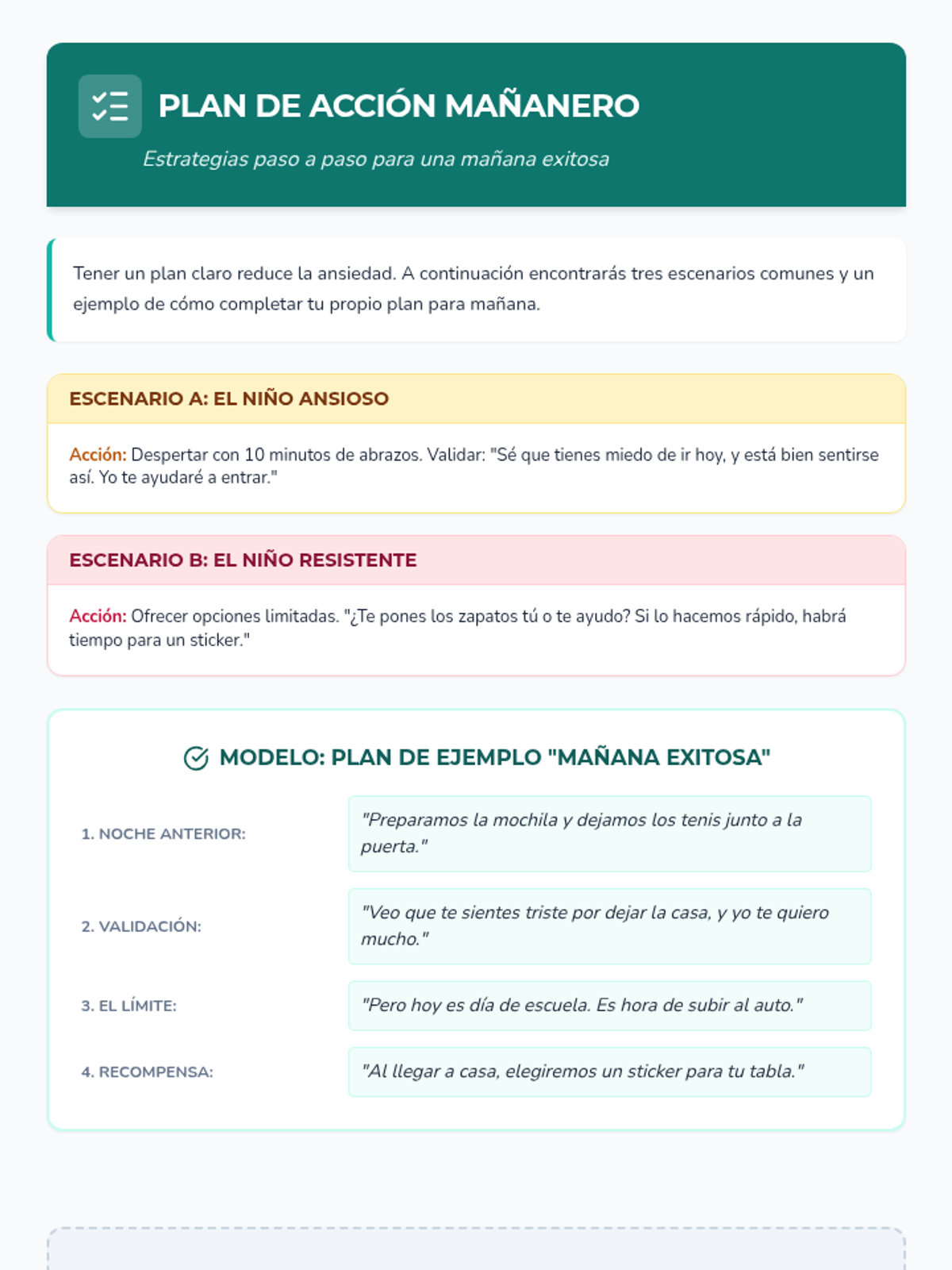
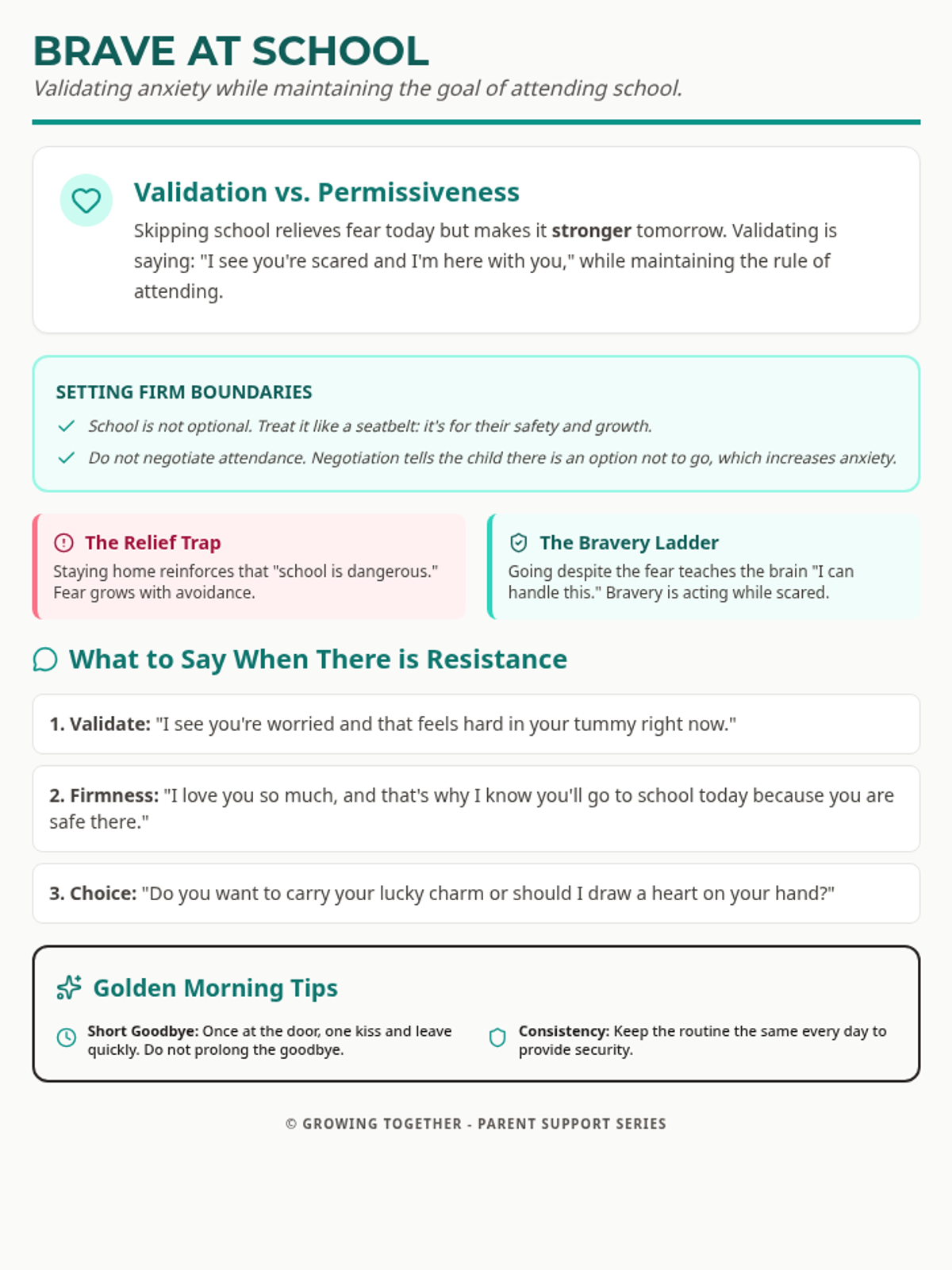
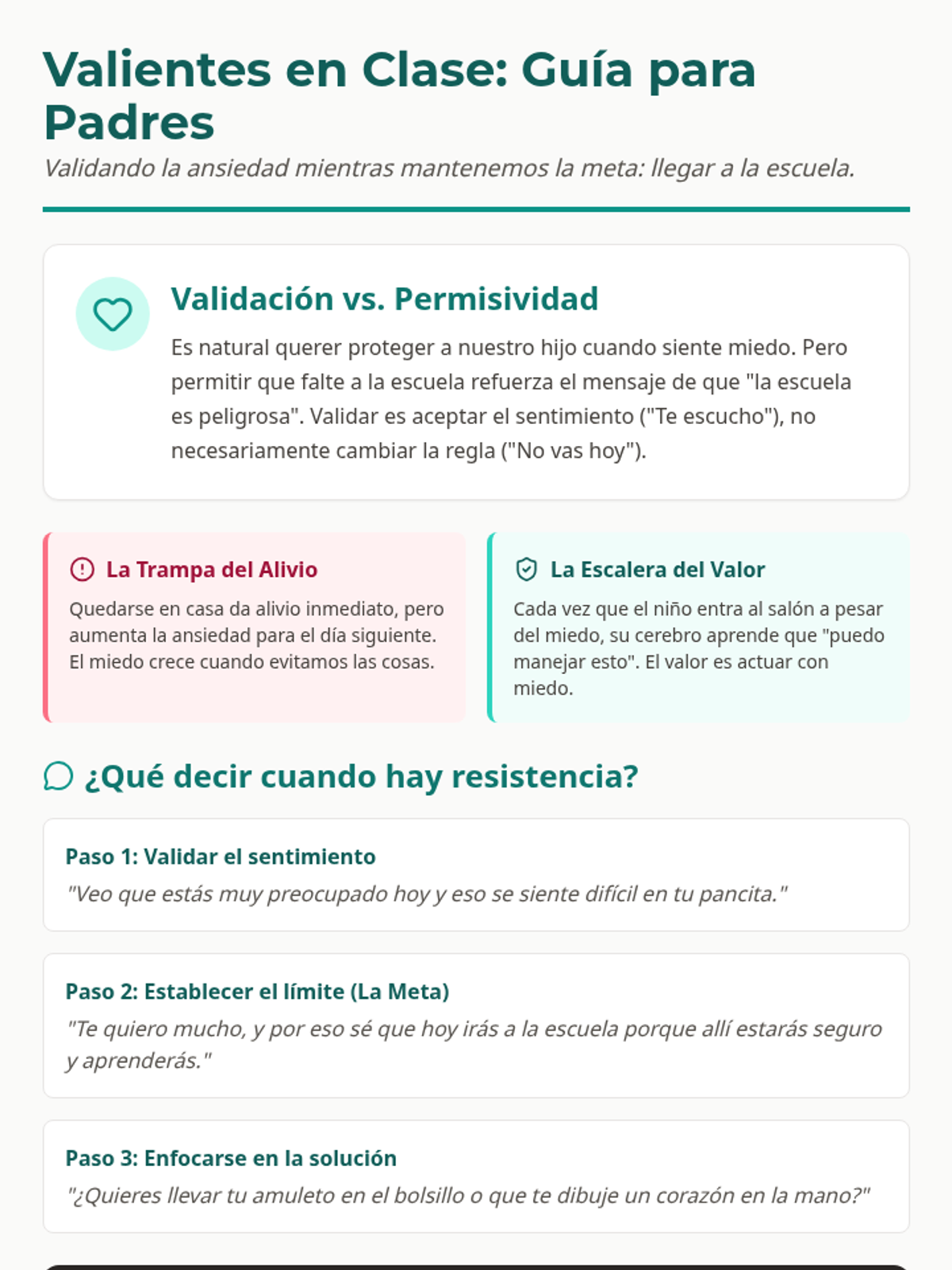
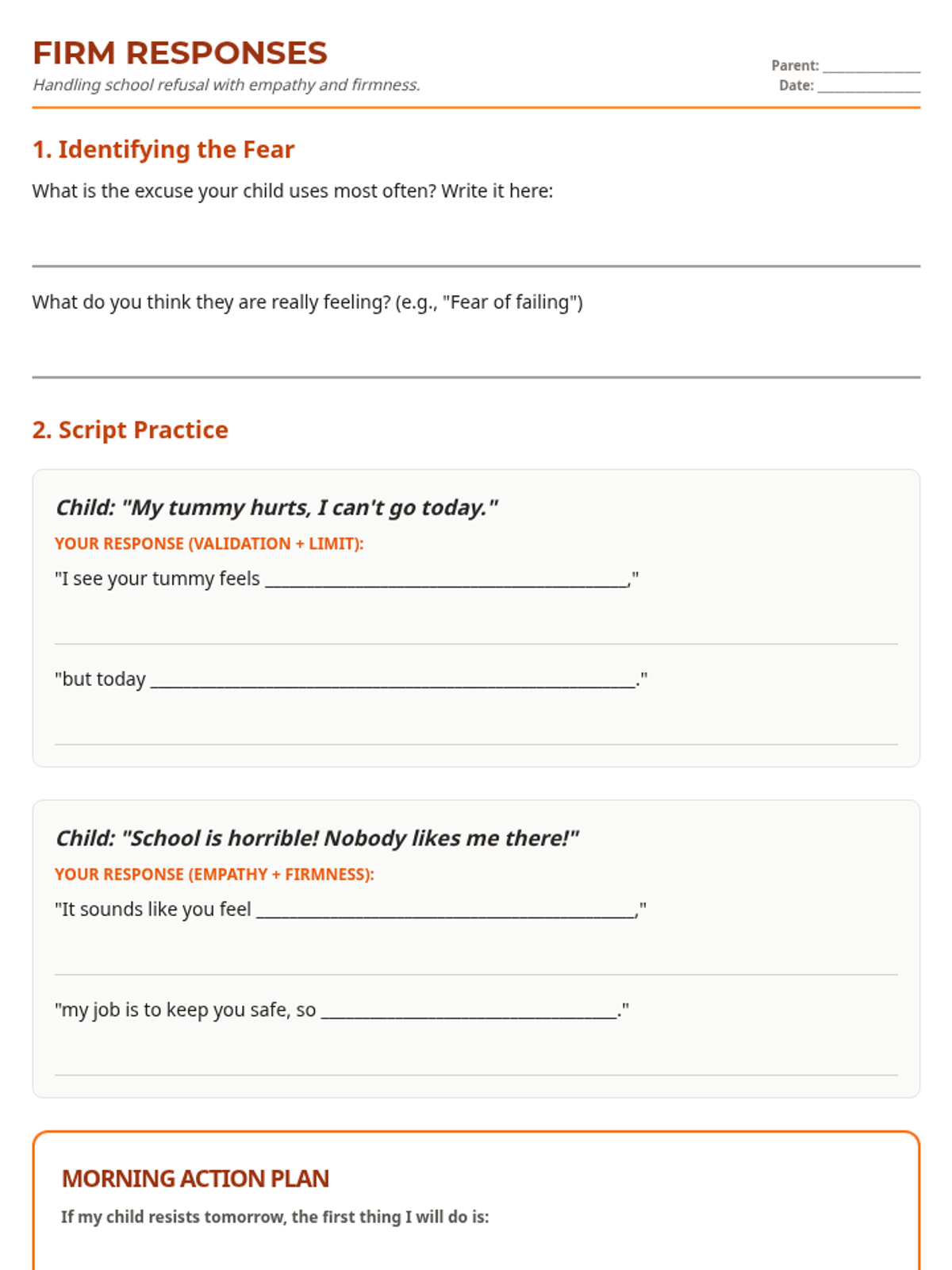
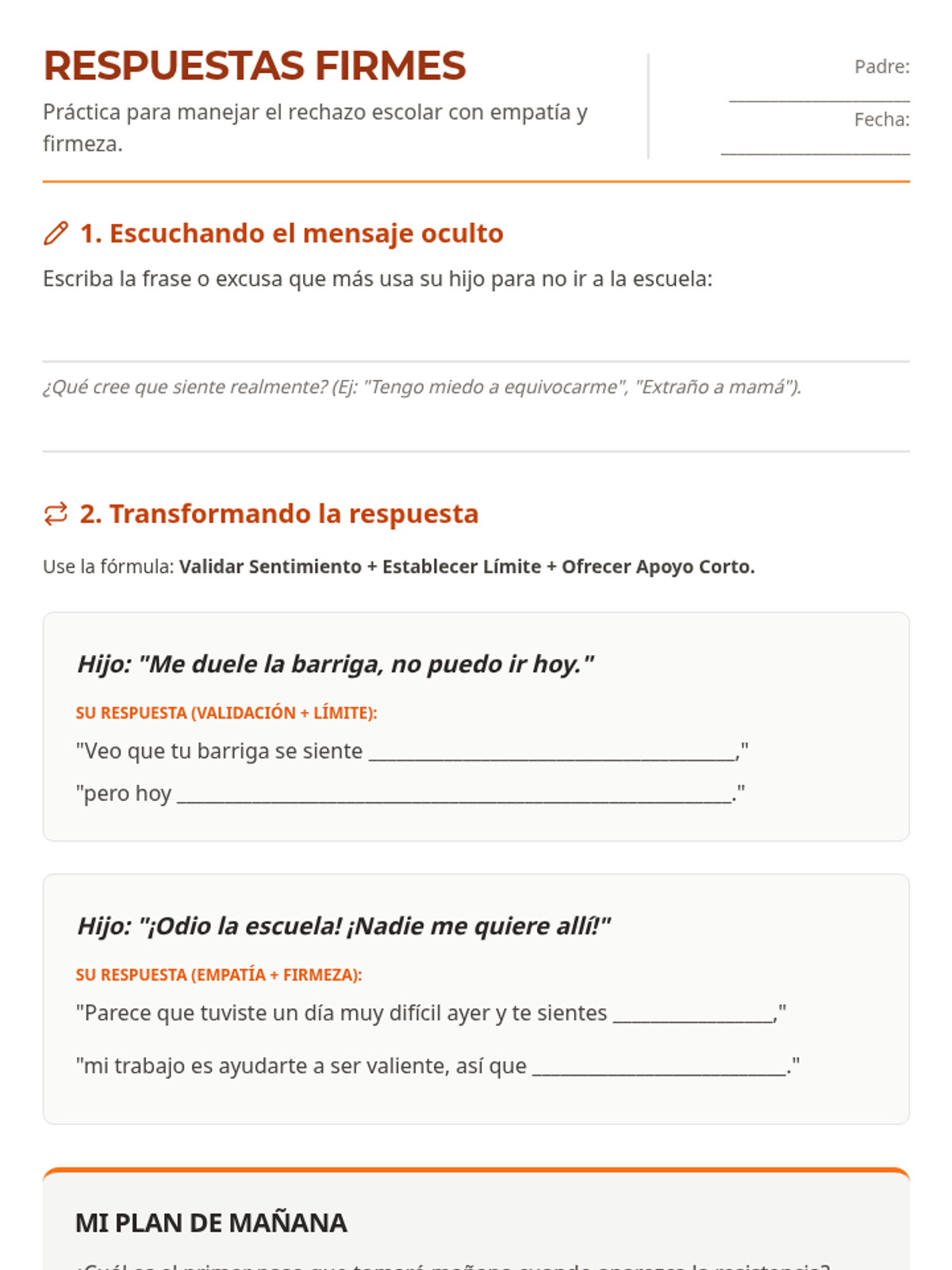
A parent training series focused on school attendance, managing childhood anxiety with boundaries, and implementing positive reinforcement systems like sticker charts.
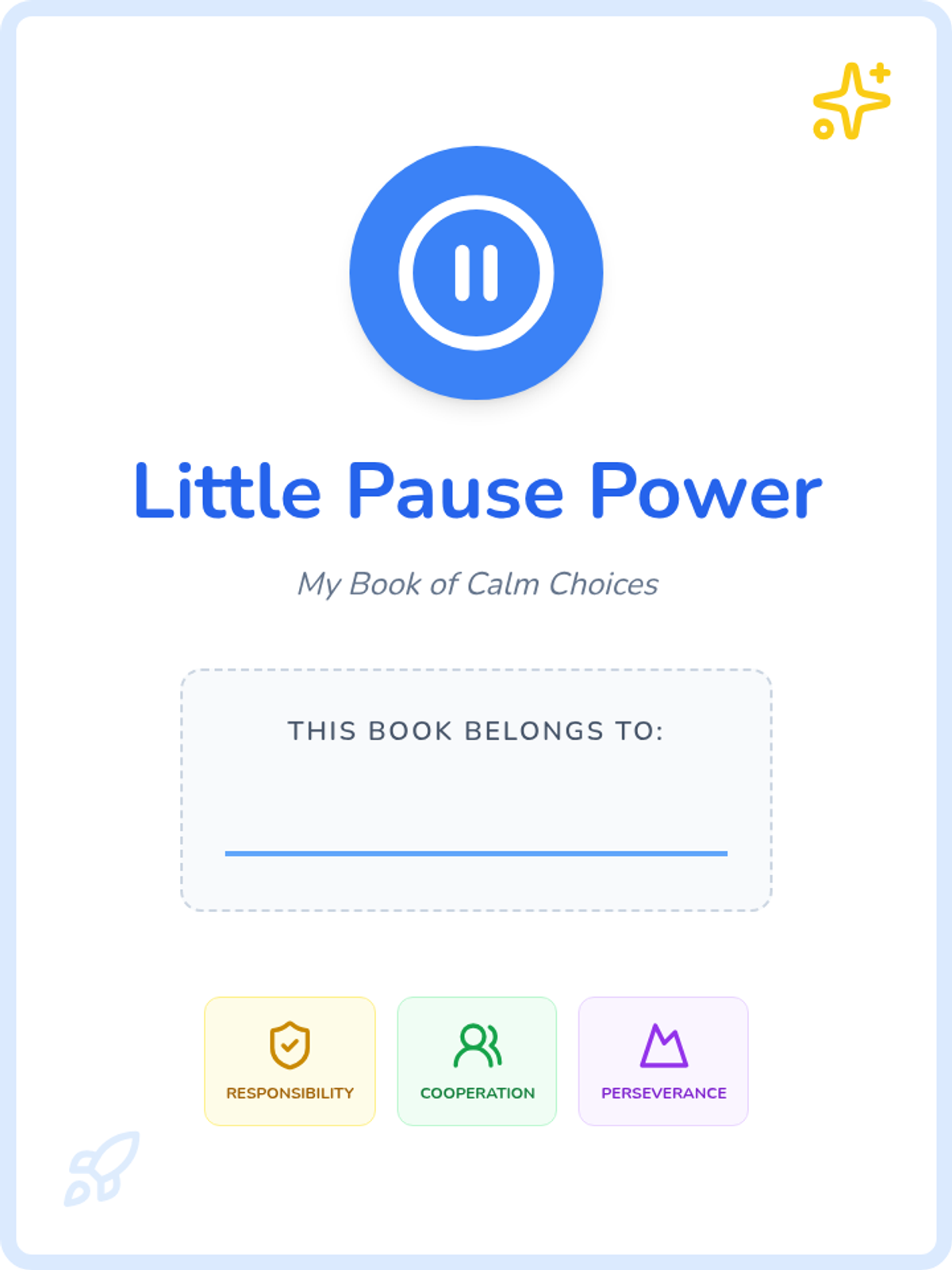
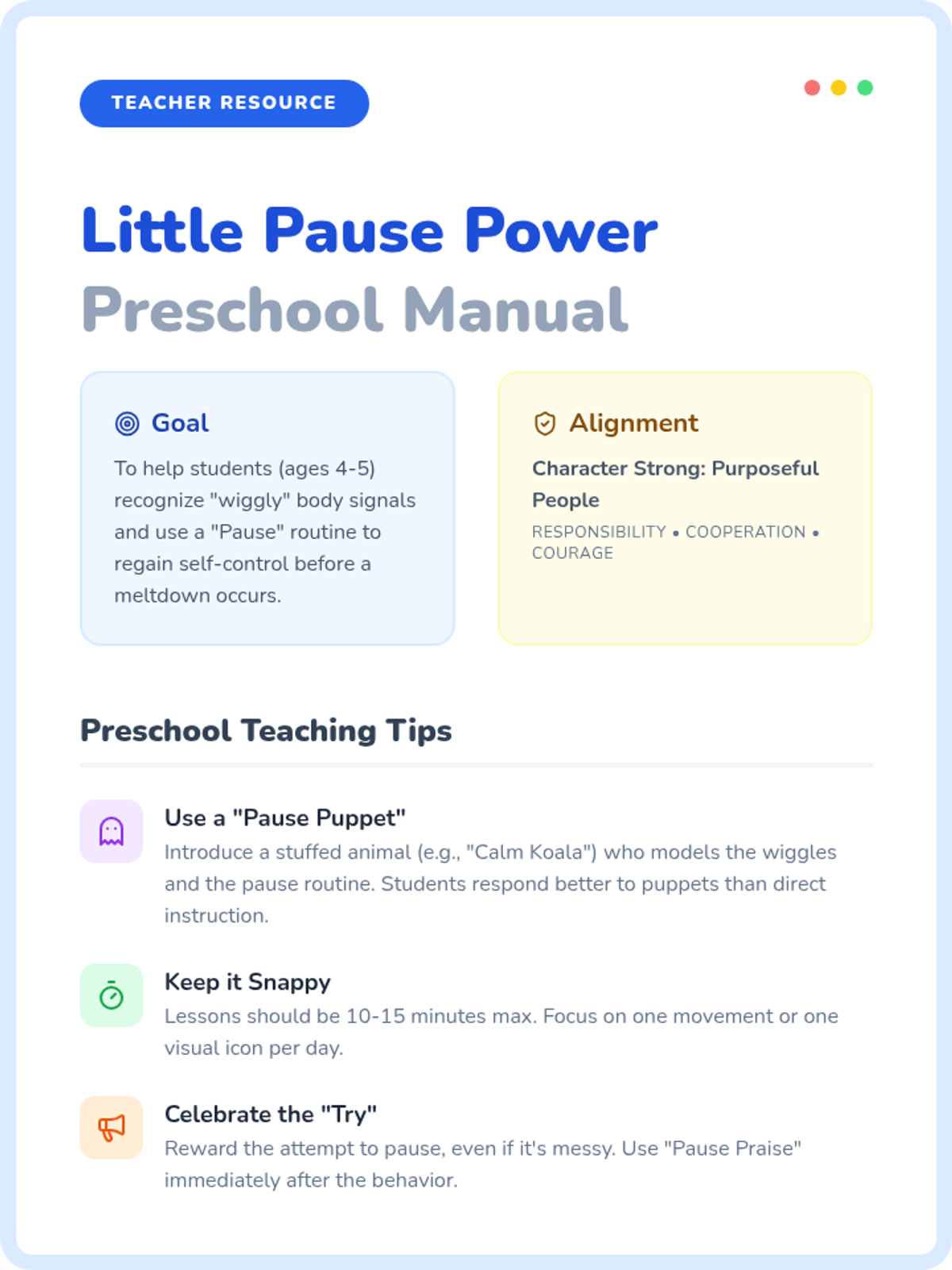
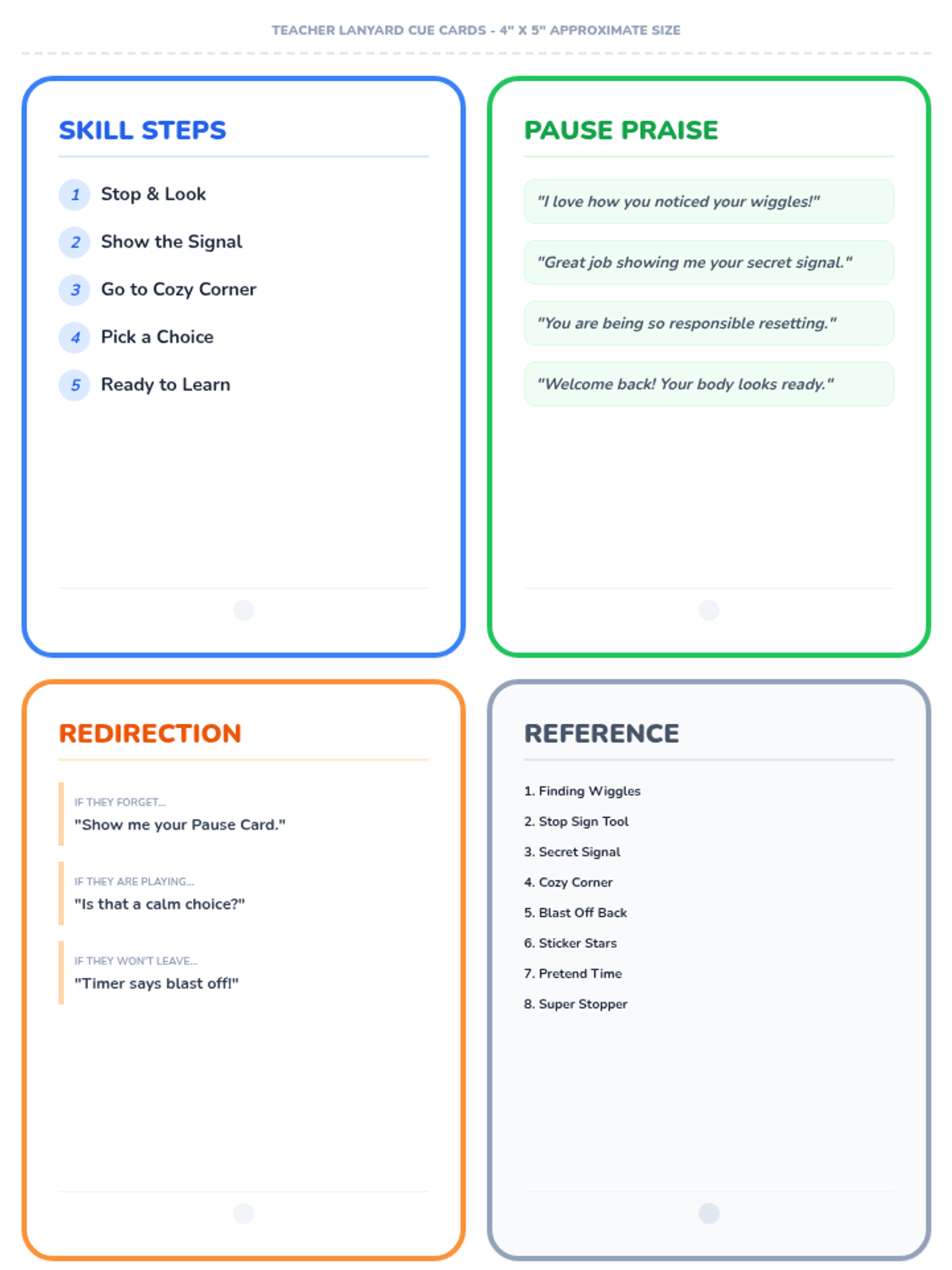
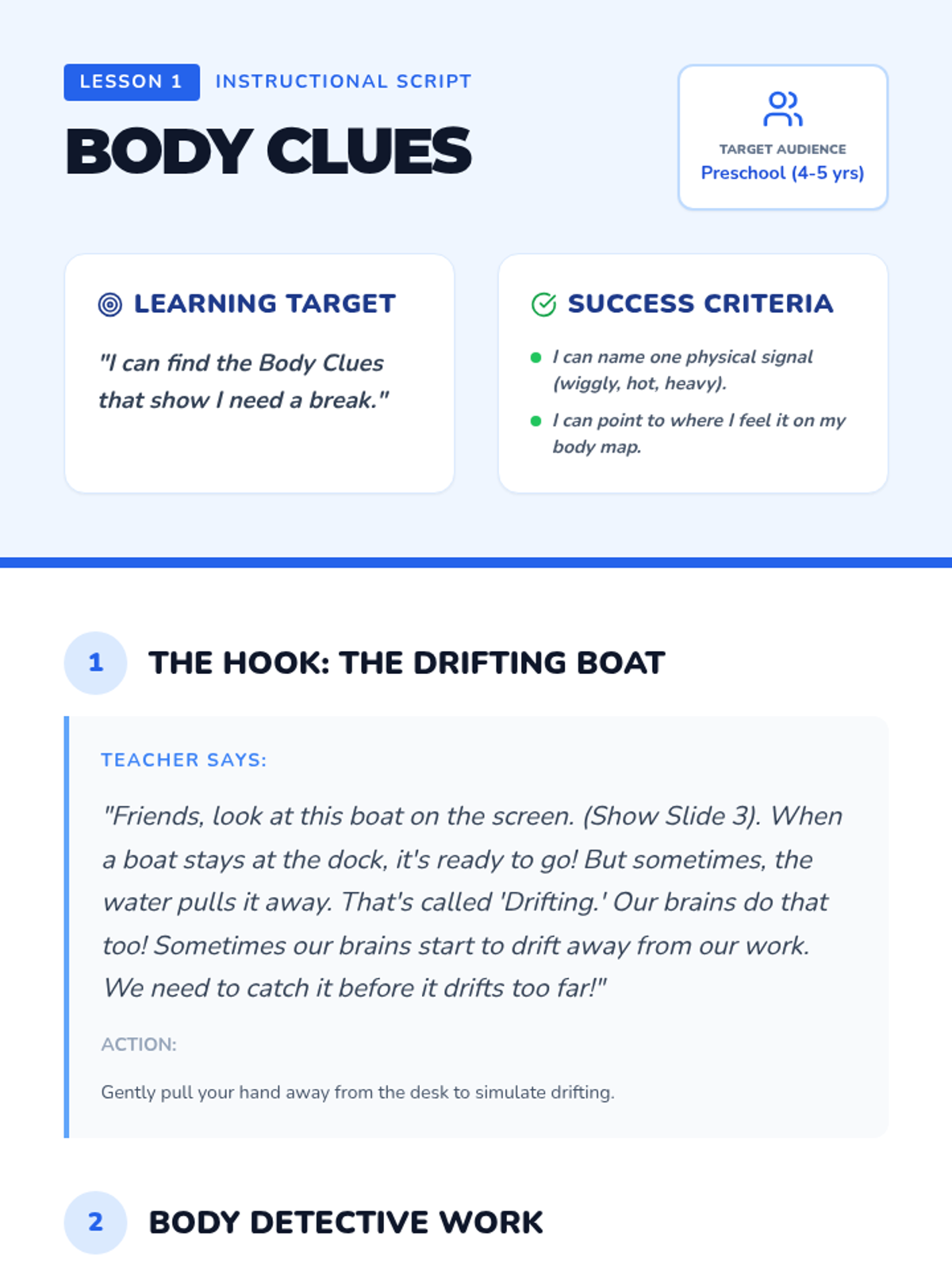
A gentle, visual 8-lesson intervention for preschoolers to learn self-regulation. Uses simple icons, puppet-based role-play, and 'I Can' picture goals to move from 'wiggly' feelings to 'calm' choices through the Pause Power routine.
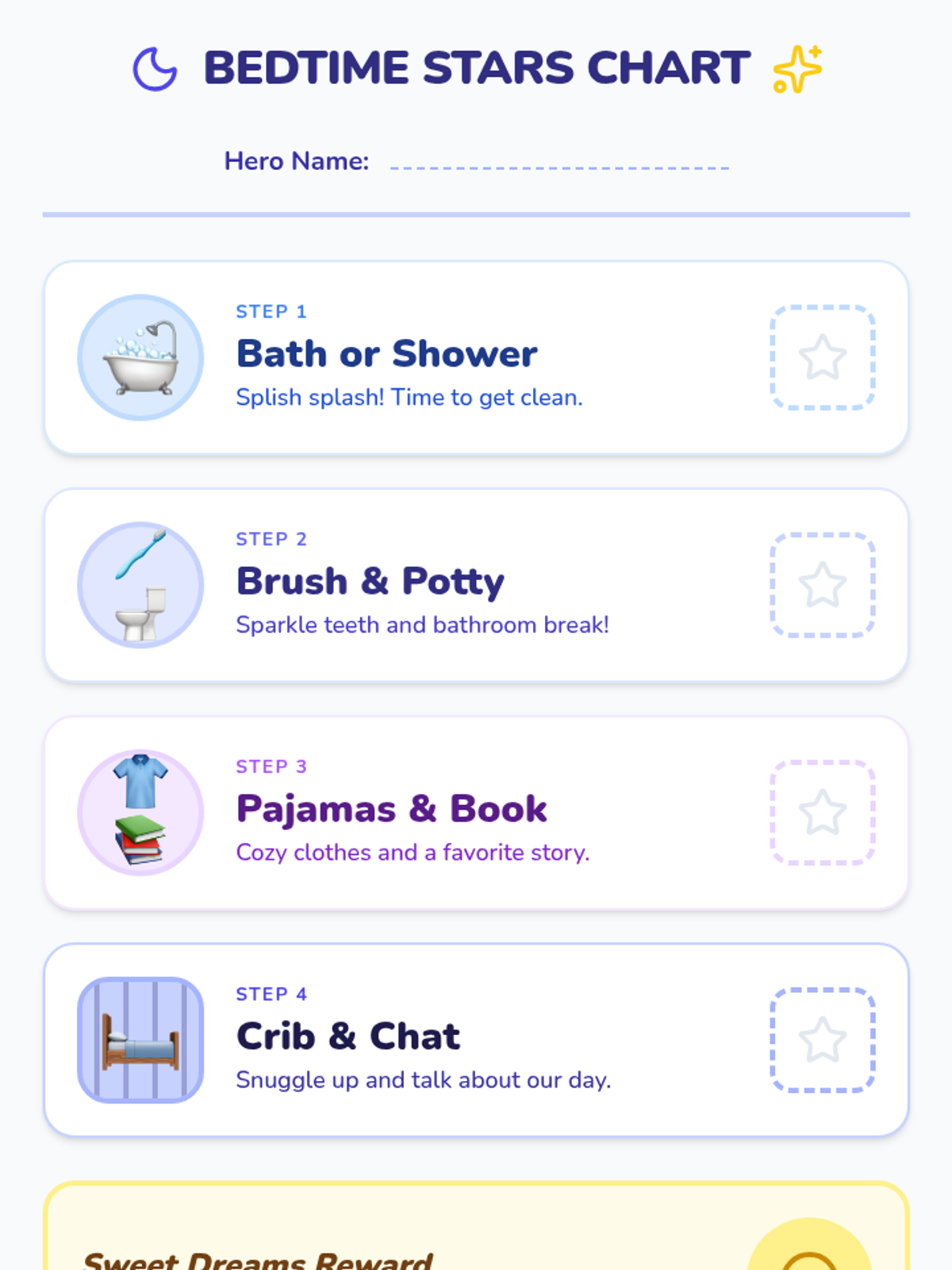
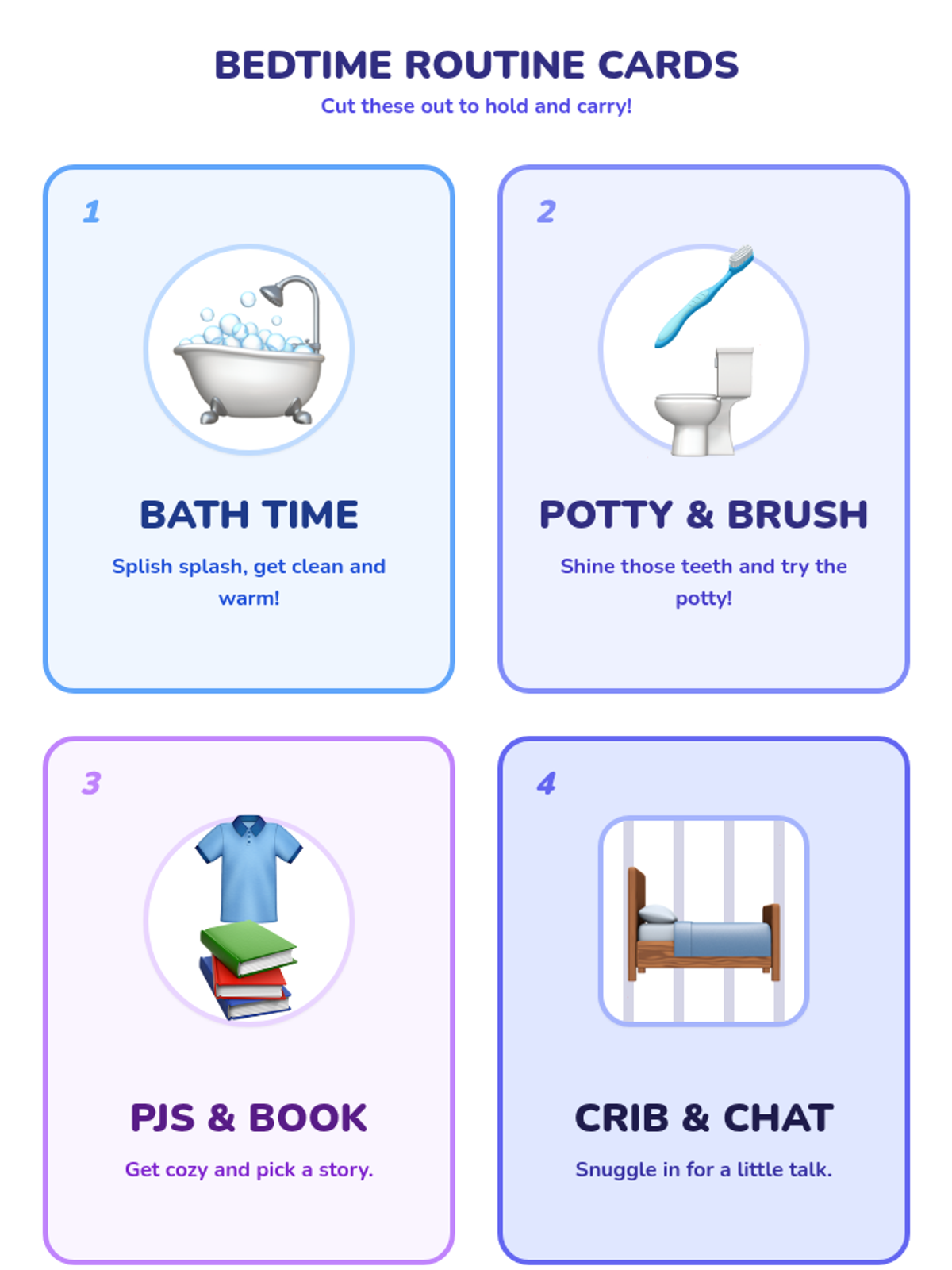
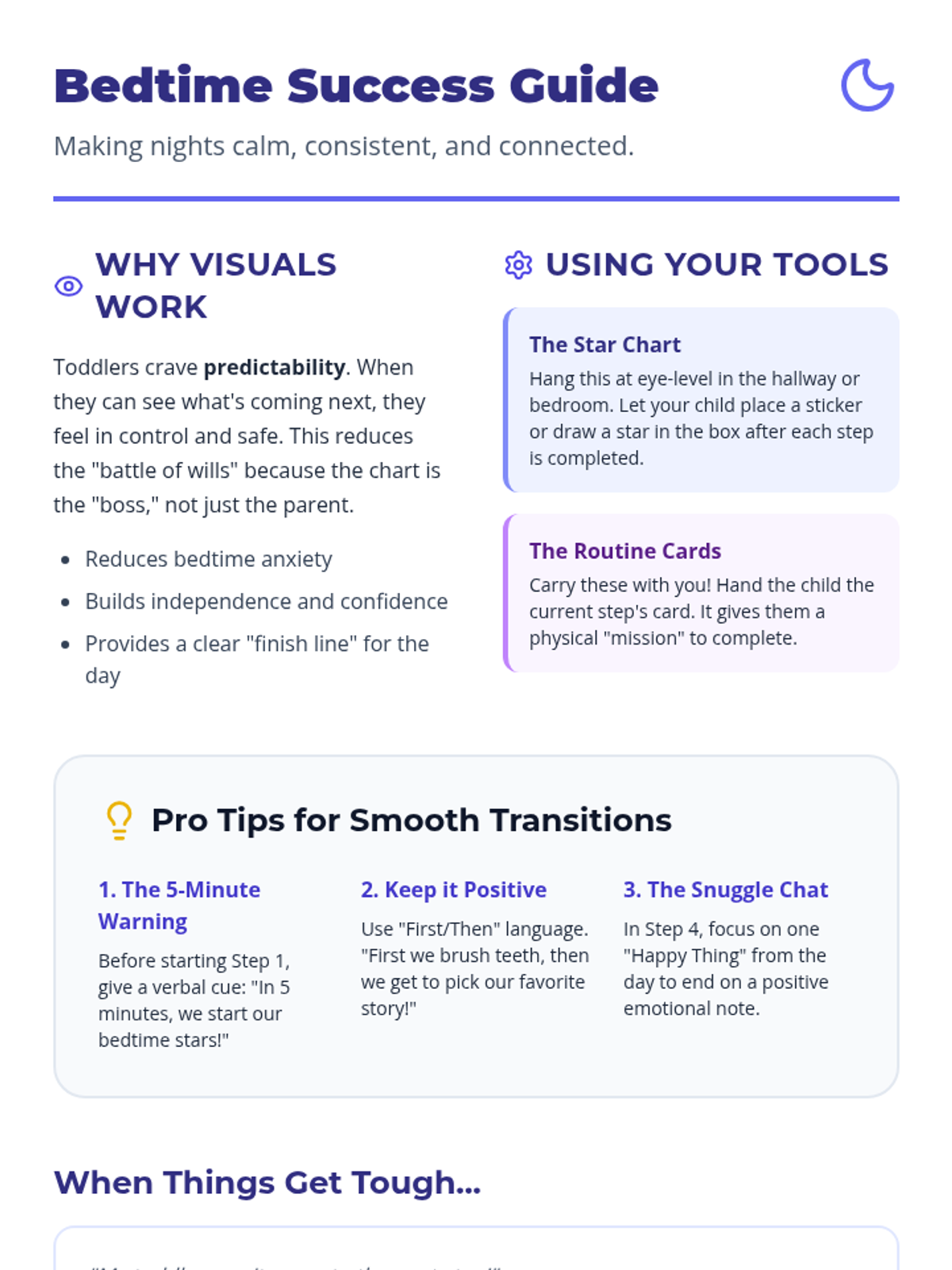
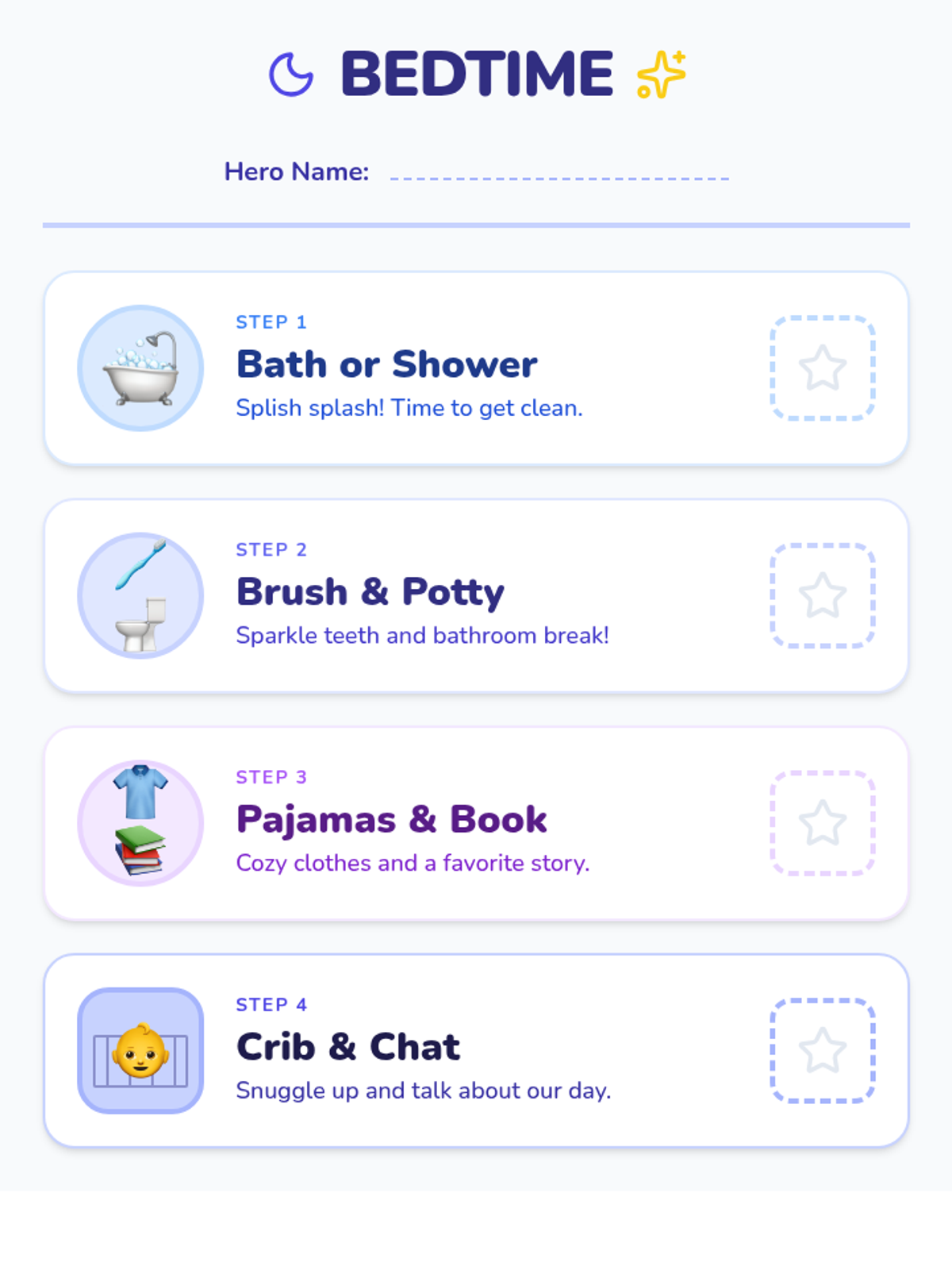
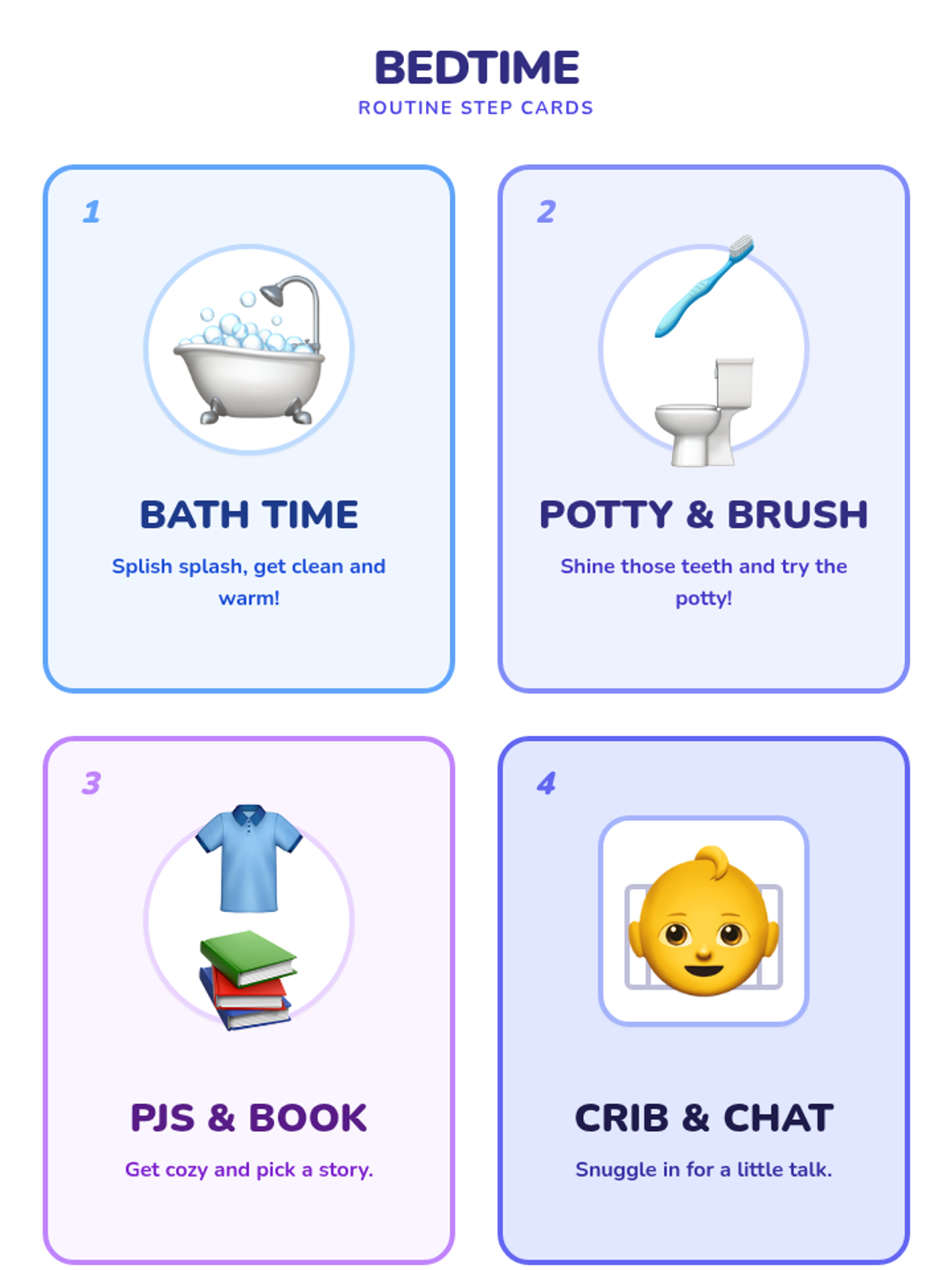
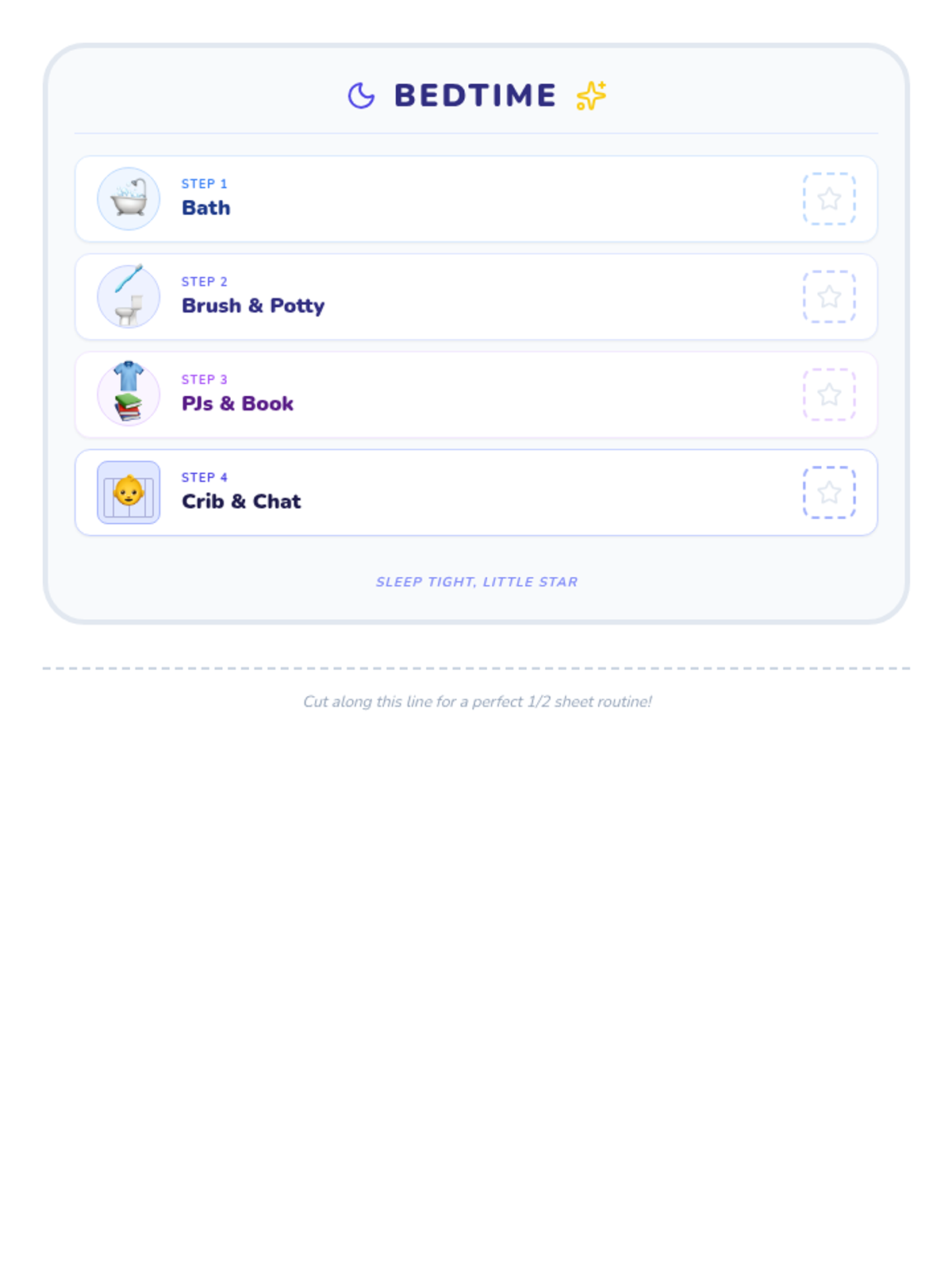
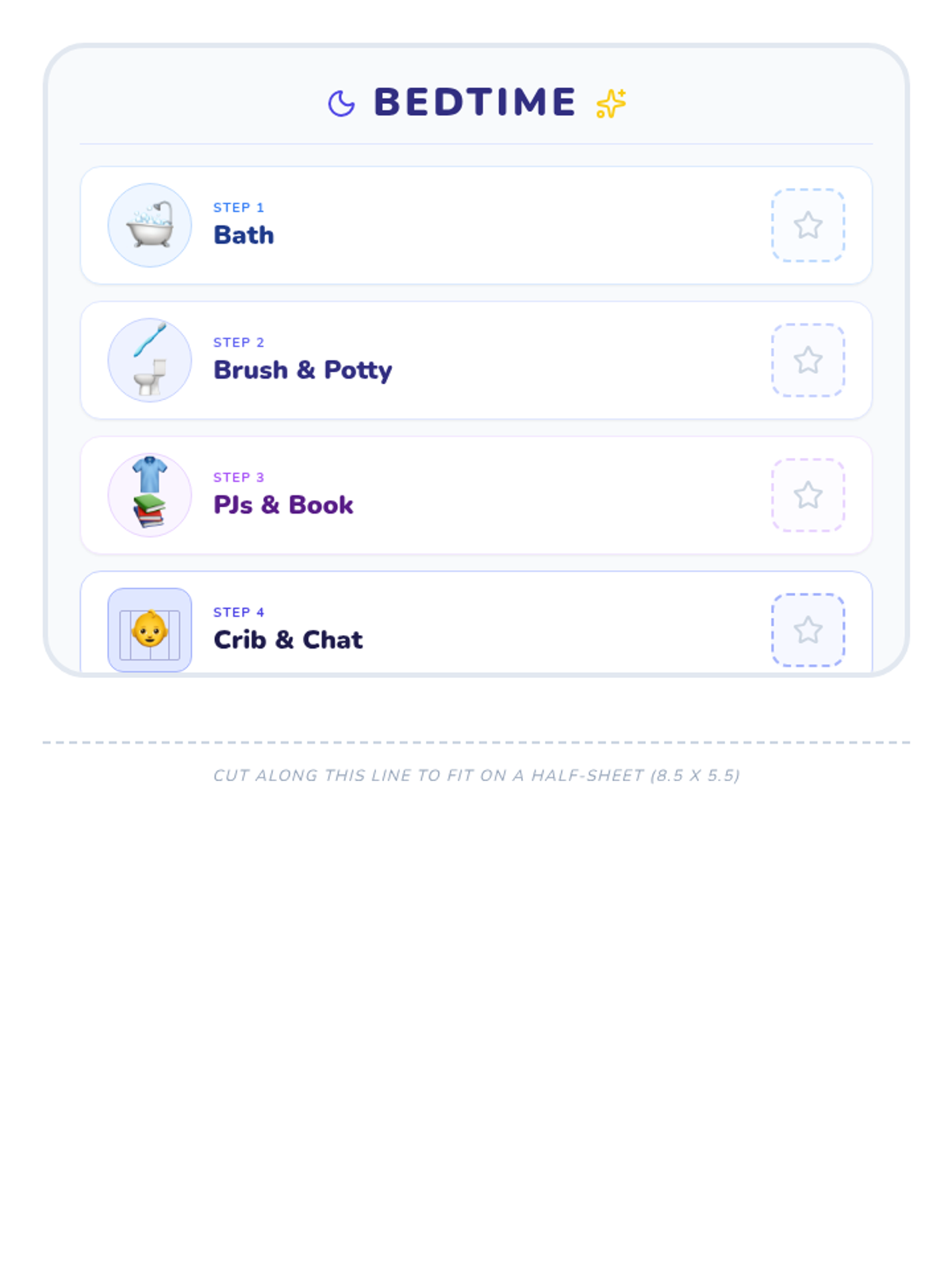
A collection of visual routines designed to help toddlers master daily transitions and build independence.
An 8-week social-emotional learning curriculum for preschoolers focused on identifying emotions, sharing, waiting, empathy, and conflict resolution through engaging daily activities and visual aids.
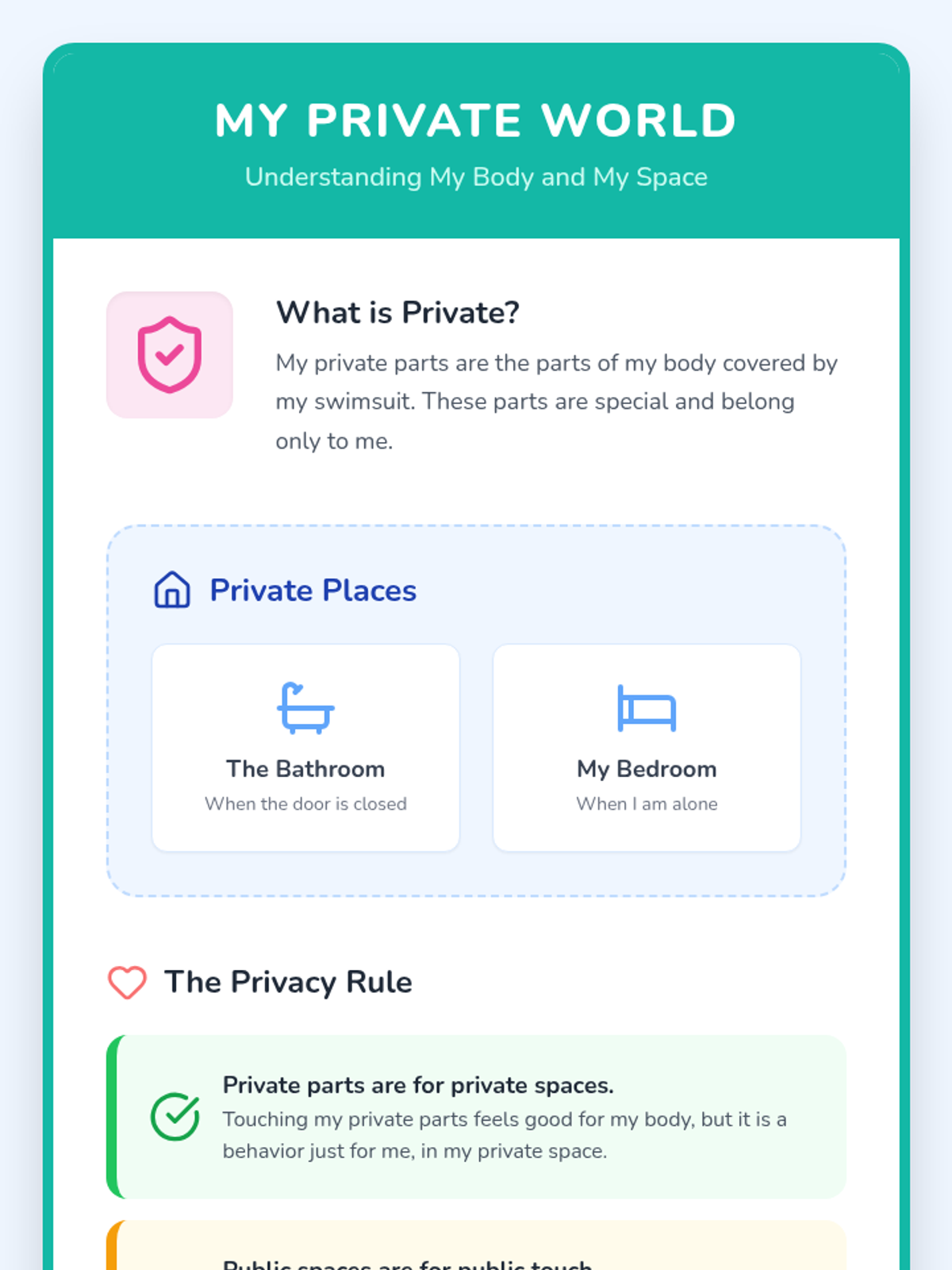
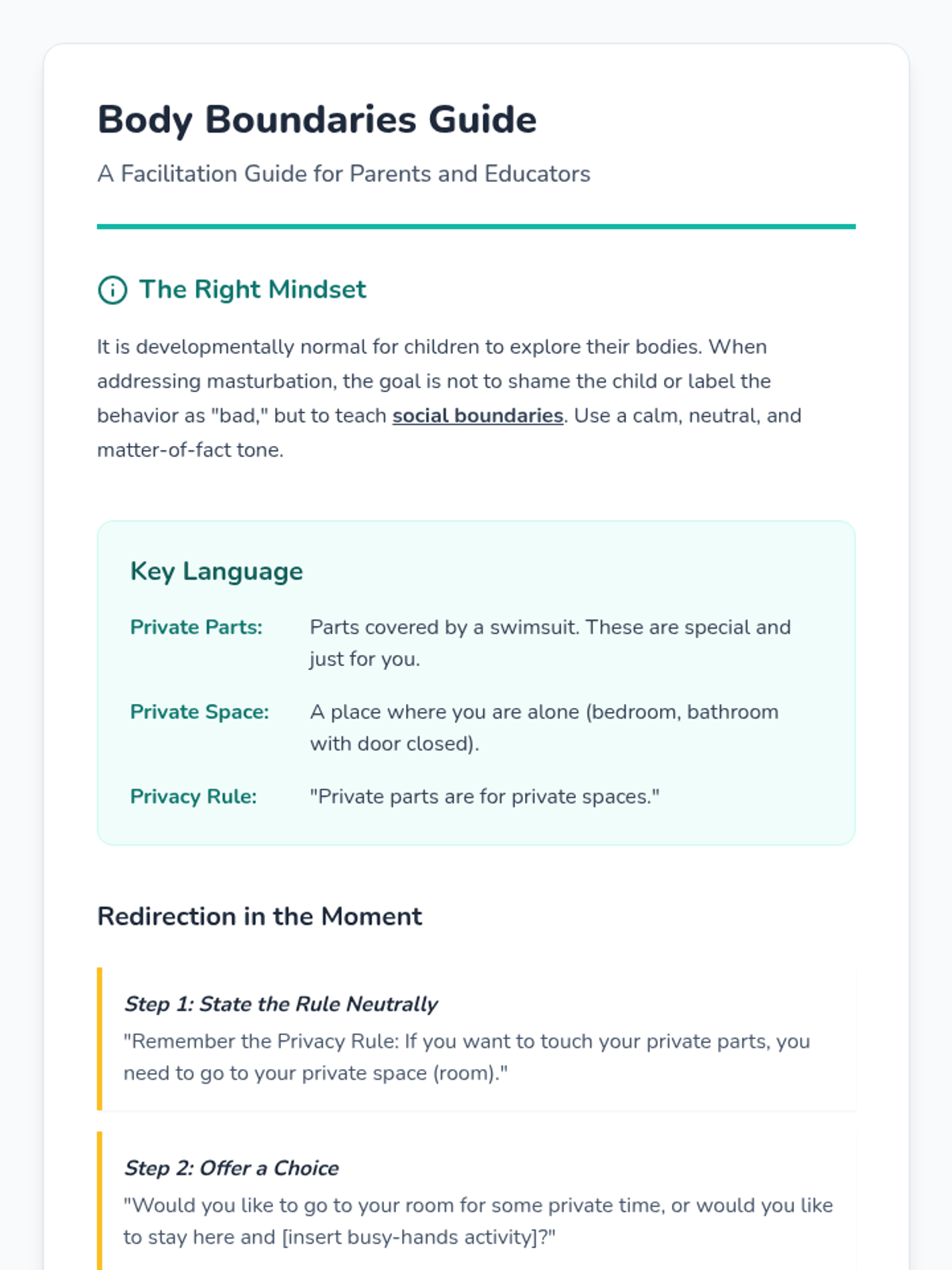
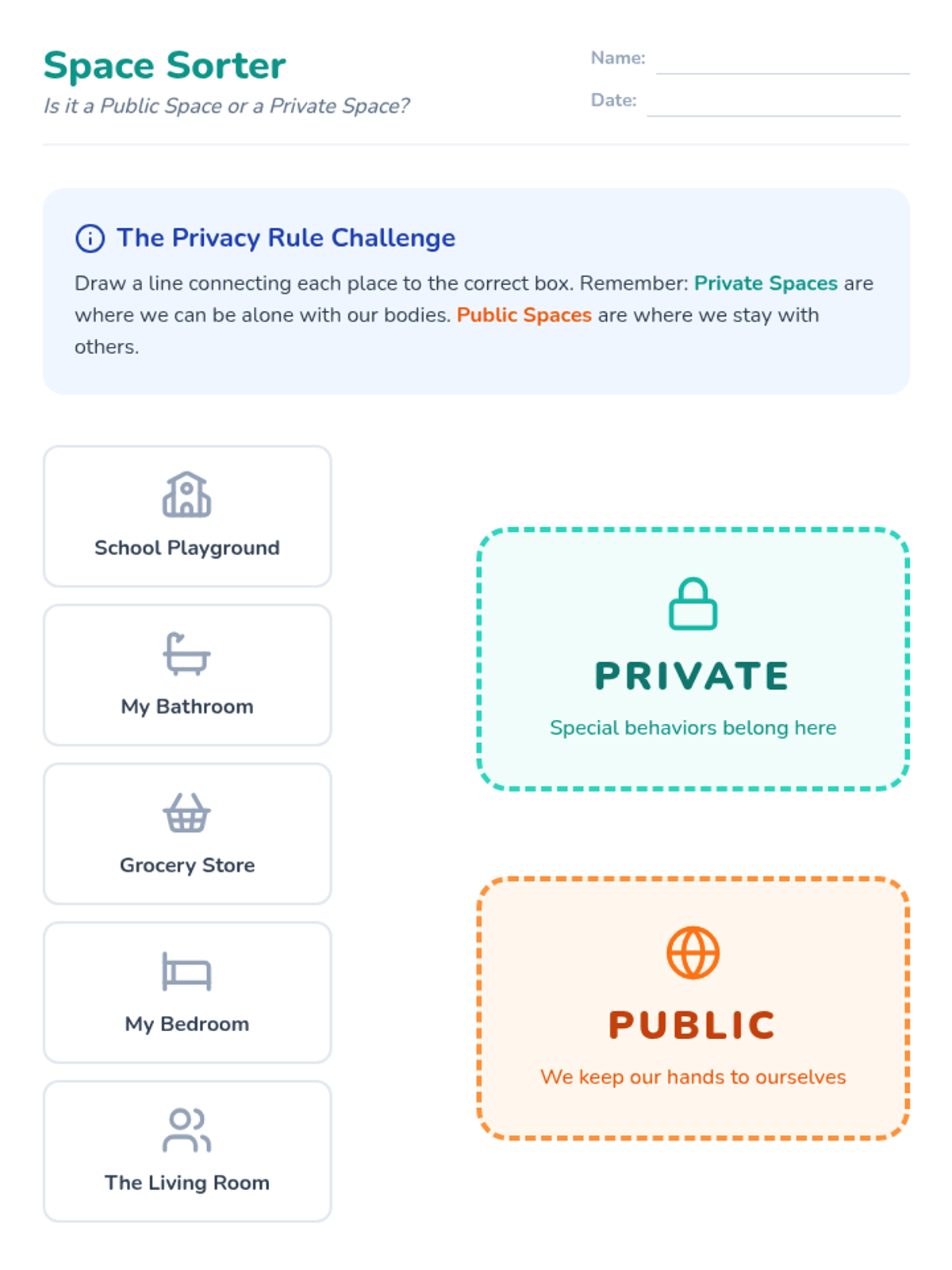
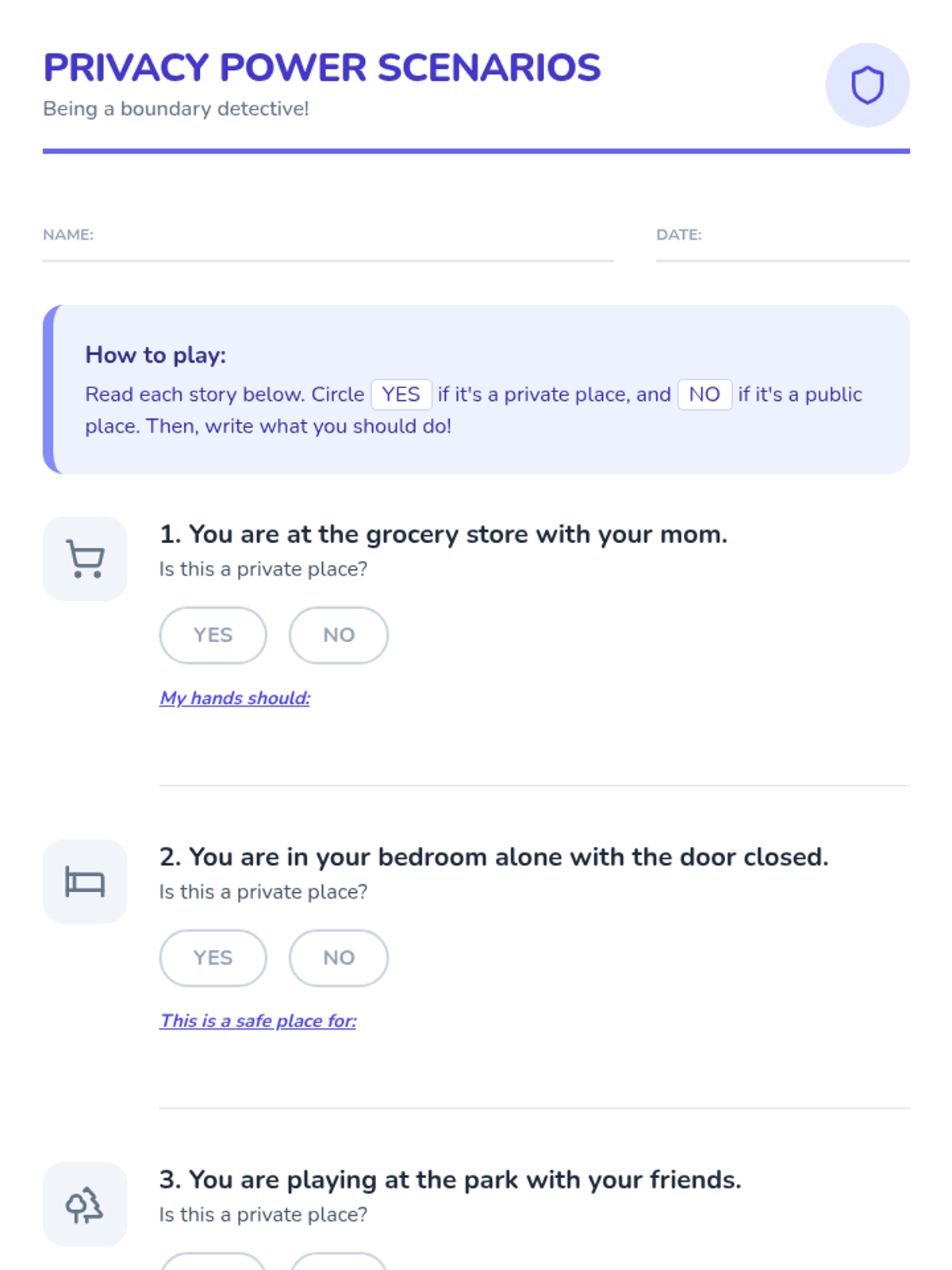
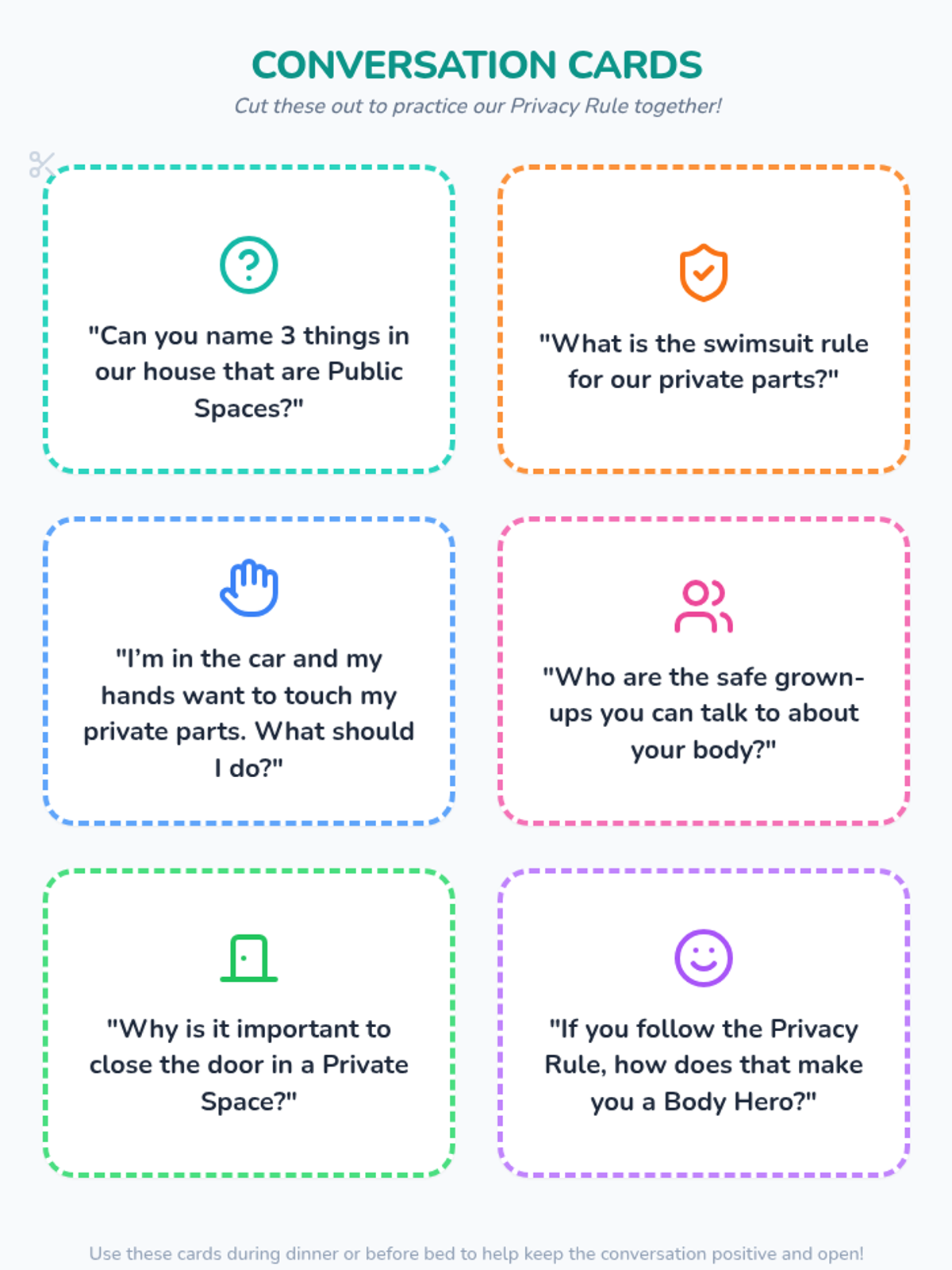
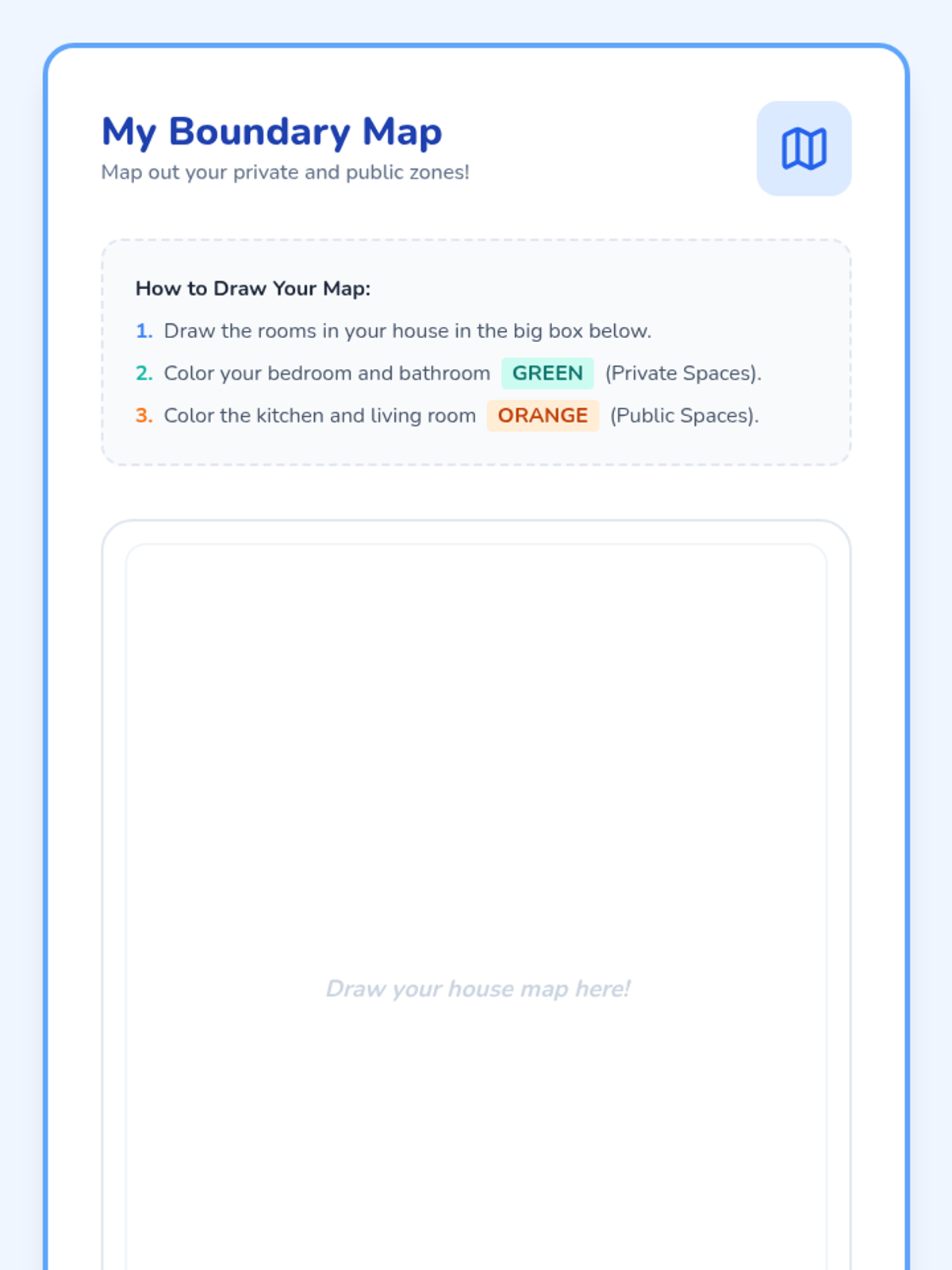
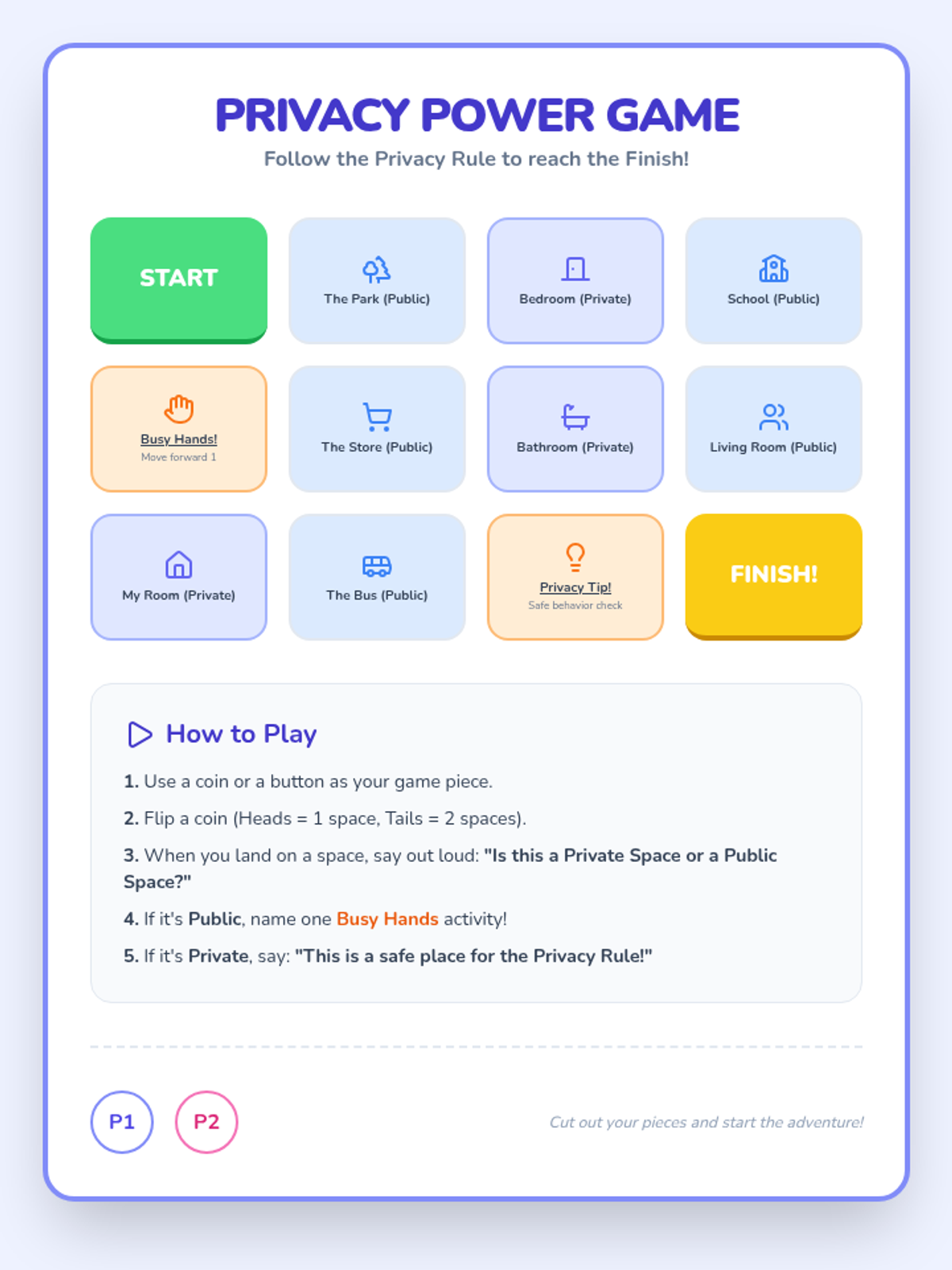
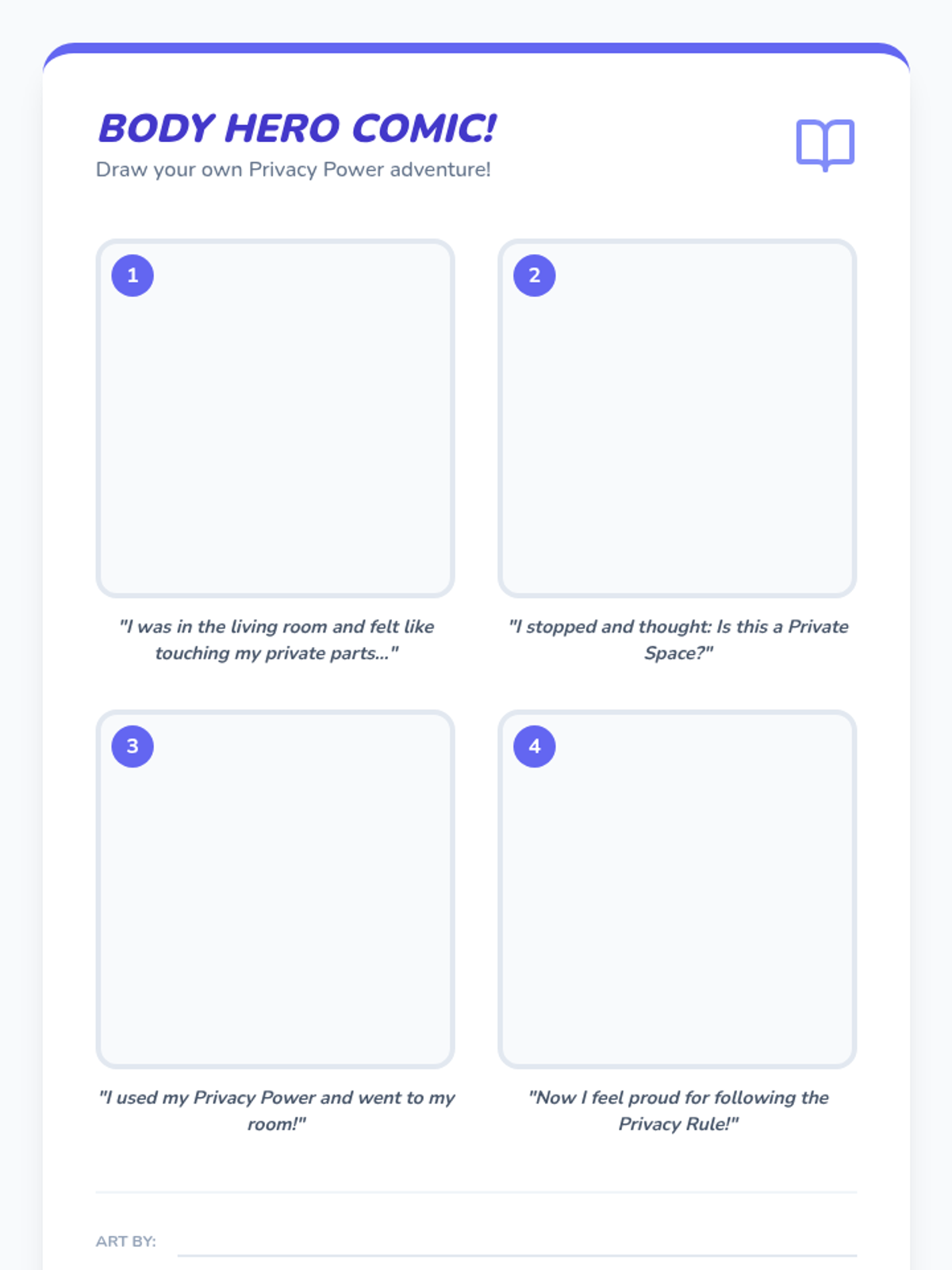
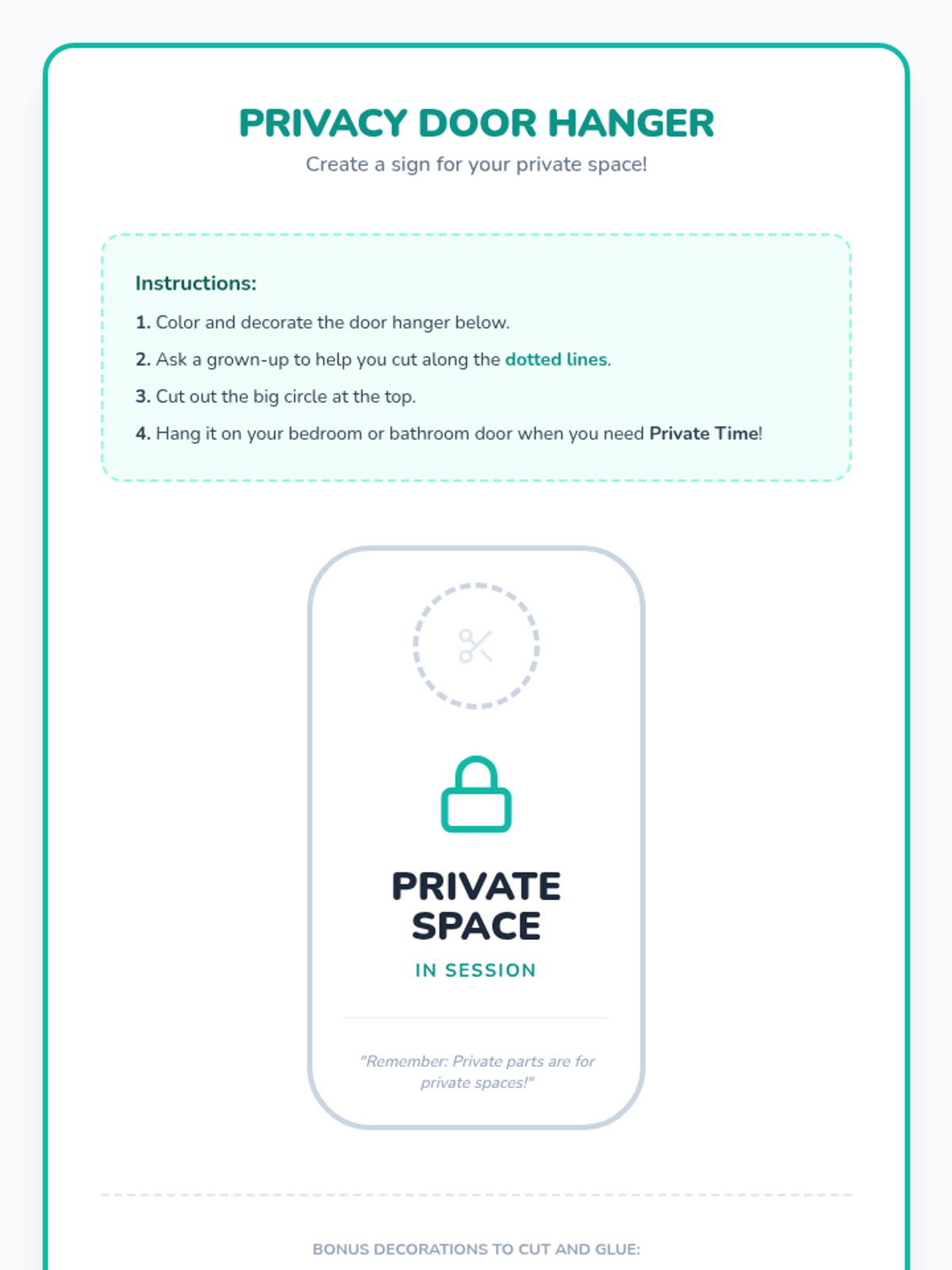
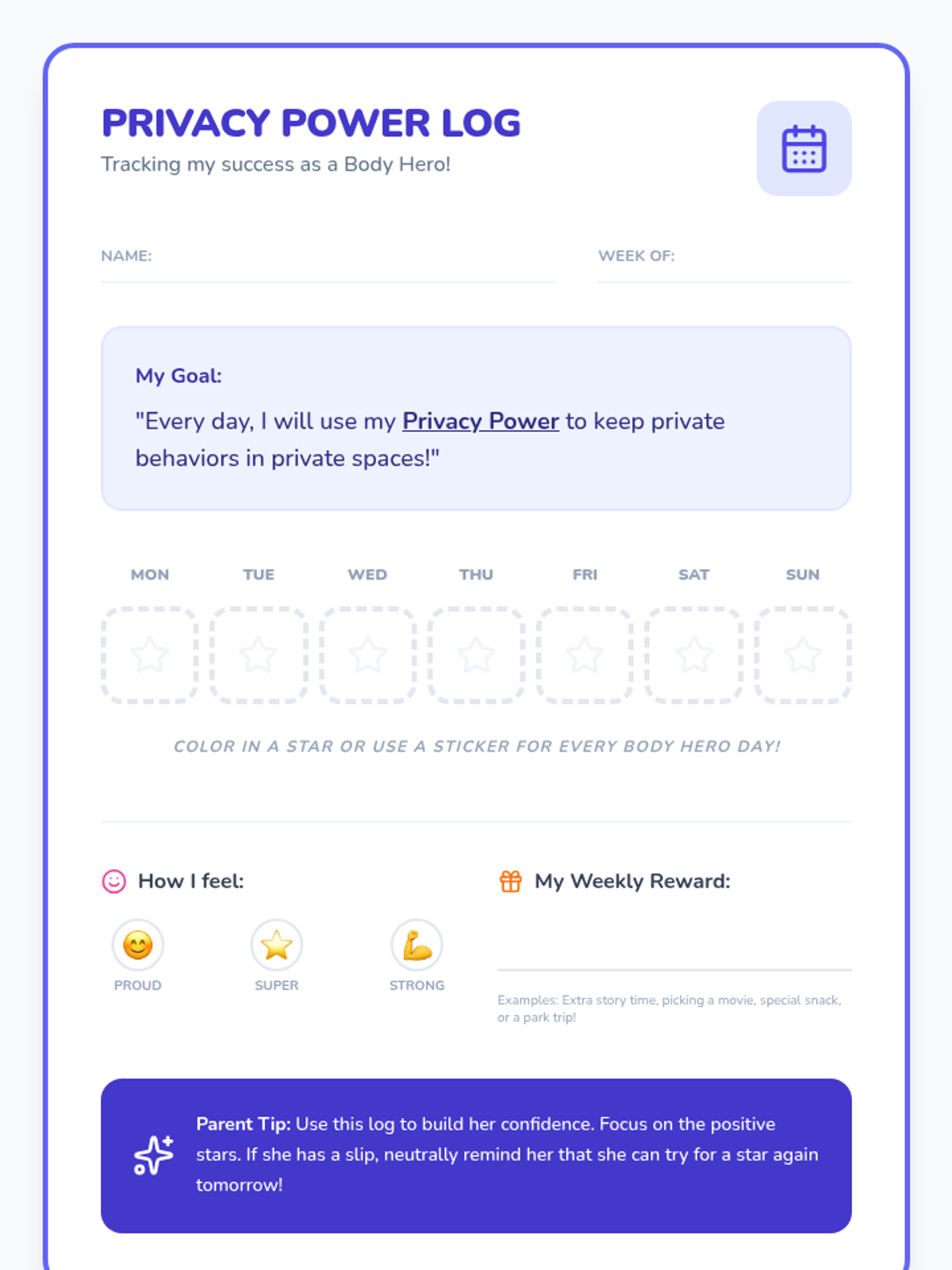
A series of lessons focused on personal safety, body autonomy, and social-emotional development for young children.
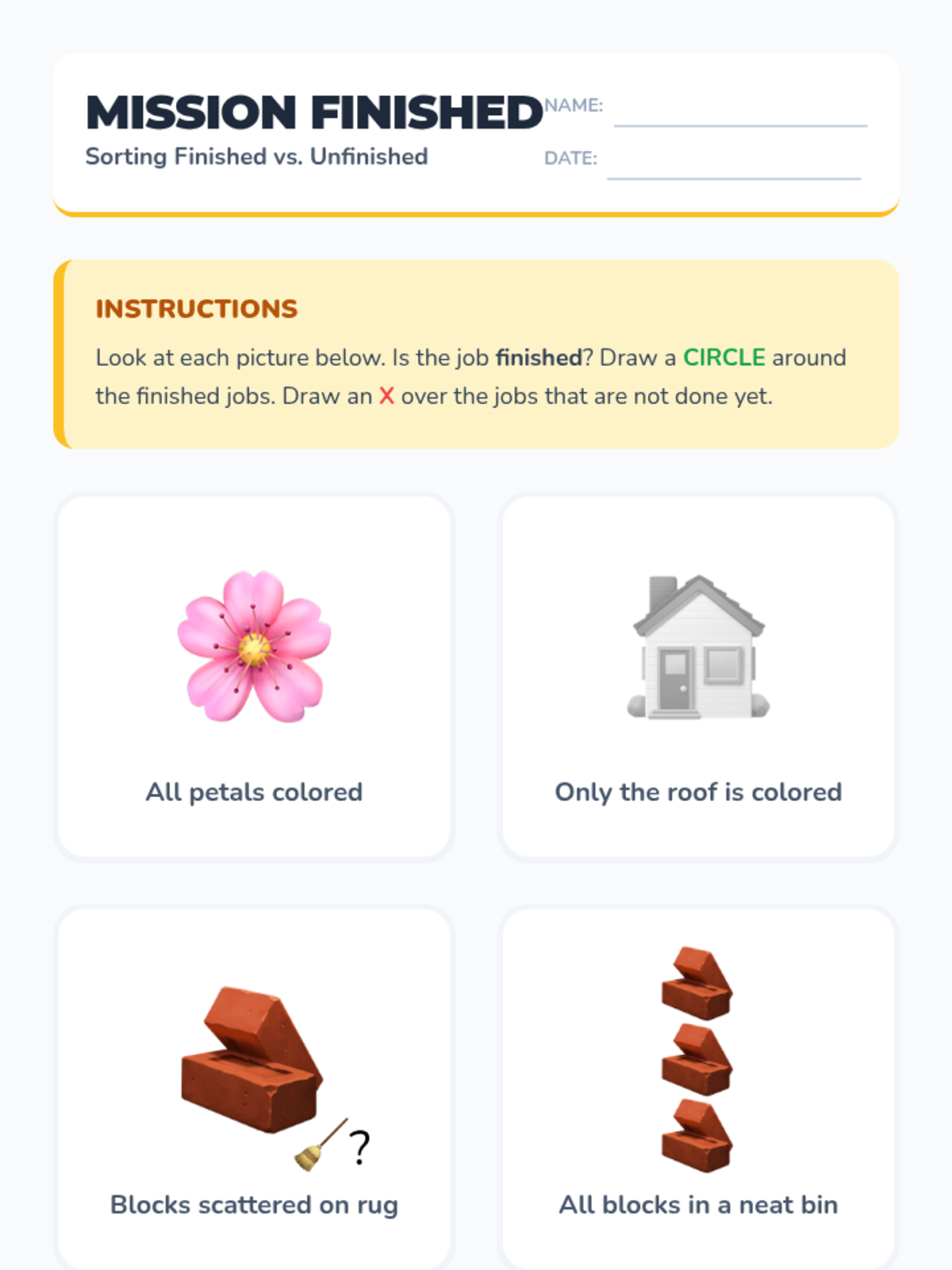
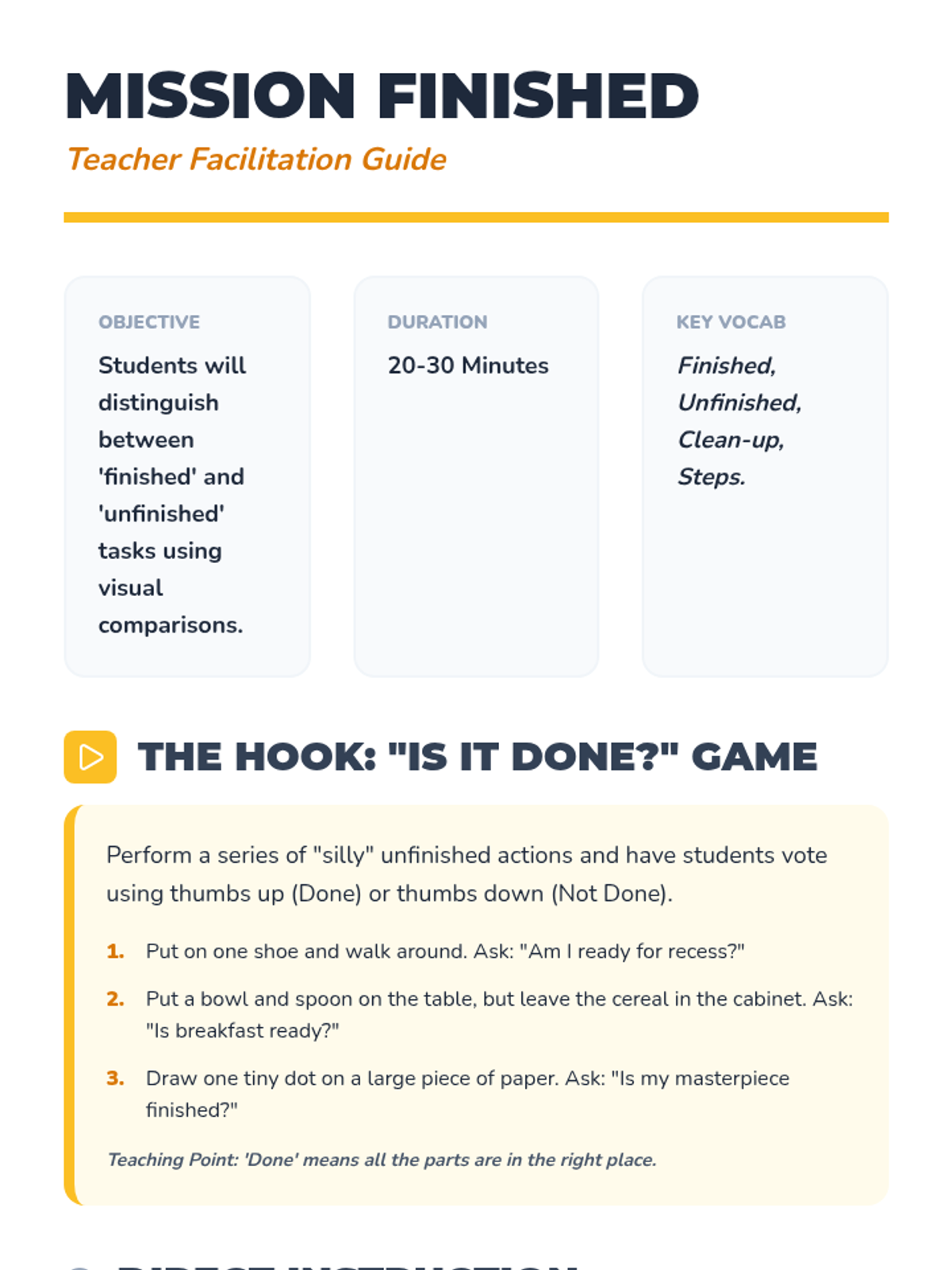
This sequence introduces Pre-K students to the foundational concepts of task persistence, utilizing visual supports and structured reinforcement to build attention stamina. Students learn to identify 'finished', use timers, manage frustration, follow 'First-Then' logic, and self-monitor their work.
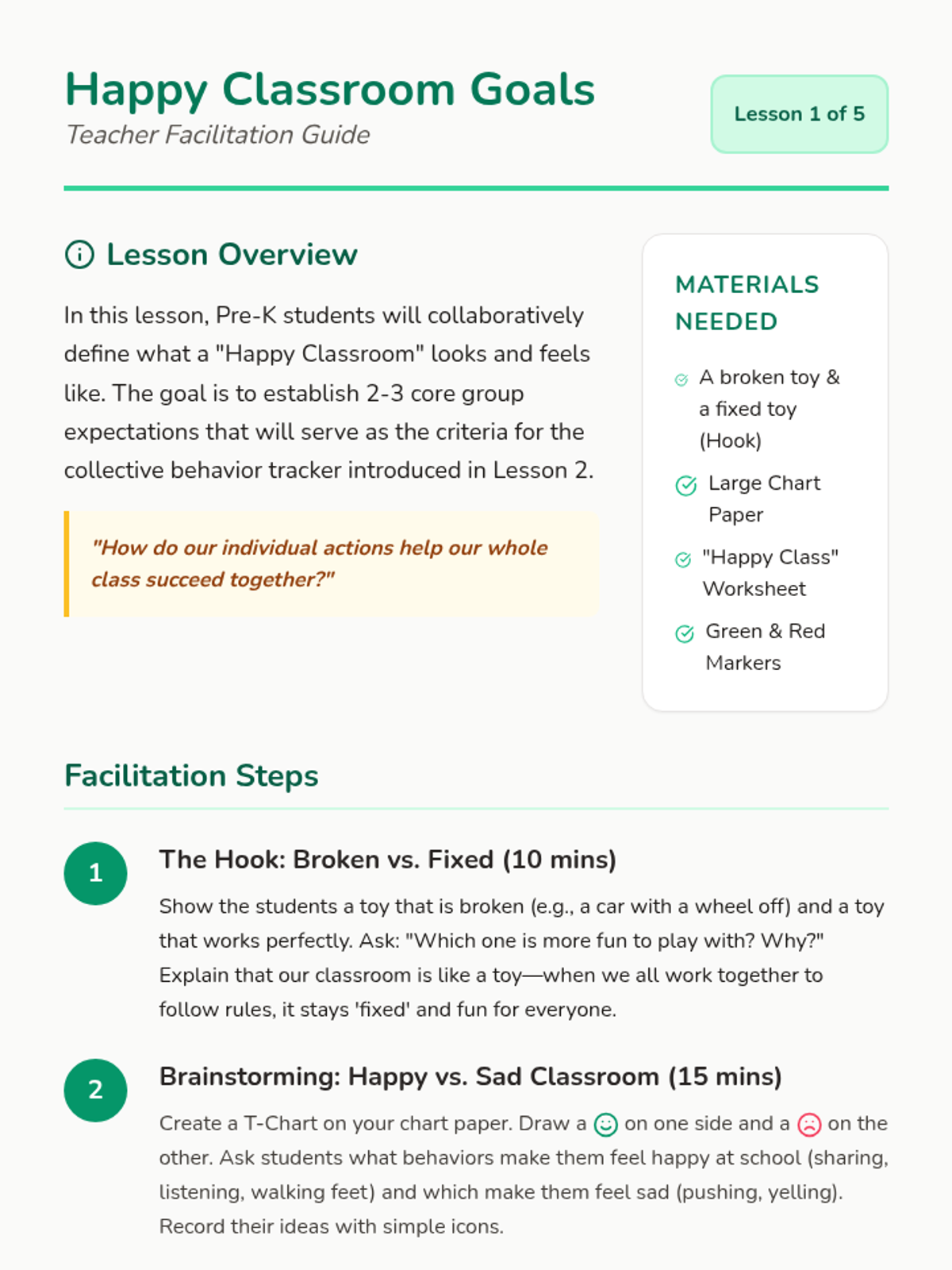
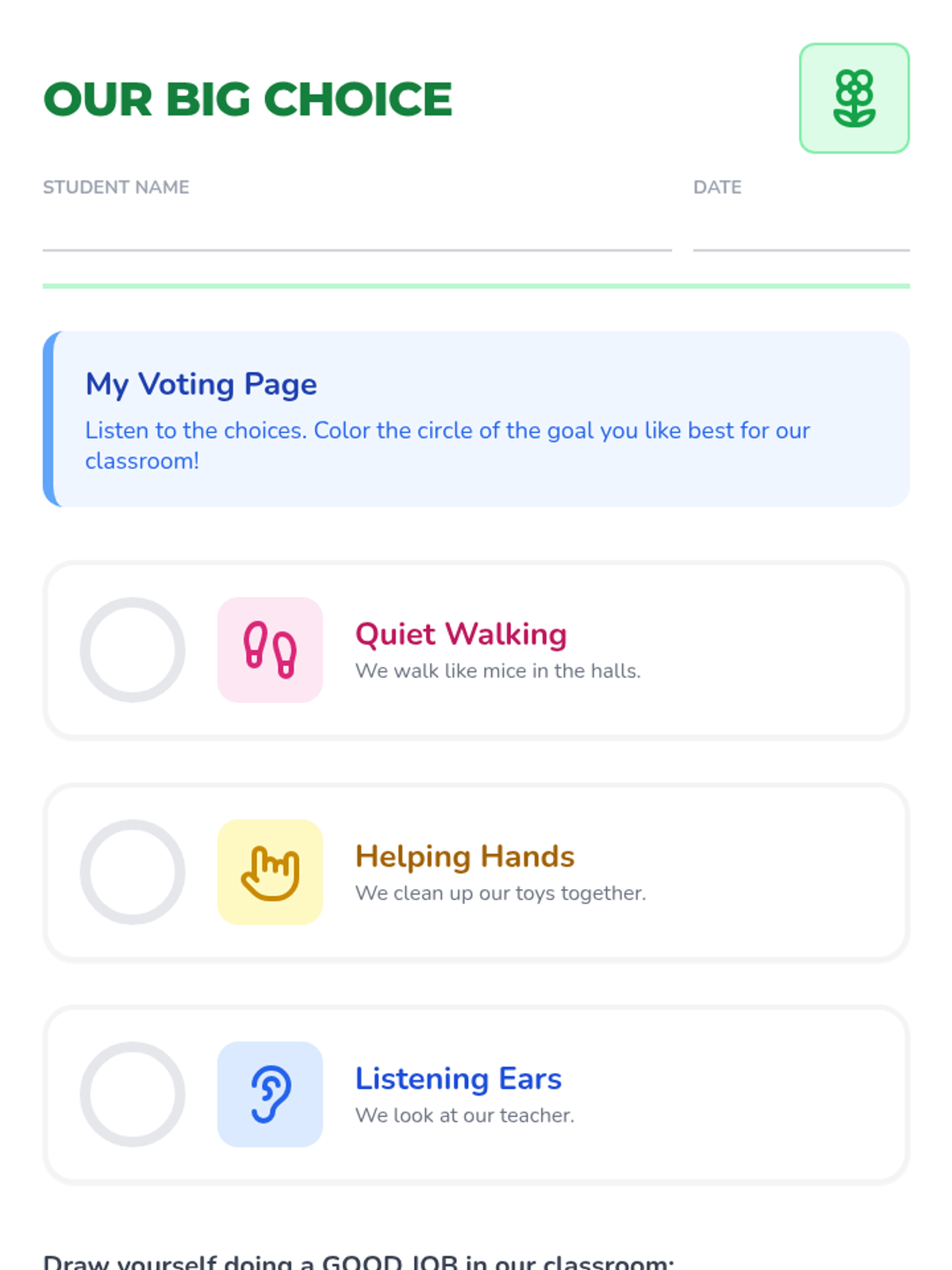
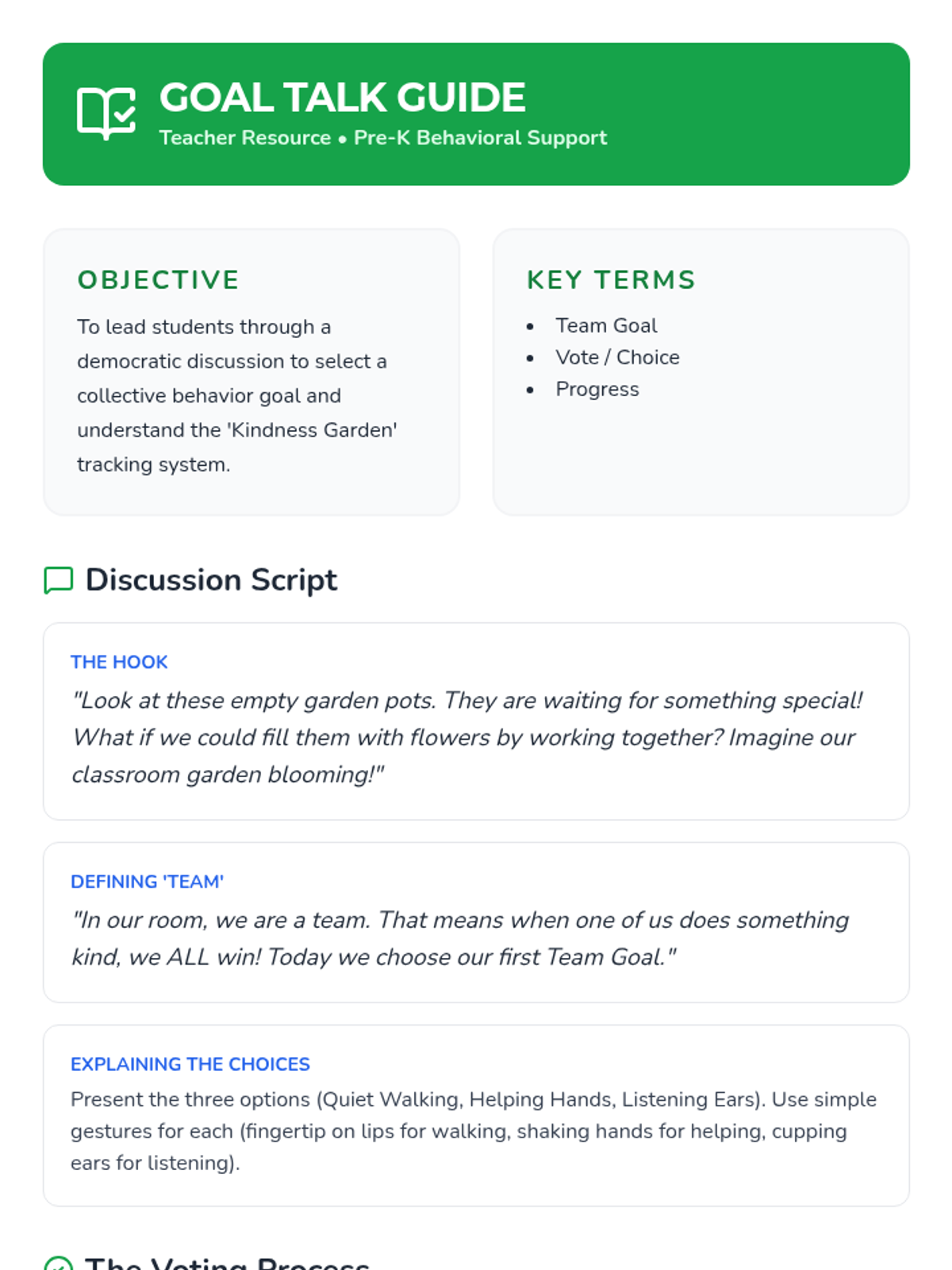
This sequence introduces Pre-K students to the concept of collective responsibility and group goals through a shared behavior tracking system. Using a 'Good Choice Garden' theme, students learn to set goals, track their group's progress, observe positive behaviors in their peers, and celebrate their combined success.
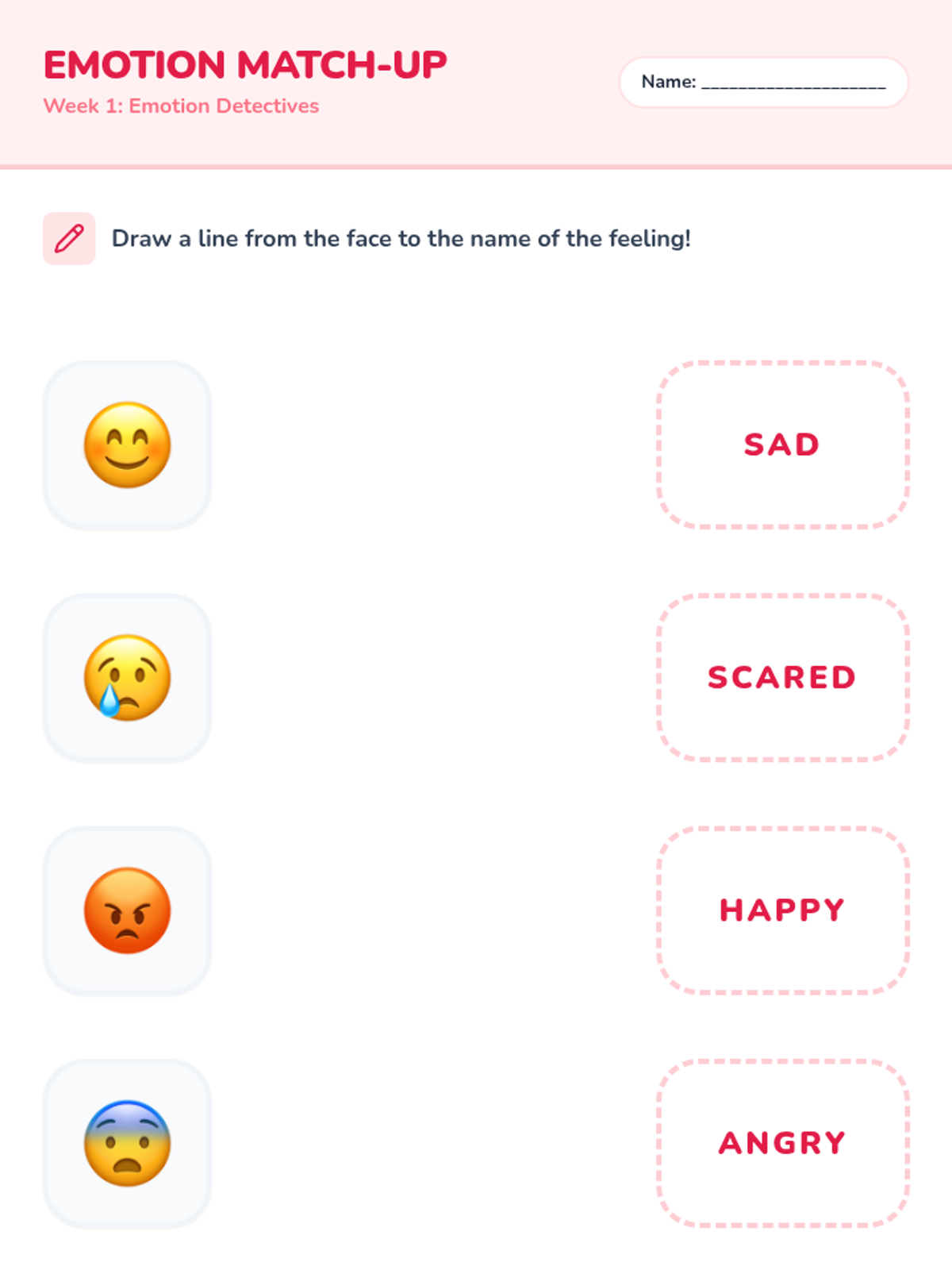
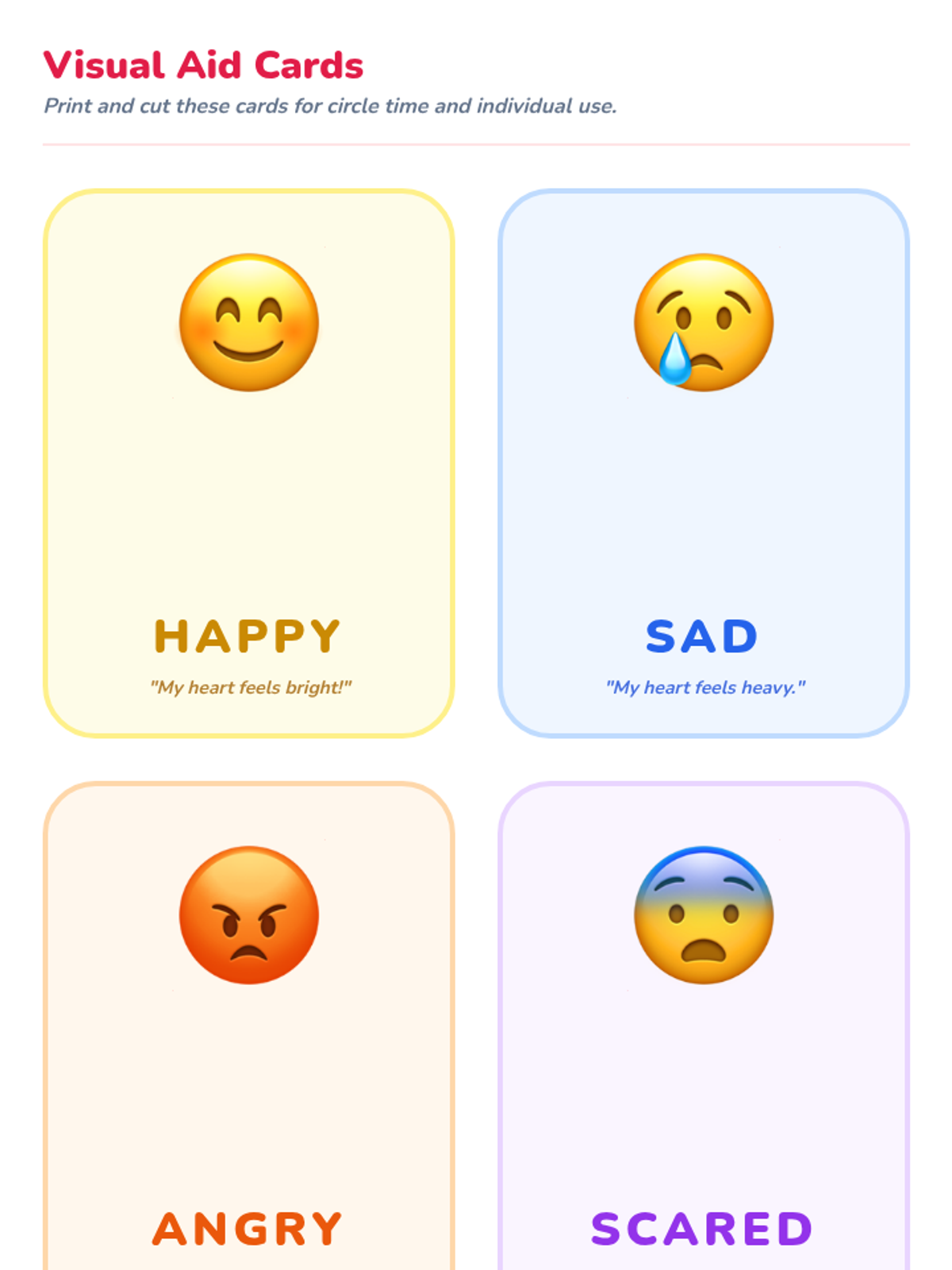
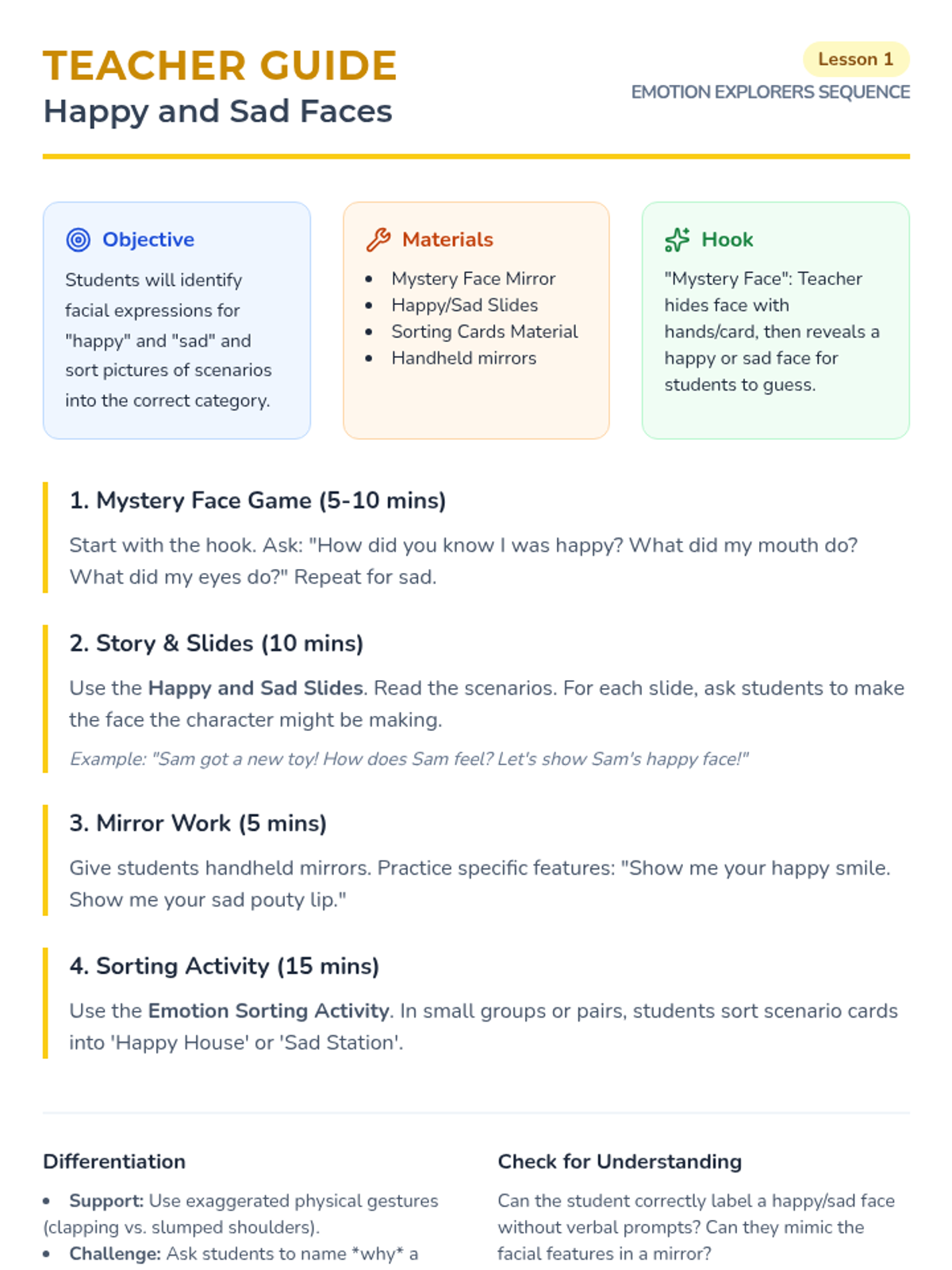
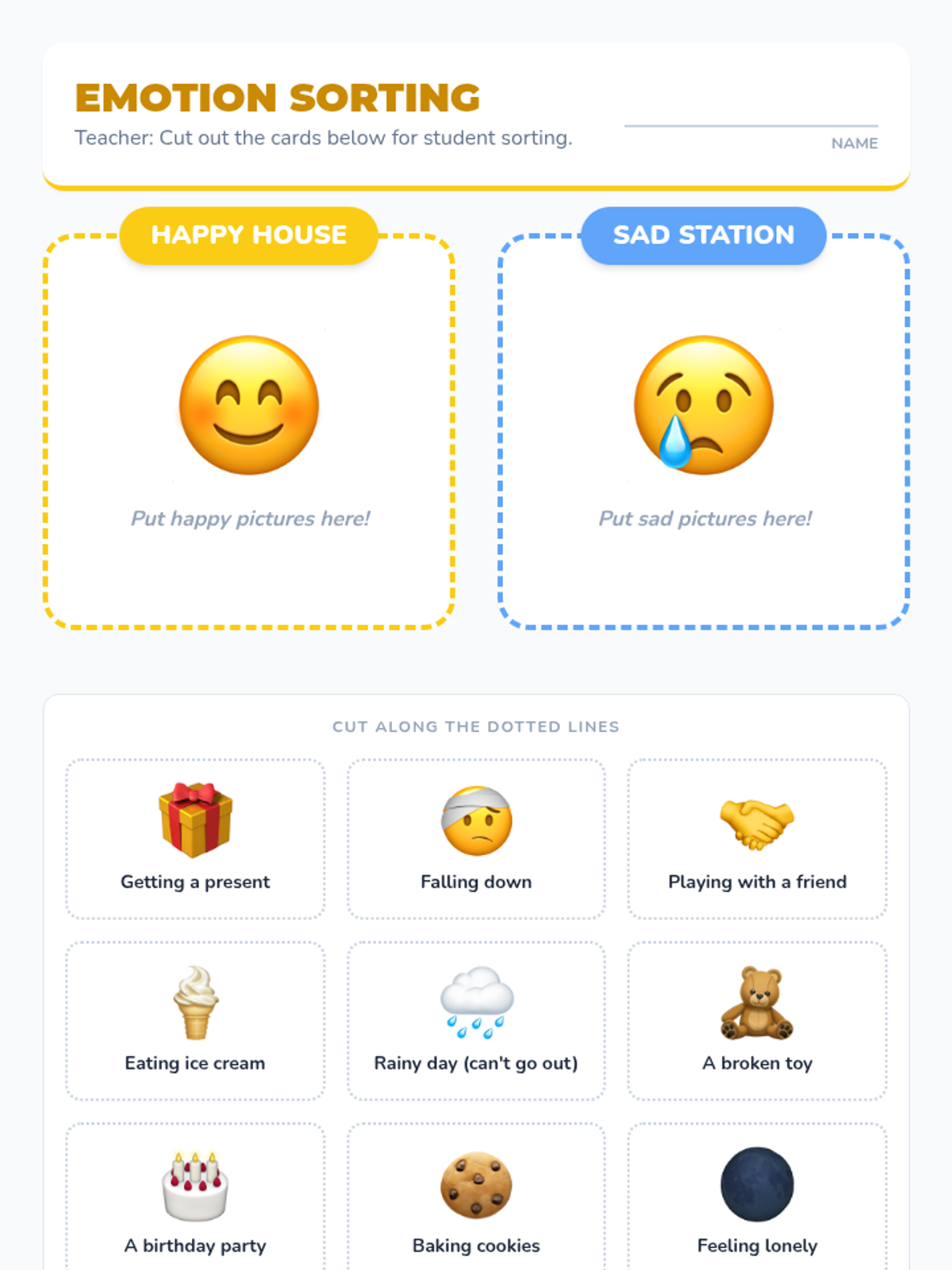
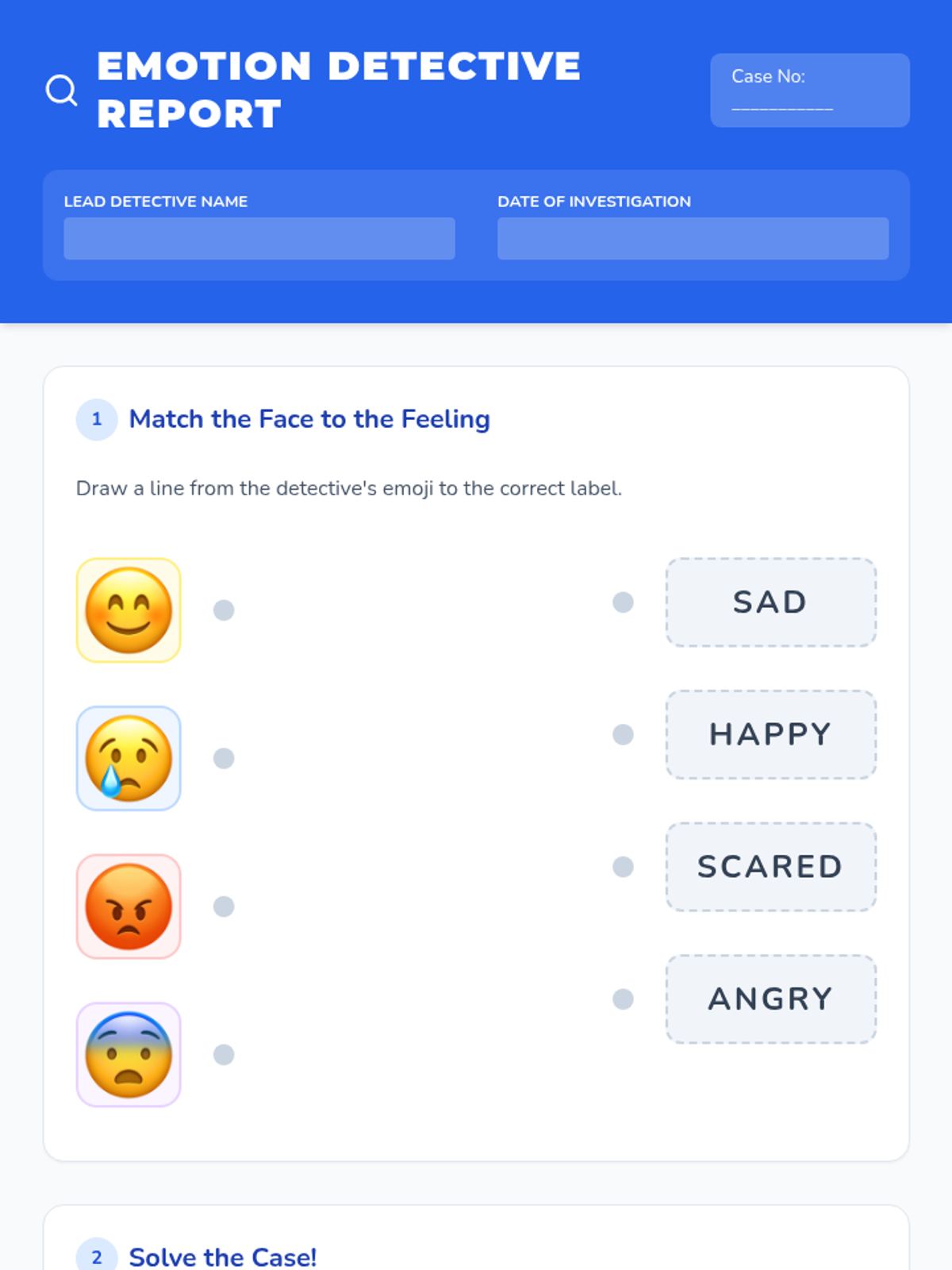
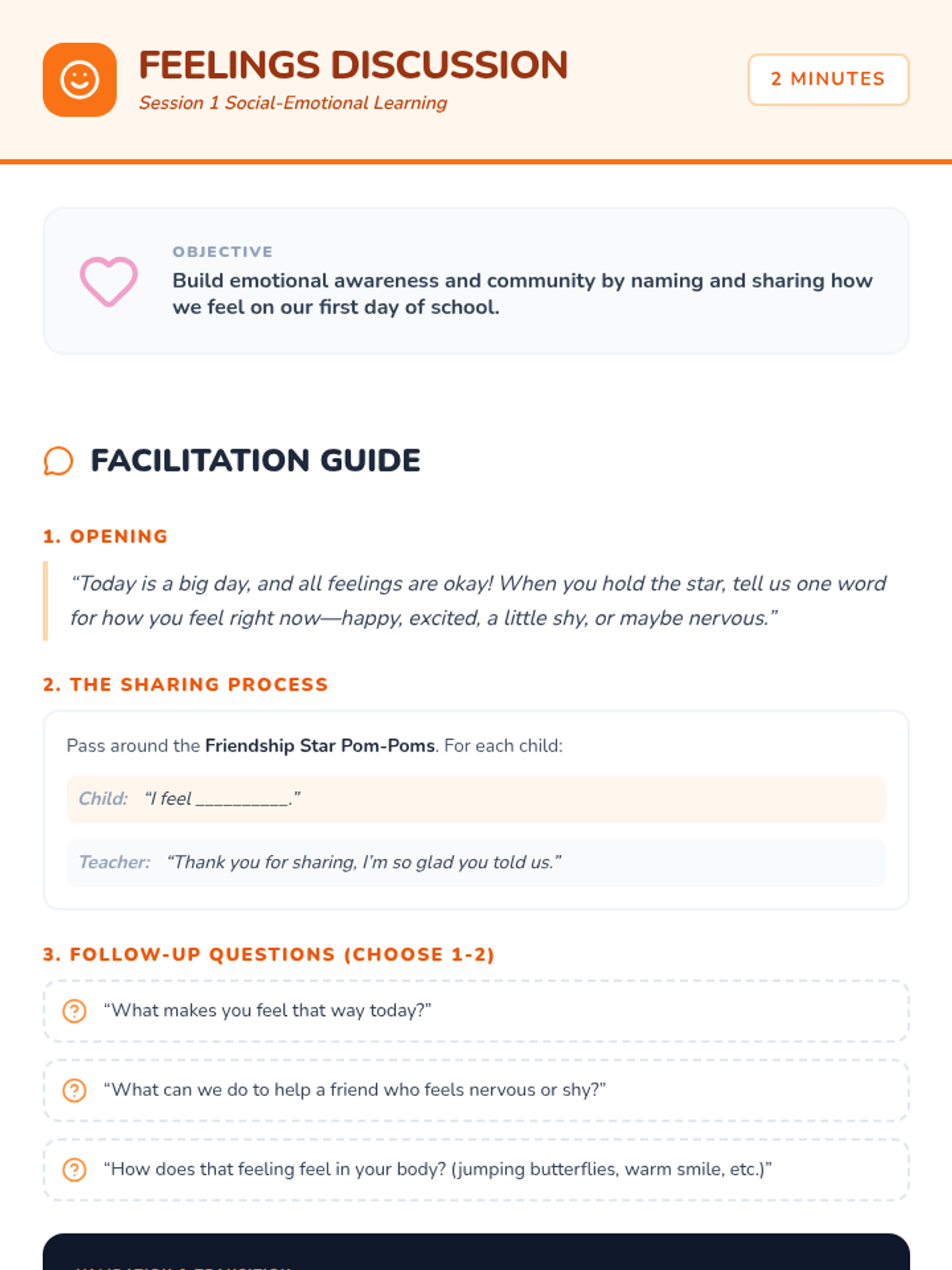
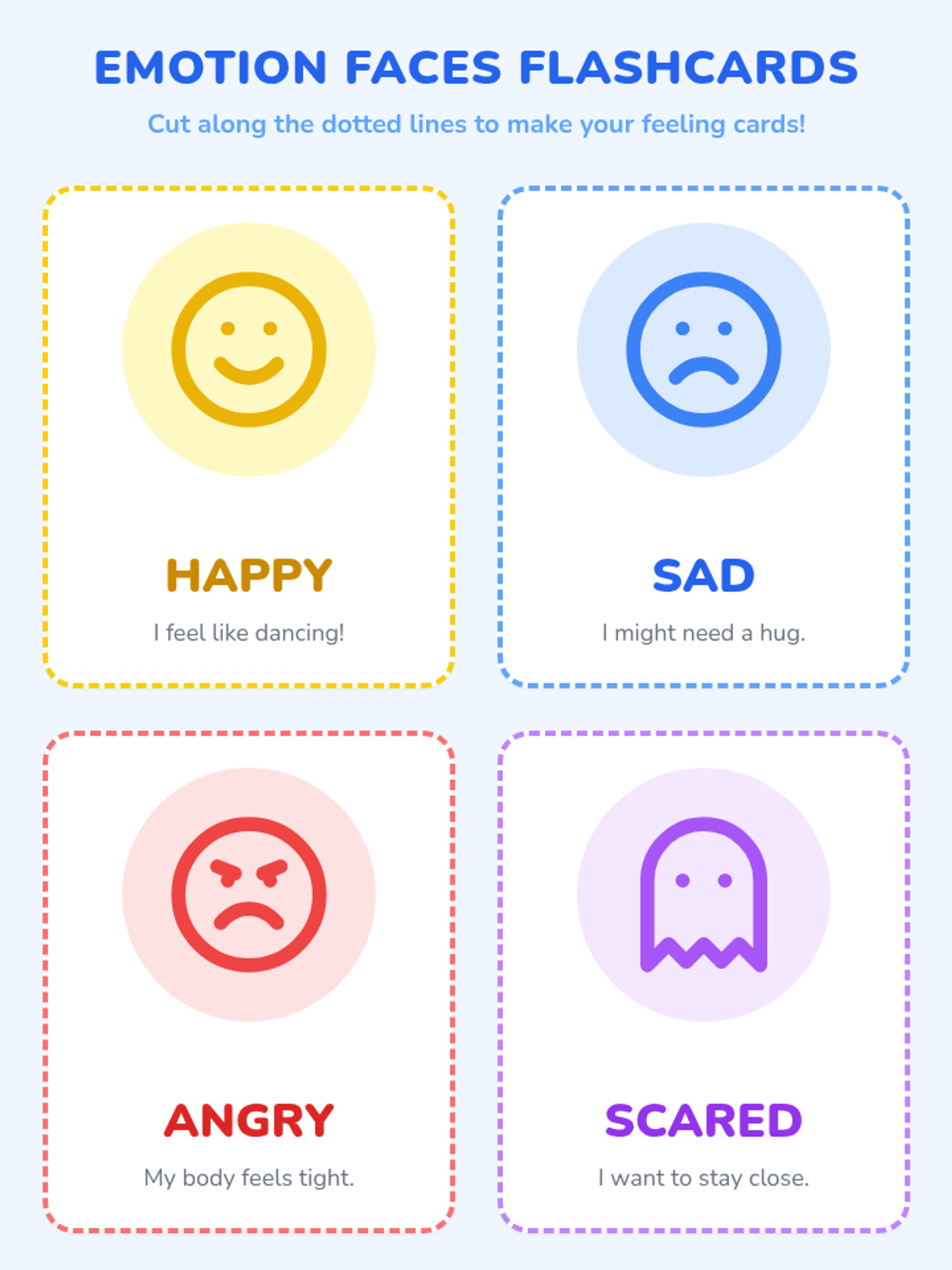
A 5-lesson unit for Pre-K students focused on emotional literacy and self-regulation. Students learn to identify emotions (happy, sad, angry), recognize body sensations, and utilize positive behavior supports like deep breathing and requesting breaks through personalized social stories.
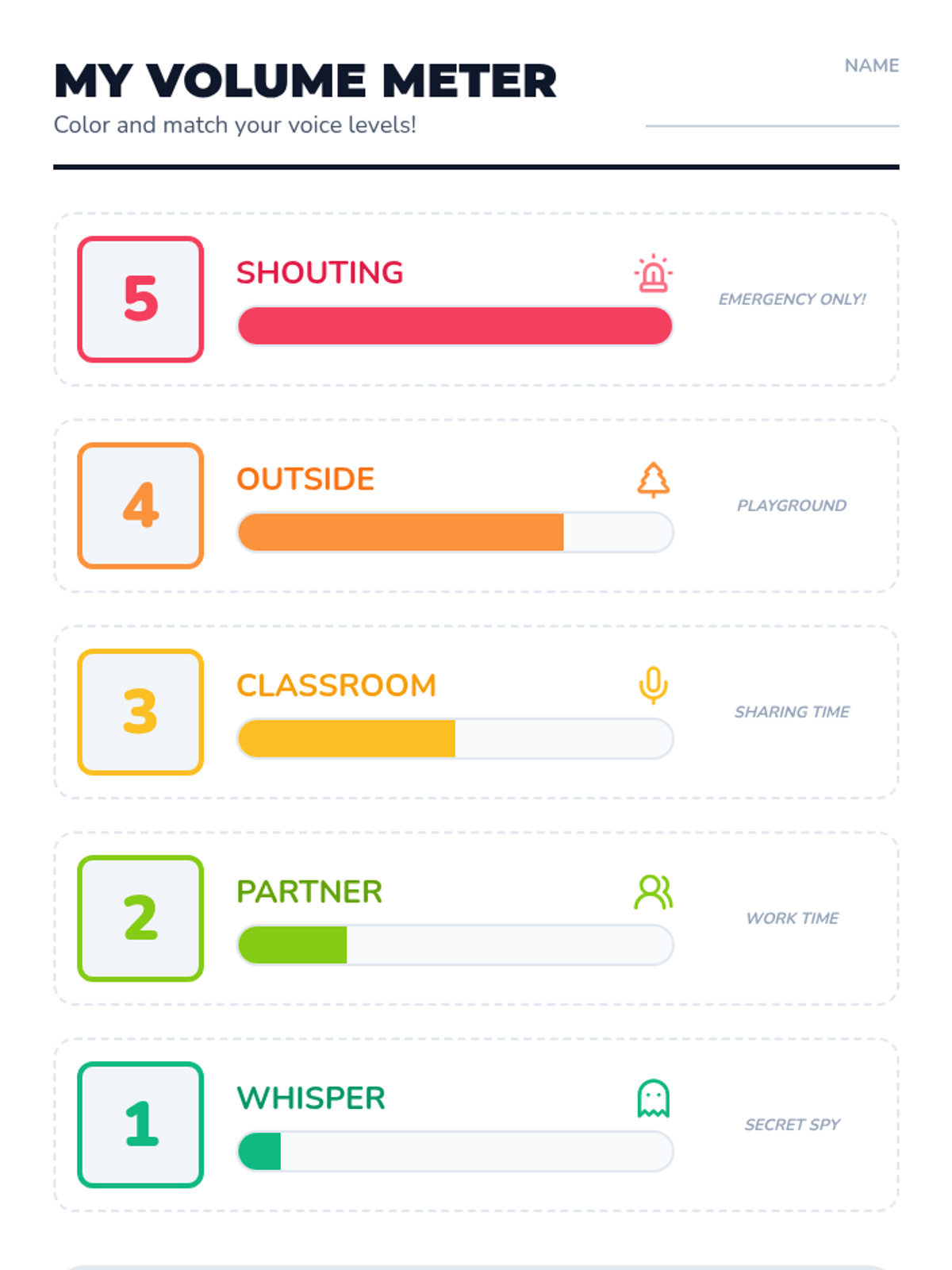
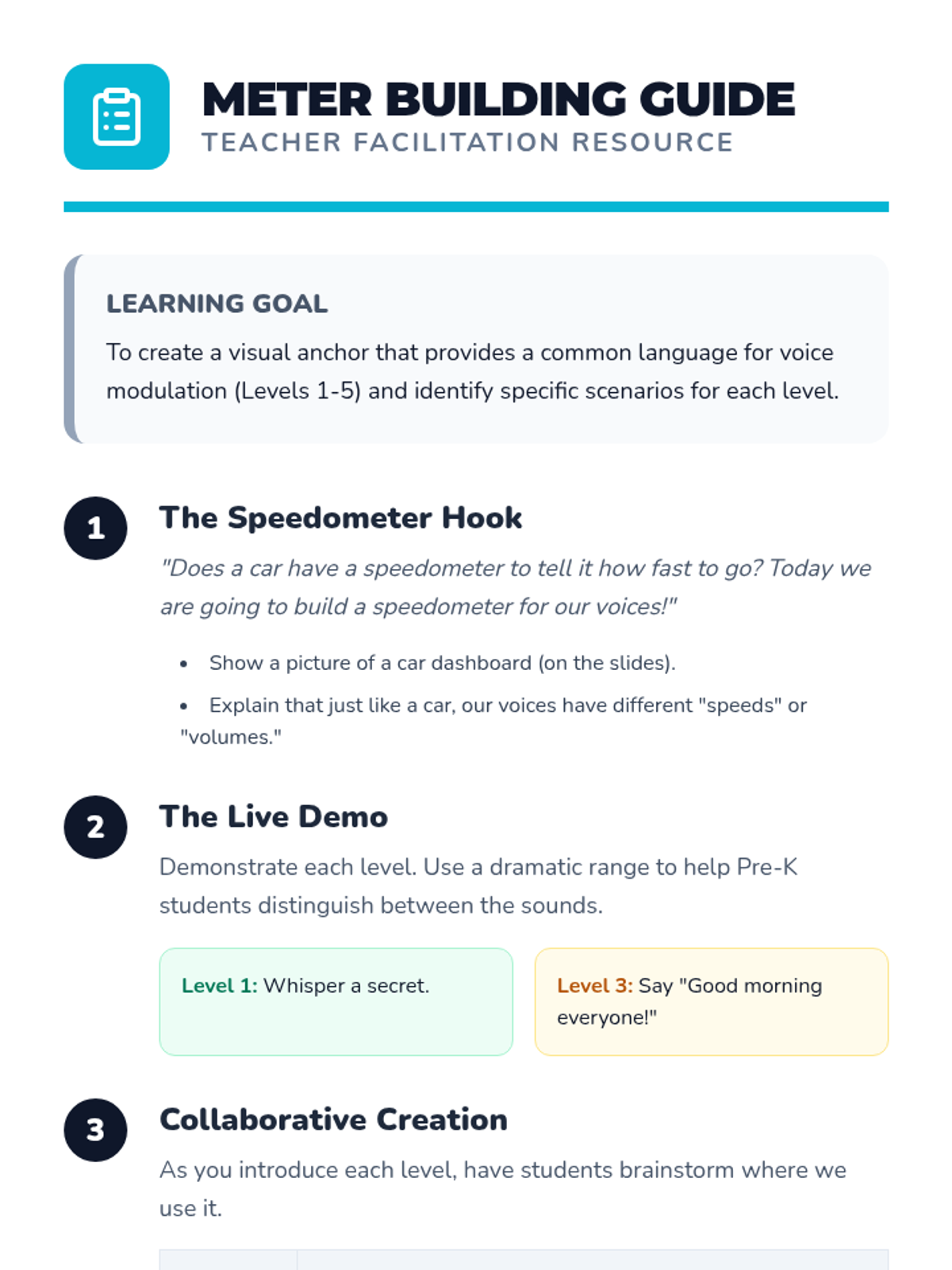
A comprehensive sequence for Pre-K students focusing on visual supports for voice modulation. Students learn to use a 5-level volume meter to match their voices to various classroom activities through play-based and mastery-focused workshops.
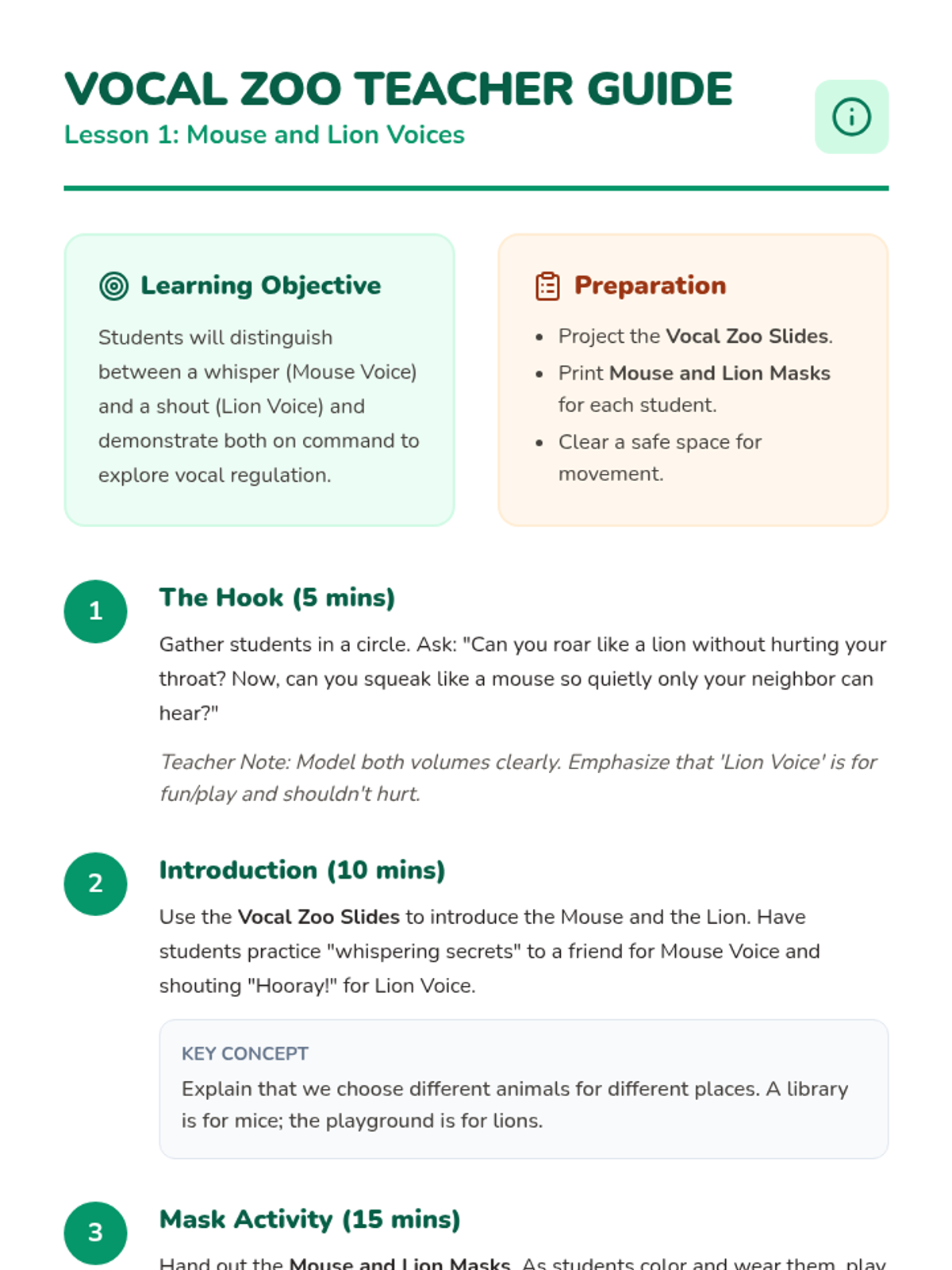
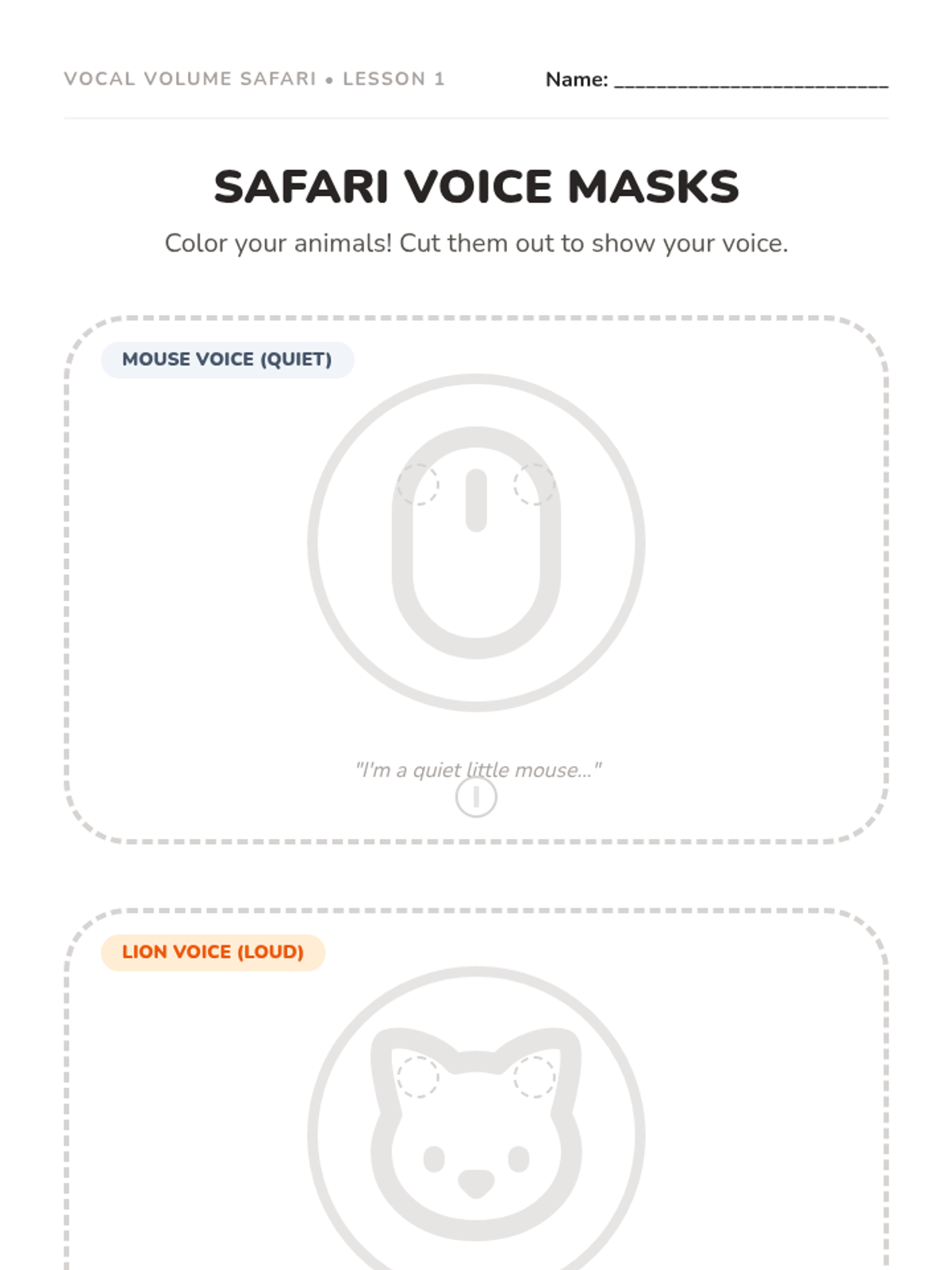
A game-based sequence using animal personas (Mouse, Lion, Puppy) to help Pre-K students regulate their vocal volume and understand social context for different voice levels.
A Pre-K sequence focused on collective behavior tracking, moving from individual charts to a whole-class monitoring system using a 'Kindness Garden' theme. Students work together to define goals, model behaviors, and encourage one another to reach shared milestones.
A comprehensive 8-lesson intervention using the Prevent, Teach, Reinforce (PTR) model to help students transition from defiant avoidance to self-regulated break-taking.
A comprehensive therapeutic sequence focused on building emotional resilience, distress tolerance, and overcoming school avoidance using CBT and DBT principles.
A comprehensive SEL program focused on emotional literacy, self-regulation, task initiation, and social play skills for young learners. Students develop a 'toolbelt' of strategies to manage big feelings and navigate classroom challenges.
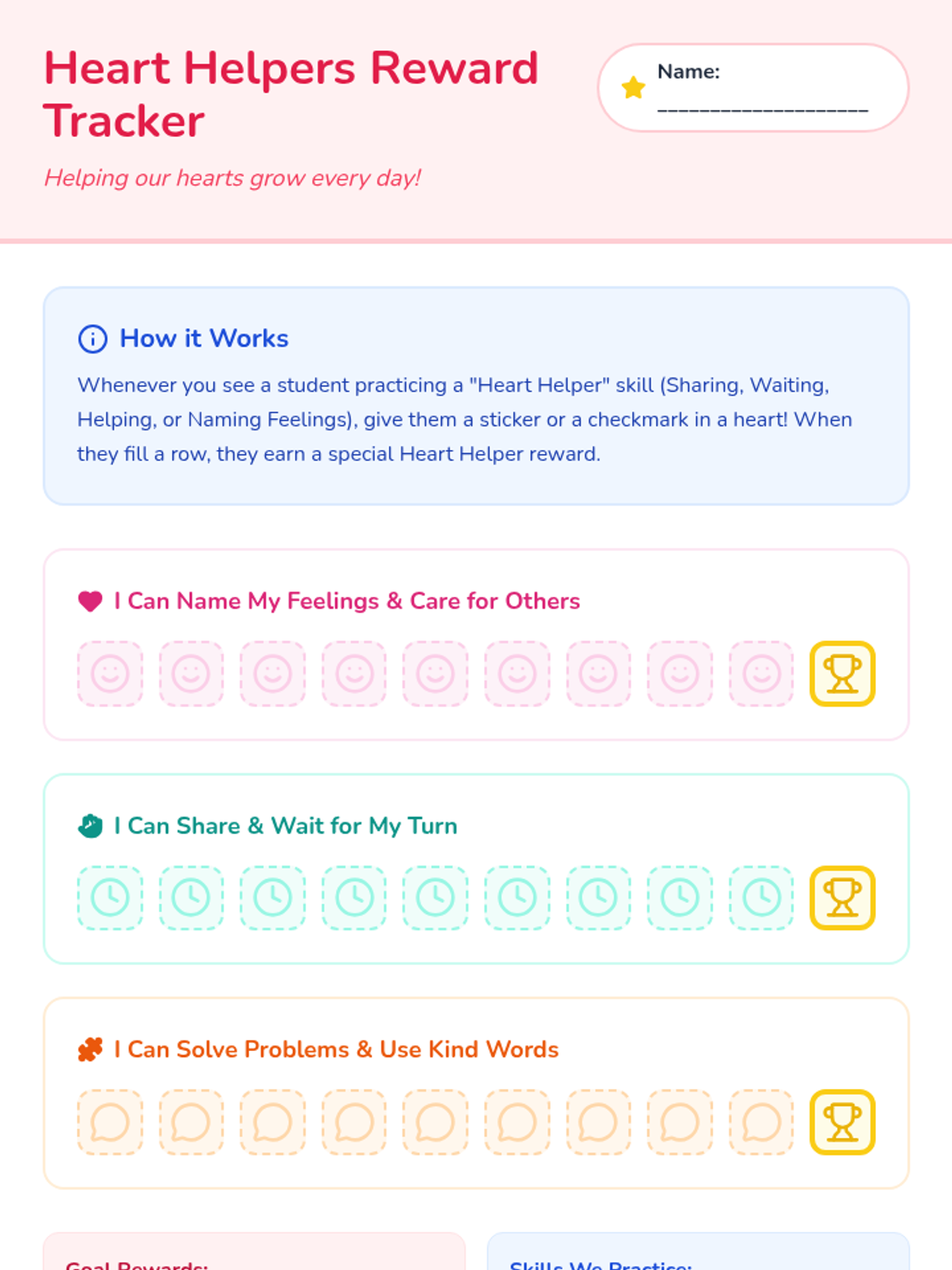
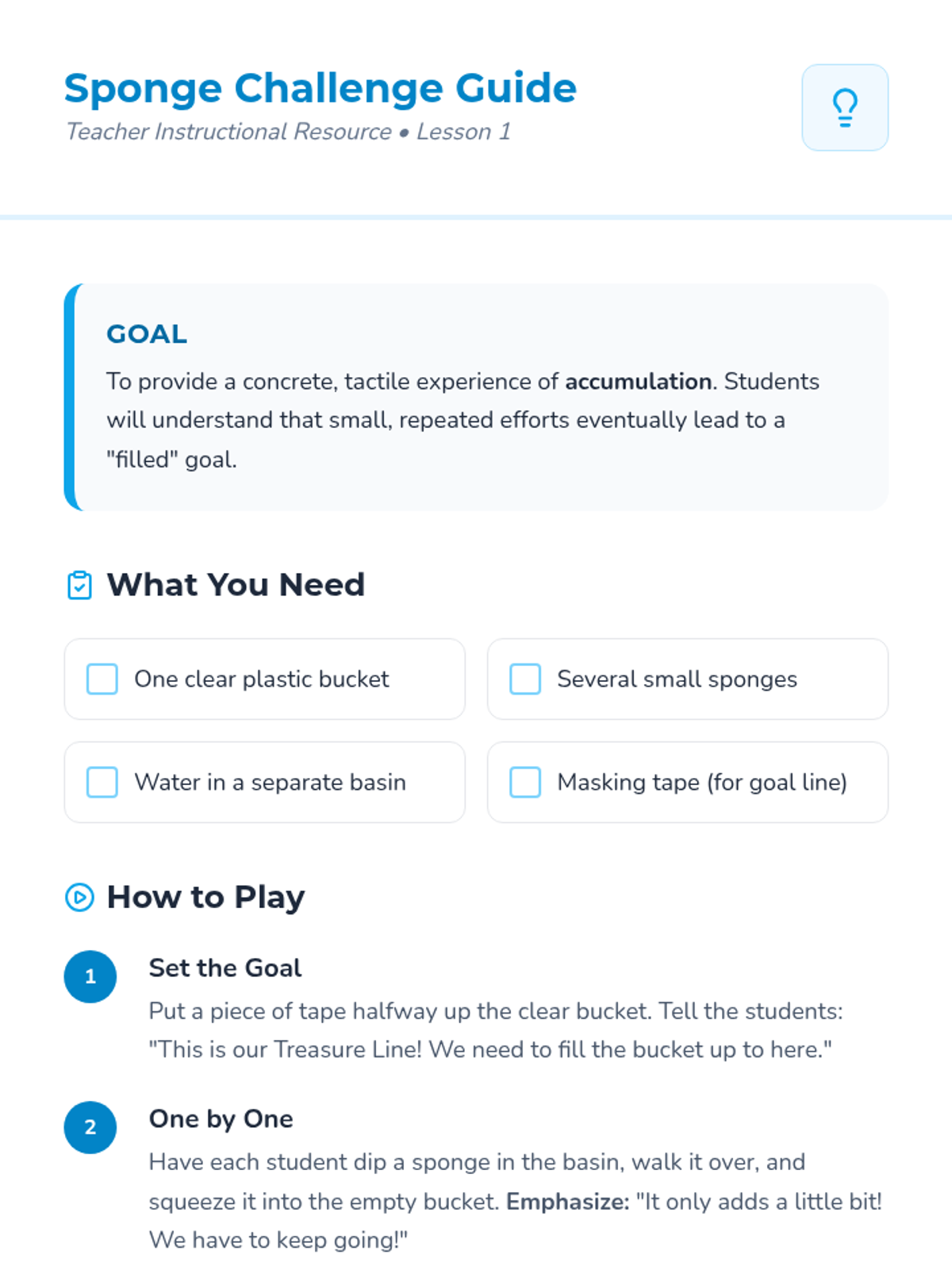
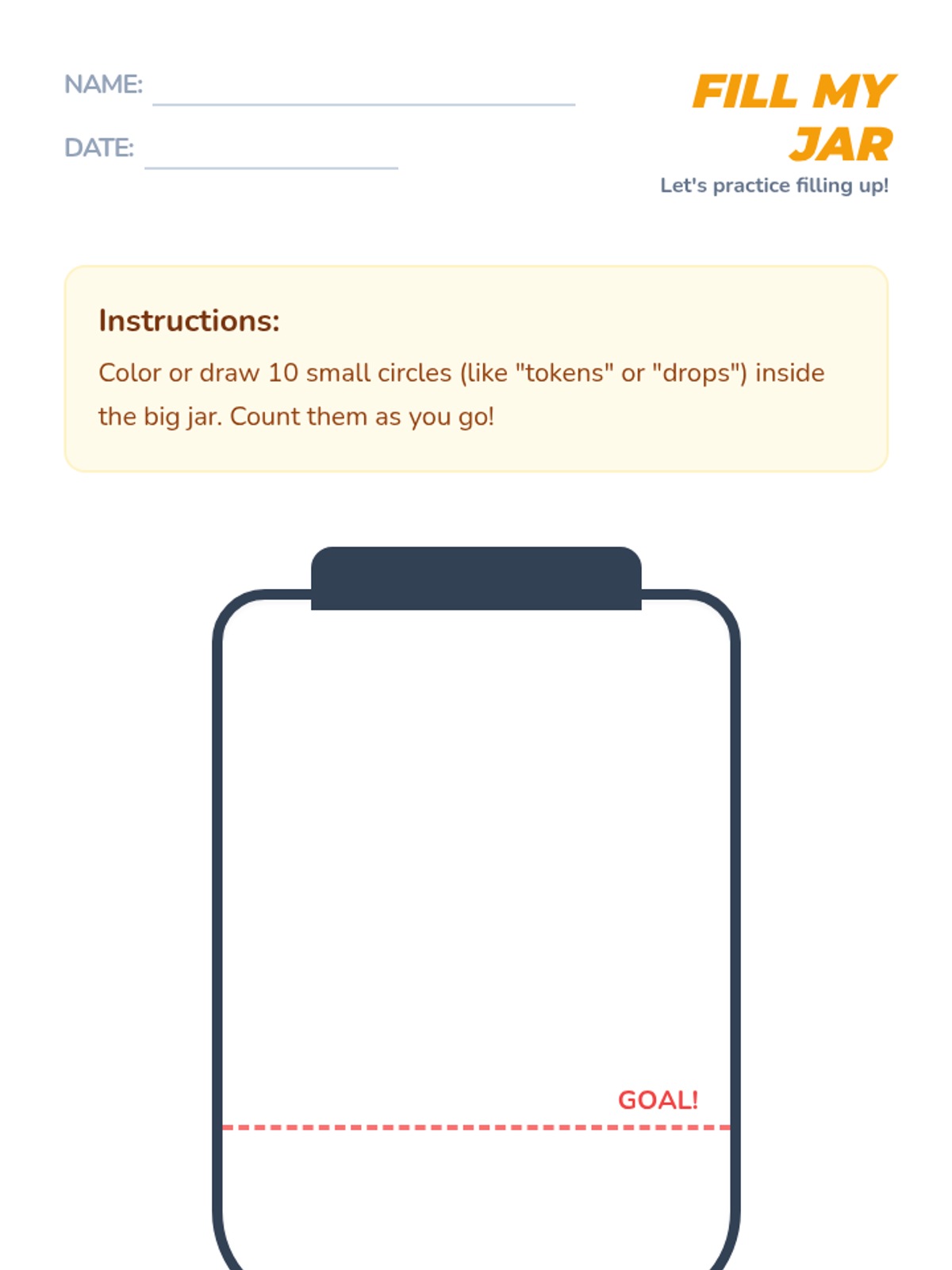
This sequence introduces Pre-K students to the concept of token economies and behavior tracking through concrete accumulation, role-playing, and practicing delayed gratification. Students learn to connect positive actions with progress on a visual chart, culminating in a celebration of effort and patience.
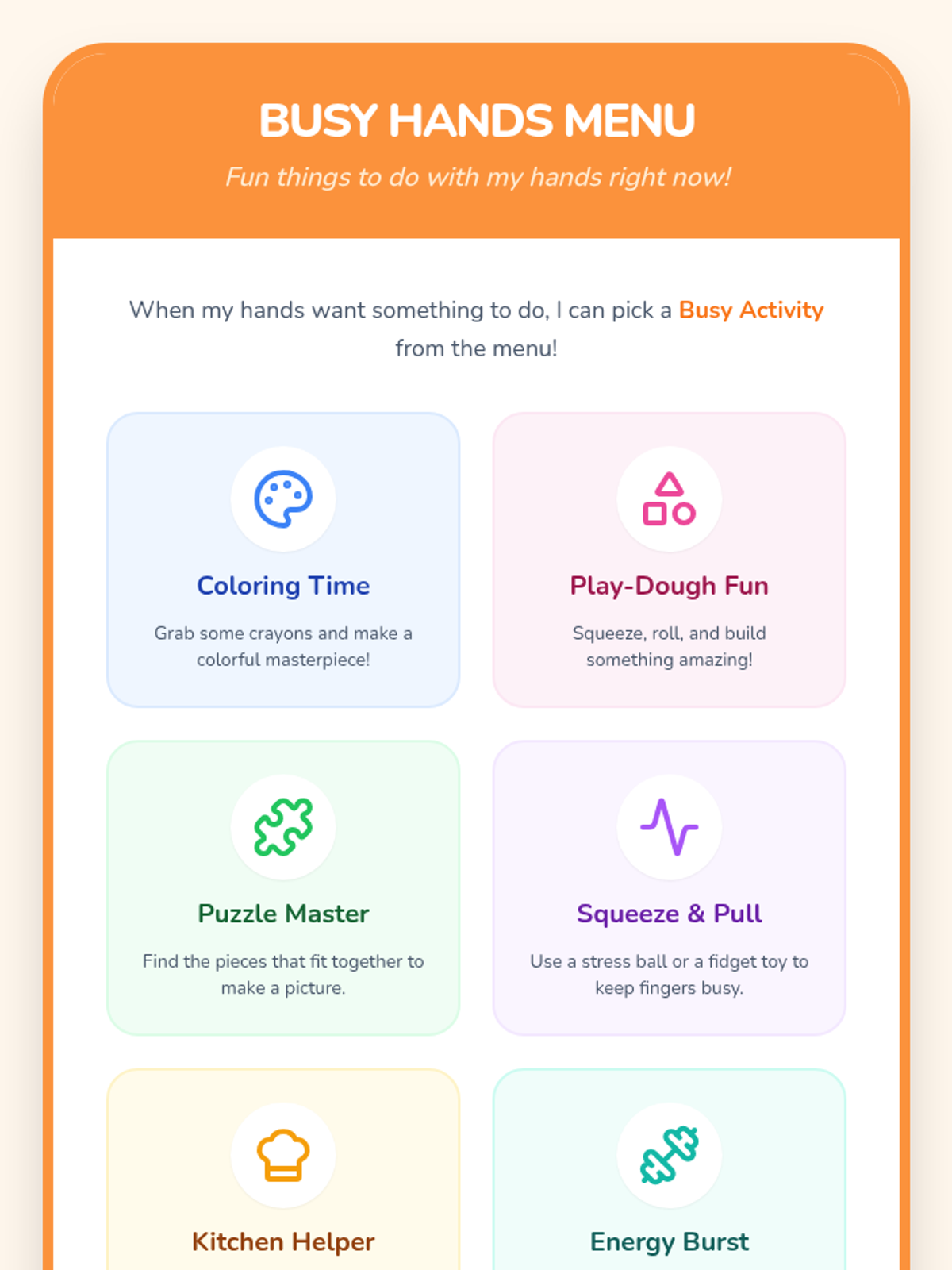
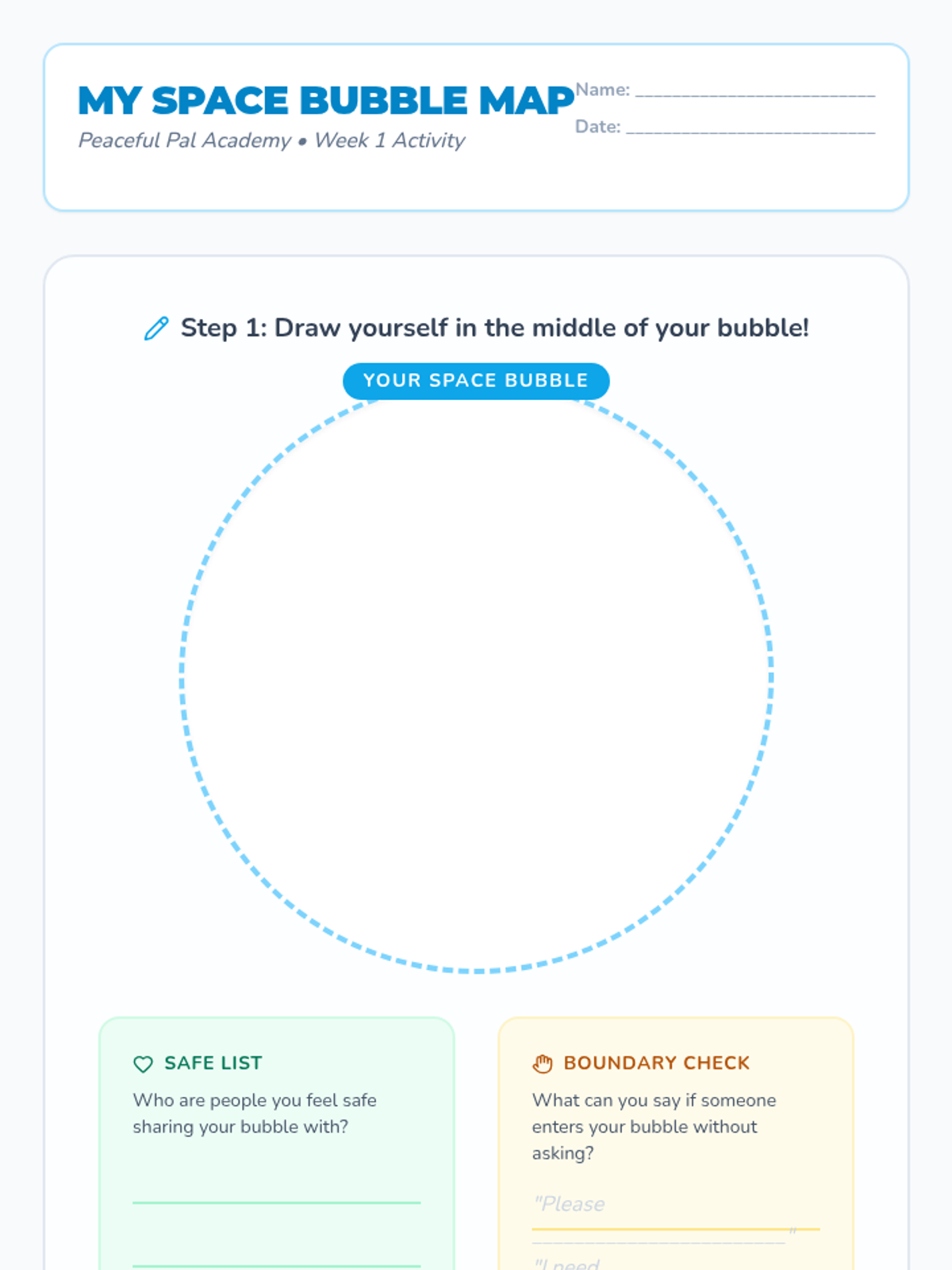
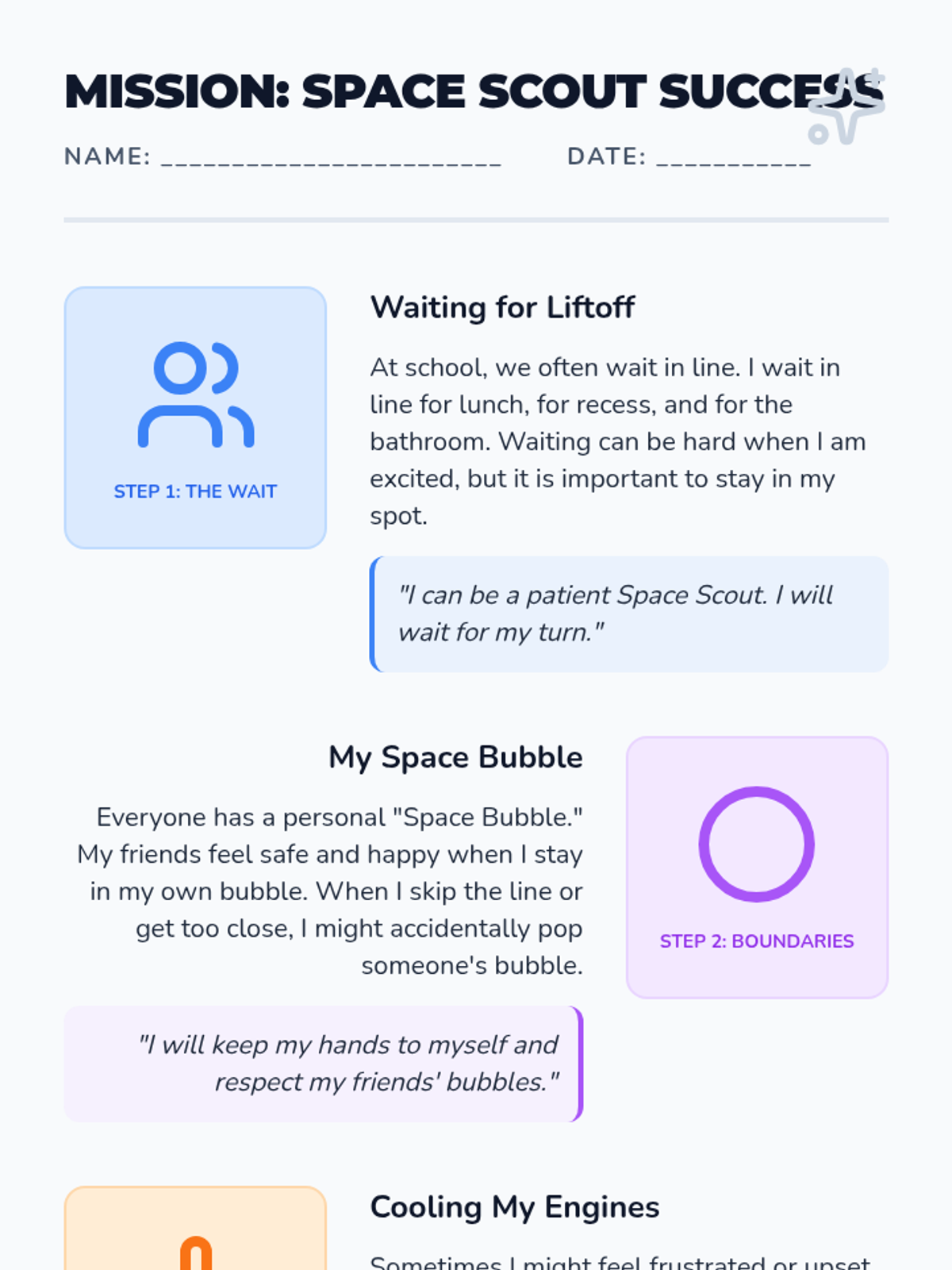
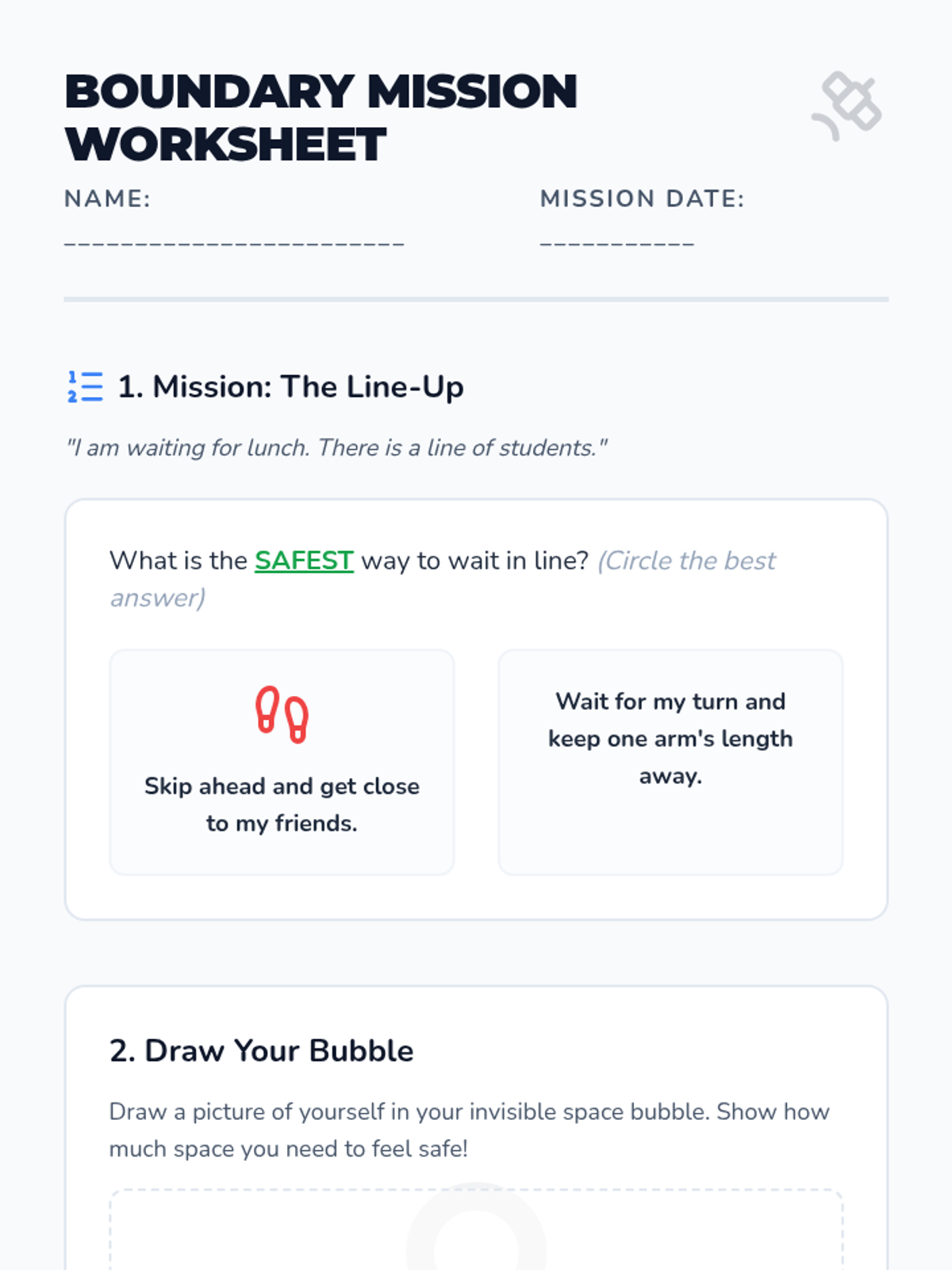
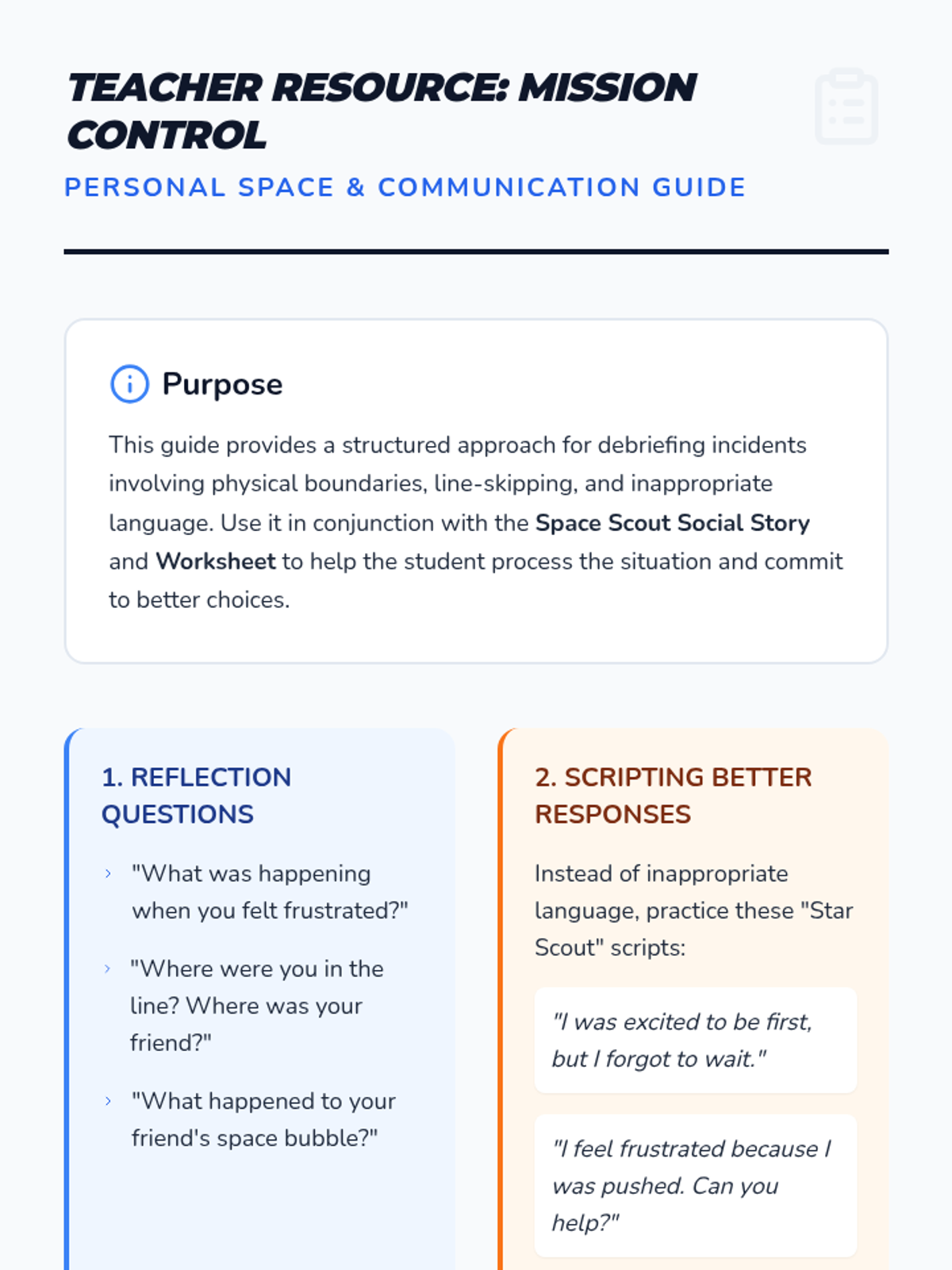
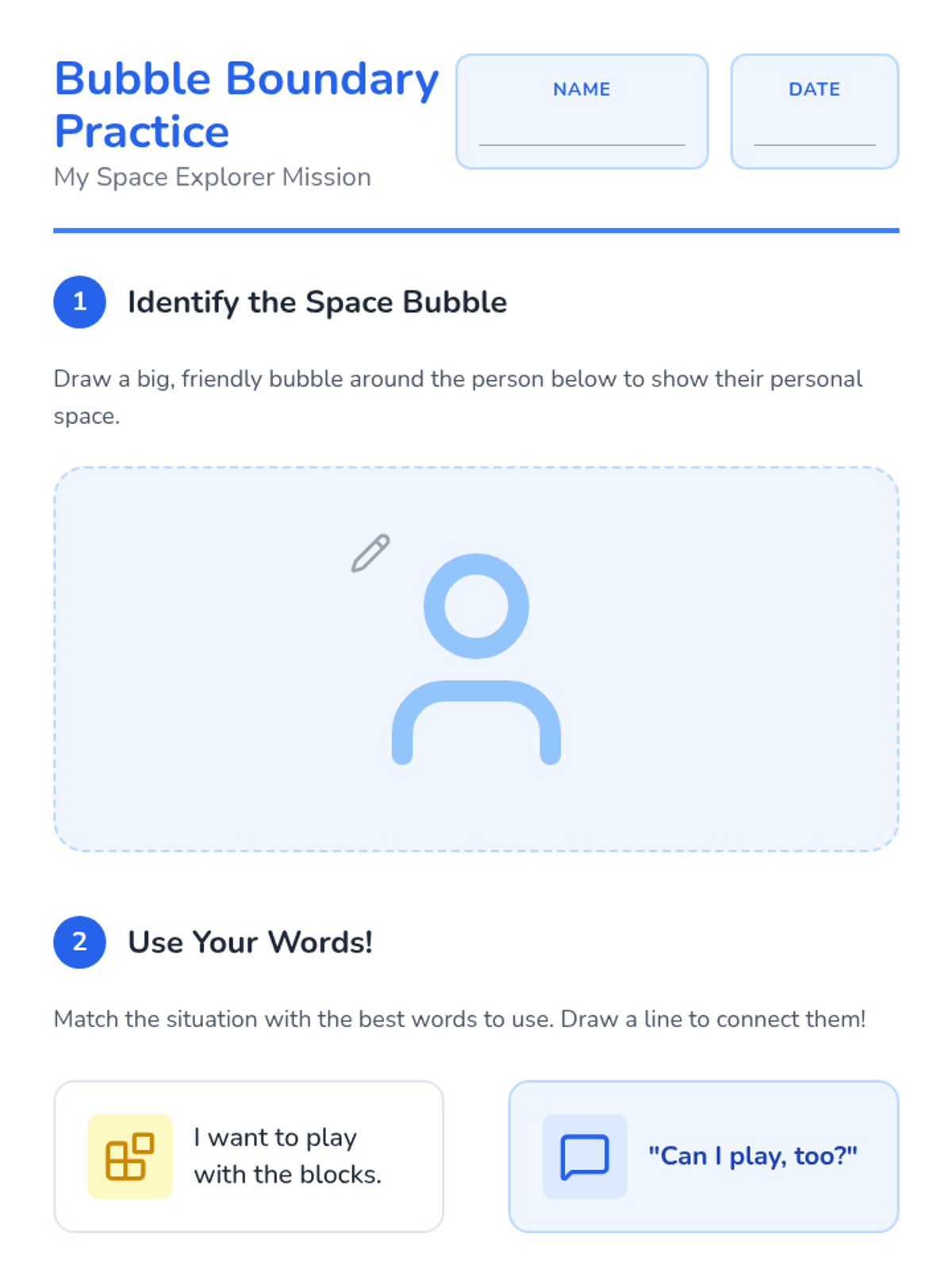
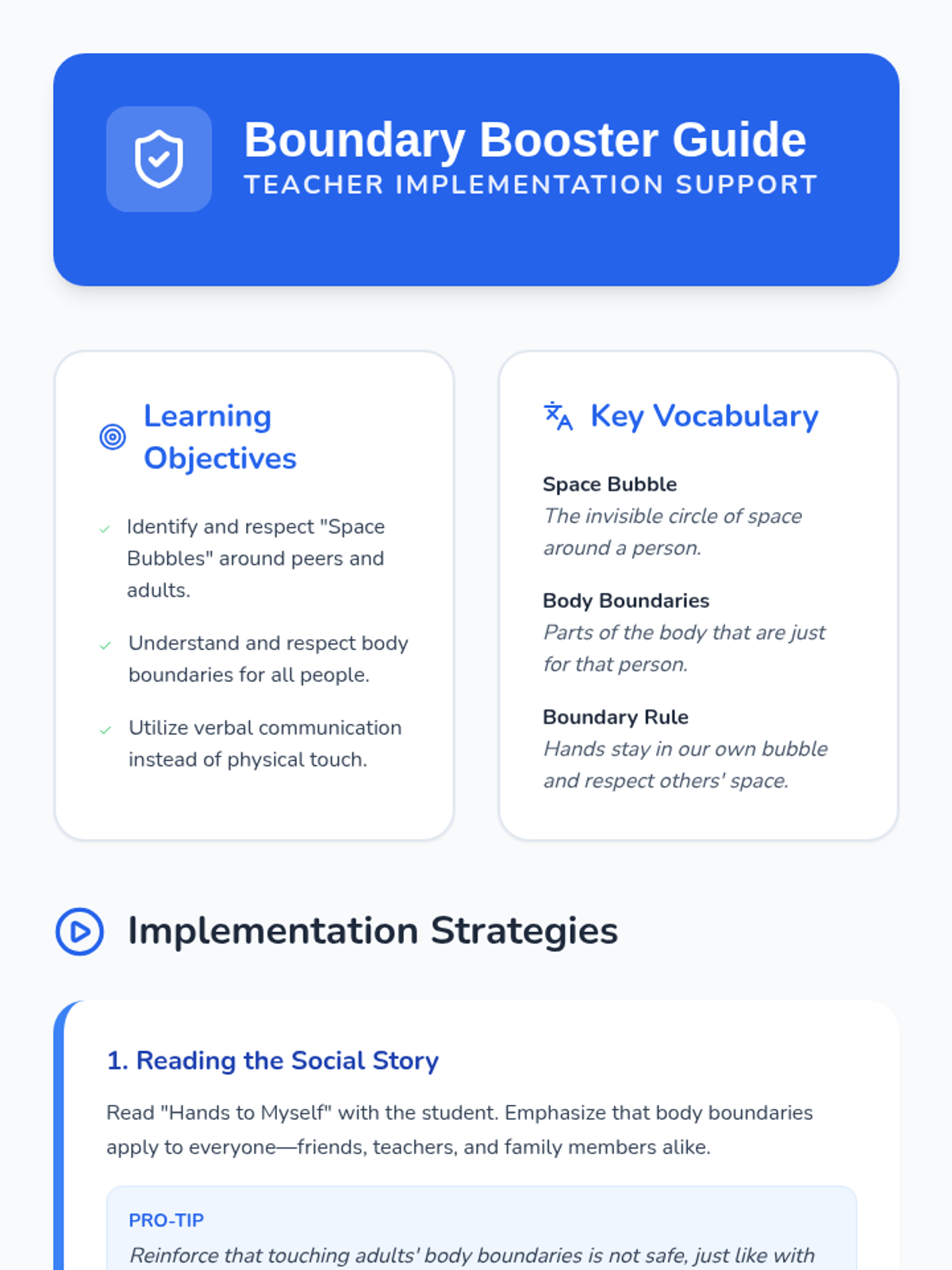
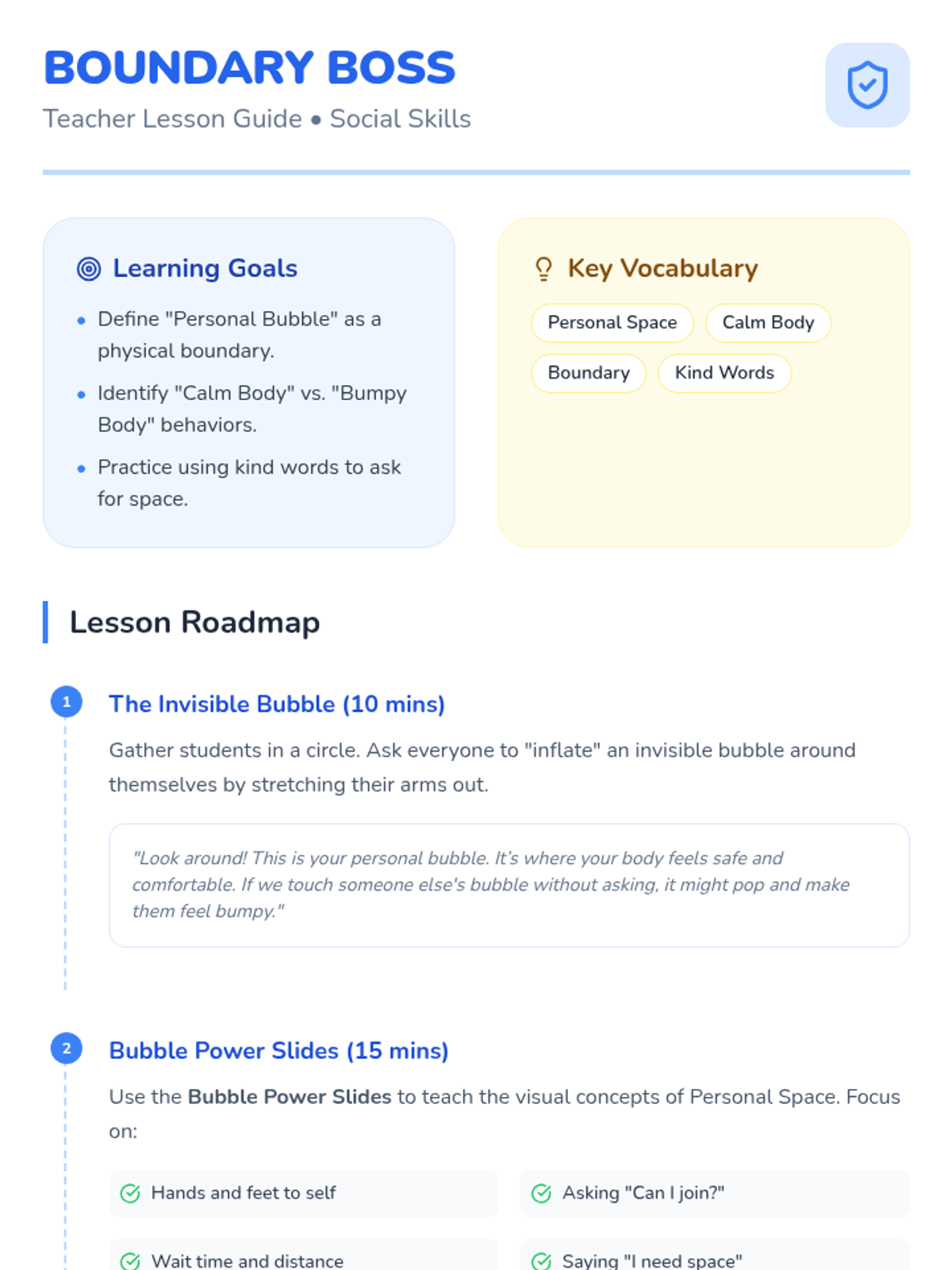
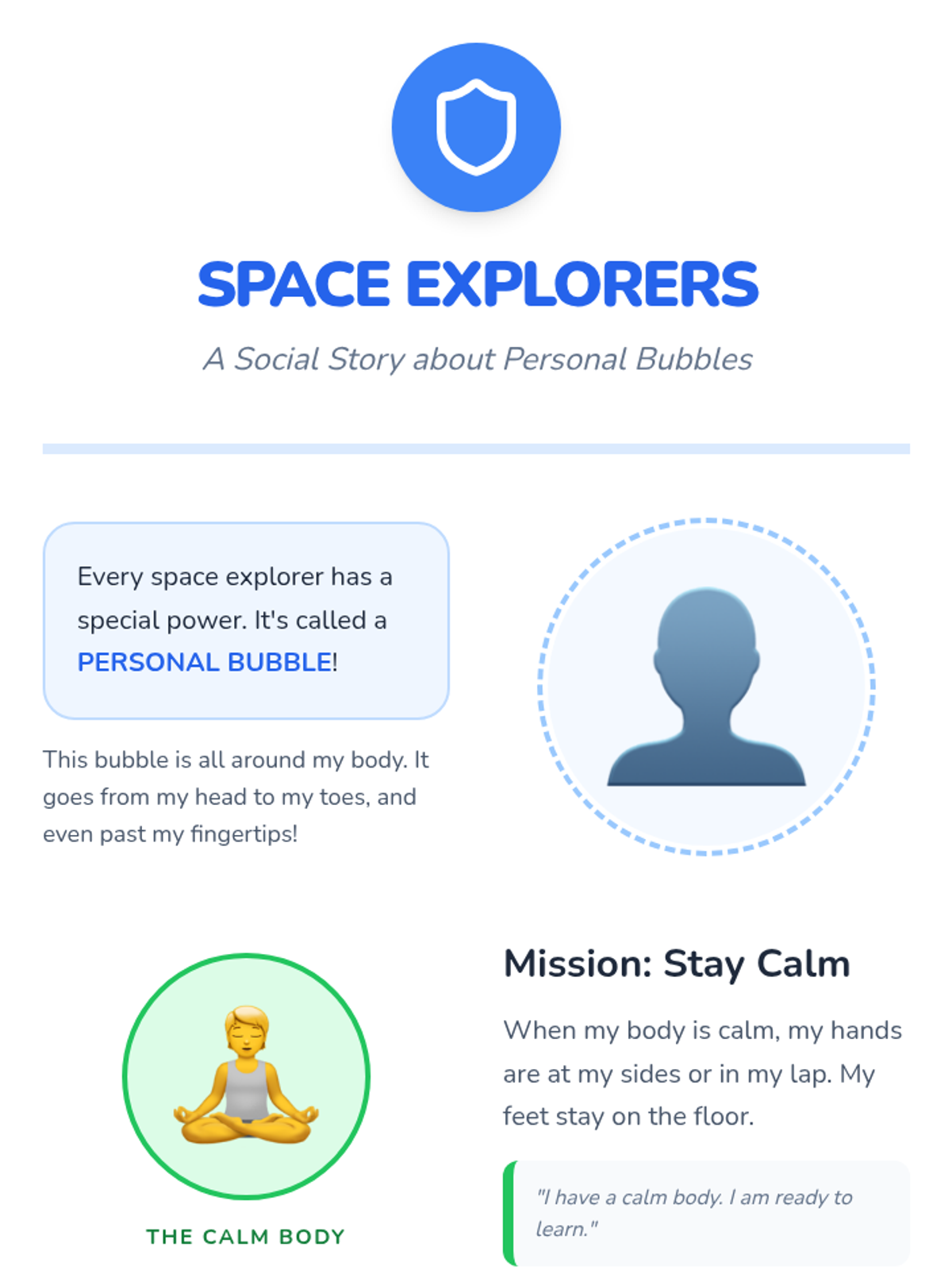
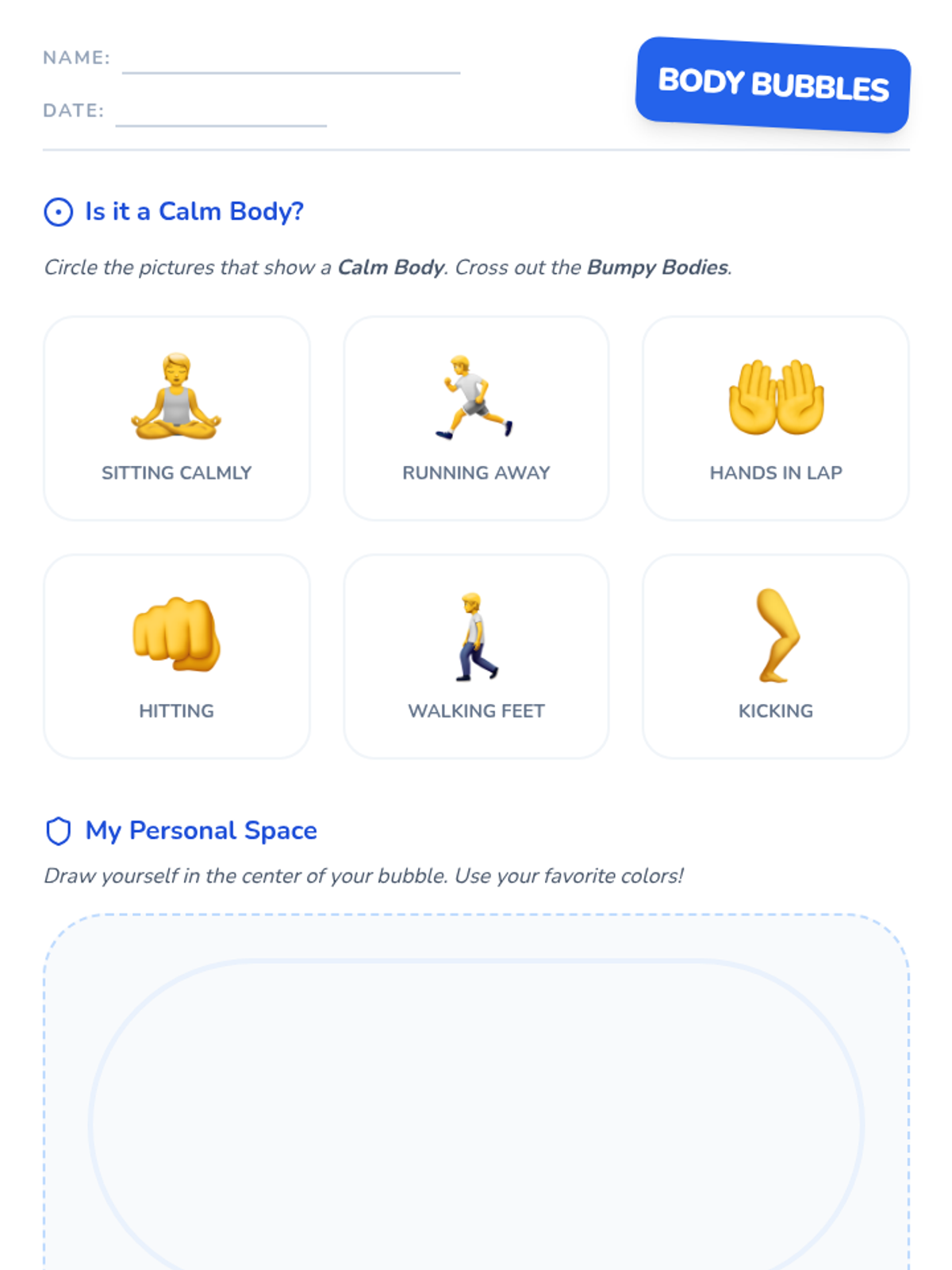
A 6-week small group social-emotional learning program designed to help students master personal boundaries, recognize emotional triggers, and utilize calm-down strategies to keep their hands to themselves.
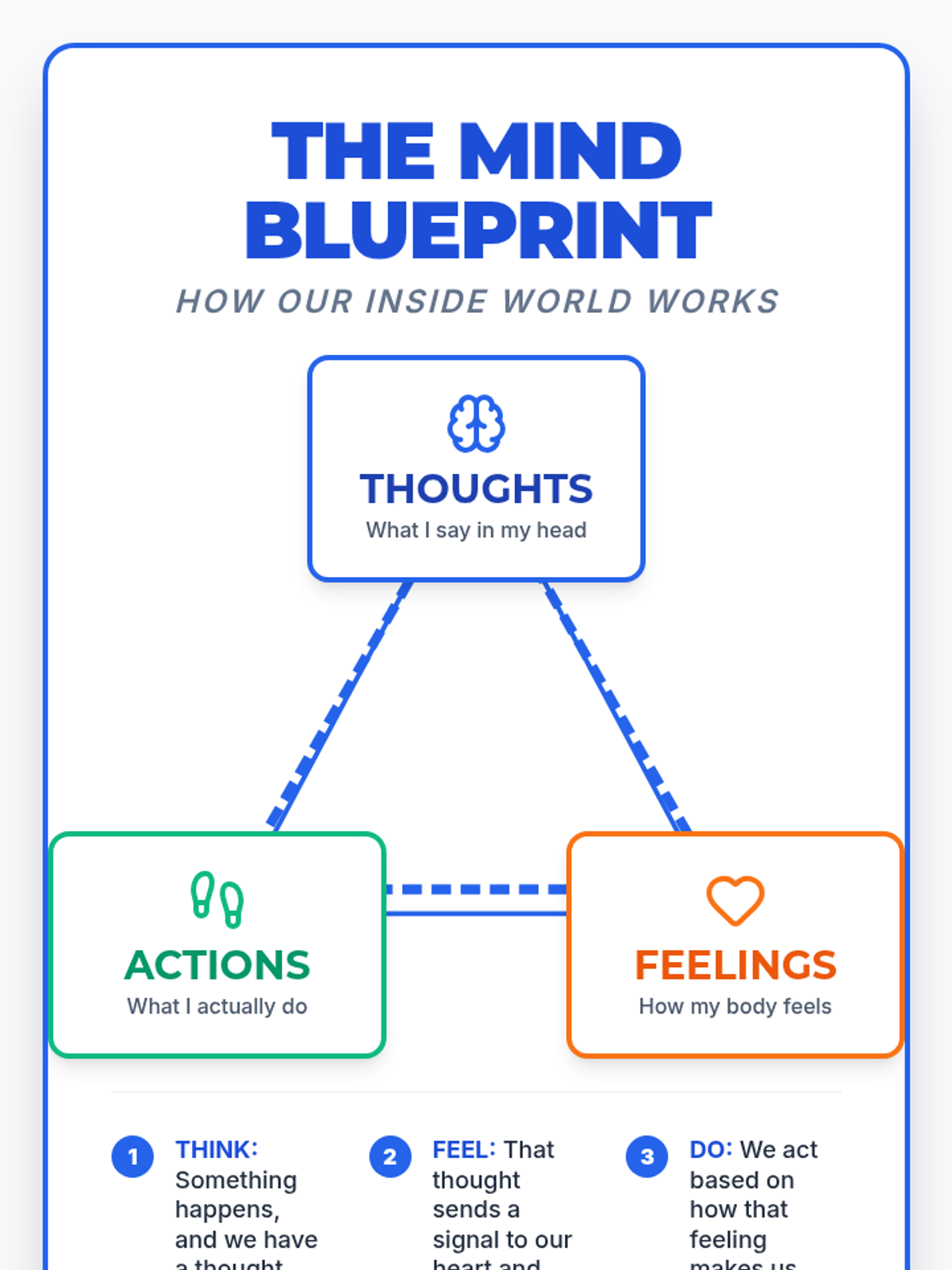
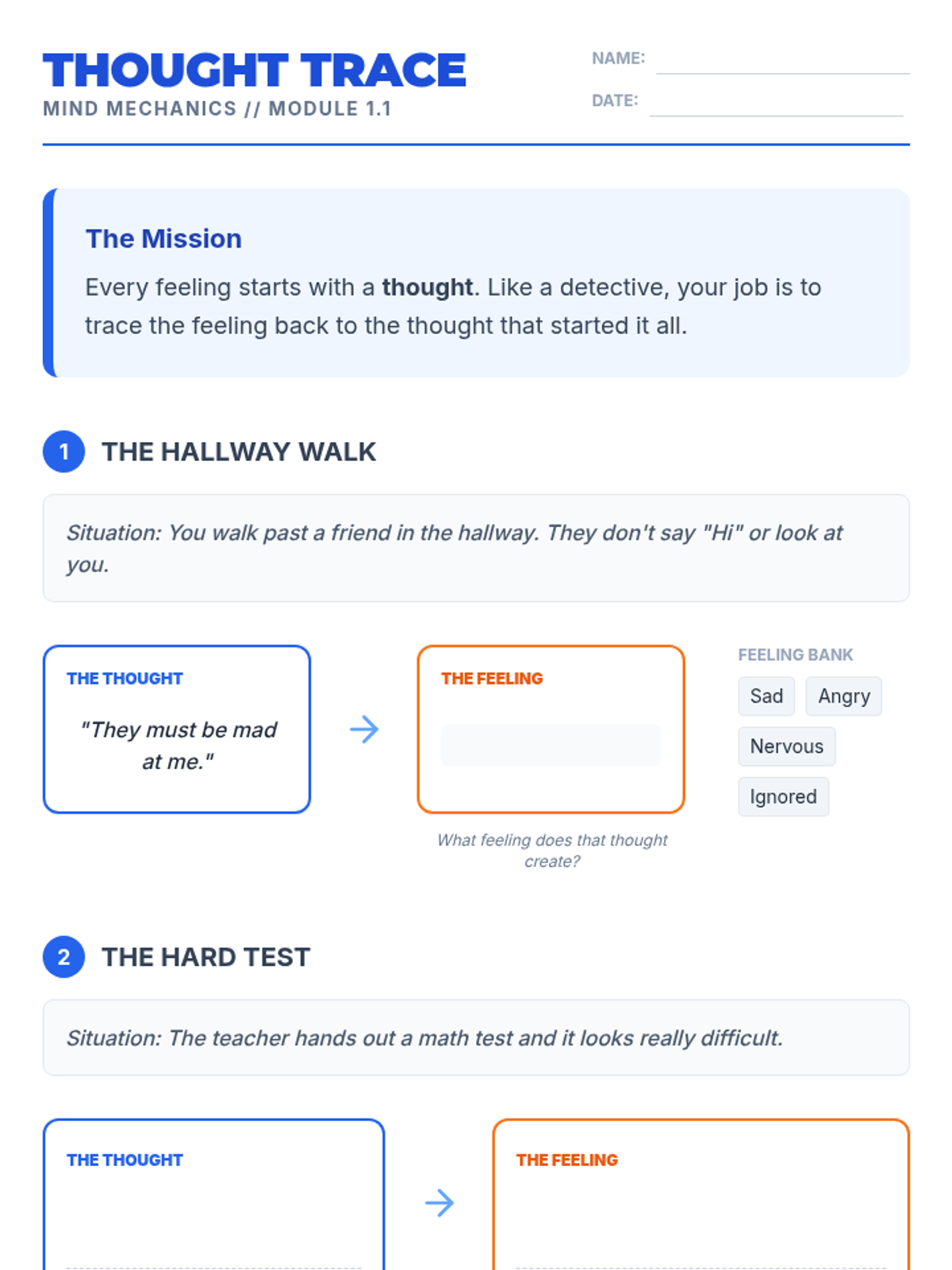
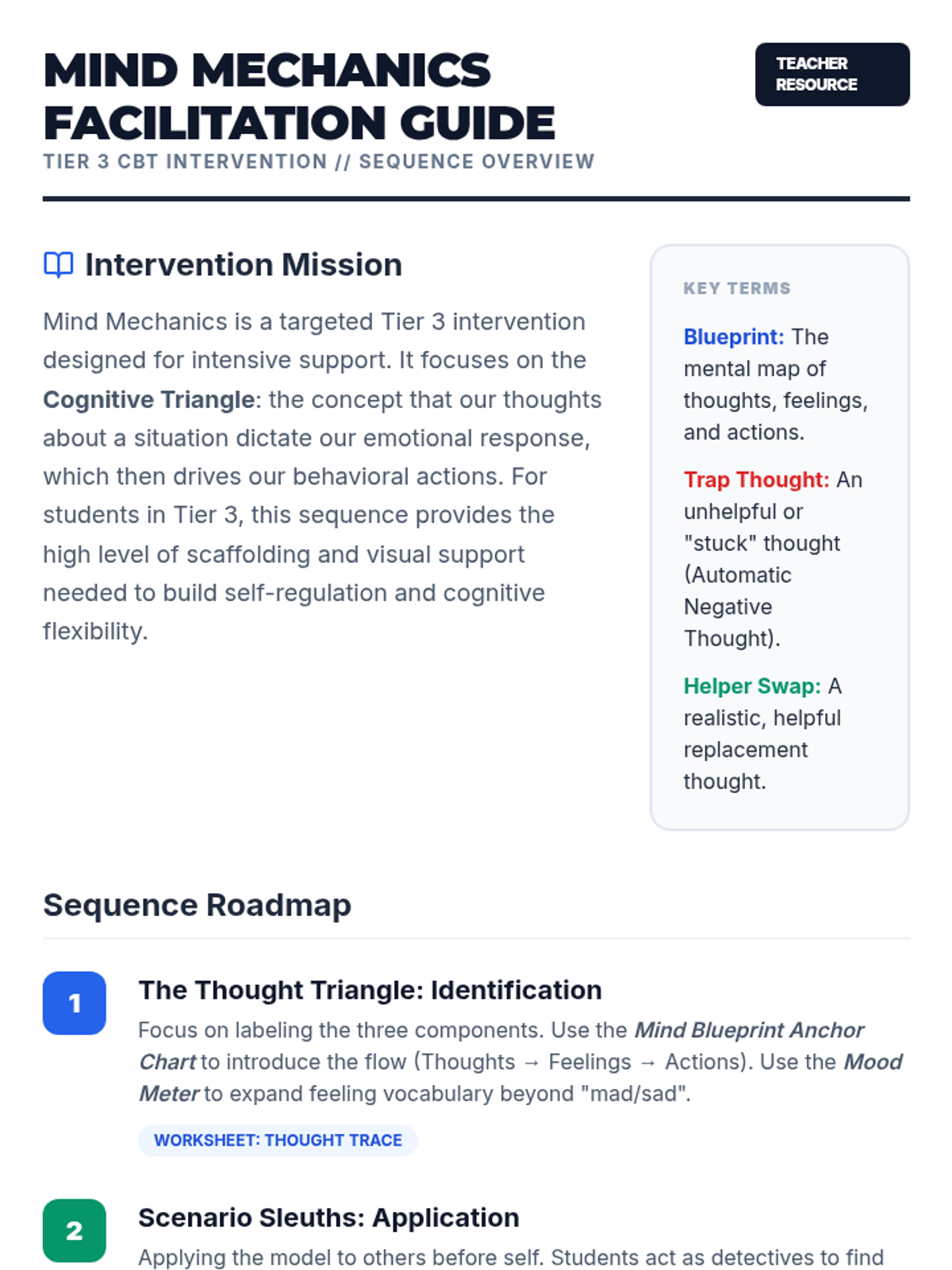
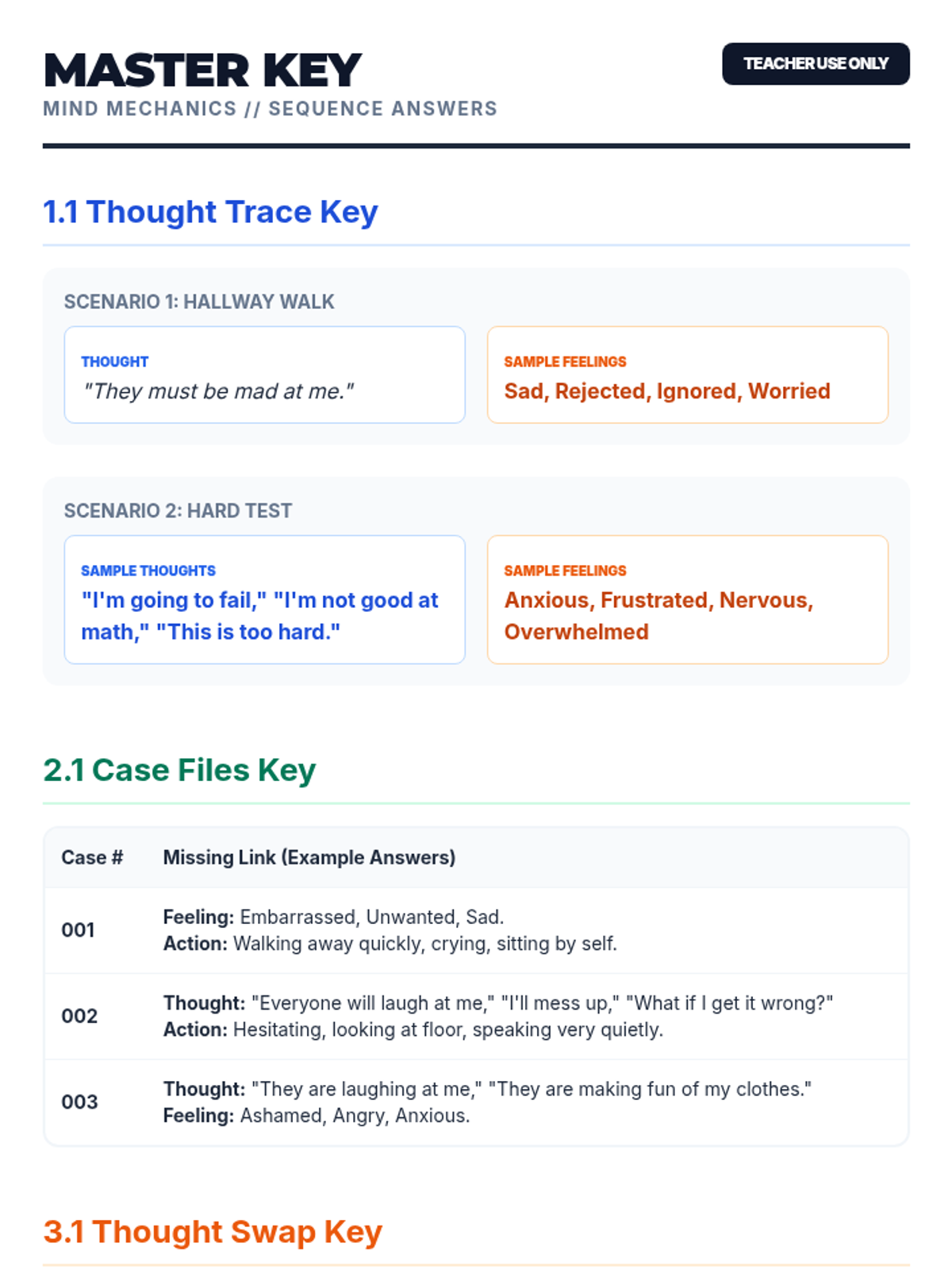
A Tier 3 CBT intervention sequence focusing on the cognitive triangle: how thoughts lead to feelings, which drive behaviors. Designed for intensive, small-group or individual support.
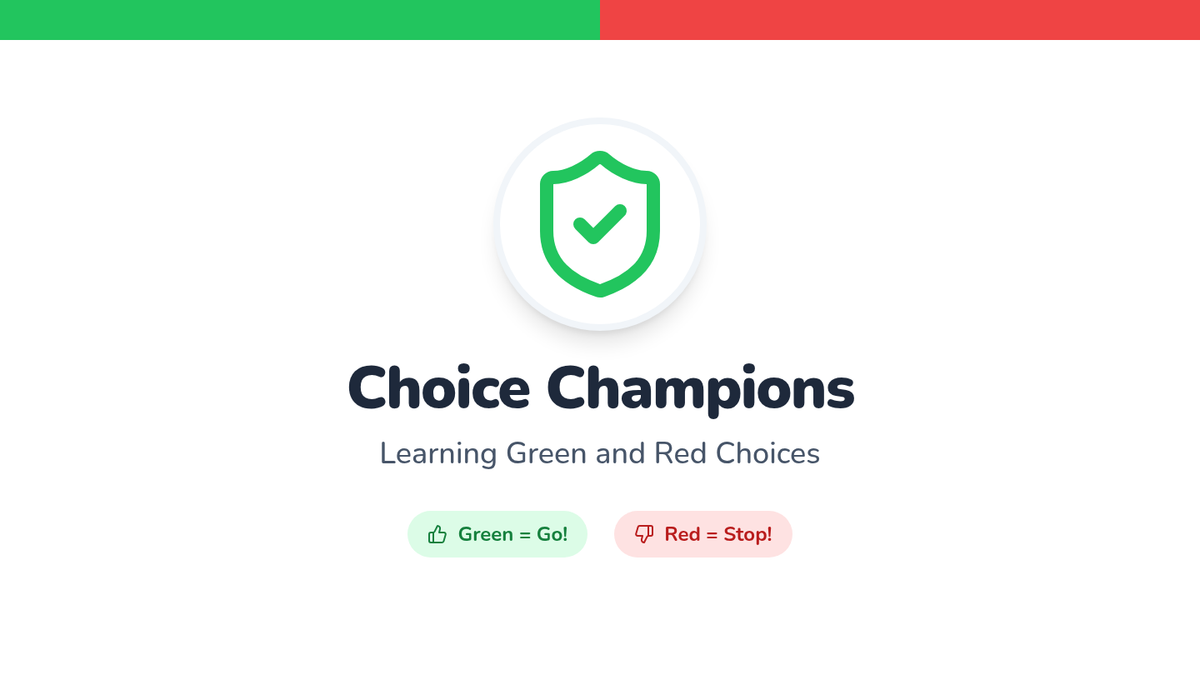
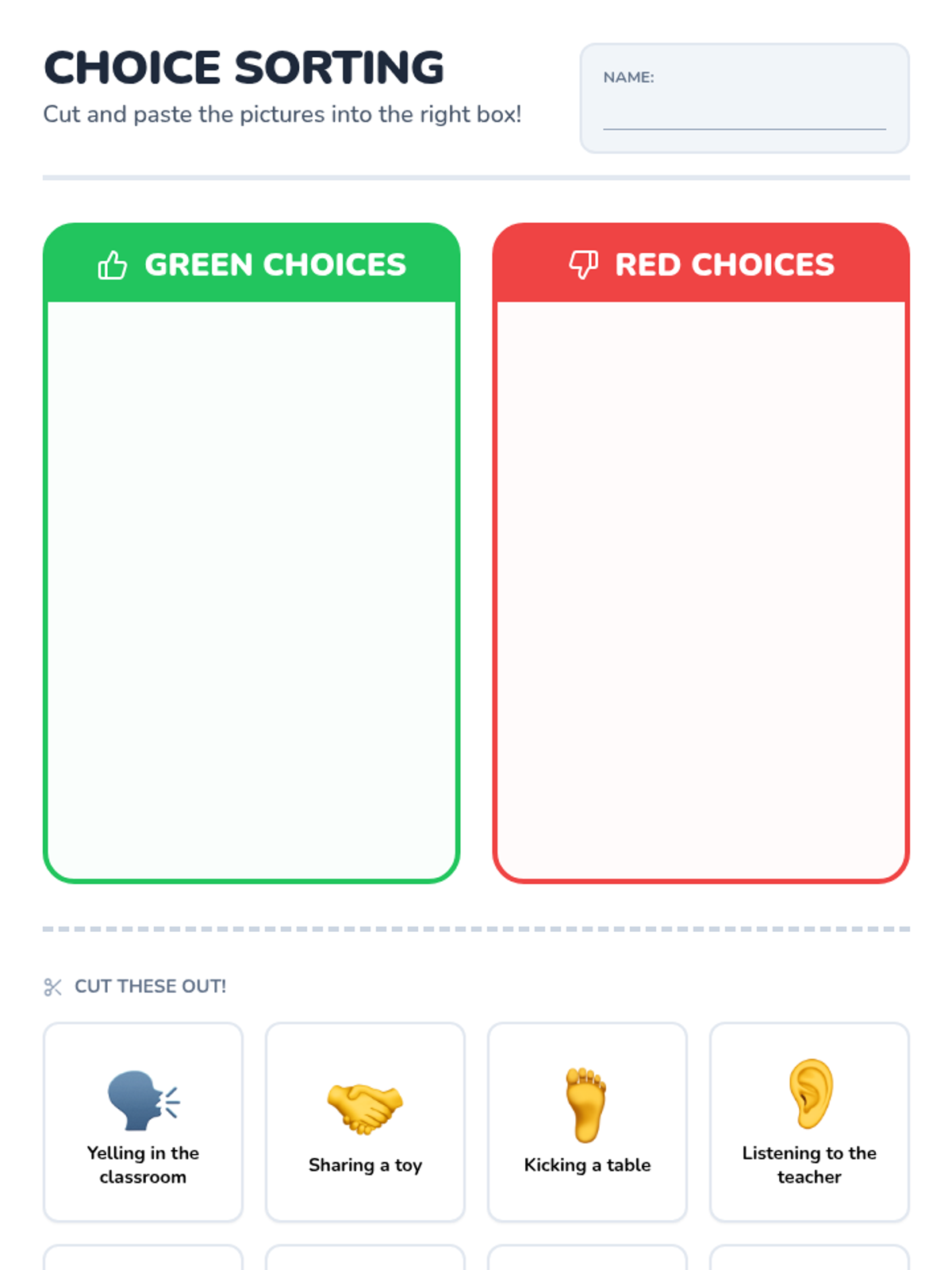
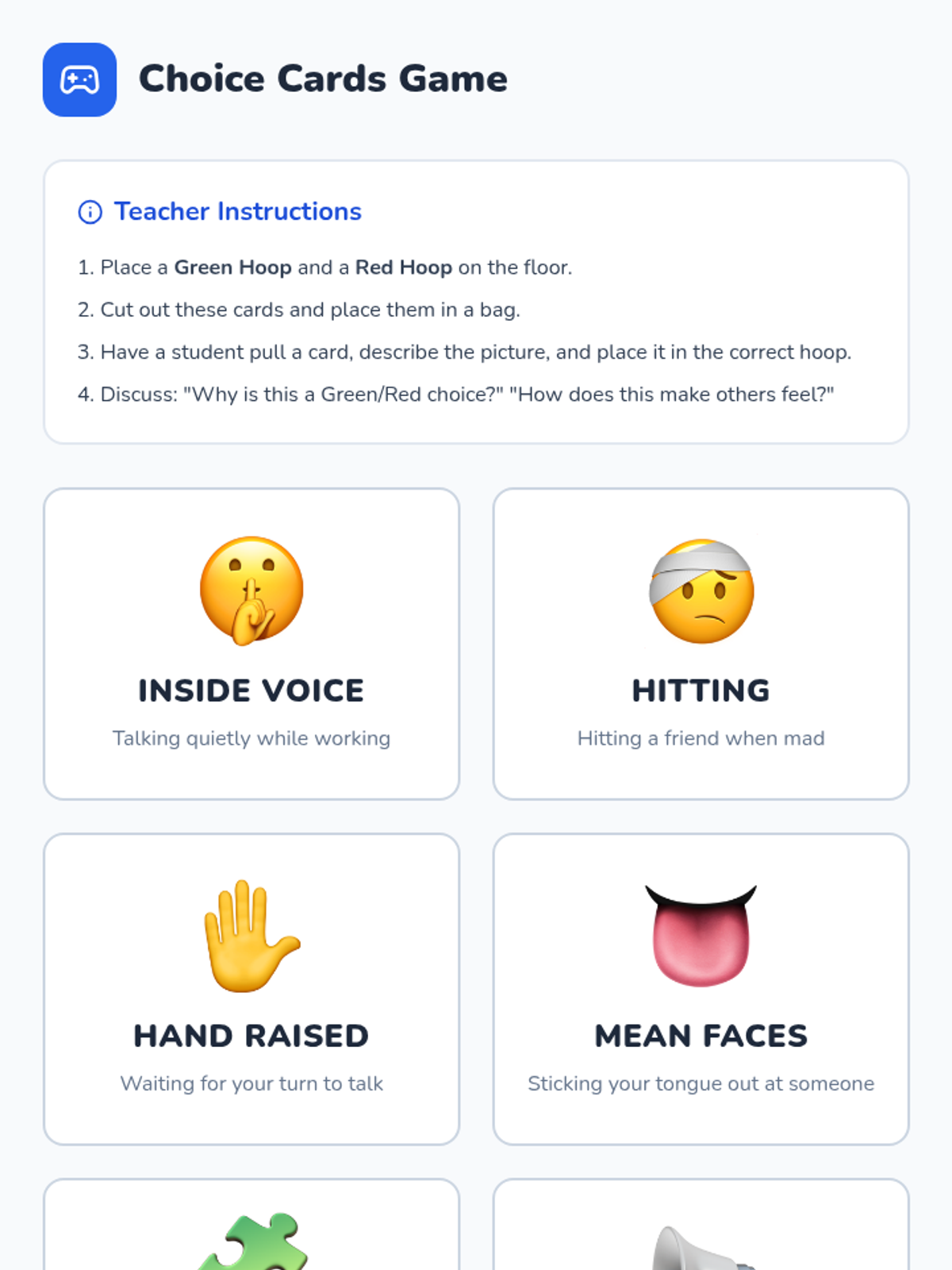
A Kindergarten sequence focused on teaching students how to identify 'Green Choices' and 'Red Choices', understand the consequences of their actions, and learn specific positive alternatives for high-intensity vocal and physical urges.
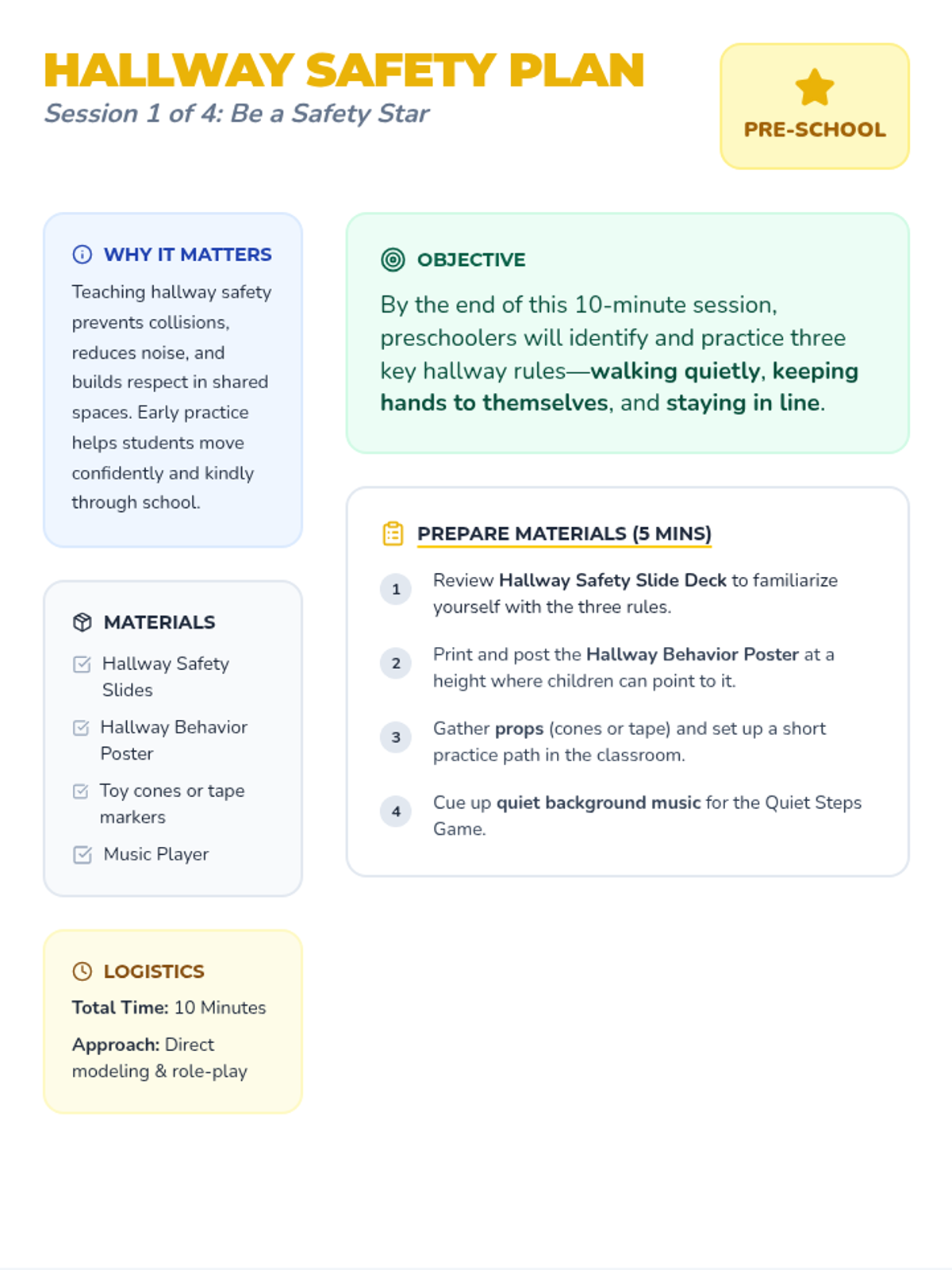
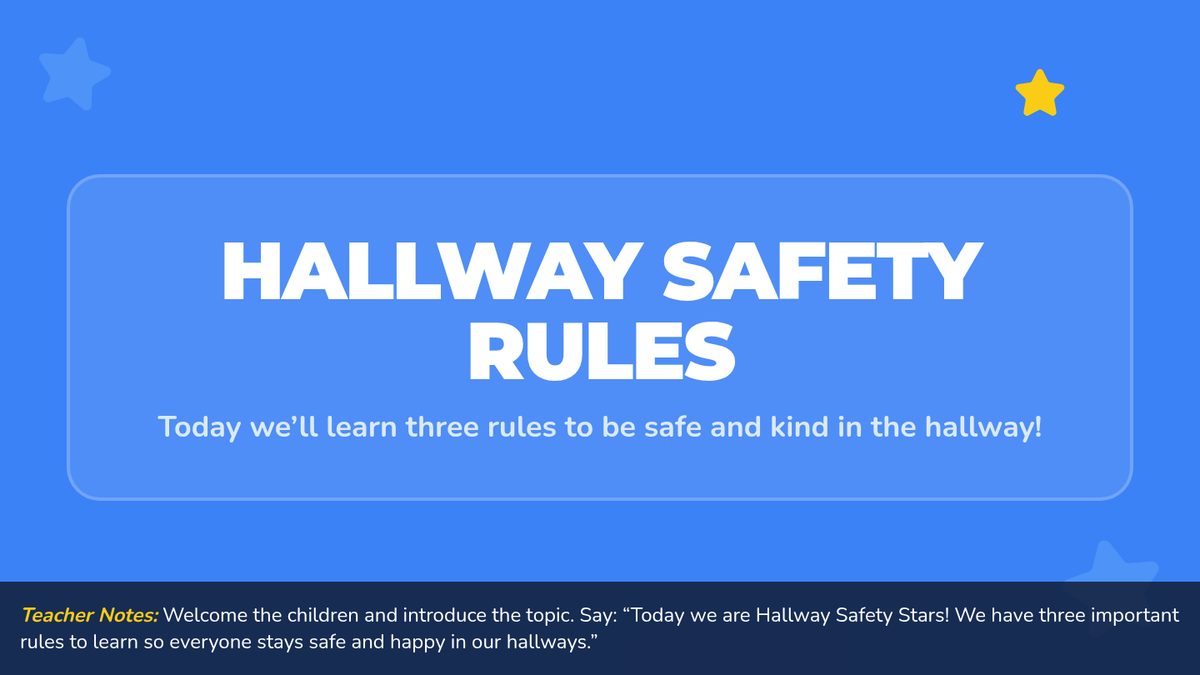
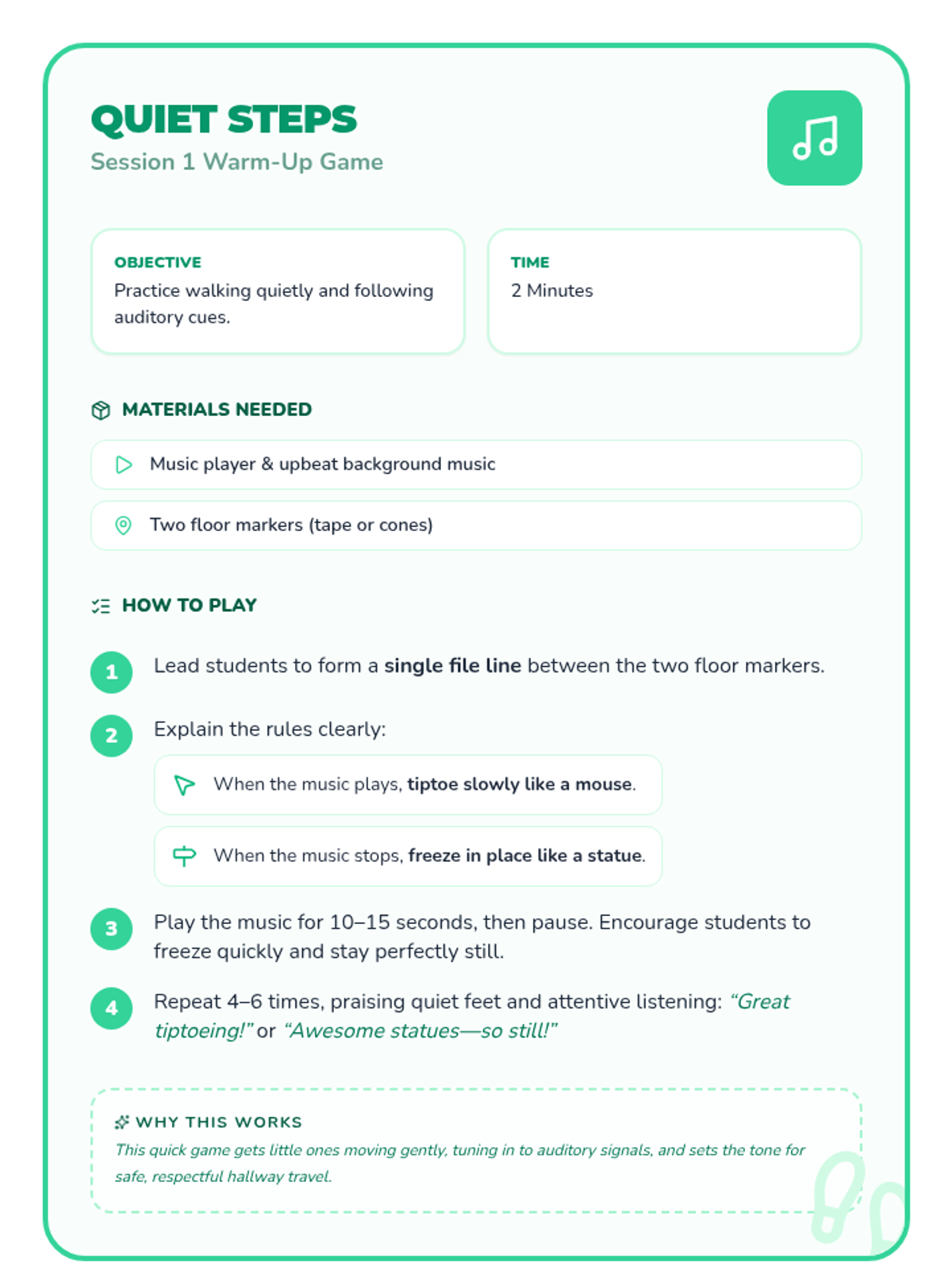
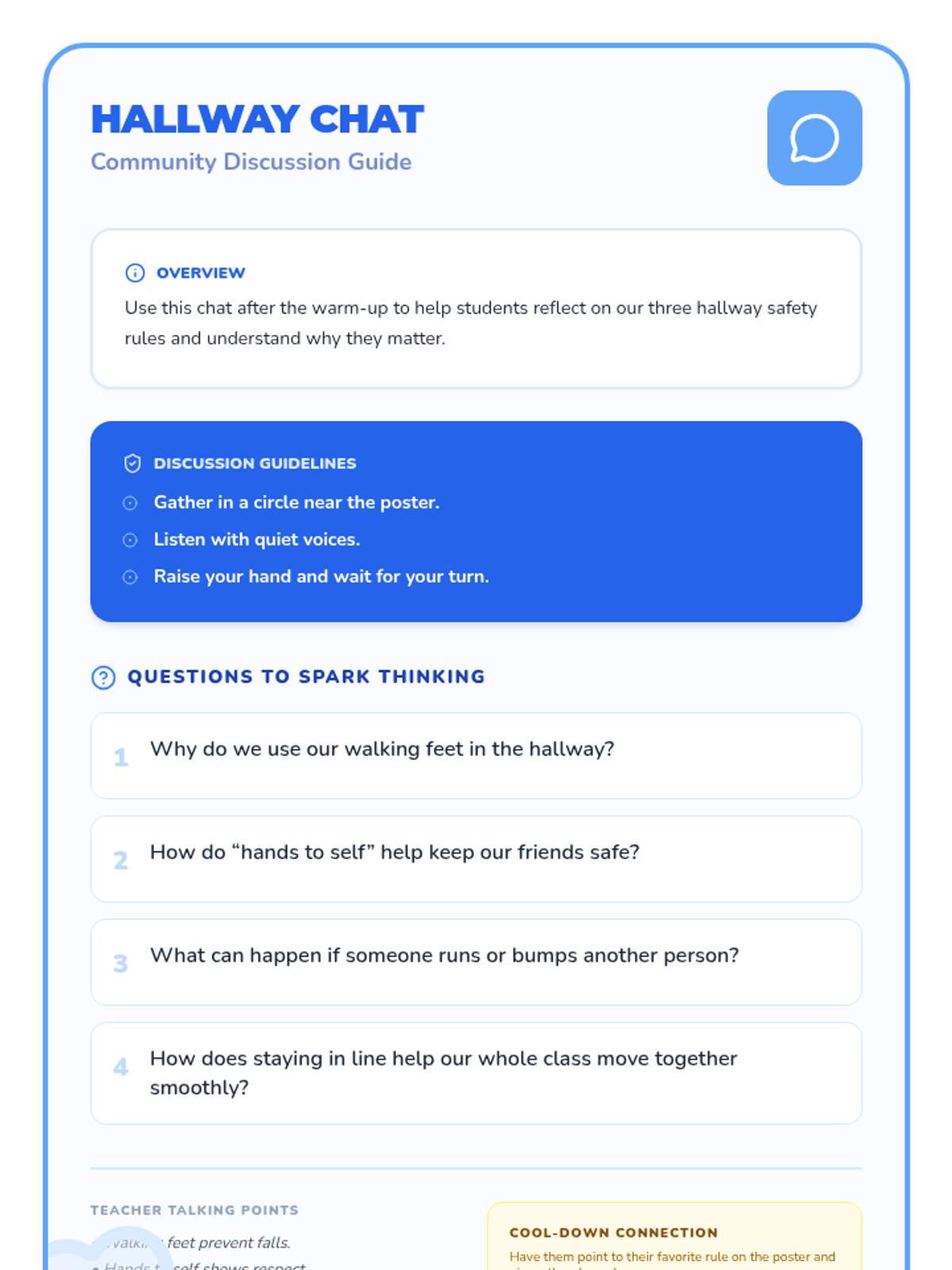
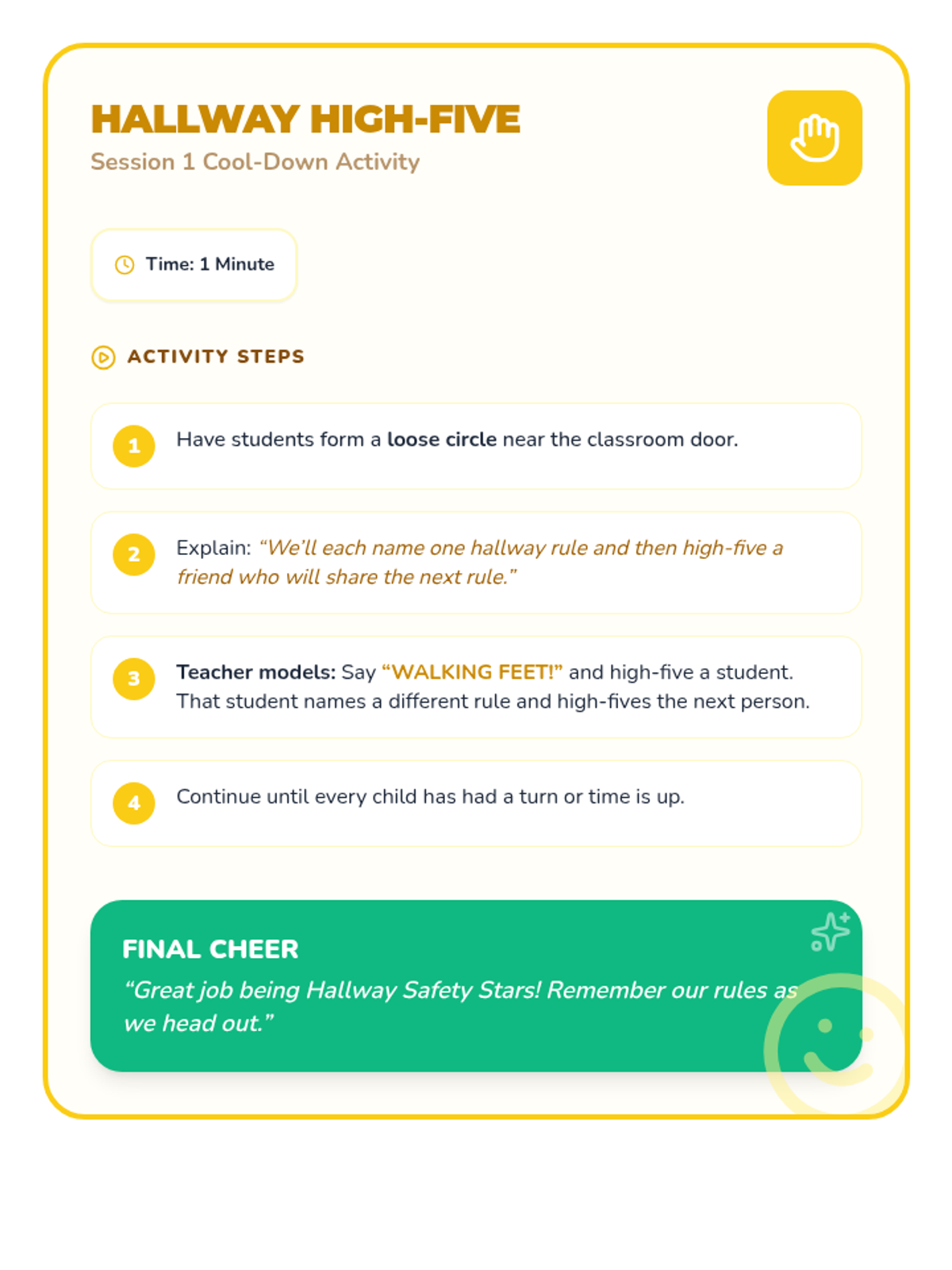
A 4-session preschool sequence that teaches safe and respectful behaviors in the hallway, cafeteria, playground, and bathroom through engaging activities and visuals.
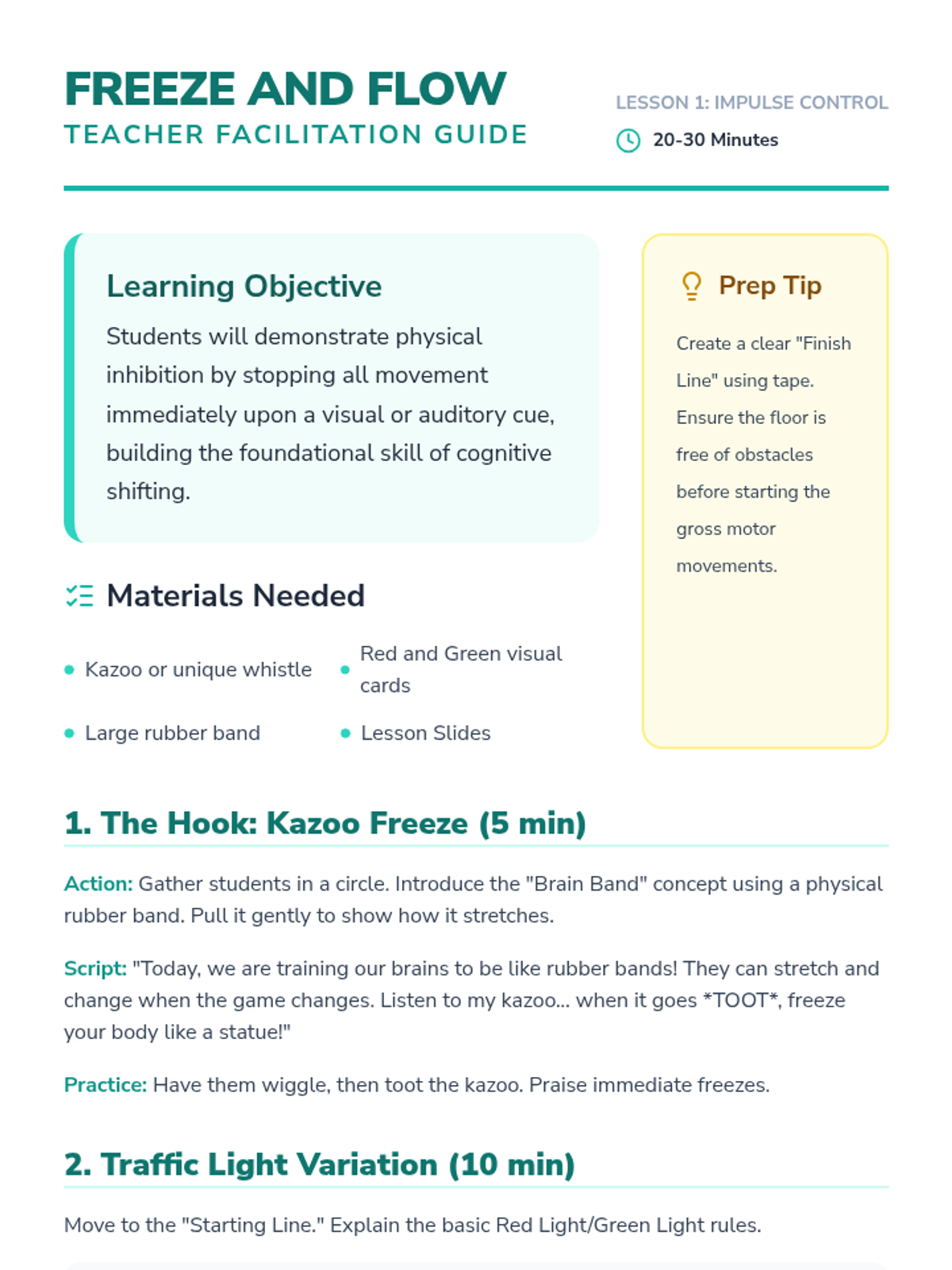
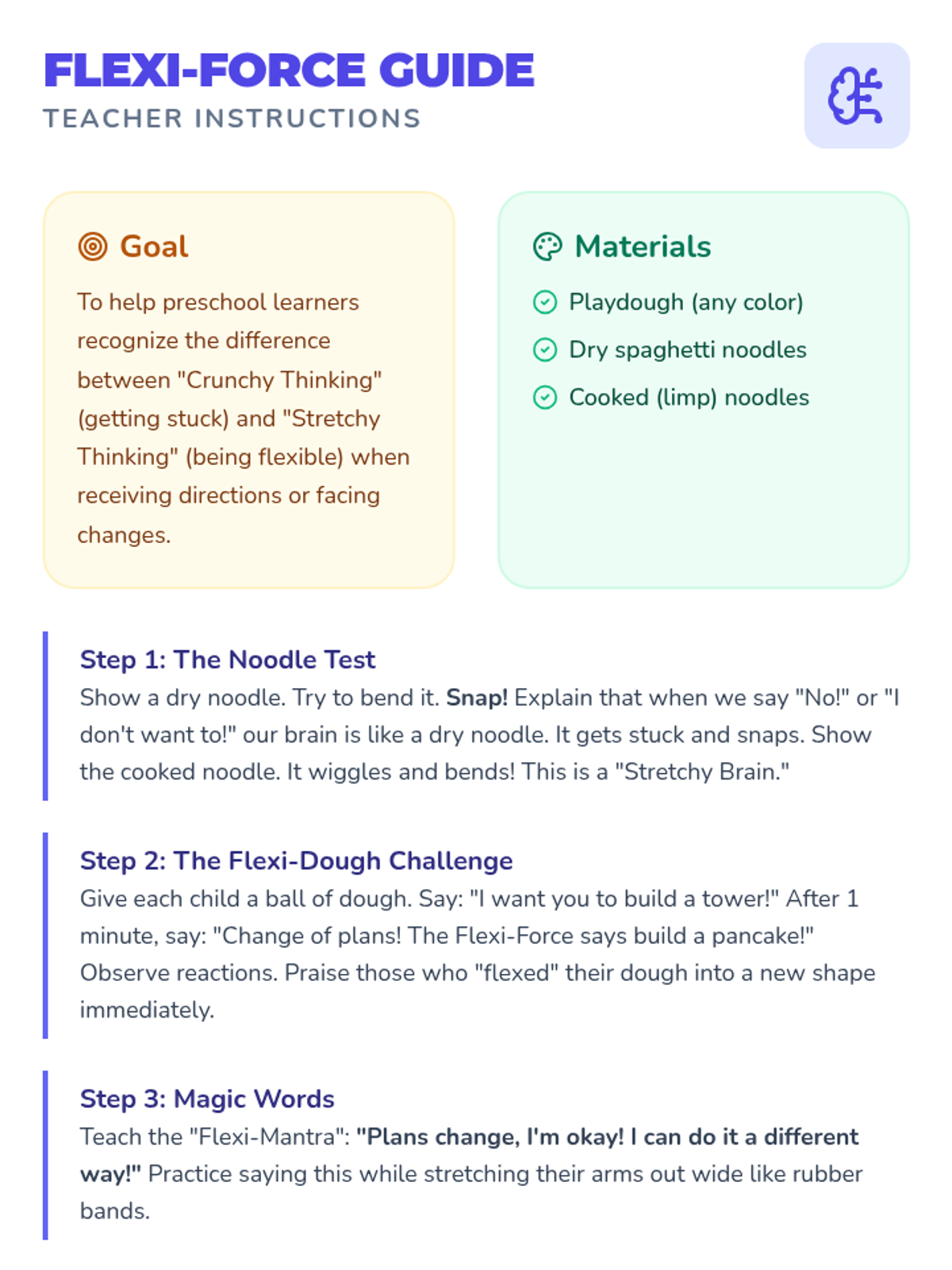
This sequence uses game-based learning to develop cognitive flexibility in Pre-K students. Students learn to inhibit impulses, switch rules, and adapt to environmental changes through play, using the metaphor of a 'flexible rubber band brain'.
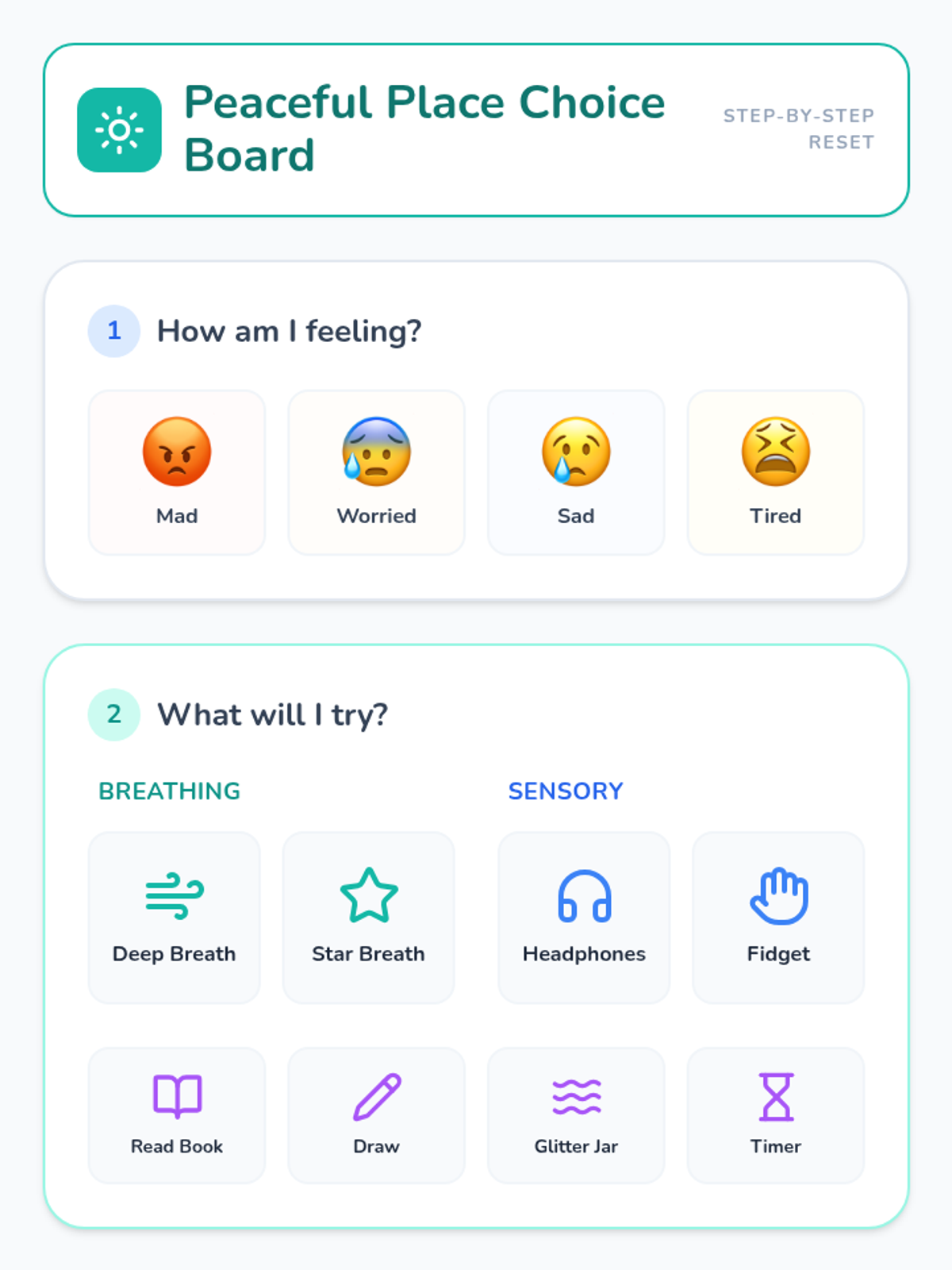
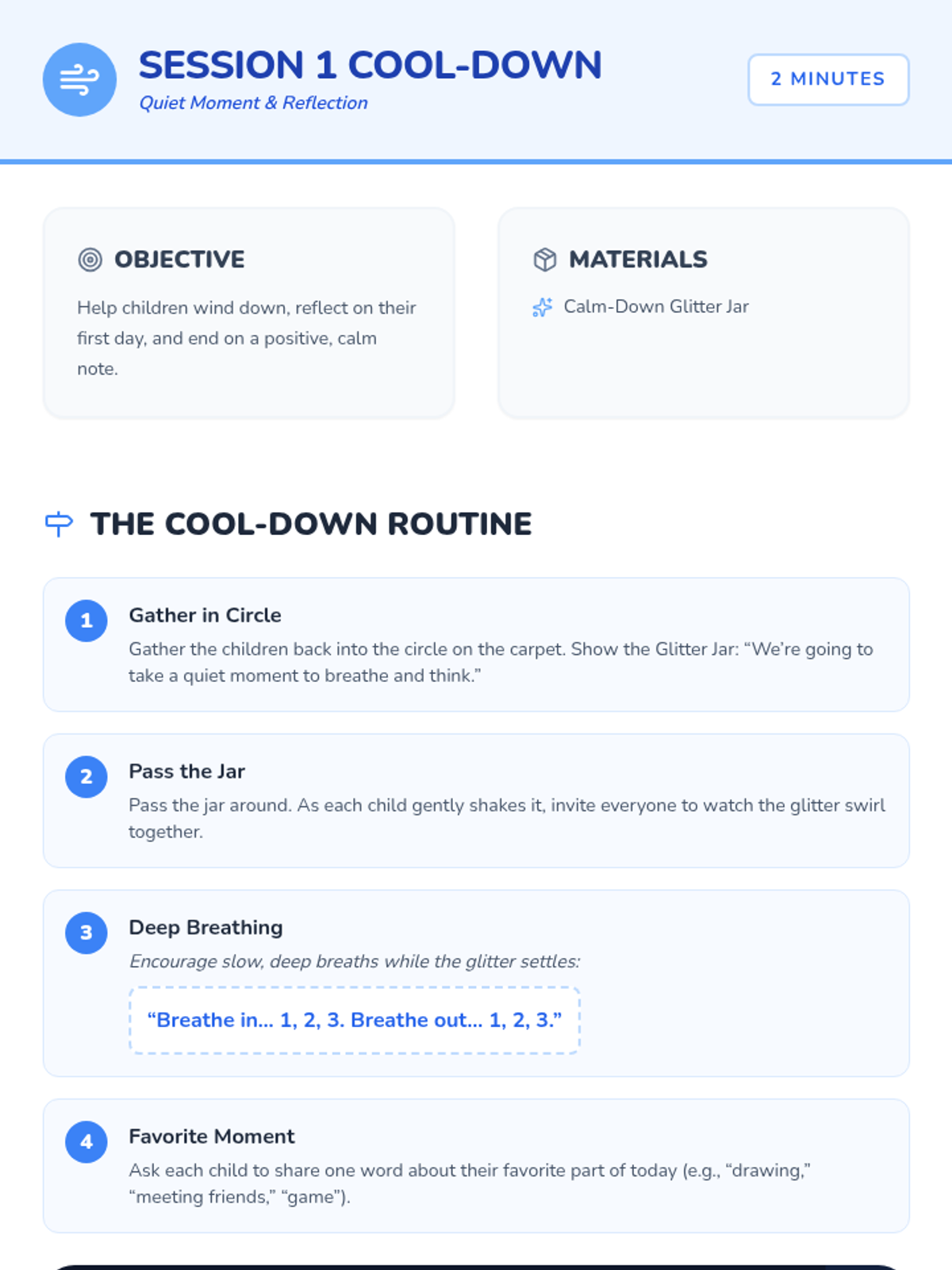
A sequence focused on environmental modifications and sensory tools to support Pre-K students in recovering from emotional dysregulation. Students explore calm-down areas and various sensory inputs to build a personal repertoire of self-regulation strategies.
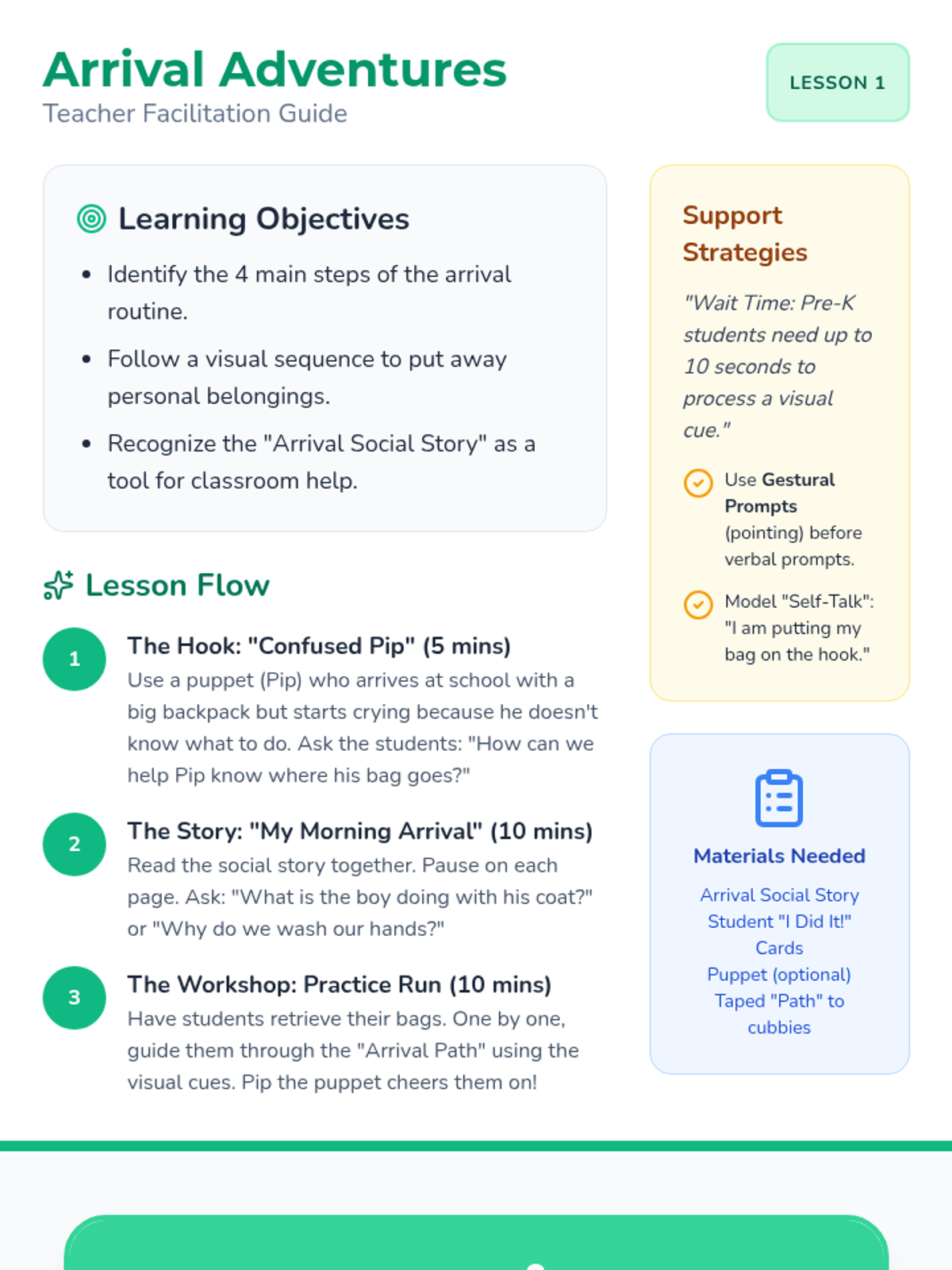
A comprehensive sequence for Pre-K students focused on using social stories to navigate daily classroom transitions and routines, fostering independence and reducing anxiety through visual narratives.
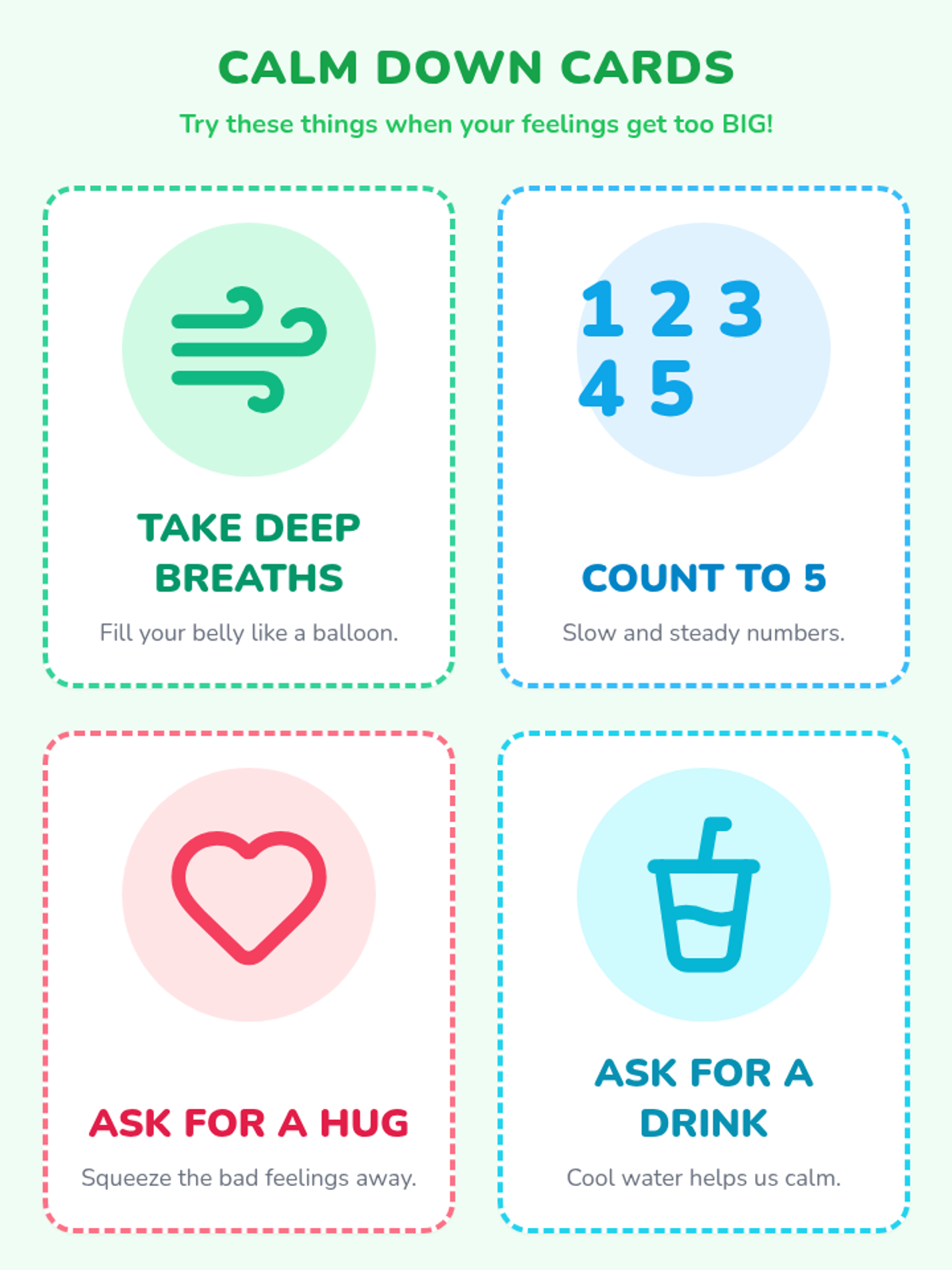
A Pre-K sequence focused on teaching physical coping strategies like deep breathing, muscle relaxation, and sensory grounding to replace impulsive reactions. Students develop a toolkit of self-regulation skills through workshop-style practice and creative projects.
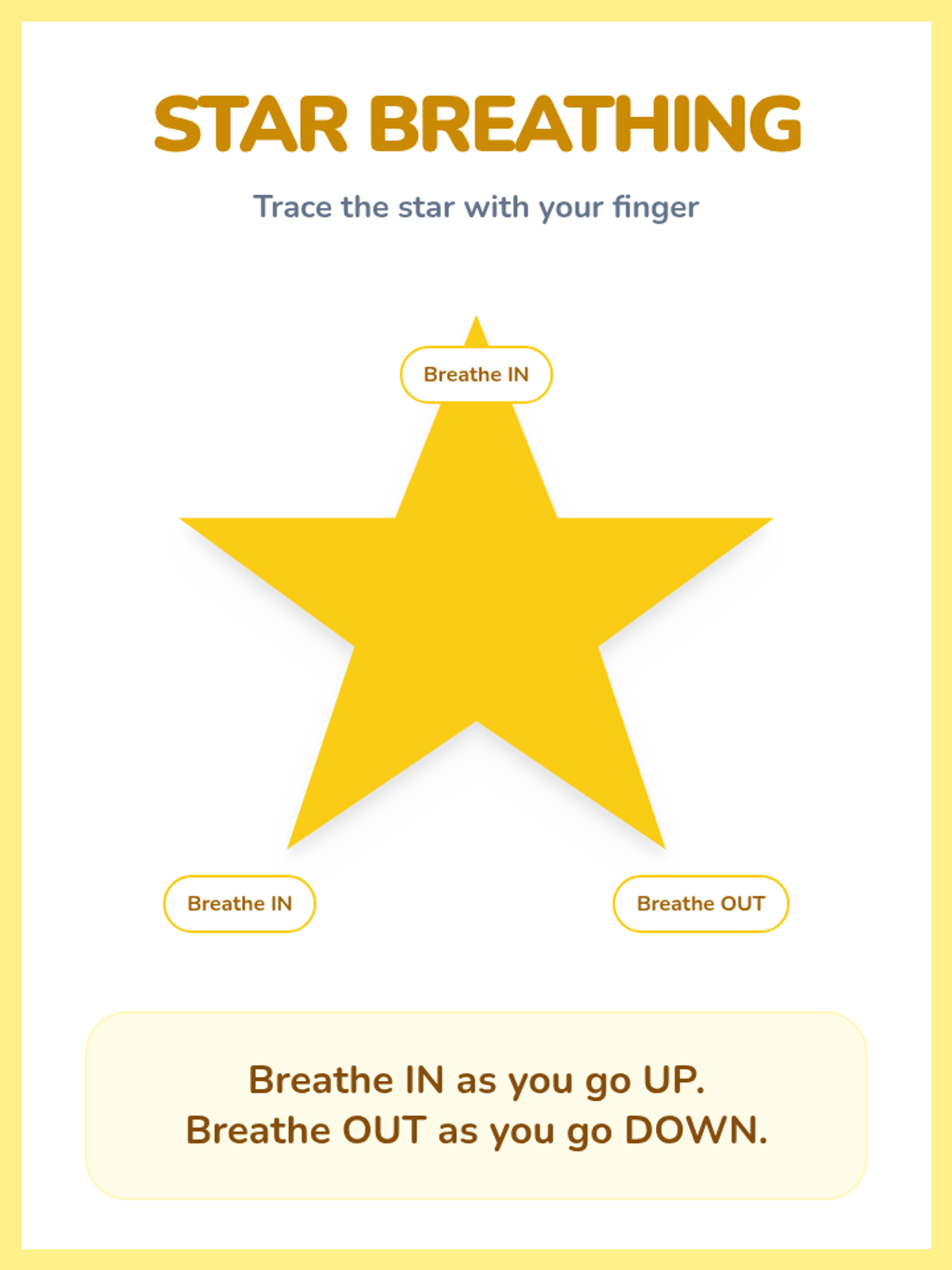
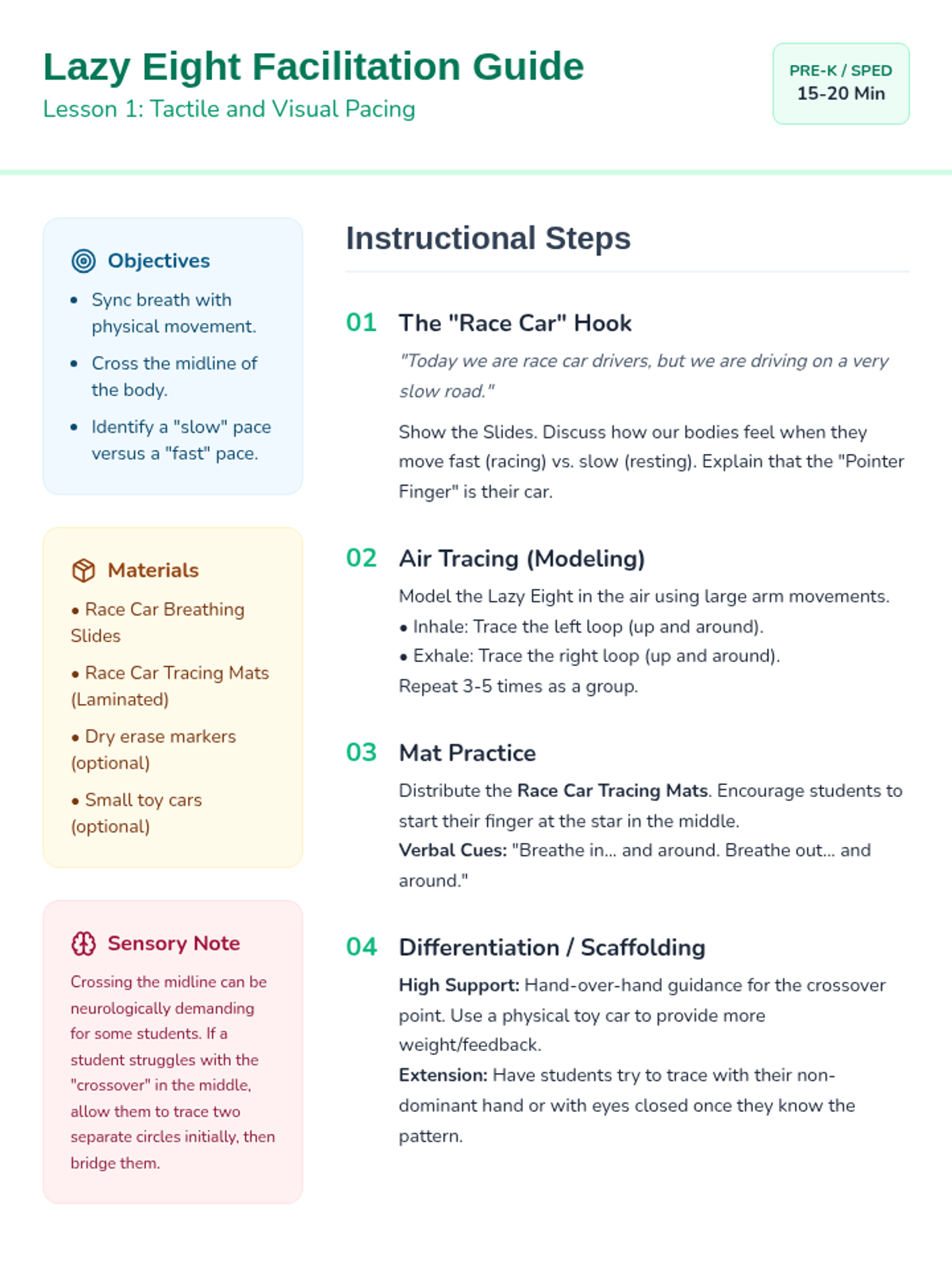
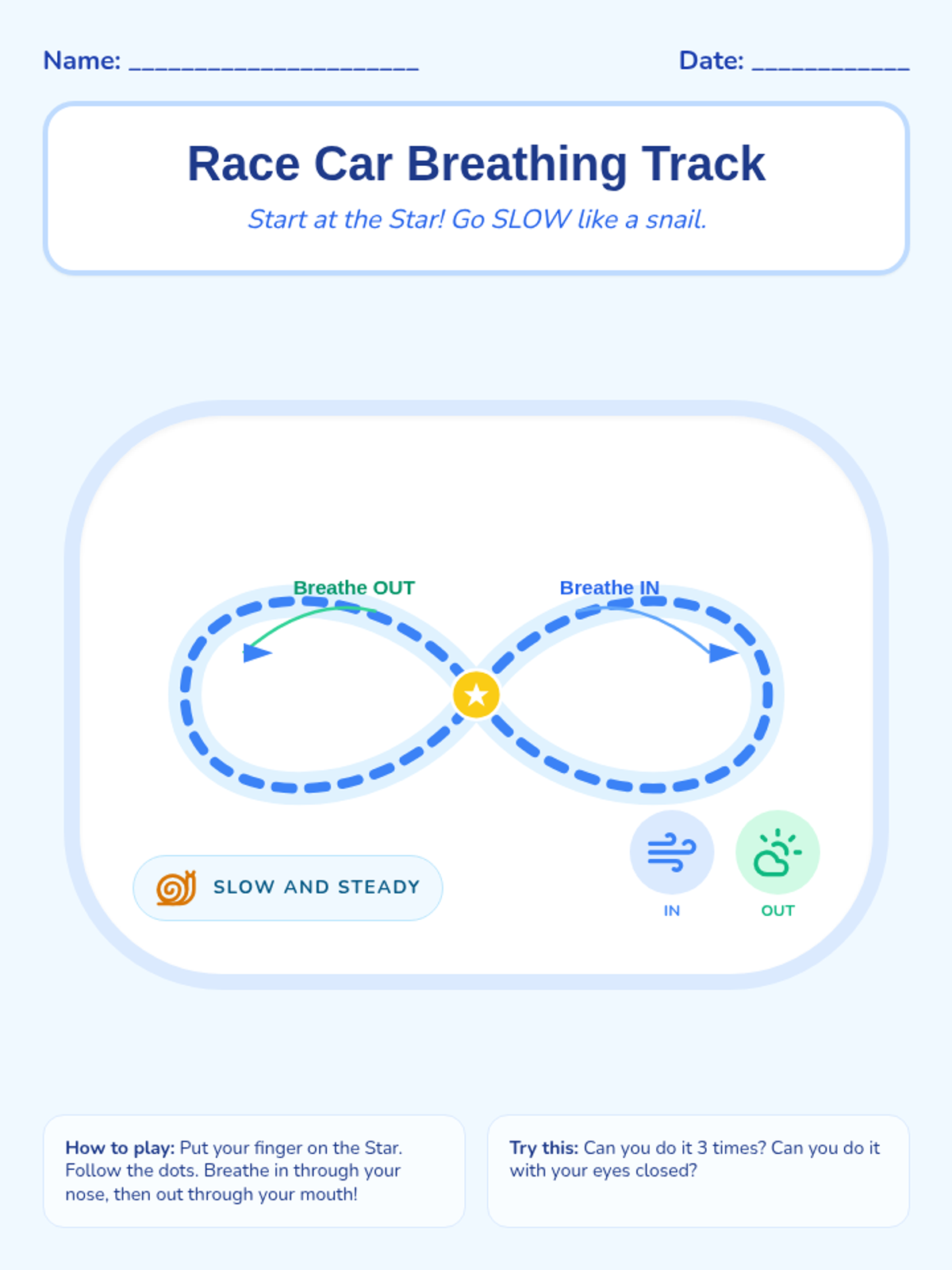
This sequence introduces Pre-K students to tactile and visual breathing strategies, helping them regulate their bodies through movement and sensory feedback. Students move from paper-based tracing to using their own hands and creating personalized sensory tools.
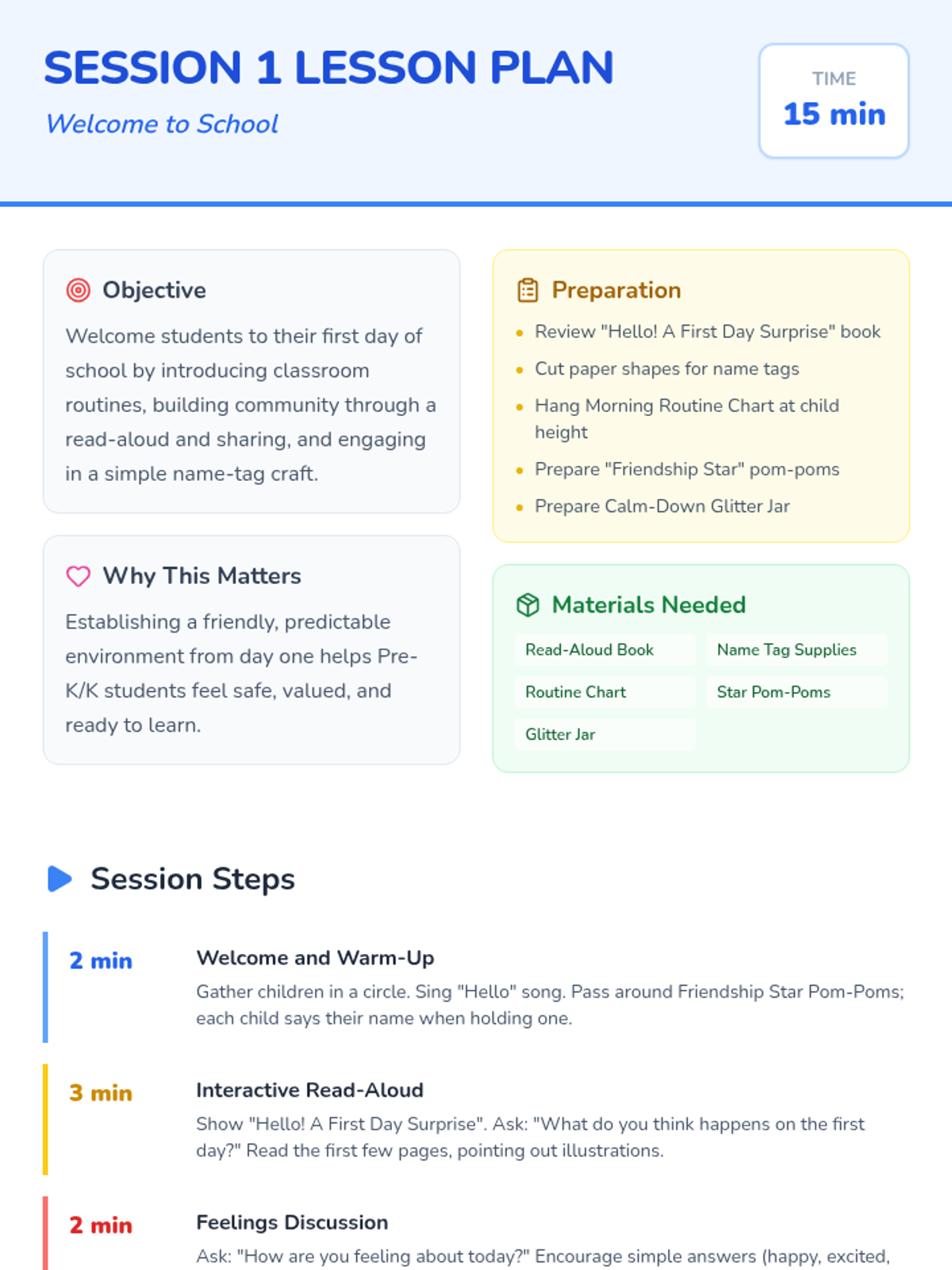
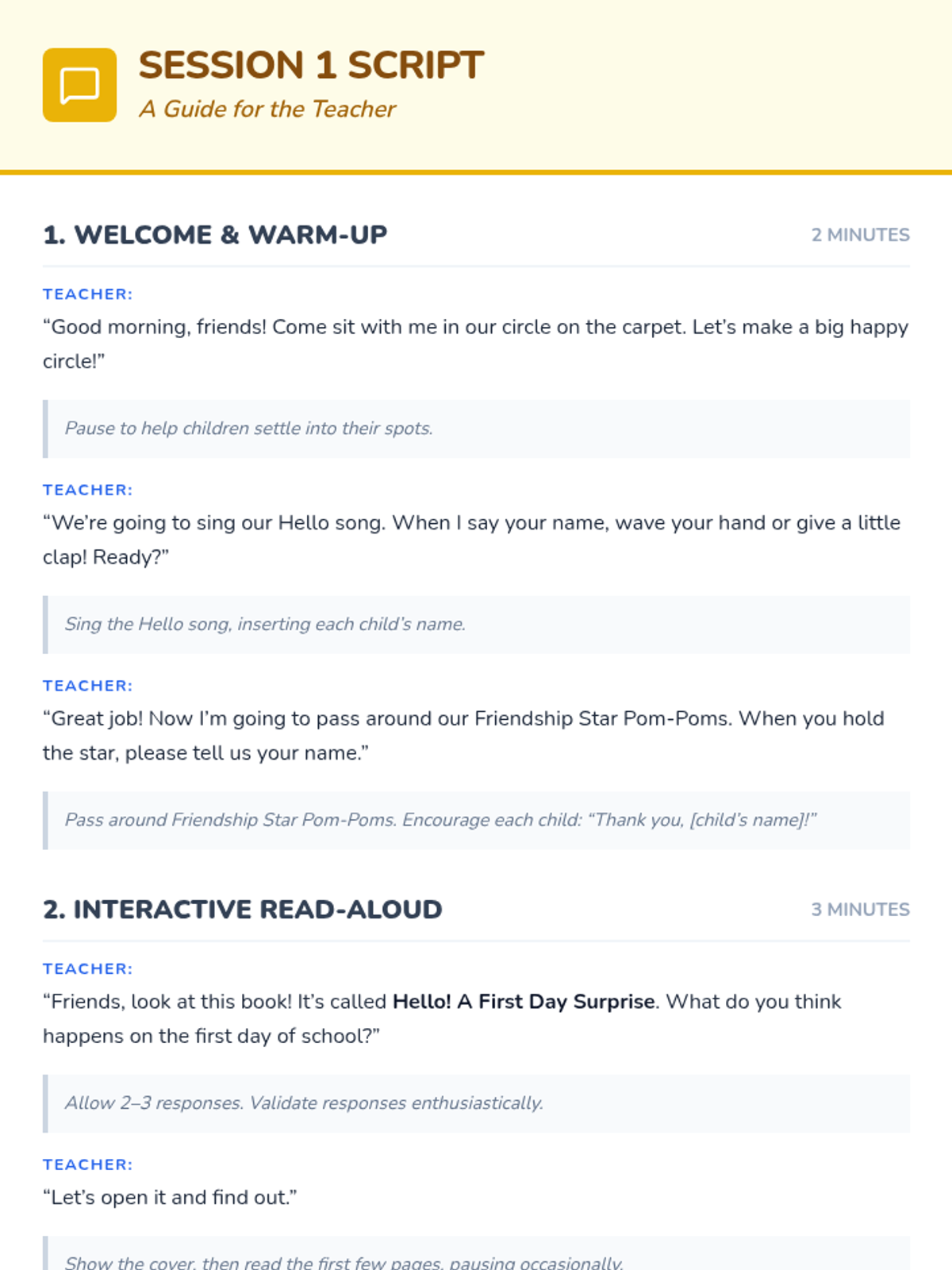
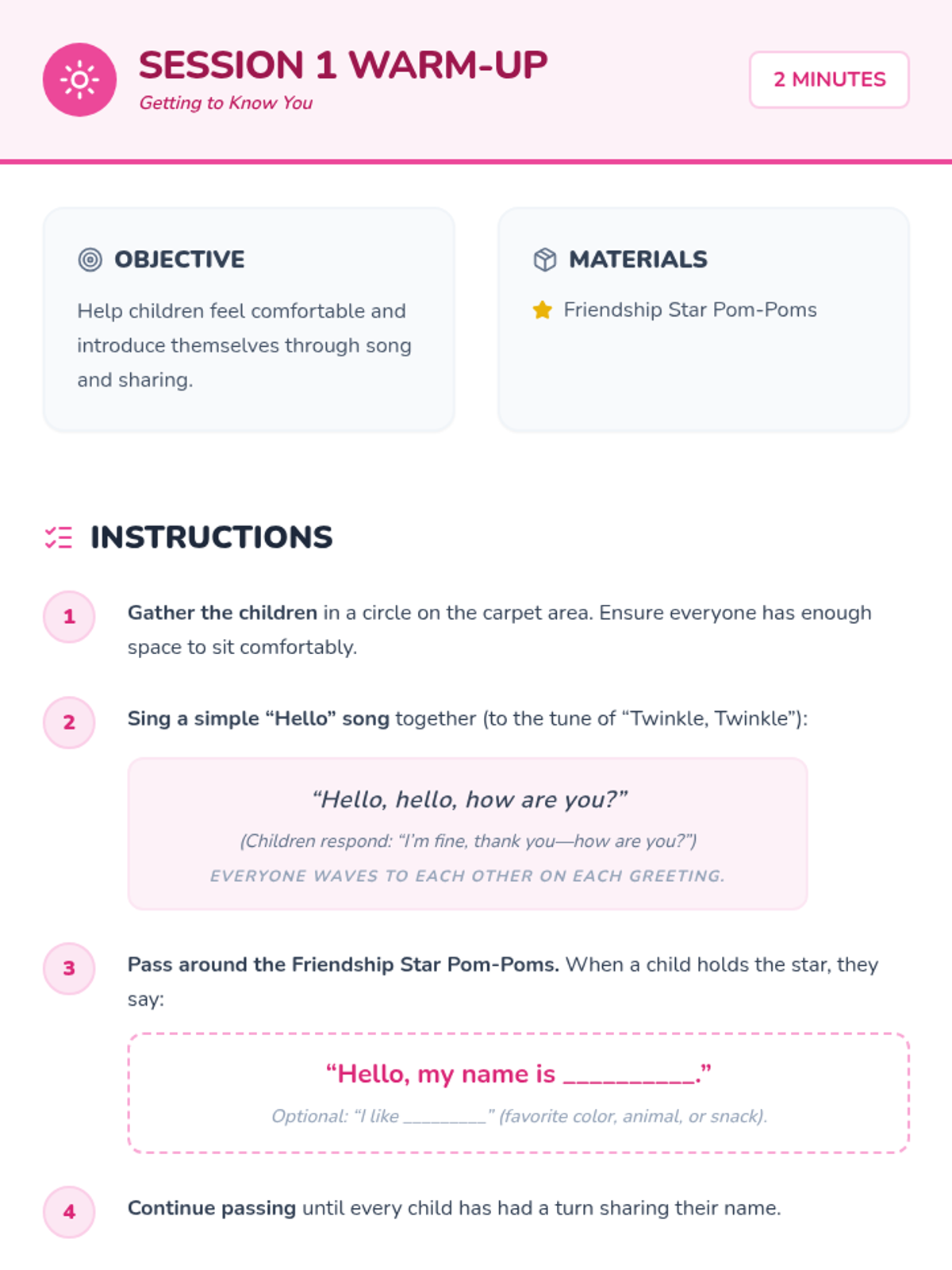
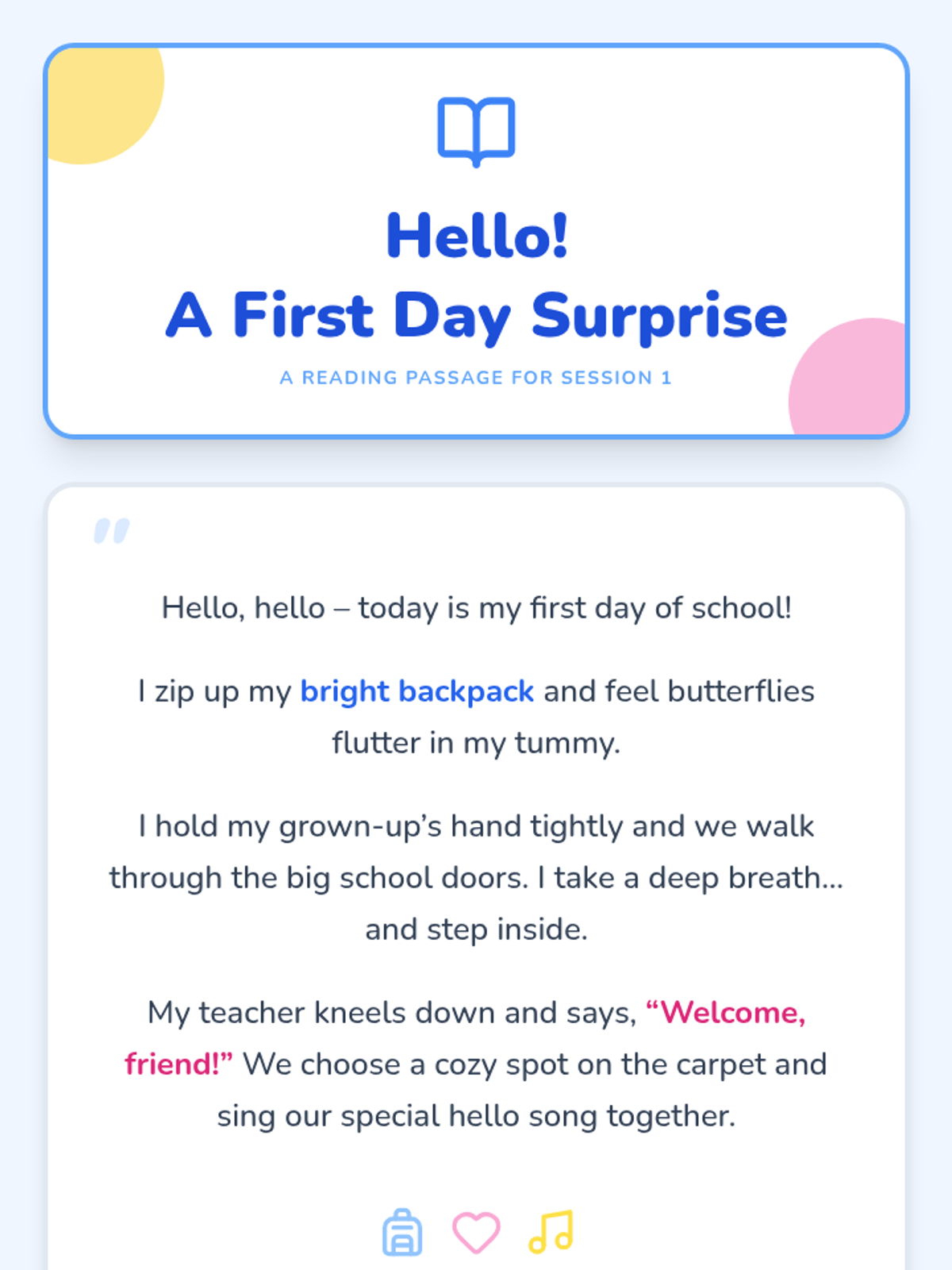
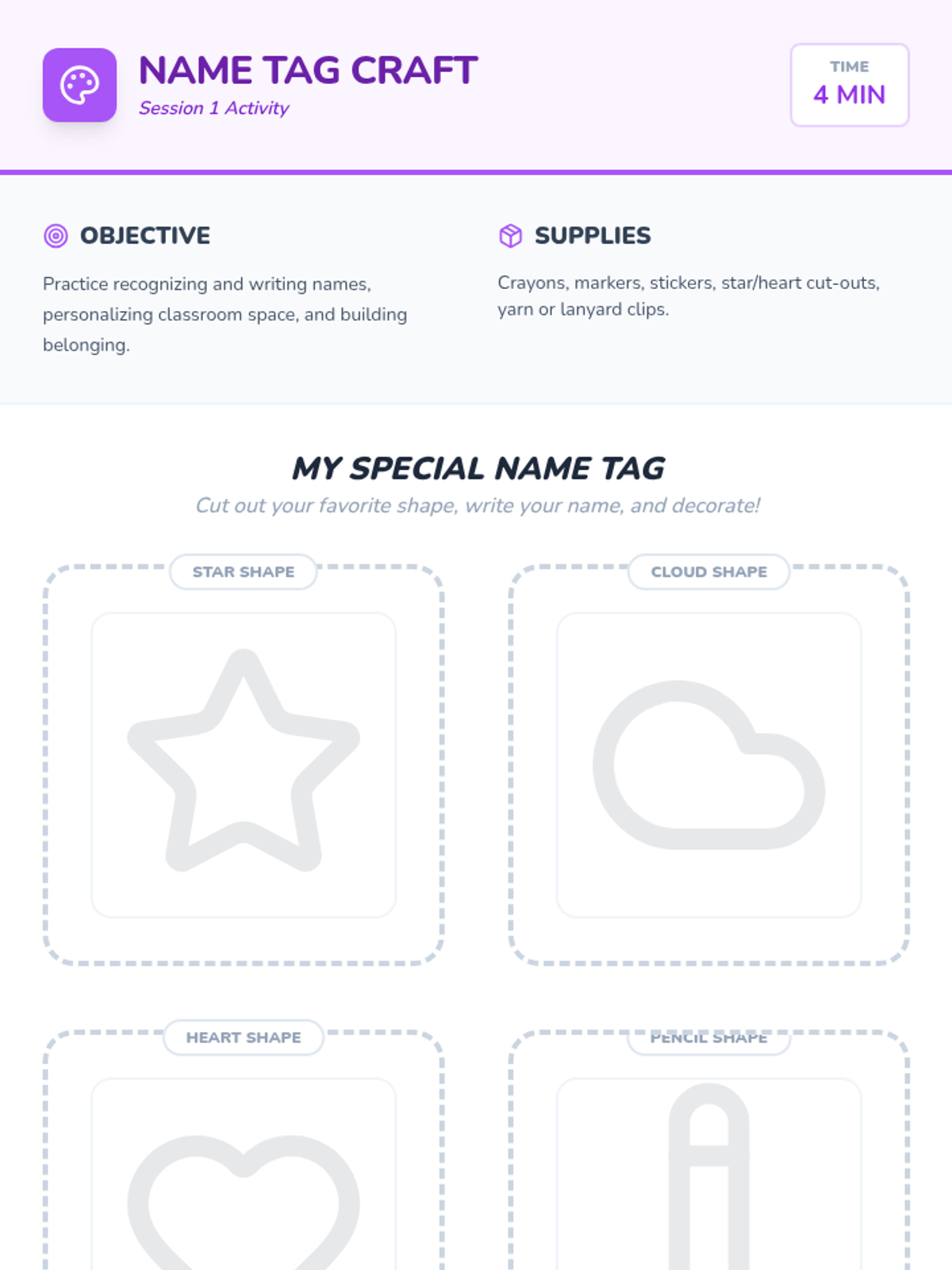
A 5-session series for Pre-K and Kindergarten students to build routines, friendships, and confidence during the transition to school. Includes read-alouds, games, and reflection activities.
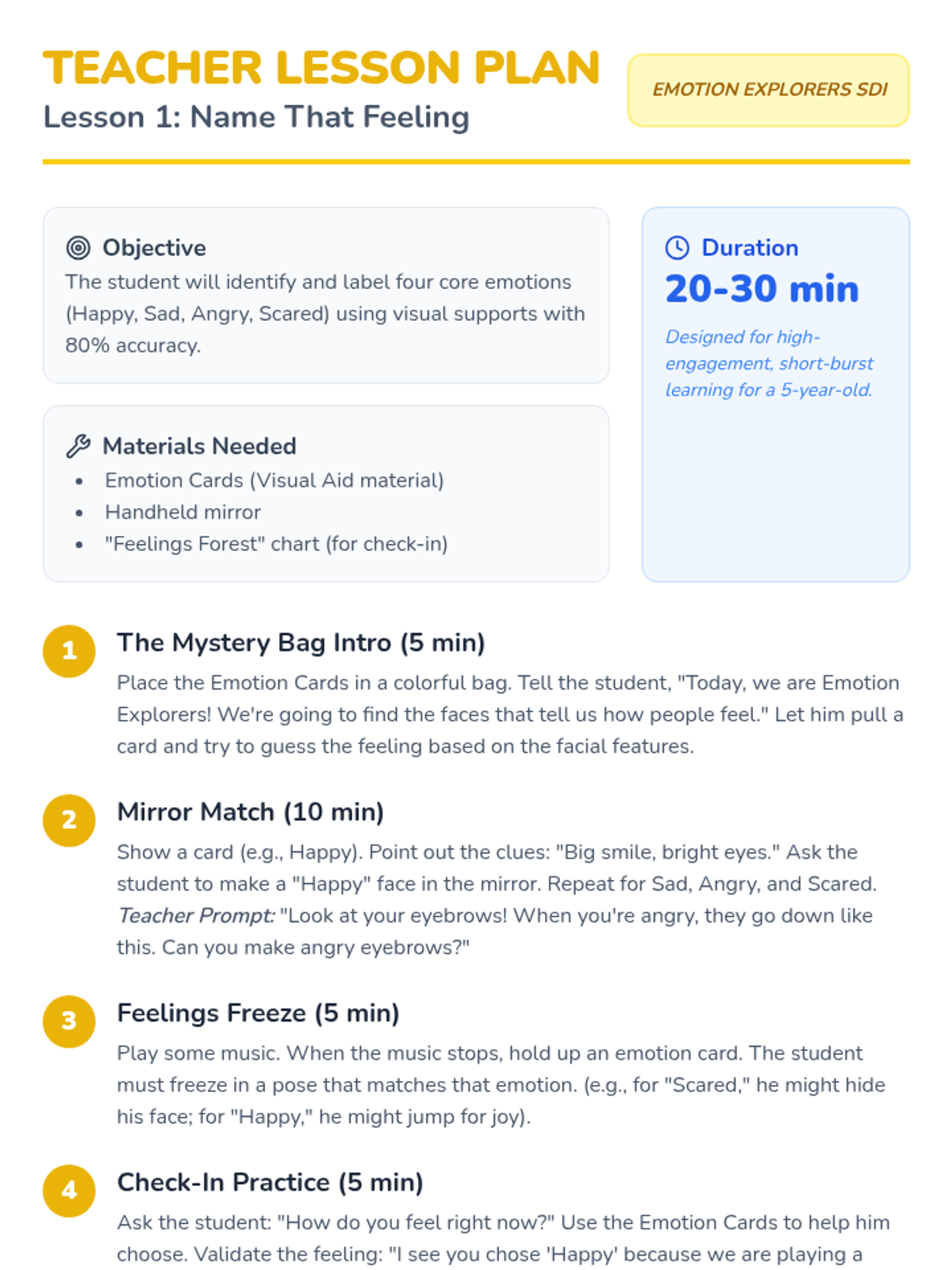
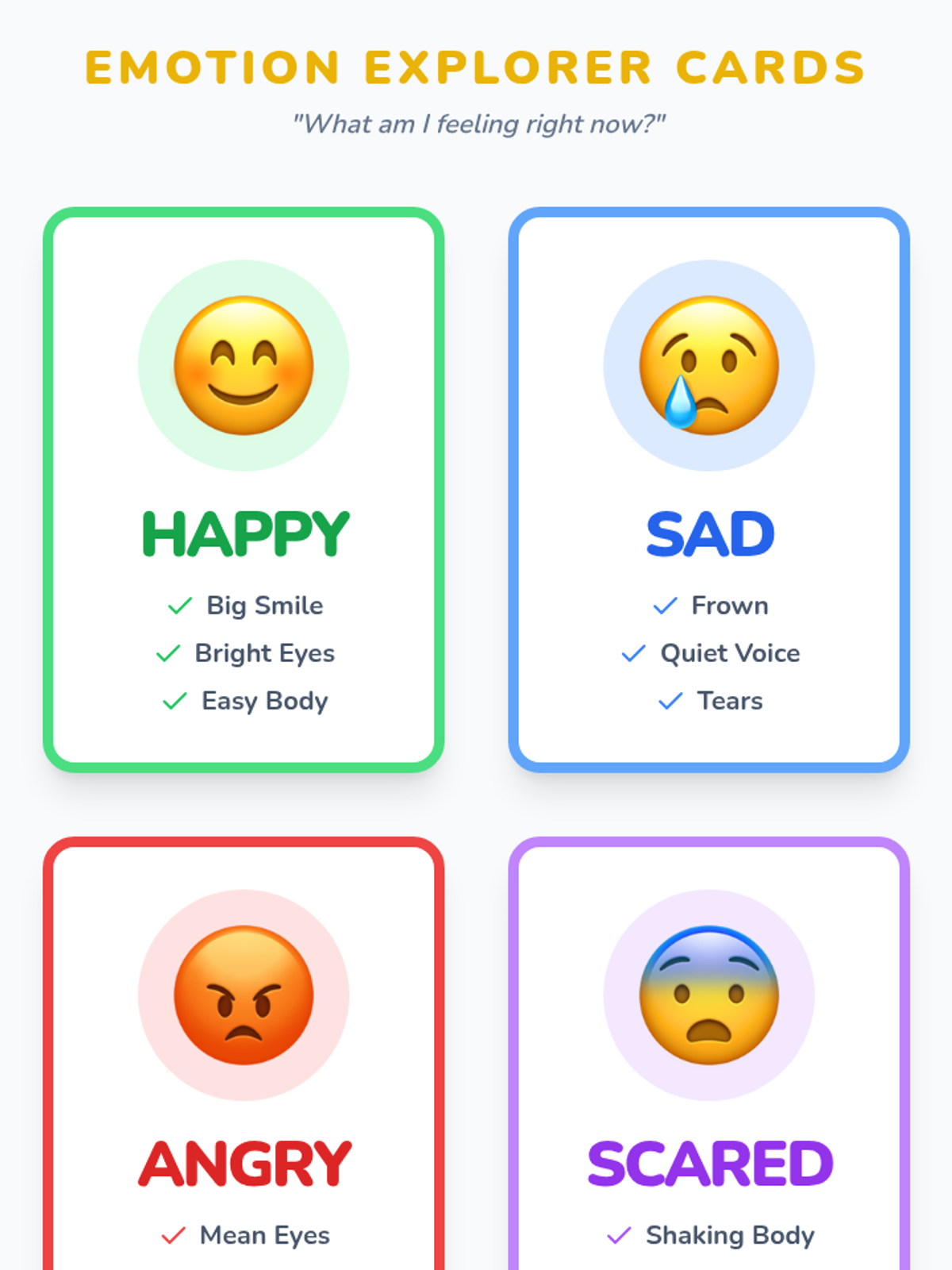
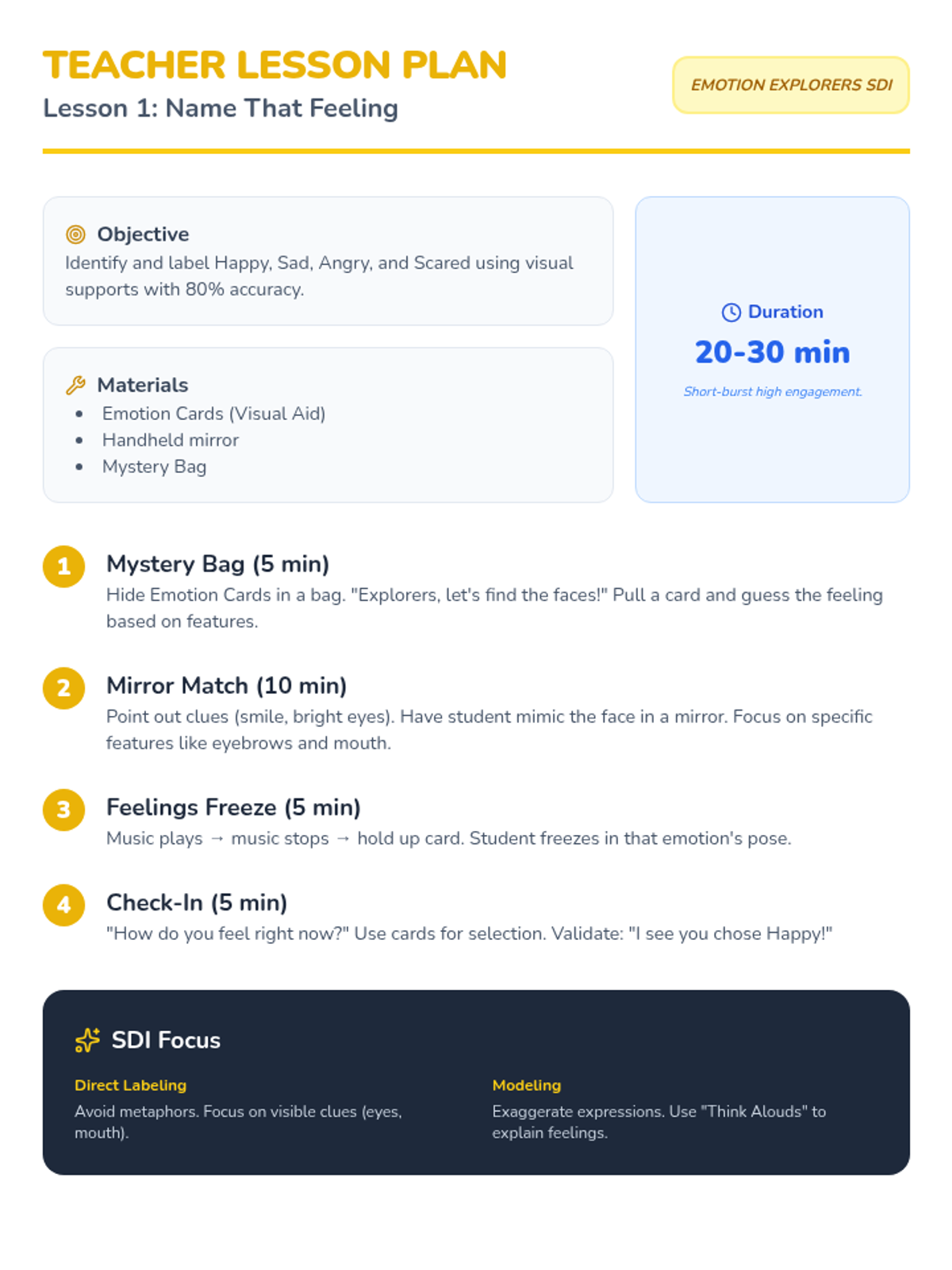
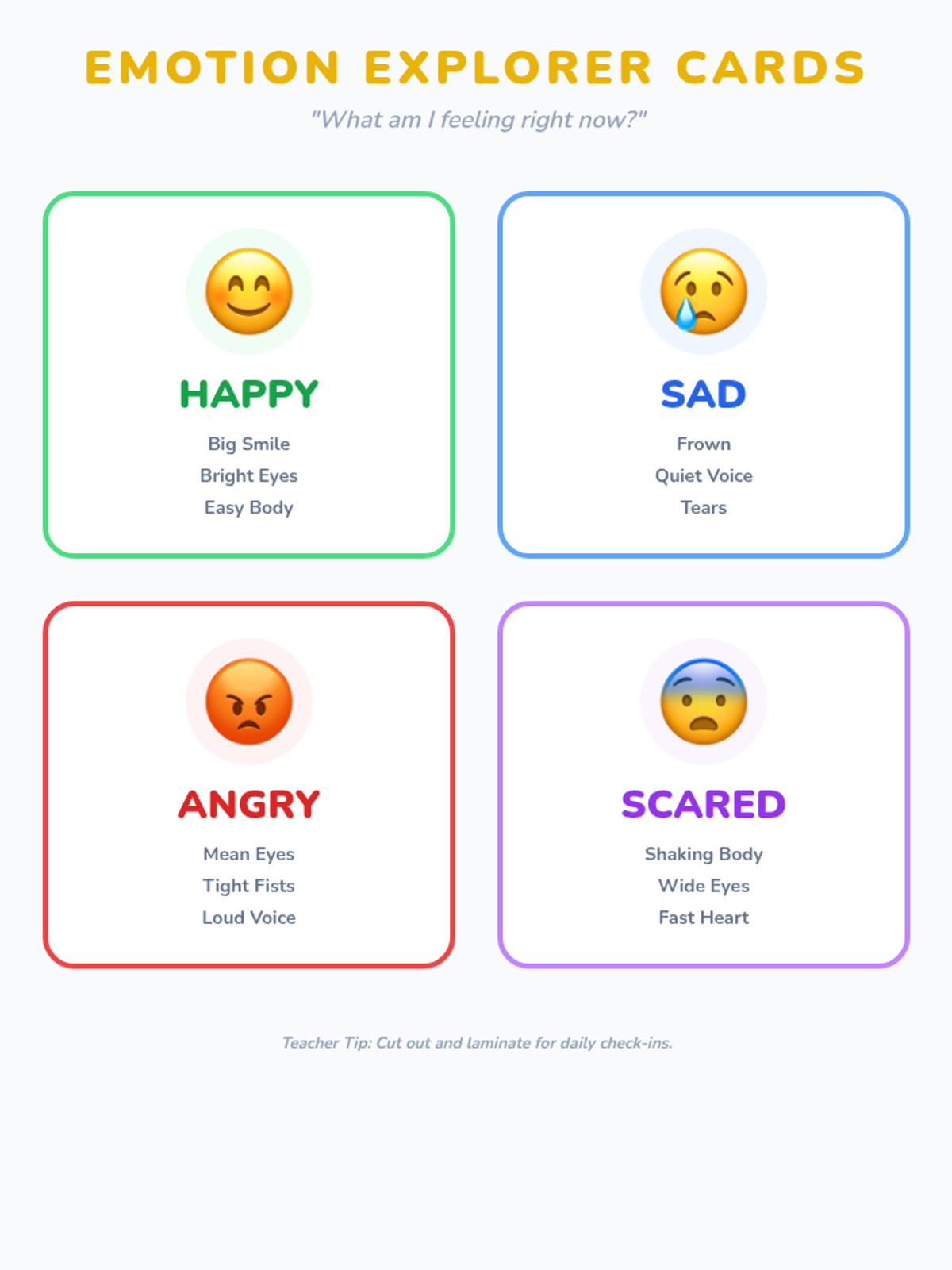
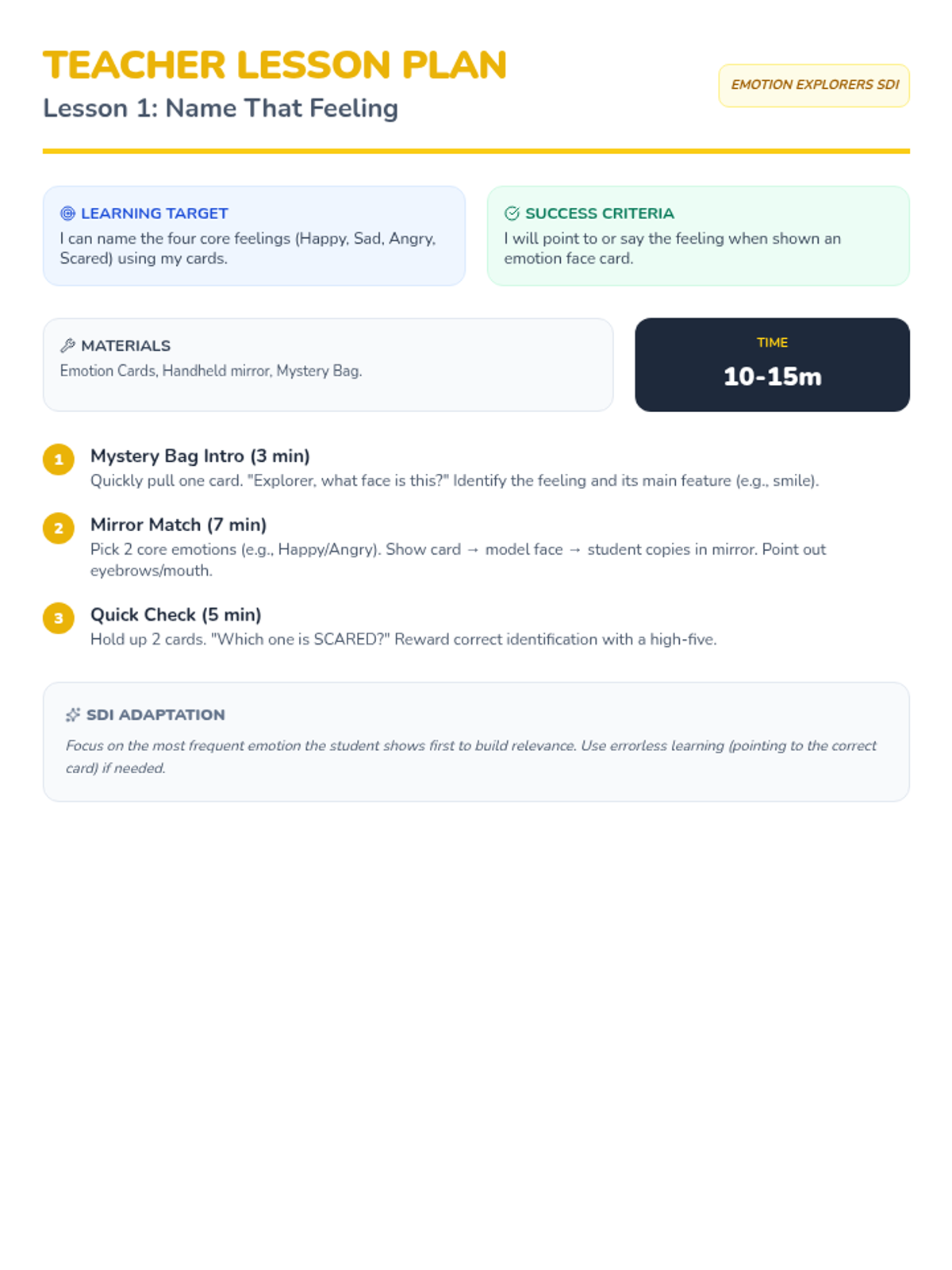
An 8-lesson SDI series designed for a 5-year-old student to develop emotional regulation skills, covering emotion identification, body awareness, and specific calming strategies like breathing and sensory tools.
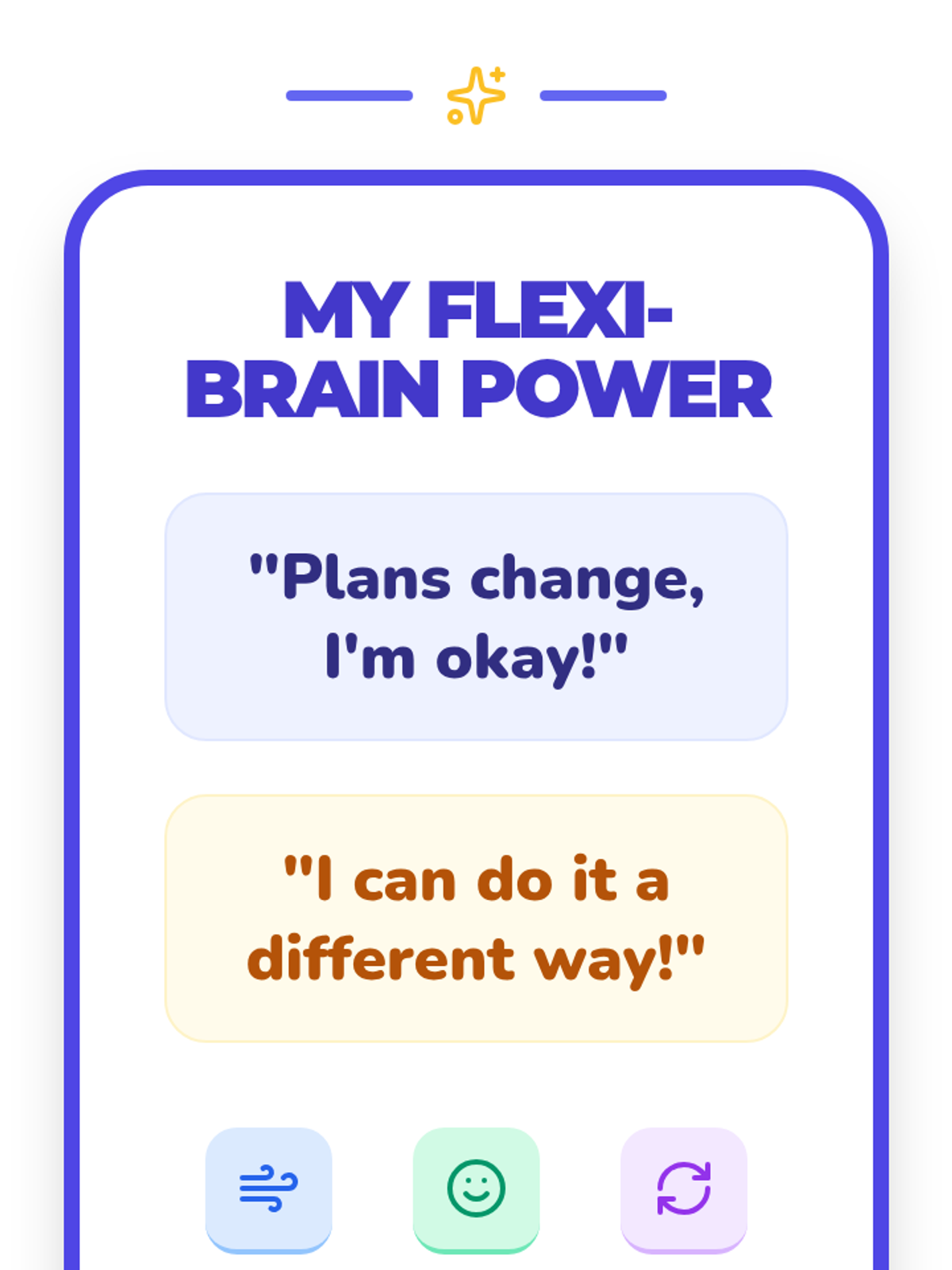
A social-emotional learning sequence for preschool students focusing on flexible thinking, accepting directions, and managing schedule changes through hands-on play and visual metaphors.
A series of social-emotional learning interventions focused on personal boundaries, self-regulation, and respectful communication in school settings.
A series of lessons focused on teaching young children about personal boundaries, body autonomy, and appropriate social interactions.
A series of lessons focused on essential social-emotional skills, including personal boundaries, emotional regulation, and respectful communication.
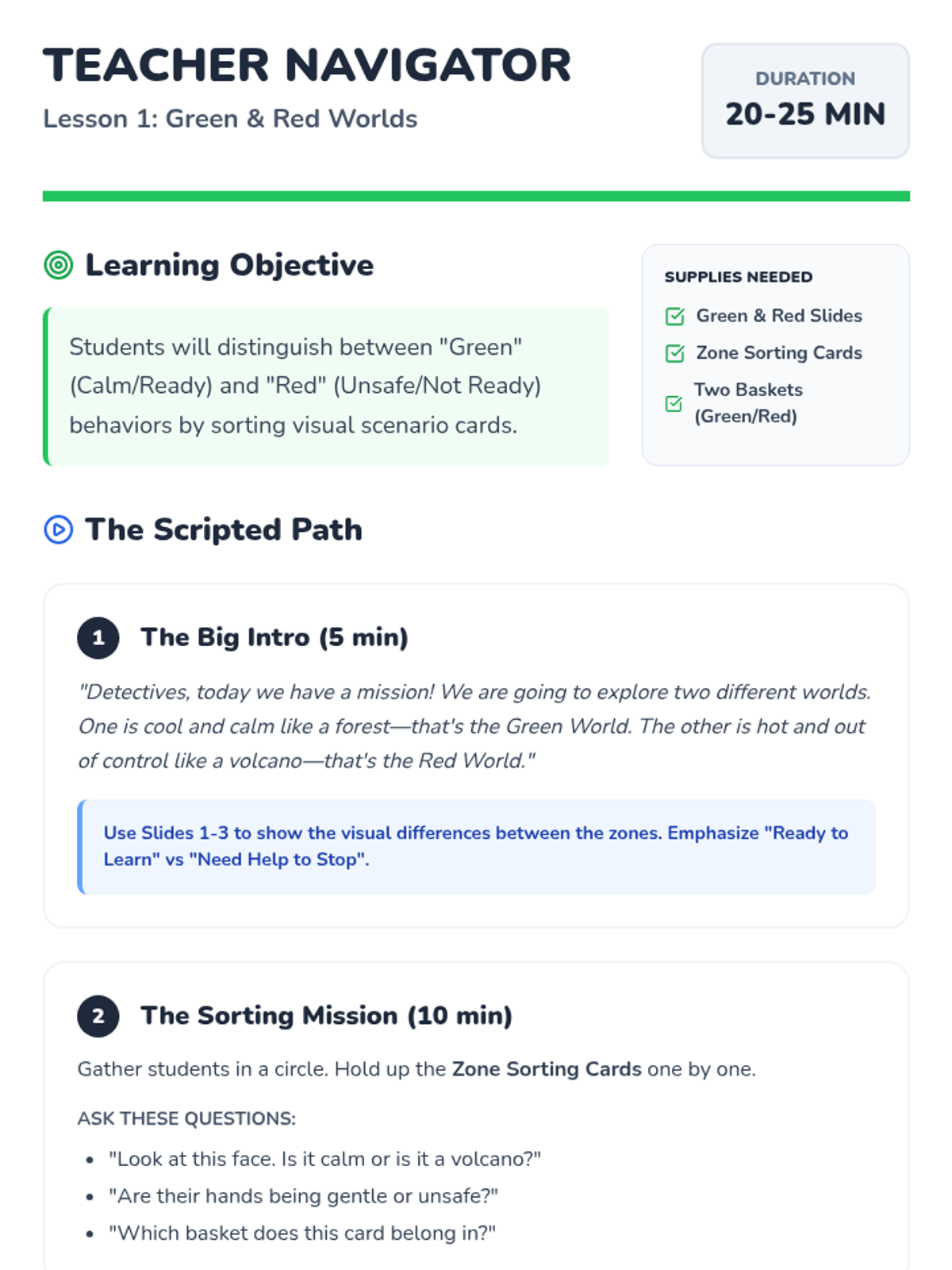
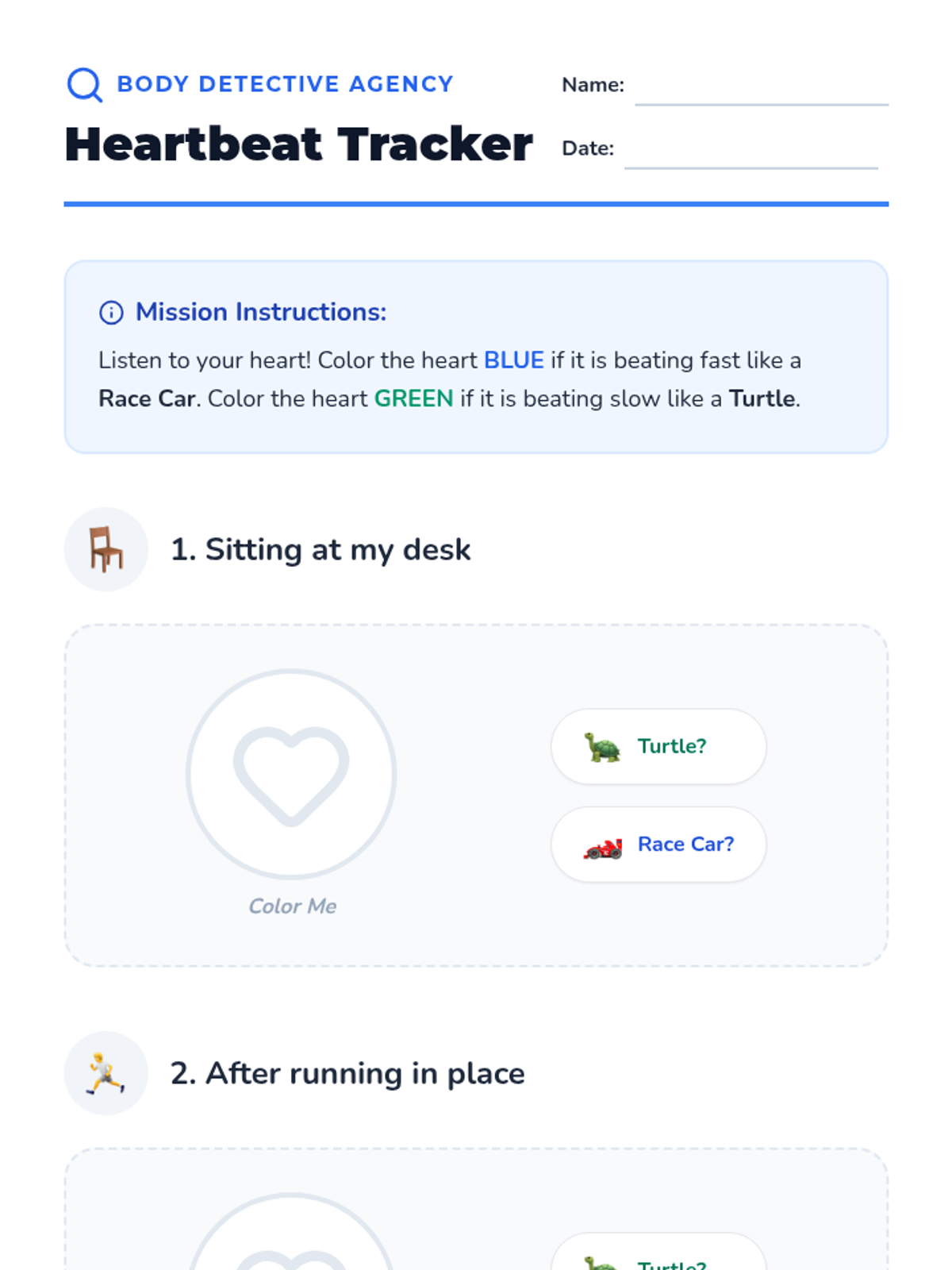
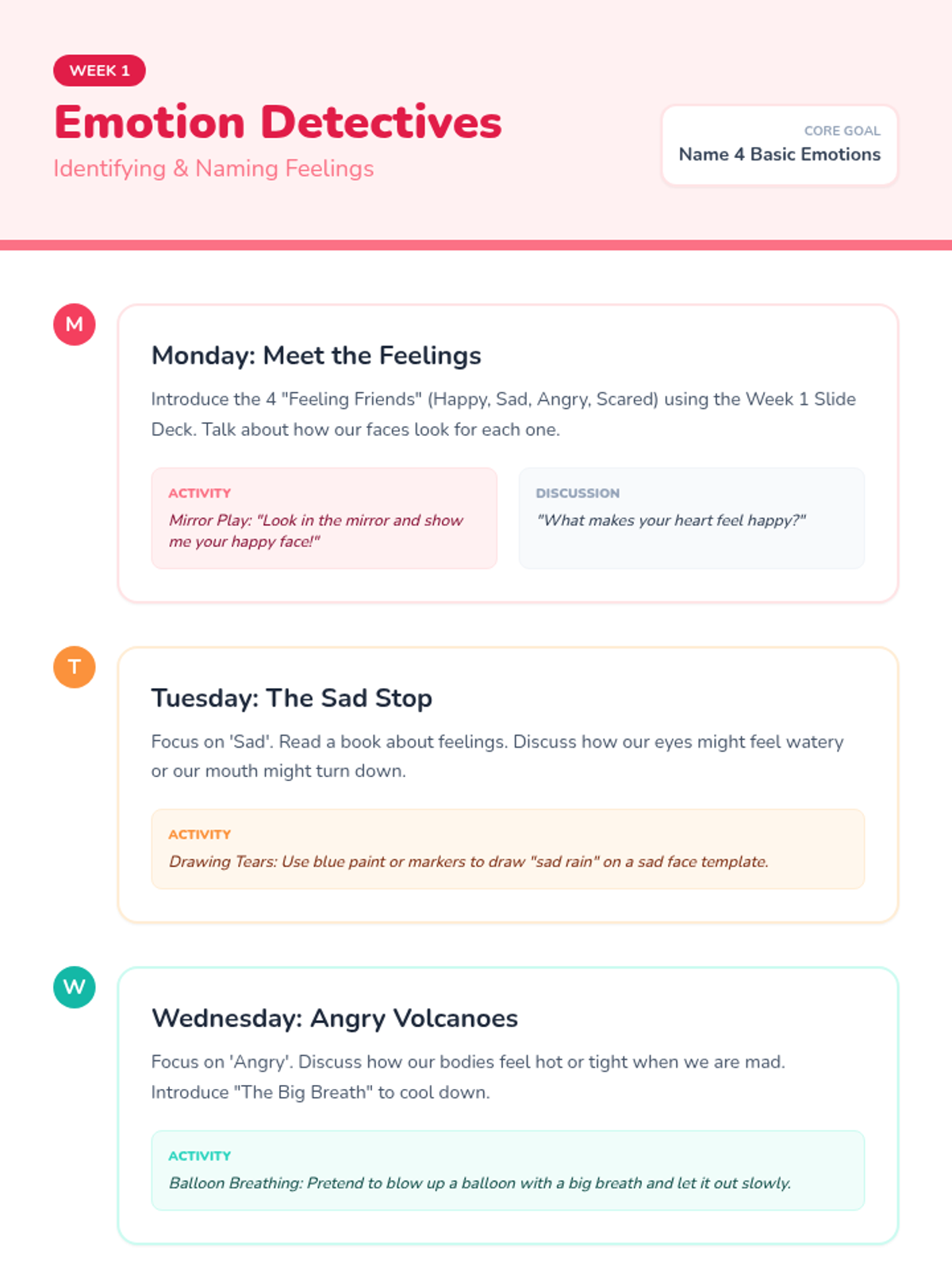
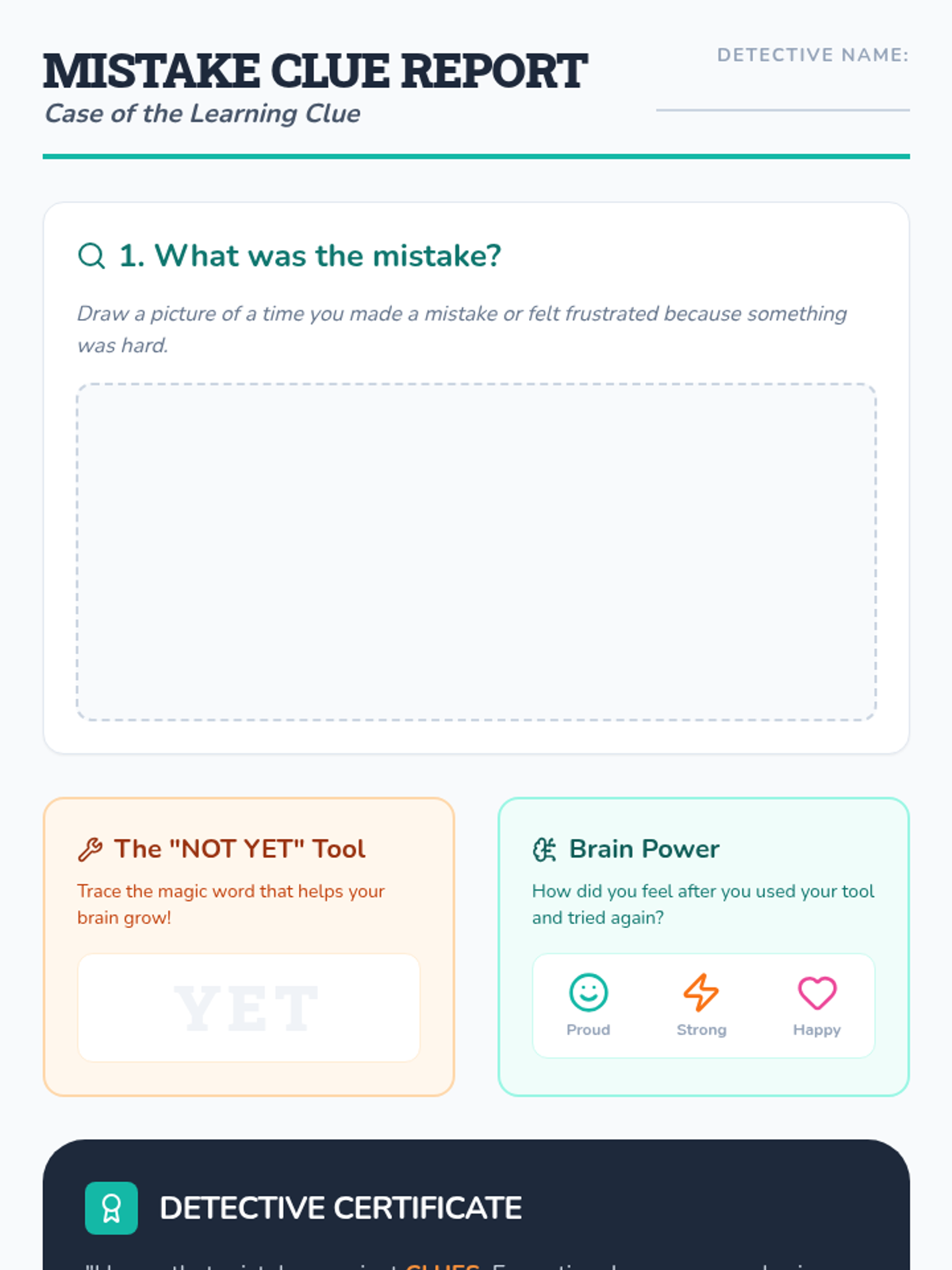
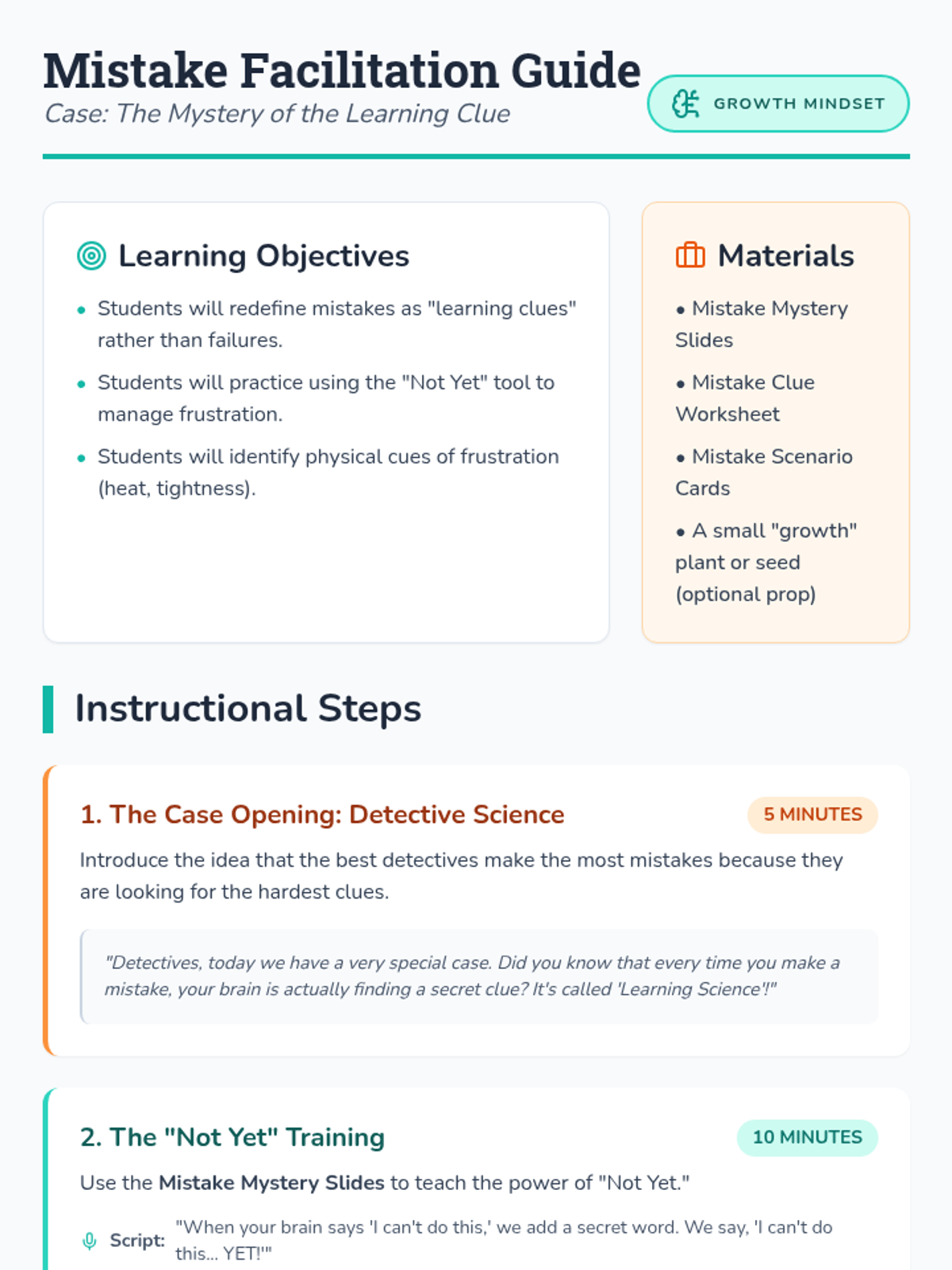
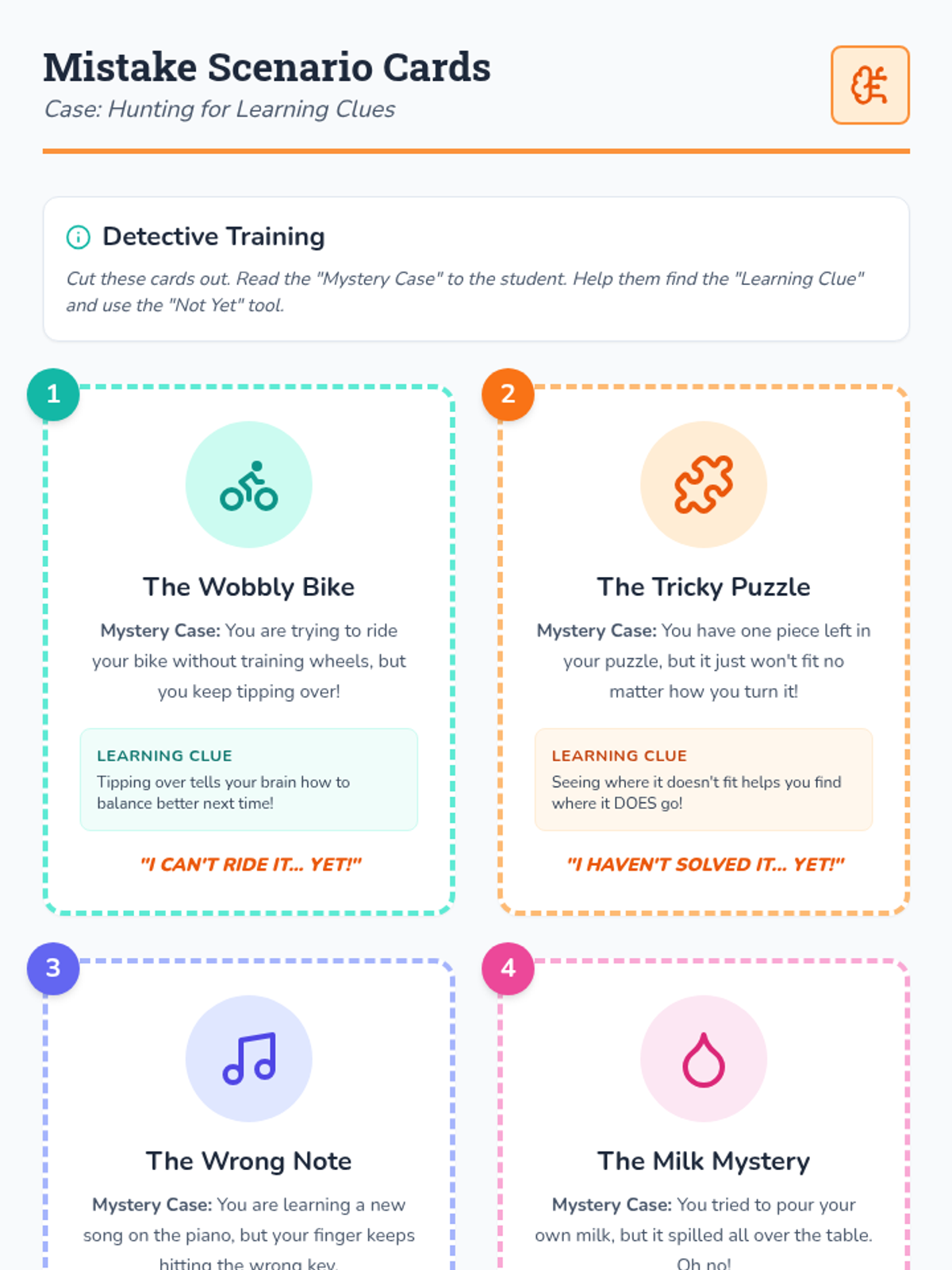
A multi-lesson counseling program for young learners that uses a detective theme to build emotional literacy, self-regulation, and conflict resolution skills through visual and interactive activities.
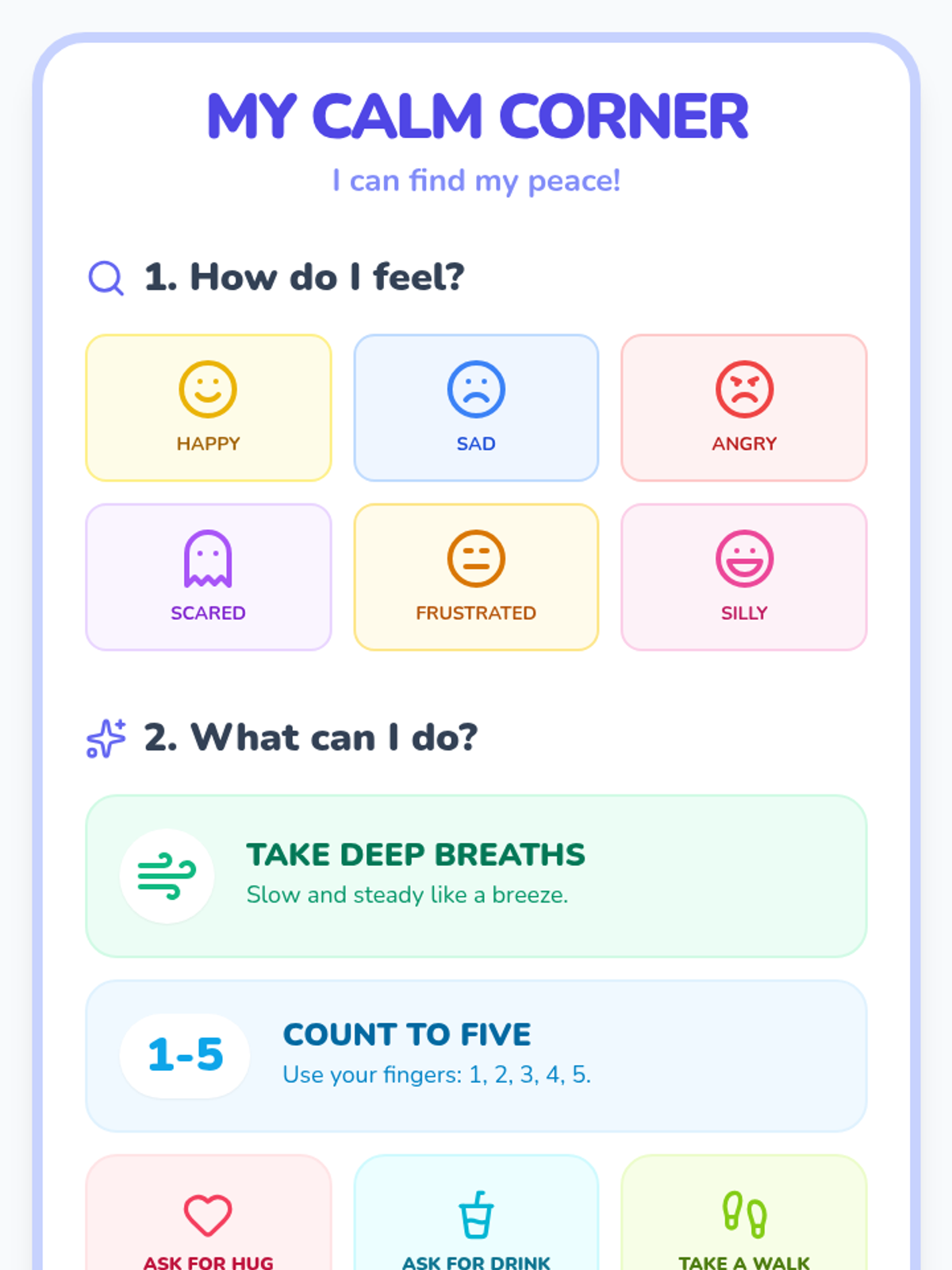
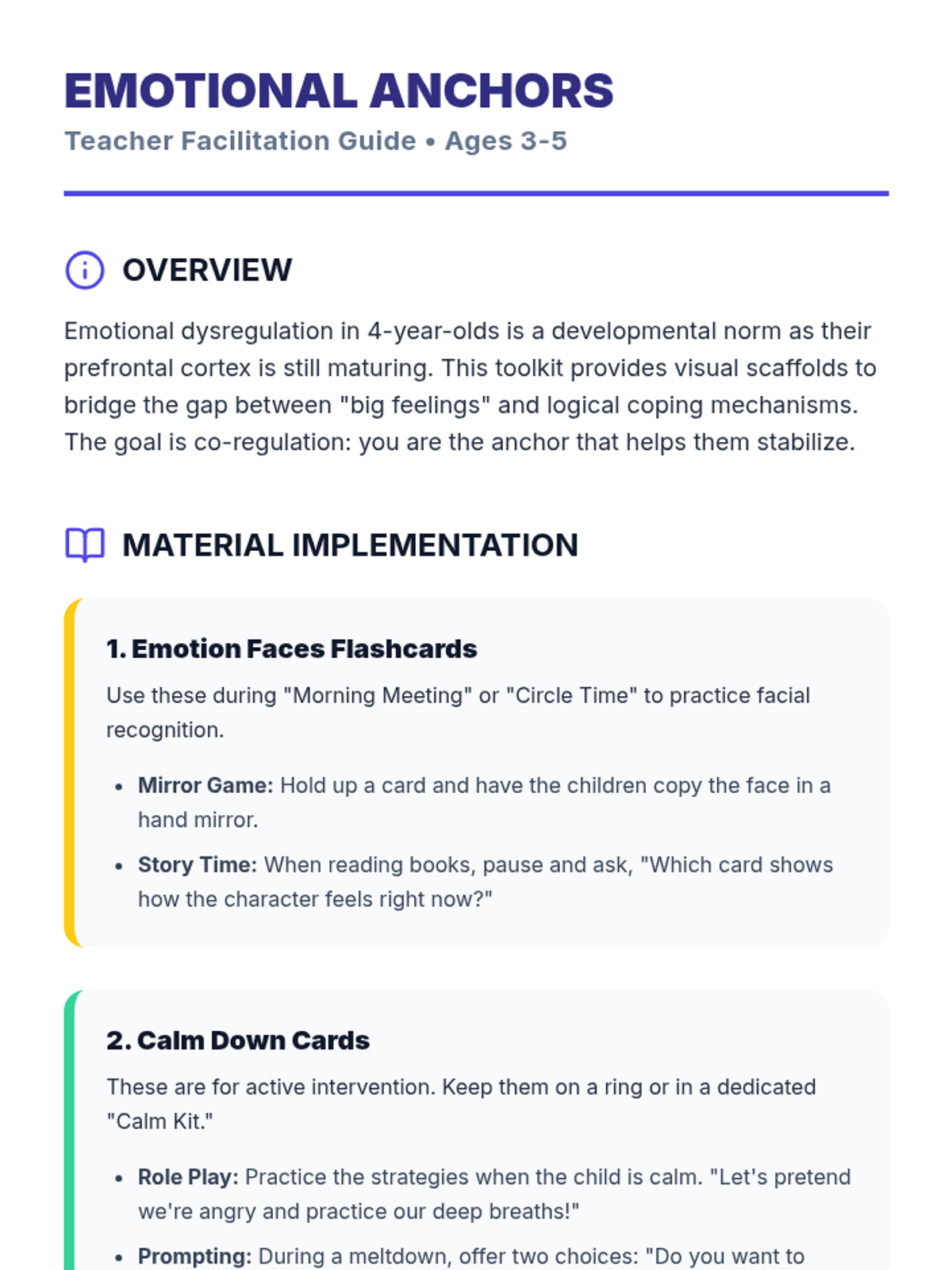
A foundational emotional intelligence unit designed for 4-year-olds to help them identify basic emotions and learn concrete self-regulation strategies. The resources use simple visuals and clear prompts to build self-awareness and provide tools for managing big feelings.
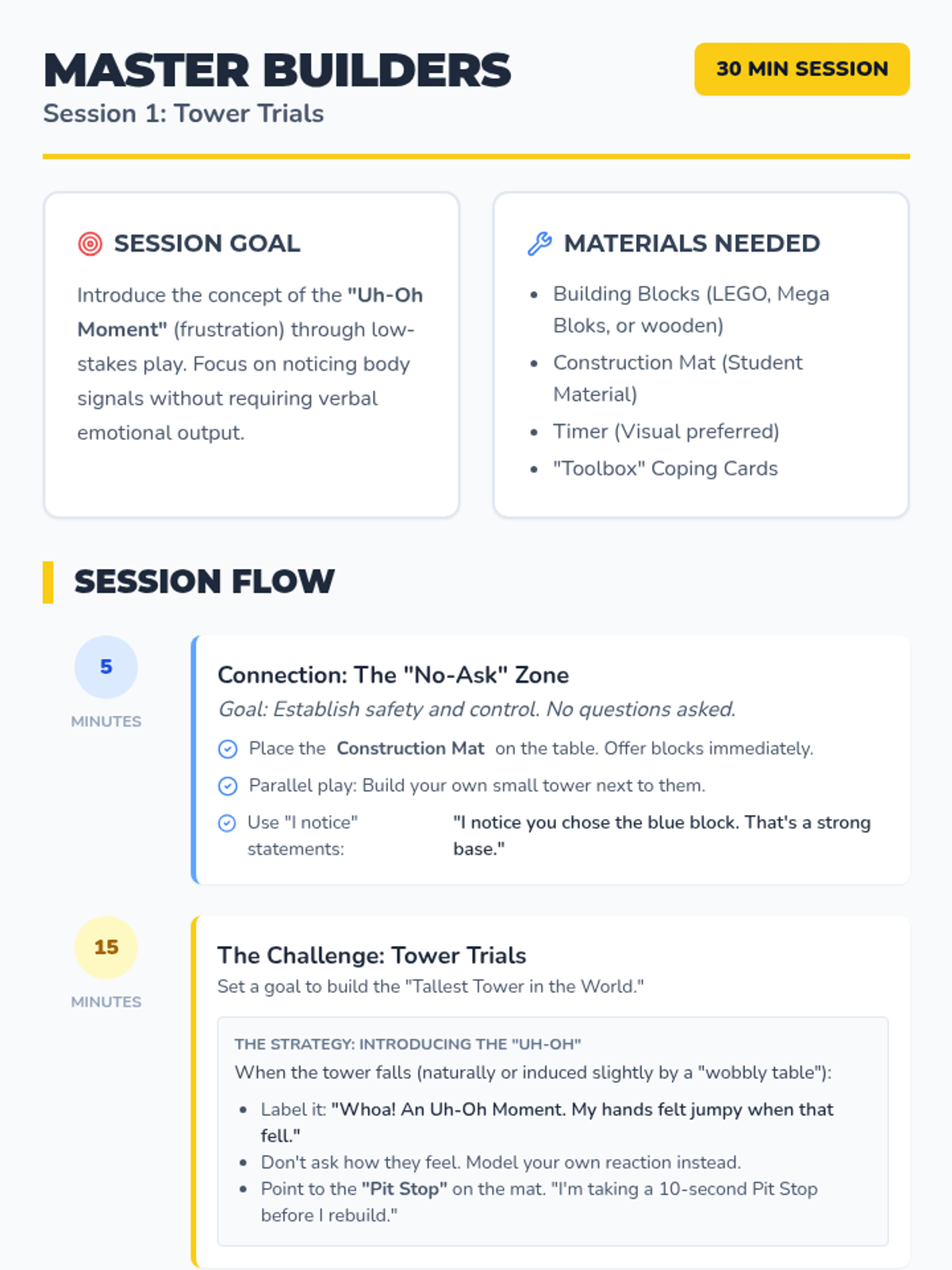
A series of 30-minute individual sessions for high-resistance students, focusing on building frustration tolerance through play-based construction challenges rather than direct emotional questioning.