Stop-and-think strategies, impulse management, and SMART goal setting for personal growth. Develops internal motivation, stress reduction techniques, and resilience through proactive planning and monitoring.
This sequence introduces Pre-K students to the foundational concepts of task persistence, utilizing visual supports and structured reinforcement to build attention stamina. Students learn to identify 'finished', use timers, manage frustration, follow 'First-Then' logic, and self-monitor their work.
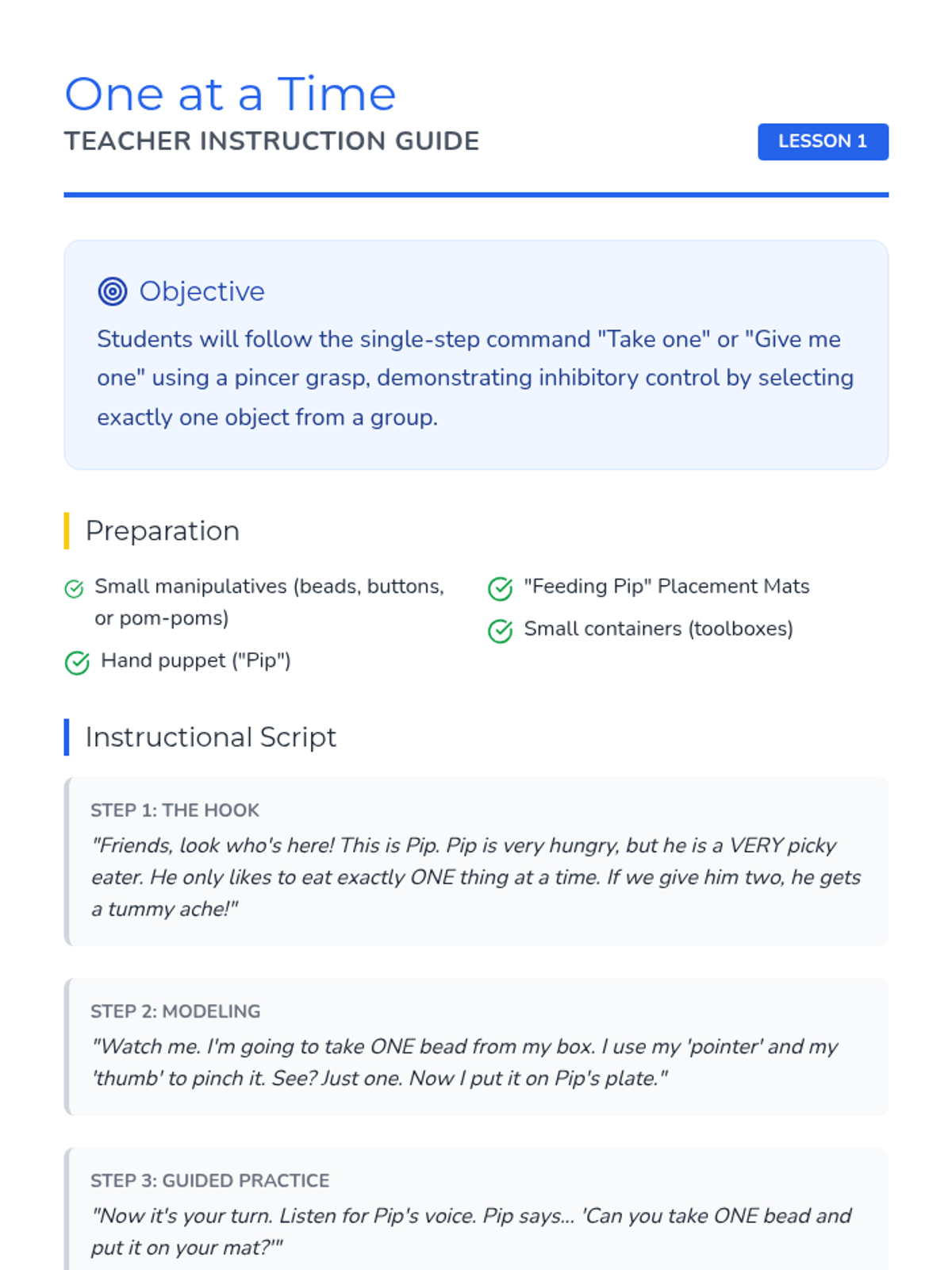
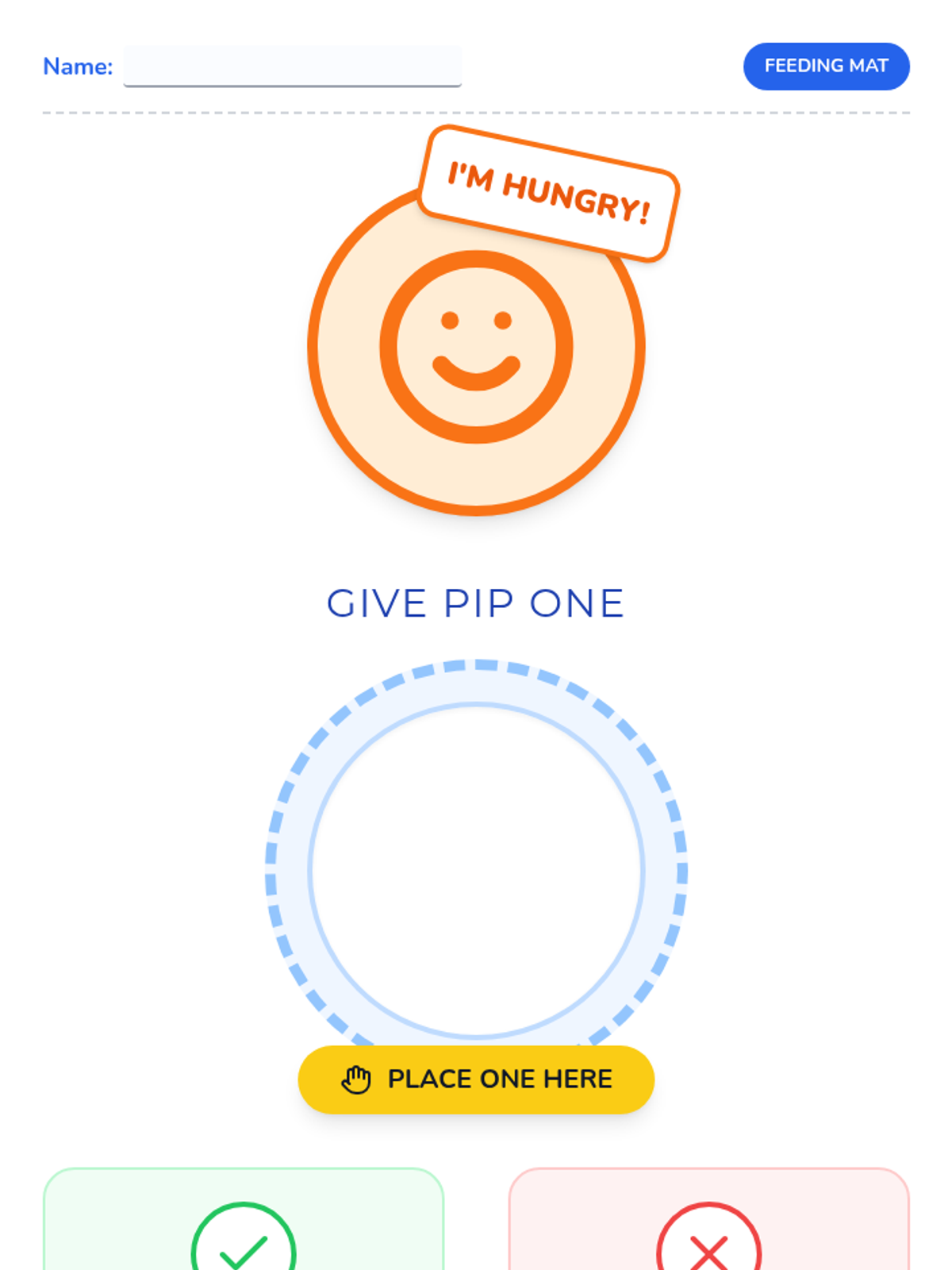
A Pre-K sequence focused on working memory and auditory processing through single-step directions using table-top manipulatives. Students develop fine motor skills and inhibitory control while following specific verbal commands in a hands-on workshop environment.
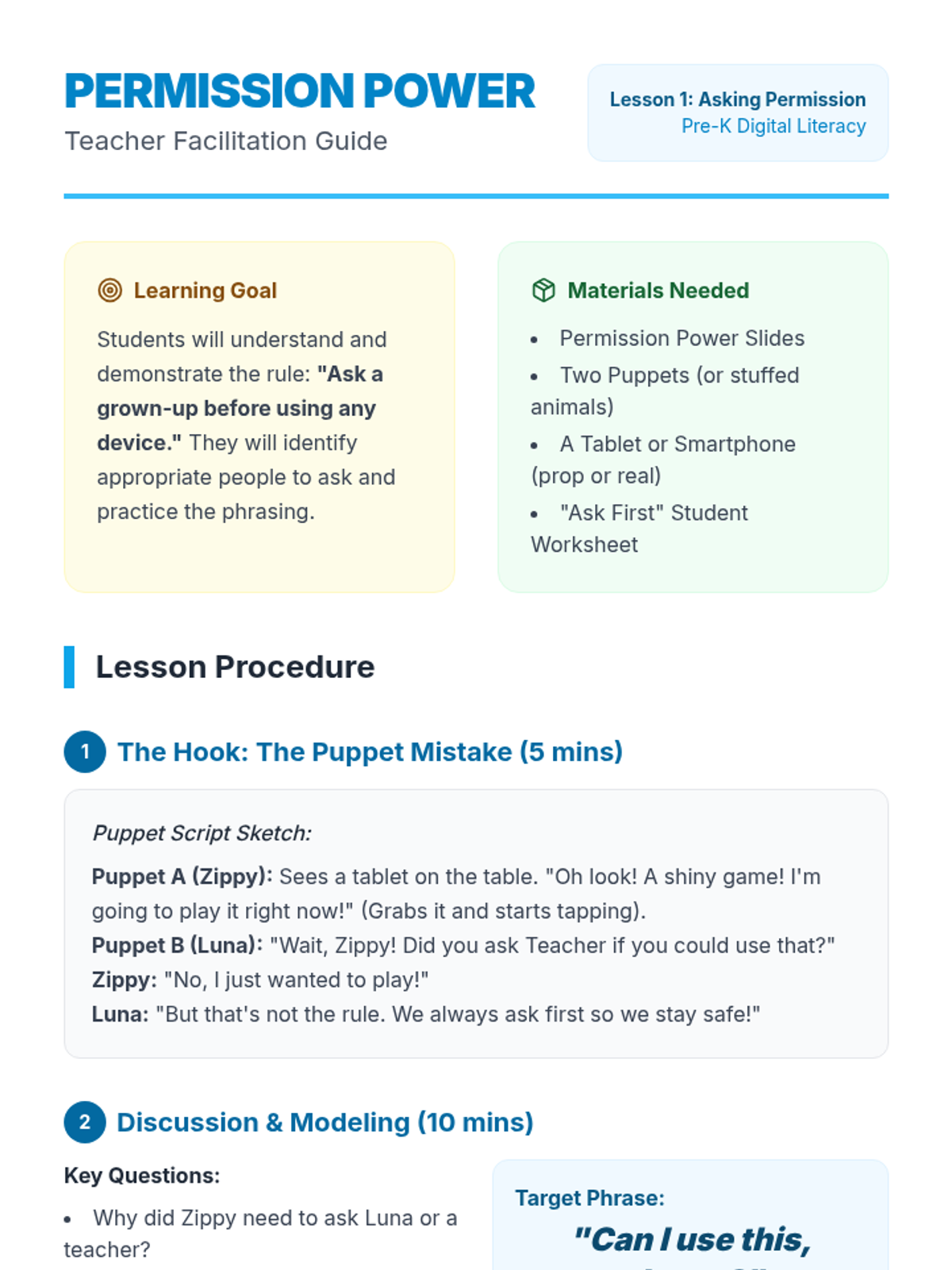
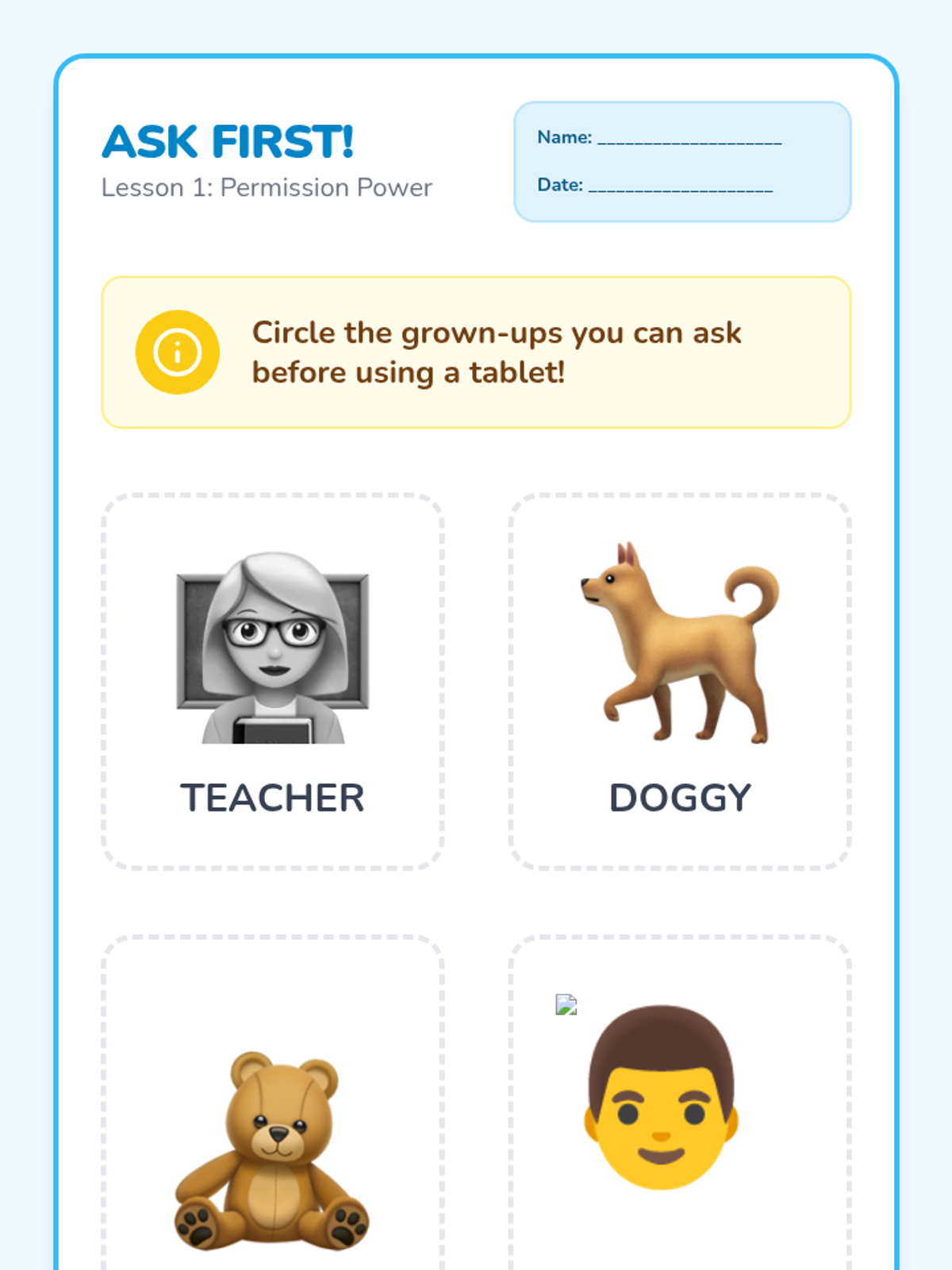
A foundational sequence for Pre-K students to develop healthy technology habits, focusing on asking for permission, balancing screen time, responding to unexpected content, physical health, and understanding connectivity.
A Pre-K sequence focused on teaching positive peer interaction through social stories, role-play, and the creation of a 'Friendship Playbook'. Students learn body awareness, social scripts for joining play, patience in turn-taking, and verbal conflict resolution.
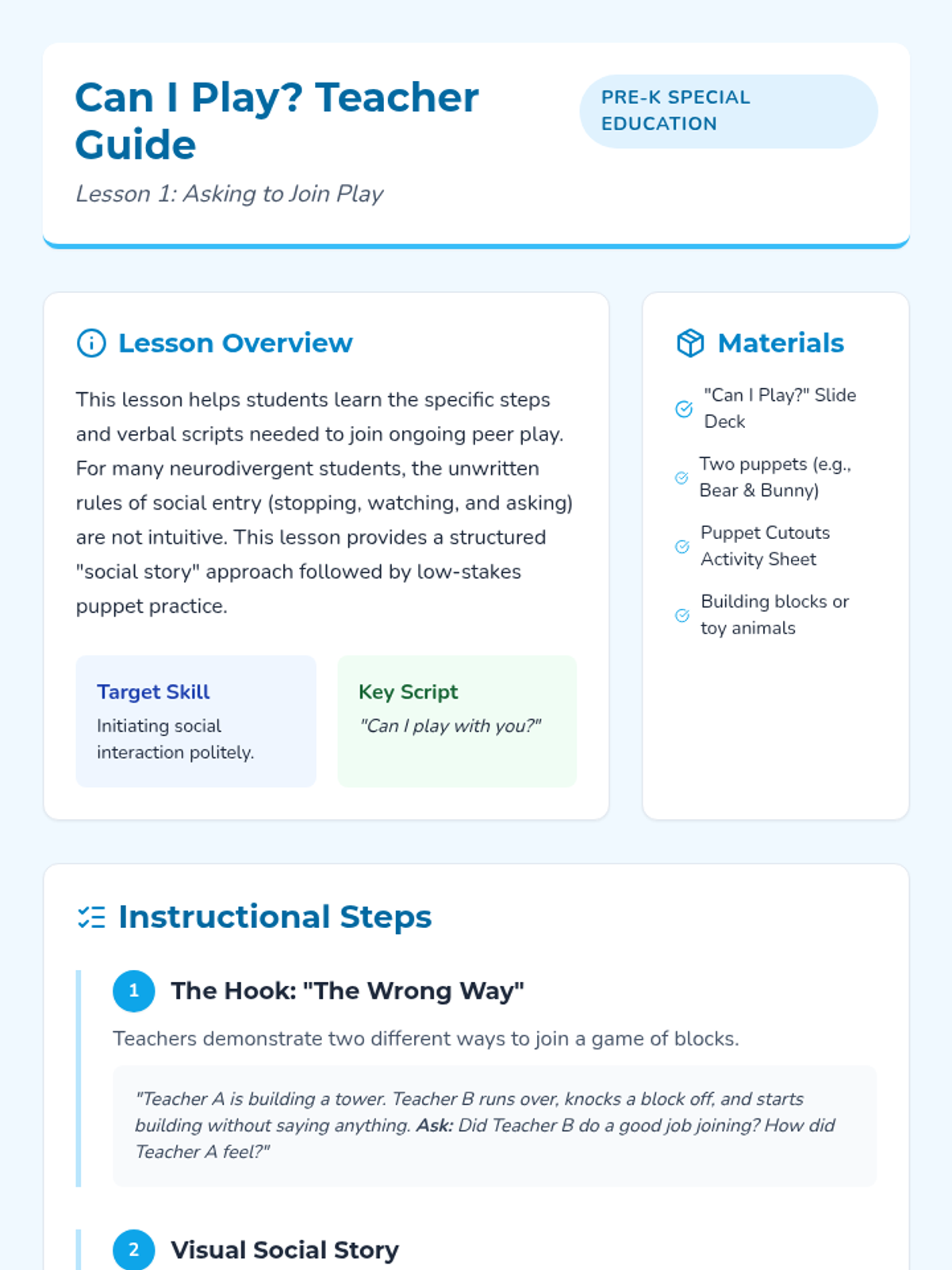
A 5-lesson sequence designed for Pre-K students to develop peer interaction and social play skills through social stories, role-play, and hands-on activities. Focuses on initiating play, turn-taking, personal space, emotional resilience, and physical self-control.
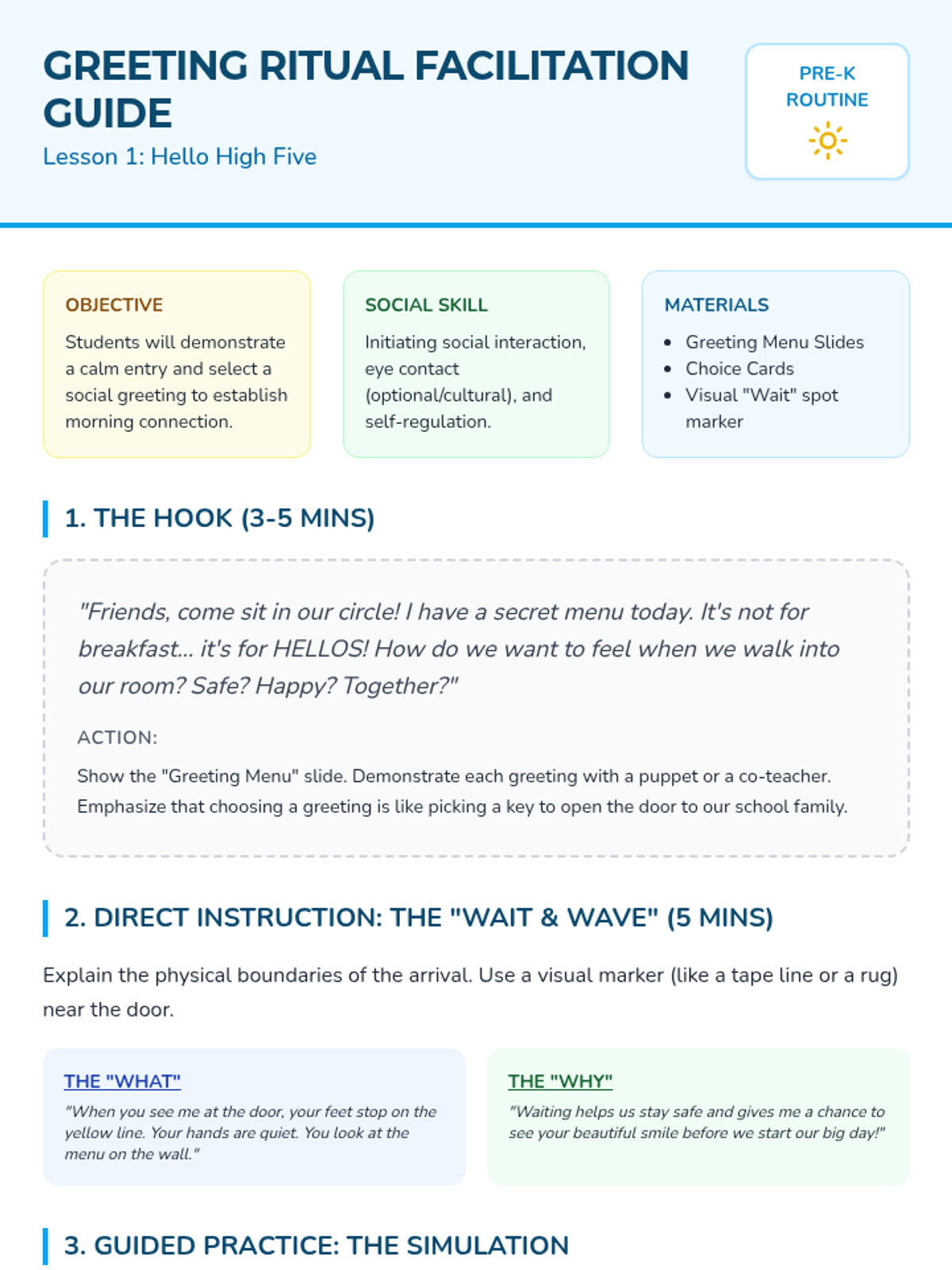
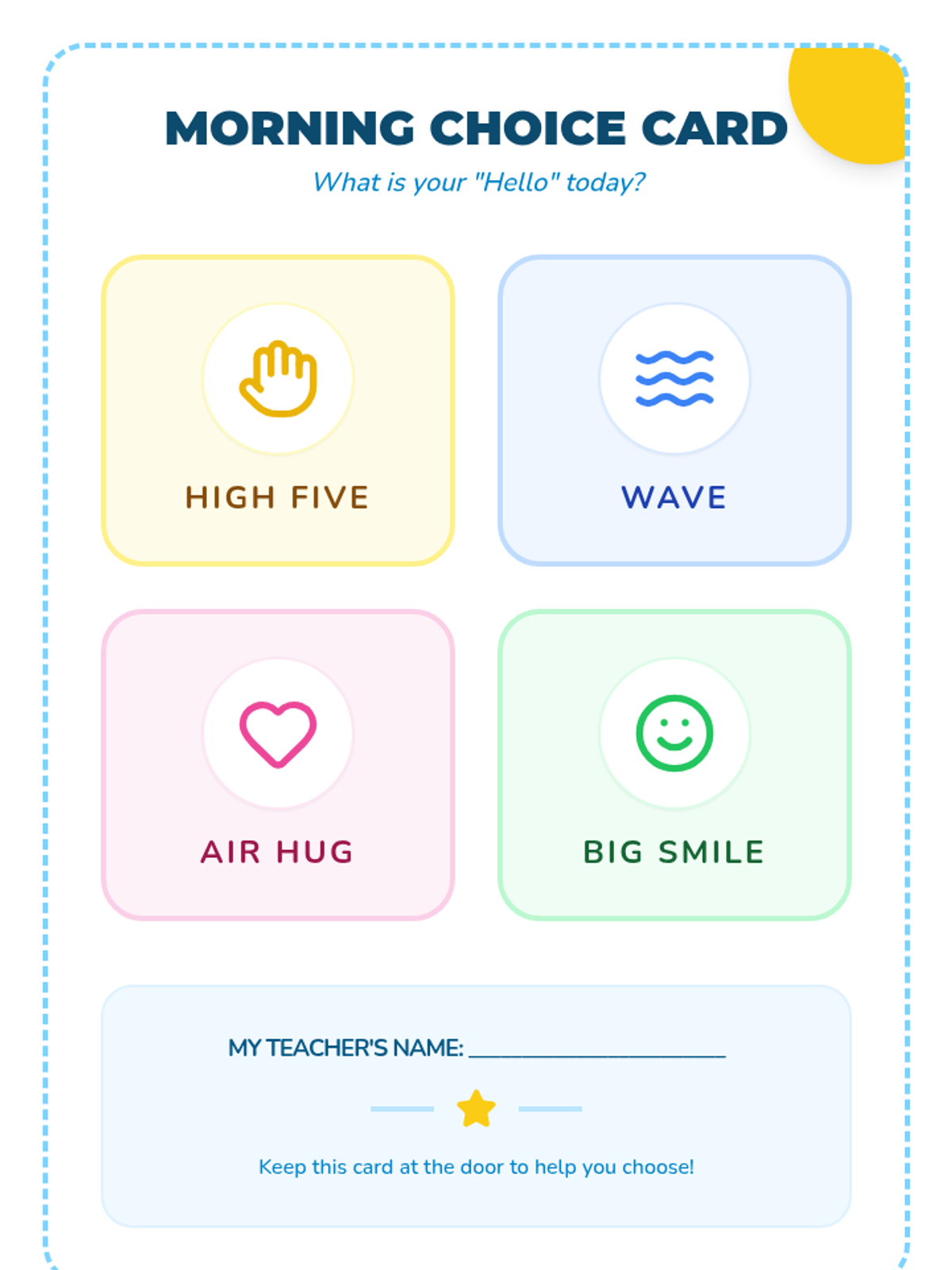
A comprehensive sequence designed to teach Pre-K students the autonomous arrival routine, focusing on greeting rituals, managing personal belongings, and the daily check-in process. This sequence builds independence and reduces morning anxiety through clear, visual steps.
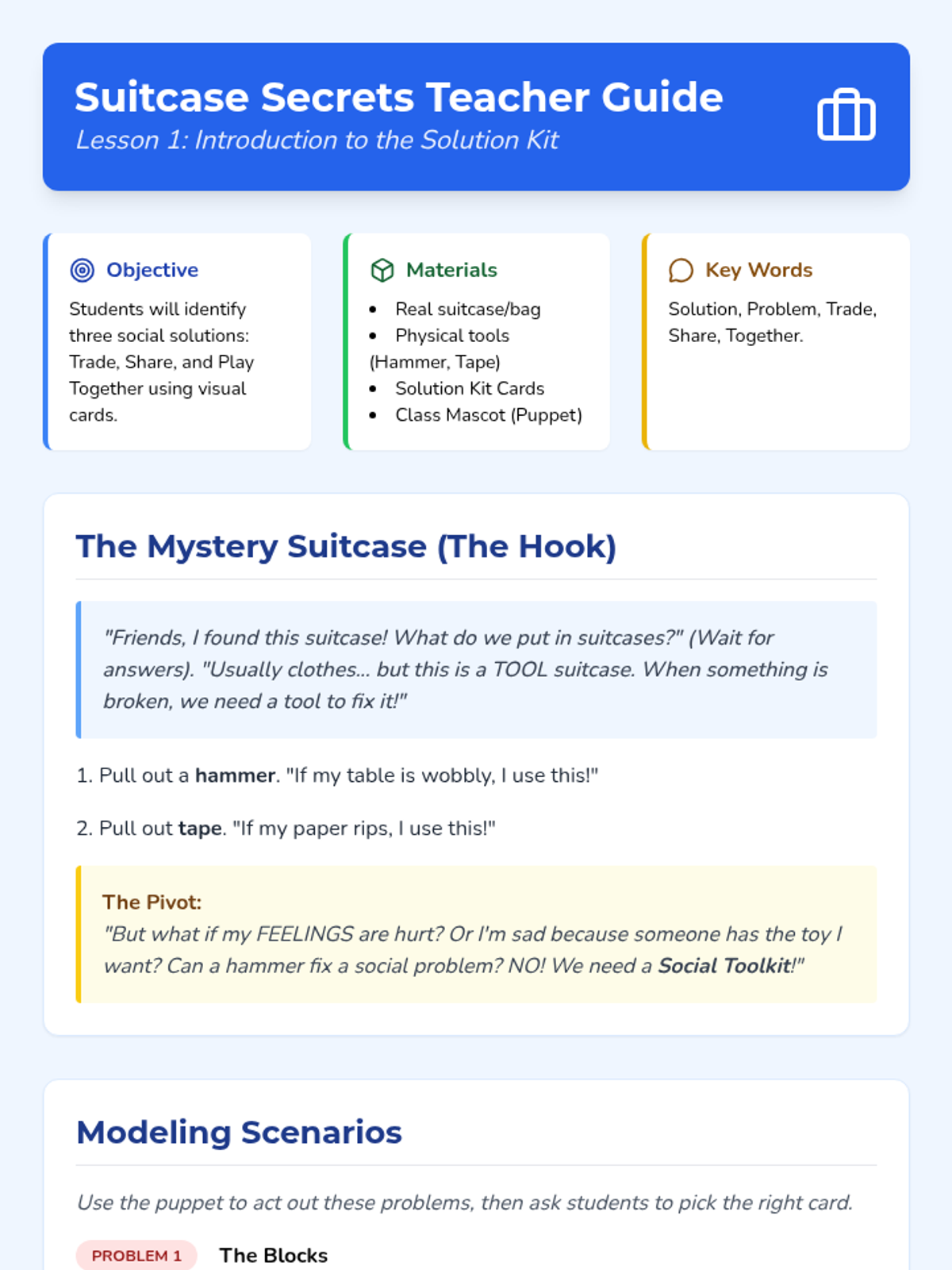
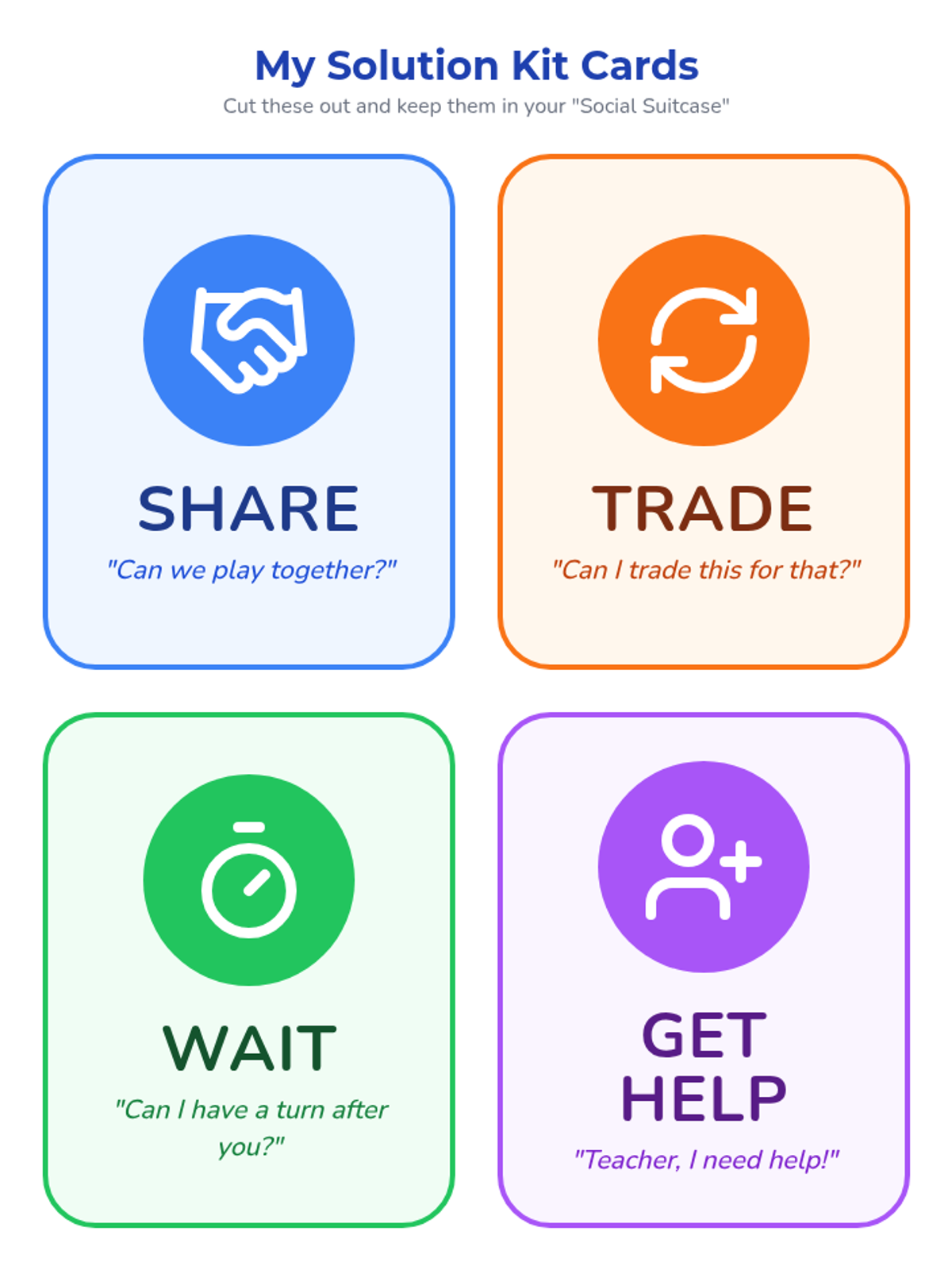
A Pre-K sequence focused on teaching specific social problem-solving strategies. Students learn to use a 'Solution Kit' of visual cards to navigate conflicts like sharing, trading, and taking turns through games, simulations, and creative brainstorming.
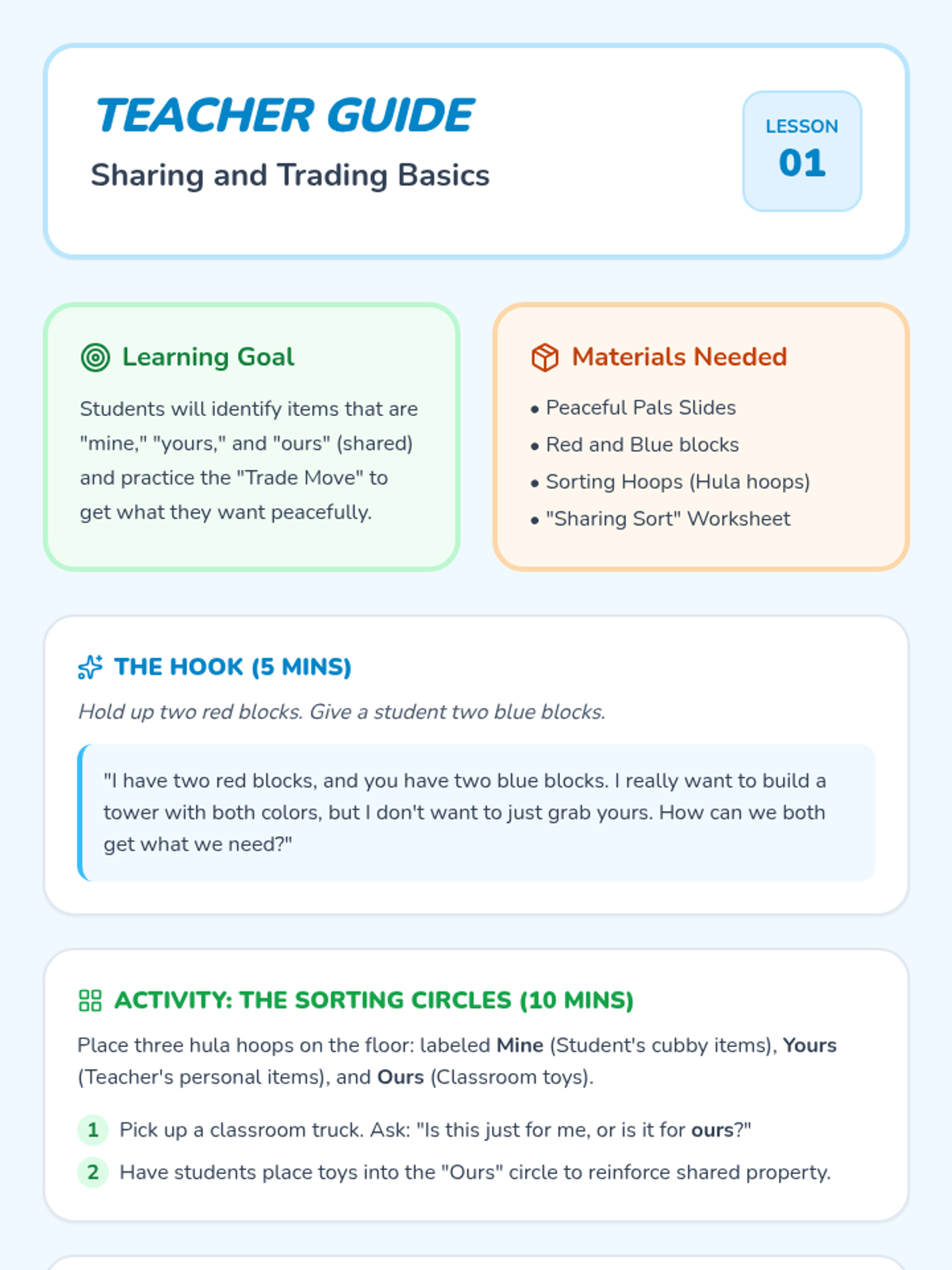
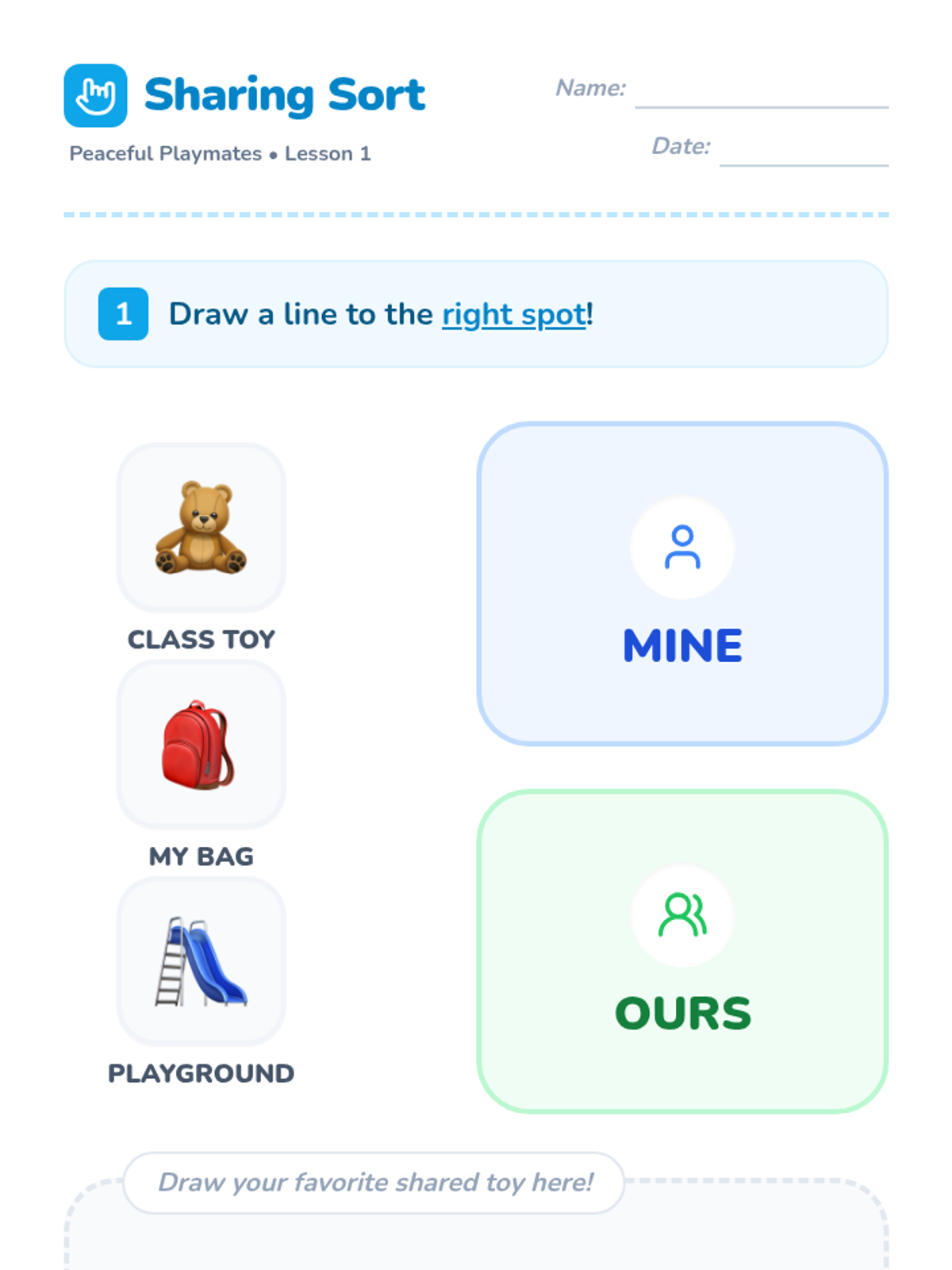
A Pre-K sequence focused on teaching social-emotional skills through puppet play, role-play, and visual aids. Students learn the foundational skills of sharing, trading, de-escalating physical impulses, and making amends with peers.
A project-based sequence for Pre-K students to learn the value of sharing and turn-taking through art and play. By managing limited resources together, children discover that cooperation leads to more beautiful results than individual effort.
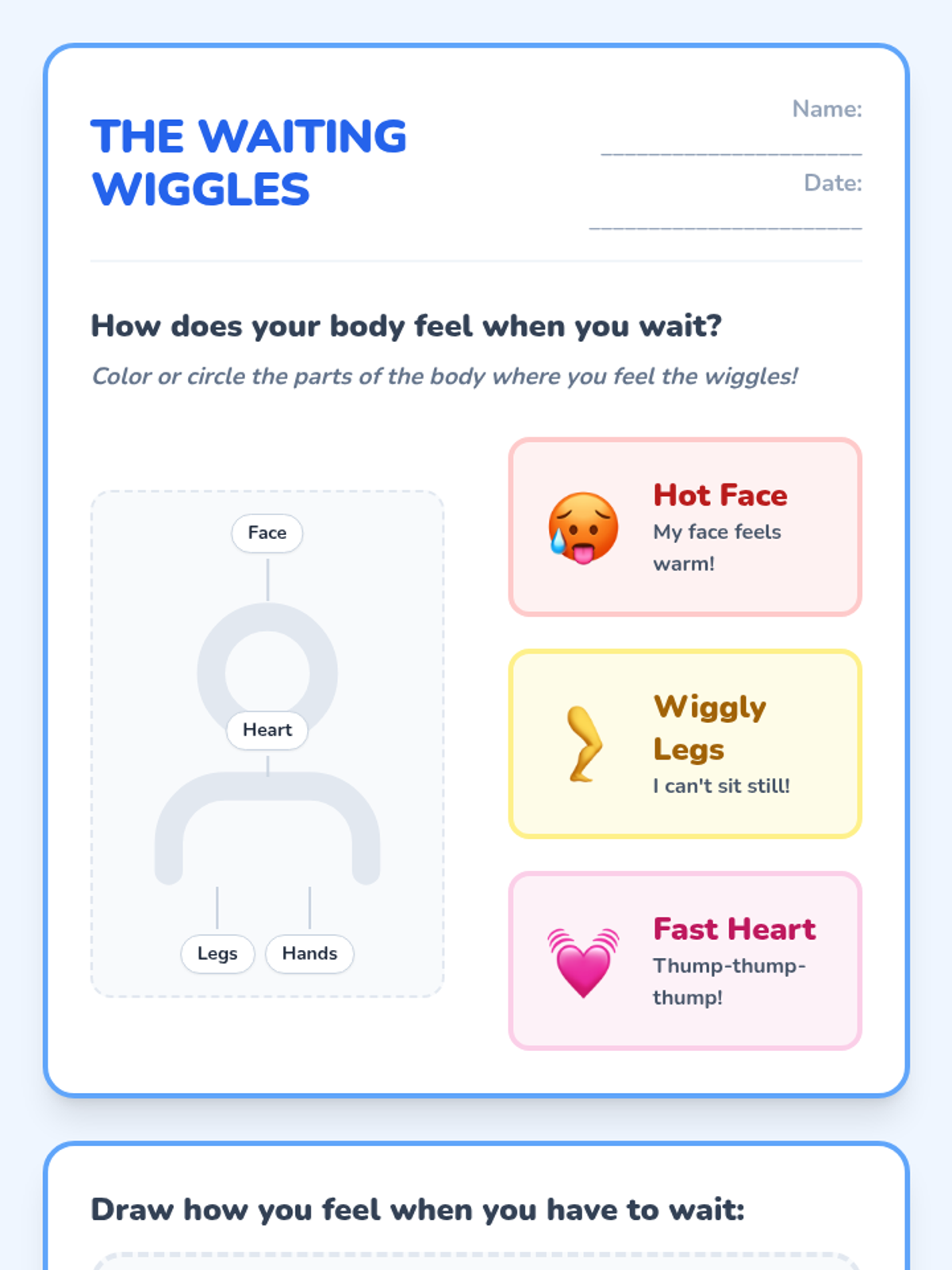
A Pre-K sequence focused on emotional regulation and waiting skills, helping children identify the physical feelings of impatience and build a 'waiting toolkit' of coping strategies.
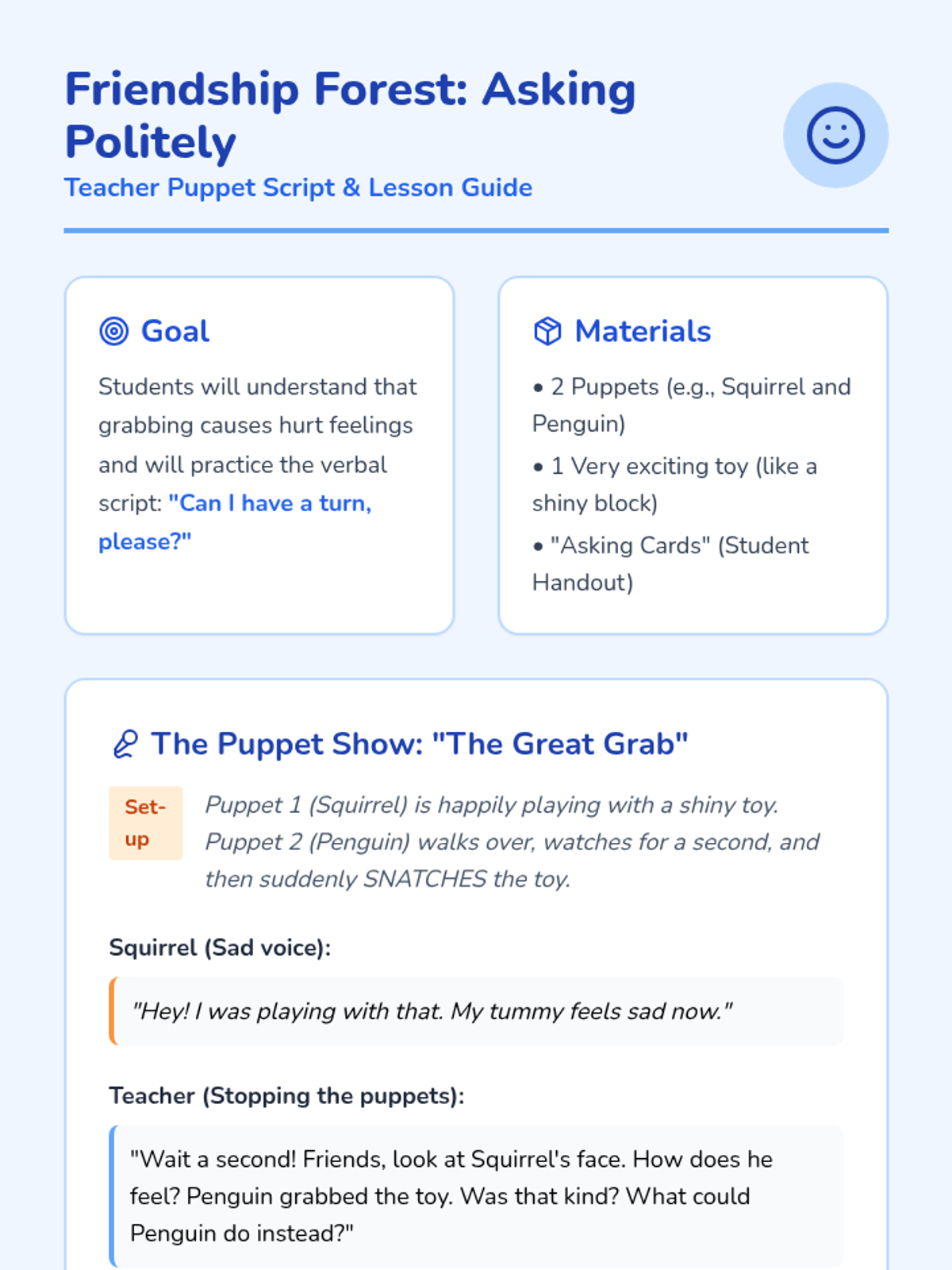
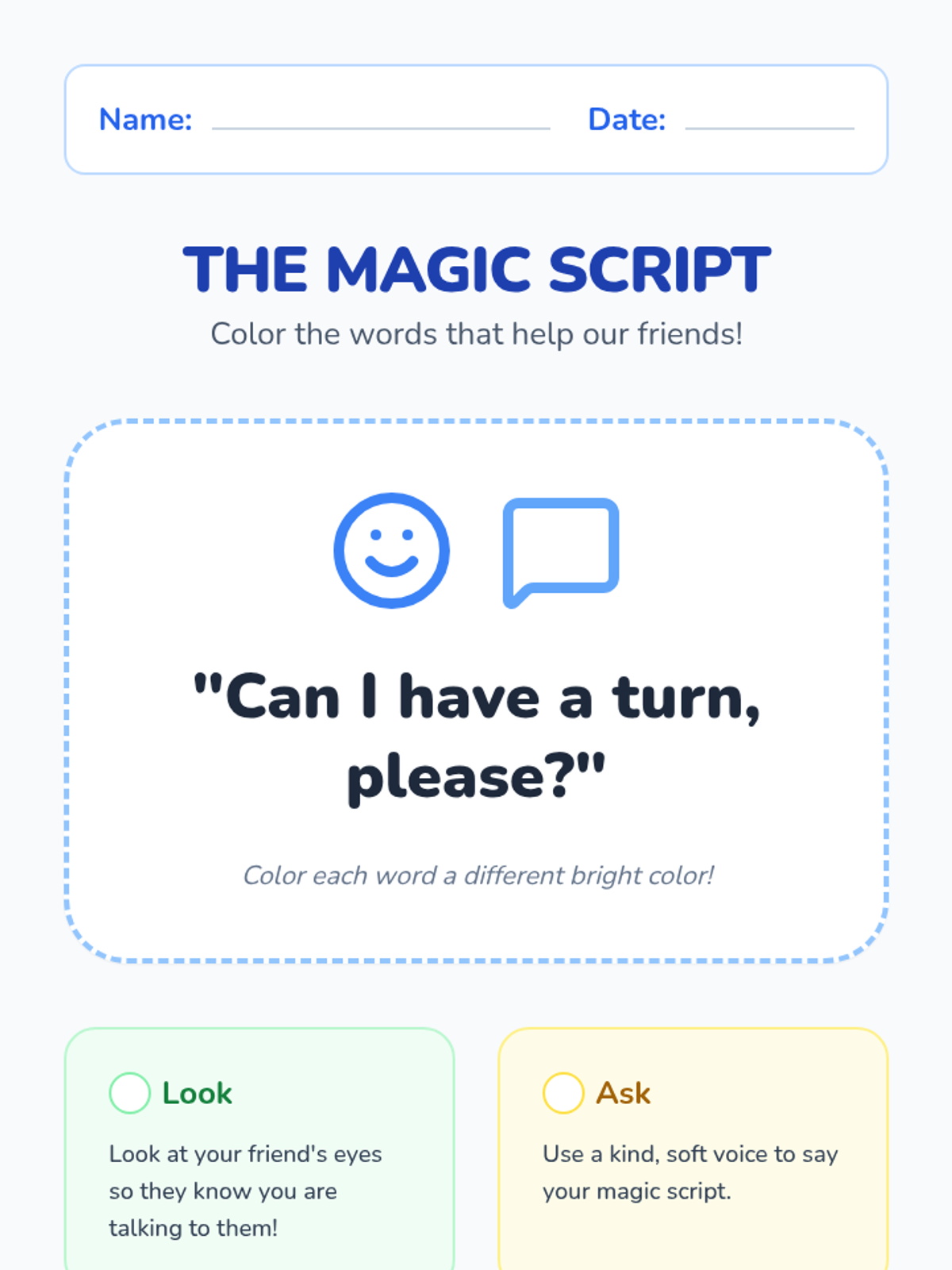
A Pre-K sequence focused on teaching children the verbal scripts and social strategies needed for successful turn-taking, sharing, and resource negotiation in a classroom environment.
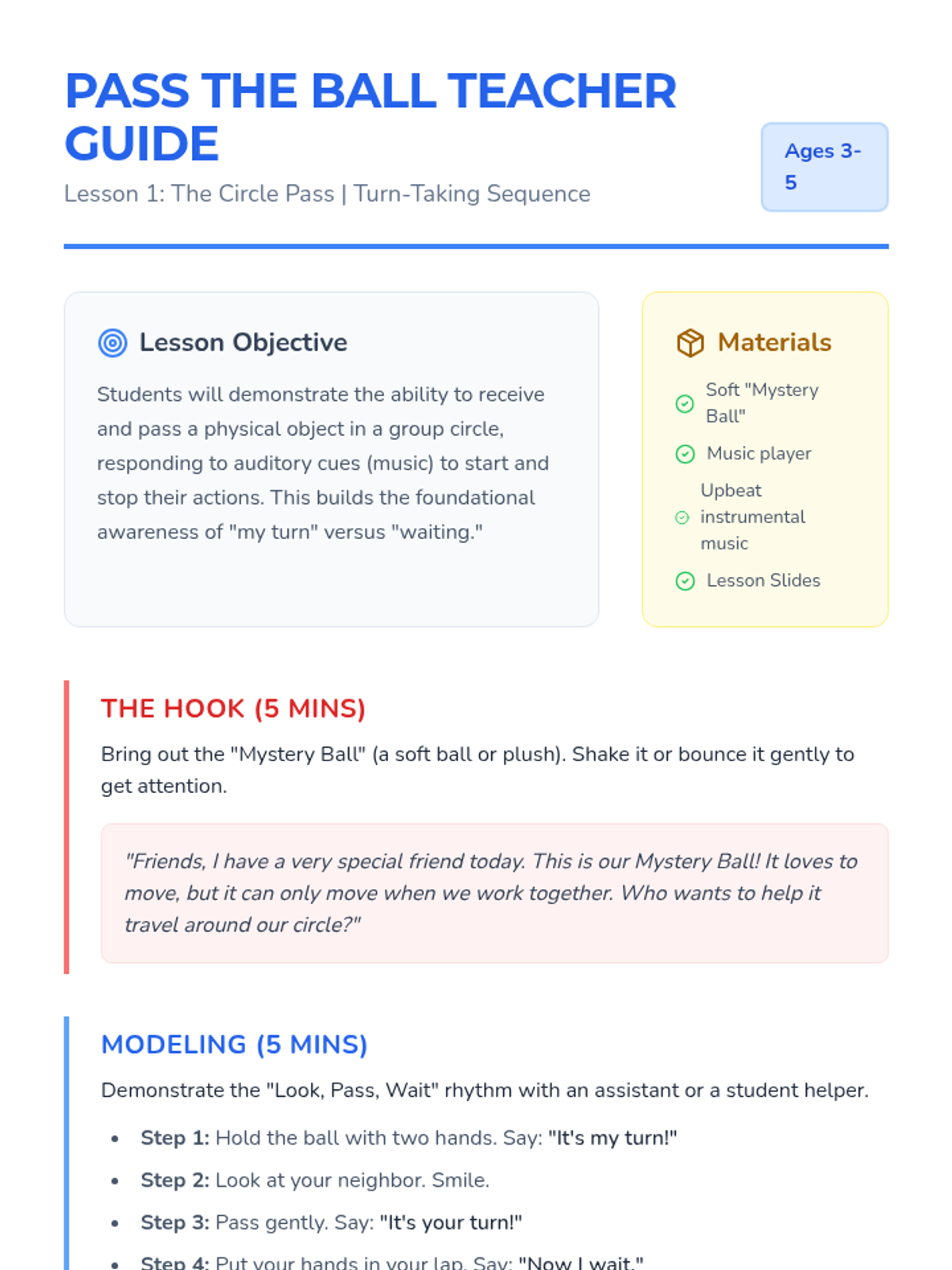
A Pre-K sequence focused on the fundamental mechanics of turn-taking and sharing through structured gameplay, physical movement, and visual cues. students learn to manage 'my turn' and 'your turn' rhythms in a supportive group environment.
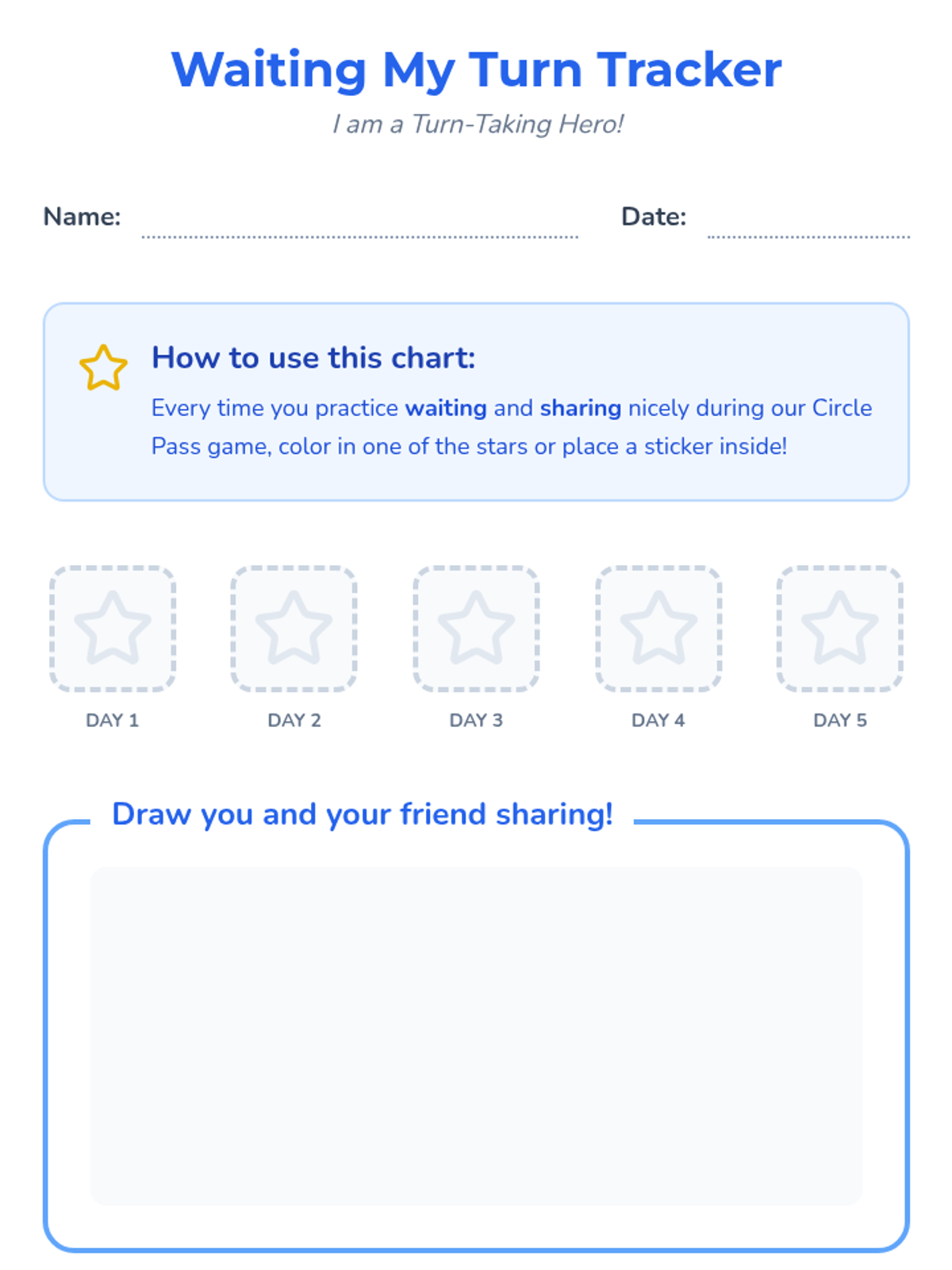
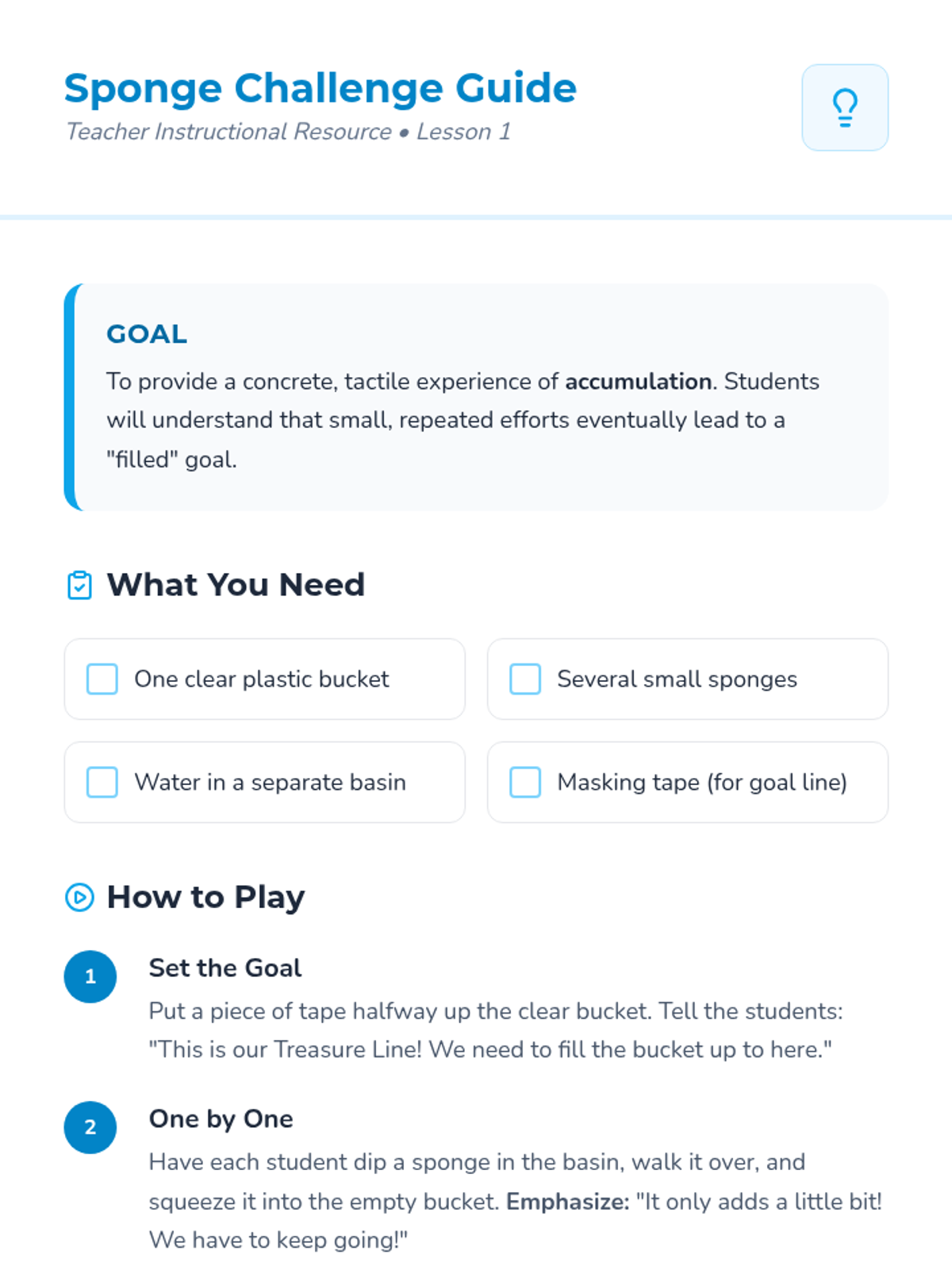
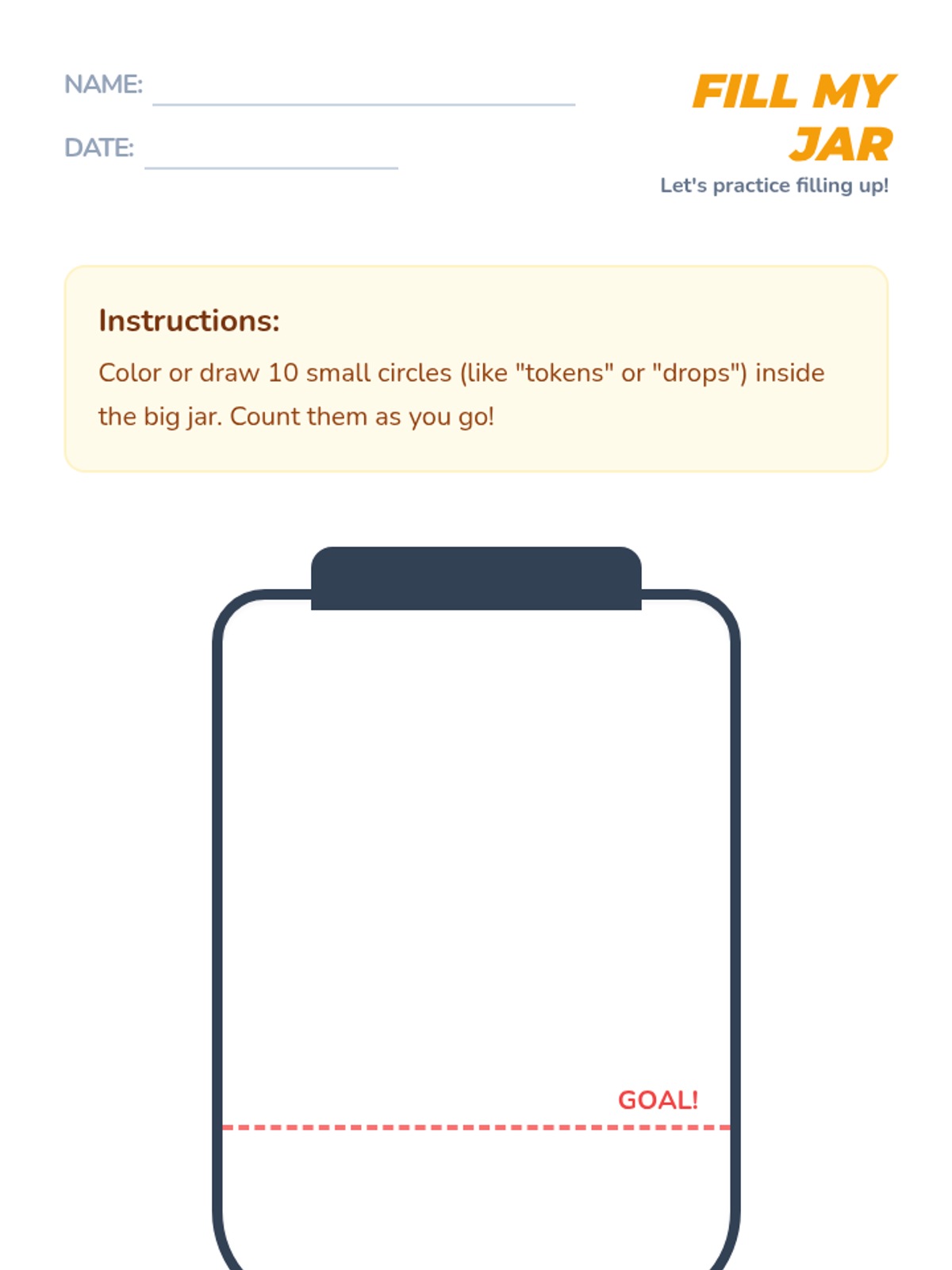
This sequence introduces Pre-K students to the concept of token economies and behavior tracking through concrete accumulation, role-playing, and practicing delayed gratification. Students learn to connect positive actions with progress on a visual chart, culminating in a celebration of effort and patience.
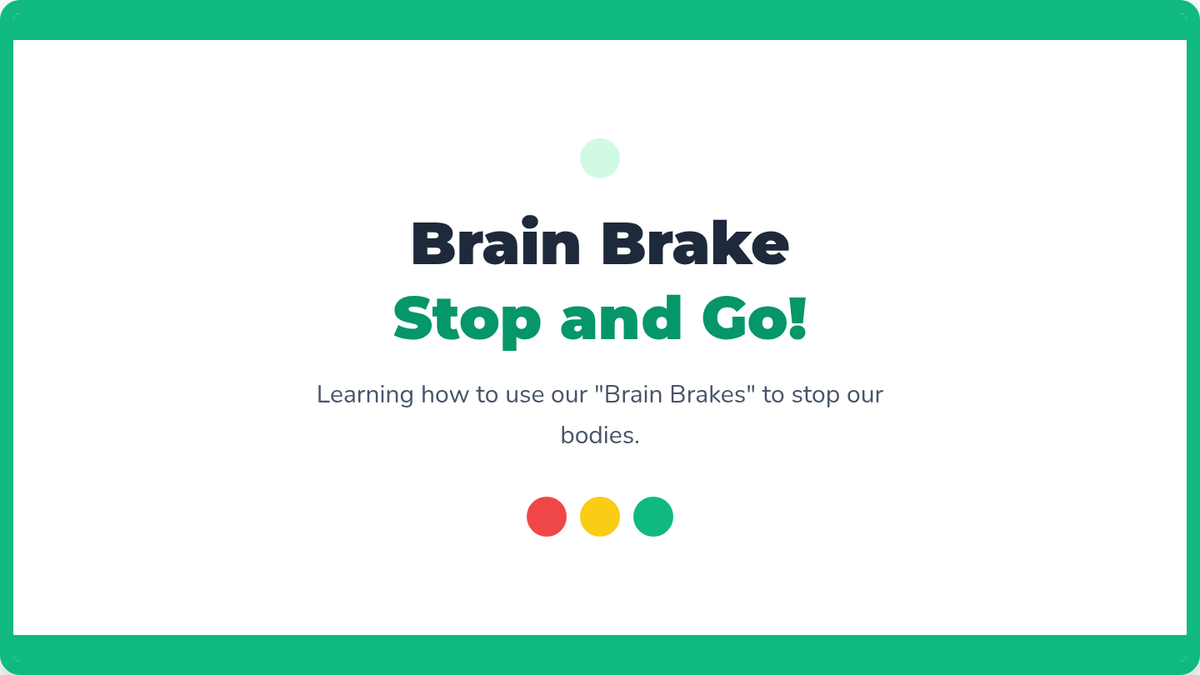
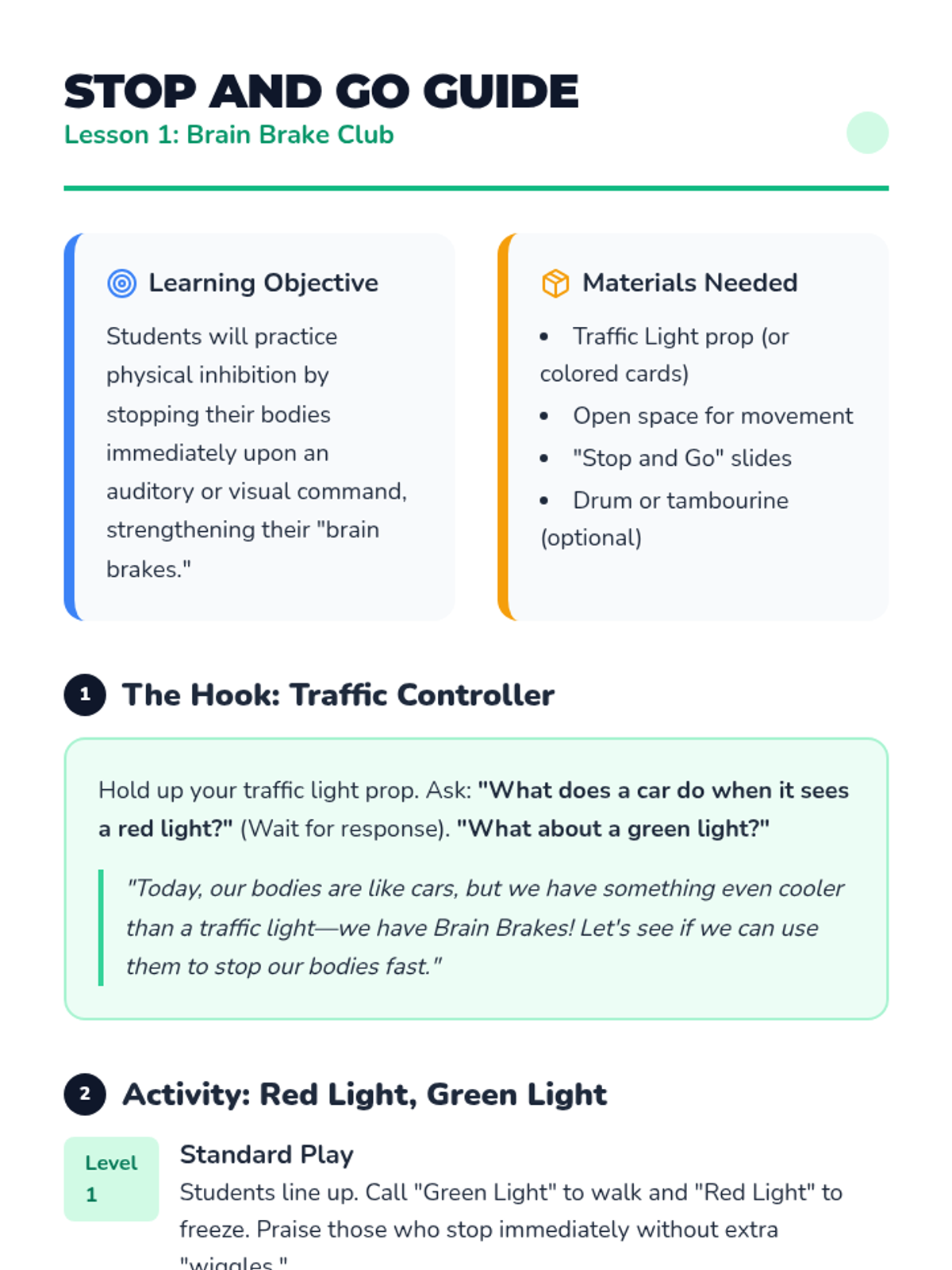
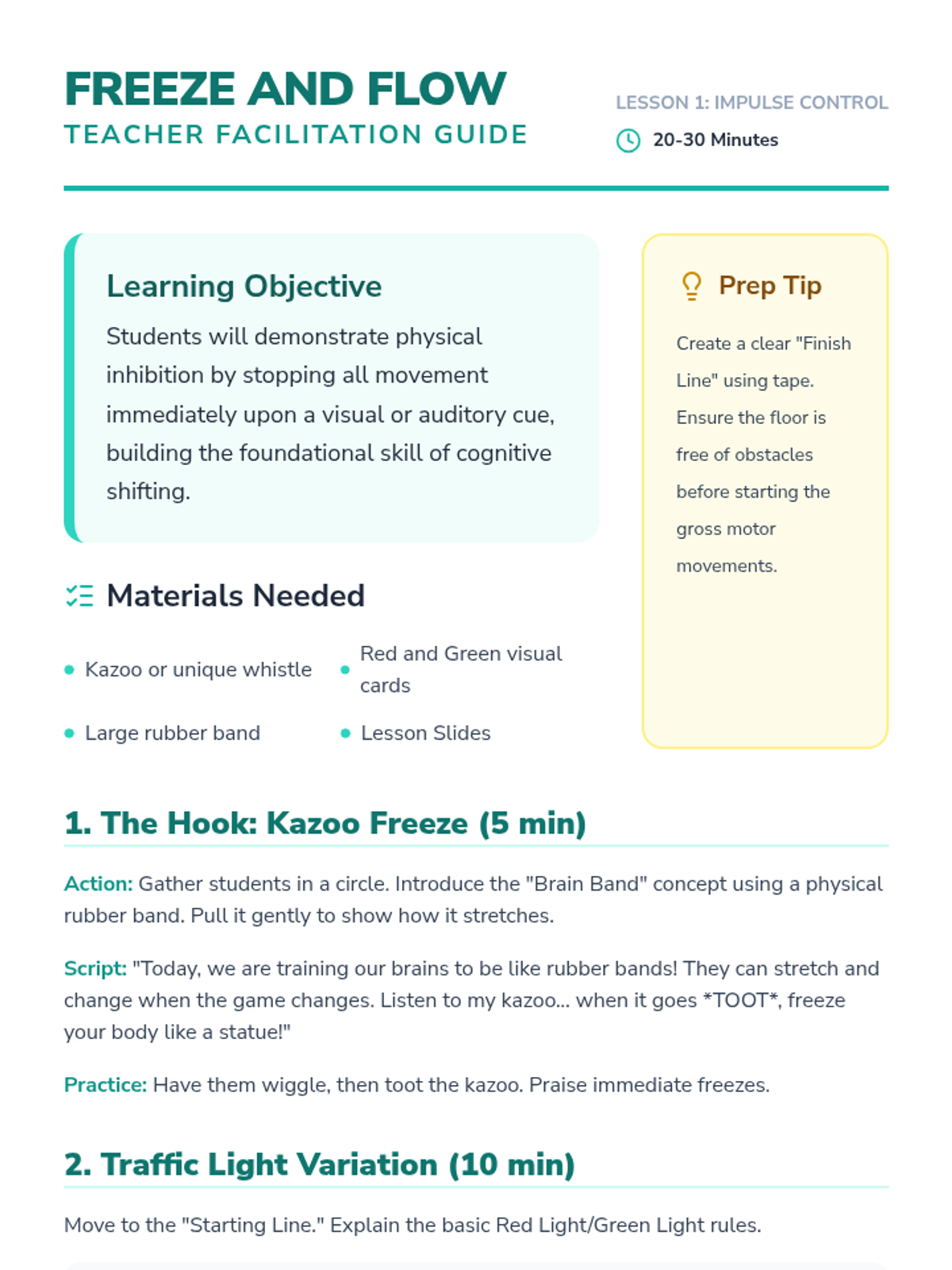
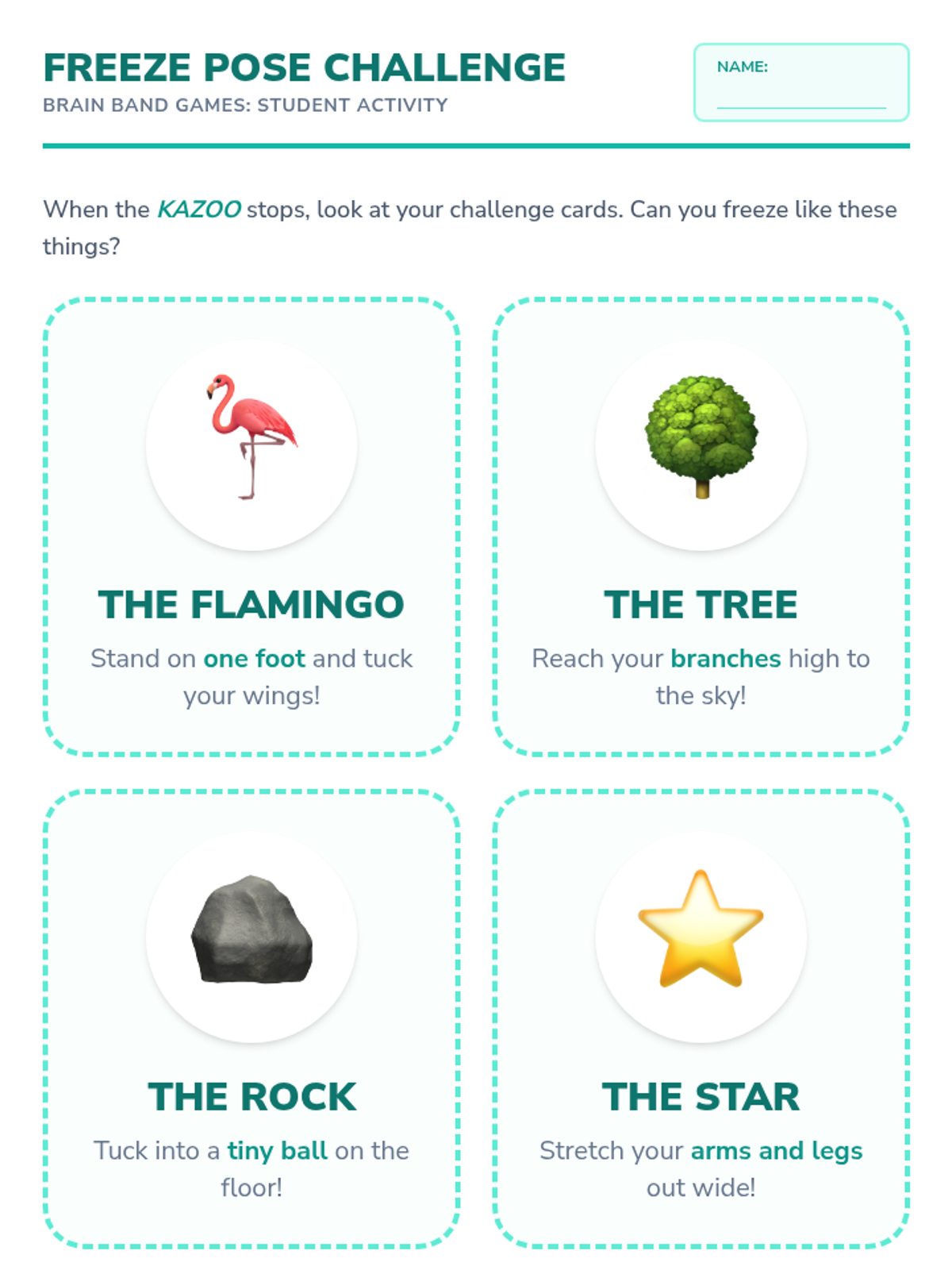
A 5-lesson sequence for Pre-K students focused on developing impulse control, self-regulation, and waiting skills through structured play and physical inhibition games.
A Pre-K sequence focused on teaching children how to use verbal communication to replace physical outbursts, helping them express needs, set boundaries, and resolve conflicts using positive language.
A Pre-K sequence focused on teaching social scripts through puppets and role-play to help students navigate sharing, waiting, and responding to 'no' during play.
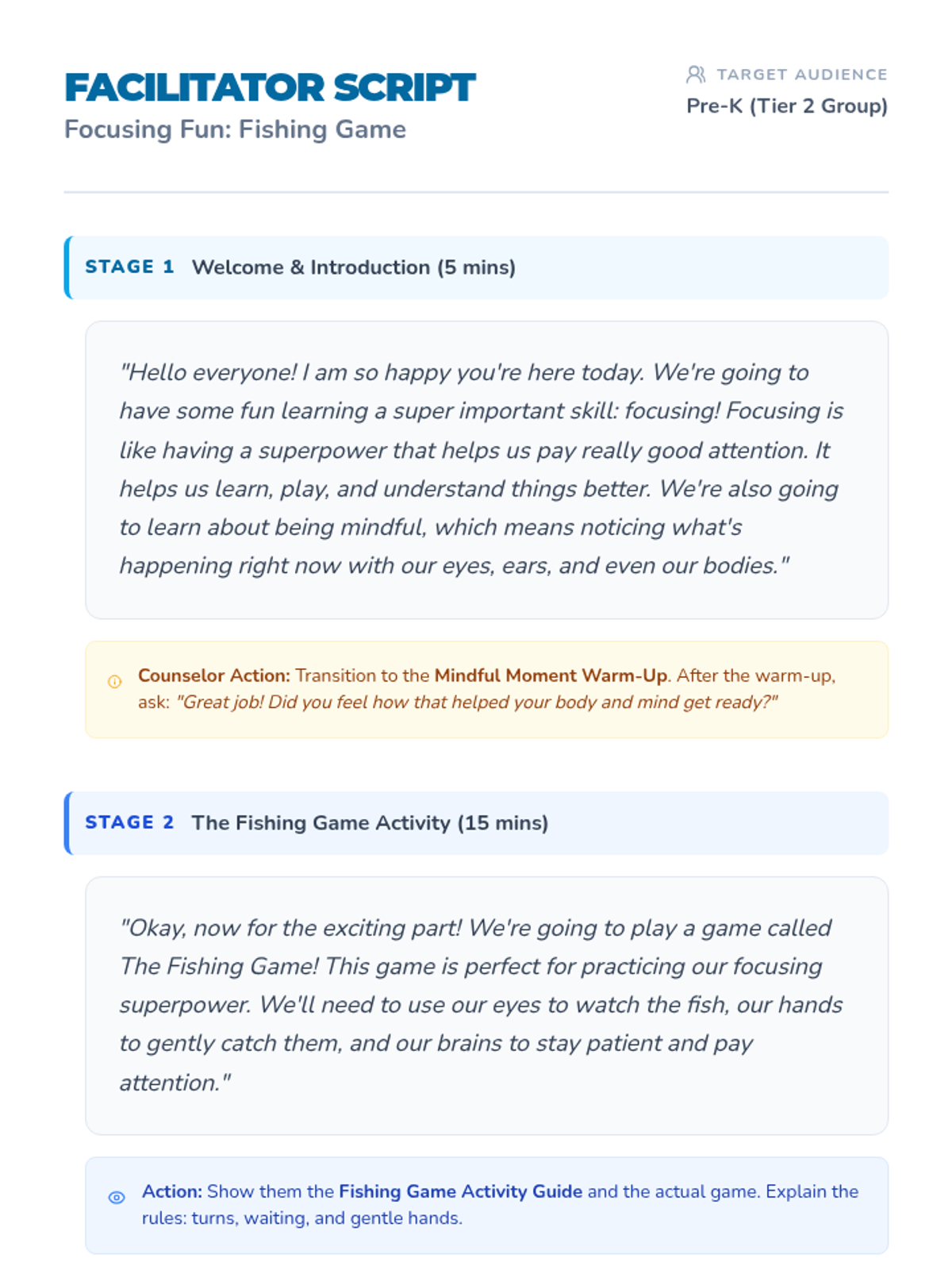
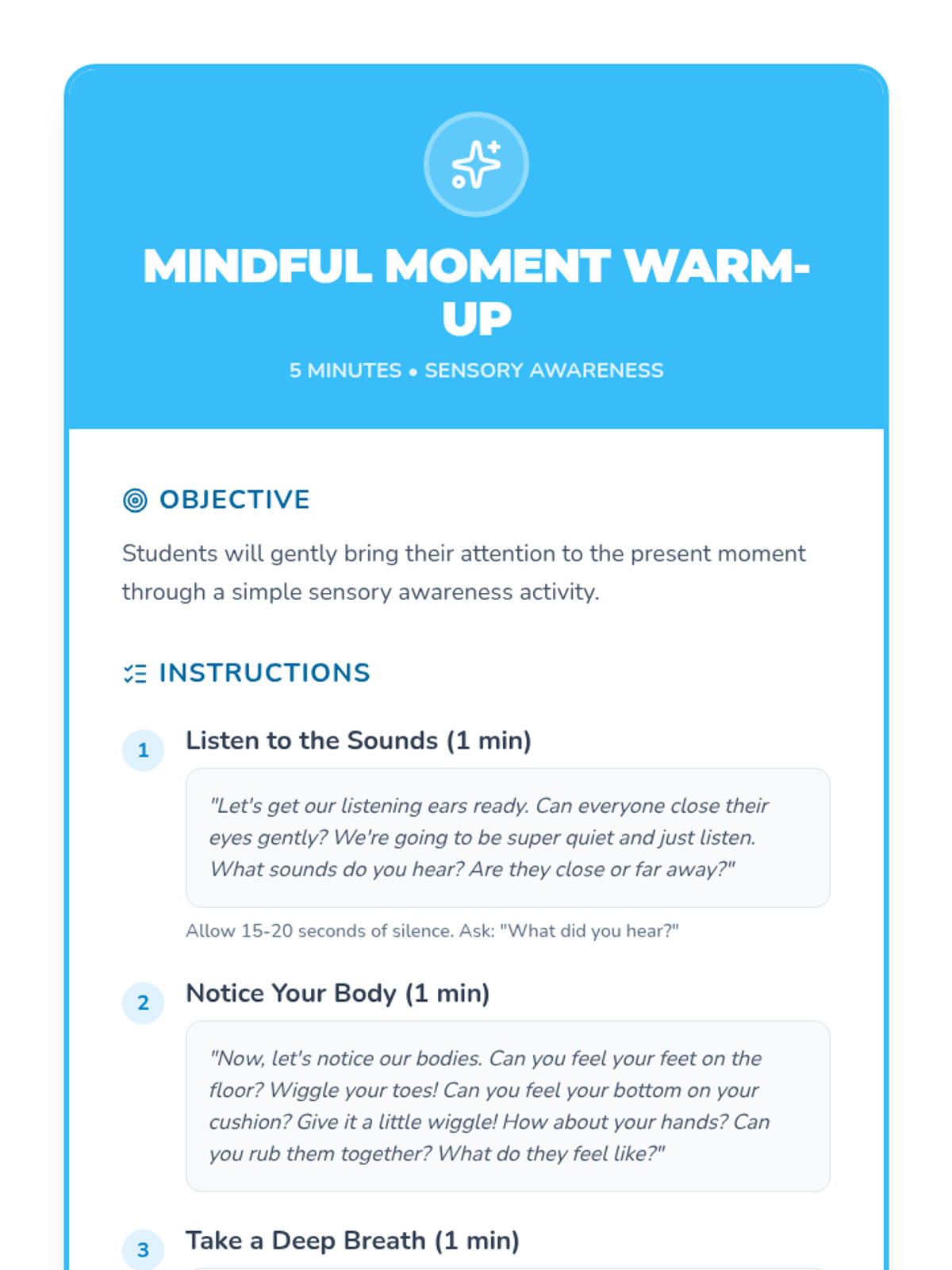
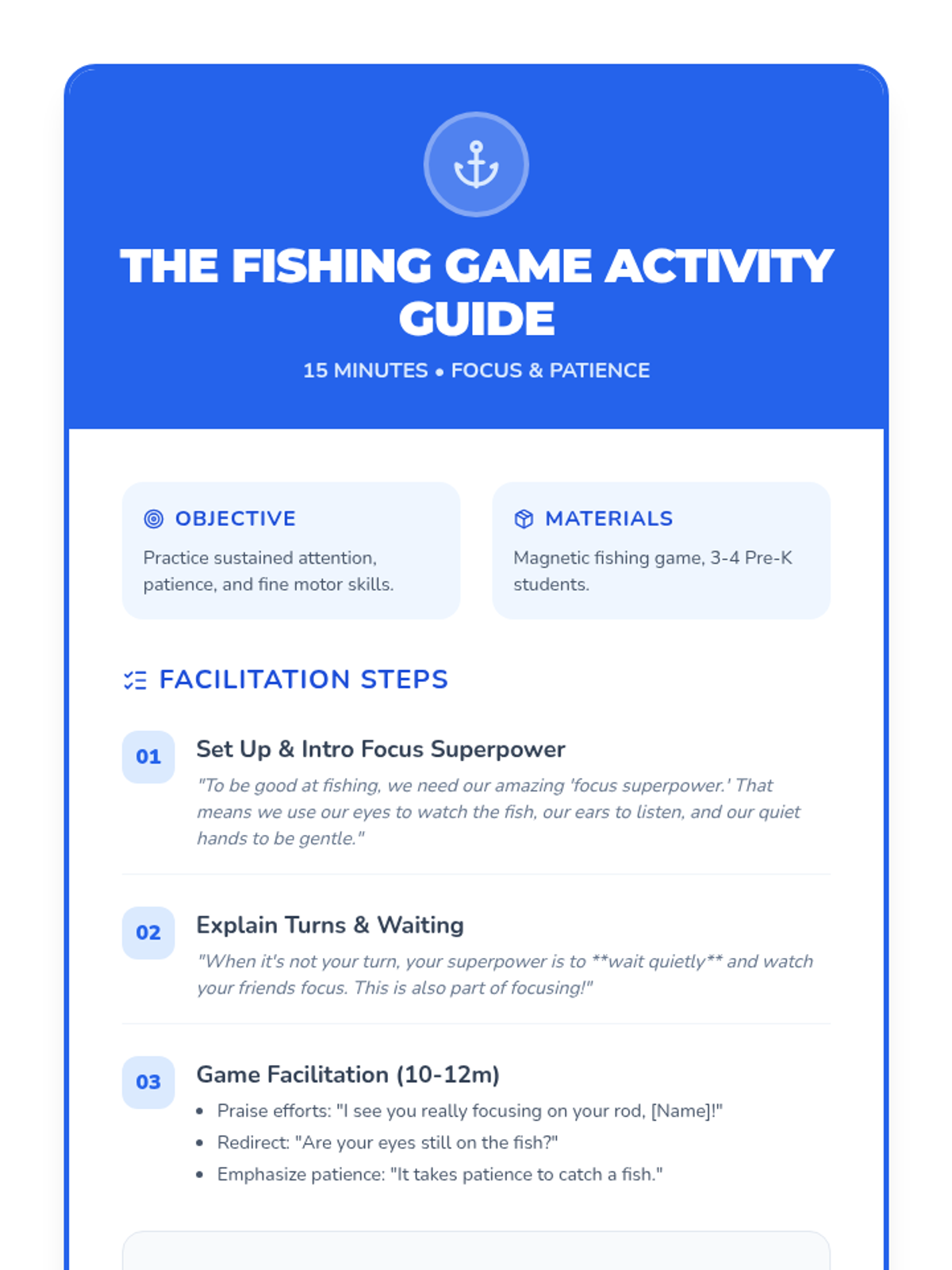
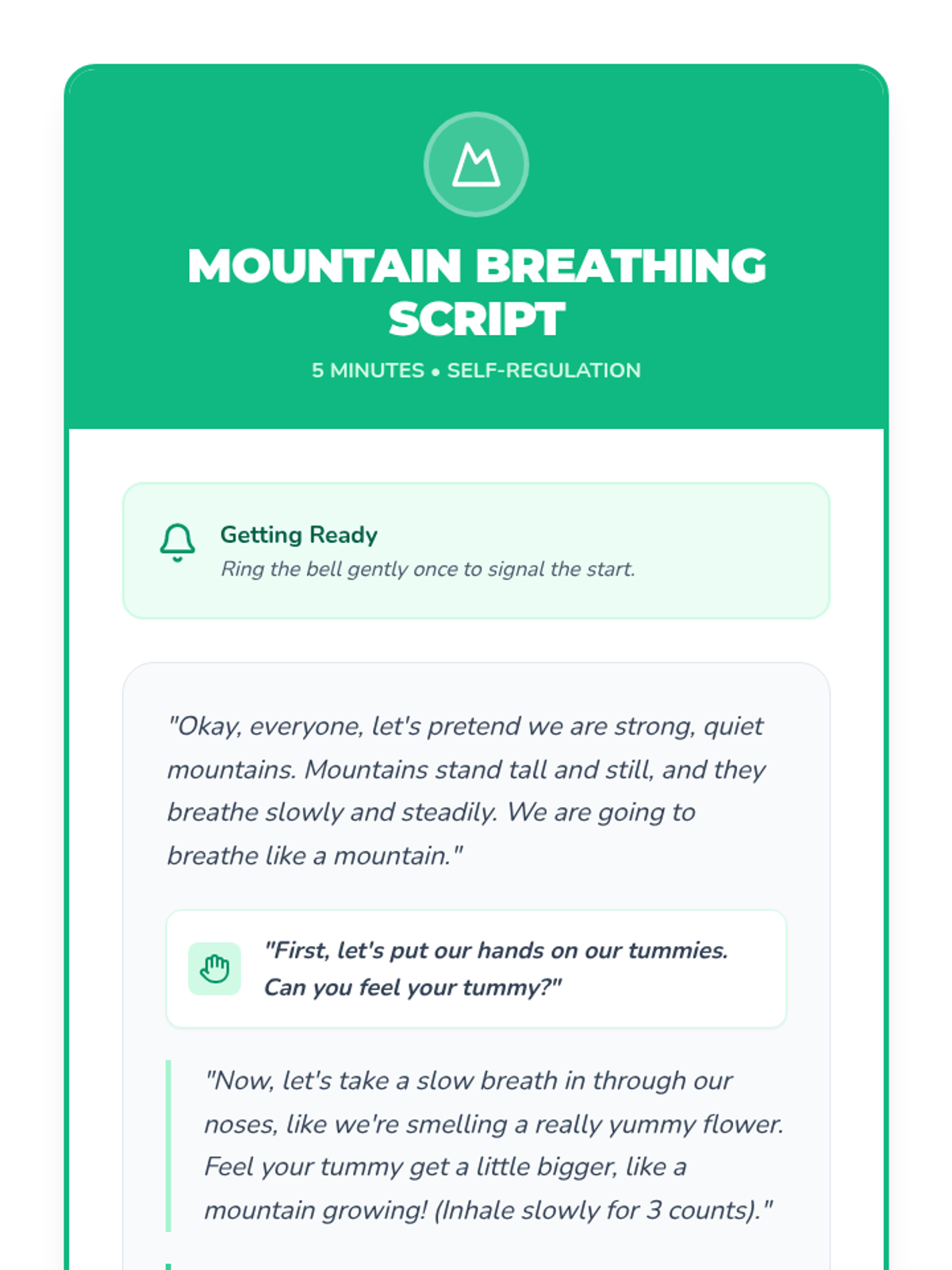
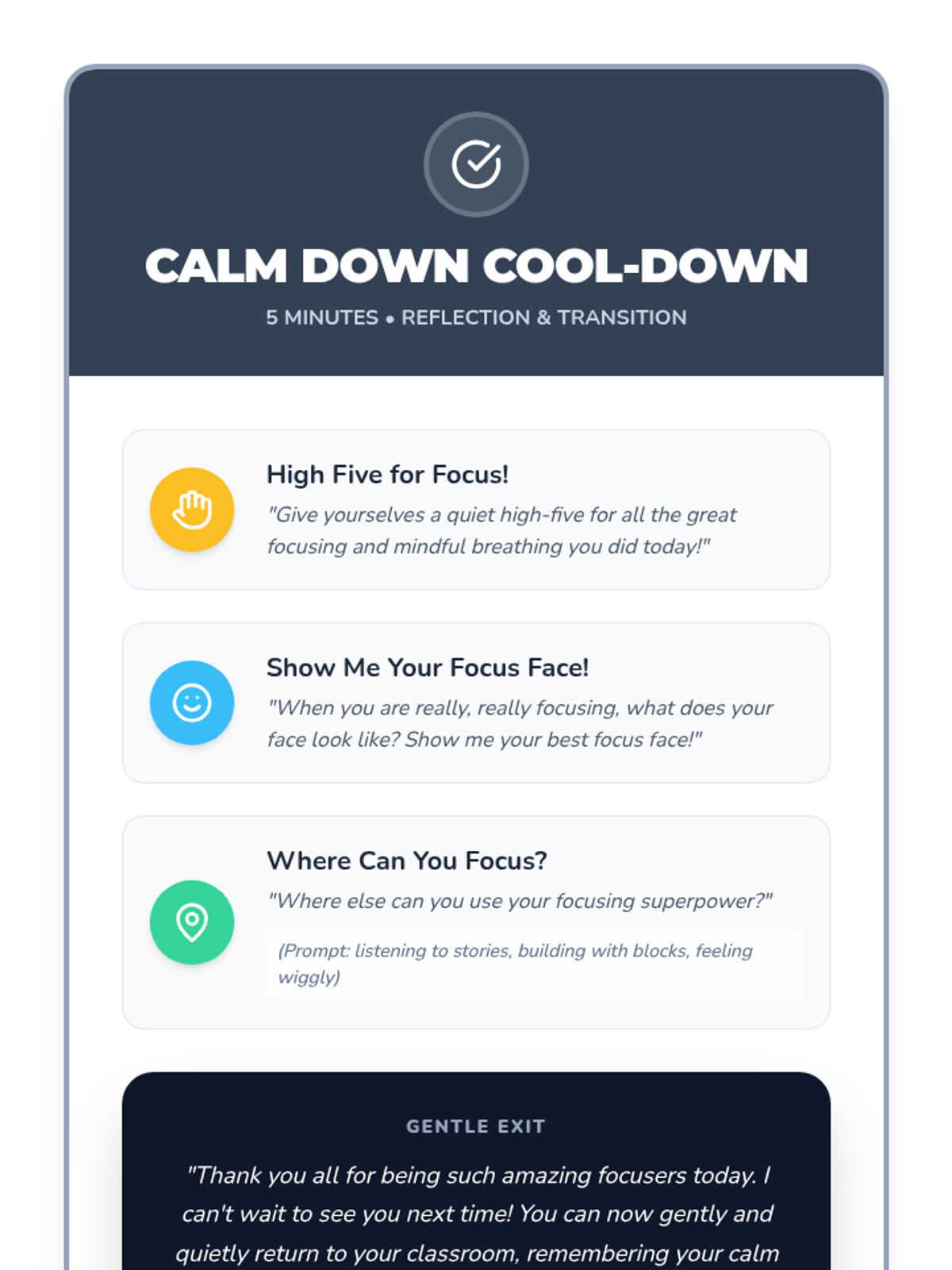
A small group counseling sequence for Pre-K students designed to teach focus and mindfulness through interactive play and sensory activities.
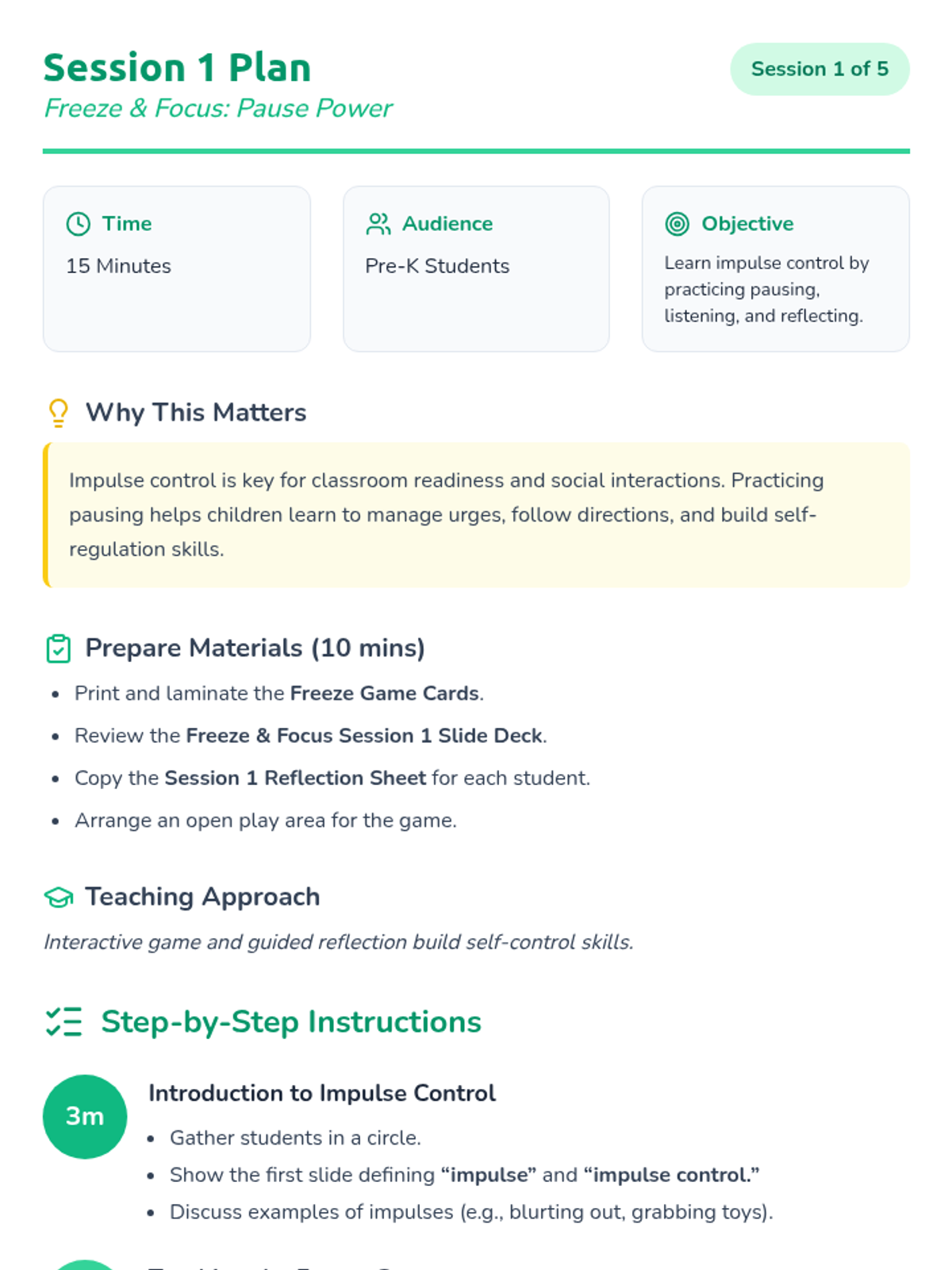
This 5-session pre-K series helps young learners develop impulse control by practicing pausing, listening, and making mindful choices. Each 15-minute session includes interactive games, visual cues, and reflections to build self-regulation skills.
A Pre-K sequence introducing behavioral activation concepts by helping a puppet character navigate low moods through small, physical actions and kindness. Students learn that 'doing' can change 'feeling' in a developmentally appropriate, narrative-driven way.
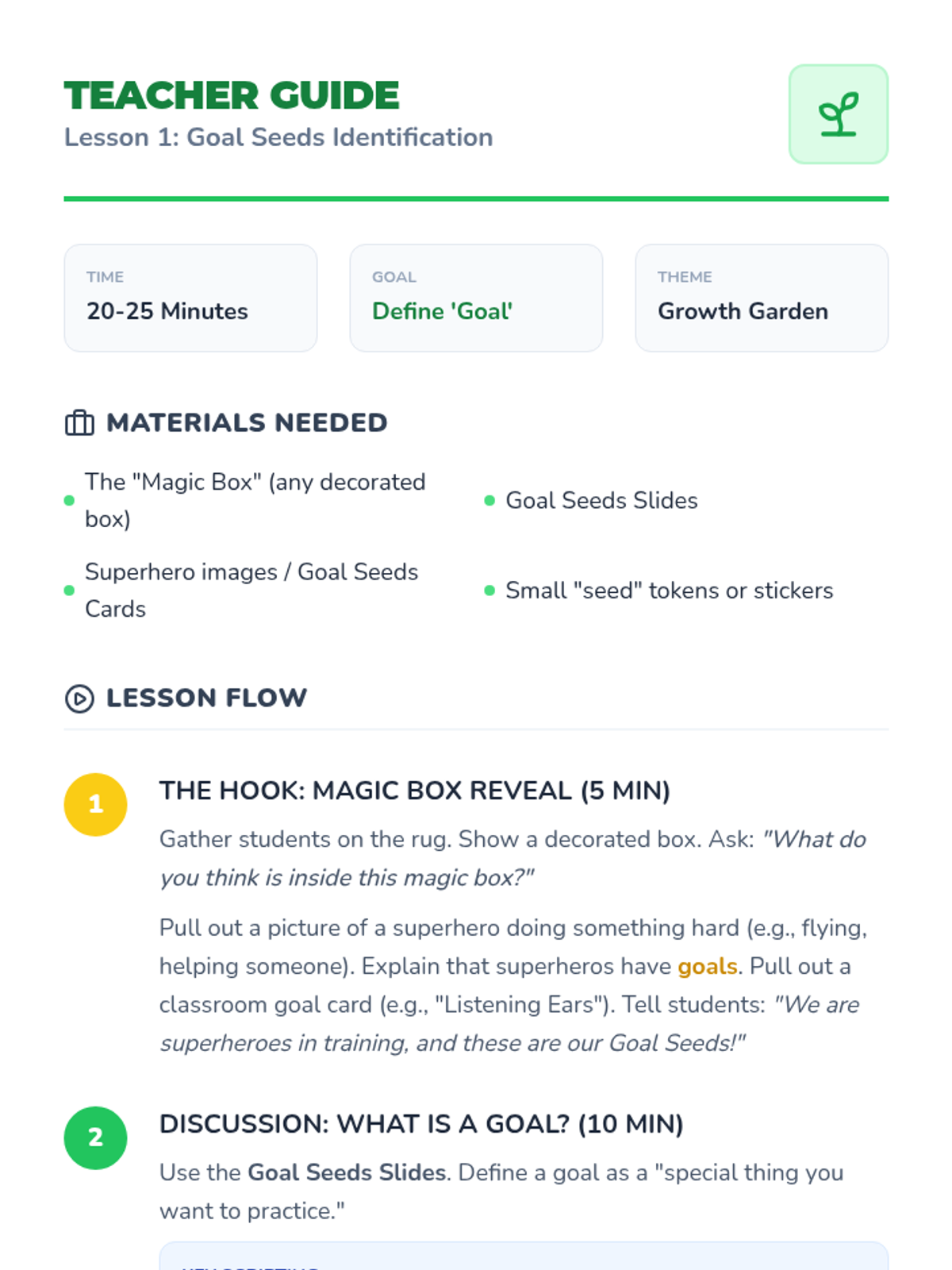
This sequence introduces Pre-K students to the foundational concepts of setting simple behavioral goals and reflecting on their progress using concrete visual aids. Students will learn through a 'Growth Garden' theme, moving from identifying positive behaviors to establishing a daily routine of planning, monitoring, and reflecting.
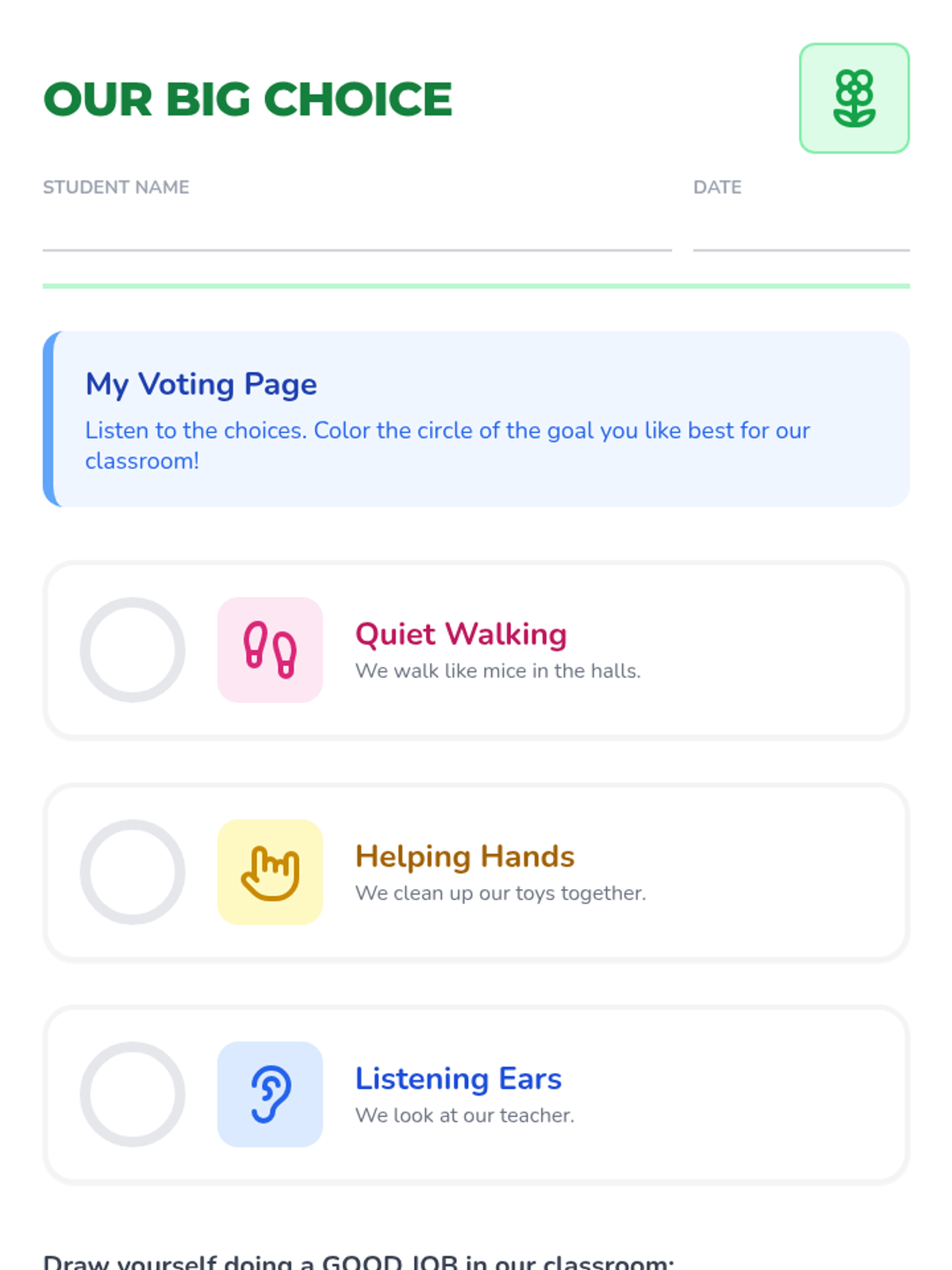
This sequence introduces Pre-K students to the concept of collective responsibility and group goals through a shared behavior tracking system. Using a 'Good Choice Garden' theme, students learn to set goals, track their group's progress, observe positive behaviors in their peers, and celebrate their combined success.
A mastery-based sequence for Pre-K students to build self-efficacy and independence by identifying their current skills and setting growth goals. Students move from physical abilities to self-care, classroom responsibility, and personal reflection.
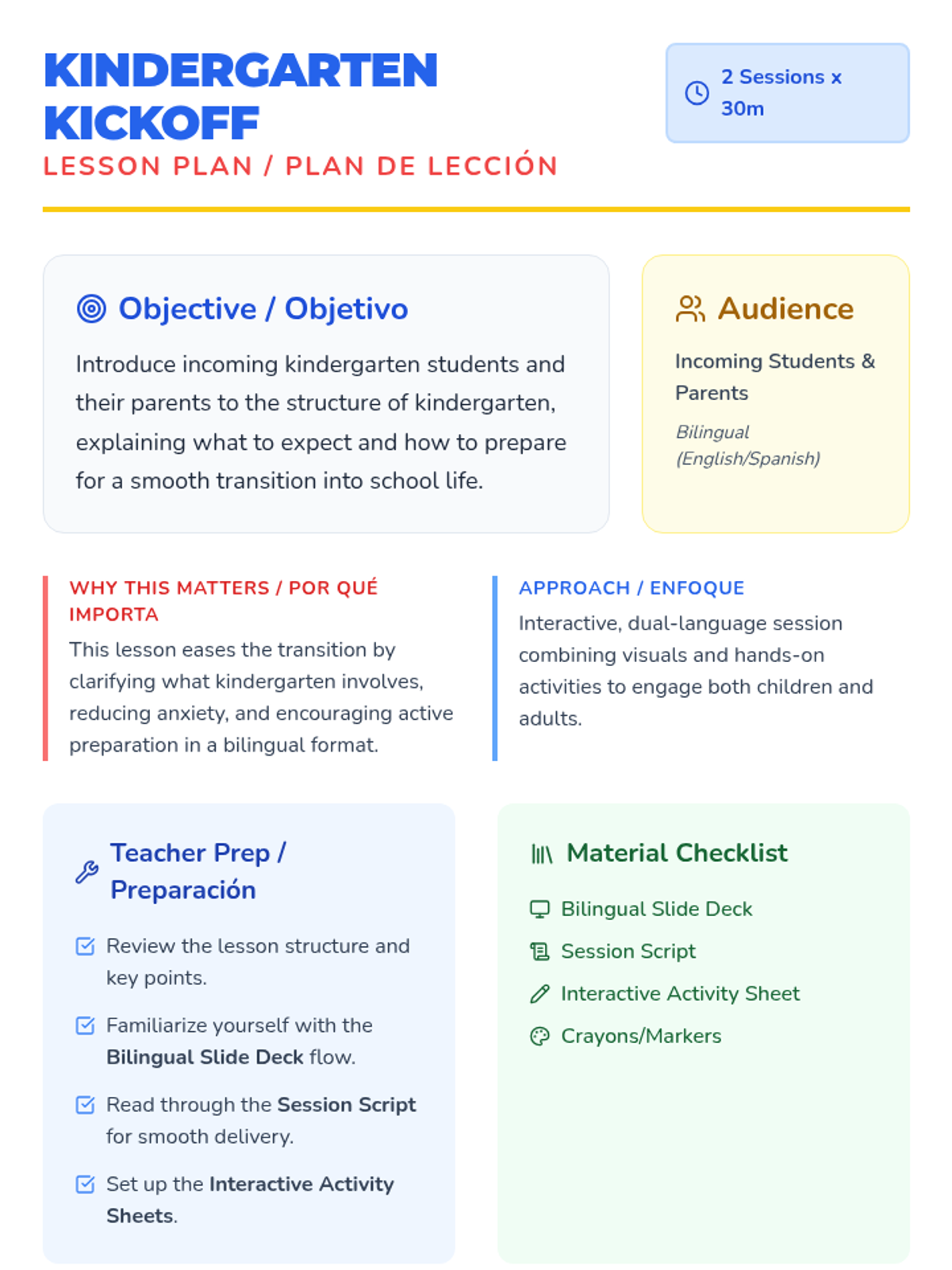
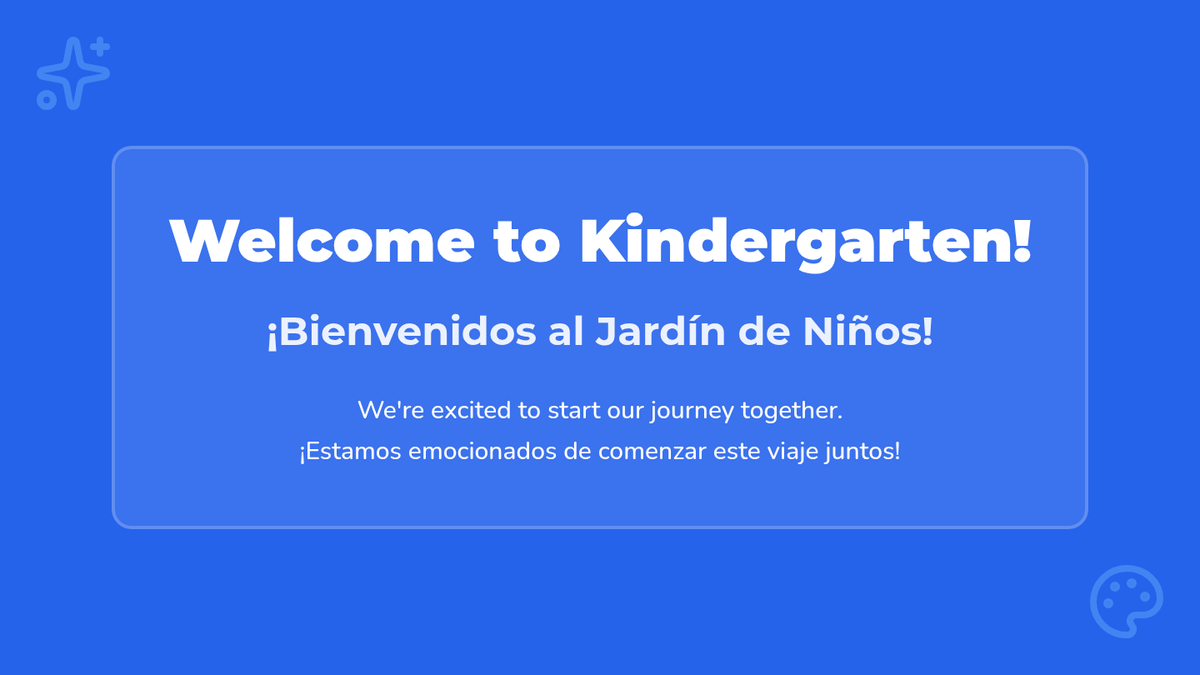
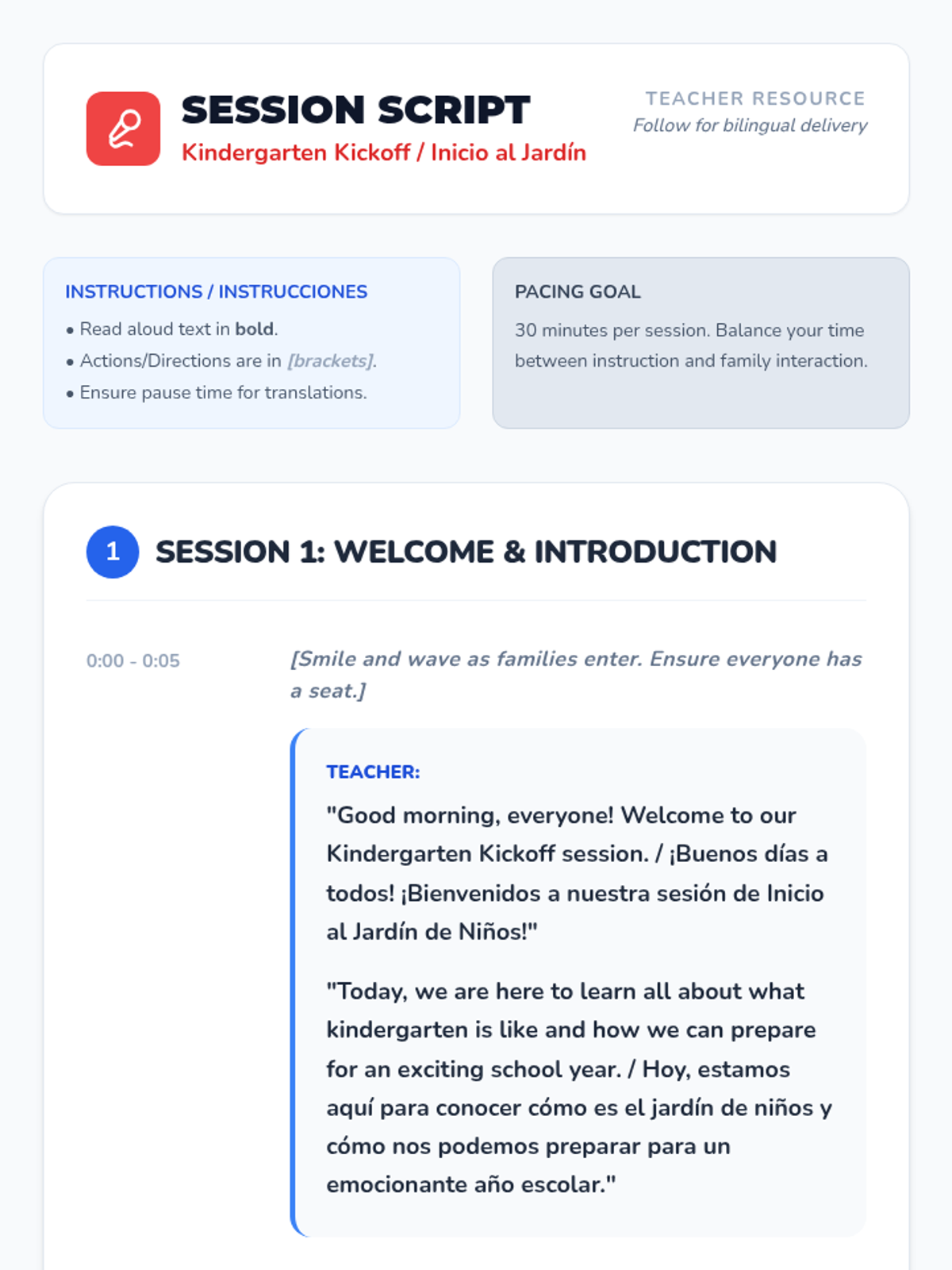
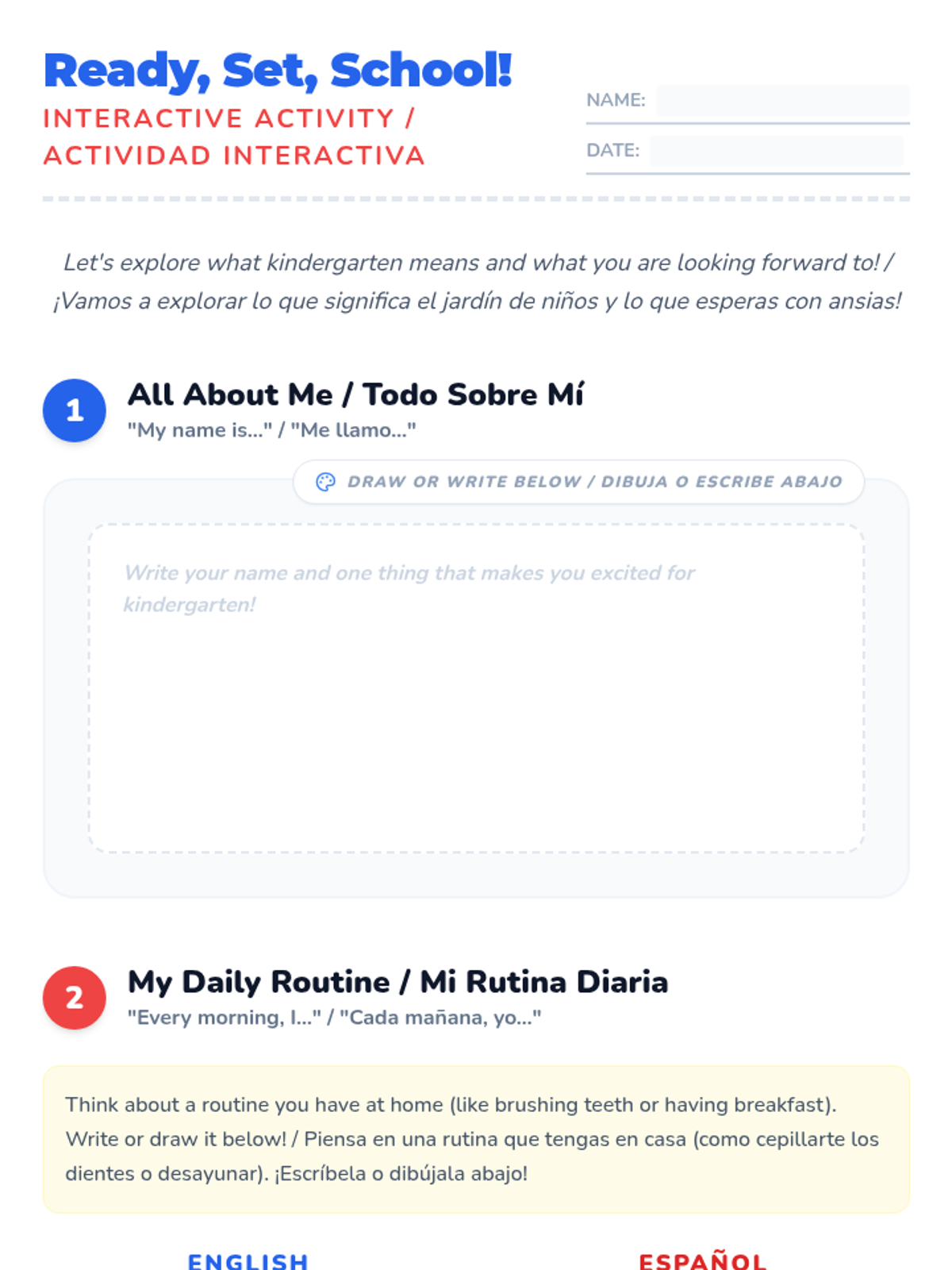
A comprehensive two-session program designed to help incoming kindergarteners and their families transition smoothly into school life through bilingual instruction and interactive activities.
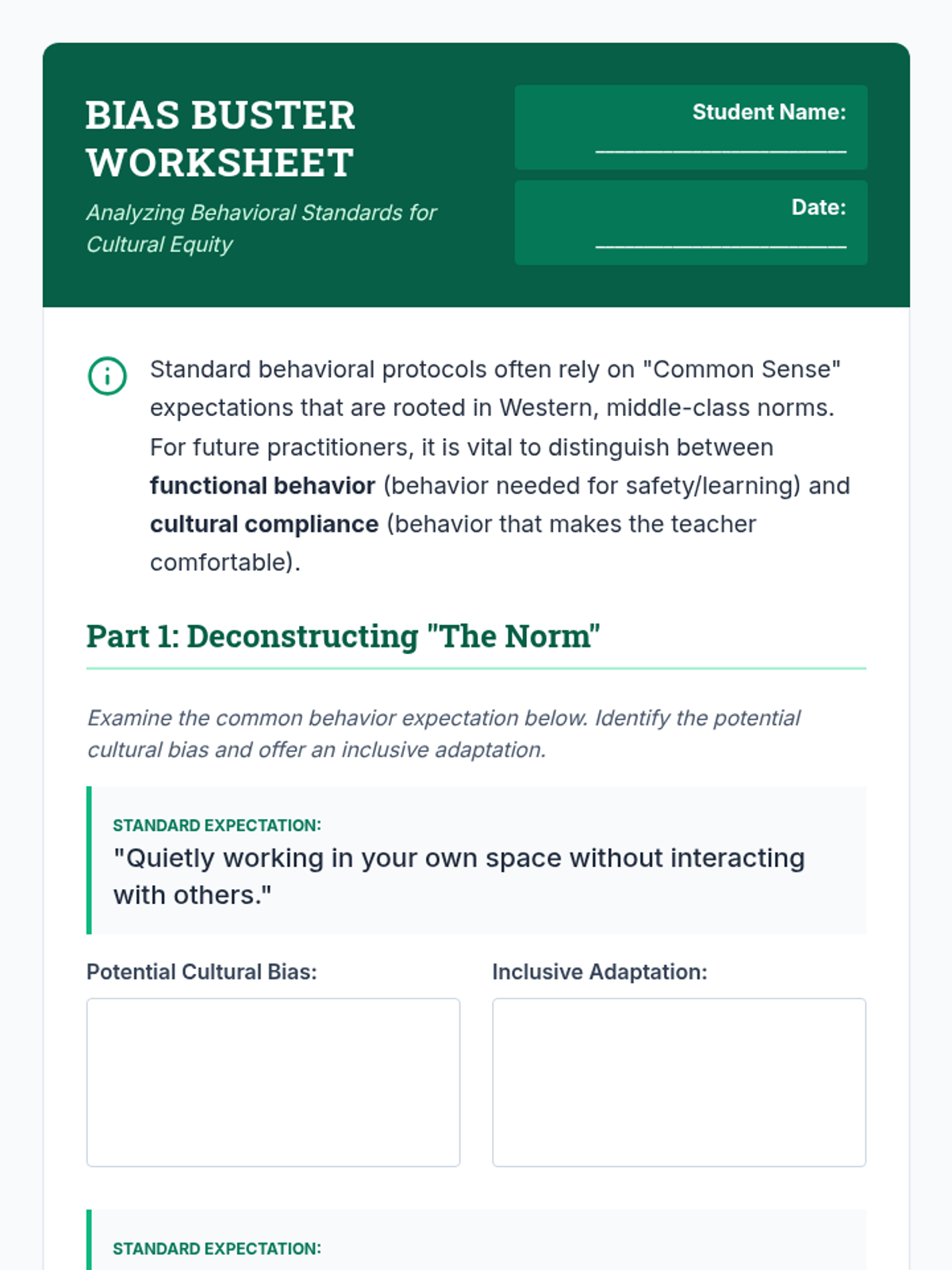
This sequence prepares undergraduate students in counseling and education to adapt standard behavioral check-in procedures (like Check-In/Check-Out) for diverse populations. It emphasizes cultural responsiveness, developmental appropriateness, neurodiversity, and modern remote contexts to ensure equity and accessibility in behavioral support.
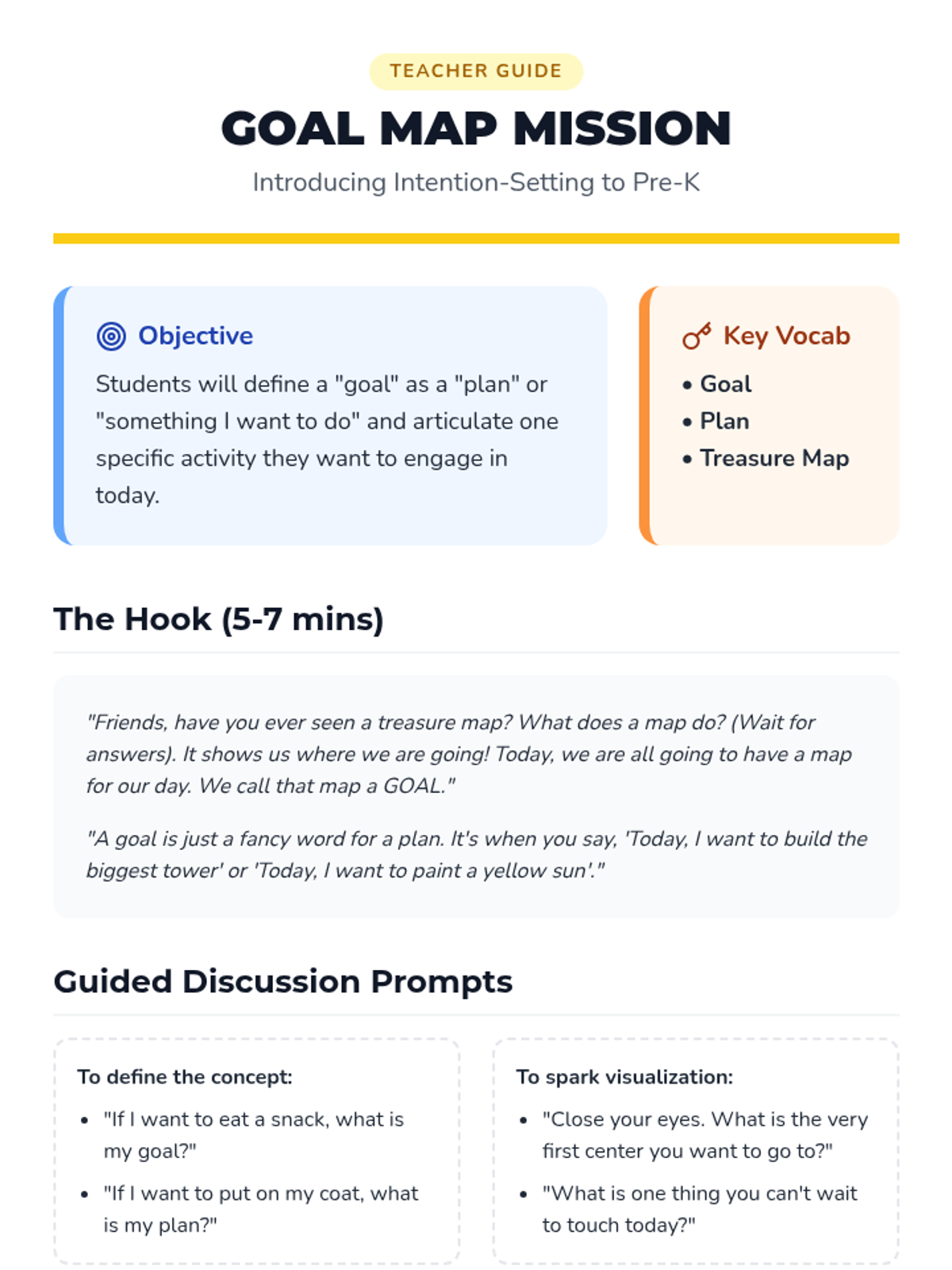
A transformative 5-lesson sequence for Pre-K students to transition from emotional check-ins to intention-based readiness routines. Students learn to set simple goals, choose daily focuses, monitor their effort, and reflect on their progress with peers.
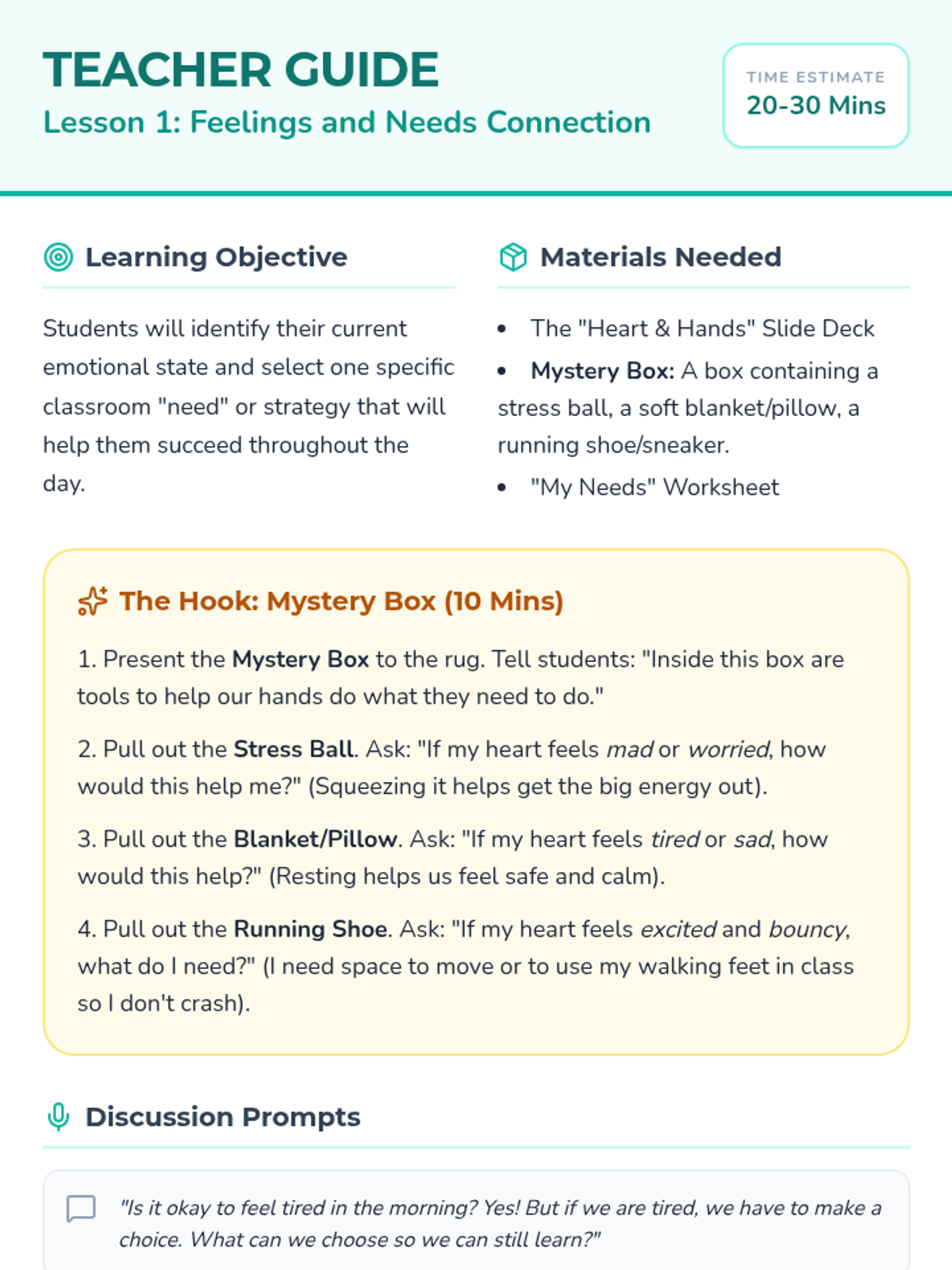
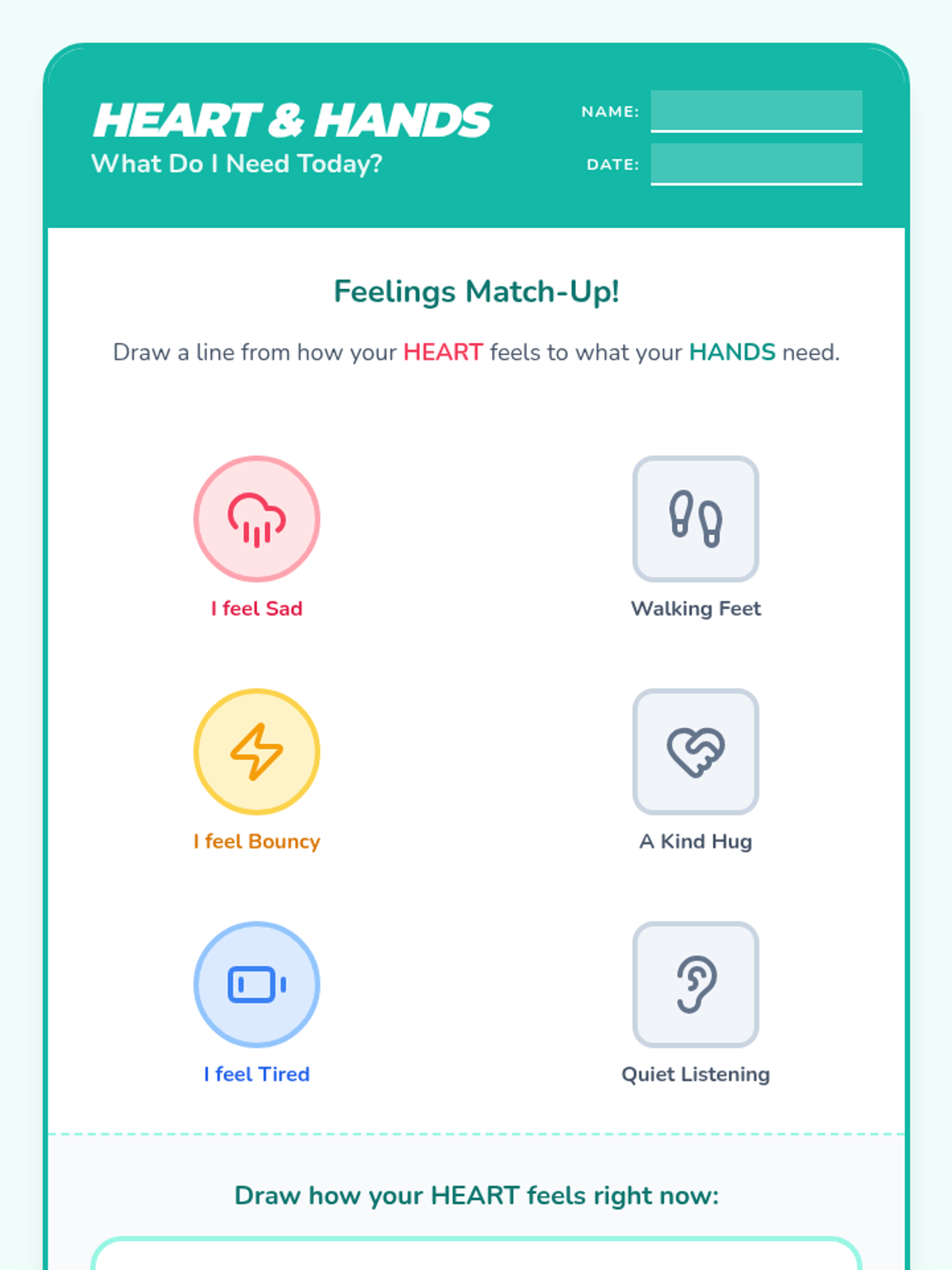
A Kindergarten sequence focused on connecting emotional states to actionable needs, setting daily behavioral goals, and practicing self-reflection. Through a 'Heart & Hands' theme, students learn to navigate their feelings and choices within the classroom community.
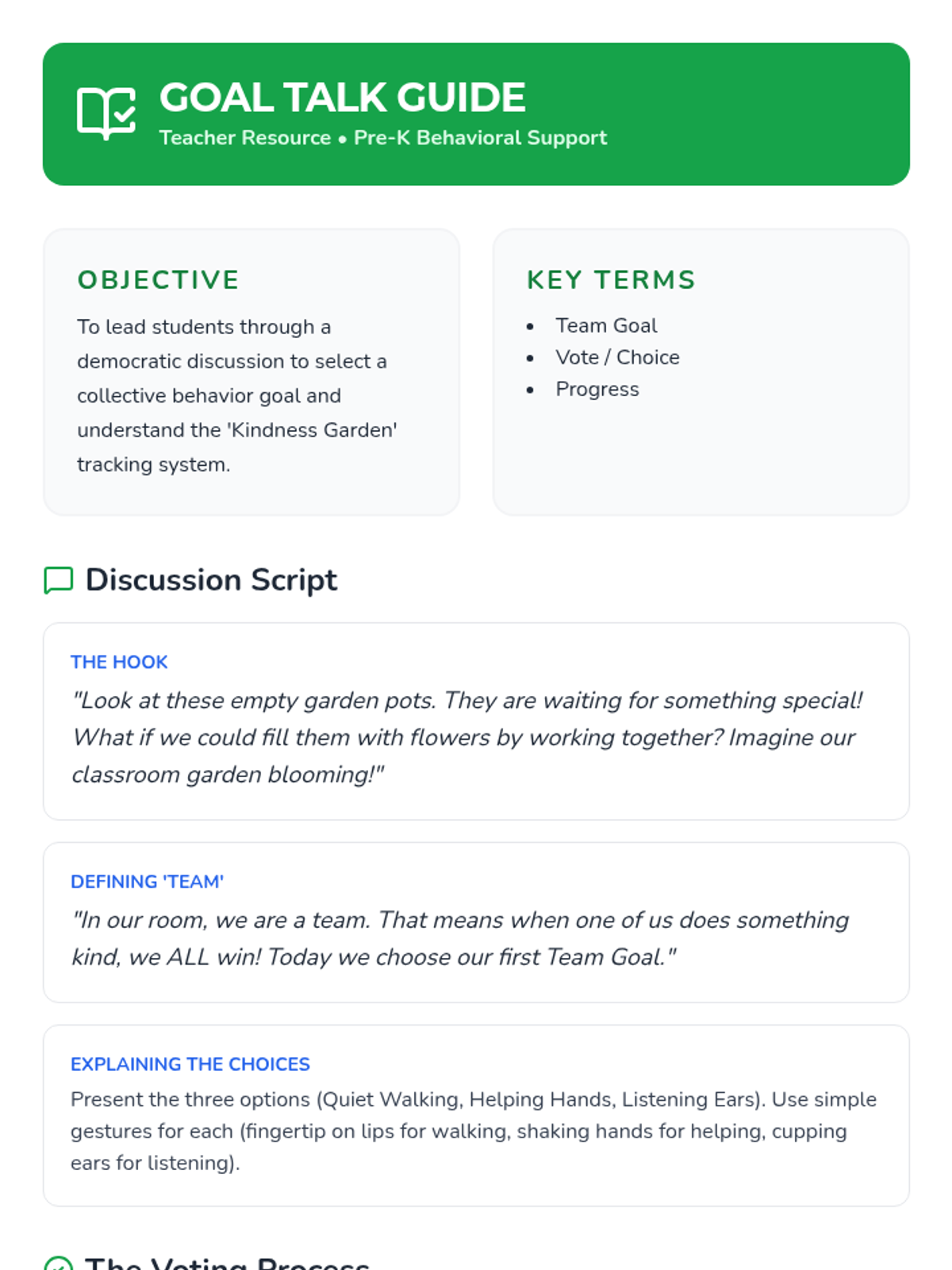
A Pre-K sequence focused on collective behavior tracking, moving from individual charts to a whole-class monitoring system using a 'Kindness Garden' theme. Students work together to define goals, model behaviors, and encourage one another to reach shared milestones.
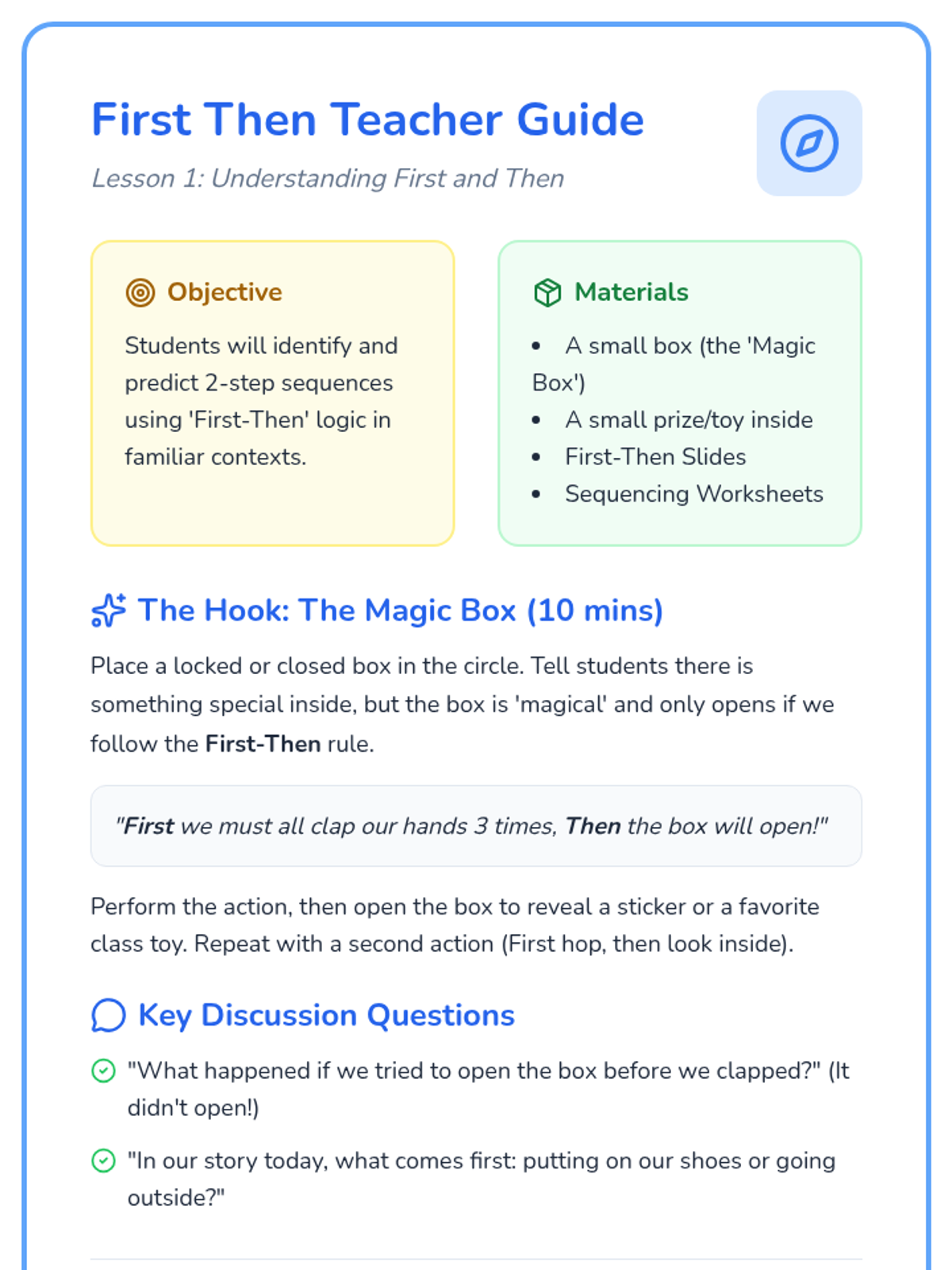
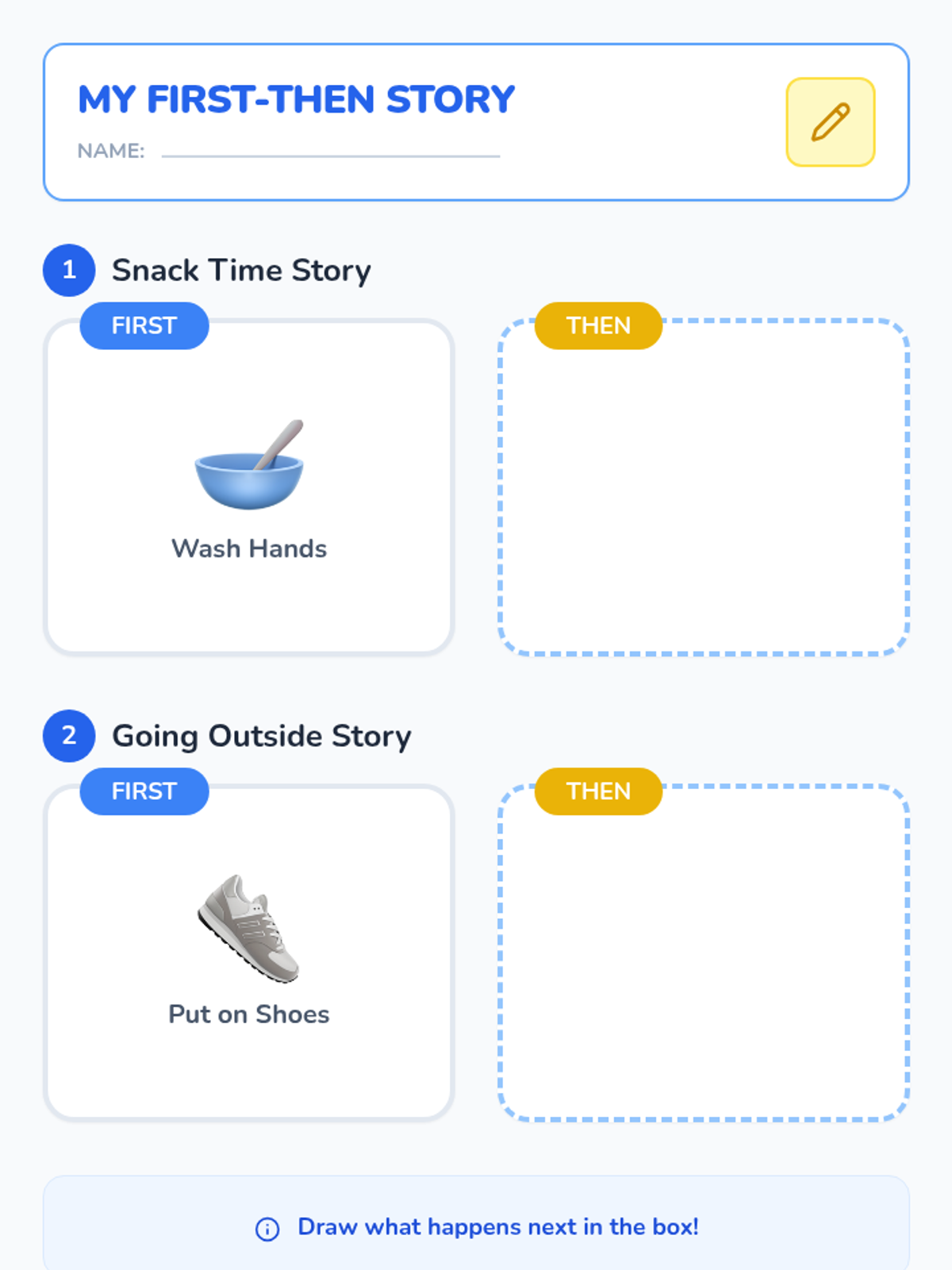
A sequence for Pre-K students focused on understanding and creating visual narratives of their daily routines. Students learn sequencing (First-Then), transition management, and flexibility through the creation of personal social stories and visual schedules.
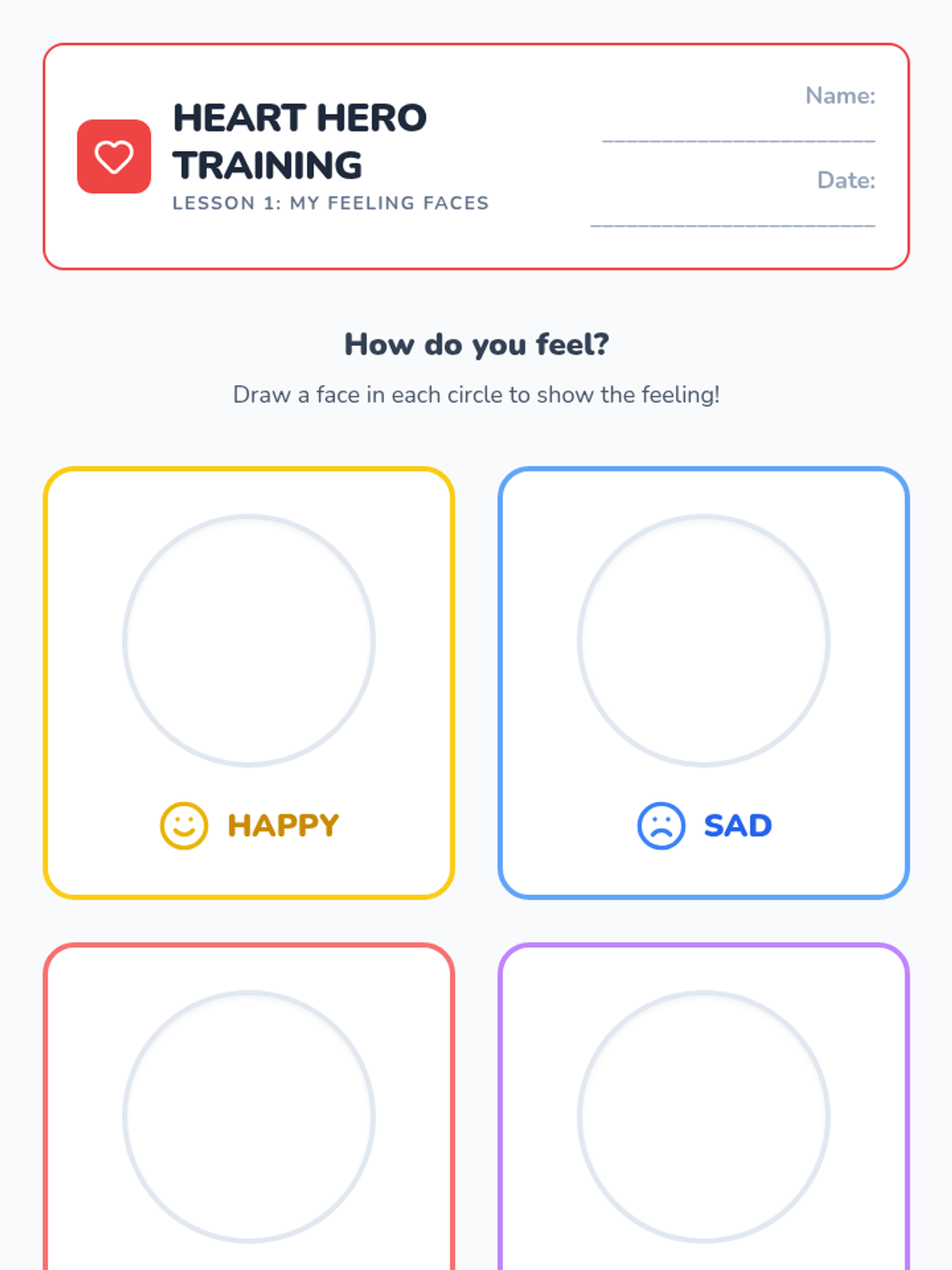
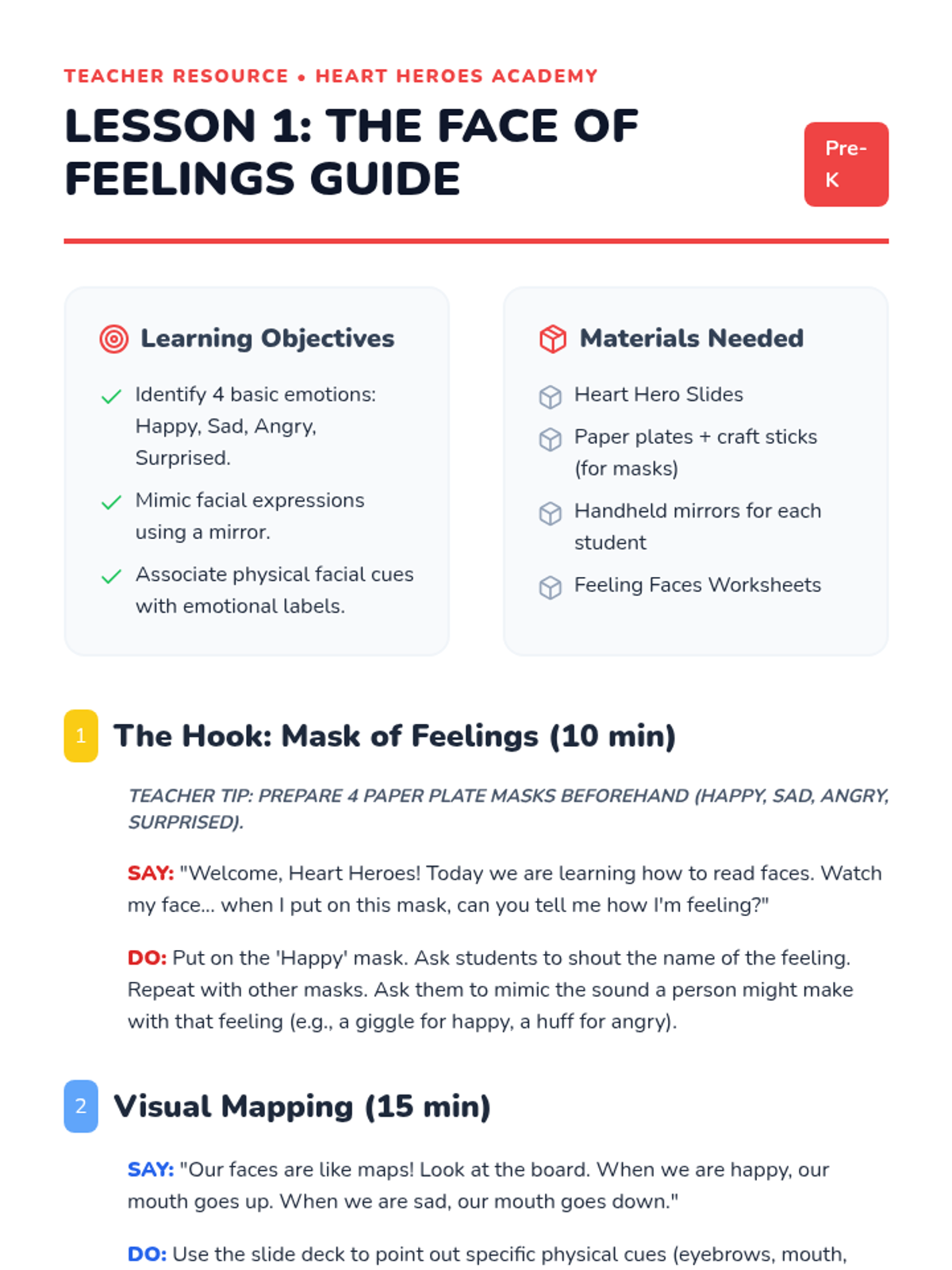
A 5-lesson unit for Pre-K students focused on emotional literacy, self-esteem, and regulation. Students move from identifying basic emotions to recognizing personal strengths and practicing calming strategies through a 'Heart Heroes' superhero theme.
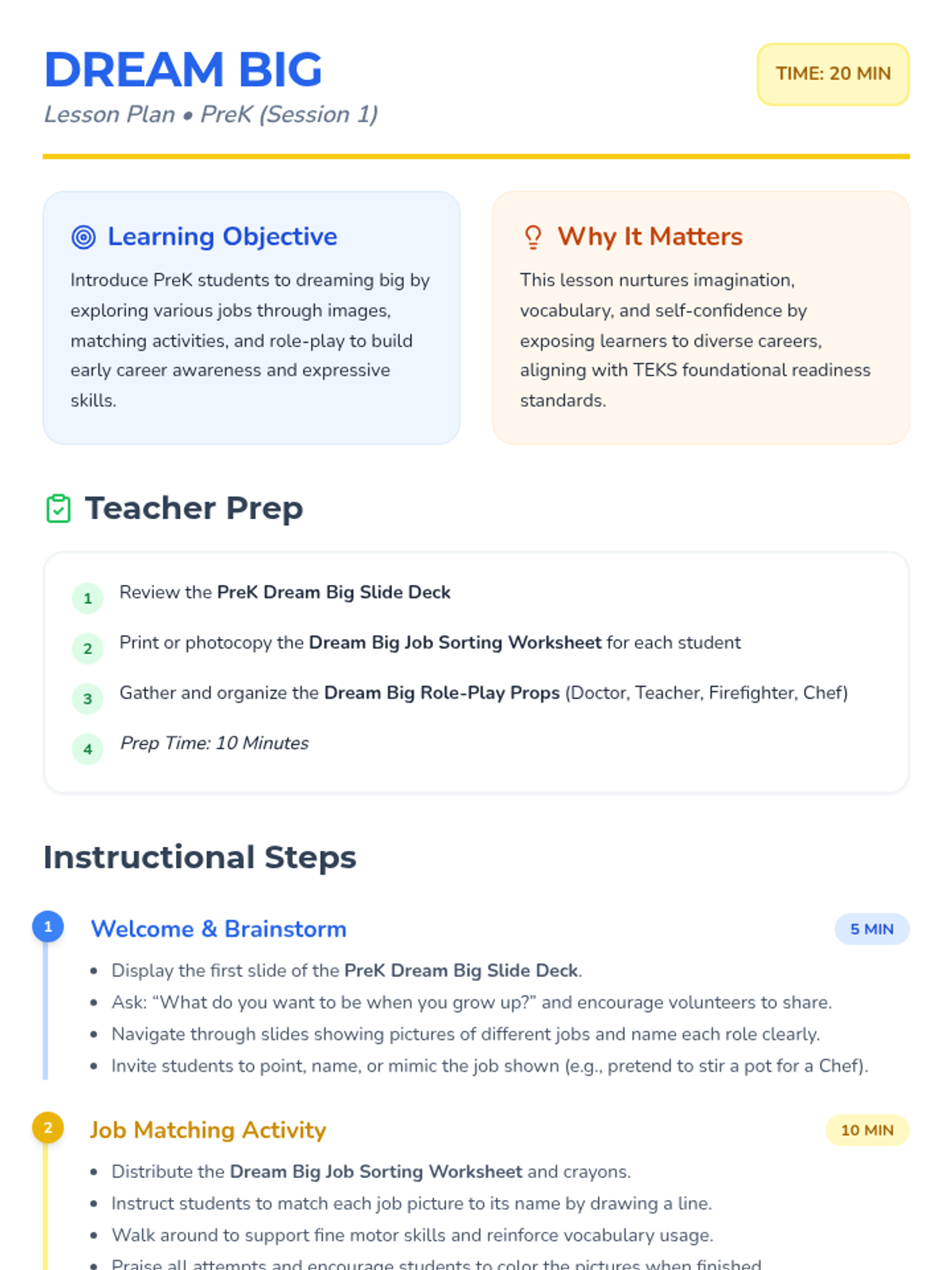
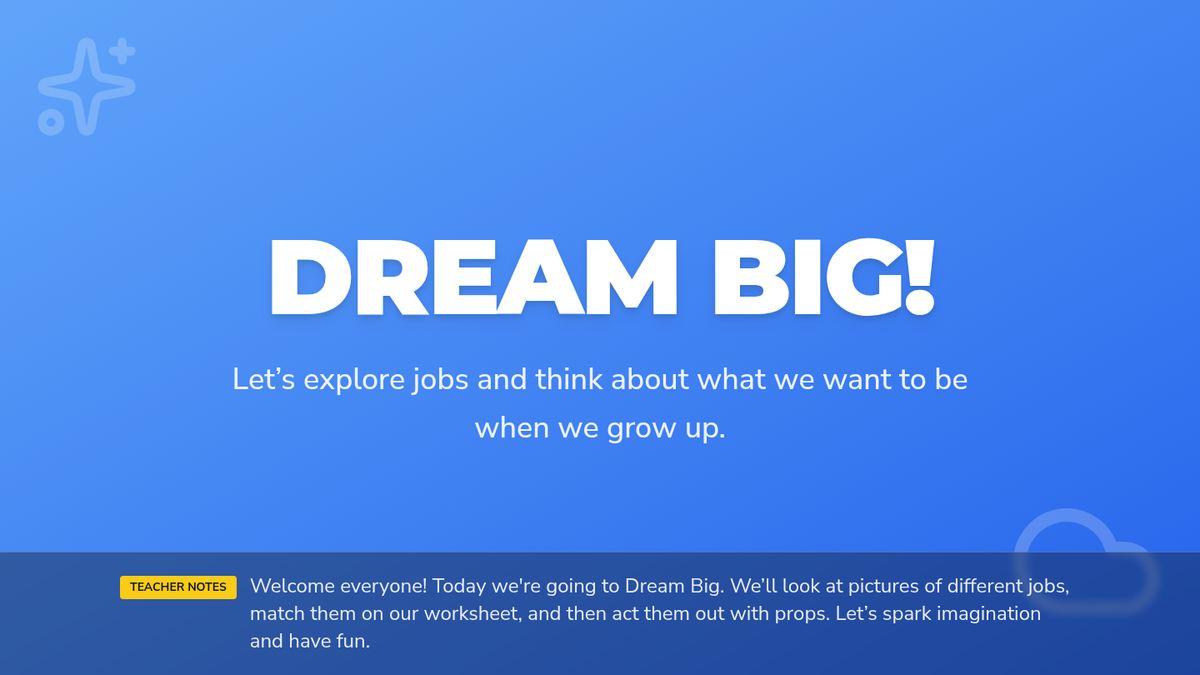
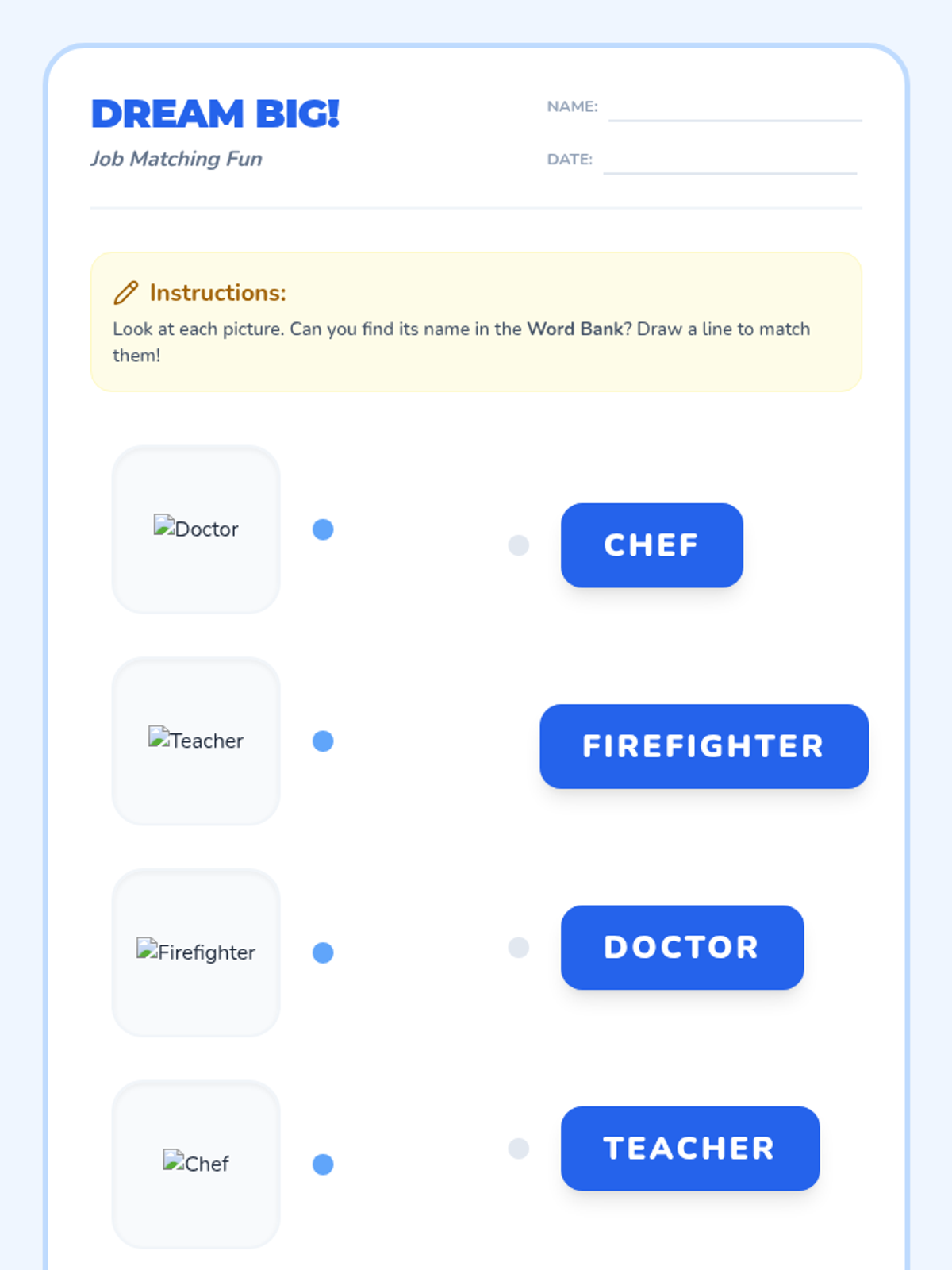
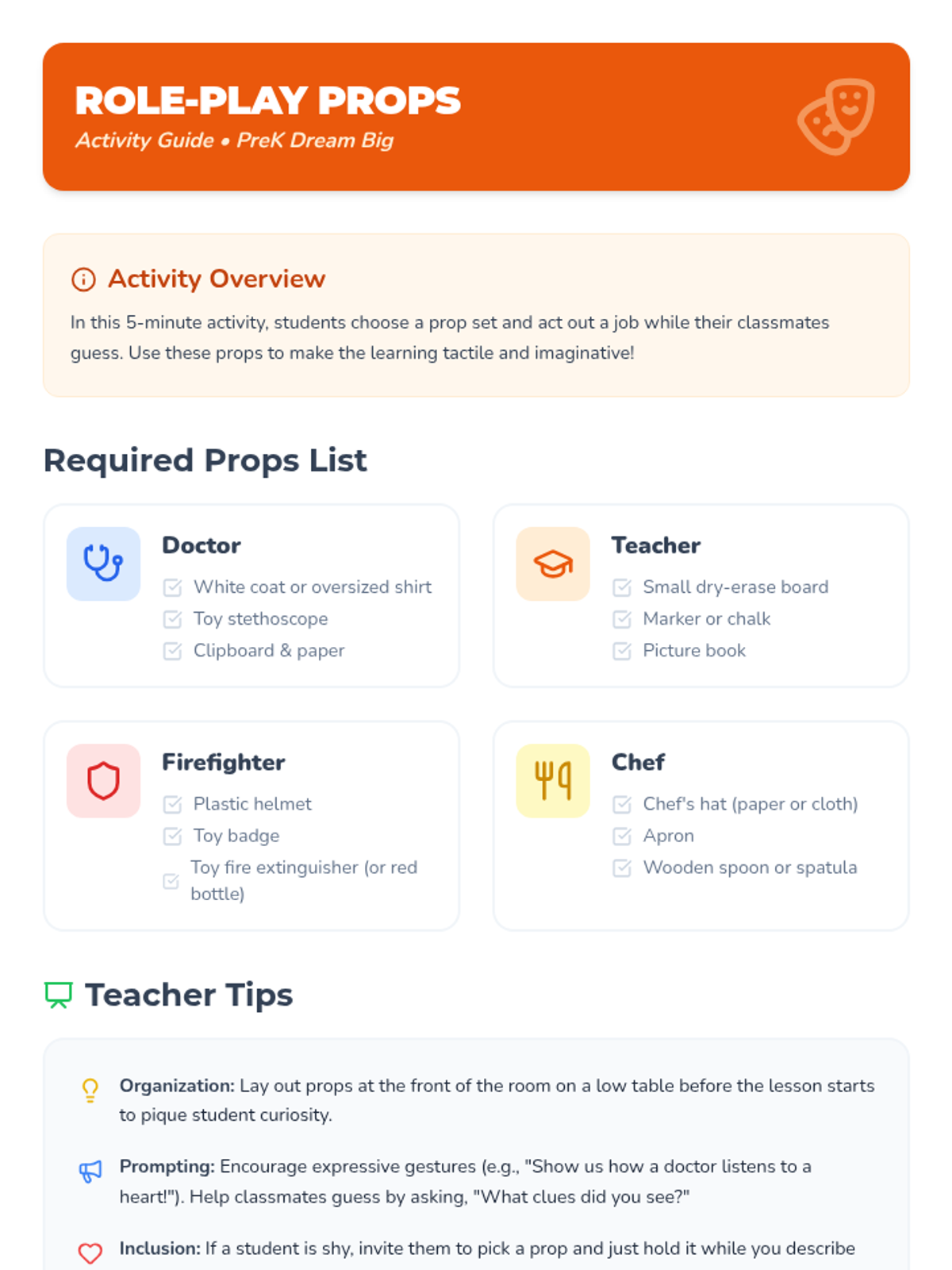
A comprehensive 6-session college and career readiness series for PreK-5th grade students, focusing on goal setting, teamwork, and career exploration through age-appropriate activities.
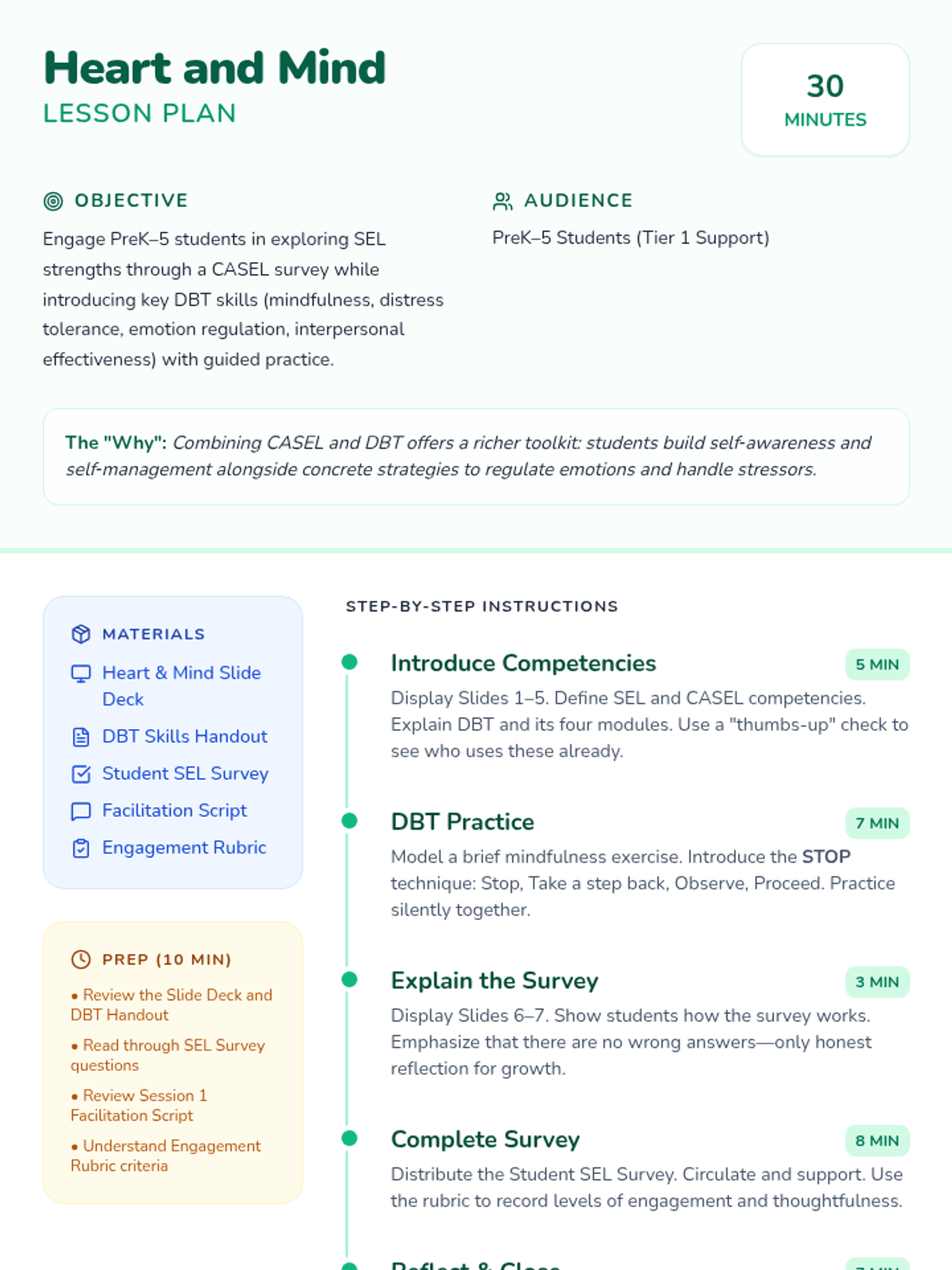
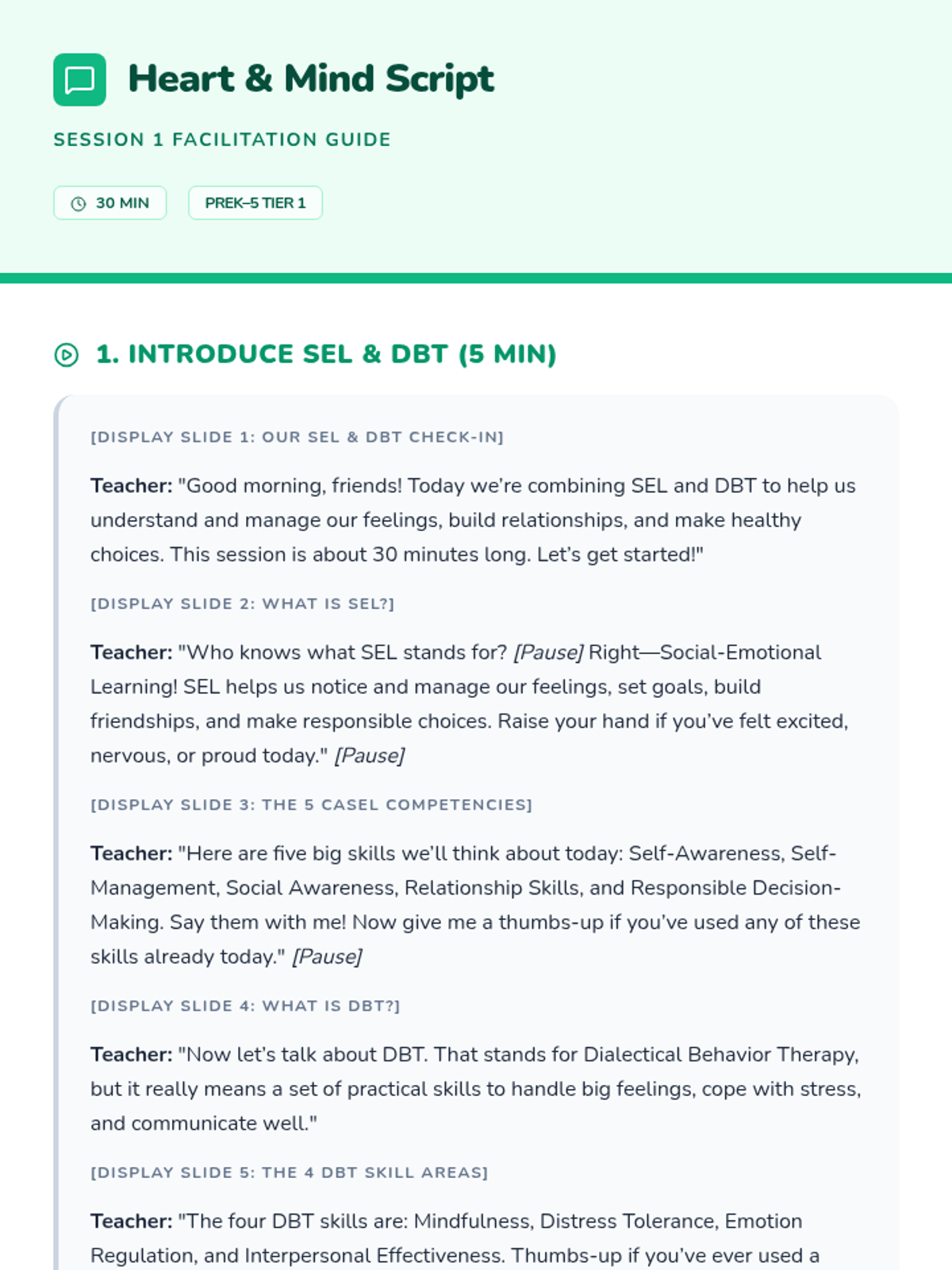
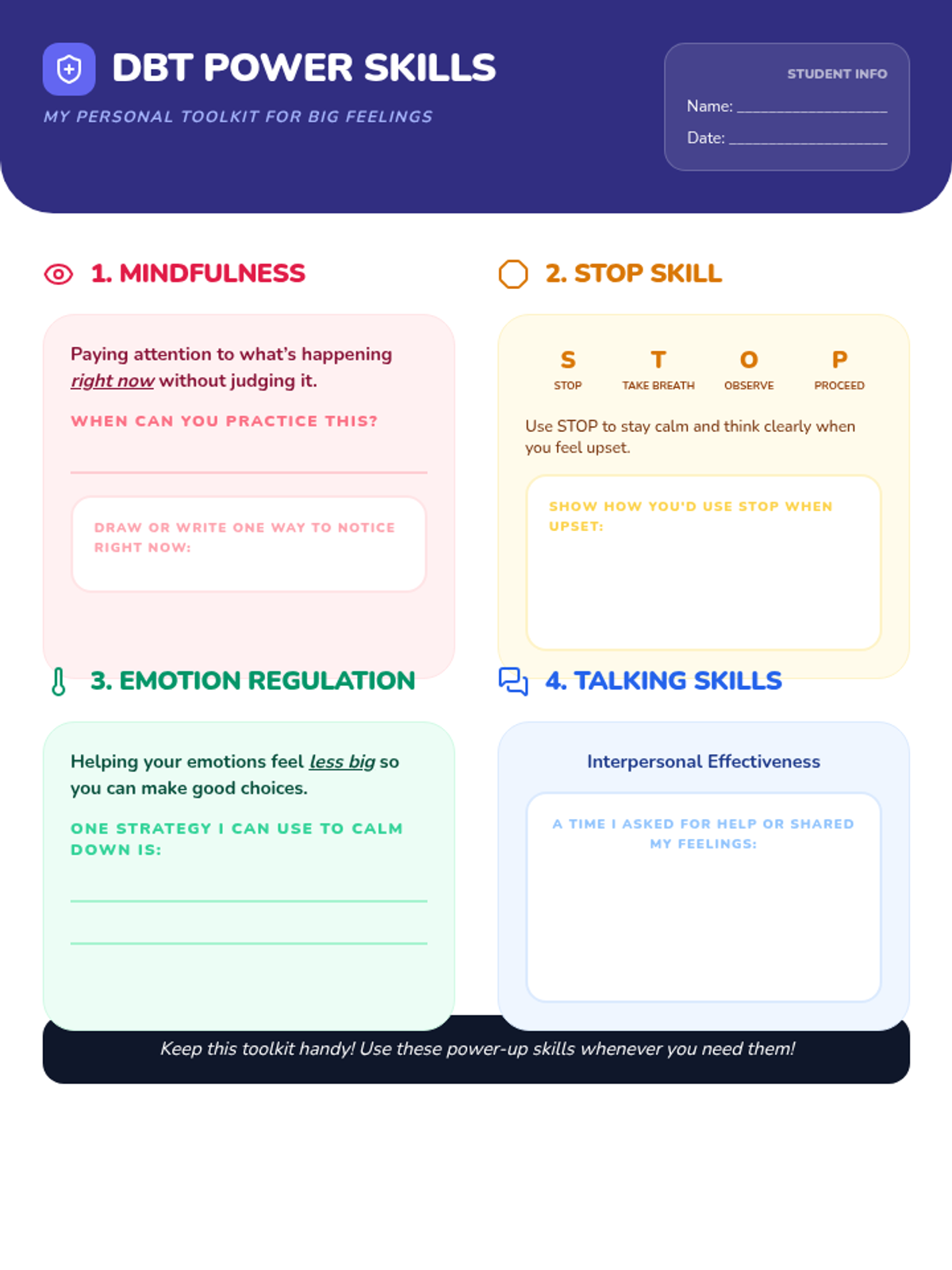
A two-session social-emotional learning sequence for PreK-5 students that integrates CASEL competencies with foundational DBT skills to build self-awareness, emotional regulation, and responsible decision-making.
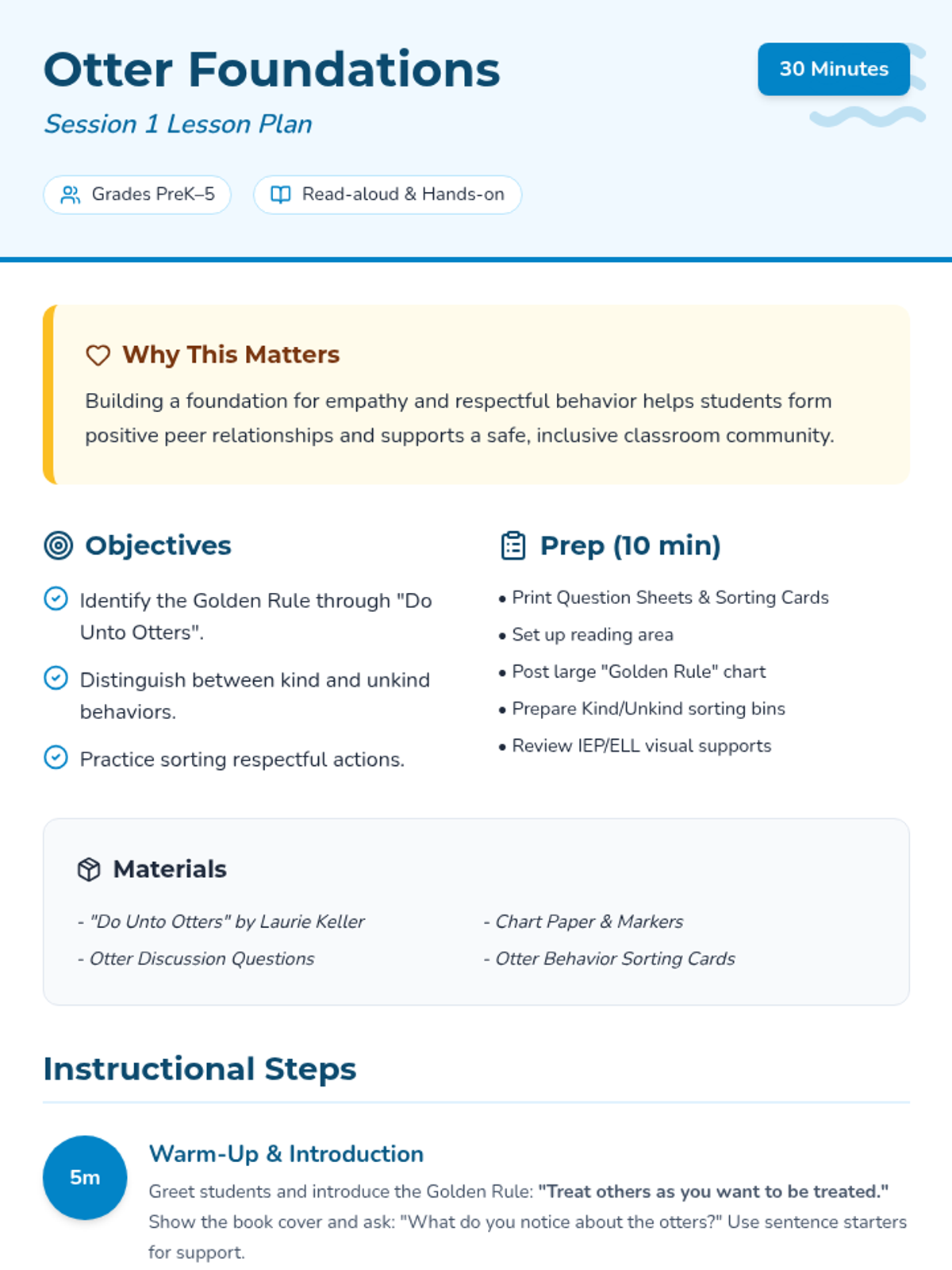
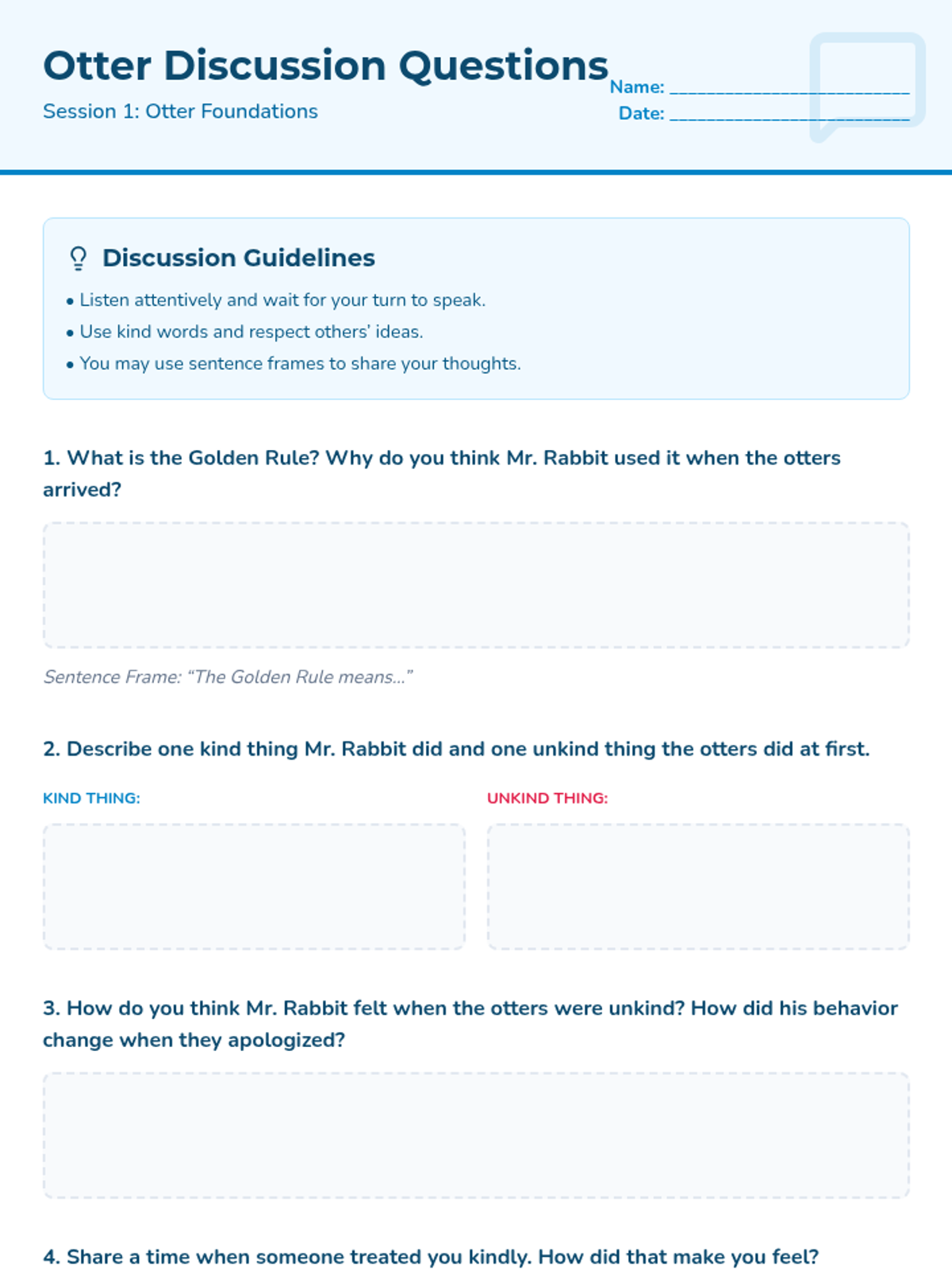
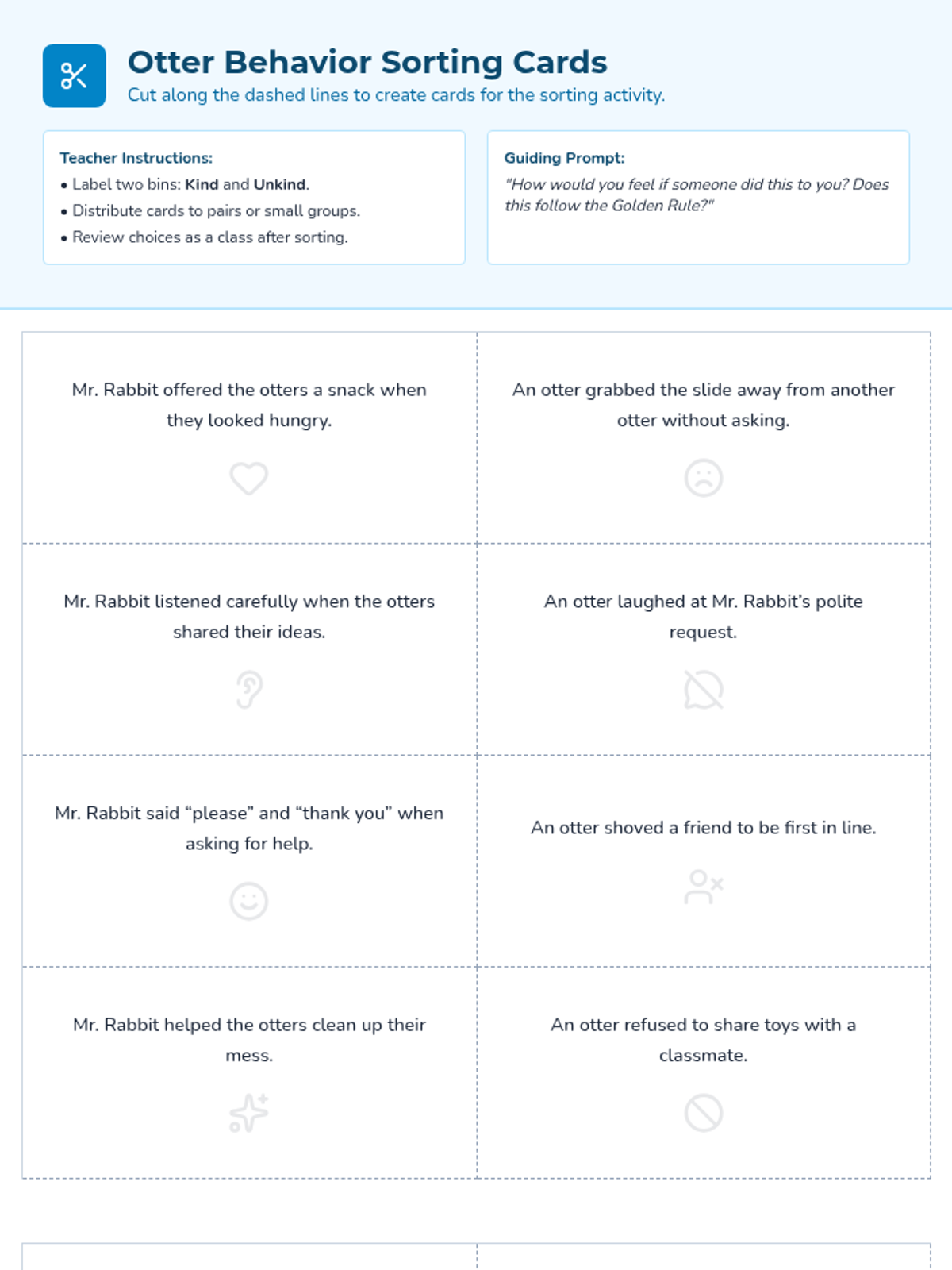
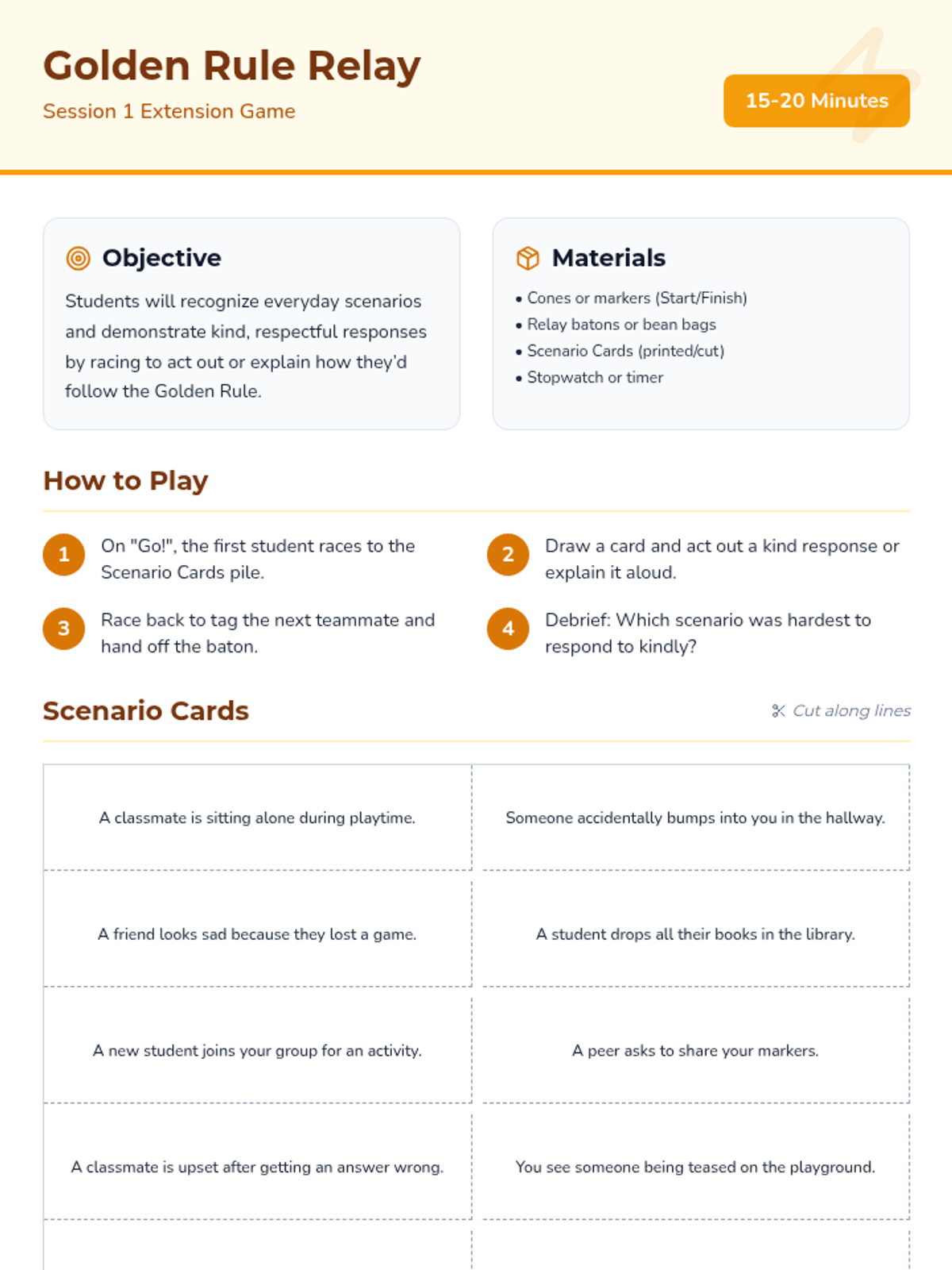
A three-session social-emotional learning unit for PreK–5 focused on kindness, empathy, and the Golden Rule, inspired by Laurie Keller’s 'Do Unto Otters'.
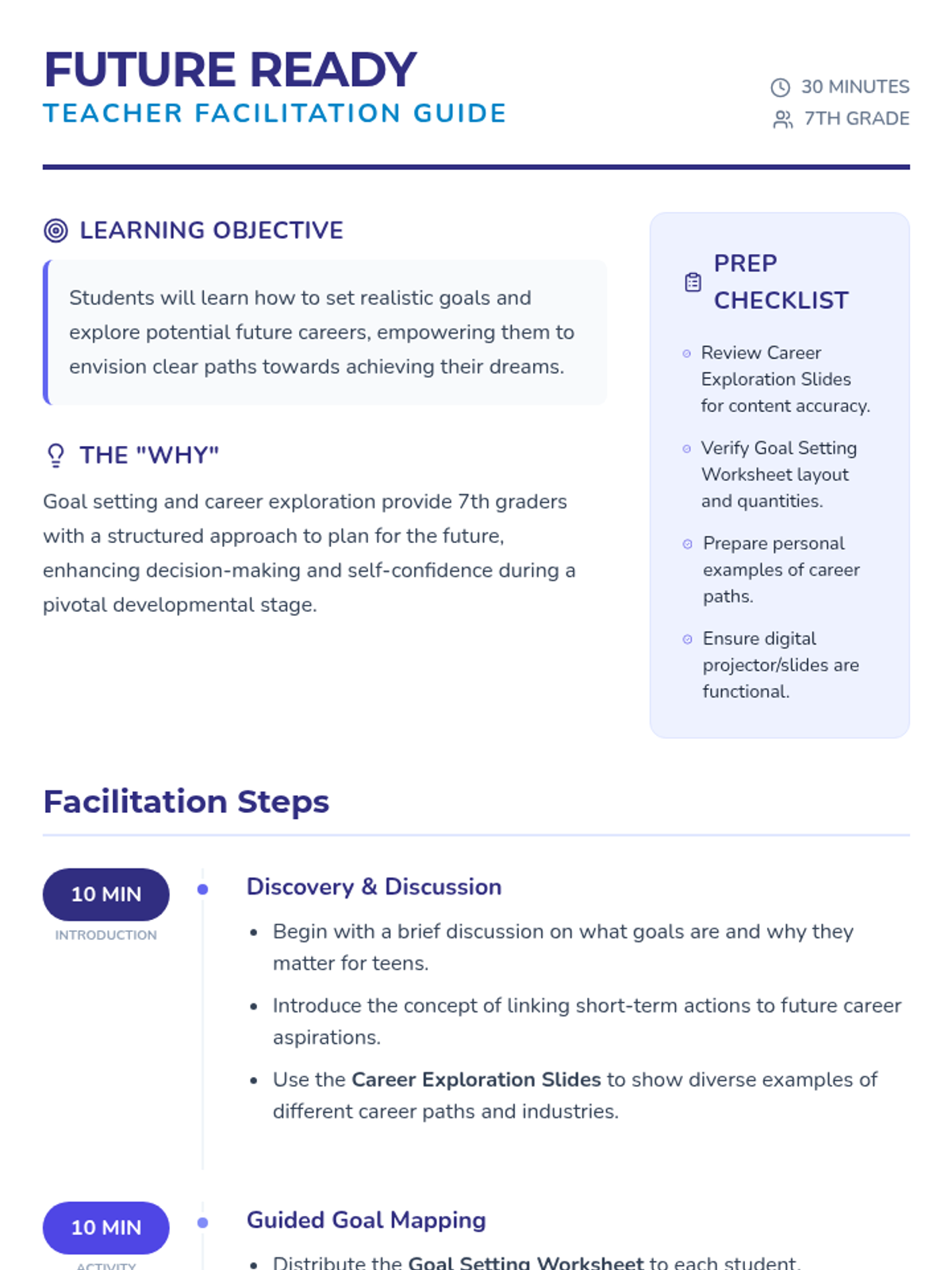
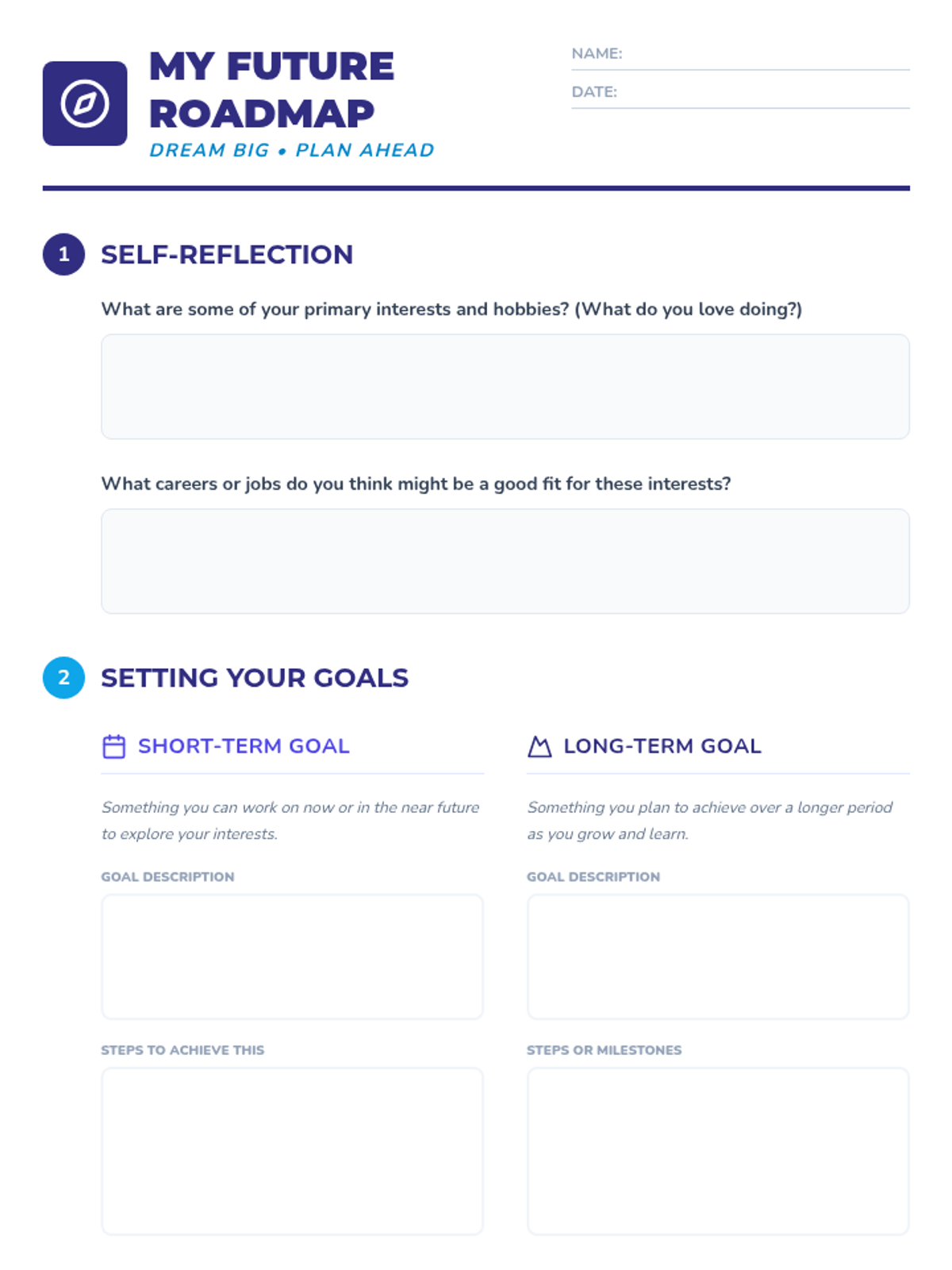
A dual-track exploration of goal setting and careers tailored for different developmental stages, ranging from foundational concepts in early childhood to structured planning in early adolescence.
A sequence for Pre-K students focused on building emotional resilience through predictable, positive daily routines. Students explore greetings, reframing chores, managing transitions, finding peace in quiet time, and practicing daily gratitude.
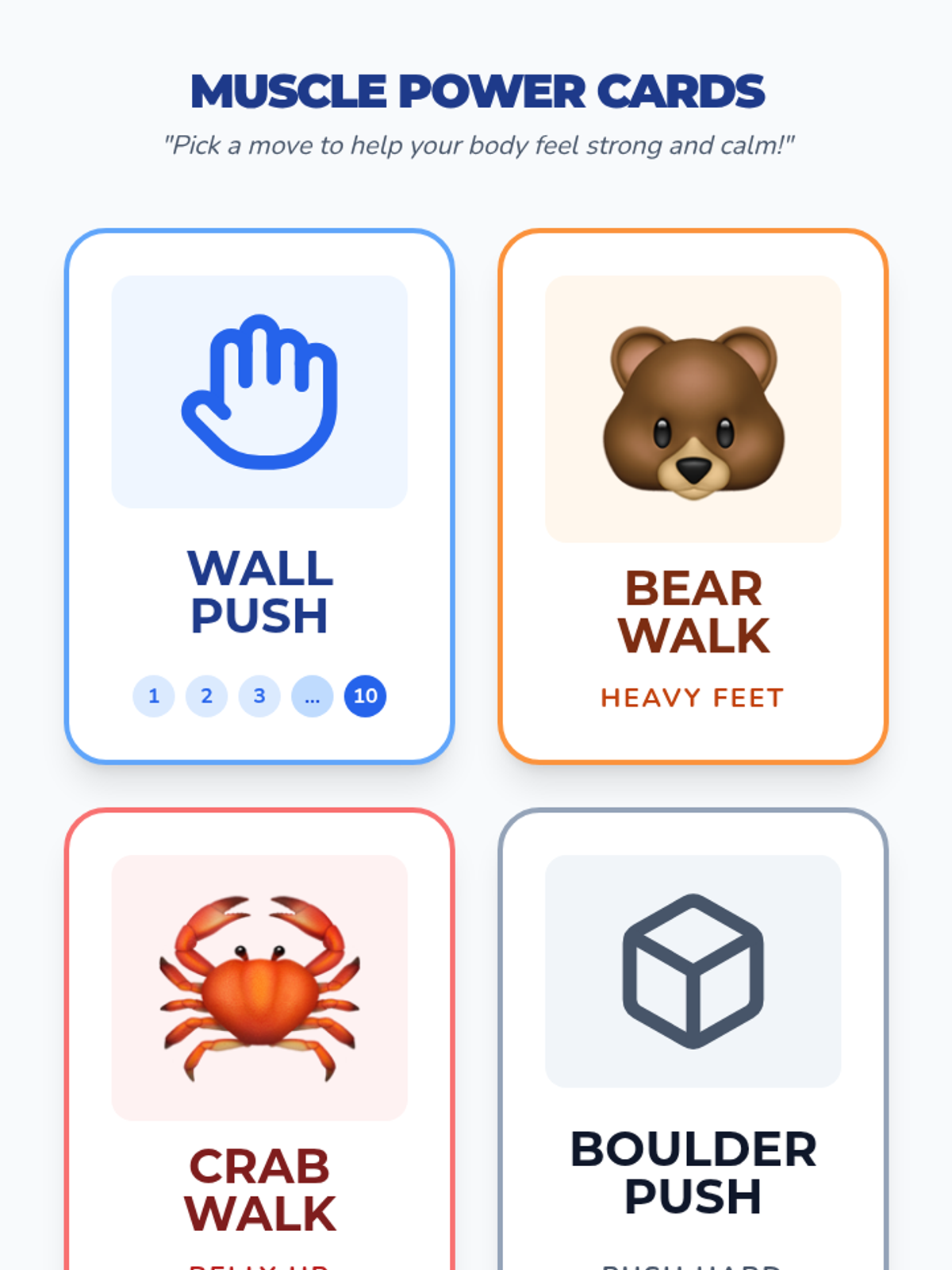
A 5-lesson sequence for Pre-K students focusing on learning and practicing specific motor and sensory strategies to regulate their nervous systems and manage breaks effectively.
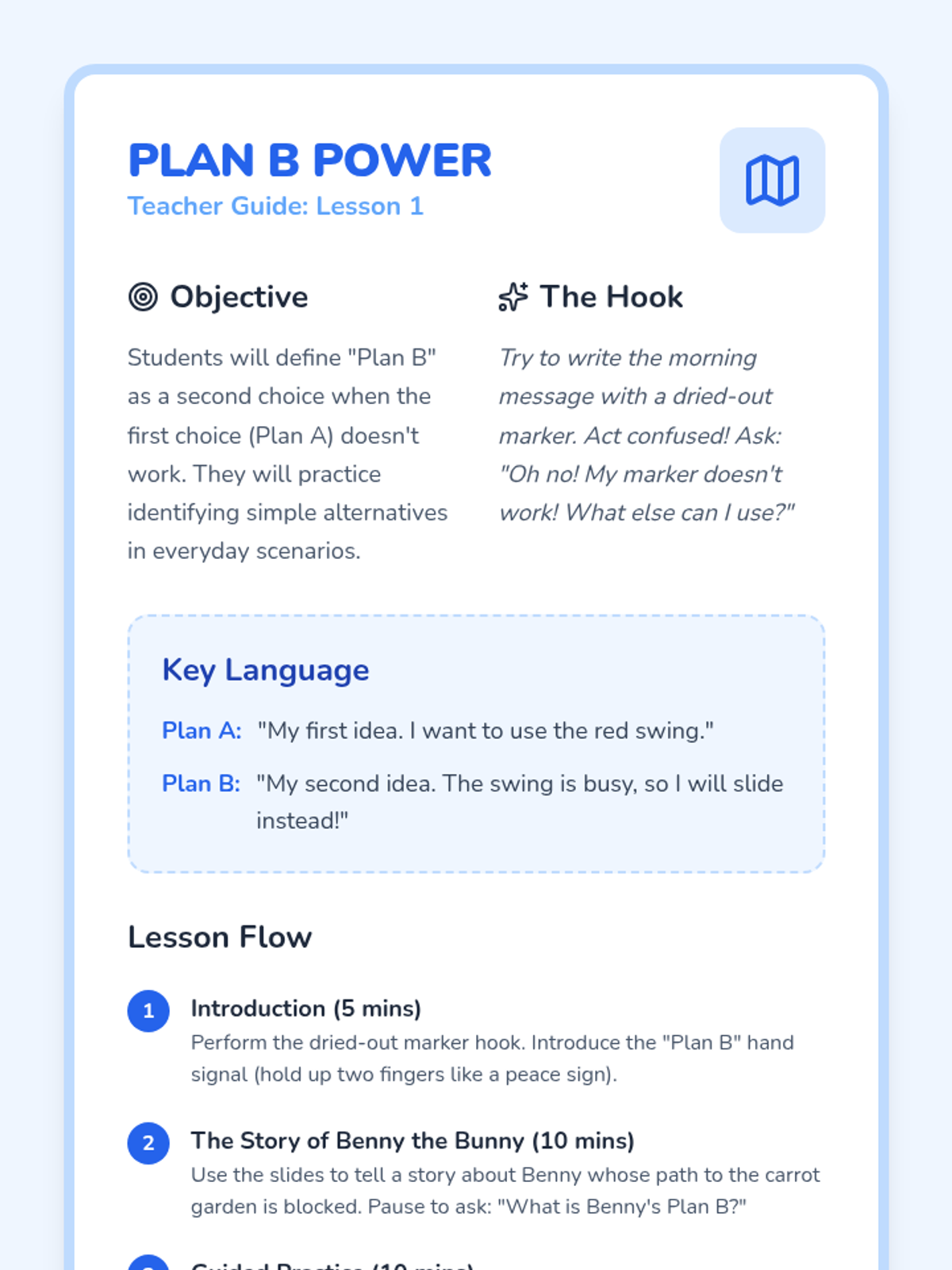
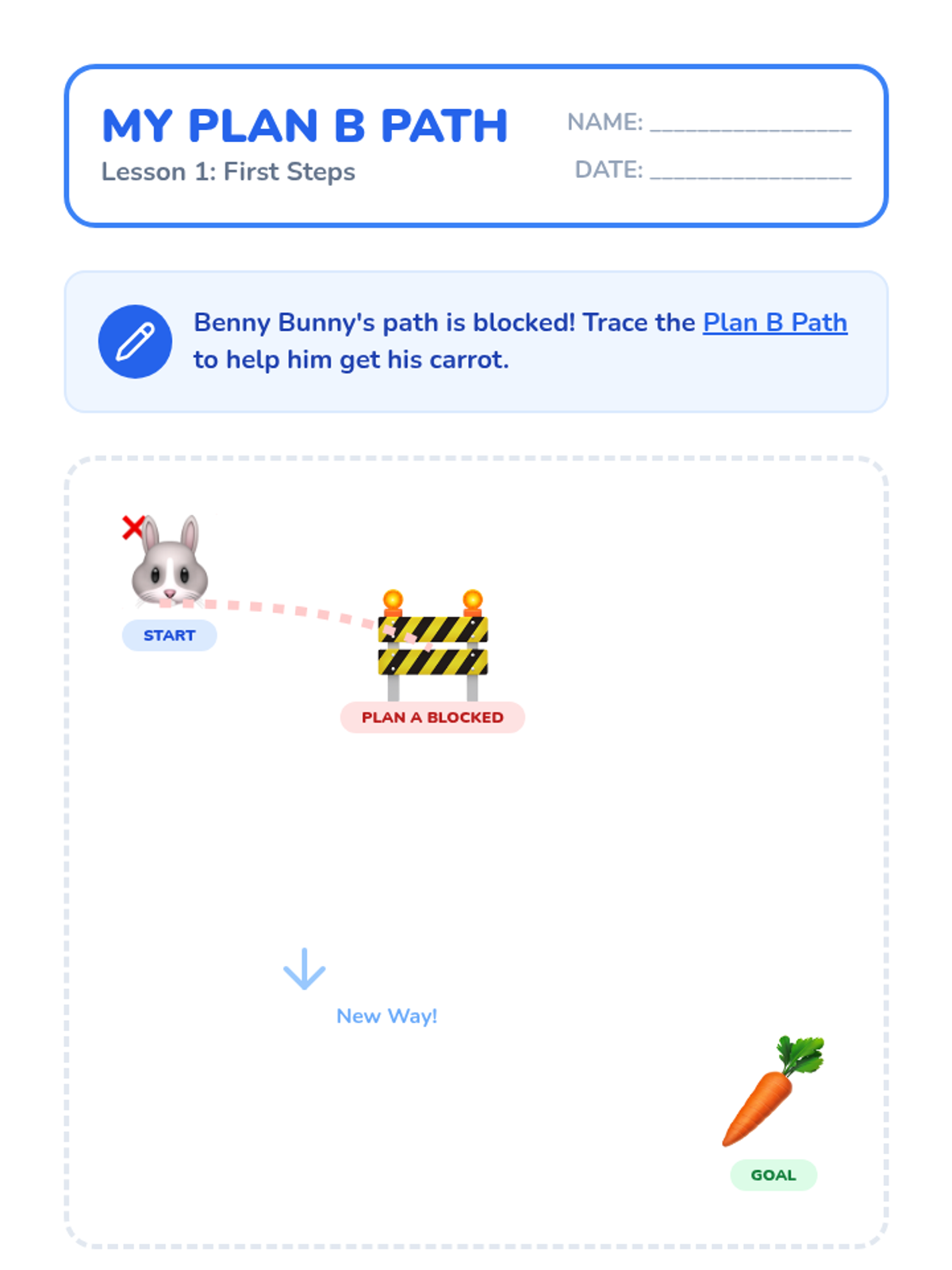
This sequence helps Pre-K students develop cognitive flexibility and executive function. Students learn to navigate disruptions, substitute tools, and manage emotions when plans change, building a 'Plan B' toolkit for classroom success.
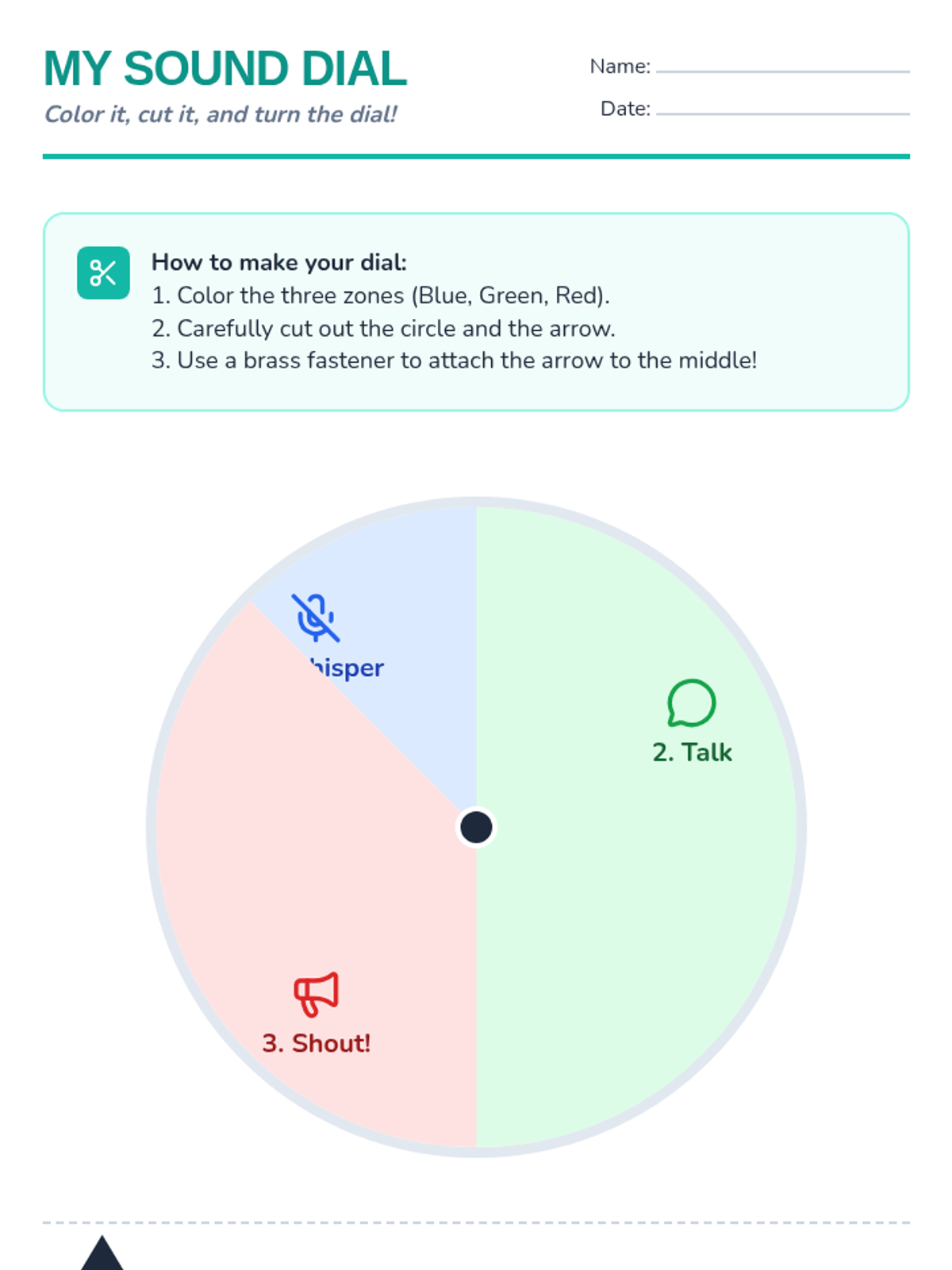
A Pre-K sequence focused on identifying vocal and communication cues that signal emotional escalation. Students learn to recognize changes in volume, speed, tone, and silence as indicators of their own and others' internal states.
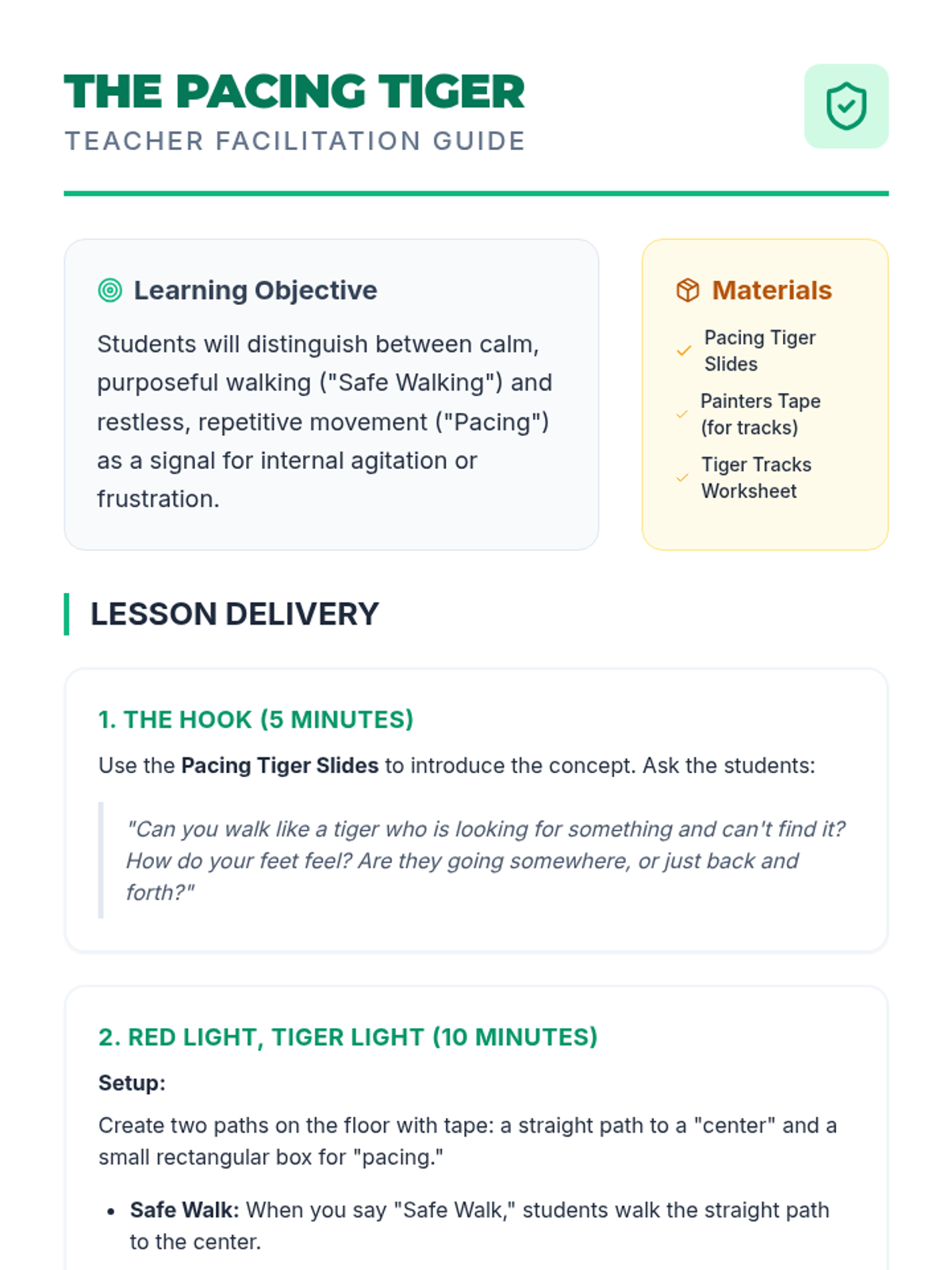
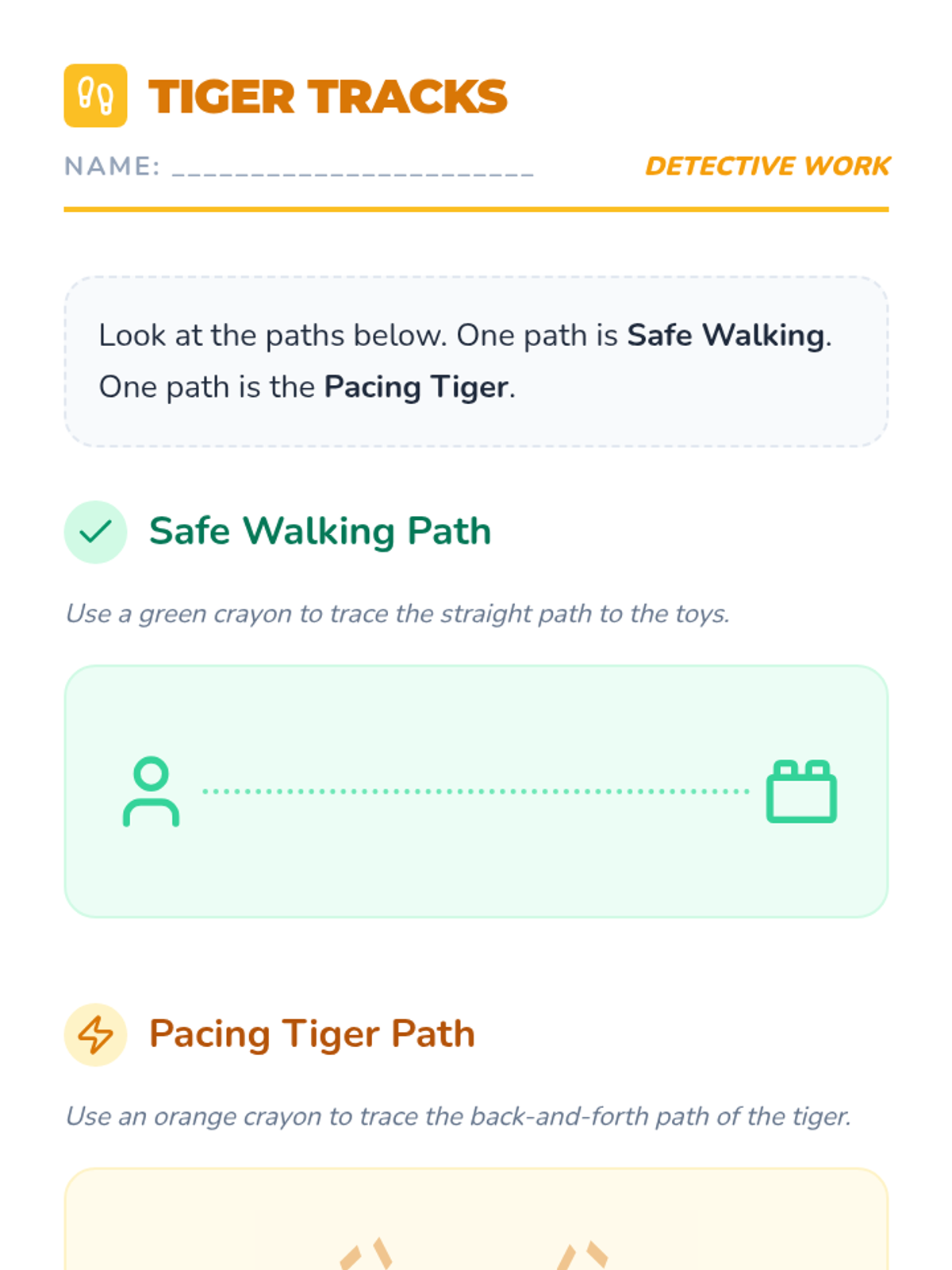
A Pre-K sequence focused on identifying early warning signs of behavioral escalation through animal metaphors, movement, and social-emotional awareness. Students learn to recognize pacing, hiding, impulsive hands, and loud footsteps as signals for needing support.
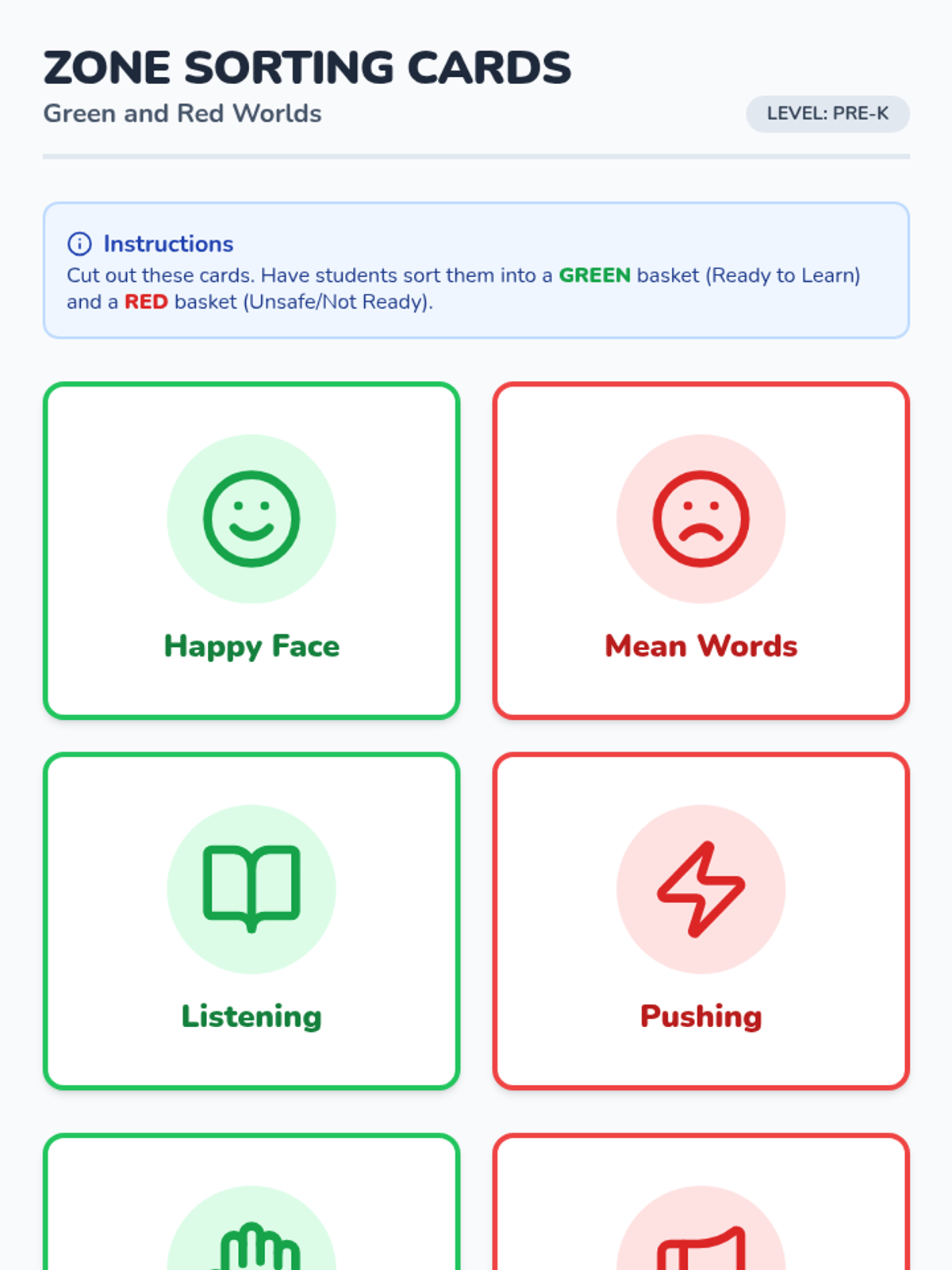
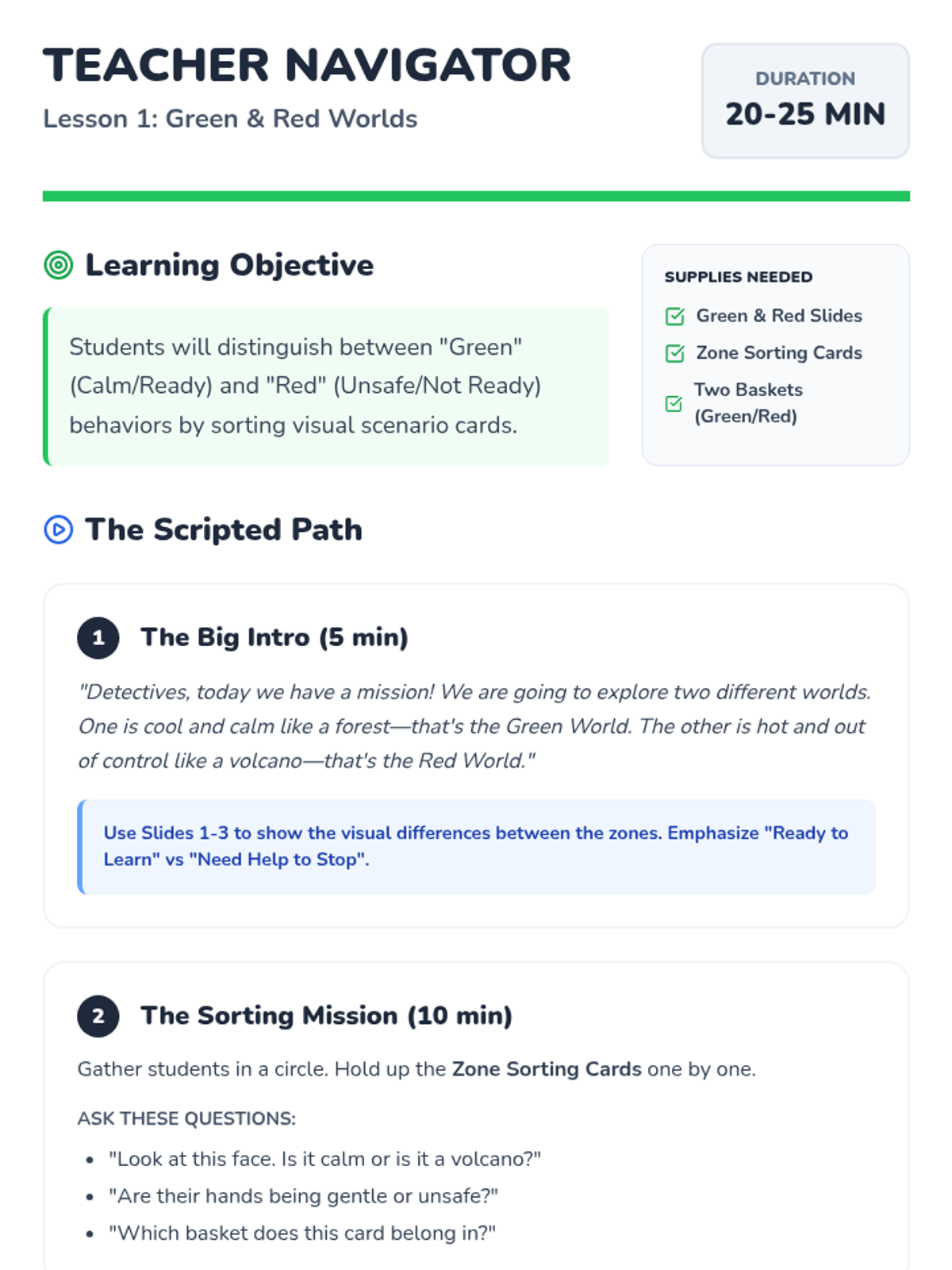
A color-coded behavioral support sequence for Pre-K students focused on identifying emotional intensity. Students learn to distinguish between 'Green' (calm), 'Yellow' (warning), and 'Red' (crisis) zones, with a heavy emphasis on recognizing the 'Yellow Zone' signs before escalation occurs.
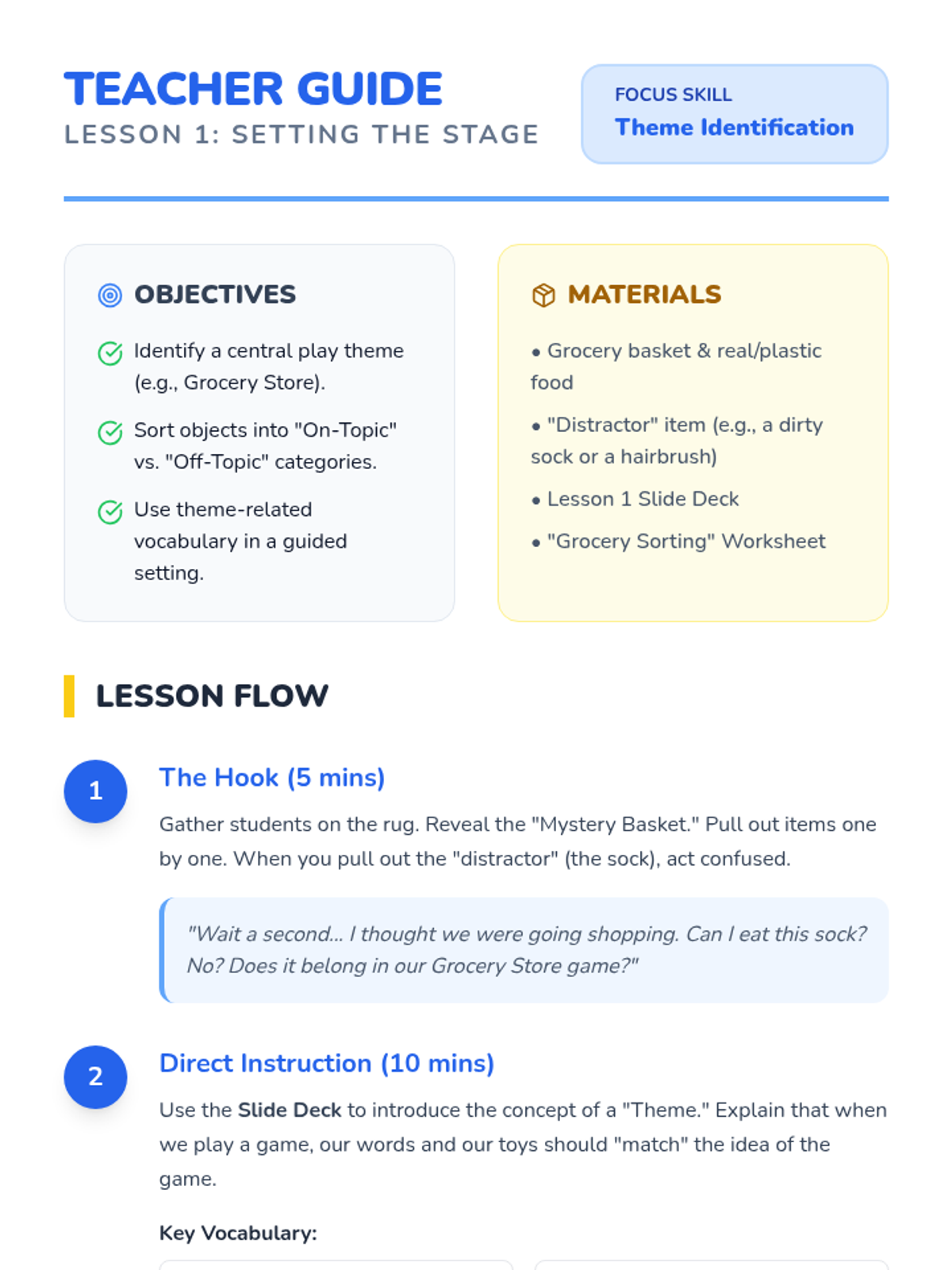
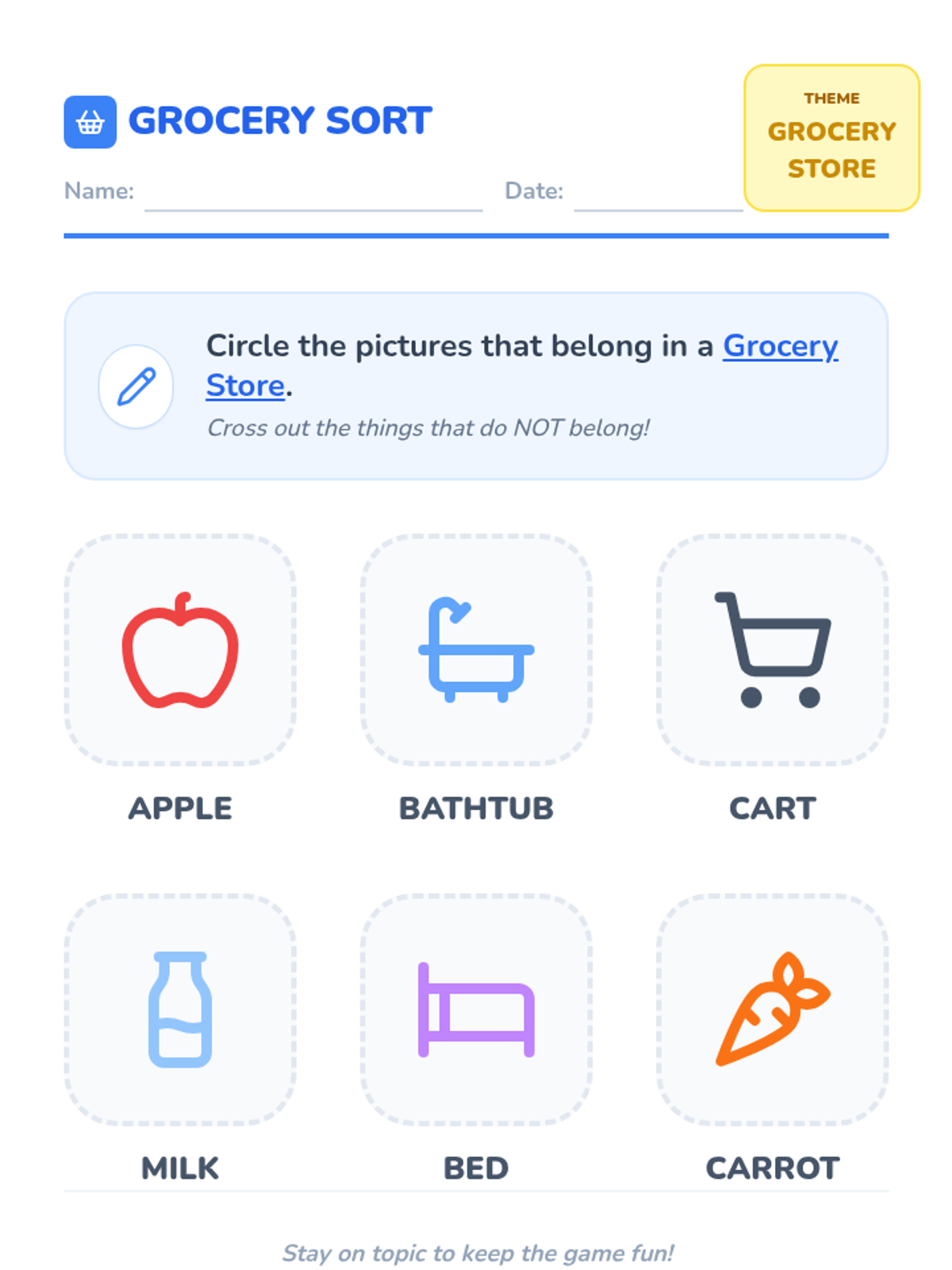
A 5-lesson sequence for Pre-K students focusing on topic maintenance through the lens of dramatic play. Students learn to identify themes, stay in character, handle distractions, and transition between topics naturally.
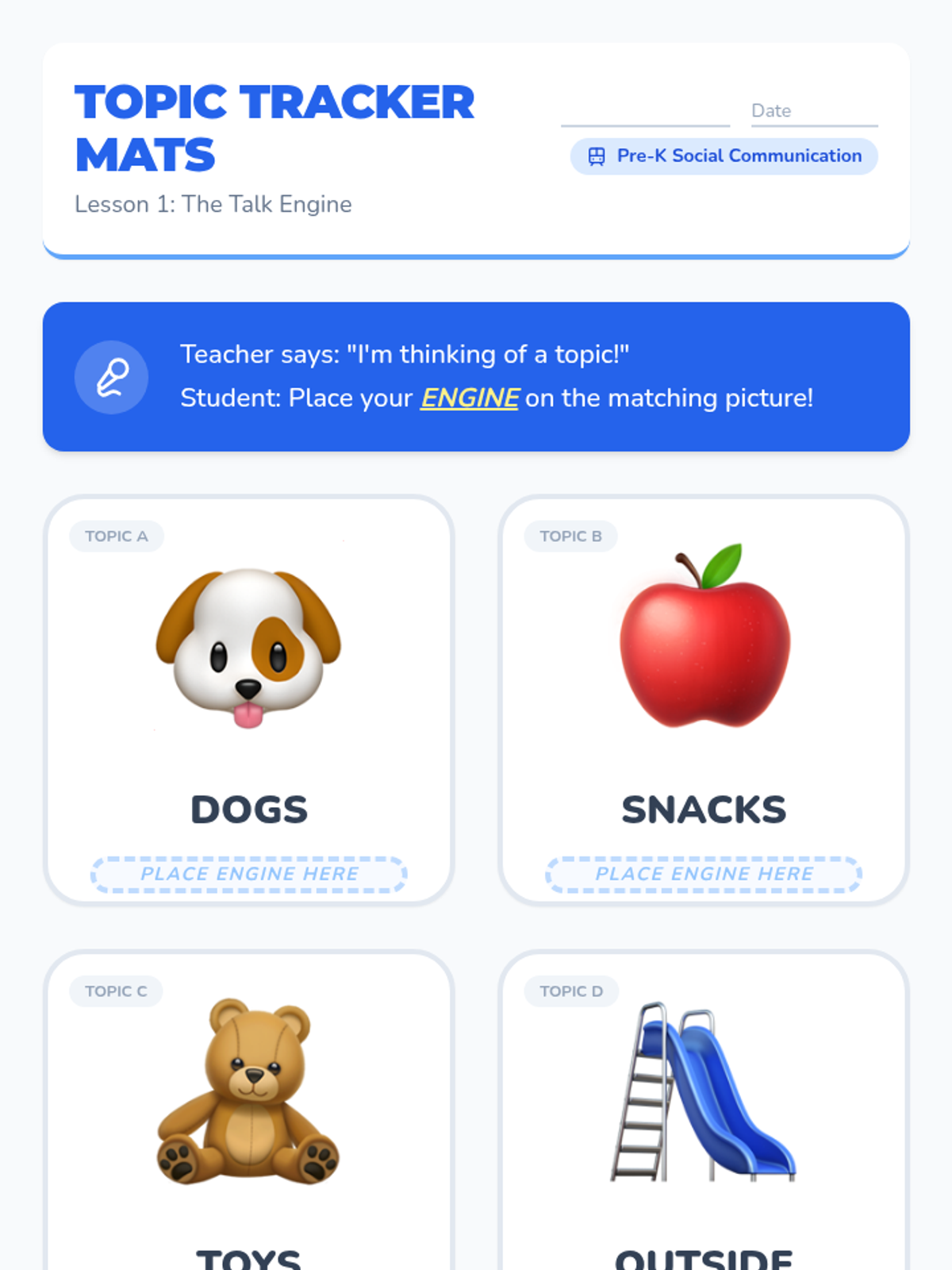
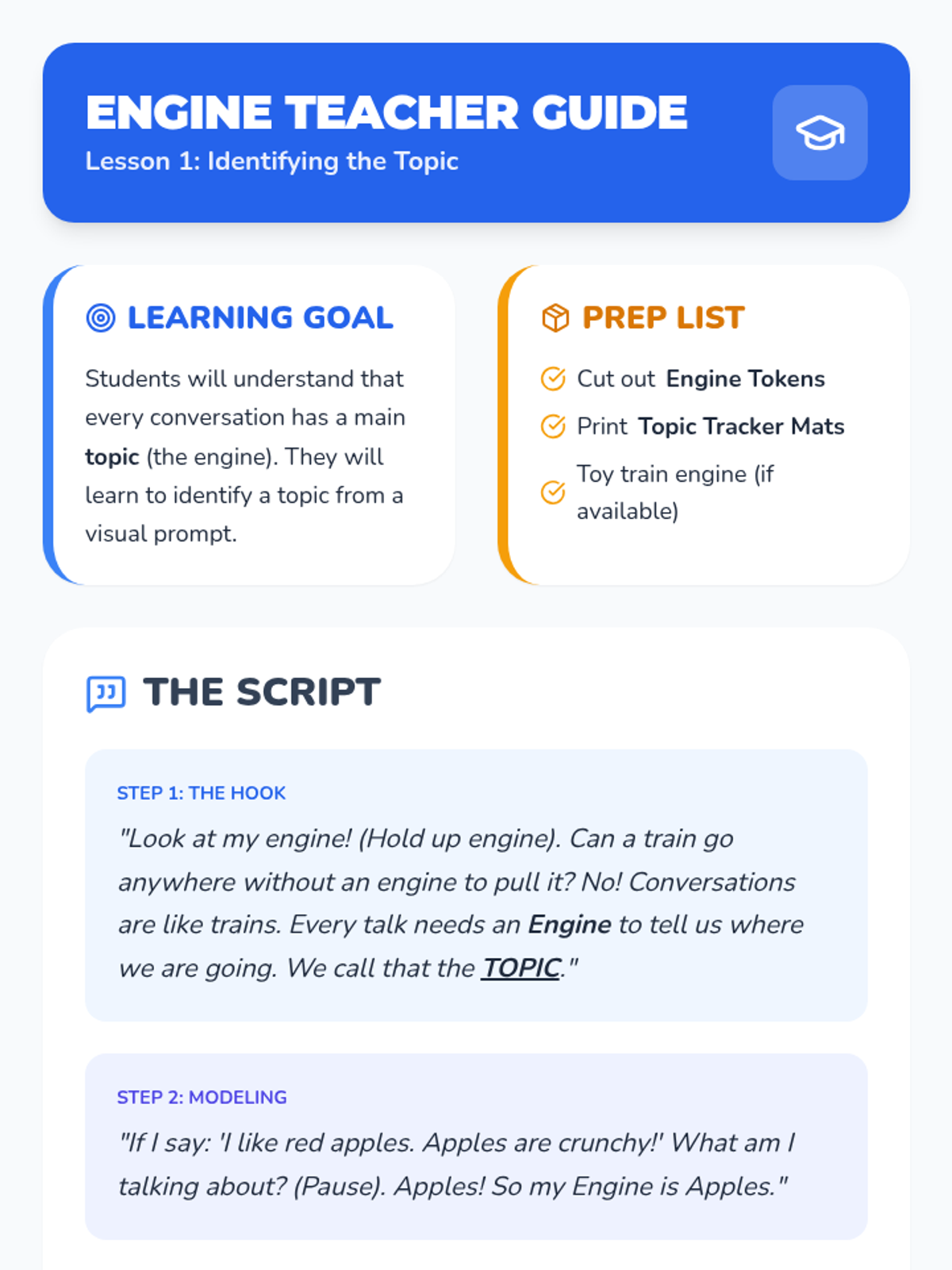
This sequence uses a train metaphor to teach Pre-K students how to maintain a conversation topic. Through concrete visual aids like engines, tracks, and parking lots, students learn to identify topics, add relevant comments, and manage off-topic thoughts.
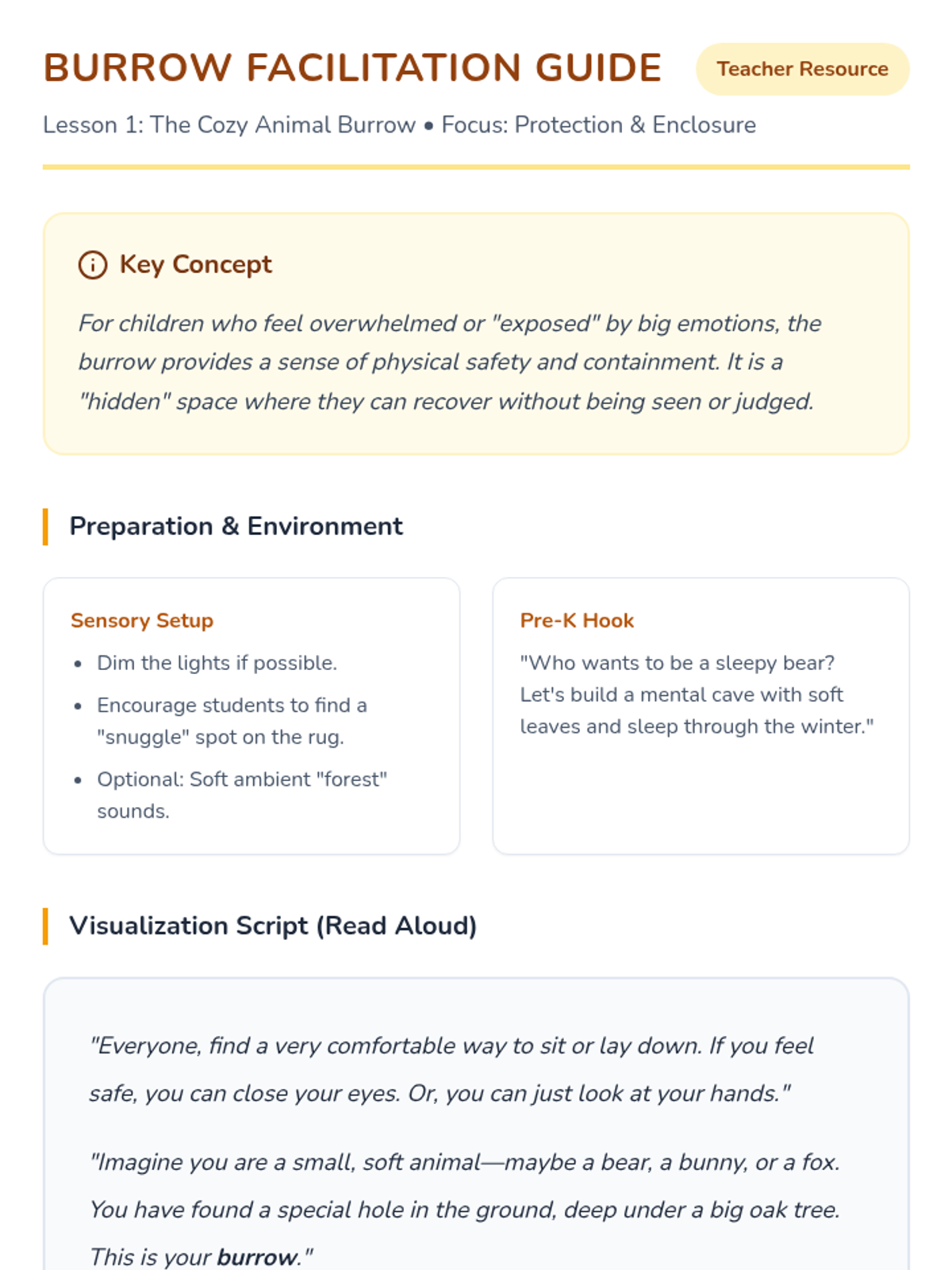
This sequence introduces Pre-K students to safe place visualization through four nature-based archetypes: the burrow, the tree, the cloud, and the stream. Each lesson focuses on a specific aspect of emotional regulation, such as protection, grounding, lightness, and flow, helping children build a mental library of calming images.
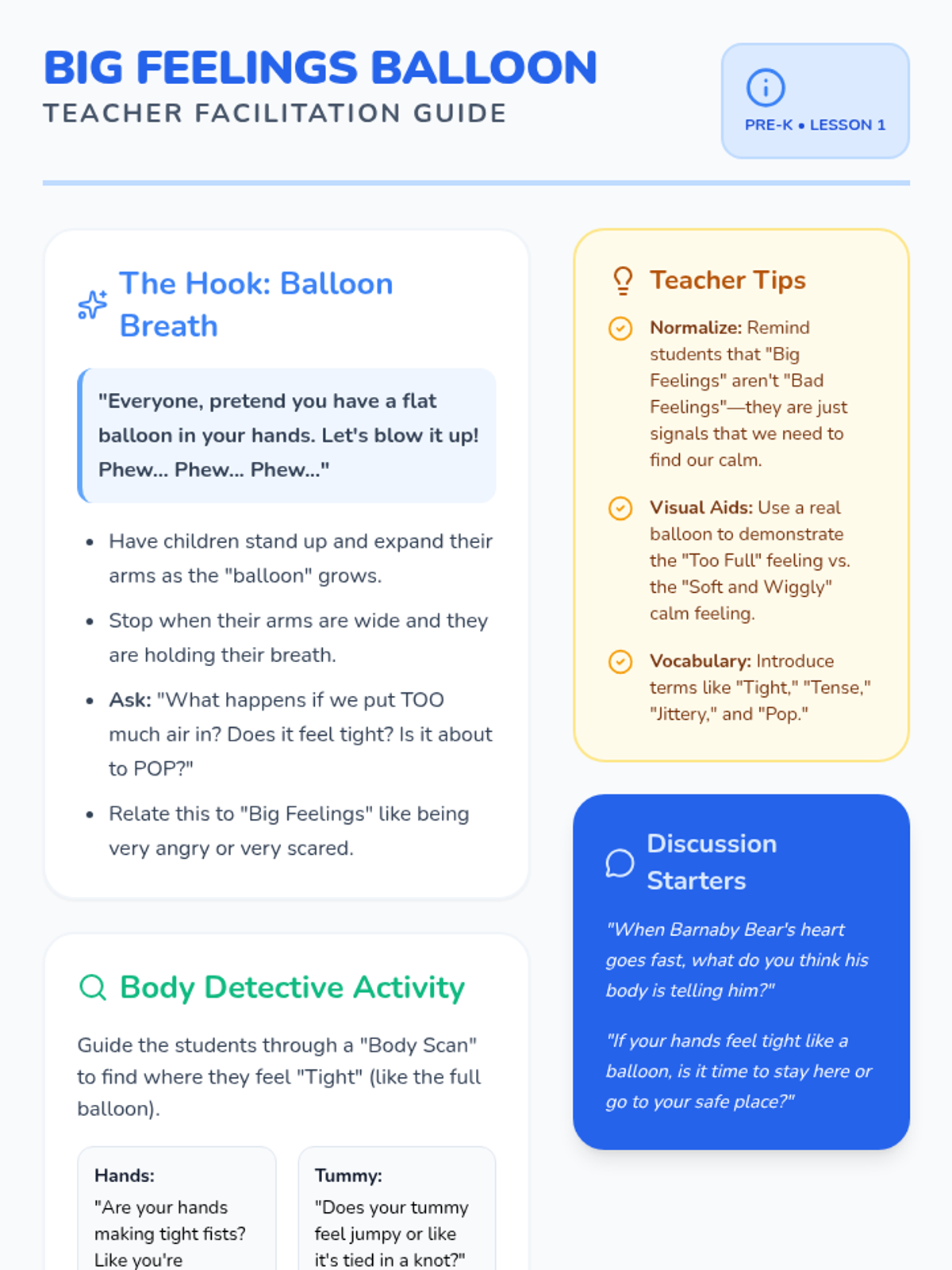
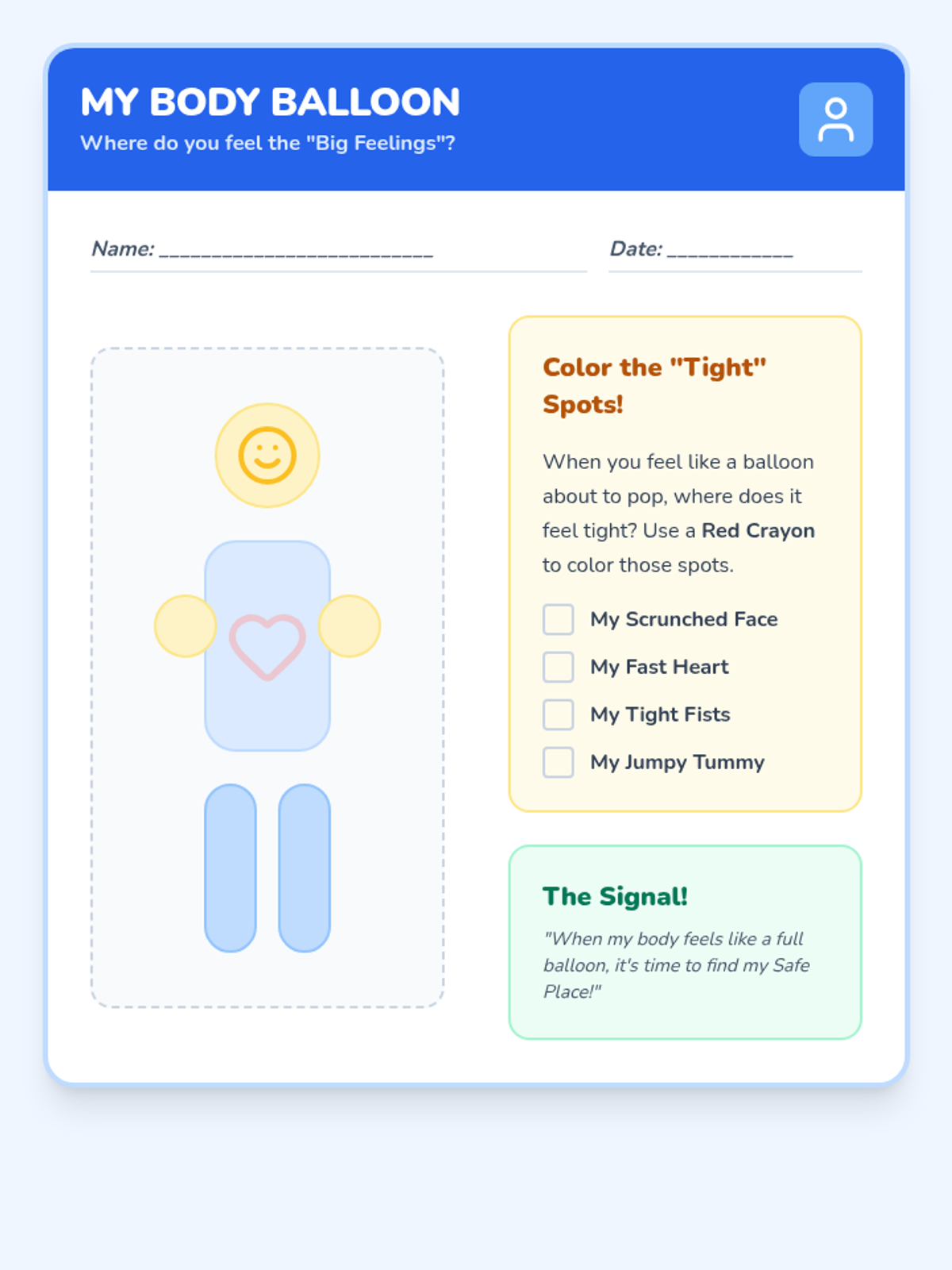
A 5-lesson sequence for Pre-K students to learn safe place visualization through role-play, puppet coaching, and breathing techniques to manage 'big feelings'.
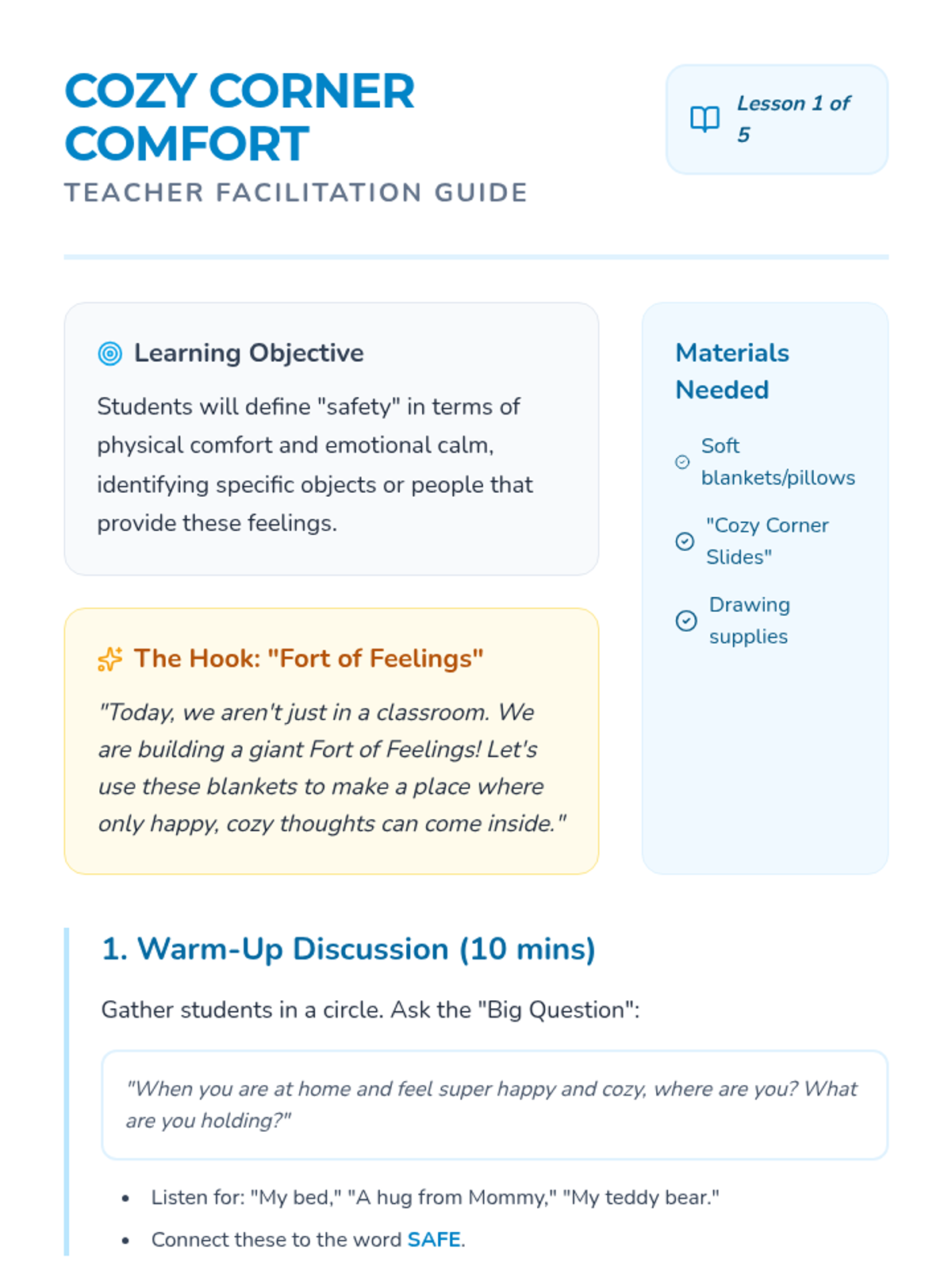
This sequence introduces Pre-K students to the foundational concepts of safety and imagination, building toward the ability to visualize a personal safe space for self-soothing and emotional regulation.
This sequence uses game-based learning to develop cognitive flexibility in Pre-K students. Students learn to inhibit impulses, switch rules, and adapt to environmental changes through play, using the metaphor of a 'flexible rubber band brain'.
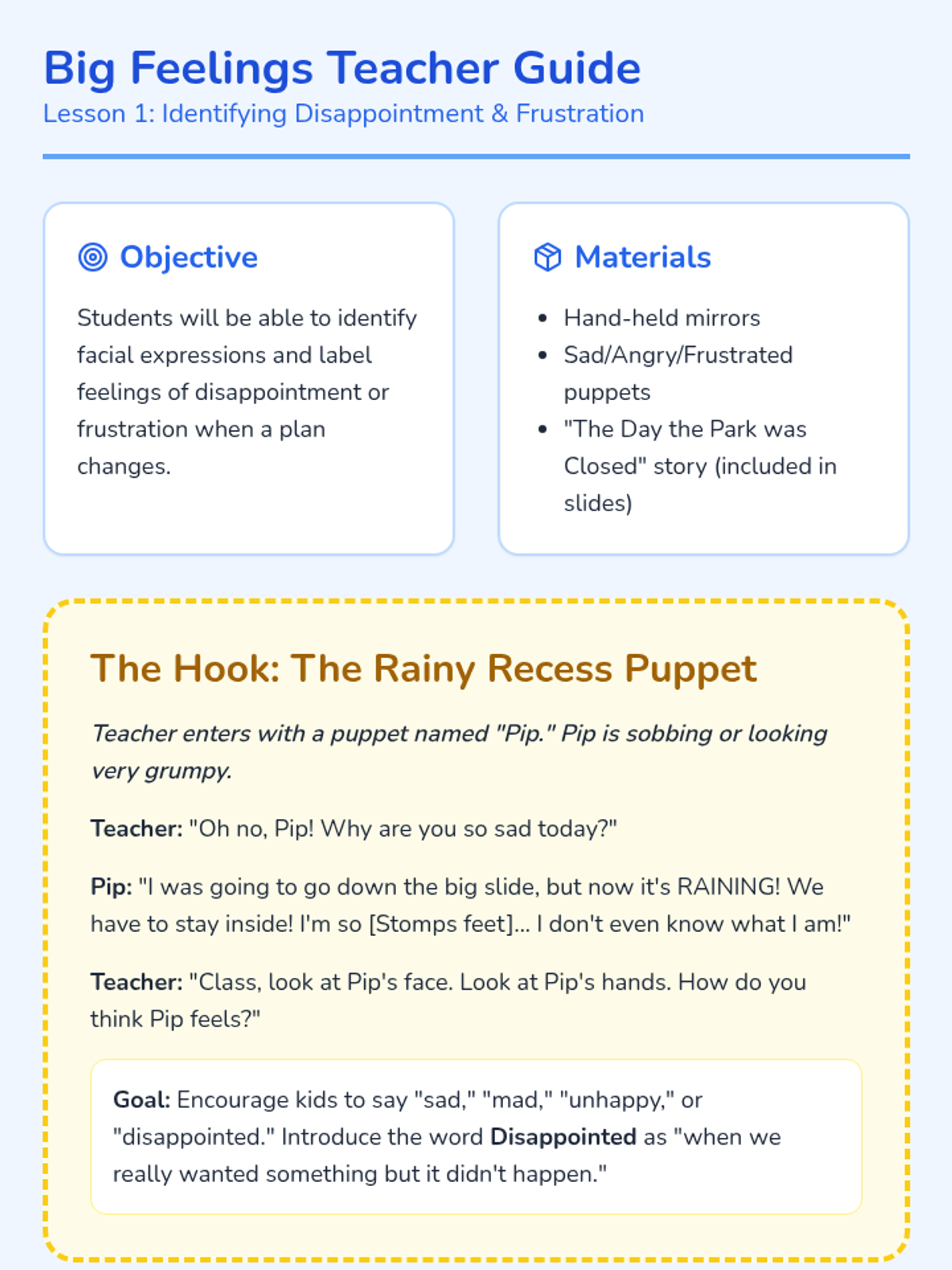
A Pre-K sequence focused on teaching emotional regulation and task management when plans change. Students learn to identify big feelings, practice breathing techniques, understand the 'Plan B' concept, and build a personalized toolkit for handling routine shifts.
A 5-lesson sequence for Pre-K students to help them understand triggers and distinguish past memories from present safety through play and sensory exploration.
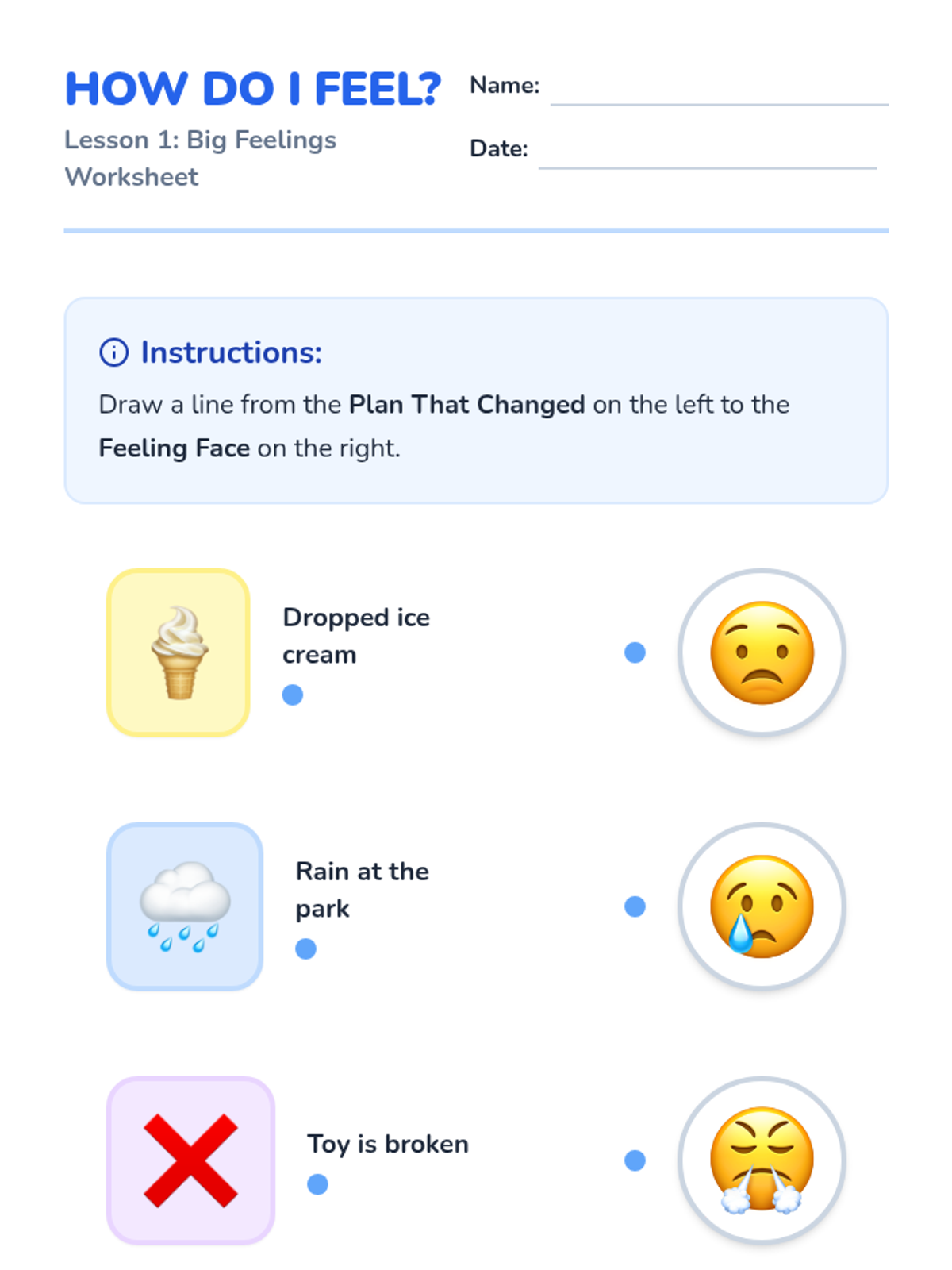
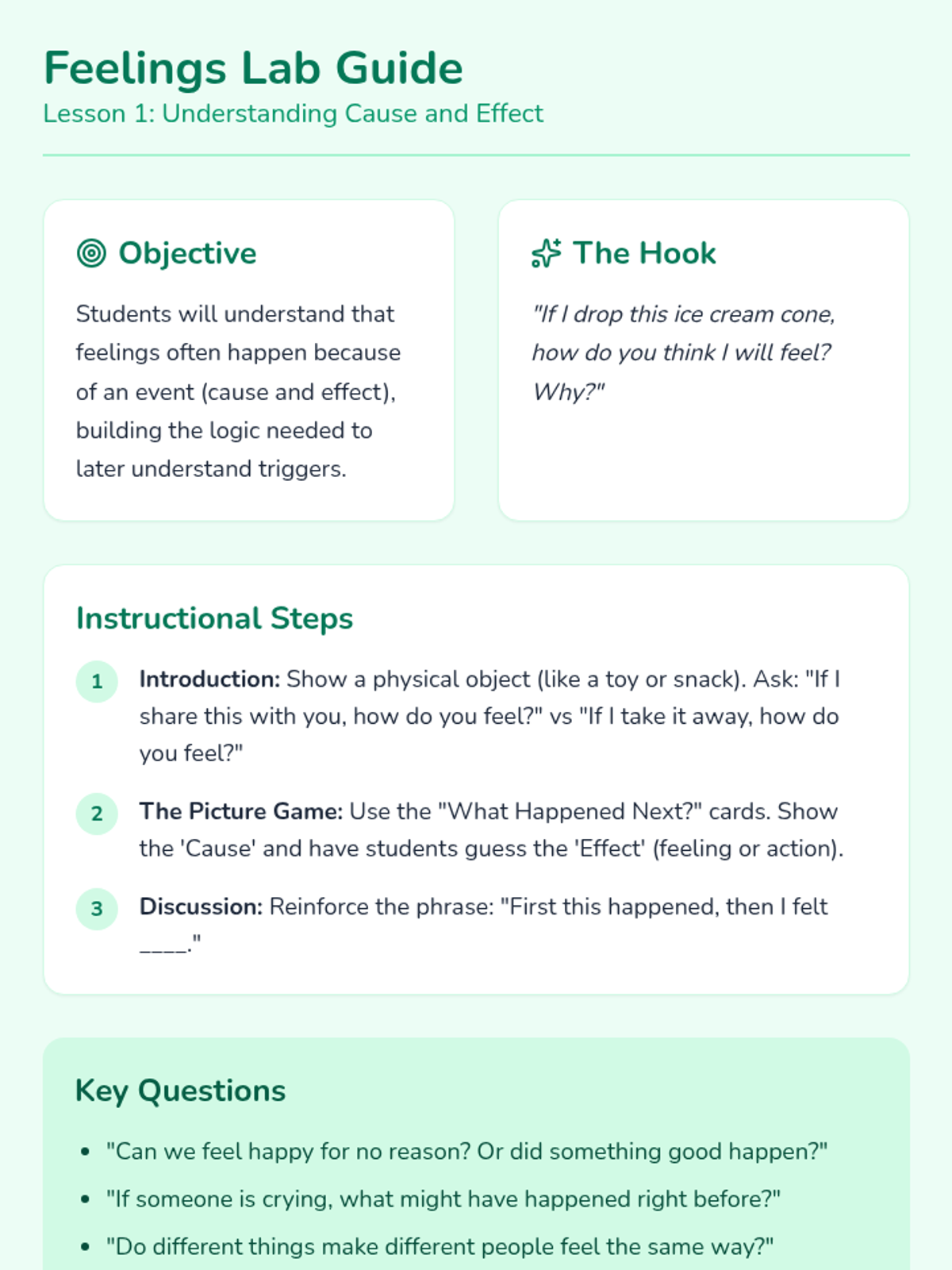
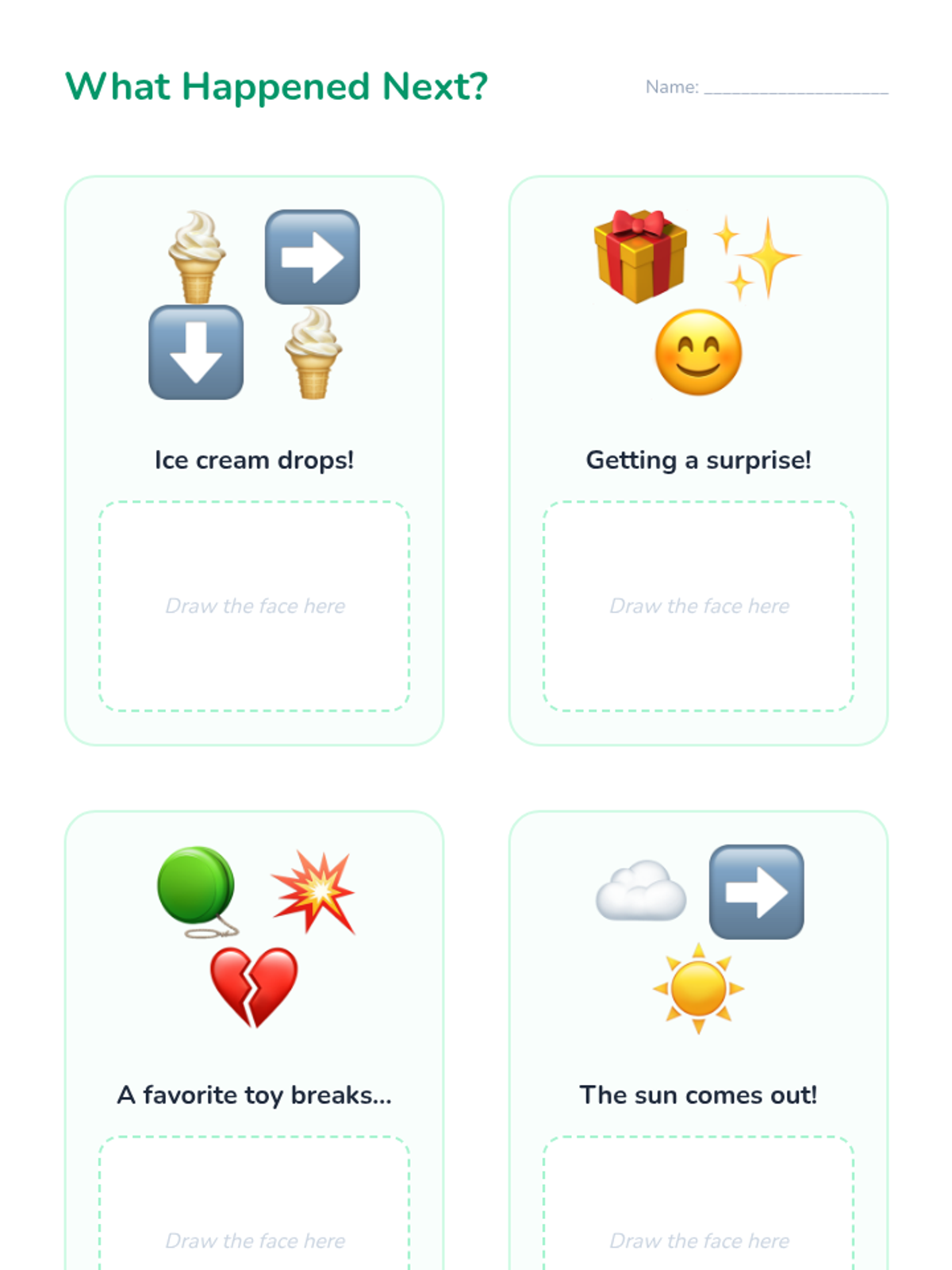
This sequence focuses on the consequences of behaviors, helping Pre-K students understand the connection between their actions and resulting outcomes. Through interactive play, prediction games, and simulations, students learn to distinguish between helpful and hurtful actions and practice 'rewinding' scenarios for better results.
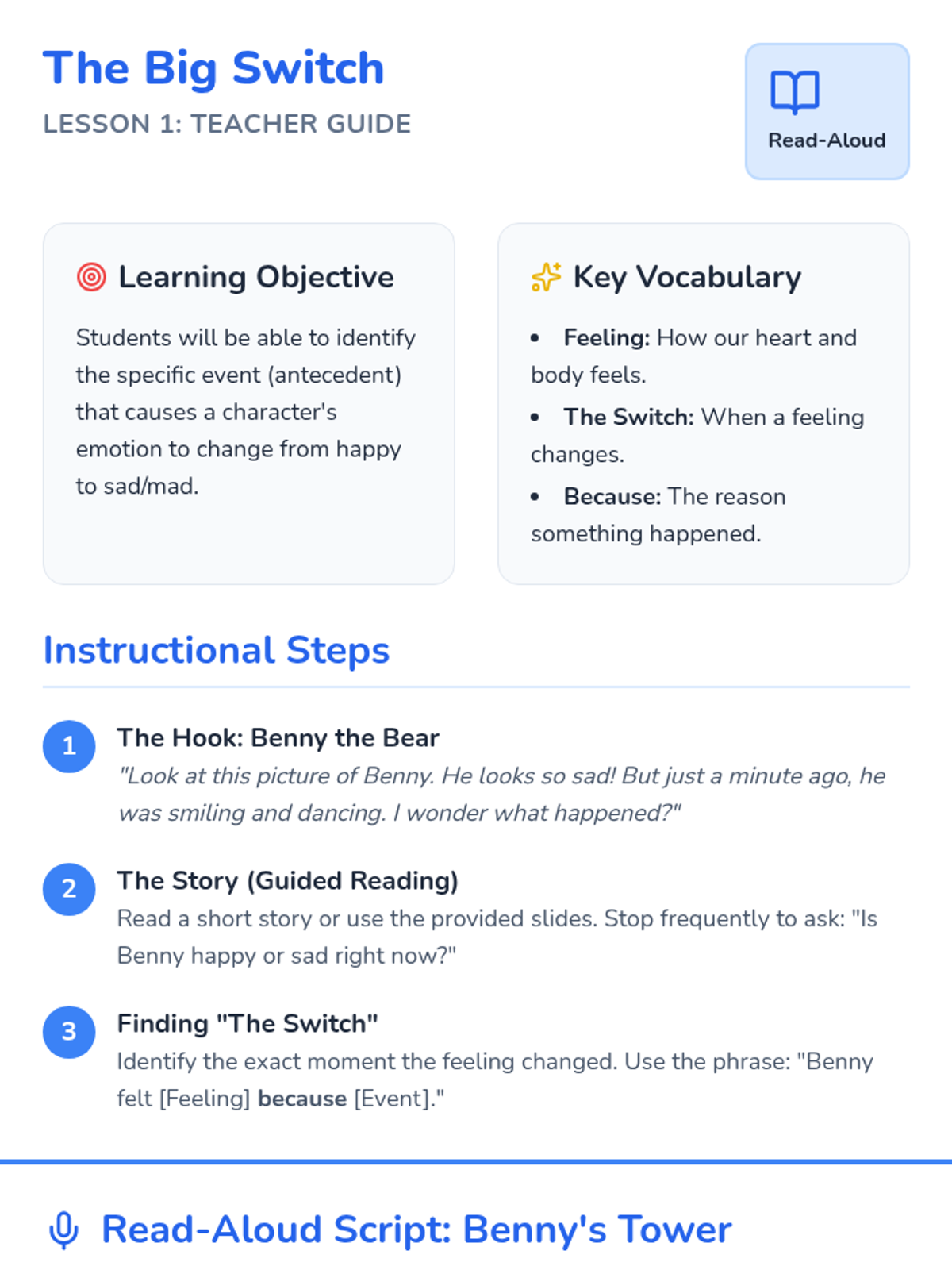
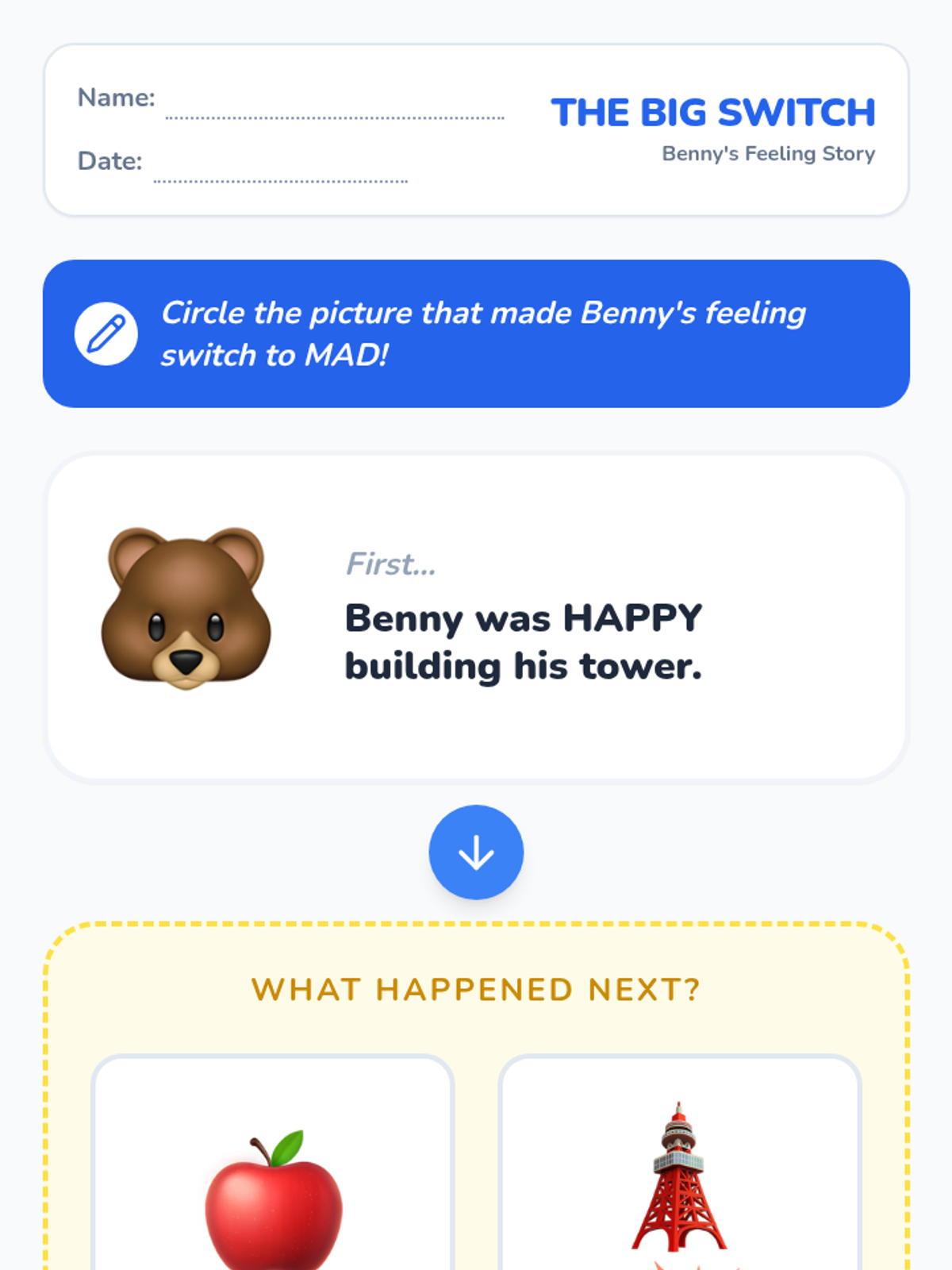
A Pre-K sequence focused on identifying emotional triggers (antecedents) through storytelling, games, and self-reflection. Students learn to connect external events to internal feelings and physical body cues.
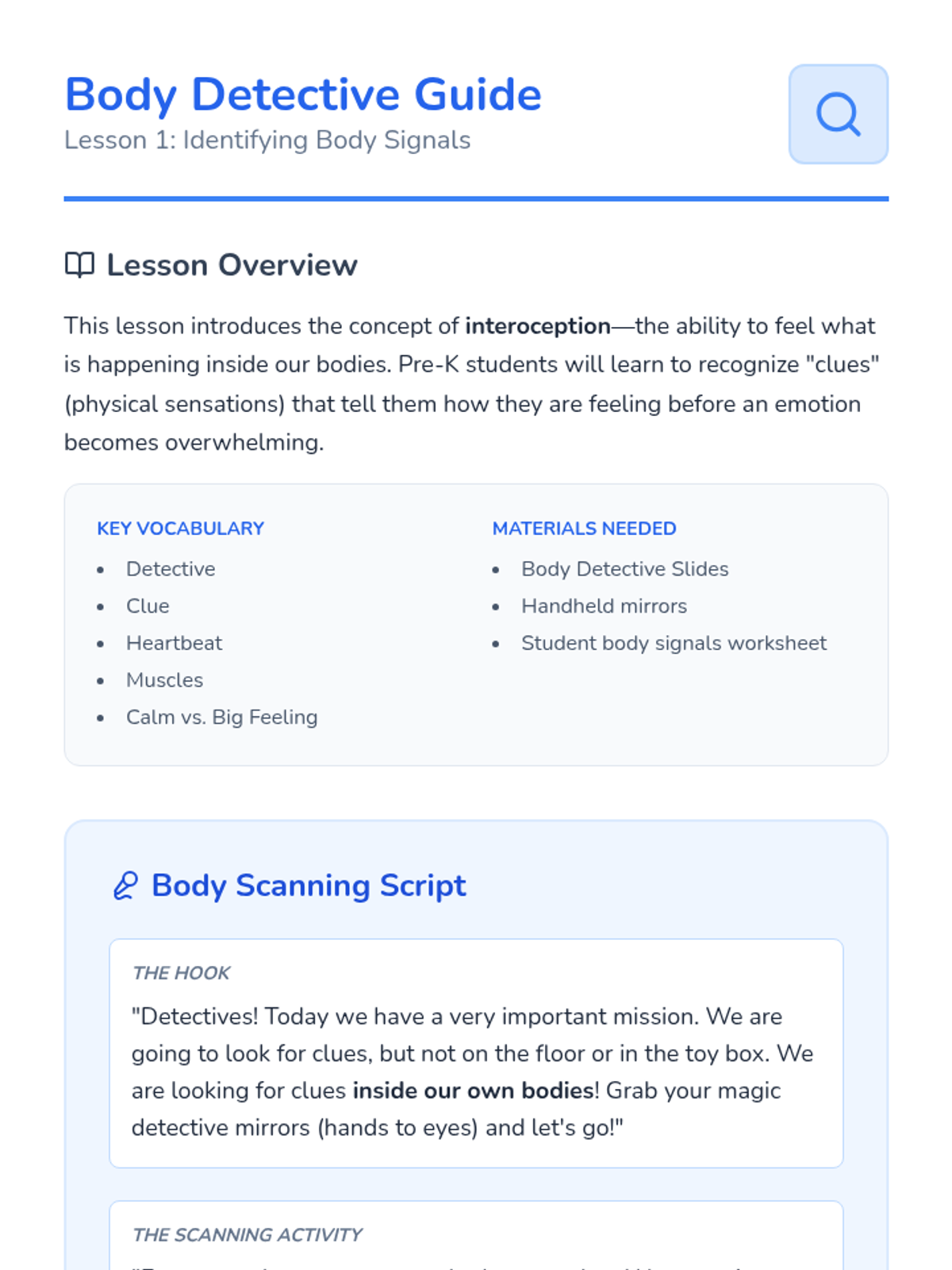
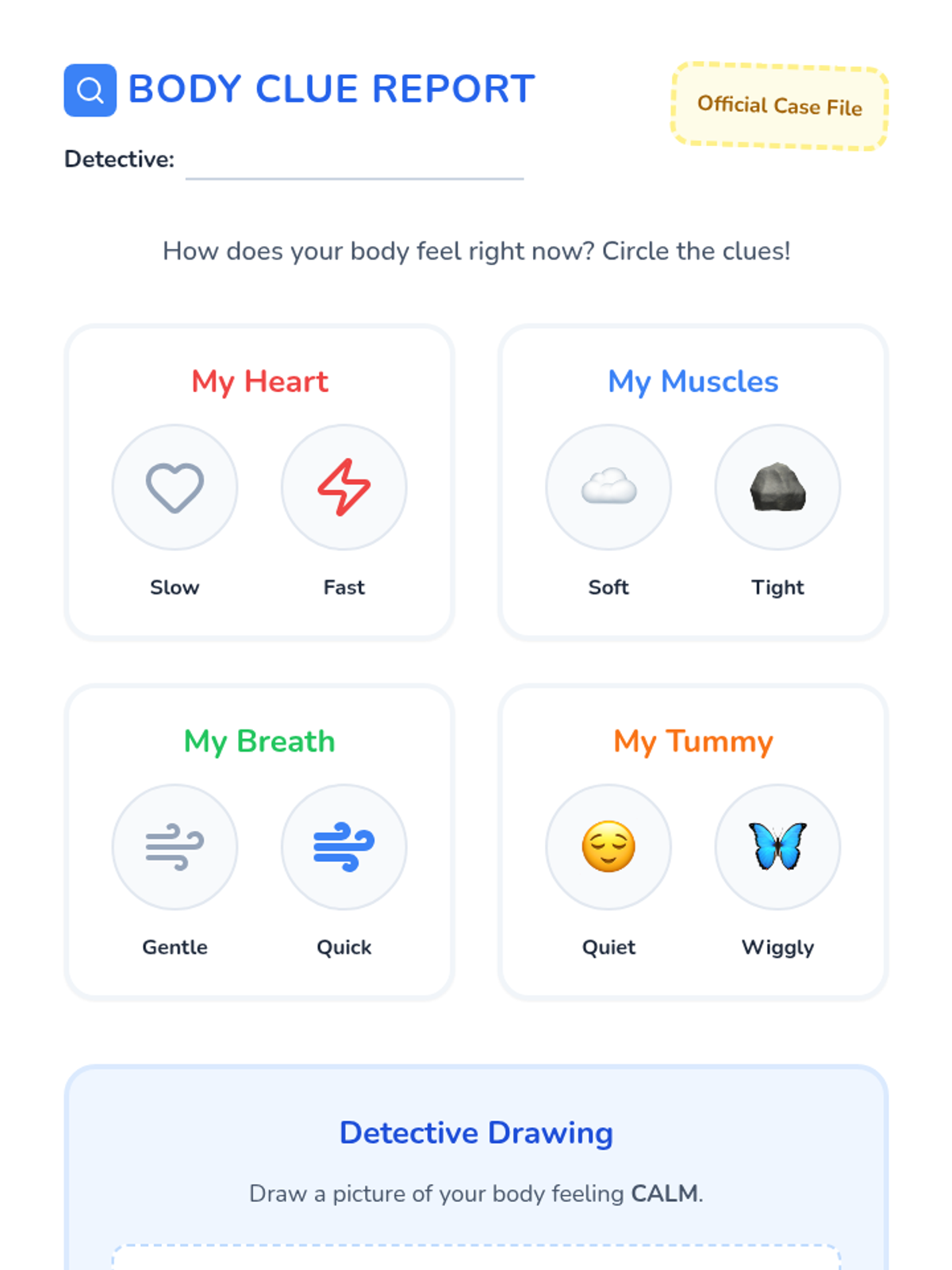
A 5-lesson sequence for Pre-K students to learn interoception, deep breathing, tactile soothing, and proprioceptive grounding. The sequence culminates in students creating a personalized 'Calm Down Plan' visual menu.
This sequence teaches Pre-K students how to use distraction and attention shifting as emotional regulation tools. Through physical games, visual grounding, auditory focus, and imaginative play, students learn they can 'change the channel' of their thoughts when feeling overwhelmed.
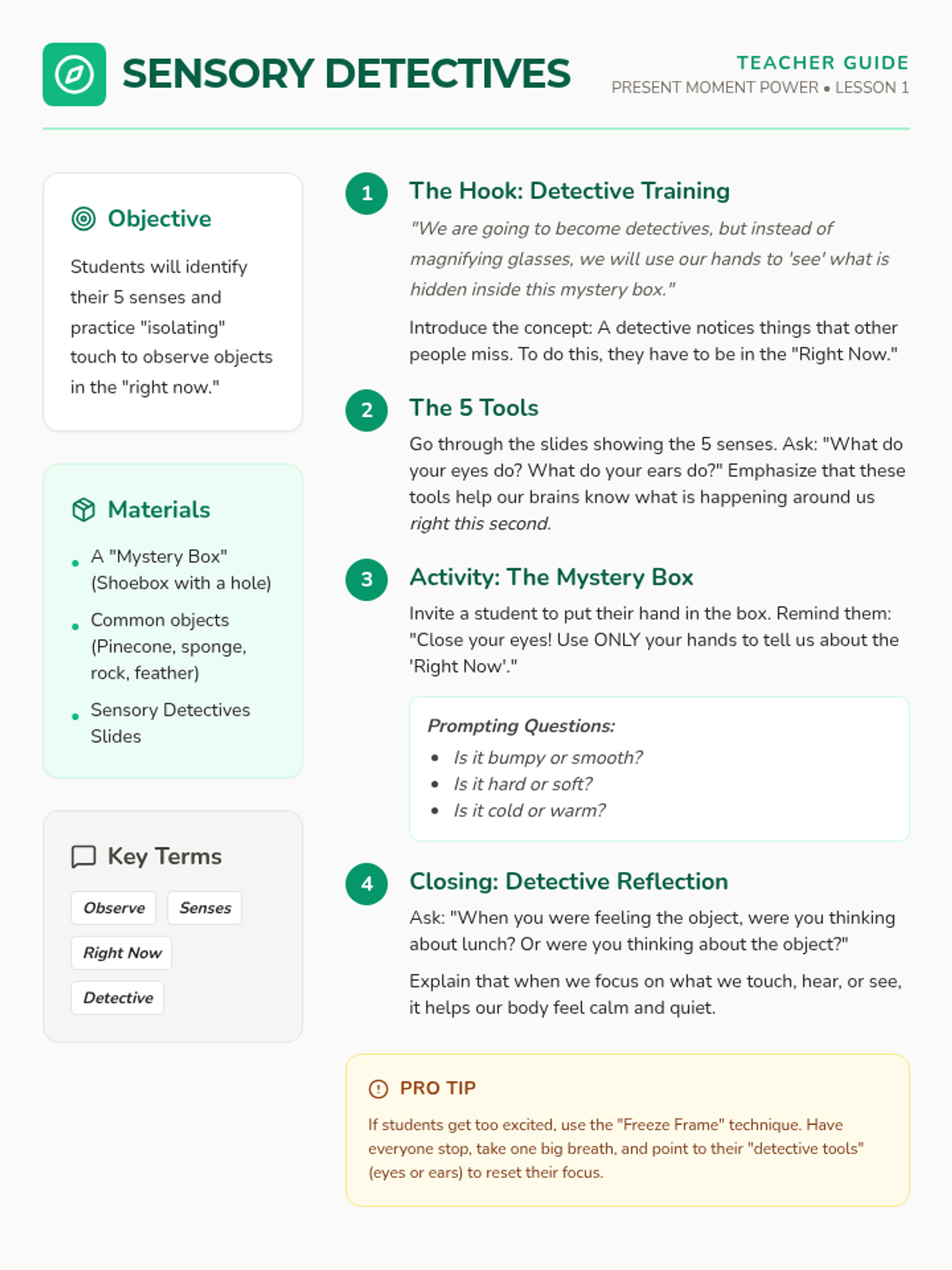
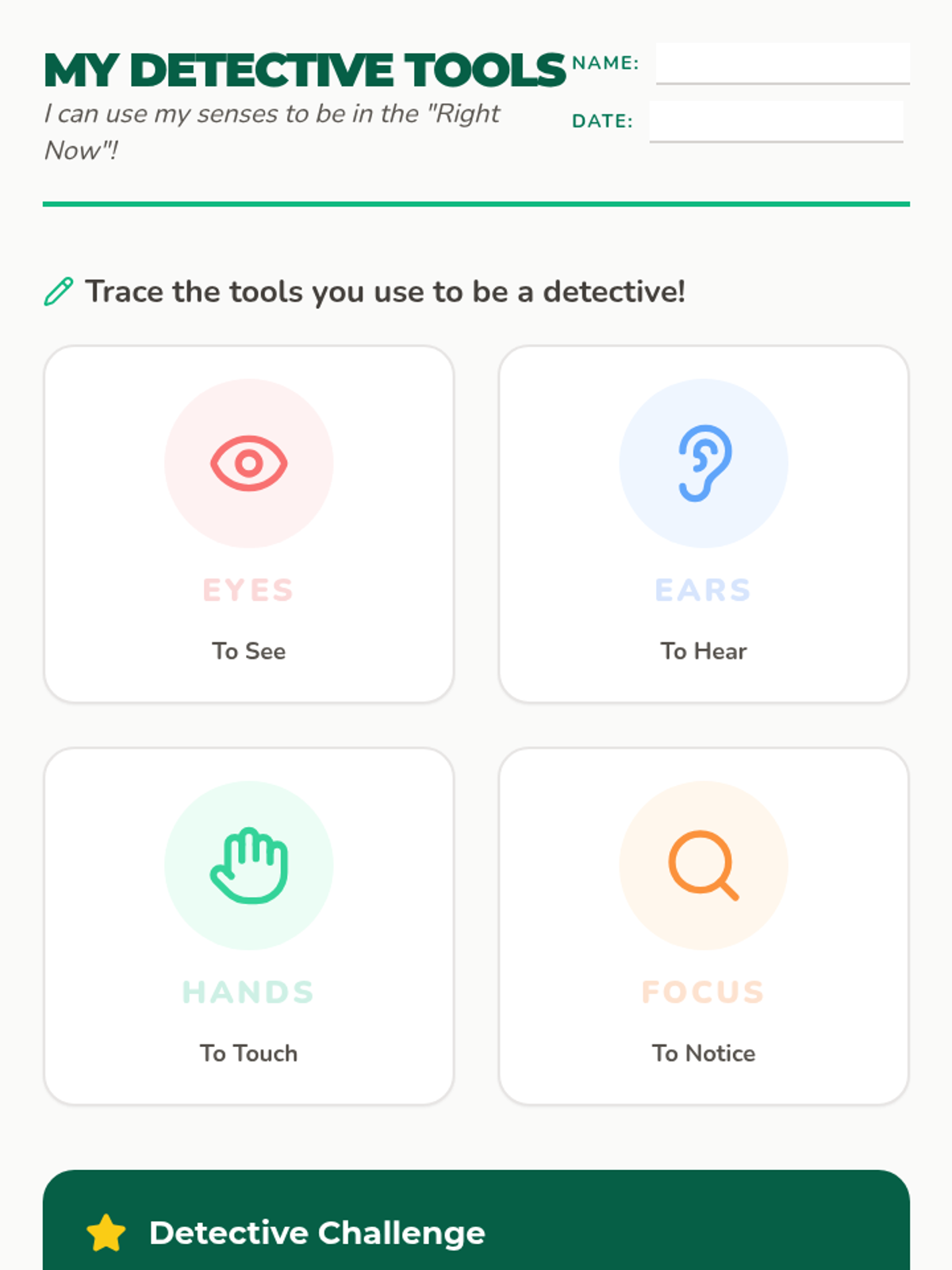
A 5-lesson sequence for Pre-K students to develop present-moment awareness through sensory exploration, auditory focus, tactile grounding, and breath work. Students learn to use their senses as tools for emotional regulation and staying anchored in the 'right now'.
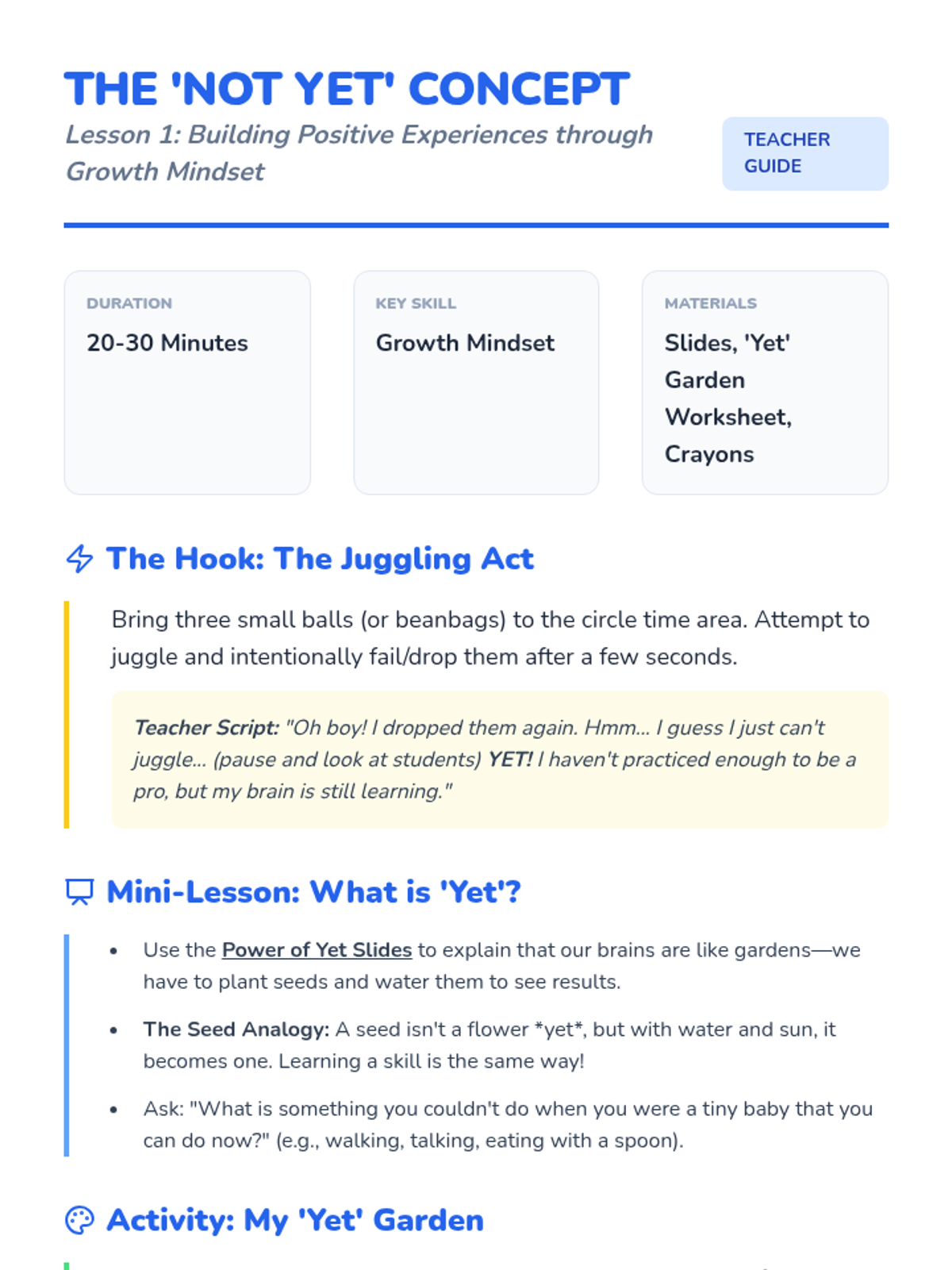
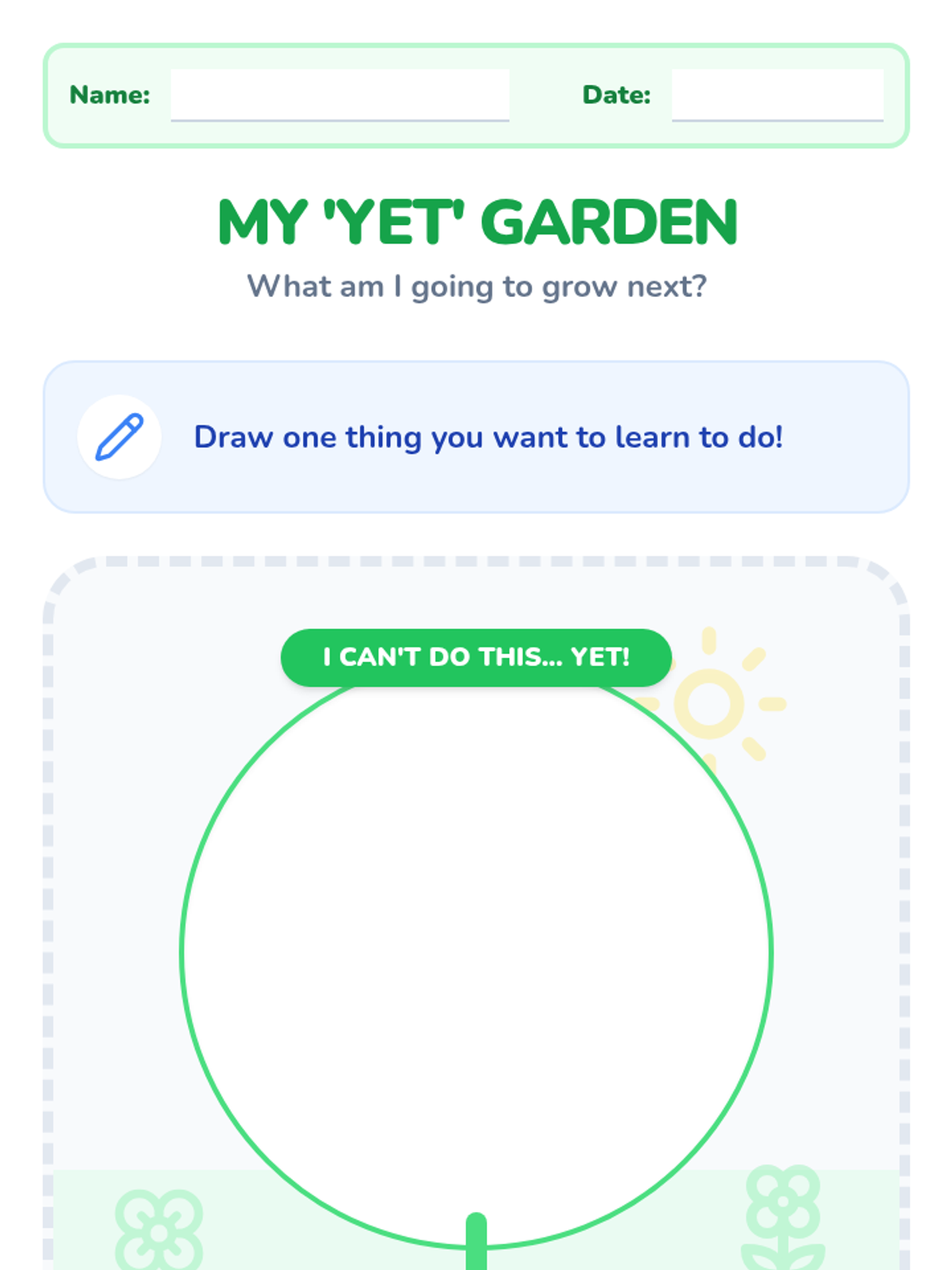
A Pre-K sequence focused on building self-esteem and positive experiences through mastery, growth mindset, and persistence. Students learn to navigate challenges and celebrate their own progress.
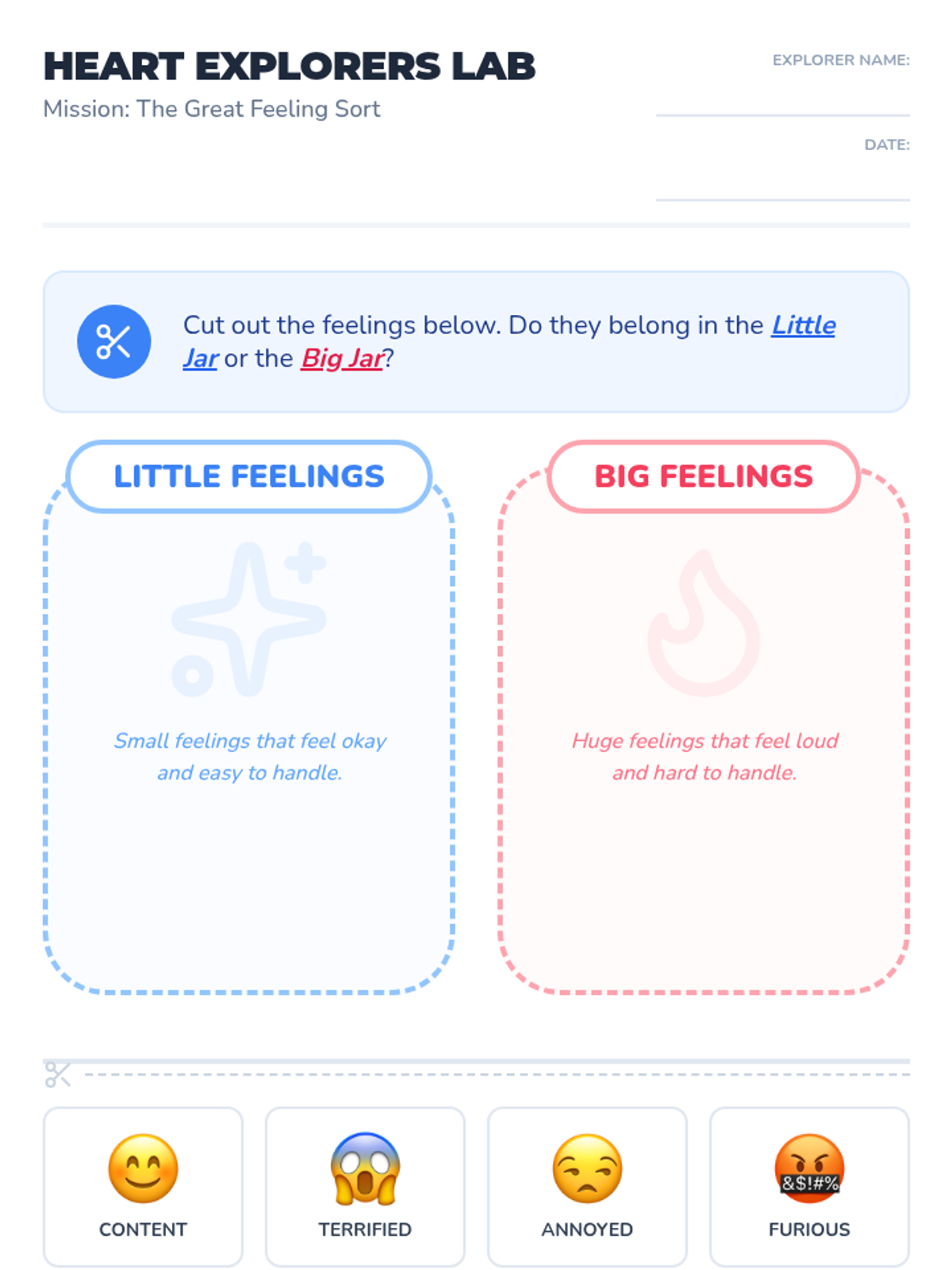
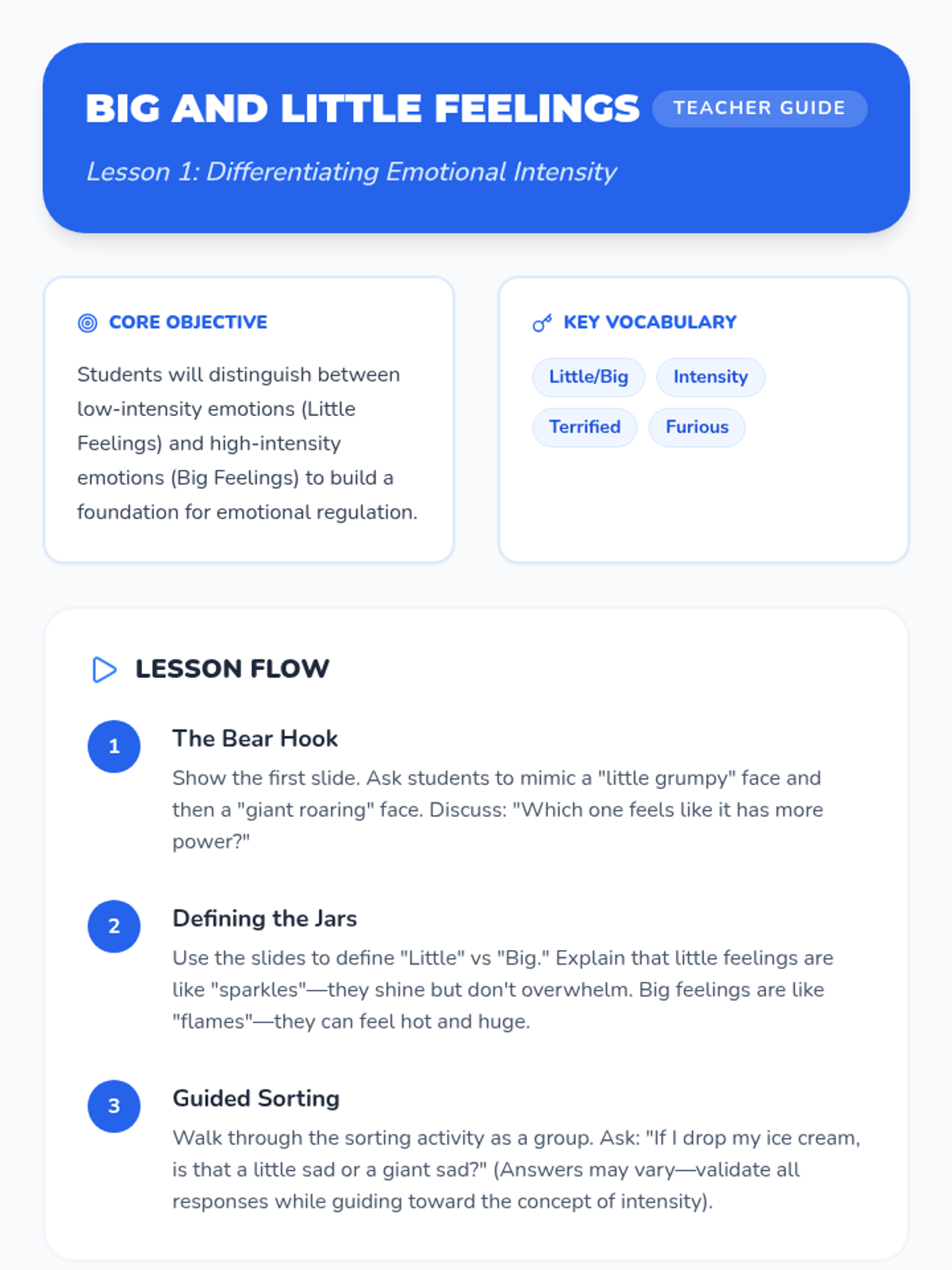
A sequence for Pre-K students to build emotional literacy regarding intense feelings, trauma responses, and distinguishing between 'little' and 'big' emotions through art, story, and play.
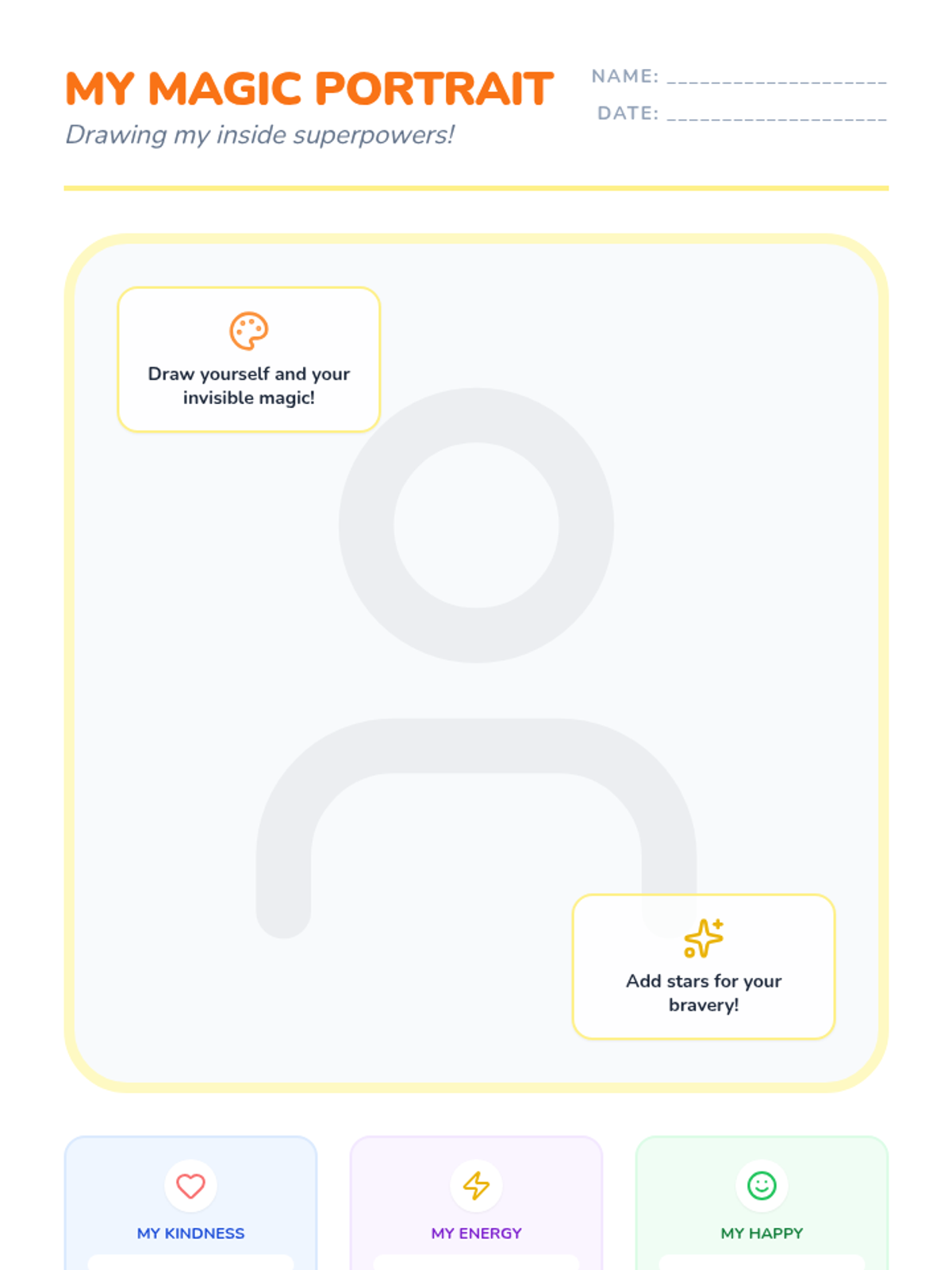
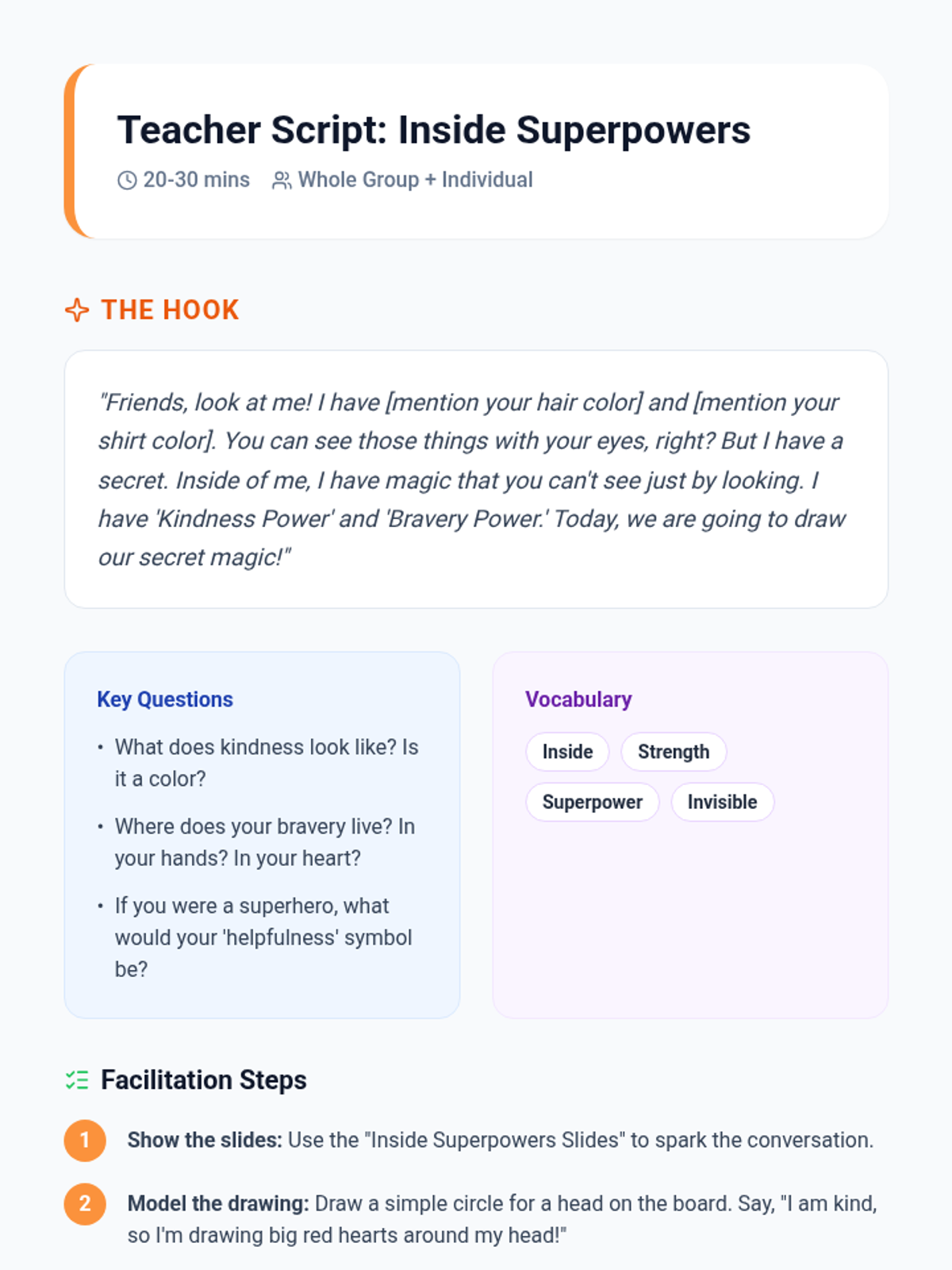
A project-based sequence for Pre-K students to build self-compassion through visual art. Students explore inner strengths, design affirmation badges, and create a 'Mirror of Strength' to practice positive self-talk.
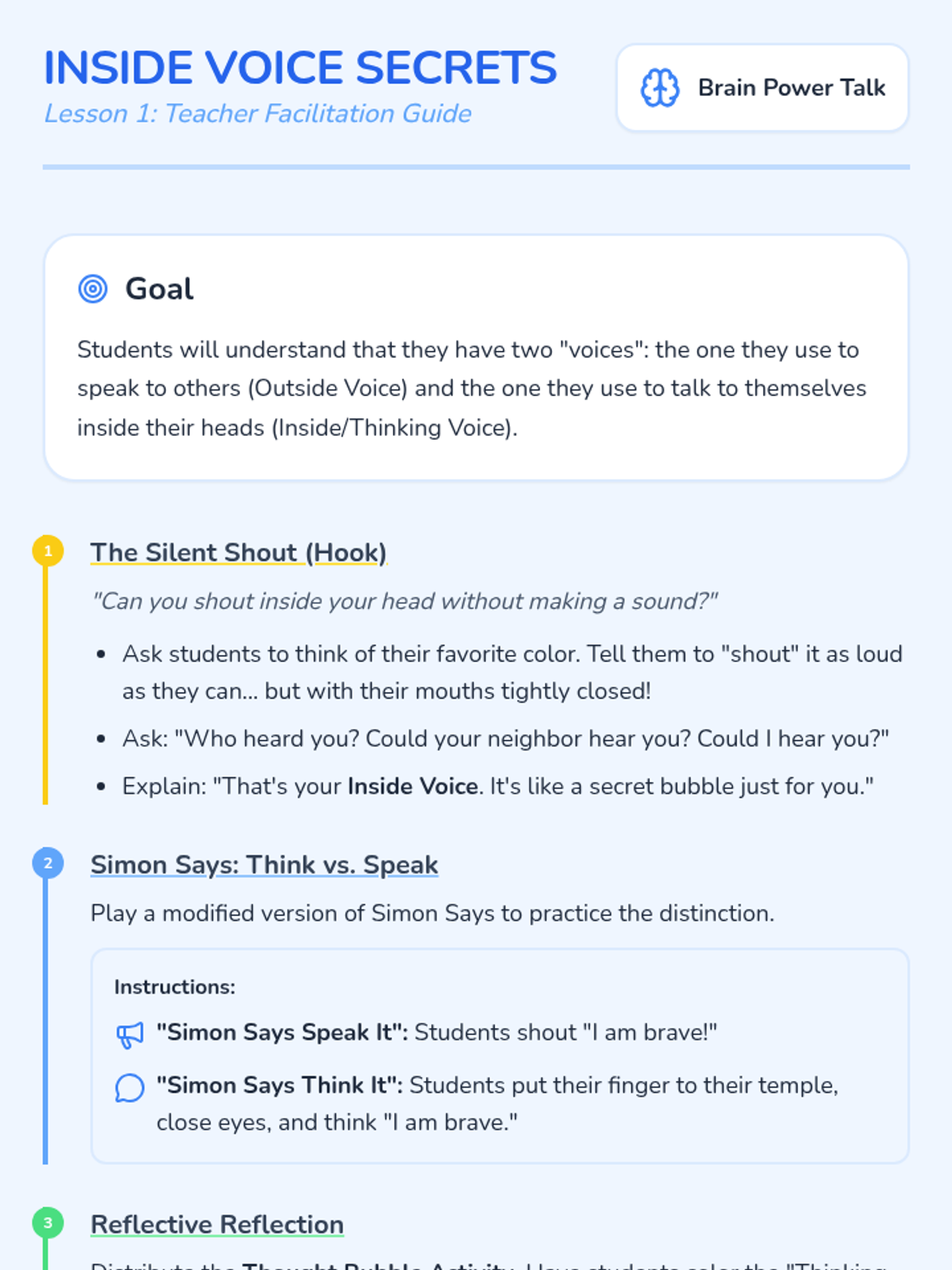
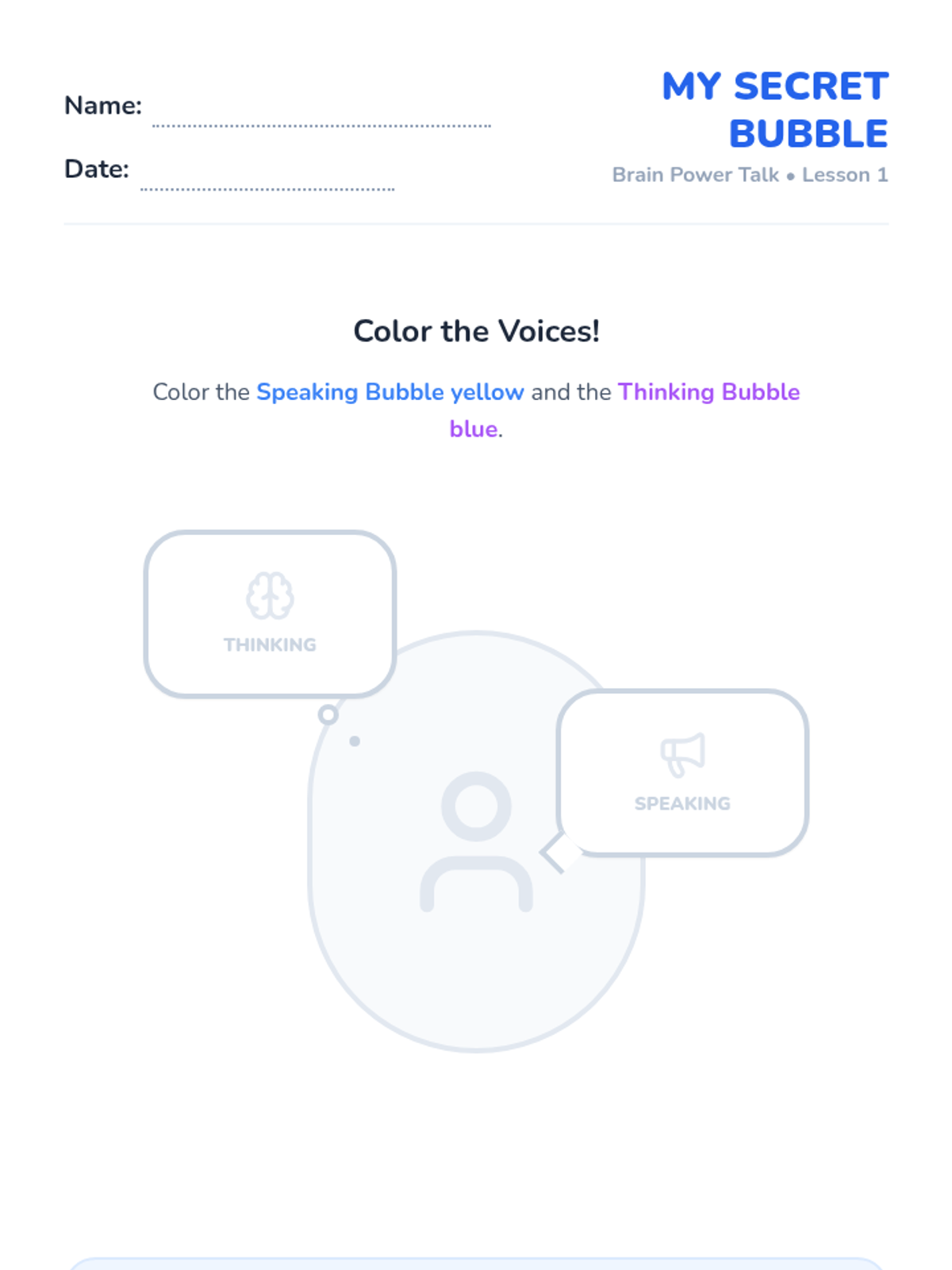
This sequence introduces Pre-K students to the concept of internal dialogue and positive self-talk. Using relatable metaphors like 'sunny thoughts' and 'cloudy thoughts,' children learn to identify their inner voice, categorize their feelings, and practice resilience-building affirmations.
A puppetry and storytelling-based sequence for Pre-K students to learn positive self-talk. Students act as 'thought coaches' for characters before practicing self-coaching through role-play and creative arts.
A Kindergarten social-emotional learning sequence focused on building positive peer interaction skills through social scripting, personal boundaries, and conflict resolution. Students use role-play and visual stories to internalize strategies for sharing, joining groups, and handling social rejection.
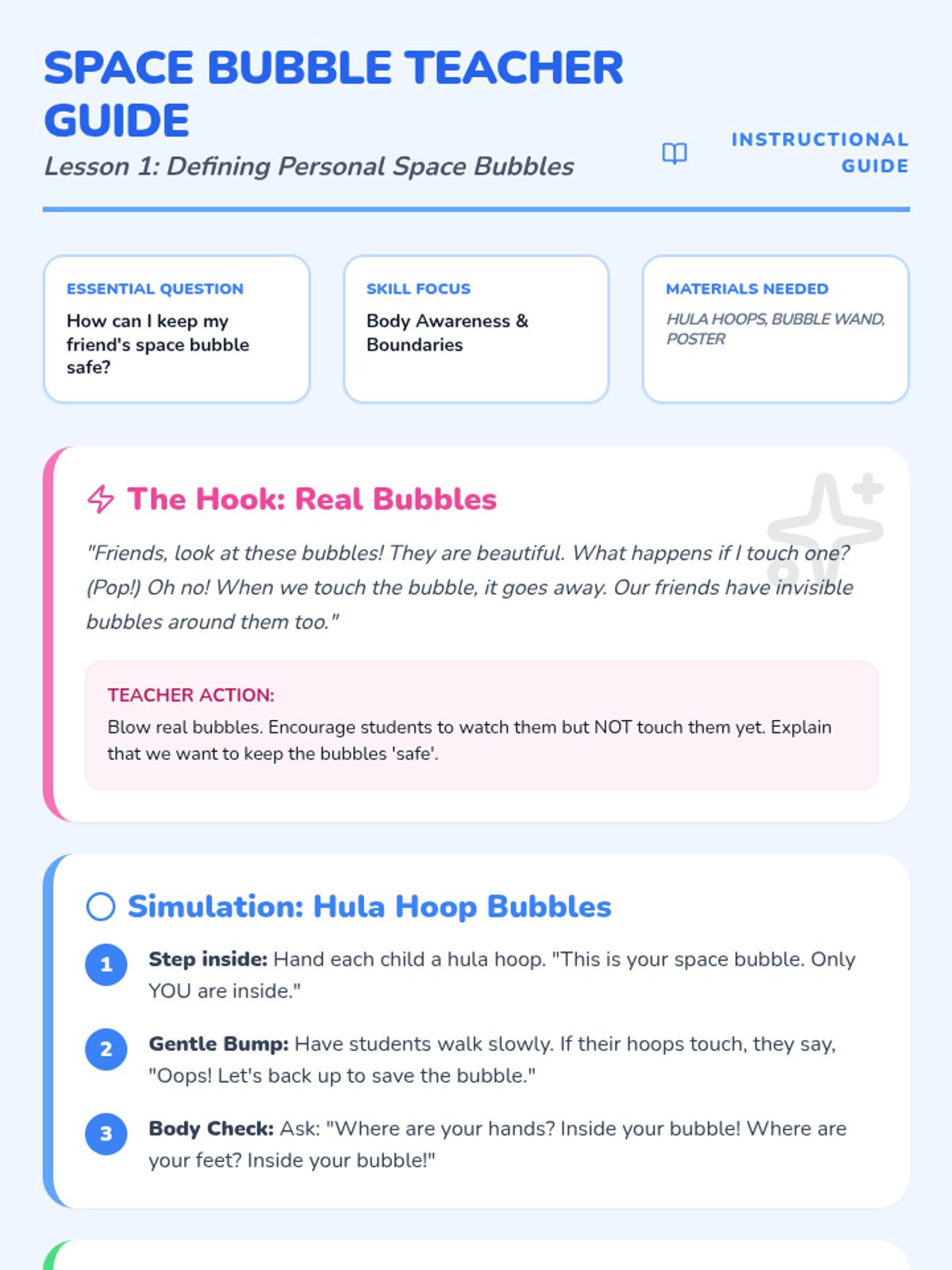
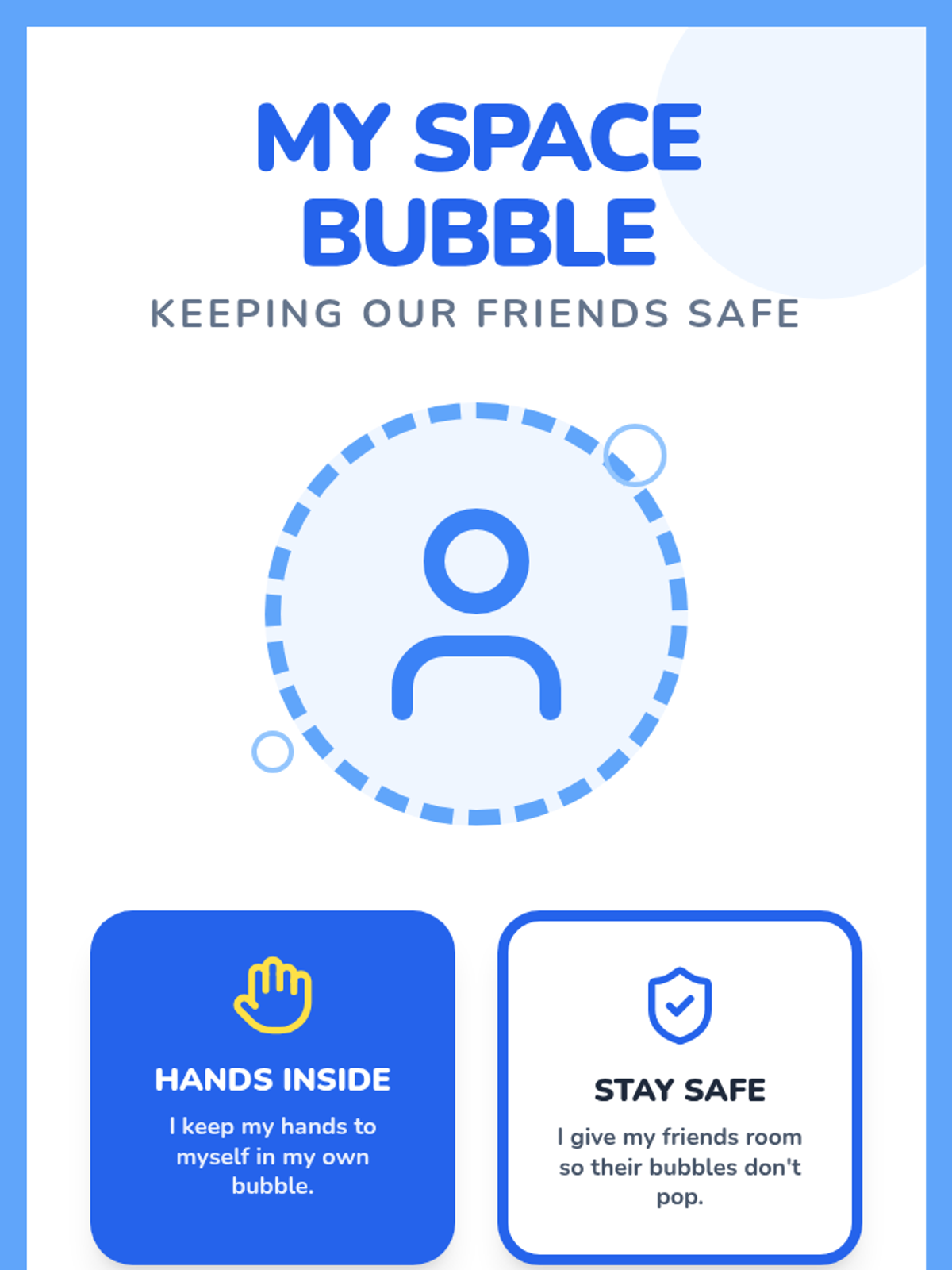
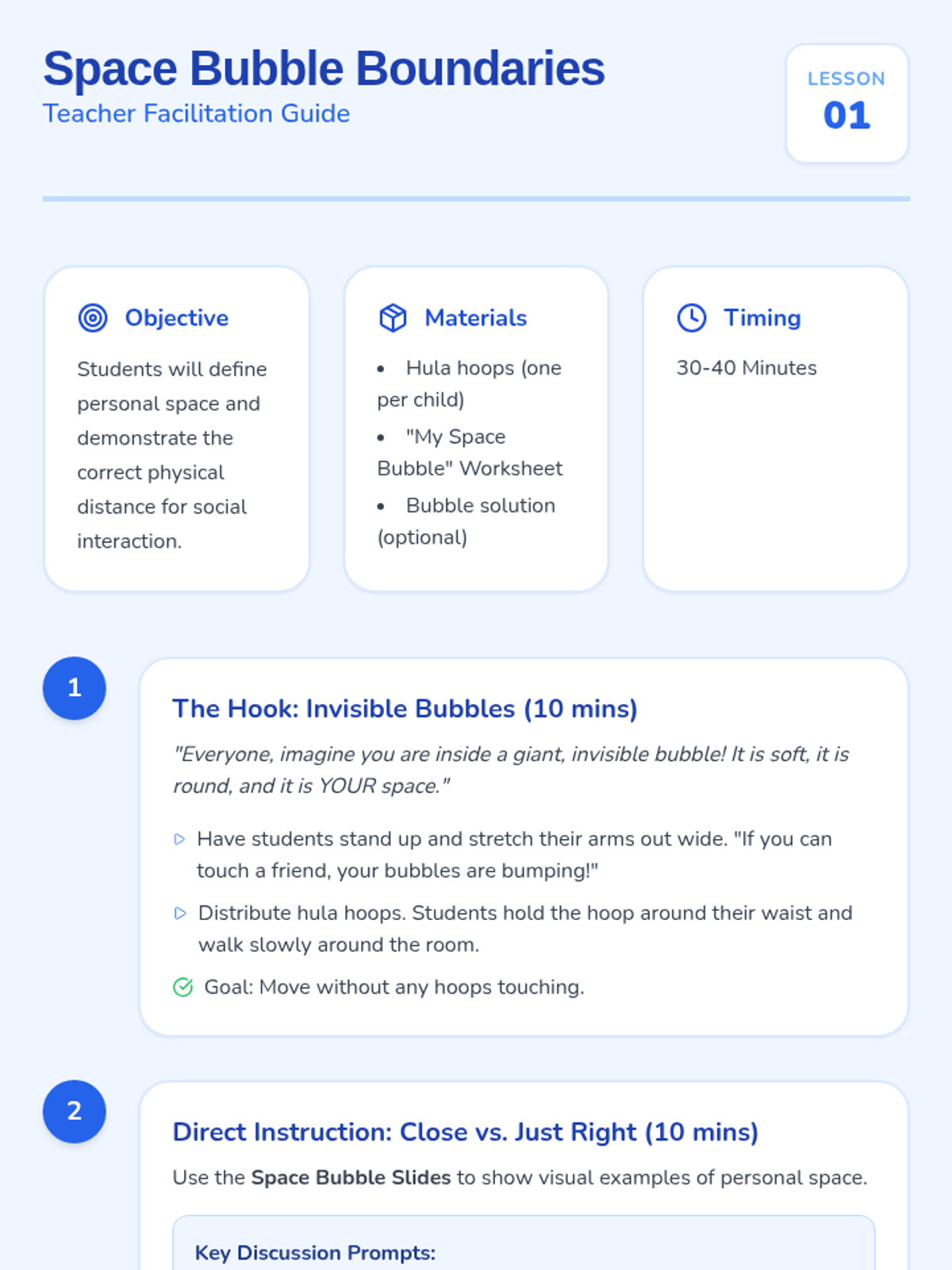
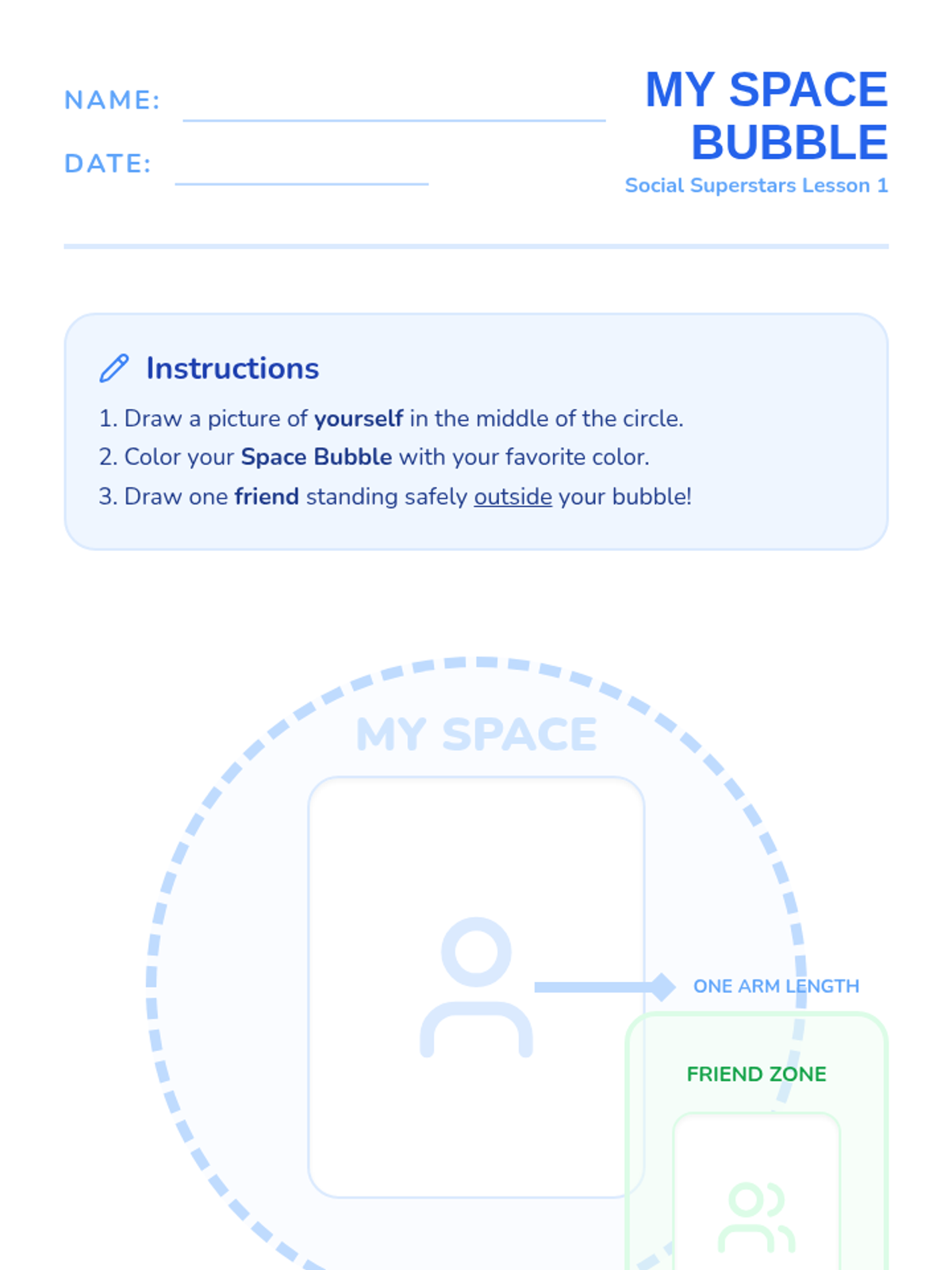
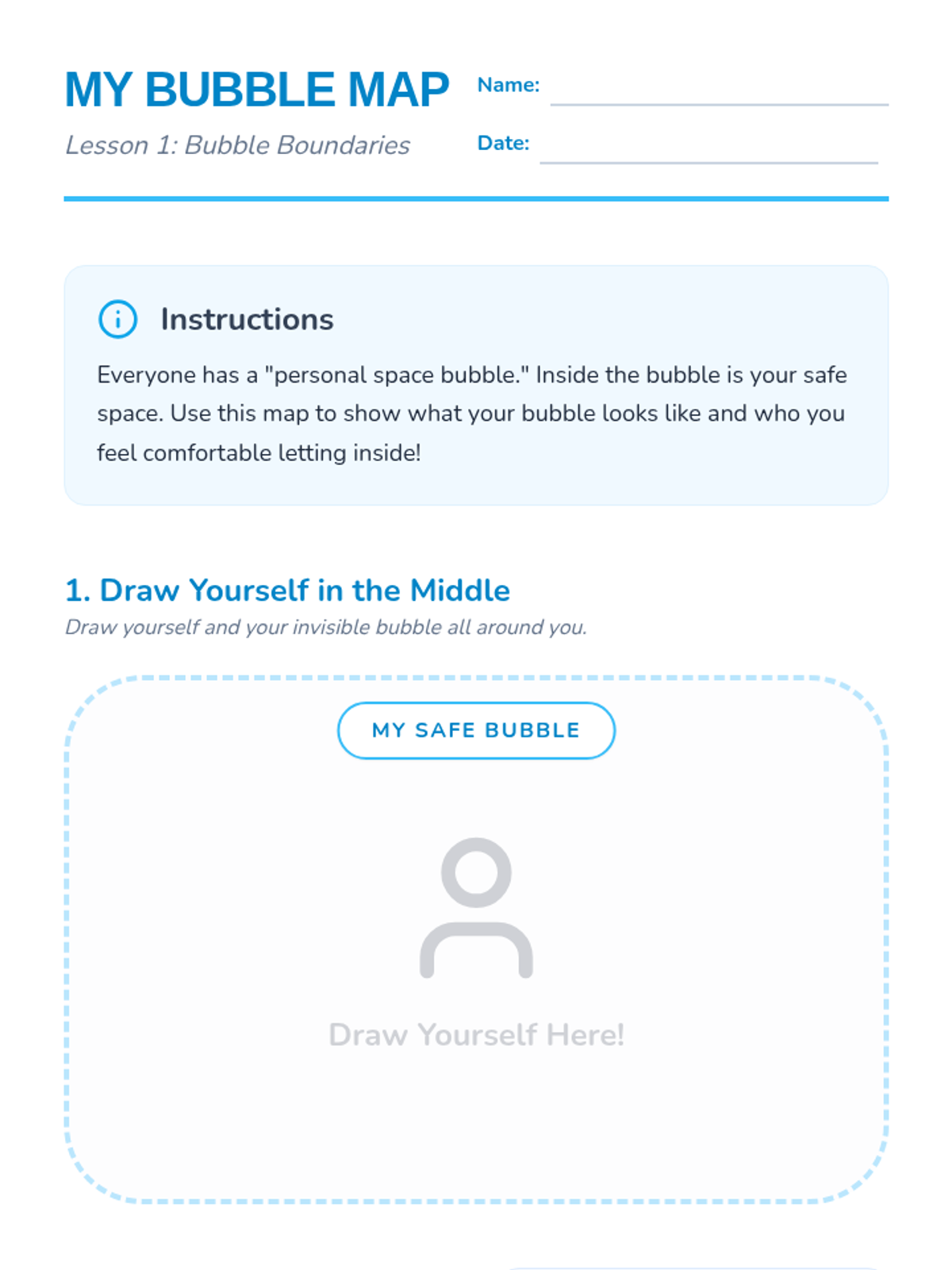
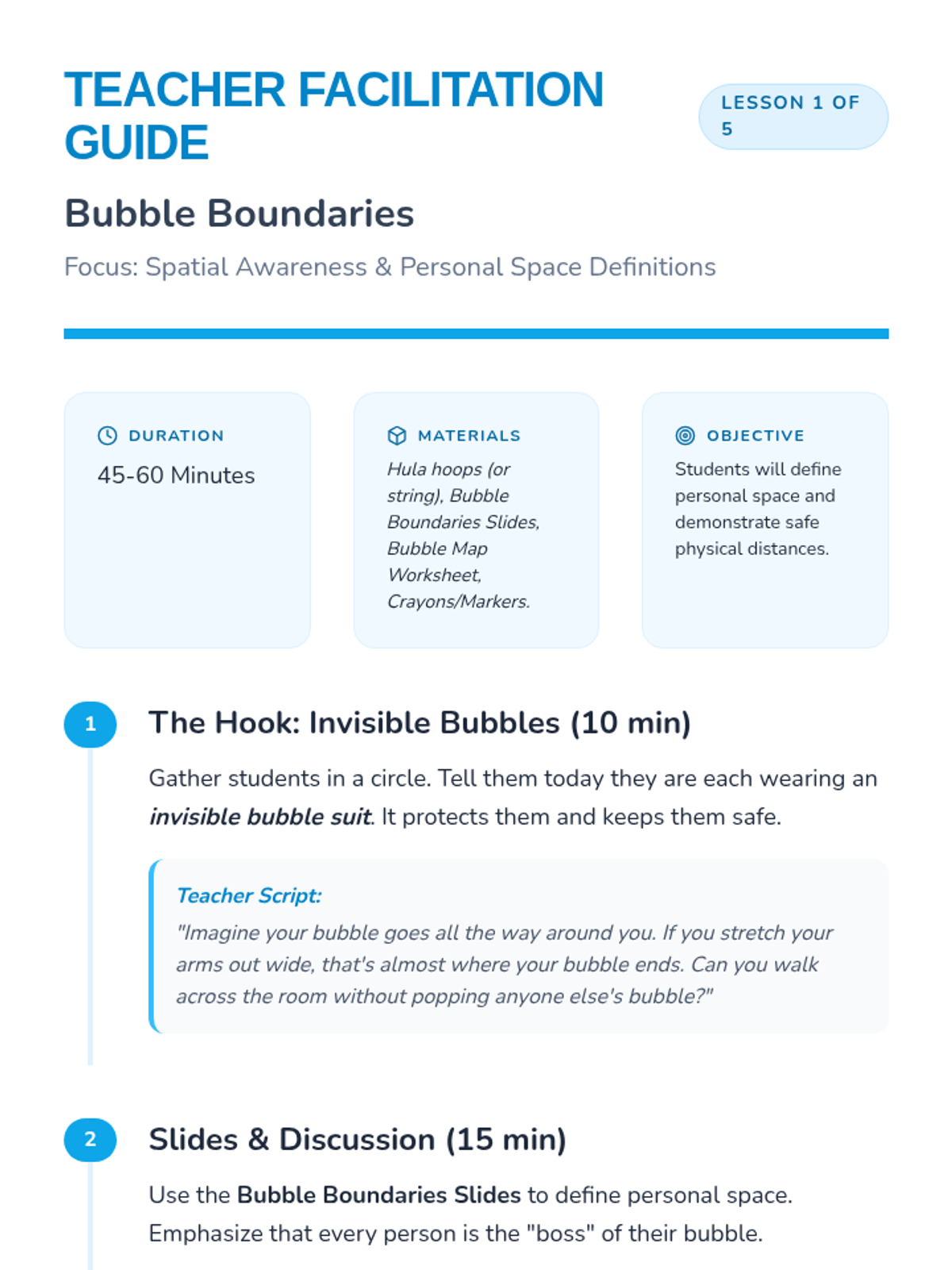
This sequence introduces students to the fundamental concepts of personal space and physical boundaries through interactive movement and role-playing activities. Students learn to define their personal space, practice asking for consent, and develop assertive communication skills to maintain their safety and respect the boundaries of others.
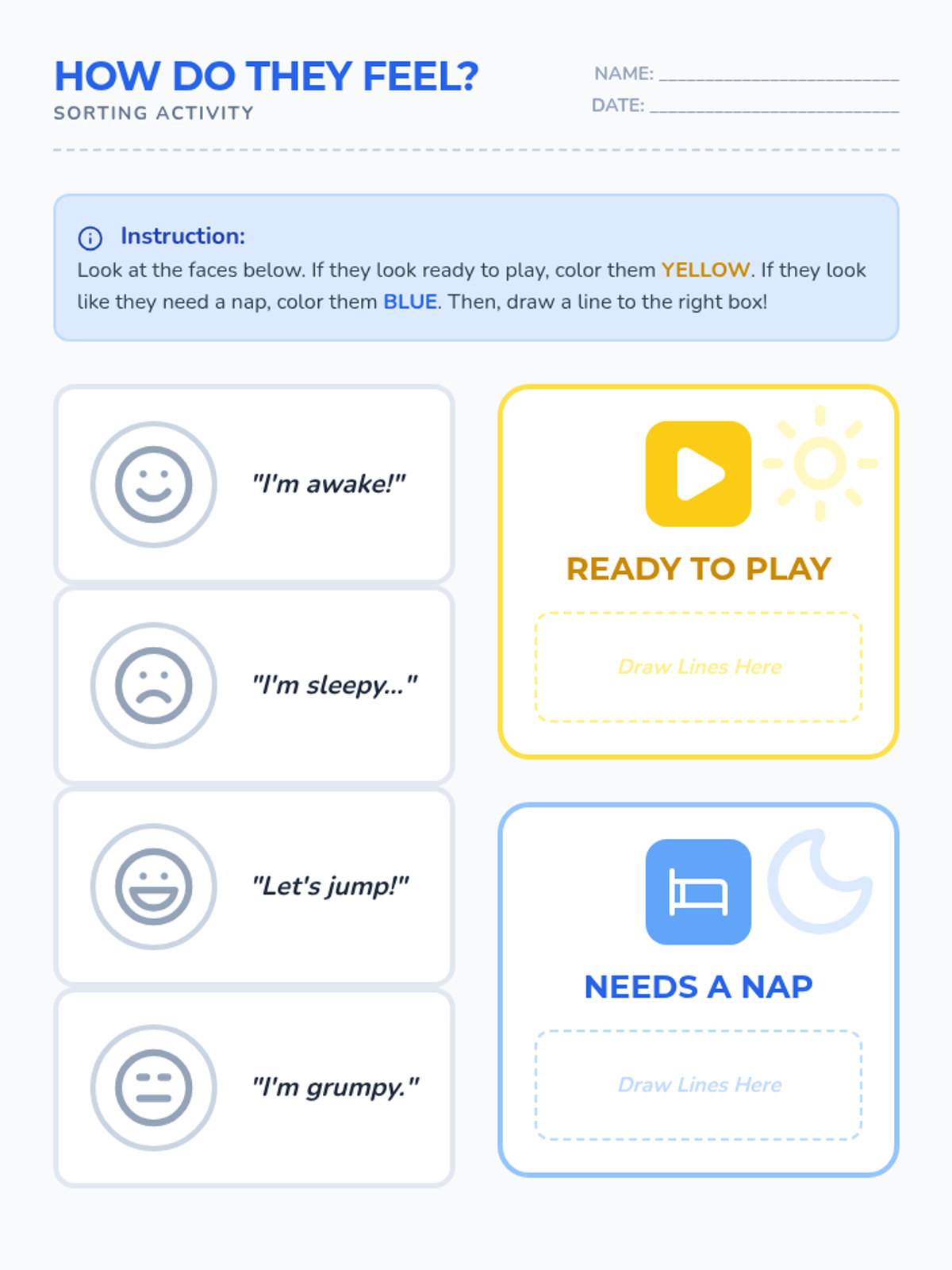
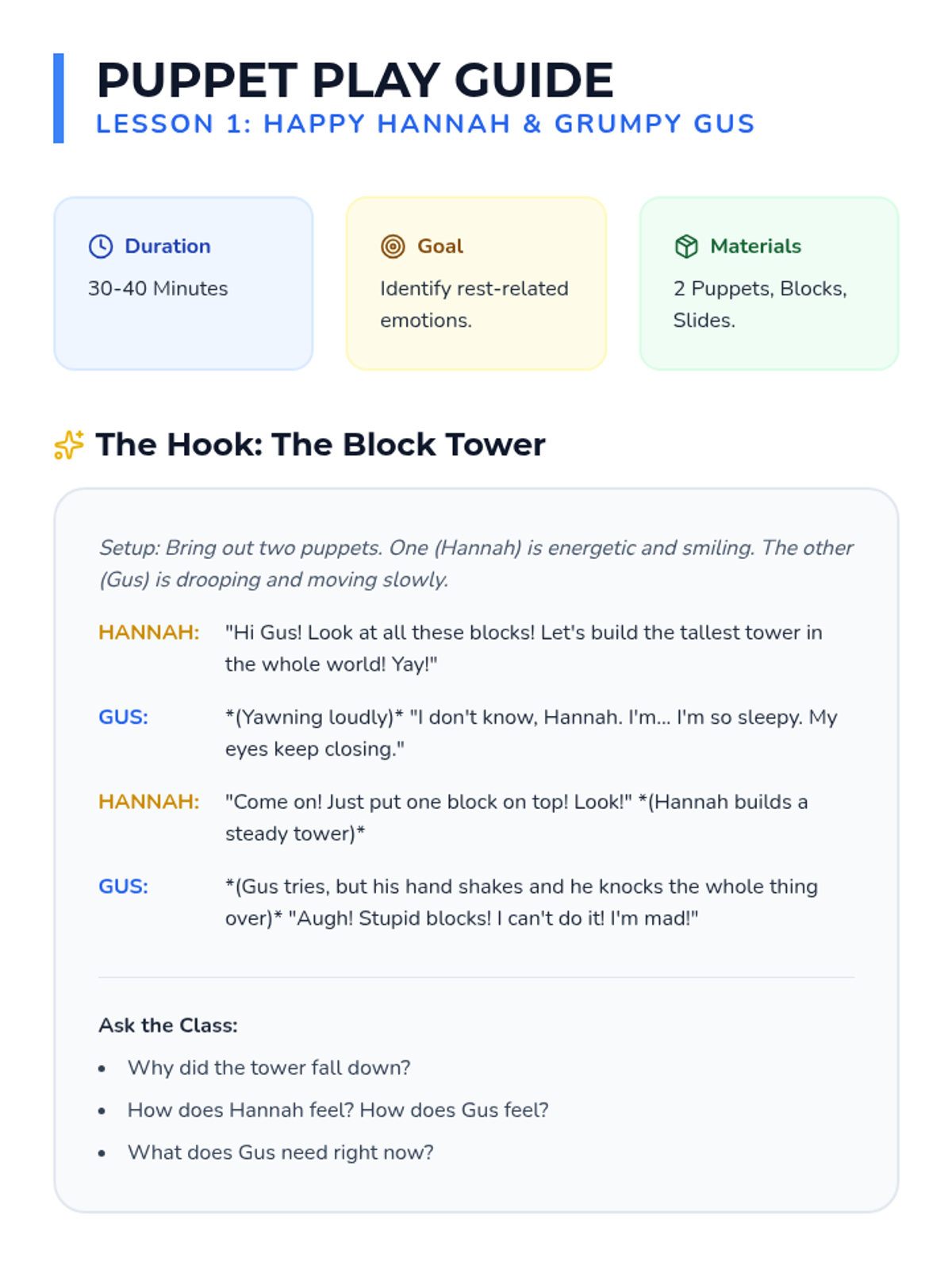
This sequence connects sleep directly to emotional regulation and mood through storytelling and case studies suitable for young children. Students identify emotions associated with sleep, analyze character choices, practice empathy in social play, and learn self-regulation strategies for rest.
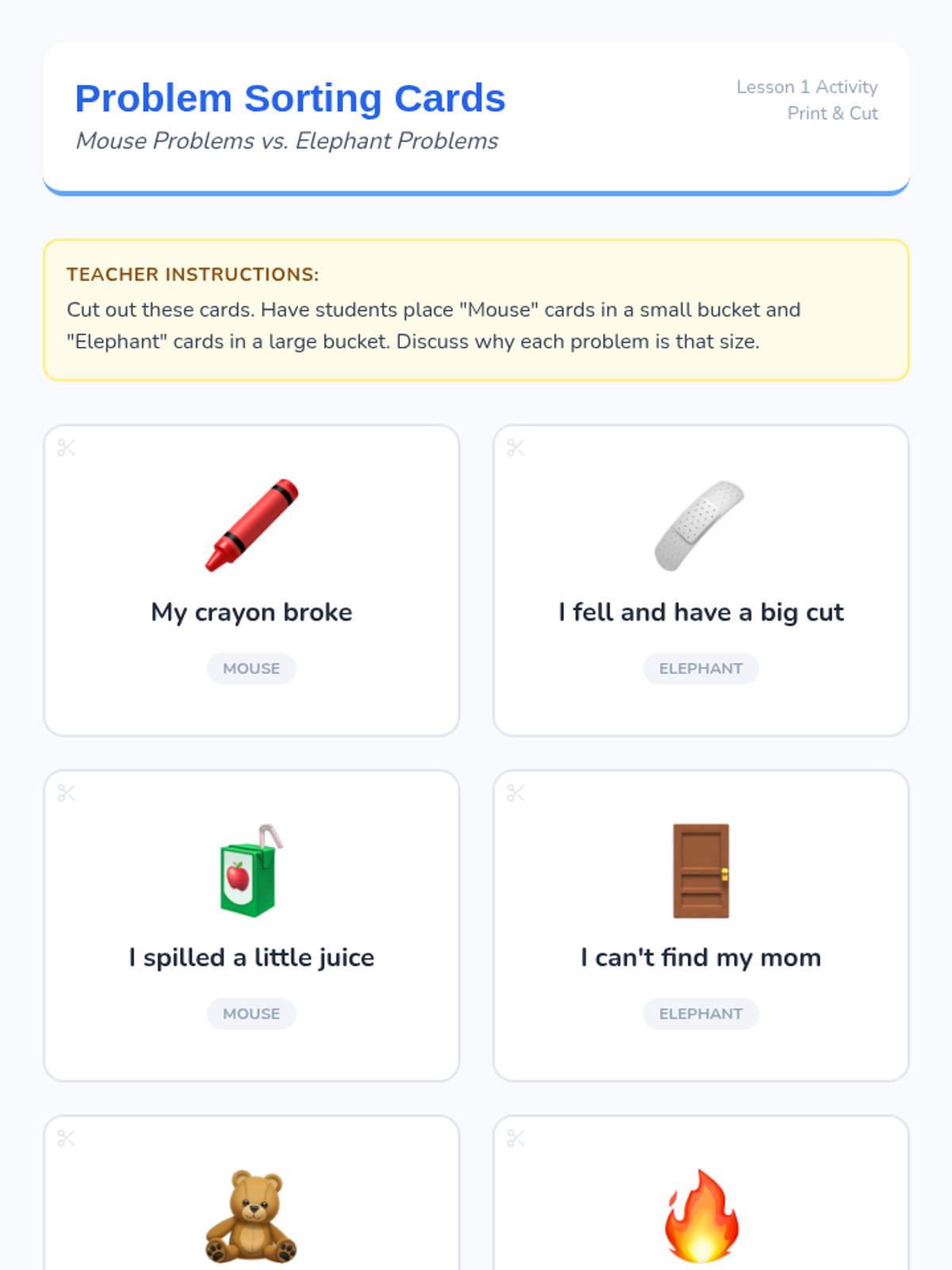
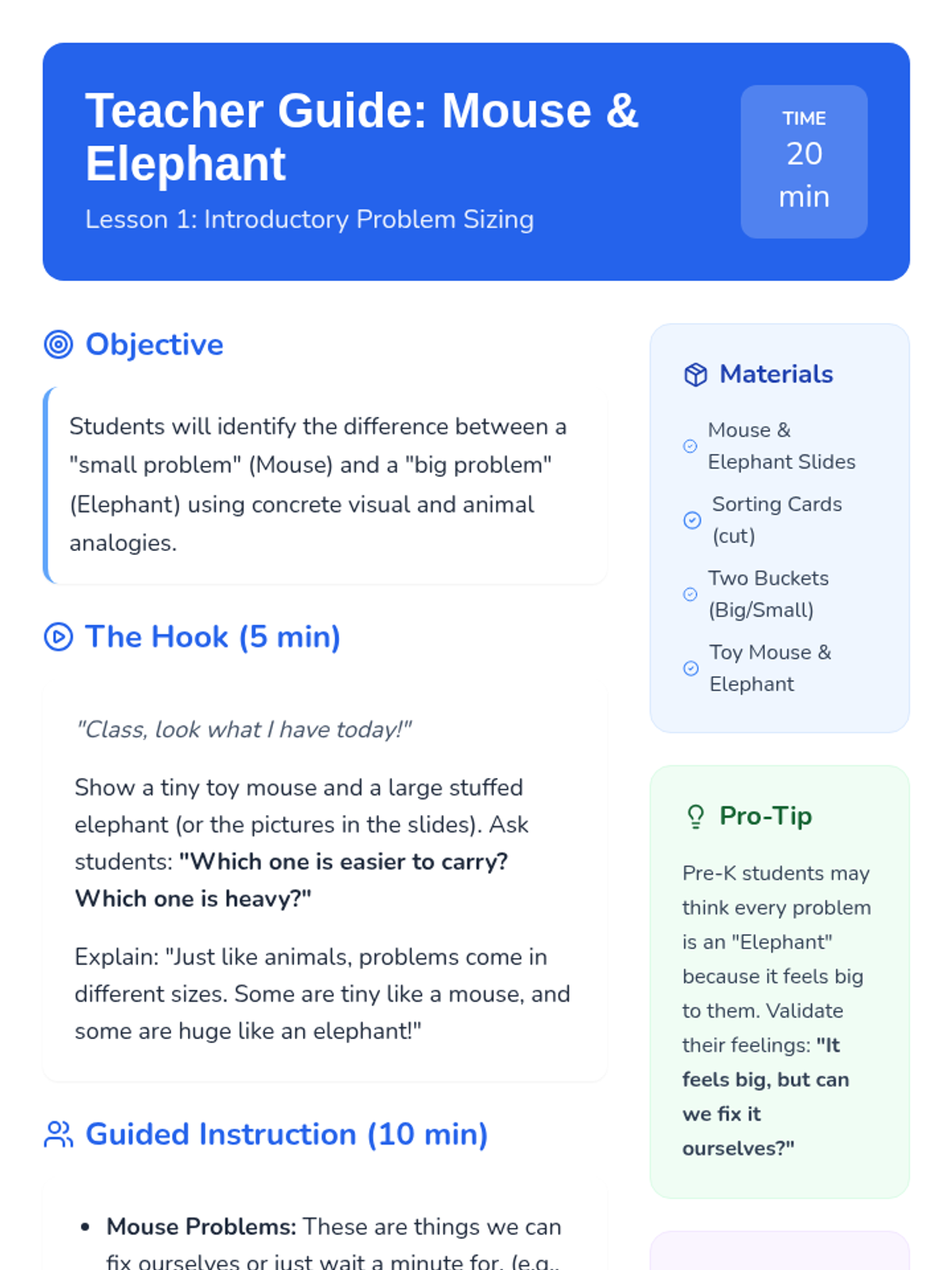
This sequence teaches Pre-K students to distinguish between small 'glitch' problems and big 'emergency' problems using animal analogies. Students learn to match their reaction size to the problem size and identify when to ask for help.
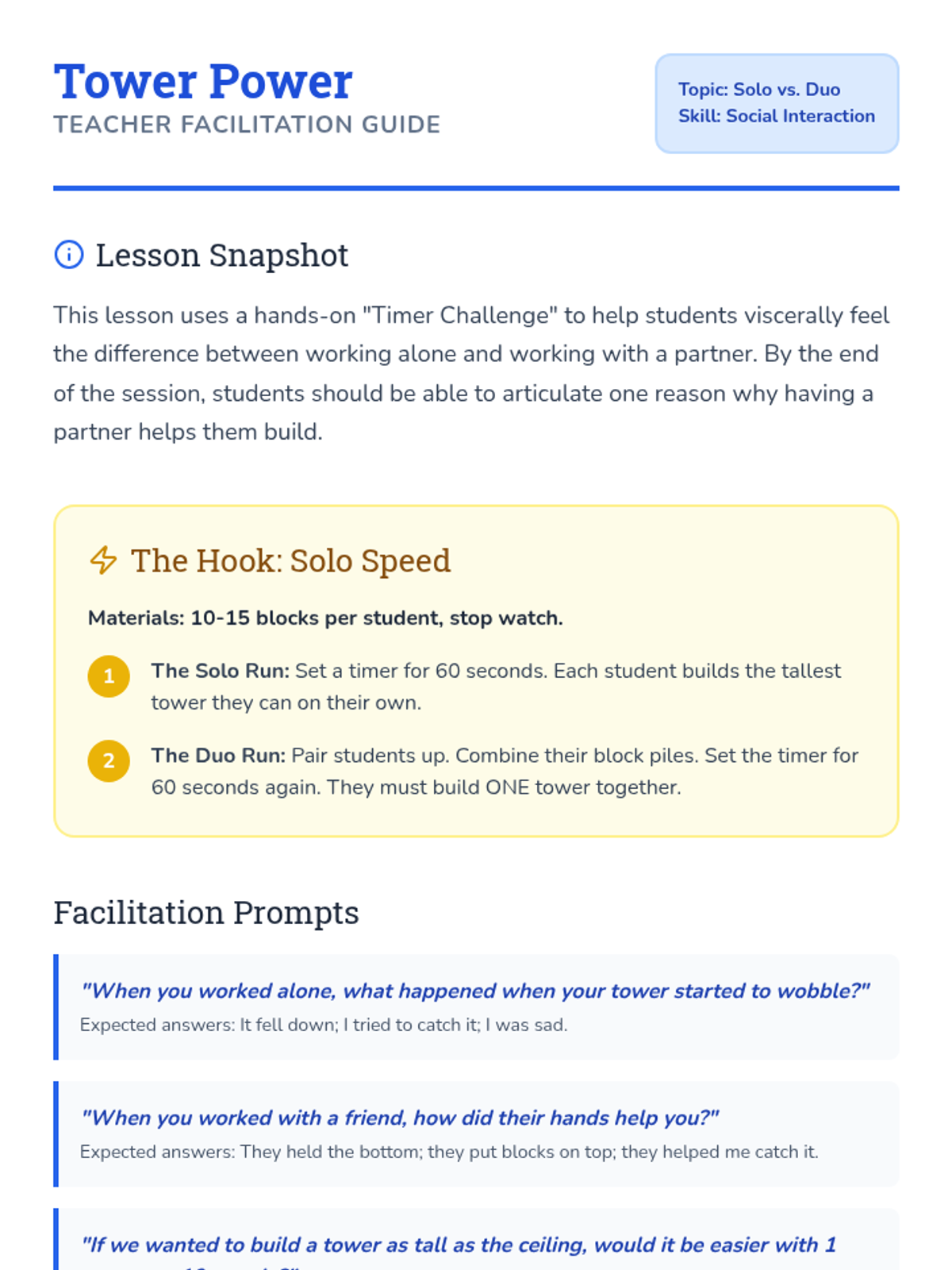
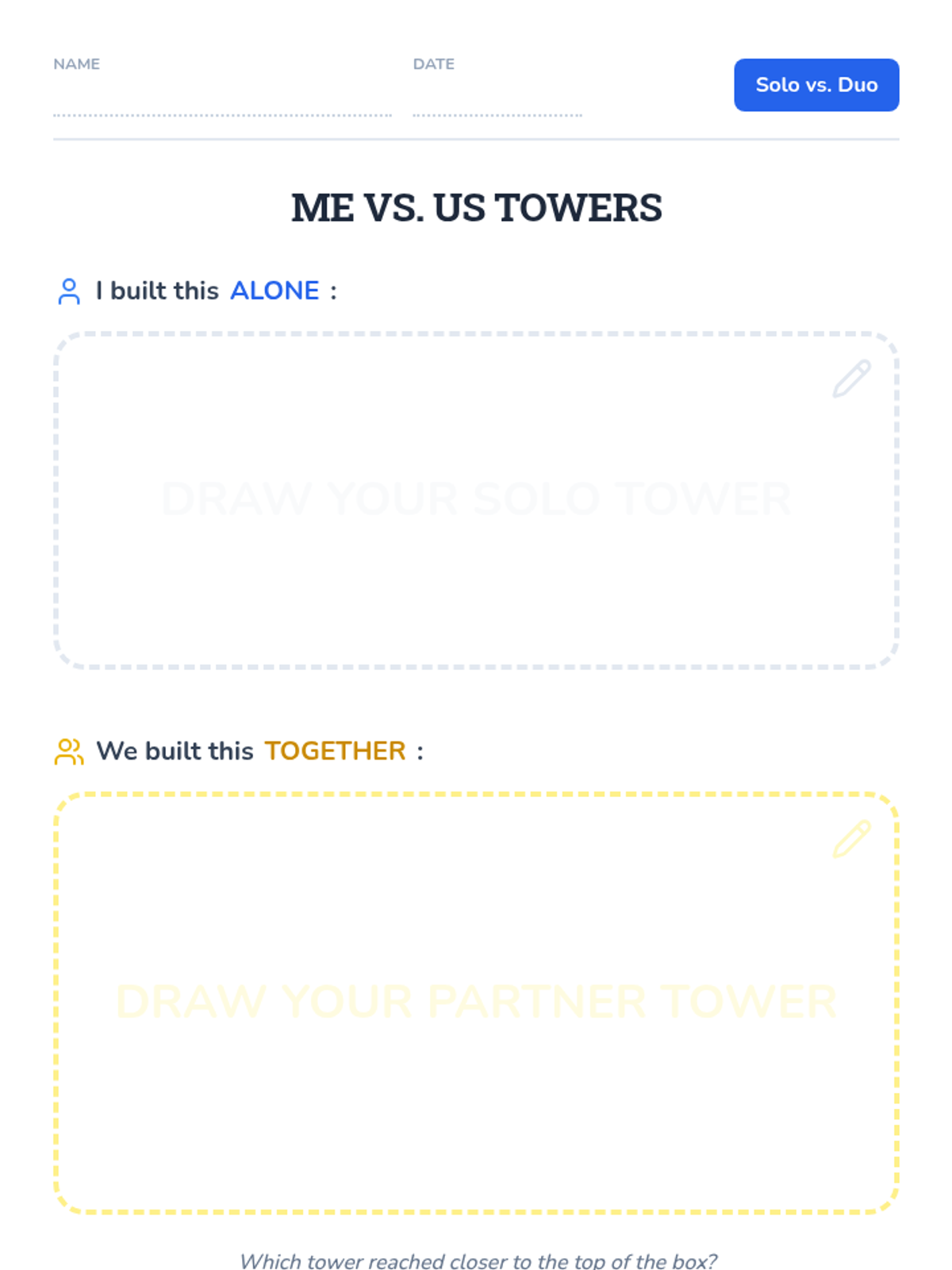
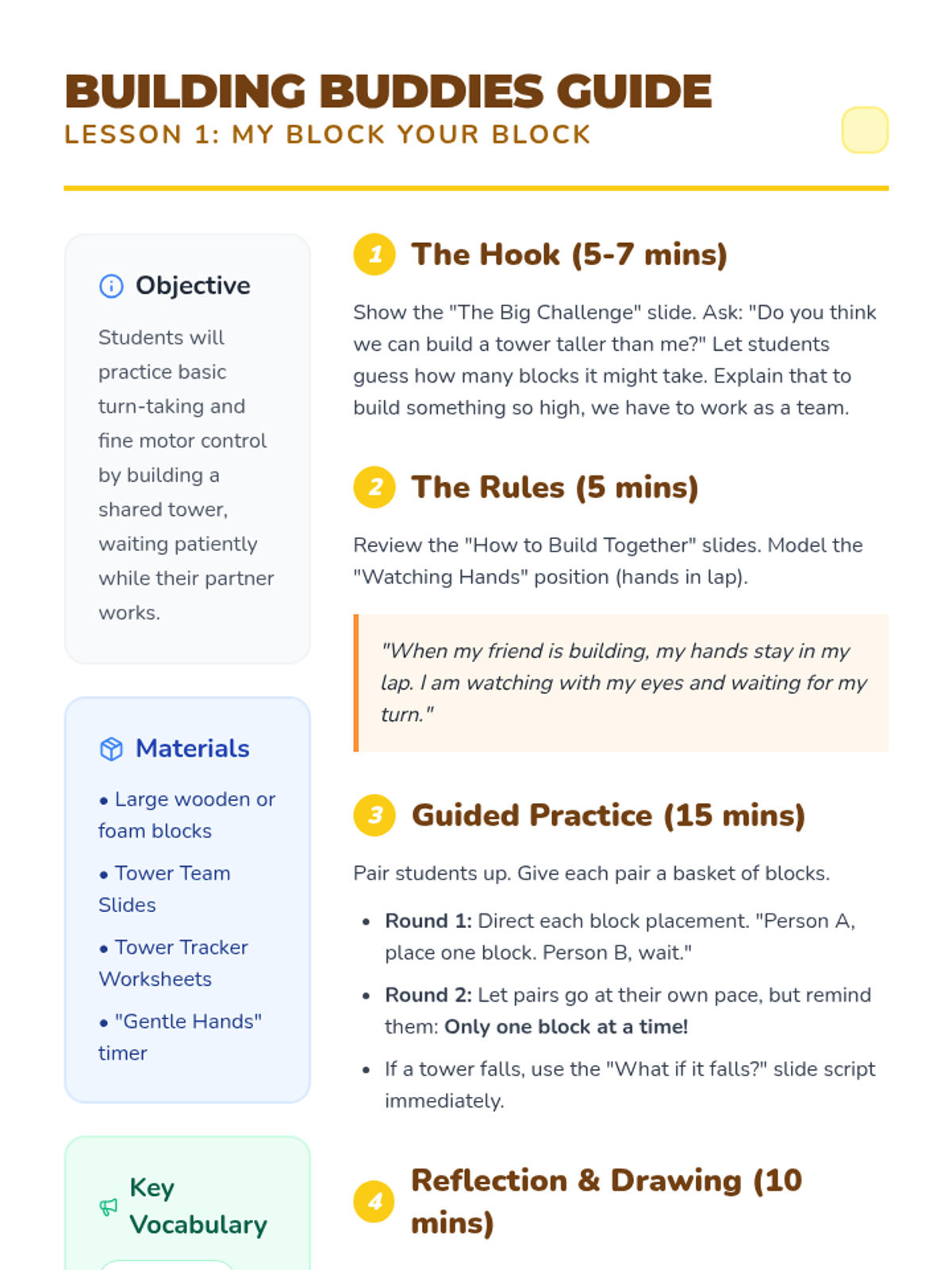
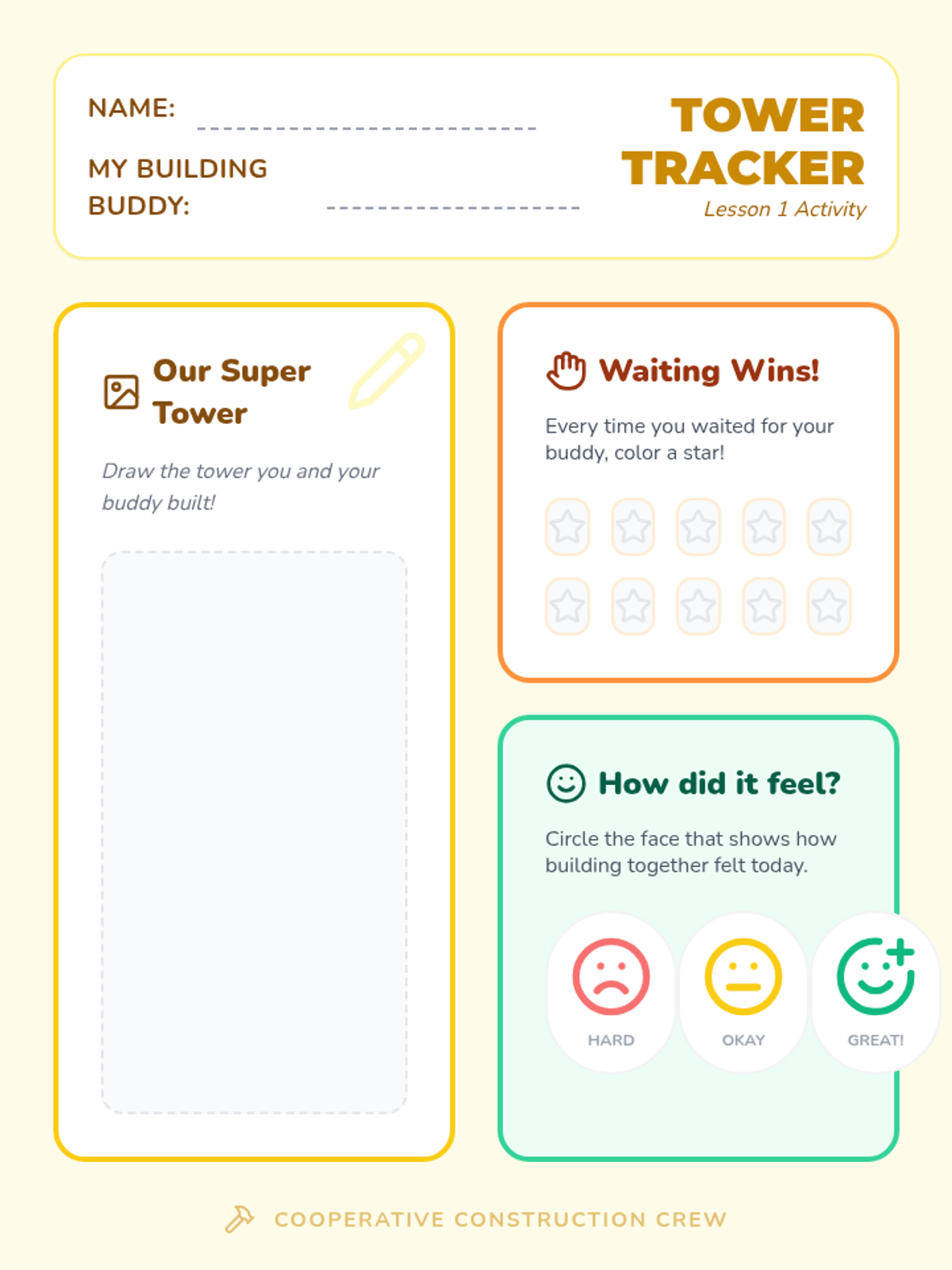
A 3D art and engineering sequence where Pre-K students learn to collaborate through block building. Students progress from solo play to partner planning, role-playing construction teams, and building a connected community 'city'.
A sequence designed for Pre-K students to master the art of turn-taking and sharing through collaborative building and role-play projects. Students progress from simple turn-taking to joint planning and conflict resolution.
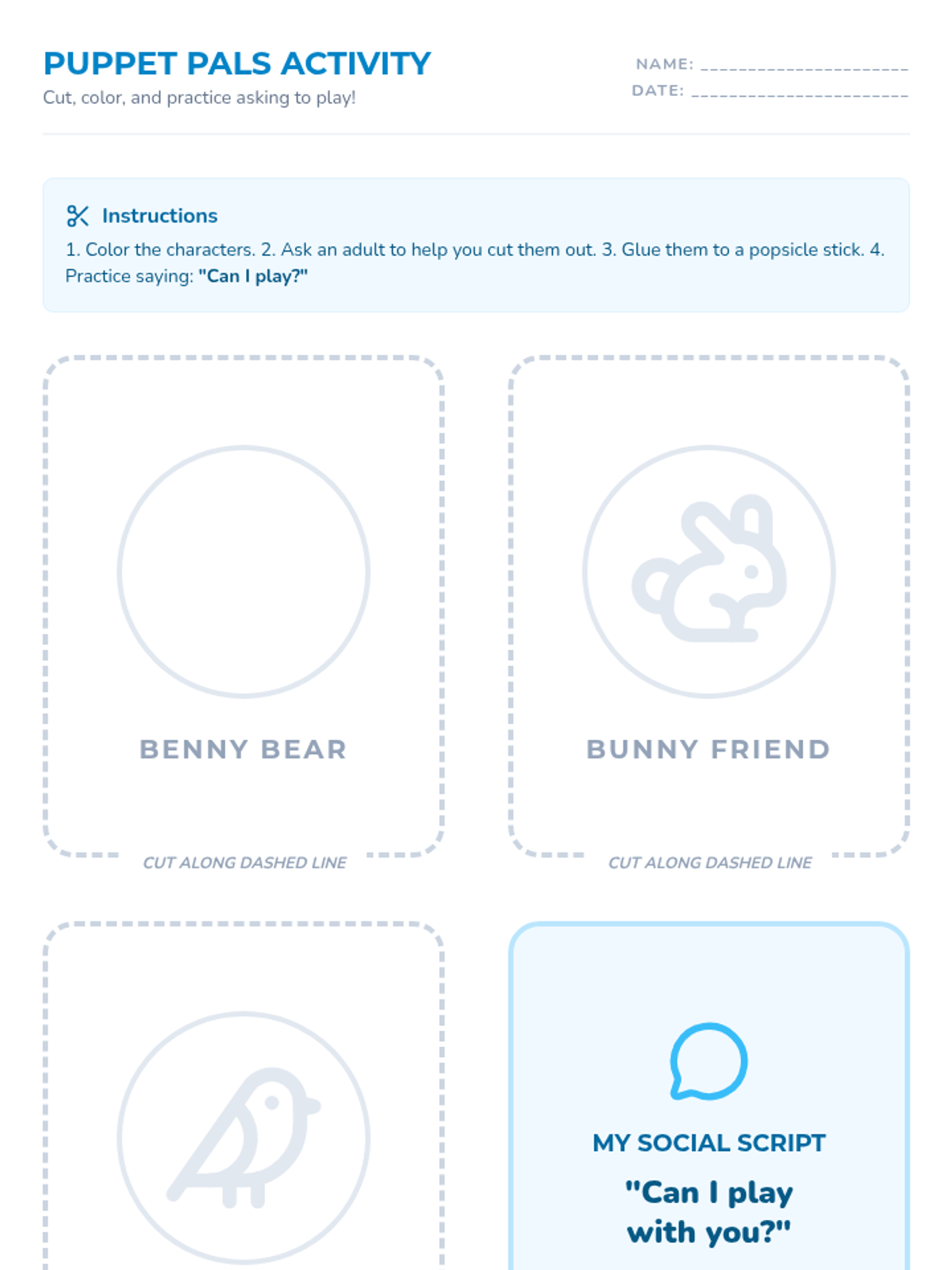
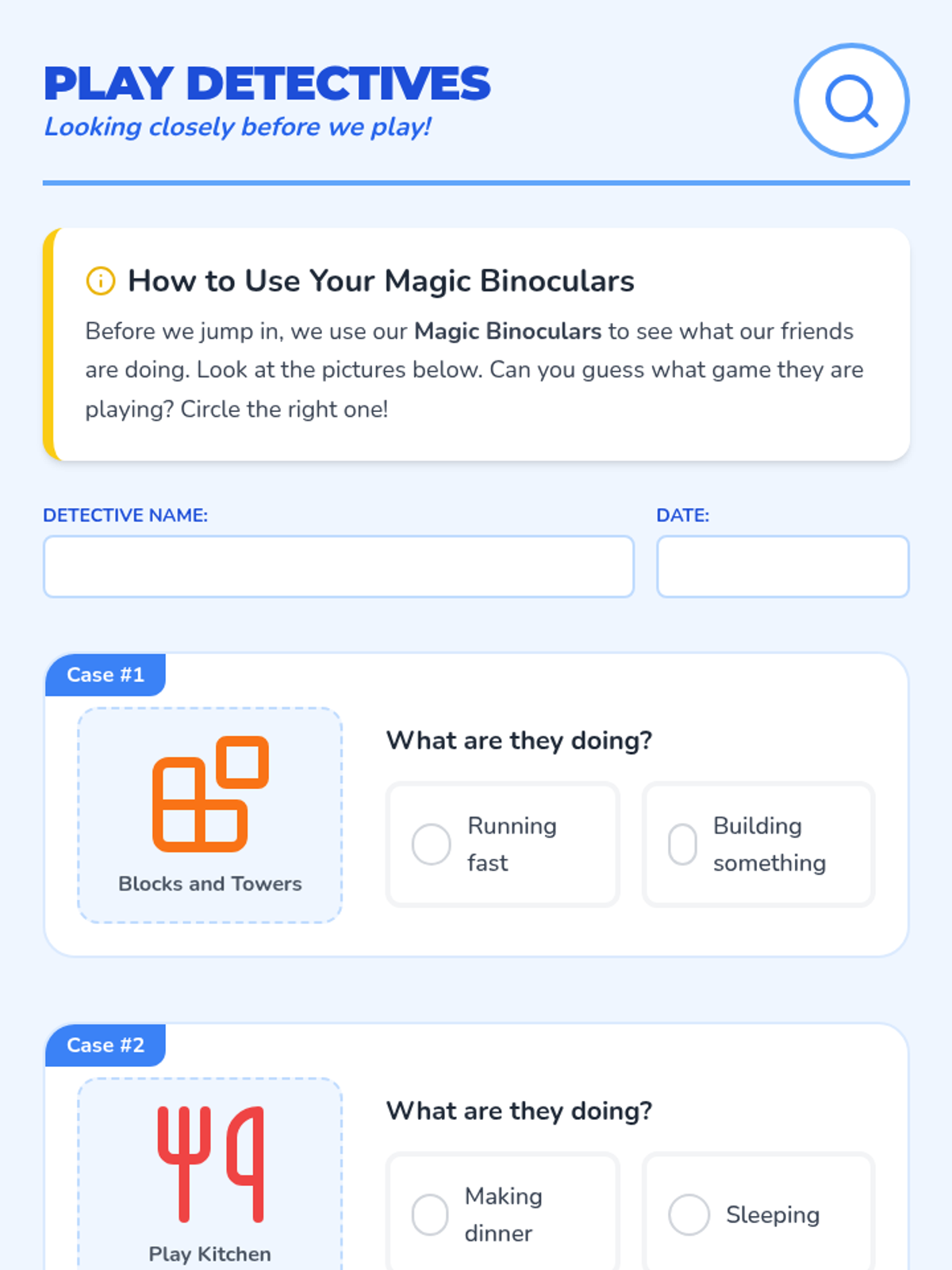
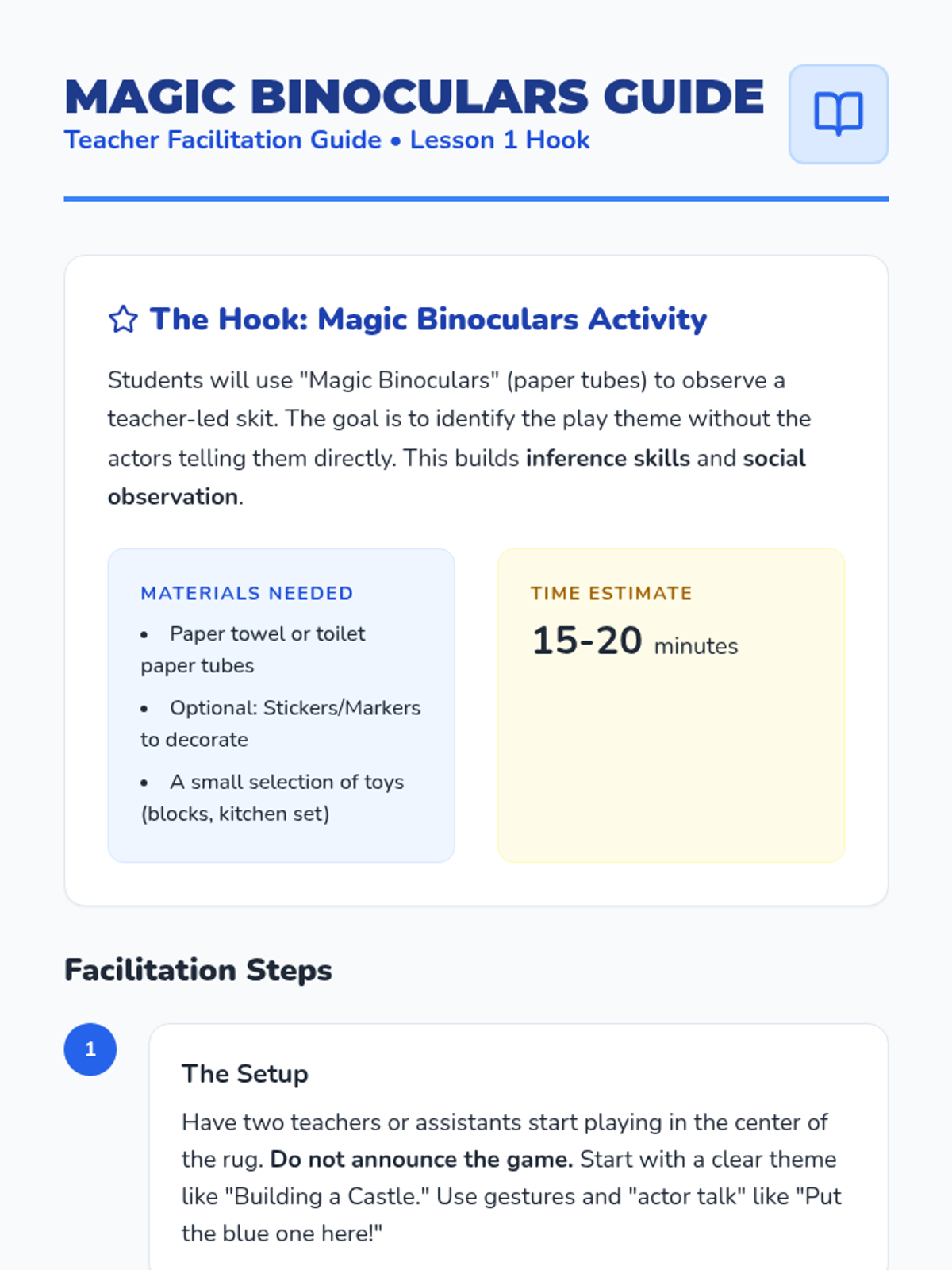
A Pre-K social communication sequence focused on observing, joining, and maintaining cooperative play. Students learn to evaluate play themes, use effective entry requests, identify roles, handle rejection, and sustain group activities.