Geometric classification, measurement of area and volume, and the study of transformations and rigid motions. Builds toward complex proofs, trigonometry for general triangles, and the algebraic representation of conic sections.
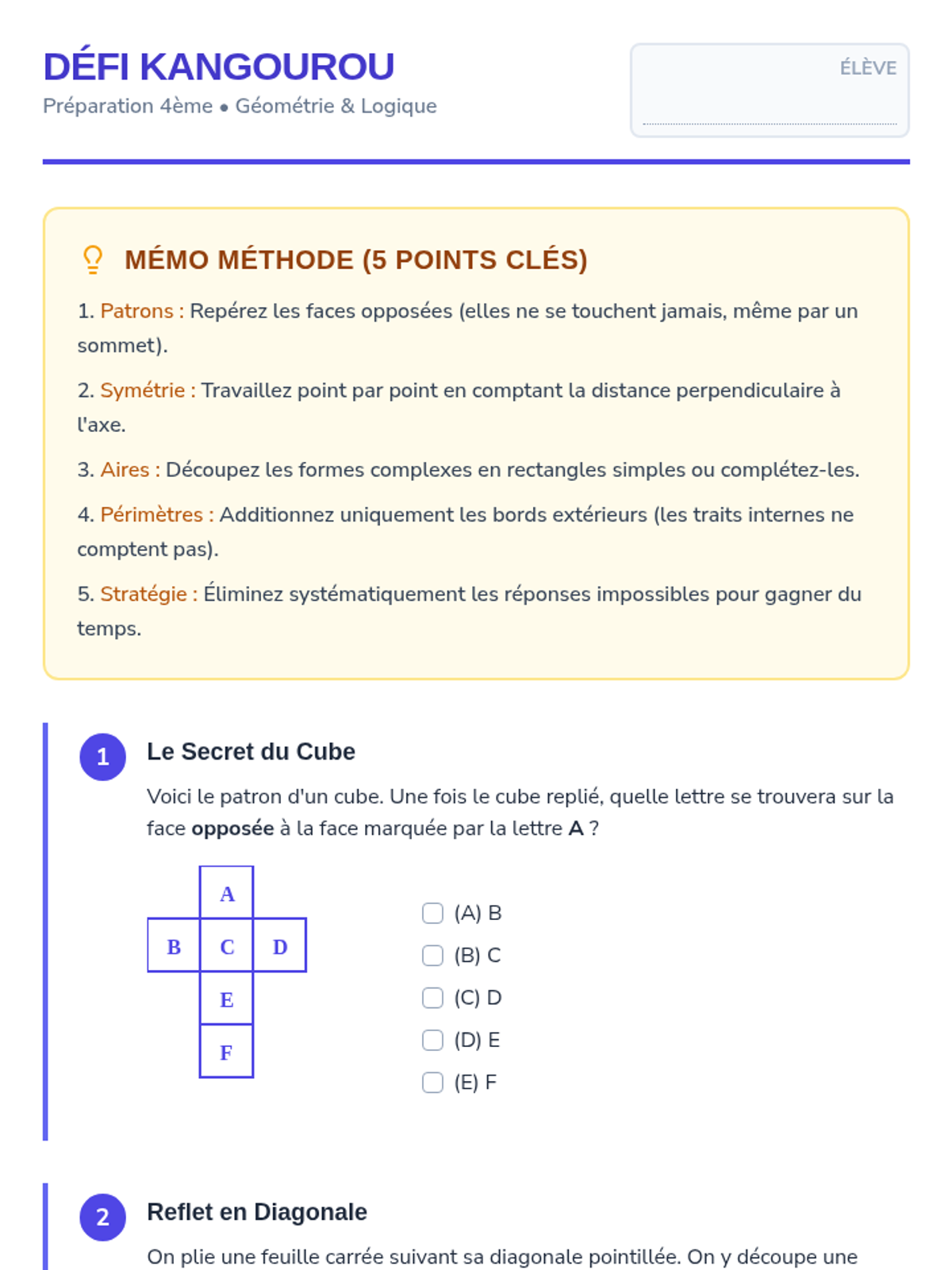
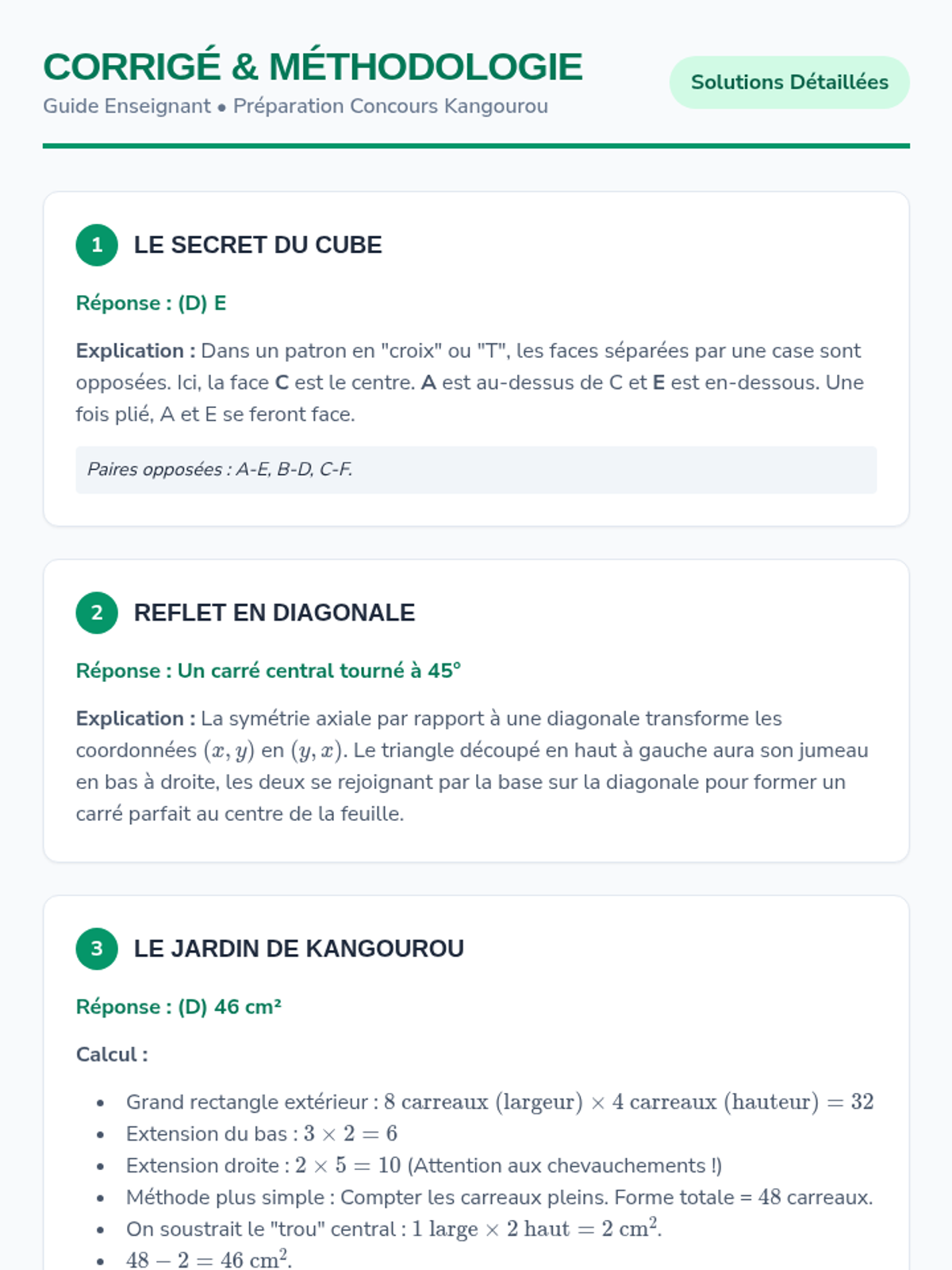
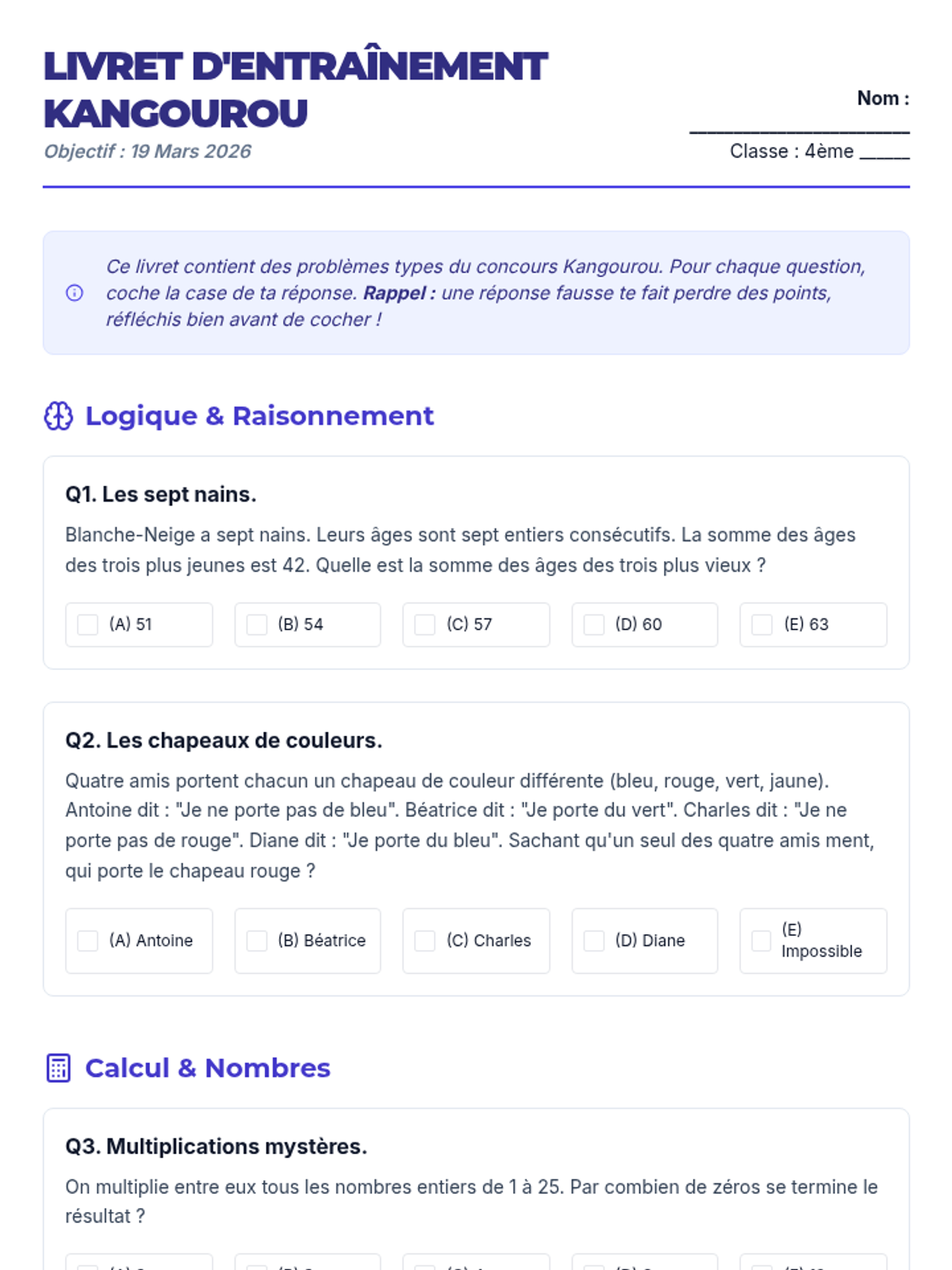
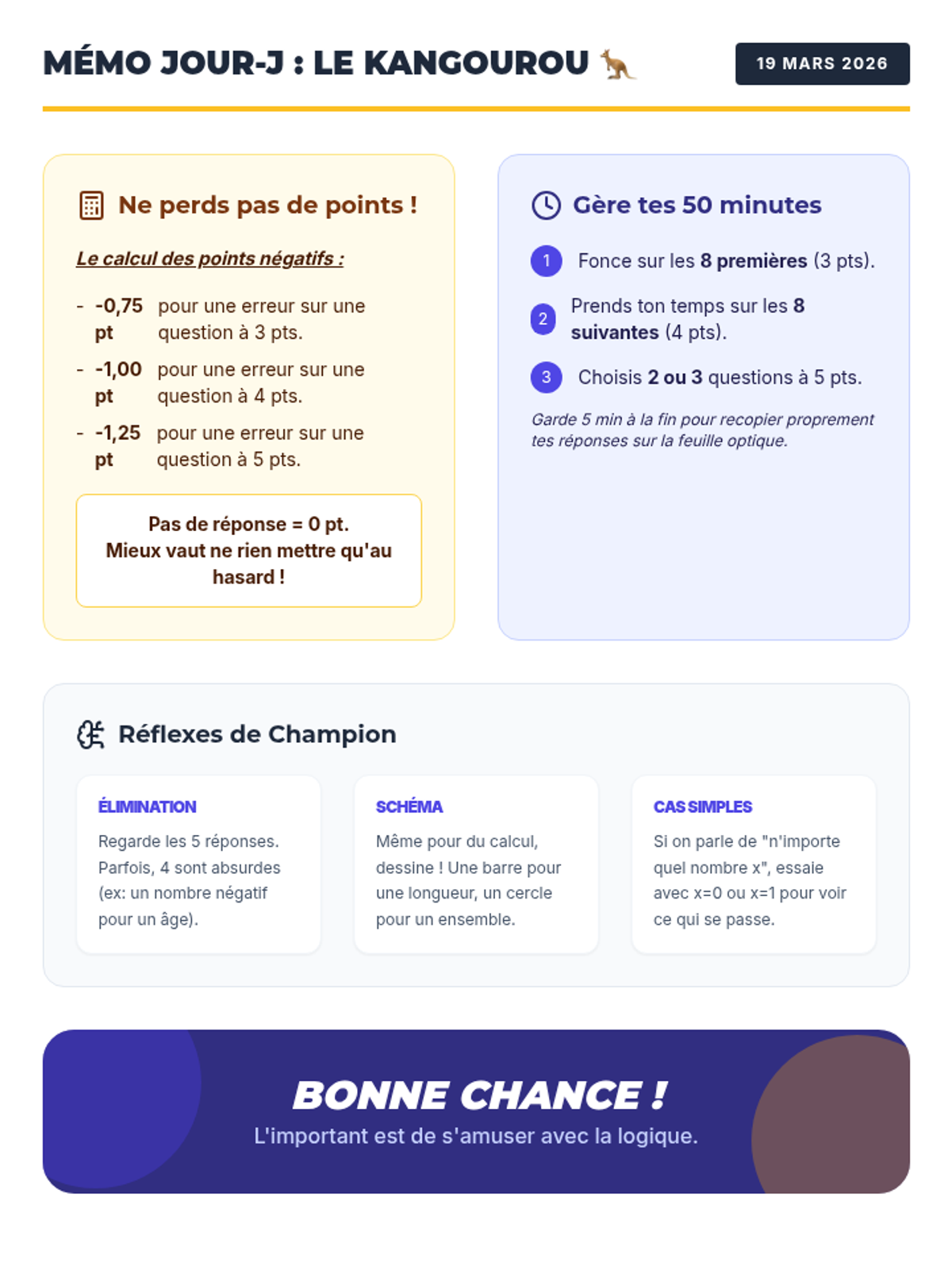
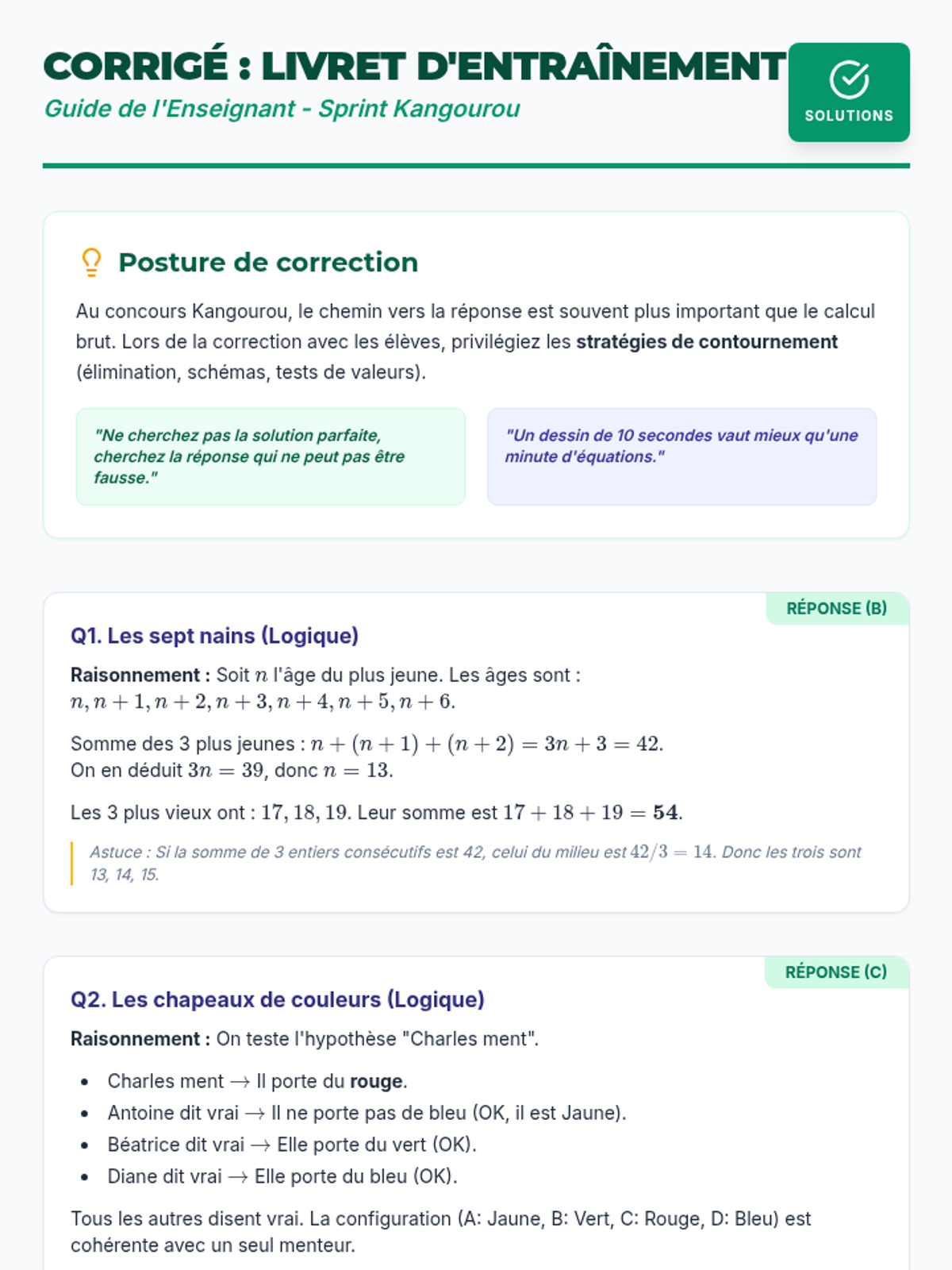
Un programme d'entraînement complet pour le concours Kangourou (niveau 4ème), couvrant la géométrie, la logique pure et les stratégies de résolution rapide.
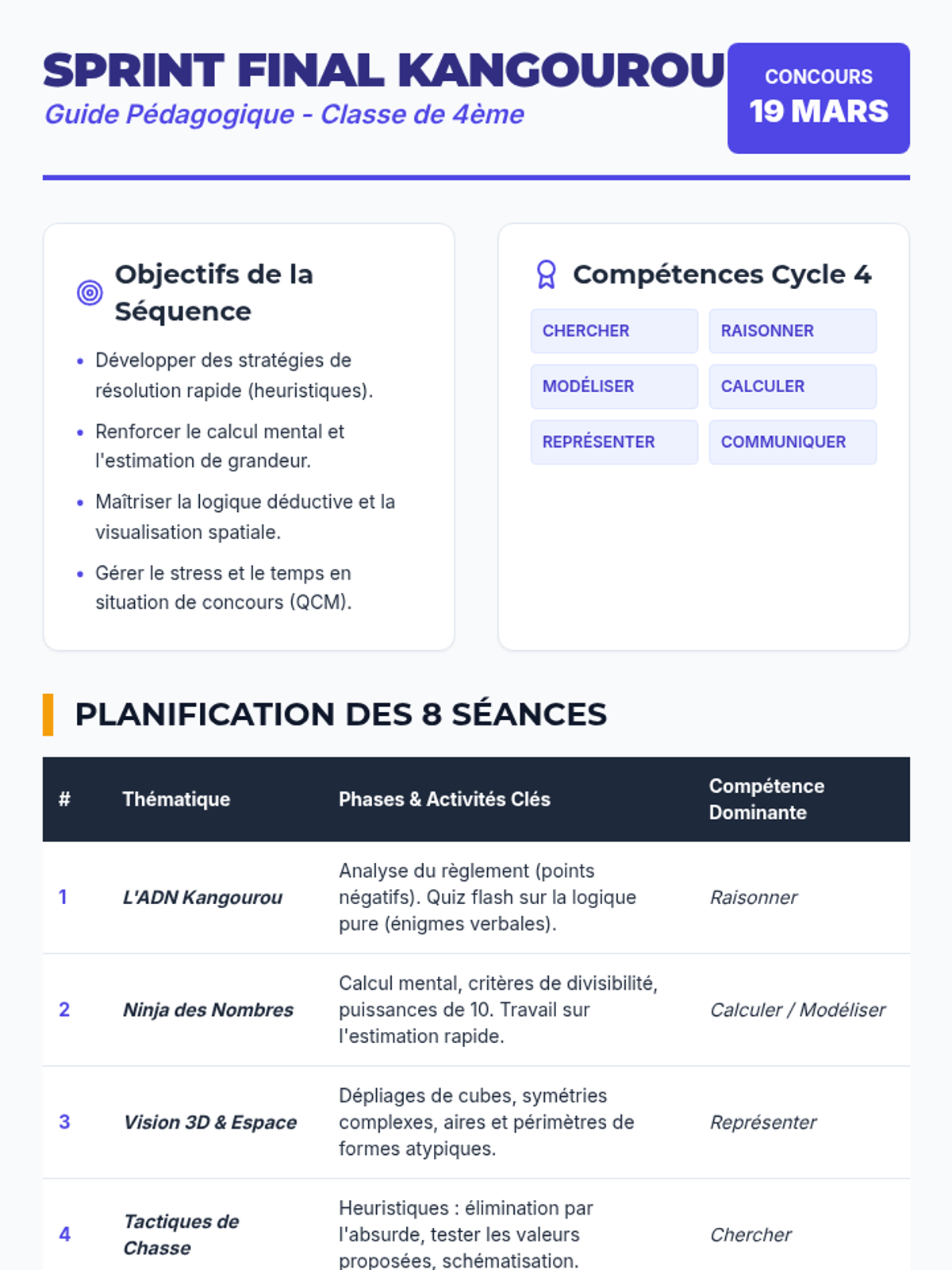
Une séquence de 8 séances conçue pour préparer les élèves de 4ème au concours Kangourou des Mathématiques, mettant l'accent sur la logique, la géométrie et le raisonnement, avec une séance finale innovante pour une inspection.
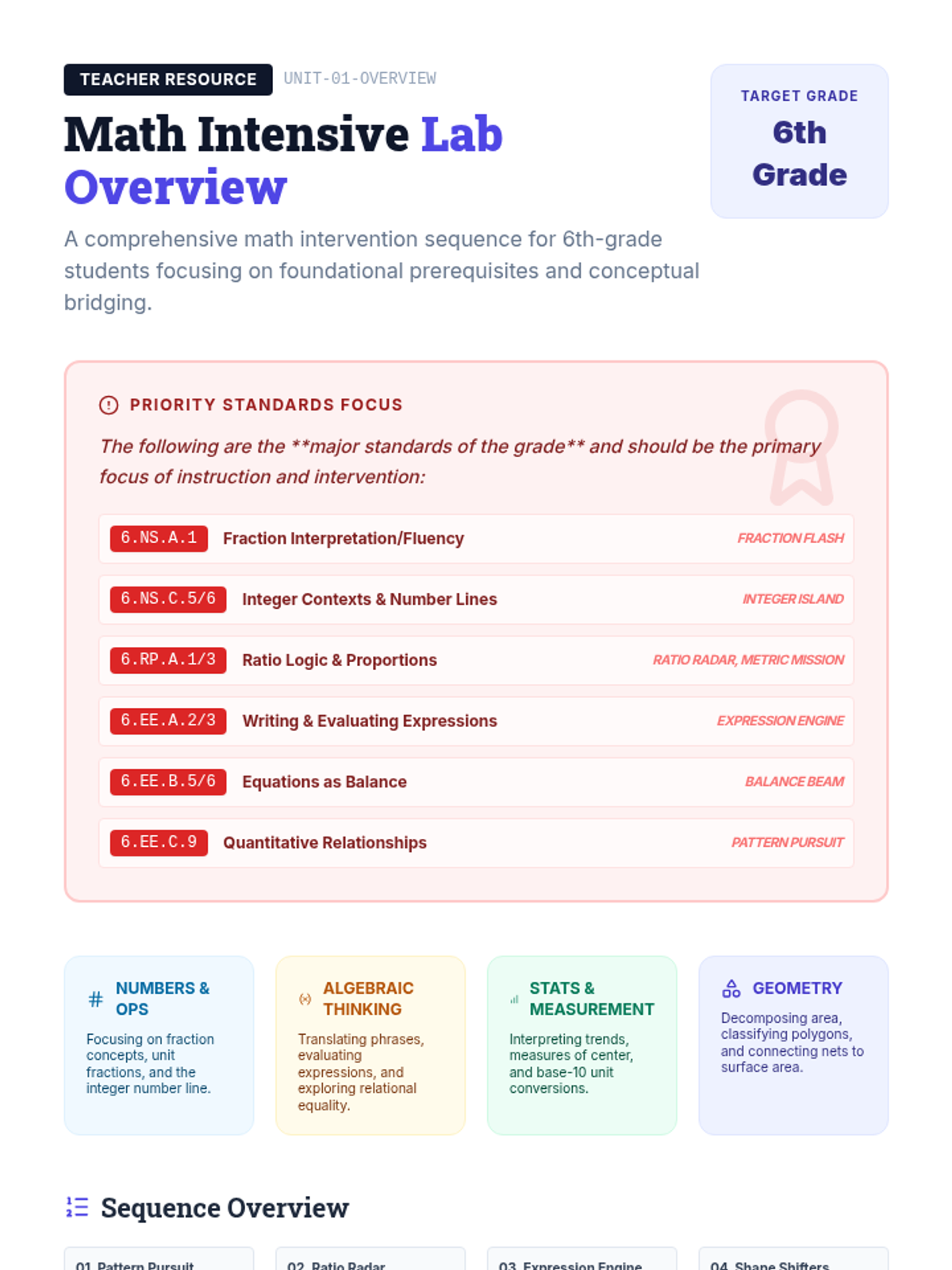
A comprehensive math intervention sequence for 6th-grade students, focusing on four key domains: Numbers & Operations, Algebraic Thinking, Measurement & Data, and Geometry. This sequence uses high-leverage strategies from the All Learners Network (ALN) and aligns with i-Ready prerequisite modules to bridge conceptual gaps.
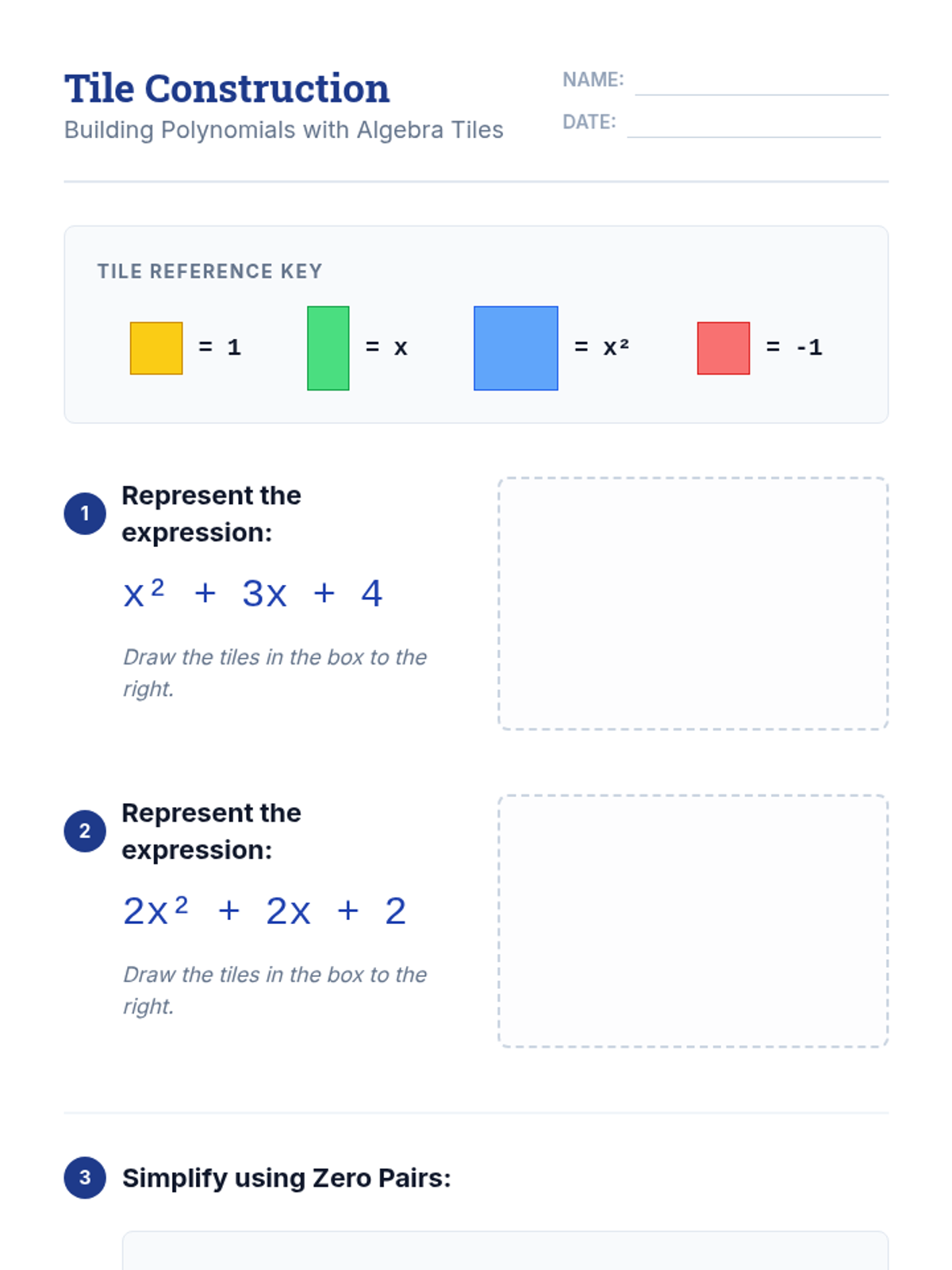
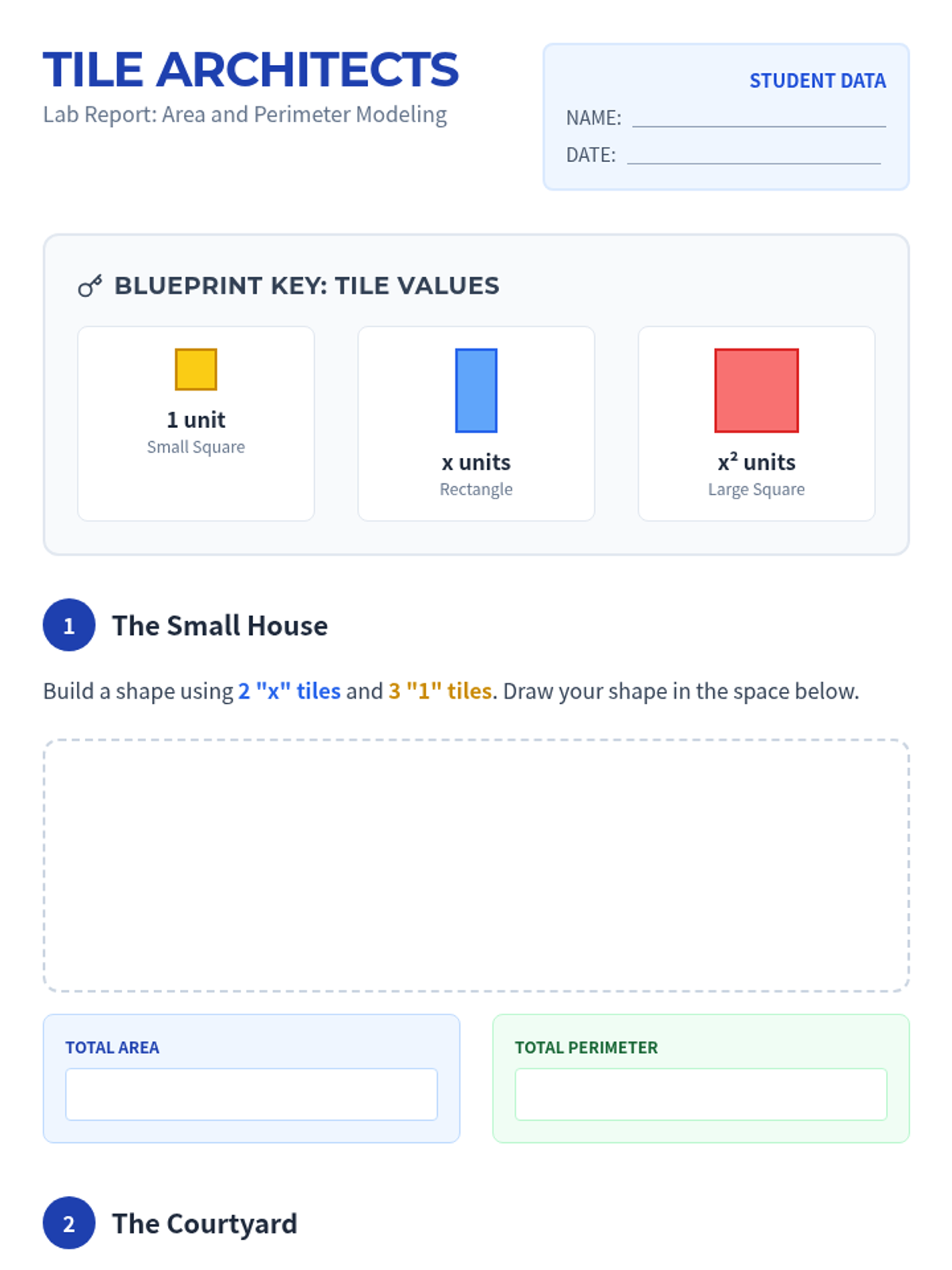
This sequence uses geometric area models (algebra tiles and the box method) to provide a concrete foundation for polynomial arithmetic and factoring, specifically designed for students needing academic support.
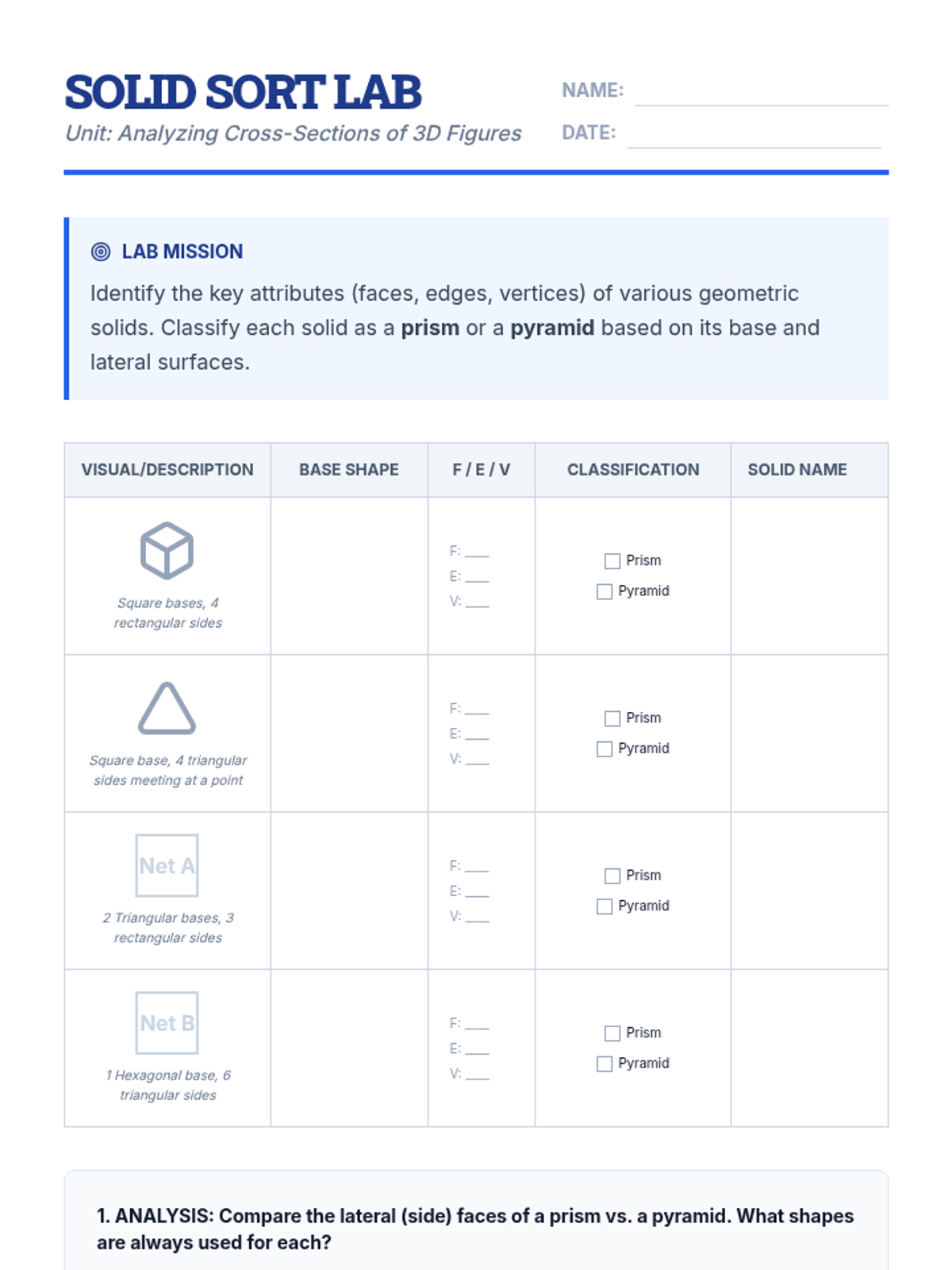
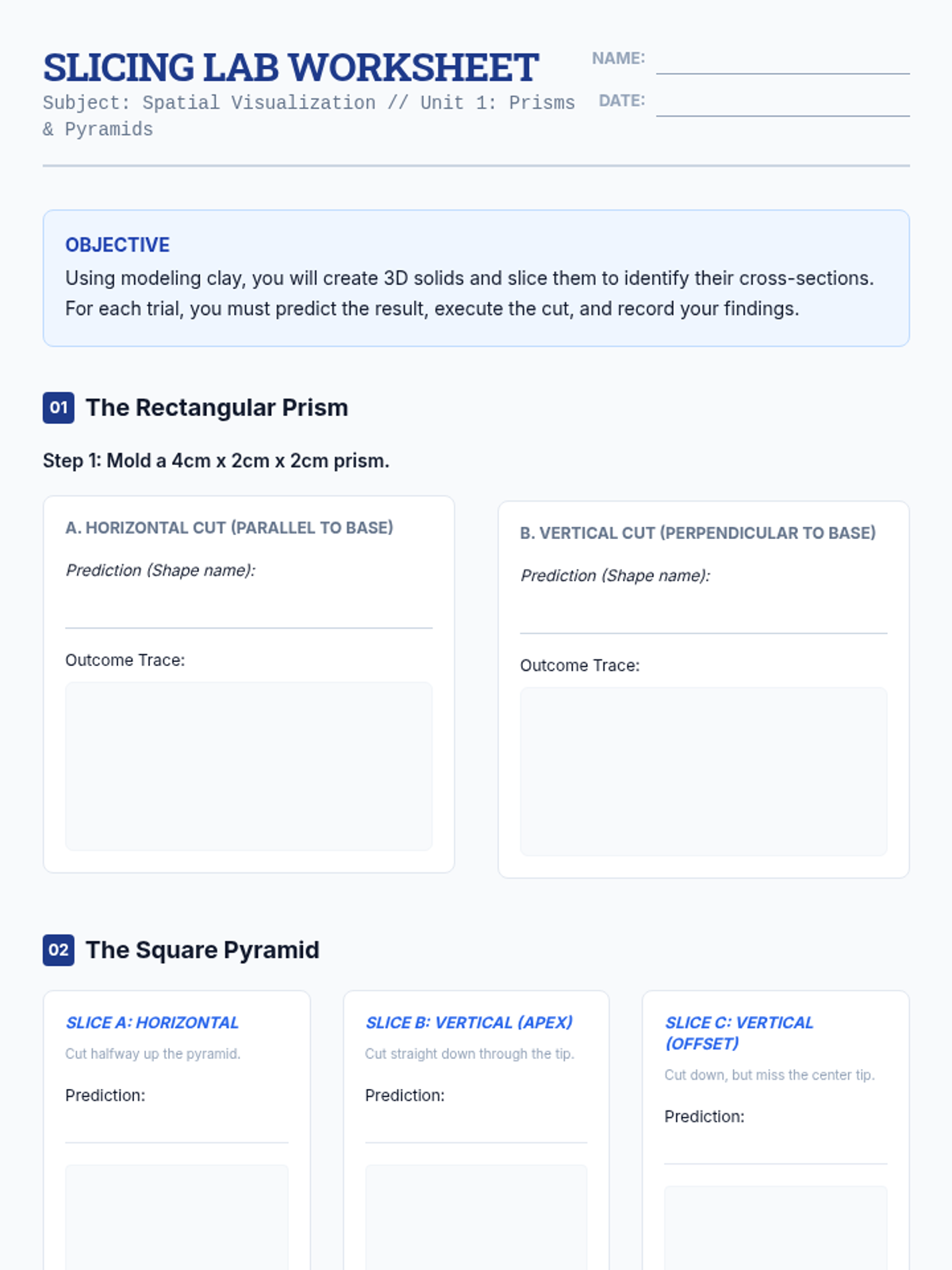
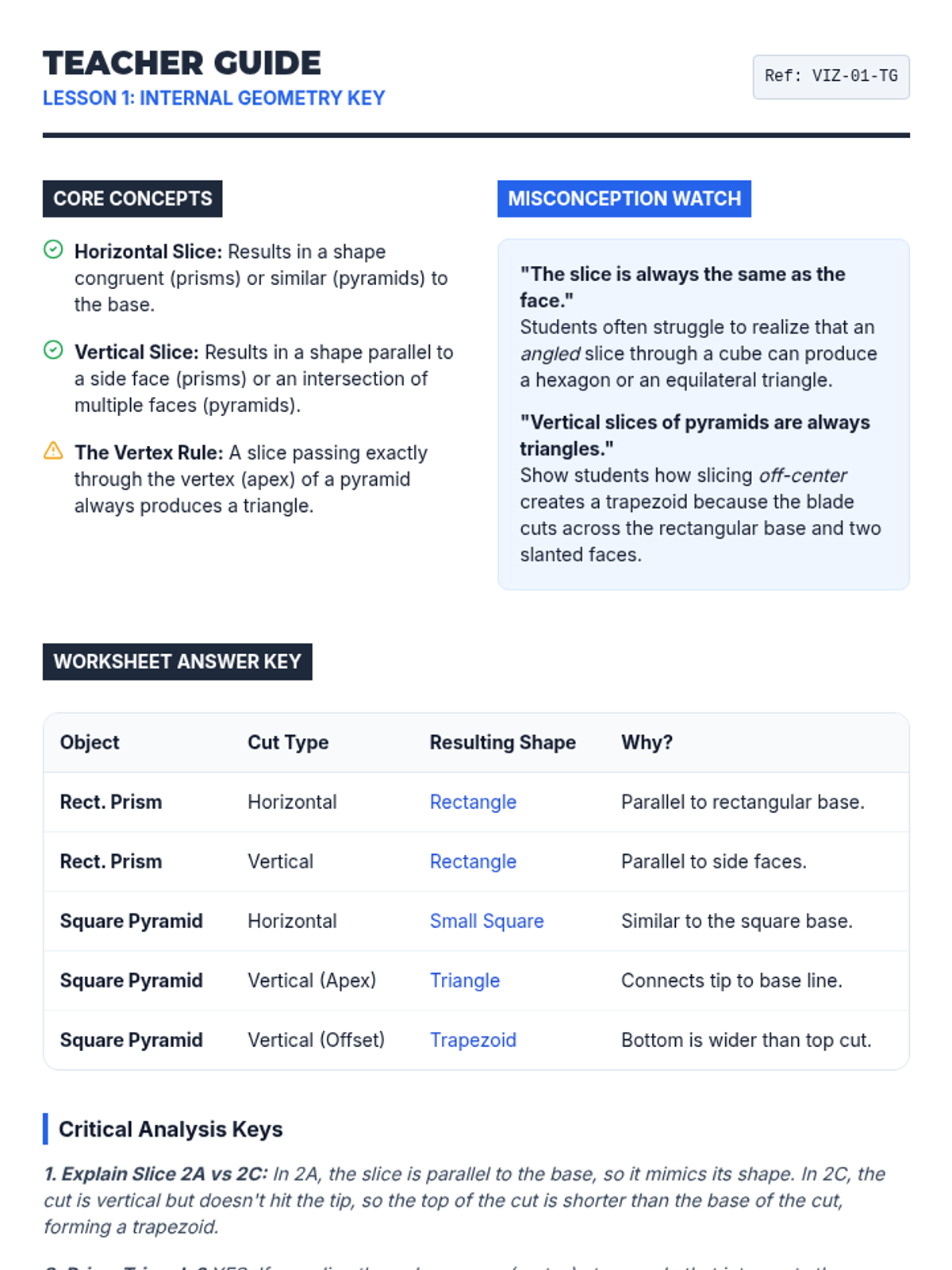
This hands-on sequence focuses on spatial visualization, specifically the relationship between three-dimensional solids and two-dimensional figures. Students explore how slicing 3D objects creates 2D cross-sections, progressing from basic classification to complex angled cuts and orthographic projections.
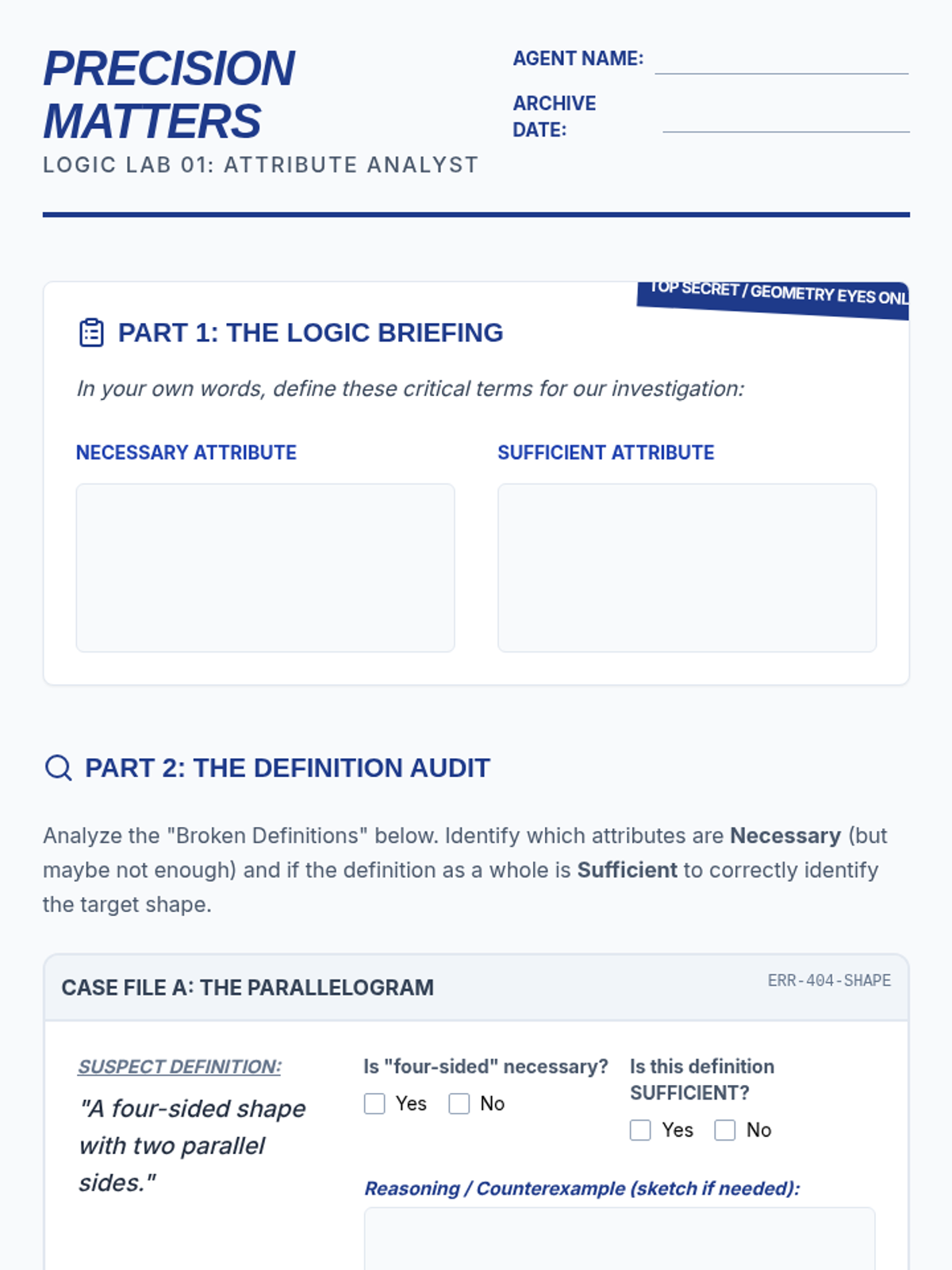
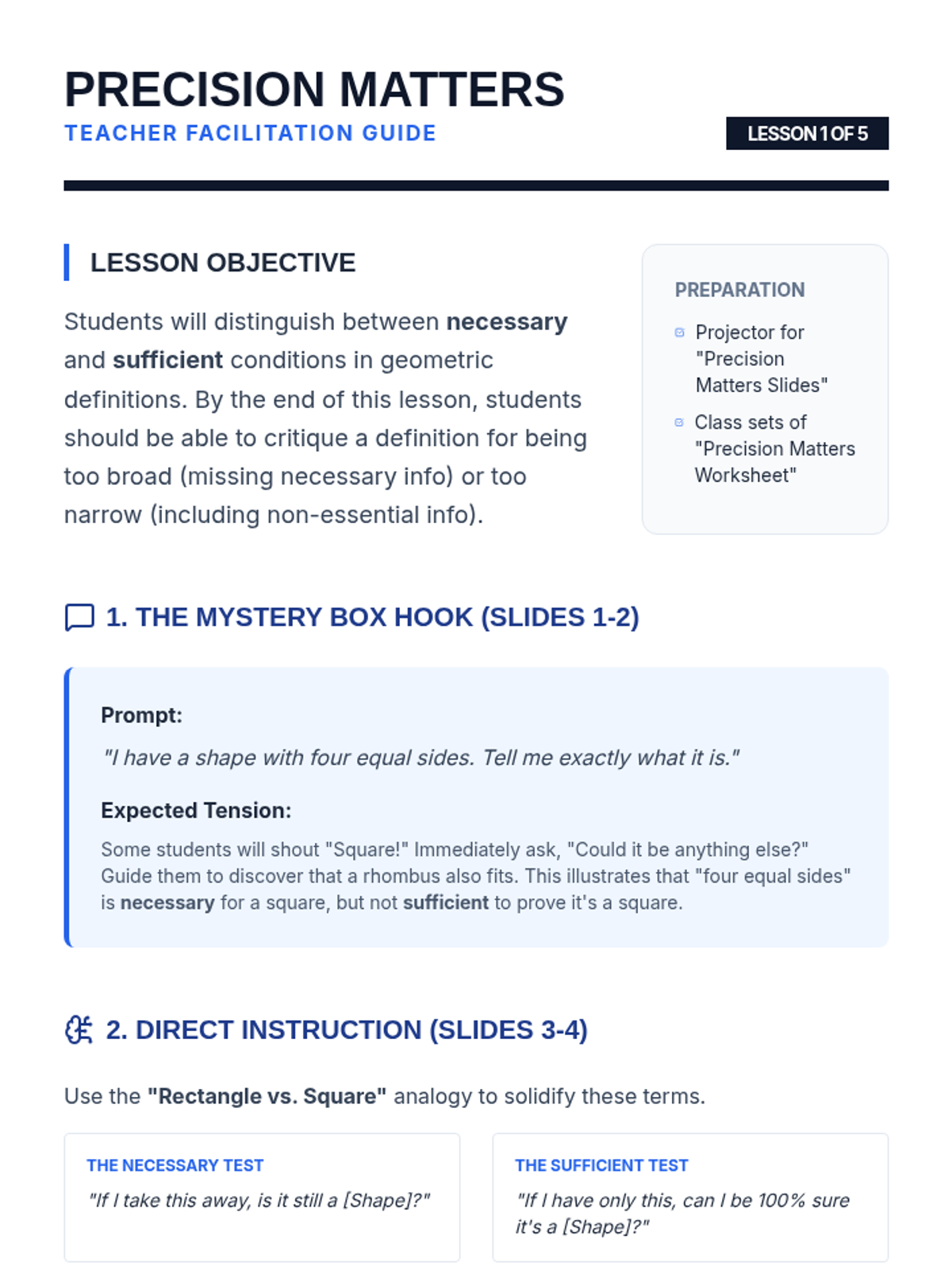
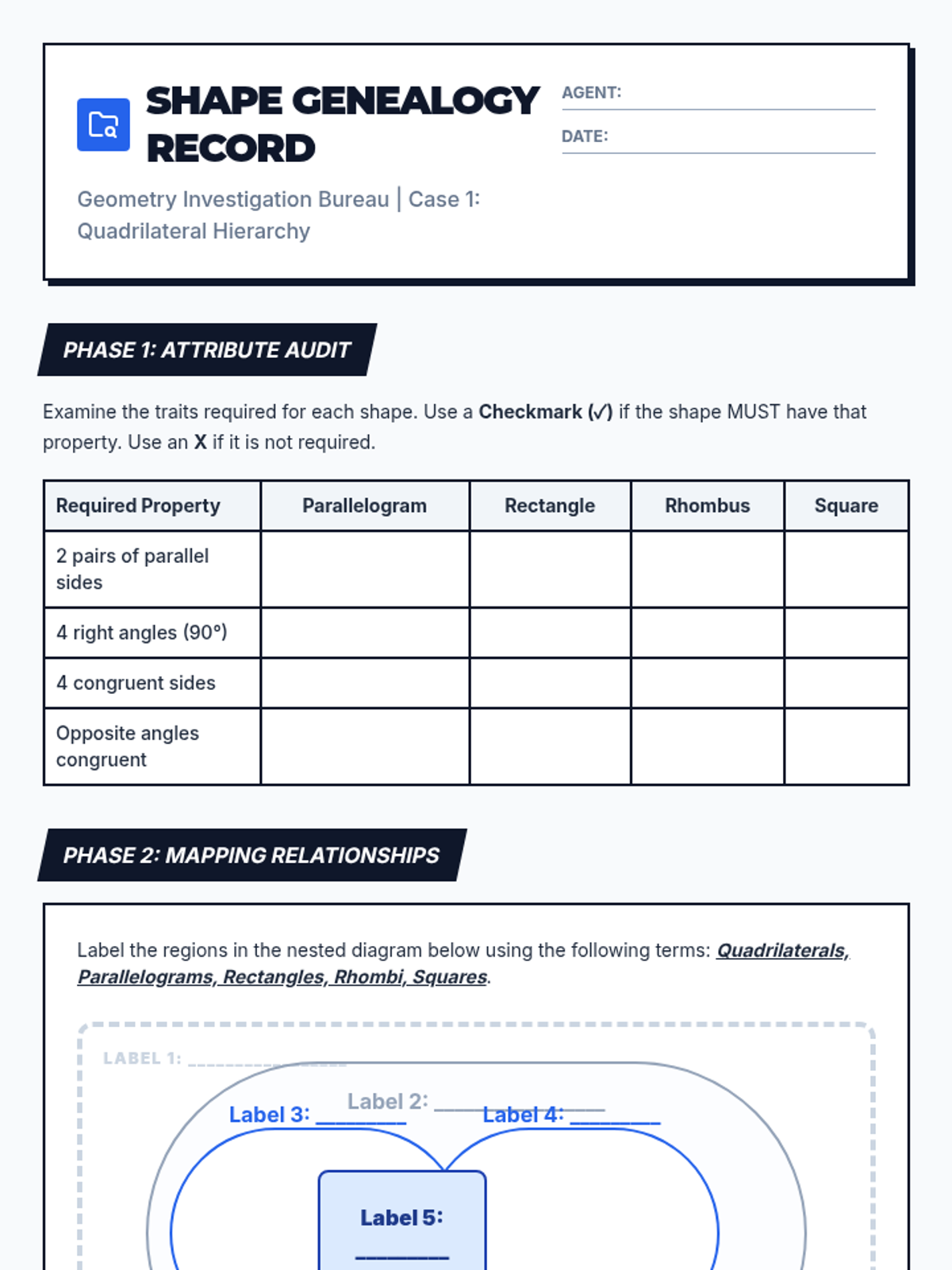
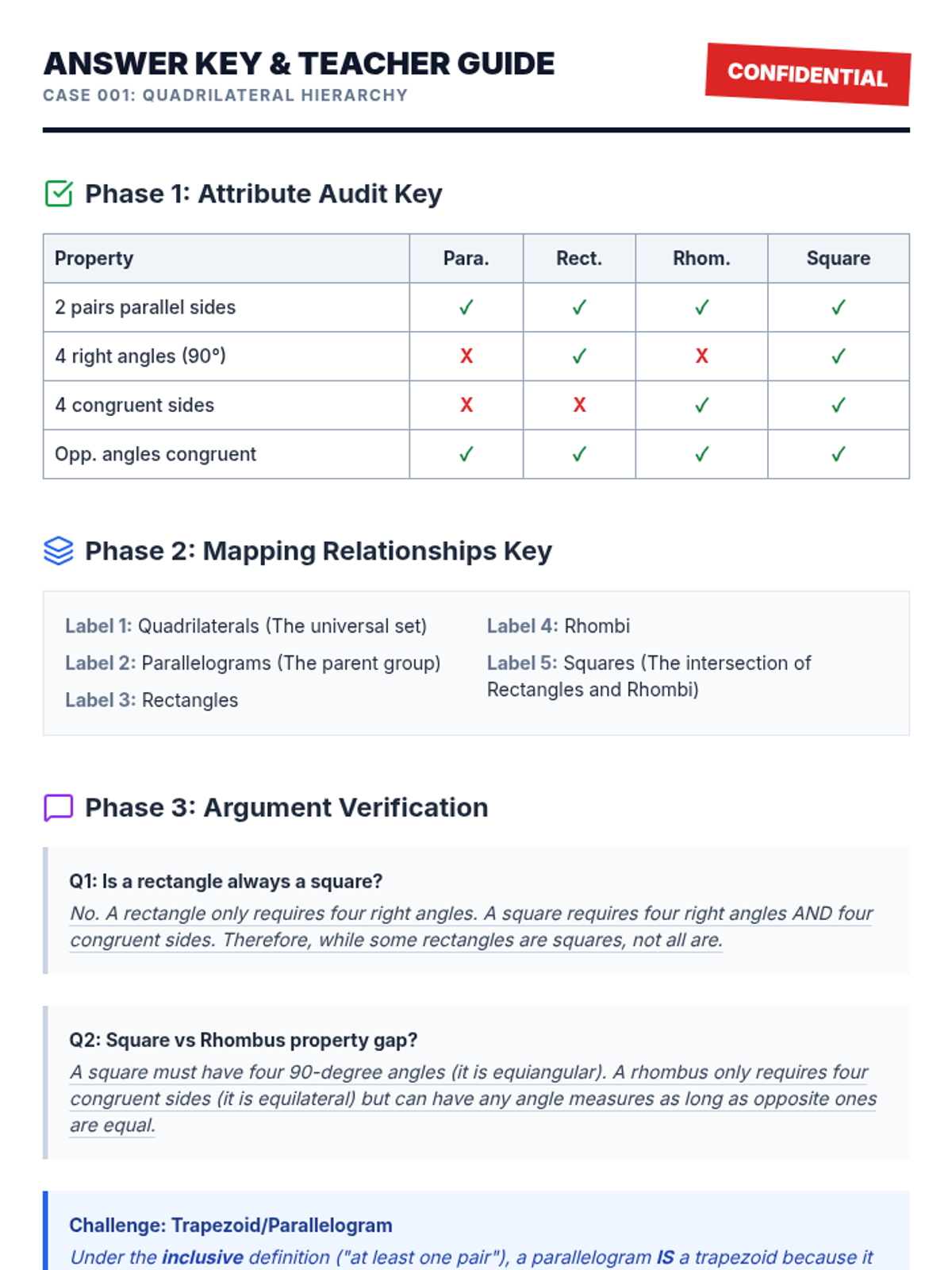
An 8th-grade geometry sequence focused on the logical classification of shapes using necessary and sufficient conditions, hierarchies, and diagonal properties. Students transition from simple identification to rigorous logical reasoning and set theory.
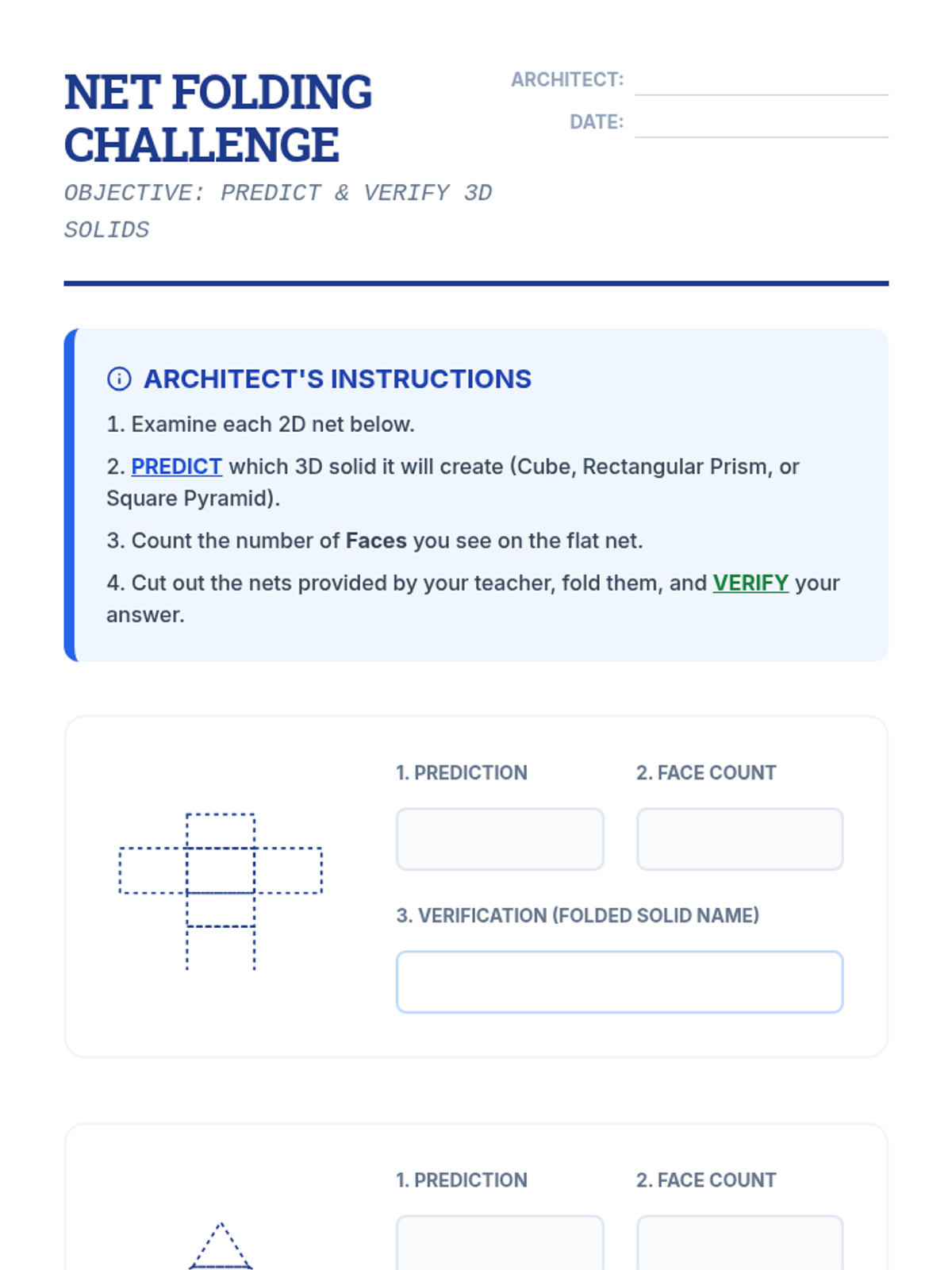
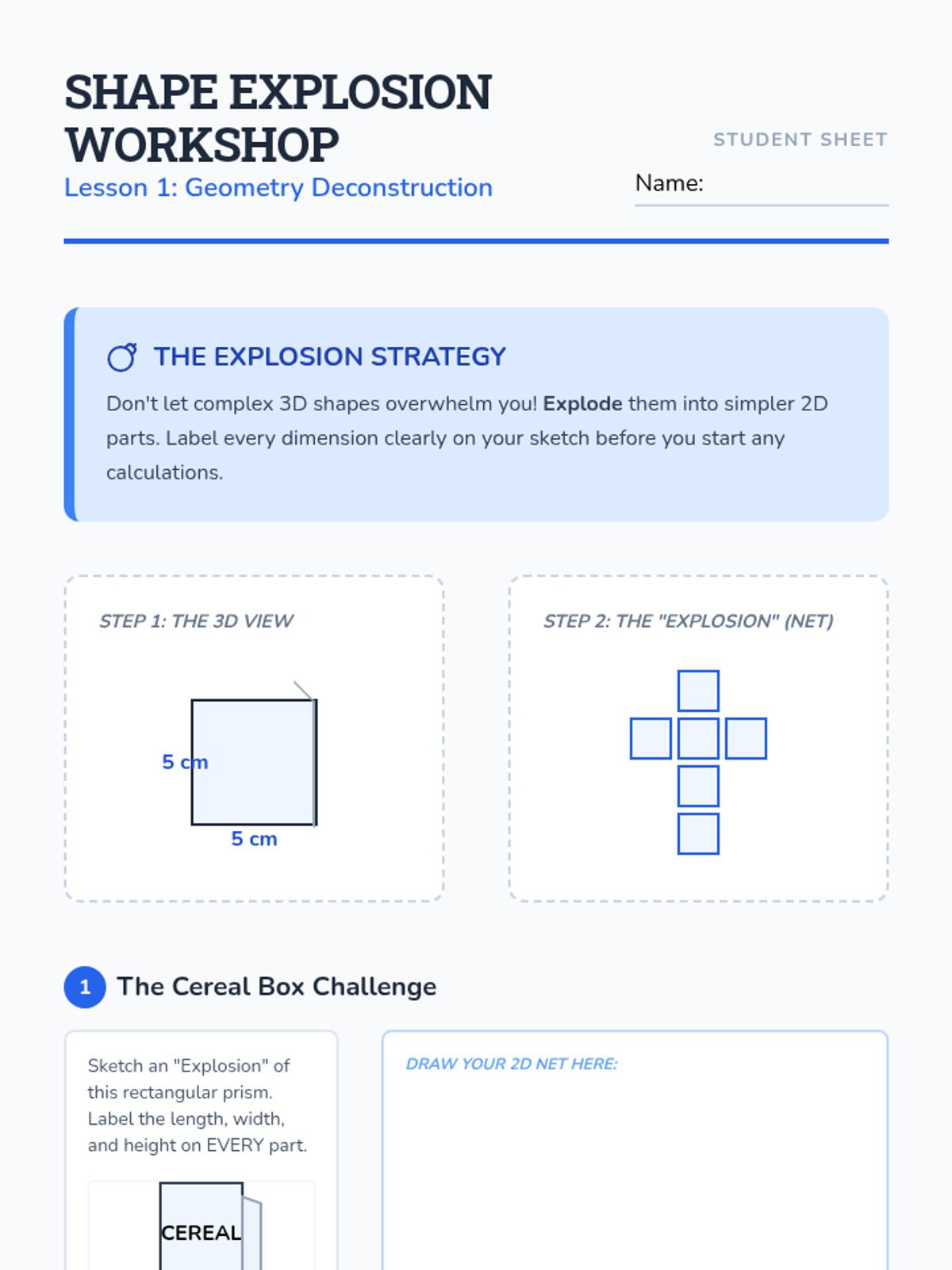
A project-based geometry unit for 8th grade focusing on the relationship between 2D shapes and 3D solids through polyhedra analysis, nets, and cross-sectional slicing.
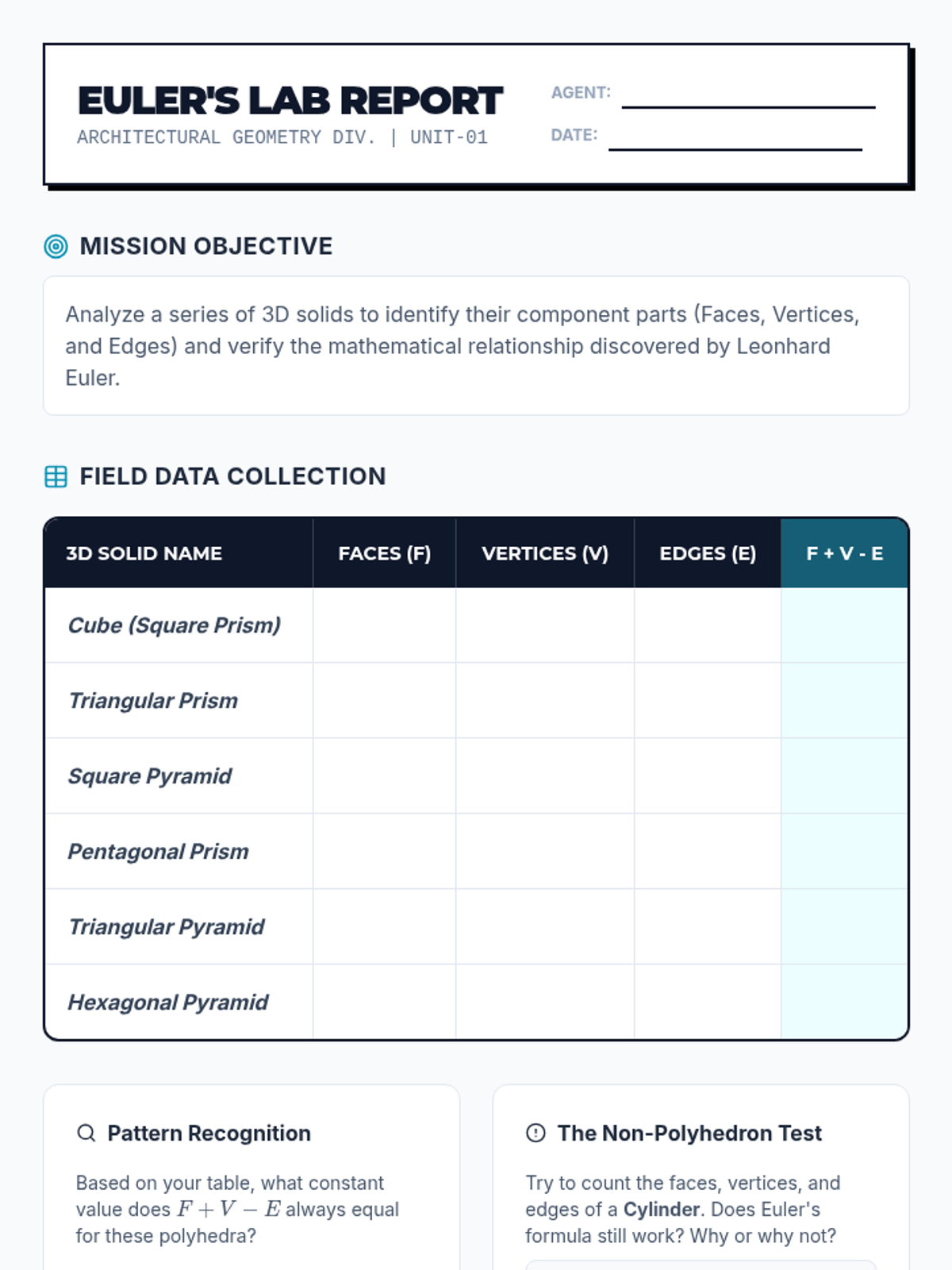
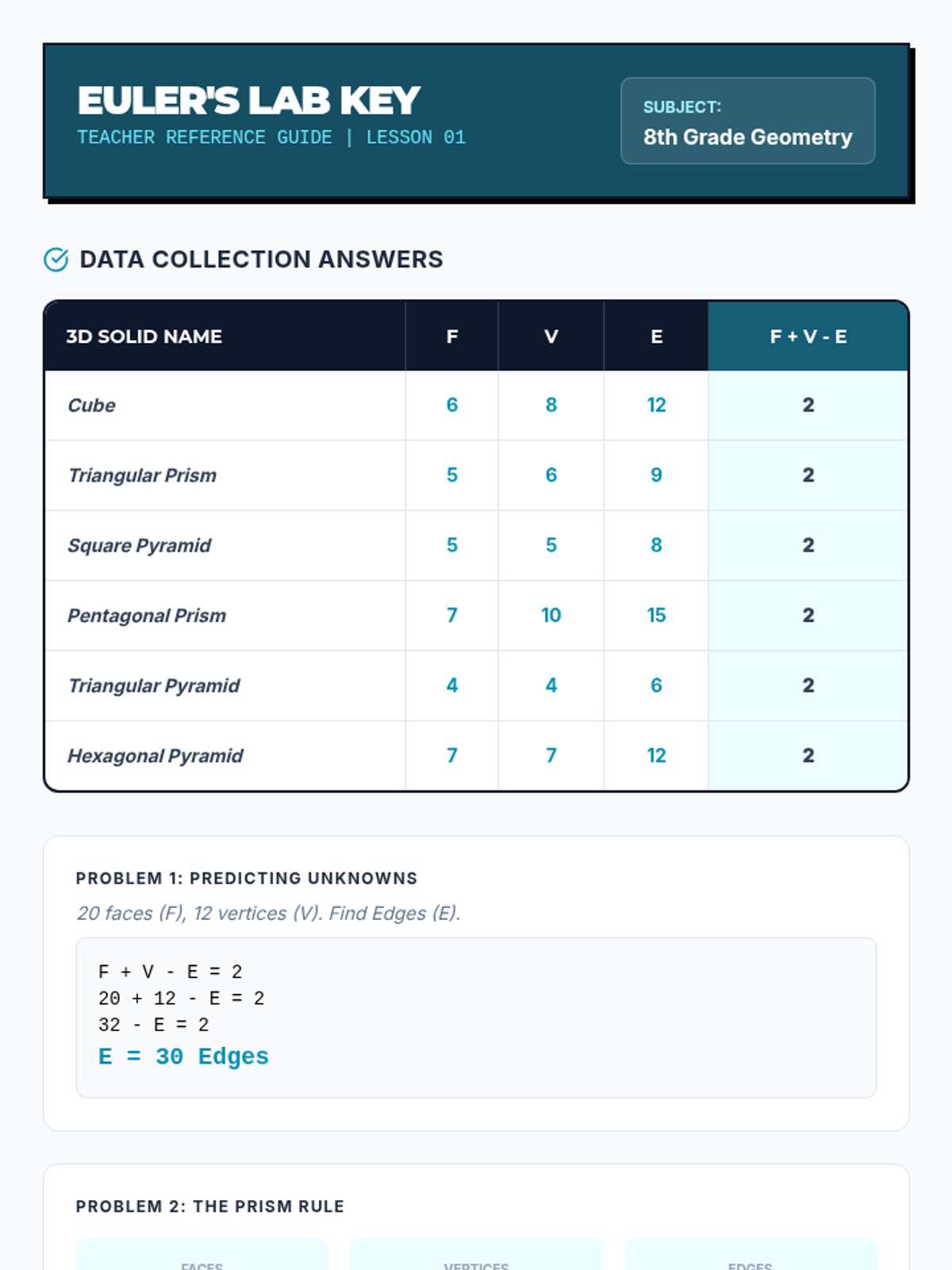
A rigorous exploration of geometric classification, focusing on logical hierarchies of quadrilaterals, properties of diagonals, 3D polyhedra attributes via Euler's Formula, and the visualization of cross-sections. Students move from visual identification to formal geometric reasoning and proof construction.
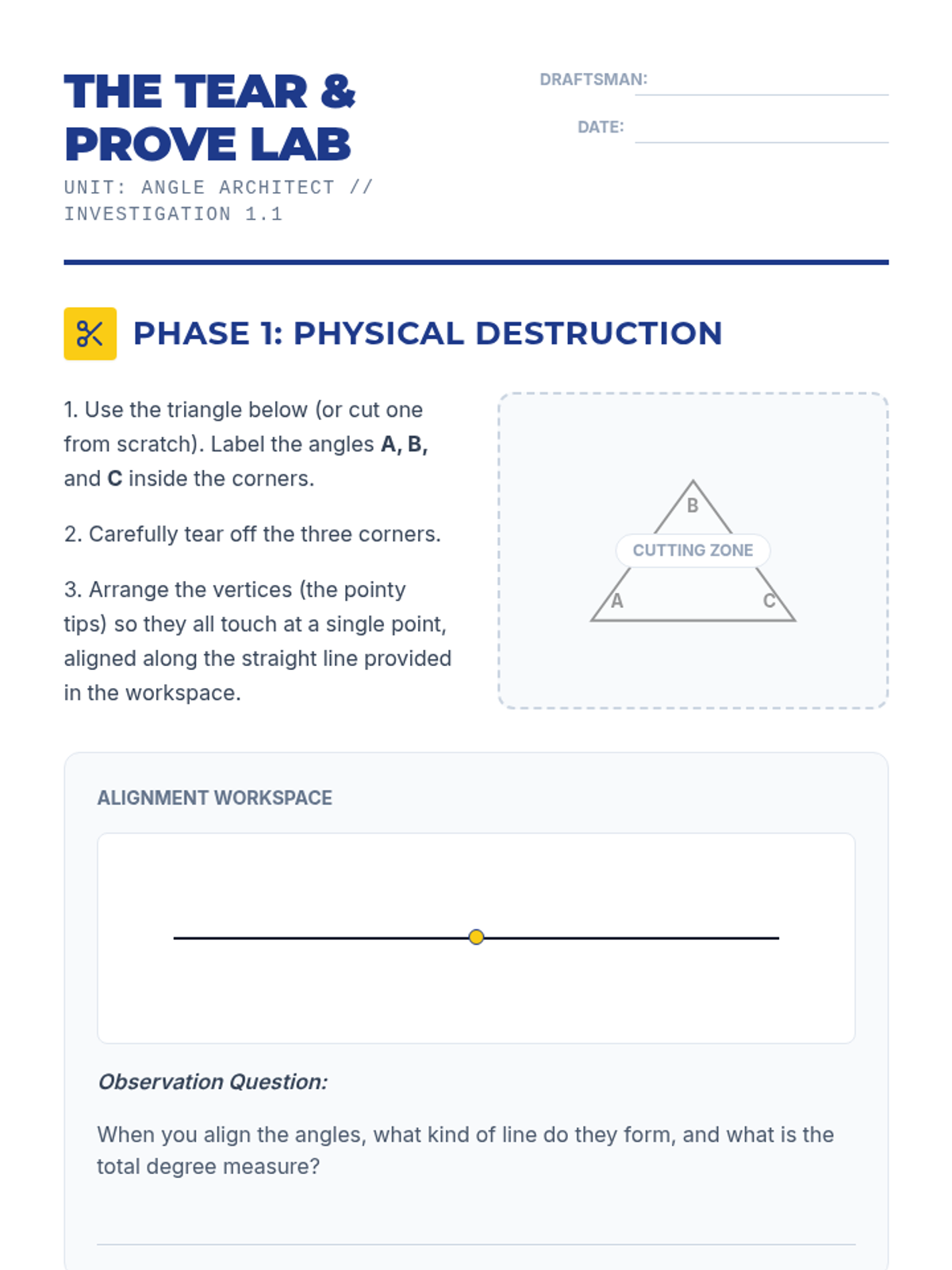
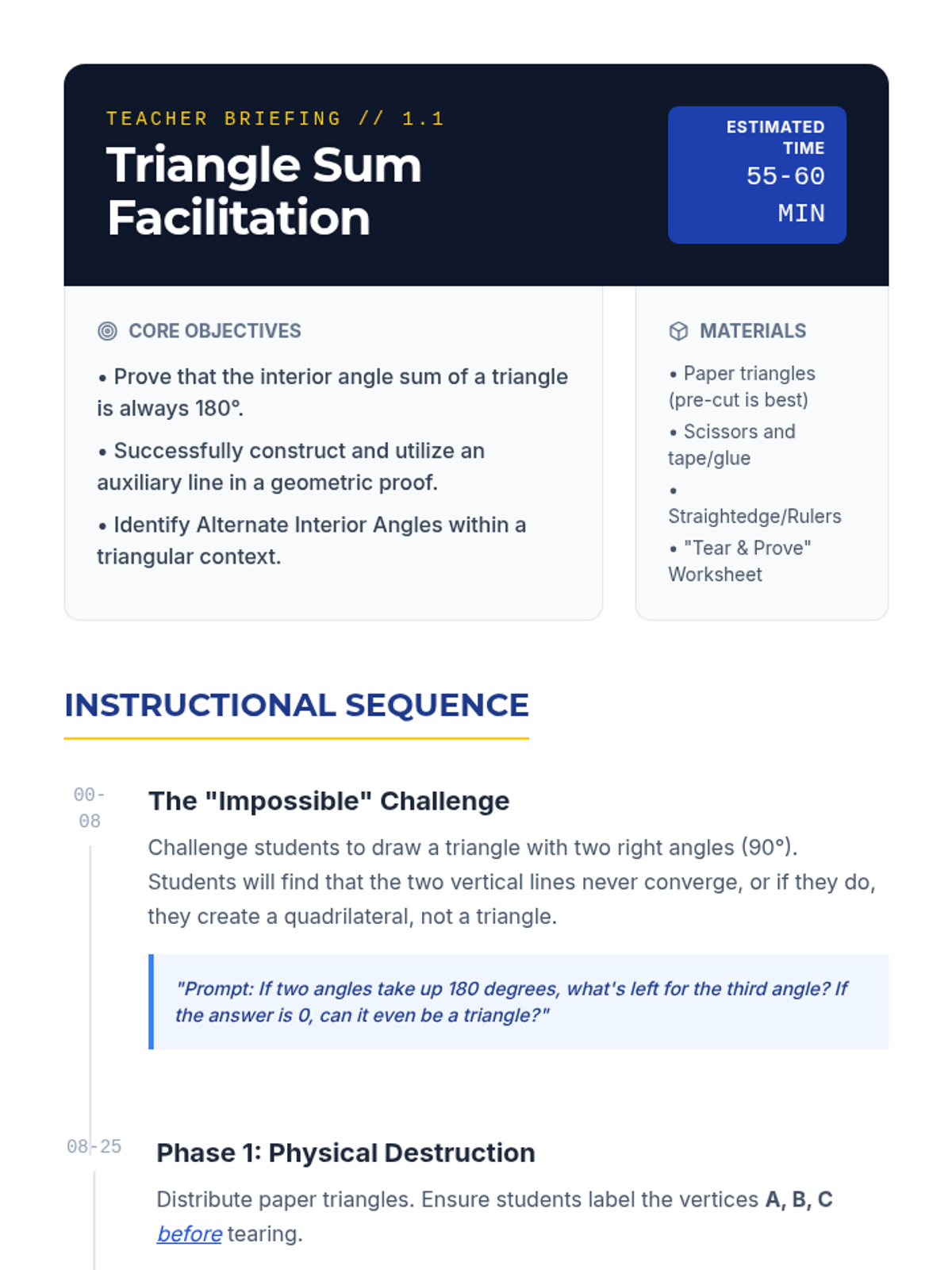
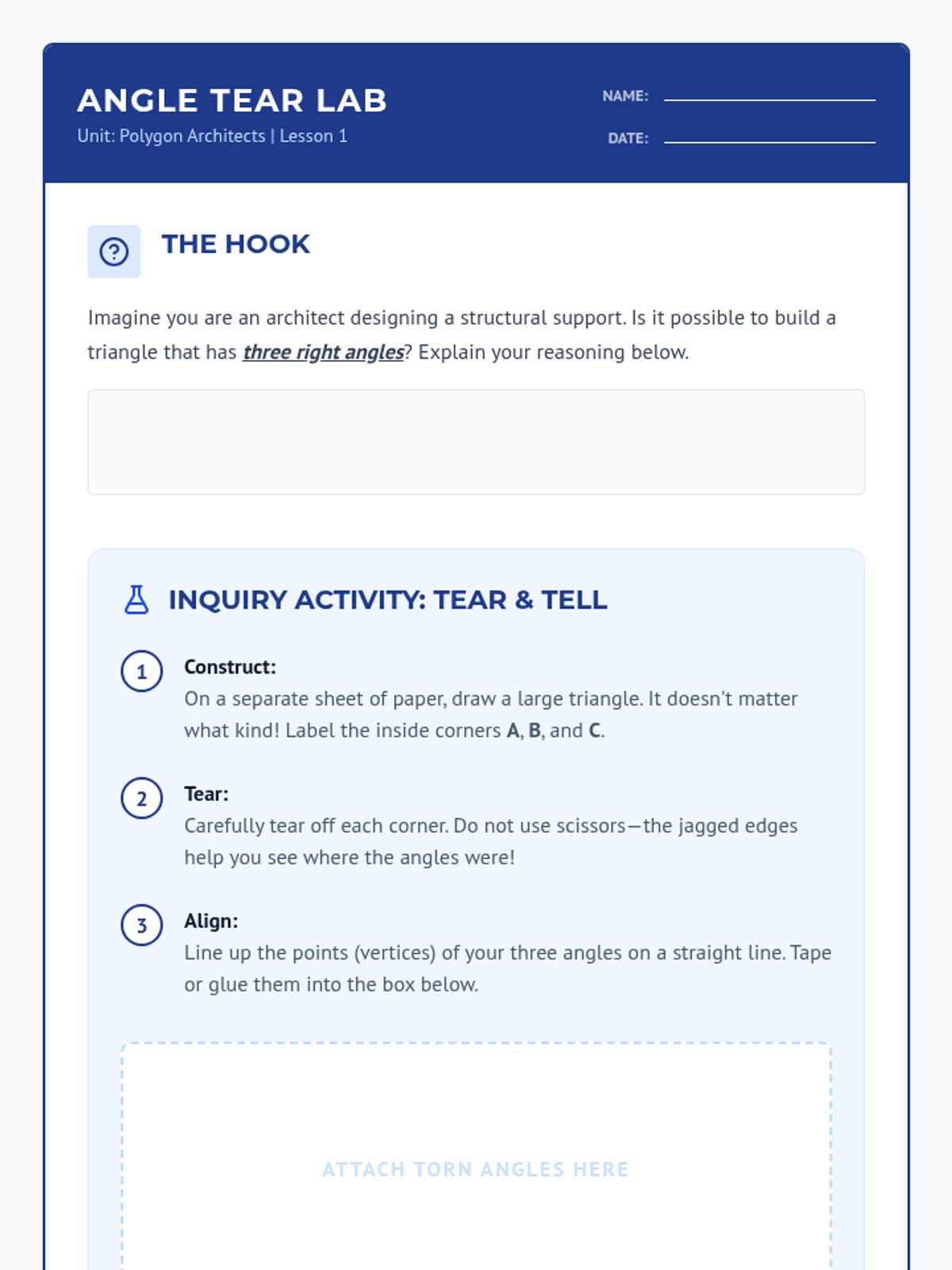
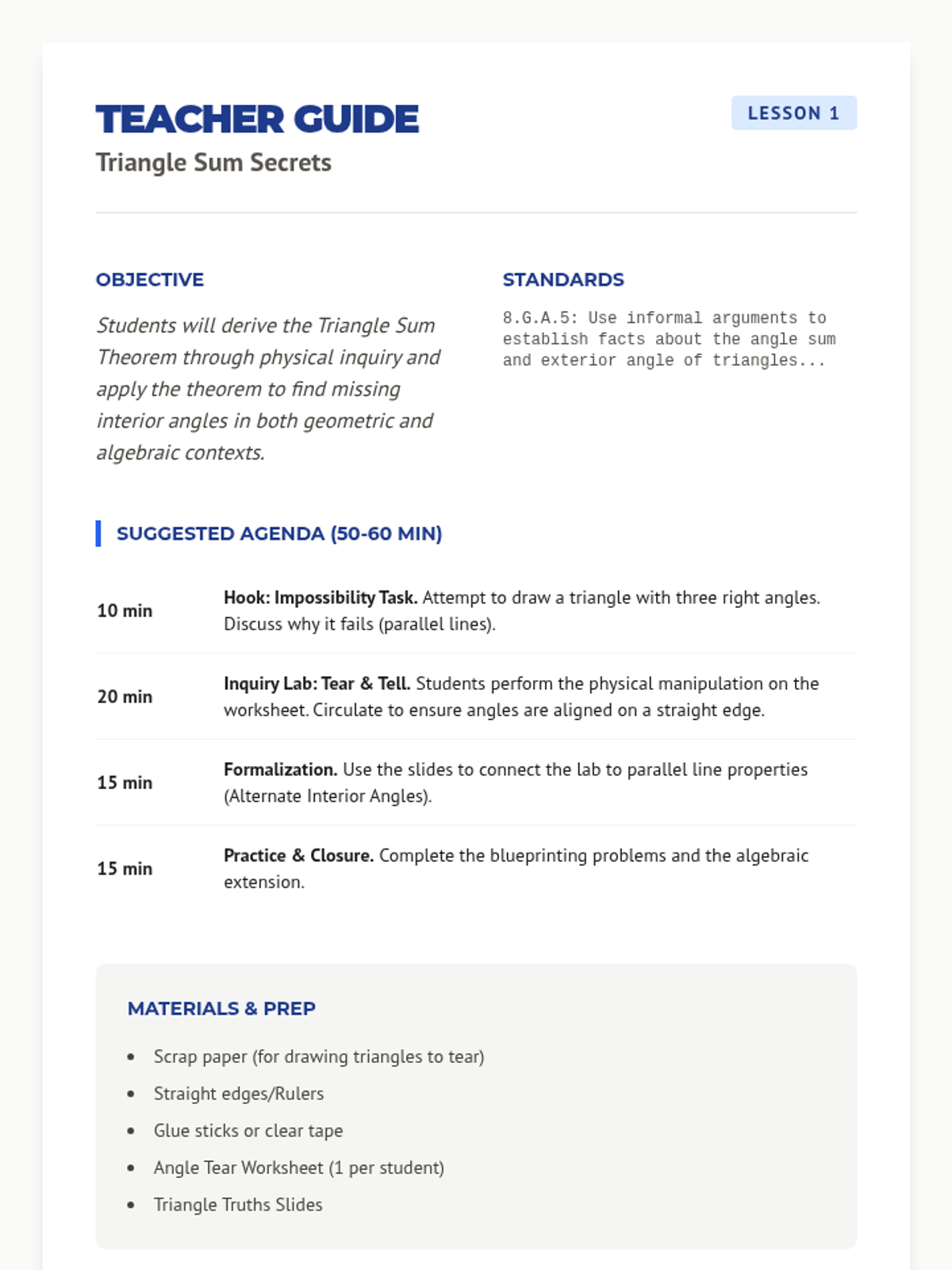
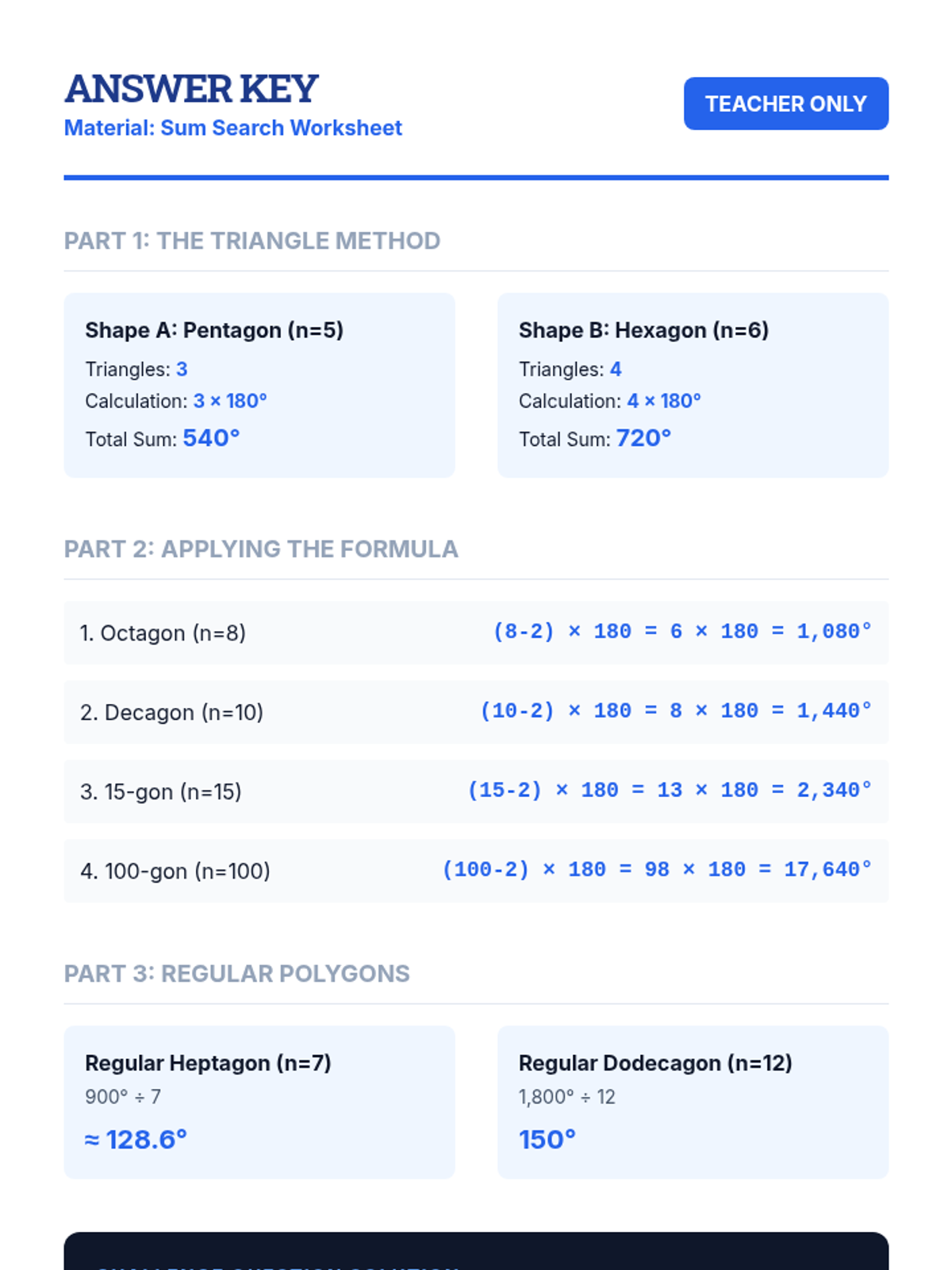
A comprehensive geometry unit for 8th-grade students focused on proving and applying triangle and polygon theorems through inquiry, visualization, and formal logic. Students transition from physical manipulation of shapes to rigorous deductive reasoning, mastering the Triangle Sum Theorem, Exterior Angle Theorem, and polygon interior angle formulas.
This sequence explores the relationship between 2D shapes and 3D solids through hands-on construction, analysis of attributes, and cross-sectional investigations. Students apply their knowledge in a culminating engineering challenge to build stable structures using geometric properties.
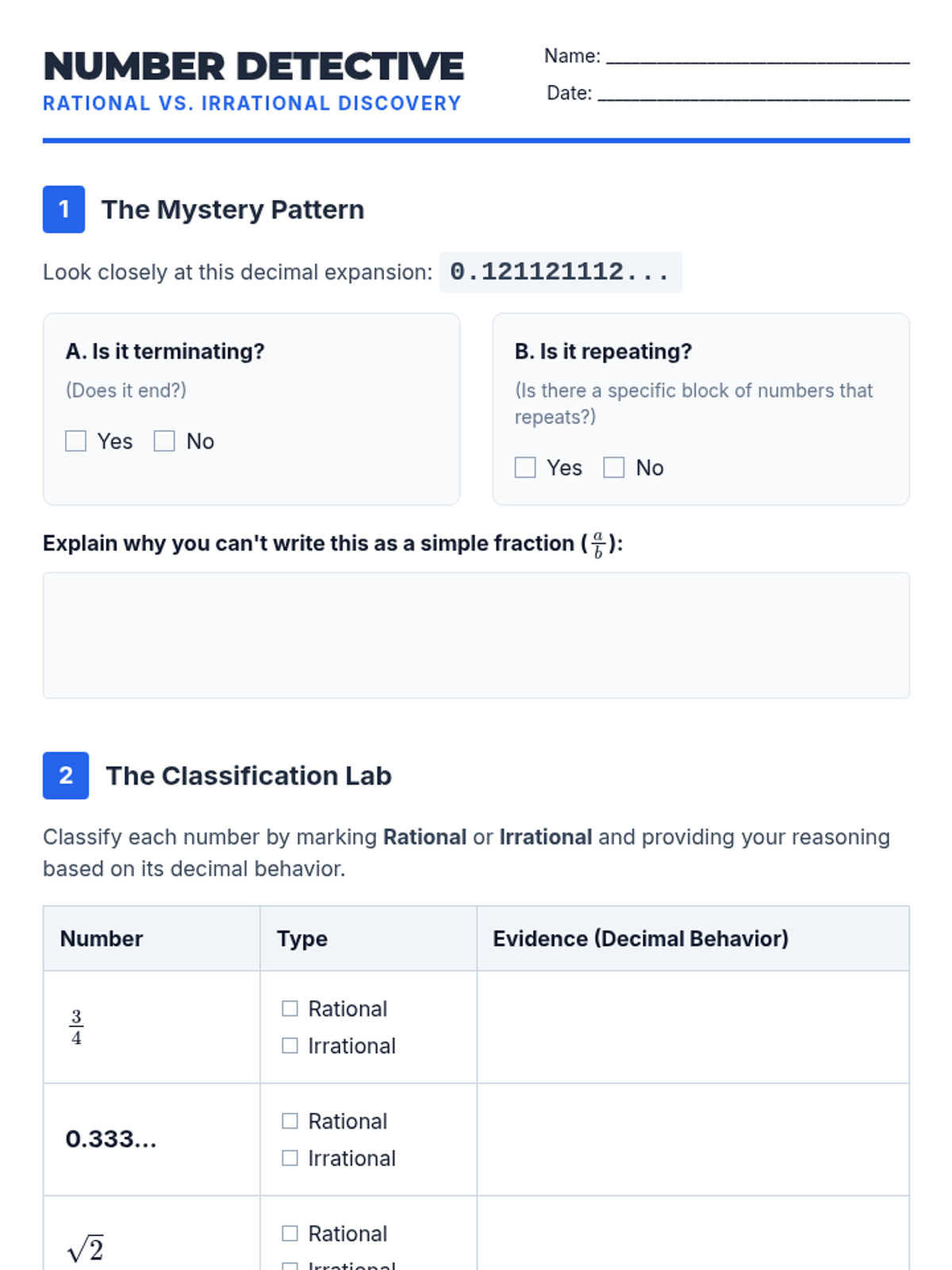
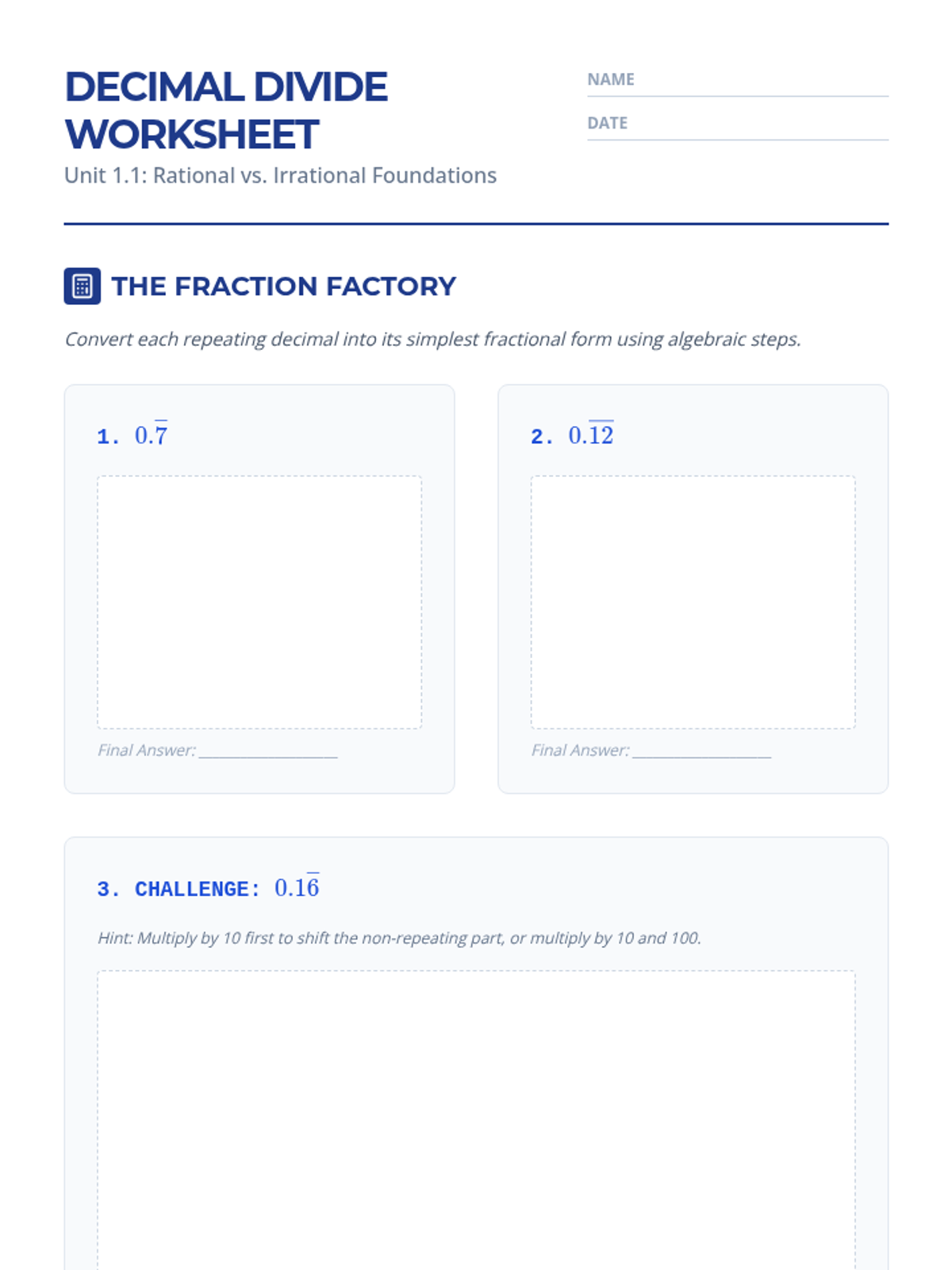
This sequence guides 9th-grade students through the conceptual shift from rational to irrational numbers. Students explore decimal expansions, geometric models of square roots, estimation techniques using perfect square benchmarks, and precision plotting on the real number line, culminating in the comparison and ordering of real numbers in various formats.
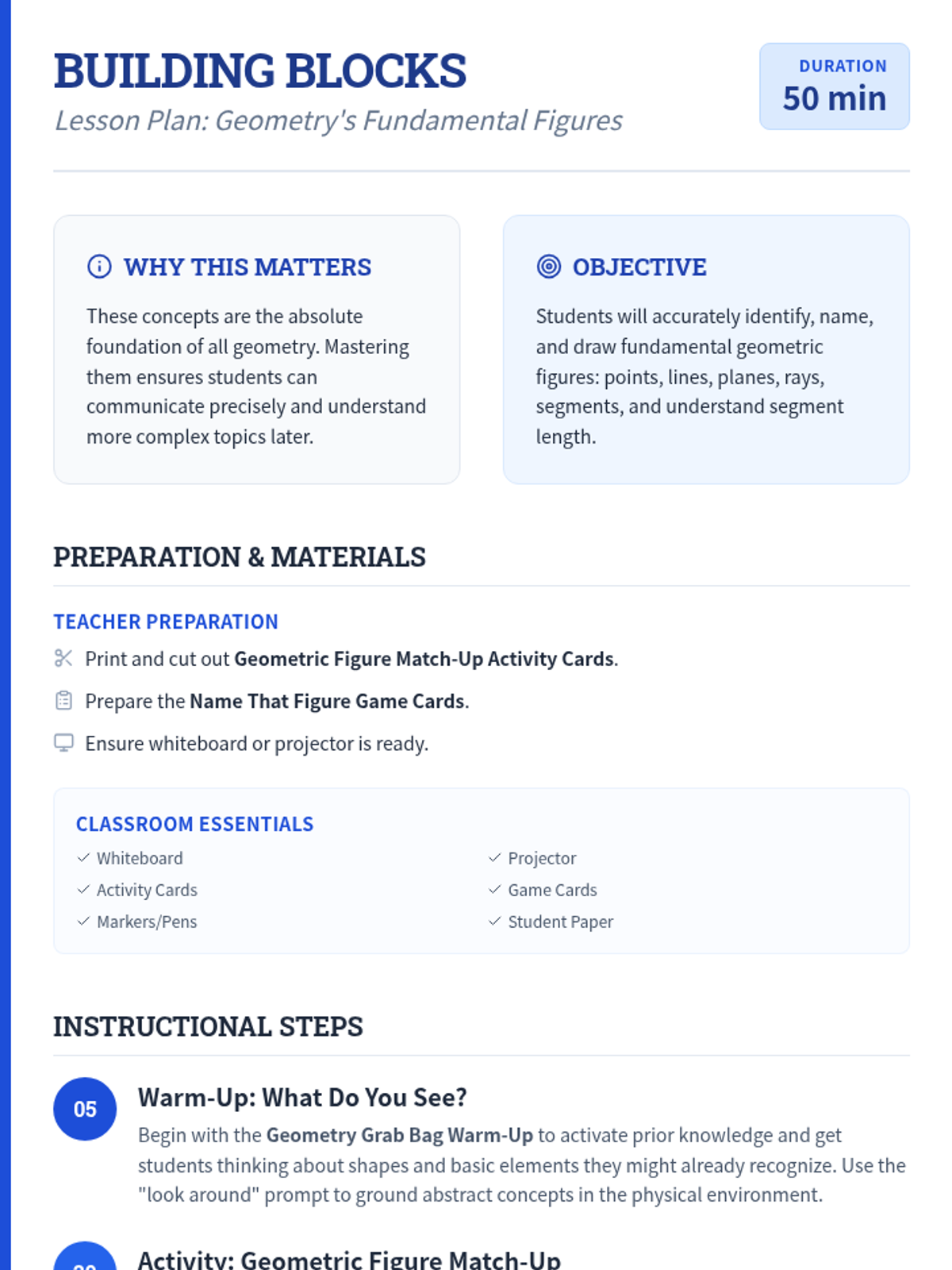
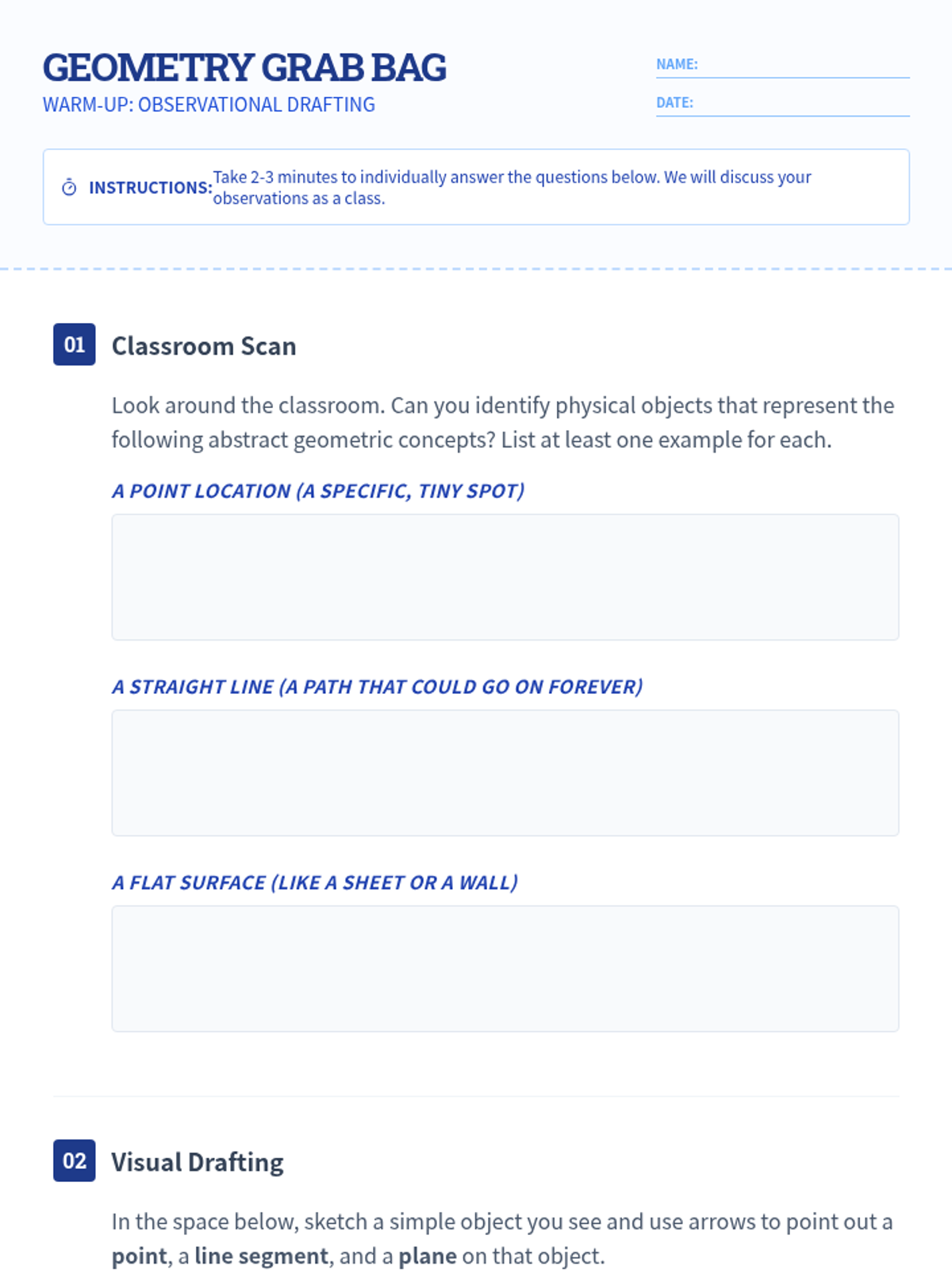
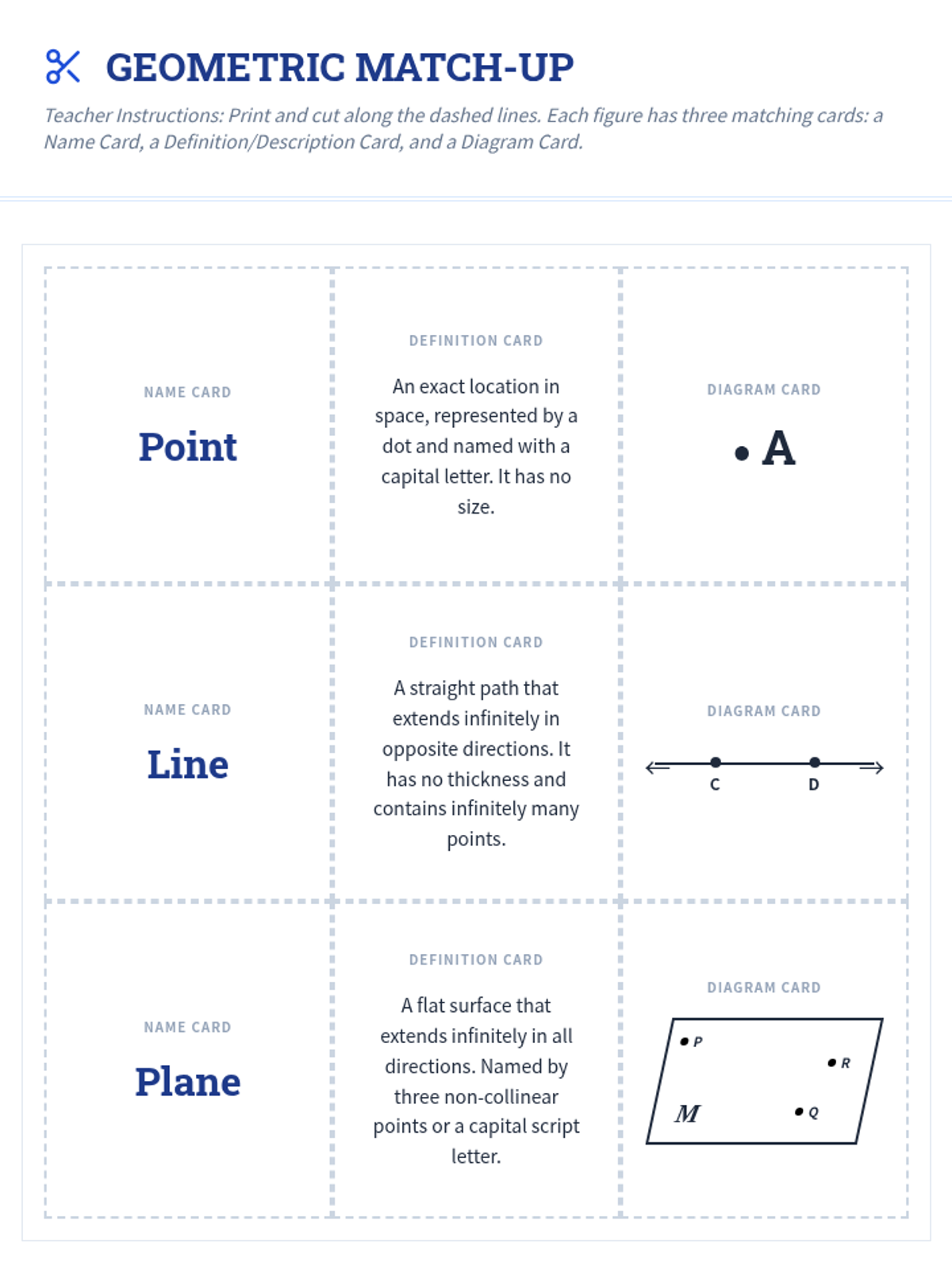
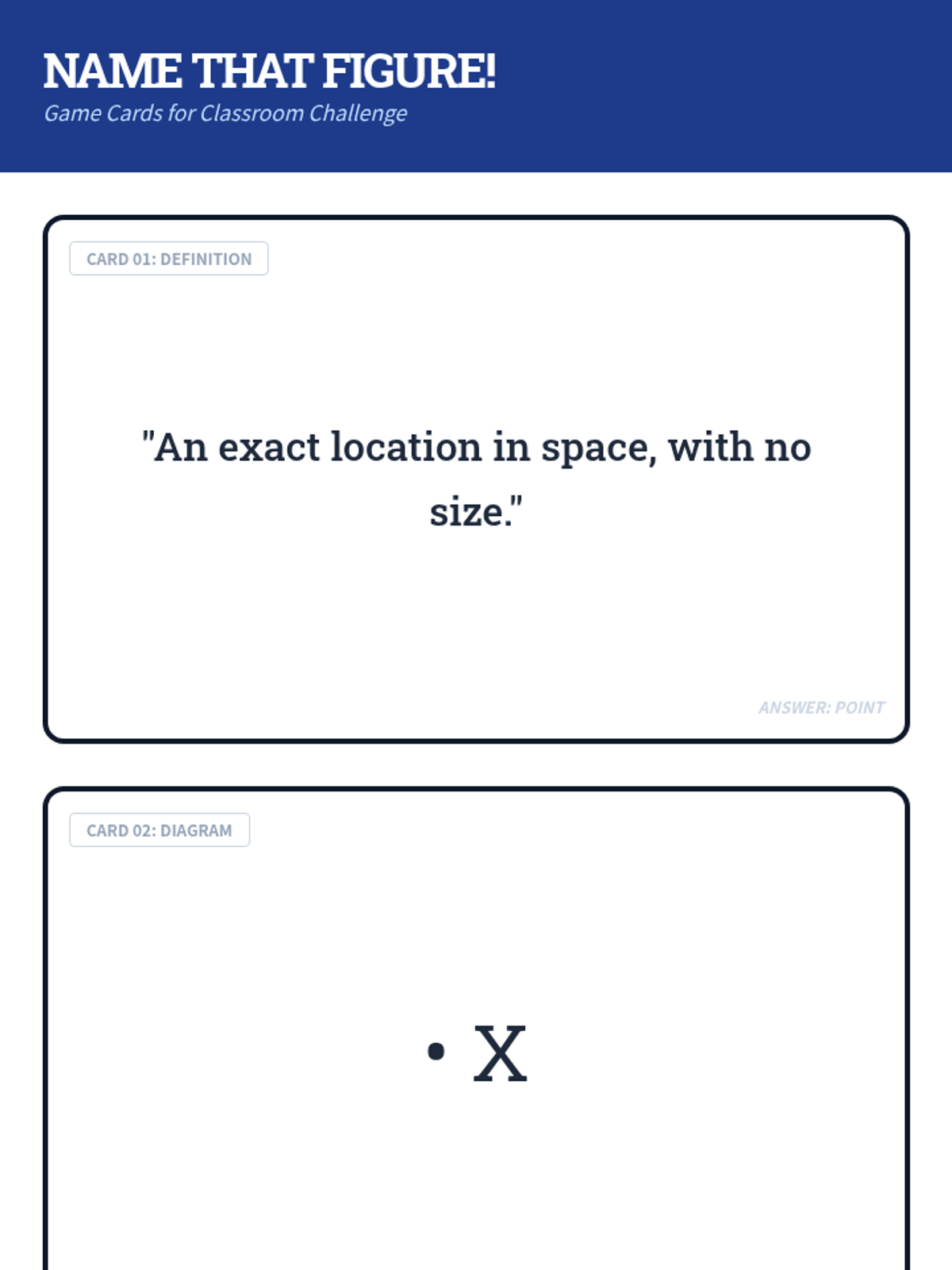
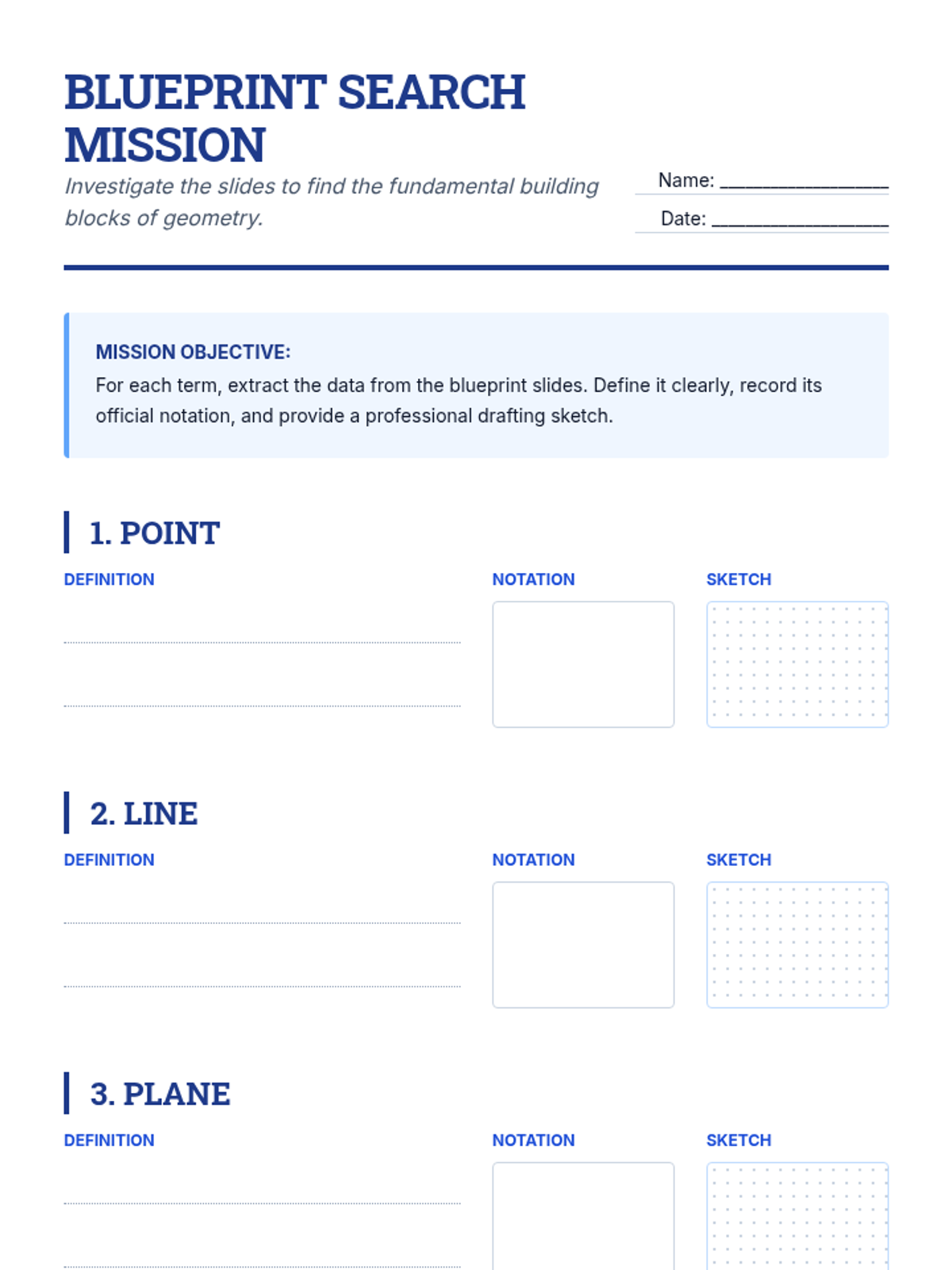
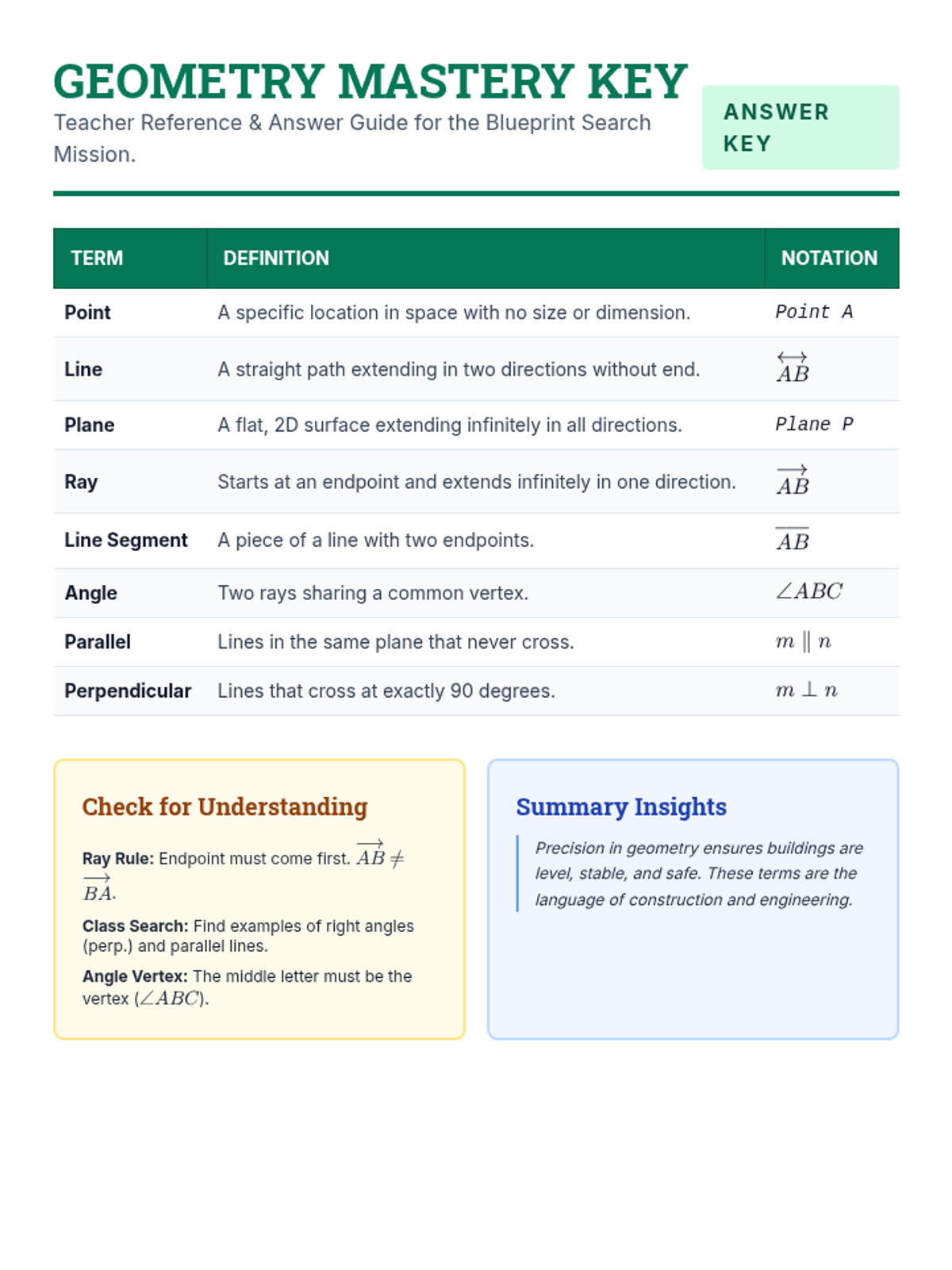
A series of lessons focused on the fundamental elements of geometry, starting with points, lines, and planes and progressing to more complex spatial relationships.
A comprehensive 7-week NYS Math Assessment preparation sequence for 8th grade, covering major clusters including algebra, functions, geometry, and statistics.
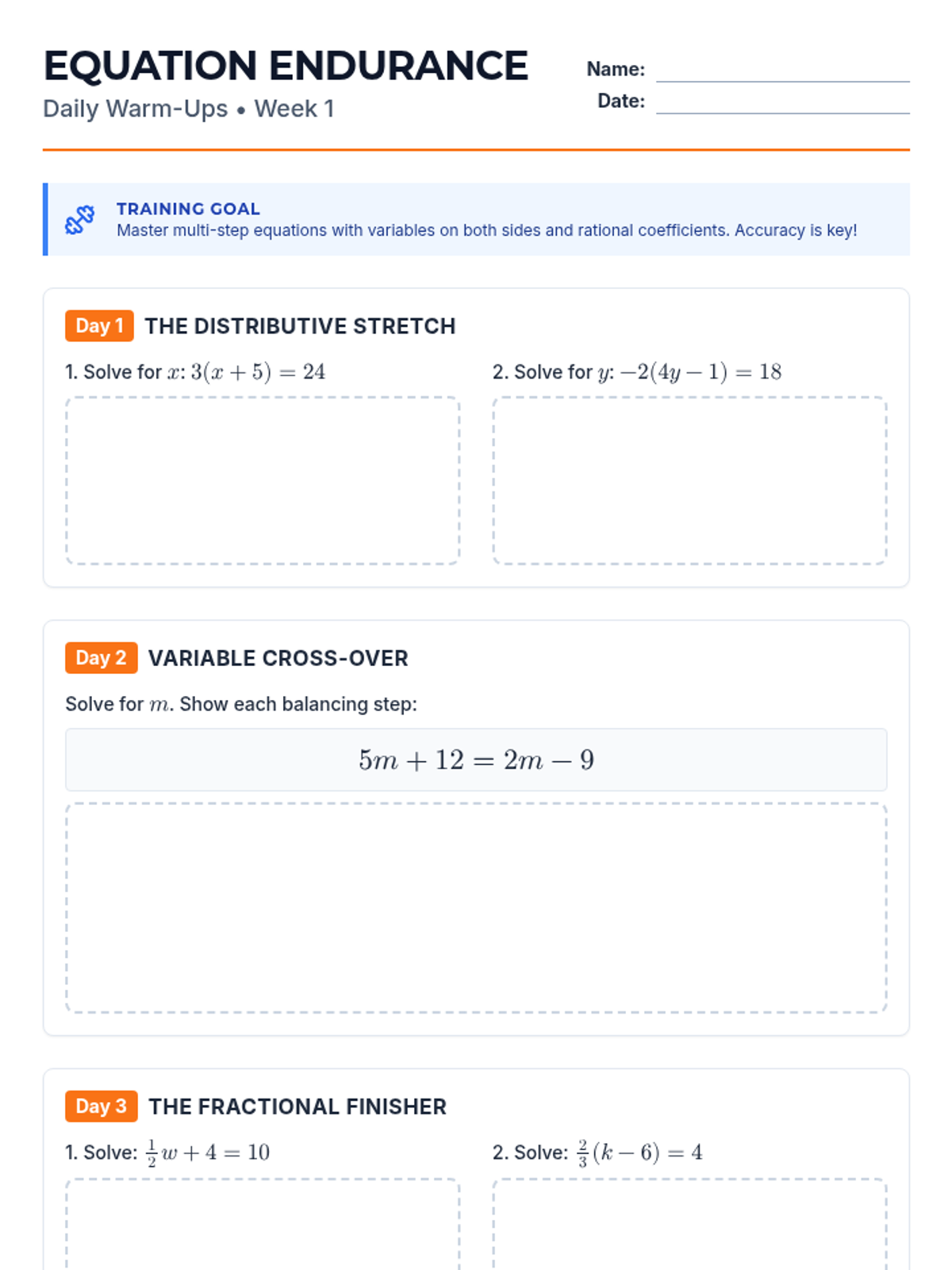
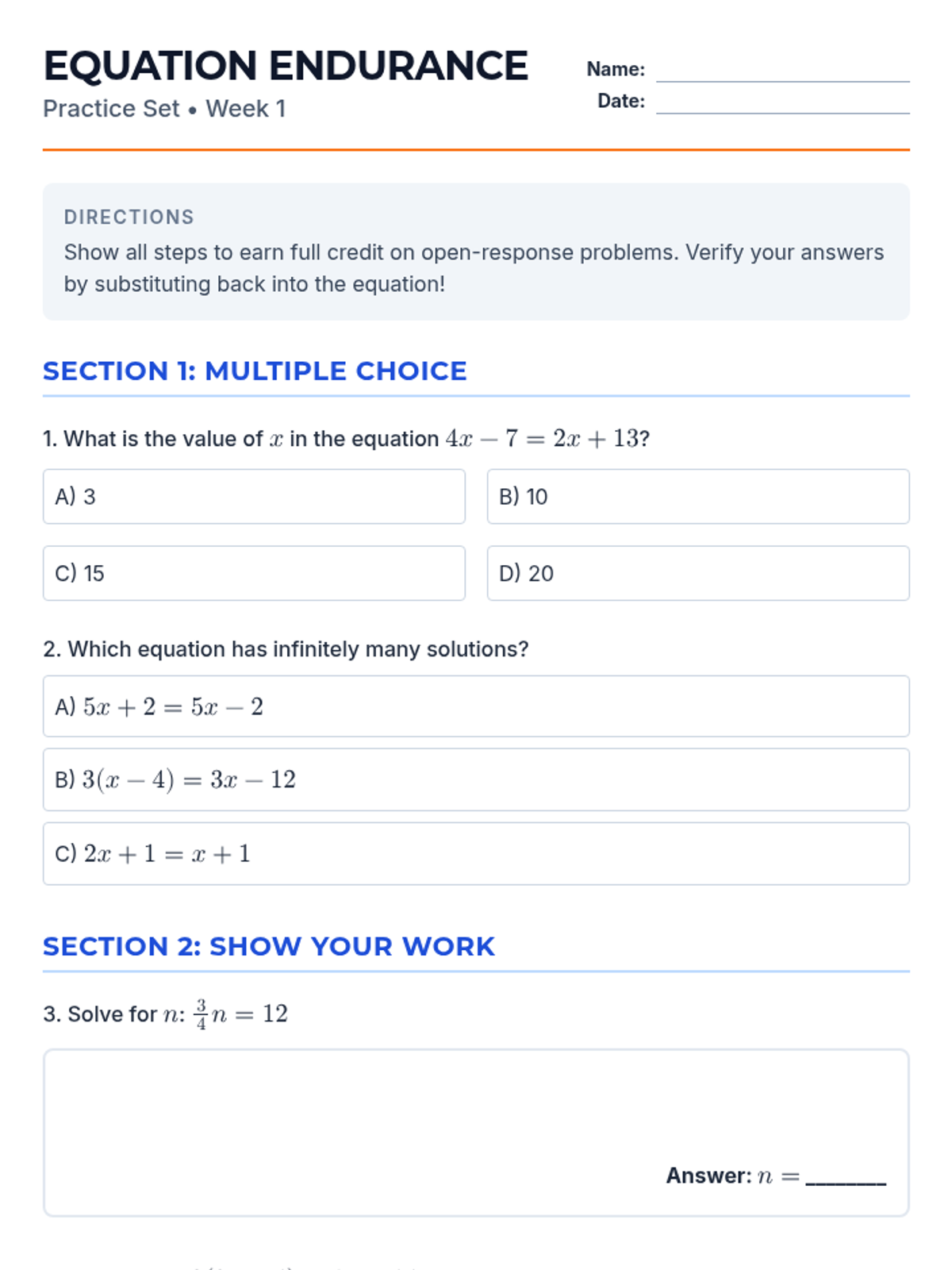
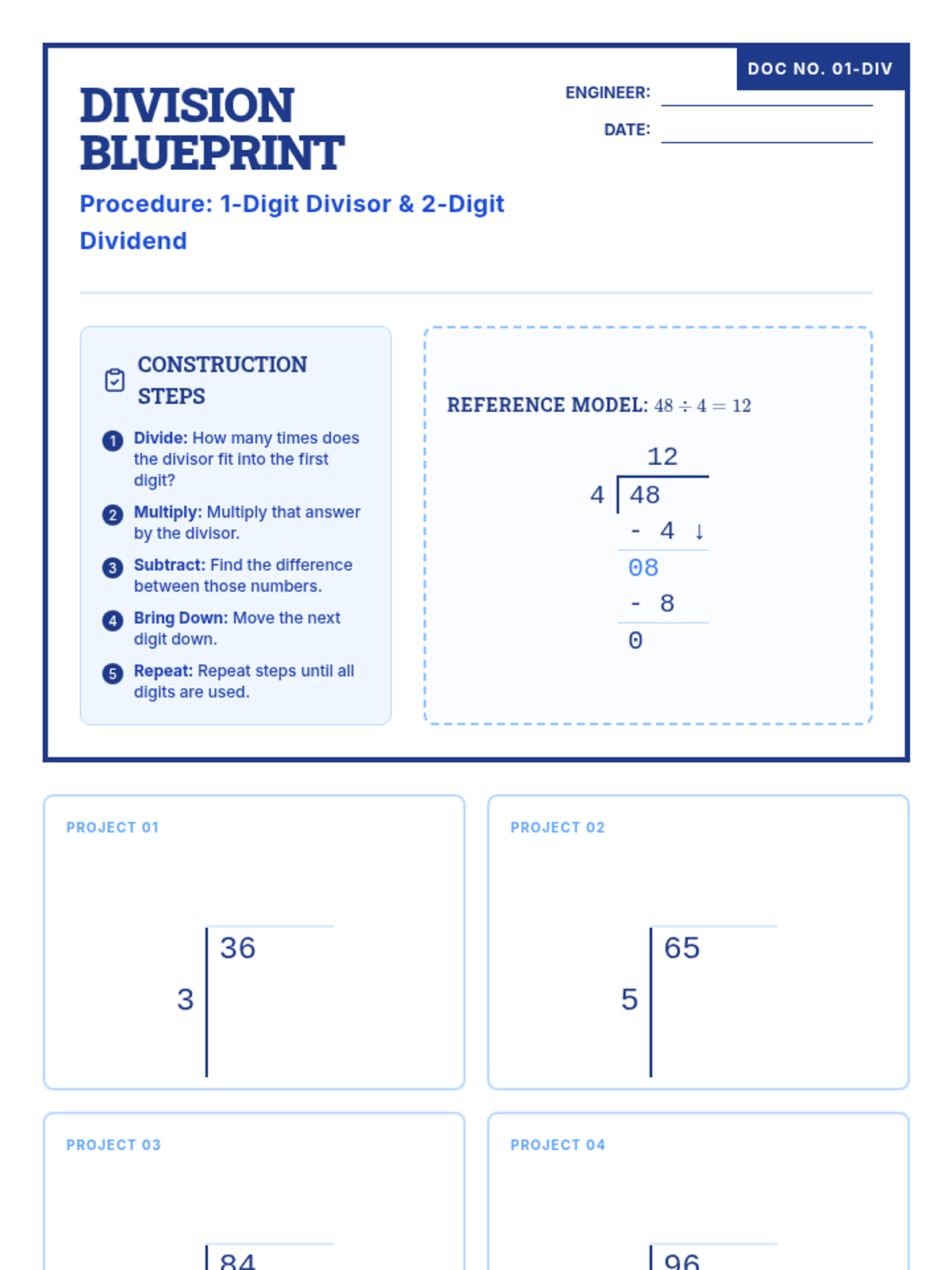
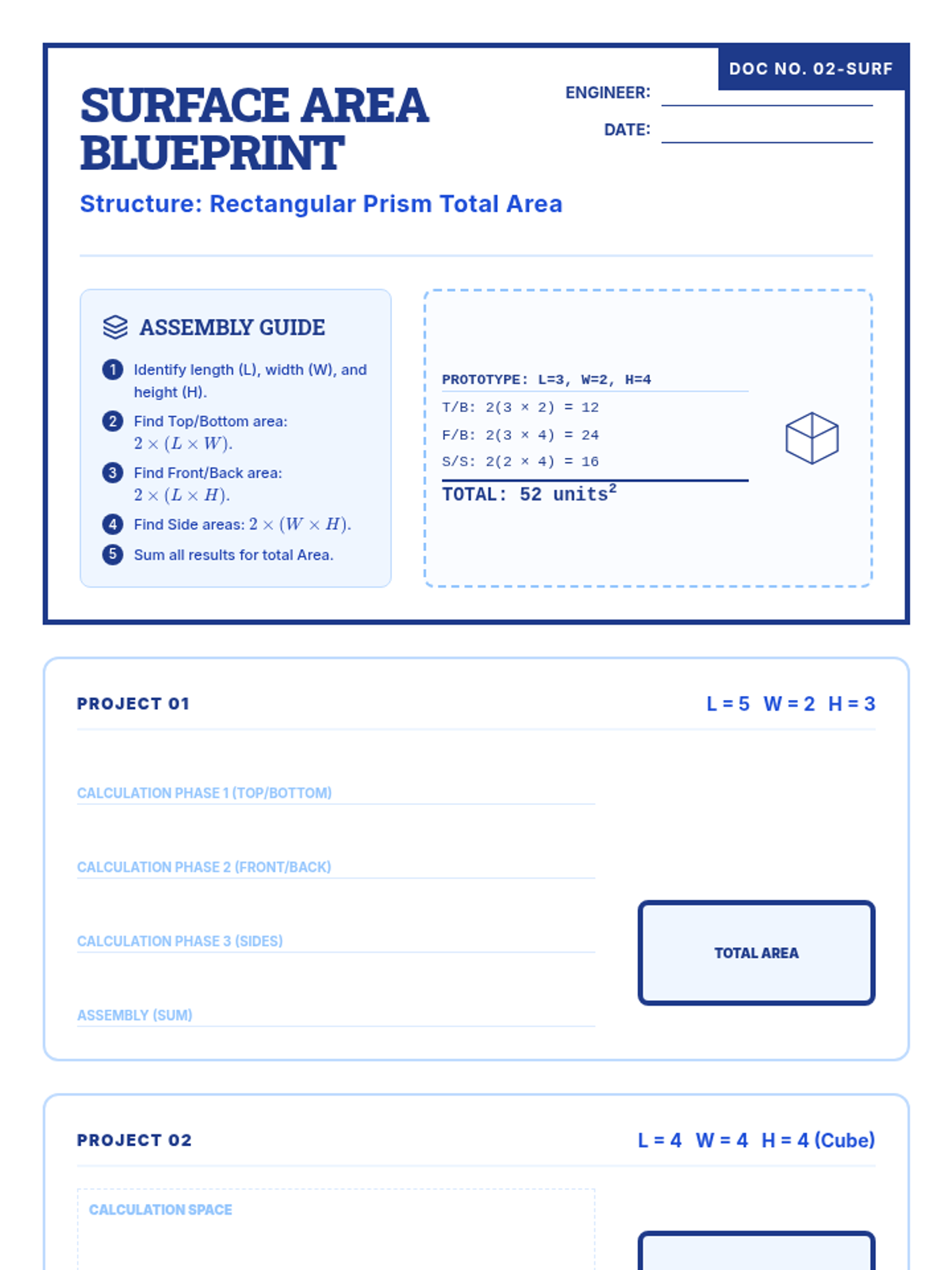
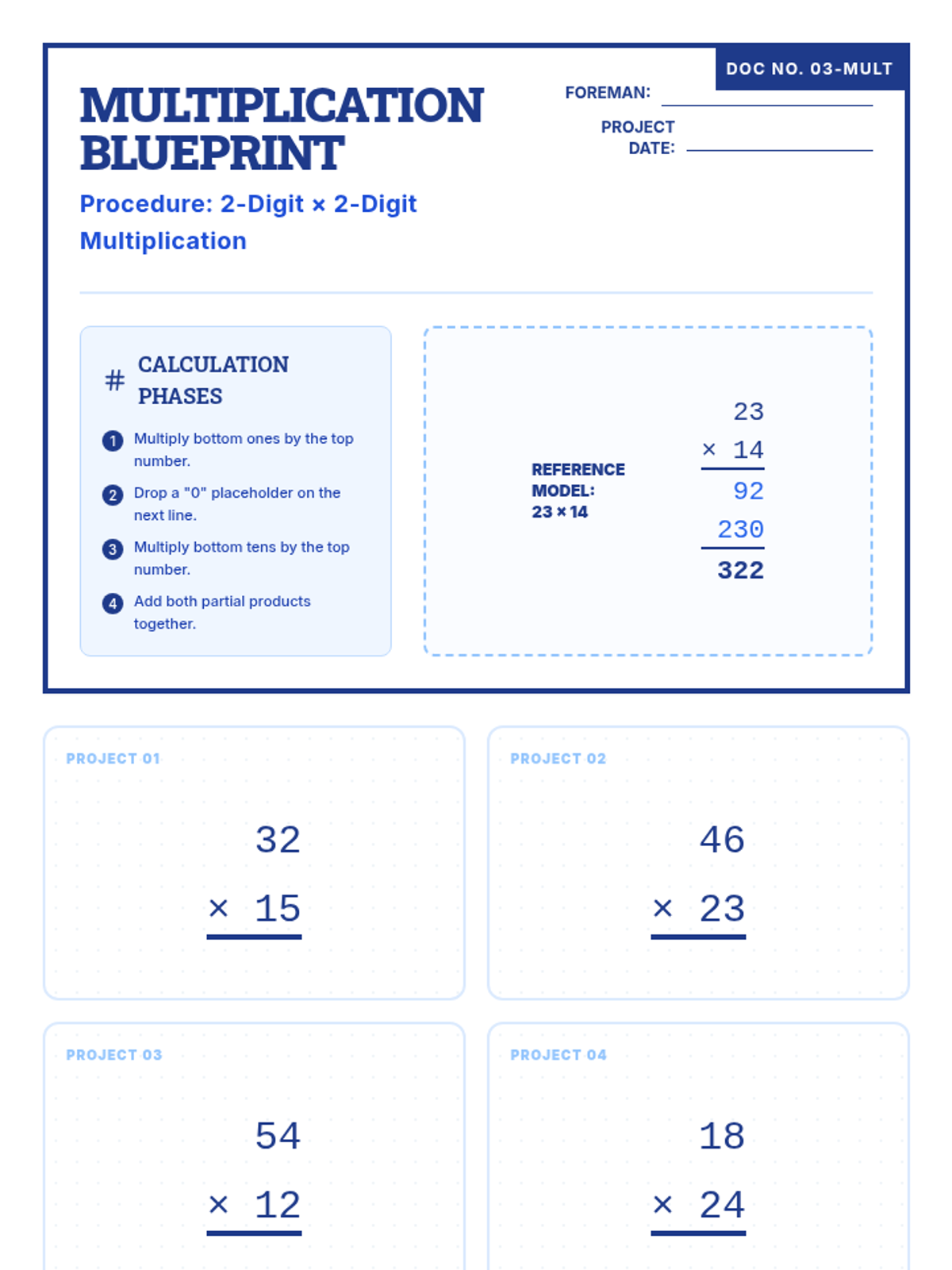
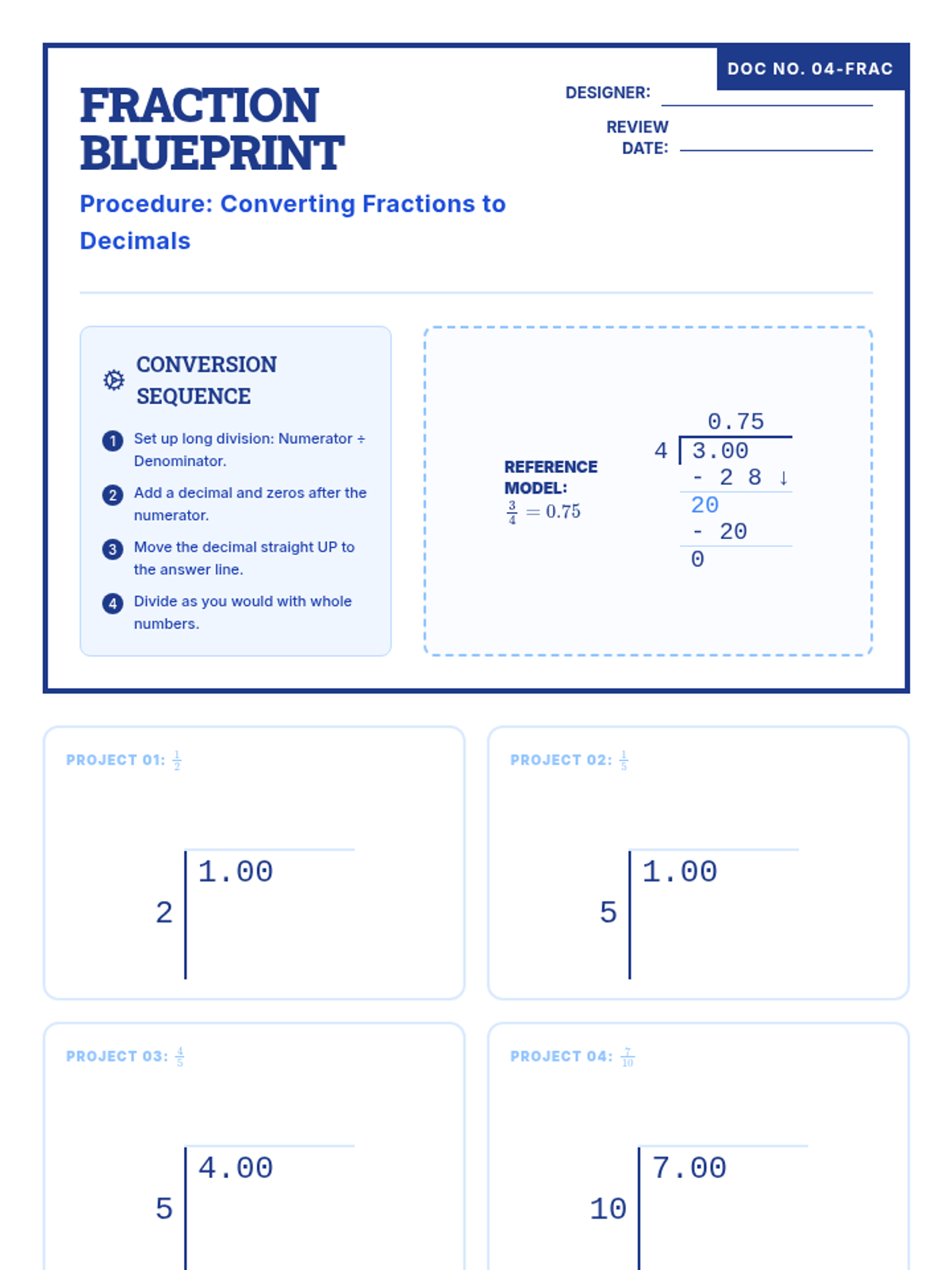
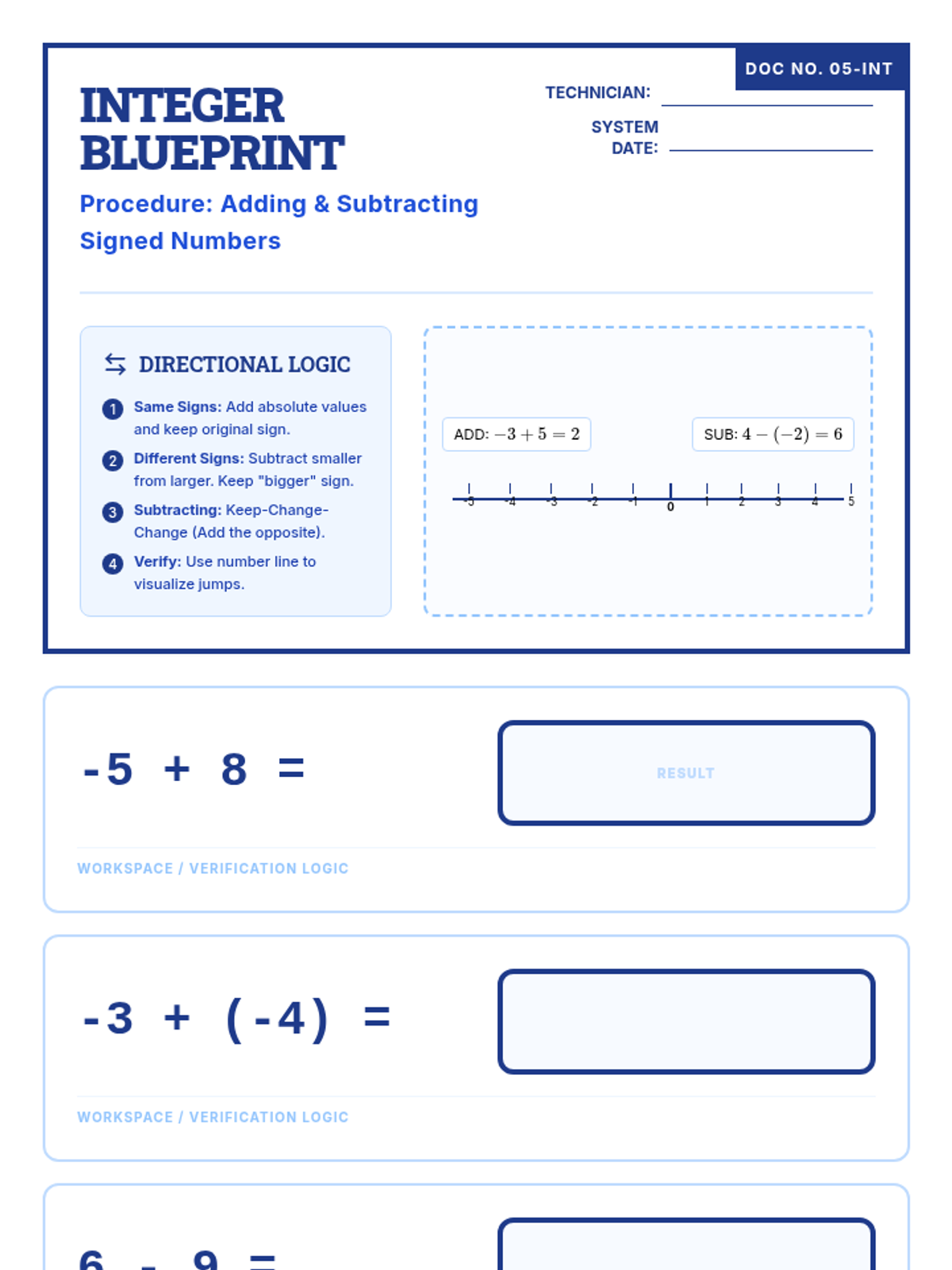
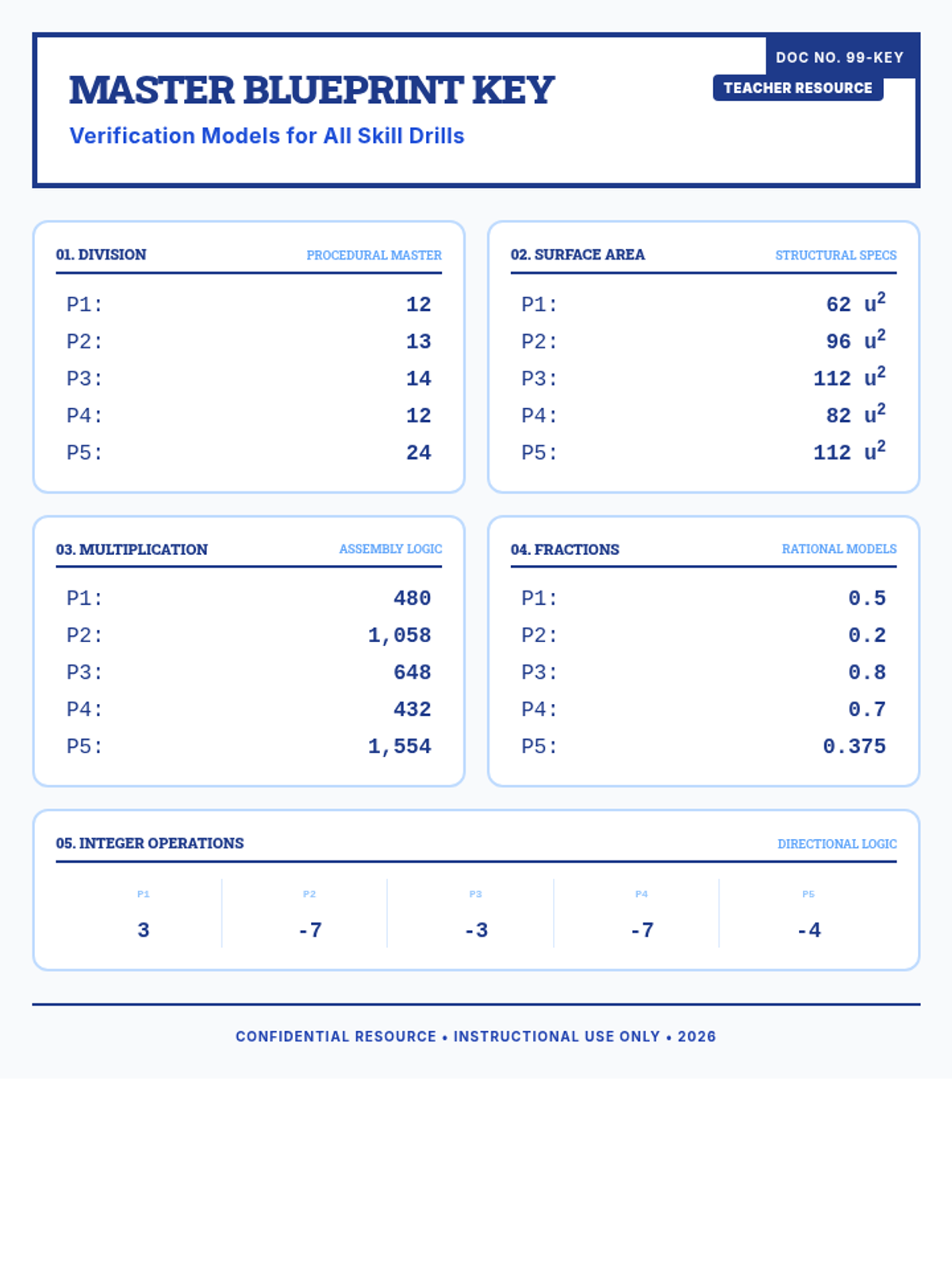
A series of algebra and geometry foundation lessons designed with a technical blueprint aesthetic, focusing on precision, organized computation, and visual clarity in mathematical steps.
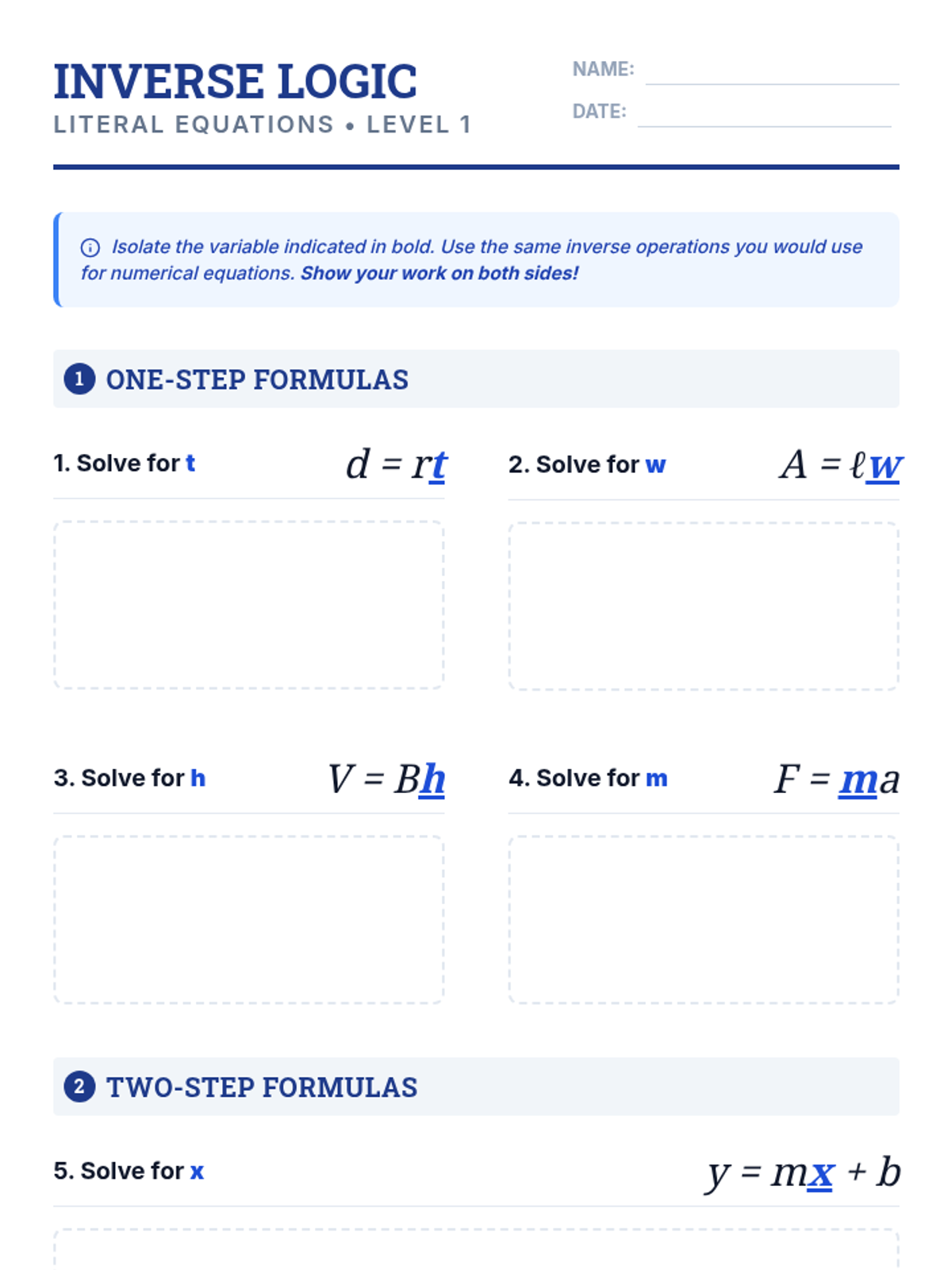
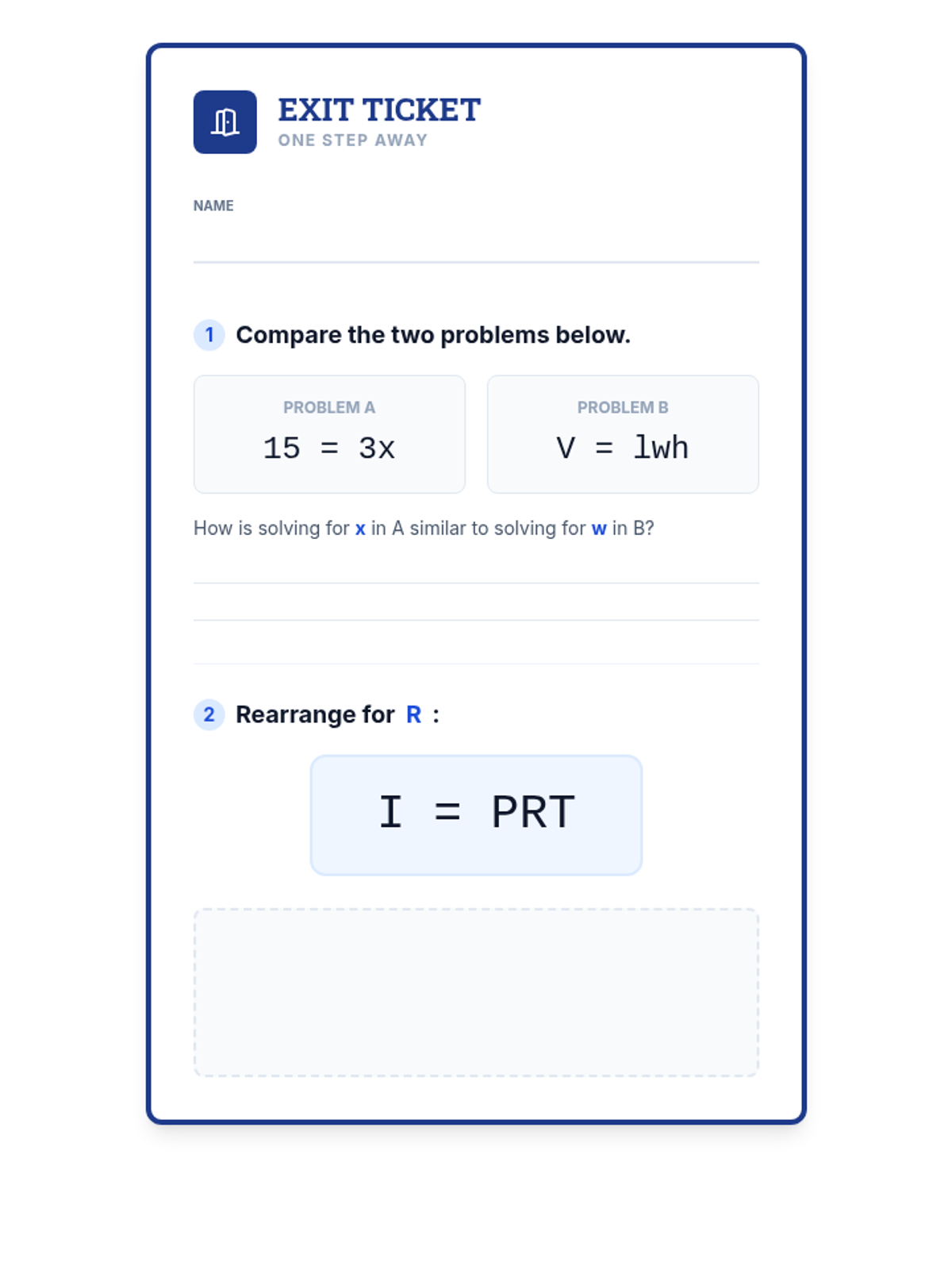
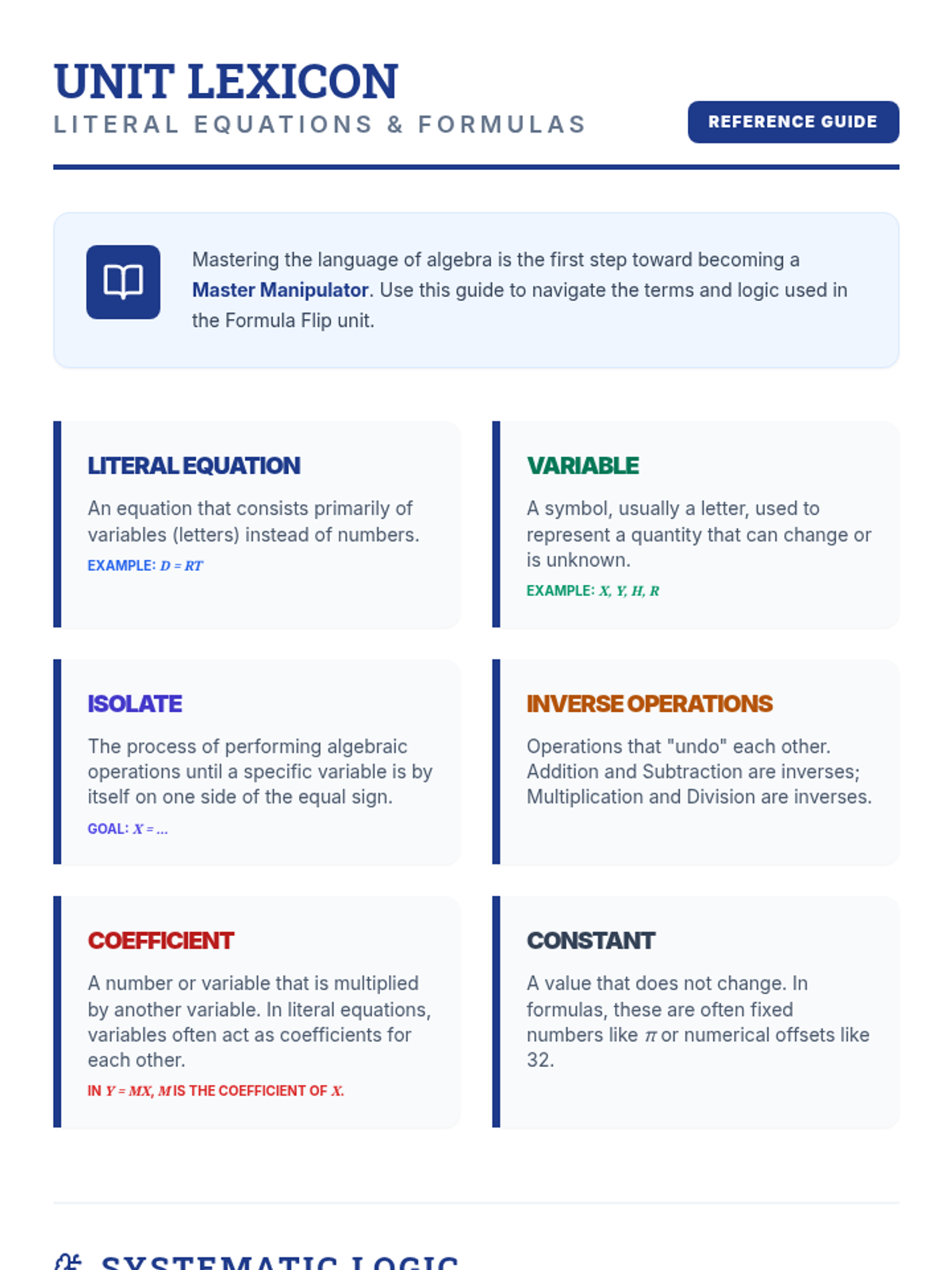
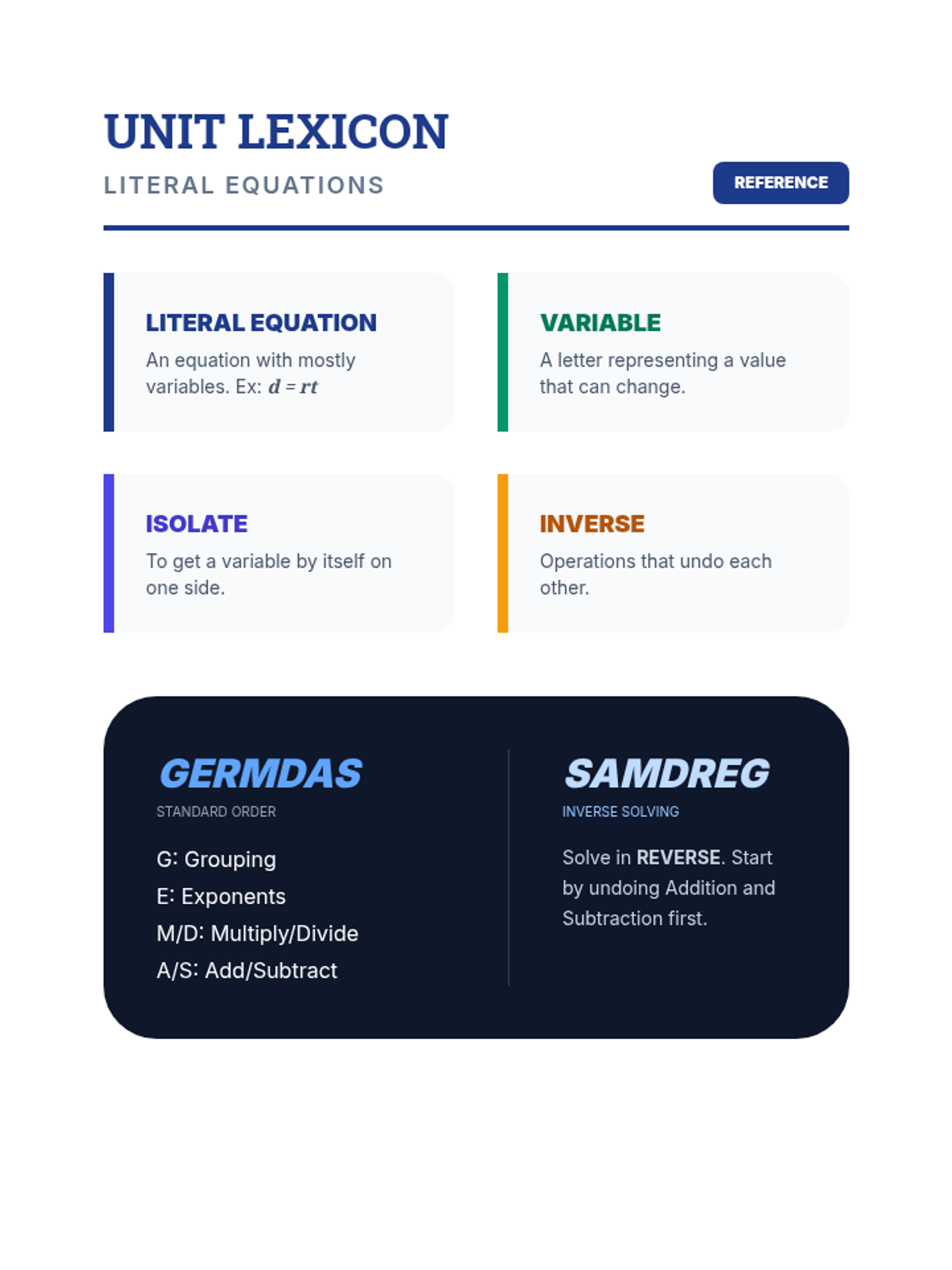
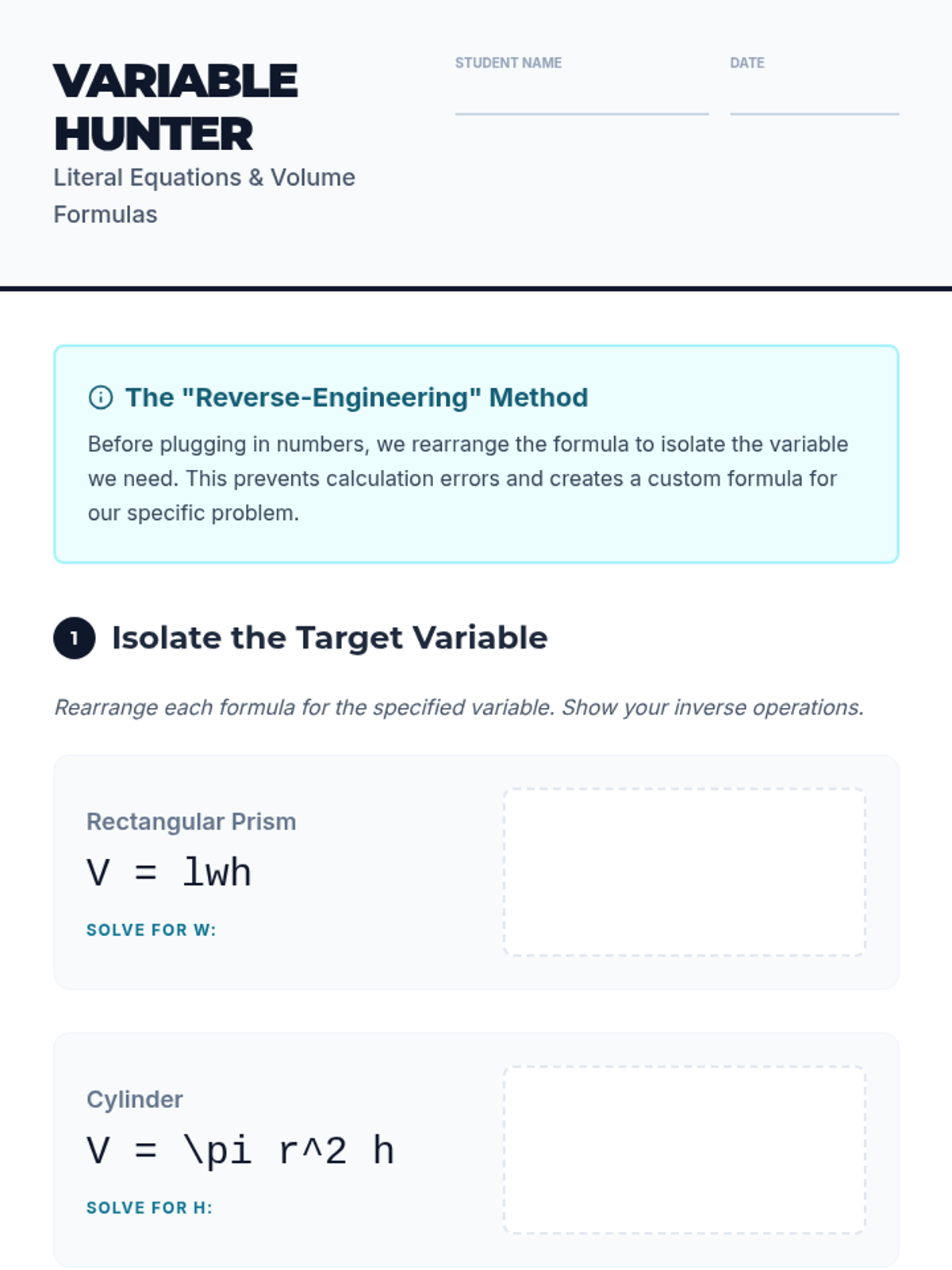
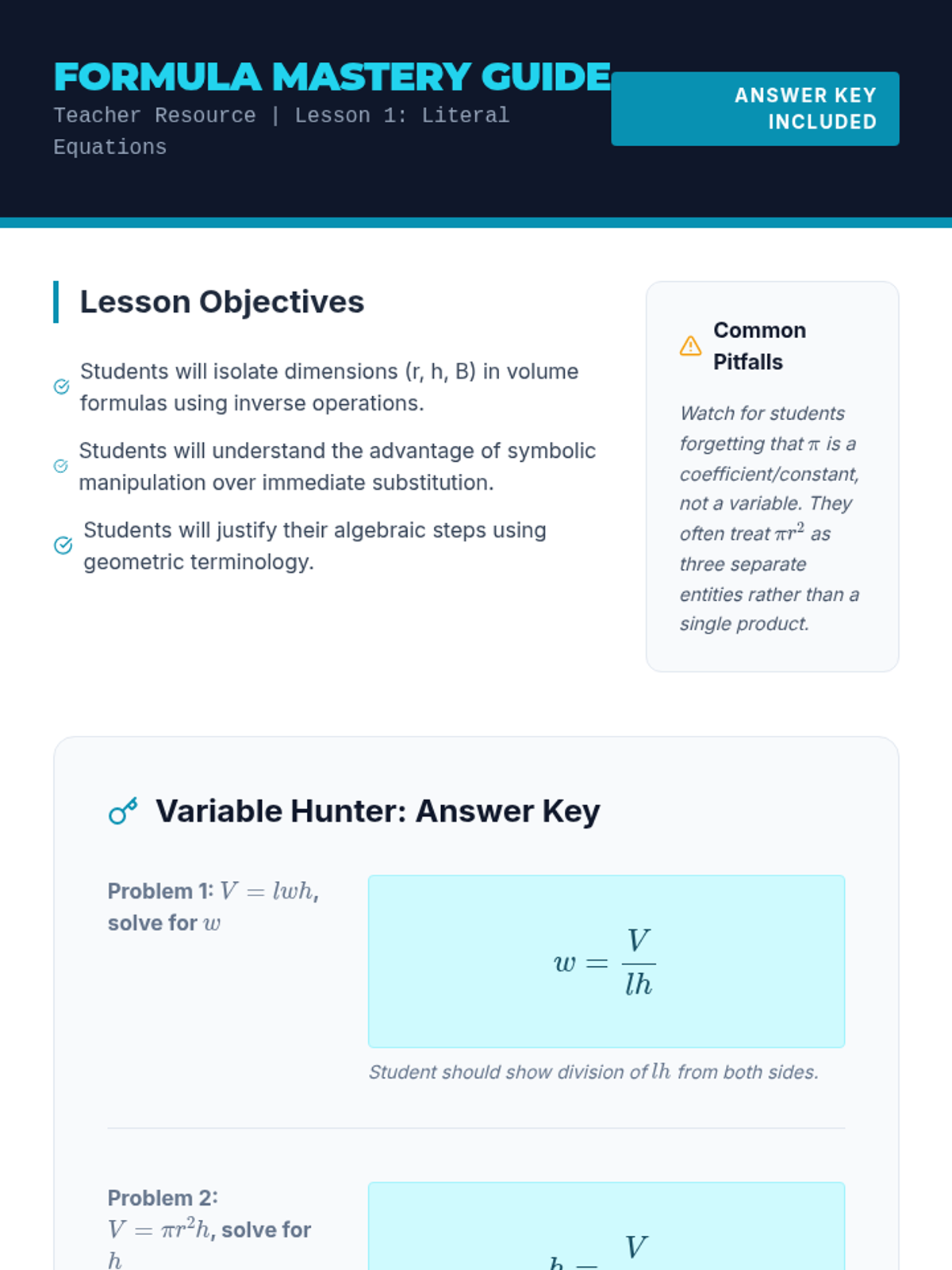
A comprehensive unit on literal equations and formula manipulation, focusing on using inverse operations to rearrange variables in geometry and physics contexts.
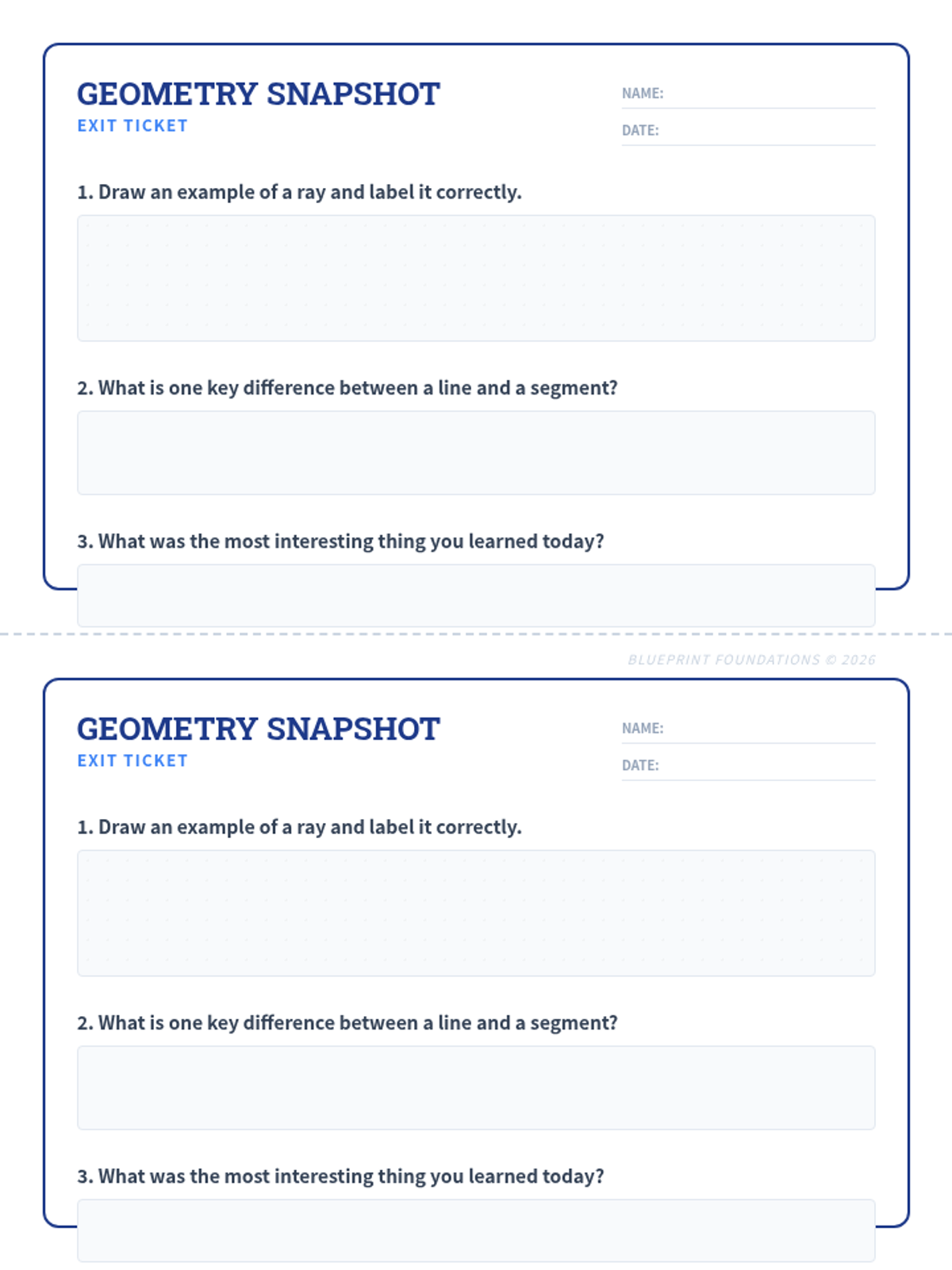
A comprehensive unit on foundational geometry concepts, focusing on visualization, notation, and the vocabulary used to describe the spatial world.
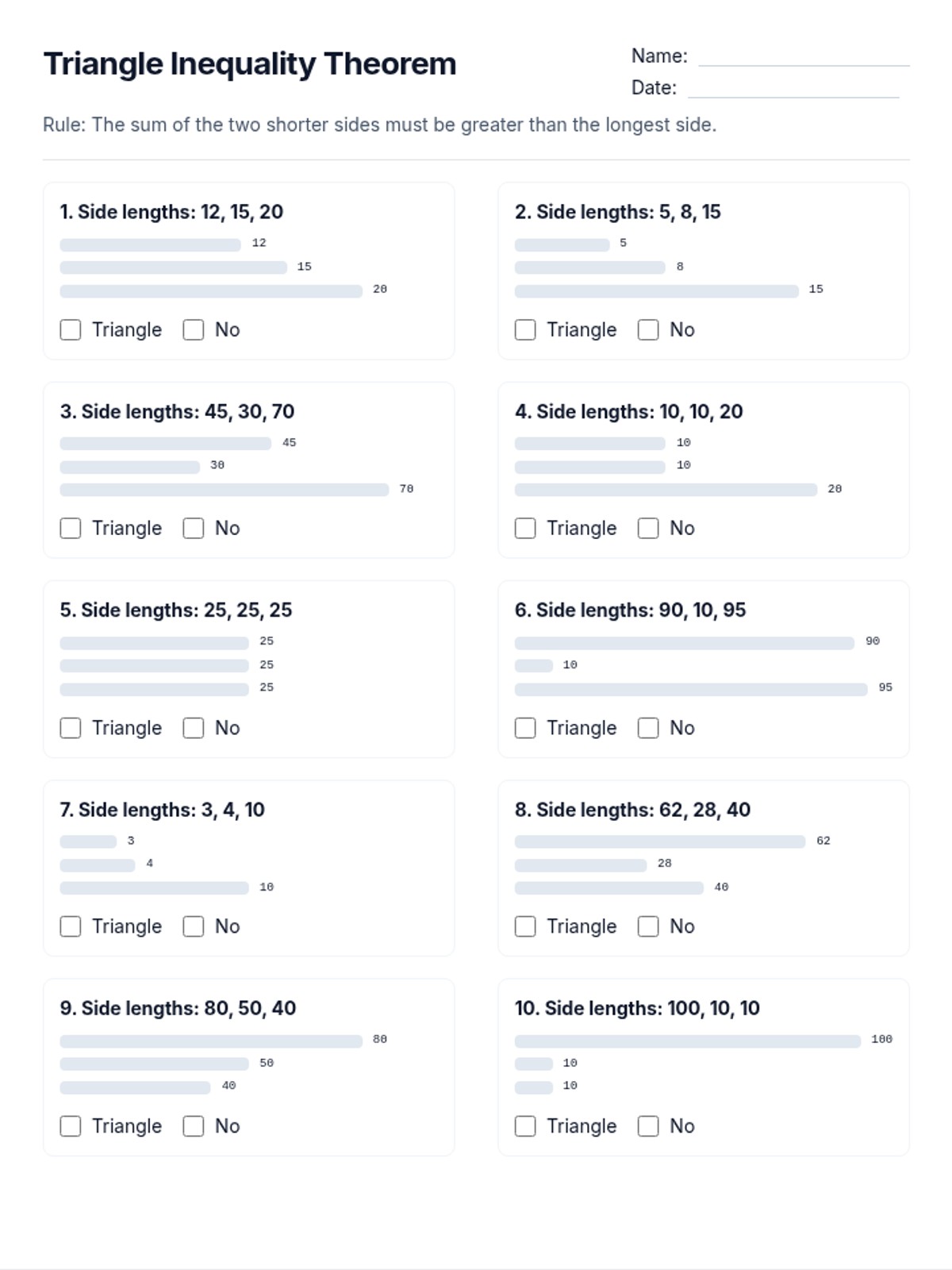
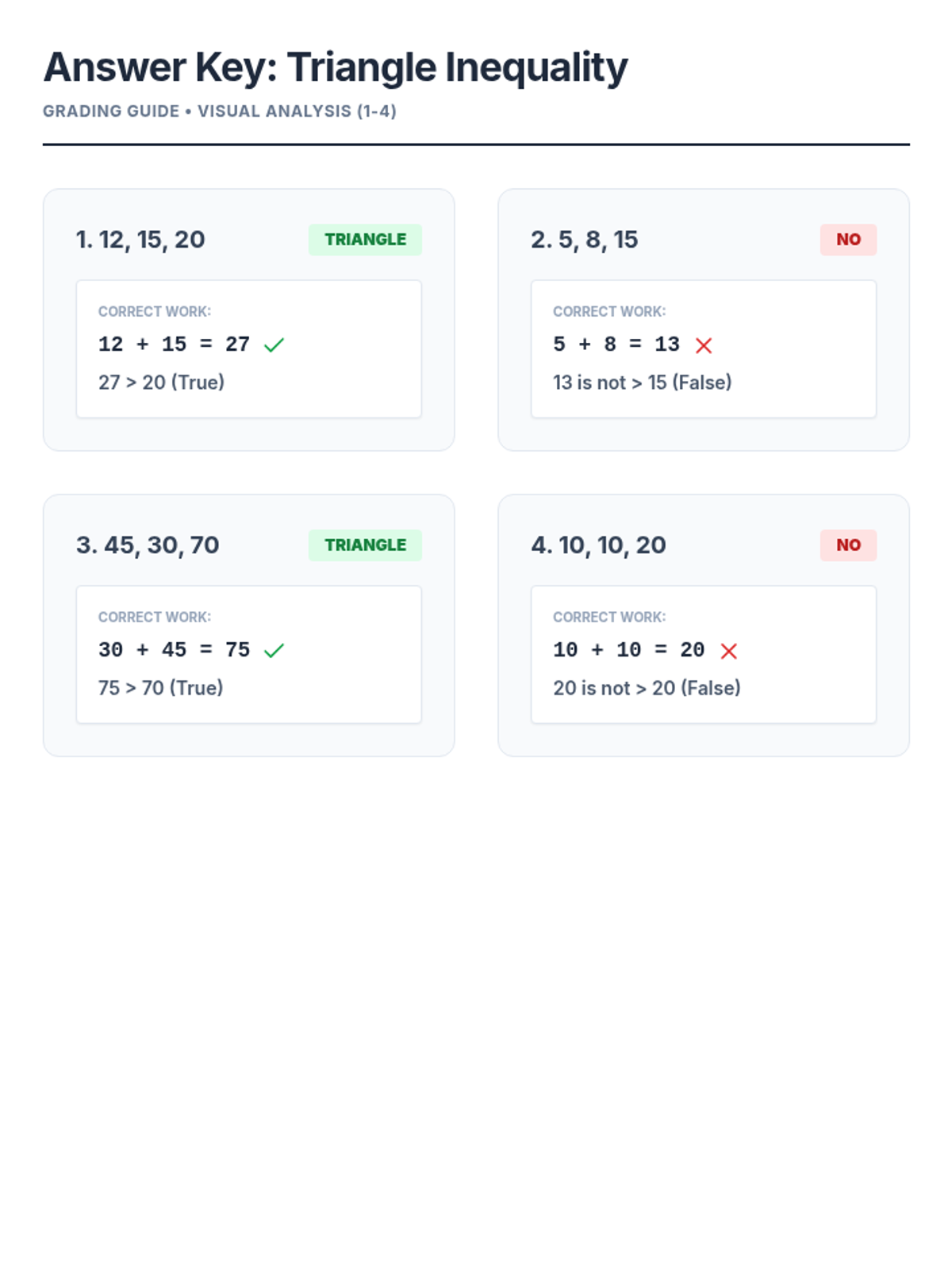
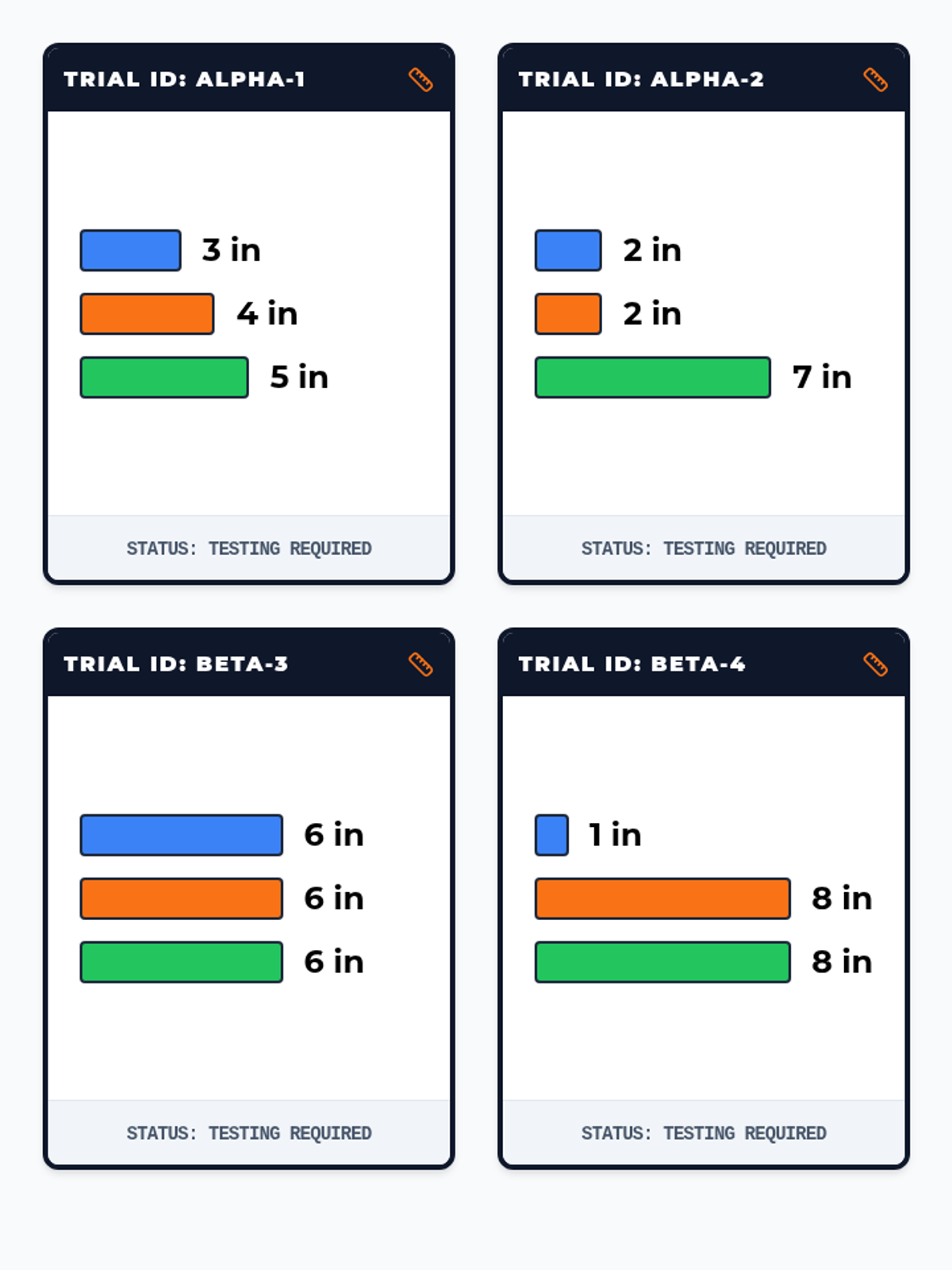
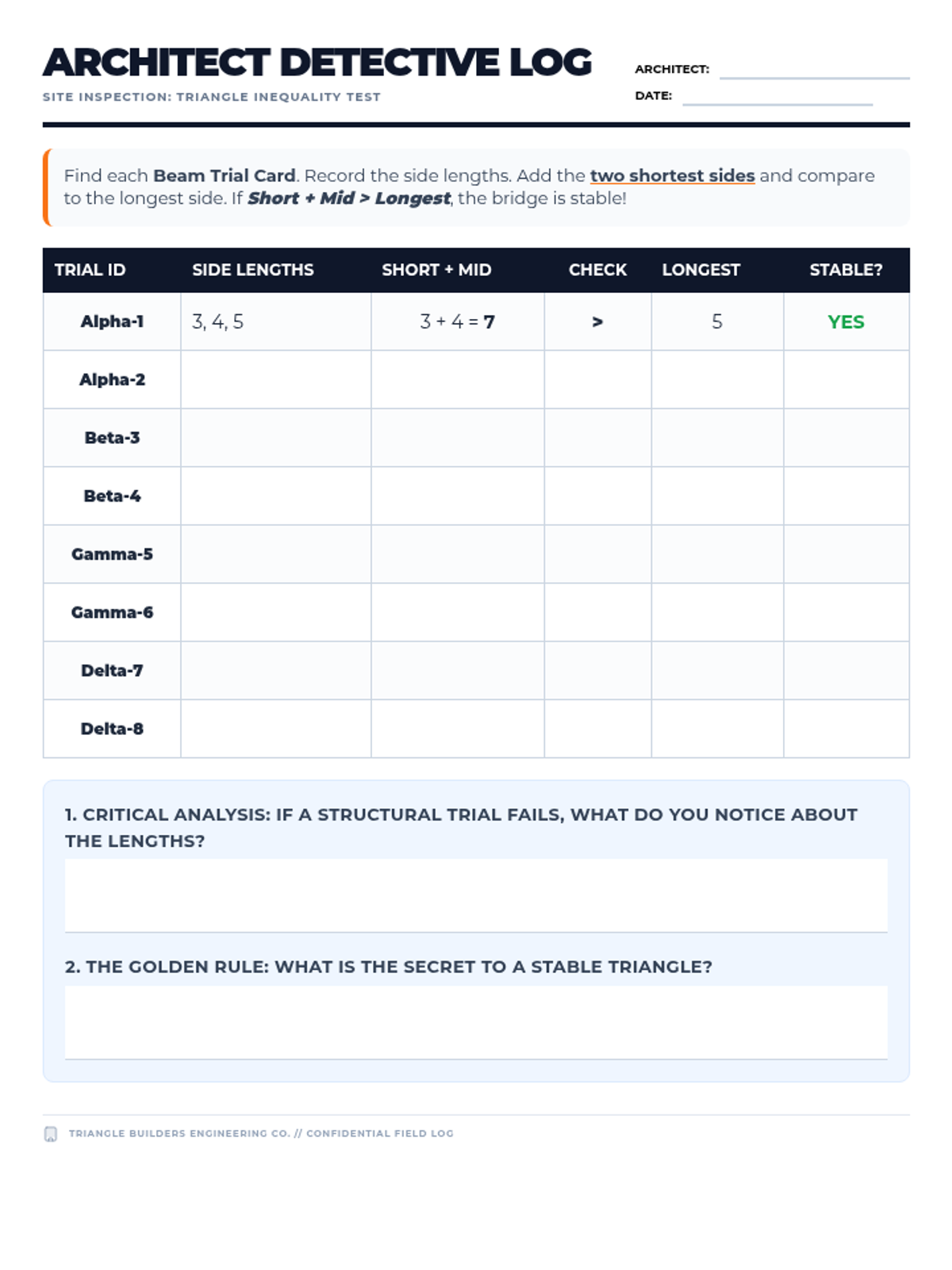
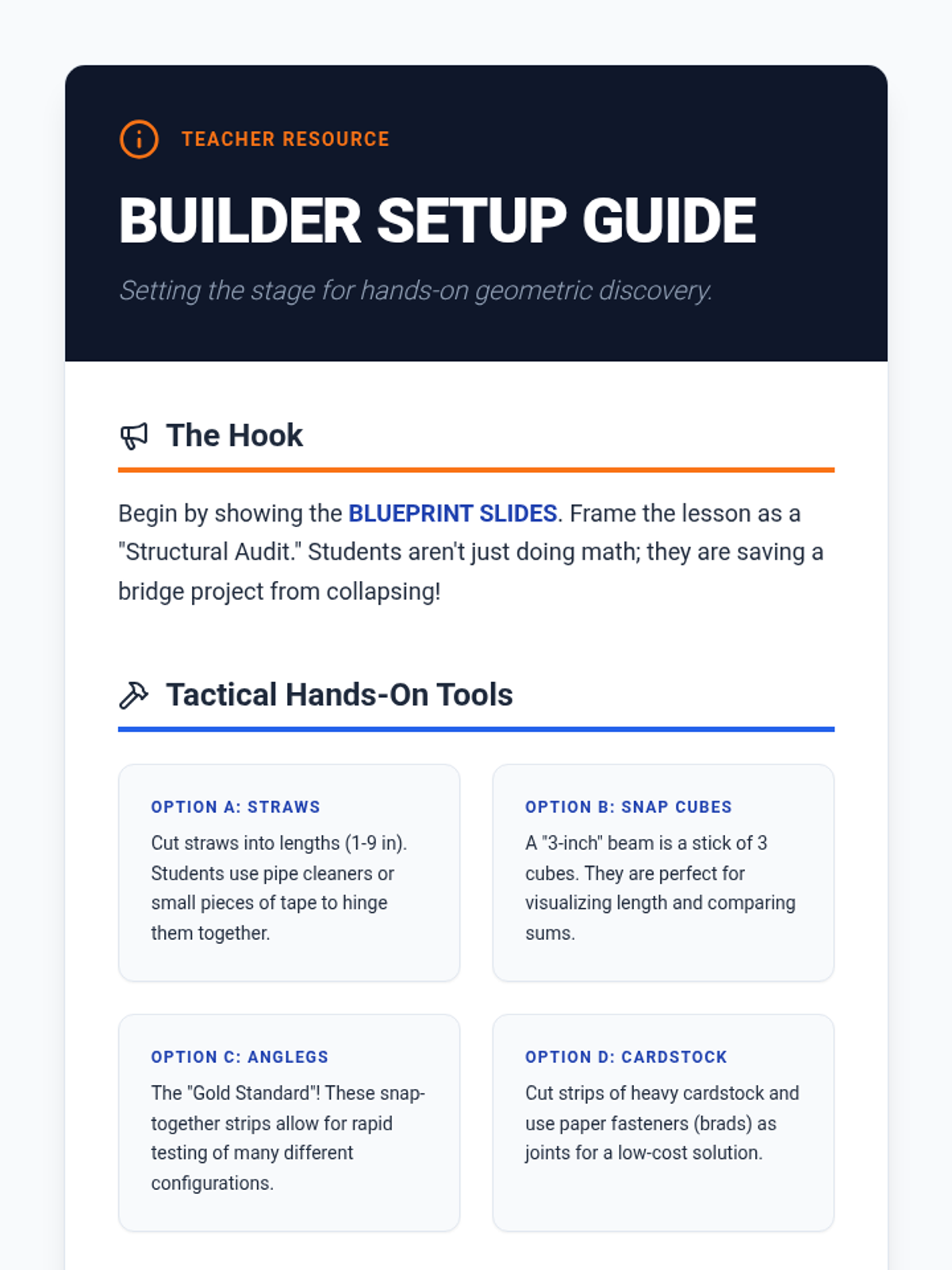
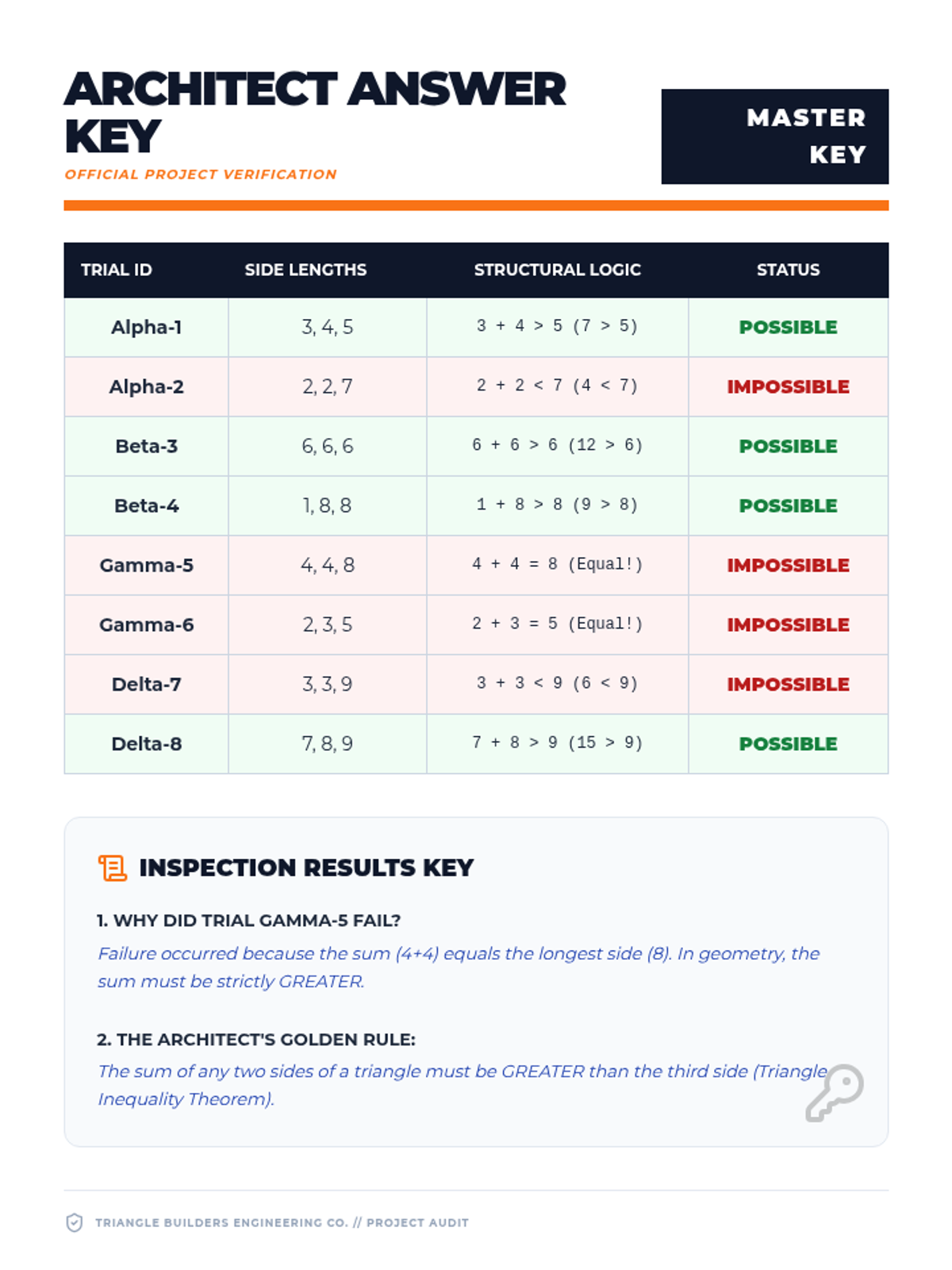
A unit on the properties of triangles, specifically focusing on the Triangle Inequality Theorem and how side lengths determine the possibility of forming a triangle.
A series of lessons focused on fundamental geometric properties and spatial reasoning through hands-on construction and architectural themes.
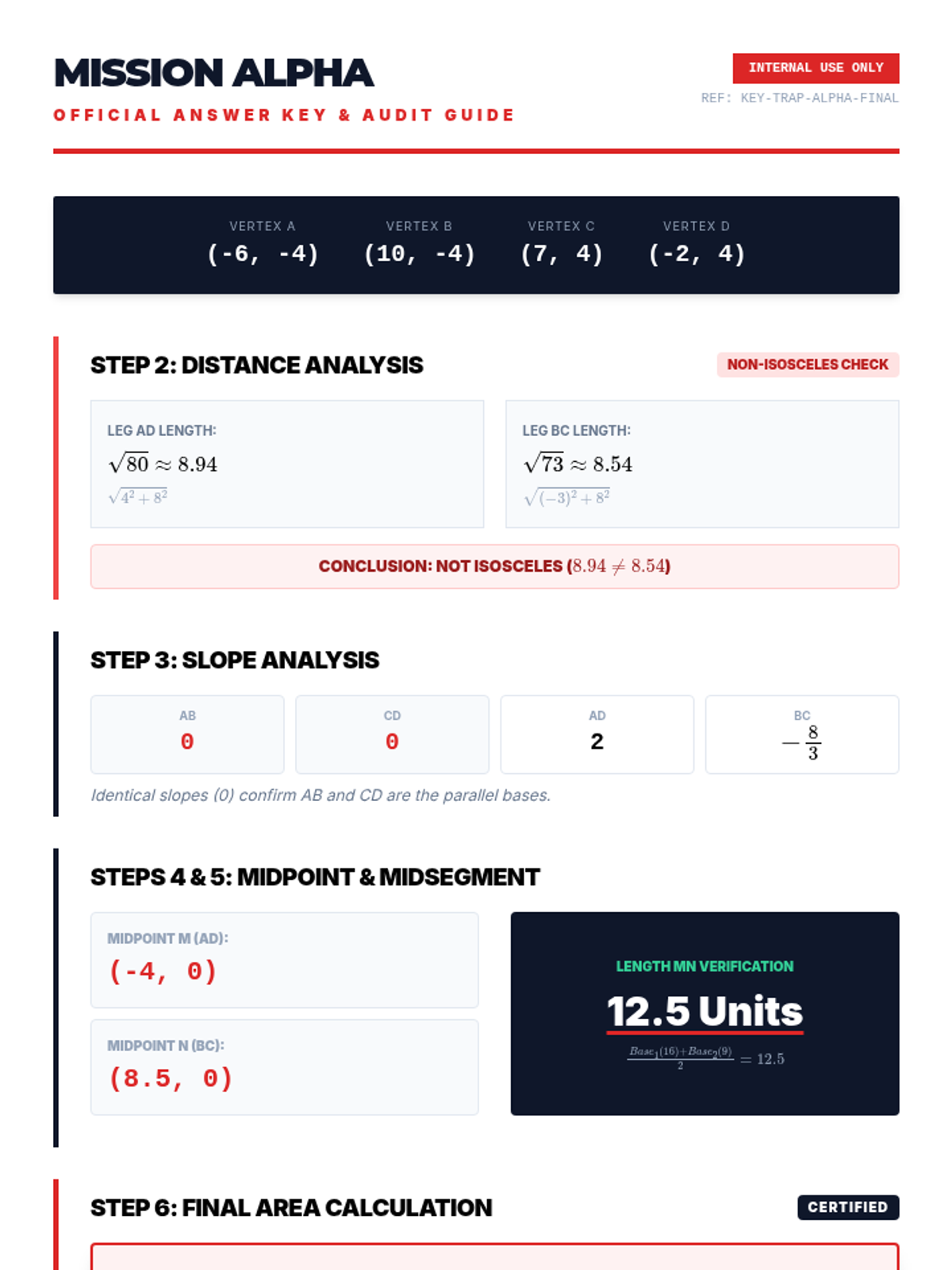
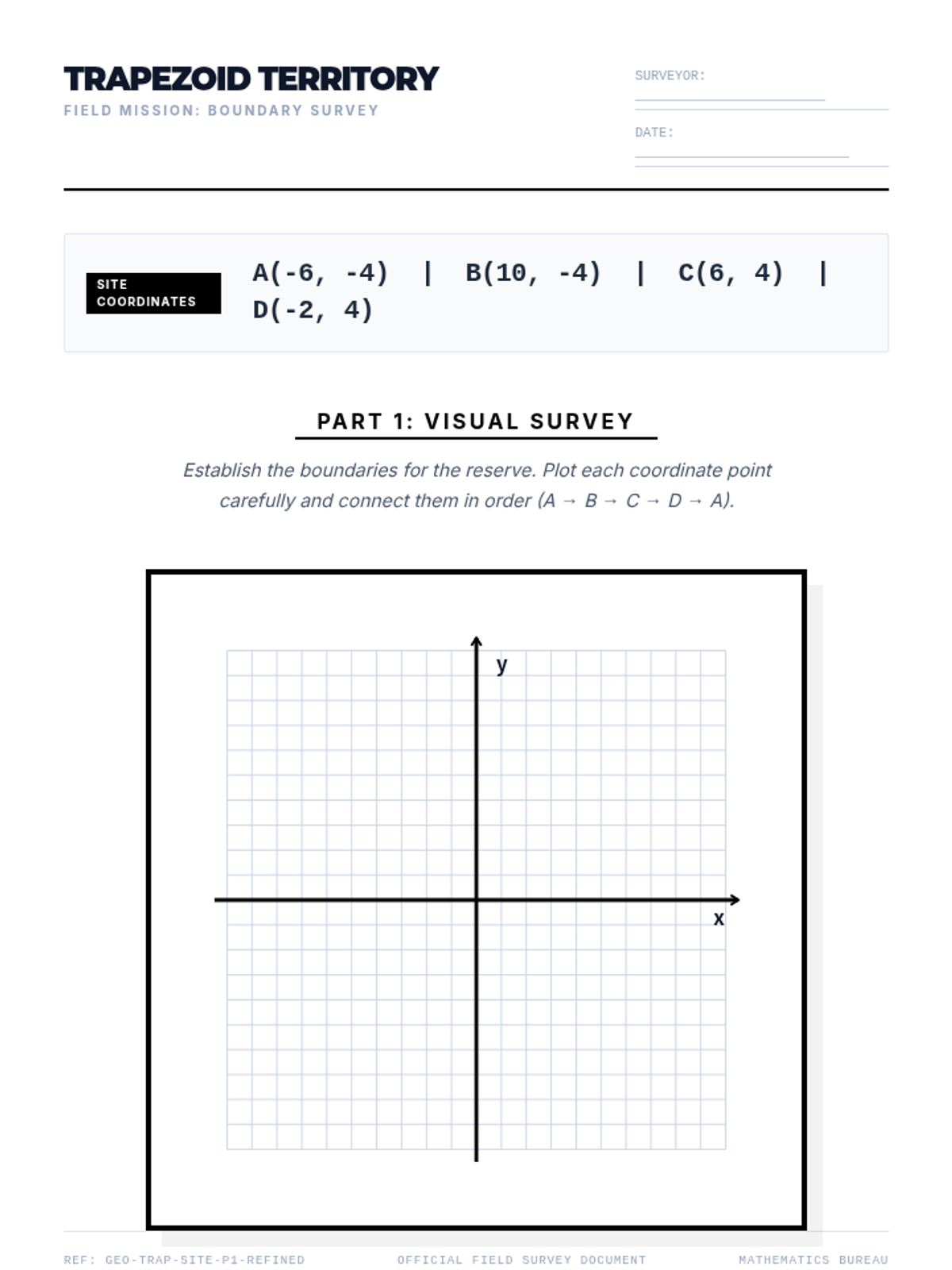
A high-level coordinate geometry sequence where students apply coordinate algebra formulas to identify and verify the properties of quadrilaterals and other polygons on the coordinate plane.
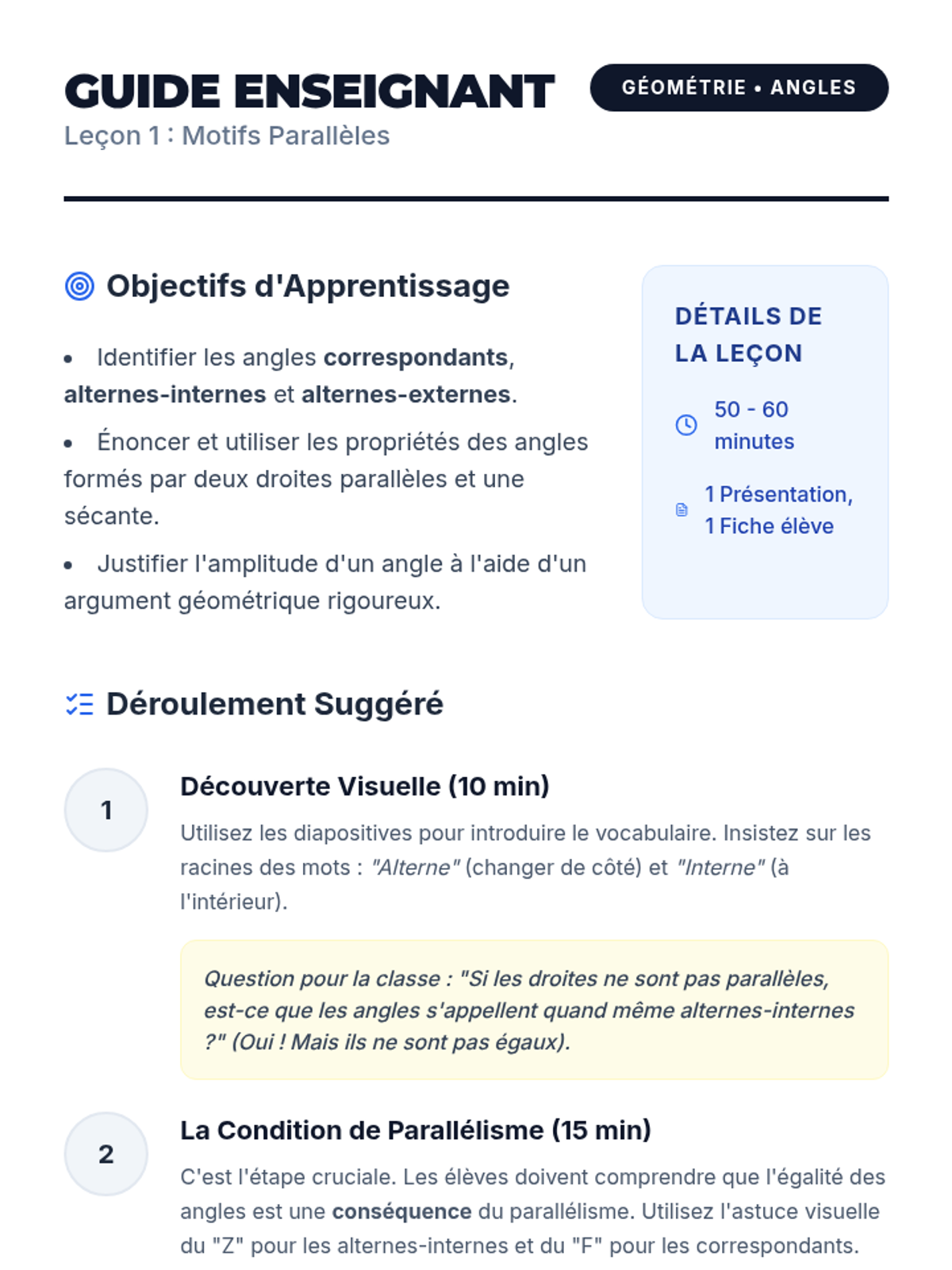
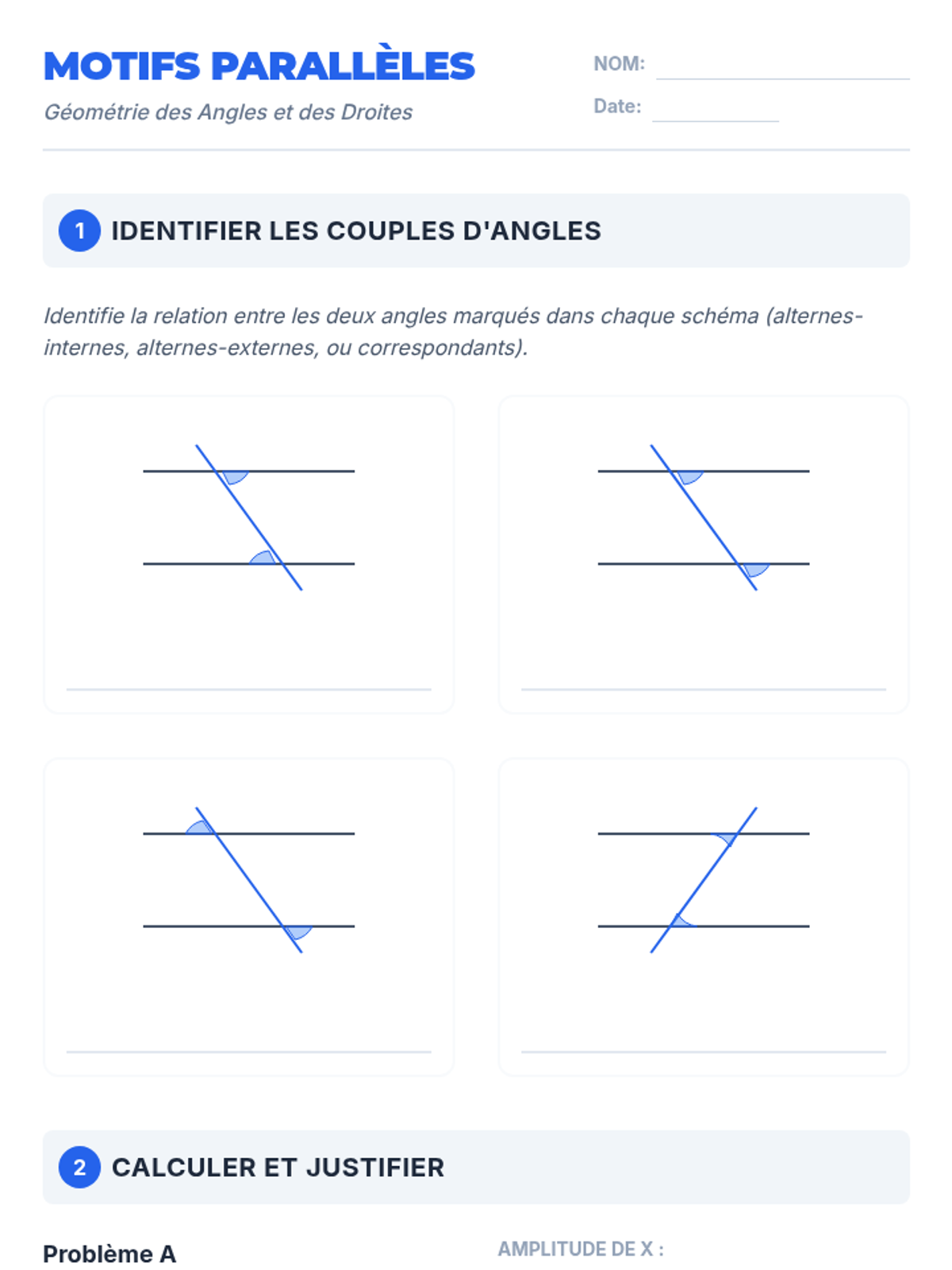
Un parcours complet sur les angles, les droites parallèles et les polygones, mettant l'accent sur l'identification, le calcul et la justification géométrique.
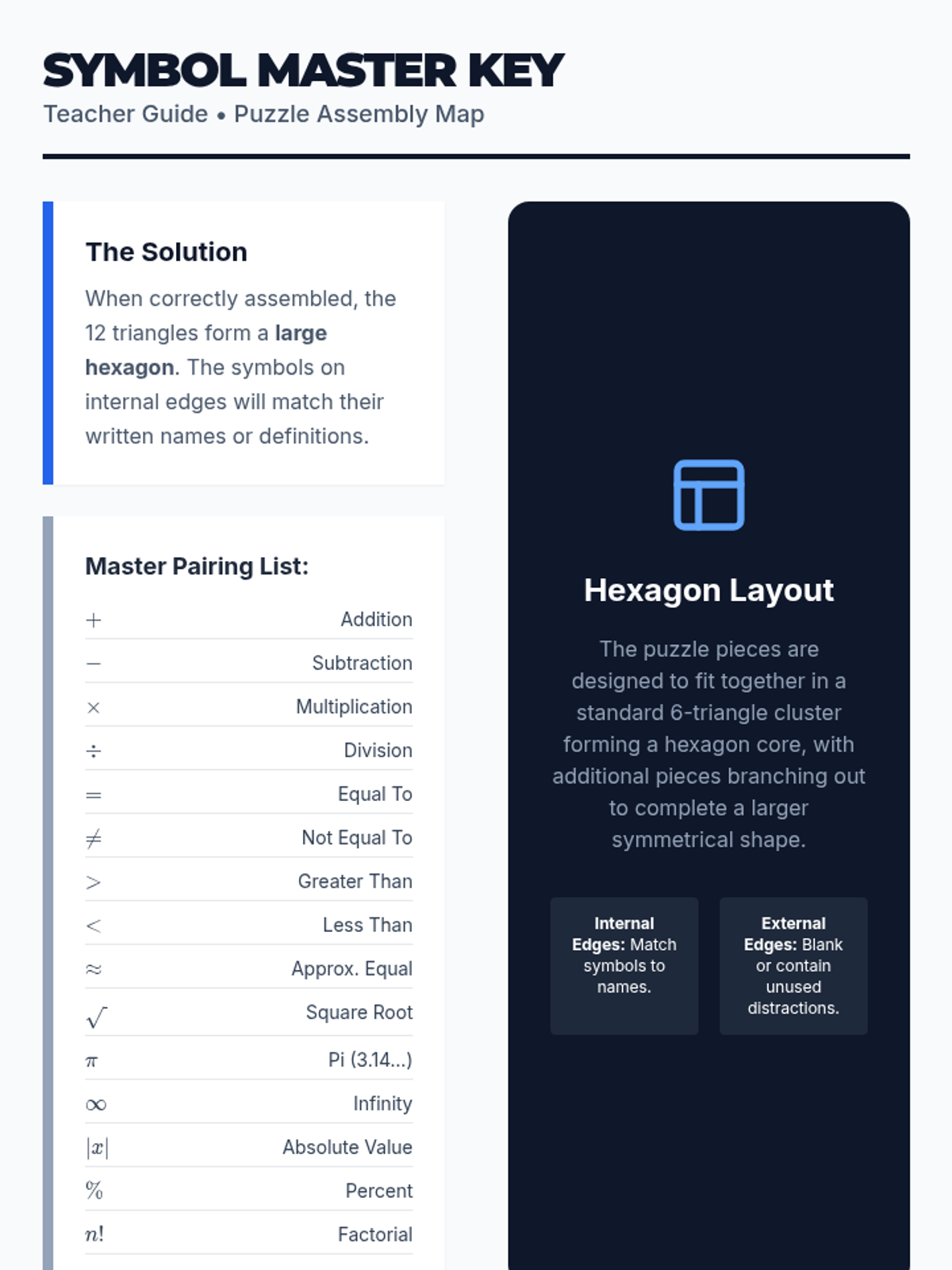
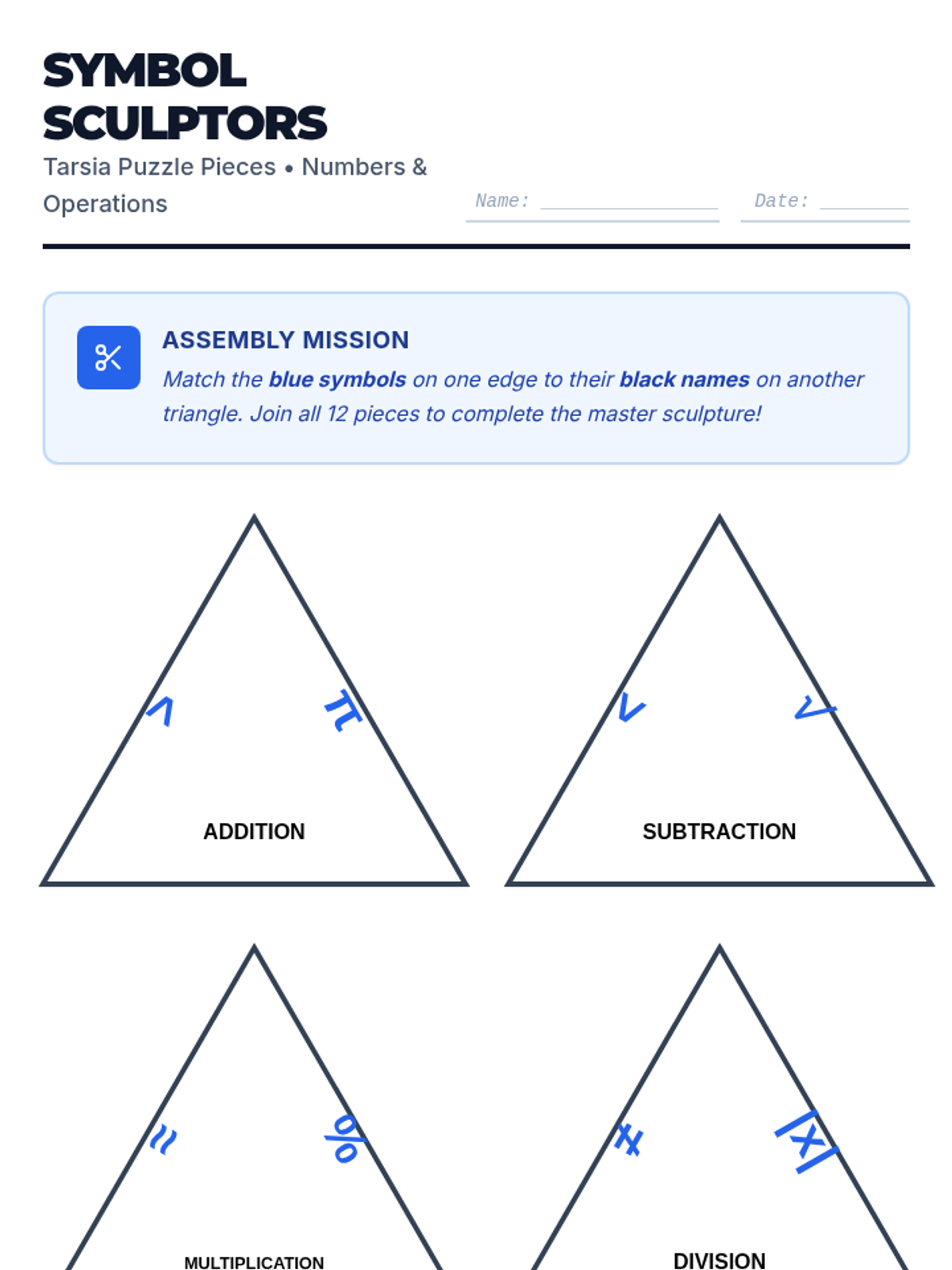
A series of lessons designed to build fluency in mathematical notation and operations through visual and tactile learning.
A comprehensive 5-day self-paced packet for remedial Algebra 1 students focusing on the fundamentals of graphing, from basic coordinate planes to finding slope.
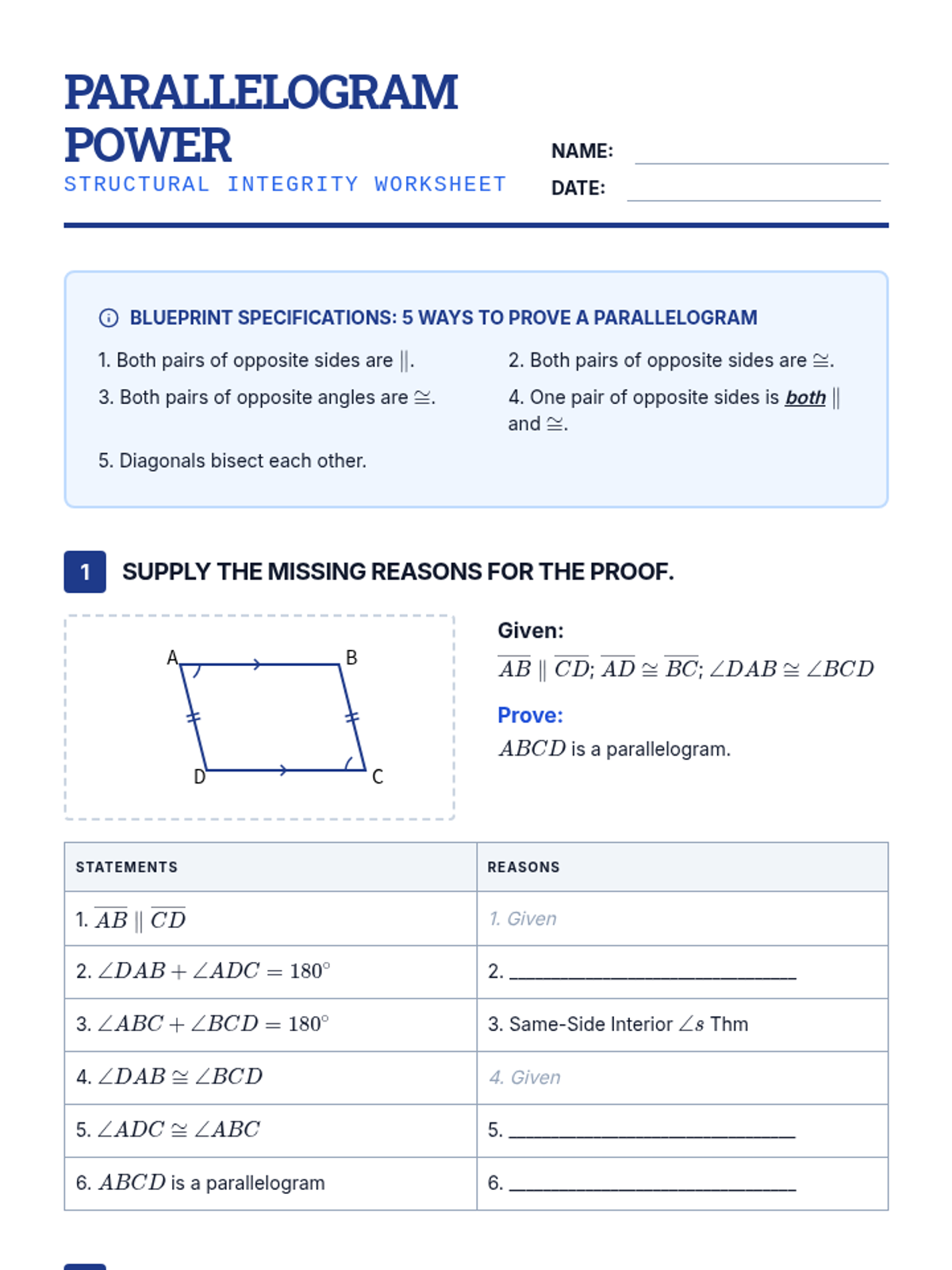
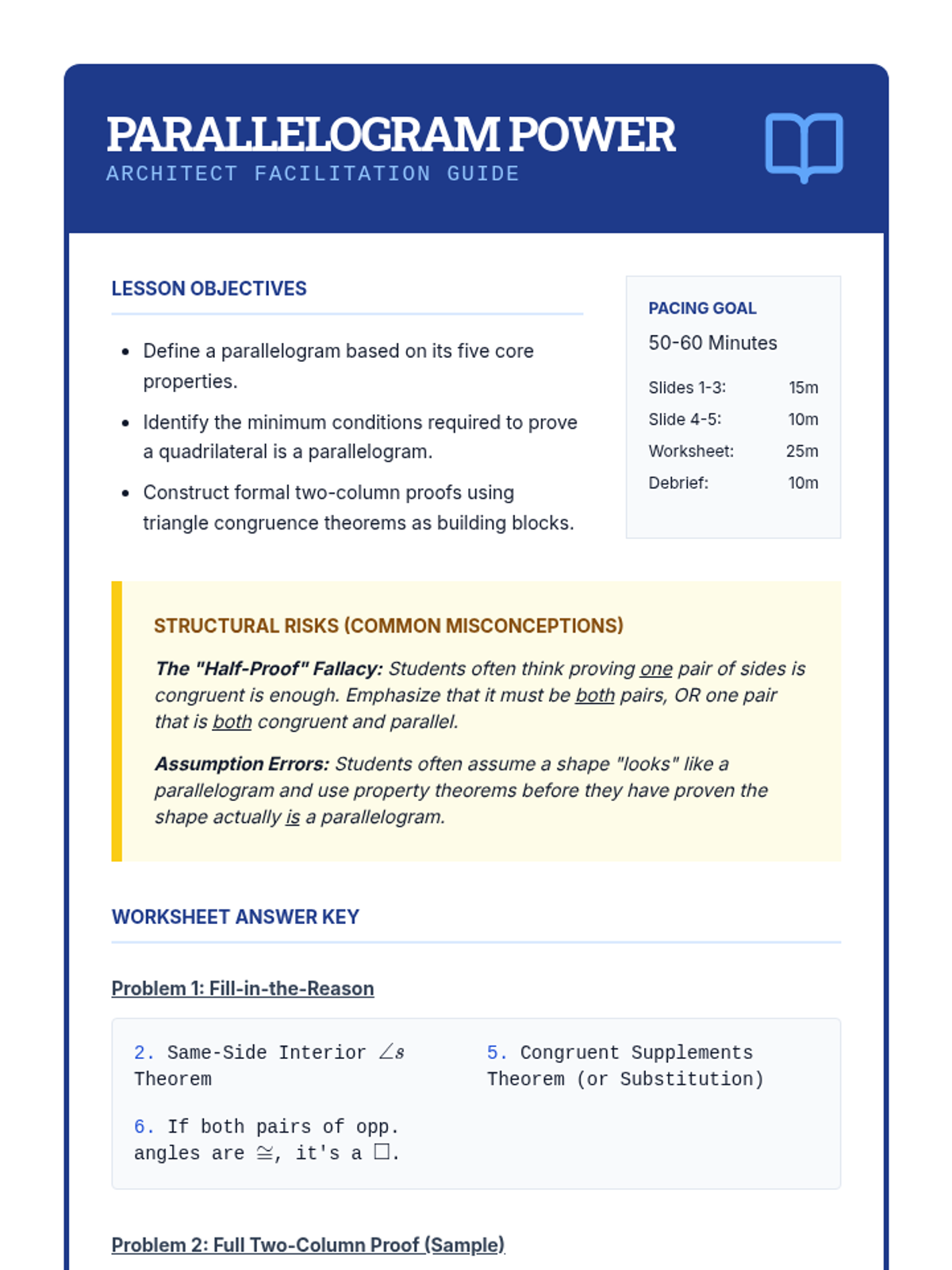
A comprehensive Geometry unit on quadrilateral proofs, covering parallelograms, special quadrilaterals, trapezoids, kites, and coordinate geometry through various proof methods.
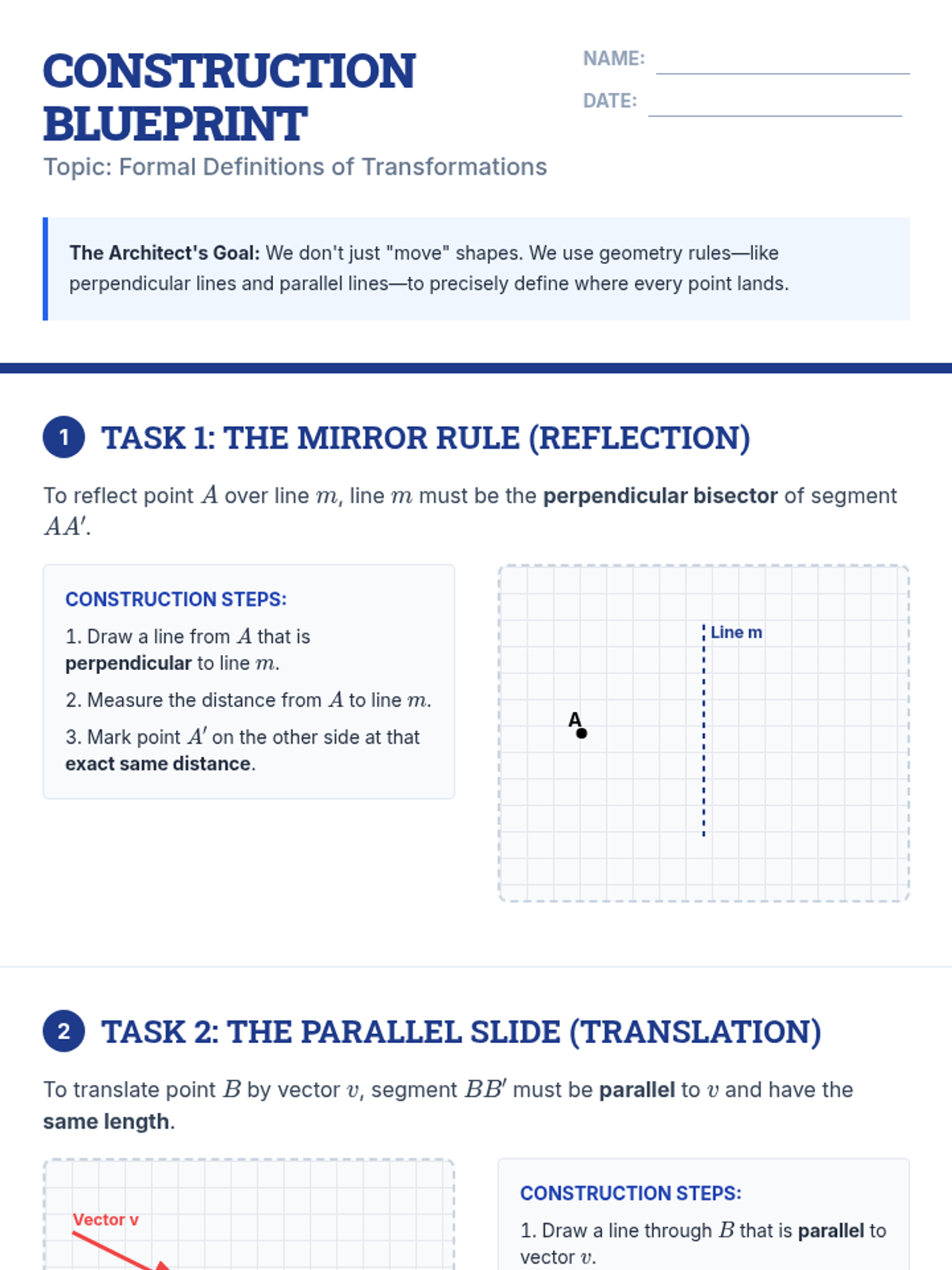
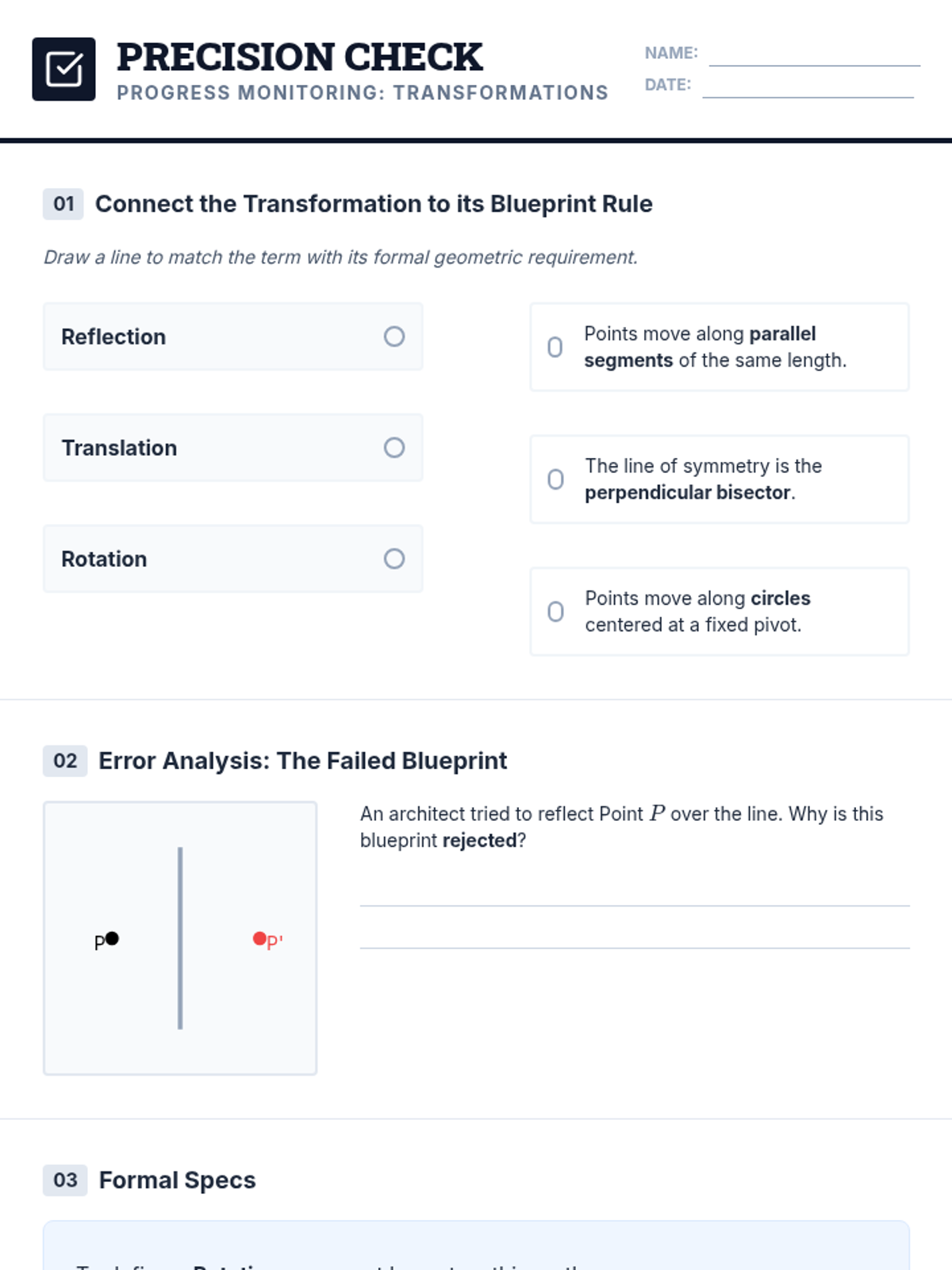
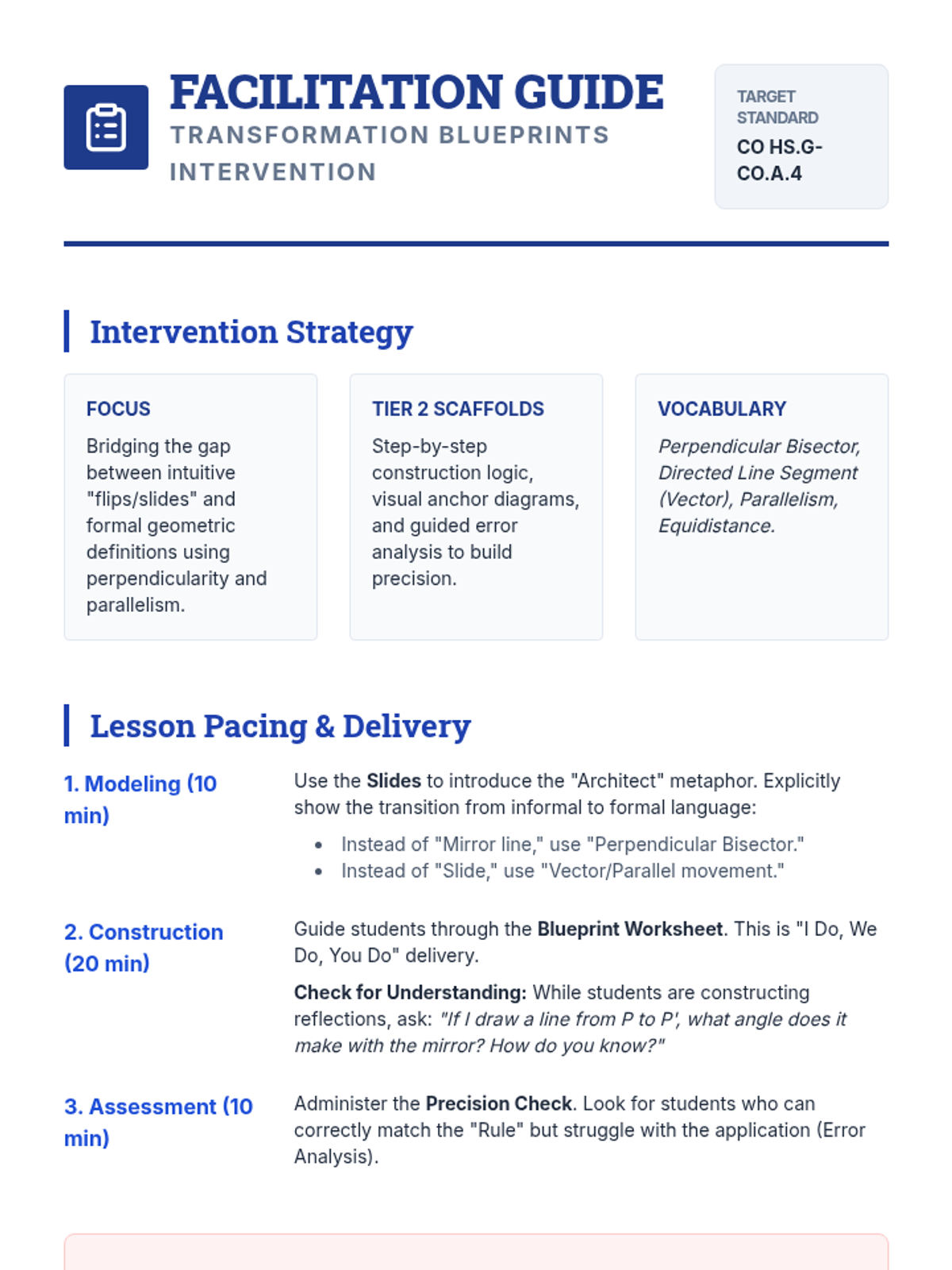
A series of intensive intervention lessons focused on foundational geometry concepts through hands-on construction and formal definitions. This sequence supports Tier 2 learners in mastering transformations and proofs.
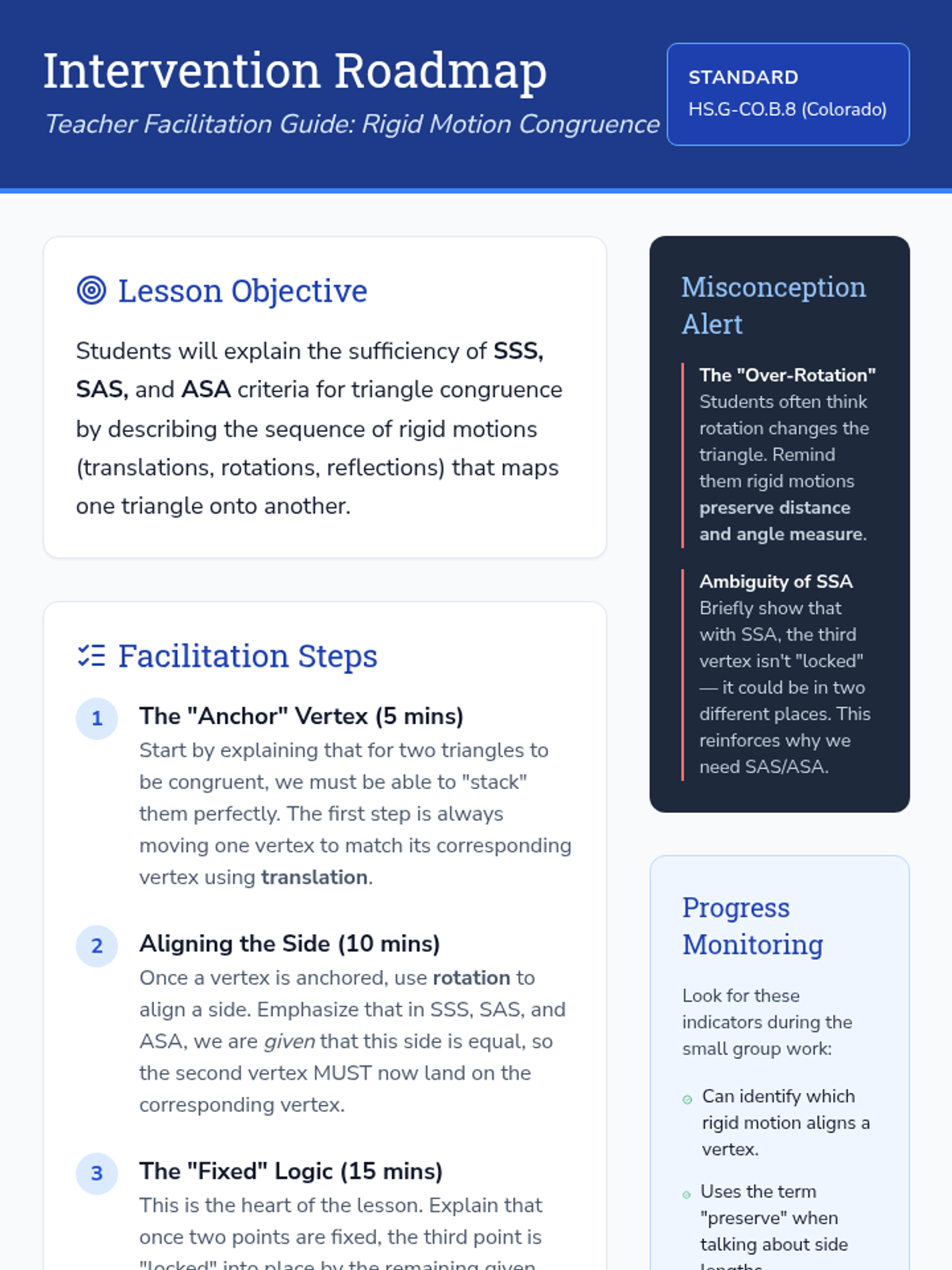
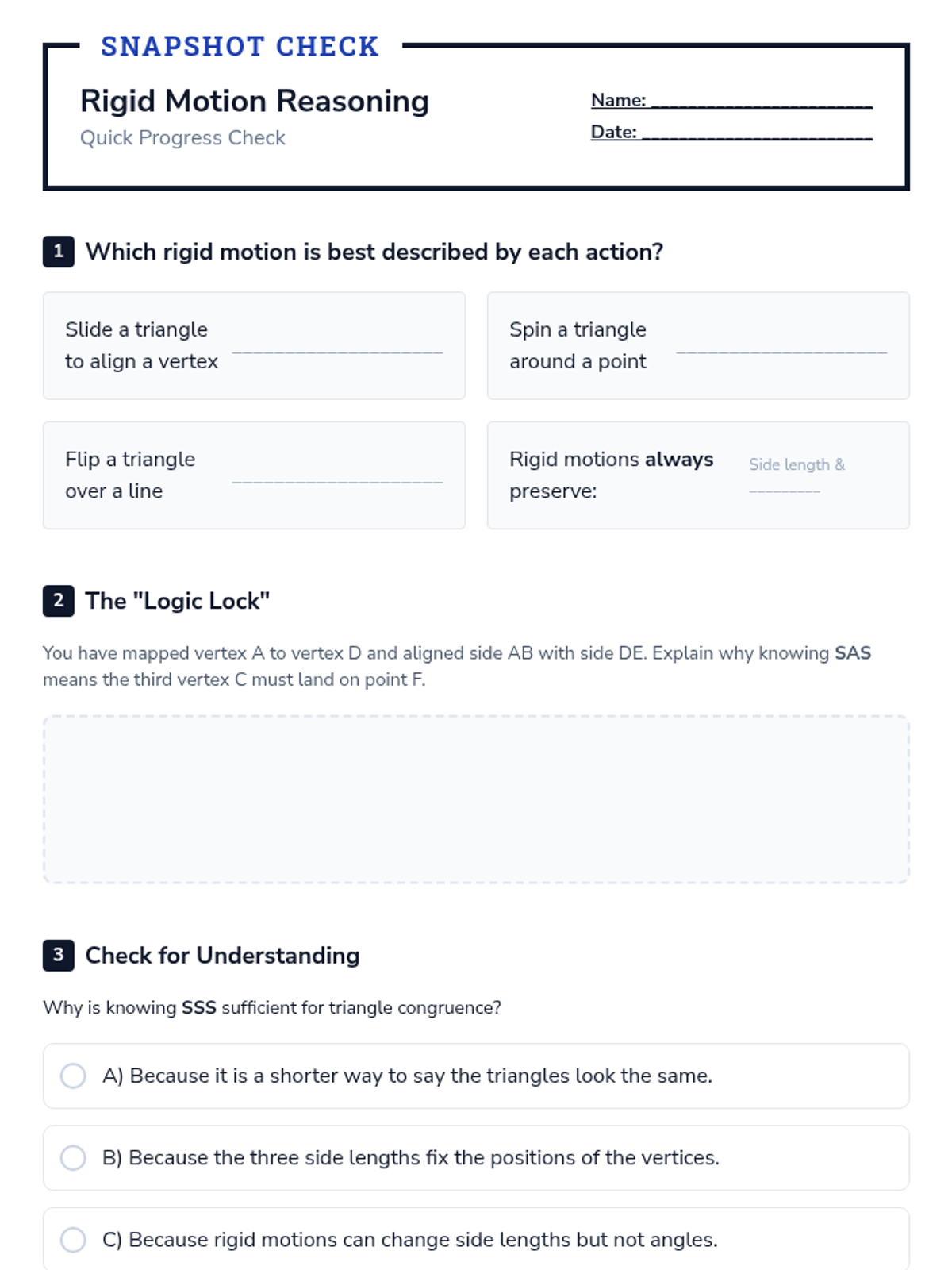
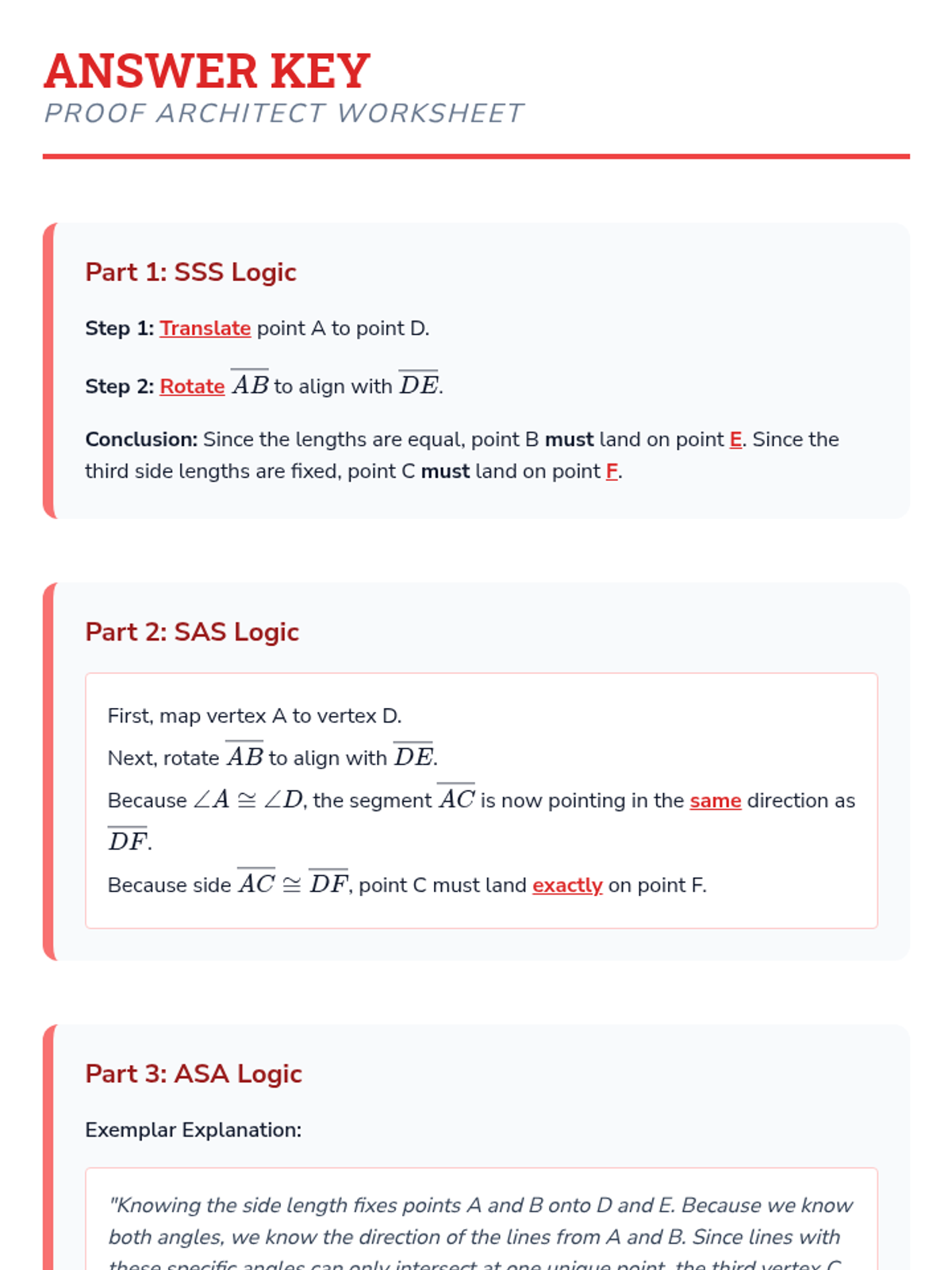
A targeted intervention sequence focused on understanding triangle congruence (SSS, SAS, ASA) through the lens of rigid motions, specifically designed for Tier 2 small group support.
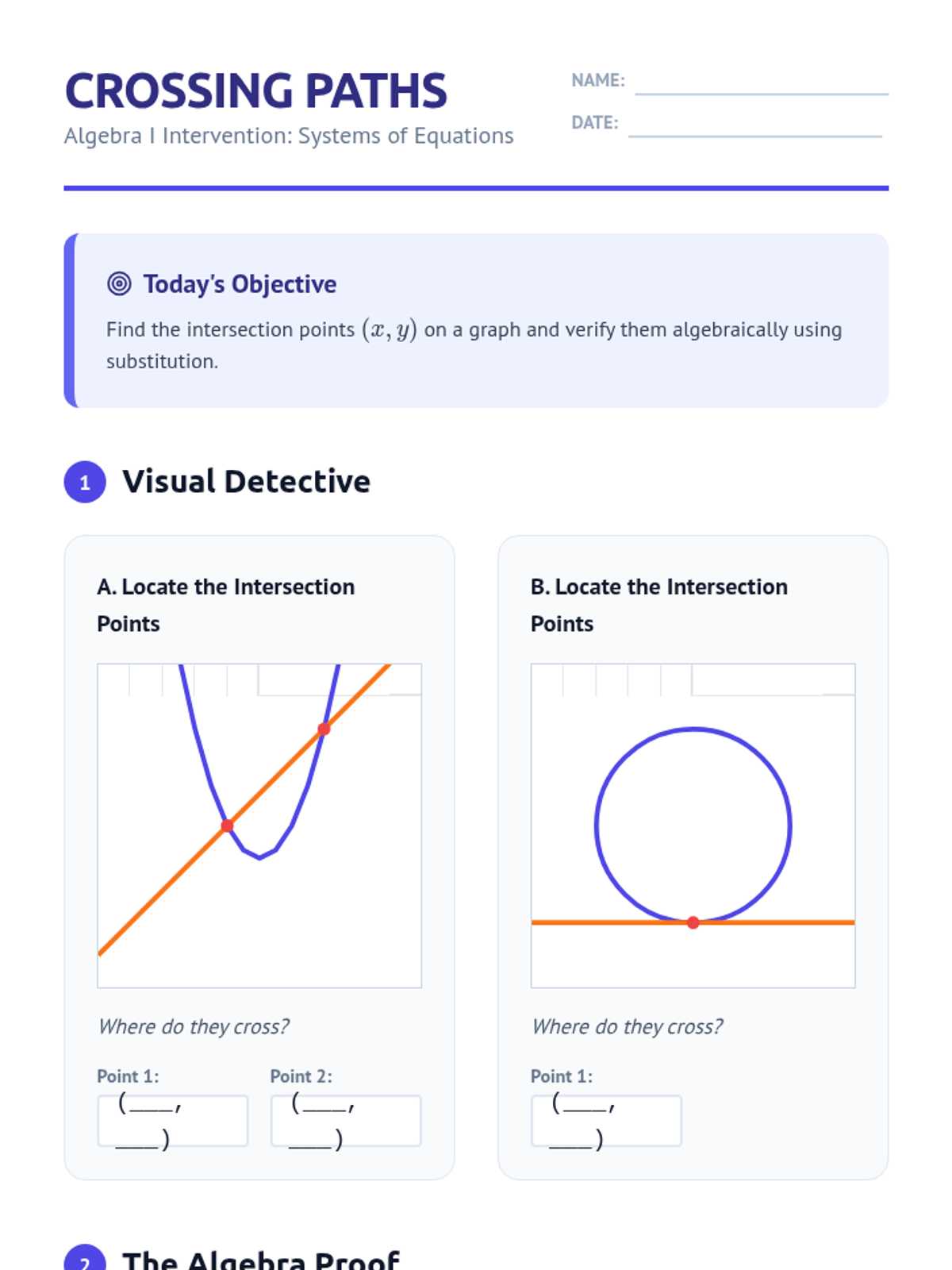
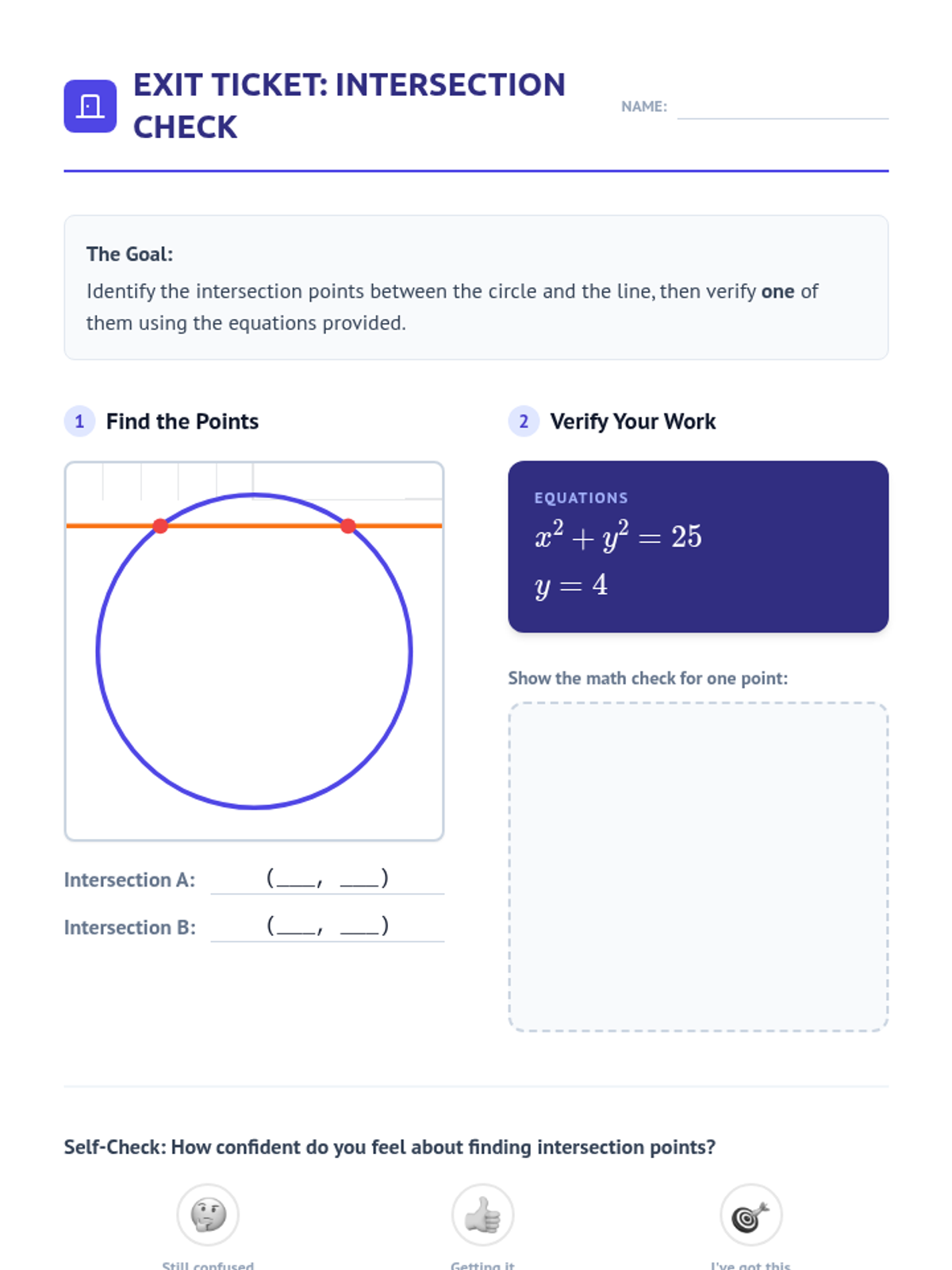
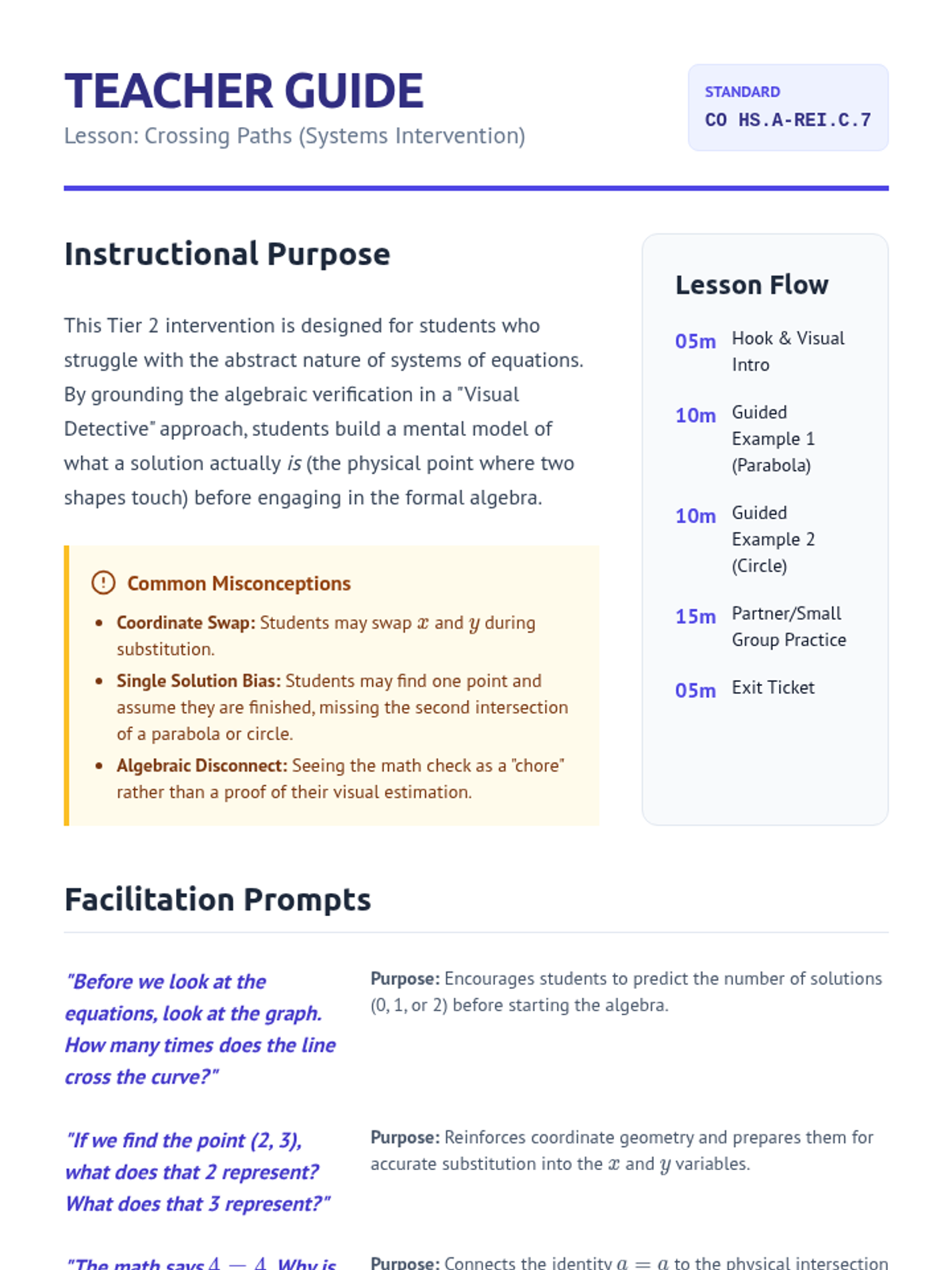
A small-group algebra intervention sequence focused on solving systems of linear and nonlinear equations. Students learn to identify intersection points graphically and verify them algebraically through substitution.
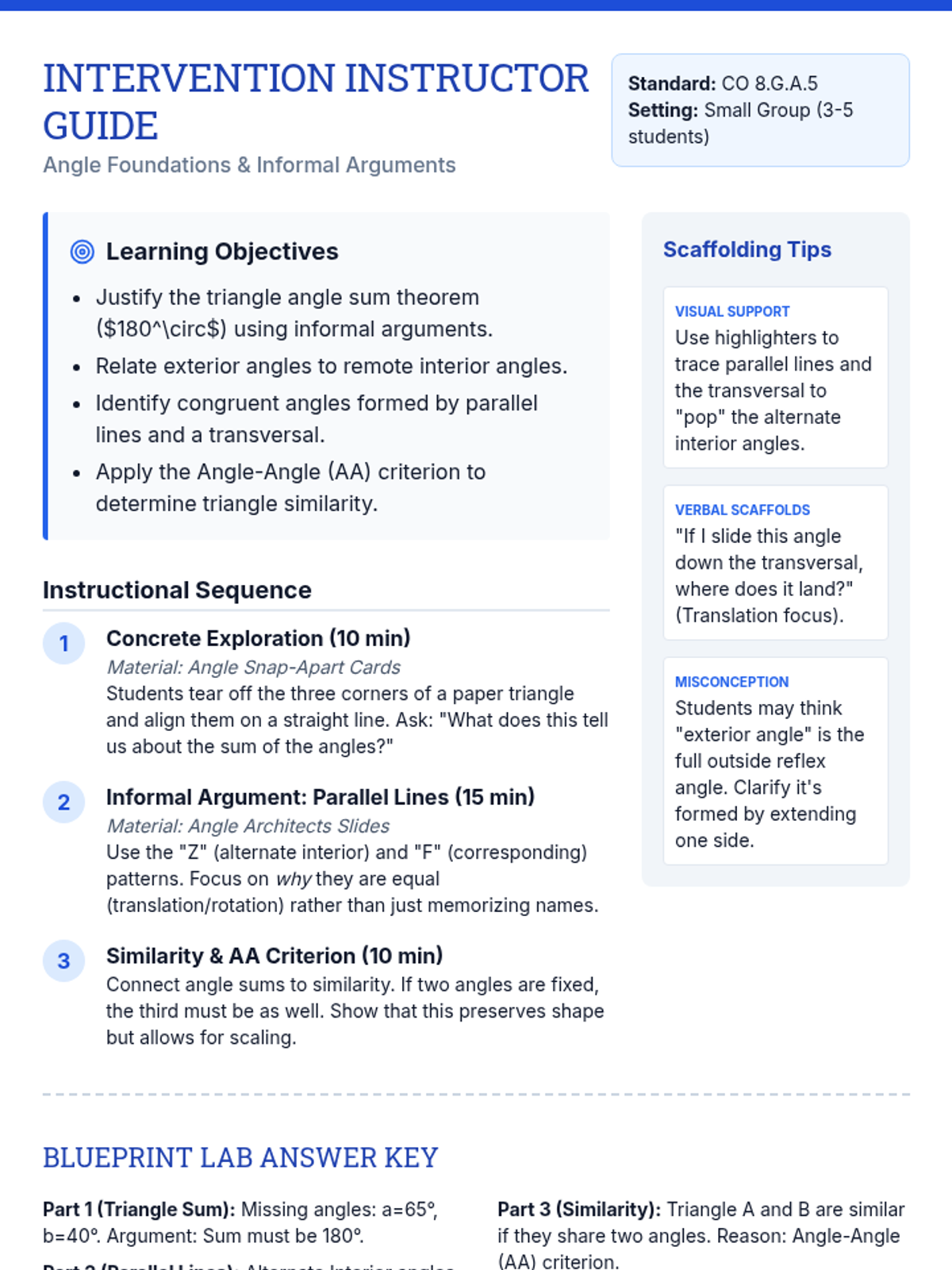
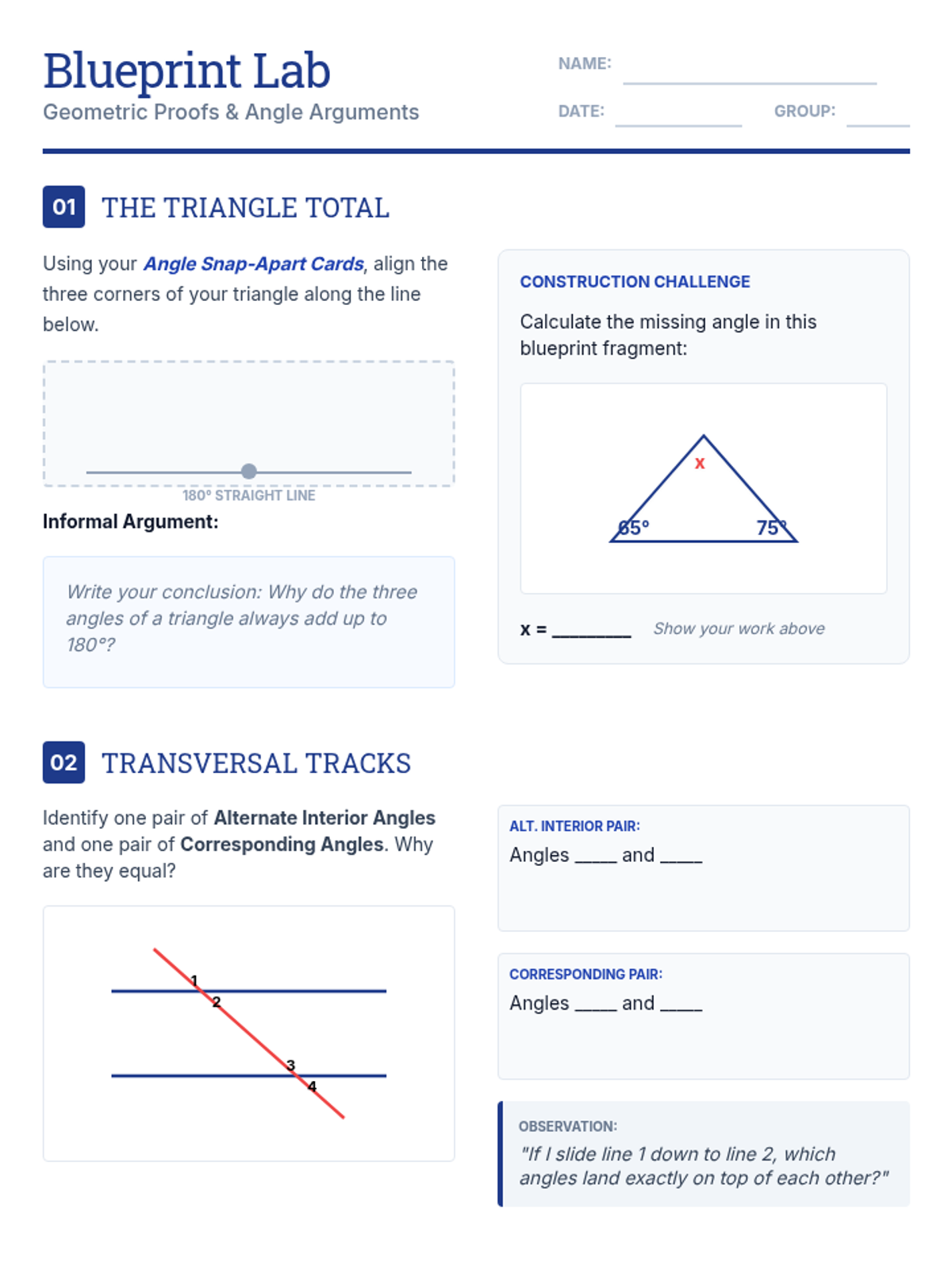
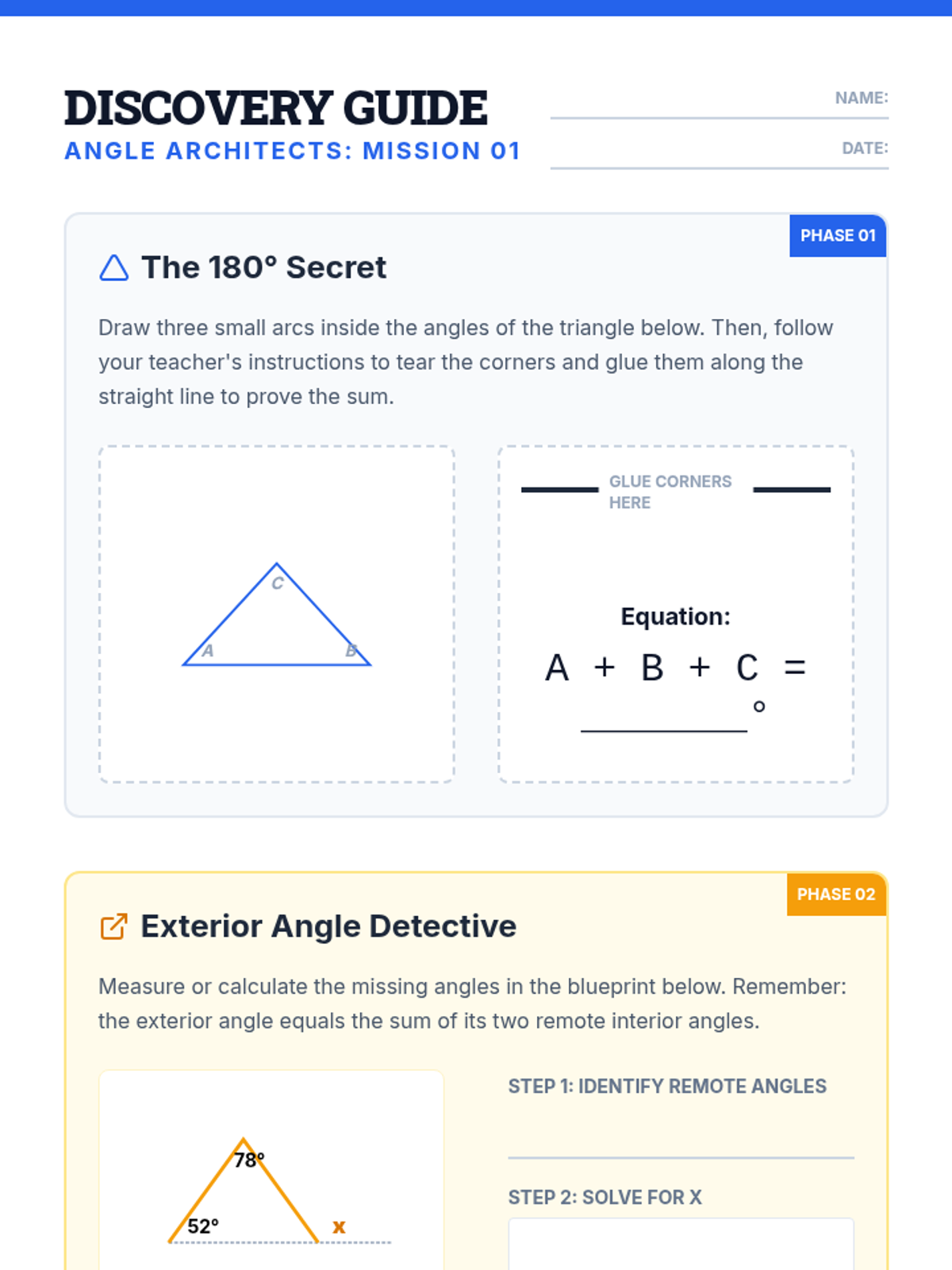
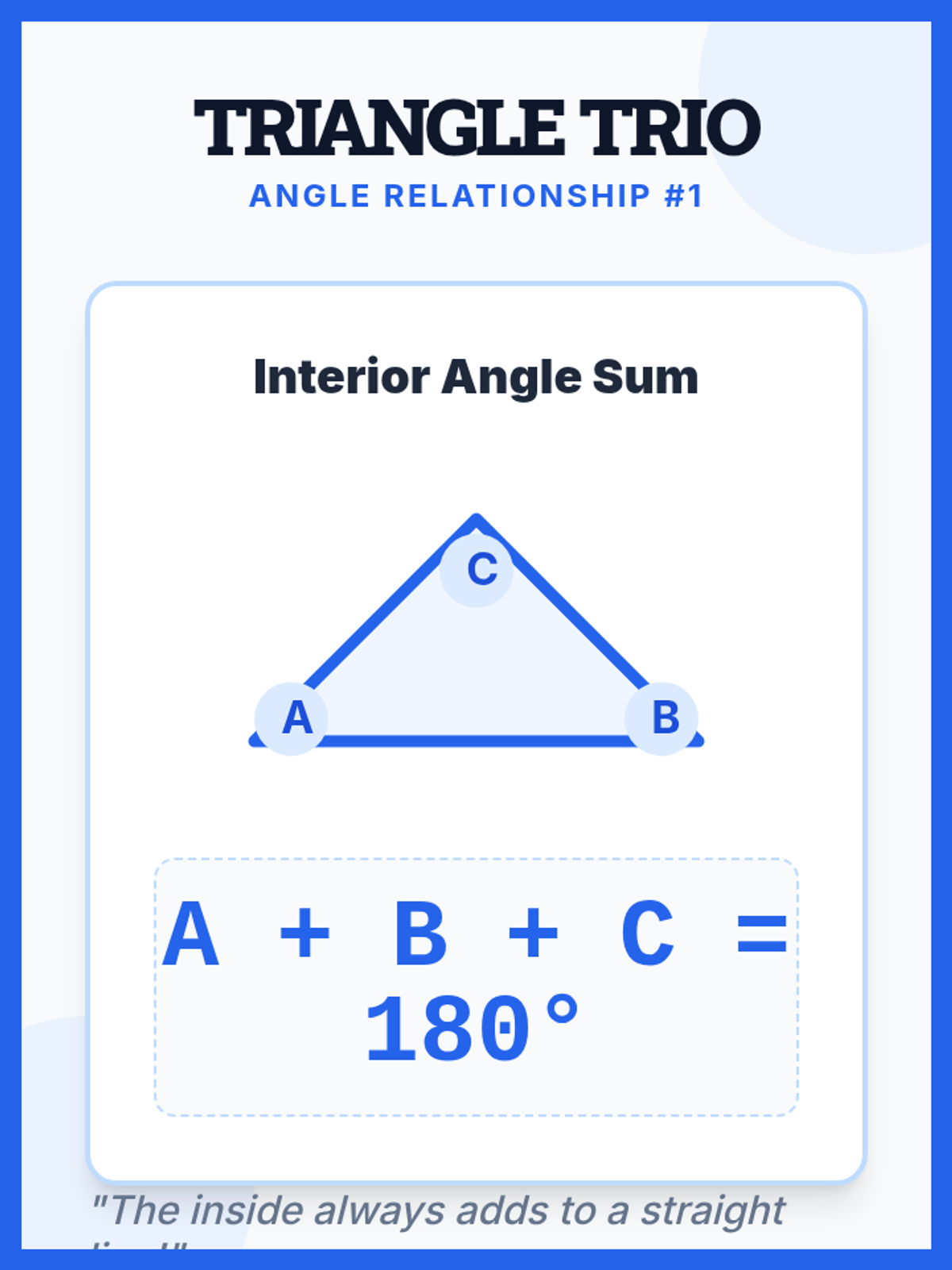
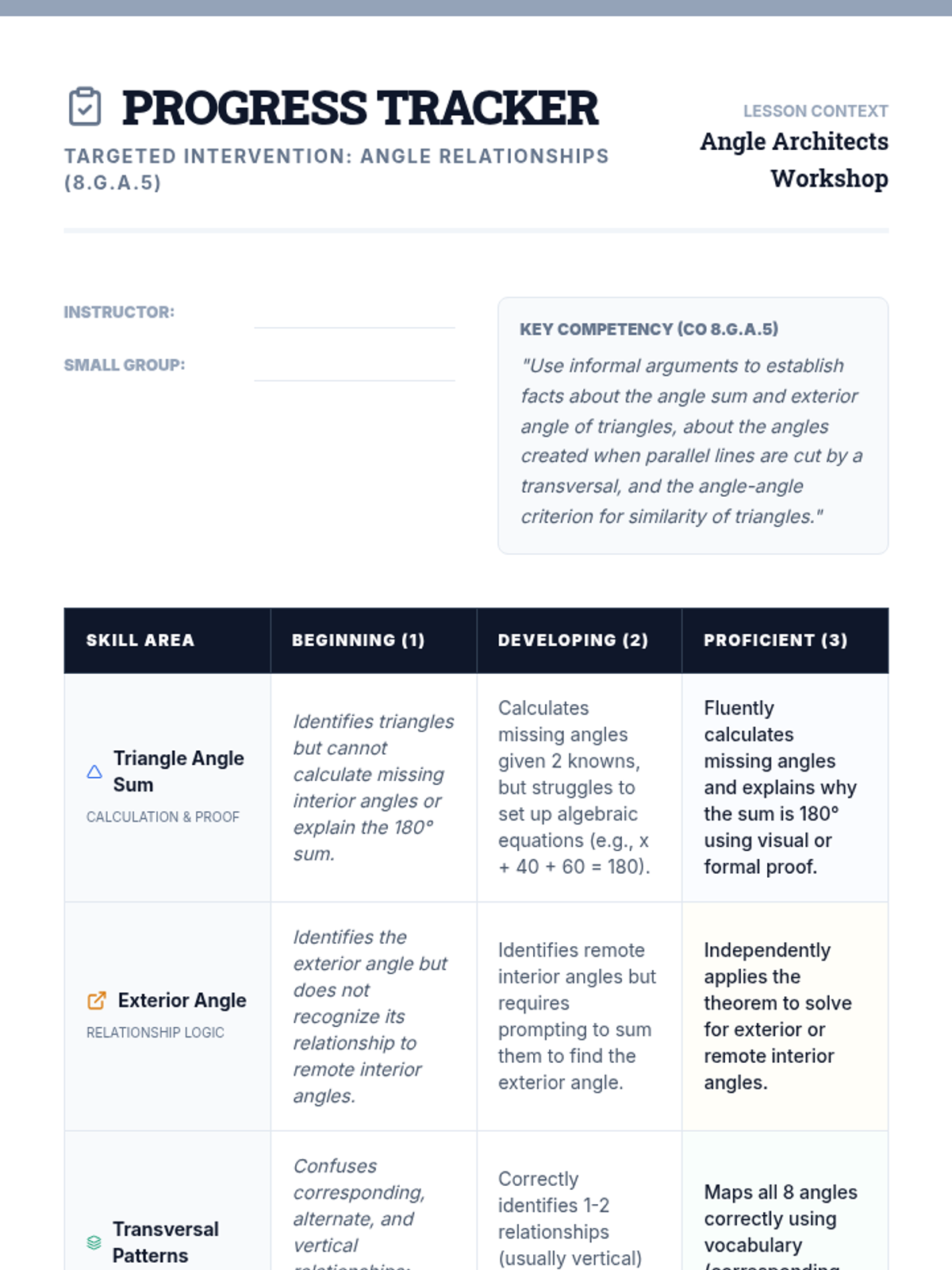
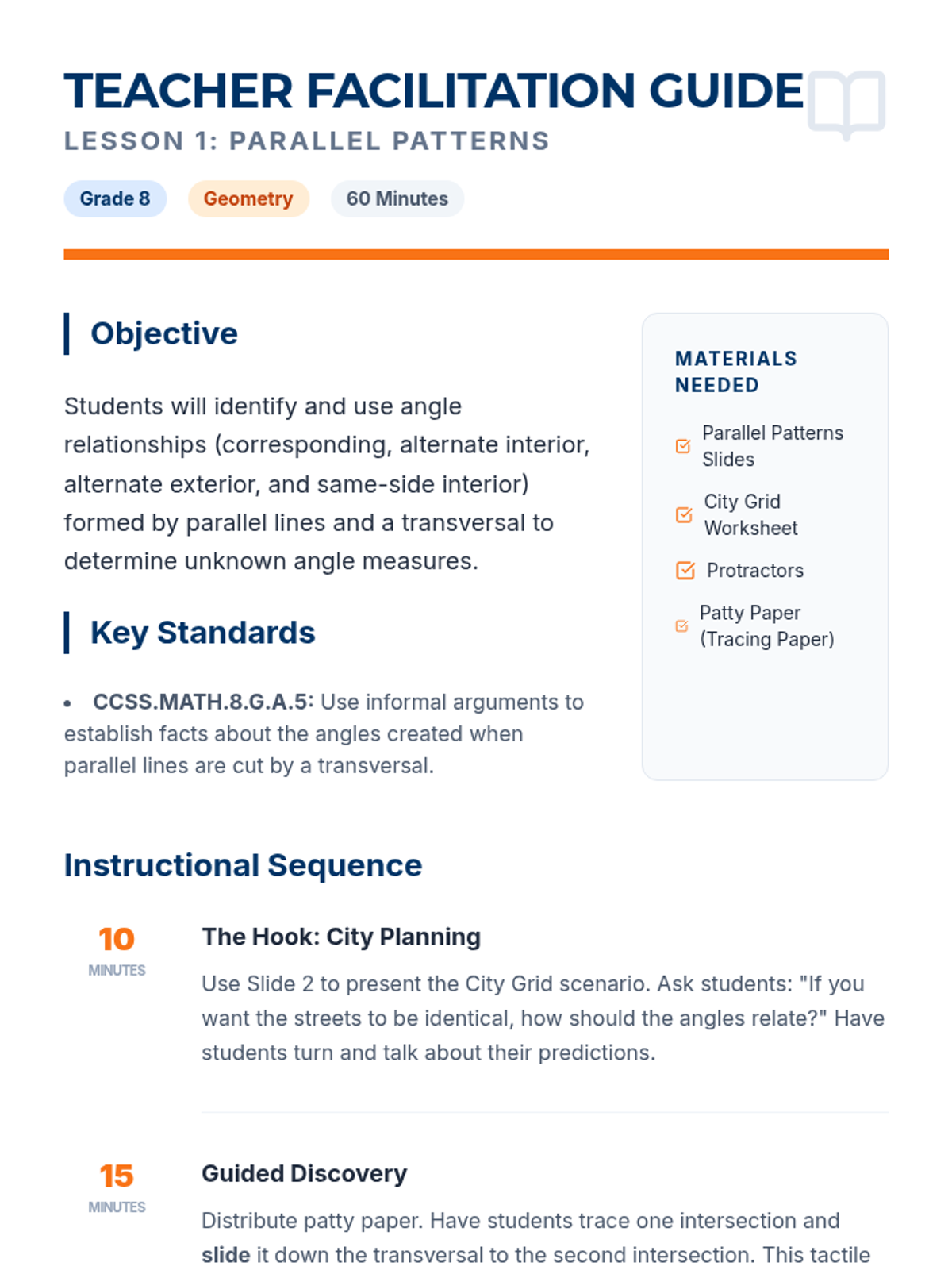
A targeted intervention sequence for 8th-grade students focusing on the geometric properties of angles in triangles and parallel lines. The lessons use informal arguments and visual proofs to build conceptual understanding of angle sums, exterior angles, and similarity.
A targeted intervention sequence focused on mastering fundamental angle relationships in triangles and across parallel lines, designed for Grade 8 Tier 2 support.
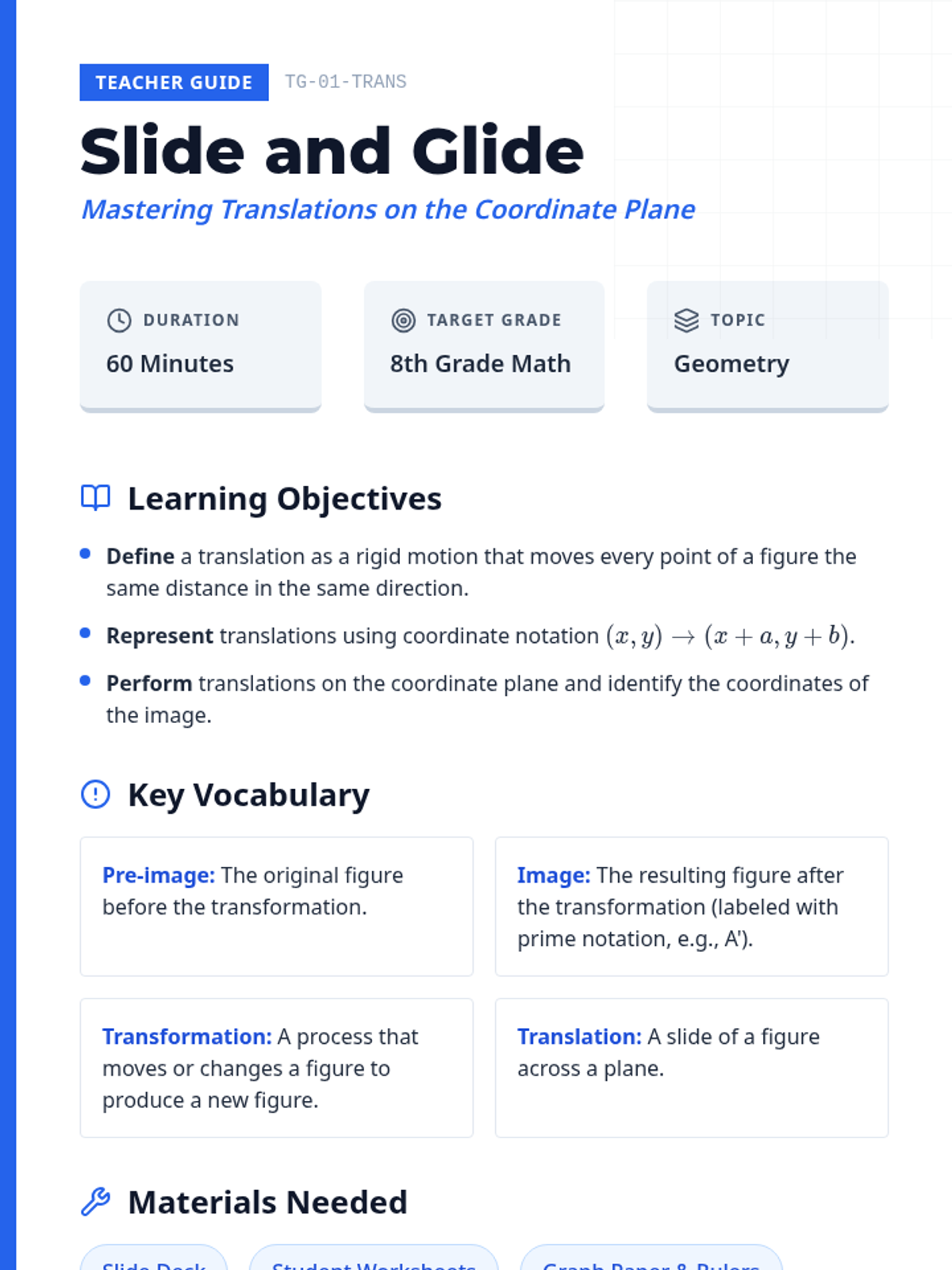
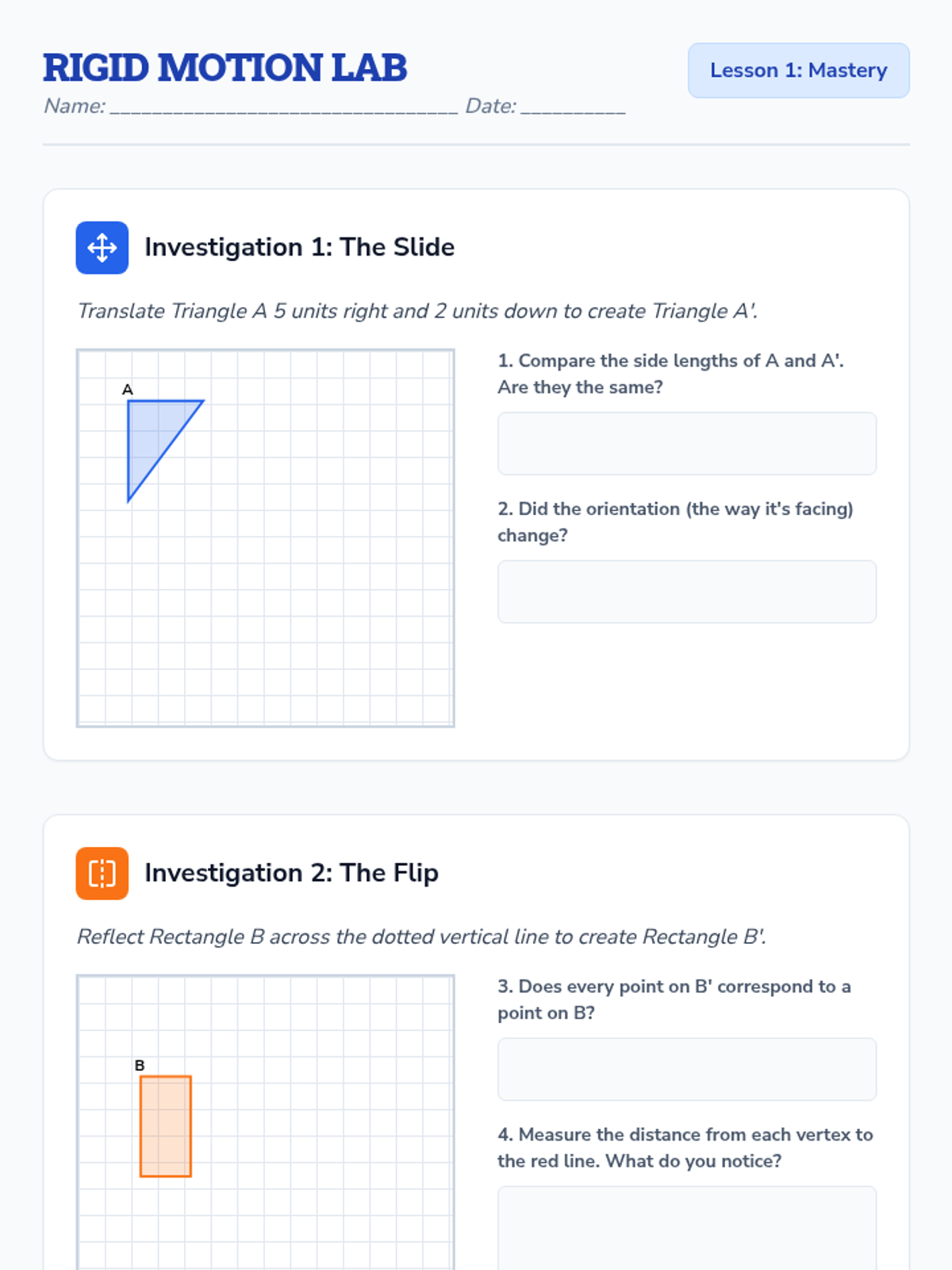
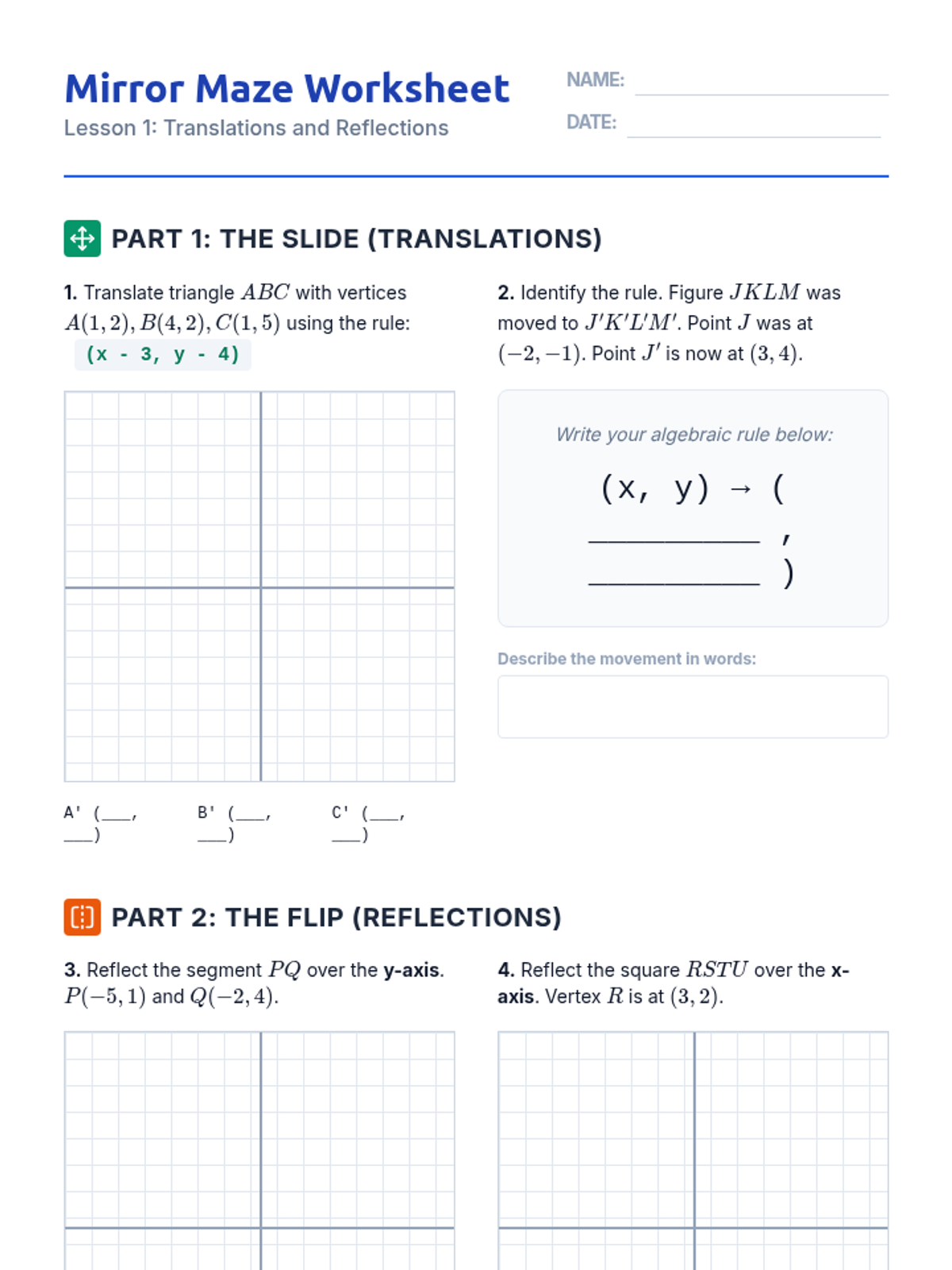
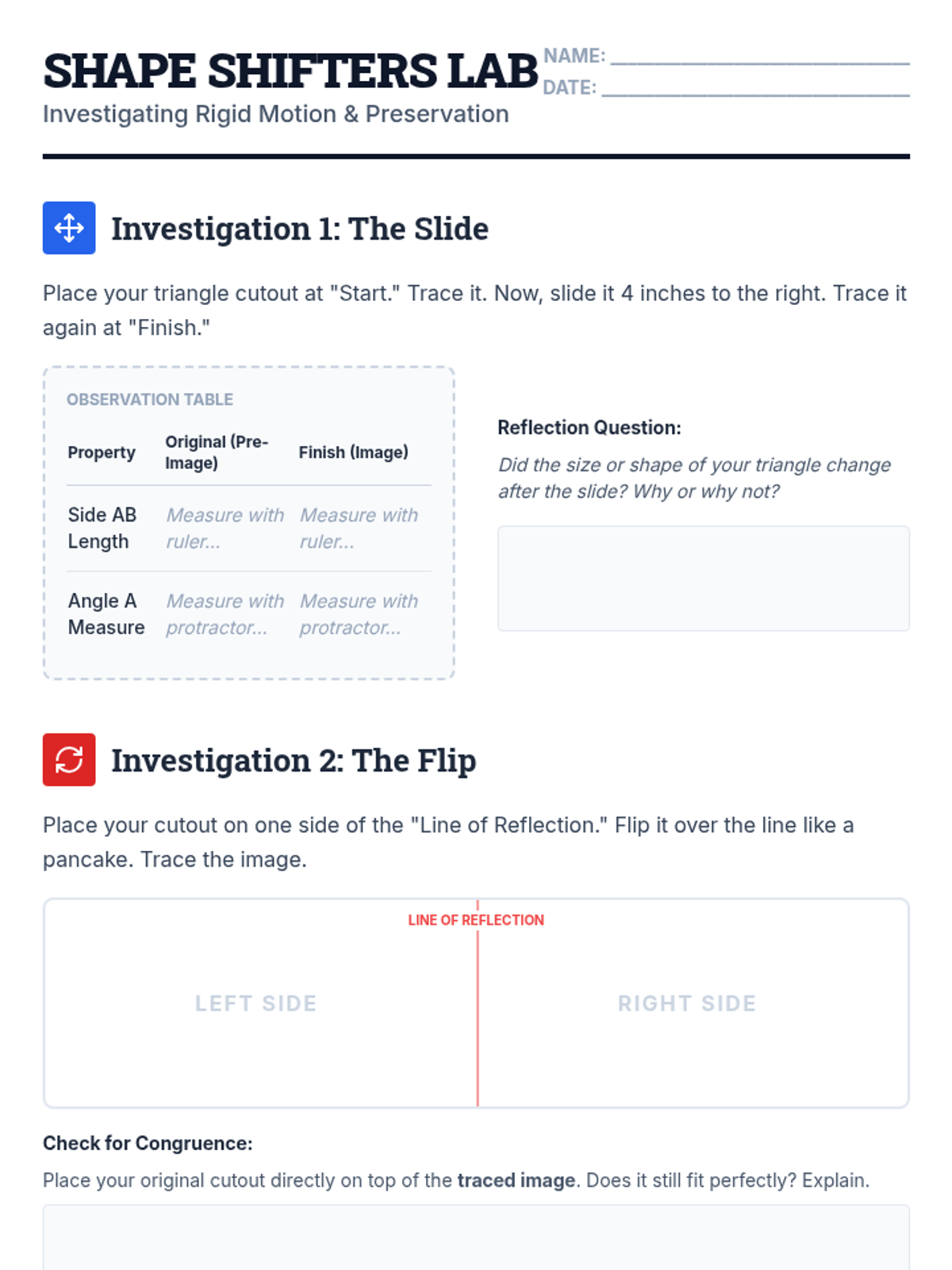
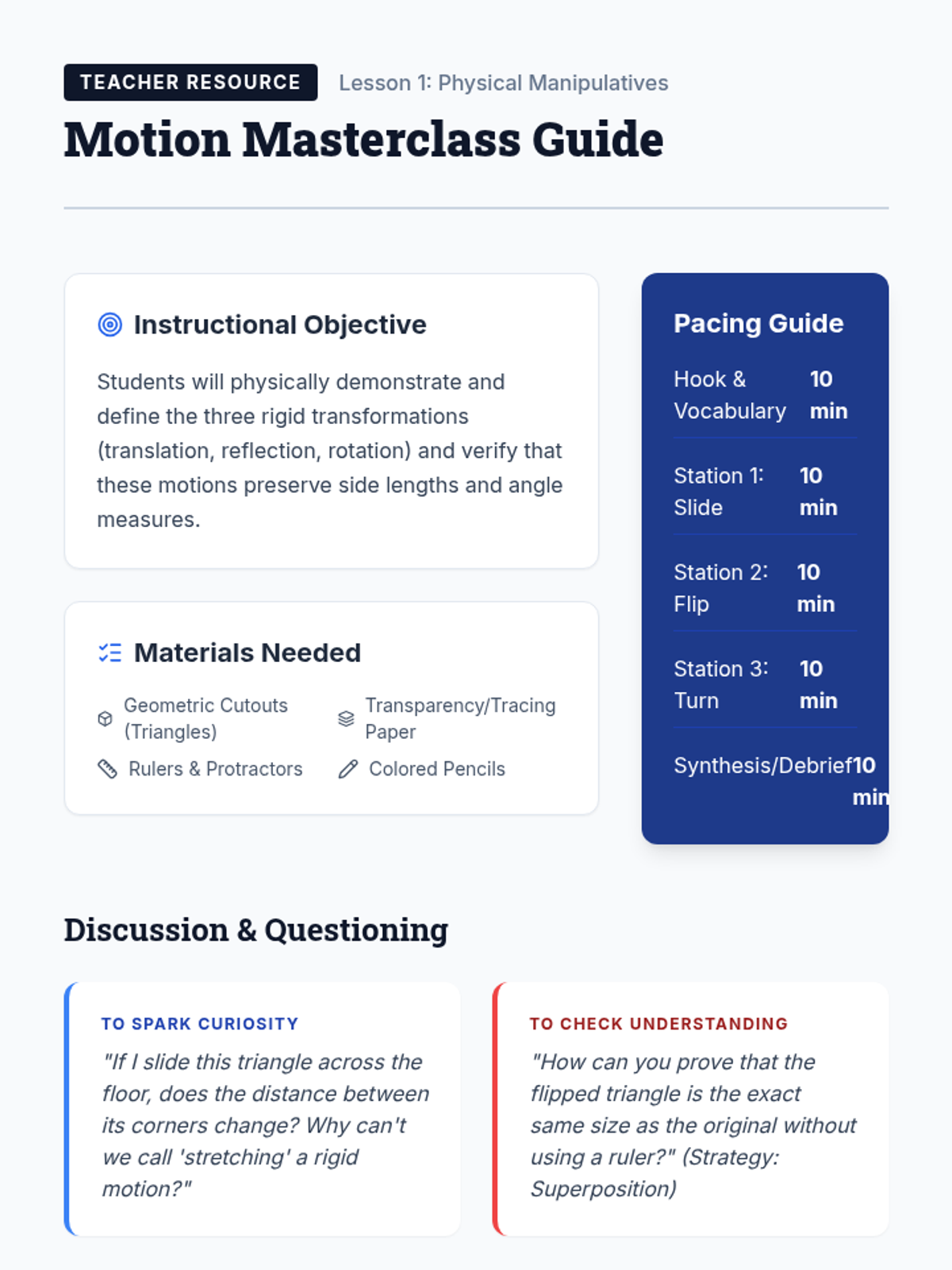
A comprehensive geometry unit focused on rigid transformations: translations, reflections, and rotations. Students explore how shapes move across the coordinate plane while maintaining their size and shape.
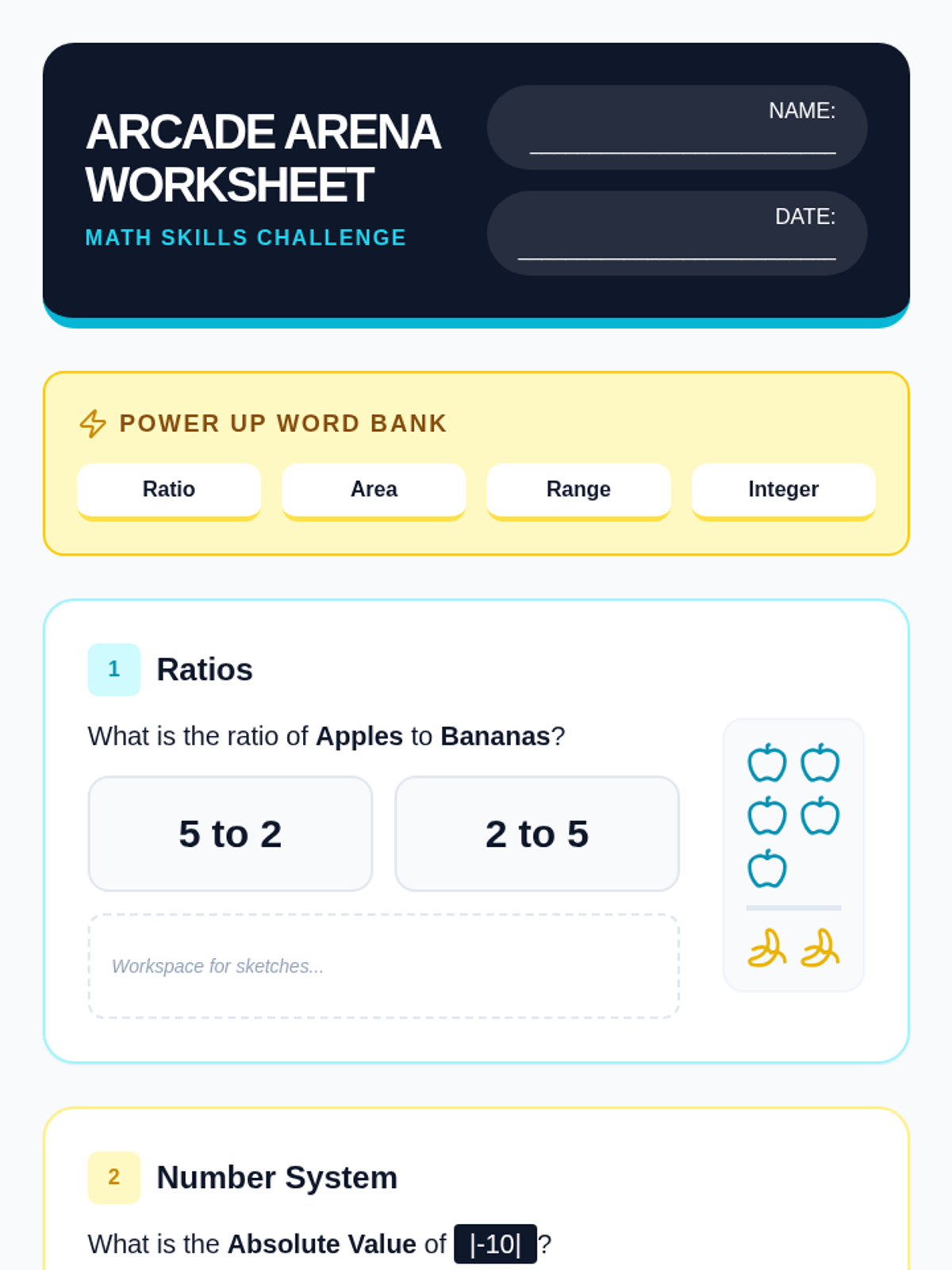
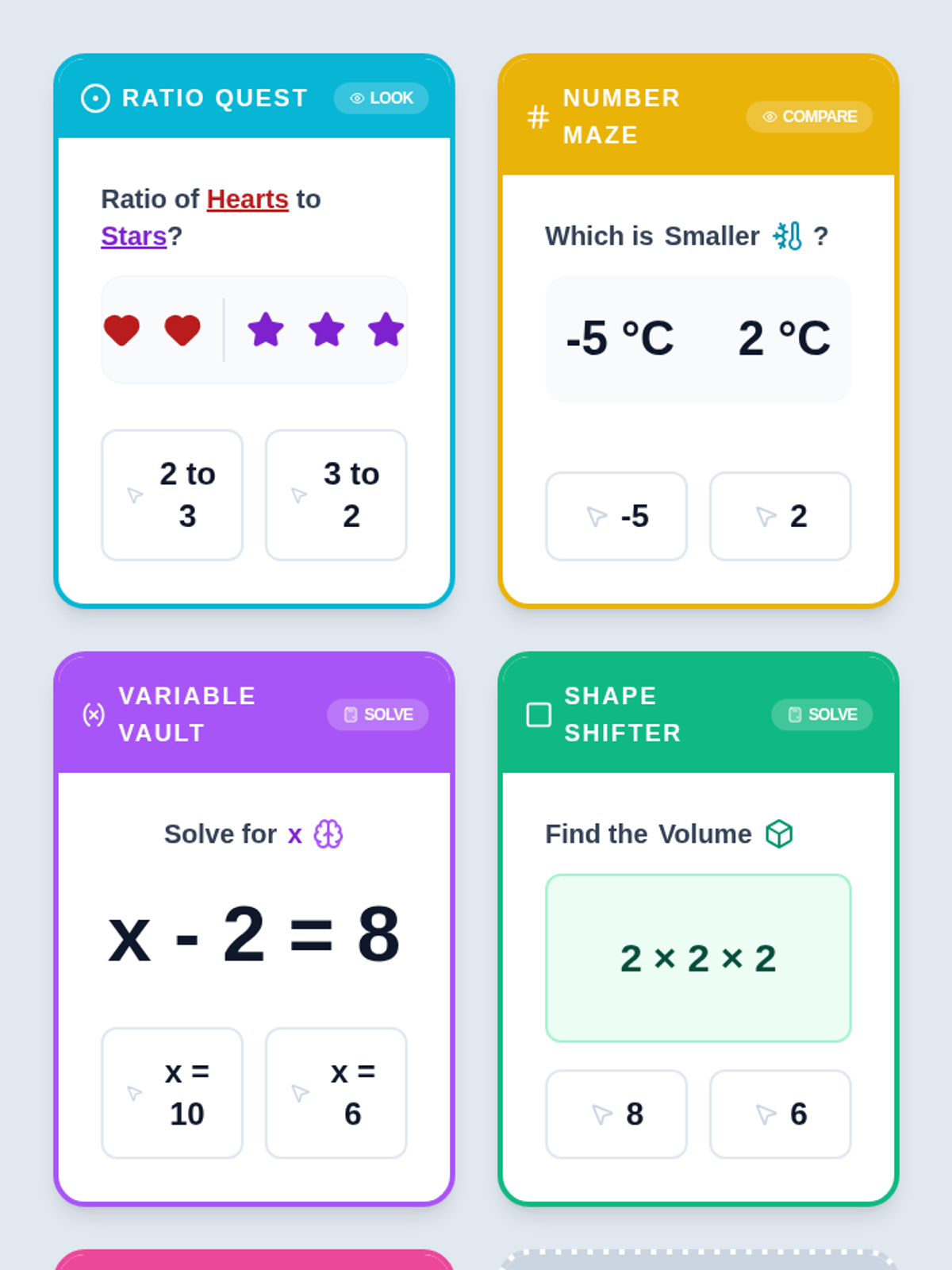
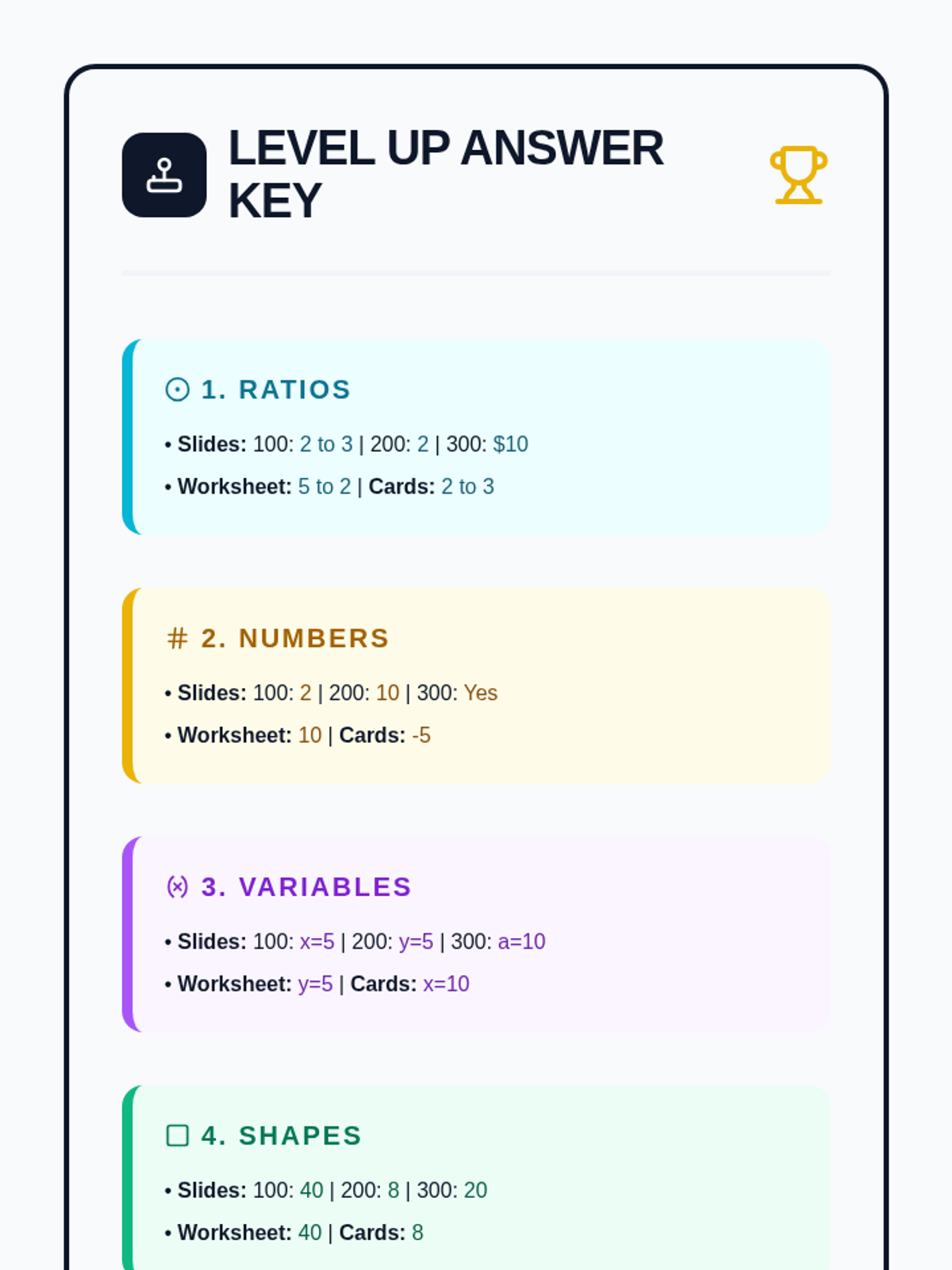
A comprehensive math review sequence designed for students with IEPs, featuring simplified numbers, visual aids, and a gamified arcade theme. Covers Ratios, The Number System, Expressions, Geometry, and Statistics through interactive slides and printable activities.
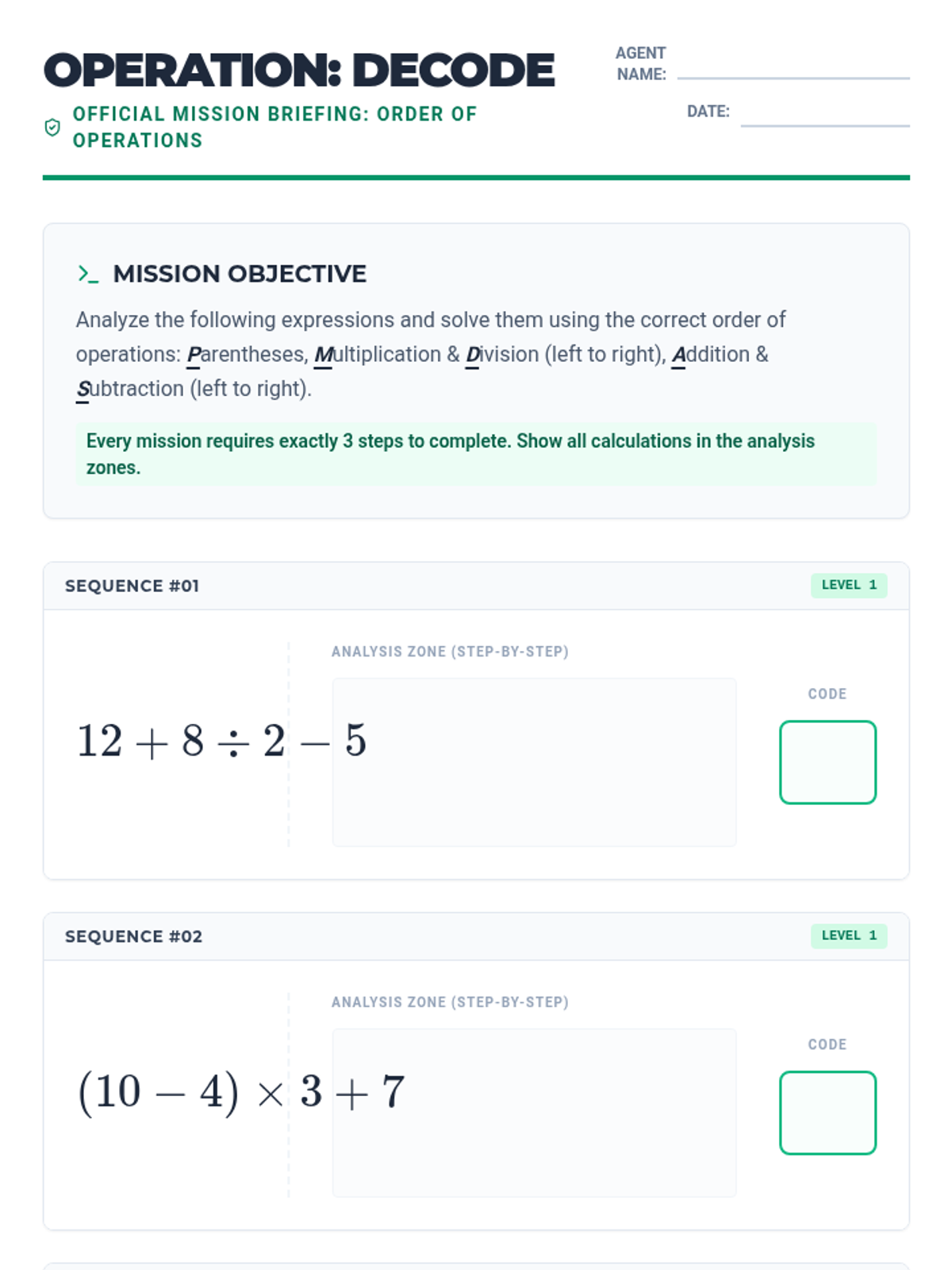
A collection of math challenges focused on operational fluency and geometric measurement.
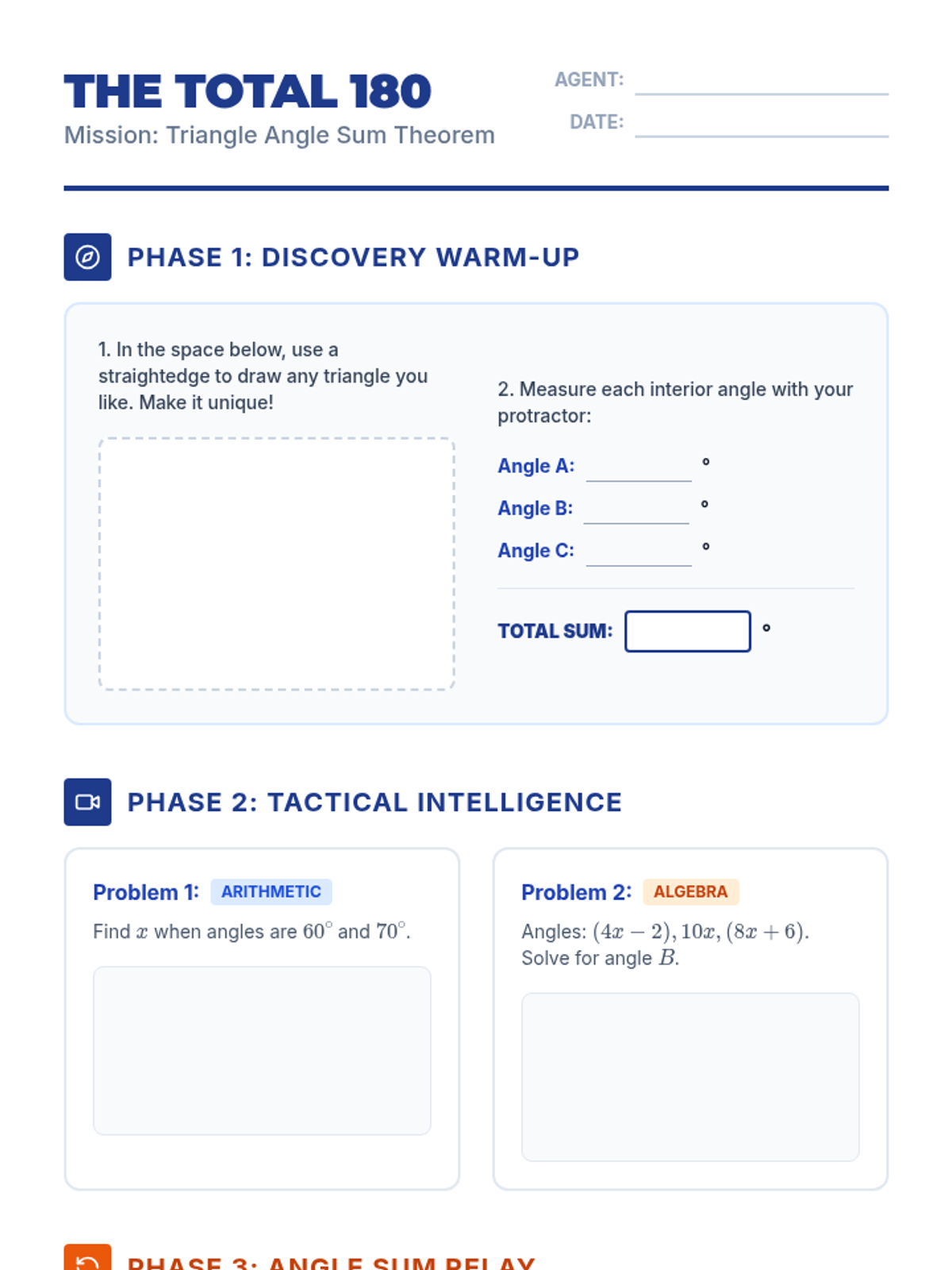
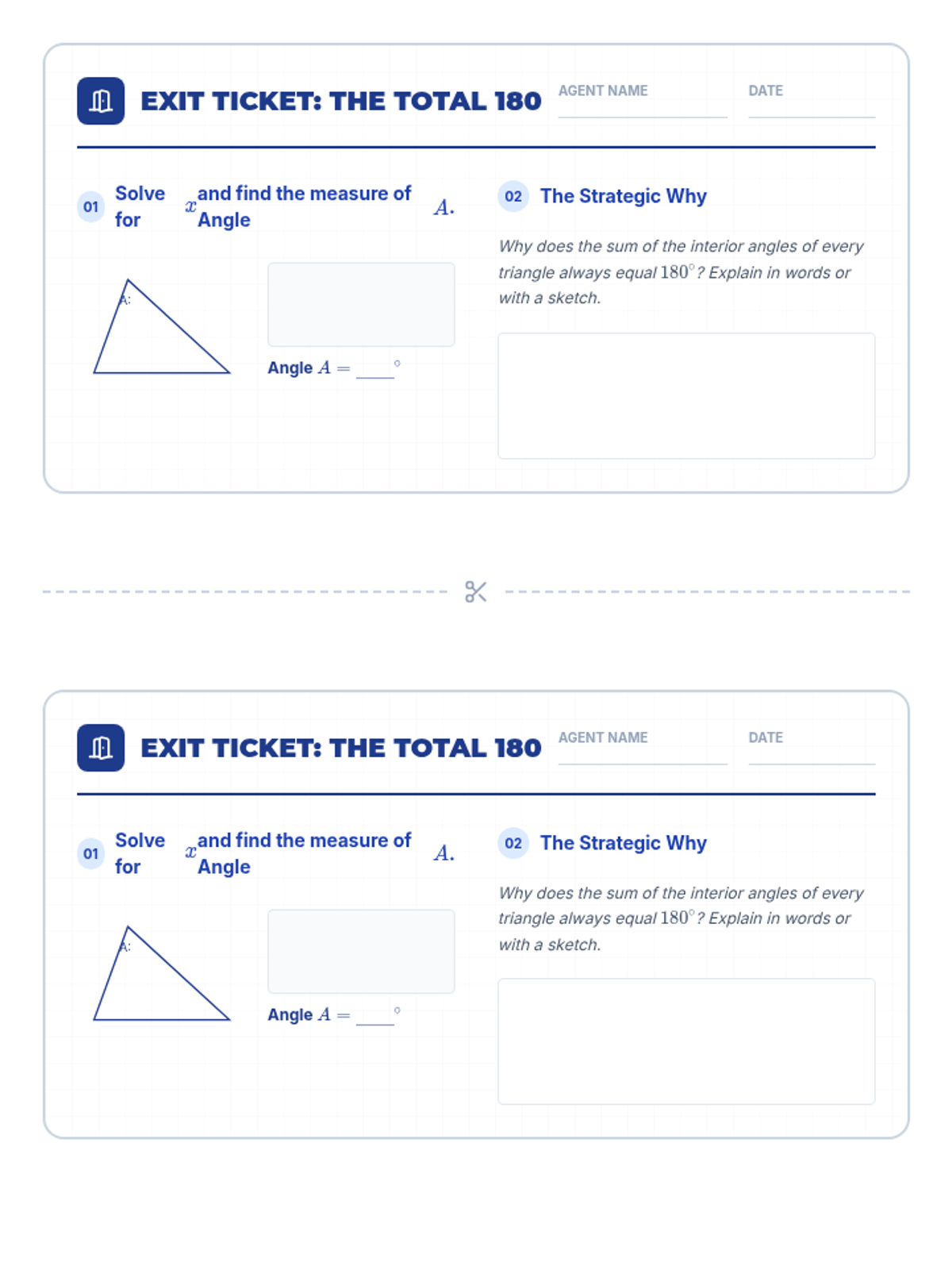
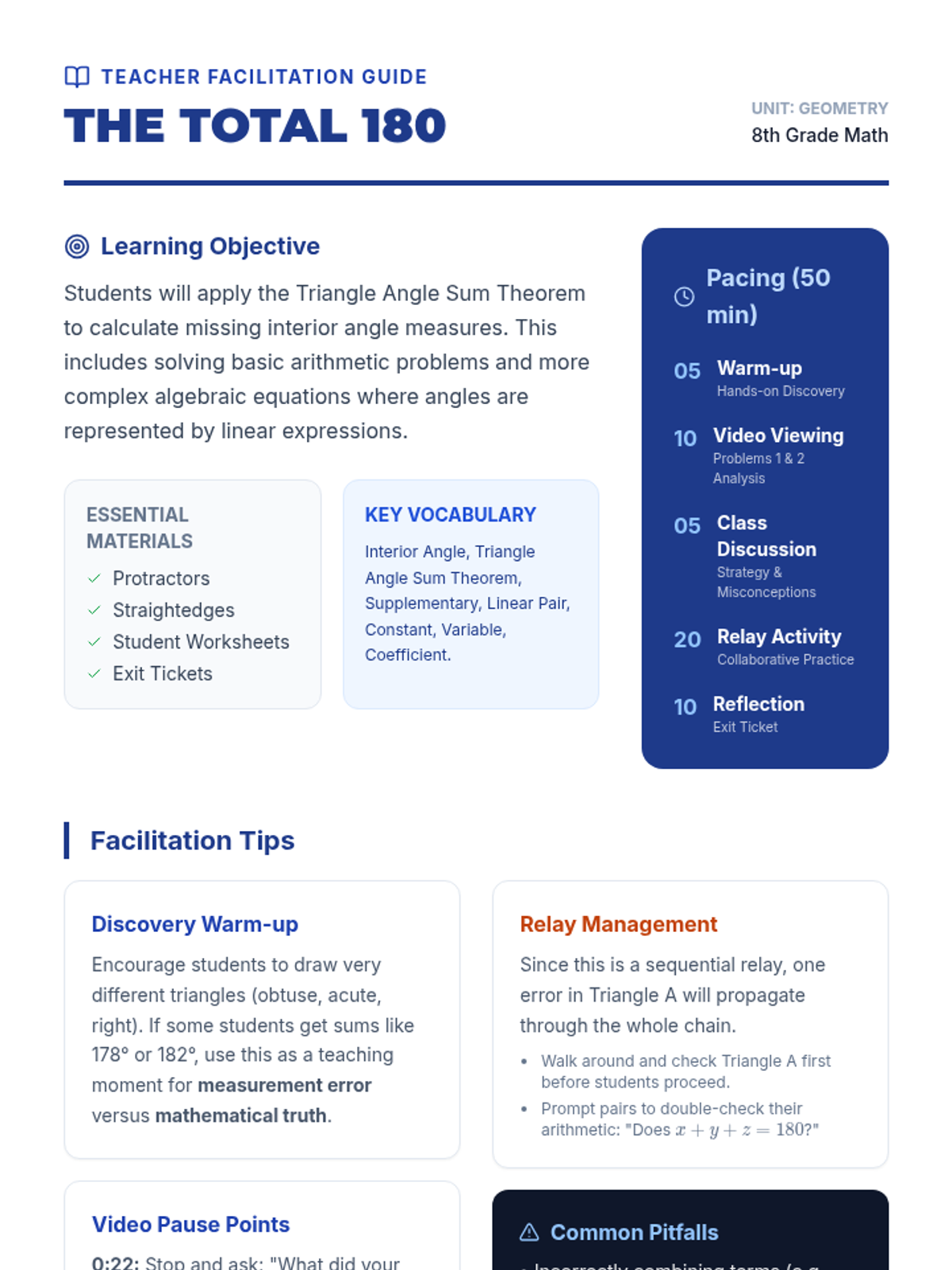
This 8th Grade Math sequence explores the properties of triangles, focusing on the Triangle Angle Sum Theorem and its applications in algebraic problem-solving. Students progress from hands-on measurement to complex multi-step relay challenges.
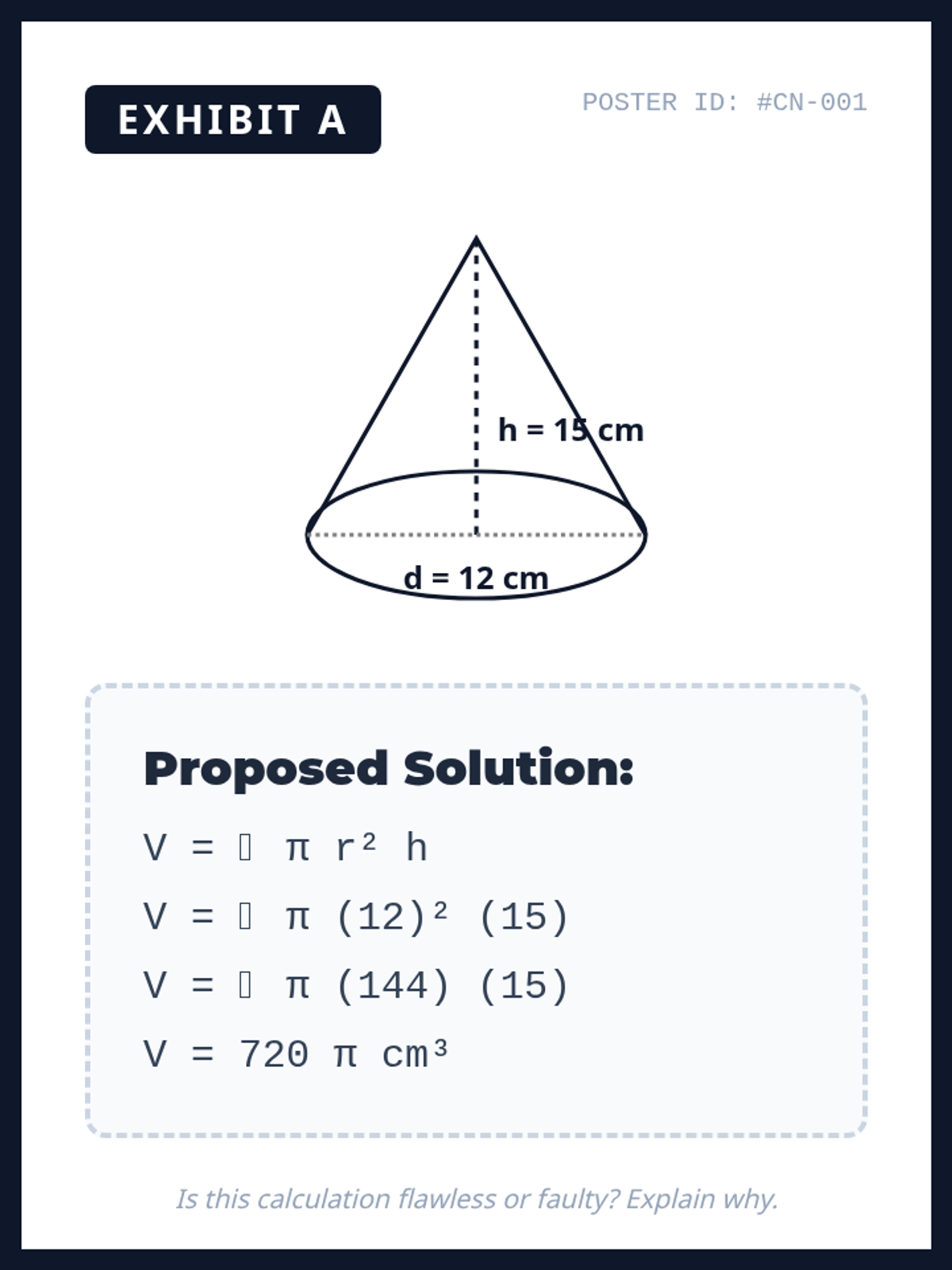
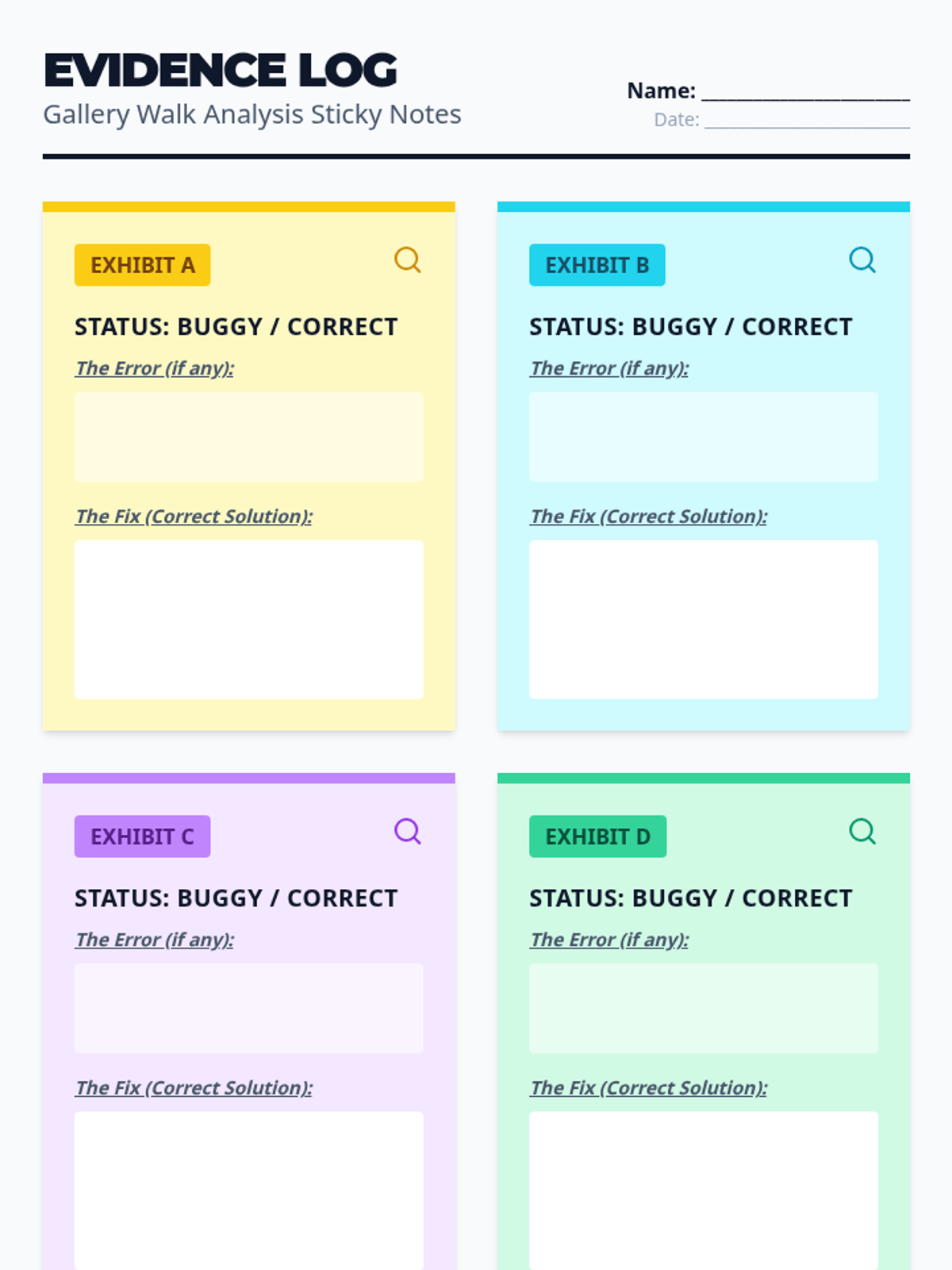
A focused unit on mastering the volume of cones, specifically identifying and correcting common calculation errors like the 'diameter trap'.
This sequence explores spatial visualization through the study of cross-sections and solids of revolution. Students learn to translate between 2D and 3D representations, a critical skill for engineering, physics, and advanced mathematics.
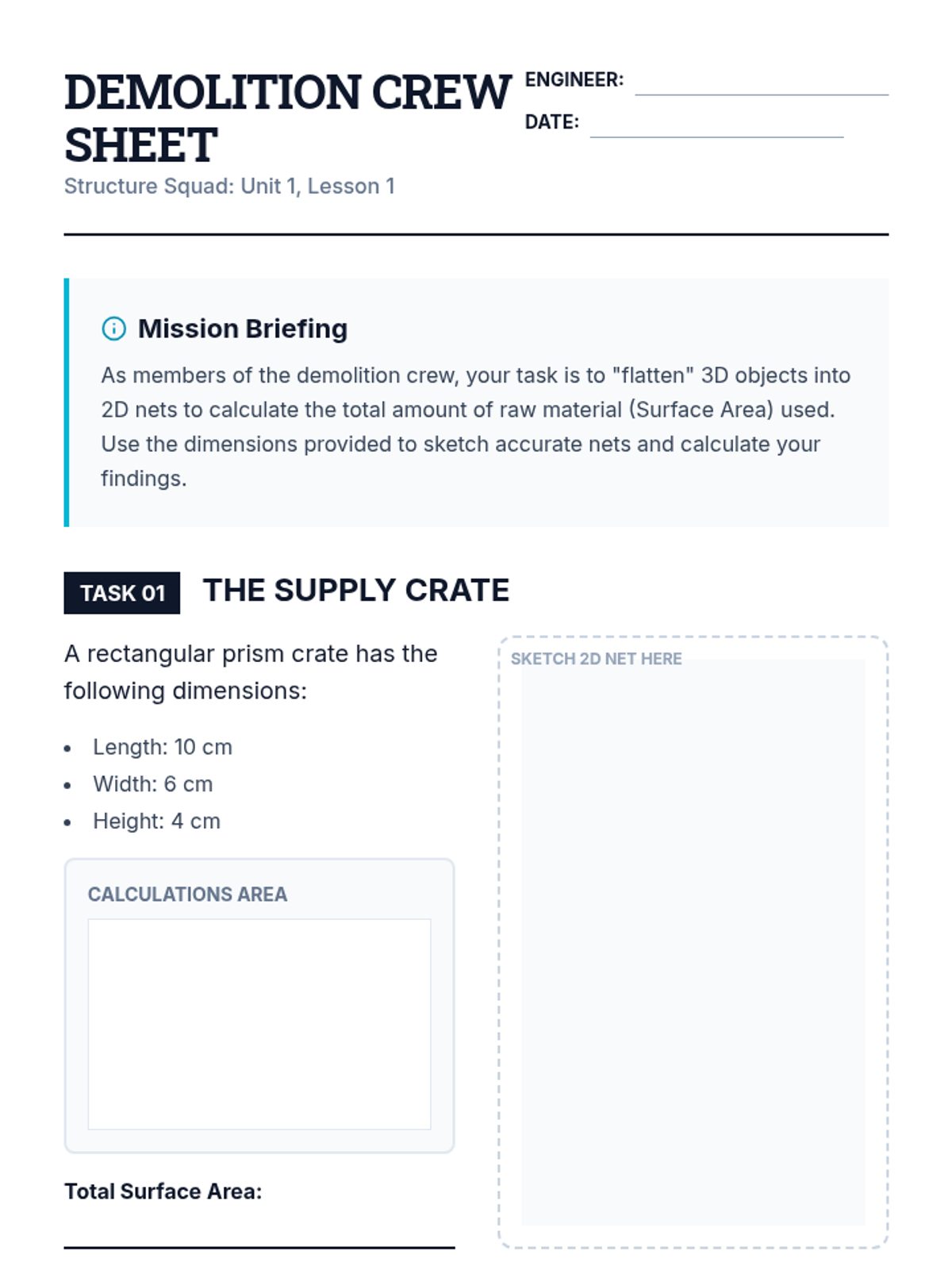
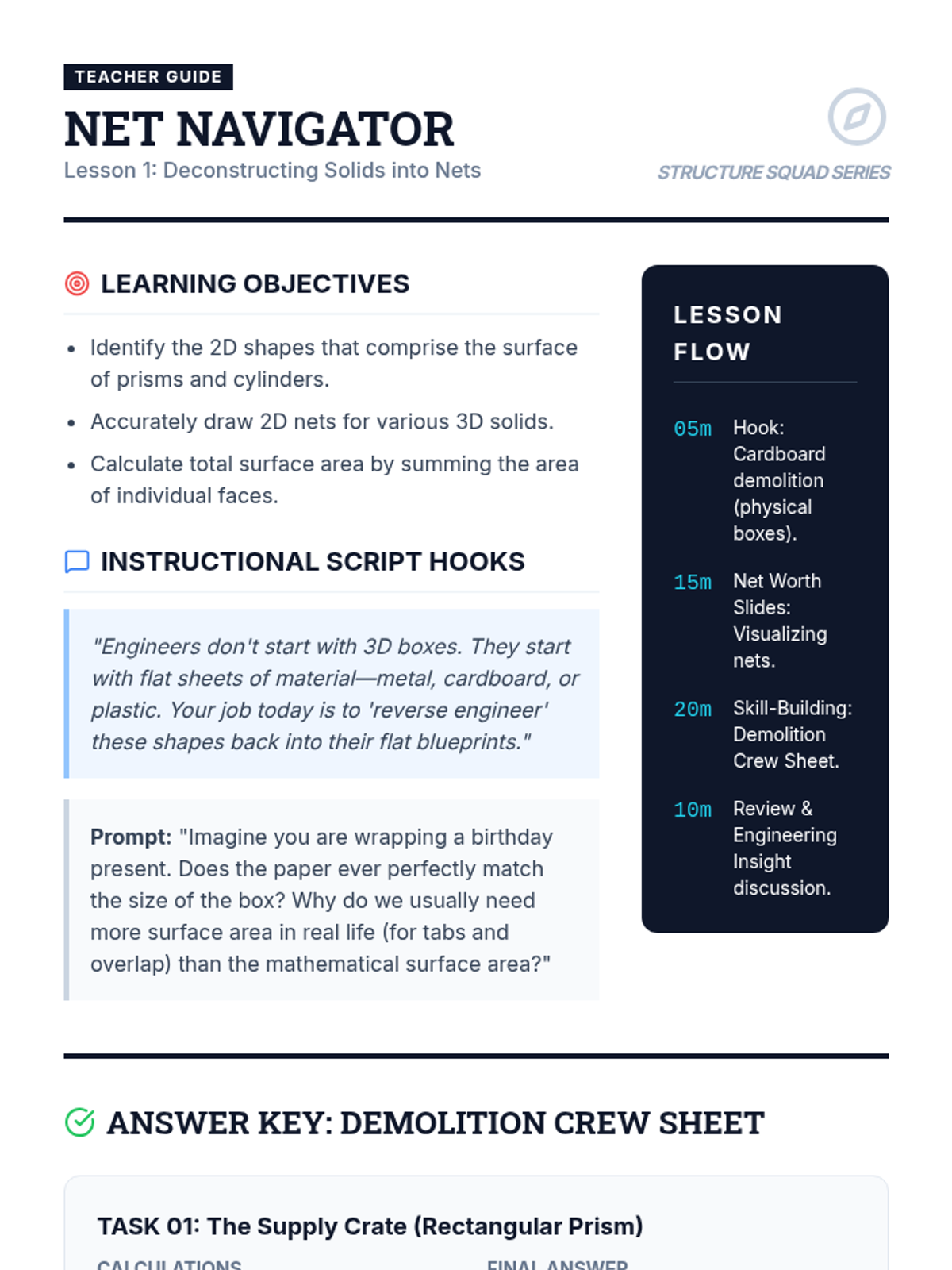
An engineering-focused unit where 8th-grade students analyze 3D solids through nets, volume formulas, and surface area optimization. The sequence culminates in a design project to create efficient packaging using geometric principles.
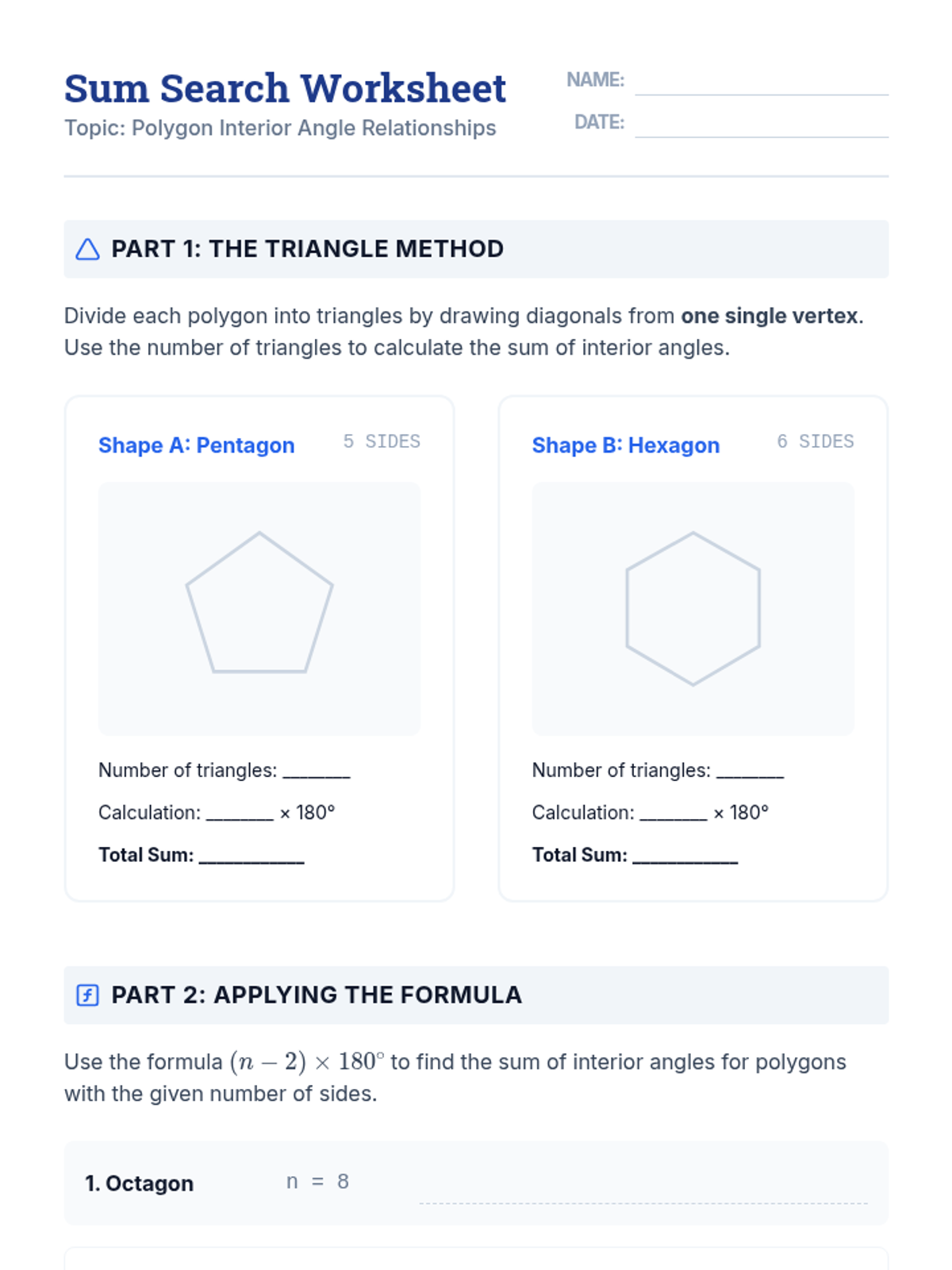
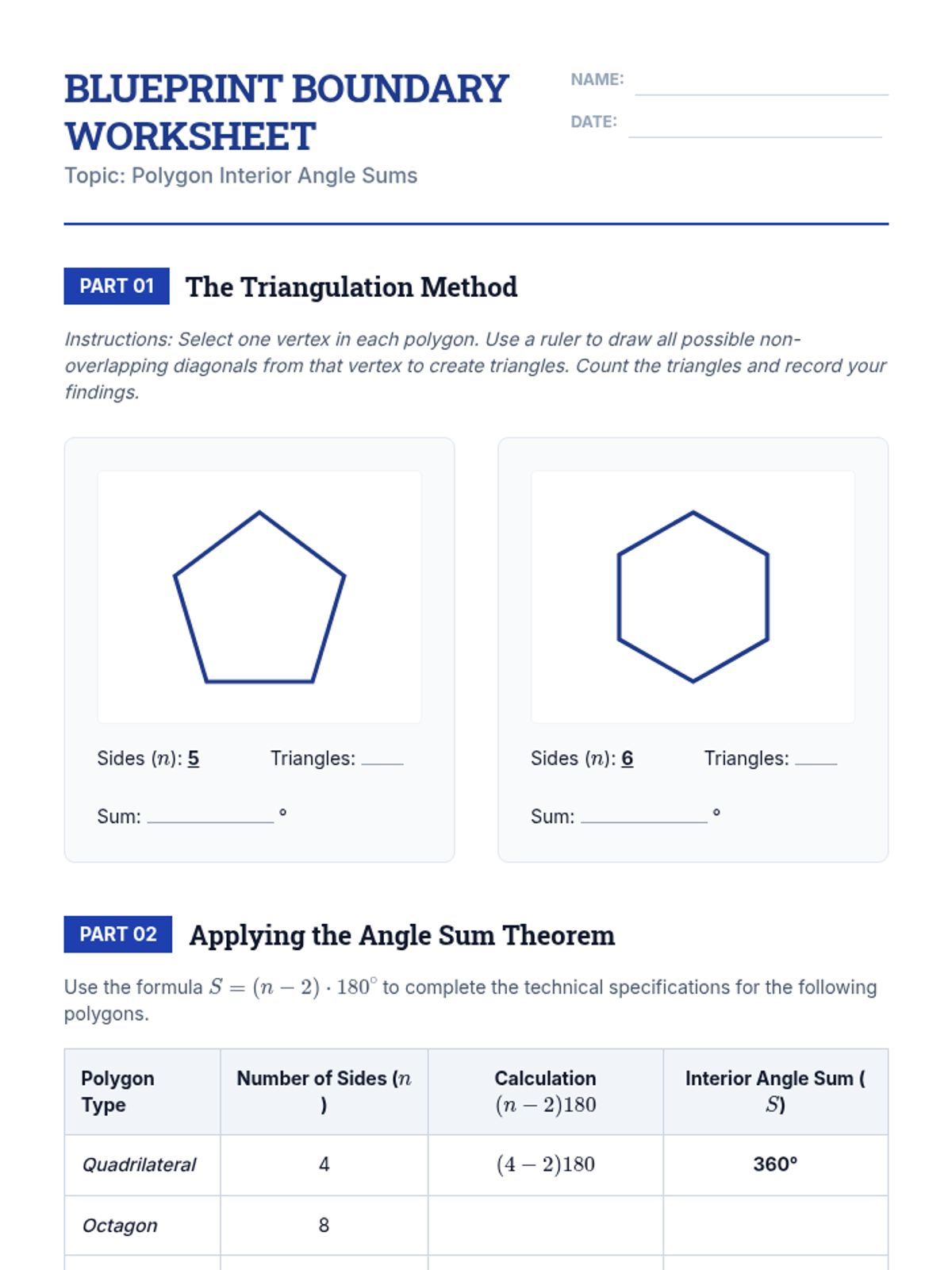
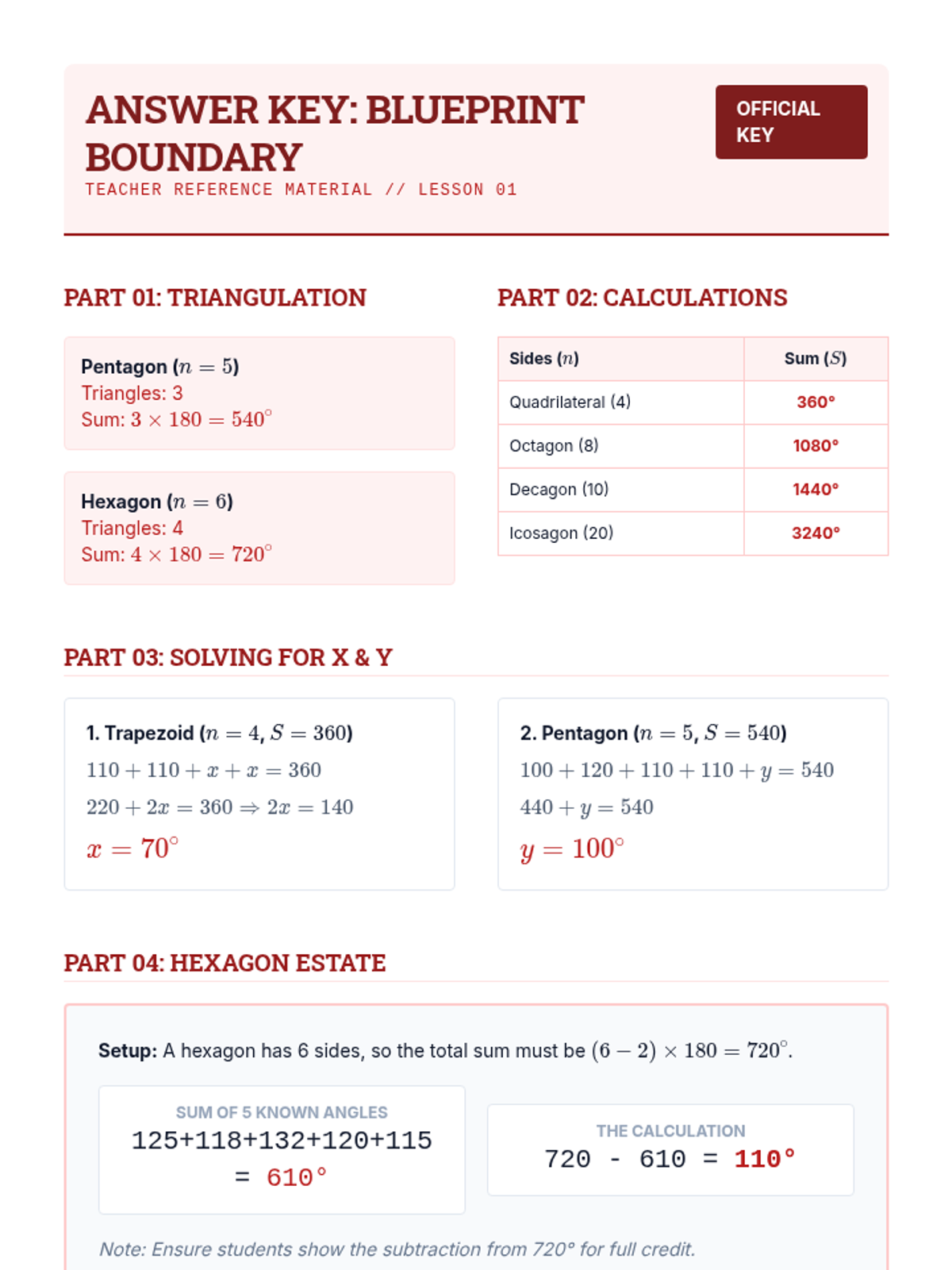
An 8th-grade geometry sequence focused on the derivation and application of polygon angle properties. Students progress from the Triangle Sum Theorem to general formulas for interior and exterior angles of any polygon, ultimately applying these properties to solve complex algebraic problems.
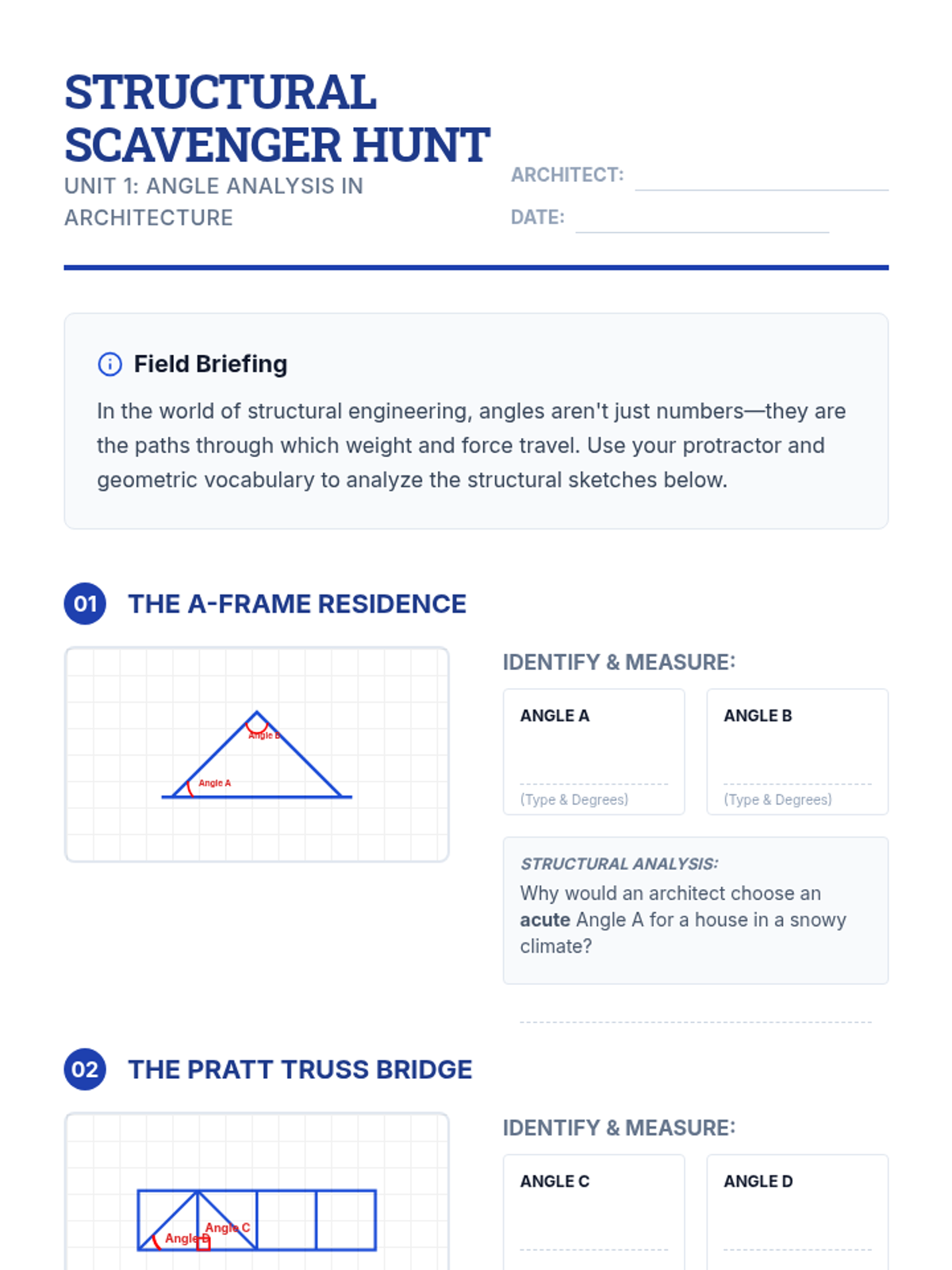
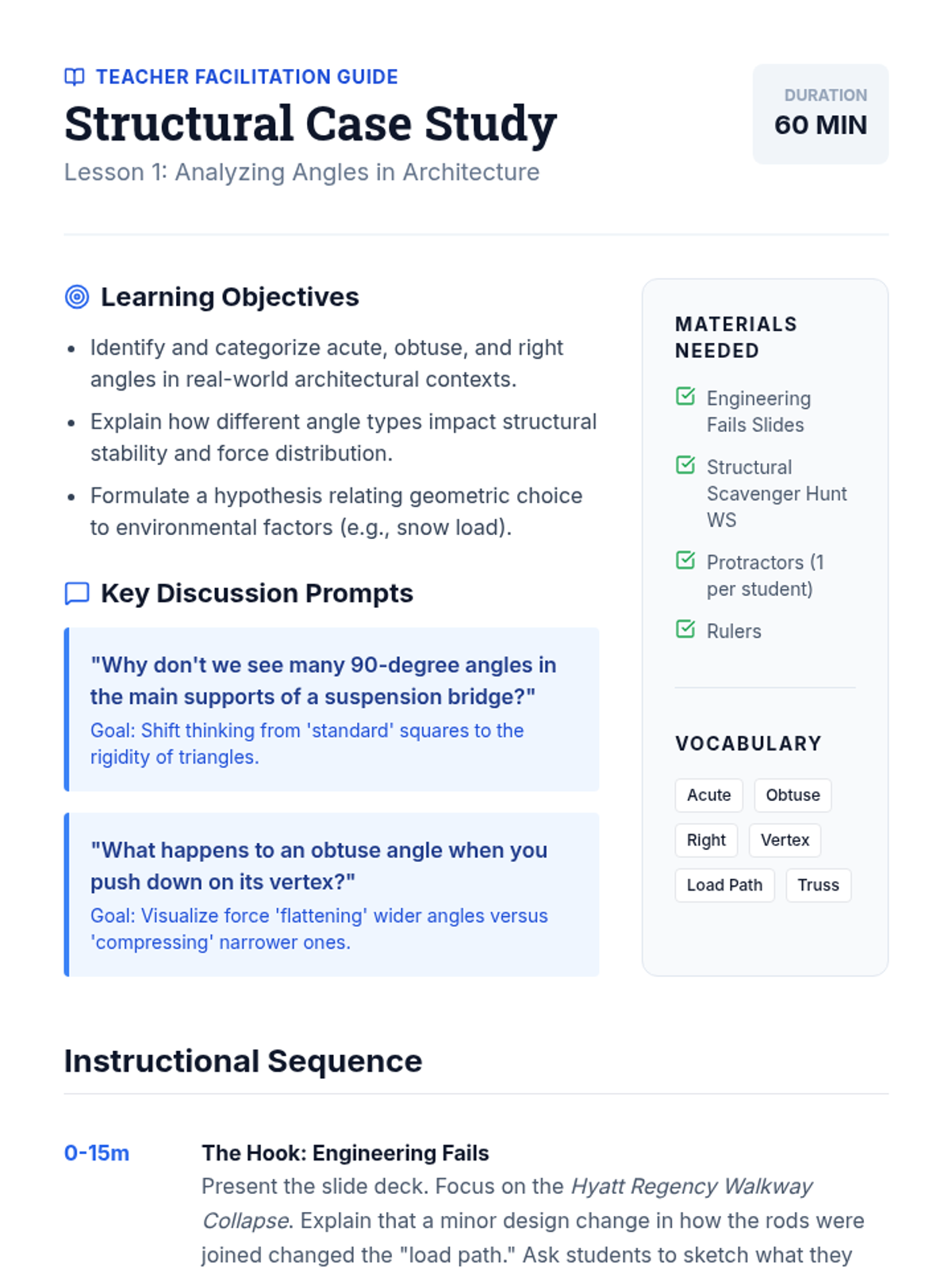
A project-based 8th-grade sequence where students act as structural engineers and architects. They apply angle concepts (complementary, supplementary, vertical, adjacent) to design and verify the structural integrity of bridges and trusses.
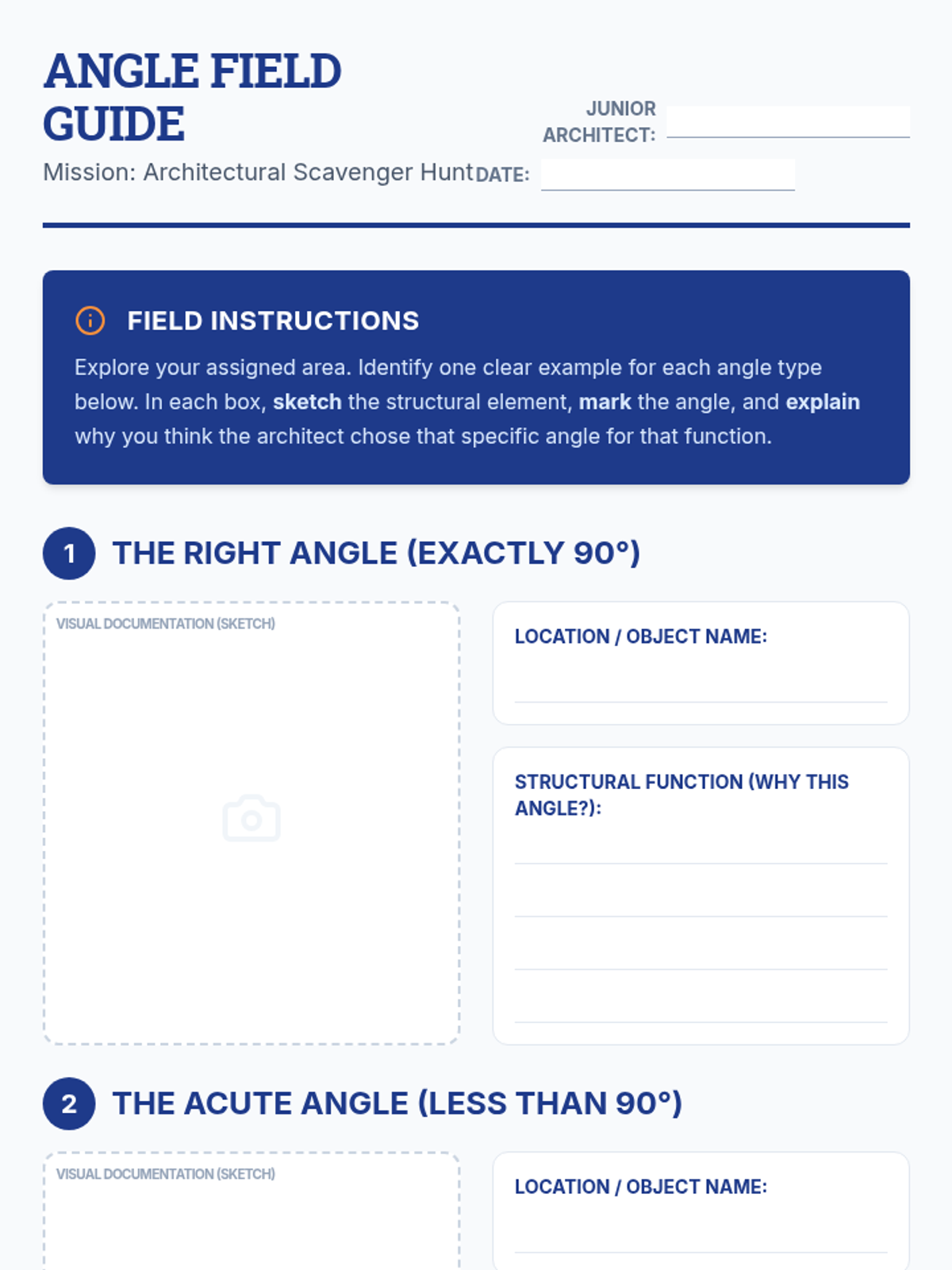
A 5-lesson math sequence where students explore angle relationships through the lens of architectural design, moving from identifying angles in the environment to drafting their own structural blueprints.
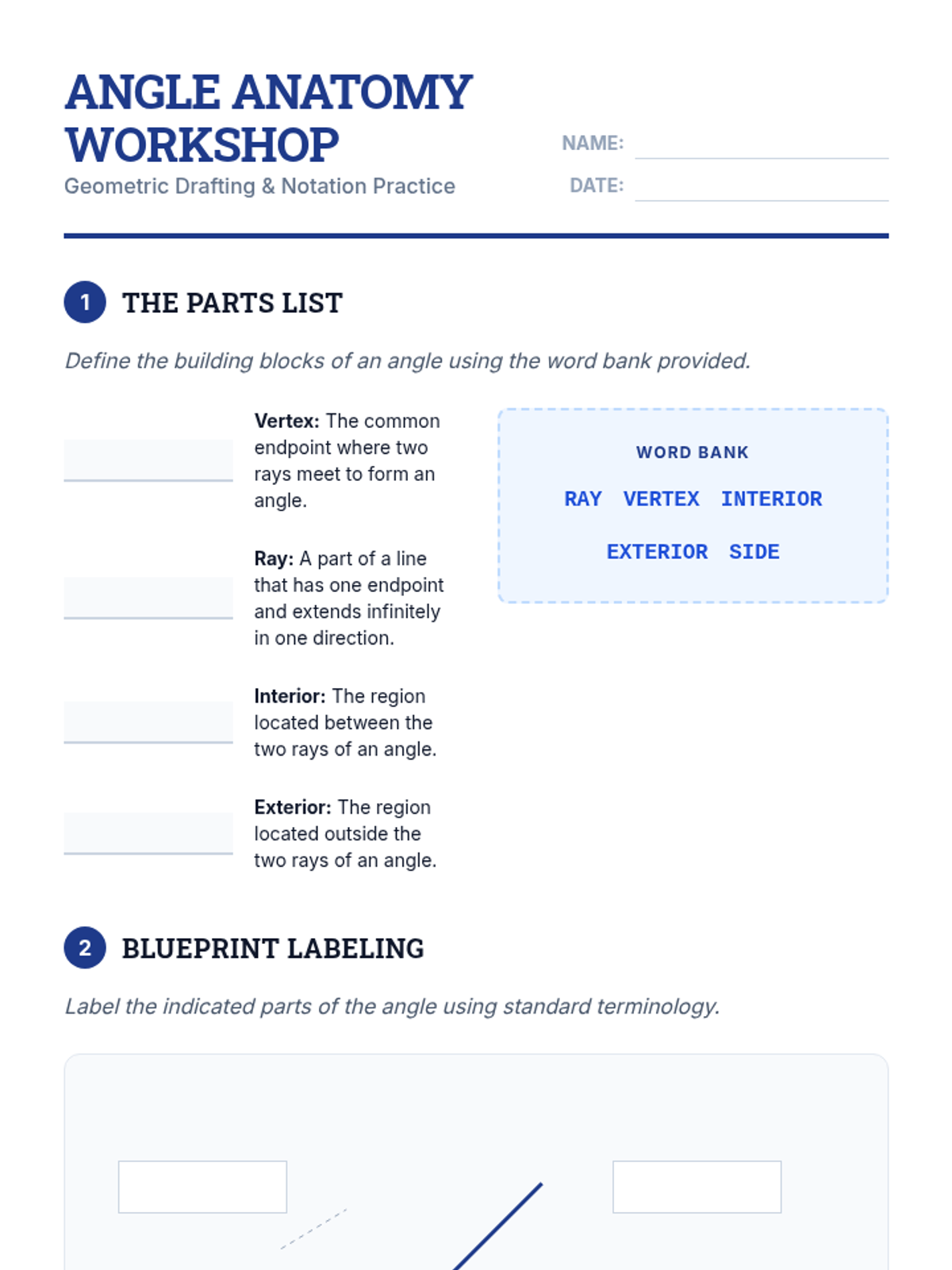
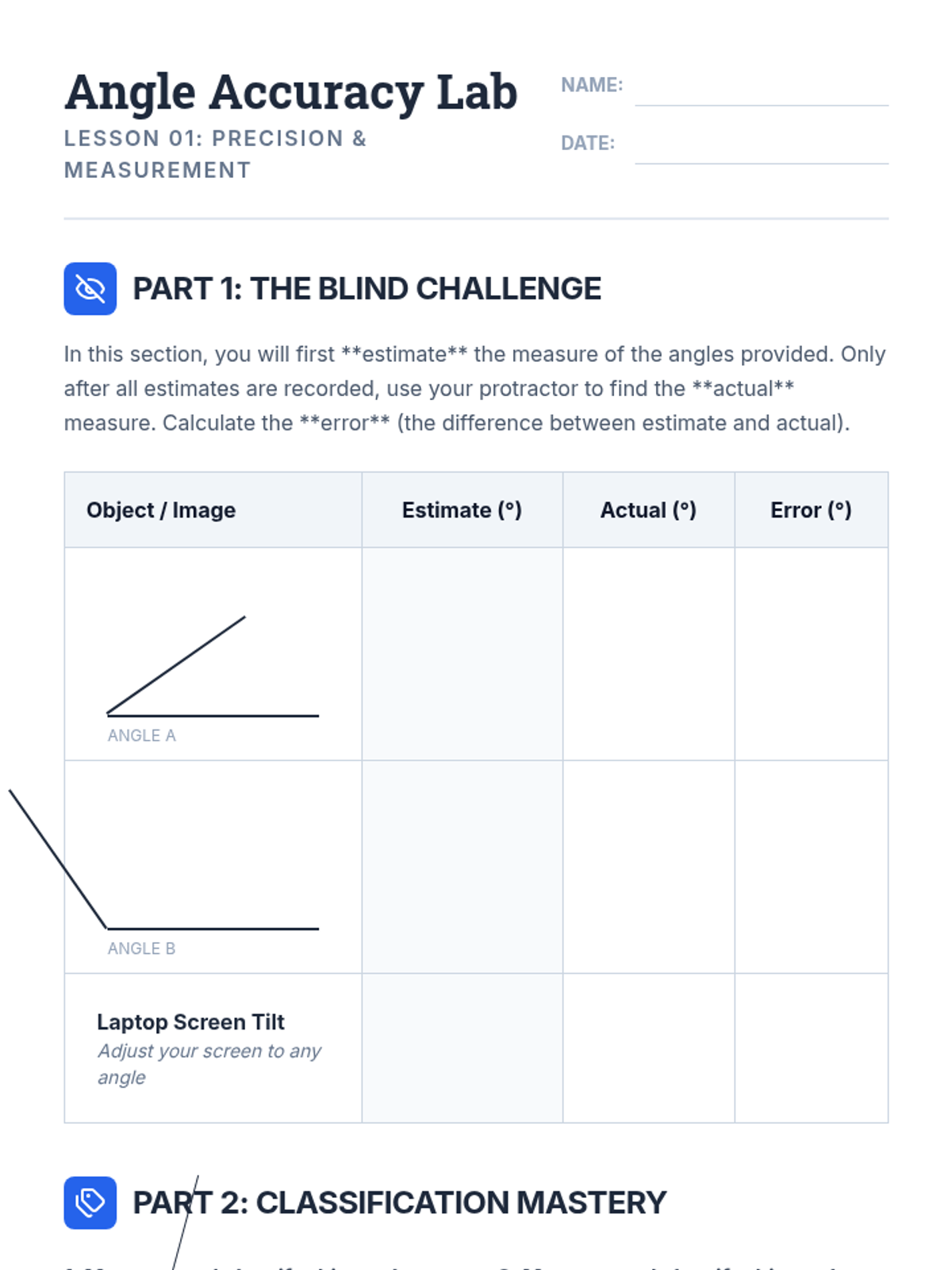
This sequence guides 6th-grade students through the mechanics of geometry, focusing on identifying, measuring, classifying, and constructing angles with precision. Students move from basic anatomy to mastery of the protractor and error analysis.
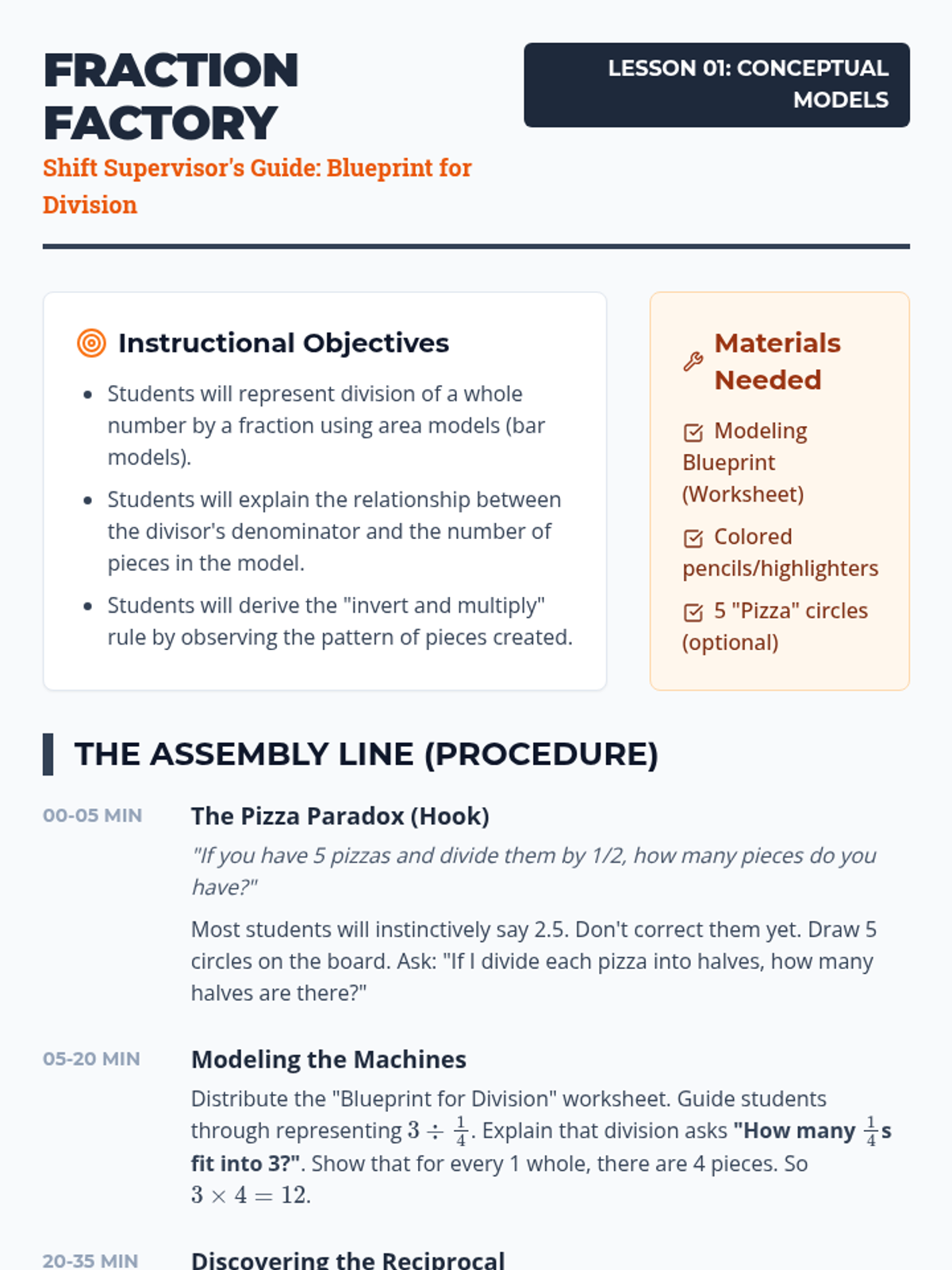
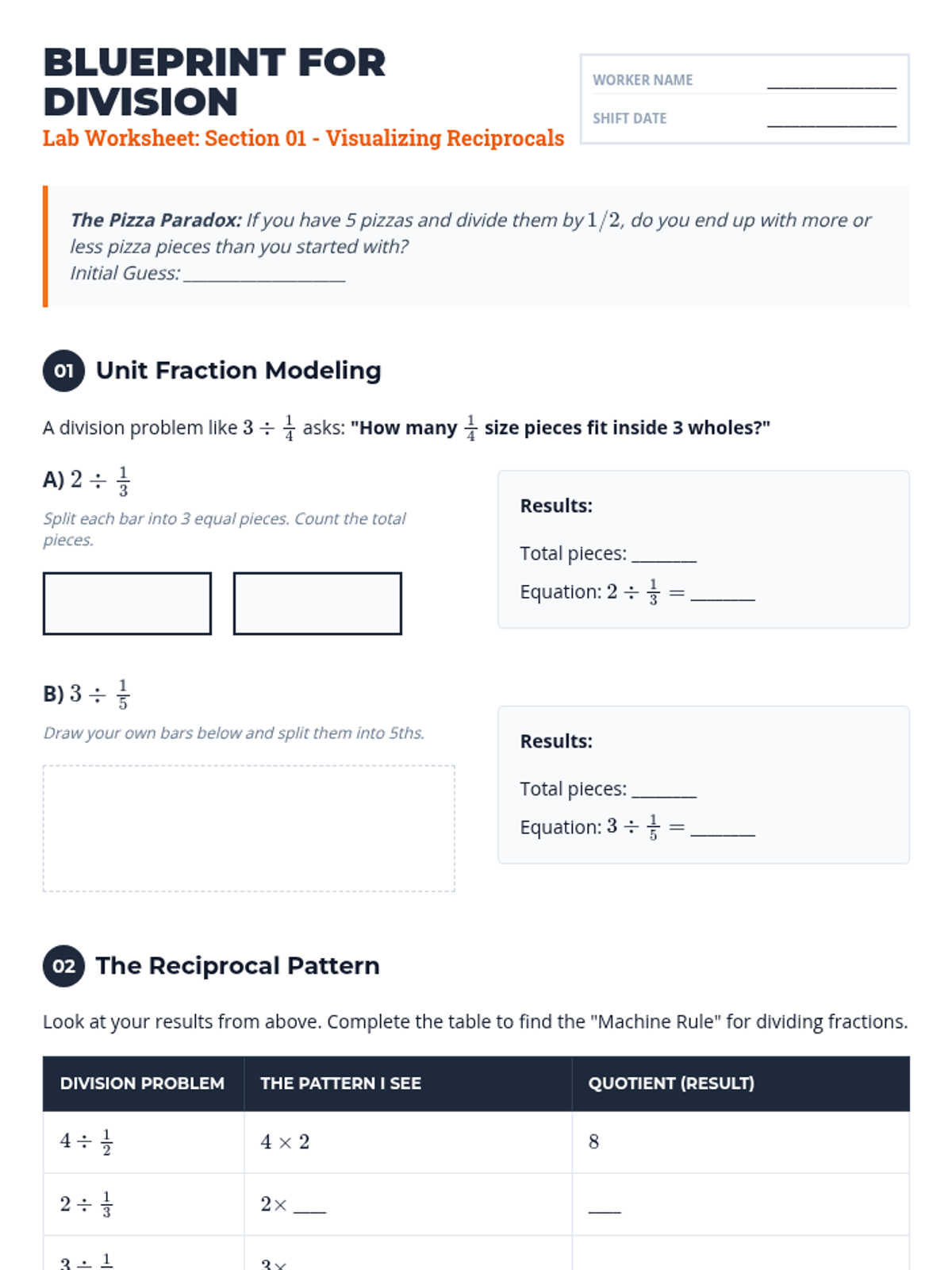
This sequence guides students from conceptual modeling of fraction division to applying the standard algorithm with mixed numbers in complex geometric and real-world contexts. Students will explore the 'why' behind the reciprocal before mastering the 'how' and applying it to find missing dimensions and unit rates.
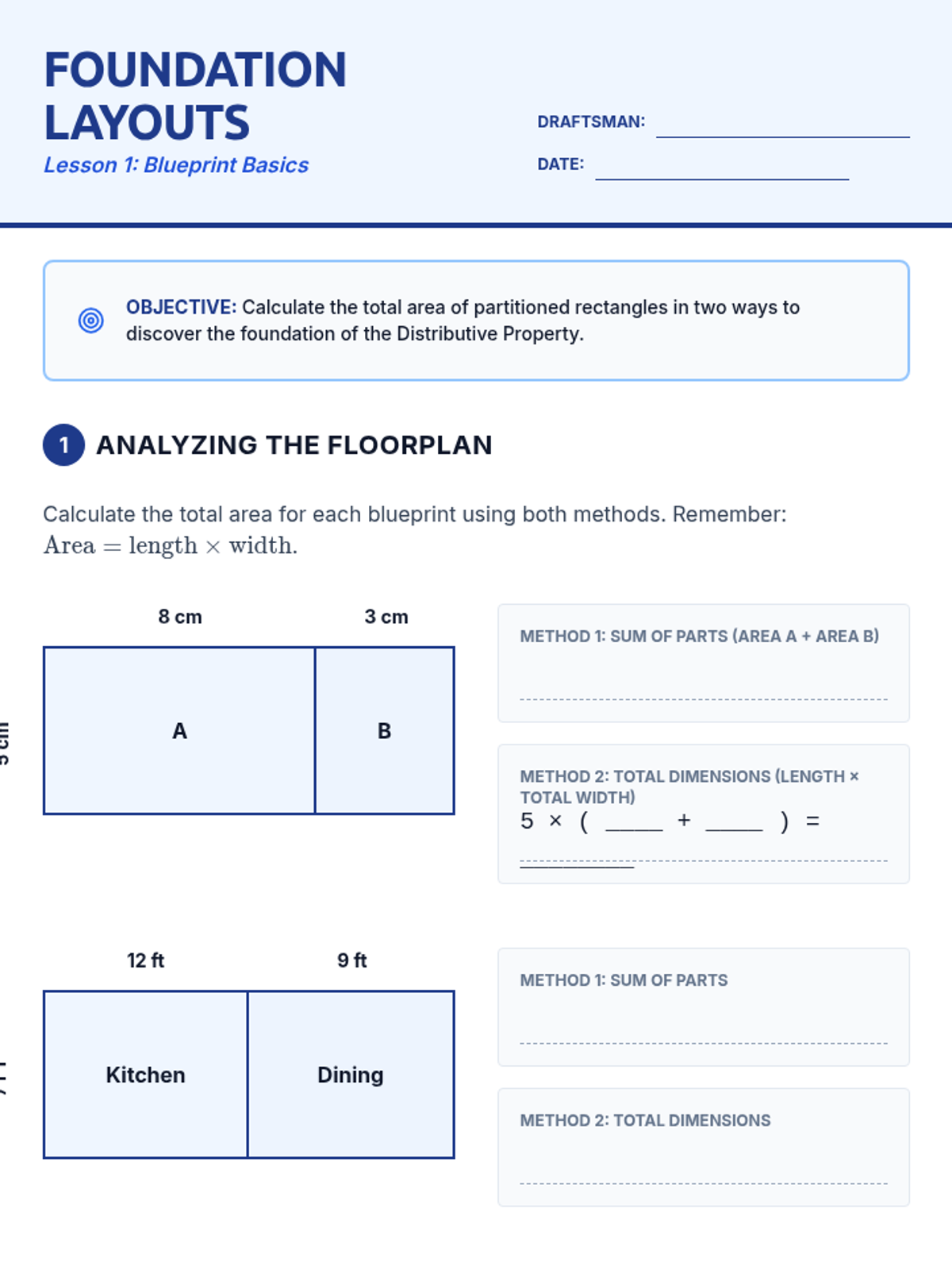
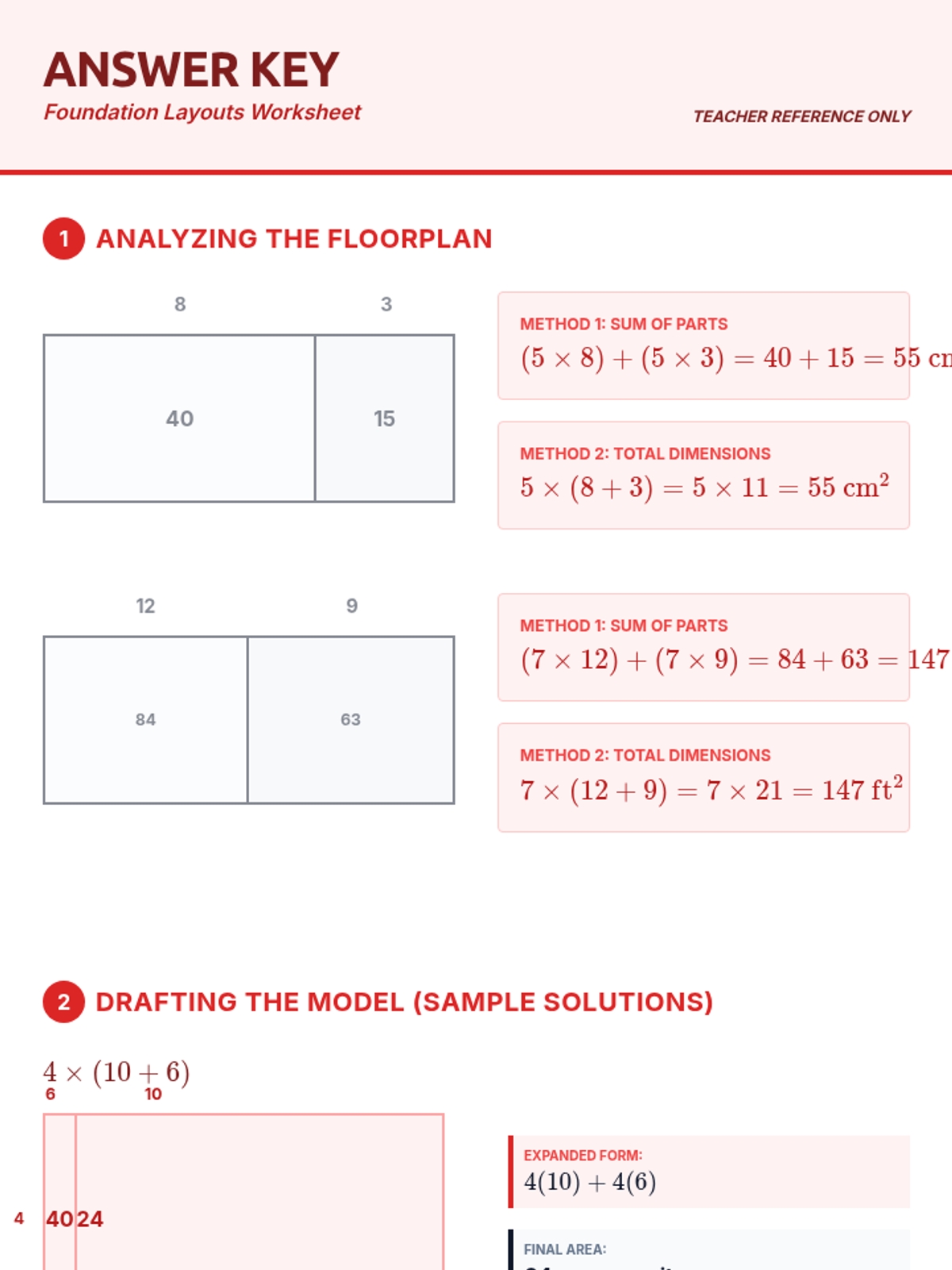
This inquiry-based sequence utilizes geometric area models to conceptualize the distributive property. Students move from concrete arithmetic to abstract algebraic manipulation, eventually fluently expanding linear expressions with rational coefficients.
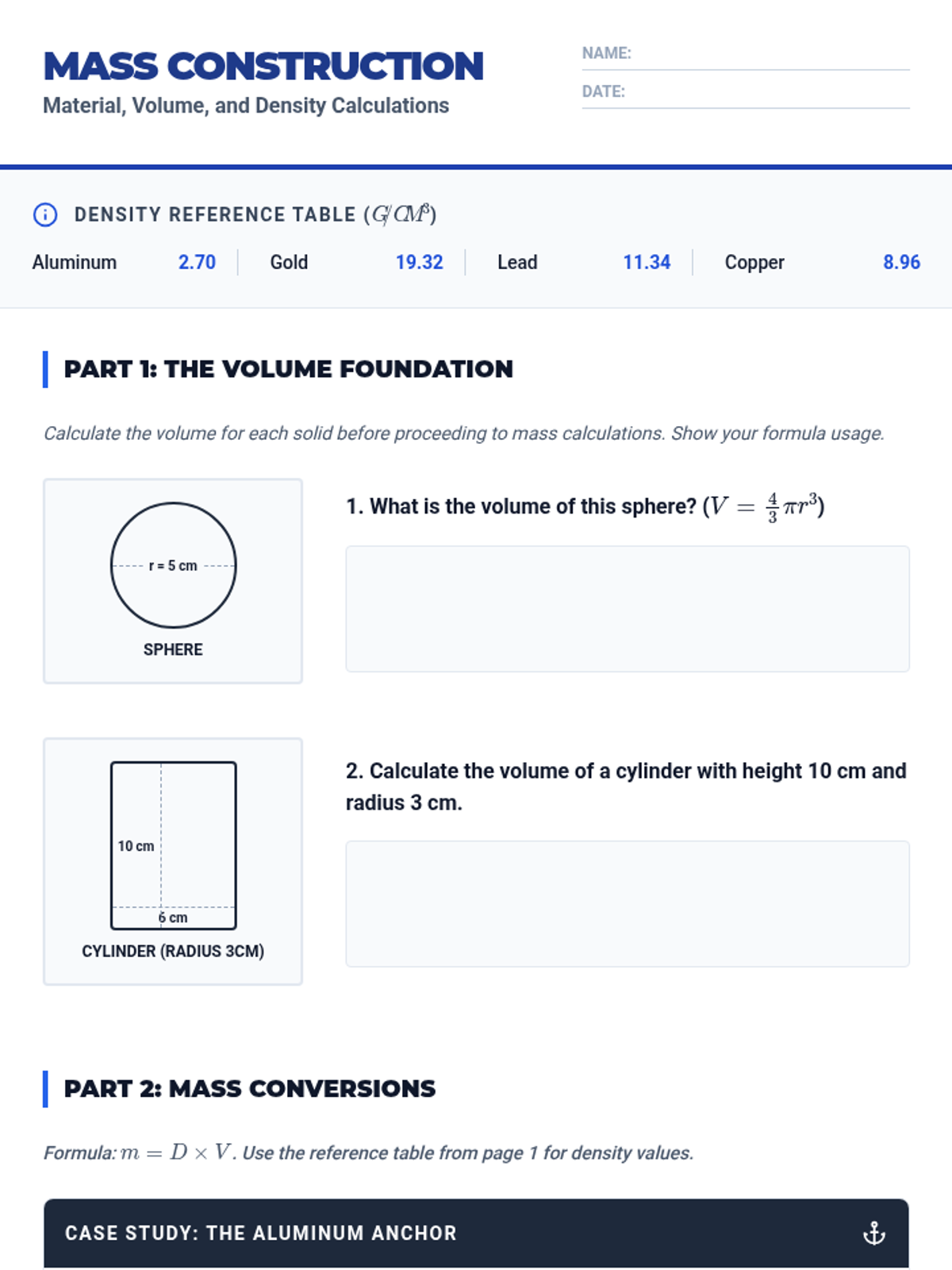
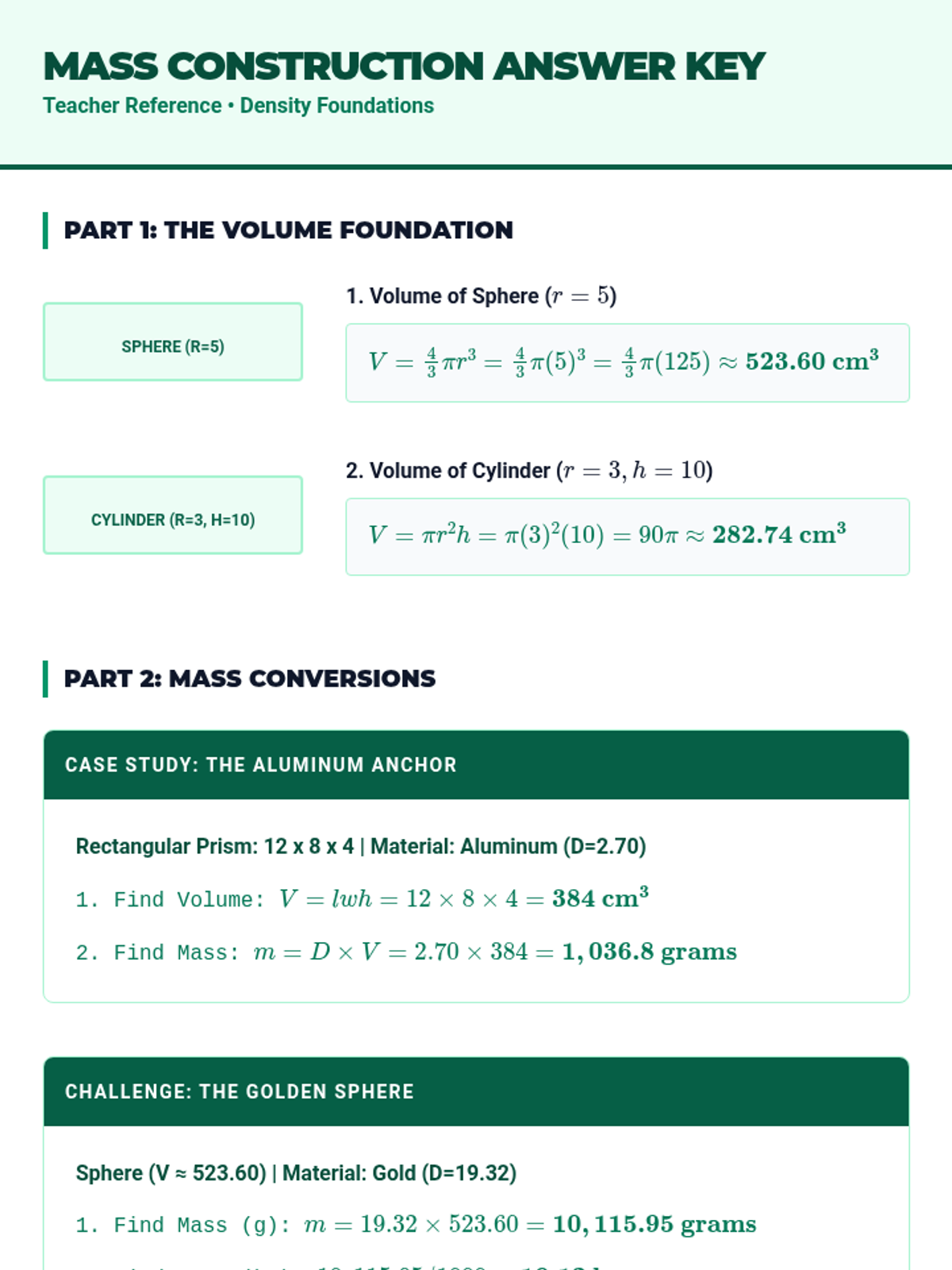
This sequence bridges geometry, algebra, and physics by challenging students to work backwards from volume to find missing dimensions and using those volumes to calculate density. Students act as analysts and designers, moving from formula manipulation to forensic material identification.
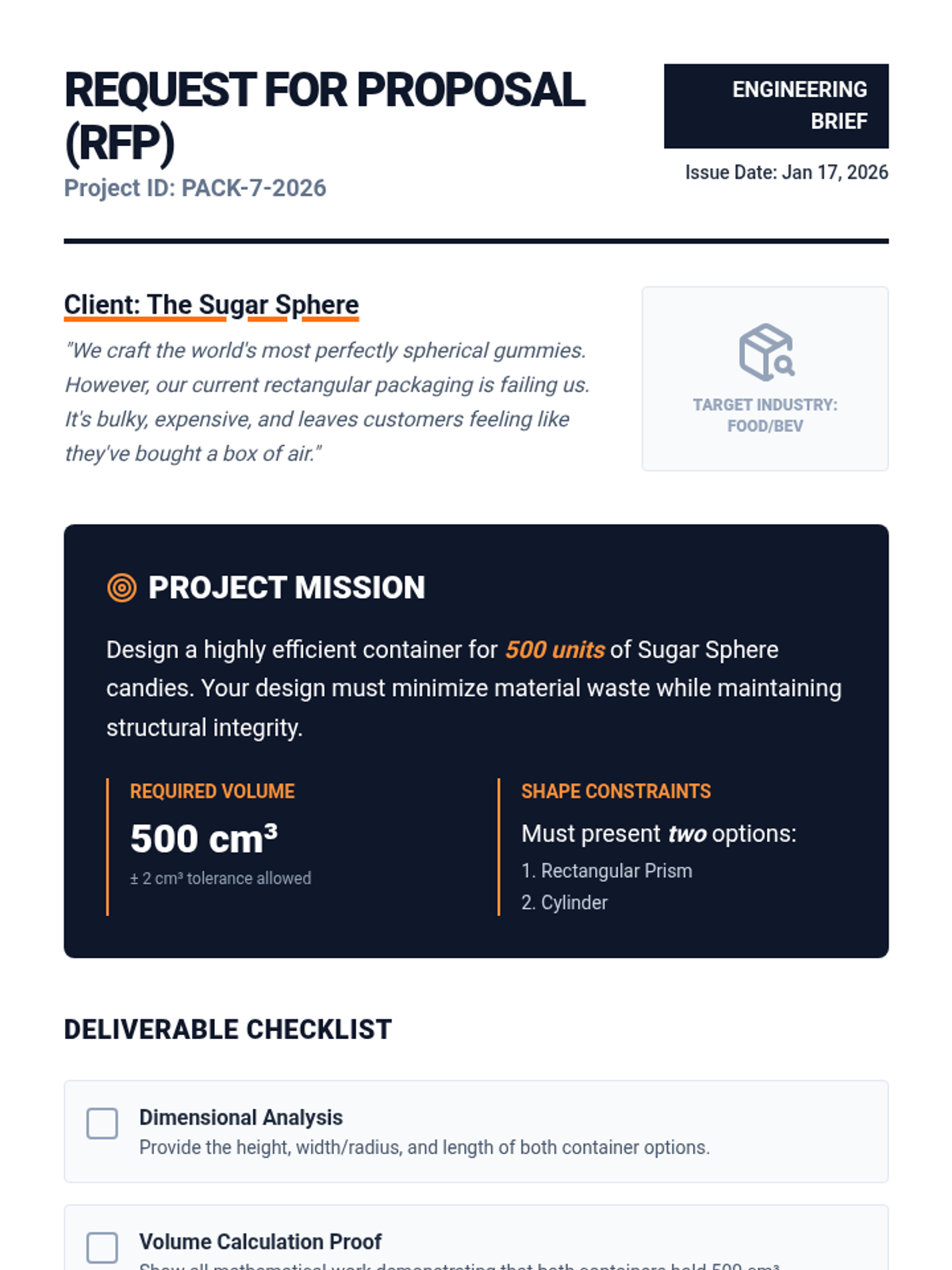
A project-based geometry sequence where students act as packaging engineers to design cost-effective containers. Students apply volume and surface area formulas for prisms and cylinders to optimize product packaging and minimize wasted space.
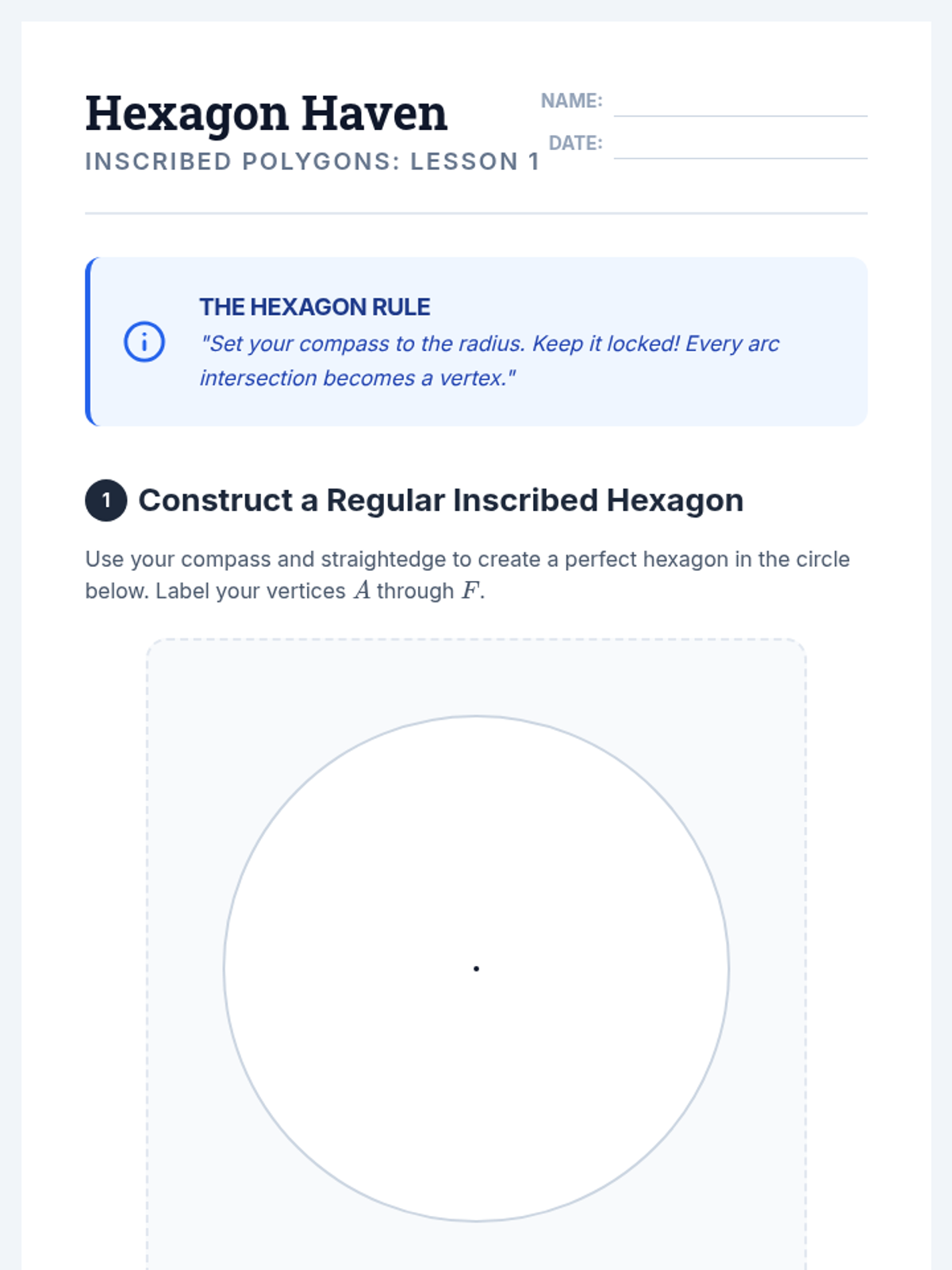
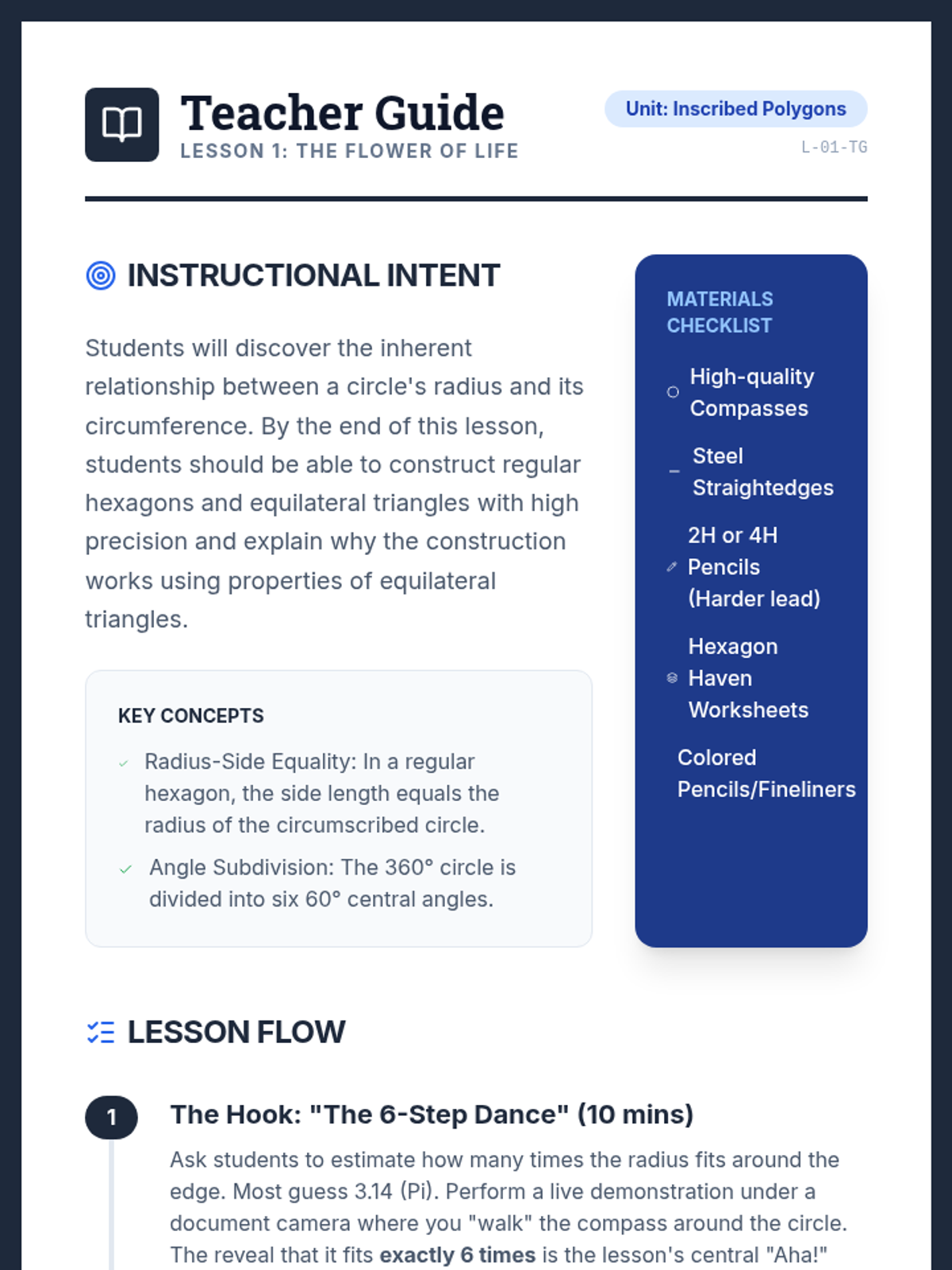
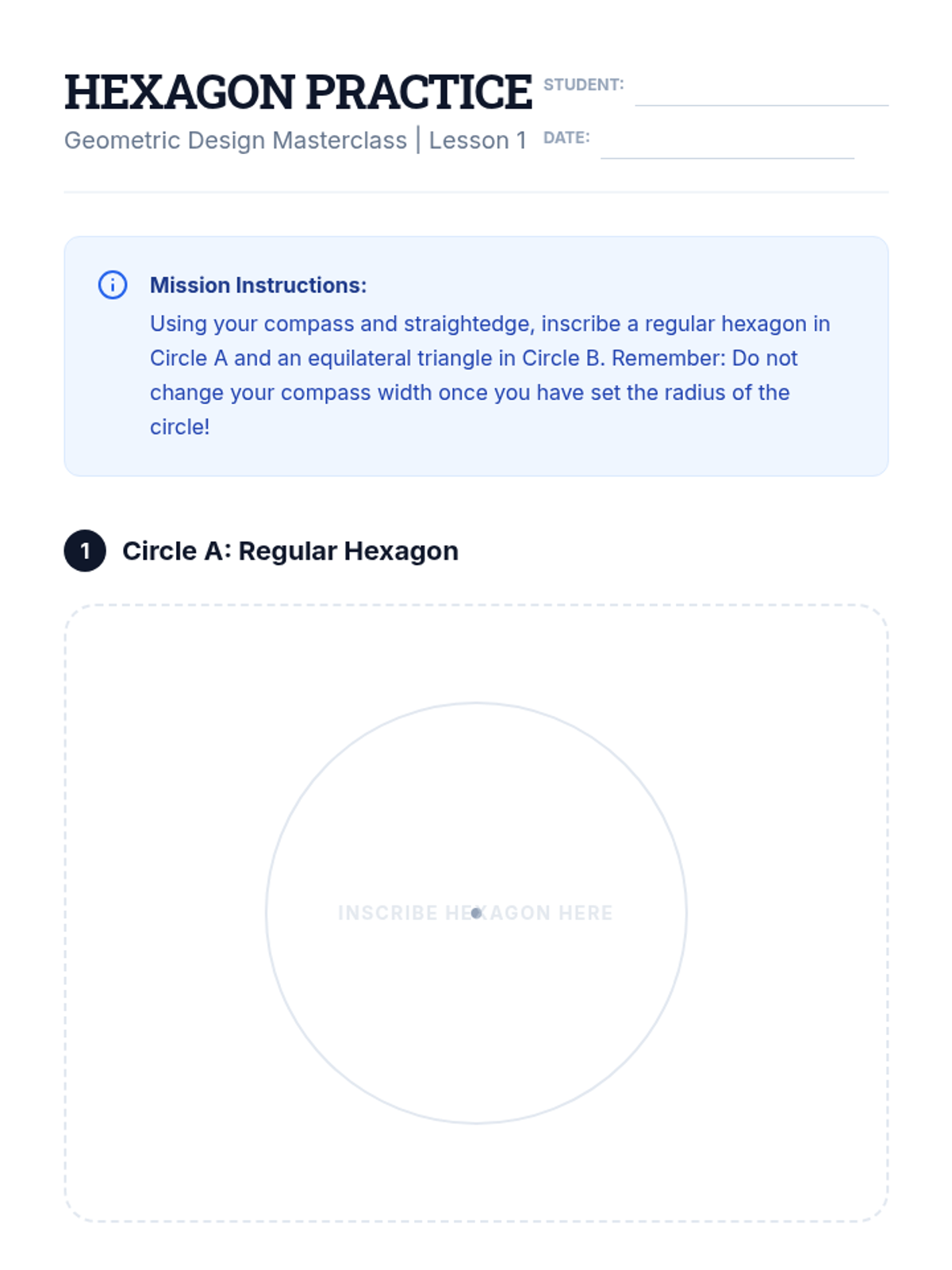
This sequence explores the intersection of art and geometry through inscribed regular polygons. Students use compass and straightedge techniques to construct triangles, hexagons, squares, and pentagons, culminating in a geometric mandala project.
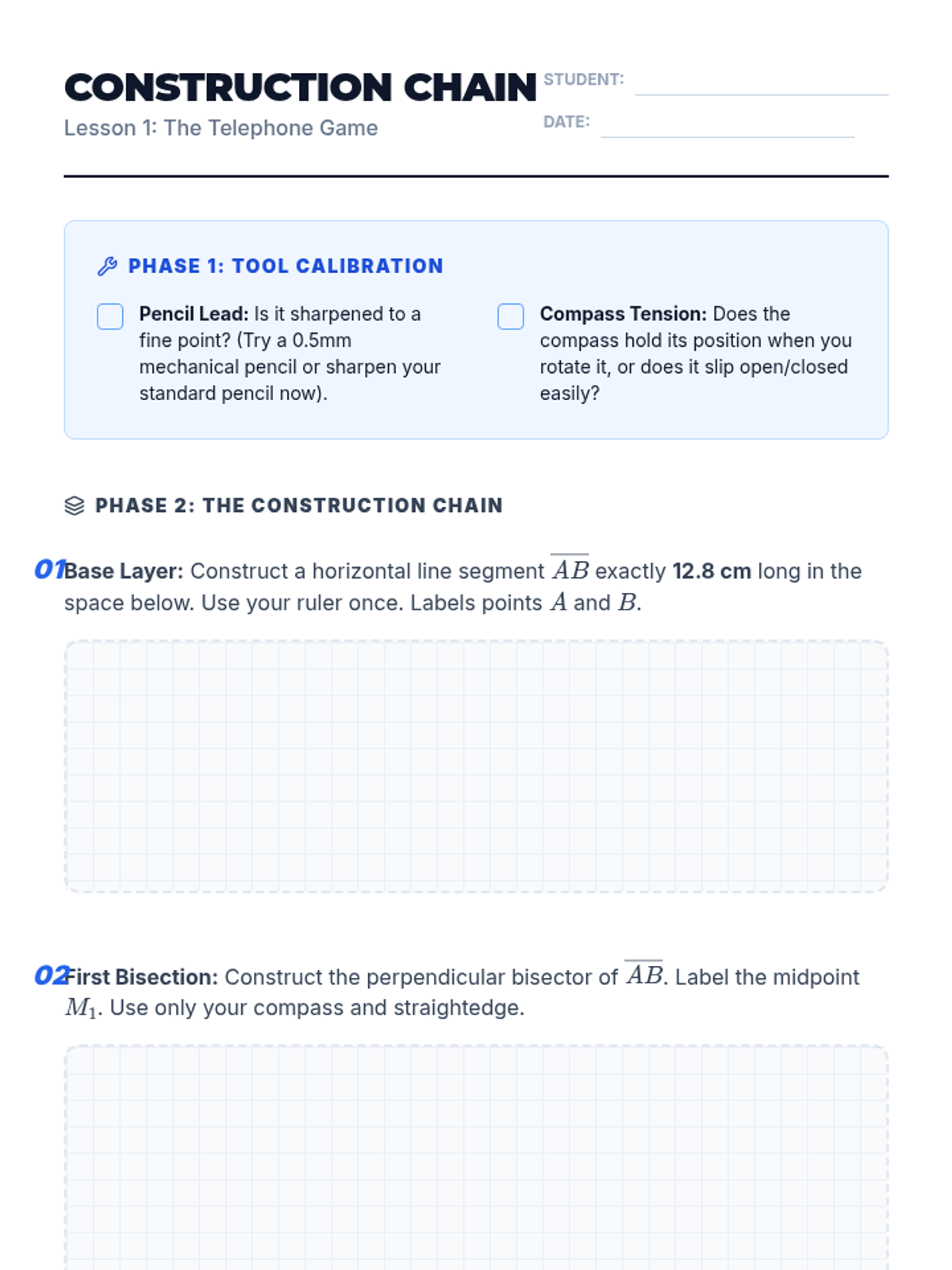
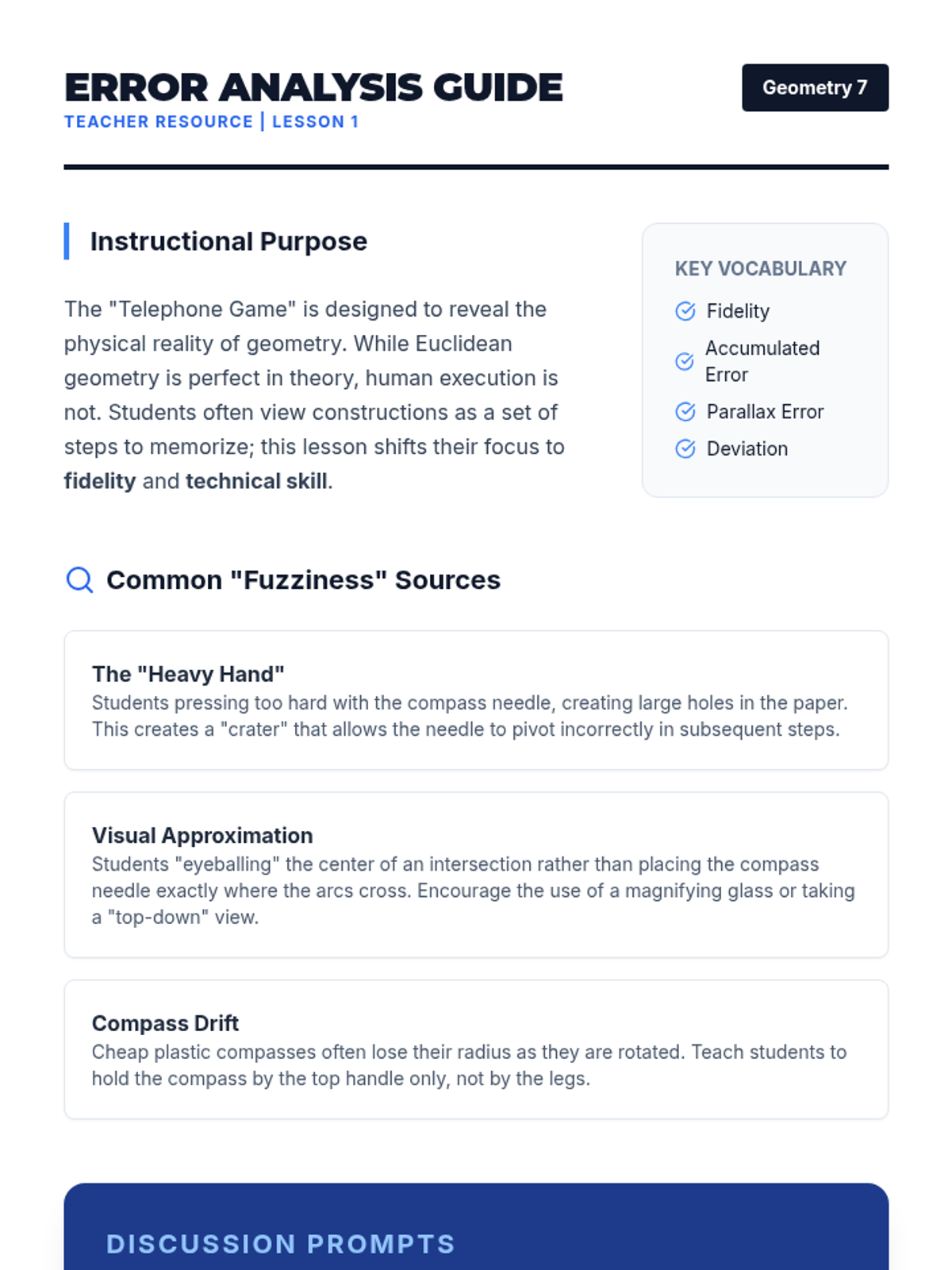
A 7th-grade geometry sequence focusing on the precision, logic, and limitations of geometric constructions through gamified challenges and error analysis. Students explore the 'why' behind compass and straightedge techniques while honing their technical skills.
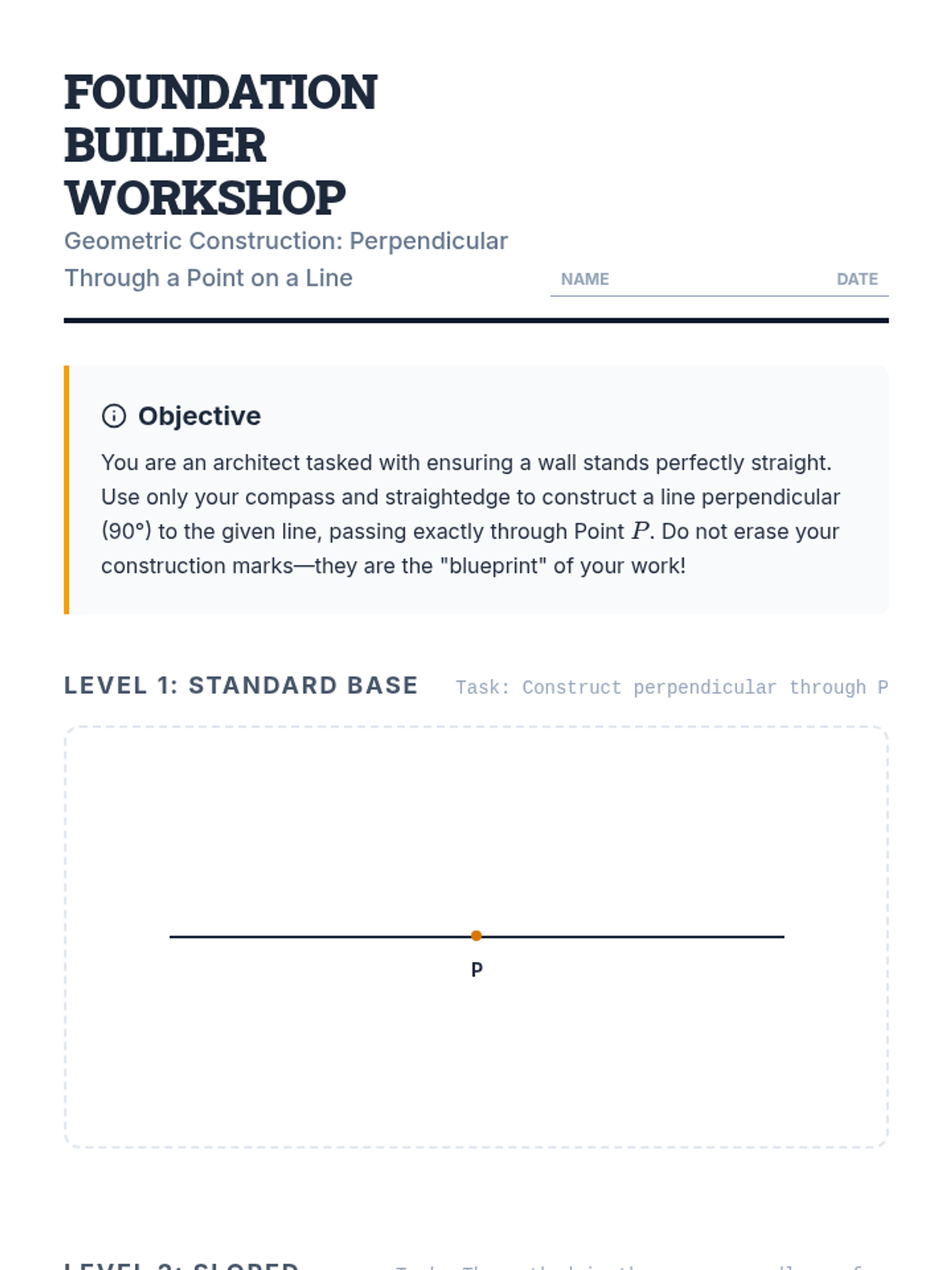
A comprehensive geometry sequence for 7th graders focusing on the construction of parallel and perpendicular lines using only a compass and straightedge. Students progress from basic perpendiculars to complex grid systems using inquiry-based and skill-building techniques.
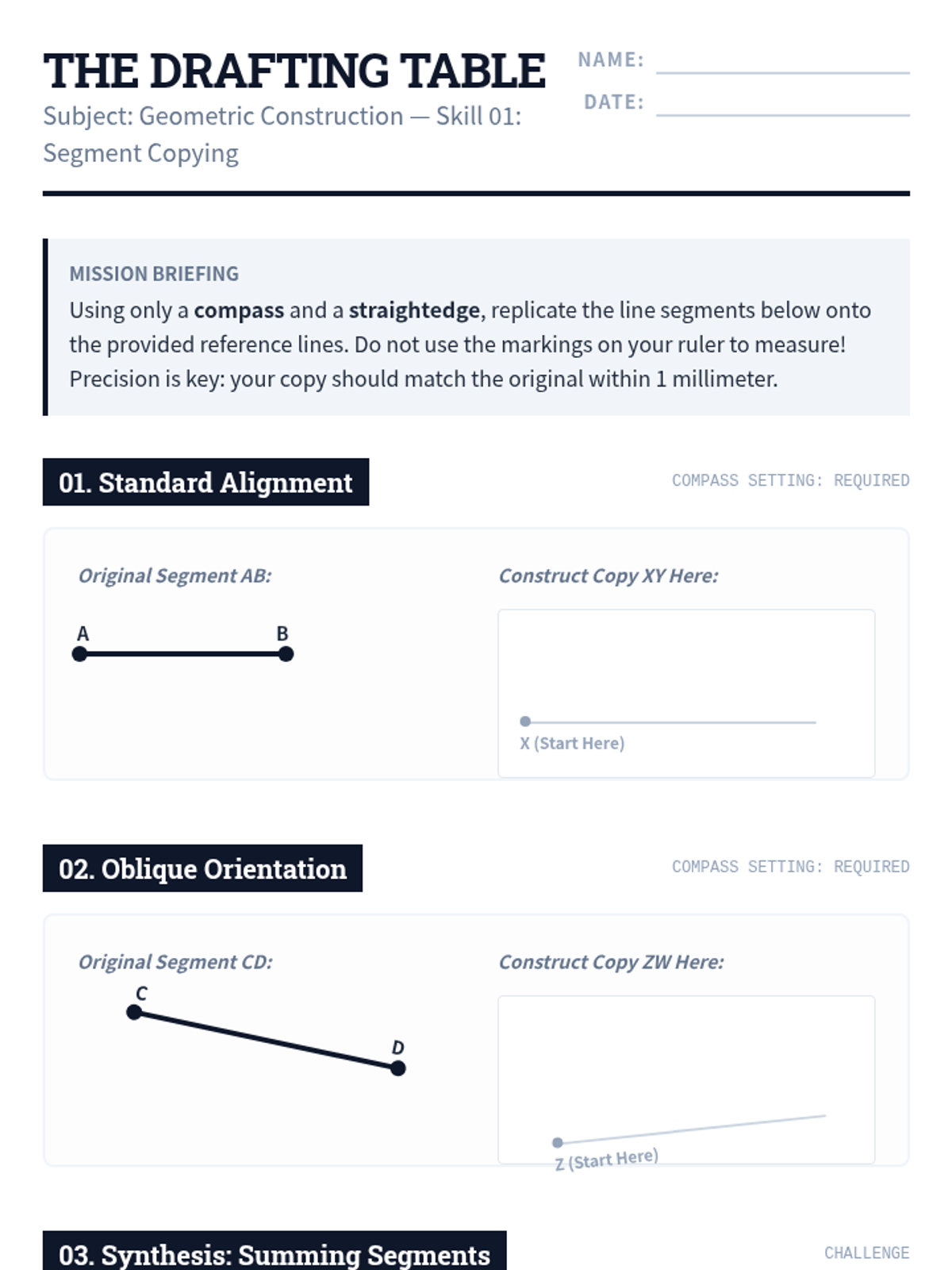
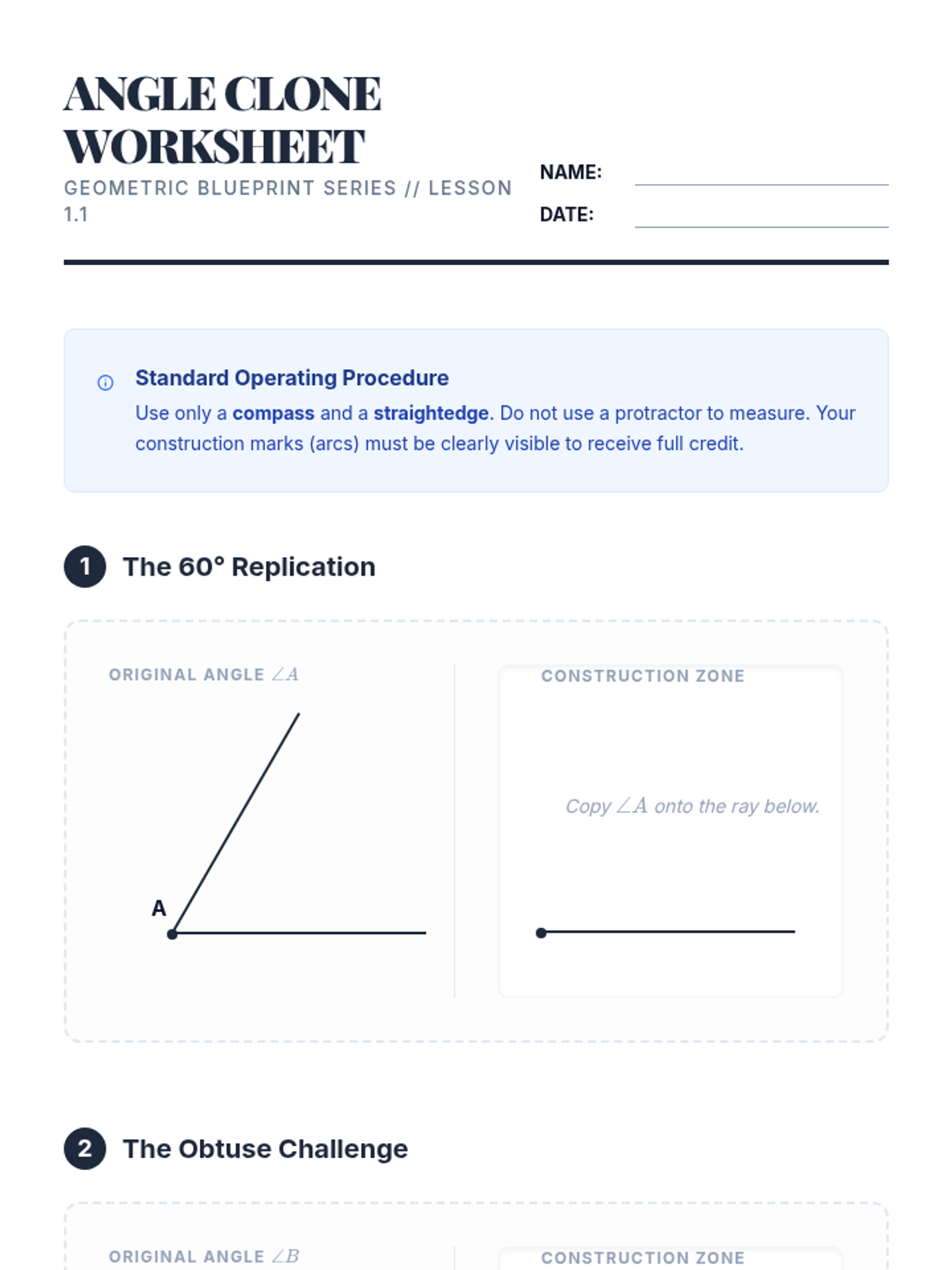
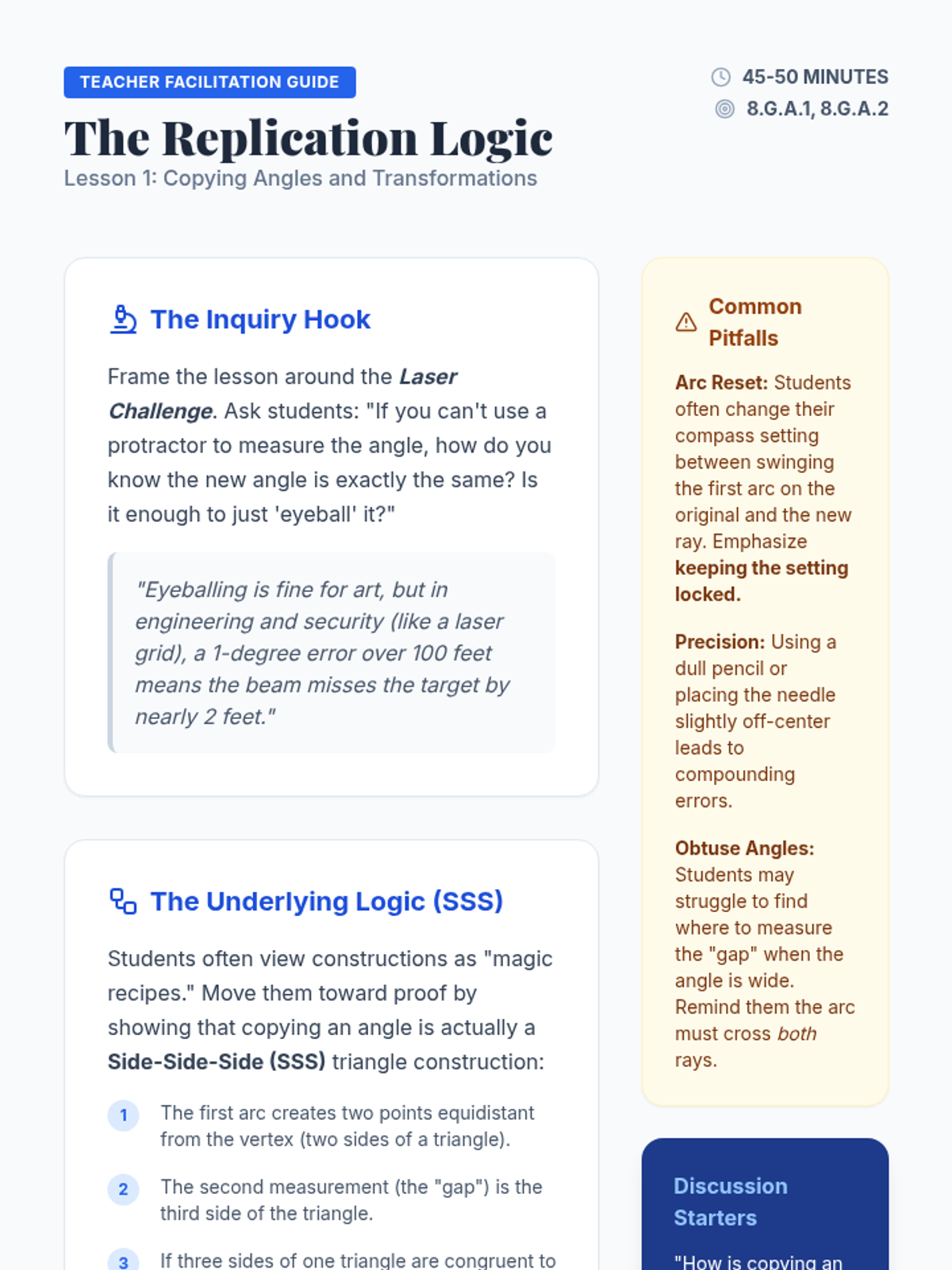
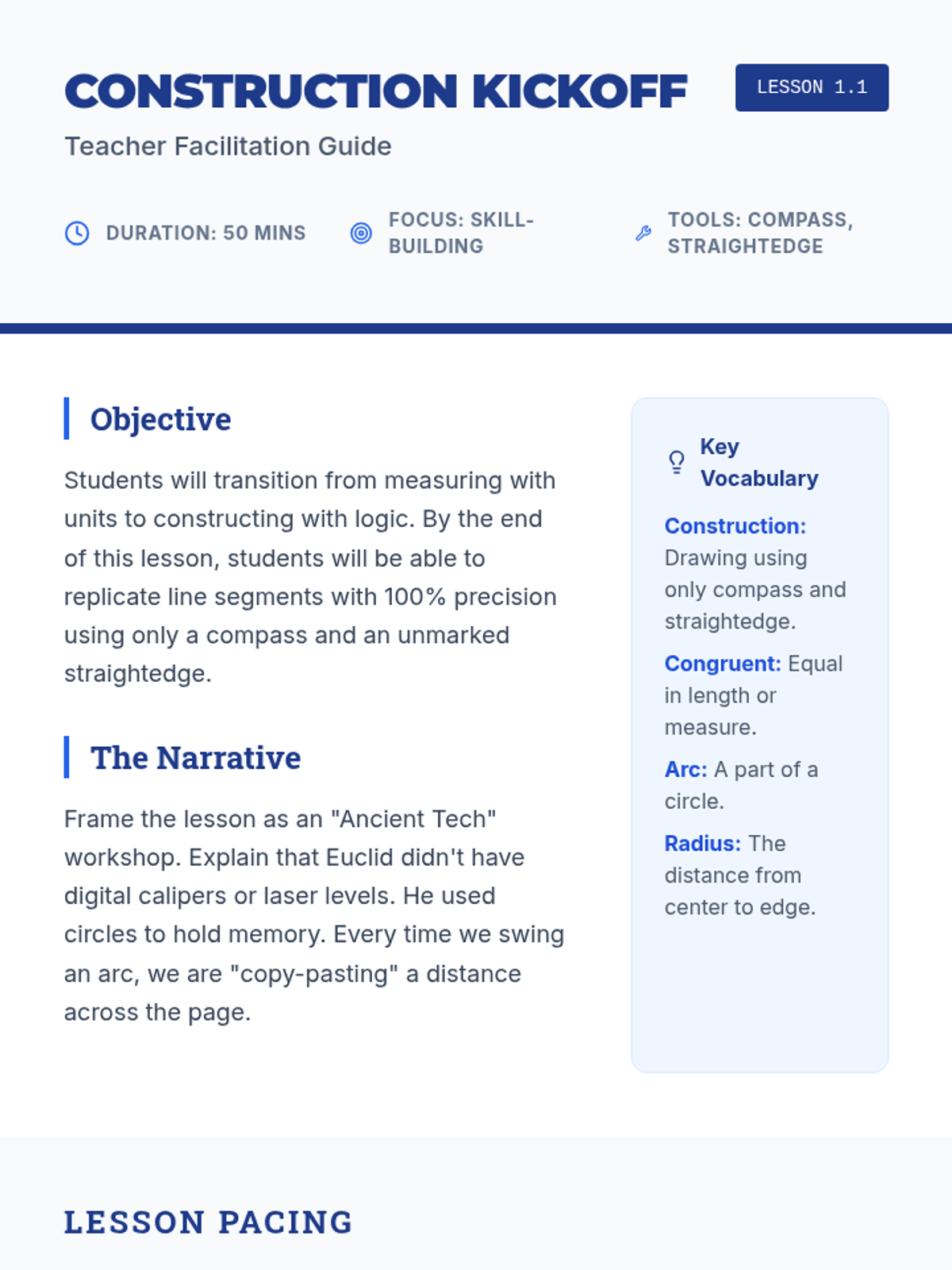
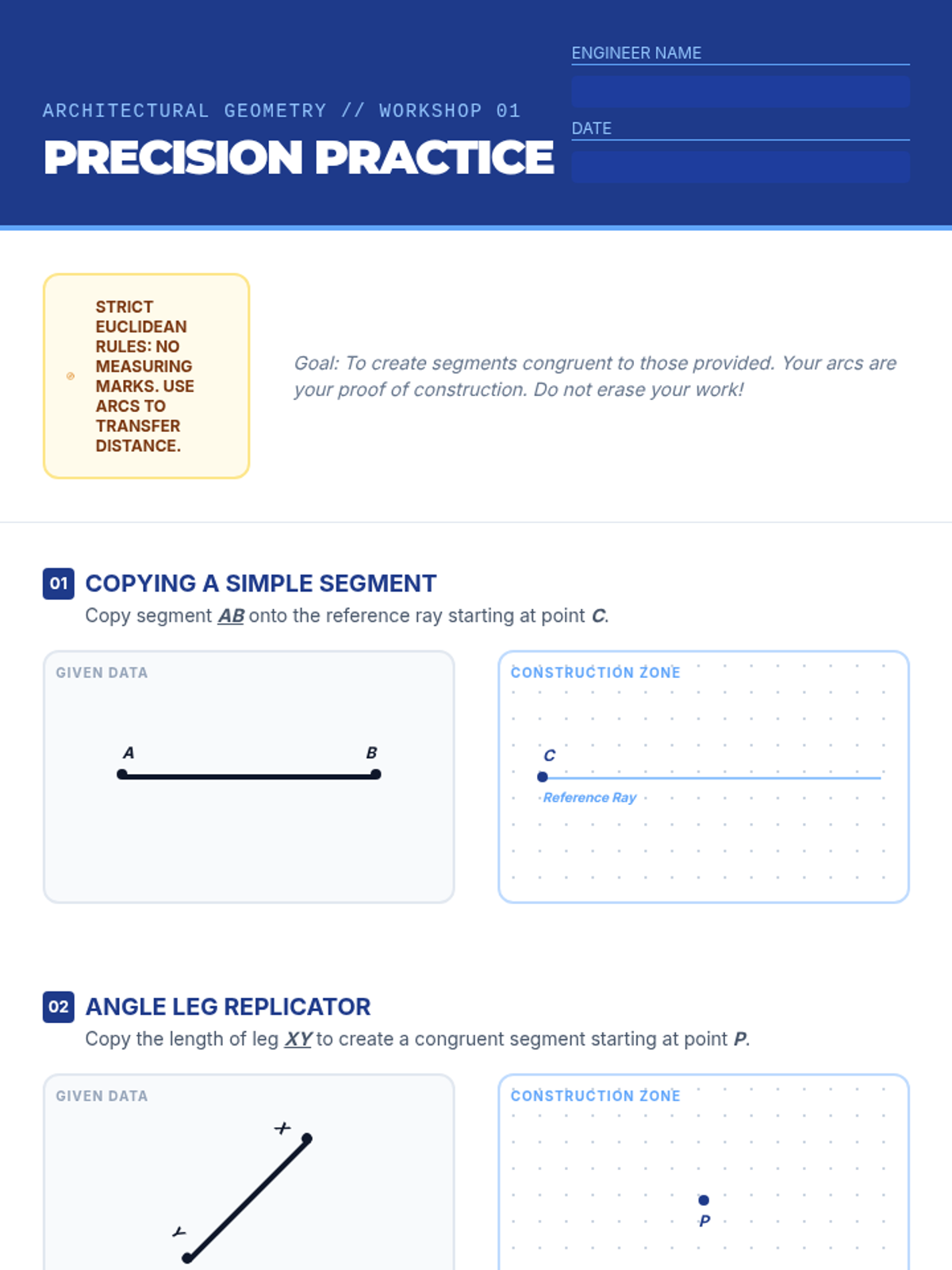
A foundational geometry sequence for 7th-grade students focusing on the art and logic of compass and straightedge constructions. Students master the skills of copying segments and angles, and constructing perpendicular and angle bisectors to solve geometric puzzles.
A project-based journey through geometry and art, focusing on inscribing regular polygons within circles to create complex patterns and architectural motifs. Students move from basic constructions to analyzing historical art and designing their own geometric logos.
This inquiry-based sequence focuses on the geometric properties surrounding parallel lines and the logic required to construct them. Students move beyond simple bisections to understanding how copying angles is the key to creating parallel lines, effectively applying the Converse of the Corresponding Angles Postulate.
A foundational sequence for 8th Grade students focusing on the precision of geometric constructions using compass and straightedge. Students progress from copying basic segments to mastering perpendicular and angle bisectors, culminating in a complex construction challenge.
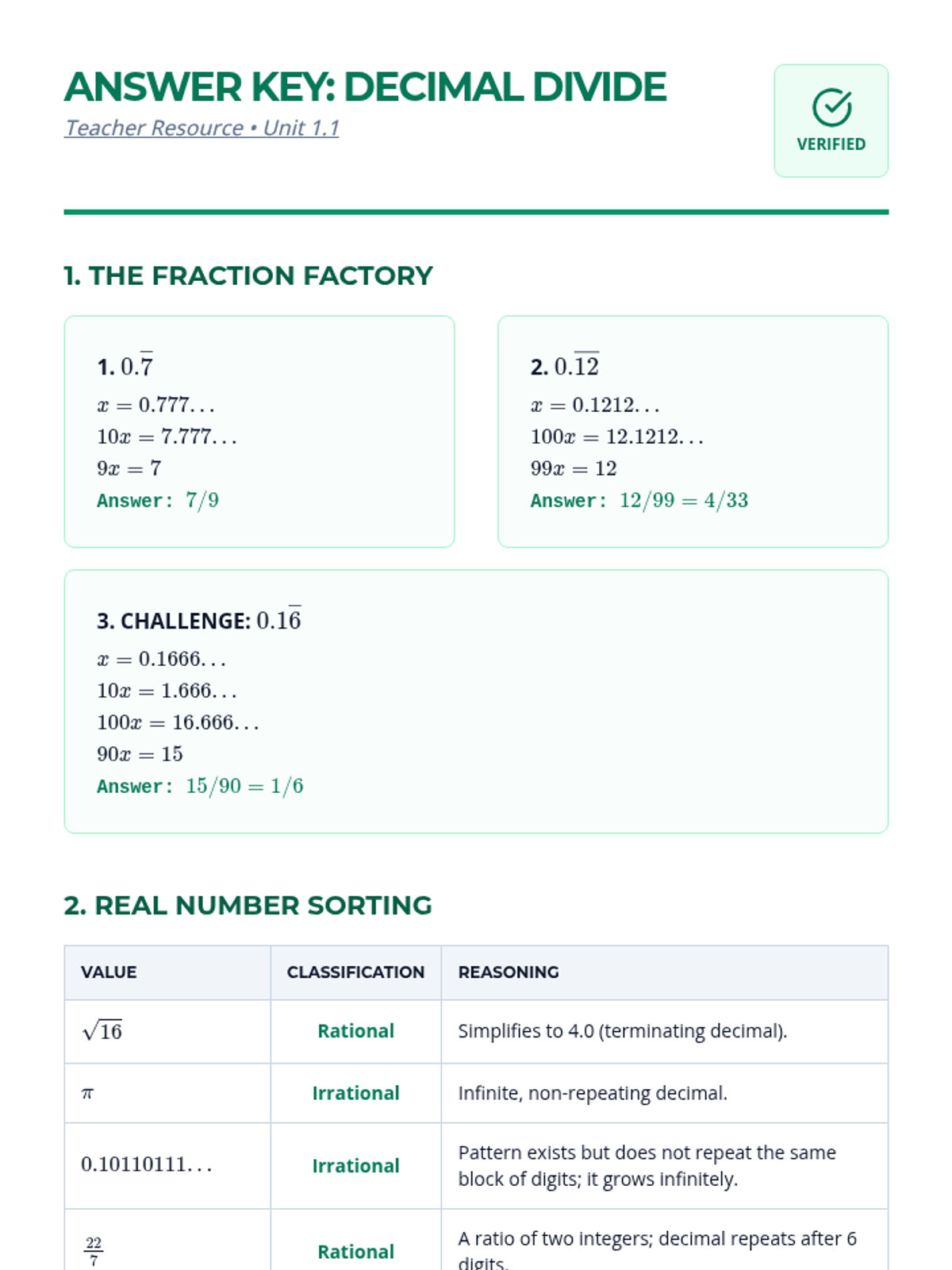
This sequence bridges the conceptual gap between basic arithmetic definitions and rigorous algebraic understanding of the real number system. Students move from decimal expansion to formal proofs by contradiction, geometric construction, and iterative approximation algorithms.
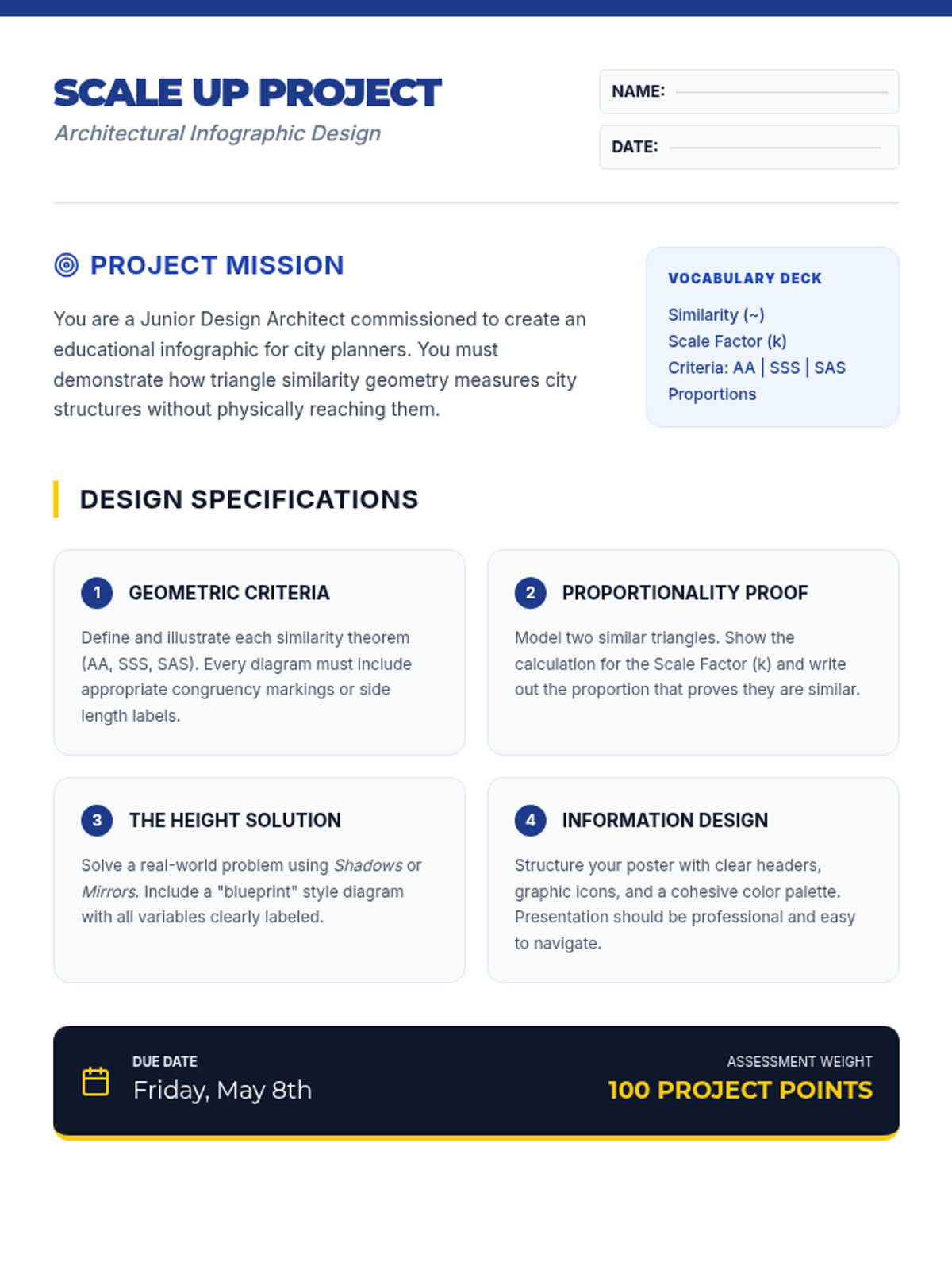
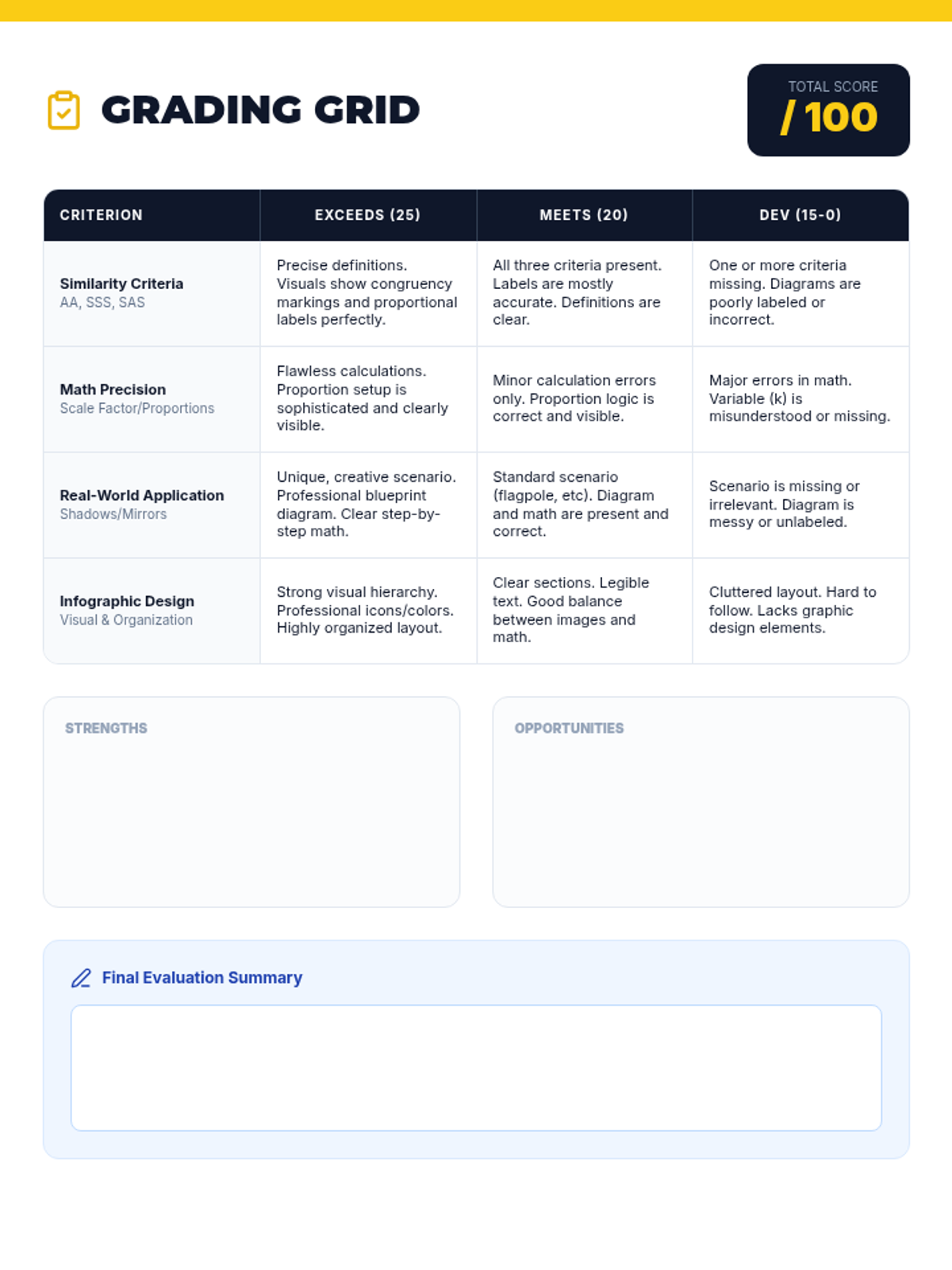
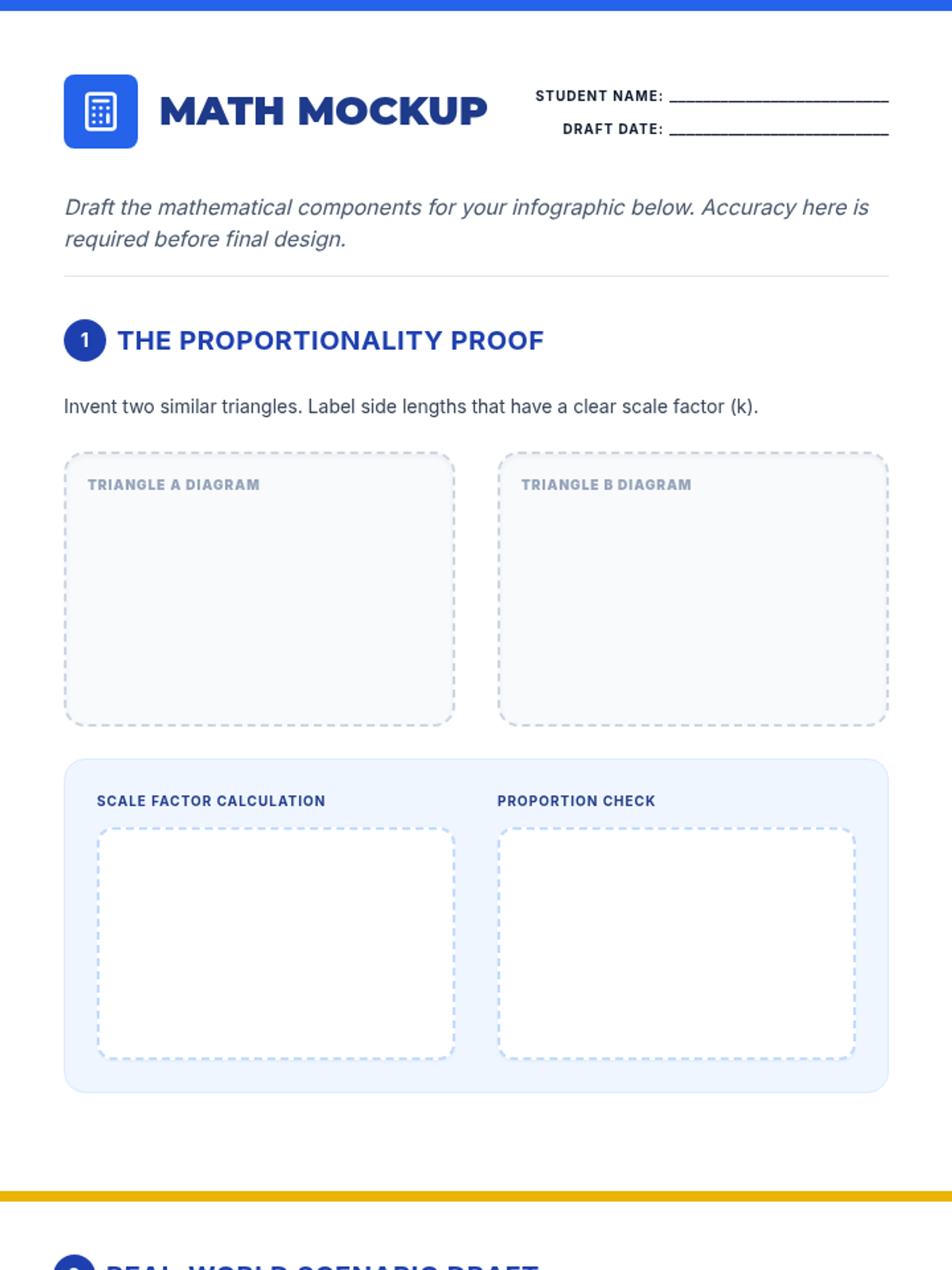
A geometric exploration of similar triangles, focusing on identification criteria and real-world applications of scale factors and proportions.
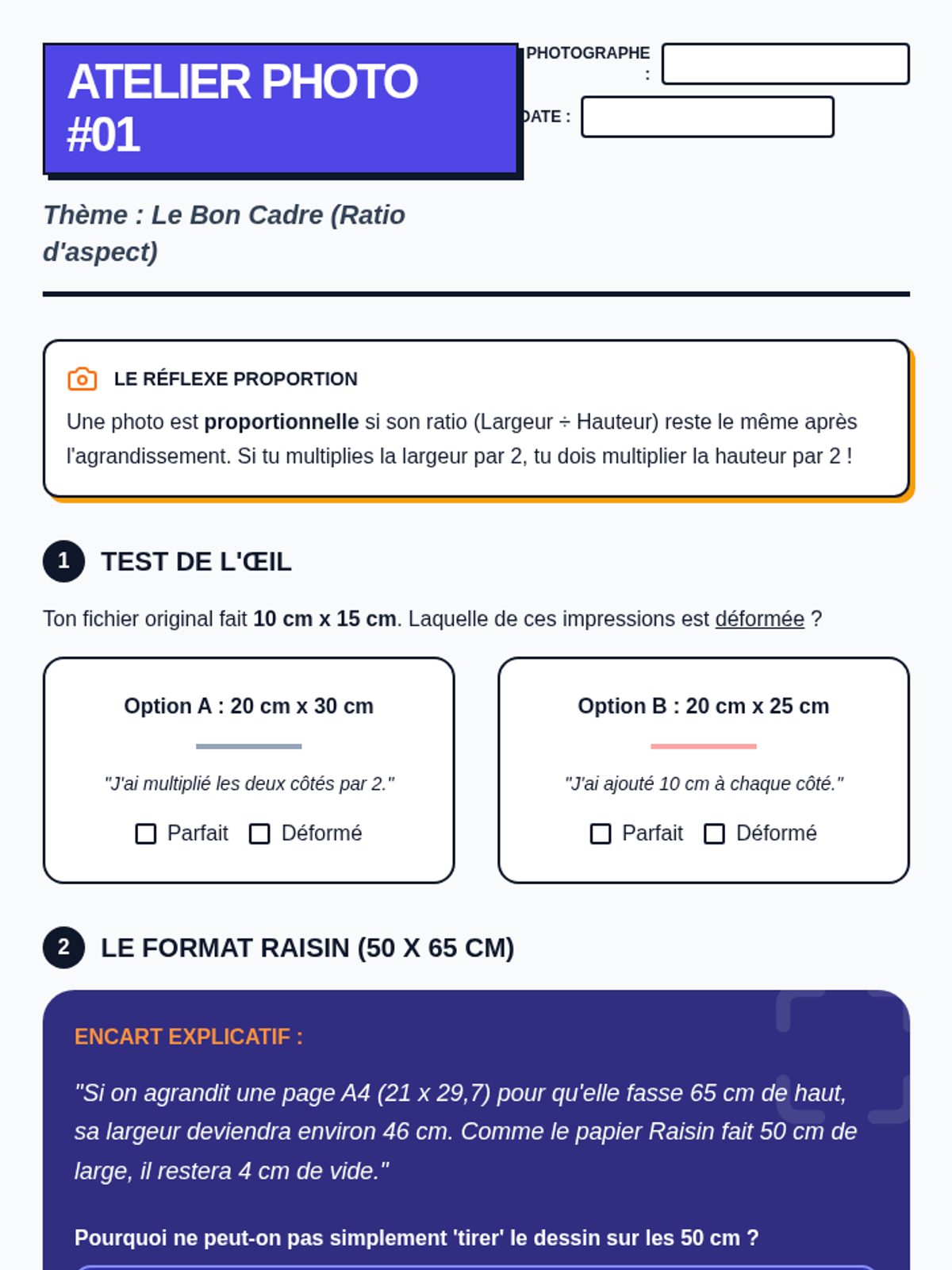
Une série de micro-leçons de 10 minutes centrée sur l'optimisation de l'espace papier. Les élèves apprennent à mettre à l'échelle une mise en page de 6 photos (format A4) vers le format Raisin (50x65 cm) en minimisant les chutes.
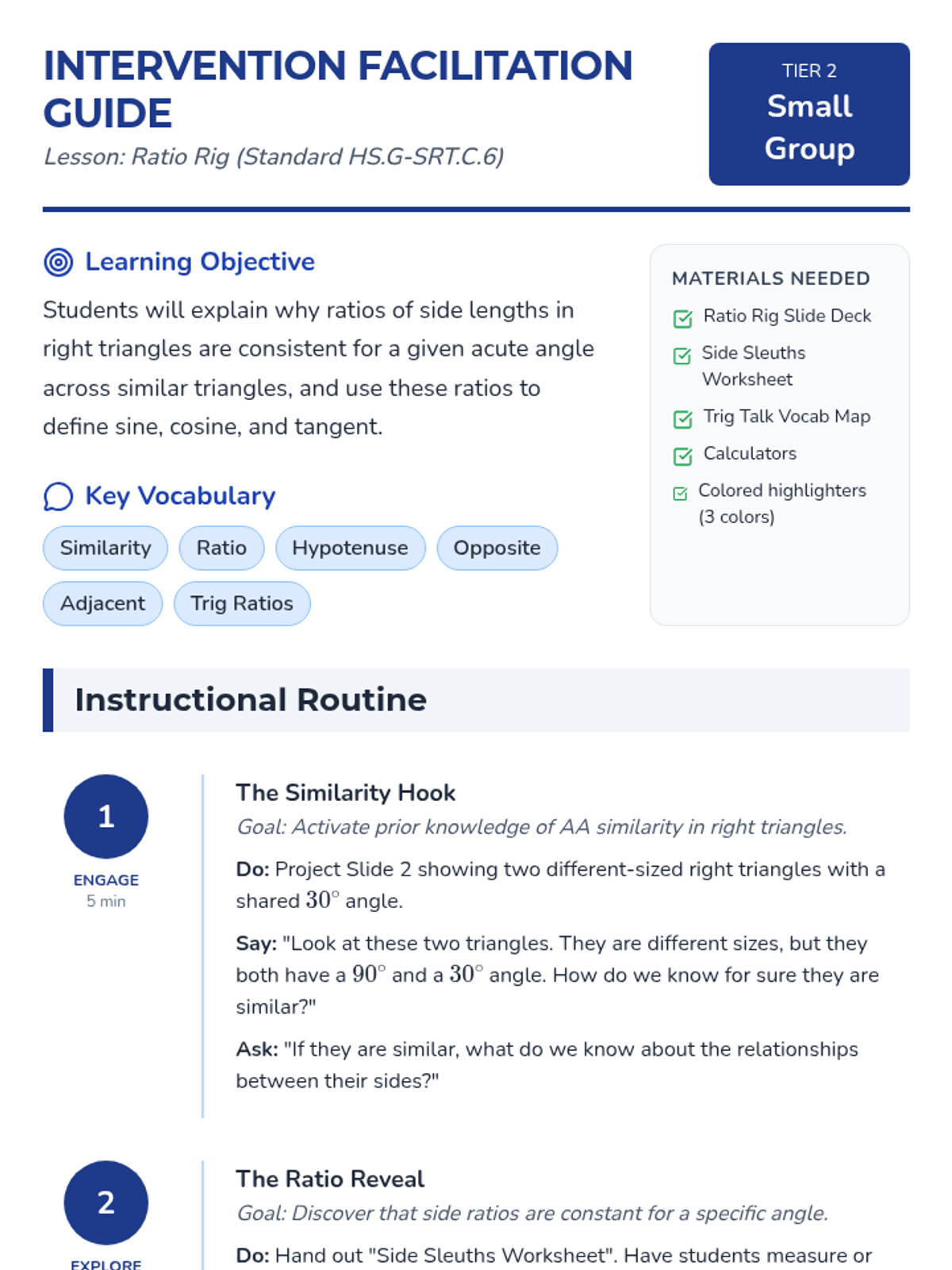
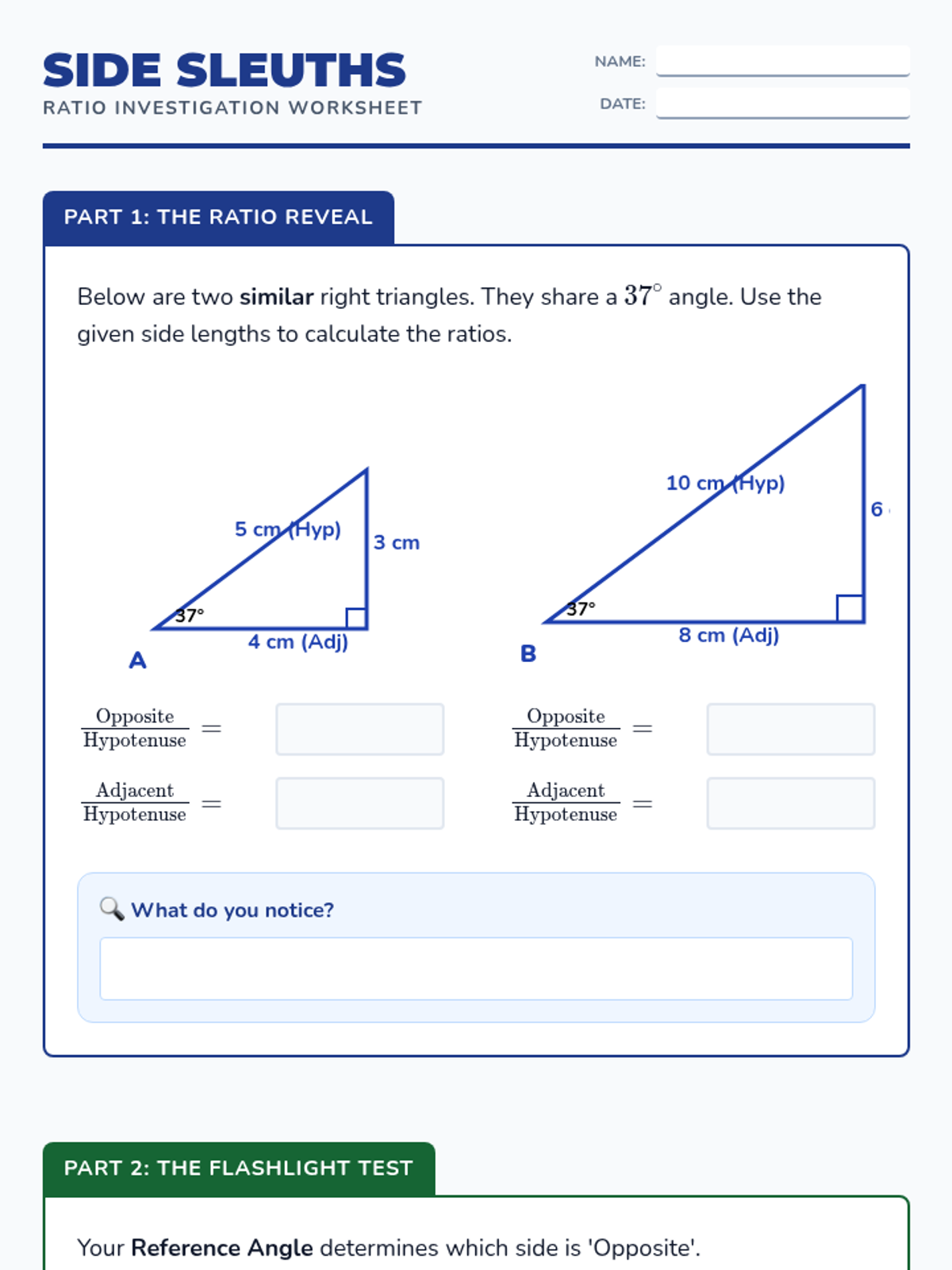
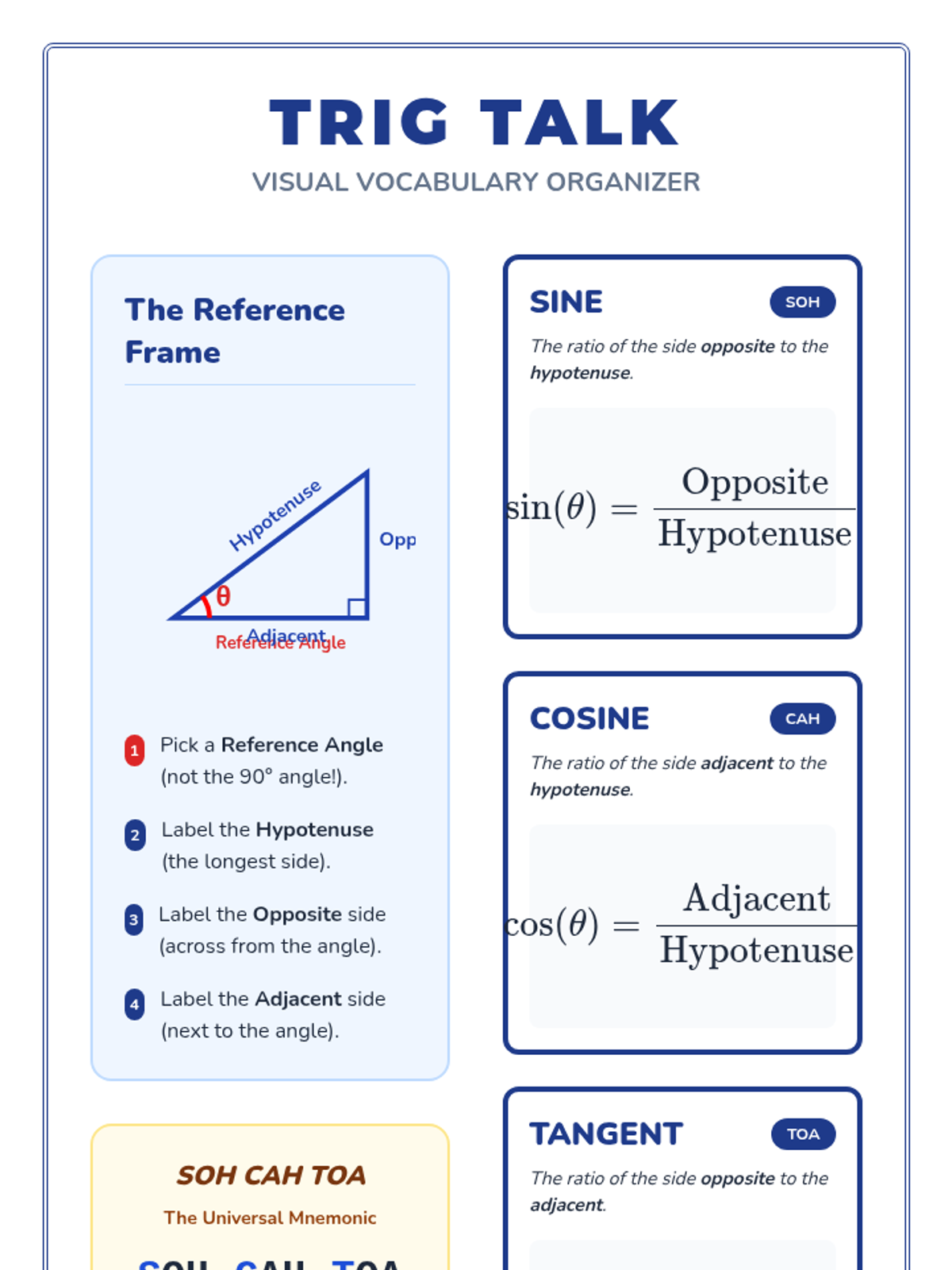
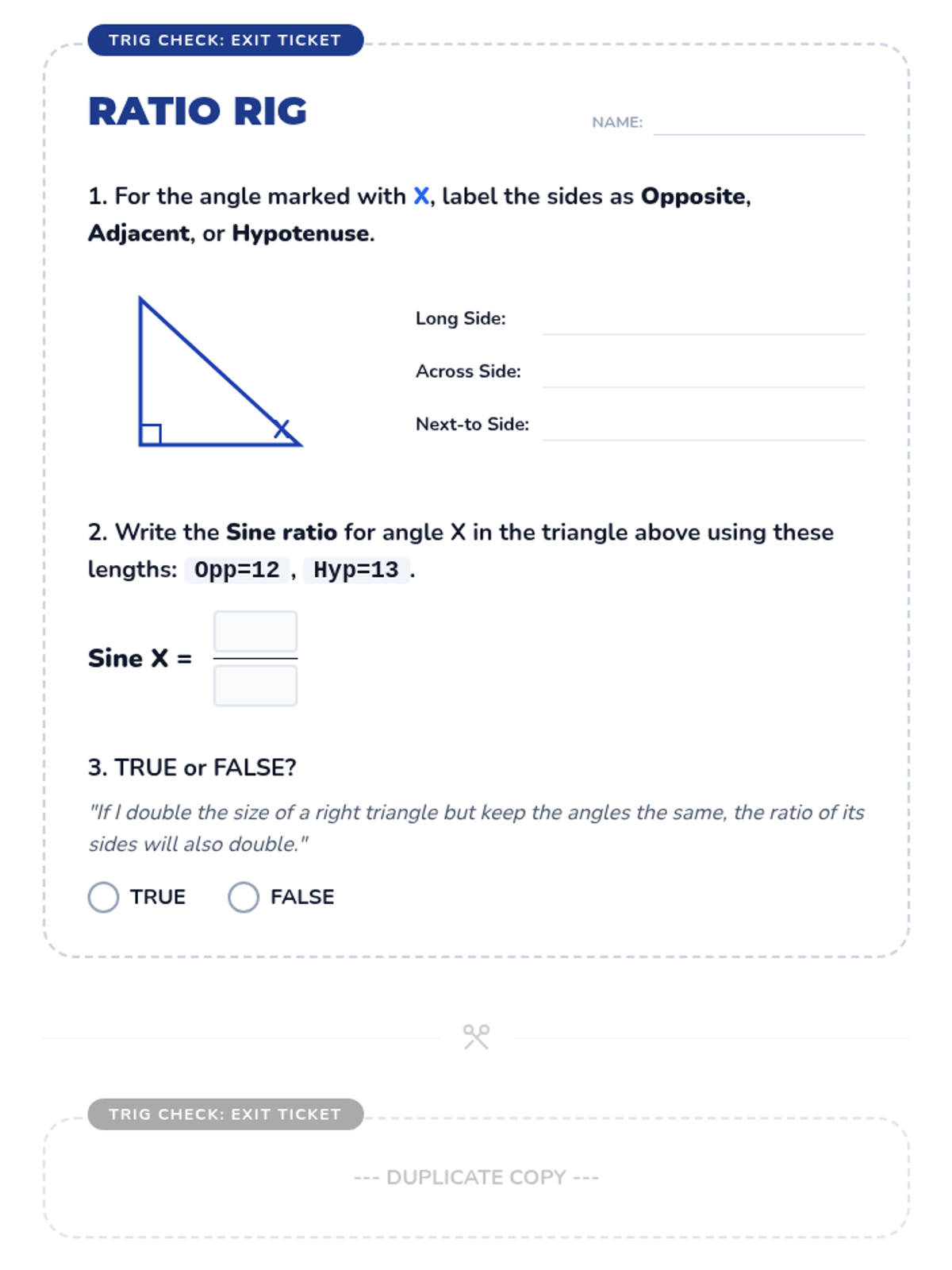
A series of targeted intervention lessons designed to bridge the gap between triangle similarity and basic trigonometry, focusing on conceptual understanding and ratio consistency.
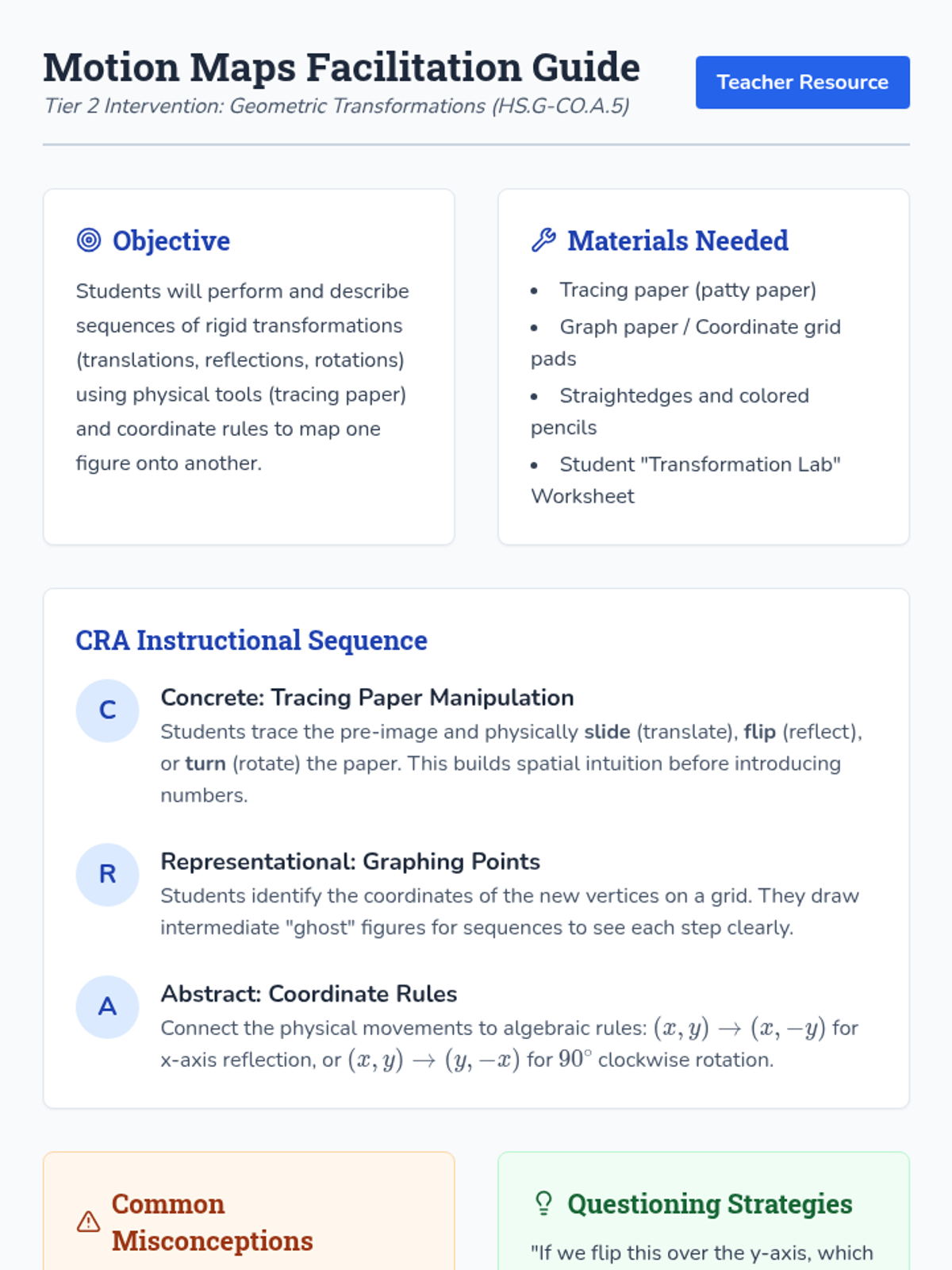
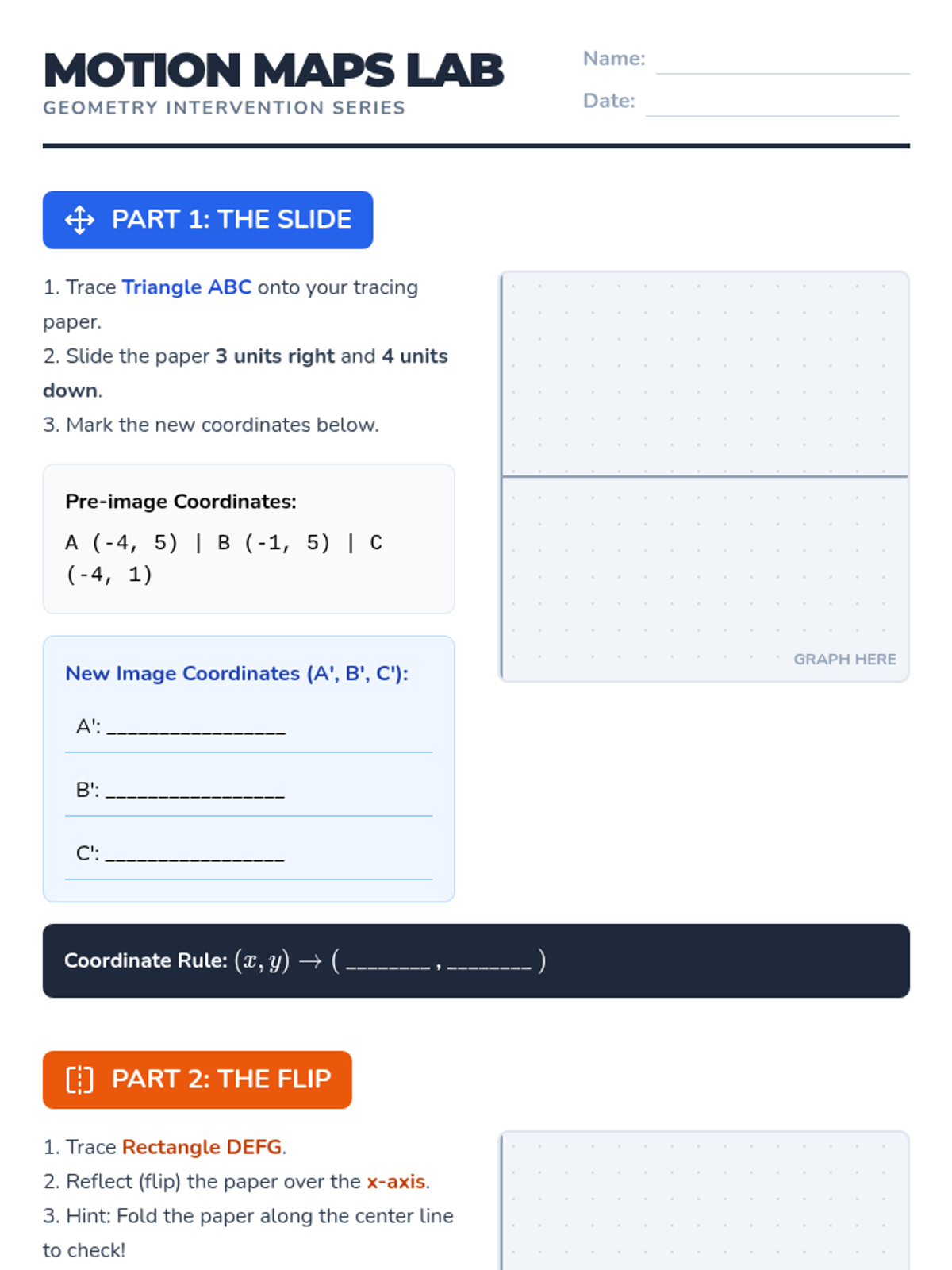
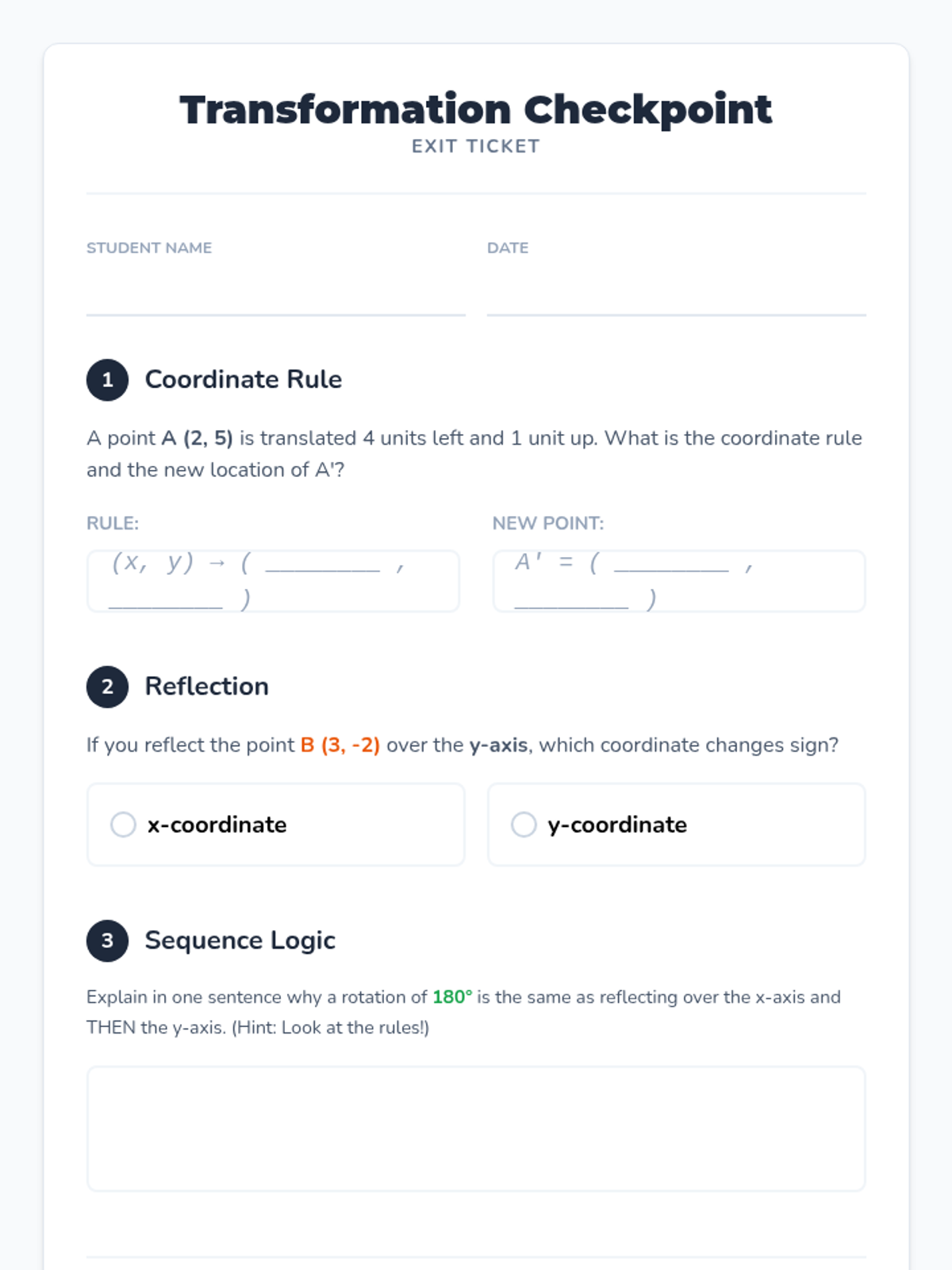
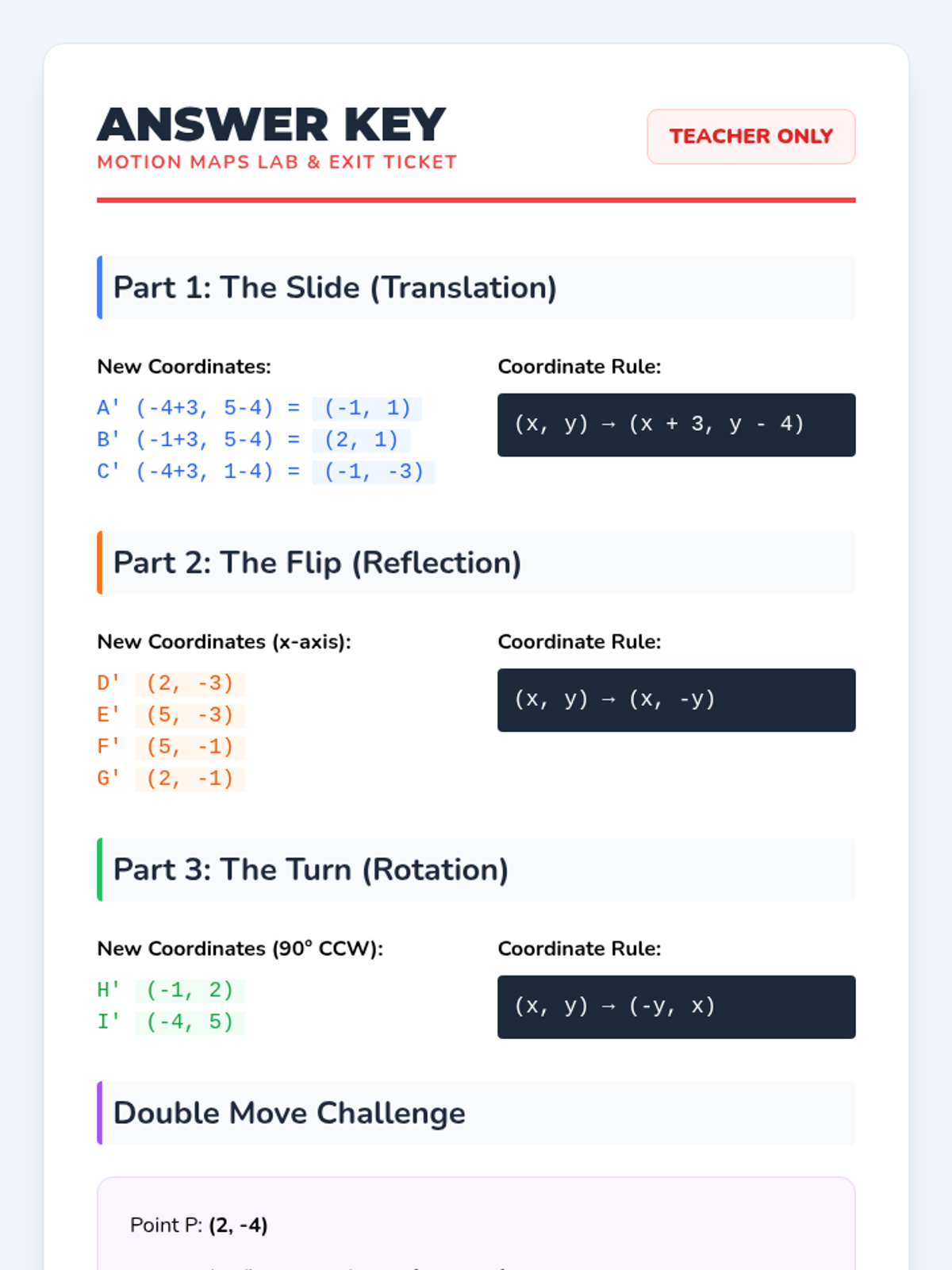
A targeted Tier 2 intervention sequence focused on geometric transformations. It utilizes a Concrete-Representational-Abstract (CRA) approach, guiding struggling learners from physical manipulation with tracing paper to coordinate-based abstract rules.
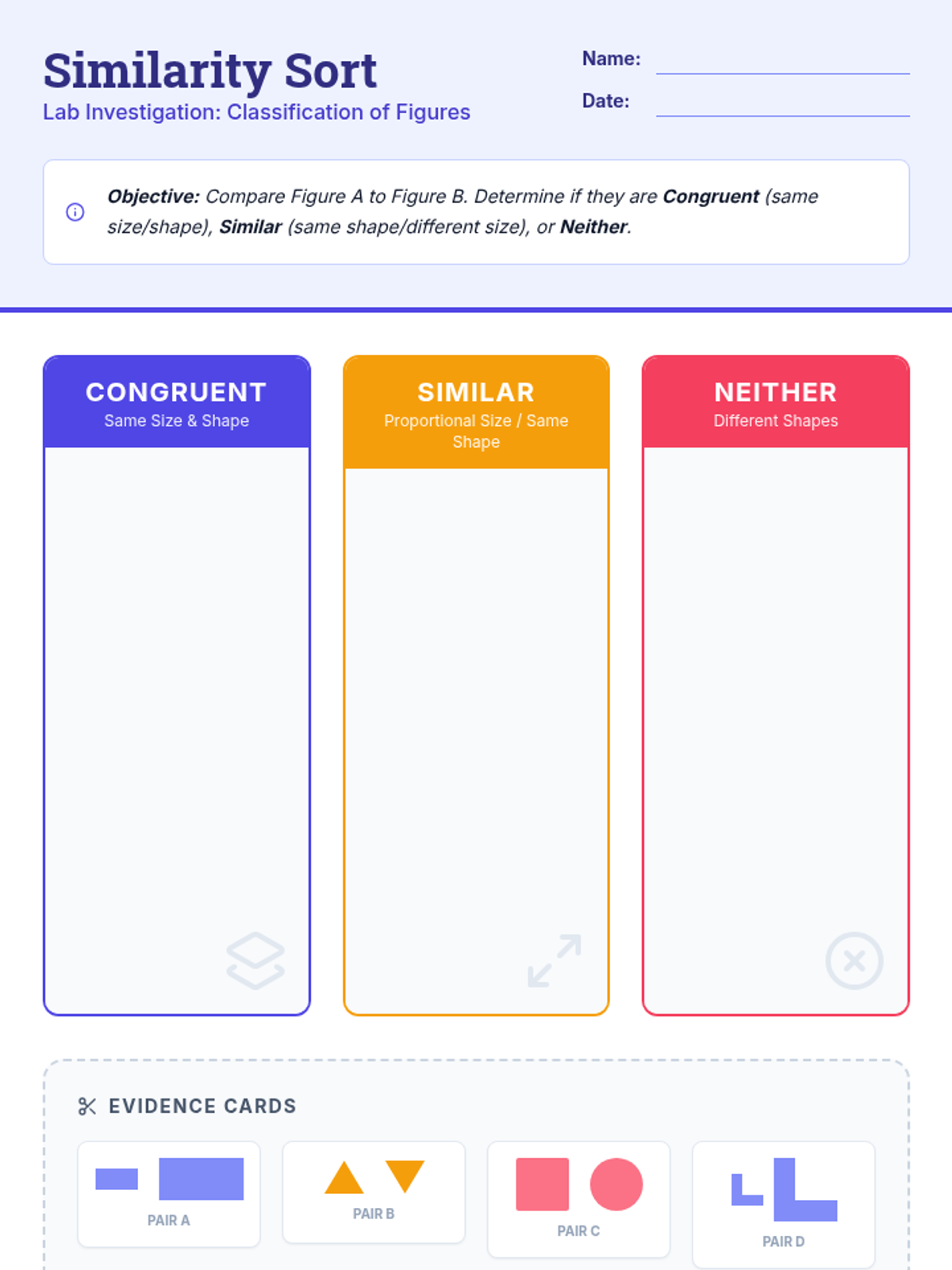
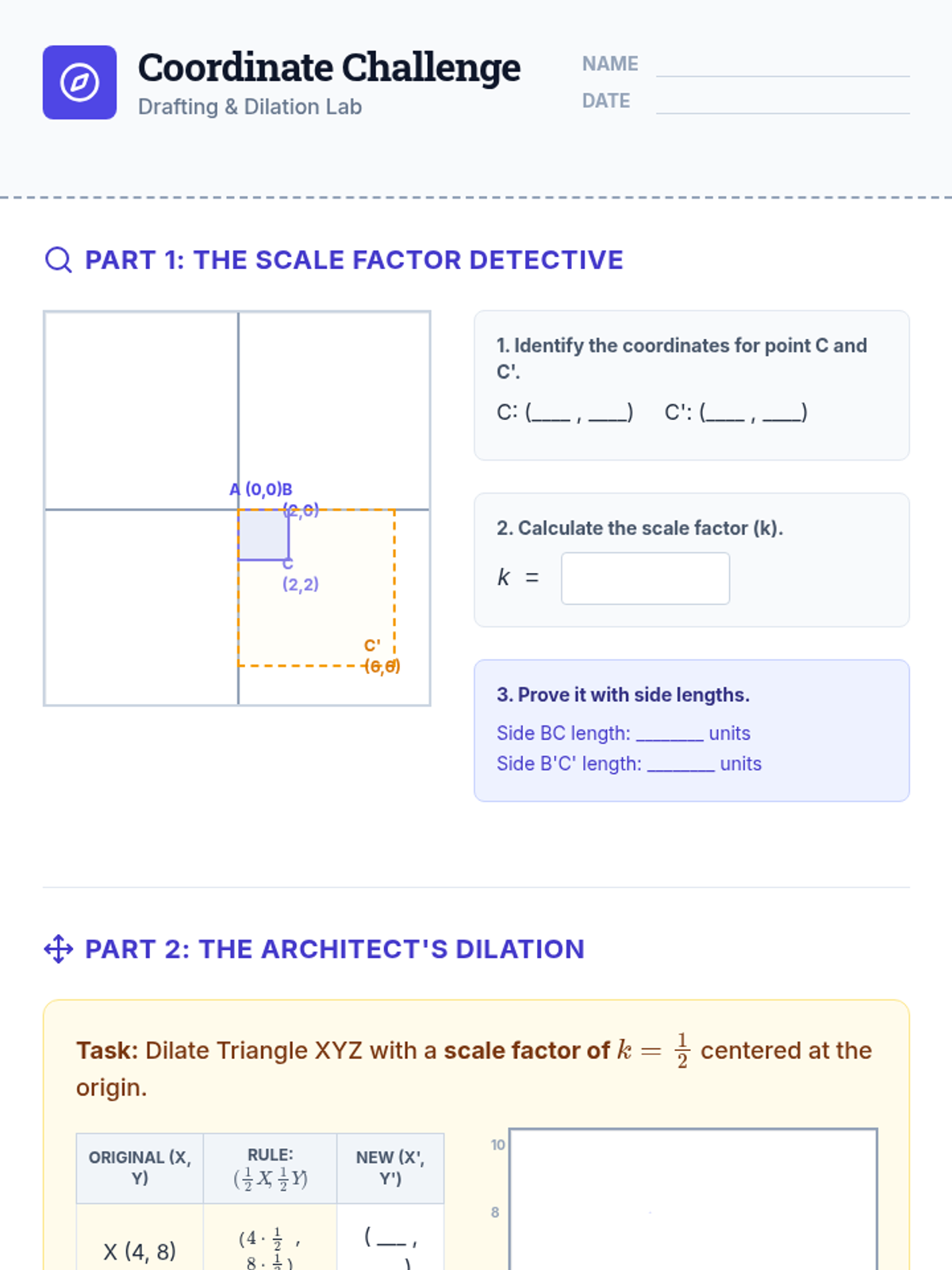
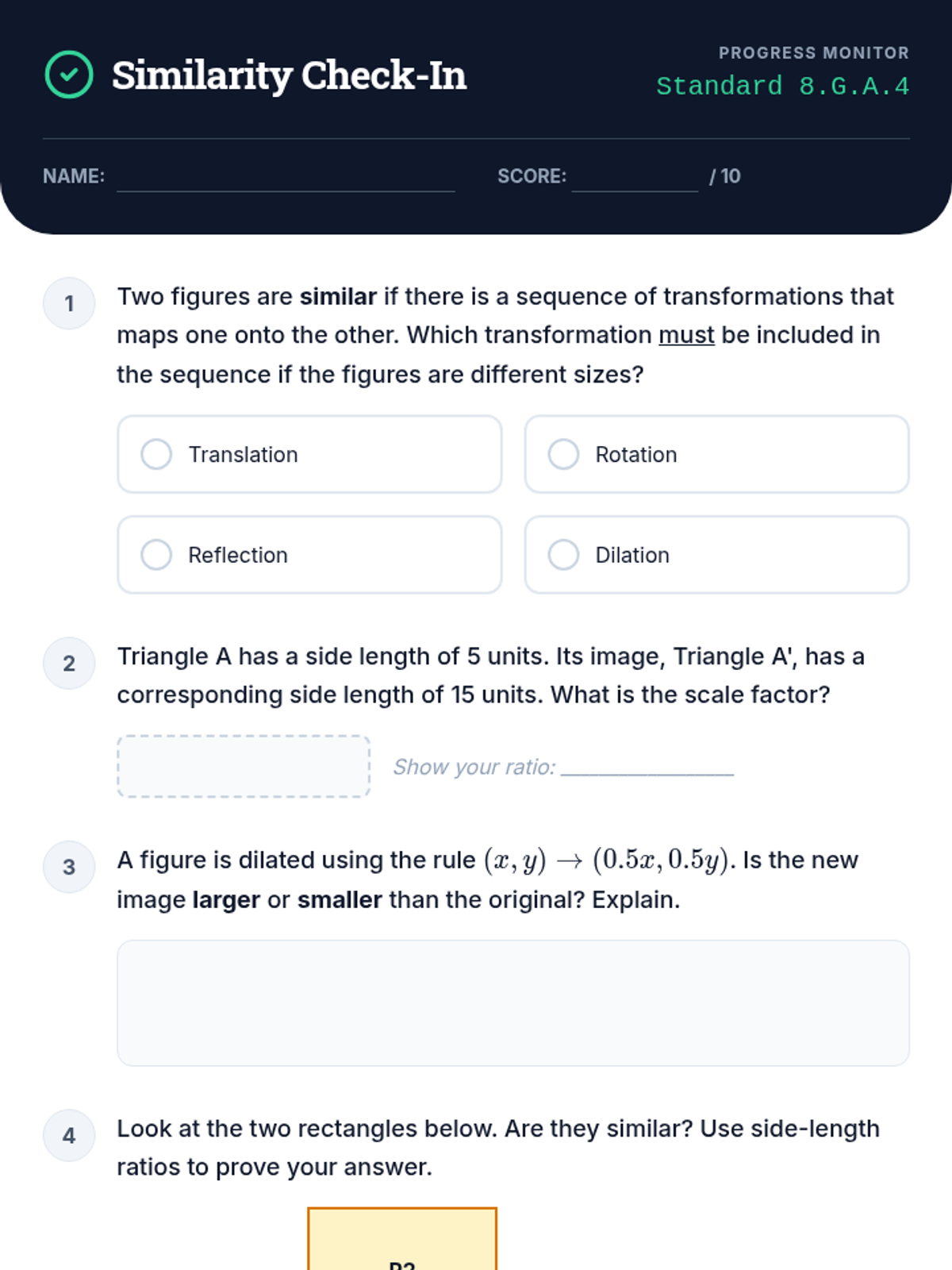
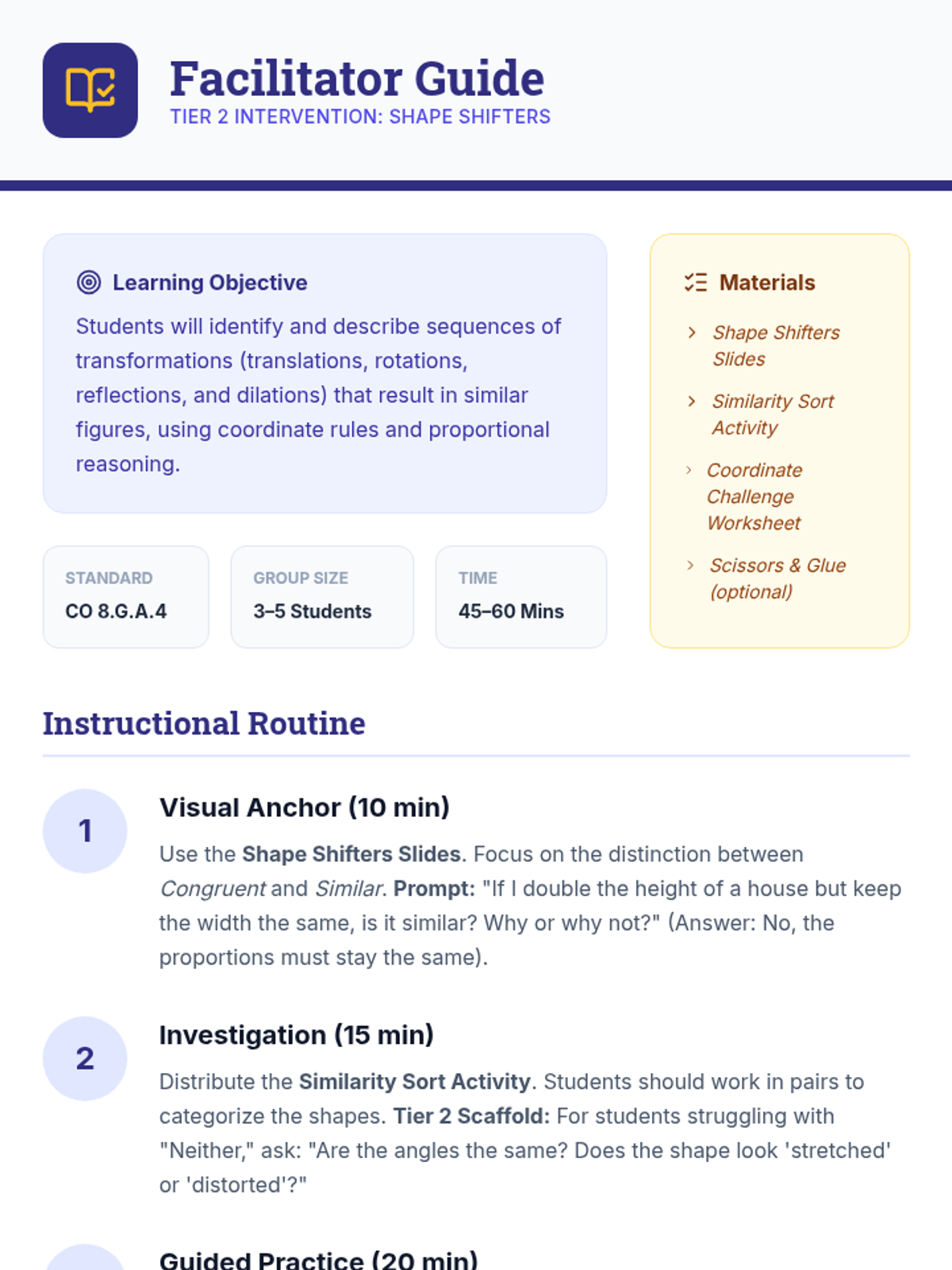
A Tier 2 small group intervention focused on similarity and transformation sequences. Students explore dilation, proportional reasoning, and coordinate-based transformations to understand how shapes relate across the plane.
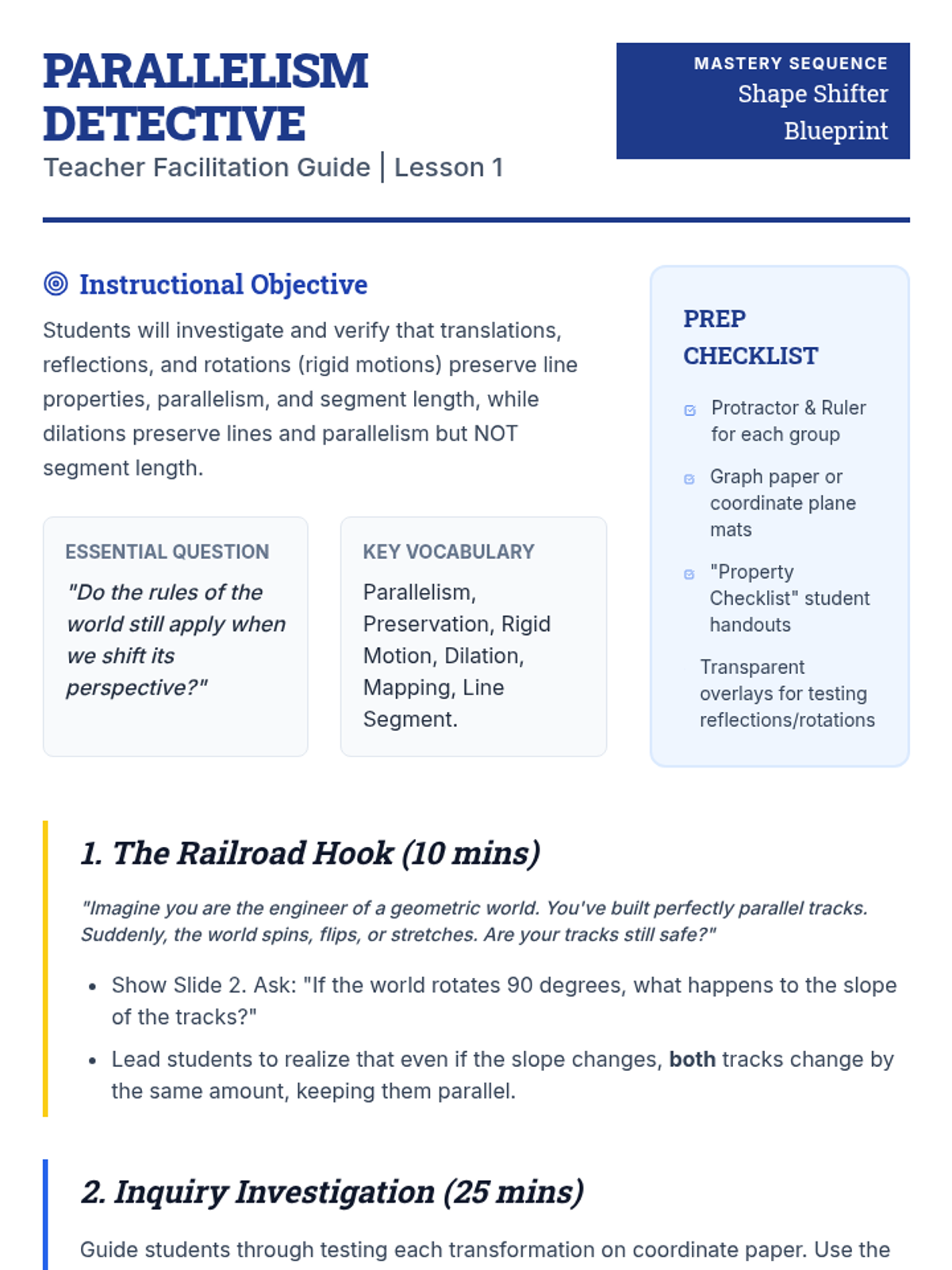
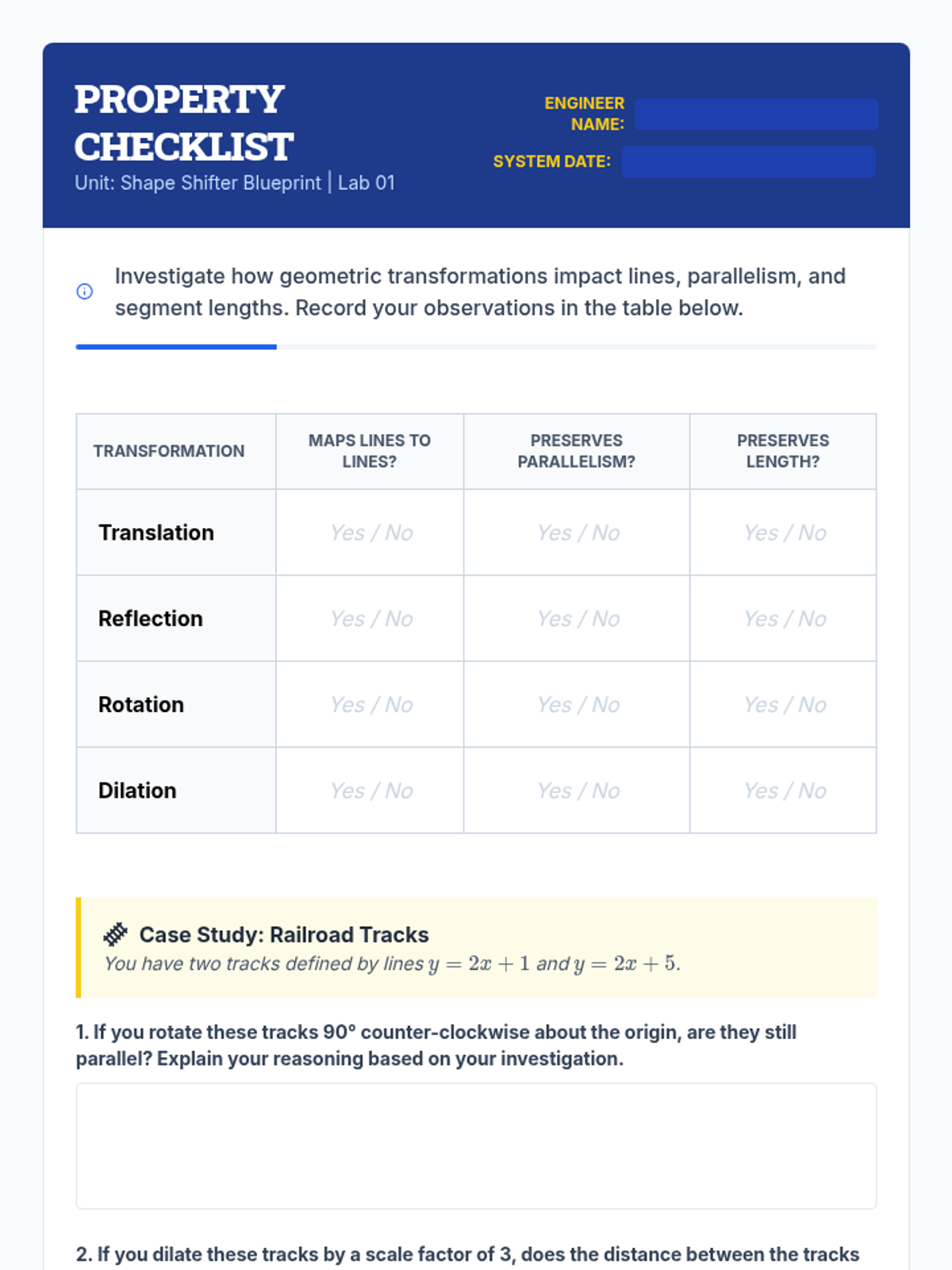
This mastery-based sequence focuses on the properties of transformations (translations, reflections, rotations, and dilations) and how they preserve or change geometric relationships. Students build arguments for congruence and similarity by analyzing parallelism, orientation, and angle preservation.
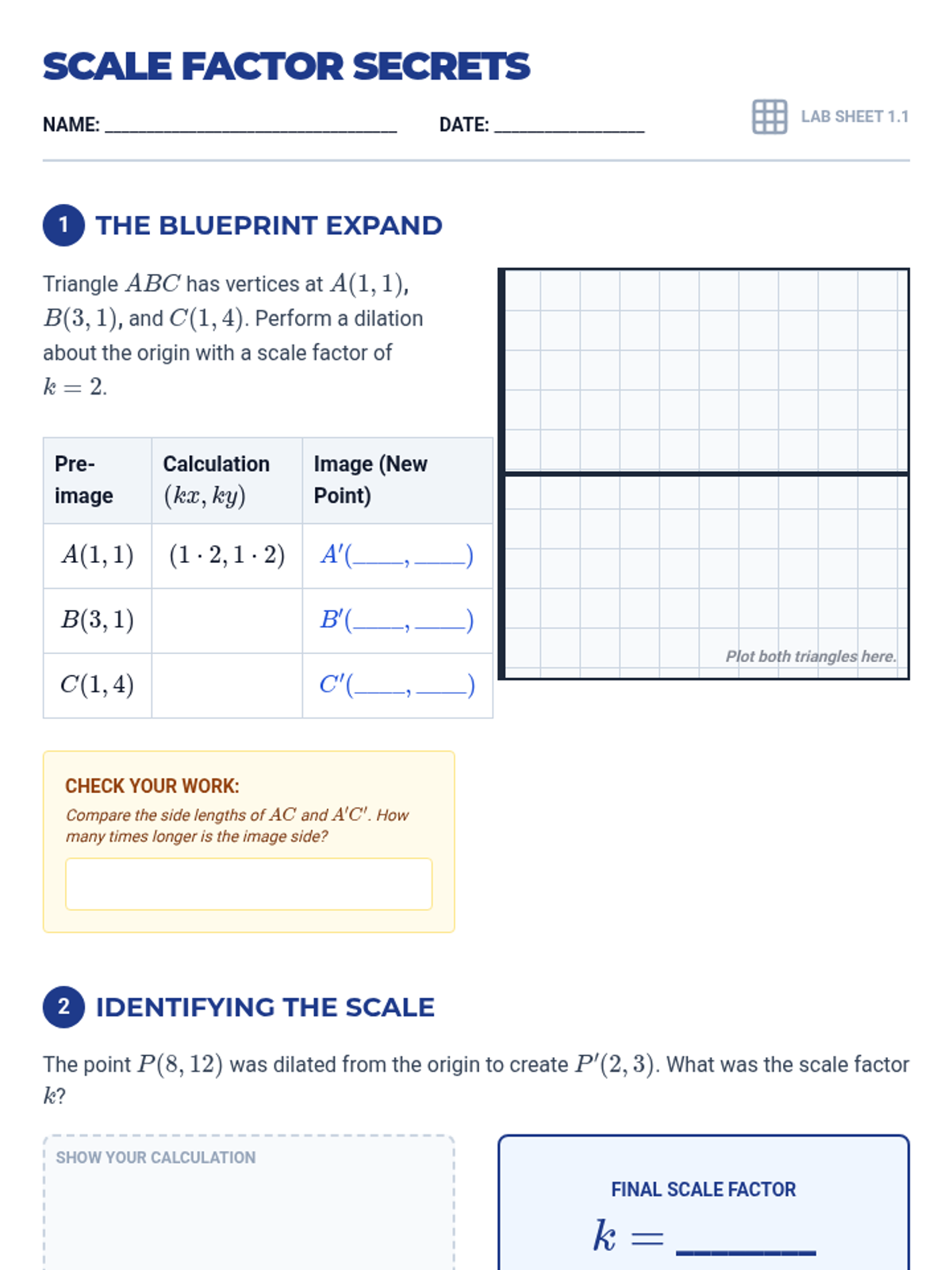
A project-based unit exploring non-rigid transformations. Students learn to apply scale factors, perform dilations on the coordinate plane, and distinguish between similarity and congruence, culminating in a logo design scaling project.
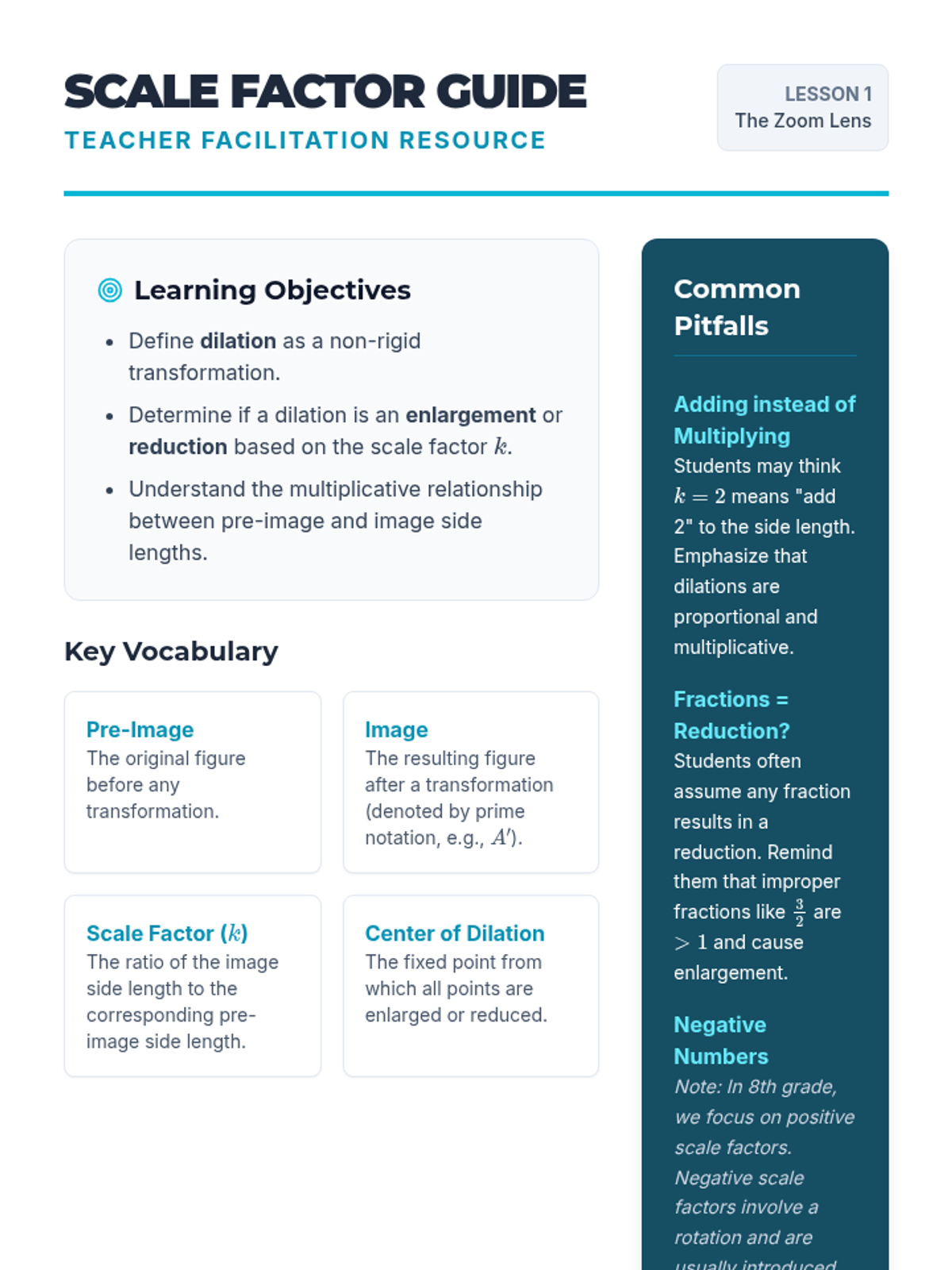
This sequence introduces non-rigid transformations, specifically focusing on dilations and the concept of similarity. Students explore how dilations change size while preserving shape, investigating the roles of the center of dilation and the scale factor.
This sequence explores the geometric foundations of similarity, connecting dilations on the coordinate plane to the Angle-Angle criterion. Students will prove the constancy of slope using similar right triangles and apply these theorems to solve real-world indirect measurement problems.
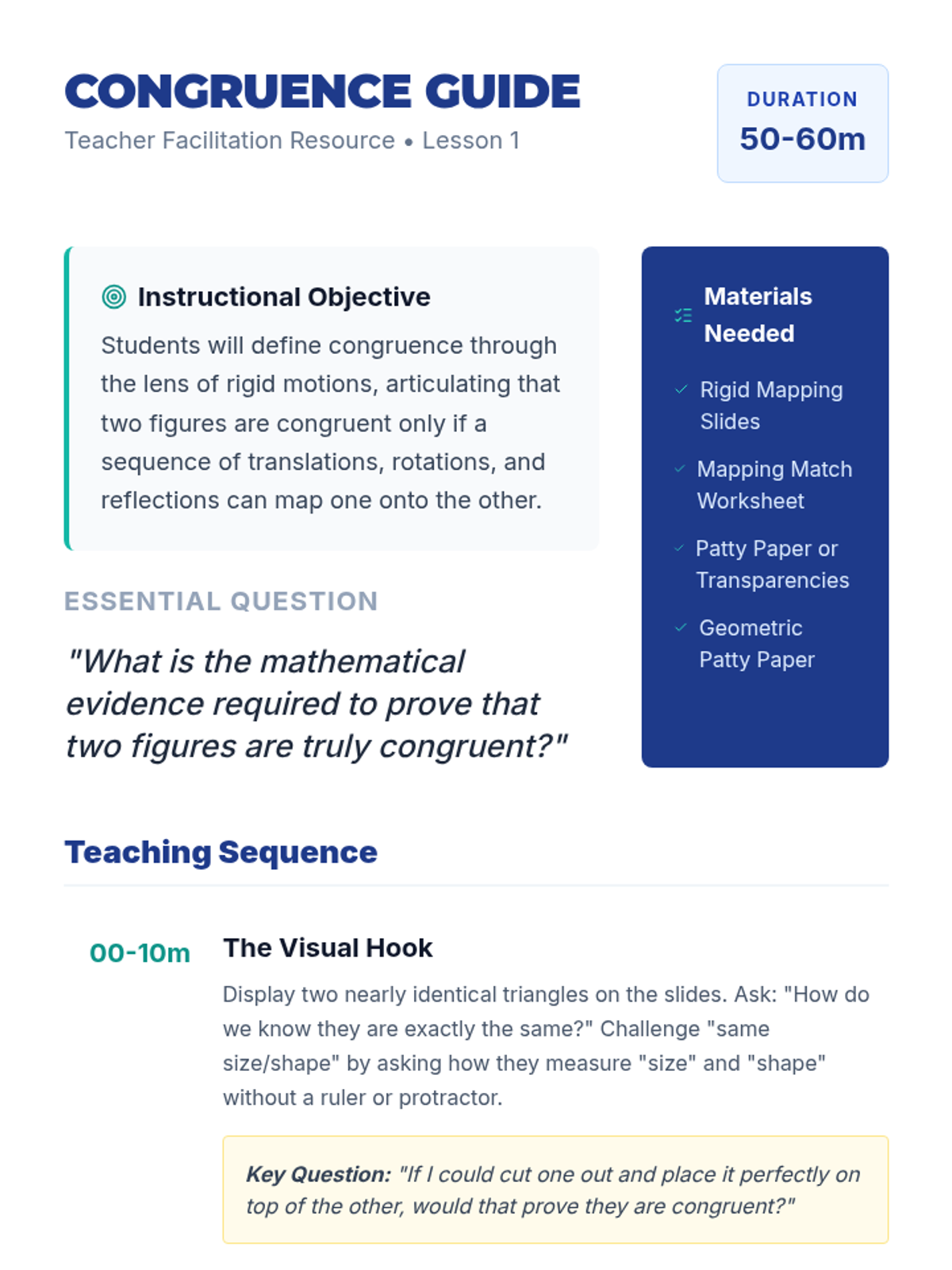
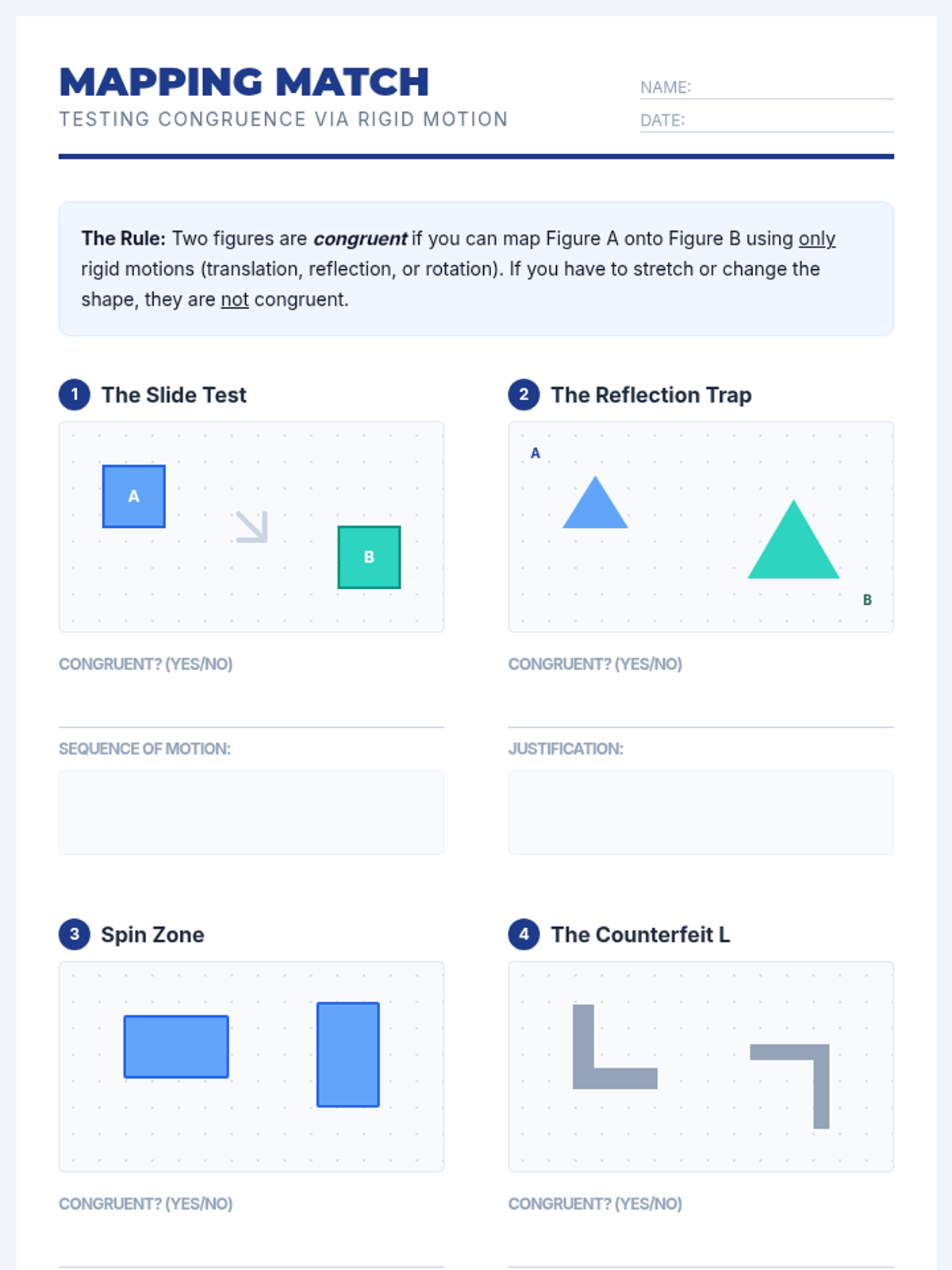
An 8th-grade geometry unit exploring congruence through the lens of rigid transformations. Students define congruence by mapping figures via translations, rotations, and reflections, building up to formal triangle congruence criteria and their applications in real-world problem-solving.
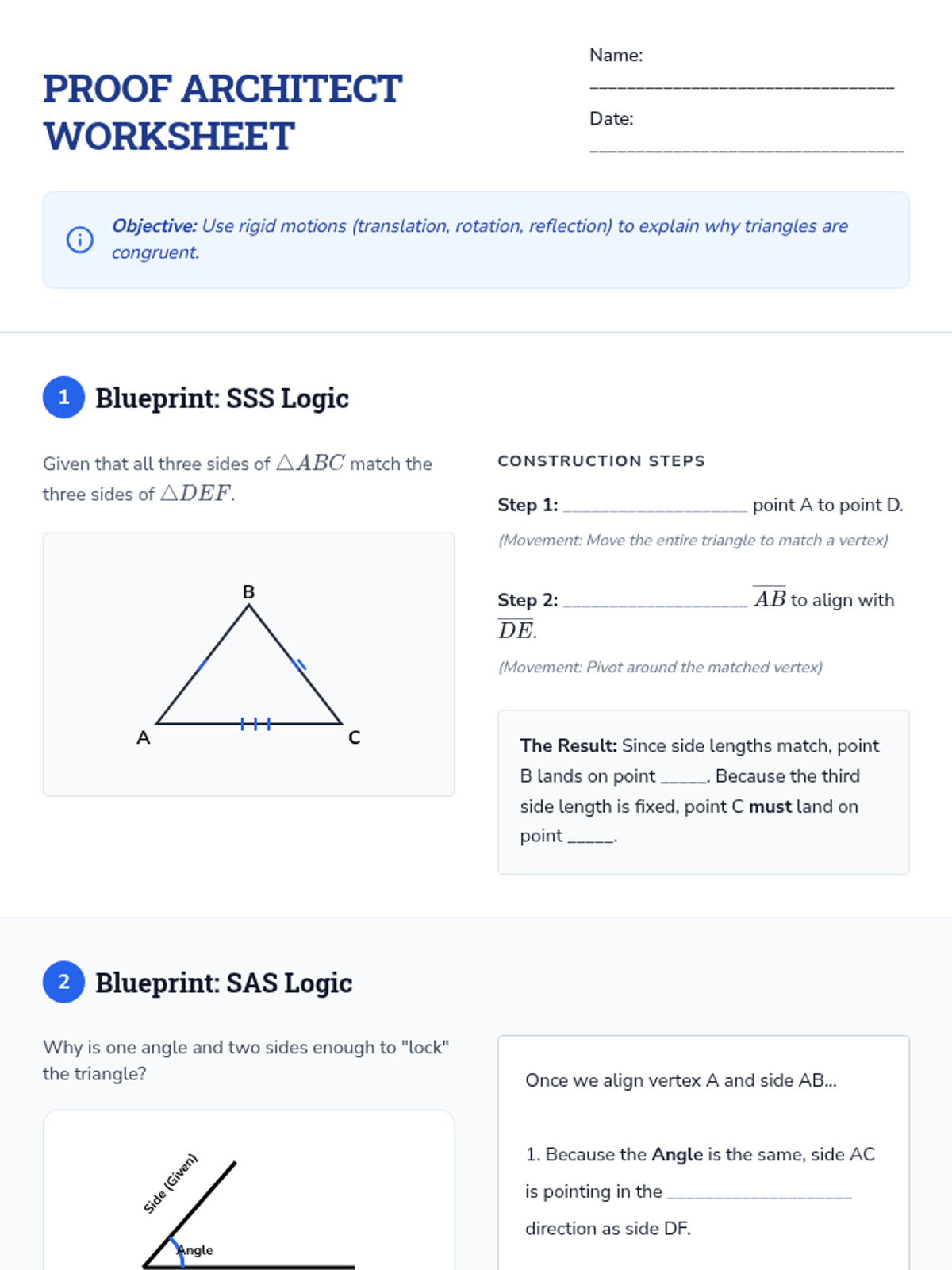
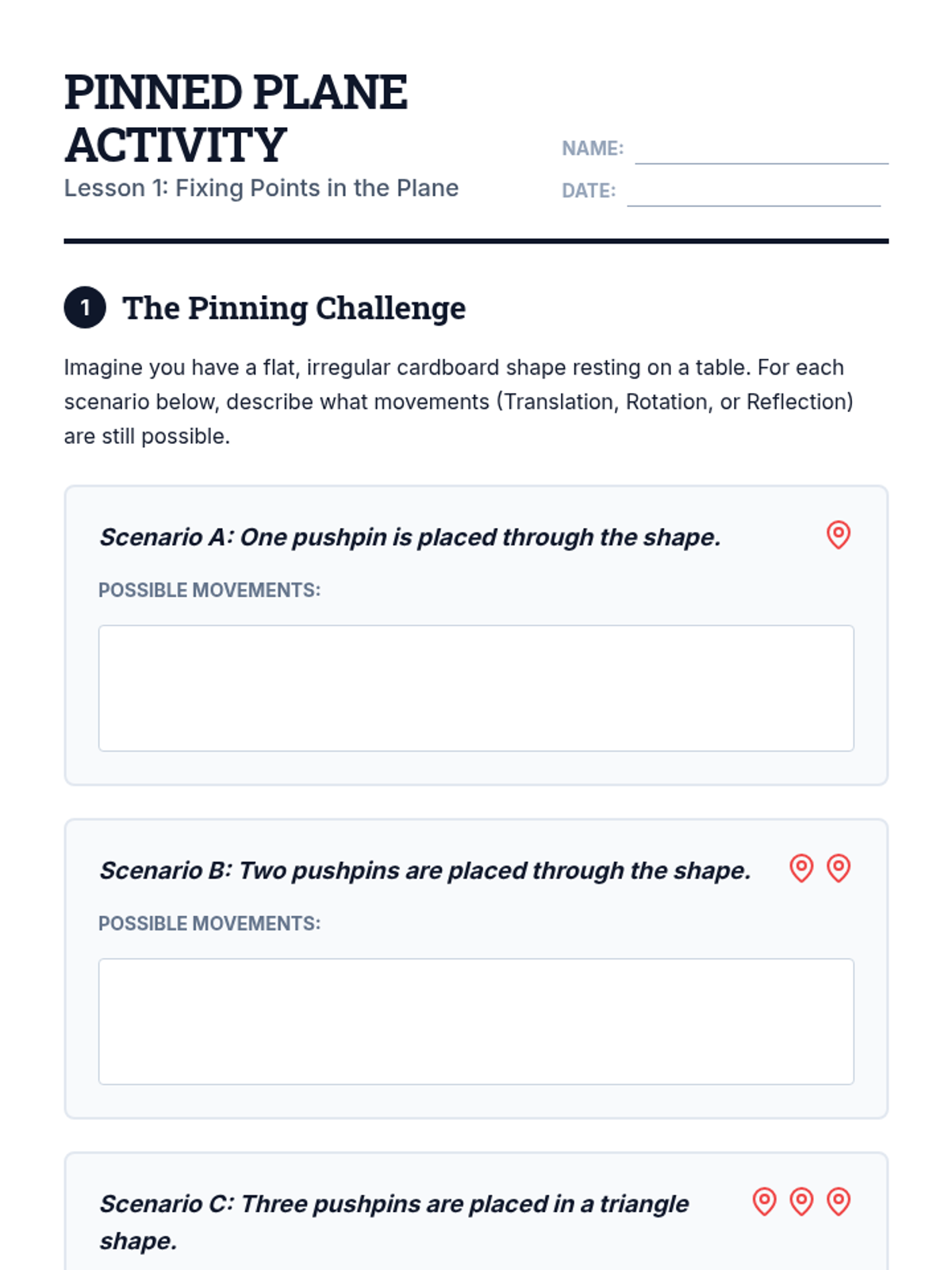
This sequence bridges the gap between physical rigid motions and formal geometric proof. Students explore how pinning down specific parts of a triangle (SAS, SSS, ASA) creates a rigid structure that forces congruence, while other combinations (SSA) fail.
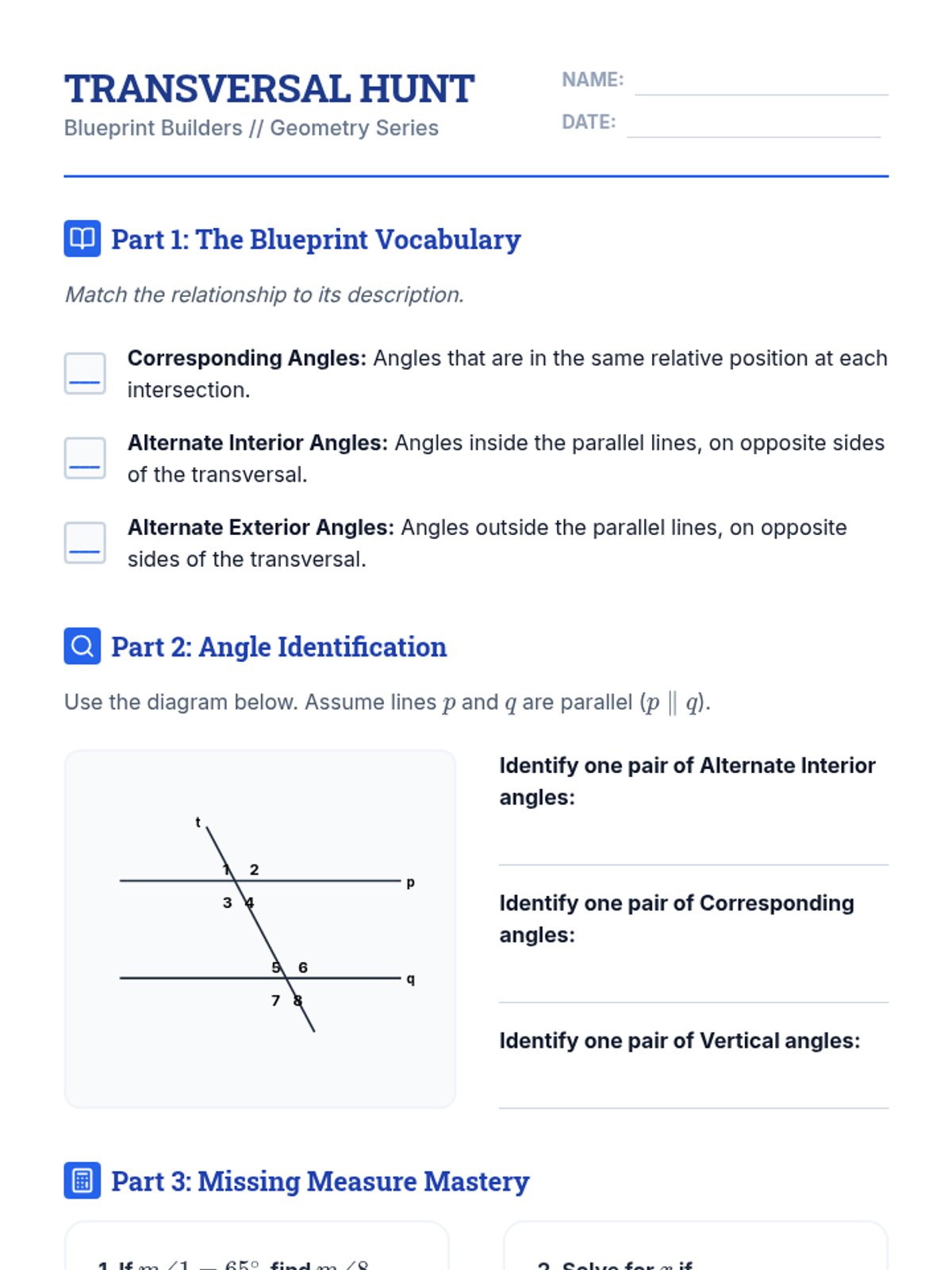
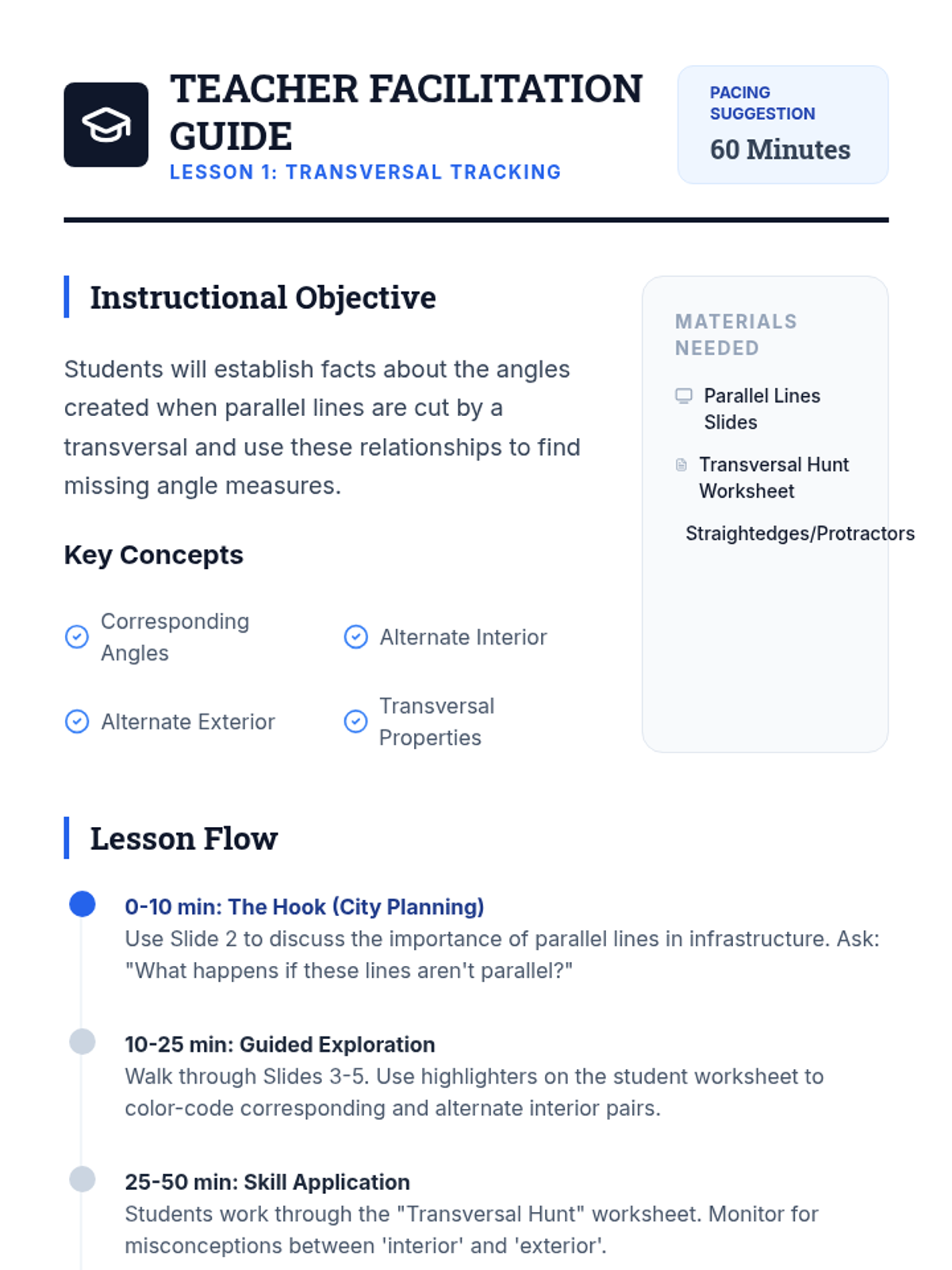
A comprehensive 8th-grade geometry sequence exploring angle relationships in transversals and triangles, moving from empirical discovery to algebraic application and formal proof. Students investigate parallel lines, prove triangle theorems, and solve complex multi-step geometric puzzles.
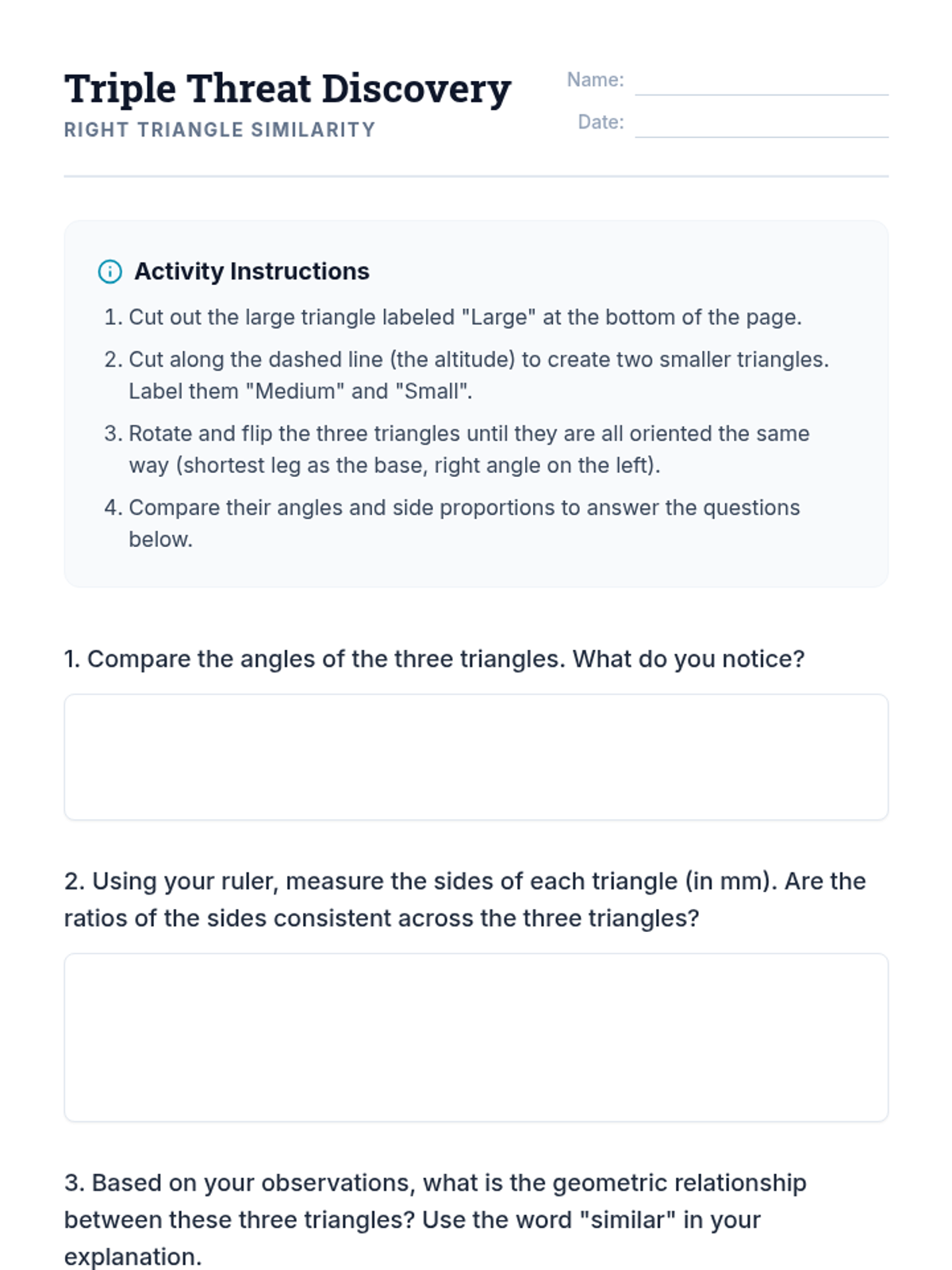
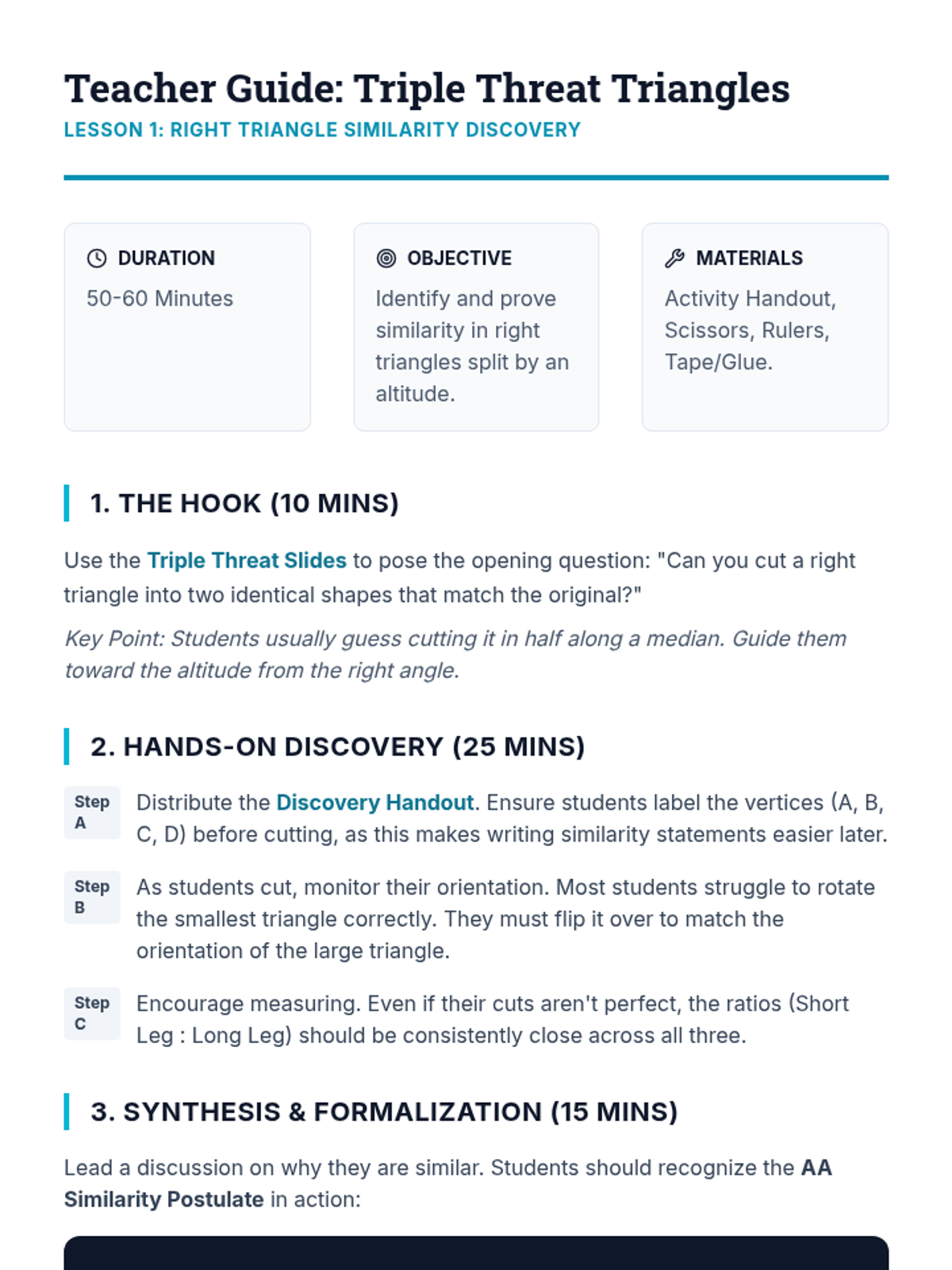
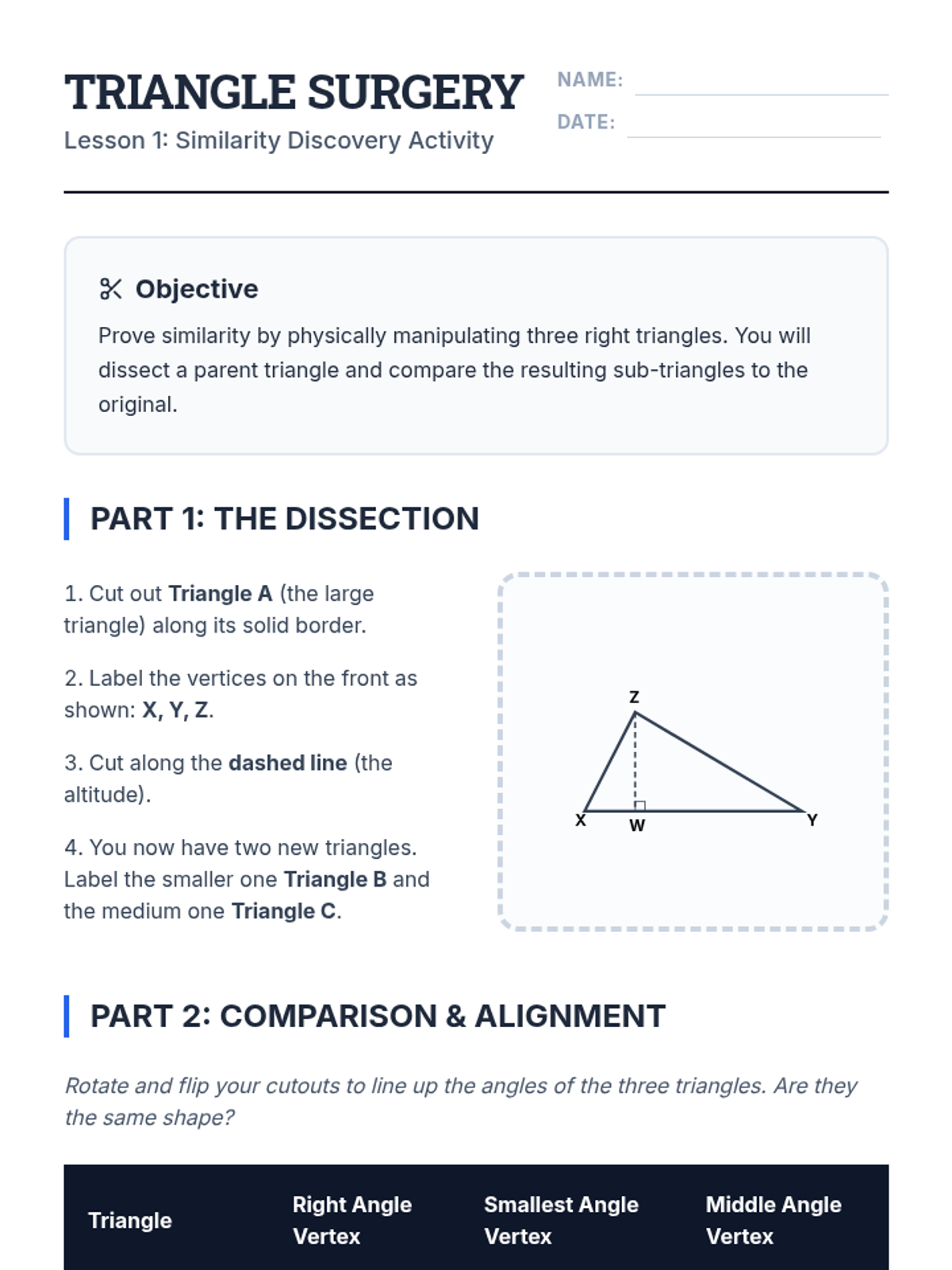
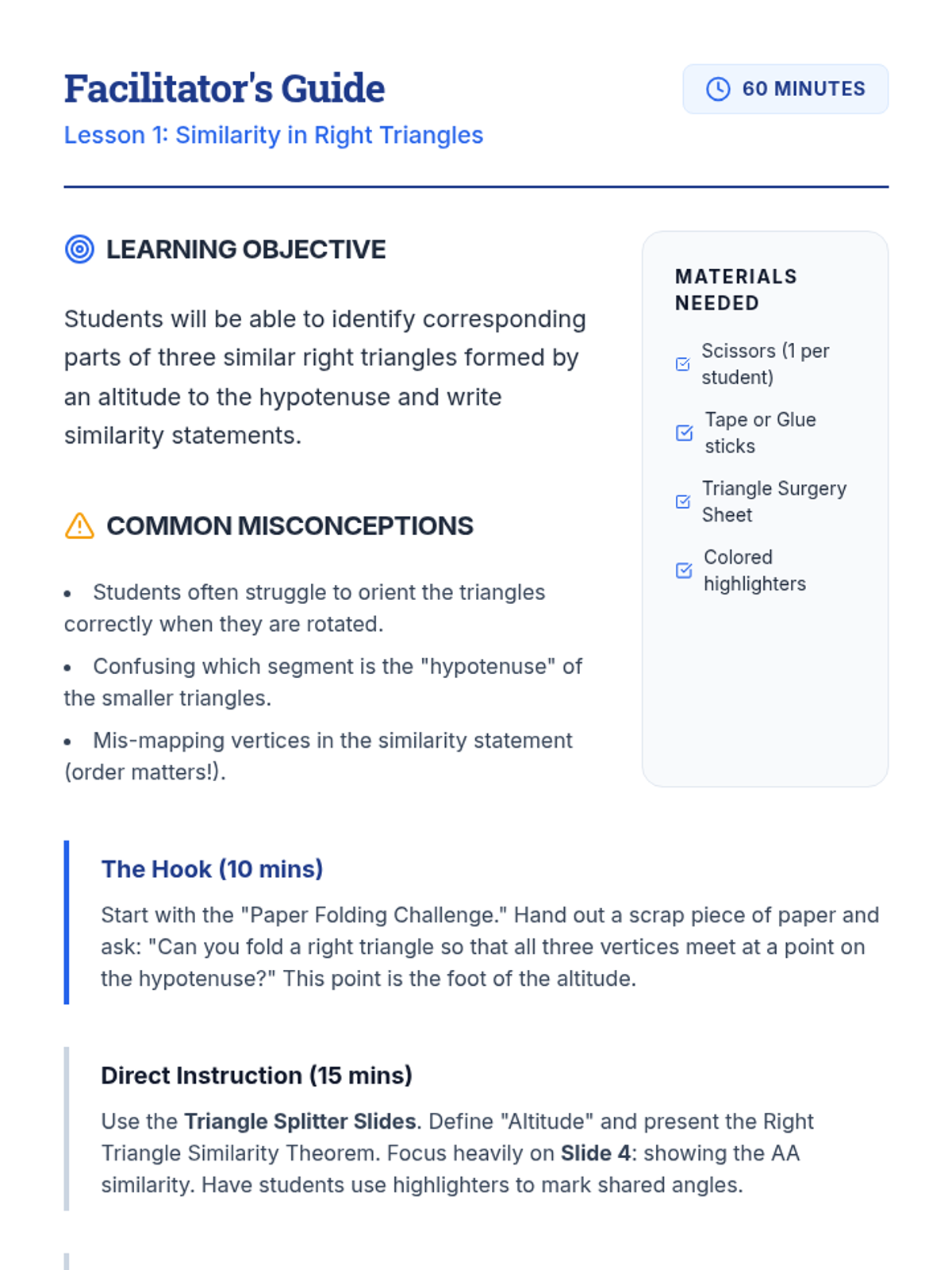
This sequence explores the geometric relationships within right triangles when an altitude is drawn to the hypotenuse. Students will discover triangle similarity, derive geometric mean theorems, and ultimately prove the Pythagorean Theorem using similarity ratios.
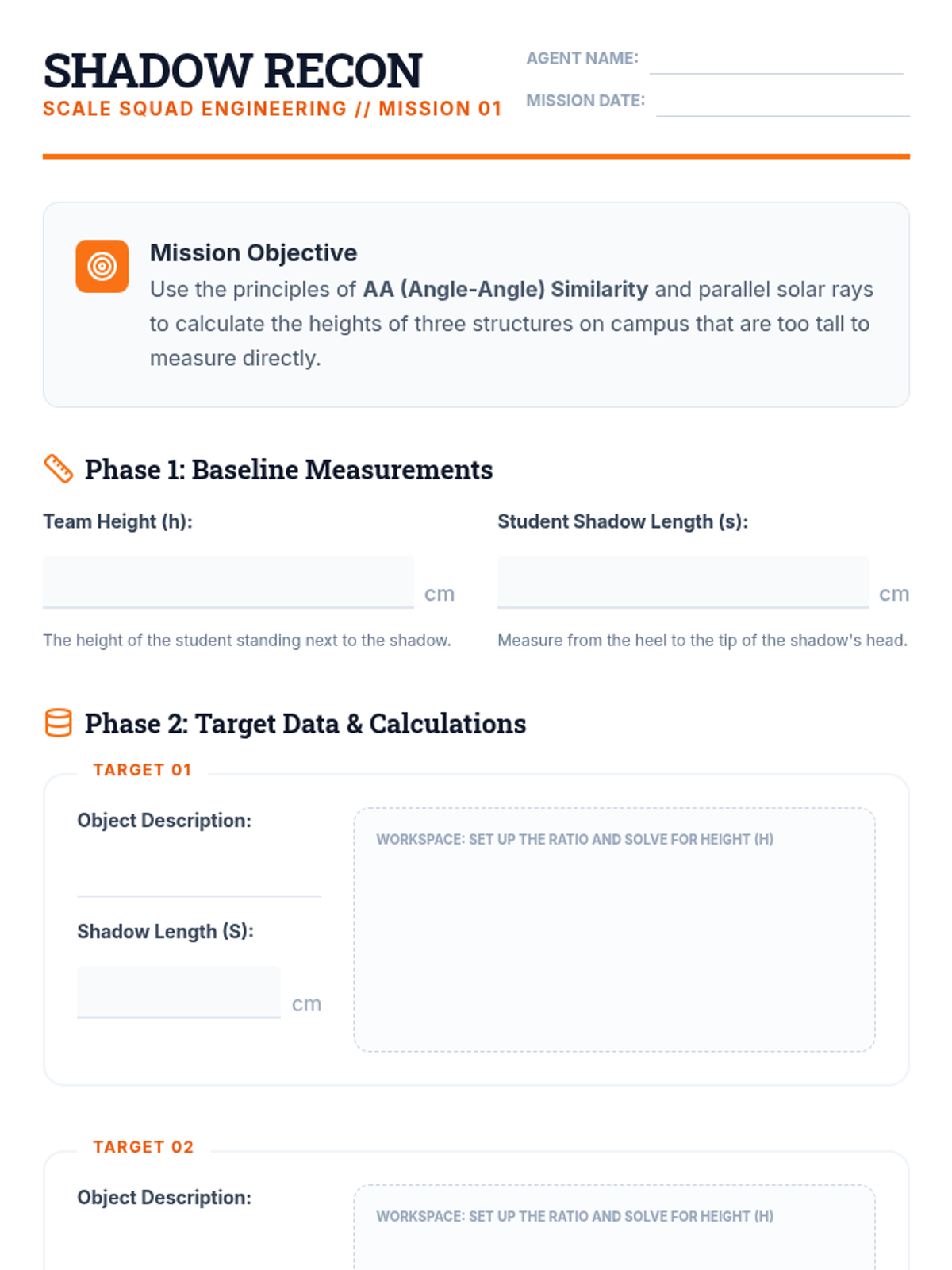
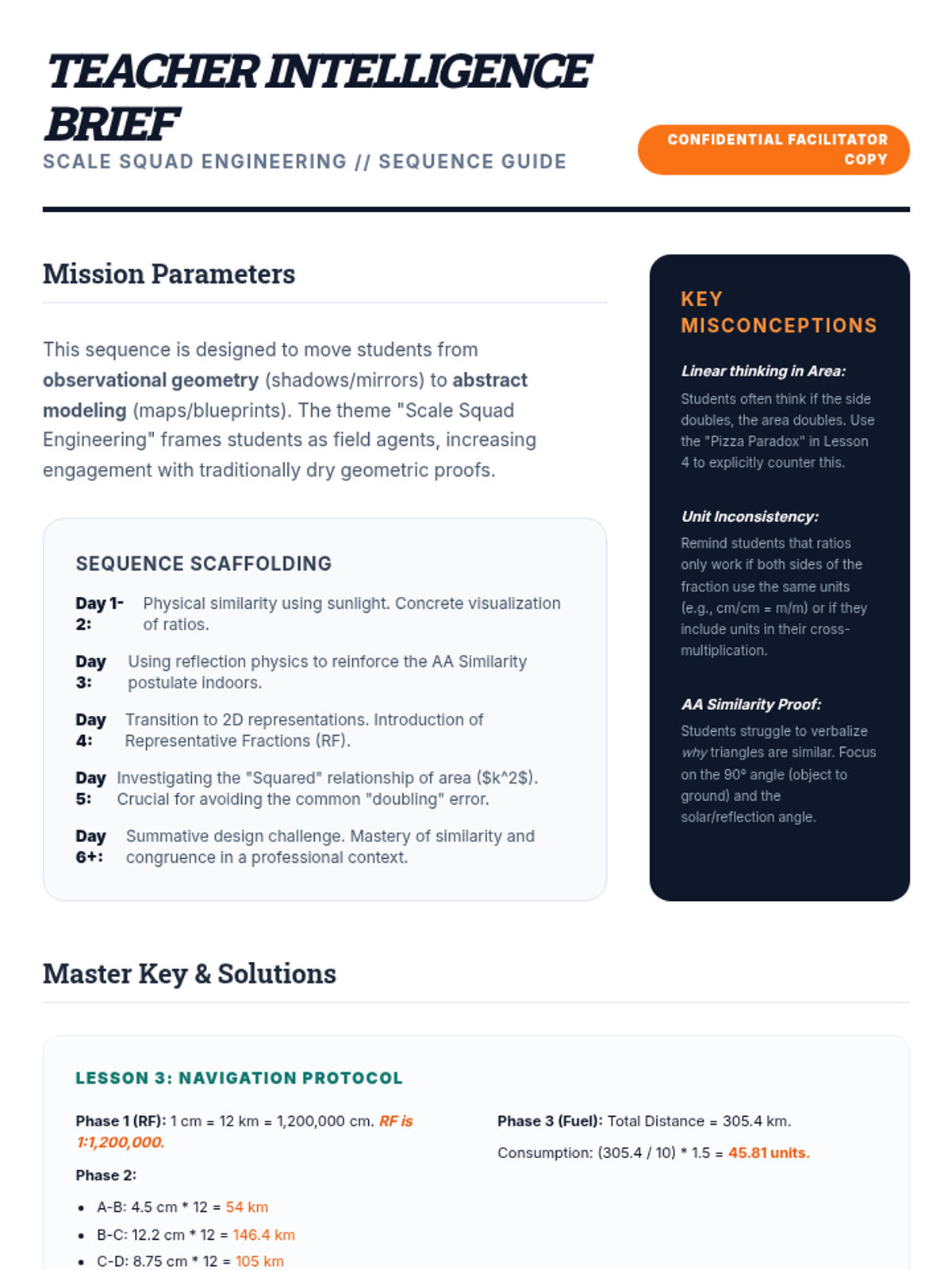
An engineering-focused geometry sequence where 8th graders apply similarity and congruence to solve real-world measurement and design challenges. Students move from indirect measurement in the field to professional-grade scale modeling.
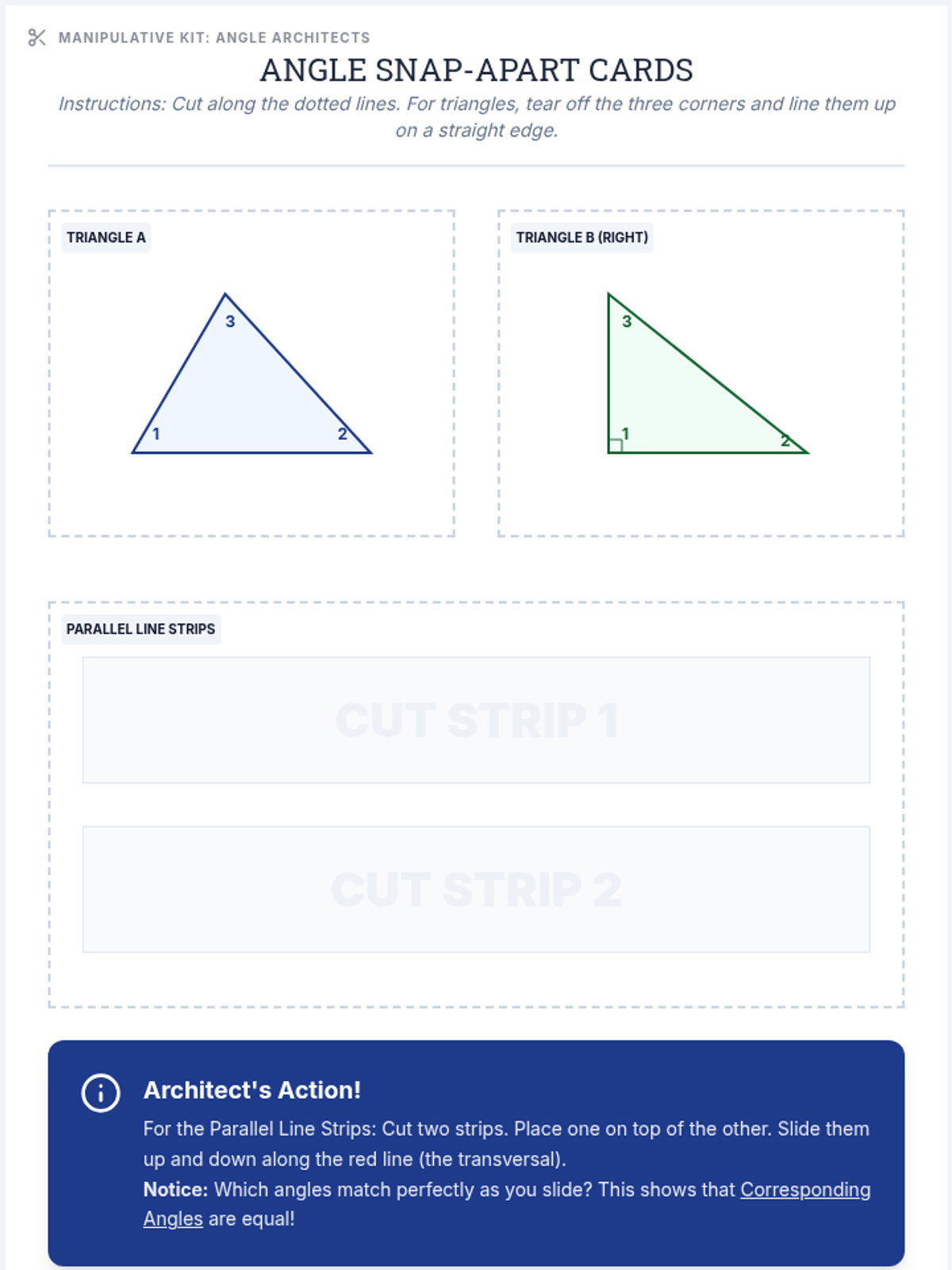
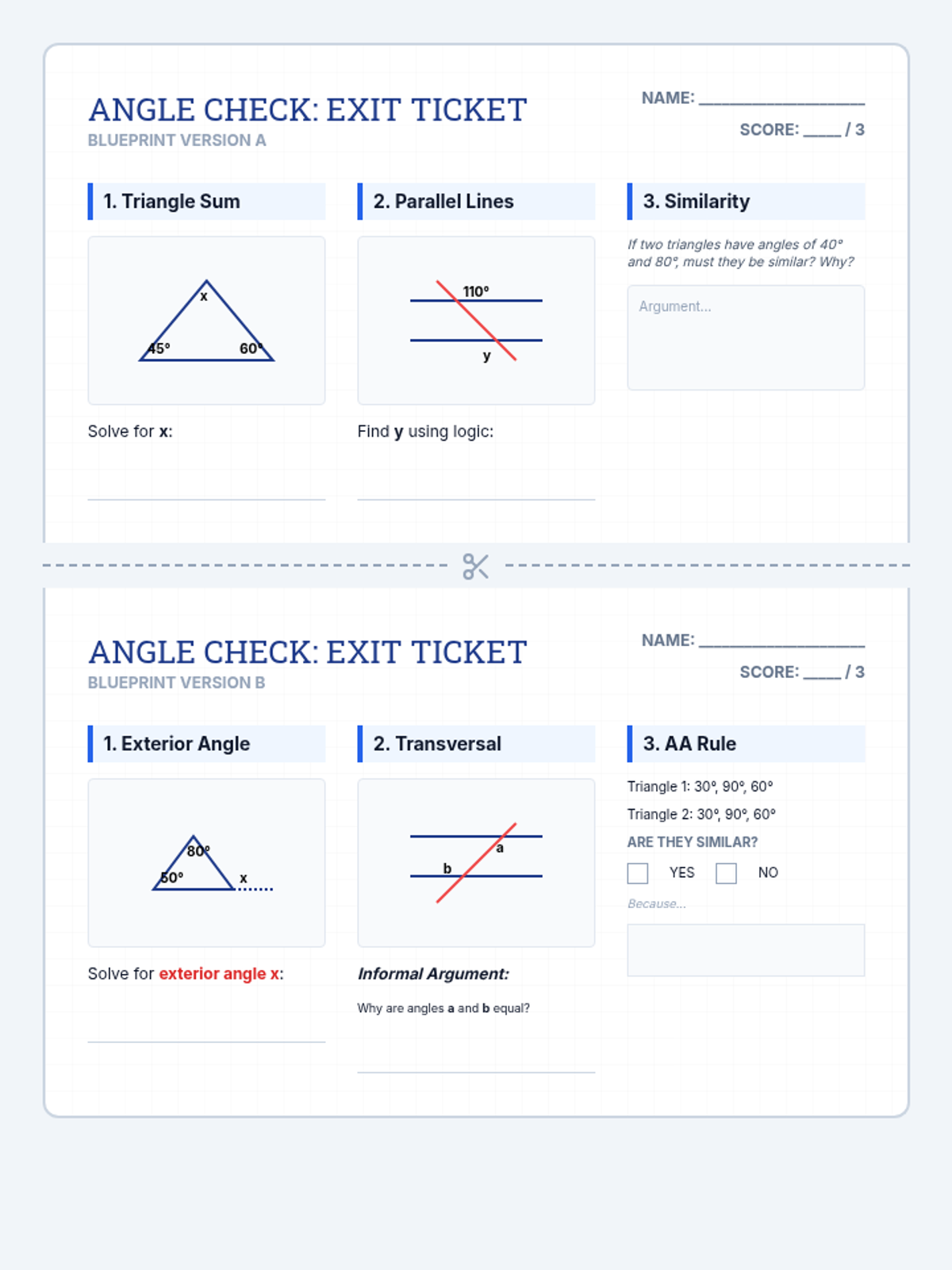
A comprehensive 8th-grade geometry unit that bridges the gap between parallel line properties and triangle similarity. Students explore transversals, interior/exterior triangle angles, and the AA similarity criterion to build rigorous geometric arguments.
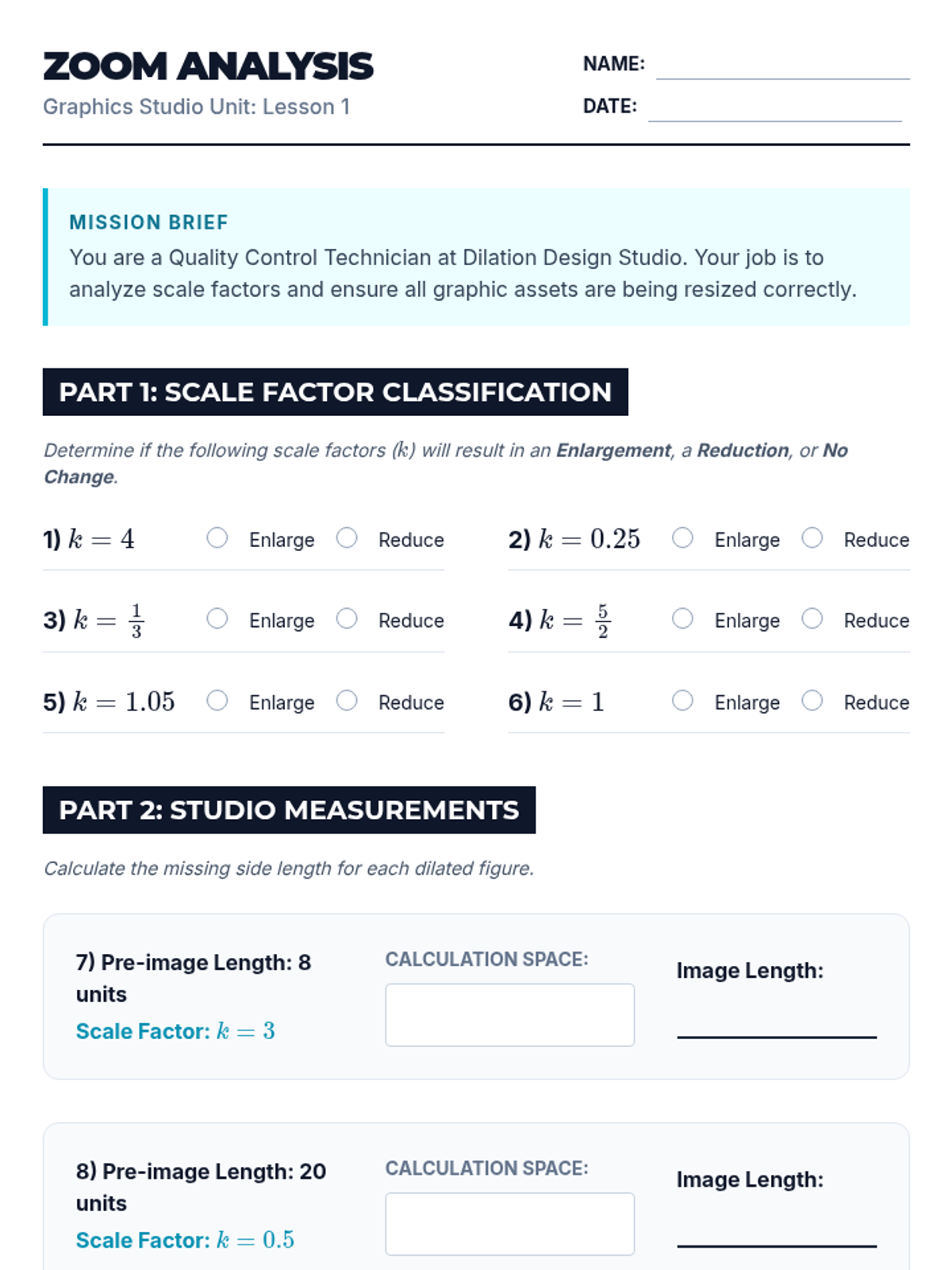
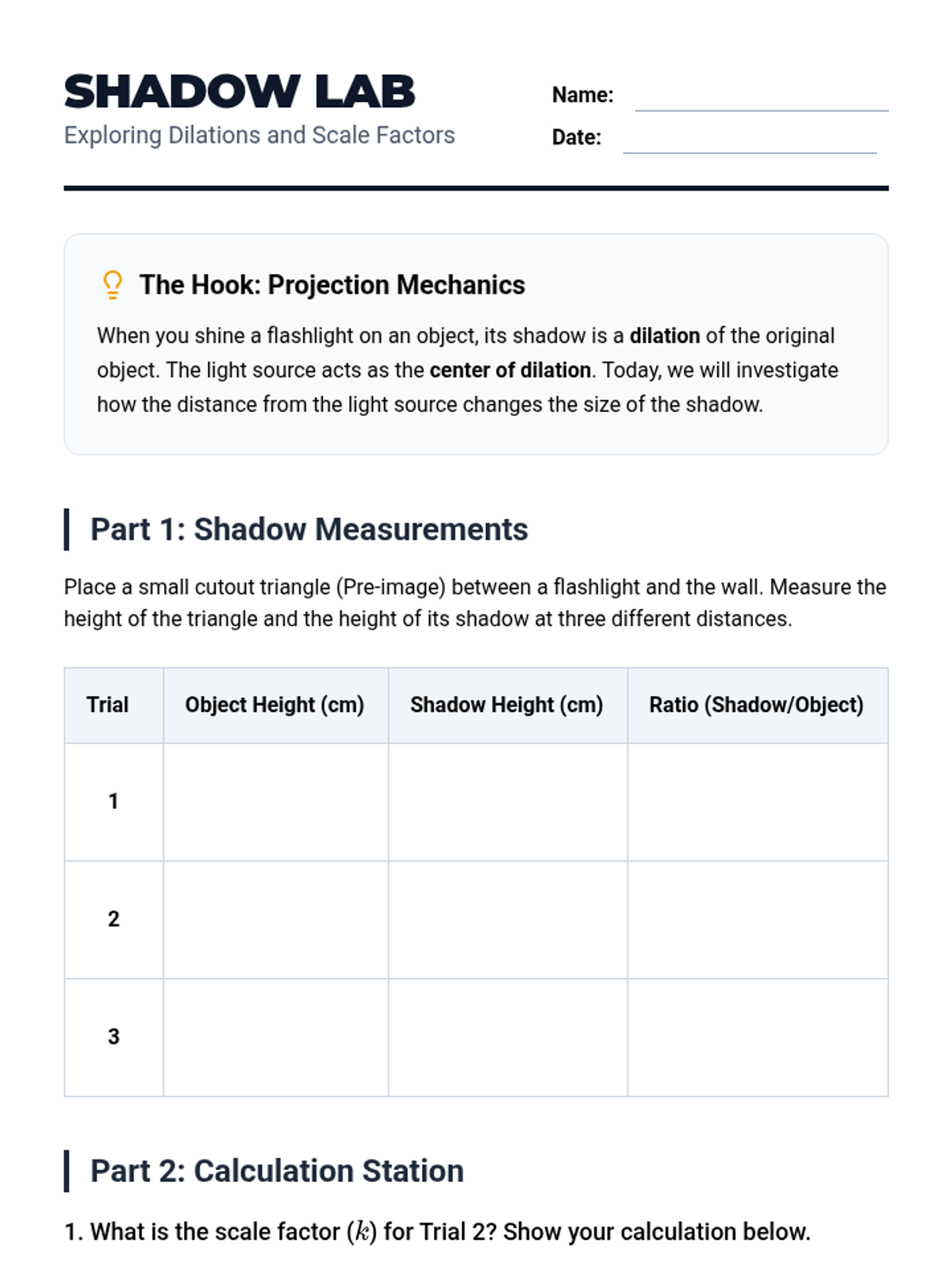
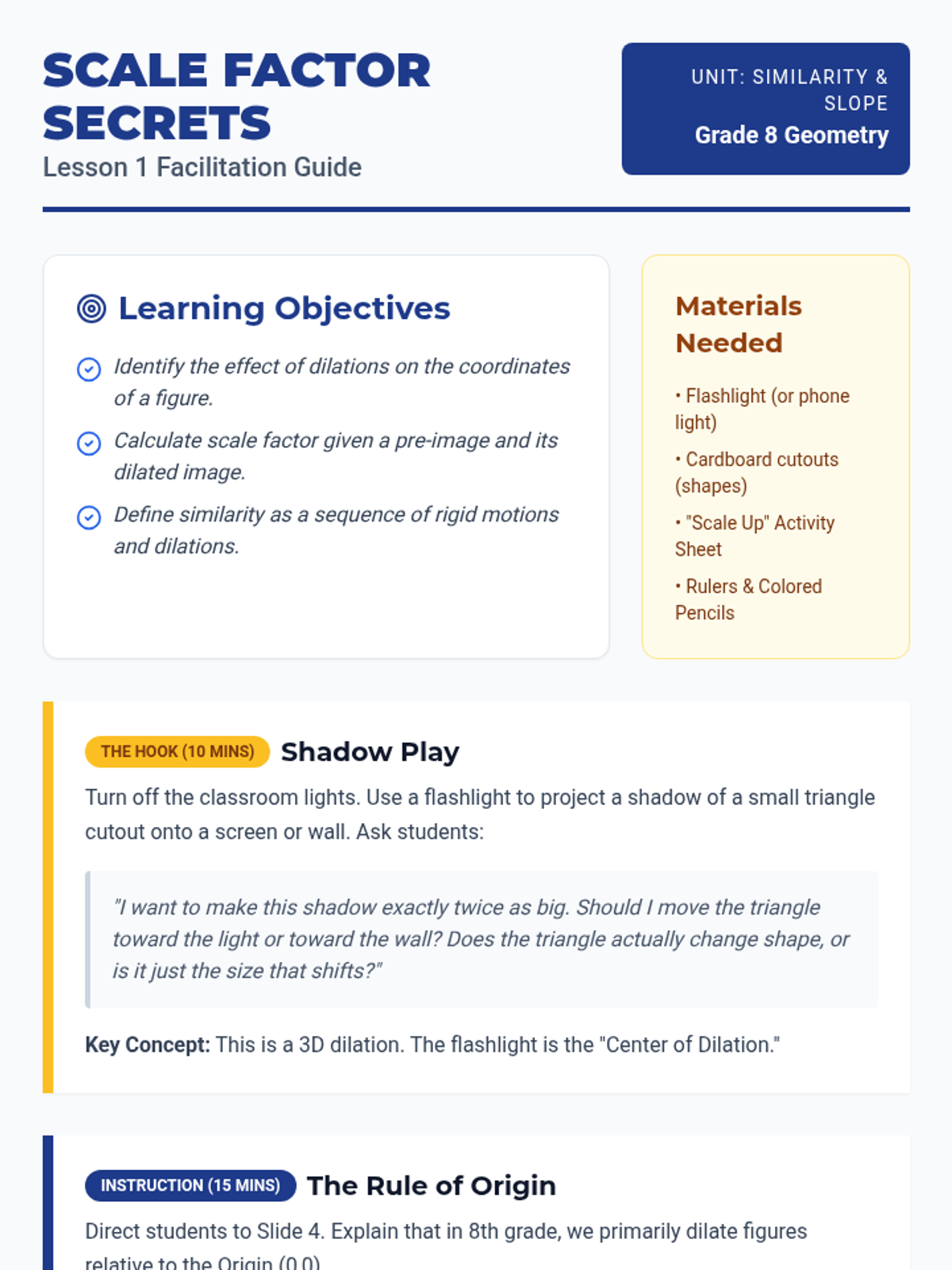
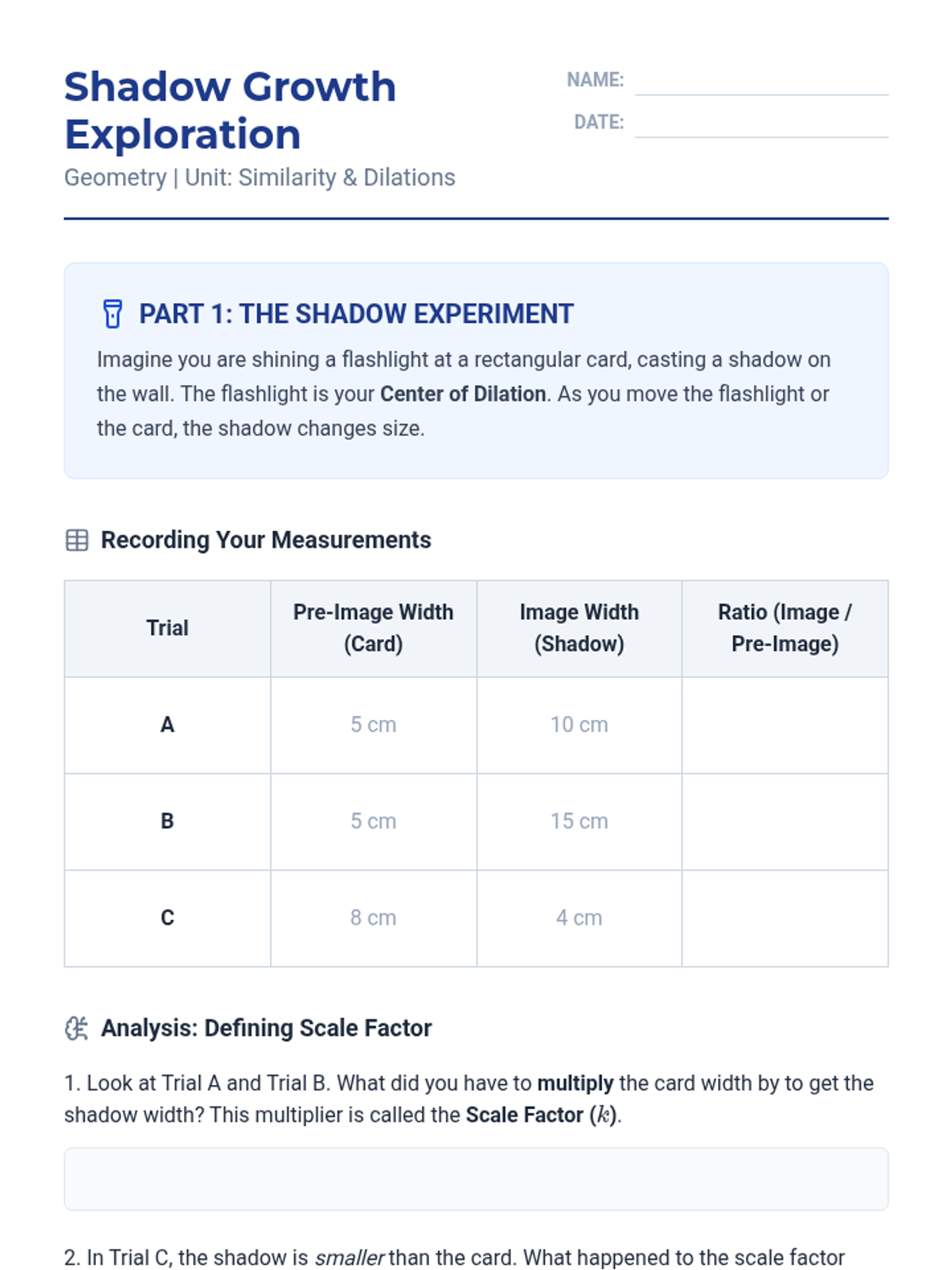
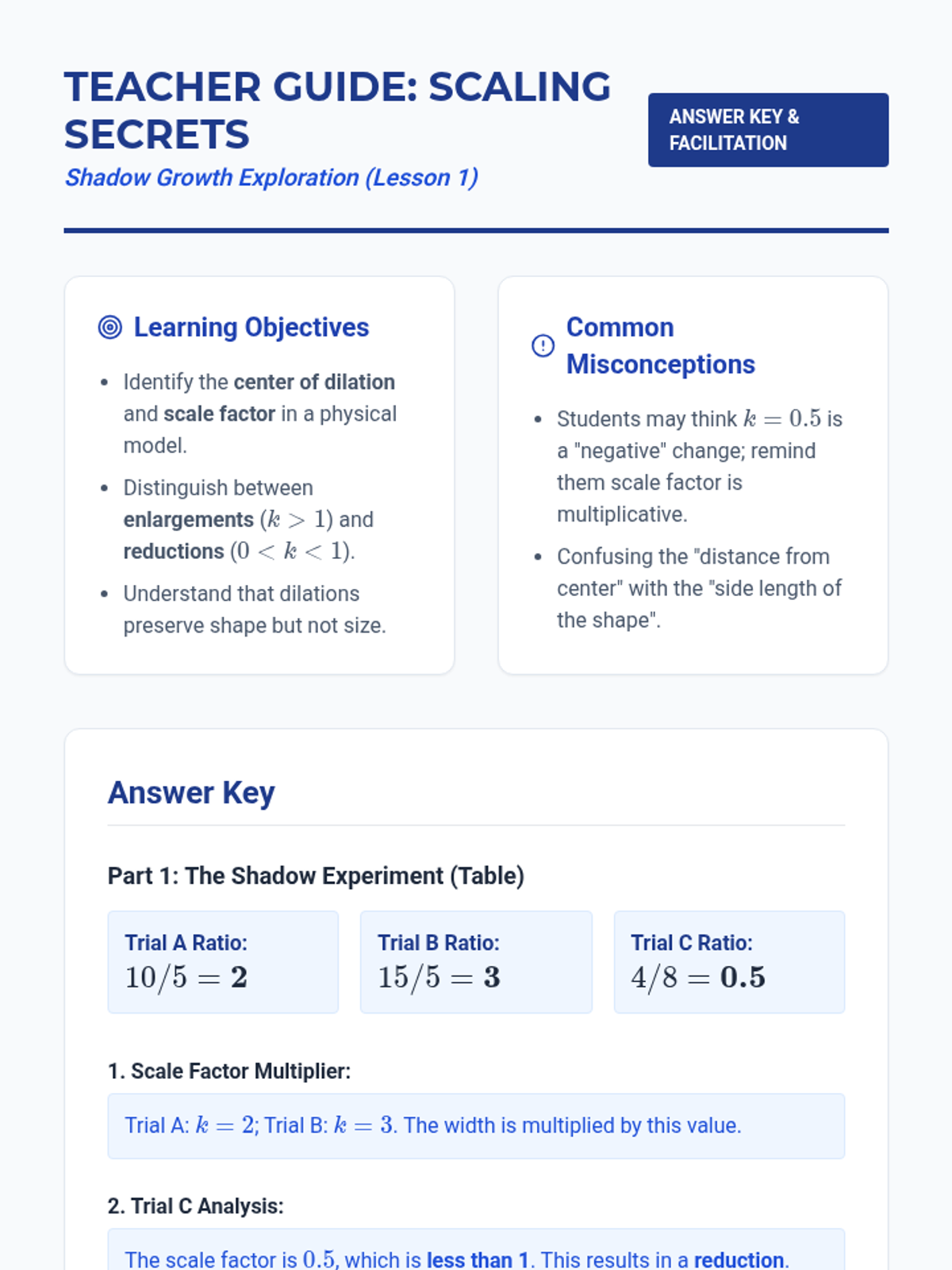
This 8th-grade geometry sequence explores dilations and similarity through an inquiry-based lens. Students move from physical shadows and movie projections to coordinate mapping, discovering that similar figures preserve angle measures while scaling side lengths proportionally. The unit culminates in using sequences of transformations to formally define and prove similarity.
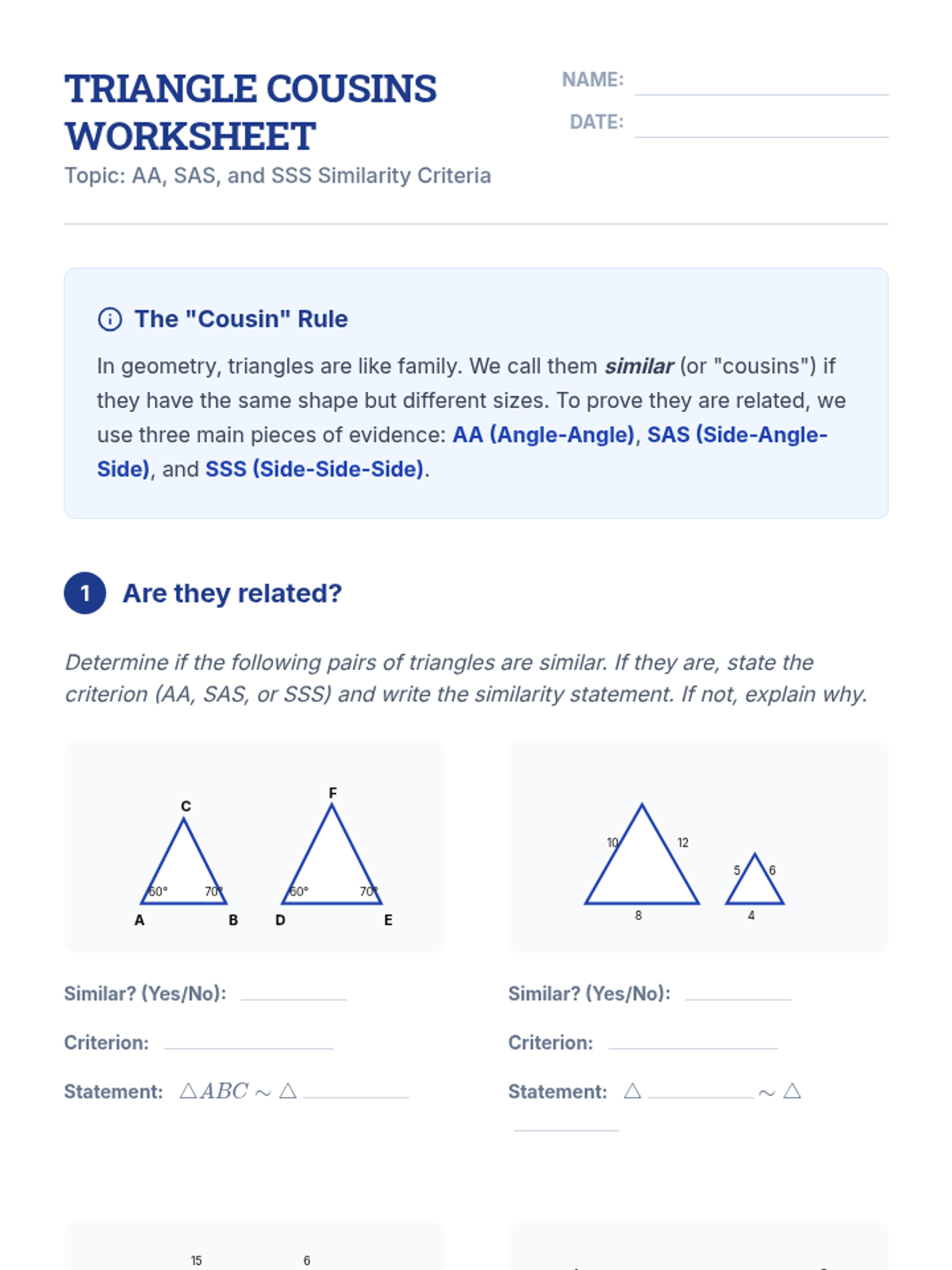
This sequence applies similarity theorems (AA, SAS, SSS) and proportional reasoning to solve complex geometric and real-world problems. Students explore triangle proportionality, geometric means in right triangles, and indirect measurement techniques, culminating in a design-focused scale modeling project.
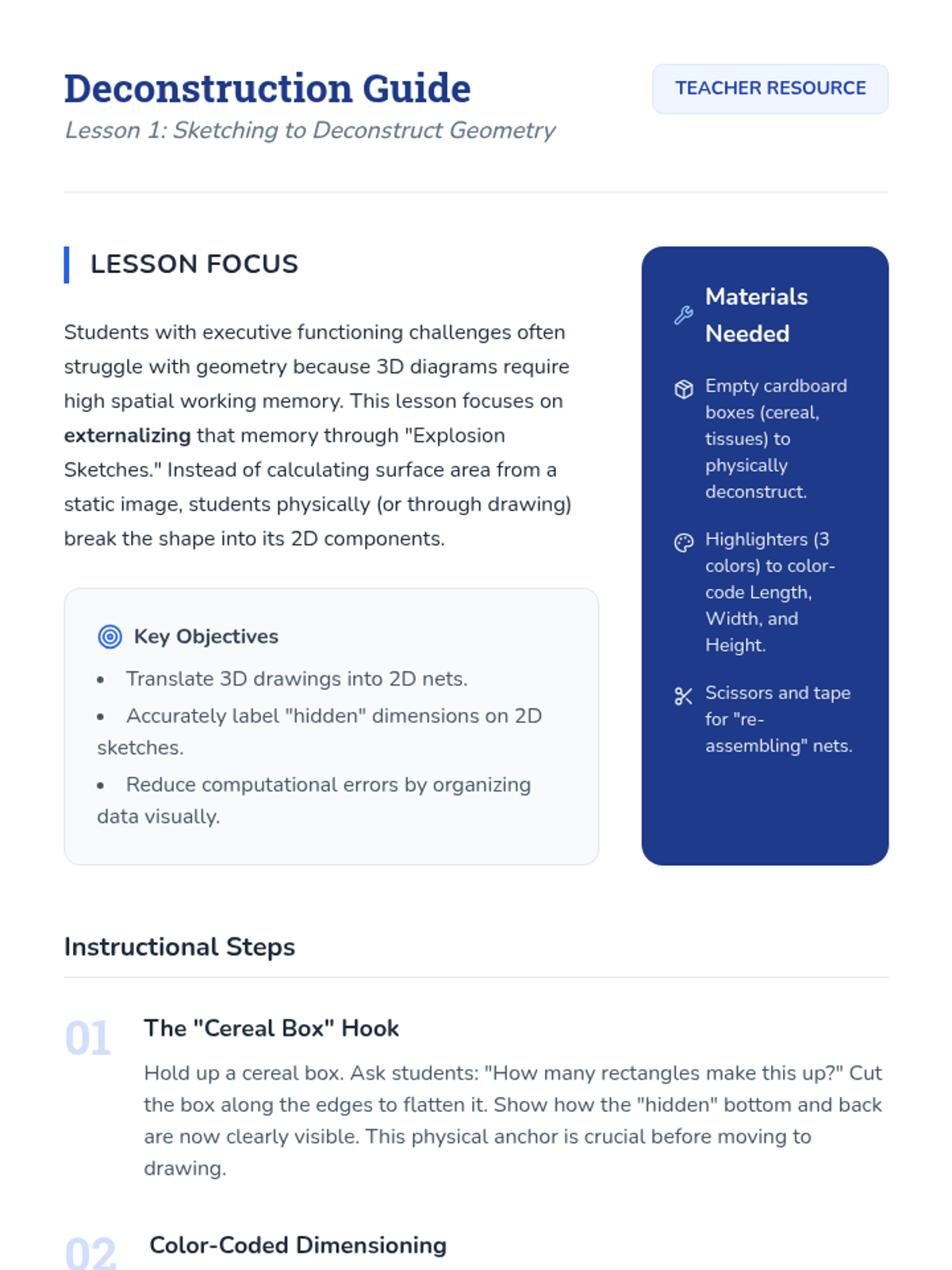
This 8th-grade sequence focuses on visual strategies to deconstruct geometry and systems of equations, helping students manage cognitive load through sketching, color-coding, and decomposition of complex problems.
This sequence explores the geometric logic of polygons, focusing on the relationship between sides and angles. Students will derive formulas for interior and exterior angles and apply this knowledge to determine which shapes can tessellate a plane, culminating in the creation of original geometric art.
A comprehensive 8th-grade geometry sequence exploring translations, reflections, rotations, and dilations on the coordinate plane. Students move from rigid transformations to similarity through inquiry-based activities and design challenges.
A game-based exploration of polygons on the coordinate plane. Students learn to plot, calculate distance, reflect shapes, and deduce geometric properties using coordinate data in all four quadrants.
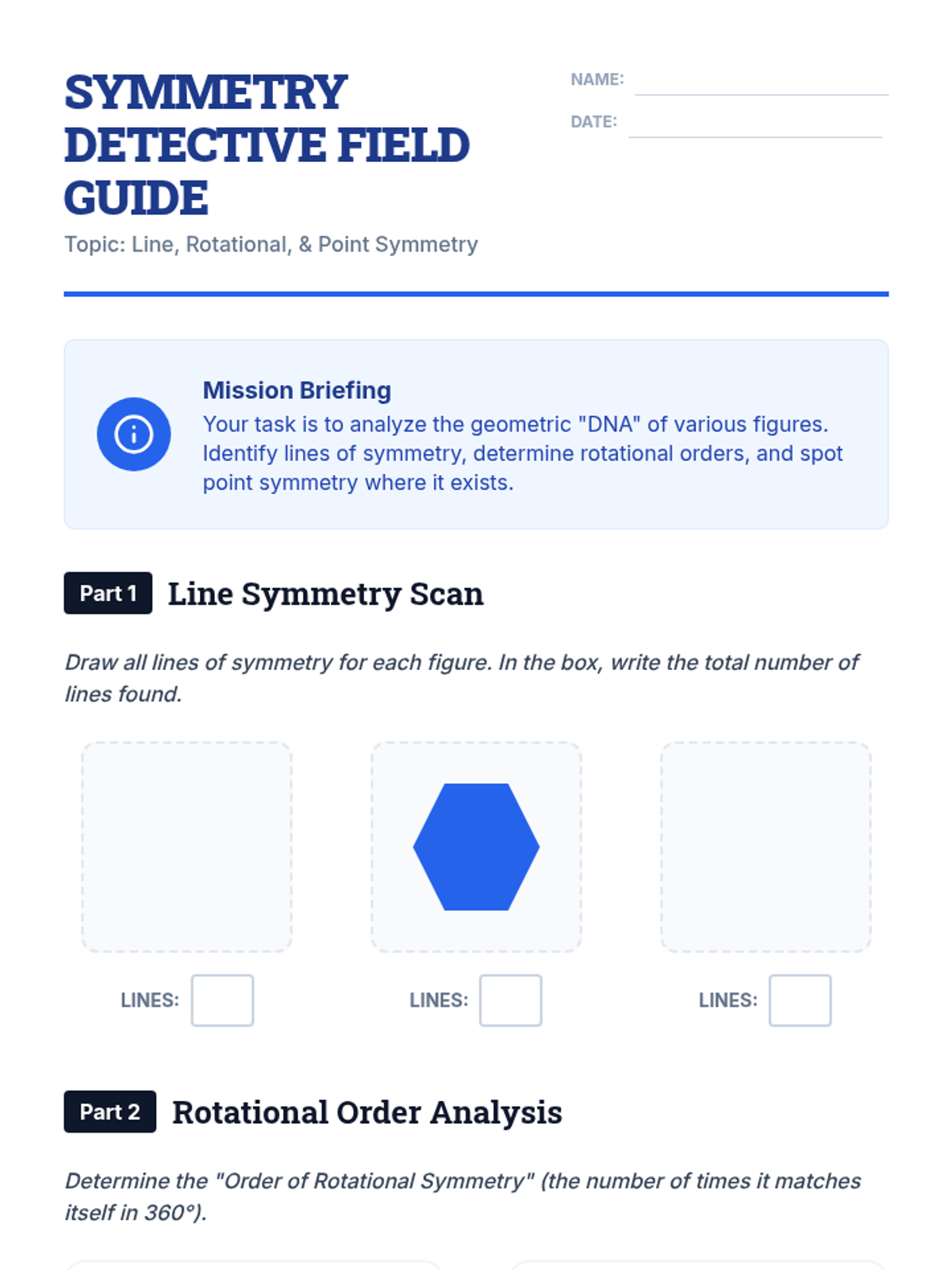
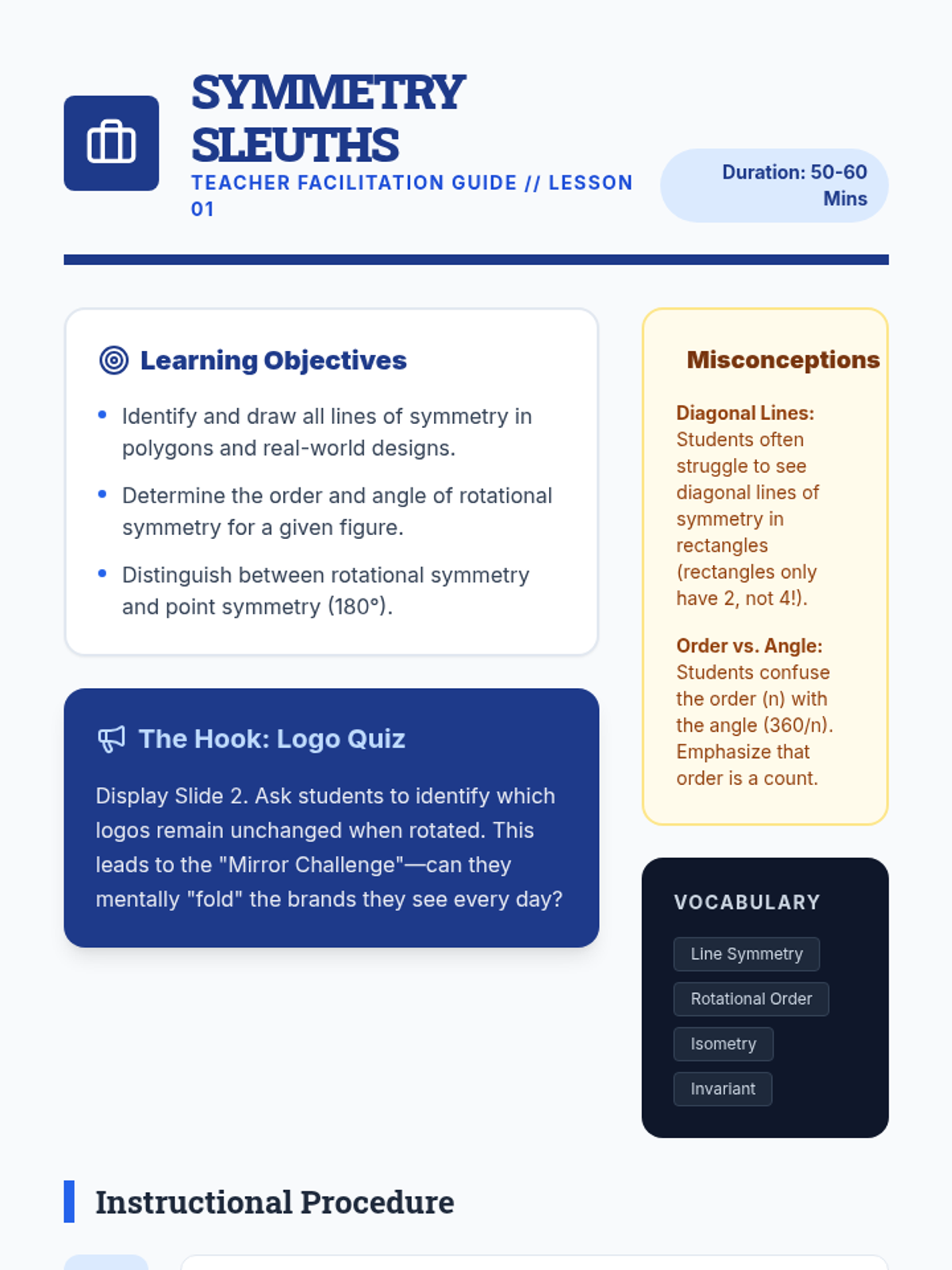
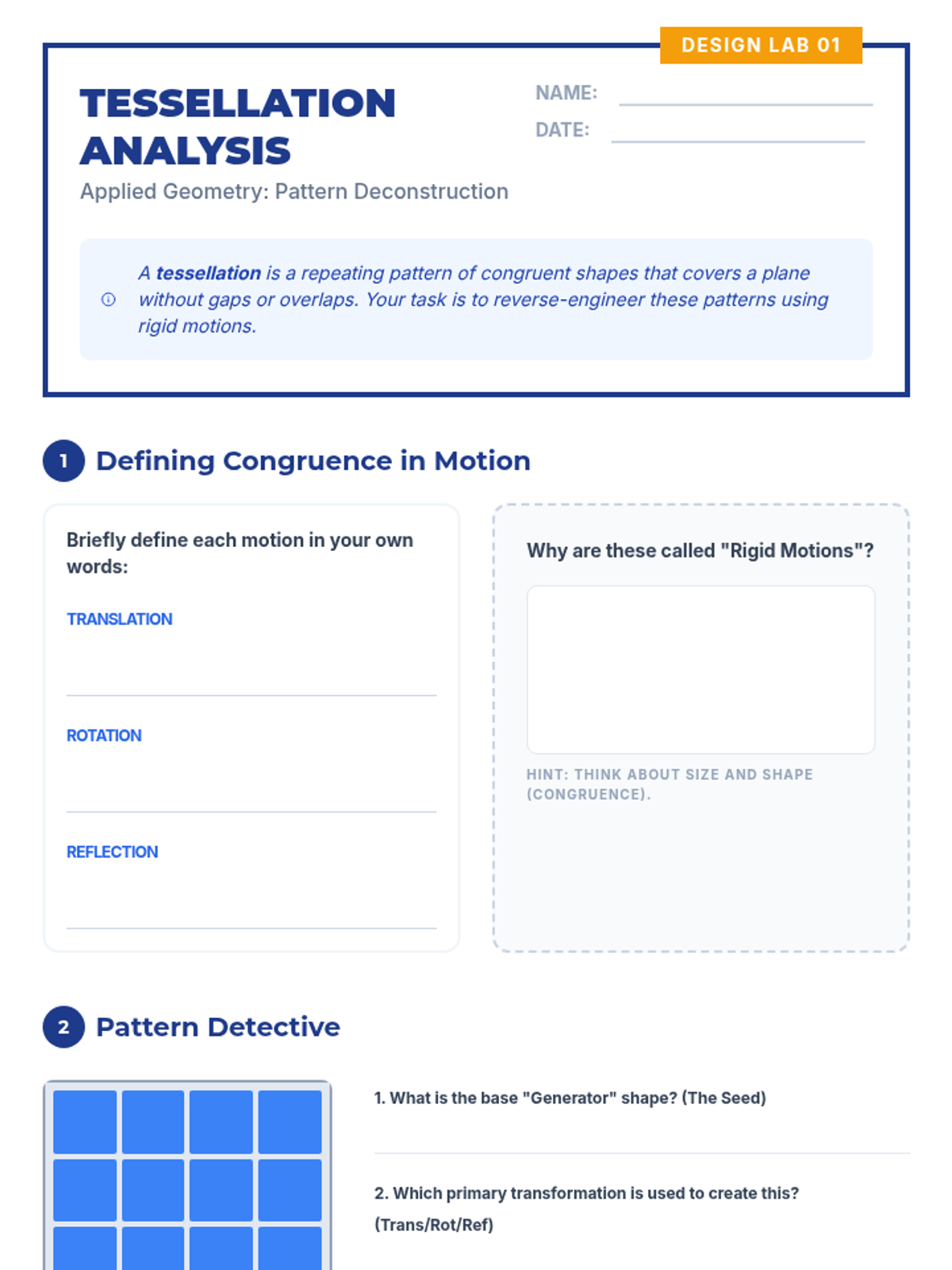
Students explore symmetry and rigid transformations (reflections, rotations, translations) through simulations, coordinate mapping, and creative projects. The unit culminates in the design of complex tessellations using transformation composition.
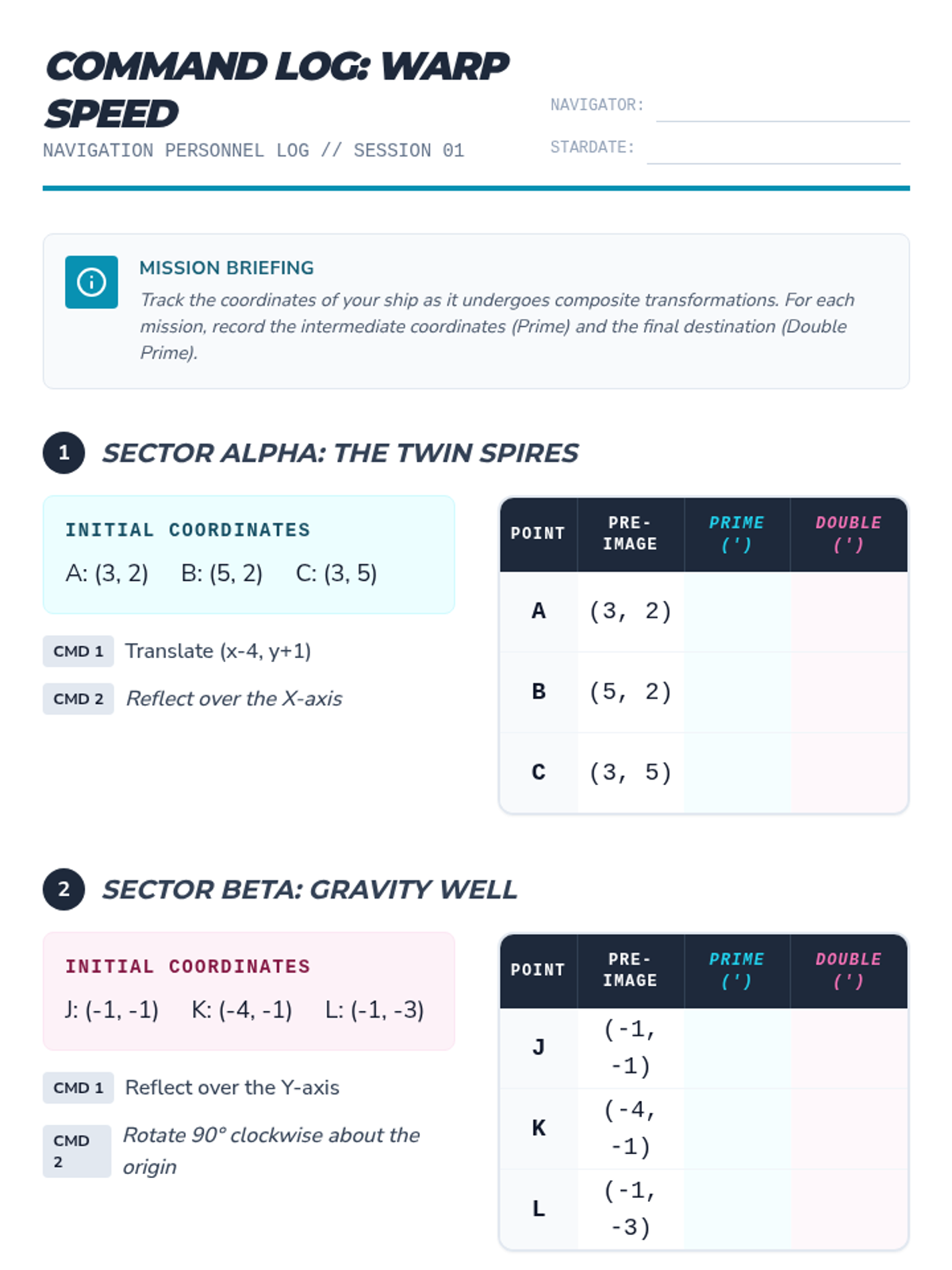
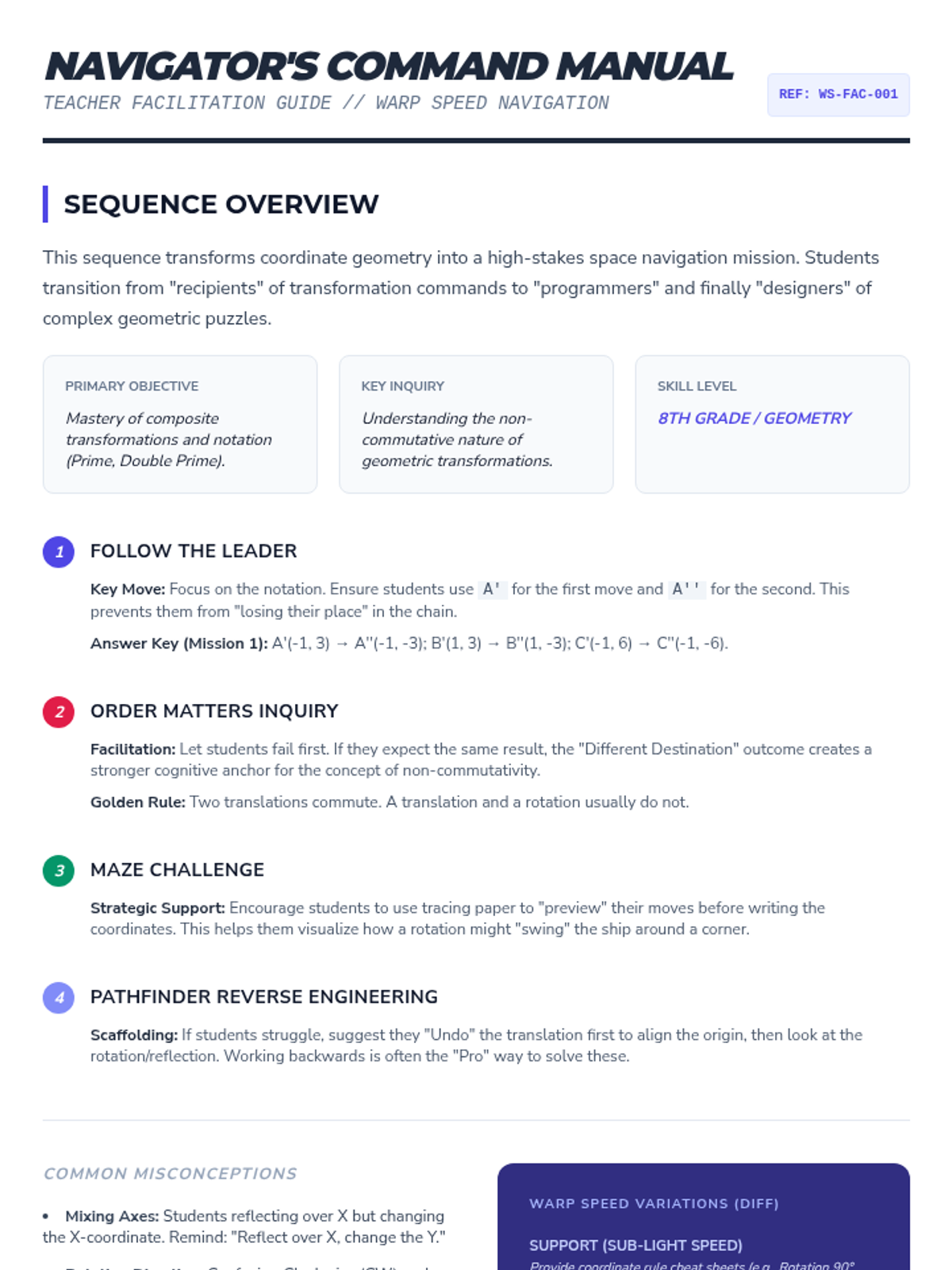
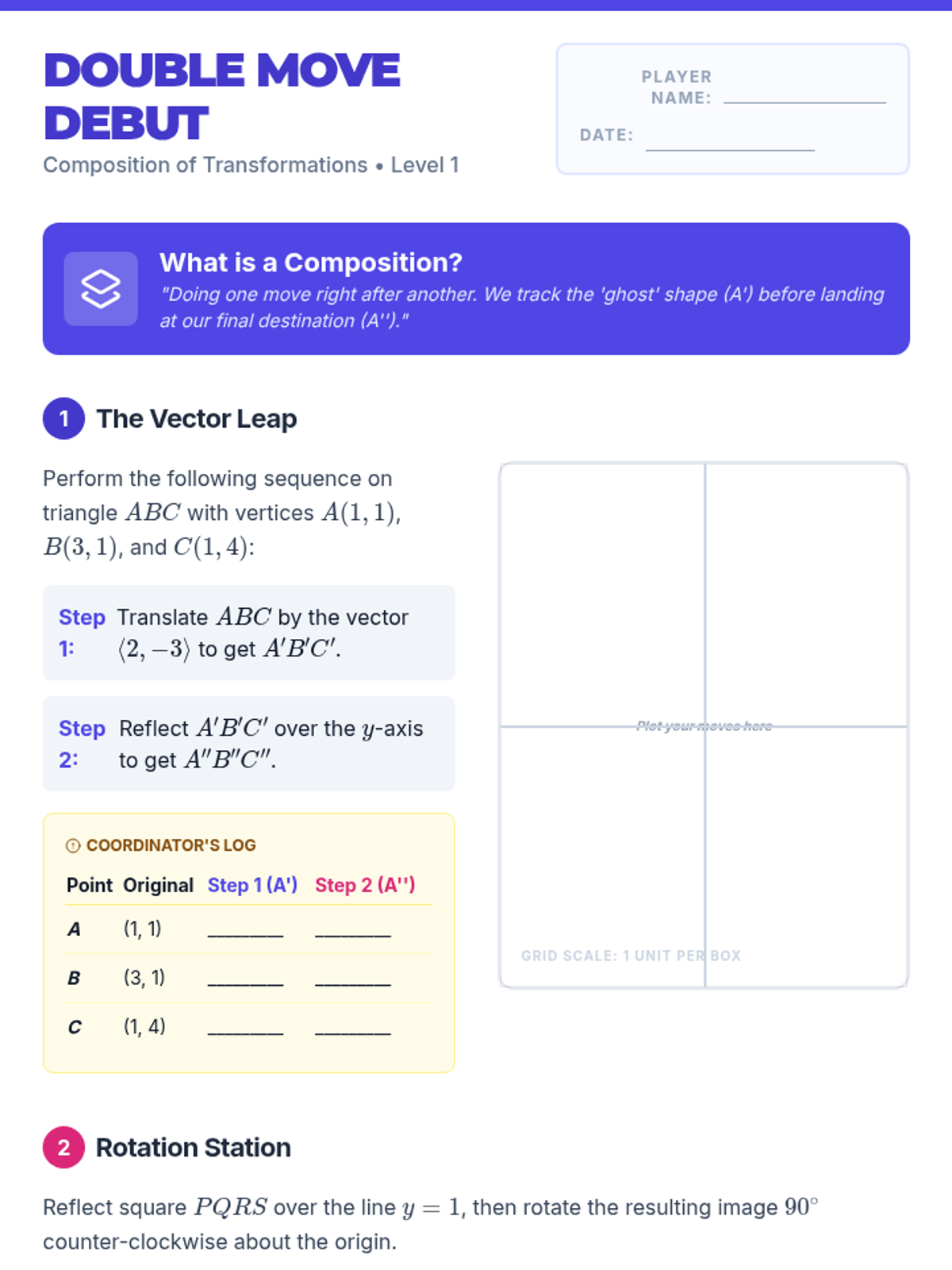
A game-based exploration of composite geometric transformations where students act as navigators, programming shapes through coordinate mazes and investigating how the order of transformations affects final positions.
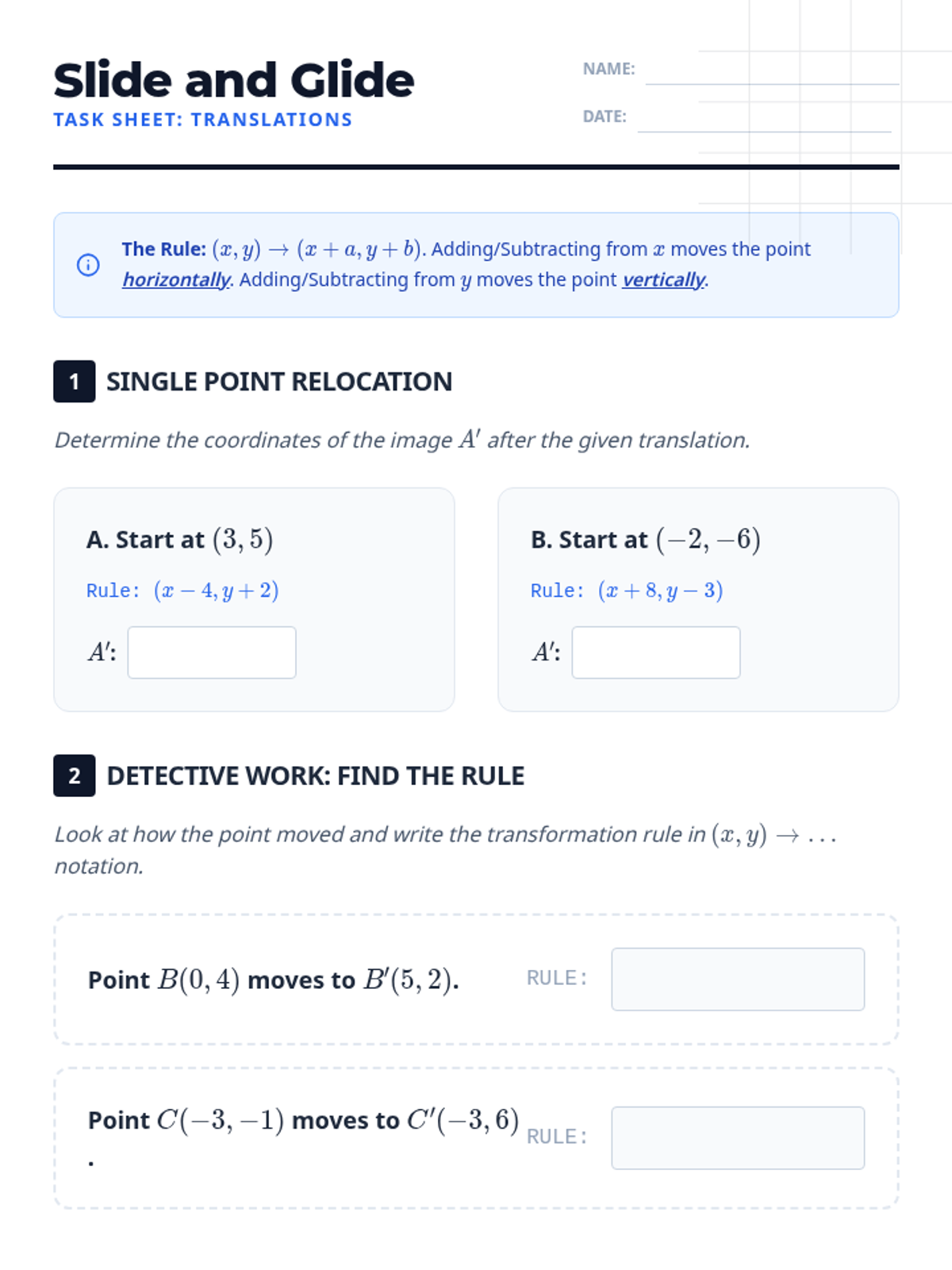
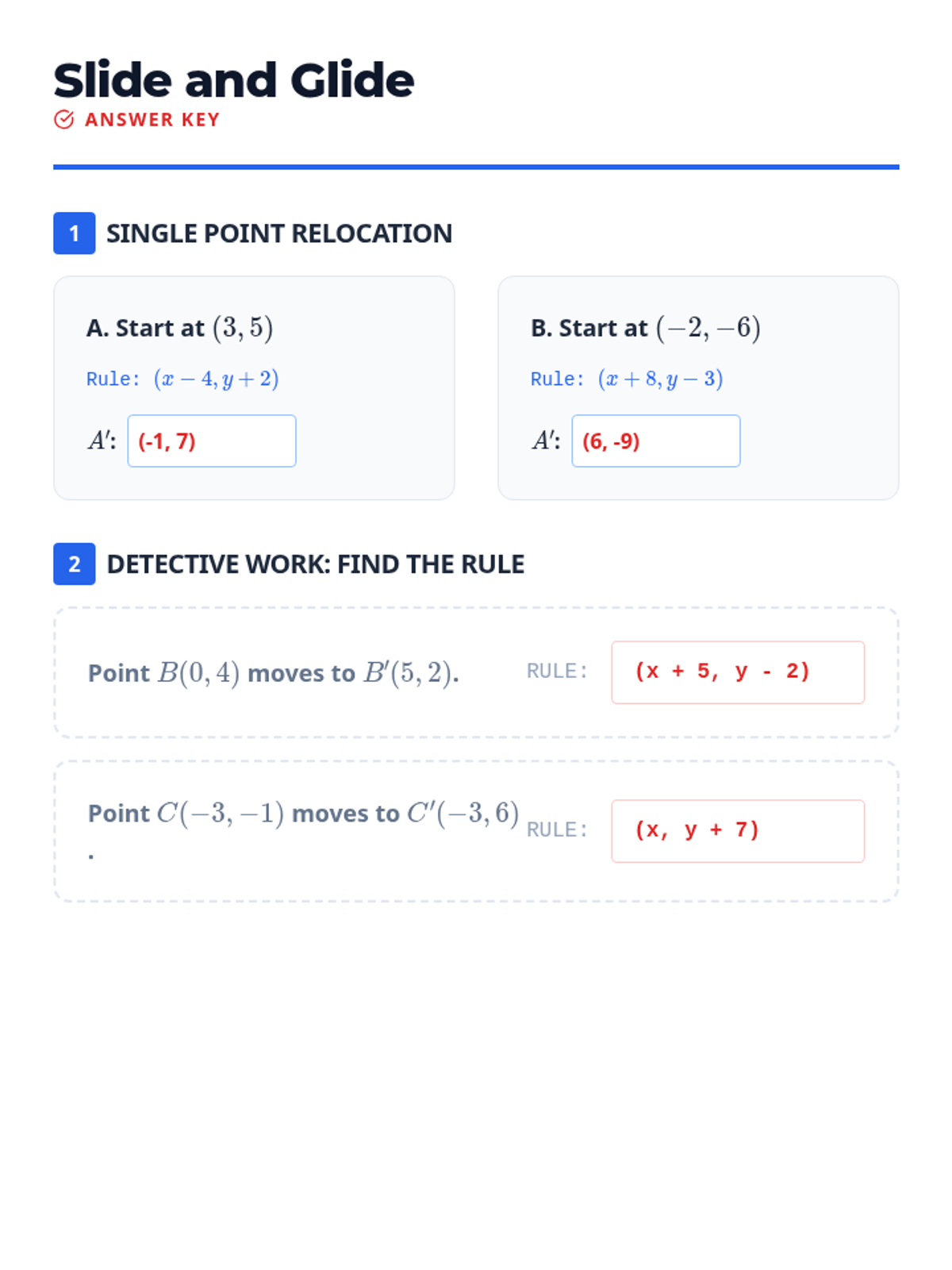
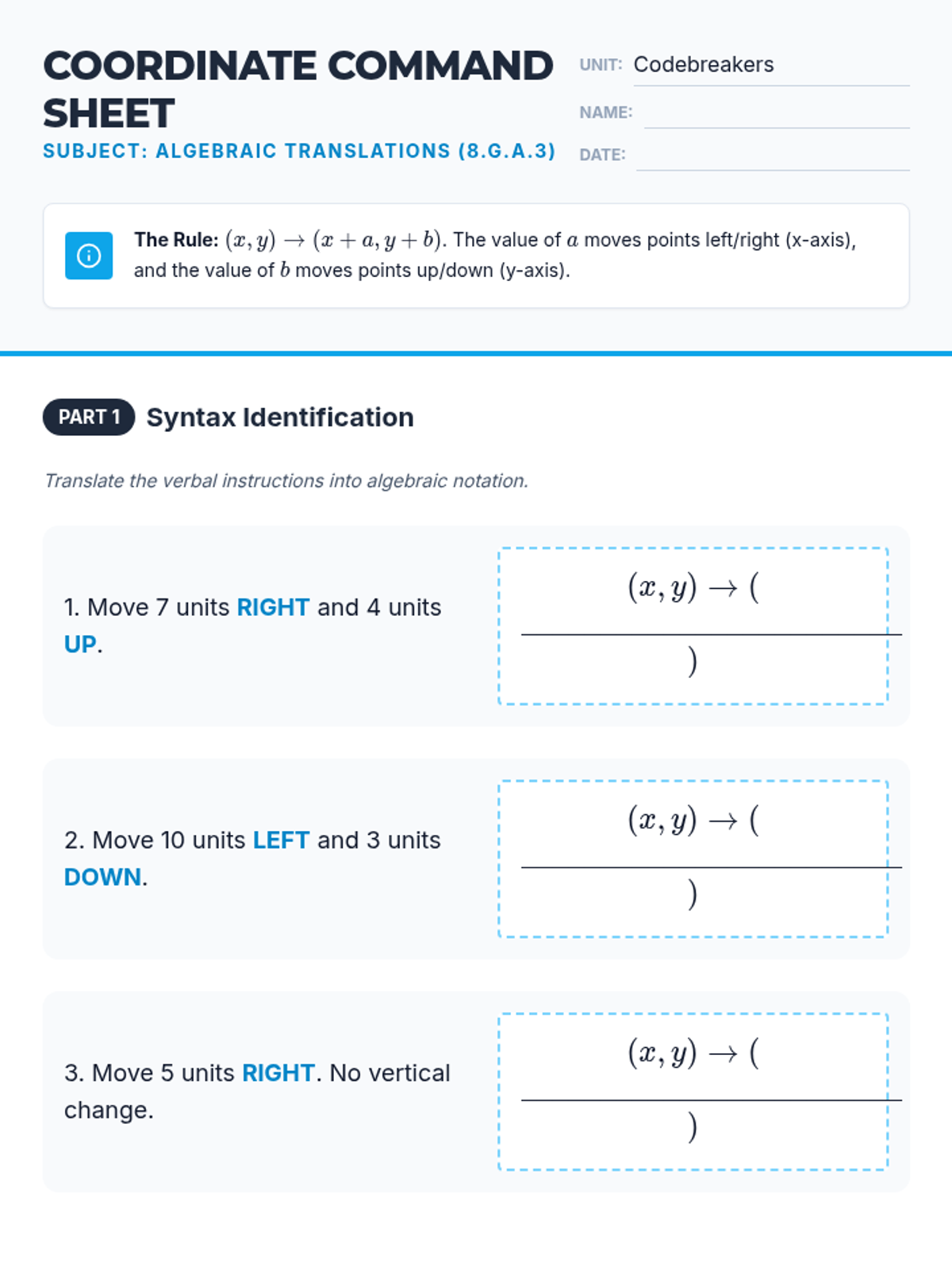
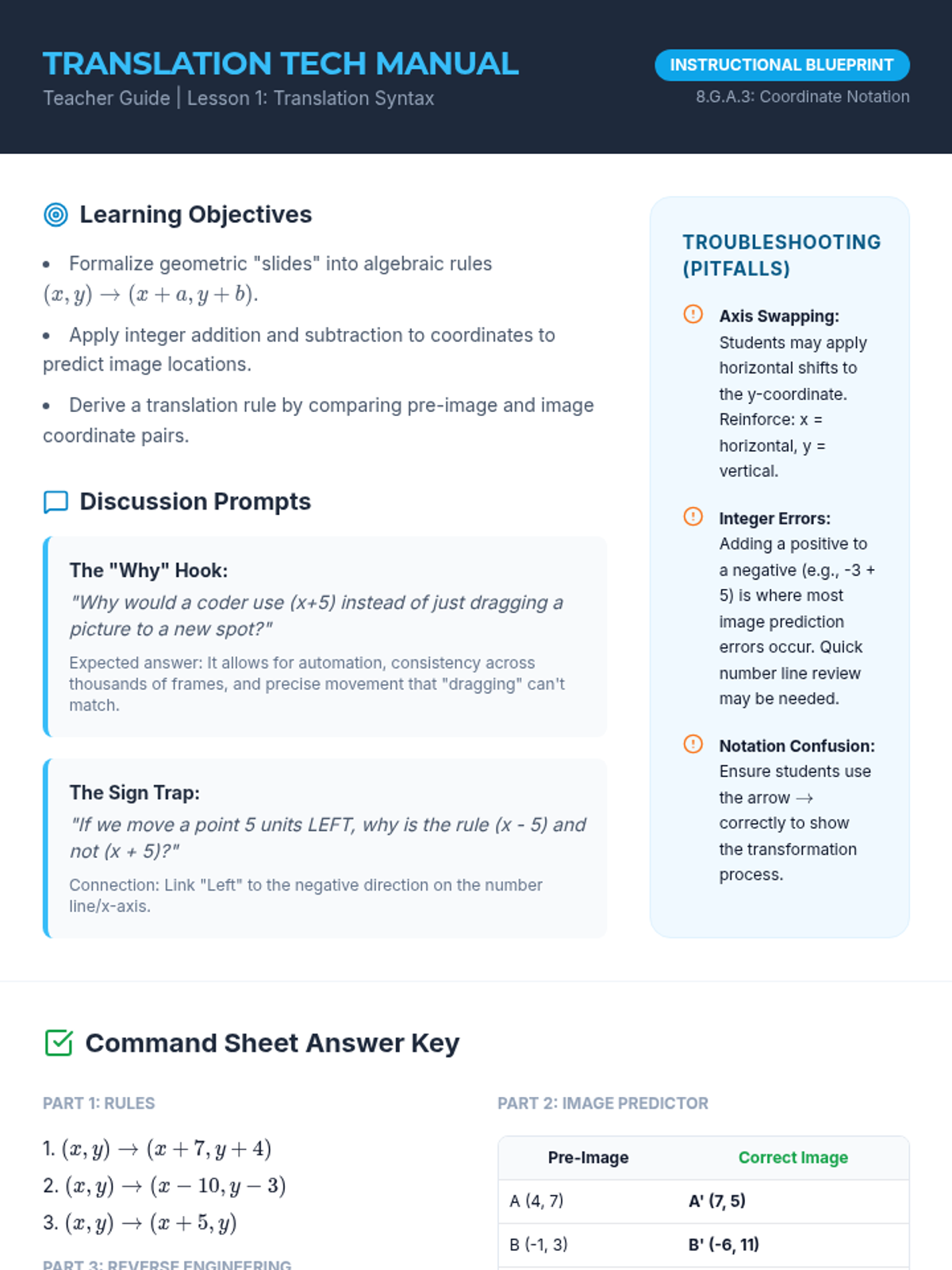
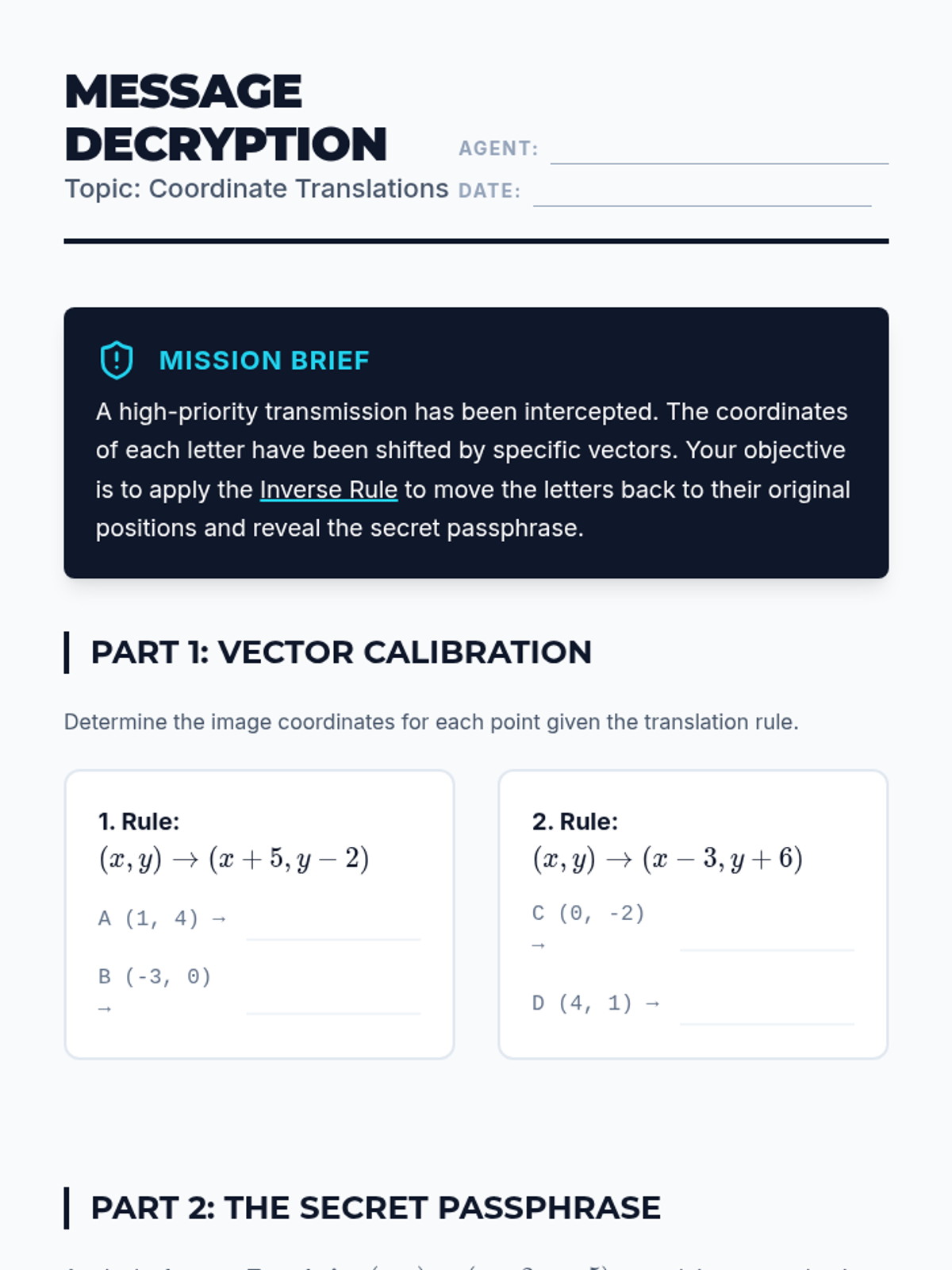
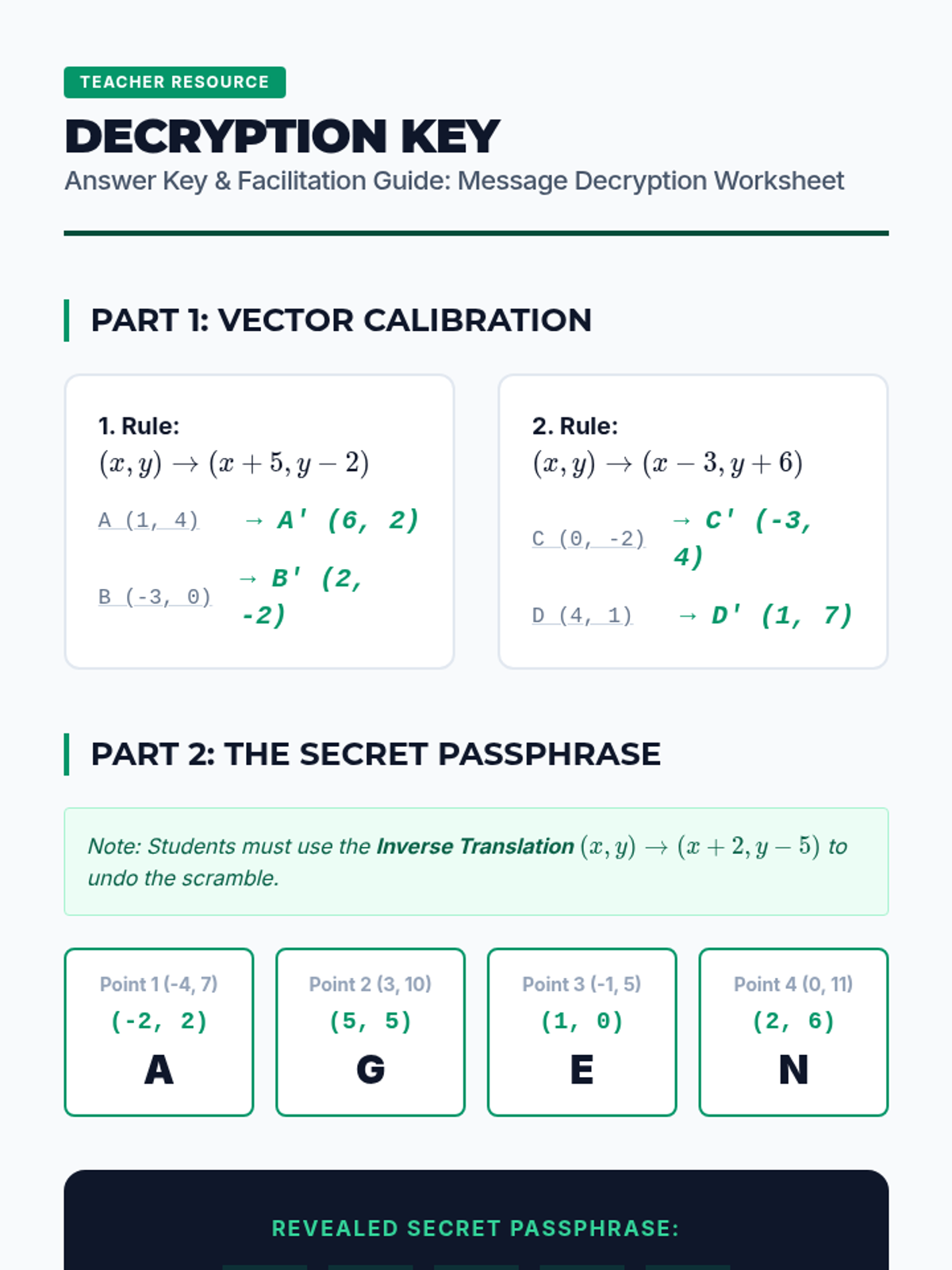
A comprehensive 8th-grade geometry sequence focusing on the algebraic notation of geometric transformations. Students transition from visual graphing to using coordinate rules like (x, y) -> (x+a, y+b) to predict the position of images.
A comprehensive 8th-grade geometry unit that explores rigid transformations (translations, reflections, rotations) through inquiry-based activities and coordinate plane analysis to define congruence. Students move from physical manipulatives to algebraic rules, culminating in proving congruence through sequences of transformations.
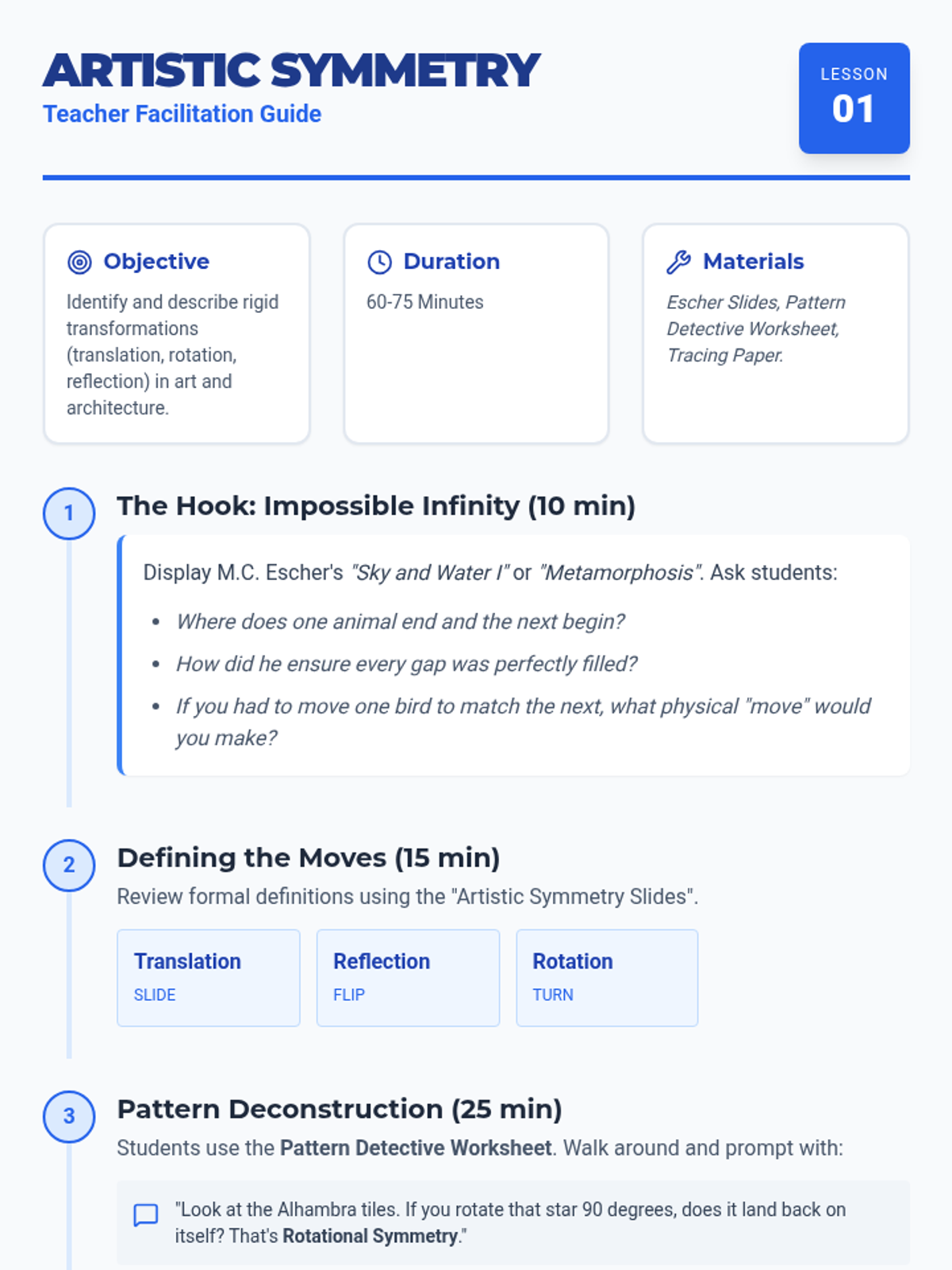
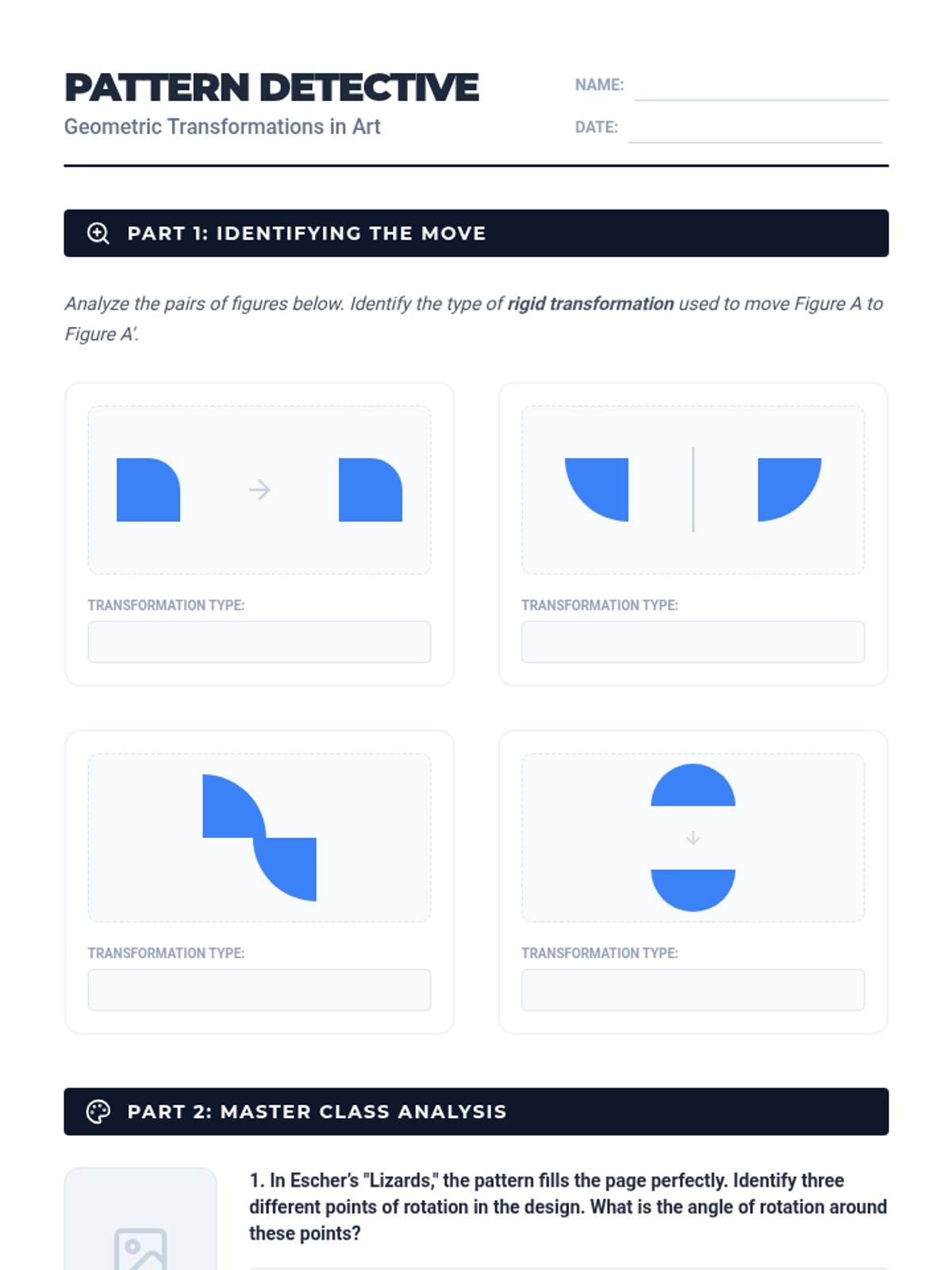
A project-based sequence exploring rigid and non-rigid transformations through the lenses of art, architecture, and digital animation. Students transition from identifying patterns in Escher prints to engineering their own geometric designs and animations using precise coordinate rules.
A 5-lesson geometry sequence where students master rigid motions on the coordinate plane. From translations to complex rotations, students learn to express geometric changes as algebraic functions and verify congruence using the distance formula.
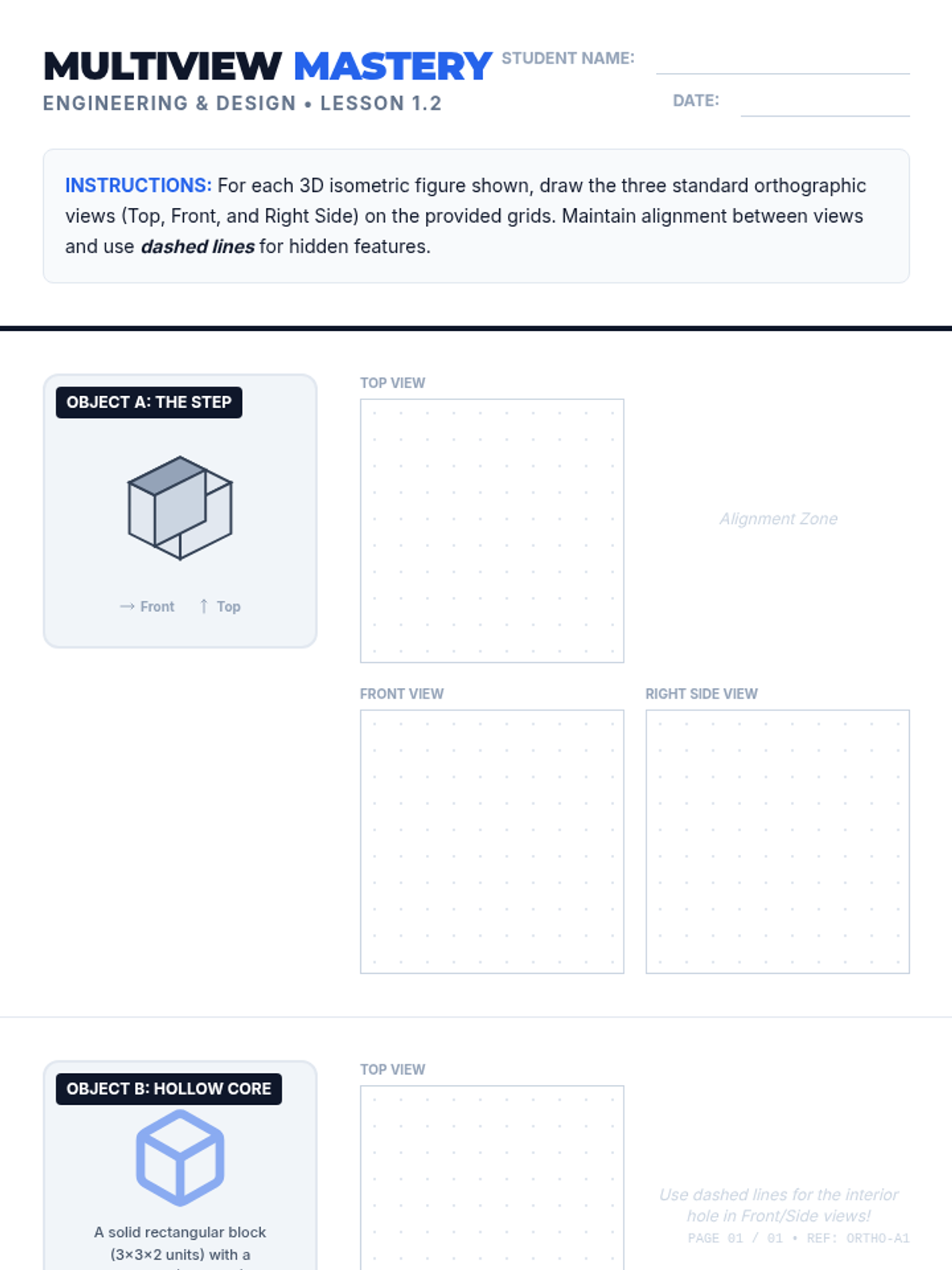
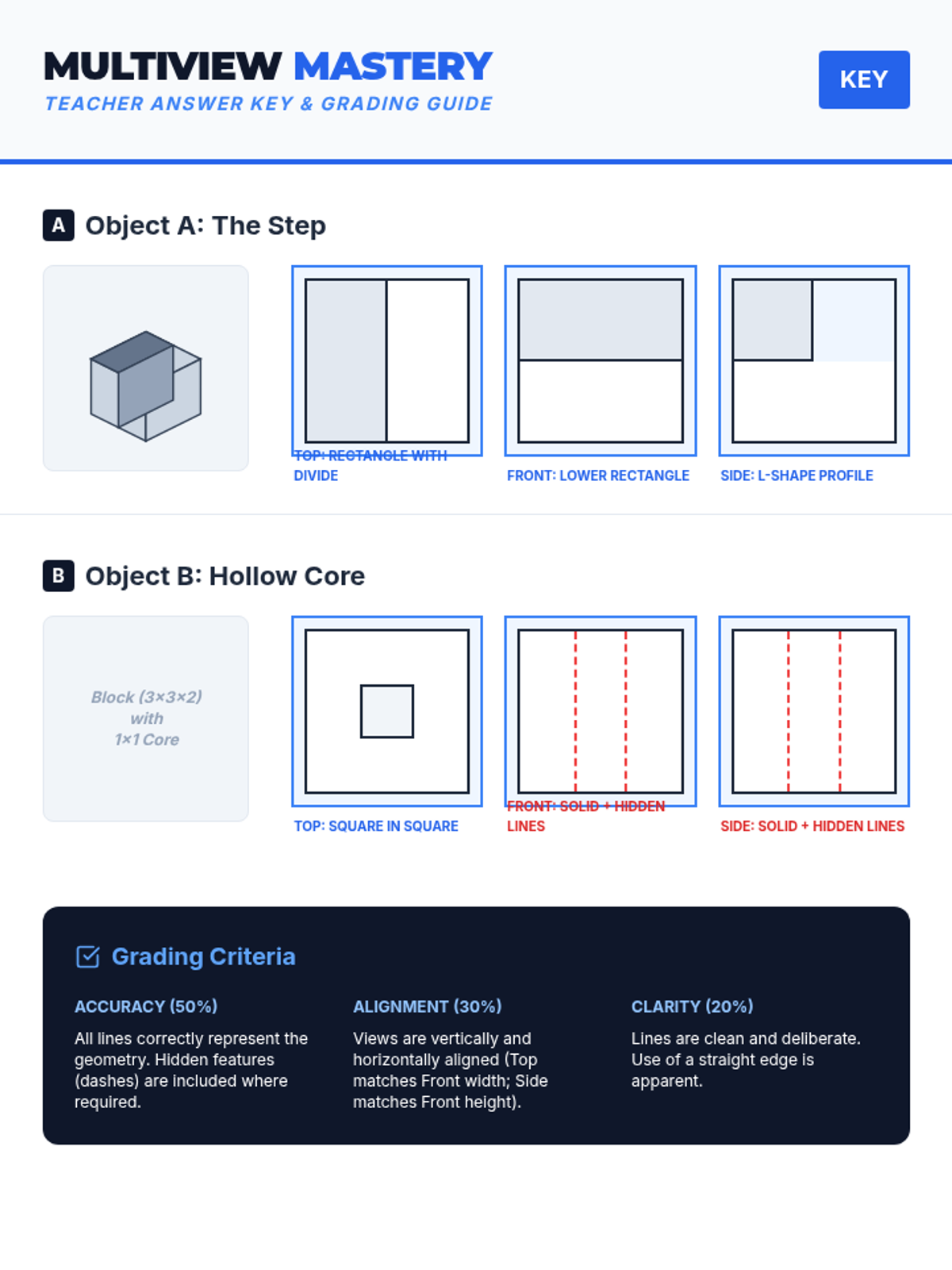
This sequence explores the intersection of geometry and engineering, focusing on 3D visualization, technical drawing, and the optimization of physical forms. Students develop spatial reasoning skills through orthographic and isometric sketching and apply geometric modeling to solve real-world design constraints.
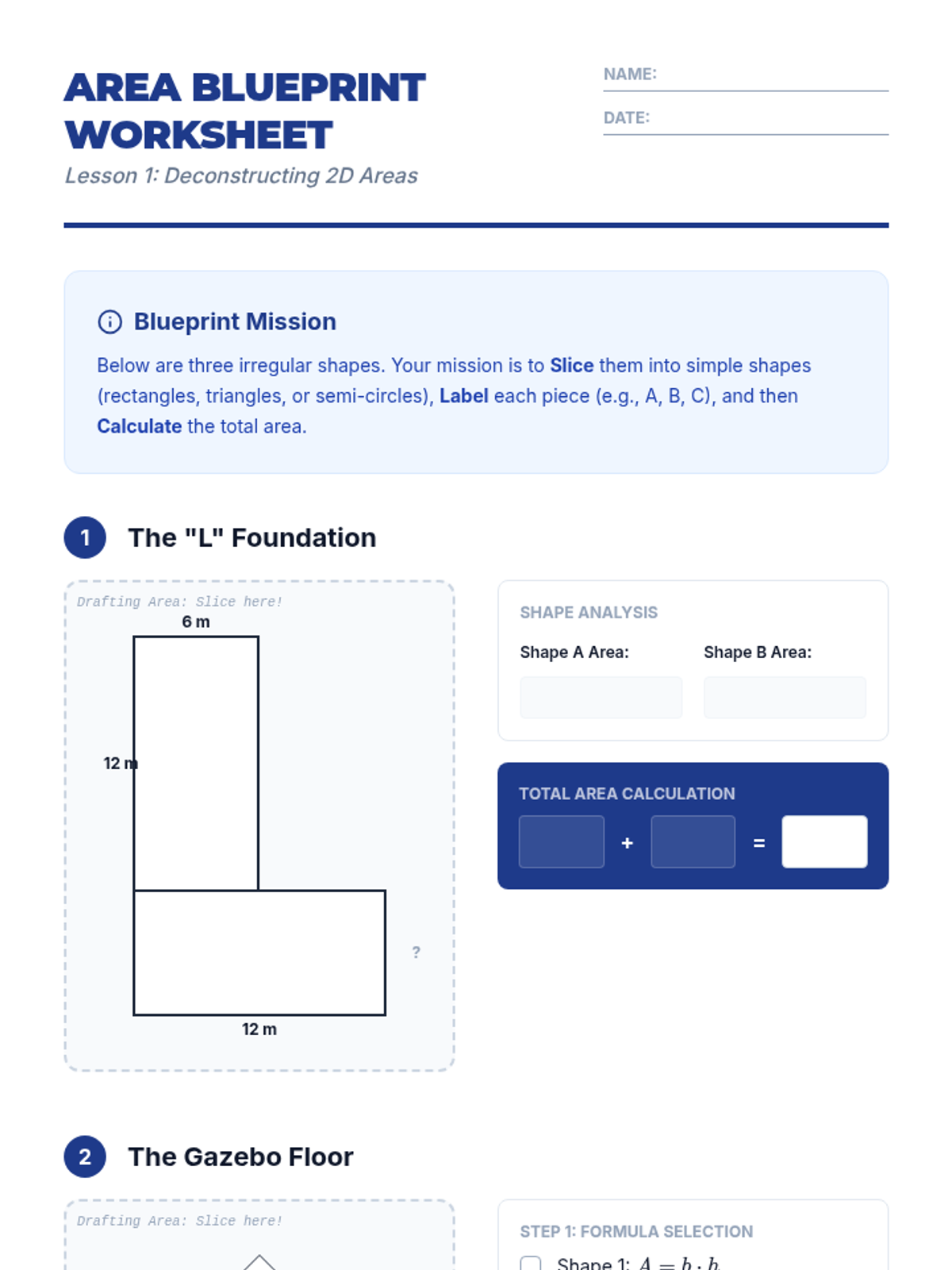
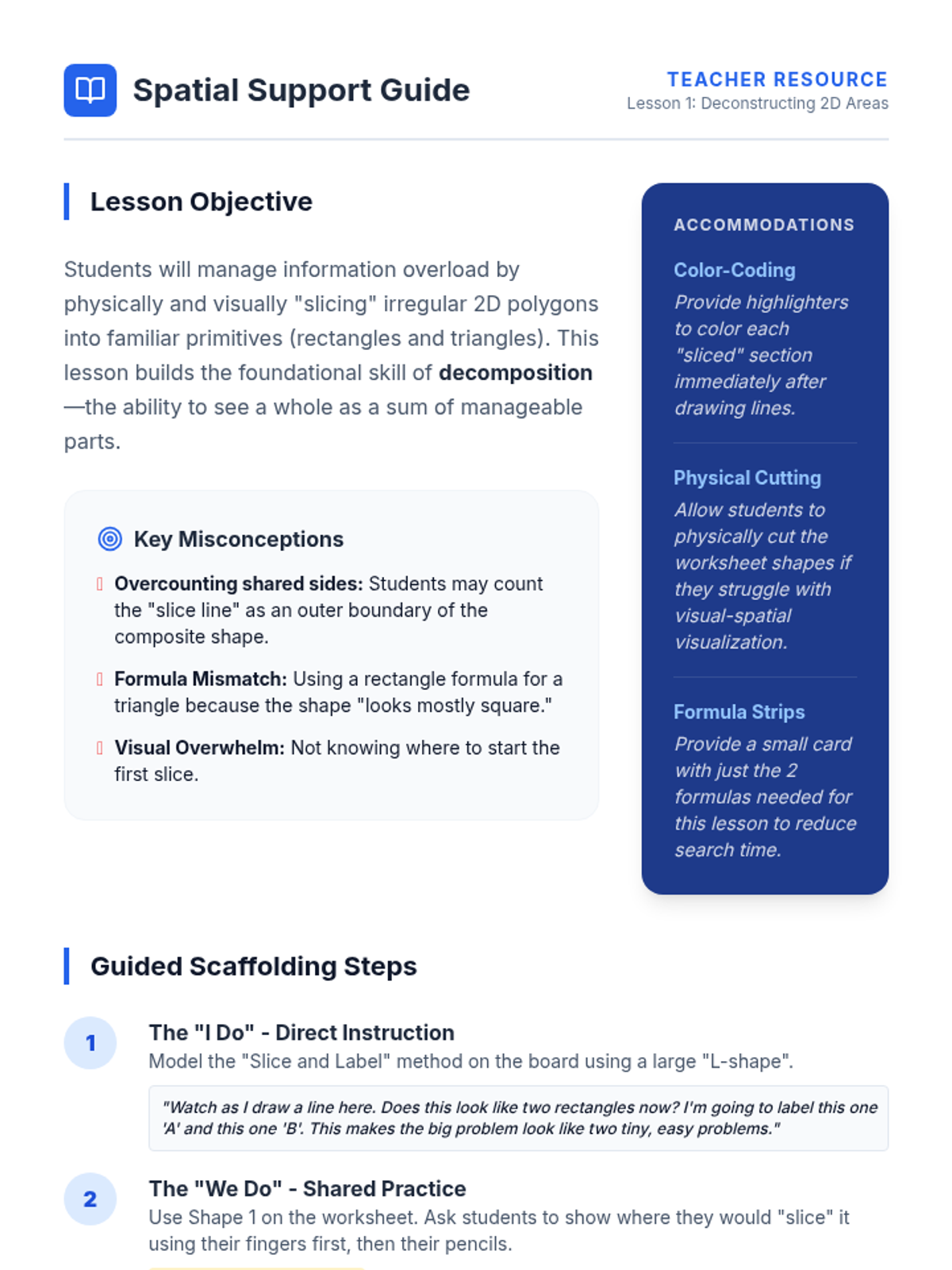
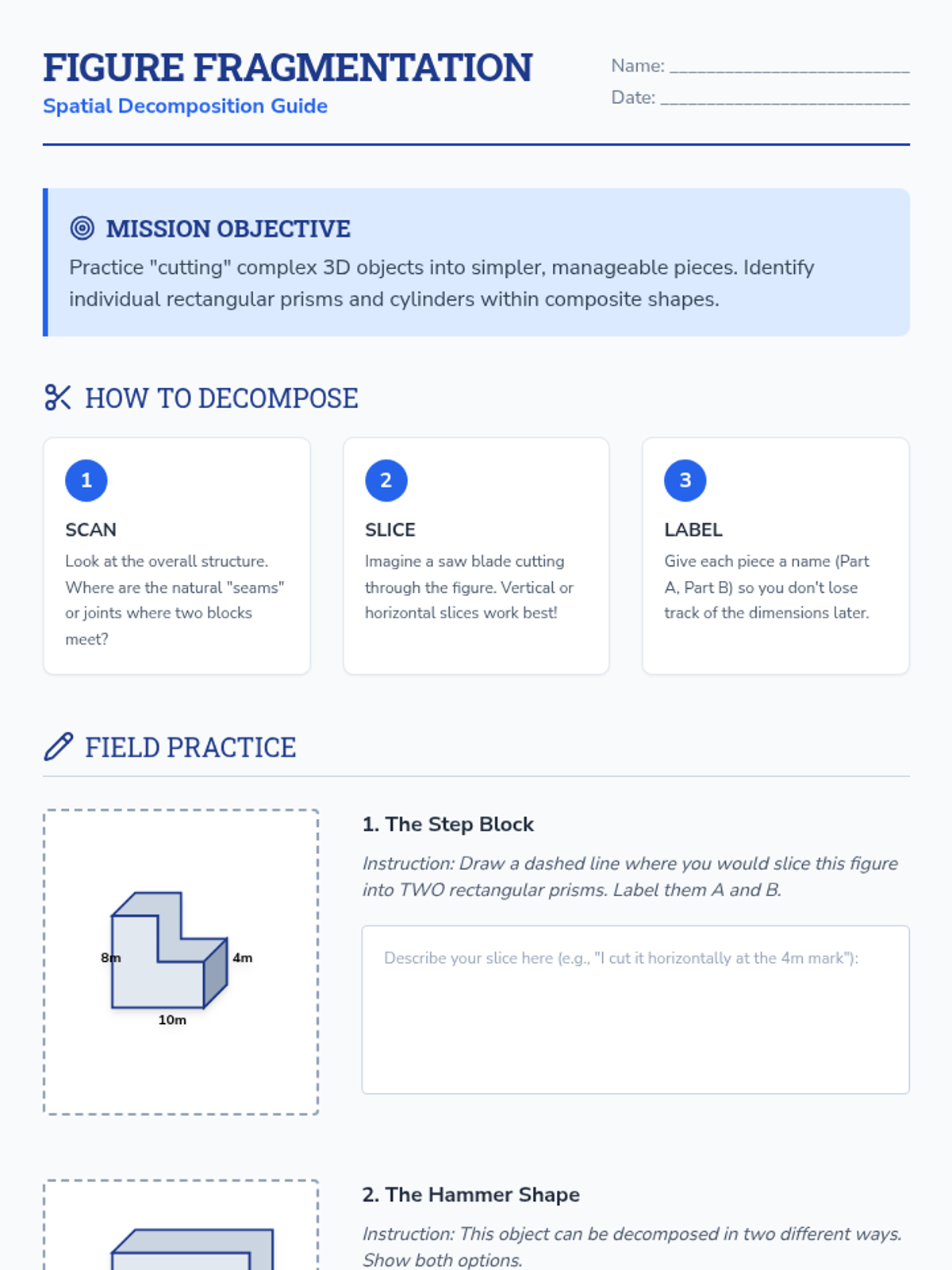
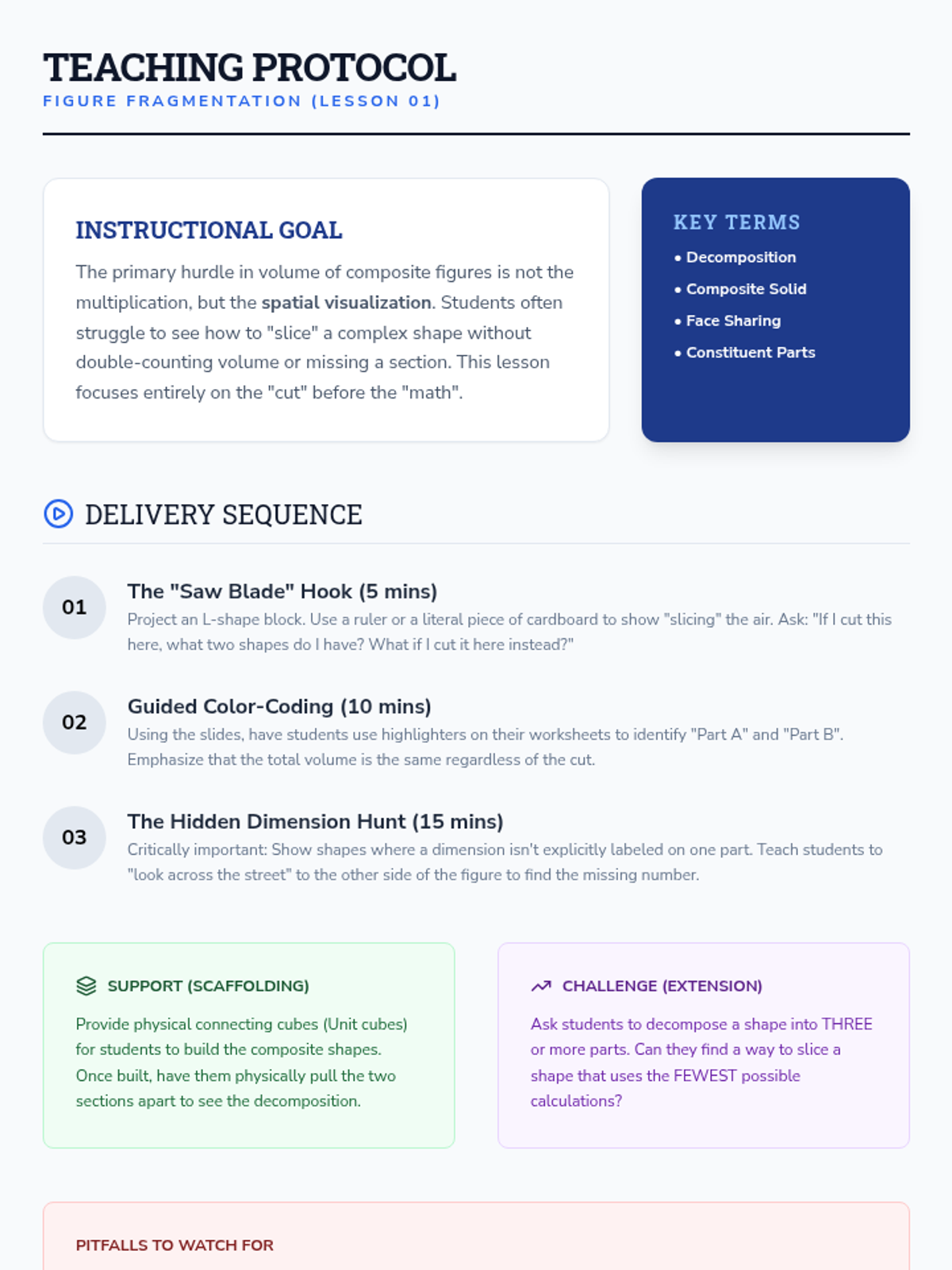
A sequence focused on breaking down complex geometric shapes into manageable parts. Students use color-coding, physical manipulation, and organized calculations to solve 2D area and 3D volume problems, culminating in a design challenge.
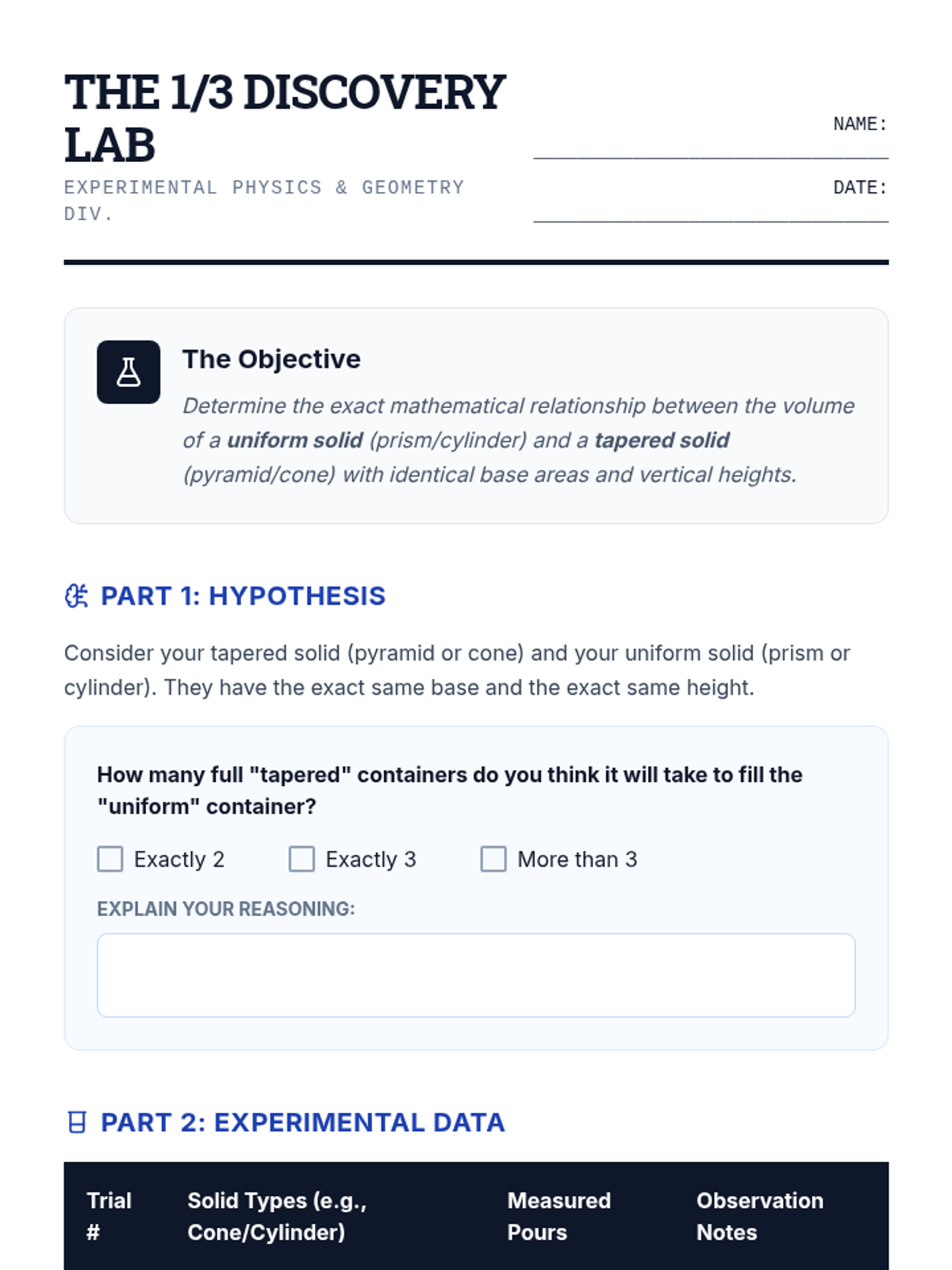
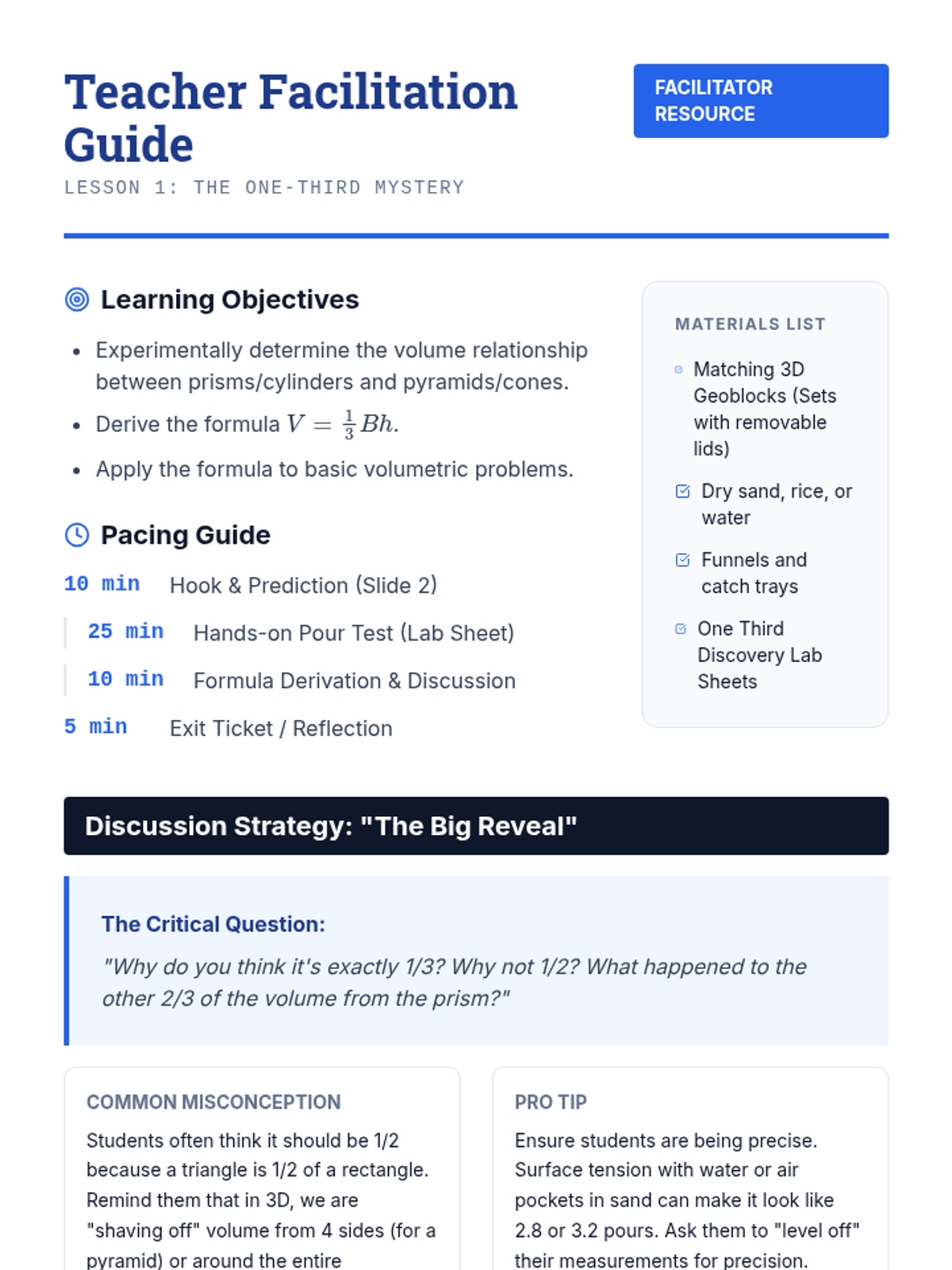
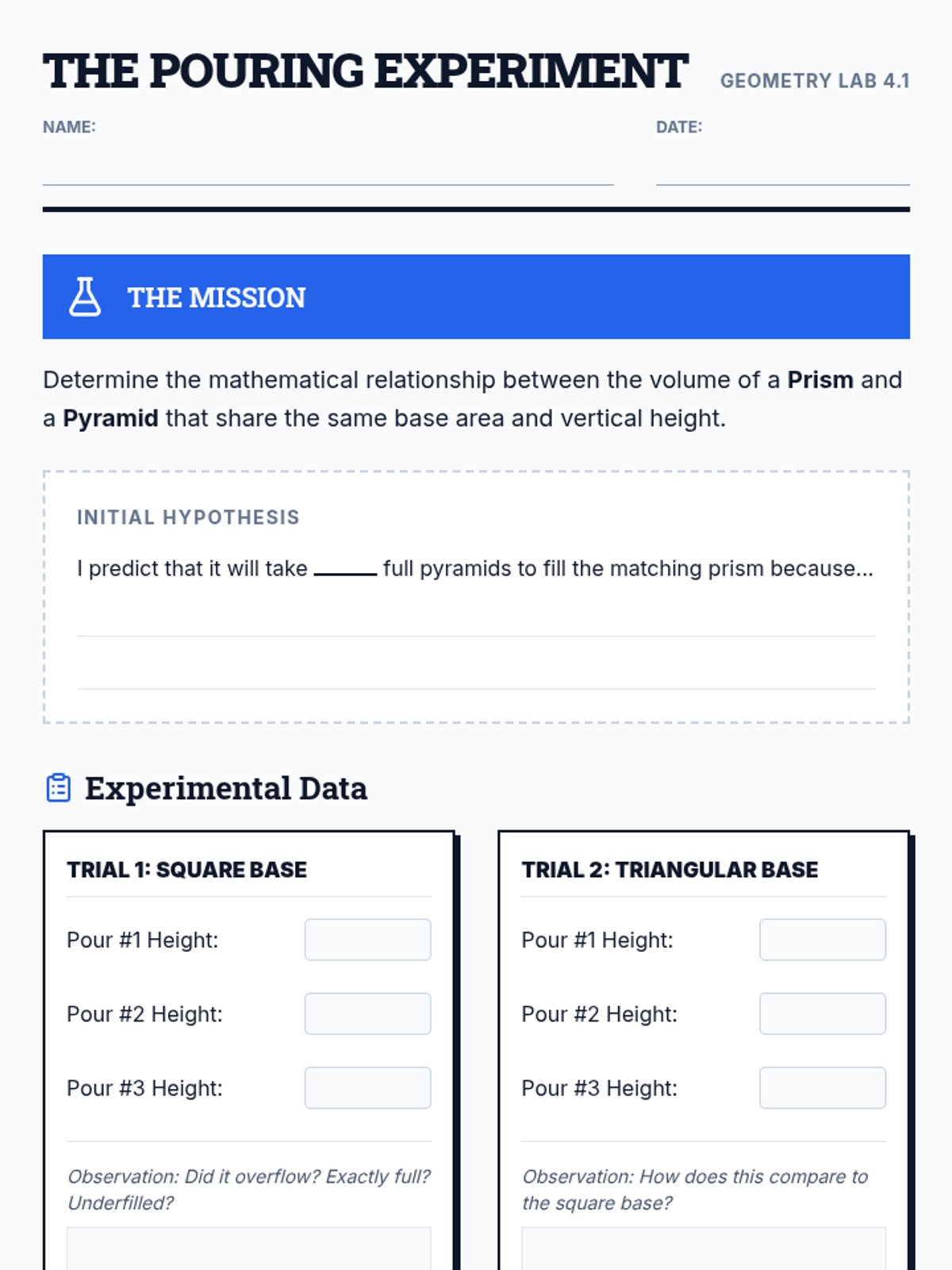
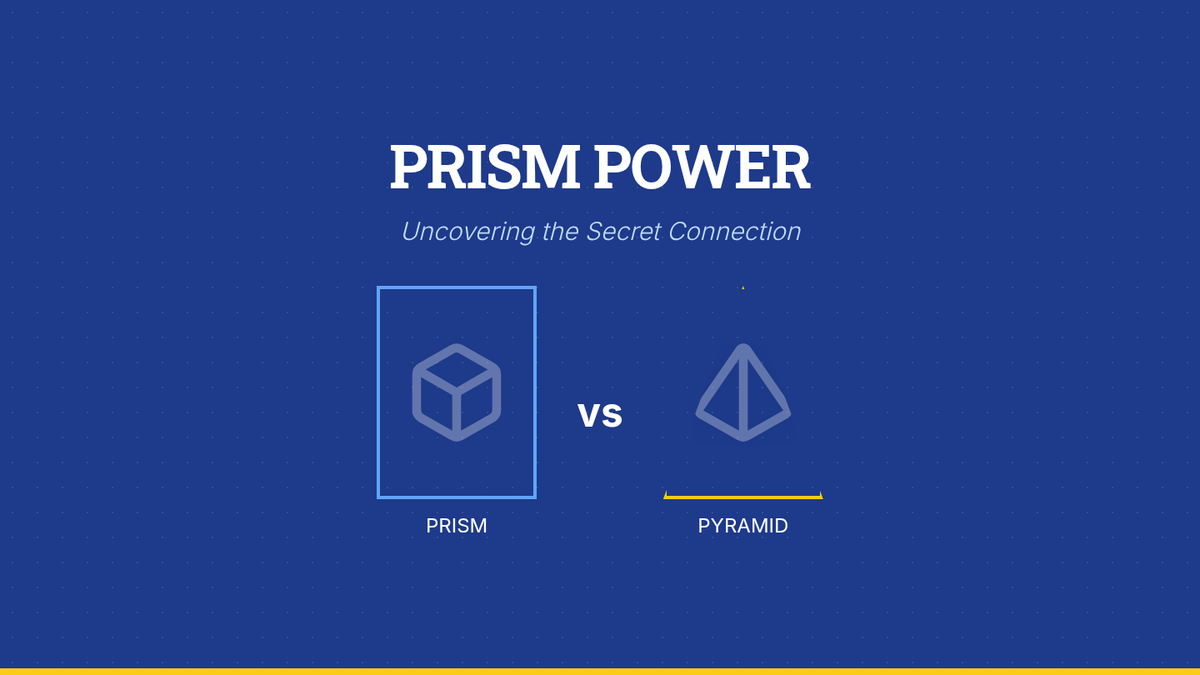
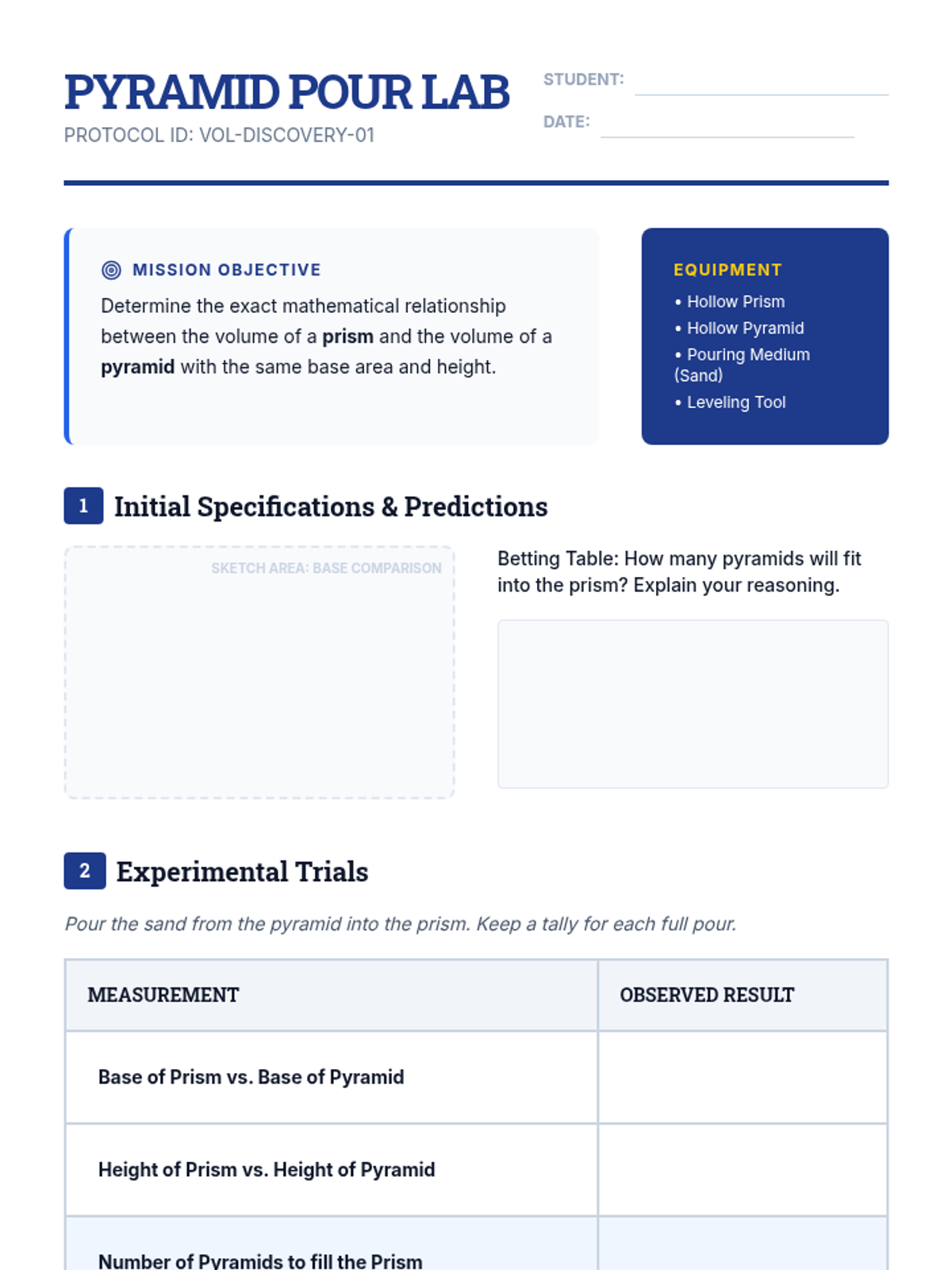
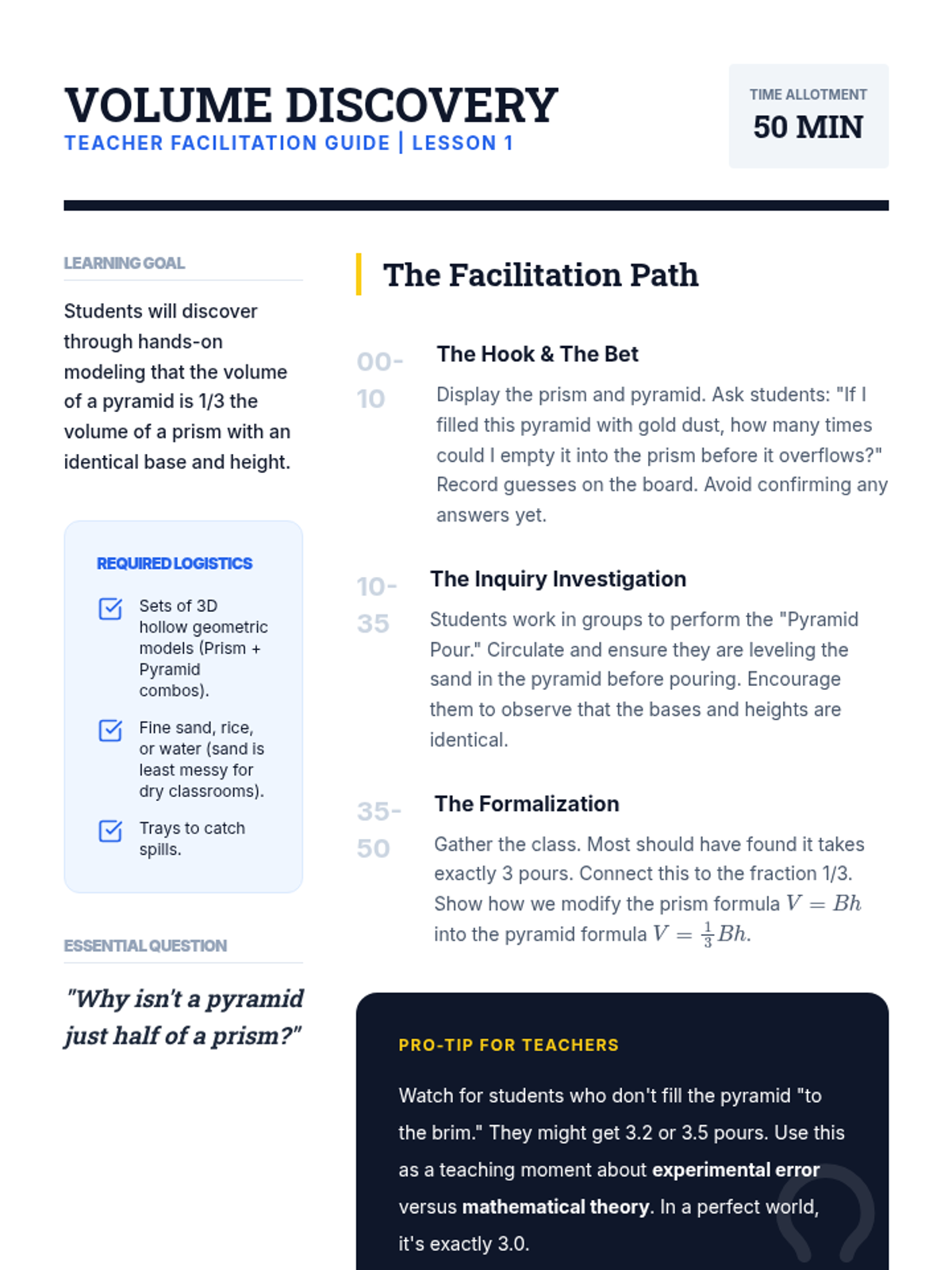
This inquiry-driven sequence connects the volume of prisms and cylinders to their tapered counterparts: pyramids and cones. Students discover the 1/3 ratio relationship through experimentation and master the algebraic manipulation required to solve for volume using the Pythagorean theorem.
This sequence explores the relationship between volume, density, and mass, moving from basic material calculations to complex 3-dimensional scaling and logistics optimization. Students will investigate the Square-Cube Law and apply geometric principles to real-world occupancy and shipping scenarios.
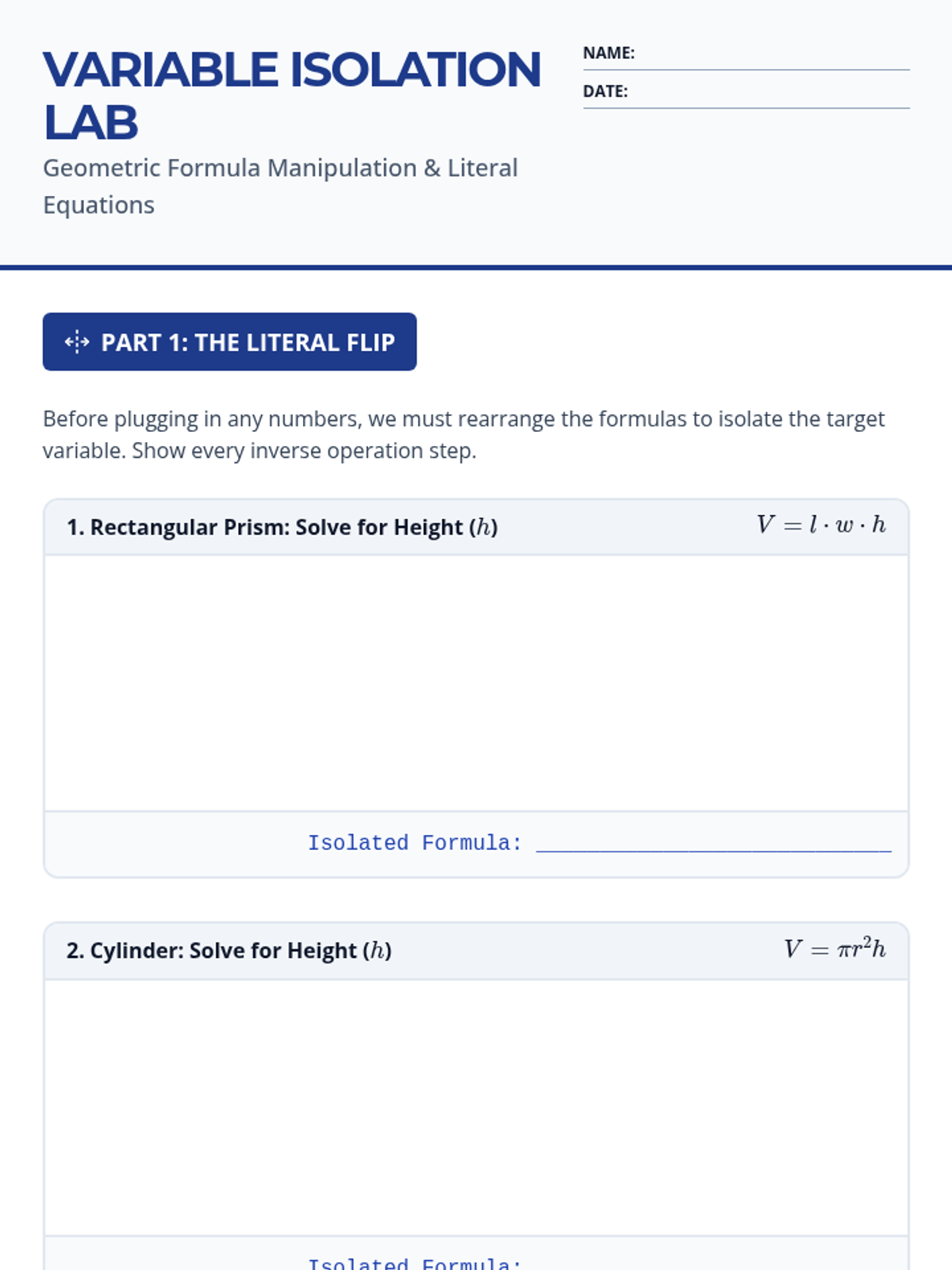
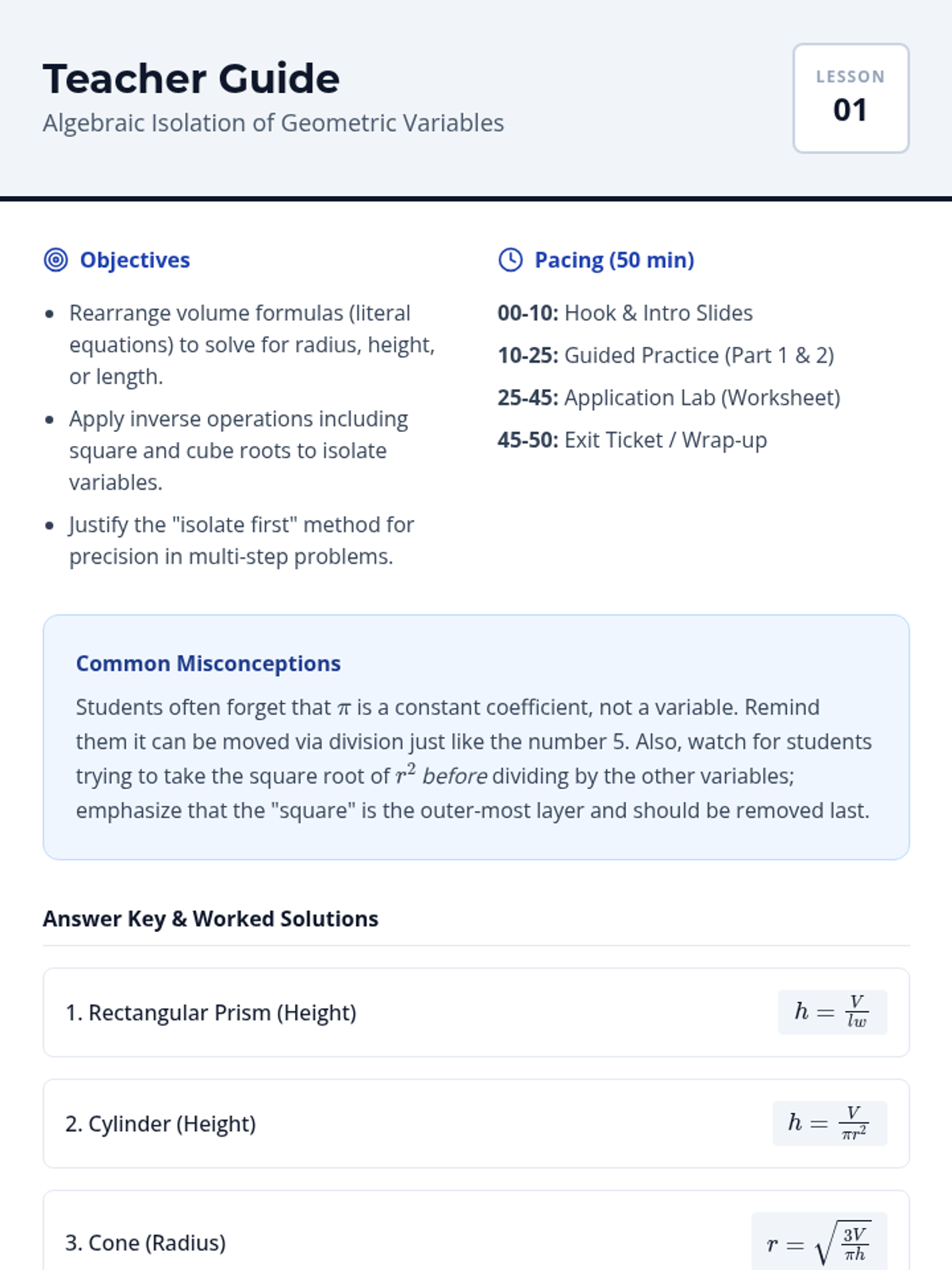
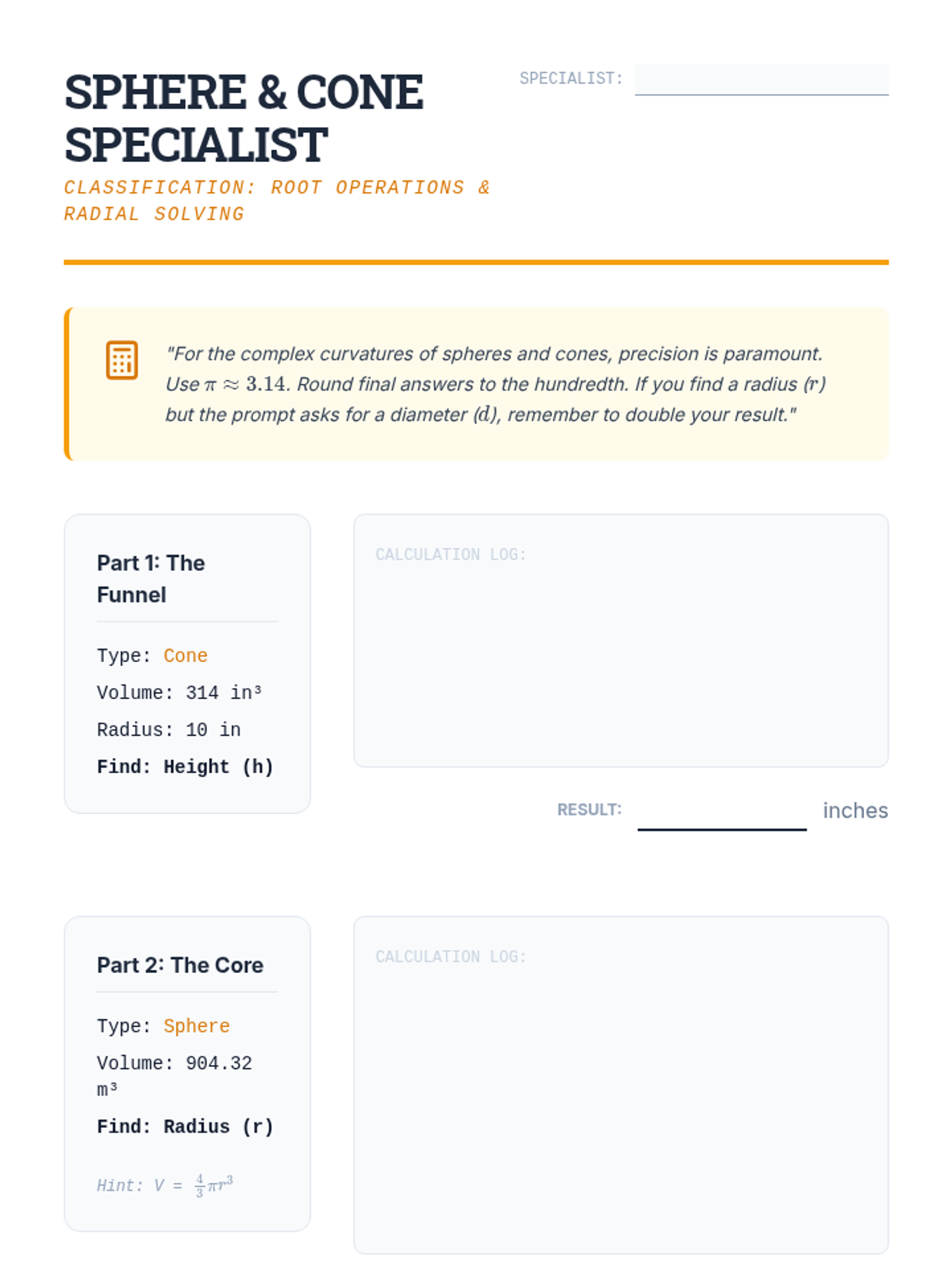
This geometry sequence focuses on the algebraic manipulation of volume formulas to solve for missing dimensions. Students move from basic literal equation rearrangement to solving for radius and height in complex solids and comparative volume scenarios.
A 7th-grade geometry unit exploring the conceptual and mathematical relationship between prisms/cylinders and pyramids/cones, emphasizing the 1/3 volume ratio through discovery and application.
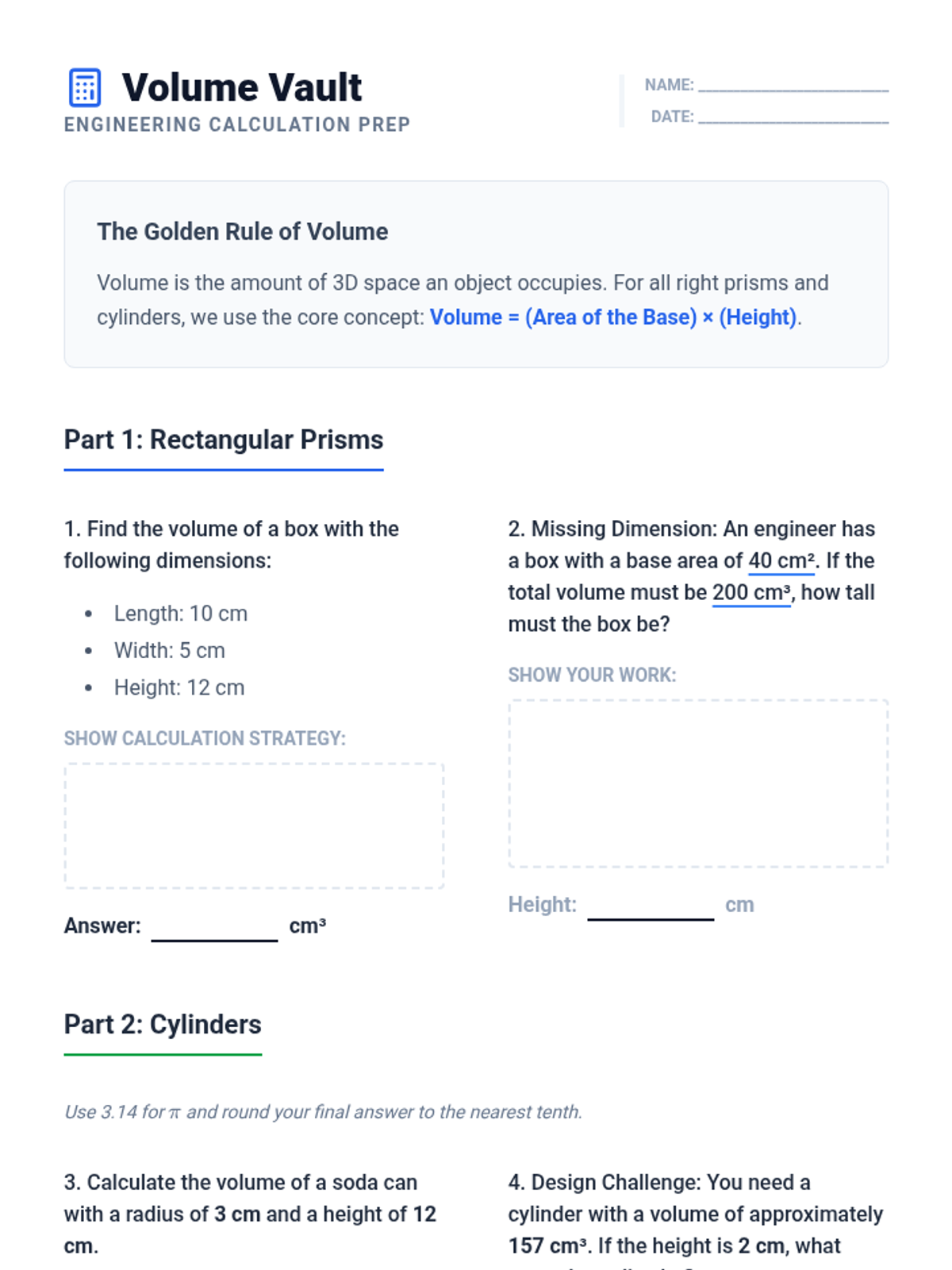
This geometry sequence guides 7th-grade students from circle area mastery to cylindrical volume calculations. It uses the concept of stacking circles to bridge 2D and 3D geometry, culminating in real-world engineering and packaging applications.
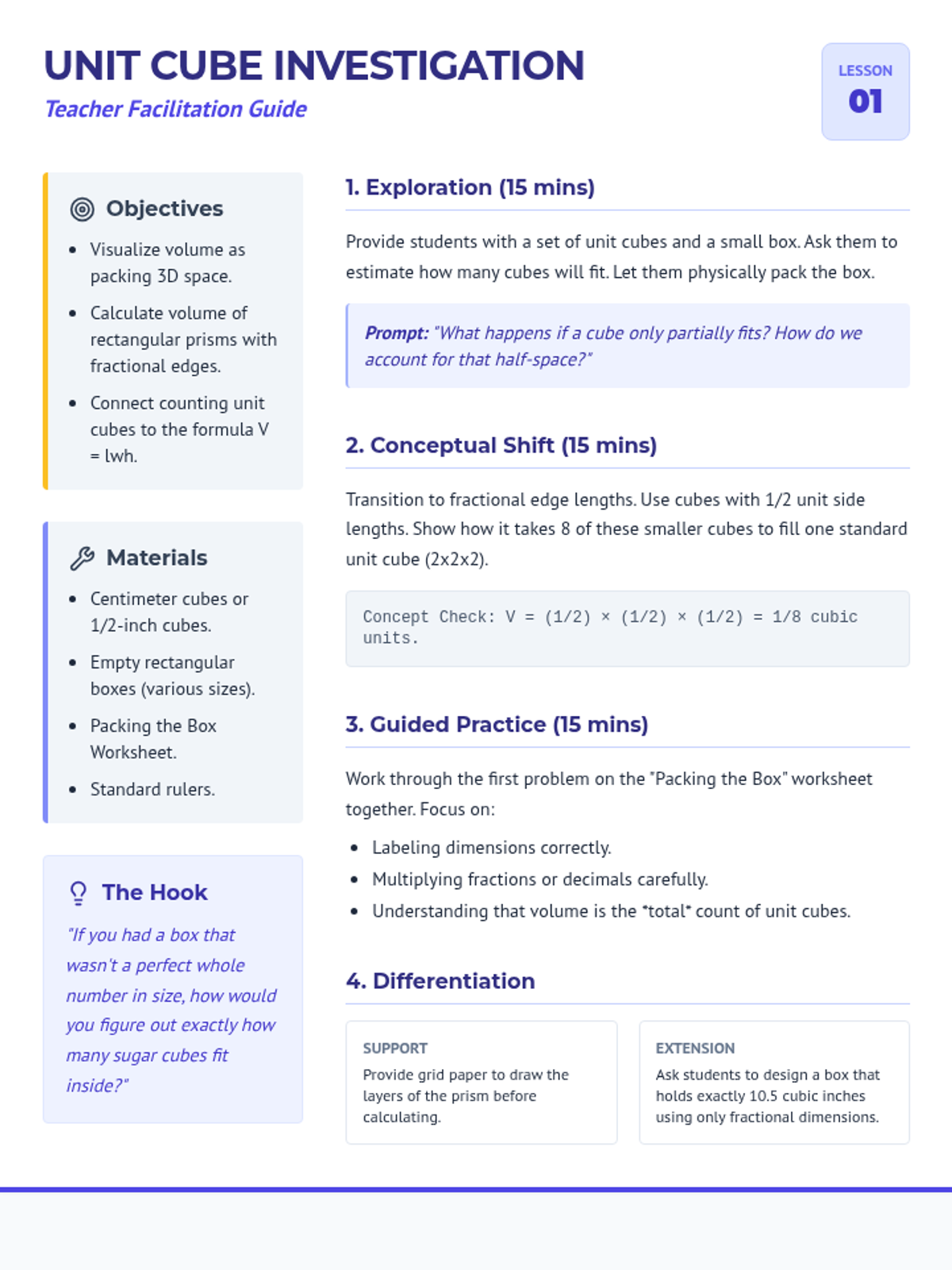
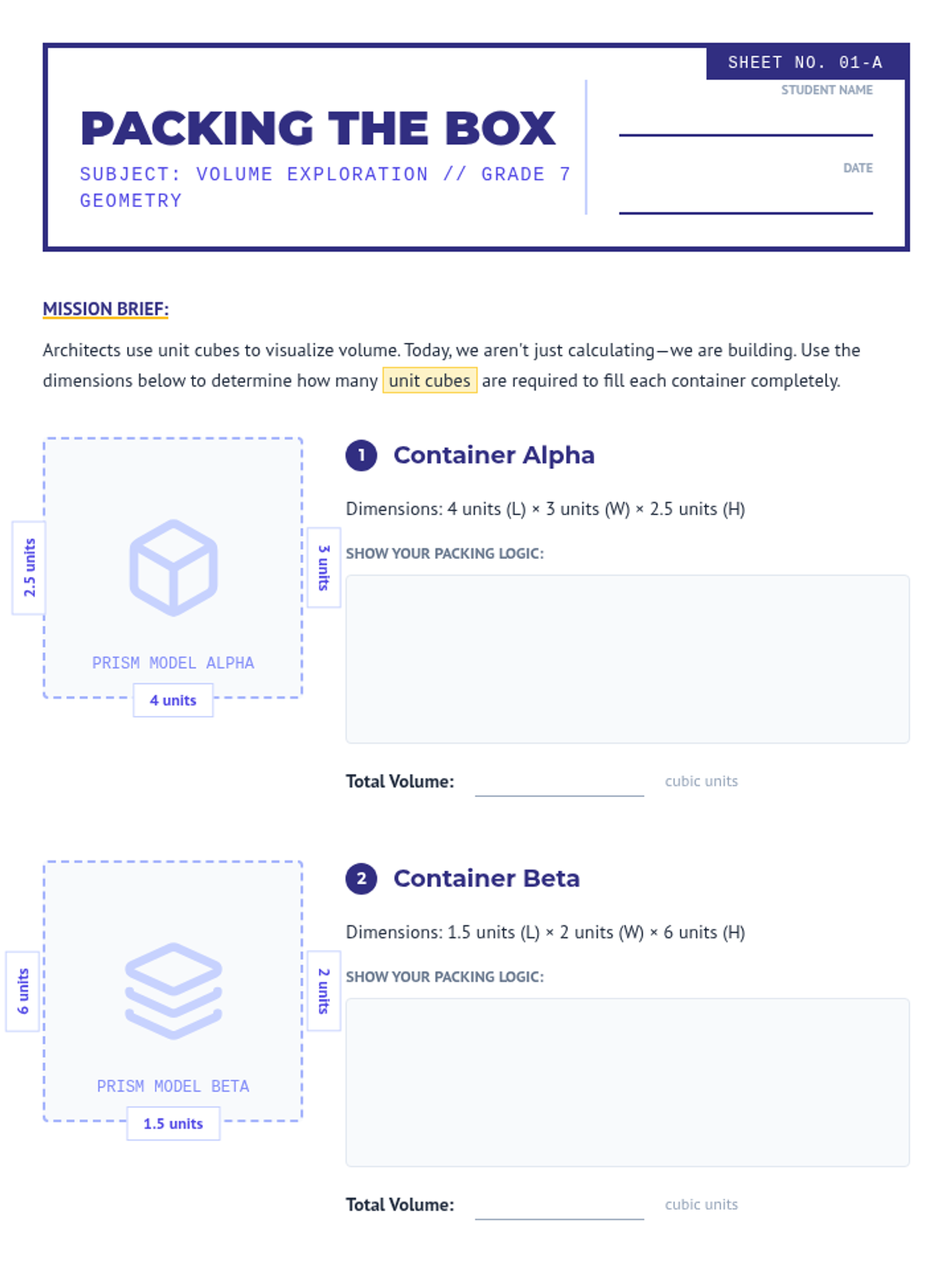
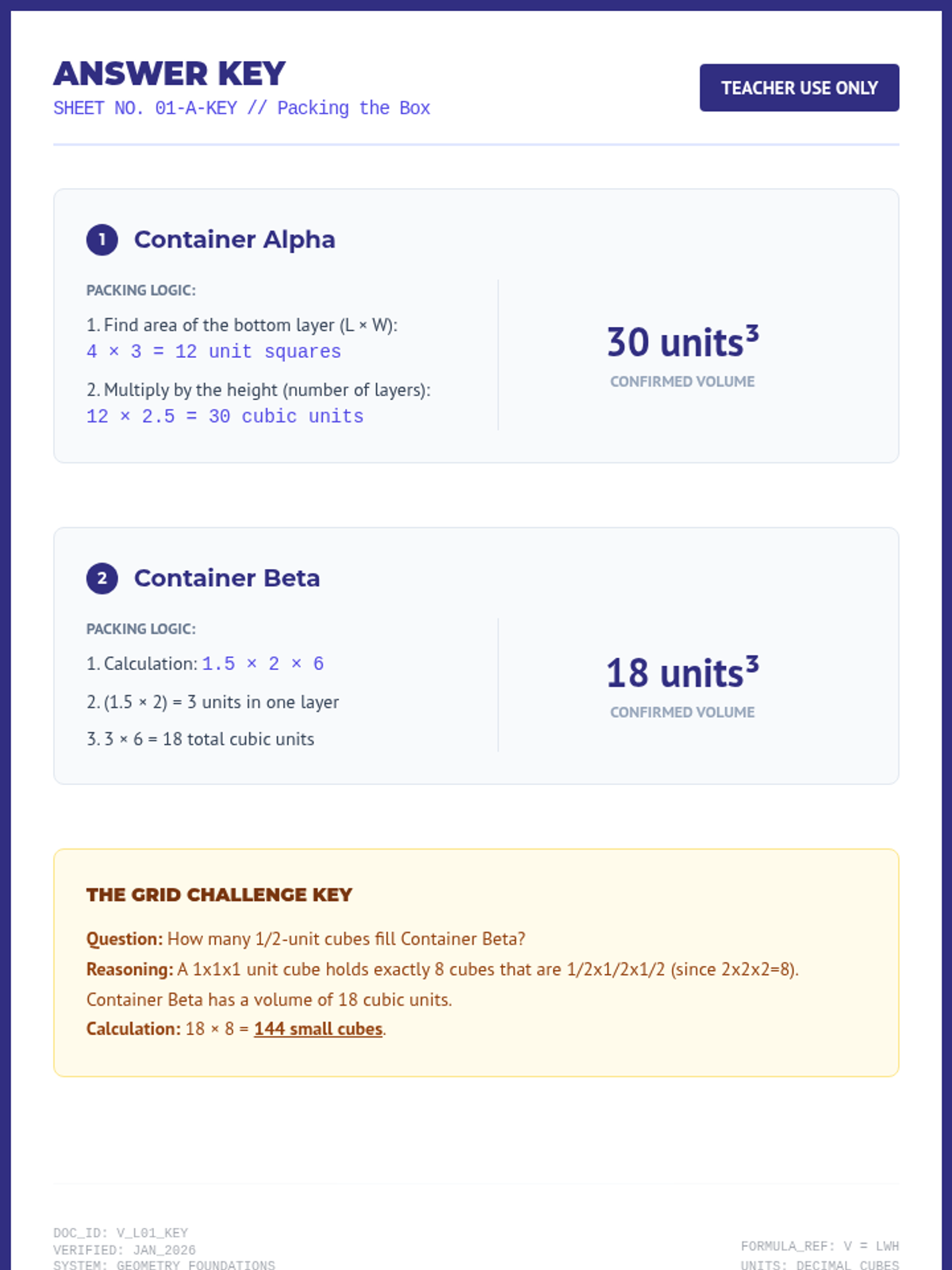
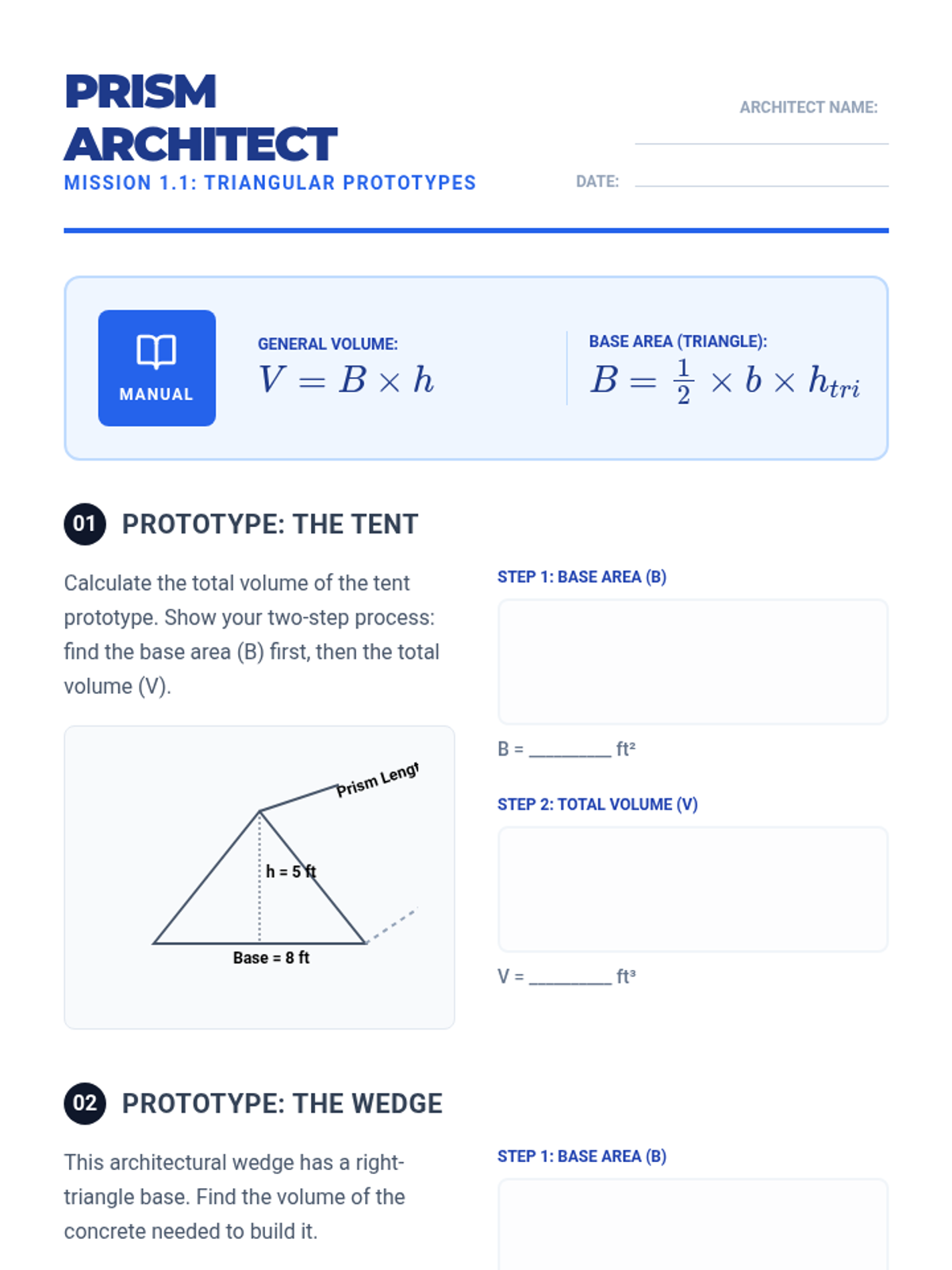
This inquiry-based sequence establishes the foundational conceptual understanding of volume as the accumulation of two-dimensional layers. Students move from counting unit cubes to deriving the universal formula V = Bh for prisms by exploring rectangular and triangular shapes.
This sequence guides 6th-grade students through the process of analyzing and calculating the volume of composite 3D figures. Students progress from basic spatial decomposition to additive and subtractive volume strategies, culminating in a real-world design project for a custom aquarium.
A comprehensive geometry unit where students explore the relationships between different geometric solids through hands-on discovery, inquiry-based labs, and architectural application. Students transition from simple rectangular prisms to complex shapes like pyramids, cones, and spheres by understanding the core V=Bh relationship.
This advanced sequence challenges 8th-grade students to master volume formulas by solving for missing dimensions and calculating the volume of additive and subtractive composite solids. Through an engineering-inspired theme, students use algebraic manipulation and spatial reasoning to solve complex geometric puzzles.
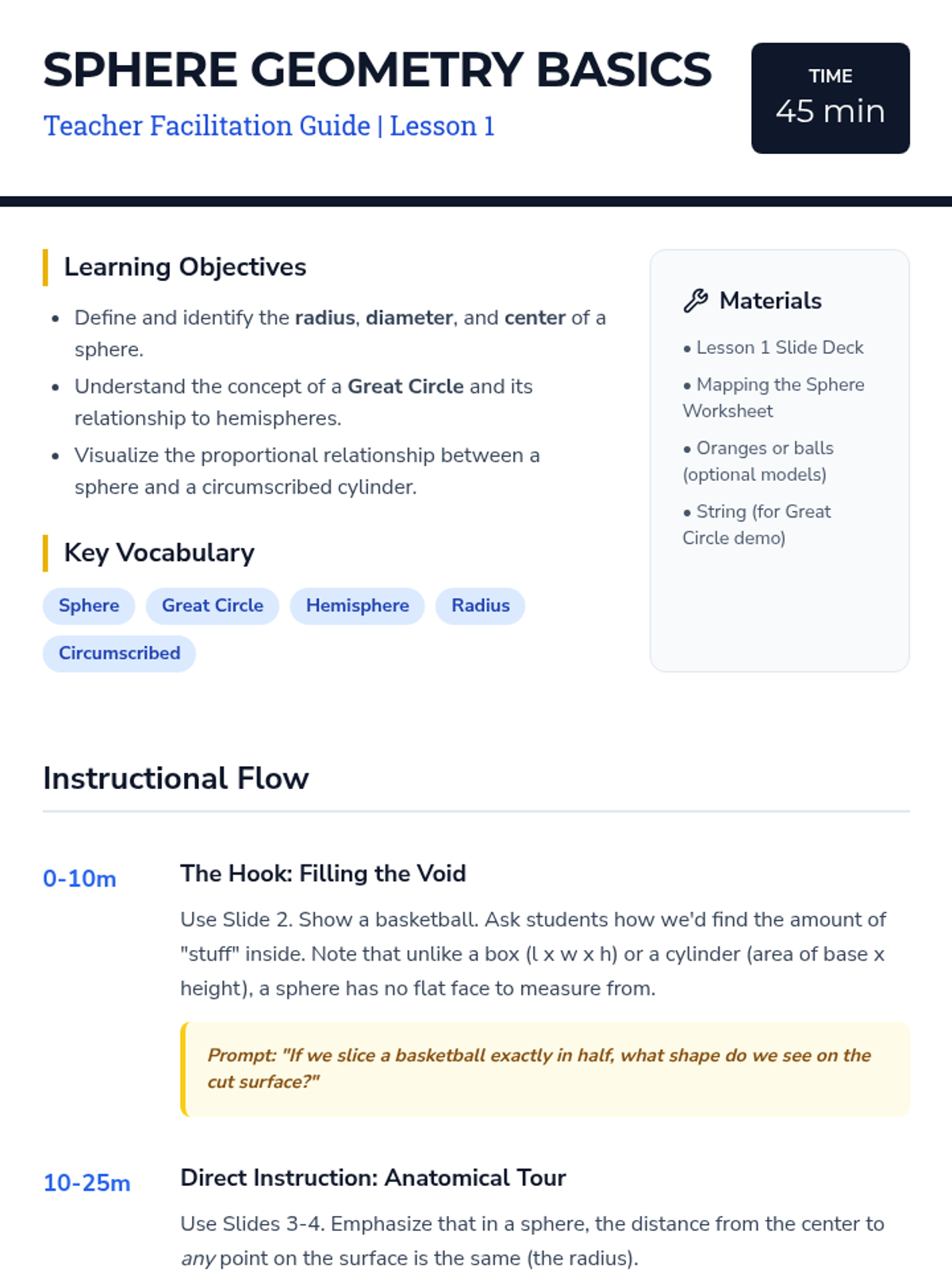
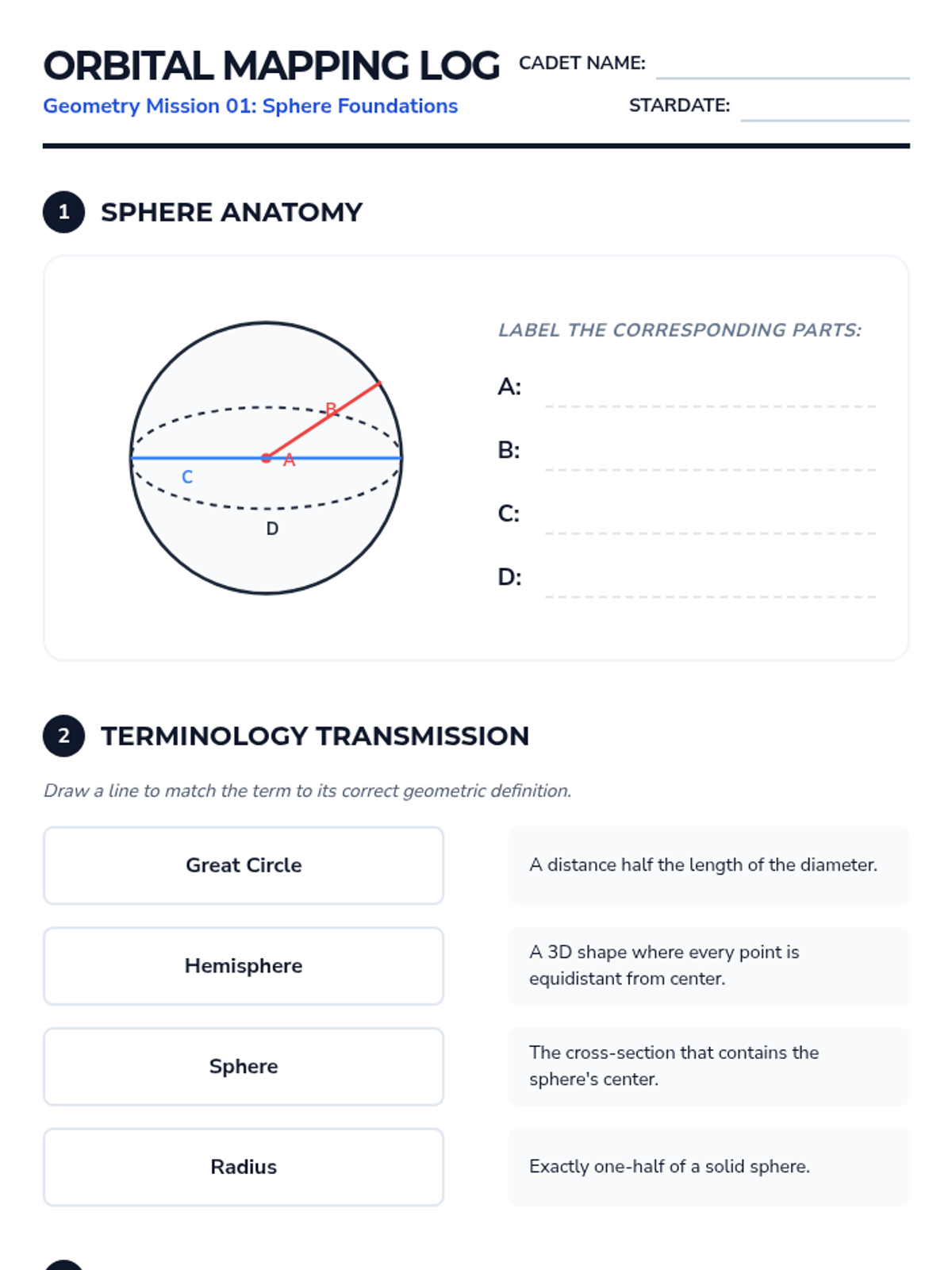
A comprehensive 8th-grade geometry sequence exploring the properties and volume of spheres, hemispheres, and their relationship to other circular solids through a mix of visual exploration and rigorous calculation.
An inquiry-based exploration of the relationship between prisms/cylinders and pyramids/cones. Students derive volume formulas through experimentation and apply them to solve geometric problems.
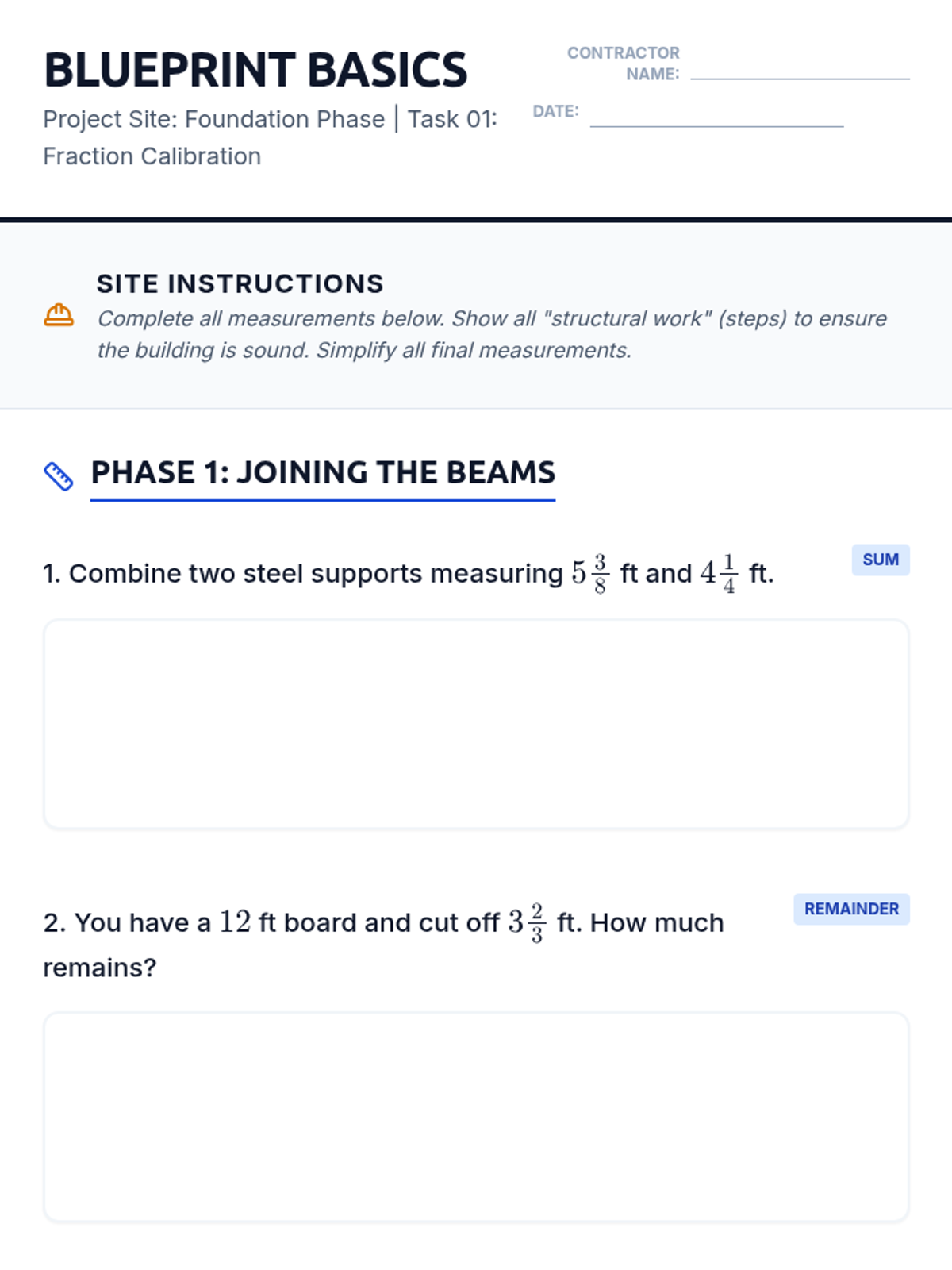
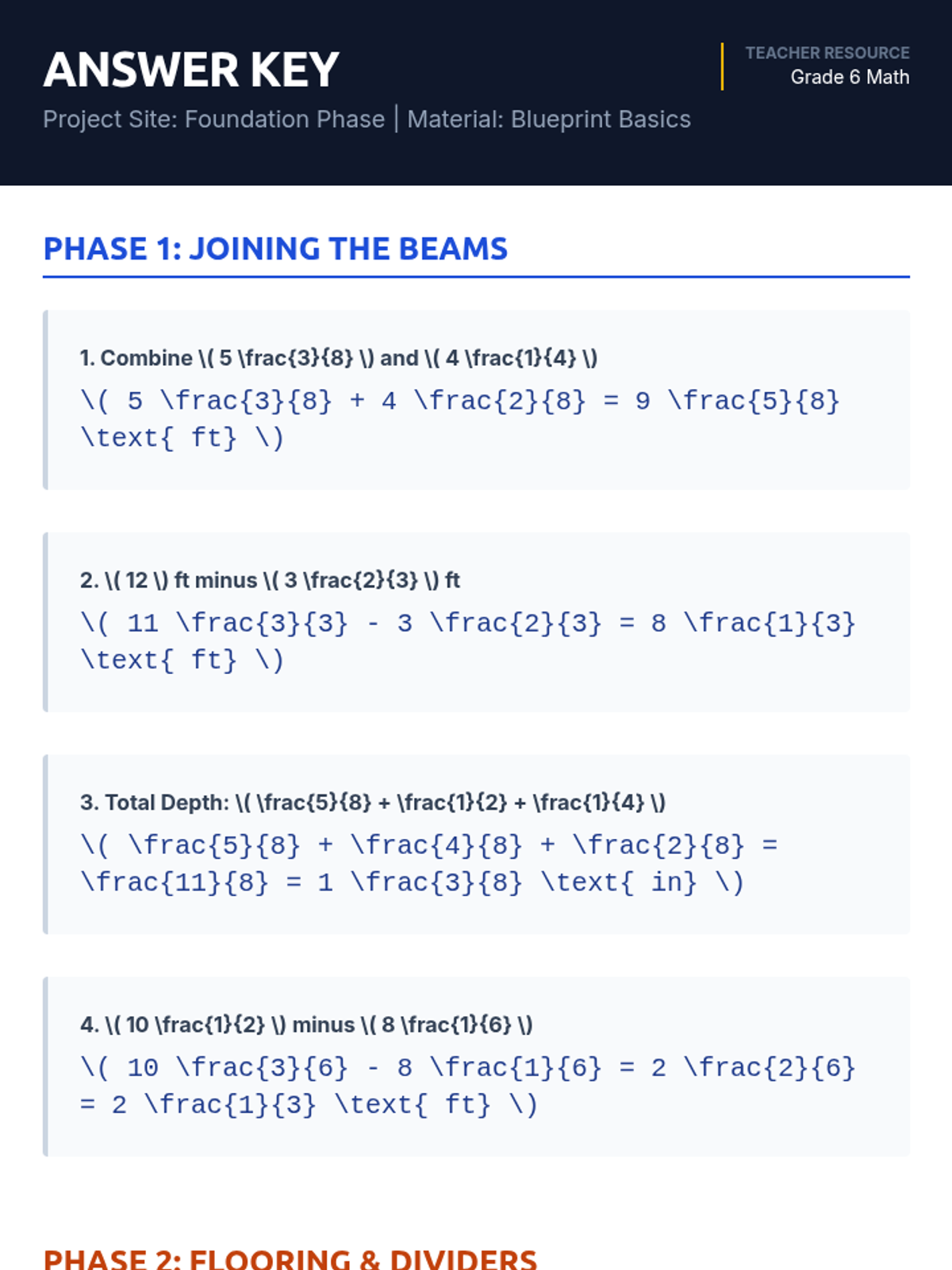
A middle school math sequence centered on fractions, using an architectural and construction theme. It progresses from 6th-grade foundations to 8th-grade applications of slope and rational numbers.
A set of targeted skill-building worksheets designed to guide students through common procedural math errors using step-by-step checklists and worked examples in a blueprint-inspired layout.
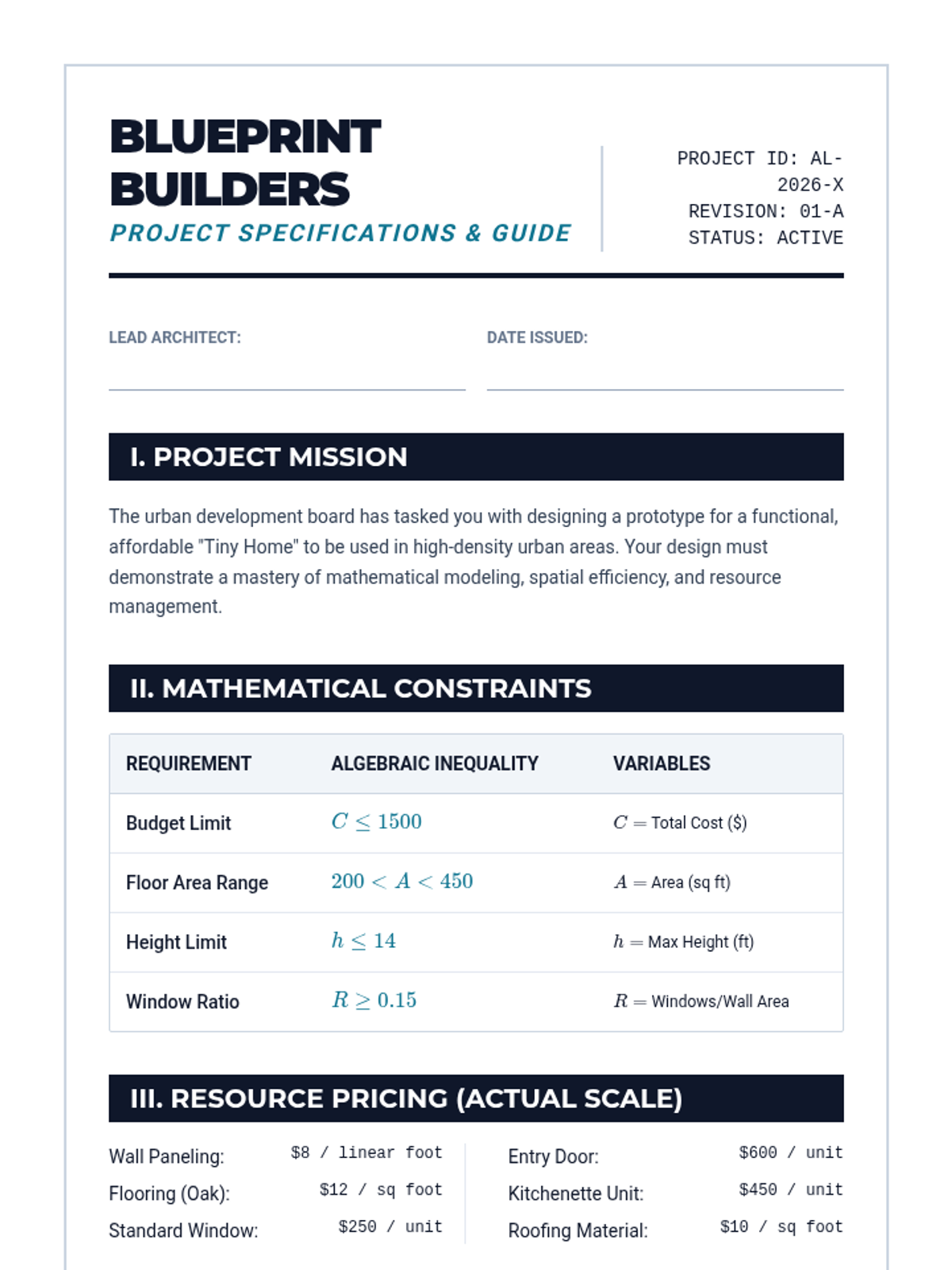
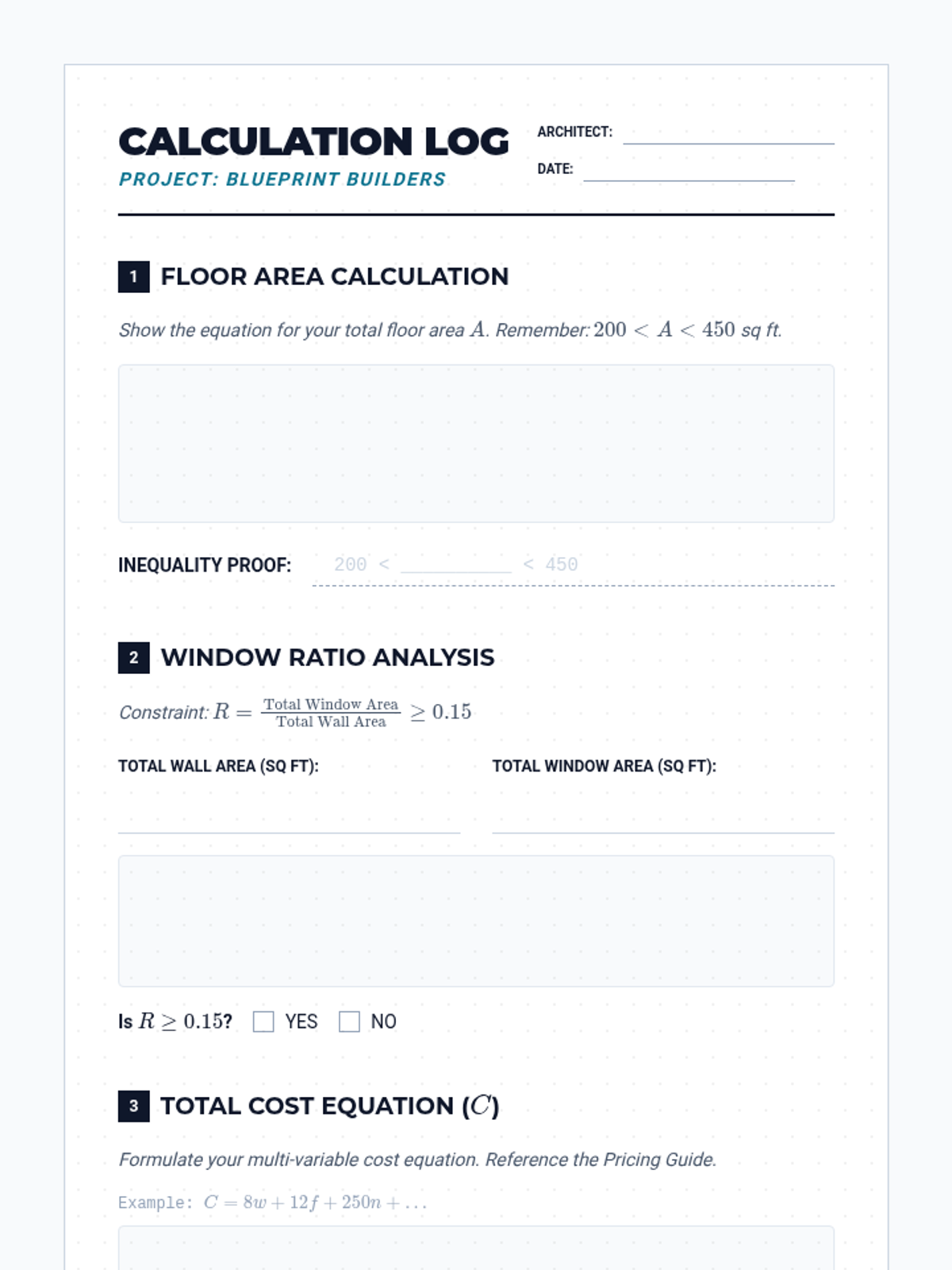
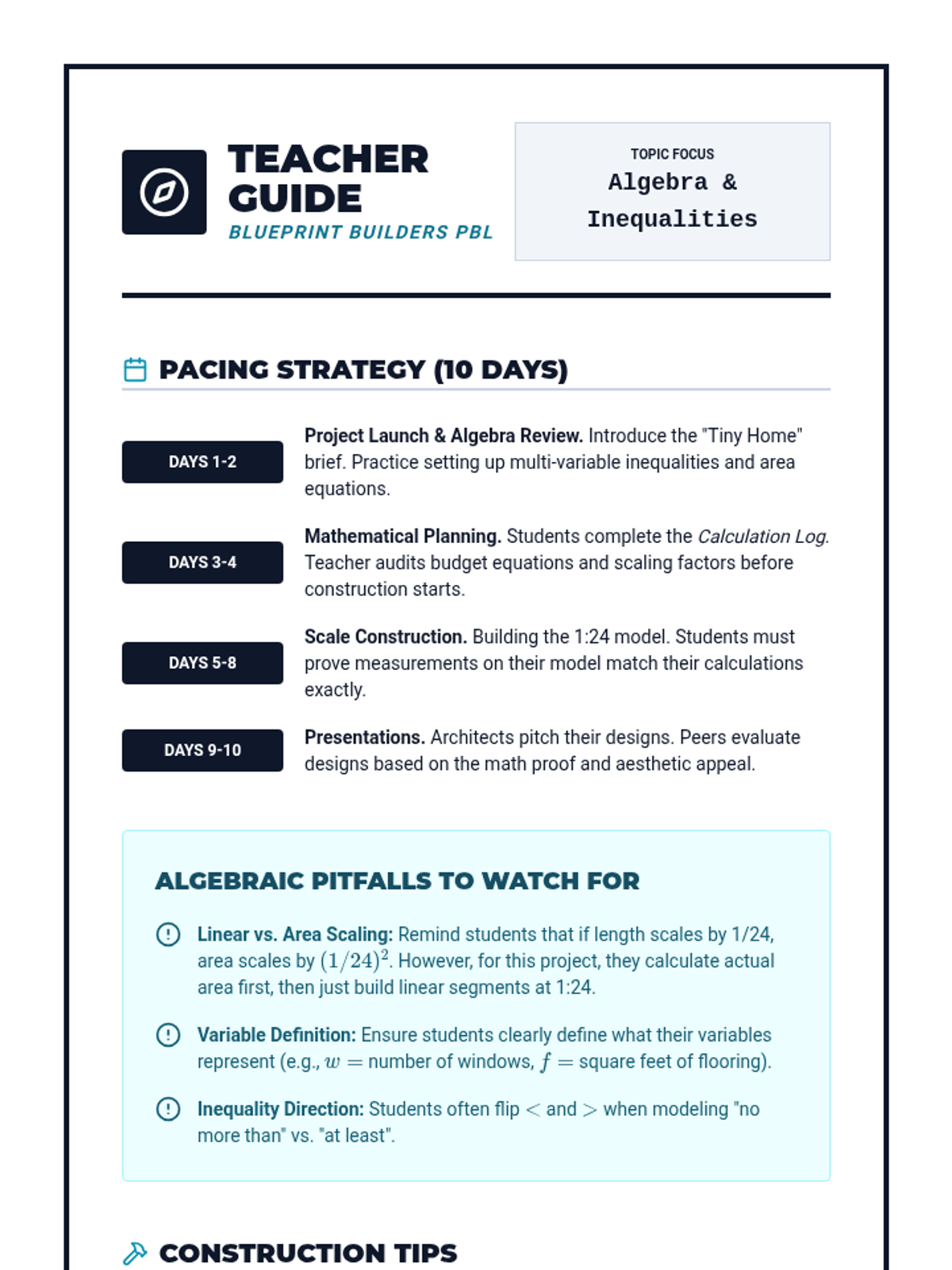
A project-based learning unit where students apply algebraic equations and inequalities to design and build a scale model of a functional living space. Students must manage budgets, spatial constraints, and material requirements using mathematical modeling.
A specialized Tier 3 intervention sequence for 8th-grade students performing at a 5th-grade level, focusing on bridging foundational arithmetic to high school algebra concepts. This sequence uses concrete-representational-abstract (CRA) methods to explore area modeling, systems of equations, exponential patterns, and inequalities.
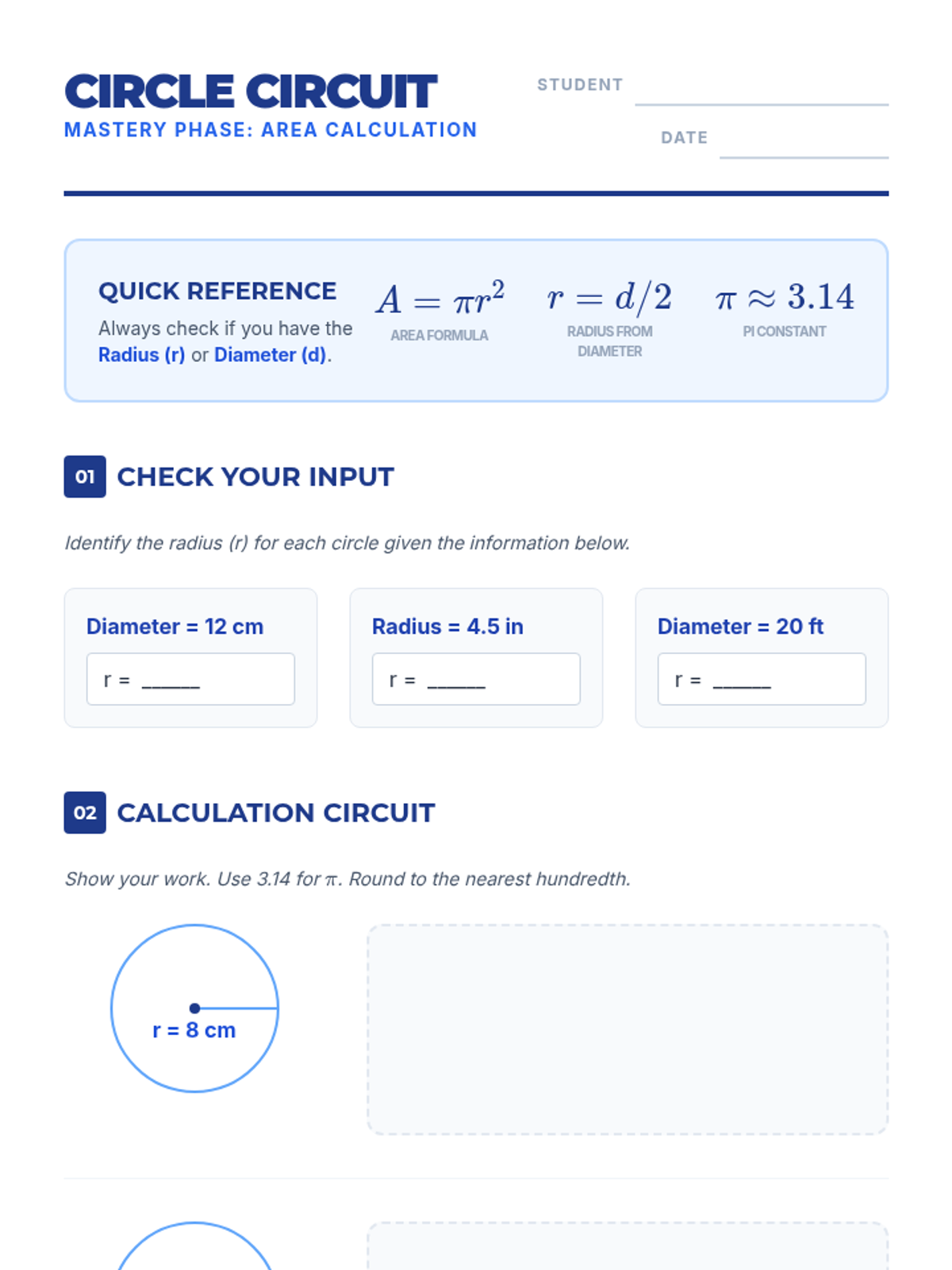
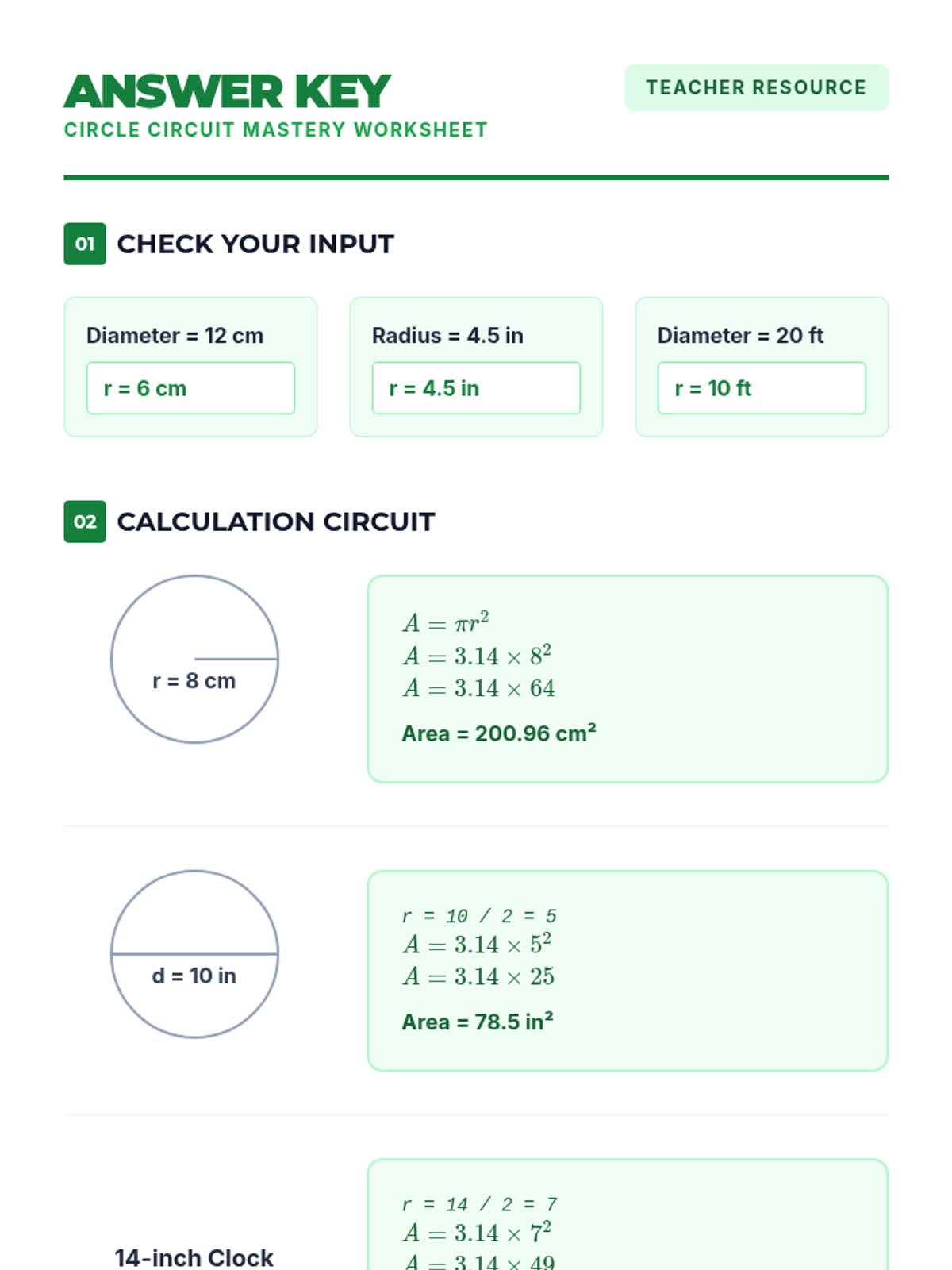
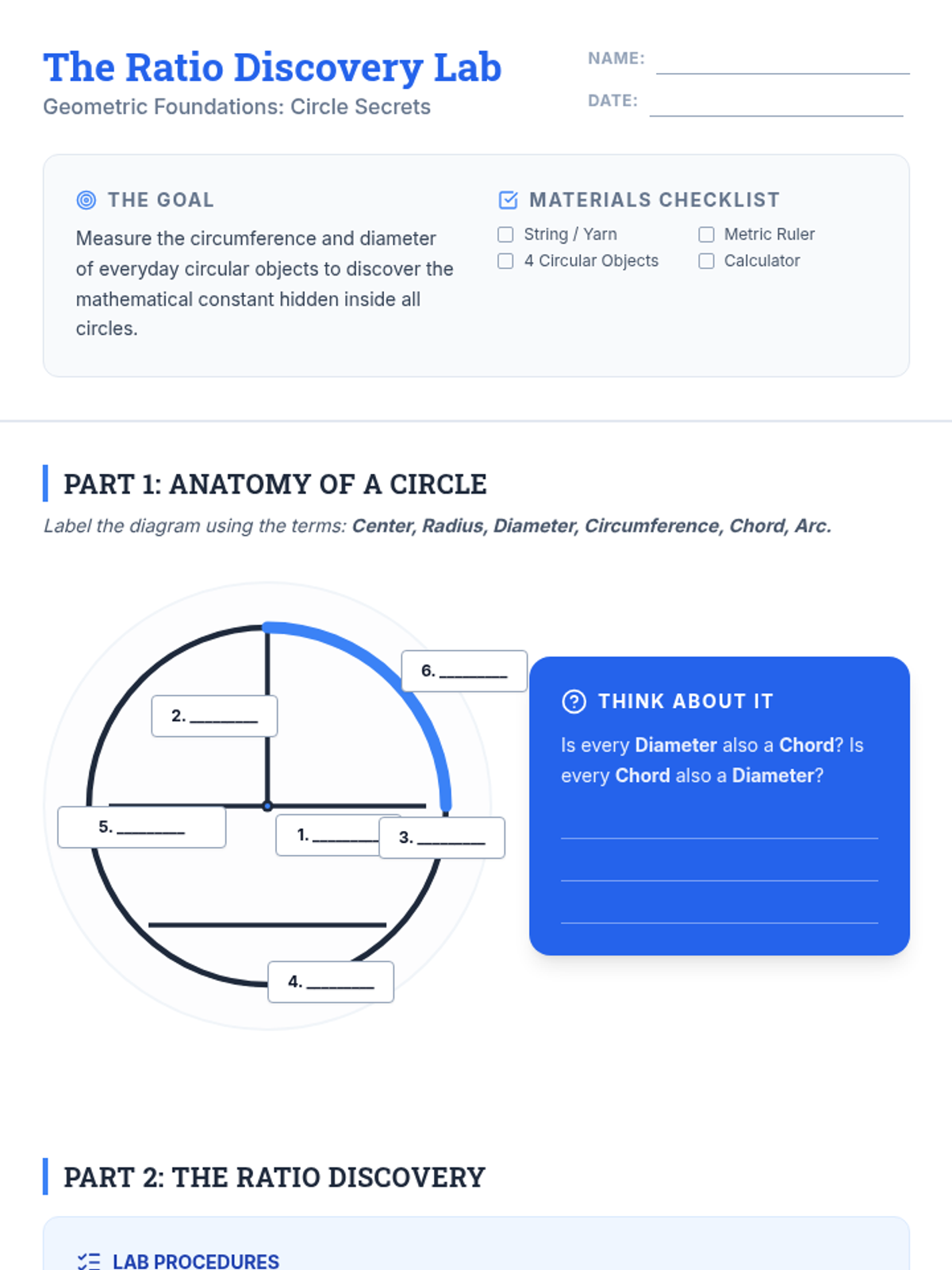
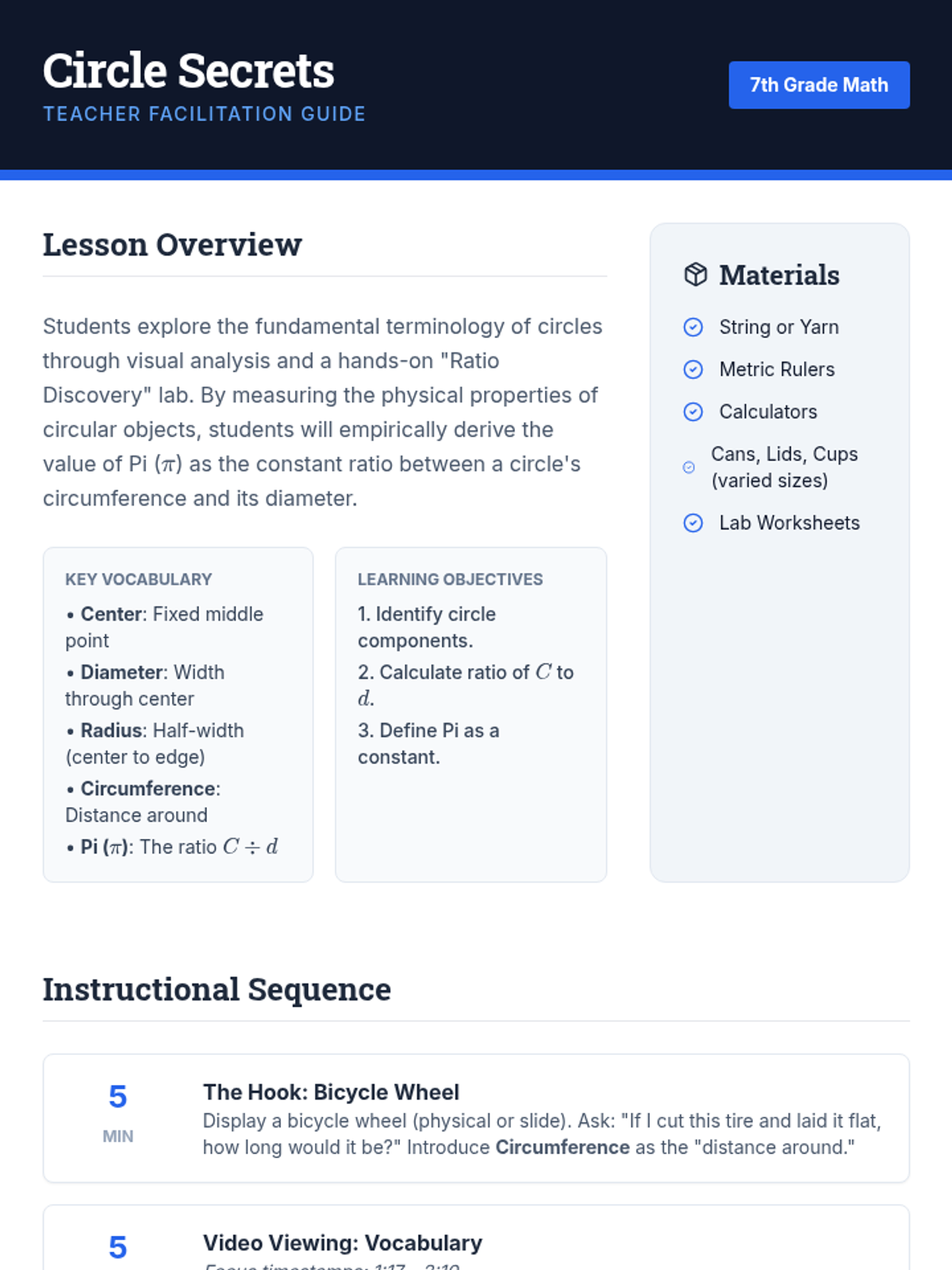
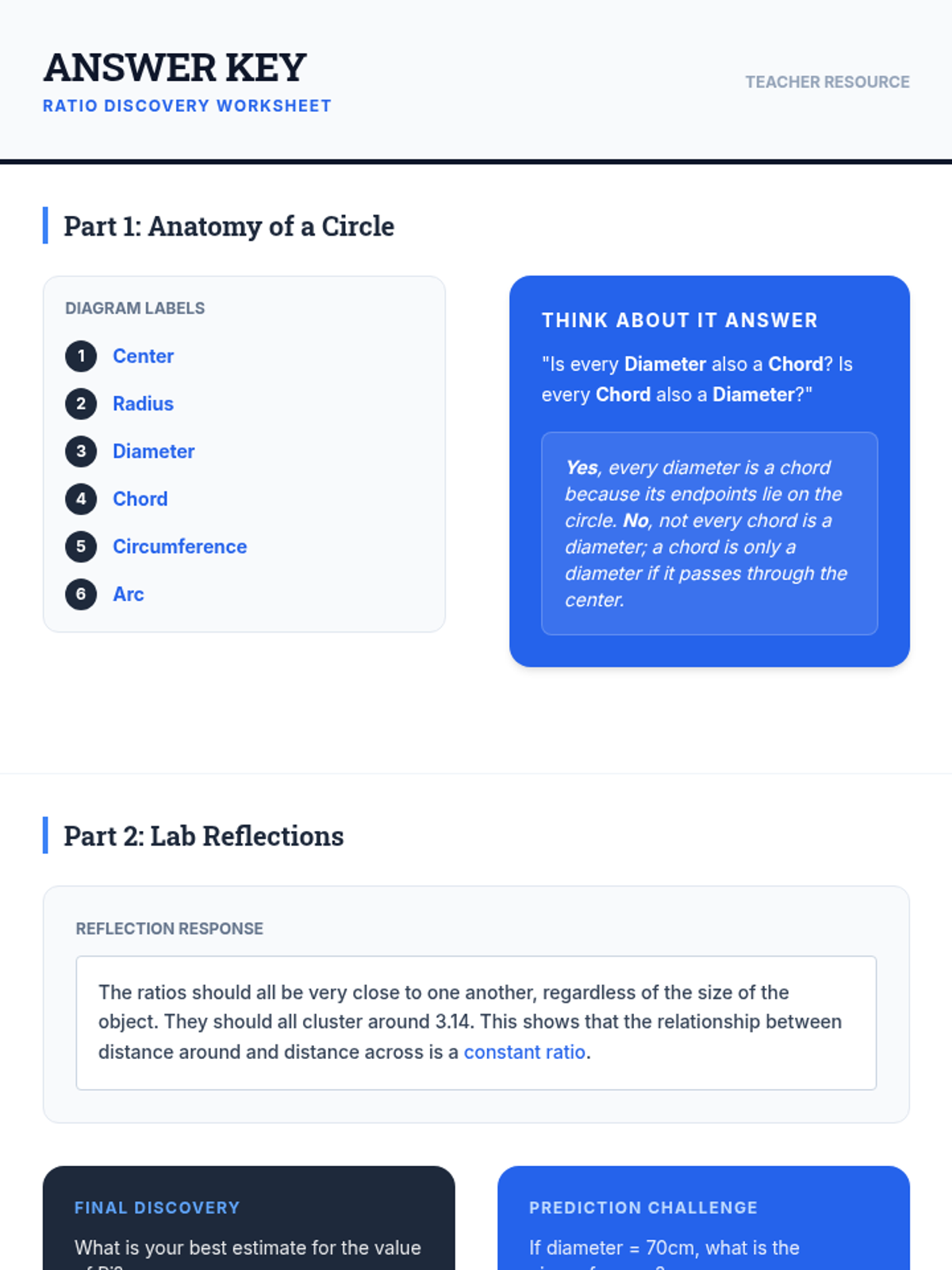
A mathematics sequence focusing on geometry, circles, and the calculation of circumference and area for middle school students.
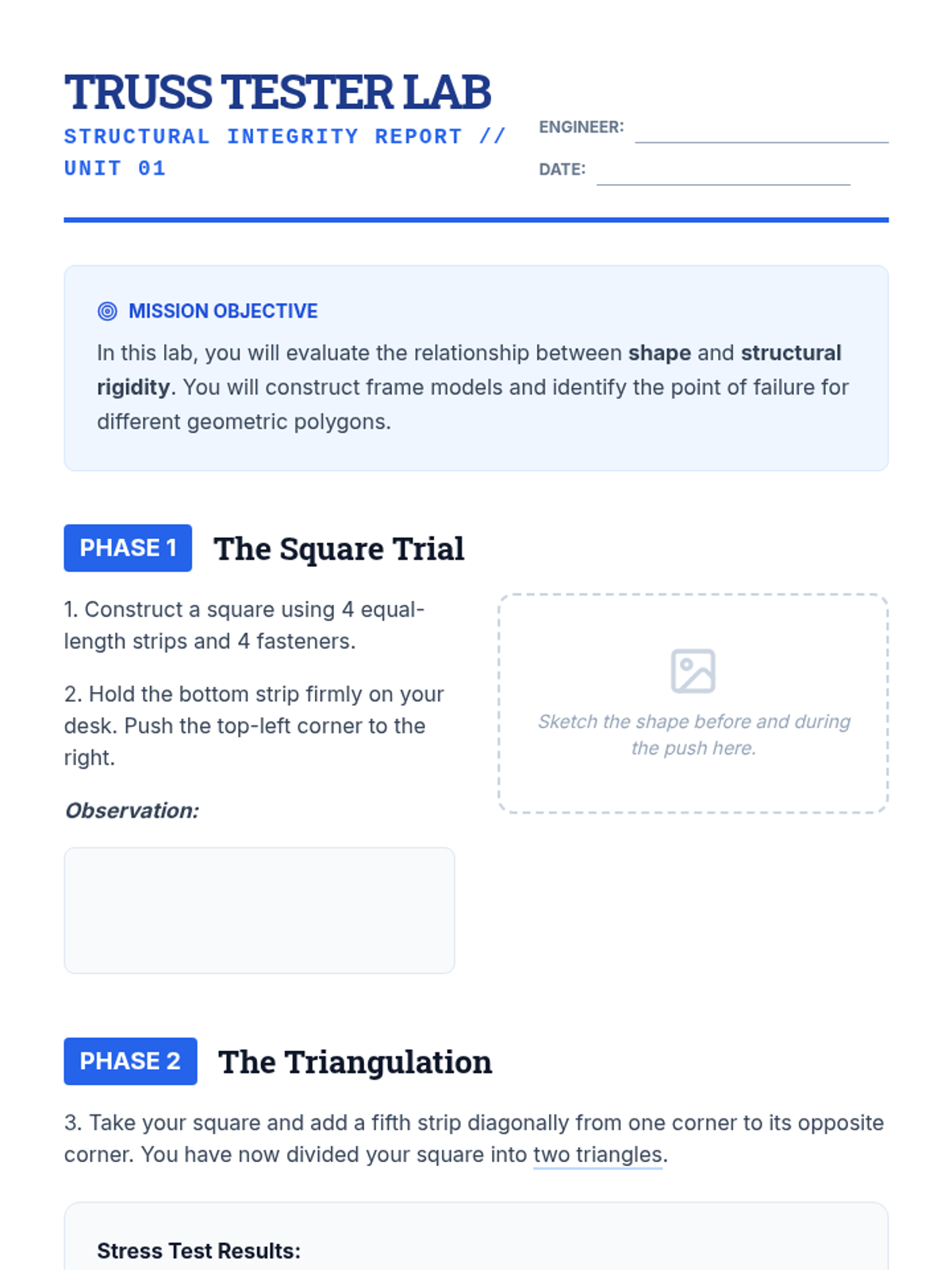
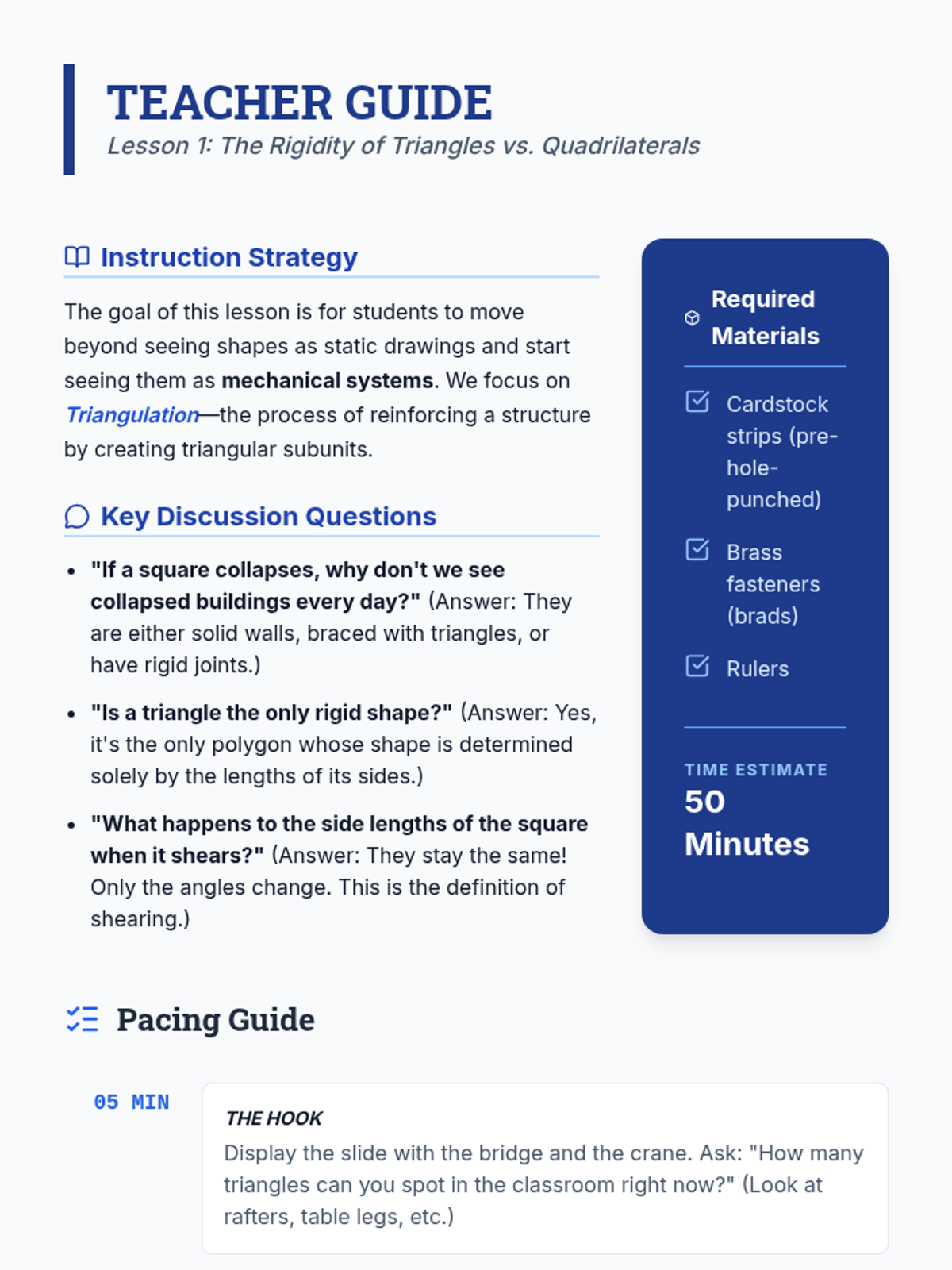
This sequence bridges geometry and physics, investigating the structural properties of 2D and 3D shapes. Students analyze rigidity, tessellation, and surface area-to-volume ratios to understand how geometric attributes influence physical performance in engineering and nature.
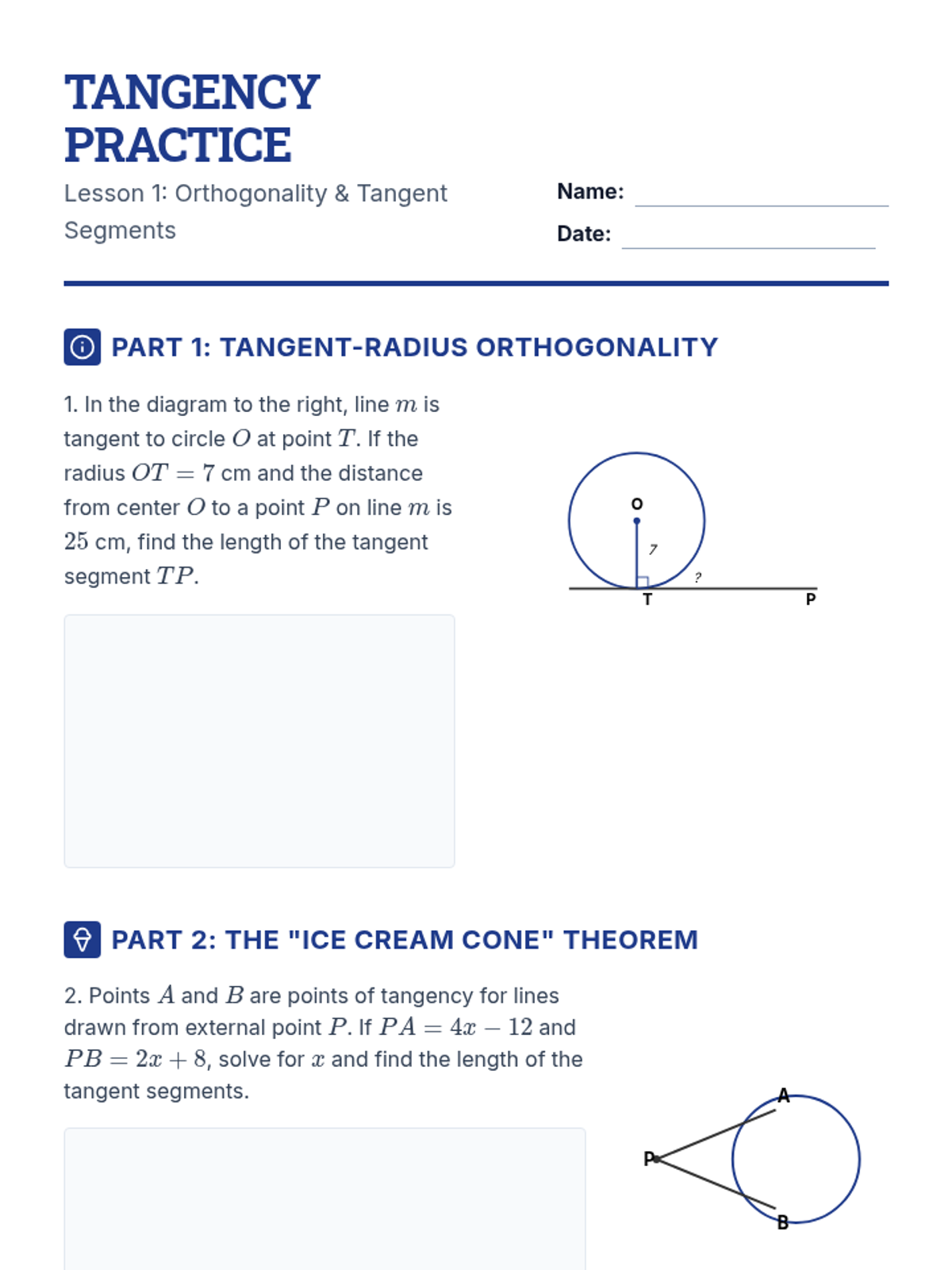
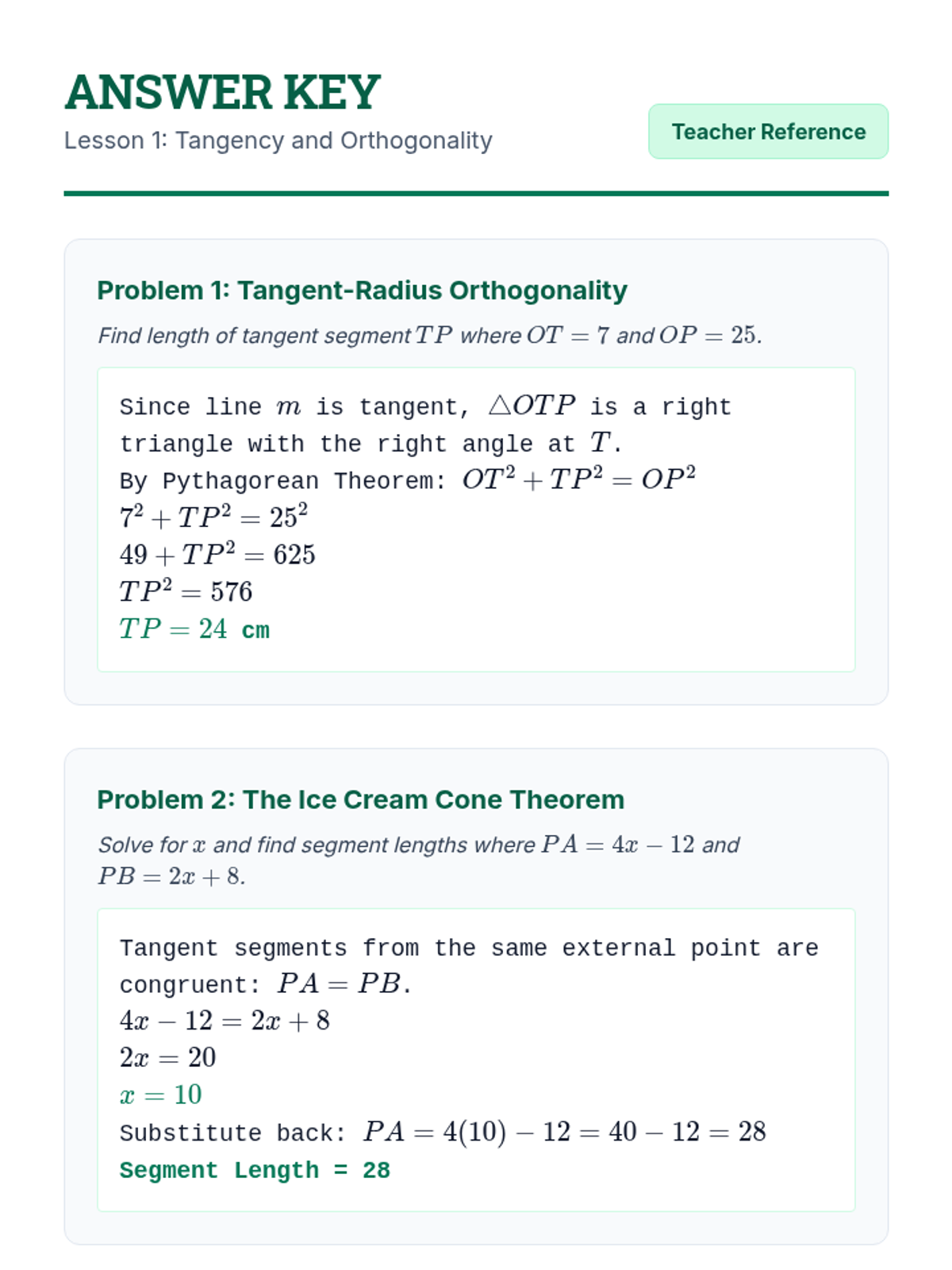
This sequence explores the metric relationships of segments in circles, covering tangent-radius orthogonality, the 'Ice Cream Cone' theorem, and the Power of a Point theorems for chords, secants, and tangents. Students apply these geometric principles to solve algebraic problems and model real-world scenarios like horizon distance and GPS trilateration.
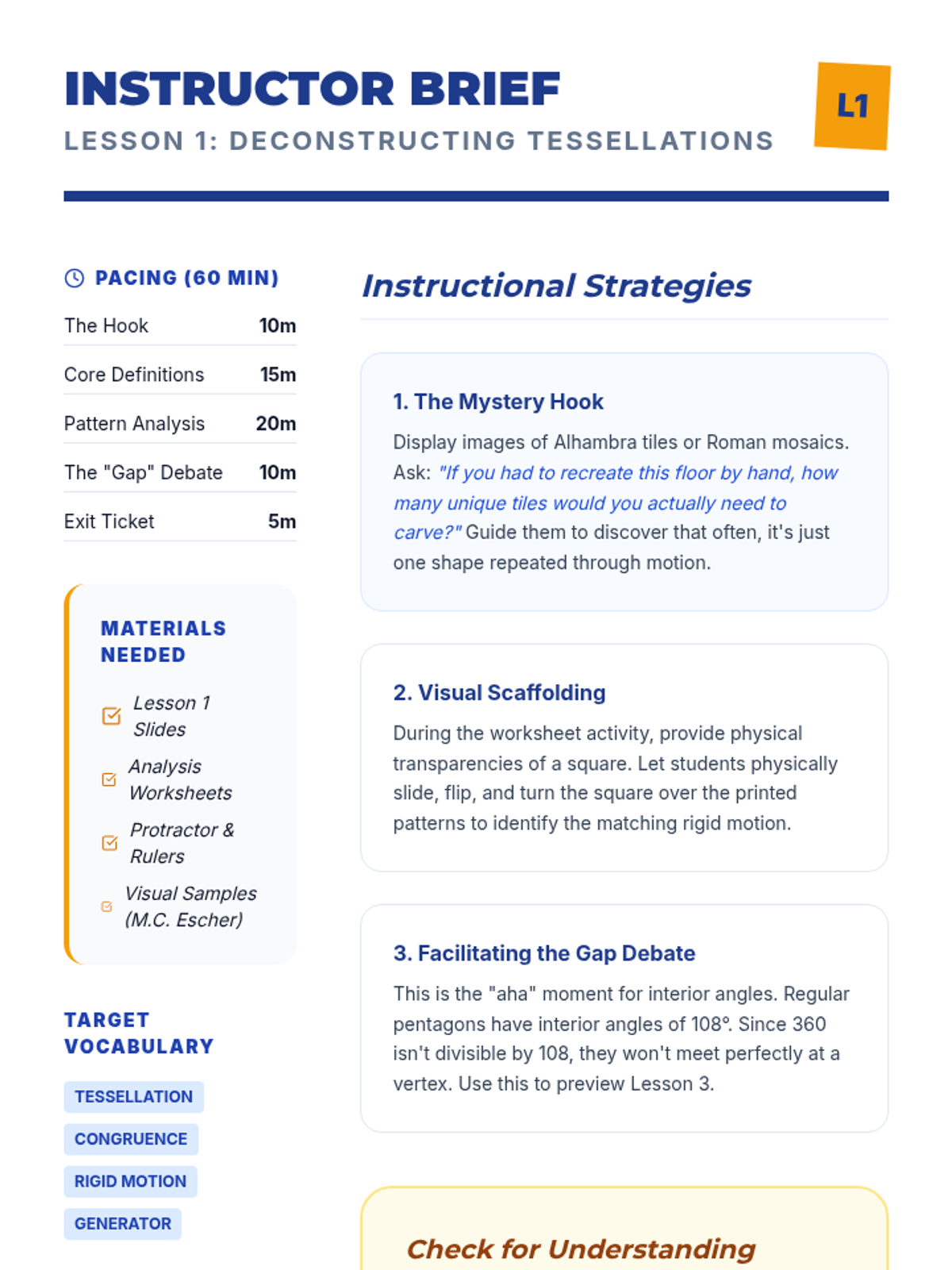
An 8th-grade geometry project where students use rigid motions to design complex, interlocking tessellations and geometric art, exploring congruence through practical application.
This 8th-grade geometry sequence bridges transformations and formal proofs by defining congruence through rigid motions. Students learn to map figures using translations, rotations, and reflections to prove identity, identify corresponding parts, and construct logical arguments.
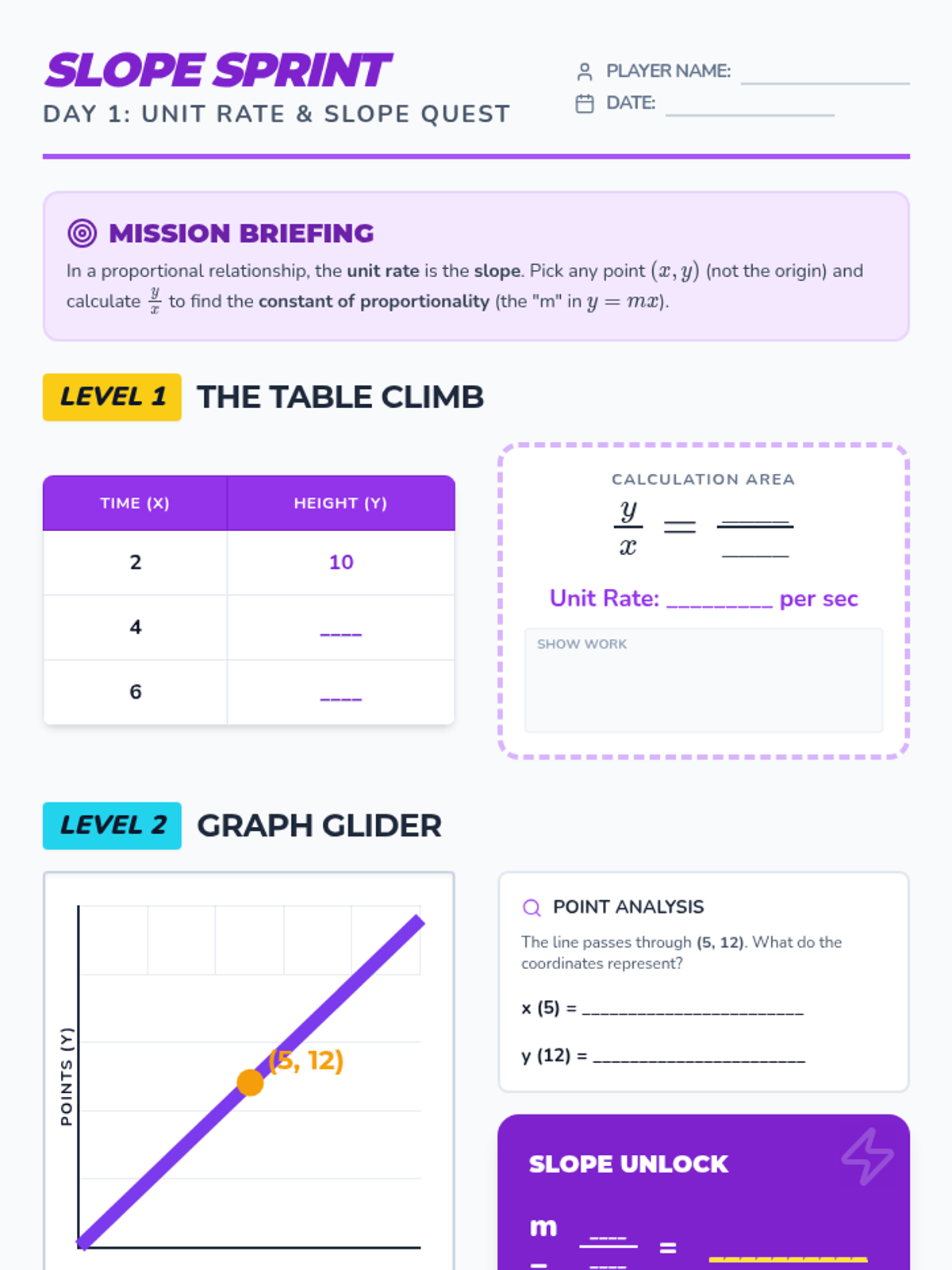
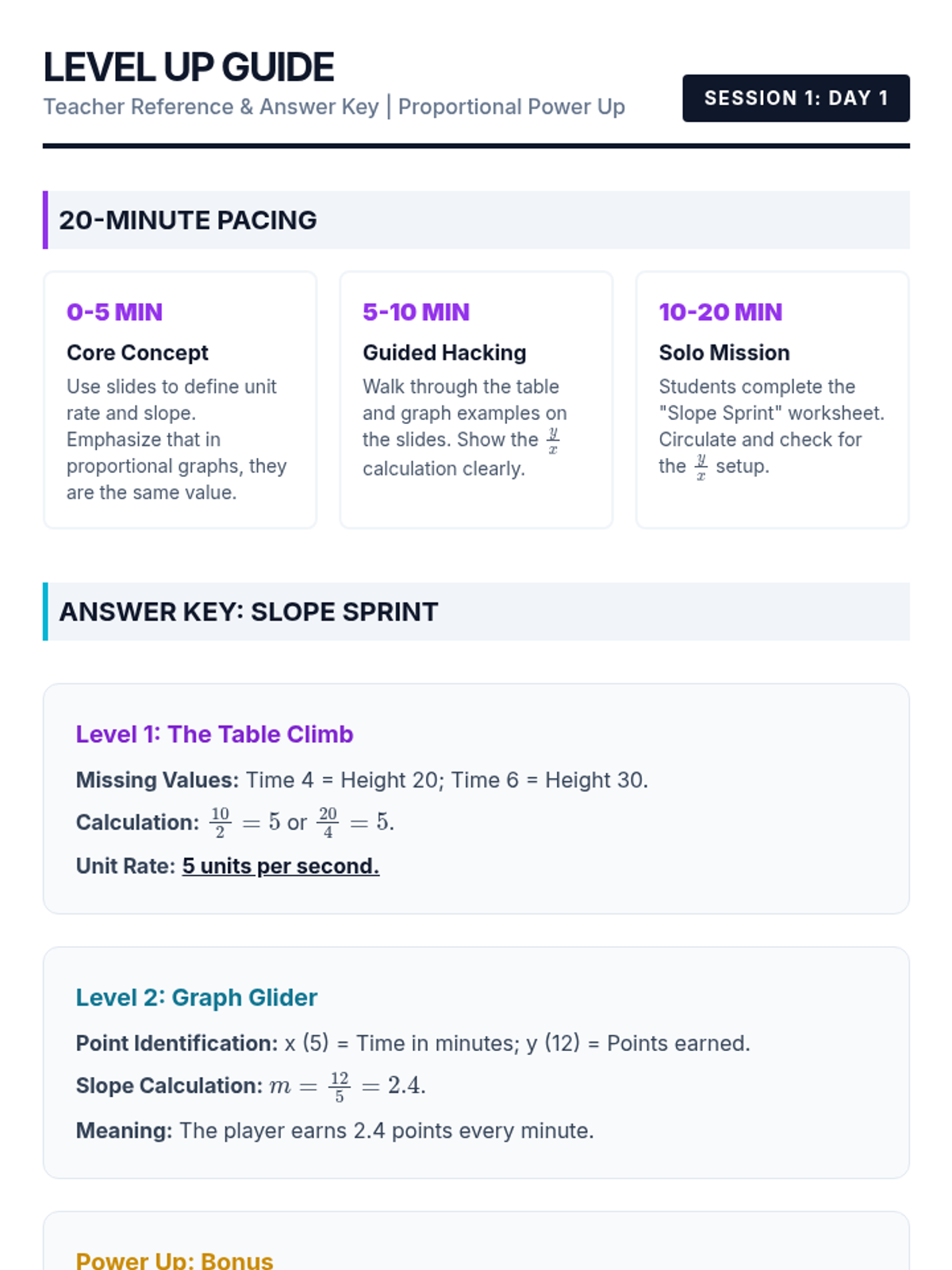
A 4-day intensive tutoring sequence for 8th-grade Missouri MAP review, focusing on graphing proportional relationships, unit rate as slope, and comparing multiple representations. Designed for 20-minute high-impact sessions using a retro-gaming theme.
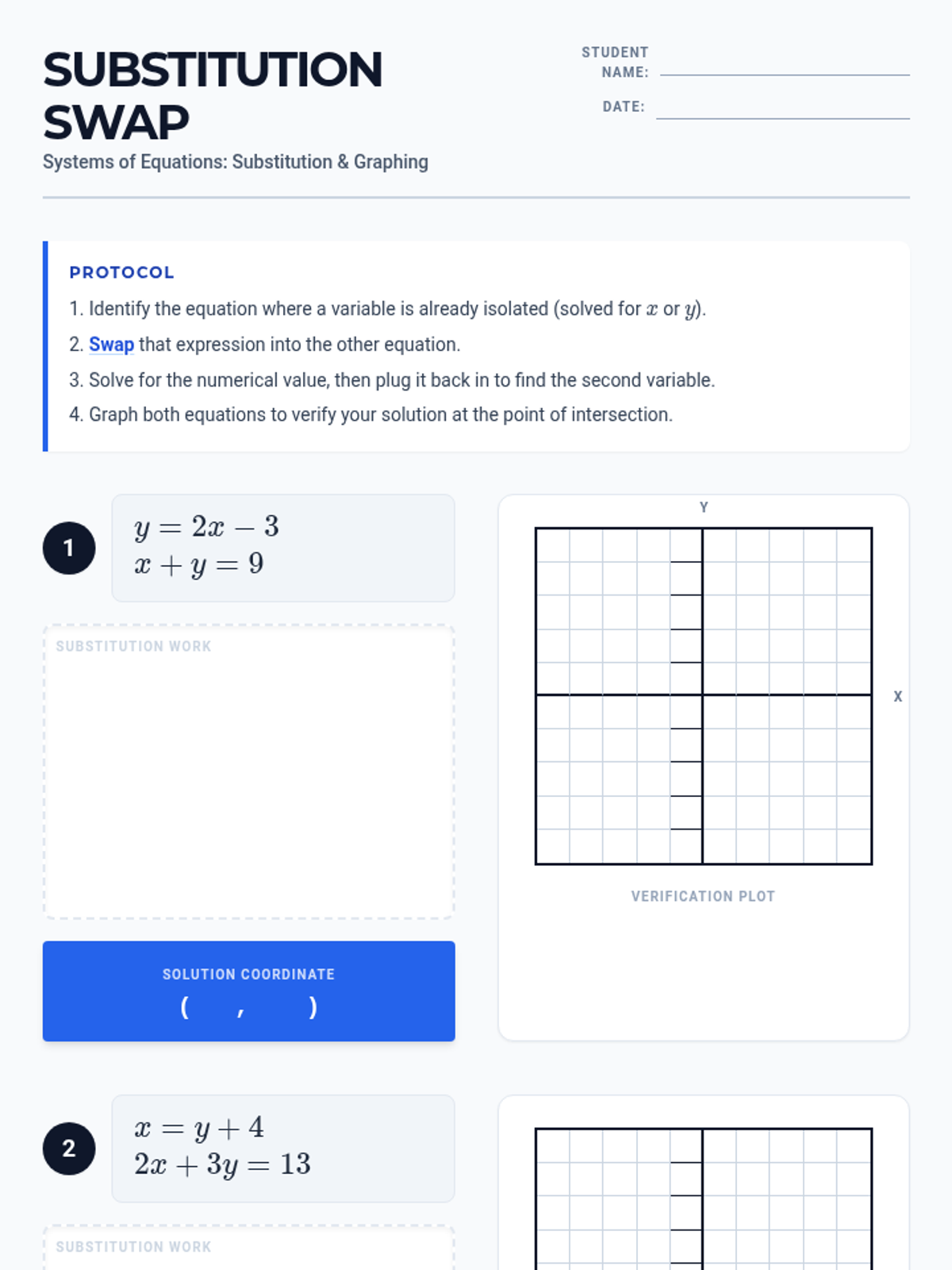
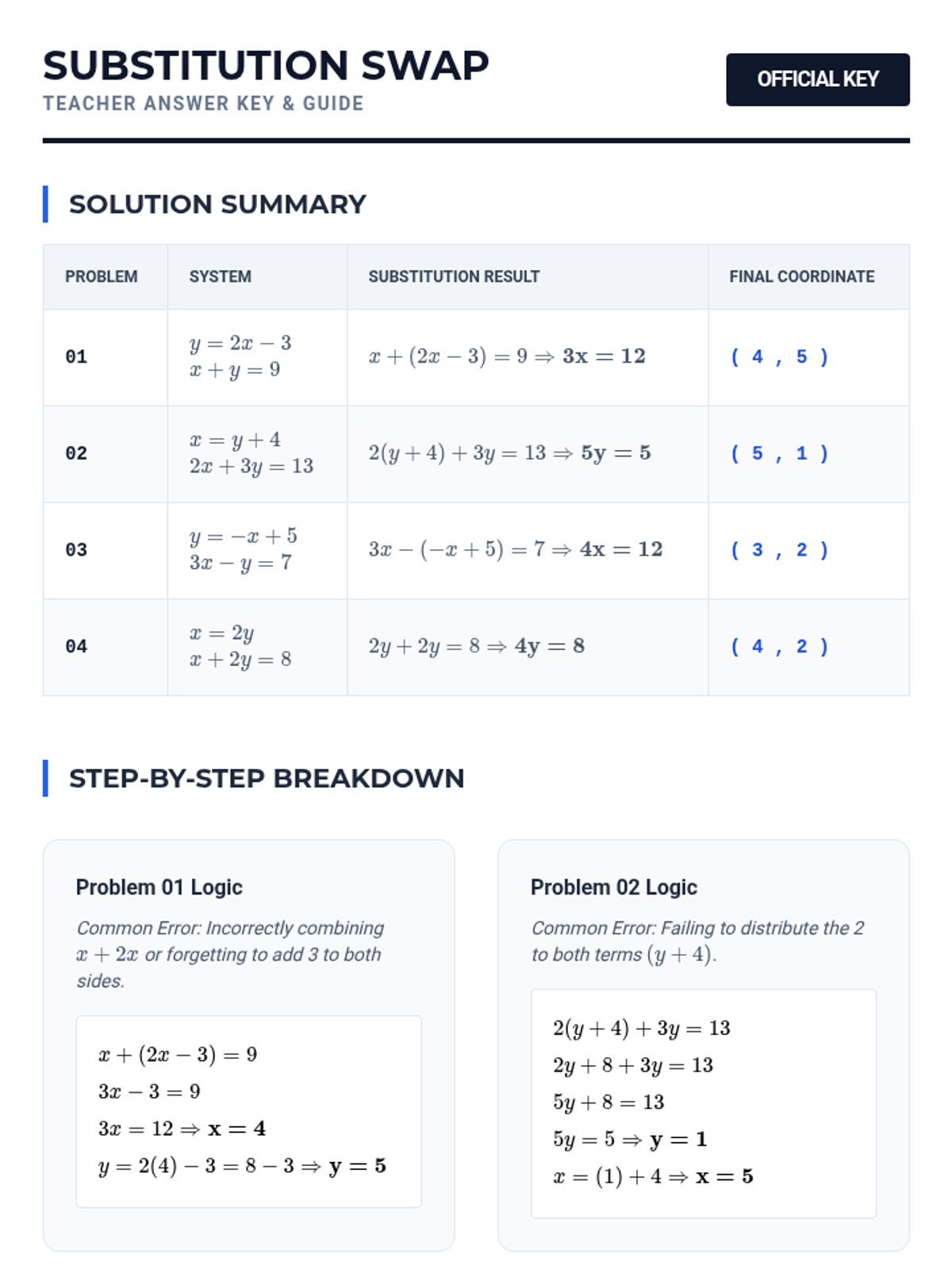
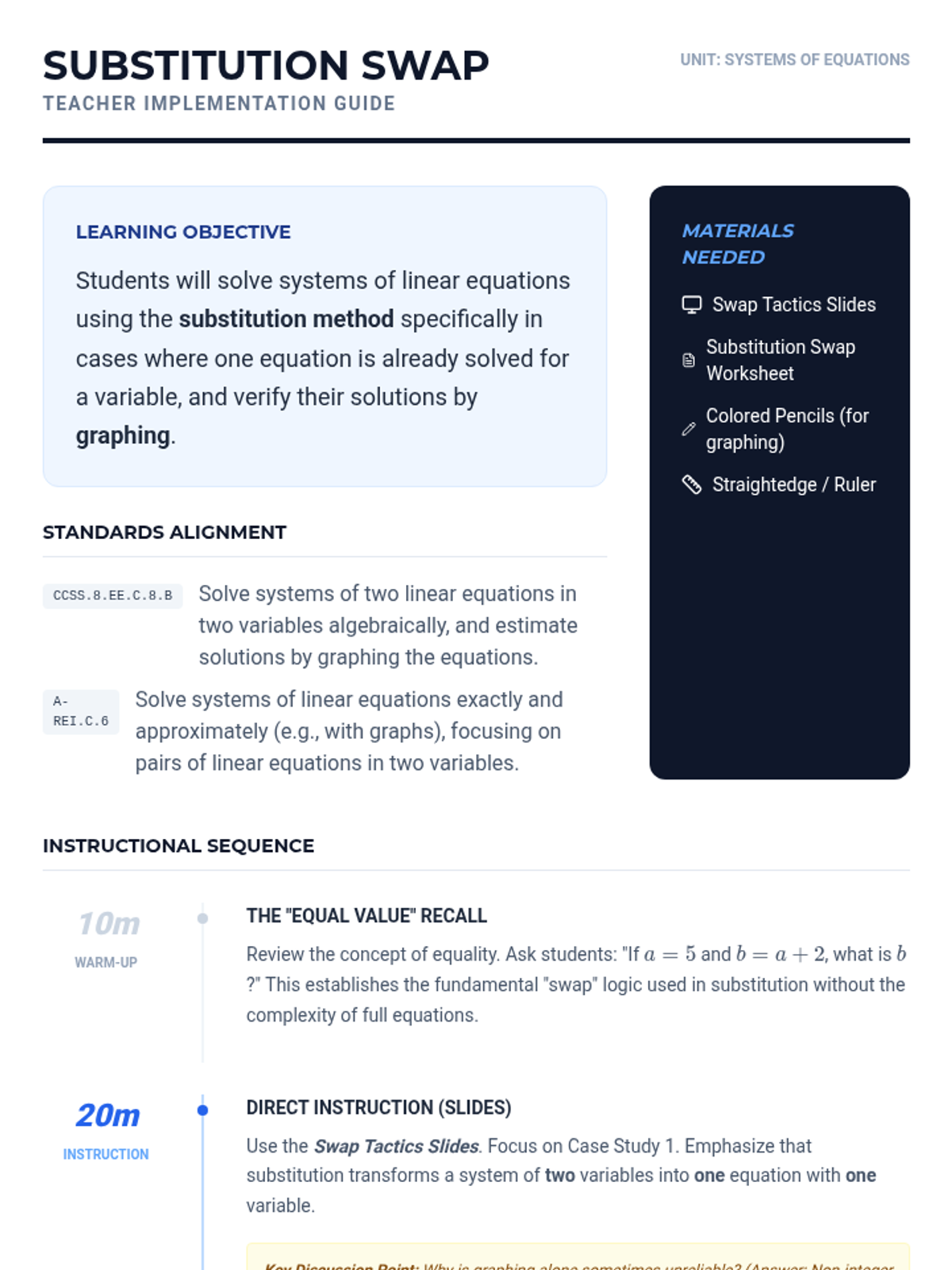
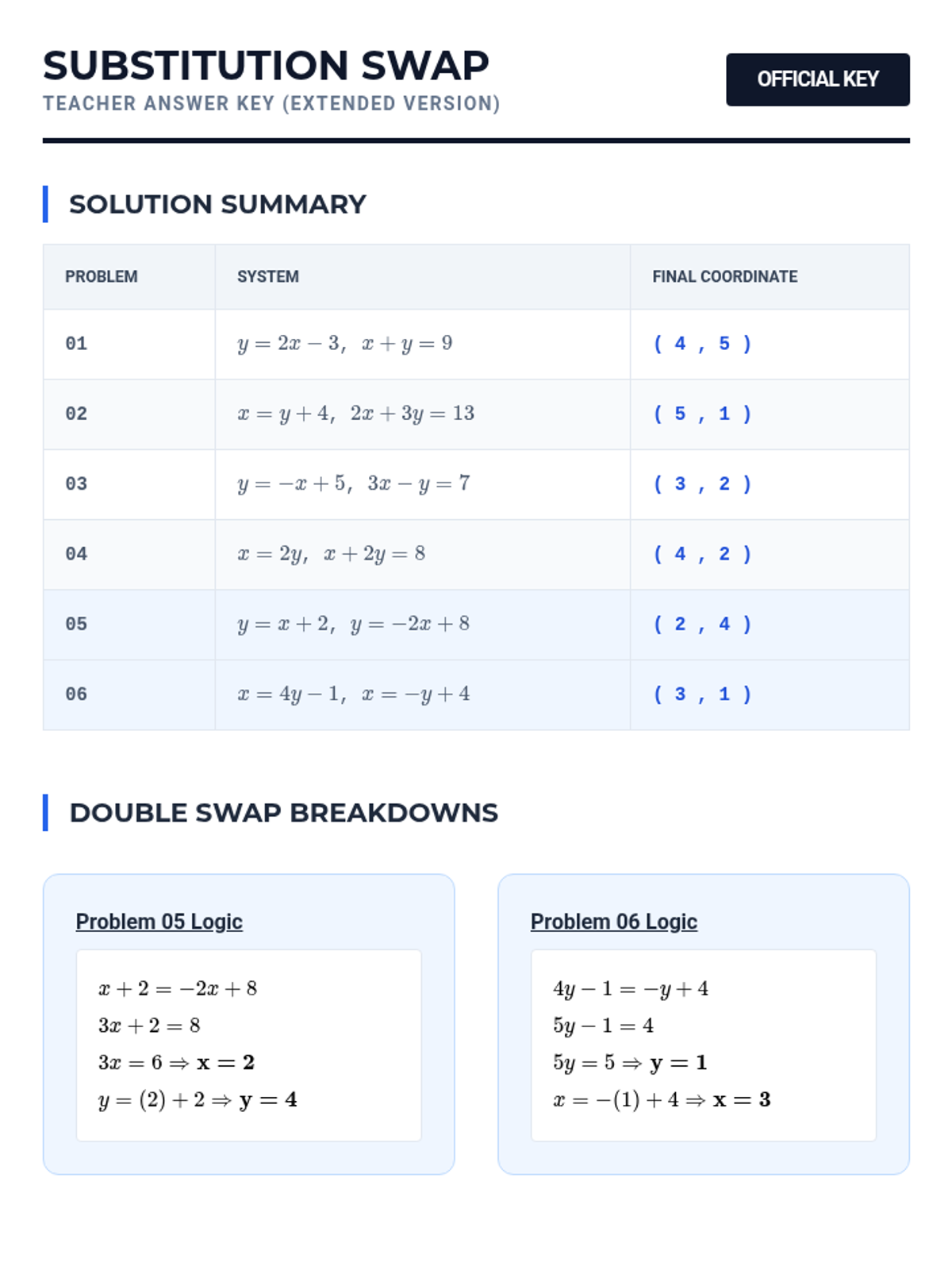
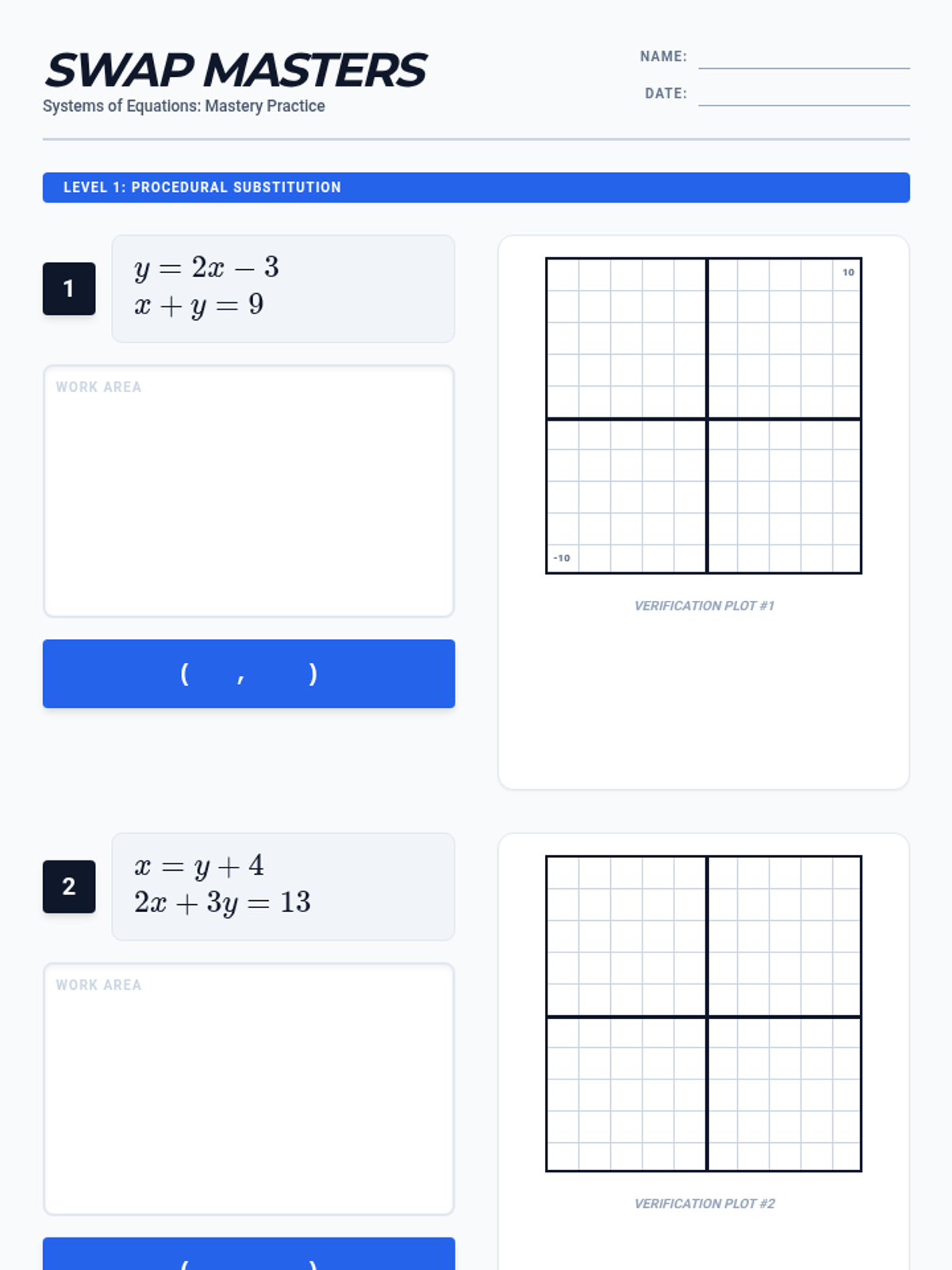
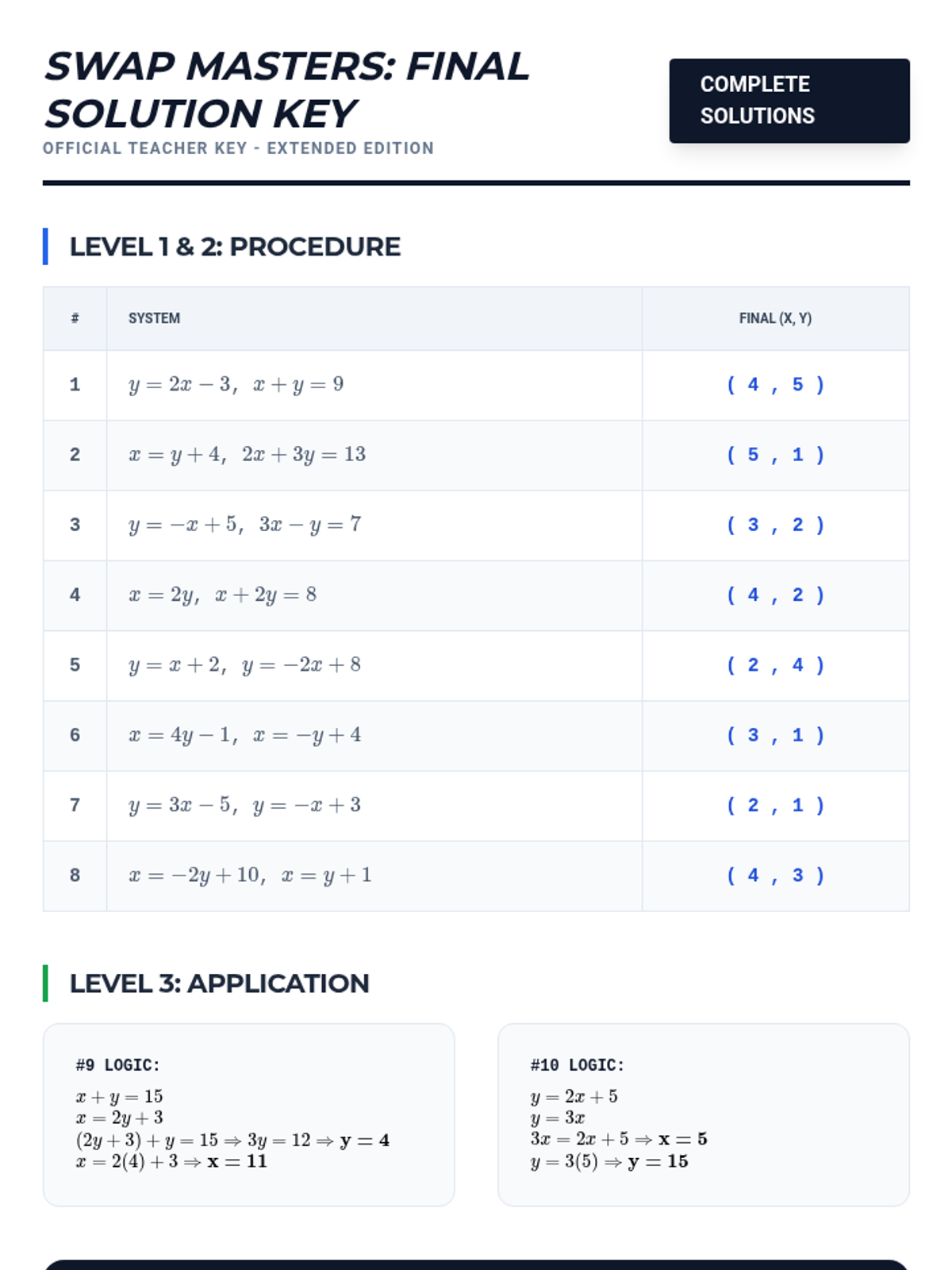
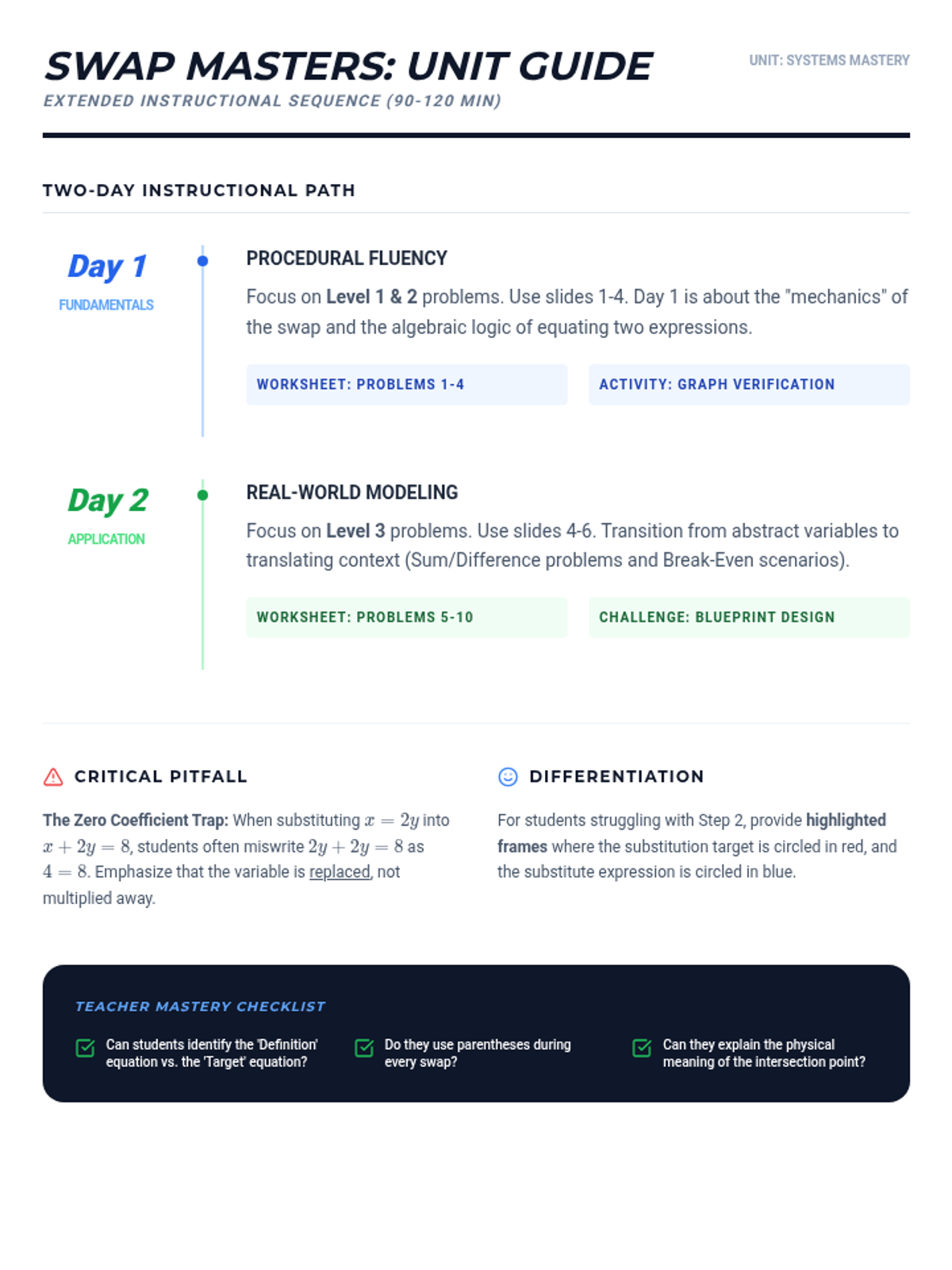
A comprehensive unit on solving systems of linear equations using the substitution method, covering procedural steps, graphical verification, and real-world modeling.
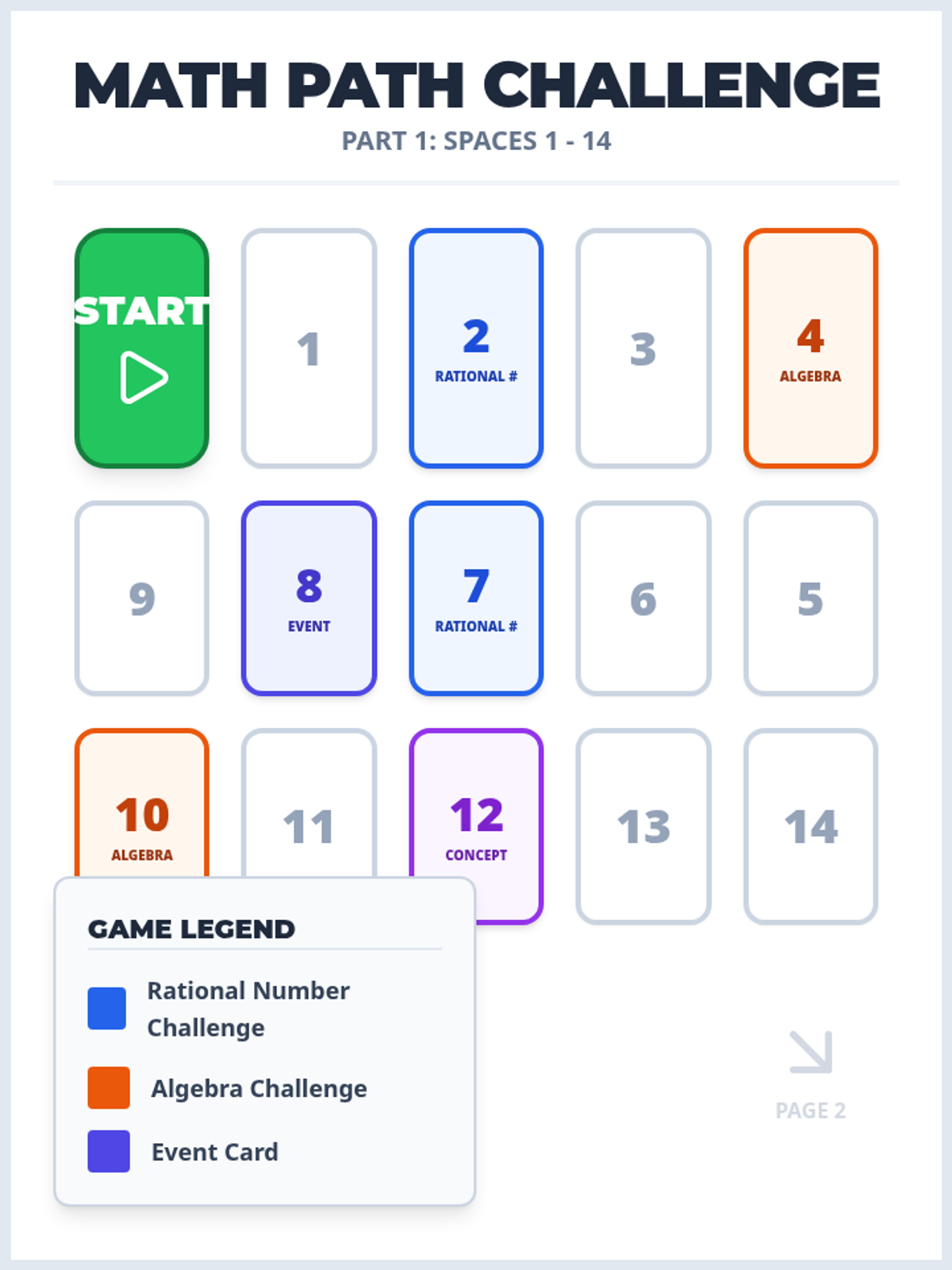
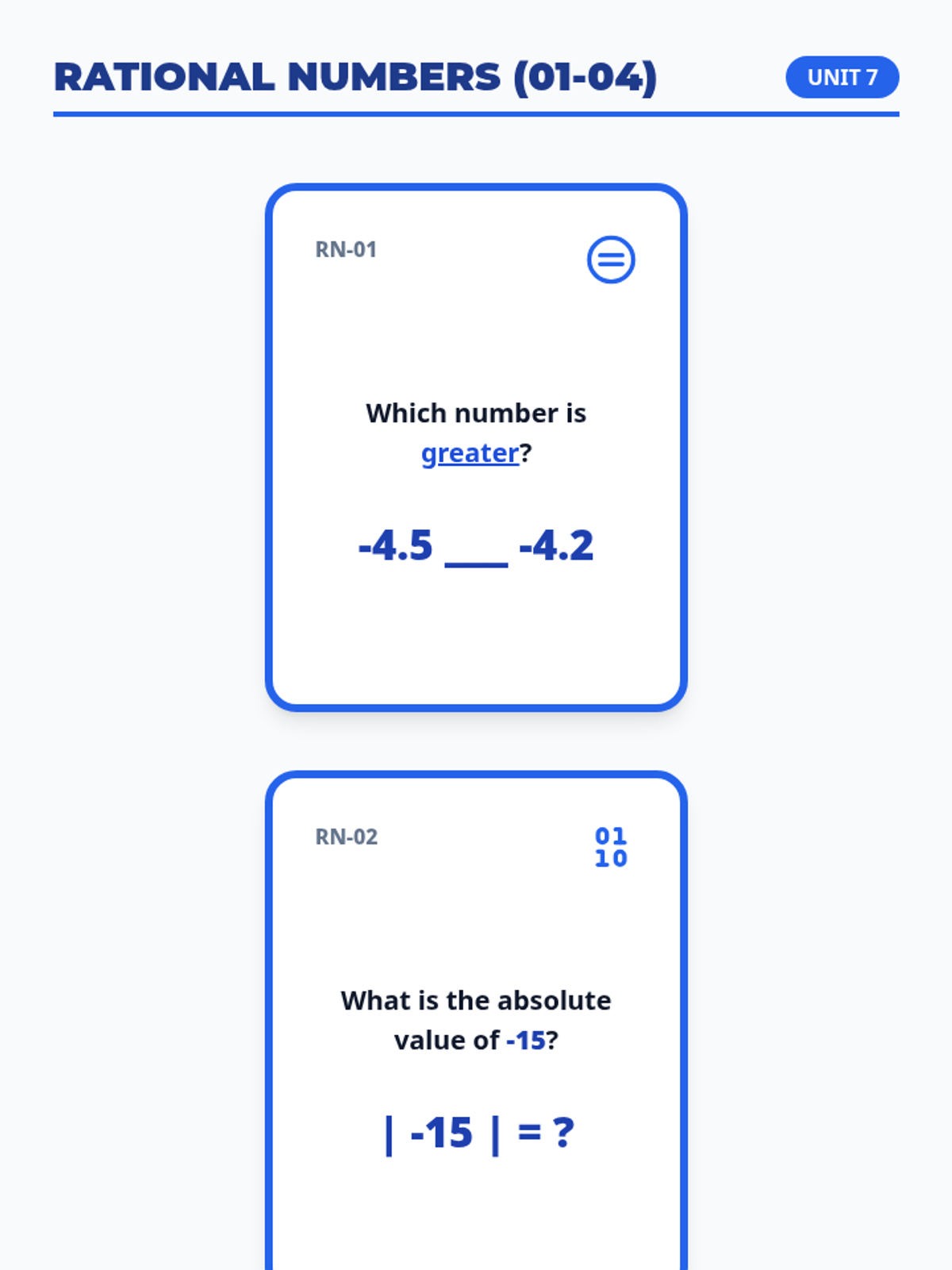
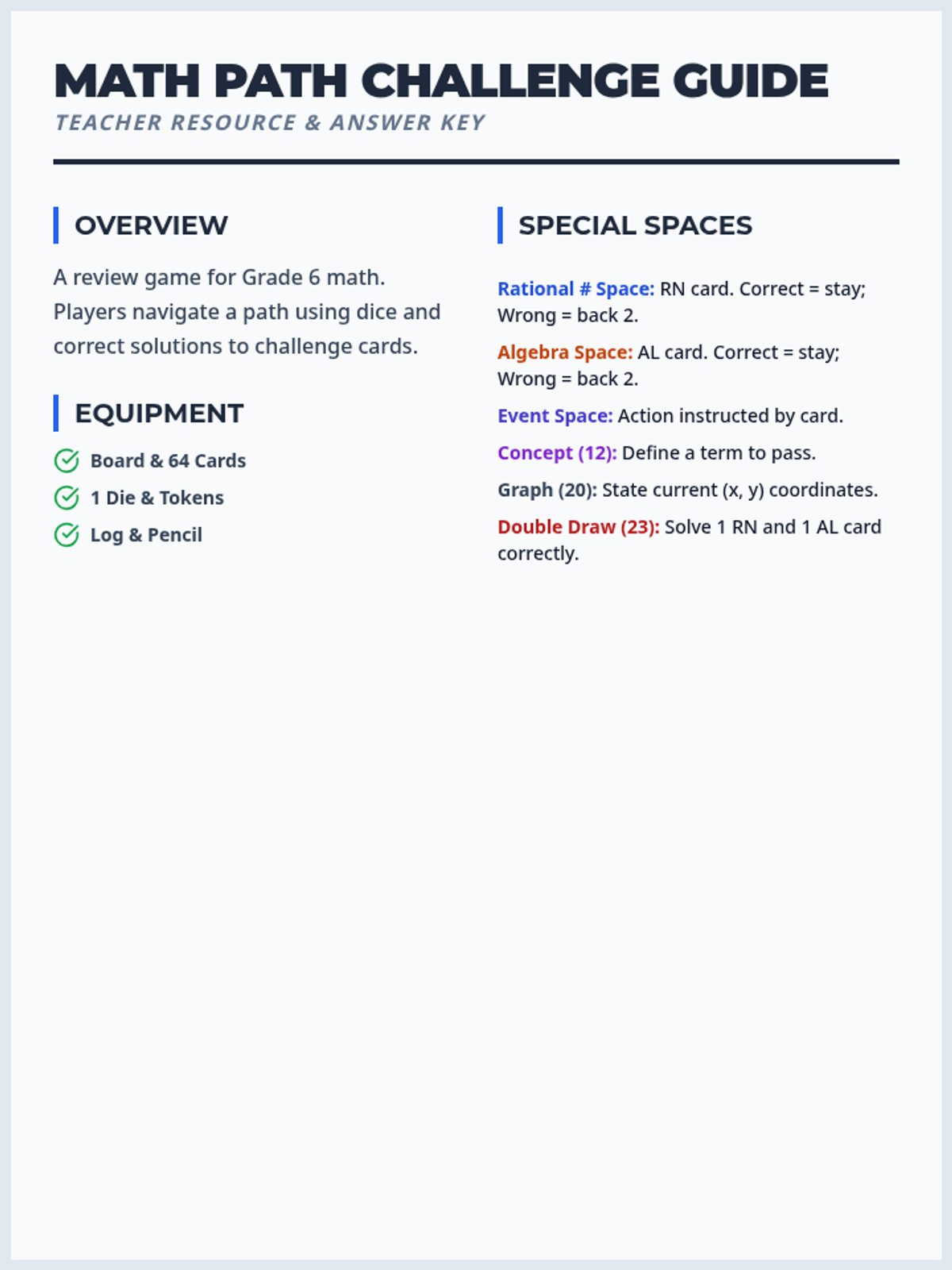
A comprehensive math review unit focused on mastering rational numbers, absolute value, and algebraic expressions through structured gameplay and practice.
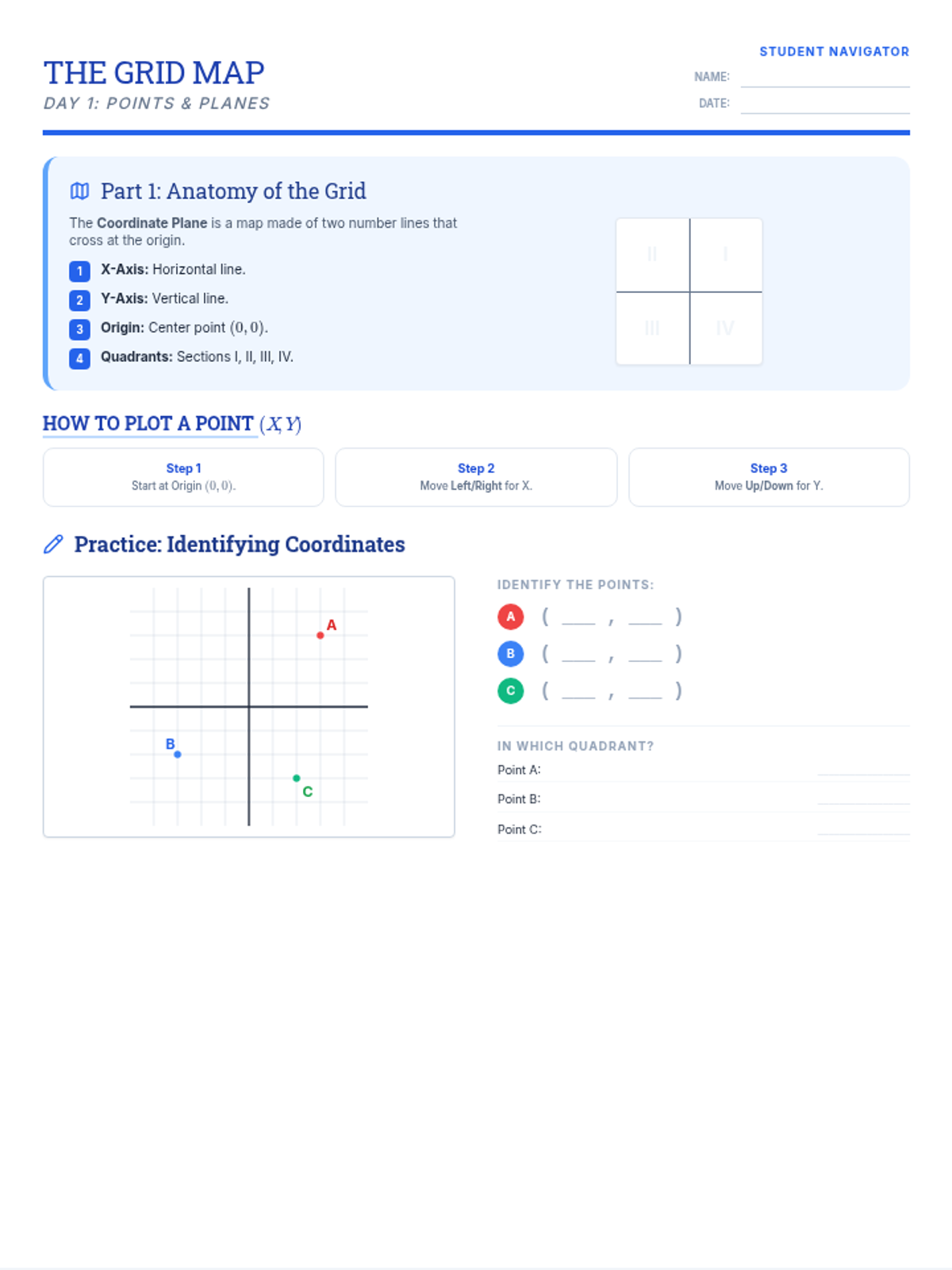
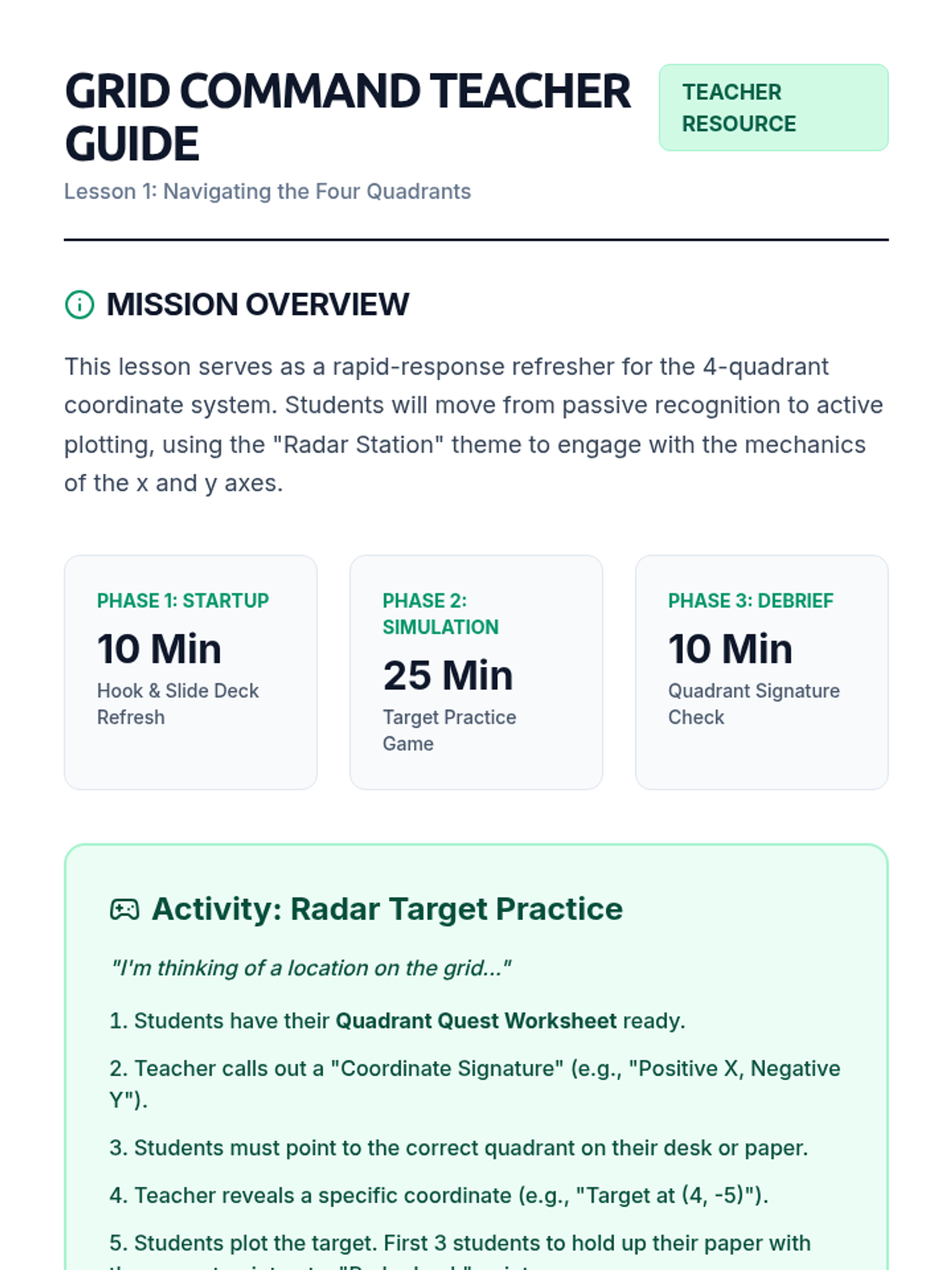
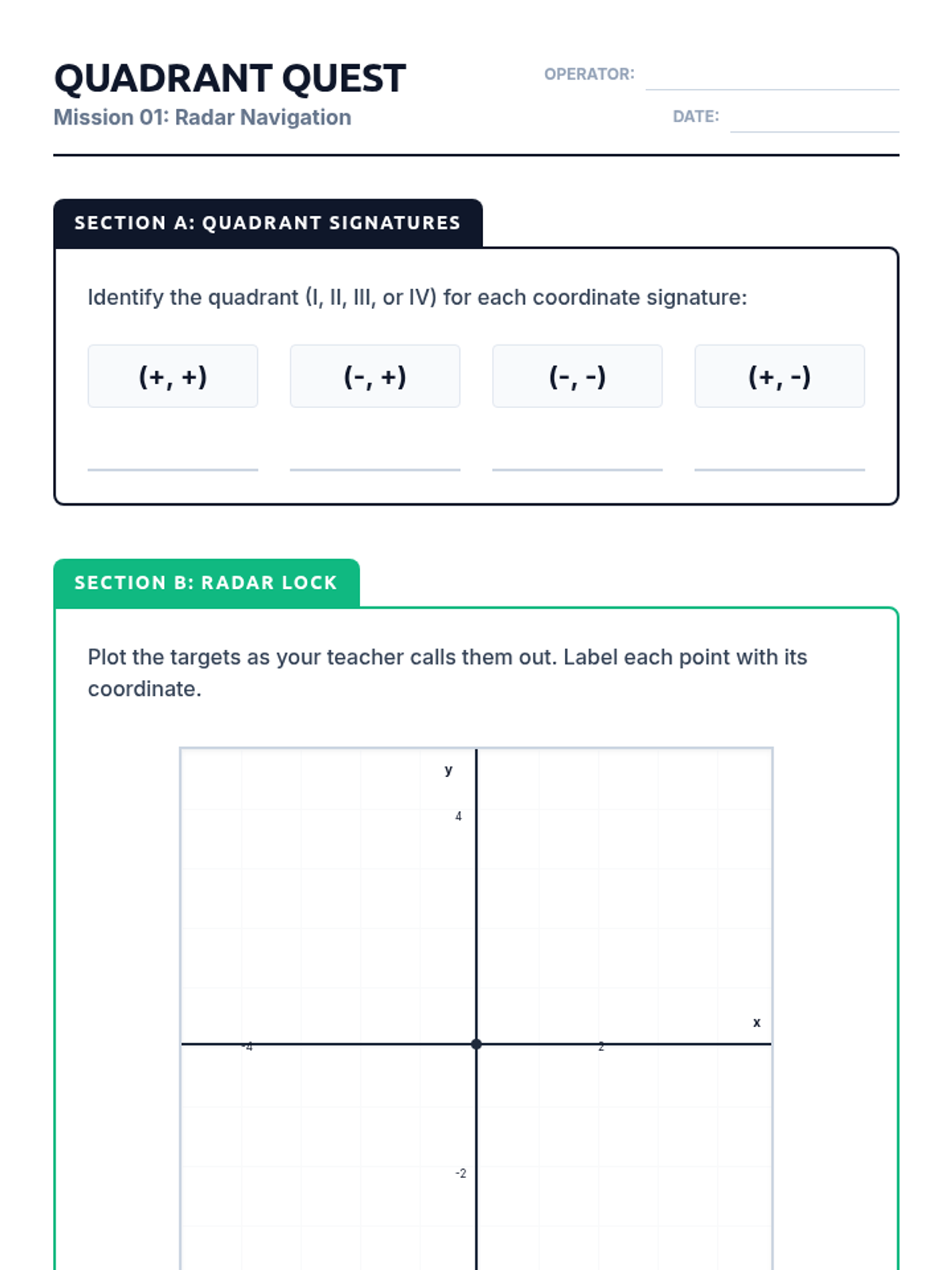
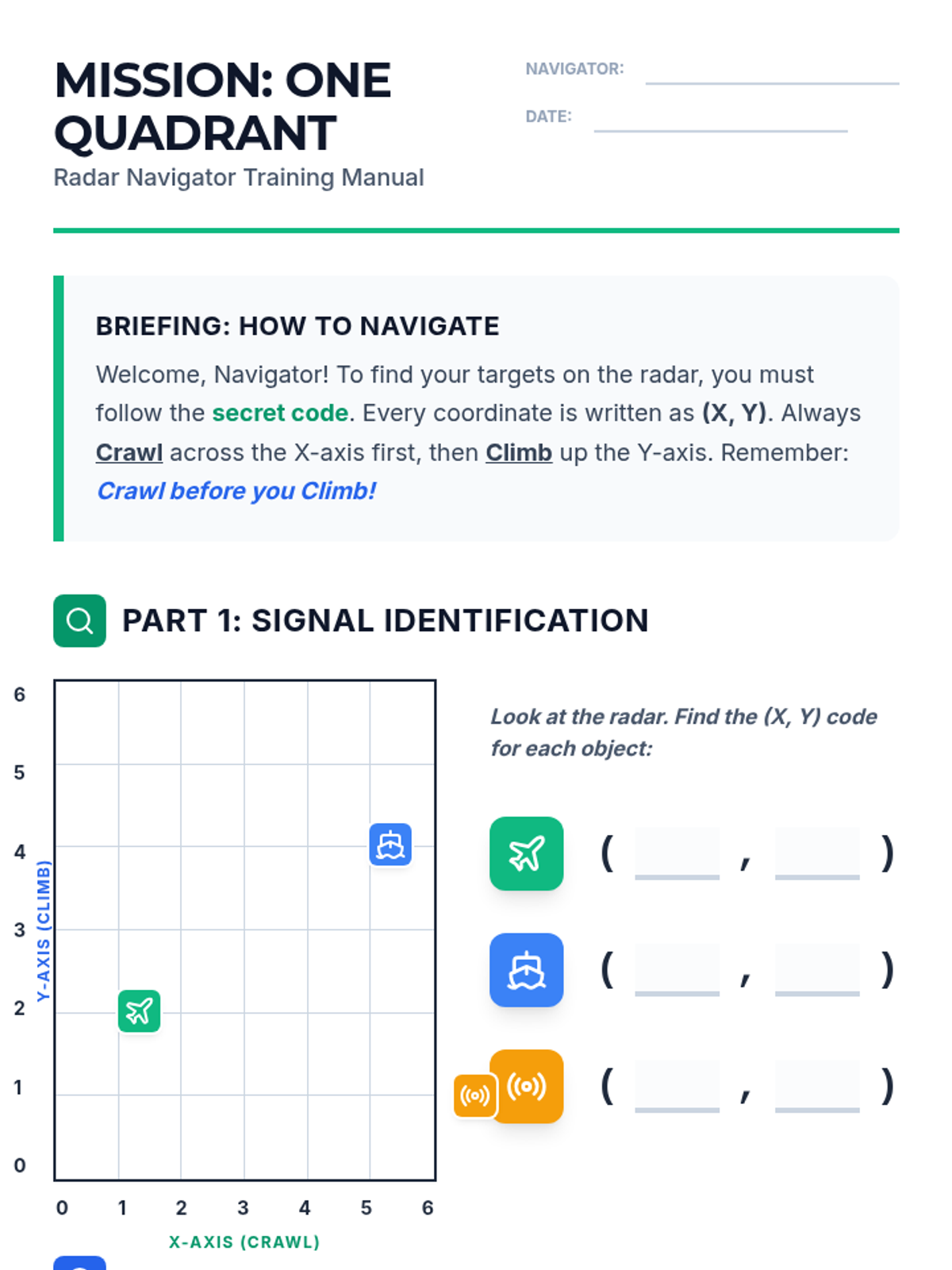
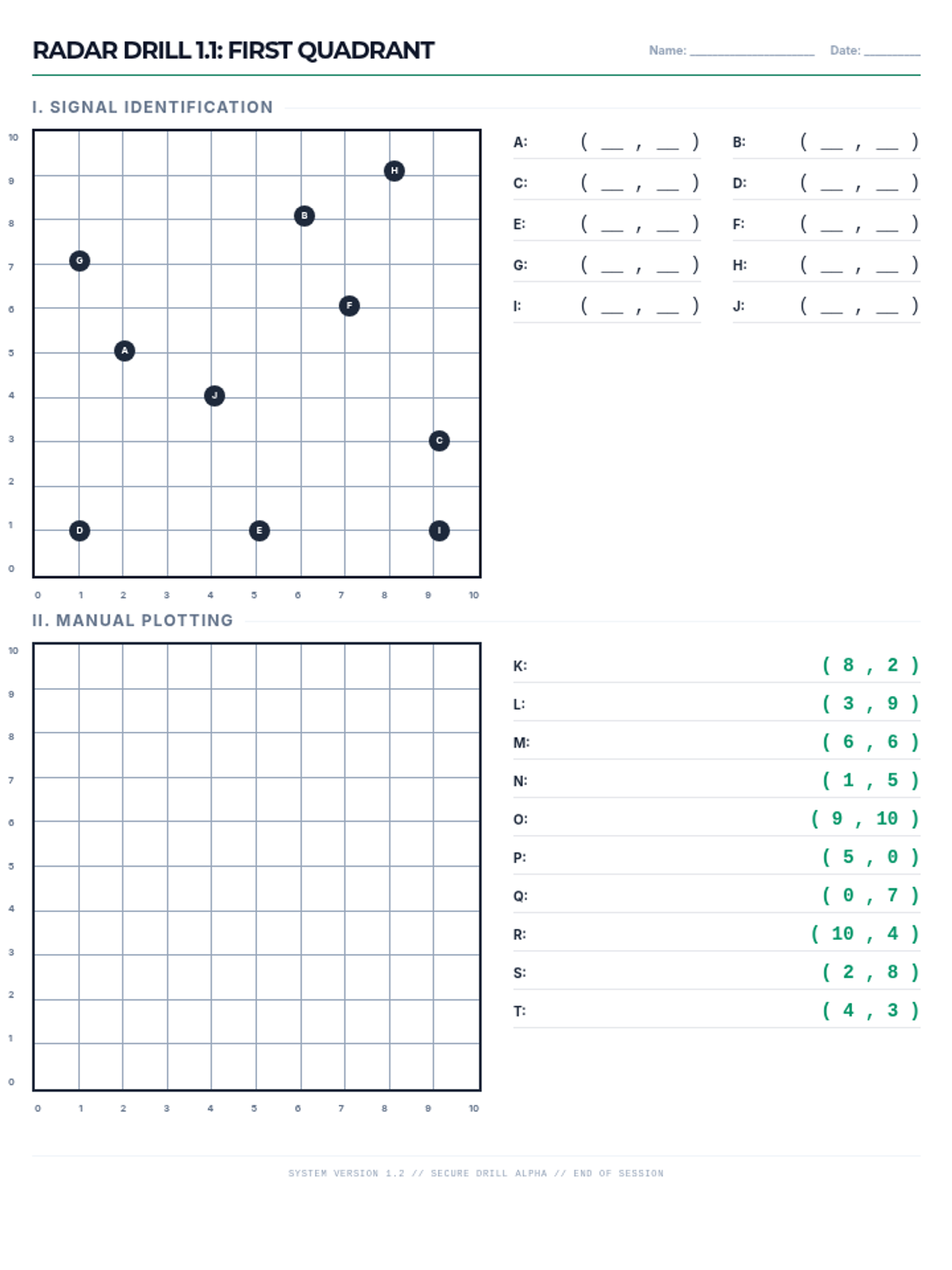
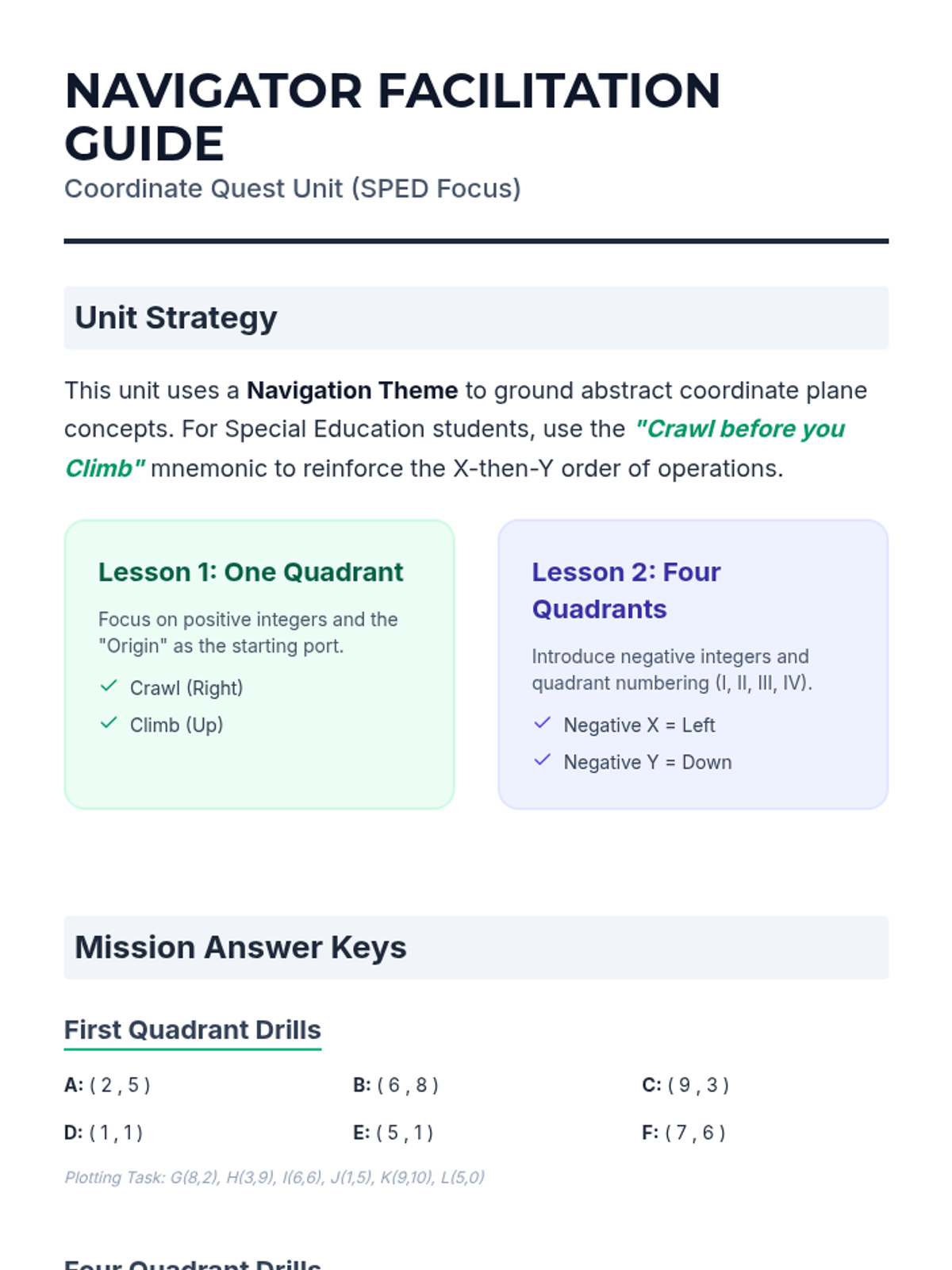
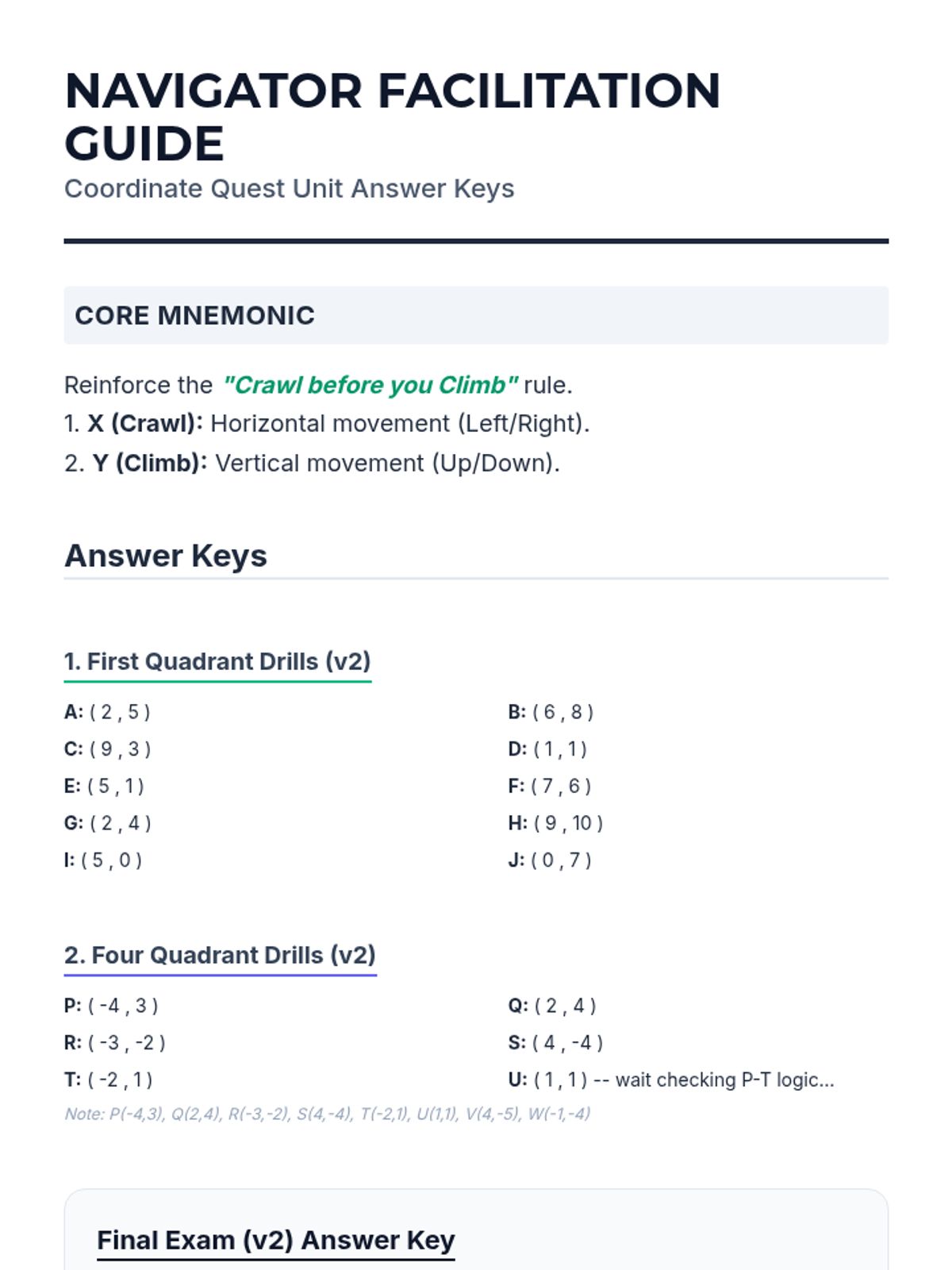
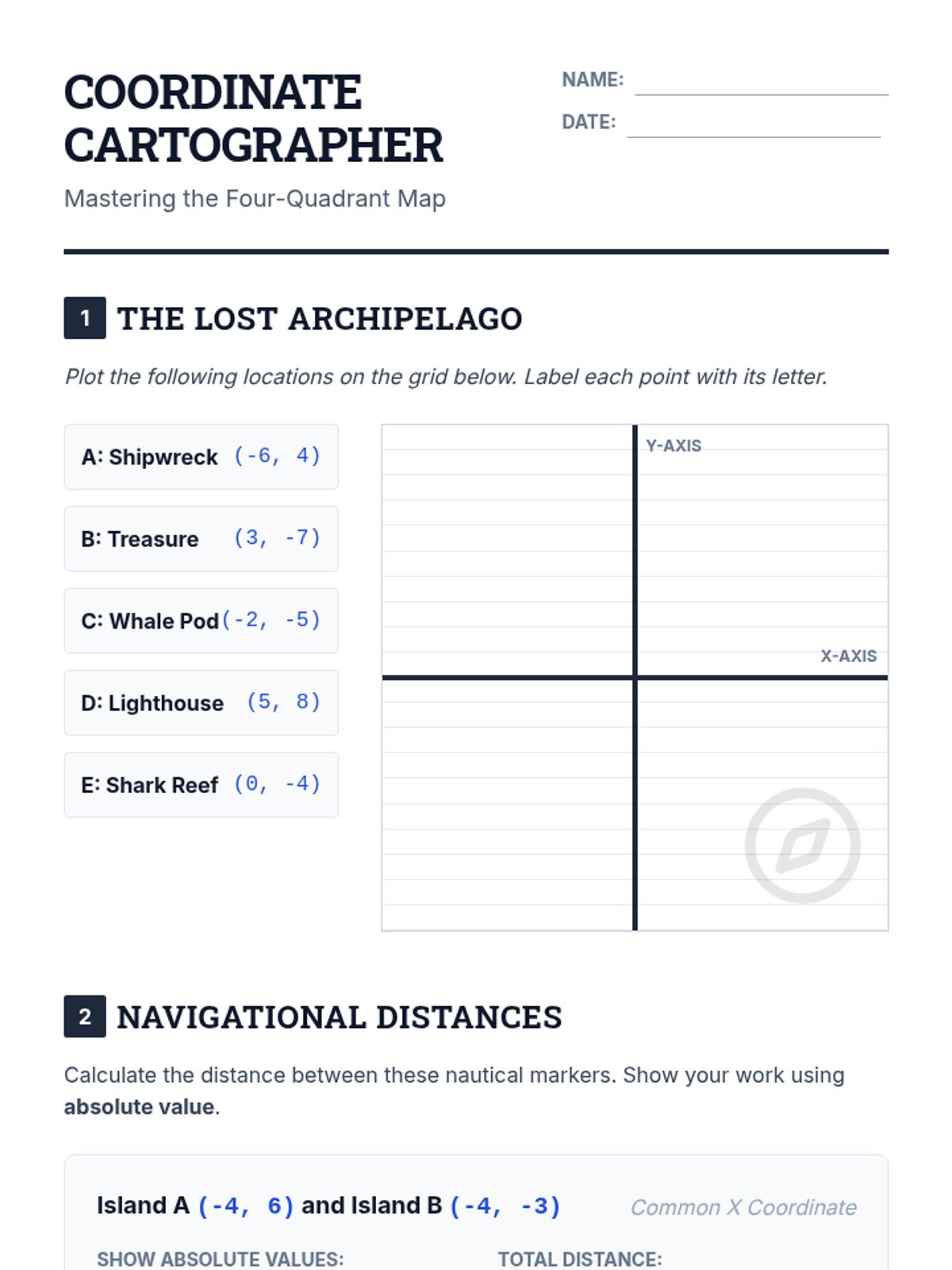
A comprehensive unit on the coordinate plane designed for Special Education students, transitioning from the first quadrant to all four quadrants using visual scaffolding and clear navigation-themed guides.
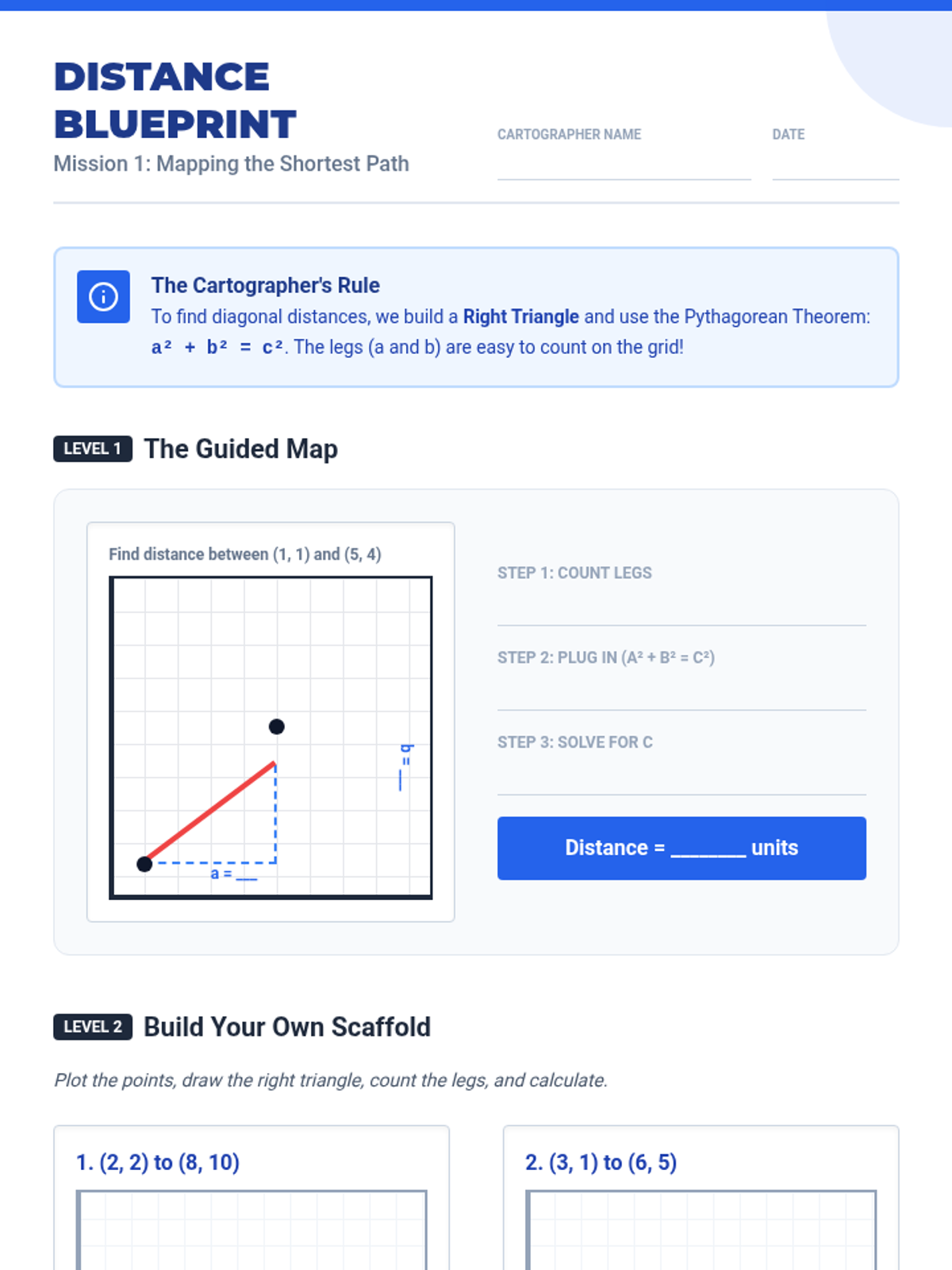
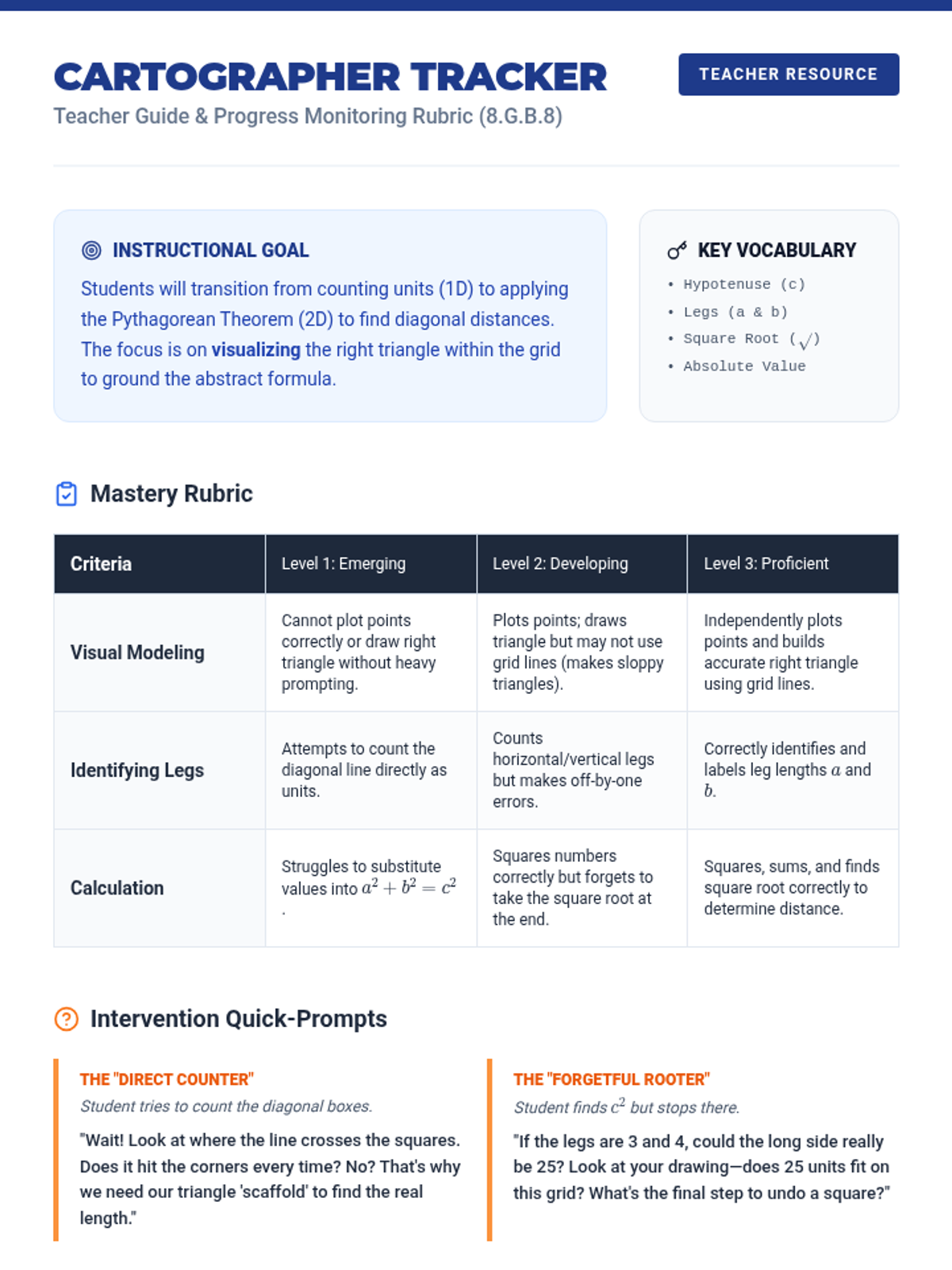
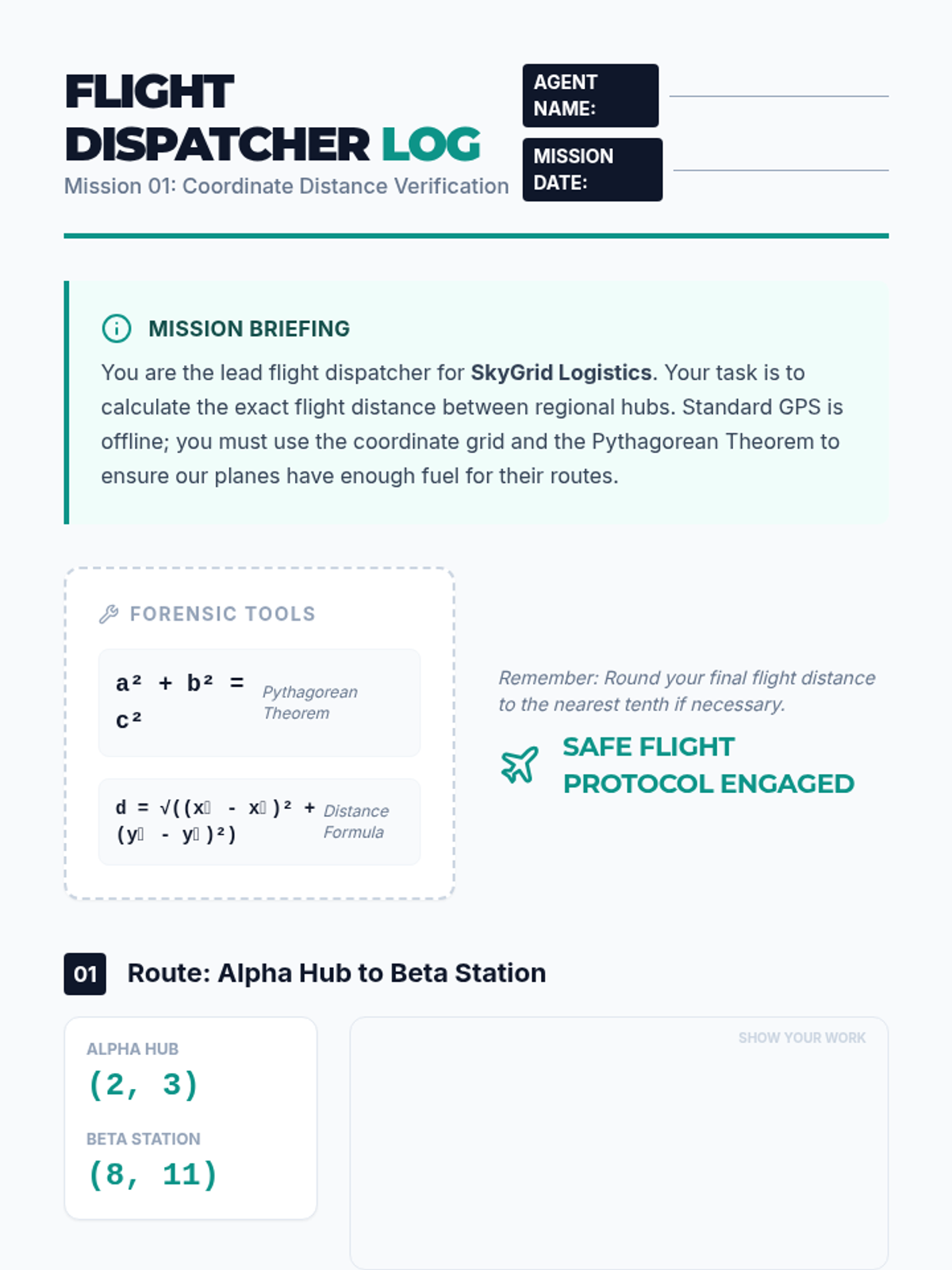
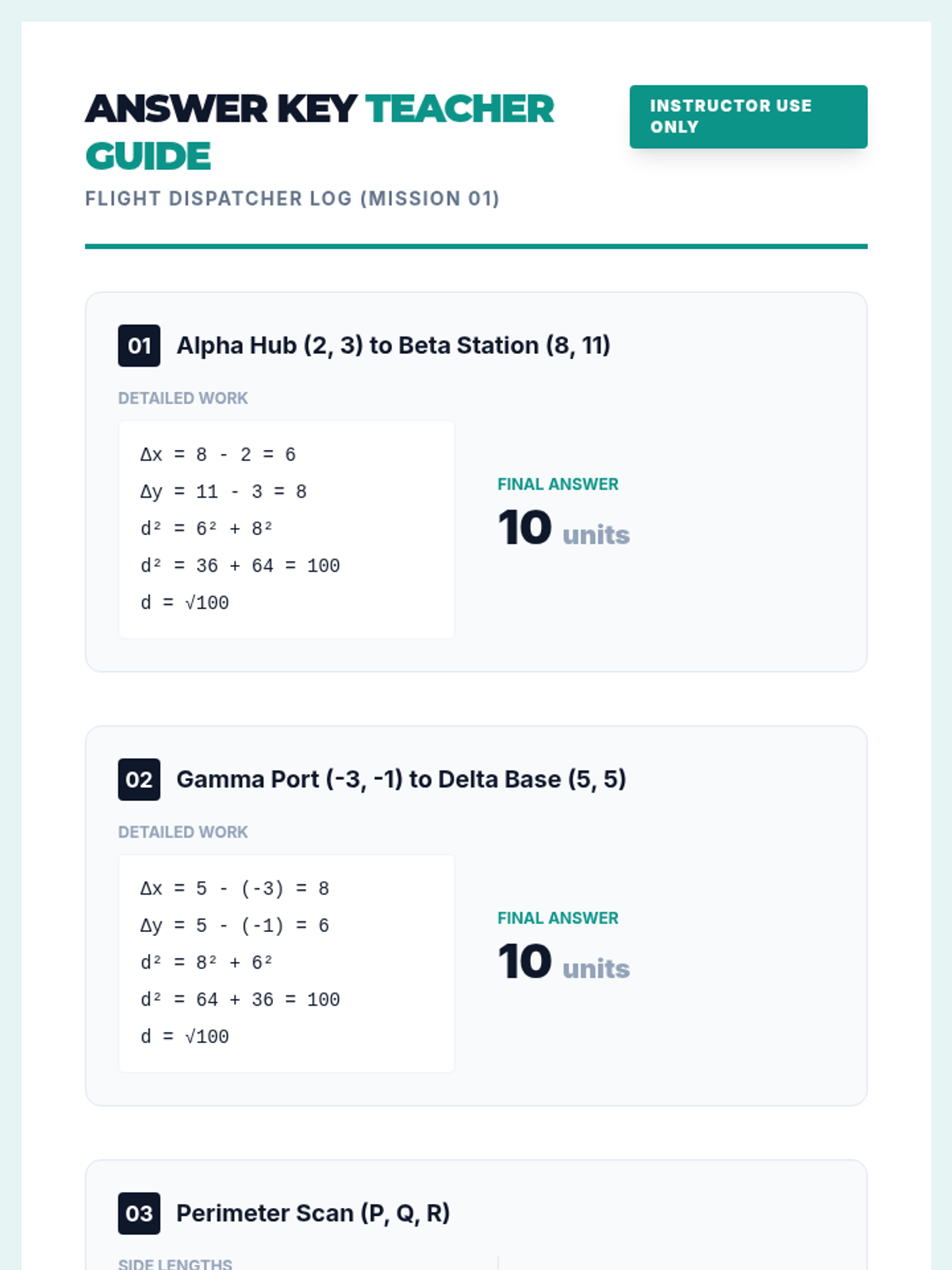
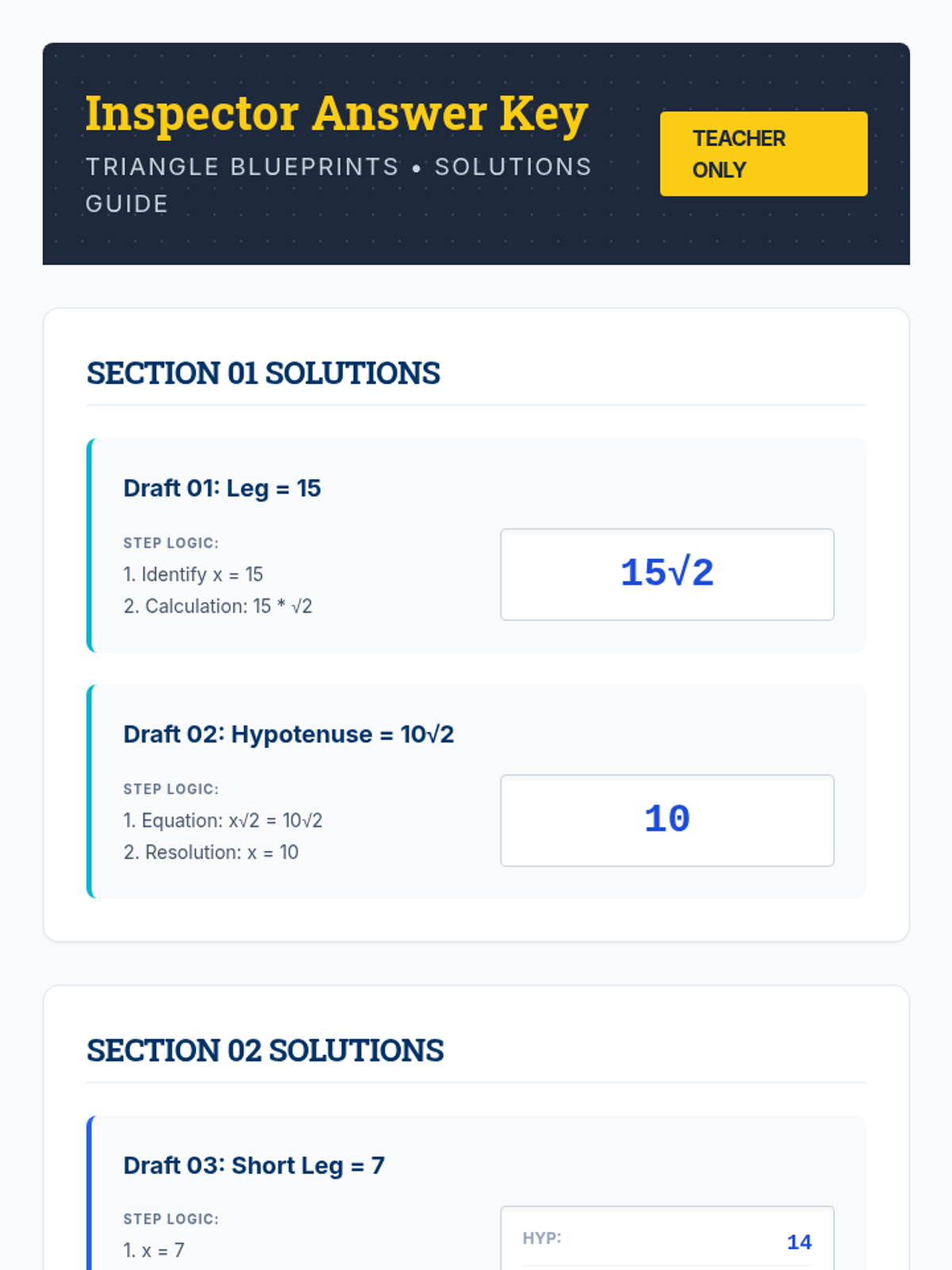
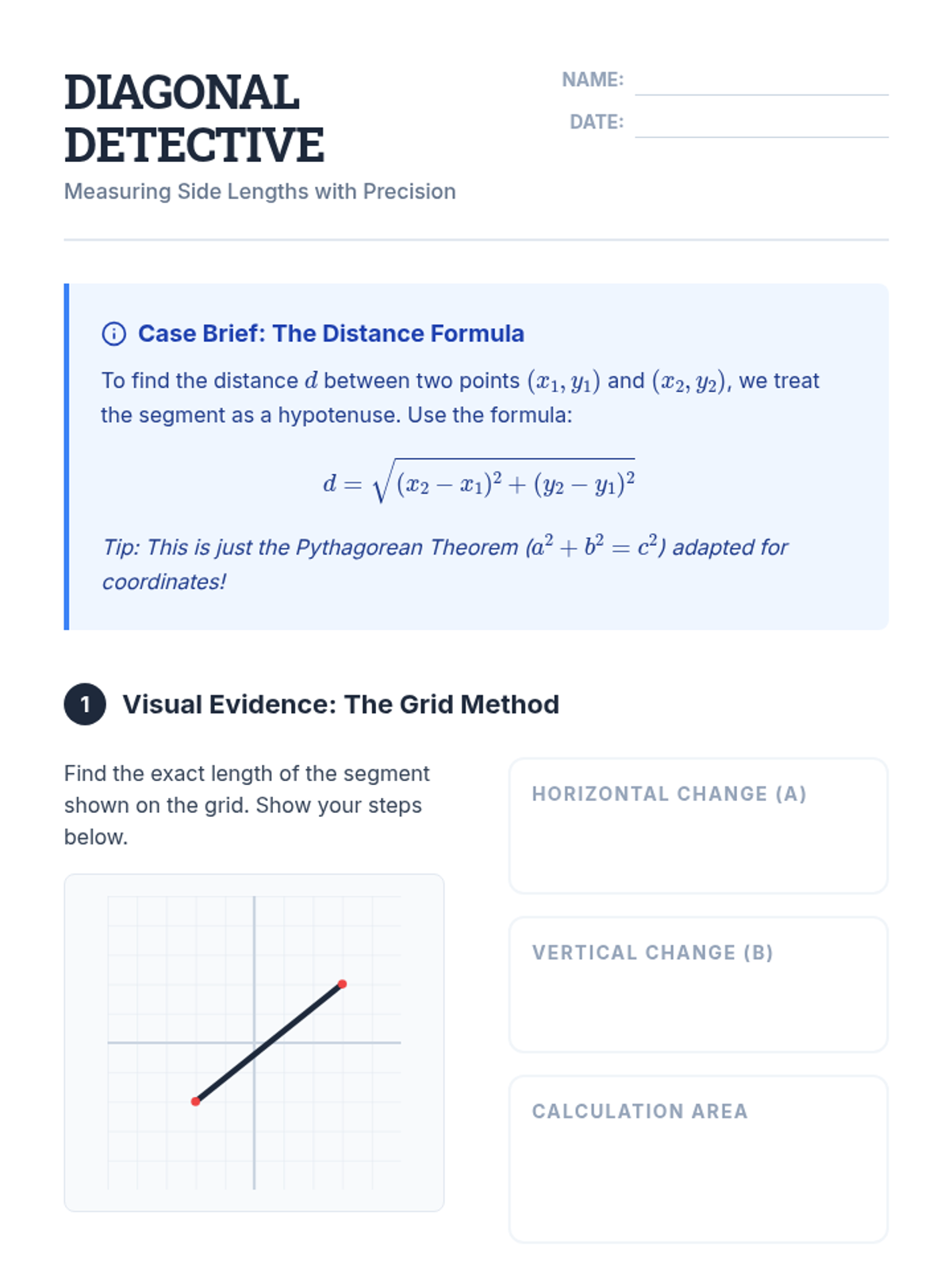
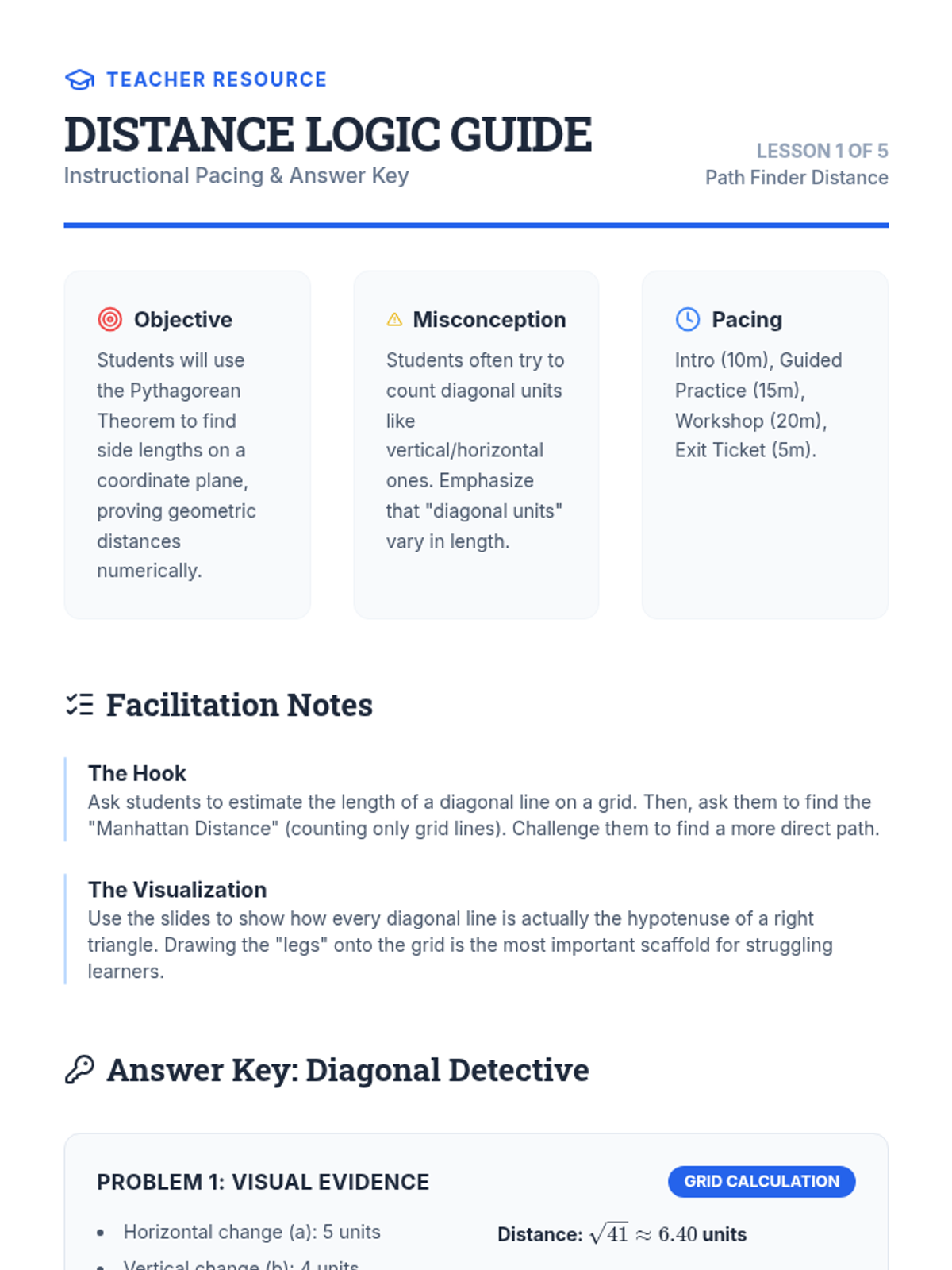
A targeted intervention sequence for 8th-grade students struggling with coordinate distance, focusing on visual scaffolding through right triangle models and the Pythagorean Theorem.
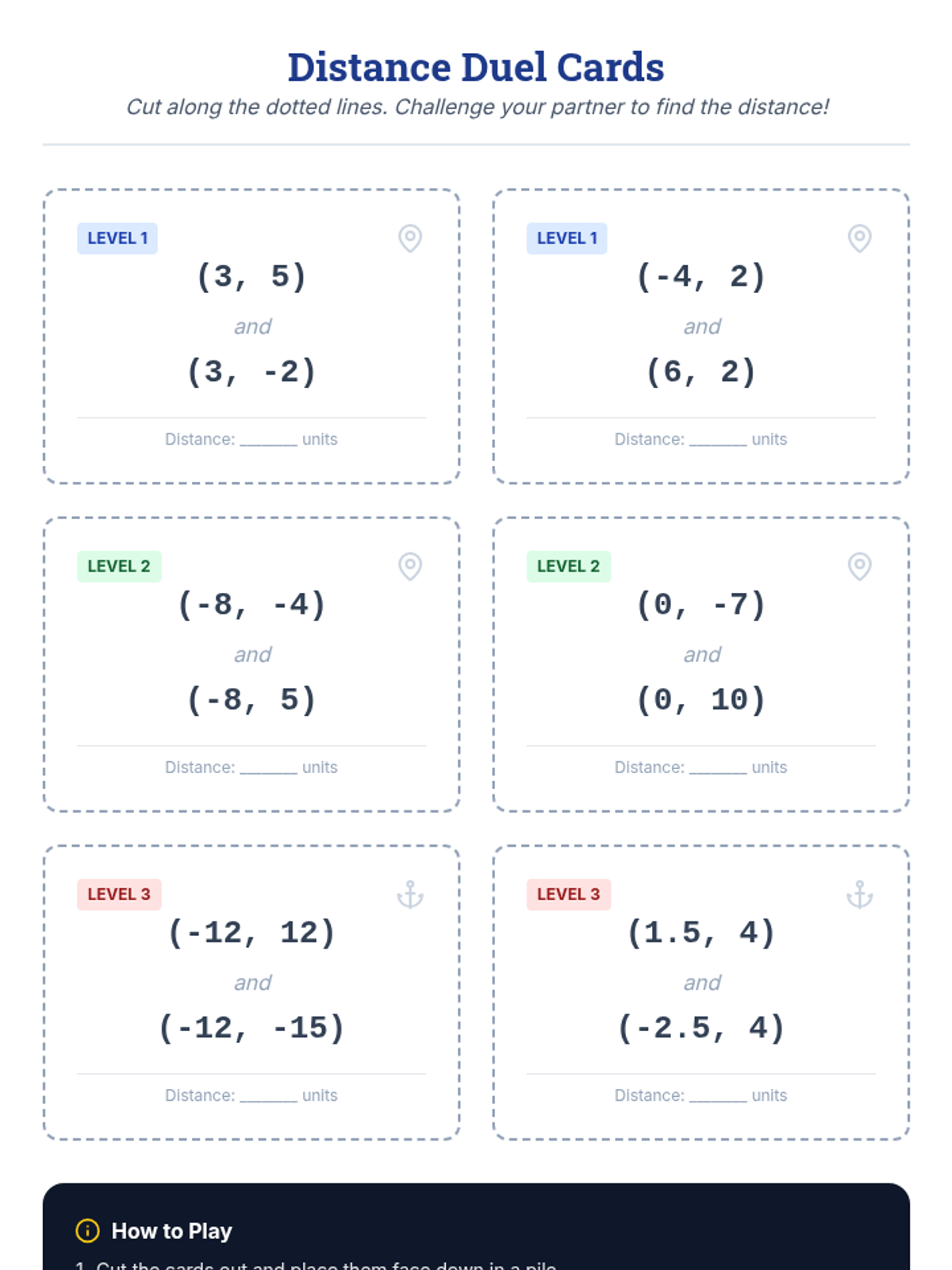
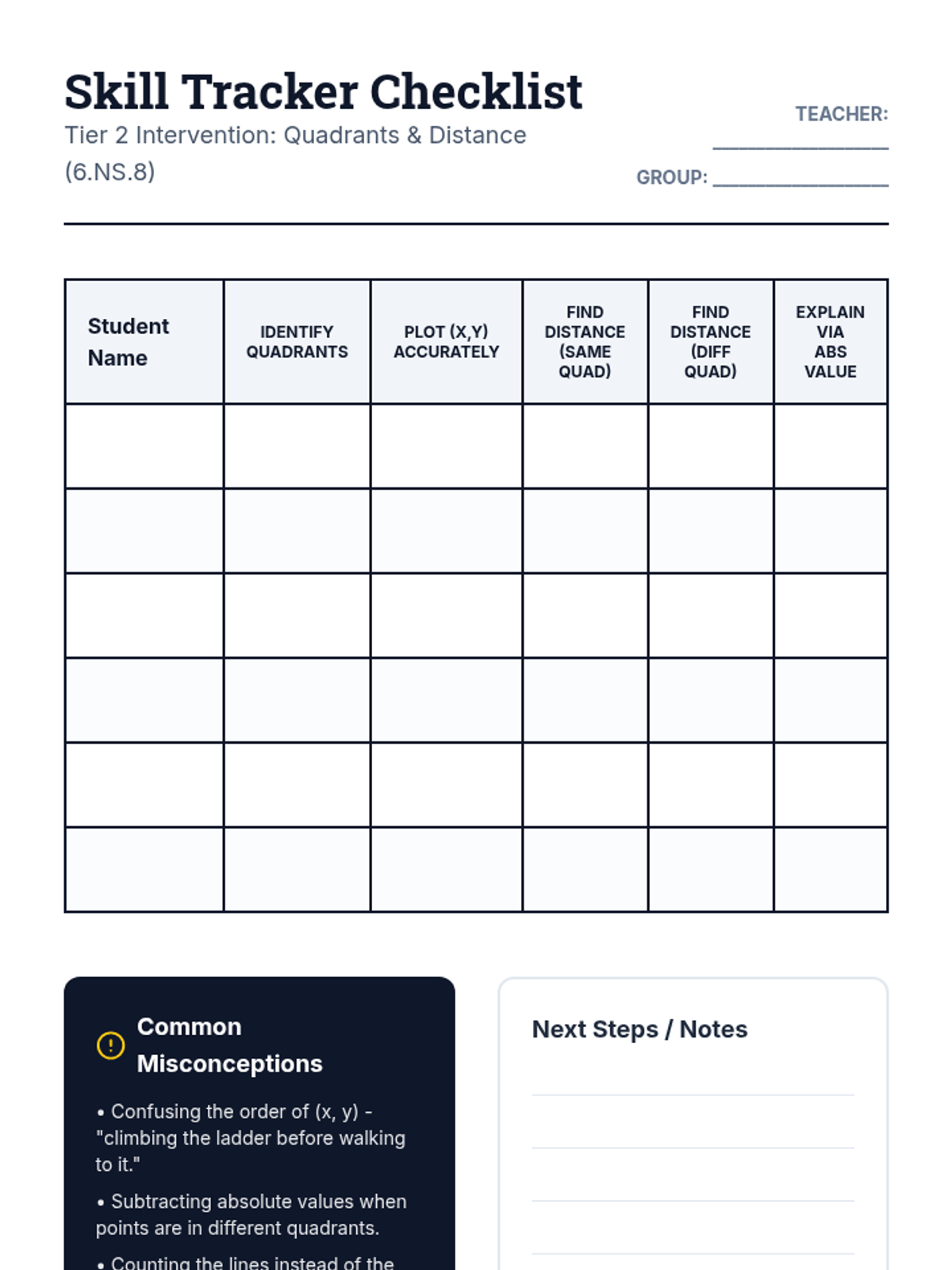
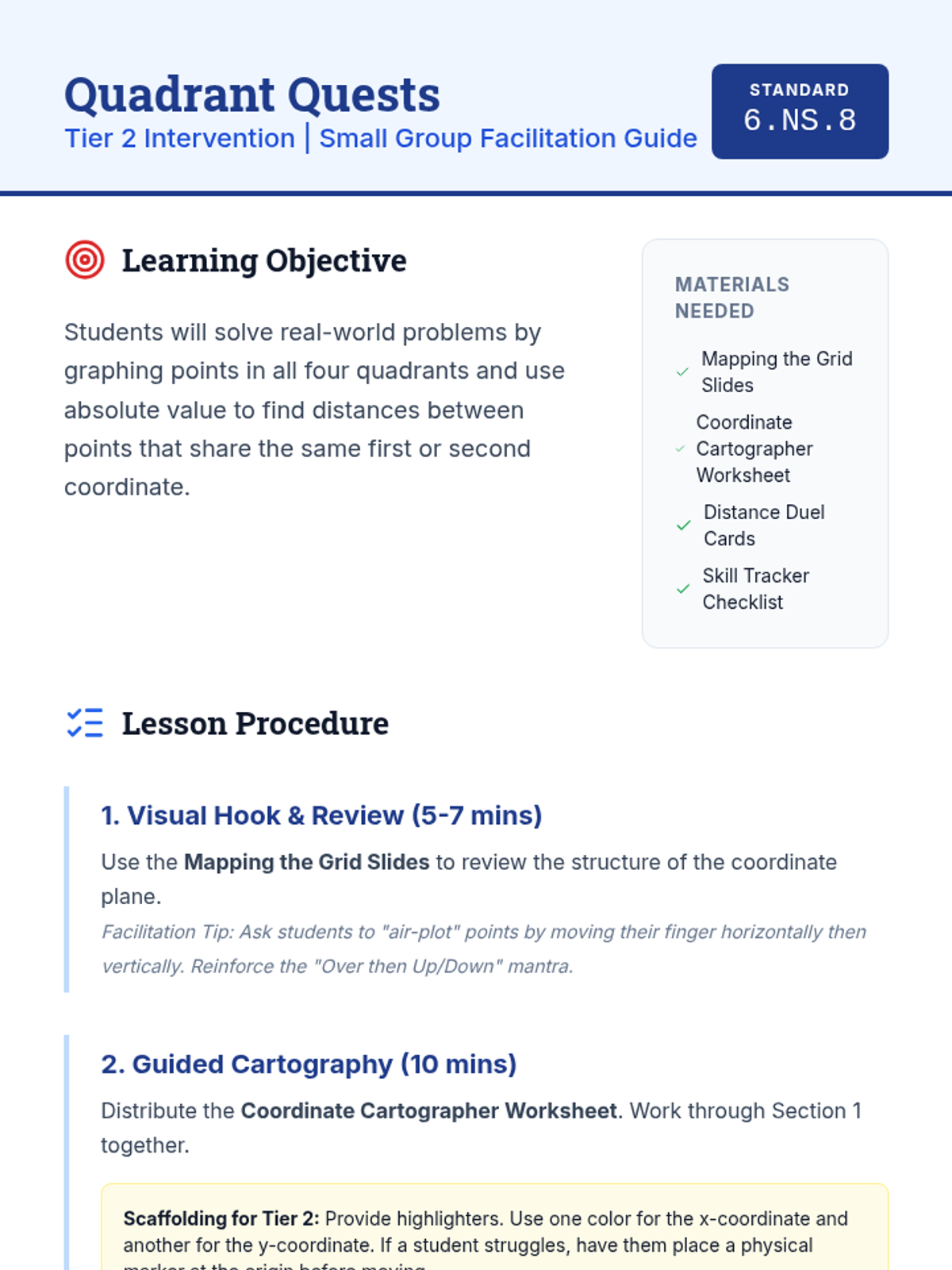
A Tier 2 intervention unit focused on mastering the four-quadrant coordinate plane and calculating distances between points using absolute value, aligned with Colorado standard 6.NS.8.
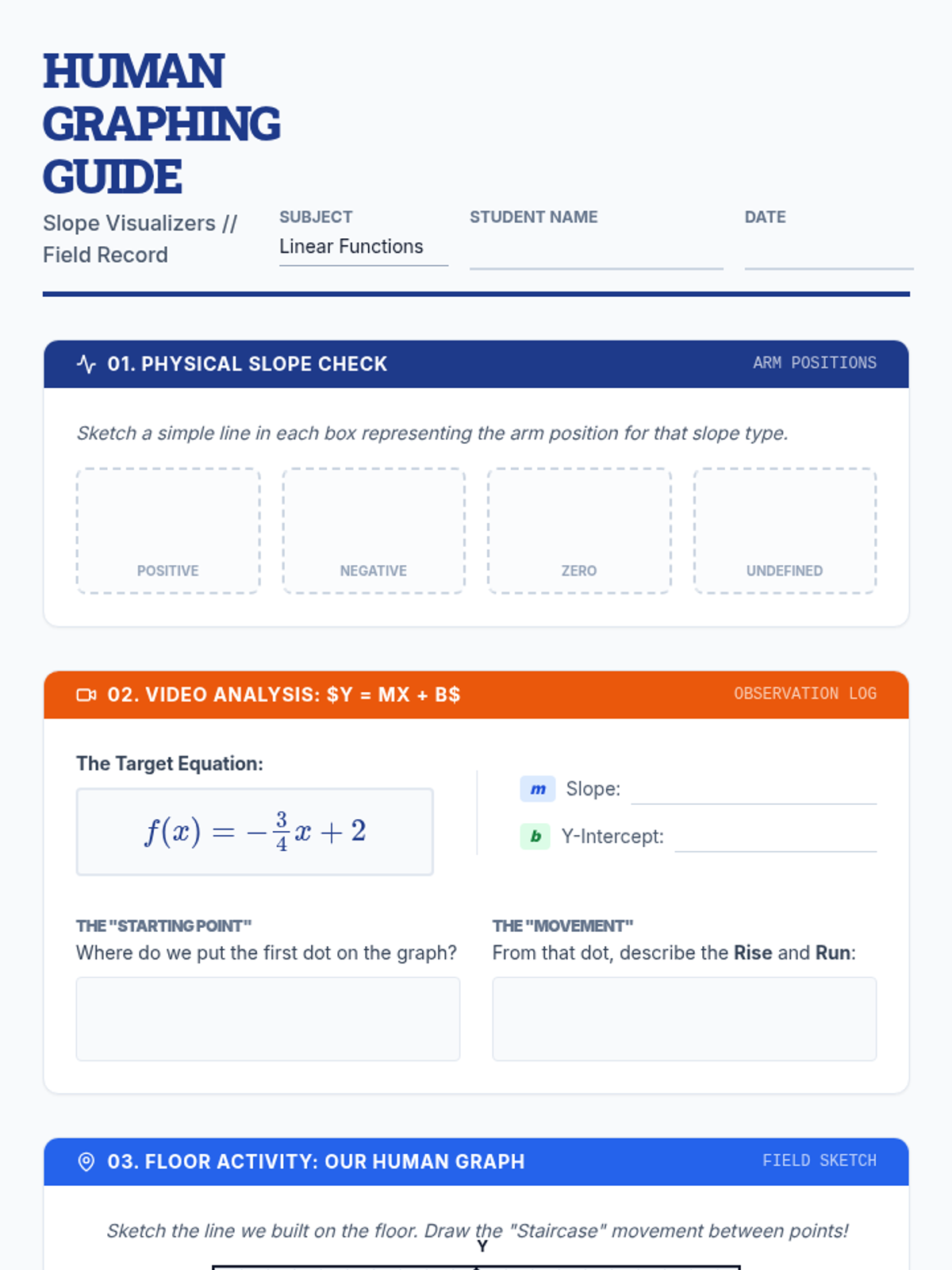
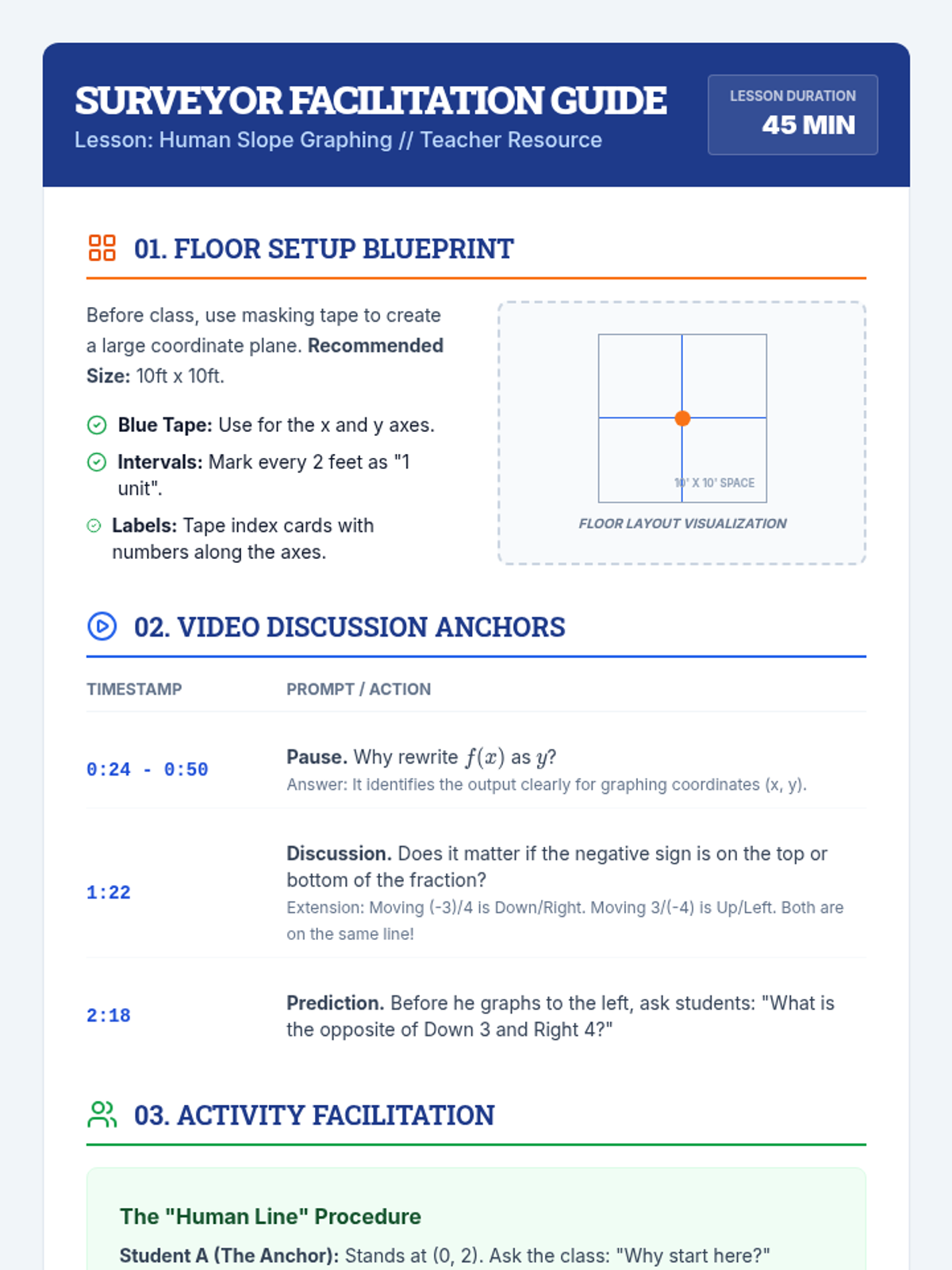
A sequence focused on visualizing linear functions through physical movement and spatial reasoning, designed for middle school students to master slope-intercept form.
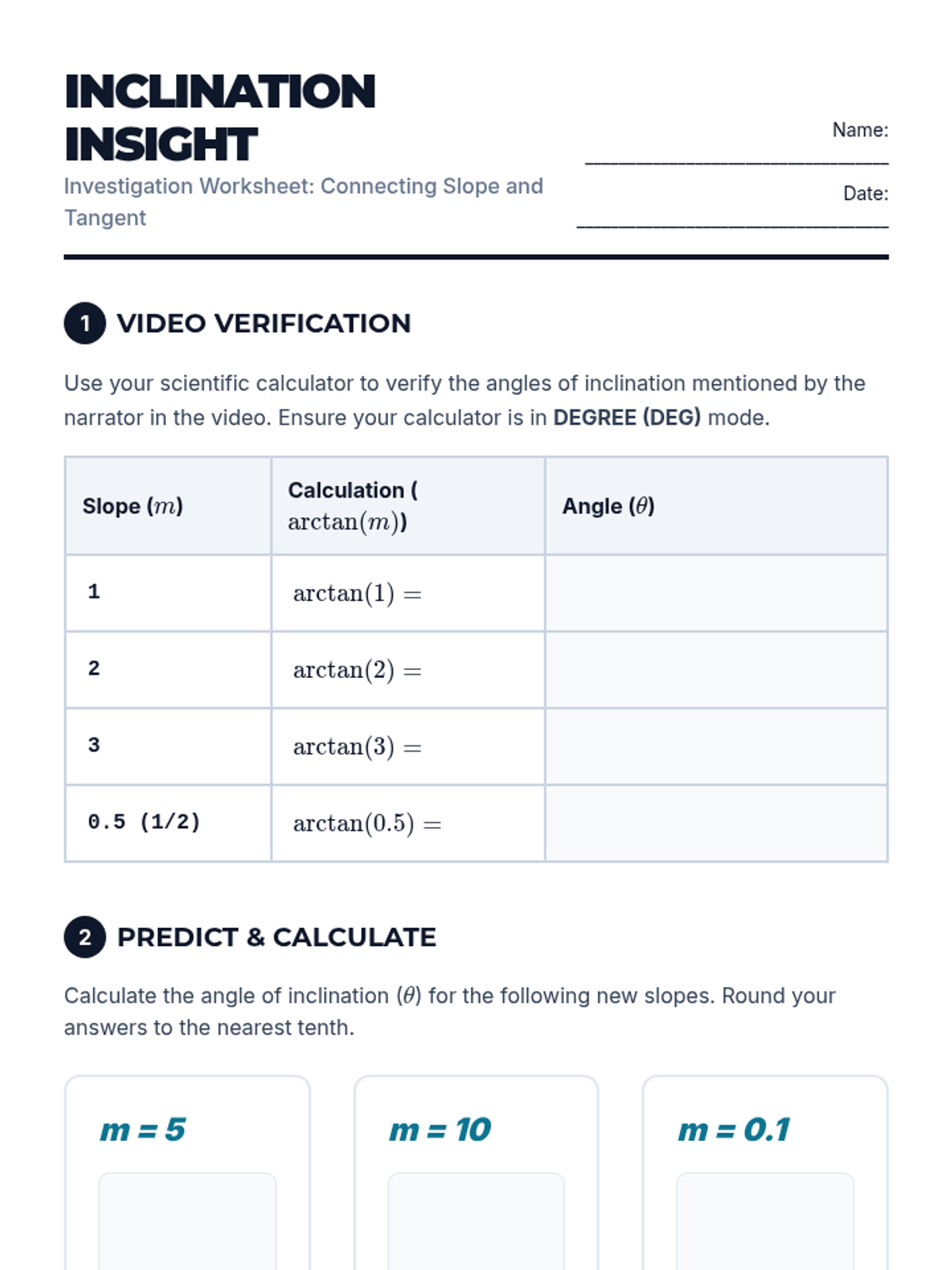
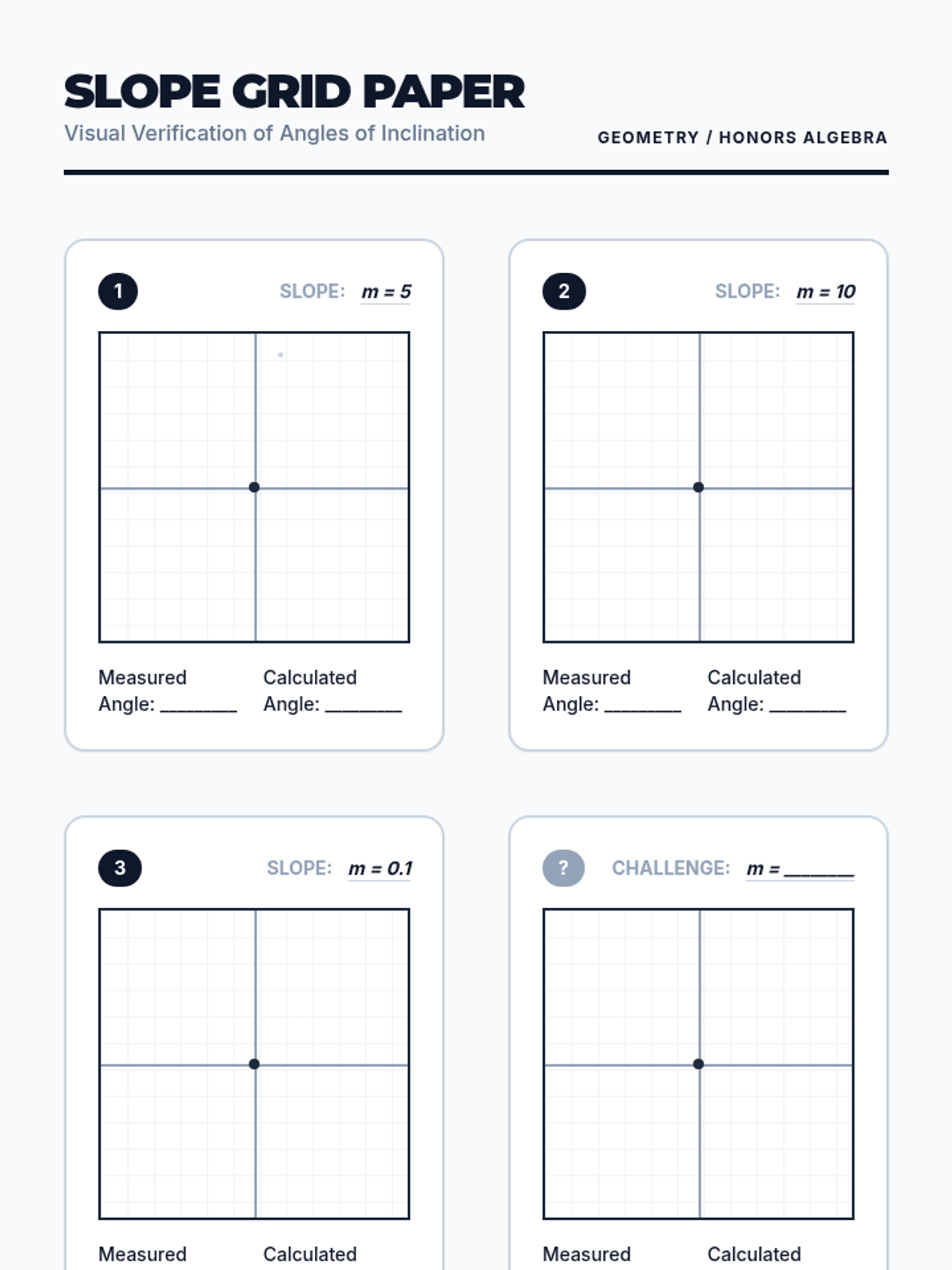
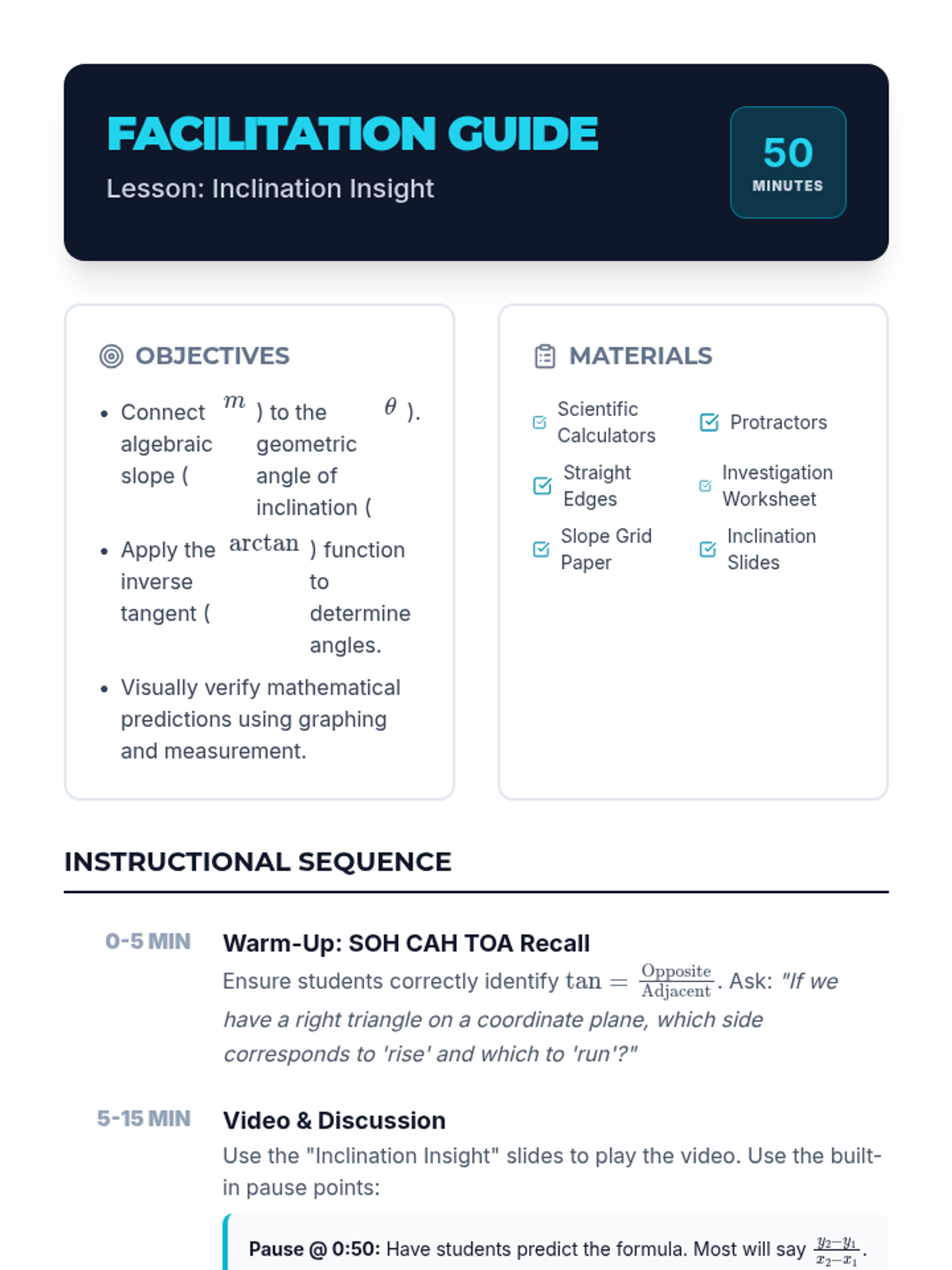
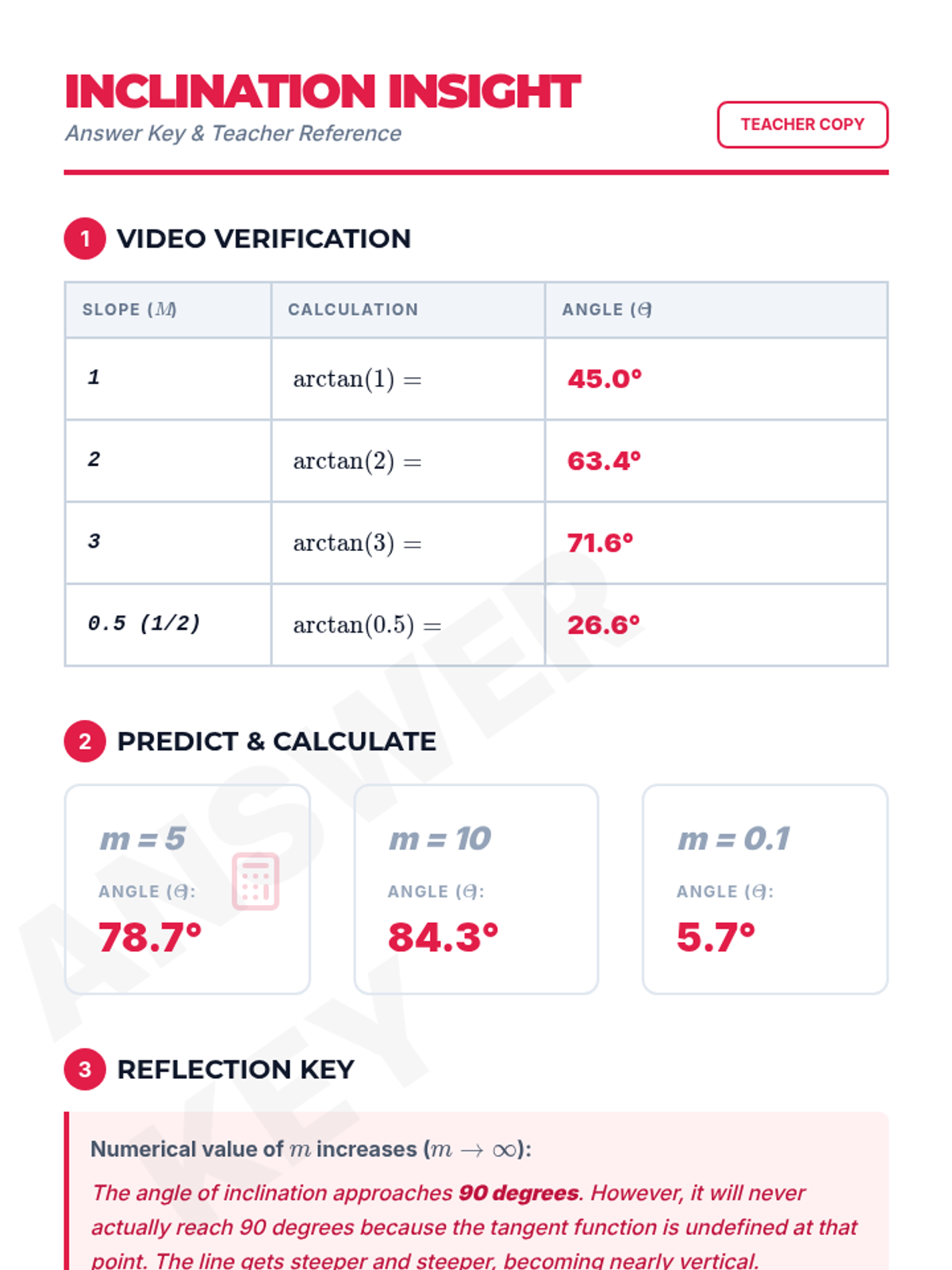
A specialized unit exploring the geometric properties of slope, connecting algebraic rates of change to trigonometric functions and the geometry of inclination.
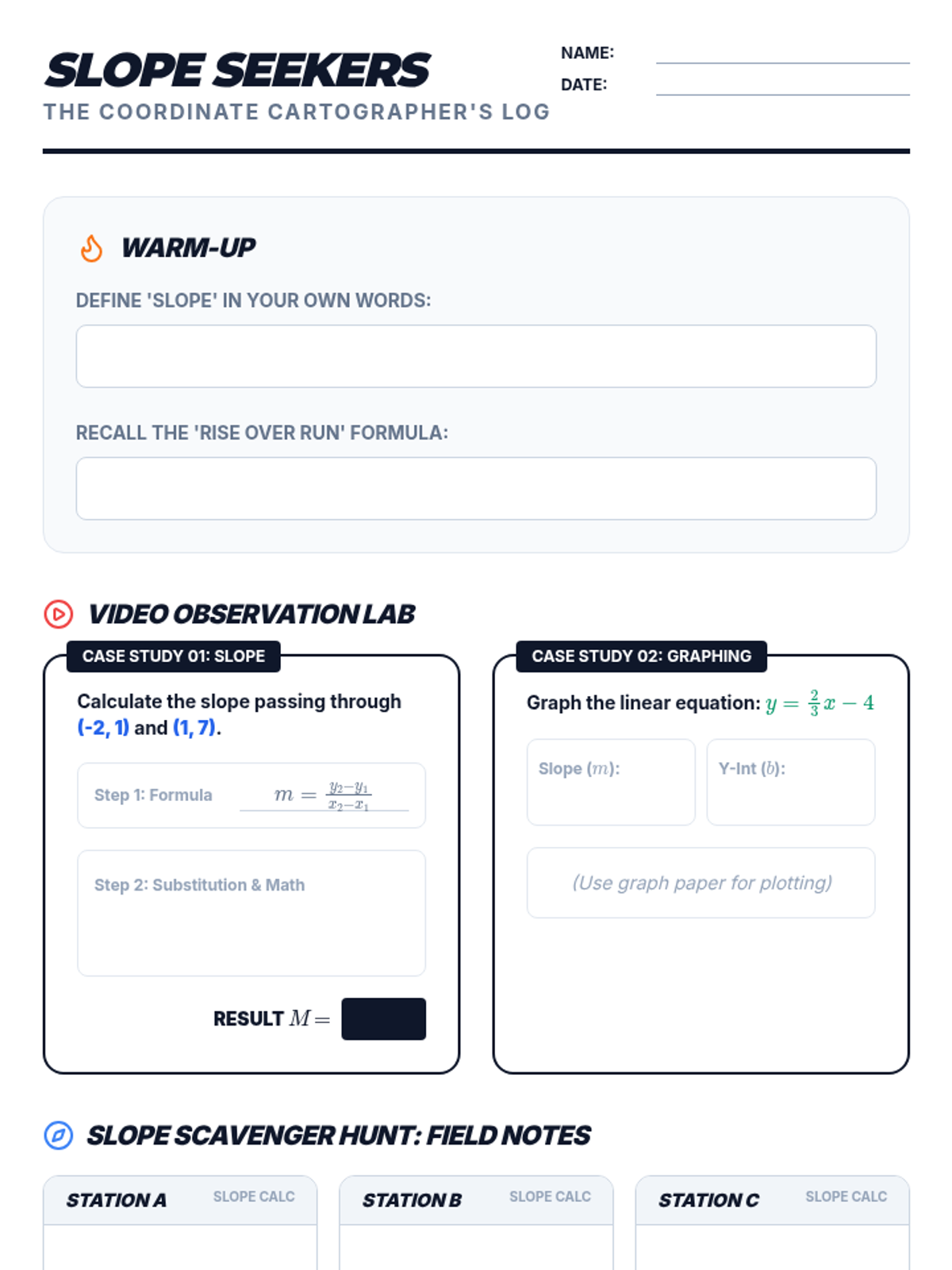
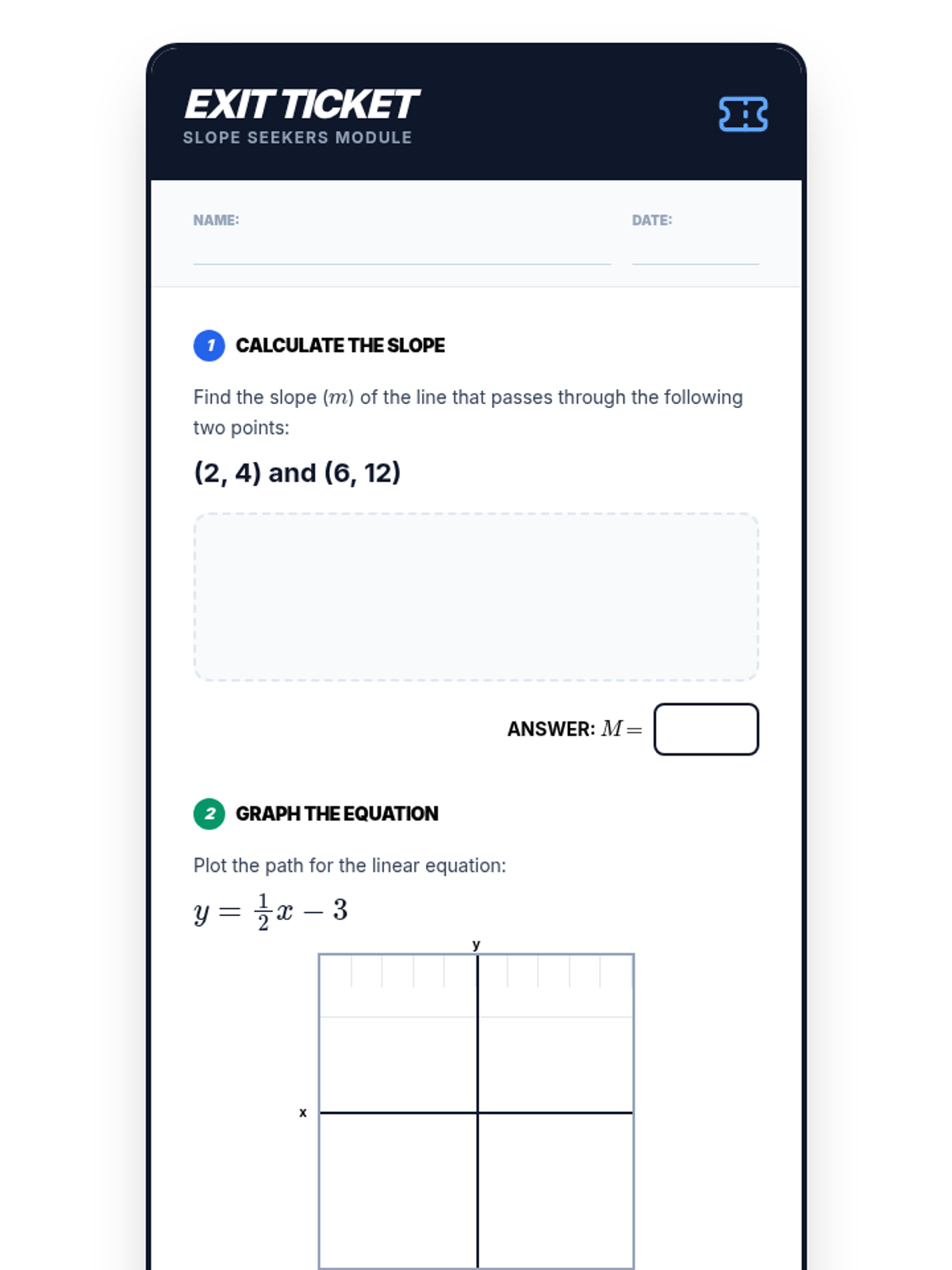
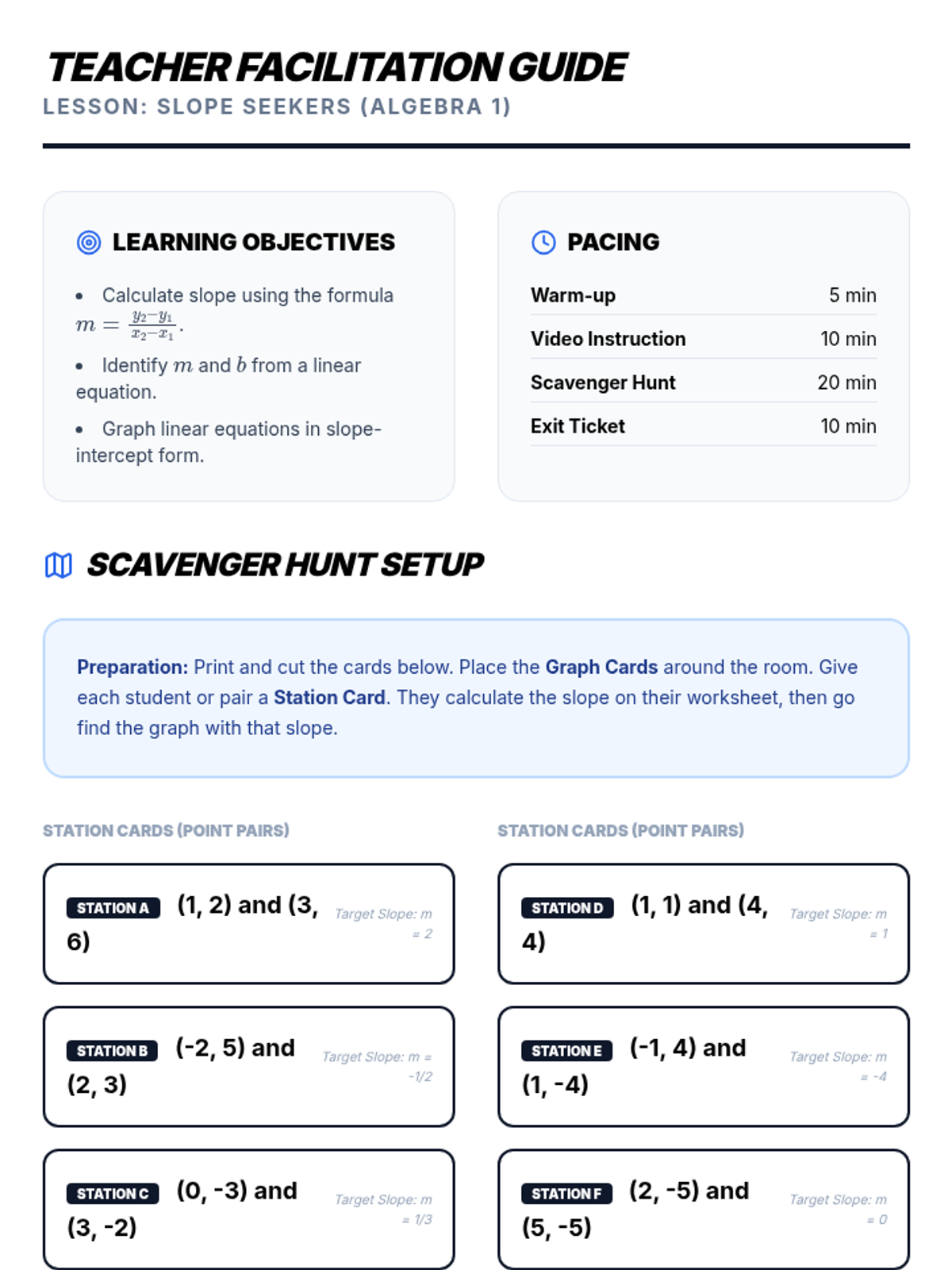
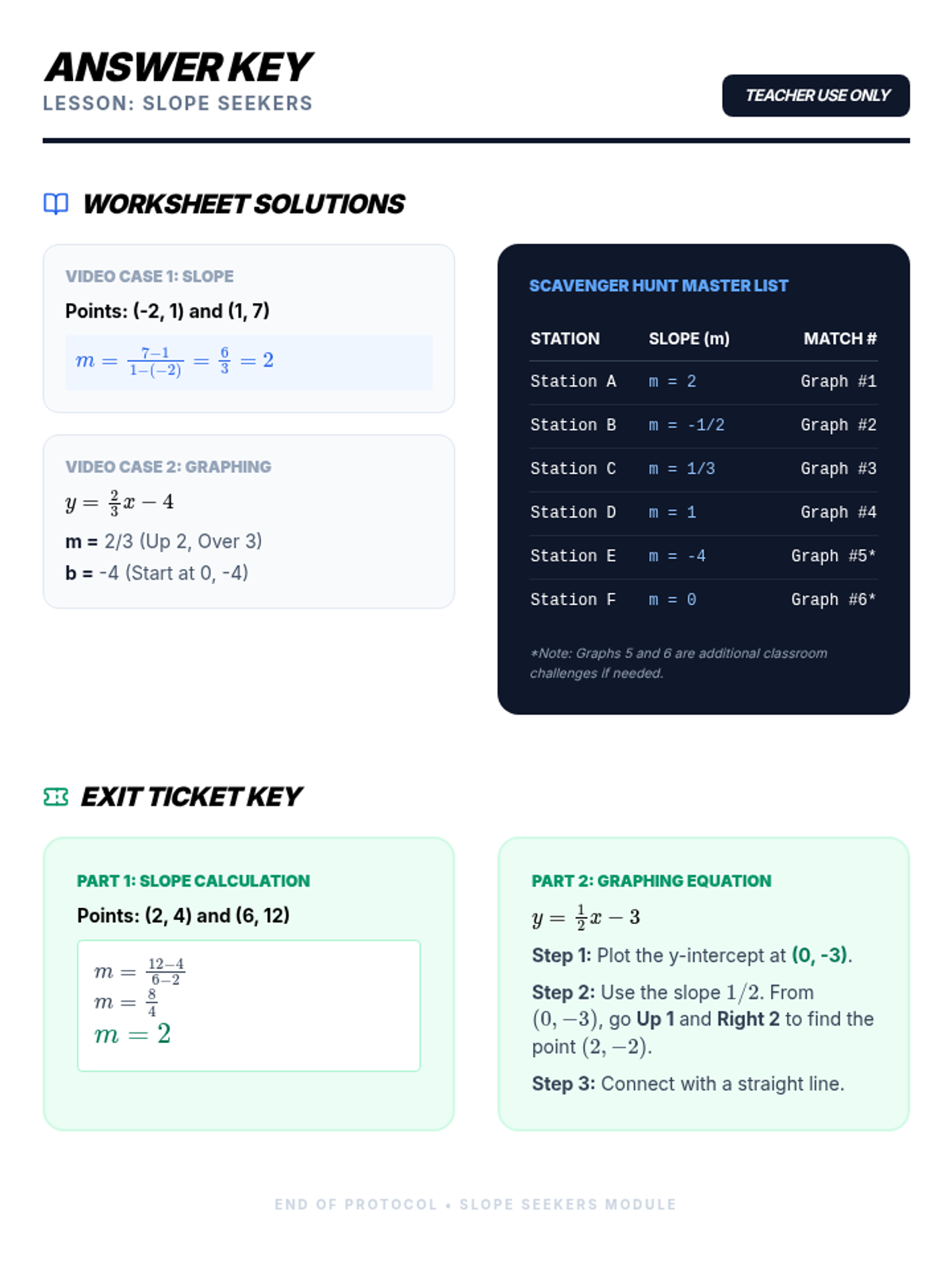
A foundational algebra sequence focused on linear relationships, starting with the calculation of slope and graphing equations in slope-intercept form. Students progress from conceptual understanding to procedural fluency using visual and kinesthetic activities.
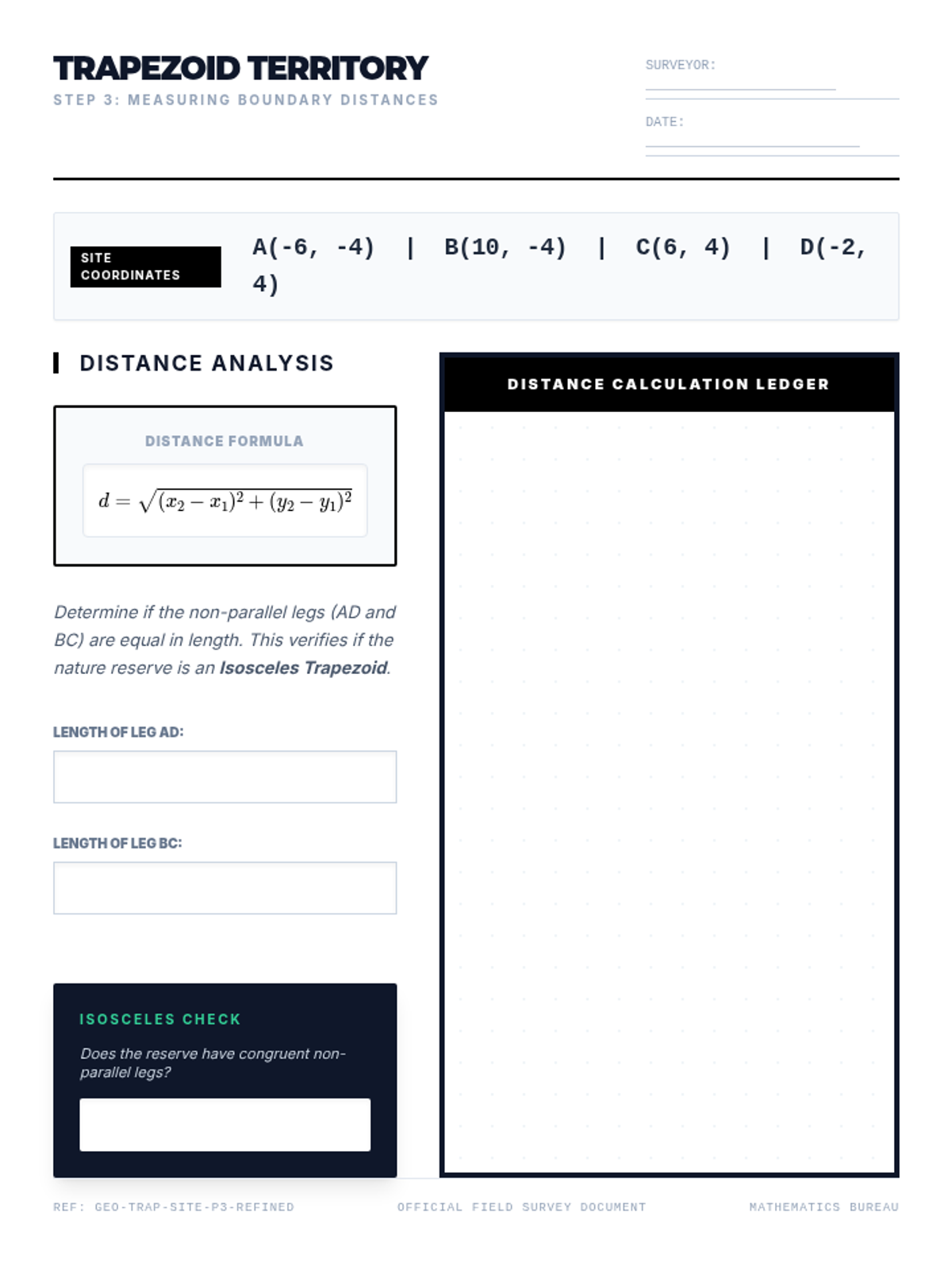
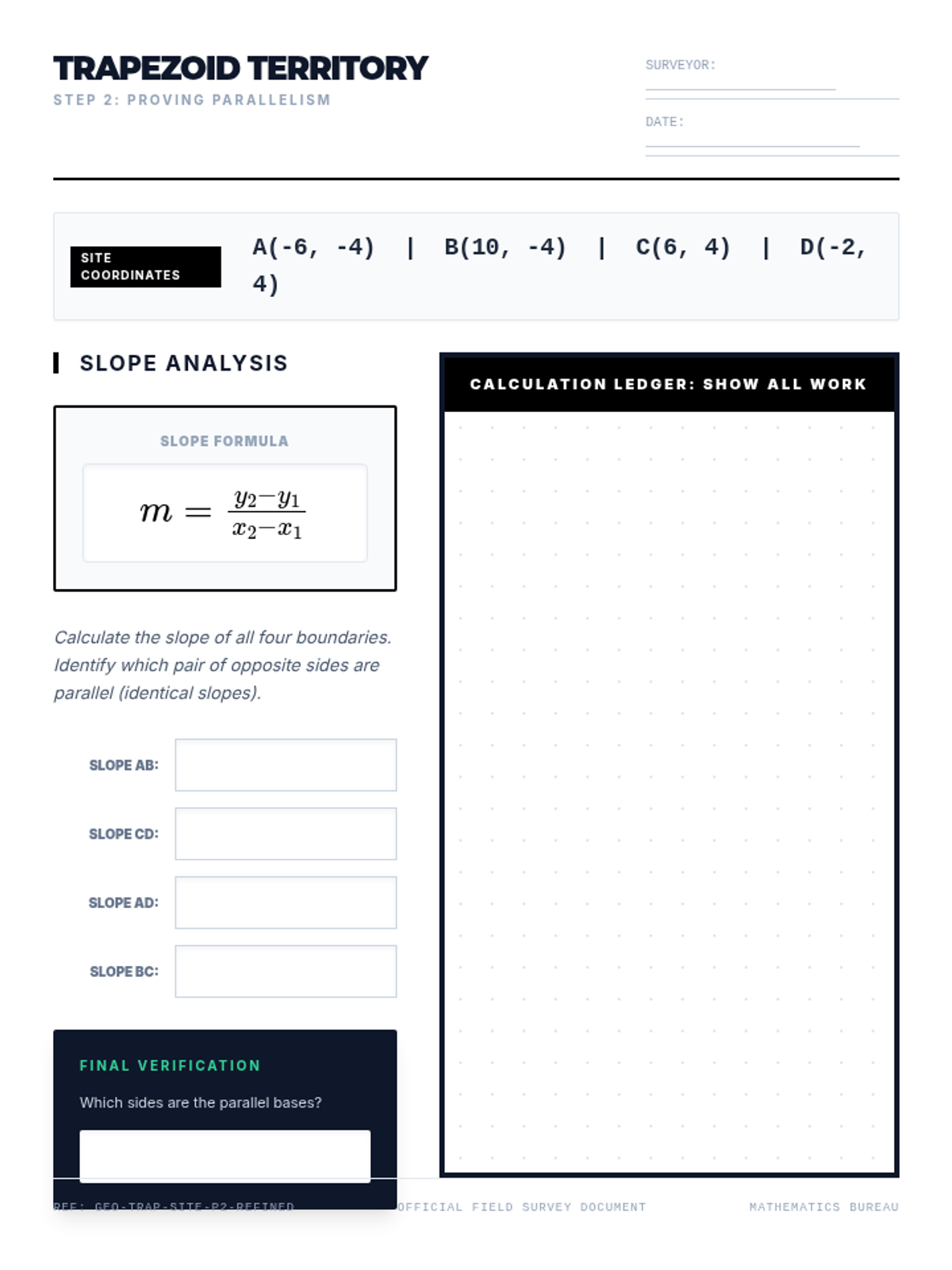
This sequence applies coordinate geometry to the classification of polygons, moving students from visual estimation to mathematical proof using distance and slope formulas. Students act as geometric investigators, verifying the properties of triangles and quadrilaterals through rigorous calculation.
A game-based unit exploring the composition and sequencing of rigid motions. Students investigate whether the order of transformations matters and learn to describe complex mappings using precise mathematical language.
This sequence investigates the mathematical properties of polygons and their structural applications in engineering and architecture. Students explore interior and exterior angles, the unique attributes of regular polygons, and the fundamental reasons why triangles provide structural rigidity where other polygons fail.
An inquiry-driven 8th-grade geometry sequence where students discover the logical foundations of angle relationships through data collection, deductive puzzles, and argumentative proof-building.
This 8th-grade sequence bridges the gap between geometry and algebra by using angle relationships to build and solve linear equations. Students progress from basic measurement to solving complex multi-step geometric puzzles involving unknown variables.
A high school geometry sequence that bridges the gap between concrete angle measurement and abstract algebraic reasoning. Students move from measuring physical angles to modeling relationships with equations and justifying their logic through formal geometric theorems.
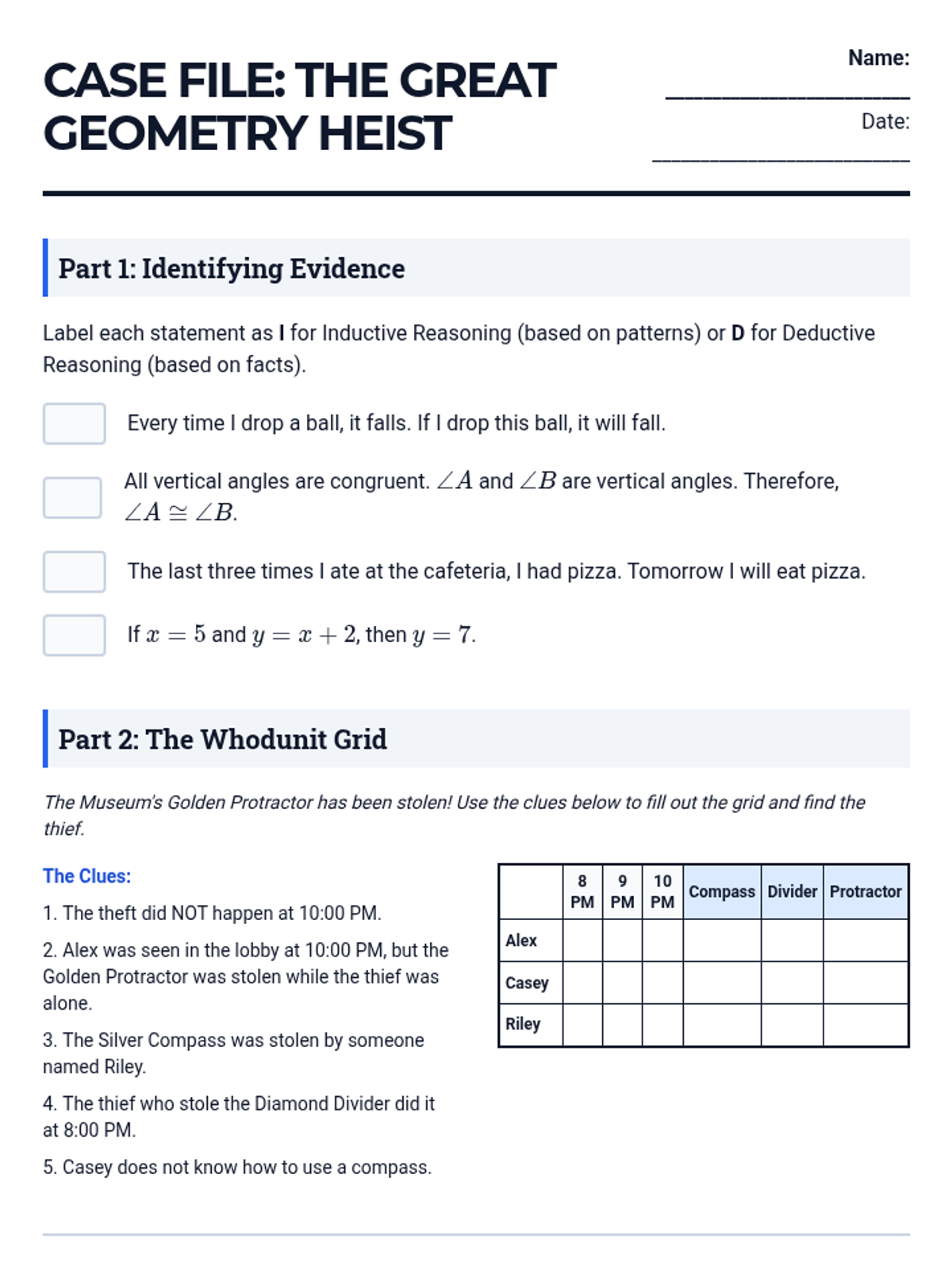
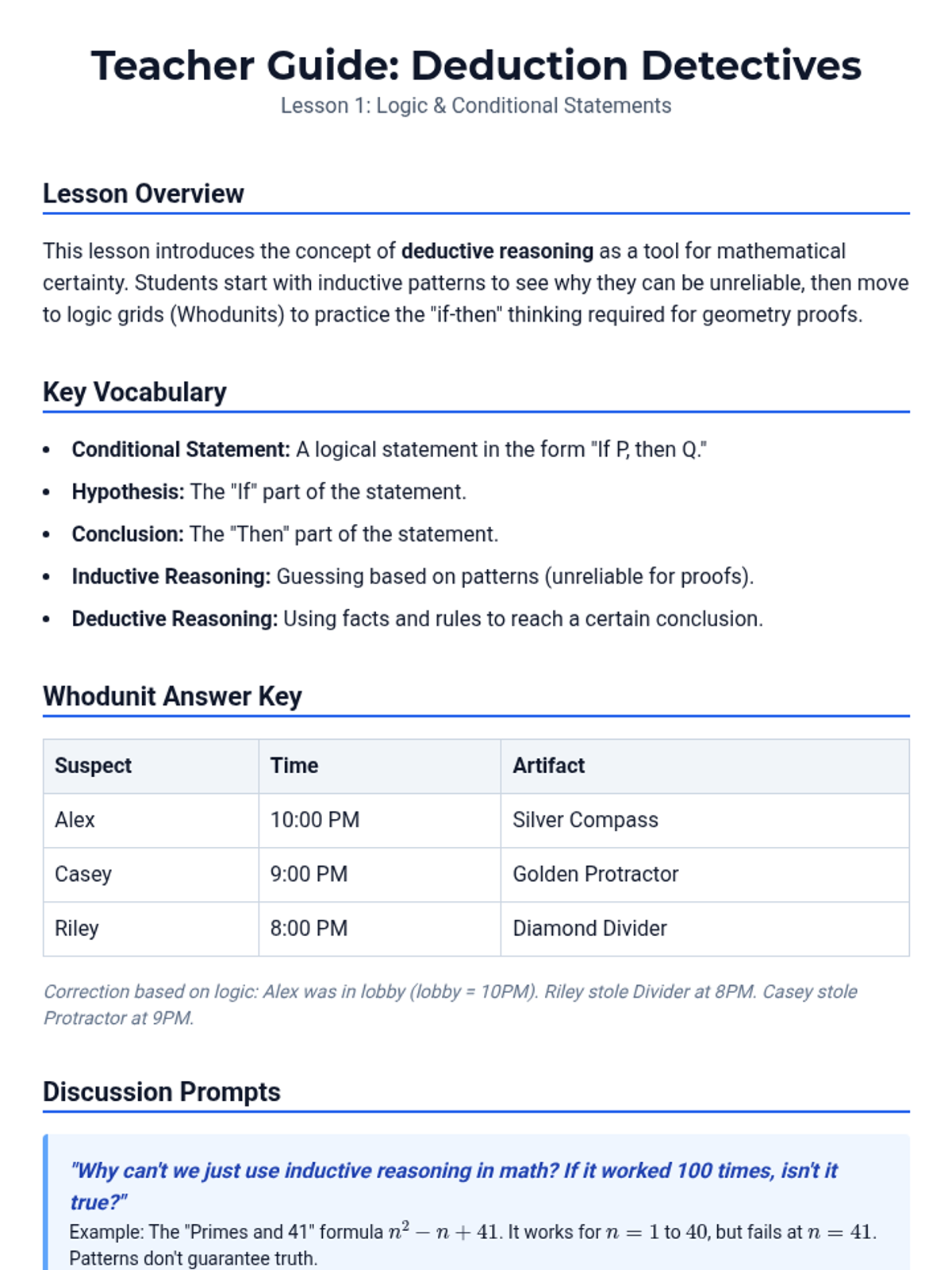
A foundational geometry sequence that introduces 8th-grade students to formal logical argumentation. Students progress from logic puzzles and algebraic justifications to flowchart and paragraph proofs, bridging the gap between basic geometry and high school formal proofs.
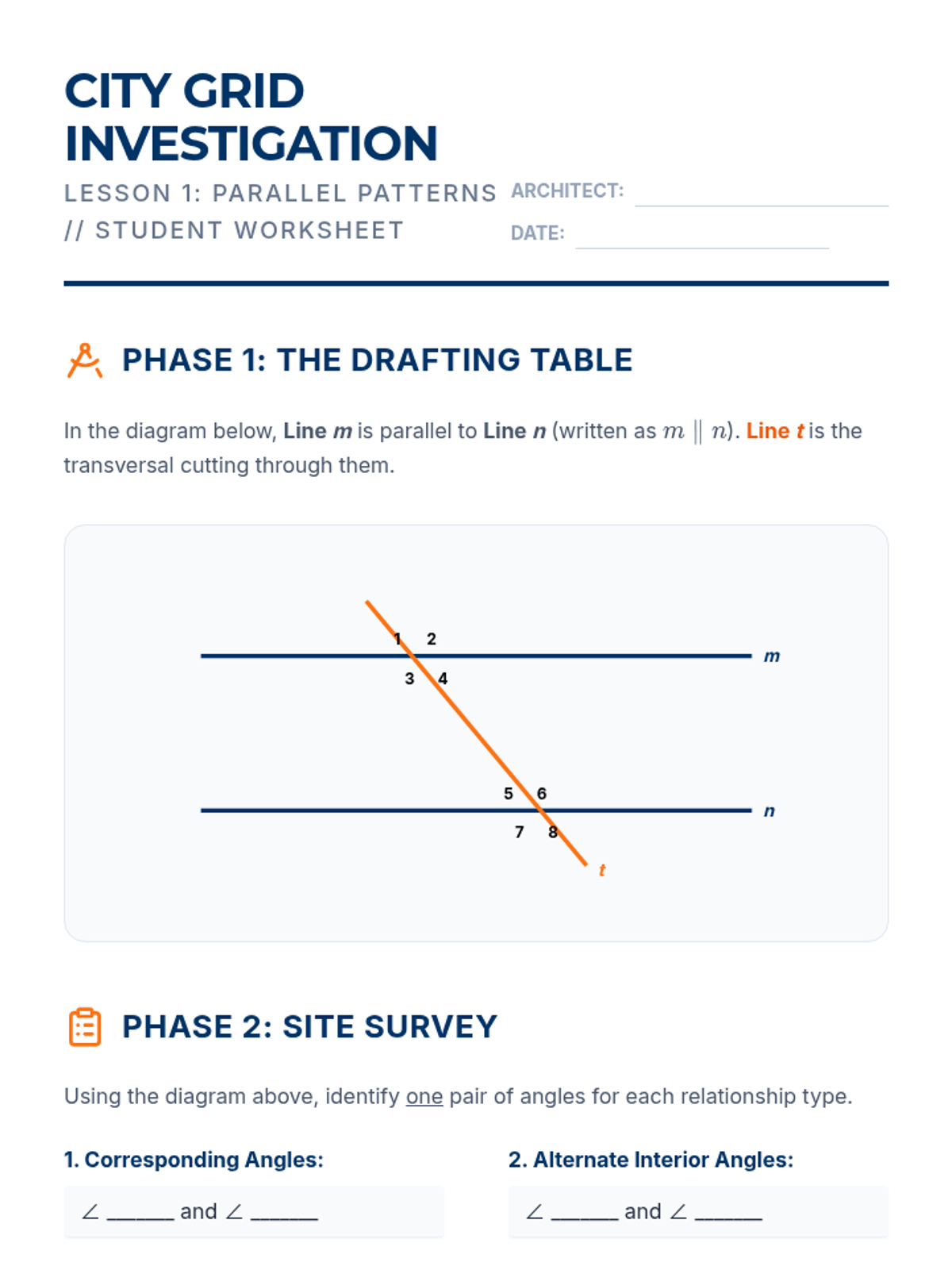
This sequence guides 8th-grade students through the logical discovery and formal proof of angle relationships formed by parallel lines and transversals. Students move from basic angle pairs to complex geometric modeling and algebraic proofs.
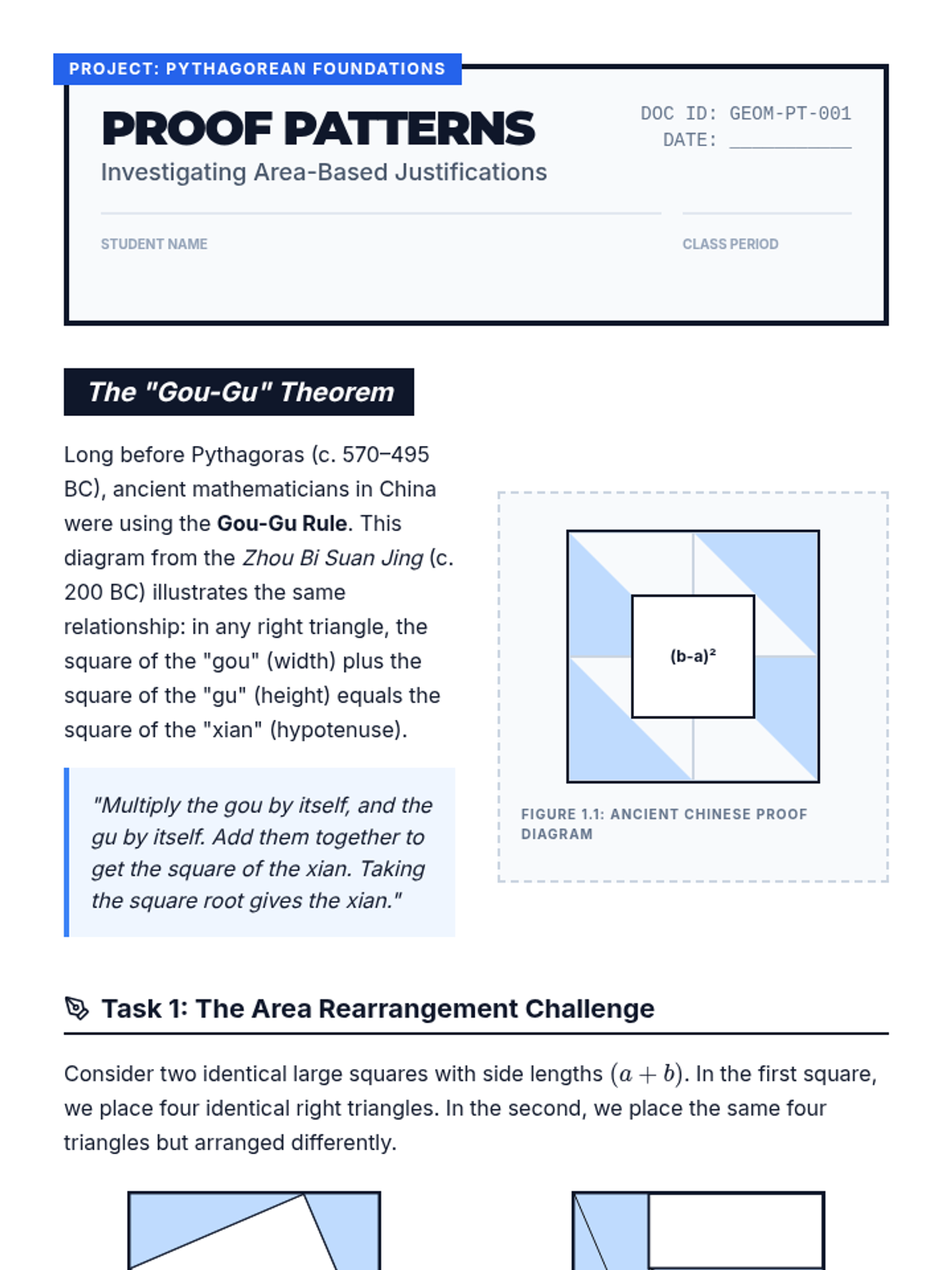
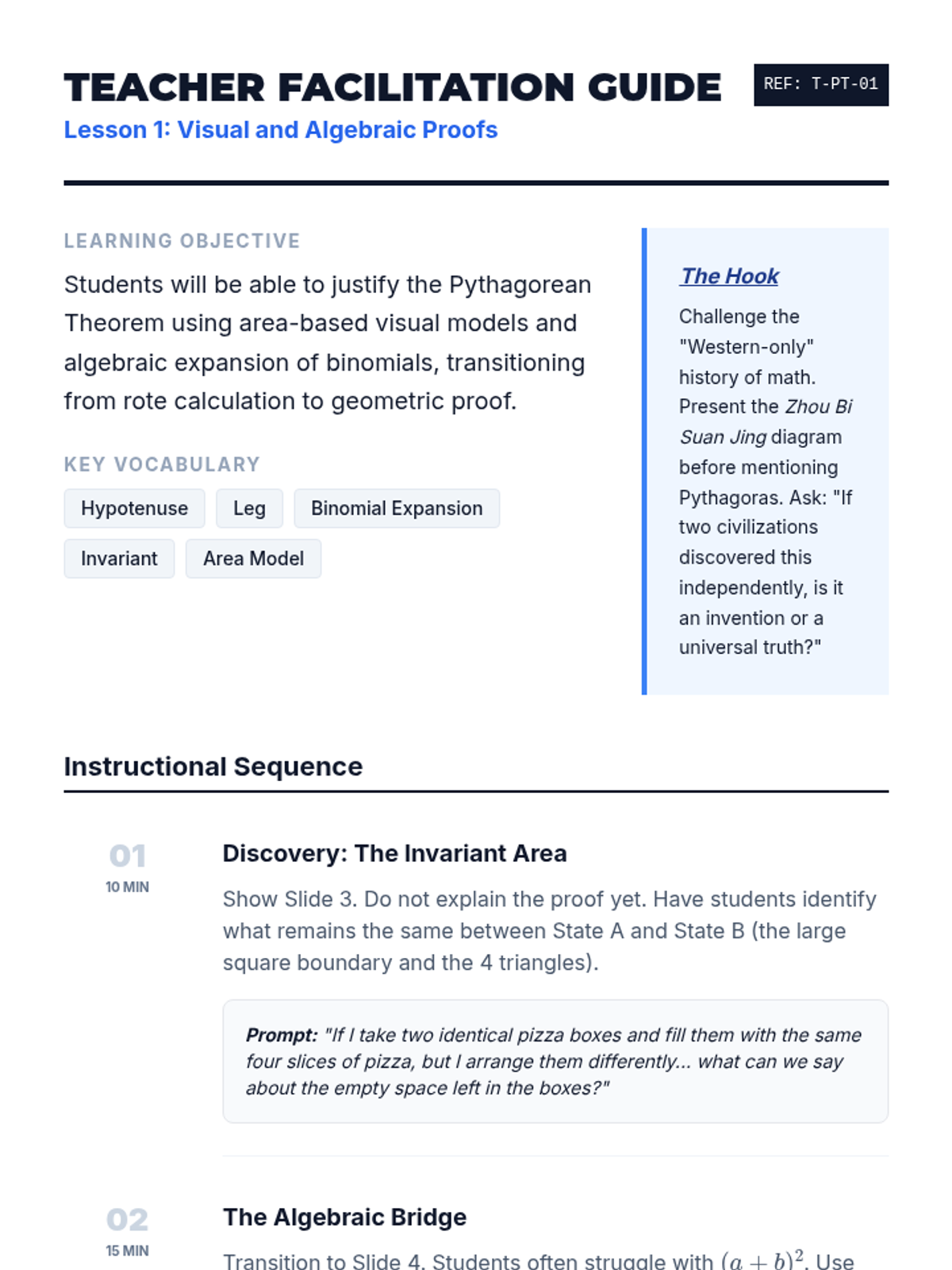
A high school geometry sequence that moves students from the fundamental proofs of the Pythagorean Theorem to advanced applications in coordinate geometry, similarity, and the equation of a circle. Students will explore visual proofs, classify triangles using the converse, and derive the distance and circle formulas.
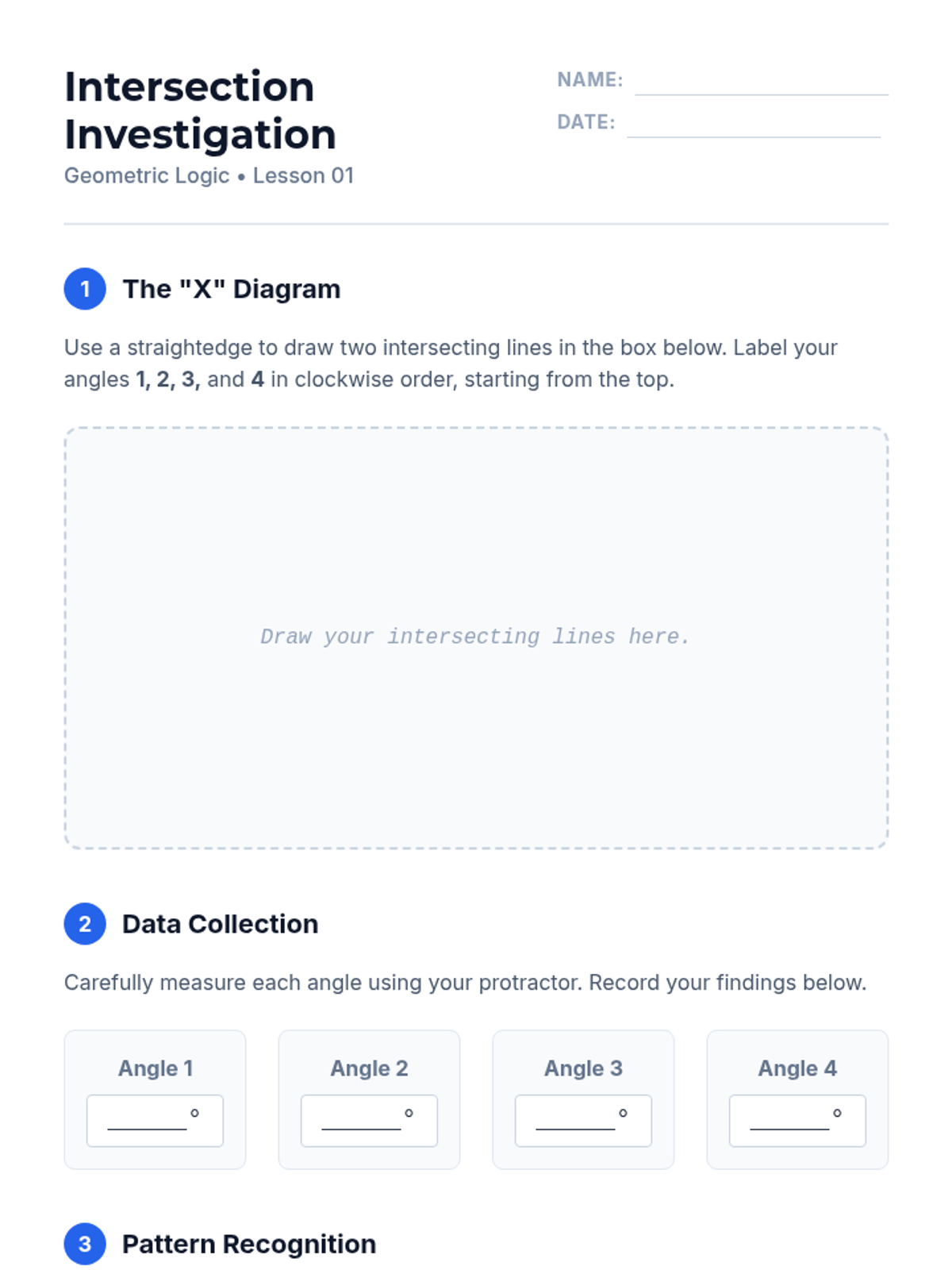
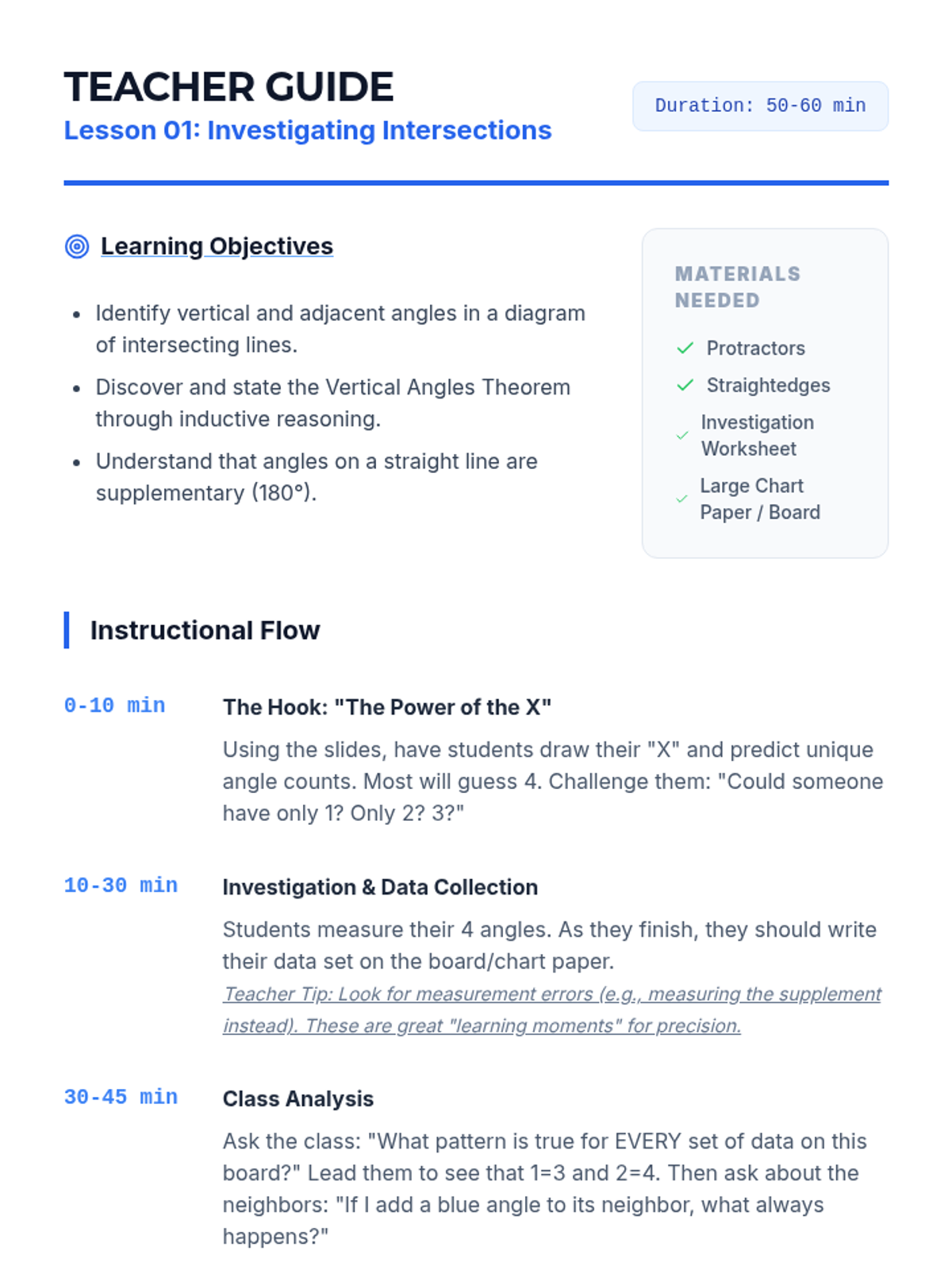
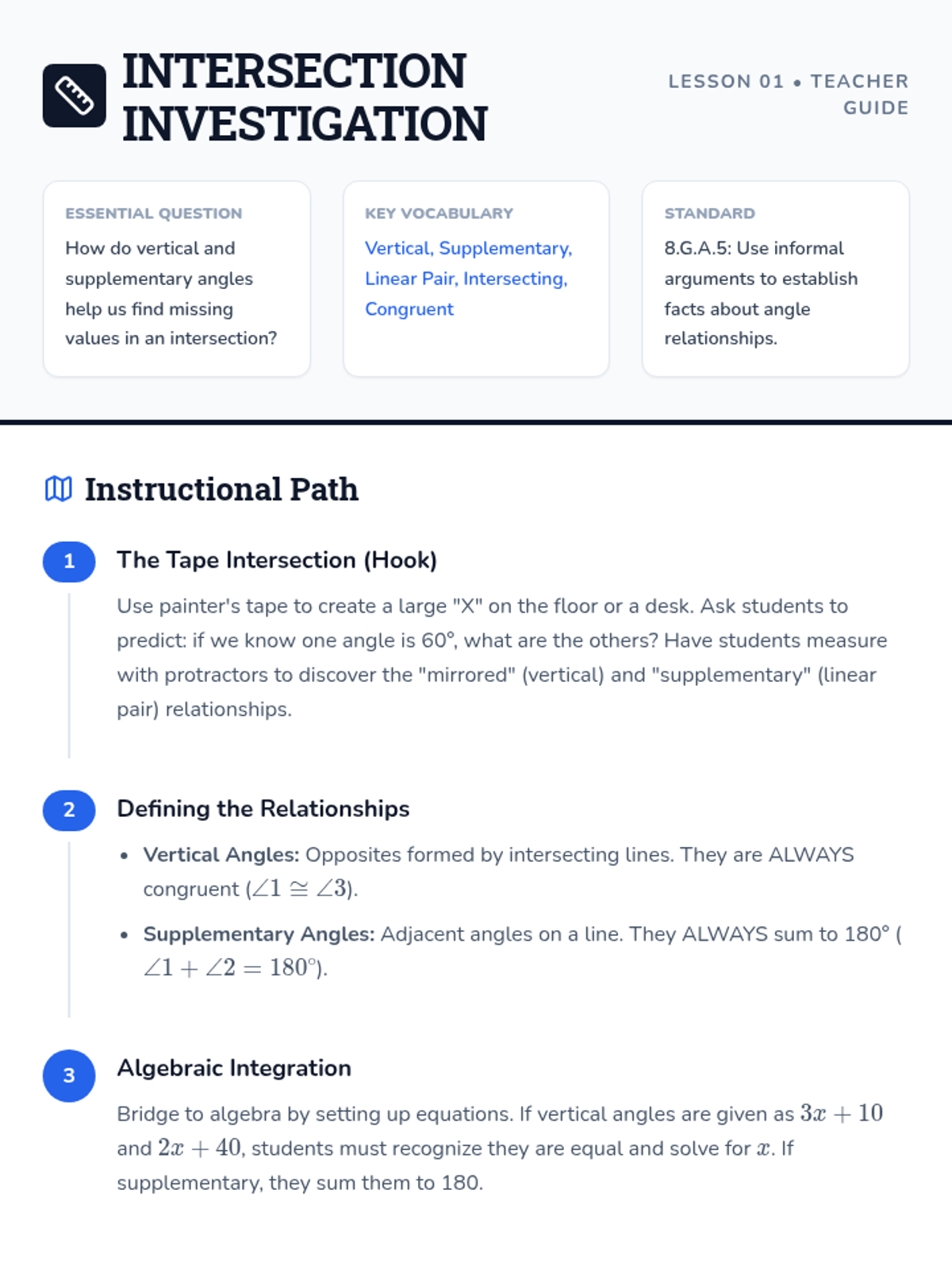
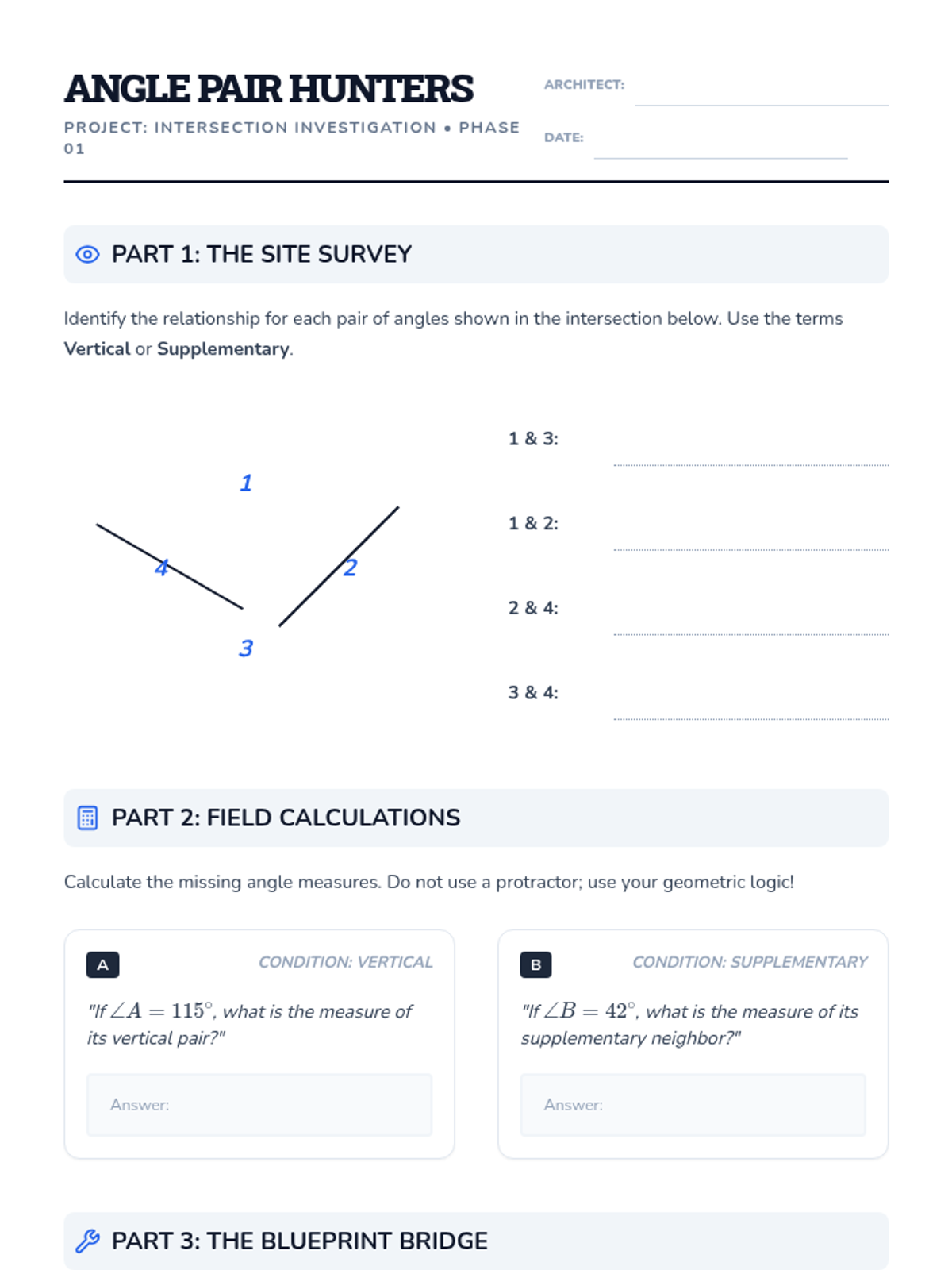
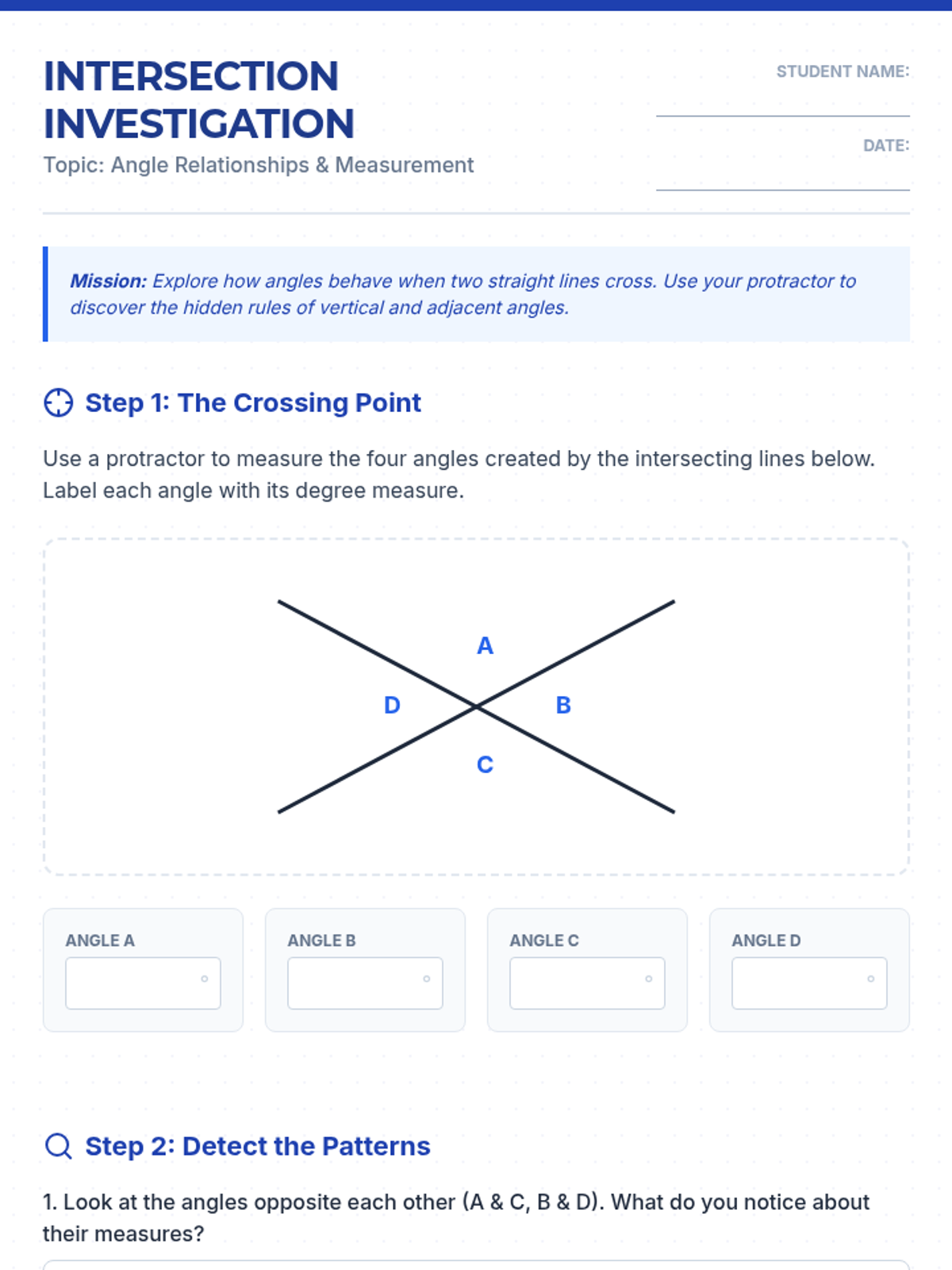
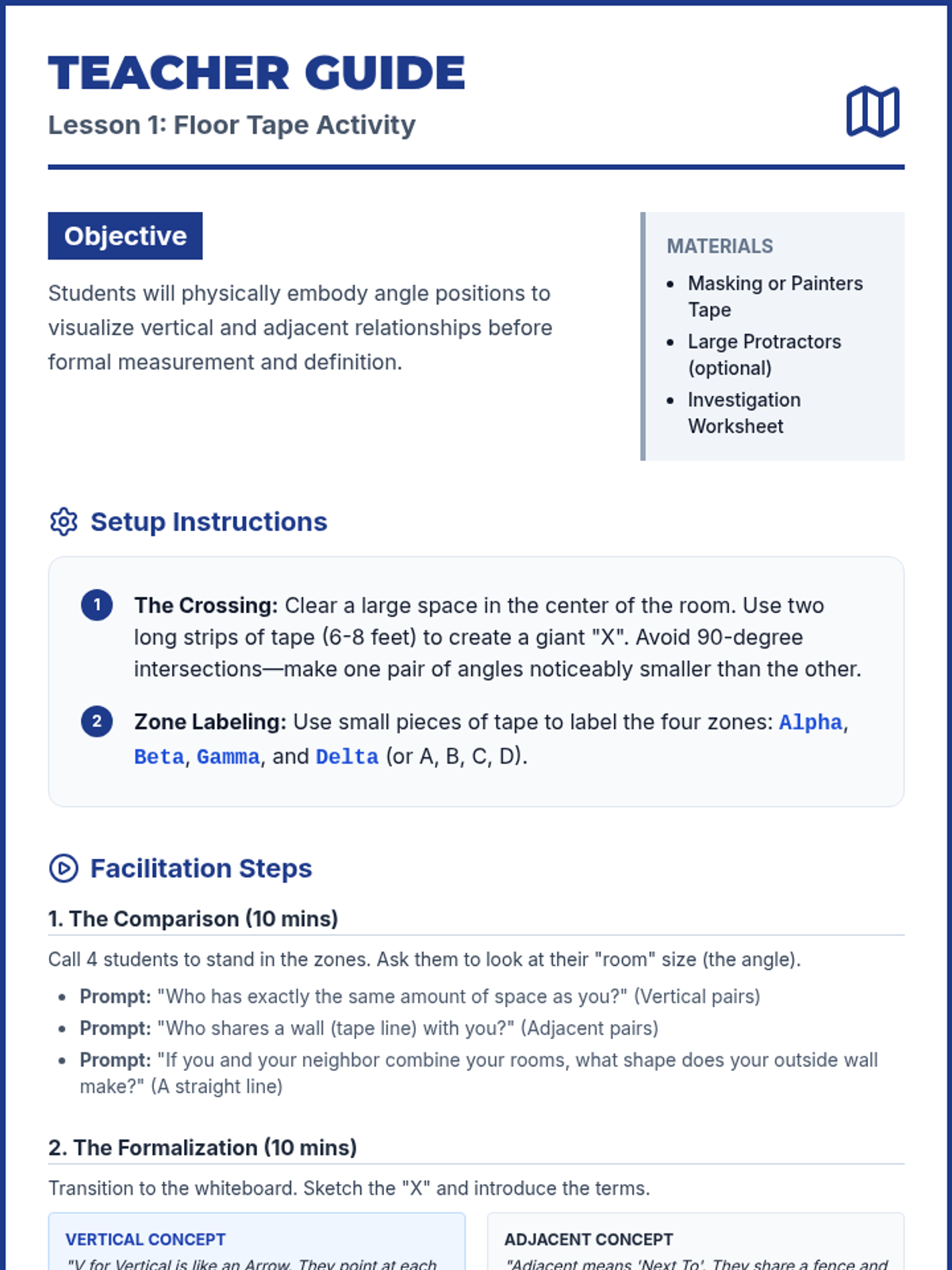
This sequence guides students through identifying, calculating, and proving angle relationships. Students transition from hands-on measurement of intersecting lines to solving complex multi-step algebraic geometry problems and constructing logical arguments.
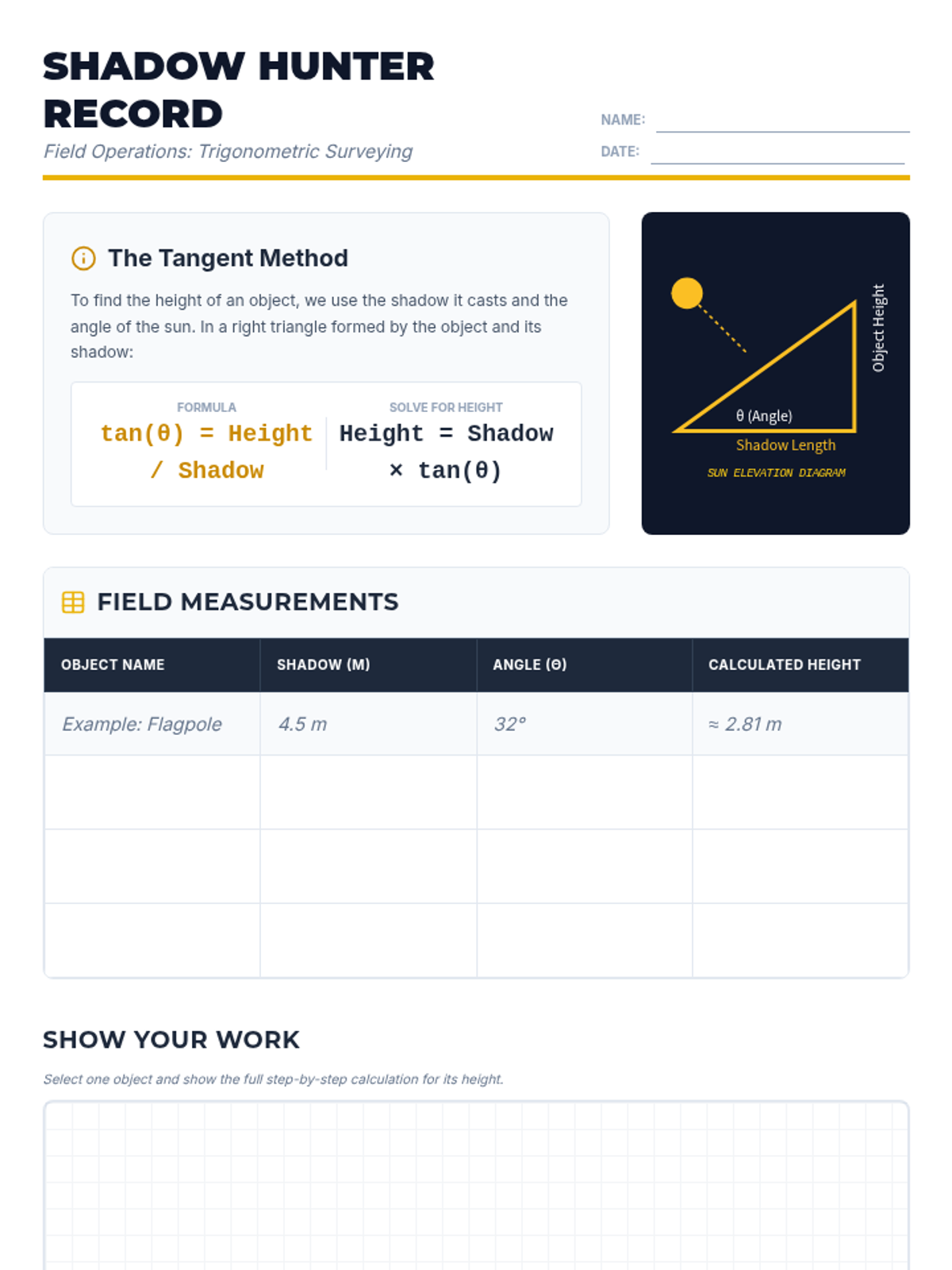
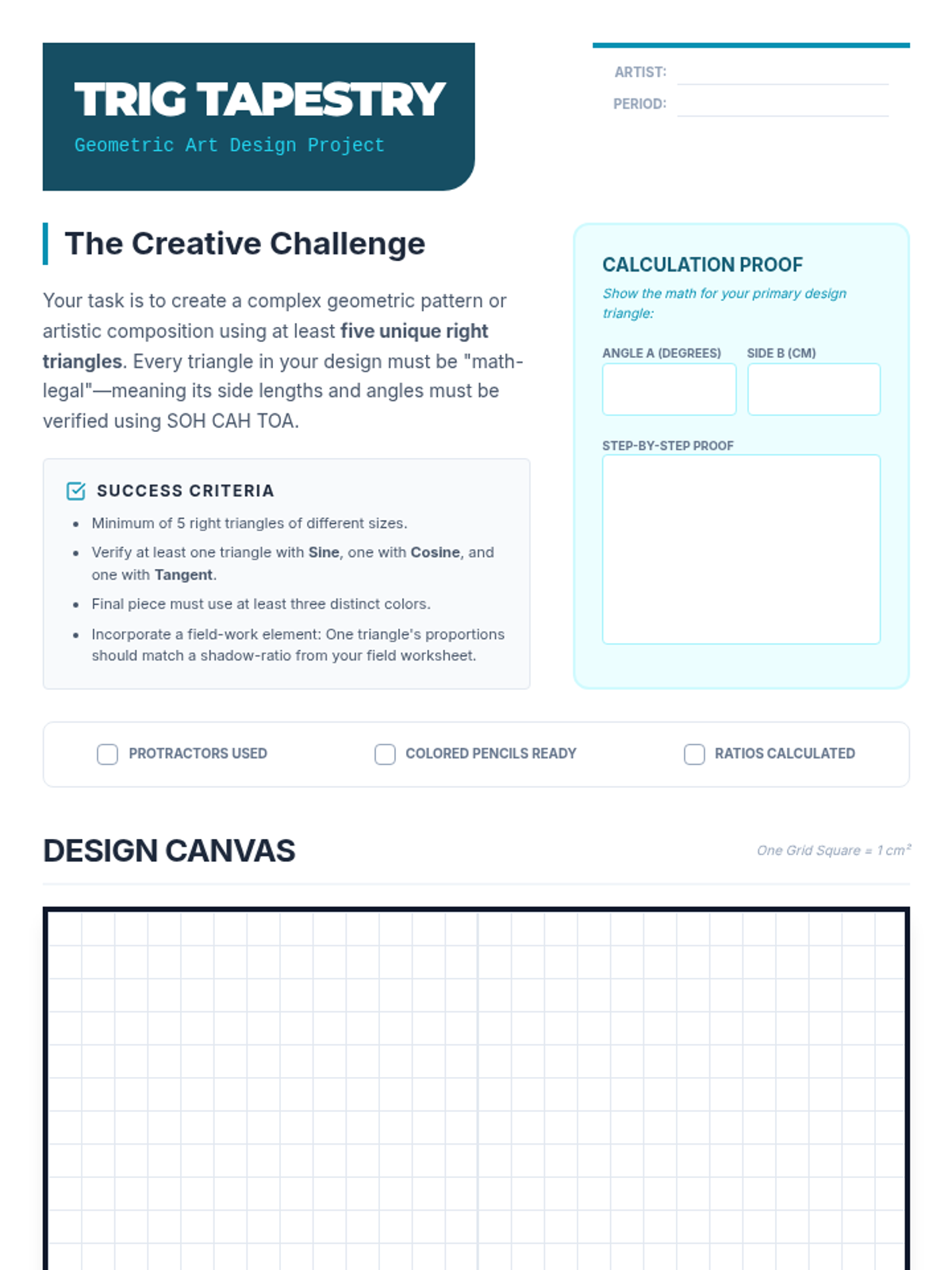
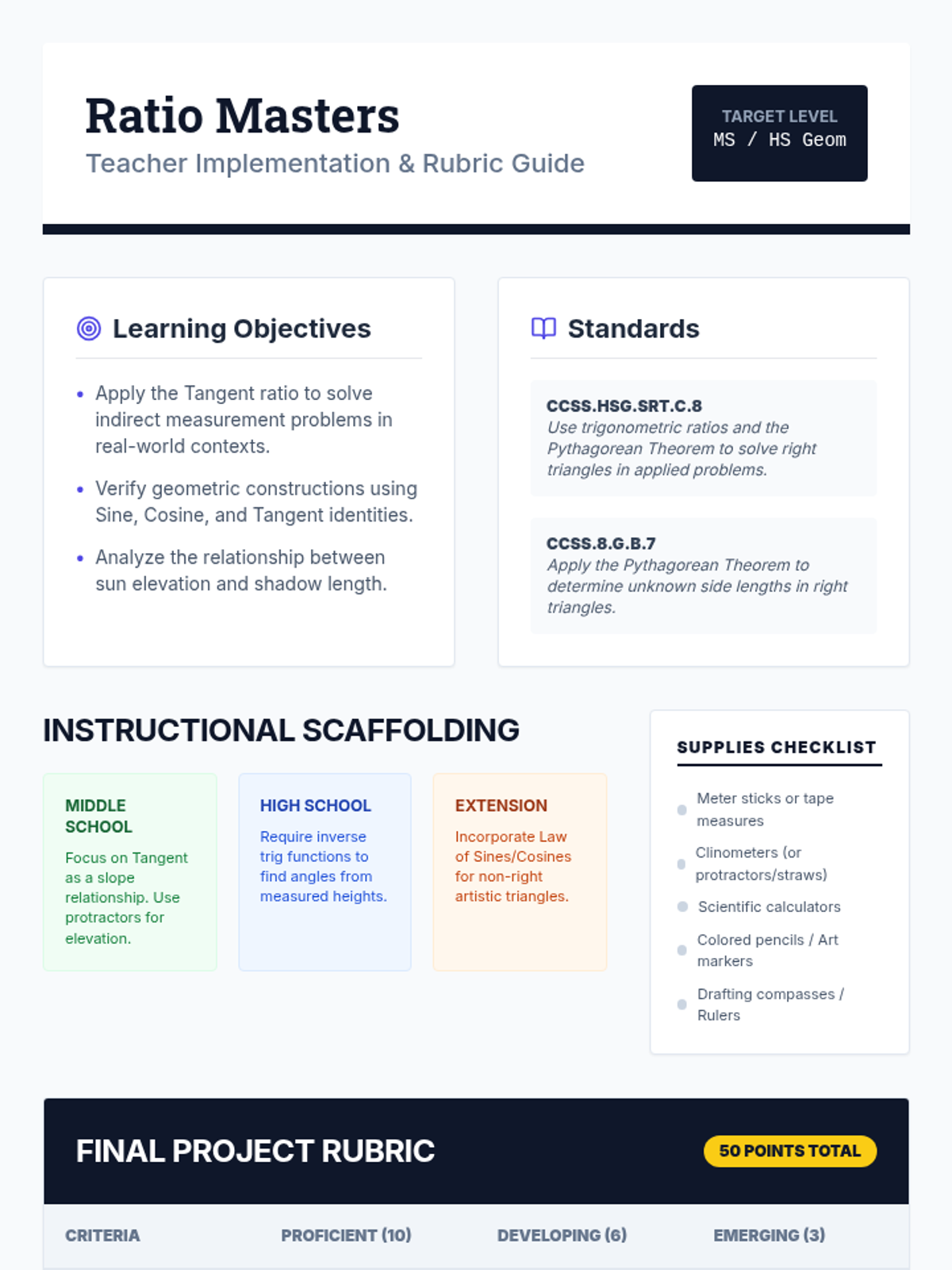
A comprehensive project-based learning unit where students apply trigonometric ratios to measure the heights of local landmarks and create intricate geometric art based on mathematical proportions.
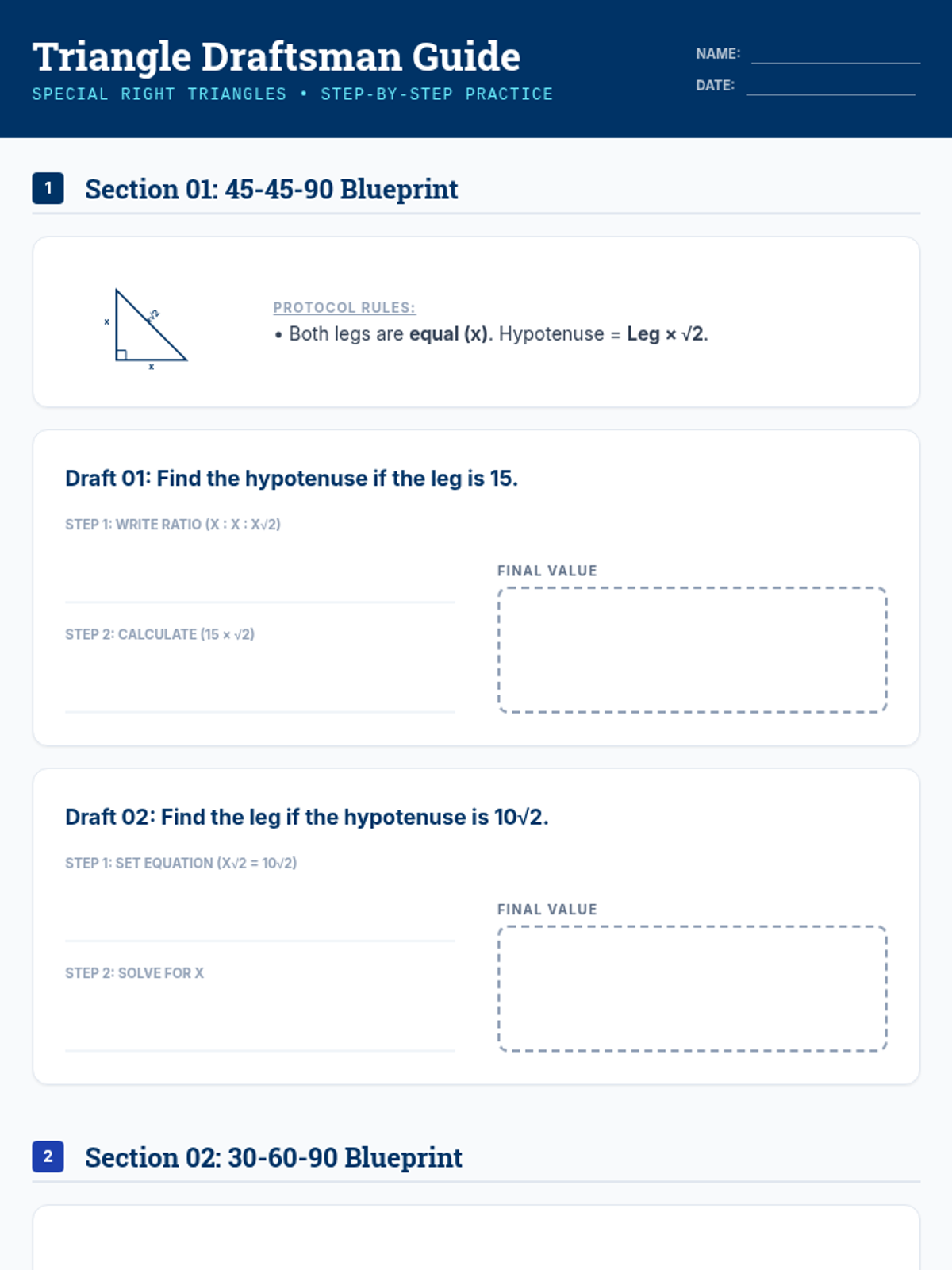
A series of geometry lessons focusing on right triangle relationships and trigonometry, starting with special right triangles.
This sequence integrates algebra and geometry by using the coordinate plane to verify shape attributes. Students move beyond visual estimation to rigorous verification using the distance formula (Pythagorean Theorem) and slope.
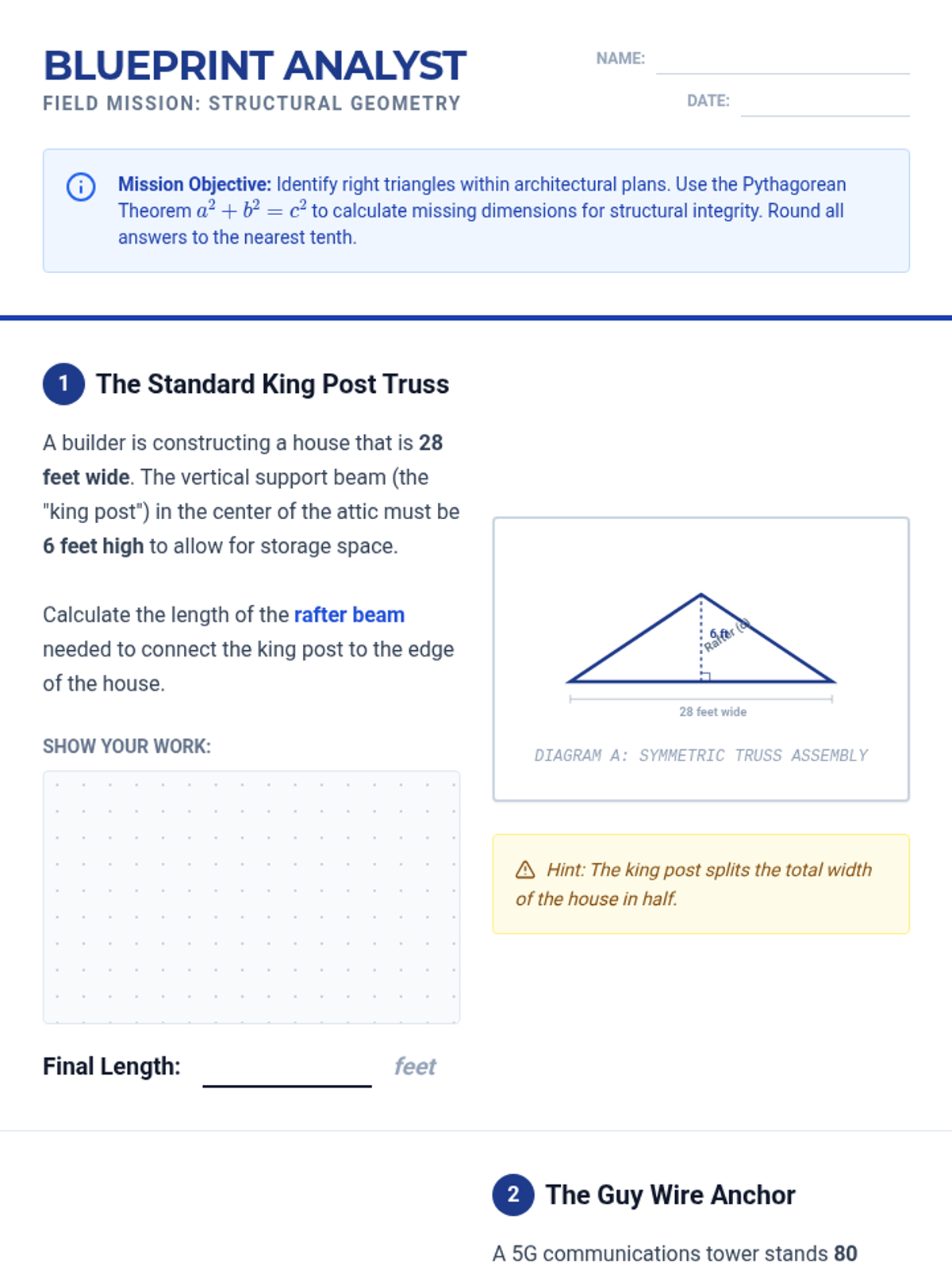
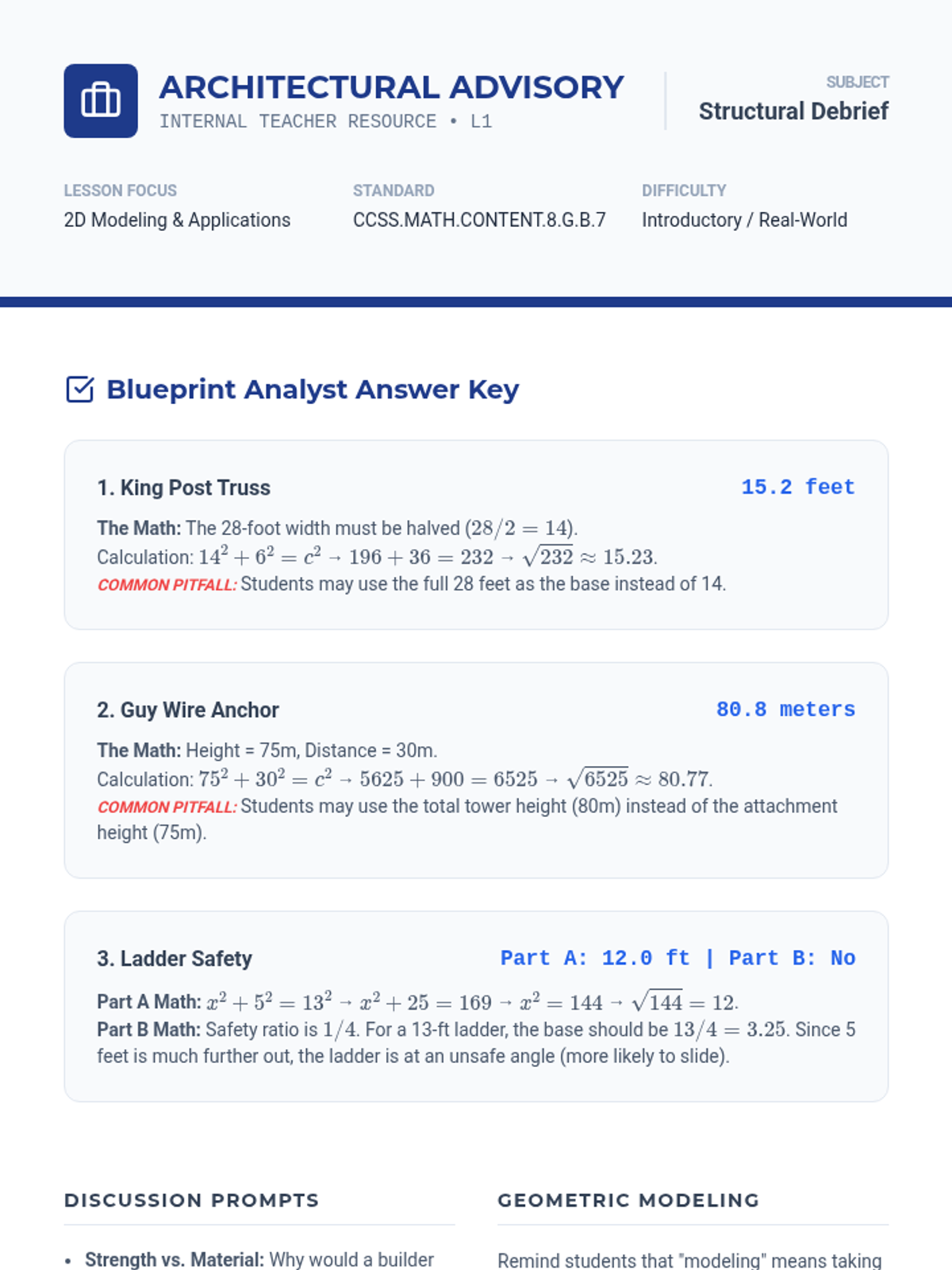
A project-based geometry unit for 8th Grade students exploring the Pythagorean Theorem through architectural modeling, 3D spatial reasoning, and engineering design challenges. Students move from analyzing real-world trusses to designing ADA-compliant ramps and calculating complex 3D distances.
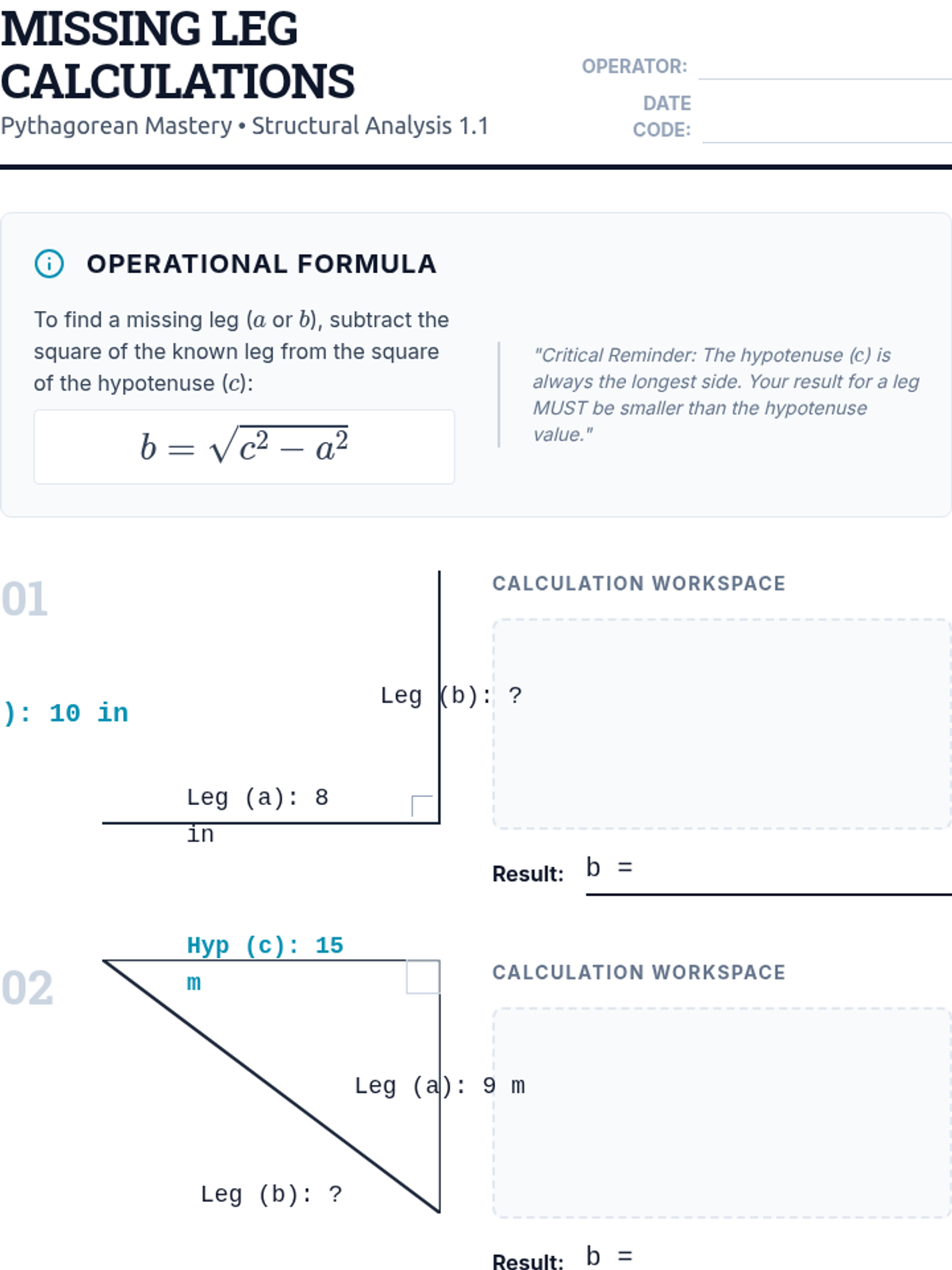
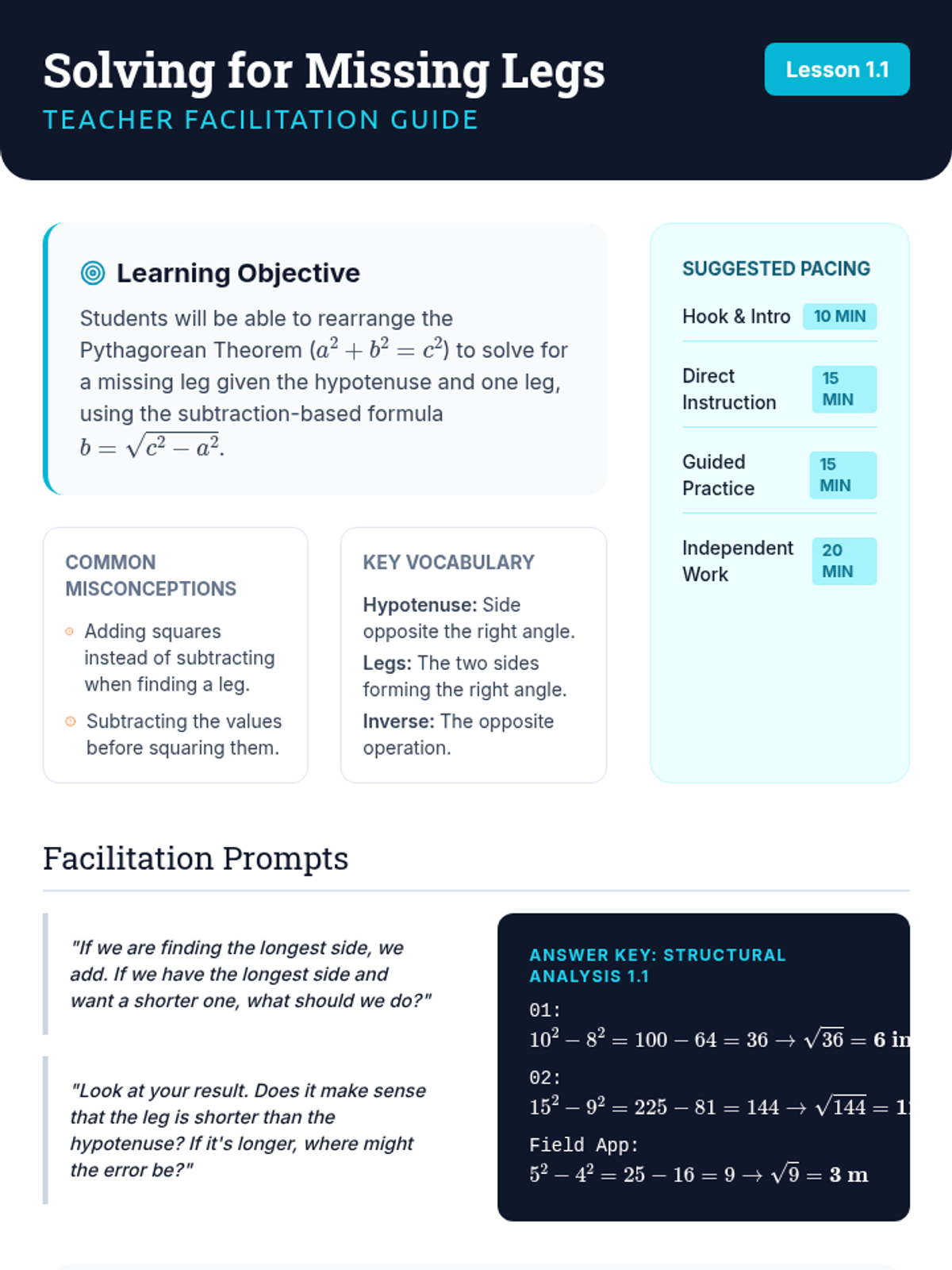
An advanced geometry sequence focusing on solving for missing legs, identifying triples, and applying the Pythagorean Theorem to coordinate geometry and real-world navigation.
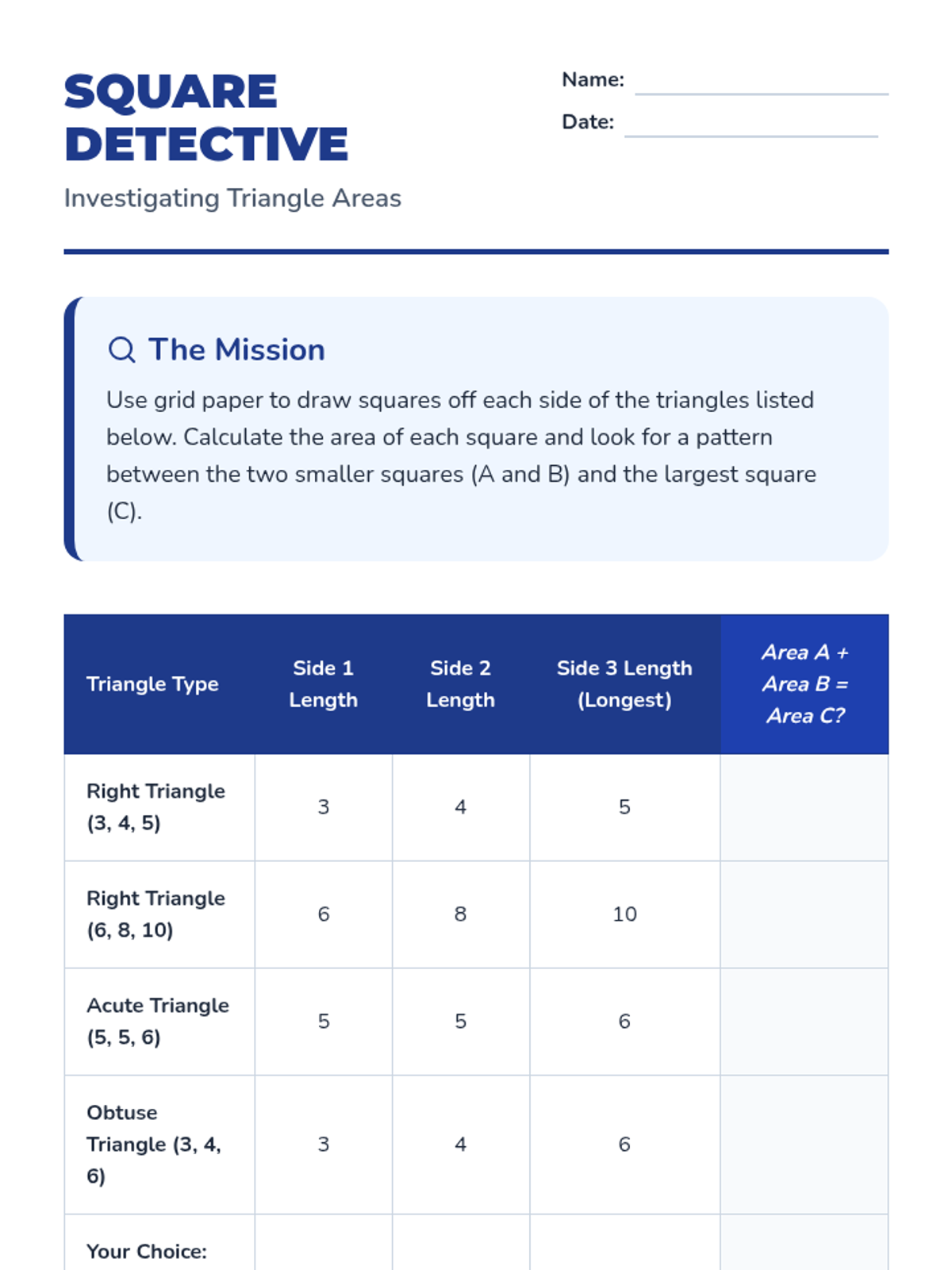
An inquiry-based exploration of the Pythagorean Theorem, moving from visual area models to algebraic application and error analysis. Students discover the relationship between side lengths of right triangles and apply it to real-world problems.
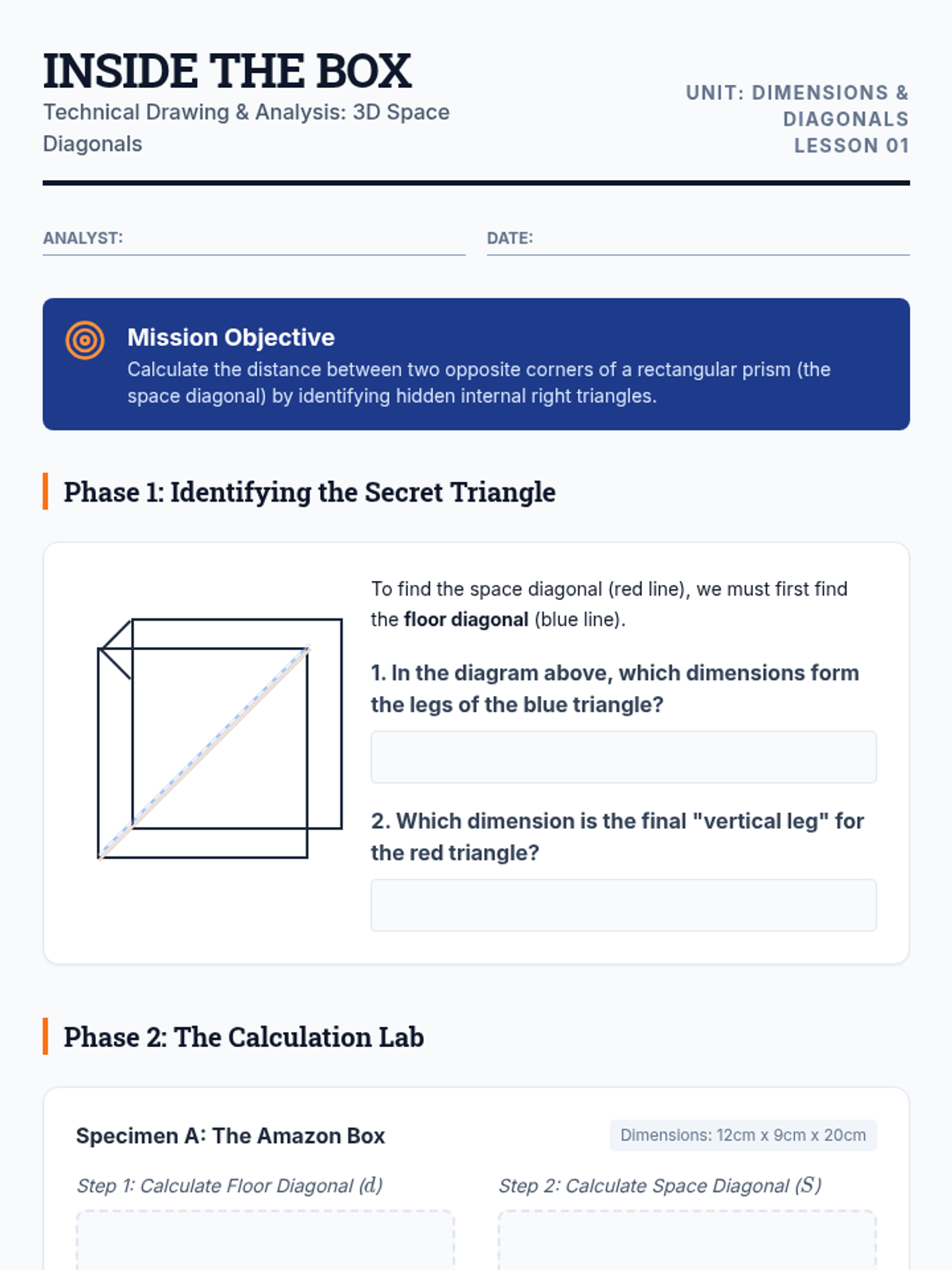
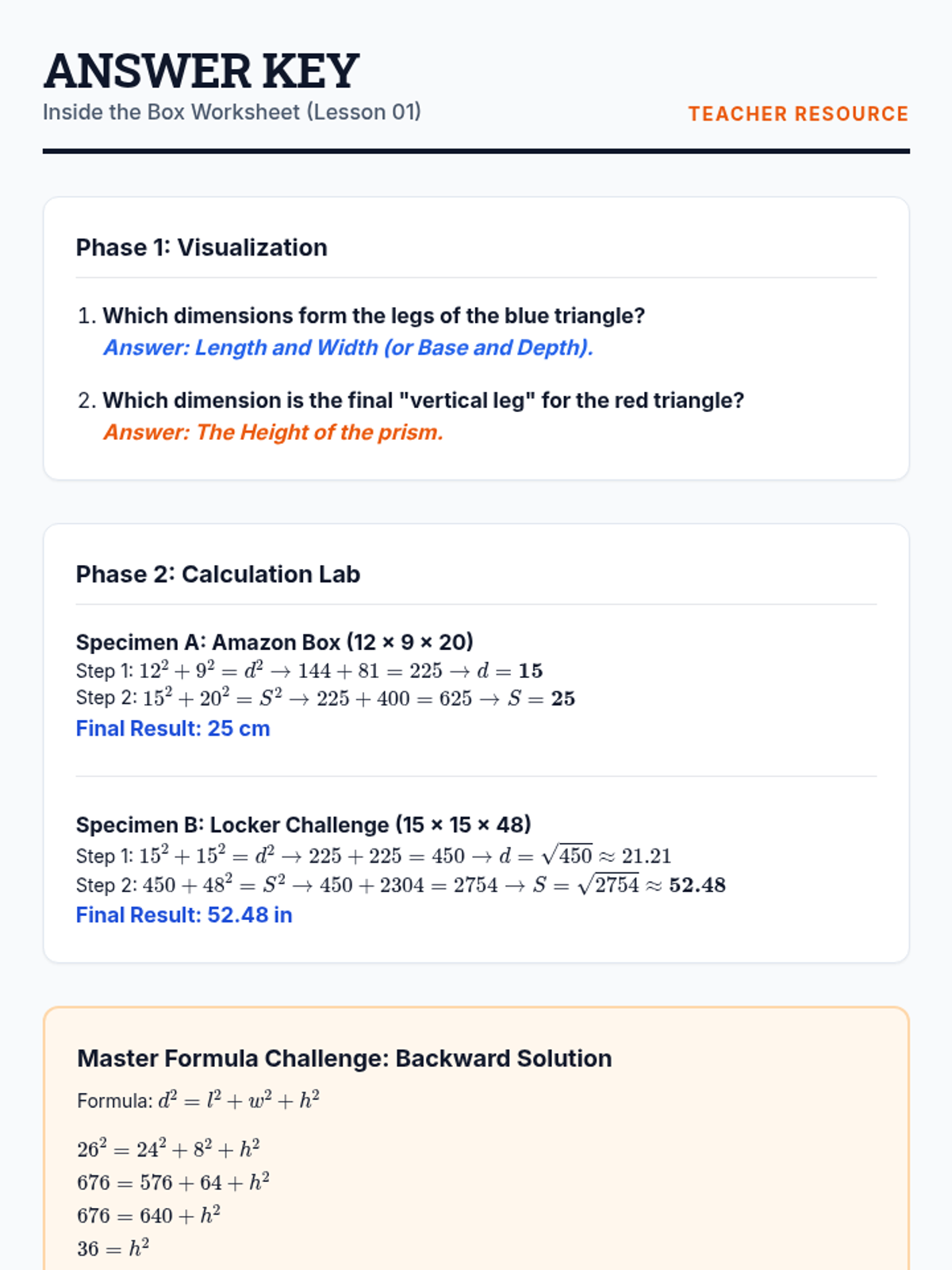
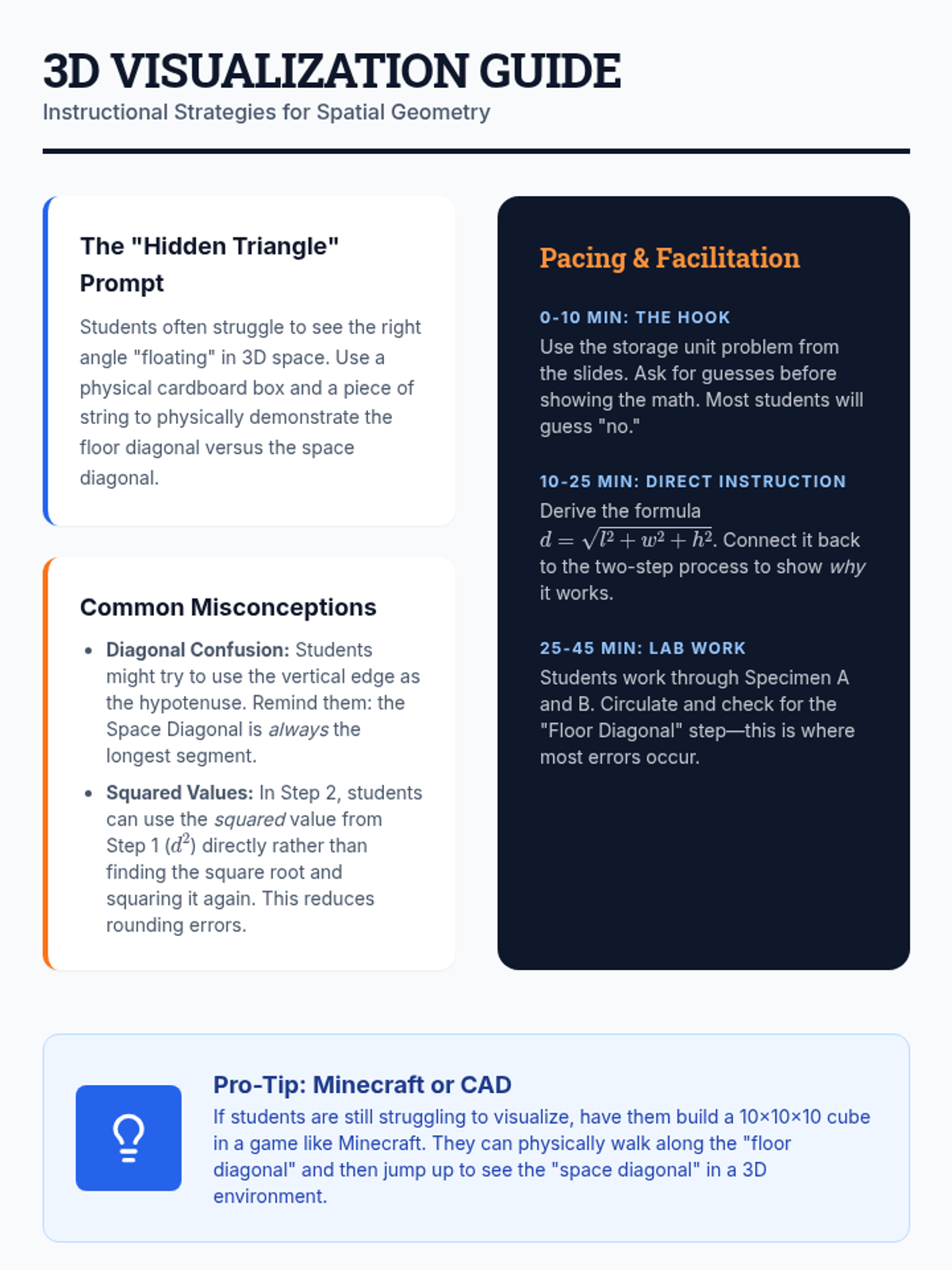
This advanced geometry sequence explores the Pythagorean Theorem in three dimensions and complex modeling scenarios. Students move from calculating space diagonals in prisms to optimizing paths on surfaces and designing ADA-compliant structures.
A comprehensive 5-lesson geometry sequence exploring the unique similarity relationships in right triangles, culminating in a formal similarity-based proof of the Pythagorean Theorem. Students move from hands-on discovery to algebraic derivation and multi-step mastery.
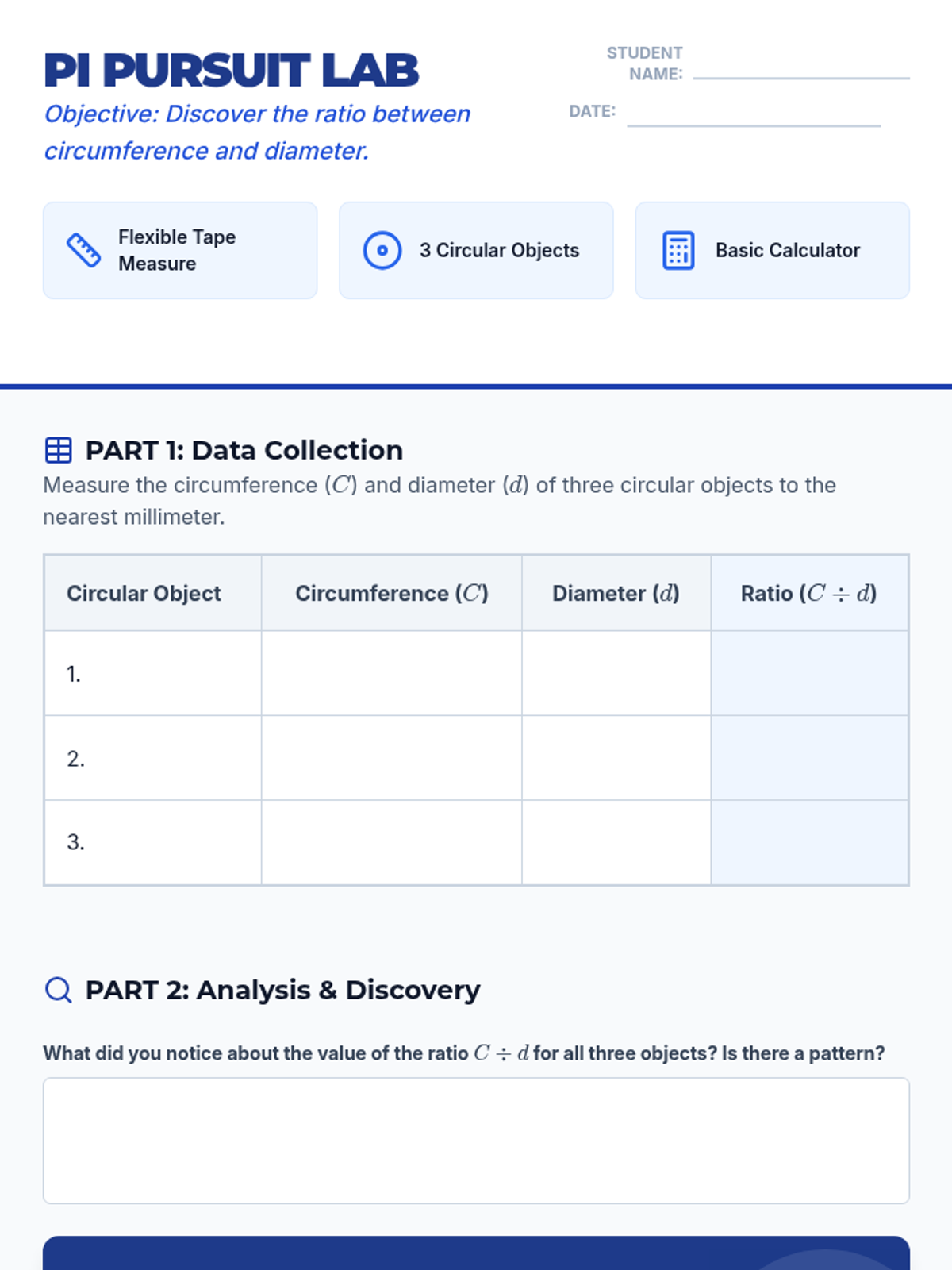
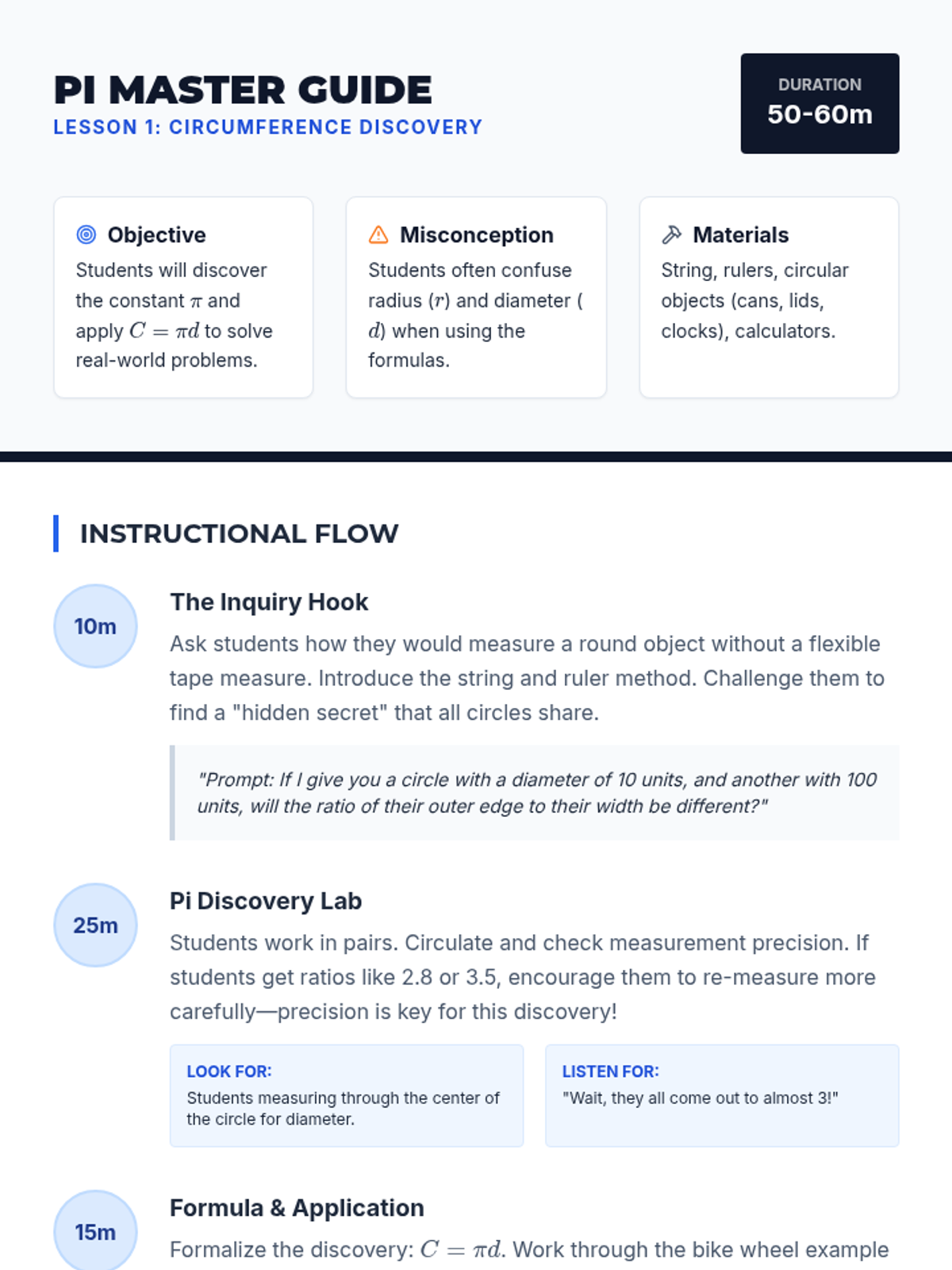
This 8th-grade sequence guides students through circle properties and composite figures. It moves from discovering Pi and circumference to deriving area formulas, integrating the Pythagorean Theorem for missing dimensions, and culminates in a landscape design project where students calculate costs for complex park layouts.