Builds word mastery through parts of speech, Greek and Latin roots, and morphological analysis of prefixes and suffixes. Develops nuanced comprehension using context clues, shades of meaning, and idiomatic expressions.
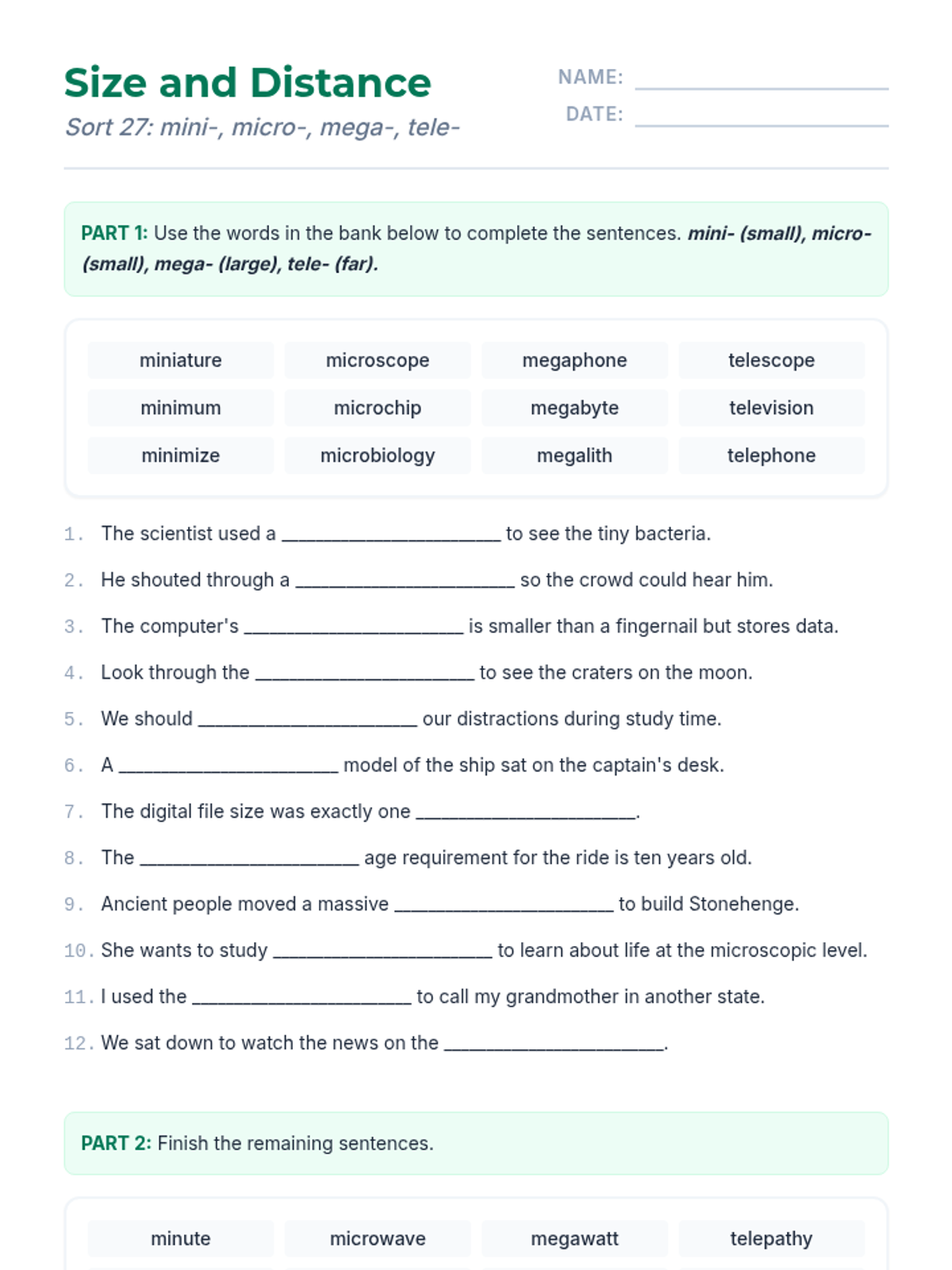
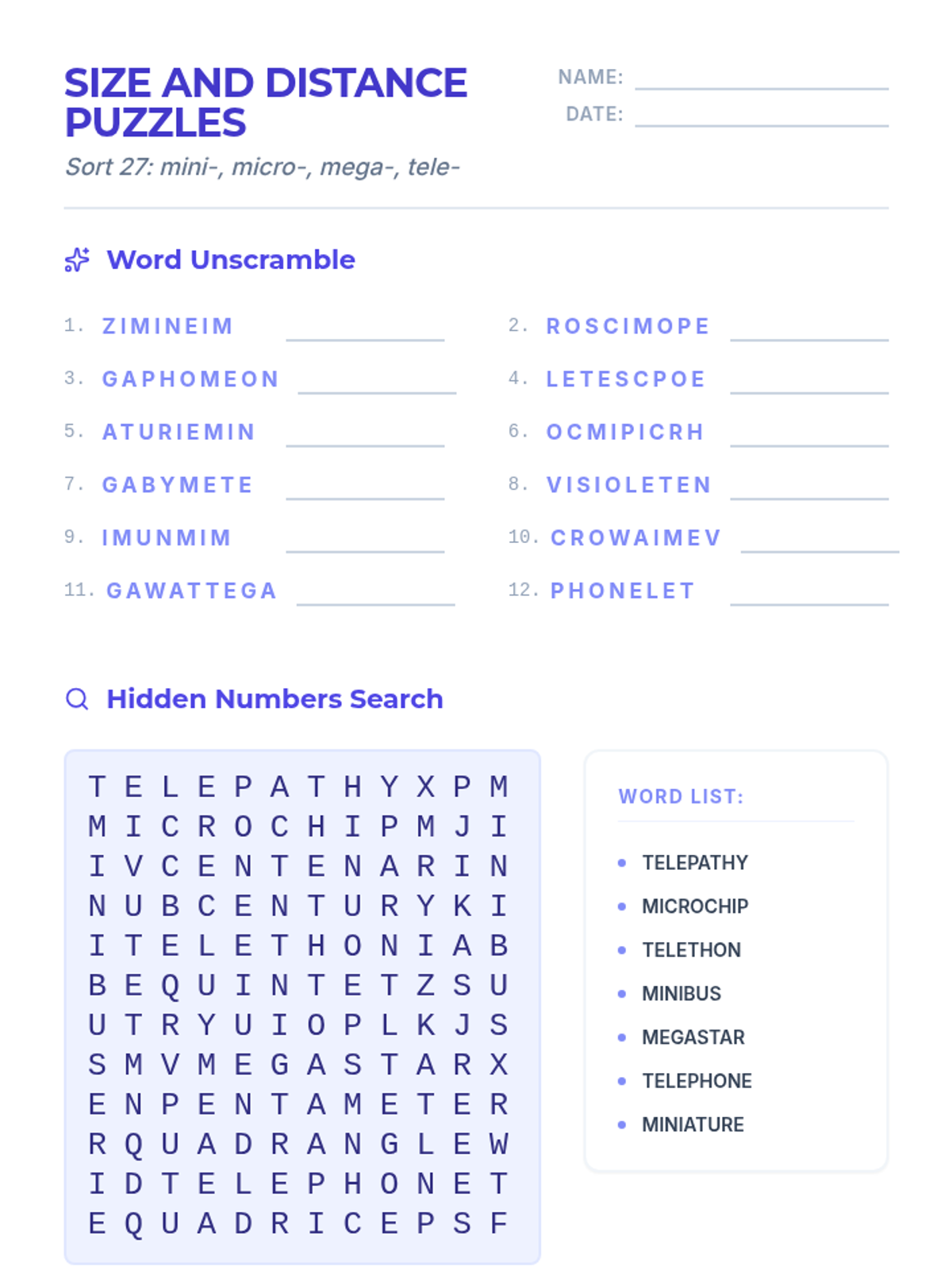
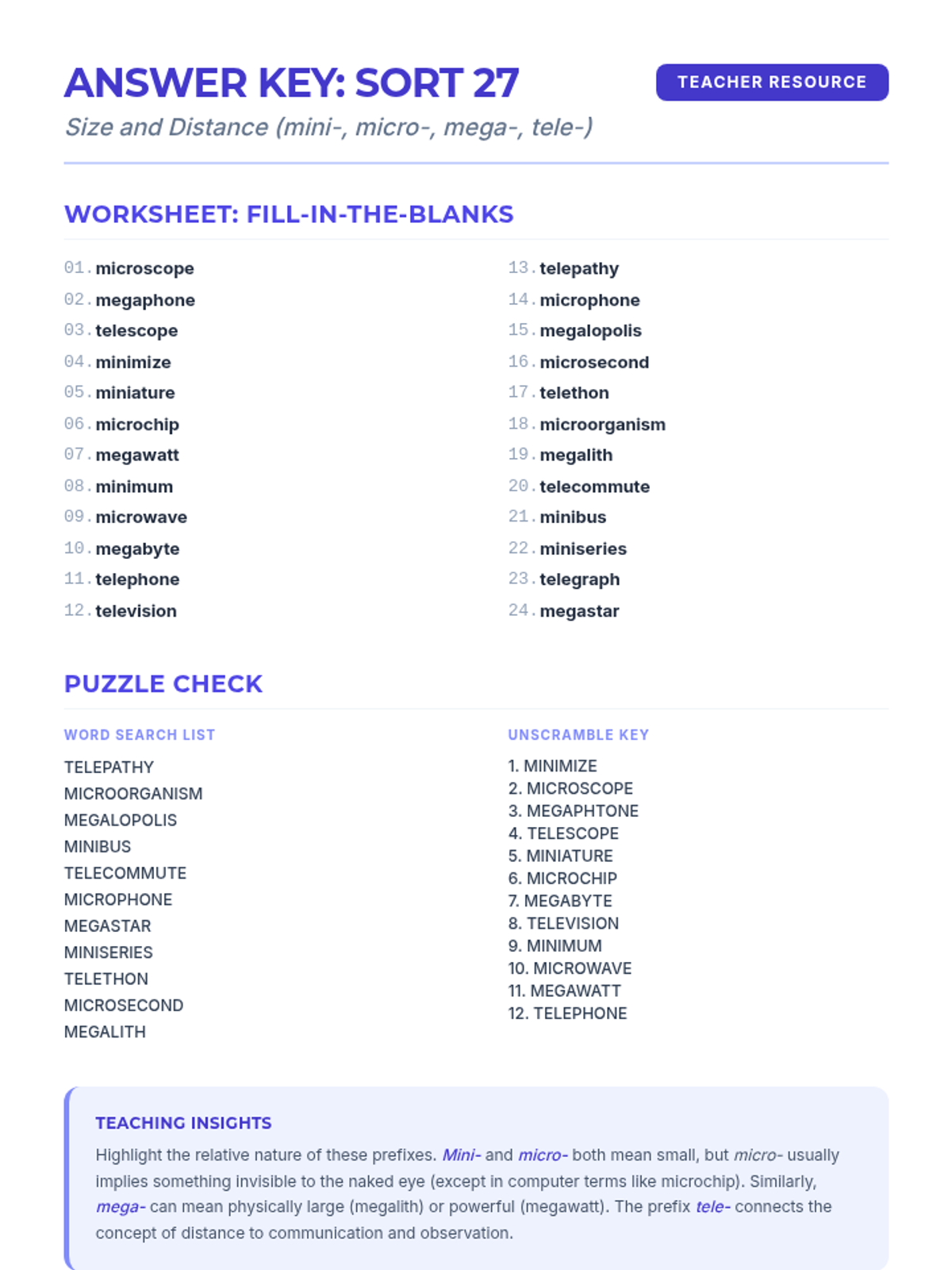
A comprehensive vocabulary and morphology curriculum covering prefixes, suffixes, Latin roots, and Greek roots through fill-in-the-blank exercises and engaging word puzzles.
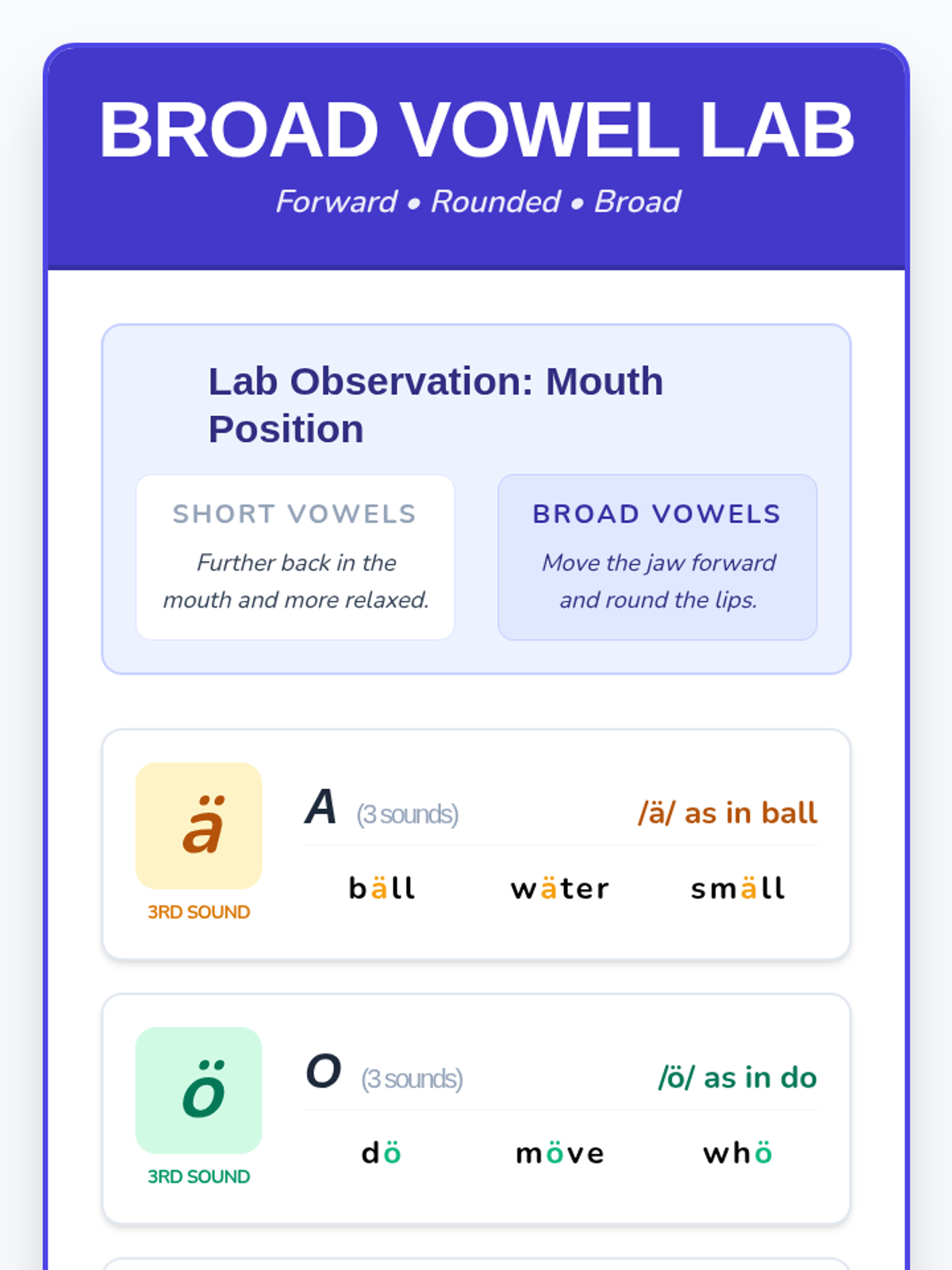
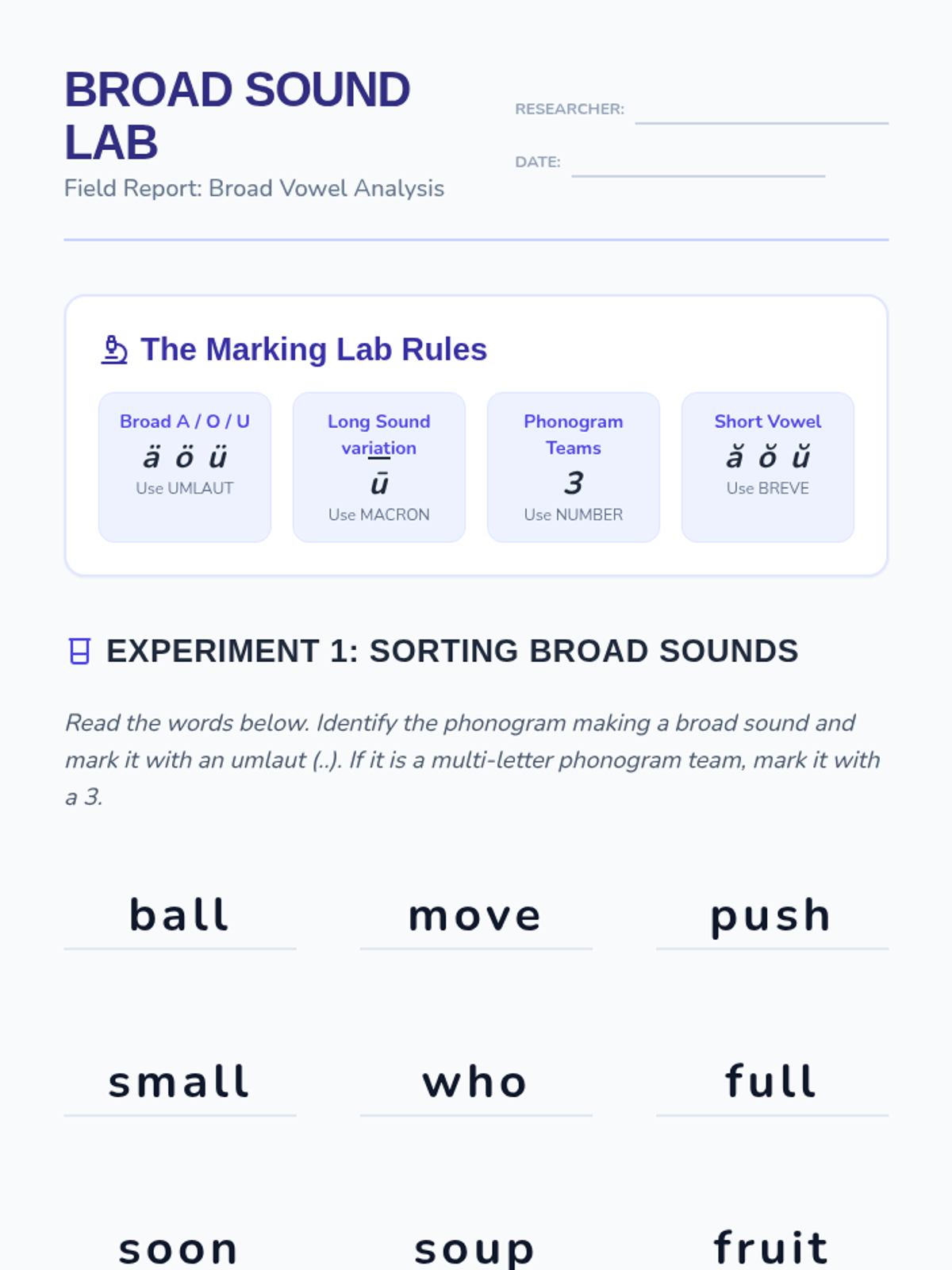
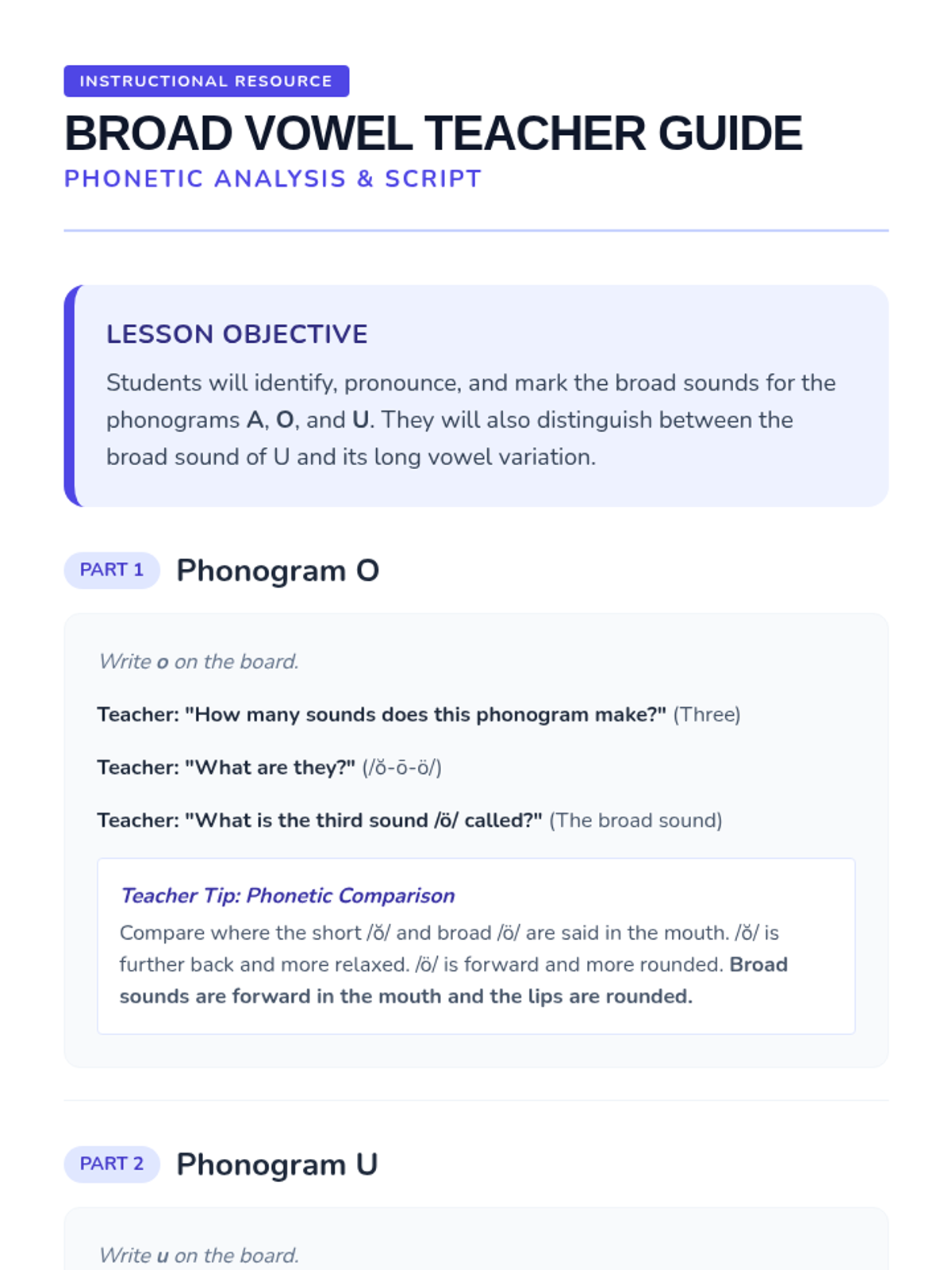
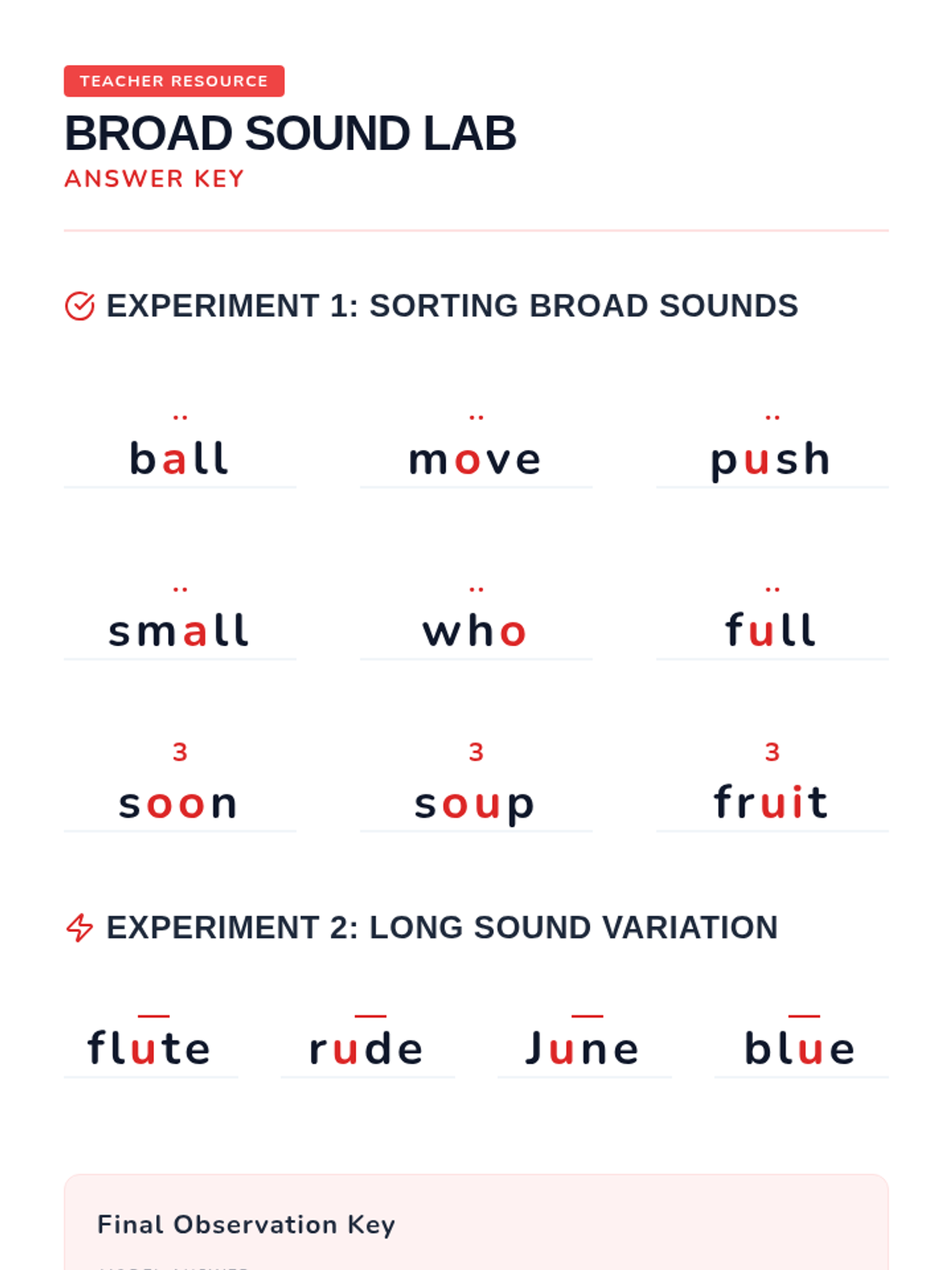
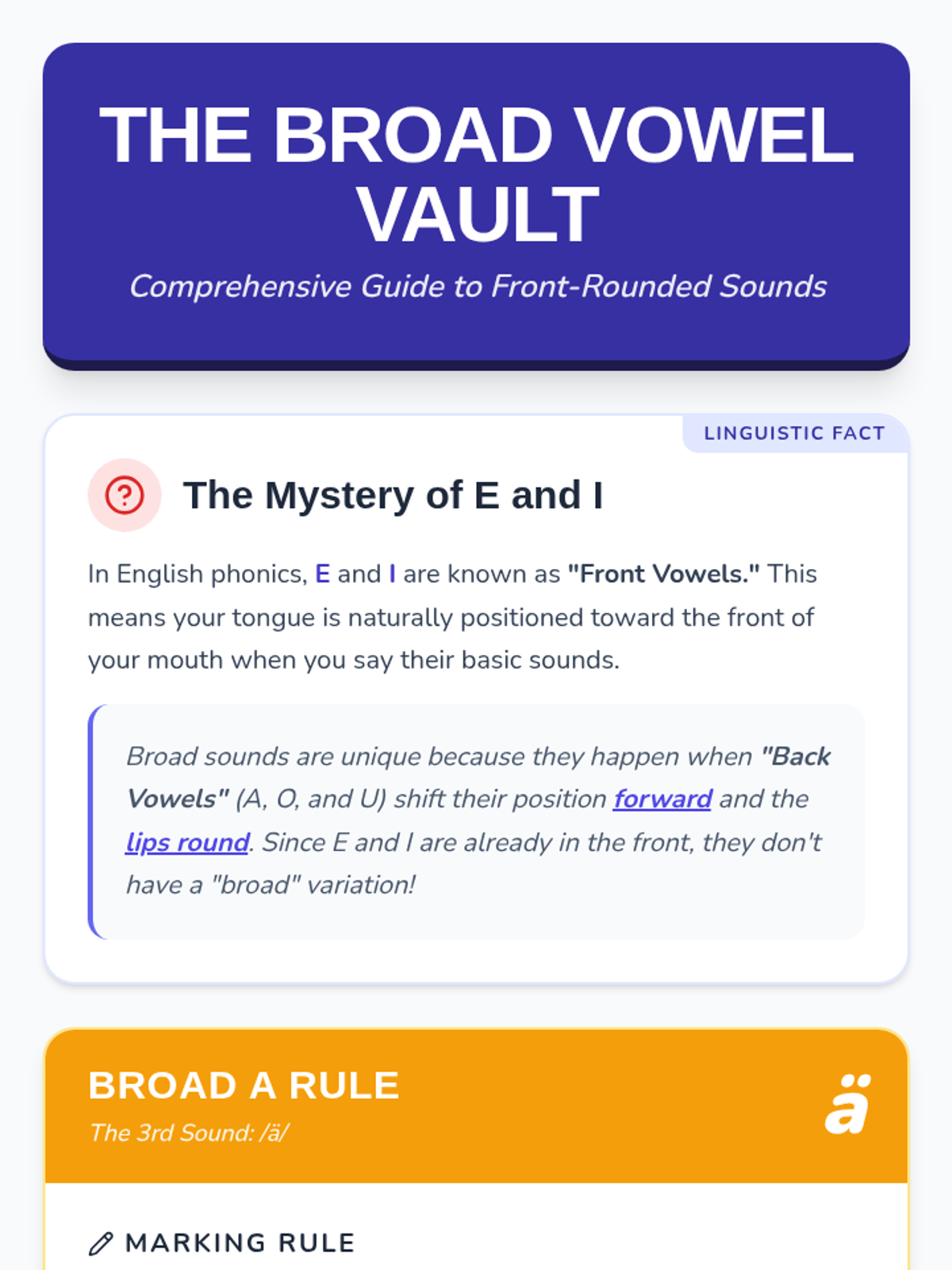
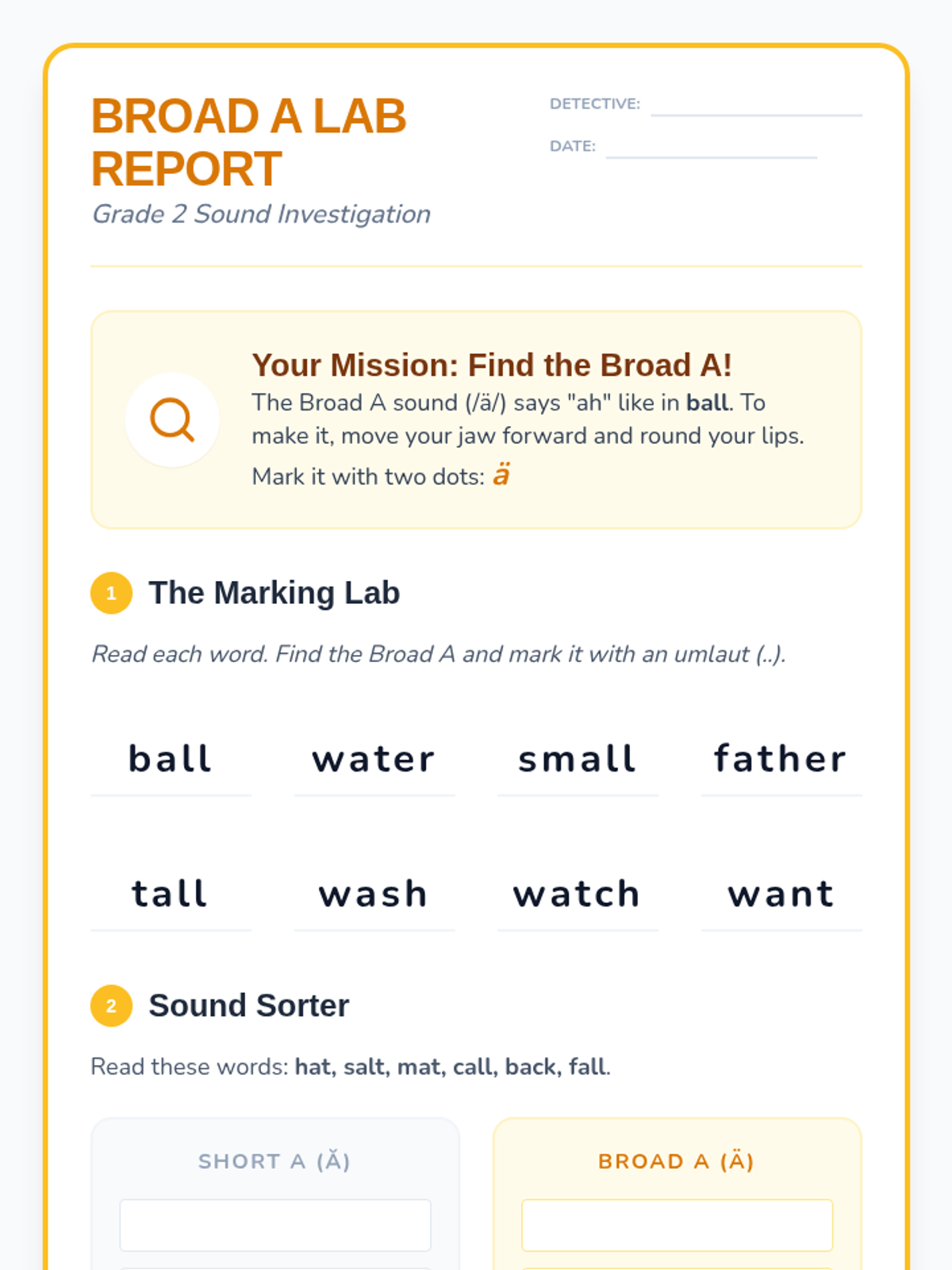
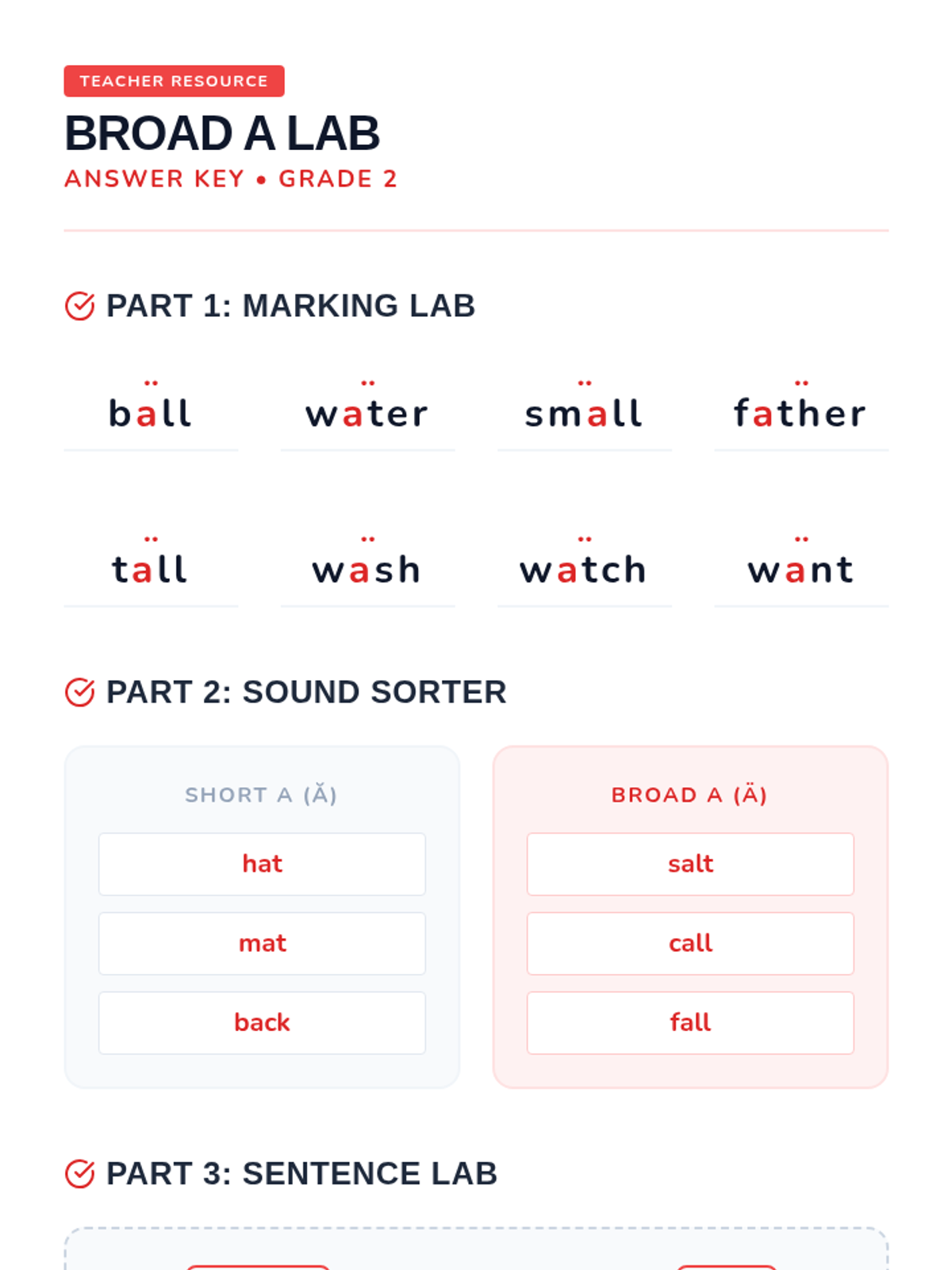
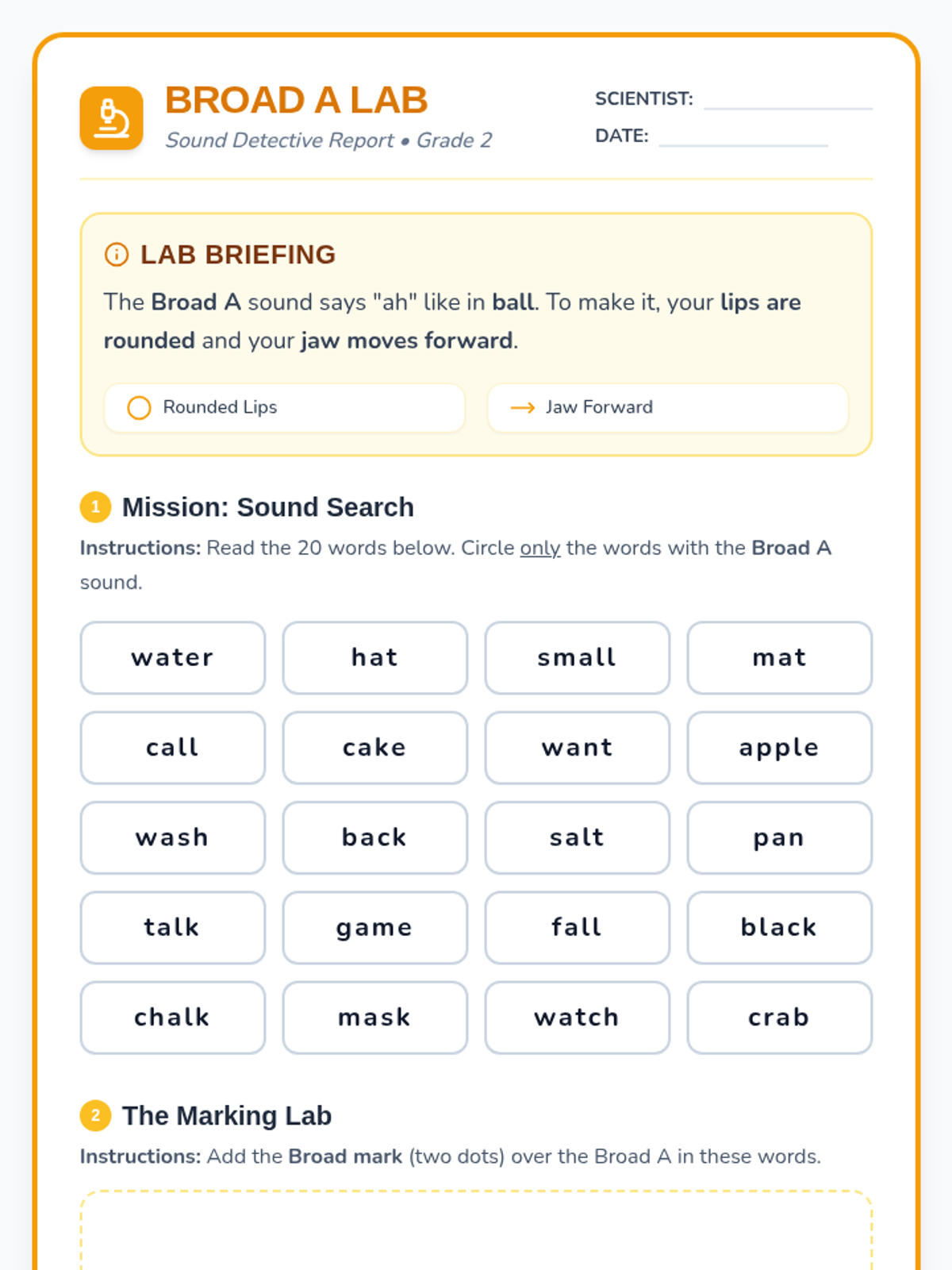
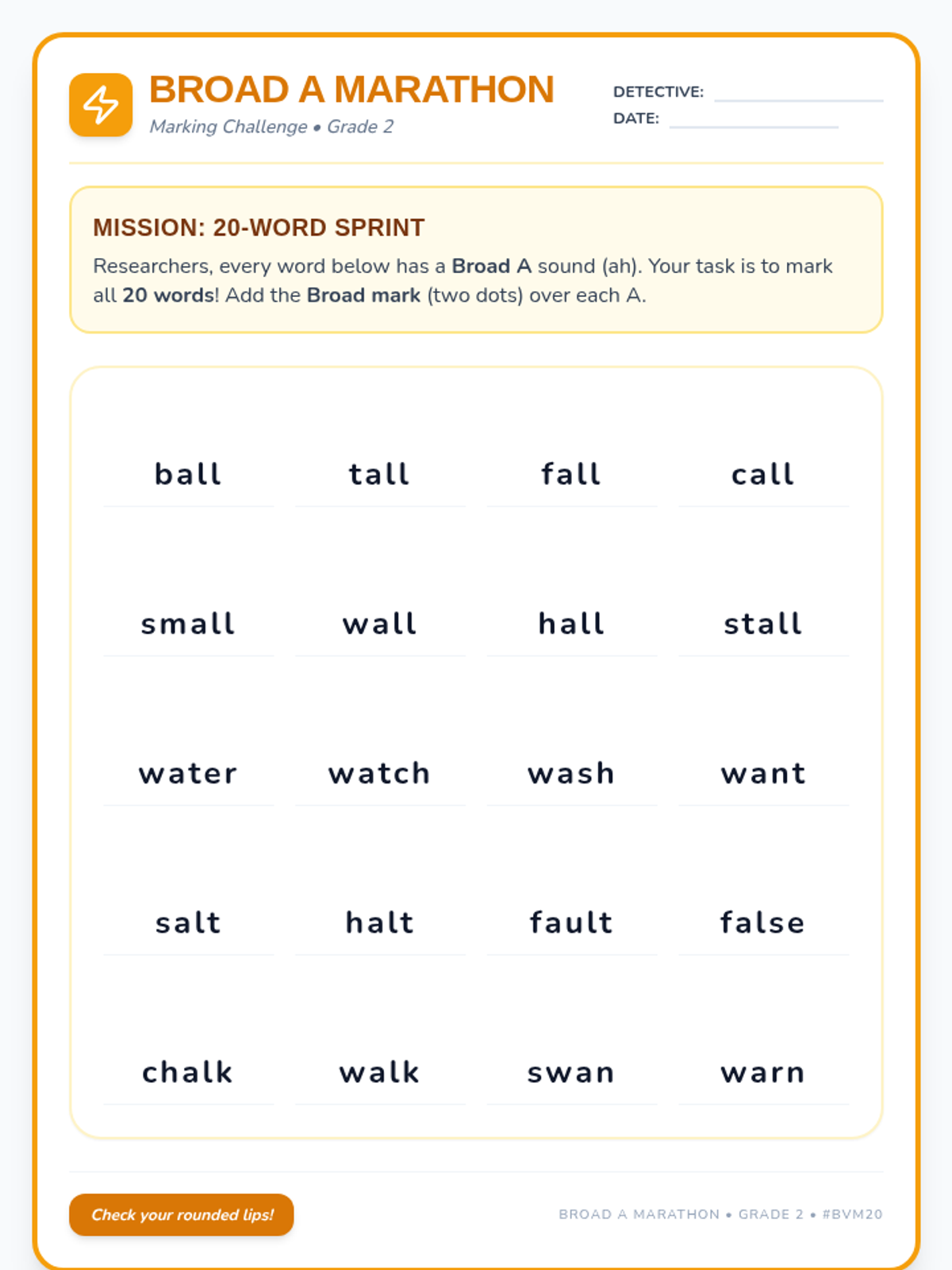
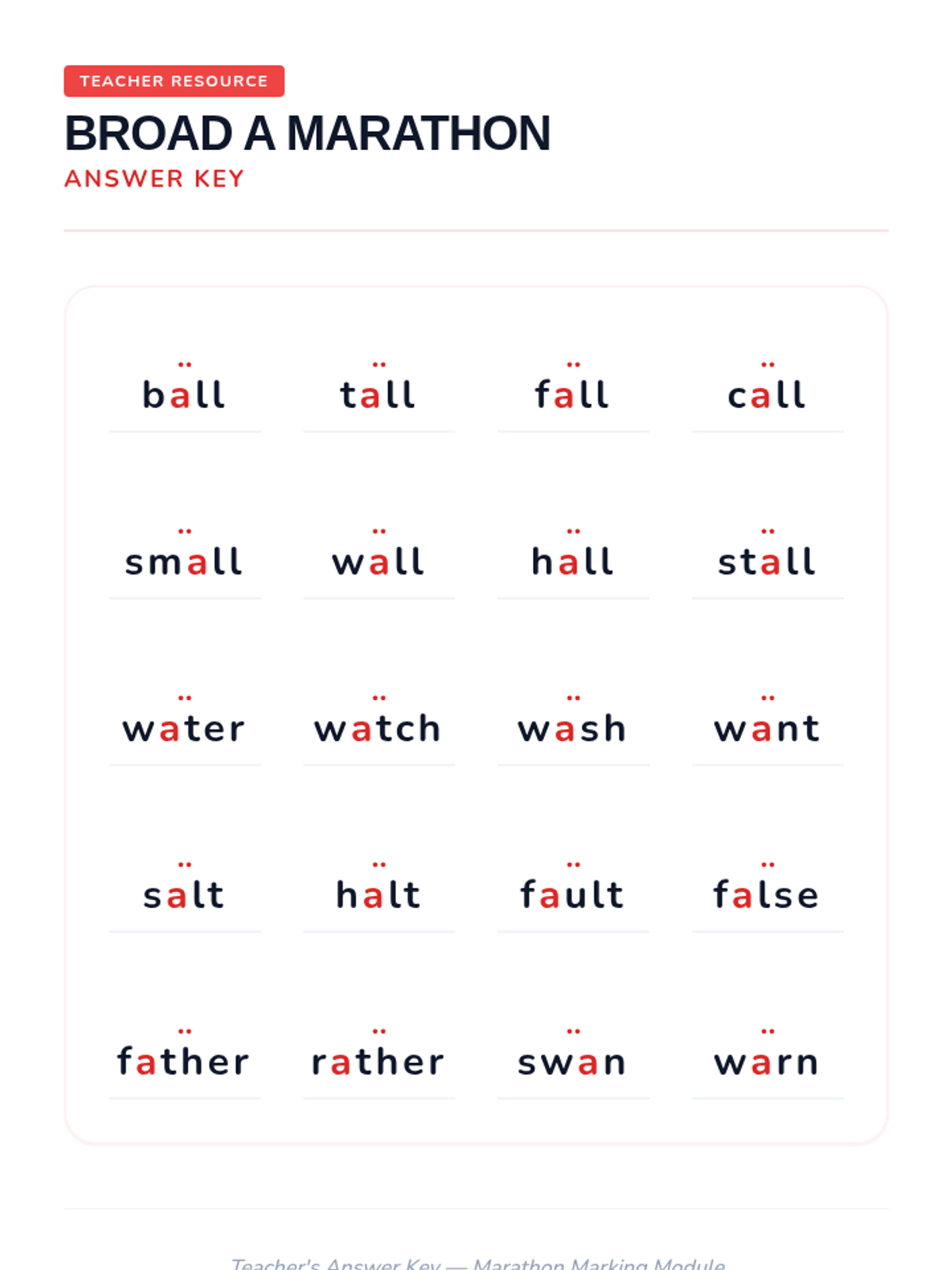
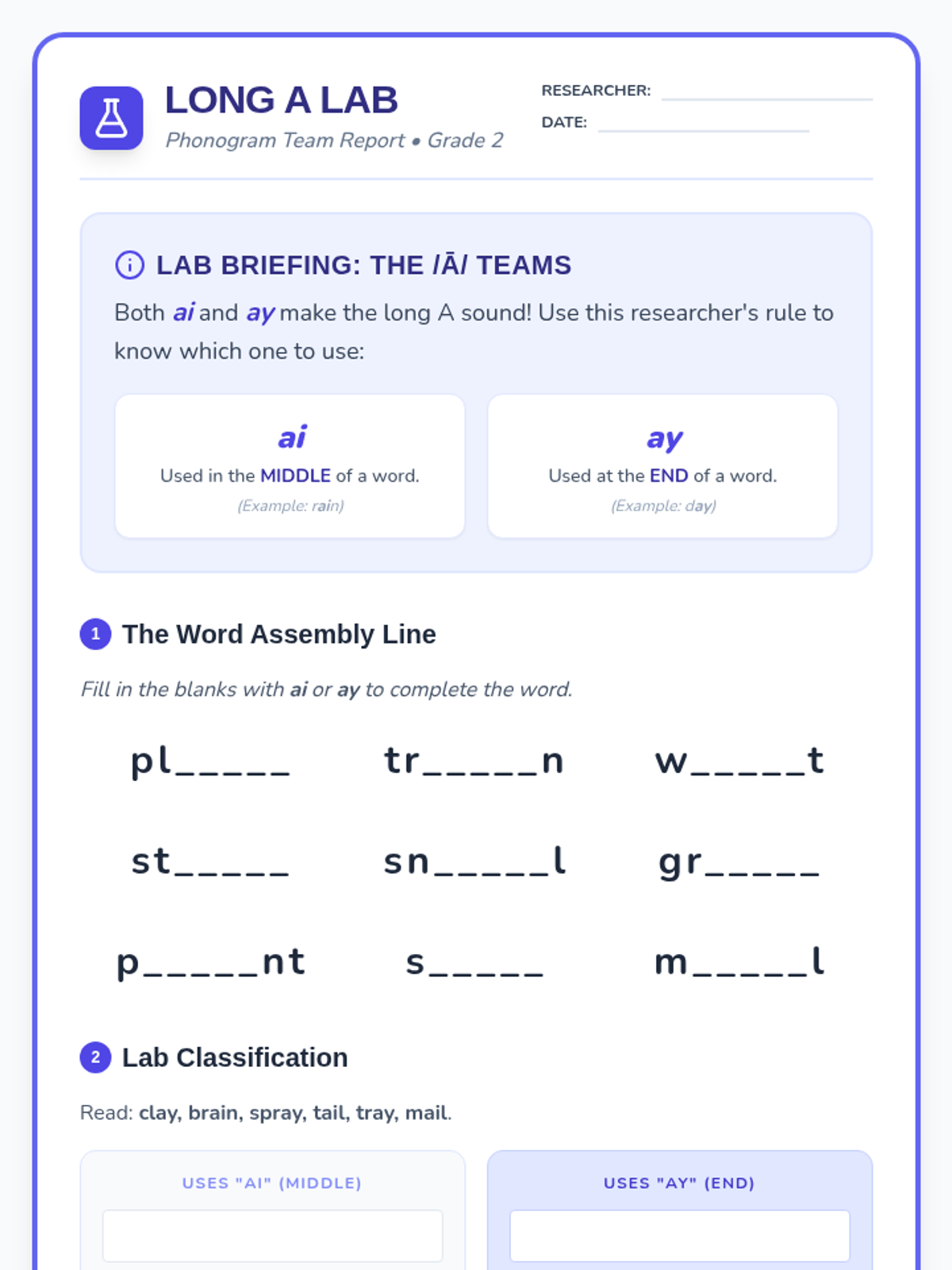
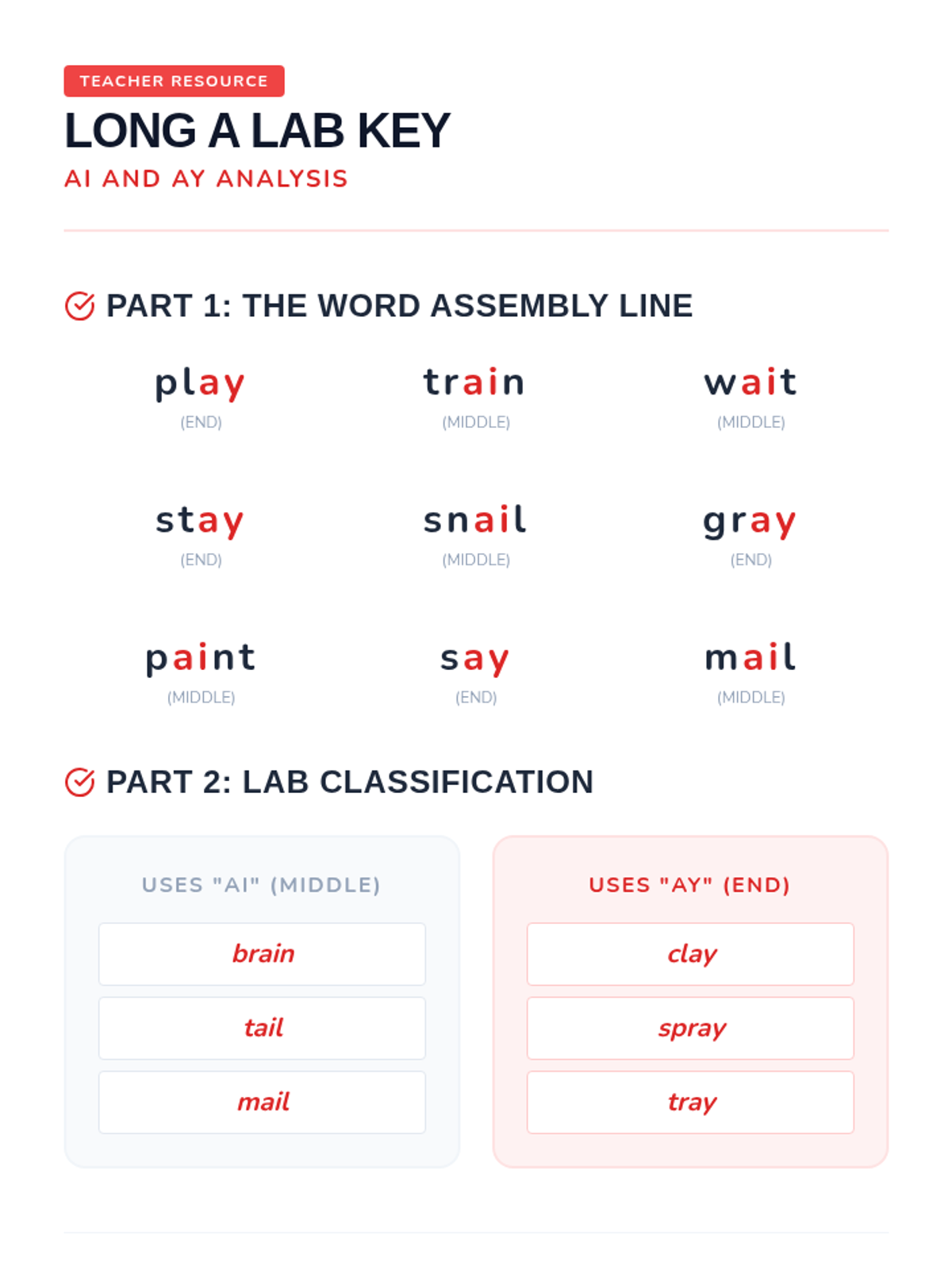
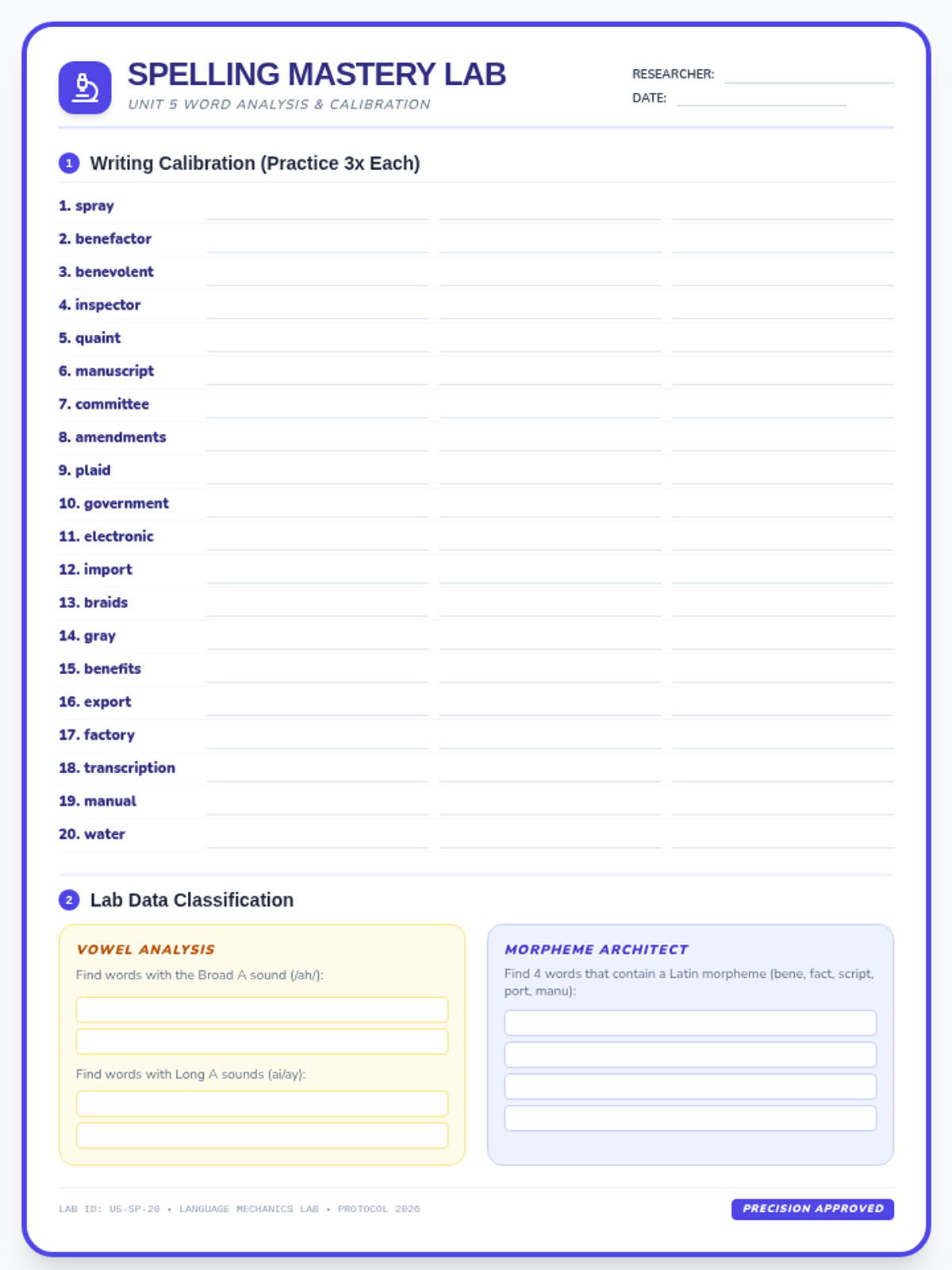
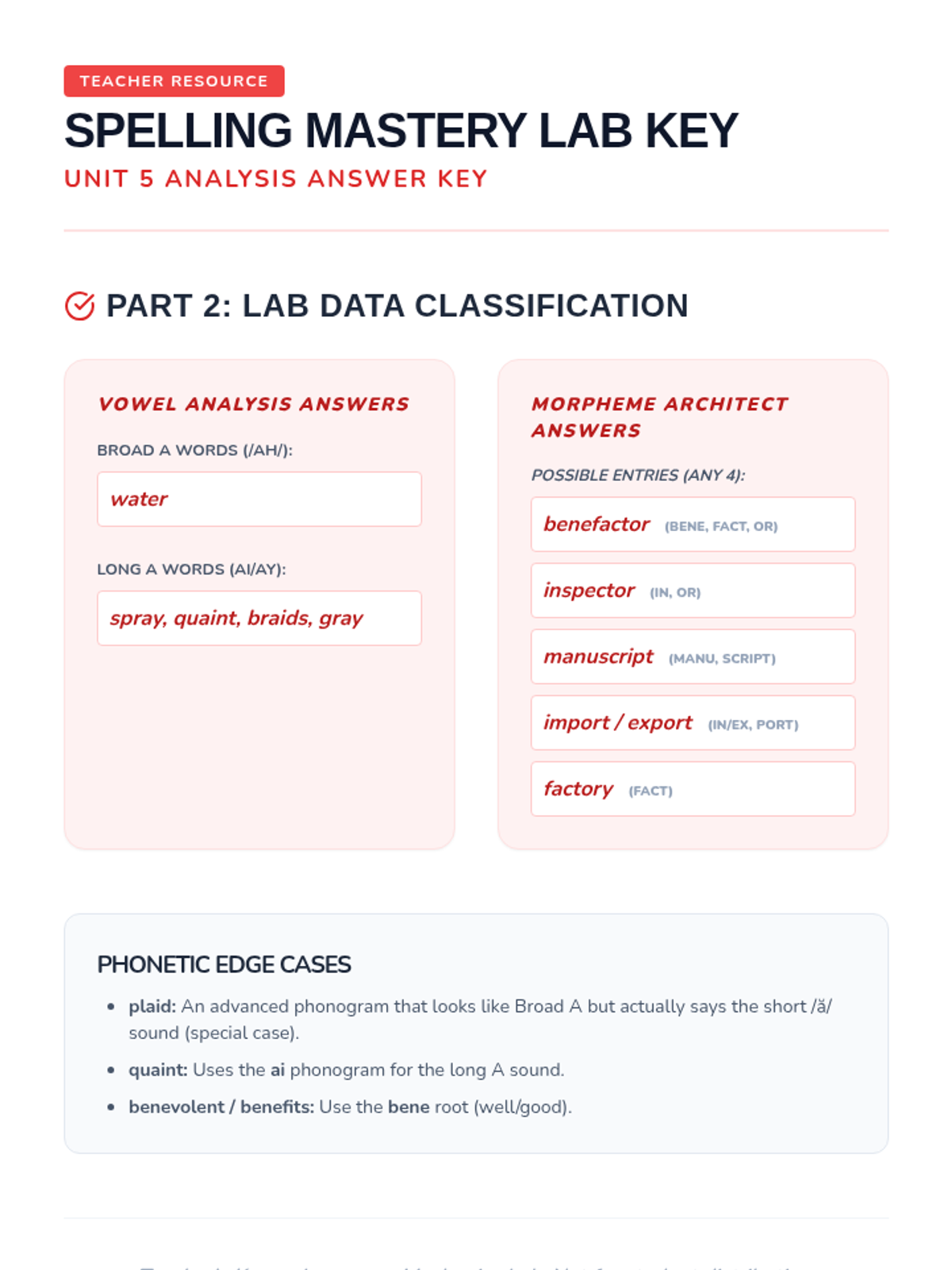
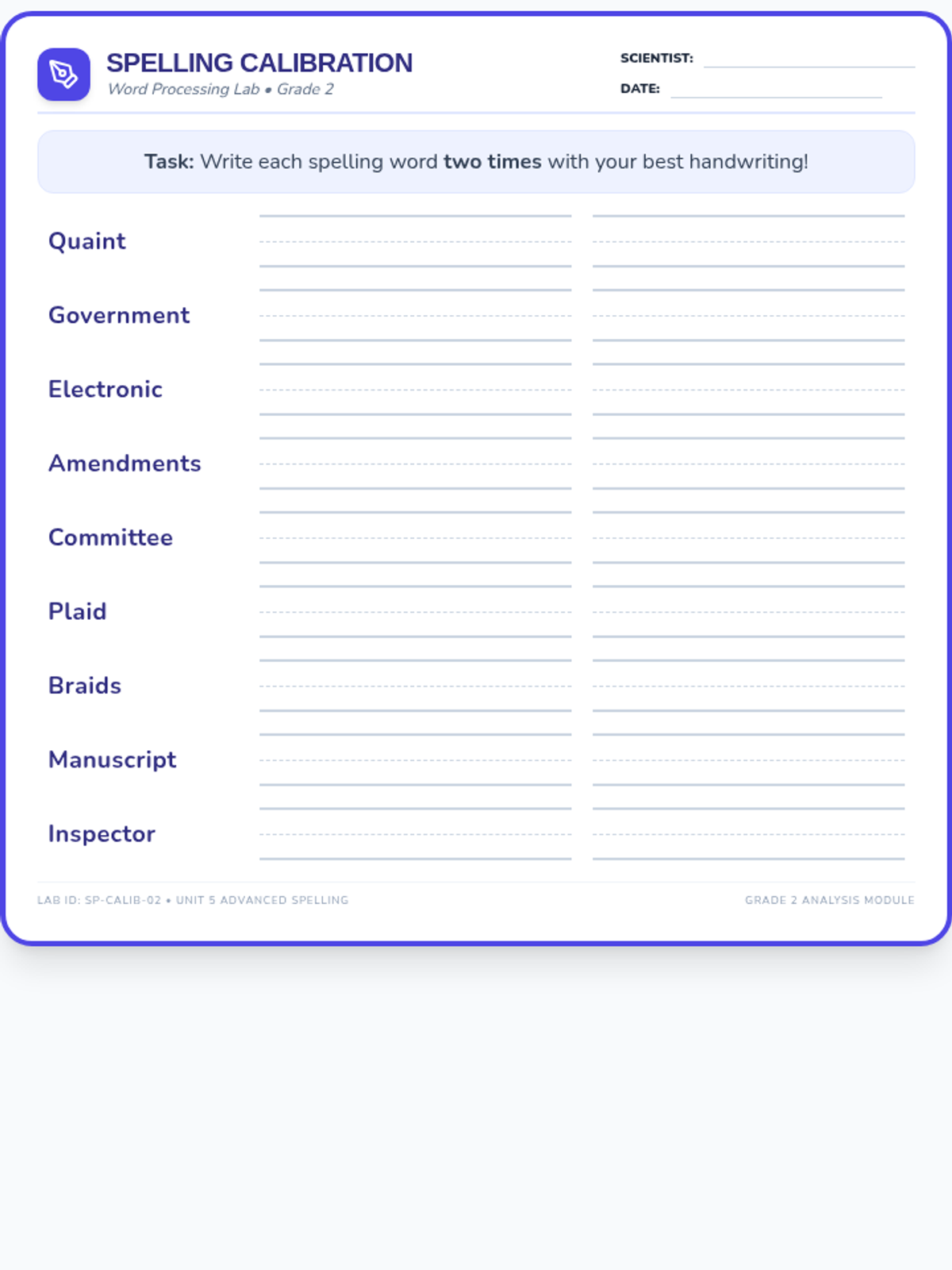
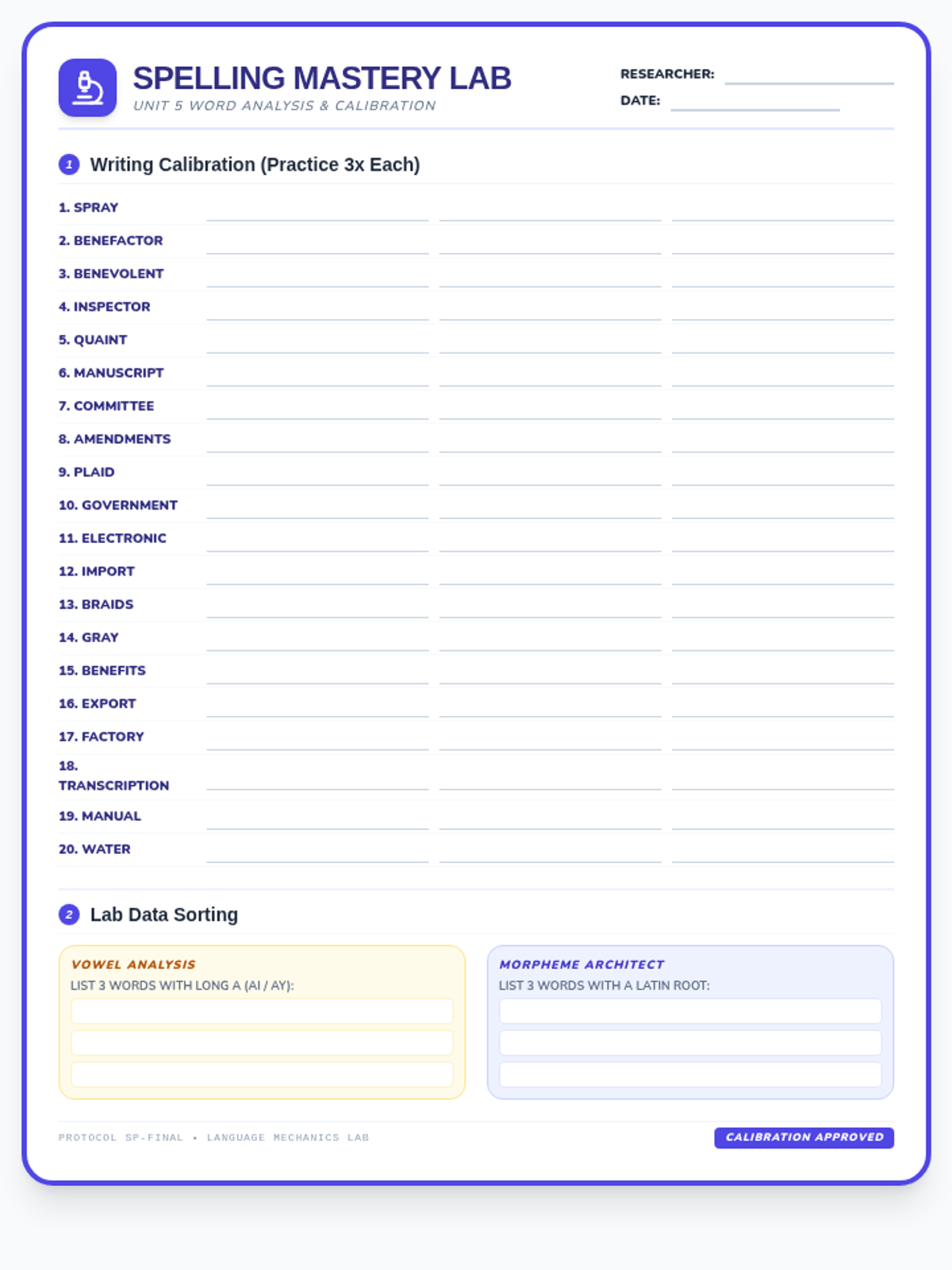
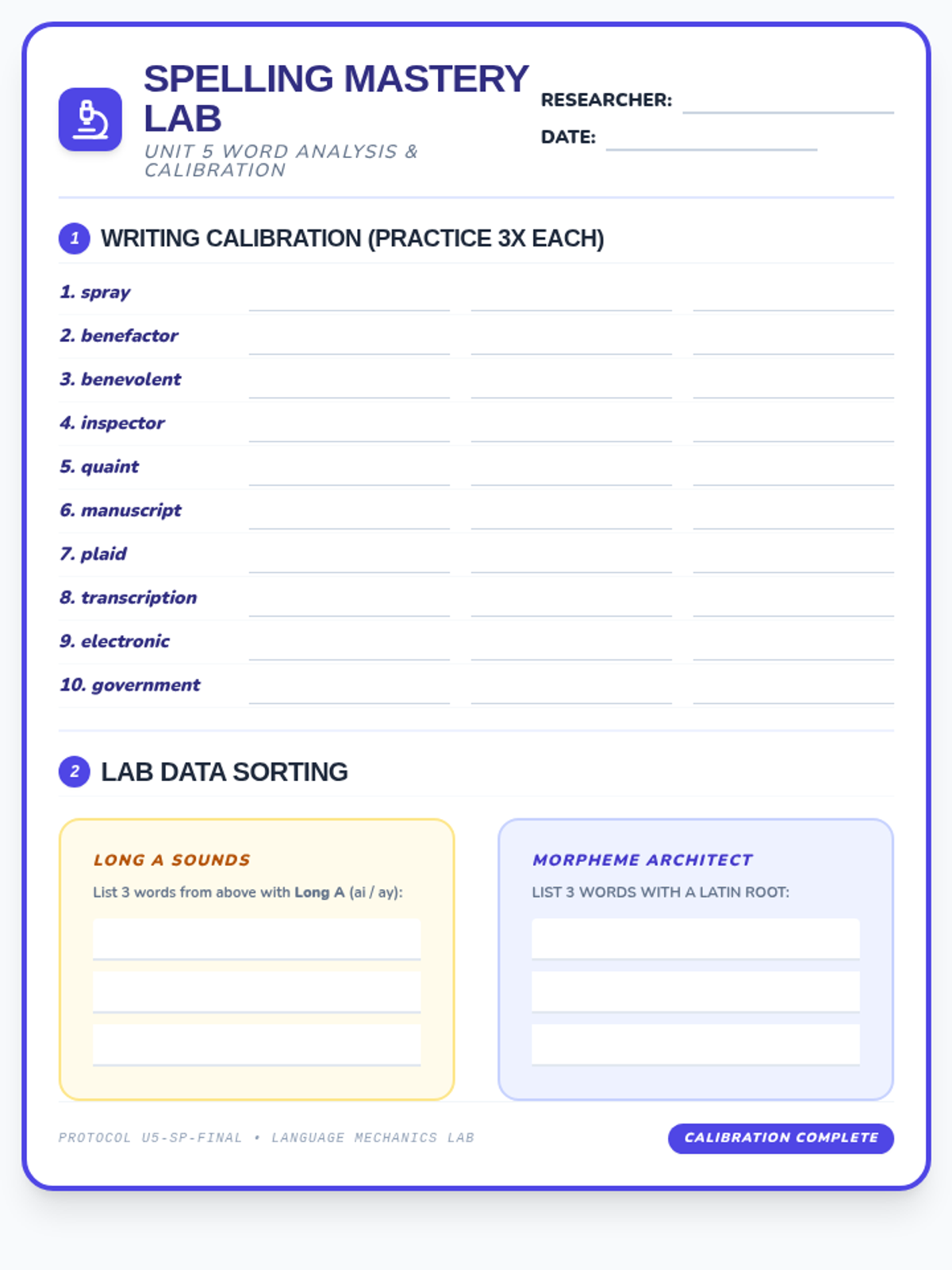
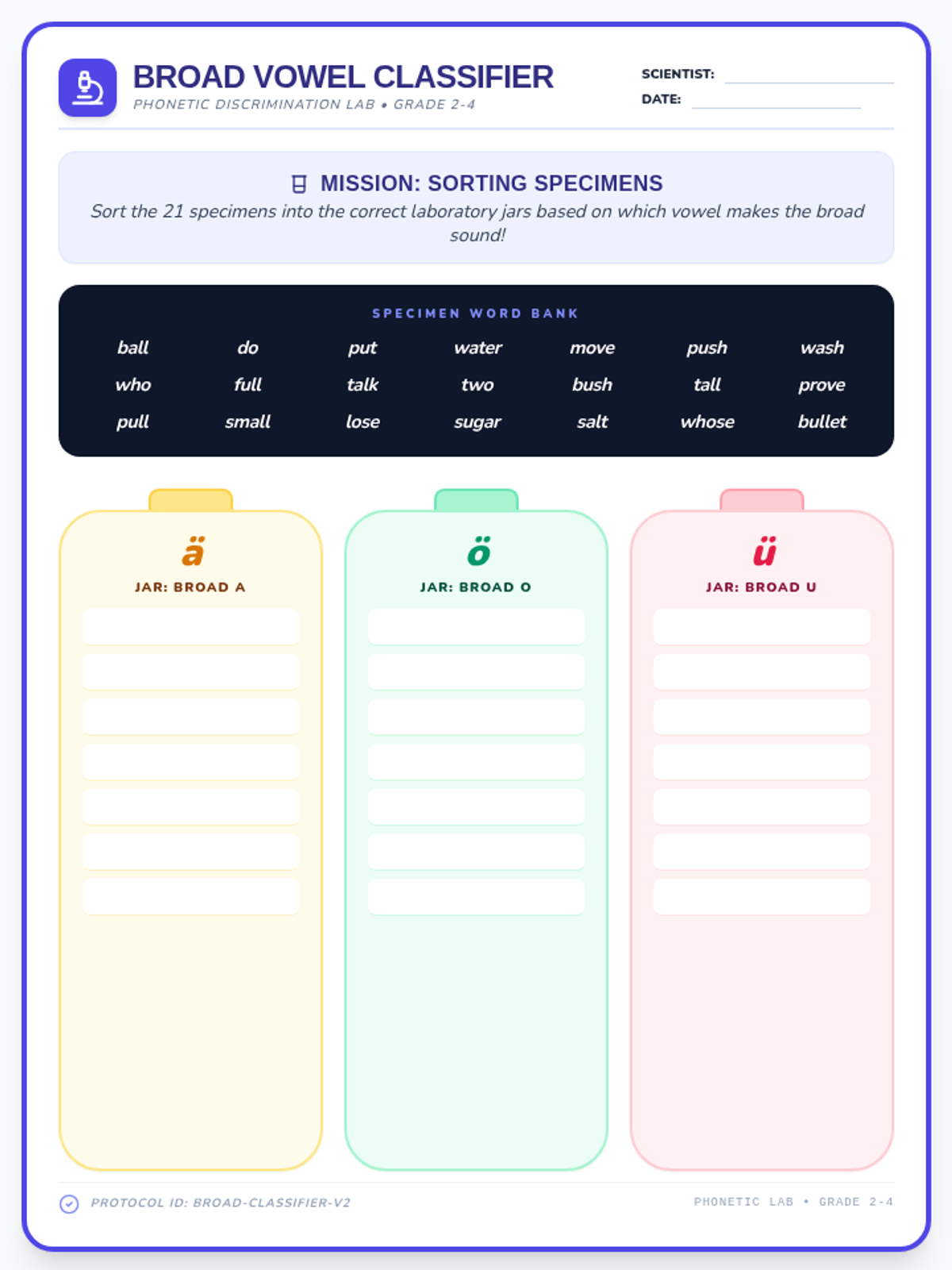
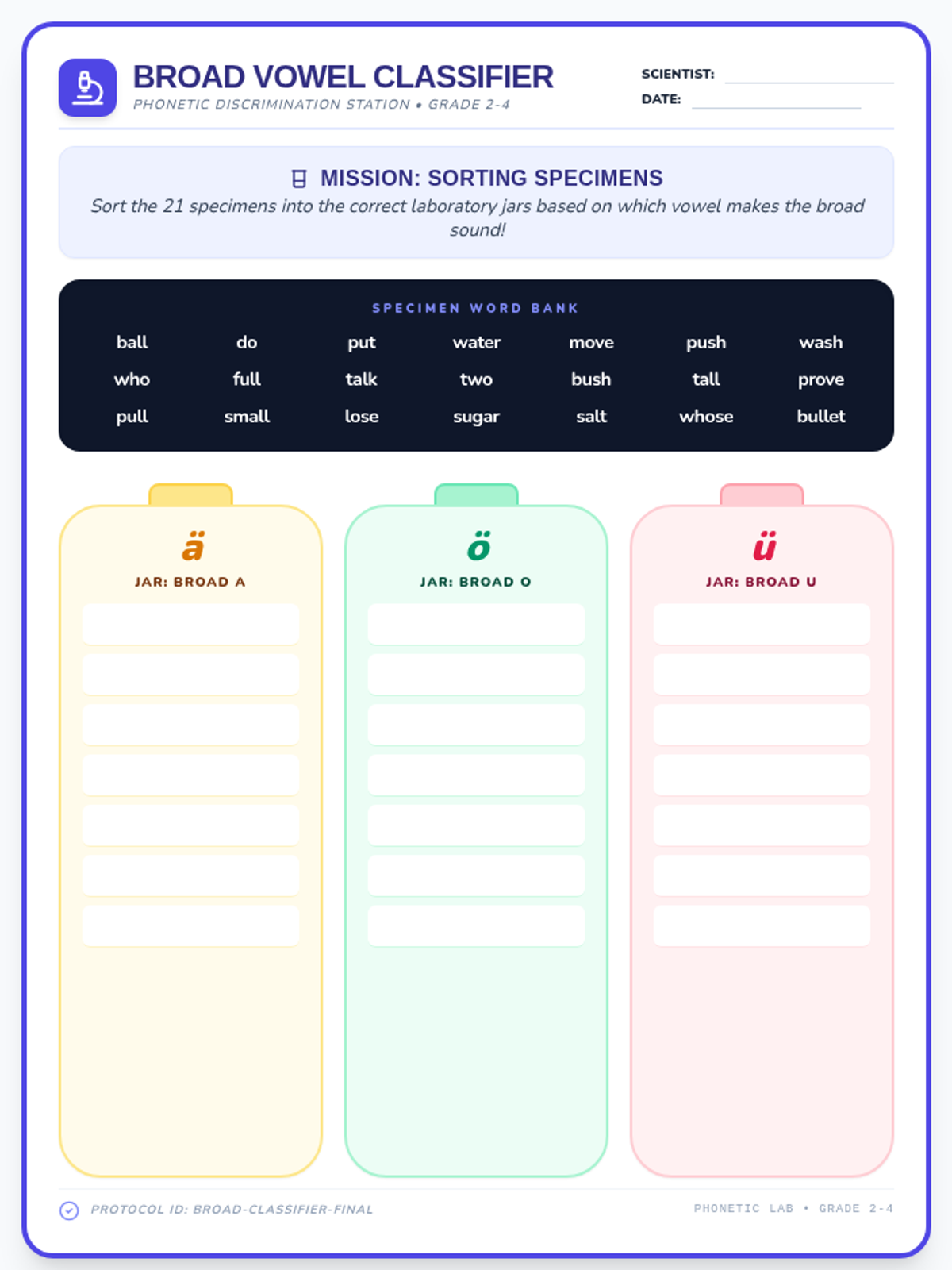
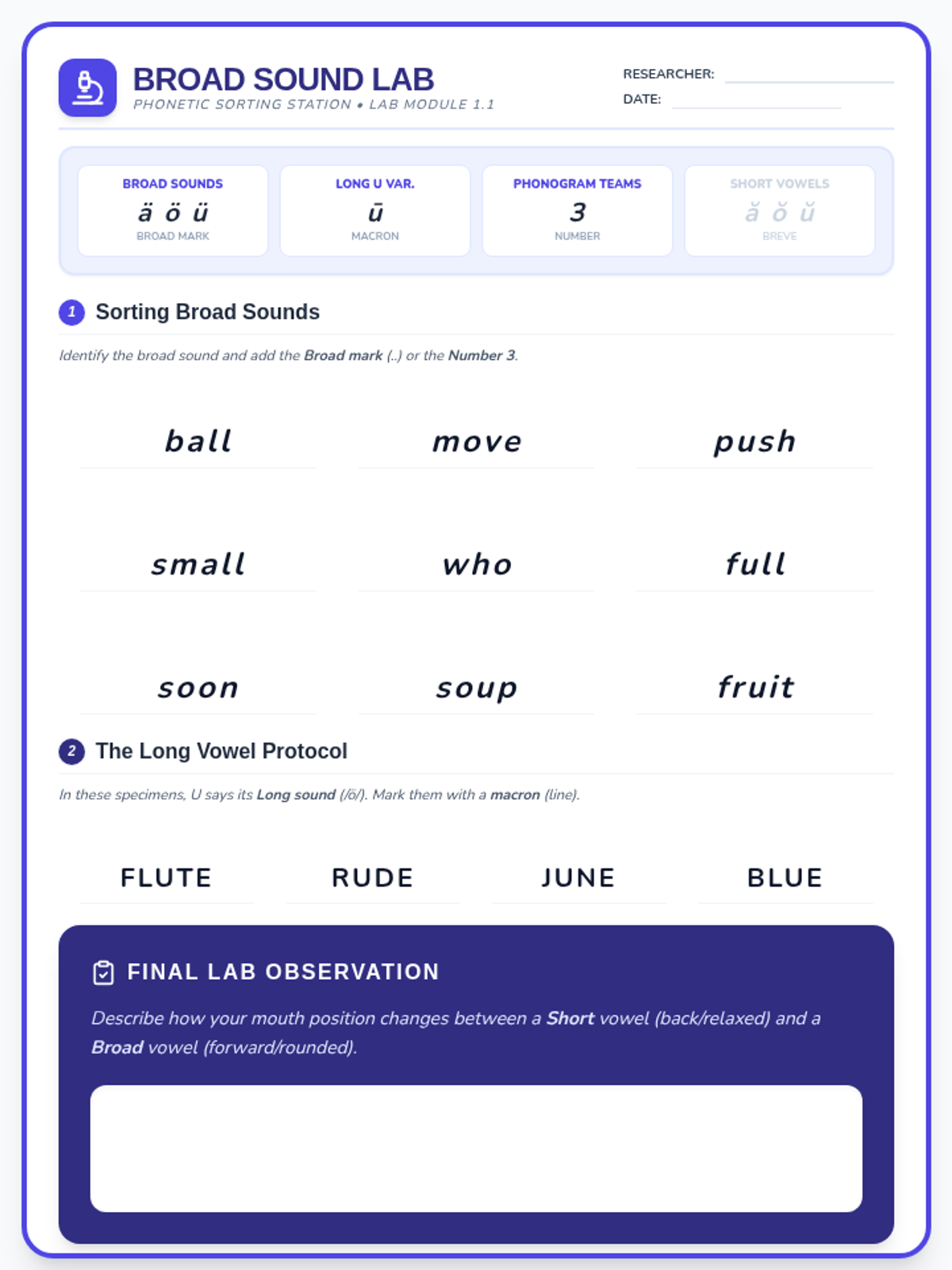
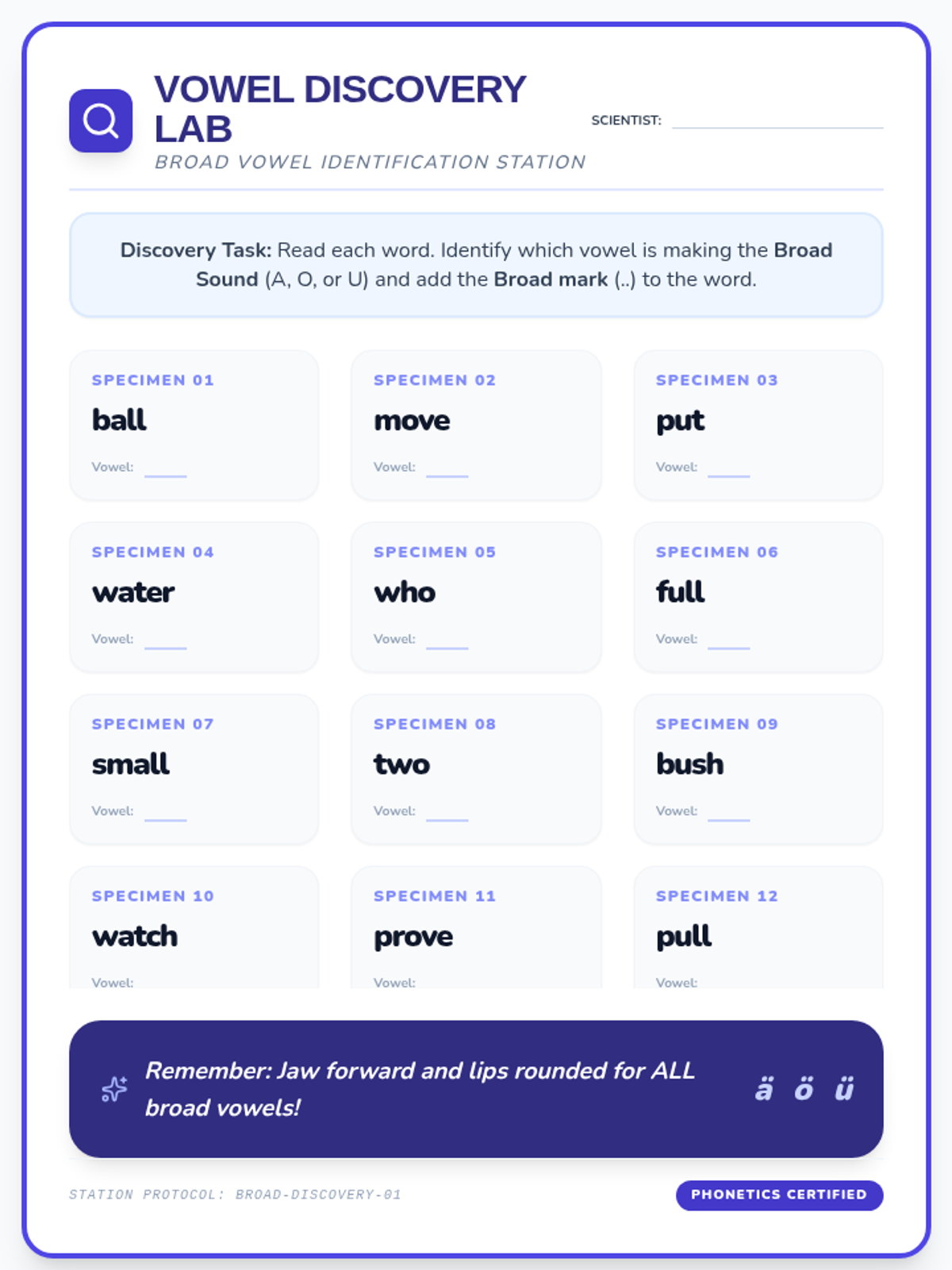
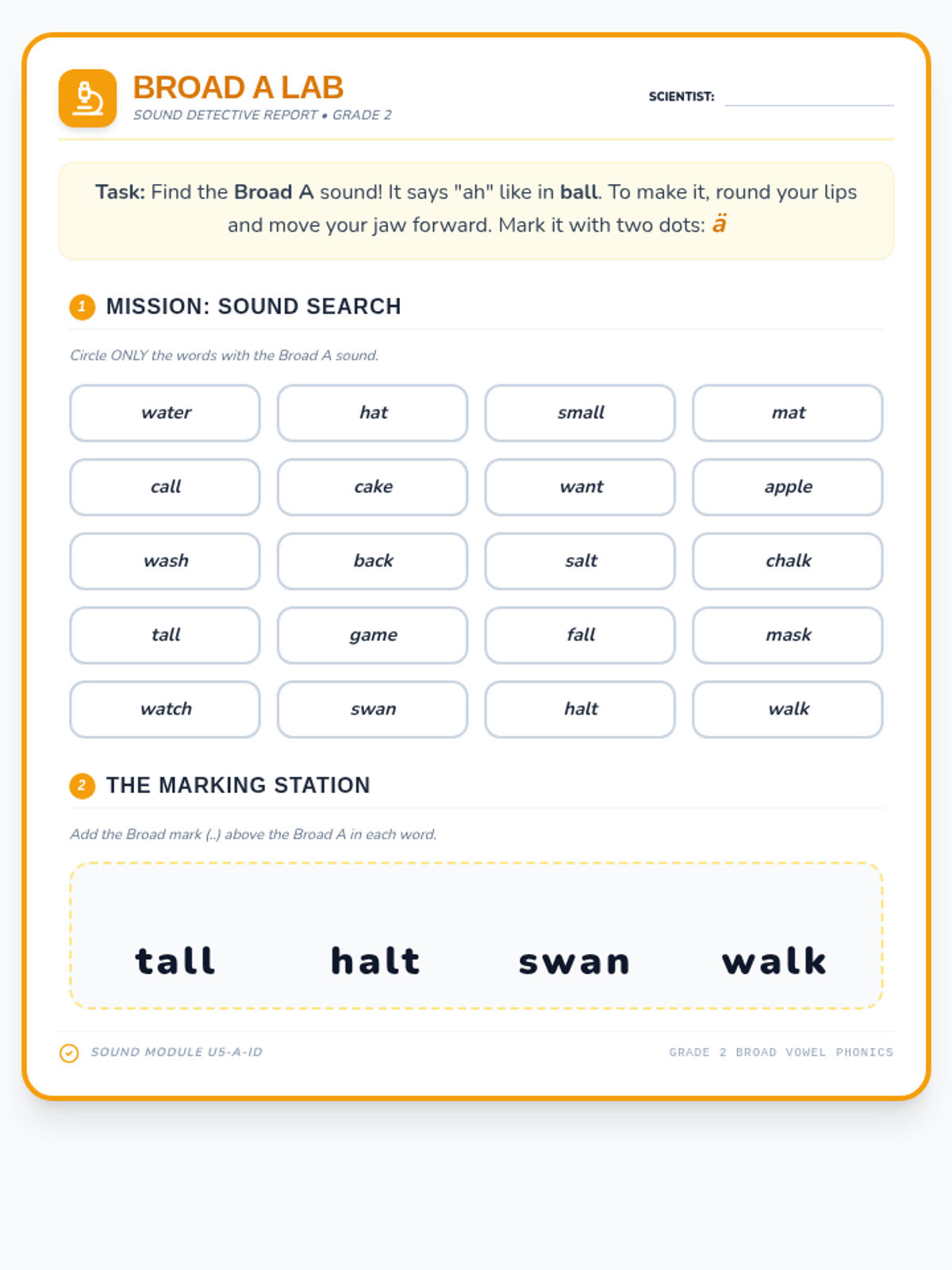
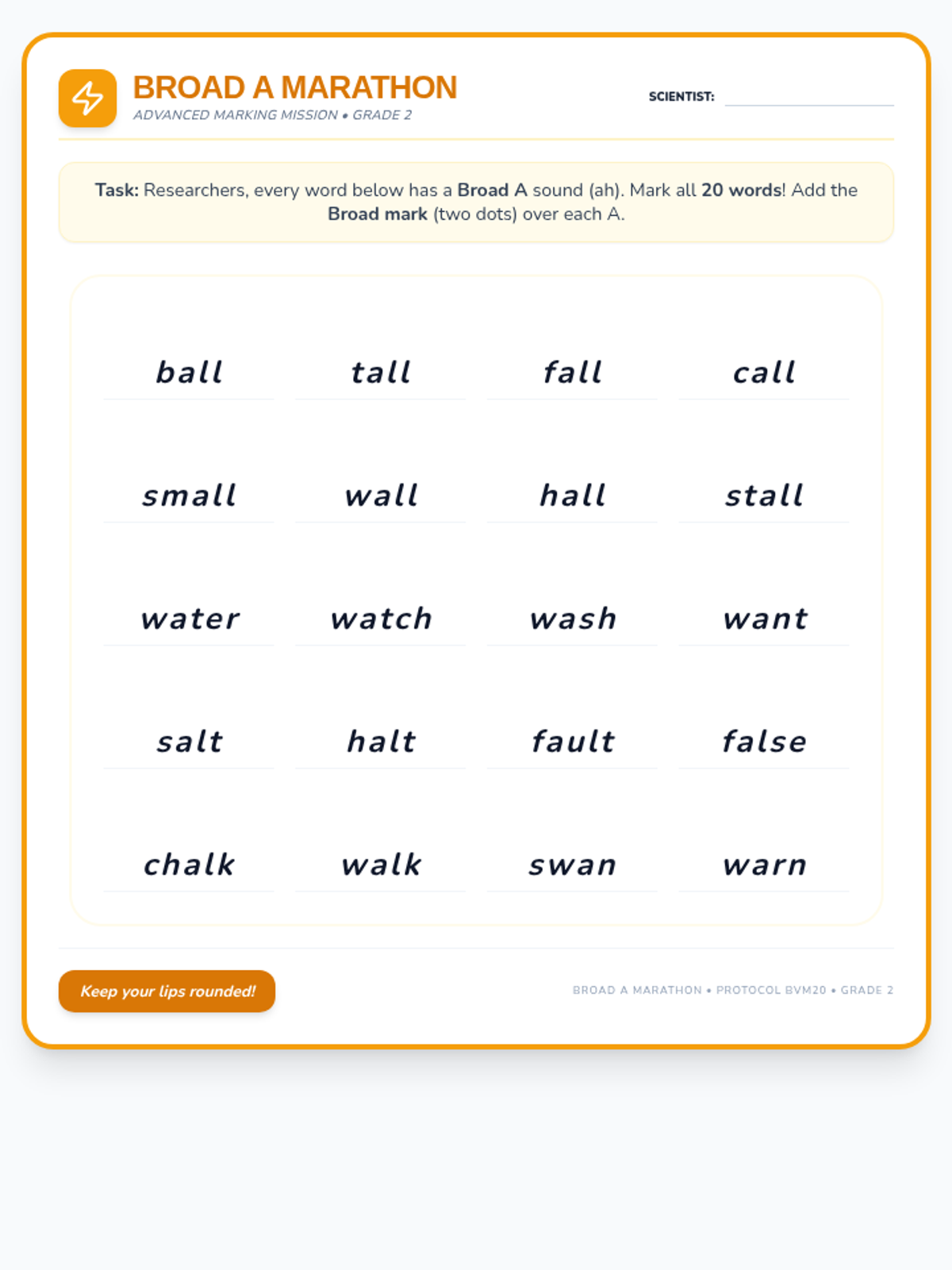
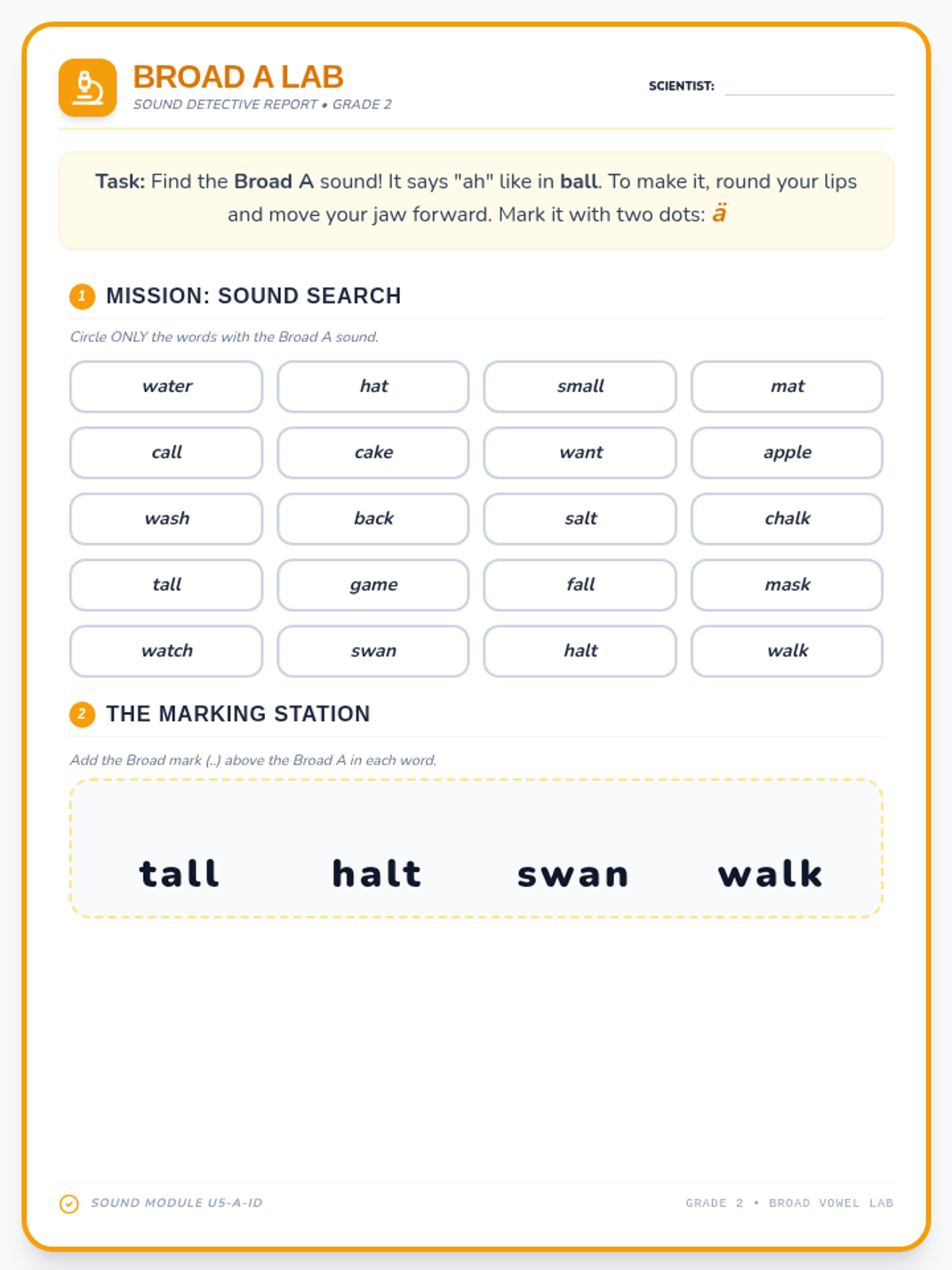
A comprehensive sequence on language mechanics, from phonetic marking of complex vowel sounds to the morphological analysis of Latin roots and affixes. Students develop deep decoding and encoding skills by investigating the building blocks of words.
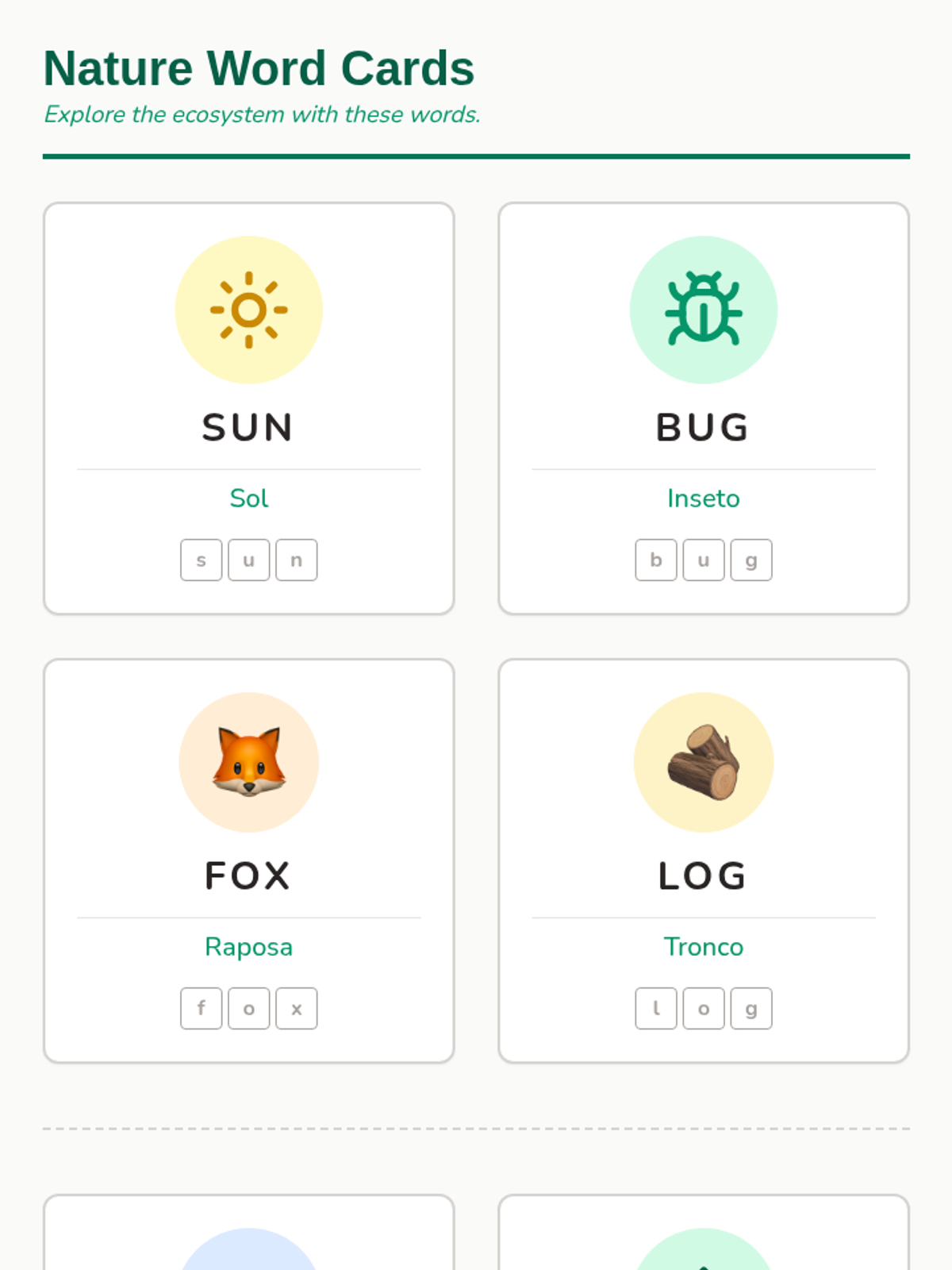
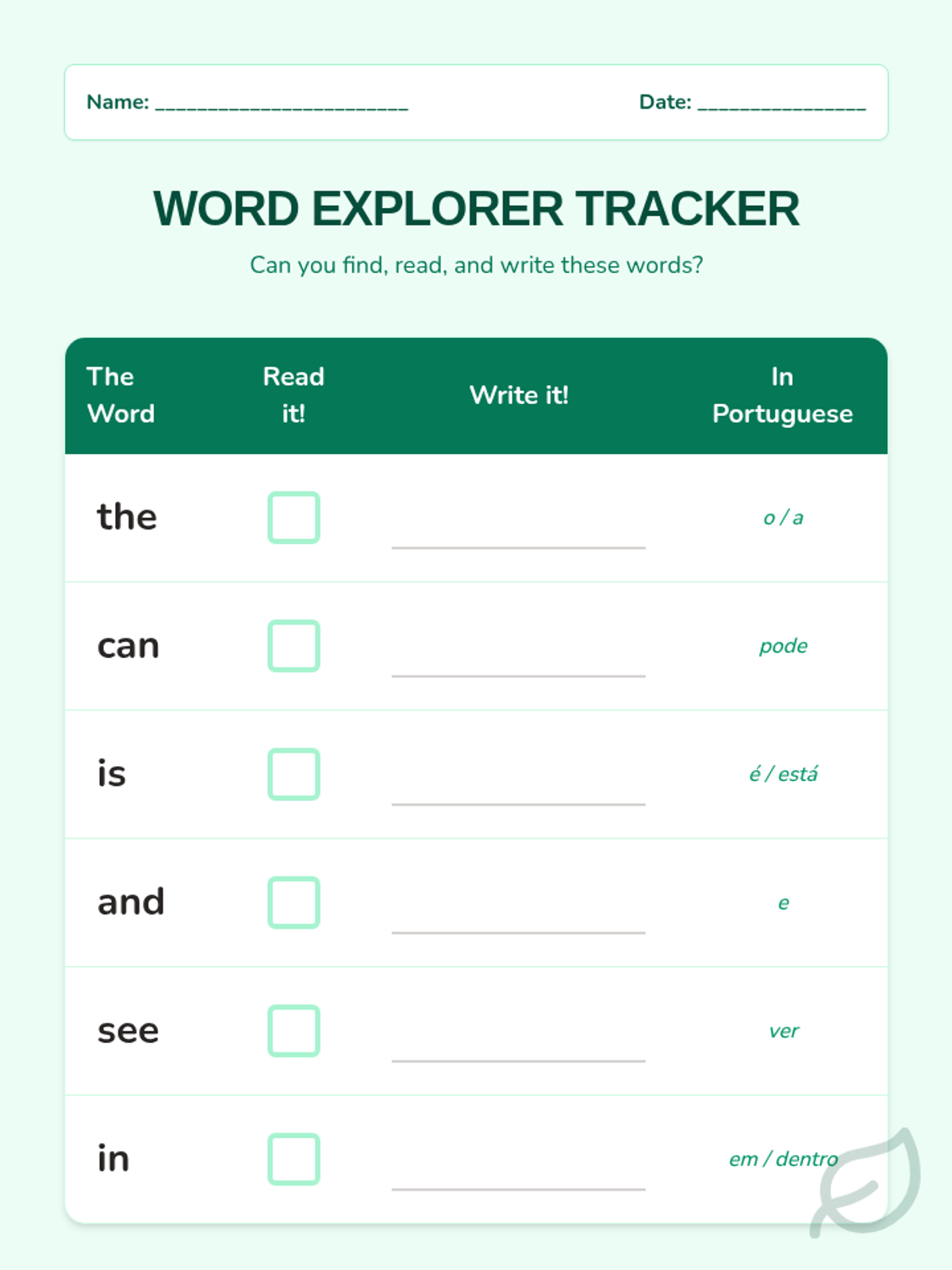
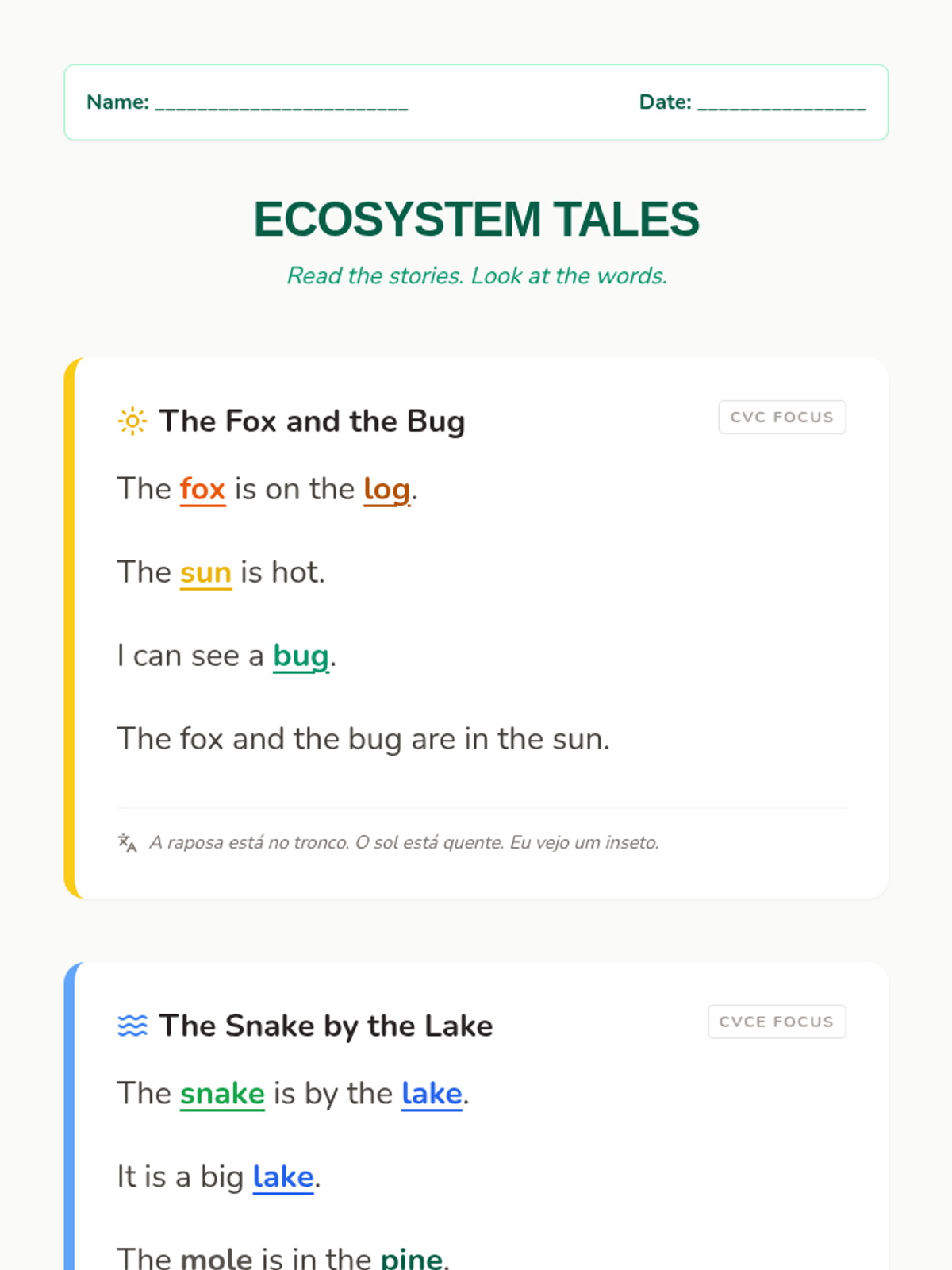
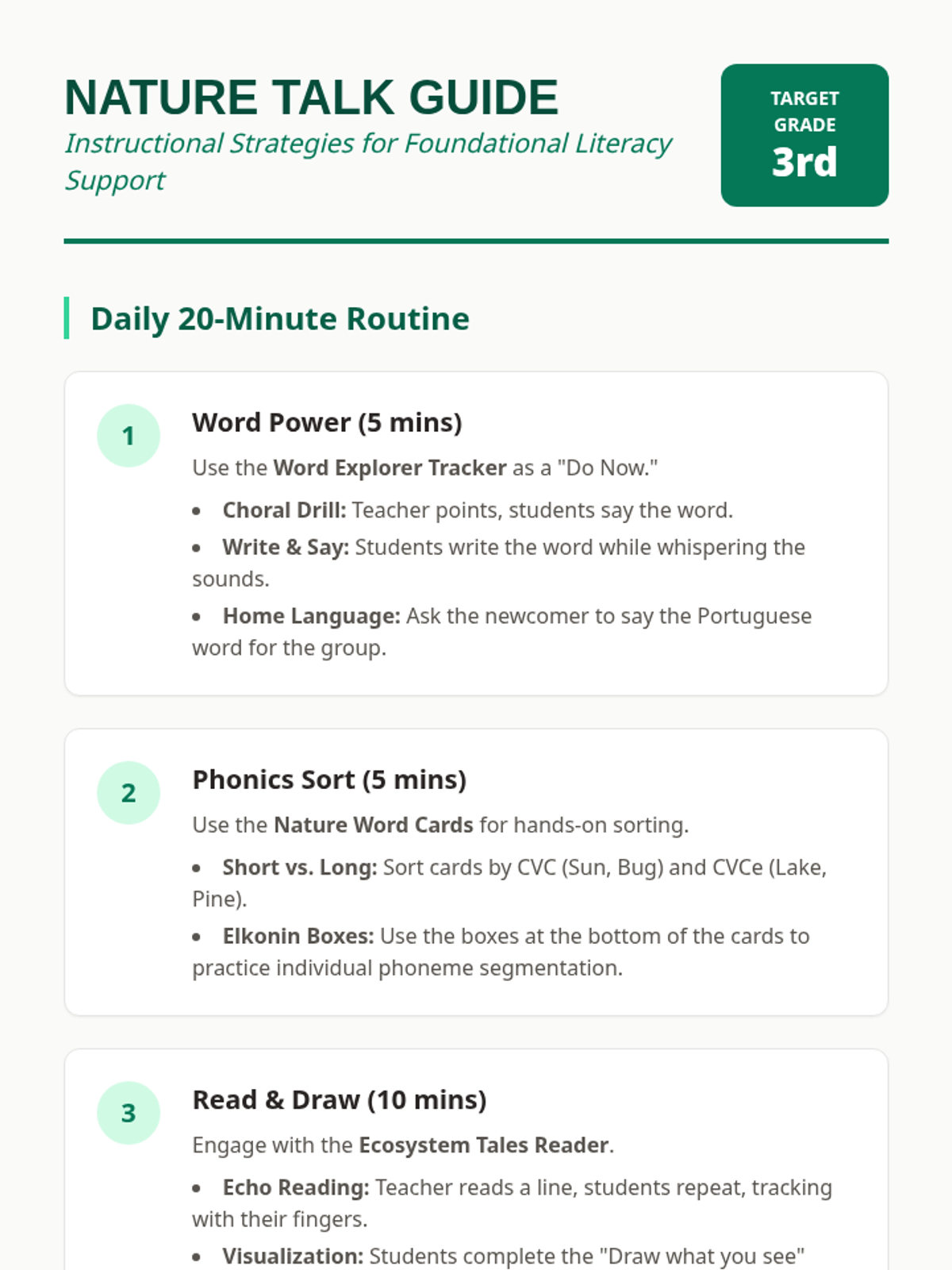
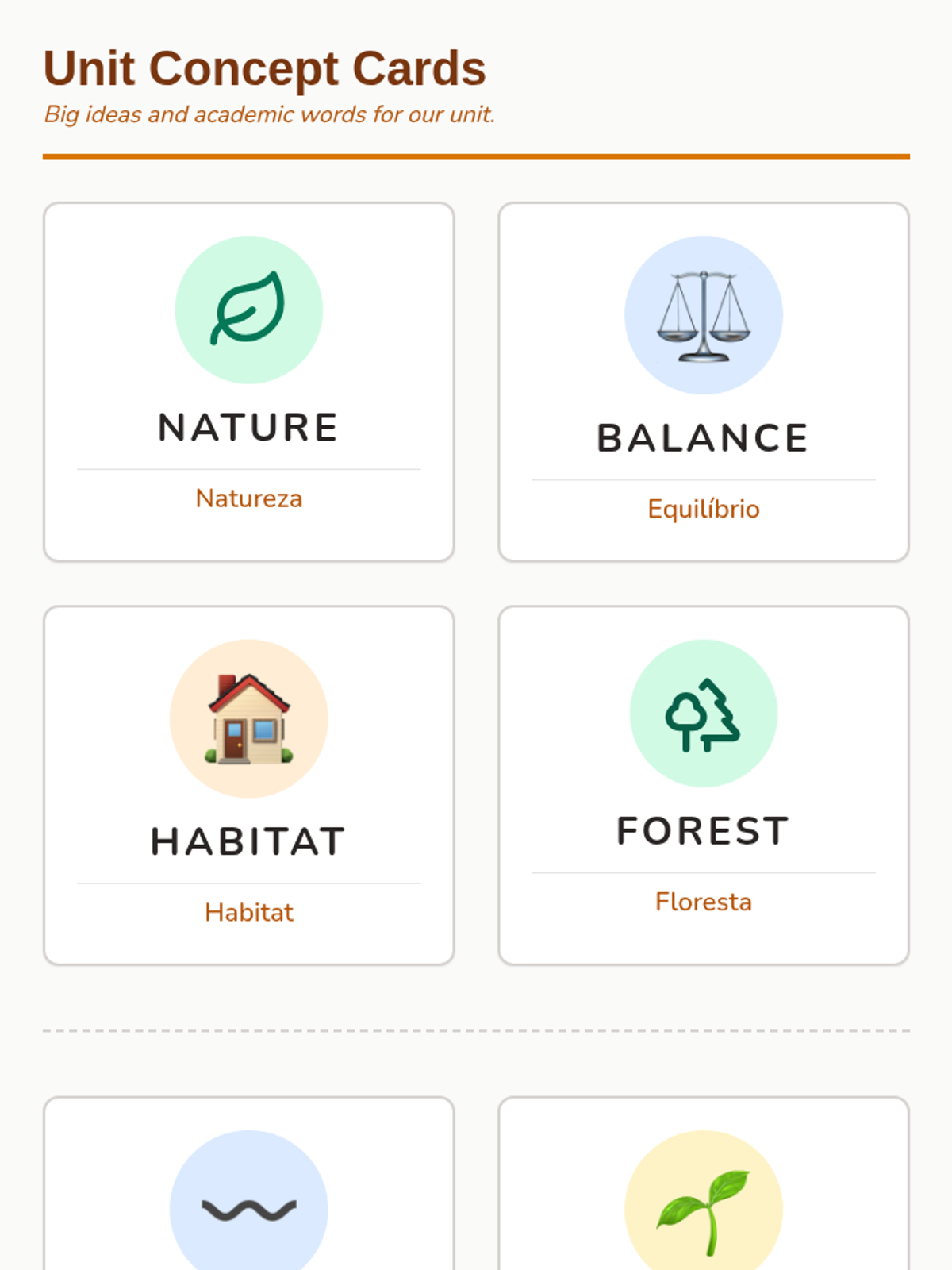
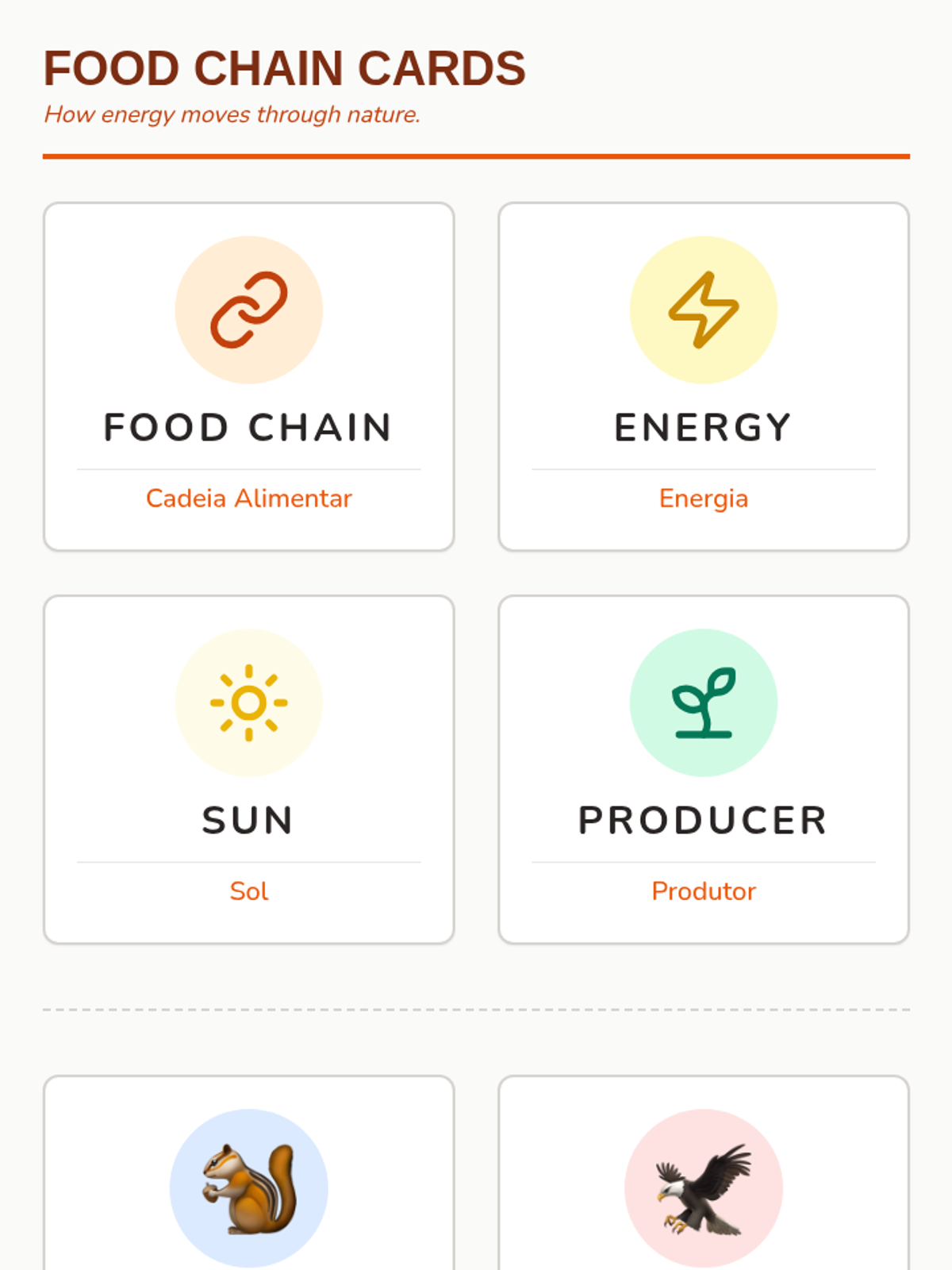
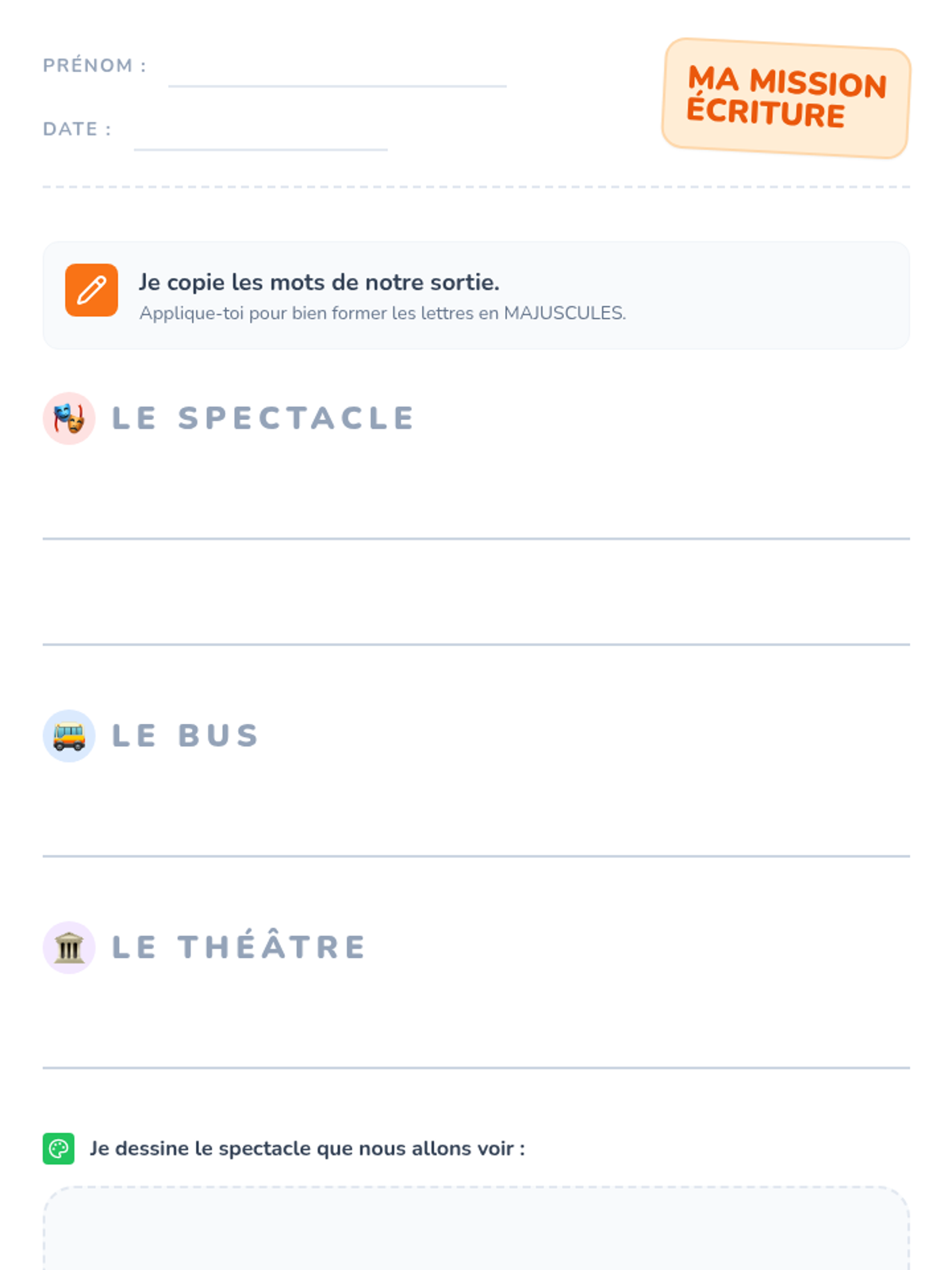
A foundational literacy sequence designed for multilingual learners and students with reading IEPs, supplementing the Nature's Balance curriculum with grade 1 level phonics and high-frequency word support.
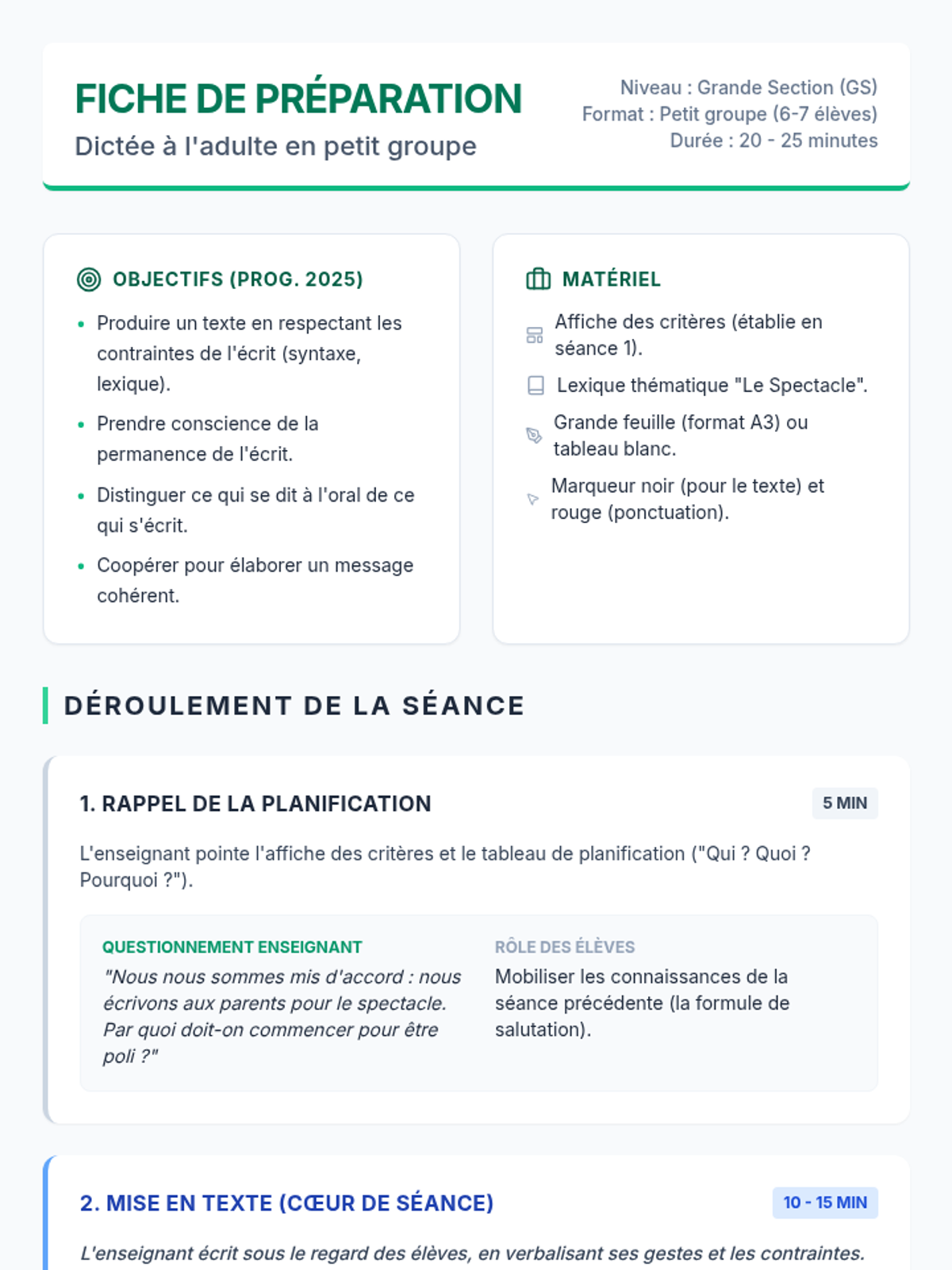
Une série de modules de formation destinés aux conseillers pédagogiques pour renforcer leur expertise en ingénierie de formation continue, spécifiquement appliquée à l'enseignement du français à l'école primaire.
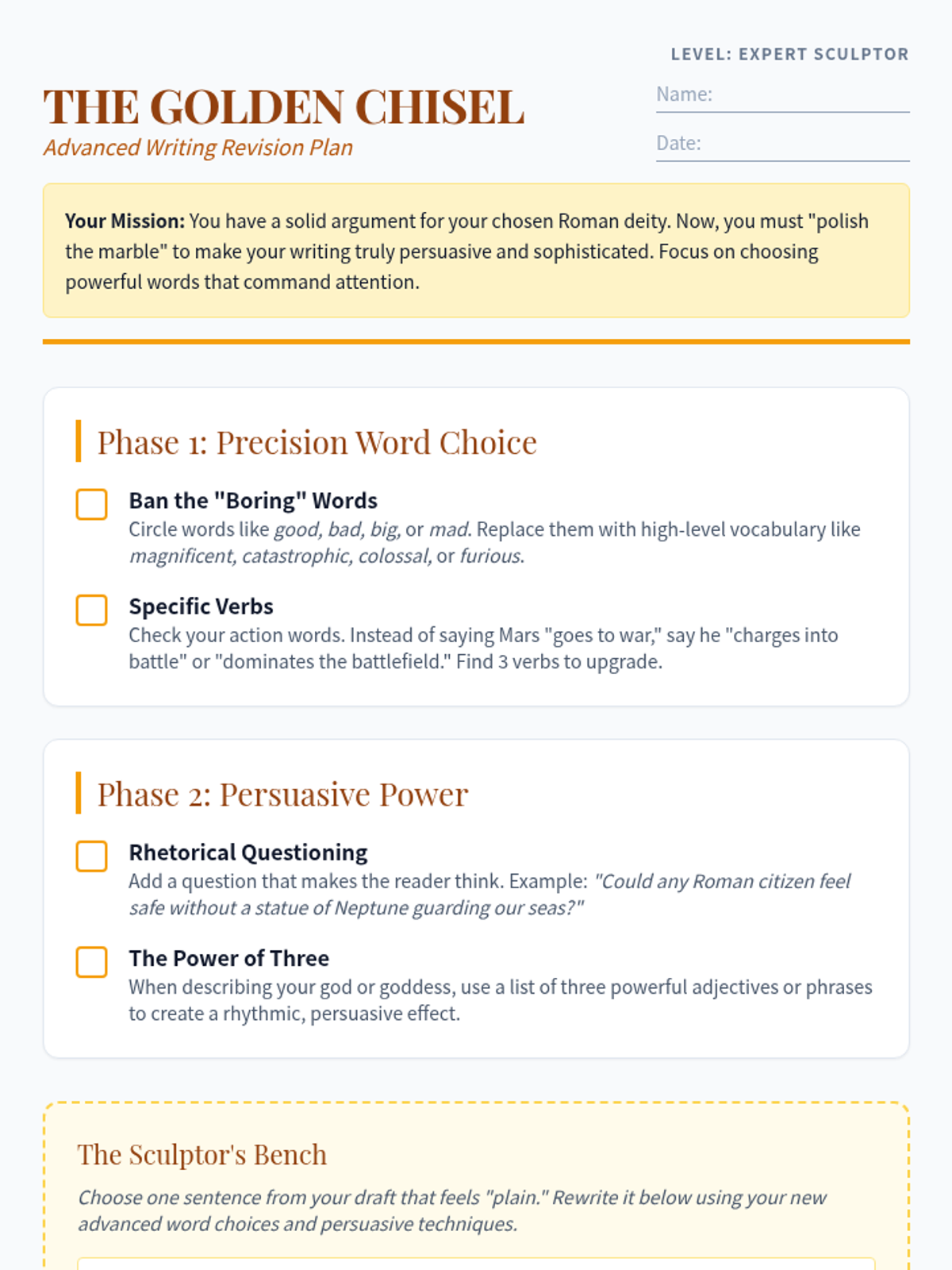
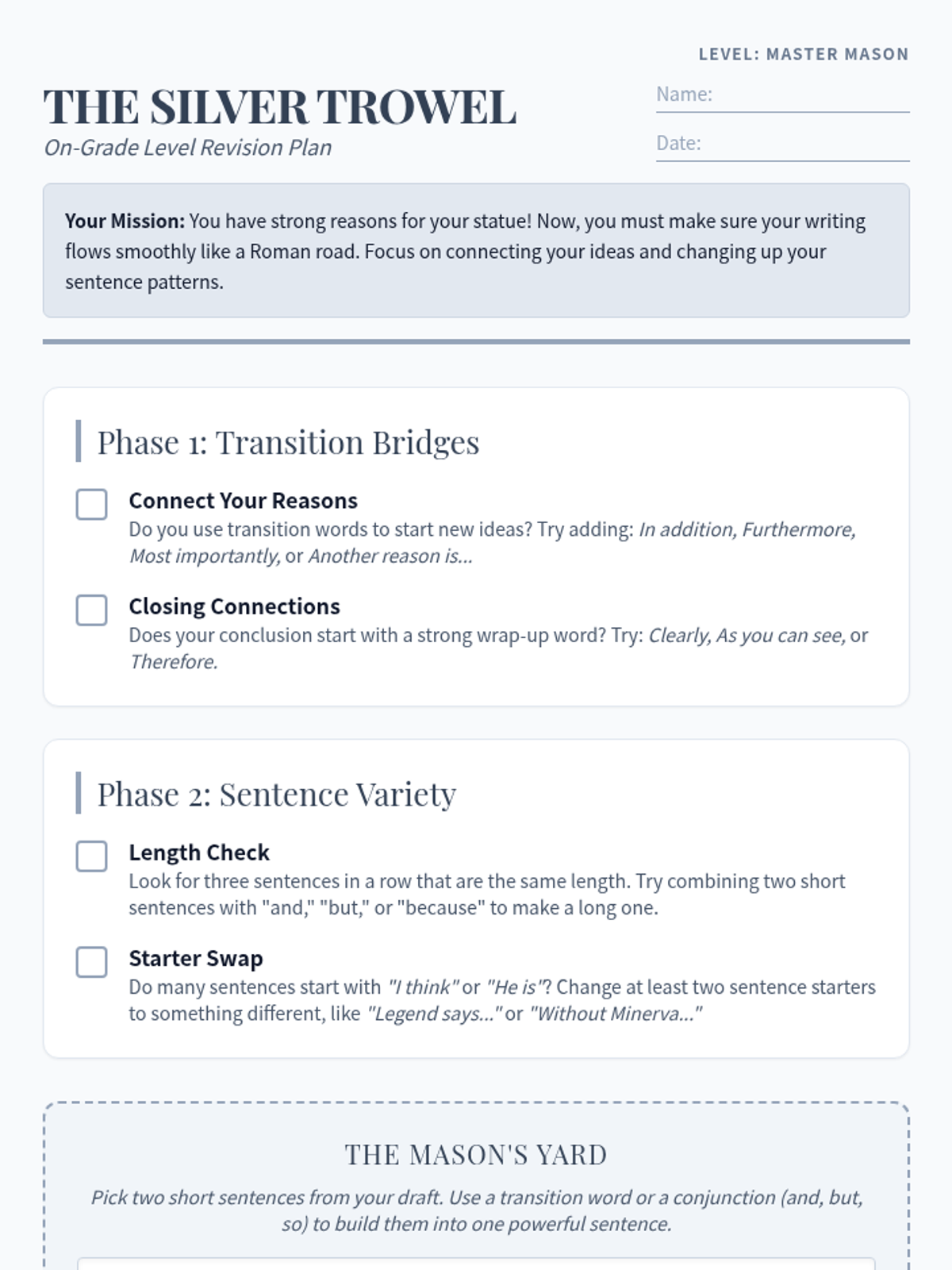
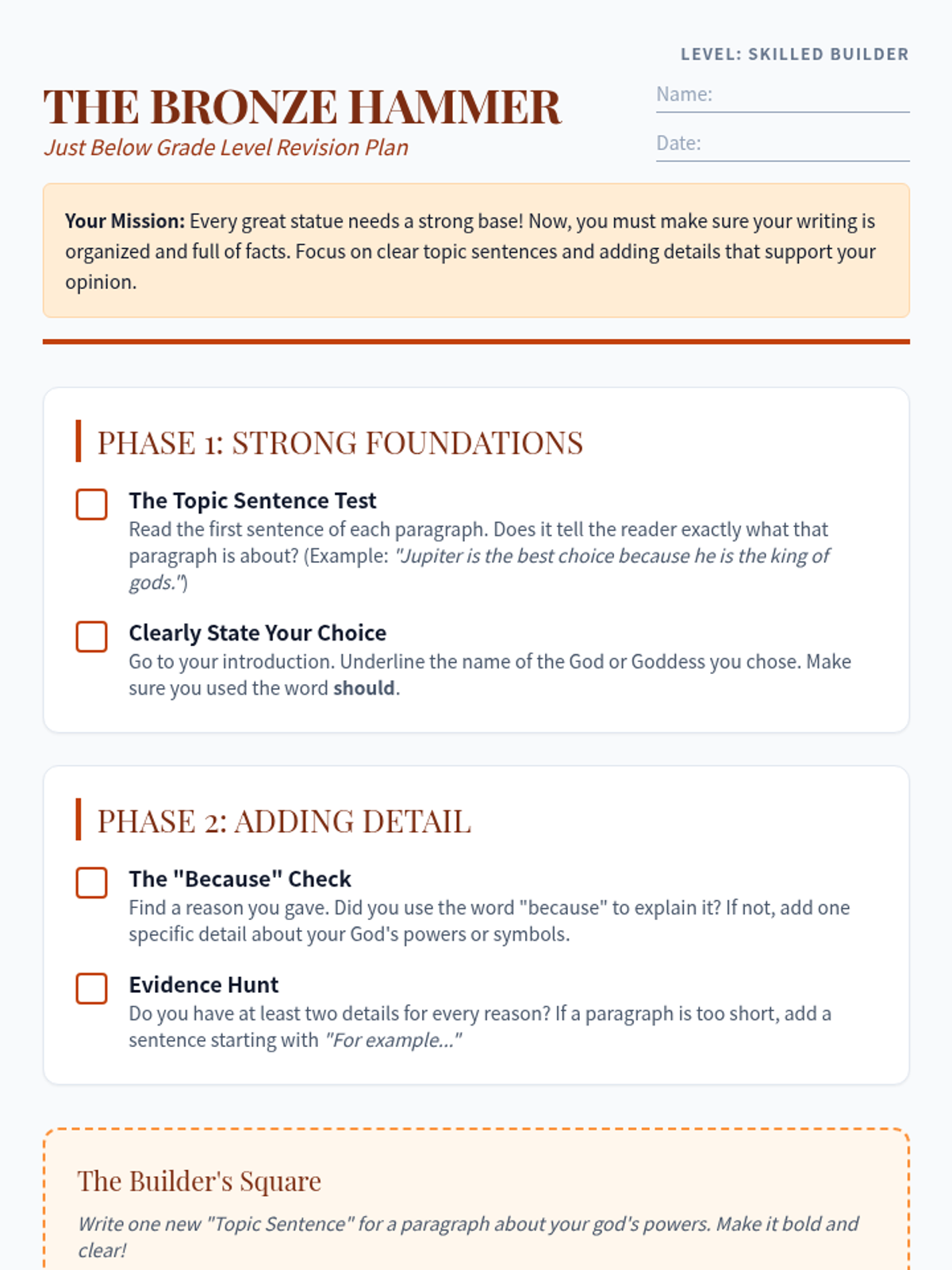
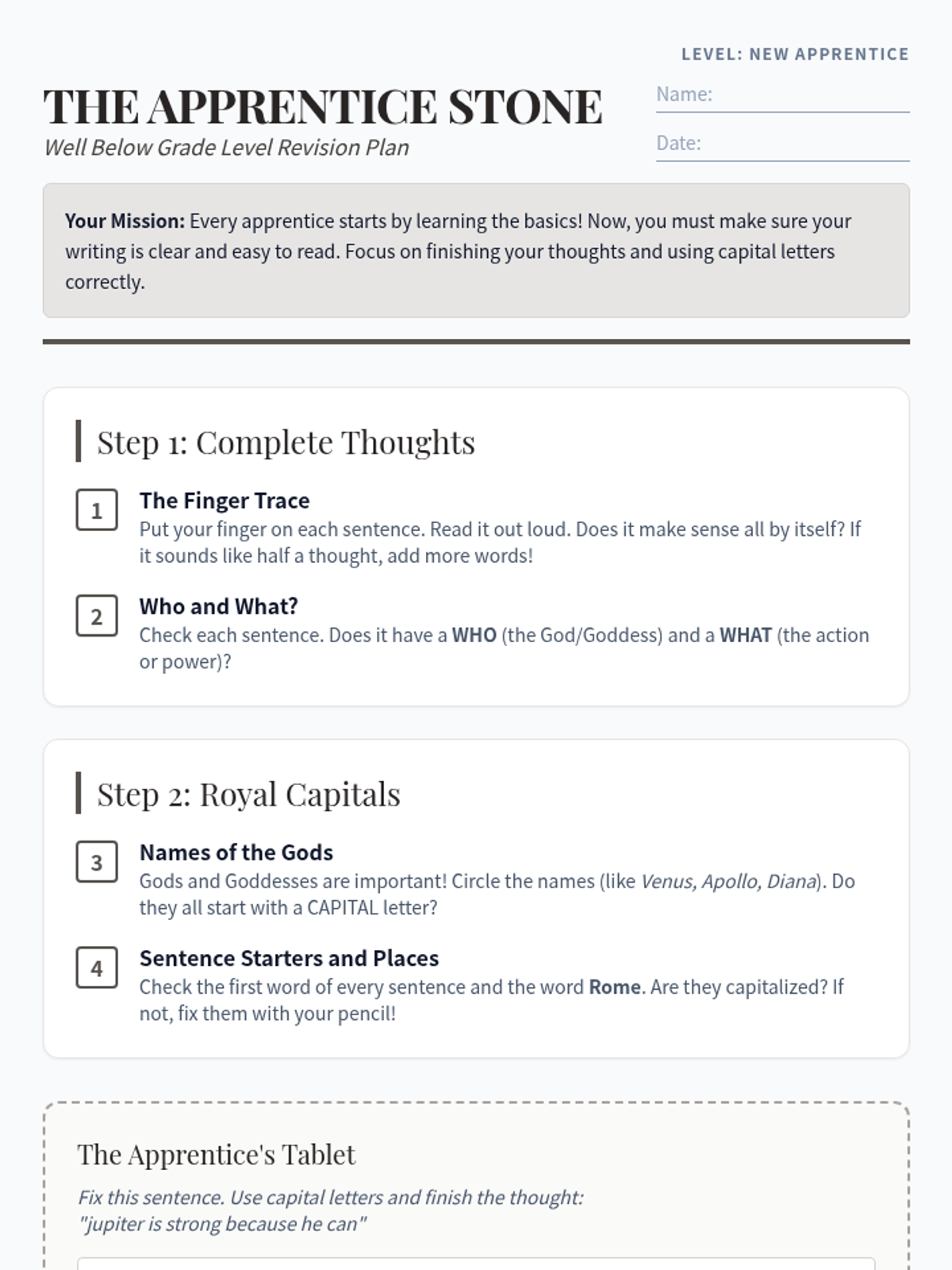
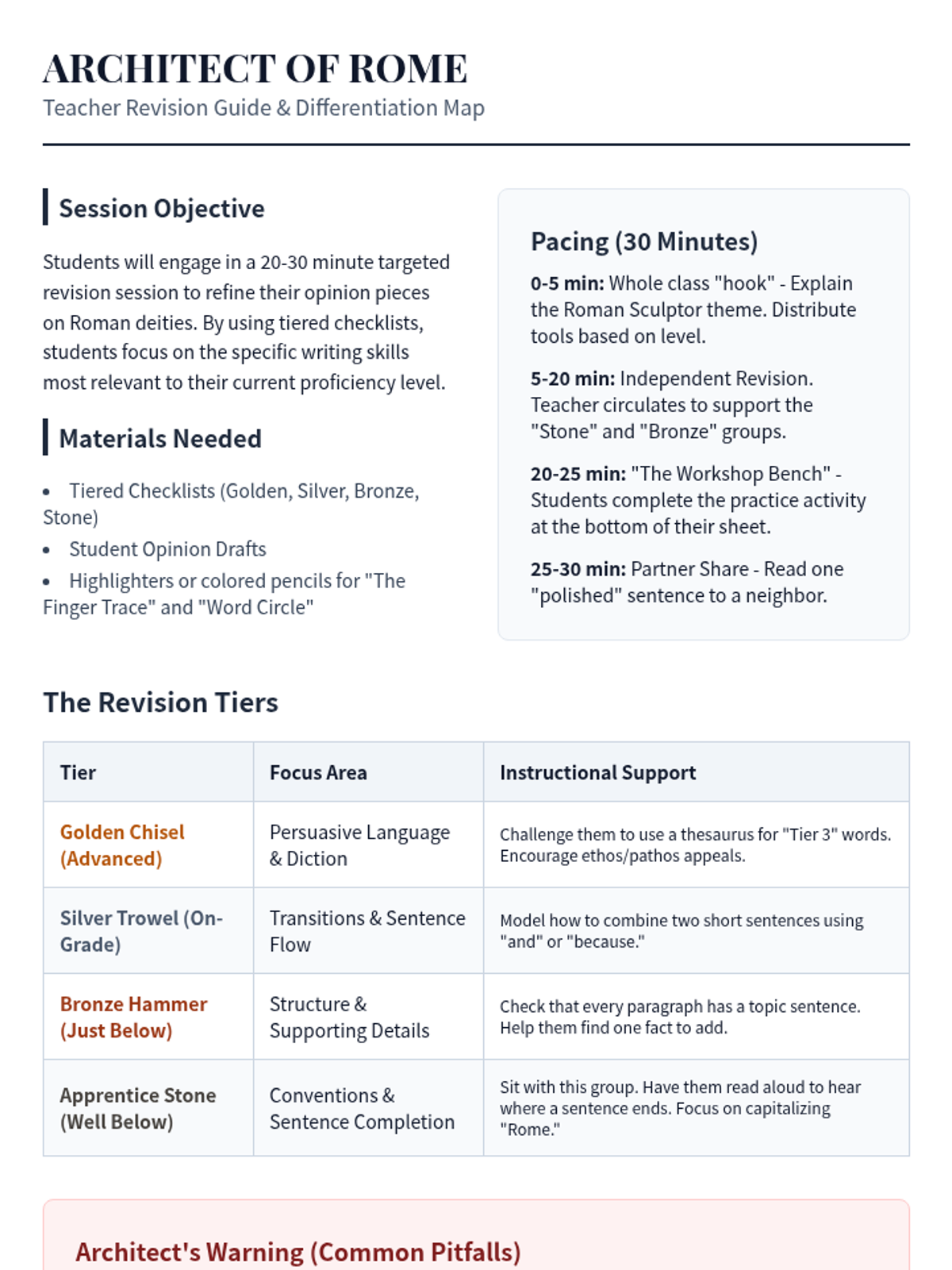
A writing unit focused on opinion pieces regarding Ancient Roman mythology, emphasizing targeted revision strategies for diverse learners.
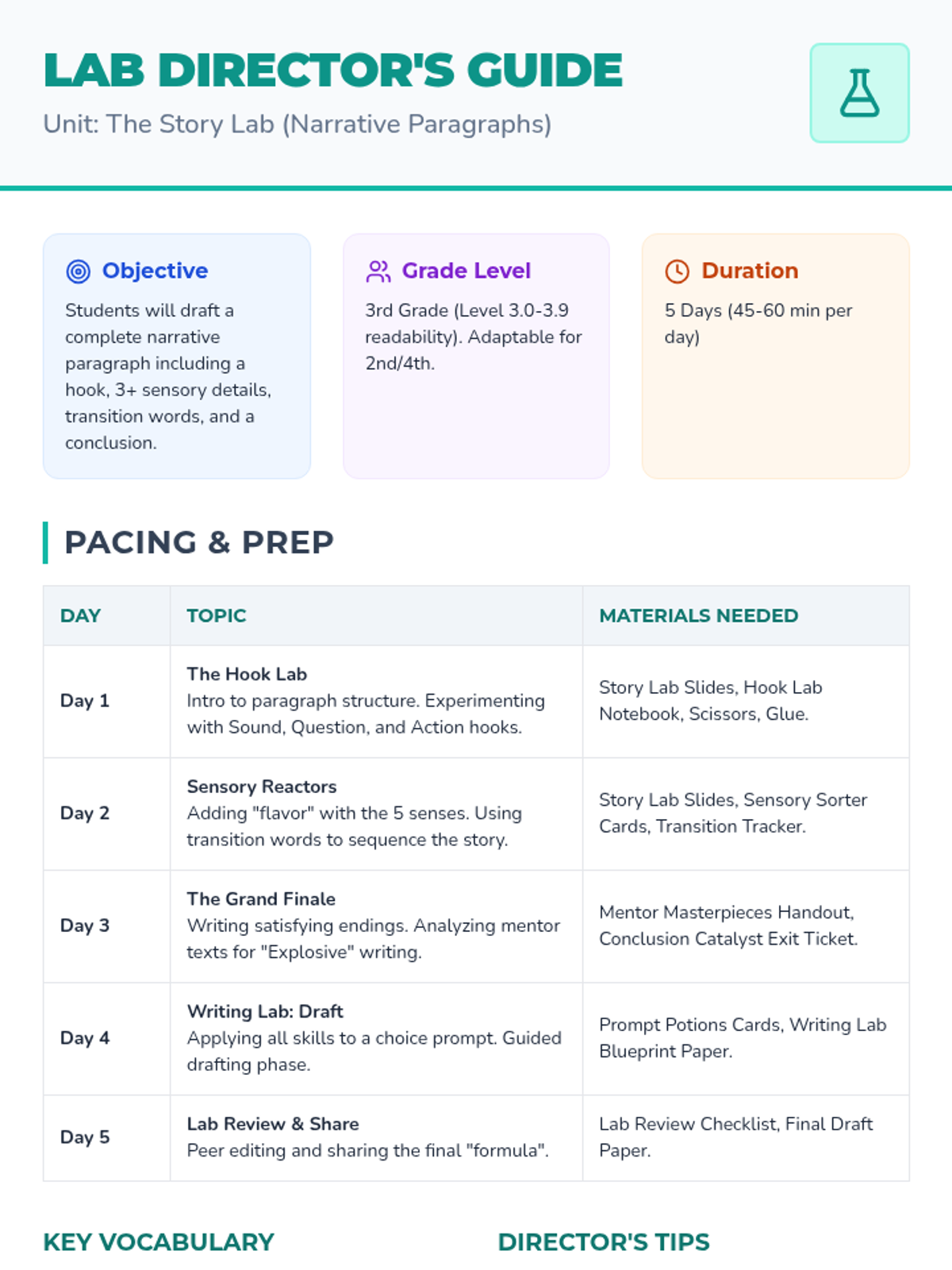
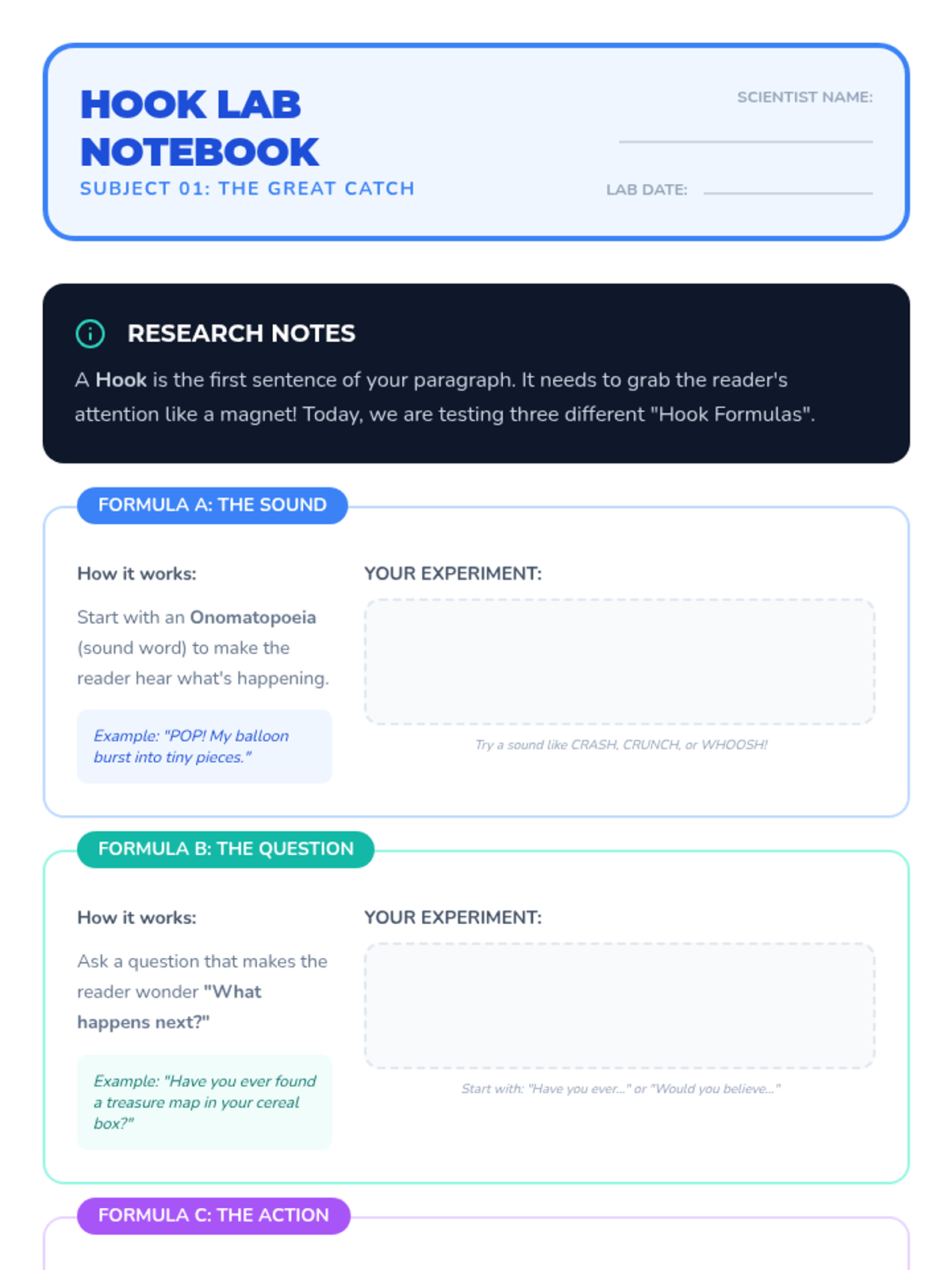
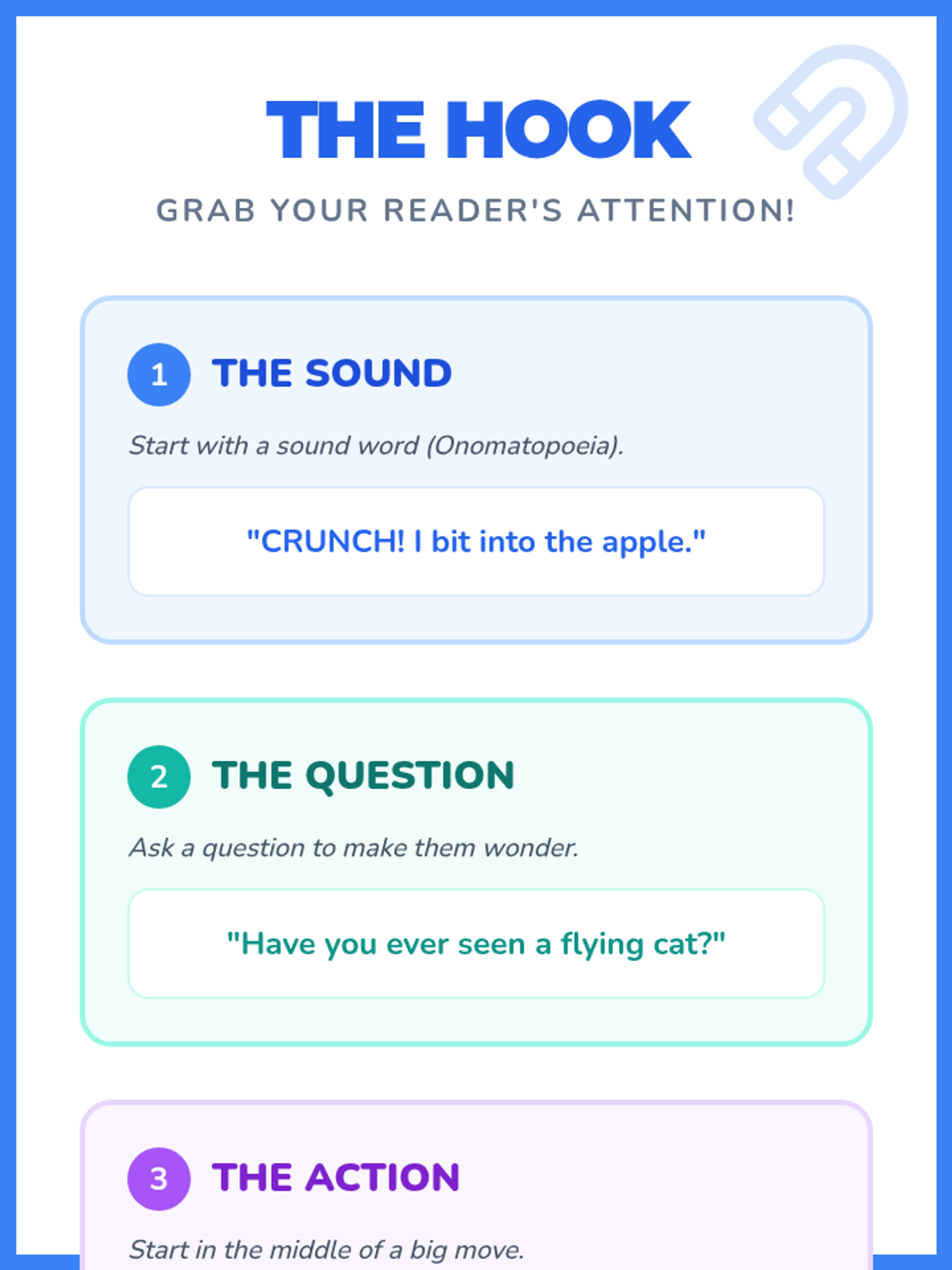
A 5-day narrative writing unit for 3rd graders focused on paragraph structure. Students act as 'Story Scientists' in a lab to engineer hooks, sensory details, and satisfying conclusions.
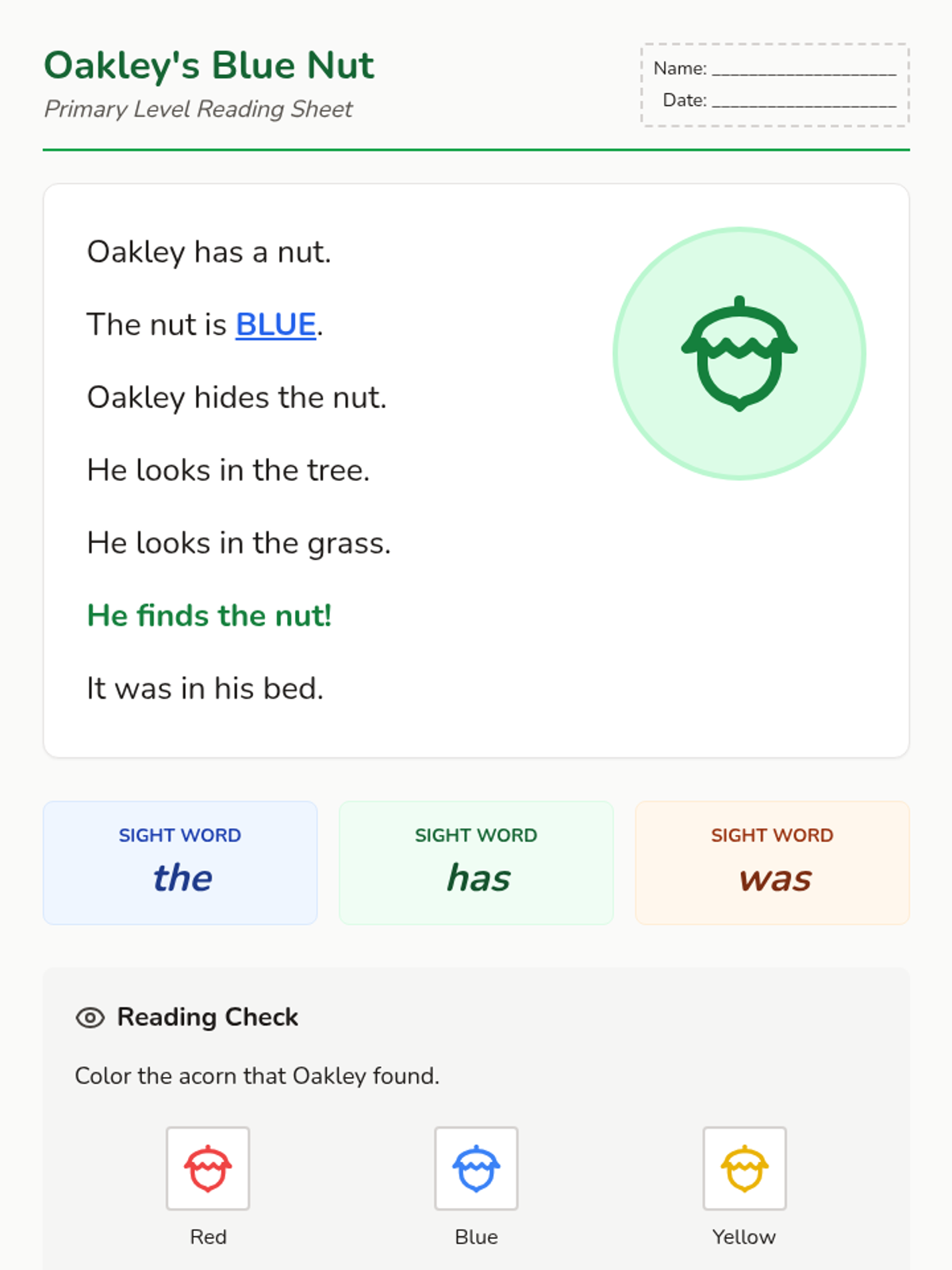
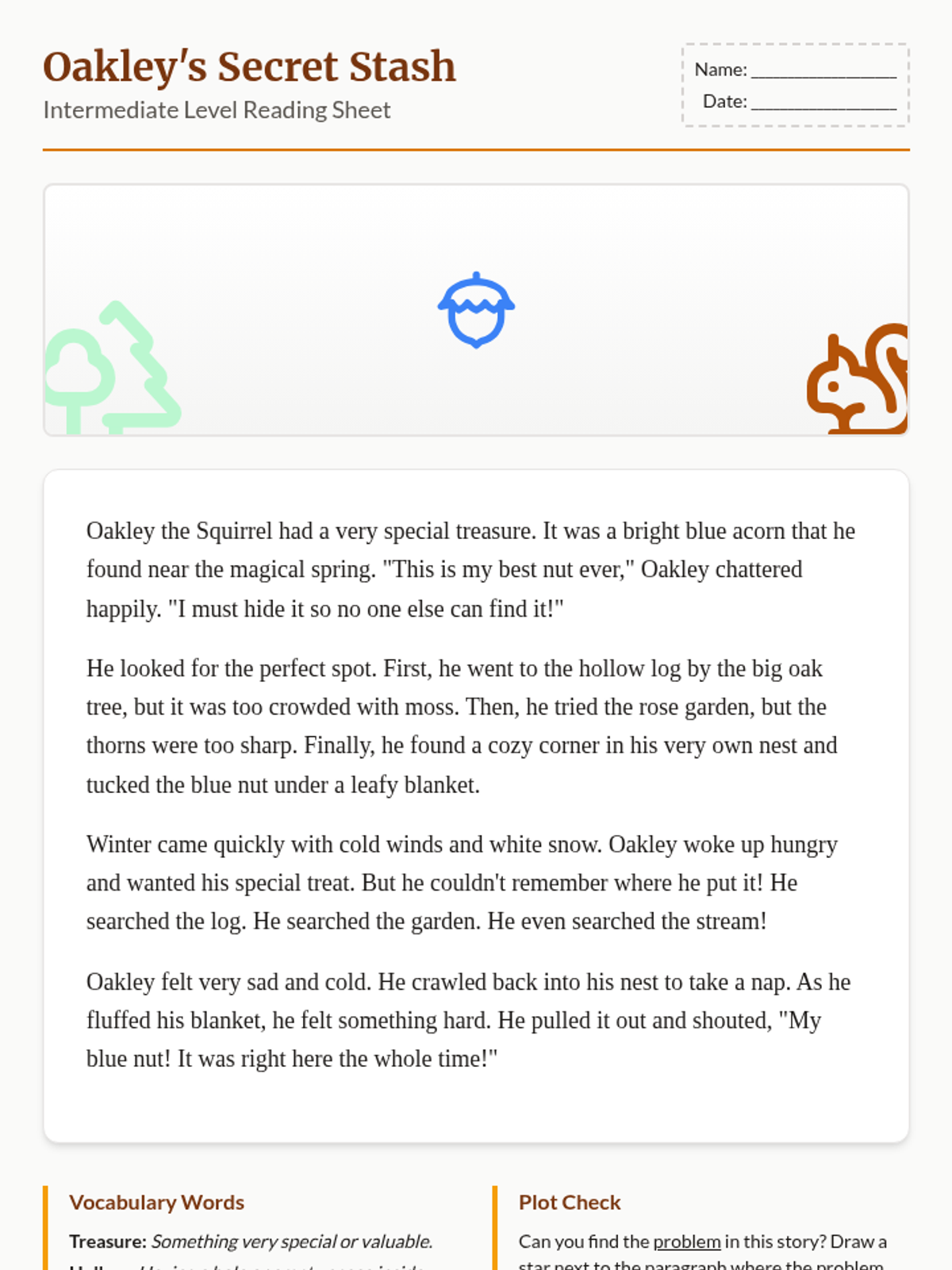
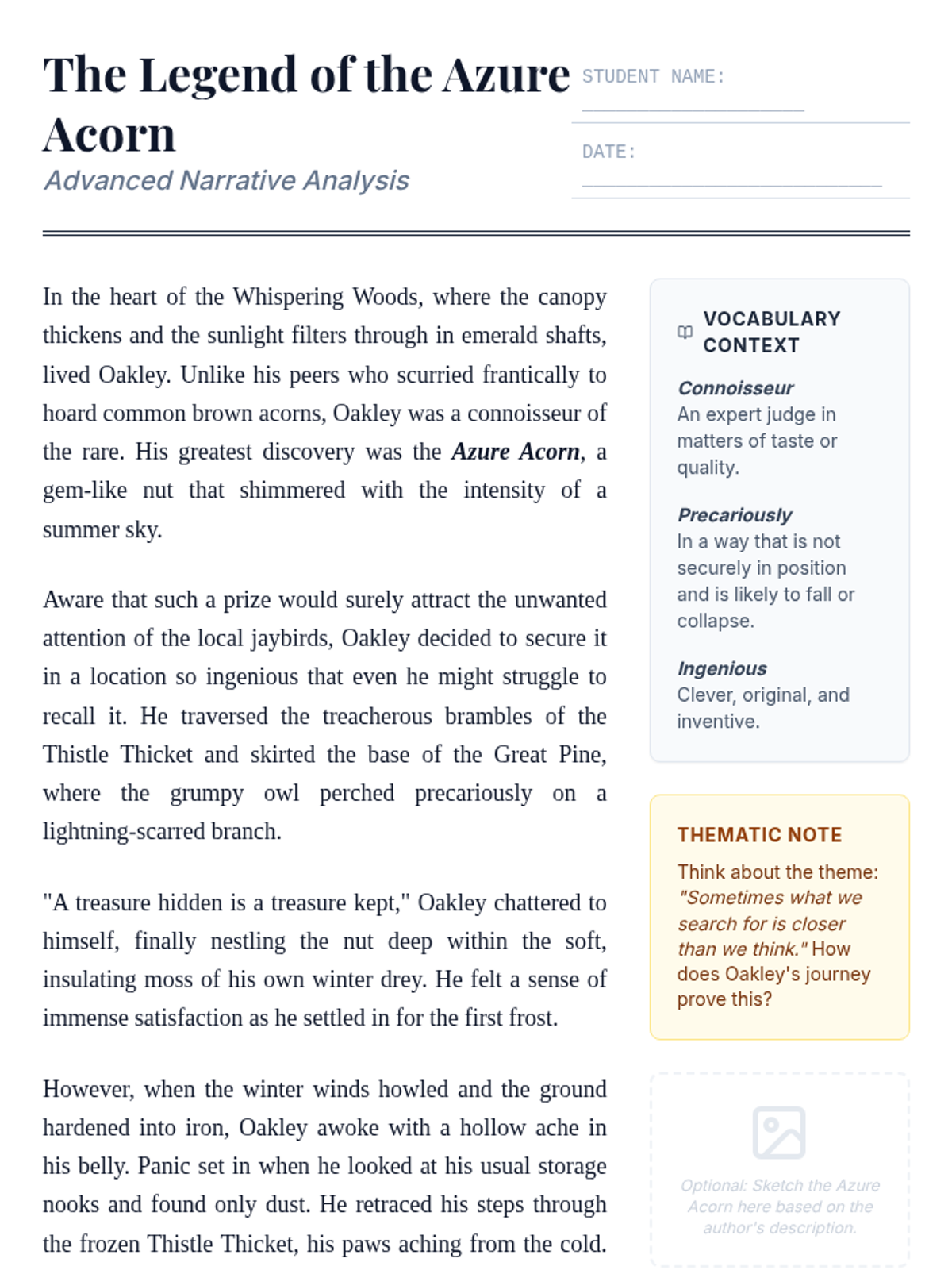
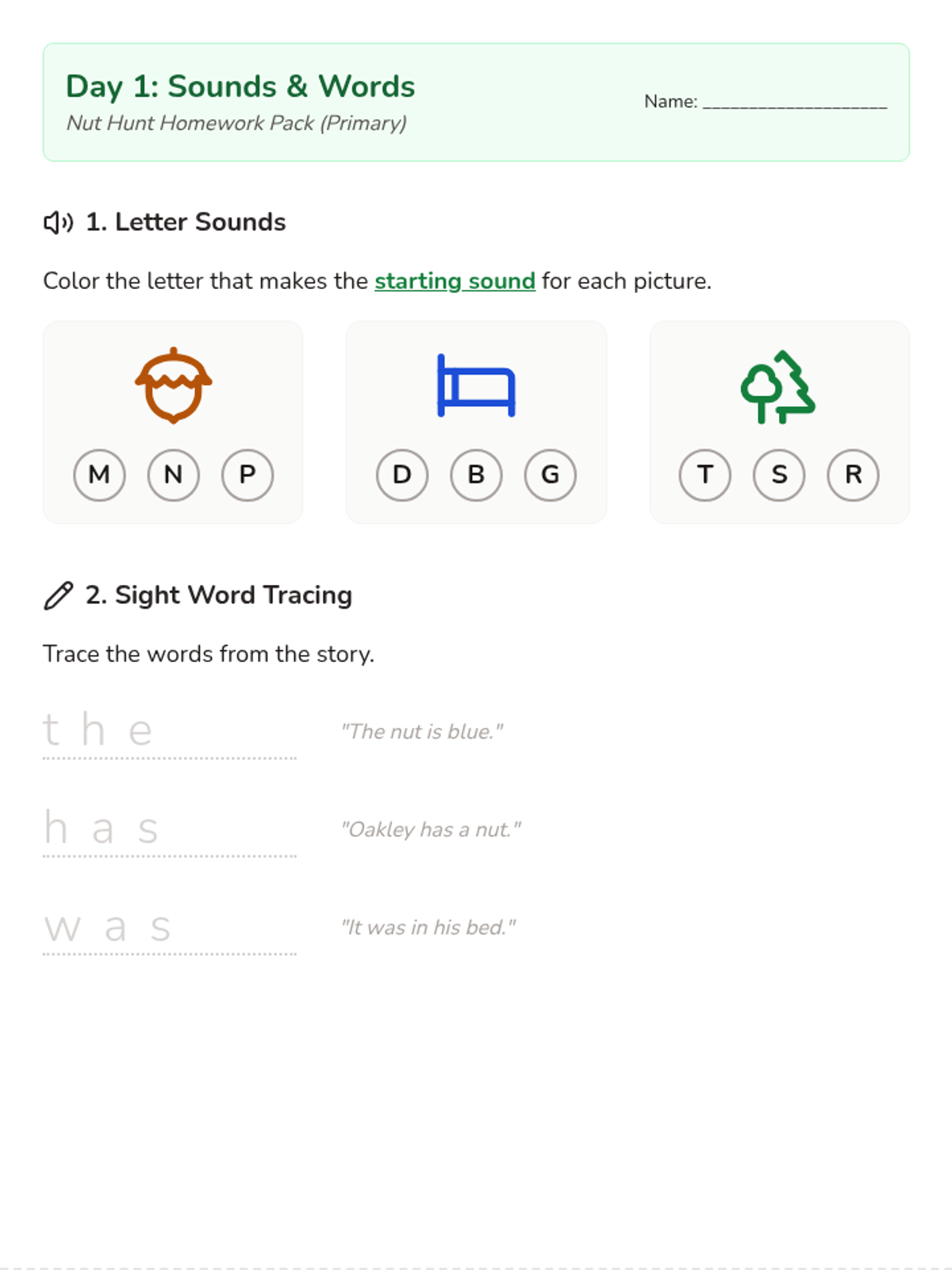
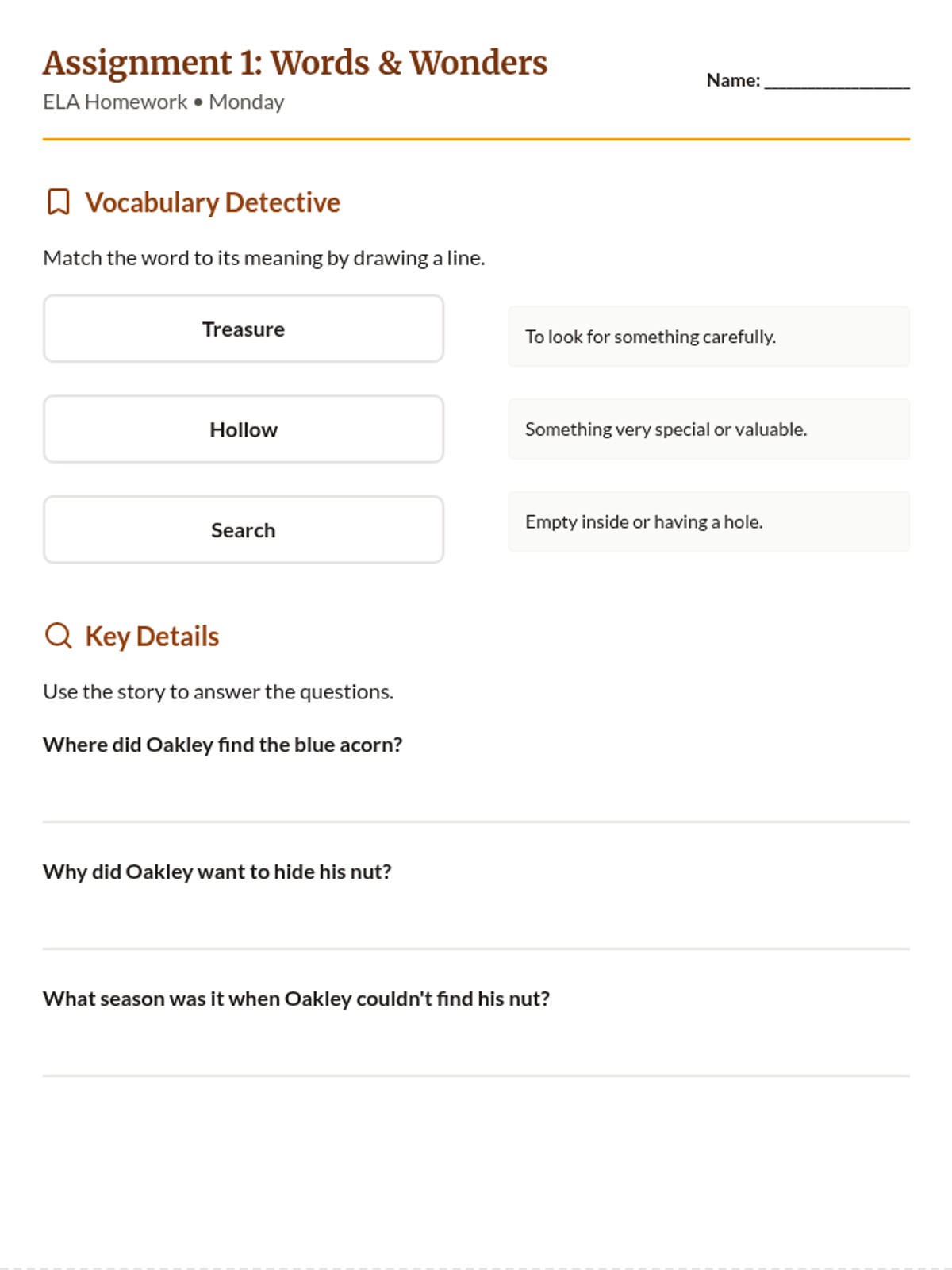
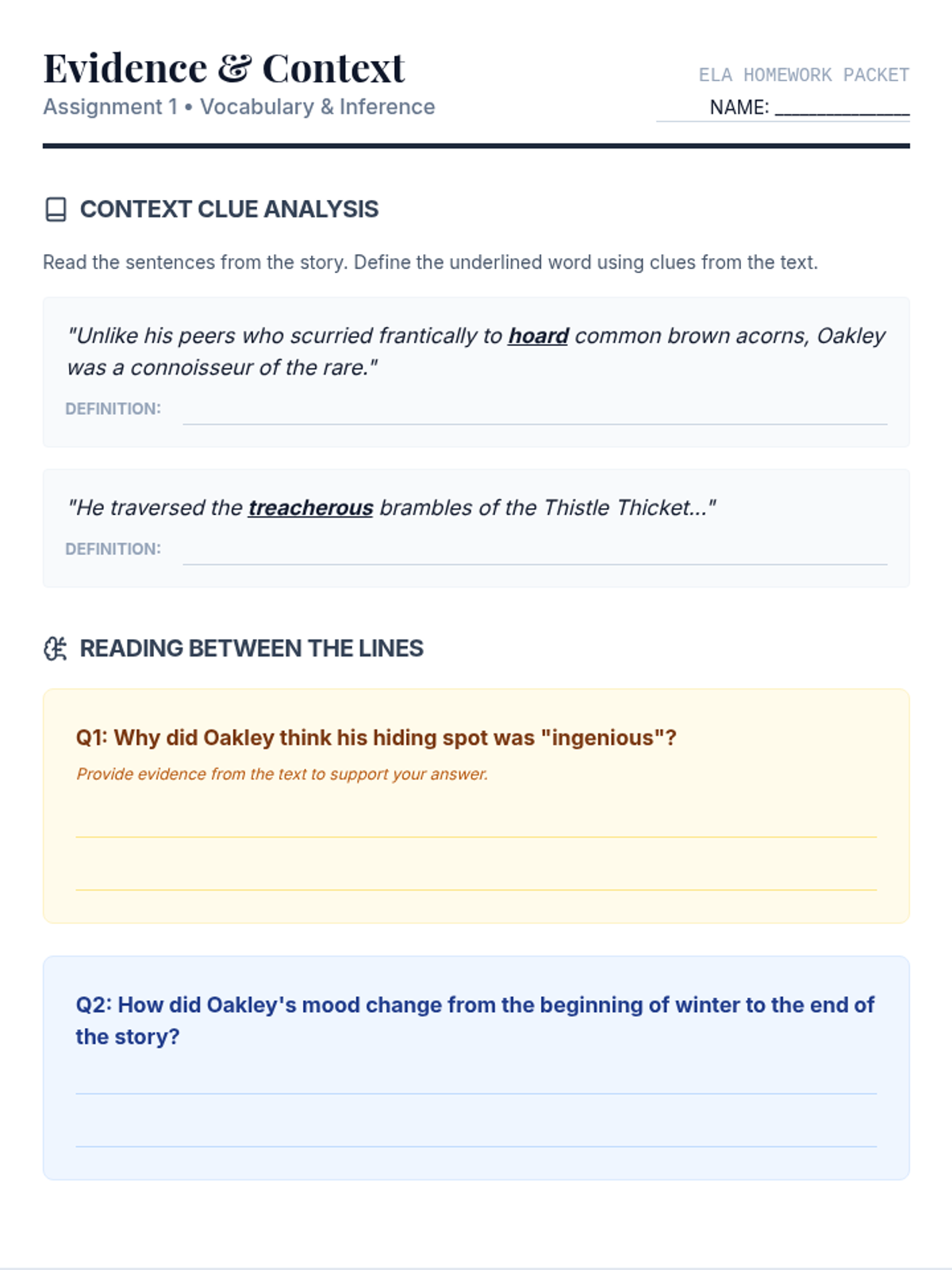
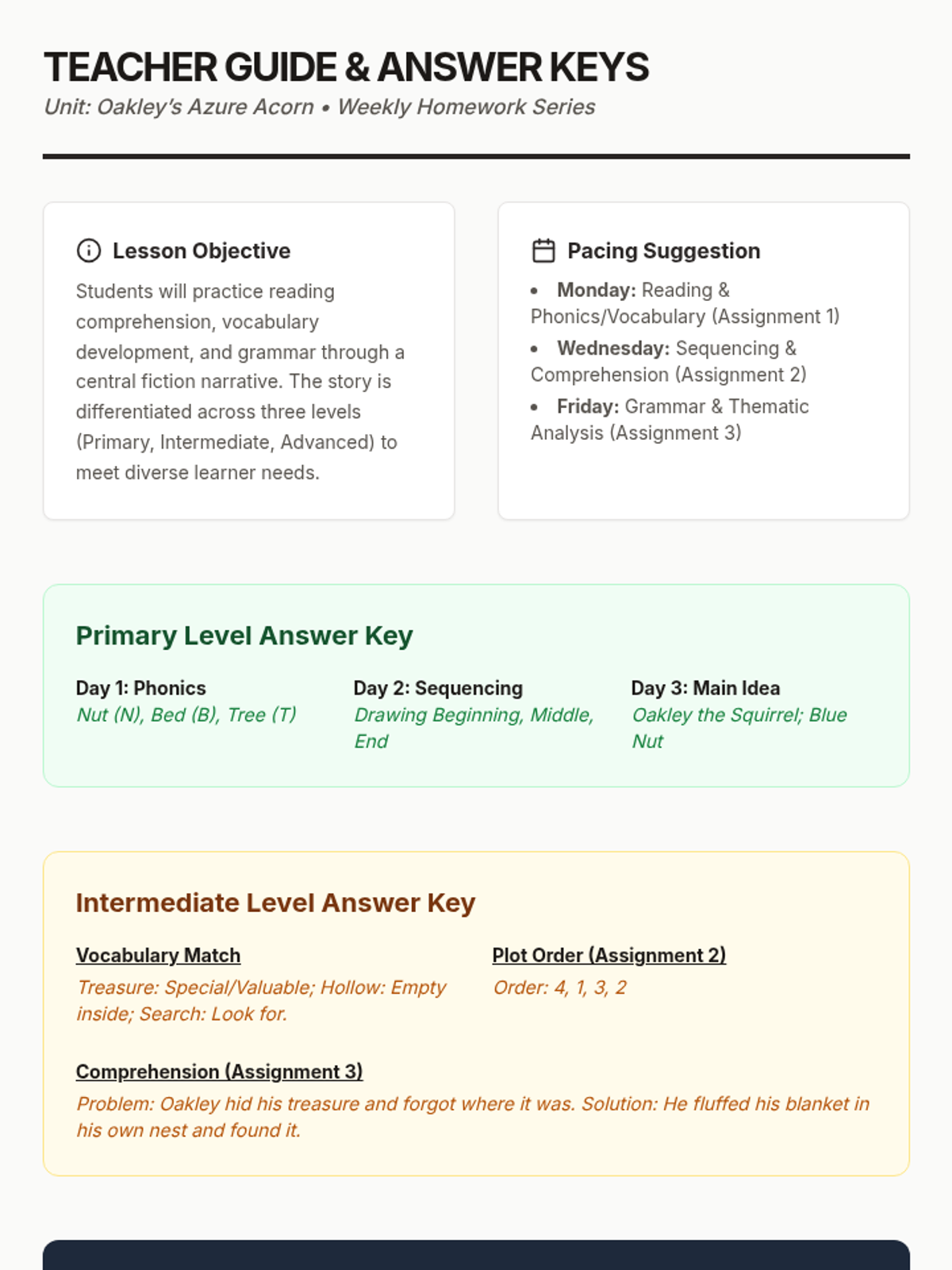
A week-long ELA homework series centered around a narrative about a squirrel's search for a rare acorn. The materials are differentiated for Kindergarten, 2nd Grade, and 4th Grade learners.
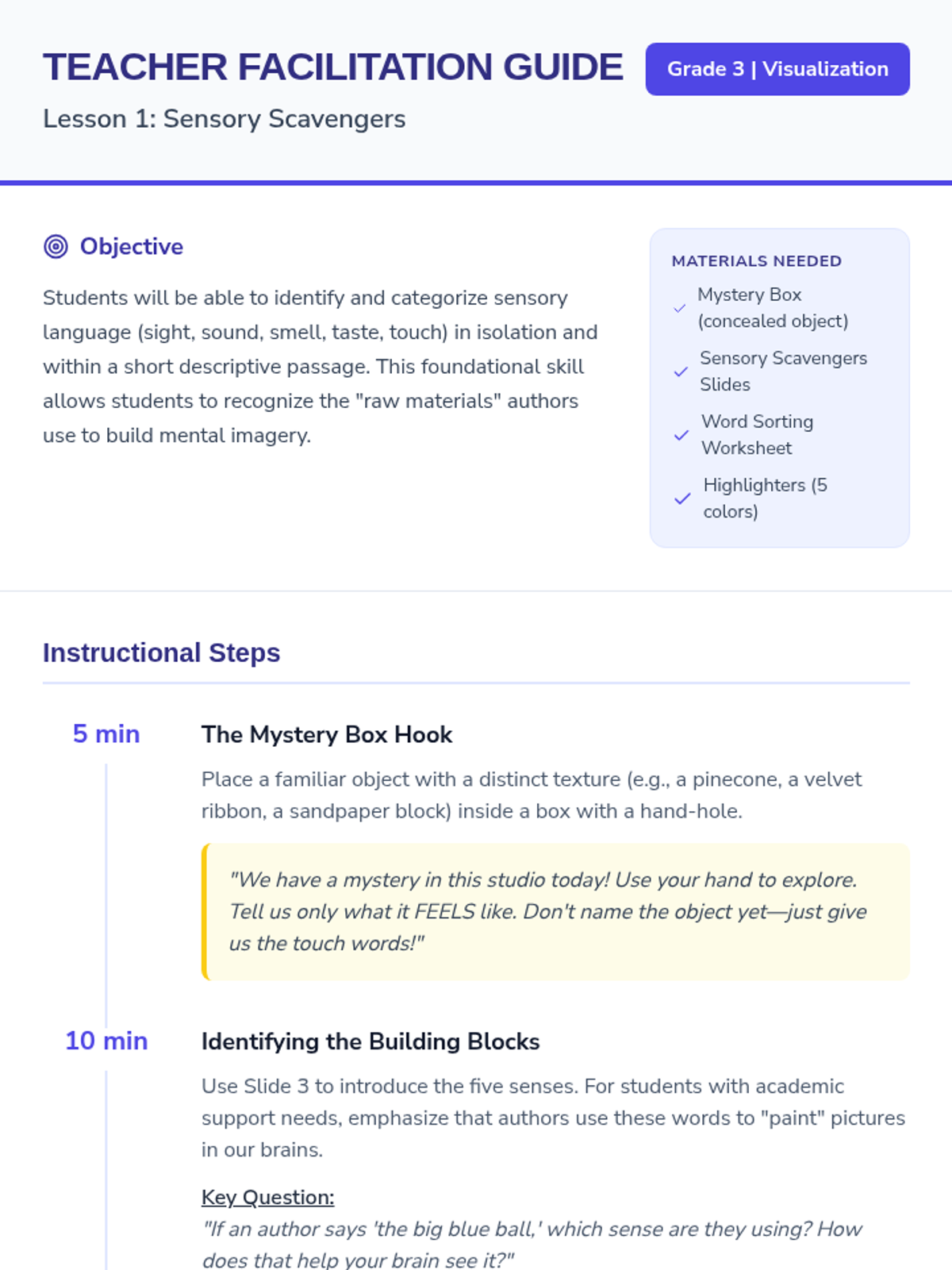
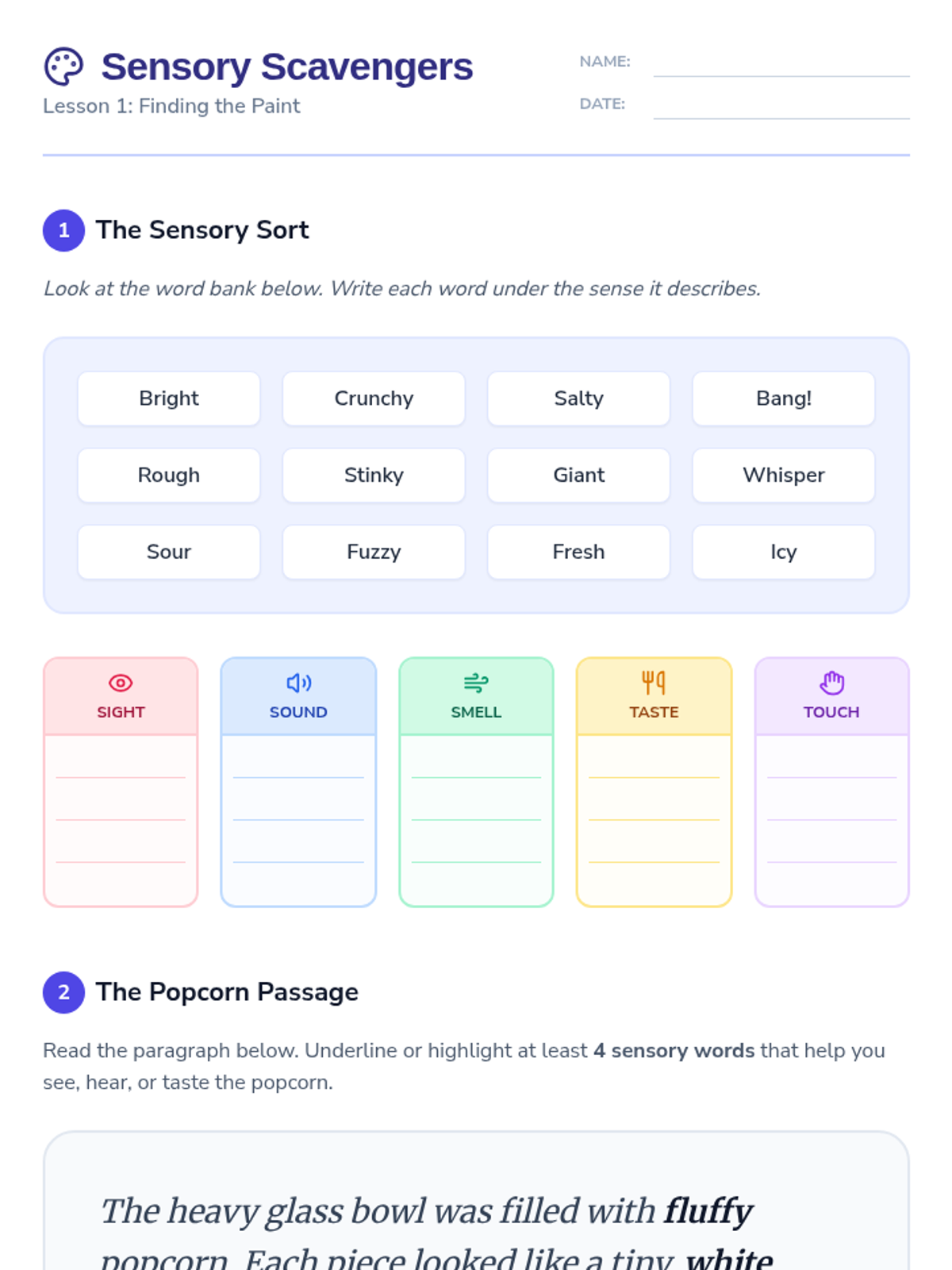
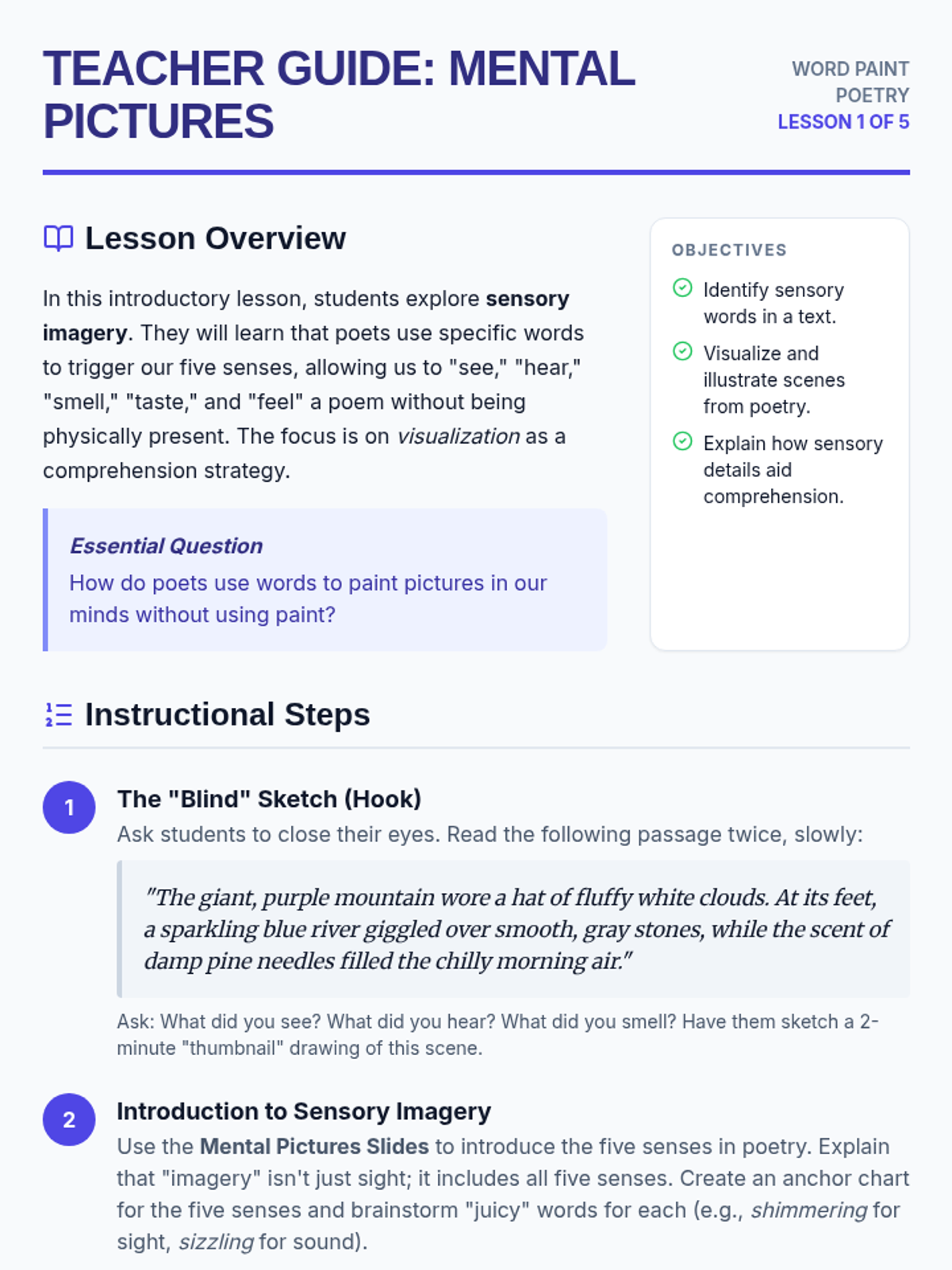
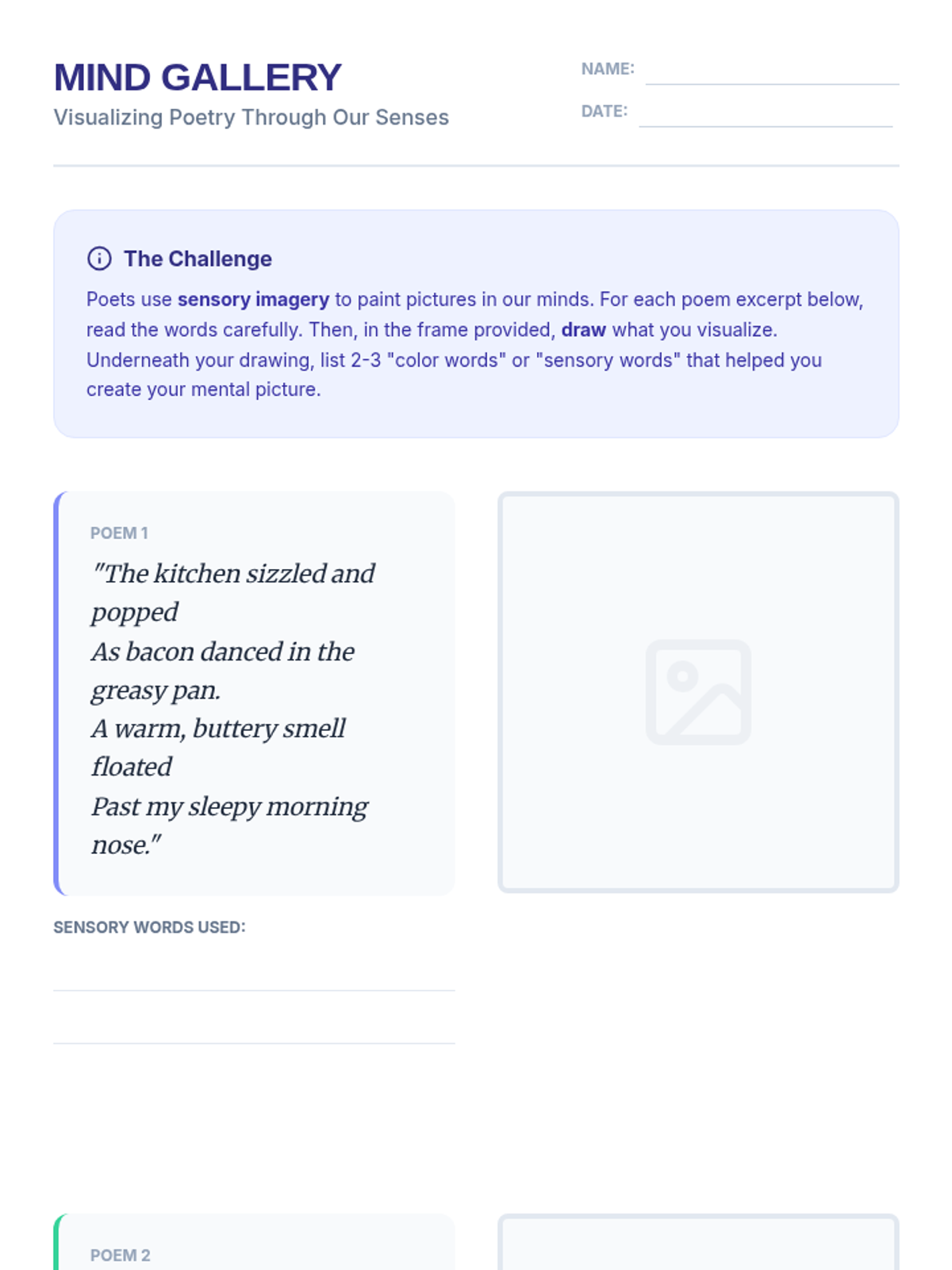
A 5-lesson sequence for 3rd-grade students focused on building mental imagery skills through sensory language. Students progress from identifying sensory words to constructing and verbalizing full mental scenes.
A creative ELA project where 3rd-grade students become 'Word Inventors.' Students analyze existing compound words, brainstorm base components, and synthesize brand-new compound terms to name imaginary inventions, culminating in a gallery showcase of their linguistic and creative designs.
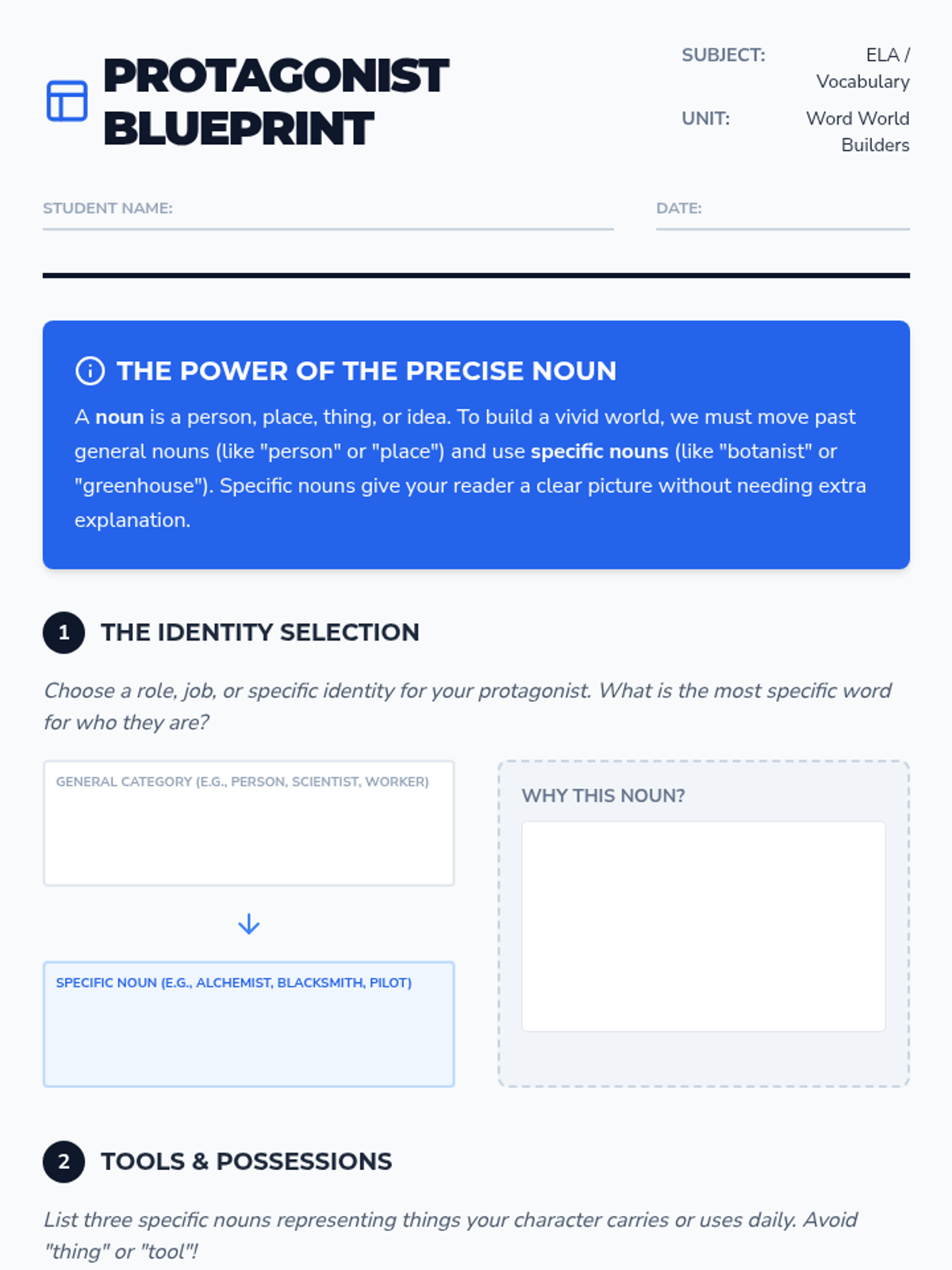
Students embark on a journey of fictional world-building, using precise nouns and vivid adjectives as their primary tools. They move from character identity to atmospheric settings, eventually crafting a polished narrative passage that demonstrates the power of descriptive imagery.
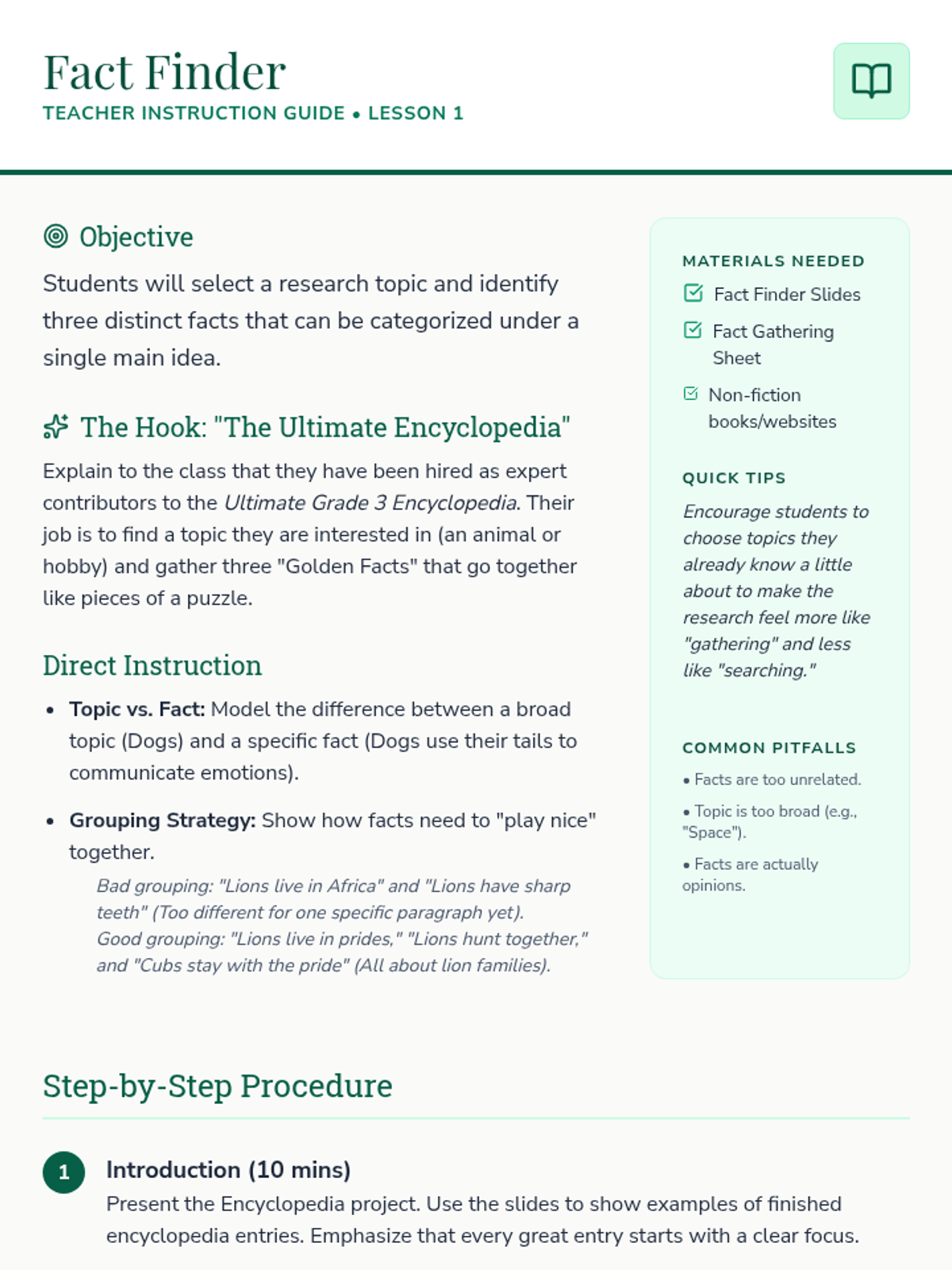
A project-based writing sequence where 3rd grade students create a 'Classroom Encyclopedia.' Students learn to research facts and craft effective topic sentences that categorize their information, culminating in a published encyclopedia entry and class presentation.
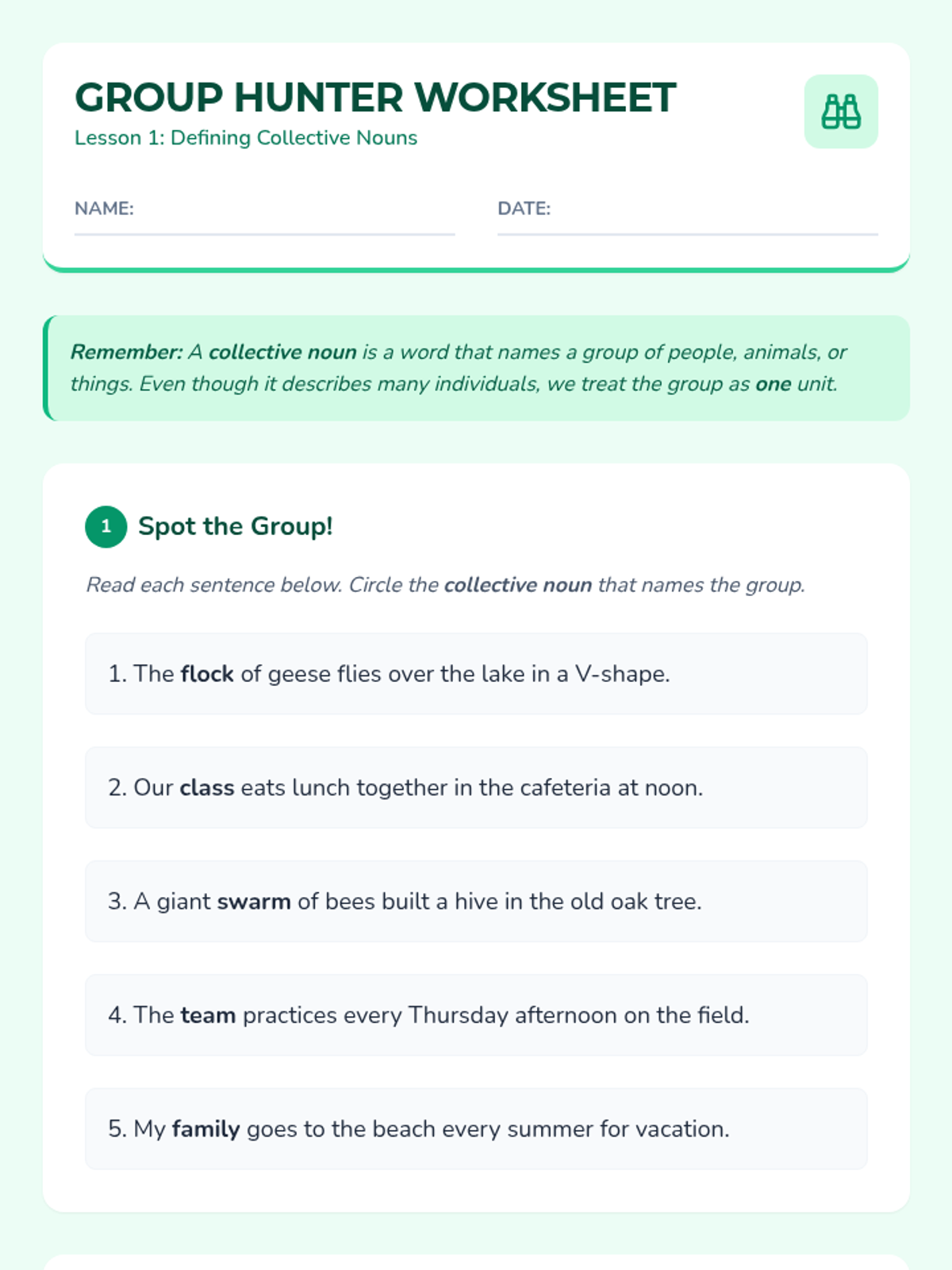
This sequence guides 3rd-grade students through the concept of collective nouns and subject-verb agreement. Students explore how groups can act as single units, master specific animal group vocabulary, and apply grammar rules to describe community actions.
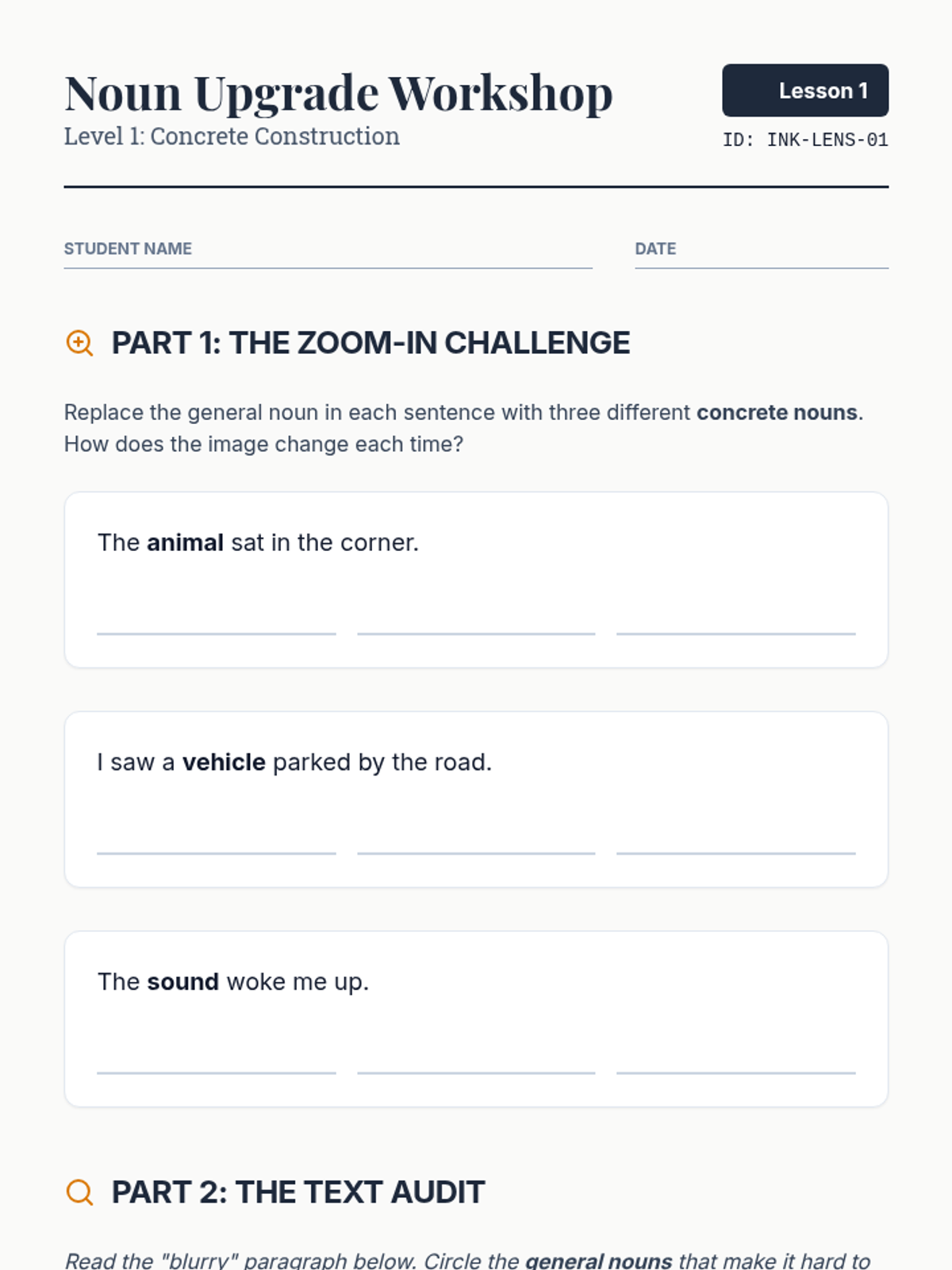
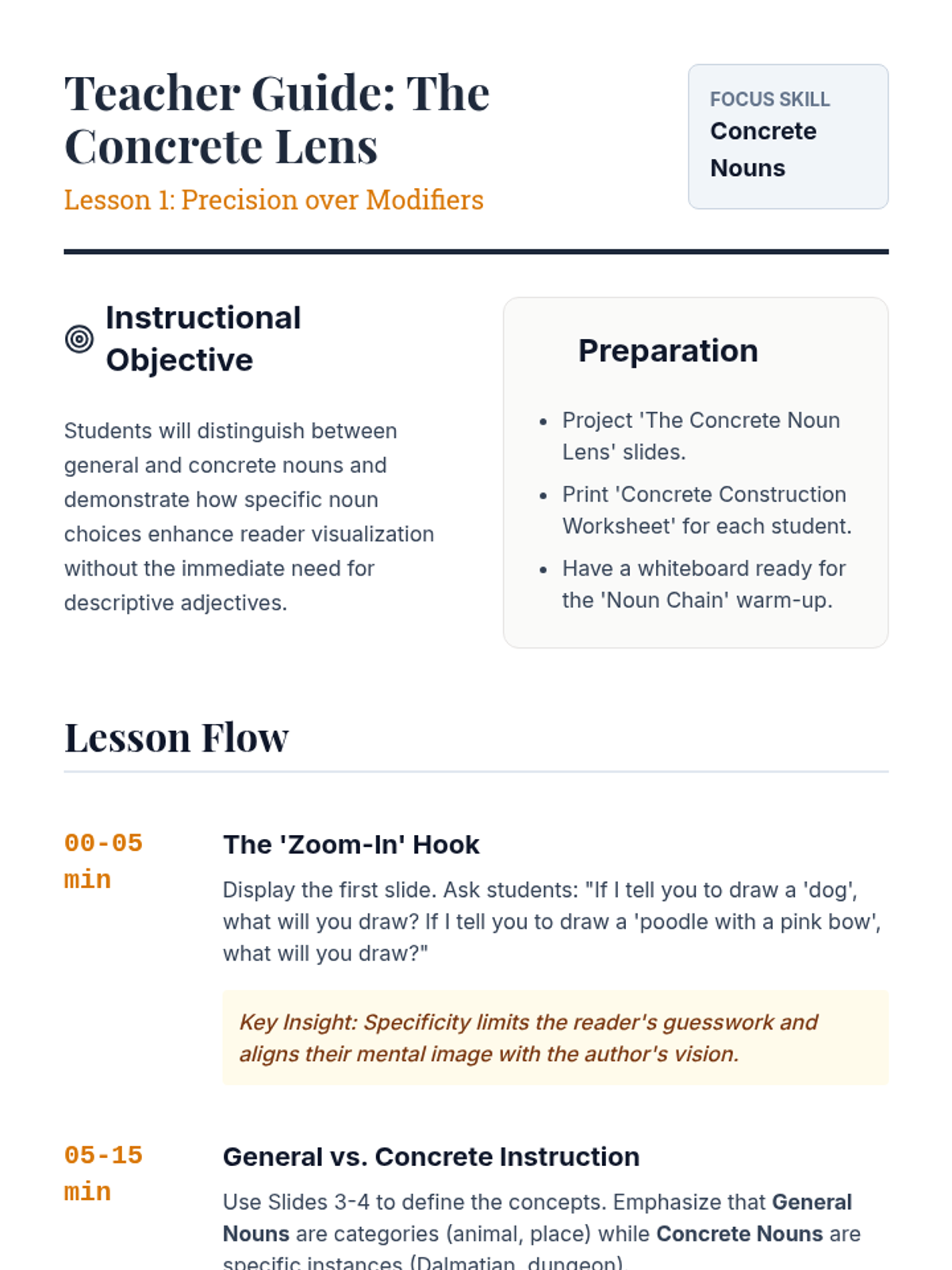
This writing workshop sequence moves students beyond basic identification of nouns and adjectives toward strategic application in narrative writing. Students practice replacing general nouns with concrete alternatives and weak adjectives with vivid modifiers to enhance reader visualization.
A comprehensive sequence for 3rd-grade students to master nouns and adjectives, moving from basic identification to the creation of vivid, descriptive paragraphs using sensory details and specific vocabulary.
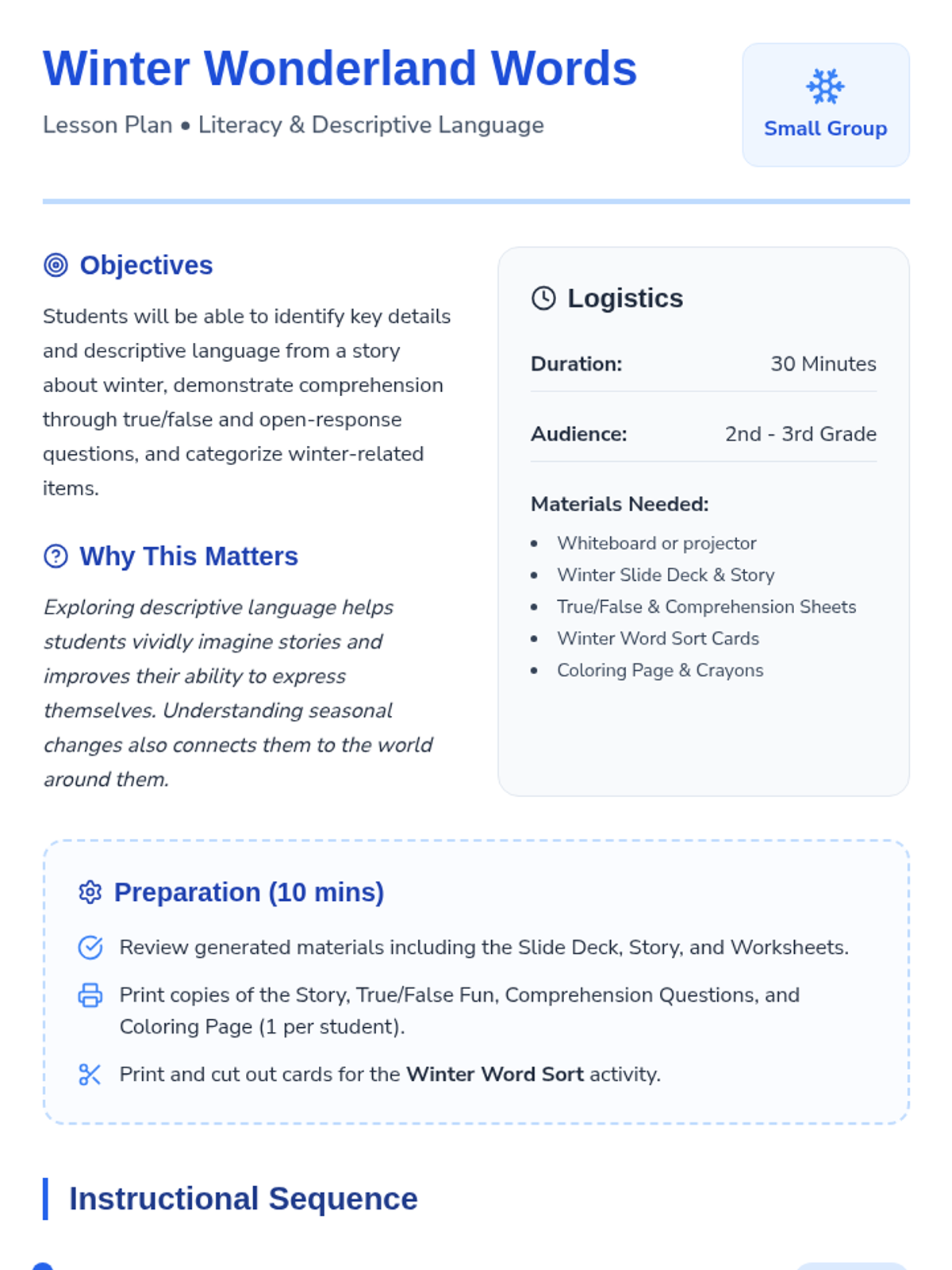
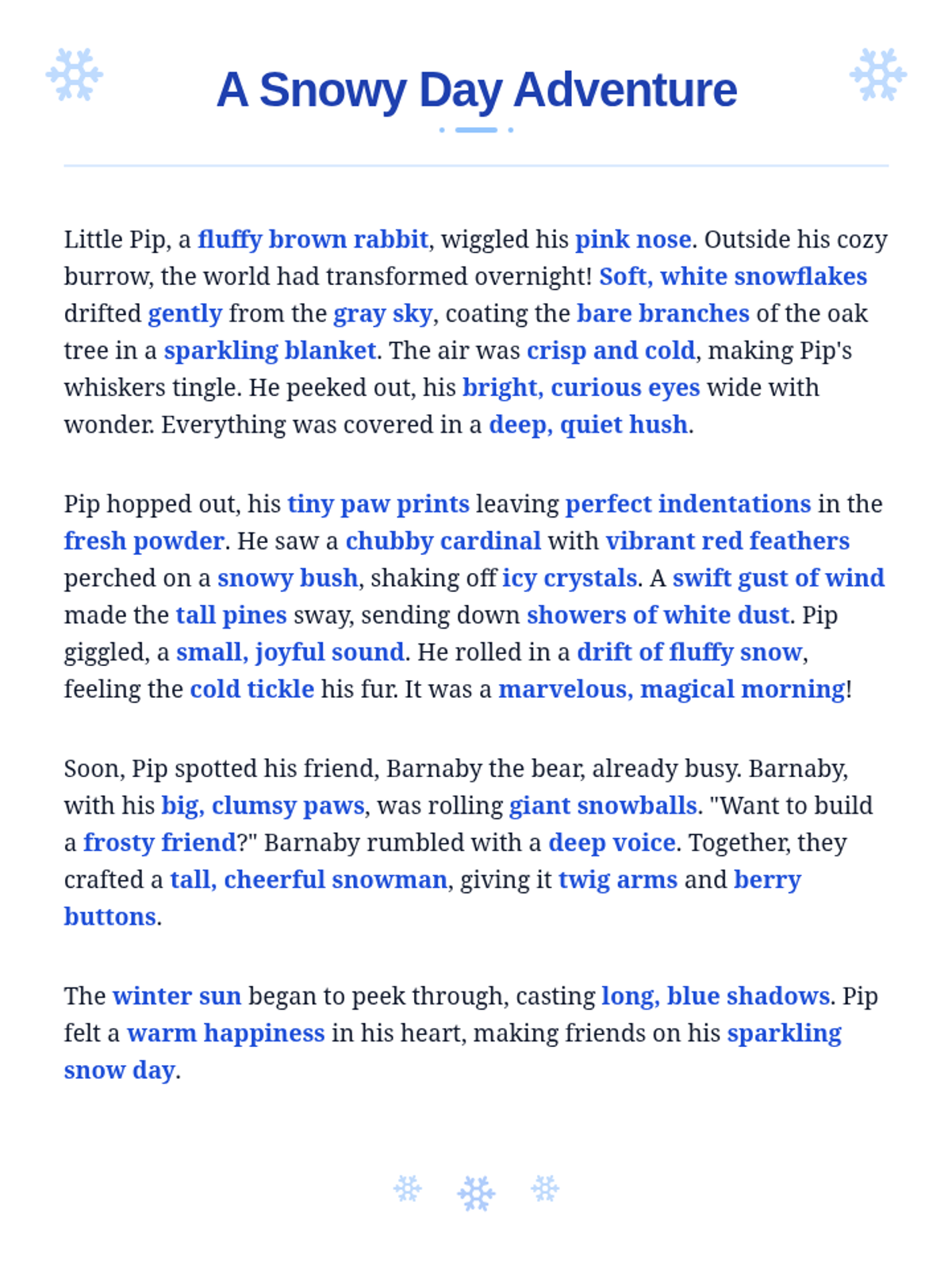
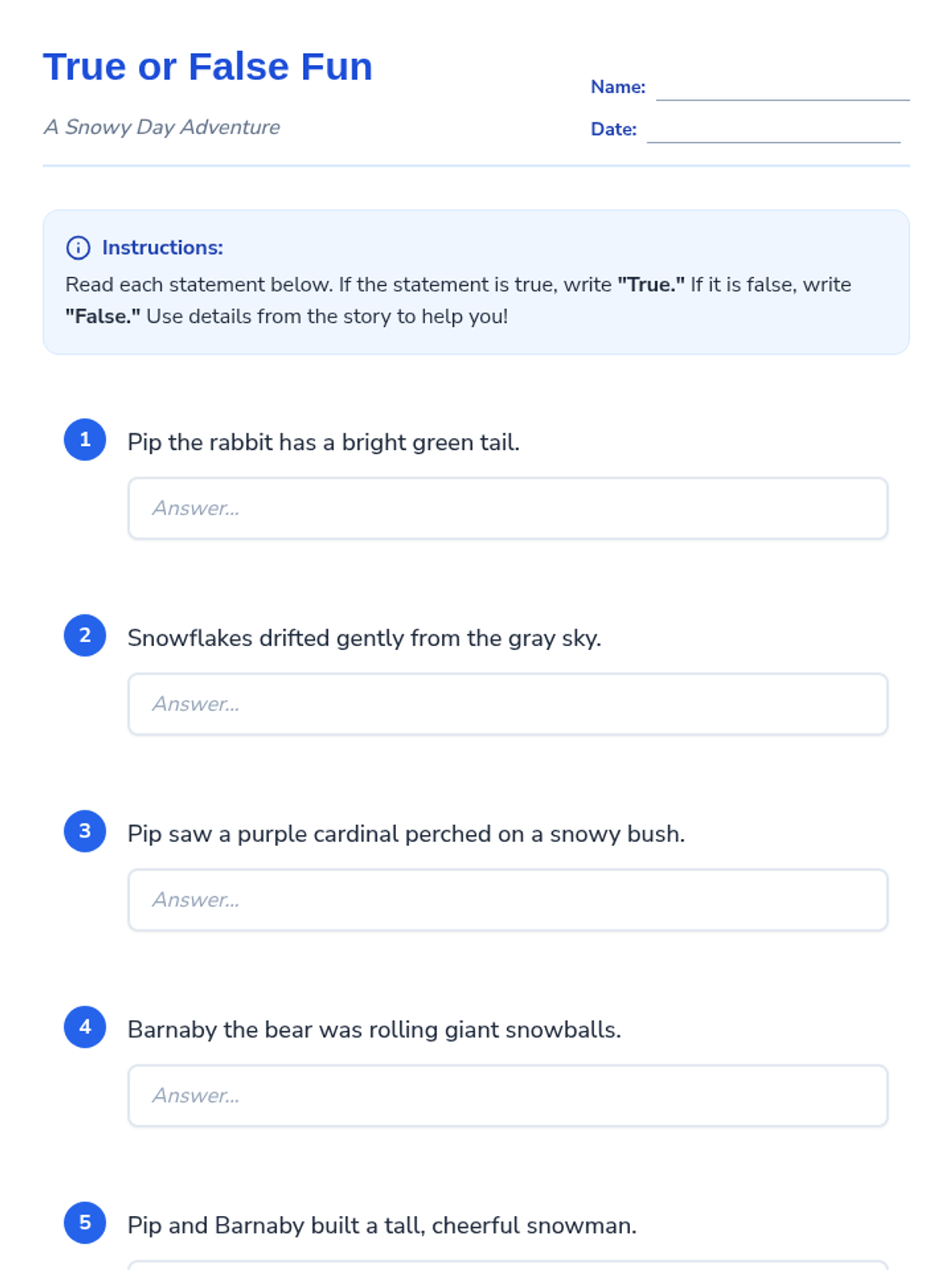
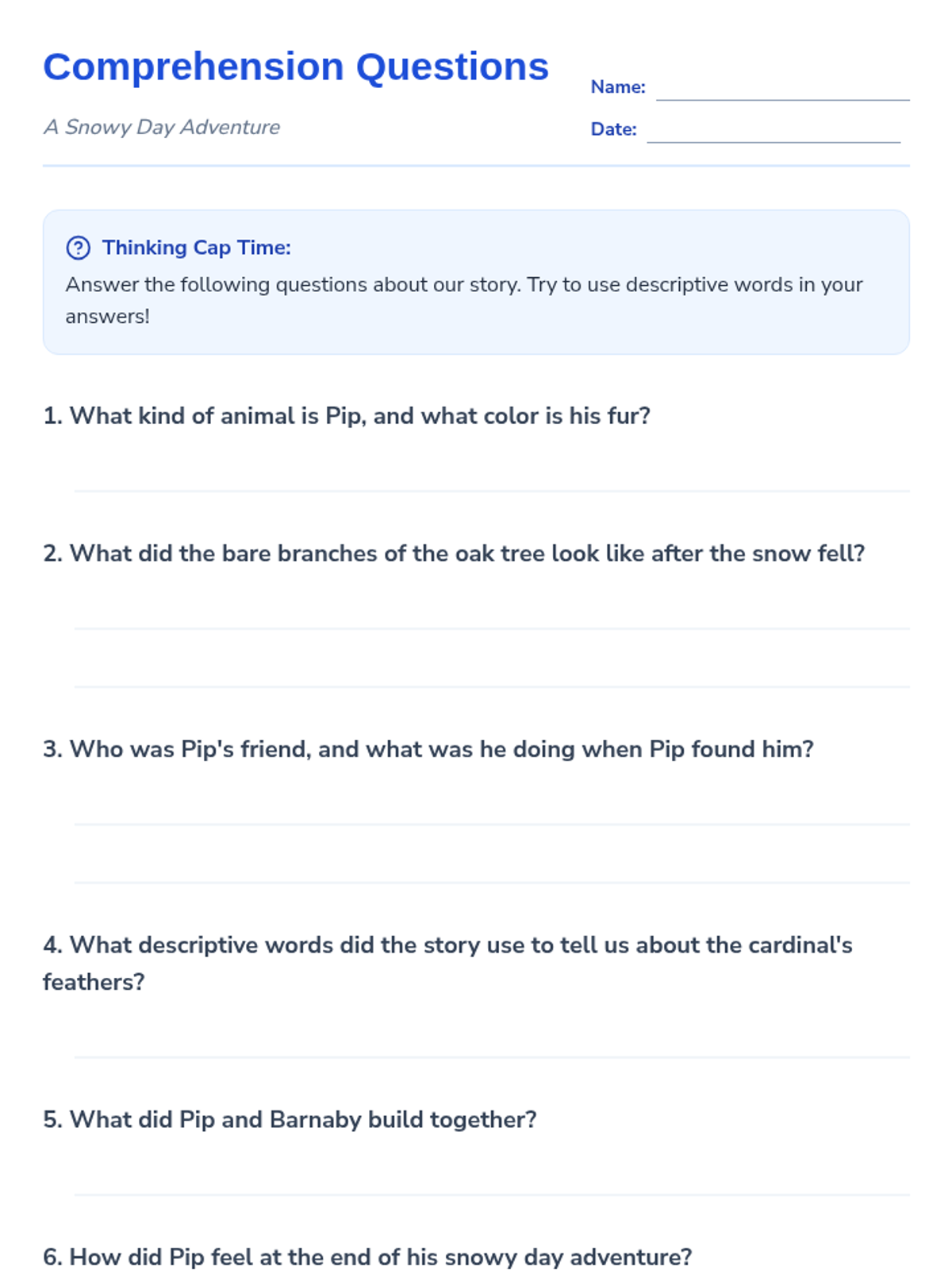
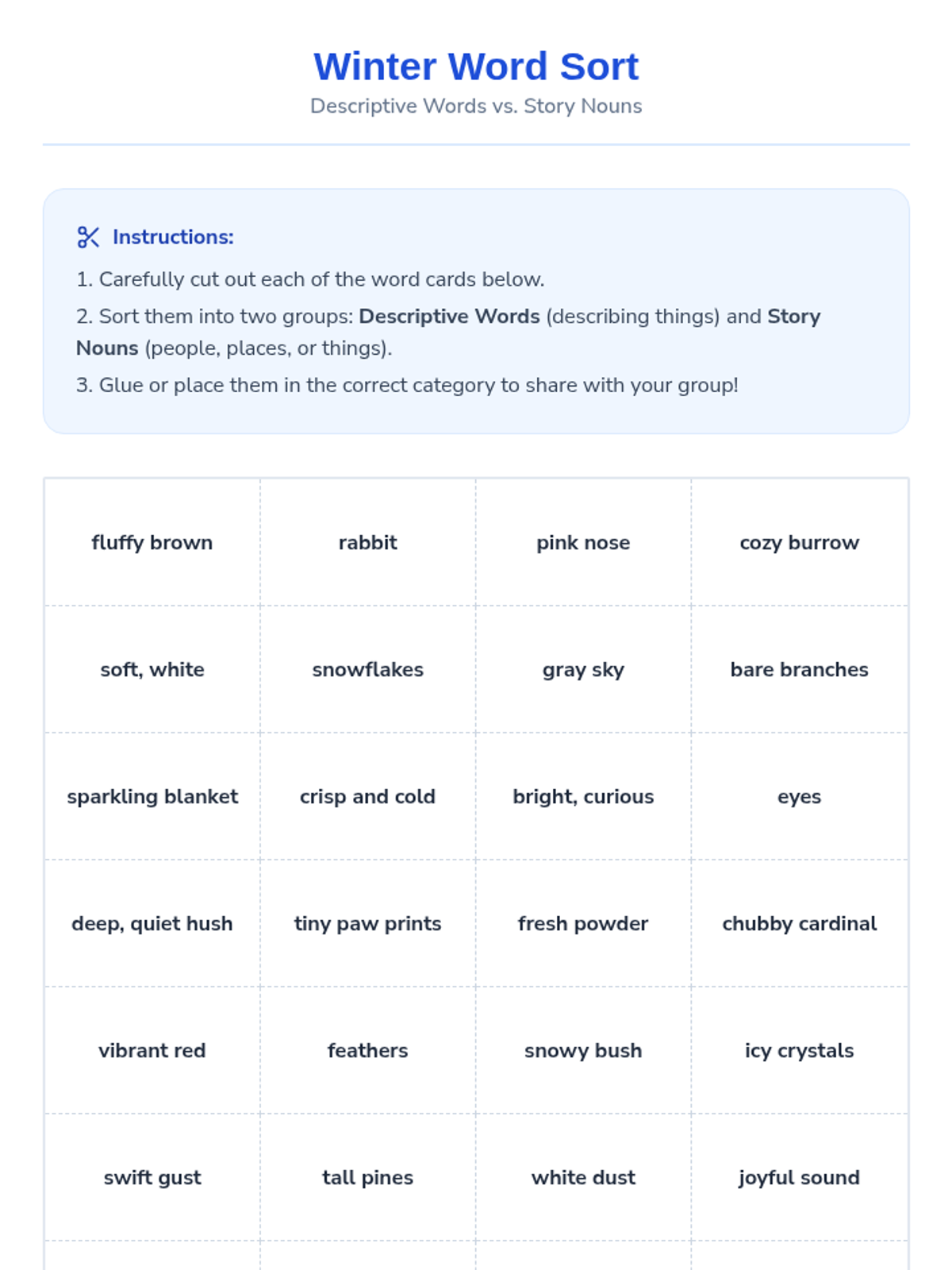
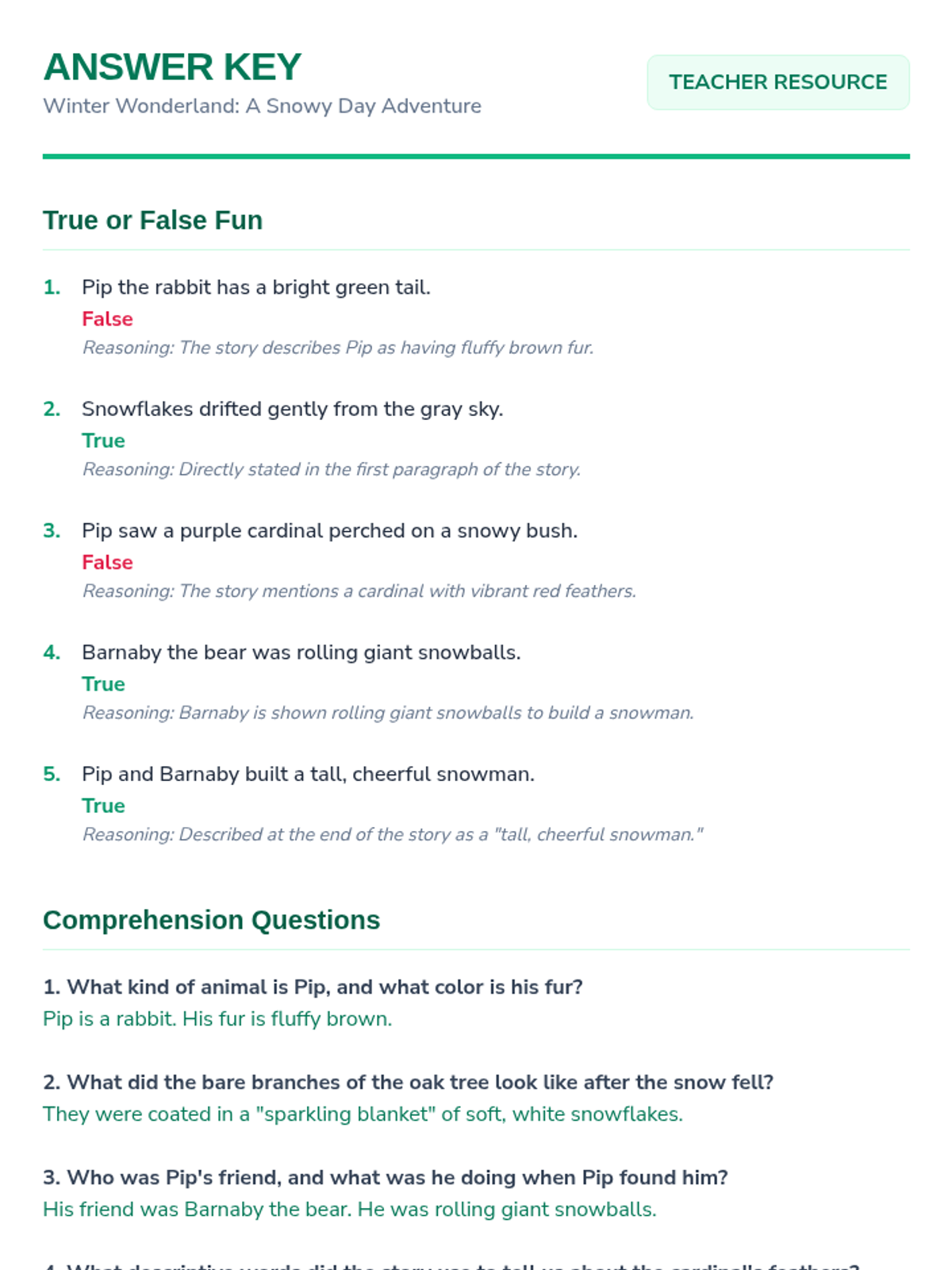
A series of three interactive literacy lessons for 2nd and 3rd graders focused on descriptive language and comprehension through the lens of changing seasons. Each lesson features an engaging story, sensory-rich vocabulary, and hands-on sorting and creative activities.
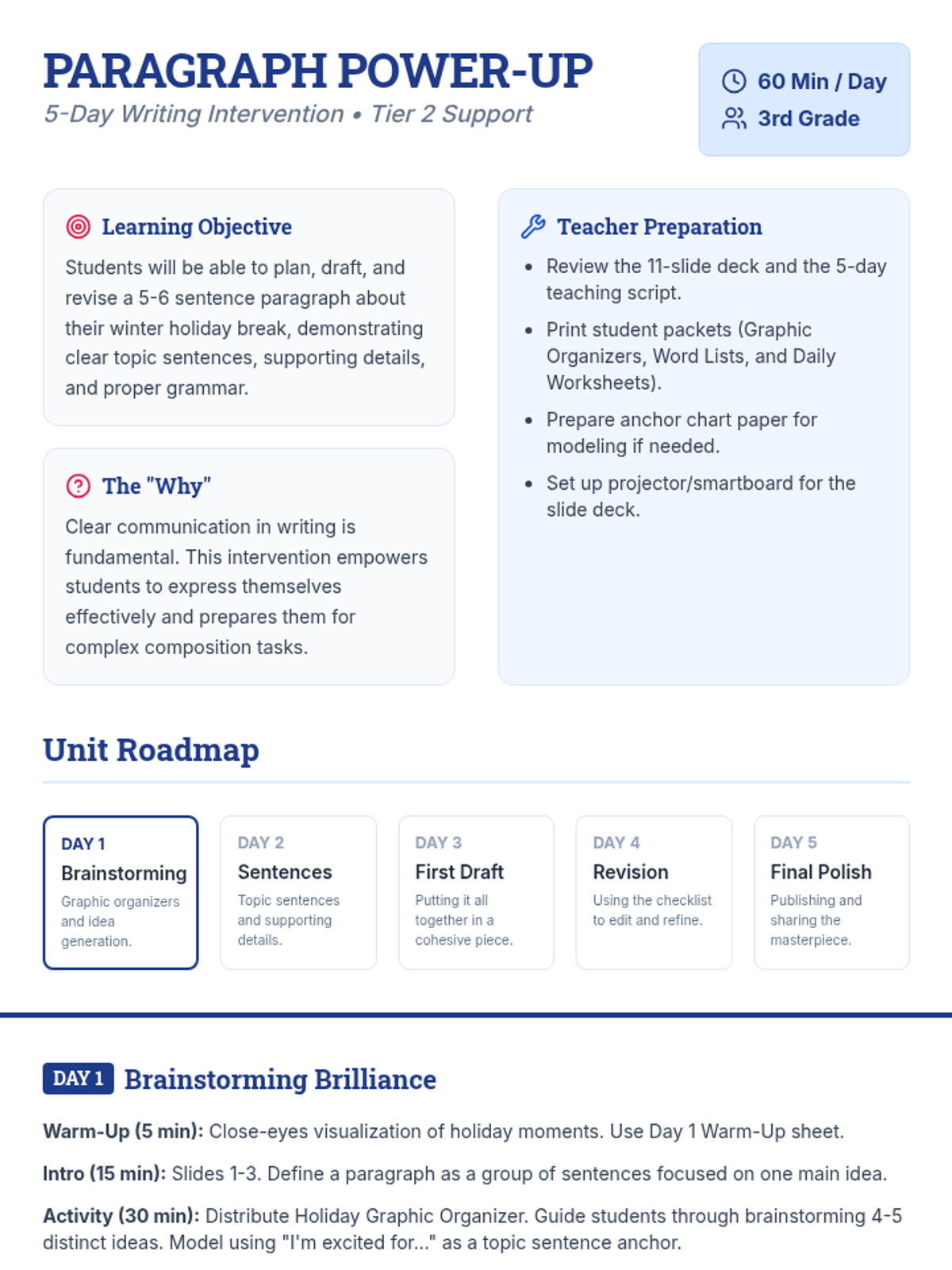
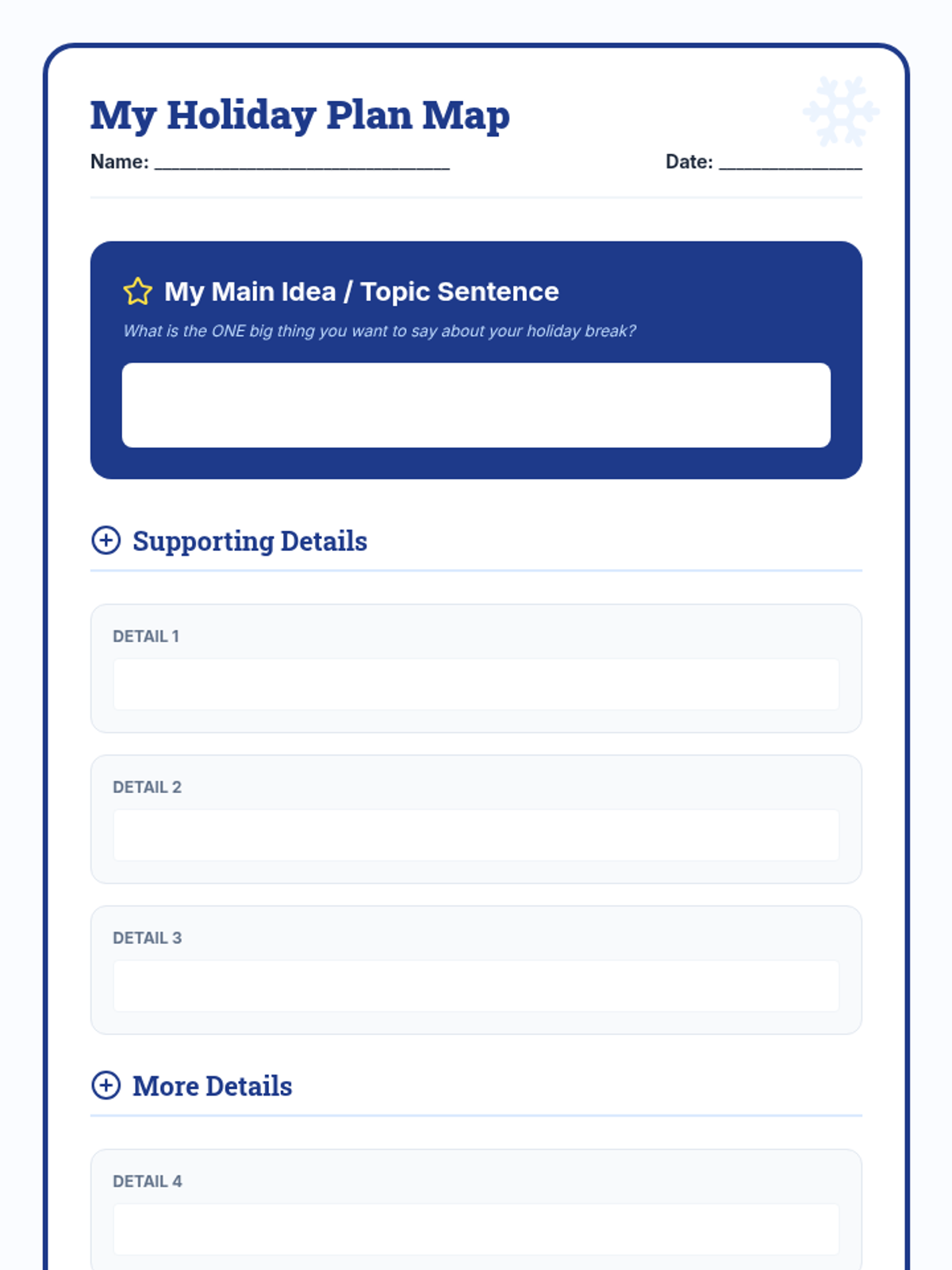
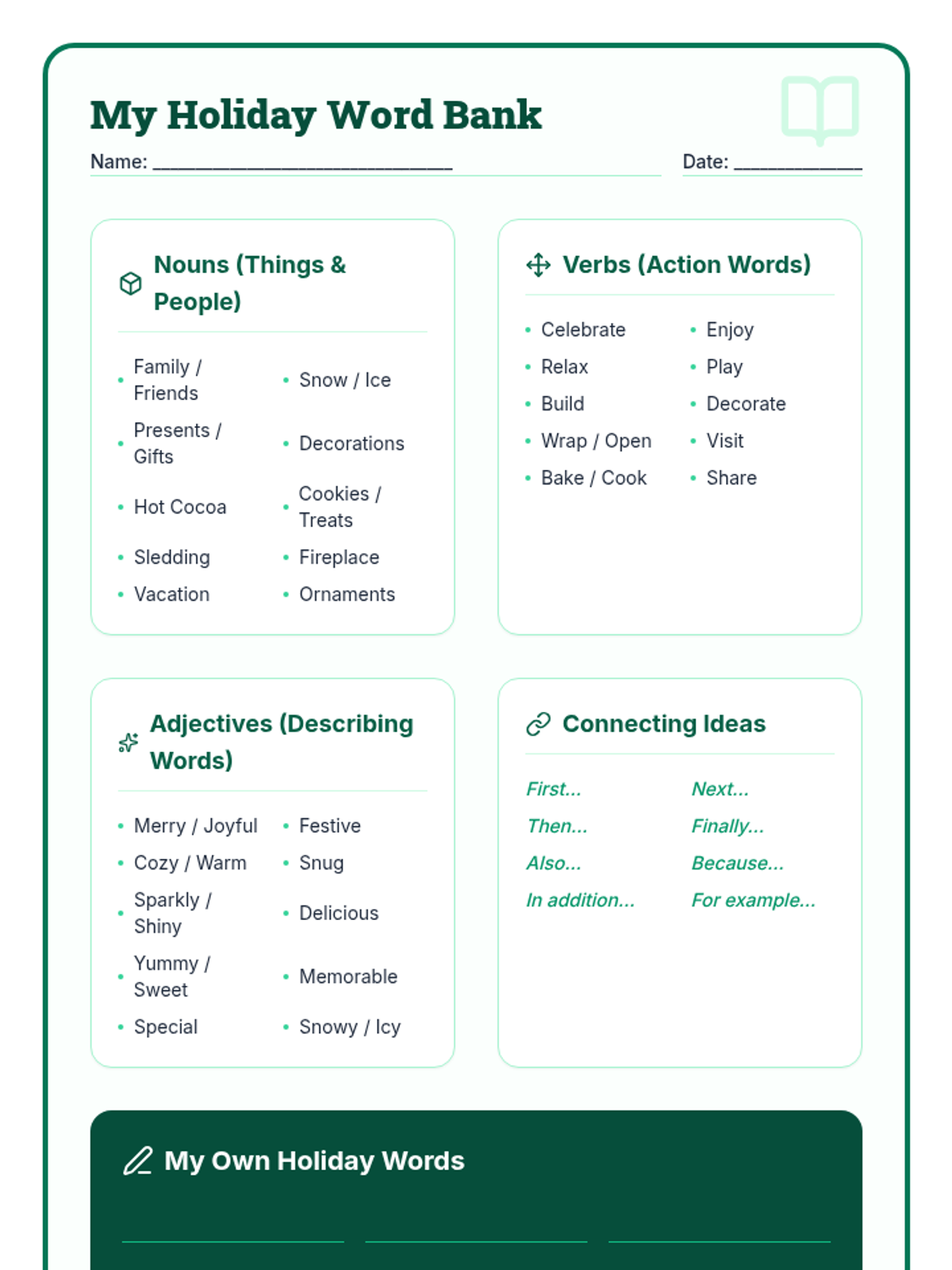
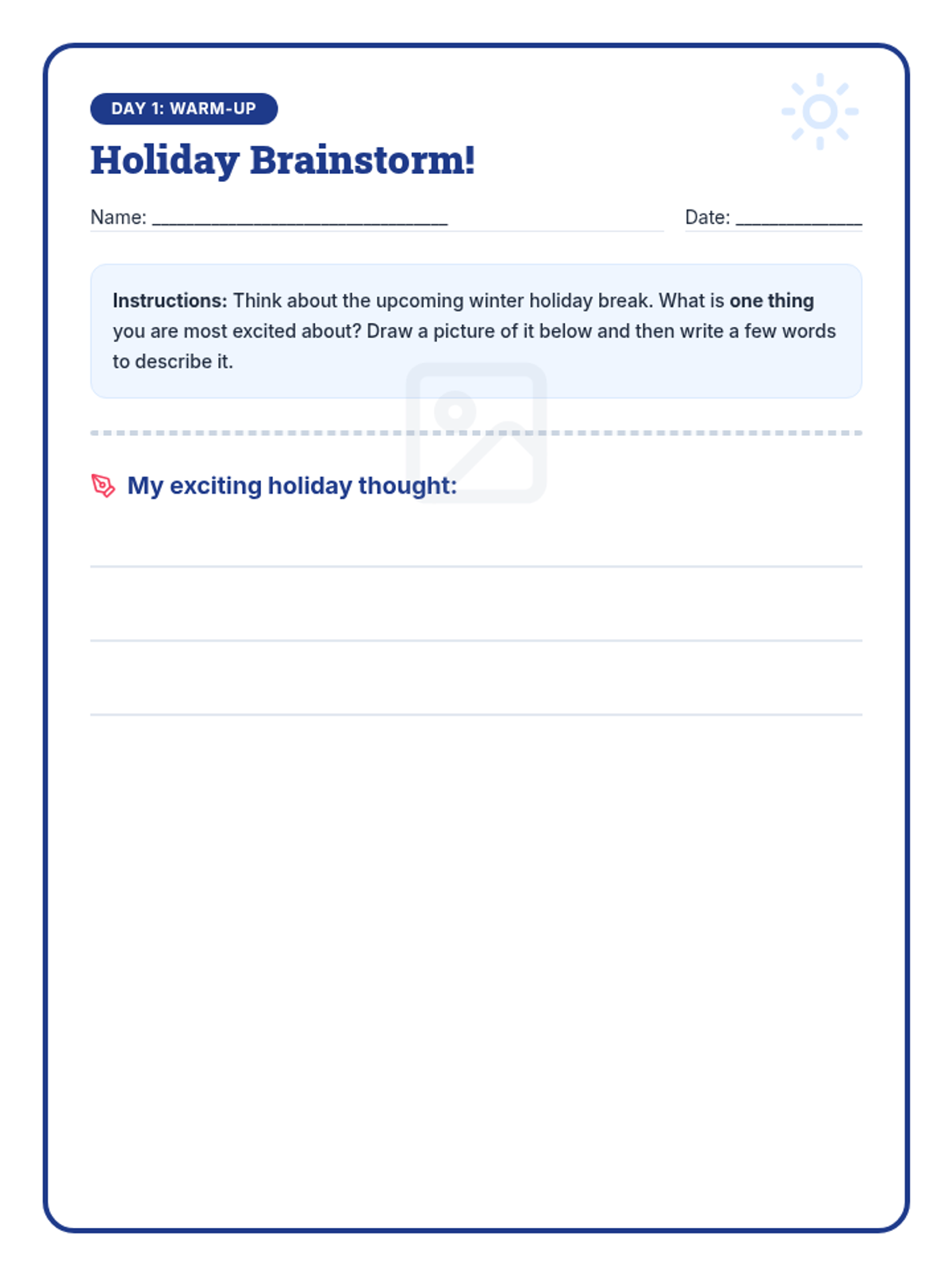
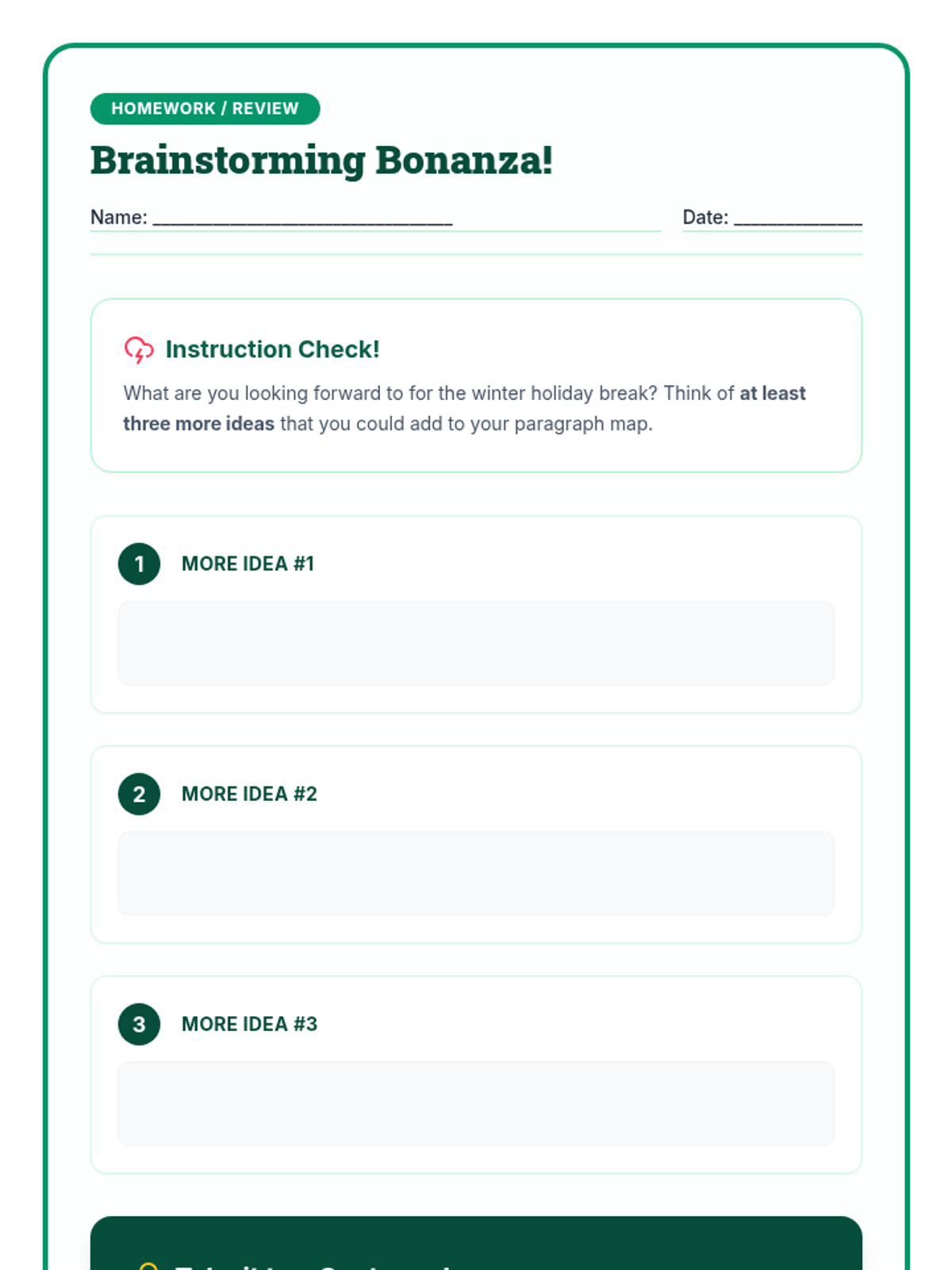
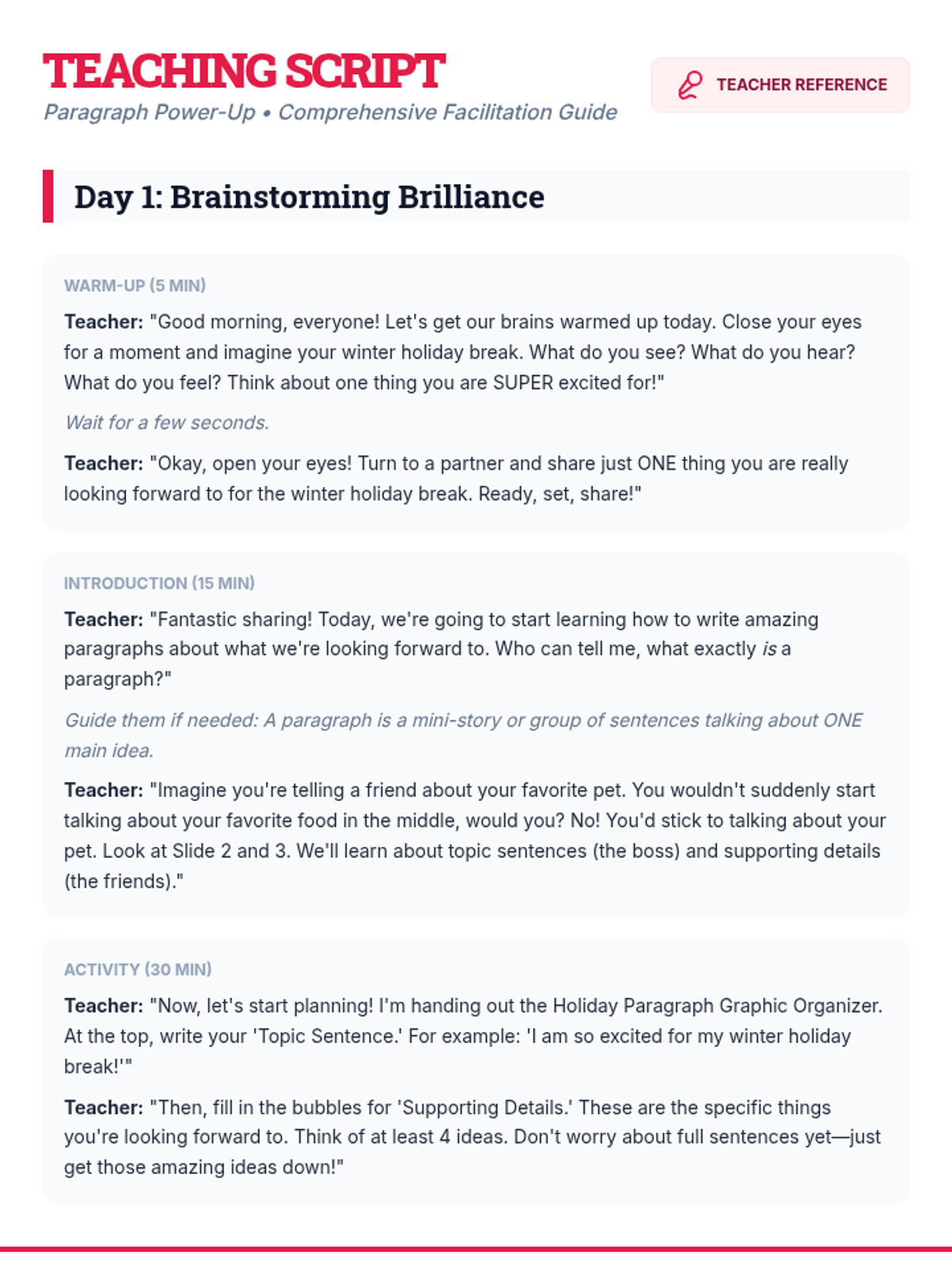
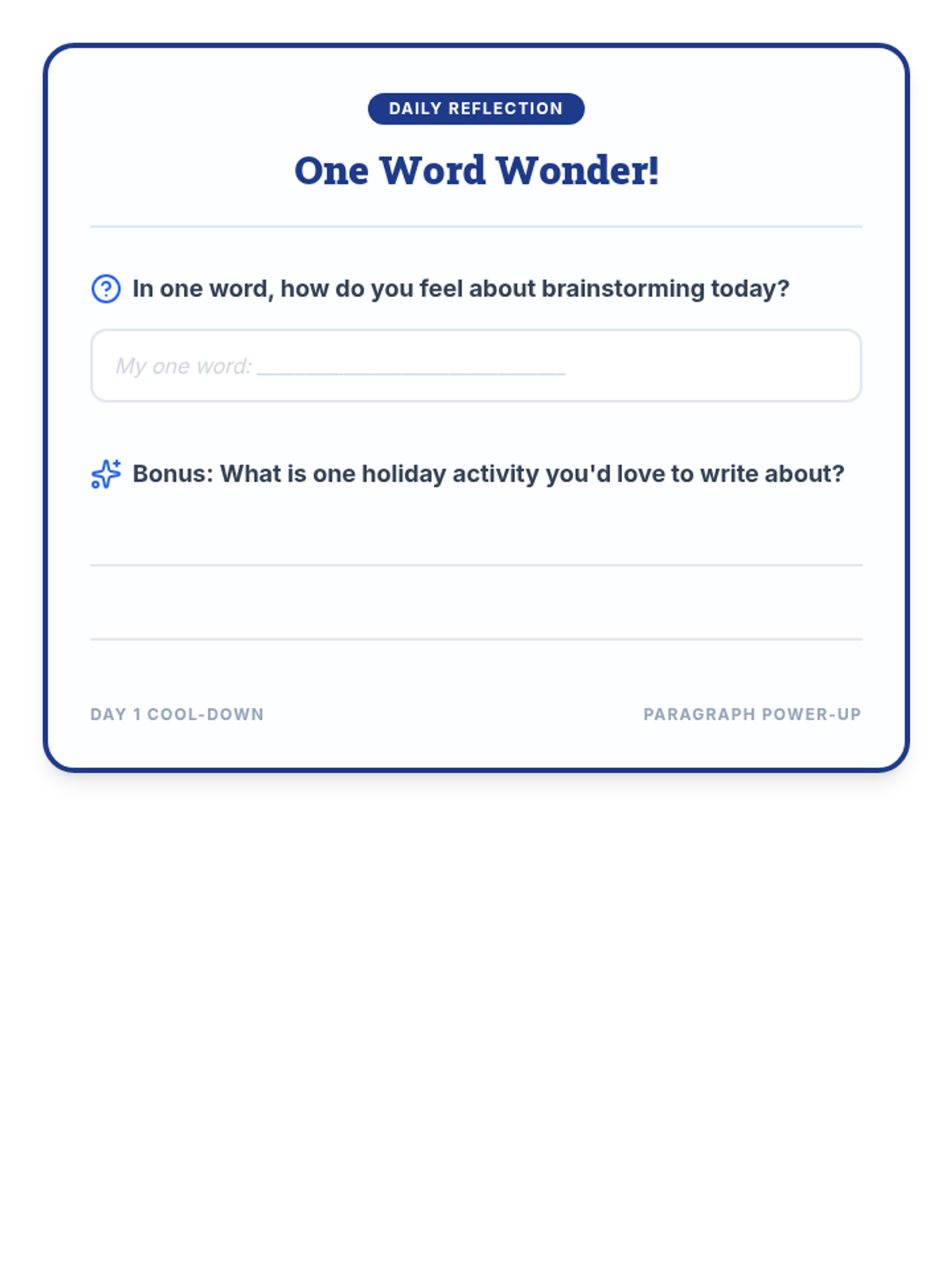
A 5-day Tier 2 writing intervention for 3rd graders focused on crafting 5-6 sentence paragraphs about their winter holiday break. Students progress from brainstorming and graphic organization to drafting, editing, and final polishing.
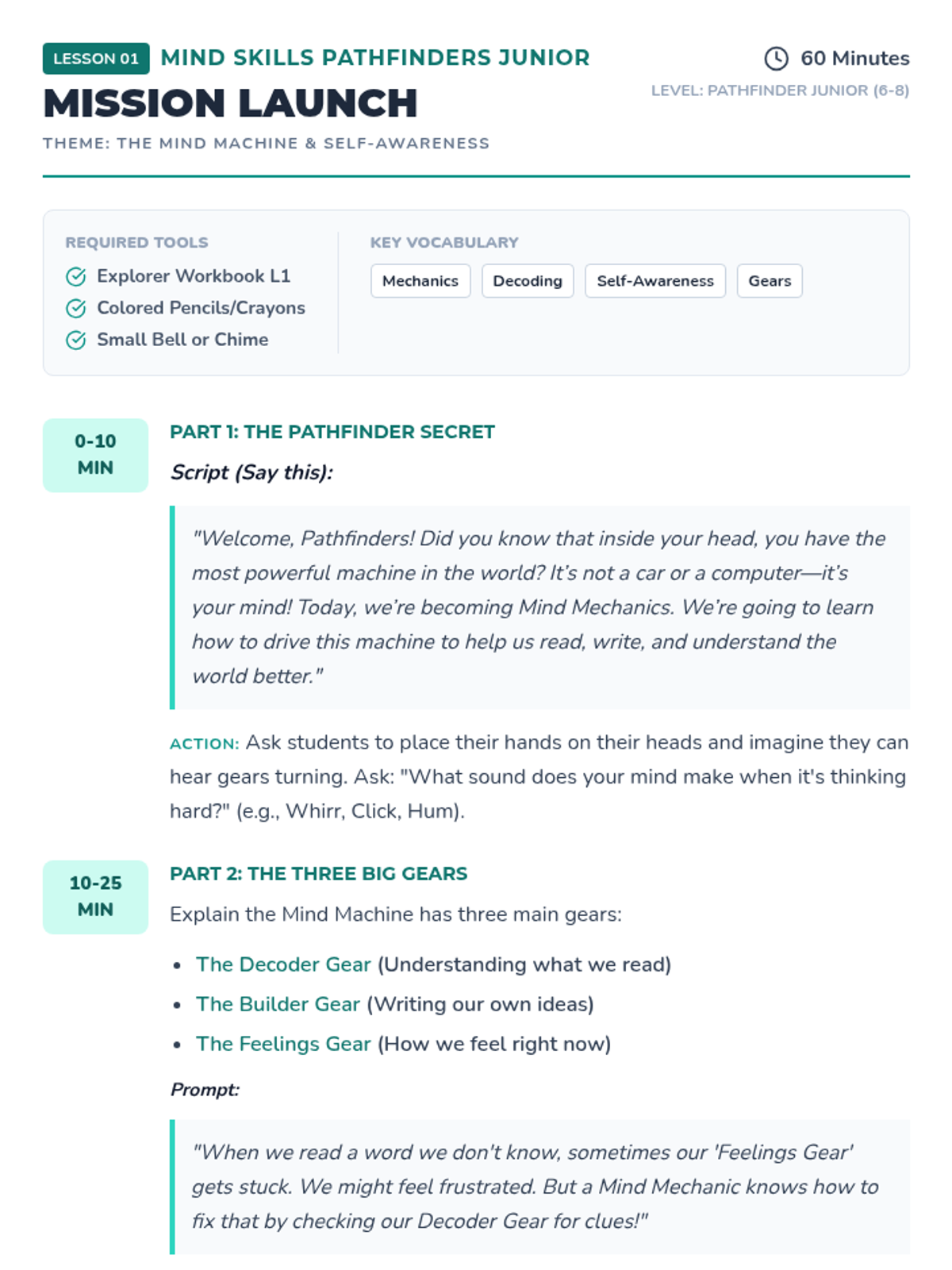
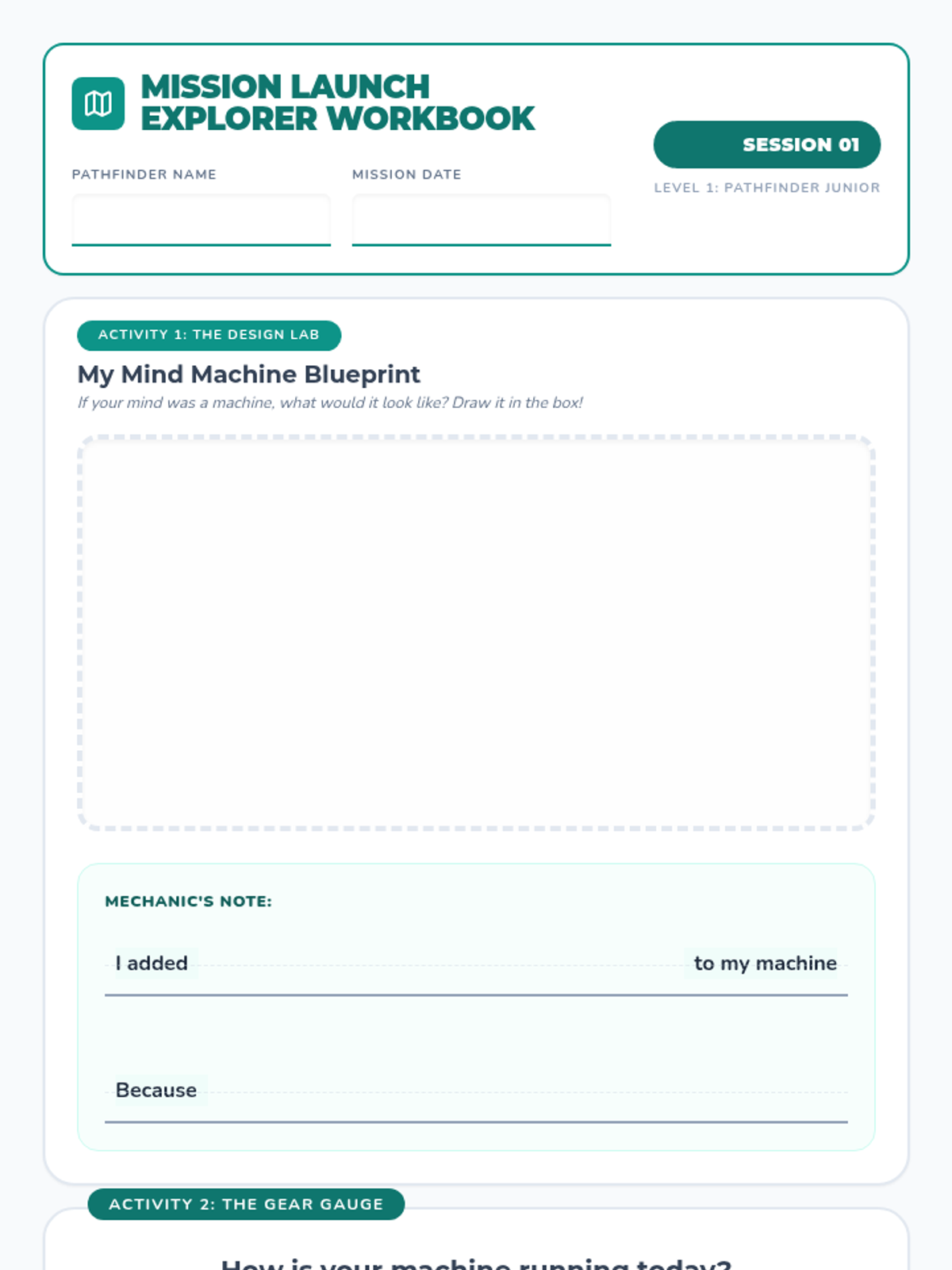
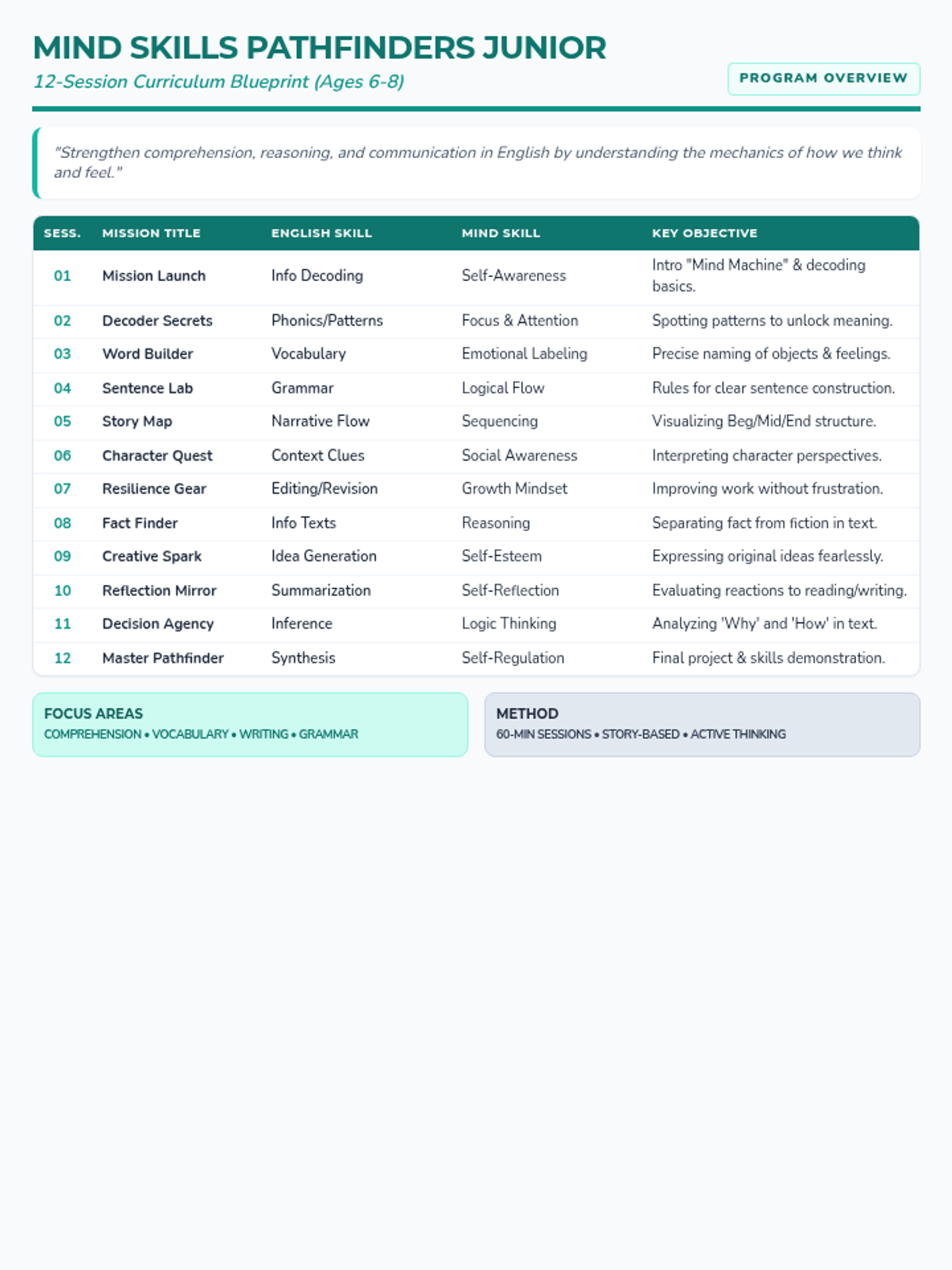
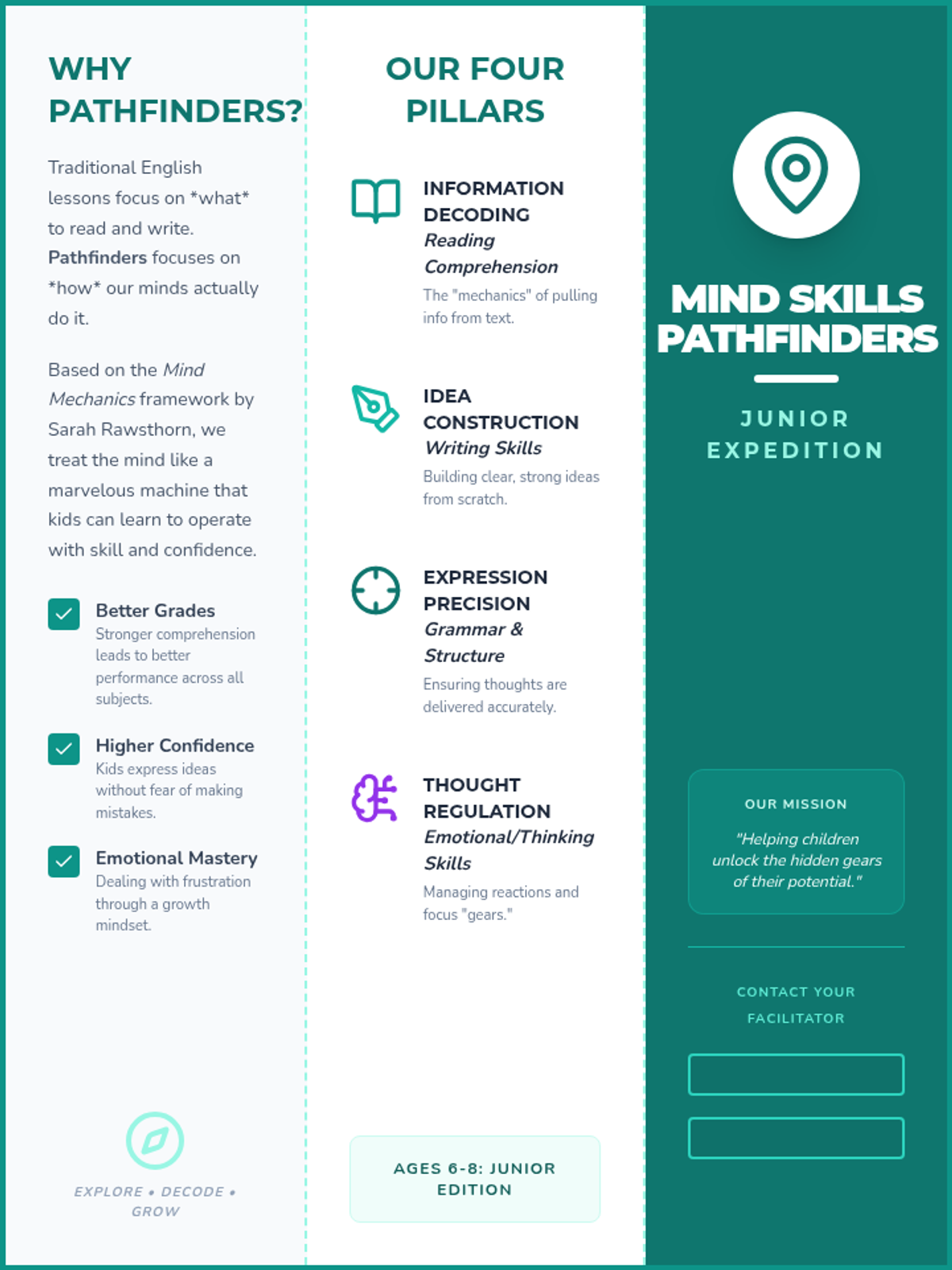
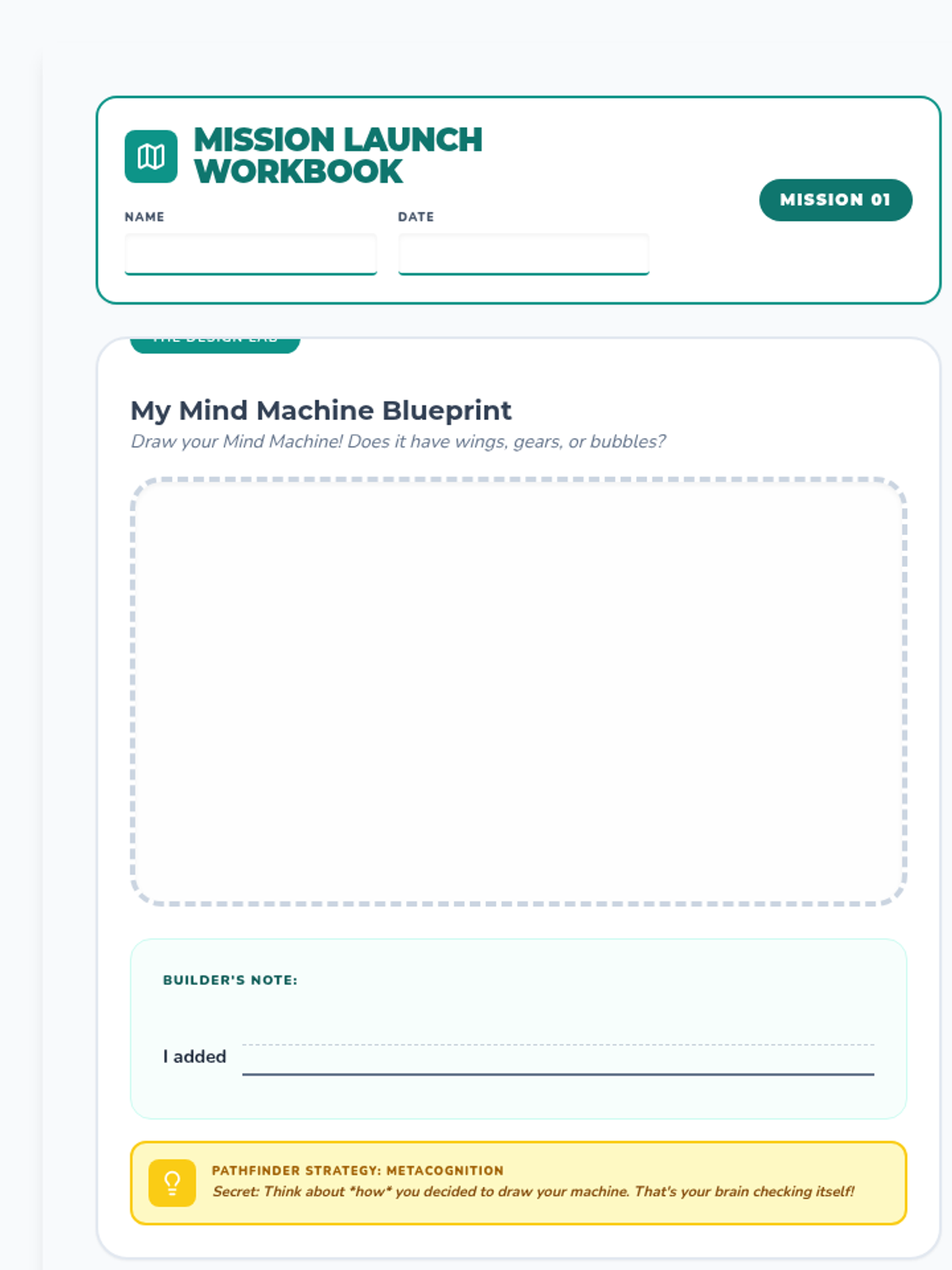
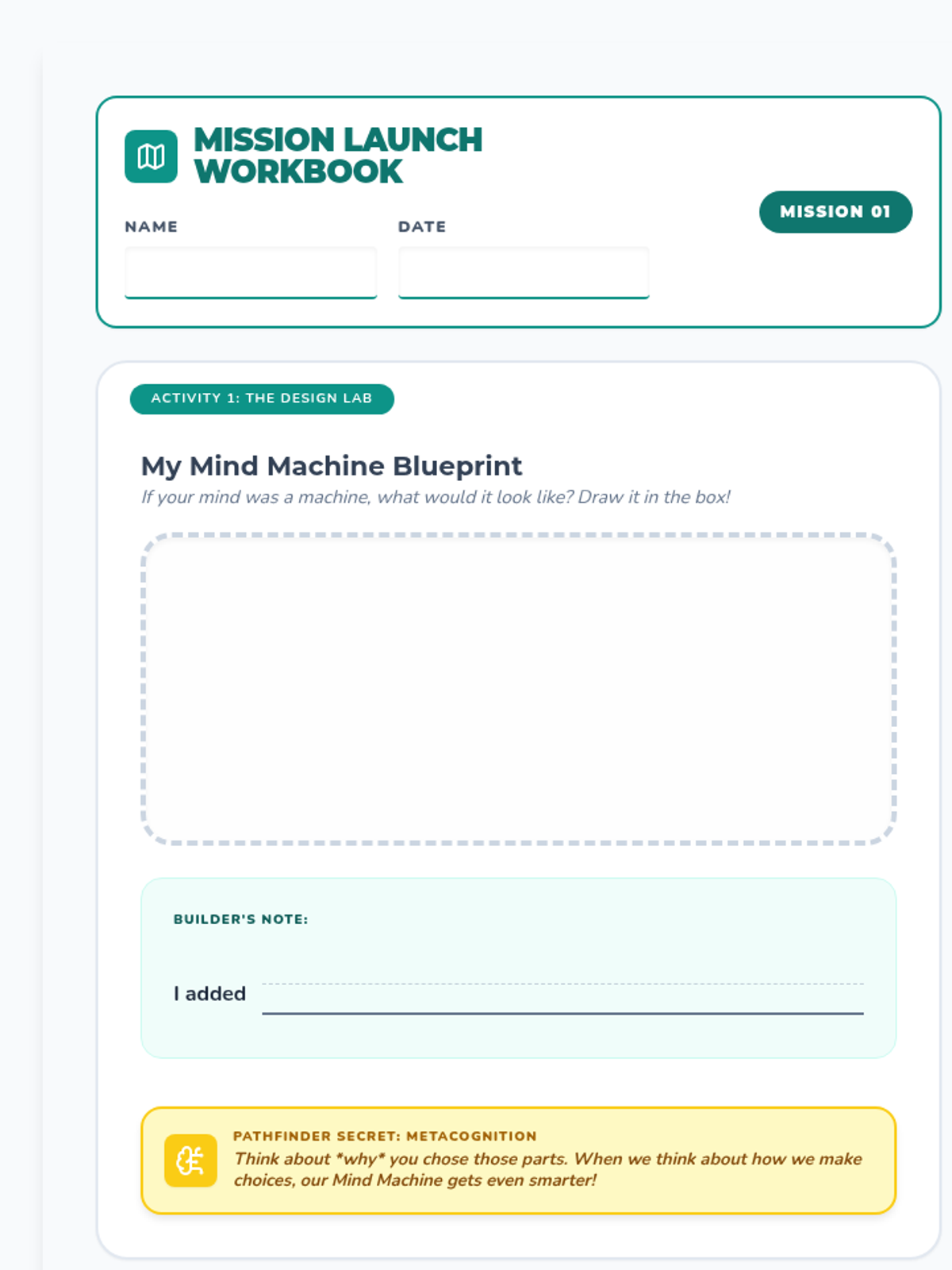
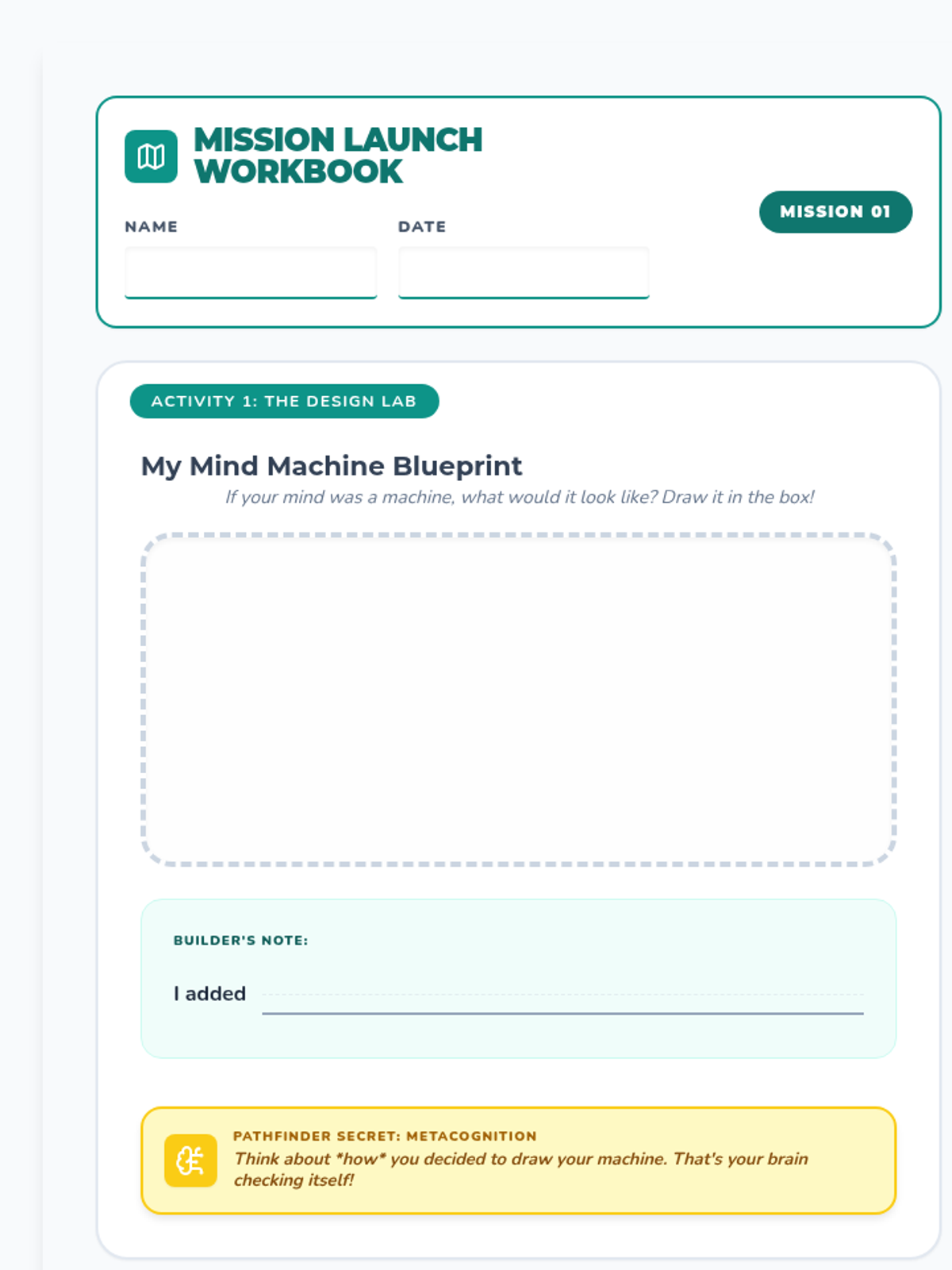
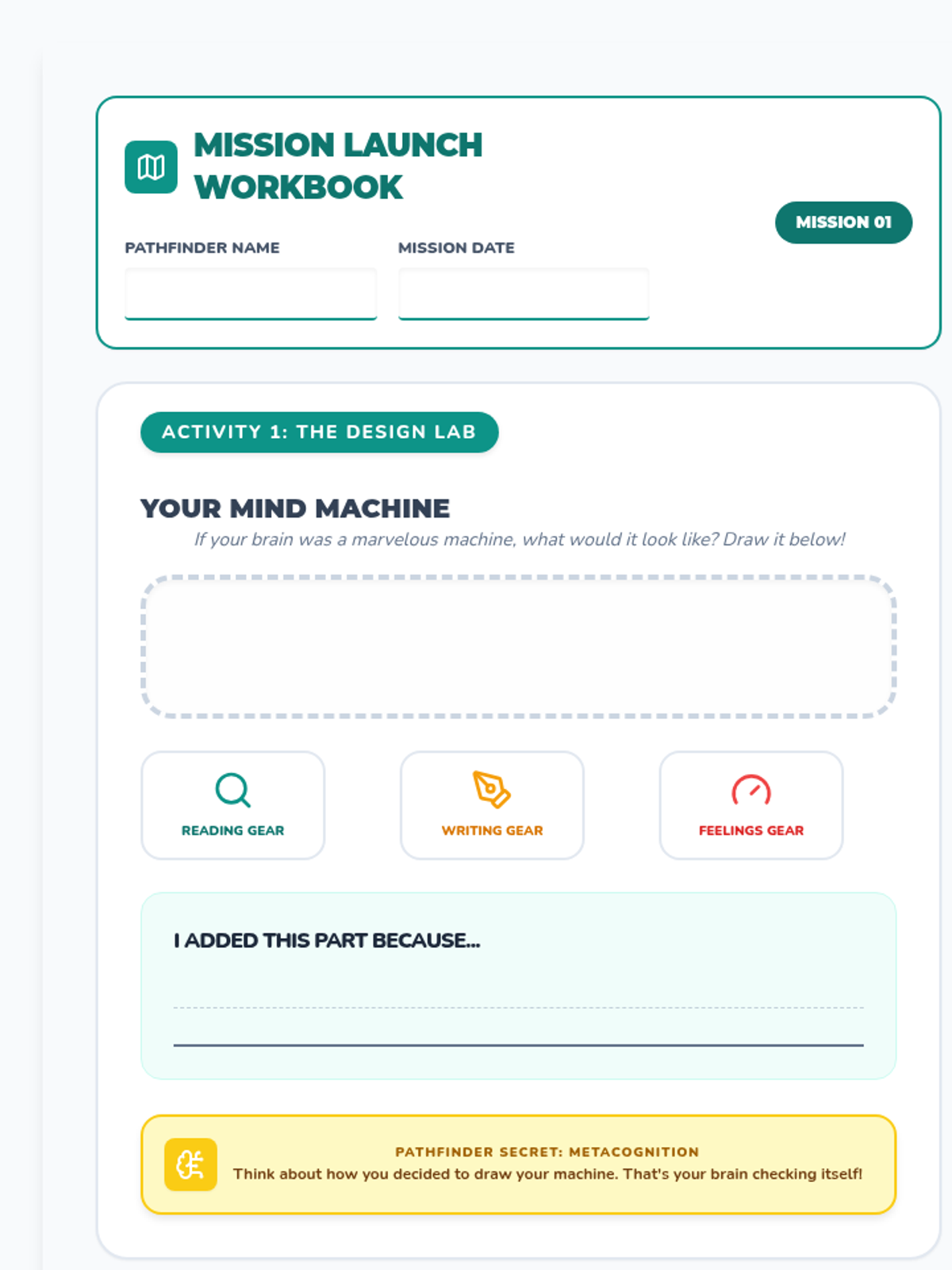
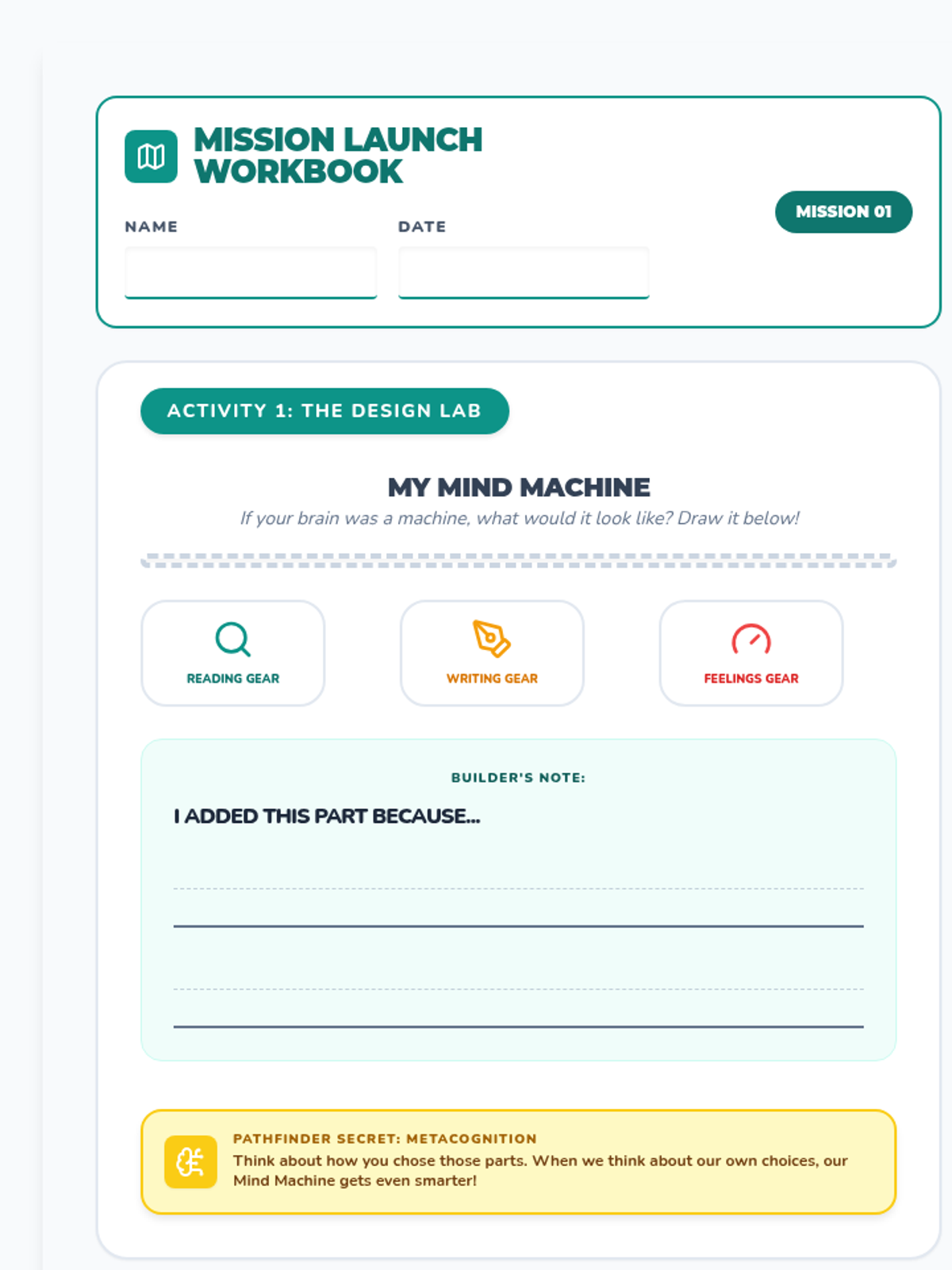
A 12-session journey for children aged 6-8 that integrates English literacy skills (comprehension, writing, grammar) with essential emotional and thinking skills using the 'Mind Mechanics' framework. Students learn to decode information, construct ideas precisely, and regulate their thoughts and responses for better school performance and well-being.
An inquiry-based science and literacy curriculum for grades 1-3 that combines foundational scientific concepts with high-frequency sight word mastery and precision handwriting practice.
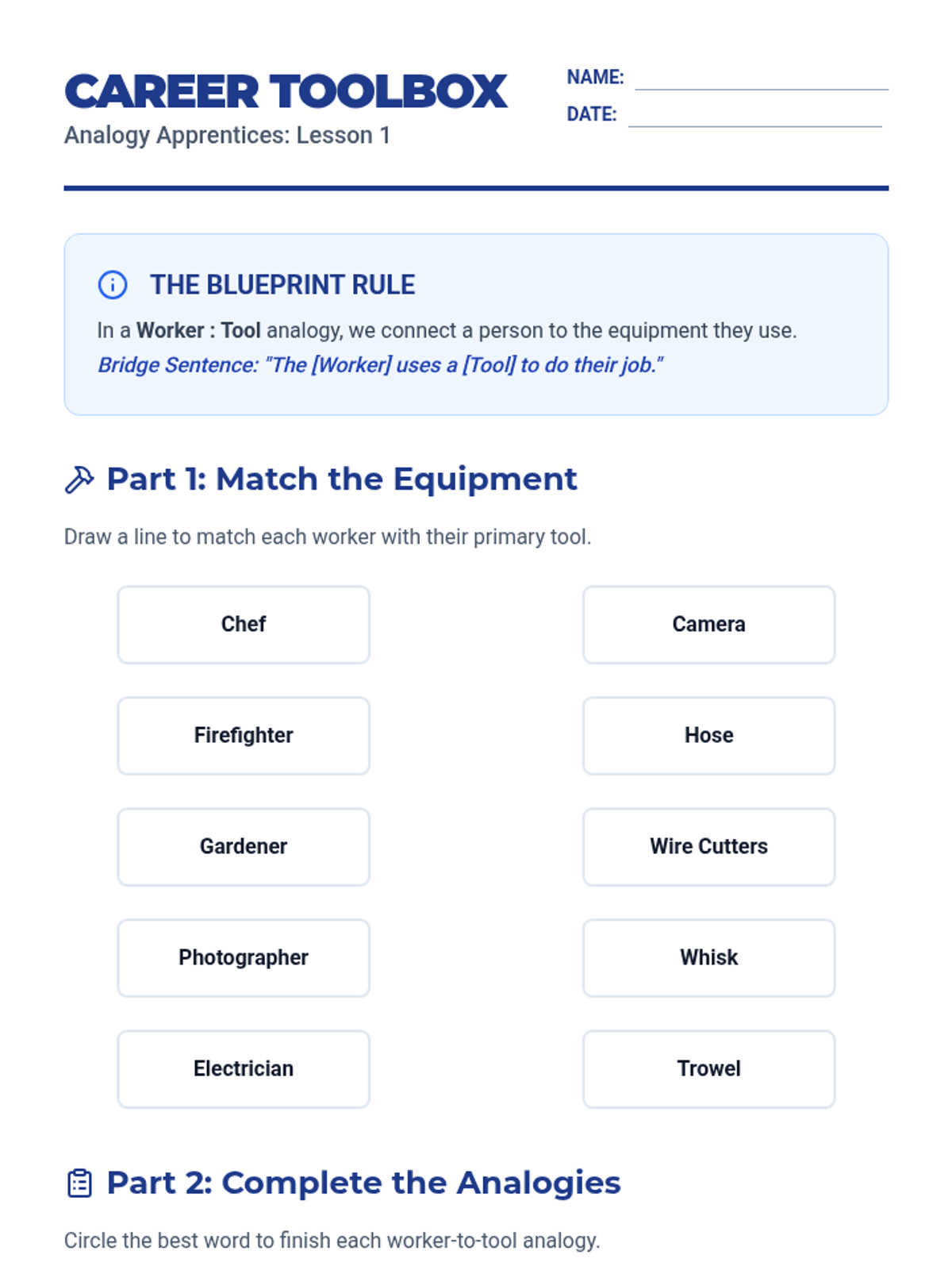
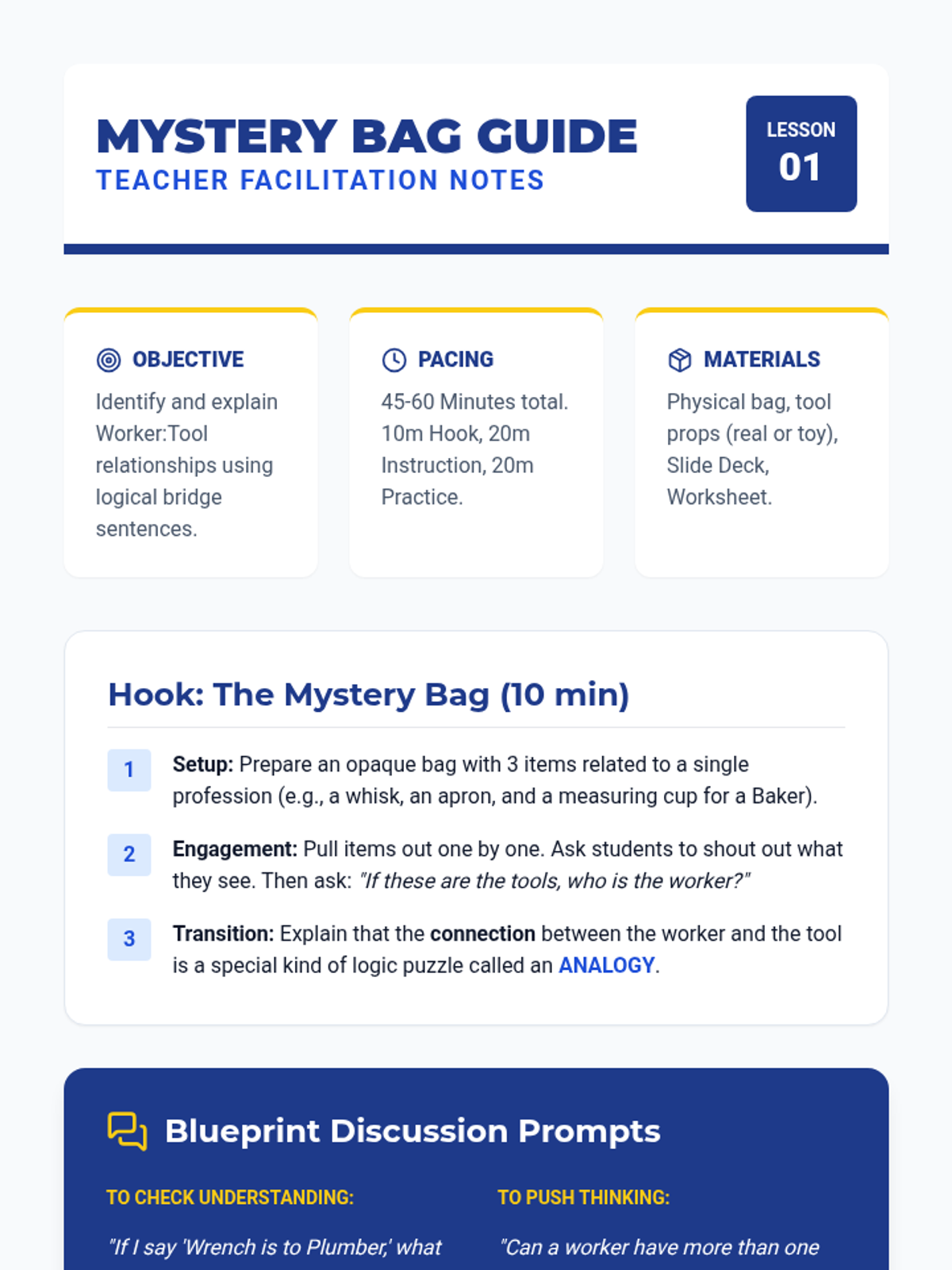
This sequence explores functional relationships in analogies, focusing on how workers, tools, objects, and actions connect logically. Students will develop career vocabulary and functional analysis skills through a 'Logic Workshop' theme.
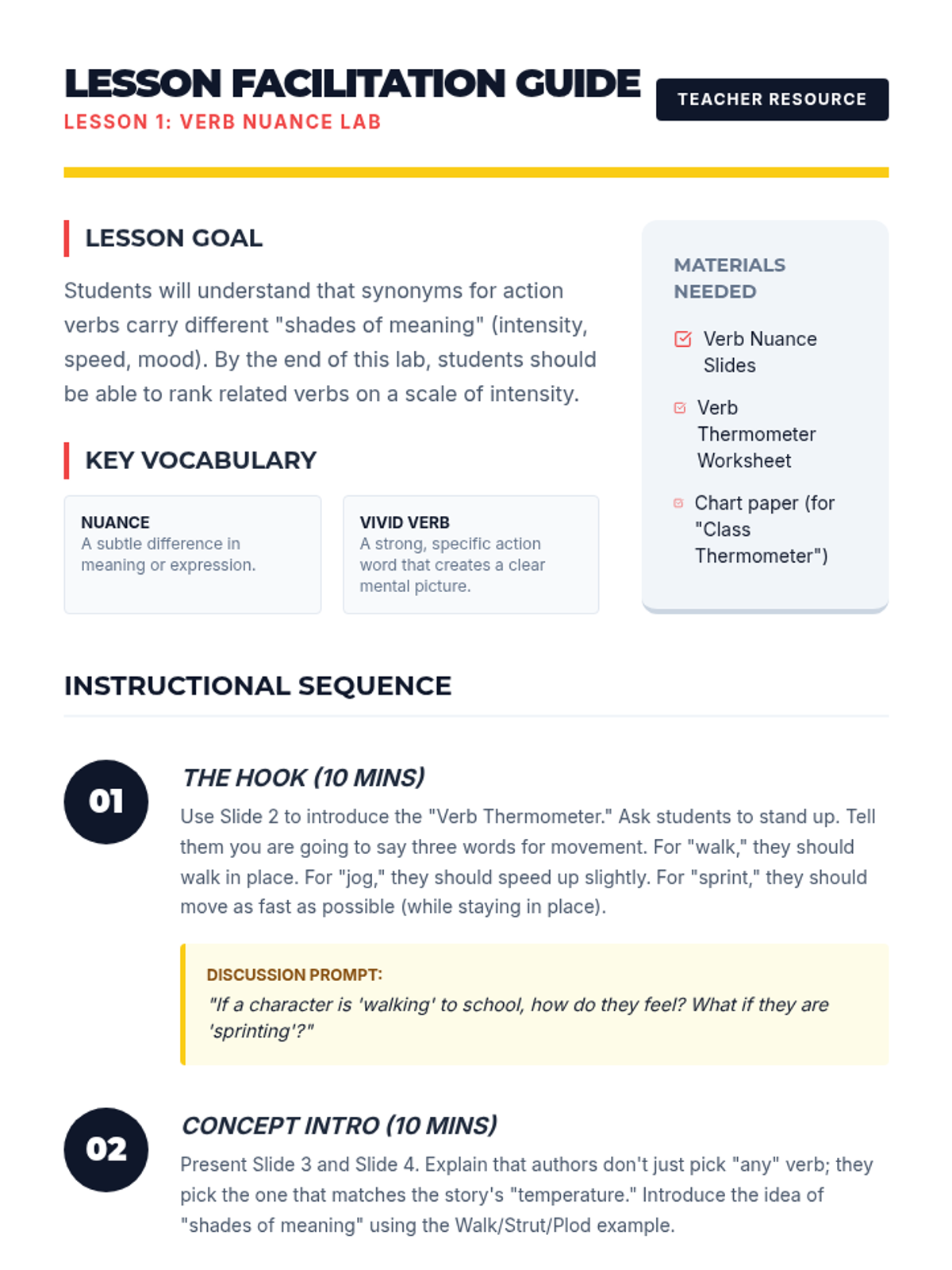
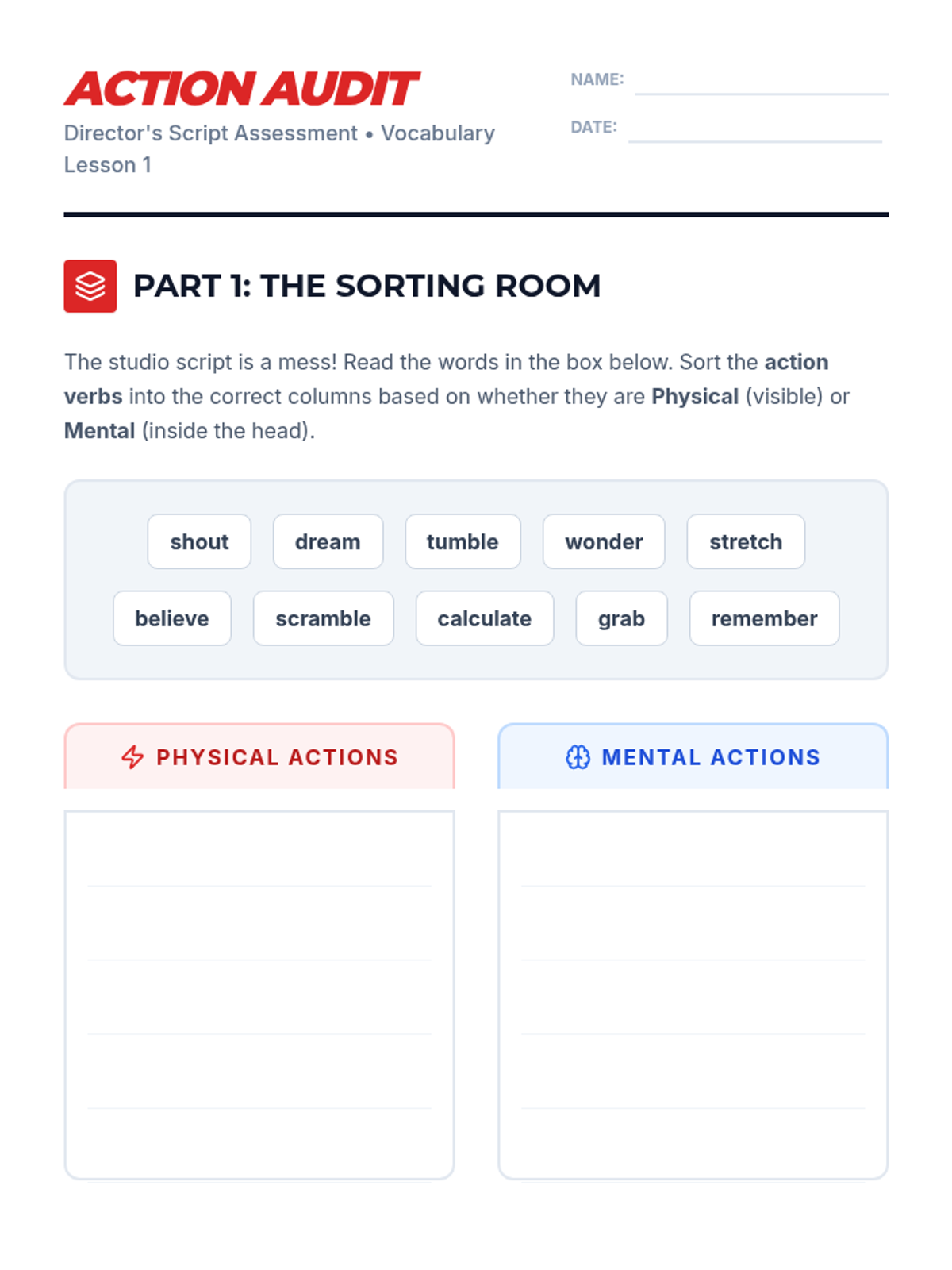
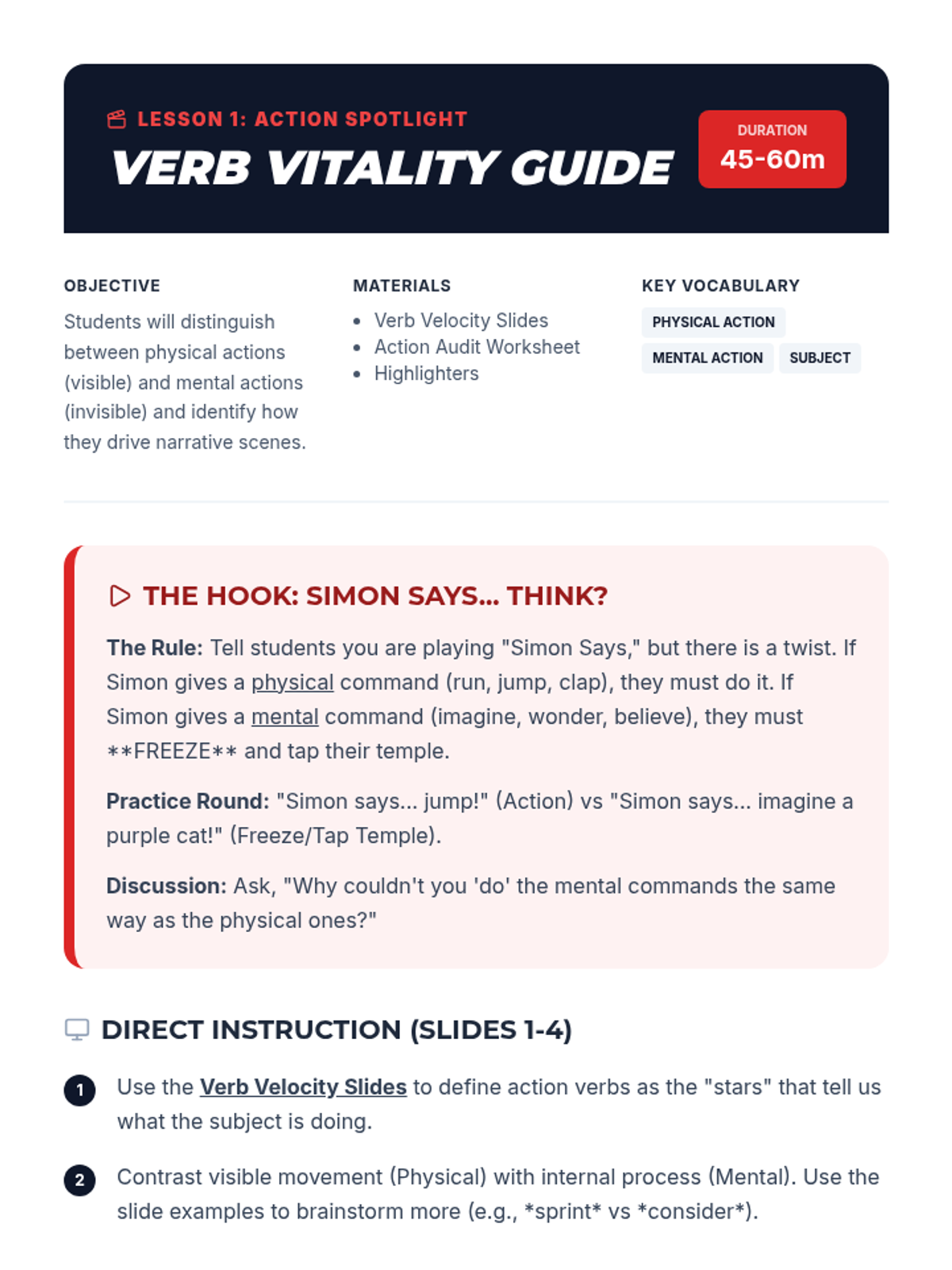
A 3rd-grade sequence focused on replacing generic verbs with vivid, precise action words to enhance narrative writing. Students explore shades of meaning, retire overused verbs, and apply 'show, don't tell' techniques to write a dynamic action scene.
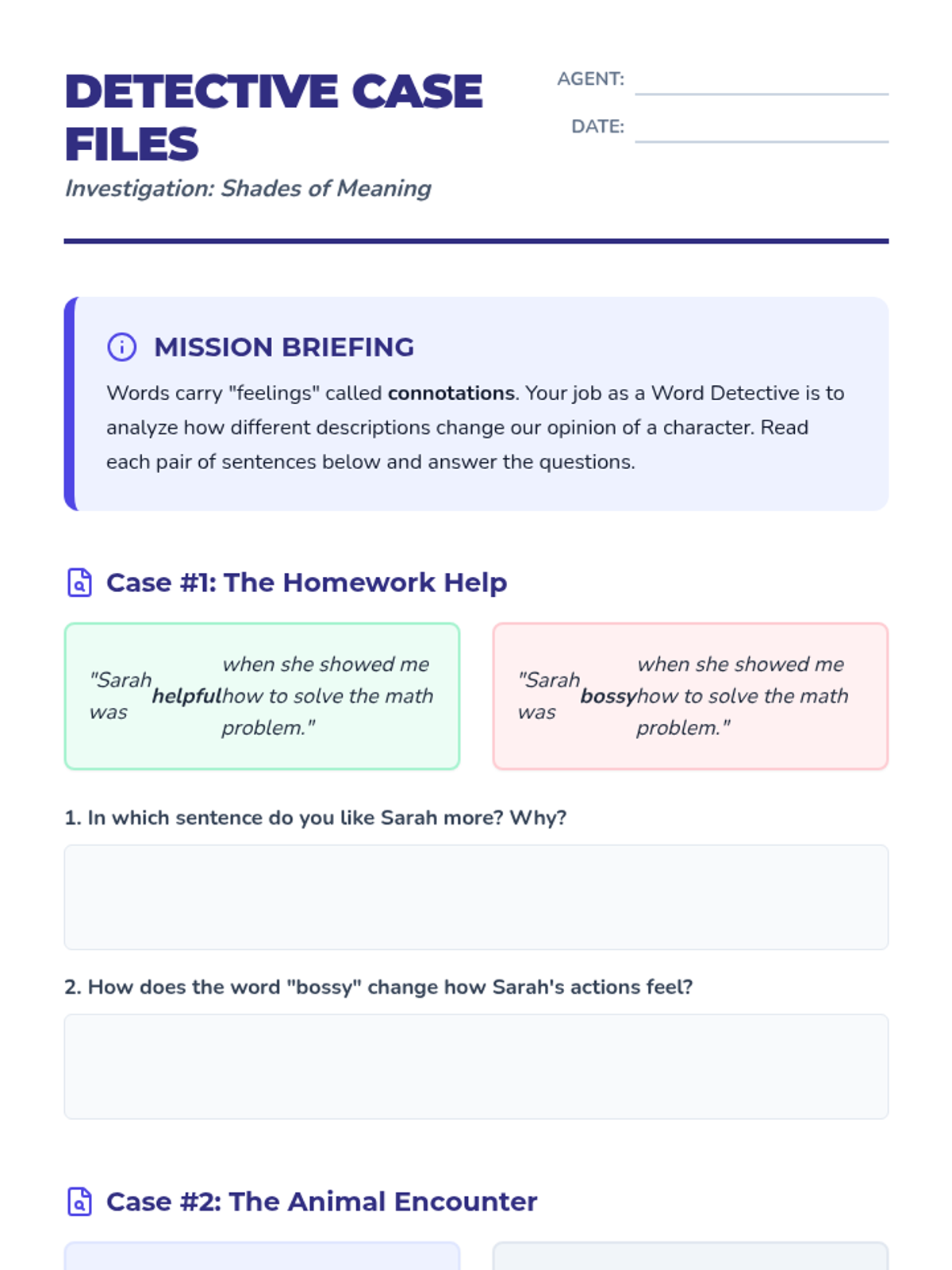
A 3rd-grade ELA sequence exploring how word connotation and 'shades of meaning' influence tone, characterization, and mood in narrative writing. Students progress from analyzing word pairs to crafting their own mood-driven scenes.
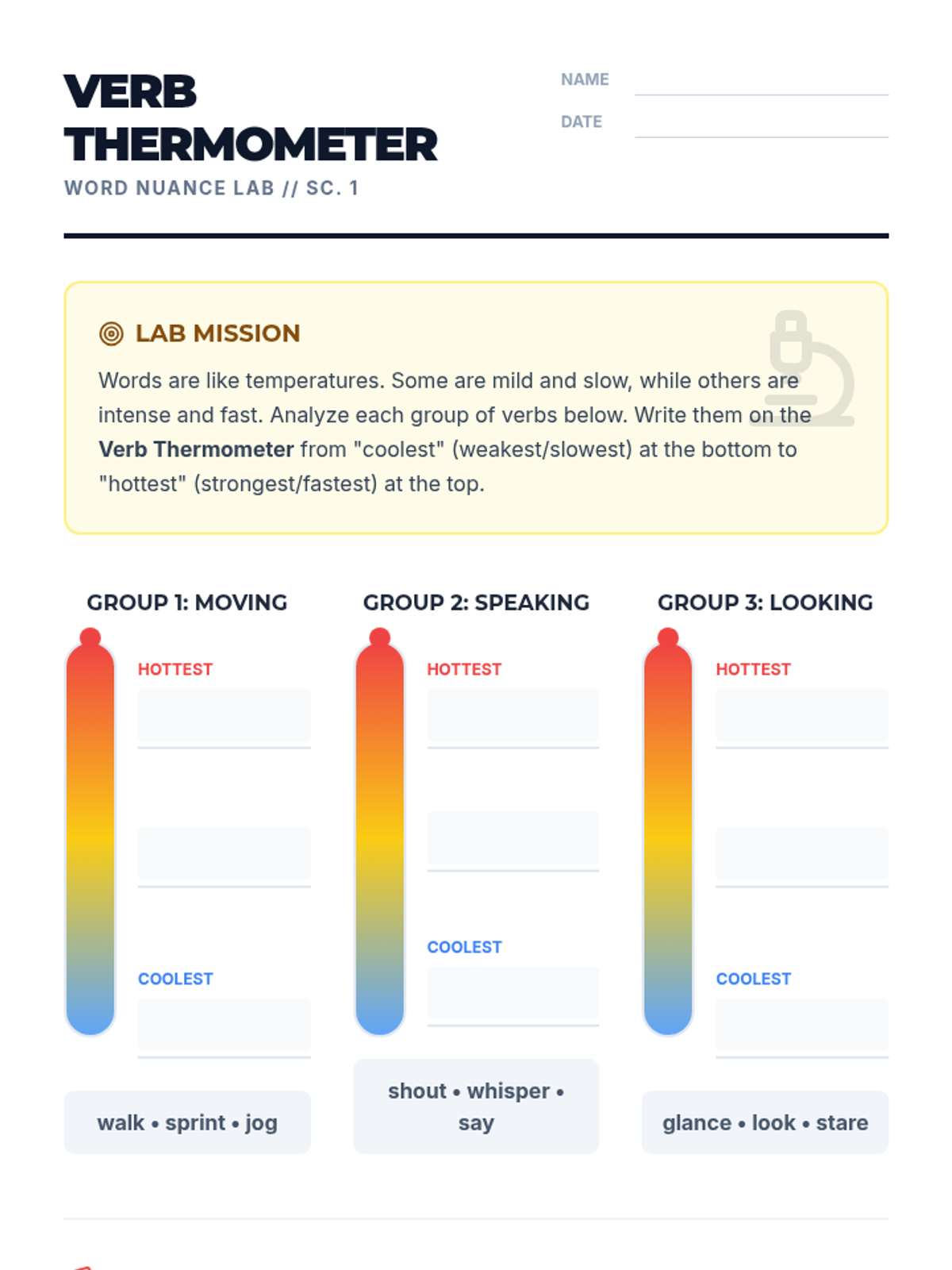
A comprehensive 5-lesson unit for 3rd-grade students exploring the nuances of vocabulary through word thermometers, physical movement, and contextual analysis to improve writing precision.
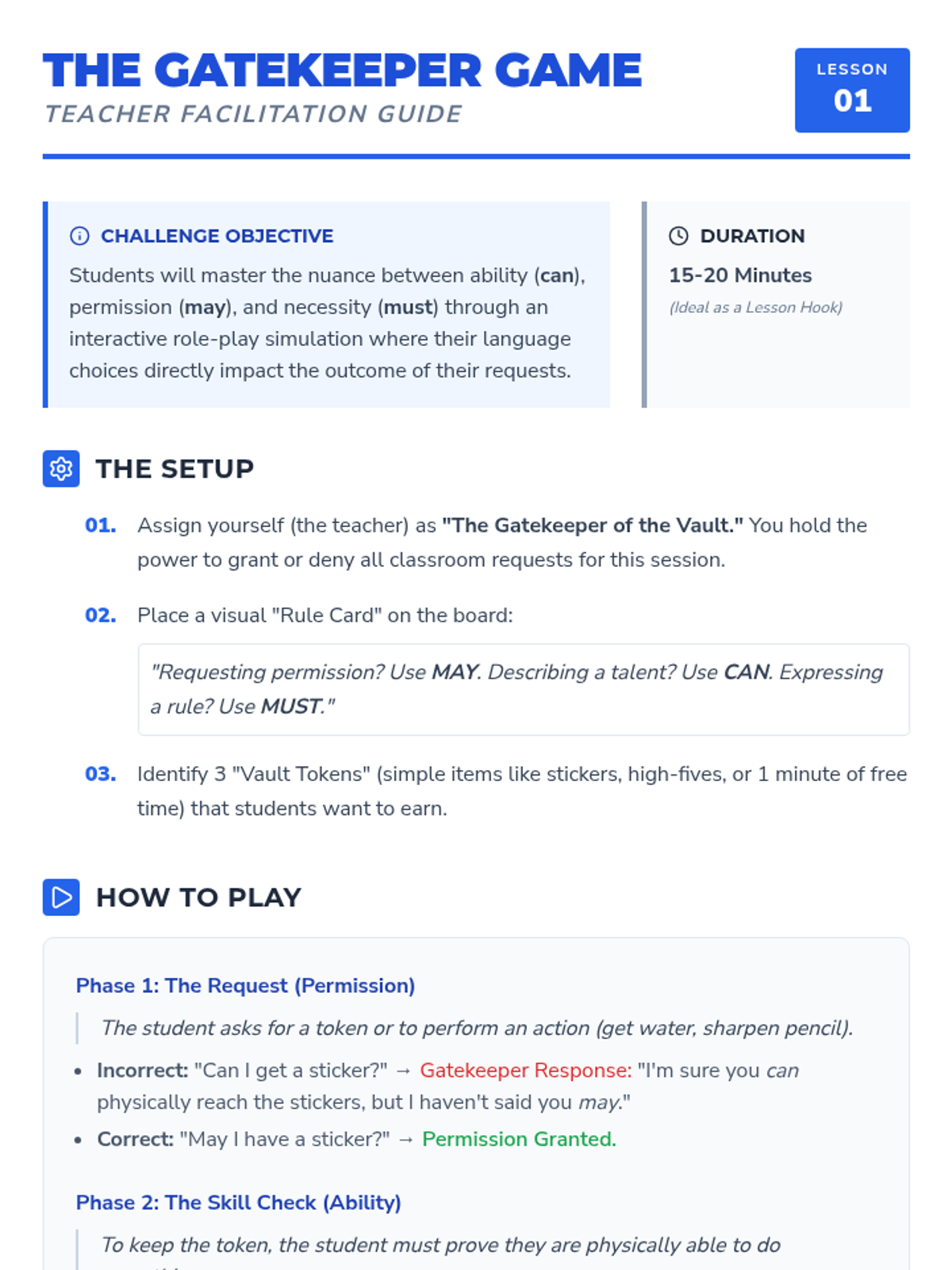
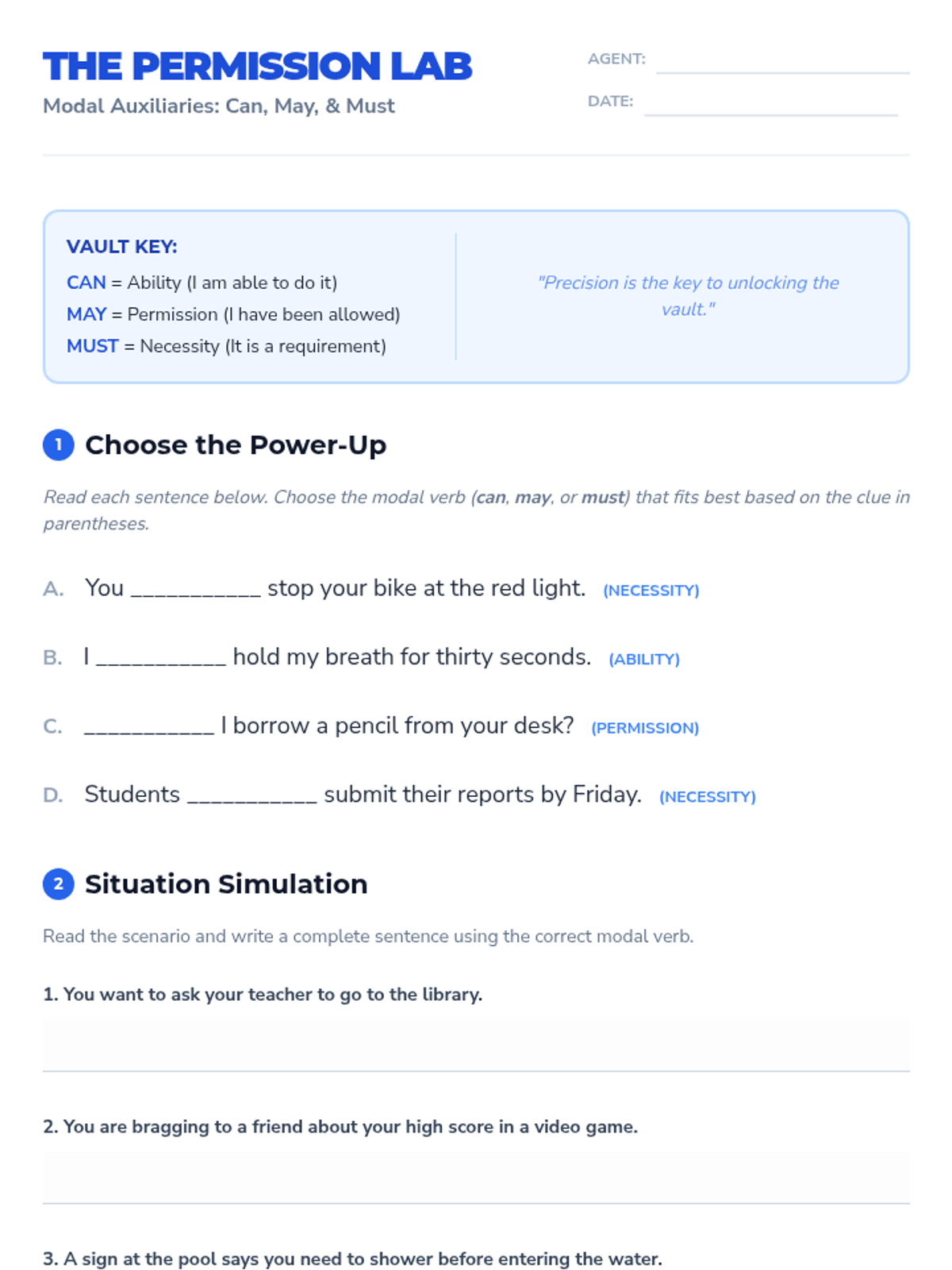
This sequence explores the mechanics of verbs through modal auxiliaries and the creative power of vivid verbs. Students move from understanding ability, permission, and probability to revising narratives for maximum impact by replacing bland verbs with precise alternatives.
A 5-lesson unit for 3rd graders focused on identifying, refining, and applying vivid action verbs to enhance narrative writing. Students progress from basic identification to understanding shades of meaning and mastering subject-verb agreement.
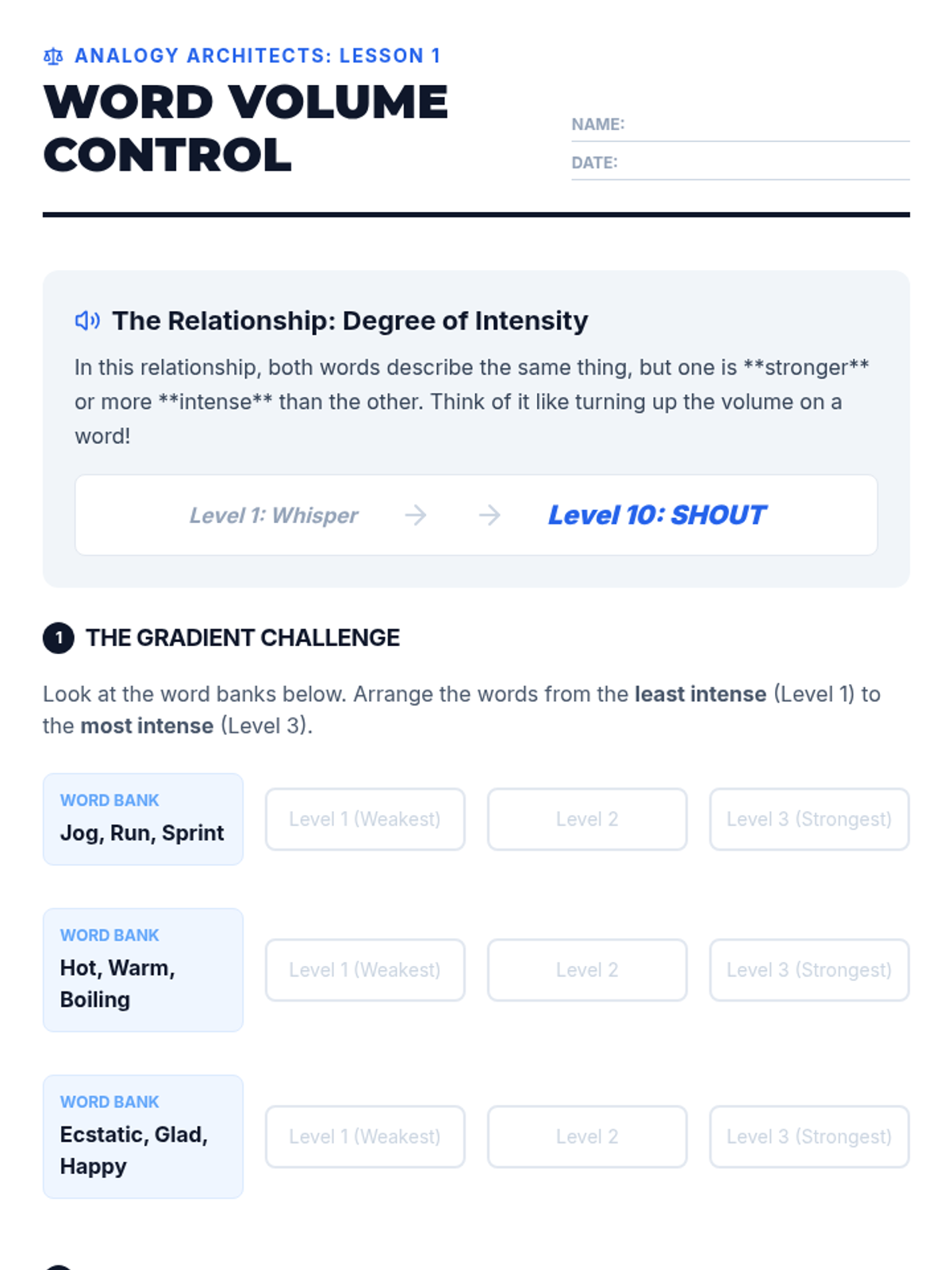
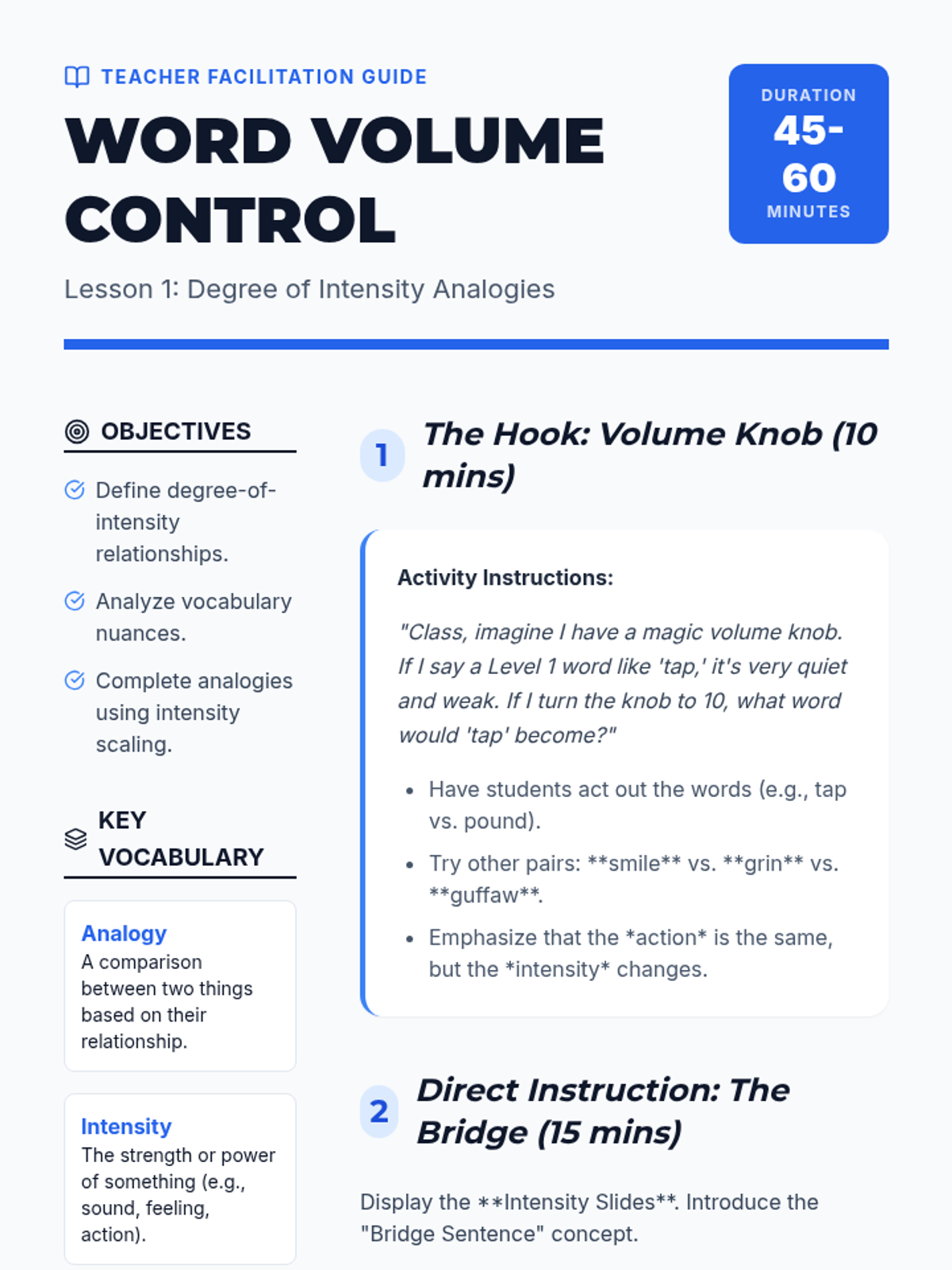
A 5-lesson unit for 3rd graders focused on mastering degree-of-intensity and characteristic analogies, culminating in a creative publishing project. Students explore nuance in language and apply logic to create their own analogies across disciplines.
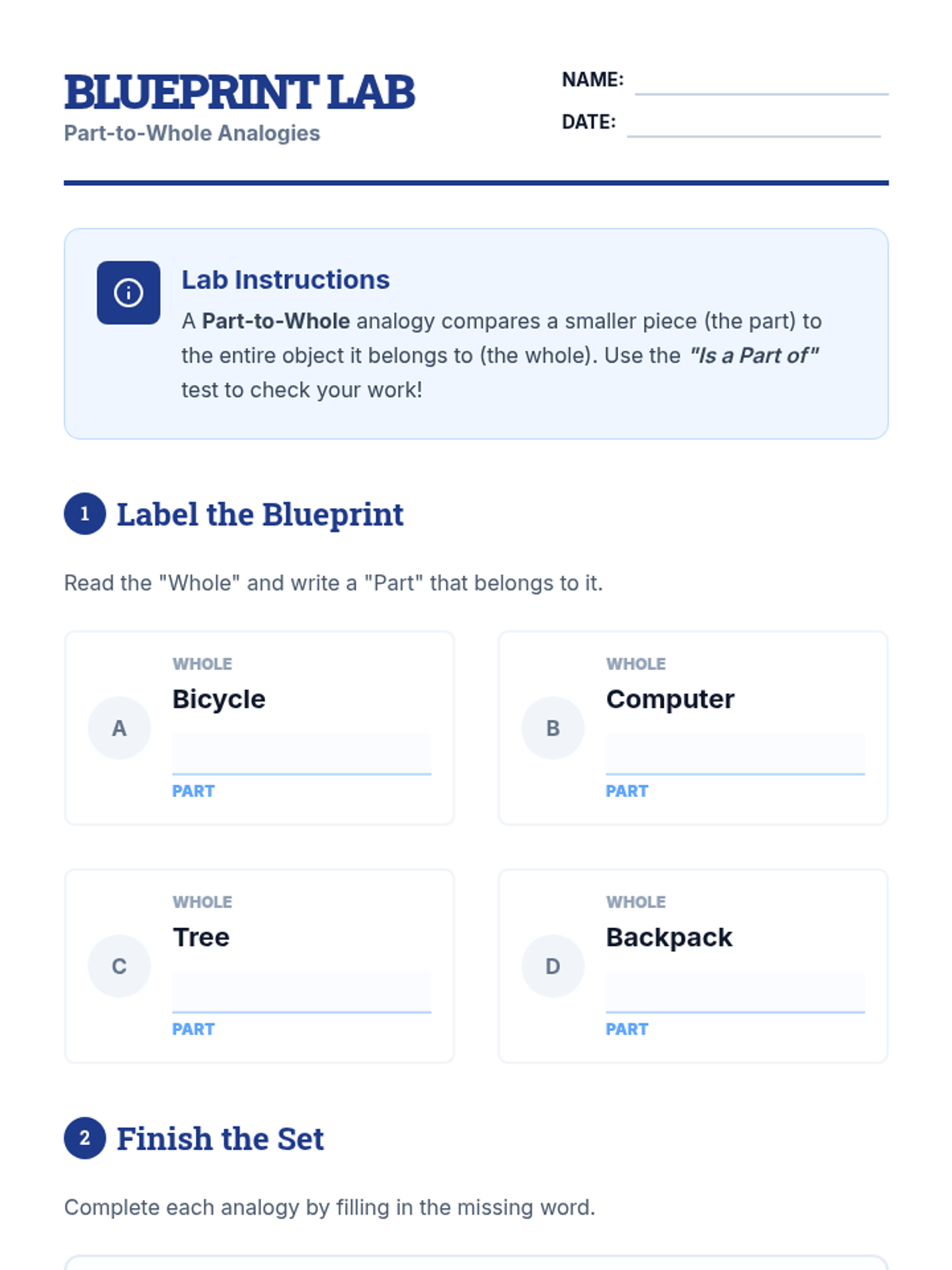
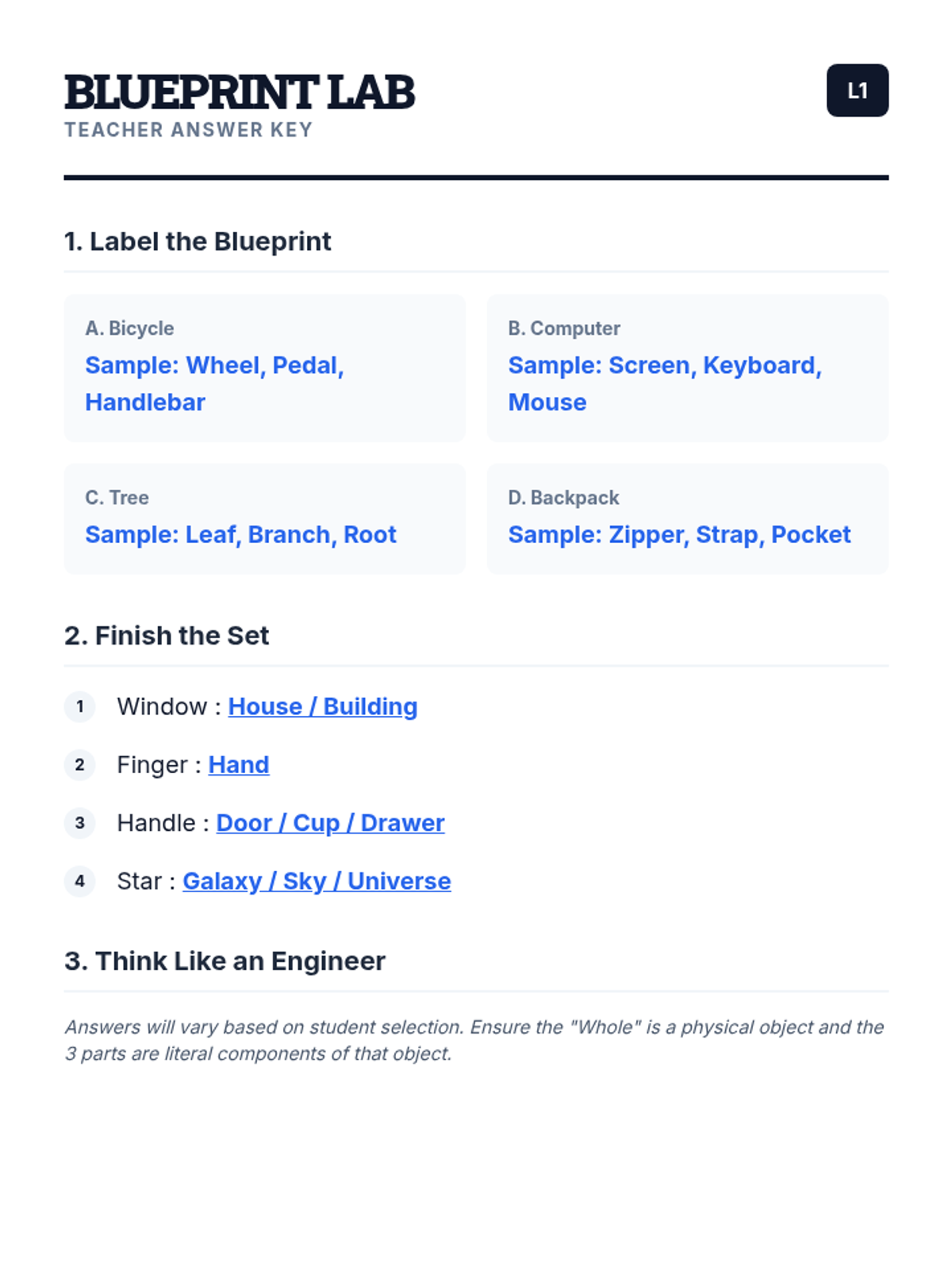
Students explore Part-to-Whole and Classification (Type/Category) relationships through gamified learning. This sequence distinguishes between 'is a kind of' and 'is a piece of' relationships, which are common sources of confusion for third graders. through sorting games and collaborative categorization, students develop a mental framework for hierarchical word relationships.
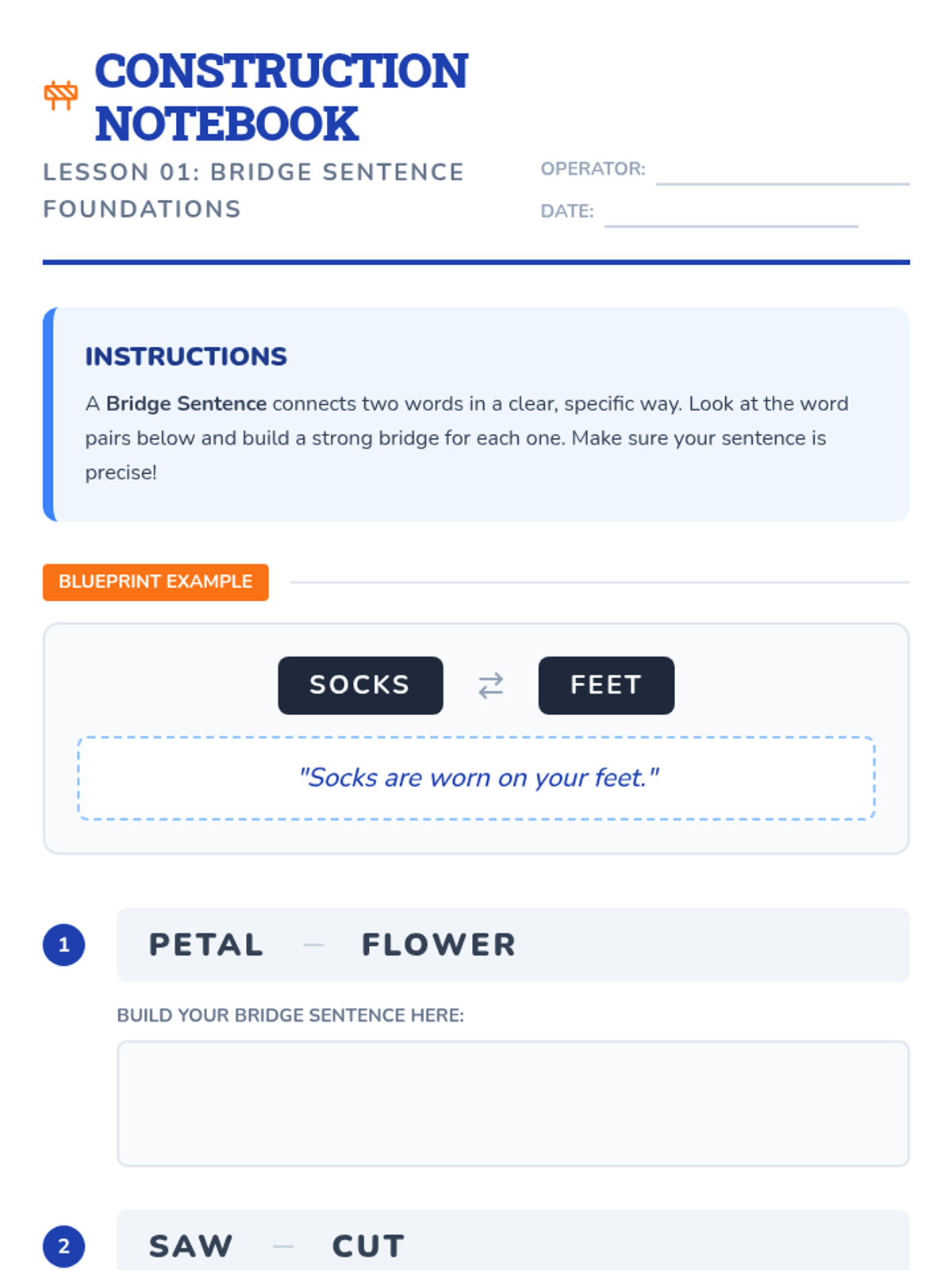
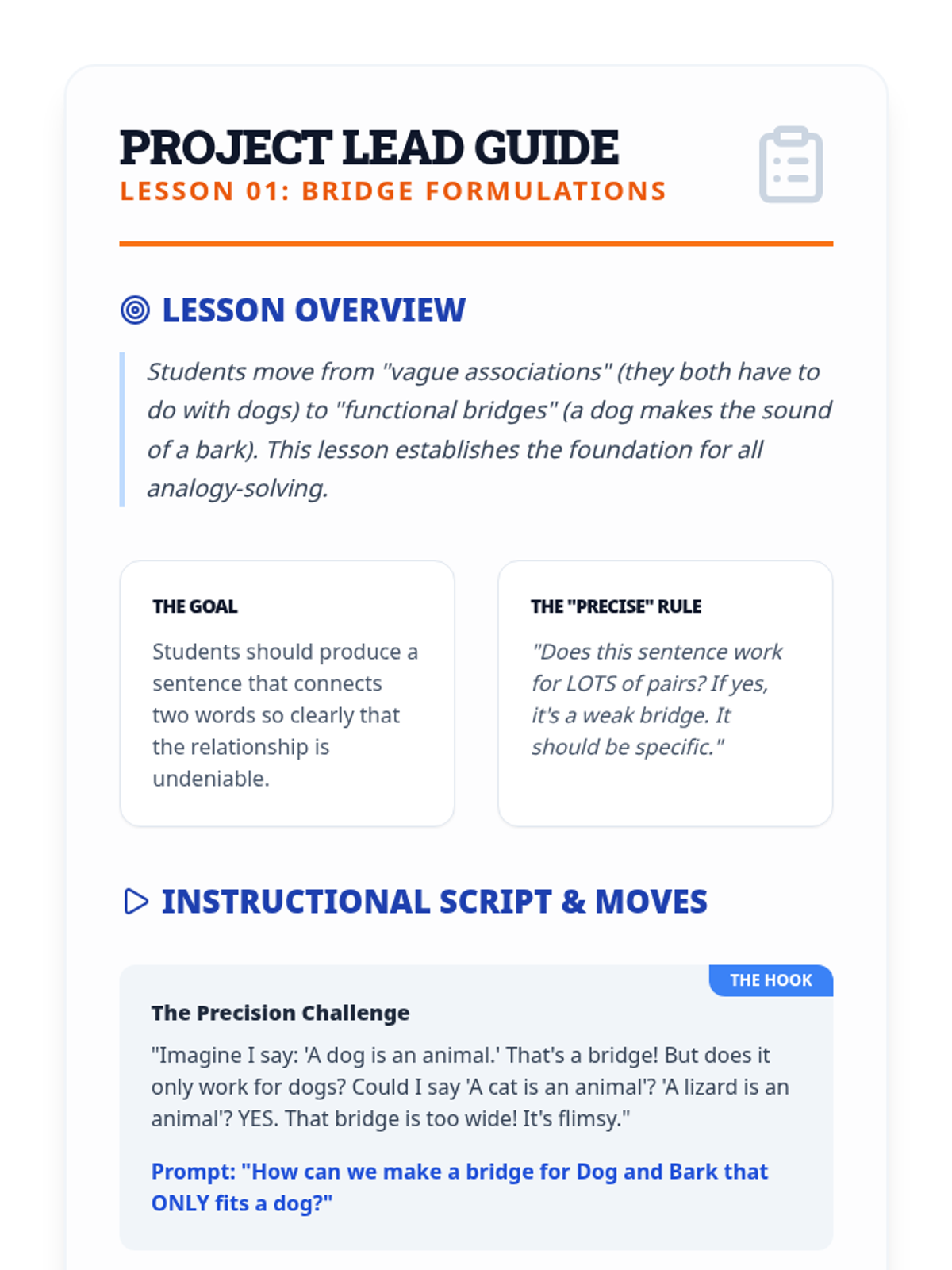
This sequence introduces 3rd-grade students to analogies through the 'Bridge Sentence' strategy. Students learn to construct precise sentences that define relationships, apply these sentences to solve puzzles, debug logical errors, visualize relationships, and build fluency in verbal reasoning.
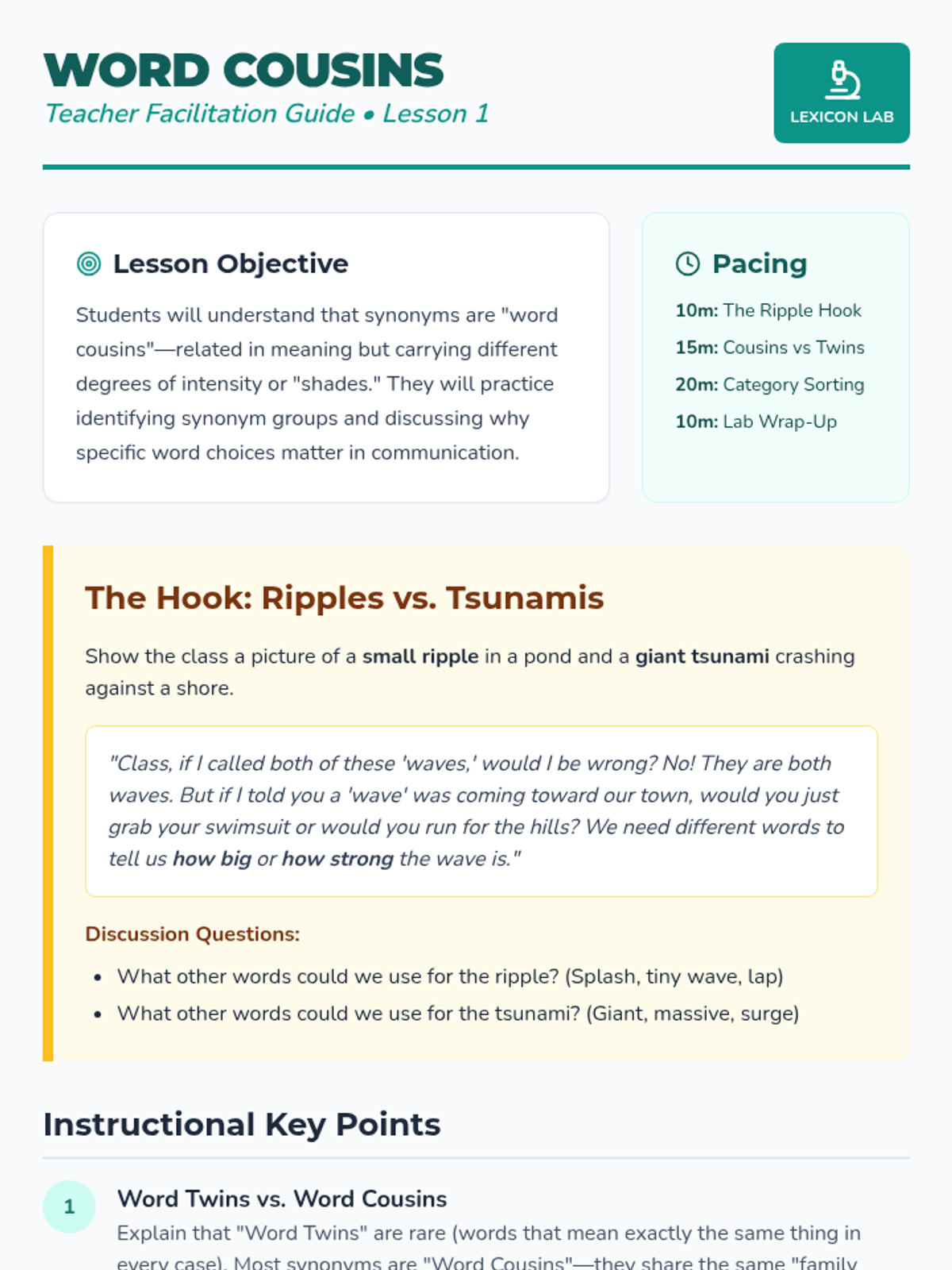
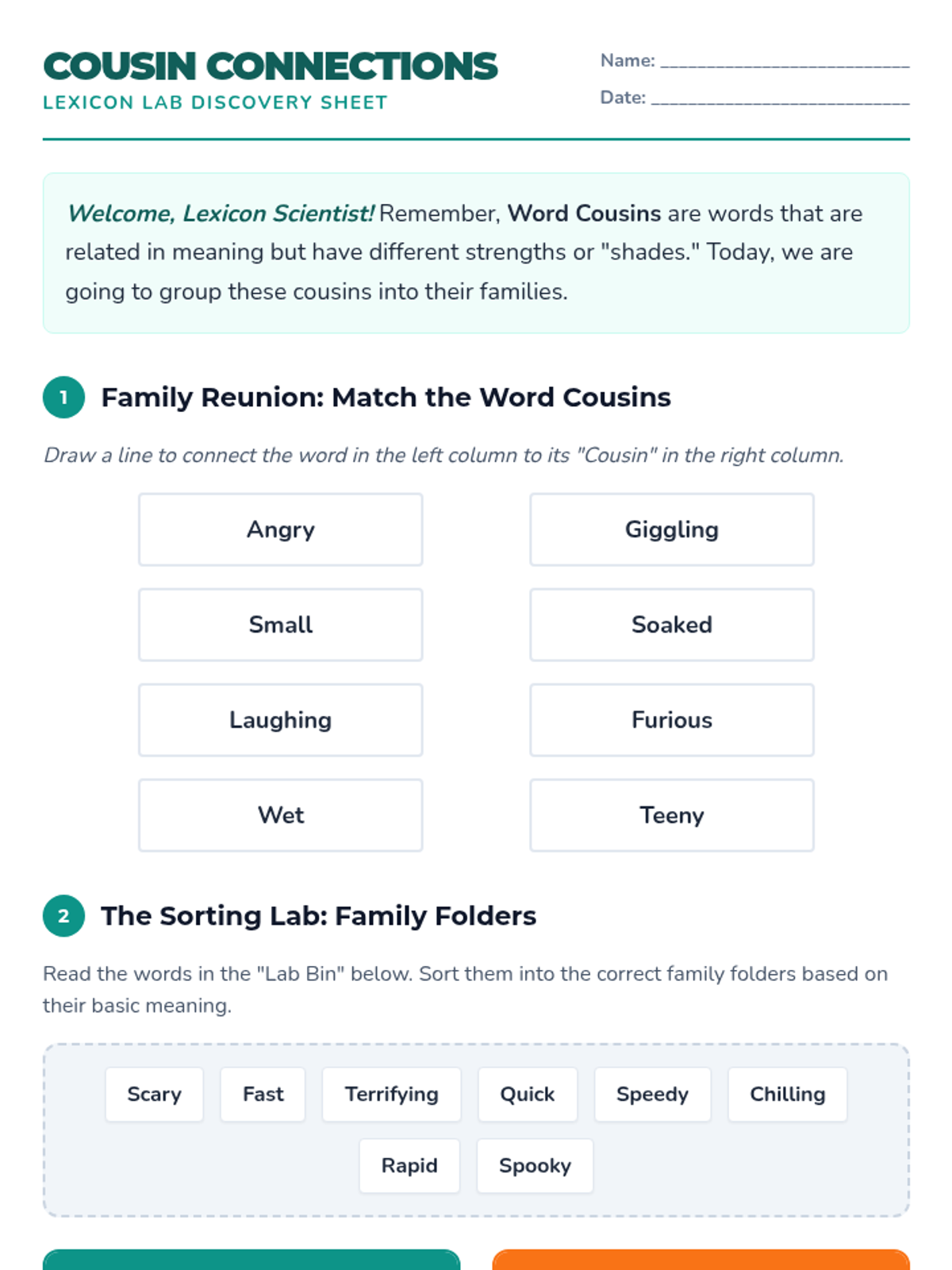
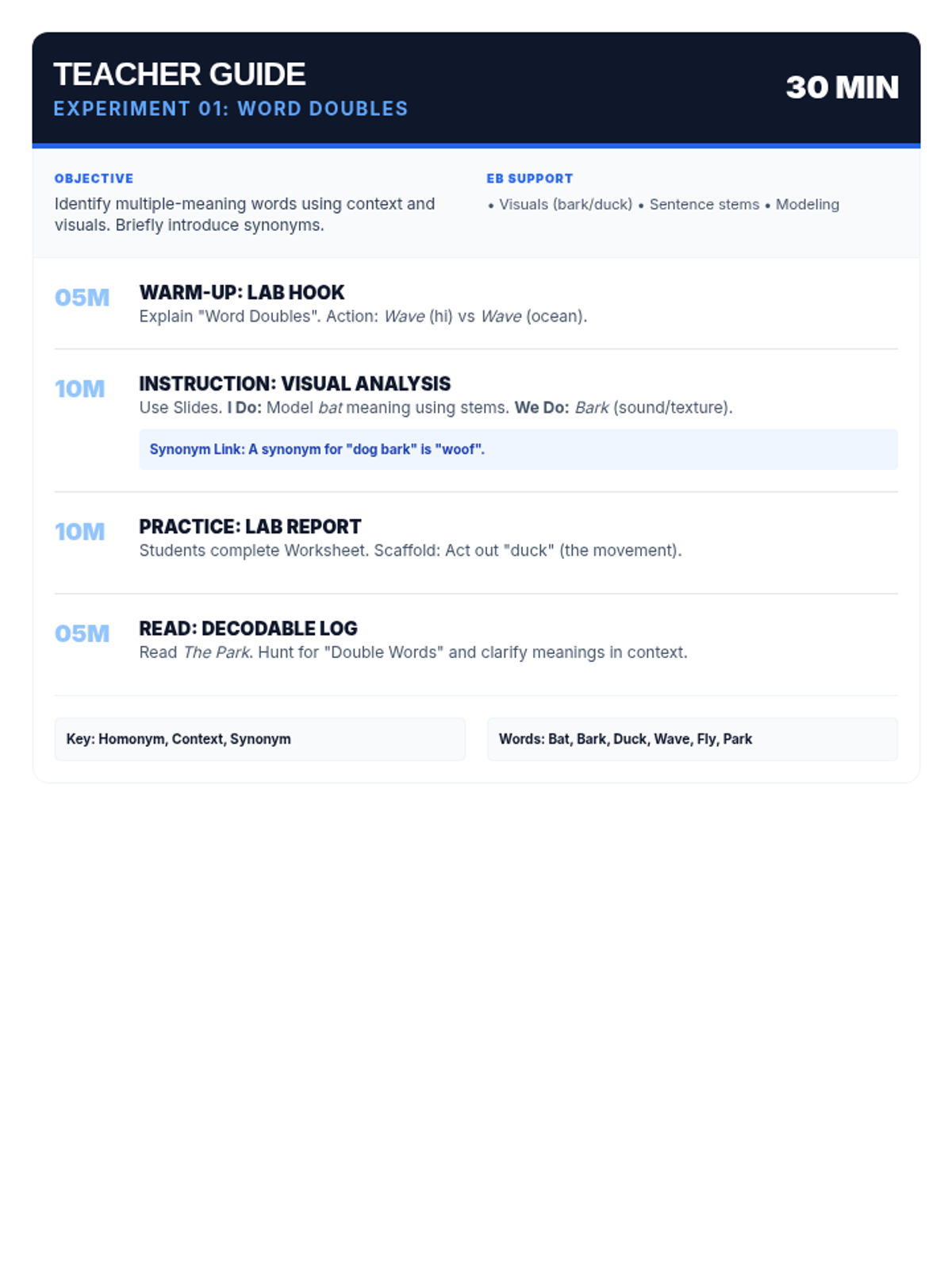
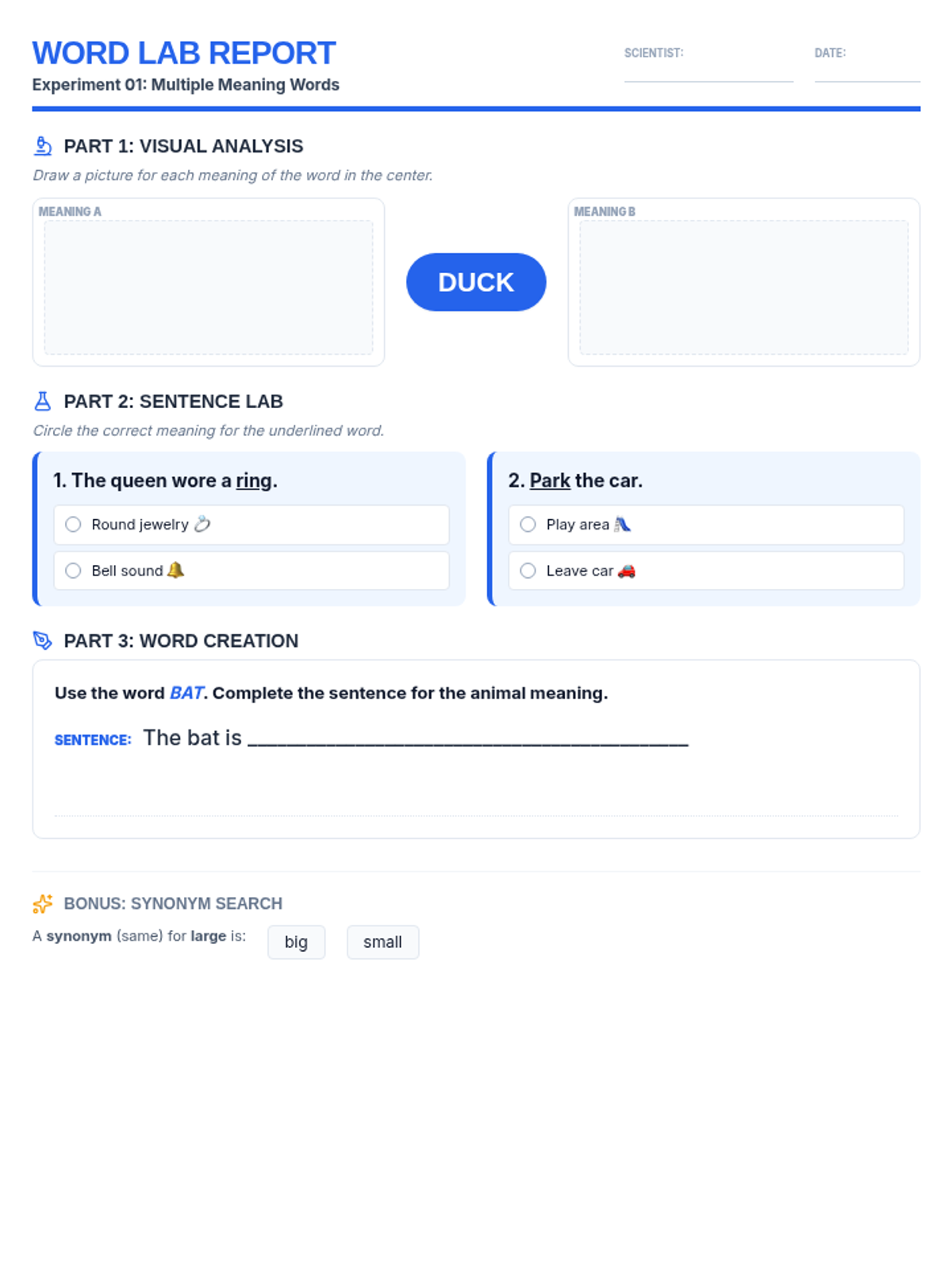
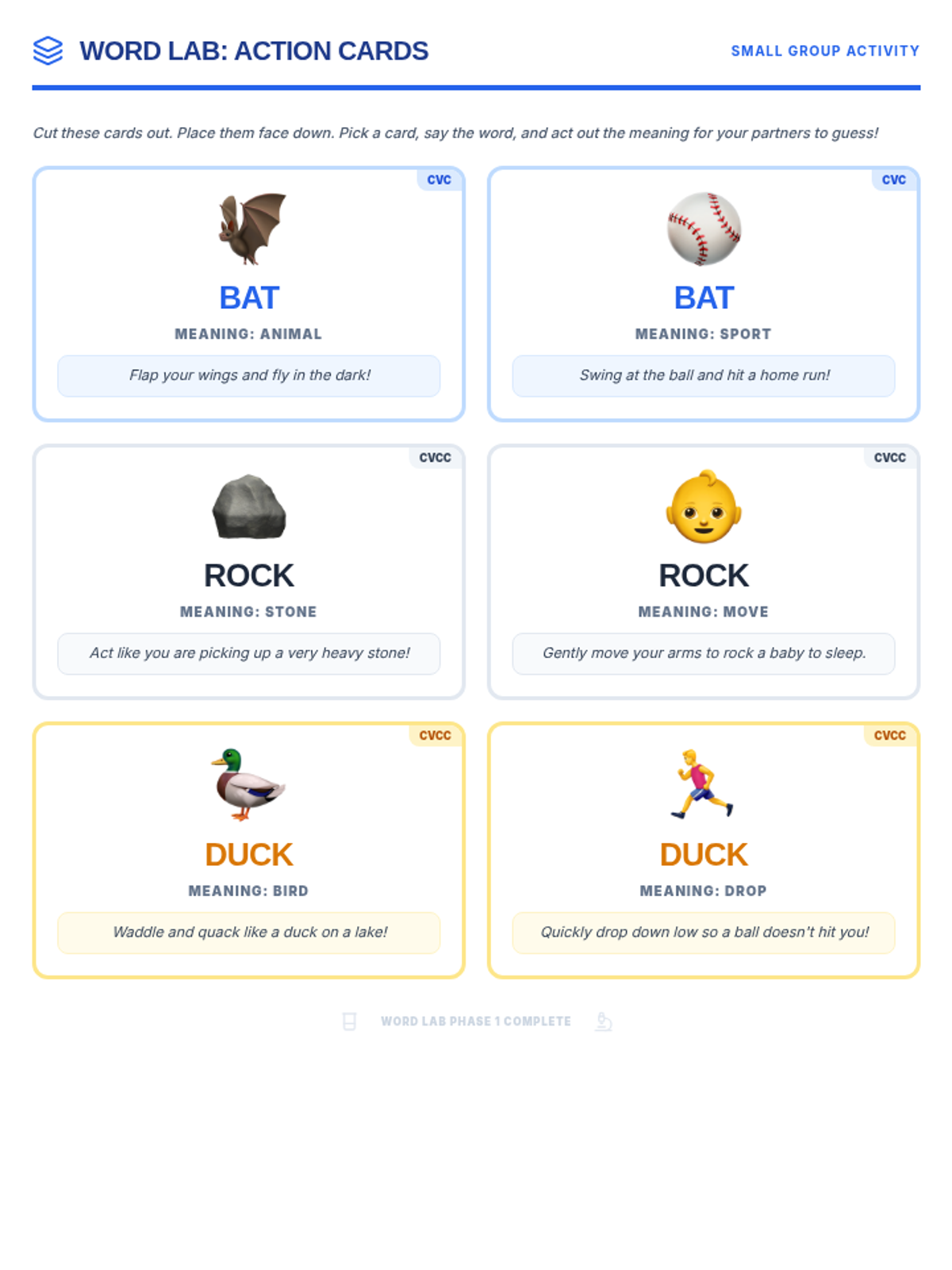
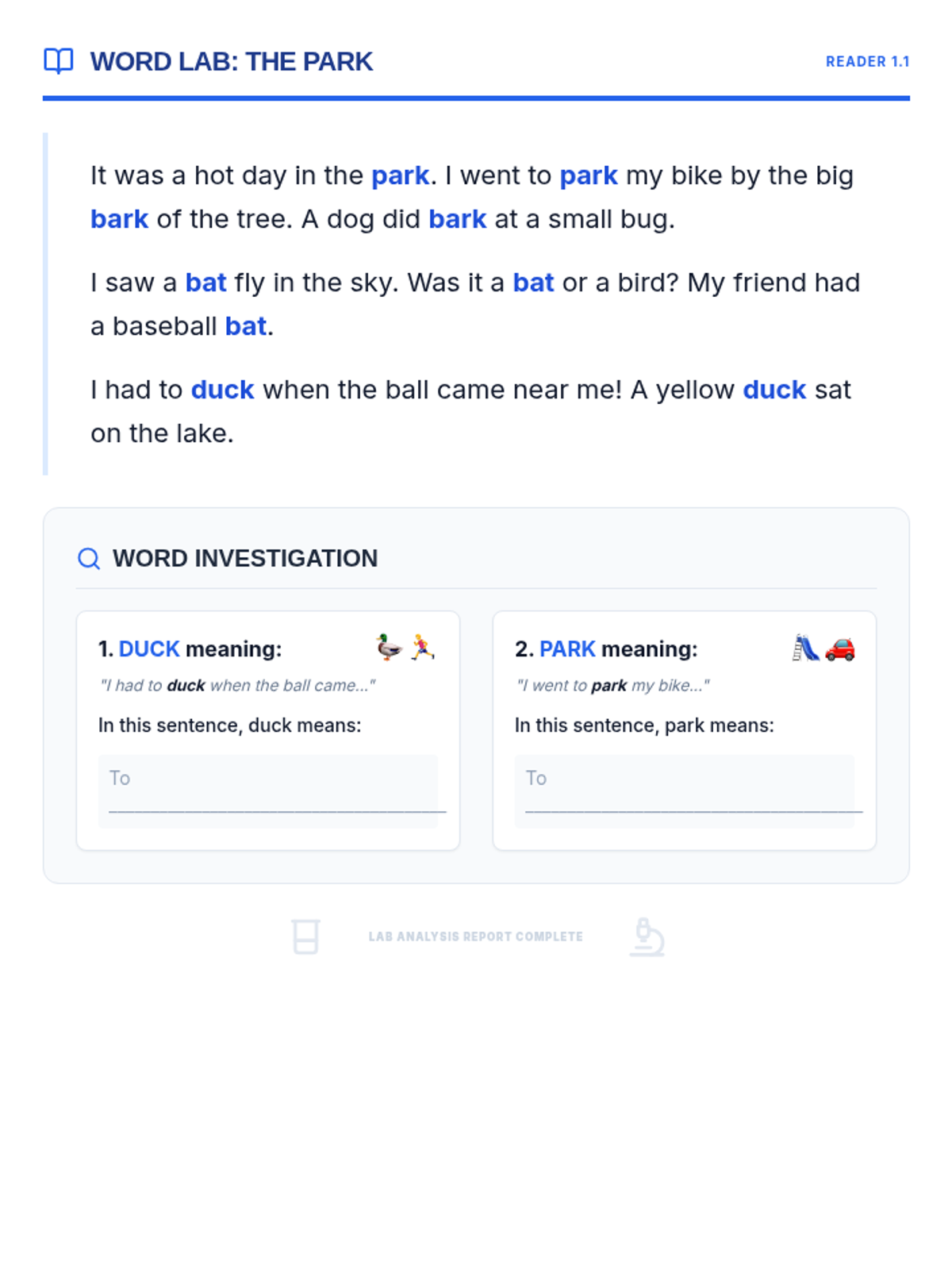
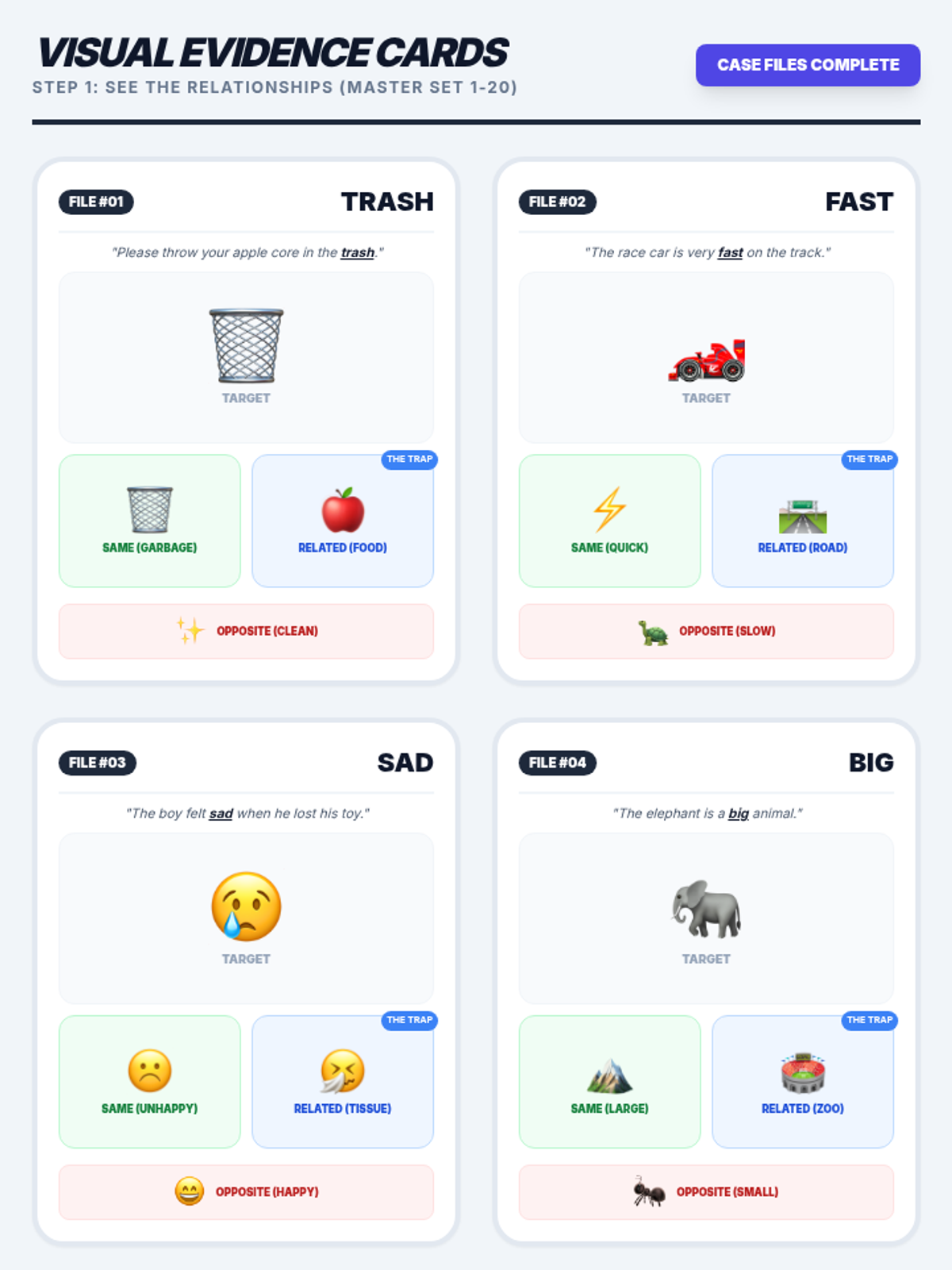
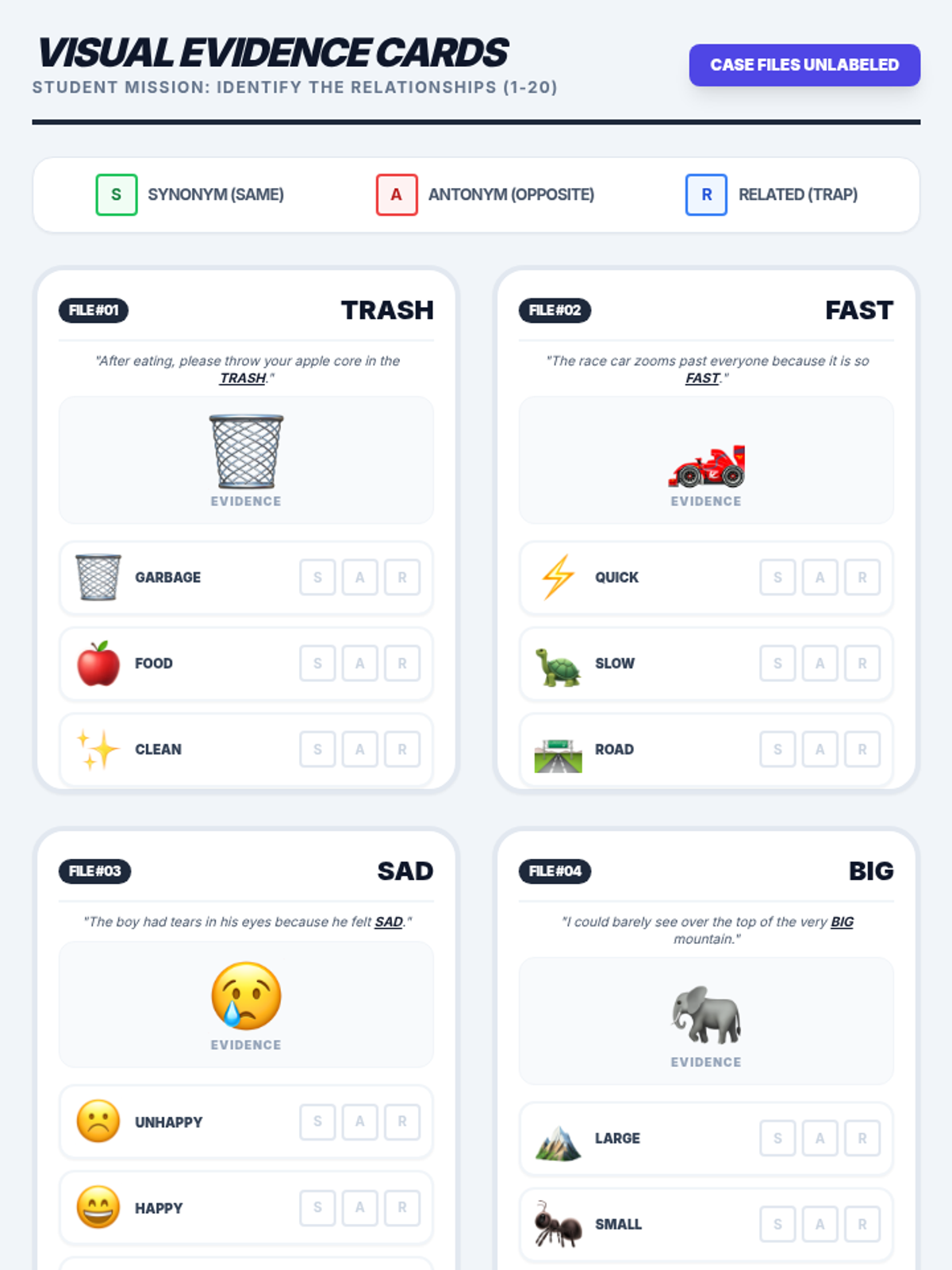
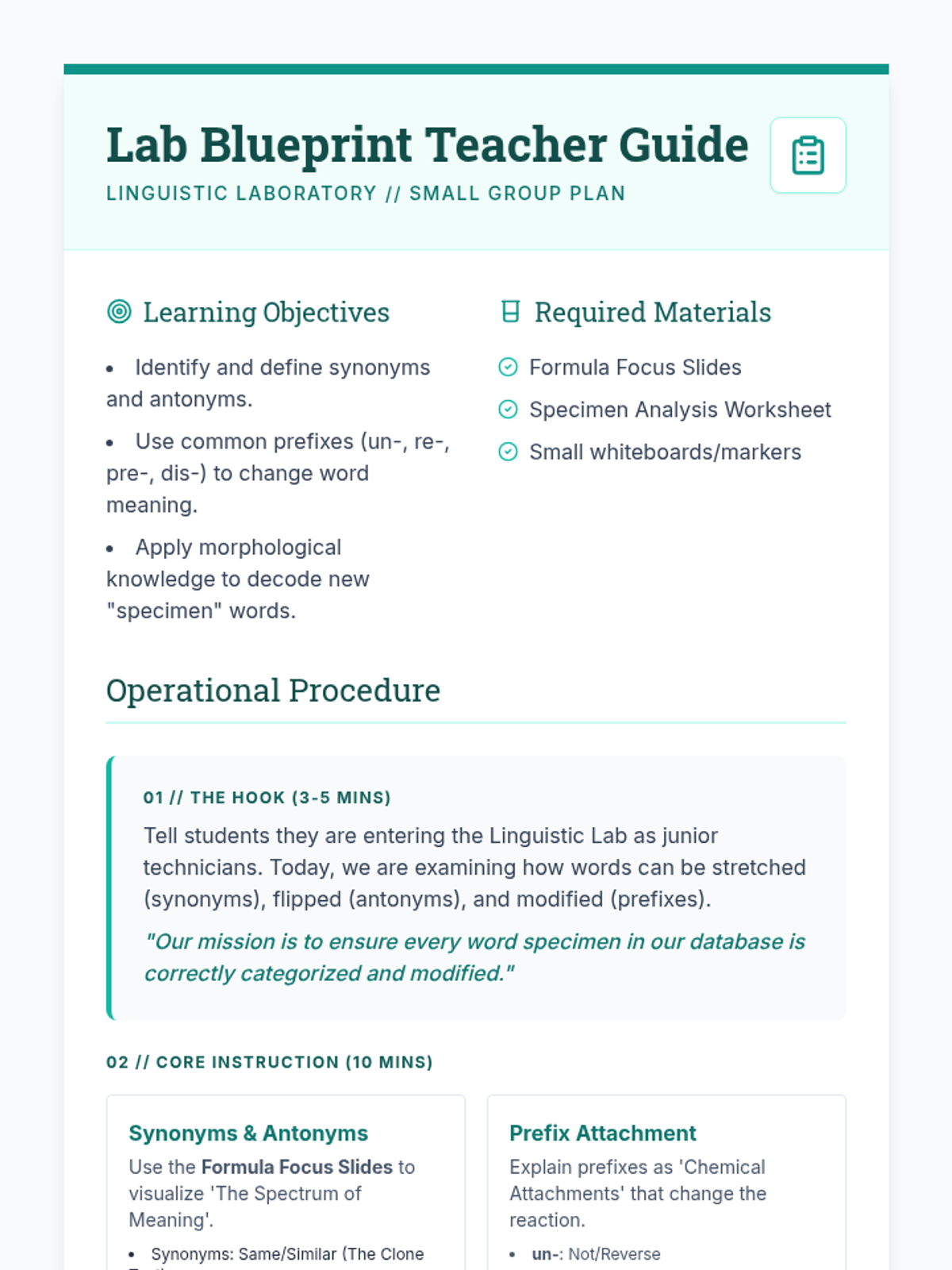
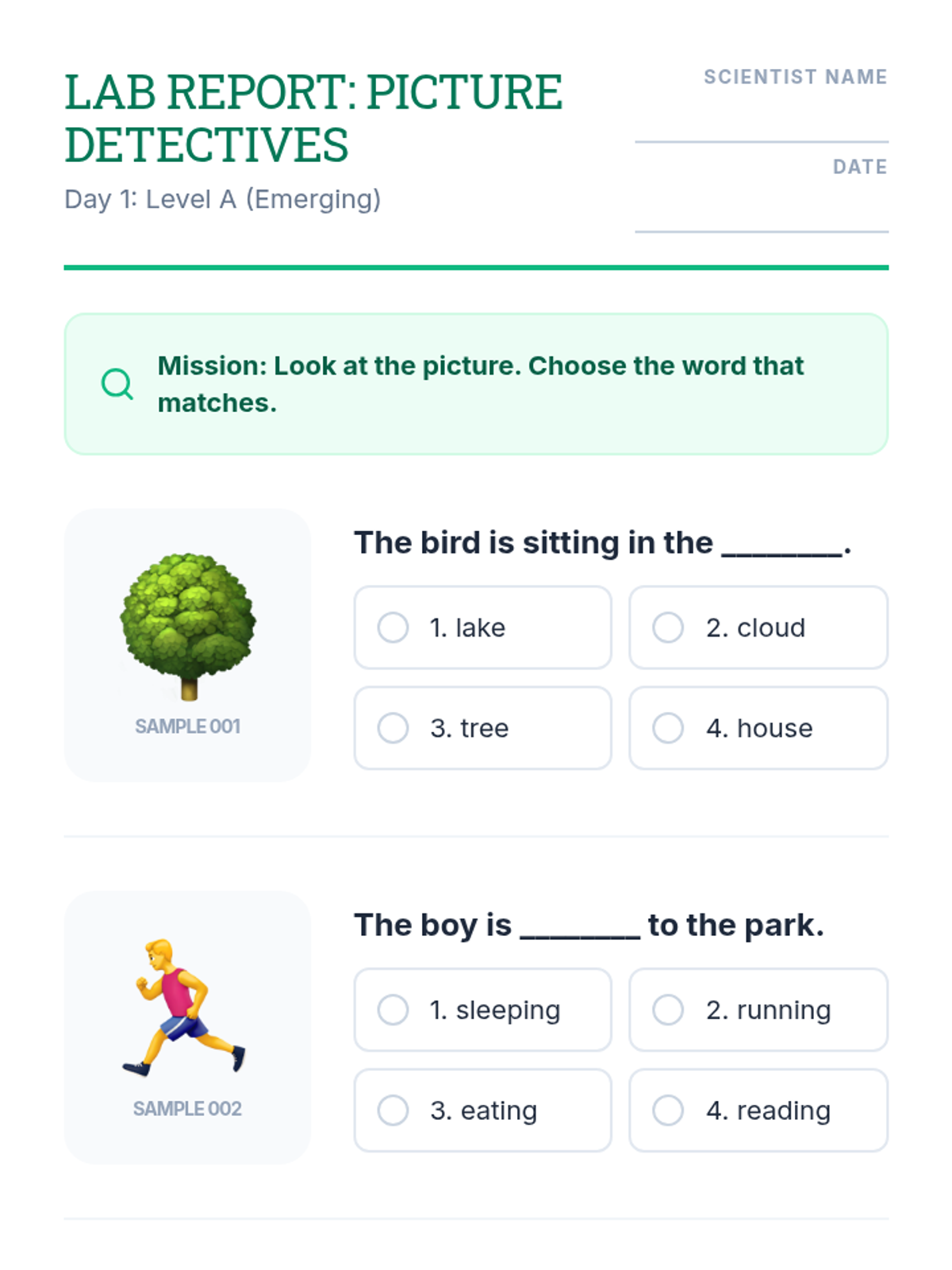
A two-lesson small group sequence for 3rd grade English Learners focusing on multiple-meaning words, synonyms, and antonyms. The sequence uses a 'Word Lab' theme to engage students in scientific word analysis through visuals, sentence stems, and decodable texts.
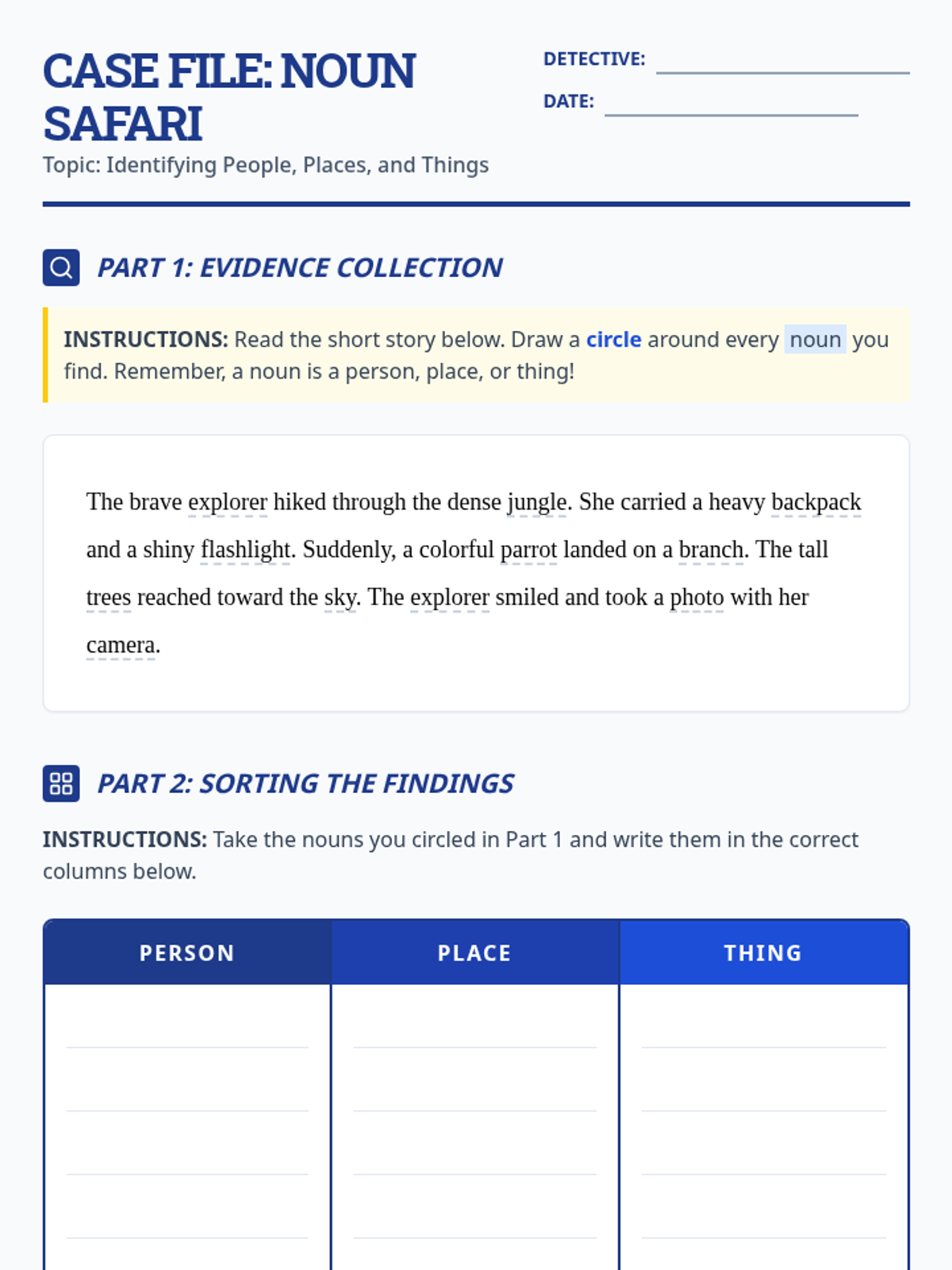
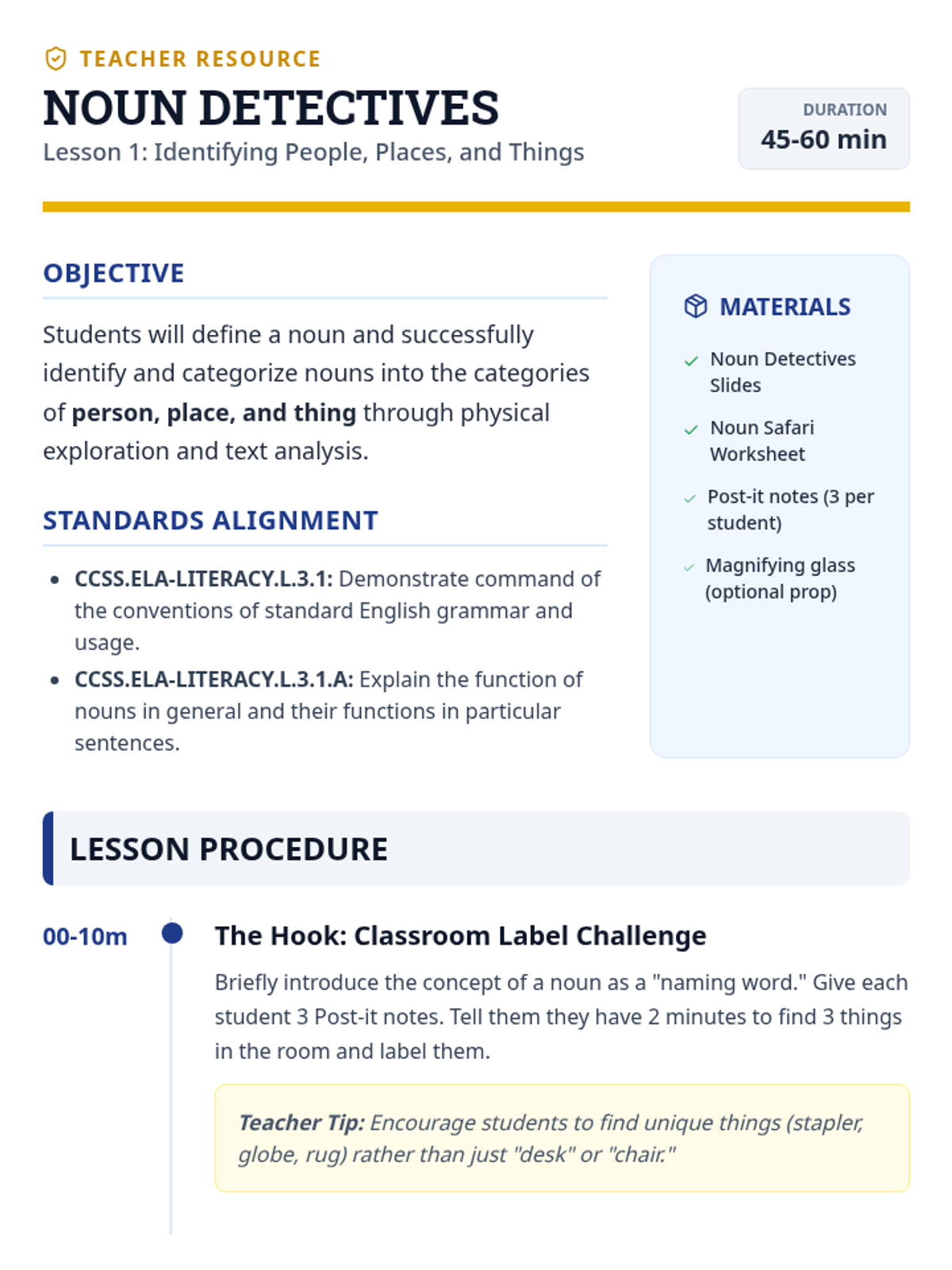
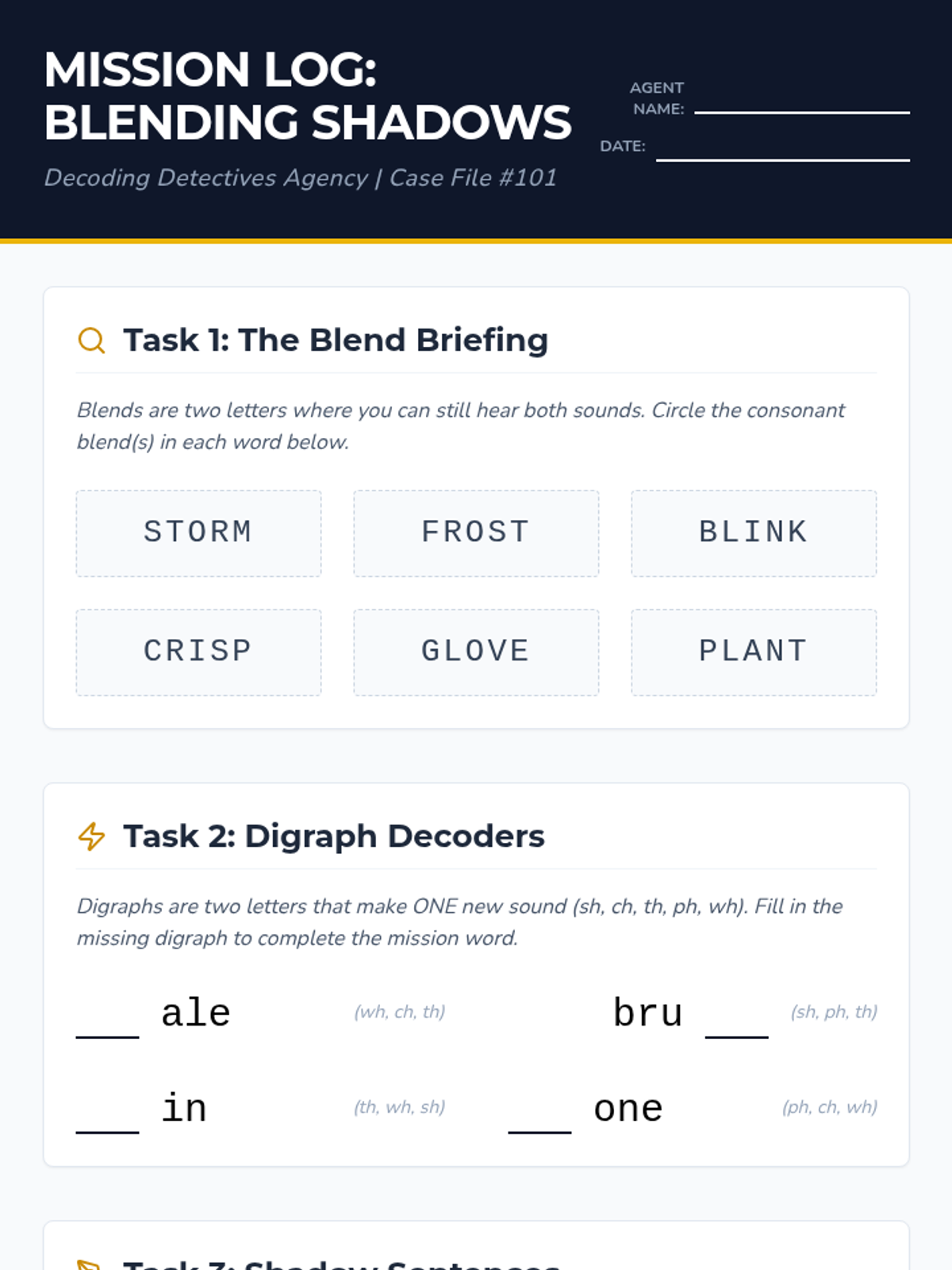
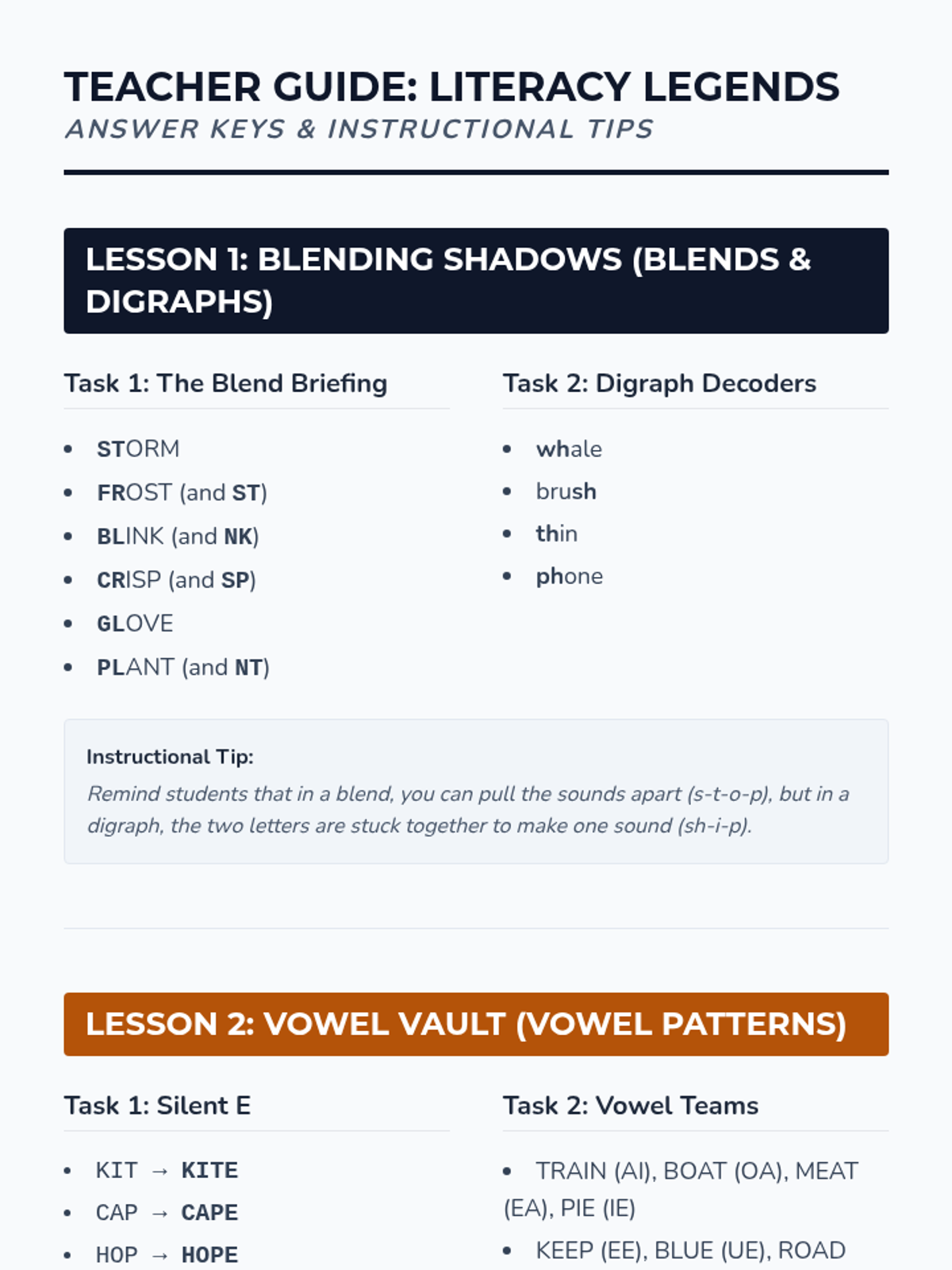
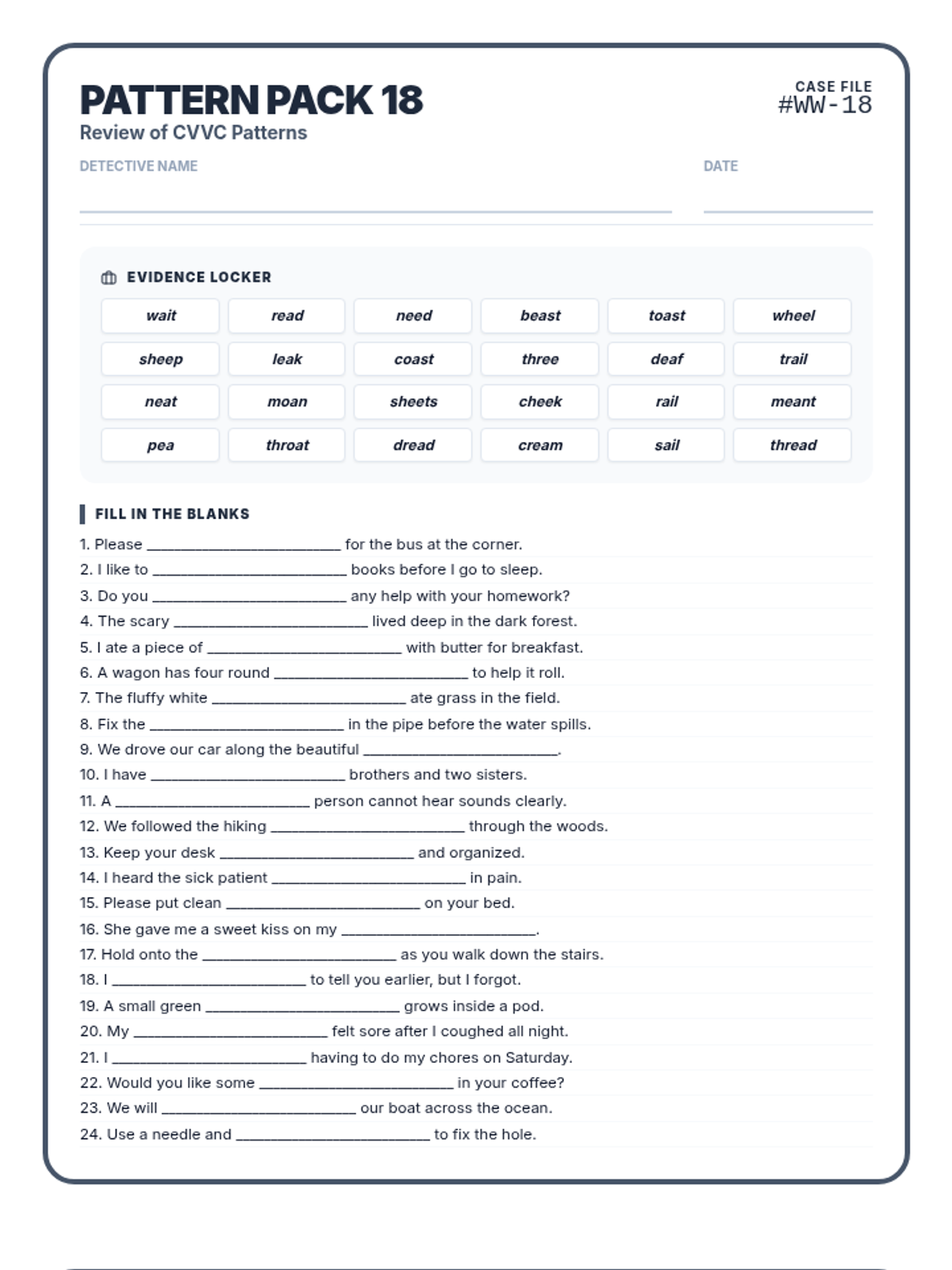
A comprehensive foundational literacy sequence focusing on phonics and vocabulary skills, designed for IREAD preparation. Students act as 'Decoding Detectives' to solve linguistic mysteries involving blends, digraphs, vowel patterns, and tricky word meanings.
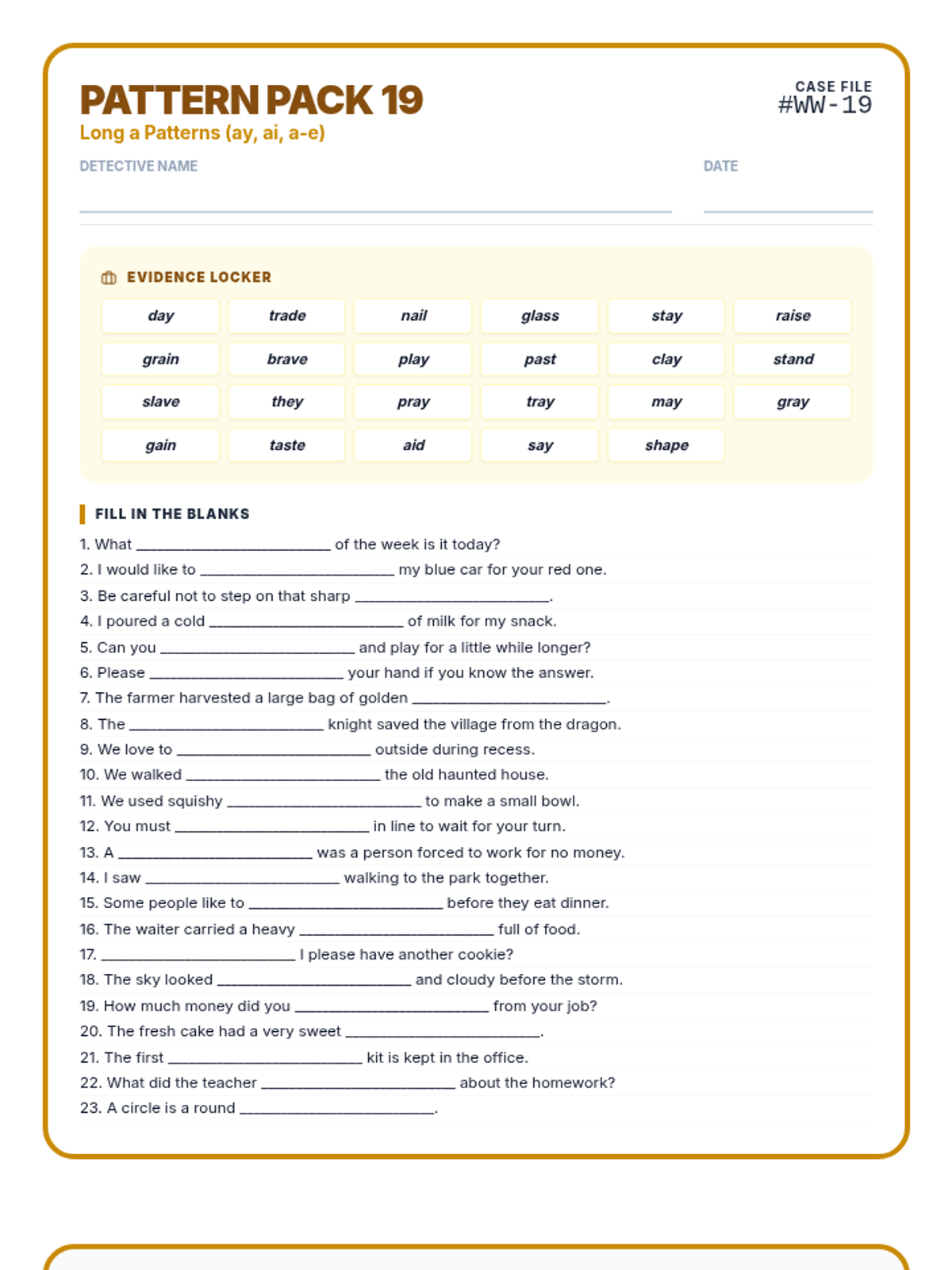
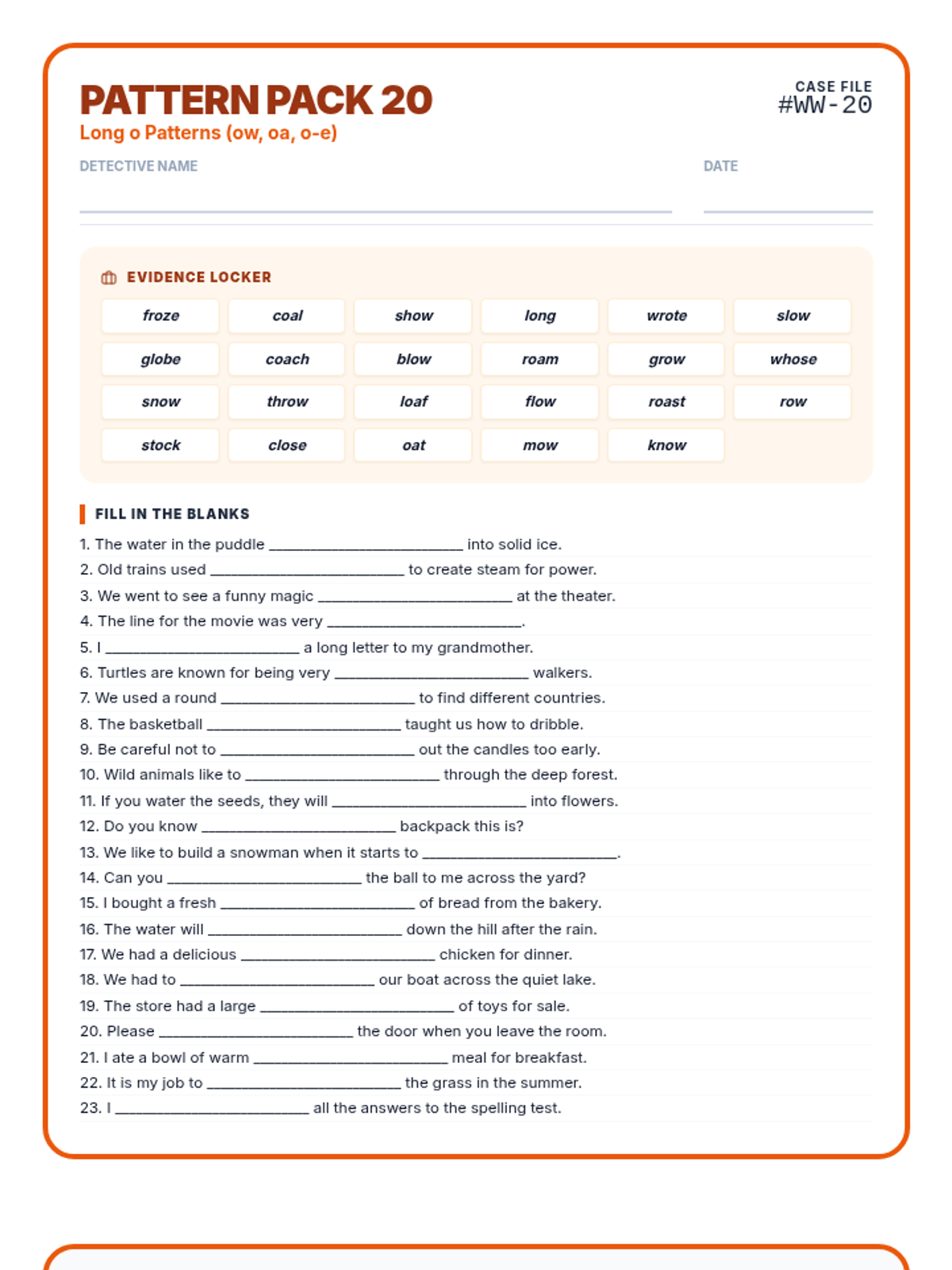
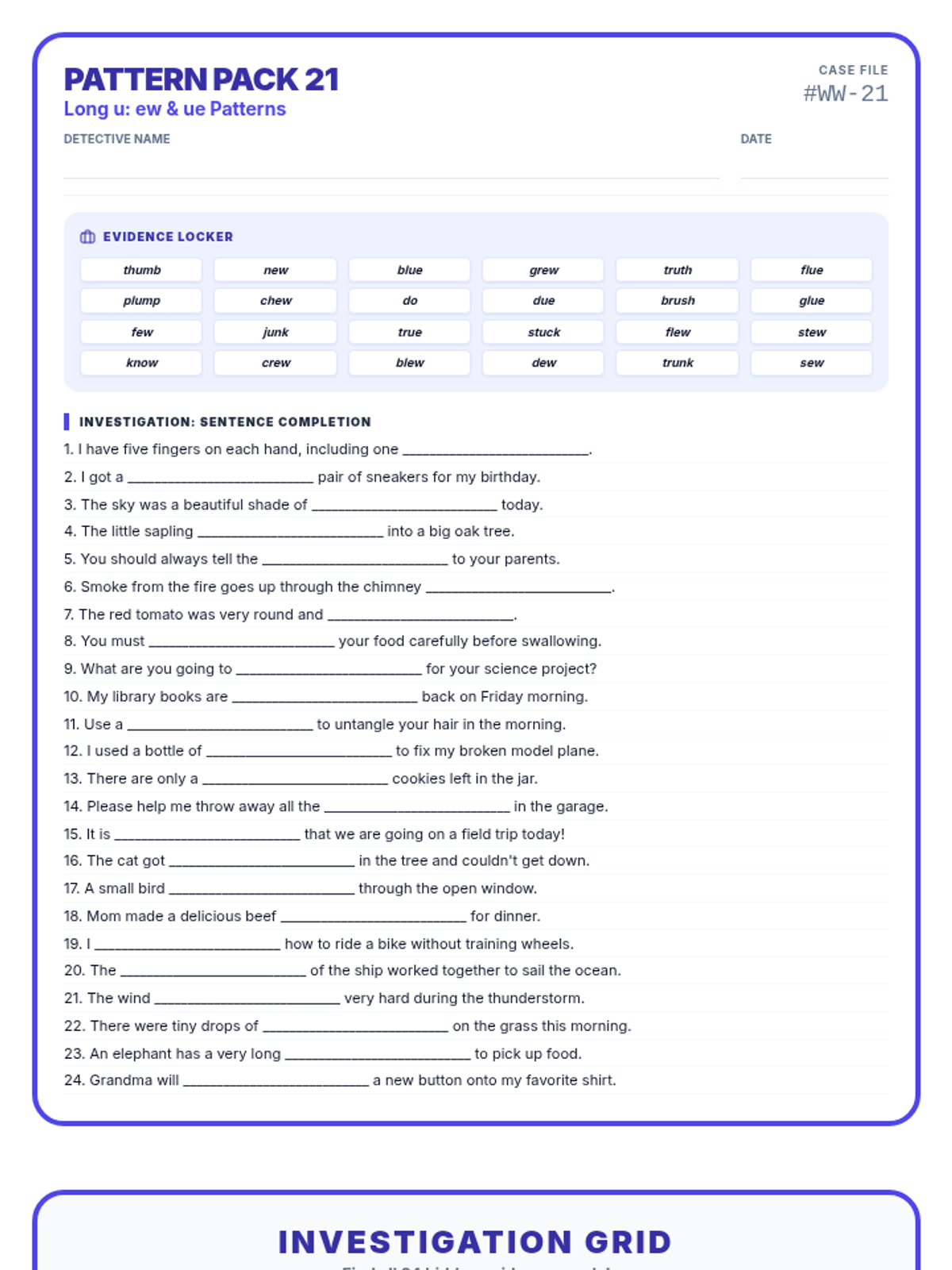
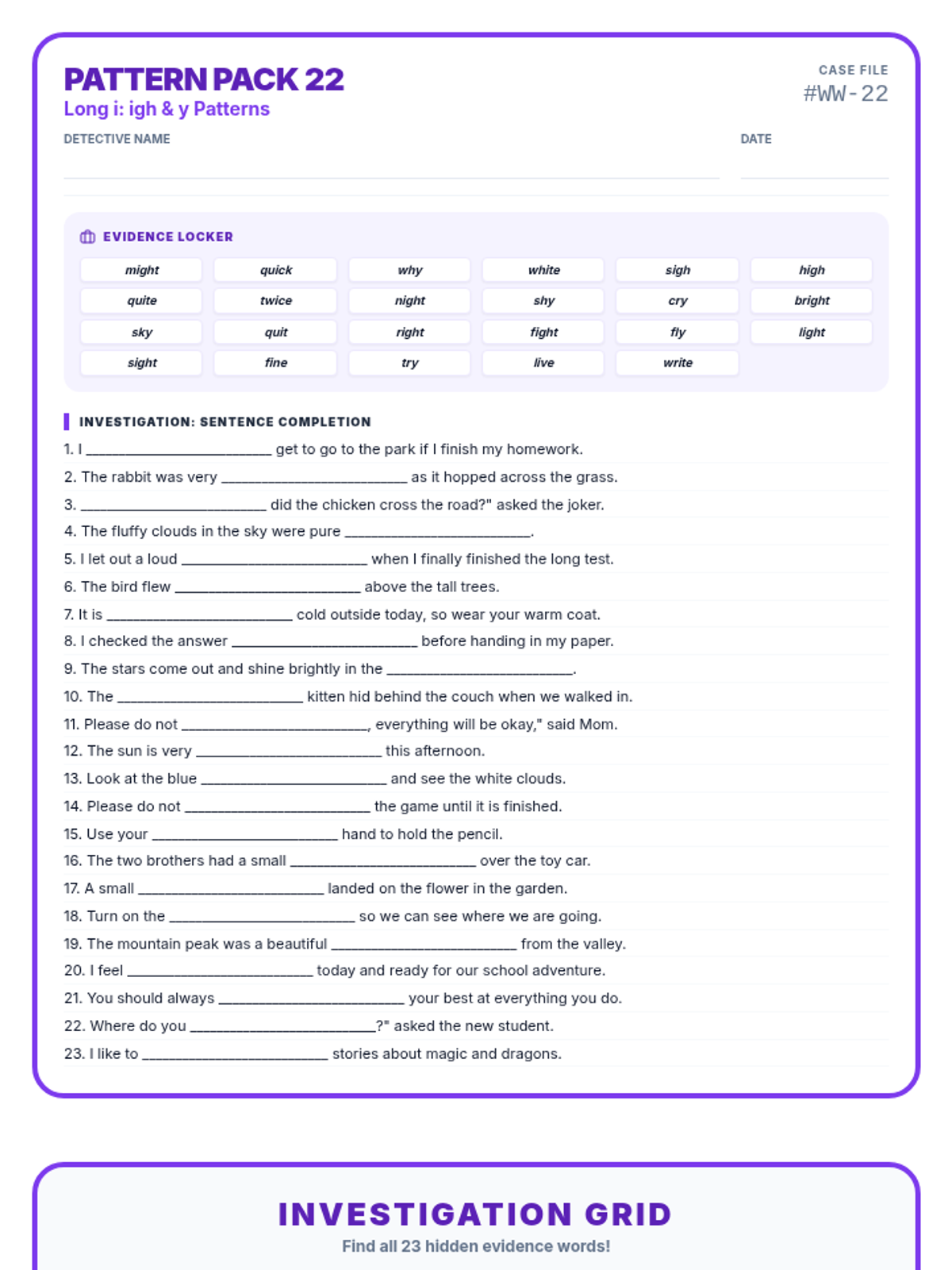
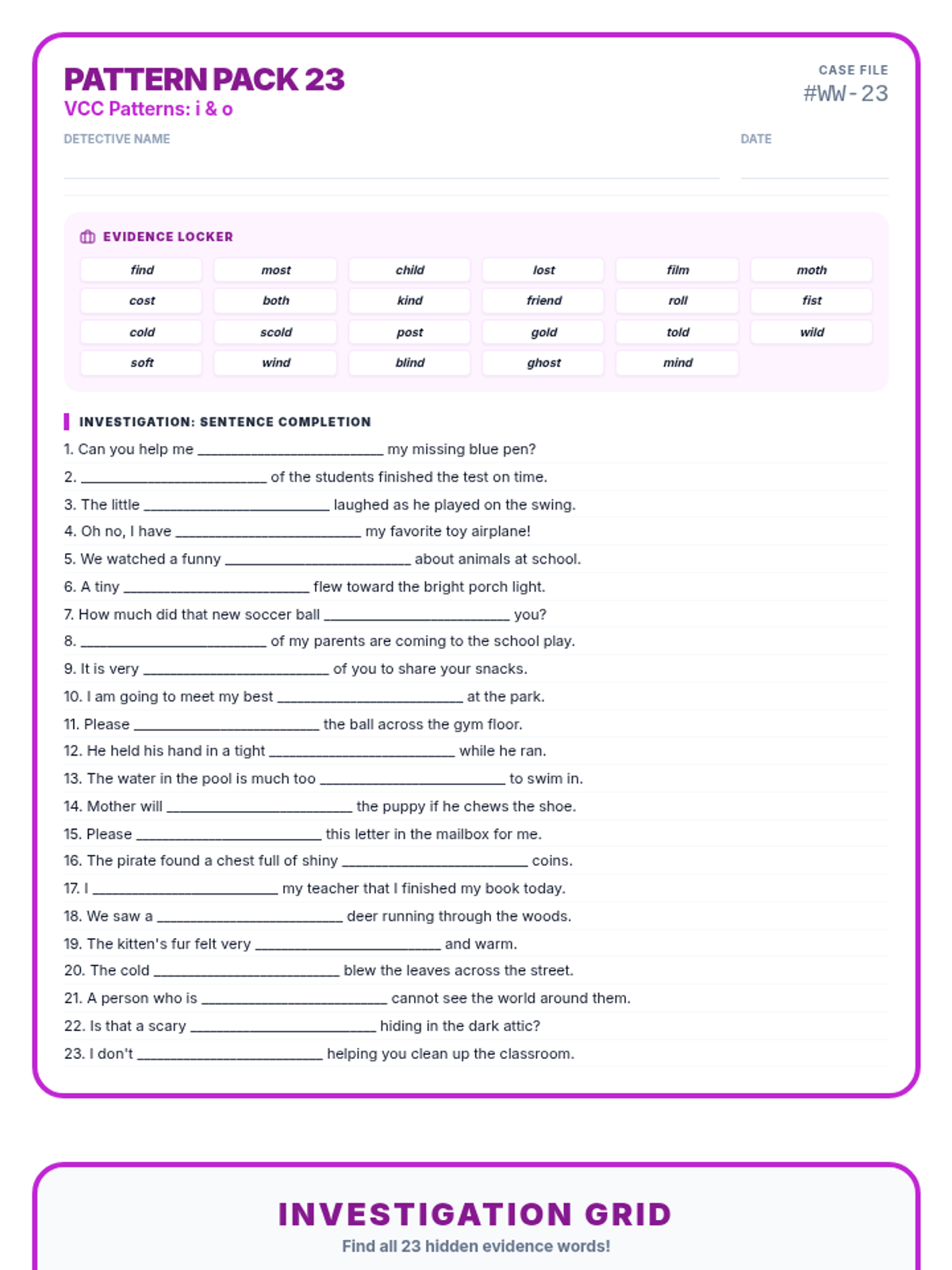
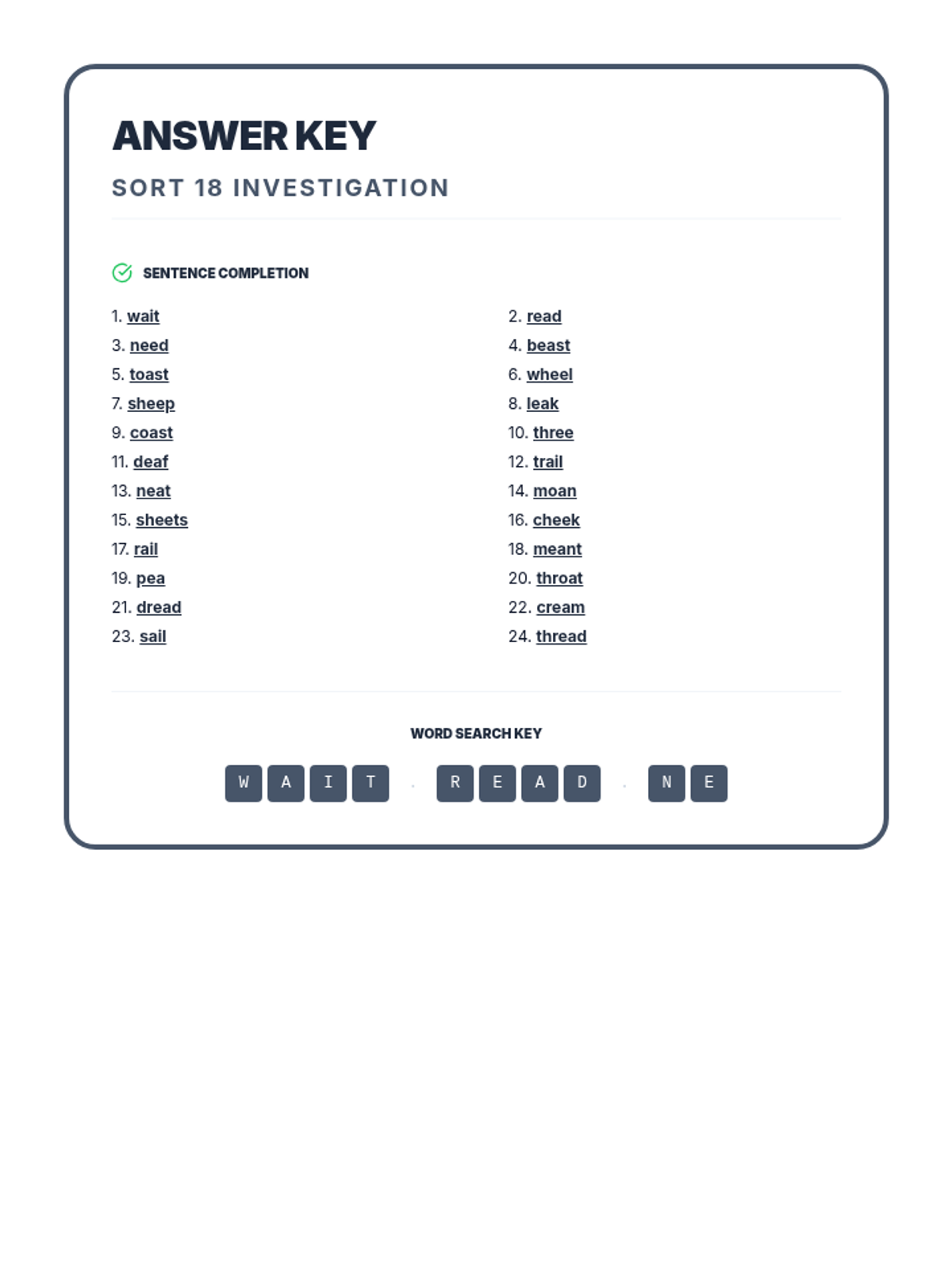
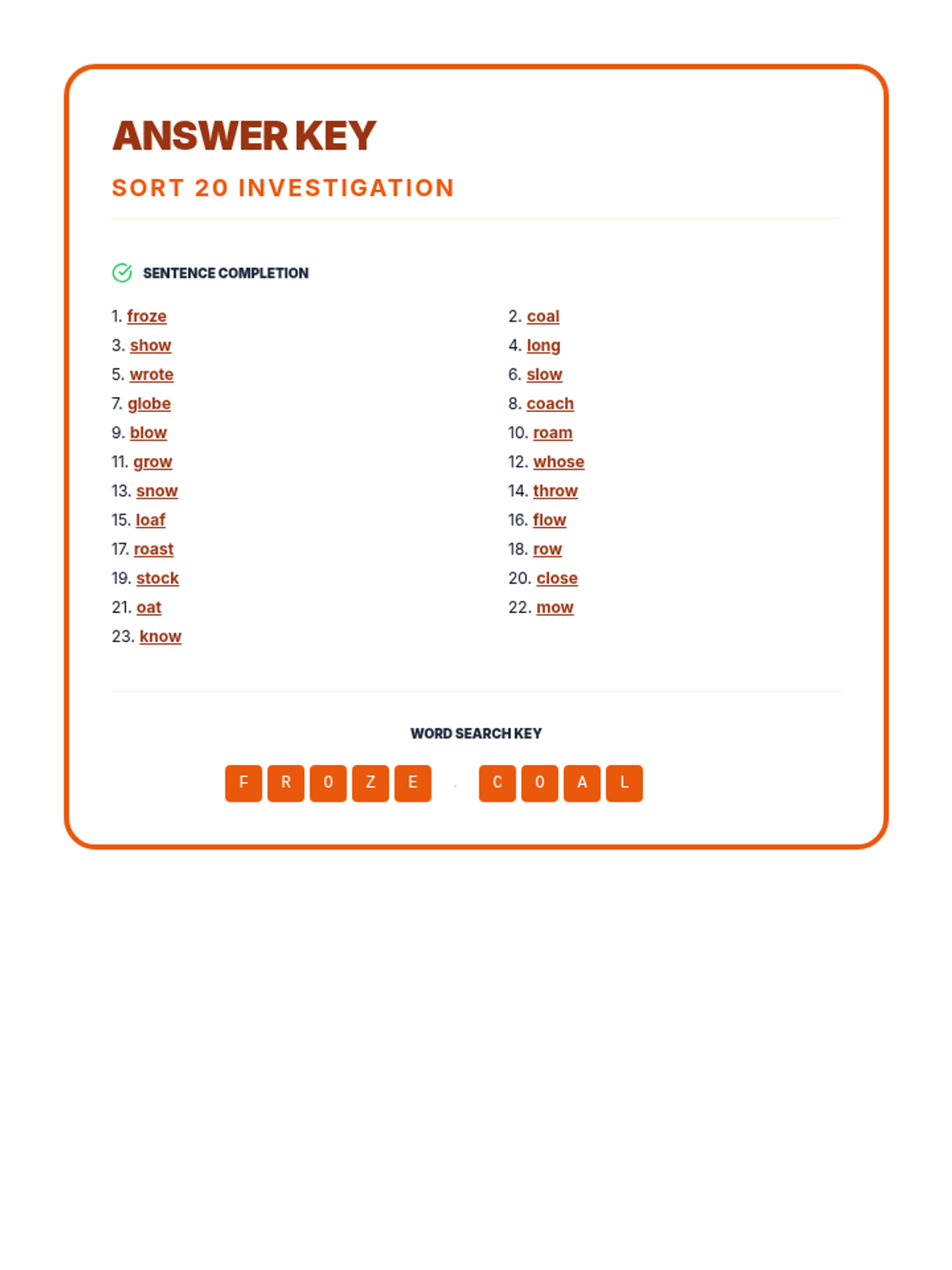
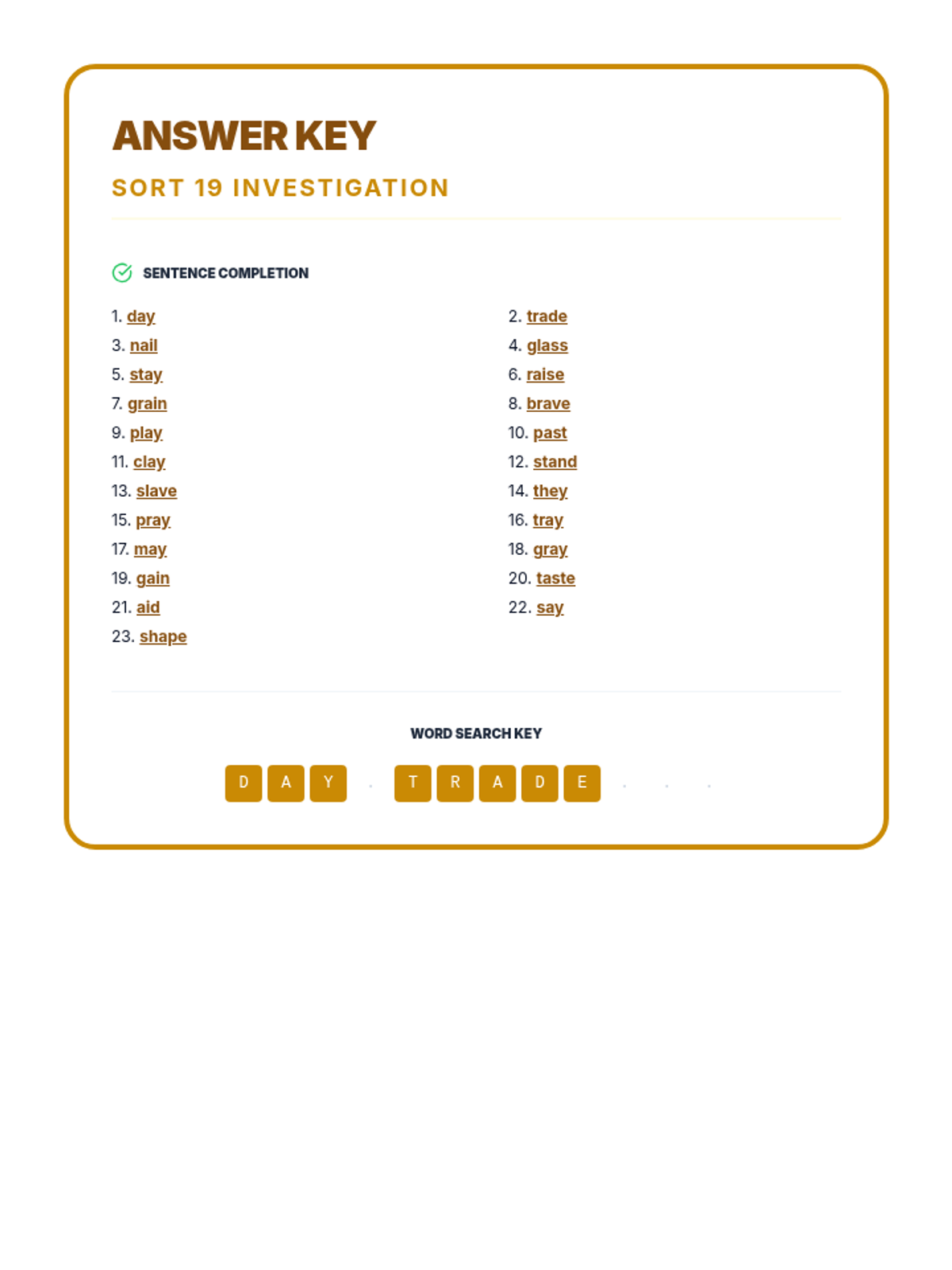
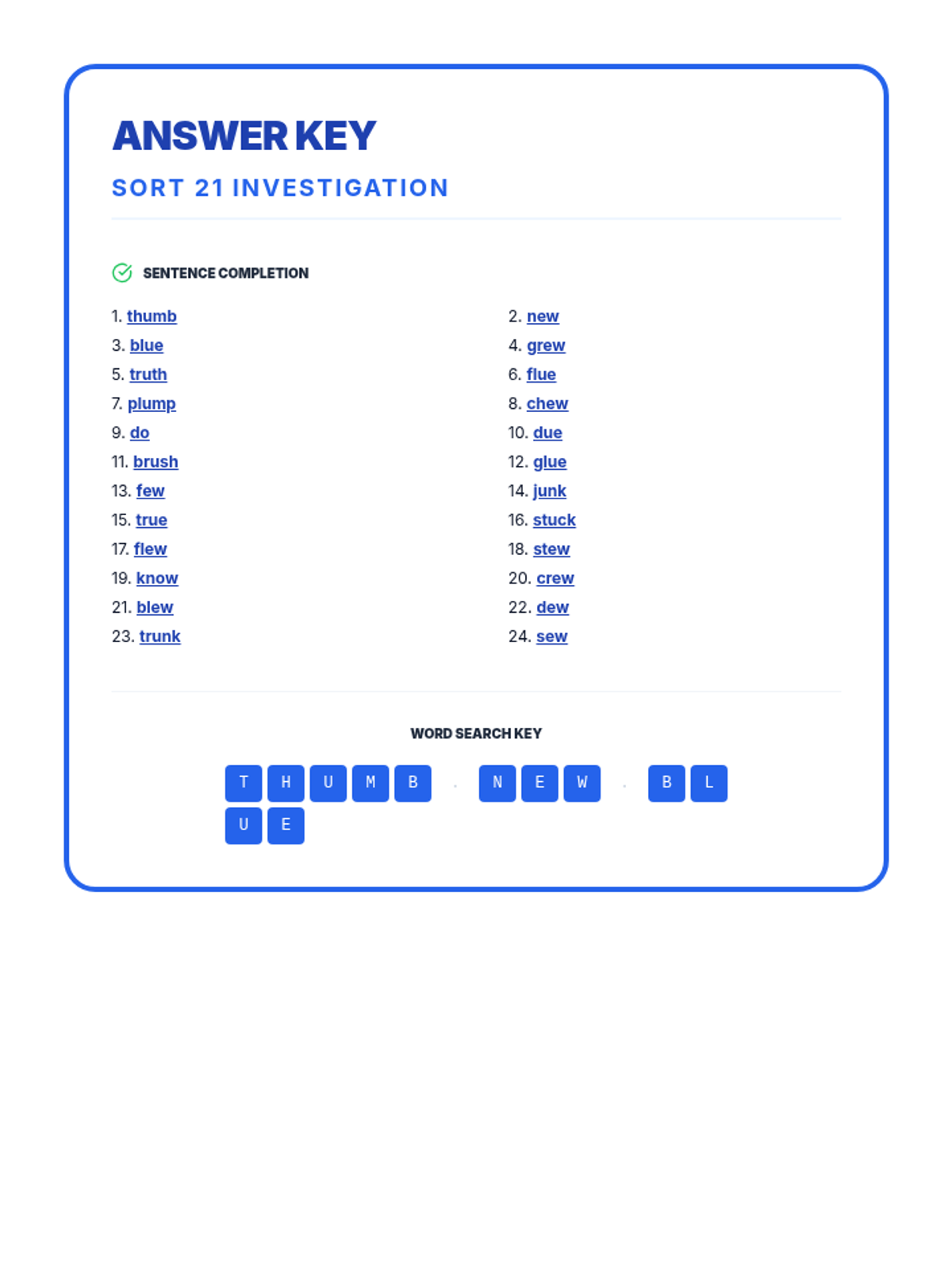
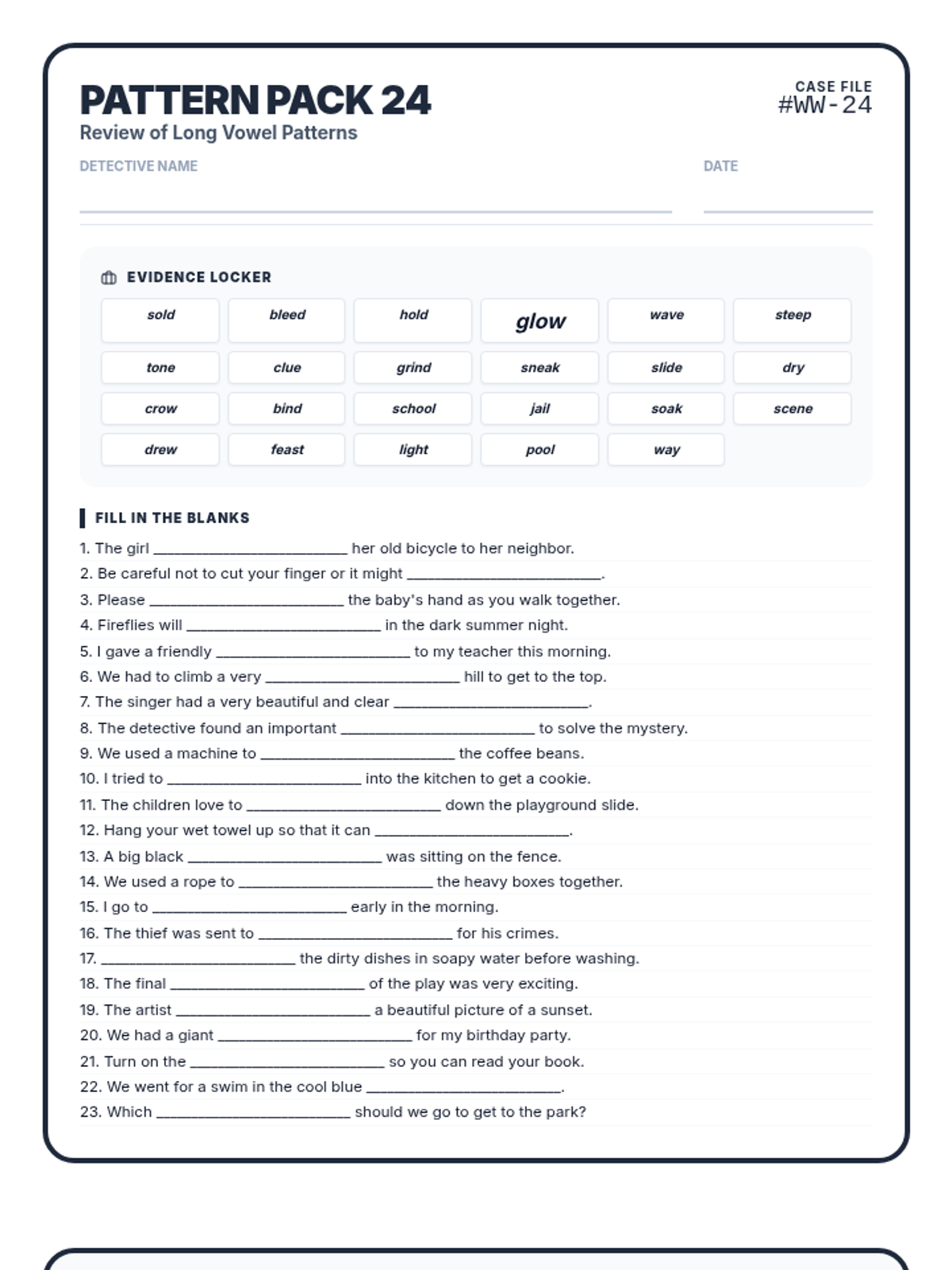
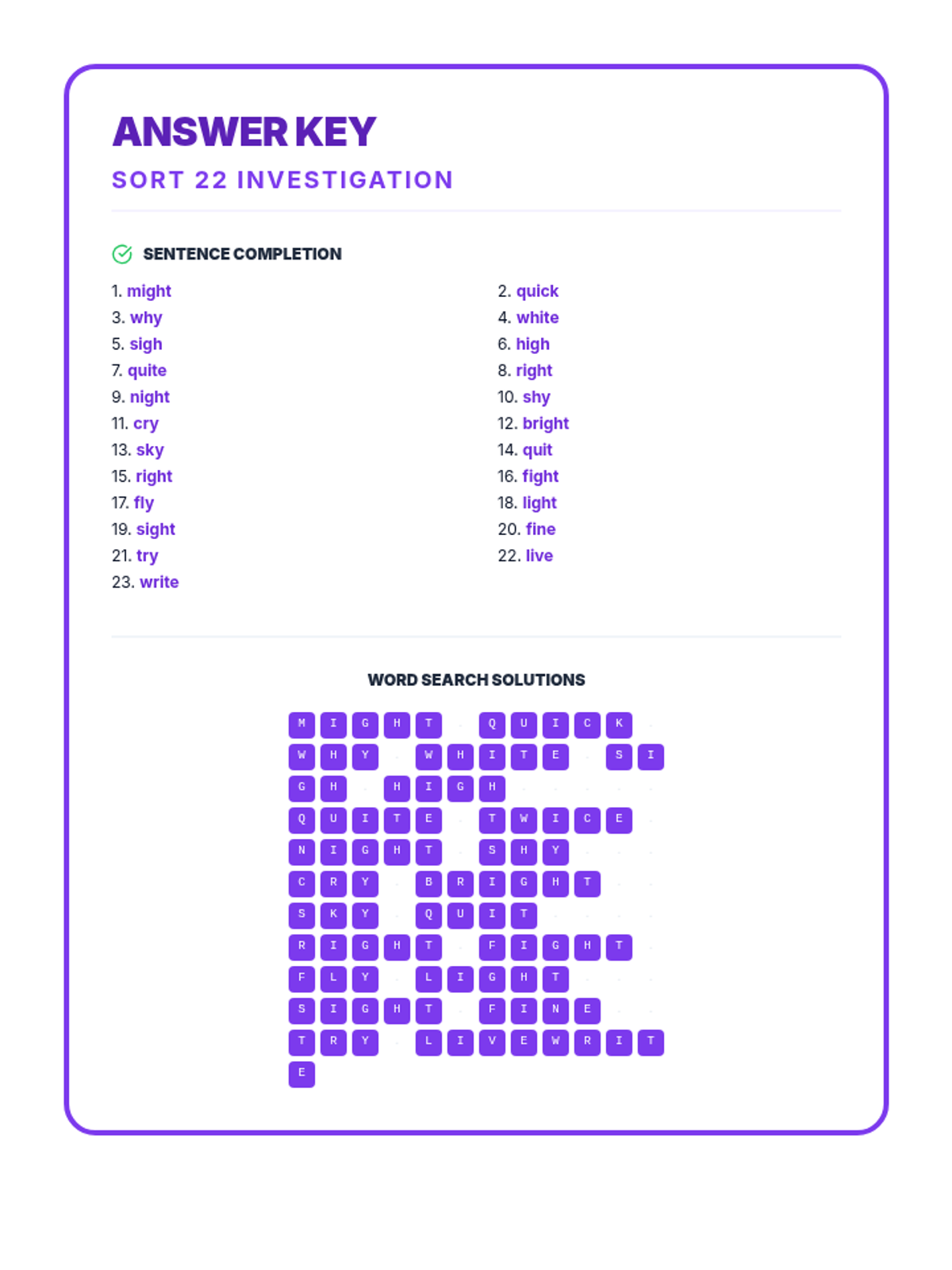
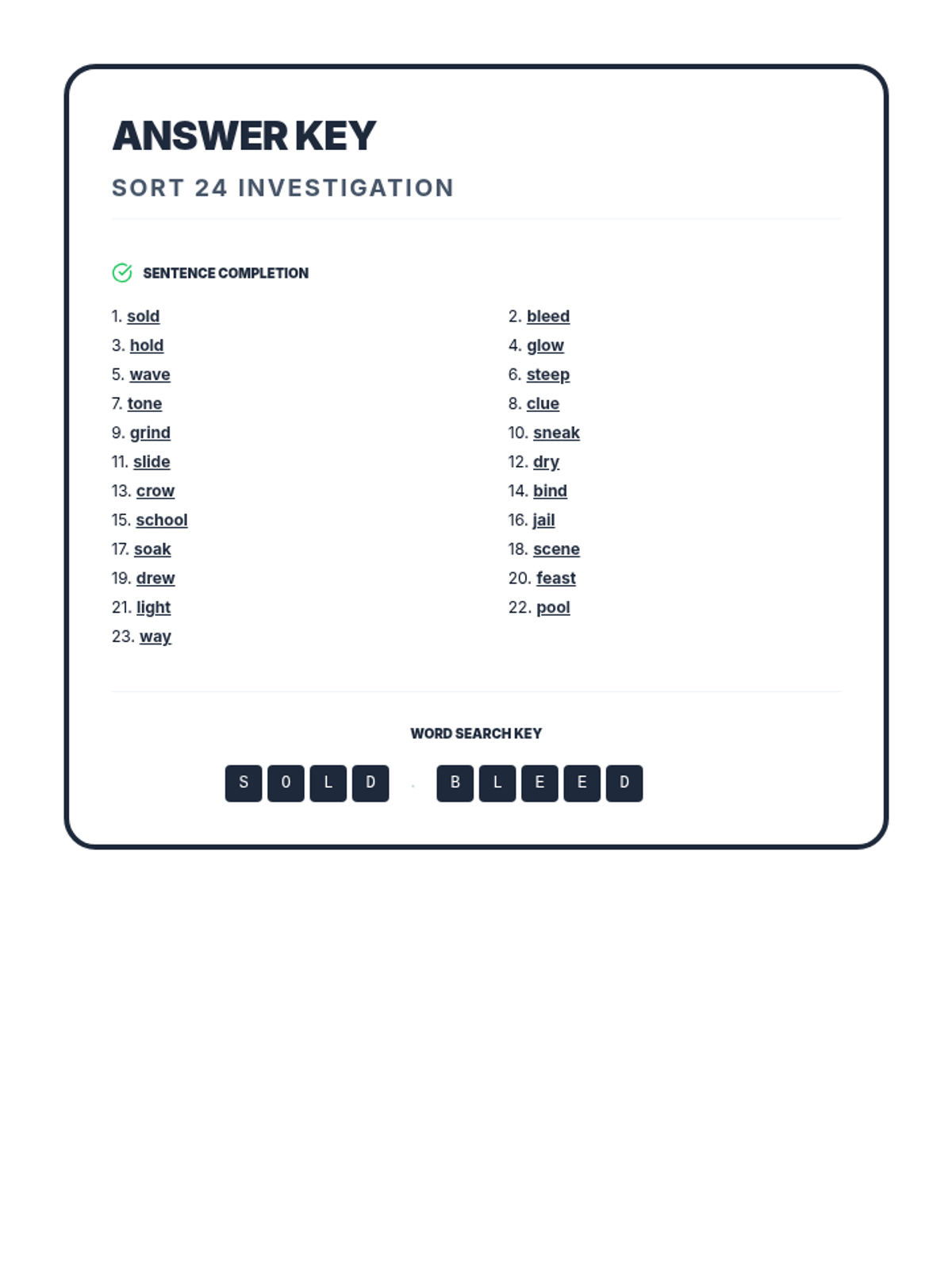
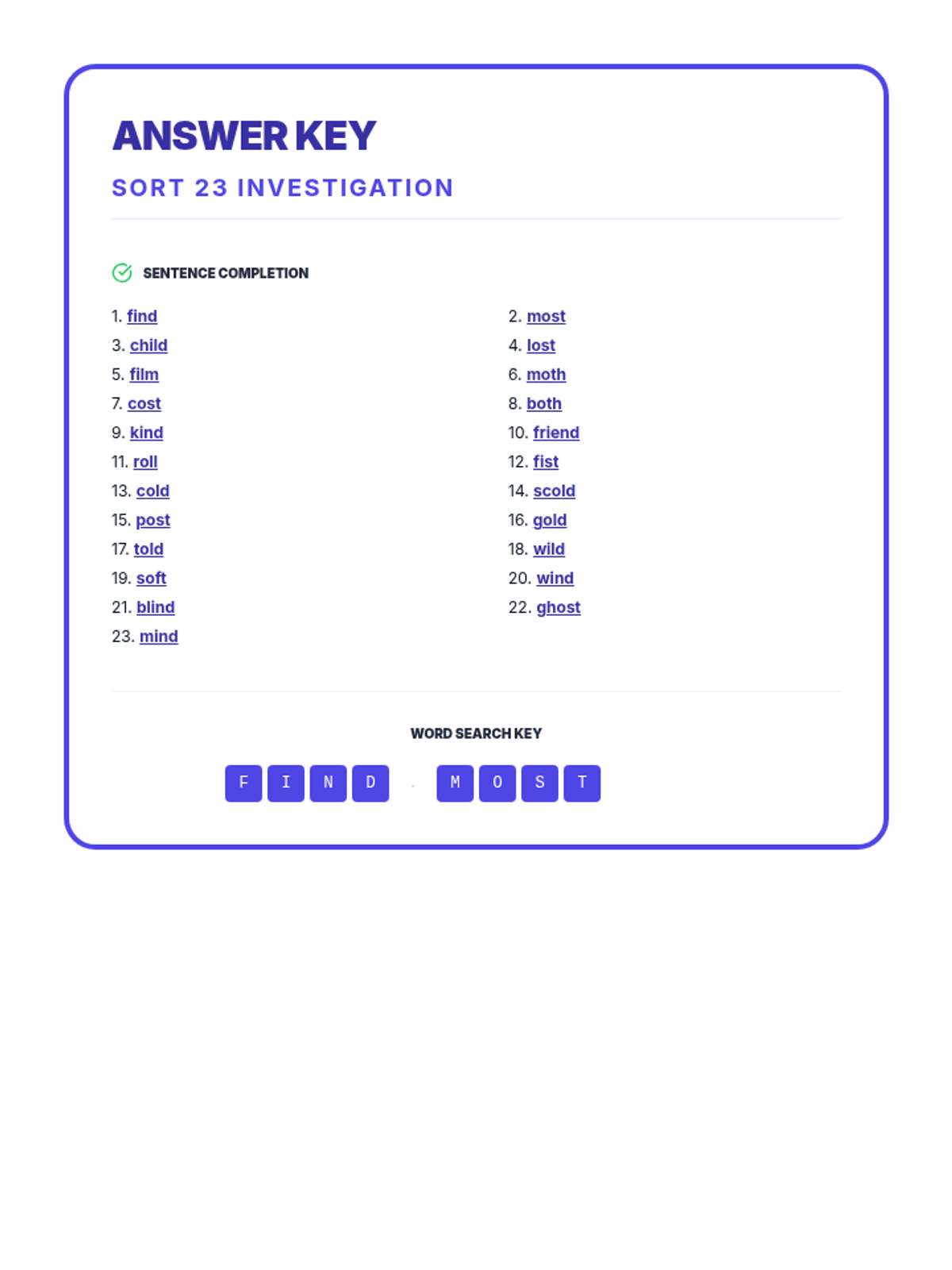
A comprehensive collection of practice materials for the 'Within Word Pattern' stage of word study, featuring sentence completion and word search activities for sorts 13 through 50.
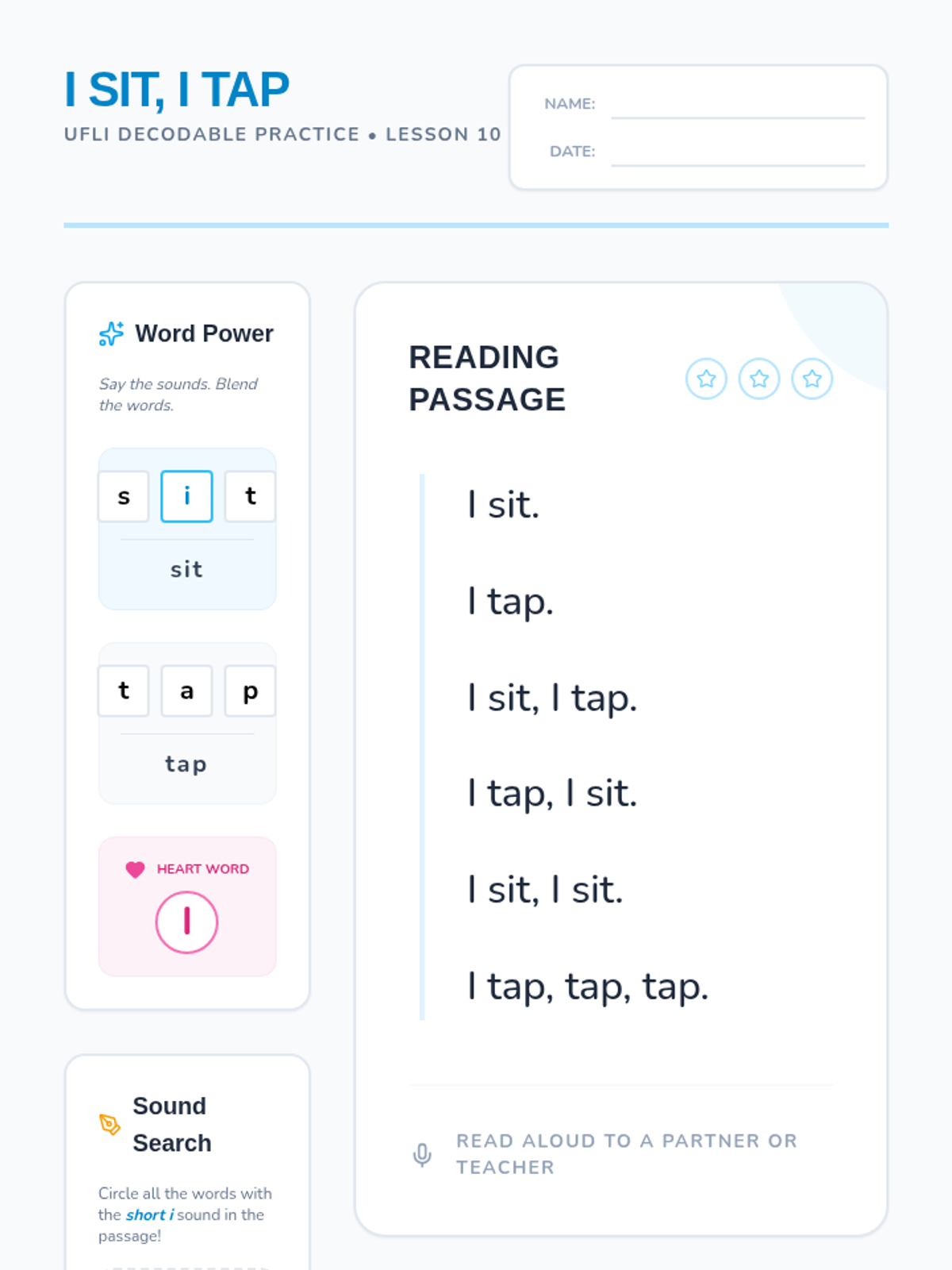
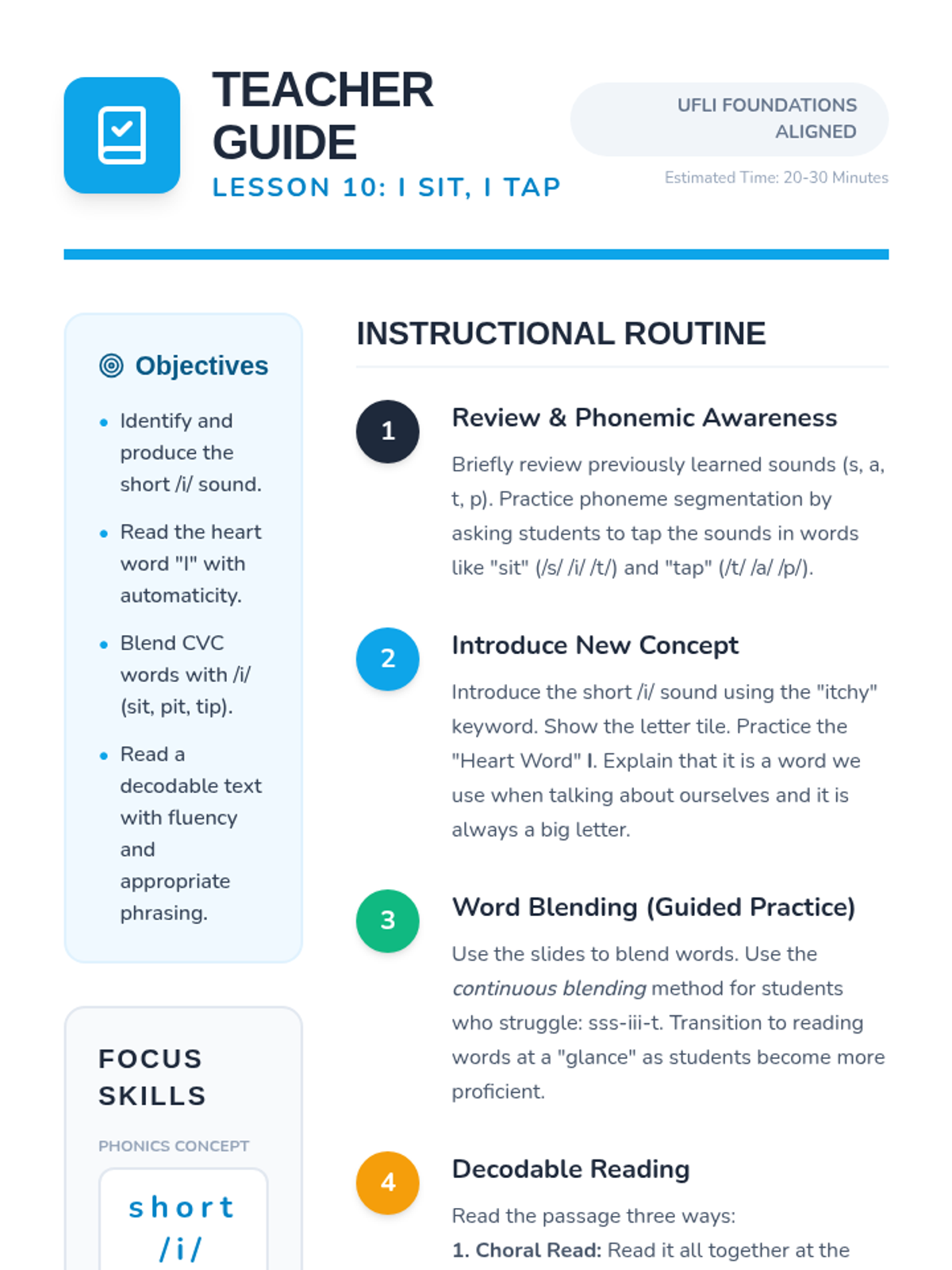
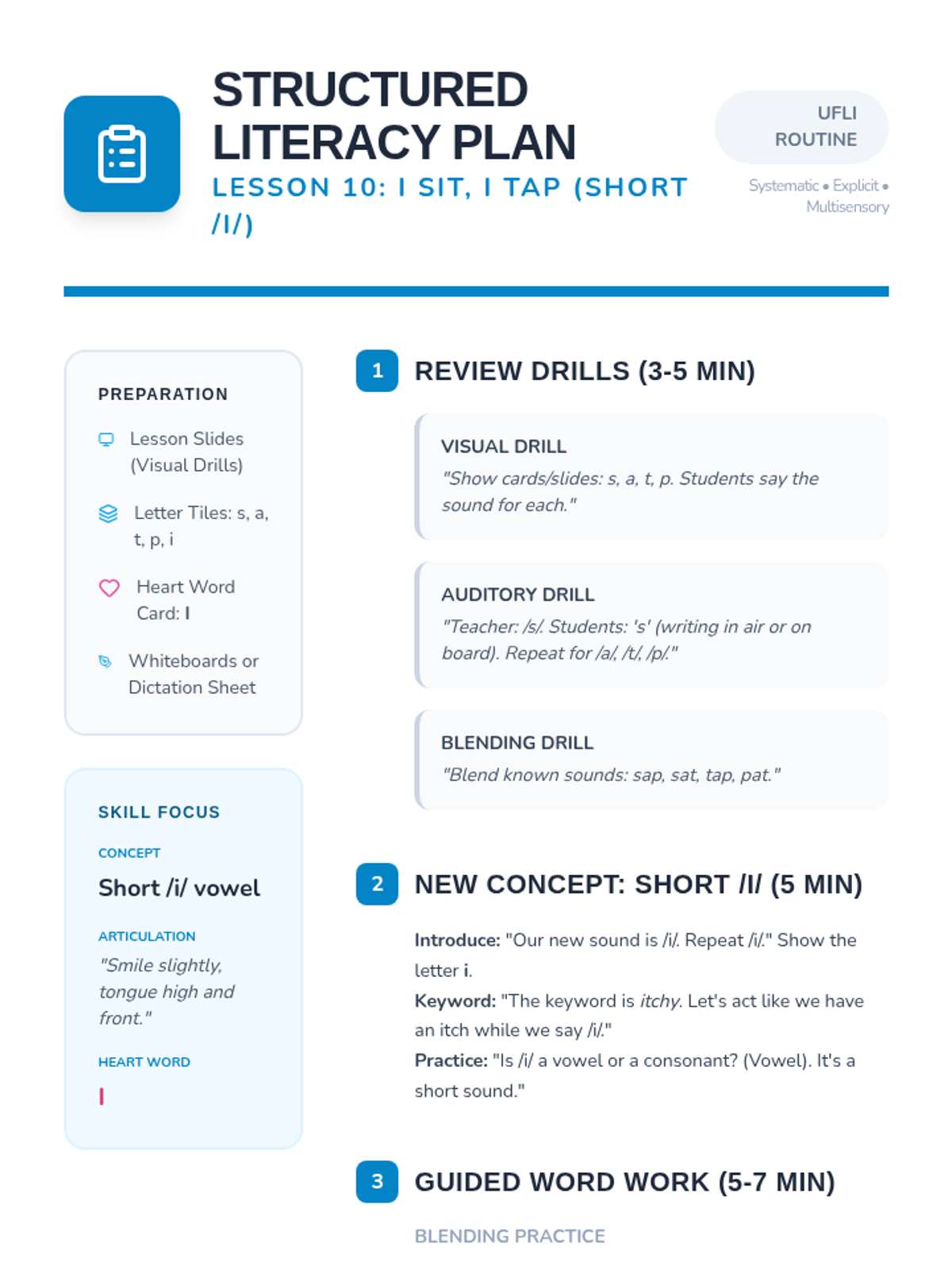
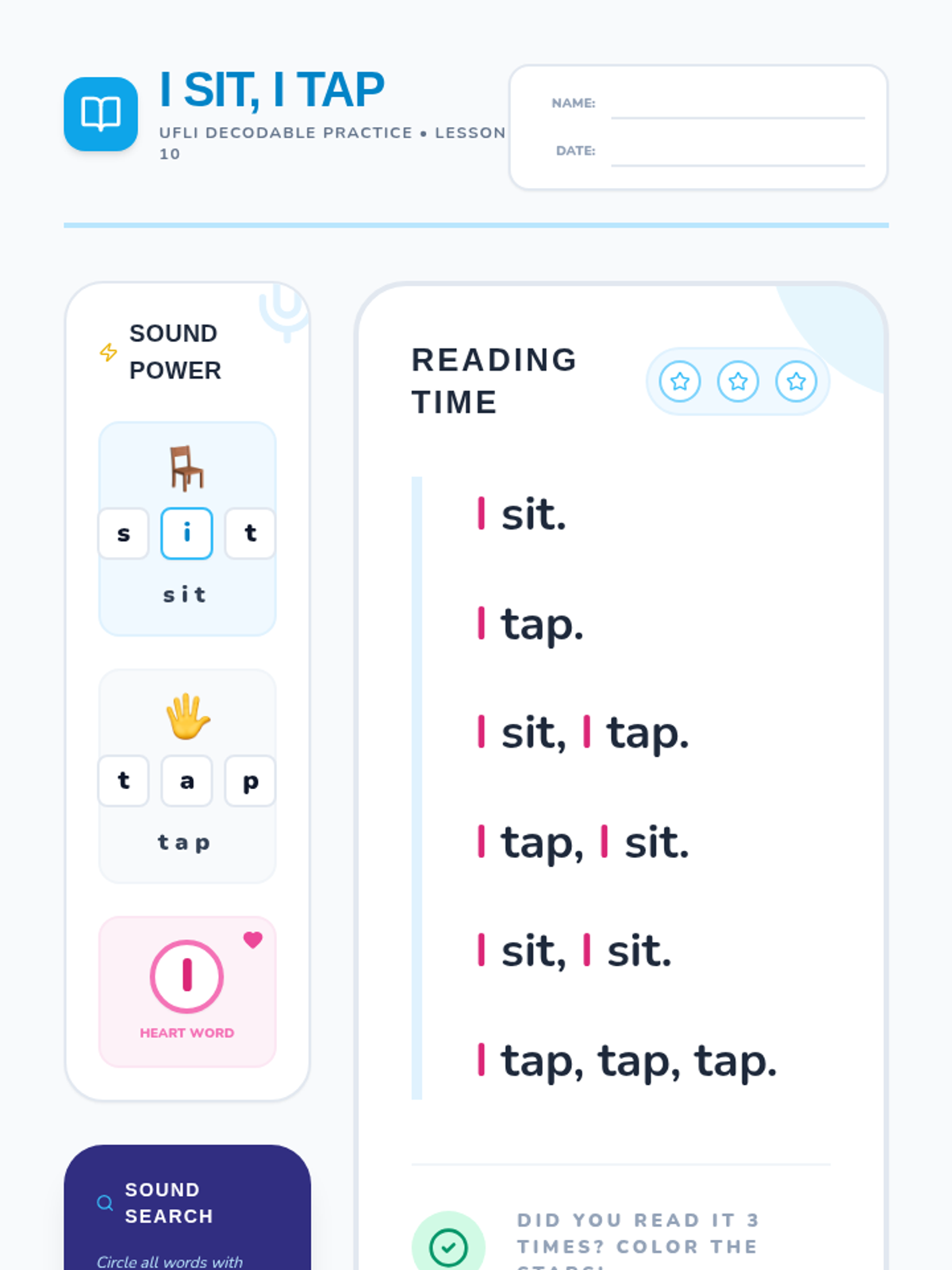
A collection of decodable passages and activities aligned with UFLI Foundations, focusing on systematic phonics and heart word acquisition. Each lesson centers on a specific phonics skill and accompanying "heart words" to build reading fluency.
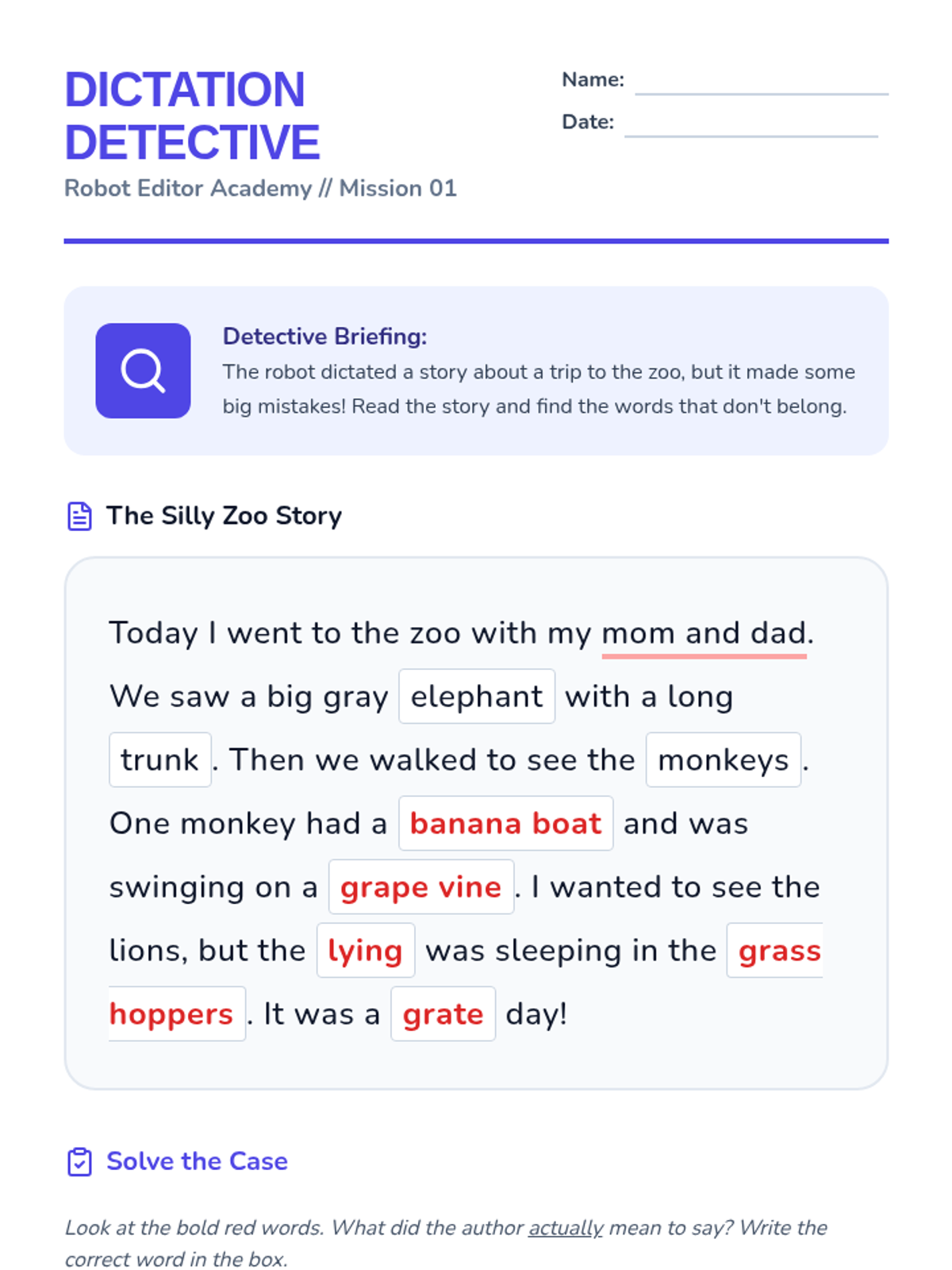
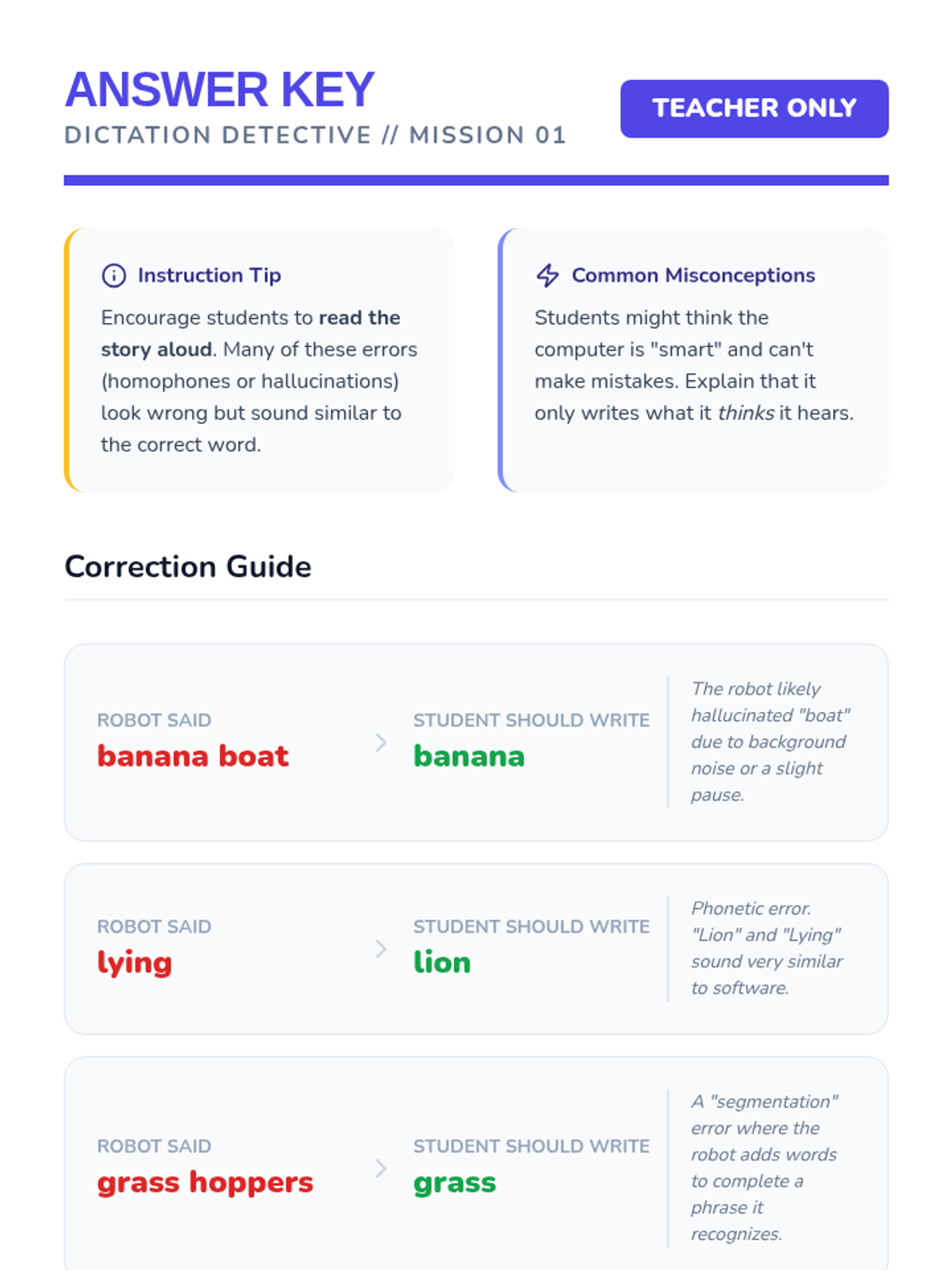
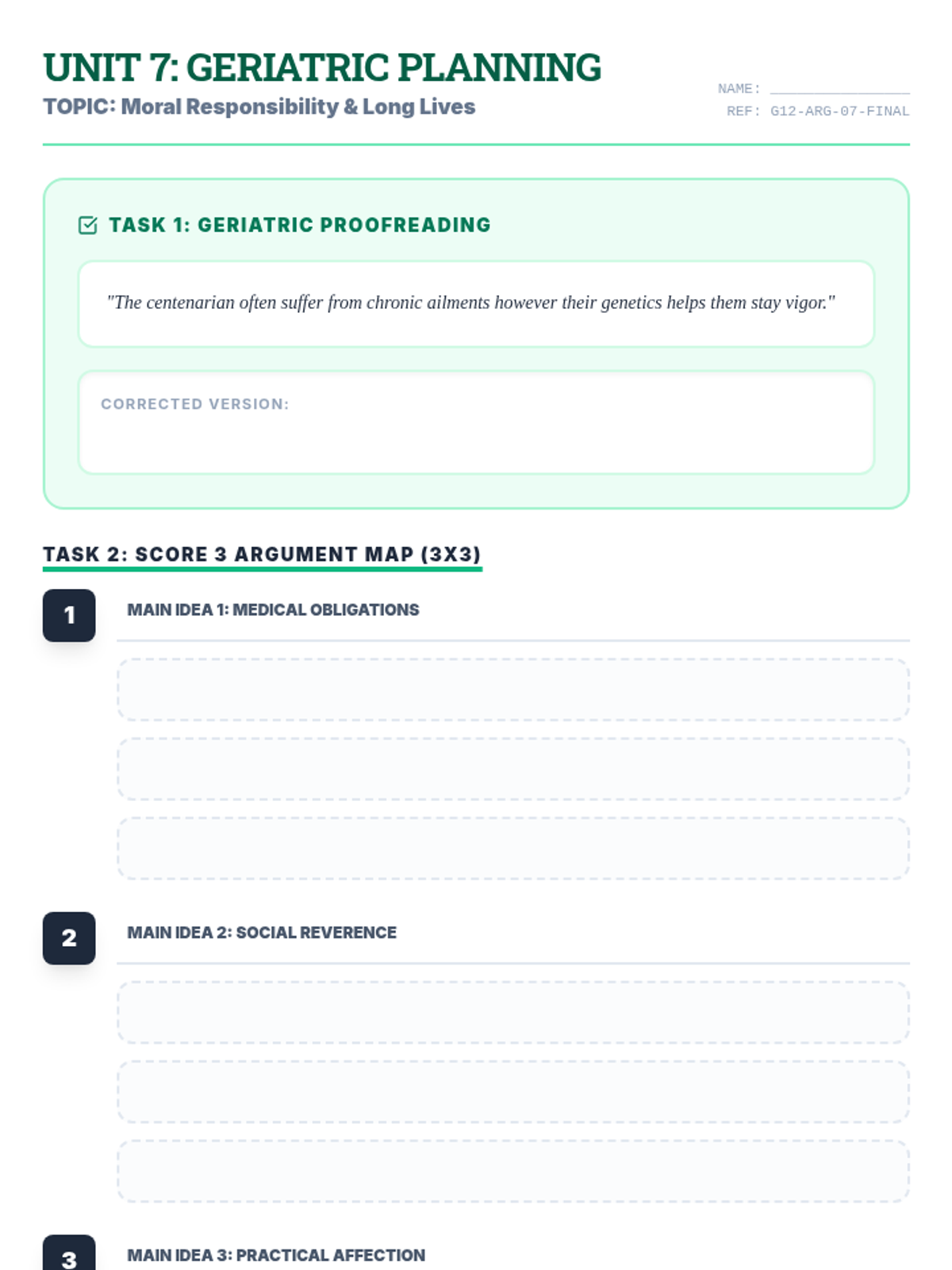
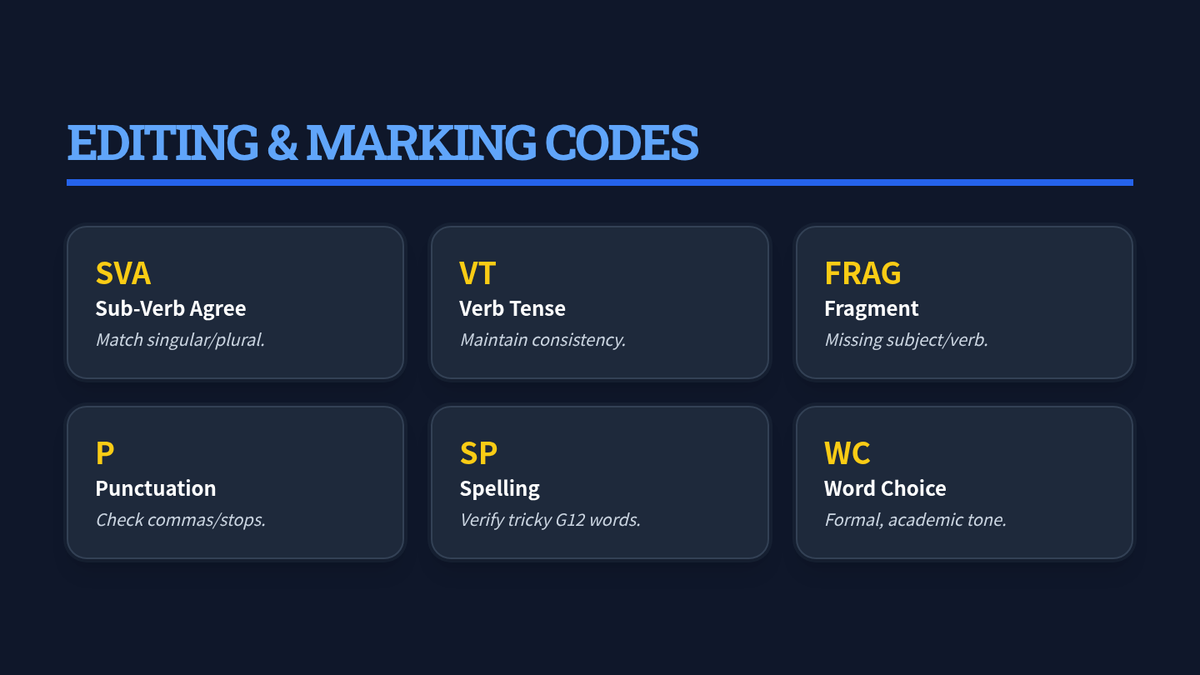
A 5-lesson sequence for 3rd graders on editing and refining speech-to-text dictation. Students take on the role of 'Robot Editors' to detect errors, fix homophones, and apply punctuation to dictated drafts.
A 5-lesson unit for 3rd graders on identifying and correcting speech-to-text recognition errors. Students learn to spot homophones, enunciation errors, missing words, and context-based mistakes to become expert editors of their own dictated work.
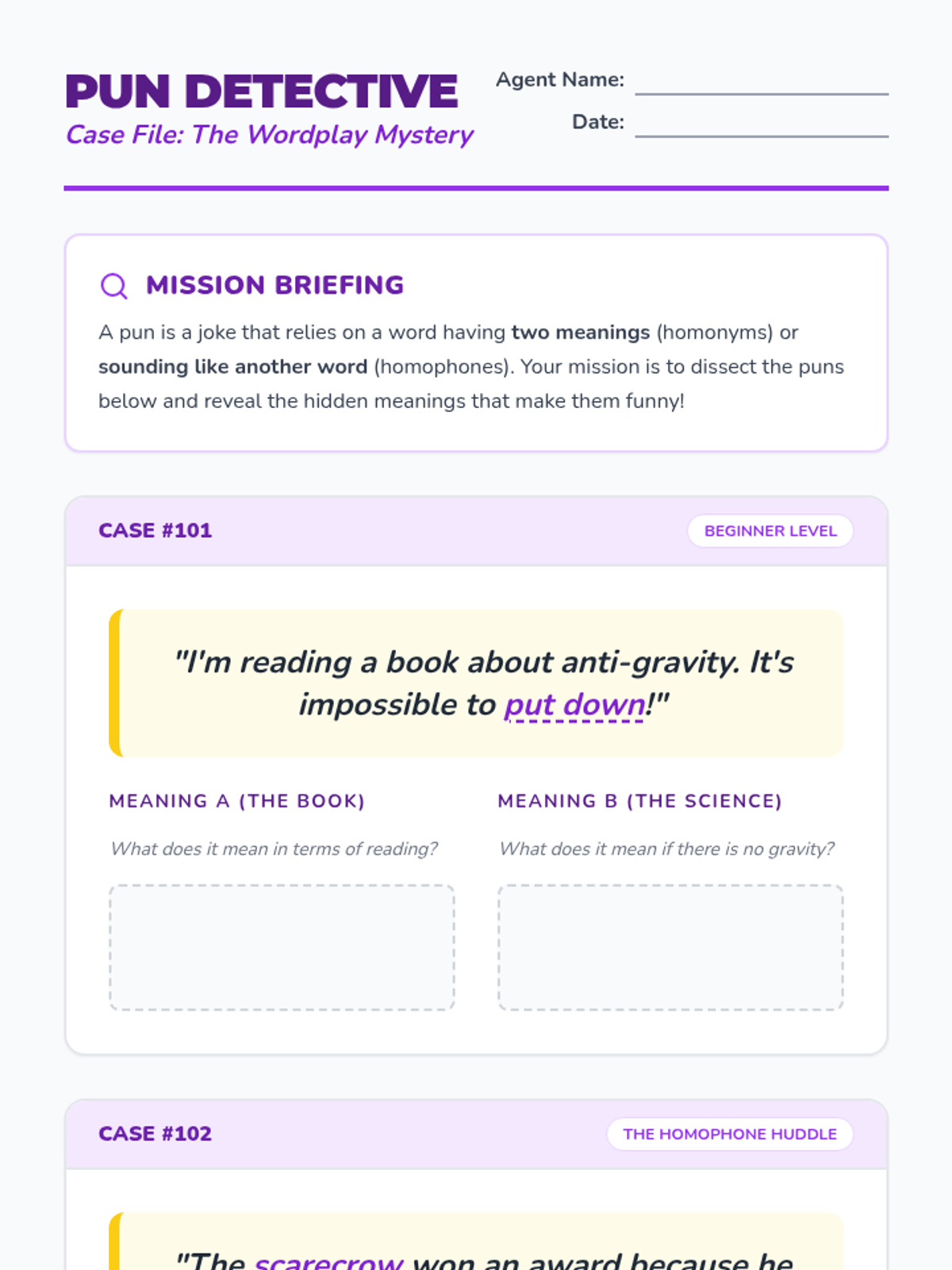
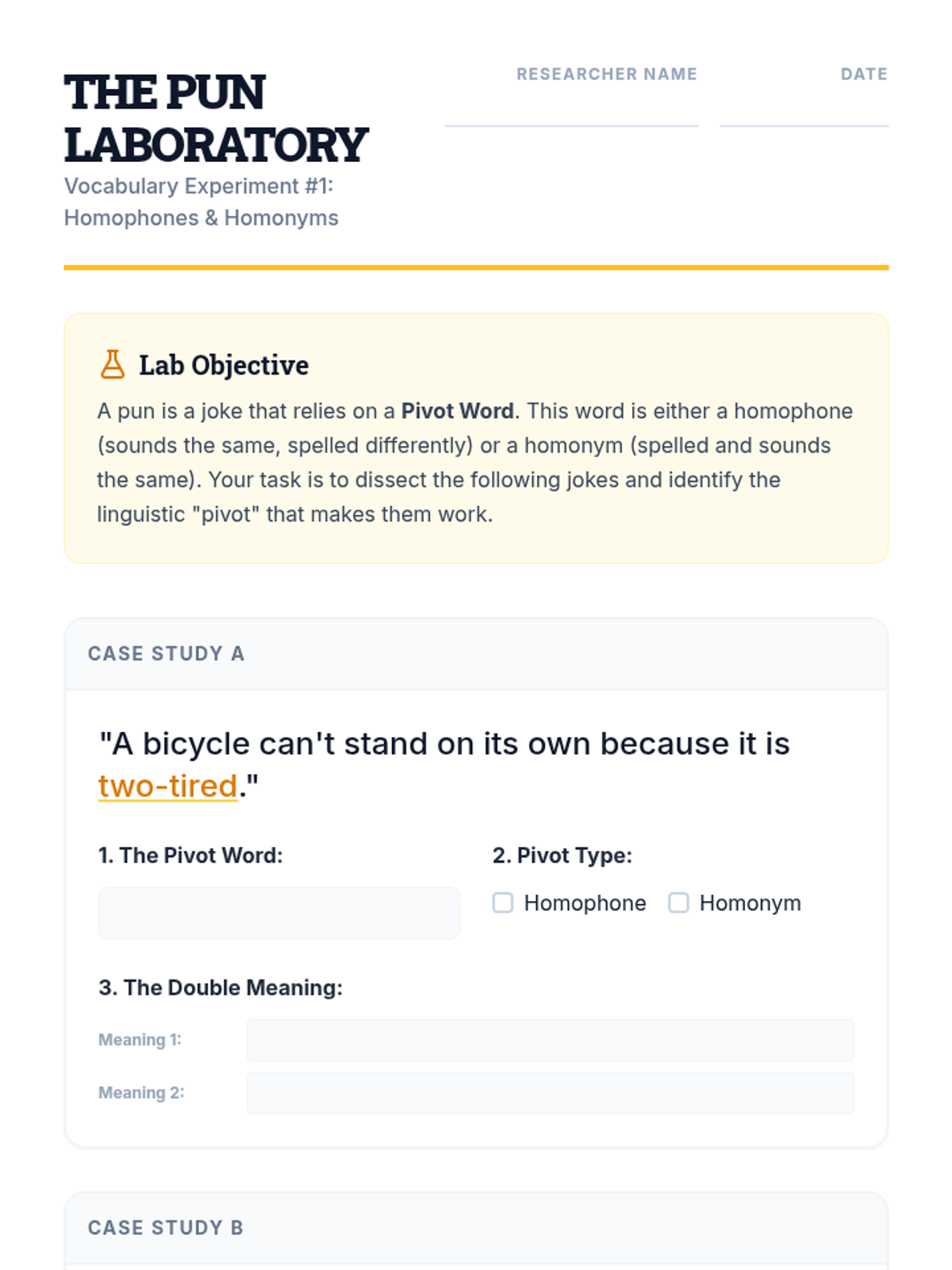
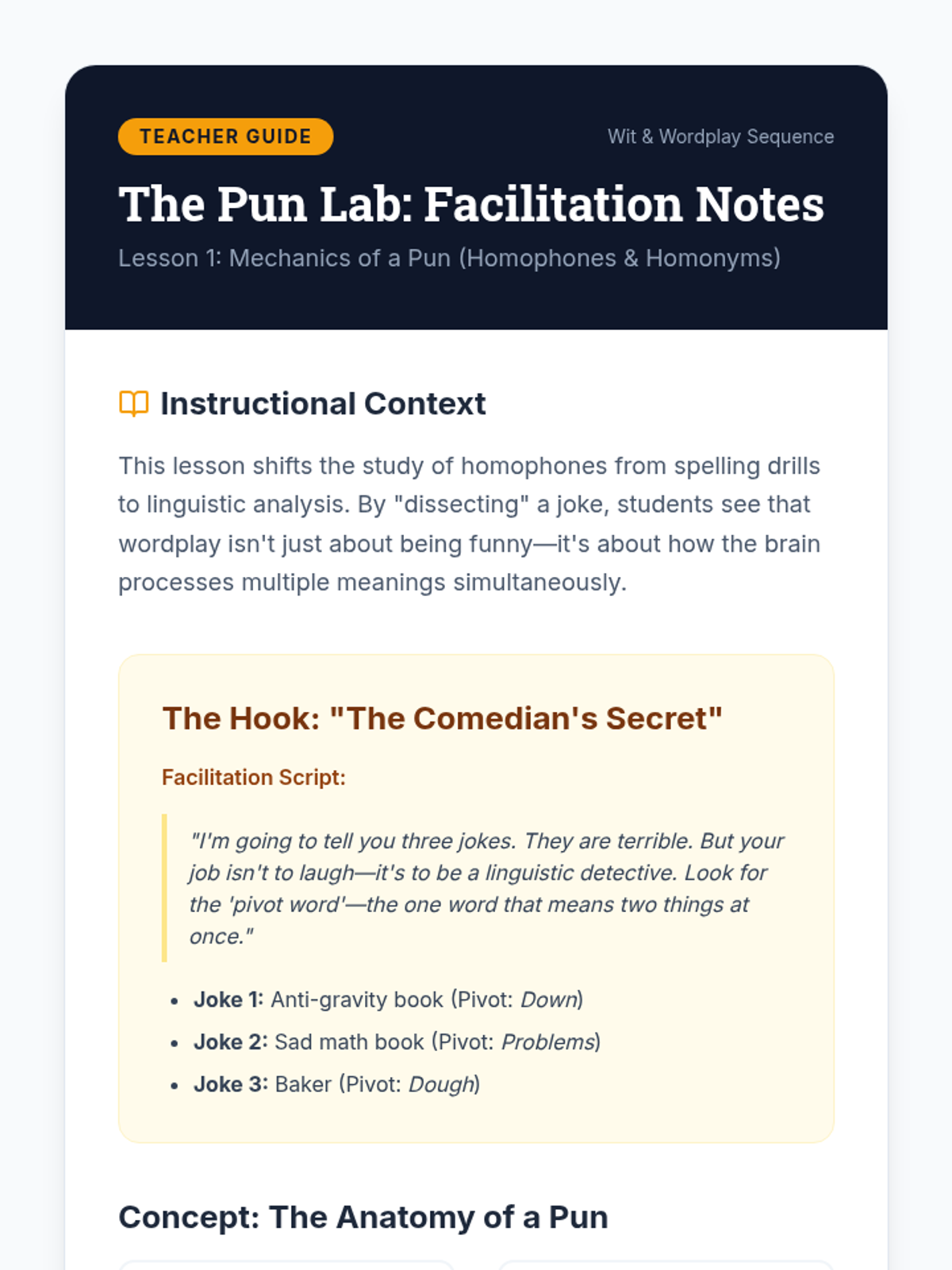
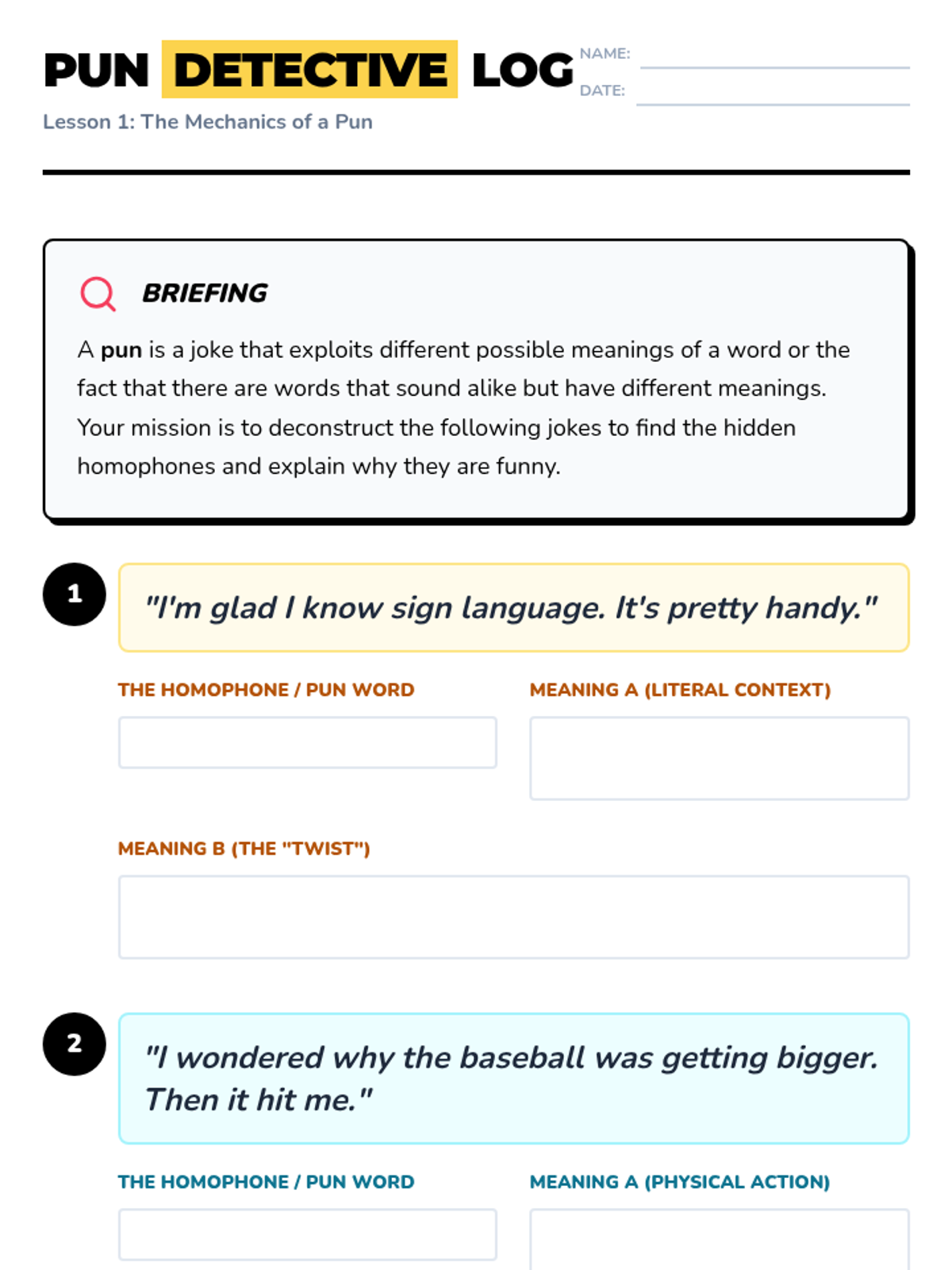
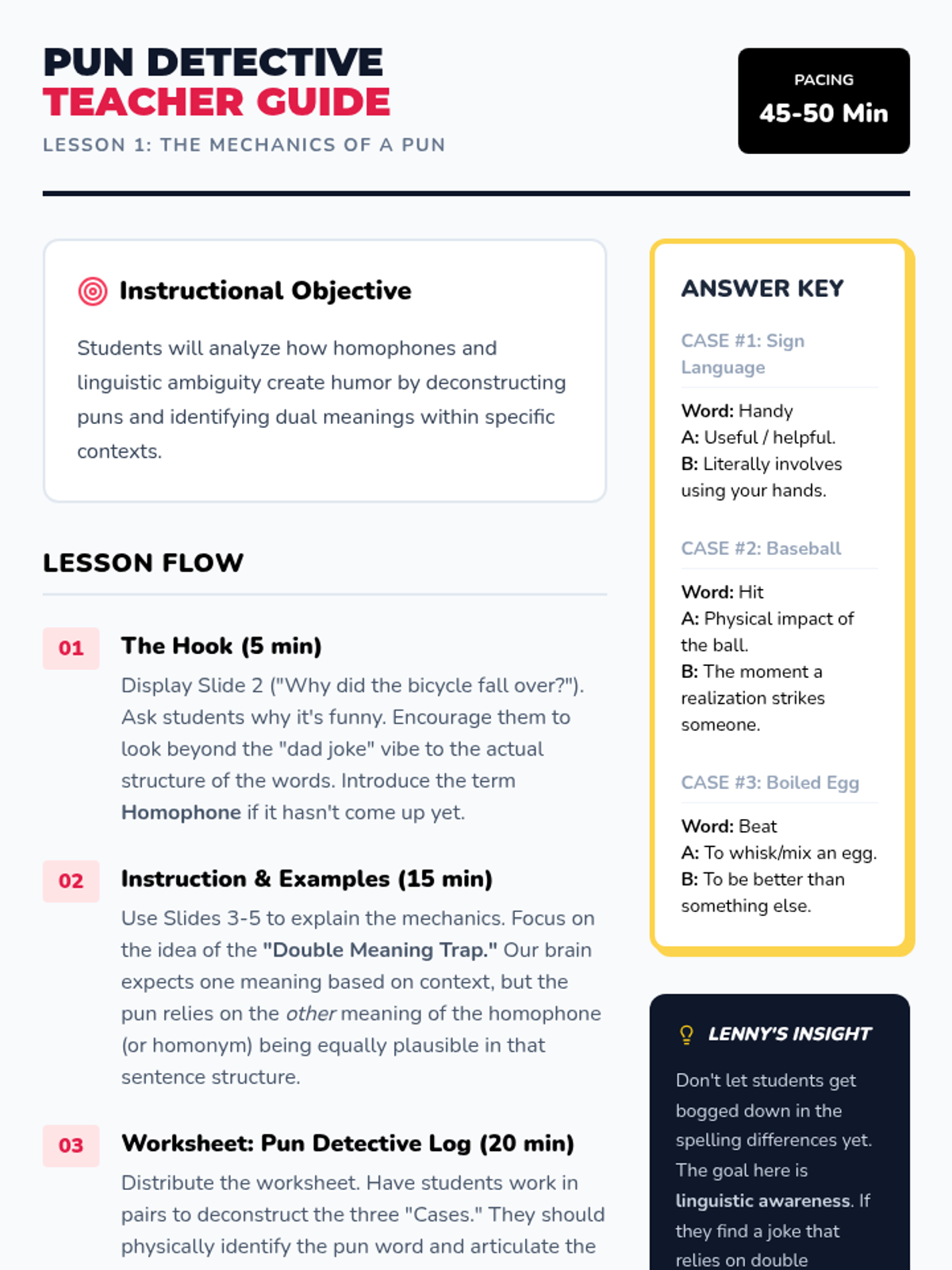
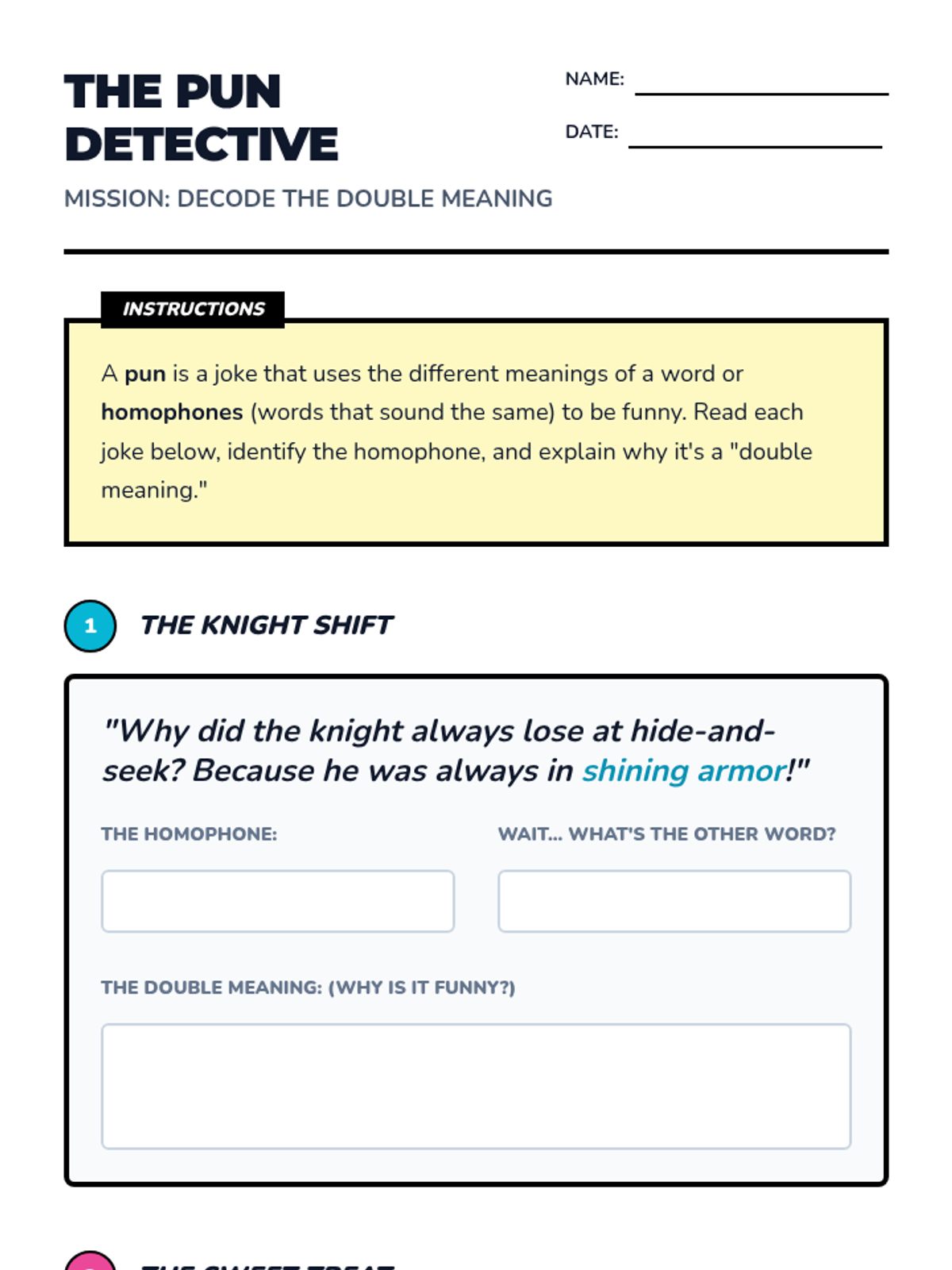
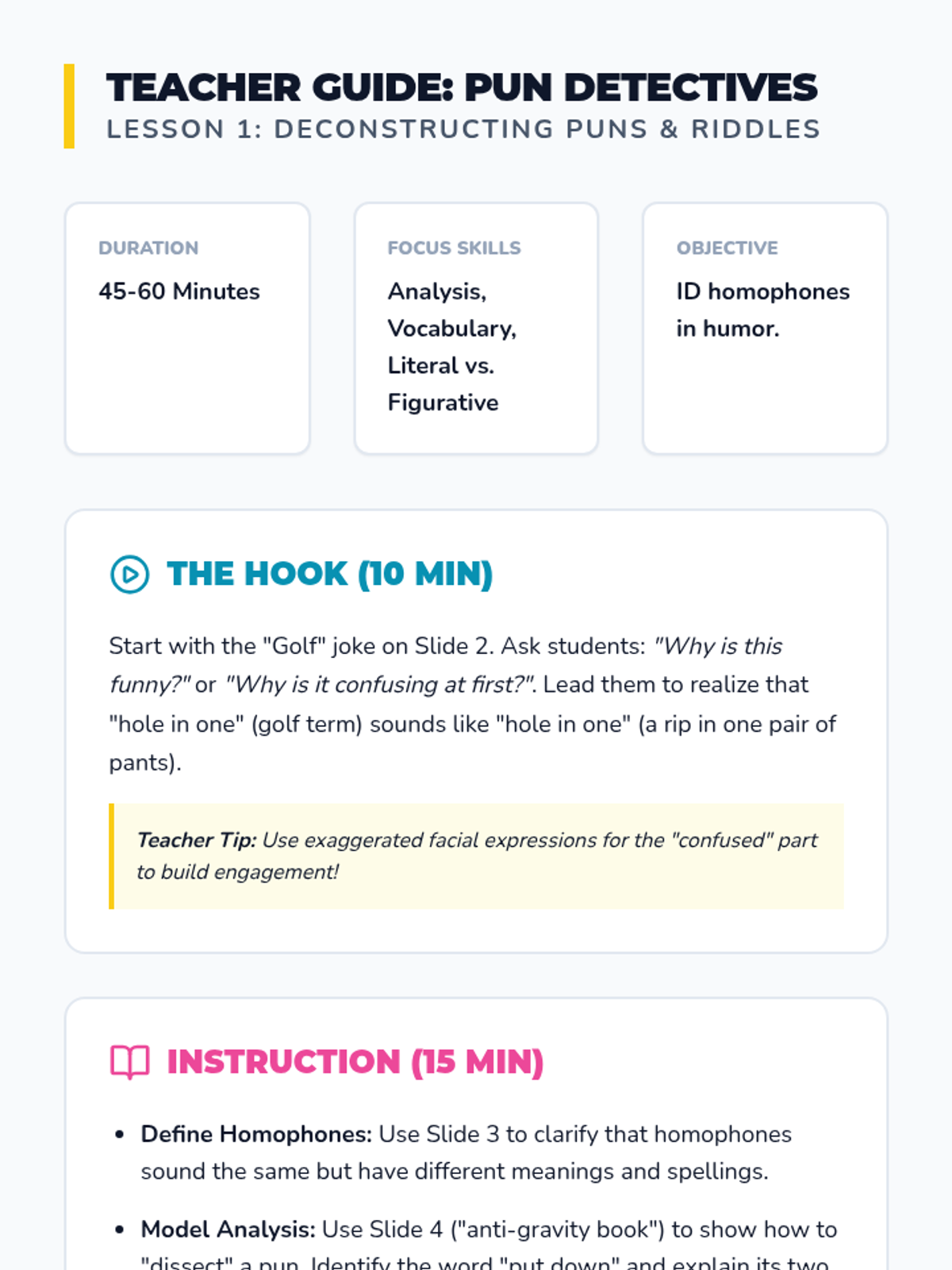
This sequence explores the creative and literary side of homophones and homonyms through puns, riddles, and advertising. Students move from deconstructing humor to creating their own intentional wordplay, culminating in a showcase of their comedic and creative linguistic skills.
This sequence explores the literary and rhetorical function of homophones and homonyms through the lens of wordplay. Students move from analyzing the structure of puns and riddles to examining real-world slogans and creating their own comedy scripts, reinforcing precise vocabulary through creative application.
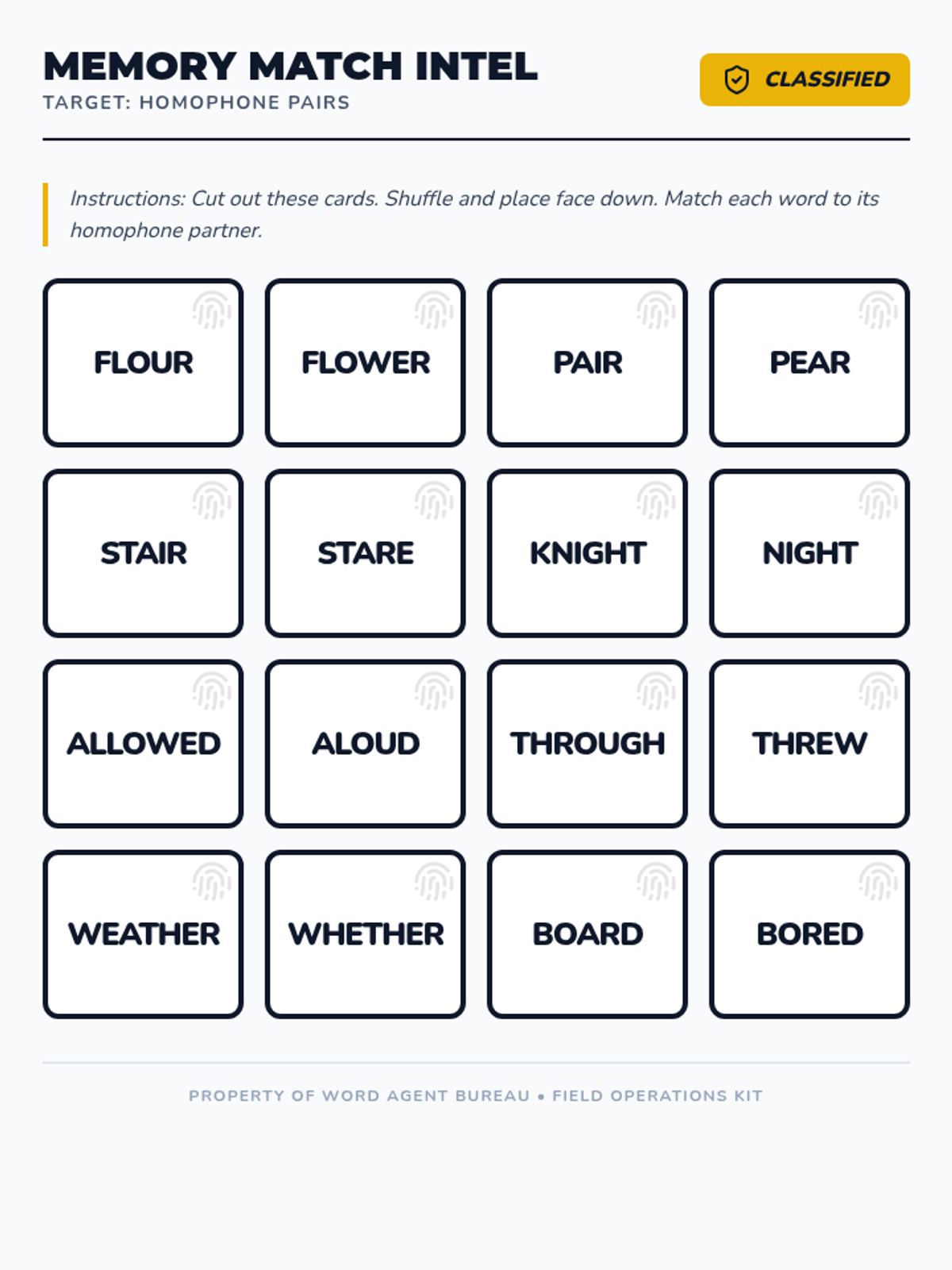
A game-based sequence focused on the rapid identification and correct usage of homophones through competitive and collaborative activities. Students act as 'Word Agents' to solve mysteries, play games, and compete in a final tournament to master spelling and context clues.
This sequence explores the creative and humorous side of homophones, focusing on how writers use wordplay, puns, and ambiguity for effect. Students move from deconstructing jokes to creating their own homophone-based scripts and comics.
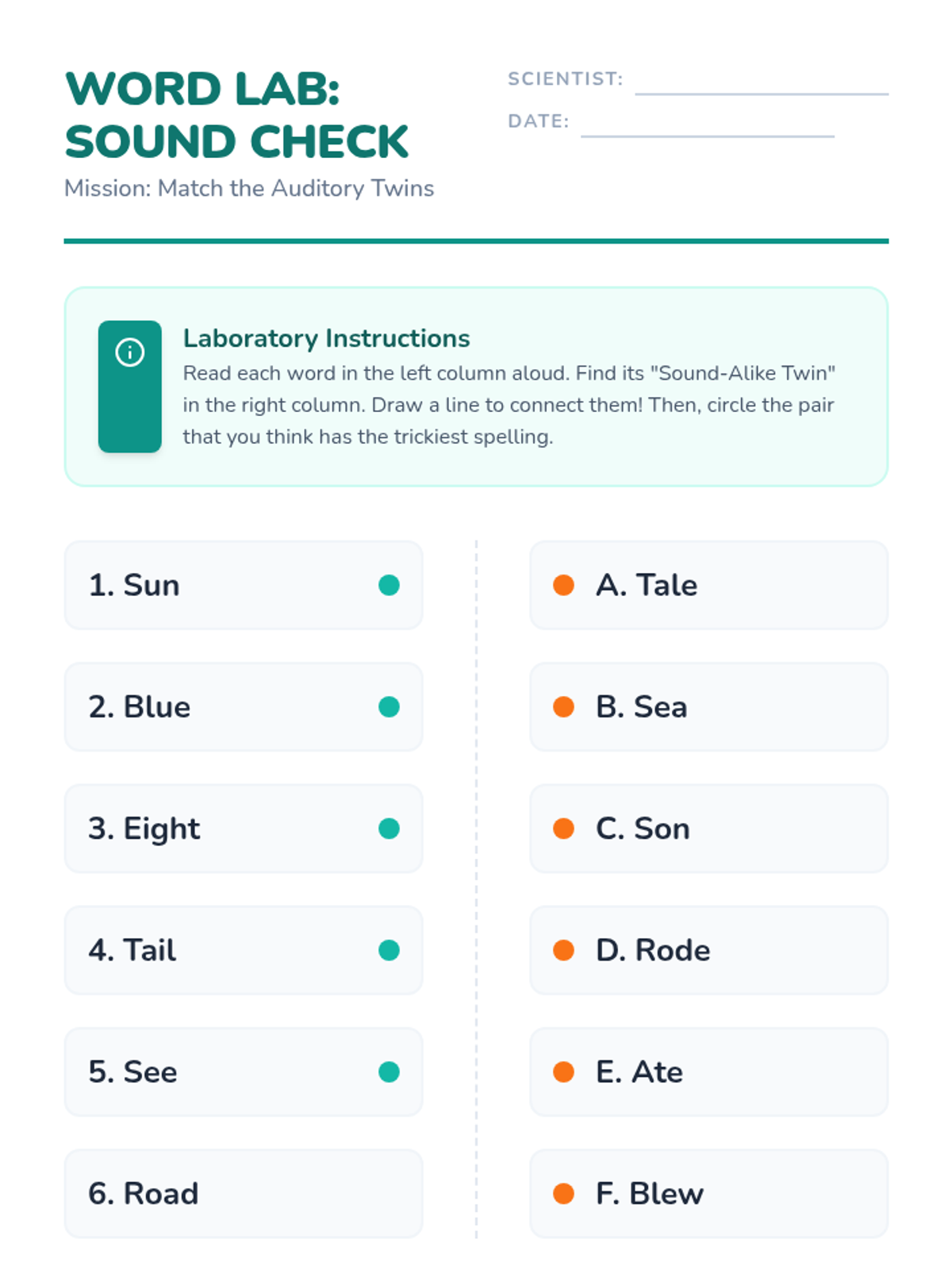
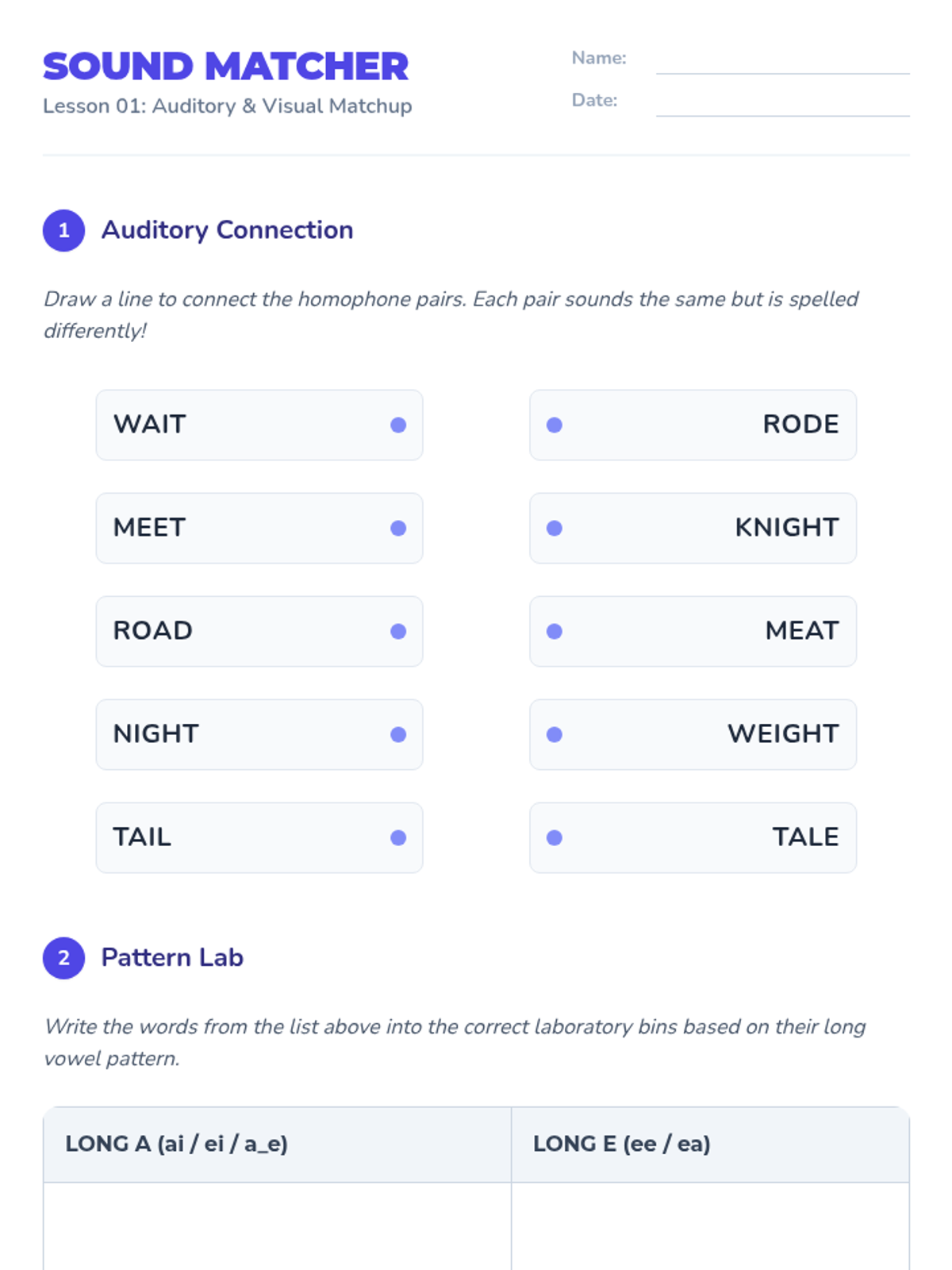
A comprehensive 3rd-grade sequence on homophones, exploring auditory recognition, visual mapping, spelling patterns, and contextual application. Students move from hearing 'sound-alikes' to mastering the visual and orthographic differences between common pairs like see/sea and knight/night.
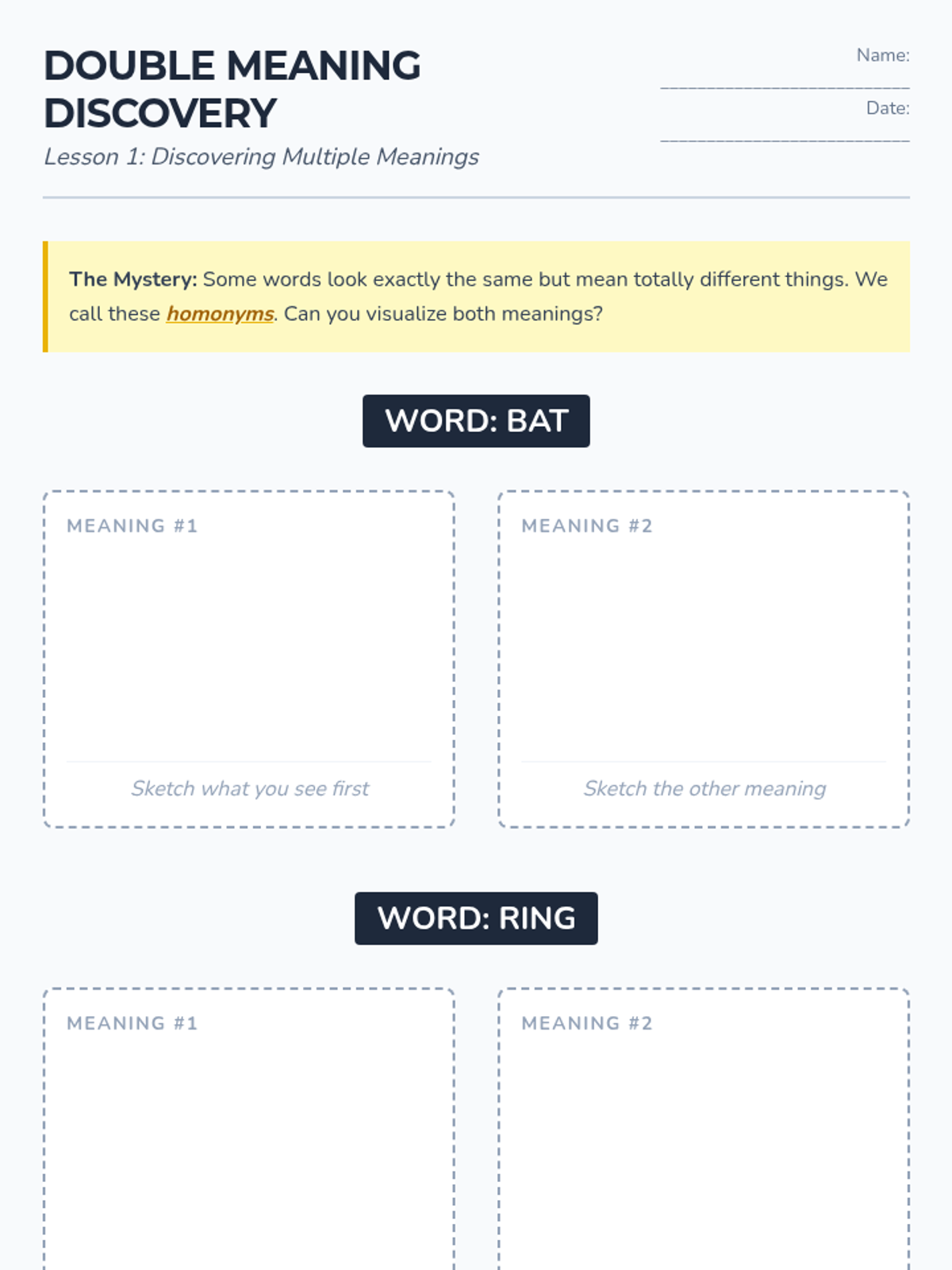
This inquiry-based sequence explores multiple meaning words (homonyms), guiding students to use context clues to determine precise definitions. Students examine how identical words can represent different concepts and learn to use dictionary entries to verify meanings.
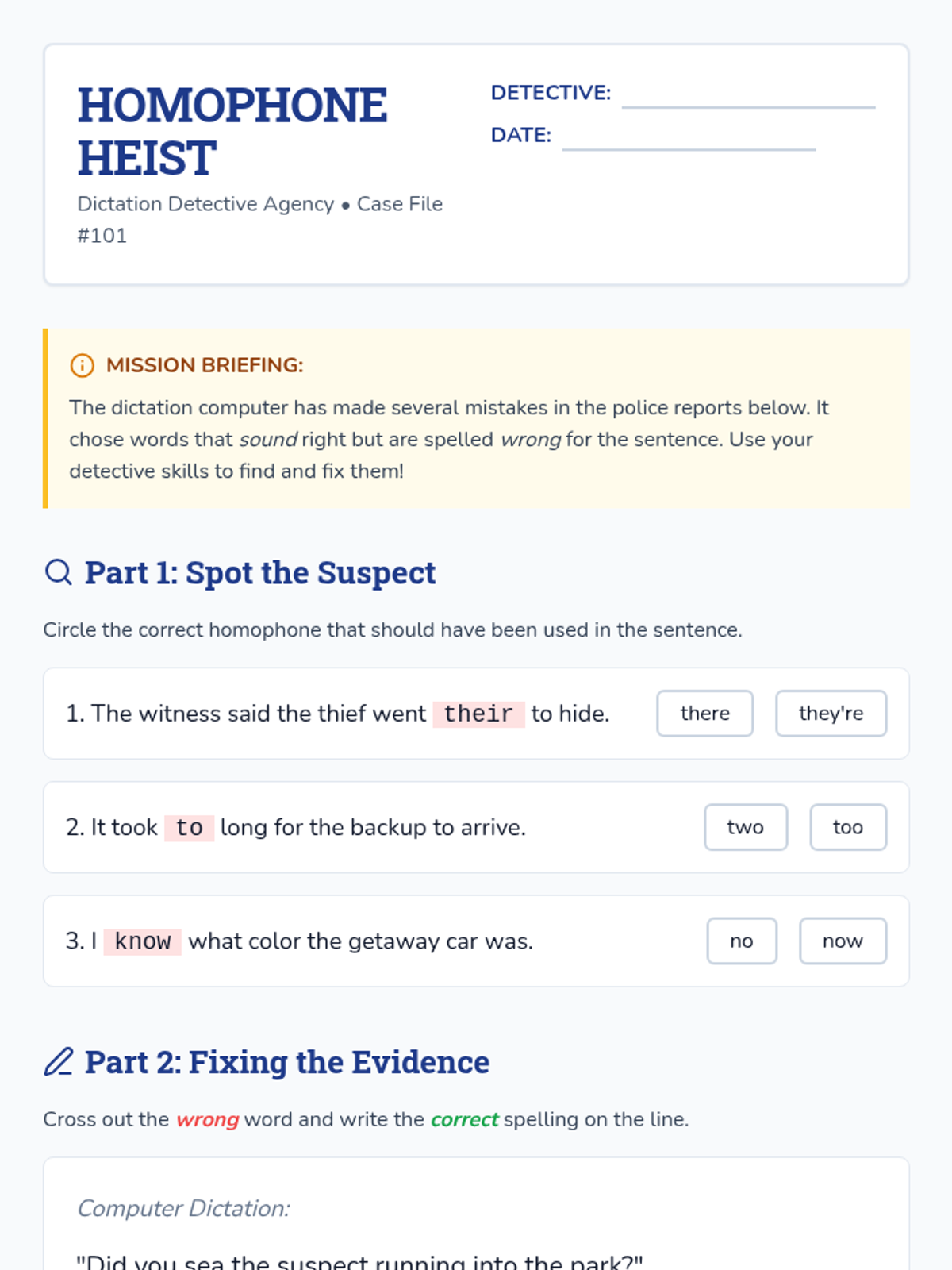
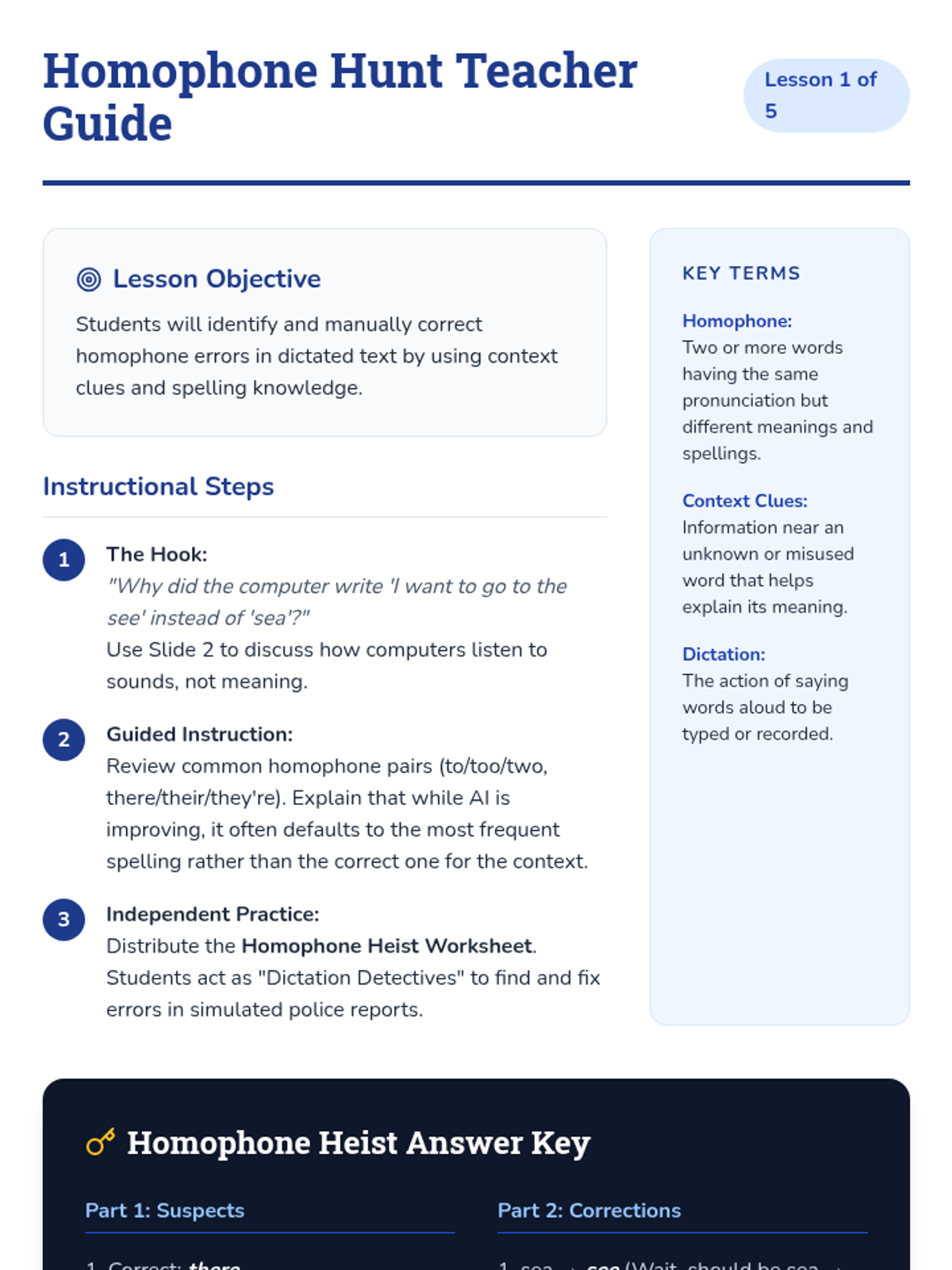
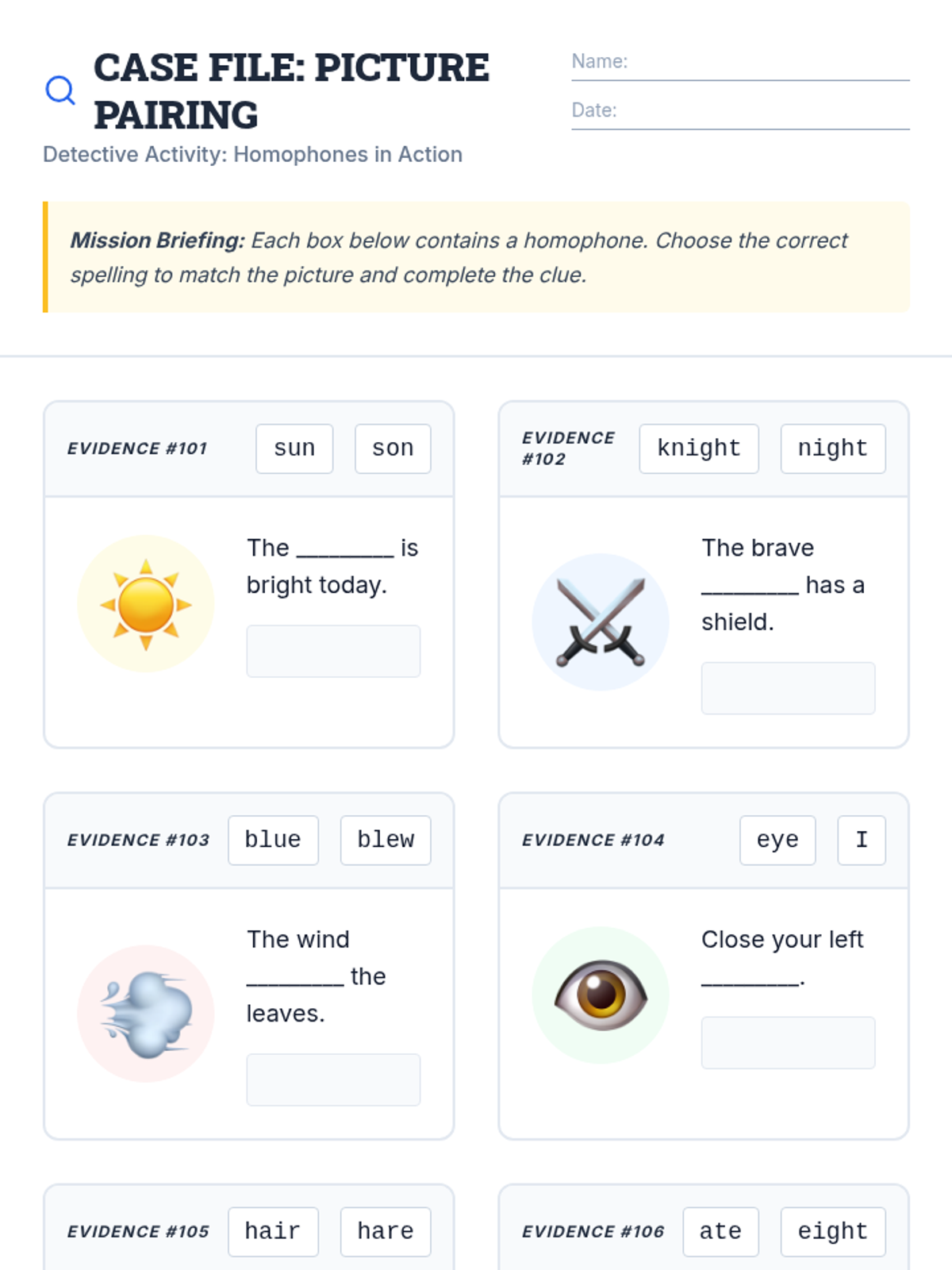
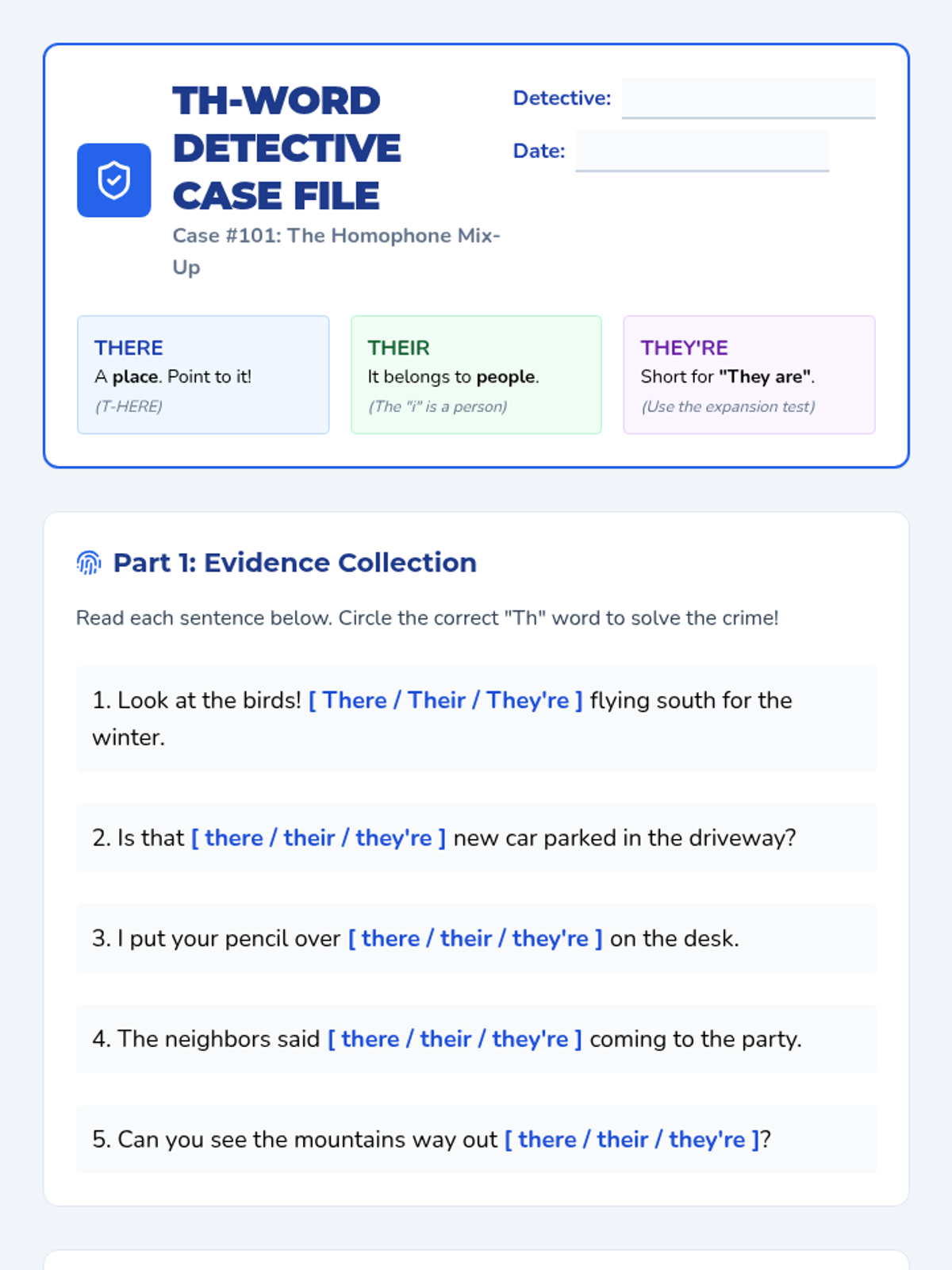
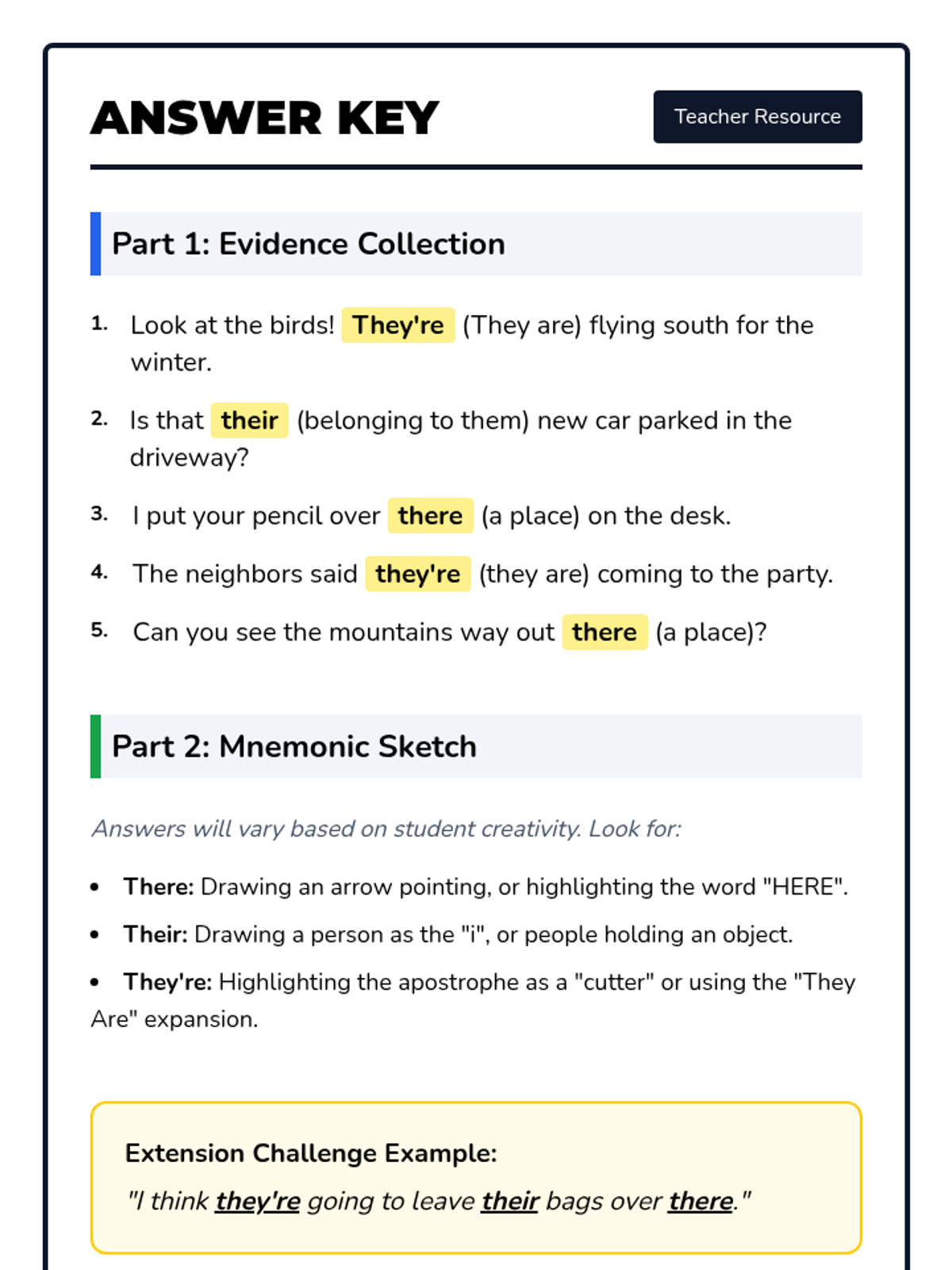
A comprehensive 3rd-grade sequence focused on mastering homophones through detective-themed investigation, contextual analysis, and proofreading practice. Students progress from simple pairs to high-frequency triplets, culminating in a creative writing project.
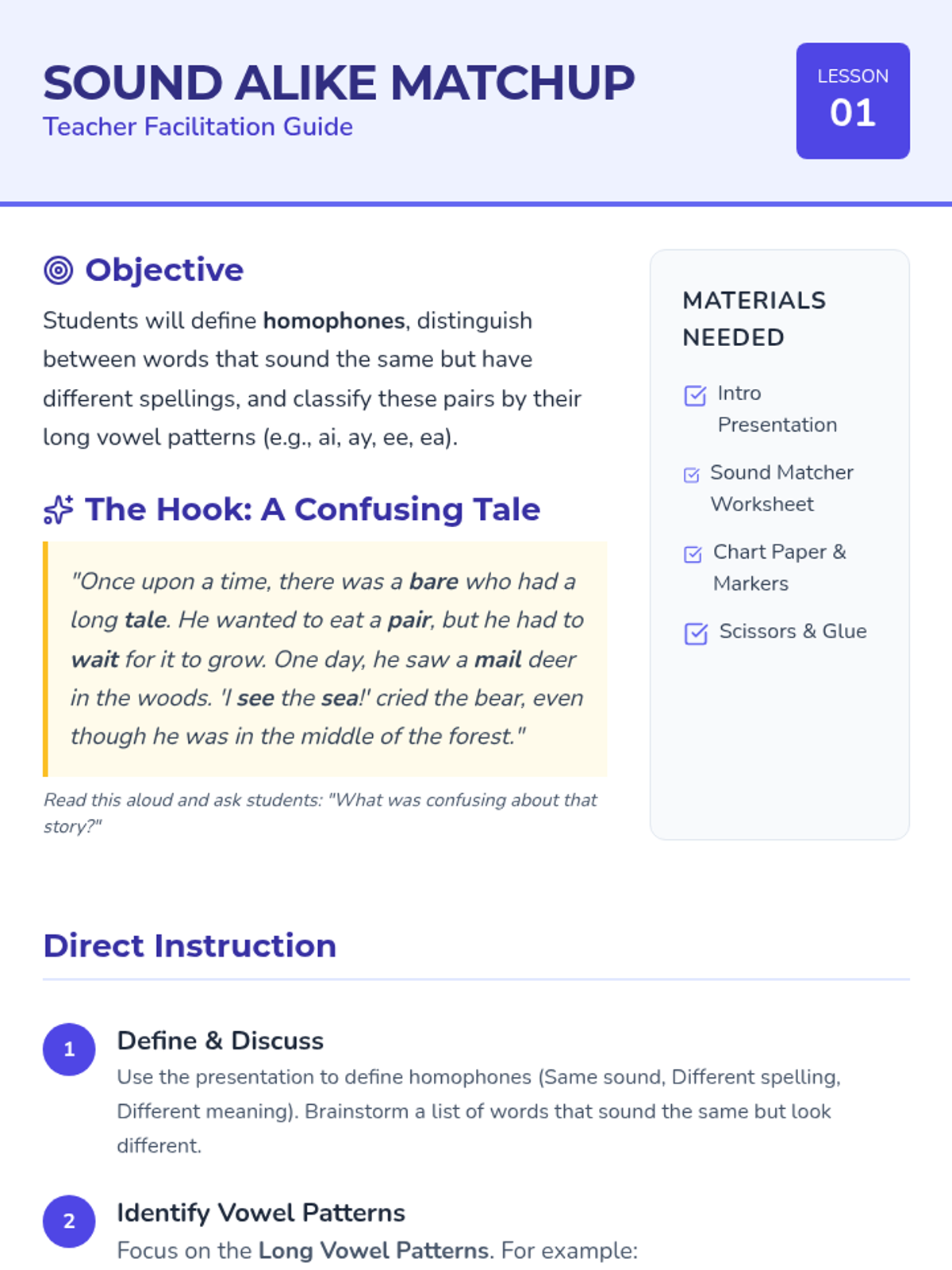
A 3rd-grade sequence exploring how different long vowel spellings create homophones with distinct meanings. Students progress from auditory matching to creative comic production.
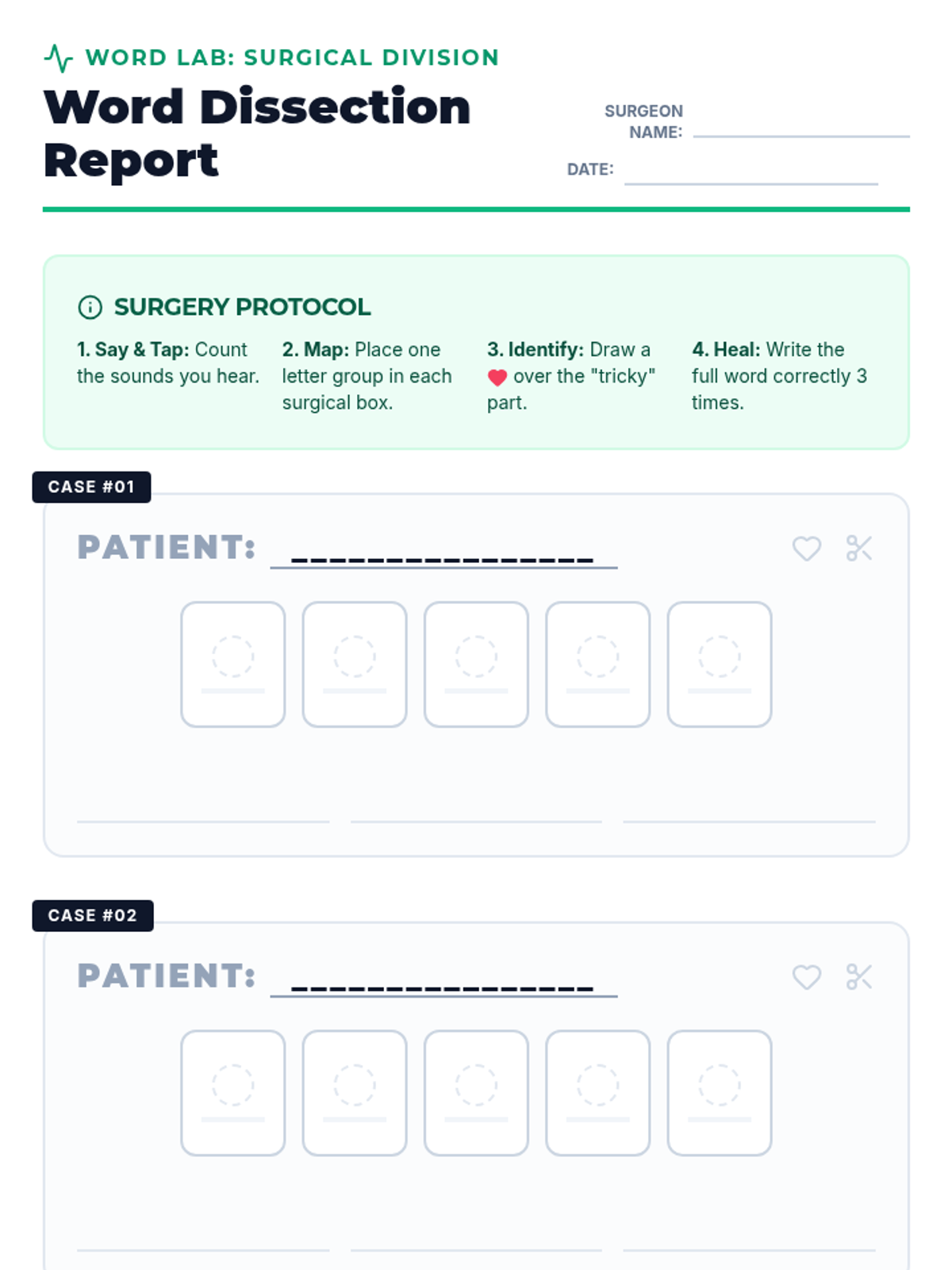
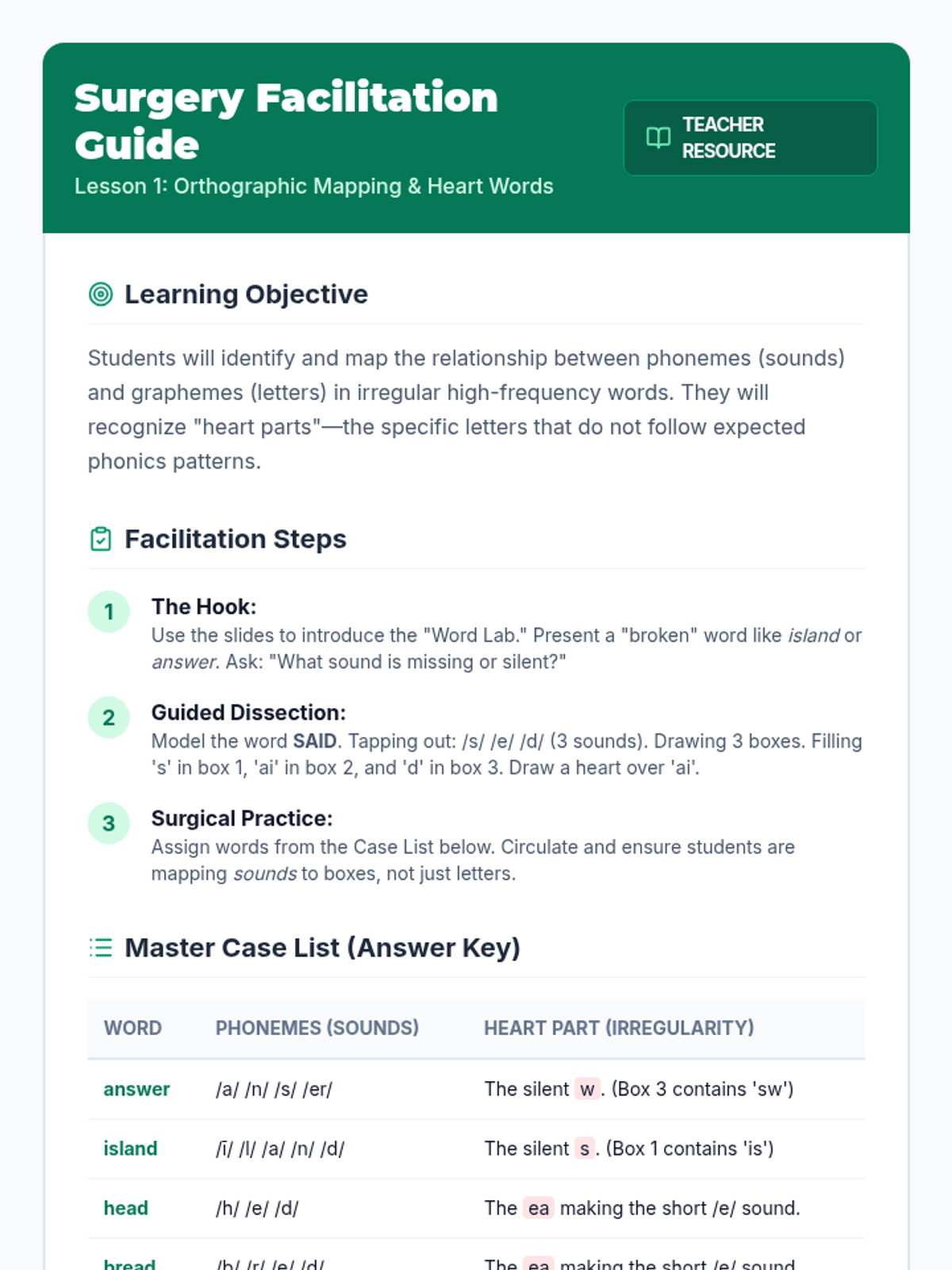
A 5-lesson unit for 3rd graders focused on orthographic mapping, mnemonic devices, and homophone distinction for irregular high-frequency words. Students move from 'word surgery' to creating a personal reference tool for writing.
A comprehensive 3rd-grade sequence focused on mastering homophones (there/their/they're, to/too/two), distinguishing contractions from possessives, and memorizing irregular high-frequency words through an editor-themed simulation.
A creative vocabulary sequence for 3rd graders focusing on homophones through the lens of humor, puns, and riddles. Students move from analyzing jokes to creating their own original comic strips and riddles, culminating in a class joke book.
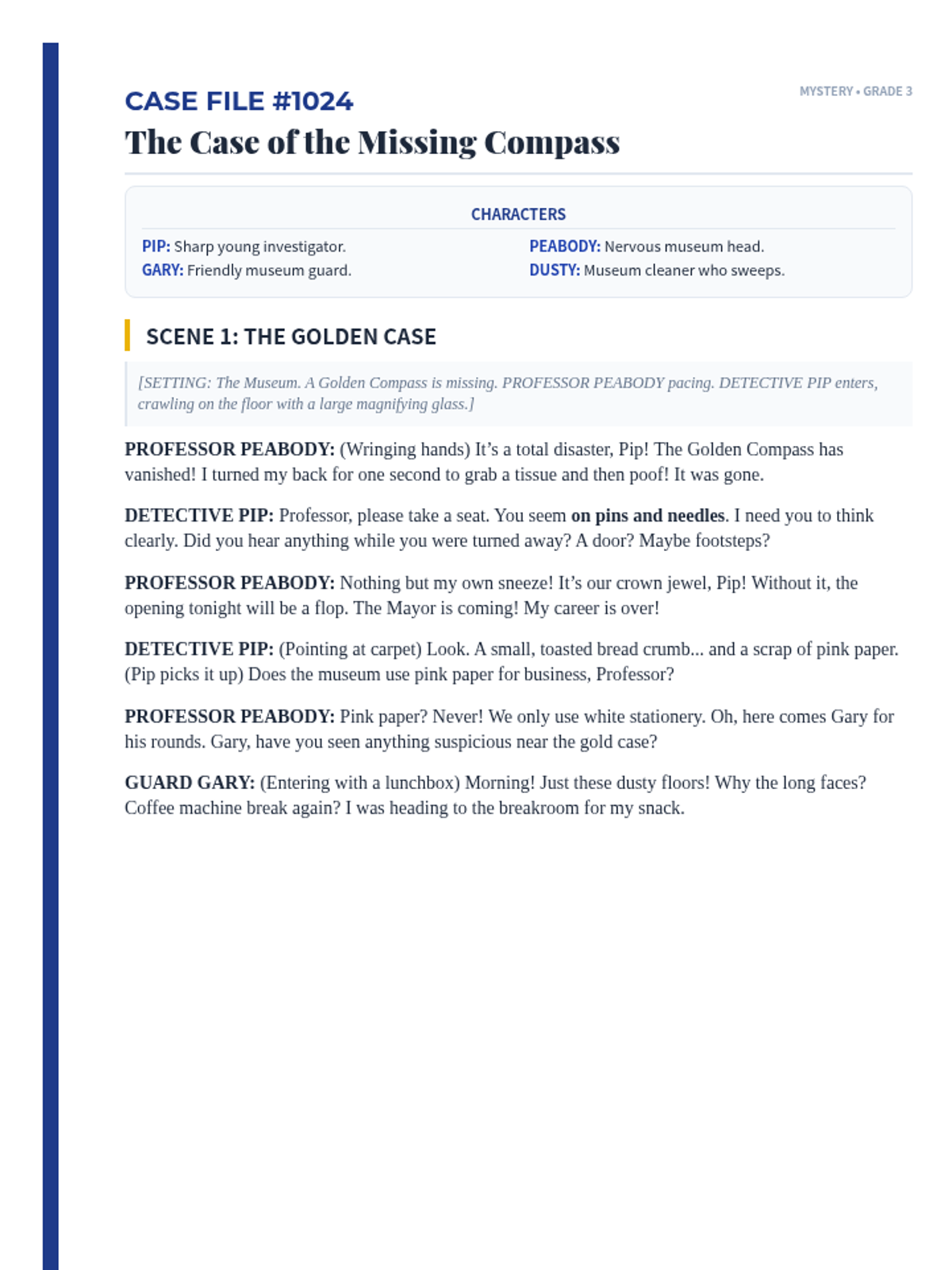
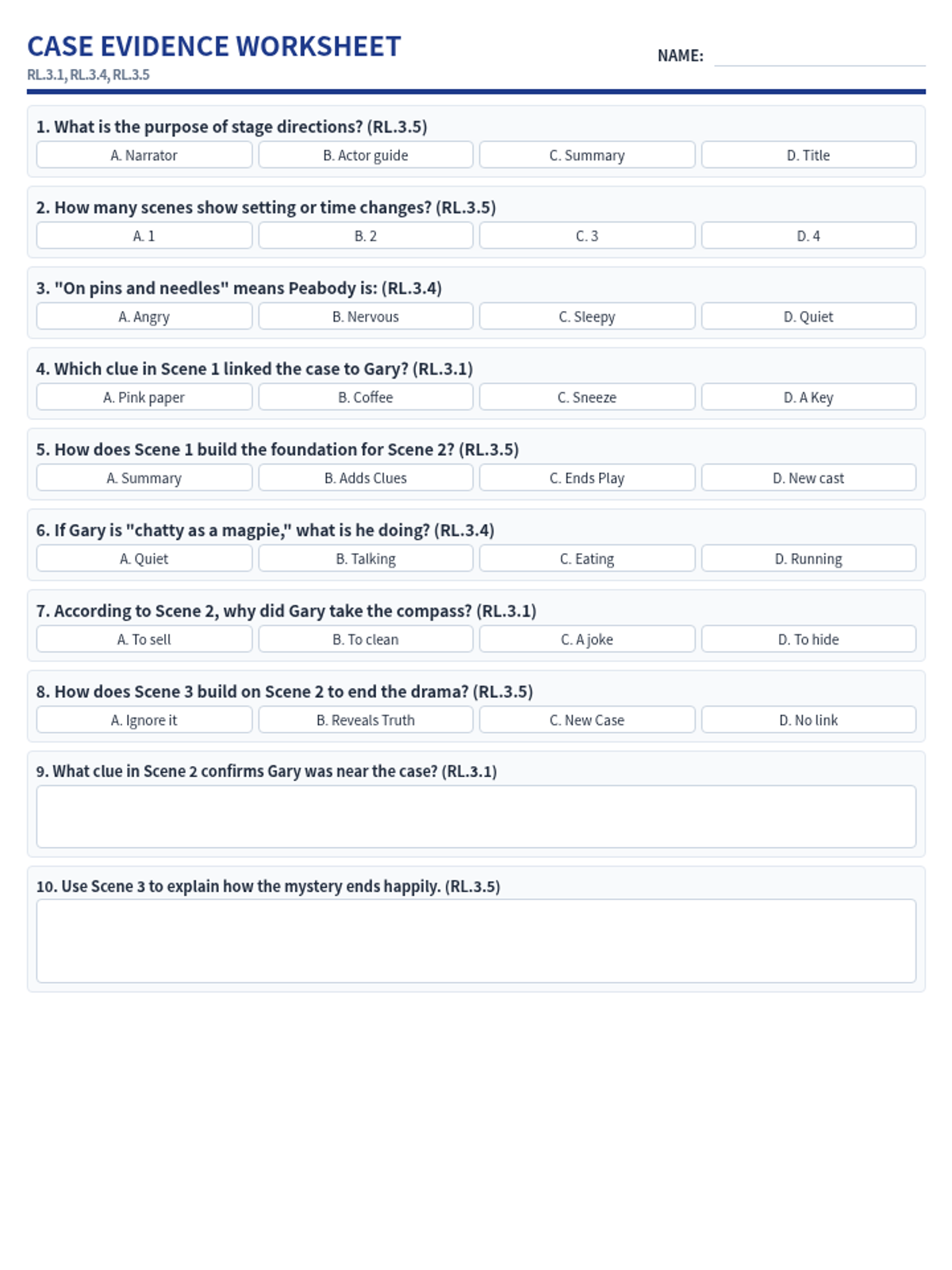
A drama-focused sequence for 3rd grade that uses Mystery and Adventure plays to teach reading literature standards RL.3.1, RL.3.4, and RL.3.5. Students move from teacher modeling to independent practice using the gradual release of responsibility.
A unit focused on building empathy, character analysis, and creative language use through investigative mysteries and literary deep-dives into core human values.
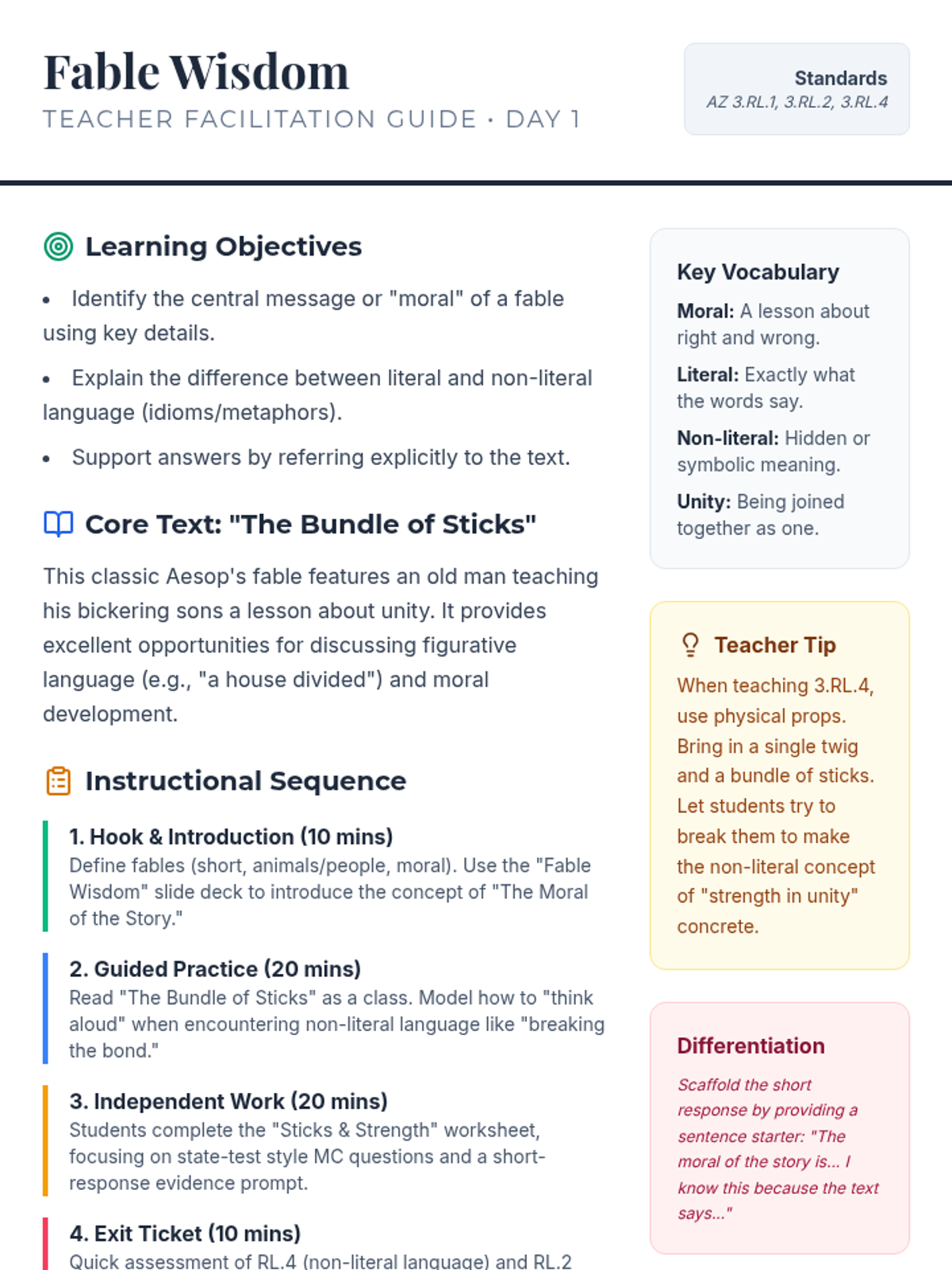
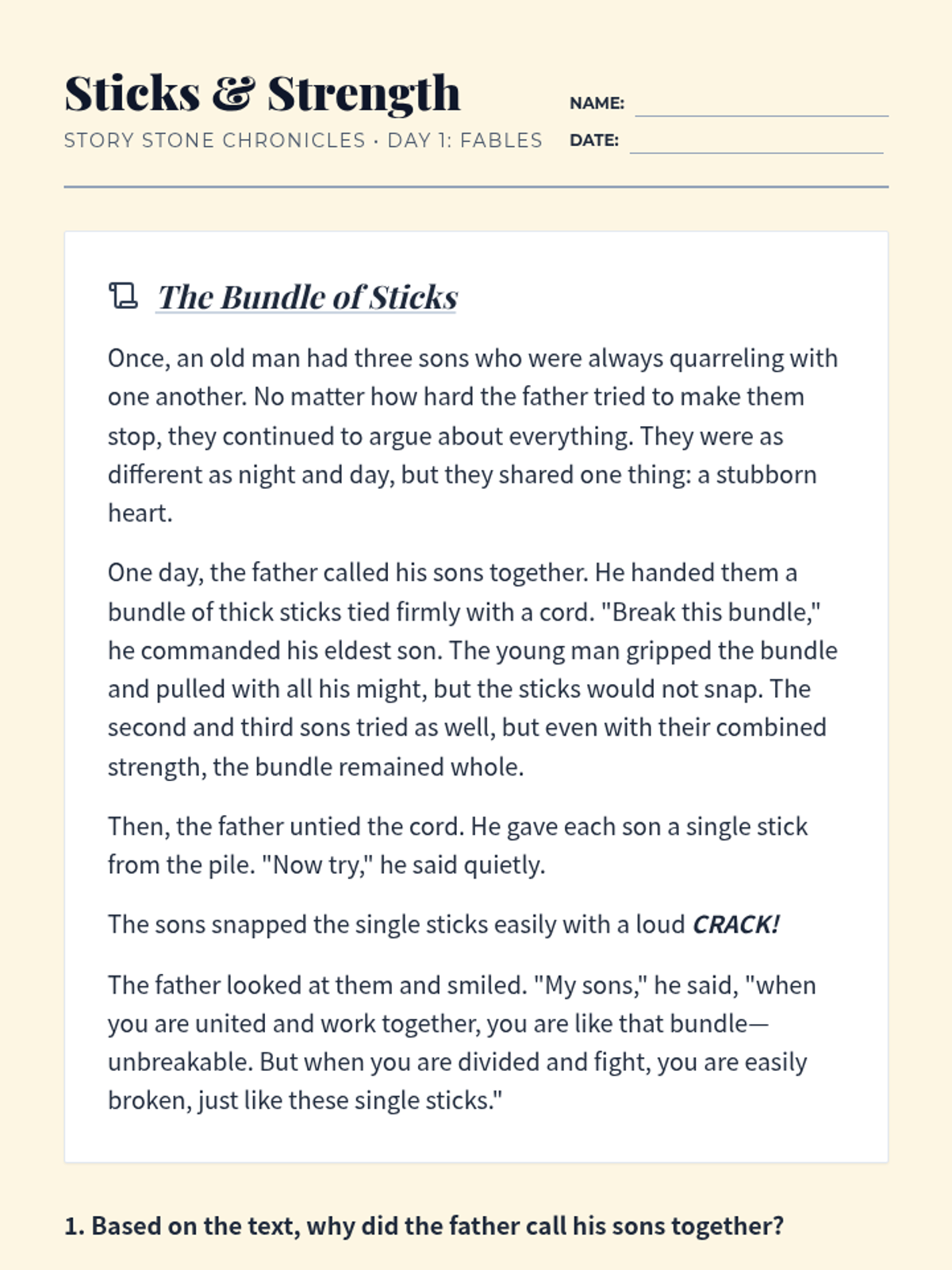
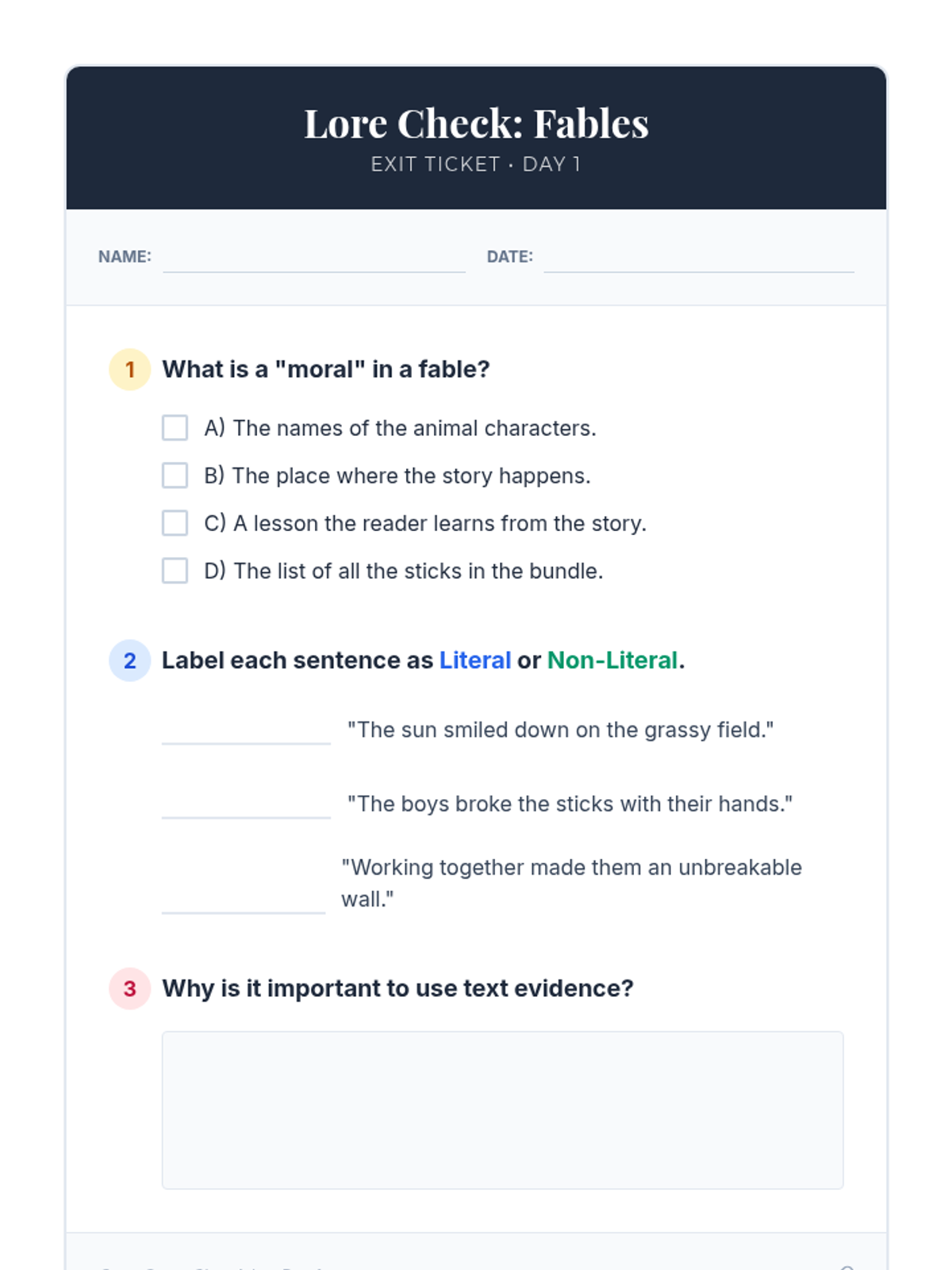
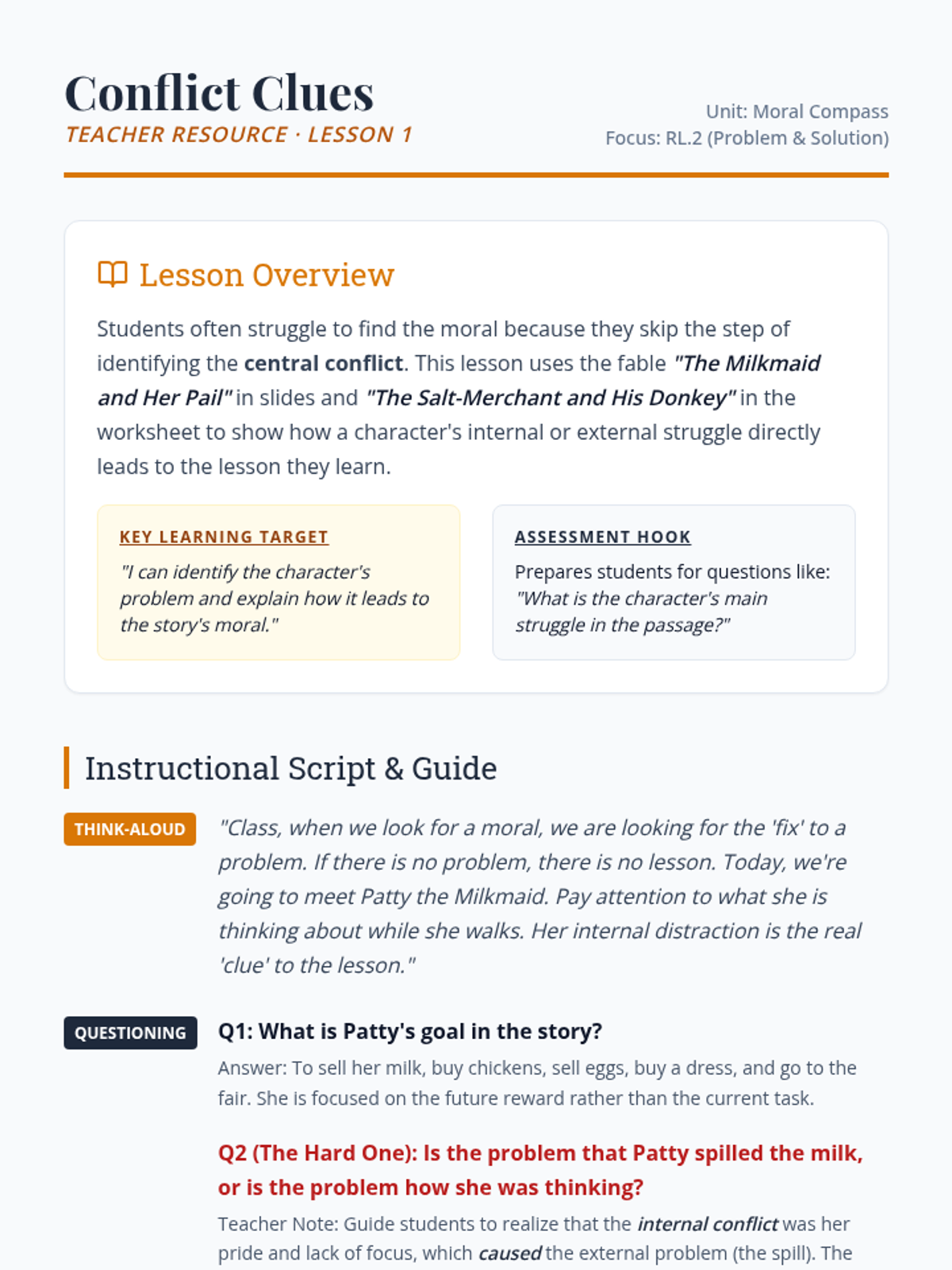
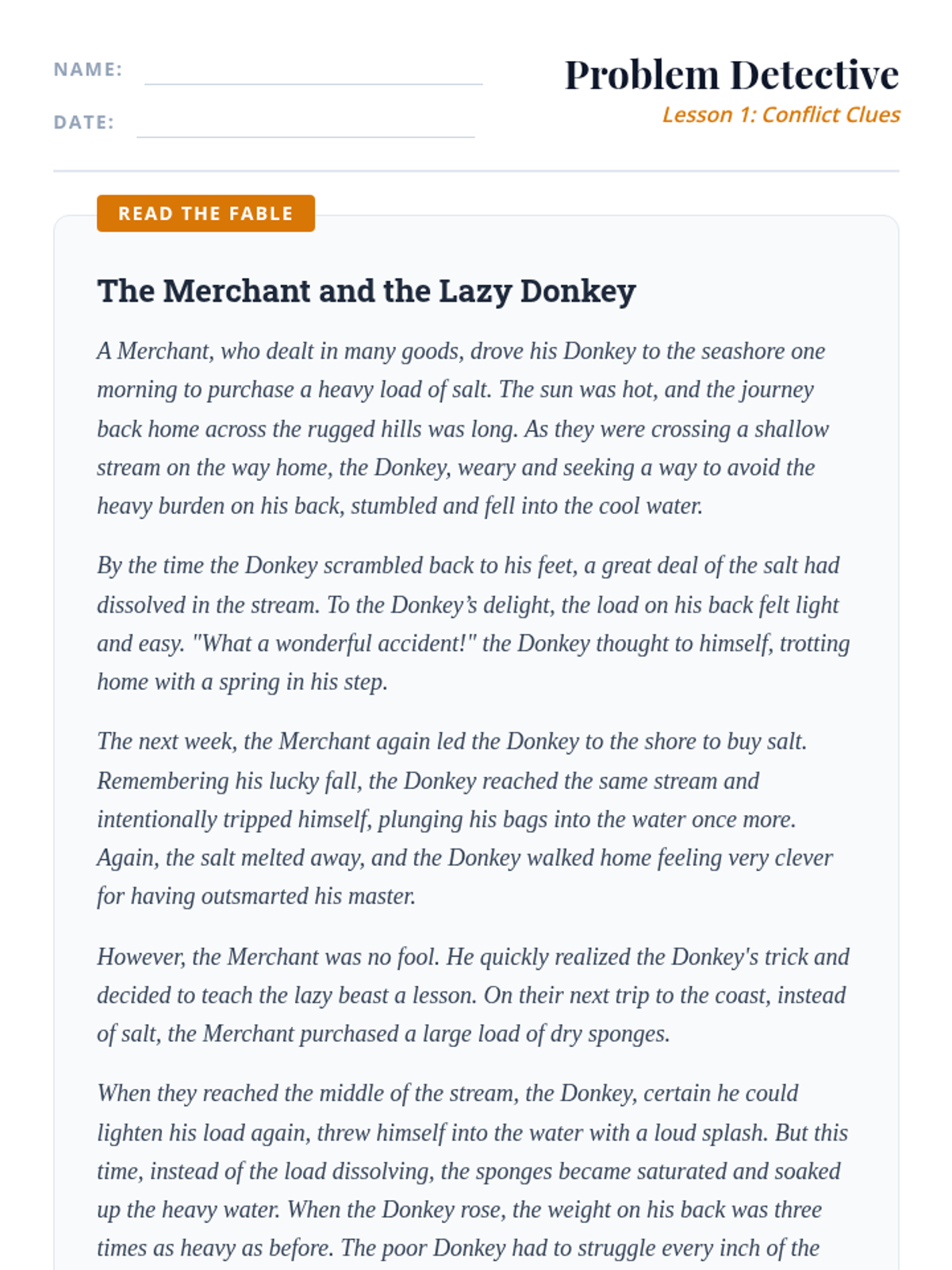
A 5-day unit exploring fables, folktales, and myths for 3rd grade, focusing on Arizona standards RL.1, RL.2, and RL.4. Students analyze morals, recount plots, and decode non-literal language through grade-level texts.
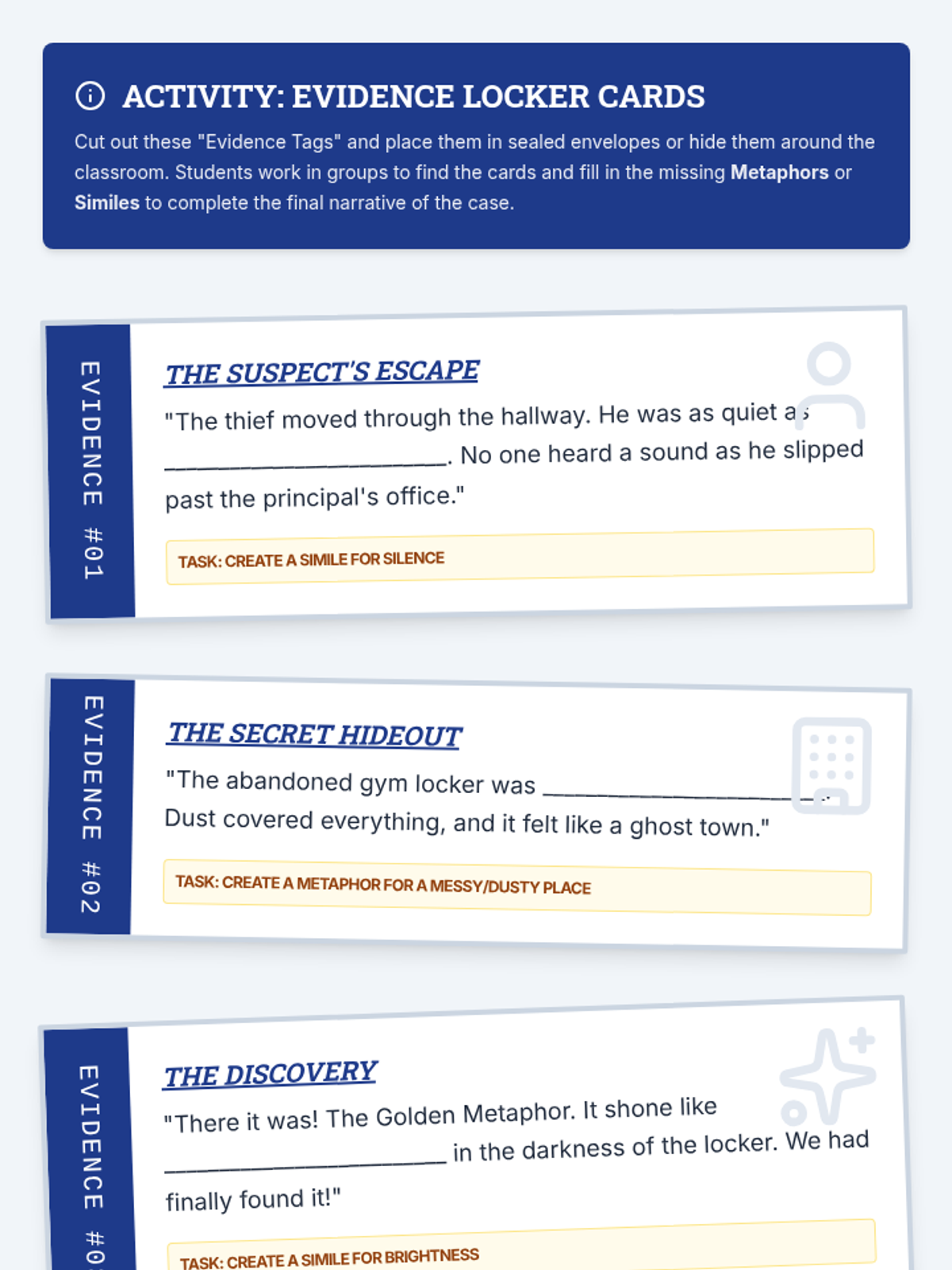
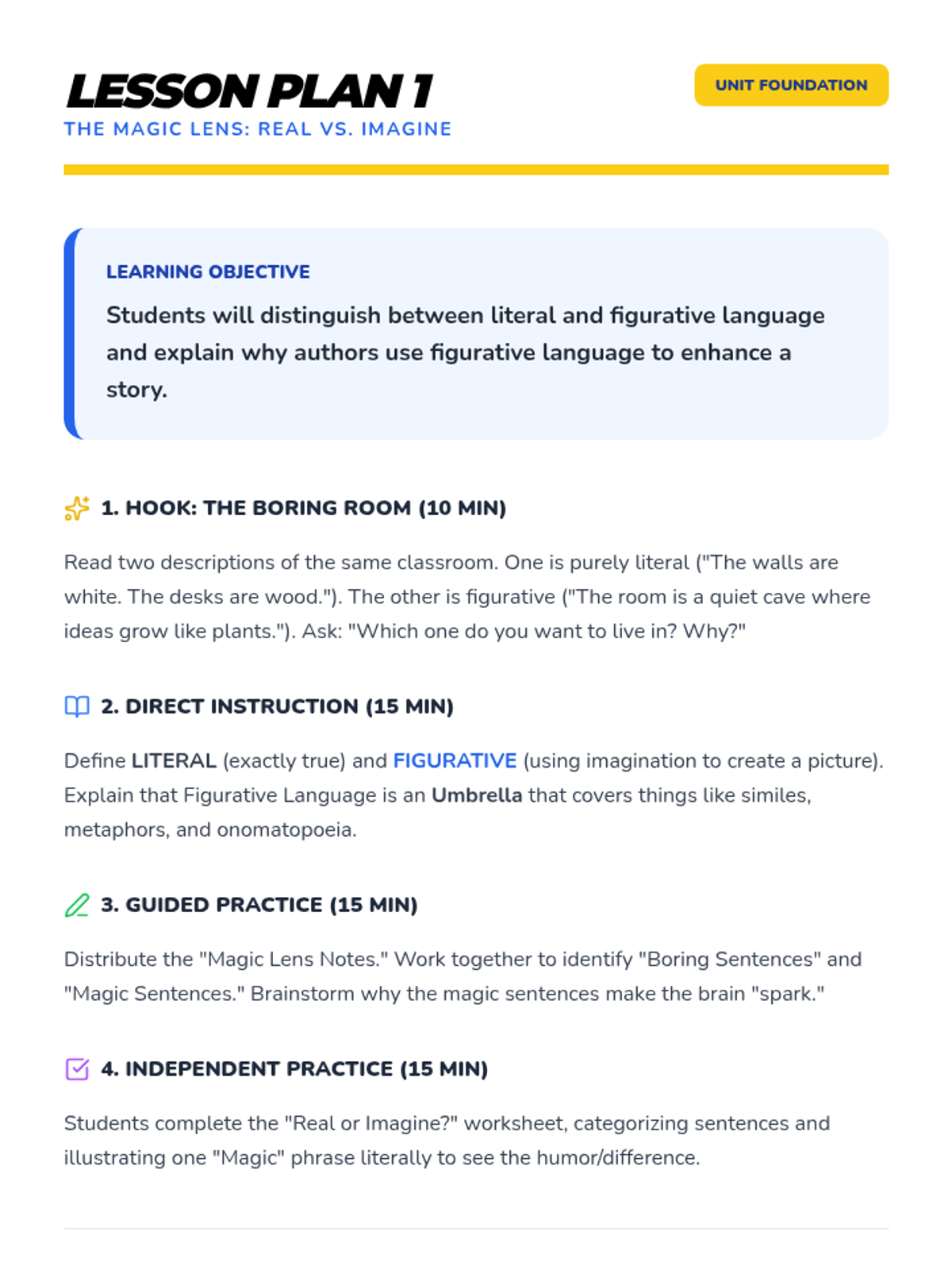
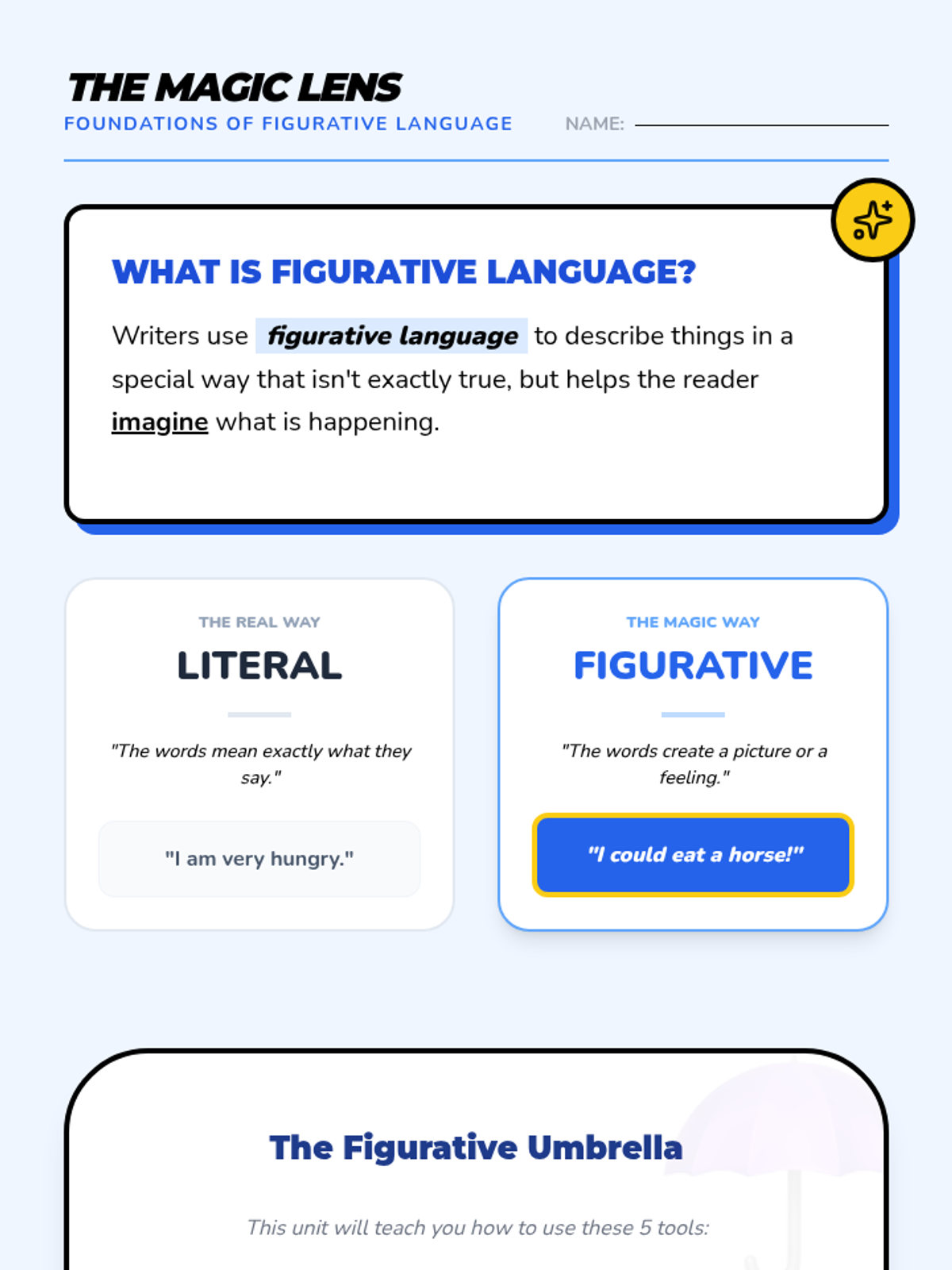
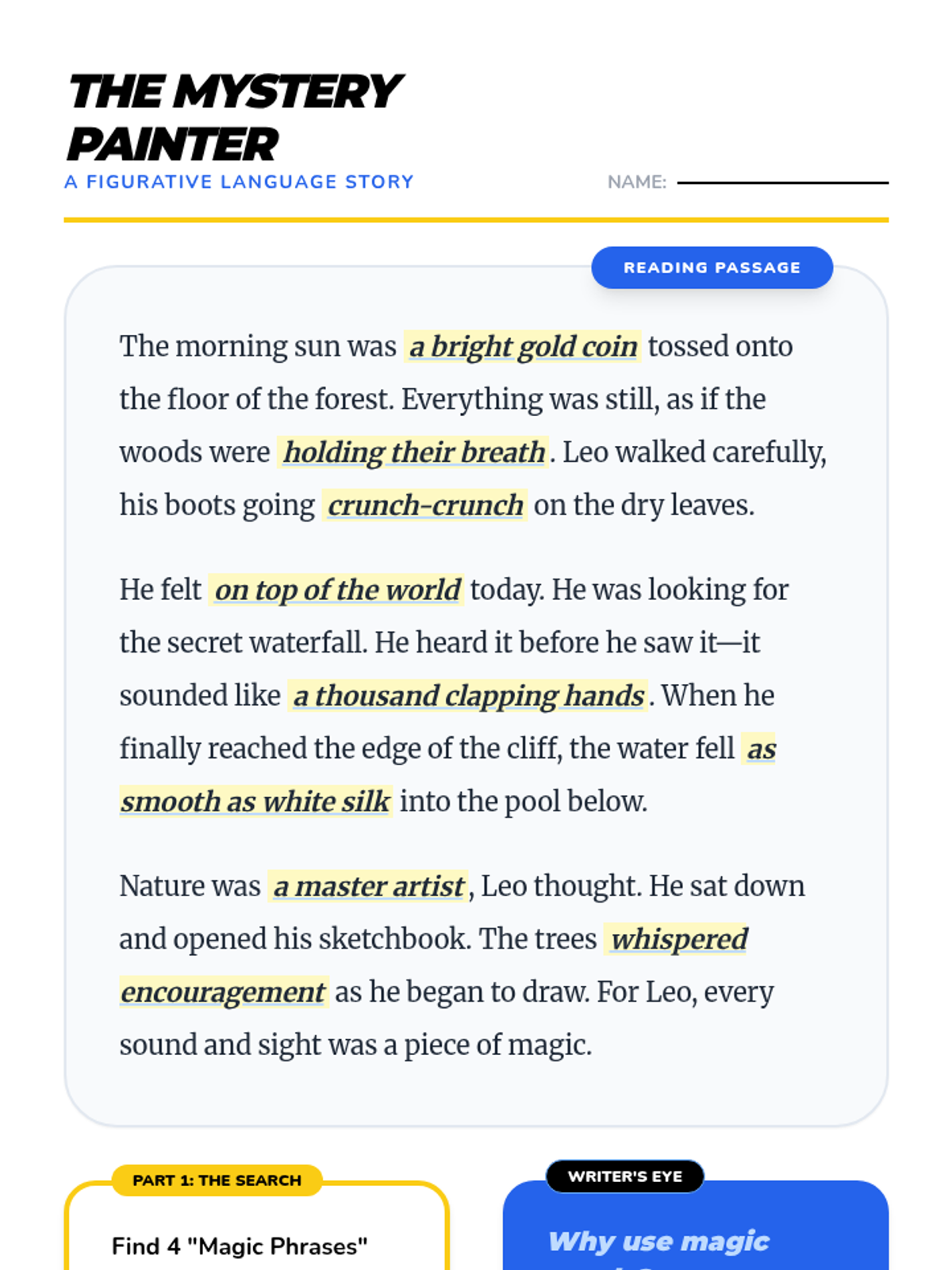
A comprehensive multi-unit sequence for 3rd and 4th grade students covering key literary devices: Introduction to Figurative Language, Onomatopoeia, Similes, Metaphors, Personification, and Idioms. Each unit provides 5 lesson plans, interactive notebook resources, and a wide variety of activities and stories designed to improve descriptive writing and reading comprehension.
A comprehensive remediation unit designed to master RL.2 through fables and folktales. This sequence targets high-rigor question types, including Part A/Part B evidence questions, character motivation analysis, and proverb-based moral identification.
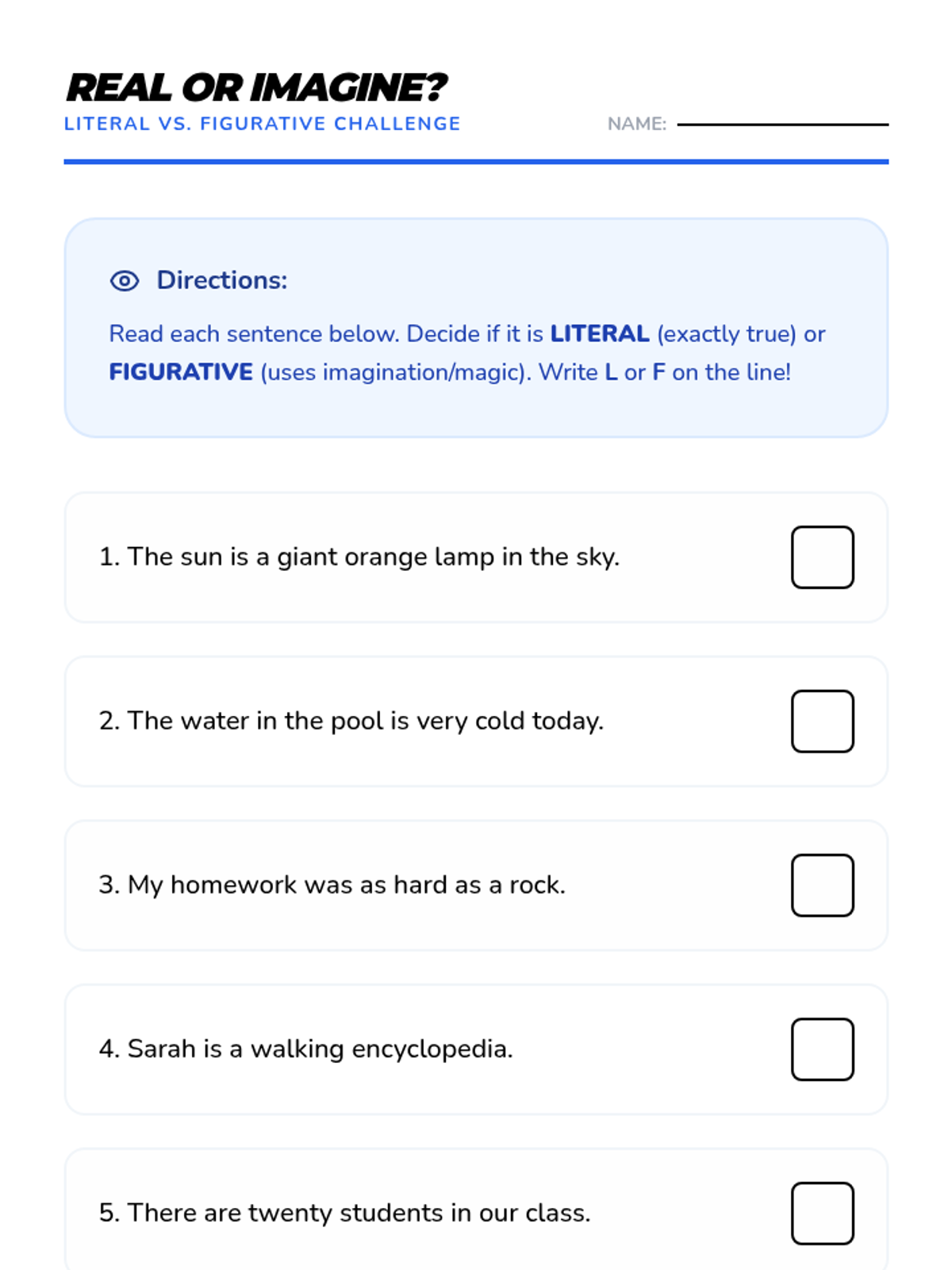
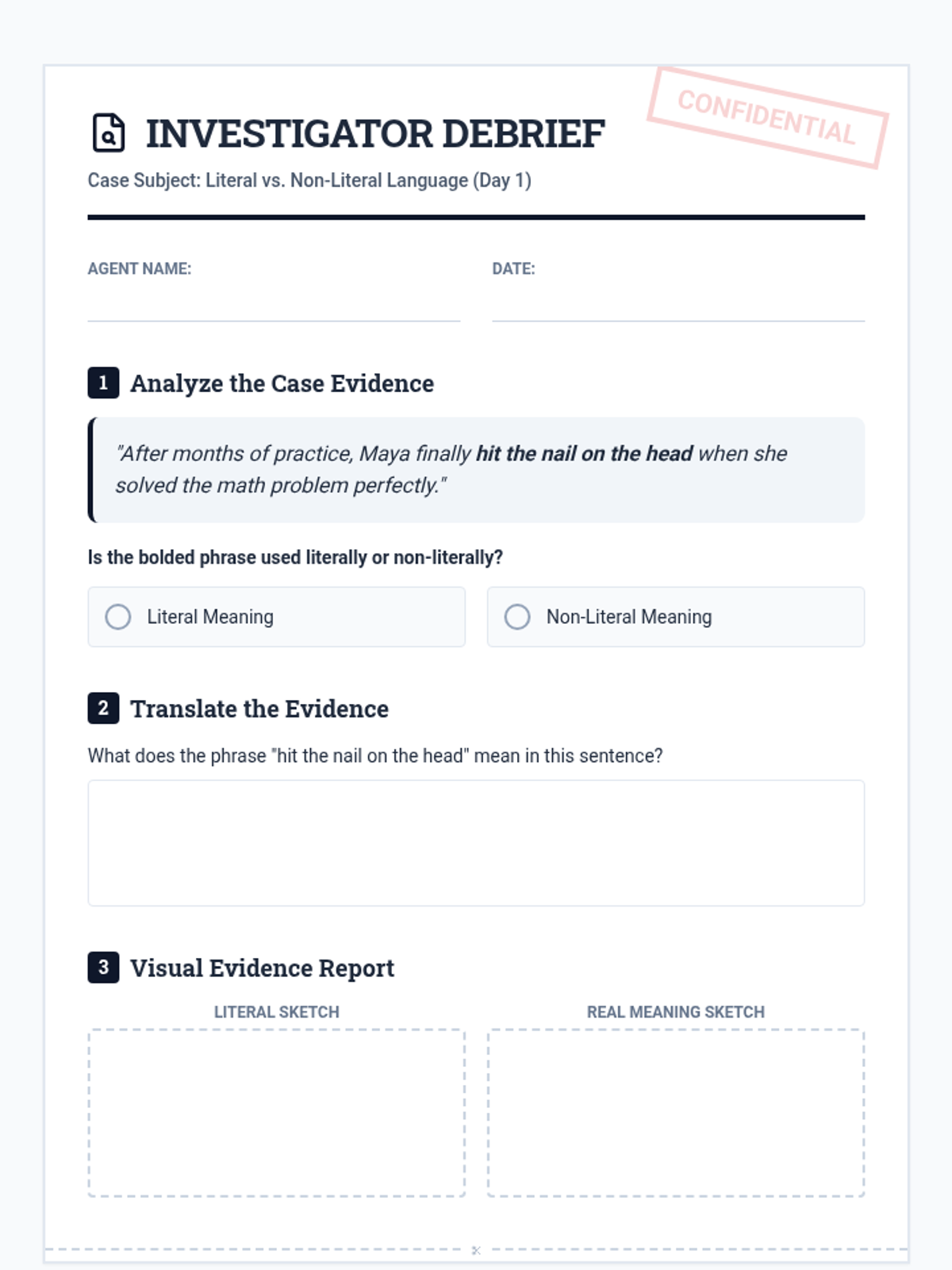
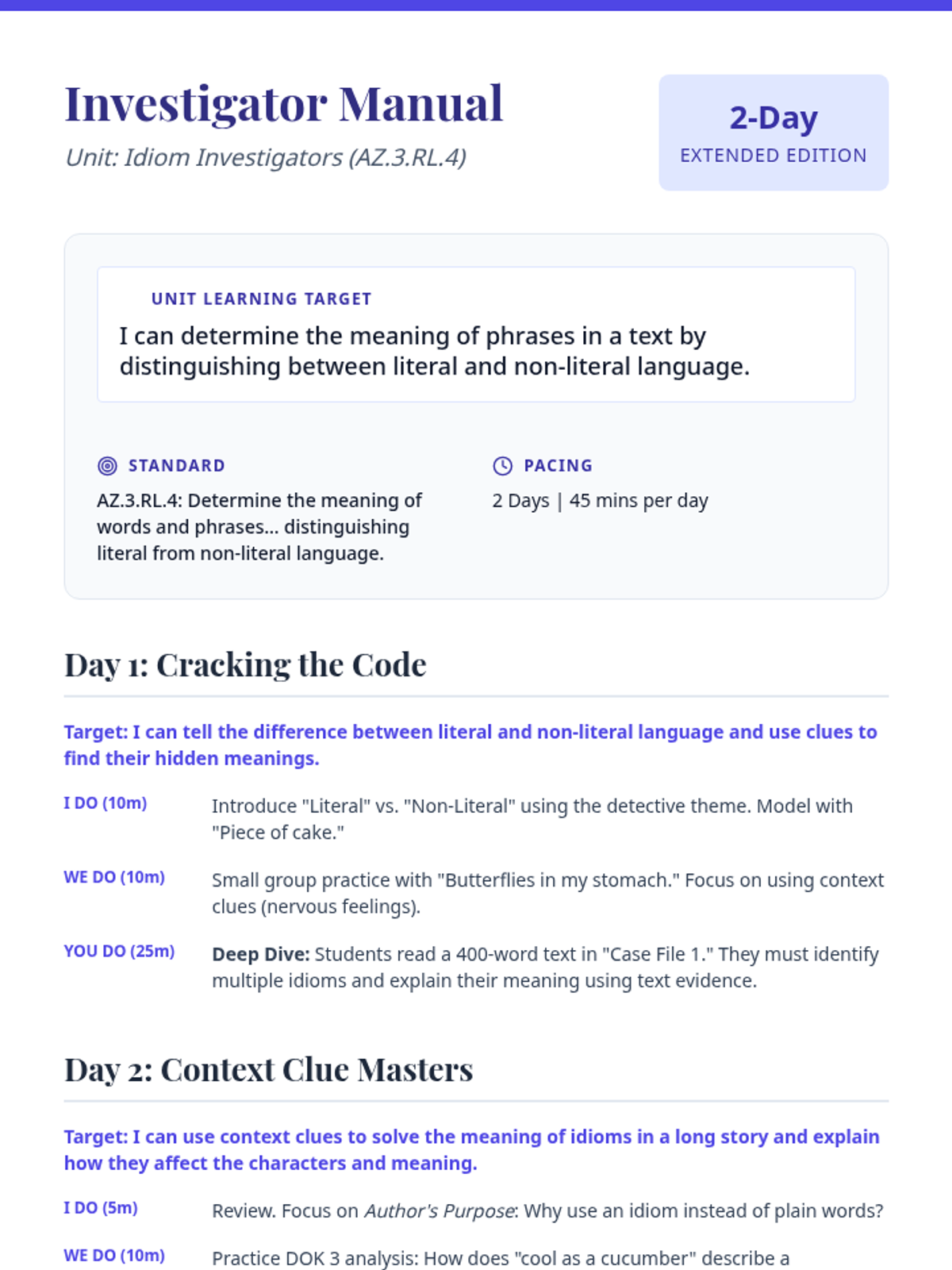
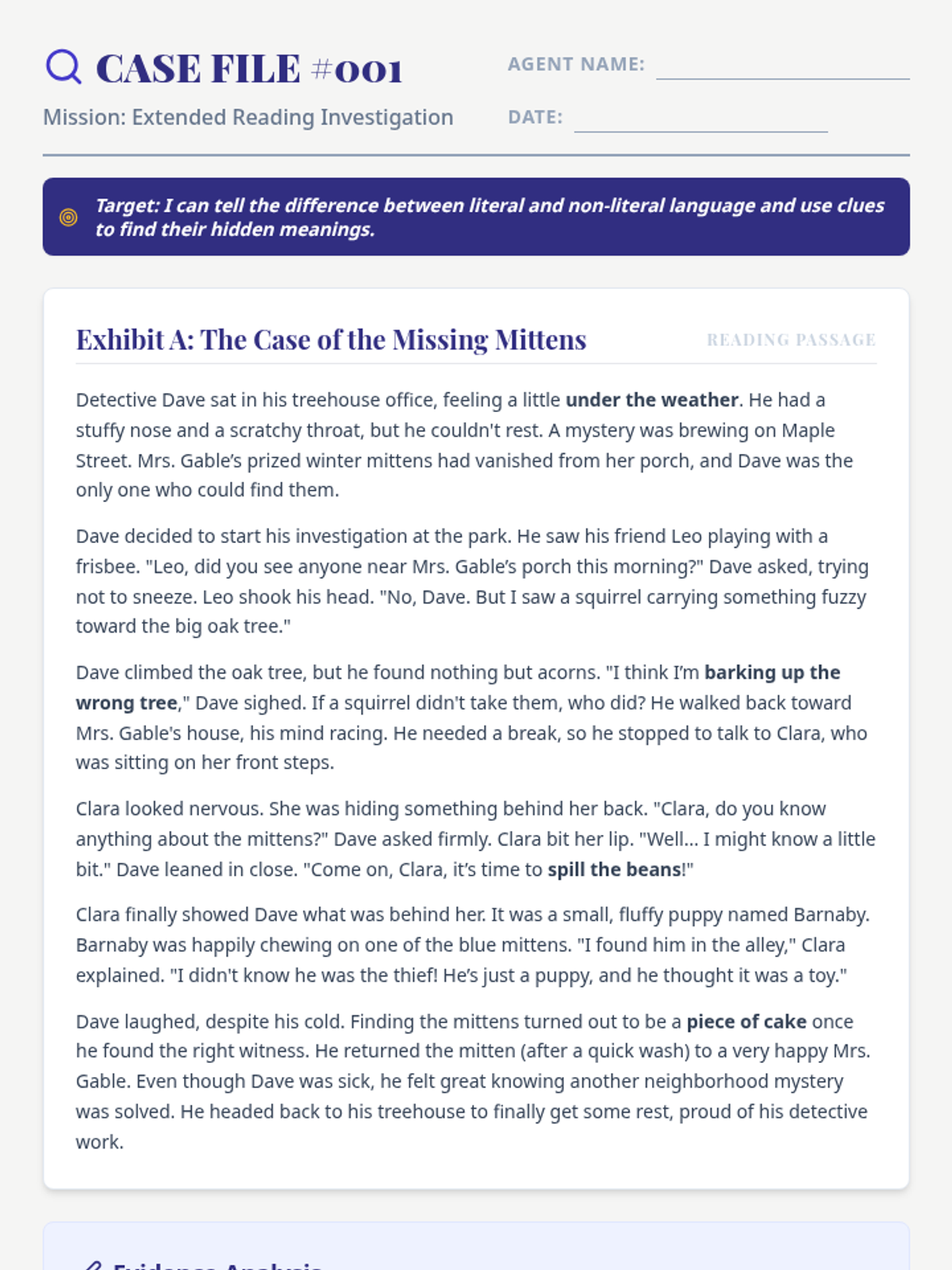
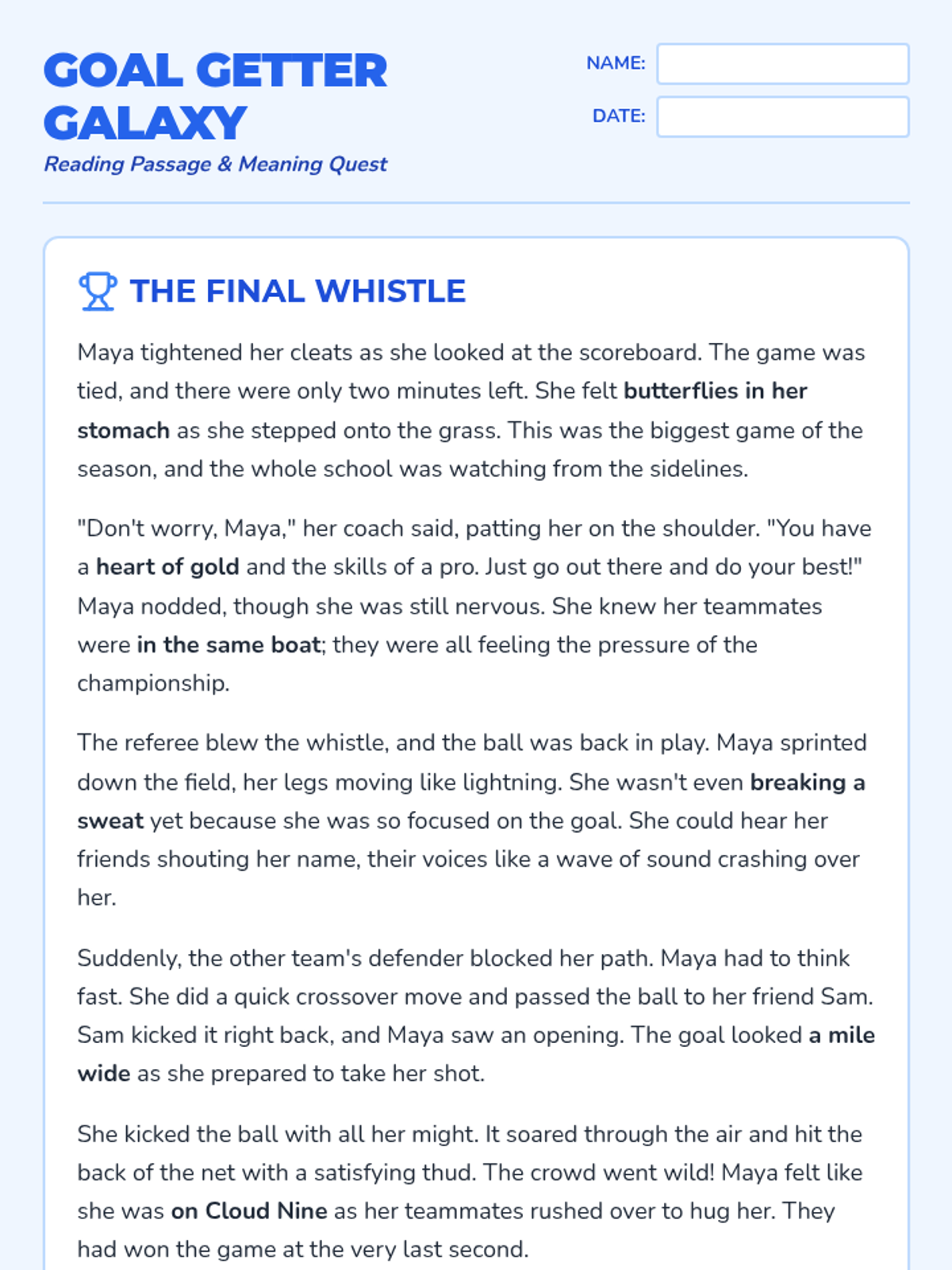
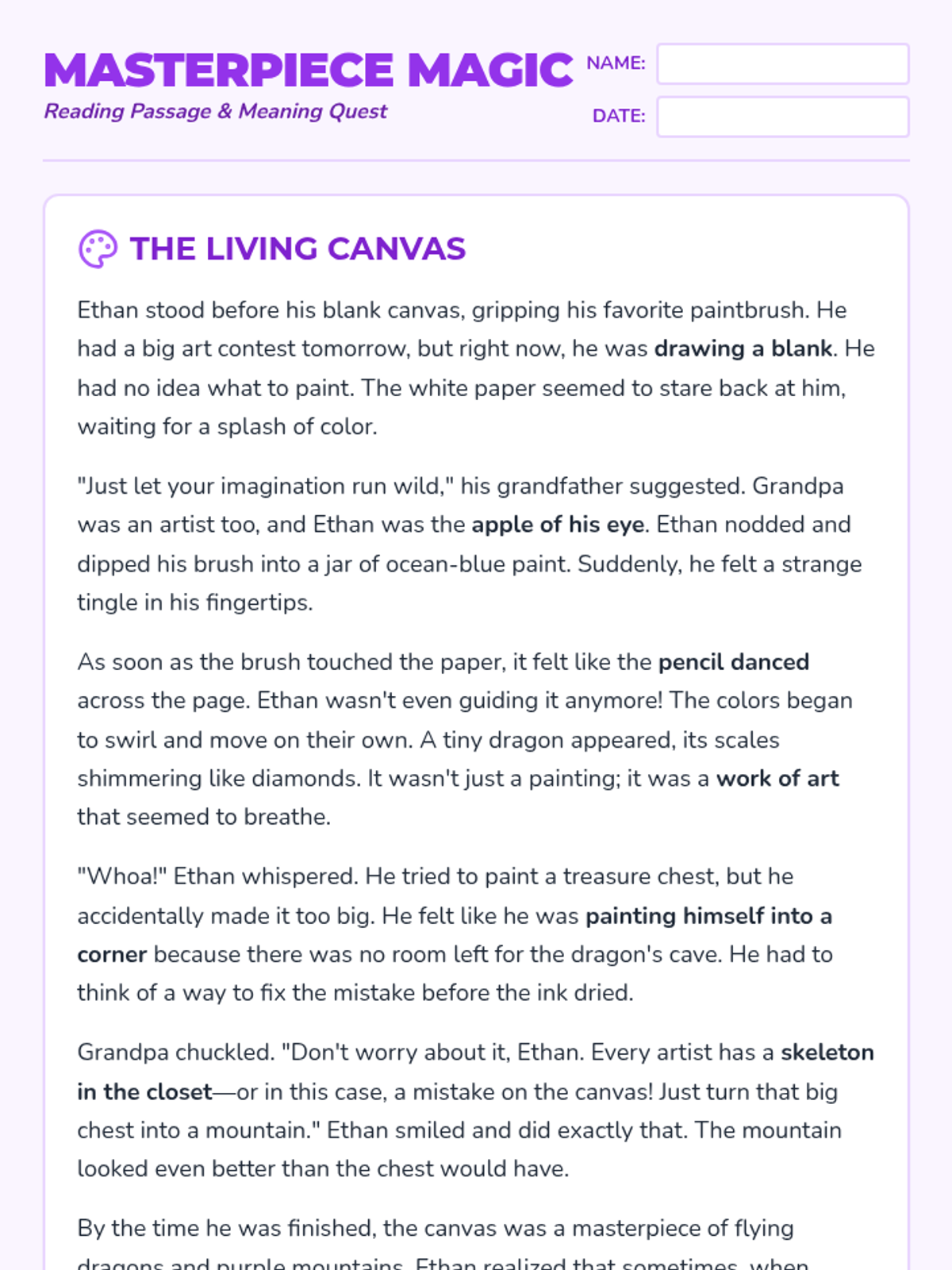
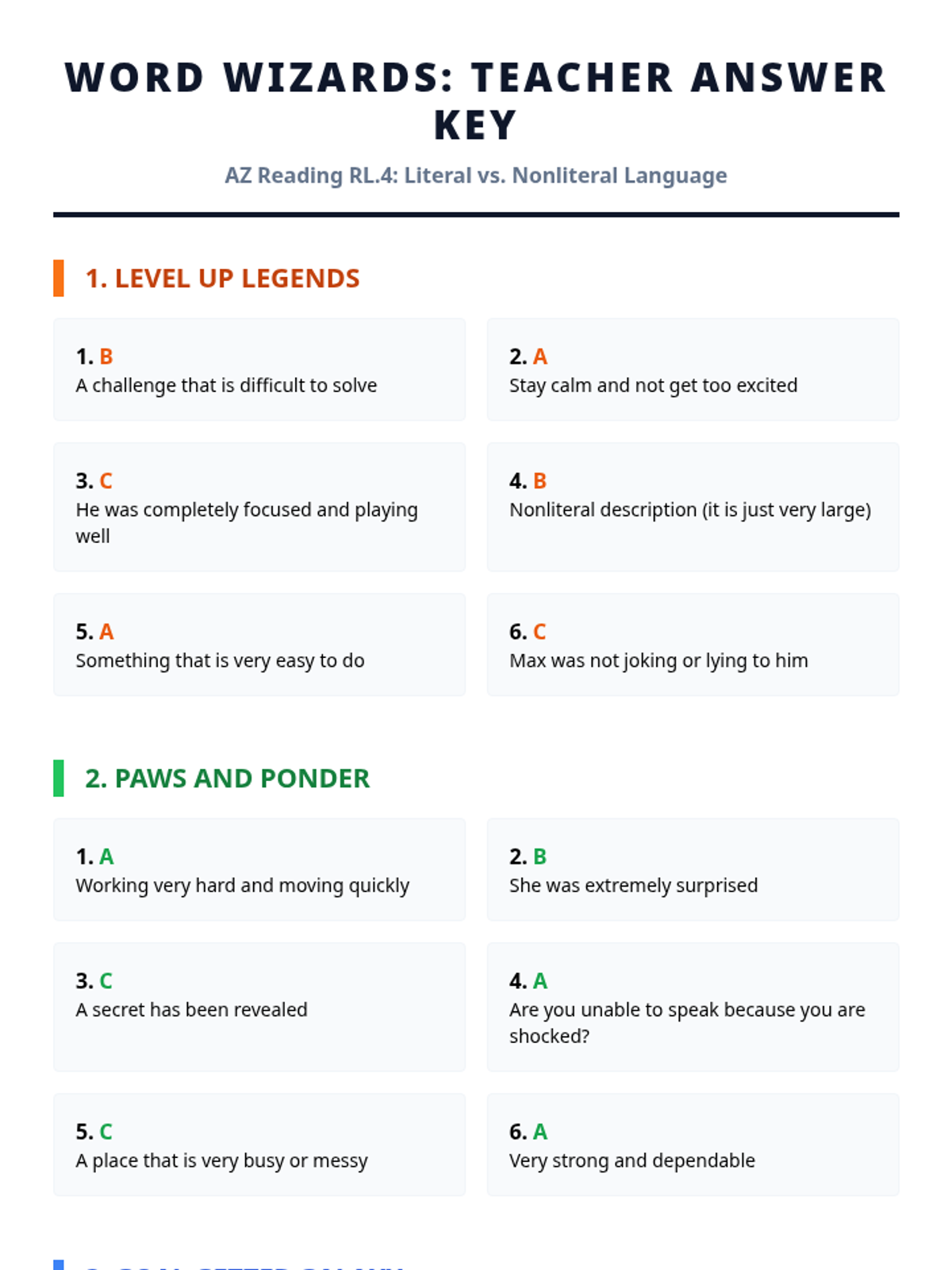
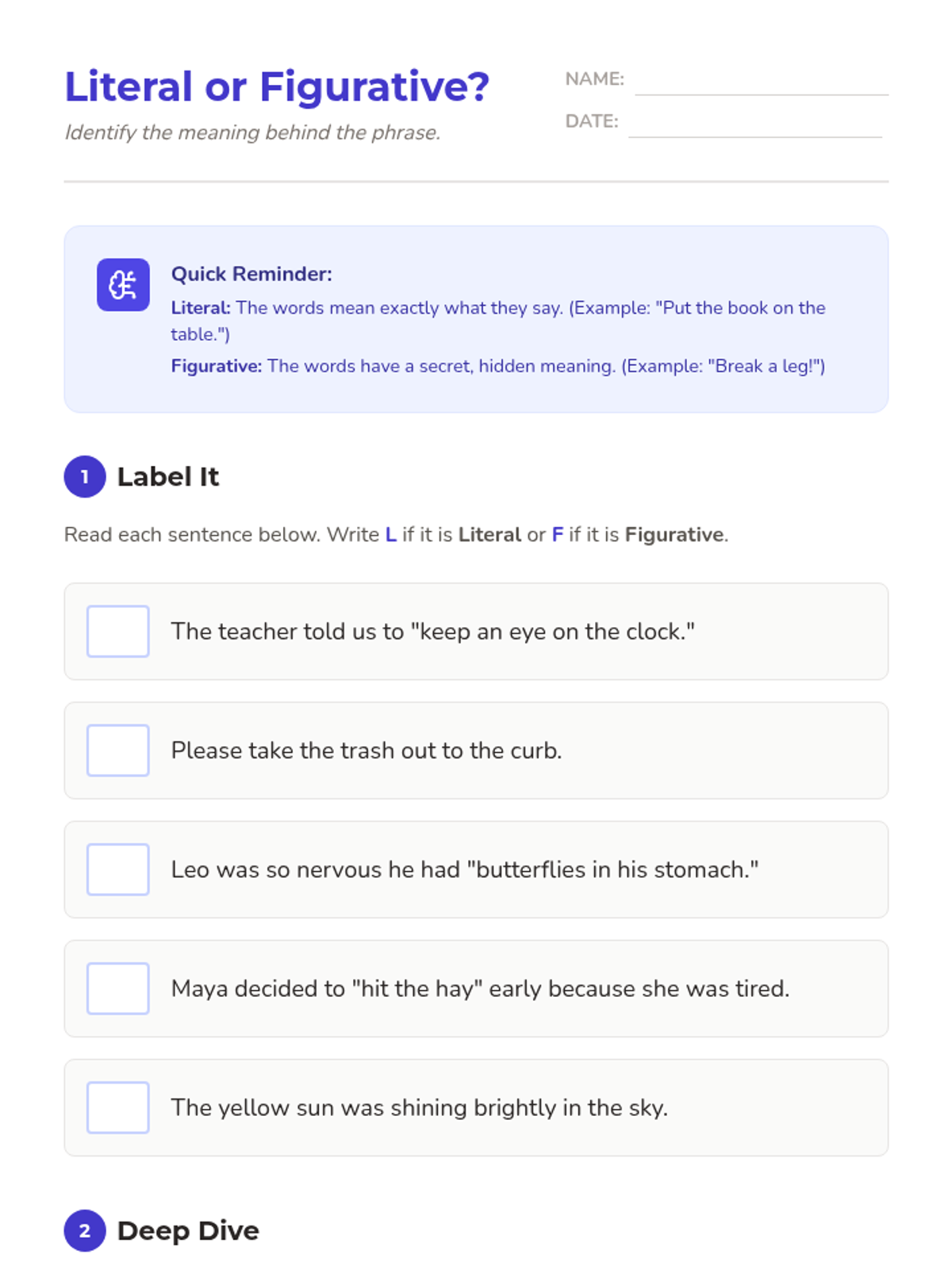
A two-day 3rd-grade ELA unit focused on AZ.3.RL.4, teaching students to determine the meaning of words and phrases, specifically distinguishing literal from non-literal language.
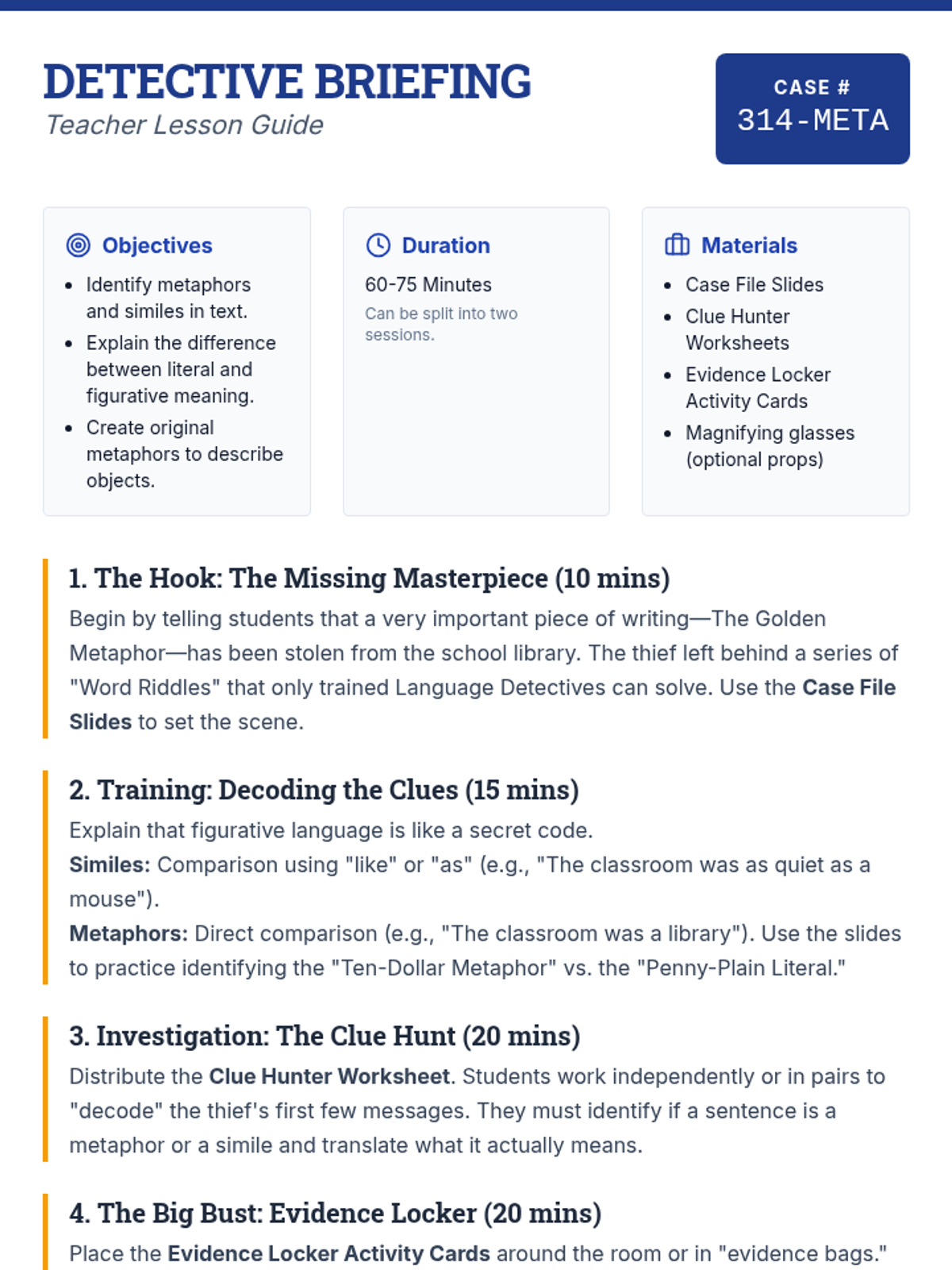
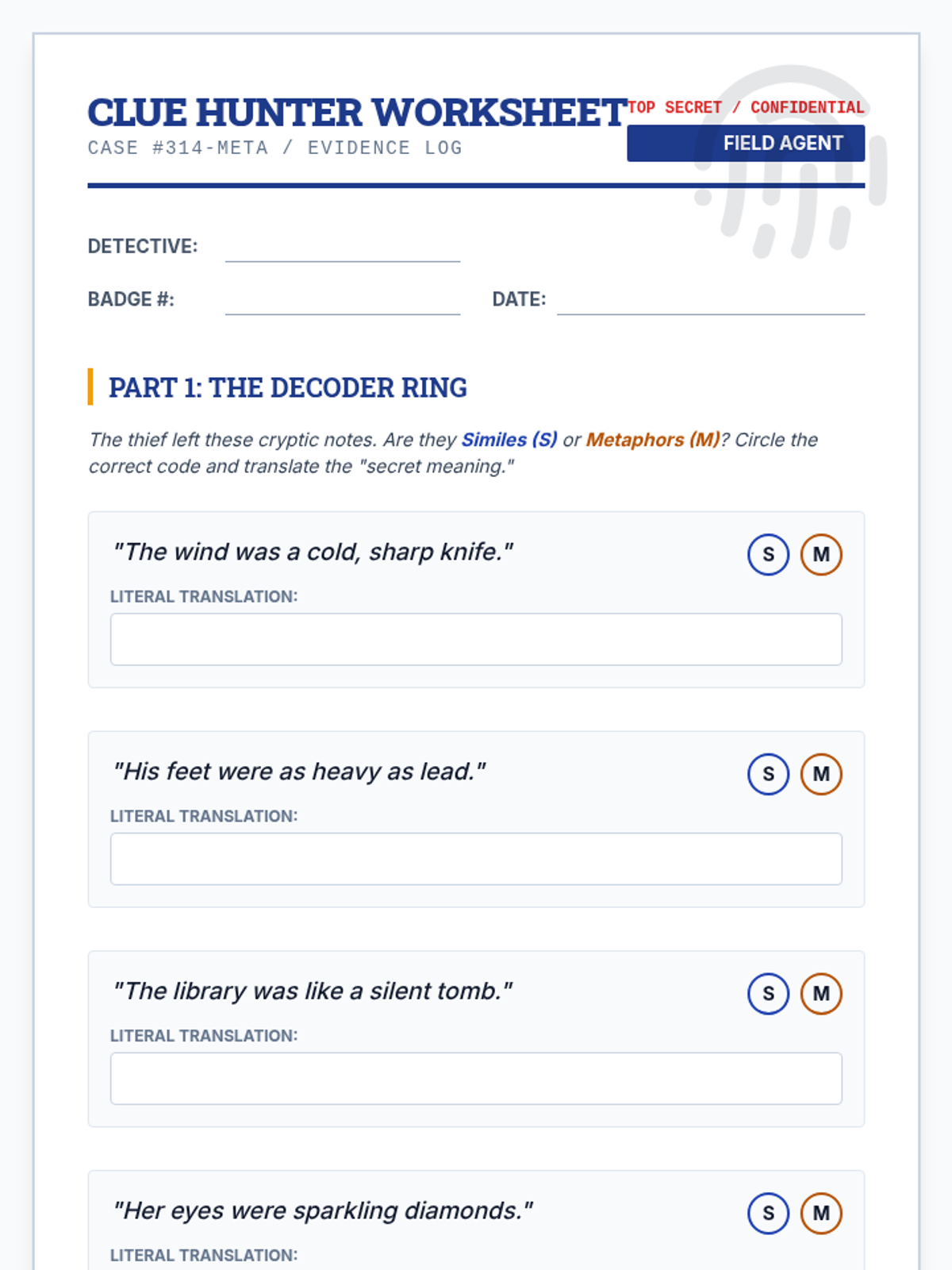
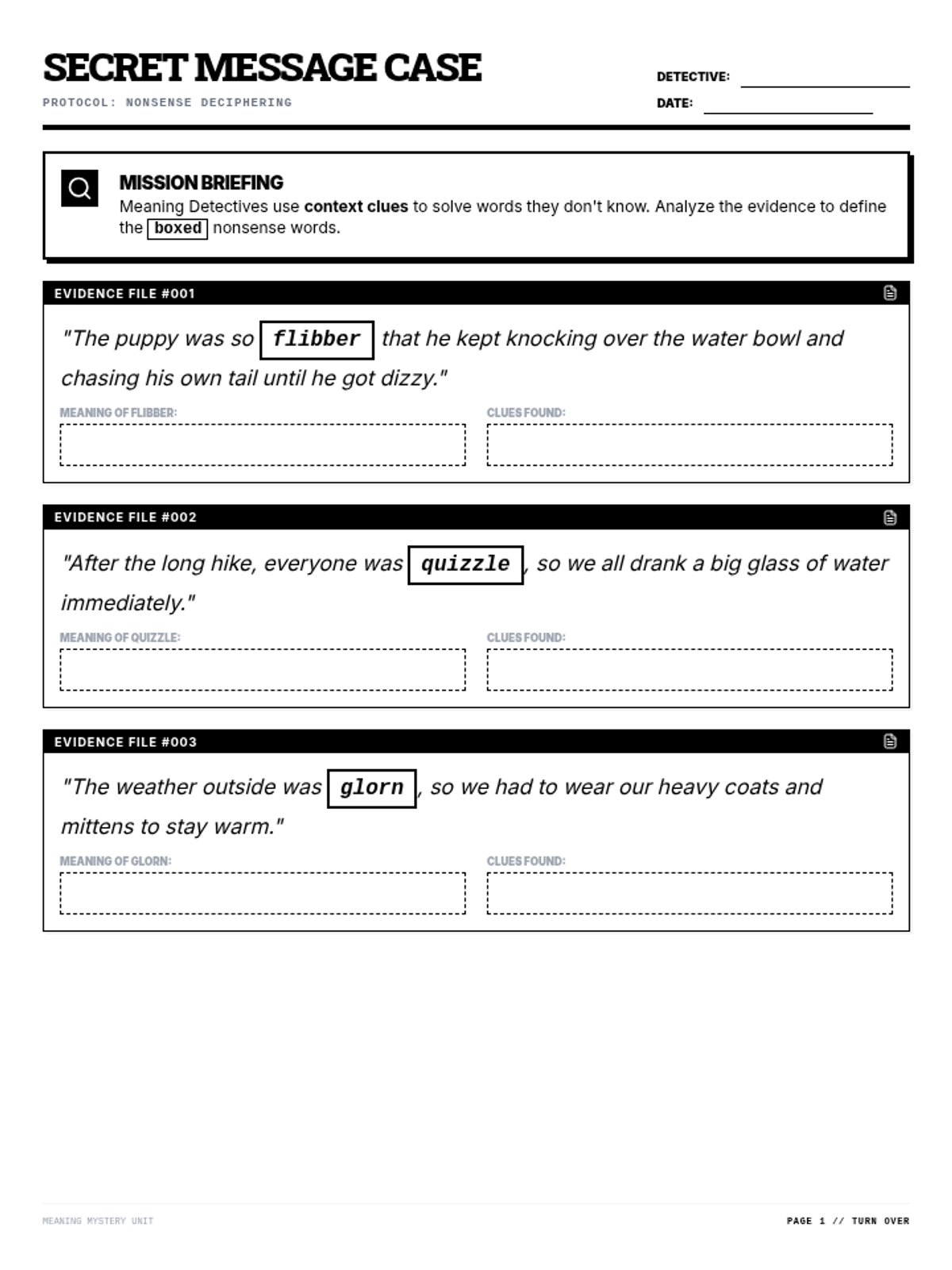
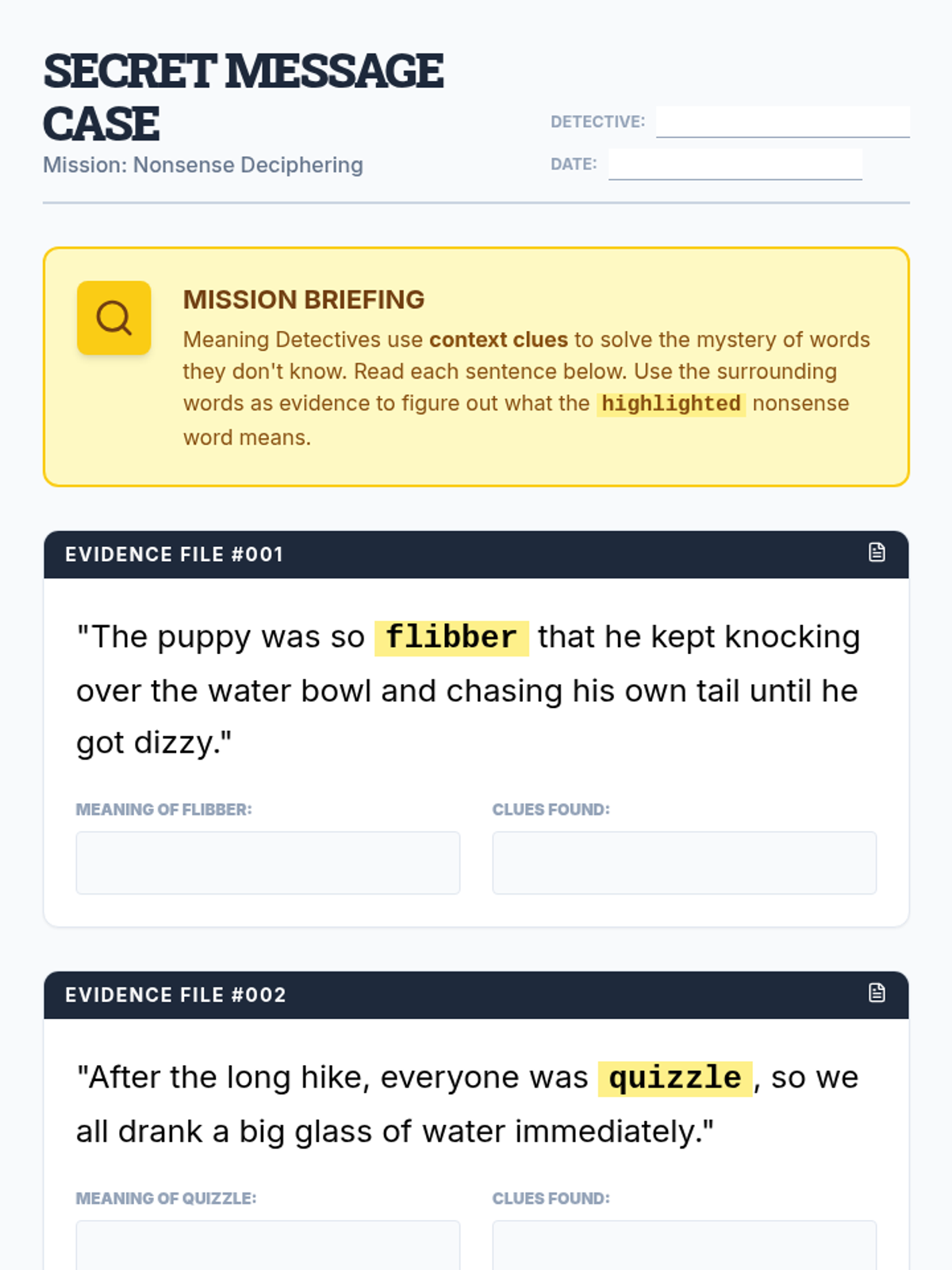
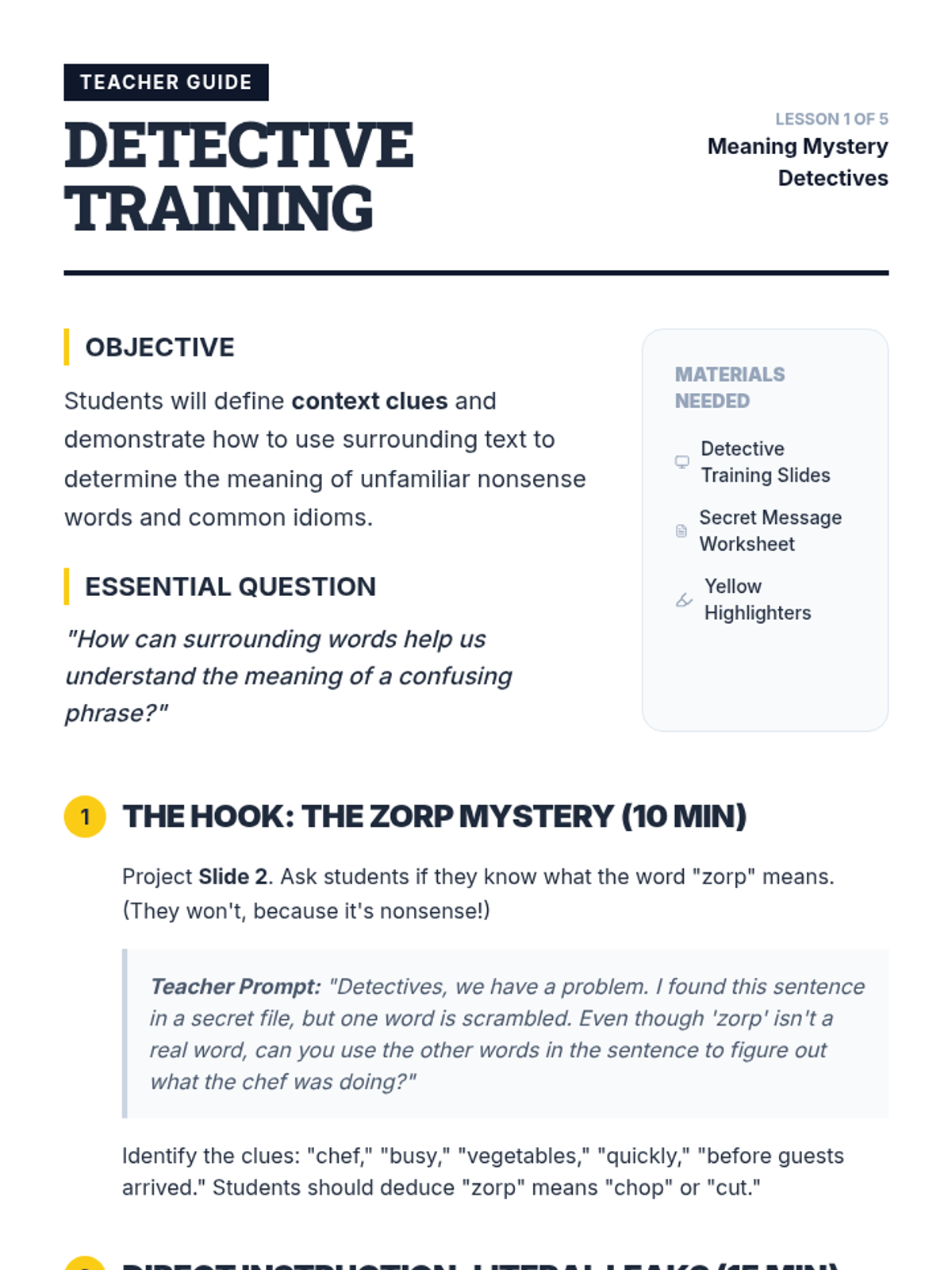
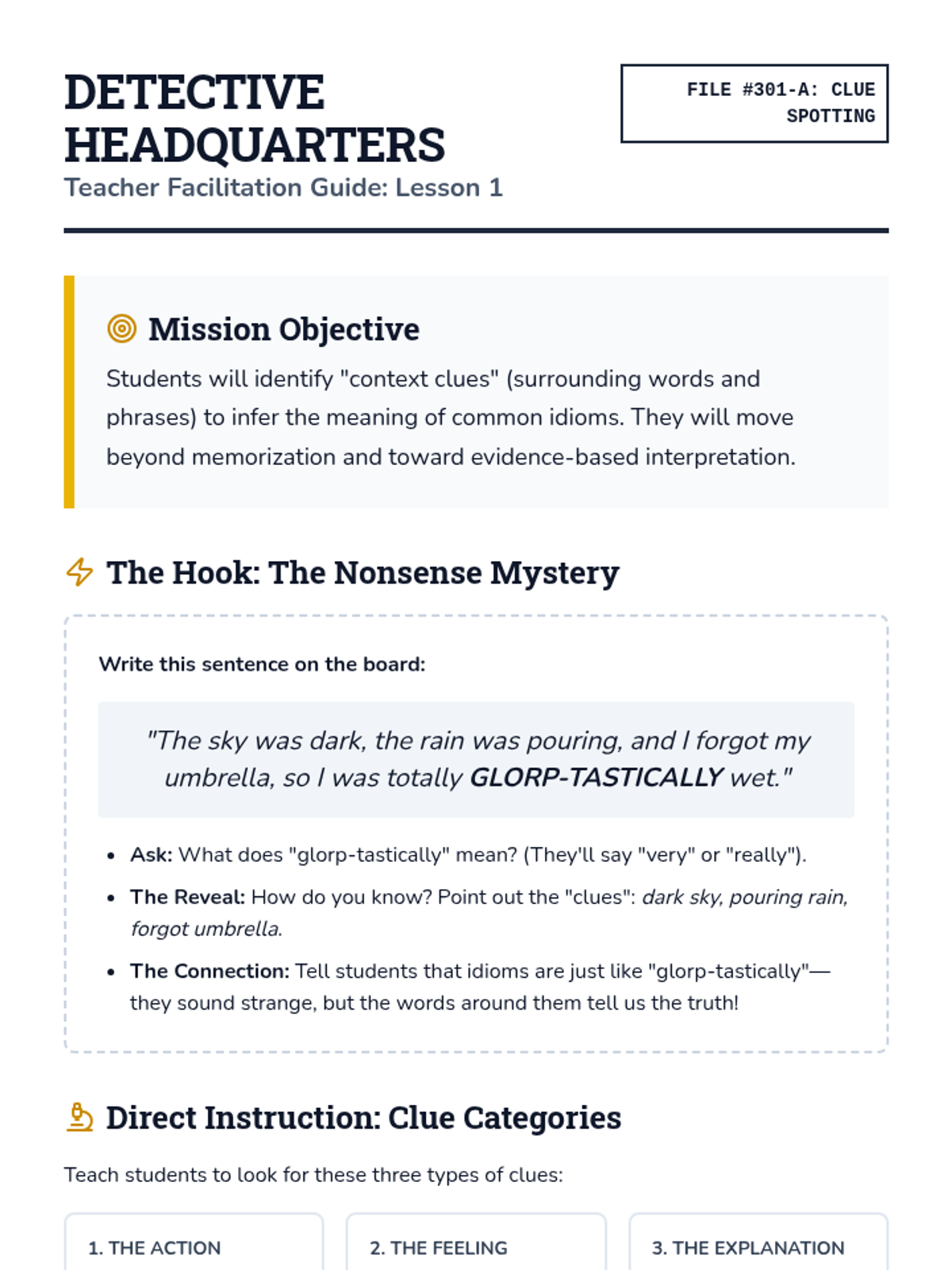
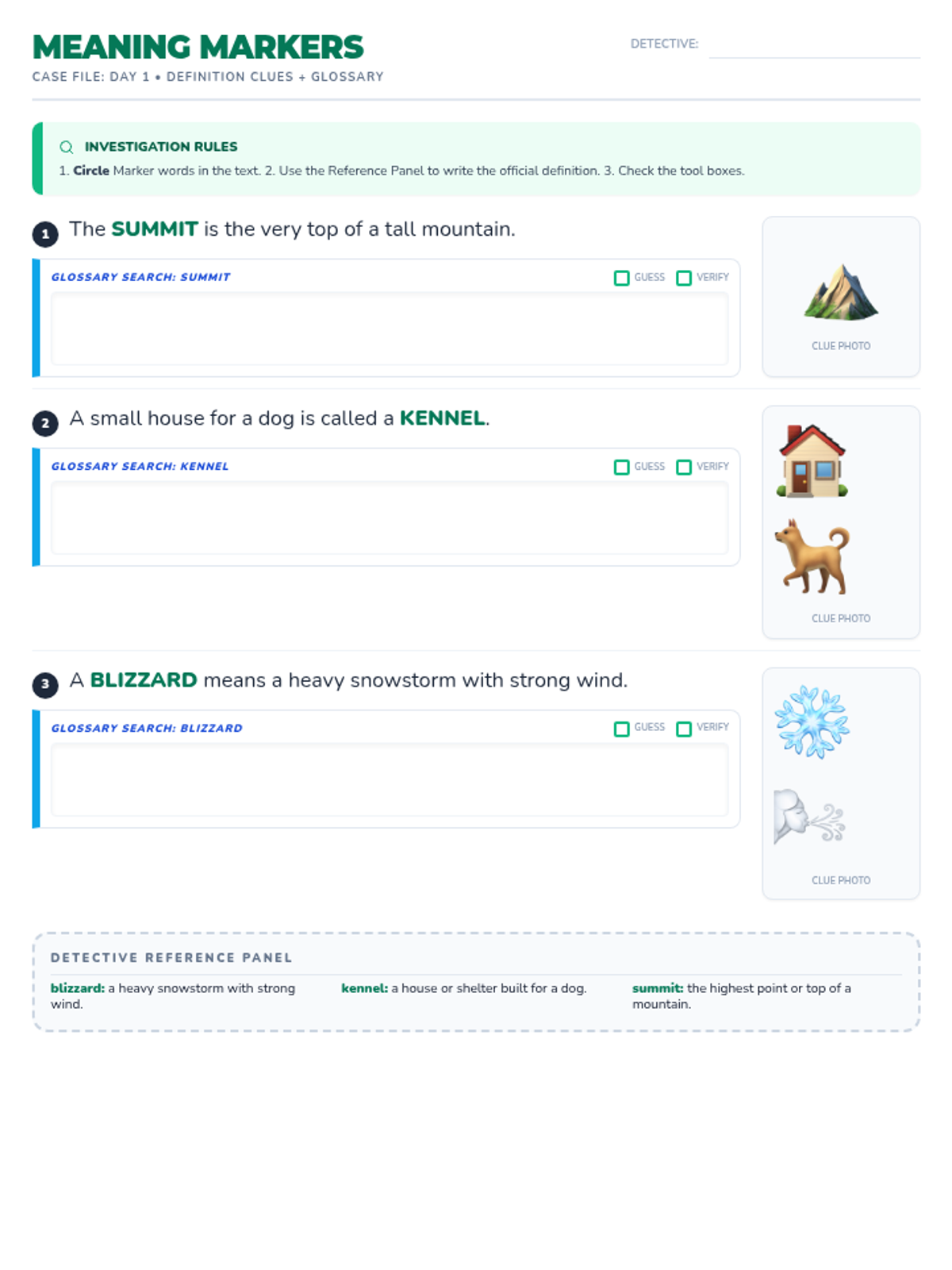
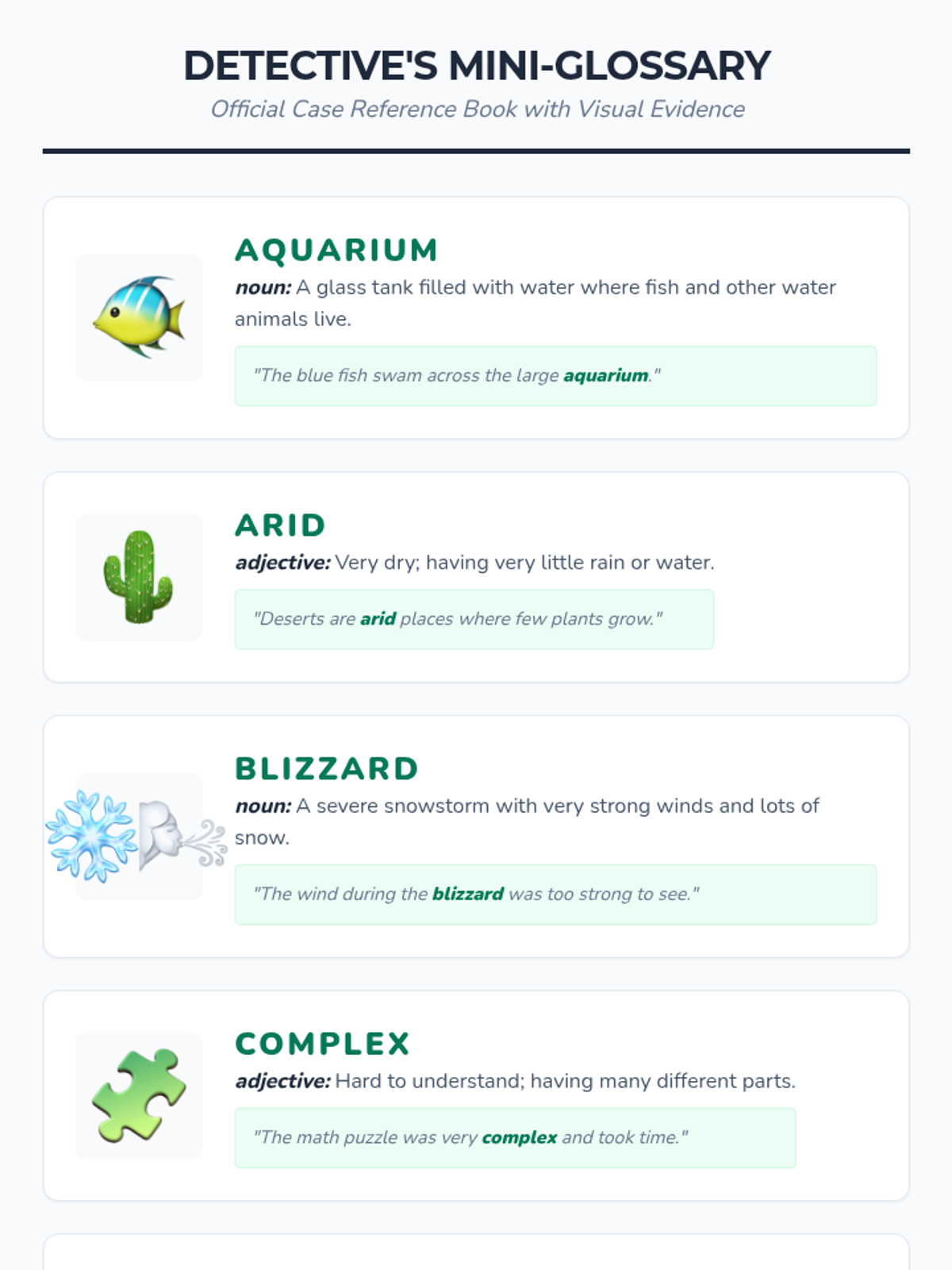
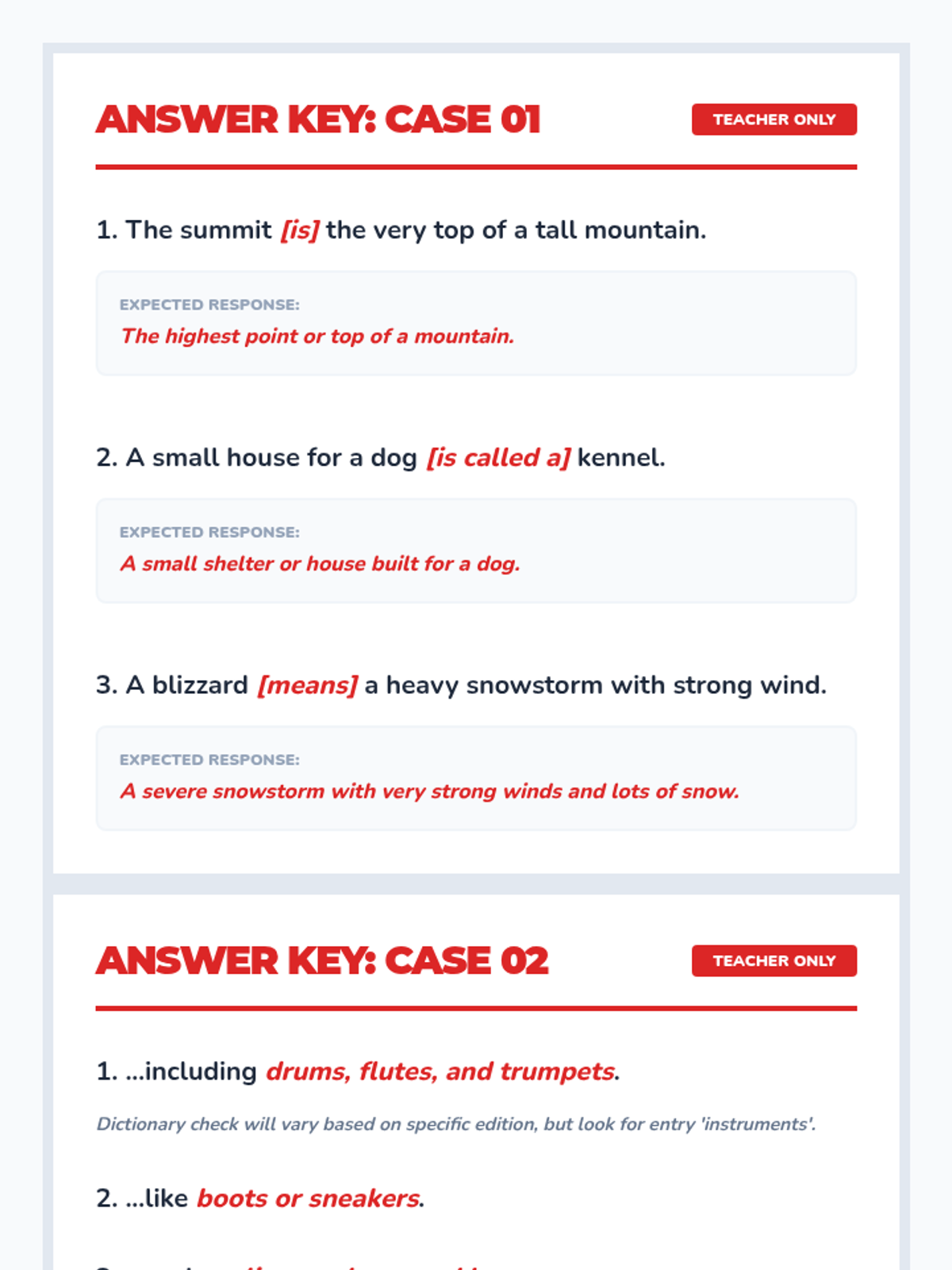
A 3rd-grade ELA sequence where students become 'Meaning Detectives' to decode idioms and adages using context clues. Through detective-themed activities, they move from identifying confusion points to applying wisdom from adages in real-world scenarios.
A focused series of activities designed to help students master the skill of determining literal and nonliteral meanings in fictional texts.
An inquiry-based exploration of figurative language and sensory imagery for 3rd graders. Students learn to decode similes, metaphors, and personification to unlock deeper meaning in poetry through visualization and analysis.
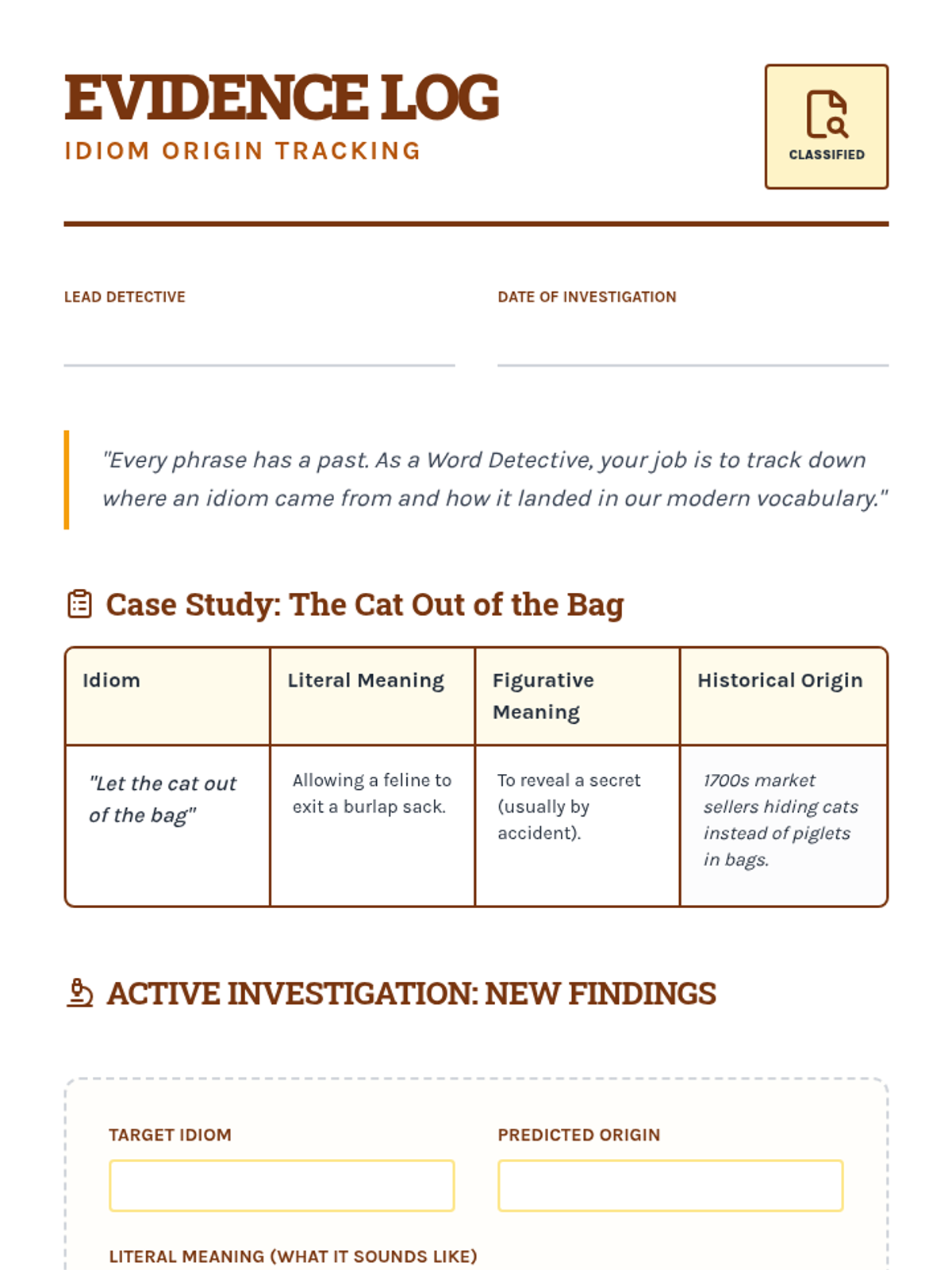
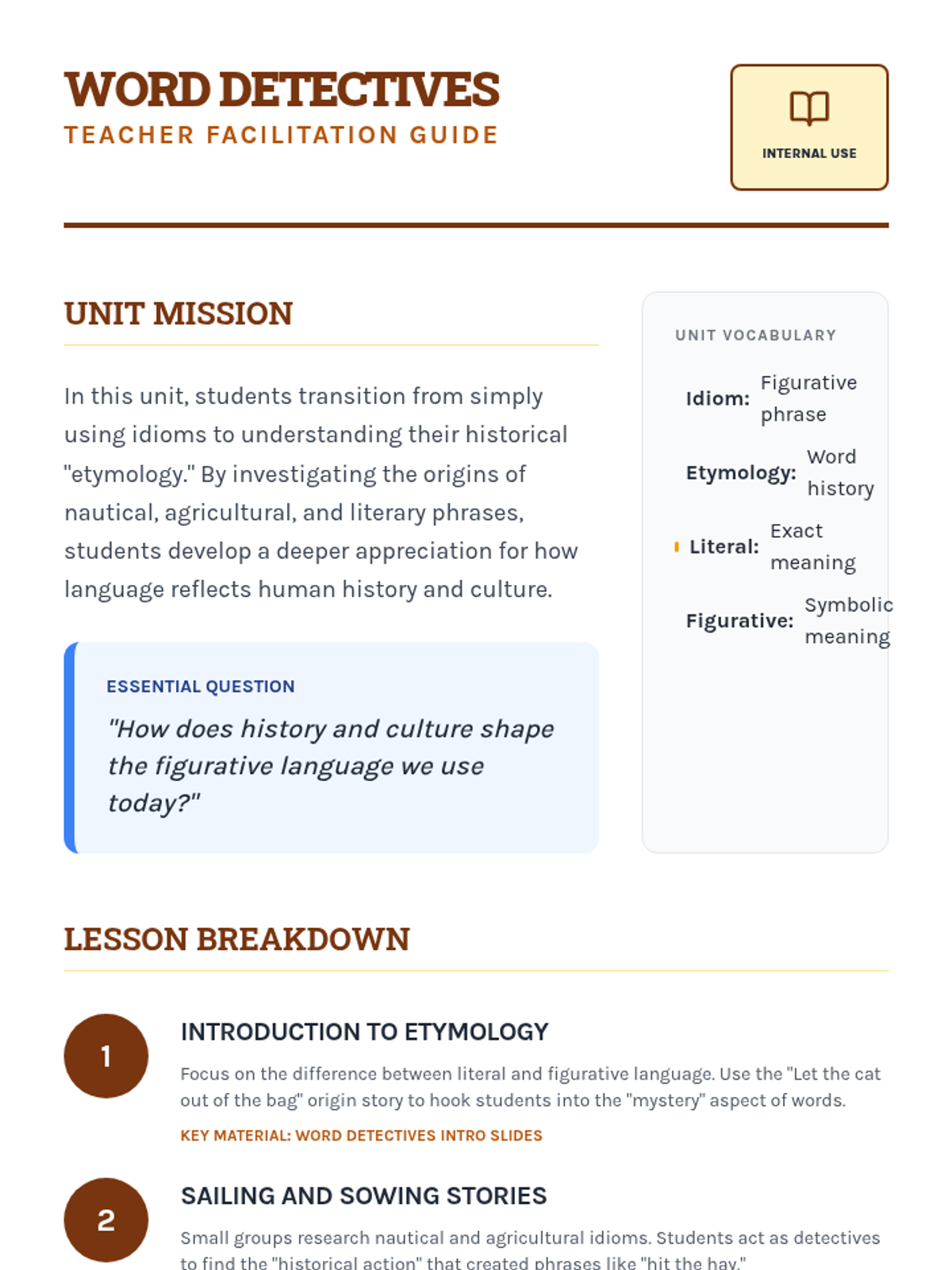
Students investigate the historical origins and etymology of common idioms, acting as 'Word Detectives' to uncover how nautical, agricultural, and literary history shaped modern English.
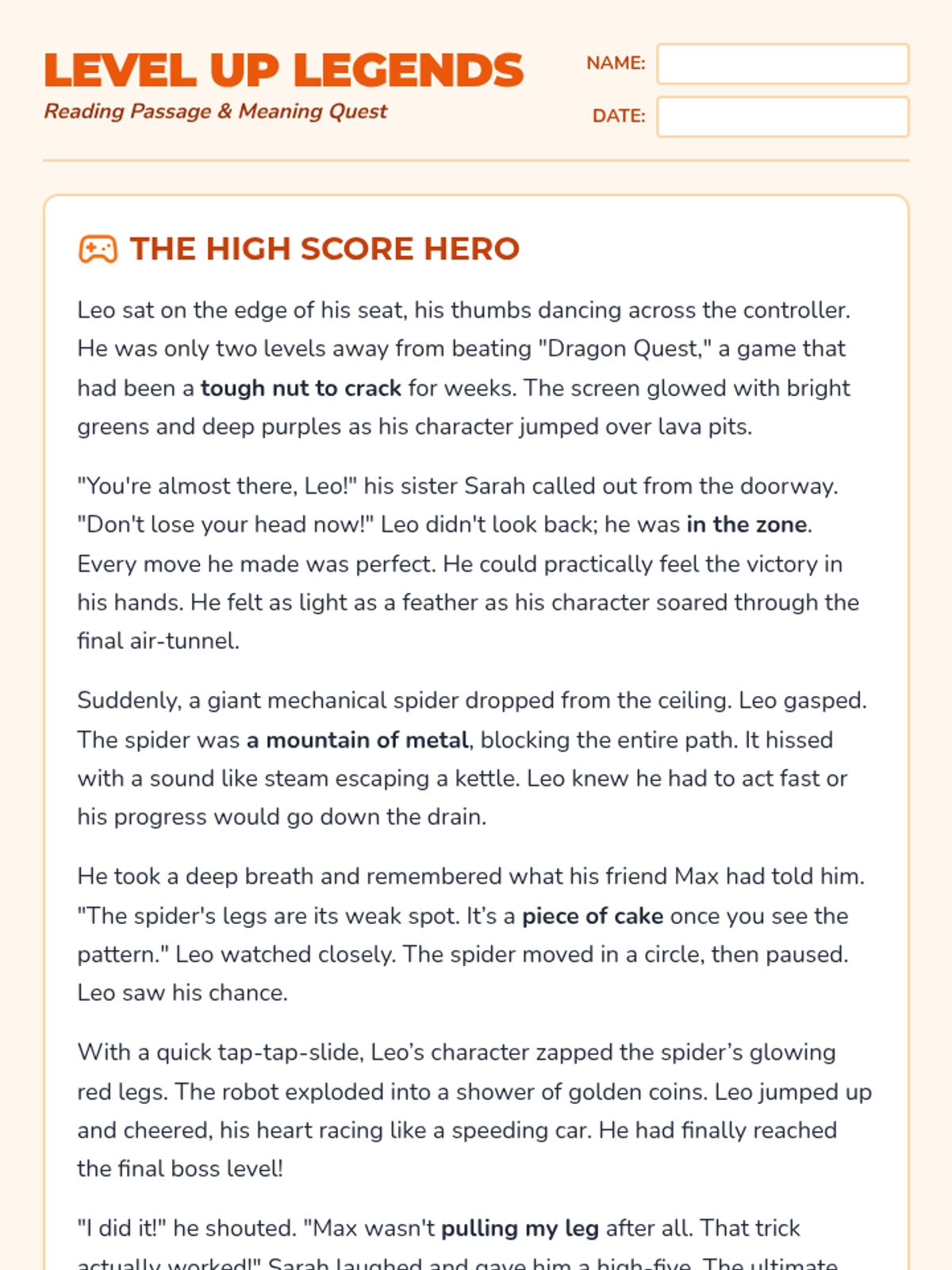
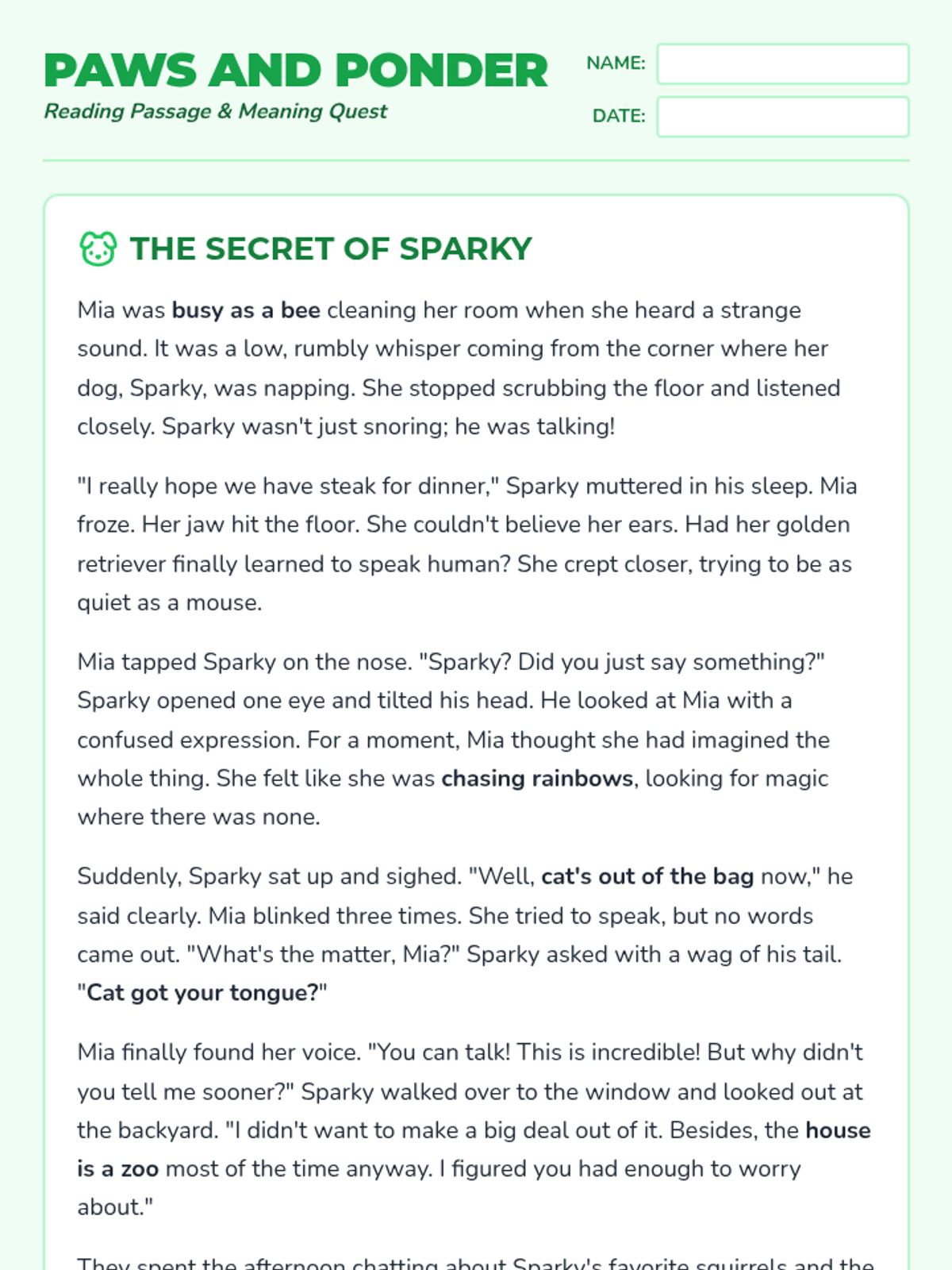
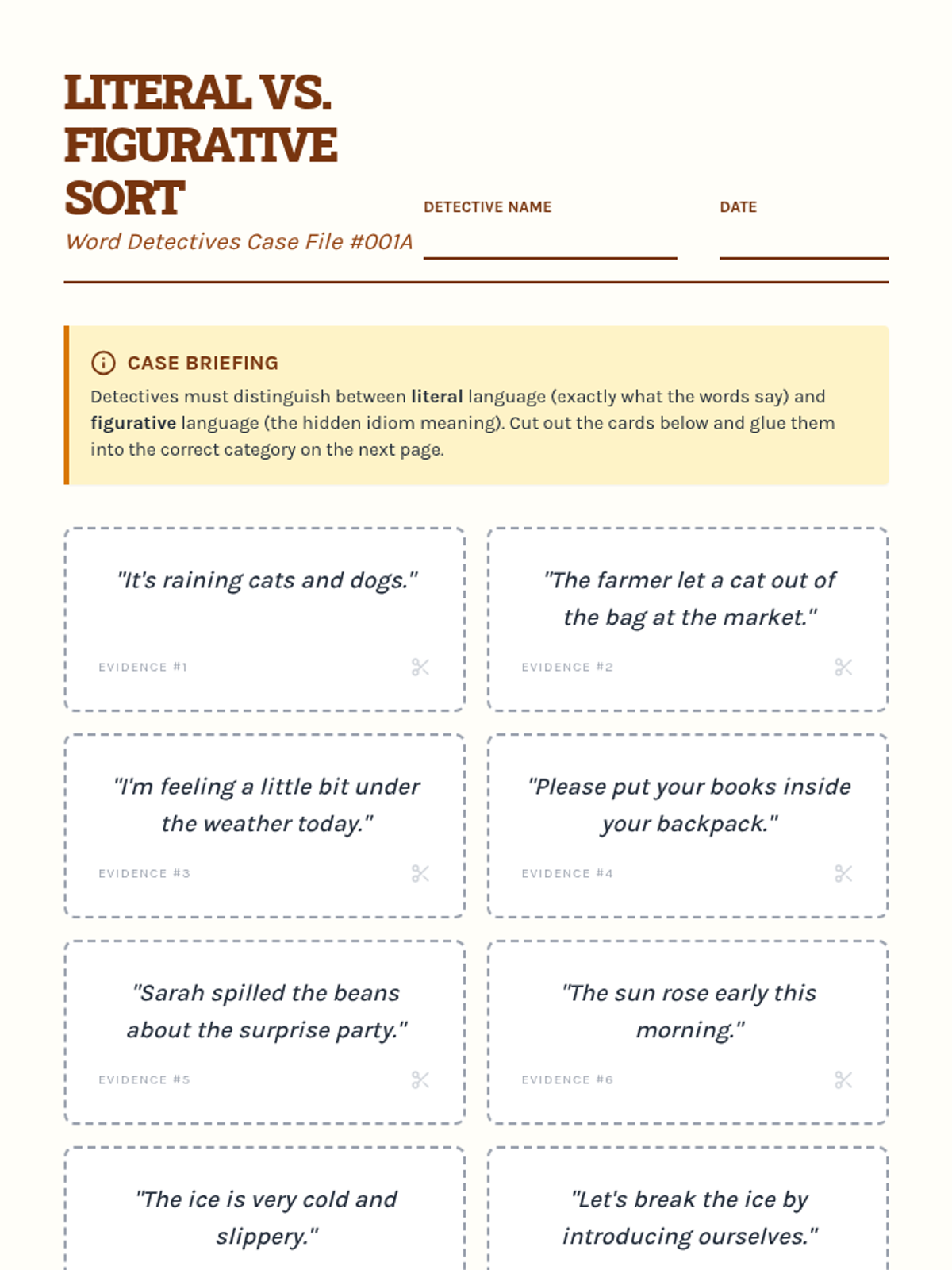
A 5-lesson unit for 3rd grade students exploring the difference between literal and figurative language through the study of common idioms. Students will visualize, analyze, and use idioms in their own writing, culminating in a class idiom dictionary.
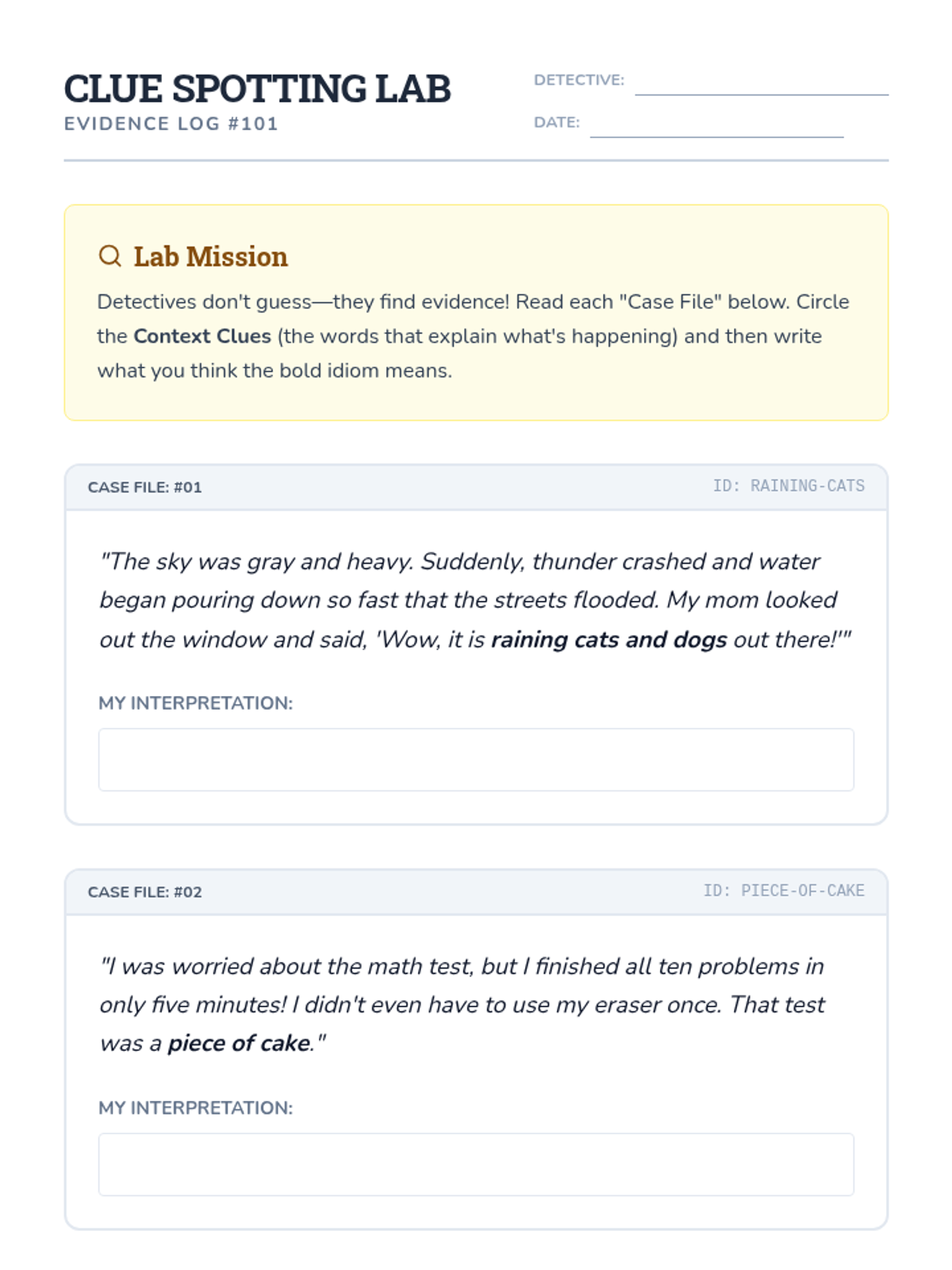
A 3rd-grade sequence focused on using context clues to interpret idioms in social and written contexts. Students act as detectives to solve the mystery of figurative language through scenario analysis, error correction, and creative writing.
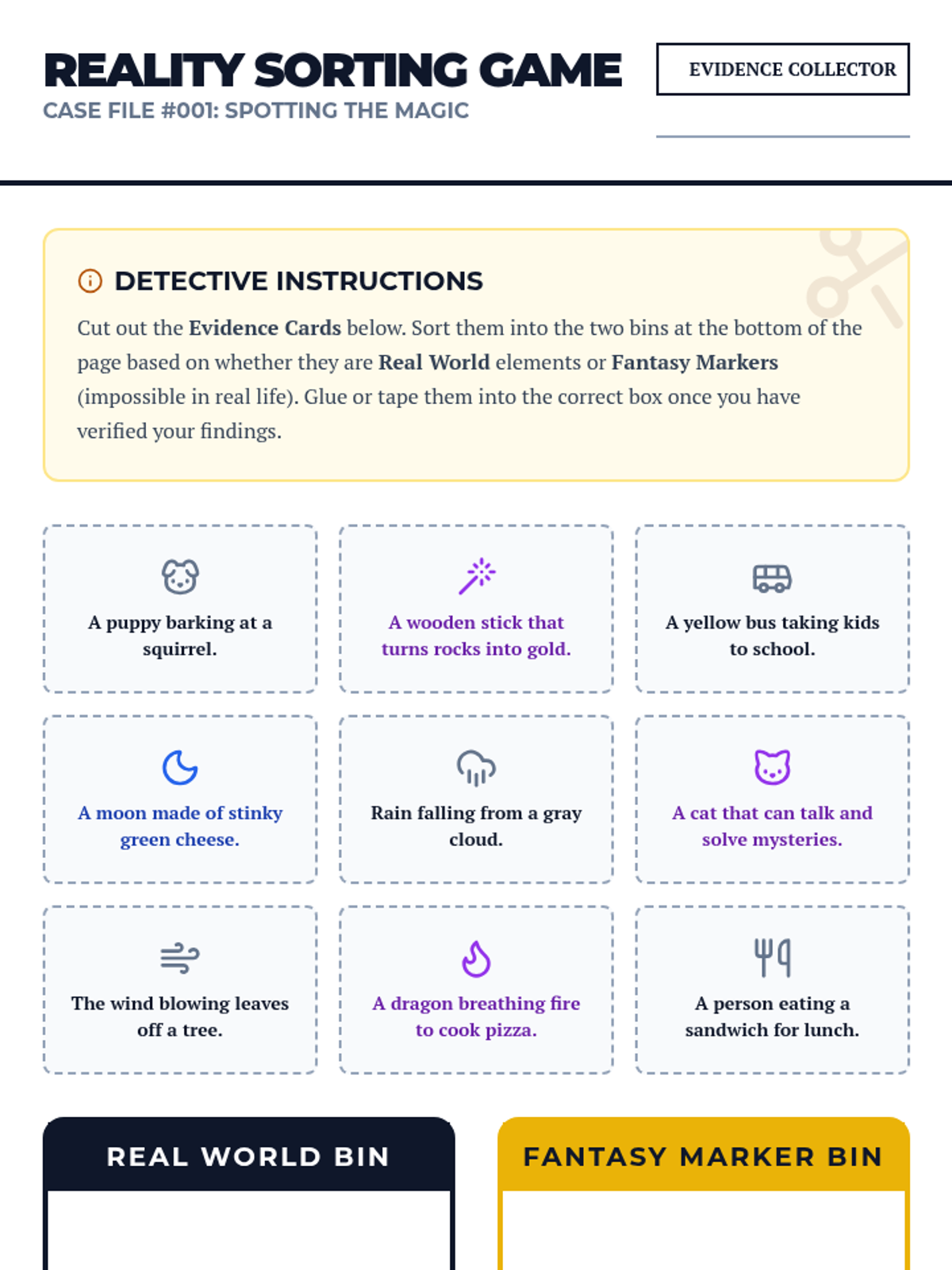
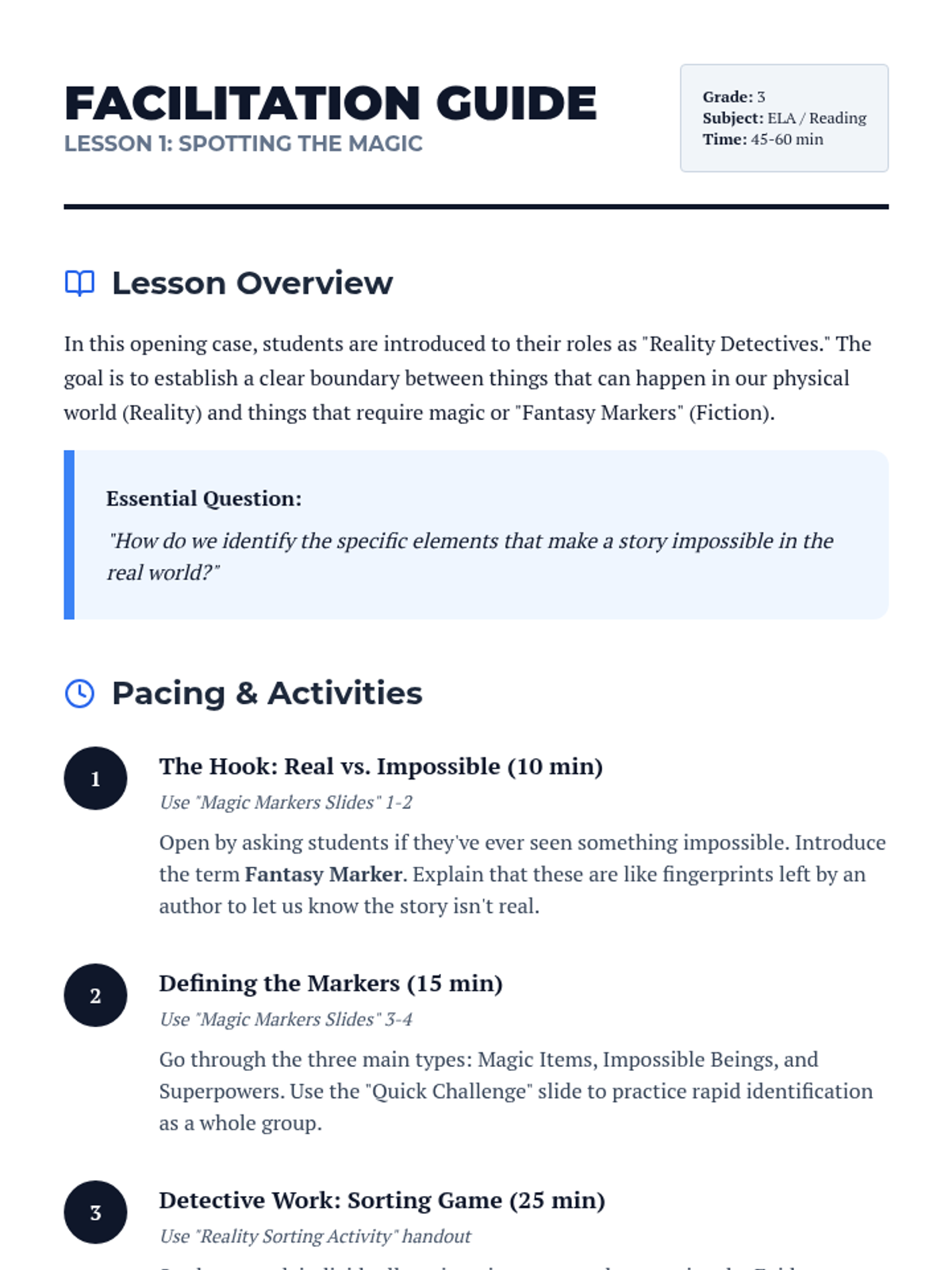
A 5-lesson sequence where 3rd-grade students learn to distinguish reality from fiction by identifying fantasy markers, personification, and exaggeration. Students act as 'Reality Detectives' to uncover the rules that separate the real world from the impossible.
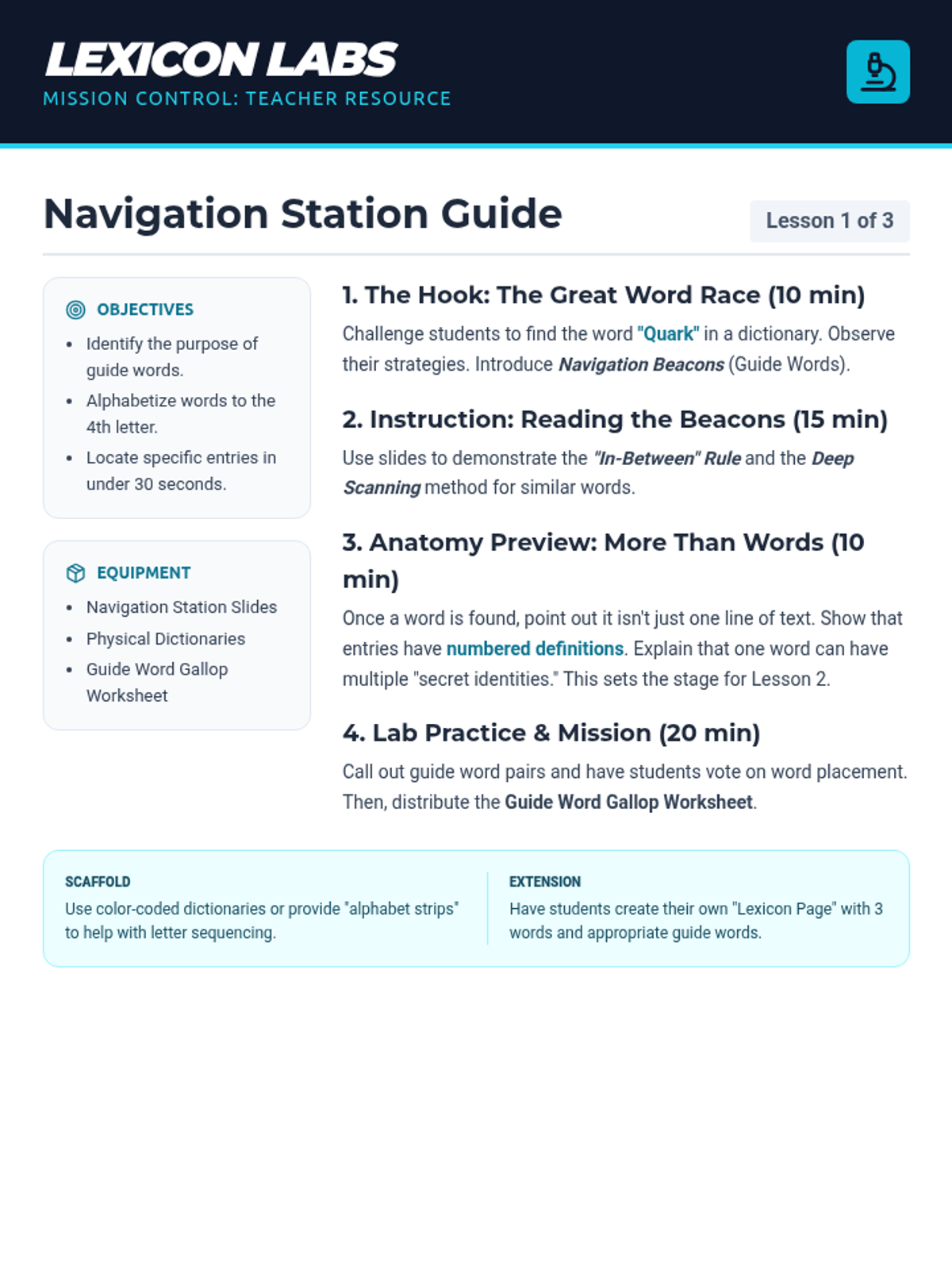
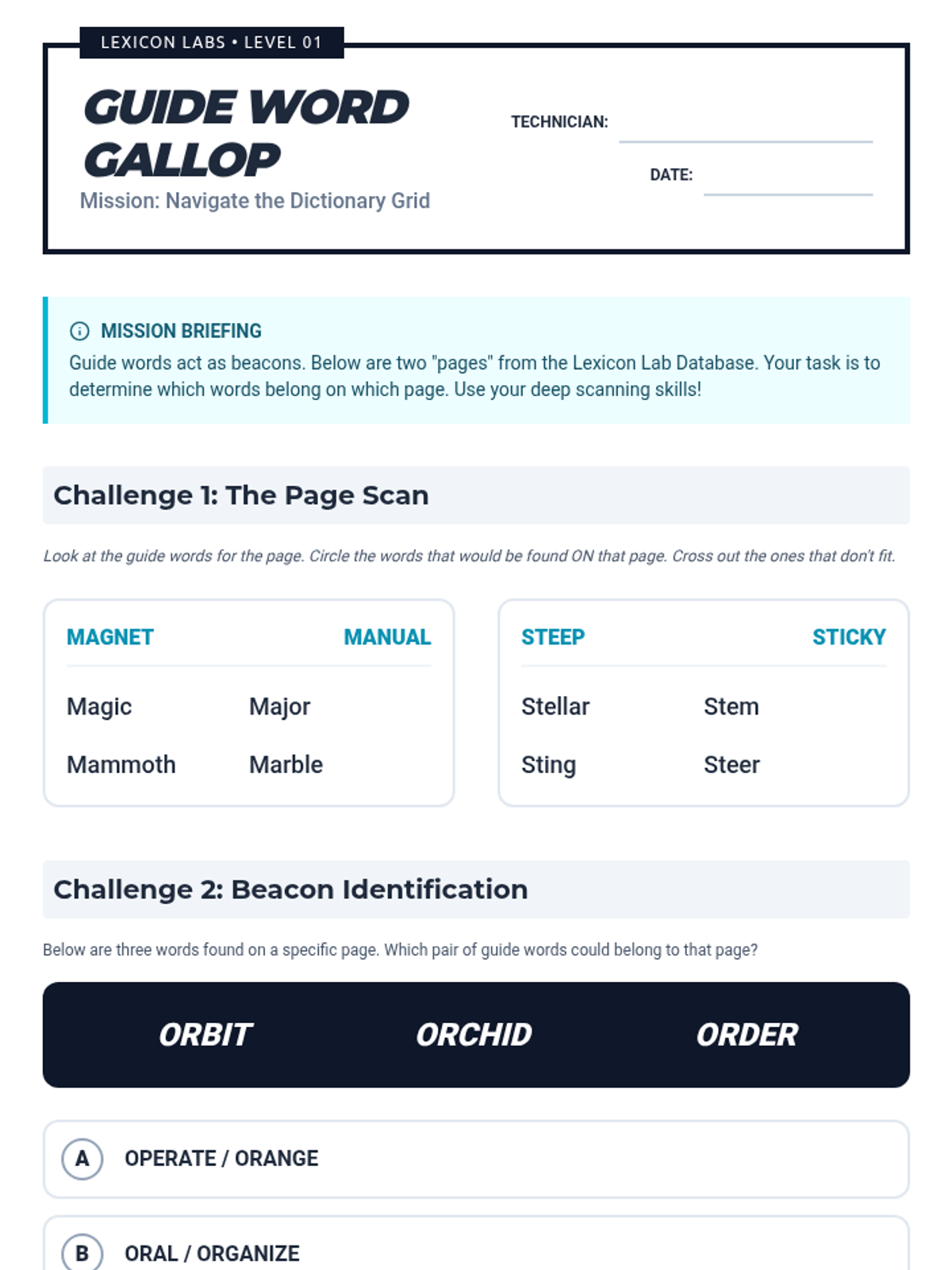
A mastery-based sequence designed to turn students into dictionary experts. Covering navigation basics, guide word logic, and the nuances of multiple definitions.
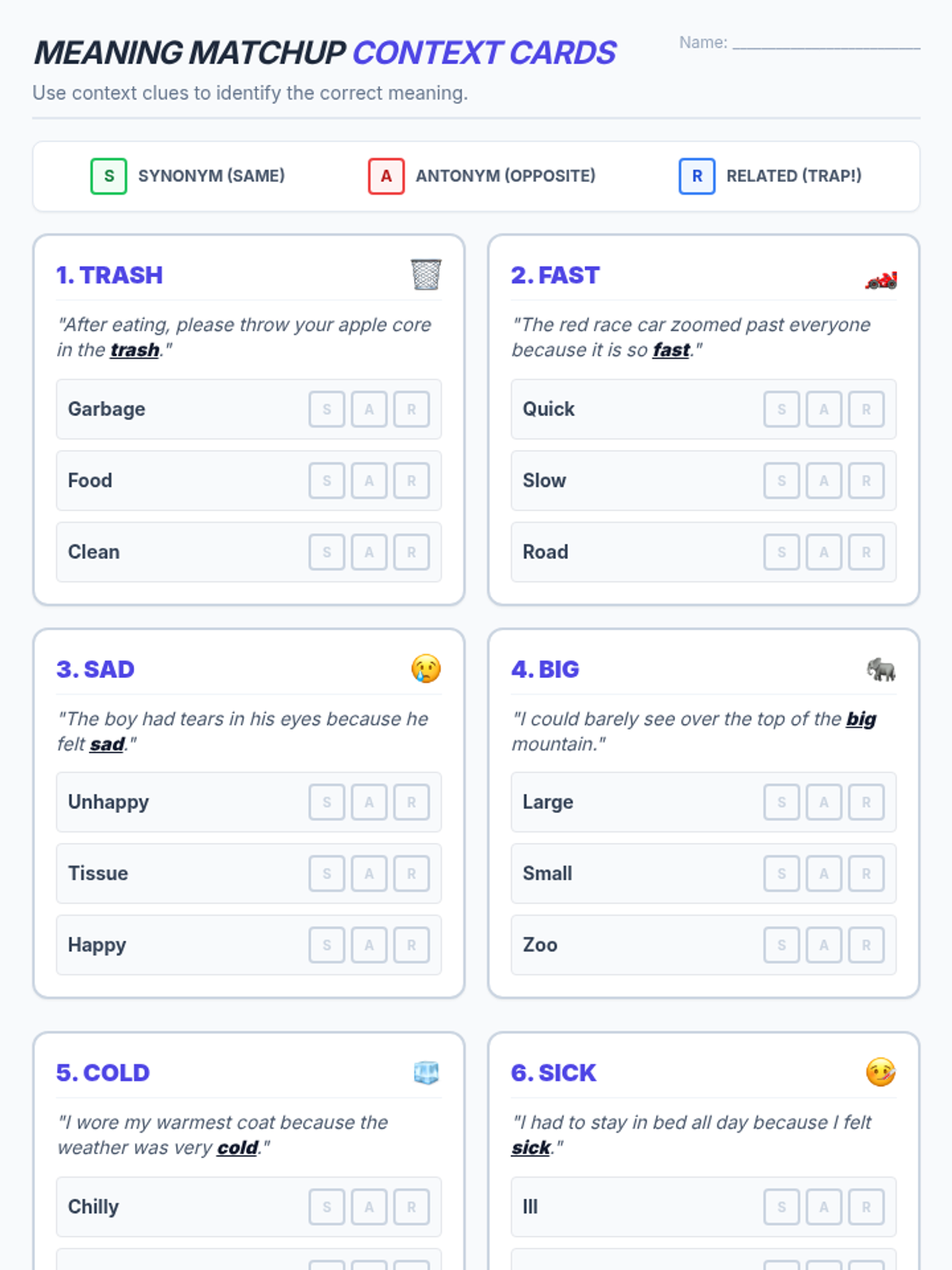
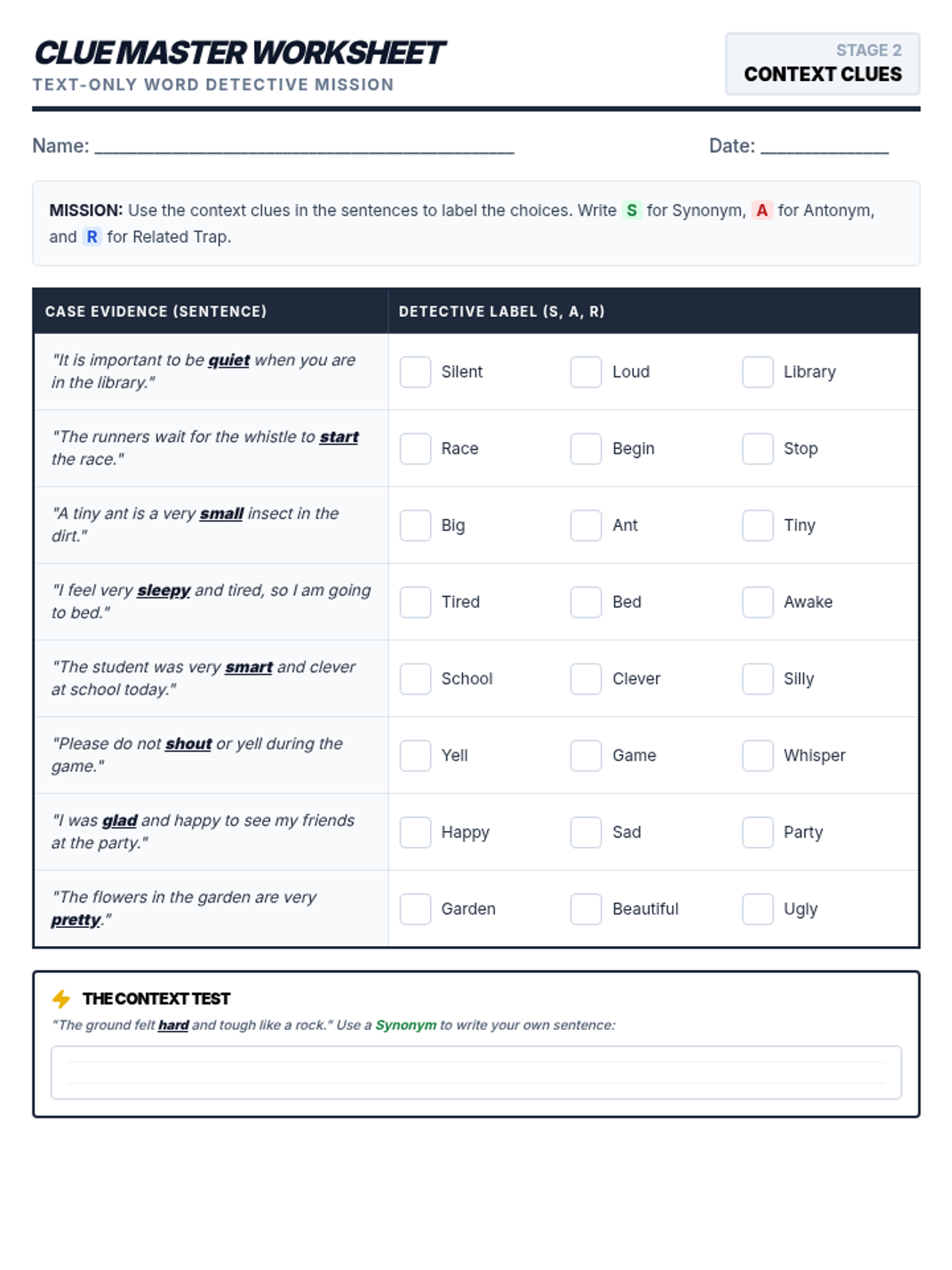
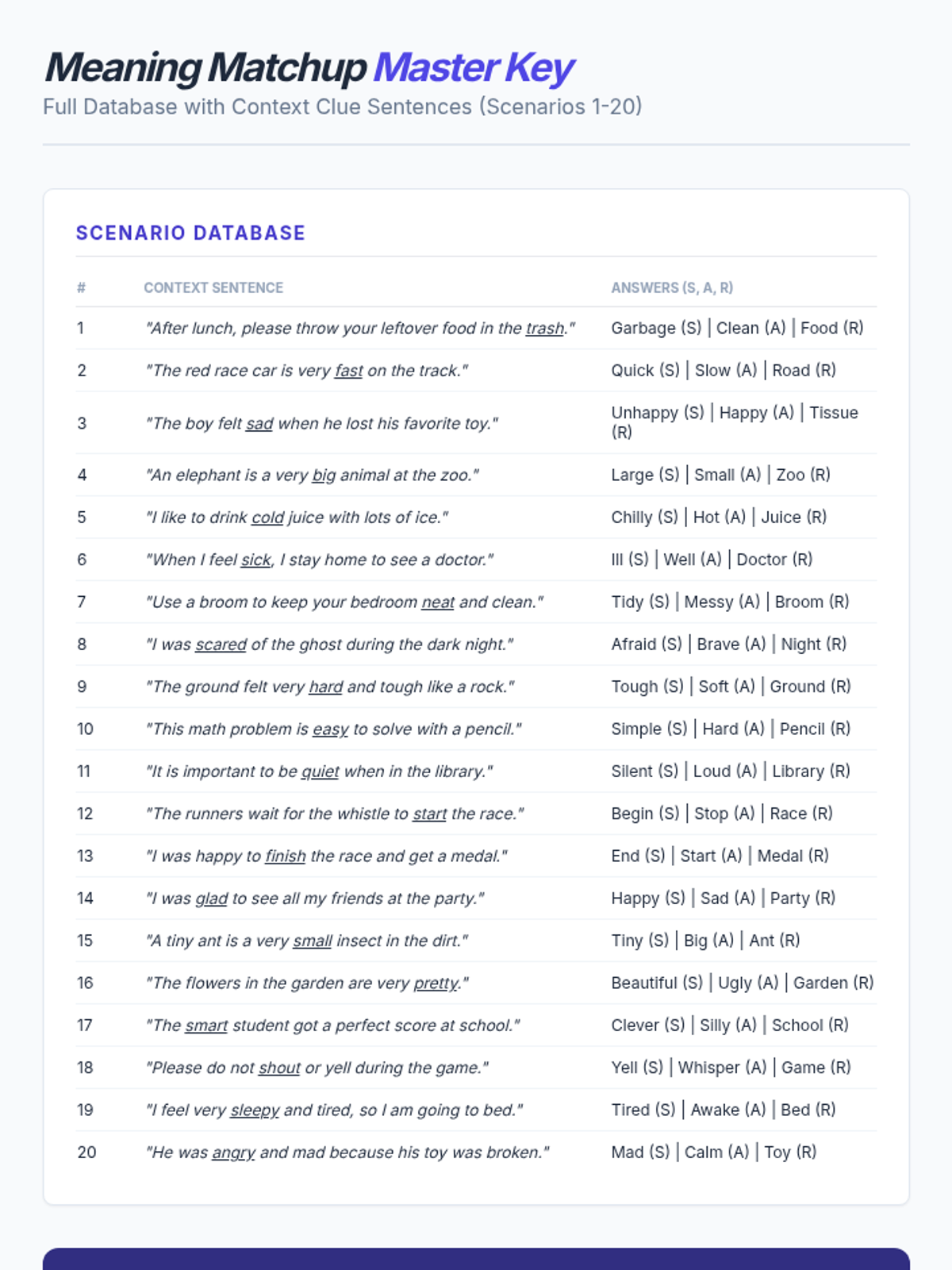
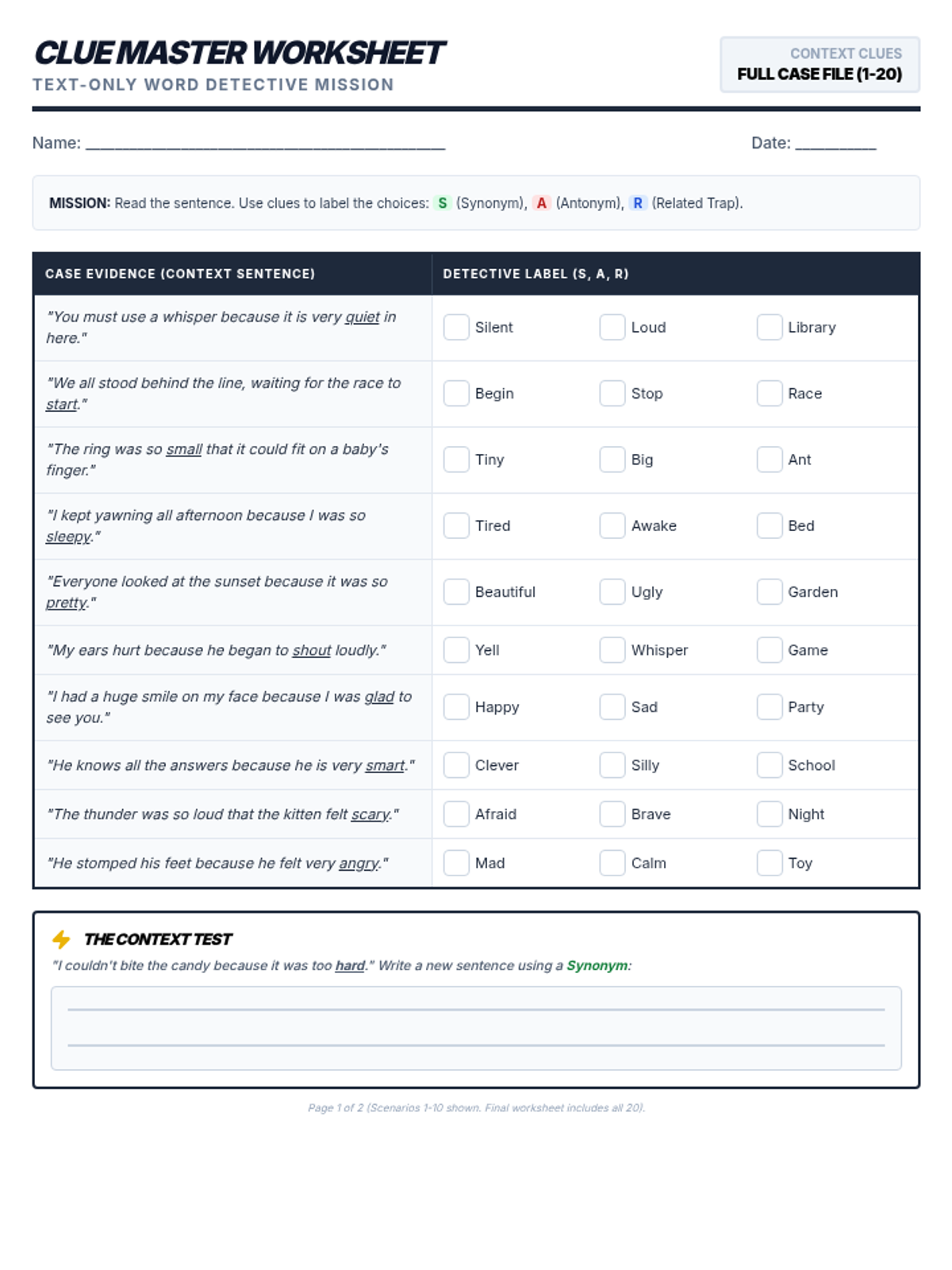
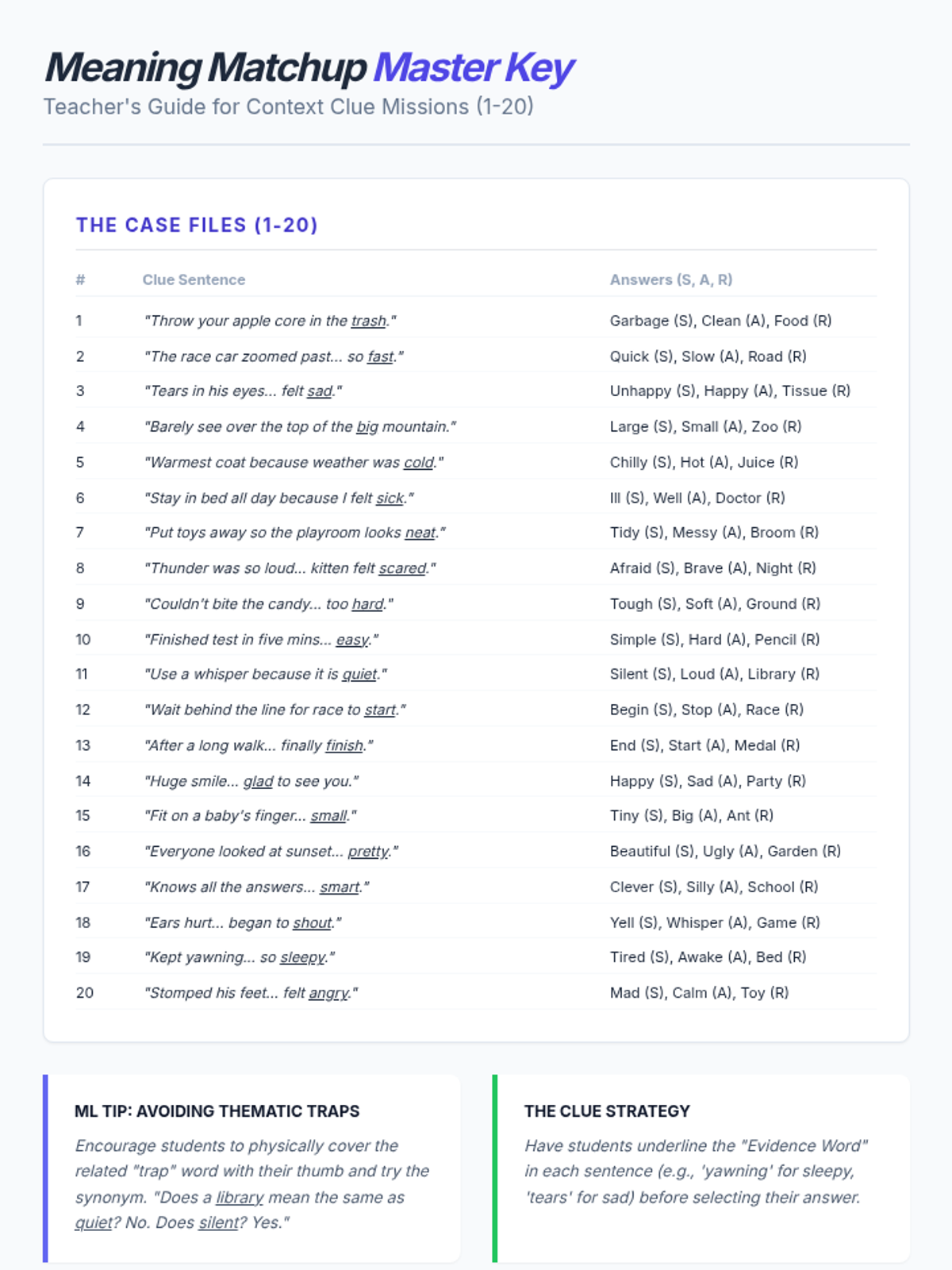
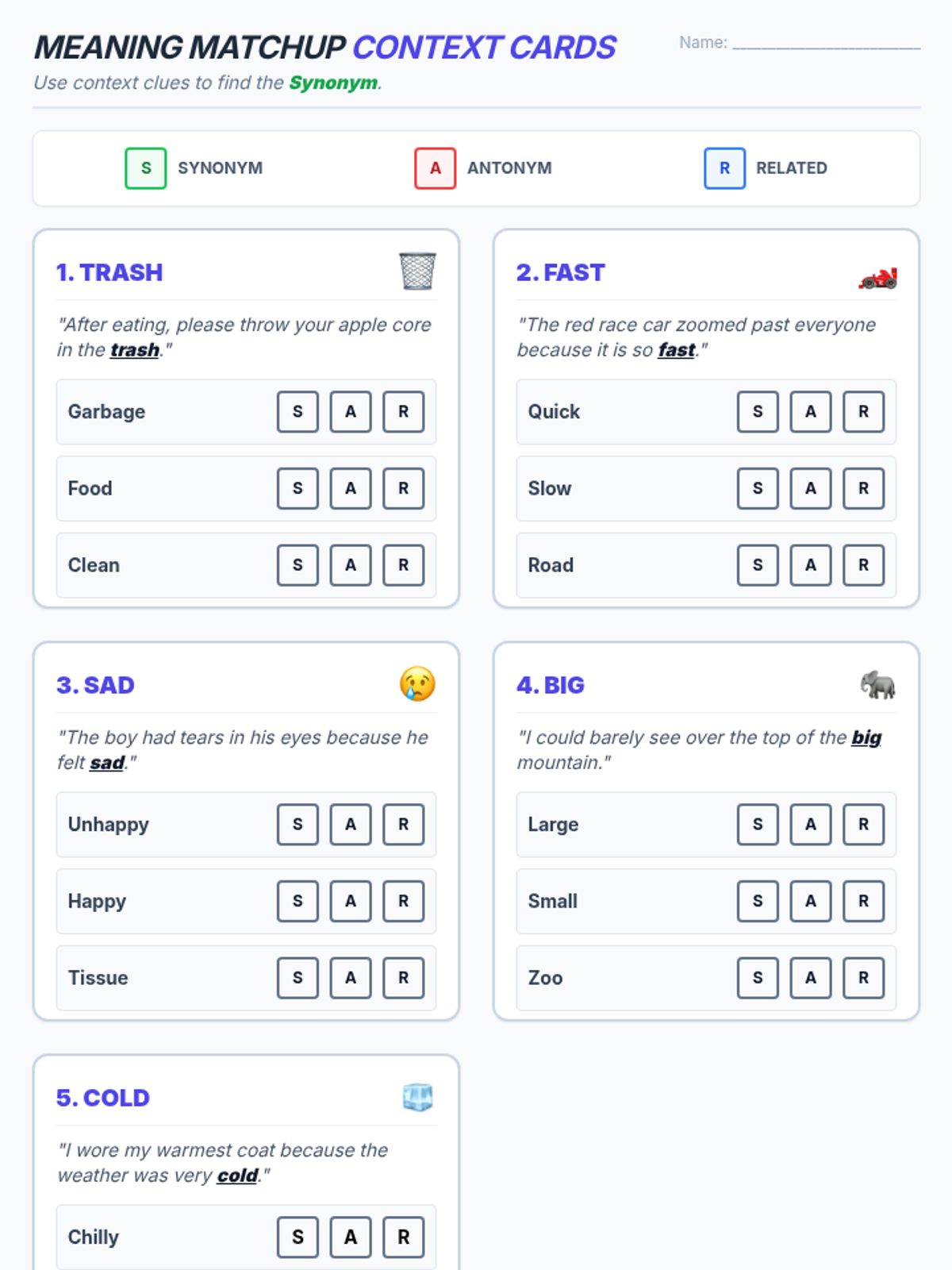
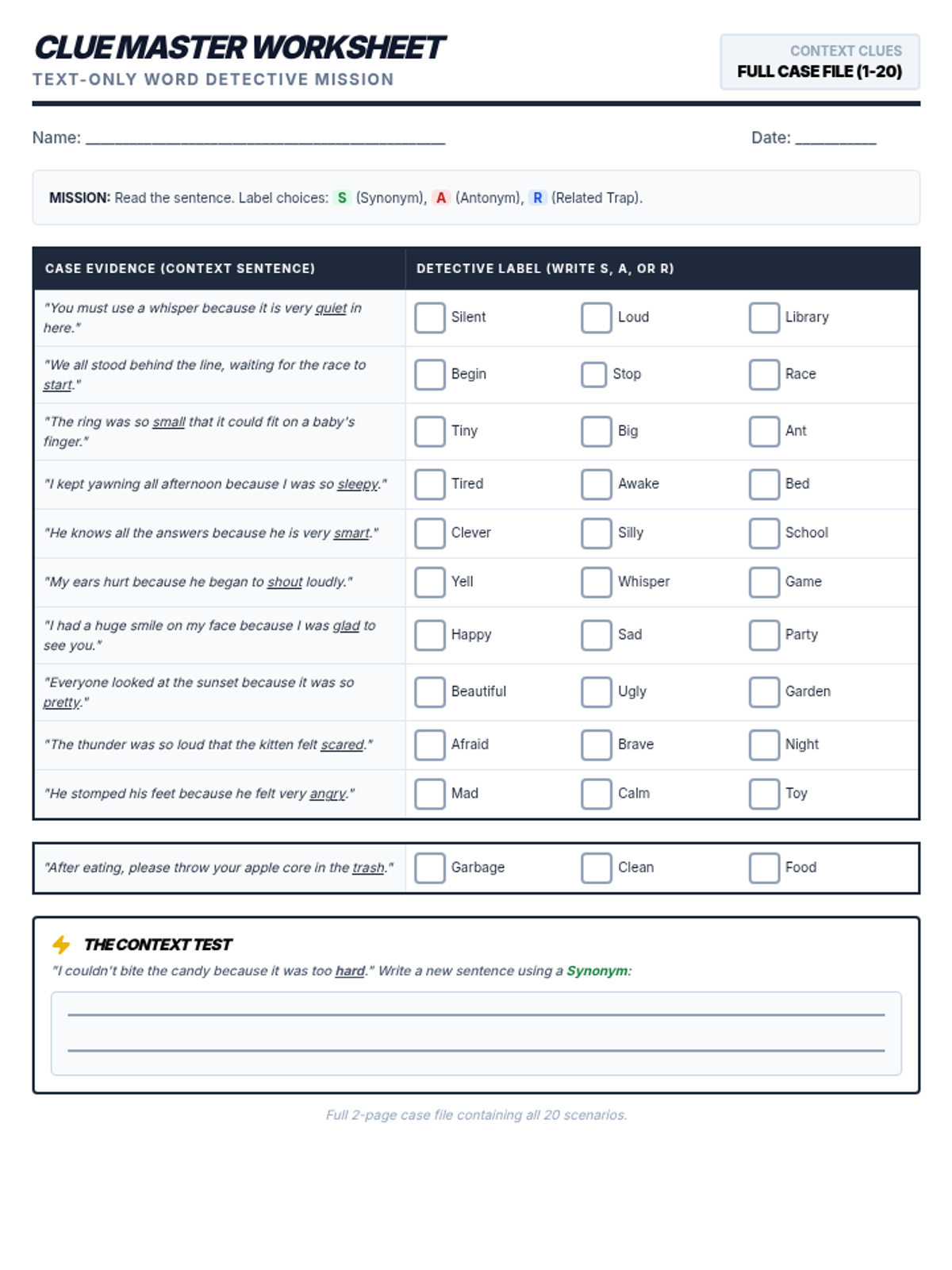
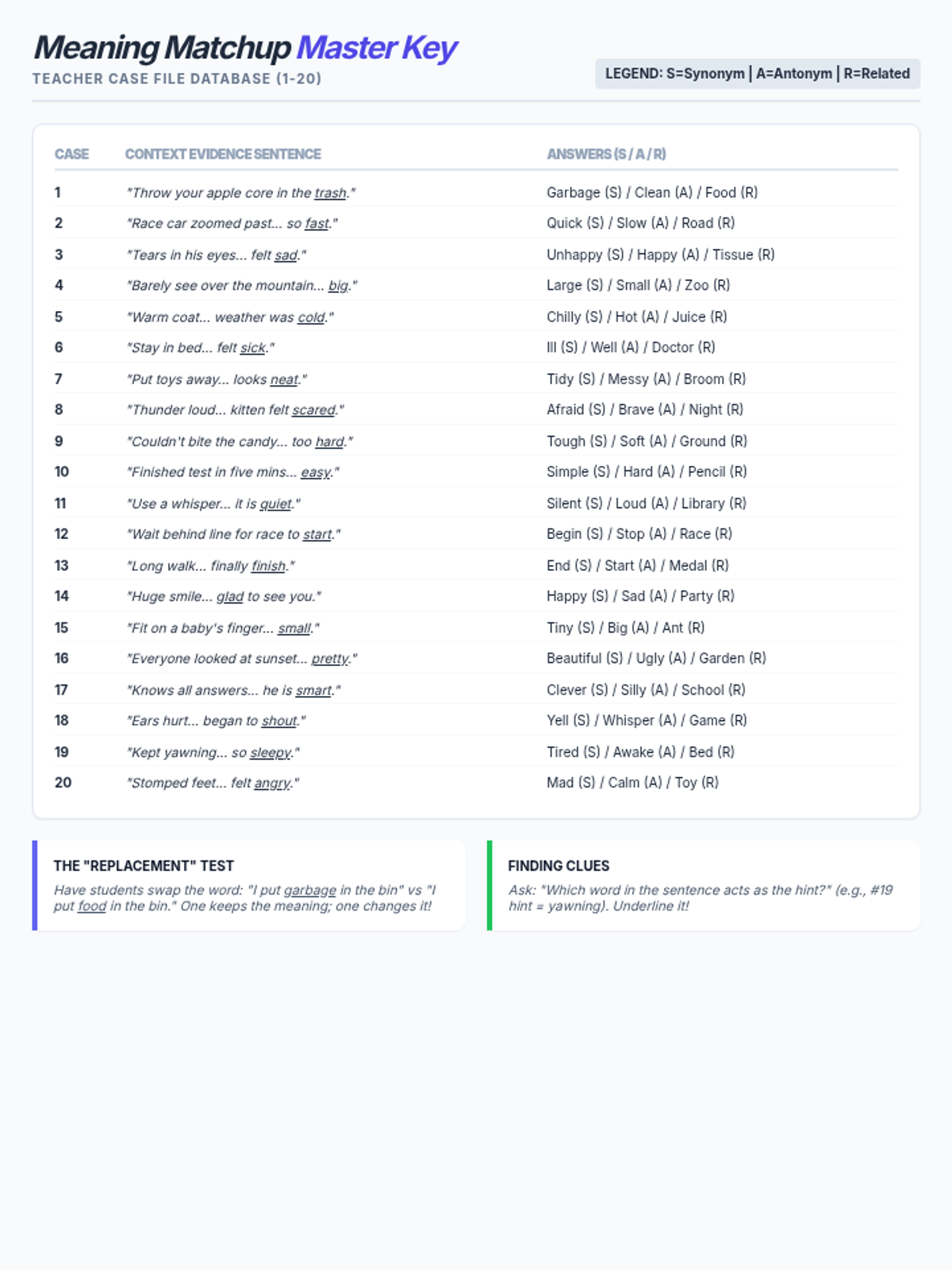
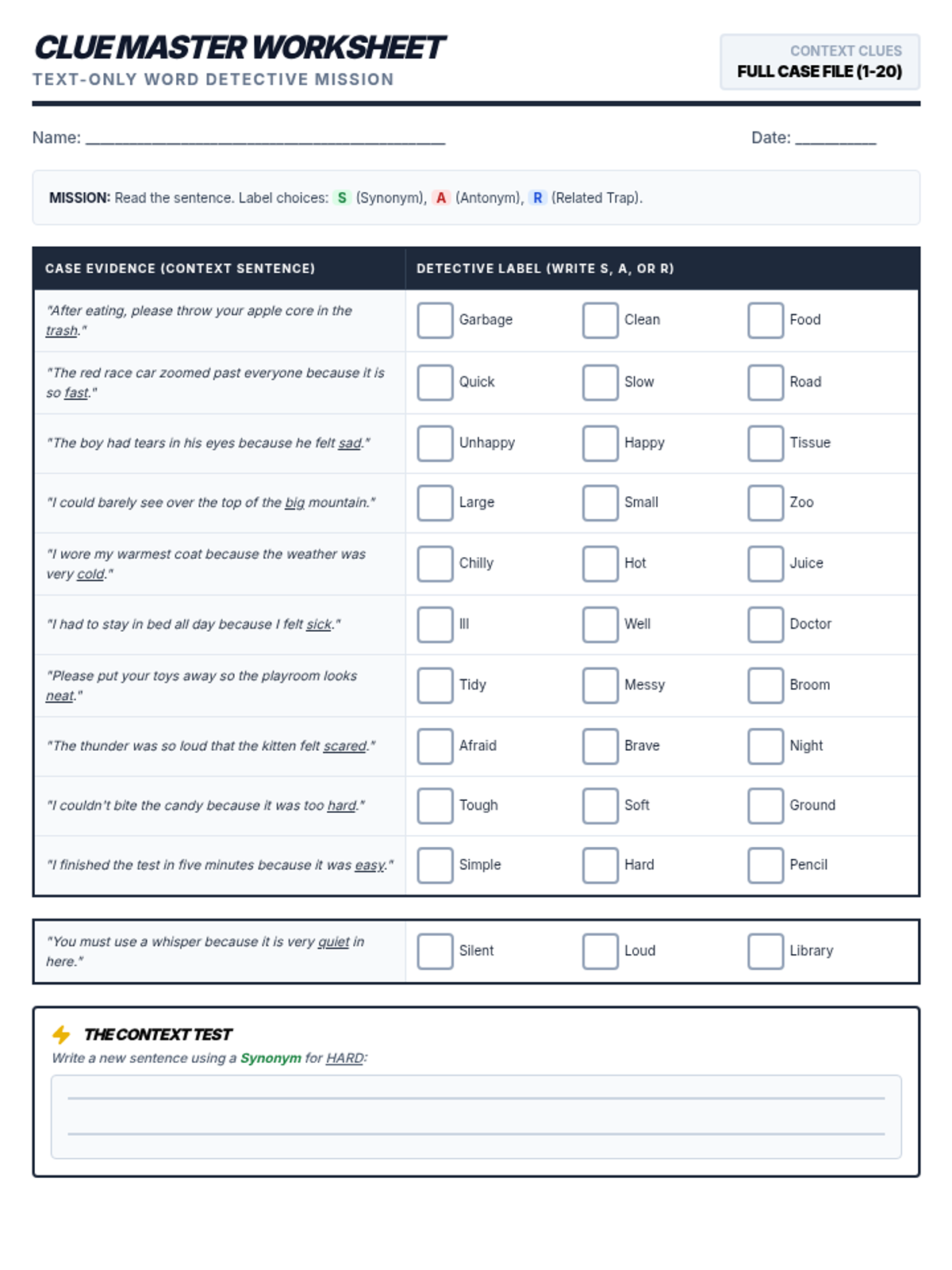
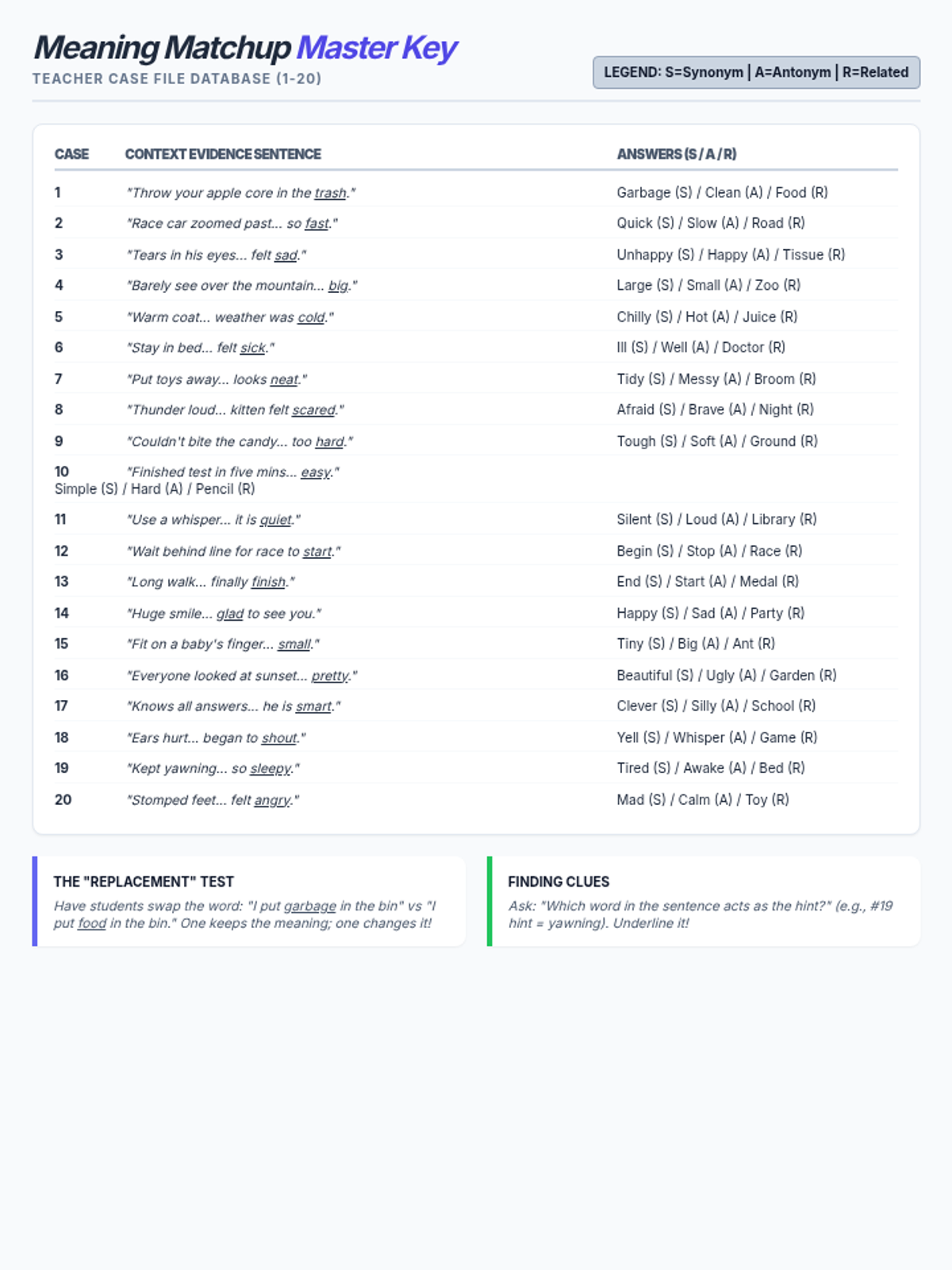
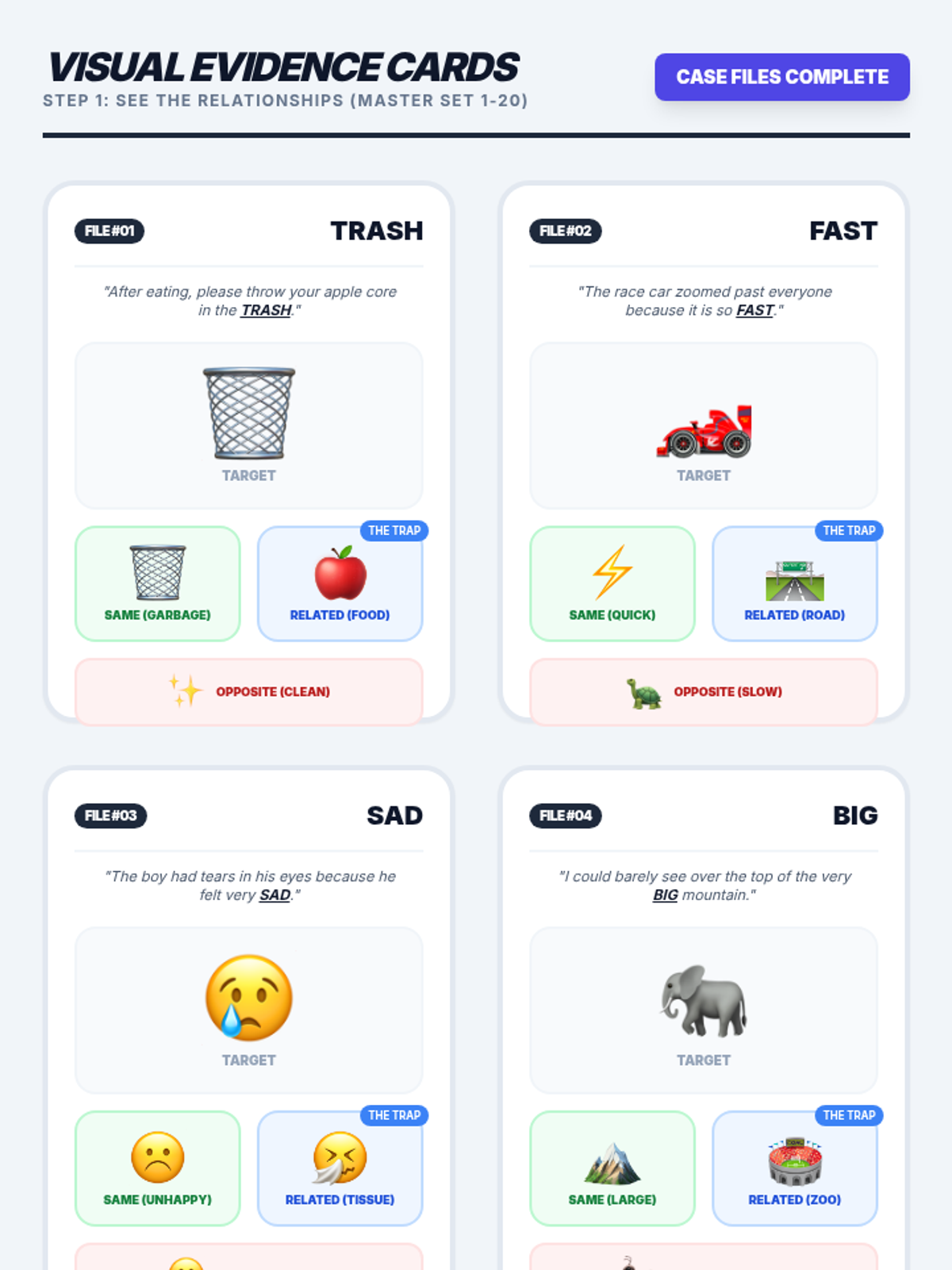
A 3rd-grade vocabulary sequence focused on helping multilingual learners distinguish between synonyms, antonyms, and related-but-not-similar words (thematic associations).
سلسلة قصصية خيالية تهدف إلى تعليم الأطفال مهارات القراءة والاستيعاب من خلال مغامرة في غابة سحرية مليئة بالمخلوقات المتكلمة والحوارات الممتعة.
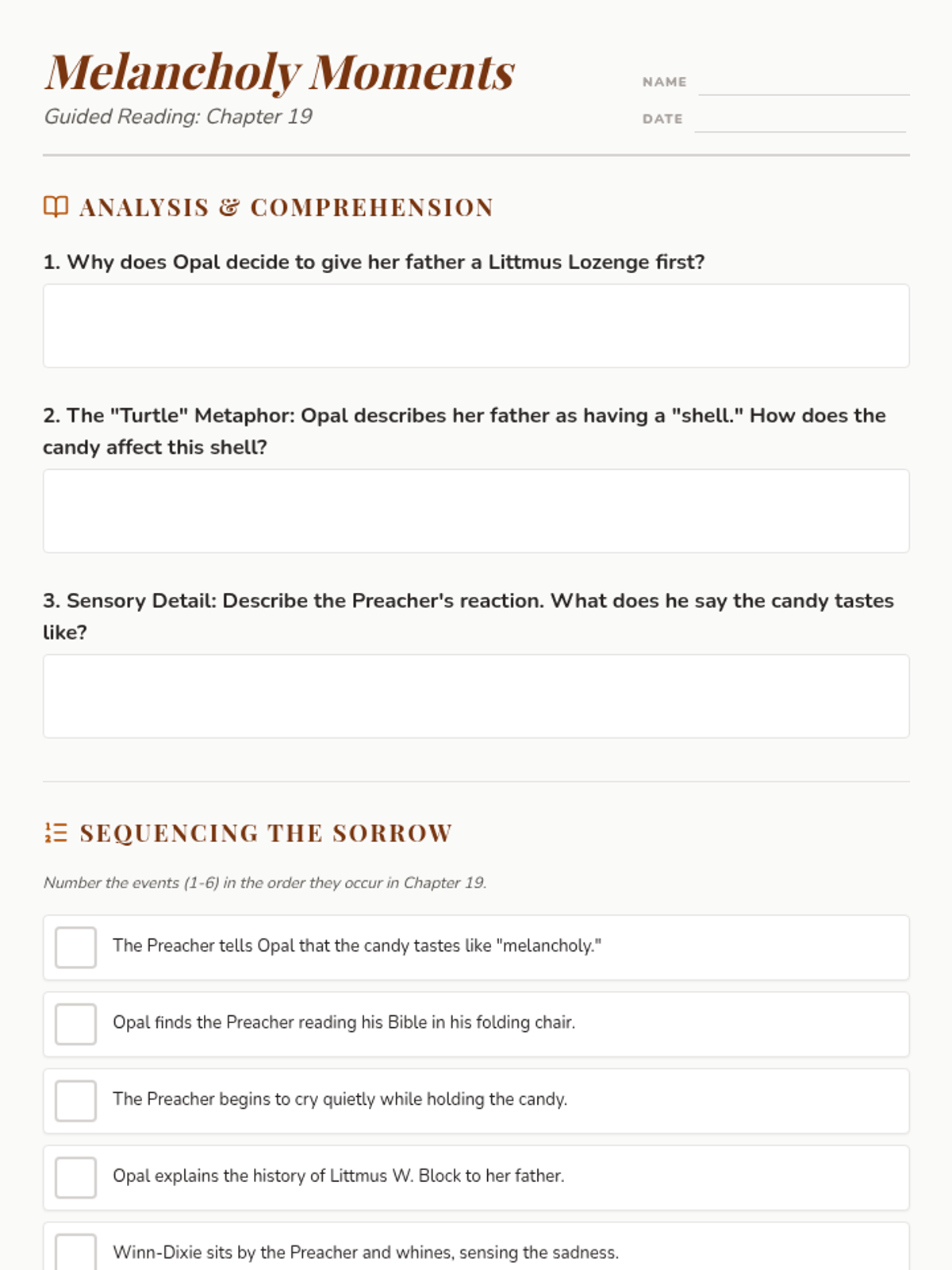
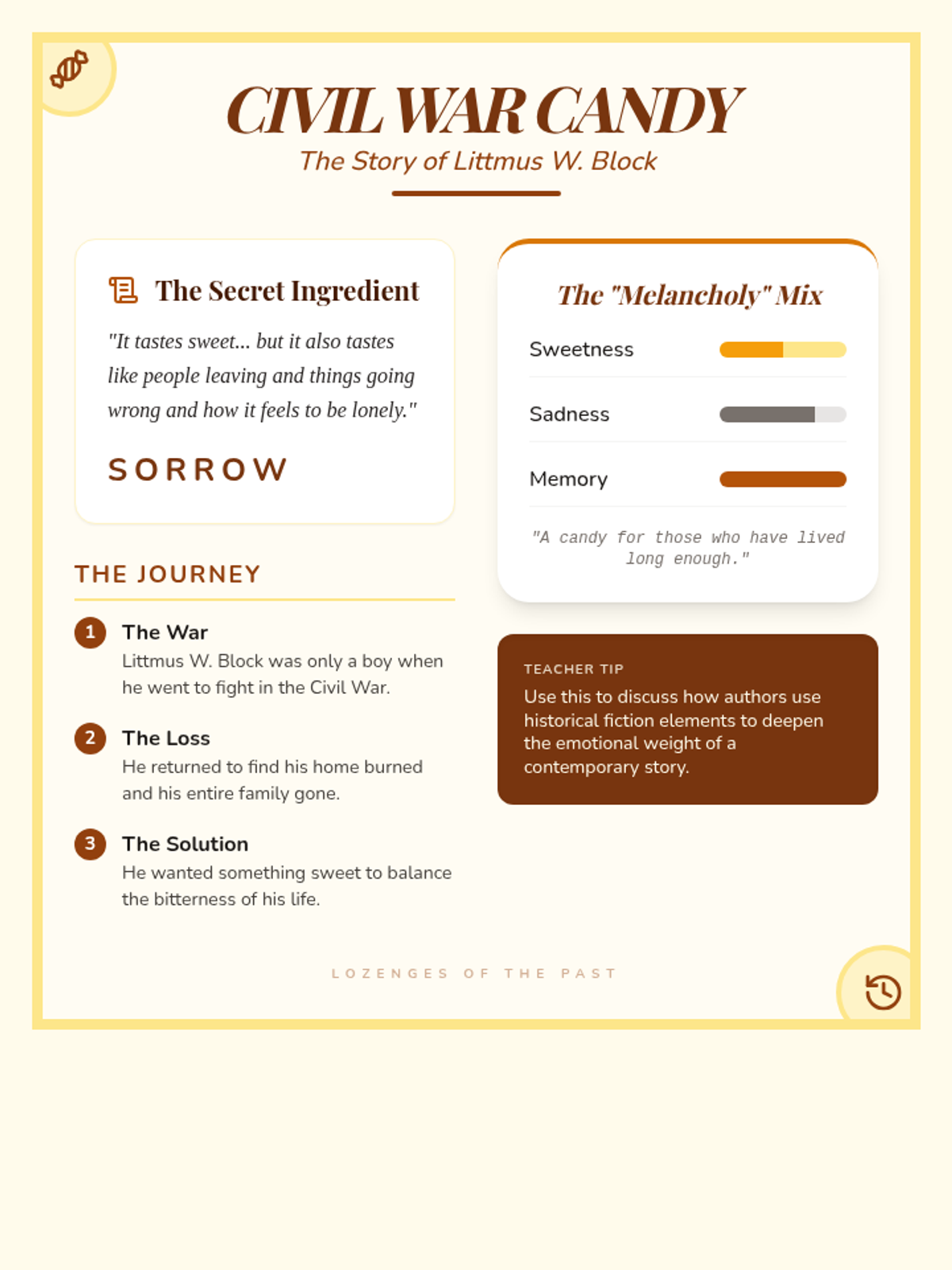
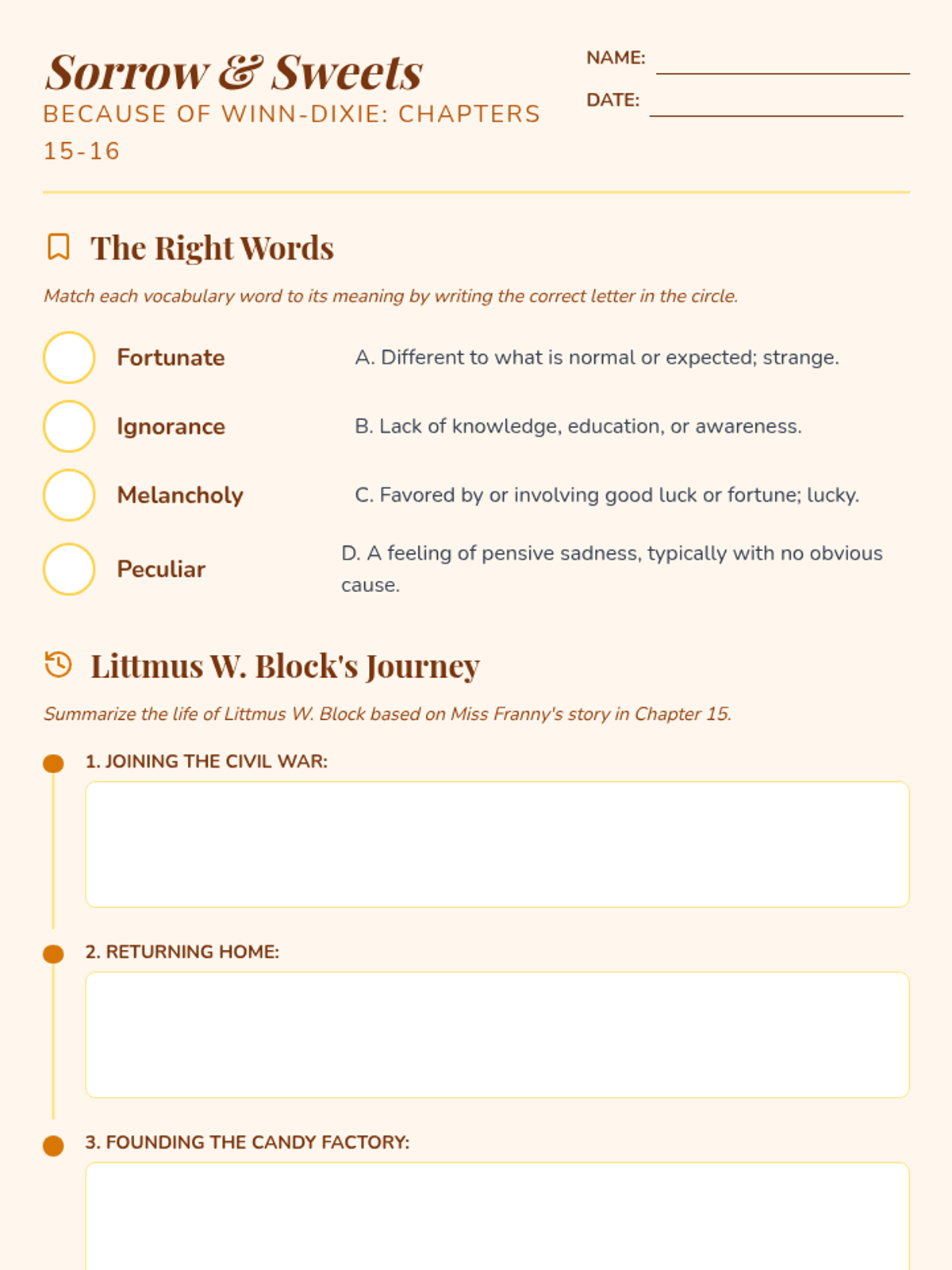
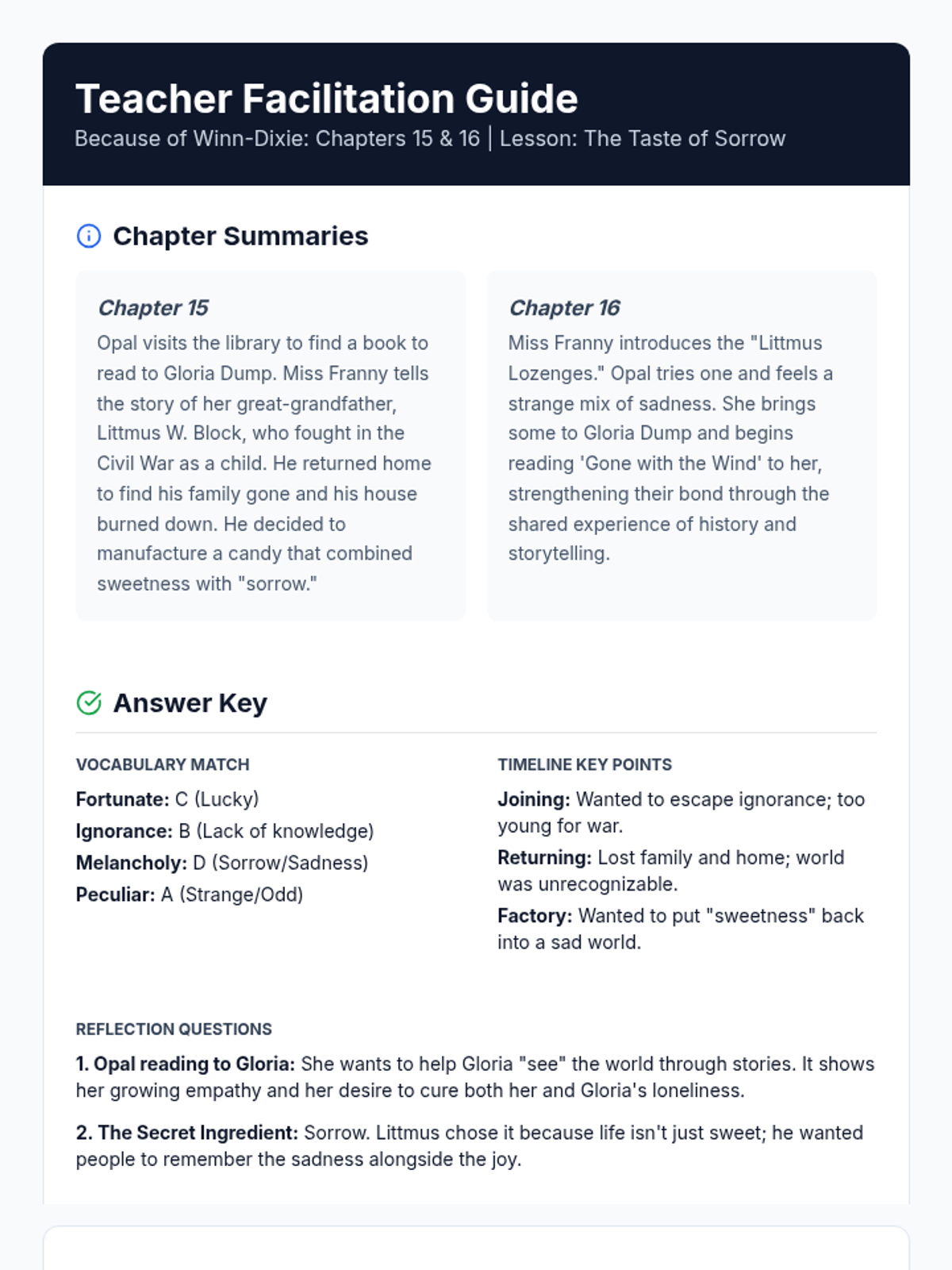
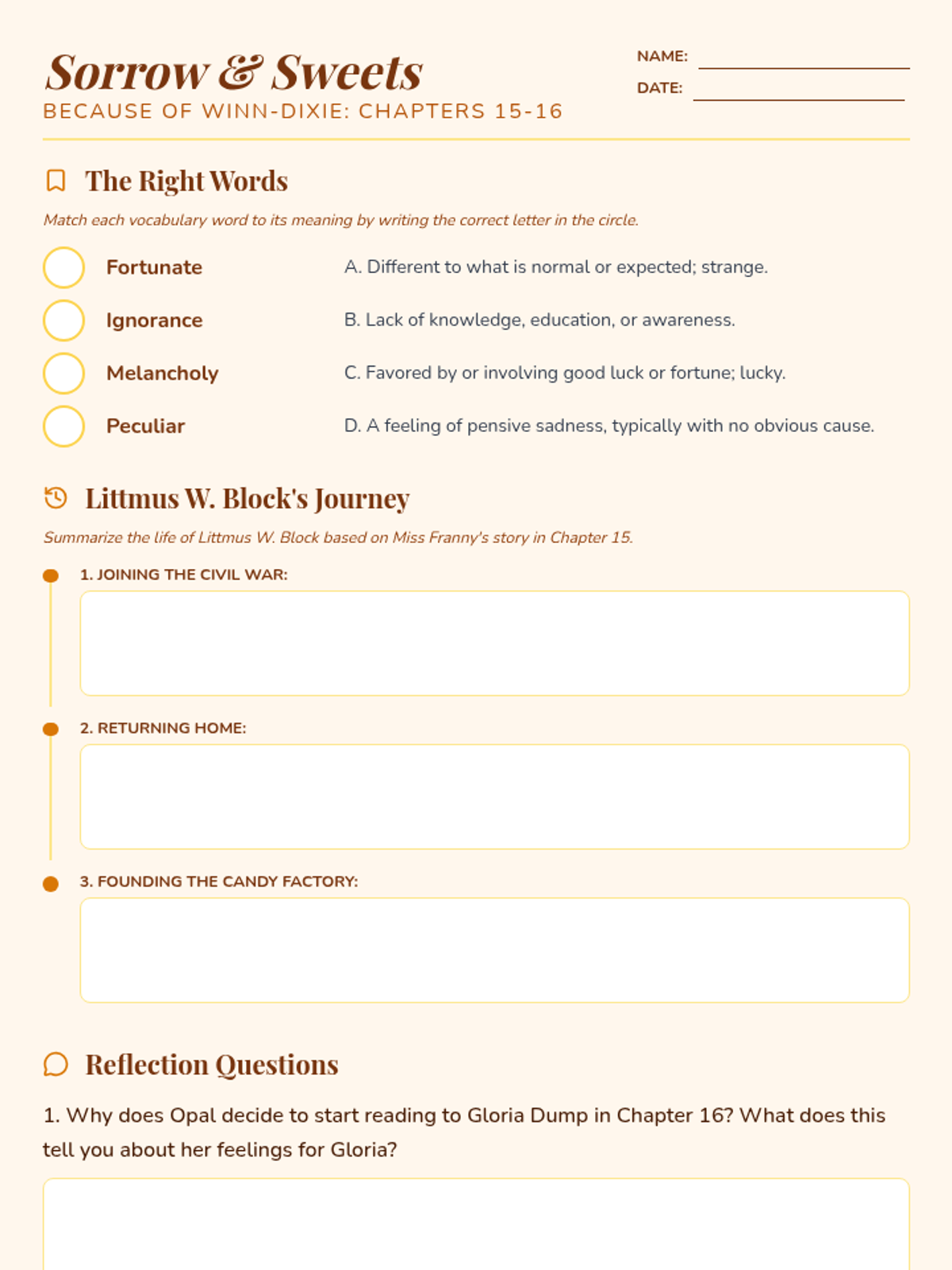
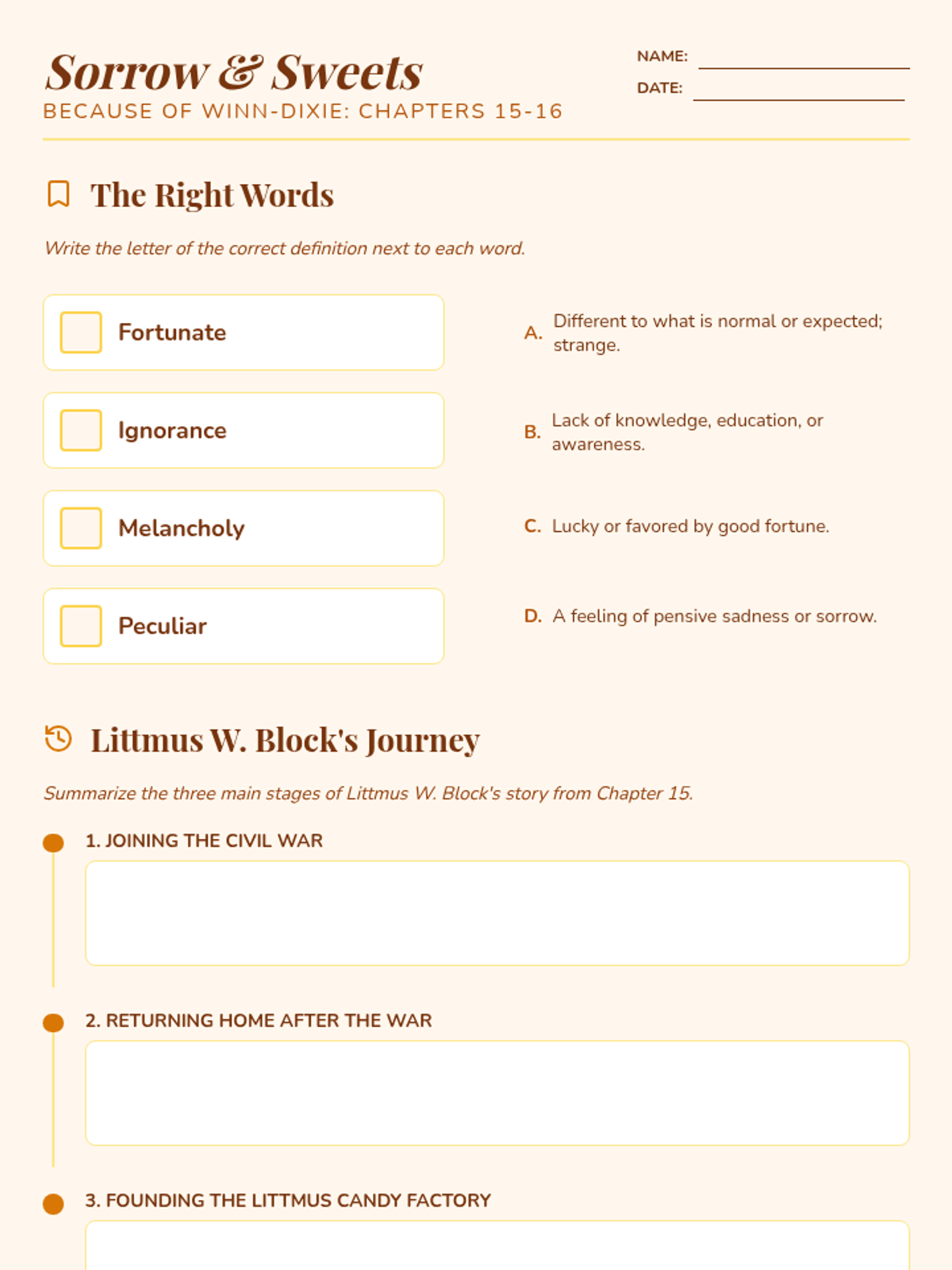
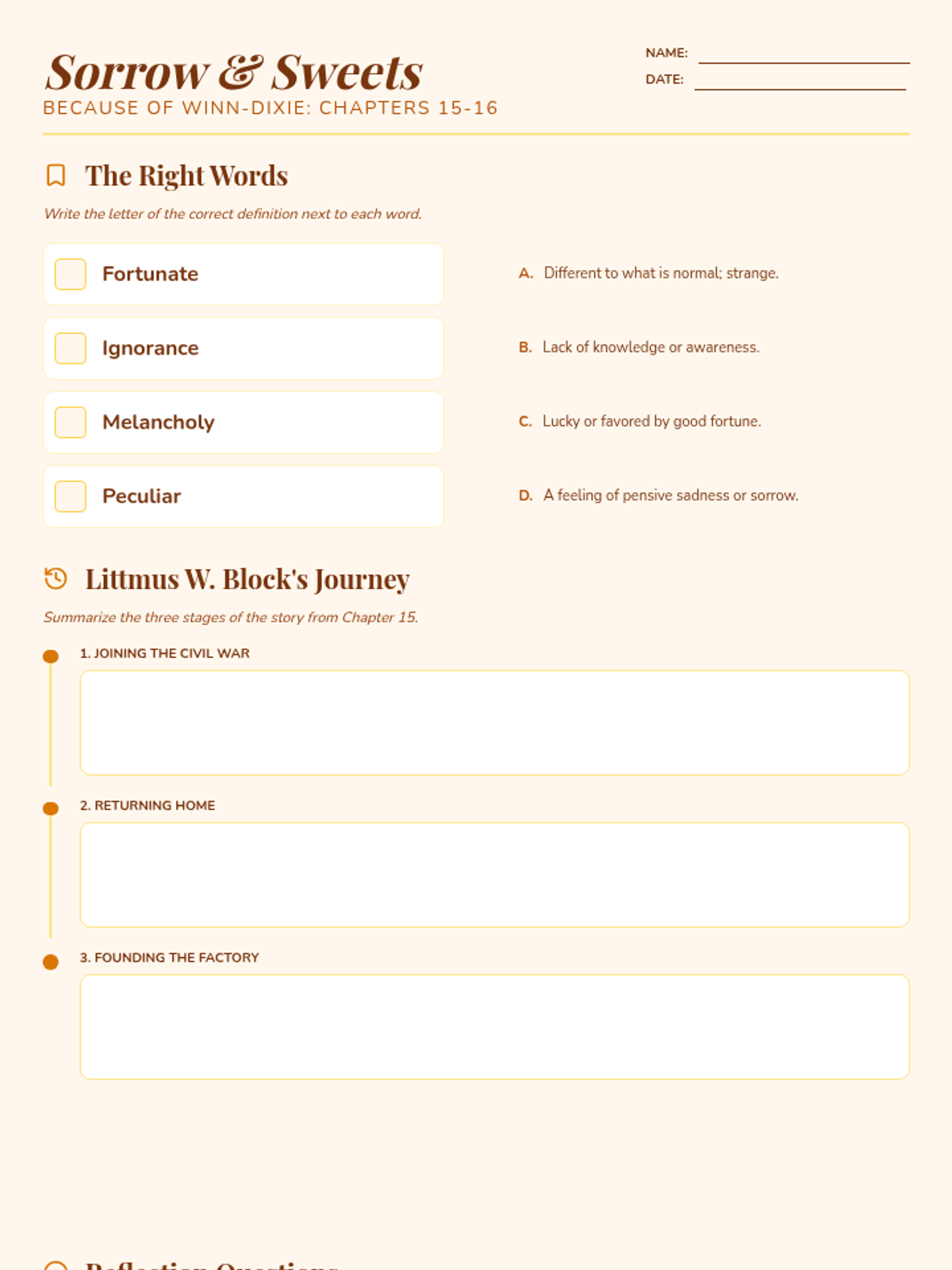
A two-part exploration of Chapters 19 and 20 of 'Because of Winn-Dixie', focusing on the emotional depth of Littmus Lozenges through sequencing and sensory analysis.
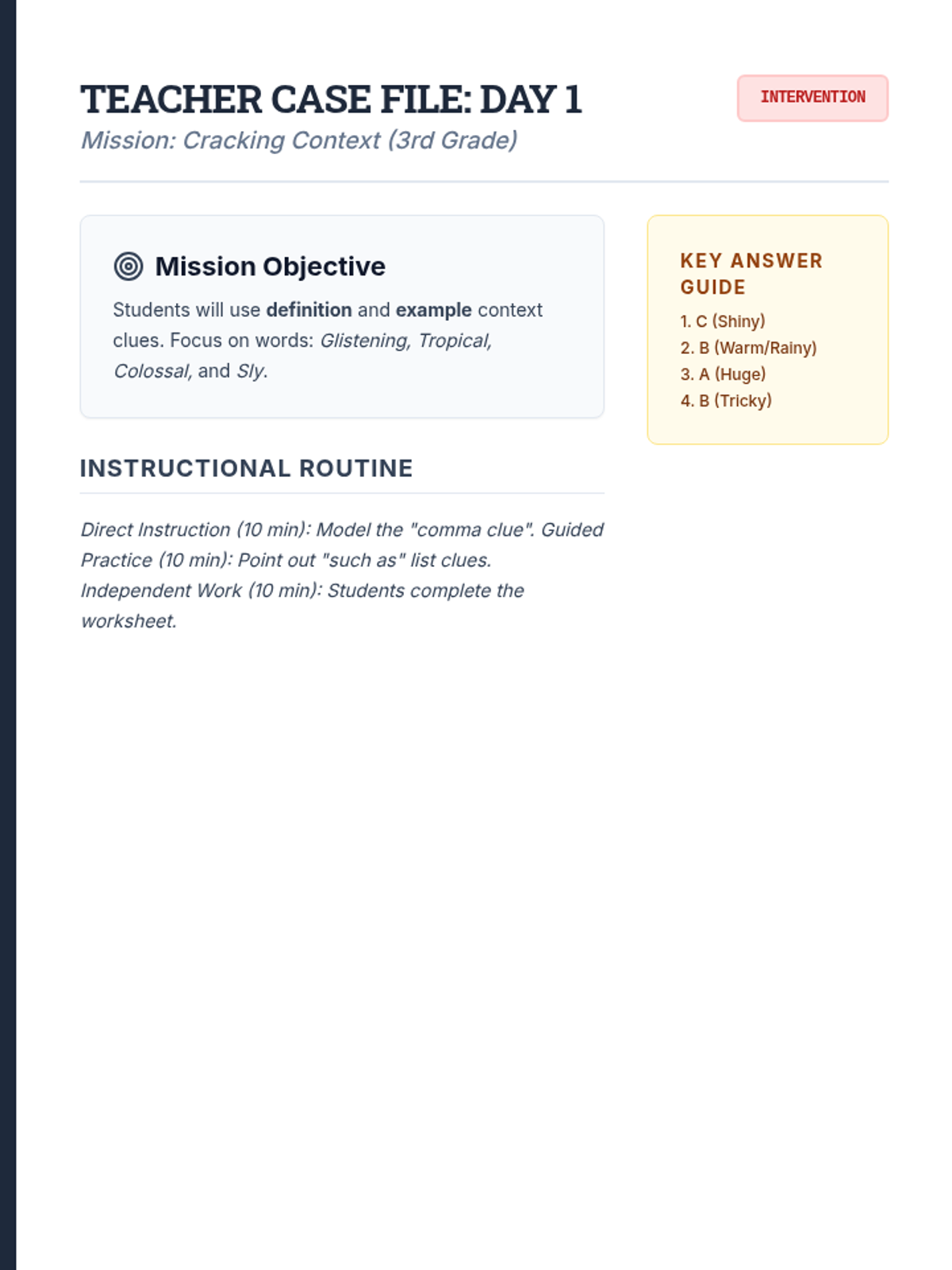
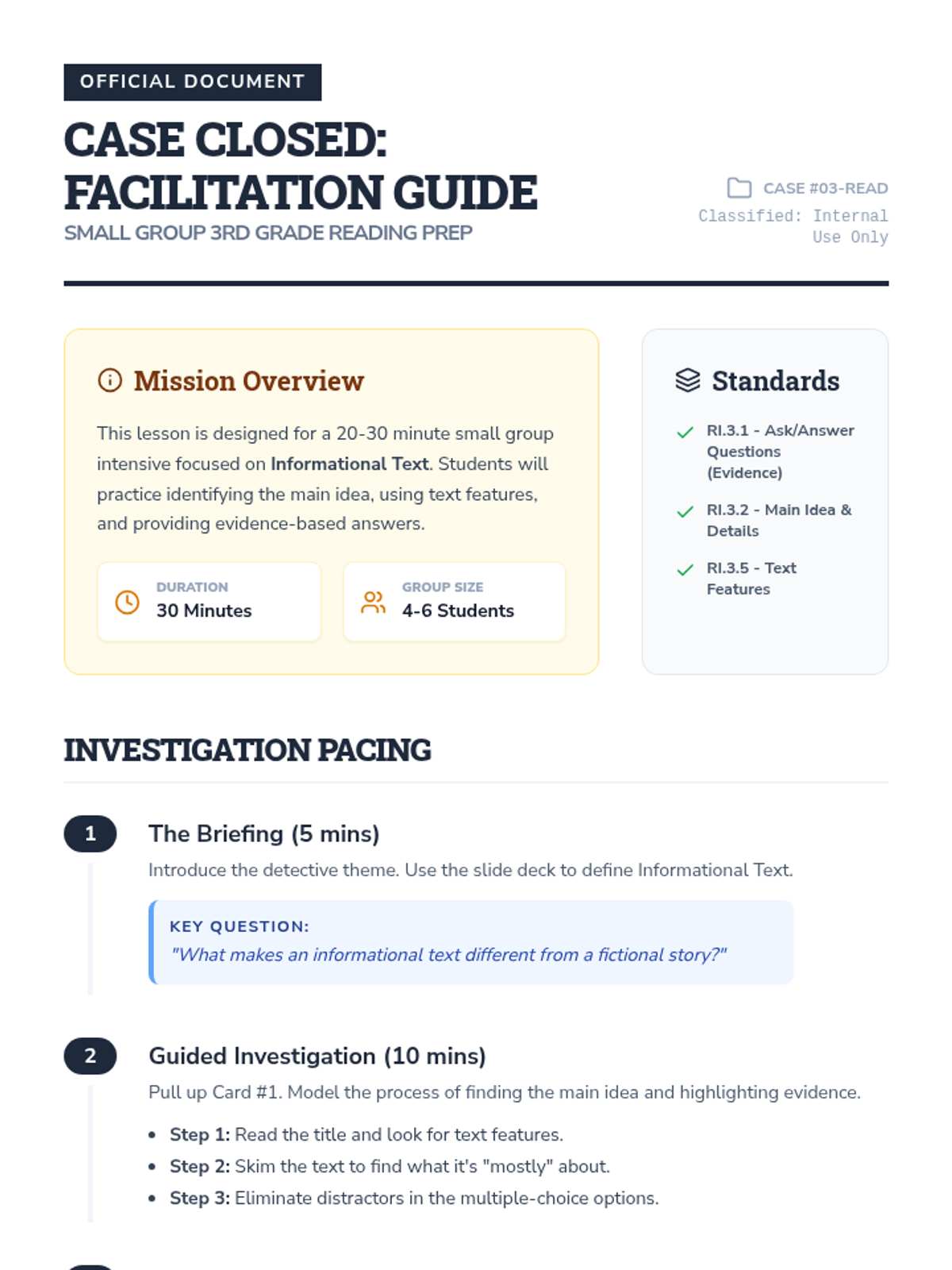
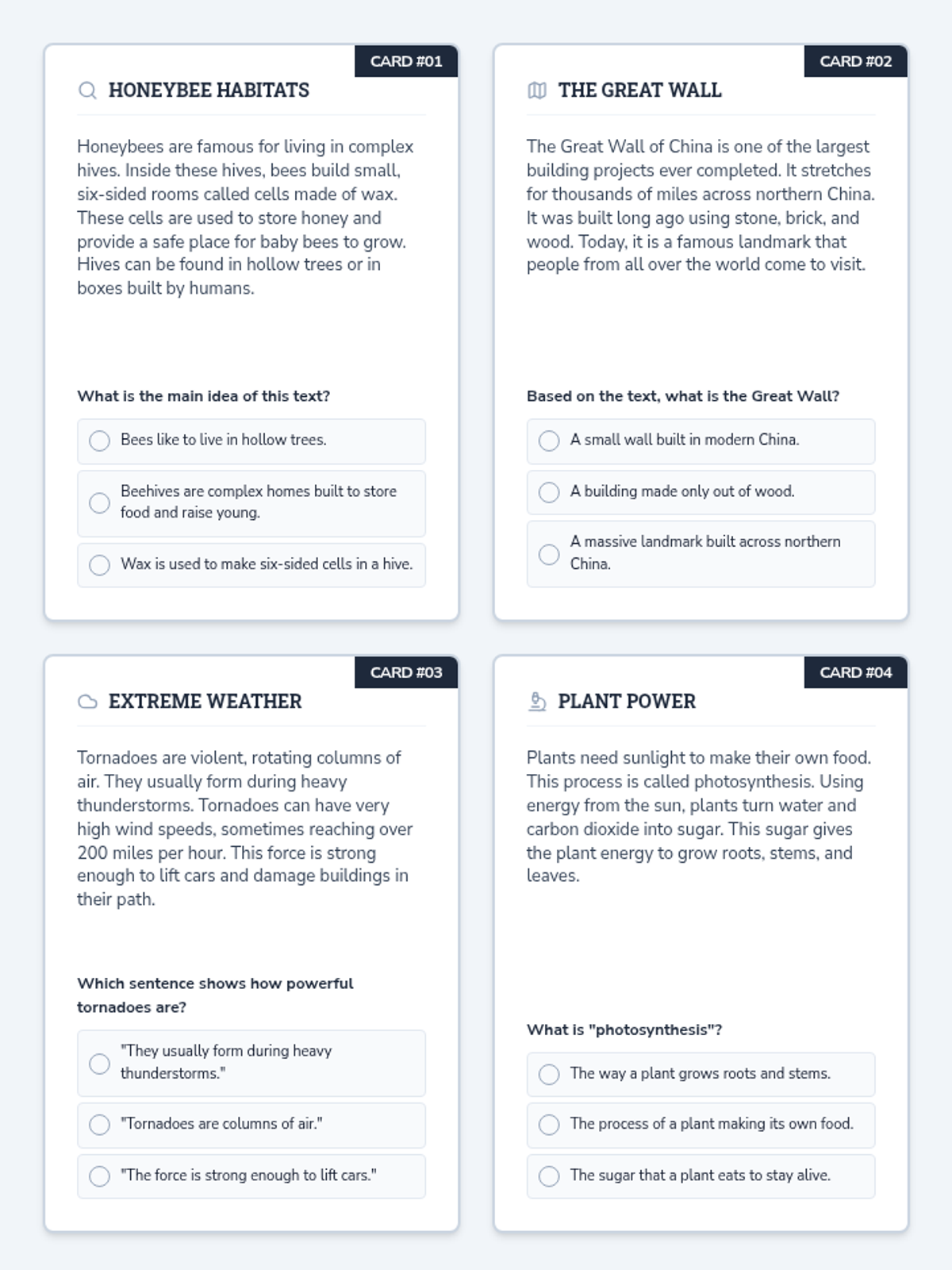
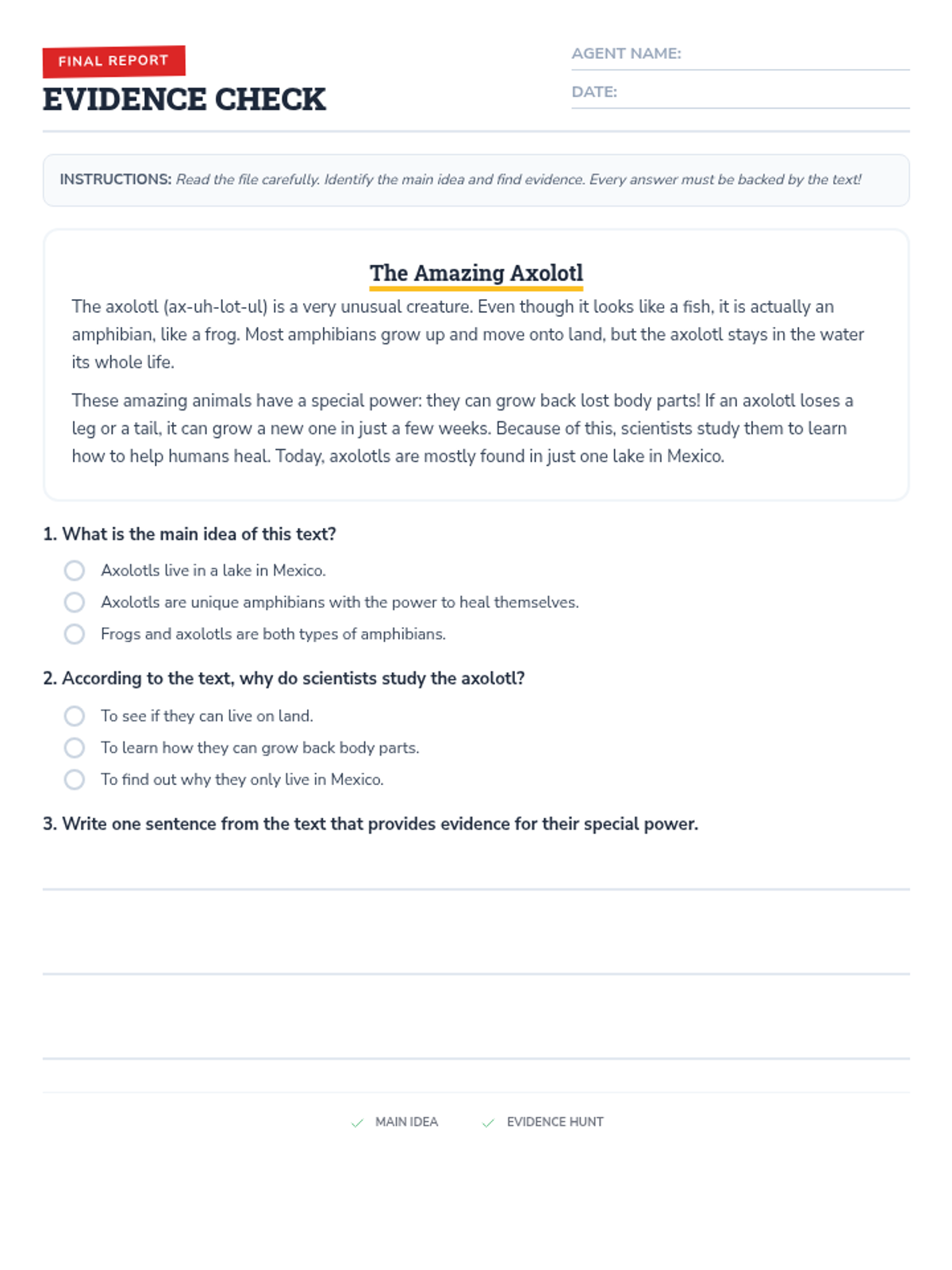
A 5-day ELA intervention sequence focusing on context clues and main idea/details, using a detective-themed 'Clue Casefiles' motif to engage students in close reading and evidence-based thinking.
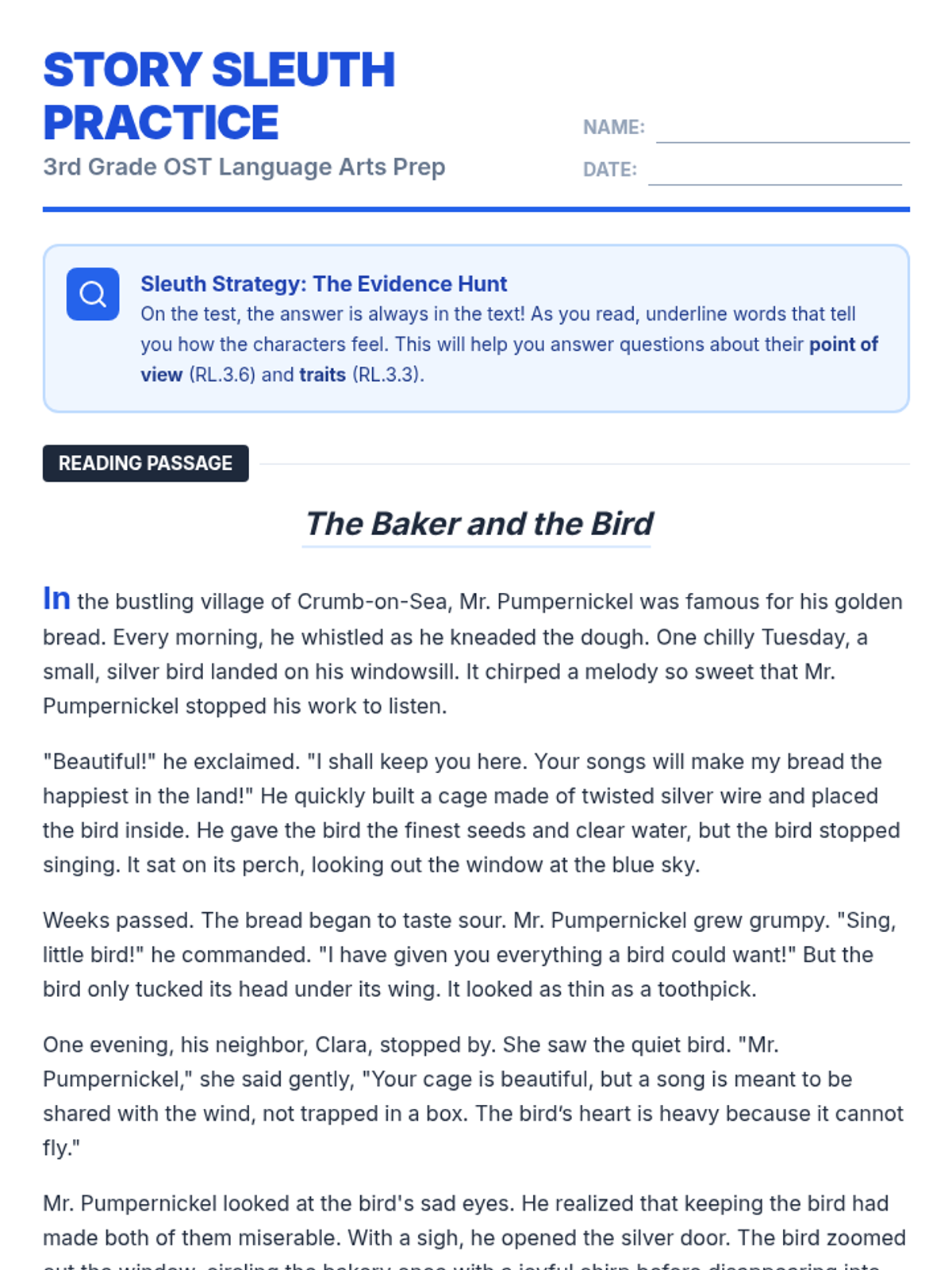
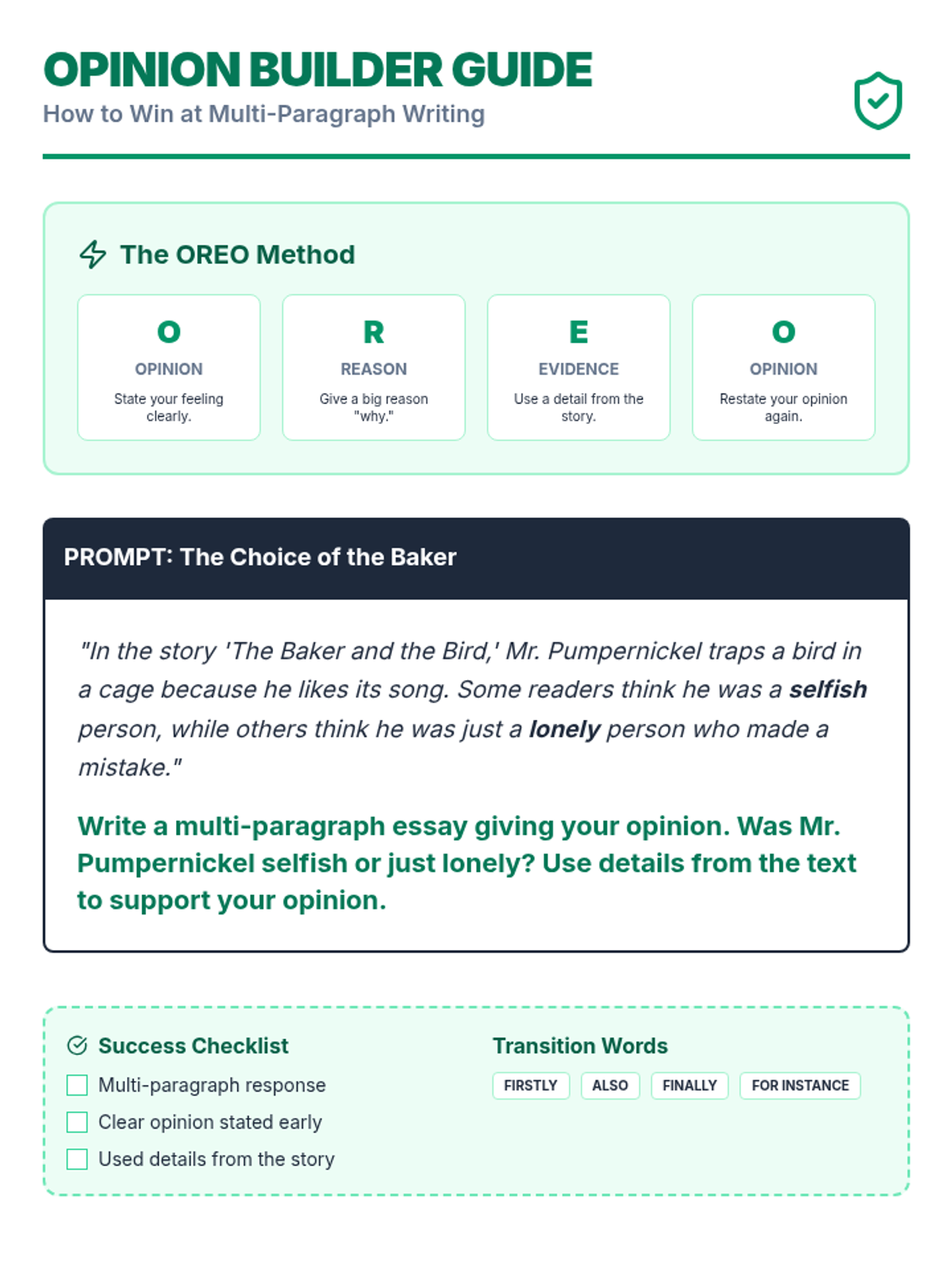
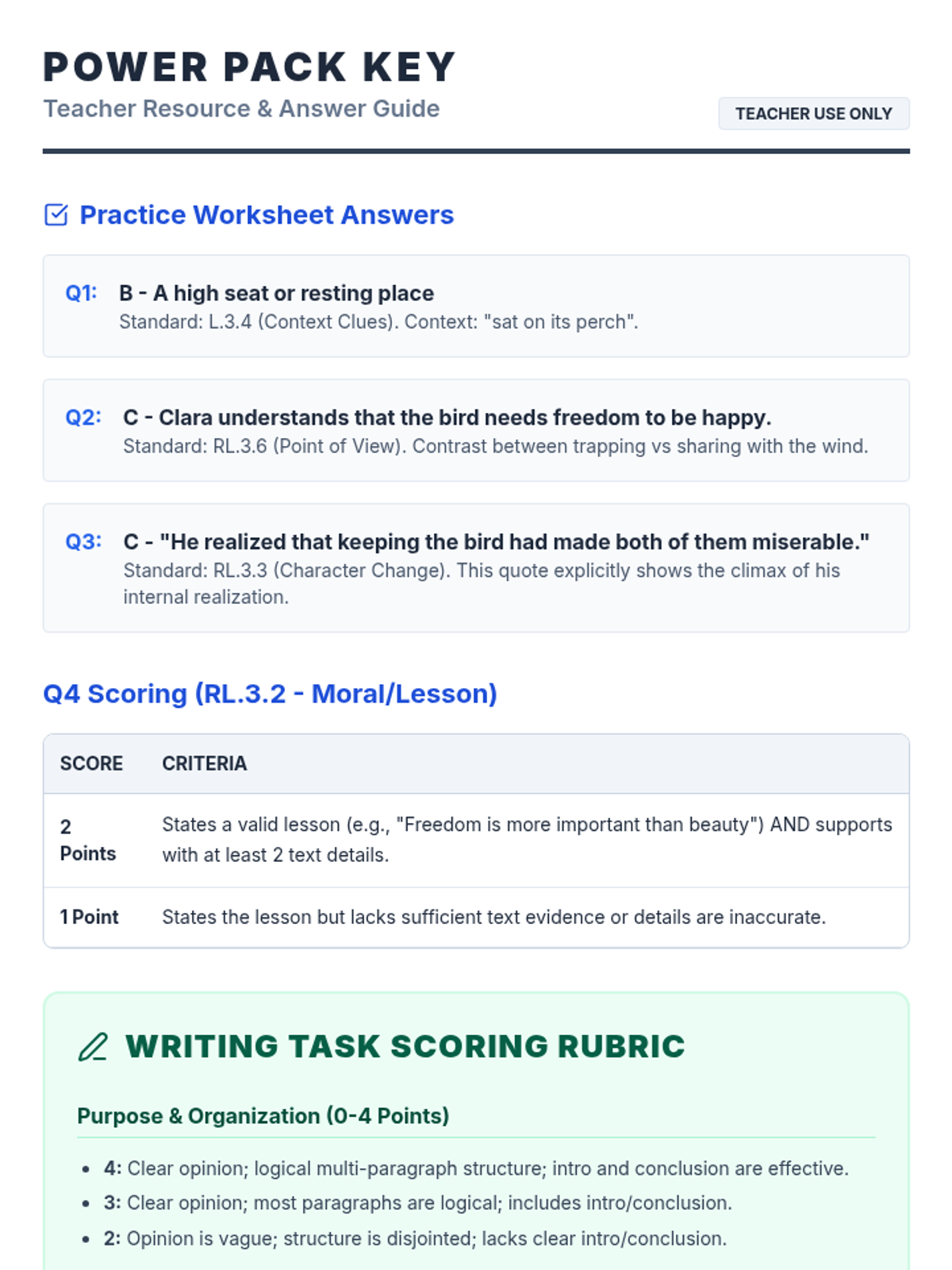
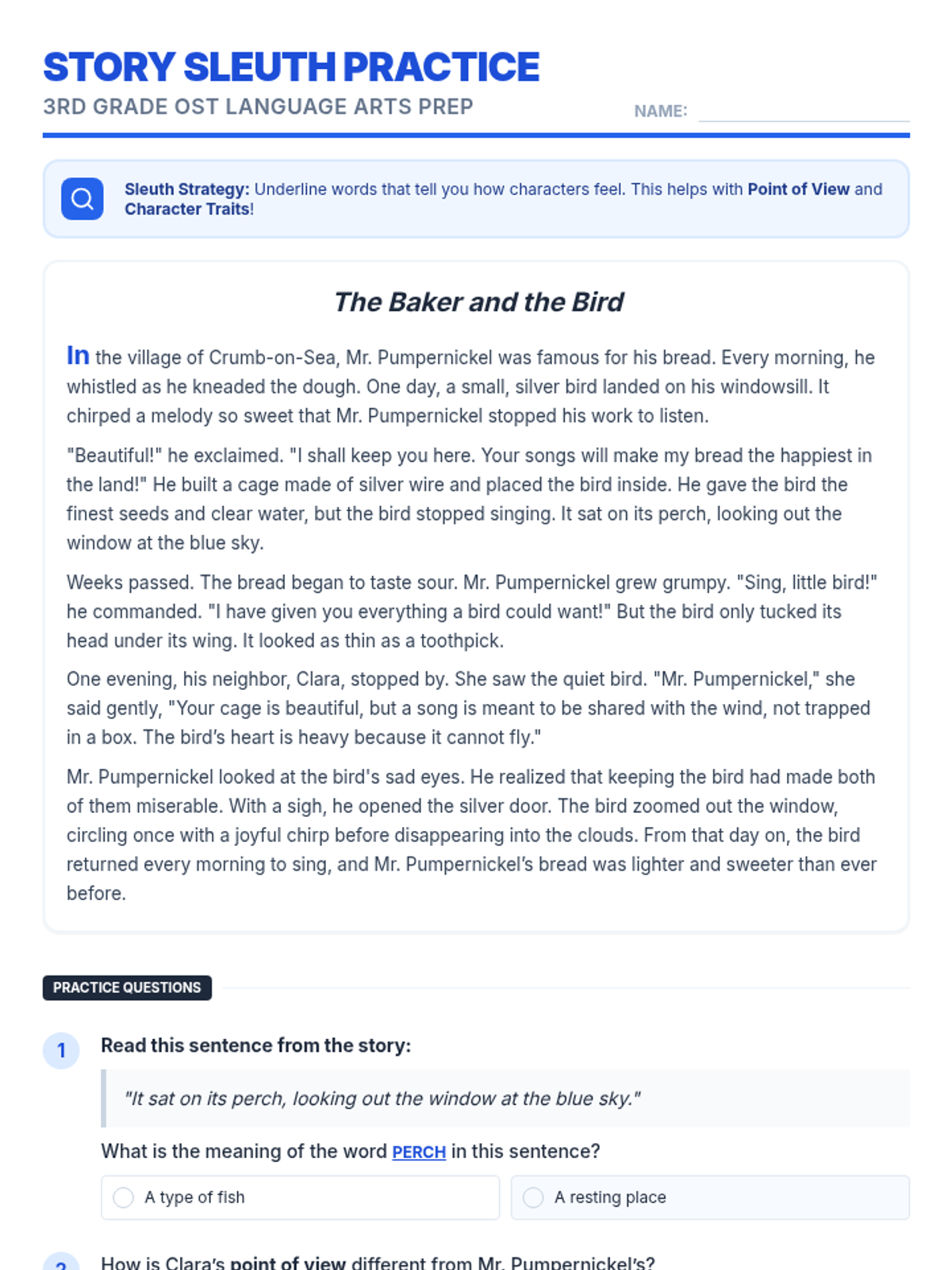
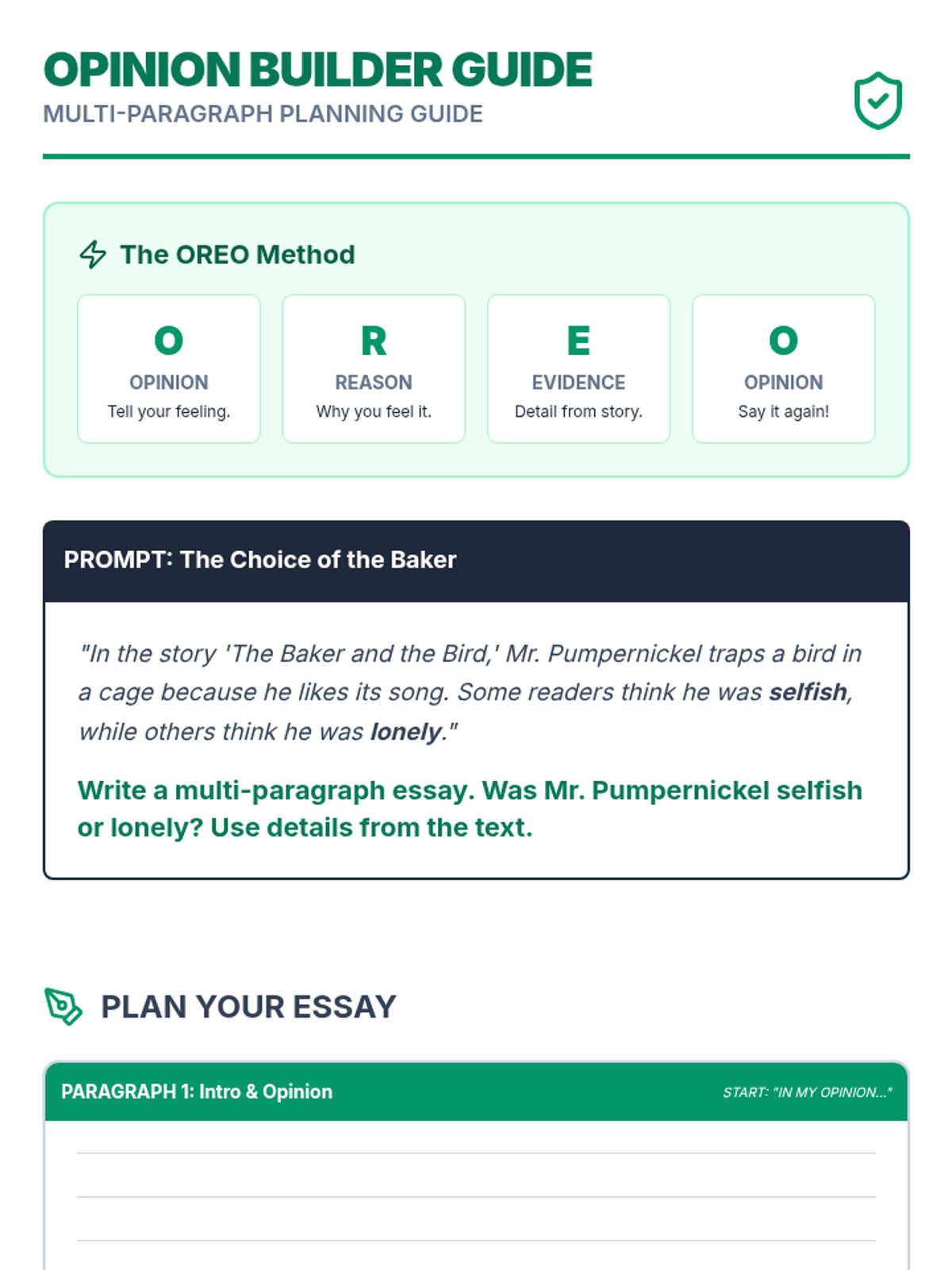
A comprehensive preparation unit for the 3rd Grade OST Language Arts test, focusing on literary analysis, language nuances, and multi-paragraph opinion writing. Students practice with authentic-style passages and learn structural strategies for writing.
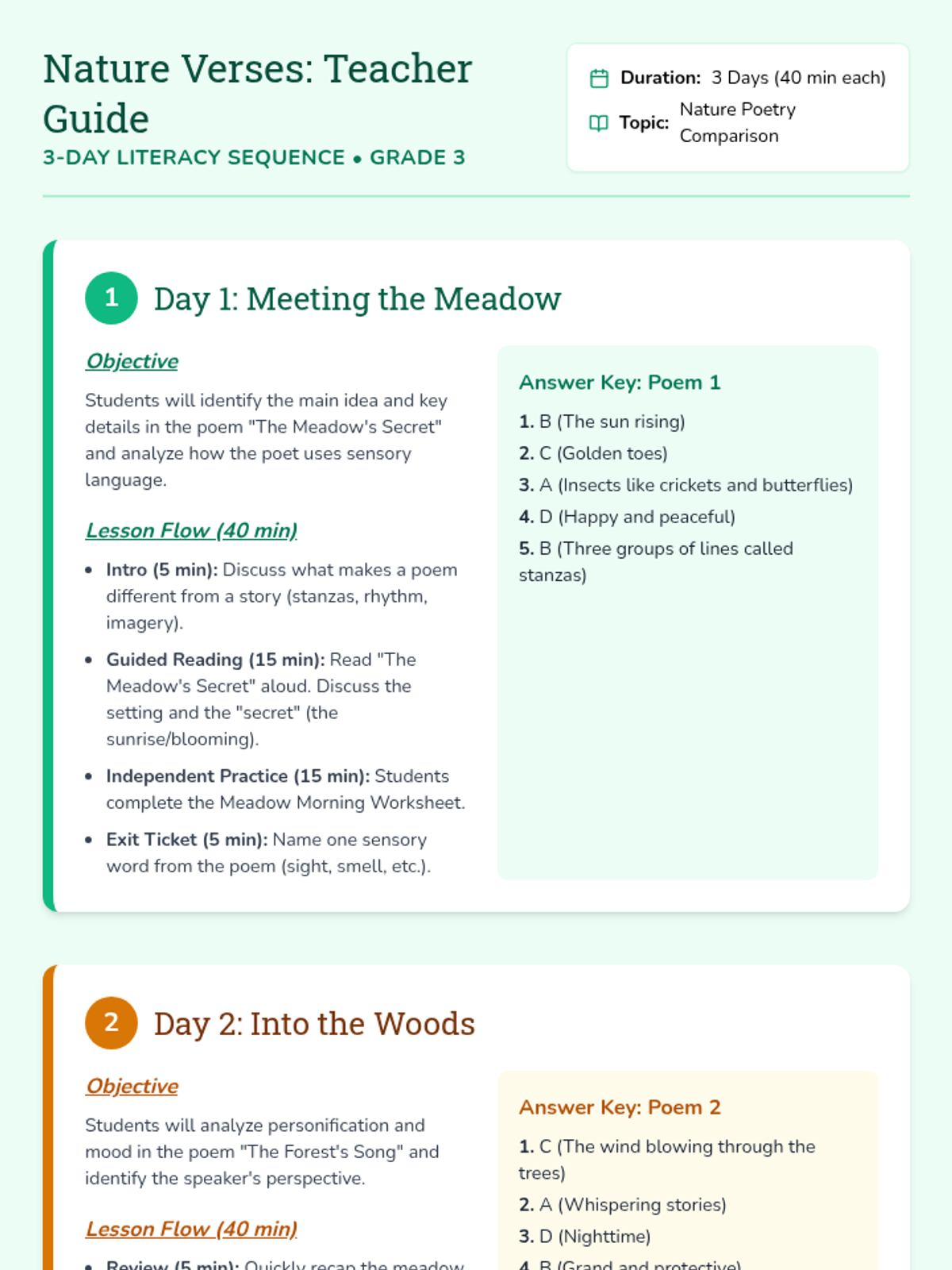
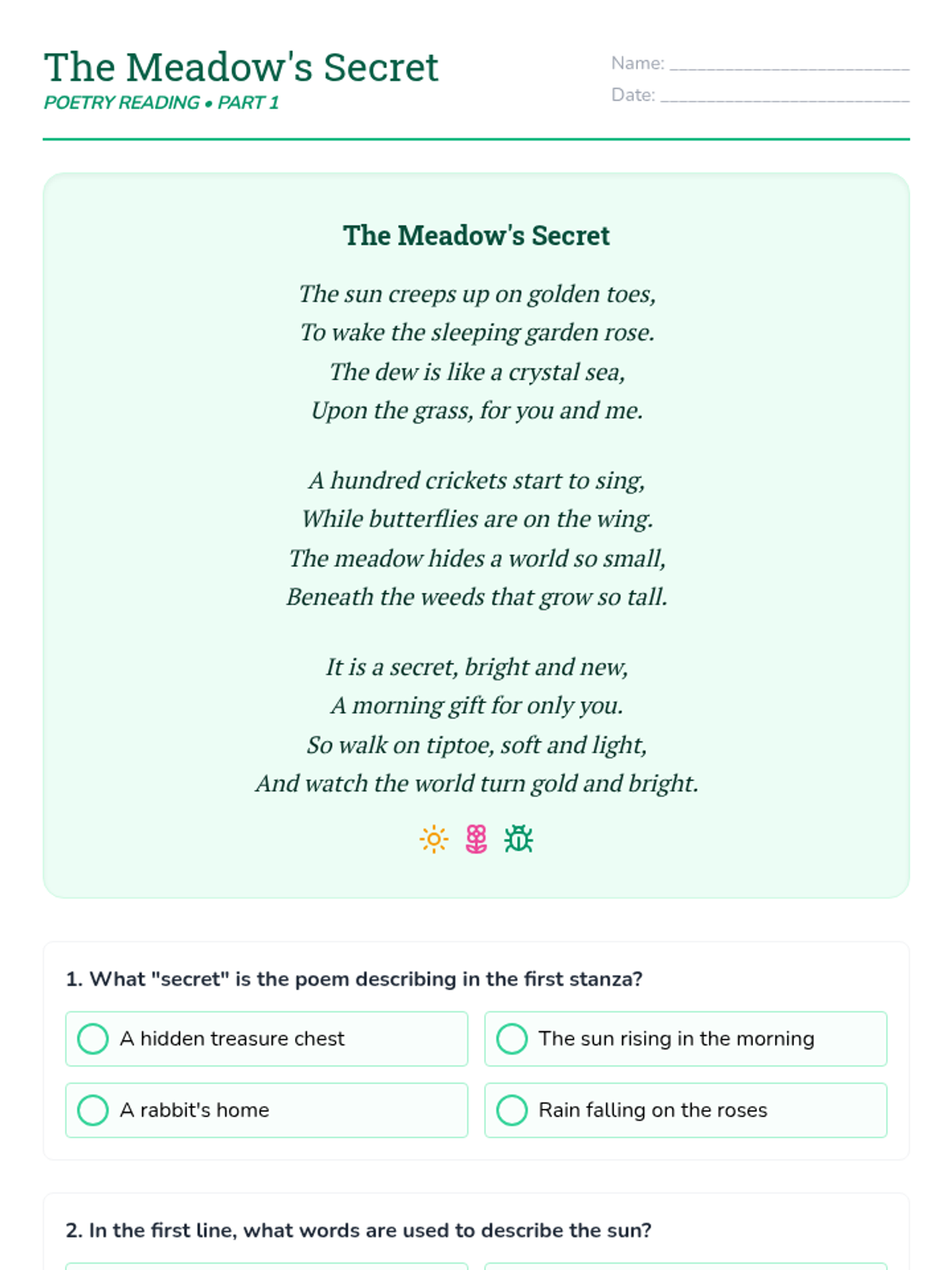
A three-day literacy sequence for 3rd grade students focused on analyzing and comparing two nature-themed poems. Students will explore poetic devices, imagery, and themes through close reading and multiple-choice assessment.
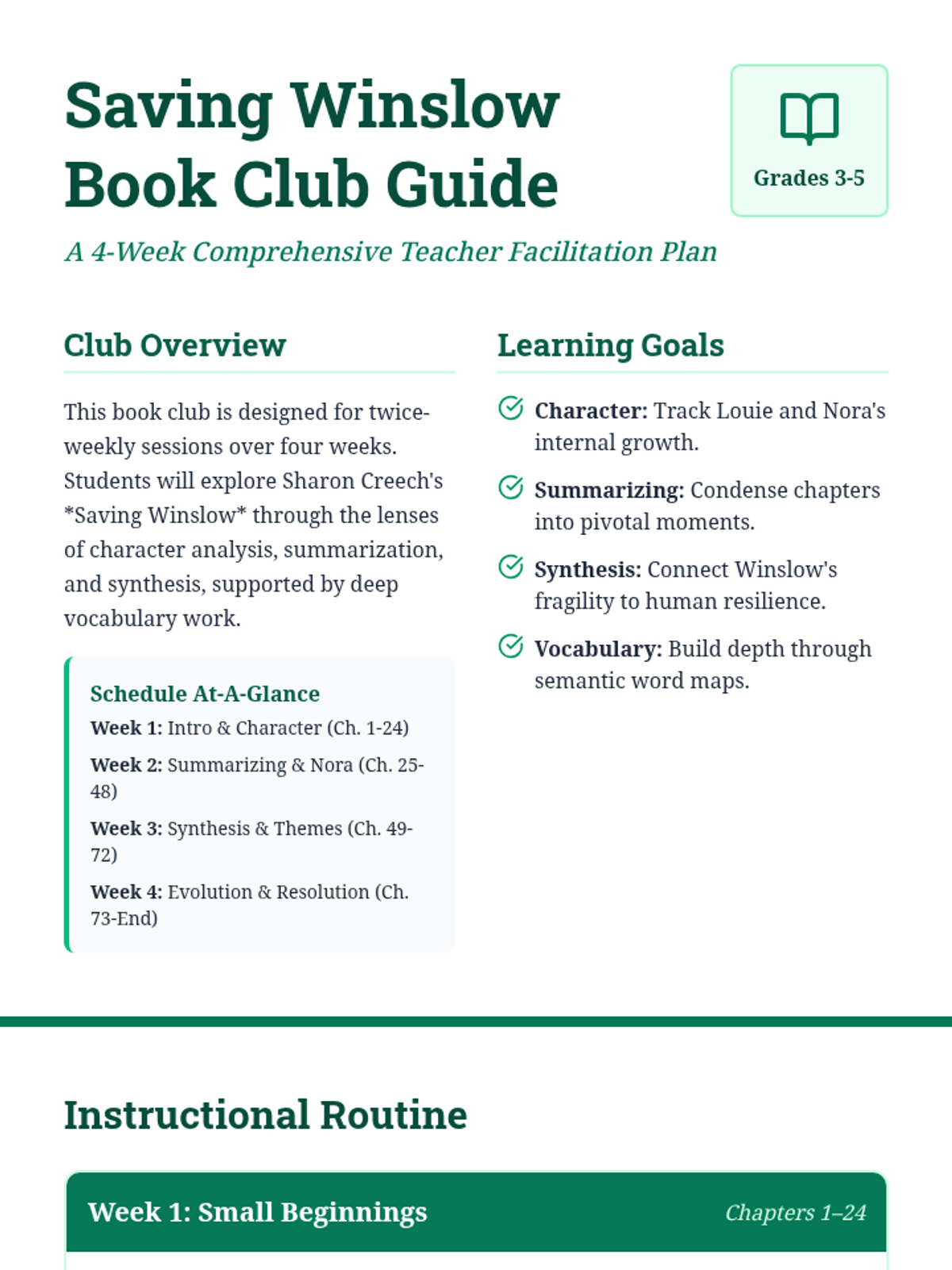
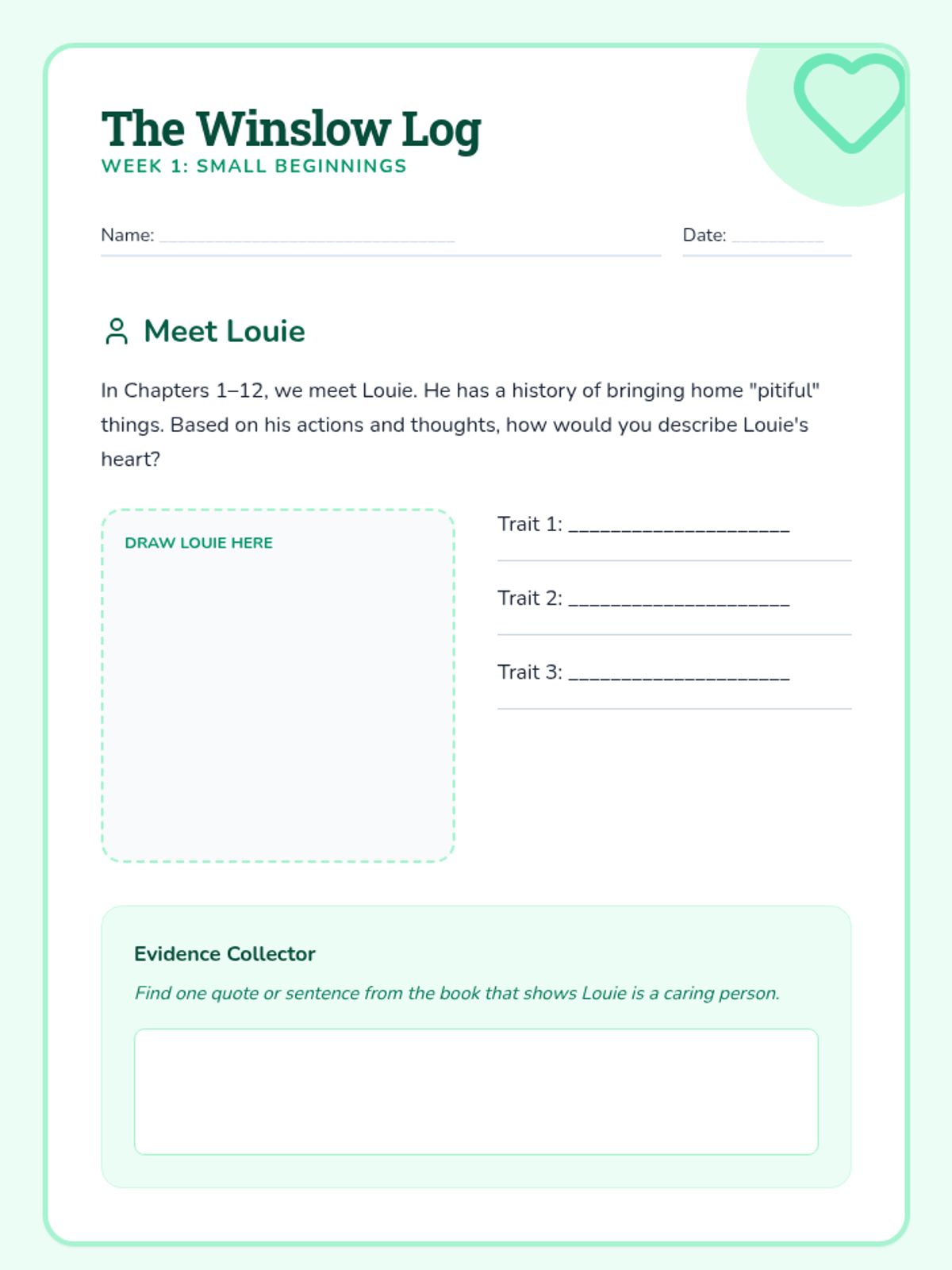
A 4-week book club sequence for Sharon Creech's 'Saving Winslow', focusing on character analysis, summarizing, synthesizing, and vocabulary through bi-weekly sessions.
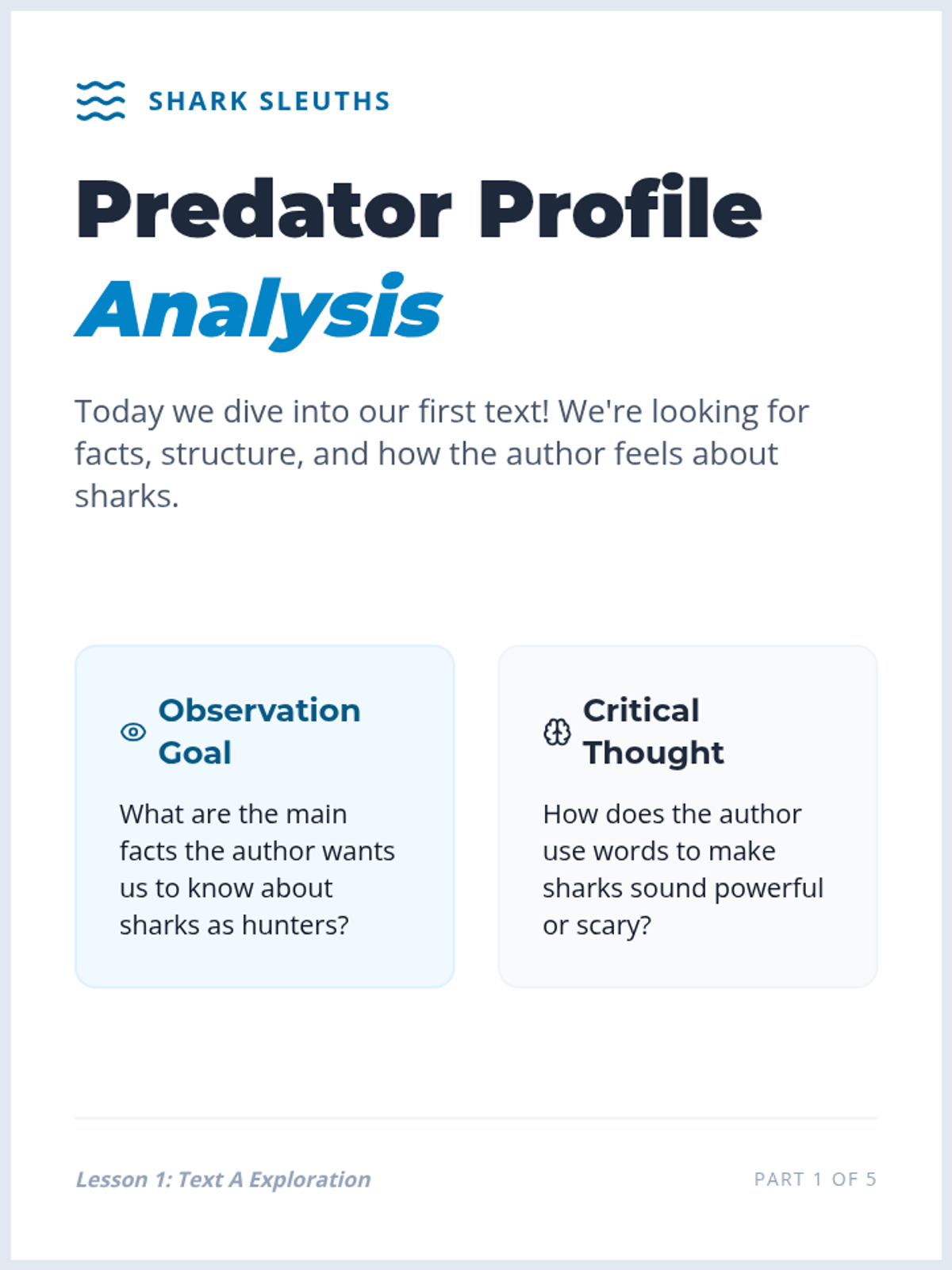
A 3rd-grade ELA sequence focused on comparing points of view in informational texts using two different perspectives on sharks. Students analyze text structure, author purpose, and synthesize information from multiple sources.
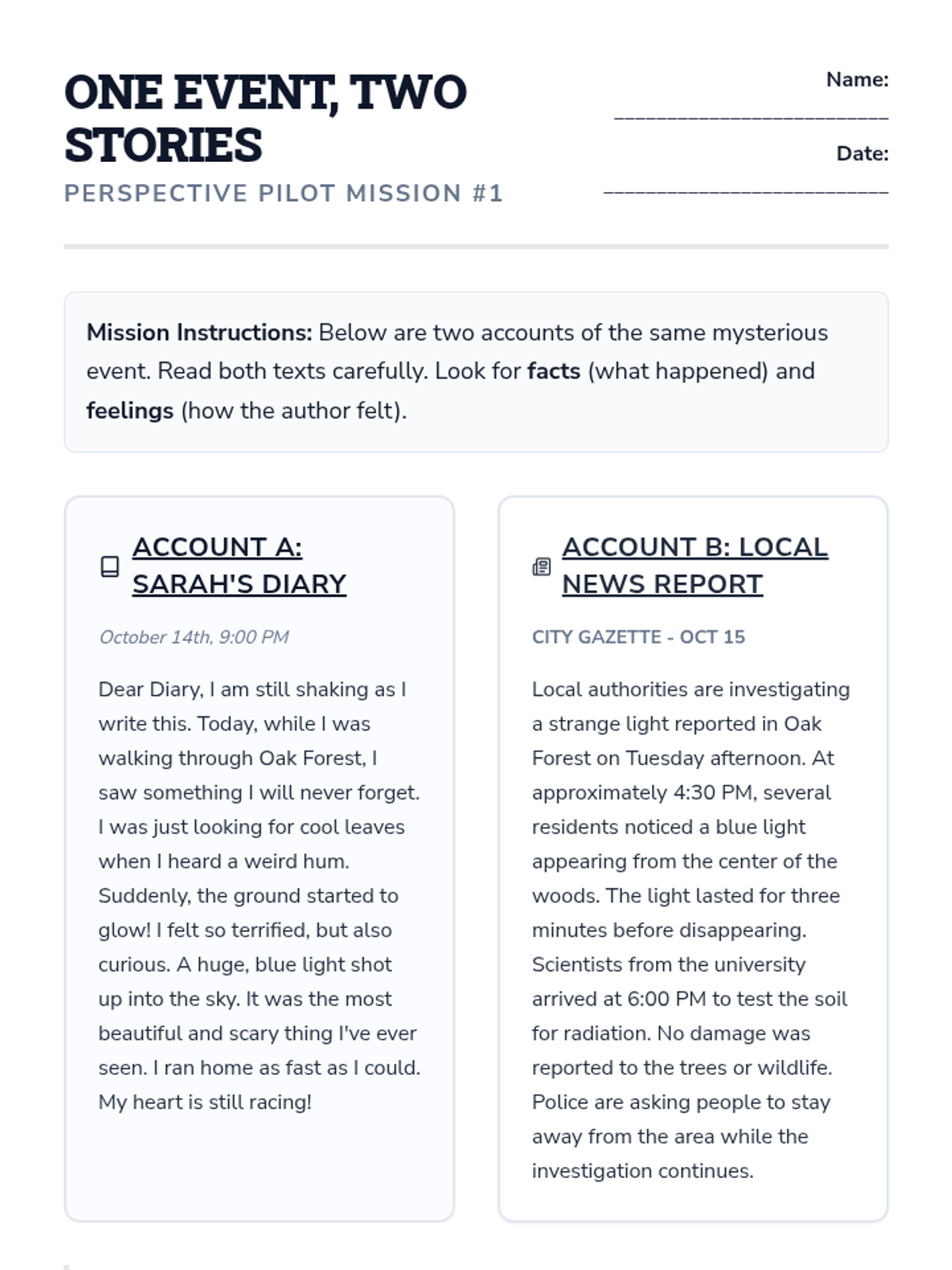
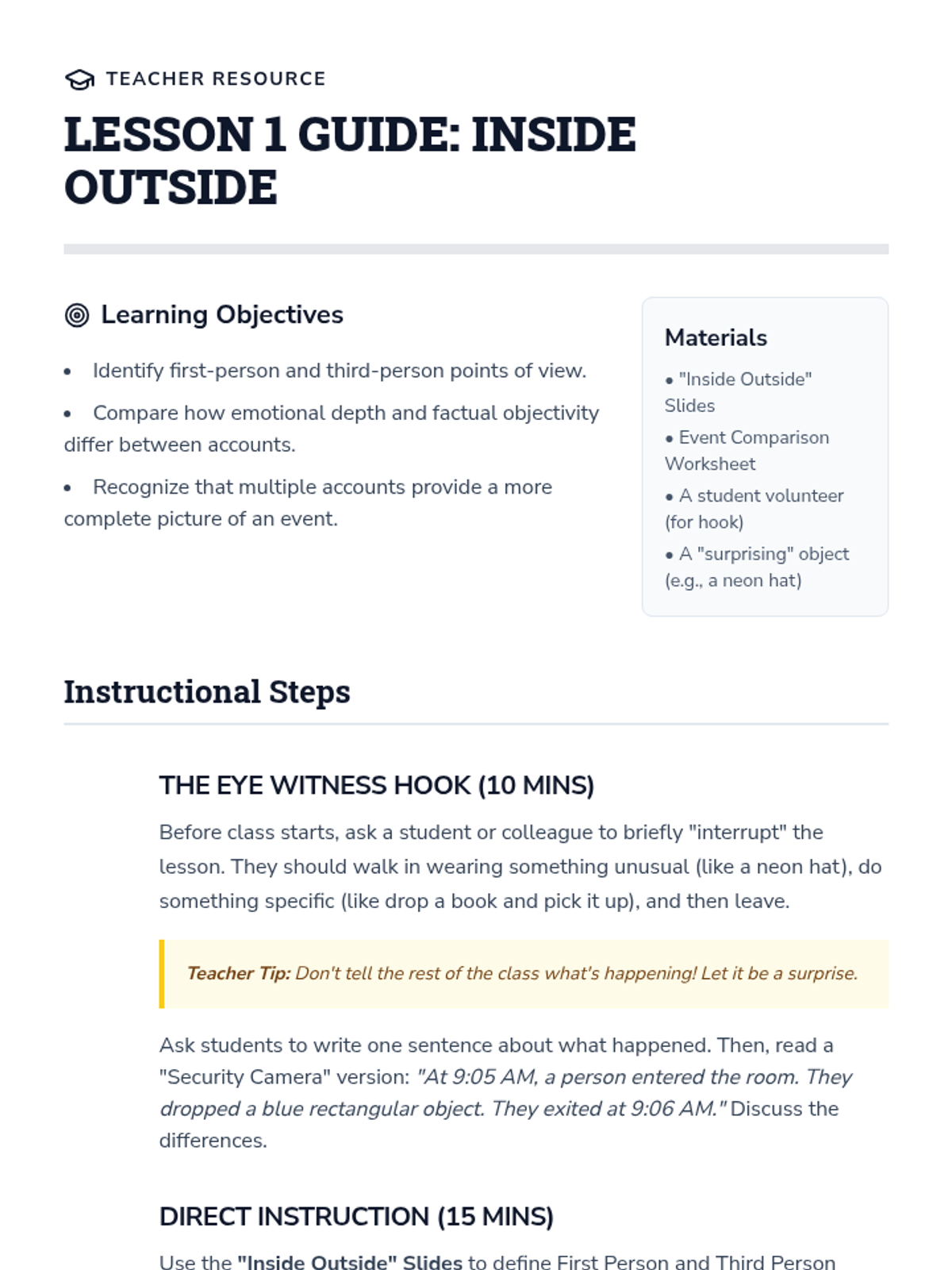
Students analyze multiple accounts of the same event to detect bias, perspective, and conflicting information, moving towards critical literacy and understanding that every text represents a specific point of view.
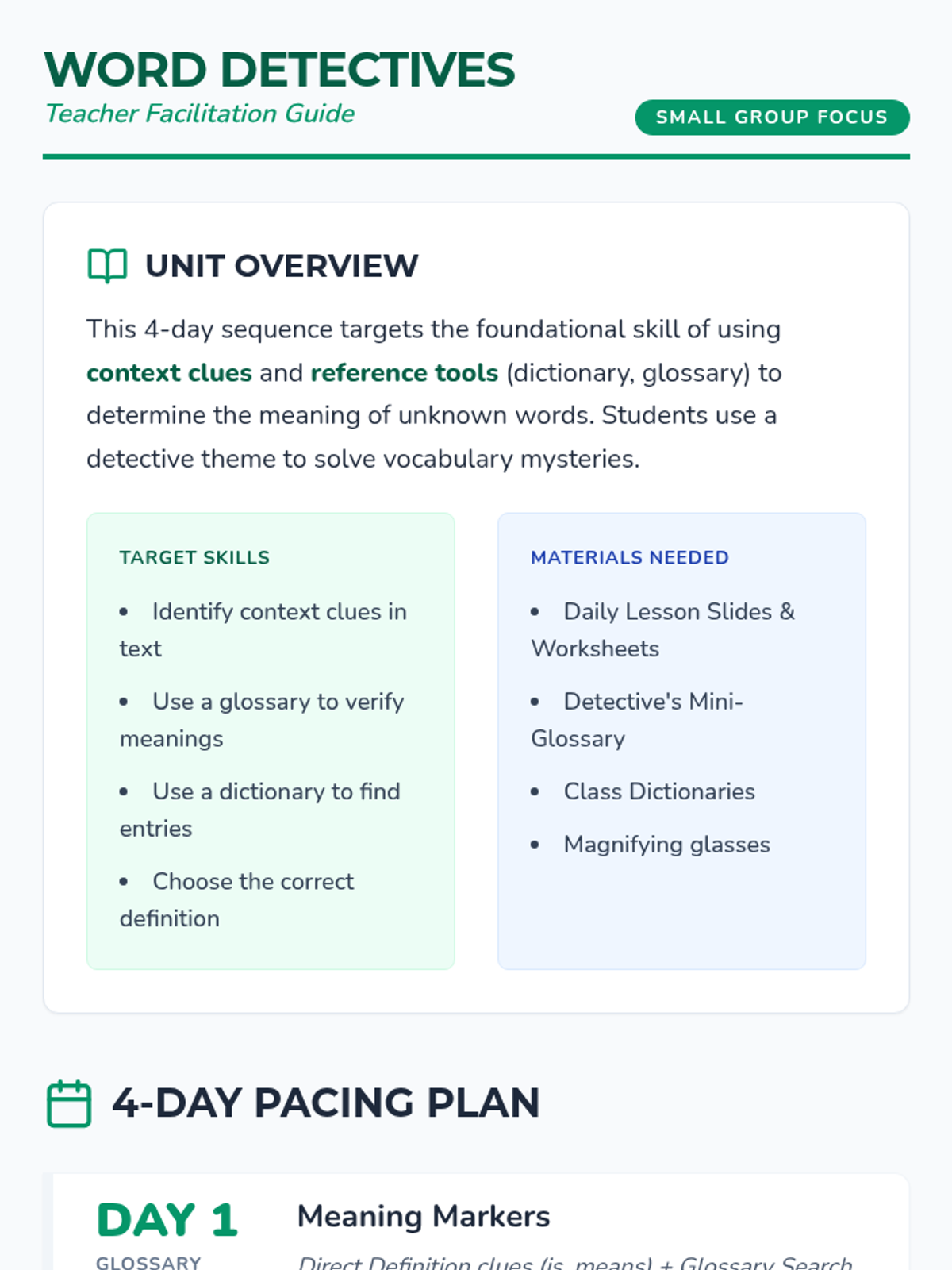
A 4-day small group intervention focused on using context clues (definition, example, synonym, and antonym) supported by visual illustrations to determine the meaning of unknown words. Students act as 'Word Detectives' to solve vocabulary mysteries.
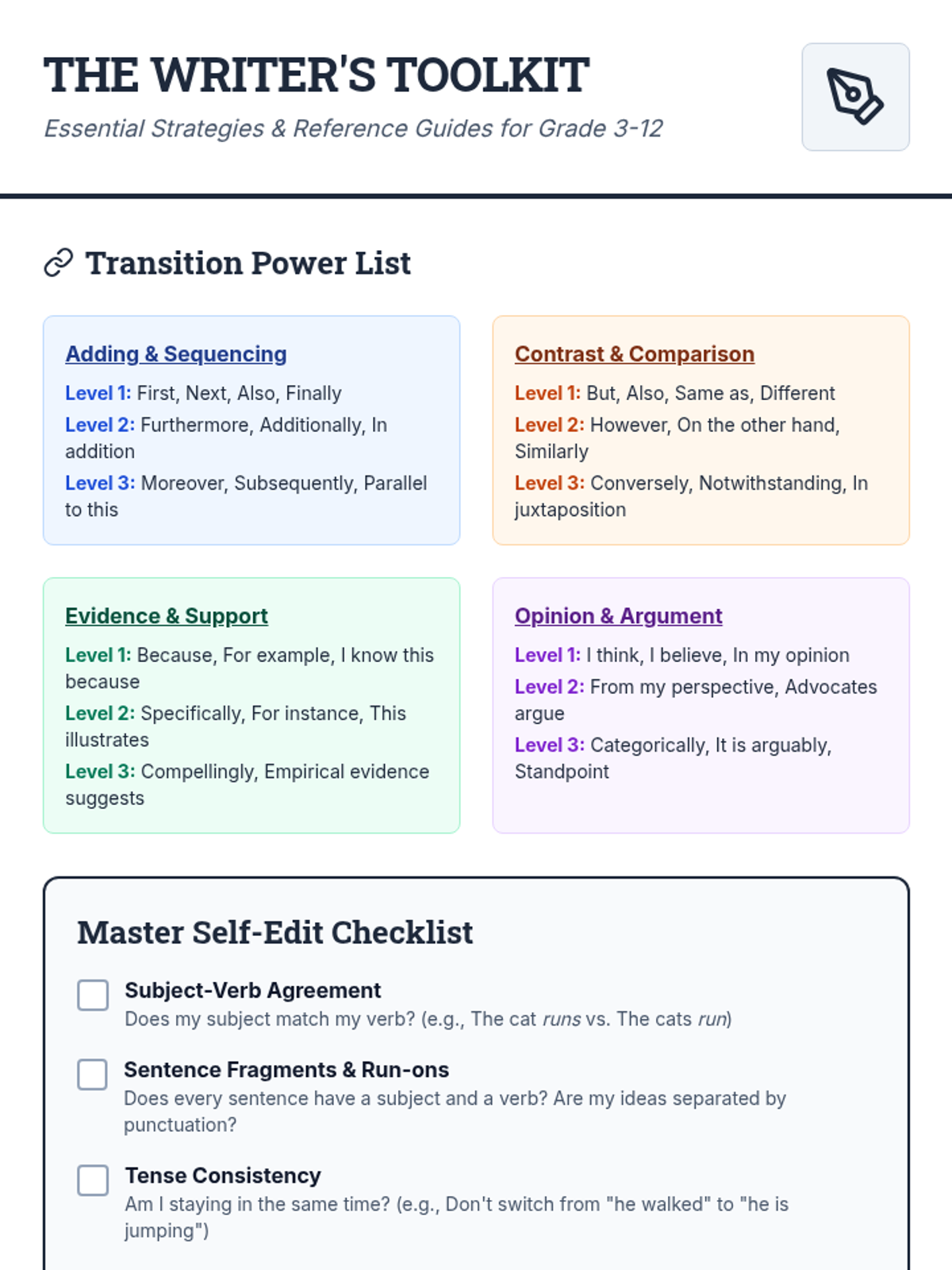
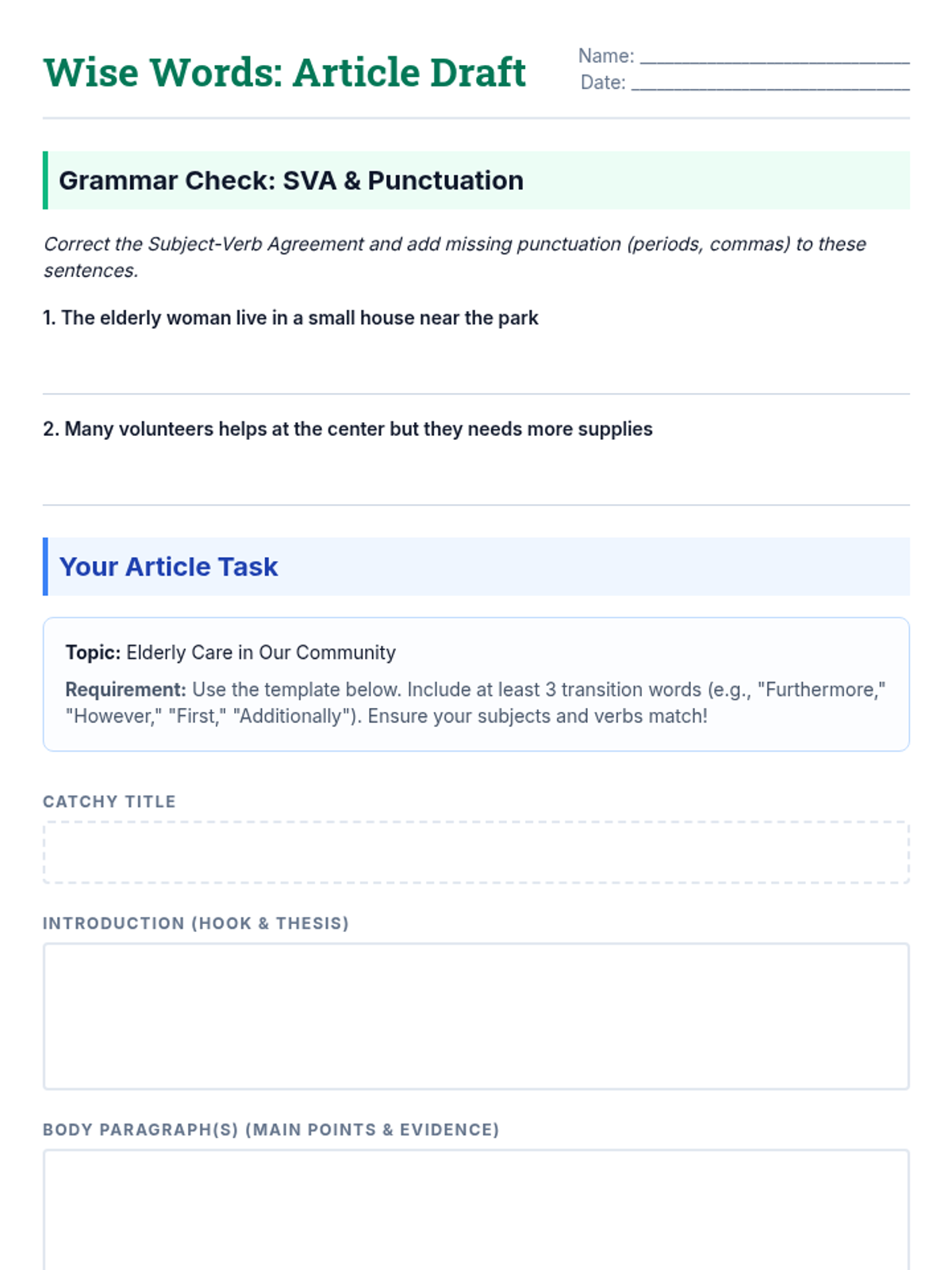
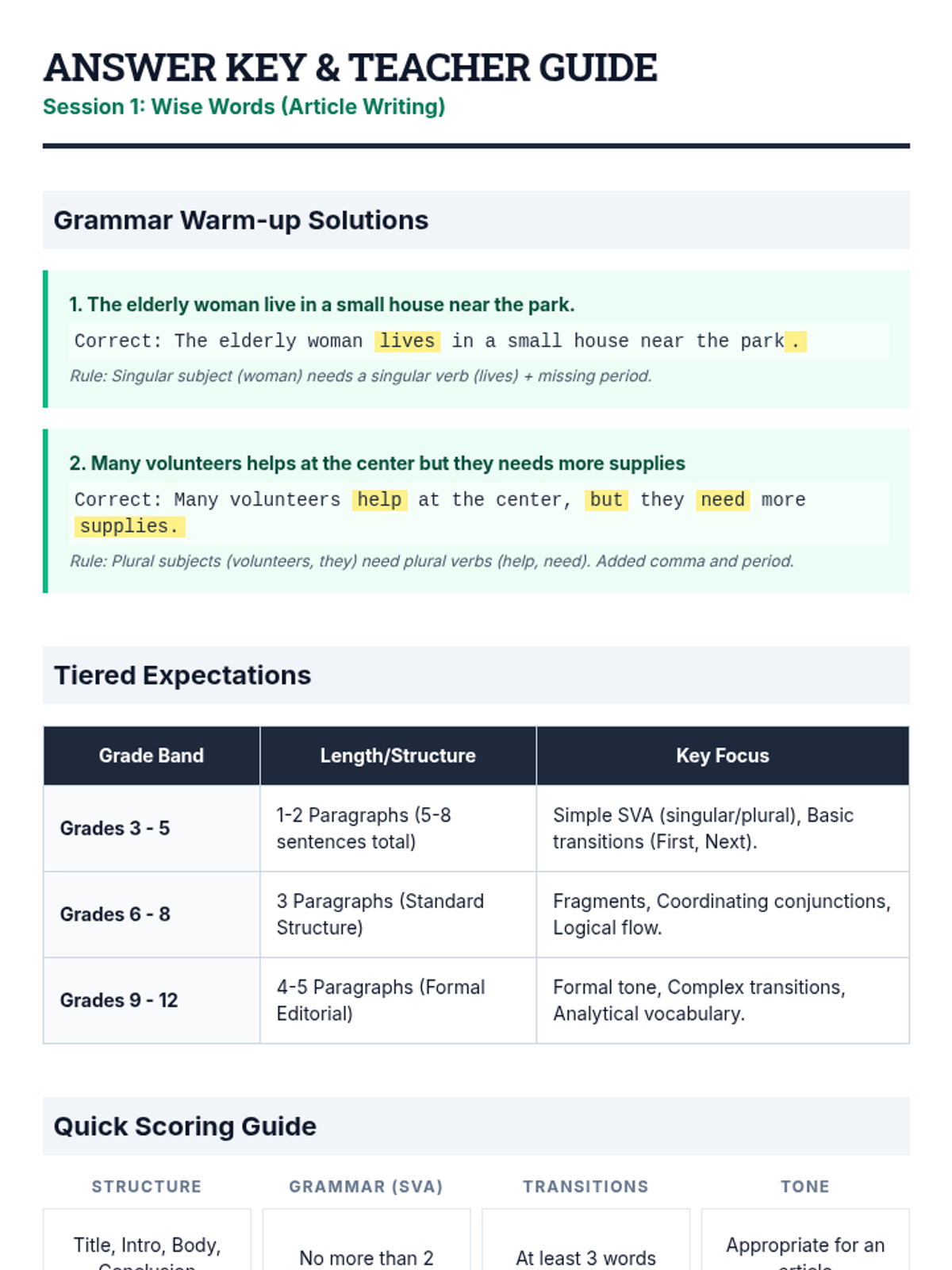
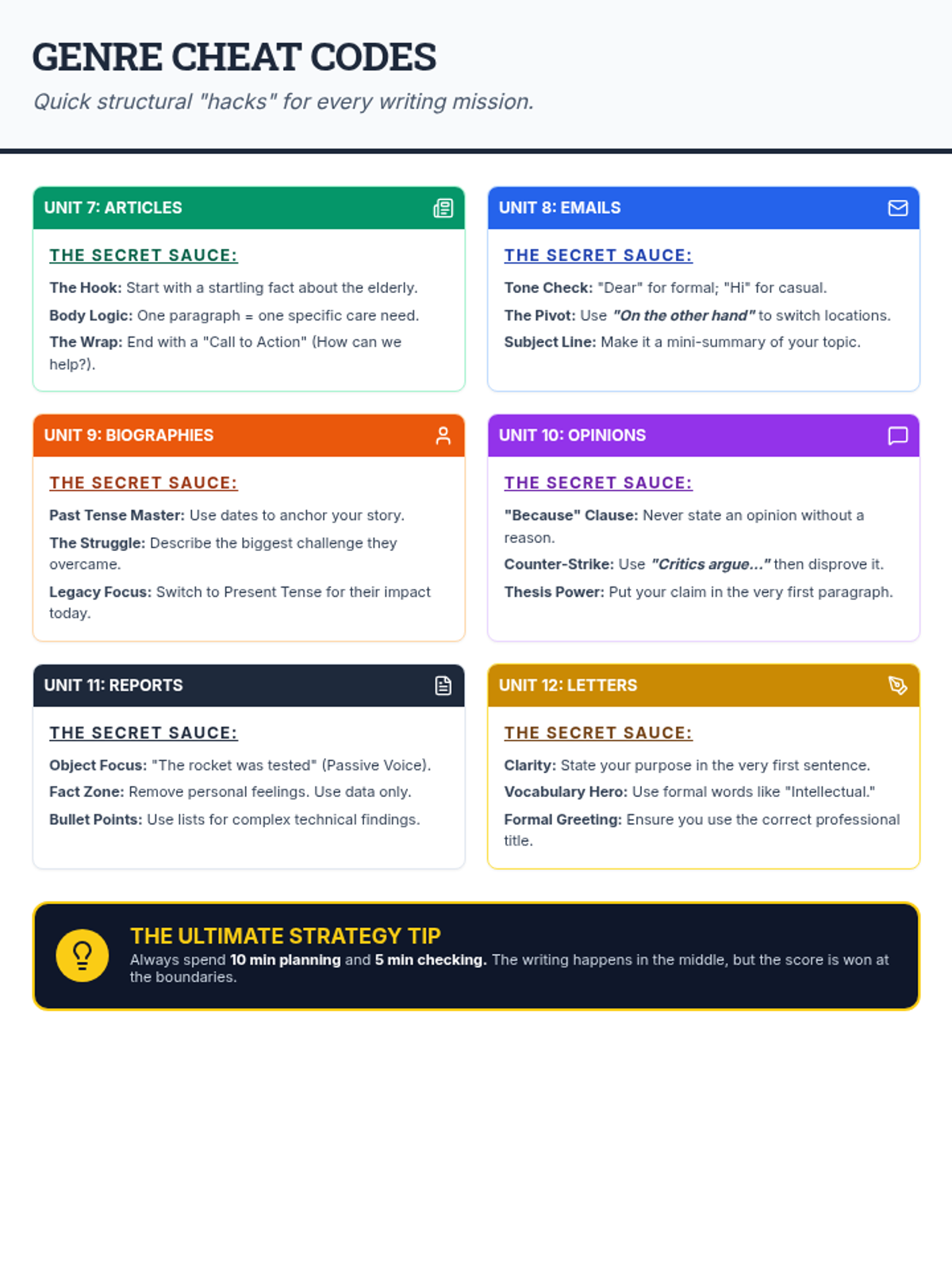
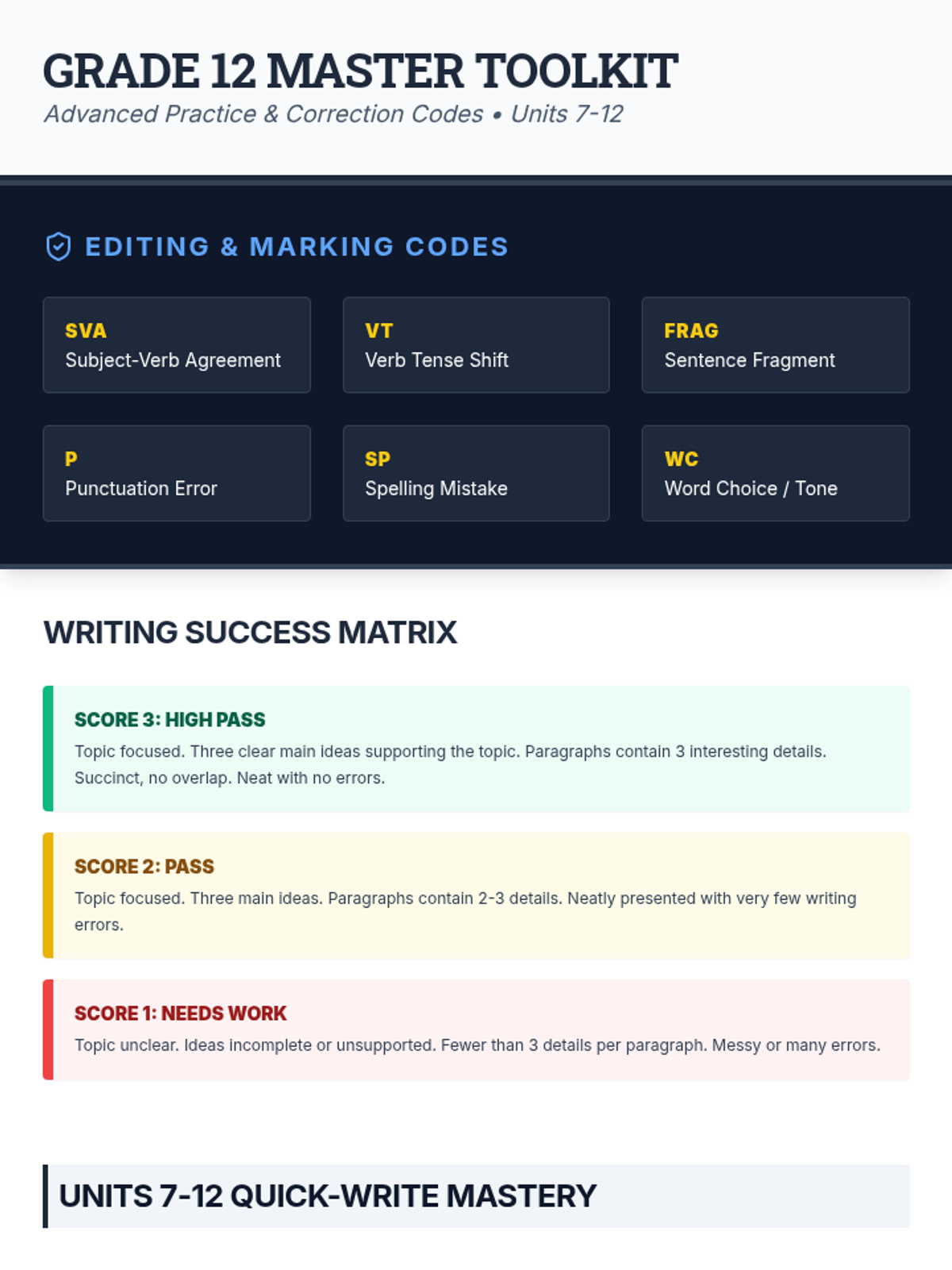
A comprehensive writing program for grades 3-12 focused on sentence and paragraph composition across six different genres, culminating in exam preparation and final assessments. The curriculum balances grammar foundations with creative and formal writing structures.
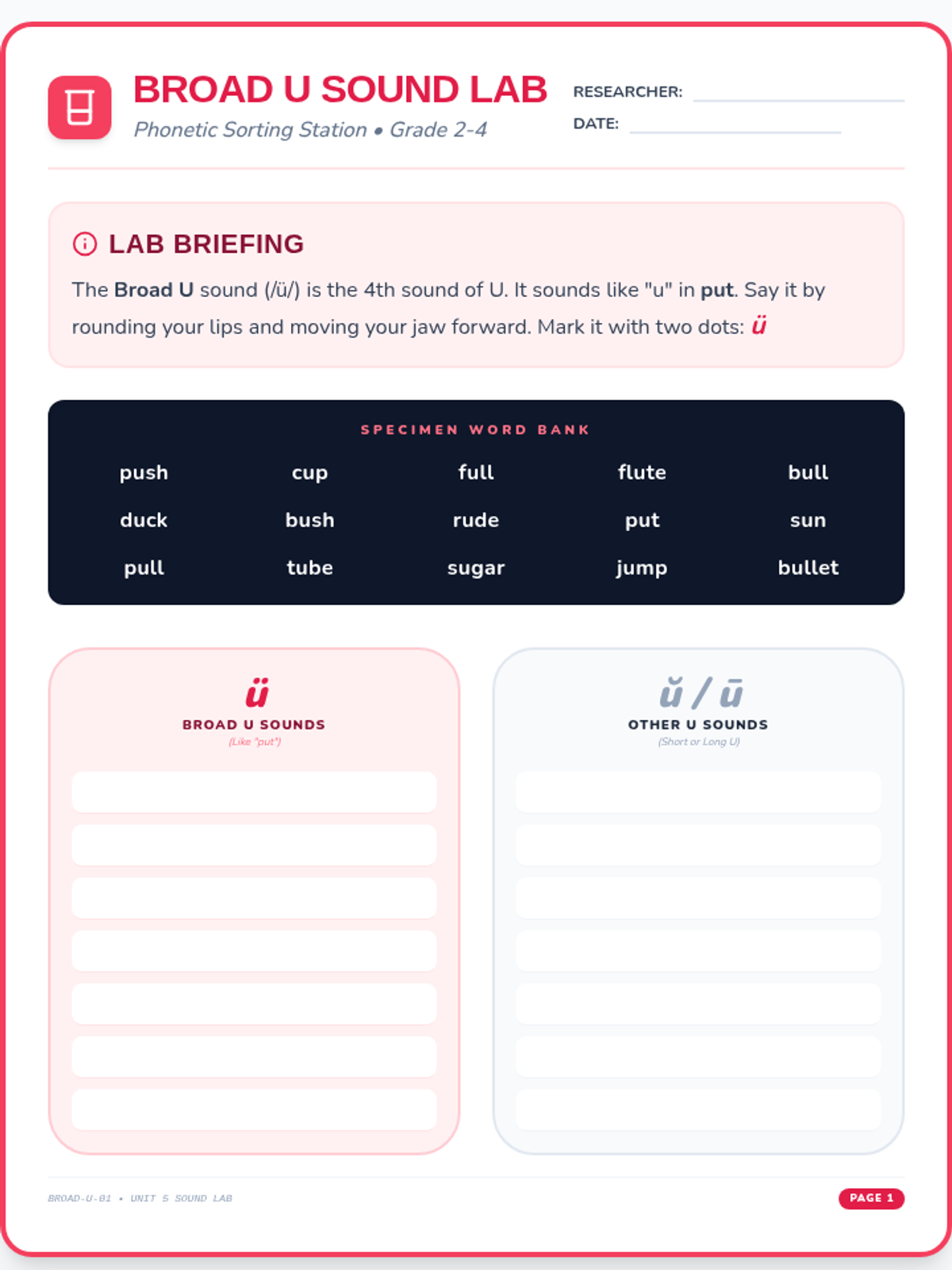
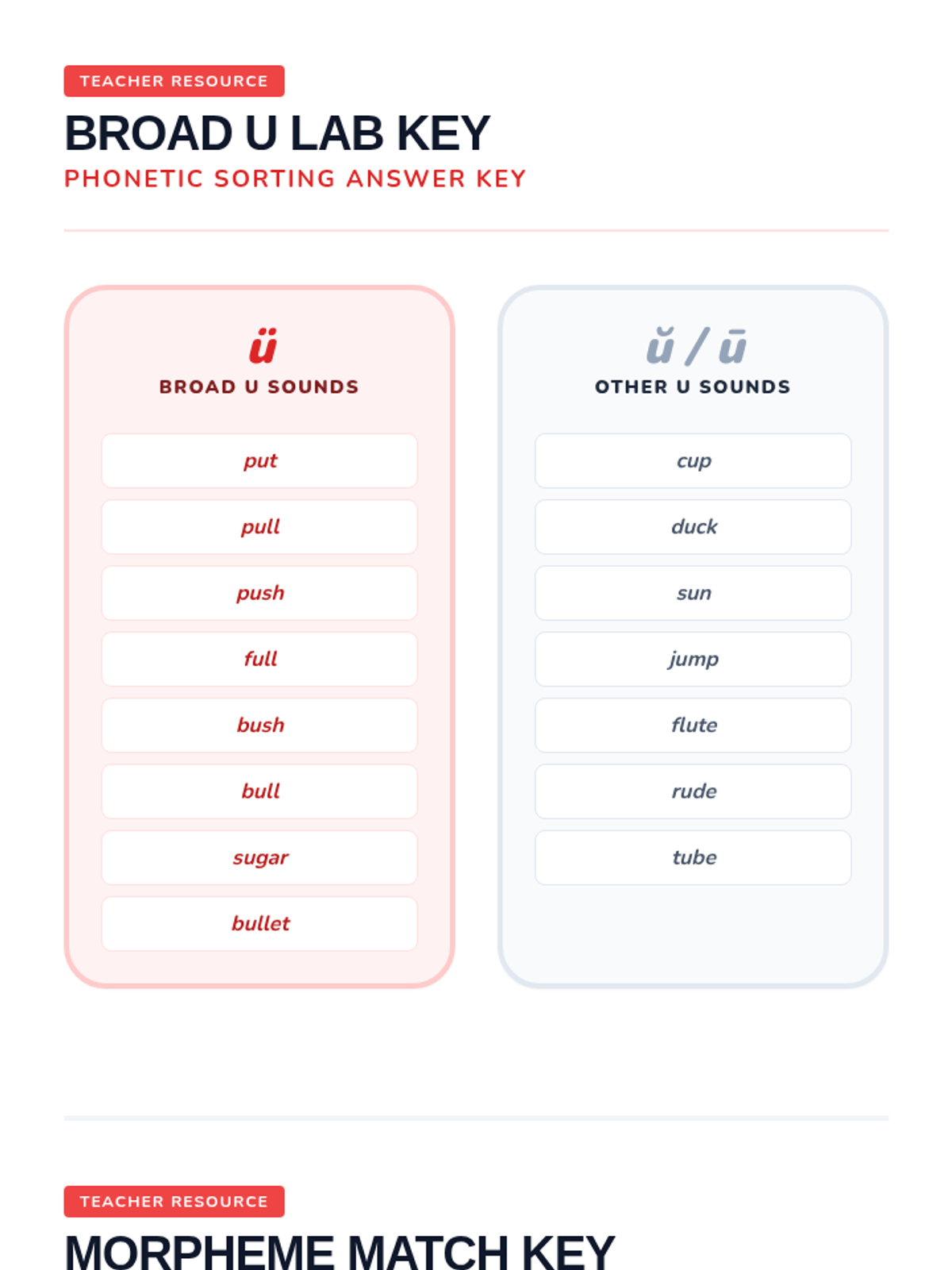
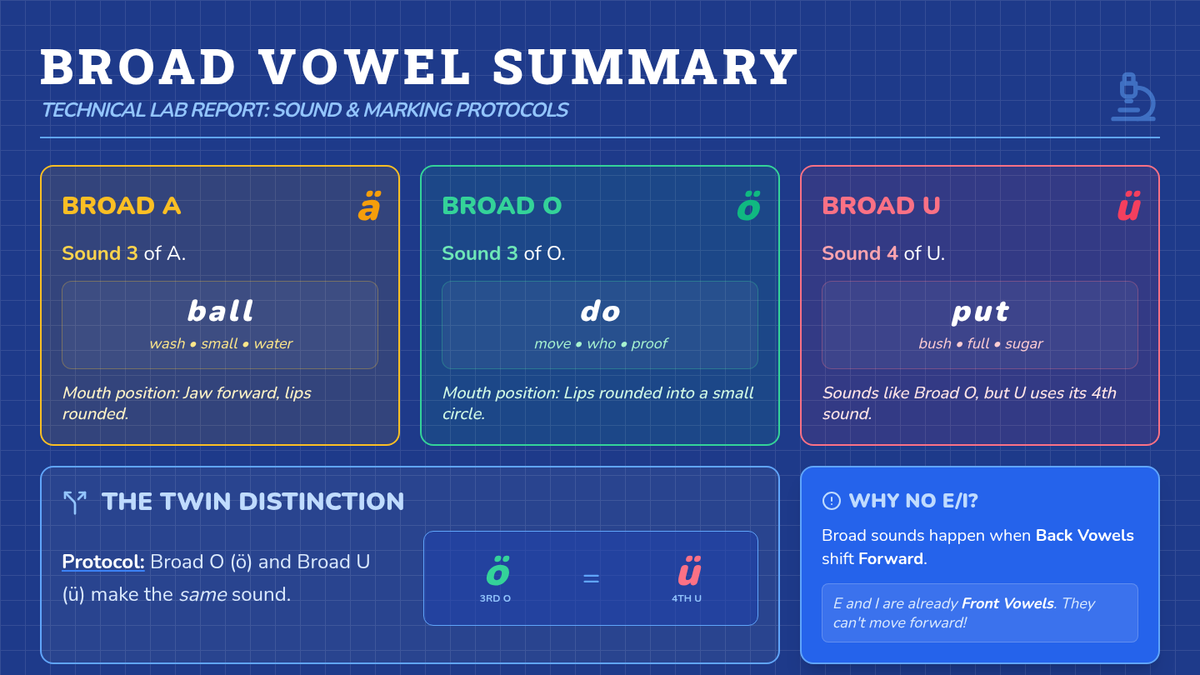
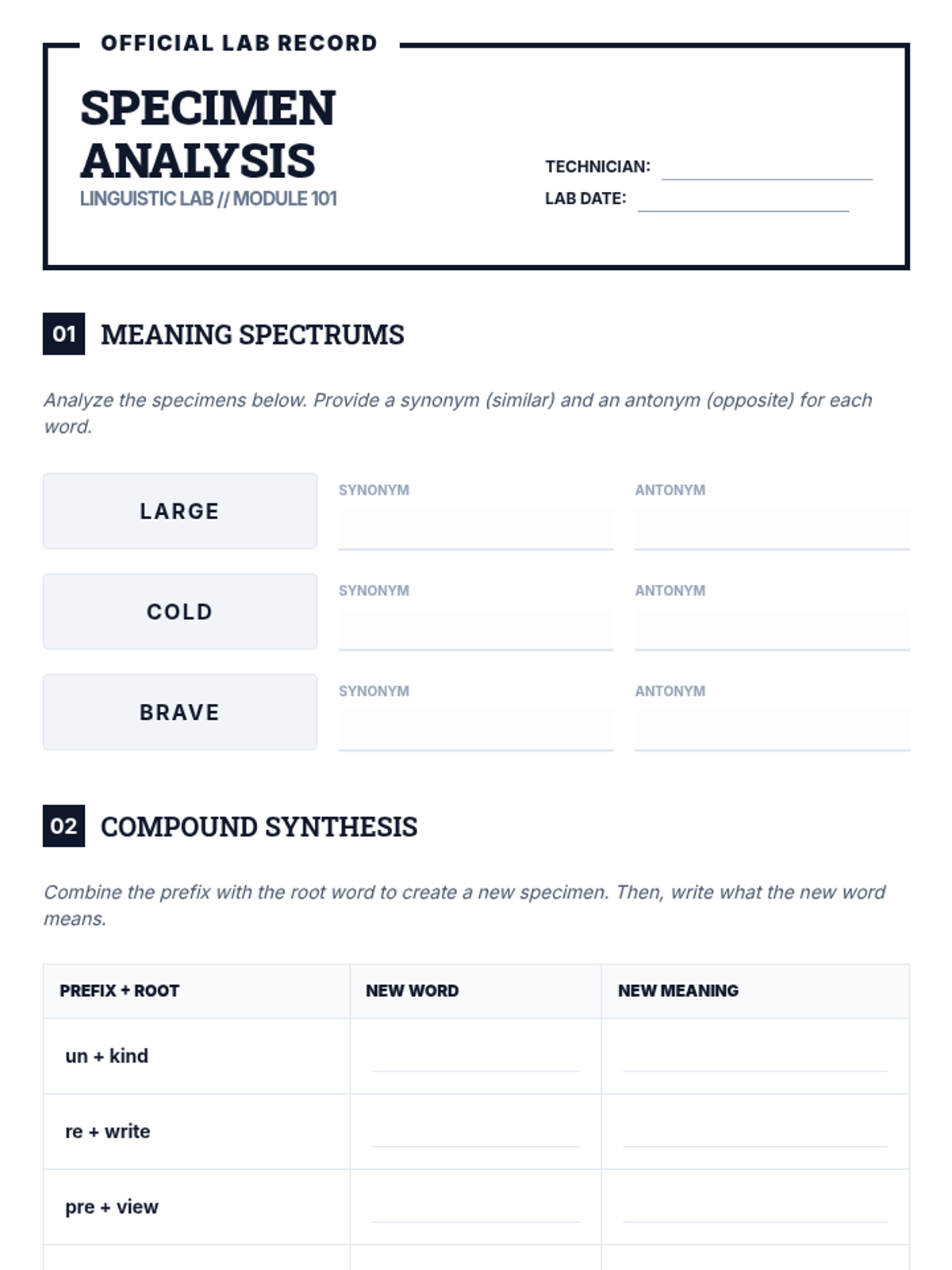
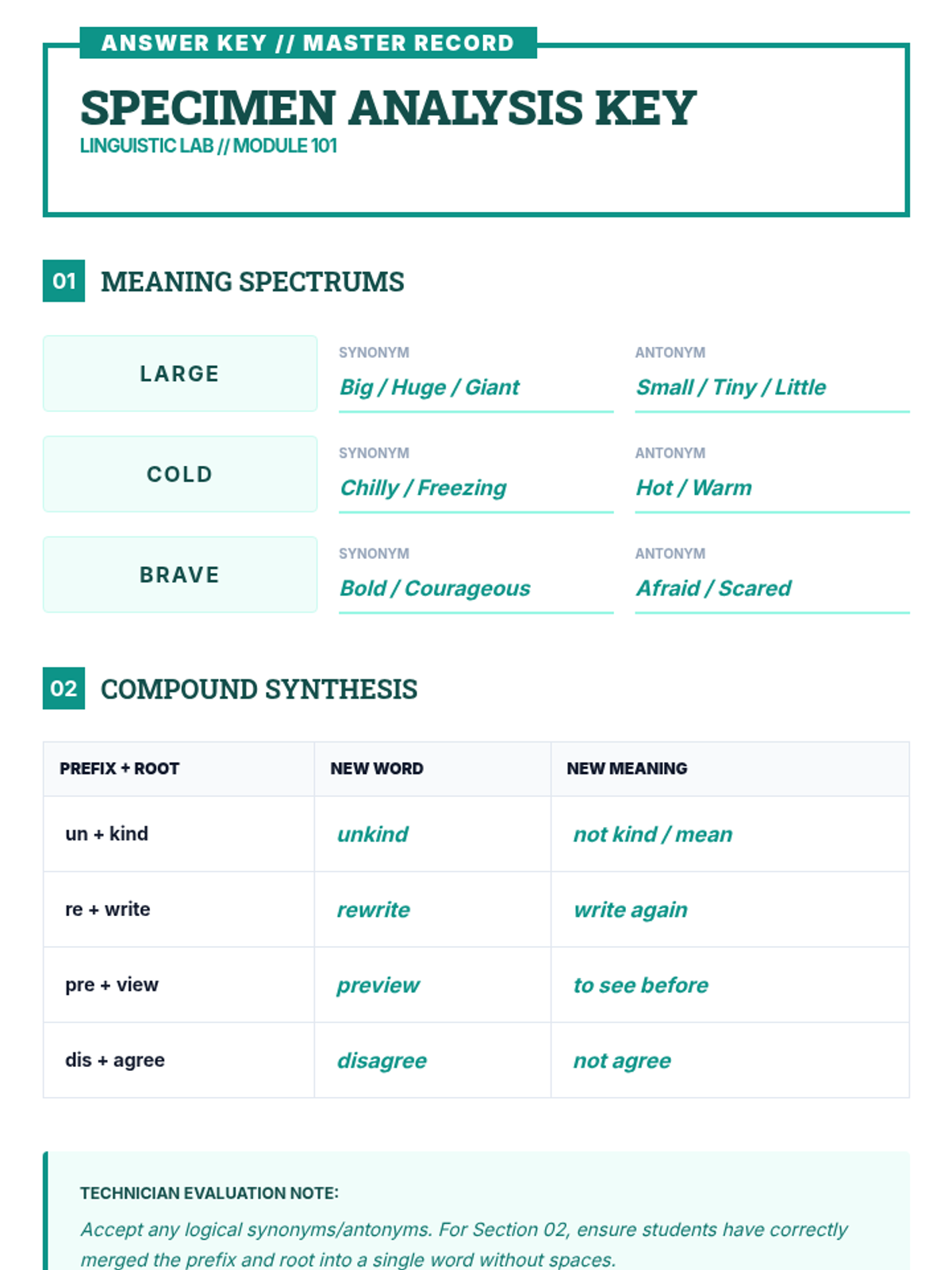
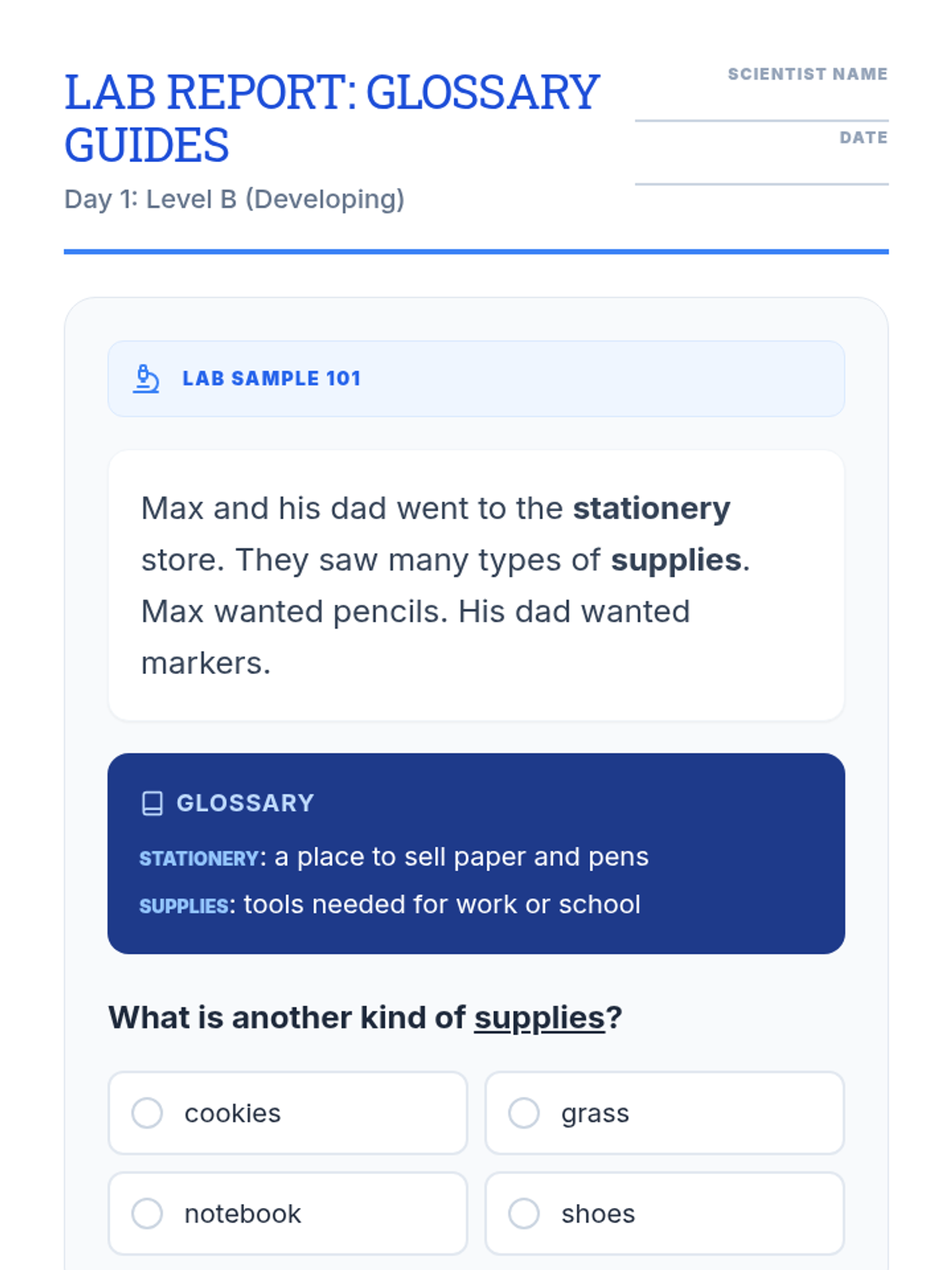
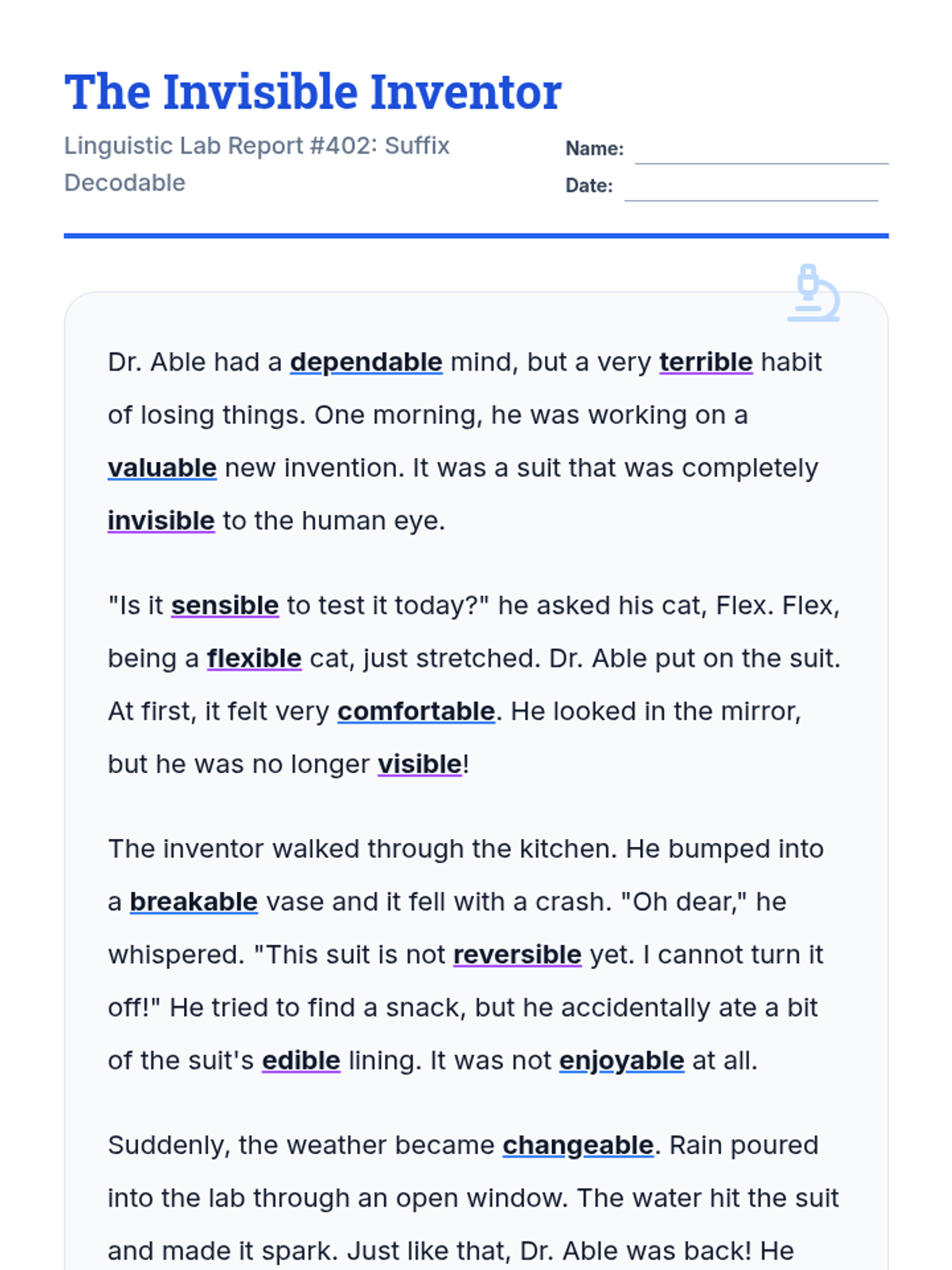
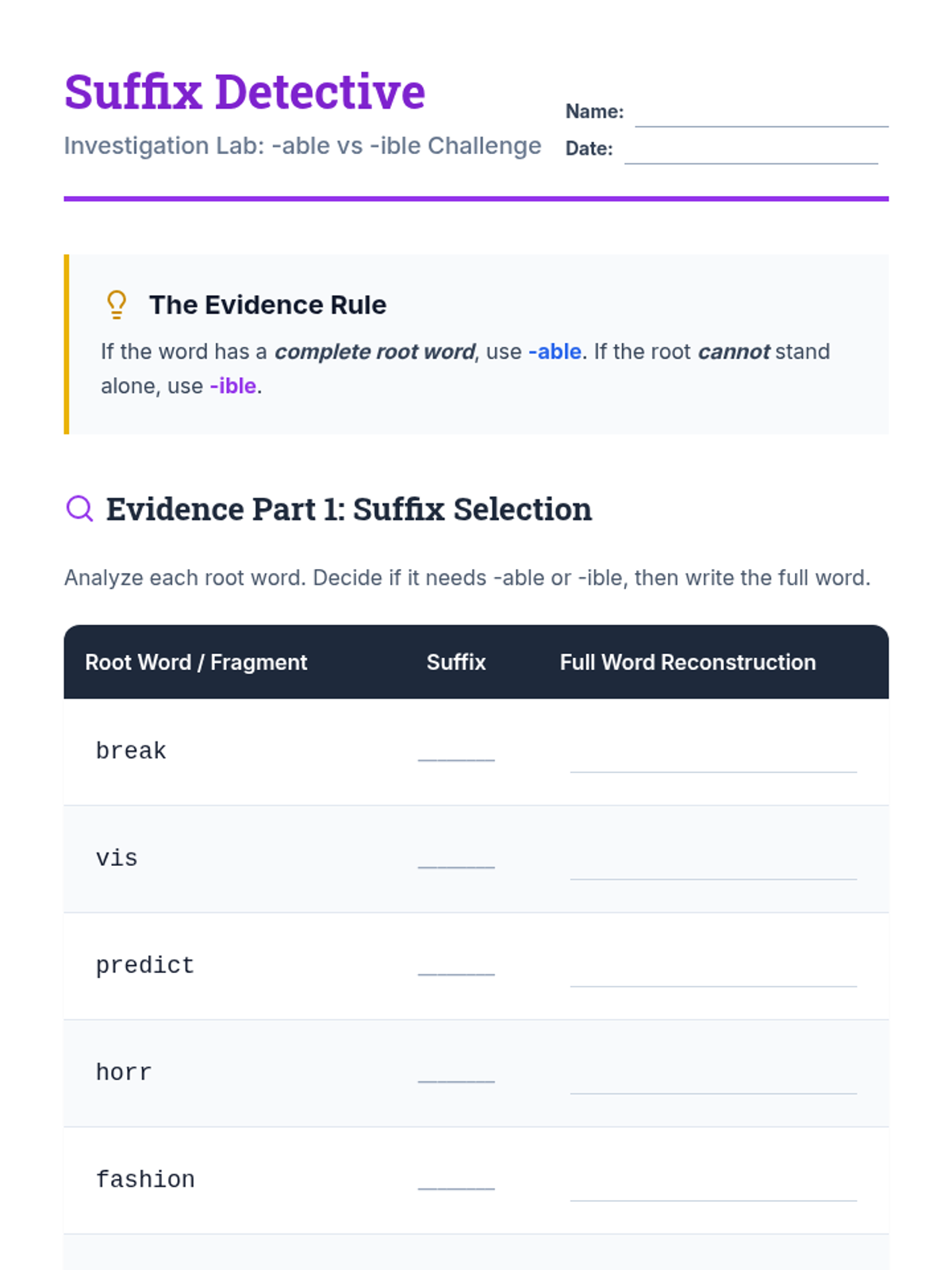
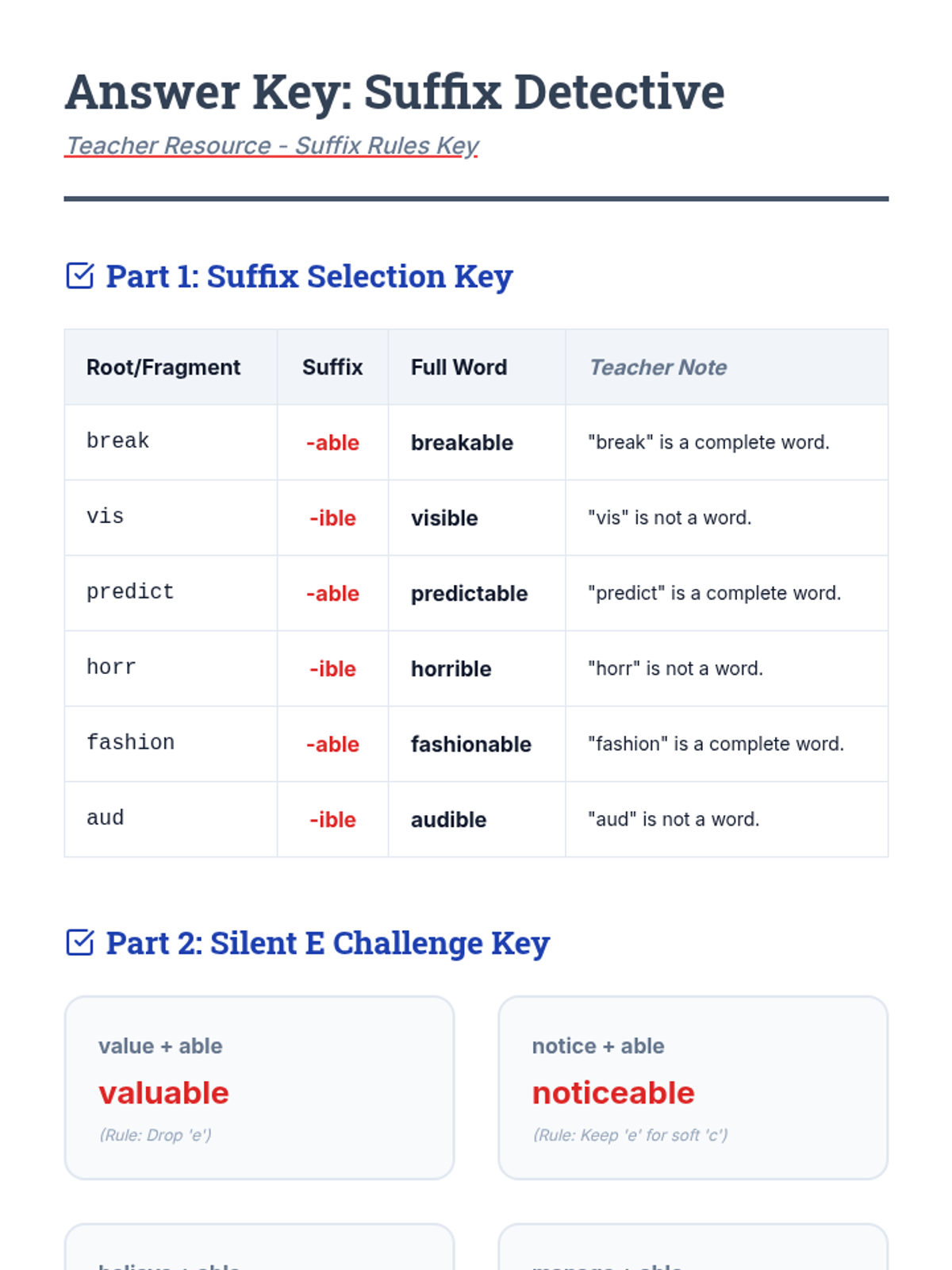
A unit focused on word mechanics, morphology, and meaning-making strategies through a cohesive laboratory and data-analysis theme.
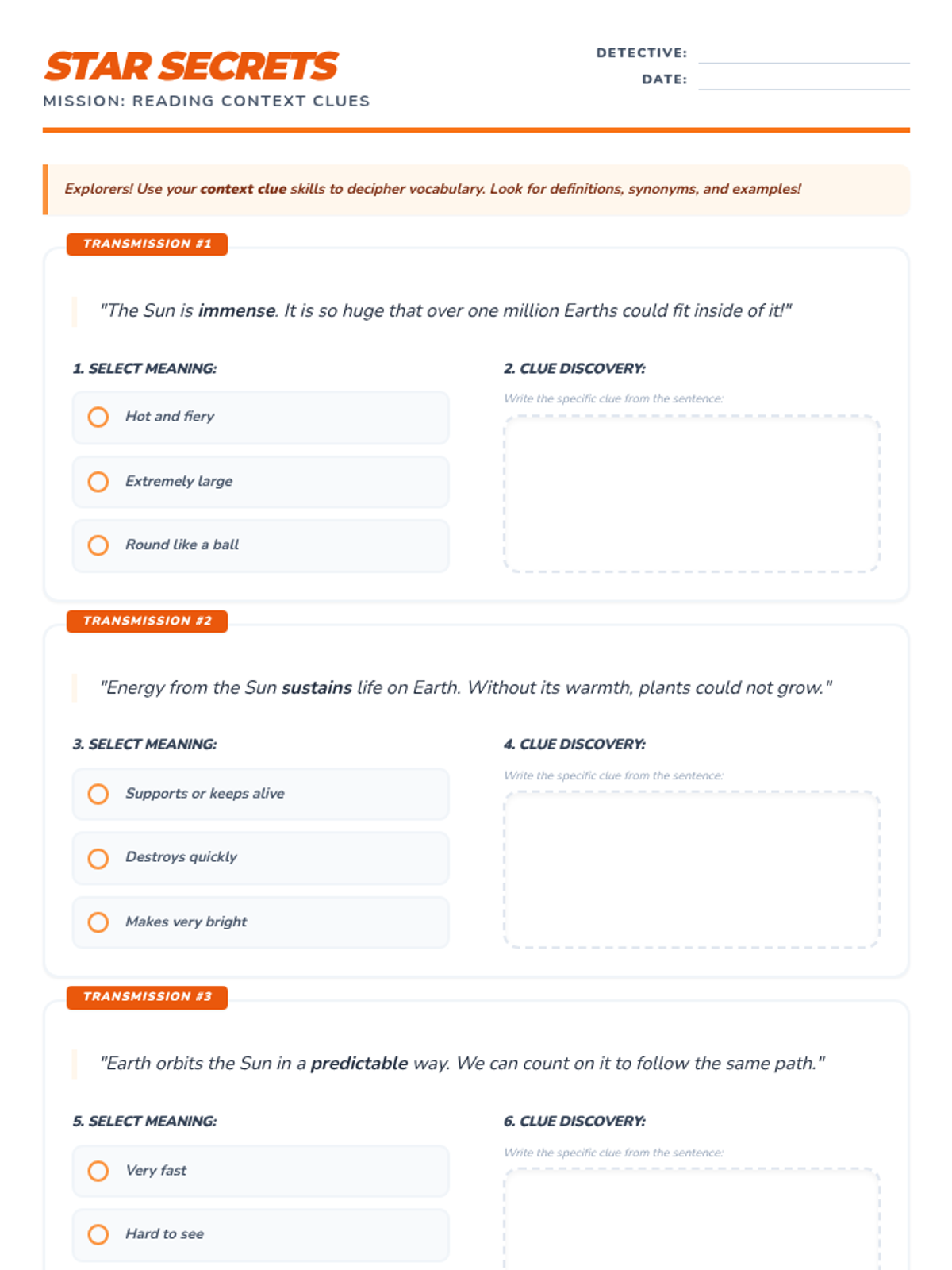
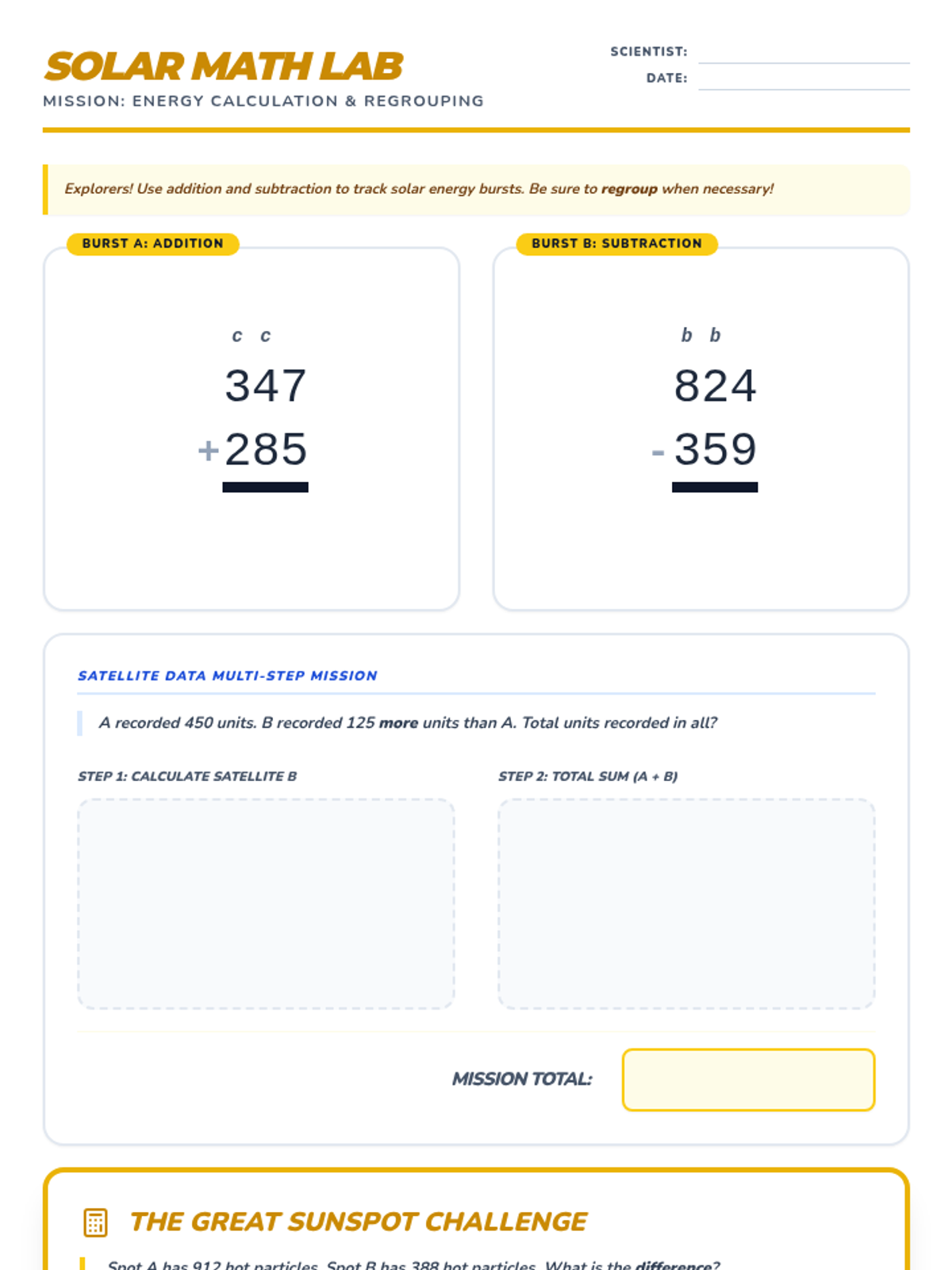
A comprehensive 5-day review week covering 3rd-grade math and ELA standards themed around space exploration. Includes Earth, Sun, Moon, and Planets with focus on area, fractions, word problems, and opinion/informational writing.
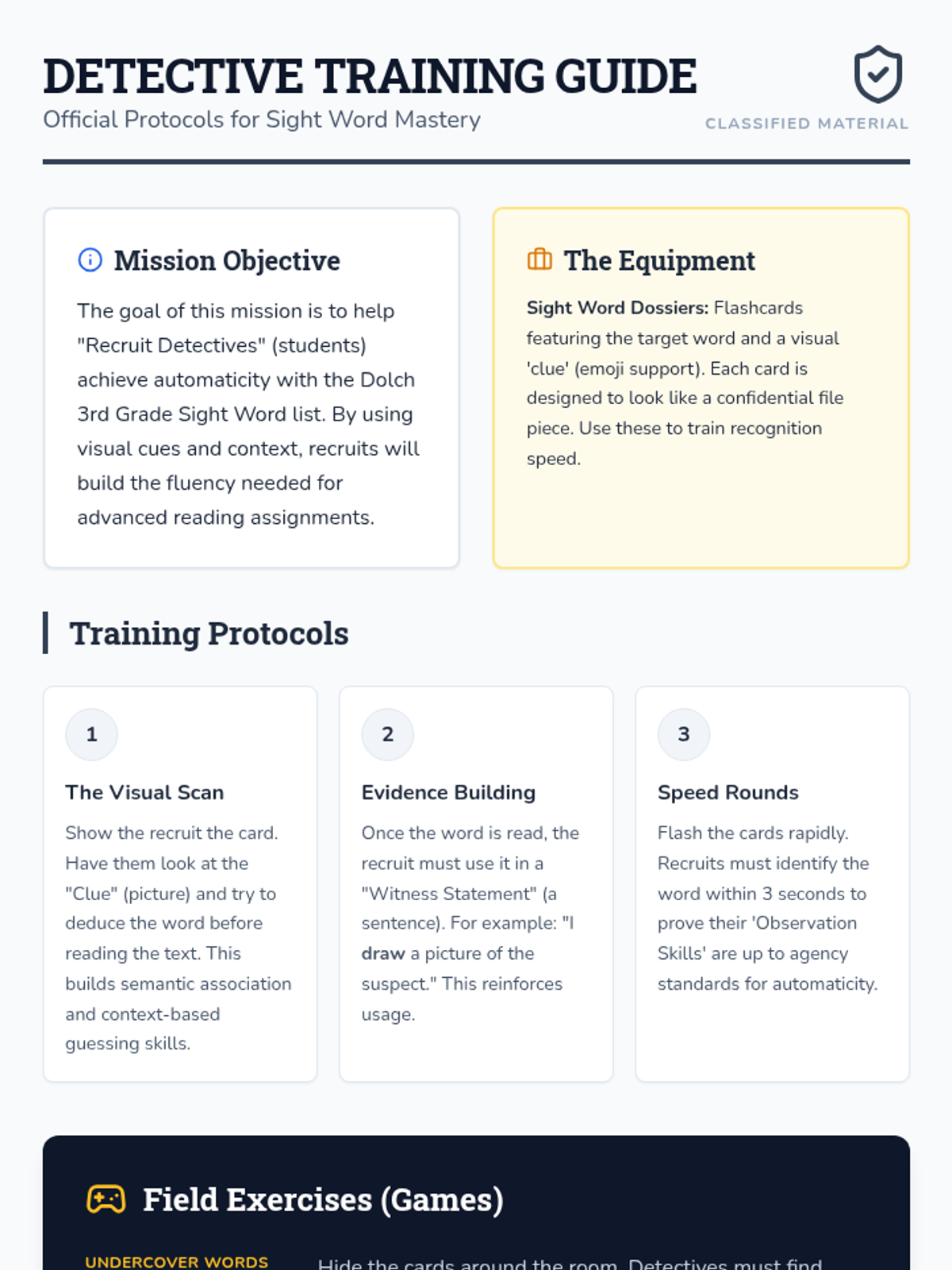
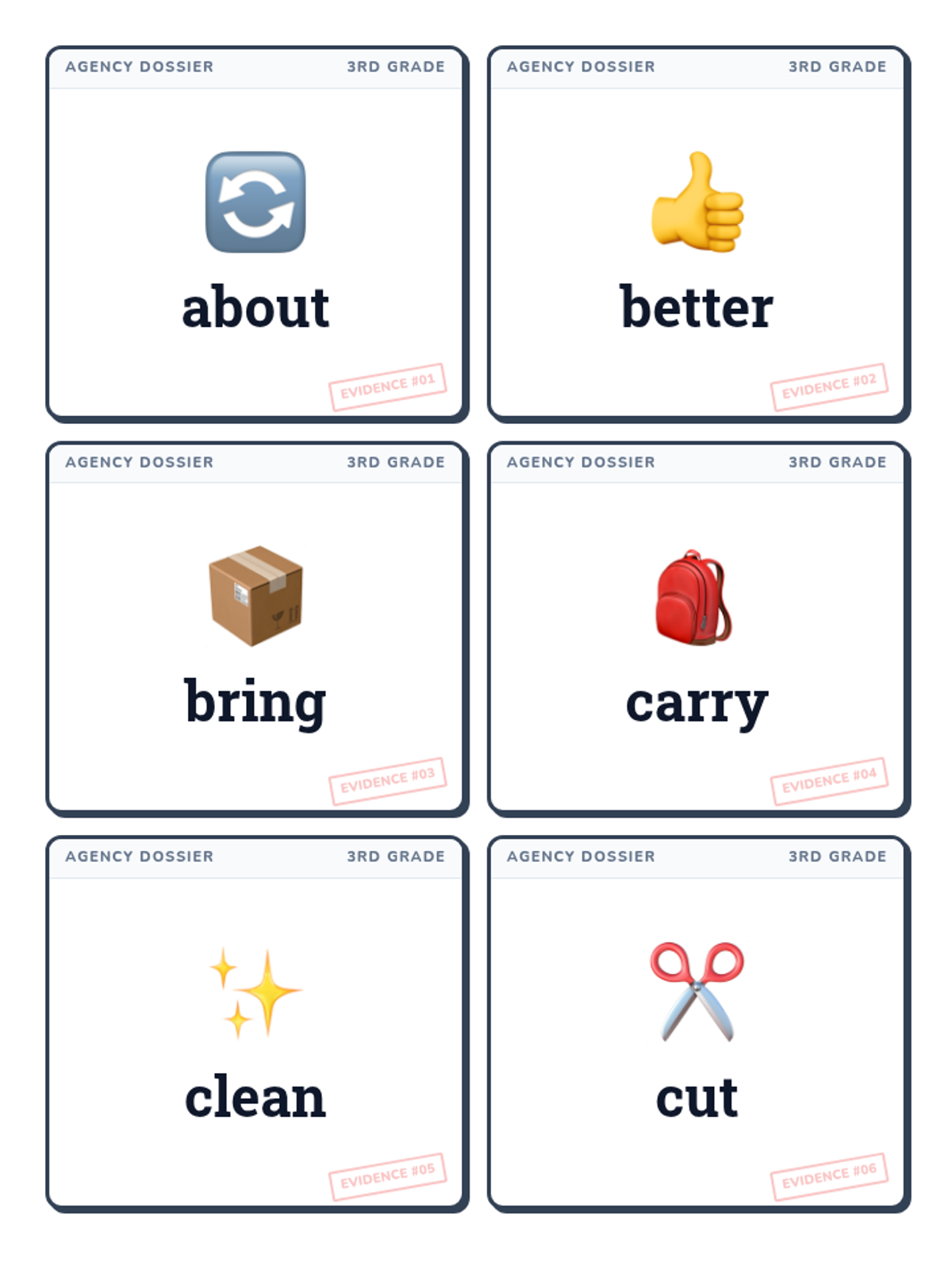
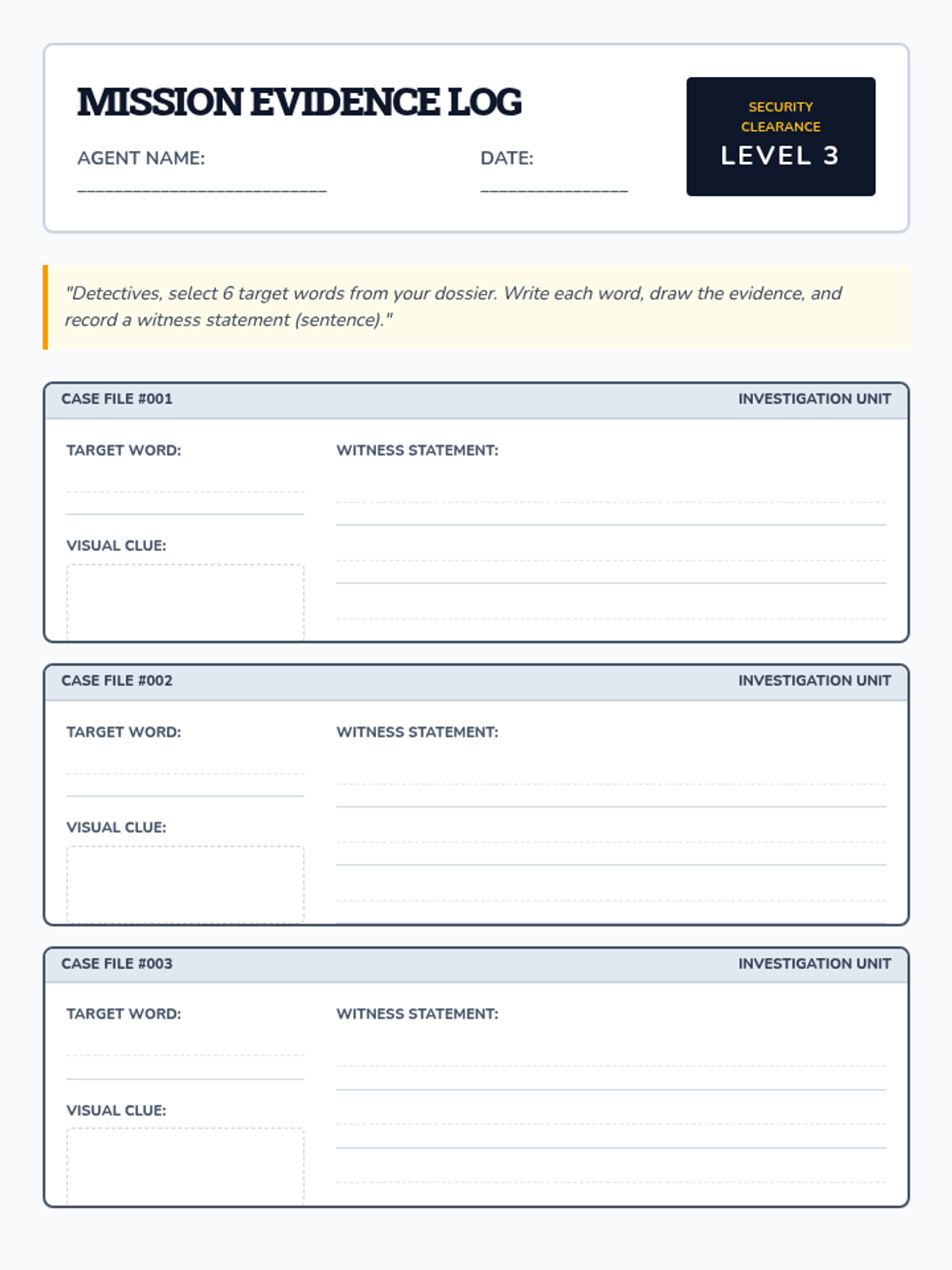
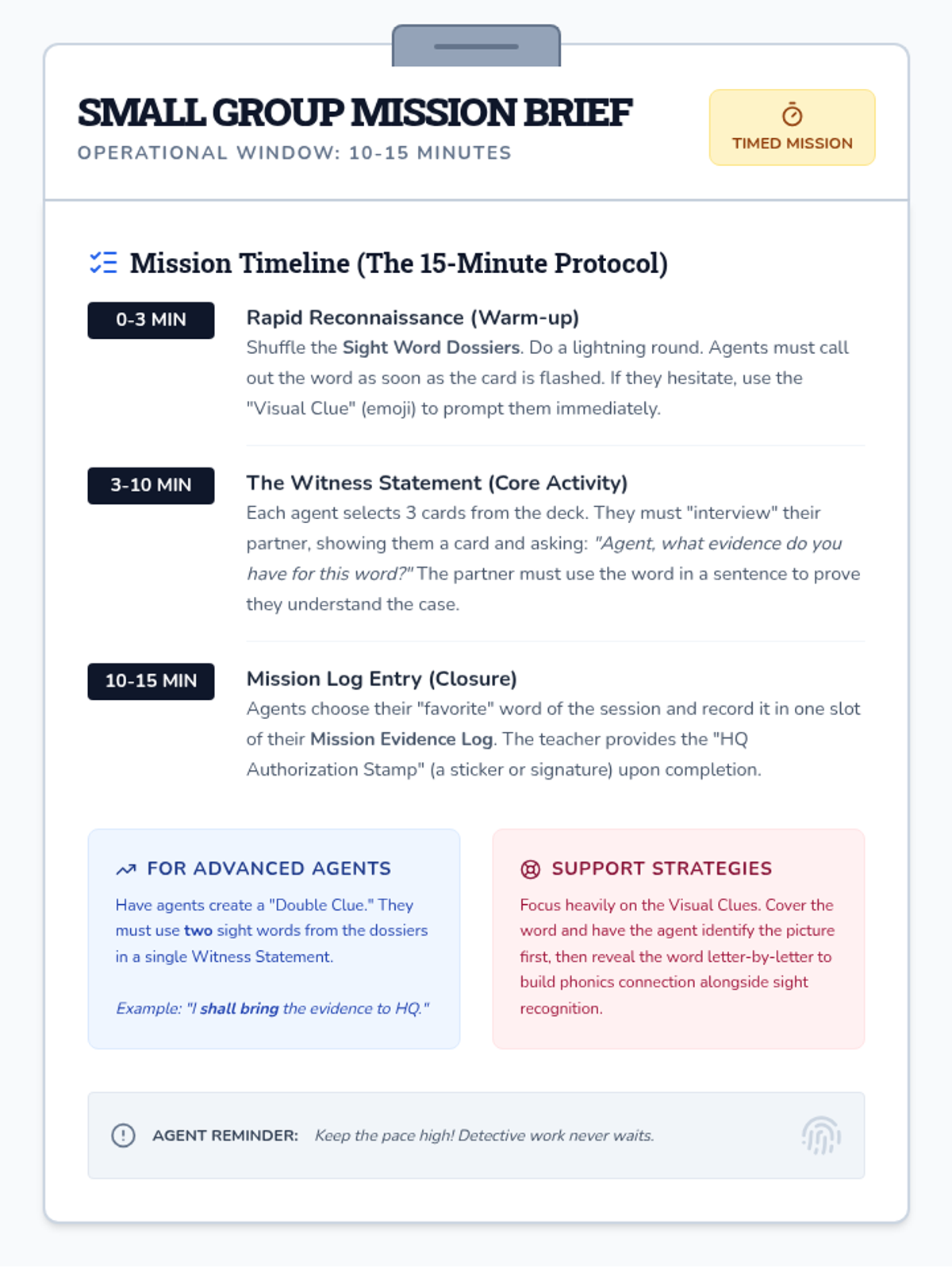
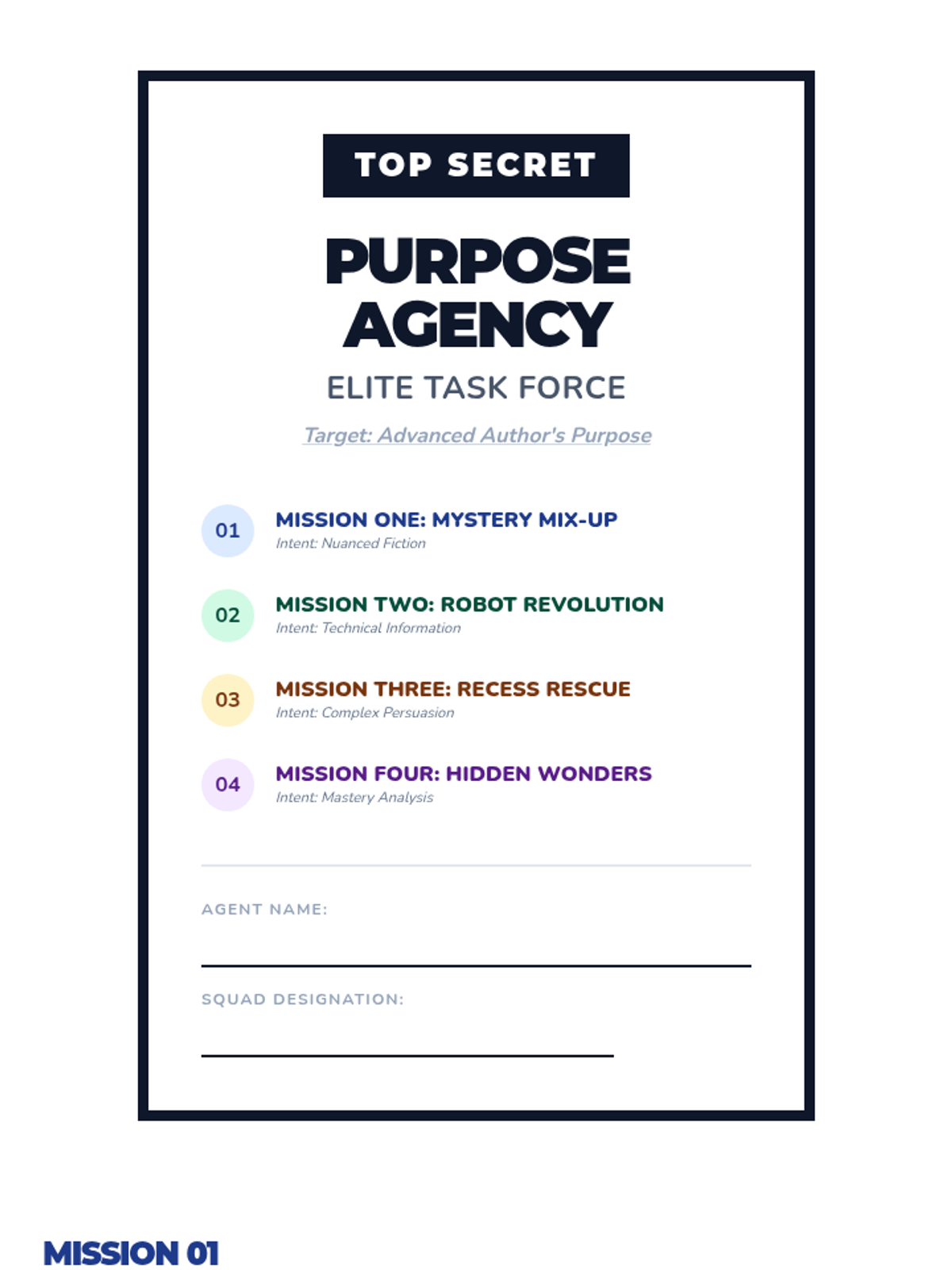
A comprehensive 3rd-grade literacy unit themed around a secret detective agency. Students build foundational skills like sight word recognition and transition into high-stakes state test preparation through engaging, investigative missions.
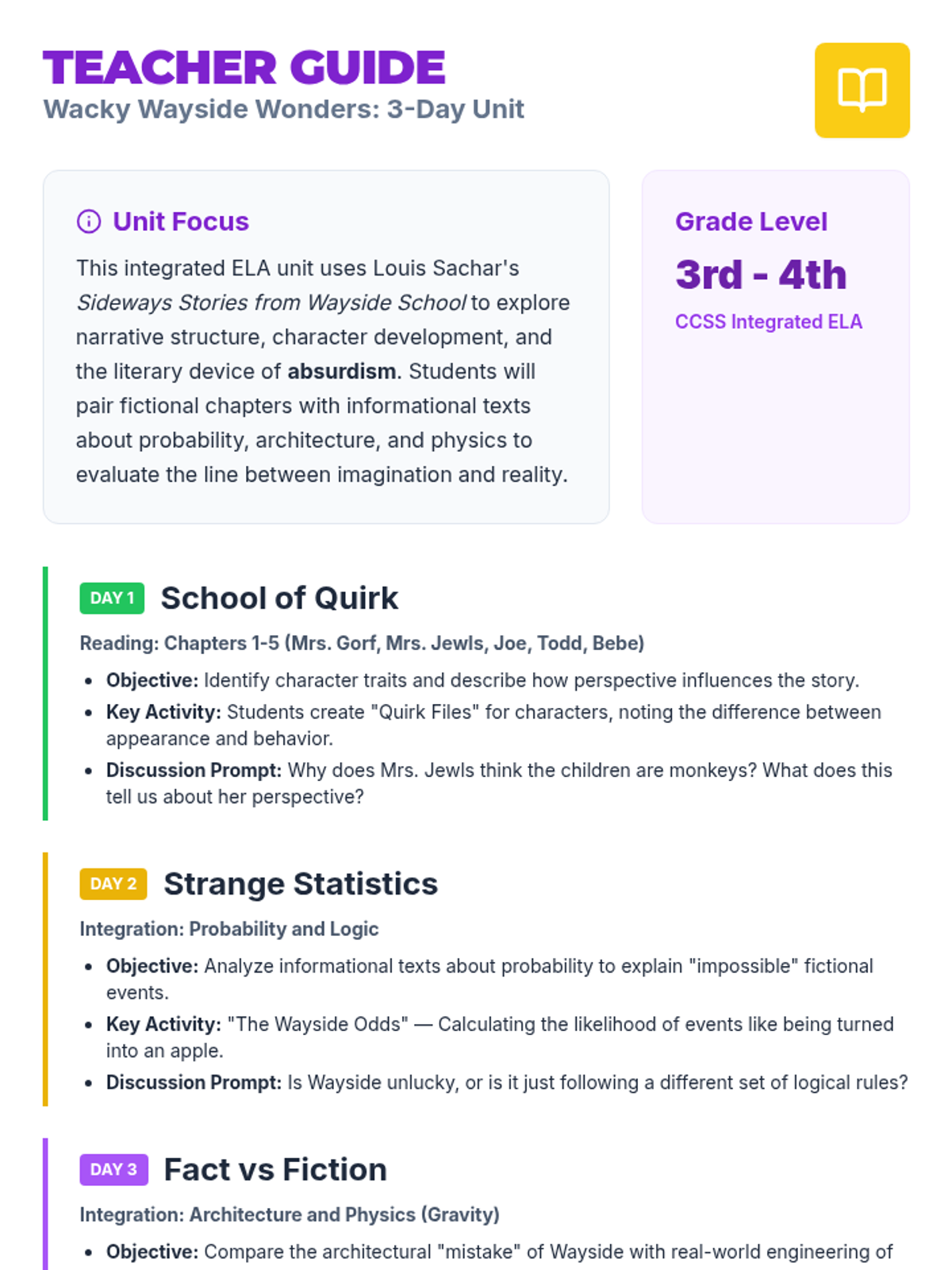
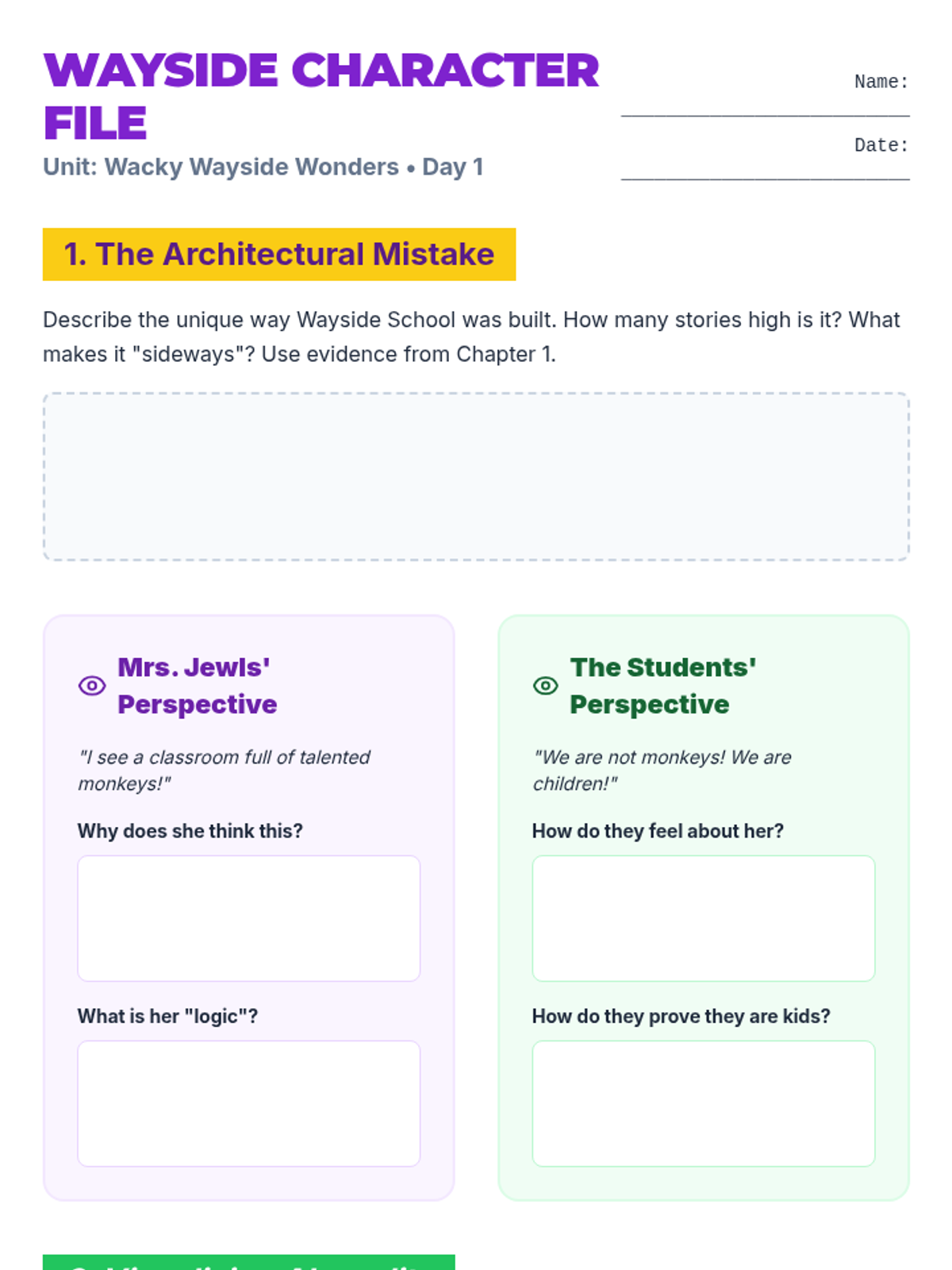
A 3-day ELA unit for 3rd-4th grade exploring the quirky world of 'Sideways Stories from Wayside School'. Students analyze character perspectives, explore the concept of logic versus absurdity, and compare the impossible architecture of Wayside with real-world gravity and skyscrapers.
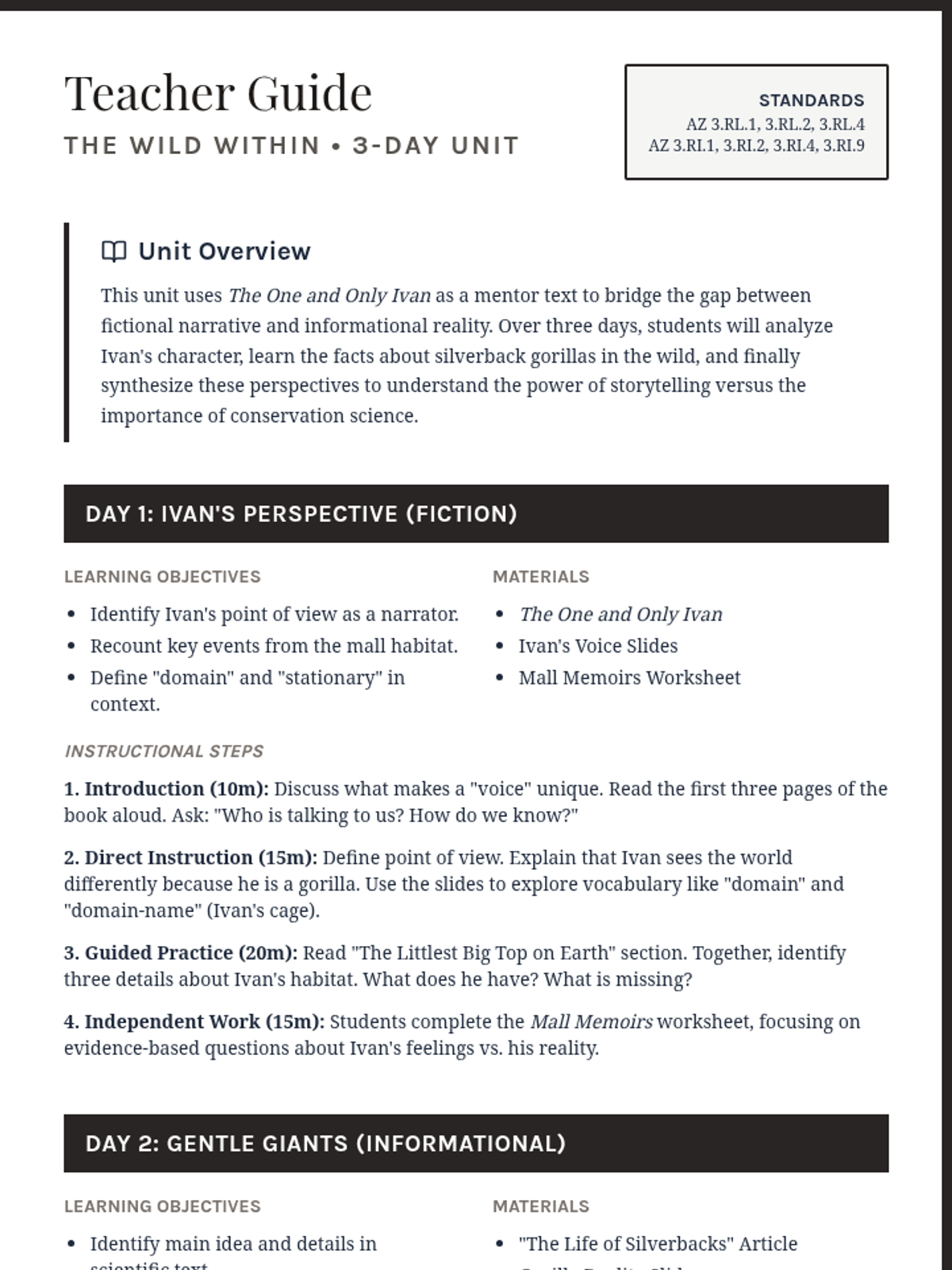
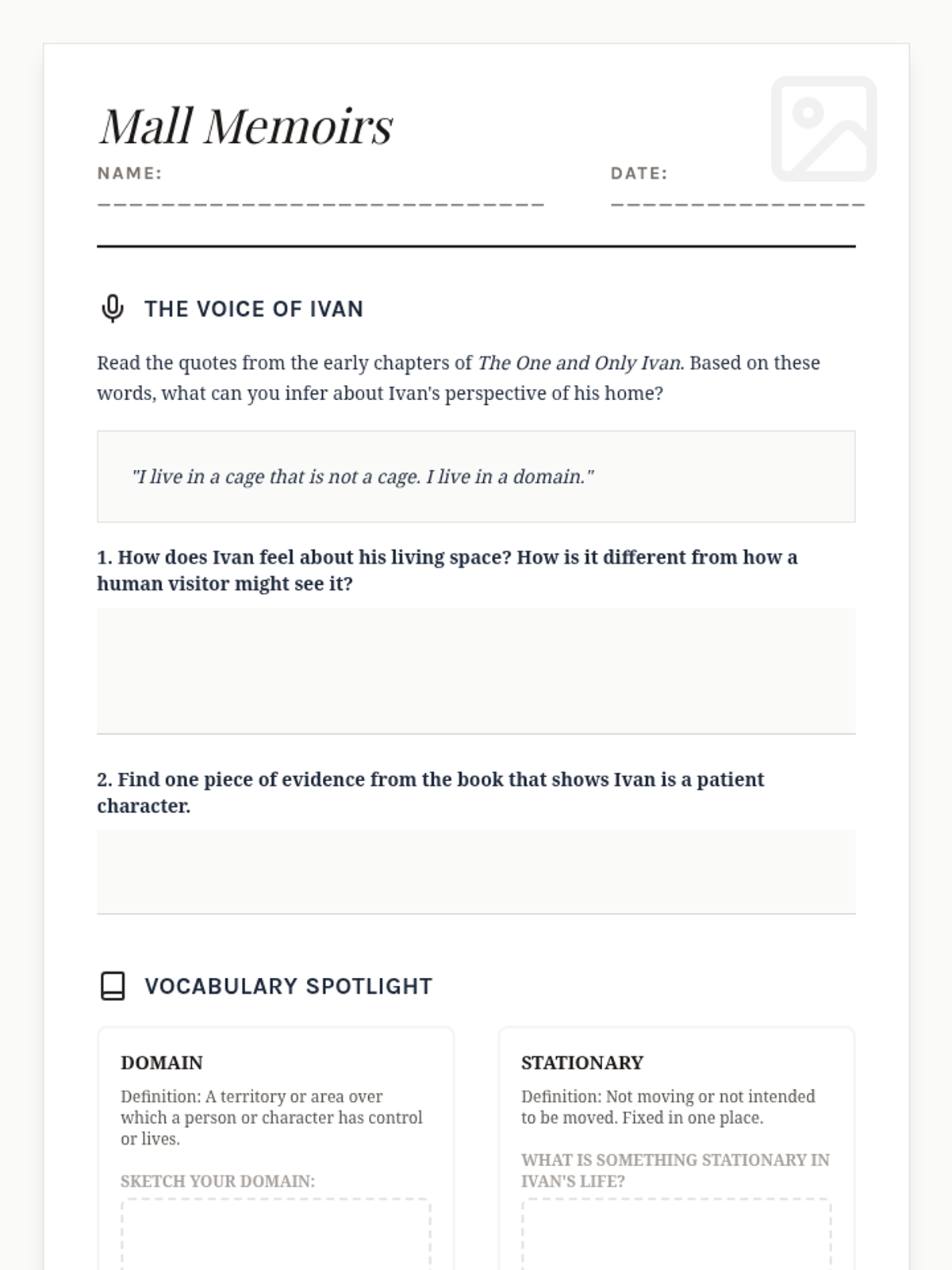
A 3-day integrated ELA unit for 3rd grade exploring 'The One and Only Ivan' alongside non-fiction articles about gorillas. Students analyze themes, compare perspectives, and evaluate the differences between literary portrayals and scientific facts about gorillas.
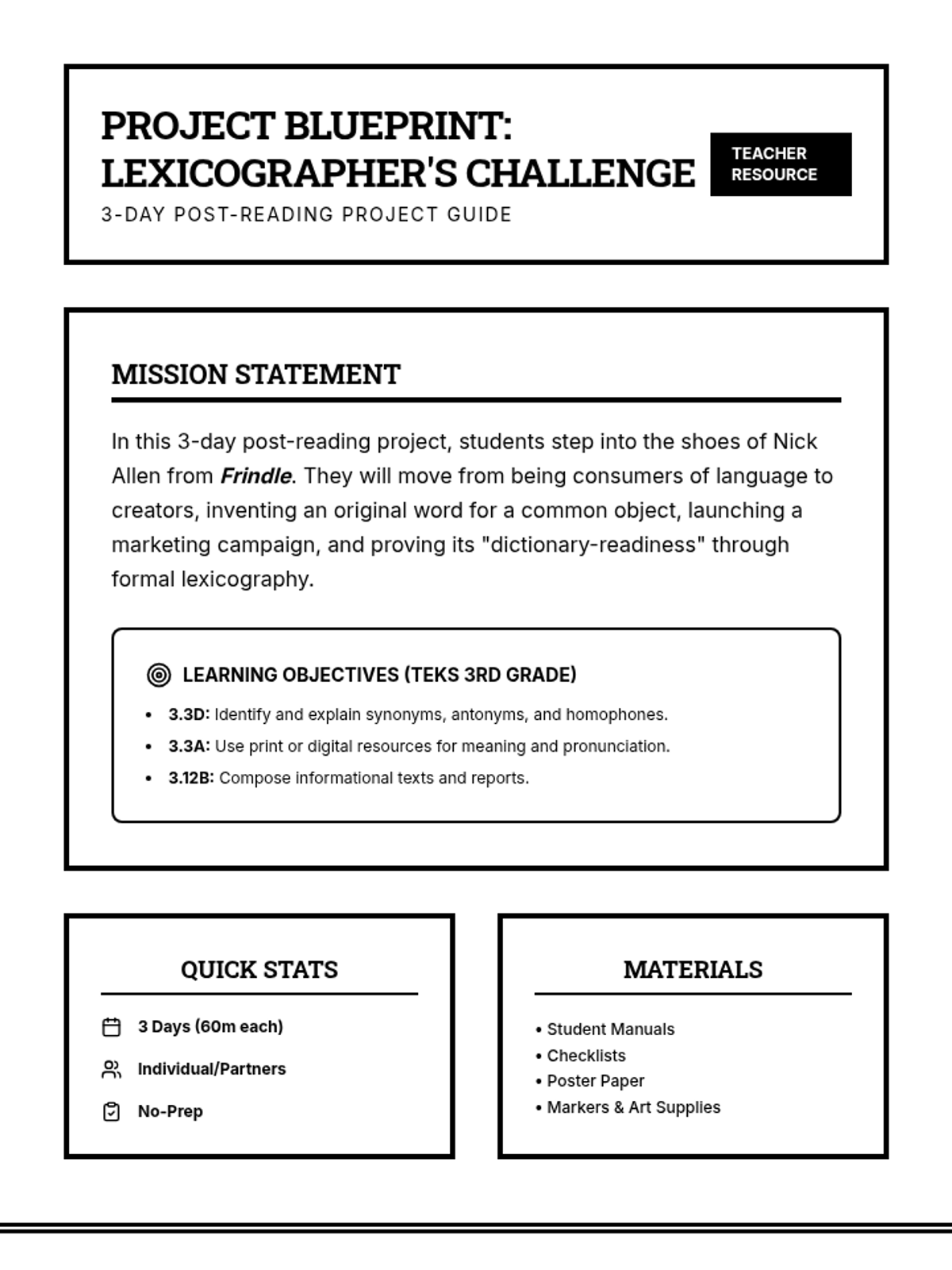
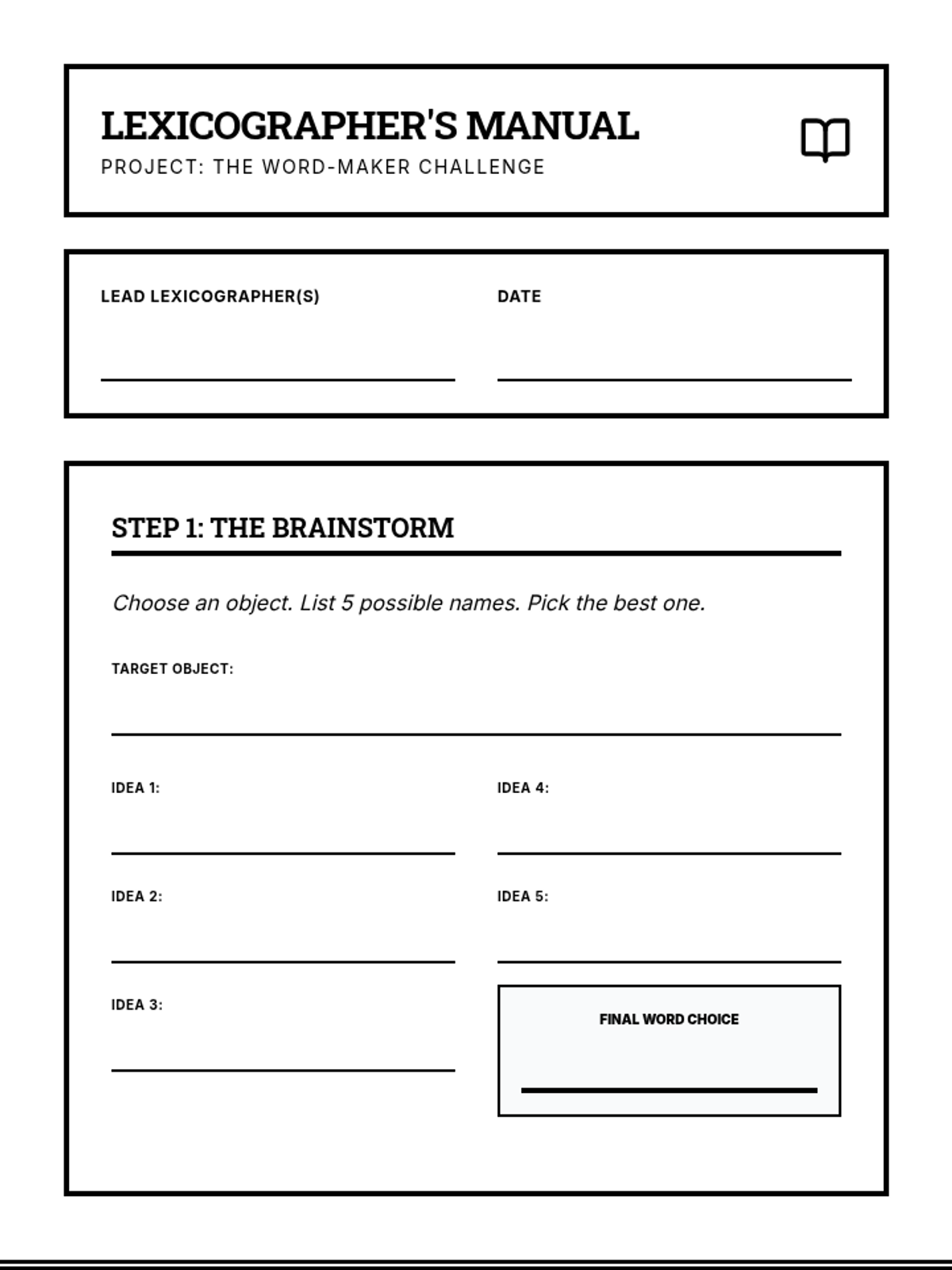
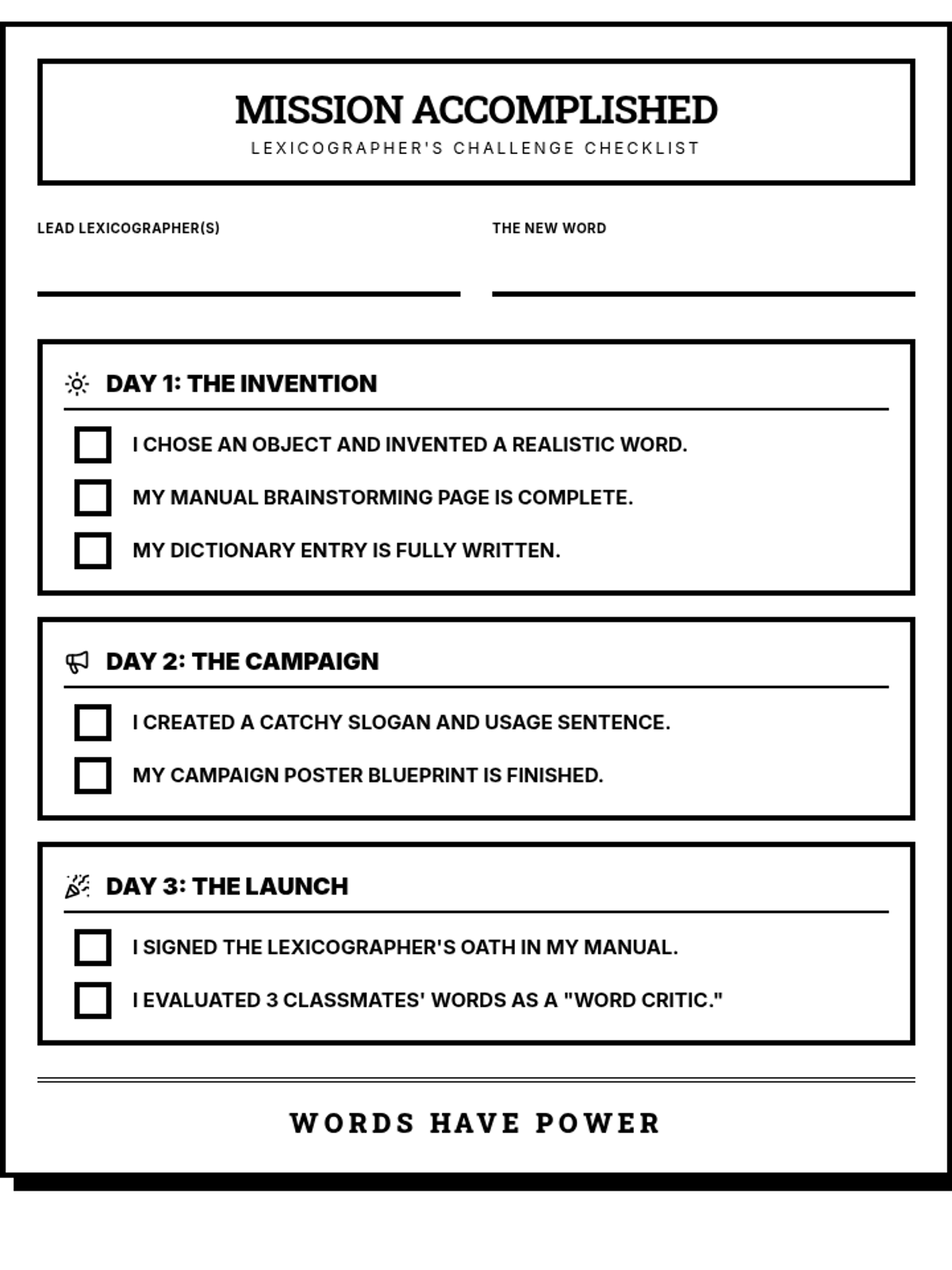
A 9-day novel study for 'Frindle' by Andrew Clements, aligned to 3rd Grade ELAR TEKS, focusing on character development, vocabulary, and plot analysis.
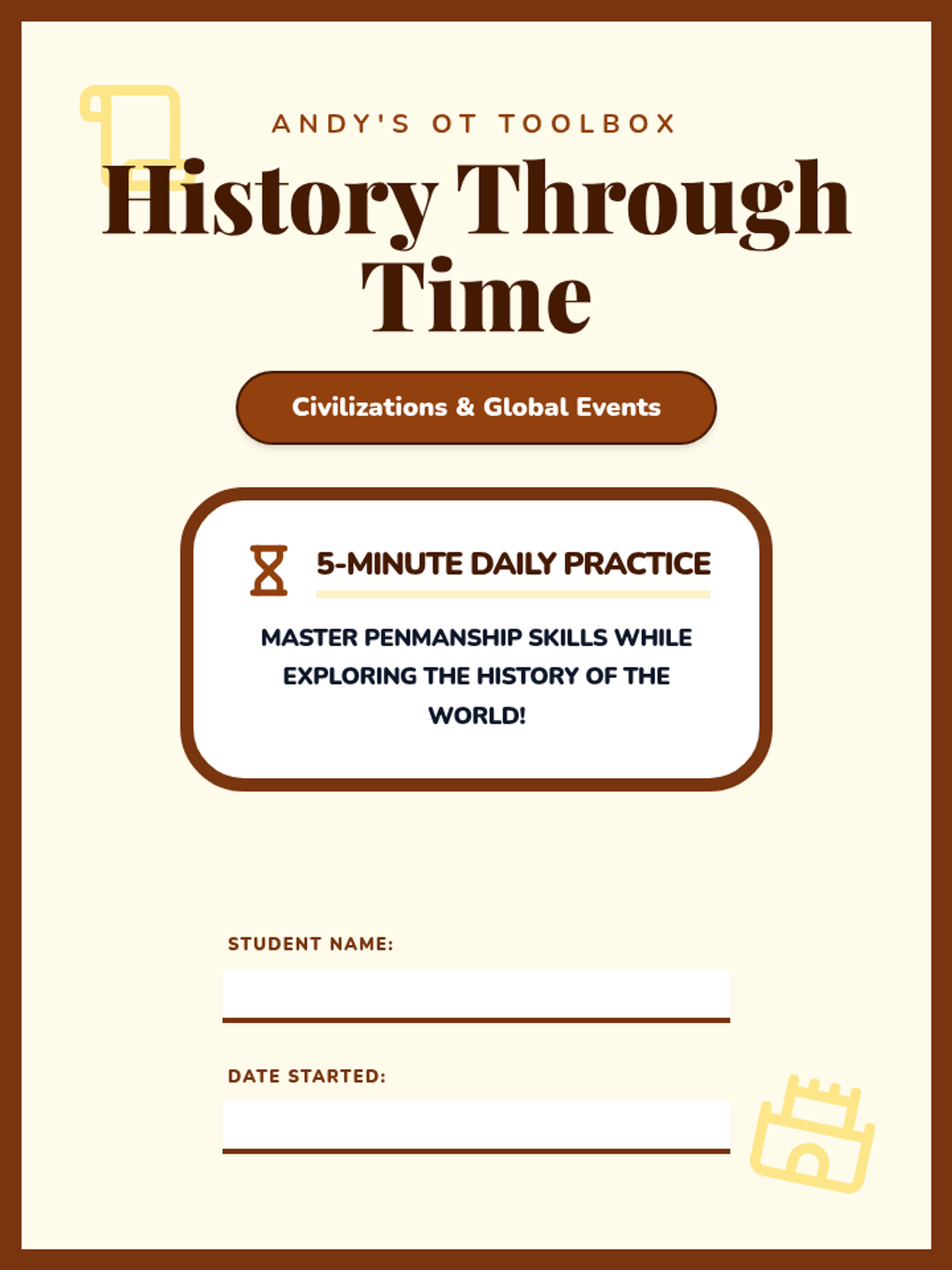
A series of thematic handwriting programs designed to improve fine motor skills and penmanship through daily practice sessions centered around fascinating educational topics like biology and history.
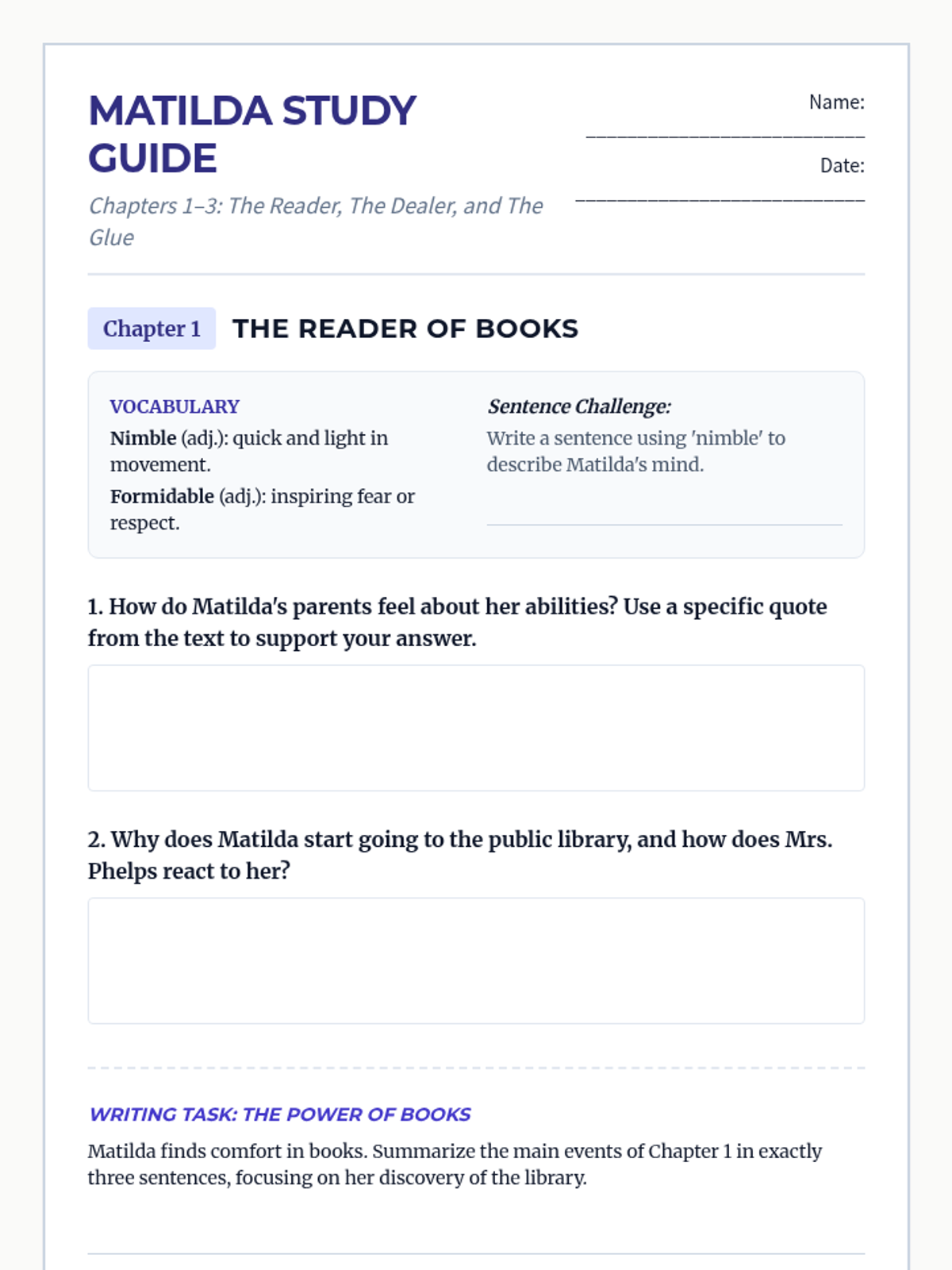
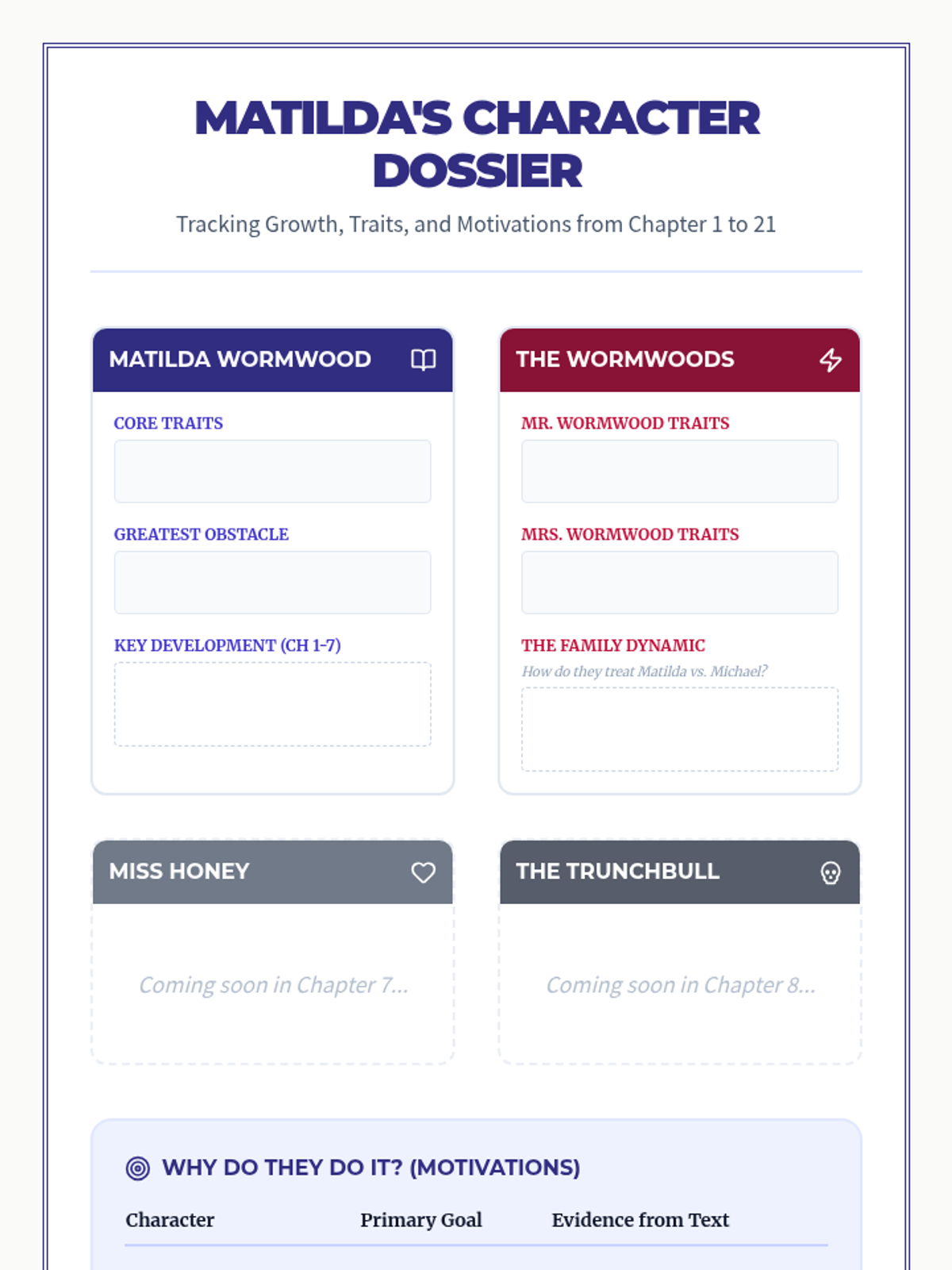
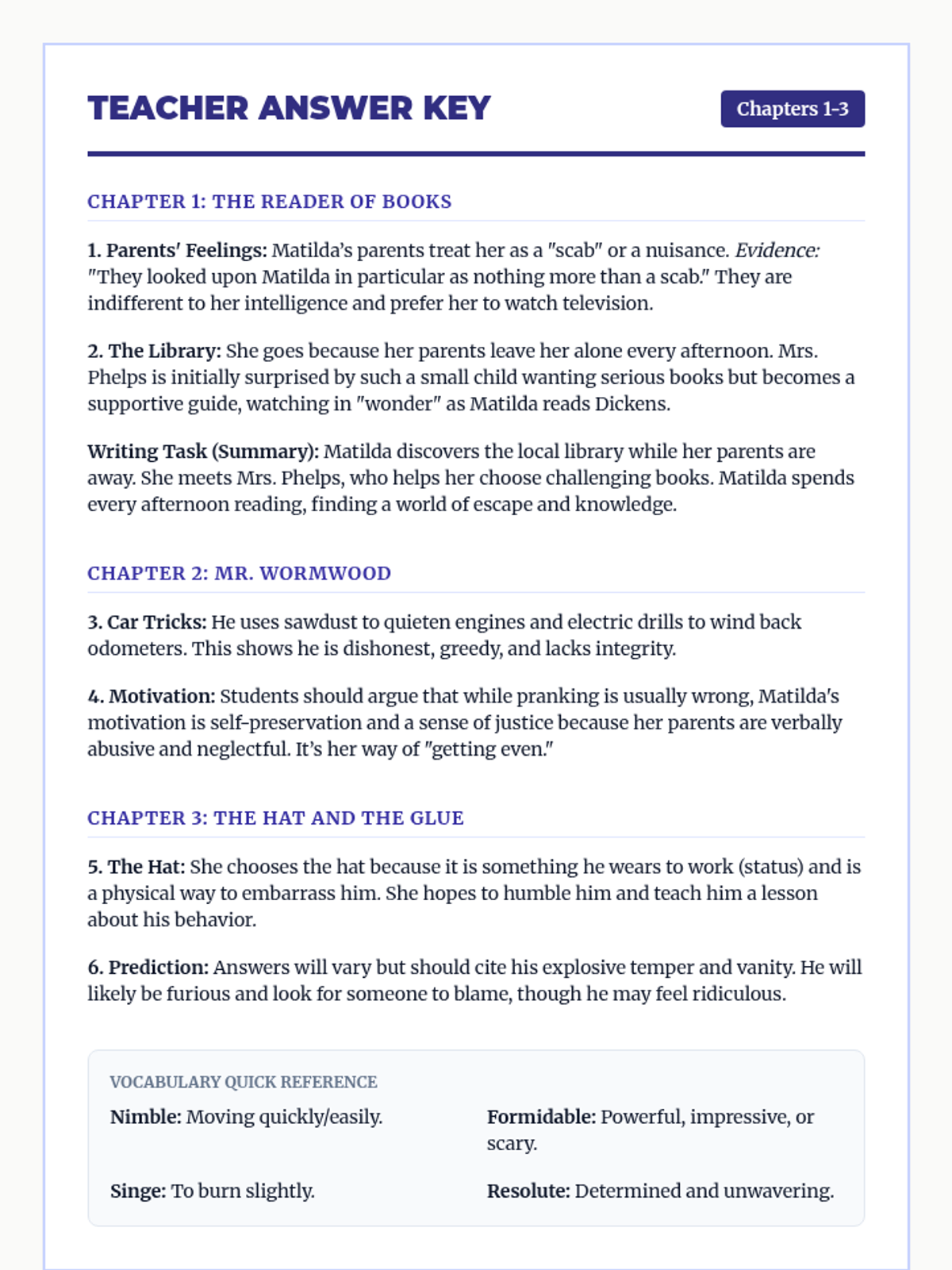
A comprehensive novel study for Roald Dahl's 'Matilda', focusing on character development, text evidence, and creative writing across 21 chapters.
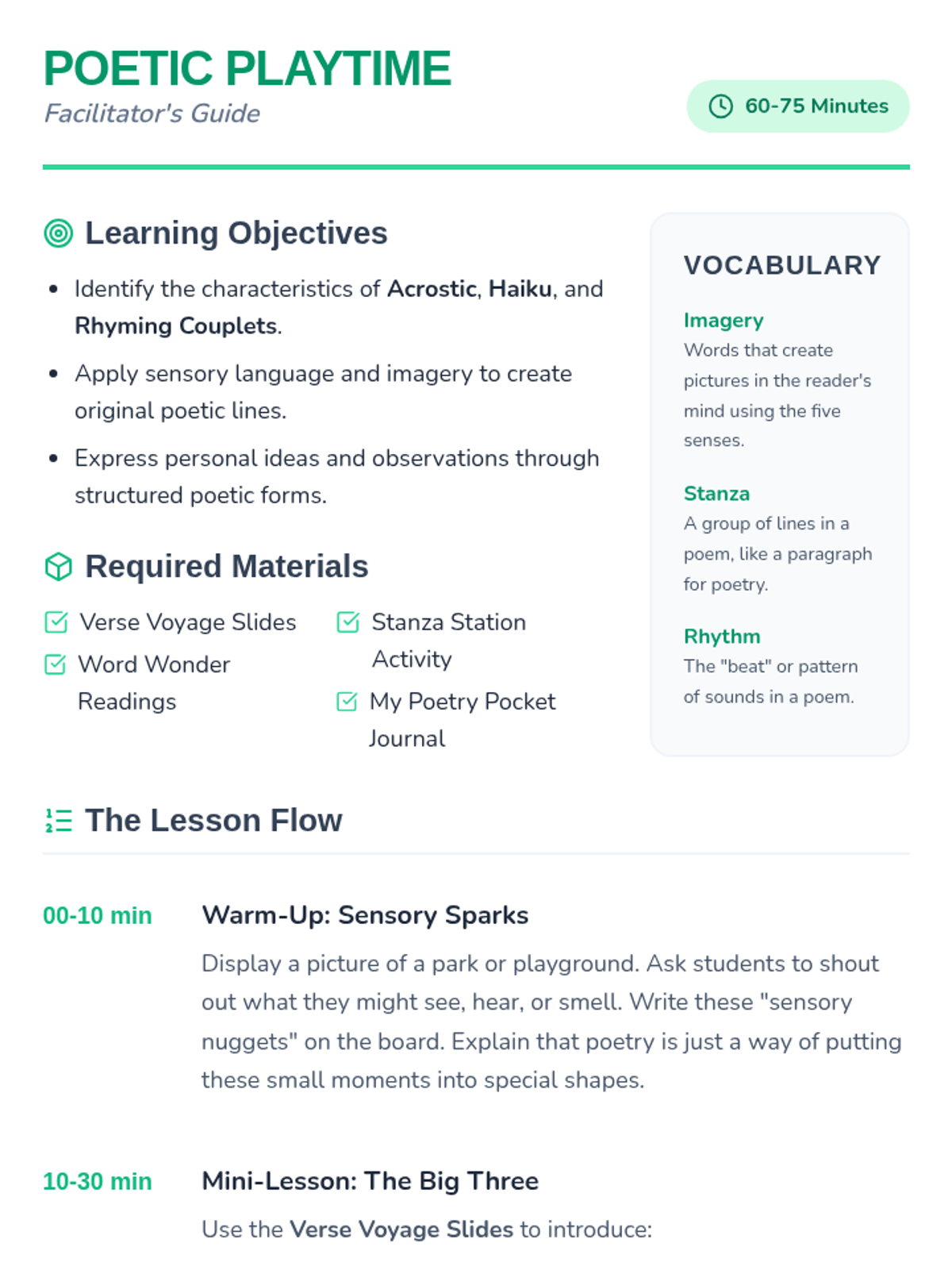
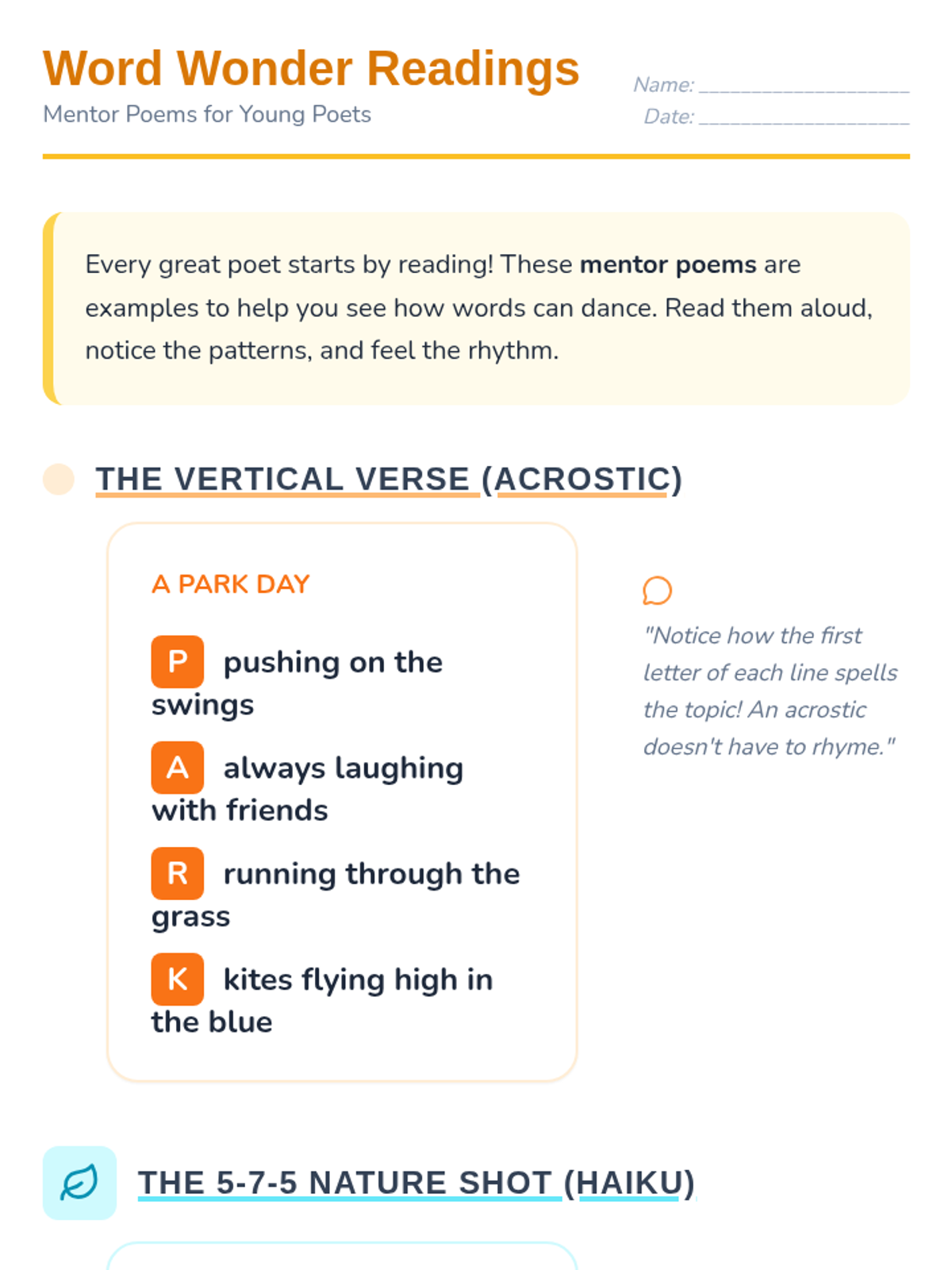
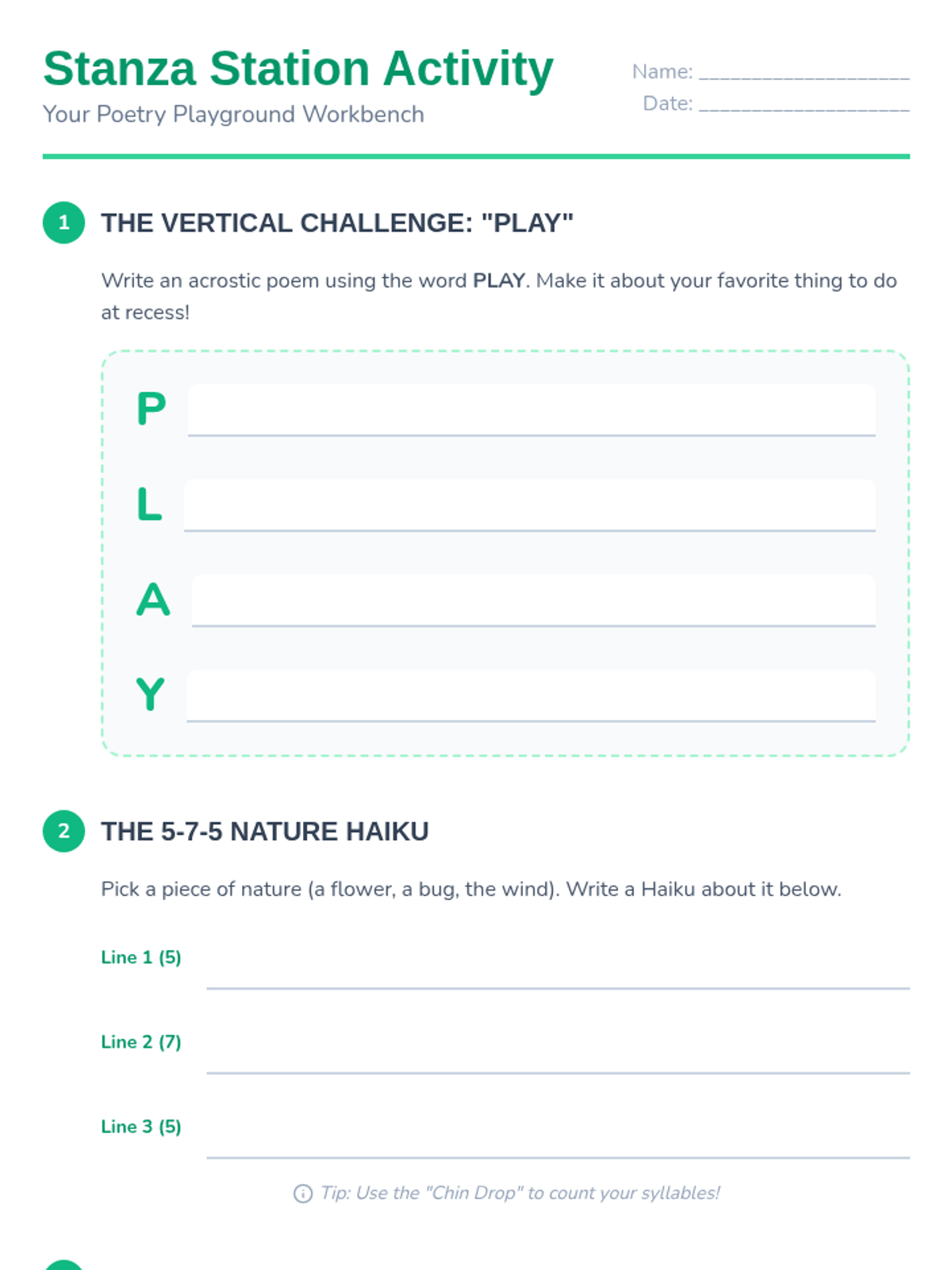
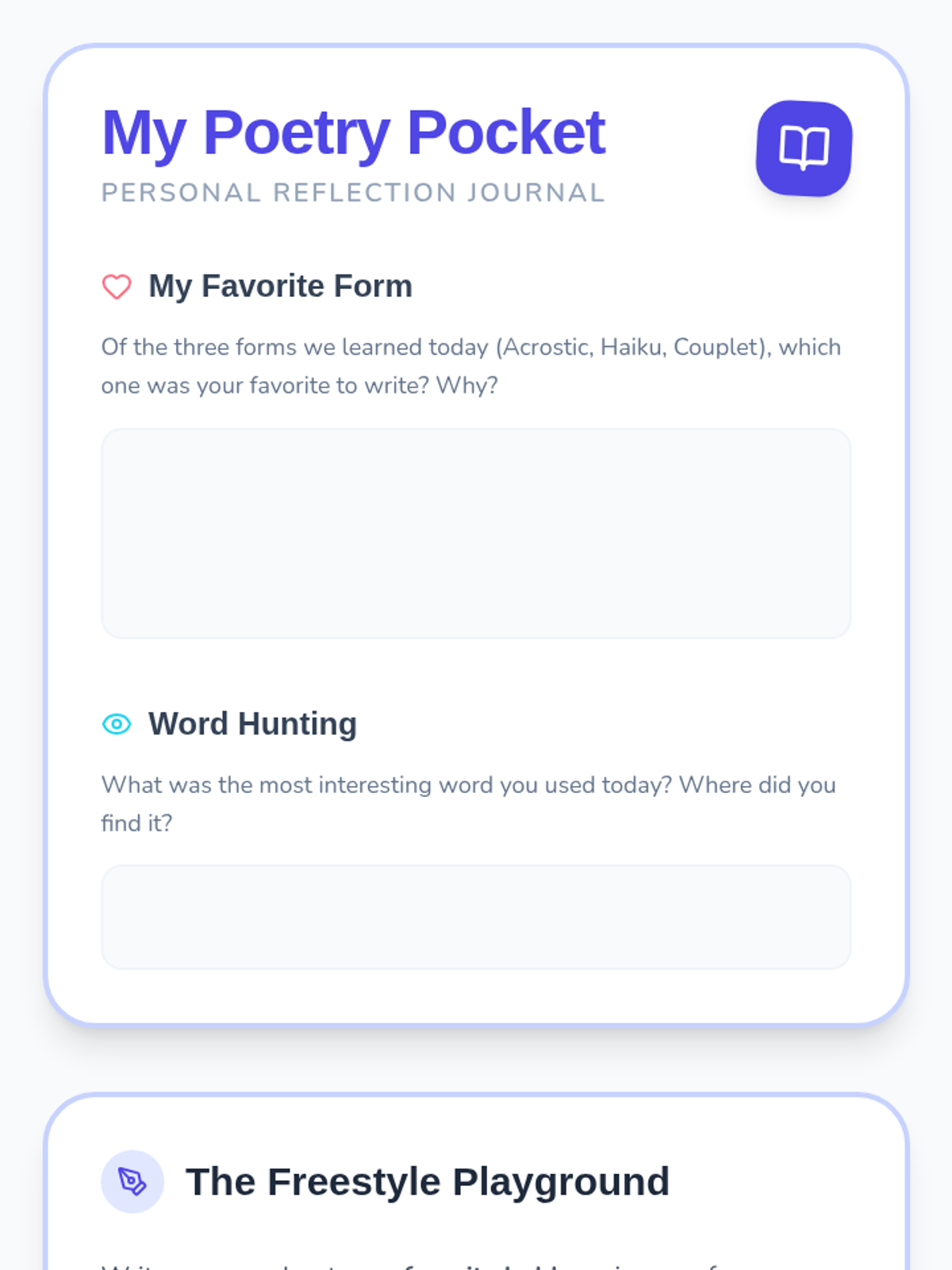
A playful introduction to poetry for 3rd graders, covering acrostic, haiku, and rhyming couplets through interactive exploration and creative writing.
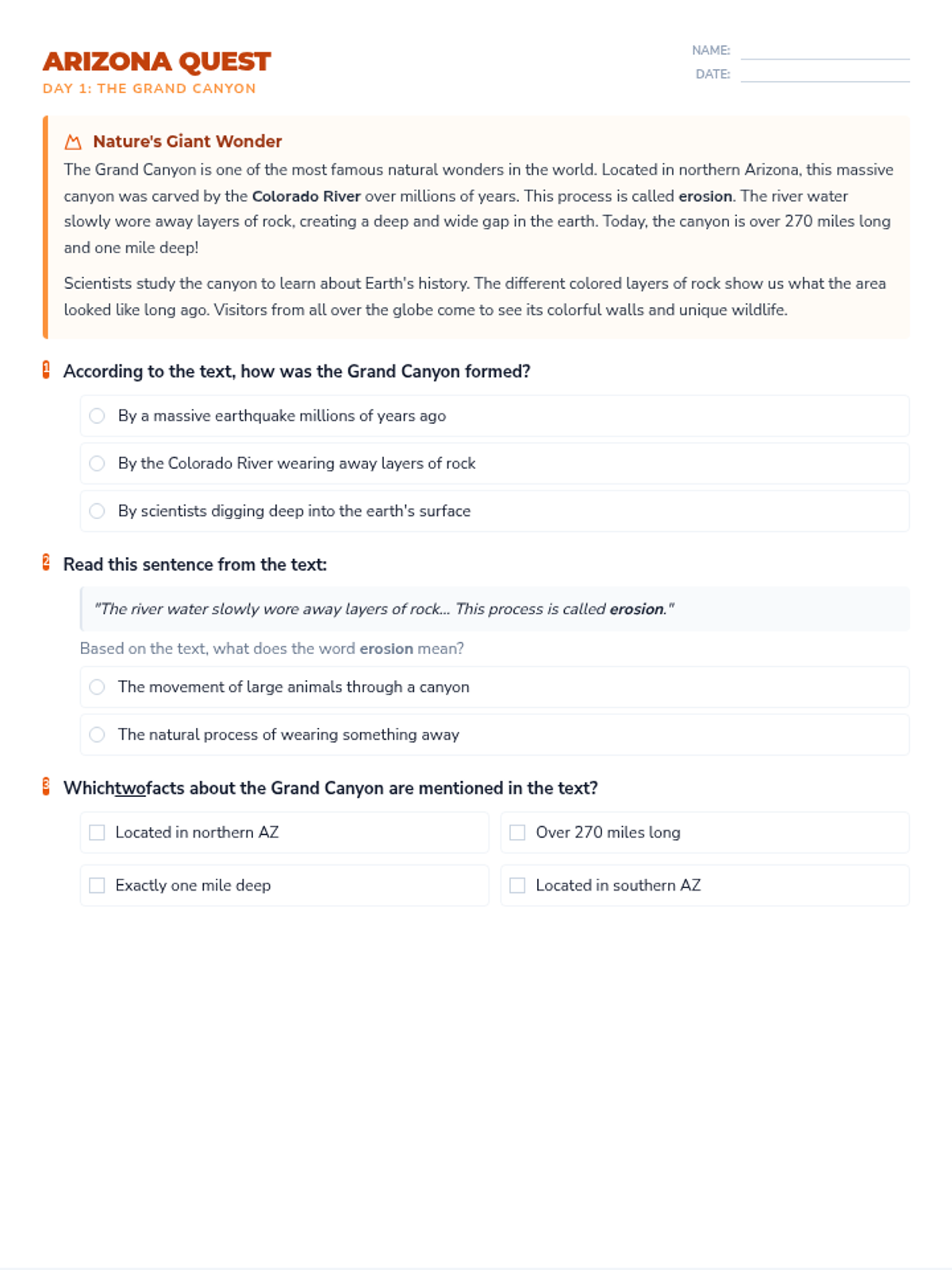
A 5-day spiral review focused on Arizona standards 3.RI.1 and 3.RI.4, using Arizona-themed social studies passages to practice reading comprehension and vocabulary.
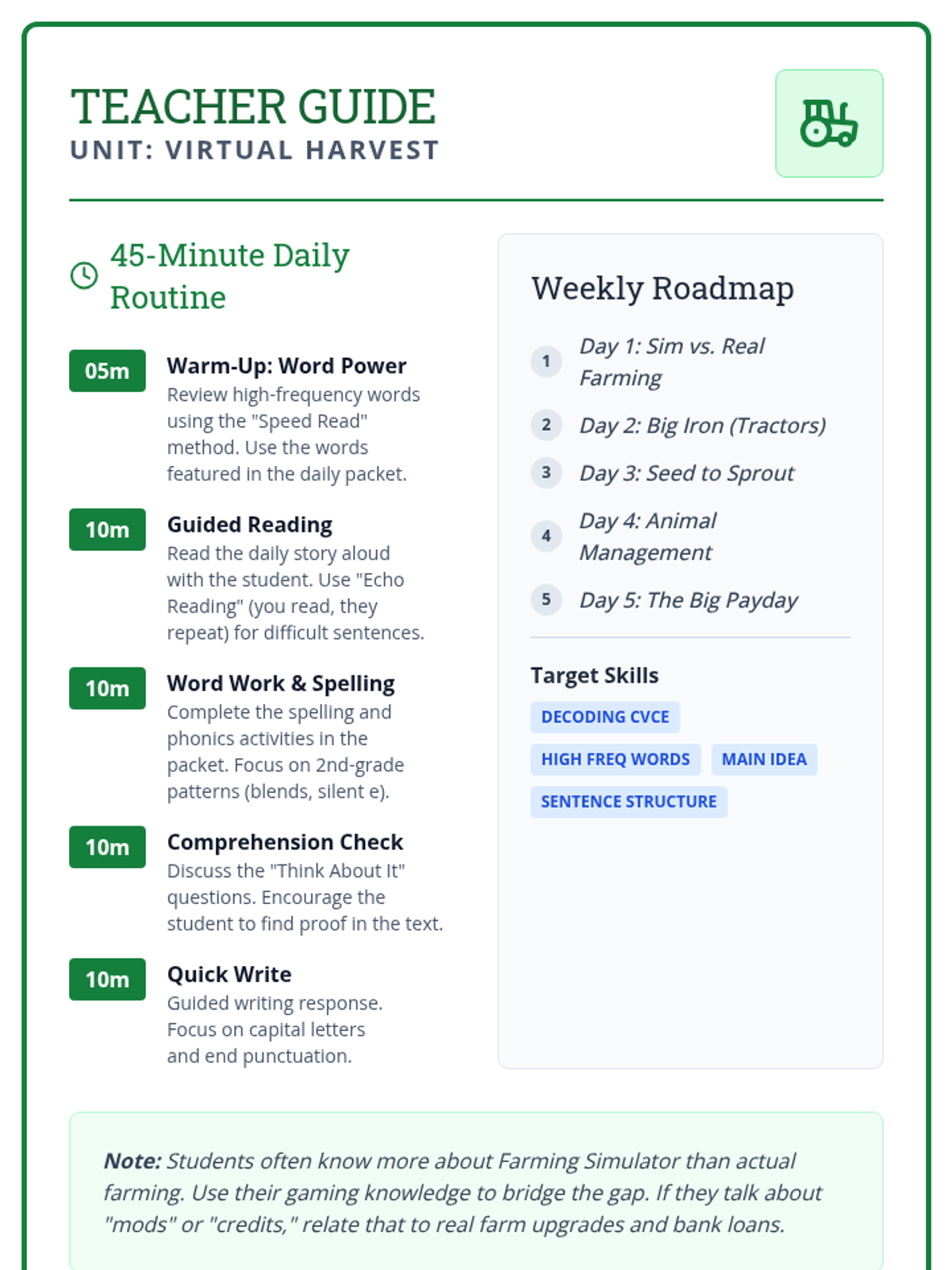
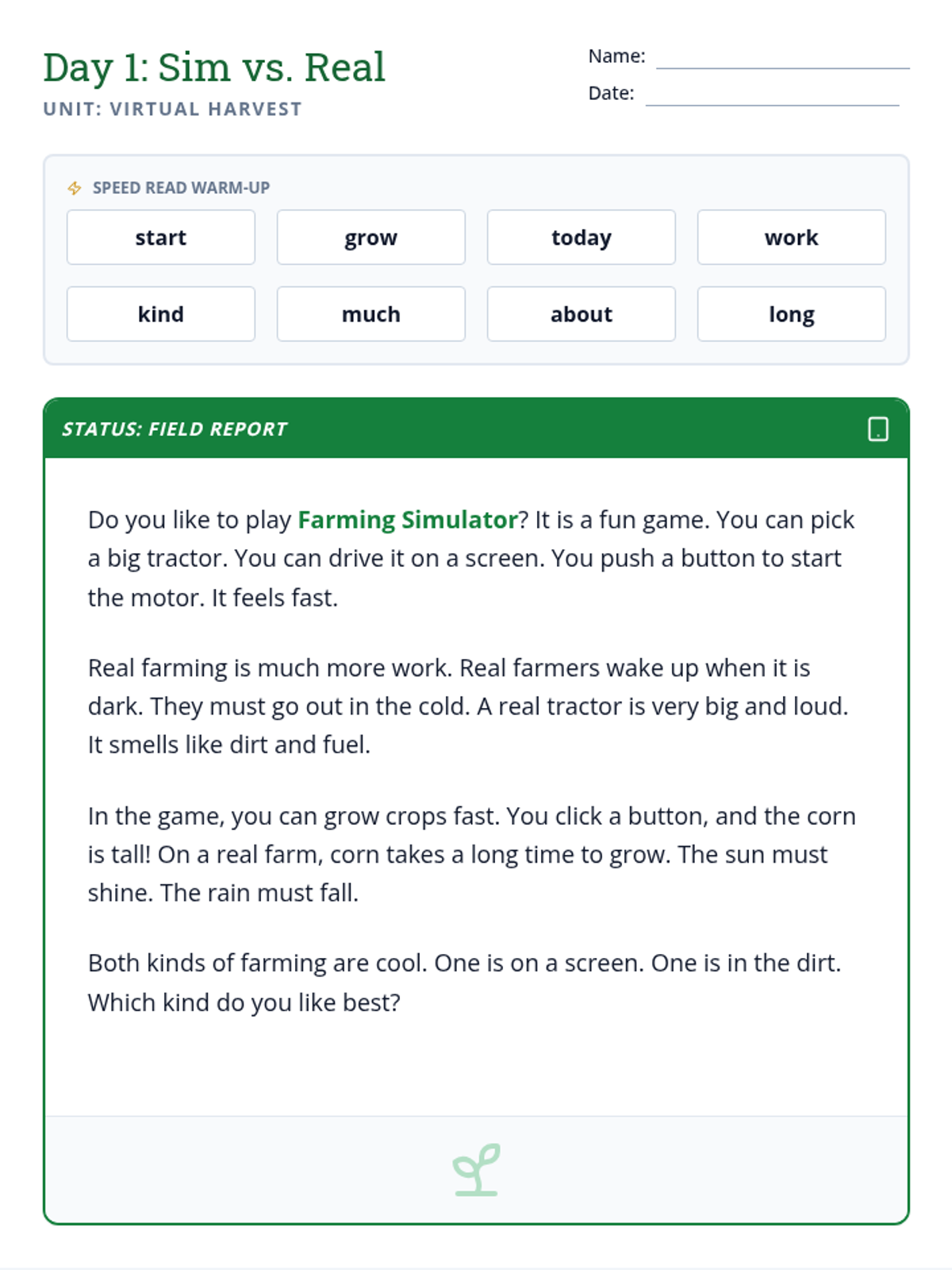
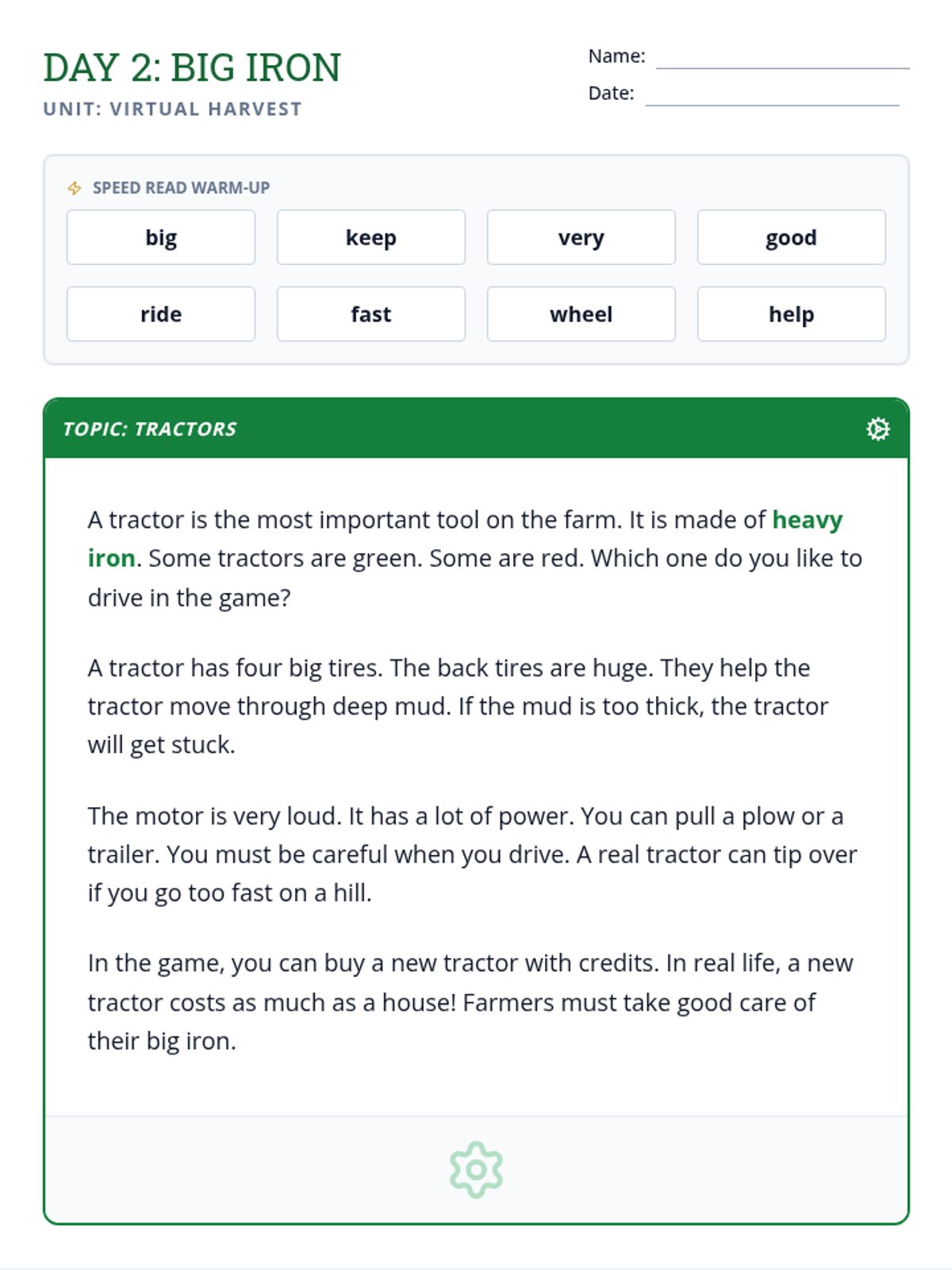
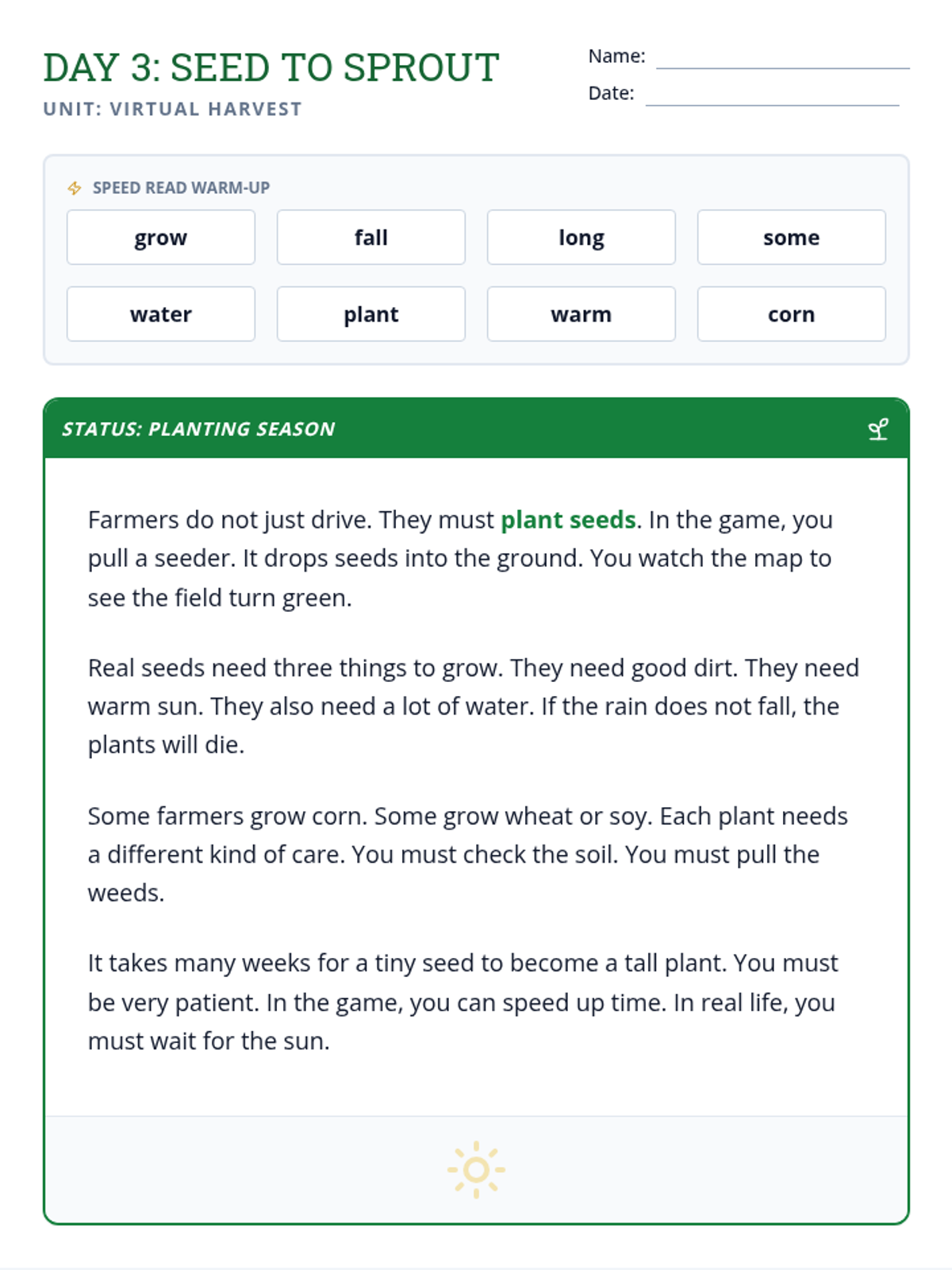
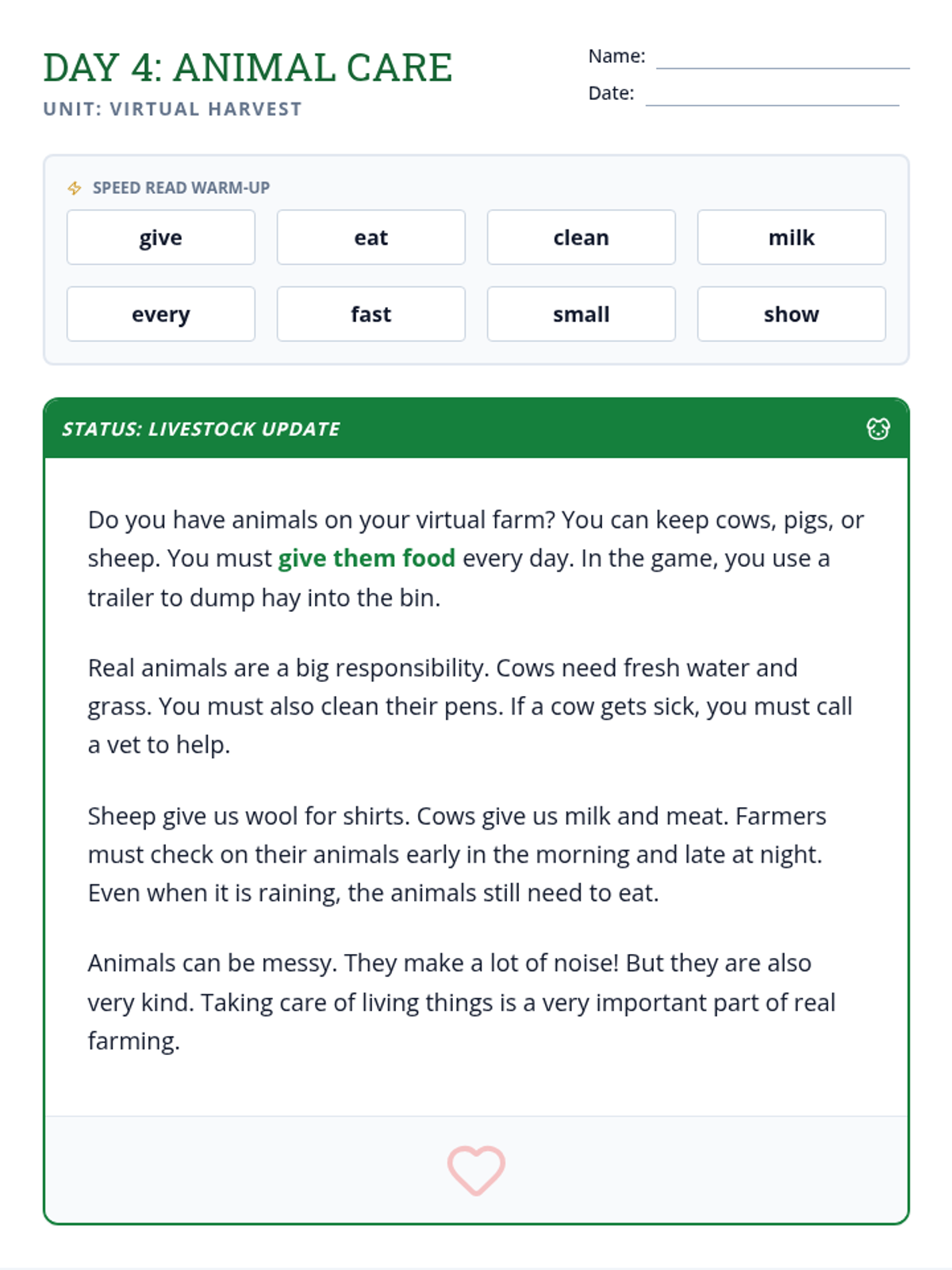
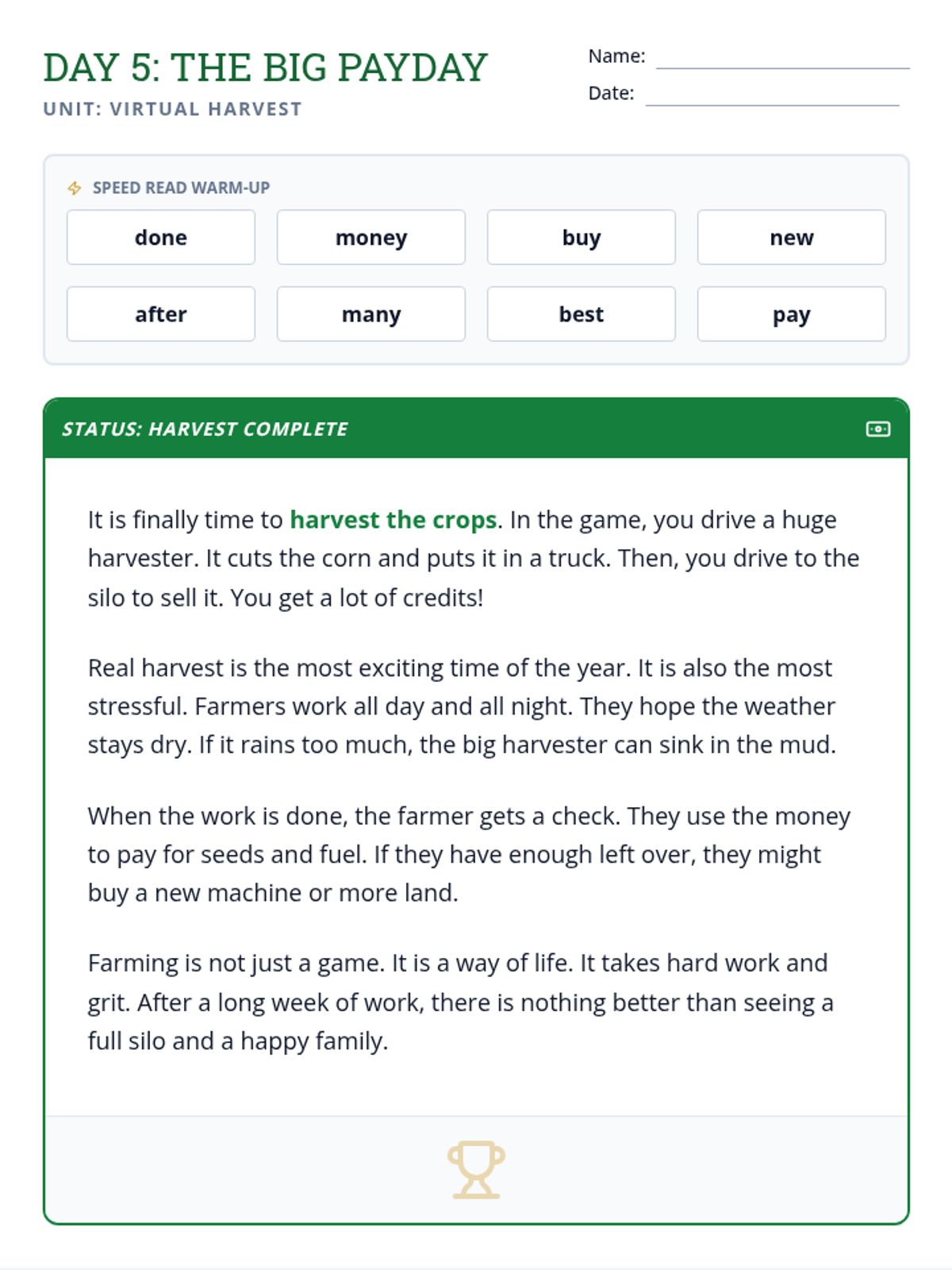
A 5-day reading comprehension and writing unit for struggling readers, blending the world of Farming Simulator with real-world agriculture. Focuses on 2nd-grade level literacy skills within a high-interest 5th-grade context.
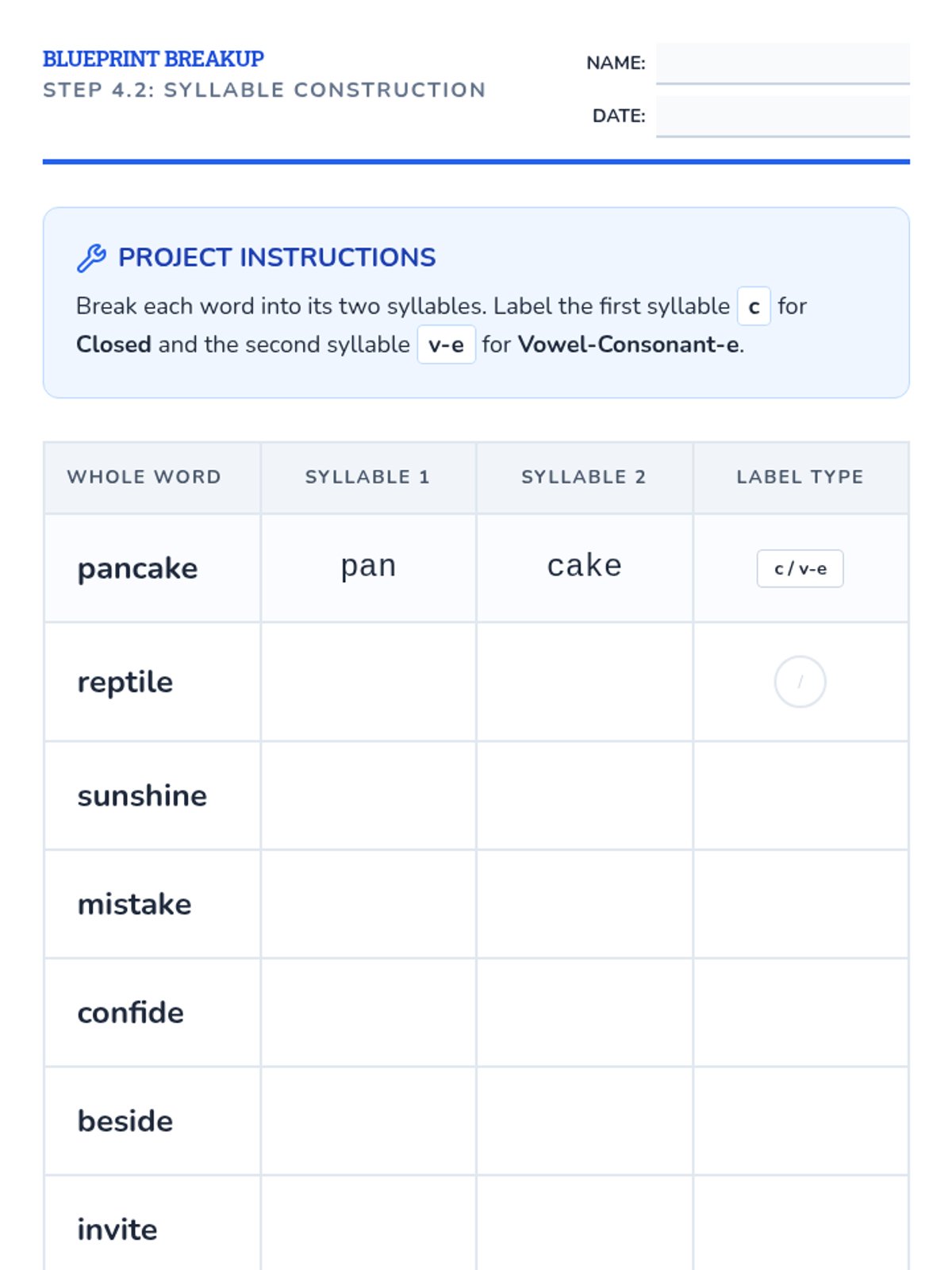
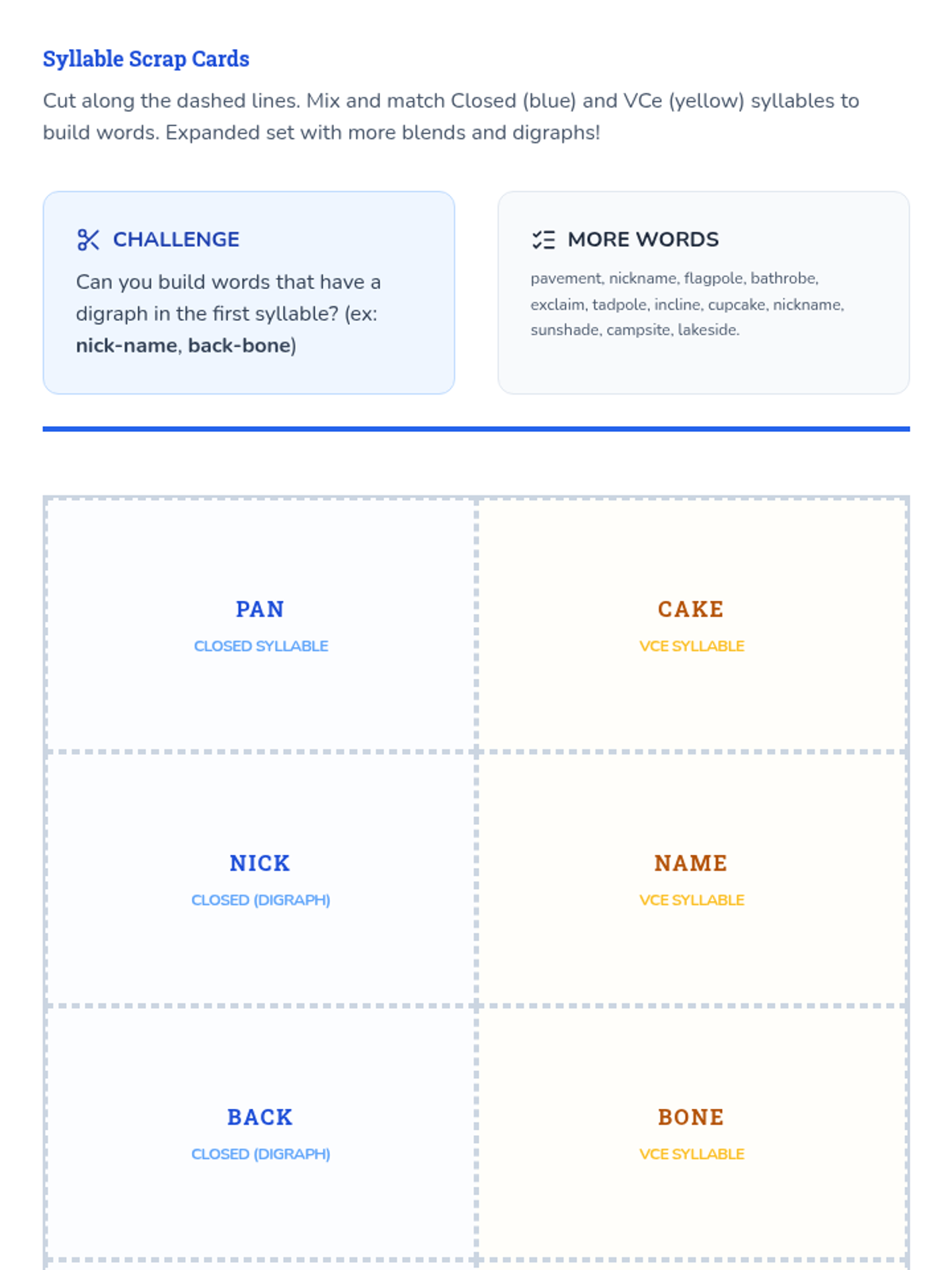
A comprehensive unit for Wilson Reading System Step 4.2, focusing on two-syllable words combining closed and vowel-consonant-e (VCe) syllables. Includes syllable division practice, word cards, games, and fluency activities.
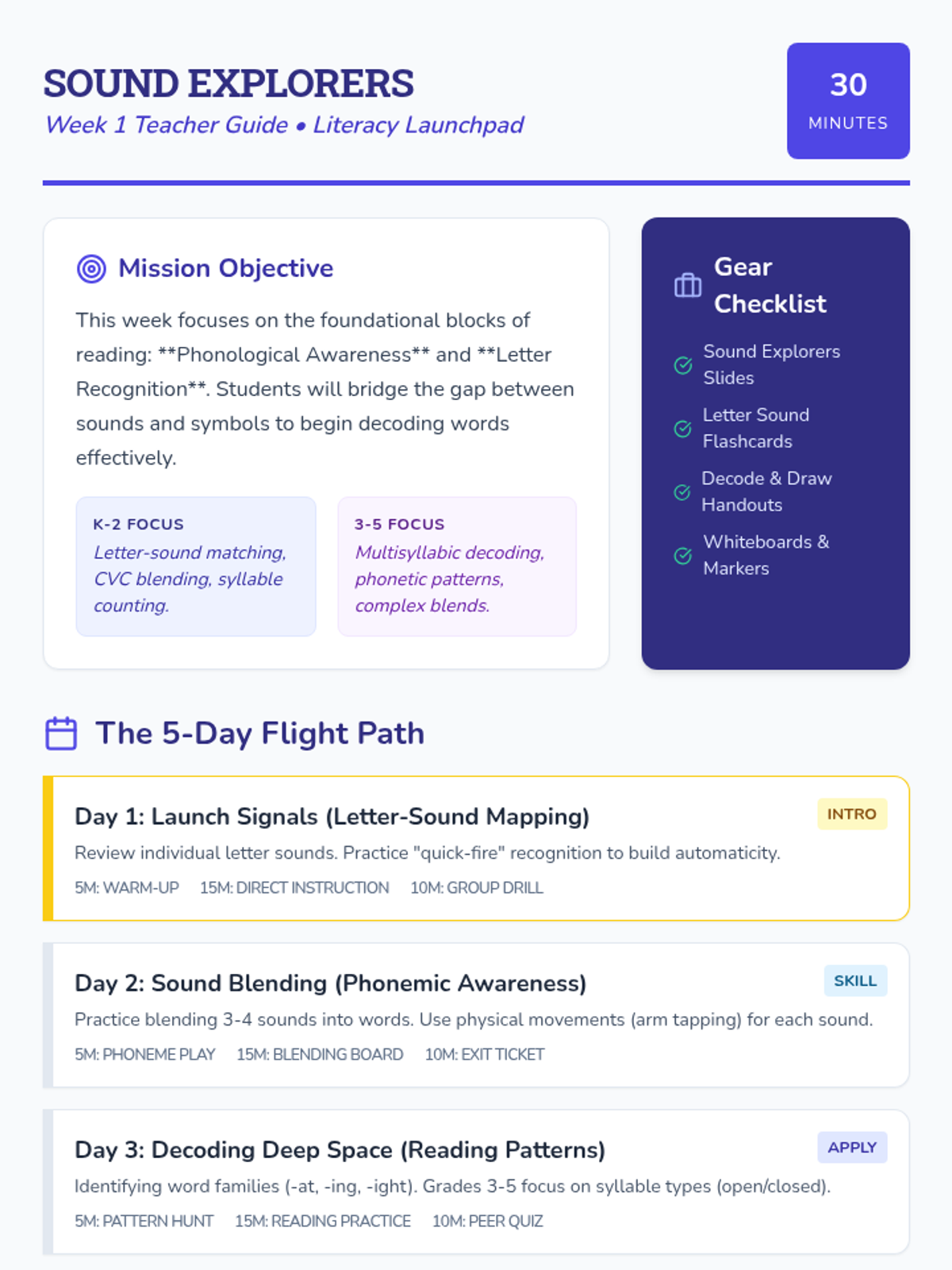
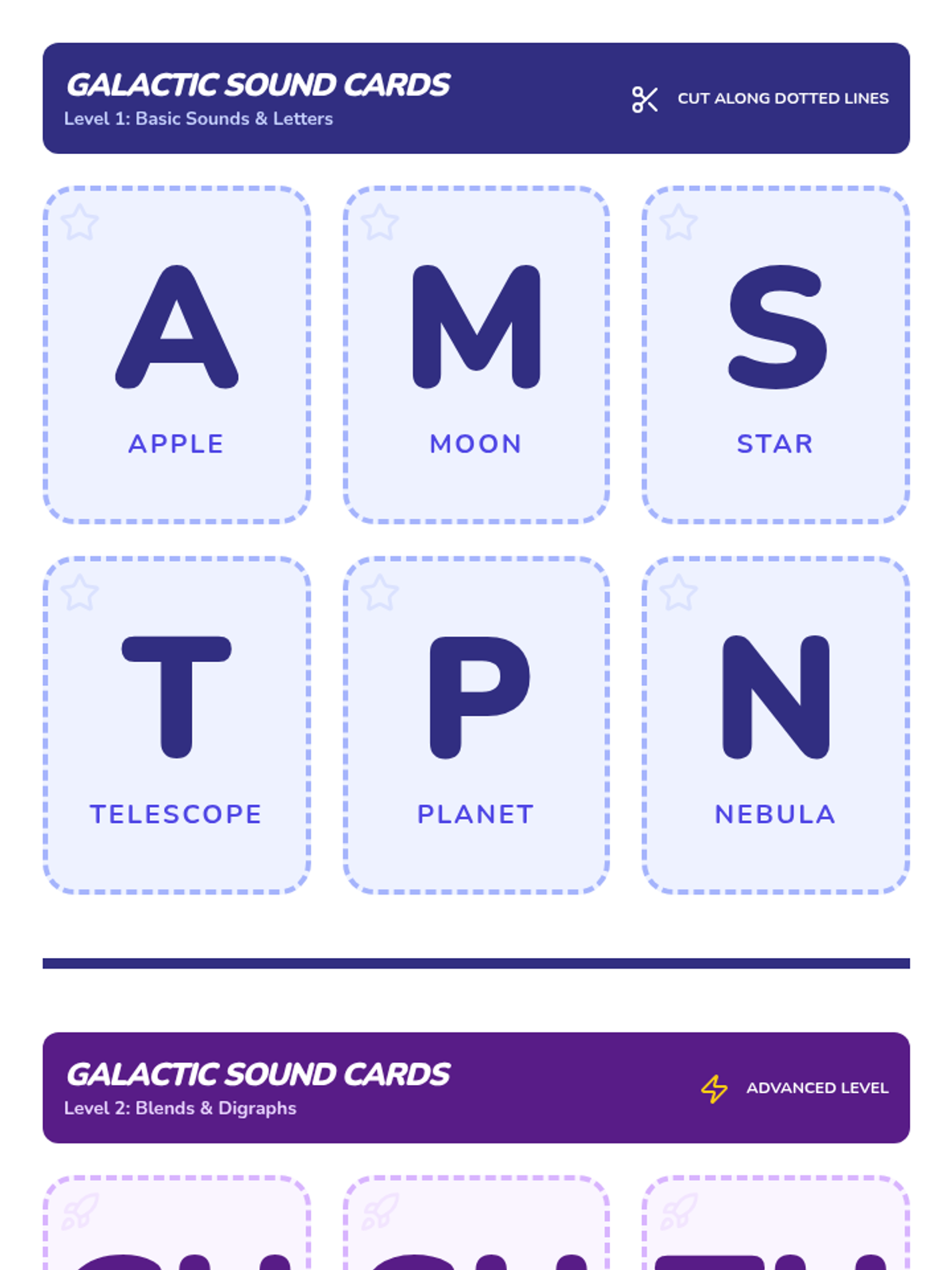
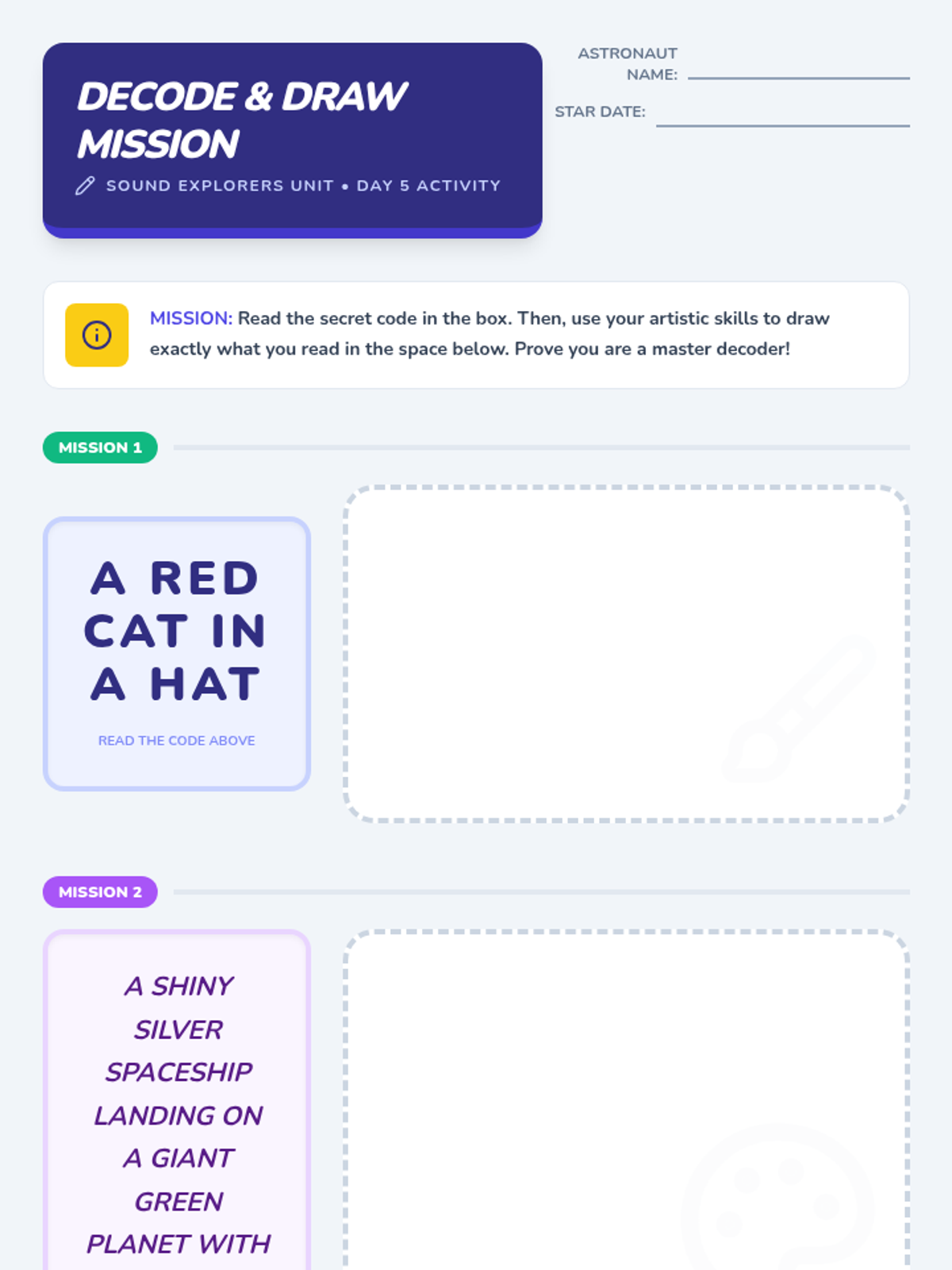
A 3-week literacy intervention program for grades K-5 focused on phonics, vocabulary, and comprehension with a space exploration theme. Each week features 30-minute daily sessions including interactive games and hands-on activities.
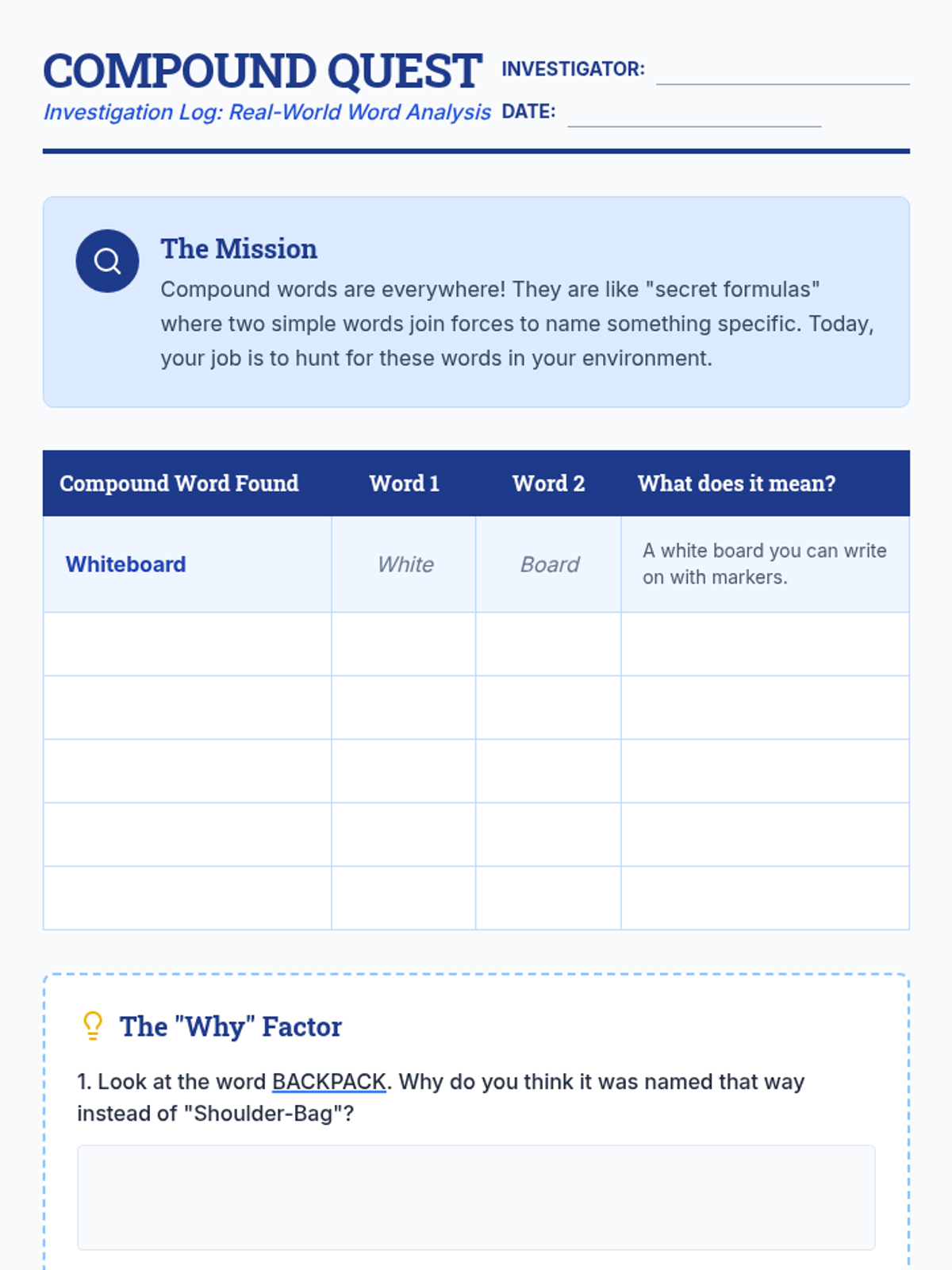
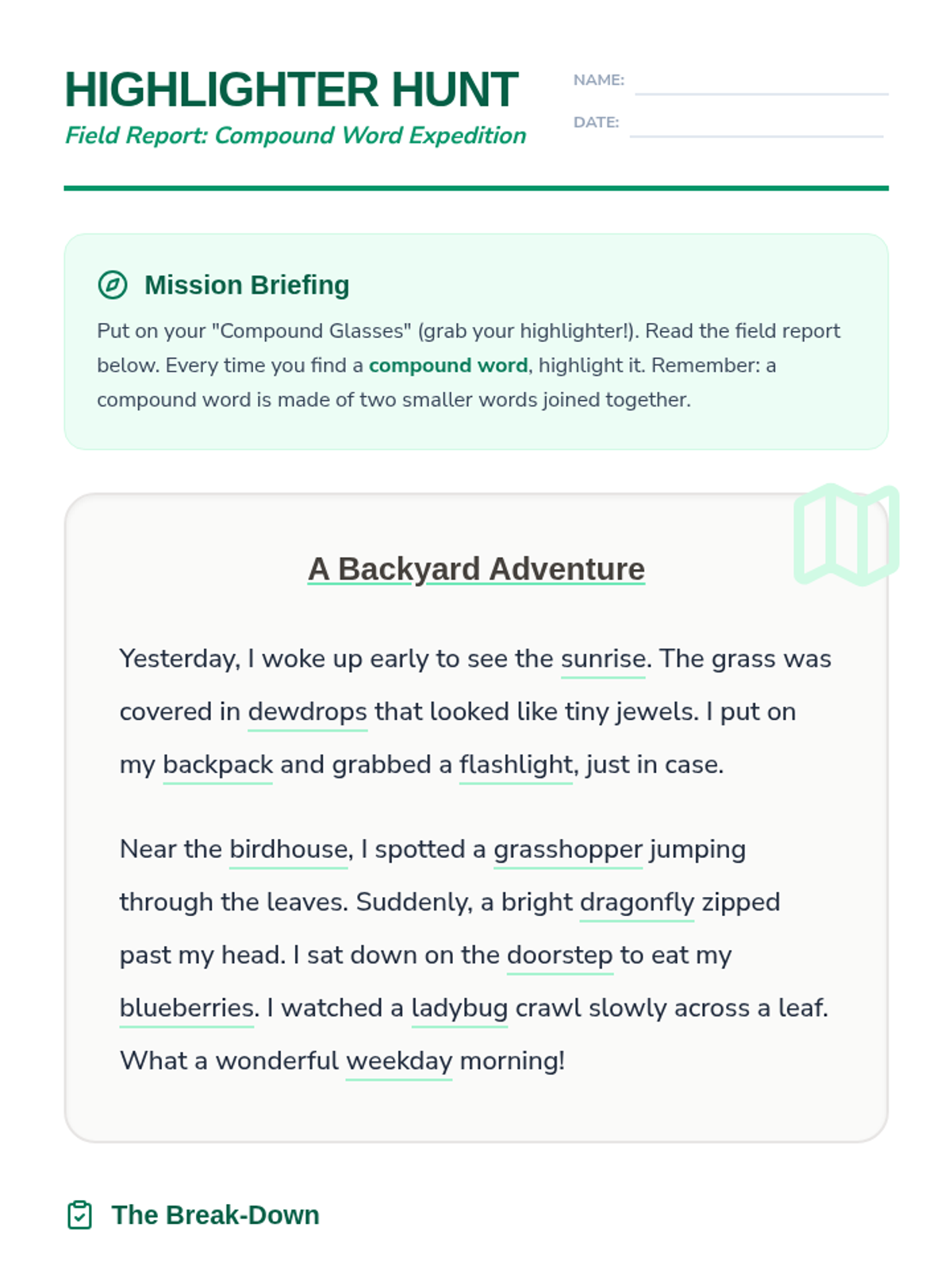
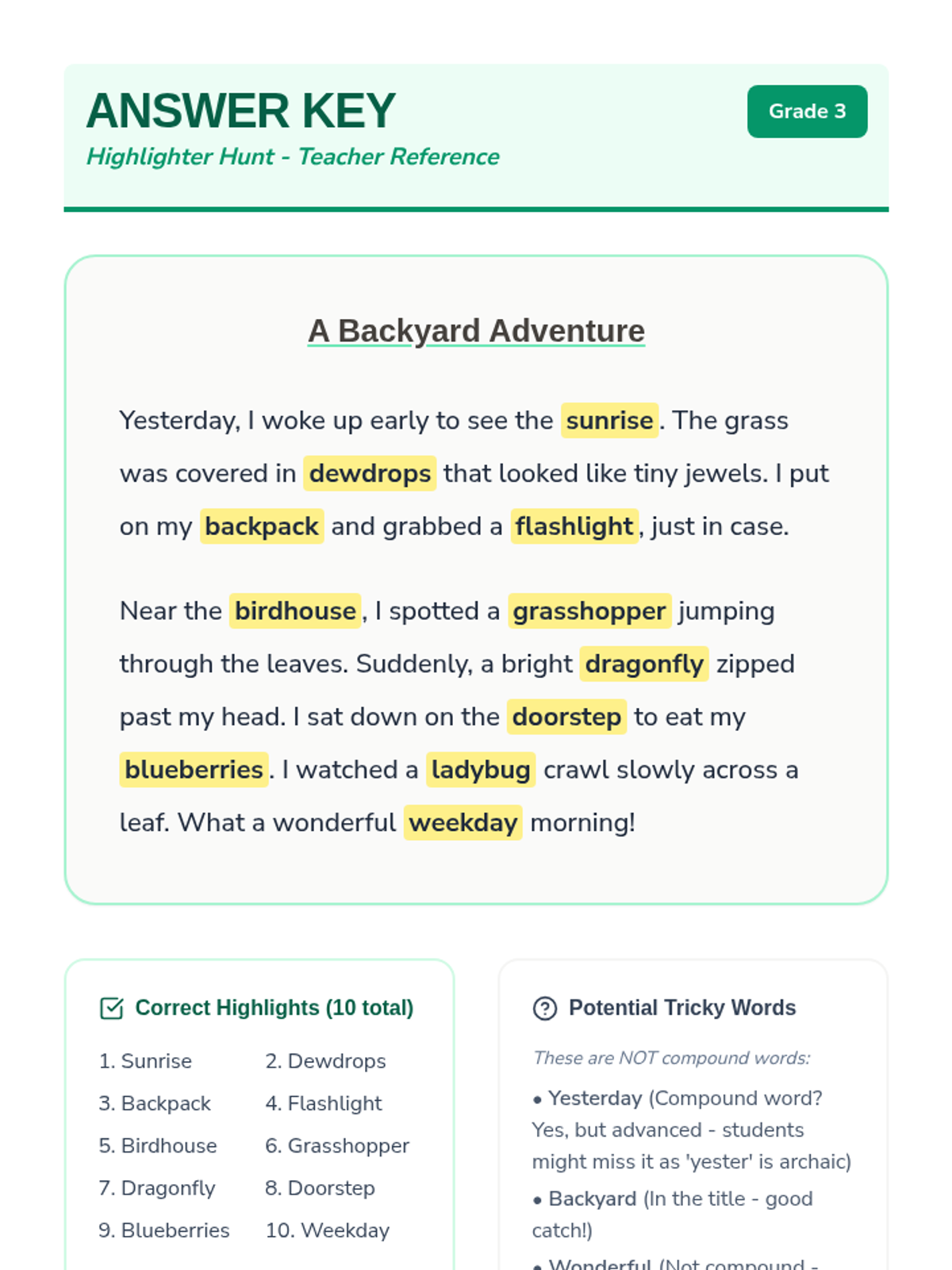
A comprehensive 3rd-grade sequence that bridges the gap between isolated vocabulary practice and reading fluency through the study of compound words. Students progress from identifying compound words in passages to using them as tools for sentence expansion and narrative writing.
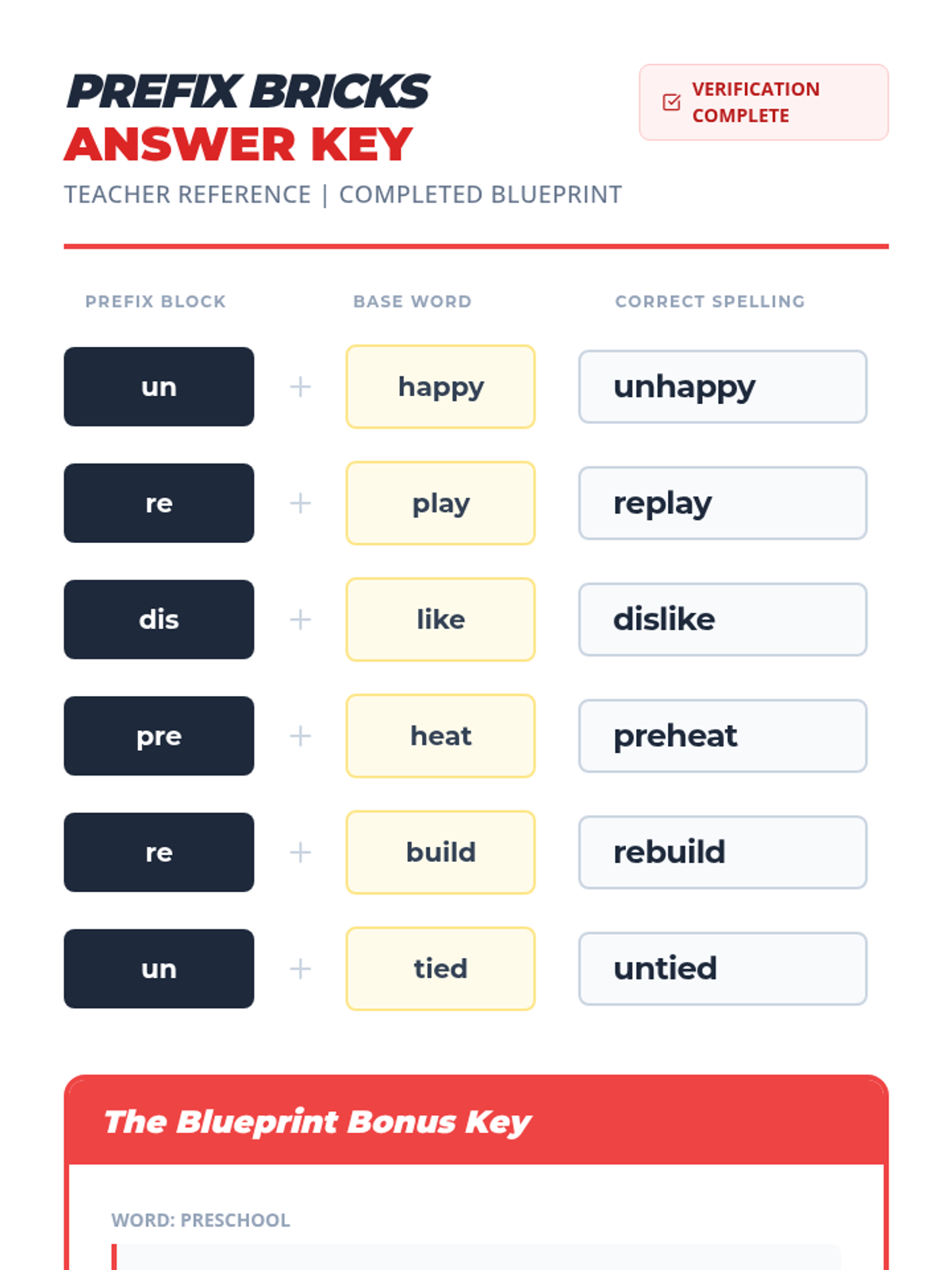
A comprehensive 3rd Grade spelling sequence focused on structural analysis. Students learn to build and deconstruct words using prefixes, suffixes, roots, and compound word strategies to improve spelling accuracy and vocabulary depth.
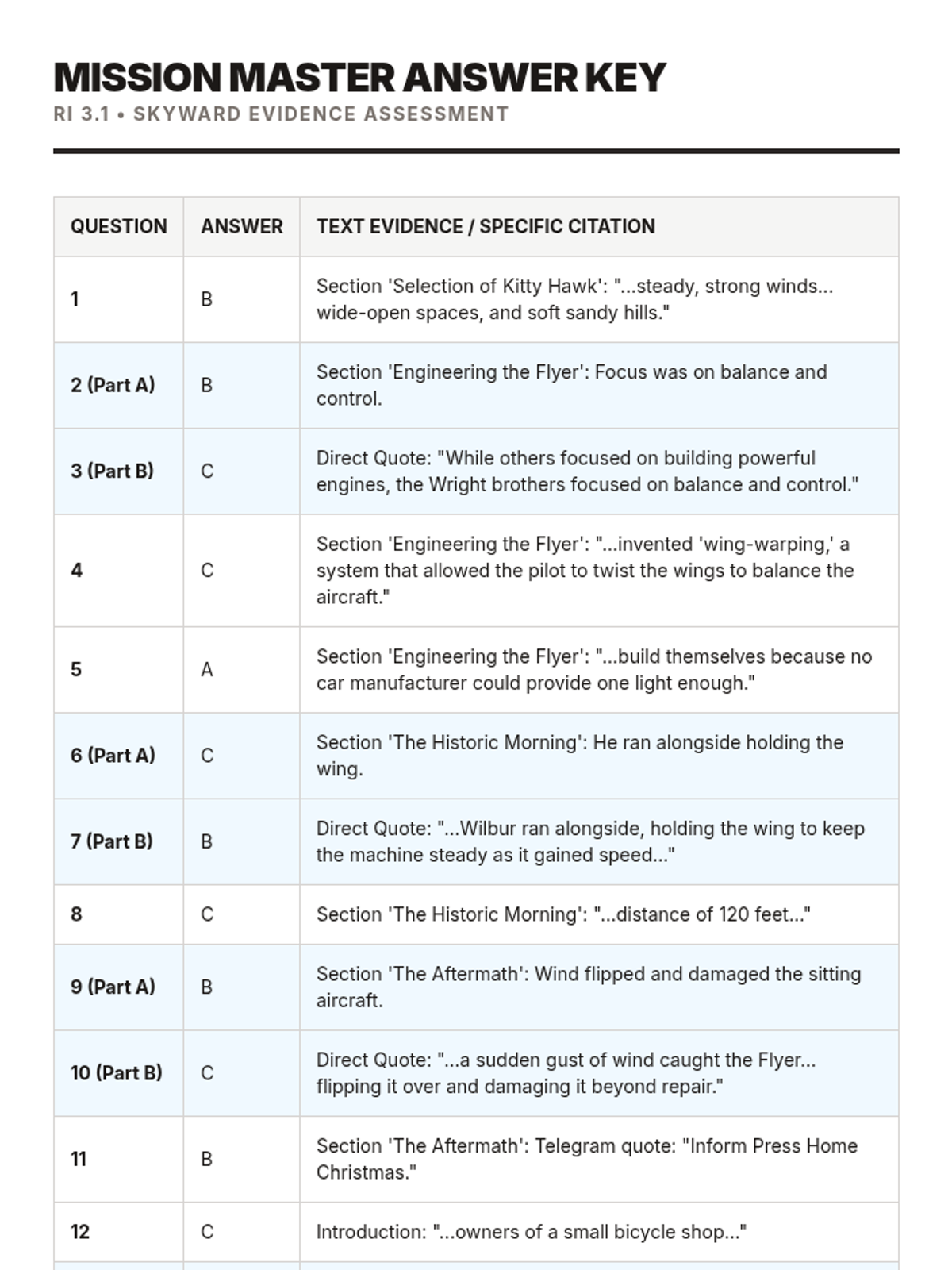
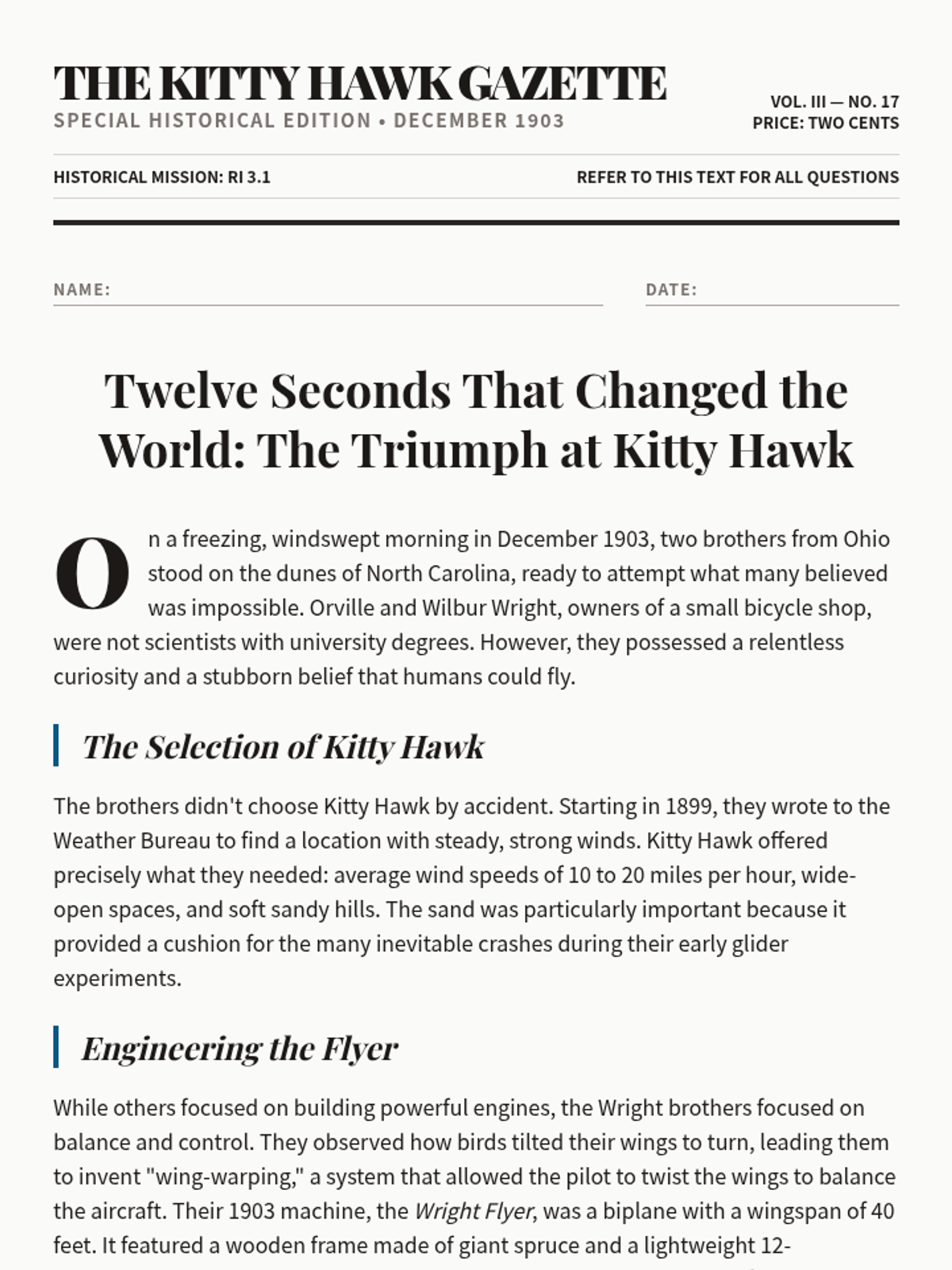
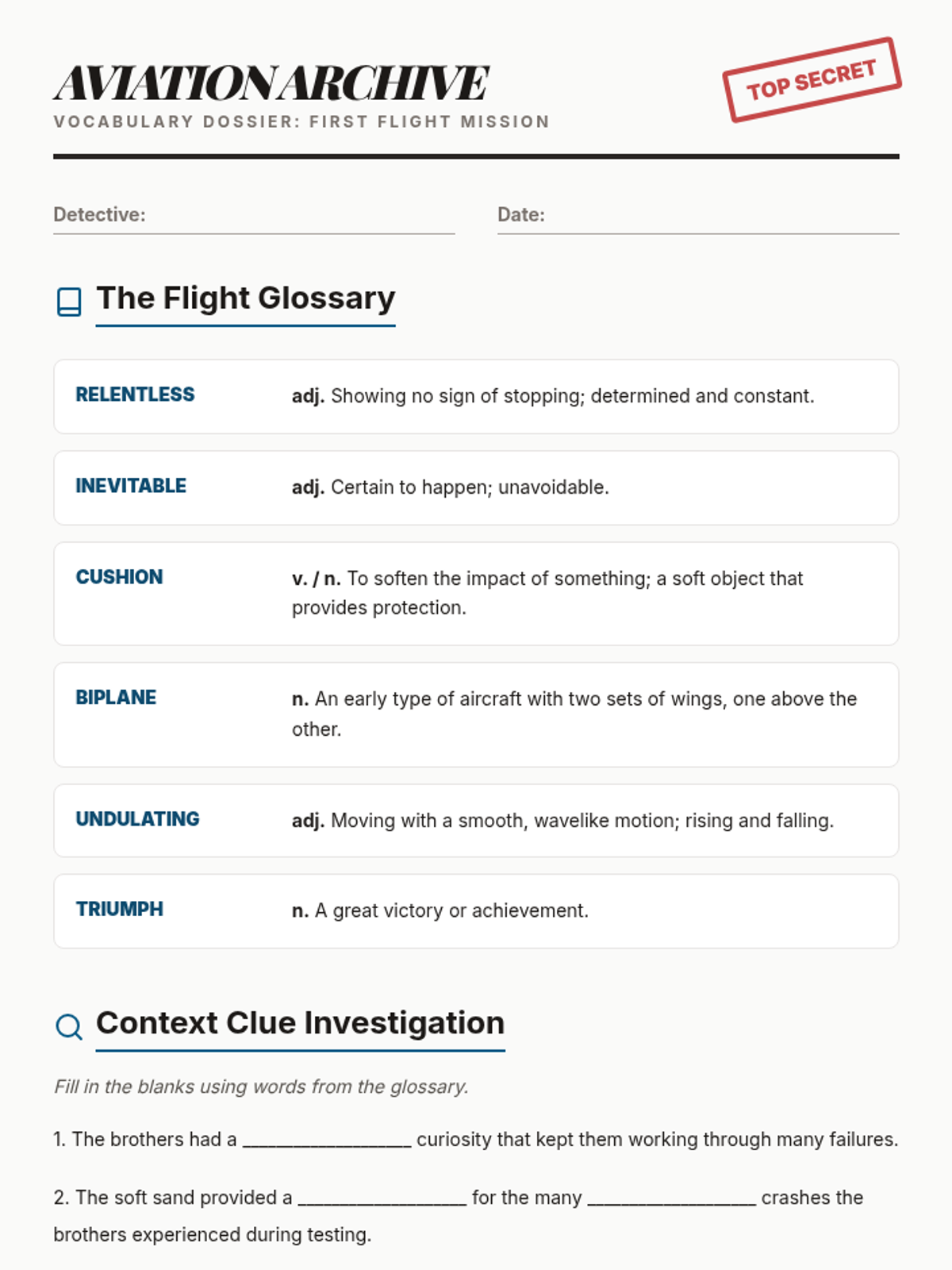
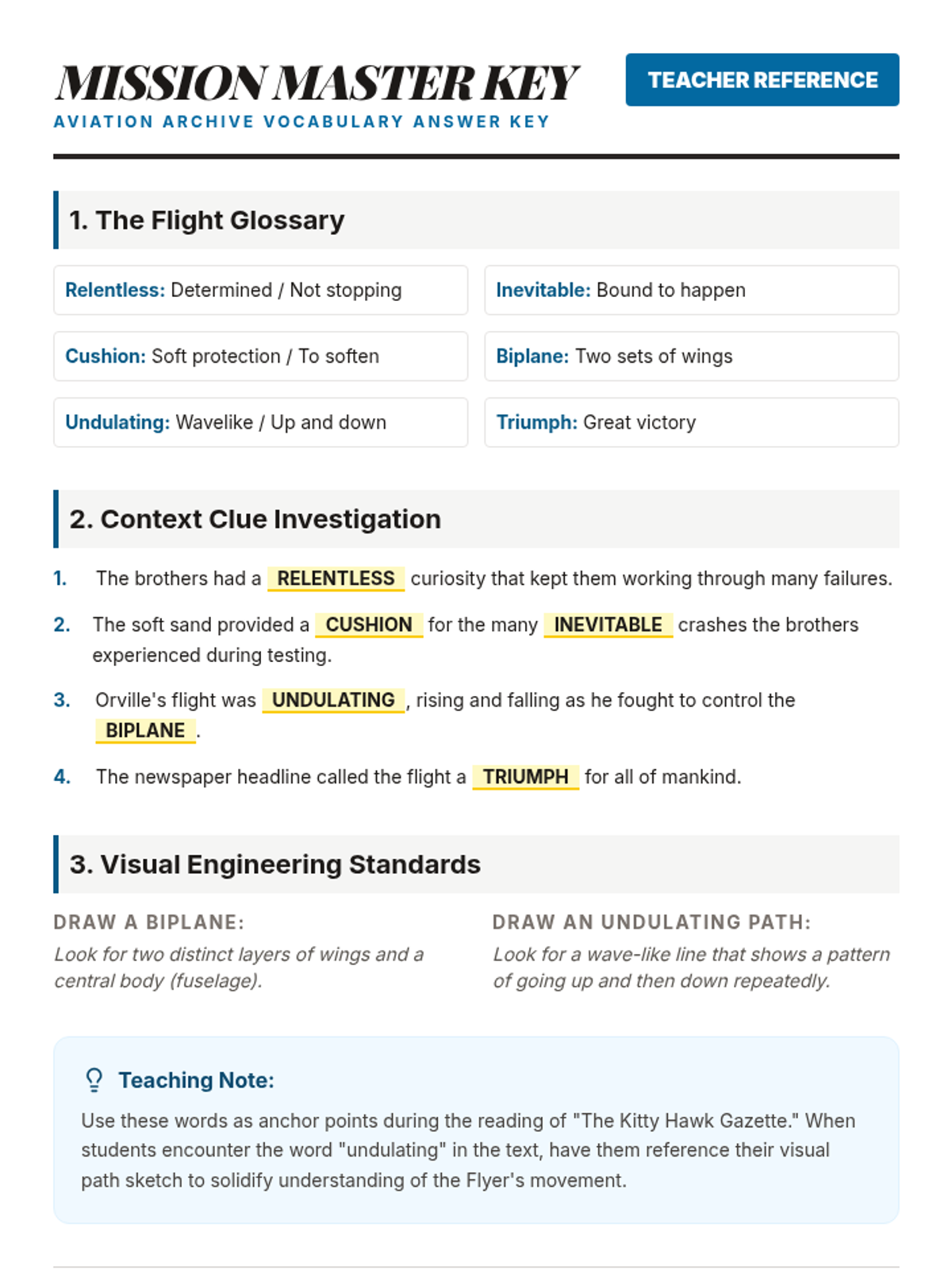
A focused exploration of RI.3.1 through historical events, specifically the Wright Brothers' first flight. Students learn to cite explicit evidence from a complex informational text to answer deep comprehension questions.
A 3-day small group intervention focused on word meaning, reference materials, and word parts, tailored to three distinct readiness levels (Below 161, 161-170, and 171-180).
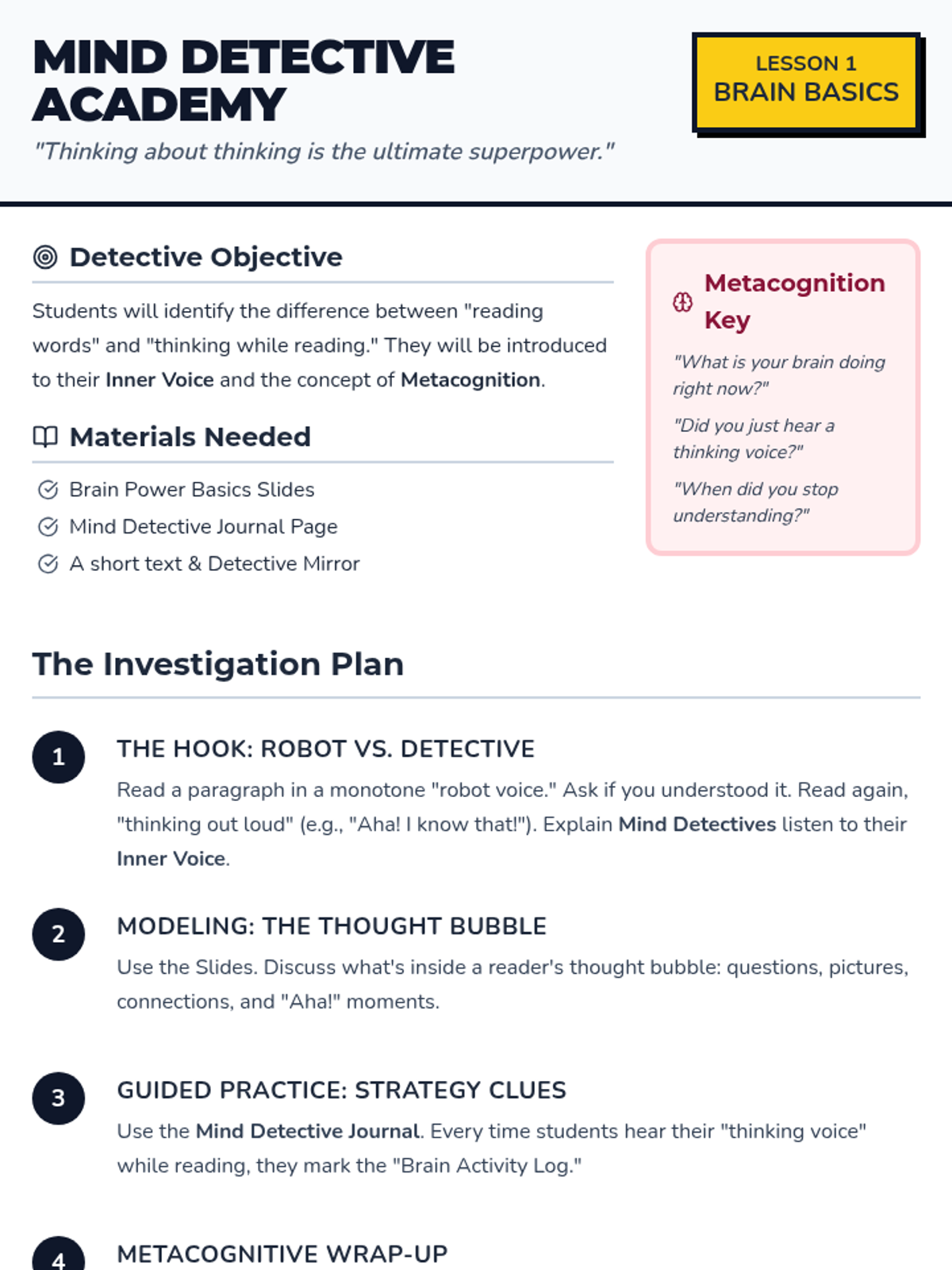
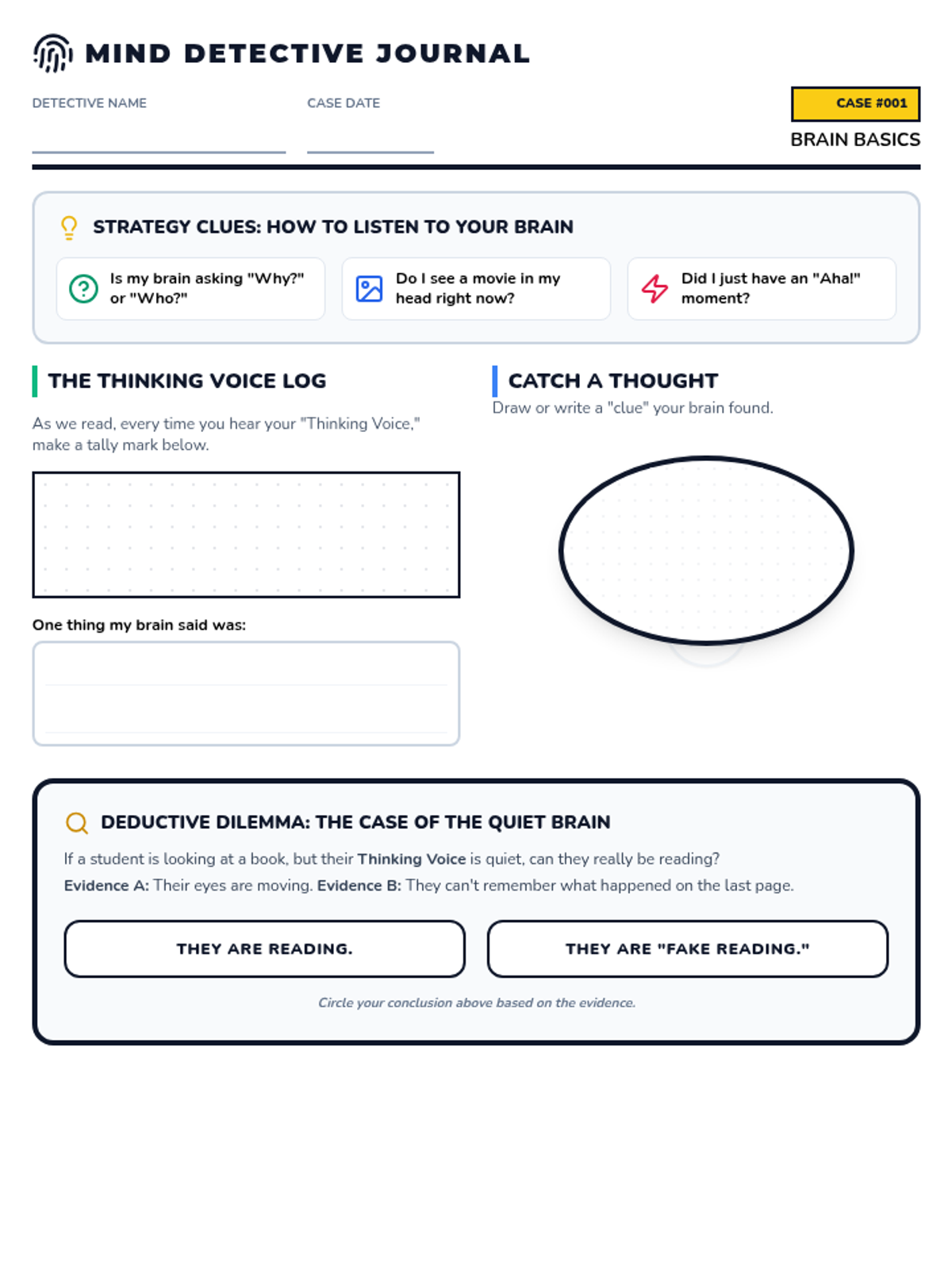
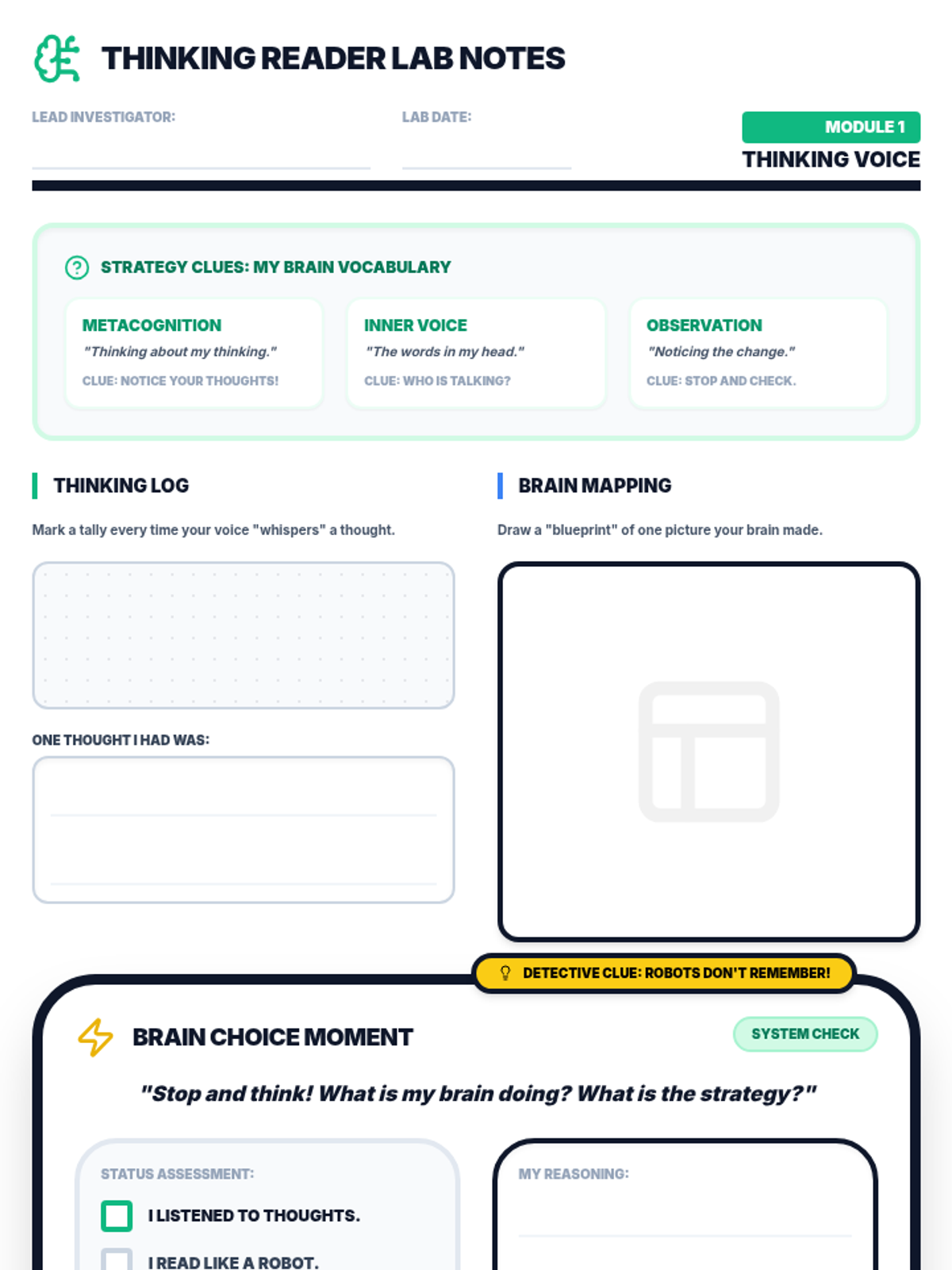
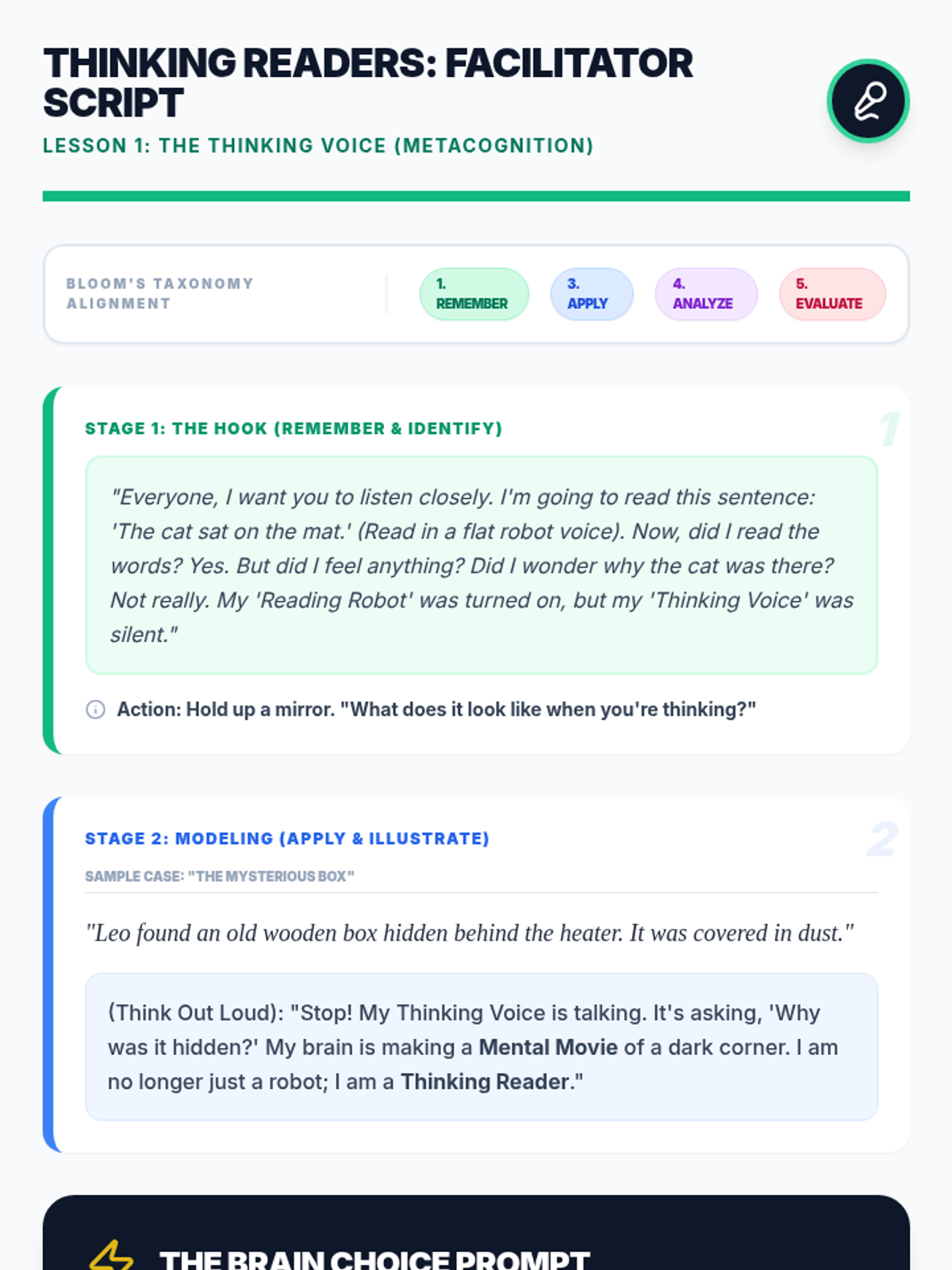
A 12-lesson comprehension mastery program focused on metacognition, reasoning, and evidence-based thinking. Students progress from basic thinking awareness to complex deductive reasoning and synthesis. Inspired by Reading Detective and Comprehension Connections.
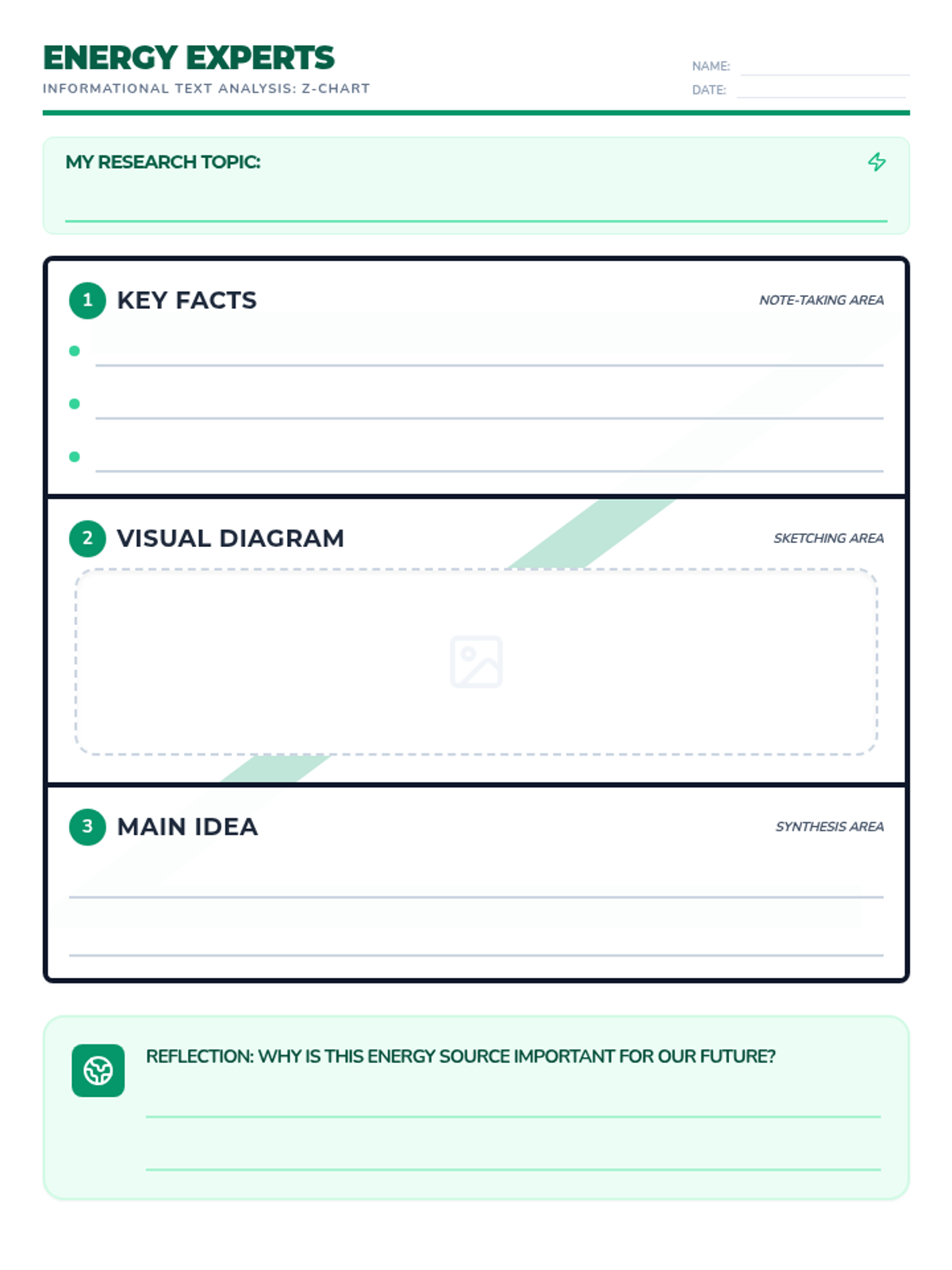
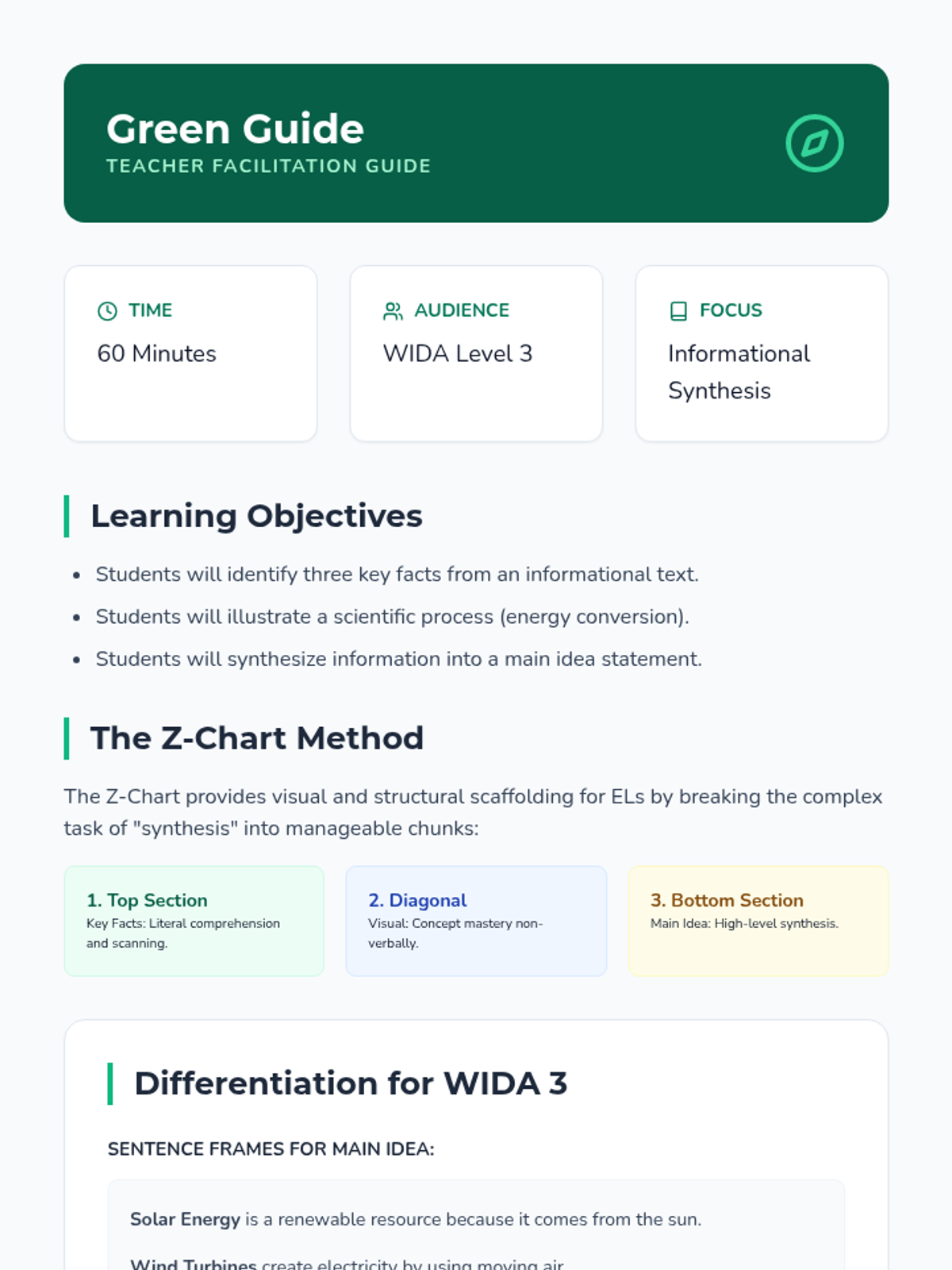
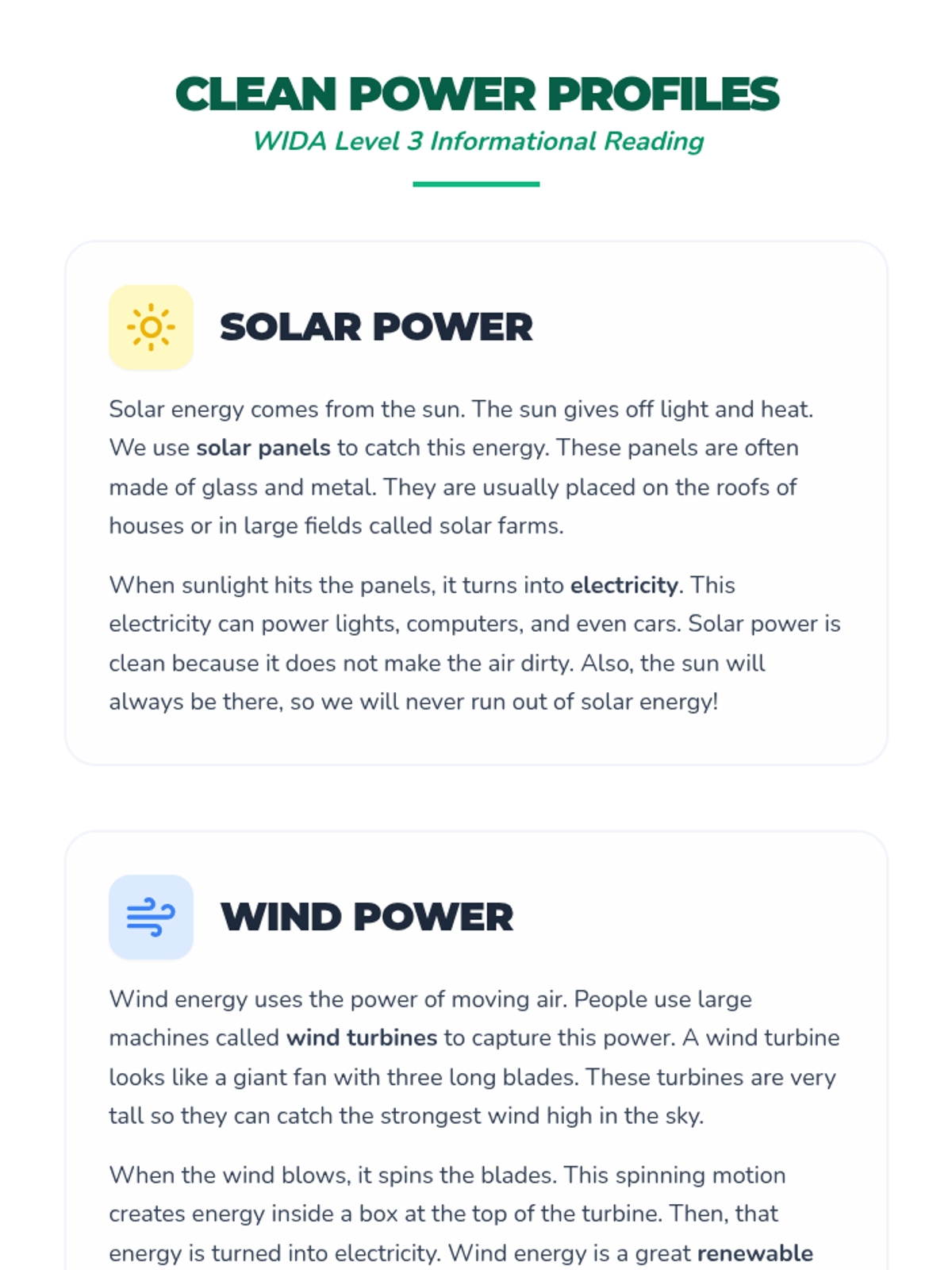
A comprehensive unit on renewable energy sources, focusing on analyzing informational texts through visual and written synthesis. Designed for EL students to develop academic language while exploring sustainable technology.
A comprehensive study of Kate DiCamillo's 'Because of Winn-Dixie', focusing on character relationships, themes of loneliness and friendship, and the power of storytelling.
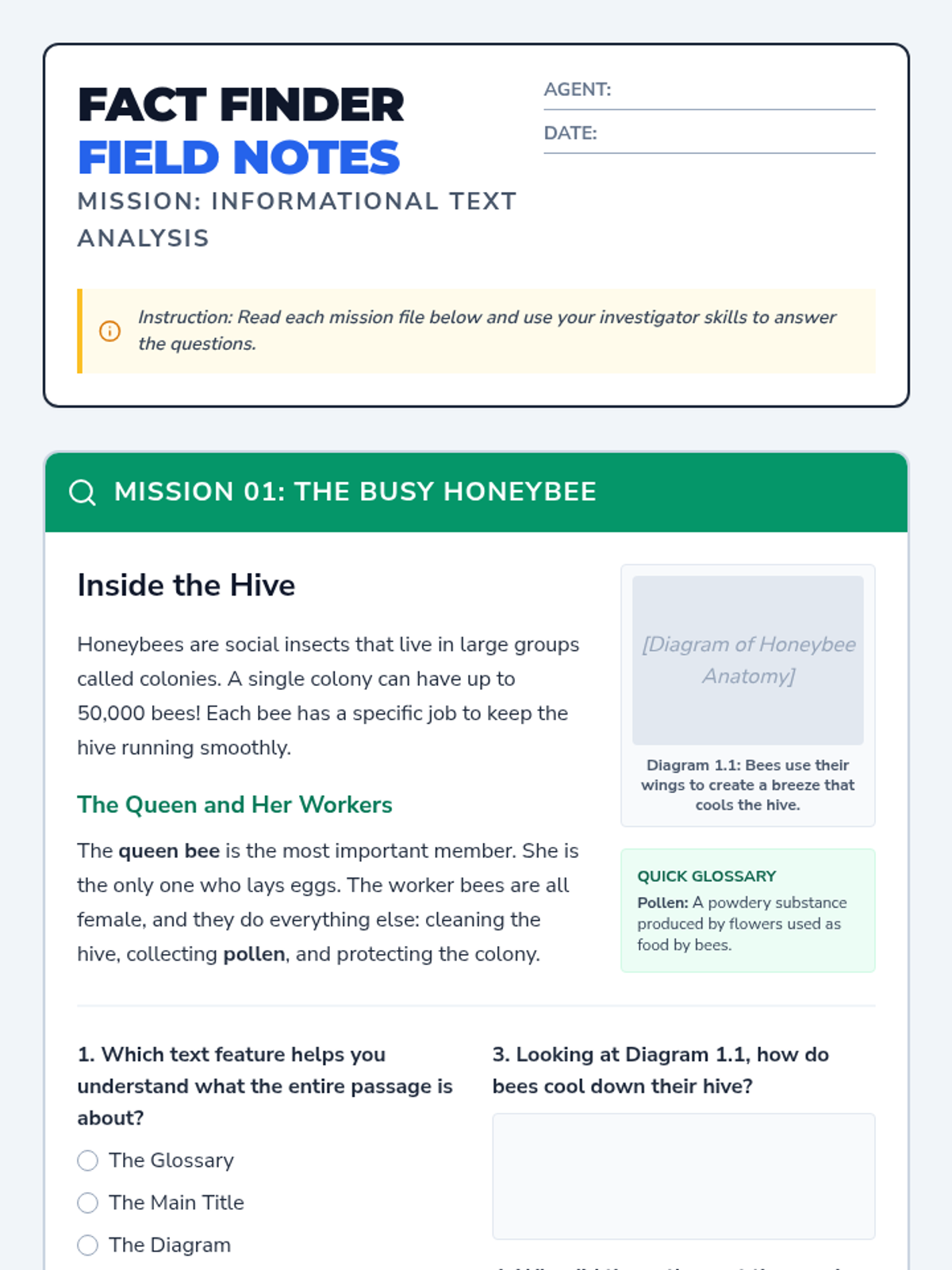
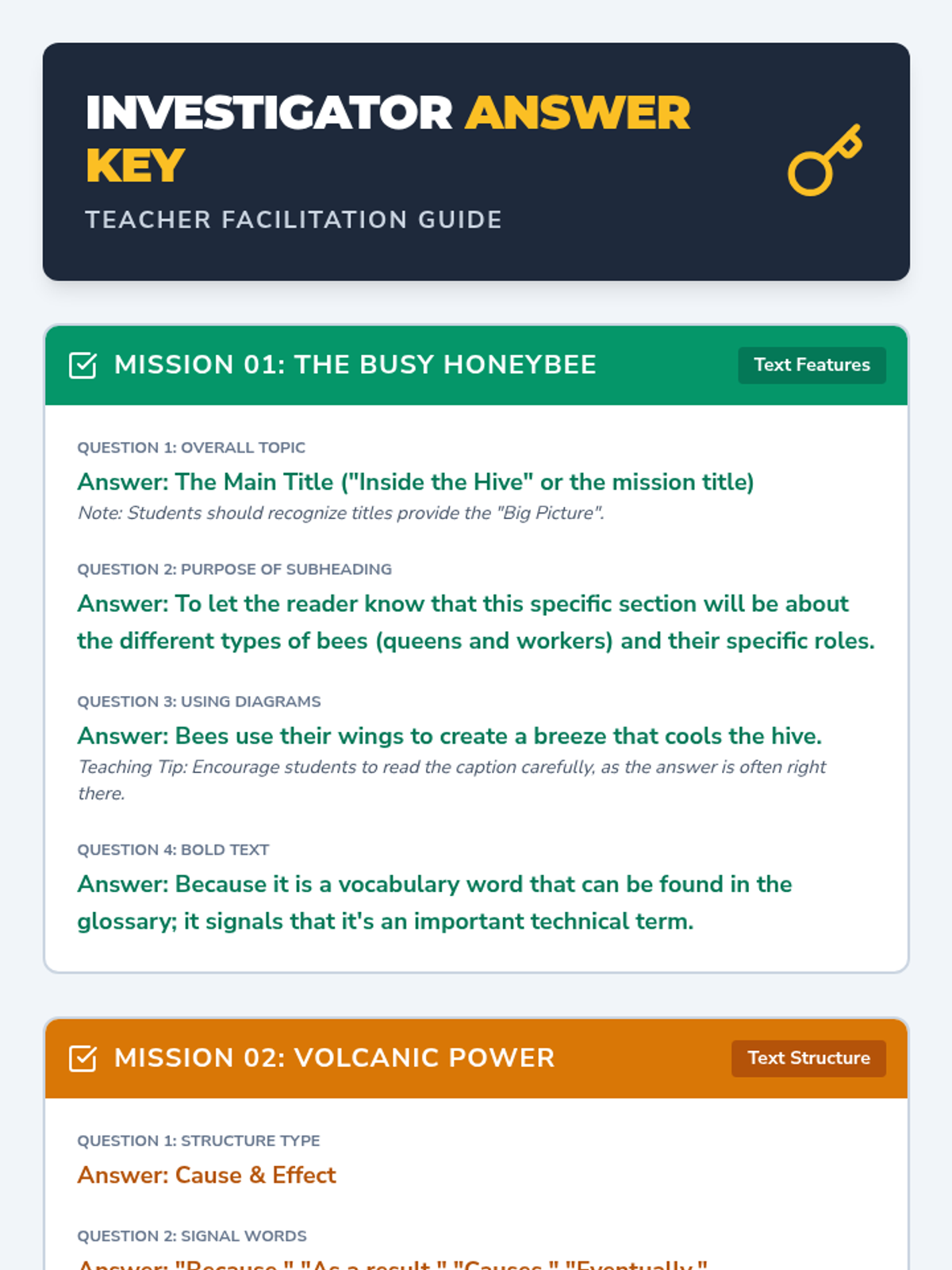
A comprehensive test prep series that turns students into 'Info Investigators' to master main idea, text features, and evidence-based reading.
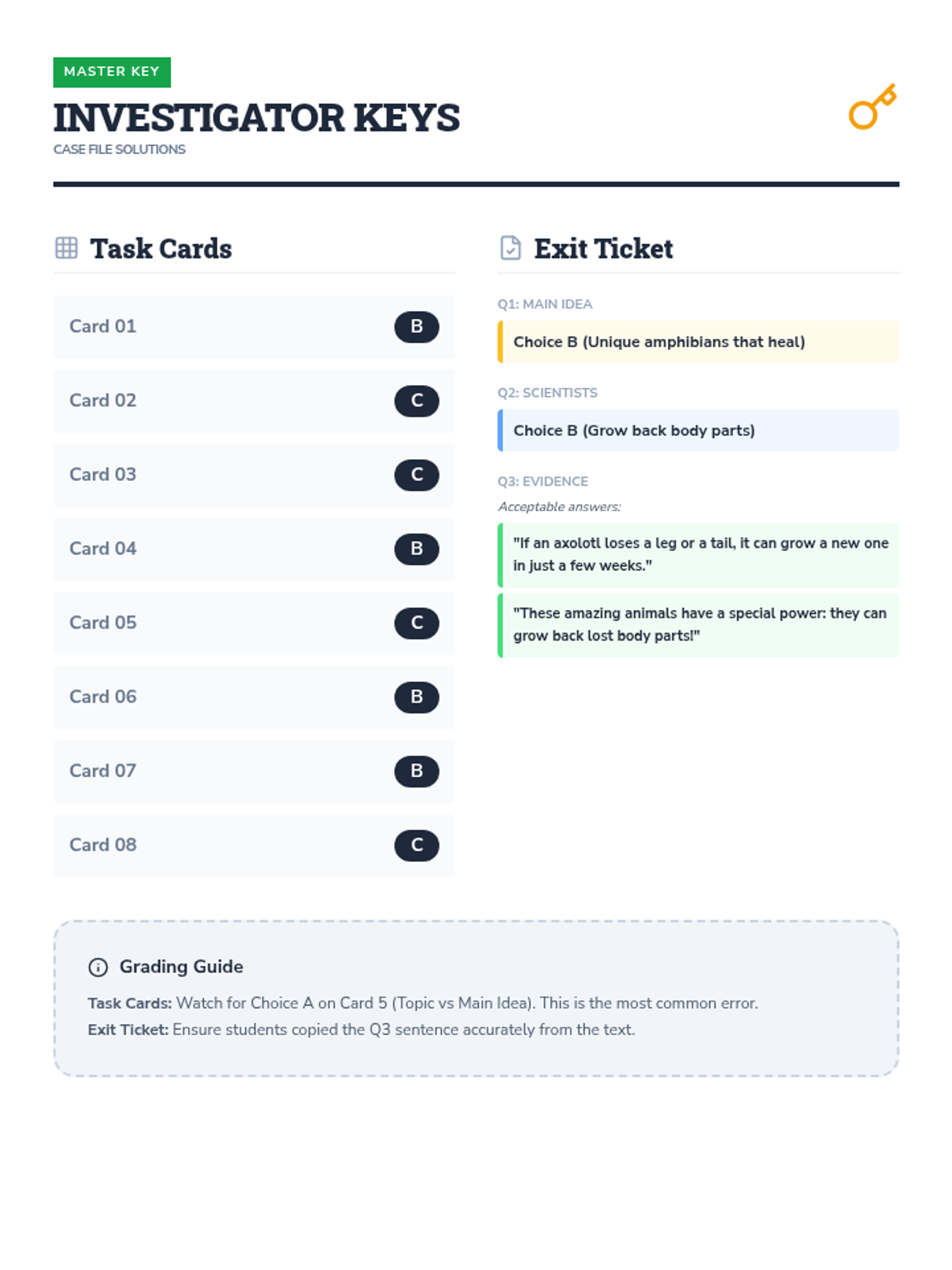
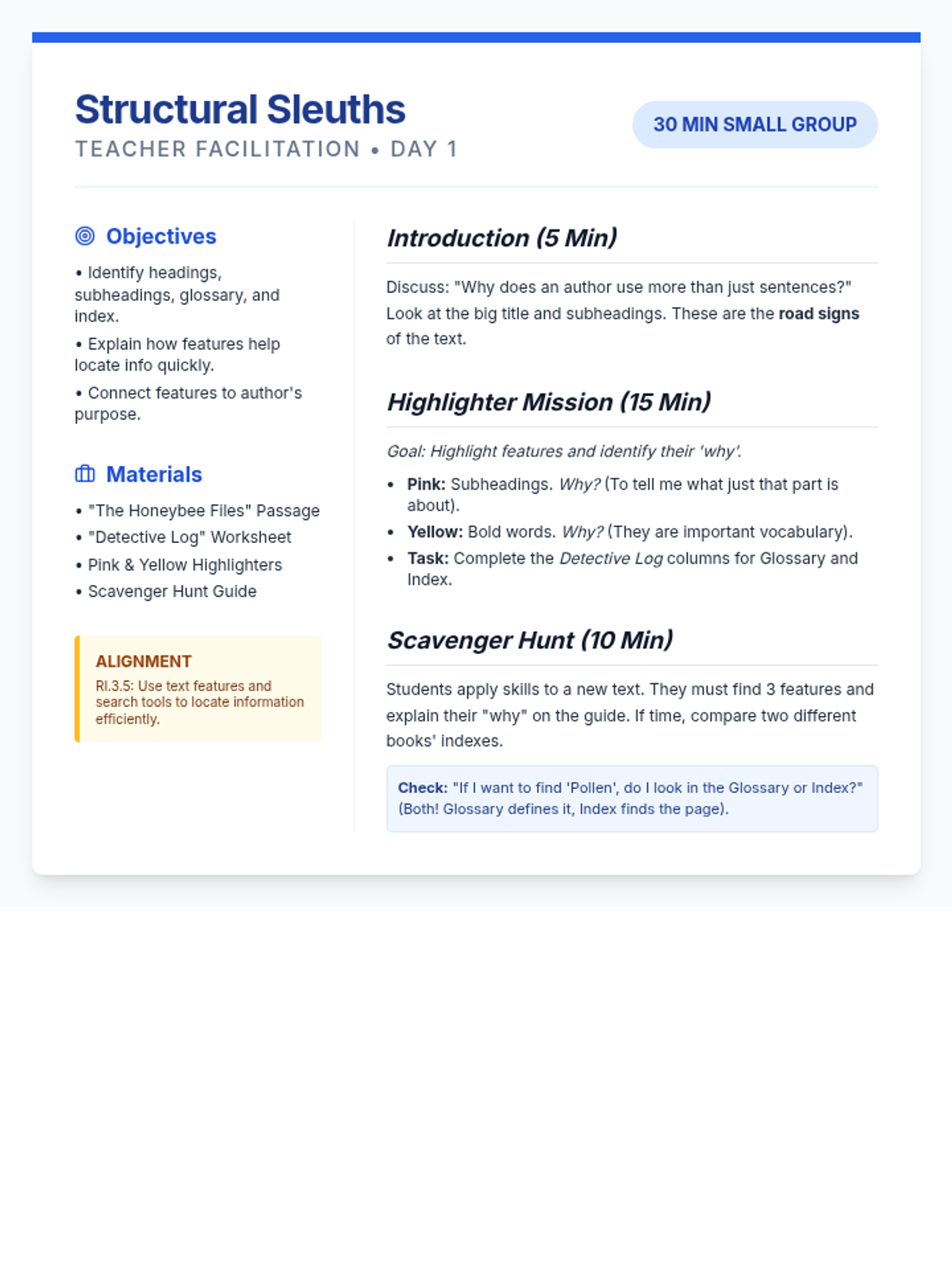
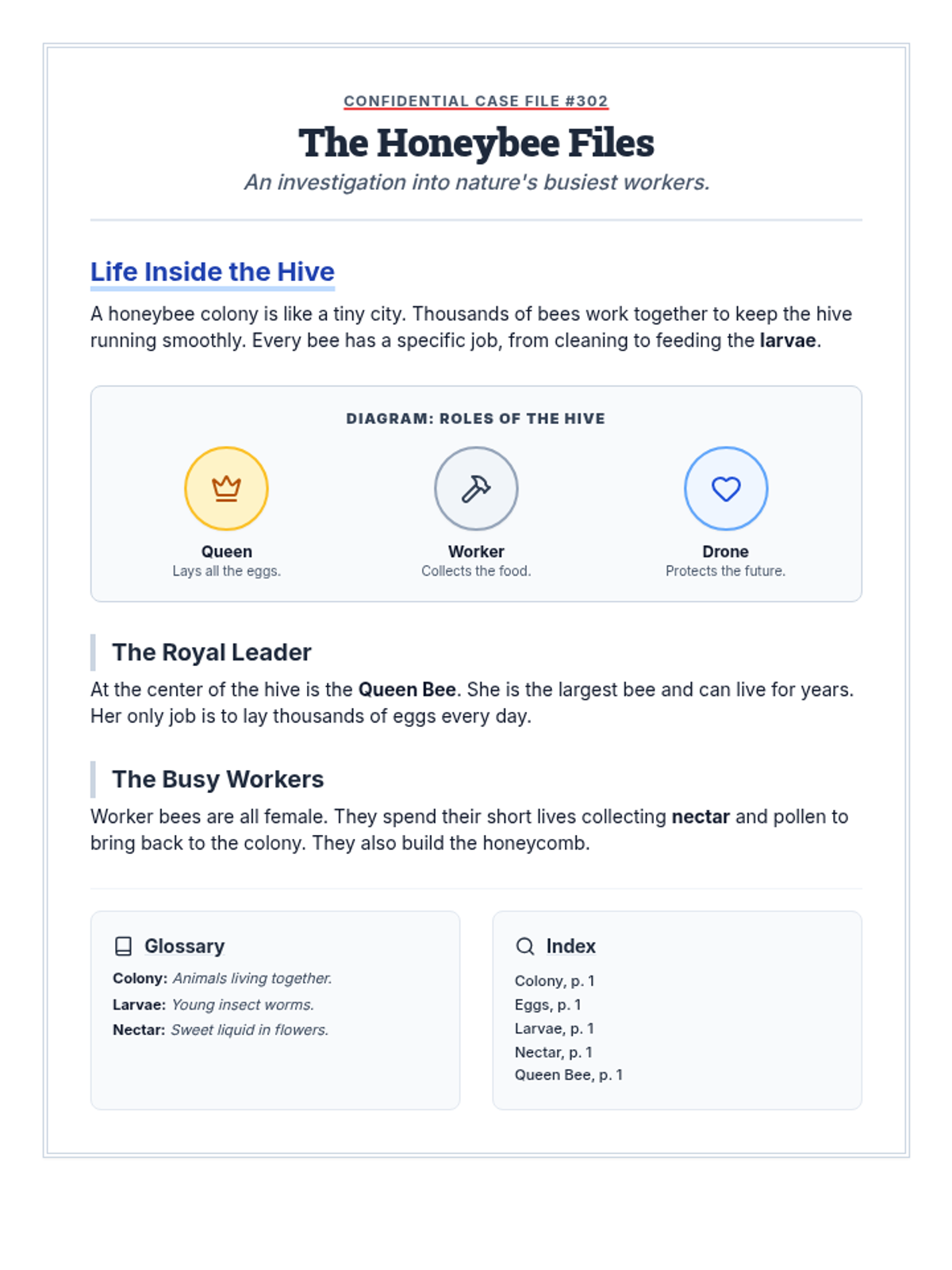
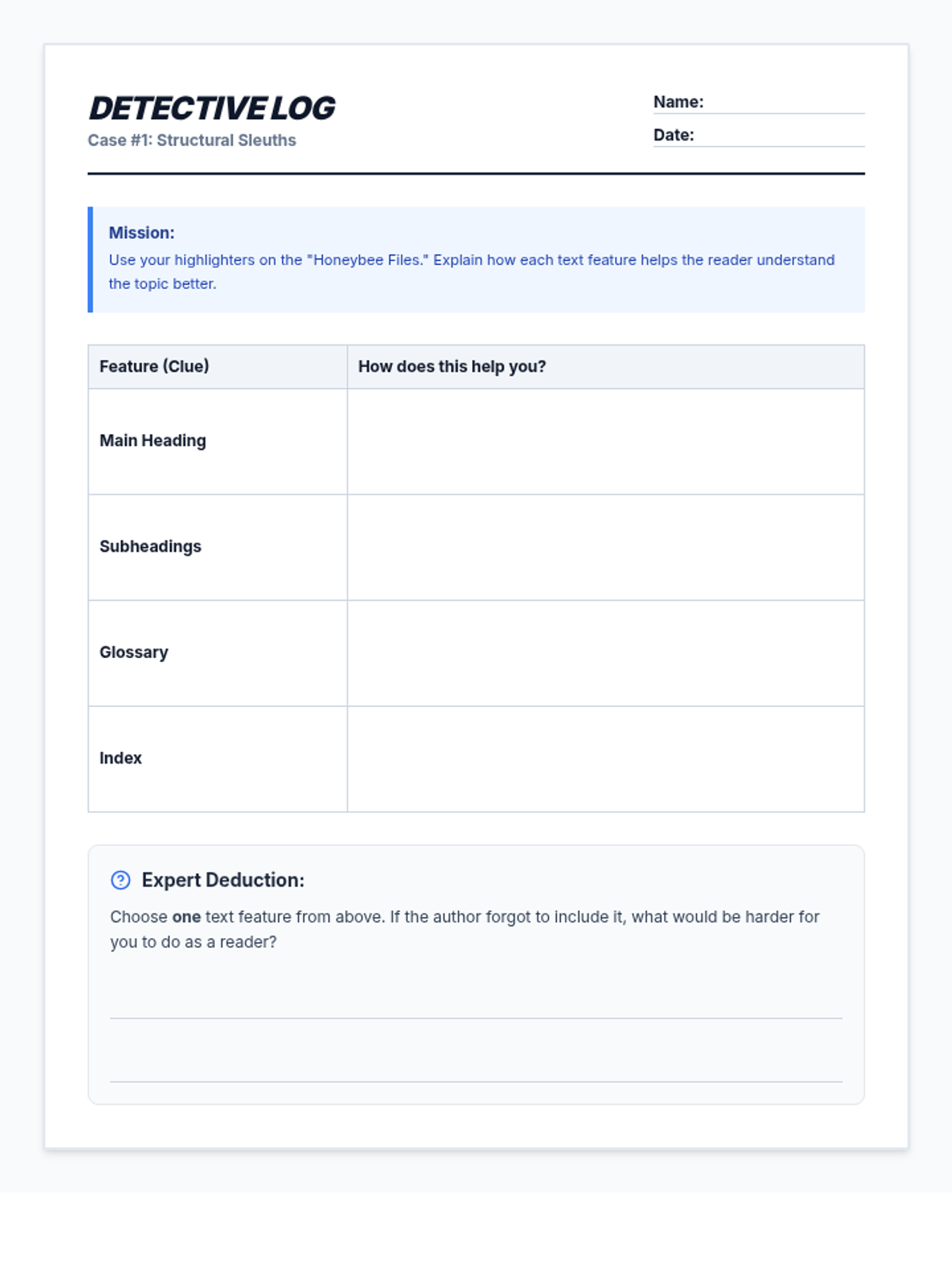
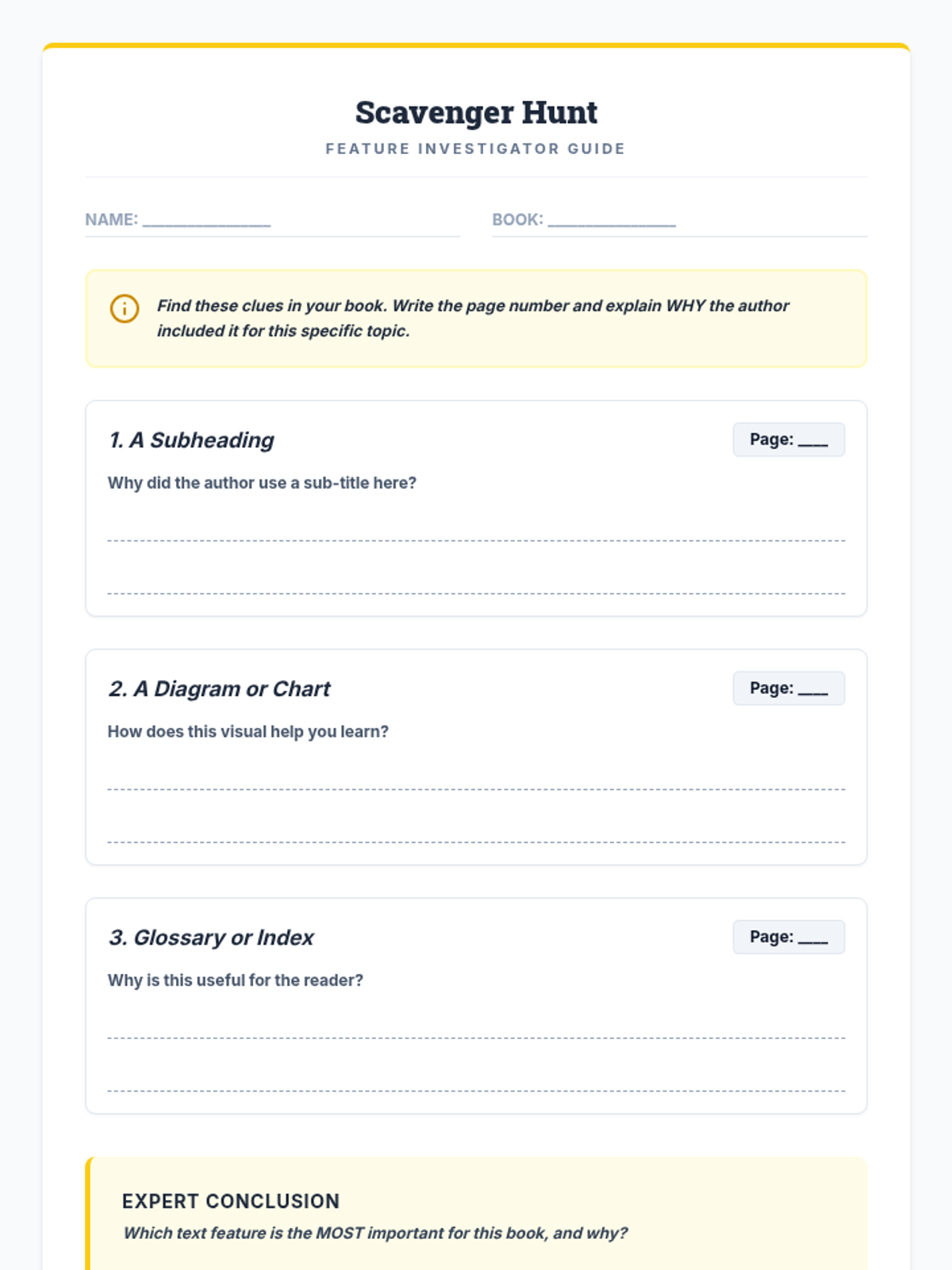
A two-day small group intensive for 3rd grade students focused on how text features contribute to an author's purpose and reader understanding. Students act as 'text detectives' to investigate headings, subheadings, glossaries, indexes, diagrams, and charts.
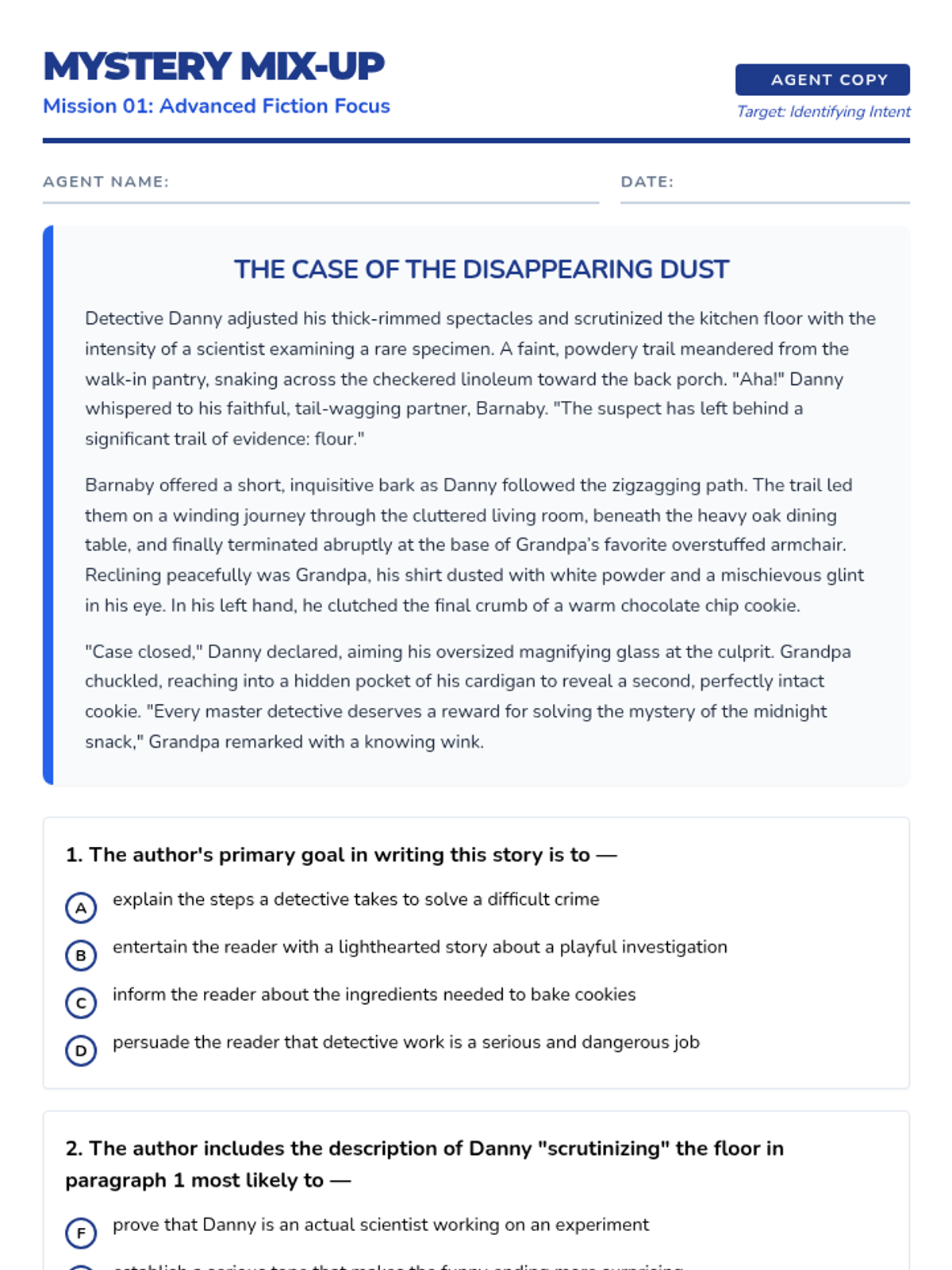
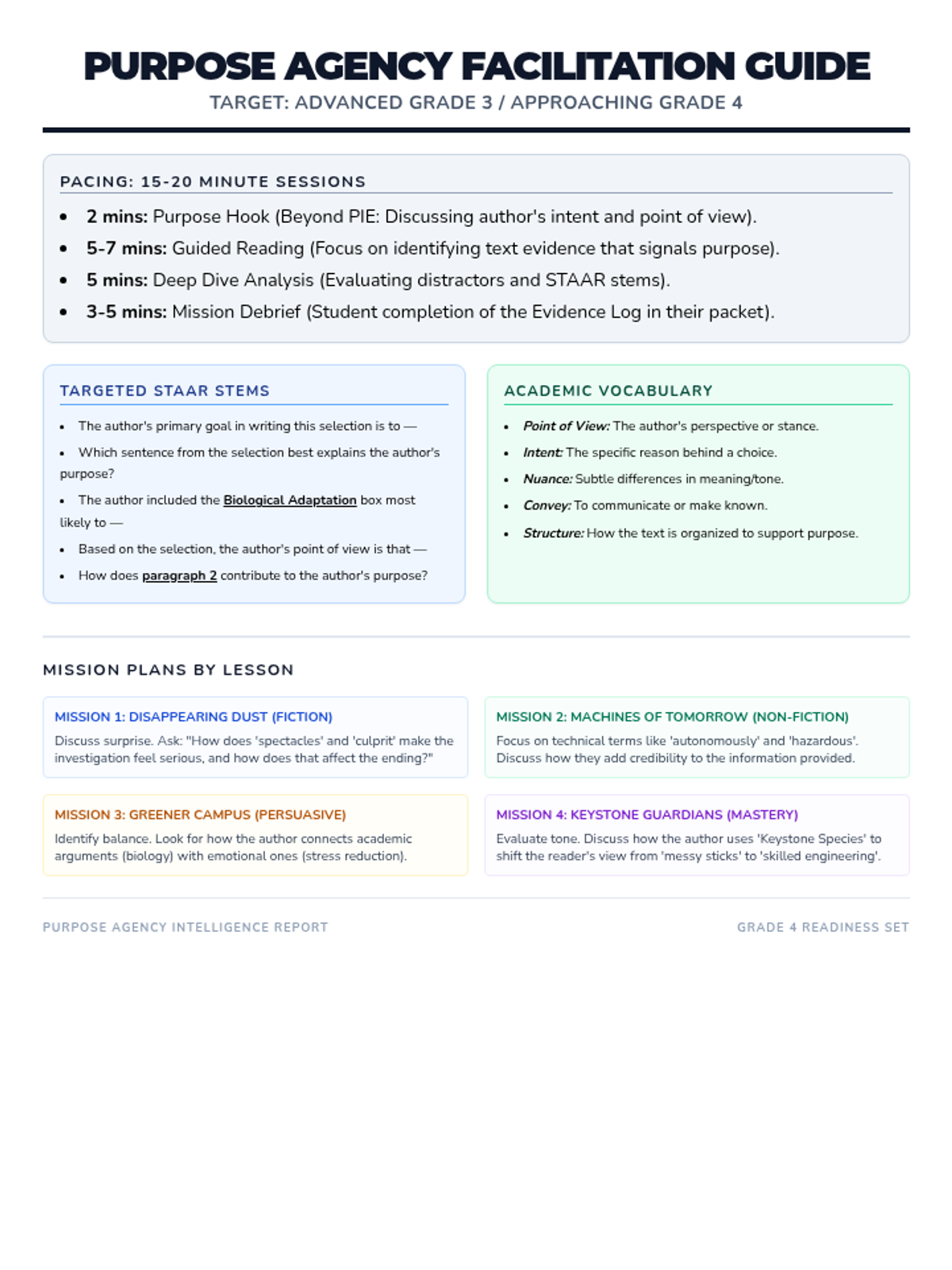
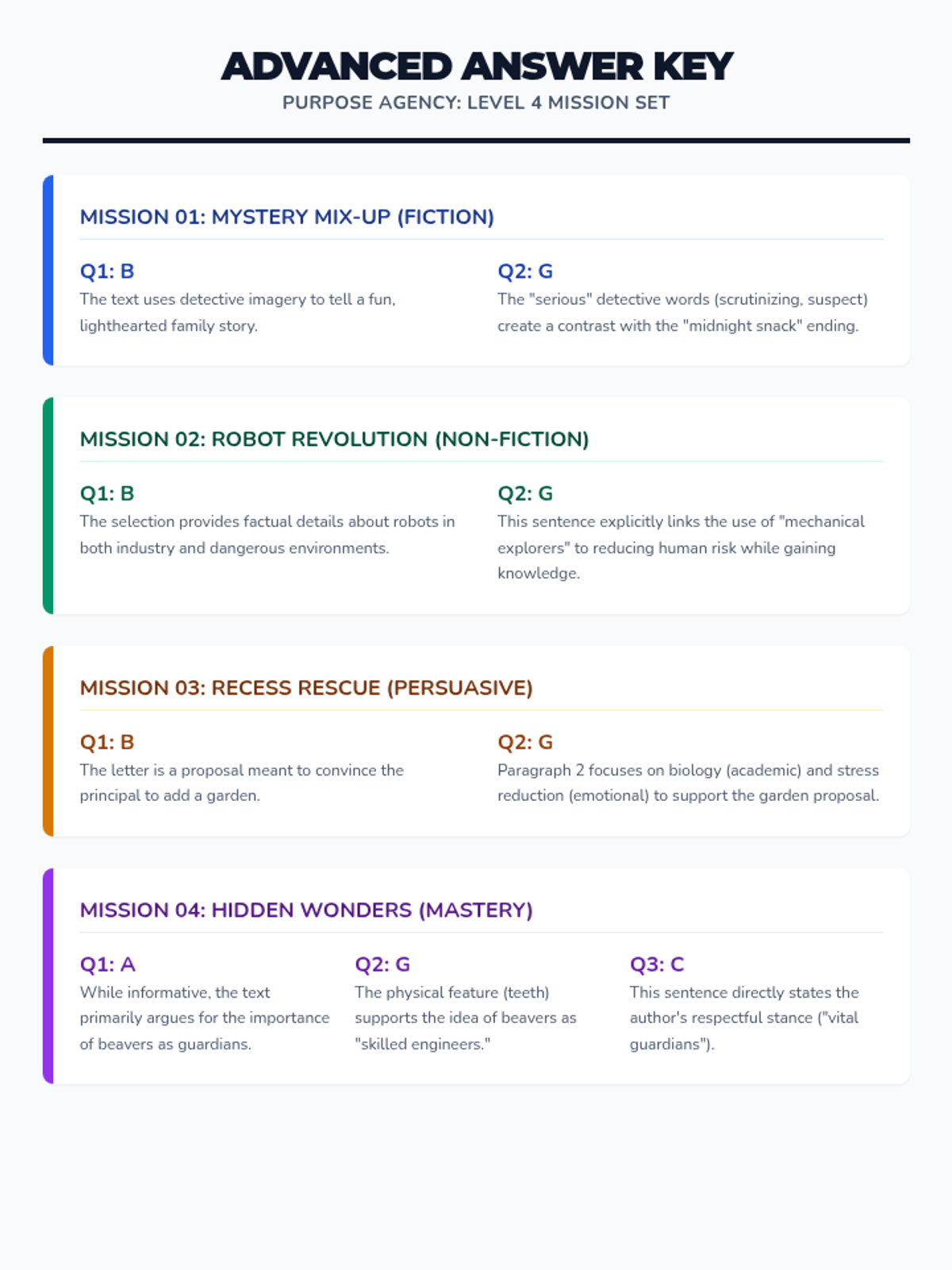
A series of targeted small-group lessons focused on identifying author's purpose using STAAR-style questions for 3rd-grade students. Includes materials for three approaching-level groups and one higher-level group across fiction, non-fiction, and persuasive texts.
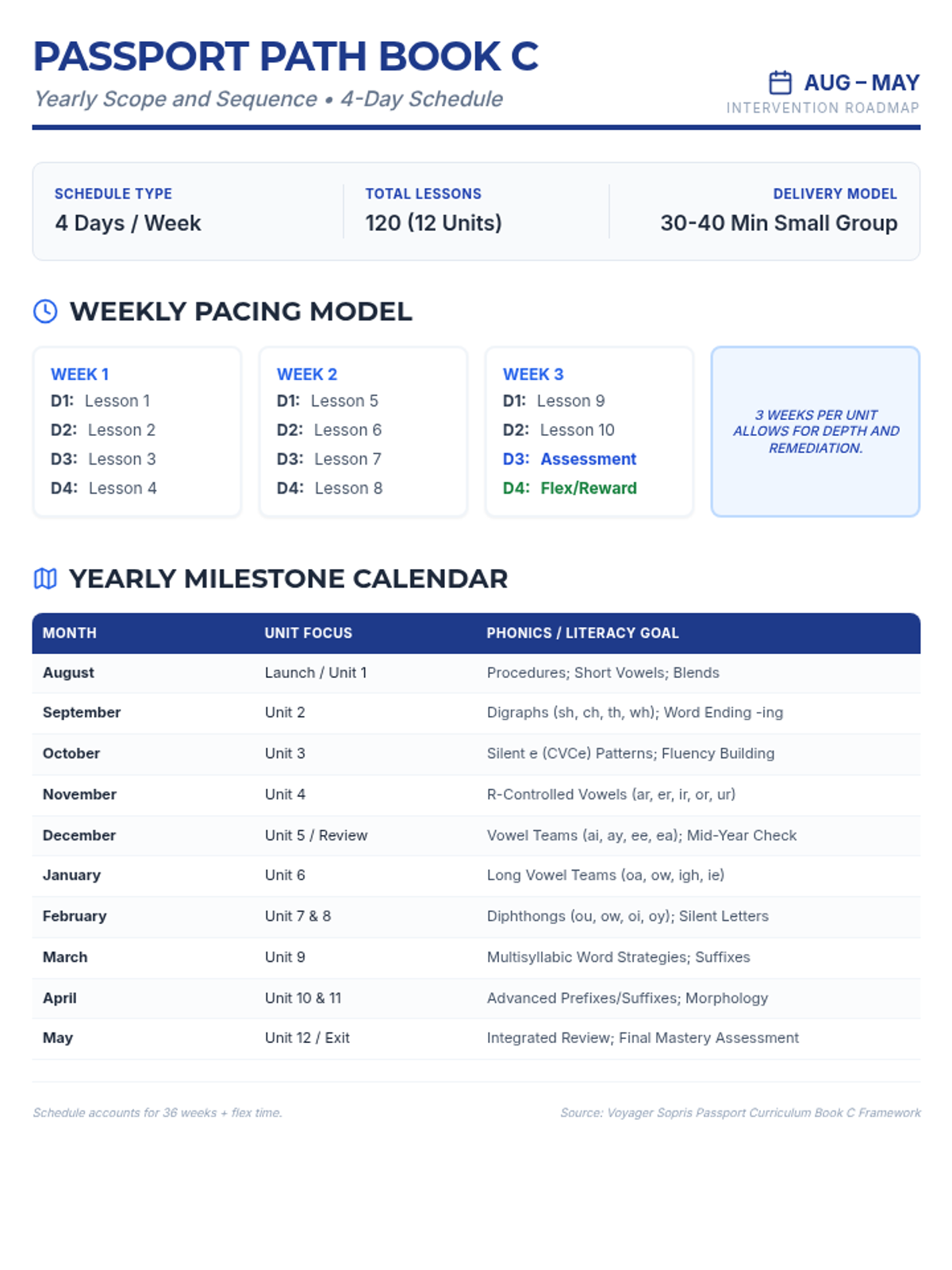
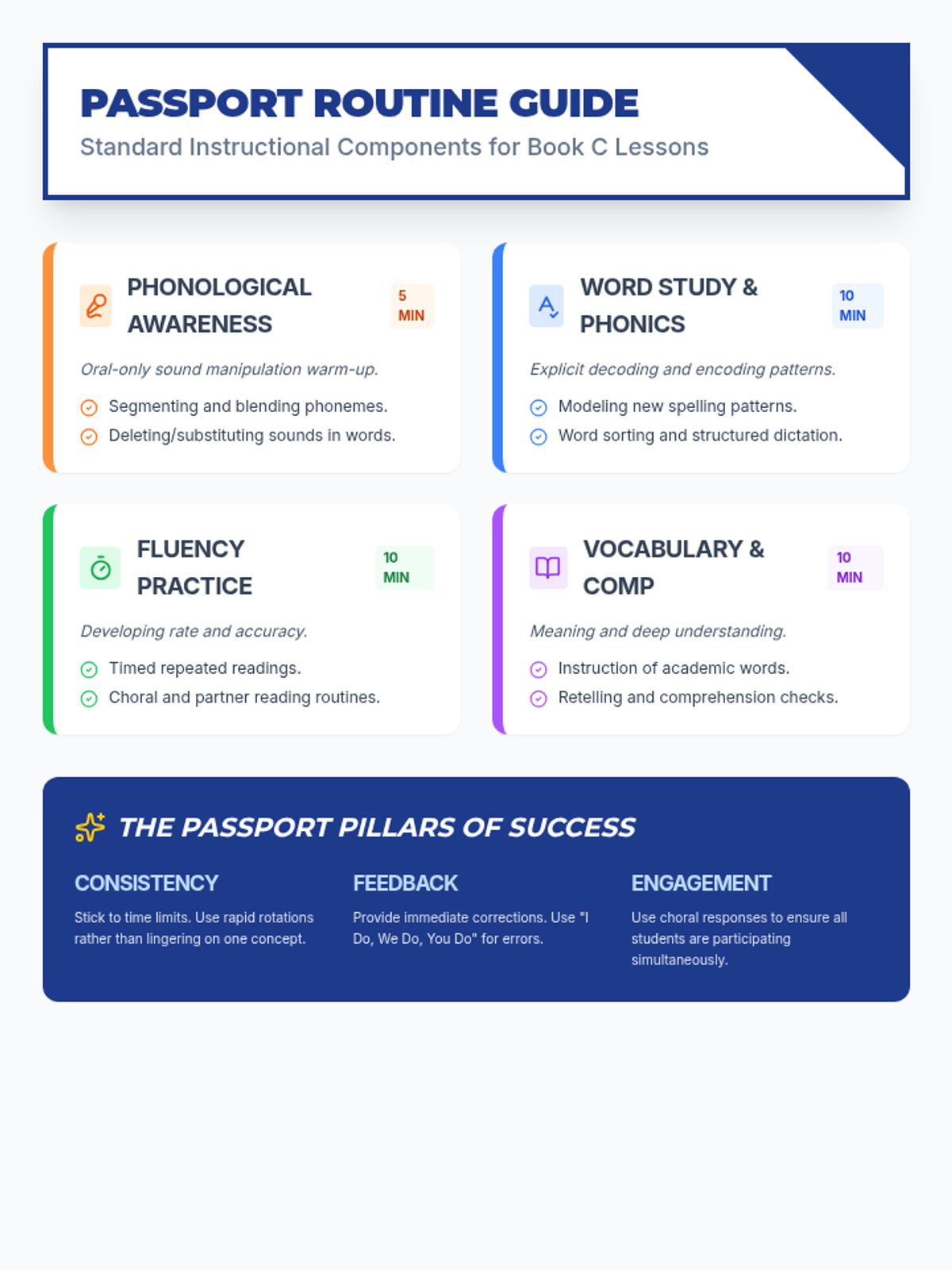
A comprehensive year-long scope and sequence for Voyager Sopris Passport Book C, designed for a four-day-a-week intervention schedule from mid-August to mid-May.
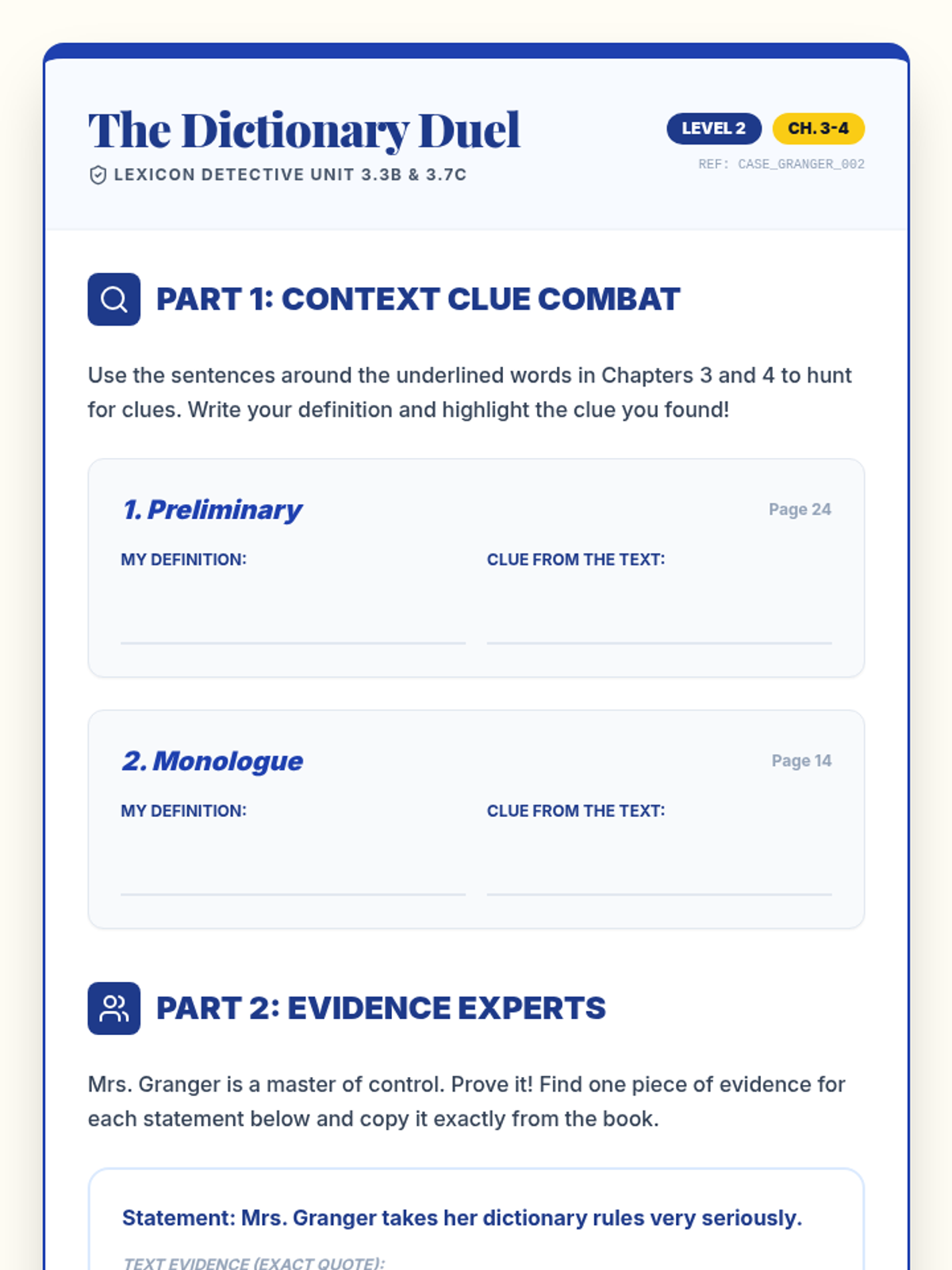
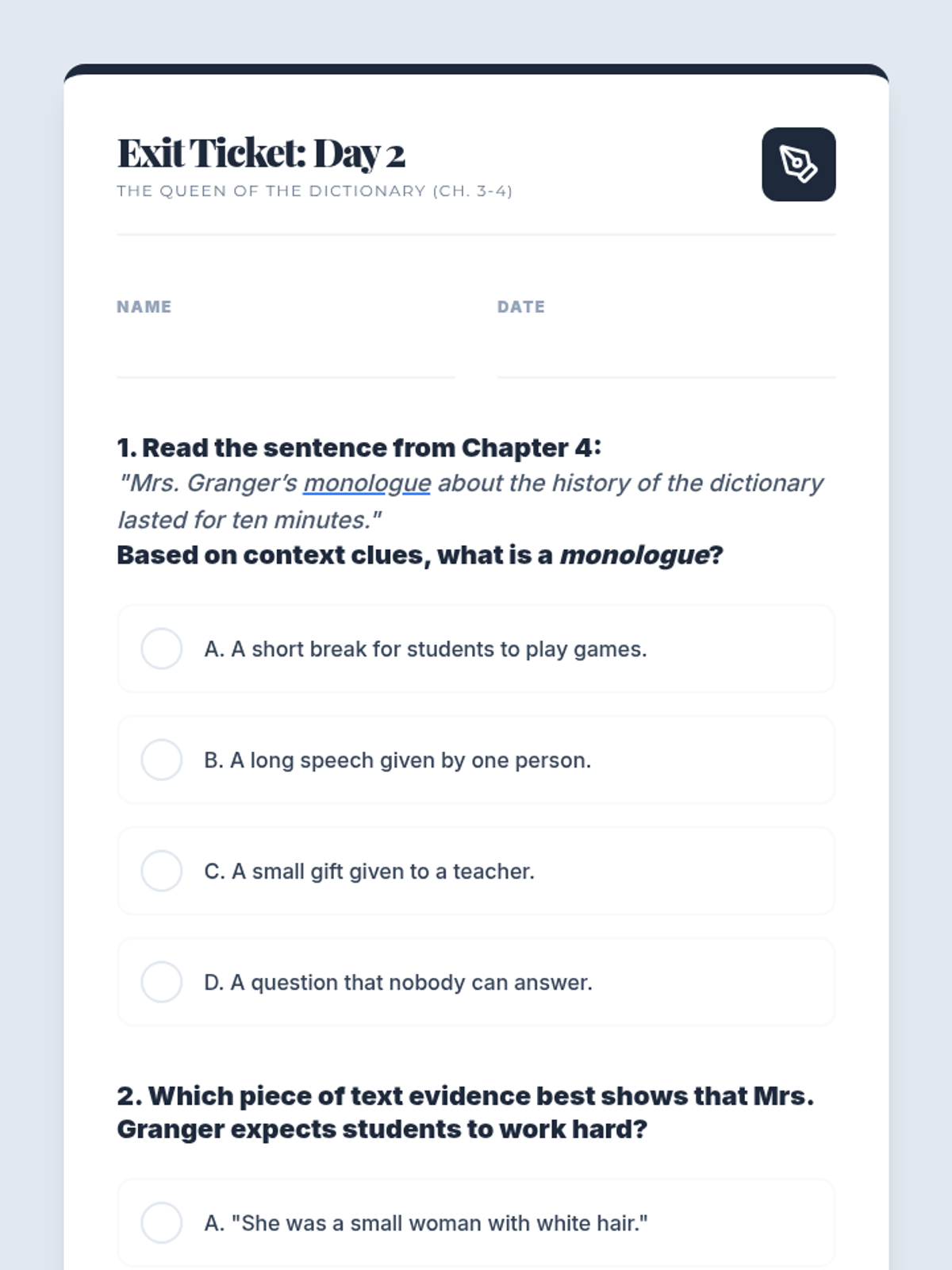
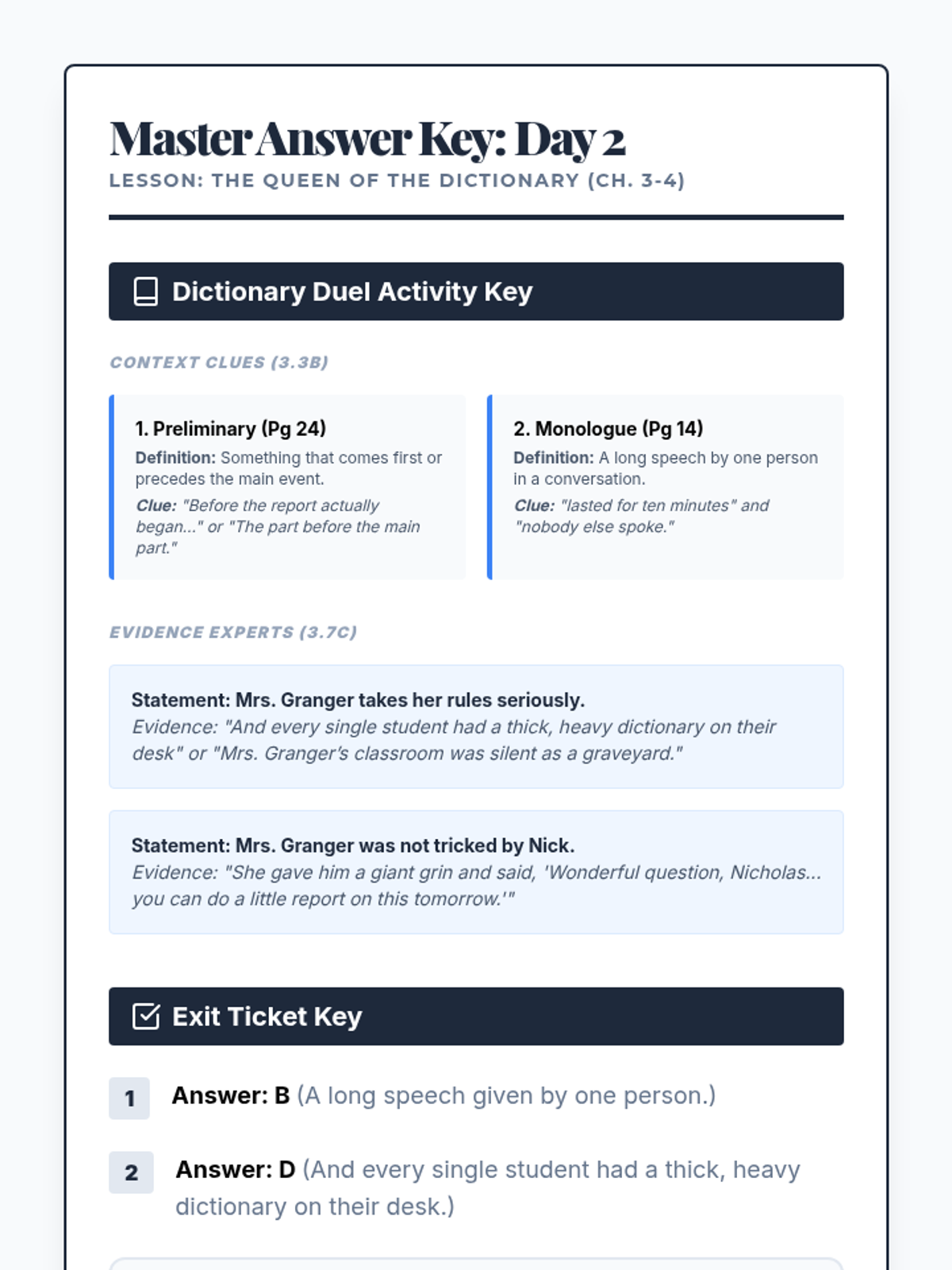
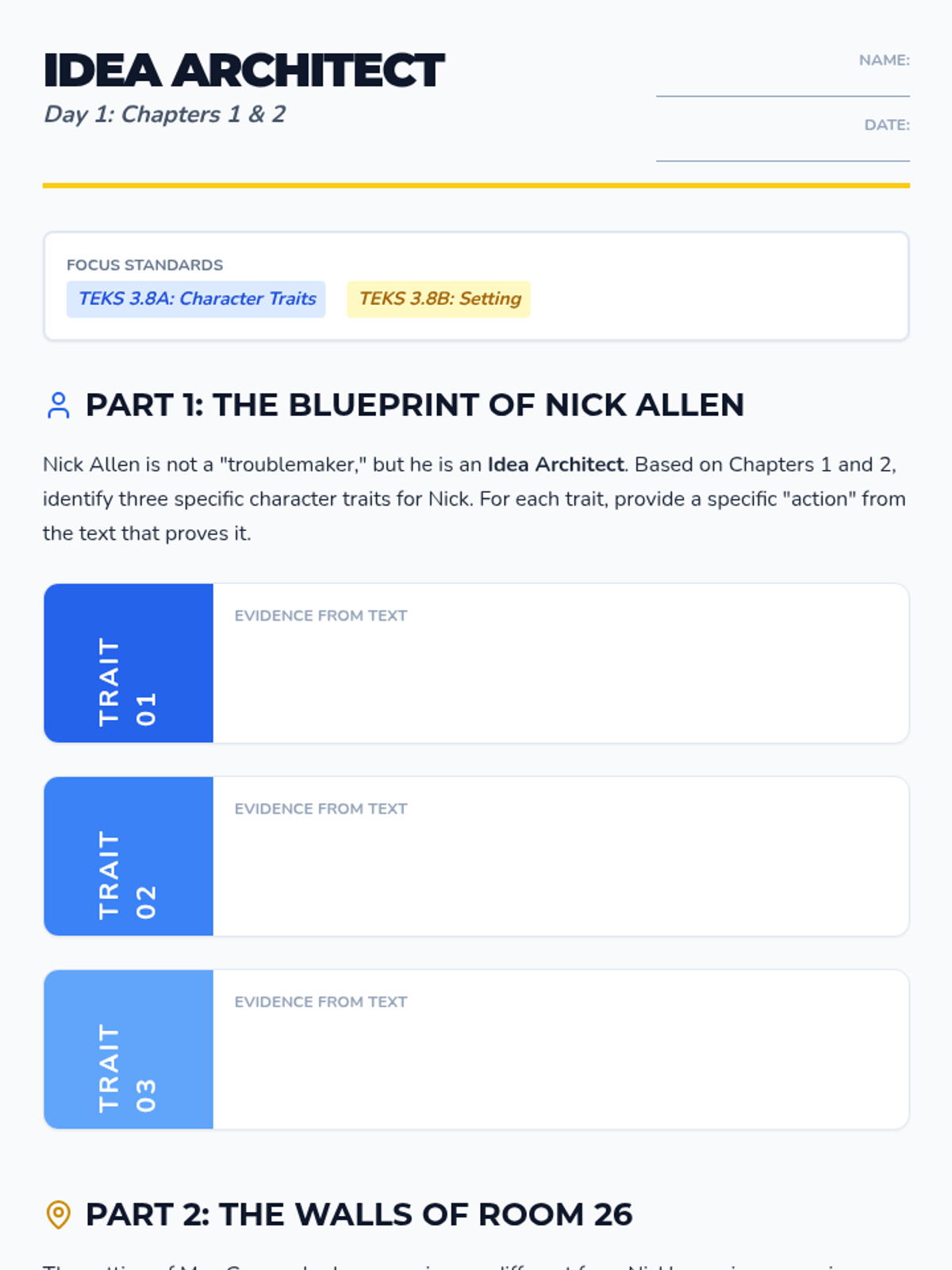
A comprehensive 9-day novel study for Andrew Clements' 'Frindle', focusing on character development, plot progression, and word study aligned with 3rd Grade TEKS.
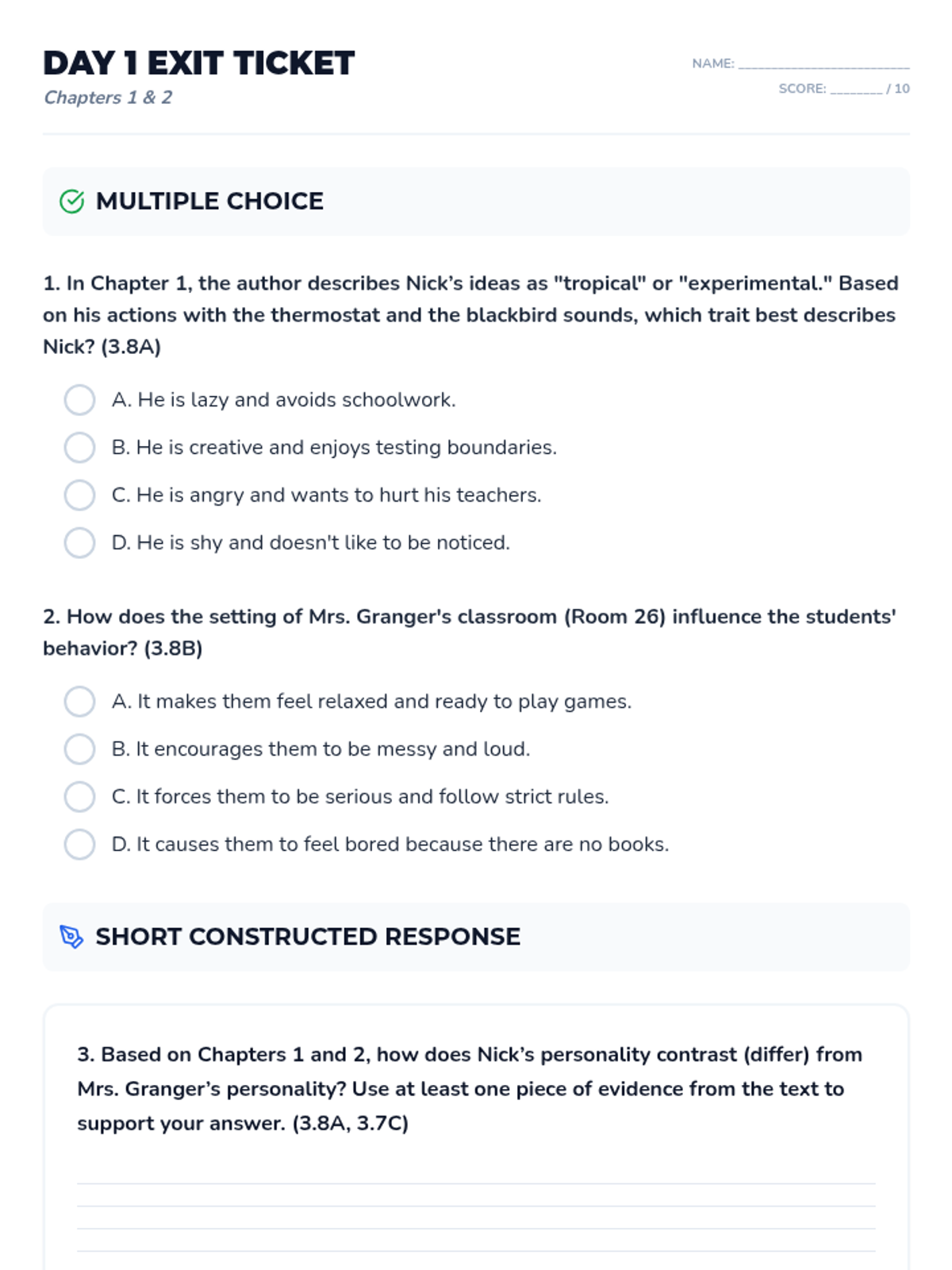
A comprehensive 9-day novel study for Andrew Clements' 'Frindle', focusing on 3rd Grade TEKS. Each day includes two chapters of reading, a rigorous skill-based activity, and a TEKS-aligned exit ticket.
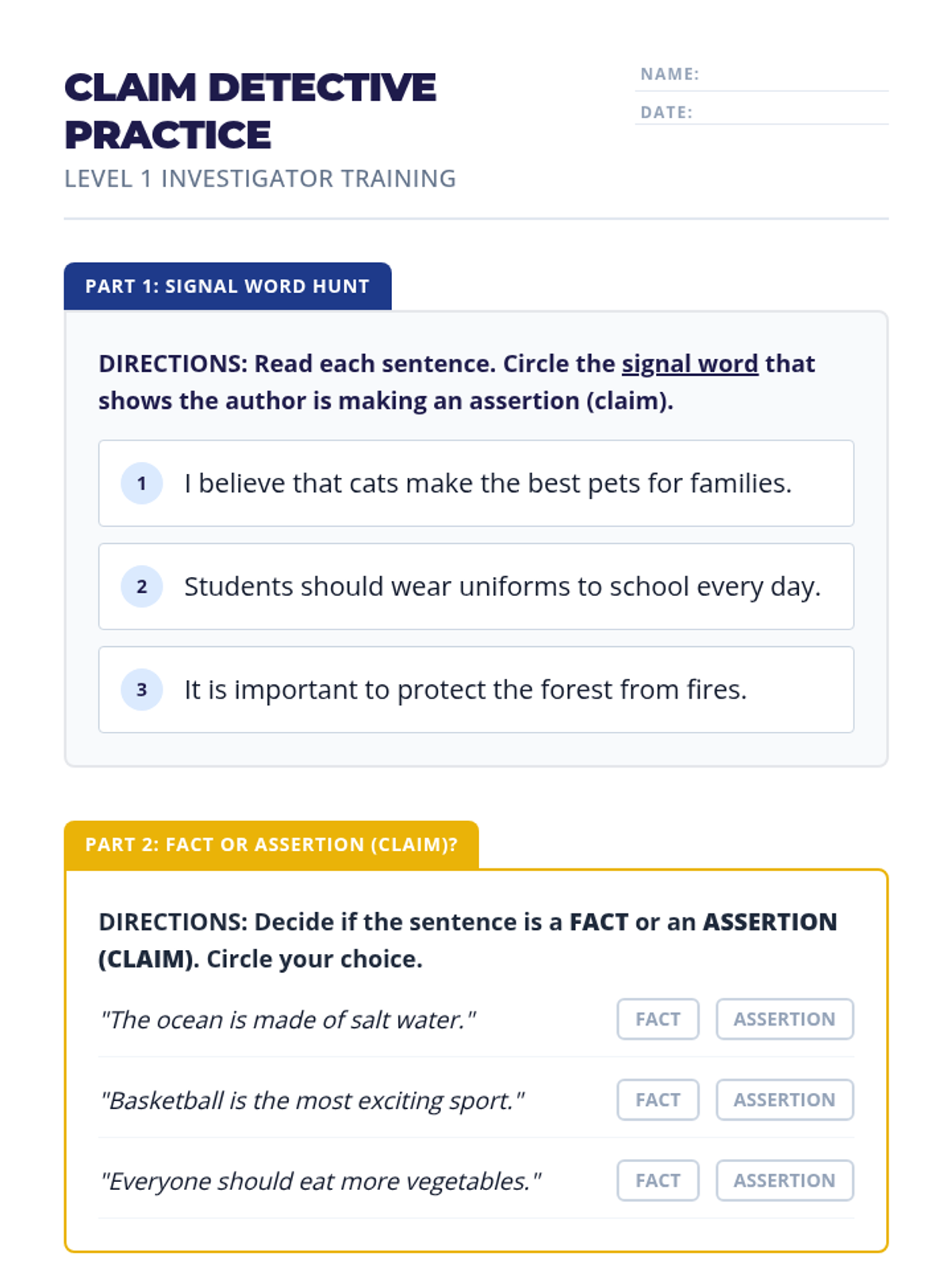
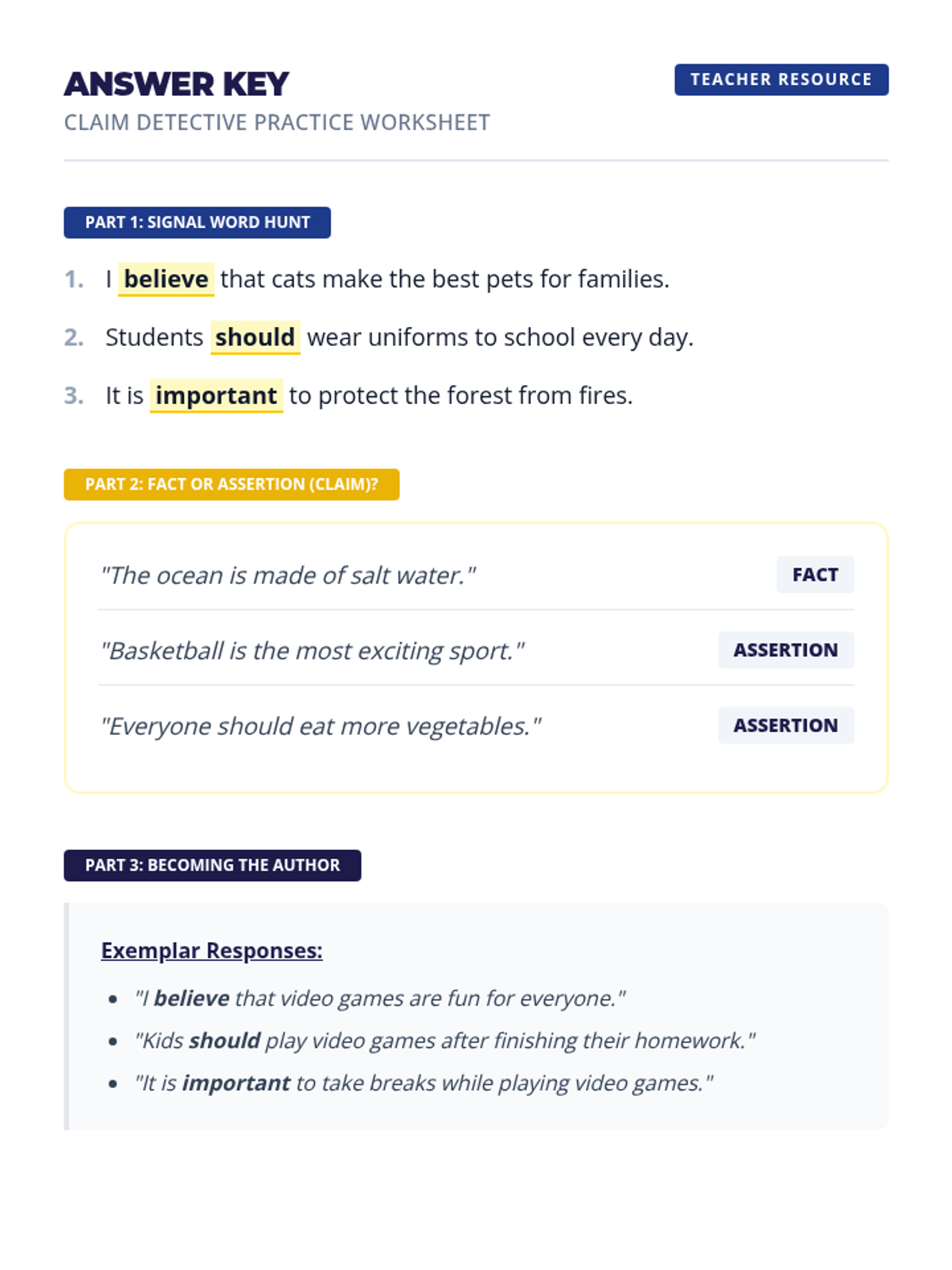
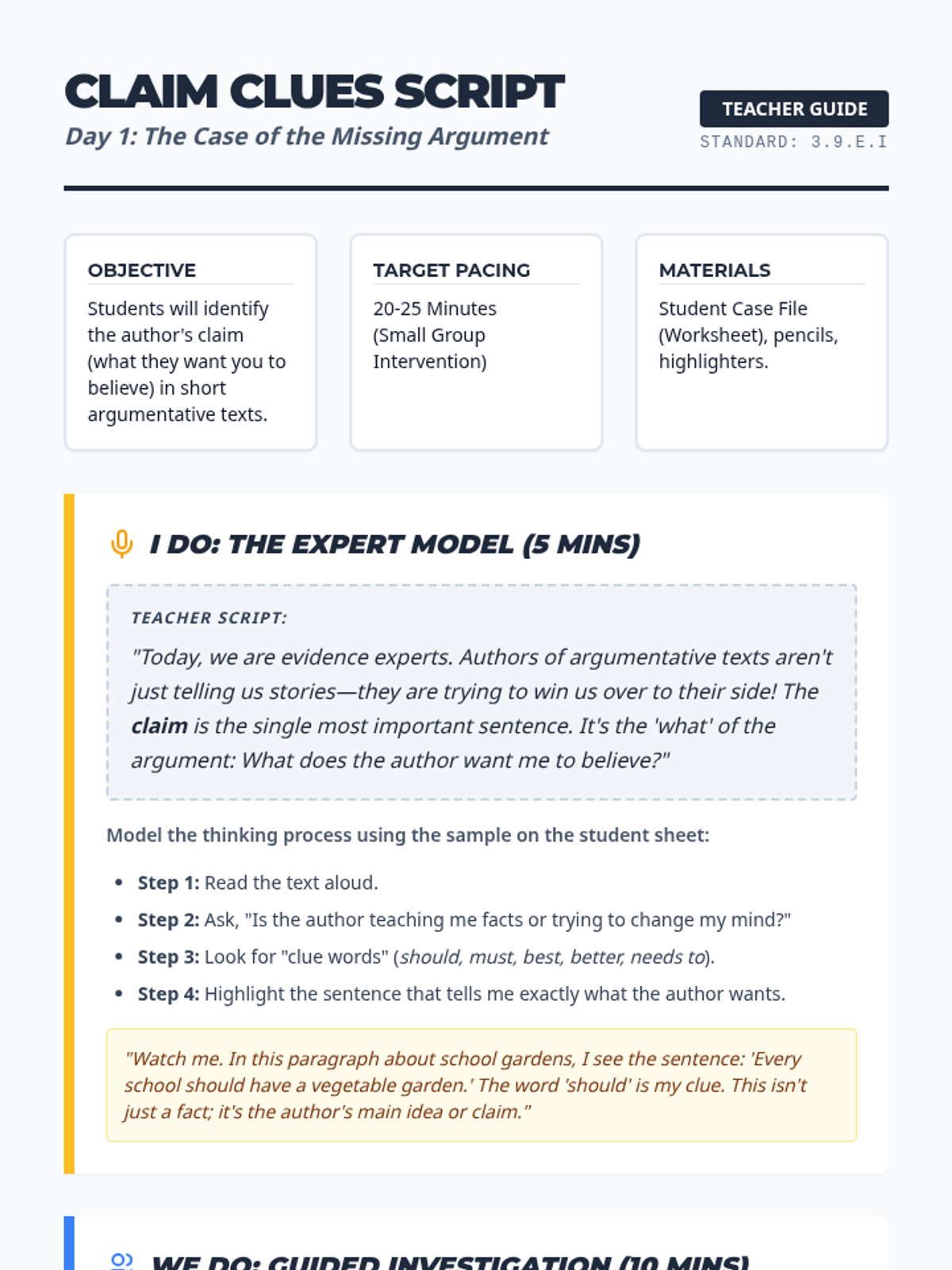
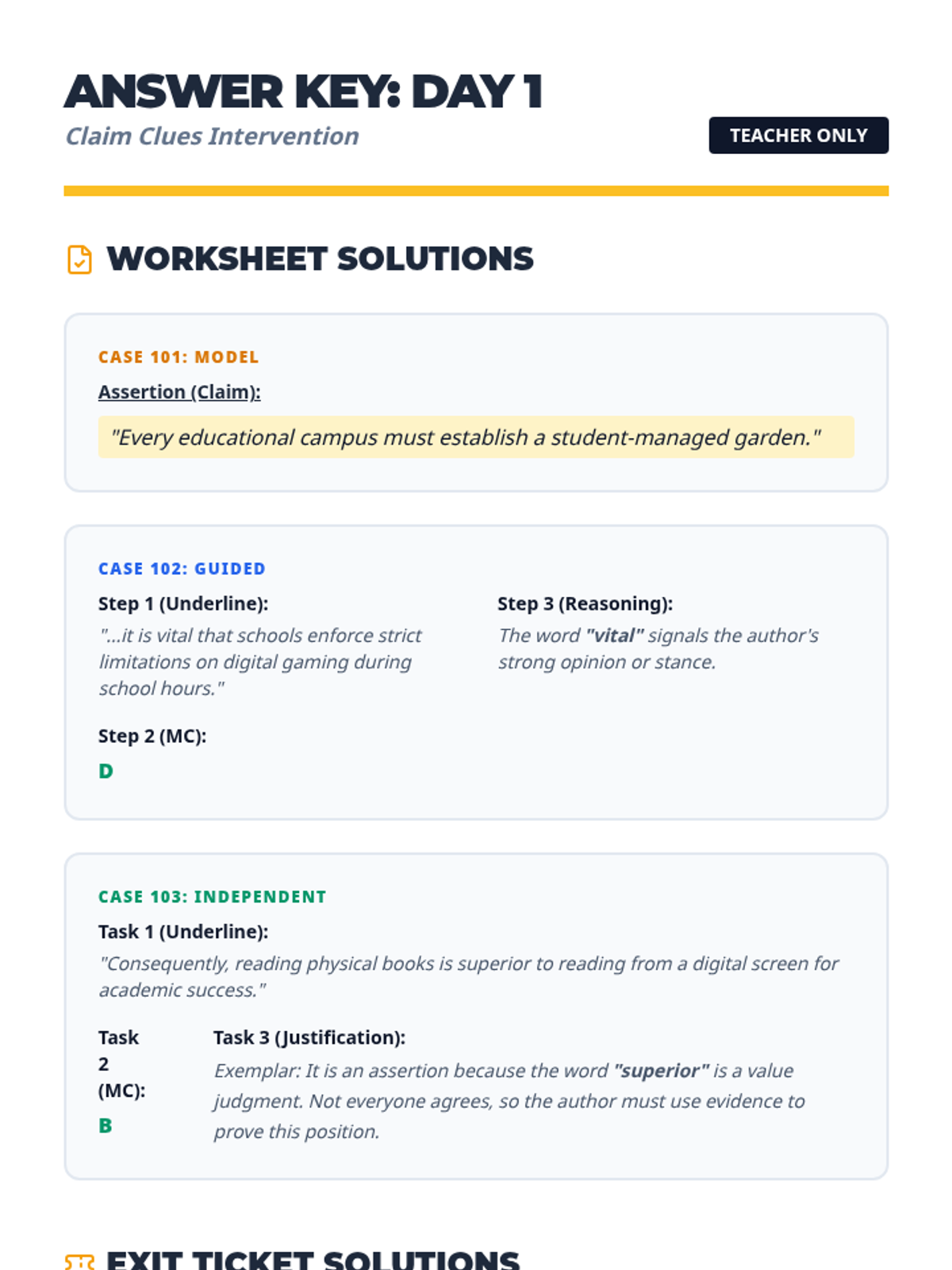
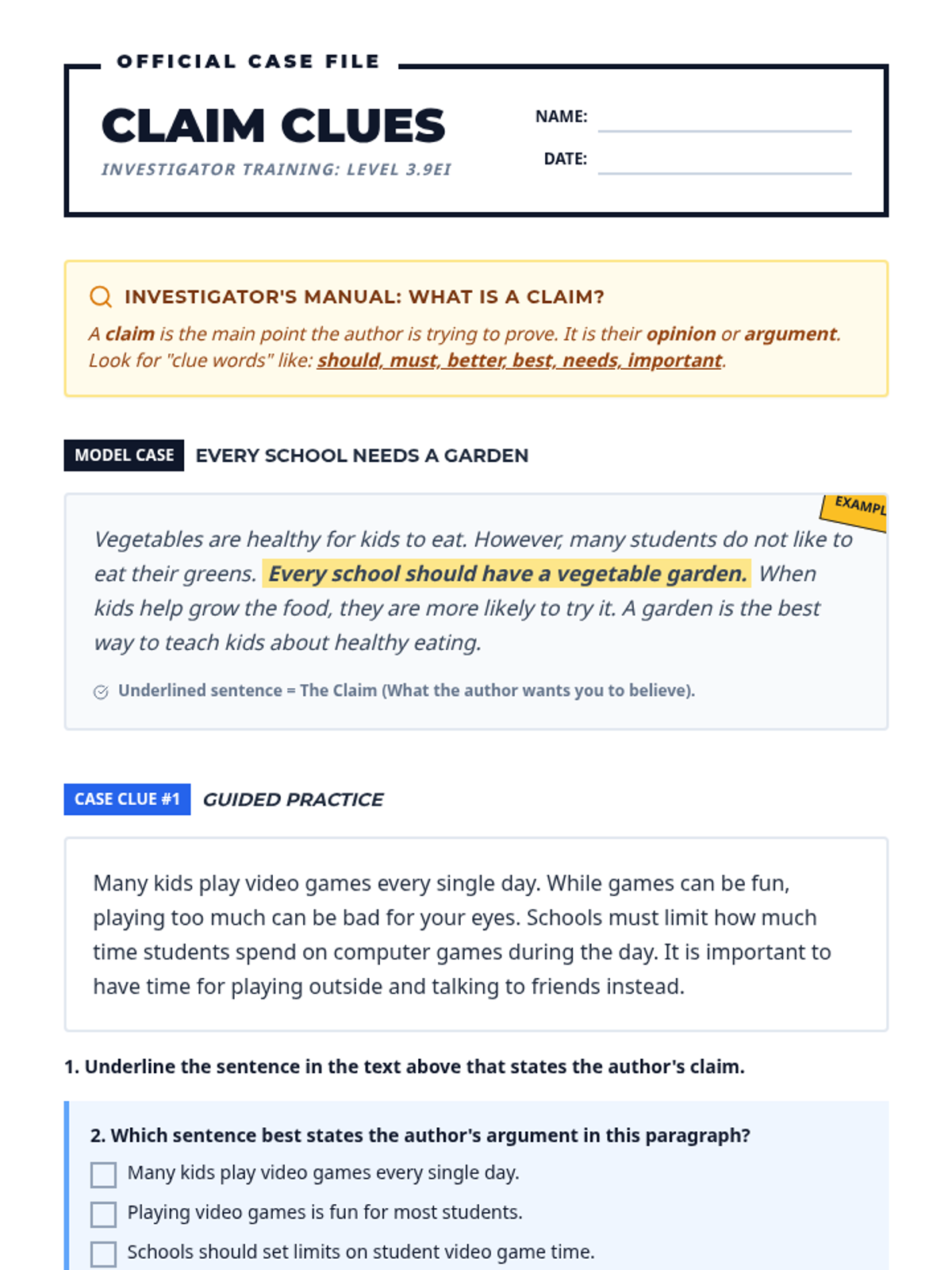
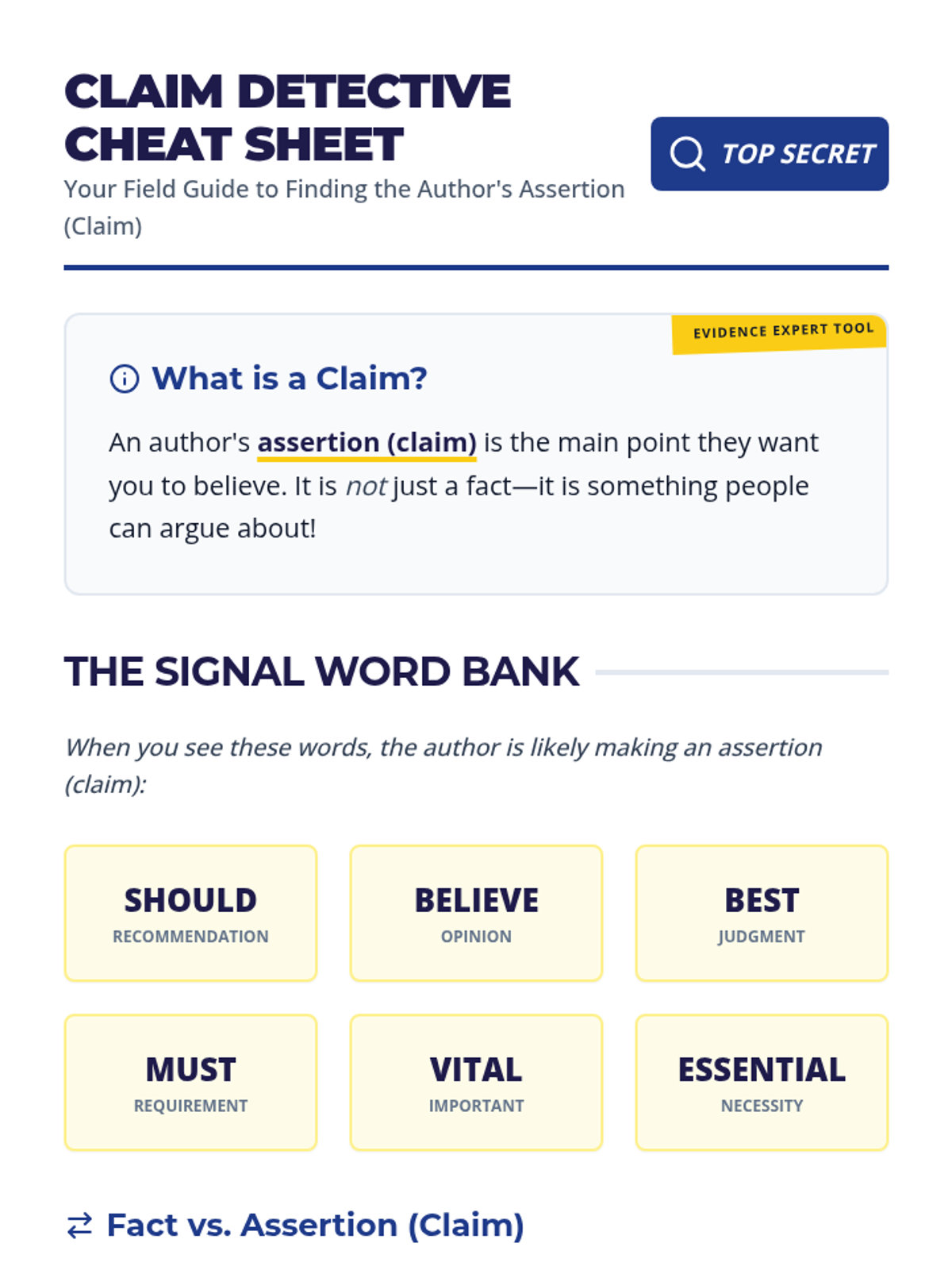
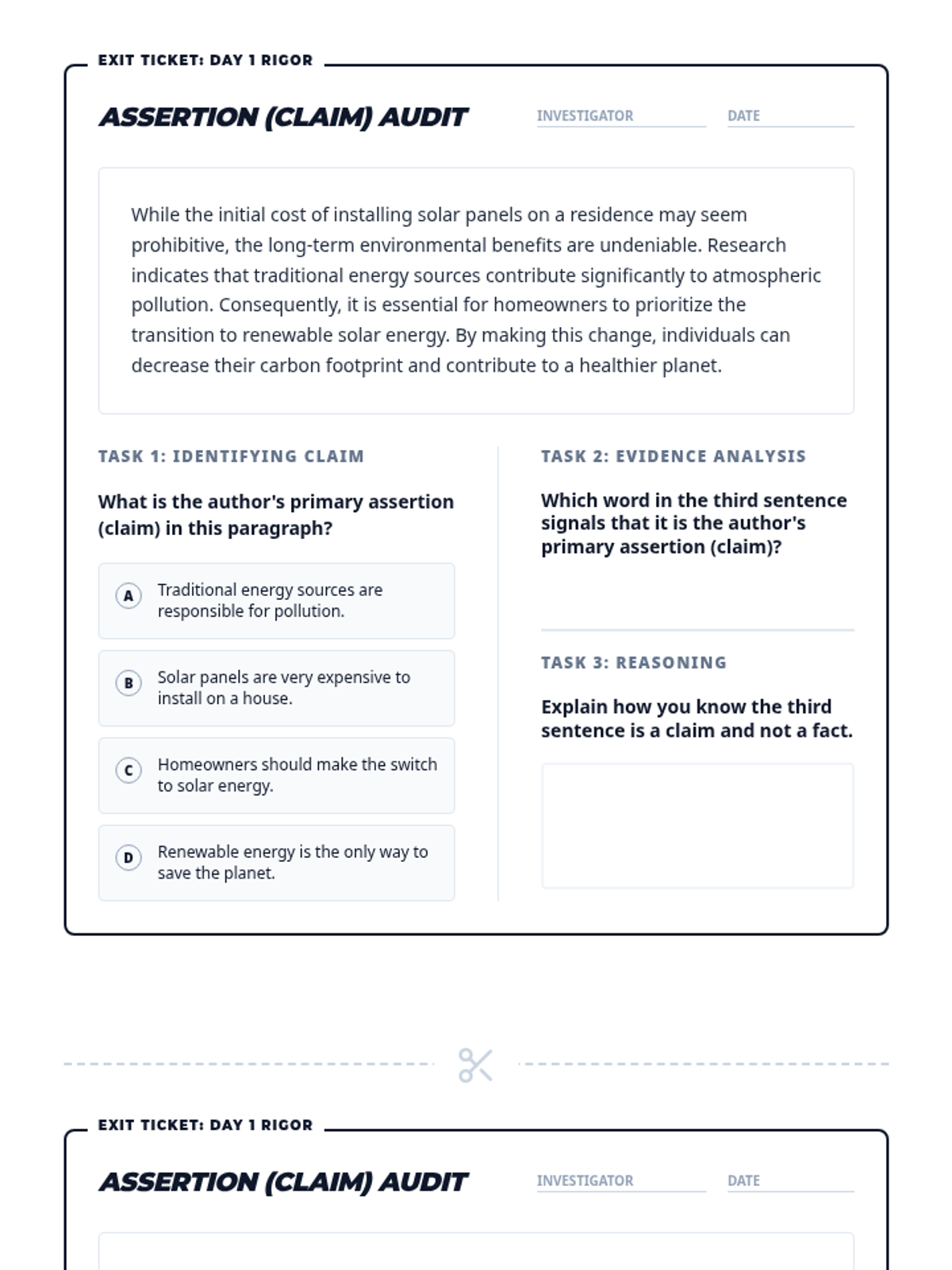
A comprehensive 5-day intervention sequence for 3rd grade literacy focusing on claim identification (3.9Ei) and print/graphic feature analysis (3.10C) with rigorous, STAAR-aligned materials.
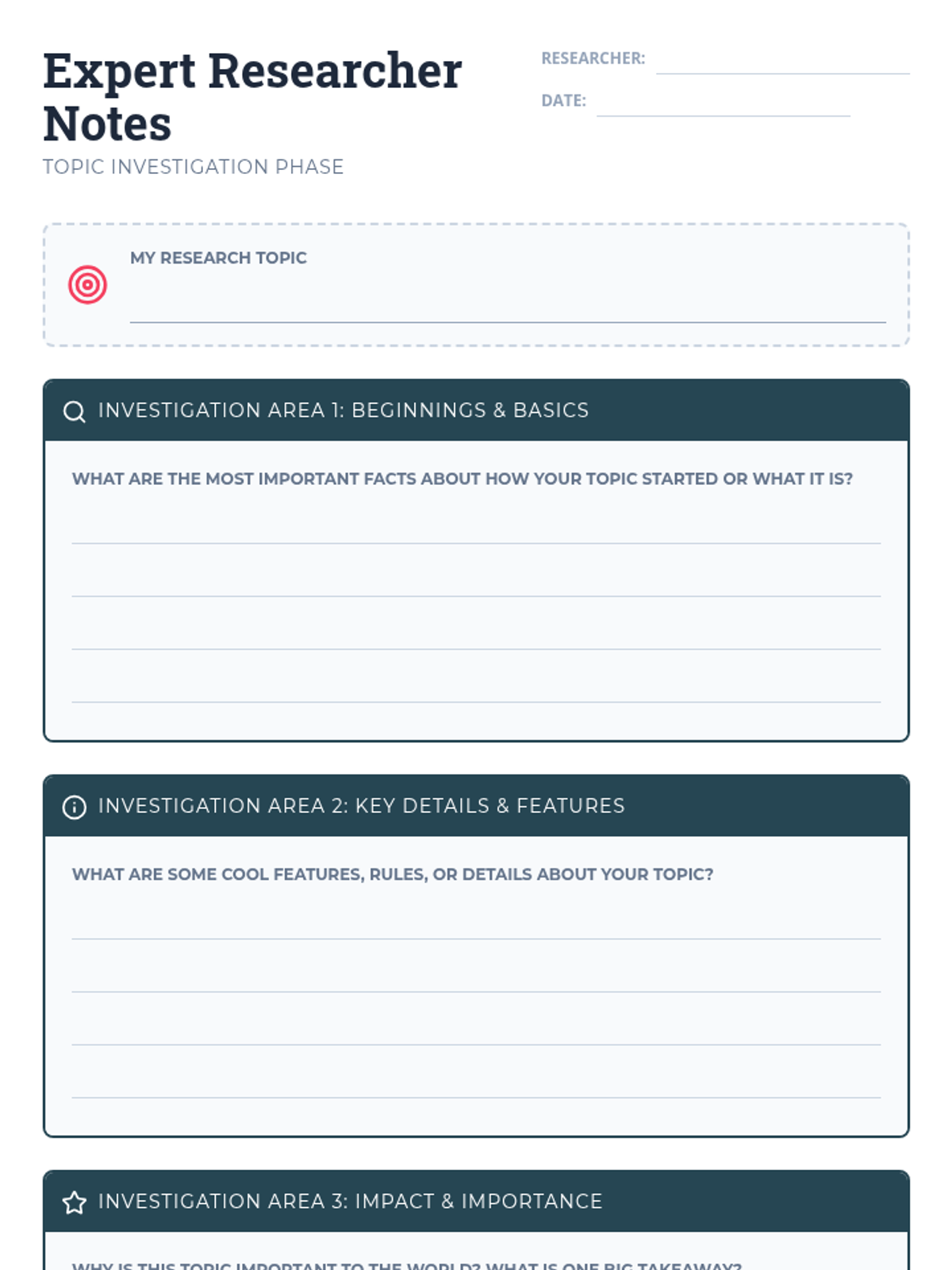
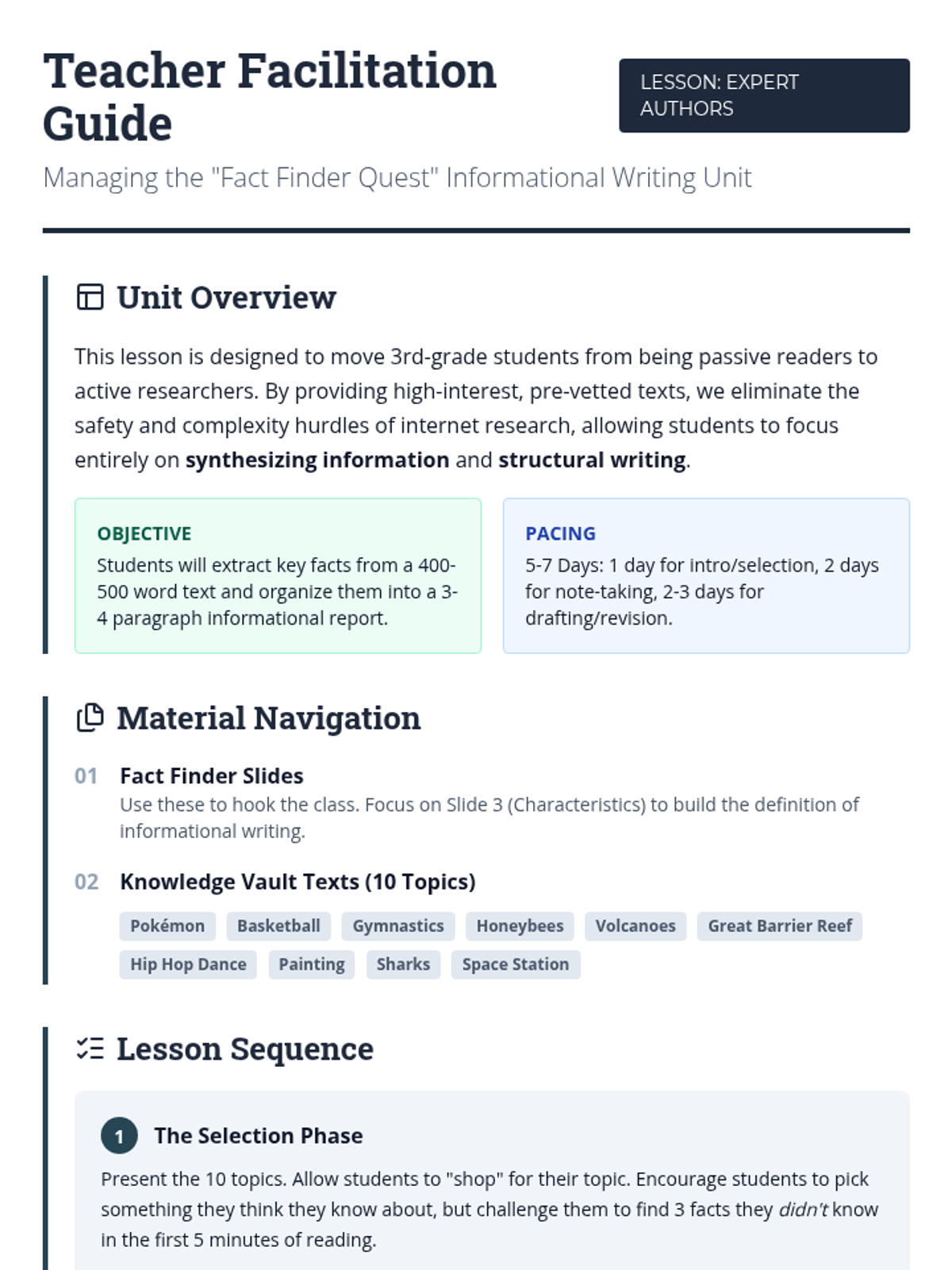
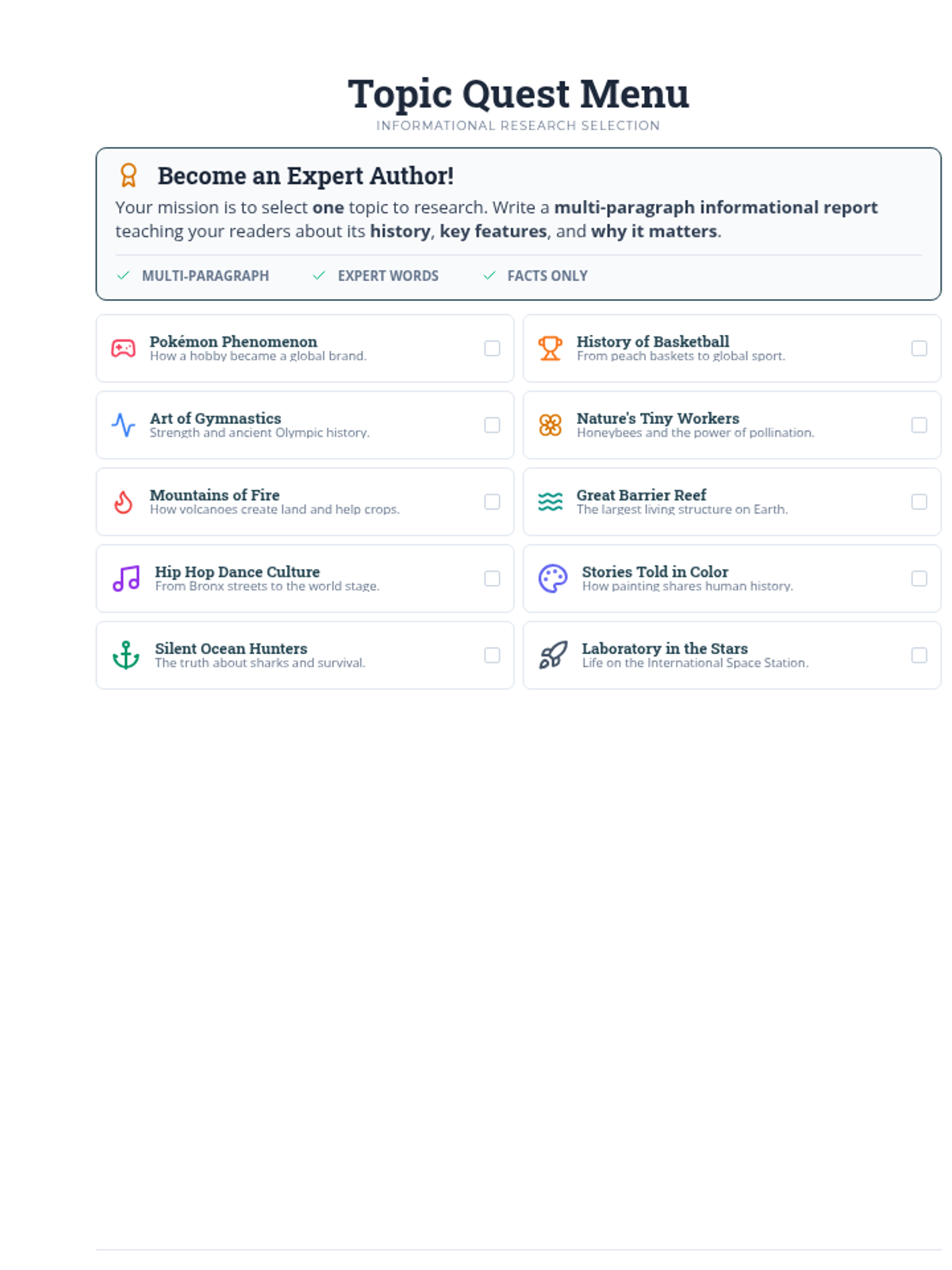
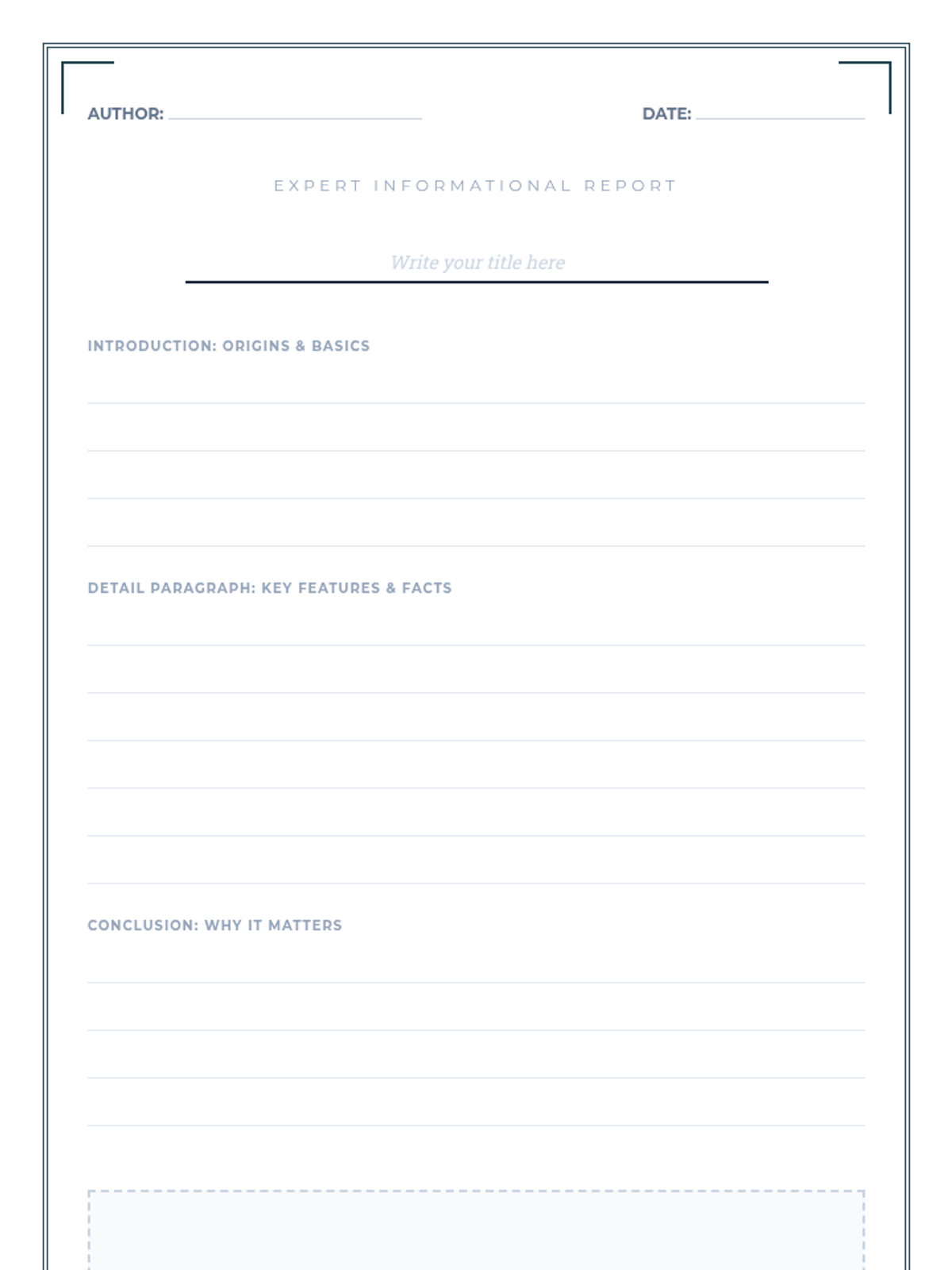
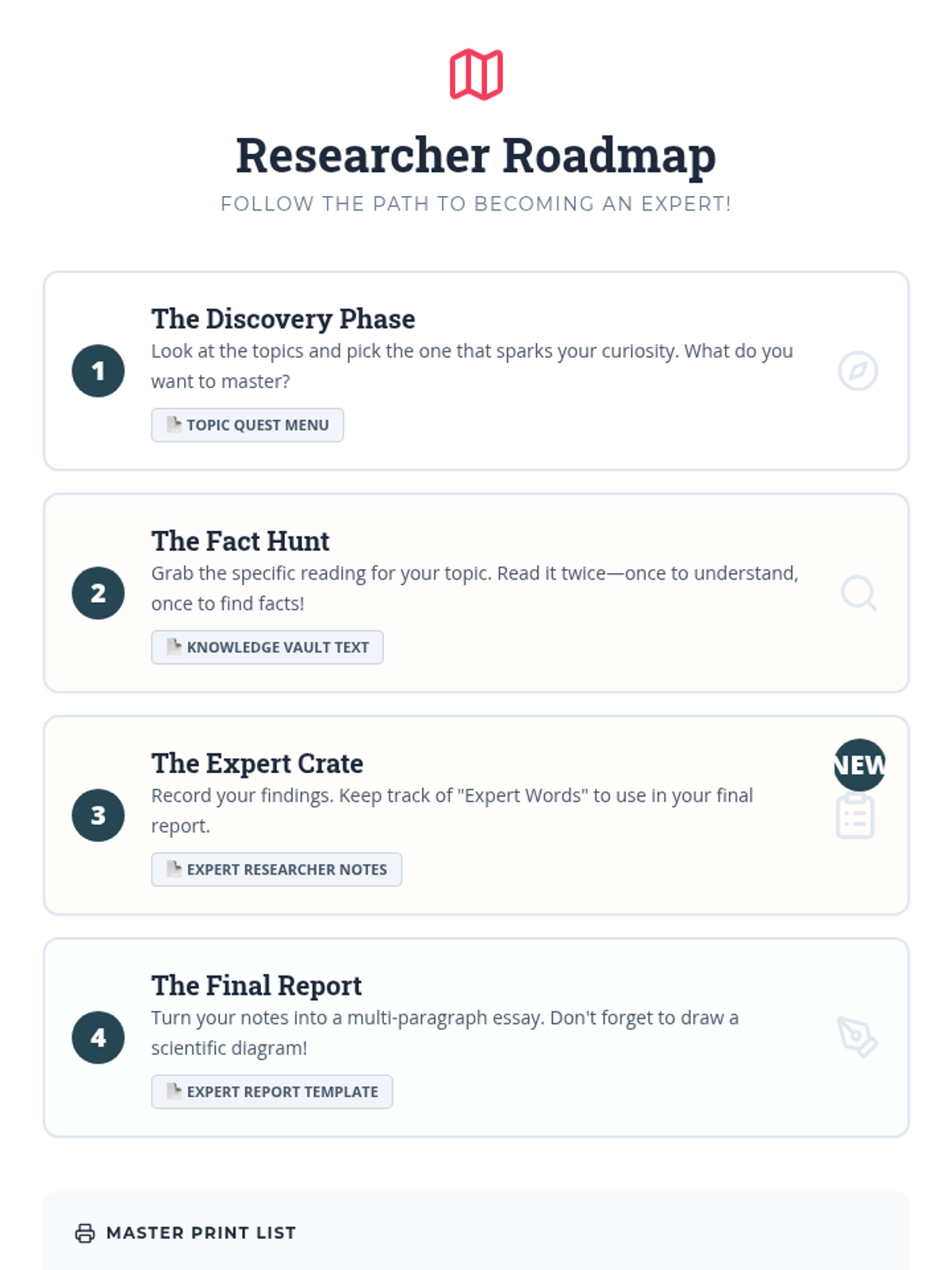
A comprehensive unit focused on informational reading and writing skills for elementary students. The sequence guides students through the process of researching high-interest topics, synthesizing information from multiple paragraphs, and drafting professional-quality informational reports.
A comprehensive ELA unit for grades 3-5 focused on decoding and analyzing nonfiction texts through the lens of 'Fact Finders'. Students learn to identify text features, analyze organizational structures, and determine an author's purpose.
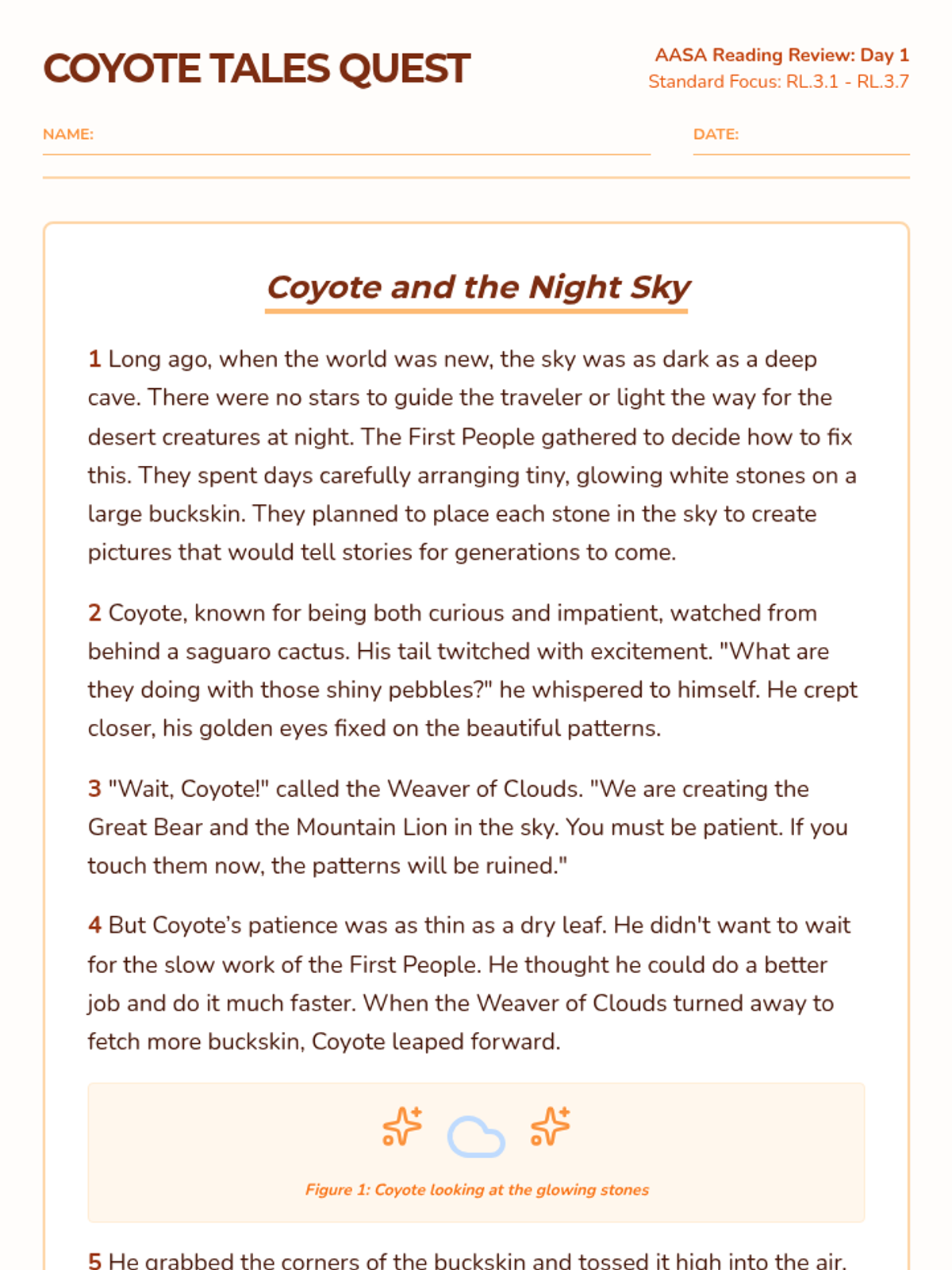
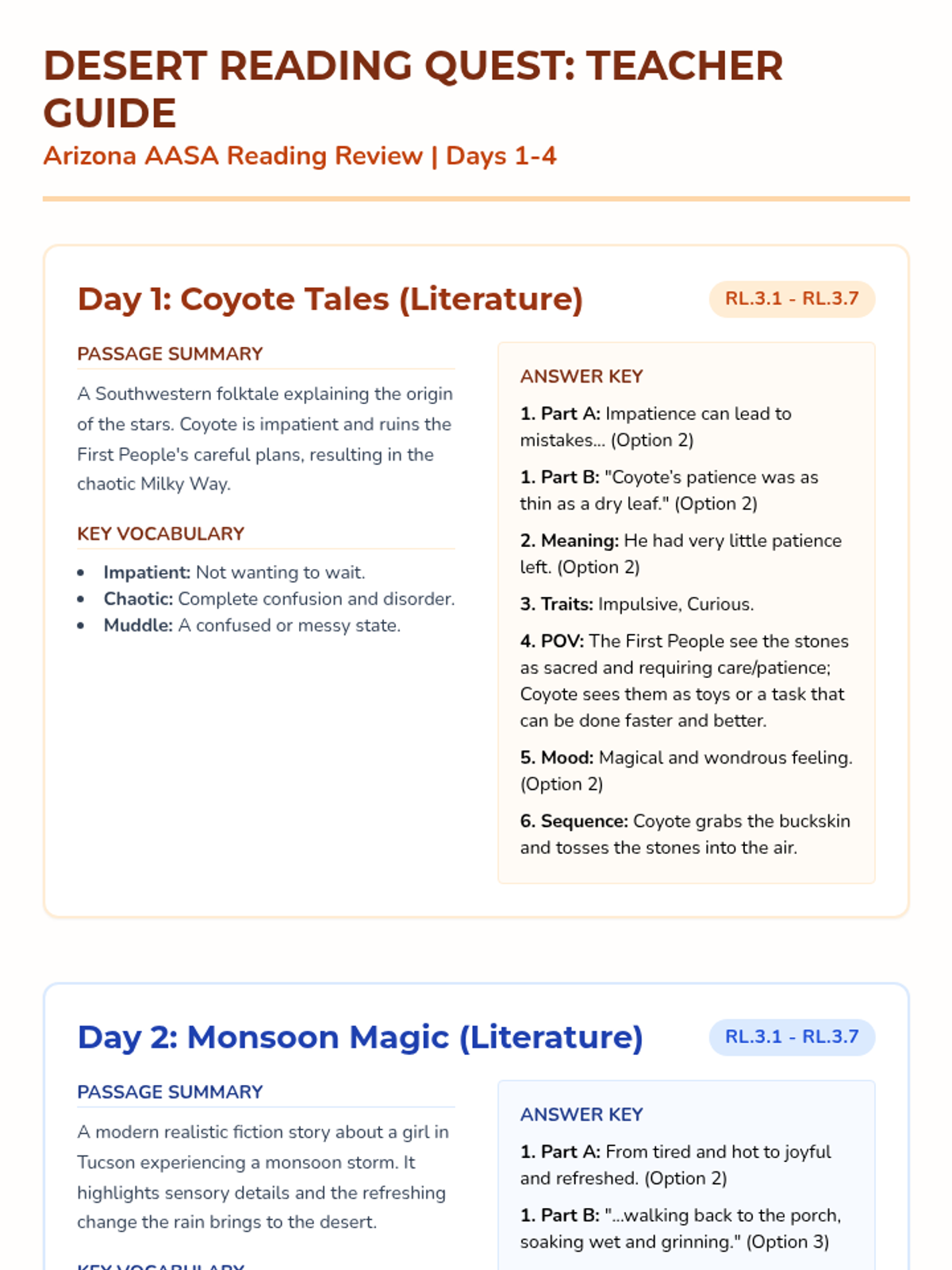
A 4-day AASA-style reading review sequence for 3rd grade, covering Literature and Informational standards with Arizona-themed passages and various question types.
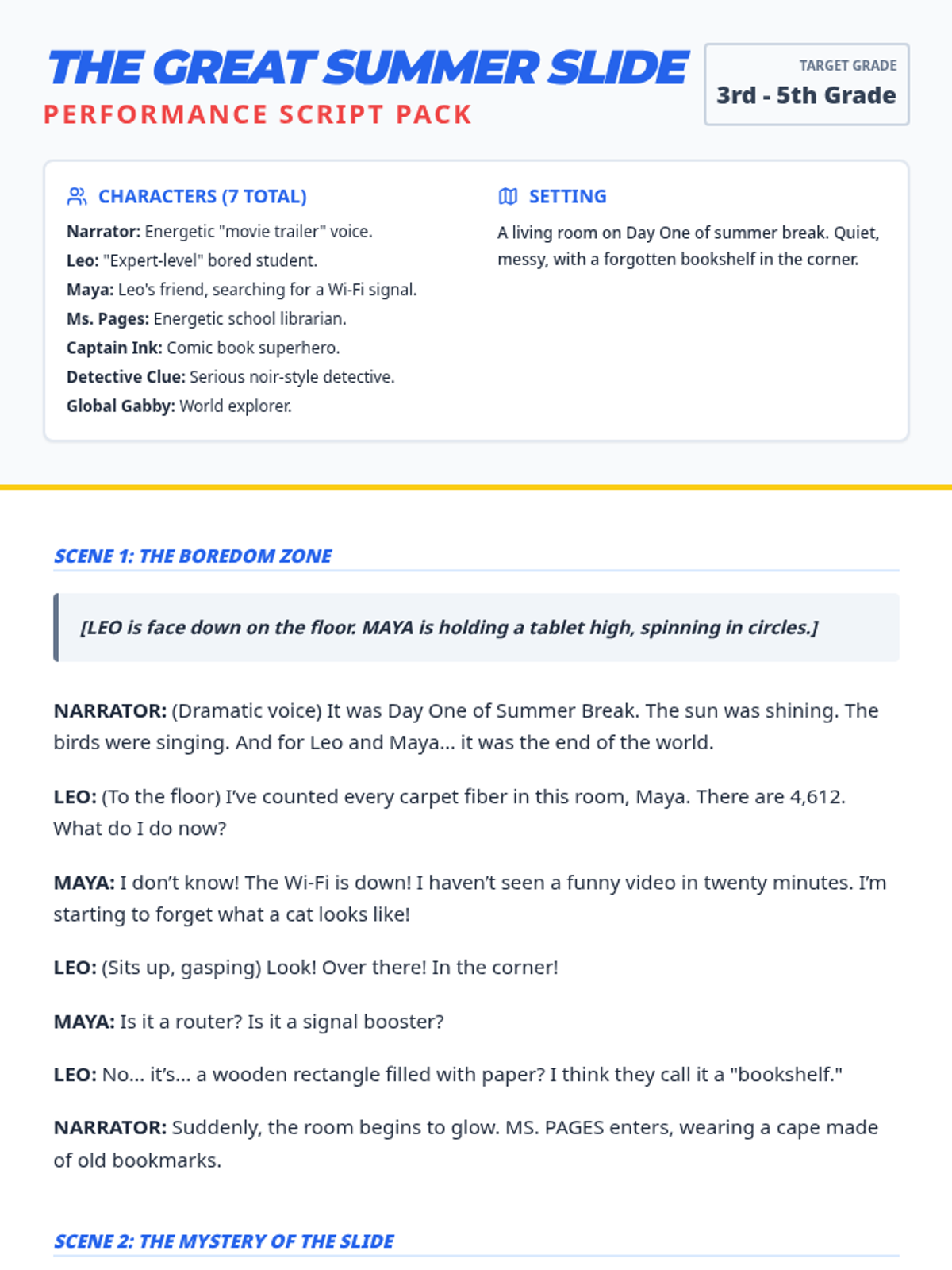
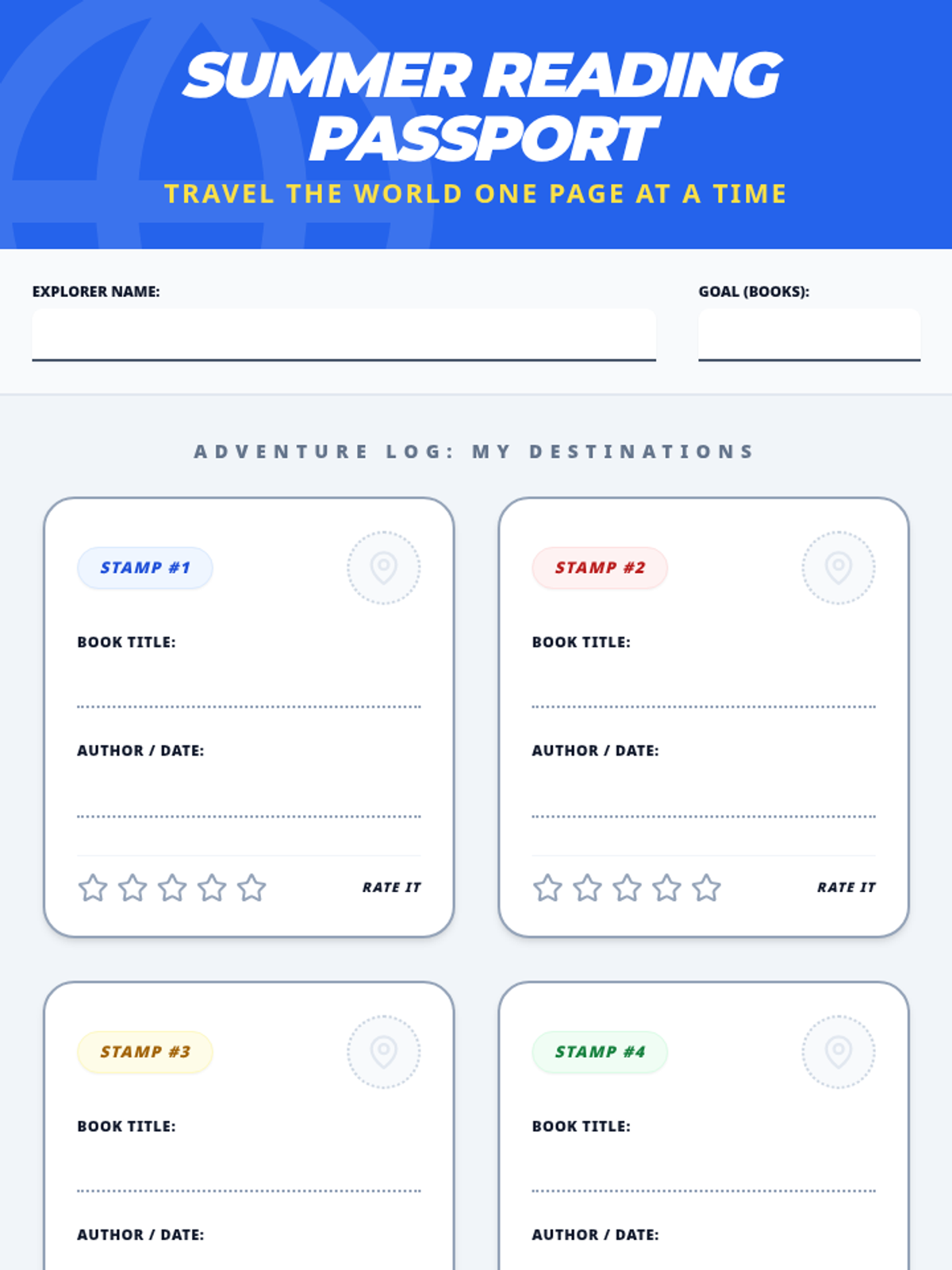
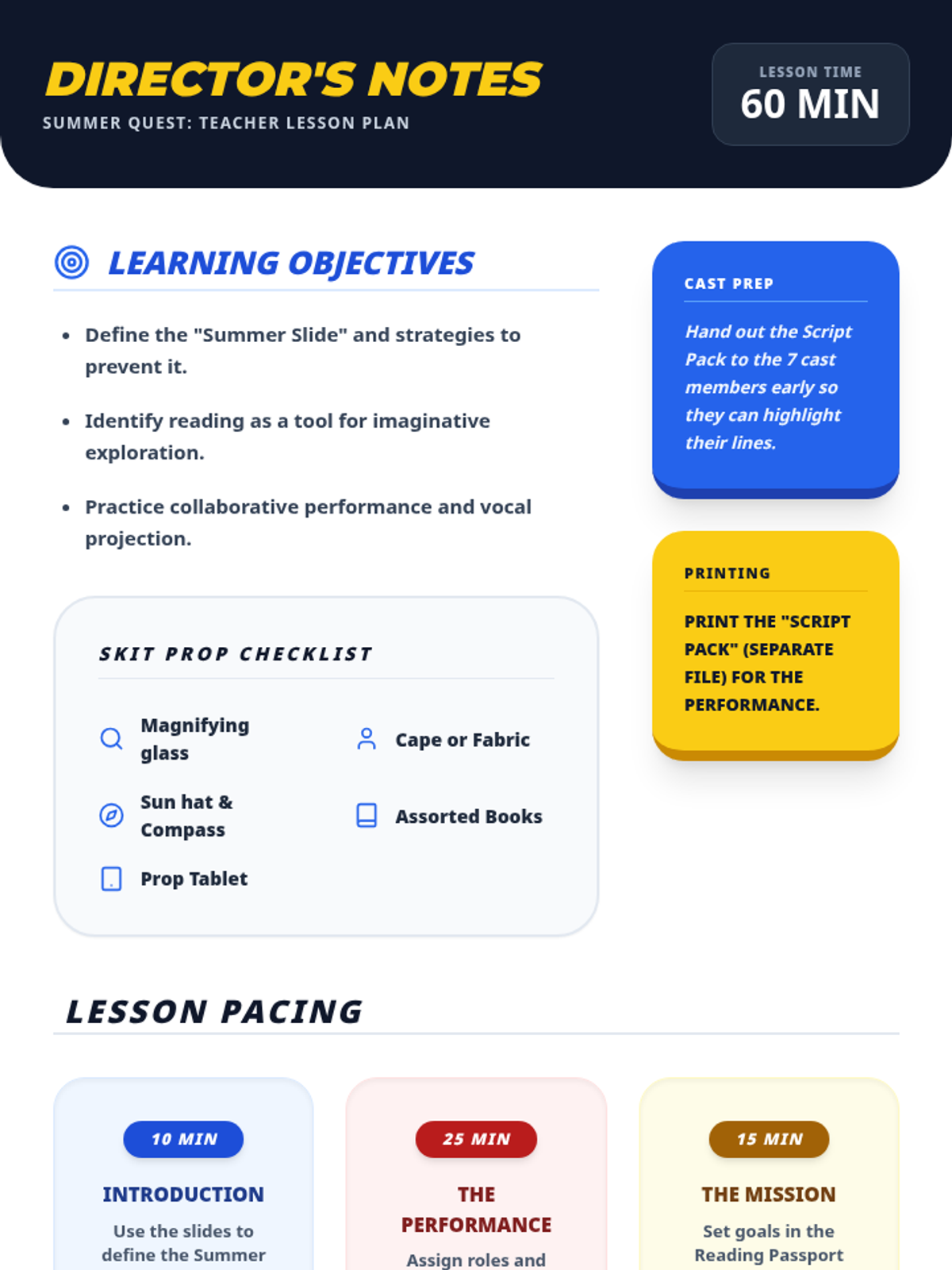
A high-energy educational sequence designed to motivate 3rd-5th grade students to maintain reading habits over summer break through drama, visual storytelling, and personal goal-setting.
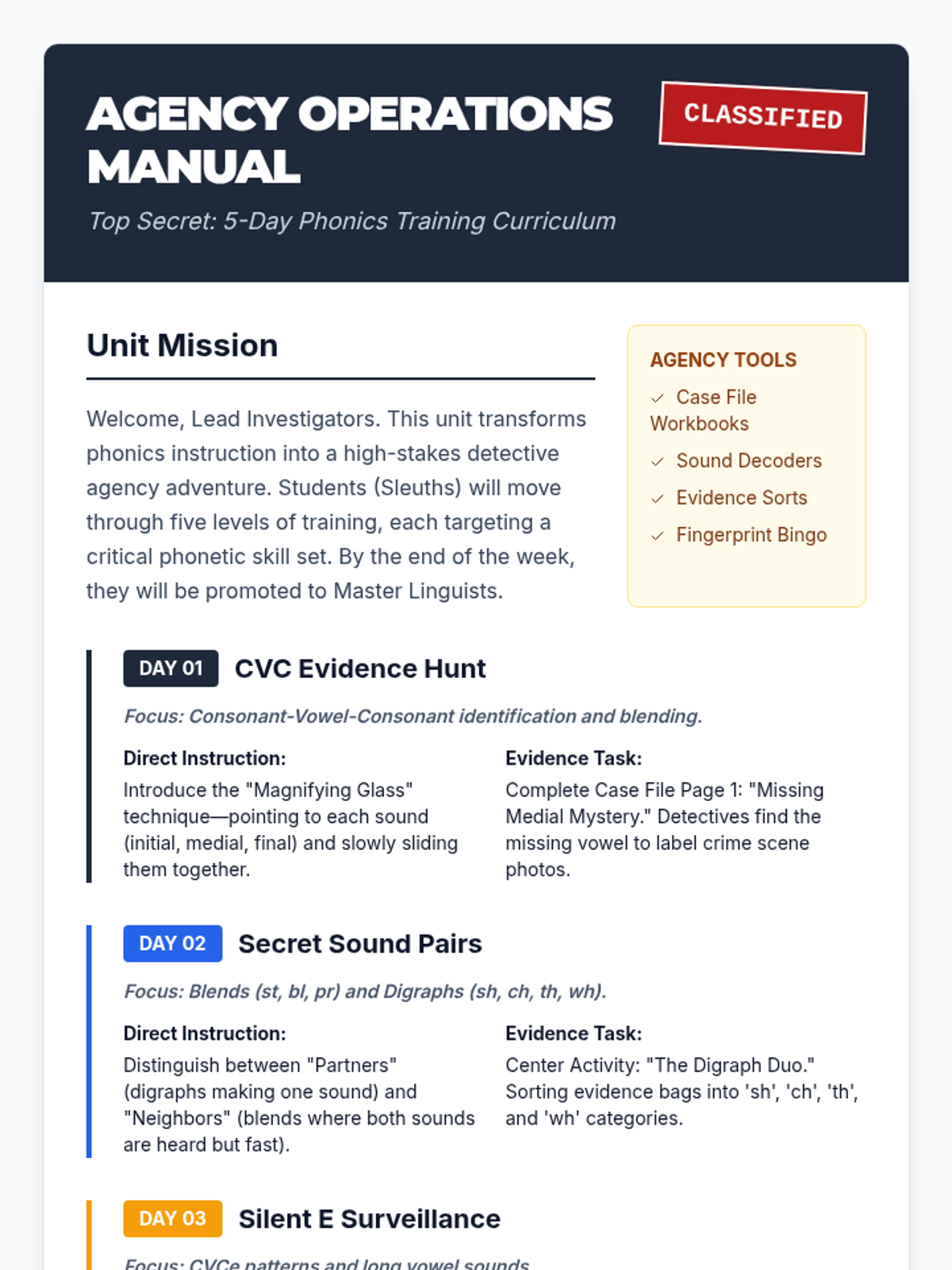
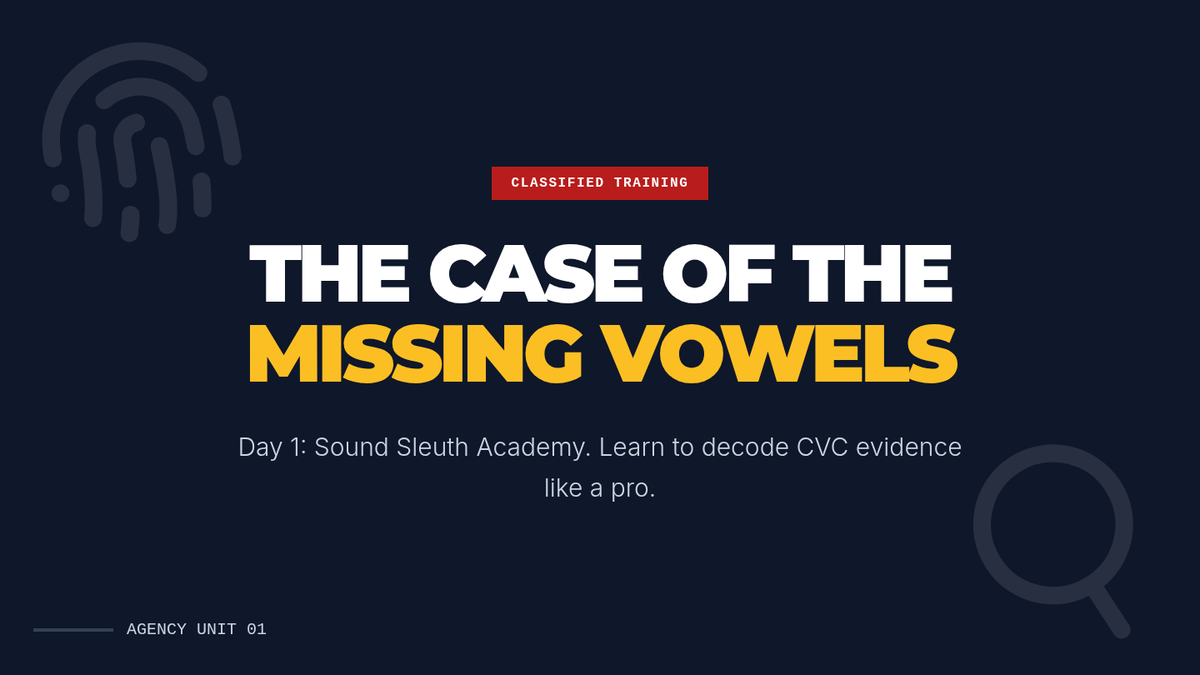
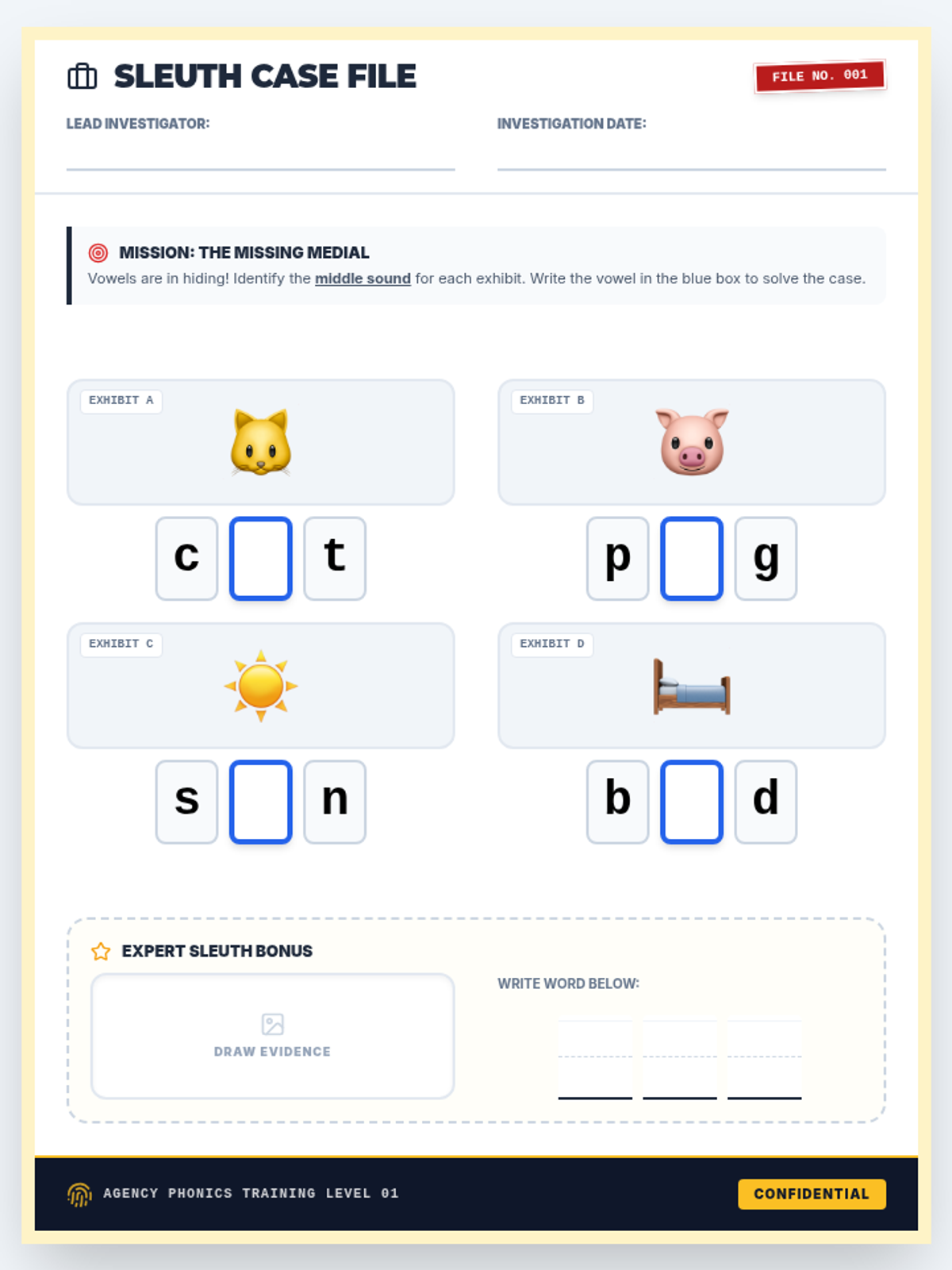
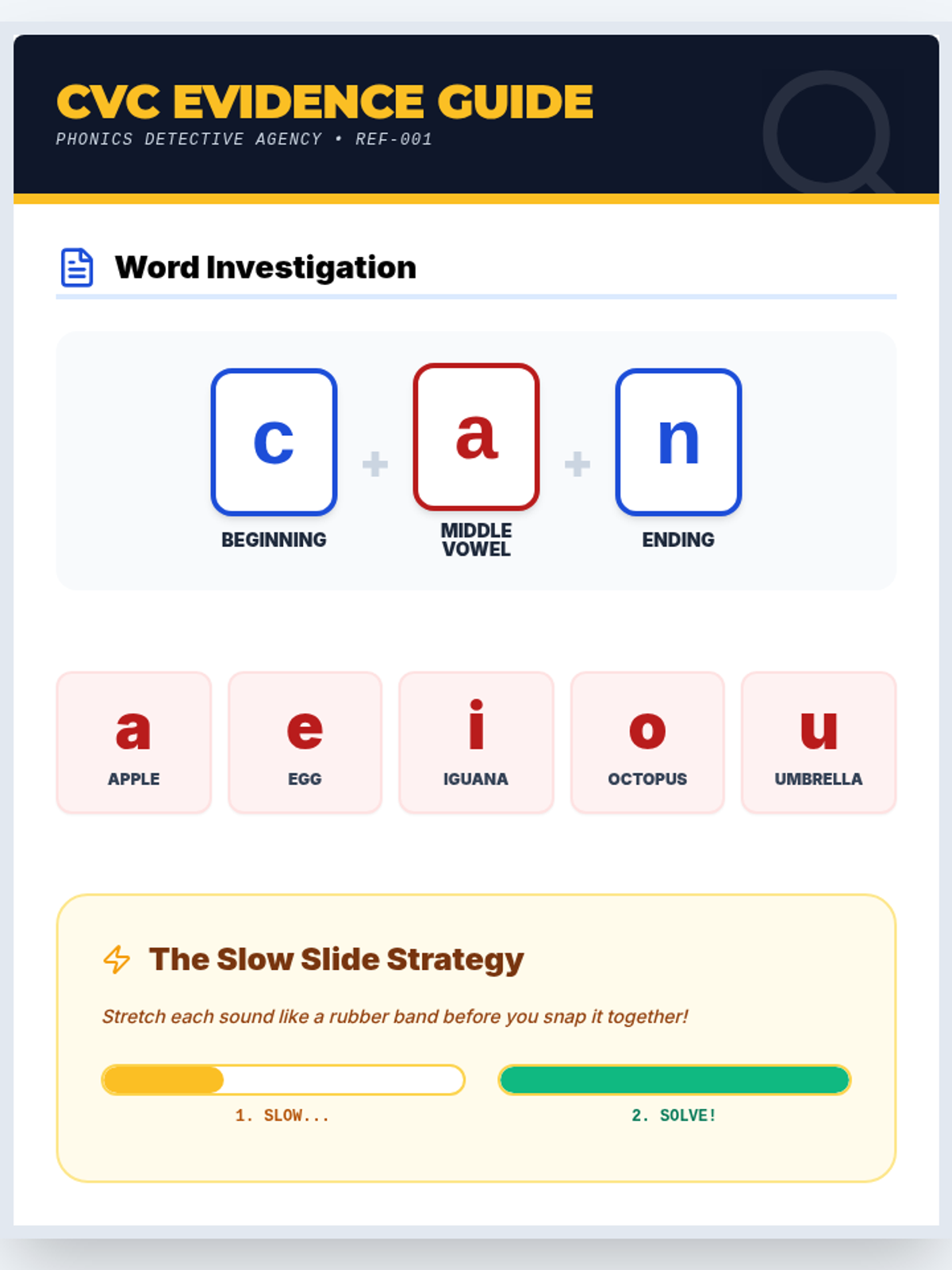
A comprehensive 5-day phonics curriculum for grades K-3 using a detective agency theme. Students progress from sound sleuths to master linguists, uncovering the secrets of CVC words, blends, digraphs, silent e, vowel teams, and multi-syllabic words through investigative play and structured practice.
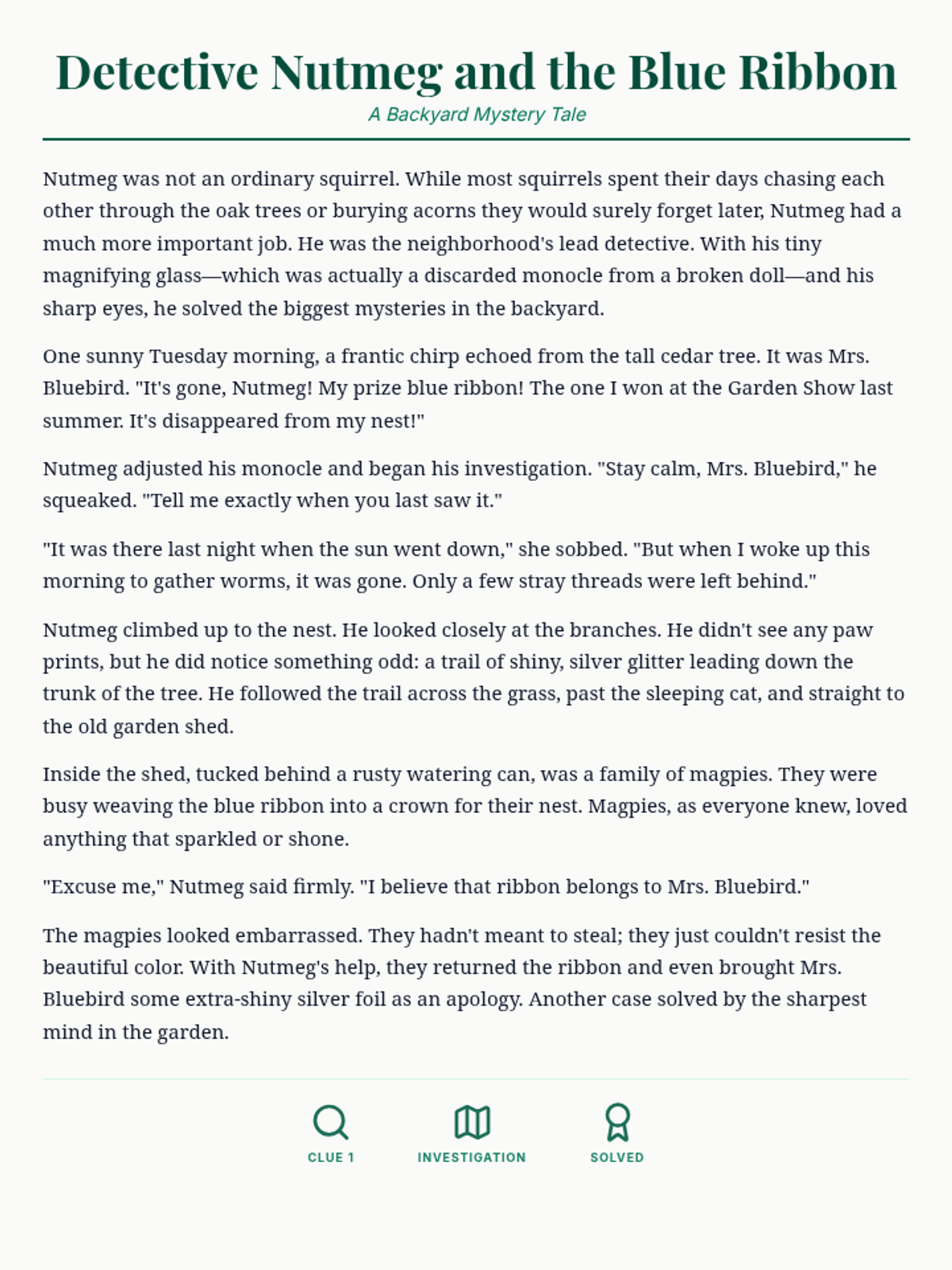
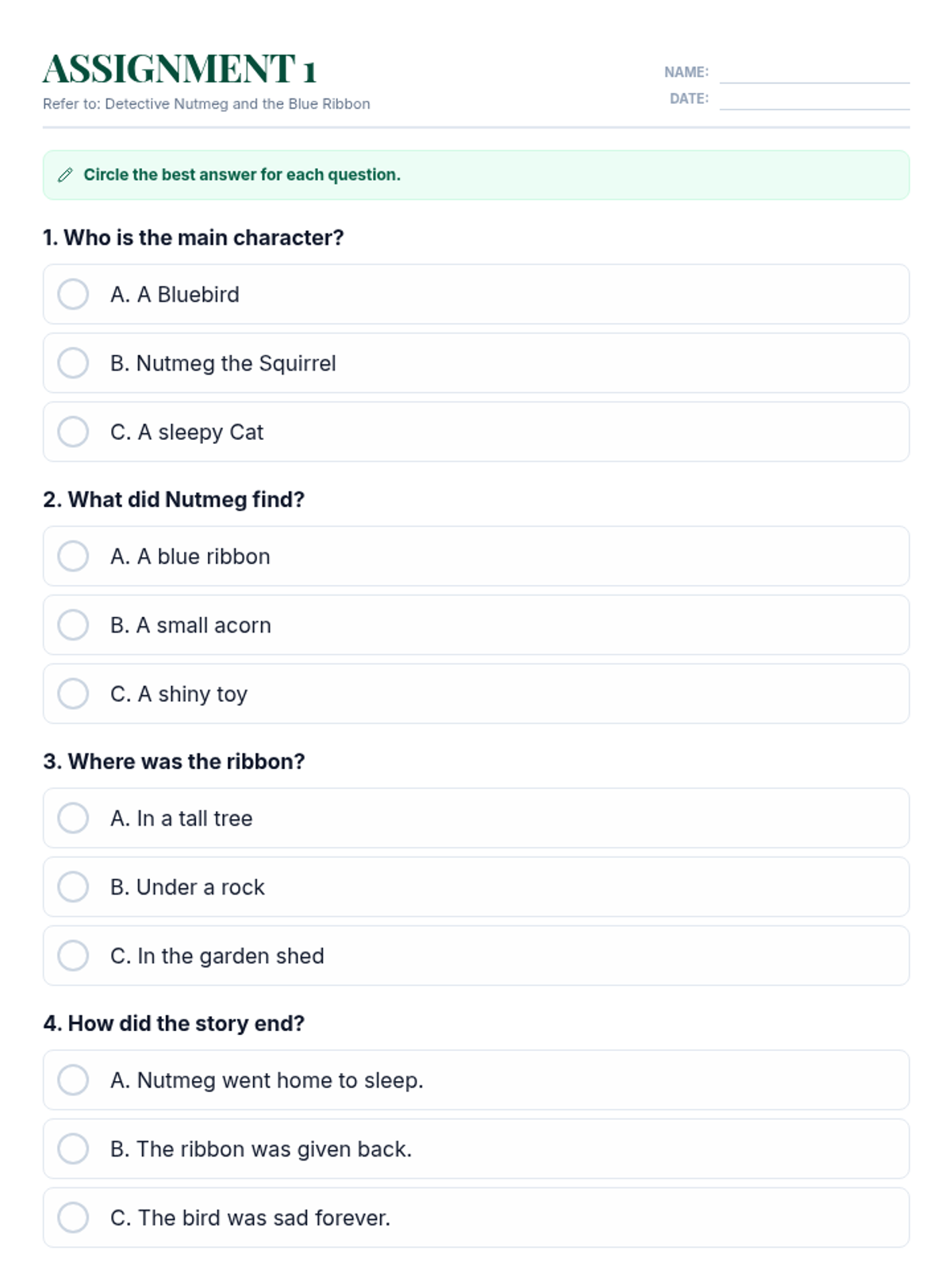
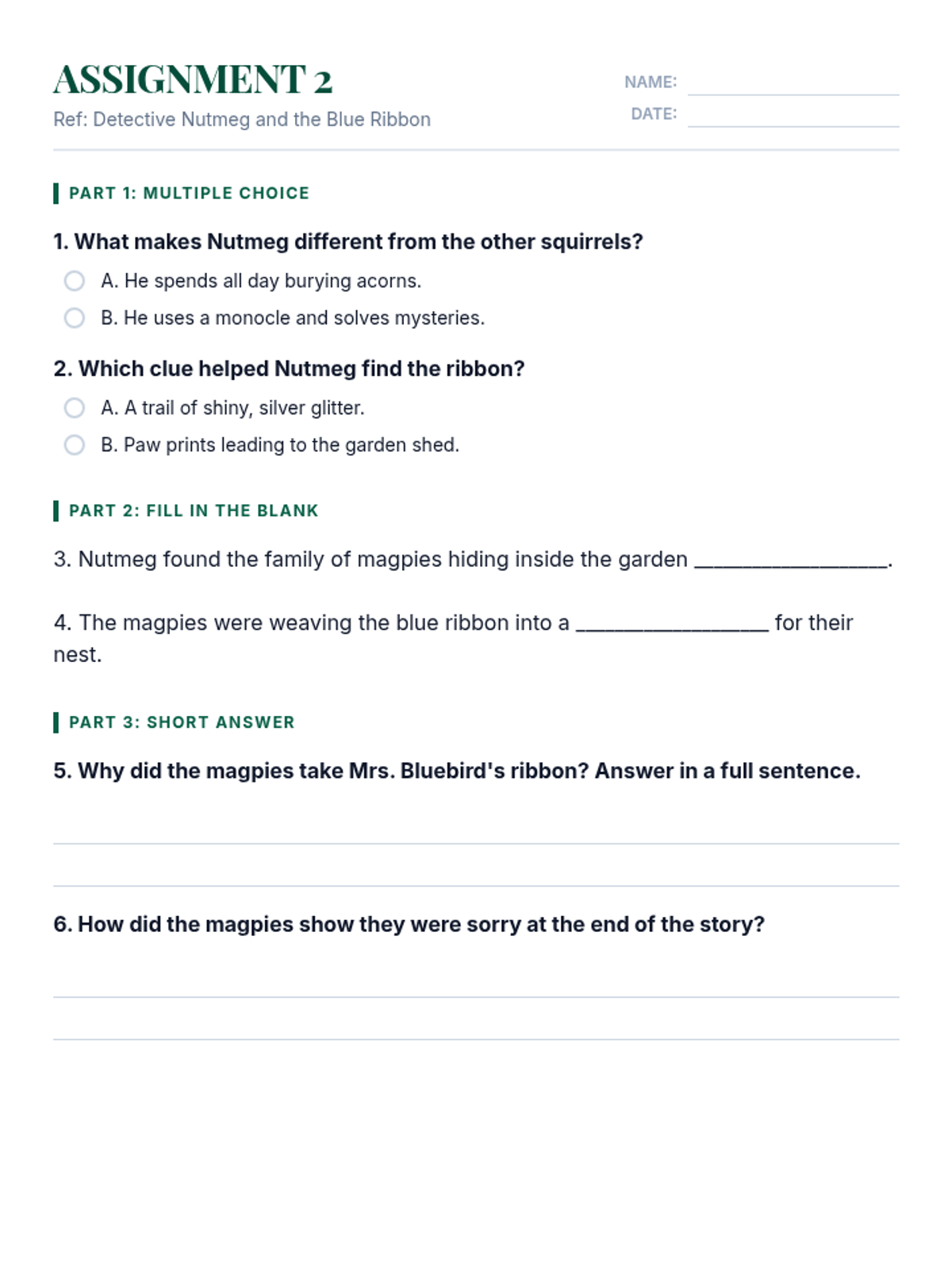
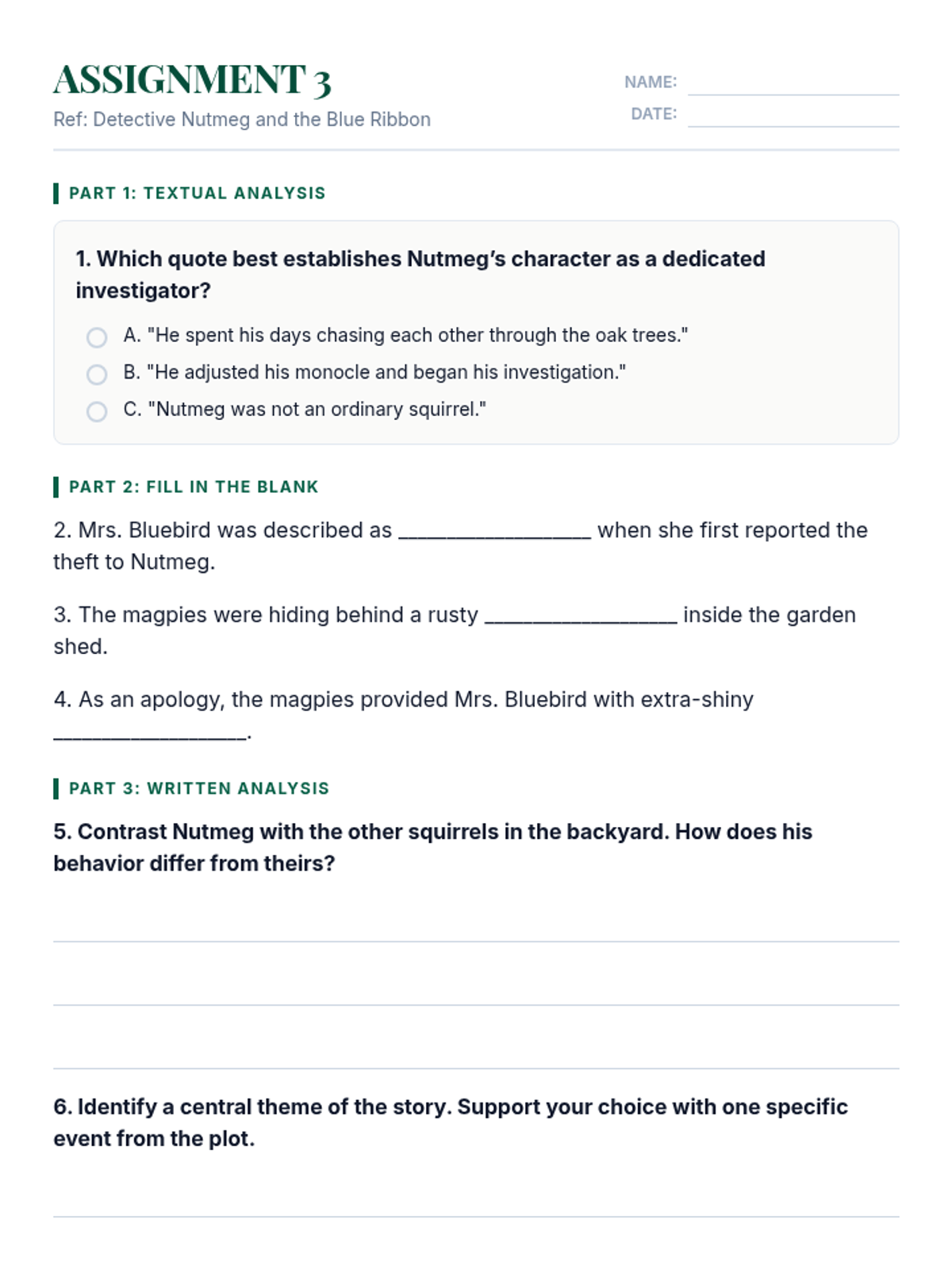
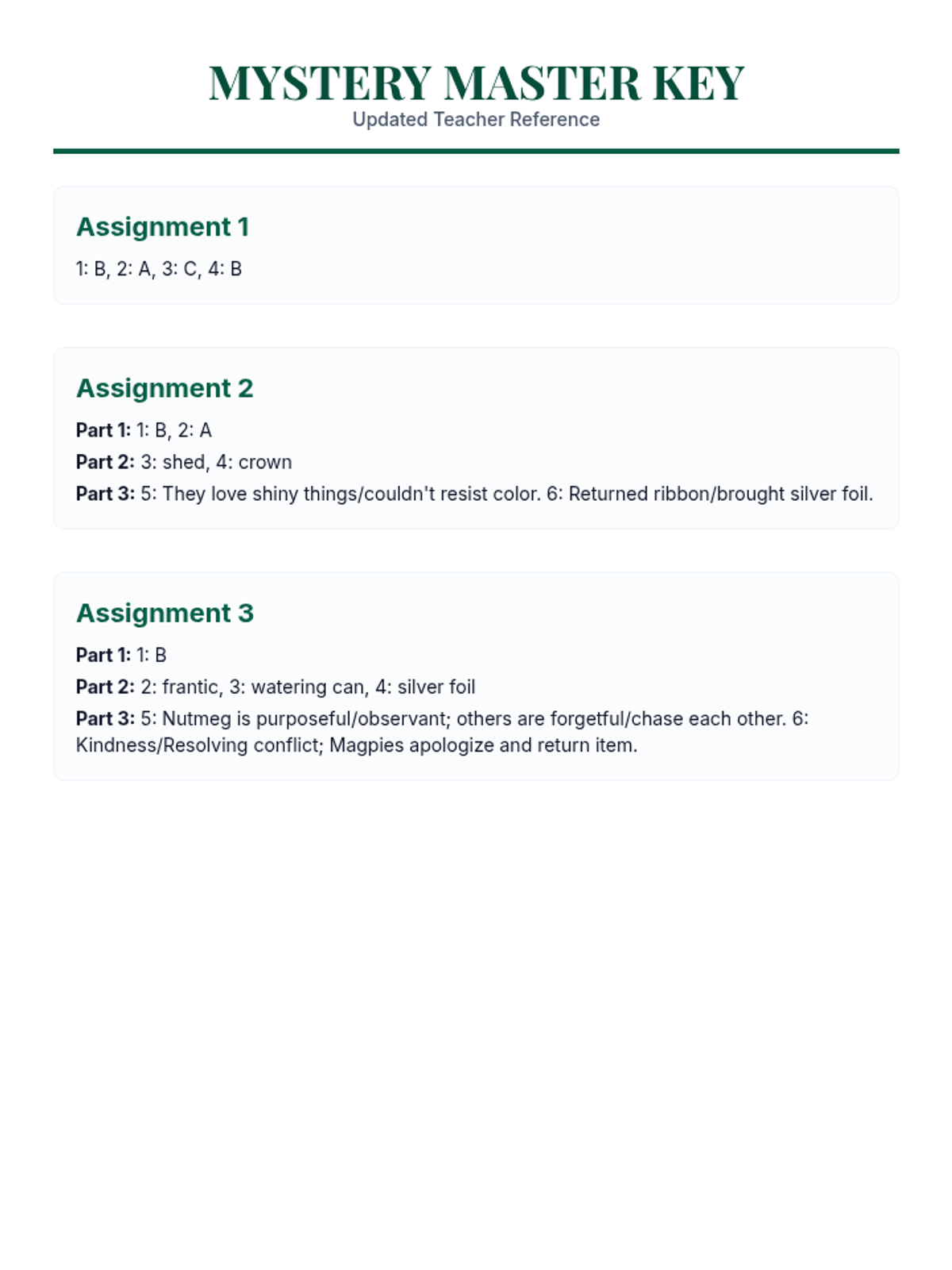
A series of lessons focused on developing reading comprehension through mystery stories, with tiered assignments for different grade levels.
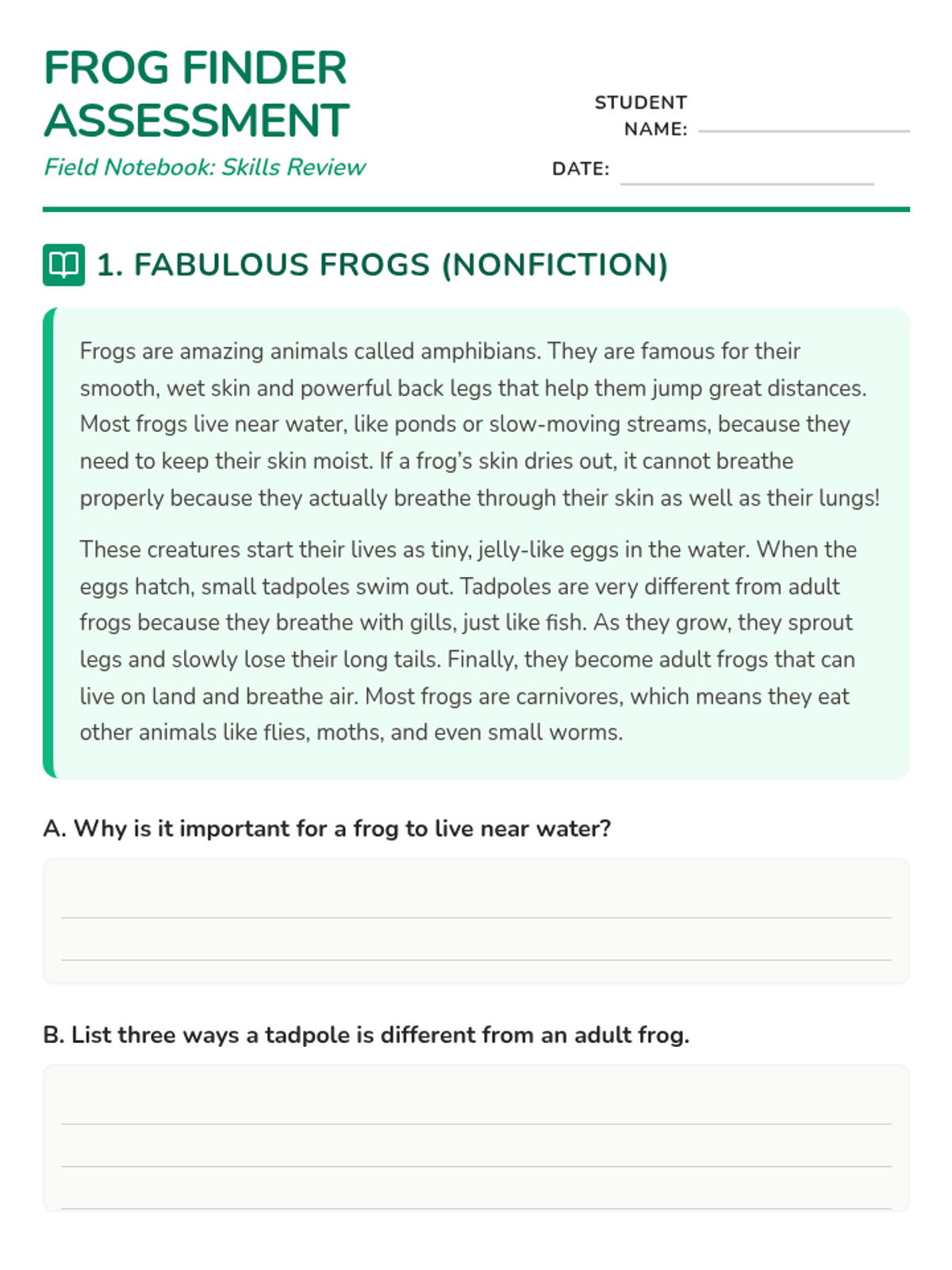
A collection of literacy and phonics resources for elementary students, covering assessment and targeted skill building.
A travel-themed spelling and morphology unit where students explore advanced vowel patterns and word structures as 'World Word Explorers'.
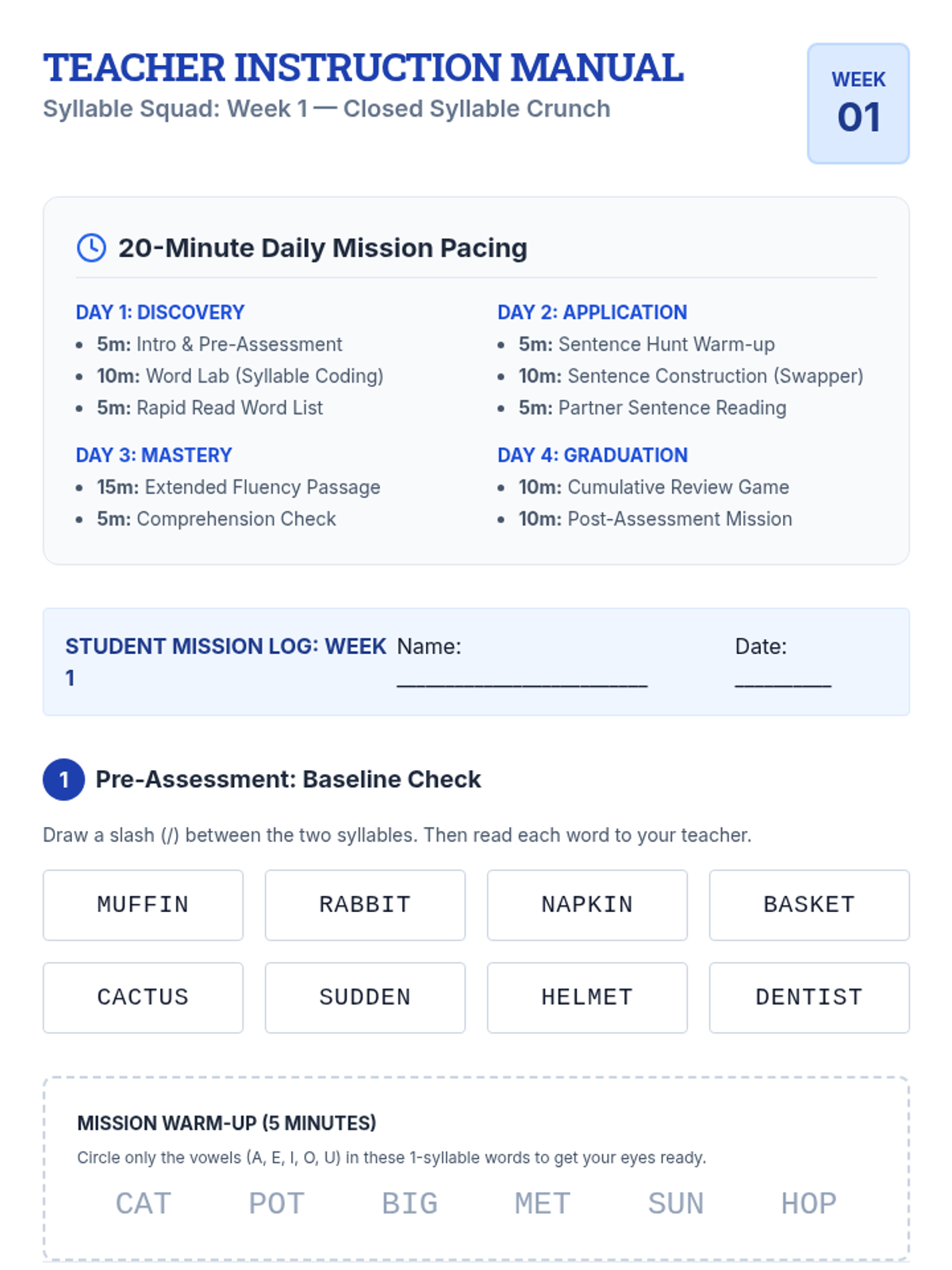
A comprehensive 5-week phonics intervention focused on decoding two-syllable words across five major syllable types. Each week includes a pre-assessment, daily lessons with specific targets, student practice sheets, and a post-assessment.
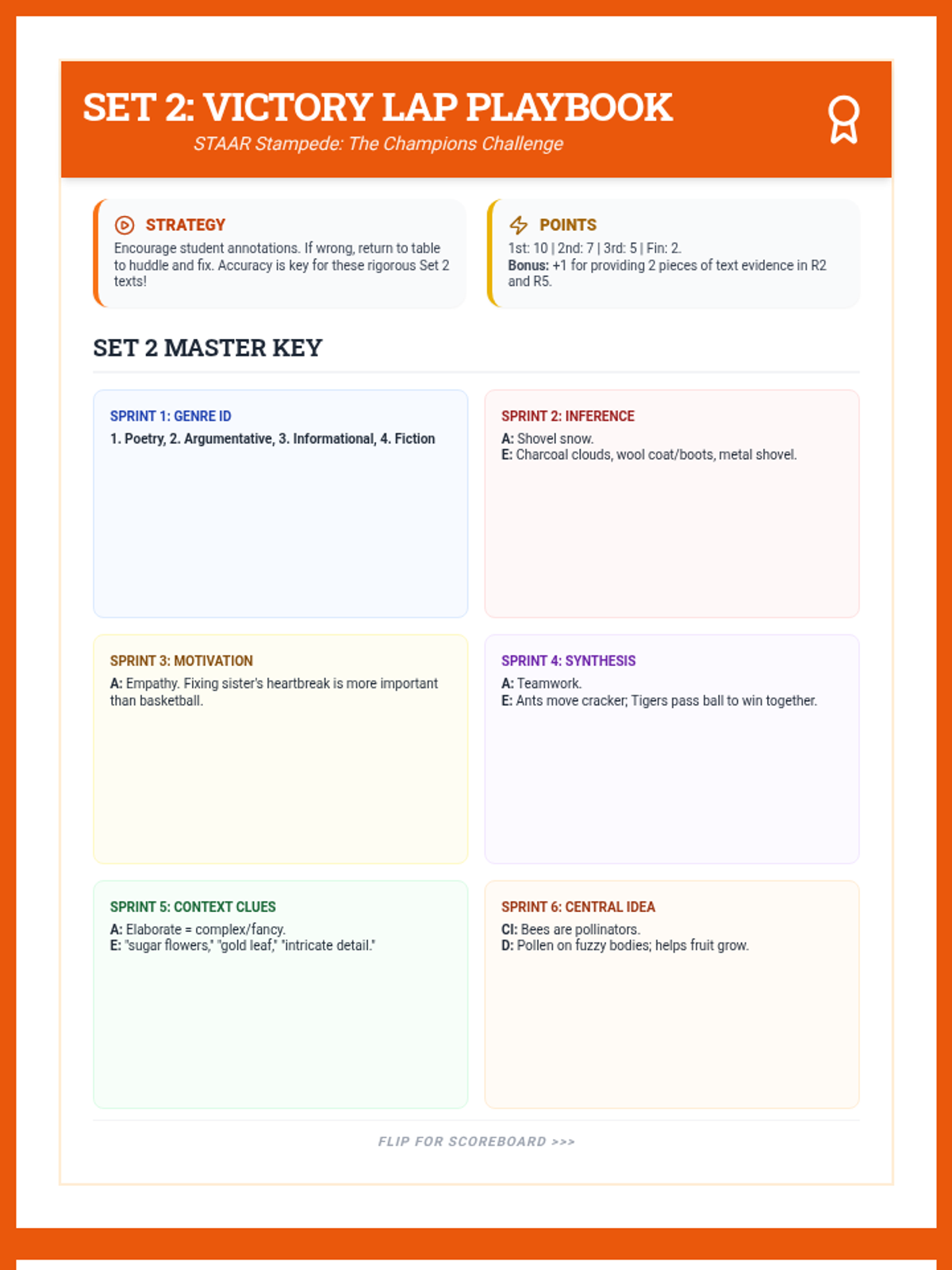
A high-energy, movement-based review sequence designed to boost confidence and reinforce key STAAR reading strategies through team competitions and relay-style challenges.
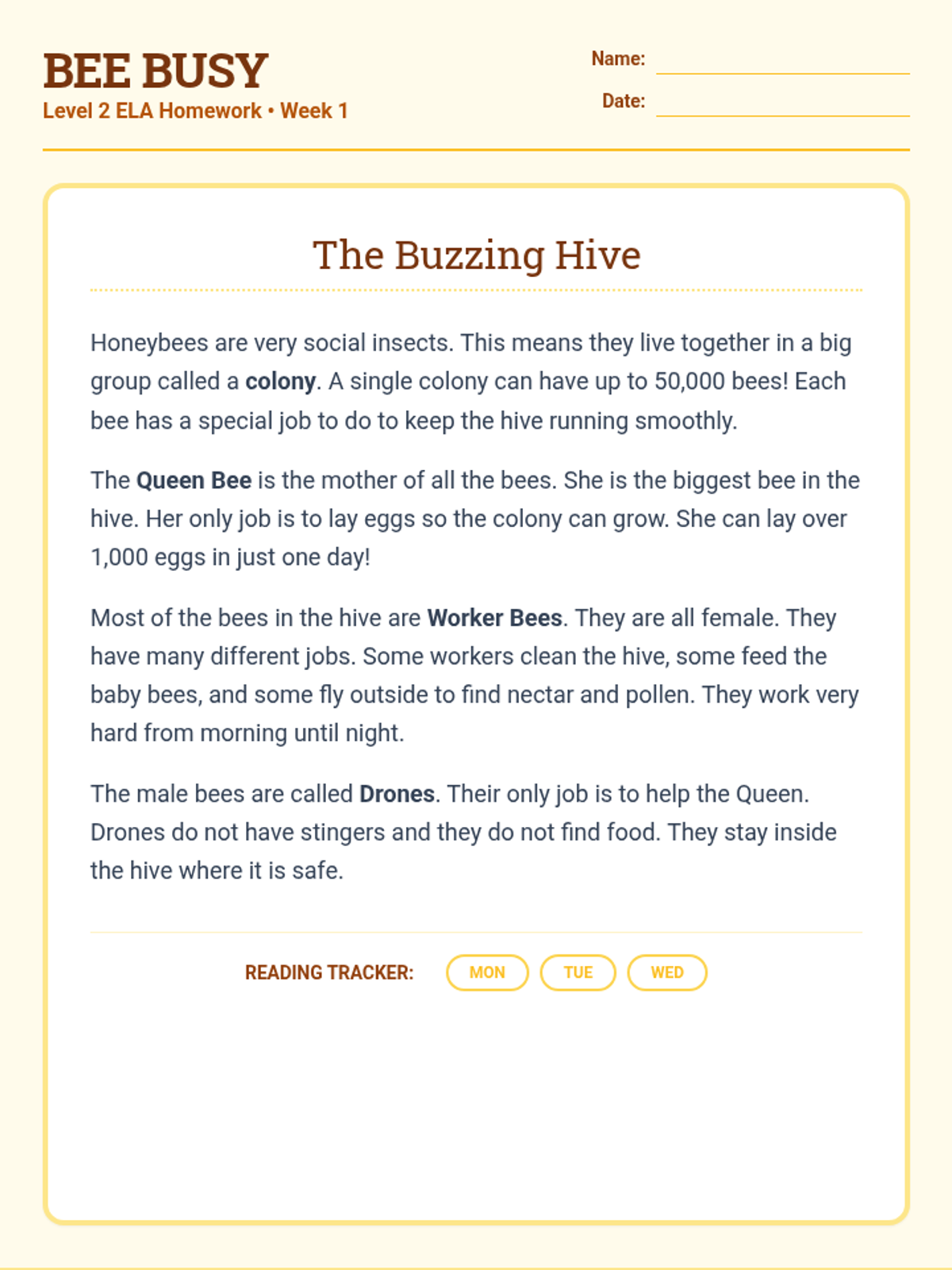
Differentiated ELA homework packets centered on the lives and importance of honeybees, organized by complexity levels.
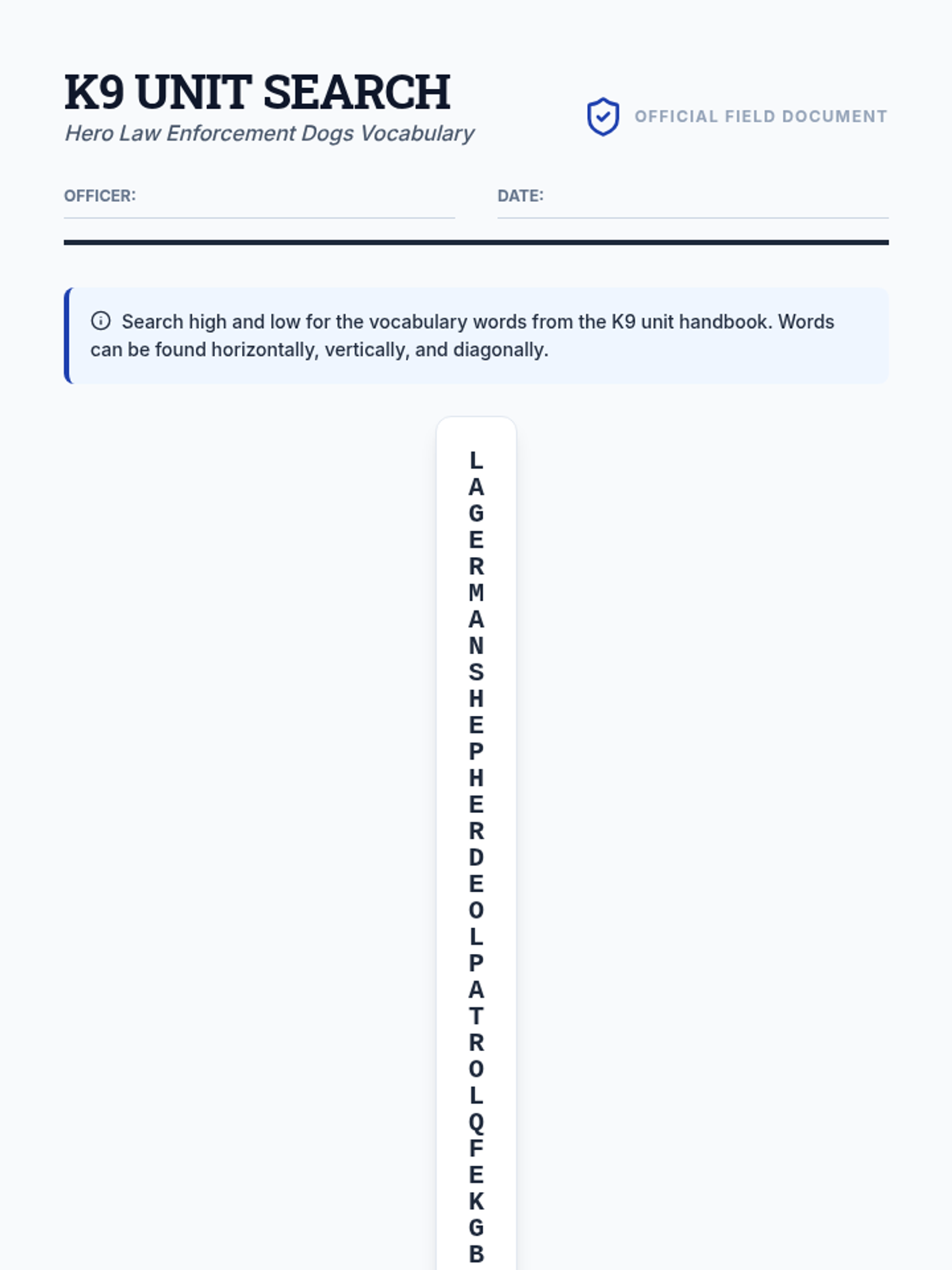
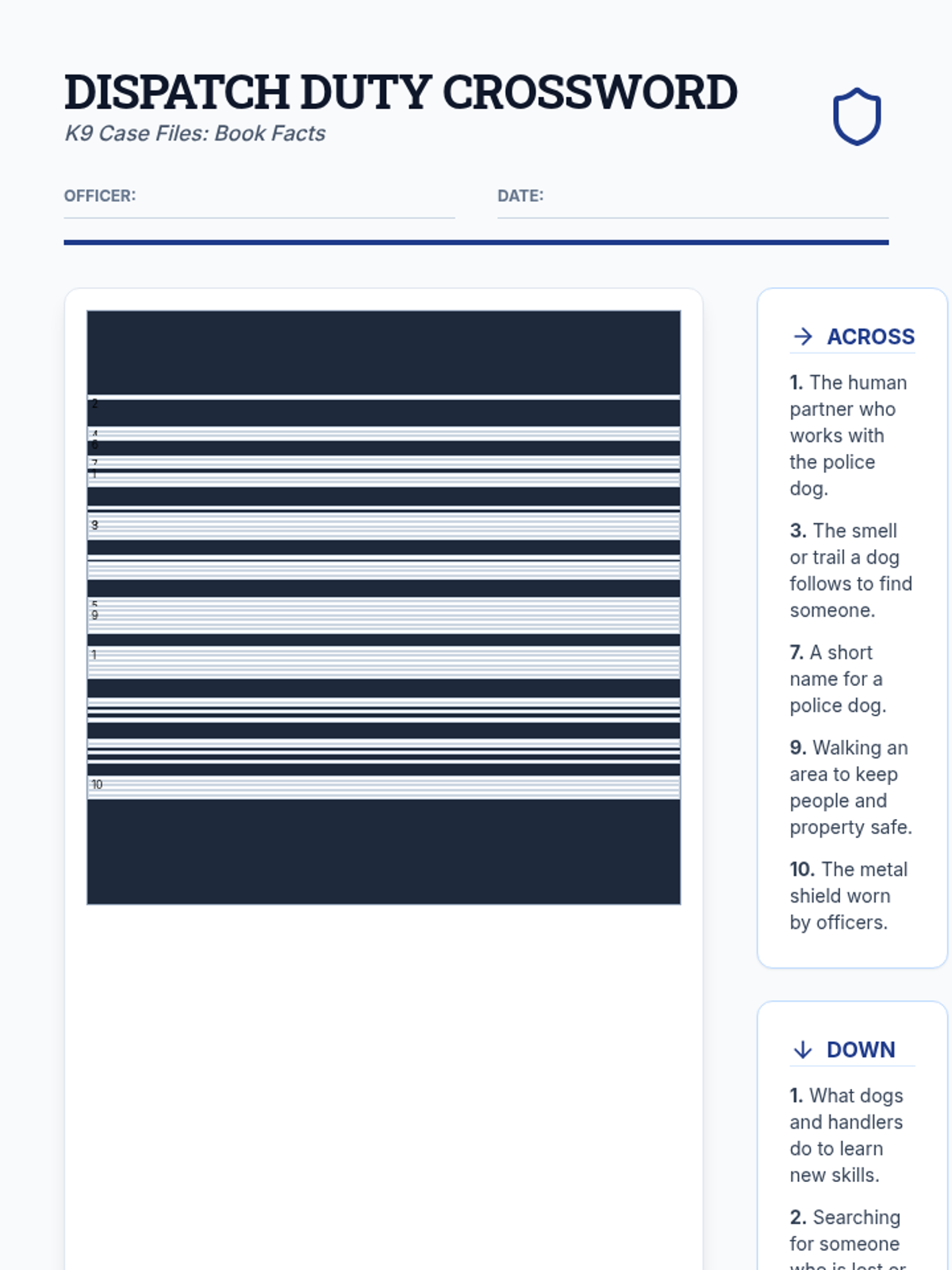
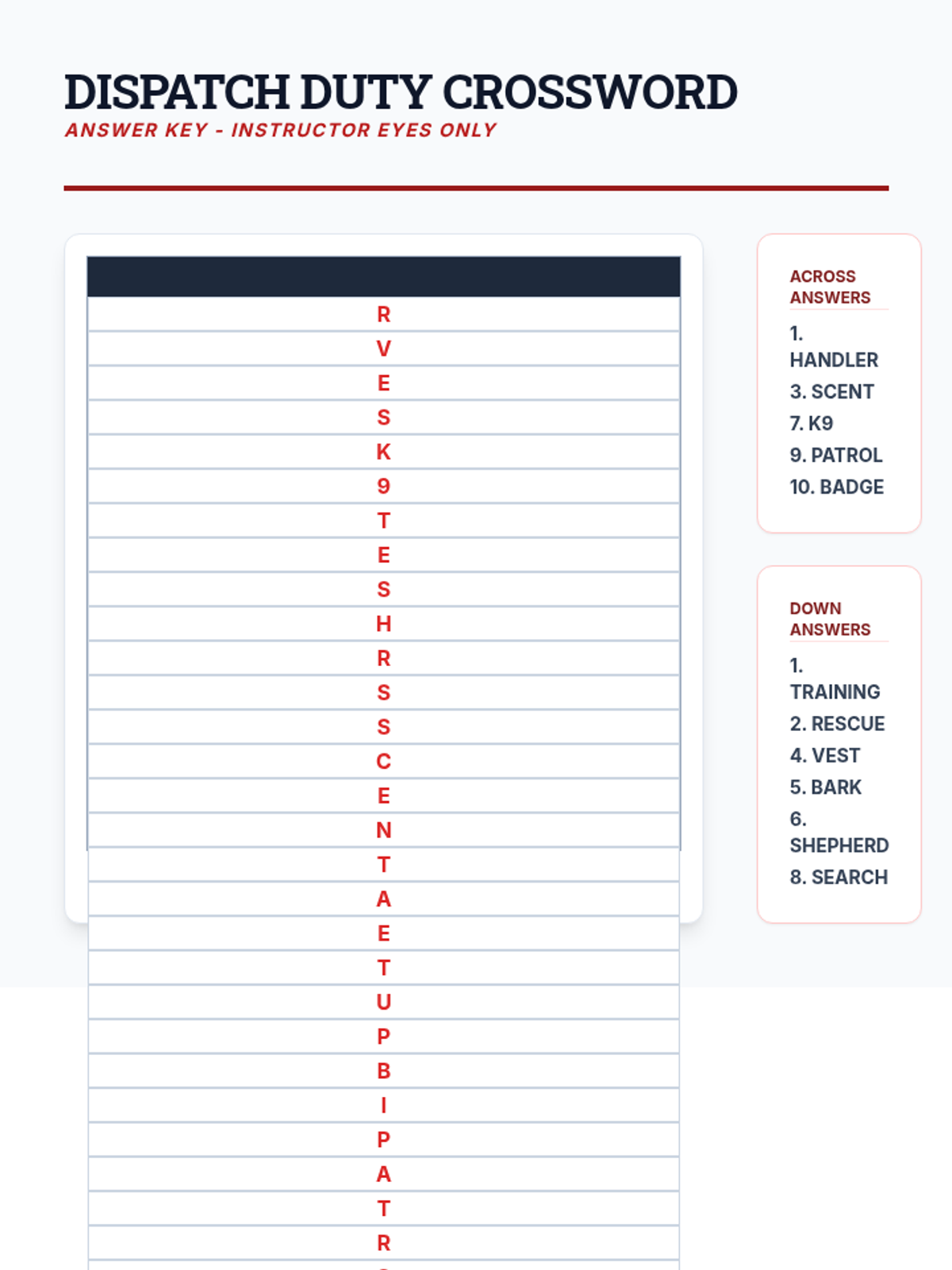
A series of educational materials exploring the lives and duties of law enforcement dogs, designed to build vocabulary and reading comprehension.
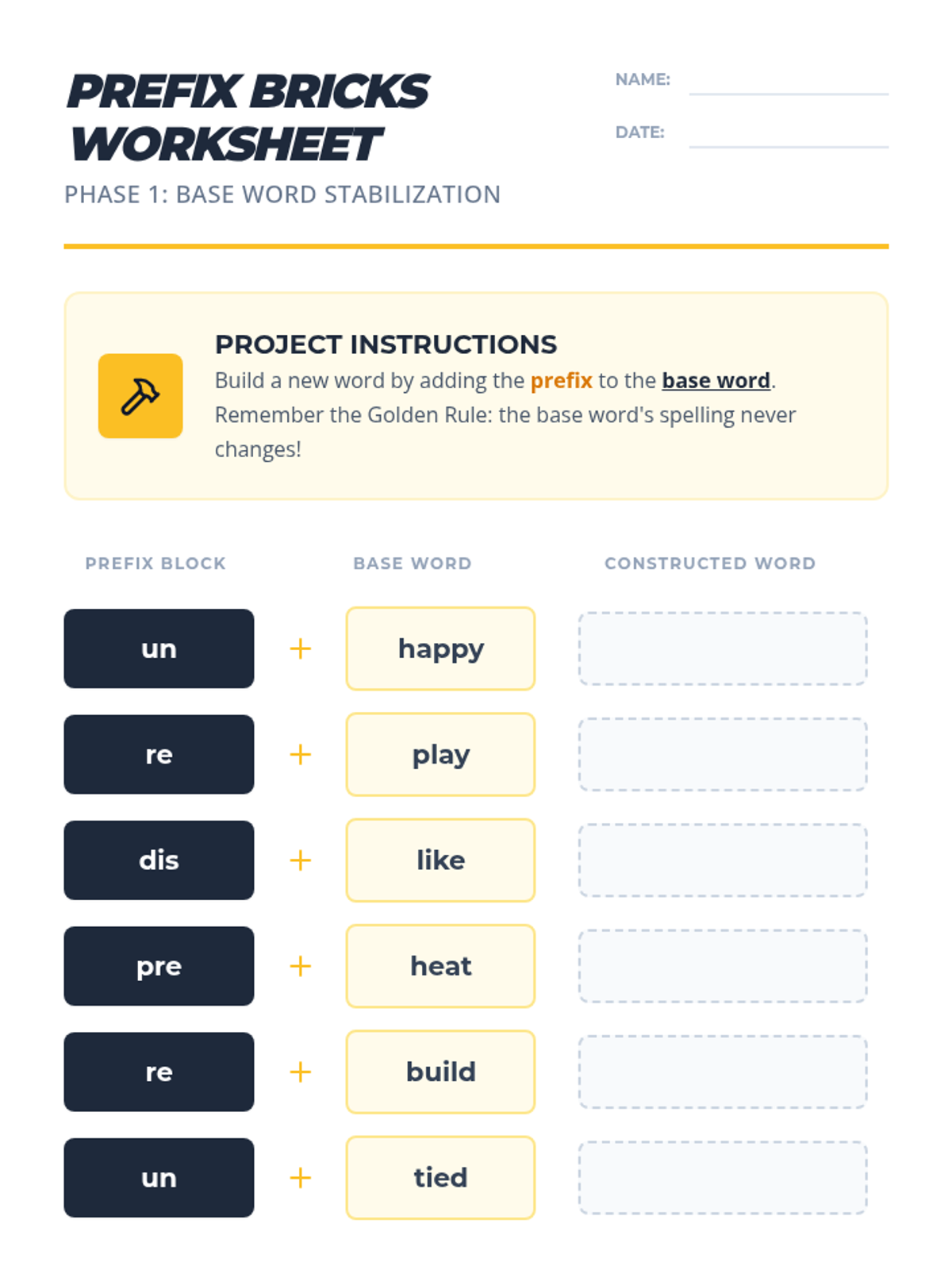
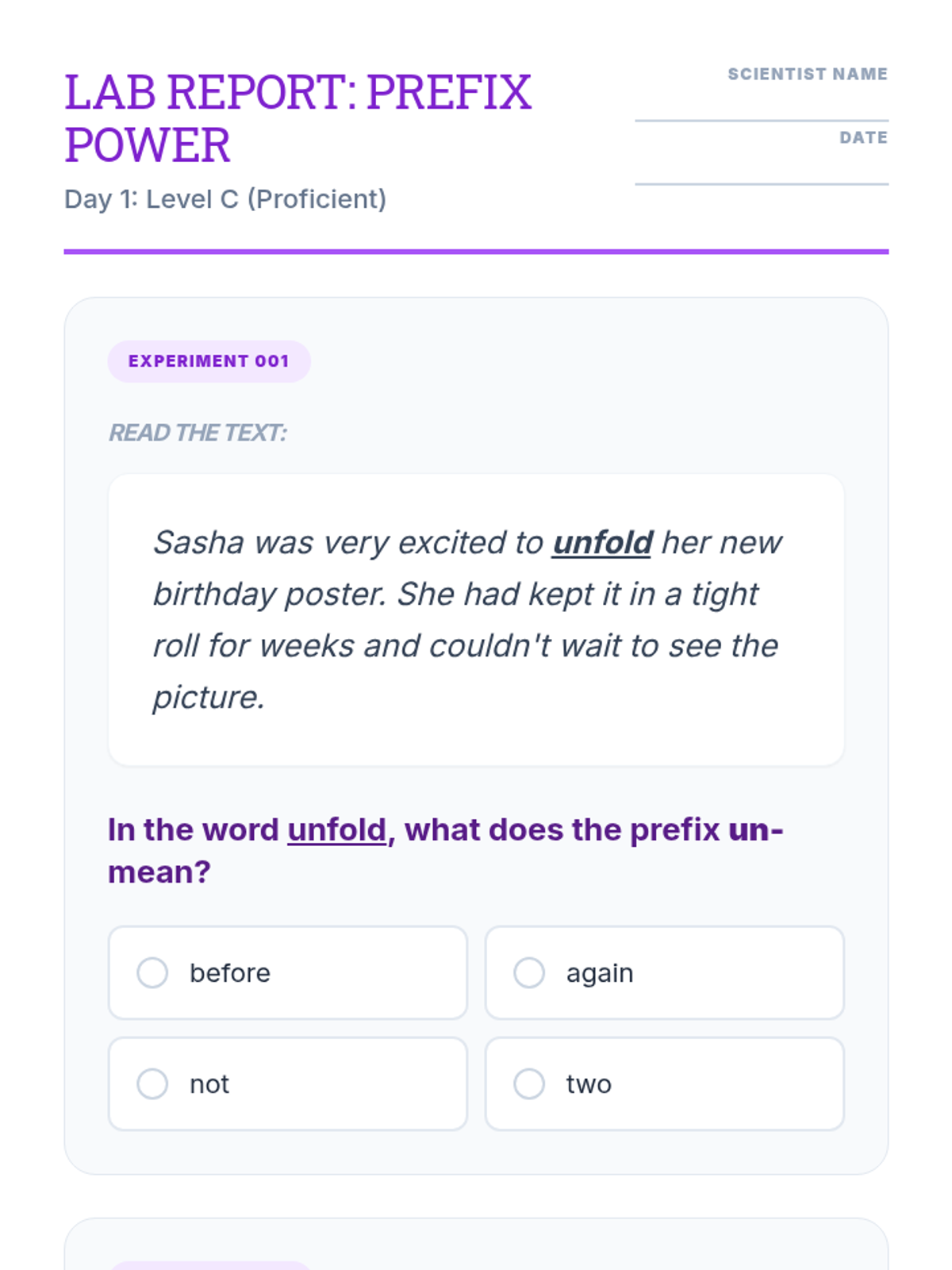
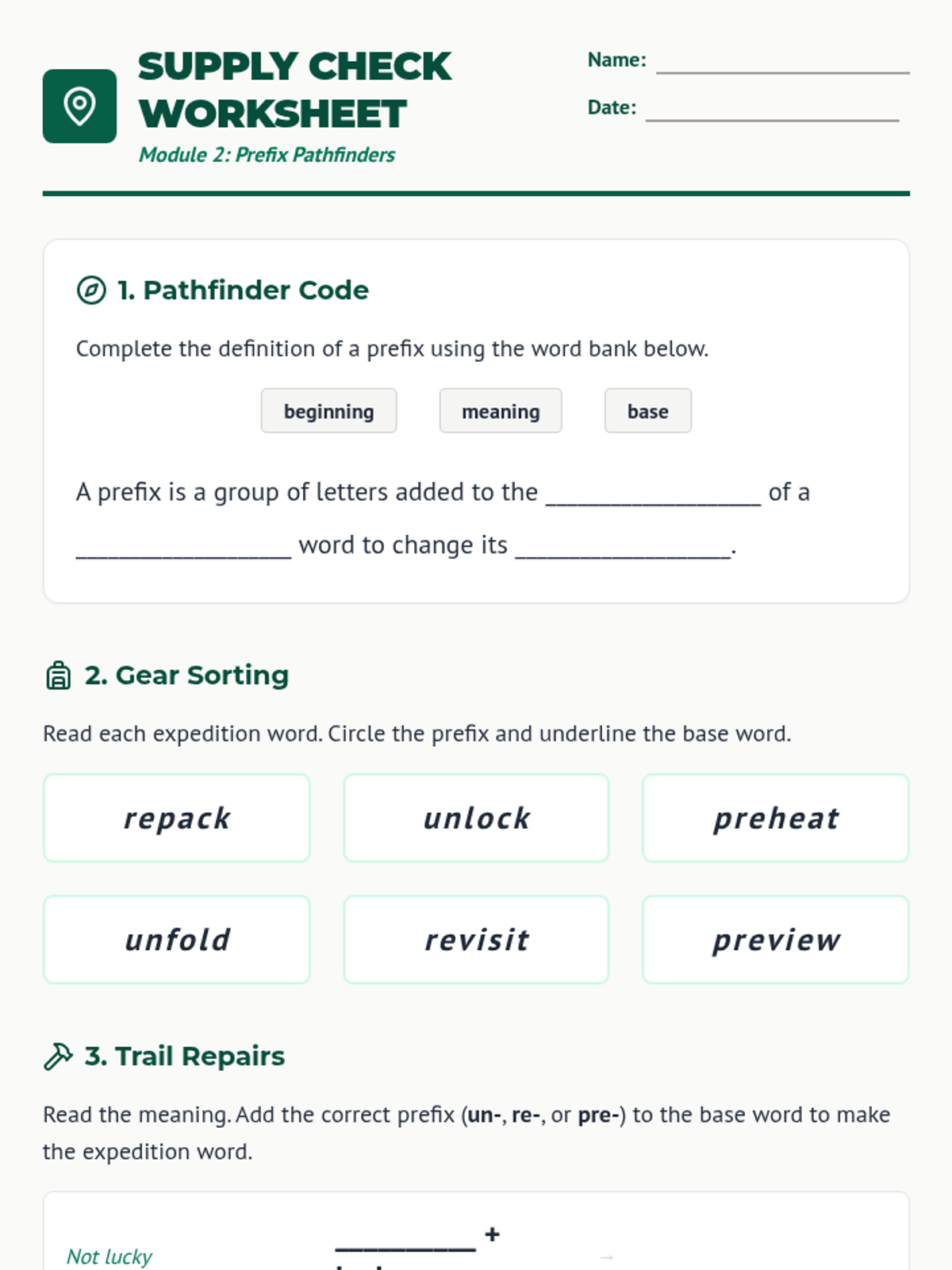
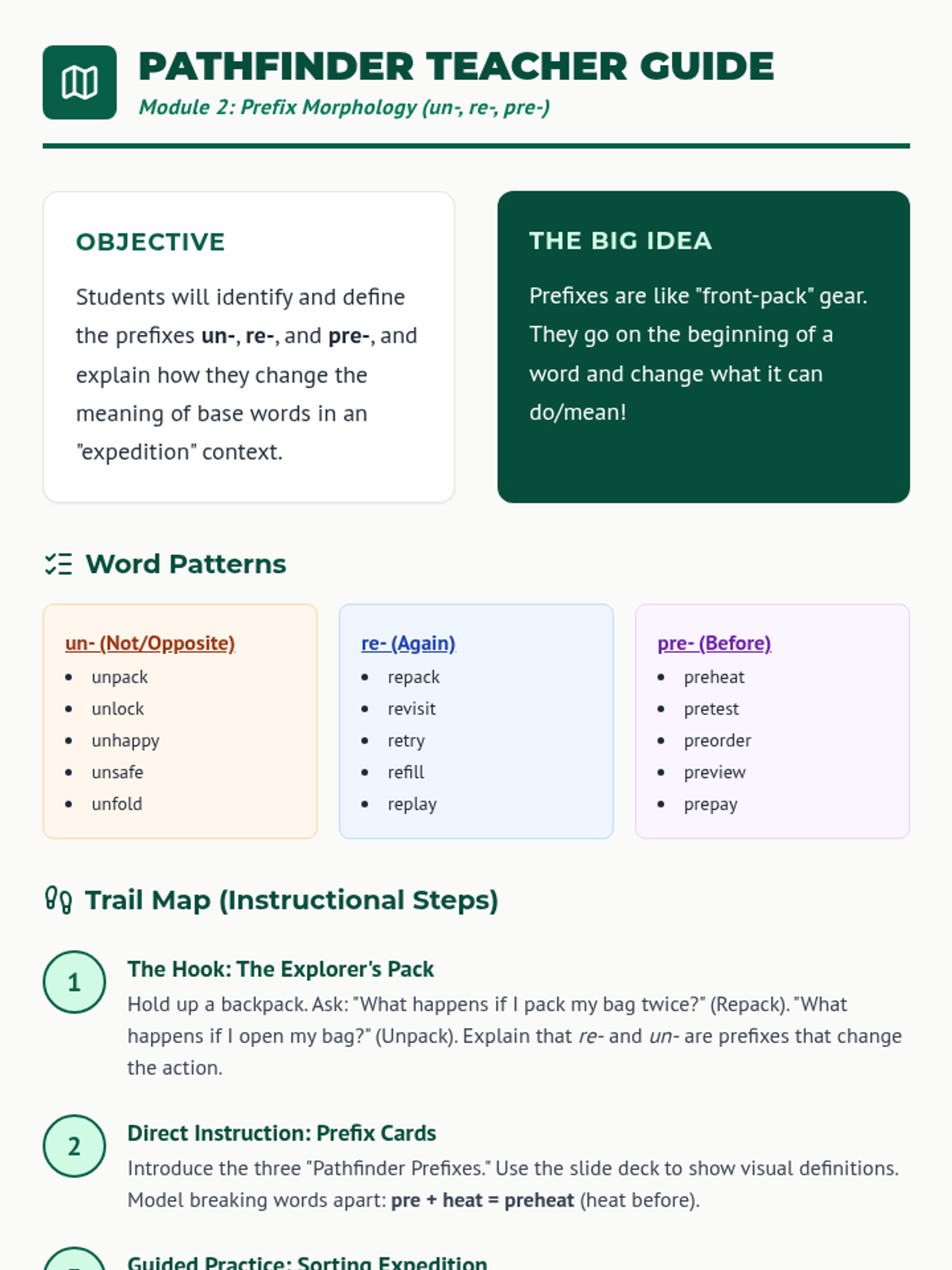
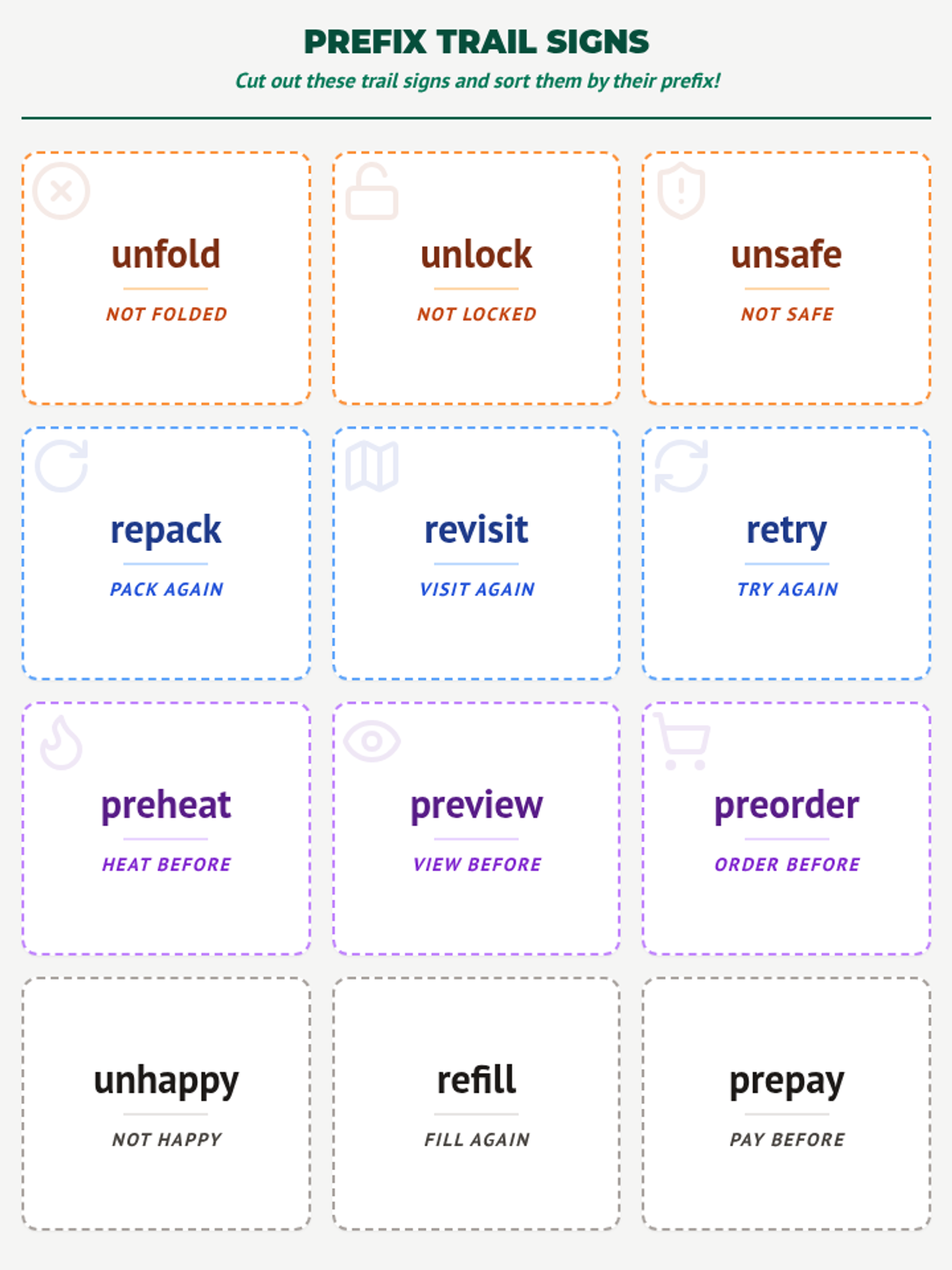
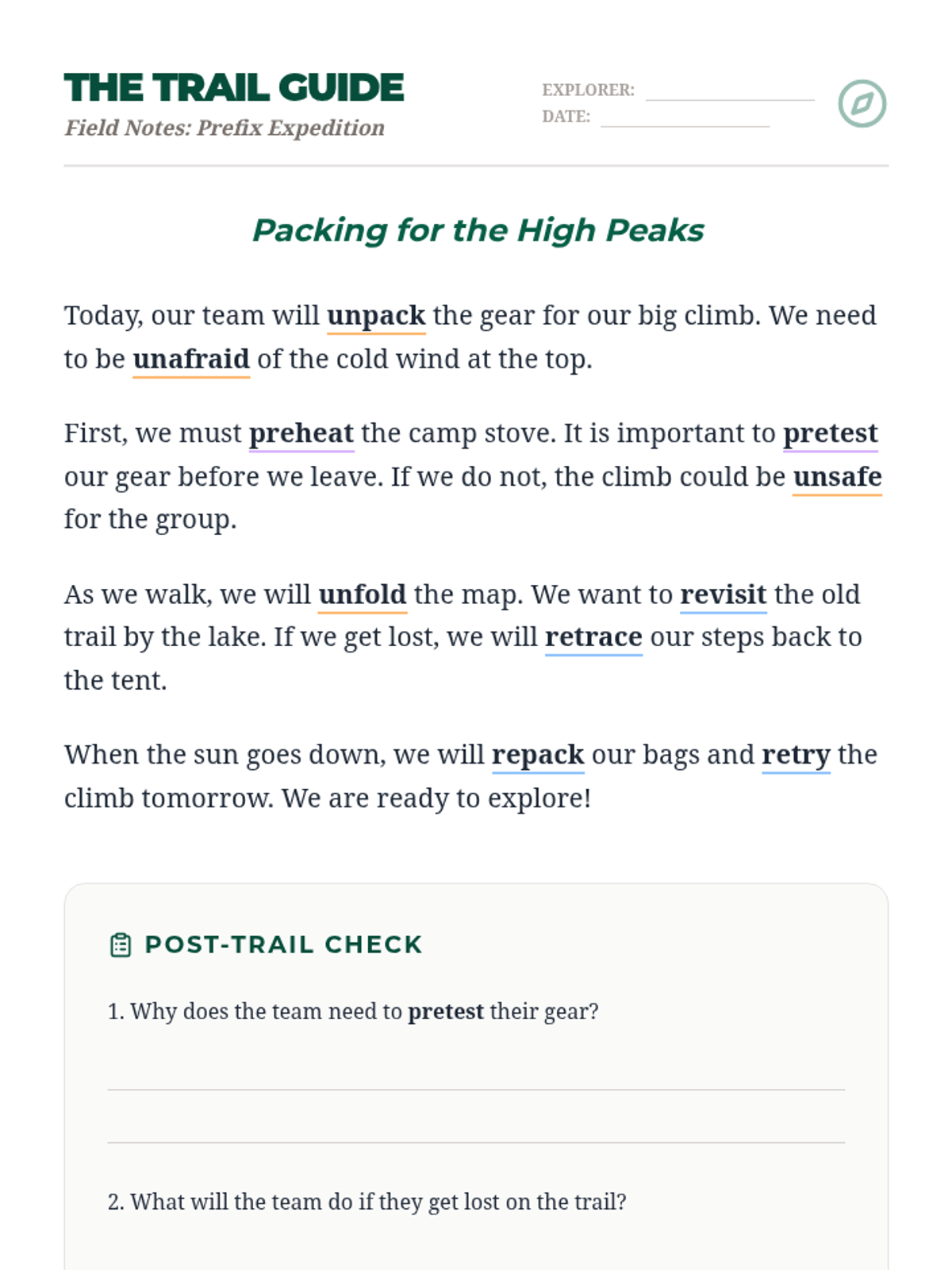
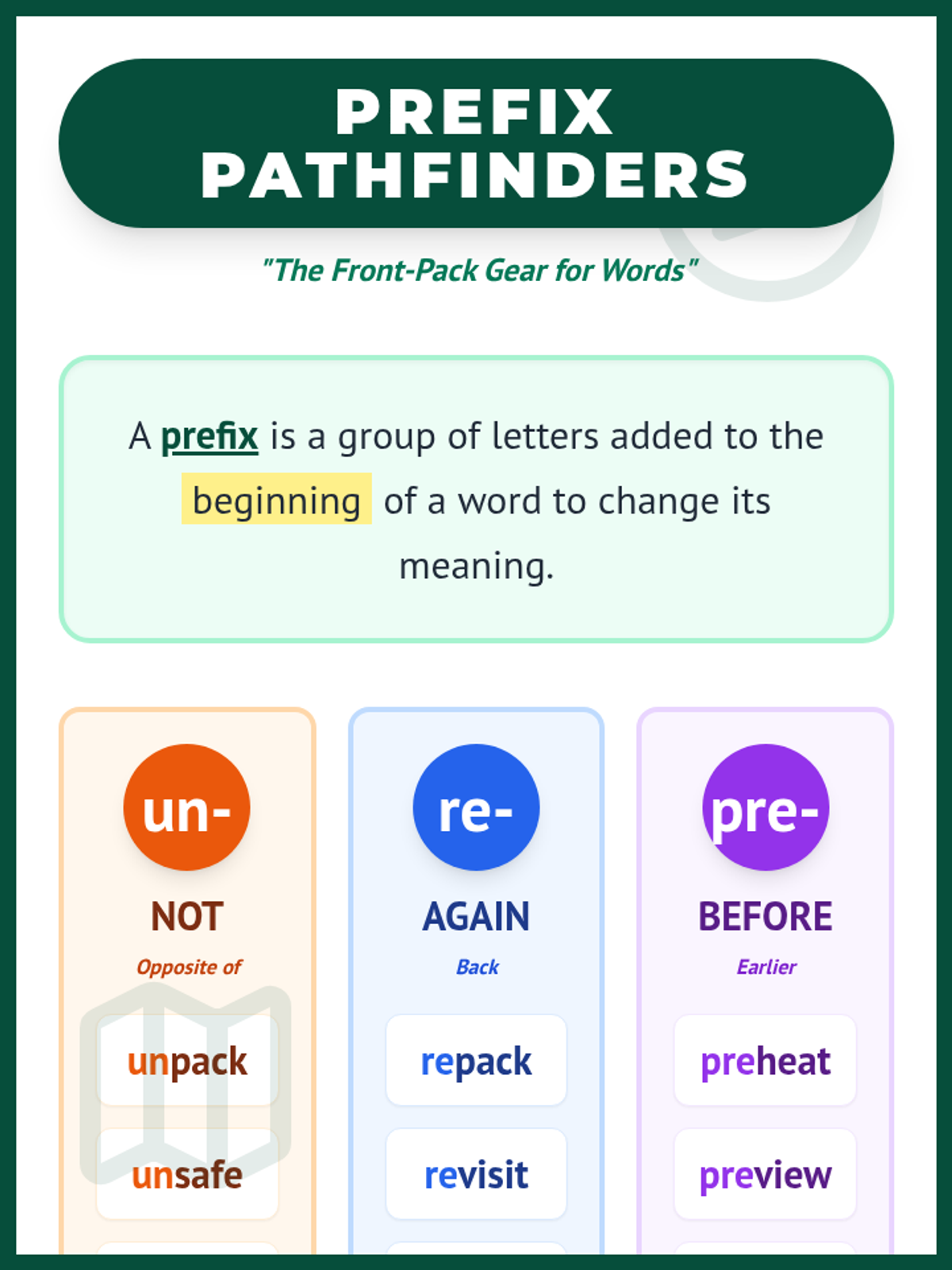
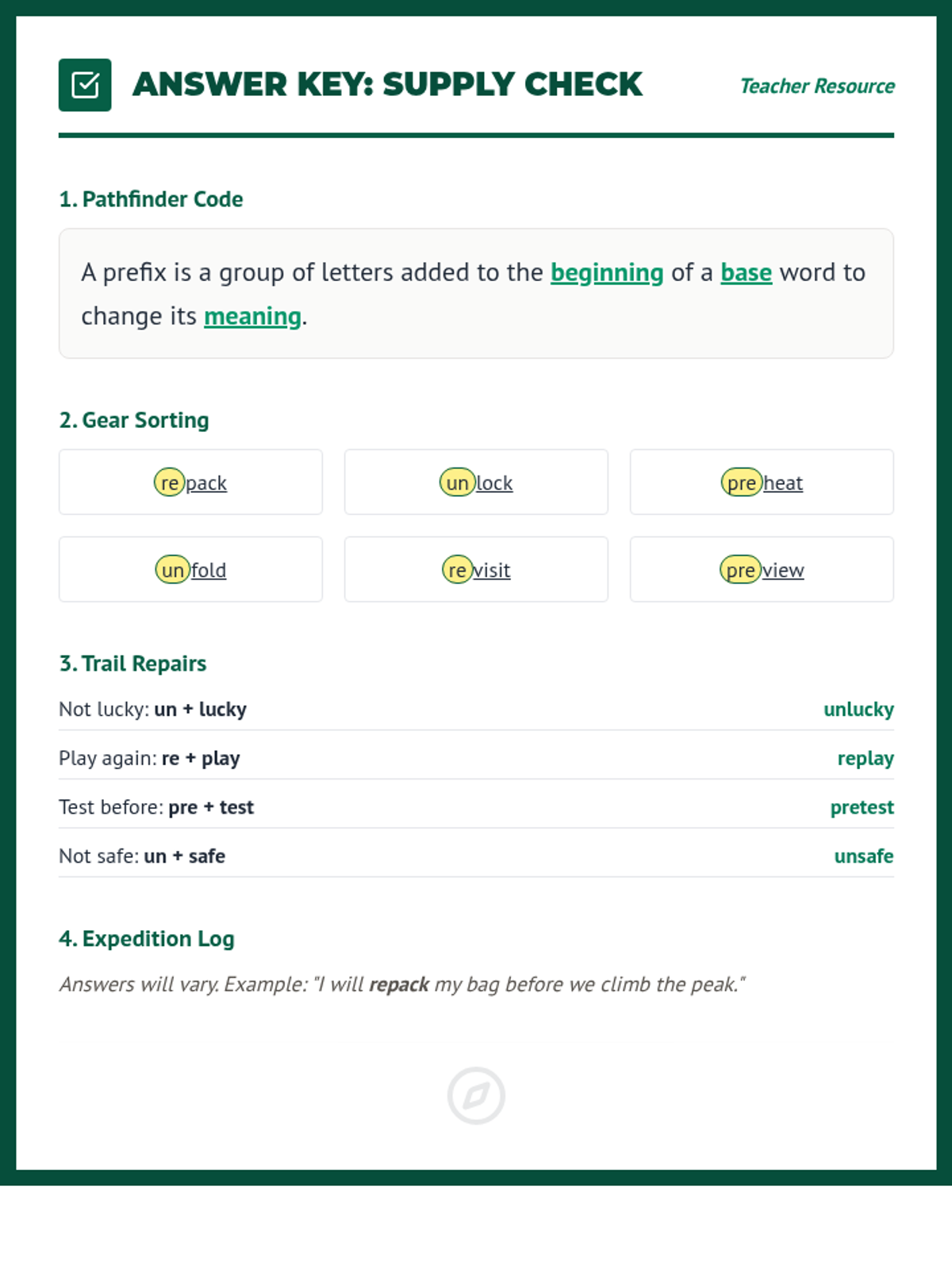
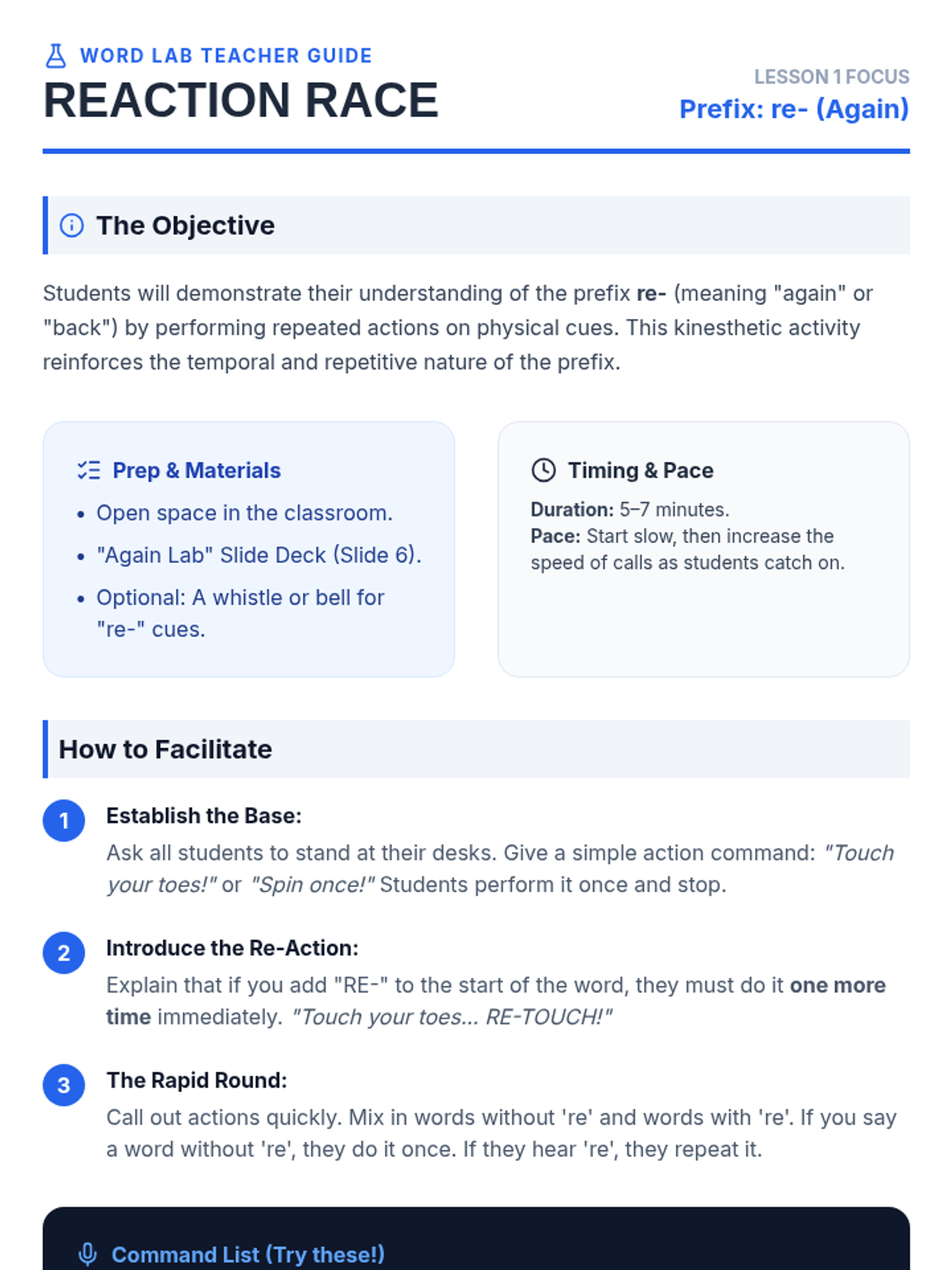
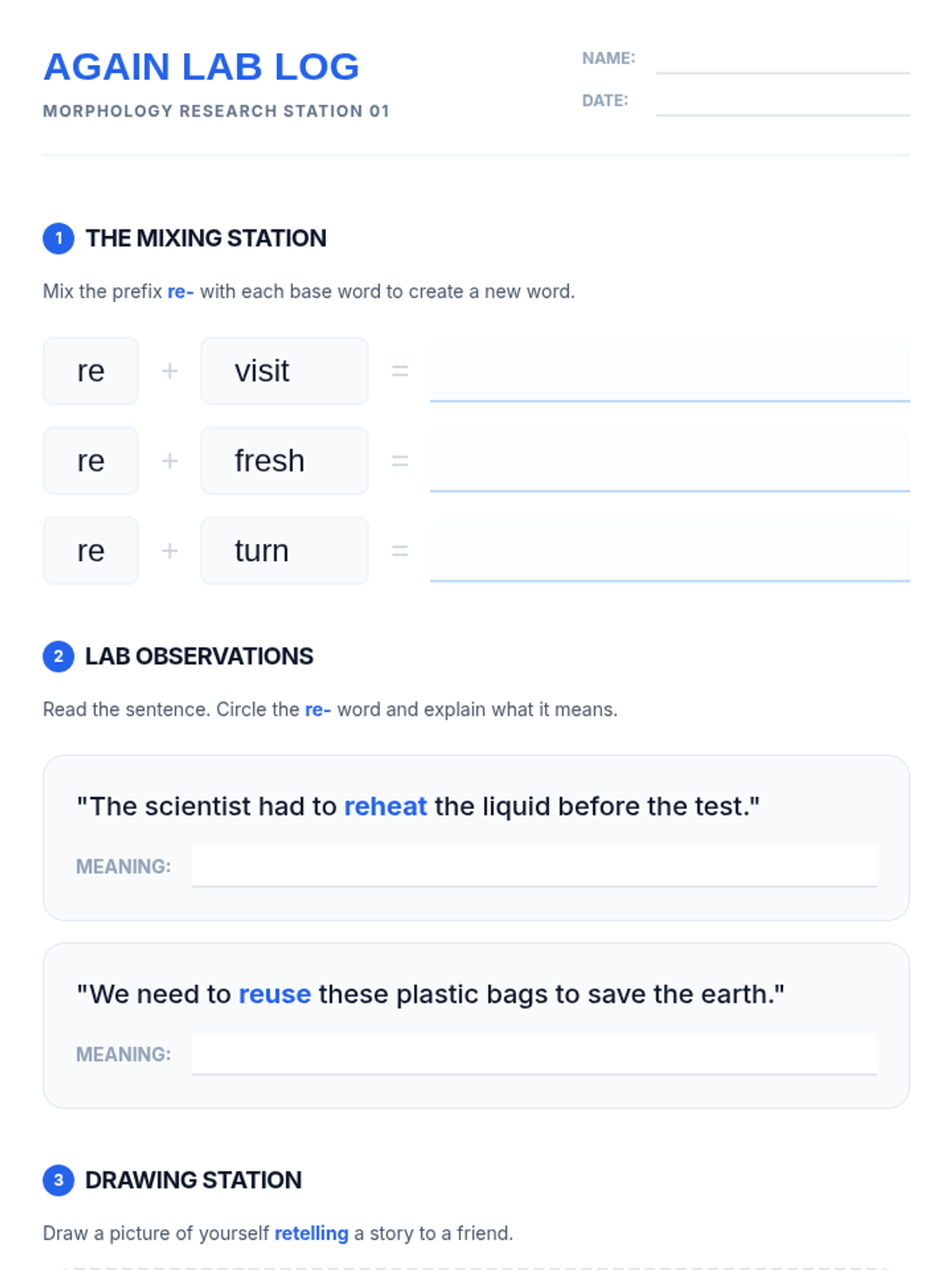
A 5-day intensive focus on common prefixes (re-, un-, pre-) and suffixes (-ly, -y) through daily interactive review slides, movement-based games, and lab-themed practice activities.
A series of lessons exploring complex spelling patterns including assimilated suffixes and chameleon prefixes to improve student decoding and spelling accuracy.
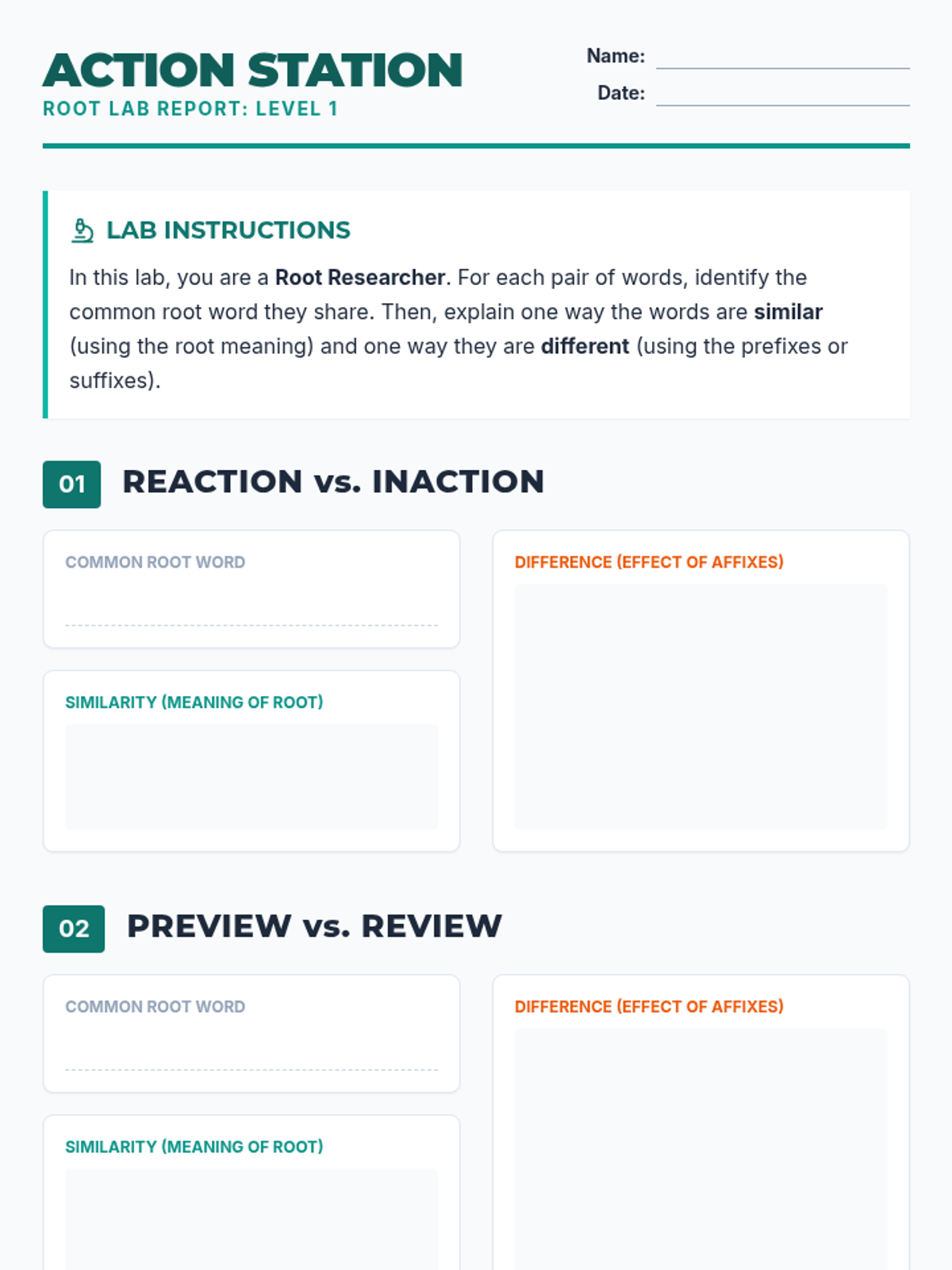
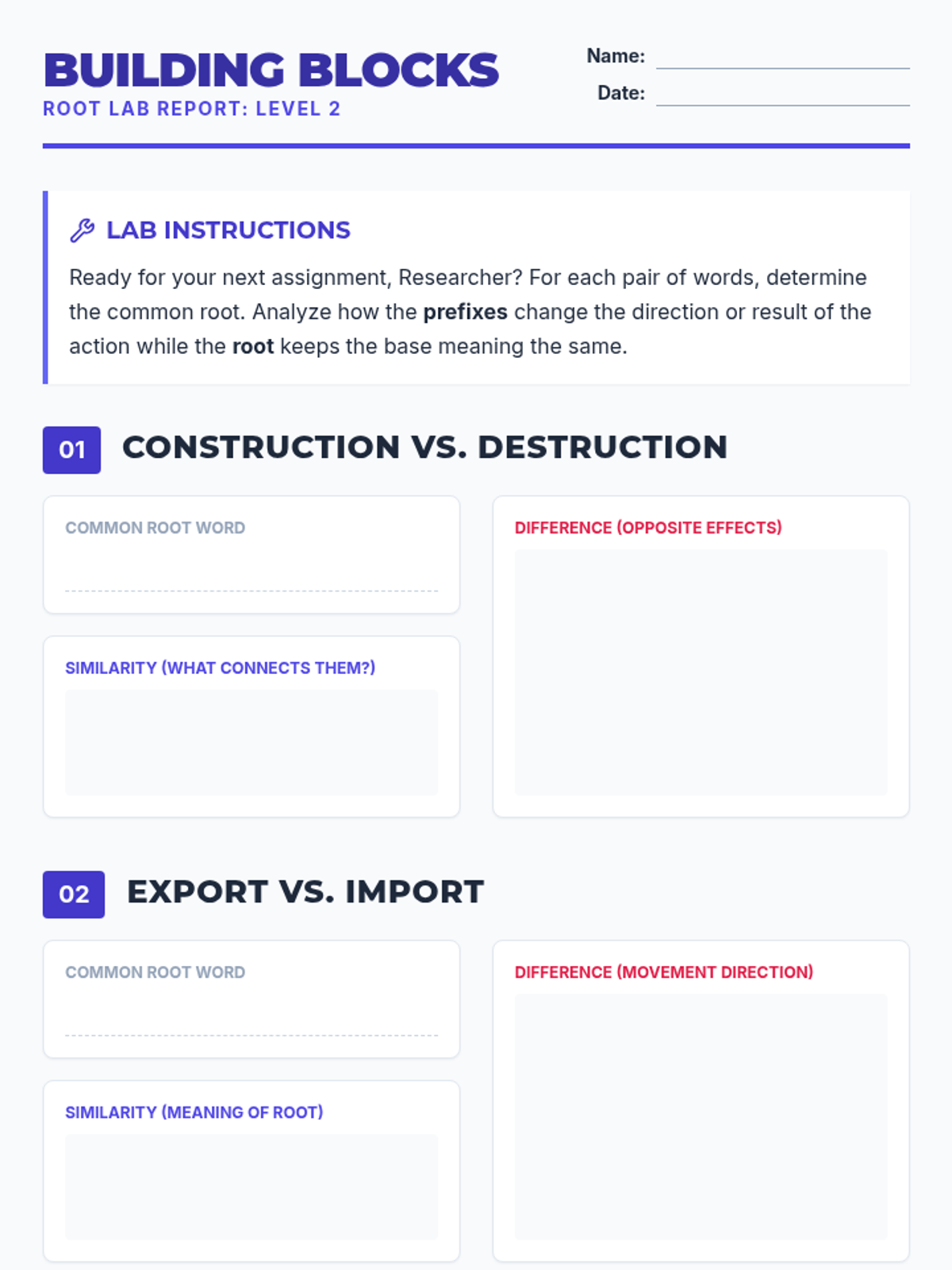
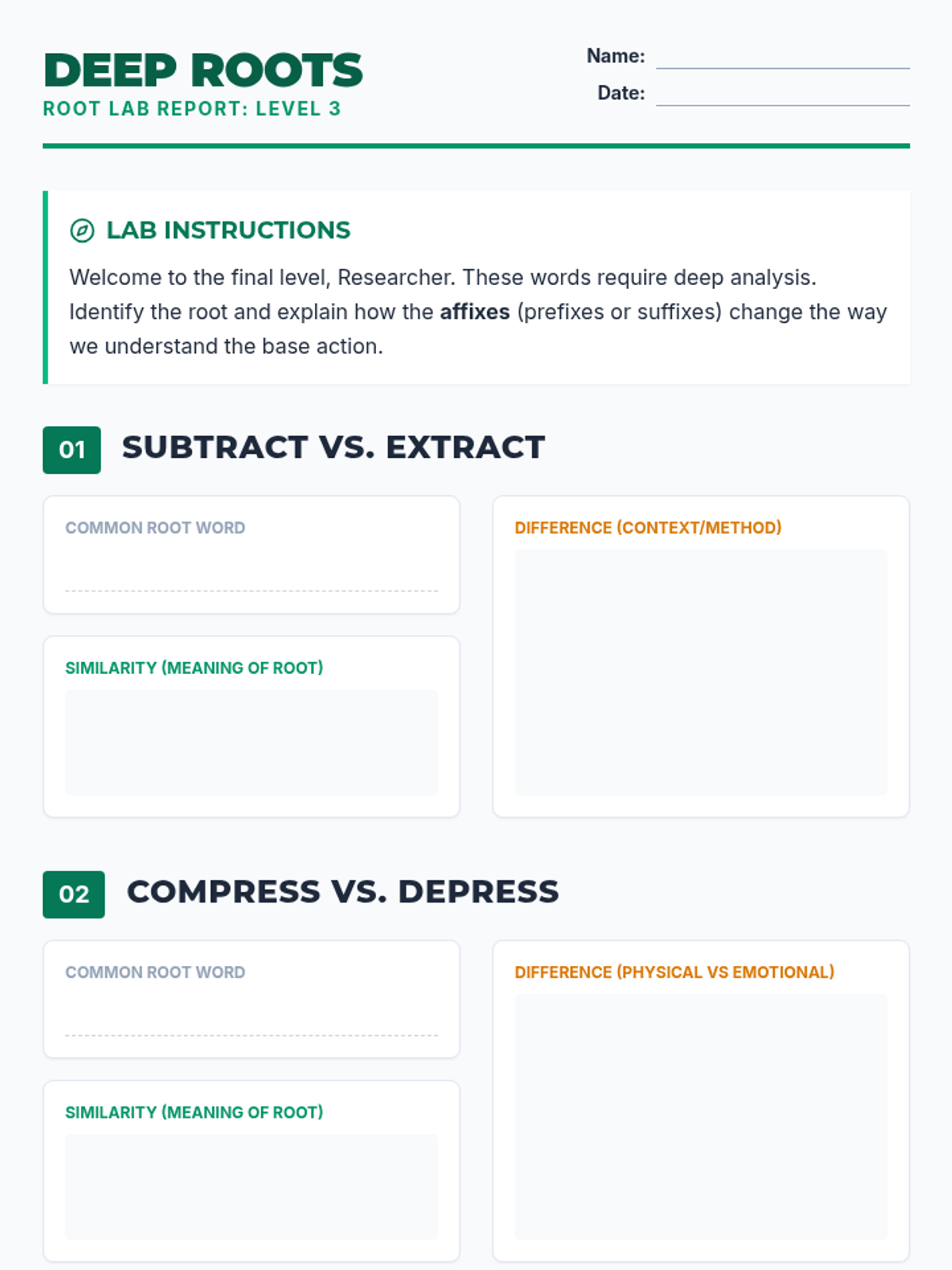
A series of lessons focused on Tier 2 and Tier 3 vocabulary for grades 3-5, specifically analyzing how different affixes change the meaning of common root words. Students practice identifying similarities and differences between word pairs sharing the same root.